


Skip to content
Gudeg
Featured recipe

Gudeg

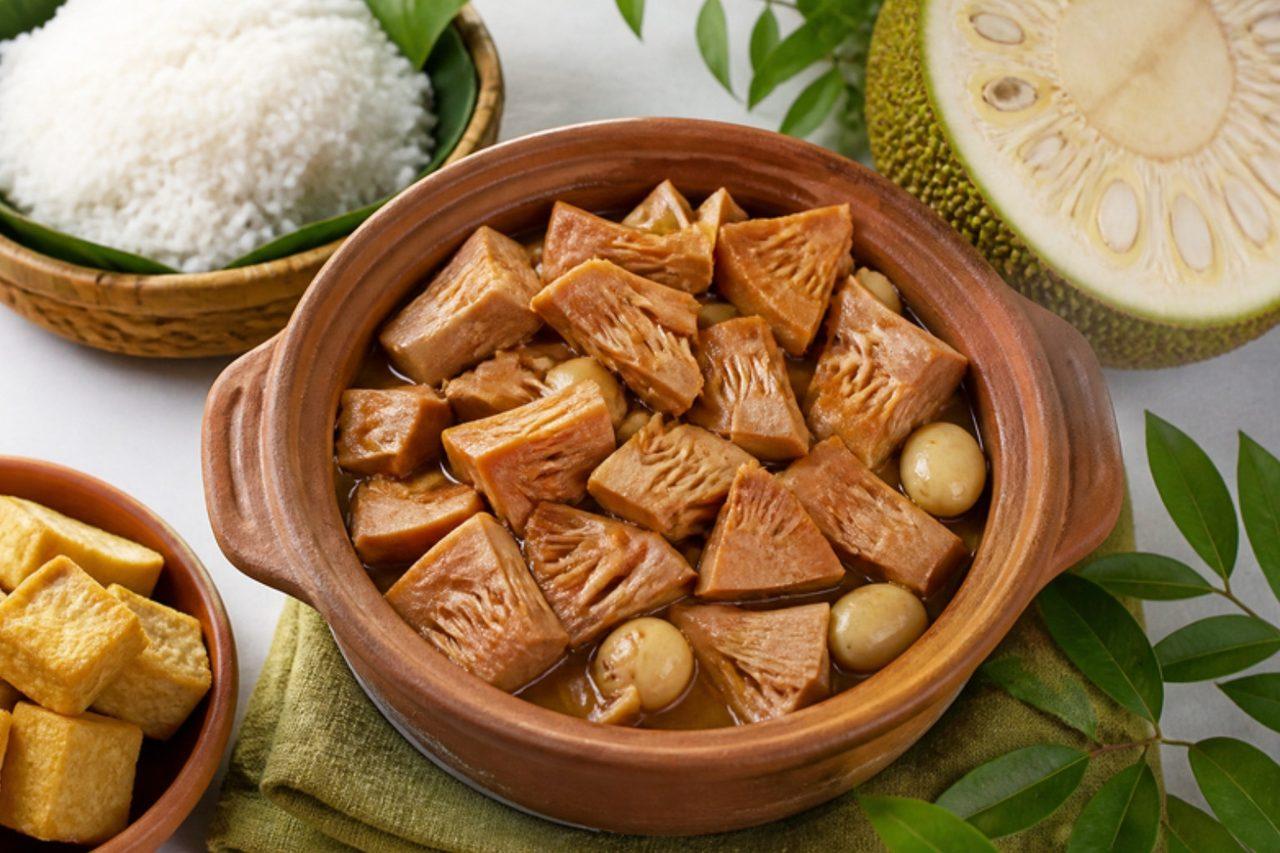
Gudeg is the signature of Yogyakarta: whole streets around Wijilan are lined with stalls selling it from dawn, and visitors carry it home in clay pots or woven baskets. Unripe jackfruit is cooked for hours with palm sugar, coconut milk, galangal and salam leaves until it turns reddish-brown, soft as pulled meat, and deeply sweet and savoury. The classic plate adds chicken, egg and spicy cattle-skin stew; this vegan plate pairs it with sticky-sweet tempeh and tofu and a sharp sambal to cut the sweetness. Chef's tip: let the pot cook down slowly until almost all the liquid is gone — drier gudeg keeps for days and tastes better on the second.

Read more 0 views

What to eat today?

Around the world

Today's trip: Moroccan

A new country every day, from every cuisine on the site.

This week's collection

Make-ahead meals
1569 recipes · a new collection every Monday

Latest recipes

Cuajada con melao

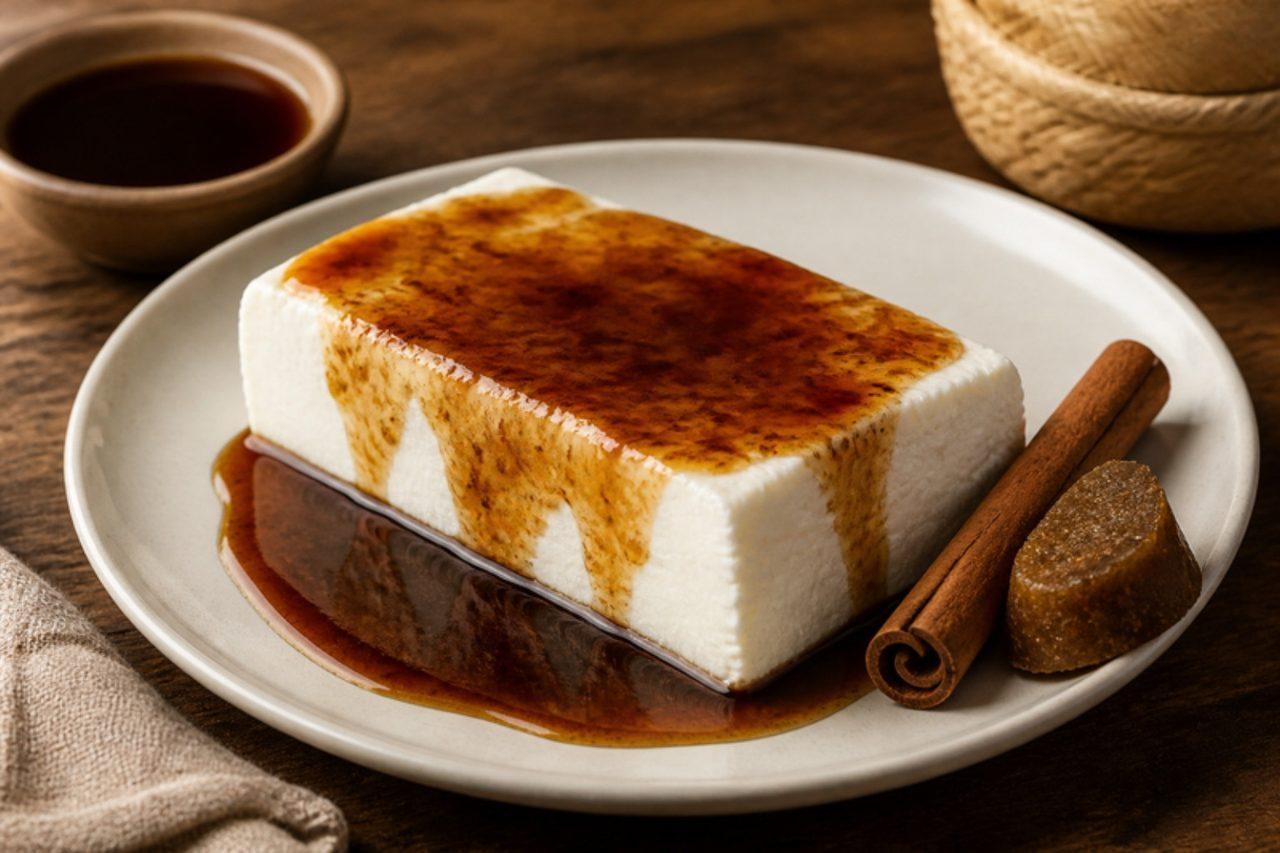
Simplicity is the charm of this Andean dessert: a slab of fresh, milky cuajada, barely salted, with a dark syrup of panela poured over it, still warm. Highland fondas between Bogotá and Boyacá serve it after a lunch of ajiaco or sancocho, and the contrast of cool, squeaky curd with molasses-deep, spiced syrup is the point. Cuajada is set with rennet, traditionally animal; buy a vegetarian curd or fresh ricotta-style cheese, or make cuajada at home with microbial rennet. Panela is unrefined cane sugar; dark muscovado is the closest swap. The mistake is boiling the syrup too long: it turns to toffee as soon as it meets the cold cheese. Take it off when it coats a spoon thinly. Chef's tip: a strip of lime zest in the syrup cuts the sweetness beautifully.

by KrazyBadal 0 views

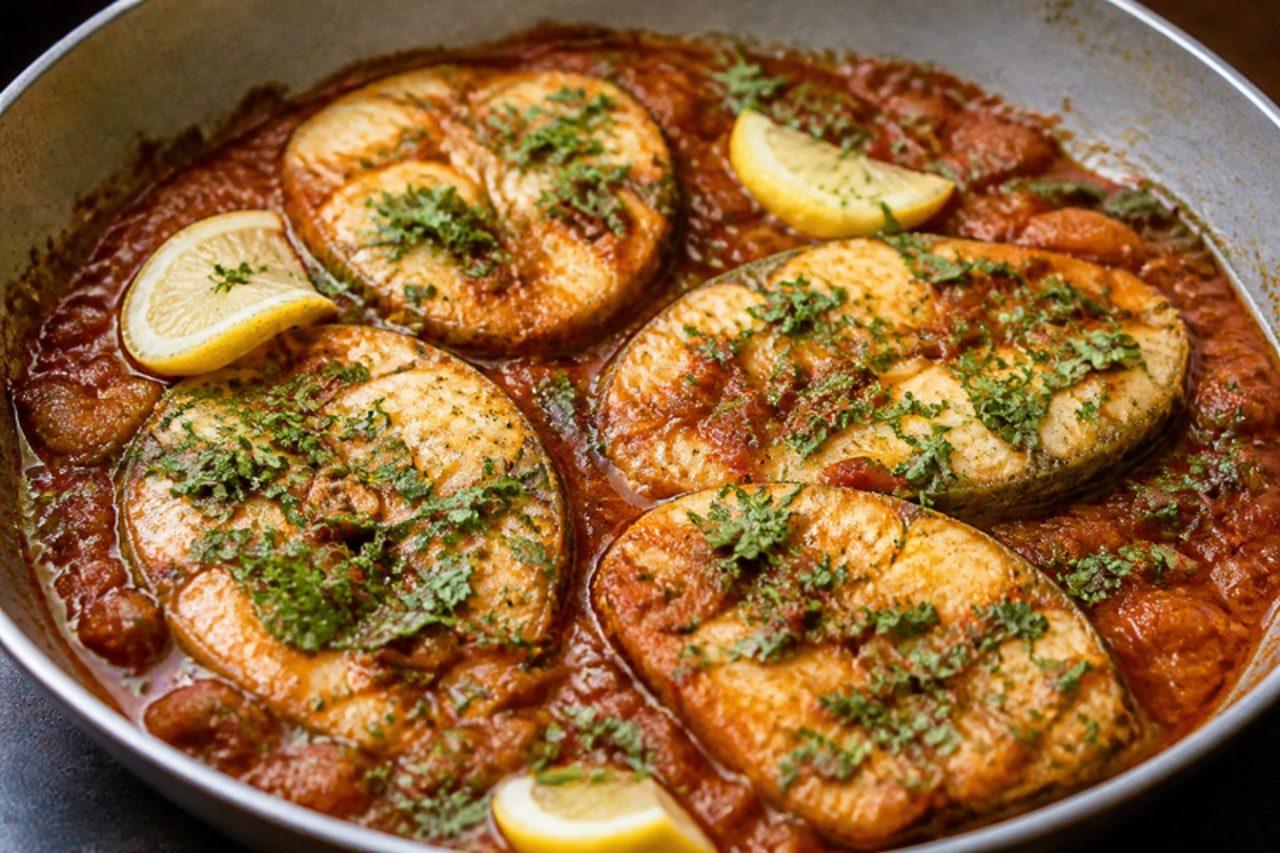
Encocado de pescado

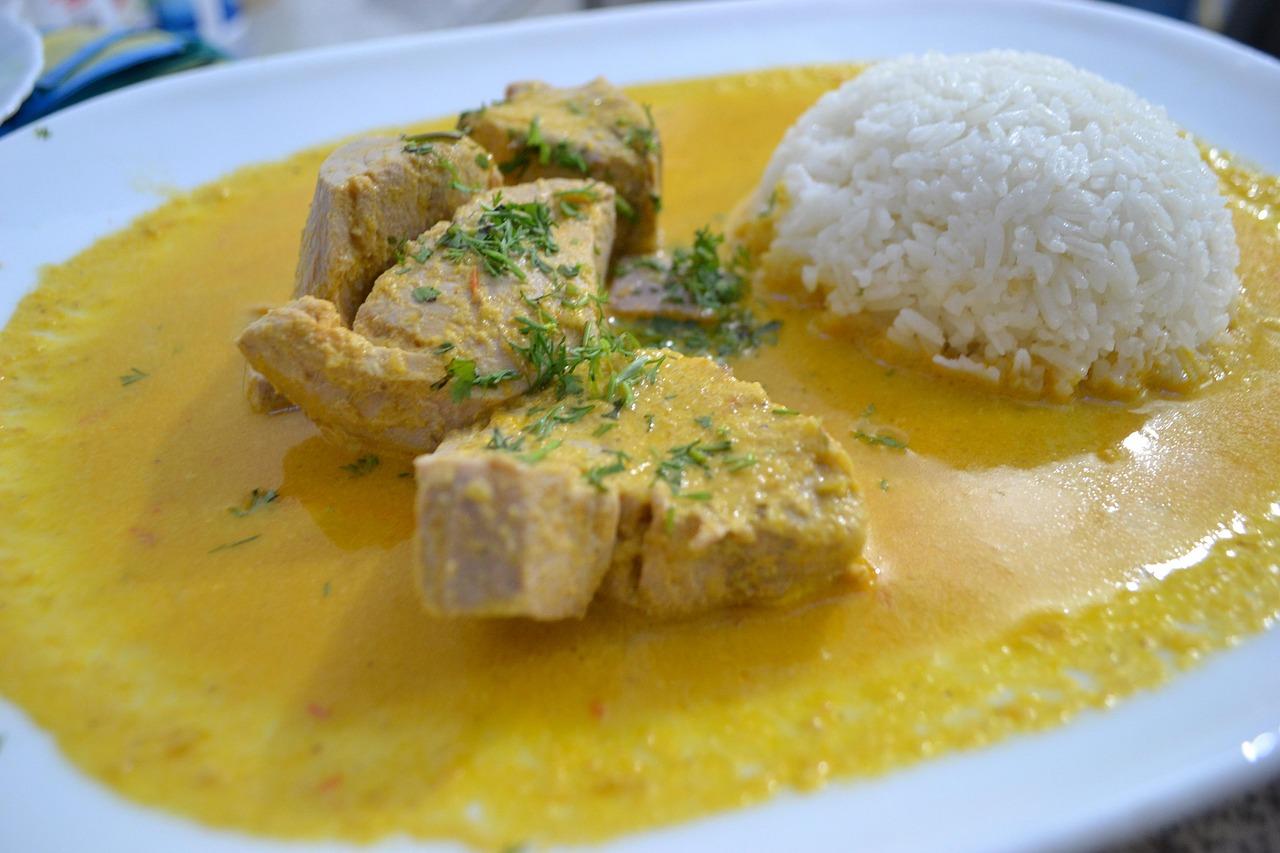
Fishing towns of the Colombian Pacific, from Buenaventura's Pueblo Nuevo market to the stilt houses of Tumaco, cook their catch in coconut milk scraped from fresh coconuts, with a refrito of onion, peppers and garlic and the coast's wild herbs: chillangua (culantro), poleo and oregano cimarrón. Encocado is lighter and more herbal than many coconut stews, mild rather than hot, with the fish just cooked in a creamy, pale-orange sauce. It is eaten at lunch with white or coconut rice and patacones or boiled green plantain. Boiling the coconut milk hard after the fish goes in is the classic error: the sauce splits and the fillets toughen, so keep it at a gentle bubble. Chef's tip: culantro (sawtooth coriander) is sold in Asian and Caribbean shops; if you can't find it, use twice the amount of ordinary coriander plus a few mint leaves to stand in for poleo.

by KrazyBadal 0 views

Rondón

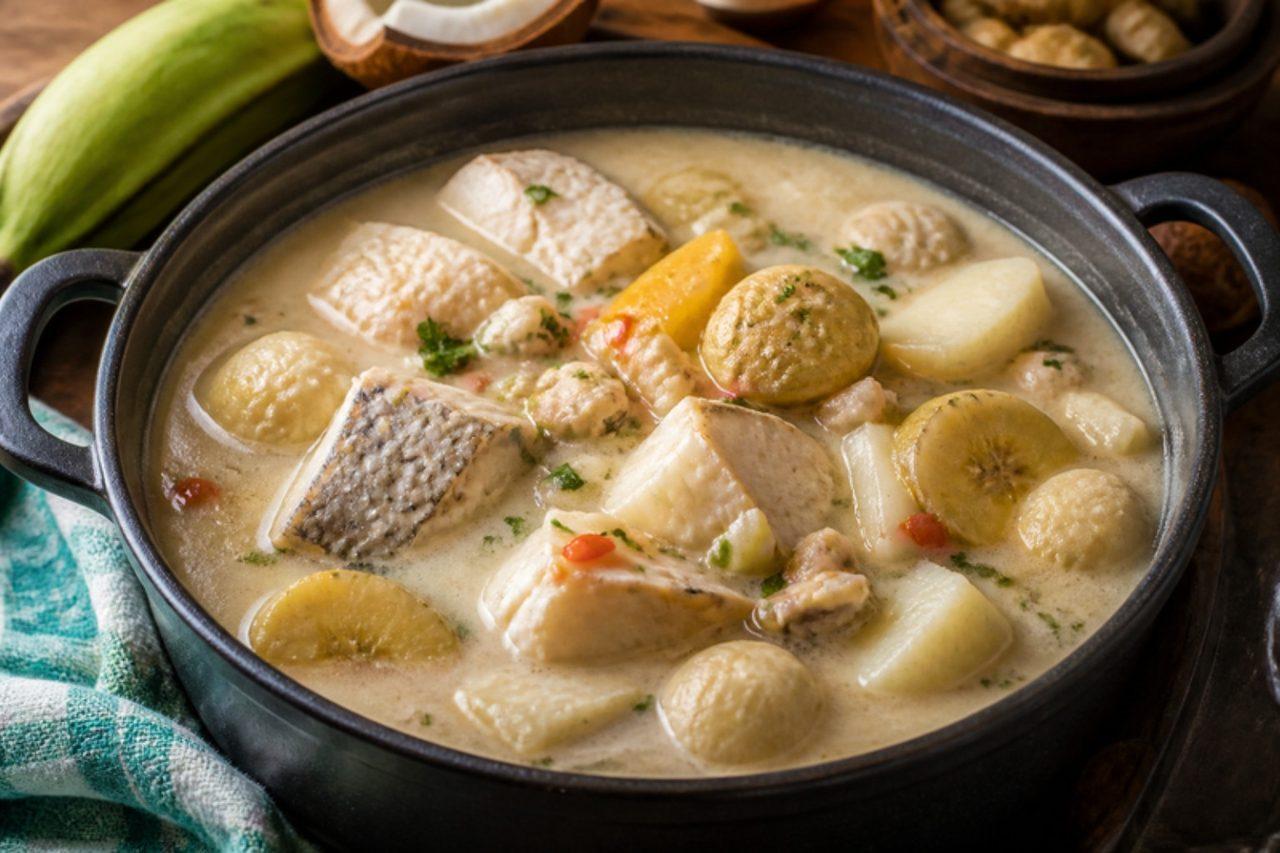
The English-speaking Raizal islanders of San Andrés and Providencia call it rundown, and it is cooked for a crowd on weekends and at beach gatherings: coconut milk boiled down until it 'runs down' and starts to release its oil, with cassava, green plantain, breadfruit or sweet potato, flour dumplings, salted pig tail and, on top, fish and conch steamed in the creamy broth. Pork appears as the salted tail, which seasons the pot. The broth is rich, coconut-sweet and herby with thyme, with a perfume of whole Scotch bonnet that gives aroma rather than fire as long as it doesn't burst. Start the day before: the pig tail needs overnight soaking. A common mistake is stirring once the fish goes in, which breaks it up; layer it and let the steam do the work. Chef's tip: queen conch is protected in much of the Caribbean, so buy only legally sourced frozen conch, or swap in large raw prawns added with the fish.

by KrazyBadal 0 views

New York potato knishes

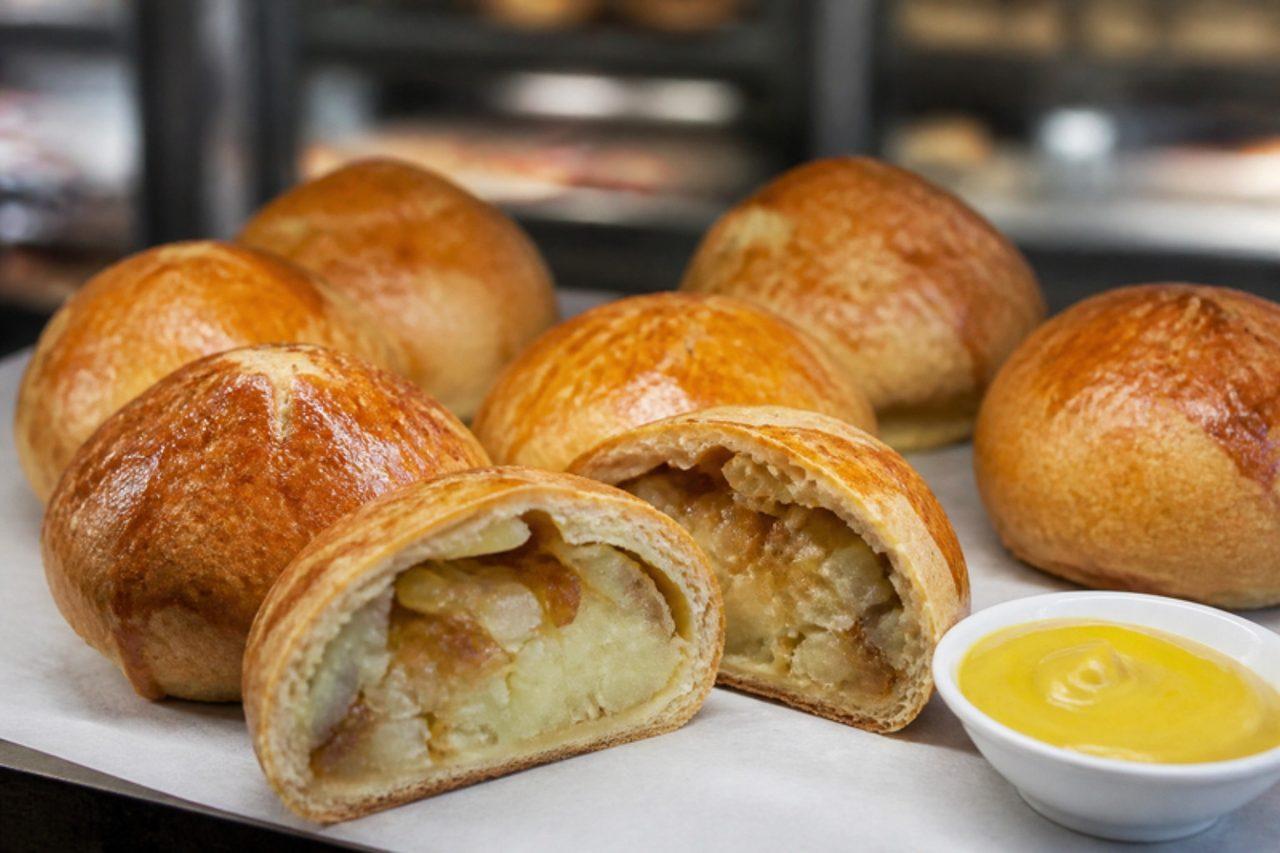
Knishes came from Eastern Europe with Jewish immigrants and became Lower East Side street food, sold from carts and the old knishery on Houston Street with a dab of brown mustard. A thin, stretchy oil dough is wrapped around a peppery filling of mashed potato and deeply browned onions, then baked golden. Chef's tip: cook the onions slowly until truly brown and sweet; pale onions make a bland filling.

by KrazyBadal 0 views

Mojarra frita

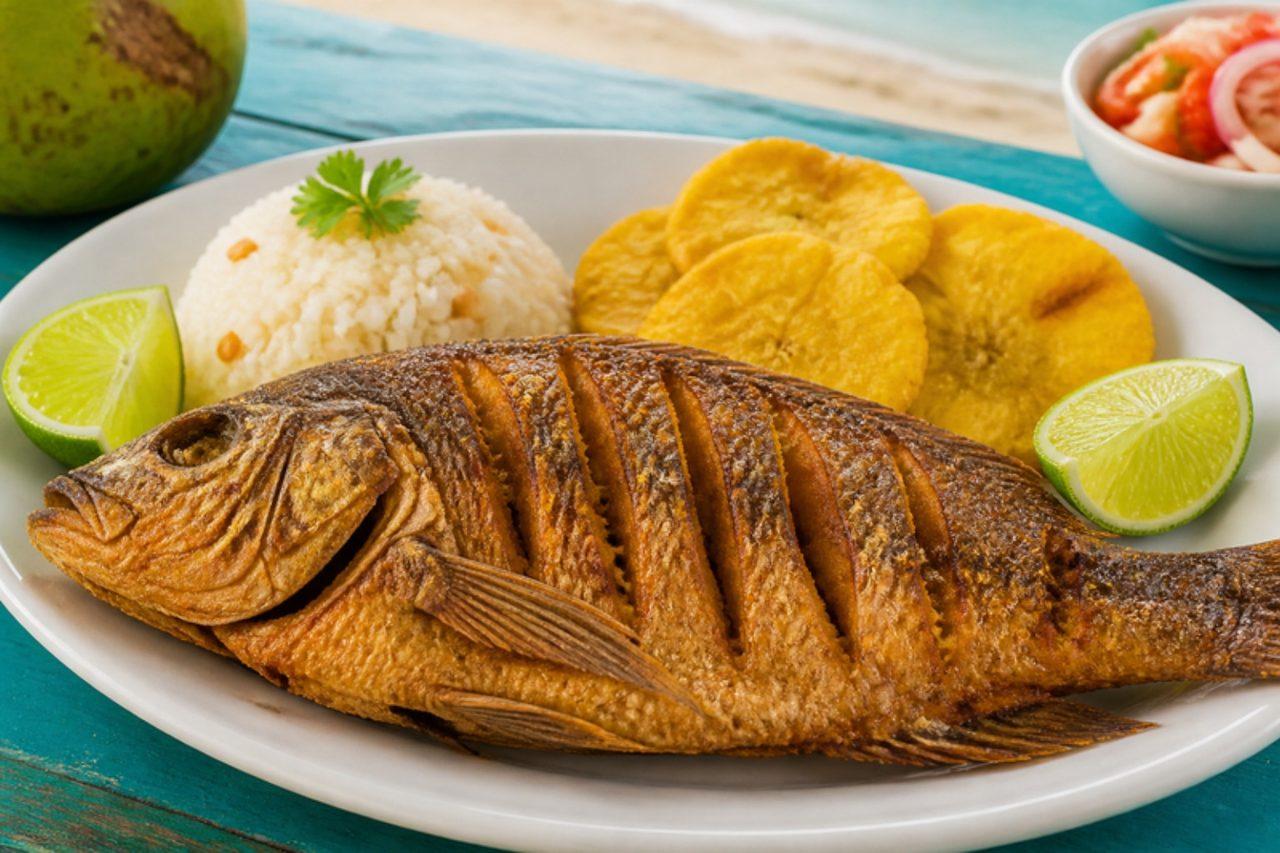
On the beaches of Bocagrande and in the open-air kitchens of La Boquilla outside Cartagena, the lunch plate is a whole mojarra (tilapia) fried until its fins crackle, served with coconut rice, smashed green plantain patacones and a tomato and onion salad with lime. The skin goes shatteringly crisp, the flesh stays sweet and moist, and you eat it with your fingers, pulling meat off the bone. Scoring the sides lets the heat and seasoning reach the thick part near the spine. The mistake to avoid is putting a wet fish into the oil, which spits dangerously and leaves the skin soggy: pat it very dry and dust it lightly. Chef's tip: fry one fish at a time in plenty of oil and don't move it for the first 4 minutes, so the skin sets before you turn it. Serve with arroz con coco for the full Caribbean plate.

by KrazyBadal 0 views

Butifarra soledeña

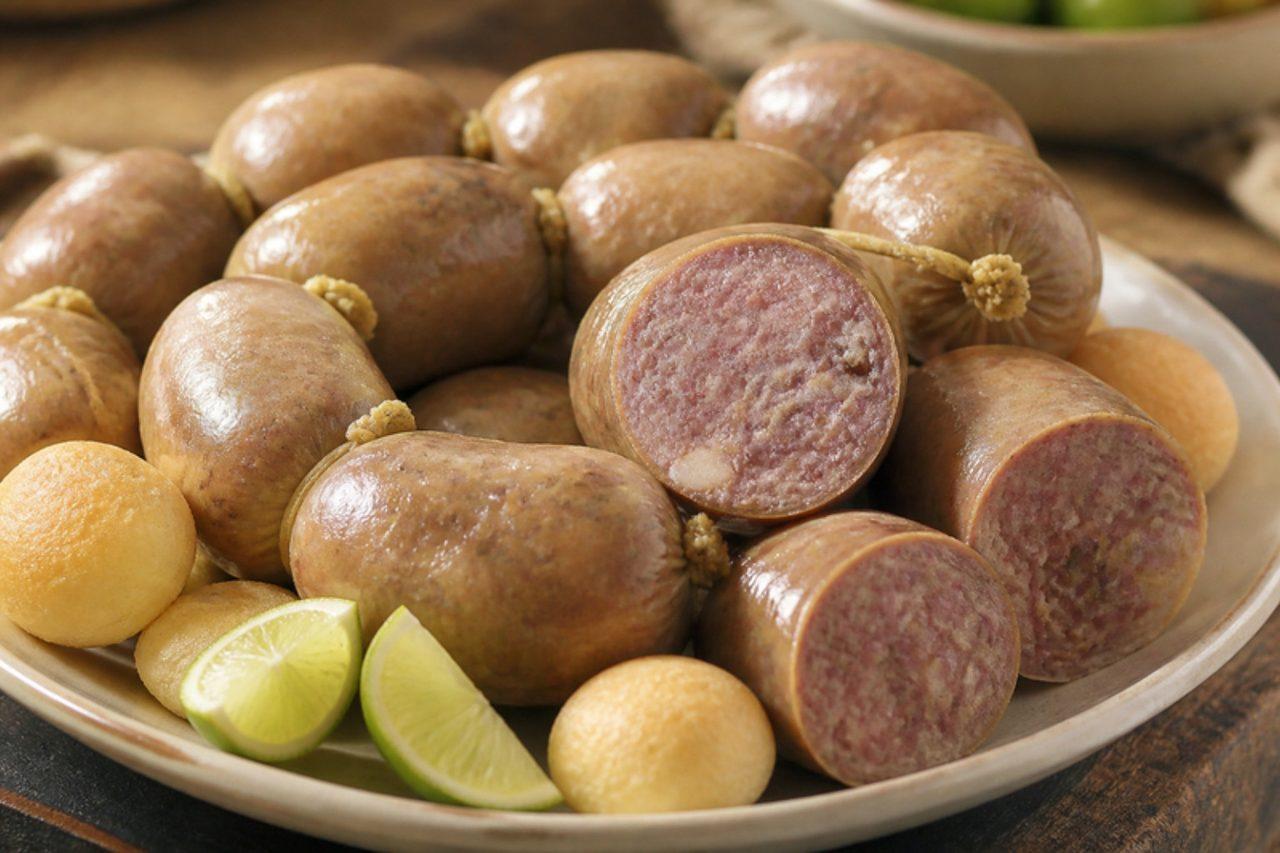
Around Barranquilla, the street call of 'butifarra, butifarra' comes from vendors pushing carts out of Soledad, the town that made these little sausages famous; there's even a festival for them every July. They are small, round links of beef and pork seasoned with nothing more than salt and plenty of black pepper, boiled rather than grilled, so they stay tender, juicy and pale. Sellers squeeze lime over them and hand them out with a bollo de yuca, a firm steamed cassava roll. They are simple, peppery and a little sour from the lime. Using lean meat is the usual mistake: without the pork fat they turn dry and grainy. Chef's tip: tie the links into small, round balls about 4 cm across and boil them gently; a rolling boil splits the casings.

by KrazyBadal 0 views

Mazamorra

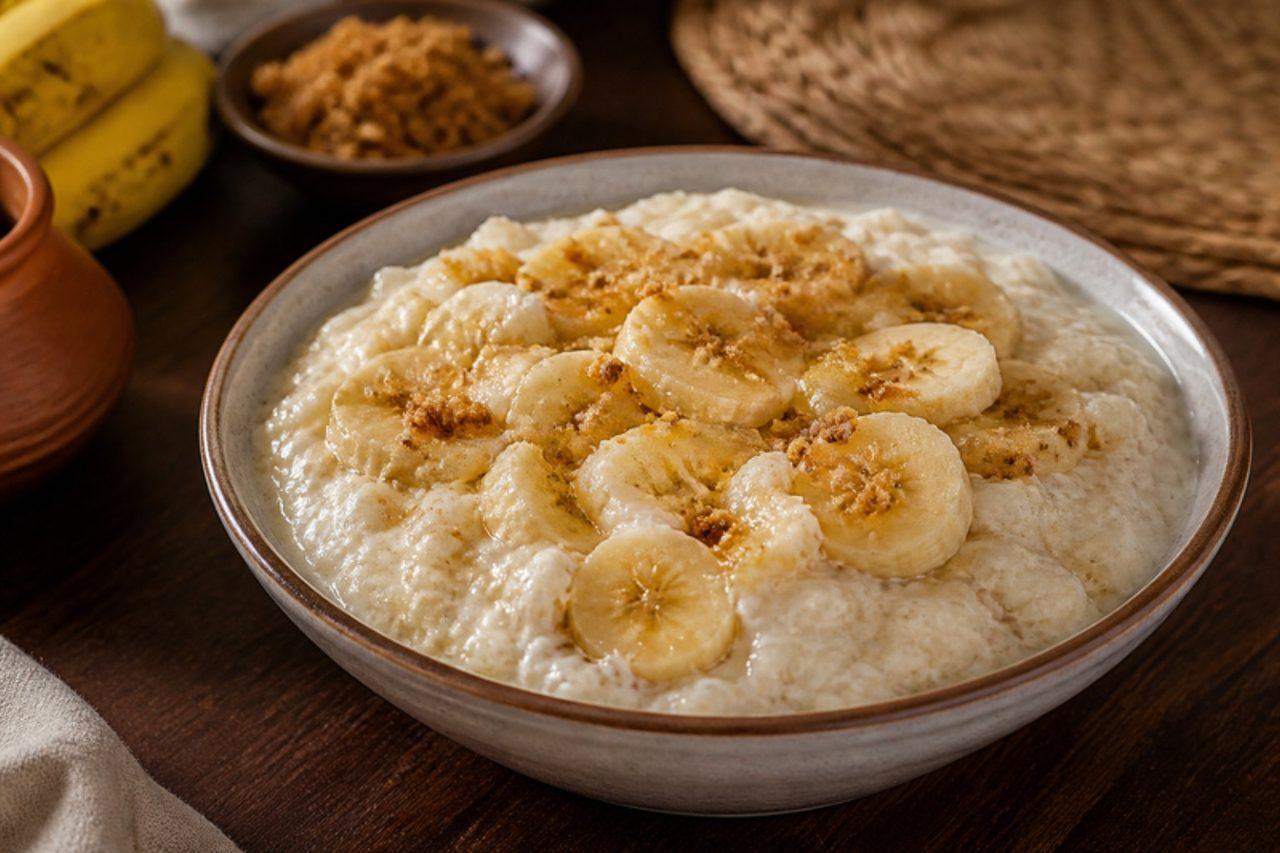
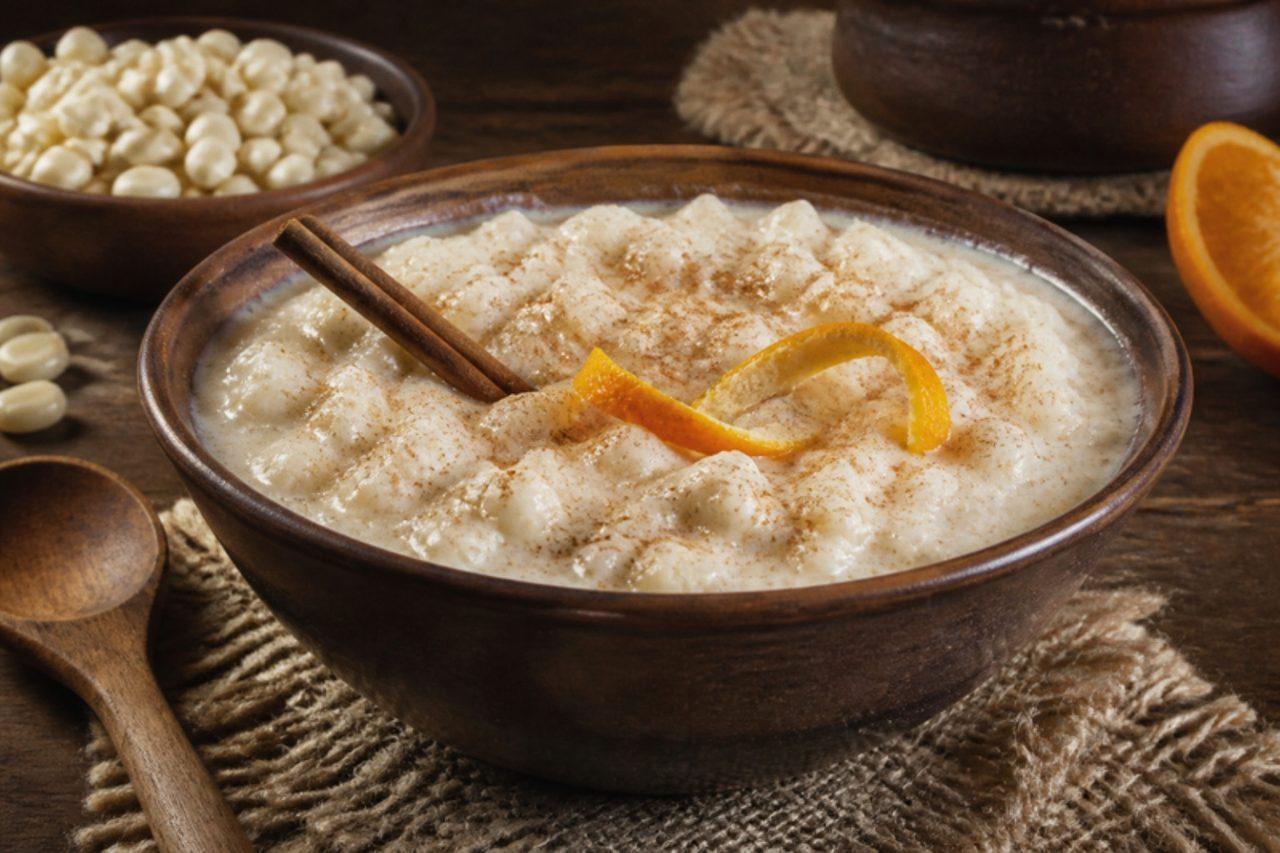
Long before cake, there was mazamorra: dried white maize, soaked and simmered with water until the kernels burst, then finished with milk, sugar and cinnamon. In colonial Buenos Aires mazamorreras sold it from clay pots on the street, and it still turns up at school and town-hall celebrations every 25 May and on cold evenings in the interior, eaten warm or cold from a bowl. The kernels stay pleasantly chewy in a creamy, gently sweet milk, a bit like rice pudding with more bite. Look for maíz blanco pisado (cracked white hominy) in Latin American shops; dried white pozole corn is the closest substitute. Plan ahead: the corn needs soaking overnight. Adding the milk too early is the main mistake, because the corn will not soften in milk and the pot catches on the bottom, so cook it in water first. Chef's tip: stir in a little of the hot liquid with the sugar before you add the rest of the milk, and serve it with a dusting of cinnamon or a spoonful of honey.

by KrazyBadal 0 views

Pan dulce

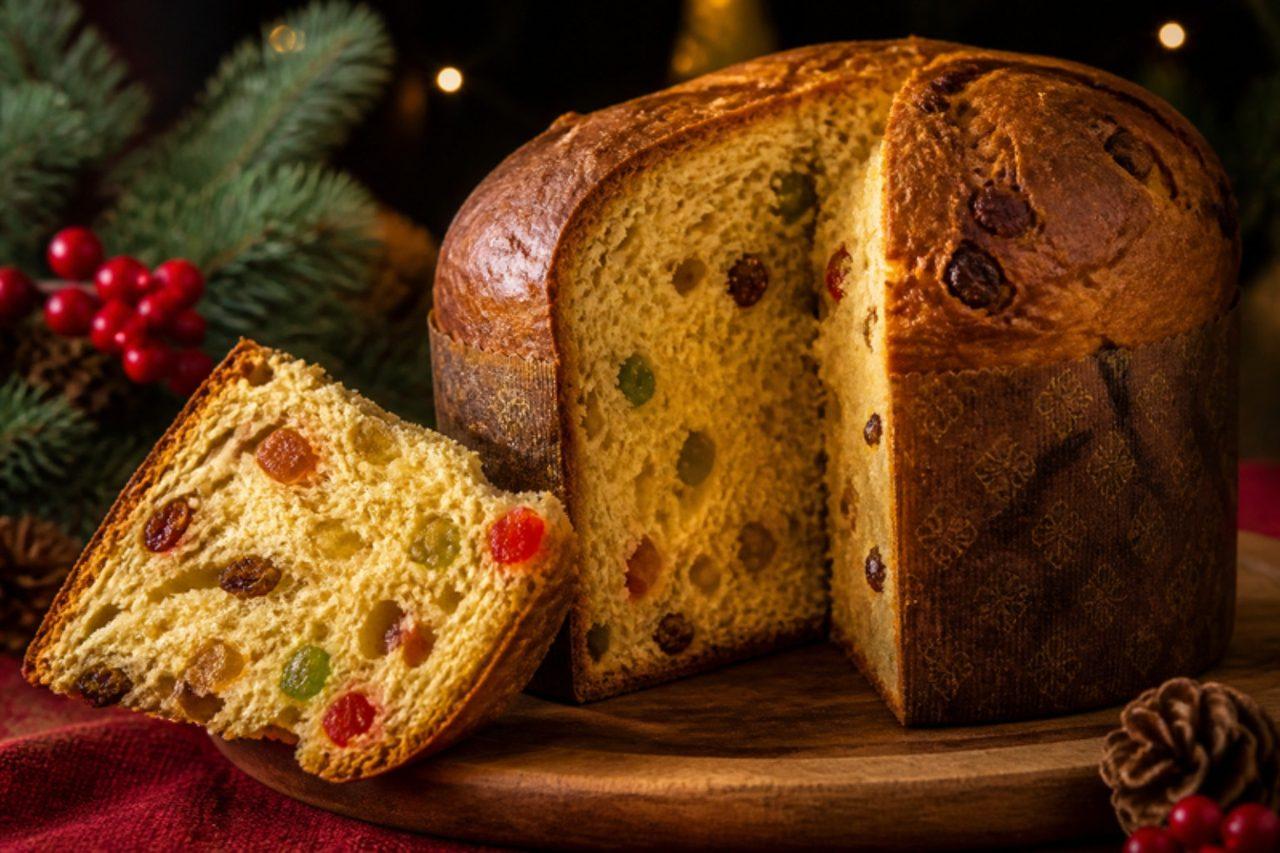
No Argentine Christmas Eve table is complete without a pan dulce, set out at midnight with turrón, nuts and a cold cider for the adults. The bread is the River Plate take on Genoese pandolce and Milanese panettone: a tall, buttery yeast dough scented with orange blossom and lemon, packed with candied fruit, raisins and walnuts. The crumb is closer and moister than panettone, and it keeps for a week wrapped in a cloth. Allow a long day, as the dough has a sponge and two rises. Some bakers soak the fruit in rum or sweet wine; here it is soaked in orange juice, so the bread is alcohol-free. People often add the fruit at the start of kneading, which shreds the gluten and gives a heavy, sunken loaf; work it in only once the dough is silky. Chef's tip: bake it in a tall paper mould or a 16 cm tin lined with a collar of baking paper, and turn it upside down onto a rack for the first 20 minutes of cooling so the top does not sink.

by KrazyBadal 0 views

Marranitas

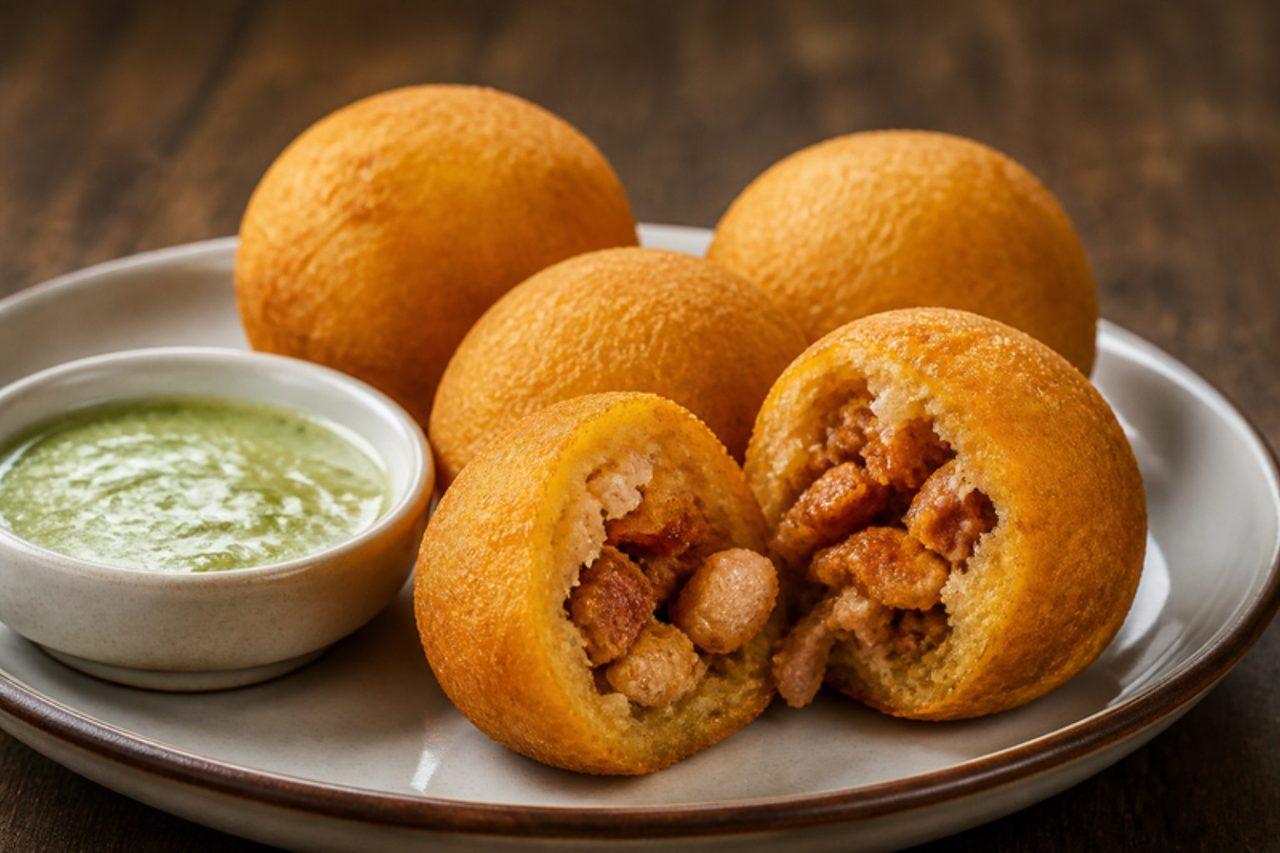
Breakfast stalls along Cali's busy streets and the bakeries of the Valle del Cauca fry marranitas all morning: green plantain, half-fried, pounded while hot and shaped around a nugget of crunchy pork chicharrón, then fried again until crisp and golden. The name means 'little piglets', after the pork inside. The outside shatters, the plantain layer is dense and starchy and the crackling gives a salty, porky crunch in the middle. Eat them hot with a mug of coffee or hot chocolate, or as a snack with ají and hogao for dipping. The plantains must be truly green and hard; yellowing ones turn sweet and sticky and won't hold a crisp shell. Chef's tip: pound the plantain the moment it comes out of the first fry, using a little warm salted water on your hands; once it cools it stiffens and cracks when you shape it.

by KrazyBadal 0 views

Showing 9 of 6,261 recipes

Show more recipes

Page 211 of 696