
Skip to content
Pan con tomate
Featured recipe

Pan con tomate

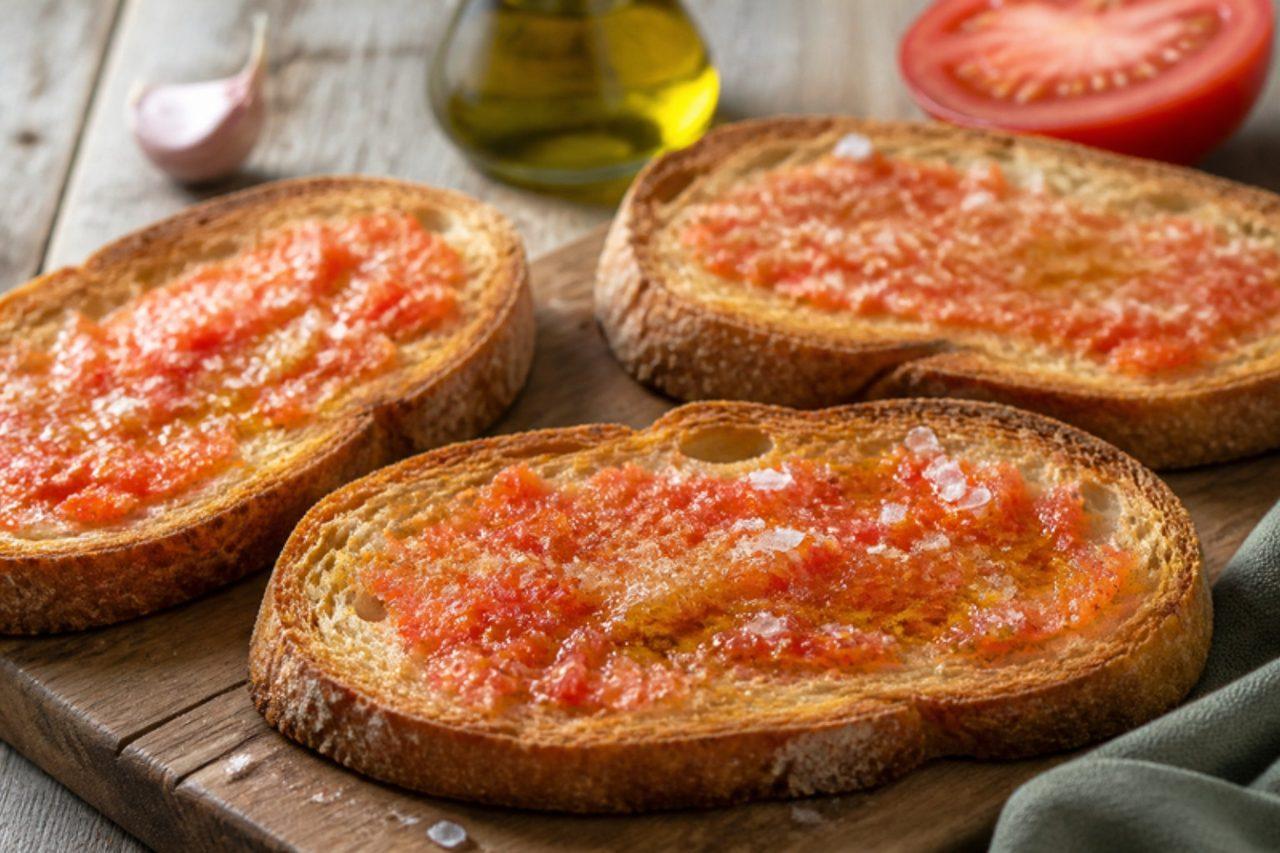
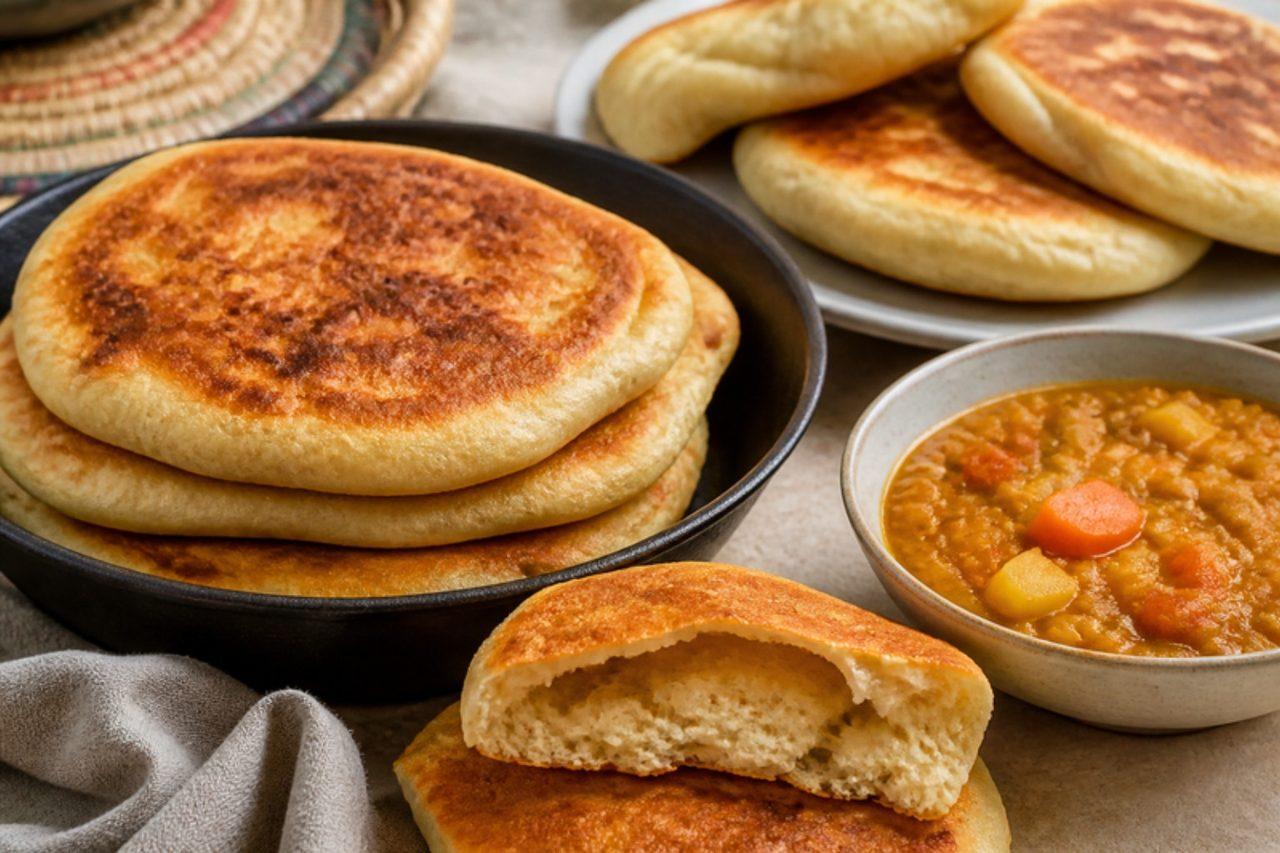
Pa amb tomàquet (pan con tomate in Spanish) is the everyday bread of Catalonia: toasted country bread rubbed with garlic and a cut ripe tomato, drizzled with good olive oil and sprinkled with salt. Catalans eat it at breakfast, as a side to grilled vegetables or with a slice of tortilla, and it is so basic to the table that it is rarely even listed on menus. With so few ingredients the quality of each one matters: the ripest tomatoes, a rustic open-crumbed loaf and fruity extra virgin olive oil. Chef's tip: in Catalonia they use small, juicy 'tomàquets de penjar', hanging tomatoes; at home choose the ripest, softest vine tomatoes you can find and rub them in hard until only the skin is left in your hand.

Read more 0 views
Can't decide?

What to eat today?

Spin the randomizer, search with what's already in your fridge, or browse recipes from our chefs.

Latest recipes

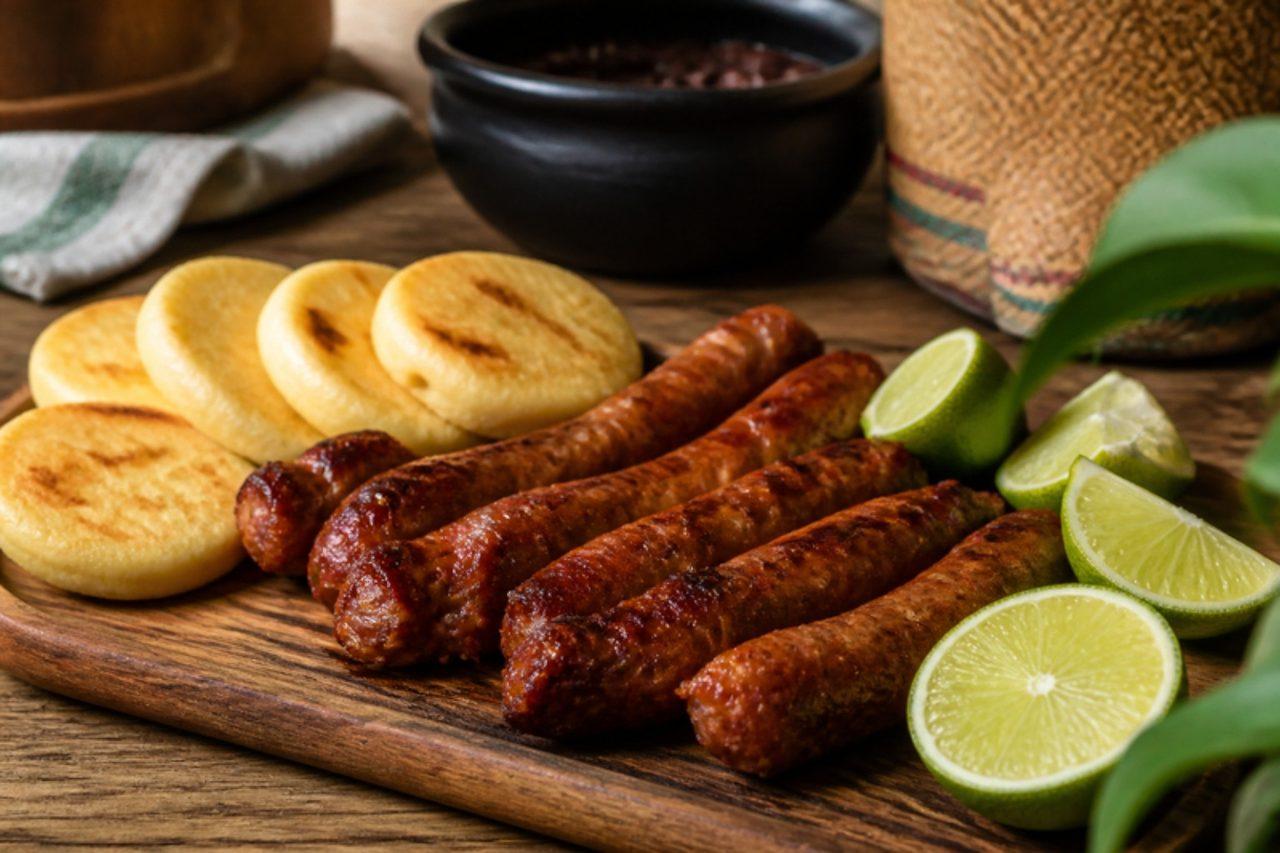
Chorizo santarrosano

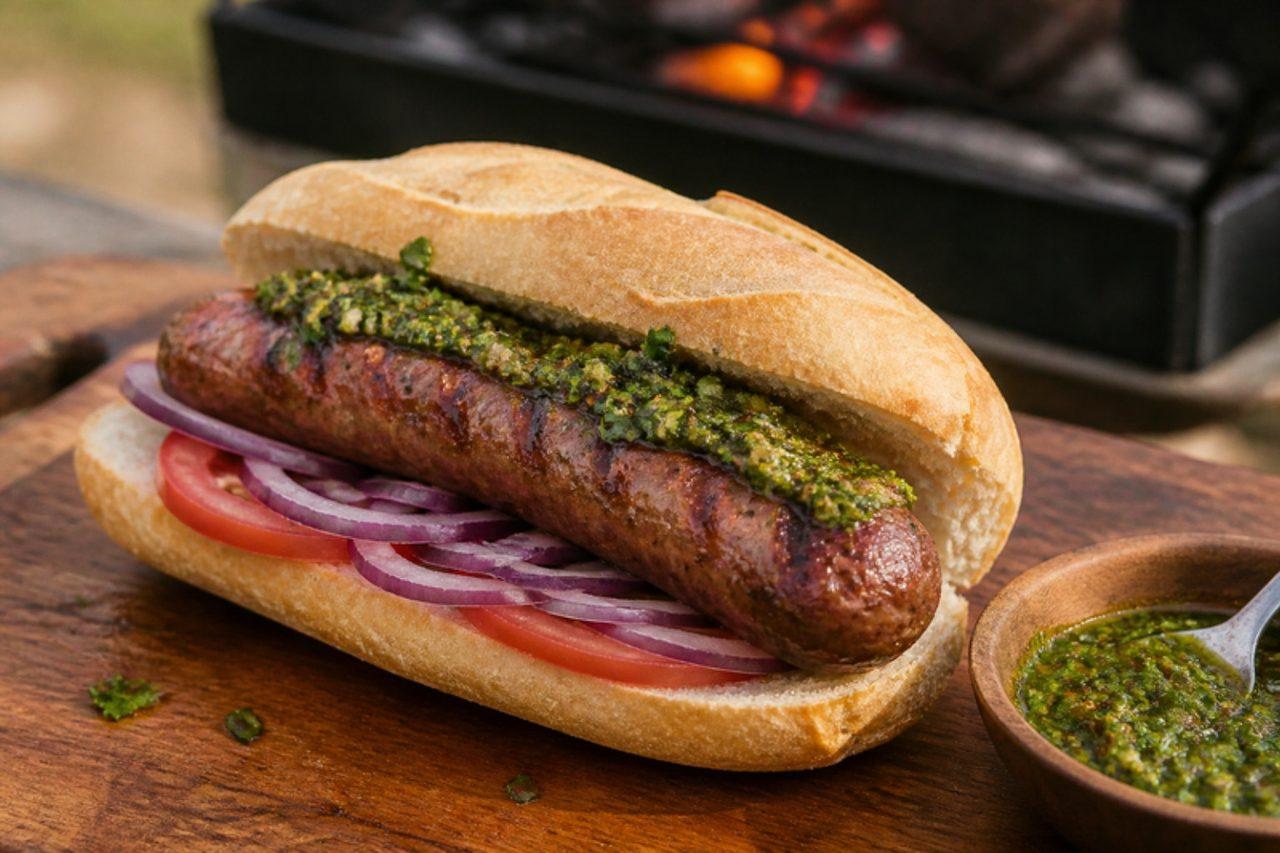
Santa Rosa de Cabal, on the road to the hot springs in Risaralda, is lined with grills where thin, tightly linked pork chorizos sizzle over charcoal and are sold with a small white arepa and half a lime. They are leaner and finer than Spanish chorizo, with no paprika: just pork, a little fat, spring onion, garlic, cumin and a touch of coriander, so they taste fresh and herby, with a smoky edge from the coals. Squeeze over the lime, wrap a piece in the arepa and eat it standing up. Making them at home needs natural casings and a sausage stuffer or a piping bag, and a night in the fridge for the flavours to settle. Overstuffing is the classic problem: tight casings burst on the grill, so fill them firmly but leave a little give. Chef's tip: keep the meat and fat very cold, even half-frozen, while you mince and mix; warm fat smears and the sausages turn crumbly instead of juicy.

by KrazyBadal 0 views

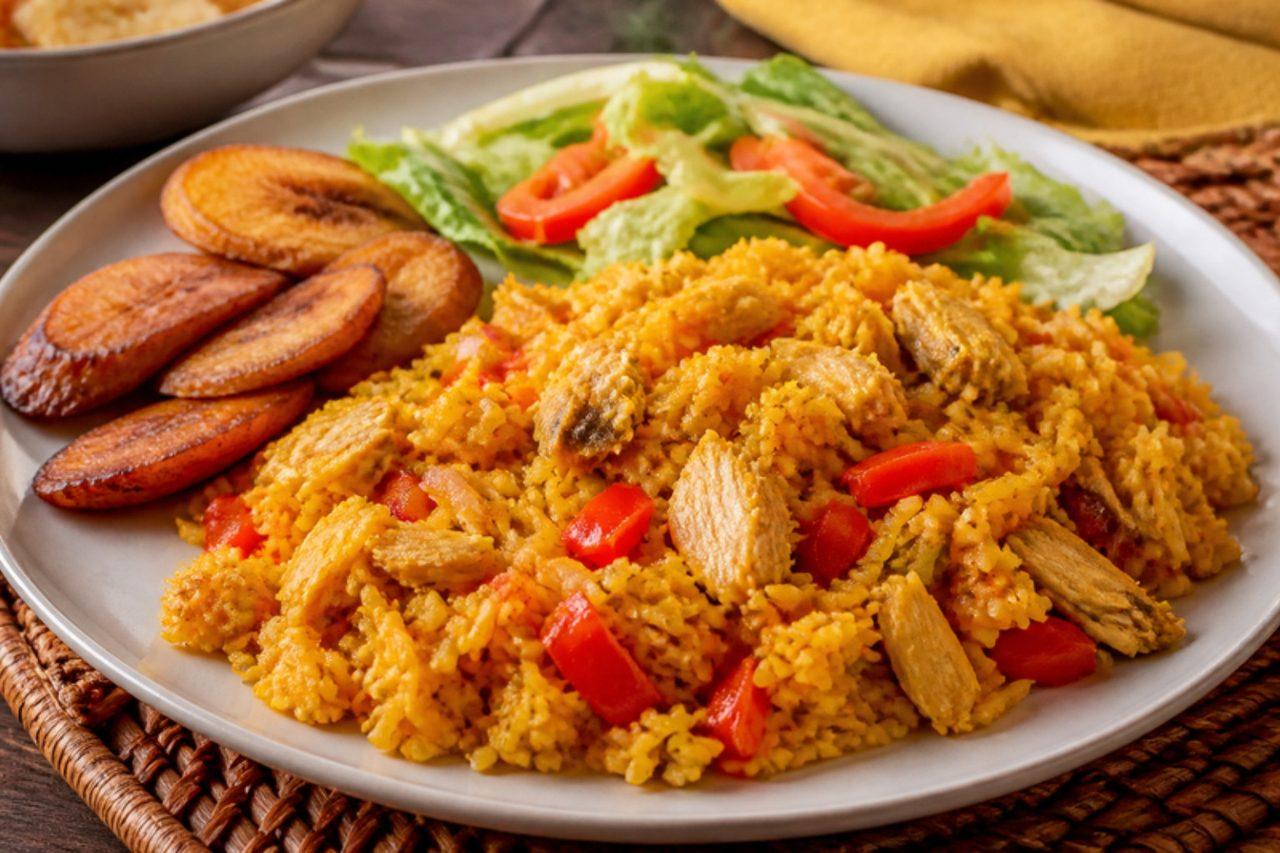
Arroz de lisa

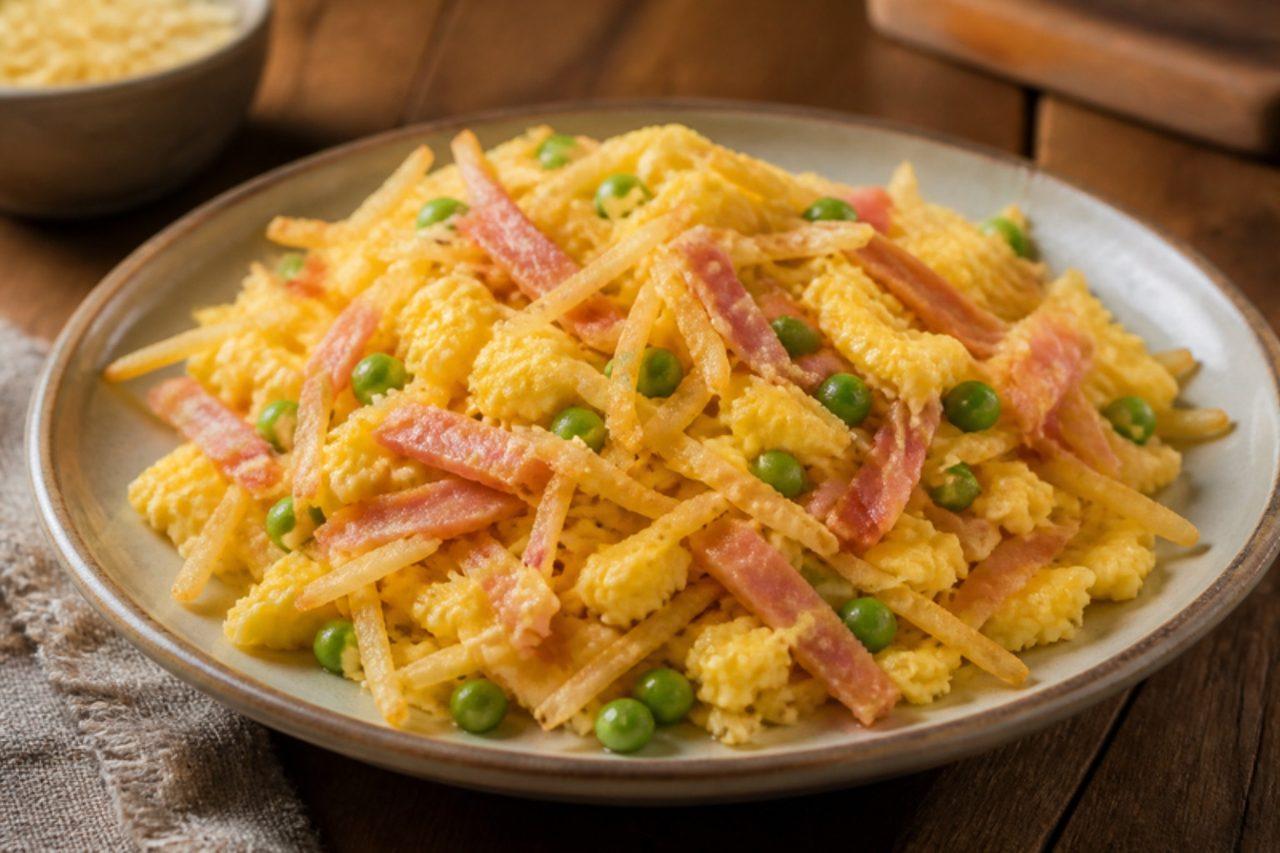
Carnival in Barranquilla isn't complete without a plate of arroz de lisa, and the market at Barranquillita and the old neighbourhoods around it sell it every day: salted, dried mullet from the Ciénaga Grande, soaked, shredded and cooked into rice with sweet peppers, onion, tomato and achiote. The rice comes out loose, orange and deeply savoury, with flakes of fish all the way through. It is served with bollo de yuca, fried ripe plantain or a simple tomato and onion salad. Plan ahead: the salted fish needs a day's soaking in the fridge. Skipping enough soaking is the usual downfall; the rice ends up far too salty, so taste a flake of the fish before you cook and keep soaking if it is still sharp. Chef's tip: if you can't find salted mullet, salt cod from any fishmonger works well, and use the poaching water for the rice only after tasting it.

by KrazyBadal 1 views

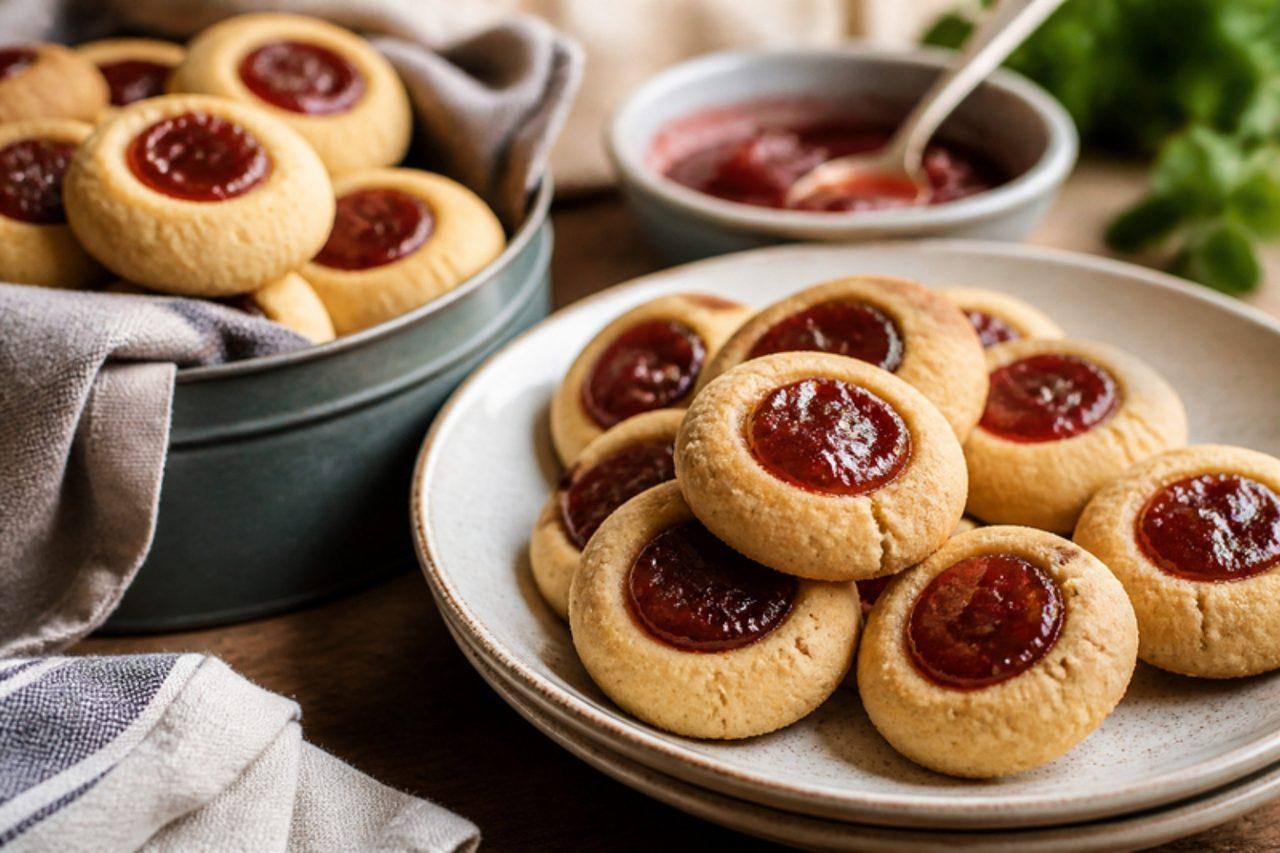
Pepas de membrillo

Pepas are the little round cookies with a jewel of quince jam in the middle that Argentine kiosks sell by the bag and grandmothers keep in a tin for the mate round. They are tender and crumbly, not crisp, with just enough sugar that the tart, dark membrillo stands out. Children love pressing the thumbprint and filling it, which makes them a good first baking job, and they keep for a week in an airtight jar. Kiosk versions are often made with margarine; butter tastes far better. Overbaking is the usual problem: take them out while the tops are still pale and only the bottoms are golden, because they firm up as they cool. Chef's tip: use quince paste softened with a spoonful of hot water and pipe it from a small bag; a spoon leaves smears on the dough that burn.

by KrazyBadal 0 views

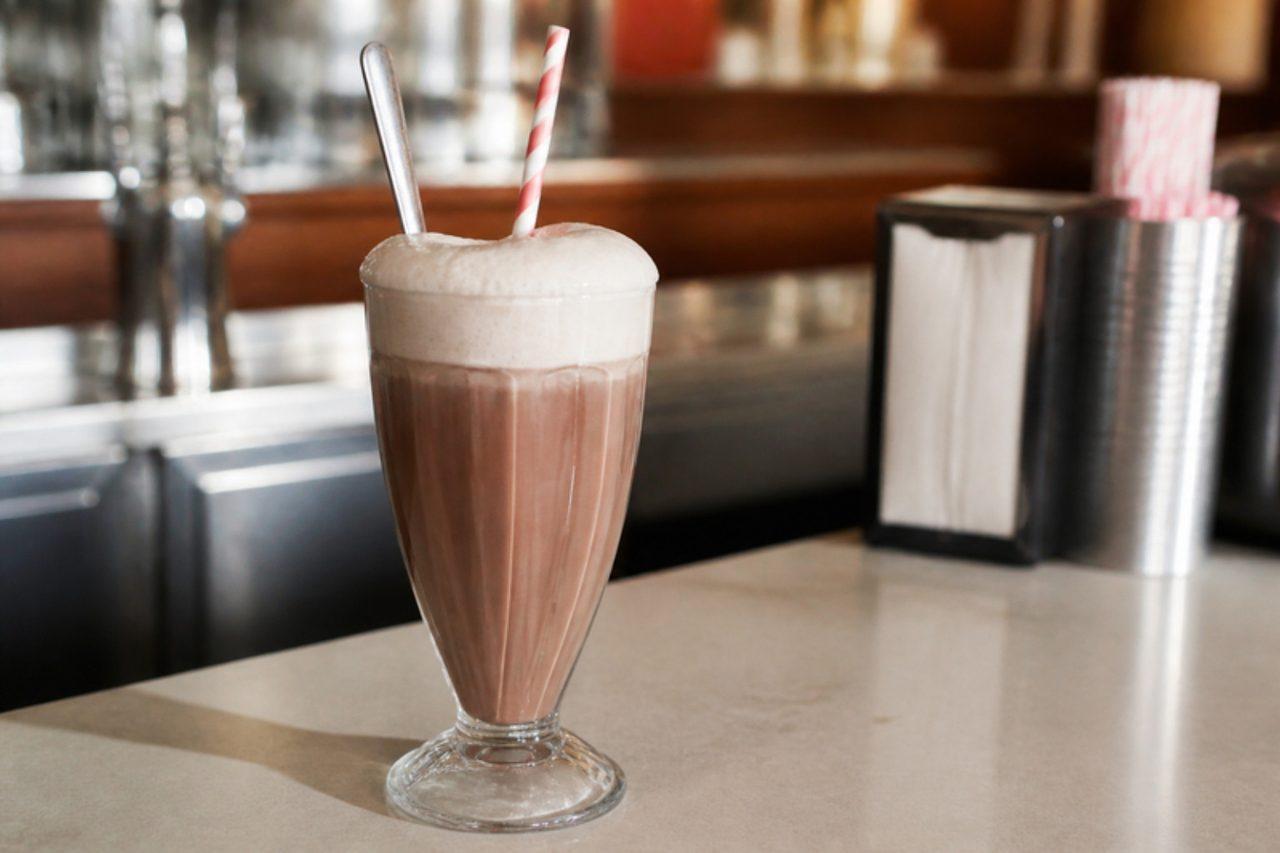
Chocolate egg cream

The egg cream contains neither egg nor cream: it is the old soda-fountain drink of Brooklyn and the Lower East Side, made of cold milk, chocolate syrup and a hard jet of seltzer that whips up a tall white foam. It was sold for pennies at candy stores and corner luncheonettes, and New Yorkers still argue about the right order to pour. Chef's tip: everything, glass included, must be ice-cold, or the foam collapses.

by KrazyBadal 0 views

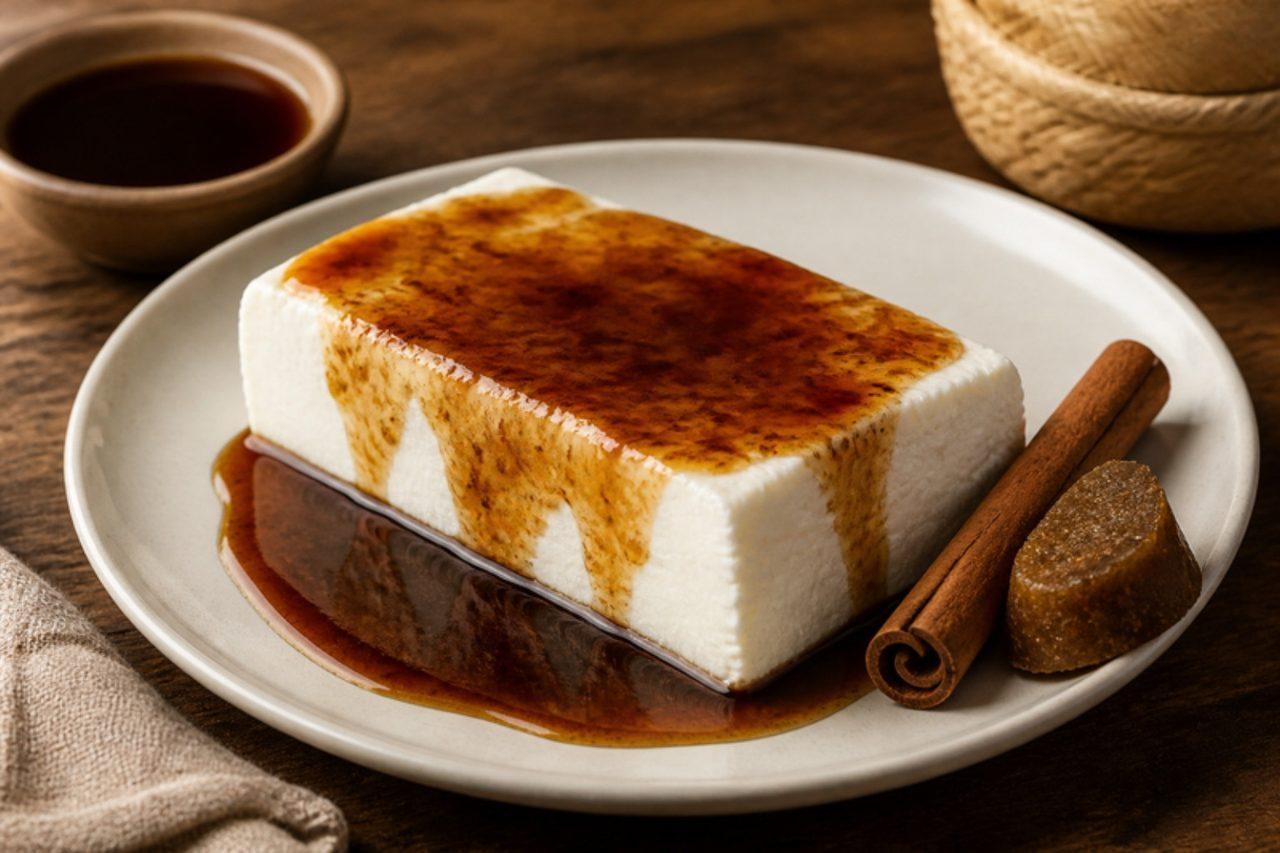
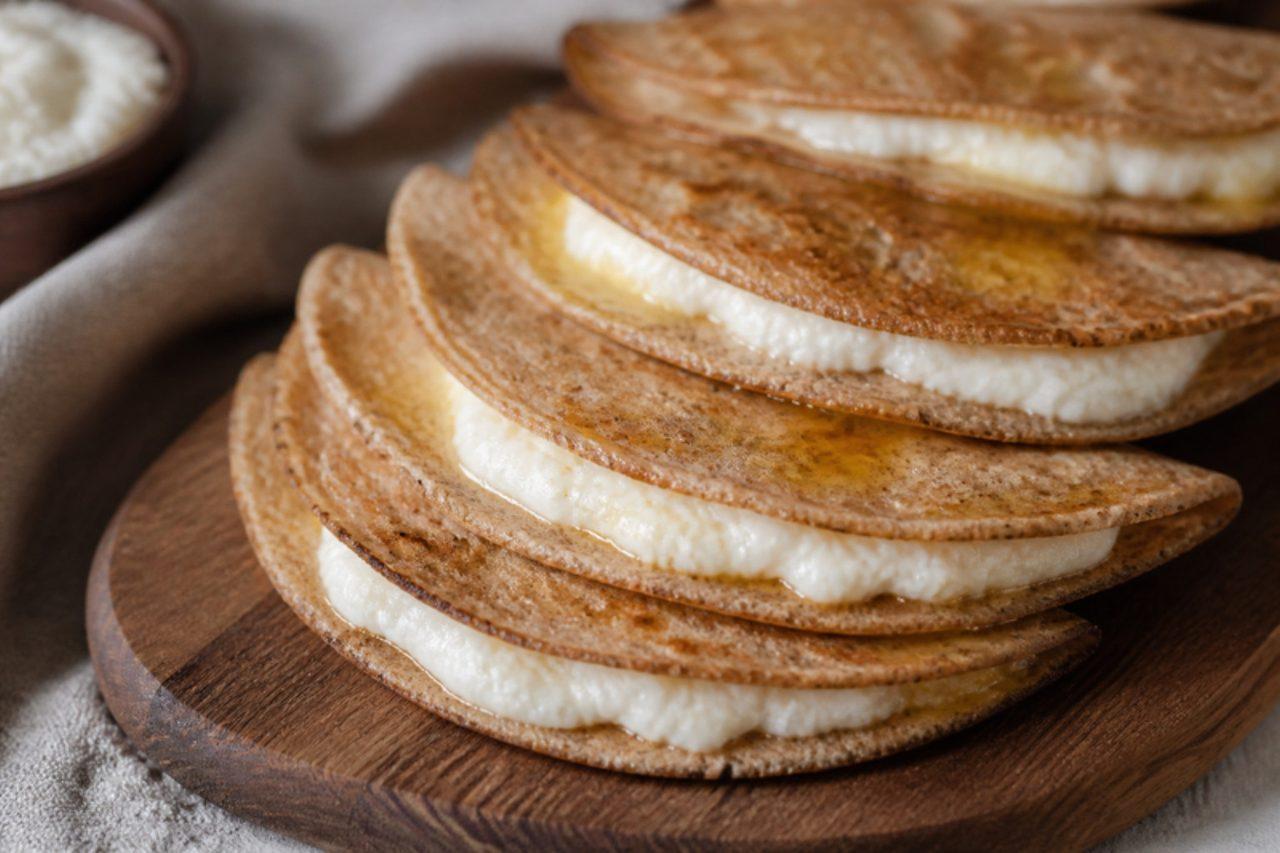
Cuajada con melao

Simplicity is the charm of this Andean dessert: a slab of fresh, milky cuajada, barely salted, with a dark syrup of panela poured over it, still warm. Highland fondas between Bogotá and Boyacá serve it after a lunch of ajiaco or sancocho, and the contrast of cool, squeaky curd with molasses-deep, spiced syrup is the point. Cuajada is set with rennet, traditionally animal; buy a vegetarian curd or fresh ricotta-style cheese, or make cuajada at home with microbial rennet. Panela is unrefined cane sugar; dark muscovado is the closest swap. The mistake is boiling the syrup too long: it turns to toffee as soon as it meets the cold cheese. Take it off when it coats a spoon thinly. Chef's tip: a strip of lime zest in the syrup cuts the sweetness beautifully.

by KrazyBadal 0 views

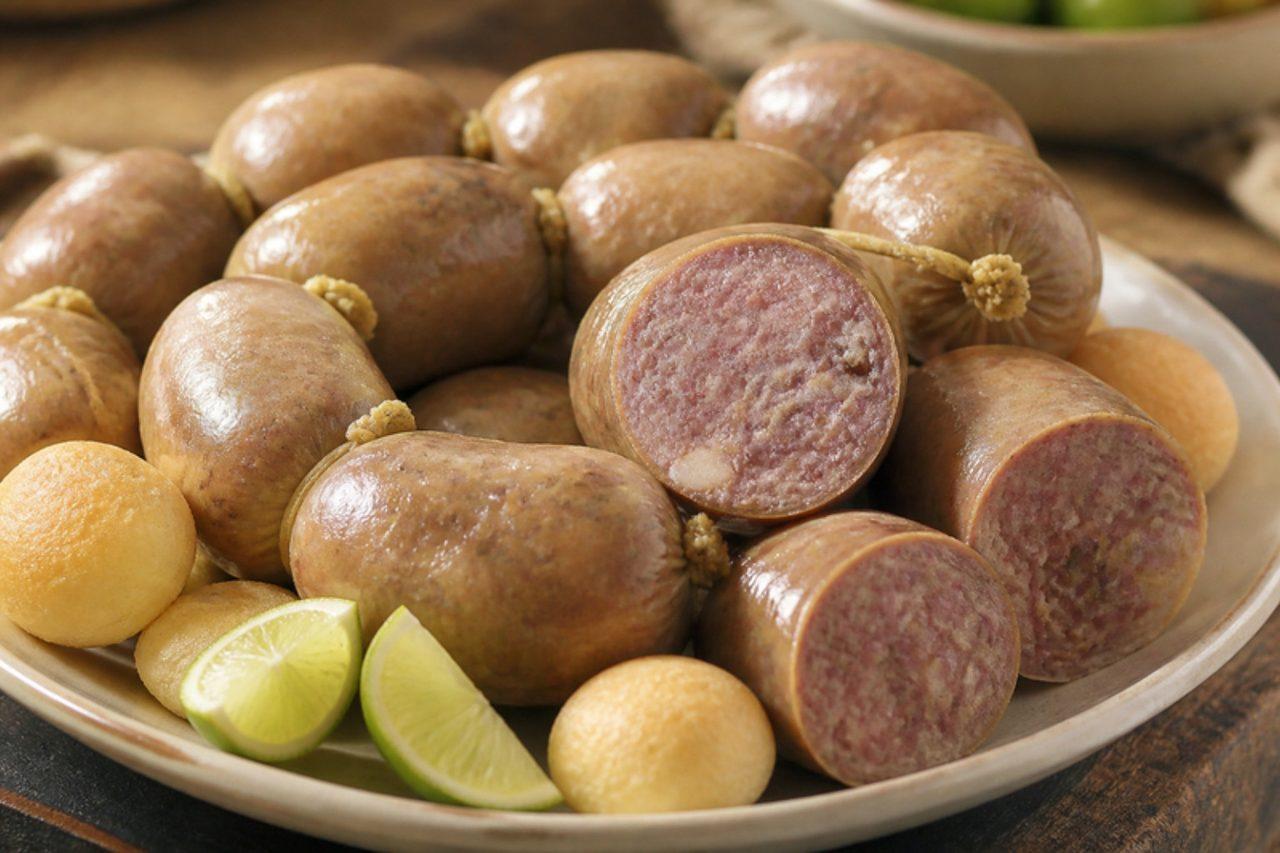
Butifarra soledeña

Around Barranquilla, the street call of 'butifarra, butifarra' comes from vendors pushing carts out of Soledad, the town that made these little sausages famous; there's even a festival for them every July. They are small, round links of beef and pork seasoned with nothing more than salt and plenty of black pepper, boiled rather than grilled, so they stay tender, juicy and pale. Sellers squeeze lime over them and hand them out with a bollo de yuca, a firm steamed cassava roll. They are simple, peppery and a little sour from the lime. Using lean meat is the usual mistake: without the pork fat they turn dry and grainy. Chef's tip: tie the links into small, round balls about 4 cm across and boil them gently; a rolling boil splits the casings.

by KrazyBadal 0 views

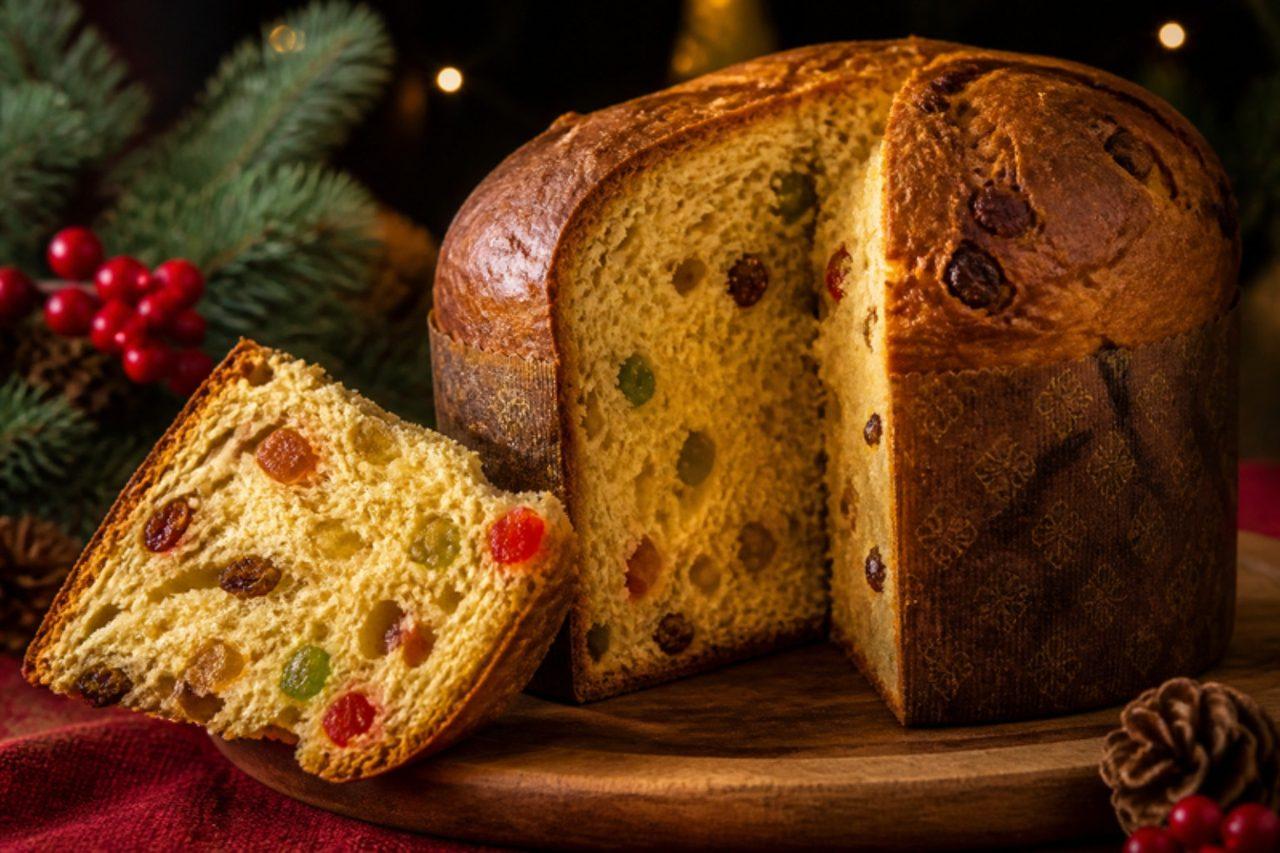
Pan dulce

No Argentine Christmas Eve table is complete without a pan dulce, set out at midnight with turrón, nuts and a cold cider for the adults. The bread is the River Plate take on Genoese pandolce and Milanese panettone: a tall, buttery yeast dough scented with orange blossom and lemon, packed with candied fruit, raisins and walnuts. The crumb is closer and moister than panettone, and it keeps for a week wrapped in a cloth. Allow a long day, as the dough has a sponge and two rises. Some bakers soak the fruit in rum or sweet wine; here it is soaked in orange juice, so the bread is alcohol-free. People often add the fruit at the start of kneading, which shreds the gluten and gives a heavy, sunken loaf; work it in only once the dough is silky. Chef's tip: bake it in a tall paper mould or a 16 cm tin lined with a collar of baking paper, and turn it upside down onto a rack for the first 20 minutes of cooling so the top does not sink.

by KrazyBadal 0 views

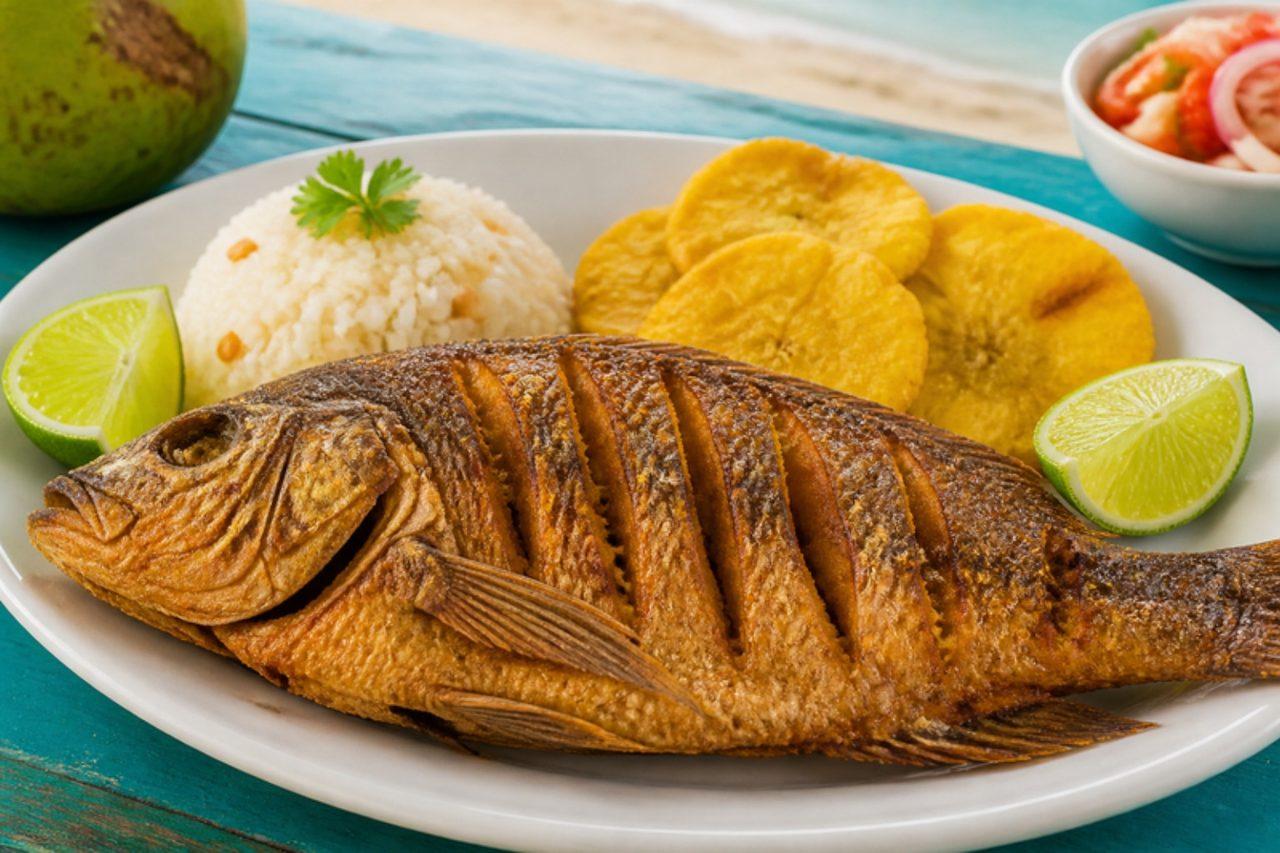
Mojarra frita

On the beaches of Bocagrande and in the open-air kitchens of La Boquilla outside Cartagena, the lunch plate is a whole mojarra (tilapia) fried until its fins crackle, served with coconut rice, smashed green plantain patacones and a tomato and onion salad with lime. The skin goes shatteringly crisp, the flesh stays sweet and moist, and you eat it with your fingers, pulling meat off the bone. Scoring the sides lets the heat and seasoning reach the thick part near the spine. The mistake to avoid is putting a wet fish into the oil, which spits dangerously and leaves the skin soggy: pat it very dry and dust it lightly. Chef's tip: fry one fish at a time in plenty of oil and don't move it for the first 4 minutes, so the skin sets before you turn it. Serve with arroz con coco for the full Caribbean plate.

by KrazyBadal 0 views

Papas a la provenzal

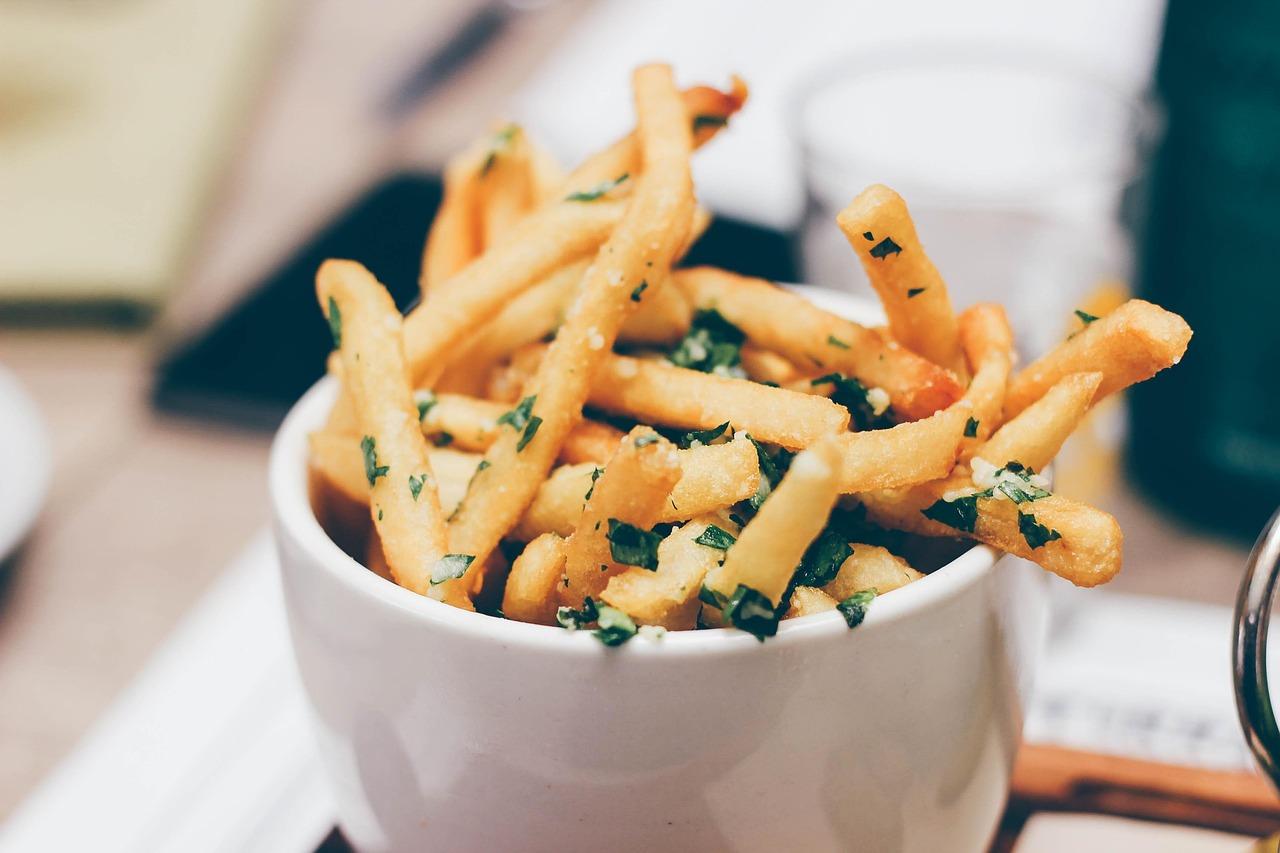
Bodegones, the old-school Buenos Aires canteens with jamón hanging from the ceiling and waiters in white jackets, serve mountains of papas fritas, and the upgrade everyone orders is "a la provenzal": crisp chips tossed while still sizzling in a mix of finely chopped raw garlic and parsley. The heat of the potatoes takes the edge off the garlic, so it turns fragrant rather than fiery, and the parsley stays bright green. They go with milanesas, grilled steak or a plate of fried eggs. Adding the garlic to the frying oil is the error many make: it burns in seconds and turns bitter; it goes on only after frying. This method fries the chips twice for a crunch that lasts; for an oven version, toss the chips with 3 tbsp oil and roast at 220 °C for 35 minutes, turning once, then dress them the same way. Chef's tip: rinse and dry the cut potatoes very well; surface starch and water are what make chips limp.

by KrazyBadal 0 views

Showing 9 of 6,261 recipes

Show more recipes

Page 212 of 696