


Skip to content
Papelón con limón
Featured recipe

Papelón con limón

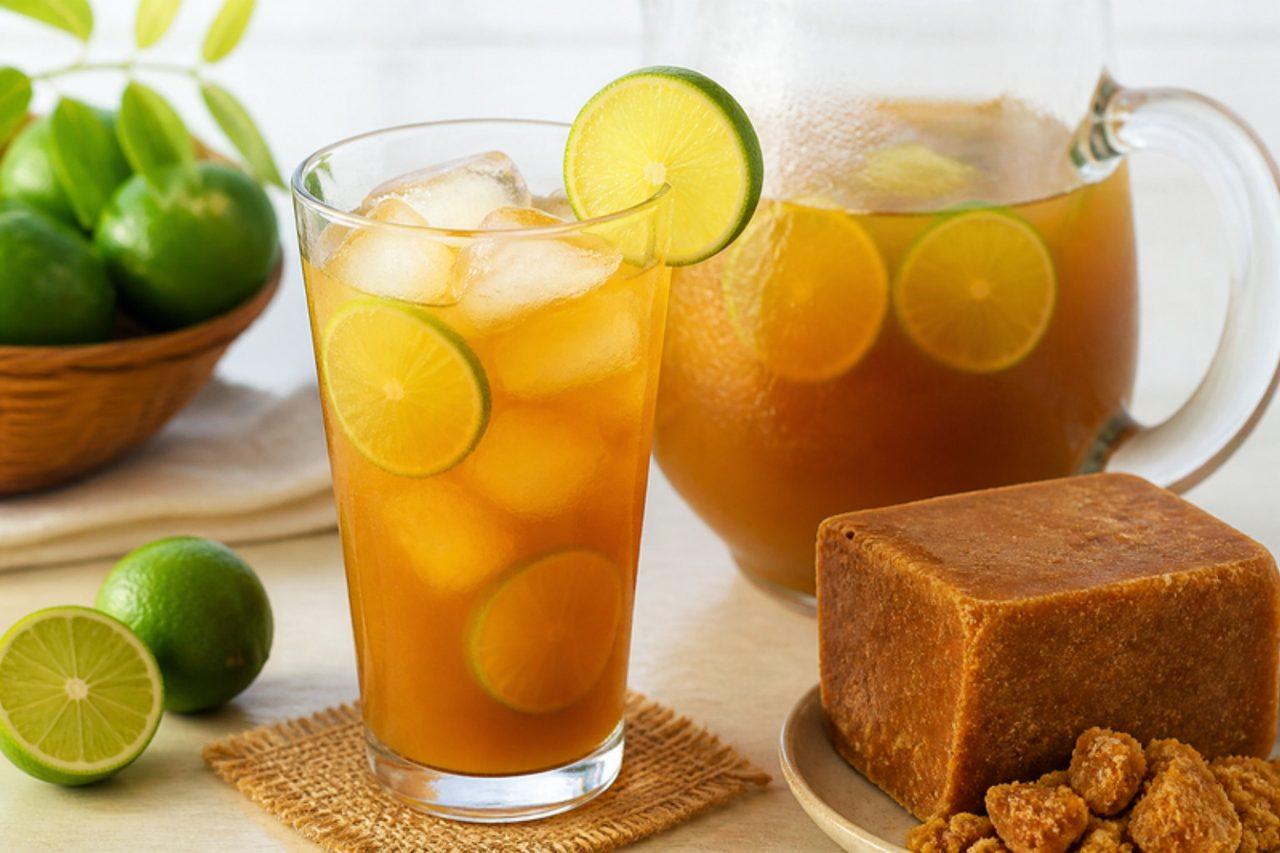
Papelón con limón is the cold drink of Venezuela, served in jugs alongside arepas, empanadas and every Sunday lunch, and sold by the glass from street stalls in the heat of Maracaibo and the plains. Papelón is the Venezuelan name for panela, the dark block of unrefined cane sugar; melted into water and mixed with lots of fresh lime, it tastes like a caramel-scented lemonade. The hot Colombian cousin is aguapanela. Chef's tip: dissolve the papelón in warm water first, then chill; it never fully dissolves in cold water and leaves grains at the bottom.

Read more 0 views

What to eat today?

Around the world

Today's trip: Moroccan

A new country every day, from every cuisine on the site.

This week's collection

Make-ahead meals
1569 recipes · a new collection every Monday

Latest recipes

Brioche col tuppo

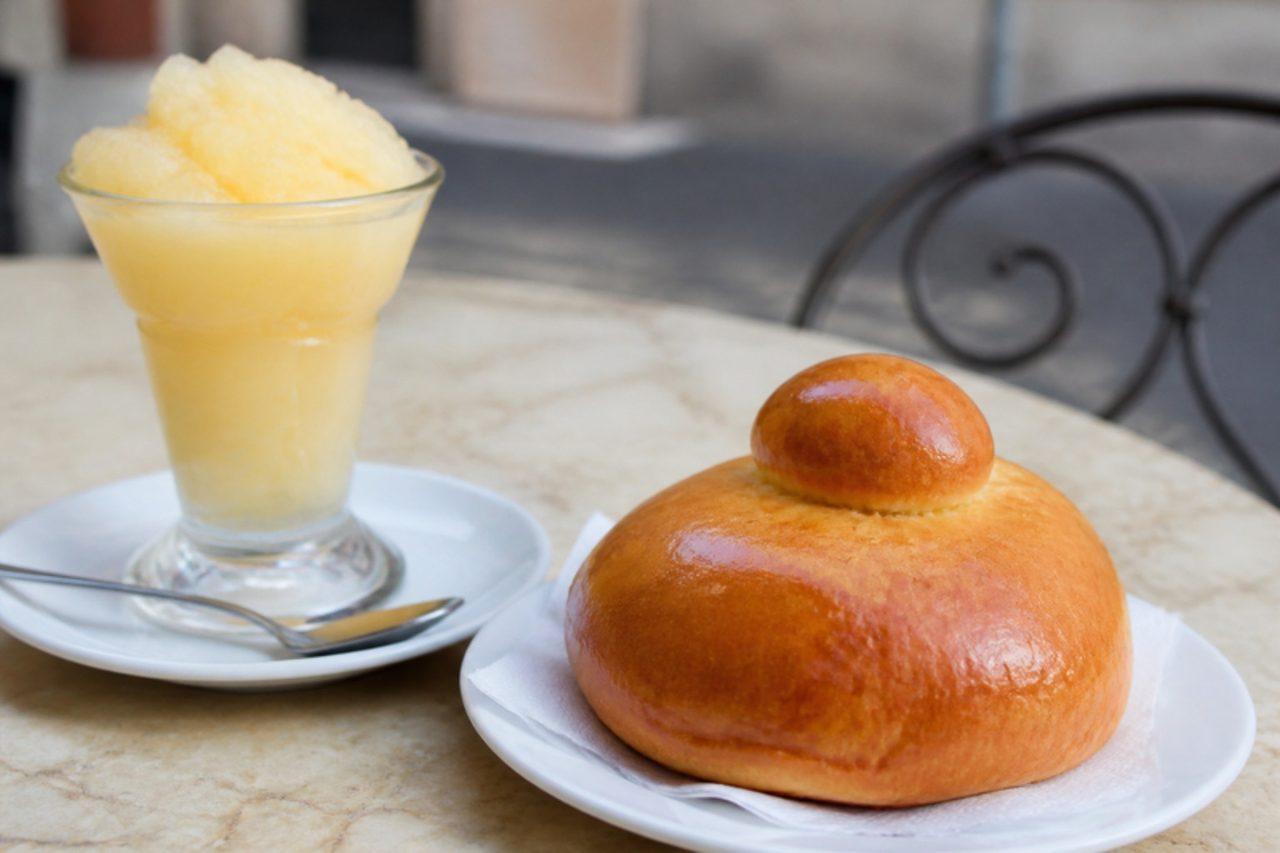
On summer mornings in Catania, breakfast is a glass of granita, almond, coffee, lemon or black mulberry, with a warm brioscia col tuppo beside it. The brioche is a soft, sweet, orange-scented bun with a little ball of dough on top, the tuppo, named after the bun women once wore their hair in. You tear off the tuppo first, dip it in the granita, then work through the rest. Bakeries in eastern Sicily sometimes enrich the dough with lard; this version uses butter. Chef's tip: give the dough a long, slow rise; it is what makes the crumb so light and stringy. Serve it with granita al limone.

by KrazyBadal 0 views
Postre de natas

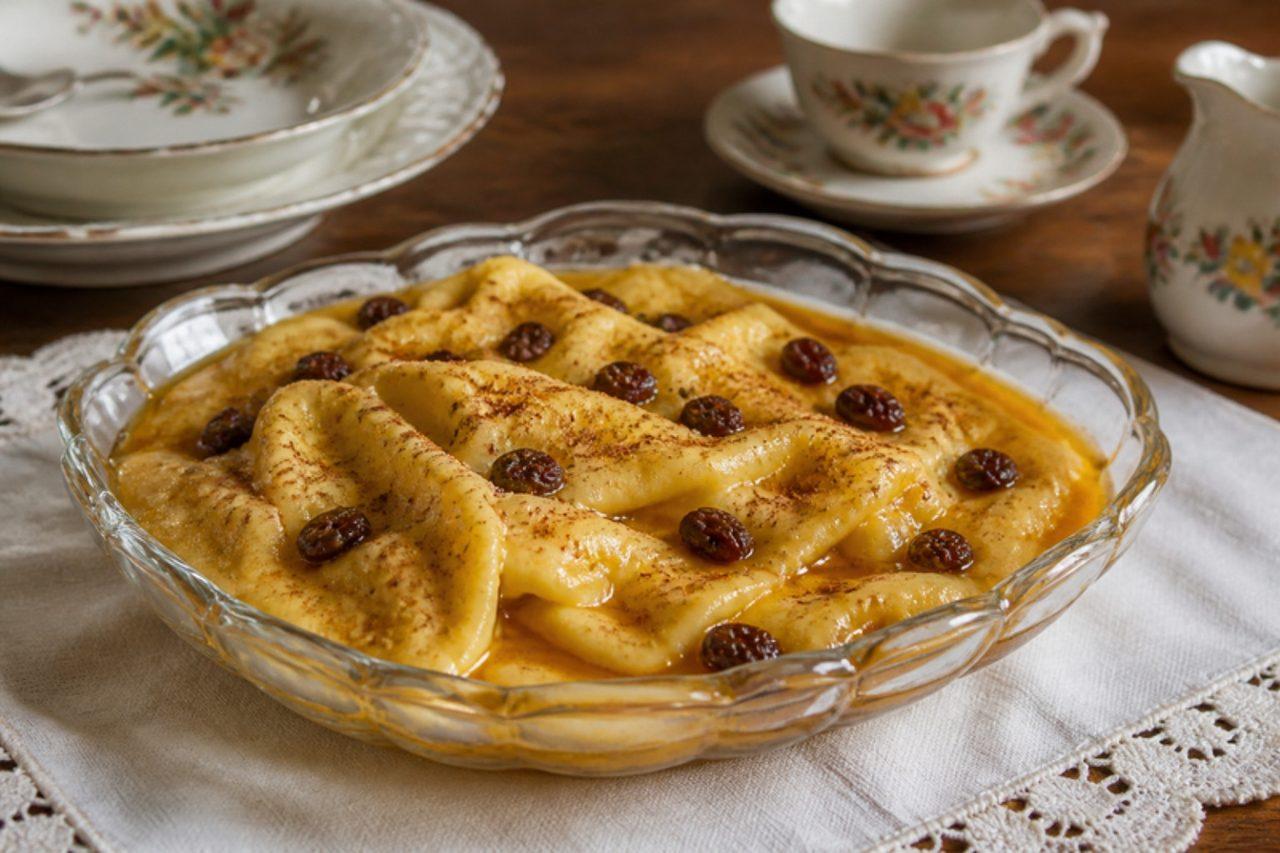
Postre de natas comes from colonial Santa Fe de Bogotá, when farm milk was boiled every day and the thick skins (natas) that formed on top were saved rather than wasted. Today it is a dessert for Christmas and family gatherings: soft, creamy ribbons of milk skin in a pale golden, cinnamon-scented custard dotted with raisins, served cold in small bowls. It takes patience rather than skill. Use full-fat, ideally non-homogenised milk, which forms thicker skins. Stirring the milk while the natas form is the common slip: it breaks them up so nothing can be lifted off. Older recipes add a splash of brandy or sherry; this one leaves it out. Chef's tip: lift each skin with a slotted spoon into a bowl and keep going; the more natas you collect, the more texture the dessert has. Chill for at least 4 hours before serving.

by KrazyBadal 0 views

Pan dulce

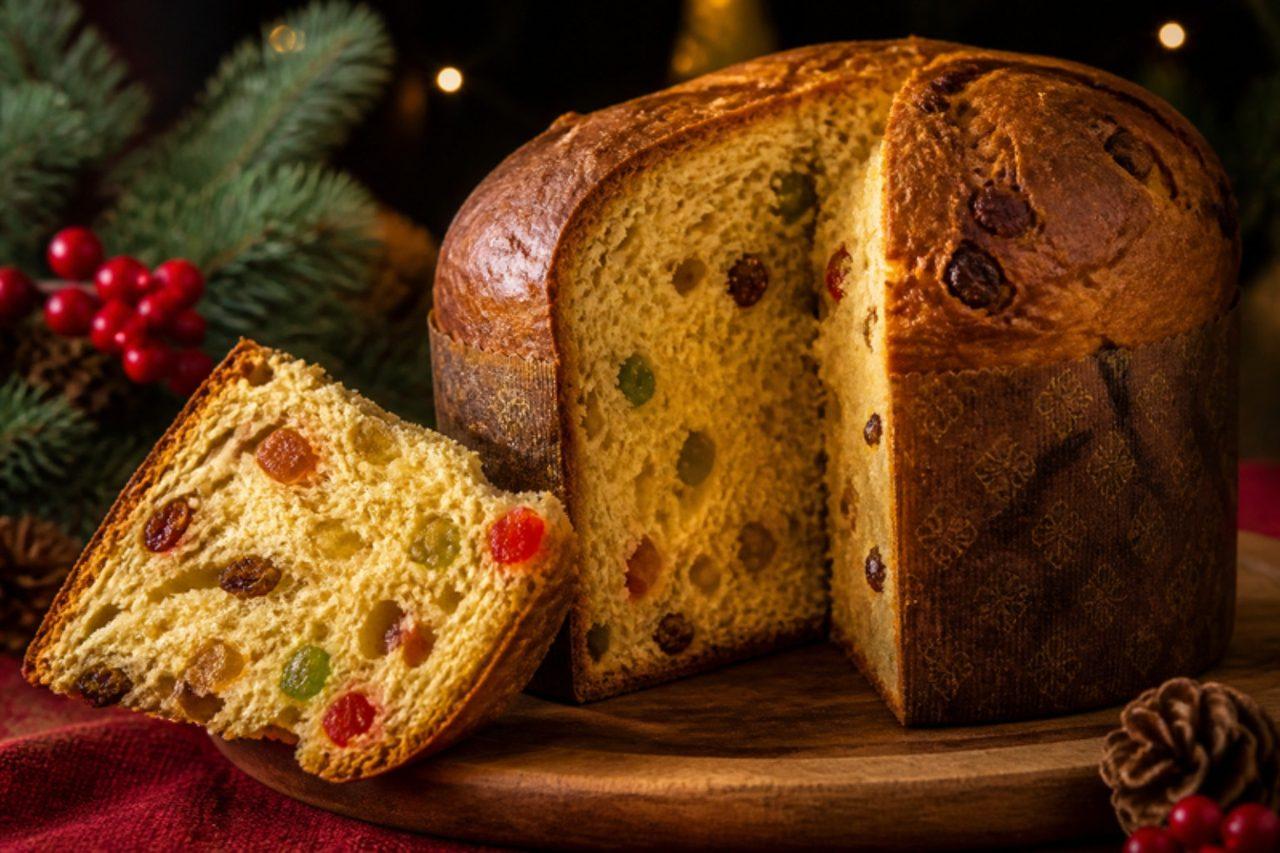
No Argentine Christmas Eve table is complete without a pan dulce, set out at midnight with turrón, nuts and a cold cider for the adults. The bread is the River Plate take on Genoese pandolce and Milanese panettone: a tall, buttery yeast dough scented with orange blossom and lemon, packed with candied fruit, raisins and walnuts. The crumb is closer and moister than panettone, and it keeps for a week wrapped in a cloth. Allow a long day, as the dough has a sponge and two rises. Some bakers soak the fruit in rum or sweet wine; here it is soaked in orange juice, so the bread is alcohol-free. People often add the fruit at the start of kneading, which shreds the gluten and gives a heavy, sunken loaf; work it in only once the dough is silky. Chef's tip: bake it in a tall paper mould or a 16 cm tin lined with a collar of baking paper, and turn it upside down onto a rack for the first 20 minutes of cooling so the top does not sink.

by KrazyBadal 0 views

Cassata siciliana

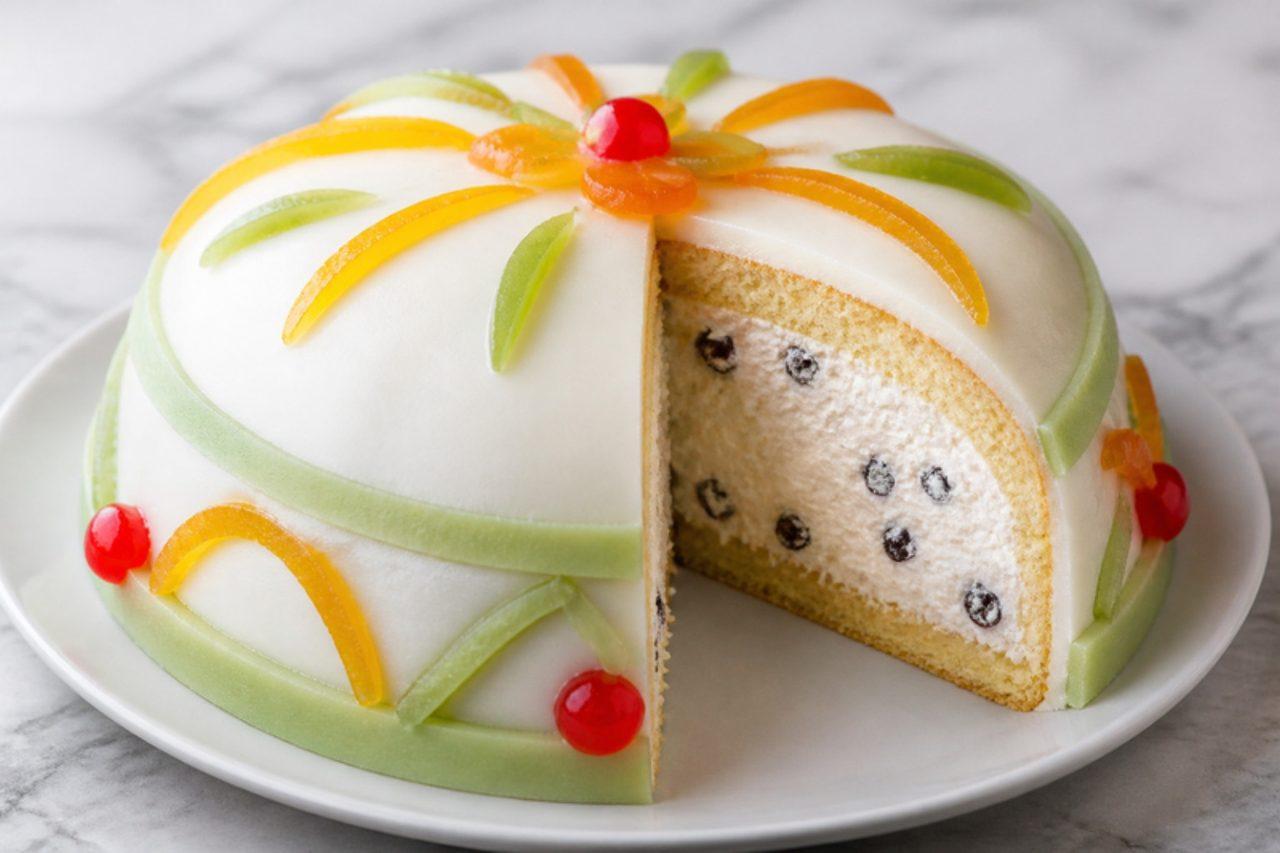
Cassata is the baroque centrepiece of a Palermo Easter: a dome of sponge lined with pale green marzipan, filled with sweetened sheep's ricotta and chocolate, glazed white and crowned with jewel-like candied fruit. Pastry shops around the city fill their windows with it in Holy Week, and families slice it after Easter lunch. It is rich, cool and creamy under the shell of almond paste, and nothing like the layered Indian-style cassata ice cream. The sponge is often brushed with a liqueur syrup; this version uses orange juice instead. It must chill for at least 4 hours, so make it the day before. Chef's tip: drain the ricotta overnight; that is the secret to a filling that holds its shape when cut.

by KrazyBadal 0 views

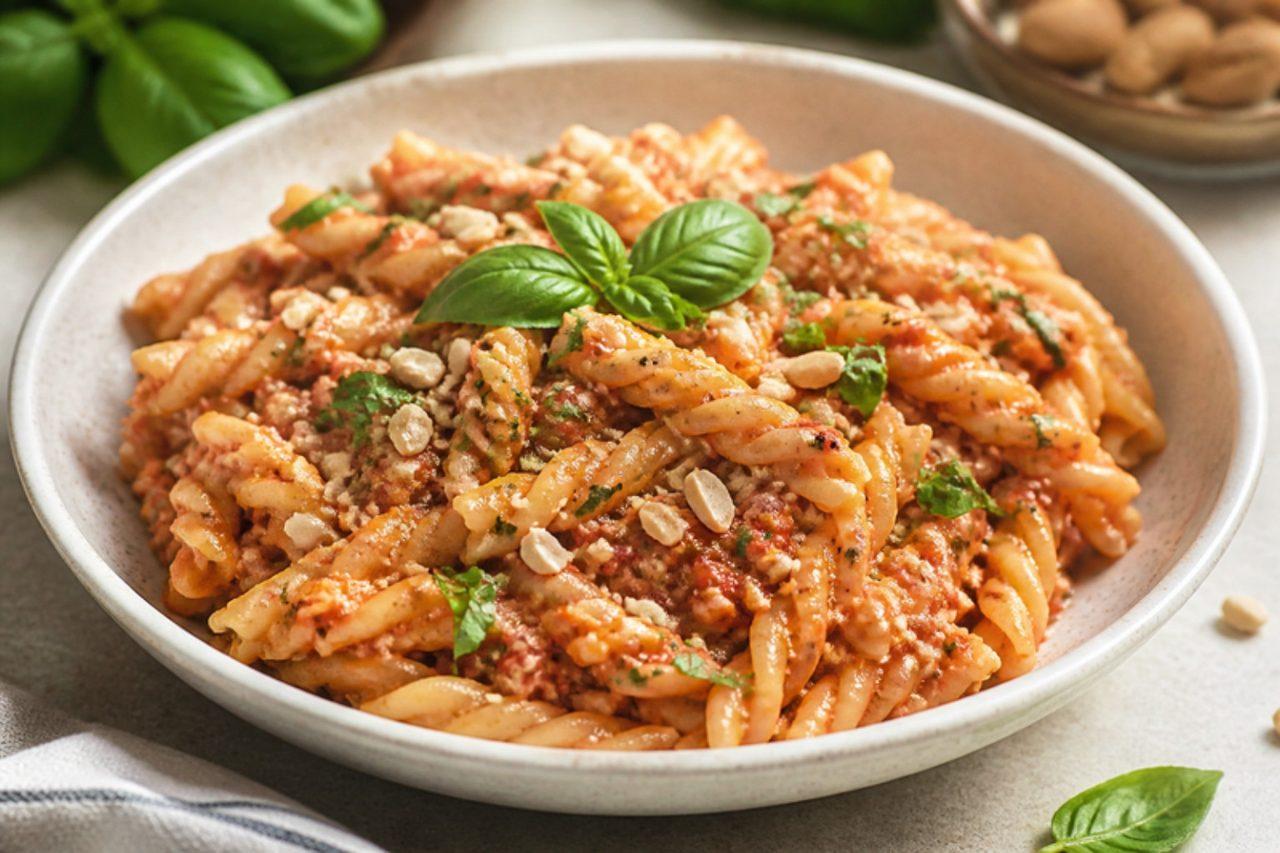
Busiate al pesto trapanese

Trapani, on Sicily's far western tip, makes its pesto with what grows nearby: ripe tomatoes, Sicilian almonds, garlic and basil, pounded raw with olive oil and a little pecorino. The story goes that Genoese sailors brought their basil pesto to the port and the Trapanesi made it their own. It is tossed with busiate, long corkscrews of durum-wheat pasta once twisted around a stalk of dried grass, and eaten all summer, often at room temperature. It tastes fresh, nutty and bright. Chef's tip: peel the tomatoes; the skins turn chewy in a raw sauce.

by KrazyBadal 0 views

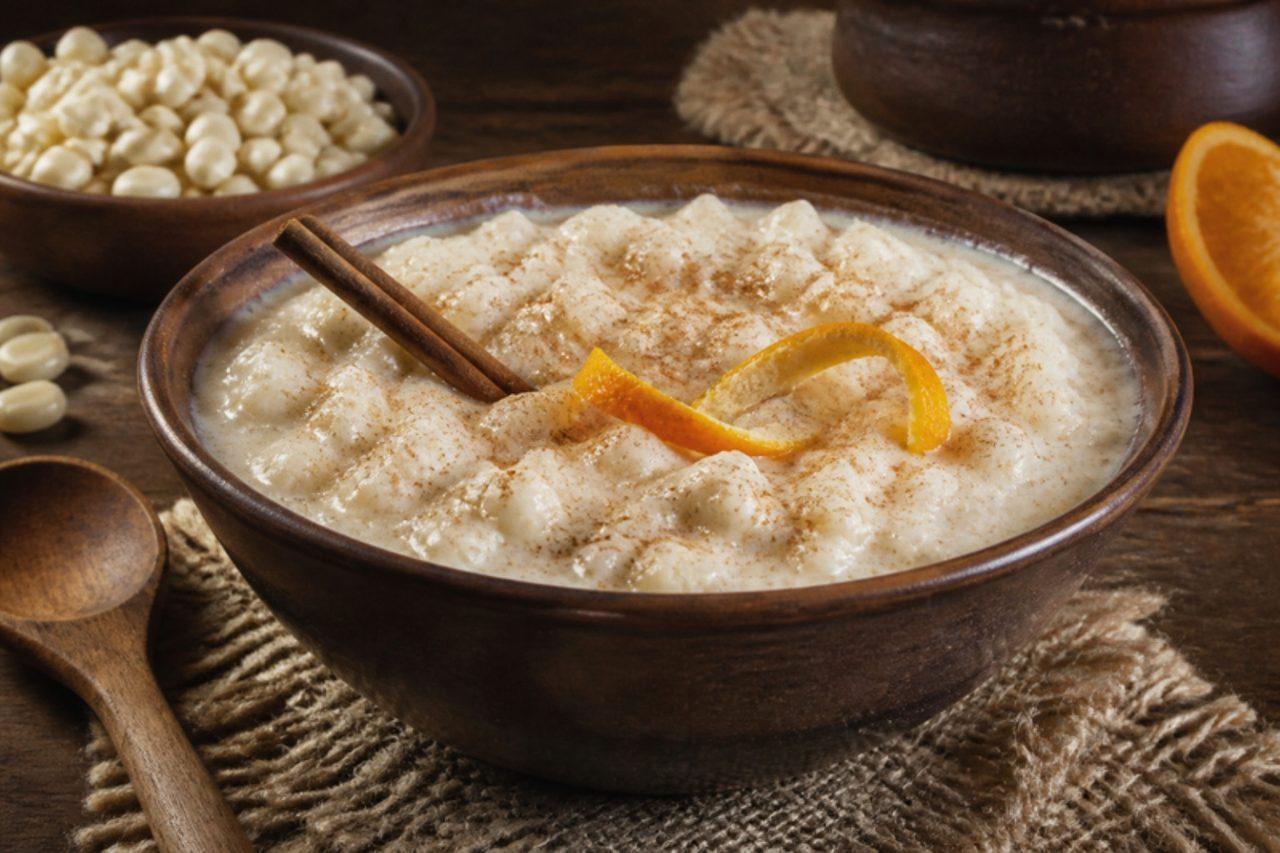
Mazamorra

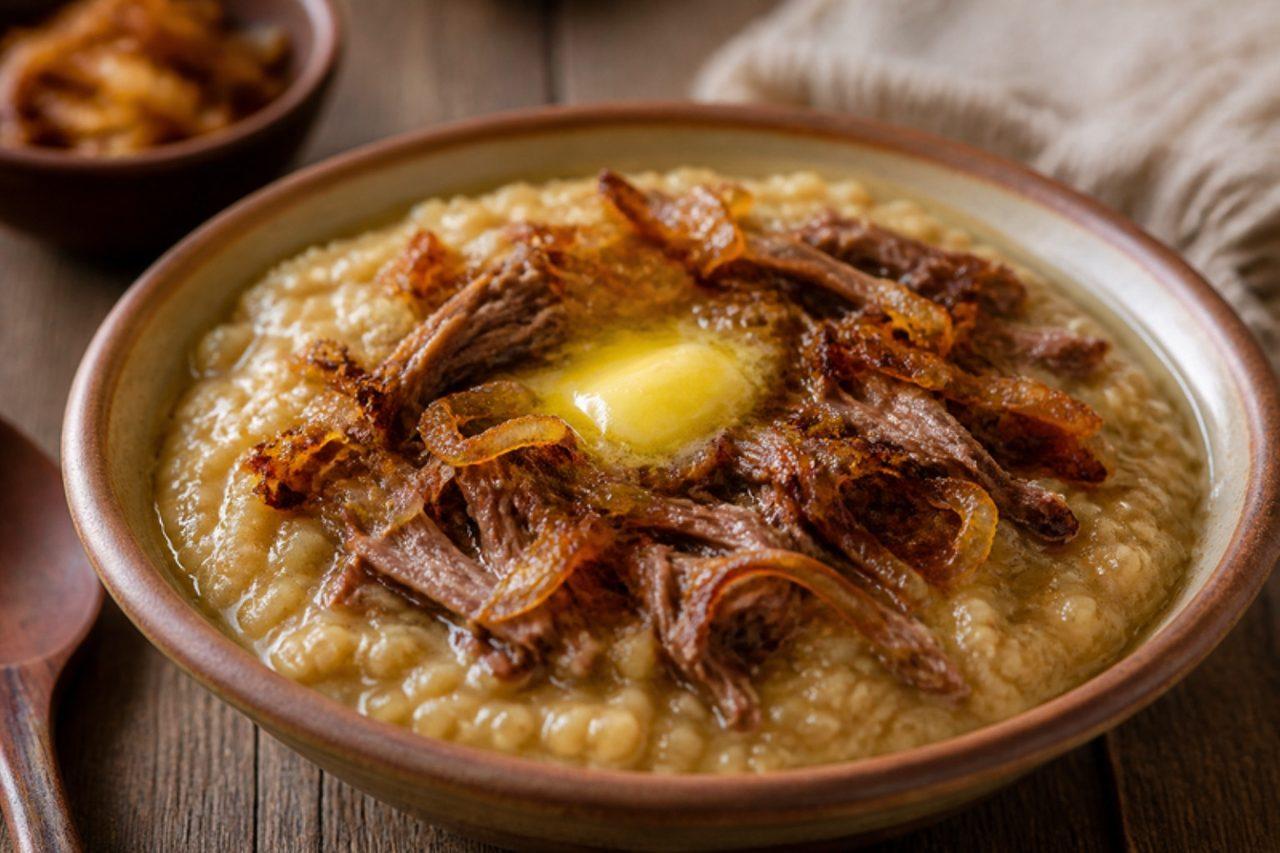
Long before cake, there was mazamorra: dried white maize, soaked and simmered with water until the kernels burst, then finished with milk, sugar and cinnamon. In colonial Buenos Aires mazamorreras sold it from clay pots on the street, and it still turns up at school and town-hall celebrations every 25 May and on cold evenings in the interior, eaten warm or cold from a bowl. The kernels stay pleasantly chewy in a creamy, gently sweet milk, a bit like rice pudding with more bite. Look for maíz blanco pisado (cracked white hominy) in Latin American shops; dried white pozole corn is the closest substitute. Plan ahead: the corn needs soaking overnight. Adding the milk too early is the main mistake, because the corn will not soften in milk and the pot catches on the bottom, so cook it in water first. Chef's tip: stir in a little of the hot liquid with the sugar before you add the rest of the milk, and serve it with a dusting of cinnamon or a spoonful of honey.

by KrazyBadal 0 views

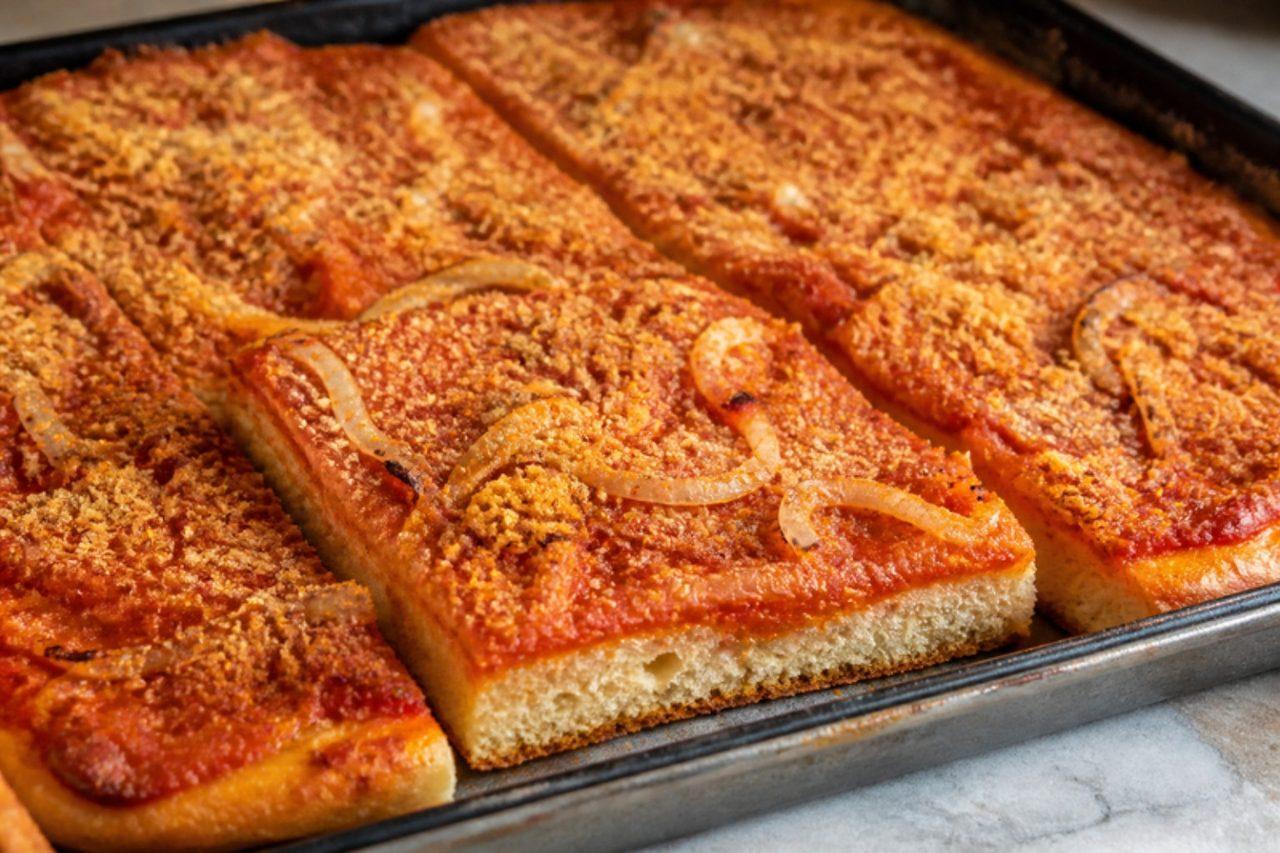
Sfincione

Sfincione is Palermo's own pizza: a tall, airy slab baked in a tray, its soft crumb soaked with a sweet sauce of slow-cooked onions and tomato, dotted with caciocavallo and covered in oregano-scented toasted breadcrumbs. Street sellers cruise the city in three-wheeled vans calling 'sfinciuni!' through loudspeakers, and families bake it at home for Christmas Eve and New Year's Eve. The traditional topping includes anchovies; this version leaves them out and keeps all the onion sweetness. Chef's tip: the dough should be wet and bubbly, about 2 cm deep in the tray; it is closer to focaccia than to a thin pizza.

150 minItalianPizza
by KrazyBadal 0 views

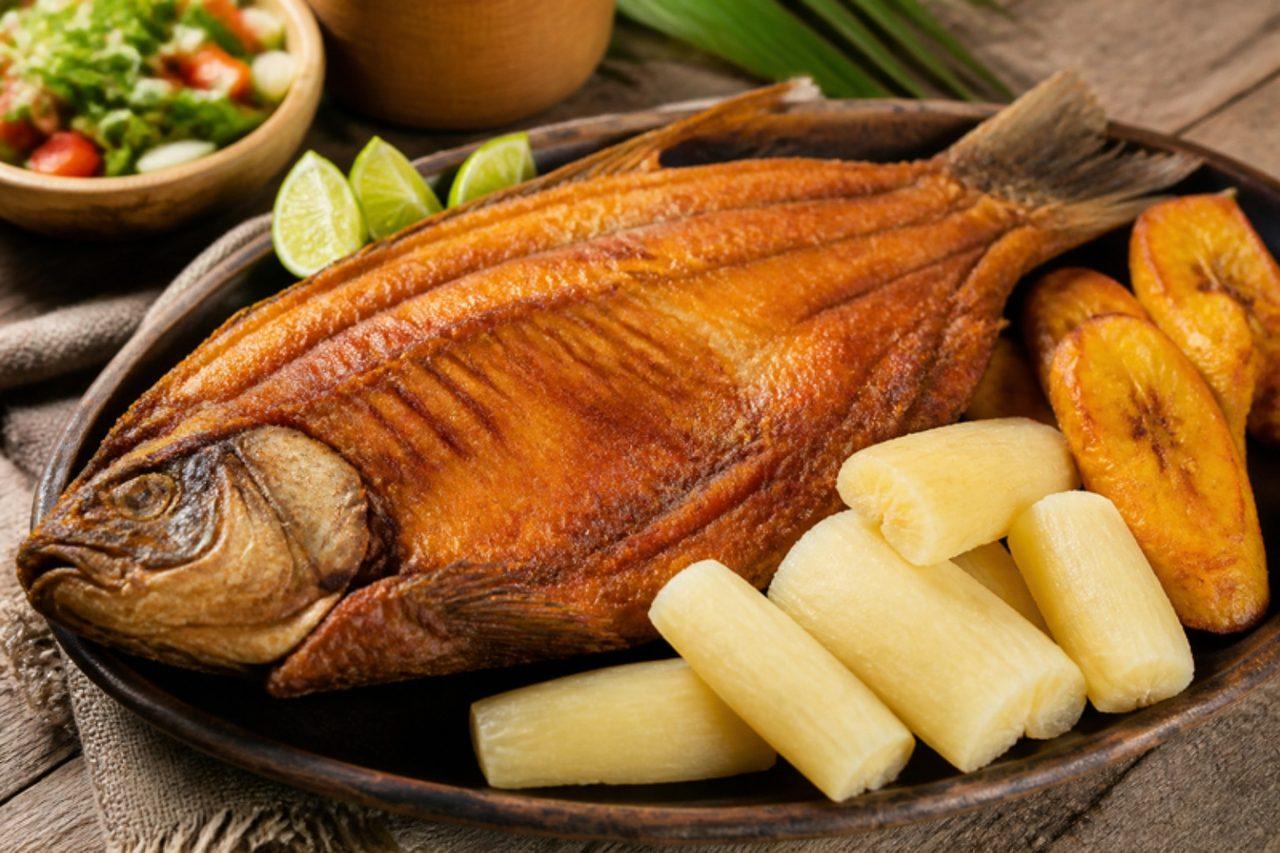
Cachama frita

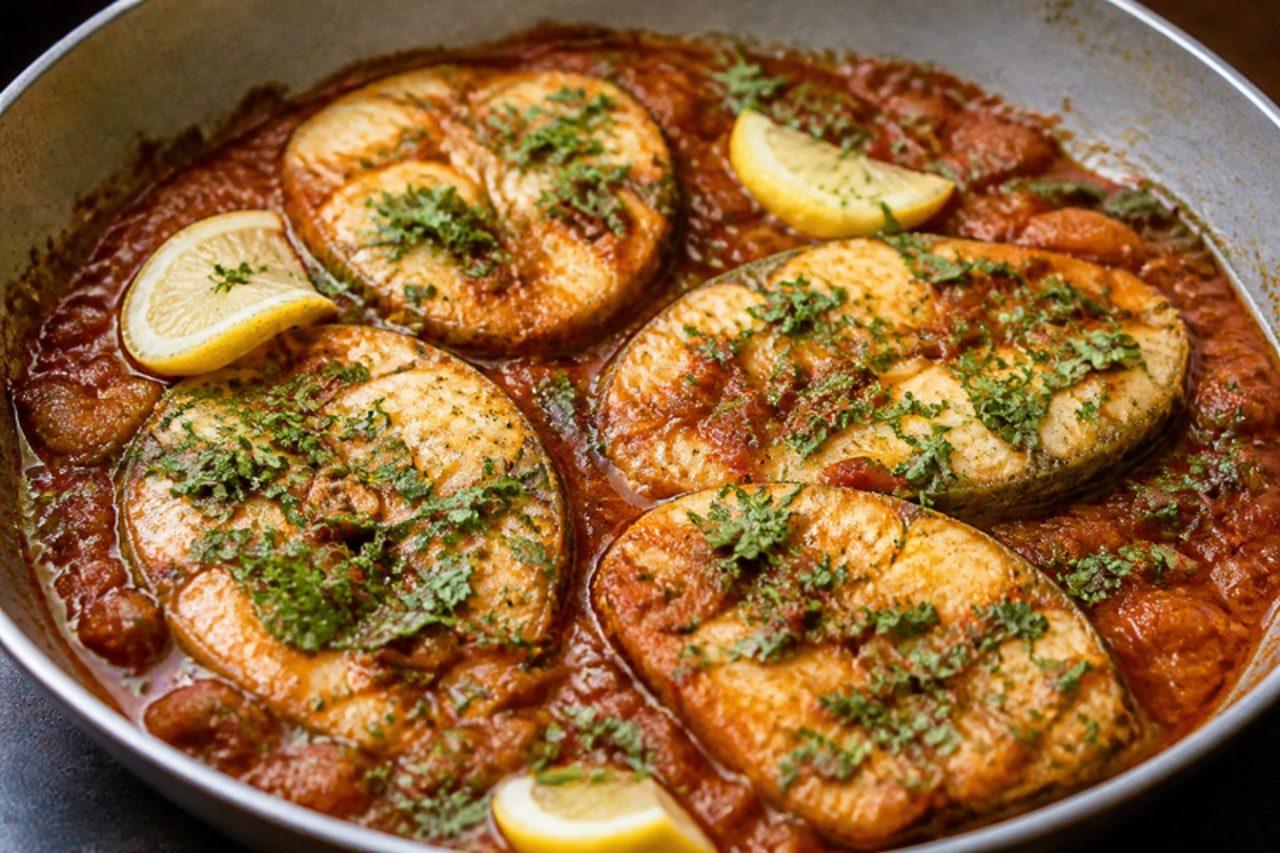
Roadside restaurants on the way from Bogotá down to Villavicencio and Restrepo sell cachama by the hundred at weekends: a farmed river fish of the Orinoco basin (the same family as pacu), opened out like a book, seasoned with garlic, cumin and lime and fried until the edges turn to crisp, salty lace. Its flesh is firm, fatty and sweet, and the rib bones, fried crisp, are half the pleasure. It comes with boiled cassava, ripe plantain tajadas and a little tomato salad. Outside Colombia, look for frozen whole pacu or cachama in Latin or Asian shops; otherwise use pompano or a large sea bream. A soggy, greasy fish usually means the oil wasn't hot enough; keep it at 180 °C and fry one at a time. Chef's tip: score the thick side of the fillet in a fine crosshatch down to the bones; the fine intramuscular bones fry crisp and the heat reaches the thickest part.

by KrazyBadal 0 views

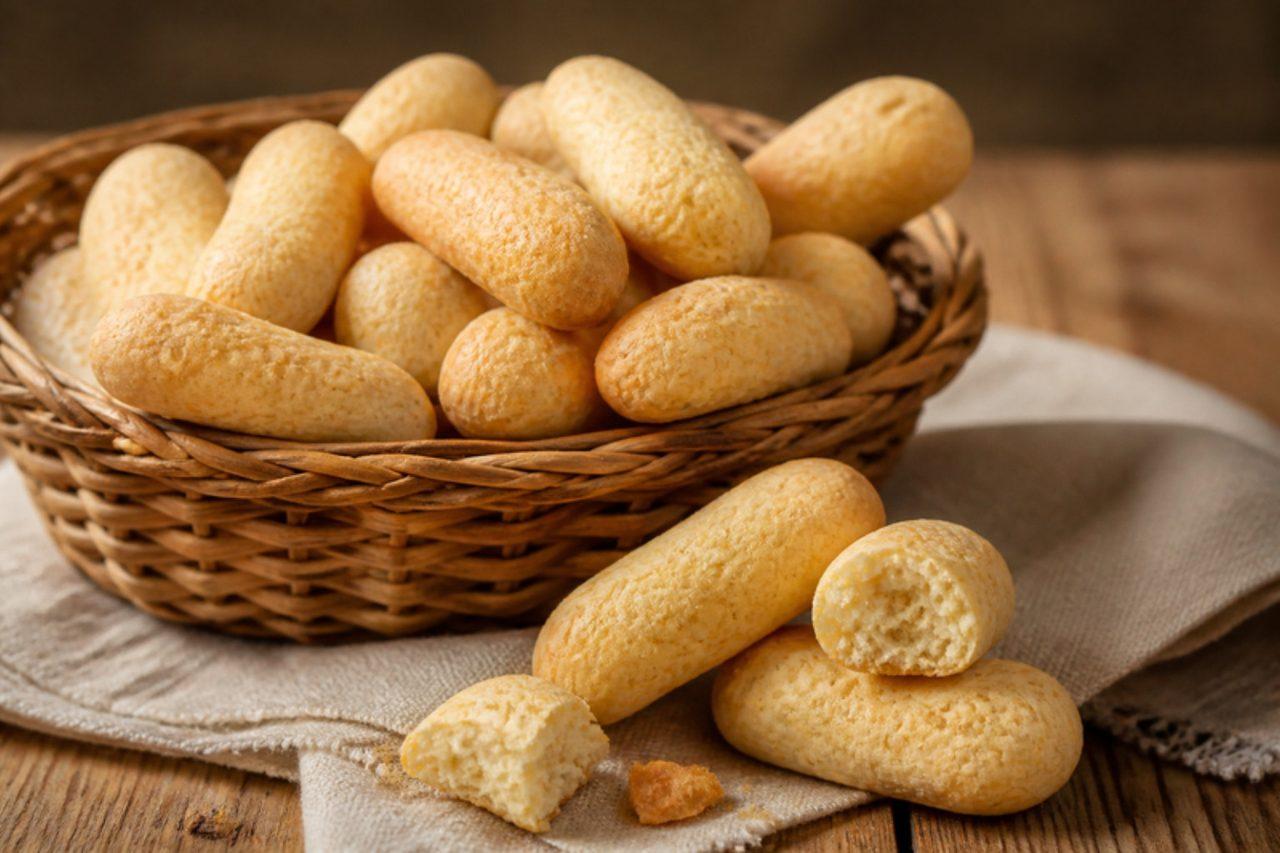
Bizcochos de achira

Achira is a canna plant whose root gives a fine, silky starch, and in Huila and Tolima it becomes bizcochos: crunchy, cheesy little sticks and rings that dissolve on the tongue. They are sold in long plastic bags at roadside stands near Neiva, Altamira and the Magdalena valley, and they travel everywhere as a snack with coffee or a cold drink. Look for achira flour in Colombian shops; arrowroot powder is the nearest substitute, while tapioca starch gives a chewier result. The cheese is traditionally a dry, aged curd made with animal rennet, so pick a vegetarian hard cheese. The usual mistake is pulling them from the oven too early: they look done but go soft as they cool. Chef's tip: bake them right through until dry and only lightly coloured; they should snap cleanly once cold.

by KrazyBadal 0 views

Showing 9 of 6,261 recipes

Show more recipes

Page 210 of 696