


Skip to content
Æbleskiver
Featured recipe

Æbleskiver

From the first Sunday of Advent until Christmas, Danish homes and Christmas markets in Copenhagen's Tivoli smell of æbleskiver: little round pancake puffs cooked in a cast-iron pan with seven hemispherical wells. They are crisp and golden outside, light and almost custardy within, dipped in icing sugar and raspberry or strawberry jam, and washed down with gløgg or hot cocoa. The name means 'apple slices', a reminder that cooks once tucked a piece of apple inside; many families still do. Danes turn them with knitting needles or wooden skewers, a knack that takes a few rounds to learn. Chef's tip: turn each puff a quarter at a time; the raw batter flows into the space and builds the sphere, rather than flipping it all at once.

Read more 0 views

What to eat today?

Around the world

Today's trip: Paraguayan

A new country every day, from every cuisine on the site.

This week's collection

Make-ahead meals
1963 recipes · a new collection every Monday

Latest recipes

Popara

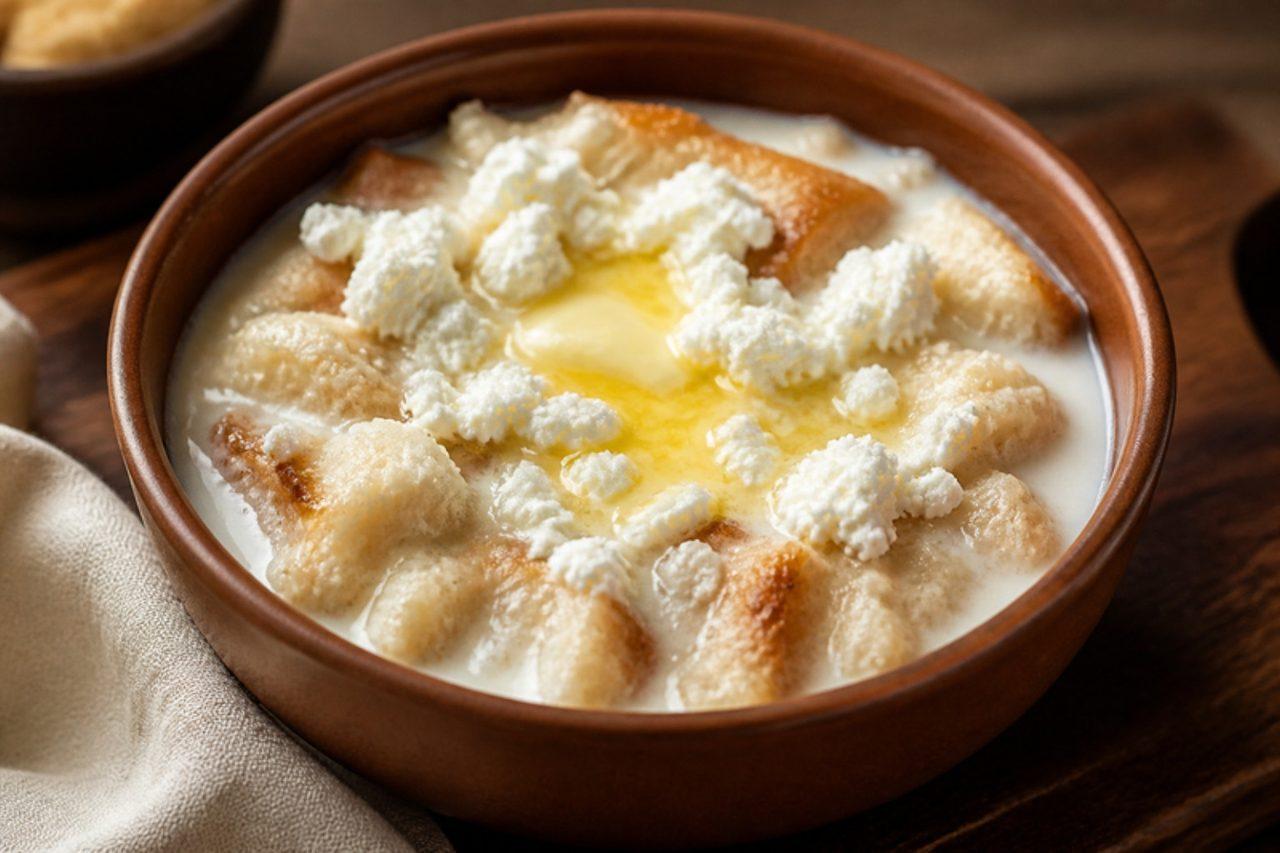
Ask Bulgarians about popara and most will smile about childhood: a bowl of yesterday's bread torn into chunks, scalded with hot milk or sweet tea, then stirred with a knob of butter and a handful of crumbled white cheese. It is what grandmothers in villages from the Balkan Mountains to Sofia made on cold mornings, and what students still cook when the cupboard is empty. Soft, warm, salty and comforting, it should be spoonable but not a soup. Some families make it sweet with sugar instead of cheese. Bulgarian sirene is usually made with animal rennet, so pick a white cheese labelled vegetarian if that matters to you. Where most people go wrong is using soft fresh bread, which dissolves into paste; it must be properly stale and dry. Chef's tip: cover the bowl with a plate for two minutes after pouring the milk, so the bread swells evenly before you stir in the butter.

by KrazyBadal 0 views

Tutmanik

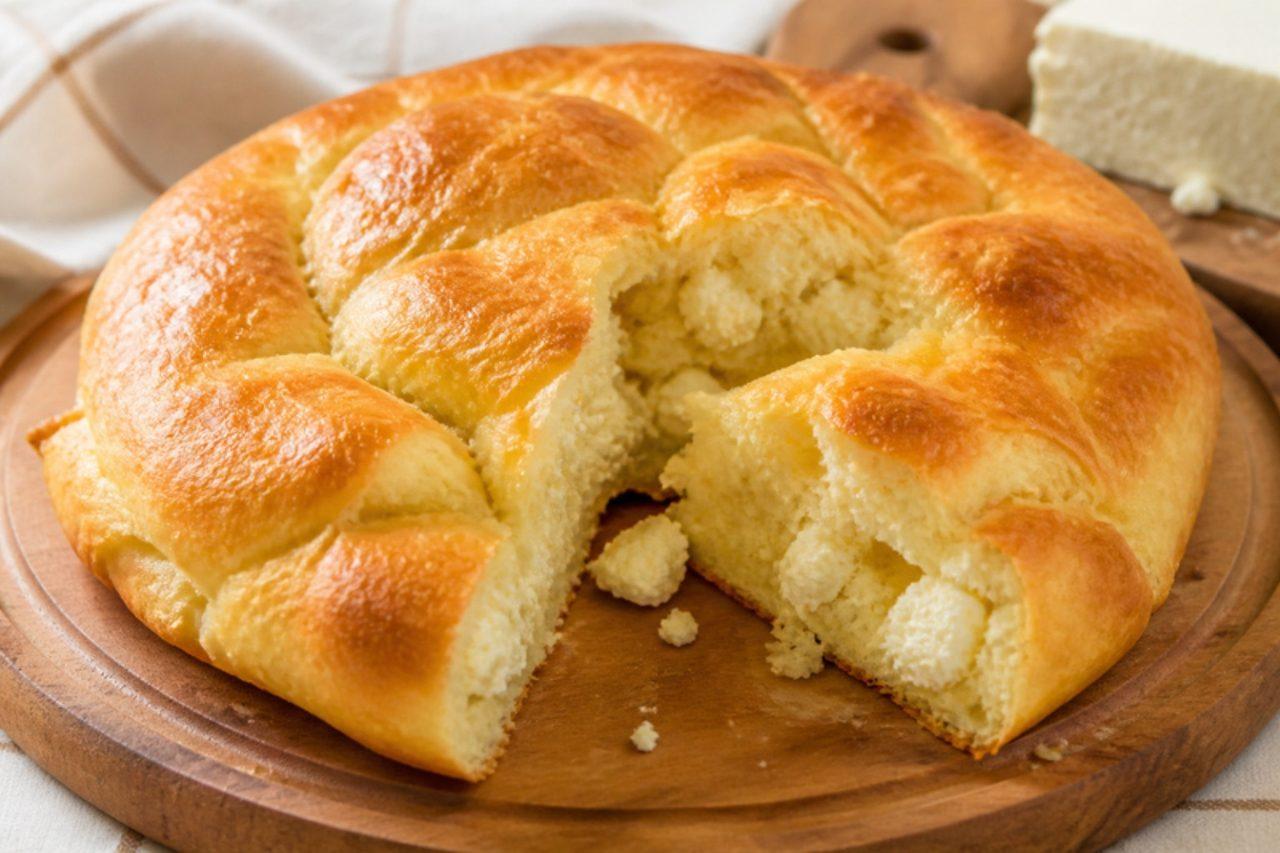
Weddings, christenings and long Sunday lunches in western Bulgaria often begin with a tutmanik on the table, still warm and torn by hand rather than sliced. The yeast dough is enriched with yogurt, eggs and oil, rolled, scattered with crumbled white cheese, folded and baked until it rises tall and golden, with salty pockets of melted cheese running all through the soft crumb. Eat it with a glass of ayran or a bowl of tarator in summer. Sirene is often made with animal rennet, so use a white cheese labelled vegetarian. A common mistake is adding too much flour to a sticky dough; it should stay soft and slightly tacky, or the bread bakes dense. Chef's tip: brush the top with yolk mixed with a spoon of yogurt rather than milk, for the deep, glossy crust Bulgarian bakers aim for.

by KrazyBadal 0 views

Tsarska turshiya

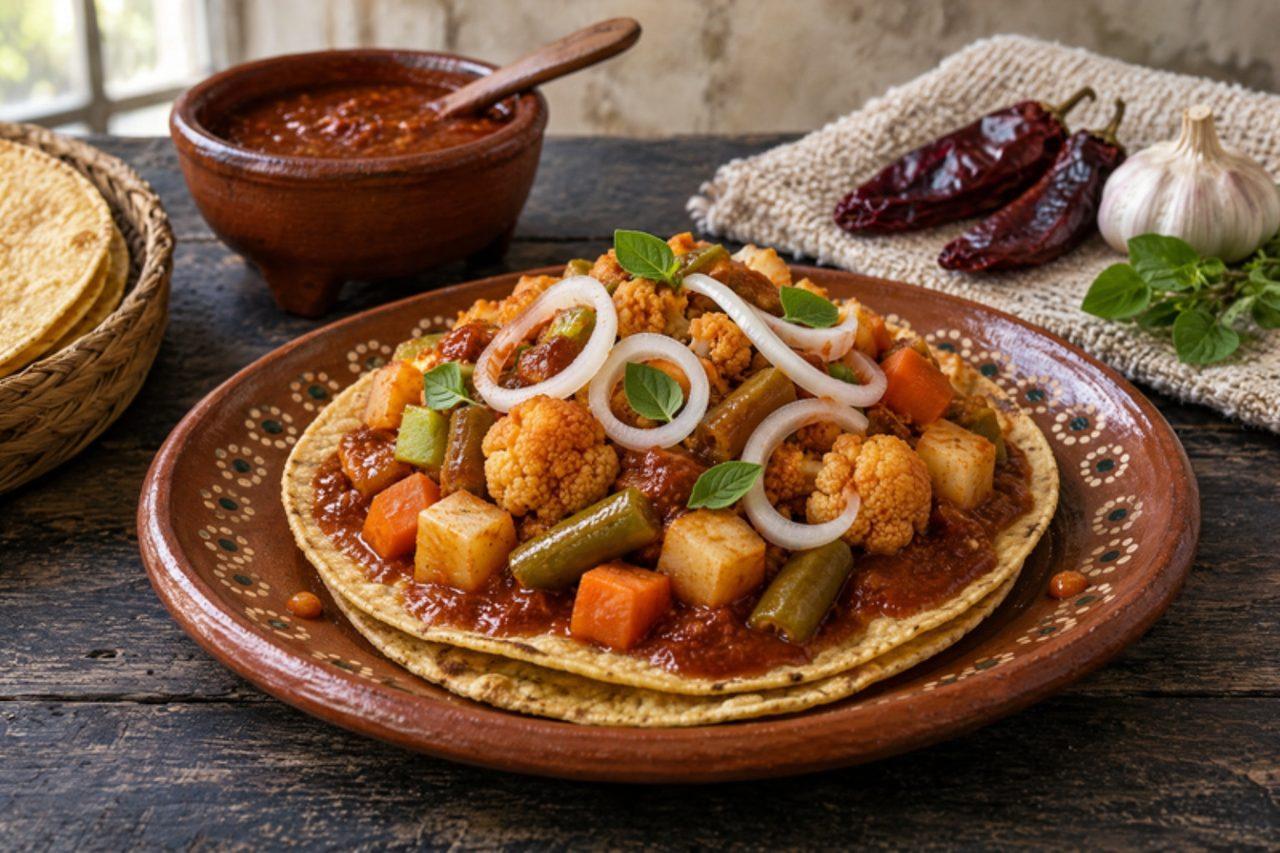
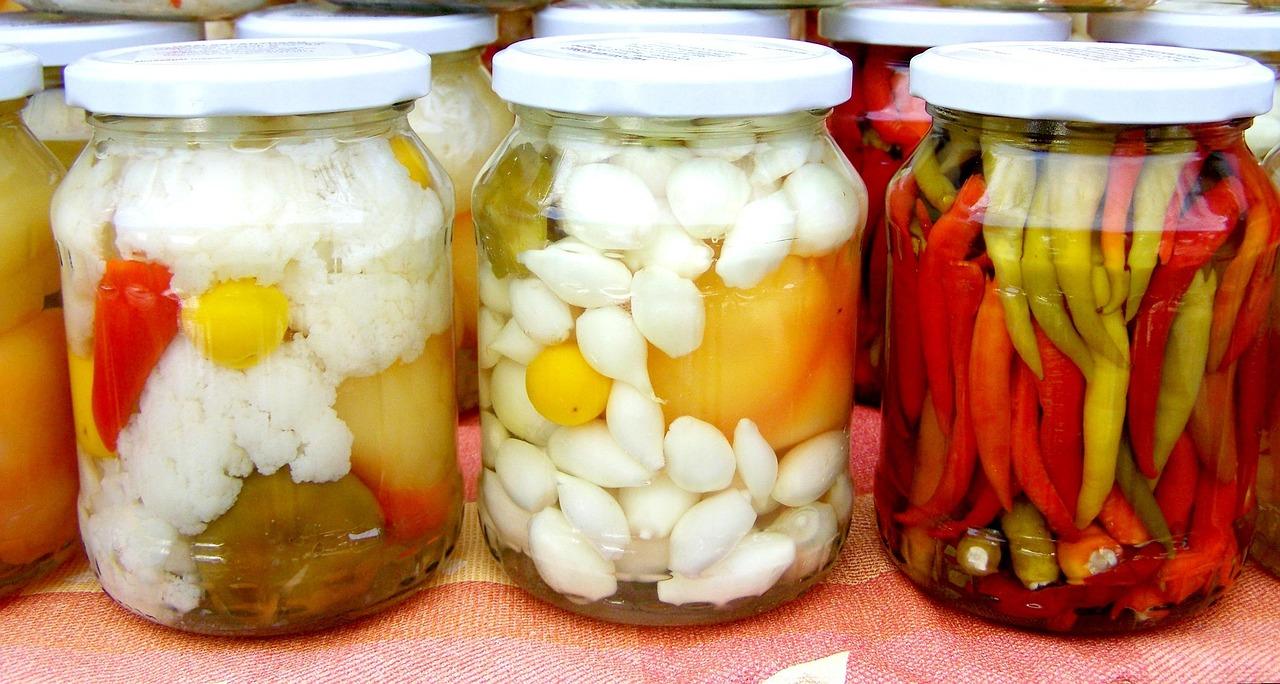
Every autumn Bulgarian balconies fill with jars of turshiya, and the 'royal' one is the prettiest and the most loved: crisp cauliflower florets, carrot rounds, strips of red and green pepper and celery, steeped in a sweet-sour marinade with oil, garlic and peppercorns. It is served with hearty winter stews, with beans and with a glass of something cold at the table in the evening. This version is a fridge pickle, ready in three days and kept chilled, so it needs no sterilising bath. The mistake people make is overcooking the vegetables in the marinade; they should just lose their raw edge and still snap when you bite them. Chef's tip: pack the jars in colour layers, white, orange, red, green, and pour the marinade over while it is hot so the vegetables stay crunchy.

by KrazyBadal 0 views

Katino meze

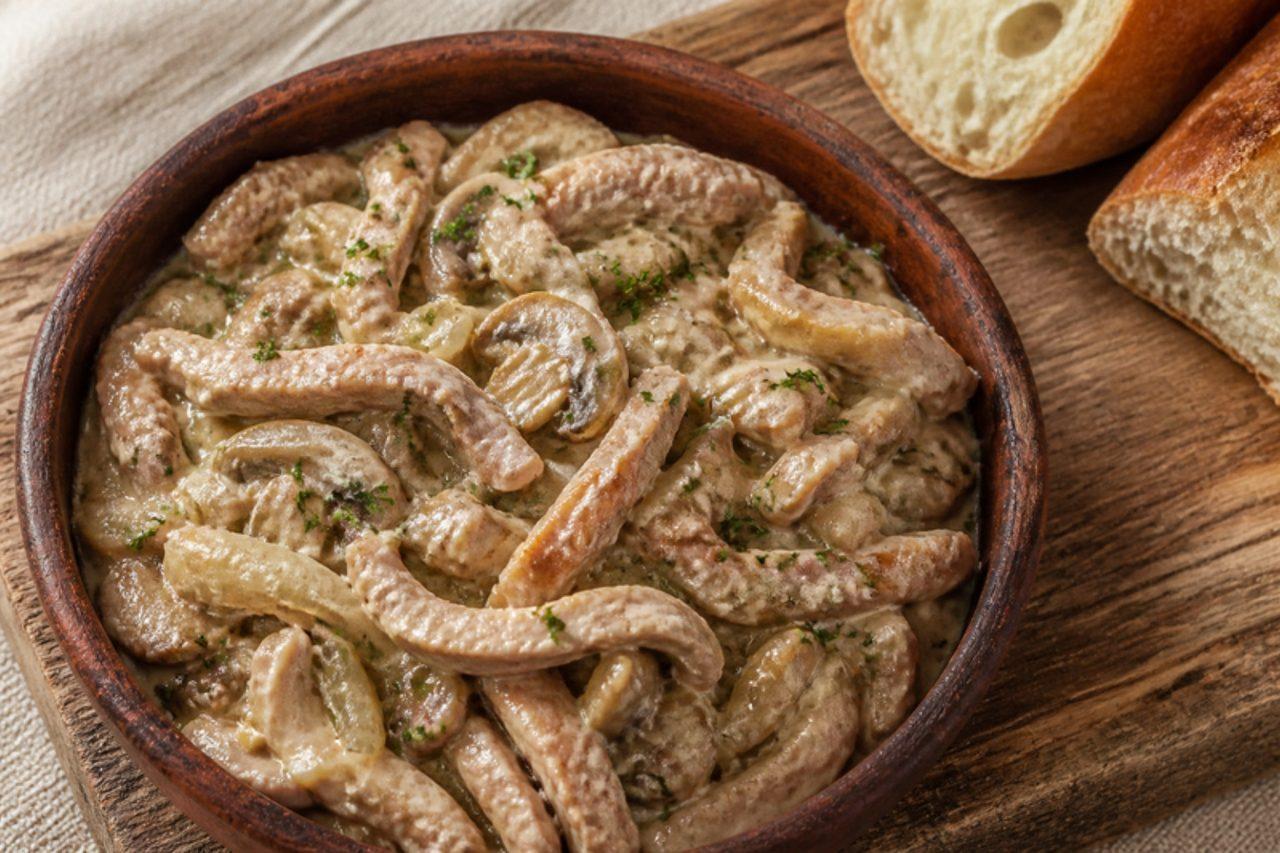
Every Bulgarian mehana, the wood-panelled tavern, has Katino meze on the menu, sizzling in a small clay dish next to a shopska salad, and it is quick enough for a weeknight at home. Thin strips of pork loin are seared, then tossed with mushrooms, onion and pickled gherkin, deglazed with dry white wine and finished with cream, black pepper and a pinch of hot chilli. For an alcohol-free sauce, swap the wine for the same amount of vegetable stock with a teaspoon of white wine vinegar or a splash of white grape juice. Serve with crusty bread or chips. A common mistake is crowding the pan: the pork stews grey instead of browning, so sear it in two batches. Chef's tip: cut the pork across the grain into finger-thin strips while it is half-frozen; it slices neatly and stays tender.

by KrazyBadal 0 views

Drob sarma

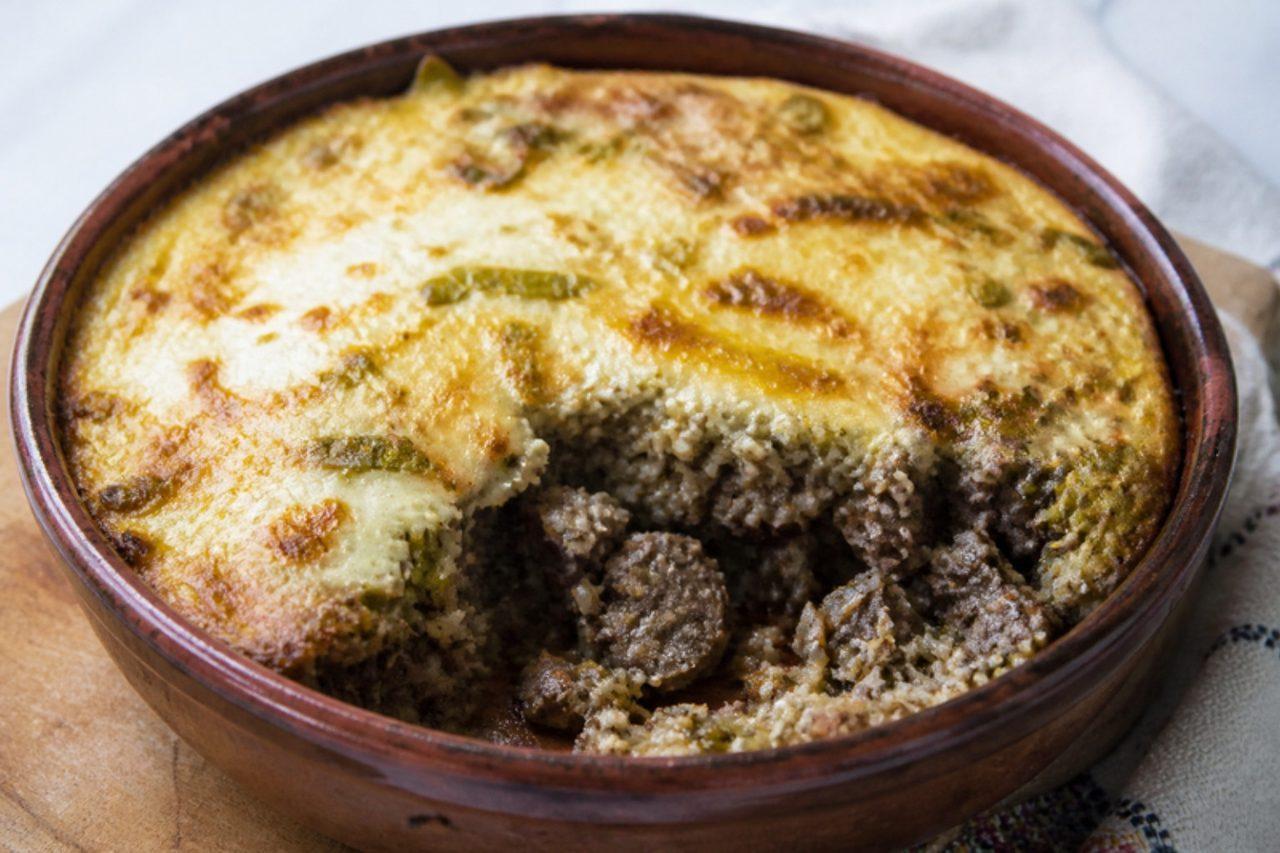
Gergyovden, St George's Day on 6 May, is the great shepherds' feast in Bulgaria, when families roast spring lamb and make sure nothing goes to waste: the liver and heart go into drob sarma, baked alongside the roast and often eaten first. The offal is blanched, chopped small and fried with plenty of spring onion, then baked with rice in stock with dried mint and paprika until the grains are plump; a topping of yogurt beaten with eggs sets into a soft, golden, faintly tangy custard. Serve hot with a lettuce and radish salad. Liver is very high in vitamin A, so pregnant women are usually advised to avoid it. Where most people go wrong is over-frying the liver, which turns it grainy; it only needs to lose its pink before it goes into the oven to finish cooking. Chef's tip: beat thick, full-fat yogurt with the eggs until completely smooth, so the topping puffs evenly.

by KrazyBadal 0 views

Stonski kolač

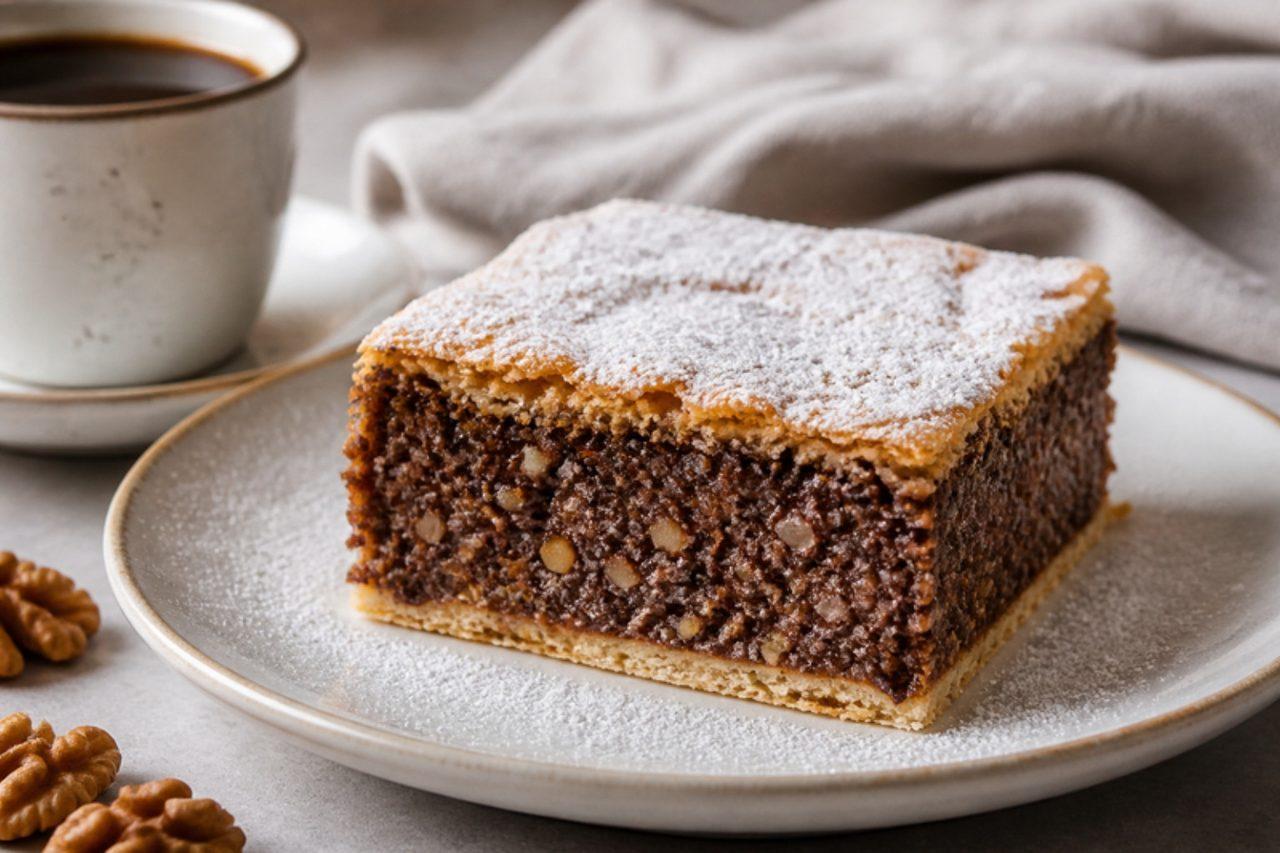
Behind the long stone walls of Ston, on the Pelješac peninsula near Dubrovnik in Croatia, bakers make one of the strangest cakes on the Adriatic: a pastry case filled with short pieces of cooked pasta, ground walnuts, chocolate, cinnamon and citrus zest, all bound with eggs and sugar. It is served on feast days and at weddings, cut into dense, fragrant slices where the pasta gives a soft, chewy bite against the nutty filling. Many families add a splash of rum to the filling; this recipe is alcohol-free, and adults can add 2 tbsp of rum with the zest if they like. A common mistake is cutting the cake while warm, when the filling is still too soft to hold; leave it to cool completely. Chef's tip: undercook the pasta by a minute, because it keeps softening in the oven.

120 minBalkanBaking
by KrazyBadal 0 views

Shangi

From the Urals across to Siberia, shangi turn up on Sunday breakfast tables, at village markets and in the lunch bags of fishermen and hunters. They are flat rounds of soft yeast dough topped, not filled, with a thick swirl of buttery mashed potato beaten with egg, then brushed with sour cream so the top bakes into golden, slightly crisp peaks. Eat them warm with tea, milk or a bowl of mushroom soup. Older northern versions used barley dough or a millet topping, and sweet shangi carry tvorog instead. The usual slip is spreading the potato right to the edge; leave a rim so the dough rises around it like a frame. Chef's tip: brush the baked shangi with melted butter and stack them in a covered pot for ten minutes, which keeps them soft the way Siberians like them.

by KrazyBadal 0 views

Purica s mlincima

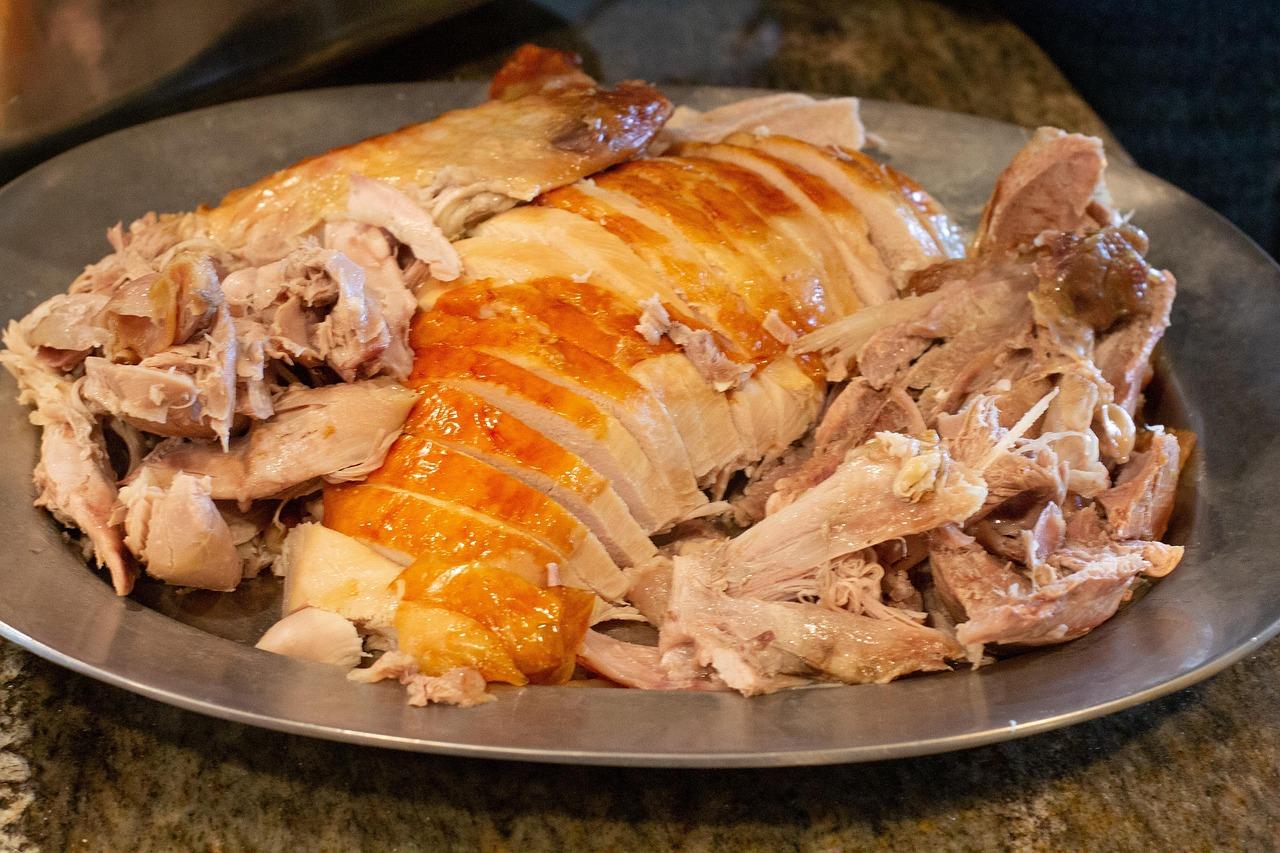
Up in Zagorje, the green hill country north of Zagreb in Croatia, this is the Sunday and Christmas roast: turkey roasted slowly and basted until the skin is crackling-brown, then served with mlinci, thin dried flatbreads broken into pieces, scalded and tossed in the roasting juices until they turn soft, chewy and glossy like rustic pasta. Serve it with a sharp cabbage or green salad. Where most people go wrong is soaking the mlinci too long, so they turn to porridge; one minute in hot water is enough. Chef's tip: bake the mlinci yourself the day before, but if you are short of time, good dried shop mlinci work beautifully.

by KrazyBadal 0 views

Pyshki

On Bolshaya Konyushennaya street in St Petersburg a small pyshechnaya has been frying these since the 1950s, and locals will tell you firmly that a pyshka is not a ponchik, the filled Moscow doughnut. They come in a paper bag five or six at a time, so hot that the icing sugar melts at the edges, with a glass of sweet milky coffee from a big urn. The soft, fairly wet yeast dough gives a light, open crumb inside a thin golden shell. The usual slip is oil that is too cool: the rings soak it up and turn heavy, so keep a thermometer in the pan at 175 °C. Chef's tip: set each shaped ring on its own small square of baking paper and lower the paper into the oil with it; the paper slips off after a few seconds and the ring stays perfectly round.

by KrazyBadal 0 views

Cheverme

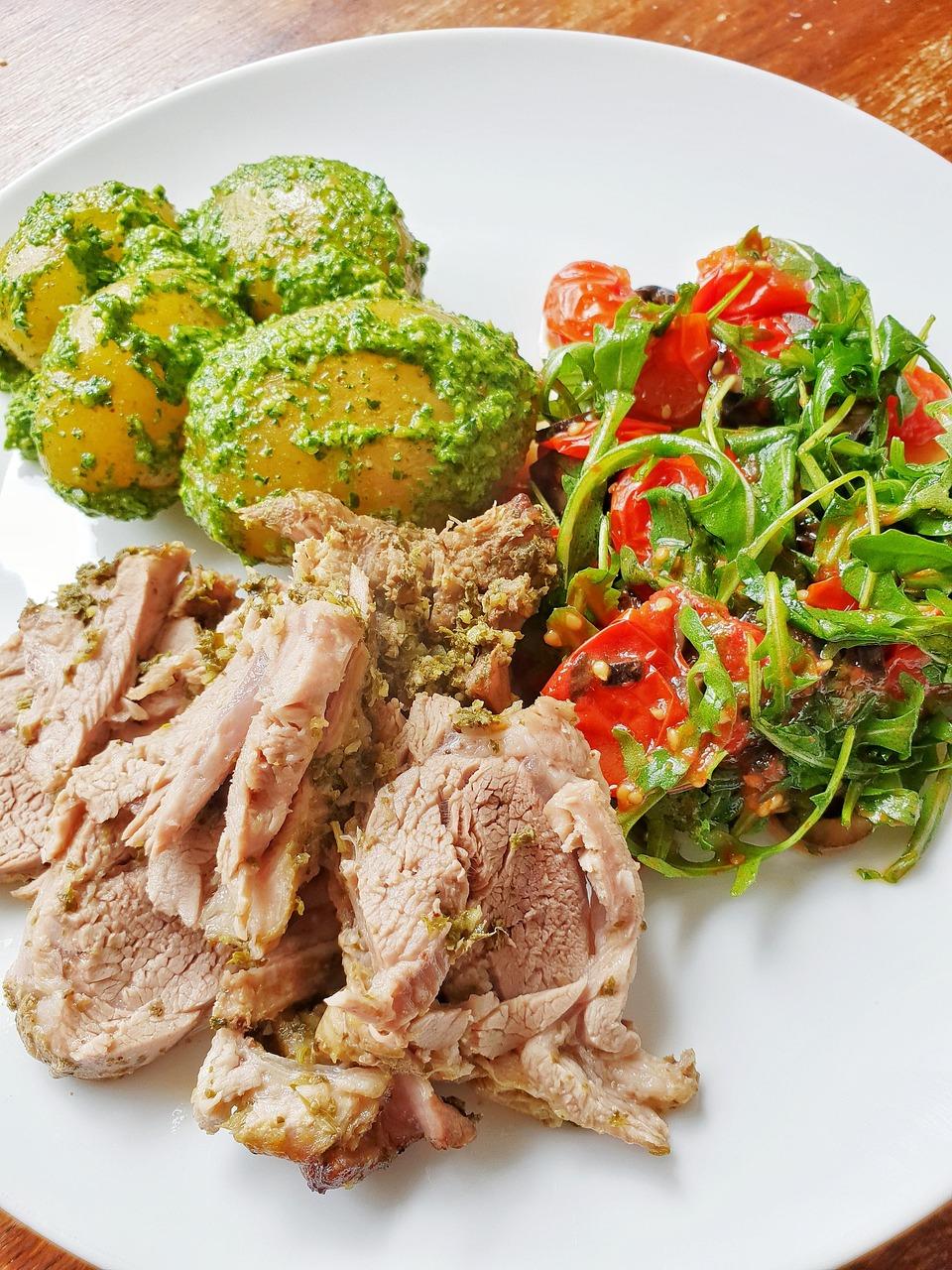
At summer festivals in the Rhodope villages around Smolyan and Chepelare, lamb for cheverme is turned slowly on a spit over beech embers for hours until the outside crackles and the meat slides off the bone, and the carved meat is shared with bread and spring onions. Few home cooks have a spit or a fire pit, so this recipe brings the same idea to a bone-in lamb shoulder or leg: rubbed simply with salt, savory, black pepper, garlic and oil, then roasted low and slow in the oven or in a covered barbecue over indirect heat. The result is crisp-edged, juicy and tender enough to pull apart with a spoon. Serve with spring onions, radishes, a tomato and cucumber salad and bread. The usual slip is too much heat, which tightens the meat instead of melting it. Chef's tip: cheverme is always well done; cook until a probe in the thickest part reads about 90 °C and the bone wiggles loose.

by KrazyBadal 0 views

Napoleon cake

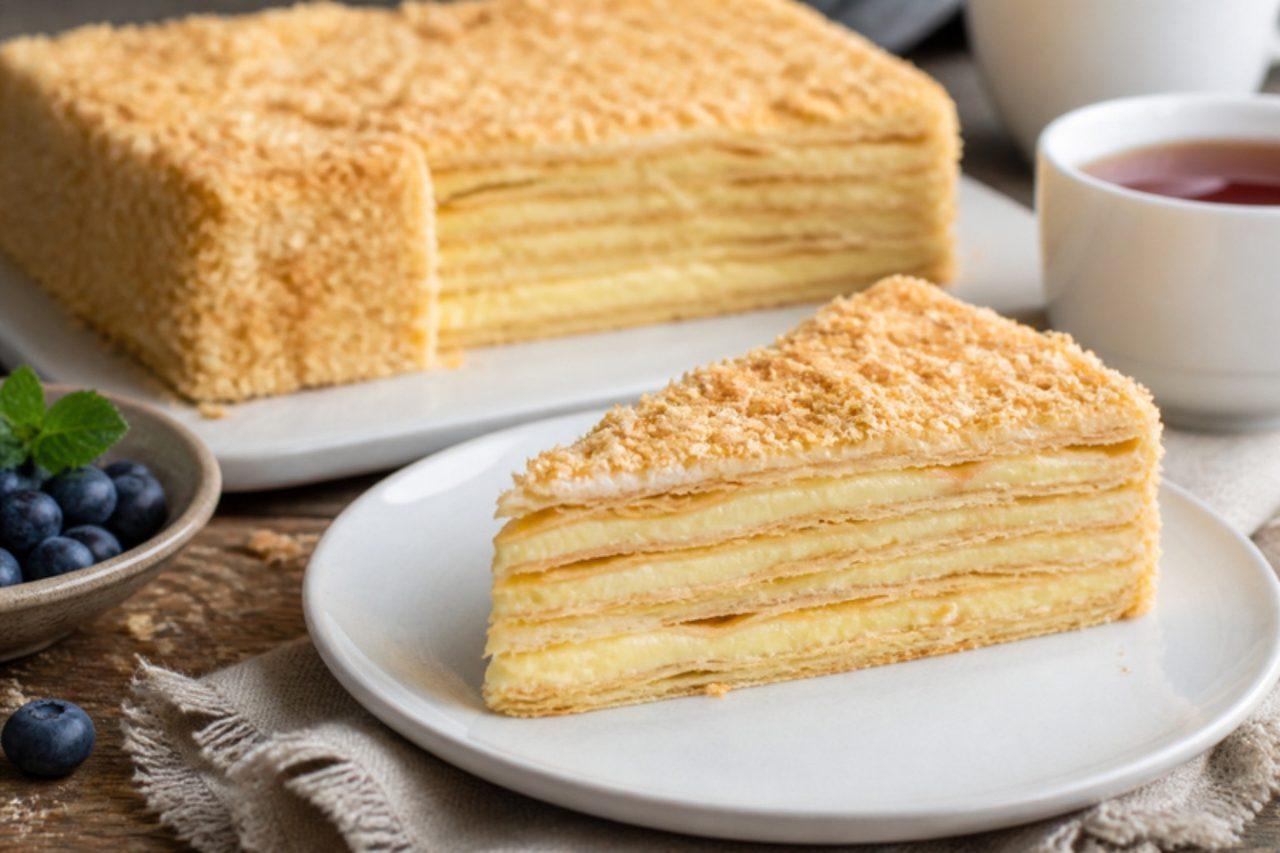
Legend links this cake to 1912, the centenary of Napoleon's retreat from Moscow, when St Petersburg confectioners cut triangular pastries shaped like his hat. By Soviet times it had grown into the tall round cake every family baked for birthdays and New Year's Eve. Eight wafer-thin rounds of quick flaky pastry are stacked with vanilla custard enriched with butter, then left overnight so the layers soften into something between a mille-feuille and a tender sponge; crushed trimmings give the snowy finish. Where most people go wrong is serving it the same day; without the long rest in the fridge it is crisp and dry instead of melting. Chef's tip: roll each piece of pastry straight onto baking paper and trim it around a 24 cm plate before baking, so you never have to lift thin raw dough.

by KrazyBadal 0 views

Selsko meso

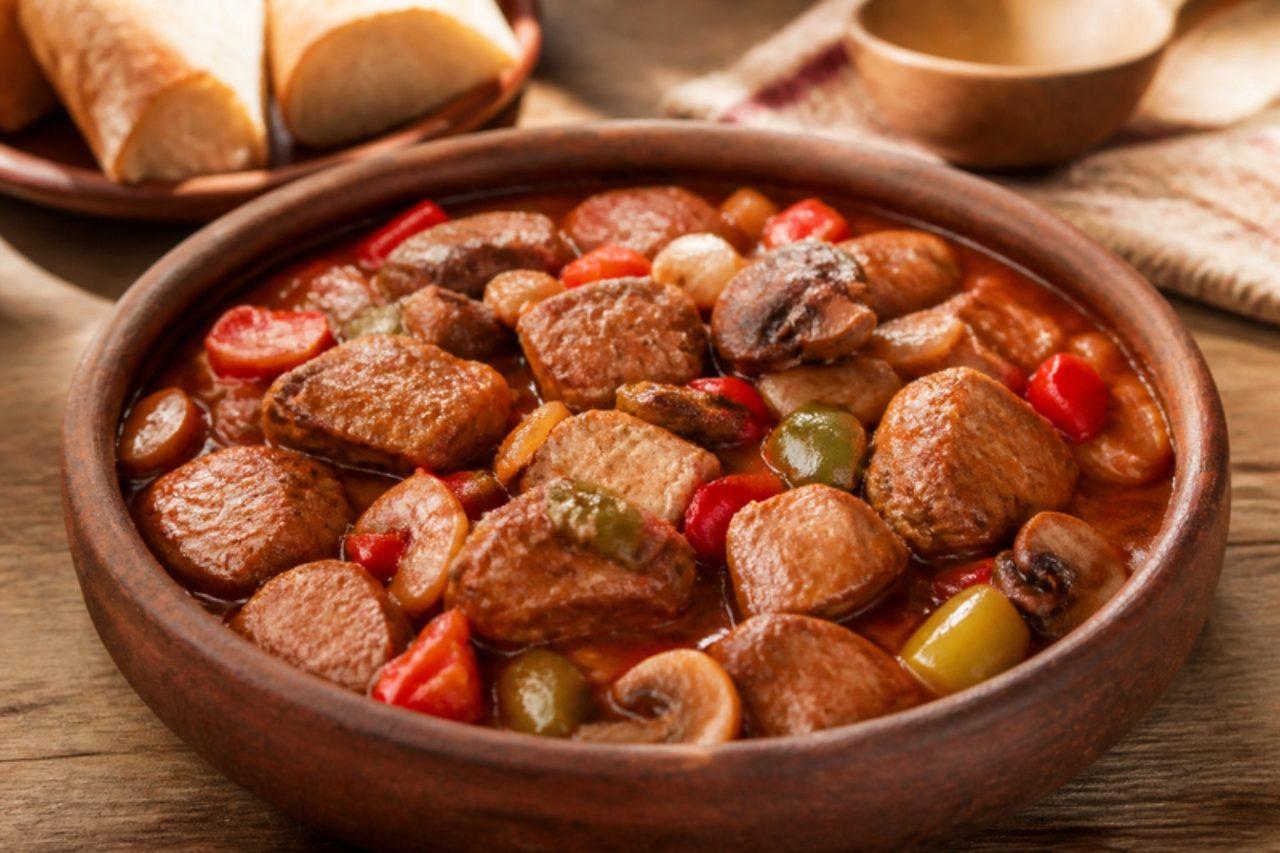
Every mehana, the traditional tavern, in North Macedonia has selsko meso on its menu, brought sizzling to the table in an earthenware pot: chunks of pork browned with onion, mushrooms and peppers, spiced with paprika and baked until the sauce thickens around the meat. It is pork-based, rich and peppery, and is eaten with fresh bread, a shopska salad and a dollop of yogurt for those who take dairy. Where most people go wrong is crowding the pan, so the mushrooms stew grey instead of browning. Chef's tip: fry the mushrooms on their own first in a hot pan until golden, they bring a deep, almost meaty flavour.

90 minBalkanMeatGluten free
by KrazyBadal 0 views

Chakapuli

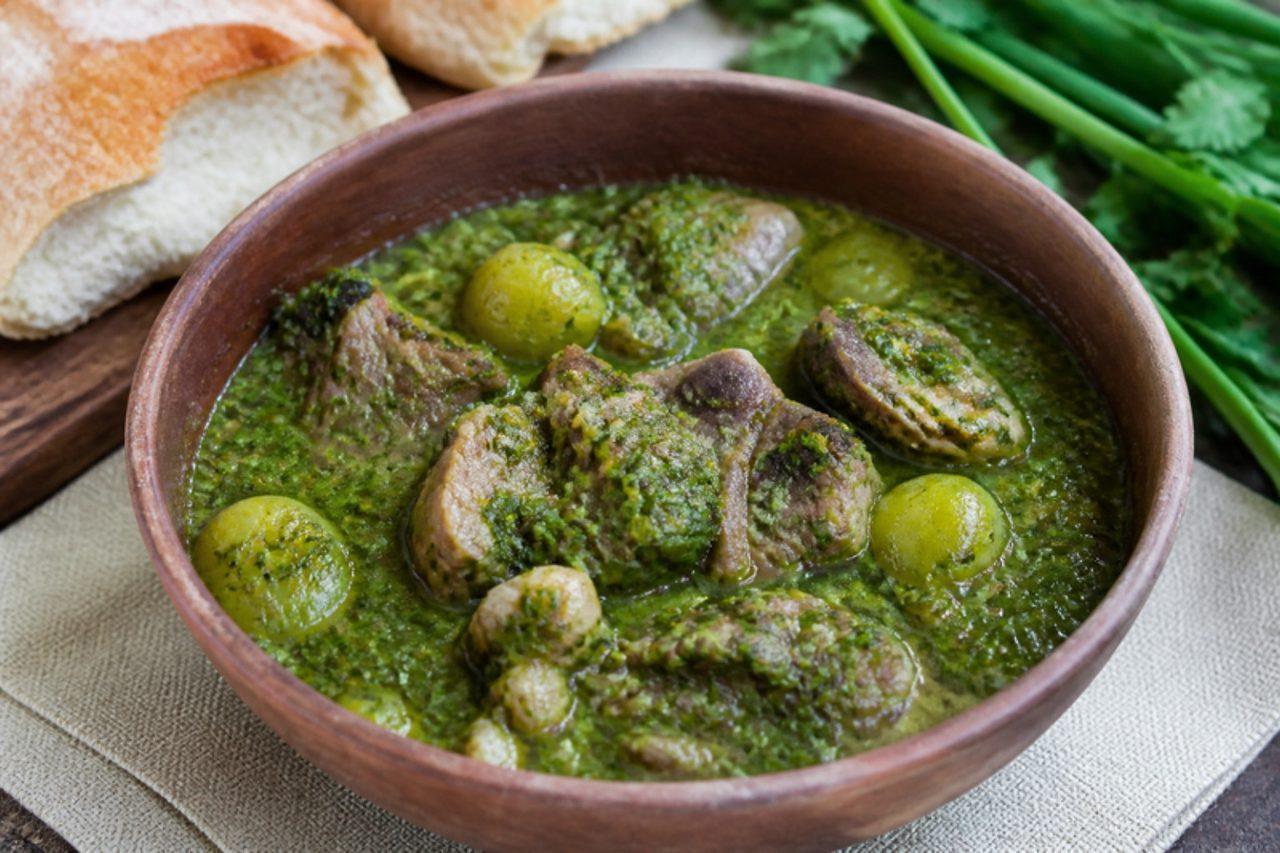
Chakapuli is the Easter dish of Kakheti, cooked when the first tarragon shoots and hard green tkemali plums appear in April: young lamb is stewed in Kakhetian white wine with heaps of tarragon, spring onion and coriander until the broth turns bright green and sour. It is eaten from deep bowls with shoti bread to soak up the juices. The recipe uses white wine, as it is traditionally made; for an alcohol-free pot, use the swap in the ingredient note. A common mistake is putting in all the herbs at the start, which turns them grey; half go in at the end for freshness. Chef's tip: if you can't find sour green plums, a squeeze of lemon and a spoon of tkemali sauce give the same tartness.

120 minGeorgianMeatGluten free
by KrazyBadal 0 views

Mujuzhi

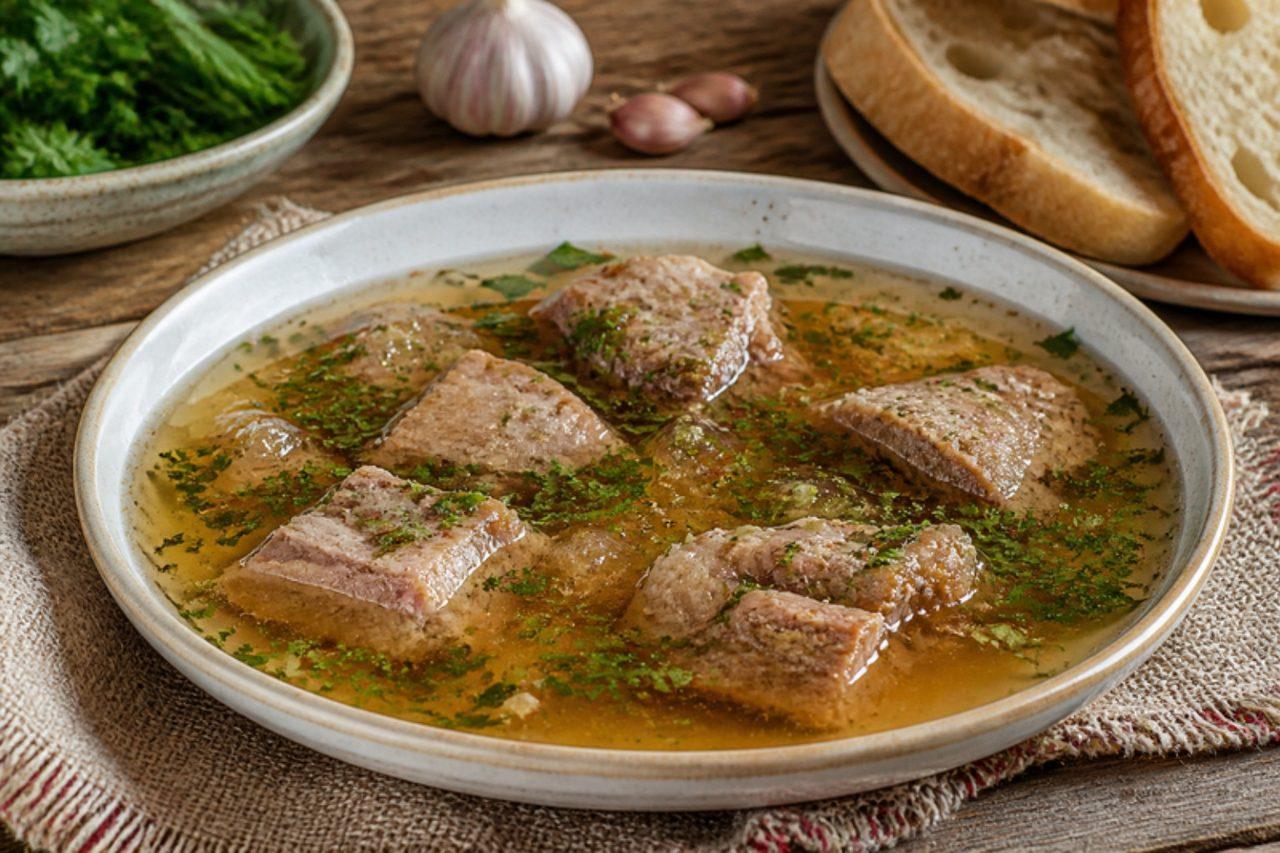
For New Year in Imereti, kitchens fill with the smell of mujuzhi simmering for hours, because the dish has to set overnight on a cold balcony: pork trotters and hocks are boiled until the meat falls off, then laid in bowls under their broth, sharpened with vinegar and lots of garlic, which sets into a clear, tangy jelly. This is a pork dish, served cold with mchadi and pickles. A common mistake is boiling hard, which clouds the jelly. Chef's tip: keep the pot at a bare tremble, skim well and season the broth with vinegar to taste before it sets; the sourness is what makes mujuzhi different from other aspics.

280 minGeorgianMeatGluten free
by KrazyBadal 0 views

Cheremsha salad

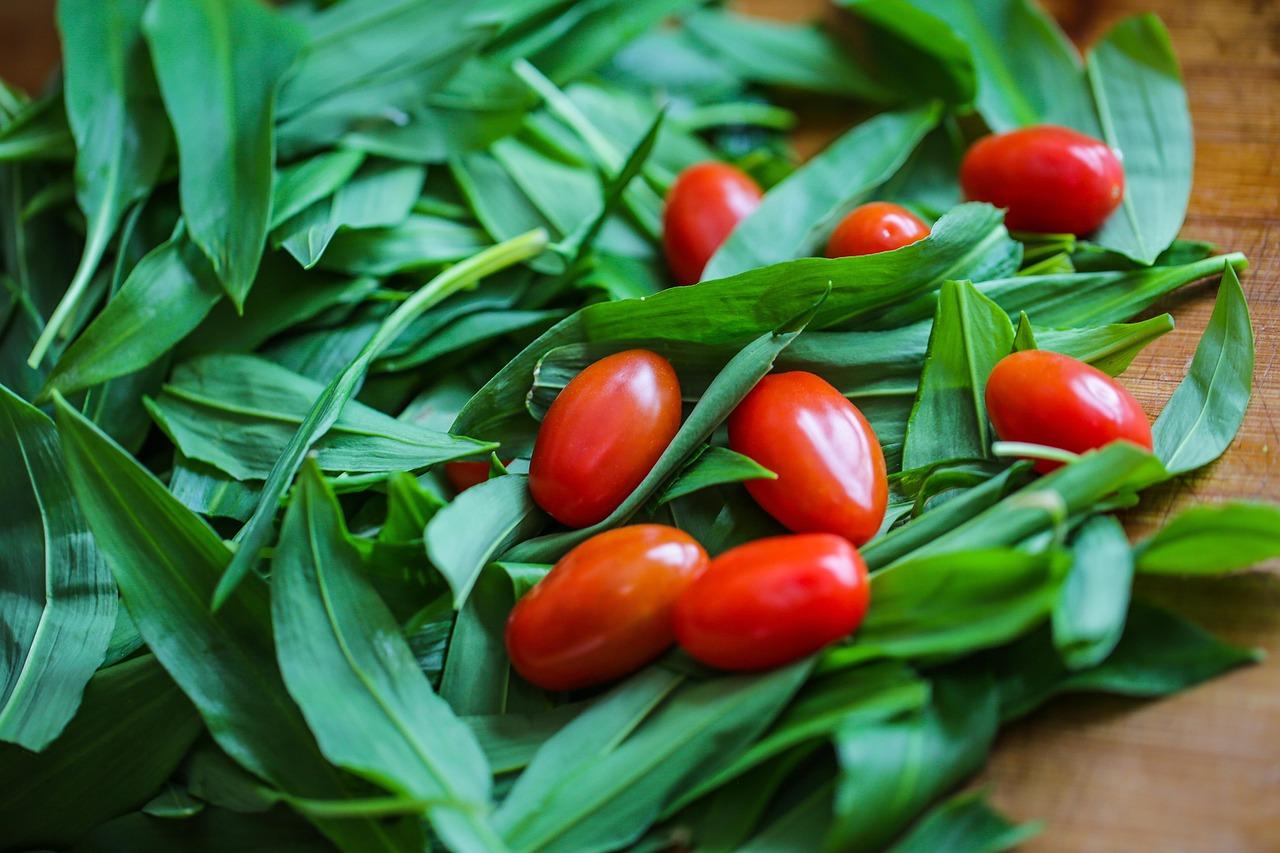
Late April in Novosibirsk and Tomsk brings bunches of cheremsha to every market stall and roadside bucket: the first green vitamins after a long Siberian winter. The broad leaves and juicy stems of wild garlic taste of sweet, mild garlic with a peppery bite, and Siberians eat them simply, chopped with salt and fragrant unrefined sunflower oil, beside boiled potatoes and black bread. Some cooks add chopped egg or sour cream; this vegan version sticks to oil, with cucumber for crunch. Forage only with someone who knows the plant, or buy it: wild garlic has poisonous lookalikes such as lily of the valley, and real leaves smell strongly of garlic when crushed. Where most people go wrong is dressing it too early, so the leaves wilt and weep. Chef's tip: salt the chopped stems first and rub them for a few seconds; it softens their bite and draws out juice that becomes part of the dressing.

by KrazyBadal 0 views

Yarma

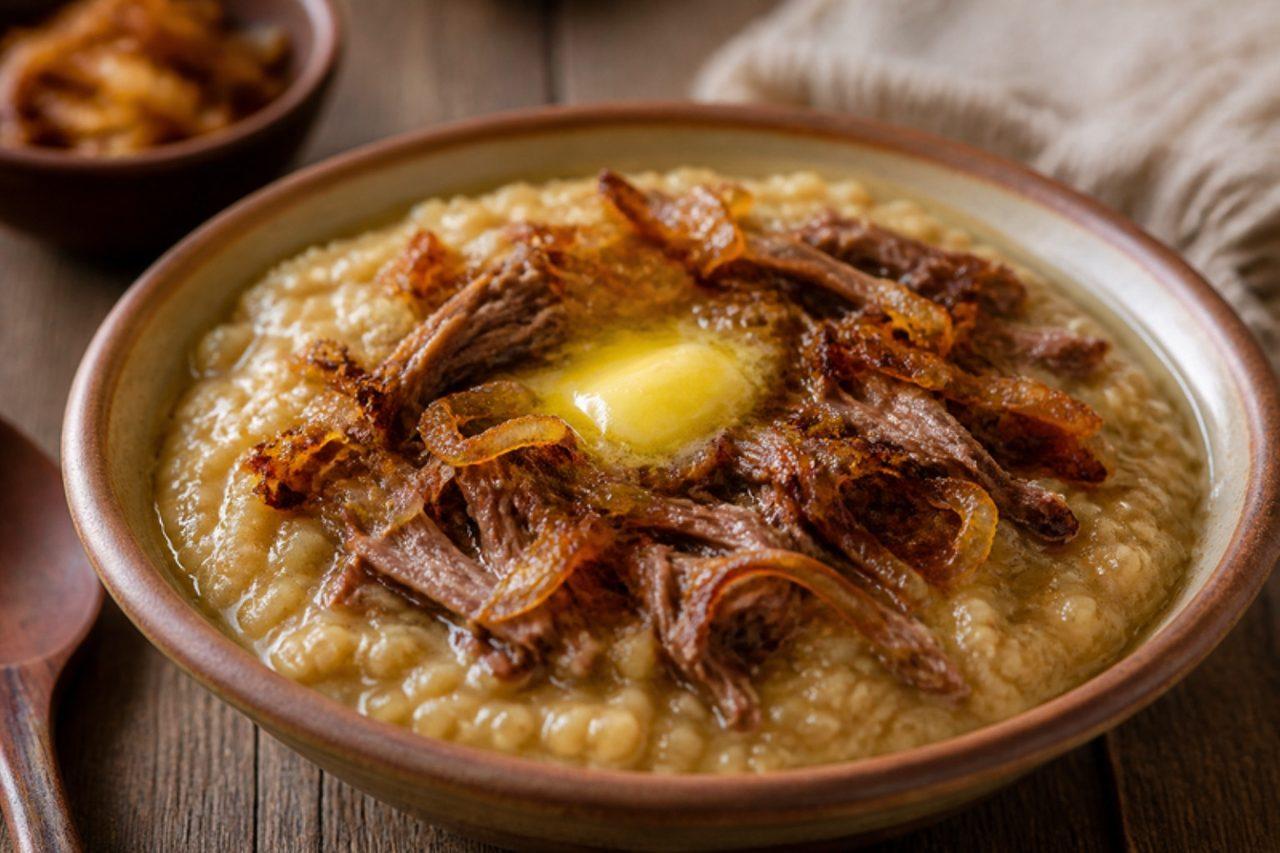
Yarma is a filling porridge of cracked wheat cooked slowly with lamb until the grains break down and the dish turns thick and creamy, a dish of Turkmen homes and of religious gatherings, when it is cooked in huge pots and shared out. It is seasoned simply with salt, pepper and onion fried in butter or fat poured over the top. A common mistake is not stirring enough, which lets the wheat catch on the bottom. Chef's tip: beat the yarma hard with a wooden spoon in the last 15 minutes, so the lamb shreds into the grain and it turns smooth and creamy.

by KrazyBadal 0 views

Salted saffron milk caps

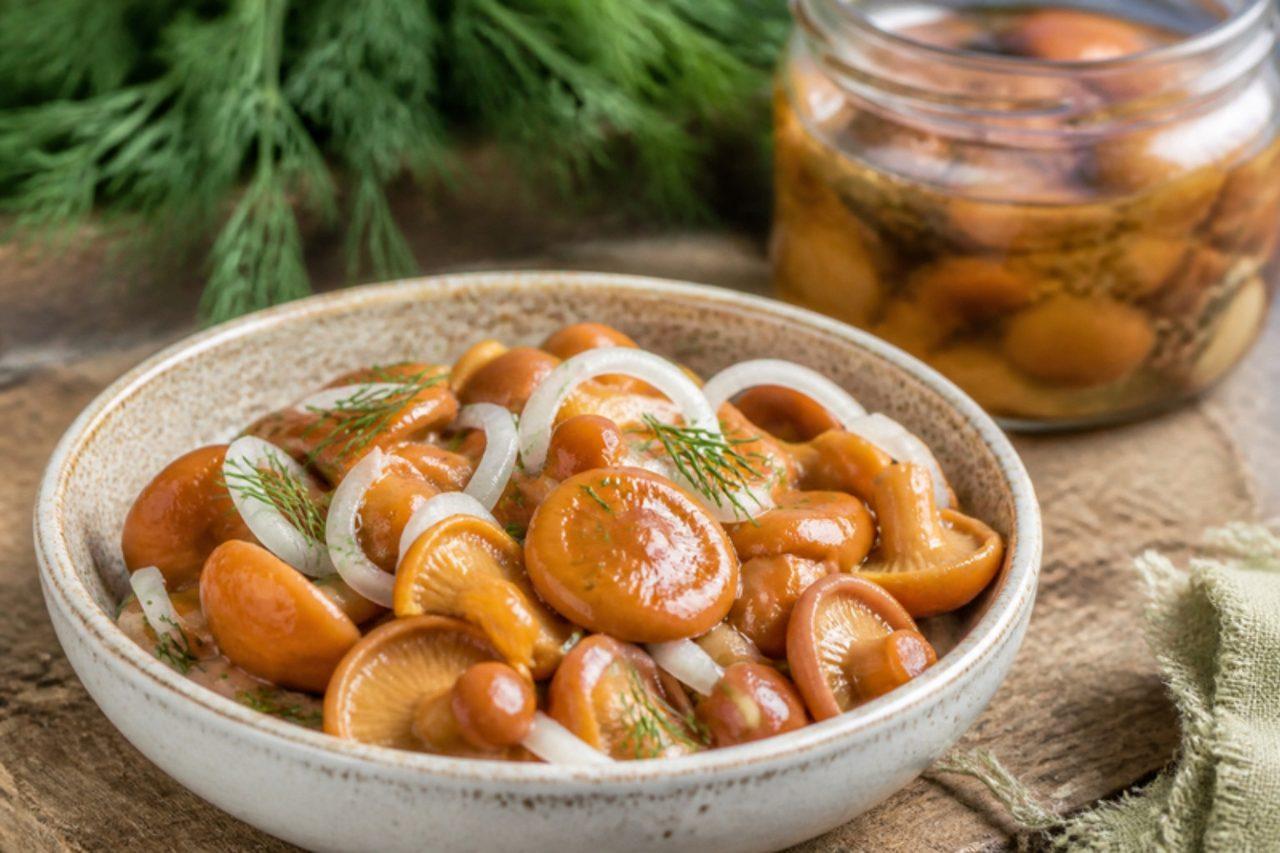
Northern Russians rank ryzhiki, the orange saffron milk caps of the pine woods, above almost every other mushroom, and salted ones from around Arkhangelsk once travelled to the tsar's table. Salted, they keep their bright colour, turn firm and juicy with a clean, resinous taste, and are served with thin onion rings, sunflower oil and hot boiled potatoes; for non-vegans a spoon of sour cream is classic. Old cellars dry-salted them raw for months; this safer fridge version blanches the caps briefly and keeps them in a measured brine in the fridge, ready in about a week. Only use mushrooms identified by an experienced forager or bought from a trusted seller. Where most people go wrong is guessing the salt; too little lets spoilage start, so weigh it. Chef's tip: the caps bruise green where handled, which is normal, so don't worry when the edges darken.

by KrazyBadal 0 views

Filets de perche

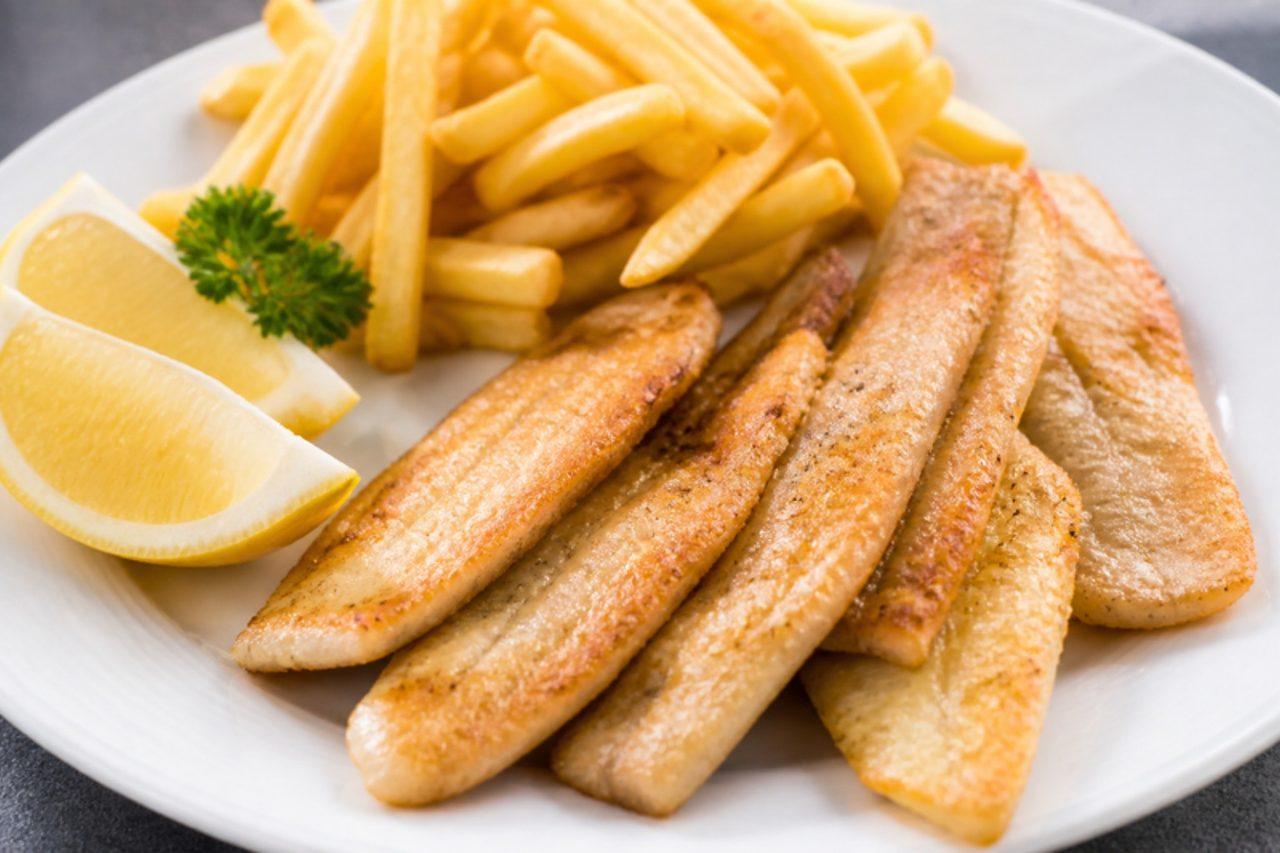
Filets de perche are the signature dish of the lakeside restaurants around Lake Geneva, from Geneva to Lausanne and Montreux: small, delicate perch fillets dusted with flour, fried quickly in butter until golden, and served with lemon, tartare sauce, a pile of fries and a green salad on a summer terrace. Lake perch is scarce today; ask for responsibly sourced perch or use small fillets of pike-perch or another delicate white fish. A common mistake is crowding the pan, which steams the thin fillets. Chef's tip: fry in batches in foaming butter for just a minute or so a side; the fish is done when opaque and it flakes.

25 minSwissFish
by KrazyBadal 0 views

Showing 18 of 7,762 recipes

Show more recipes

Page 210 of 863