


Skip to content
Loomi tea
Featured recipe

Loomi tea

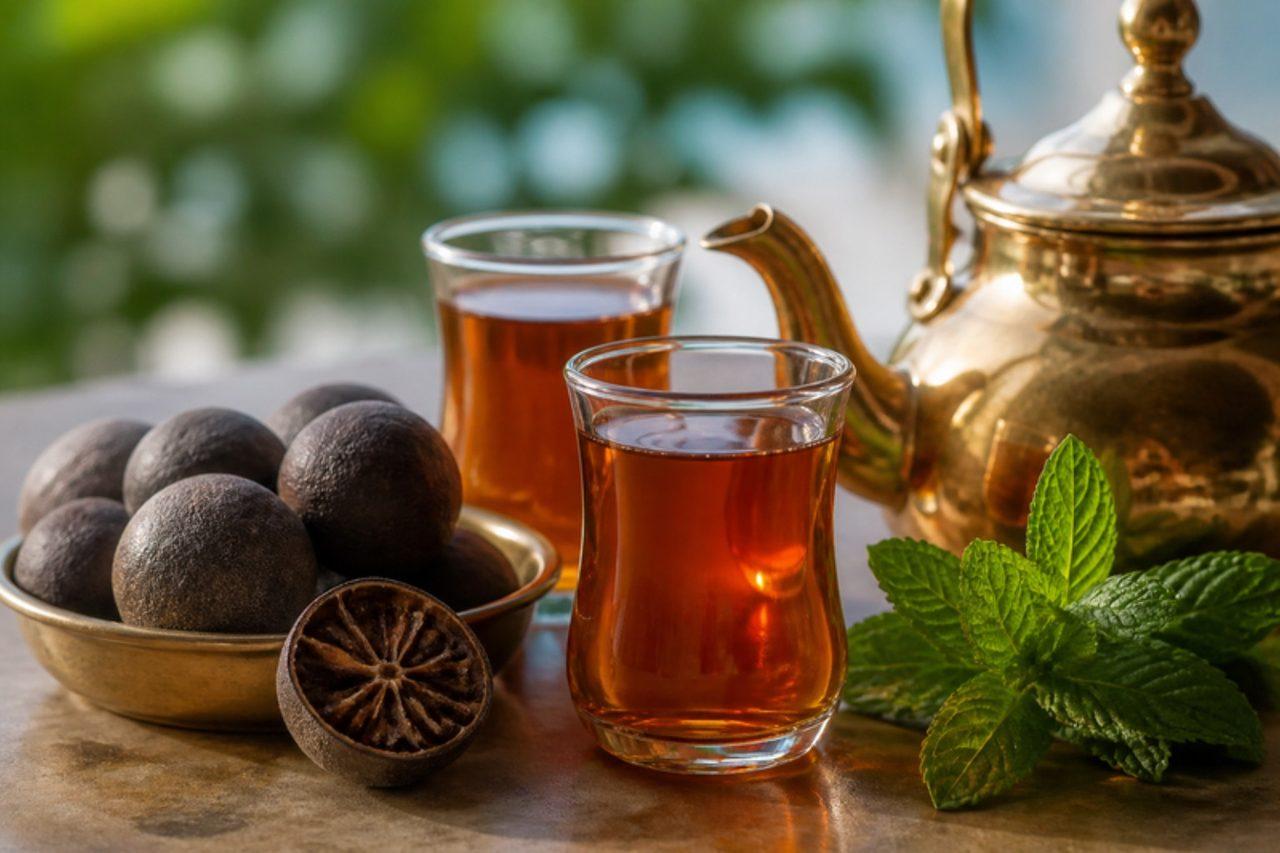
Dried limes, loomi, are everywhere in the Gulf kitchen, from Bahraini machboos to Kuwaiti stews, and on cold days or after a heavy meal they are also cracked open and steeped into shai loomi, a tart, smoky, amber tea. In Saudi Arabia, Kuwait and Bahrain it is drunk hot and sweet in small glasses, and it is many families' remedy for an upset stomach. The flavour is sour and a little bitter, like a cross between lemon tea and something faintly smoked. A common mistake is steeping the whole limes uncracked, which gives a weak, watery tea; break them open first. Strain well, as the seeds are very bitter if chewed. Chef's tip: use the darker limes for a deeper, earthier tea and the pale ones for a sharper, brighter cup.

Read more 0 views

What to eat today?

Around the world

Today's trip: Paraguayan

A new country every day, from every cuisine on the site.

This week's collection

Make-ahead meals
1963 recipes · a new collection every Monday

Latest recipes

Cheverme

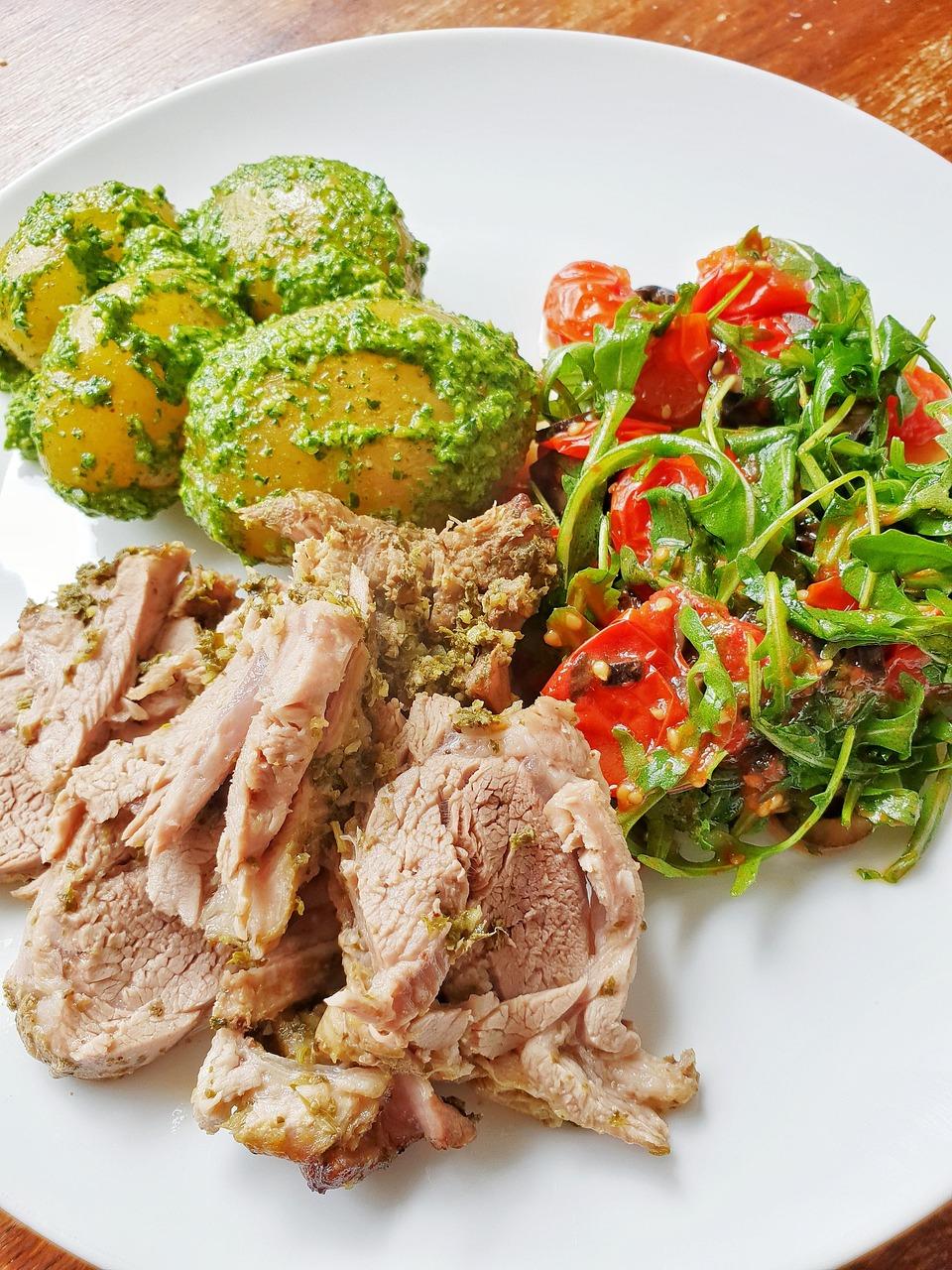
At summer festivals in the Rhodope villages around Smolyan and Chepelare, lamb for cheverme is turned slowly on a spit over beech embers for hours until the outside crackles and the meat slides off the bone, and the carved meat is shared with bread and spring onions. Few home cooks have a spit or a fire pit, so this recipe brings the same idea to a bone-in lamb shoulder or leg: rubbed simply with salt, savory, black pepper, garlic and oil, then roasted low and slow in the oven or in a covered barbecue over indirect heat. The result is crisp-edged, juicy and tender enough to pull apart with a spoon. Serve with spring onions, radishes, a tomato and cucumber salad and bread. The usual slip is too much heat, which tightens the meat instead of melting it. Chef's tip: cheverme is always well done; cook until a probe in the thickest part reads about 90 °C and the bone wiggles loose.

by KrazyBadal 0 views

Salted saffron milk caps

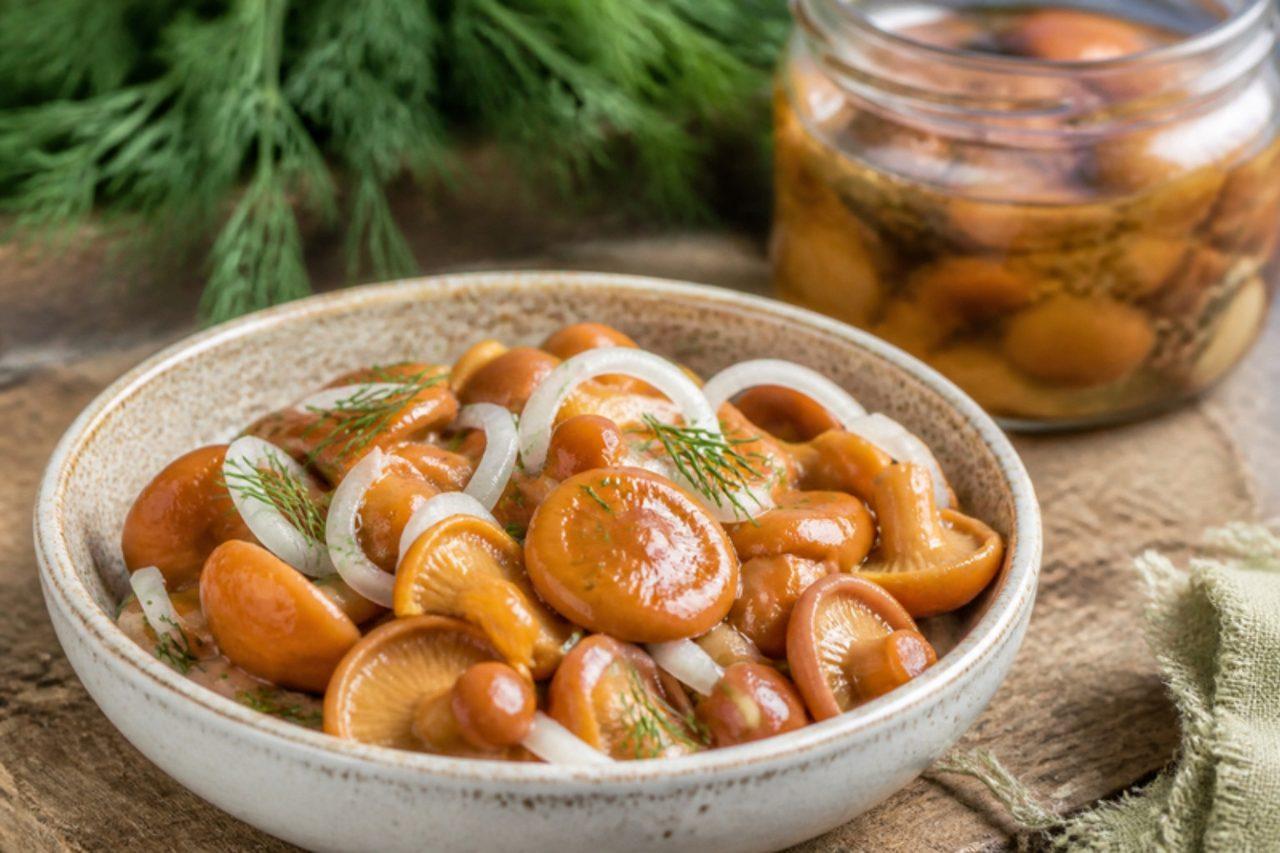
Northern Russians rank ryzhiki, the orange saffron milk caps of the pine woods, above almost every other mushroom, and salted ones from around Arkhangelsk once travelled to the tsar's table. Salted, they keep their bright colour, turn firm and juicy with a clean, resinous taste, and are served with thin onion rings, sunflower oil and hot boiled potatoes; for non-vegans a spoon of sour cream is classic. Old cellars dry-salted them raw for months; this safer fridge version blanches the caps briefly and keeps them in a measured brine in the fridge, ready in about a week. Only use mushrooms identified by an experienced forager or bought from a trusted seller. Where most people go wrong is guessing the salt; too little lets spoilage start, so weigh it. Chef's tip: the caps bruise green where handled, which is normal, so don't worry when the edges darken.

by KrazyBadal 0 views

Selsko meso

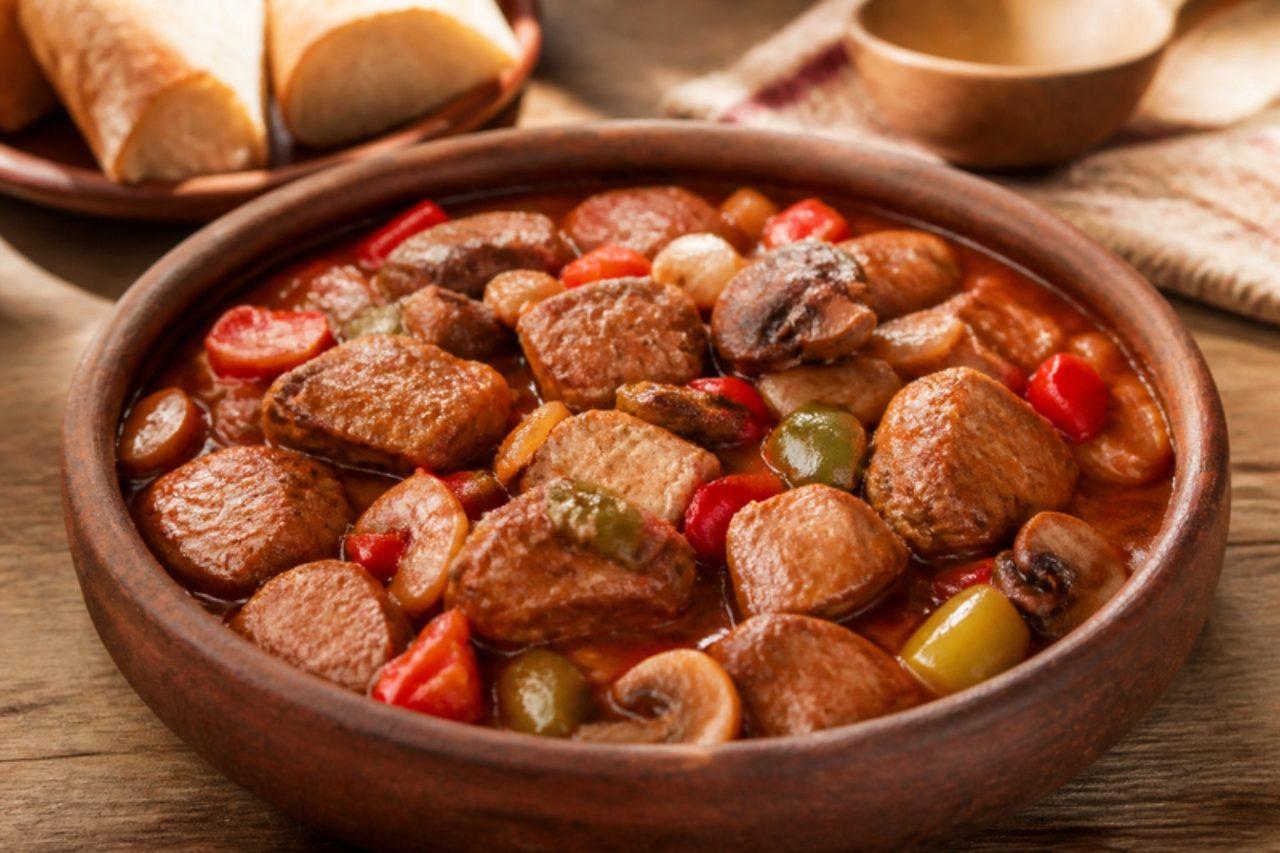
Every mehana, the traditional tavern, in North Macedonia has selsko meso on its menu, brought sizzling to the table in an earthenware pot: chunks of pork browned with onion, mushrooms and peppers, spiced with paprika and baked until the sauce thickens around the meat. It is pork-based, rich and peppery, and is eaten with fresh bread, a shopska salad and a dollop of yogurt for those who take dairy. Where most people go wrong is crowding the pan, so the mushrooms stew grey instead of browning. Chef's tip: fry the mushrooms on their own first in a hot pan until golden, they bring a deep, almost meaty flavour.

90 minBalkanMeatGluten free
by KrazyBadal 0 views

Chakapuli

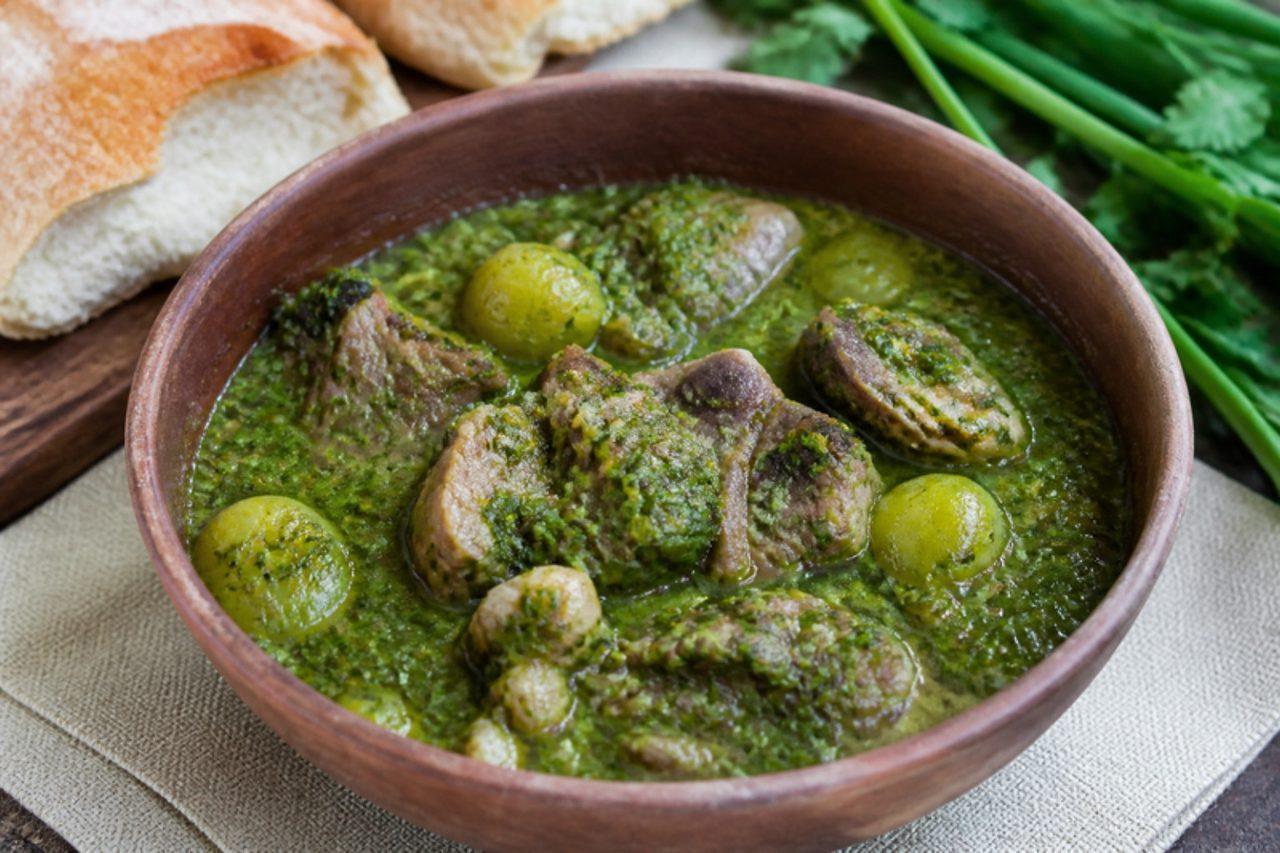
Chakapuli is the Easter dish of Kakheti, cooked when the first tarragon shoots and hard green tkemali plums appear in April: young lamb is stewed in Kakhetian white wine with heaps of tarragon, spring onion and coriander until the broth turns bright green and sour. It is eaten from deep bowls with shoti bread to soak up the juices. The recipe uses white wine, as it is traditionally made; for an alcohol-free pot, use the swap in the ingredient note. A common mistake is putting in all the herbs at the start, which turns them grey; half go in at the end for freshness. Chef's tip: if you can't find sour green plums, a squeeze of lemon and a spoon of tkemali sauce give the same tartness.

120 minGeorgianMeatGluten free
by KrazyBadal 0 views

Mujuzhi

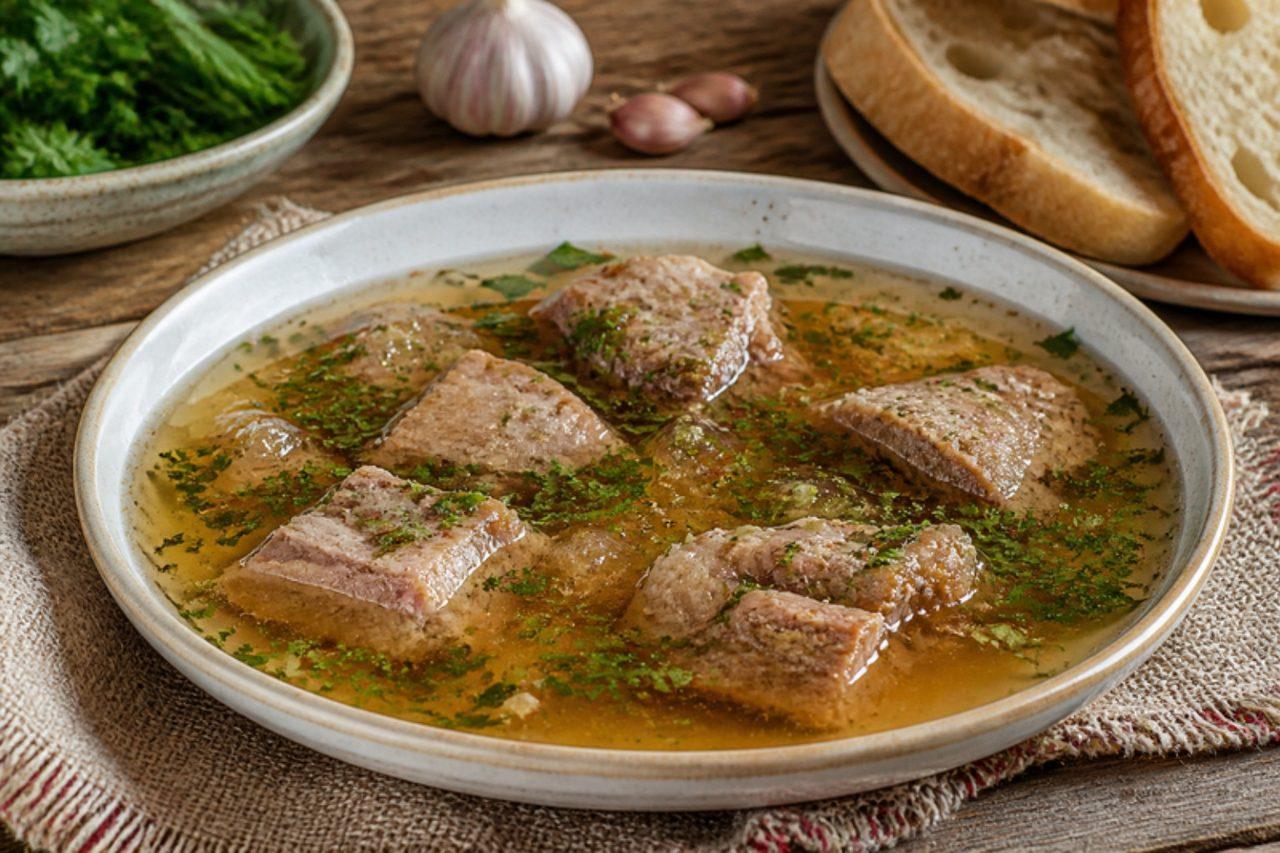
For New Year in Imereti, kitchens fill with the smell of mujuzhi simmering for hours, because the dish has to set overnight on a cold balcony: pork trotters and hocks are boiled until the meat falls off, then laid in bowls under their broth, sharpened with vinegar and lots of garlic, which sets into a clear, tangy jelly. This is a pork dish, served cold with mchadi and pickles. A common mistake is boiling hard, which clouds the jelly. Chef's tip: keep the pot at a bare tremble, skim well and season the broth with vinegar to taste before it sets; the sourness is what makes mujuzhi different from other aspics.

280 minGeorgianMeatGluten free
by KrazyBadal 0 views

Shangi

From the Urals across to Siberia, shangi turn up on Sunday breakfast tables, at village markets and in the lunch bags of fishermen and hunters. They are flat rounds of soft yeast dough topped, not filled, with a thick swirl of buttery mashed potato beaten with egg, then brushed with sour cream so the top bakes into golden, slightly crisp peaks. Eat them warm with tea, milk or a bowl of mushroom soup. Older northern versions used barley dough or a millet topping, and sweet shangi carry tvorog instead. The usual slip is spreading the potato right to the edge; leave a rim so the dough rises around it like a frame. Chef's tip: brush the baked shangi with melted butter and stack them in a covered pot for ten minutes, which keeps them soft the way Siberians like them.

by KrazyBadal 0 views

Yarma

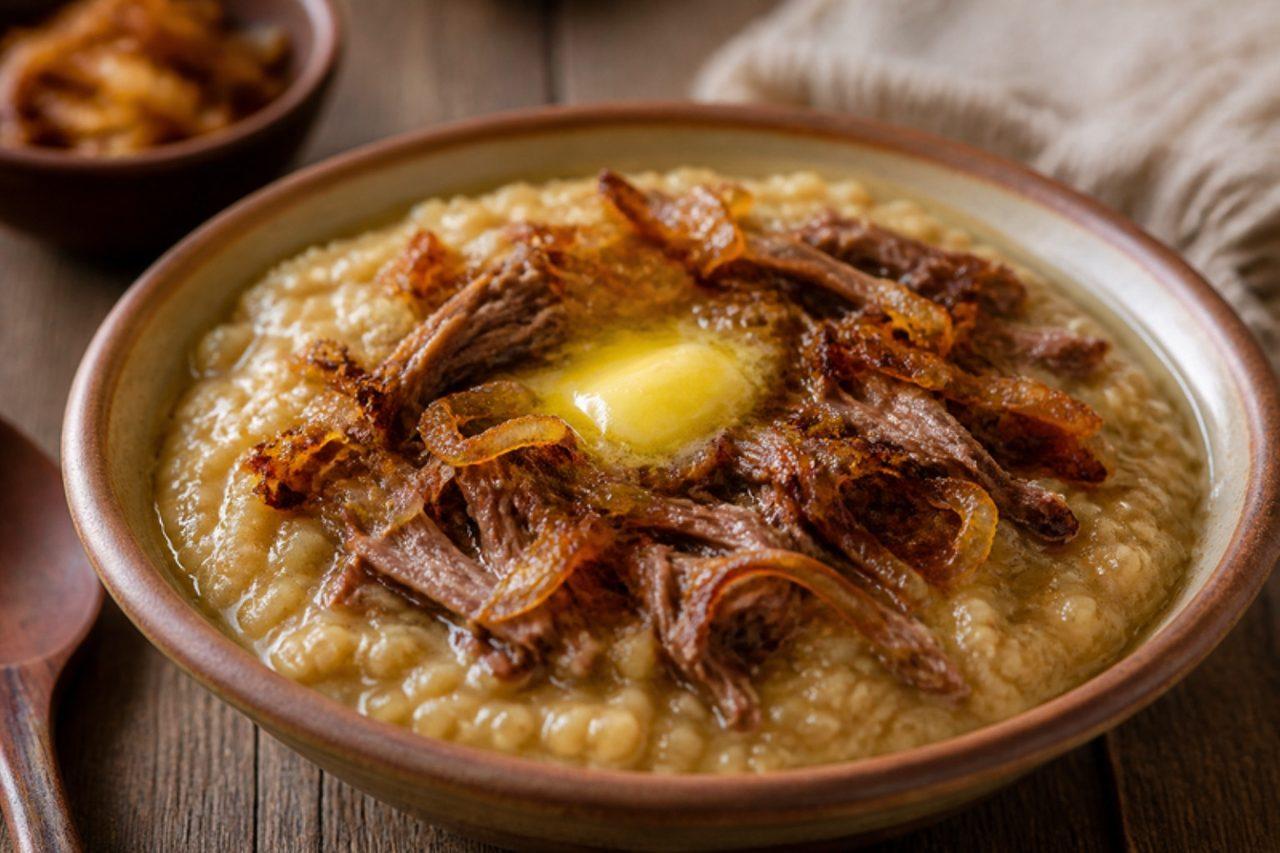
Yarma is a filling porridge of cracked wheat cooked slowly with lamb until the grains break down and the dish turns thick and creamy, a dish of Turkmen homes and of religious gatherings, when it is cooked in huge pots and shared out. It is seasoned simply with salt, pepper and onion fried in butter or fat poured over the top. A common mistake is not stirring enough, which lets the wheat catch on the bottom. Chef's tip: beat the yarma hard with a wooden spoon in the last 15 minutes, so the lamb shreds into the grain and it turns smooth and creamy.

by KrazyBadal 0 views

Gubadia

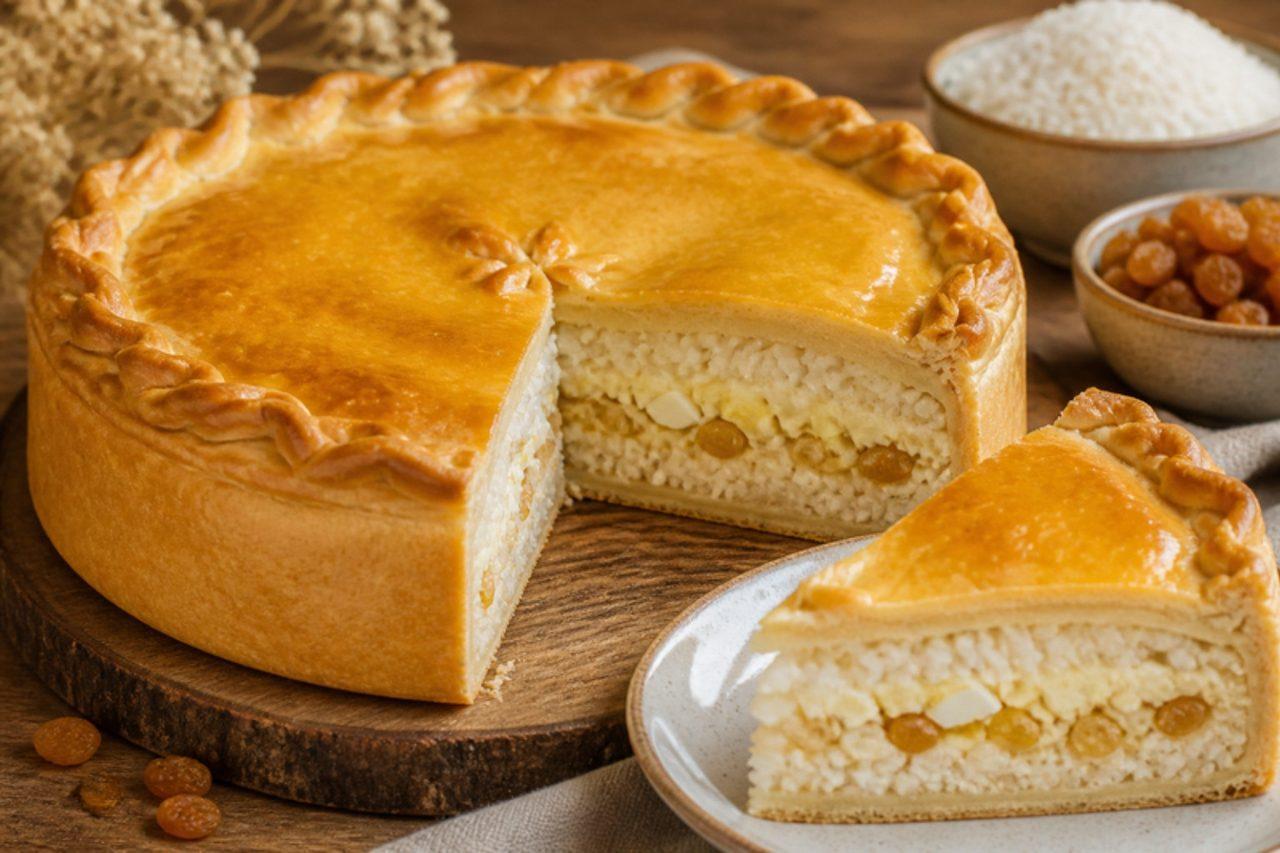
Weddings, Eid and the arrival of honoured guests in Tatarstan call for gubadia, a high round pie that is cut at the table like a cake and served with tea. Inside sit neat layers of buttery rice, kort – Tatar curd cooked down until rosy and fudge-sweet – raisins and chopped hard-boiled egg, under a domed lid of soft yeast dough. Many families add a layer of minced meat with onion; this is the meat-free version, as many sweet tea-table gubadias are. Kort is hard to buy outside the region, so you make it here from tvorog (check the label if you need it rennet-free). Where most people go wrong is a dry pie: every layer needs its share of melted butter. Chef's tip: let the baked pie stand for twenty minutes before cutting so the layers settle and come away in clean wedges.

by KrazyBadal 0 views

Prebranac

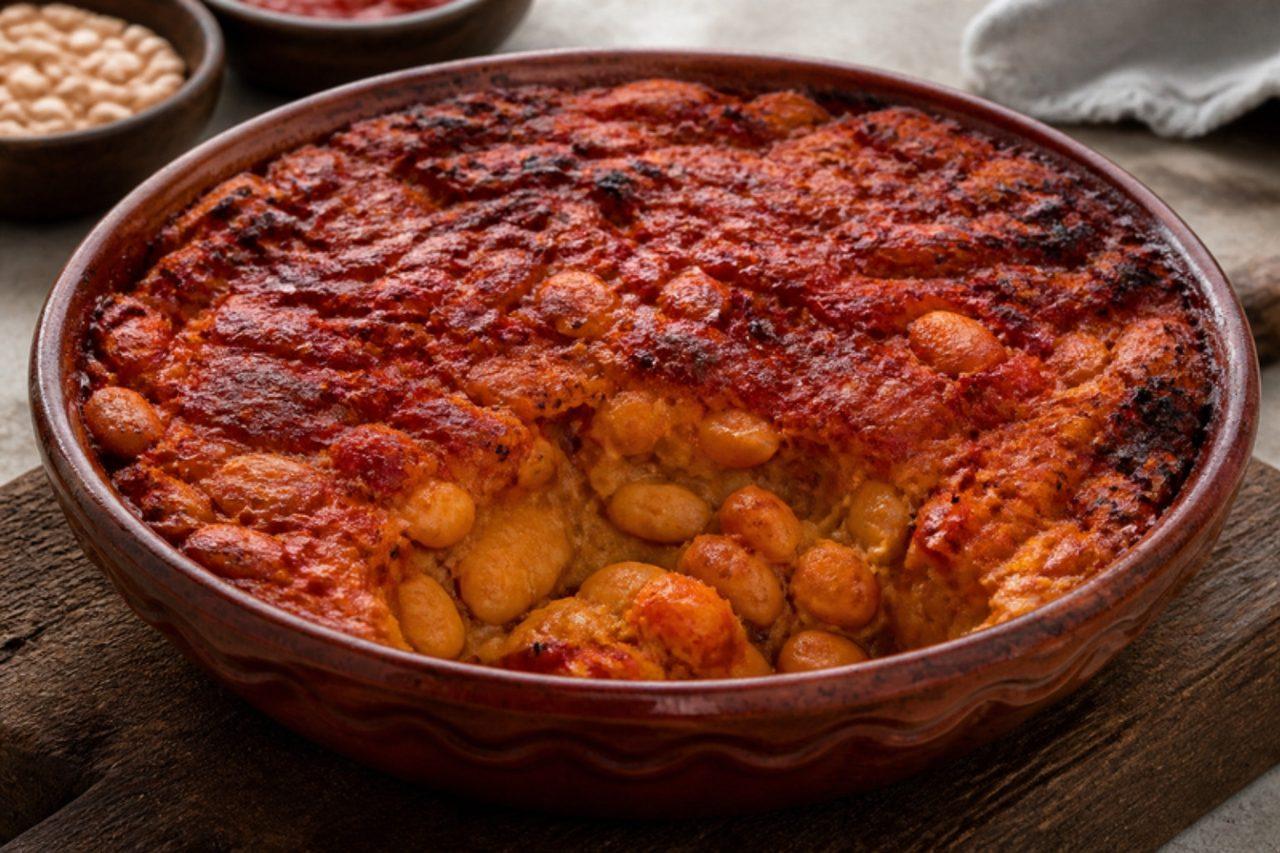
Serbian Orthodox fasting days, and Christmas Eve above all, call for a big clay dish of prebranac, because it is rich and filling without a scrap of meat or dairy. Cooked white beans are layered with a mountain of onions stewed slowly in sunflower oil and red paprika, then baked until the top turns into a dark, chewy crust while the inside stays creamy. Expect sweet onion, earthy beans and a gentle warmth from hot paprika; eat it with crusty bread, pickled peppers and a sharp cabbage salad. The beans need soaking overnight before you start. Where most people go wrong is adding the paprika to sizzling oil, where it scorches in seconds and makes the whole dish bitter, so always take the pan off the heat first. Chef's tip: make it a day ahead and bake it again before serving, as Serbian cooks say prebranac is only properly good the second time.

by KrazyBadal 0 views

Cheremsha salad

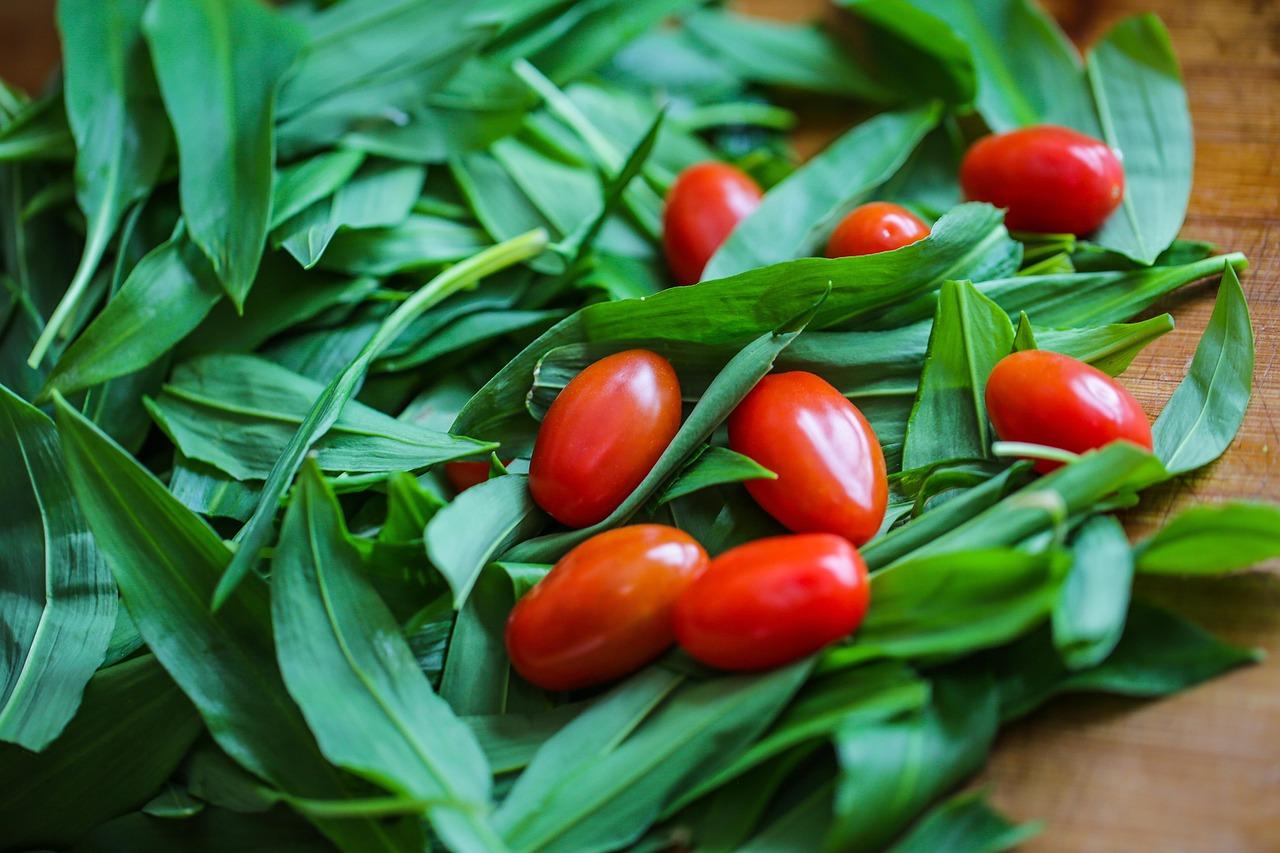
Late April in Novosibirsk and Tomsk brings bunches of cheremsha to every market stall and roadside bucket: the first green vitamins after a long Siberian winter. The broad leaves and juicy stems of wild garlic taste of sweet, mild garlic with a peppery bite, and Siberians eat them simply, chopped with salt and fragrant unrefined sunflower oil, beside boiled potatoes and black bread. Some cooks add chopped egg or sour cream; this vegan version sticks to oil, with cucumber for crunch. Forage only with someone who knows the plant, or buy it: wild garlic has poisonous lookalikes such as lily of the valley, and real leaves smell strongly of garlic when crushed. Where most people go wrong is dressing it too early, so the leaves wilt and weep. Chef's tip: salt the chopped stems first and rub them for a few seconds; it softens their bite and draws out juice that becomes part of the dressing.

by KrazyBadal 0 views

Fries suikerbrood

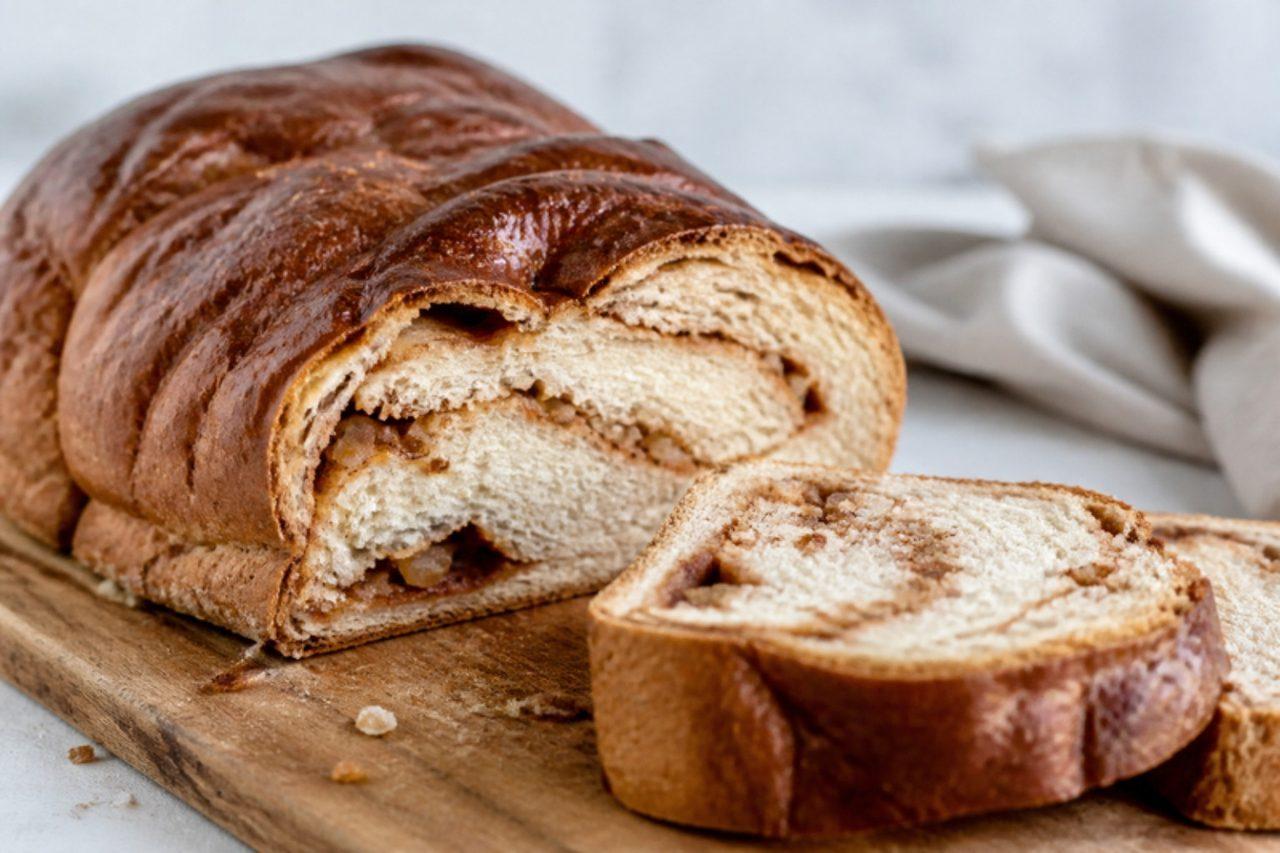
Fries suikerbrood, sûkerbôle in Frisian, is the bread Frisian families bring when a baby is born: a soft white loaf filled with large sugar nibs and cinnamon, so that as it bakes the sugar melts into sticky, crunchy pockets. Leeuwarden bakeries sell it every day, sliced and buttered with coffee. A common mistake is using fine sugar, which dissolves completely; it must be the big pearl sugar nibs. Chef's tip: knead in the sugar only at the end and gently, and bake the loaf in a tin so the melting sugar caramelises against the sides.

by KrazyBadal 0 views

Napoleon cake

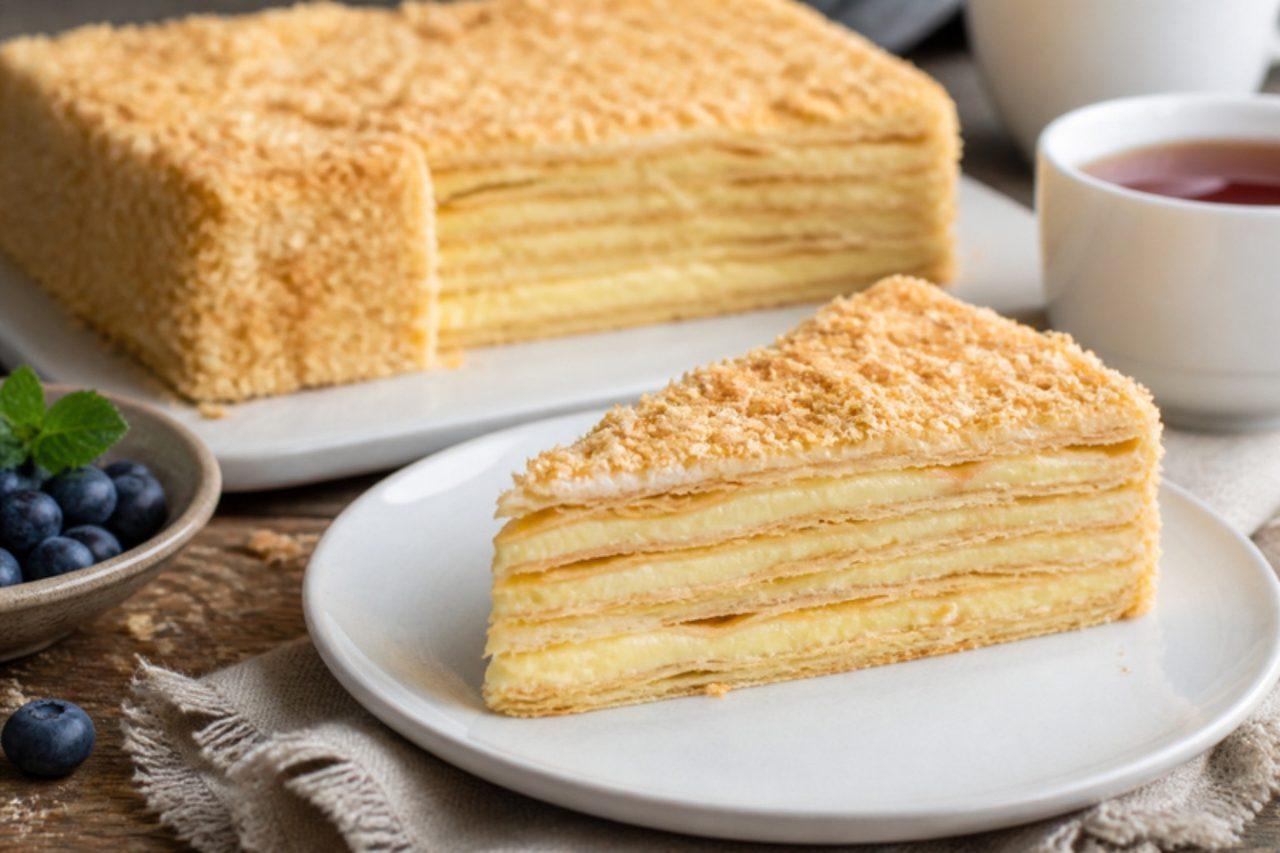
Legend links this cake to 1912, the centenary of Napoleon's retreat from Moscow, when St Petersburg confectioners cut triangular pastries shaped like his hat. By Soviet times it had grown into the tall round cake every family baked for birthdays and New Year's Eve. Eight wafer-thin rounds of quick flaky pastry are stacked with vanilla custard enriched with butter, then left overnight so the layers soften into something between a mille-feuille and a tender sponge; crushed trimmings give the snowy finish. Where most people go wrong is serving it the same day; without the long rest in the fridge it is crisp and dry instead of melting. Chef's tip: roll each piece of pastry straight onto baking paper and trim it around a 24 cm plate before baking, so you never have to lift thin raw dough.

by KrazyBadal 0 views

Jamaican gungo pea soup

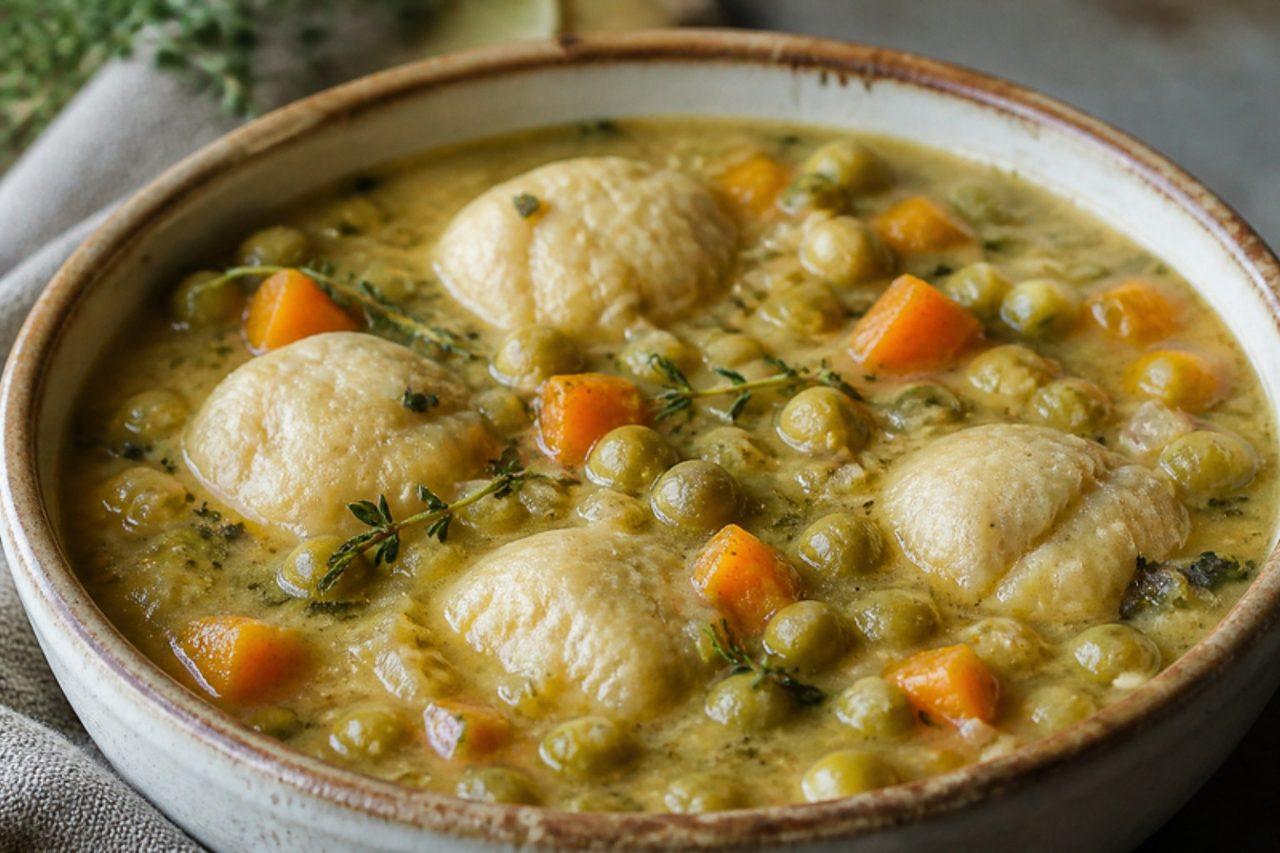
Gungo peas ripen around December, so this soup belongs to the Christmas season in Jamaica, when the same peas also go into the festive rice and peas. Fresh or frozen green pigeon peas give a nutty, earthy broth that coconut milk, thyme and pumpkin turn rich and golden, and flour dumplings make it a meal. A common mistake is boiling the coconut milk hard for the whole time, which makes it split and oily; add it once the peas are soft and keep the pot at a simmer. Dried pigeon peas work too: soak them overnight and allow an extra 40 minutes. Chef's tip: blitz about a quarter of the soup and stir it back in for body while keeping plenty of whole peas.

by KrazyBadal 0 views

Kystybyy

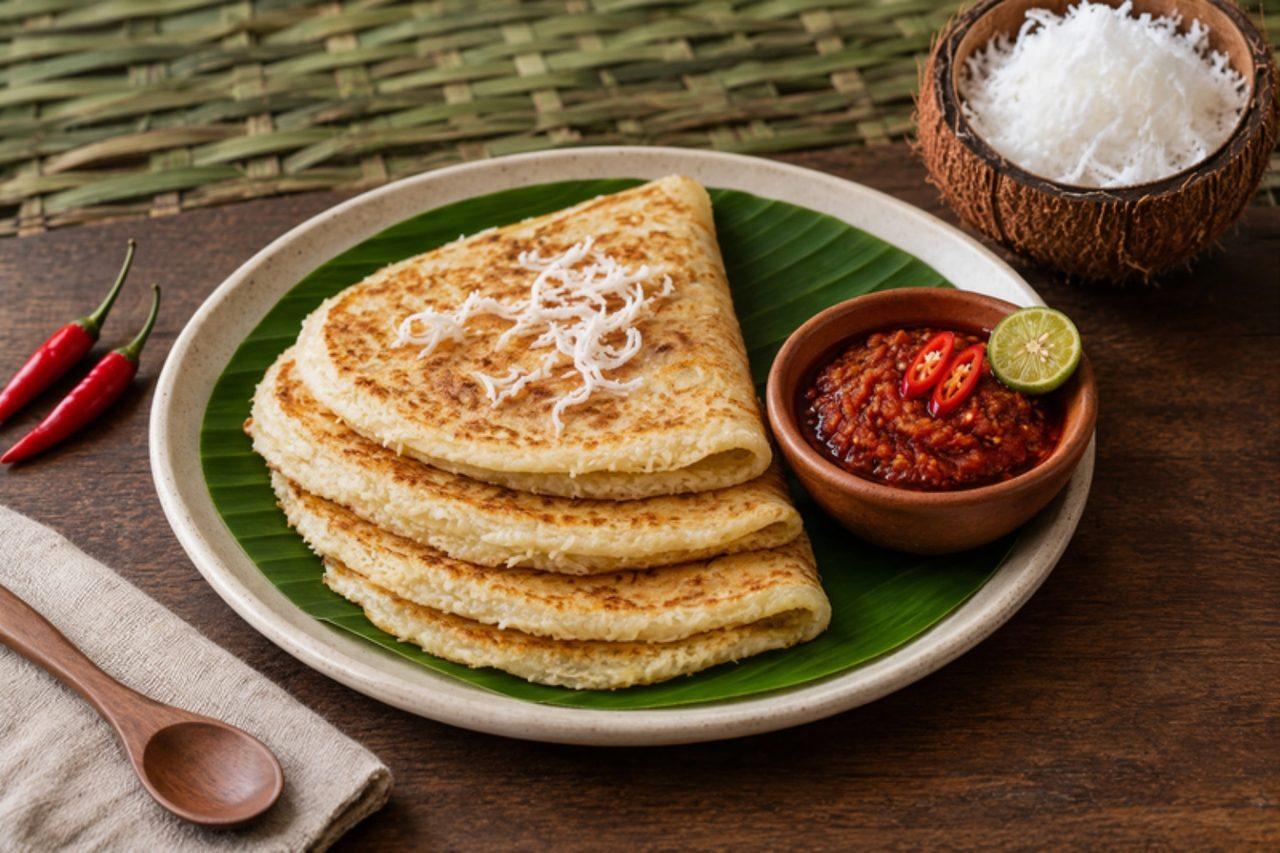
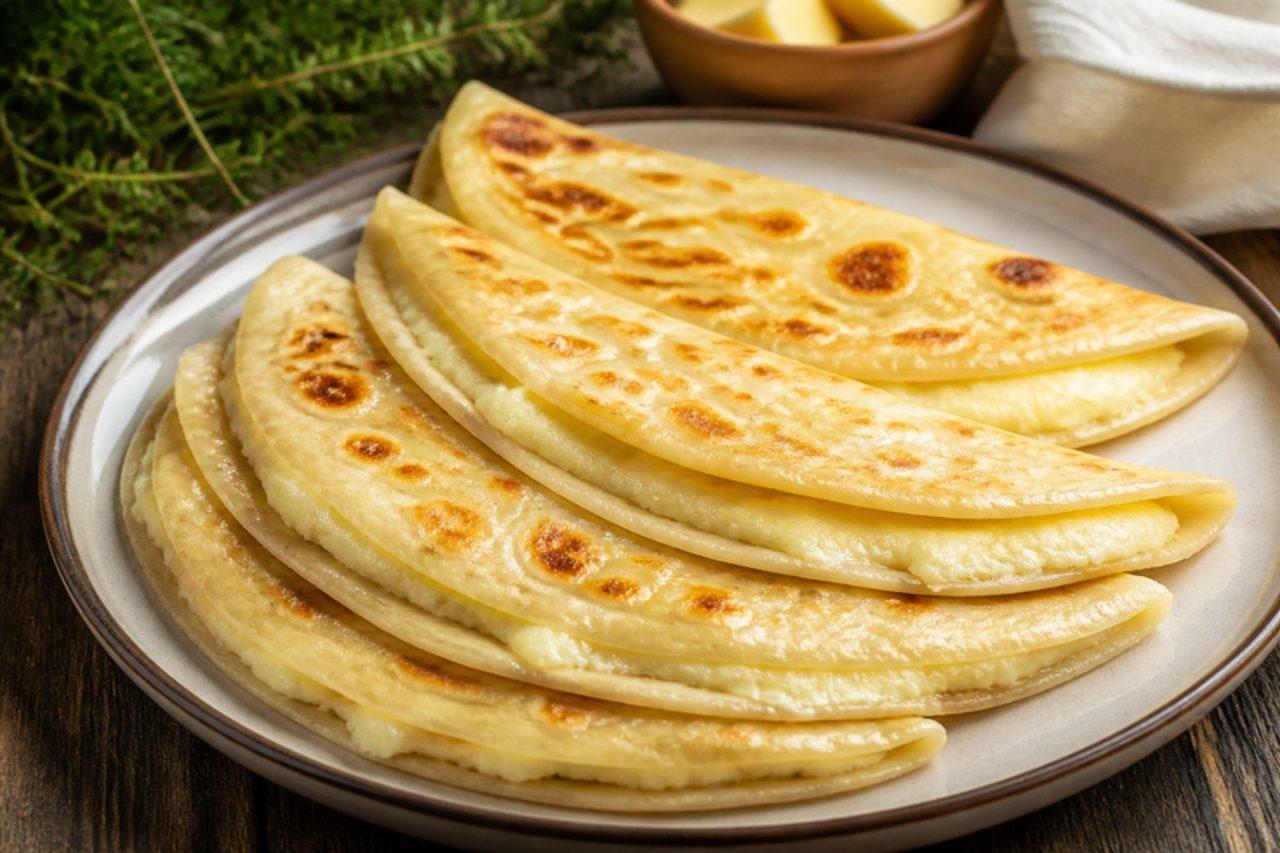
Ask anyone in Kazan what they ate after school and many will say kystybyy, the folded Tatar flatbread sold warm in canteens and kiosks all over Tatarstan. Paper-thin rounds of unleavened dough are dry-cooked in a hot pan, filled while soft with mashed potato whipped with milk, butter and fried onion, folded into a half-moon and brushed with more butter. In older Tatar village kitchens the filling was millet porridge, which works just as well. Serve with tea, a bowl of soup or a glass of katyk, the Tatar soured milk. A common mistake is leaving the cooked flatbreads uncovered; they dry out and crack when folded, so stack them under a towel. Chef's tip: keep the pan dry and hot; 30–40 seconds a side gives brown freckles without stiffening the bread.

by KrazyBadal 0 views

Mushrooms on ketsi

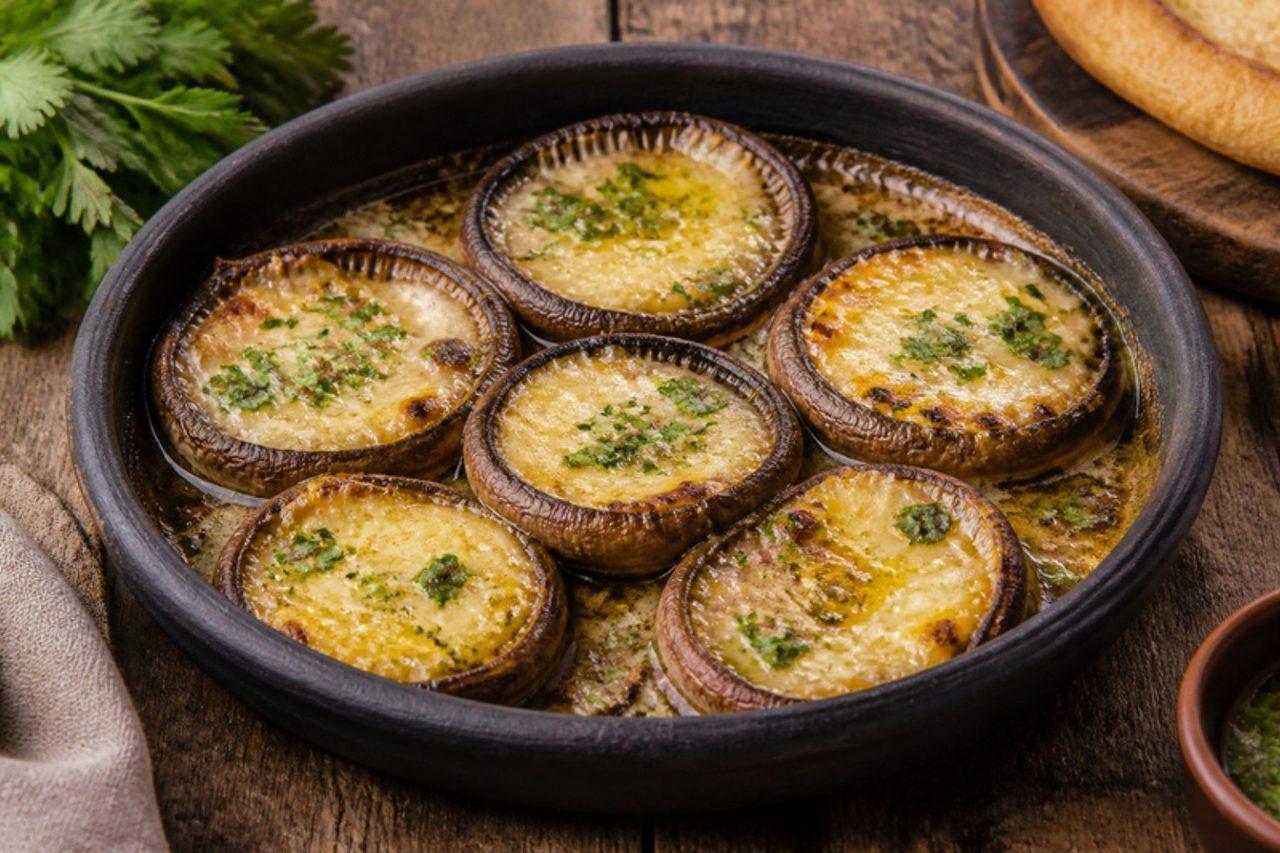
Every Tbilisi tavern has its sizzling ketsi, a shallow clay dish heated on the fire, and mushrooms baked in one with butter and a crust of melted sulguni are among the most ordered starters, brought to the table still crackling. In autumn, Georgian cooks use wild oyster mushrooms or field mushrooms; cups set gills up hold the butter like little bowls. A common mistake is overcrowding the dish, which makes the mushrooms steam instead of browning. Chef's tip: salt the mushrooms only after the first 10 minutes, so their juices stay inside and they cook in their own butter. Sulguni is usually made with animal rennet, so choose a vegetarian cheese.

by KrazyBadal 0 views

Blini

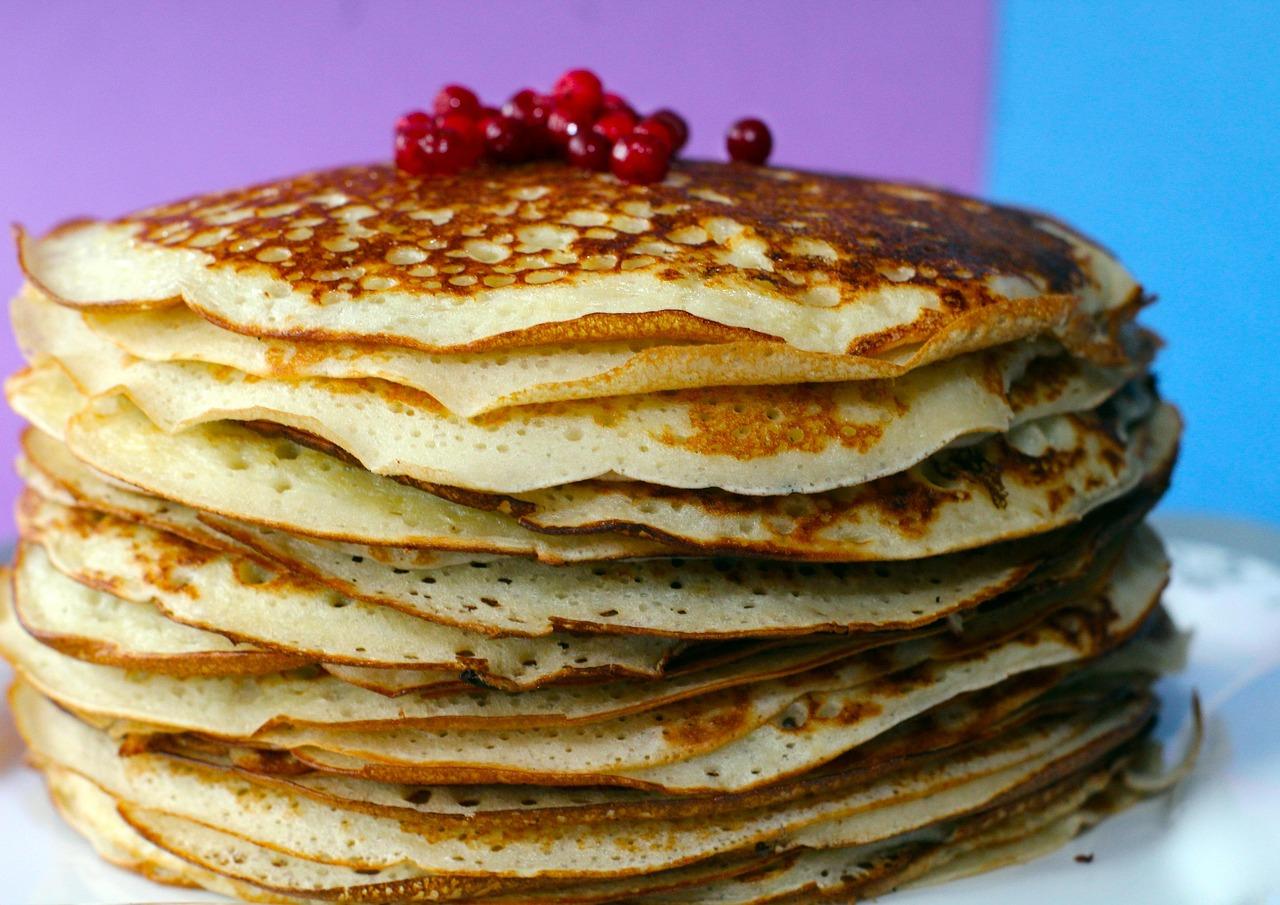
Maslenitsa, the week of butter before Lent, is when Russia makes blini by the stack: thin, lacy, slightly sour pancakes raised with yeast and fried one after another in a hot pan, each brushed with melted butter. Old Moscow recipes used buckwheat, and a share of it here gives a nutty, earthy flavour and a speckled grey-gold colour. Eat them folded into quarters with sour cream, jam, honey or condensed milk; red caviar is the festive classic, but this version stays vegetarian. The usual slip is a pan that is not hot enough, which makes thick, pale blini that stick; the first one is always a test. A splash of boiling water whisked in at the end gives the lacy holes. Chef's tip: stack the blini on a plate and cover with a bowl as you go; the steam keeps them soft and supple.

by KrazyBadal 0 views

Česnica

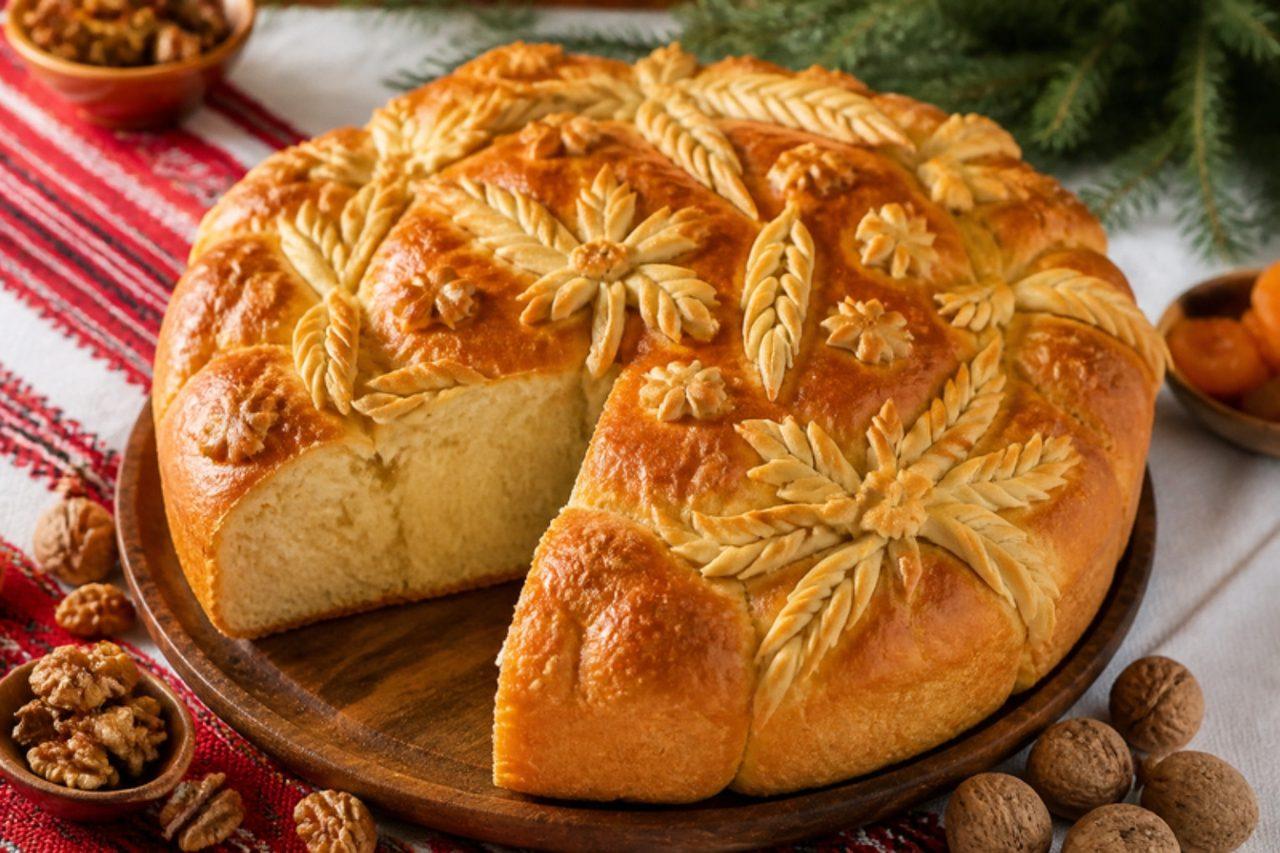
On Serbian Orthodox Christmas morning, 7 January, the family stands around the table and breaks the česnica between them, turning the round loaf three times before everyone pulls off a piece. Whoever finds the coin hidden in the bread is said to have luck for the year. Recipes vary from flaky layered pies to this soft, slightly sweet yeasted loaf with a twisted rope round its edge, lovely with kajmak, cheese and the rest of the Christmas spread. Wrap the coin well and tell everyone before they bite, and keep an eye on small children, as a coin is a choking risk. The usual slip is rushing the rise in a cold kitchen, which gives a dense, heavy crumb; find a warm spot and wait until the dough has truly doubled. Chef's tip: brush the hot loaf with a little oil as it leaves the oven for a soft, shiny crust.

by KrazyBadal 0 views

Kartofdzhyn

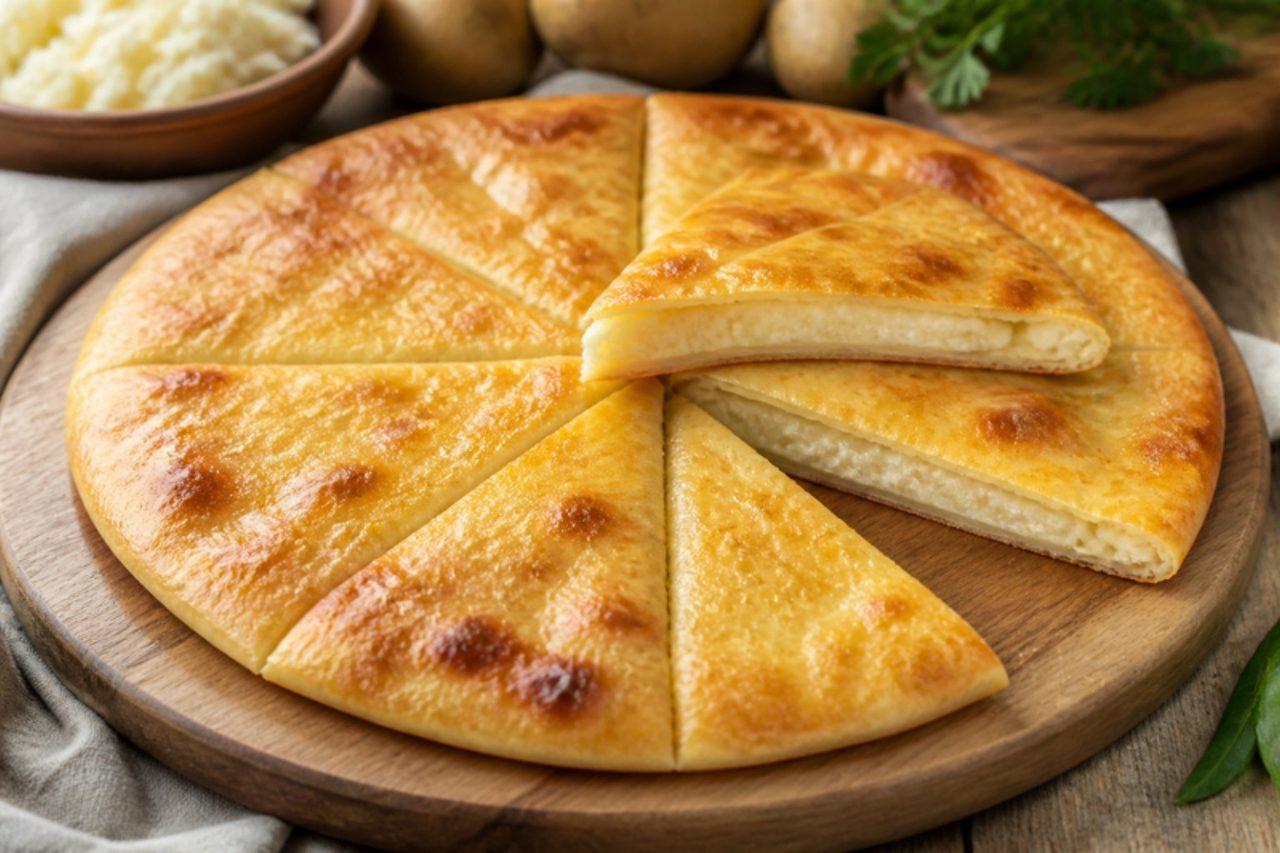
Ossetian pies come in threes at every celebration in Vladikavkaz, stacked on one plate for the sun, earth and water, and kartofdzhyn, with potato and cheese, is the everyday family favourite of North Ossetia. Soft kefir-yeast dough is wrapped around a ball of filling and patted flat by hand into a wide, thin round, so dough and filling are each barely a centimetre thick, then baked hot and soaked with butter. Ossetian cheese is a fresh brined cheese made with animal rennet; for a vegetarian pie use a feta-style or young brined cheese labelled vegetarian. The usual slip is overfilling, which makes the pie burst as you flatten it; aim for about the same weight of dough and filling. Chef's tip: stack the hot pies and butter each one, so the butter soaks through and they stay supple.

by KrazyBadal 0 views

Presh në tavë

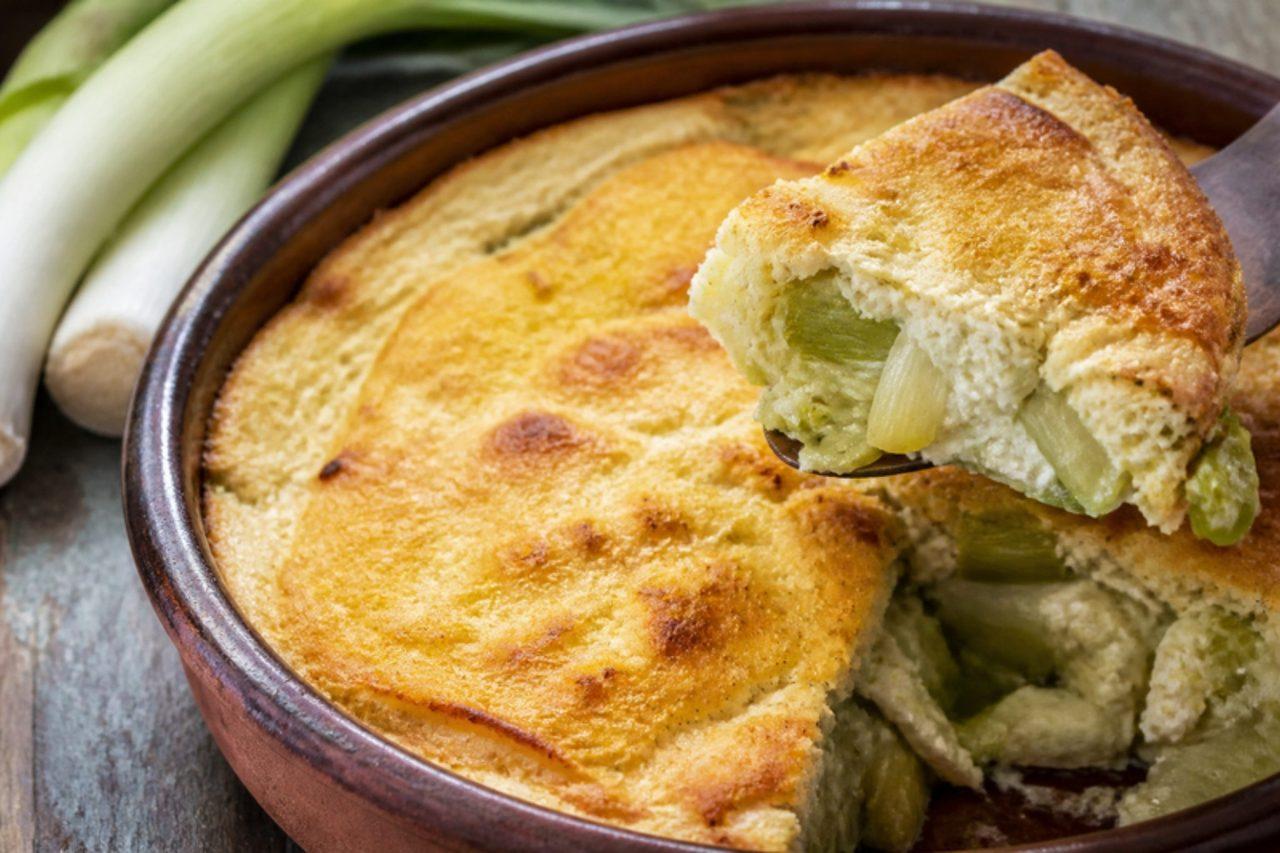
Leeks are the backbone of winter cooking in central Albania, and presh në tavë, leeks in the baking dish, is how families in Tirana and Elbasan turn a big bundle into a meal. The leeks are sweated slowly in butter, bound with a little cornmeal, milk and tangy yogurt, then baked under crumbled white cheese until bubbling and freckled brown. It is soft, creamy and sharp at once; serve it hot with a green salad and pickled peppers, or as a side to beans. Most white cheese and feta use animal rennet, so pick a vegetarian feta-style cheese if that matters to you. Rushing the leeks is where this goes wrong: fried hot and fast they stay raw-tasting and stringy, while 15 gentle minutes makes them silky and sweet. Chef's tip: let the dish stand for 10 minutes before cutting, so the cornmeal sets and it slices cleanly.

by KrazyBadal 0 views

Flija

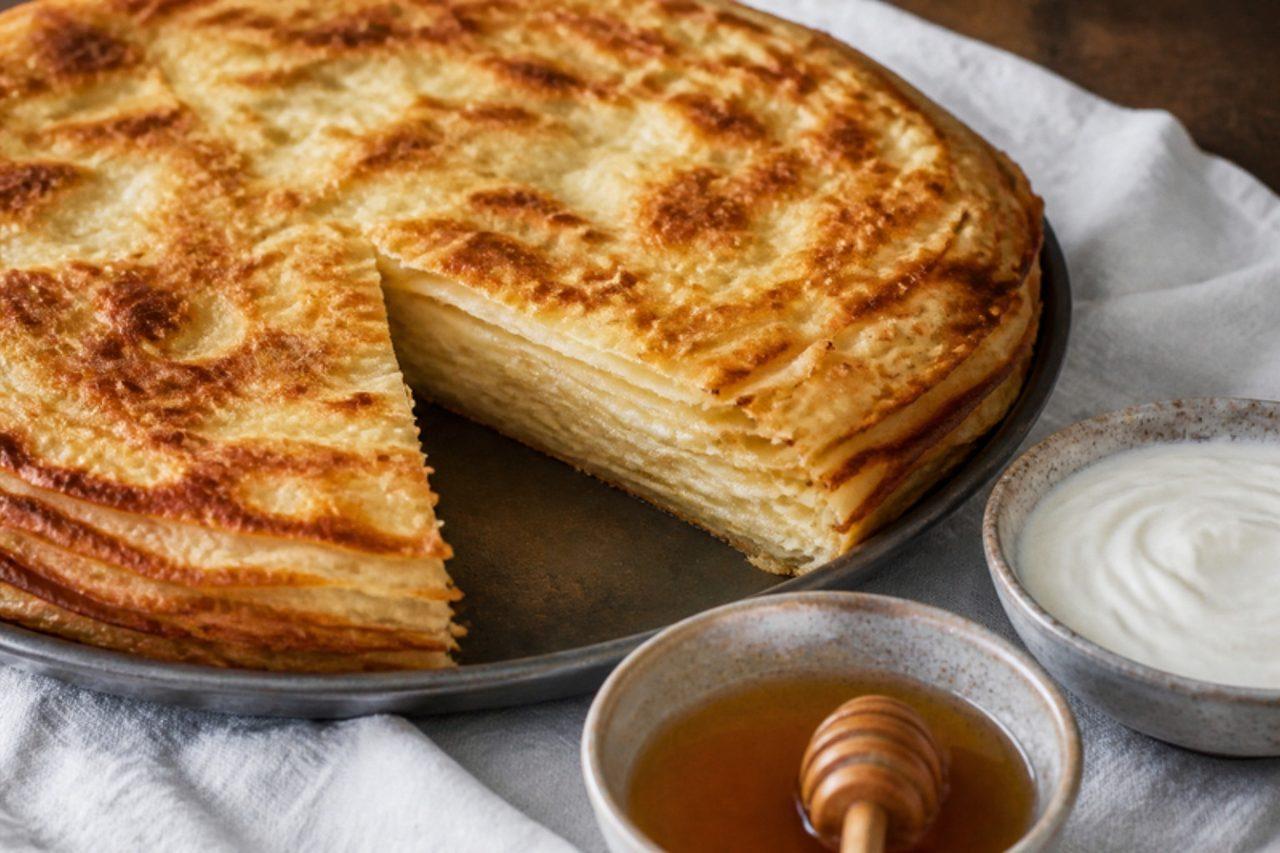
Flija is the dish of long summer afternoons in Kosovo, from the Rugova valley to the villages around Prizren, when friends gather and take turns tending the saç, a domed iron lid heaped with embers. Thin batter is painted onto a round tray in spokes, cooked under the heat, brushed with a mix of sour cream and yogurt, then painted again, until 15 or more layers have built up over a couple of hours. Cut into wedges, it is chewy, buttery and lightly scorched, served with honey, white cheese, pickled peppers or a bowl of yogurt. At home, a very hot oven grill stands in for the saç. The most frequent mistake is crowding the batter: each spoke must leave a finger-wide gap for the next layer to fill, or the pie becomes a thick, gummy pancake. Chef's tip: keep the batter as thin as single cream, and whisk in a spoonful of water whenever it thickens as it stands.

240 minBalkanBaking
by KrazyBadal 0 views

Pohorska omleta

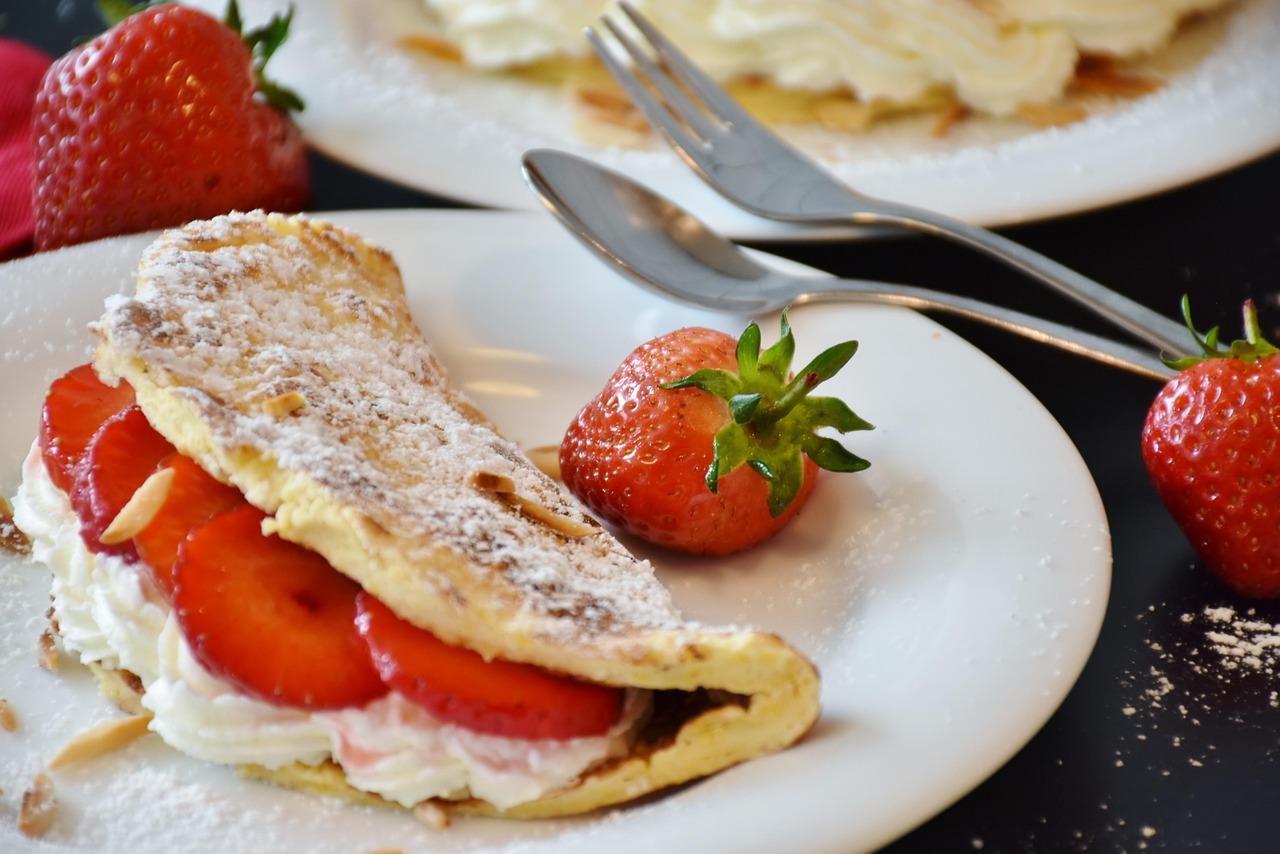
Up on the Pohorje range above Maribor in north-eastern Slovenia, mountain lodges and ski huts serve this to cold, hungry walkers and skiers: a thick, soufflé-light sweet omelette folded around tart cranberry jam and served with a cloud of whipped cream. The inside is airy and custardy, the base golden, and the sharp berries cut through the richness of the cream. Lingonberry jam is the closest match to the wild berries of the area if you can find it. The common mistake is too much heat; the base burns before the foam has set, so keep the flame low and let the grill finish the top. Make it for a lazy weekend pudding or a sweet brunch for two. Chef's tip: fold the omelette while it is hot, but put the cream on the plate, never inside, or it melts into a puddle.

by KrazyBadal 0 views

Duckunoo

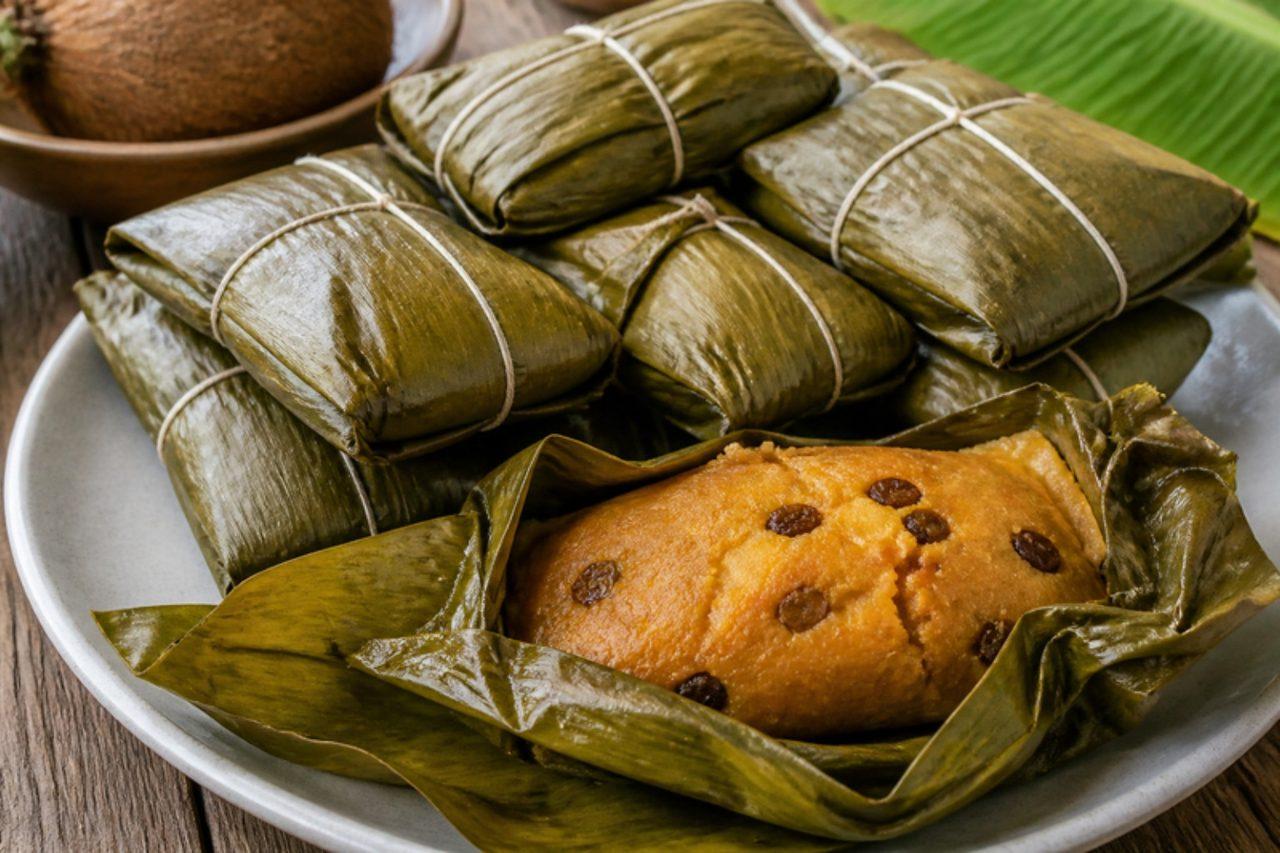
Duckunoo goes by many names across Jamaica, "blue draws" and "tie-a-leaf" among them, and it is a country sweet with West African roots that is still made in St Elizabeth and Clarendon for Sunday afternoons and Emancipation Day. Grated sweet potato, cornmeal and coconut milk are spiced with nutmeg and cinnamon, folded into banana leaves and boiled until they set into dense, moist, fudgy parcels. The usual mistake is tying the leaves loosely, so water gets in and the pudding turns soggy. Chef's tip: pass the leaves quickly over a flame first; they turn bright green, soft and won't split as you fold.

by KrazyBadal 0 views

Matevž

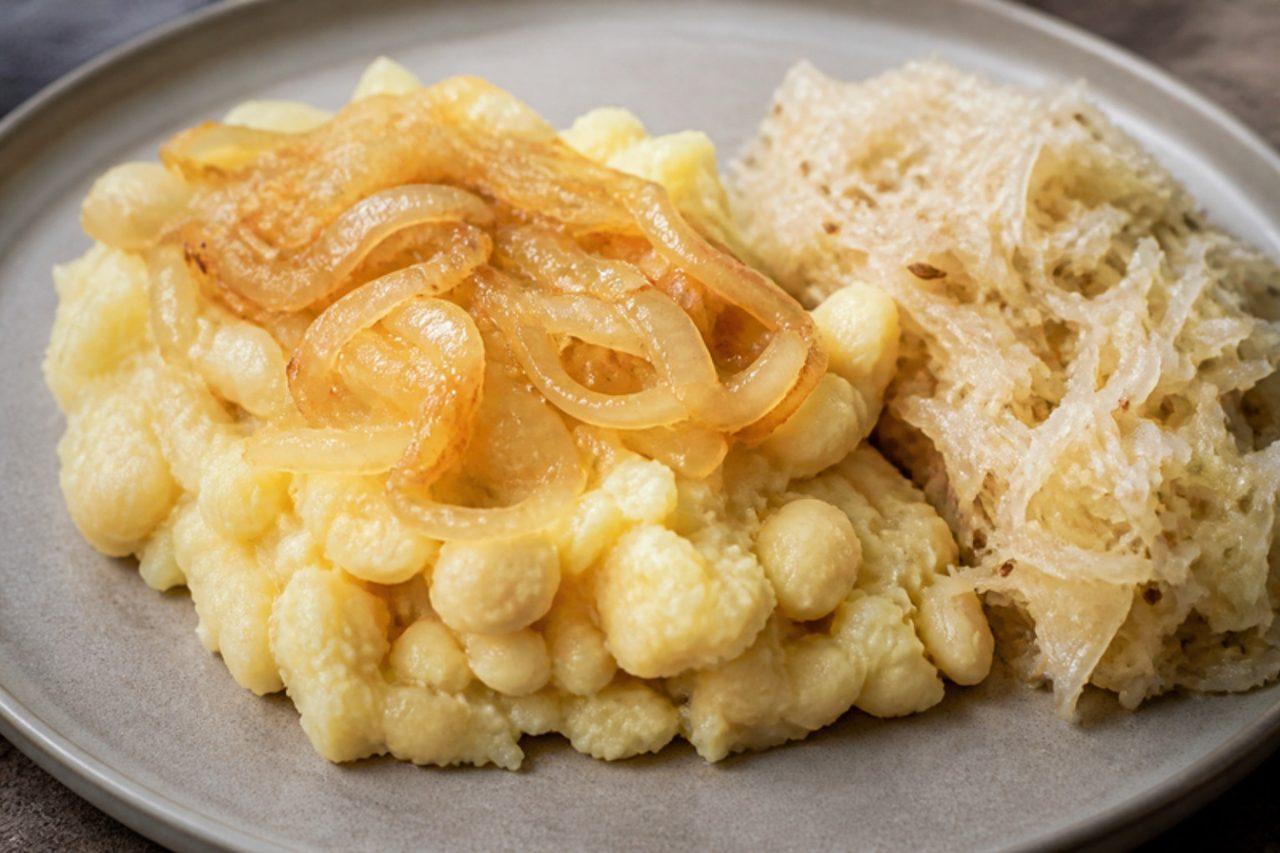
The karst country of Notranjska, south-west of Ljubljana, with its vanishing lakes and stone villages, has a soft spot for matevž: borlotti beans and potatoes crushed together into a coarse, speckled mash, slicked with oil and crowned with fried onion. It is the classic partner for sauerkraut or sour turnip and, on the farm, for a smoked pork sausage; here it stays vegan with olive oil and comes with a caraway sauerkraut. Expect something creamy, earthy and sweet from the onions, cut by the sharp cabbage. Tinned beans keep it to an hour; for dried, soak 250 g overnight and simmer for an hour first. Blitzing it smooth is the usual slip; matevž should be roughly crushed with a masher, bean skins and all. Chef's tip: save a mugful of the cooking water, because matevž firms up as it stands and a splash brings it back.

by KrazyBadal 0 views

Uitsmijter

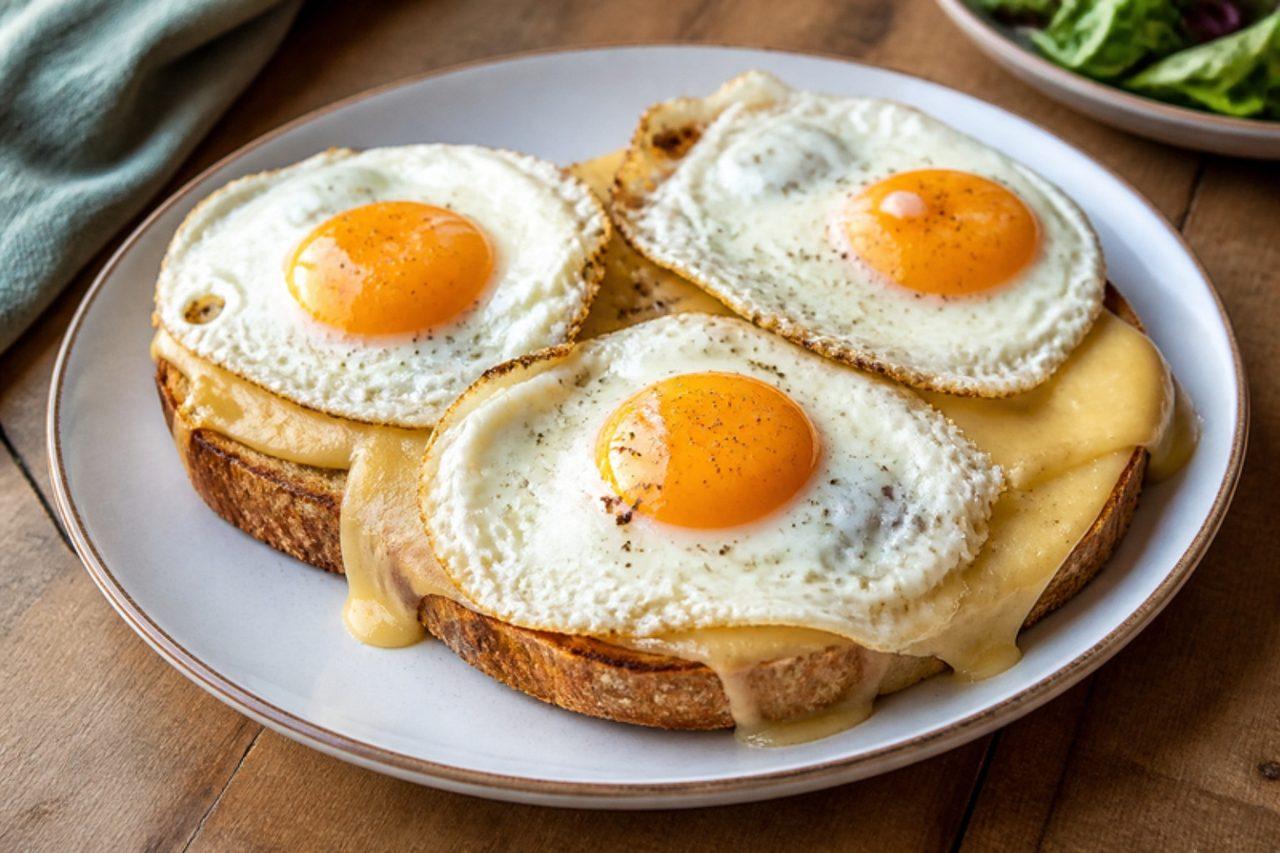
In Amsterdam's brown cafés and lunchrooms, the uitsmijter is the classic lunch: two or three slices of buttered bread topped with cheese and three fried eggs, sunny side up, with a little pickle and a sprig of cress. The name means 'bouncer', perhaps because it was the last plate served before closing time. Ham is the usual extra; this version keeps it vegetarian with Gouda and tomato. Gouda is usually made with animal rennet, so choose a vegetarian Gouda-style cheese. A common mistake is frying the eggs on high heat, which makes the whites rubbery and brown. Chef's tip: fry the three eggs together in one pan over a medium-low heat with a lid, so the whites set while the yolks stay runny.

by KrazyBadal 0 views

Jamaican Easter bun

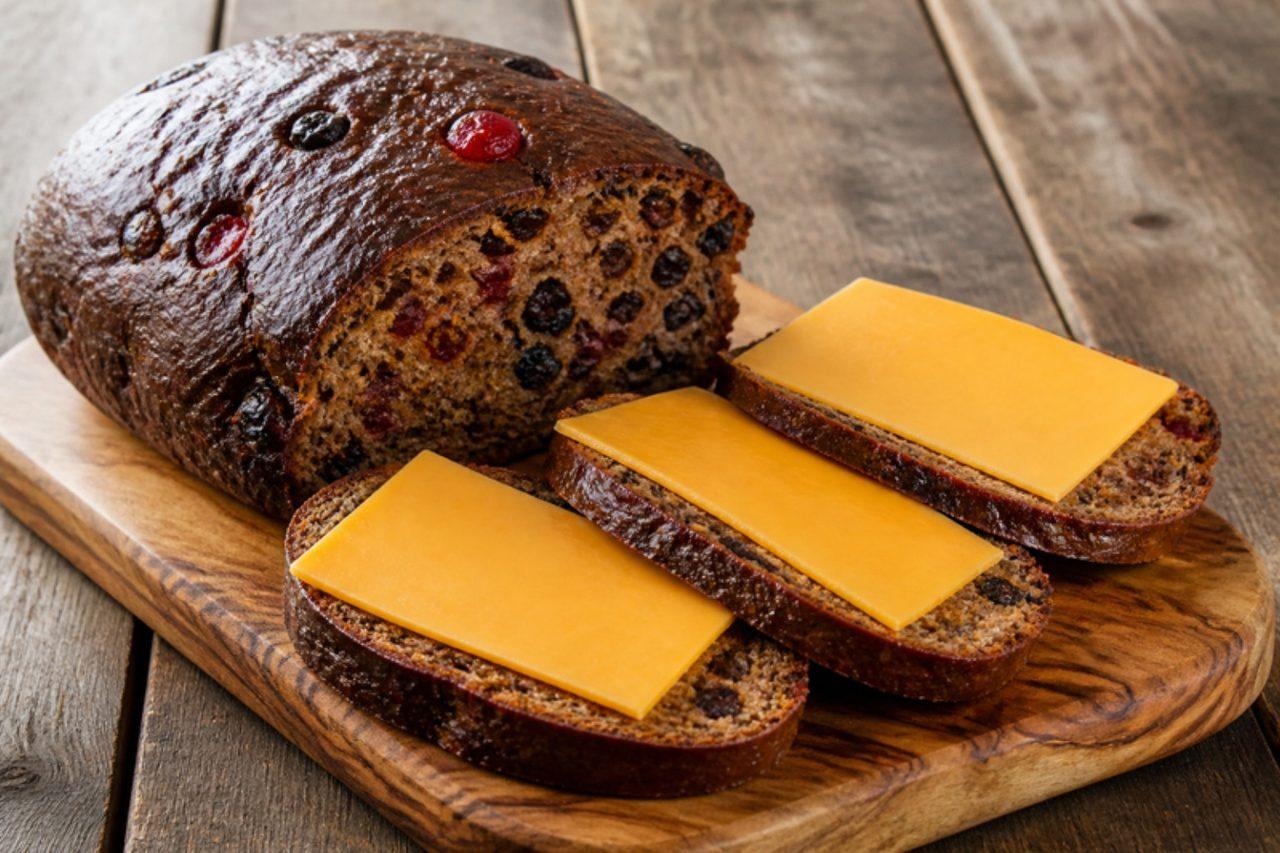
Every Good Friday, Jamaicans from Kingston to London buy or bake a dark, glossy spiced bun to slice and eat with processed cheese, a tradition that grew out of the British hot cross bun. This quick-bread version is moist and dense with dried fruit, molasses and warm spice; it traditionally uses stout, which contains alcohol, so for an alcohol-free bun use the same amount of malt drink. The commonest mistake is slicing the bun warm, when it is still sticky and crumbles; it needs a day to firm and mellow. Chef's tip: brush the hot loaf with a honey or sugar syrup glaze straight from the oven for the shiny top.

by KrazyBadal 0 views

Hurmašice

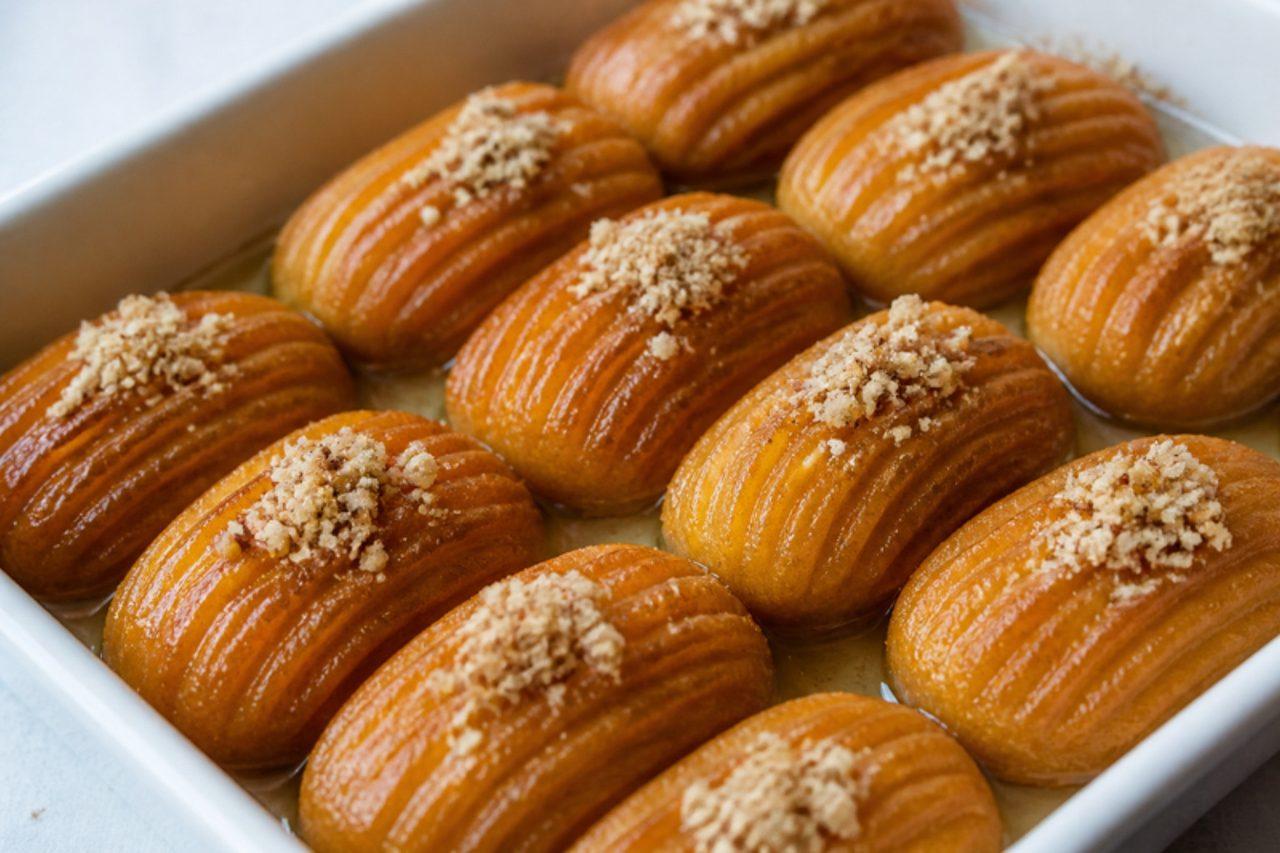
Plates of hurmašice come out for Bajram in Bosnia, offered to every visitor with a small cup of Bosnian coffee. The name comes from hurma, the date, because each little cookie is rolled into a date-like oval and pressed on the fine side of a grater to give it ridges. After baking they are soaked in cool lemon sugar syrup until they are moist, sticky and sweet right through, yet still hold their shape. A walnut half on top is a nice touch. Where most people go wrong is pouring hot syrup over hot biscuits, which turns them to mush; one of the two must be cool. Chef's tip: make them a day ahead; overnight the syrup spreads evenly and the texture becomes soft and tender.

by KrazyBadal 0 views

Surströmming

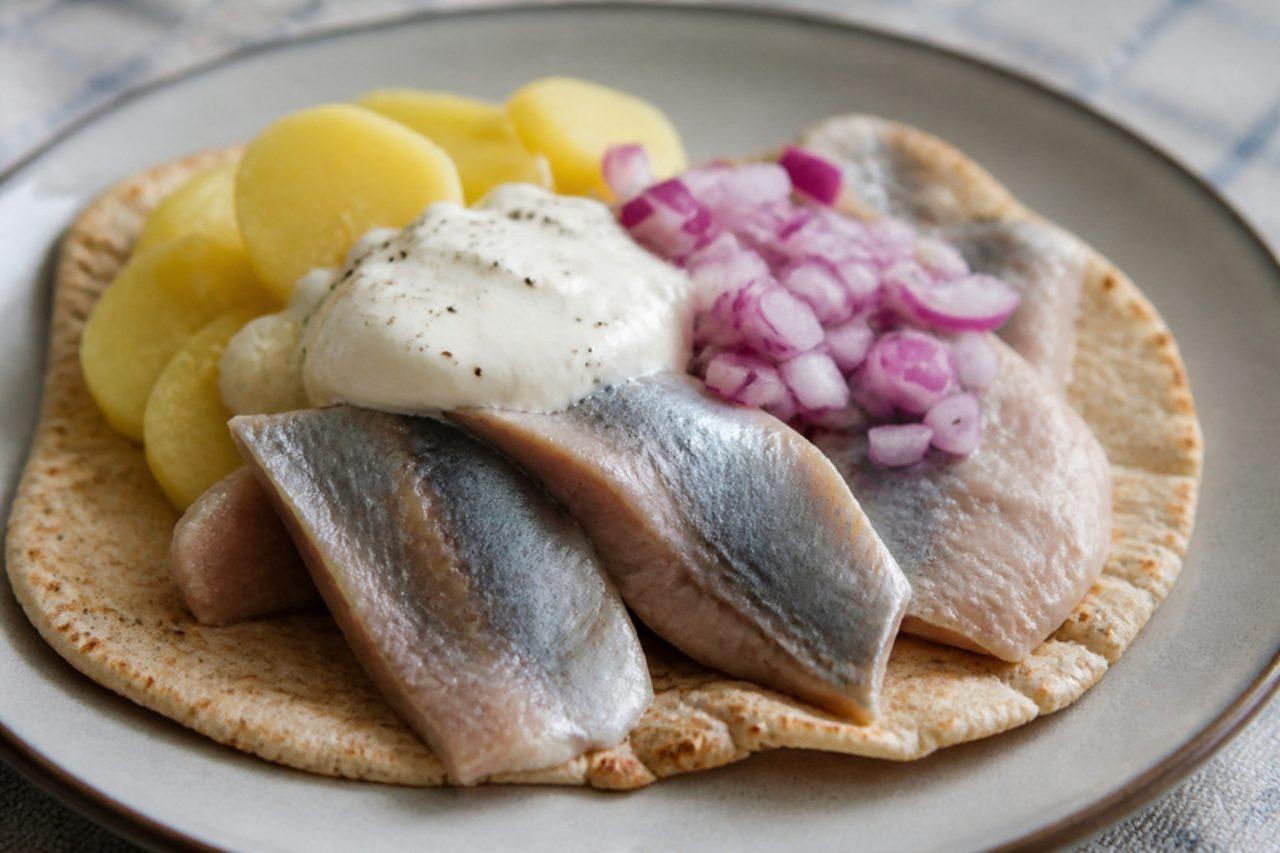
Surströmming is fermented Baltic herring from Höga Kusten, the High Coast of northern Sweden, sold in bulging tins at the end of August, when the 'surströmmingspremiär' begins and families gather outdoors for parties. The smell is famously strong, so tins are opened outside, ideally under a bowl of water, and the fillets are rinsed, then rolled in tunnbröd with boiled almond potatoes, red onion and sour cream. This recipe uses shop-bought surströmming; never try to ferment fish at home. The fish is fermented, not cooked, so it is not for pregnant women, young children or anyone with a weakened immune system. A common mistake is opening the tin indoors. Chef's tip: soak the fillets briefly in cold water to tame the saltiness and smell, and pile on the onion and sour cream.

by KrazyBadal 0 views

Showing 27 of 7,762 recipes

Show more recipes

Page 212 of 863