


Skip to content
Eto
Featured recipe

Eto

Mashed yam with palm oil

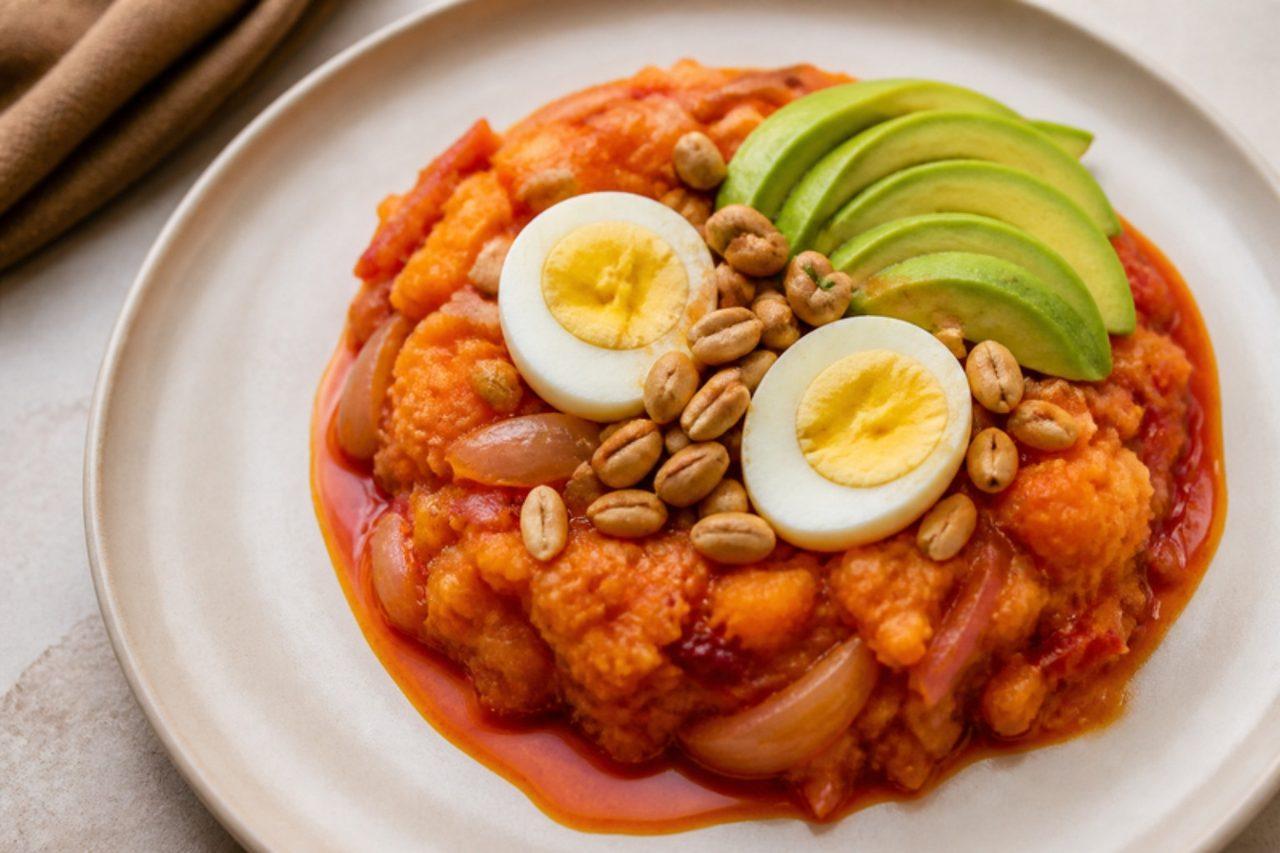
Eto is a dish for marking occasions among the Akan, made on birthdays and celebration mornings, when boiled yam (or plantain) is mashed in an earthenware asanka bowl with red palm oil, raw onion and a little pepper until it turns golden and fragrant. It is served in a mound with halved boiled eggs, slices of ripe avocado and a handful of roasted groundnuts, so every mouthful is soft, buttery and crunchy at once. It is filling, simple and very good. Avoid mashing the yam to a smooth purée; eto should keep a rough, crushed texture. Chef's tip: mash the yam while it is steaming hot and add the oil at the same time, because cold yam goes gluey and will not absorb the oil evenly.

Read more 0 views

What to eat today?

Around the world

Today's trip: Persian

A new country every day, from every cuisine on the site.

This week's collection

Kid-friendly dinners
537 recipes · a new collection every Monday

Latest recipes

Kata-kat

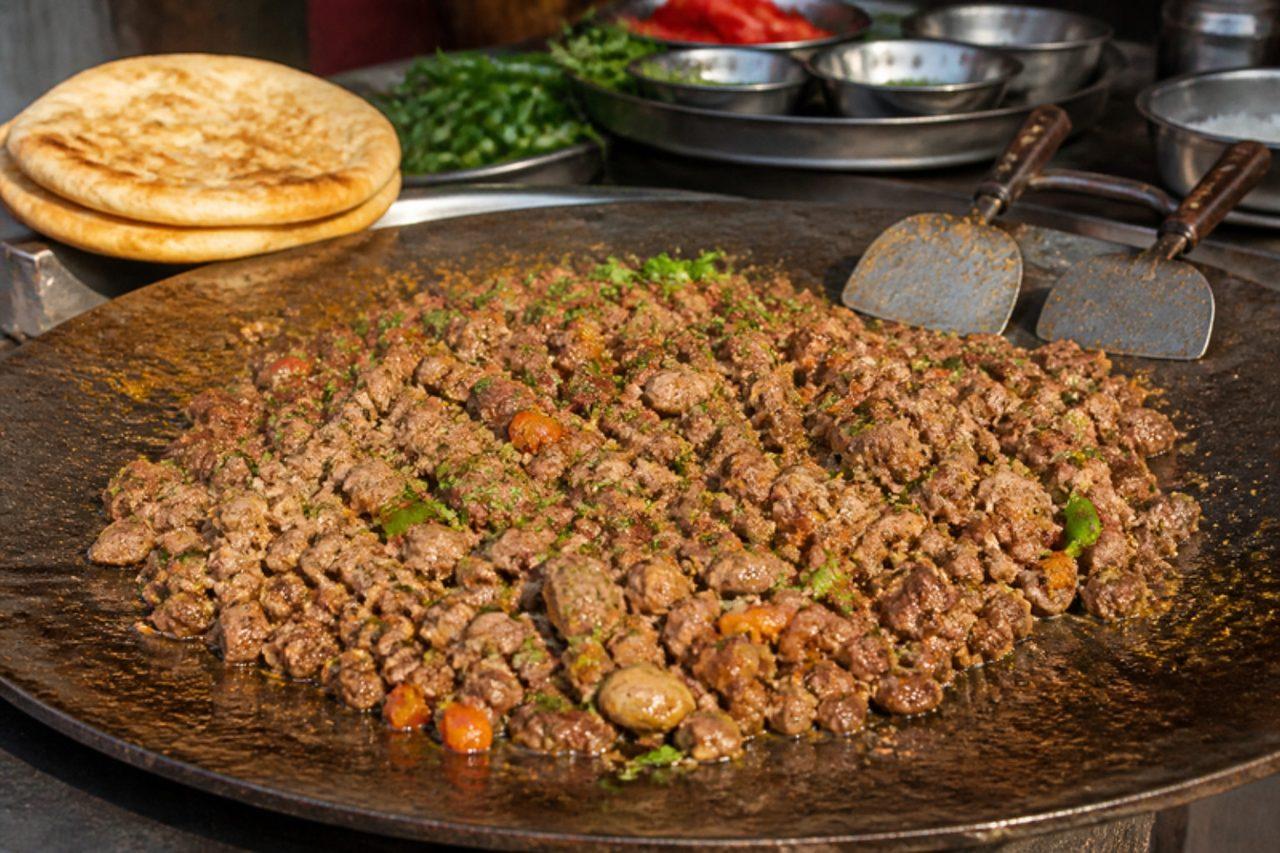
You hear kata-kat before you see it: on Karachi's Burns Road and around Lahore's Gawalmandi, the cook stands over a tawa a metre wide, chopping kidneys, hearts and meat with two heavy steel blades in a clattering rhythm that gives the dish its name. Butter, tomatoes, green chillies and spice go in by the handful, and the mix is cooked down until rich and sticky, then scooped up with naan late at night. Traditional versions include brains, cooked in at the end; here they are optional. The danger is undercooking the offal while the meat is still chewy, so start the meat first and add kidney and heart later, cooking until there is no pink at all. Chef's tip: soak the kidneys in salted water for 20 minutes after removing the white core, which takes away any strong smell.

by KrazyBadal 0 views

Afghan green chutney

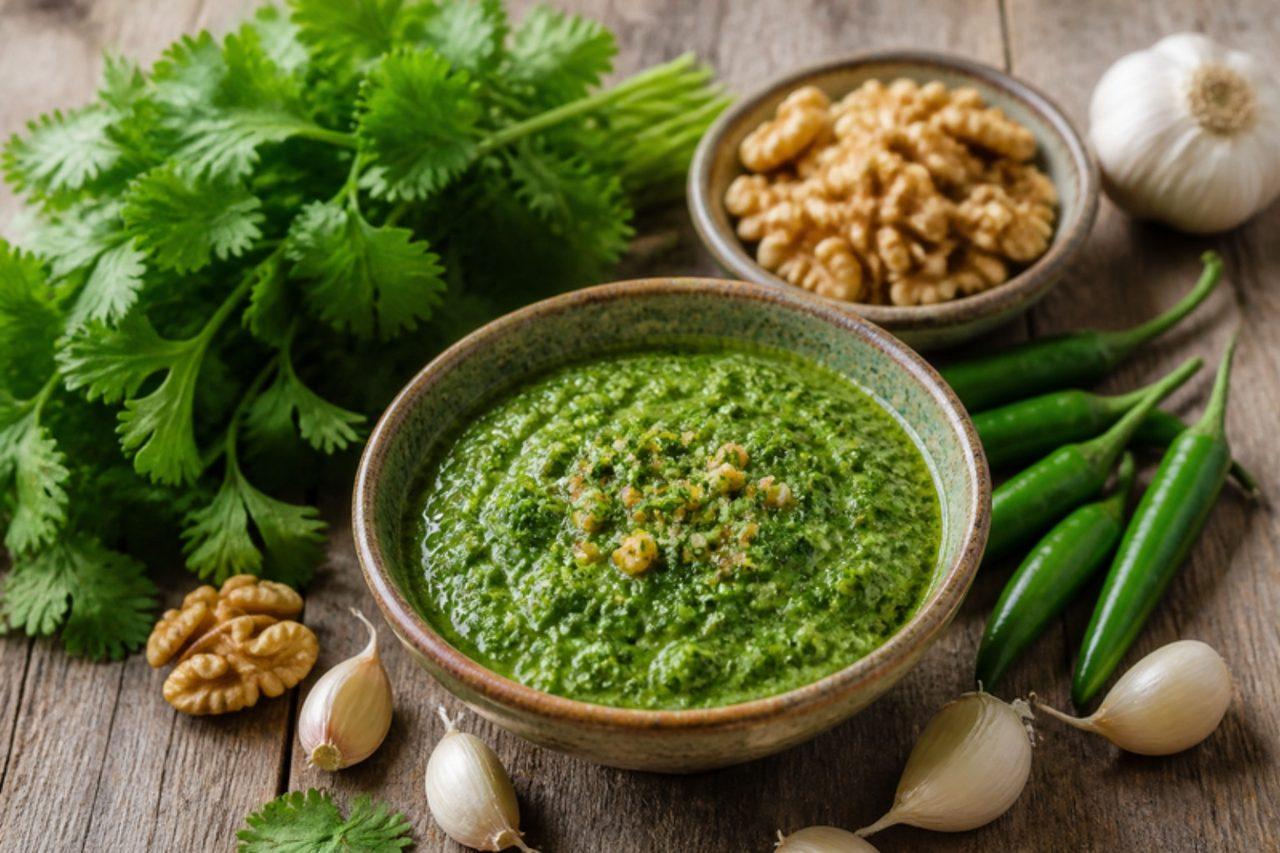
No Afghan table of kebab or palaw feels complete without a little bowl of green chutni, the sharp, fiery relish spooned beside the rice, onto bolani and over grilled meat from Kabul to Kandahar. Unlike many South Asian green chutneys, the Afghan one leans on vinegar rather than lime and is thickened with walnuts, so it is slightly creamy, bright green and properly hot, with a pungent hit of raw garlic. Households make a jar at a time and keep it in the fridge through the week. People often blitz it into a thin juice; pulse it instead so you can still see flecks of leaf and nut. Chef's tip: keep the coriander stalks in, as they have more flavour than the leaves and help the chutney stay green for days.

by KrazyBadal 0 views

KalakukkoFish and pork rye loaf

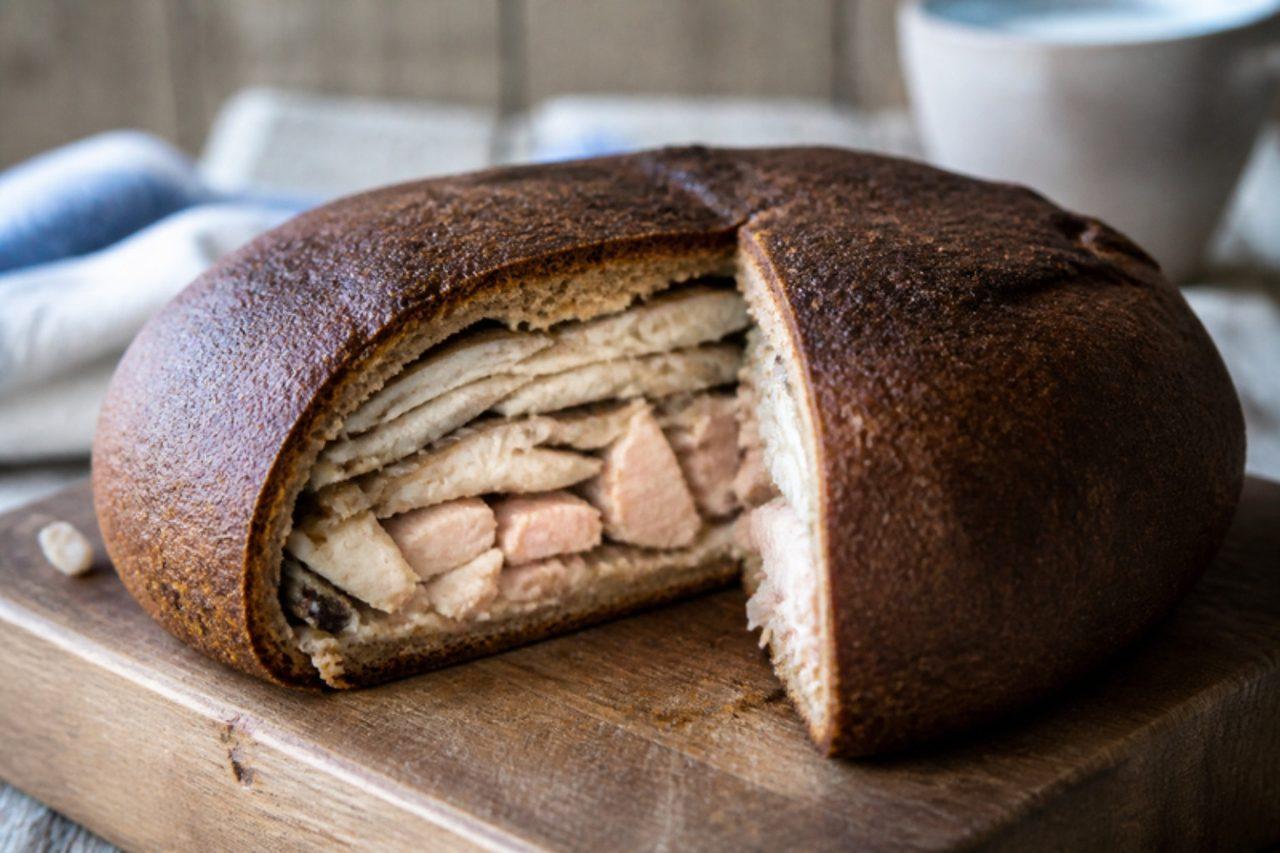
Kalakukko is the travelling food of Savonia in eastern Finland, a speciality of Kuopio's market square: a thick rye crust packed with small whole fish, usually vendace (muikku) or perch, and slices of fatty pork belly, sealed and baked for five or six hours, until the fish bones soften completely and the juices soak the inside of the crust. This dish contains pork. It is cut open like a lid and eaten in slices, crust and all, hot or cold. A common mistake is a crack in the crust, which lets the juices escape and dries out the fish. Chef's tip: patch any cracks with a little rye dough during baking, and wrap the loaf in foil and a towel after baking to rest.

by KrazyBadal 0 views

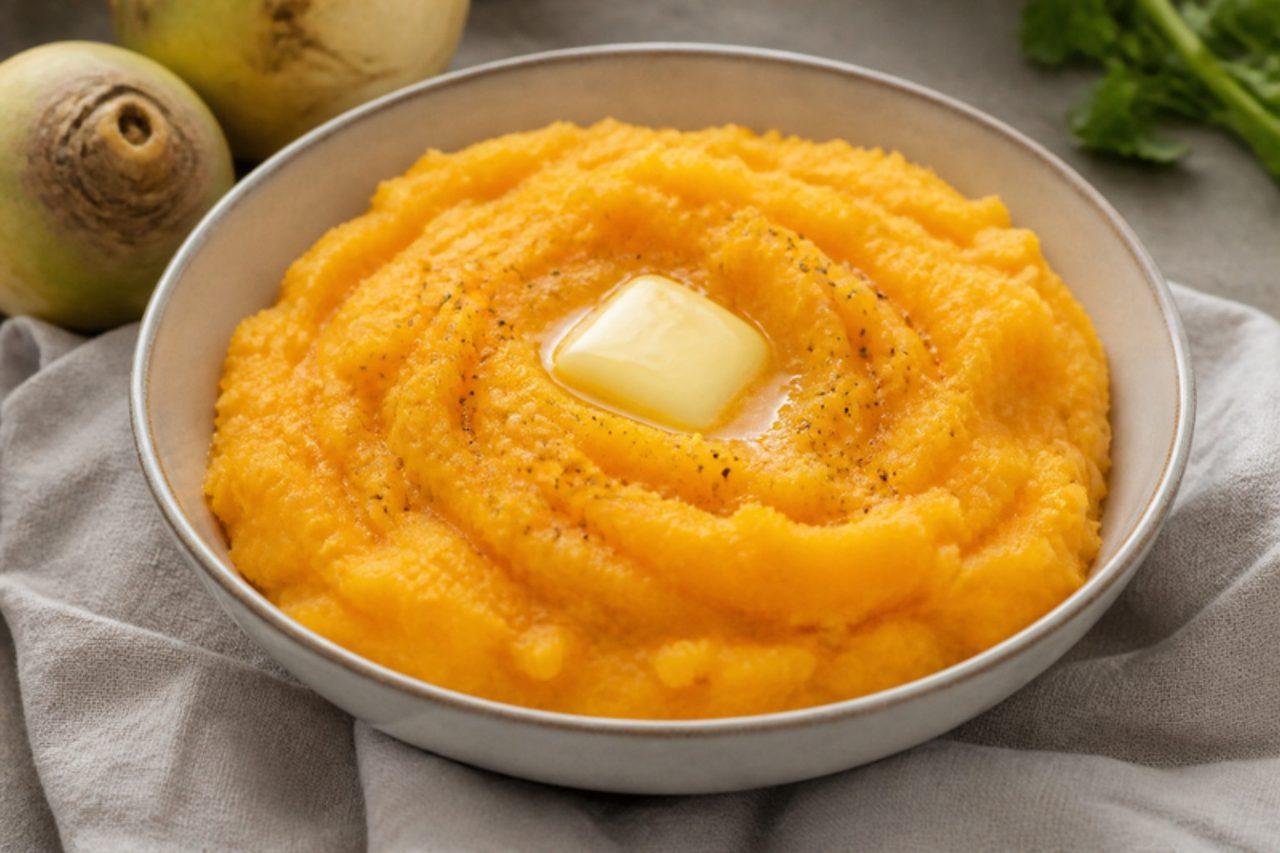
KålrabistappeMashed swede

Kålrabistappe is the bright orange mash of swede that sits beside almost every Norwegian winter dinner: with pinnekjøtt lamb ribs at Christmas in western Norway, with raspeballer on Thursdays, with salted meat and sausages. It is simple: swede and a little potato boiled soft and mashed with butter, a splash of the cooking water and nutmeg. A common mistake is mashing it in a blender, which makes it gluey. Chef's tip: let the swede steam dry in the pan for a couple of minutes after draining; the mash stays fluffy, not watery.

by KrazyBadal 0 views

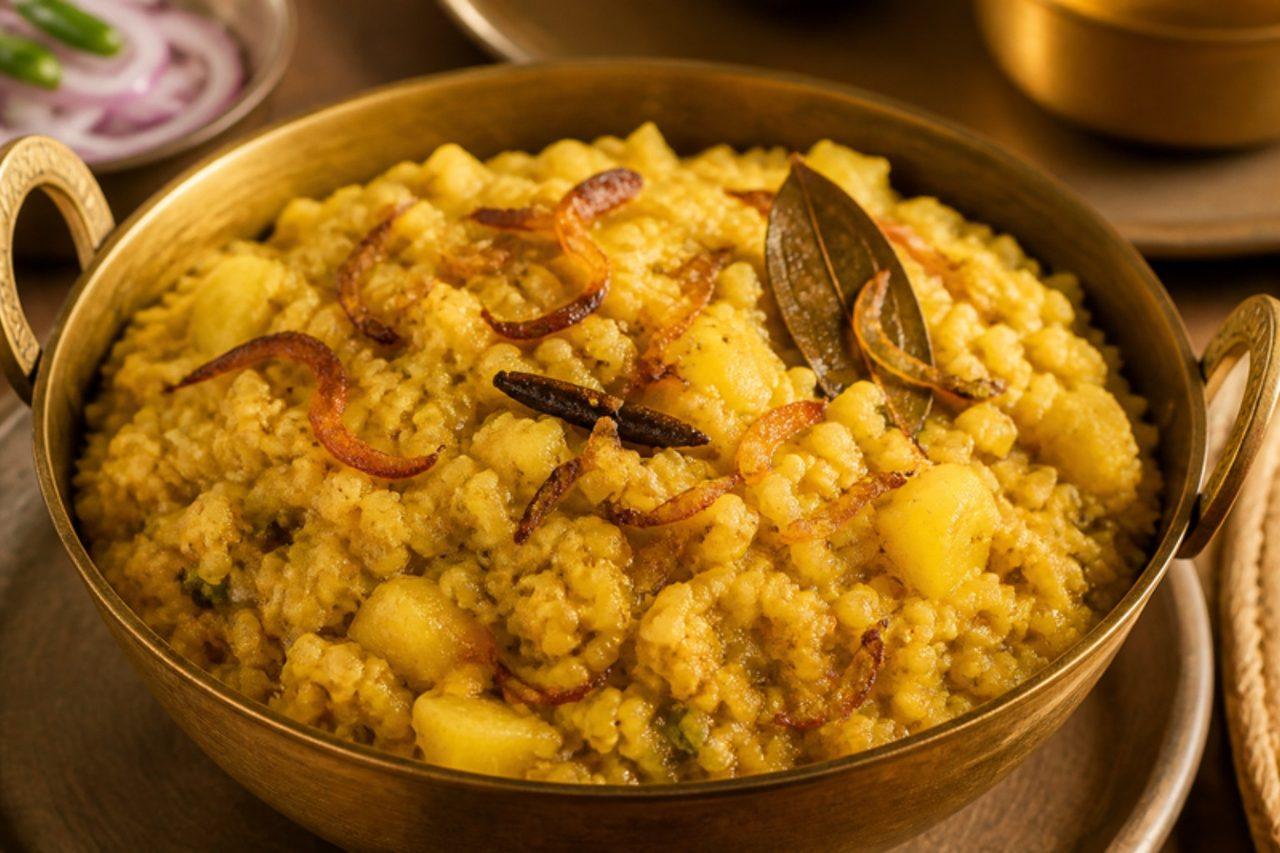
Muri ghonto

For a Bengali family, the head of a big rohu is the part saved for the guest of honour or the new son-in-law at Jamai Shashthi, and the finest thing to do with it is muri ghonto. The head is fried in mustard oil, broken into pieces and cooked with a handful of fragrant short-grain rice, diced potato and warm spices until it becomes a thick, almost dry mash, finished with ghee and garam masala. In Dhaka homes it is eaten in the middle of a meal, after the shak and dal and before the main fish curry, with plain rice. Many cooks leave the head in big lumps, but it should be broken up after frying so the rich flavour from the head spreads through the rice. Chef's tip: buy the head from a large fish of at least 2 kg and ask the fishmonger to remove the gills and split it for you.

by KrazyBadal 0 views

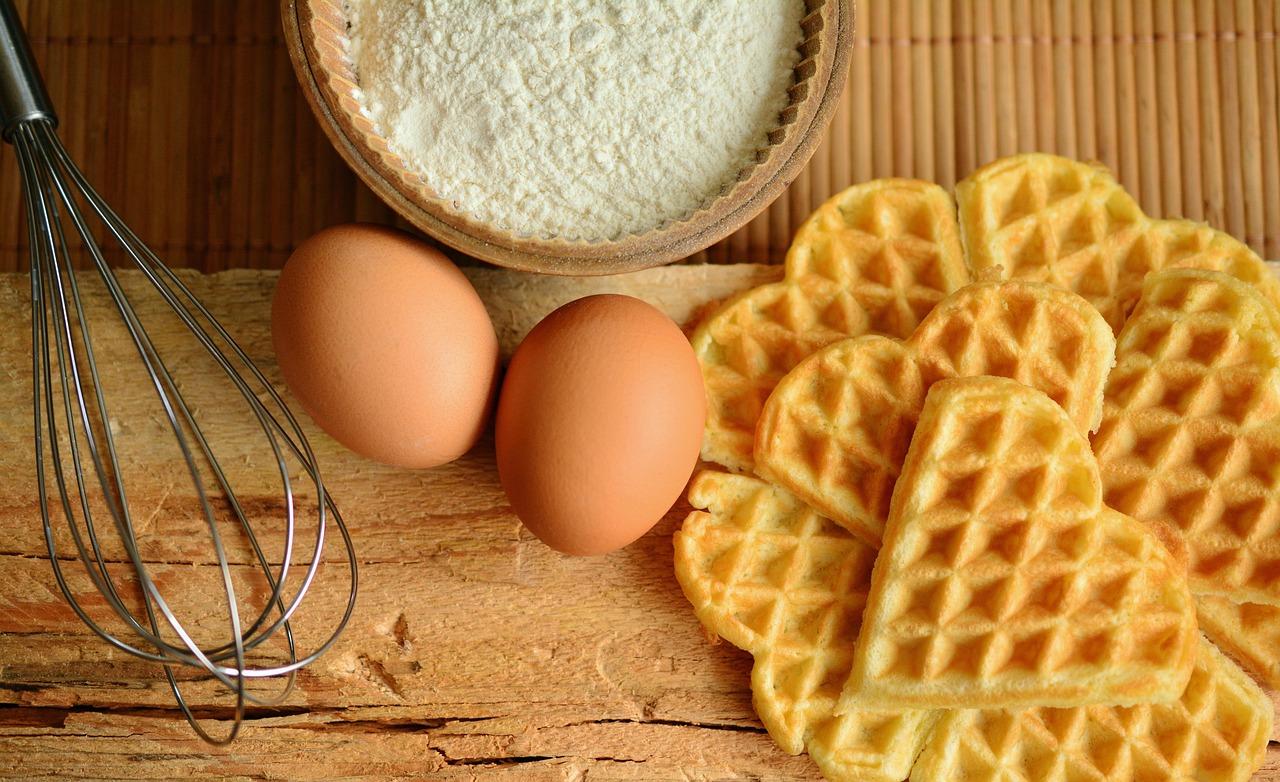
Norwegian heart waffles

In Norway, waffles are not a breakfast but an everyday treat: thin, soft heart-shaped vafler made with sour cream and cardamom, sold at school fairs and football matches and made at home on Sunday afternoons, eaten folded with strawberry jam and sour cream or brown cheese. Their texture is soft rather than crisp. A common mistake is opening the iron too early, which tears them. Chef's tip: let the batter rest for 30 minutes and brush the iron with butter before each waffle; they lift out whole and golden.

by KrazyBadal 0 views

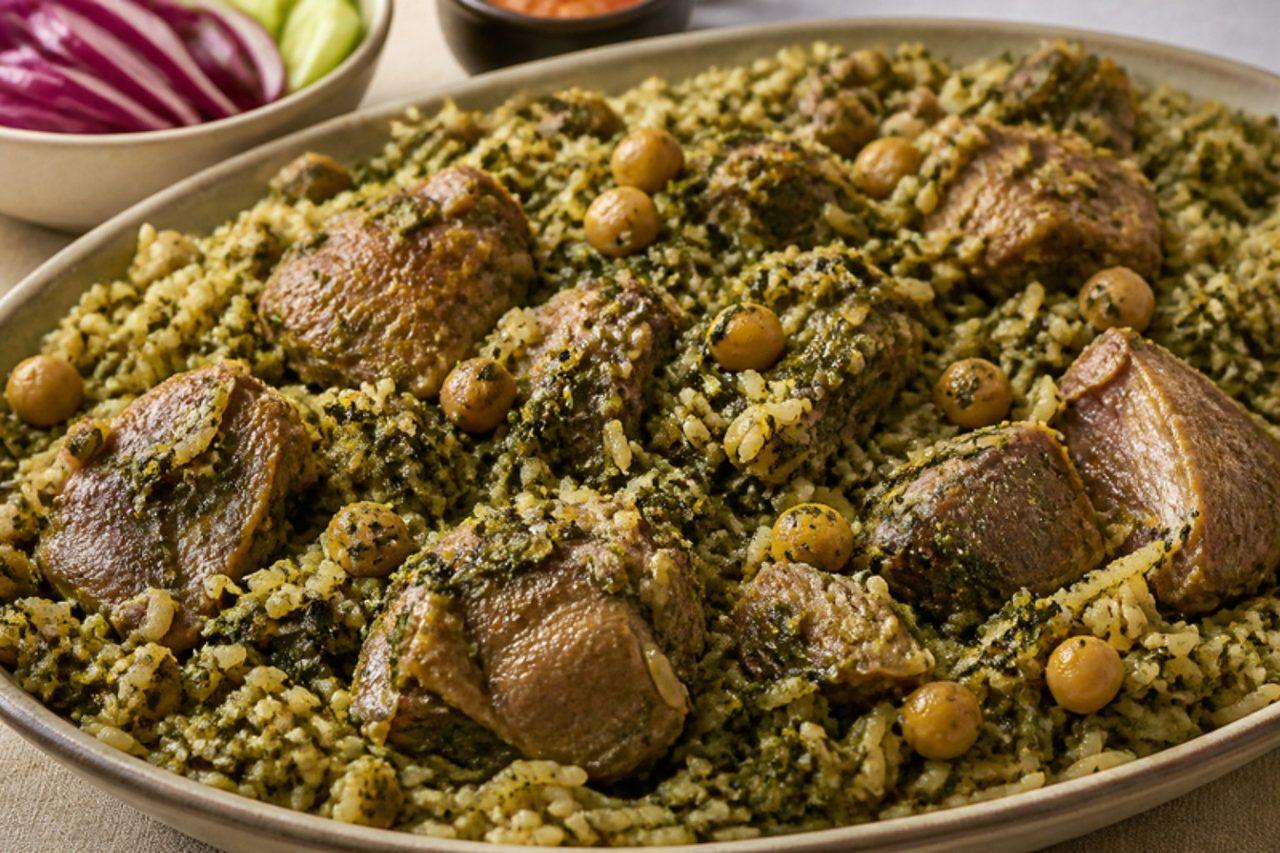
Rouz jerbi (Djerban steamed rice)

Djerba islanders cook rice the way the rest of Tunisia cooks couscous, in the top of a couscoussier: raw rice is mixed with small pieces of lamb, chopped spinach, a mound of herbs, chickpeas, tomato paste, harissa and spices, then steamed over boiling water until every grain is tender and stained red-gold. Rouz jerbi is a Friday and family-gathering dish on the island, served from one large platter. The rice stays separate and fluffy, the greens melt in, and the lamb picks up the scent of mint and tabil. Chef's tip: stir the rice from the bottom every 20 minutes; leaving it untouched is a common mistake, as the bottom turns soggy while the top stays hard.

by KrazyBadal 0 views

Chorbet hout (Sfax fish soup)

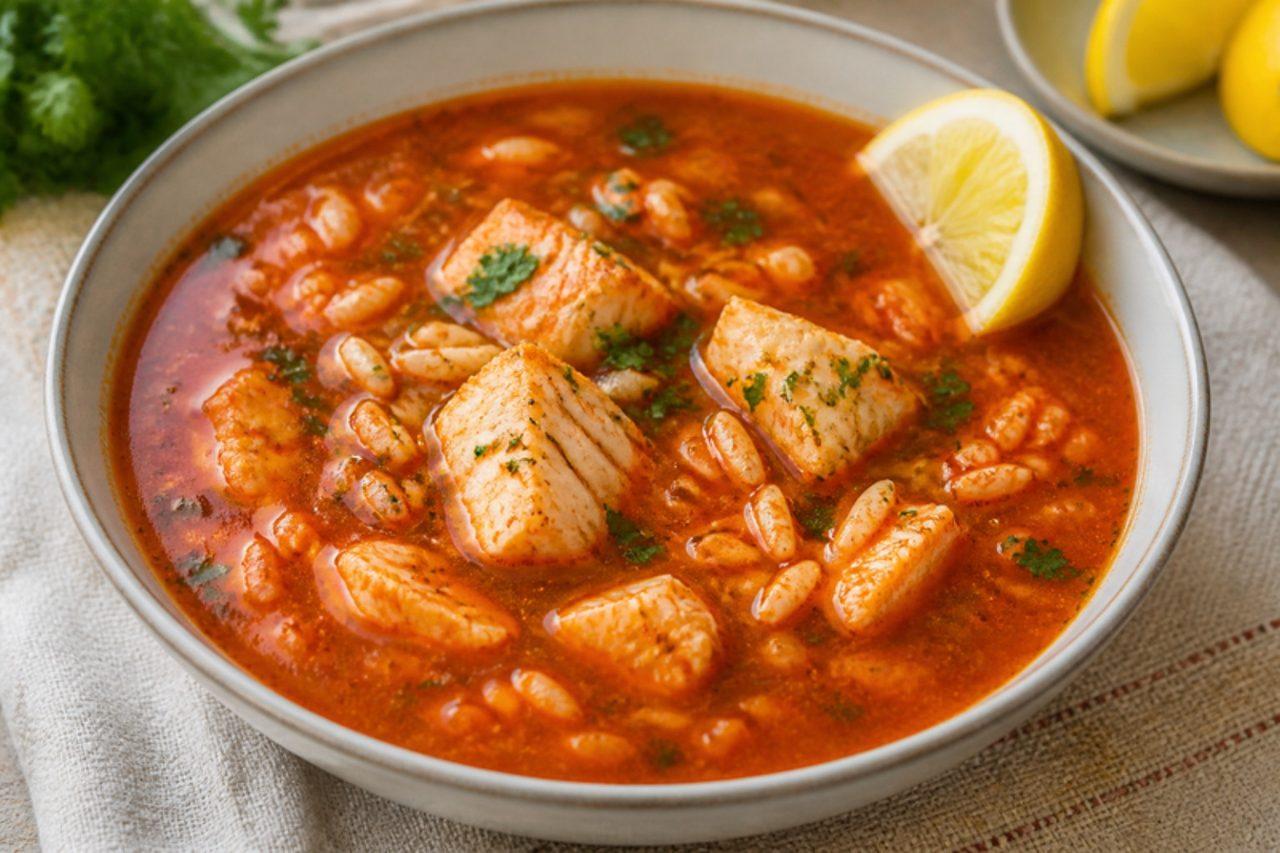
Along the coast around Sfax, a bowl of chorbet hout often opens the meal at Ramadan iftar, after dates and water: a red, peppery broth of tomato, harissa and caraway, thick with tiny bird's-tongue pasta and flakes of white fish, finished with a squeeze of lemon. Grouper, sea bream or mullet are the local choices, and any firm white fish works. The soup is warming and spicy with a fresh lift from parsley and celery, and goes well with bread and a brik. Chef's tip: poach the fish briefly, lift it out and only return the flakes at the end; leaving it to boil with the pasta is the common mistake, and it breaks into threads.

by KrazyBadal 0 views

Amba maluwaSweet spicy mango curry

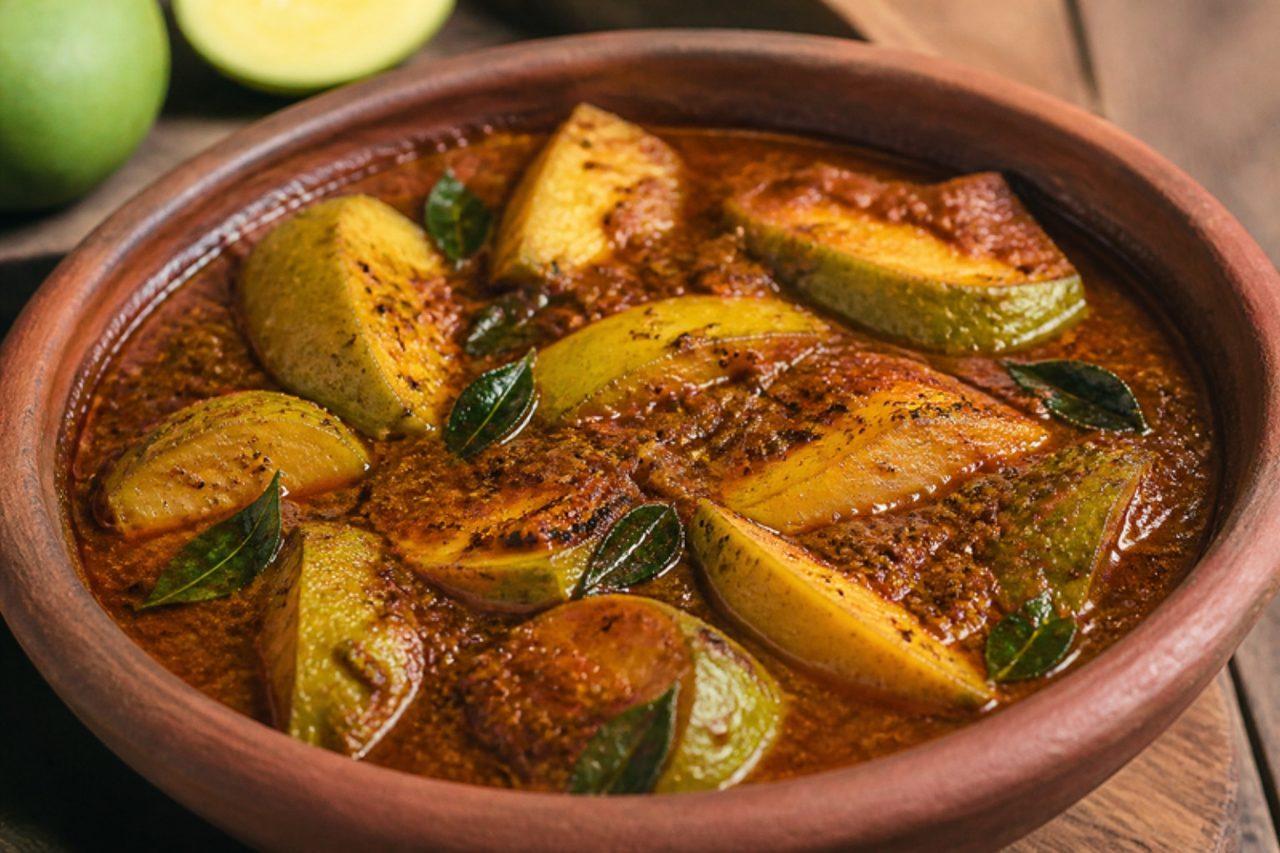
Maluwa usually means a fish curry, yet in Matara and the southern villages the name also goes to this mango dish, perhaps because it is cooked with the same bold spices and was once a stand-in for fish on fasting days. Half-ripe mangoes are cut into chunks with their skin on, then simmered with dark roasted curry powder, chilli, cinnamon and a sharp paste of ground mustard seed and vinegar, sweetened with sugar and finished with coconut milk. The result is hot, sweet and tangy at once, and it is a favourite on wedding and almsgiving spreads, eaten in small amounts with yellow or white rice. Fully ripe mangoes are the wrong choice, because they collapse into jam; pick fruit that is just turning yellow and still firm to the touch. Chef's tip: keep the skin on the mango pieces, as it holds them together during cooking and adds a pleasant, slightly chewy texture.

by KrazyBadal 0 views

KajmakClotted milk cream

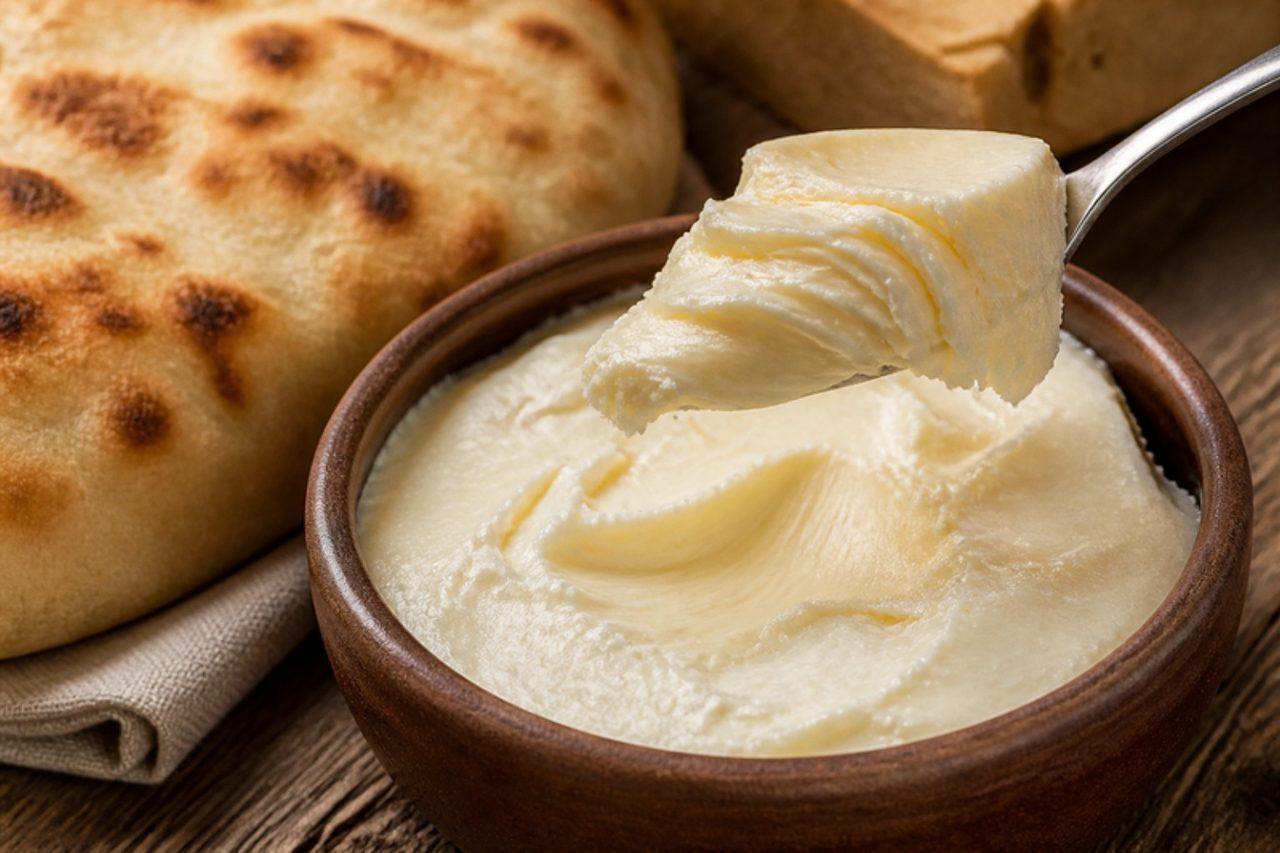
At the Zlatibor and Čačak markets, women sell kajmak from wide tubs, cut in soft ivory folds that taste of cooked milk, butter and a little salt. It is made by slowly heating rich milk, letting it settle in shallow pans and lifting off the thick skin that forms as it cools, then layering those skins with salt. This home version uses pasteurised milk and cream and stays in the fridge throughout; the long-aged, raw-milk kajmak of the villages is not something to copy at home. Spread it on warm lepinja or proja, or stir it into hot potatoes. A common mistake is letting the milk boil: the bubbles tear the skin and you end up with flecks instead of a thick sheet. Chef's tip: keep the skimmed milk left underneath for porridge, proja or pancakes; nothing goes to waste.

1440 minBalkanBasicsGluten free
by KrazyBadal 0 views

Osban (Tunisian stuffed lamb sausages)

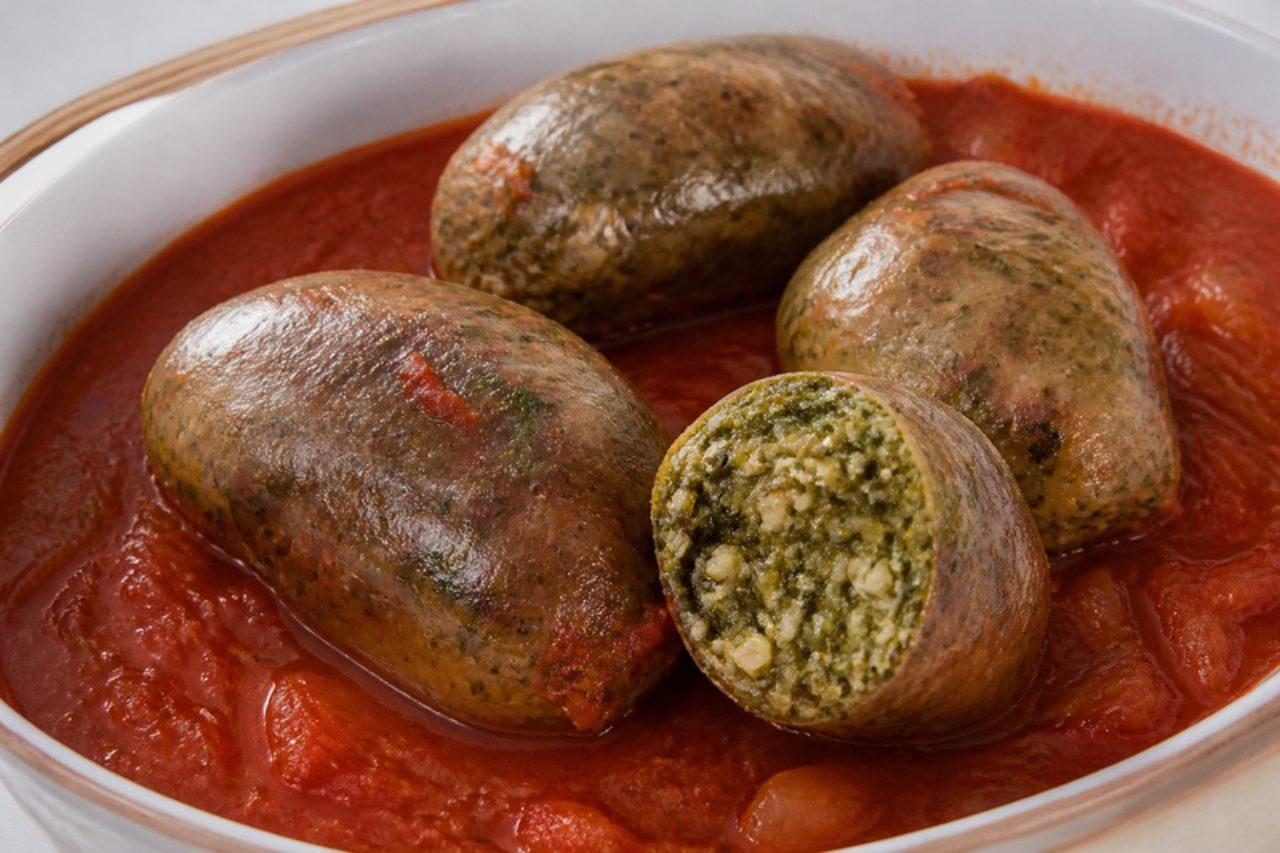
Eid al-Adha in Tunisia means using every part of the sheep, and osban is how the tripe is honoured: cleaned pieces are sewn into pouches and packed with rice, chopped liver and lamb, chard, a big bunch of parsley and coriander, dried mint and harissa, then simmered in a red chickpea sauce and served over couscous. Families all over the country, from Tunis to the south, make a batch and freeze some for later. The filling cooks into a soft, herby, peppery sausage and the tripe turns tender. Buy tripe that the butcher has already cleaned and scalded, or use natural sausage casings for an easier version. Chef's tip: fill the pouches only two-thirds full and prick them with a needle; the rice swells as it cooks, and overstuffed osban burst, which is the most common mistake.

180 minTunisianMeat
by KrazyBadal 0 views

Kammounia (Tunisian cumin beef stew)

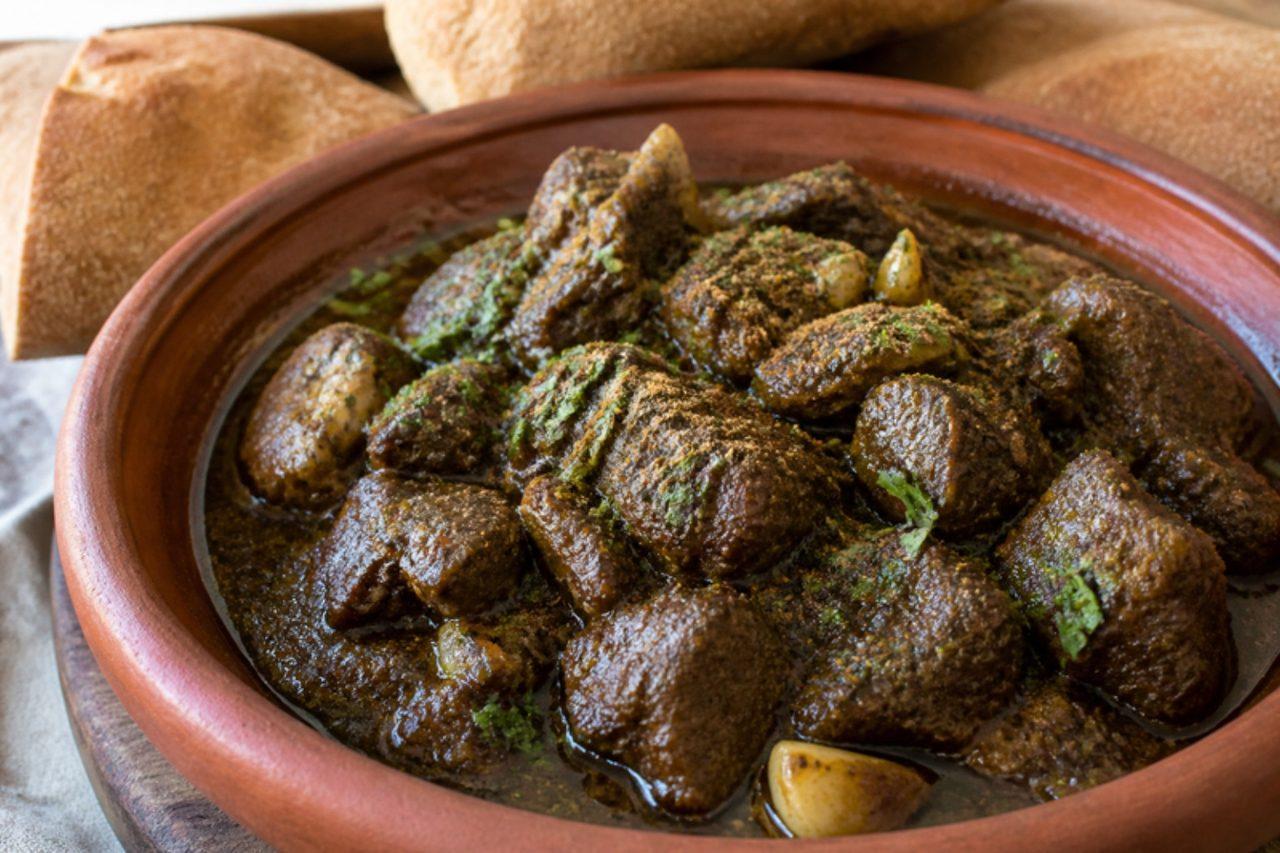
Cumin, kammoun in Arabic, gives kammounia its name, and the dish uses it boldly: chunks of beef, or in many Tunis homes lamb's liver, simmer in a thick, dark sauce of garlic, tomato paste and a generous amount of ground cumin until the meat is tender and the sauce clings to it. It is everyday family food in Tunis and Sfax, scooped up with crusty bread or served alongside a salad and olives. The flavour is earthy, warm and garlicky with a gentle heat from harissa. The usual mistake is adding the cumin at the start and frying it hard, which makes it bitter; it goes in once the sauce is simmering. Chef's tip: add half the cumin at the start and the rest in the last 10 minutes; all of it at once risks a flat, slightly bitter sauce, while the late addition keeps the aroma bright.

by KrazyBadal 0 views

Kaju maluwaCashew and pea coconut curry

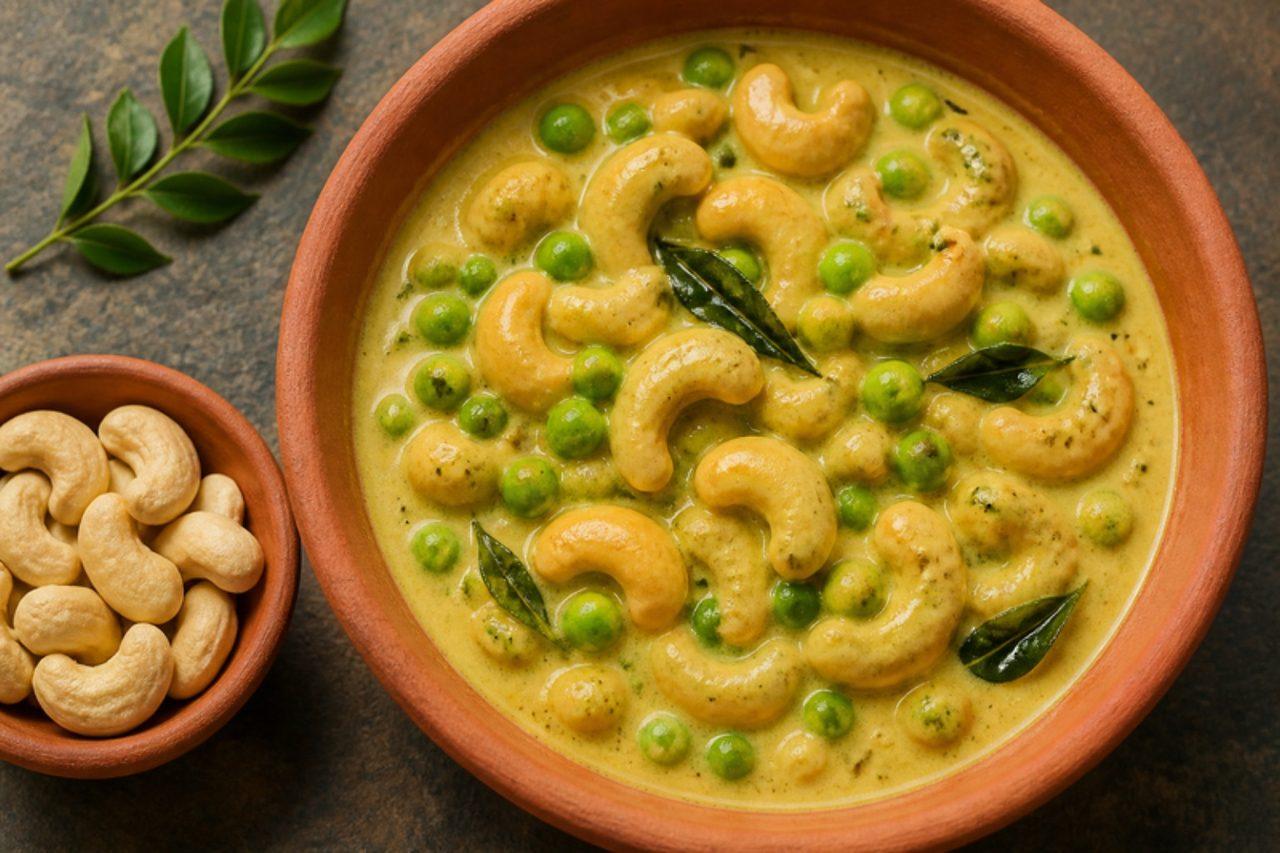
In the cashew-growing country north of Colombo, around Kurunegala and Puttalam, fresh green cashews are cooked into this creamy curry for weddings, almsgivings and the Avurudu table, and no one would dream of calling it everyday food. The nuts turn soft and buttery in a mild, pale gravy of coconut milk scented with cinnamon, pandan and unroasted curry powder, with green peas for colour, and it sits on the festive spread beside yellow rice and a sharp pickle. Fresh cashews are hard to find outside Sri Lanka, so this recipe uses raw dried ones soaked until they are almost like the fresh kind. Not soaking them long enough is the usual mistake; they stay chalky in the middle however long they simmer, so give them at least six hours, or overnight. Chef's tip: a pinch of bicarbonate of soda in the soaking water softens the nuts faster and gives them that tender, just-picked texture.

by KrazyBadal 0 views

Bkaila (Tunisian spinach and beef stew)

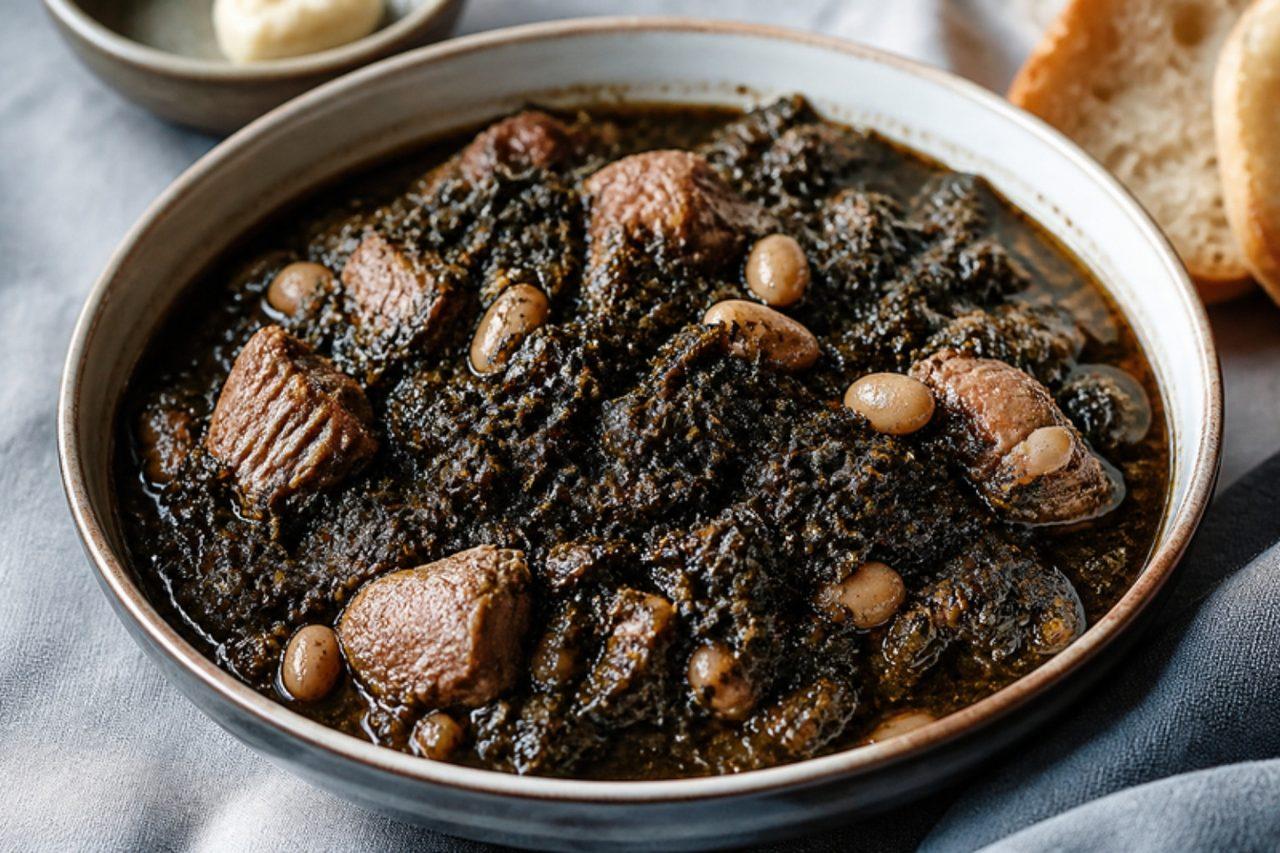
Tunisian Jewish families in Tunis, and those who carried the dish to Paris and Israel, cook bkaila for Rosh Hashanah and for Friday-night dinners: a heap of spinach is fried in olive oil for over an hour, until it shrinks to a dark, almost black, crumbly paste, then simmered for hours with chunks of beef, white beans, garlic and dried mint. The result looks dramatic and tastes deep and earthy, a little like a long-braised green sauce, with tender meat and creamy beans. It is eaten with couscous or bread, and is even better reheated the next day. Start the beans soaking the night before. Chef's tip: fry the spinach over a medium-low heat and stir often; turning up the heat to save time is the classic mistake, scorching the leaves so the whole pot turns bitter.

240 minTunisianMeatGluten free
by KrazyBadal 0 views

Djouzia (walnut and honey nougat)

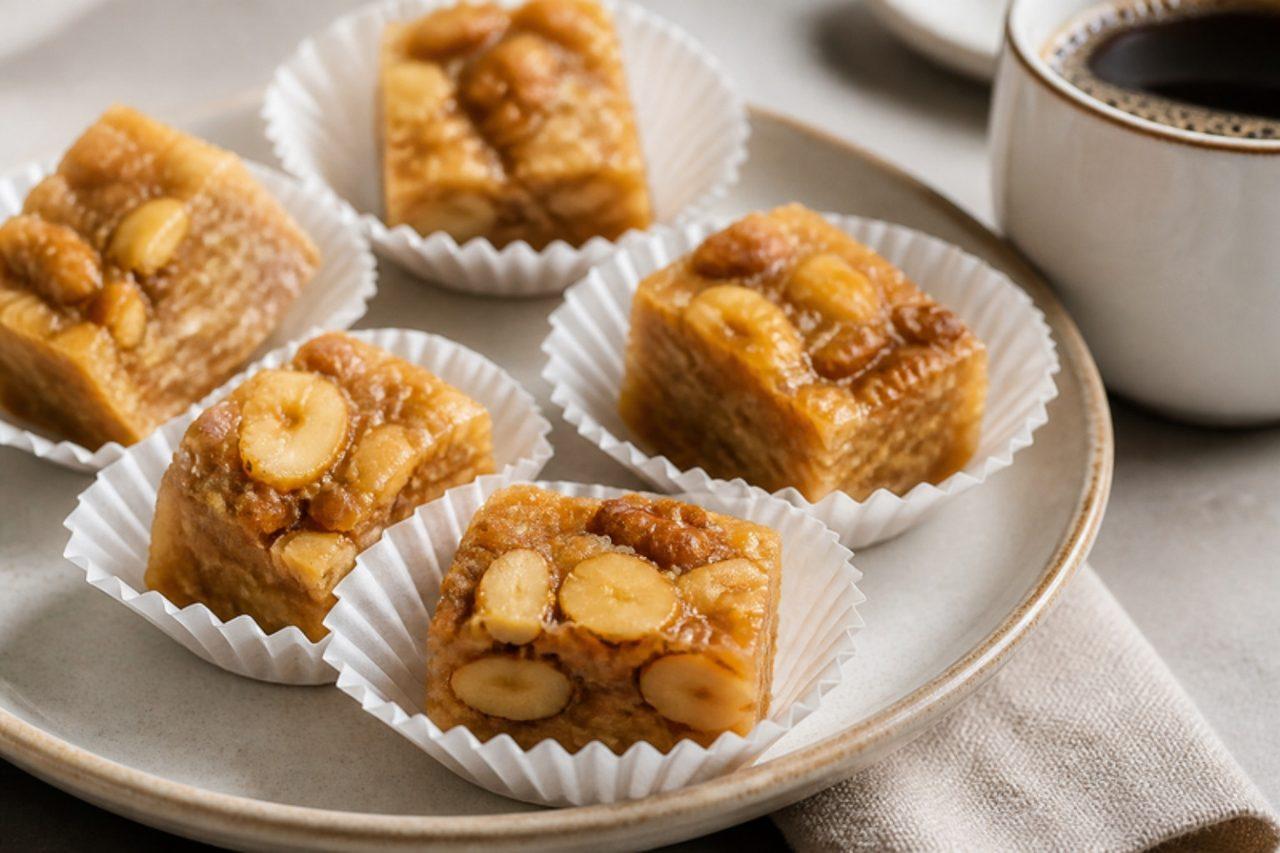
Shops in old Constantine wrap djouzia in twists of paper and sell it by weight, a soft, pale caramel-coloured nougat of honey, whipped egg white and plenty of walnuts. It is chewier and darker than white Provençal nougat, with a deep honey flavour and the slight bitterness of walnut skins. Djouzia is a gift sweet, carried to weddings and offered with coffee to visitors, and keeps for weeks. A sugar thermometer makes it reliable. Chef's tip: cook the honey syrup to 125 °C; syrup that is pulled off too early is the most common mistake, and the nougat stays sticky and will not set enough to cut.

by KrazyBadal 0 views

Beet kvass

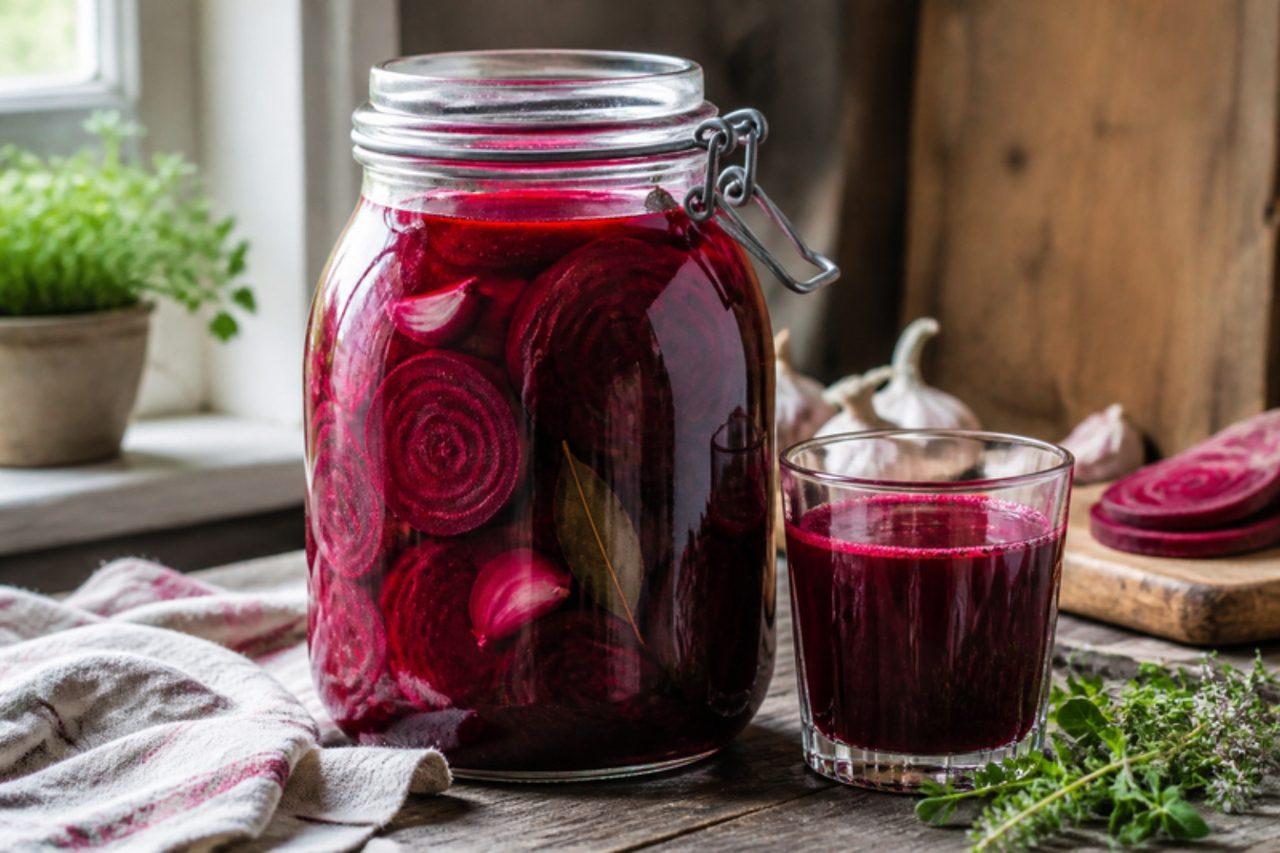
Before lemons and vinegar were easy to buy, Ukrainian cooks soured their borscht with beet kvass, a ruby-red brine made by leaving sliced raw beetroot in salted water for a few days. It is lightly fermented, so it contains no more than a negligible trace of alcohol, and it tastes earthy, salty and pleasantly sharp. In Poltava and Chernihiv villages a jar always stood by the stove; a splash went into the soup pot and a small glass was drunk in the morning as a tonic. Some families add a crust of rye bread to speed things up, which makes it no longer gluten-free. The mistake most people make is leaving the beetroot floating: anything above the brine can grow mould, so keep it weighed down. Discard any batch with fuzzy or coloured mould, a slimy texture or a rotten smell. Chef's tip: a few slices left in the jar from the previous batch start the next one in half the time.

by KrazyBadal 0 views

Pickled watermelon

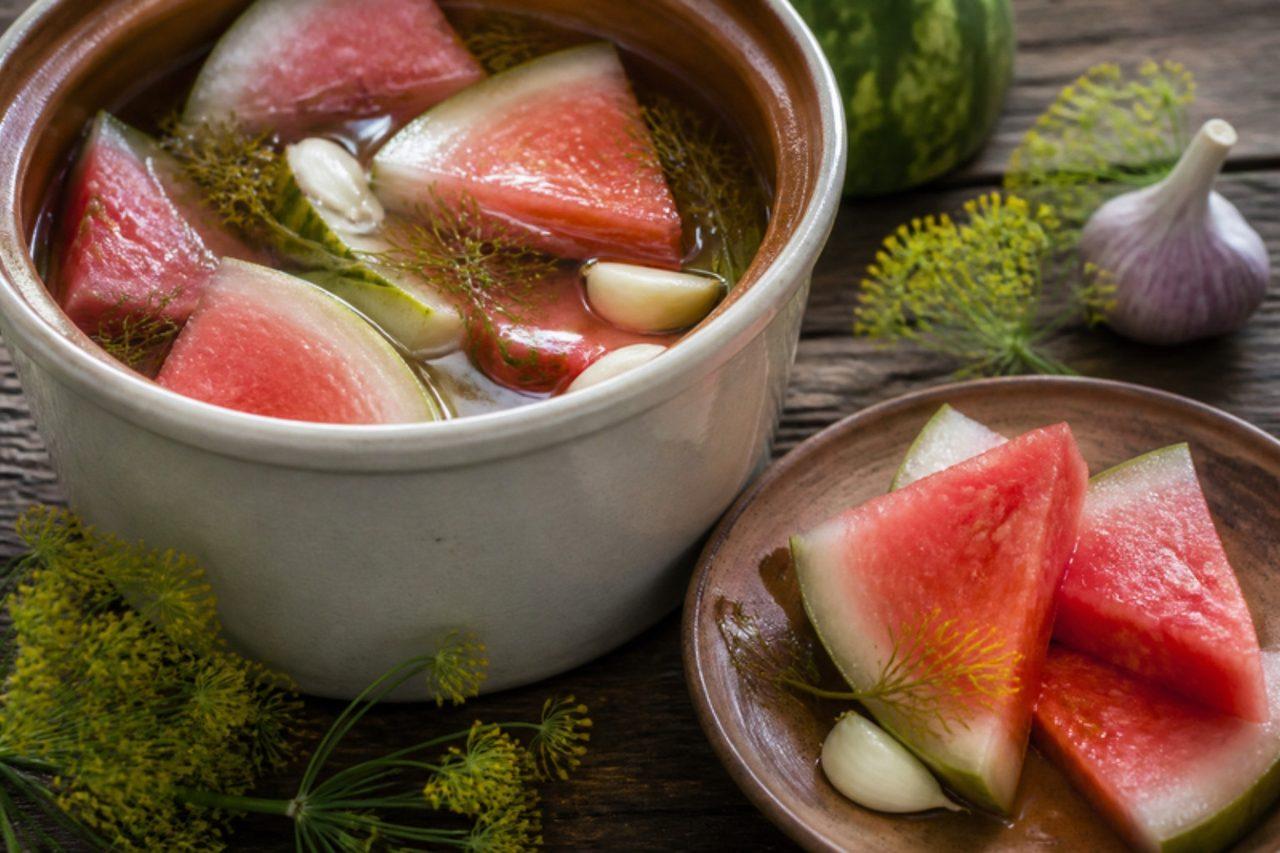
When the melon fields of Kherson and Mykolaiv end their season, the small, late watermelons that never got properly sweet go into barrels of brine. A few weeks later they come out fizzy, salty and sour, with the pink flesh still faintly sweet and the rind crisp like a pickled cucumber. Southern families eat them through the winter with boiled potatoes, buckwheat or a plate of fried mushrooms. A big glass jar works just as well as a barrel for wedges. The classic error is using a ripe, soft watermelon, which turns to mush in the brine; pick small, firm ones with pale pink flesh. Keep everything under the brine and throw out the batch if fuzzy or coloured mould appears or it smells rotten rather than sour. Chef's tip: slip a horseradish or cherry leaf into the jar; the tannins keep the rind crunchy for weeks.

by KrazyBadal 0 views

Pickled green tomatoes

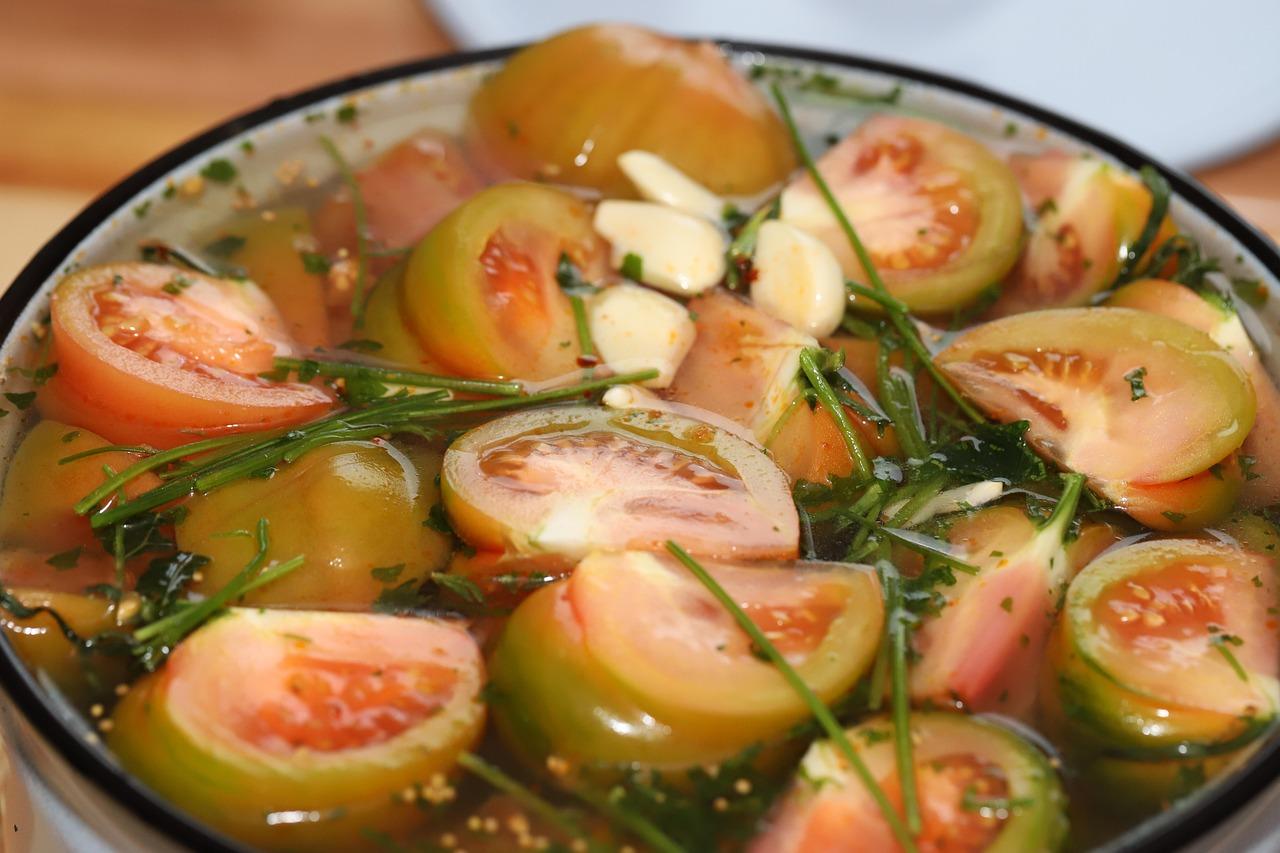
In southern Ukraine the first cold nights of October leave every garden full of hard green tomatoes that will never ripen, and rather than waste them, cooks around Odesa and Kherson slit each one and stuff it with a punchy paste of garlic, dill, parsley and hot chilli. A week in brine turns them sour and fizzy, with a crunch and a slow burn from the chilli. They are the pickle everyone reaches for at the winter table, next to potatoes fried with onions or a bowl of buckwheat. Most people go wrong by cutting the tomatoes right through, so the filling falls out; slice only two-thirds of the way. As with any ferment, keep everything below the brine and discard the jar if it grows fuzzy or coloured mould or smells rotten. Chef's tip: pick tomatoes that are just starting to blush pale; fully hard dark-green ones stay bitter.

by KrazyBadal 0 views

Green beans with egg

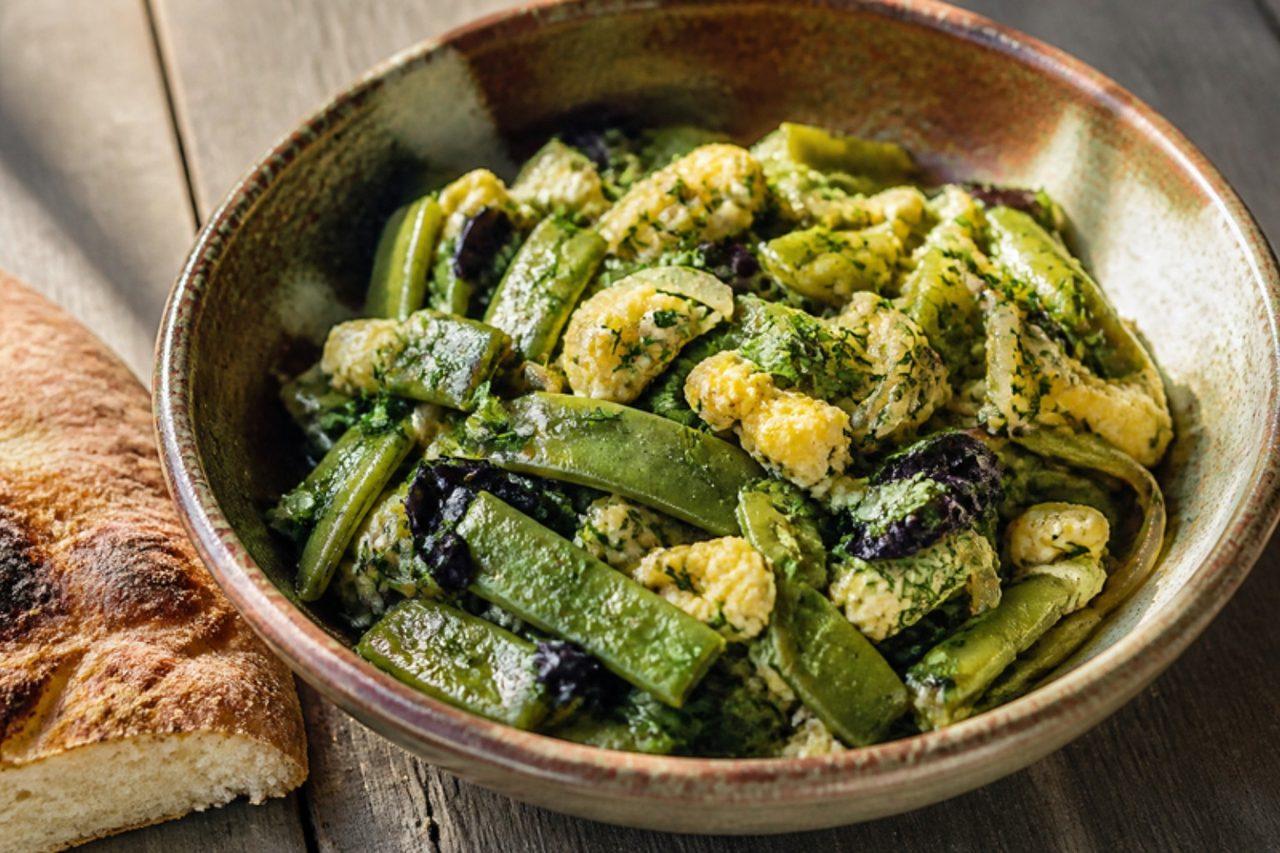
In the villages around Gori and Mtskheta, high summer brings sacks of flat green beans, and this is how many Kartli families eat them on a weekday: slowly softened with onion, then tossed with coriander, basil and garlic and bound at the last minute with beaten egg. The result sits halfway between a warm salad and a soft scramble, eaten with a hunk of shoti bread and a few slices of cheese. A common mistake is adding the eggs while the pan is still wet with bean water; they turn watery and grey instead of clinging in golden curds. Chef's tip: Georgian cooks use purple basil (reyhan), and its clove-like scent is what makes the dish taste of home, so look for it at Turkish or Georgian grocers.

by KrazyBadal 0 views

Sri Lankan chicken curry

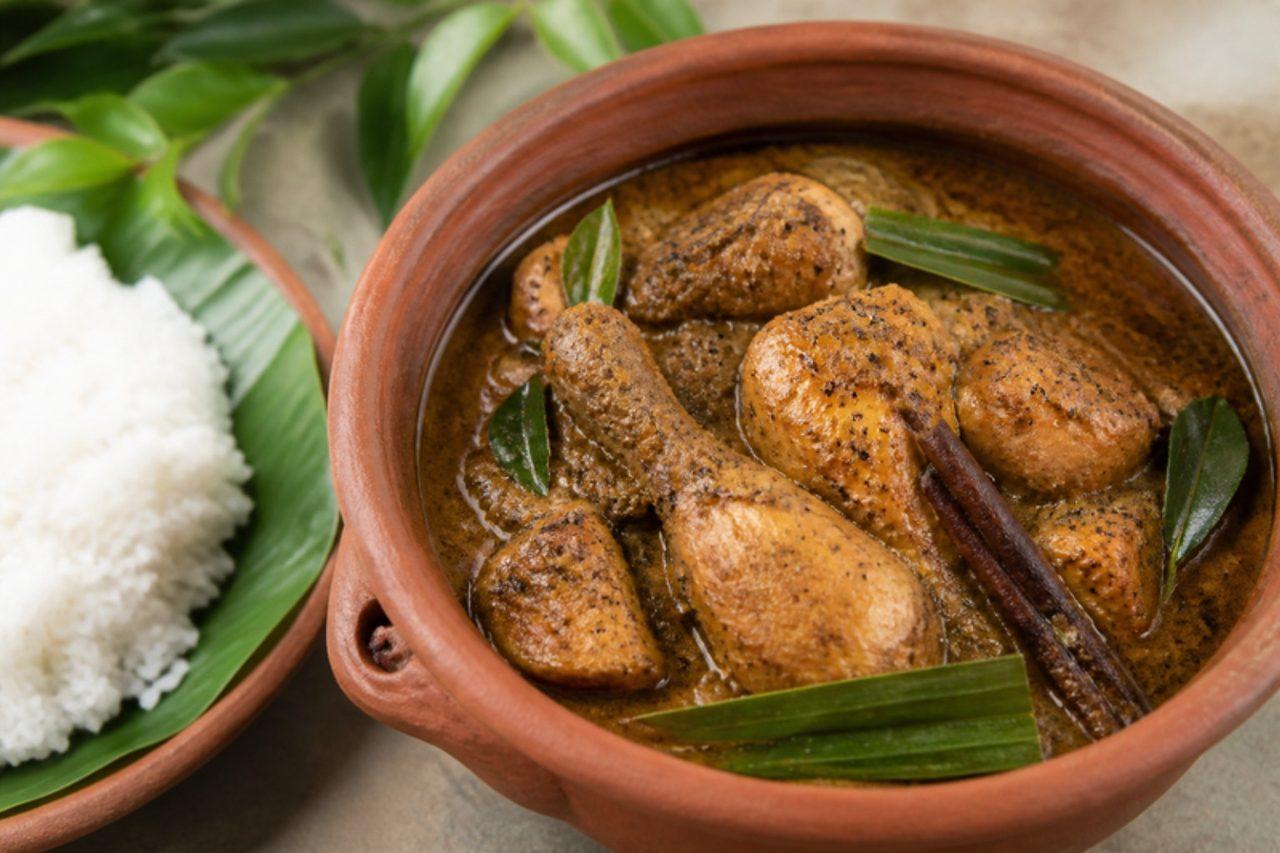
Sunday lunch in a Colombo family home very often means a pot of kukul mas curry, the chicken chopped small on the bone and simmered in a gravy darkened by curry powder that has been roasted until it smells almost like coffee. Pandan leaf, curry leaves, cinnamon bark and cardamom carry the perfume, while coconut milk stirred in towards the end rounds off the chilli heat without making the sauce heavy. It shares the table with red rice, parippu, pol sambol and a green mallung, and whatever is left over tastes even better the next morning with string hoppers. A common slip is using raw, unroasted curry powder, which tastes dusty and flat instead of deep and smoky. Chef's tip: roast the spices for the powder until they are the colour of milk chocolate and grind them while still warm, so the oils release into the powder.

by KrazyBadal 0 views

Devilled chicken

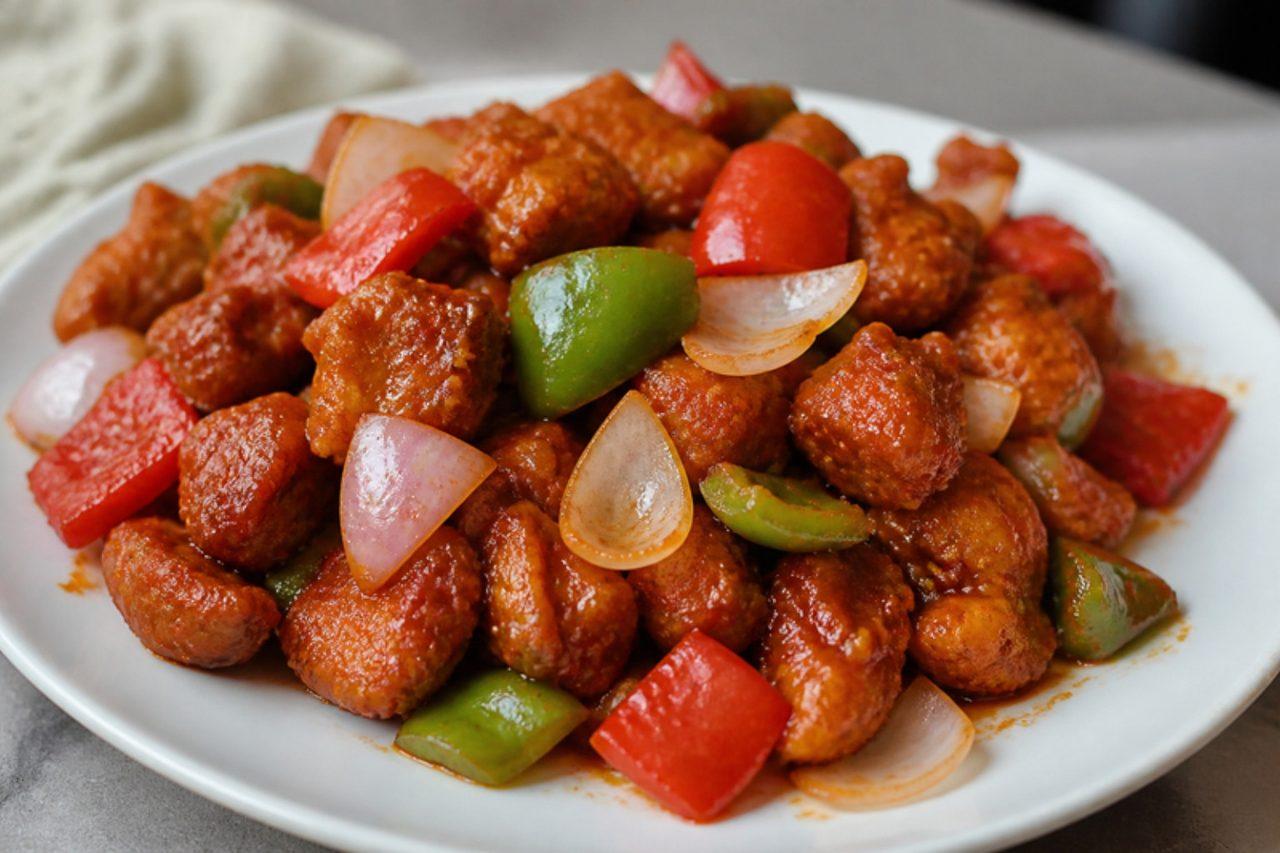
Few plates are more Colombo than devilled chicken, the sticky, fiery stir-fry born in the city's Sri Lankan-Chinese restaurants and now cooked in home kitchens for birthday parties, Saturday fried-rice nights and office lunch boxes. Bite-sized pieces of chicken are fried crisp, then tossed in a wok with wedges of onion, green capsicum and tomato in a glossy sauce of chilli flakes, ketchup and soy, so every piece is sweet, salty and hot at once. It is served with yellow fried rice or simply as a side to a rice-and-curry spread, and for a meat-free version you can devil button mushrooms or parboiled potato cubes in exactly the same sauce. Where most people go wrong is overloading the wok with vegetables, which then steam and go limp instead of staying crunchy. Chef's tip: separate the onion wedges into single petals before they hit the pan, so they char at the edges in under a minute.

by KrazyBadal 0 views

Hot butter cuttlefish

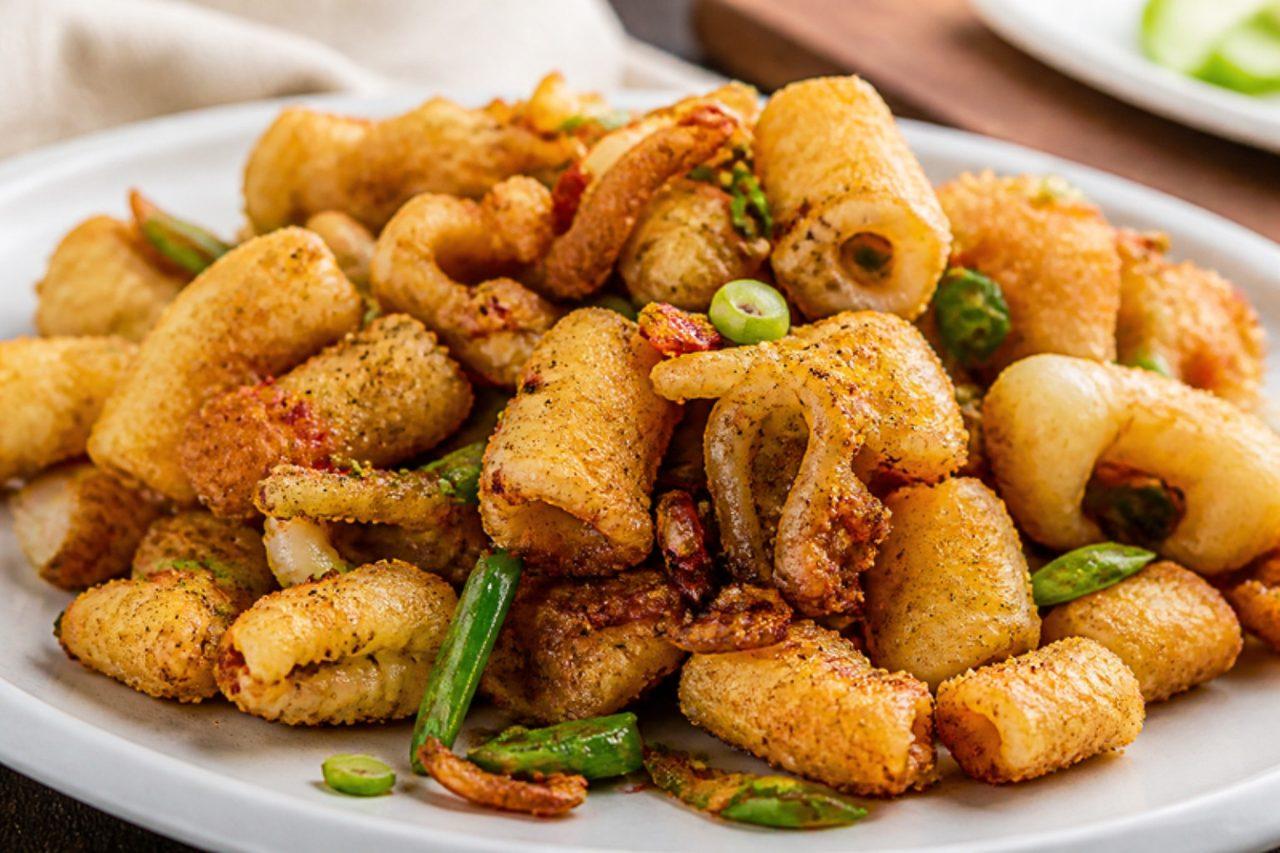
Along Colombo's Galle Road and in the seafood restaurants of Negombo, hot butter cuttlefish is the dish nearly every table orders first, a heap of golden, crunchy strips that disappear while the rice and curries are still on their way. The cuttlefish is scored, dipped in a light, chilli-spiked batter and fried hard, then thrown into a pan of foaming butter with garlic, dried chilli flakes, green chilli and a big handful of spring onion. The result is crisp outside, tender within, rich, salty and properly hot, and it is eaten as a starter or alongside fried rice and a fresh lime. It goes wrong when the cuttlefish fries too long, because it turns rubbery after about two minutes in the oil. Chef's tip: score the inside of each piece in a fine criss-cross so it curls and grabs the batter, and fry in small batches so the oil stays hot.

by KrazyBadal 0 views

Kakaós csigaCocoa yeast snails

Walk into any Hungarian bakery at seven in the morning and the window will hold trays of kakaós csiga, cocoa snails, glossy on top and dark-striped inside. Children eat them on the way to school with a carton of chocolate milk, and office workers grab one with a coffee. The dough is soft and milky, rolled up with butter, cocoa and sugar so the swirl turns fudgy and slightly sticky; a brush of syrup after baking keeps them shiny and moist for a day. Where most people go wrong is spreading the filling on too-warm dough, which tears; let the risen dough rest for a few minutes after rolling. Chef's tip: roll the dough up from the long side quite tightly and cut with dental floss or a very sharp knife, so the snails keep their round shape.

by KrazyBadal 0 views

Jaffna goat curry

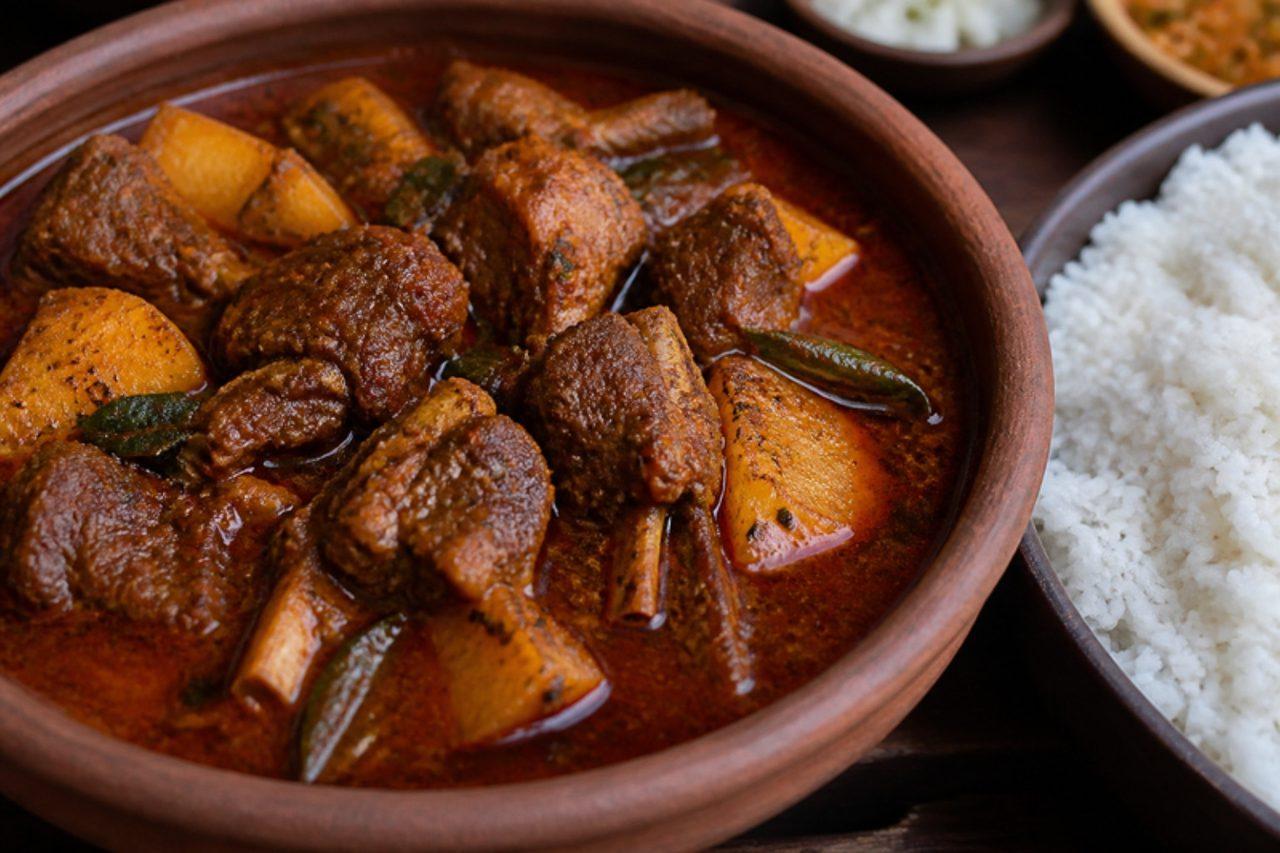
Goat is the celebration meat of the Tamil north, and a Jaffna aattukkari cooked for a temple feast day, a wedding lunch or a Sunday at home is thick, brick-red and ferociously spicy. The secret is the local curry powder, roasted much darker and hotter than in the south, fried in oil with onion, garlic and fennel until it almost catches, then simmered slowly with the meat until the gravy reduces to a coating. Chunks of potato soak up the sauce, and the whole thing is eaten with rice, idiyappam or Jaffna-style puttu, with a cooling bowl of curd or coconut sambol on the side. The pitfall here is rushing the simmer; goat needs patience and goes chewy if it is cooked hard and fast. Chef's tip: brown the meat well in the spice paste before any liquid goes in, which gives the gravy its deep, almost smoky flavour.

by KrazyBadal 0 views

Date squares

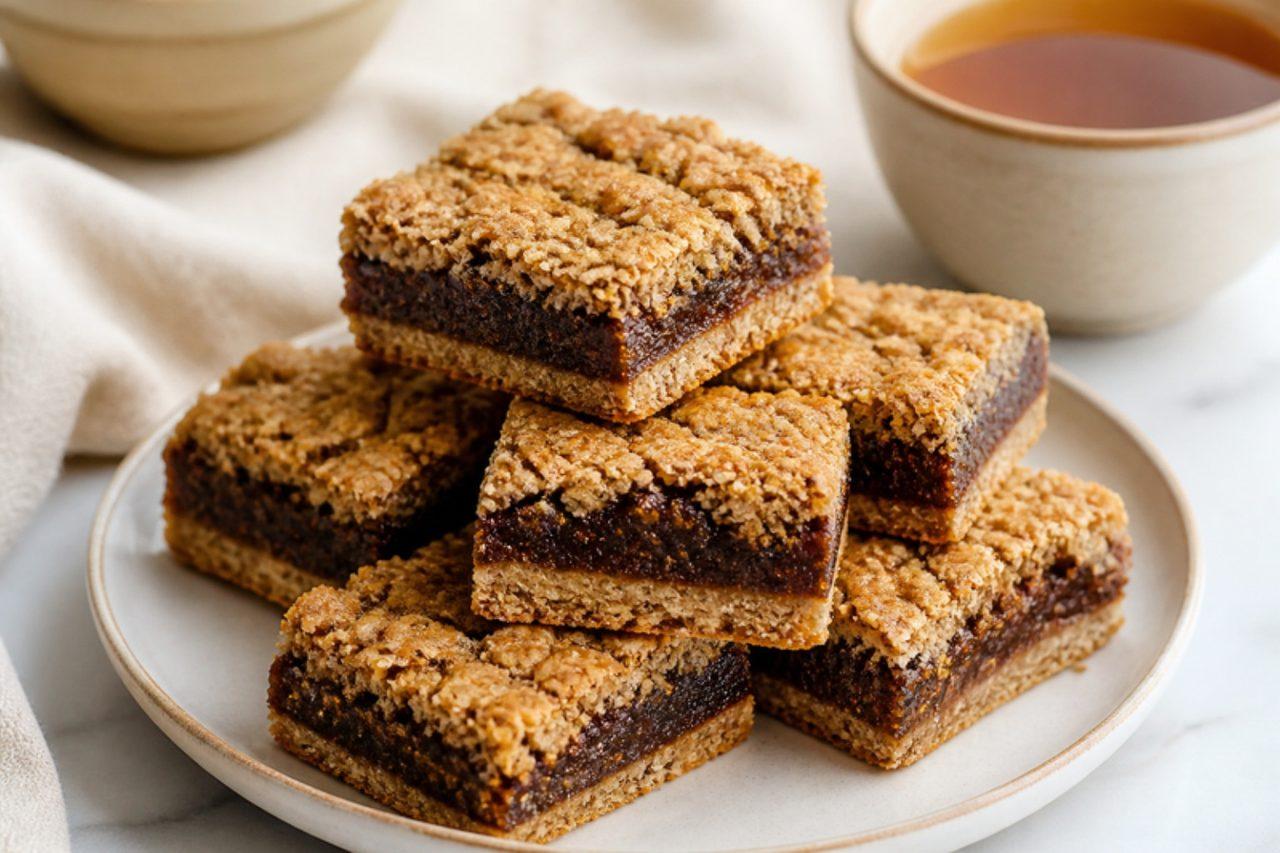
Date squares are on the tea table in every Canadian church hall and school bake sale, called carrés aux dattes in Quebec and matrimonial cake in the West. A buttery oat crumble is pressed into a tin, spread with a soft date filling and covered with more crumble, then baked until golden. They keep for days and freeze well. A common mistake is spreading the dates while hot onto loose crumb, which makes the base soggy; press the base firmly. Chef's tip: add a strip of orange zest to the dates for a brighter flavour.

by KrazyBadal 0 views

Sri Lankan Chinese rolls

Nobody in Sri Lanka quite knows why they are called Chinese rolls, but every bakery glass case and tea-shop counter from Kandy to Matara has a tray of them: thin crêpes wrapped around a peppery filling, dipped in batter, rolled in breadcrumbs and fried to a golden crunch. Fish is the classic, usually tuna or mackerel cooked with potato, leeks, onion, curry leaves and green chilli, and the rolls go to office tea breaks, almsgiving receptions and children's birthday parties, always with a bottle of chilli sauce. A potato and leek version without fish is just as popular and makes them vegetarian. People often go wrong by making the pancakes too thick, which gives a doughy roll that never crisps. Chef's tip: roll each one tightly like a spring roll, tucking the sides in, so the filling cannot burst out in the oil.

by KrazyBadal 0 views

Maple syrup pie

Tarte au sirop d'érable closes many a family meal in Quebec at Easter and through the sugaring season, a cousin of the sugar pie made with real maple syrup. The filling of syrup, cream and egg bakes into a soft, trembling, caramel-brown layer that tastes deeply of maple. Slice it thin; it is rich. A spoonful of crème fraîche or plain whipped cream cuts the sweetness. A common mistake is skipping the blind bake, which leaves a soggy base. Chef's tip: take the pie out while the centre still wobbles like jelly; it sets as it cools and over-baking makes it weep.

by KrazyBadal 0 views

Lac-Saint-Jean blueberry pie

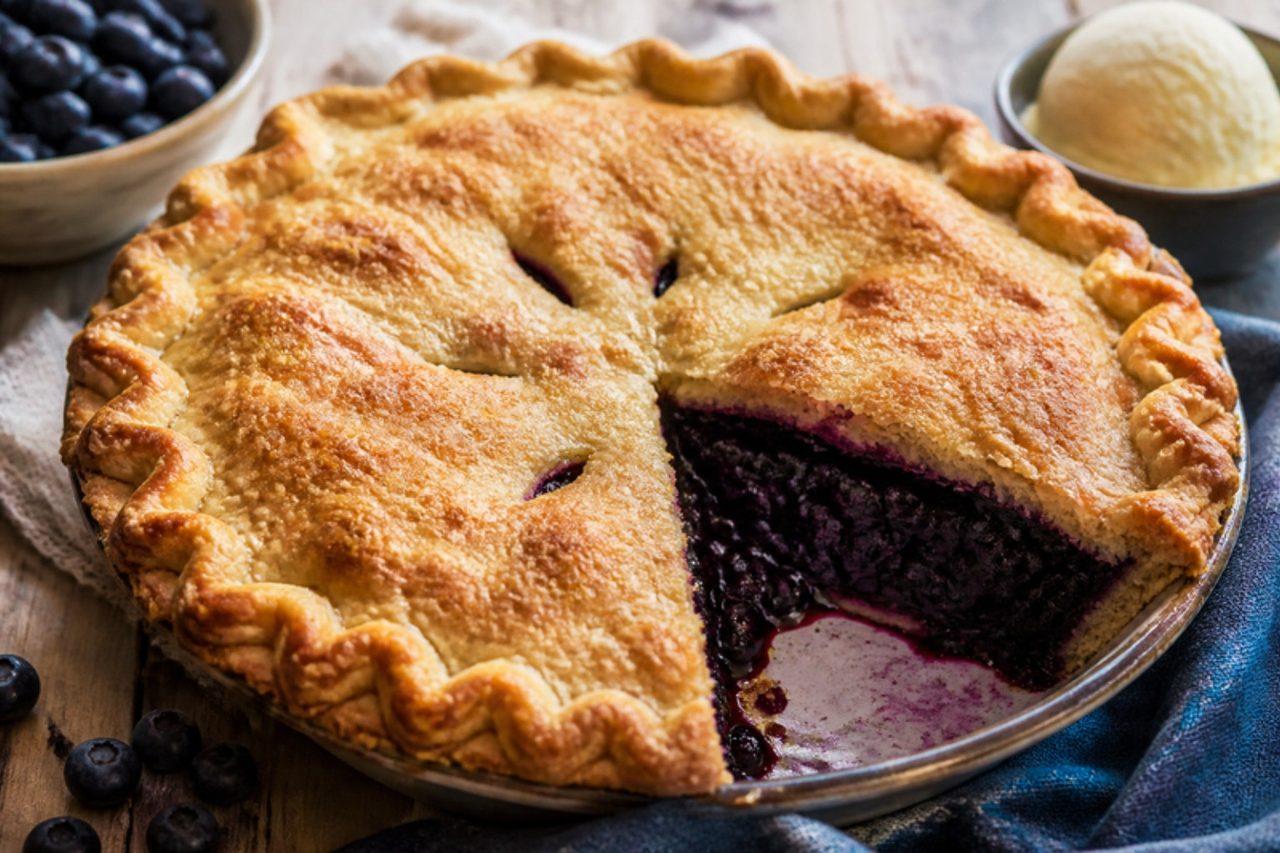
Around Lac-Saint-Jean in Quebec the low wild blueberries ripen in August, and the region is so proud of them that locals are nicknamed bleuets. Every church supper and roadside casse-croûte there sells a deep tarte aux bleuets with a flaky top crust and a dark, jammy filling that holds when sliced. Wild berries are smaller and more intense than cultivated ones and frozen wild berries work well. Serve slightly warm with vanilla ice cream or a jug of cream. A common mistake is skimping on the cornflour, which leaves a soupy filling. Chef's tip: let the pie cool for at least three hours so the juices set; cut it hot and the filling runs all over the plate.

by KrazyBadal 0 views

Jamaican curried soy chunks

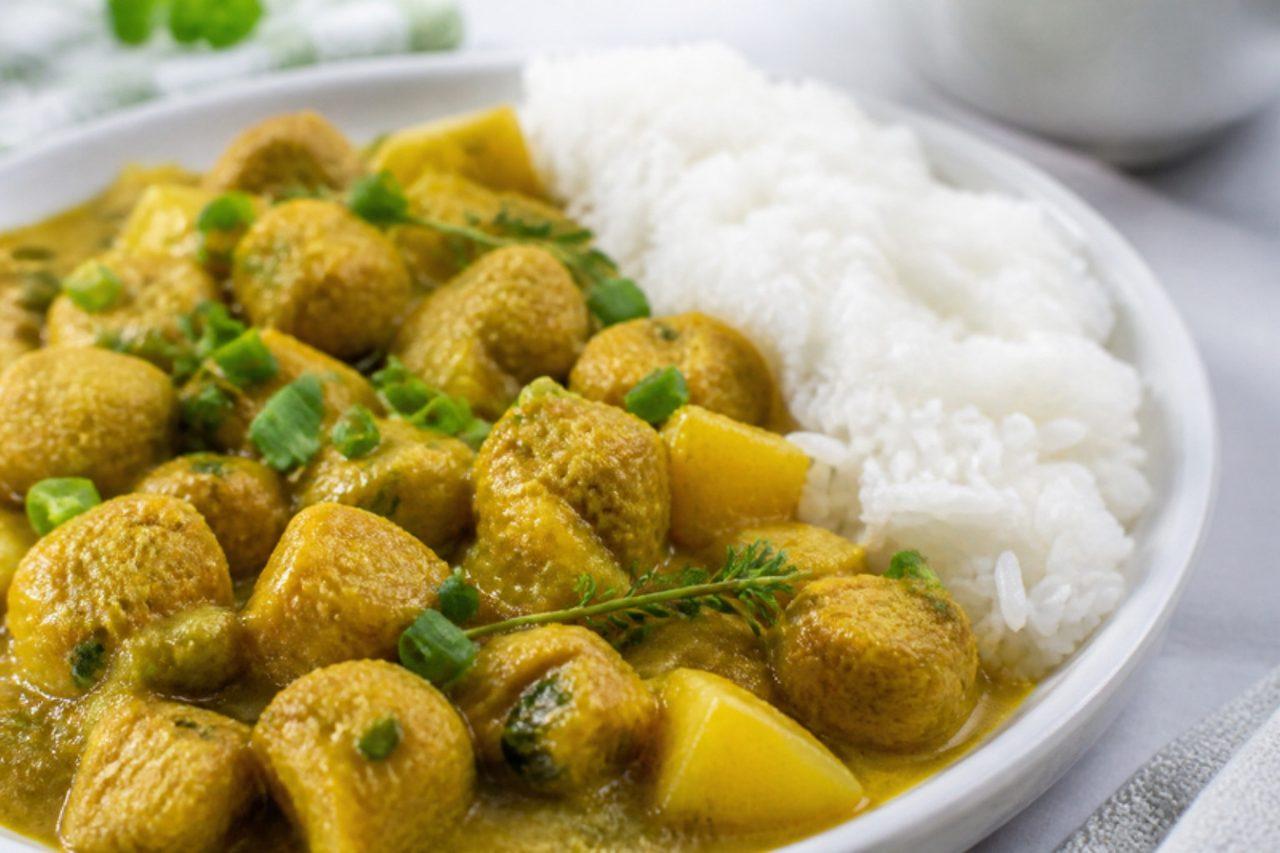
Ital cookshops in Half Way Tree and Papine sell curried "chunks" by the box with brown rice, steamed cabbage and a slice of ripe plantain, the Rastafarian answer to curry goat. The dried soya pieces soak up a deep, turmeric-gold sauce of Jamaican curry powder, thyme, pimento and coconut milk, and the potato thickens it as it breaks down. Most people skip squeezing the soaked chunks, which leaves them watery and bland; wring them out hard so they drink in the curry instead. Leave the scotch bonnet whole for warmth, or slit it for real heat. Chef's tip: fry the curry powder in the oil until it darkens a shade before anything wet goes in, the Jamaican "burn the curry" step that stops it tasting raw.

by KrazyBadal 0 views

Highland grilled trout

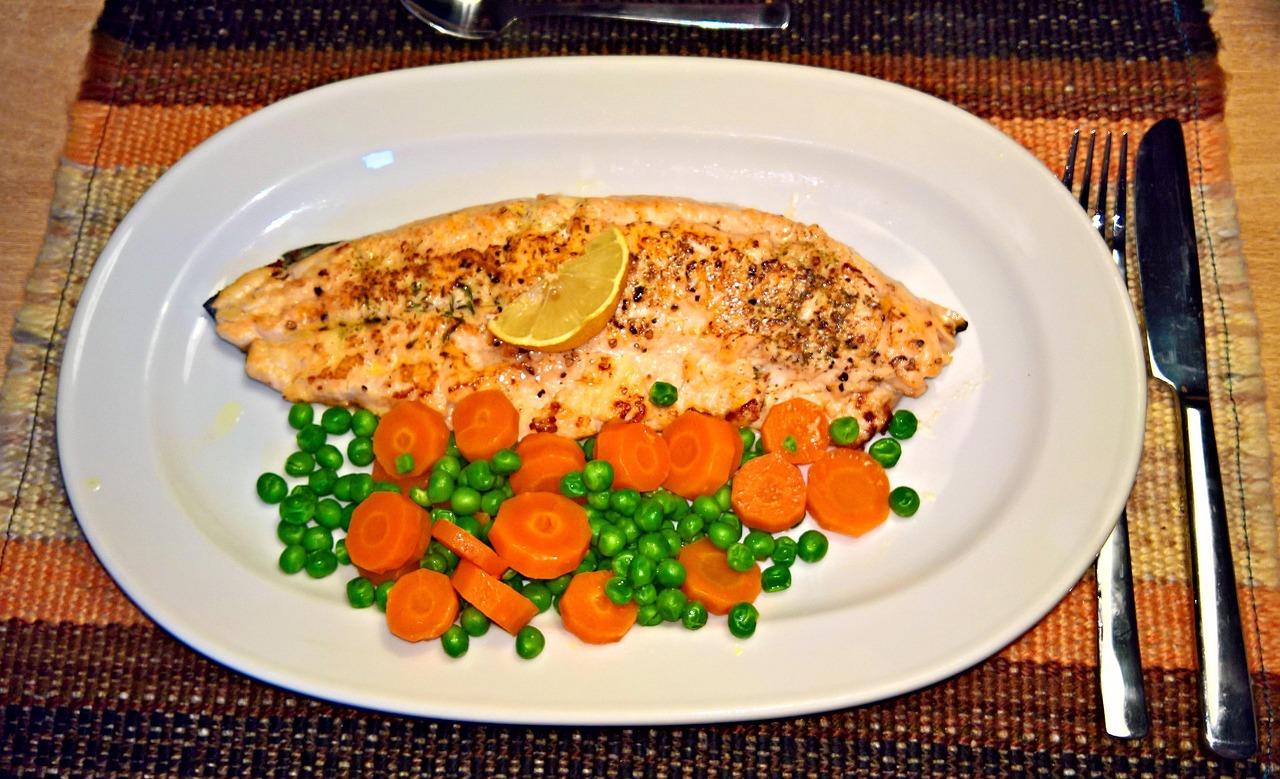
Trout farms fed by cold Tatra streams supply the roadside grills and mountain inns of Podhale, and pstrąg po góralsku is what hikers order on the terrace with a view of Giewont: a whole fish, stuffed with garlic and fresh herbs, crisped in butter until the skin crackles. The flesh is sweet and delicate, scented by dill and parsley from the inside out. Serve it with boiled new potatoes, lemon and a cucumber salad with sour cream. The classic error is flipping too early, so the skin tears and sticks; leave it until it releases on its own. If you have a grill basket, the same fish is excellent over charcoal. Chef's tip: score the thickest part of each side twice, right down to the bone, so the head end cooks as fast as the tail.

28 minPolishFishGluten free
by KrazyBadal 0 views

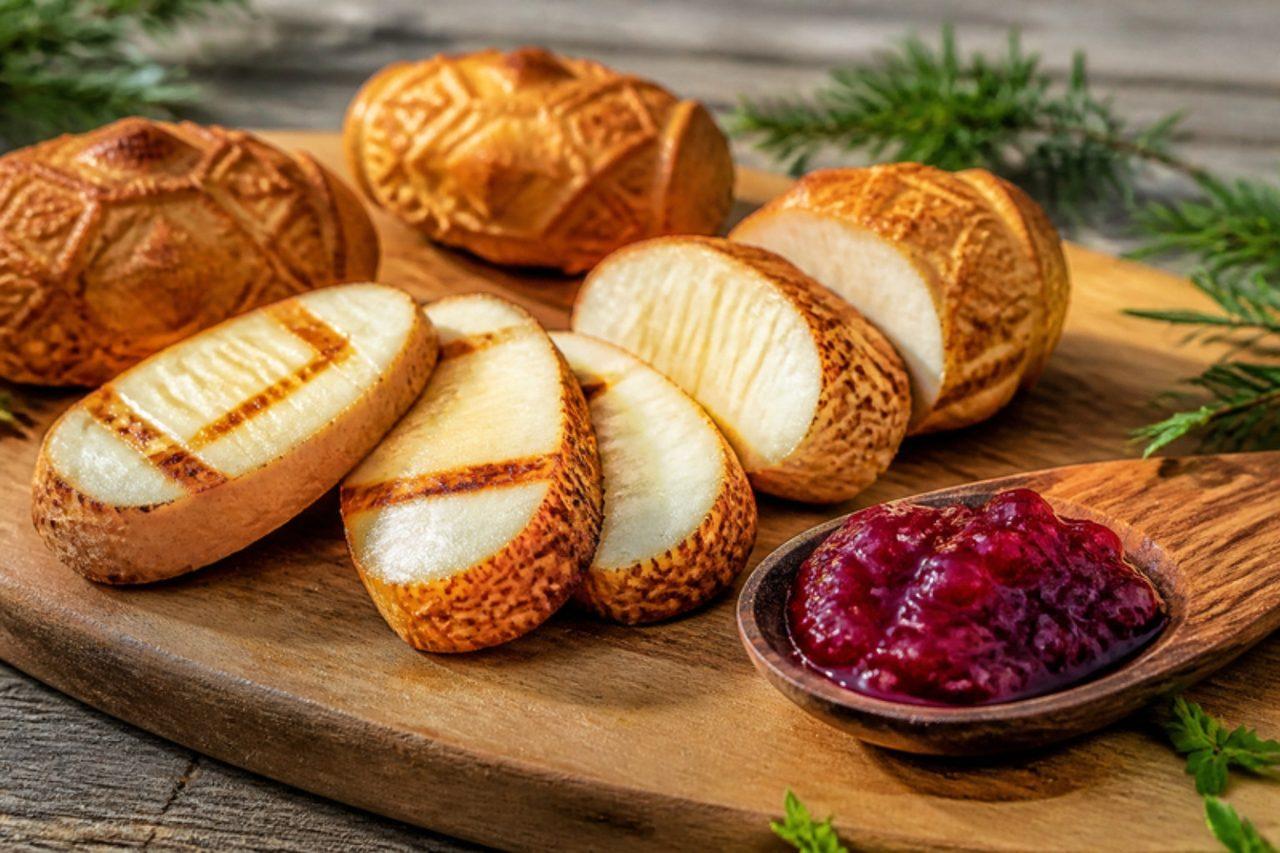
Grilled oscypek with cranberry

Walk down Krupówki street in Zakopane in any season and the smell of smoke and warm cheese leads you to the grills, where highlanders turn thick slices of oscypek until they are striped and soft. The real thing is a spindle-shaped, carved sheep's milk cheese smoked in mountain huts; grilled, it turns chewy and squeaky outside, salty and smoky within, and the sharp-sweet cranberry cuts through it perfectly. Oscypek is made with animal rennet, so for a vegetarian plate use a smoked sheep's or cow's cheese made with vegetarian rennet, firm enough to hold its shape. The usual slip is slicing too thin; the cheese then melts through the grill. Chef's tip: oil the pan, not the cheese, and don't move the slices until they release on their own.

by KrazyBadal 0 views

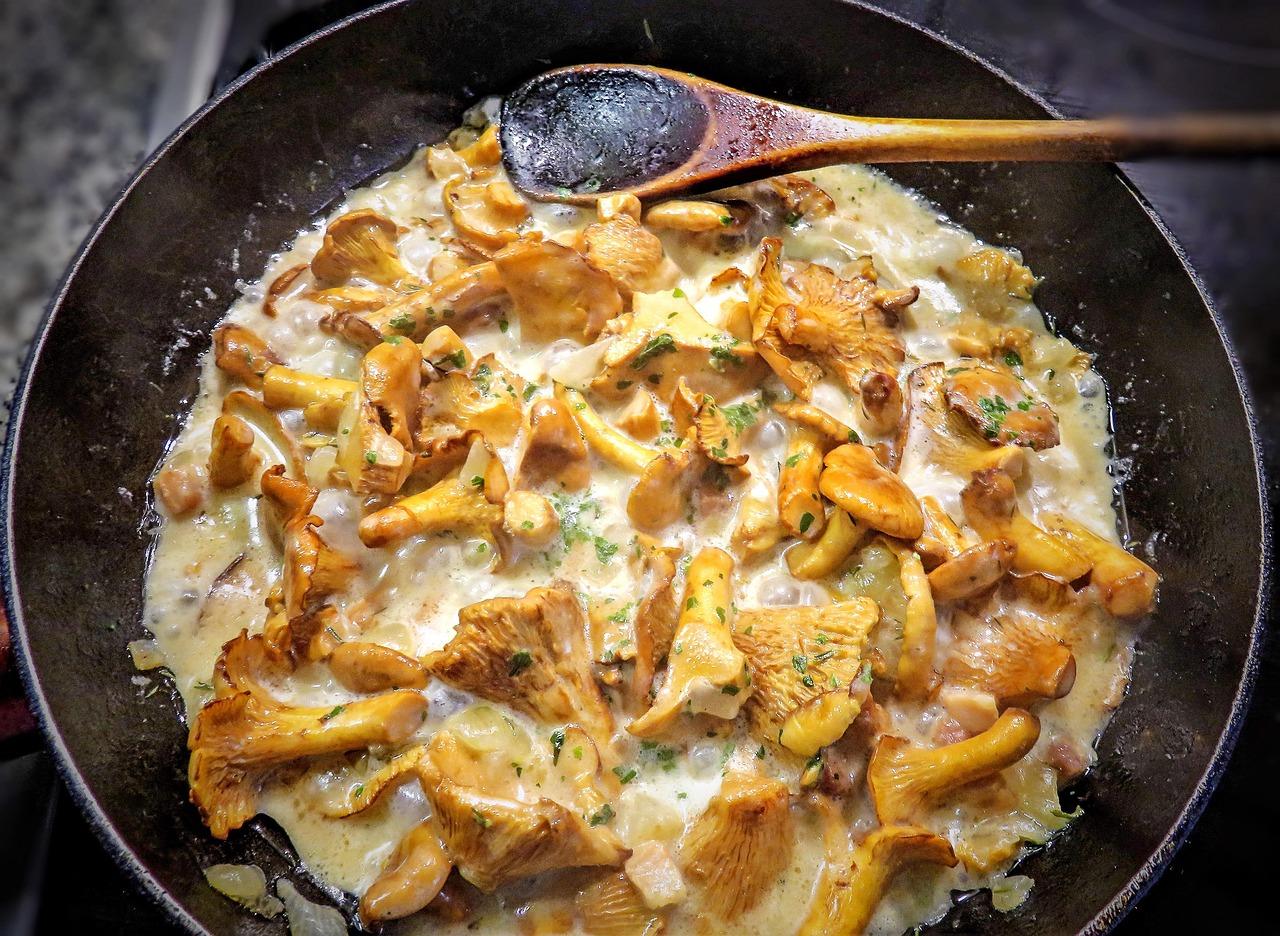
Chanterelles in cream

From July, roadside sellers along the lake roads of Masuria hold up baskets of golden chanterelles, and holidaymakers in Mrągowo and Giżycko cook them the same evening. The mushrooms are fried with onion until their juices cook away, then bathed in sour cream and dill, giving a sauce that is peppery, faintly apricot-scented and very rich. Spoon it over new potatoes, buckwheat or a thick slice of toast. Where most people go wrong is washing chanterelles under the tap, so they boil in their own water and turn rubbery. Only eat wild mushrooms you have bought from a trusted seller or that an expert has identified. Chef's tip: brush the mushrooms clean, tear large ones and cook them in a hot, wide pan so they sear rather than stew.

by KrazyBadal 0 views

Kaha bathTurmeric coconut rice

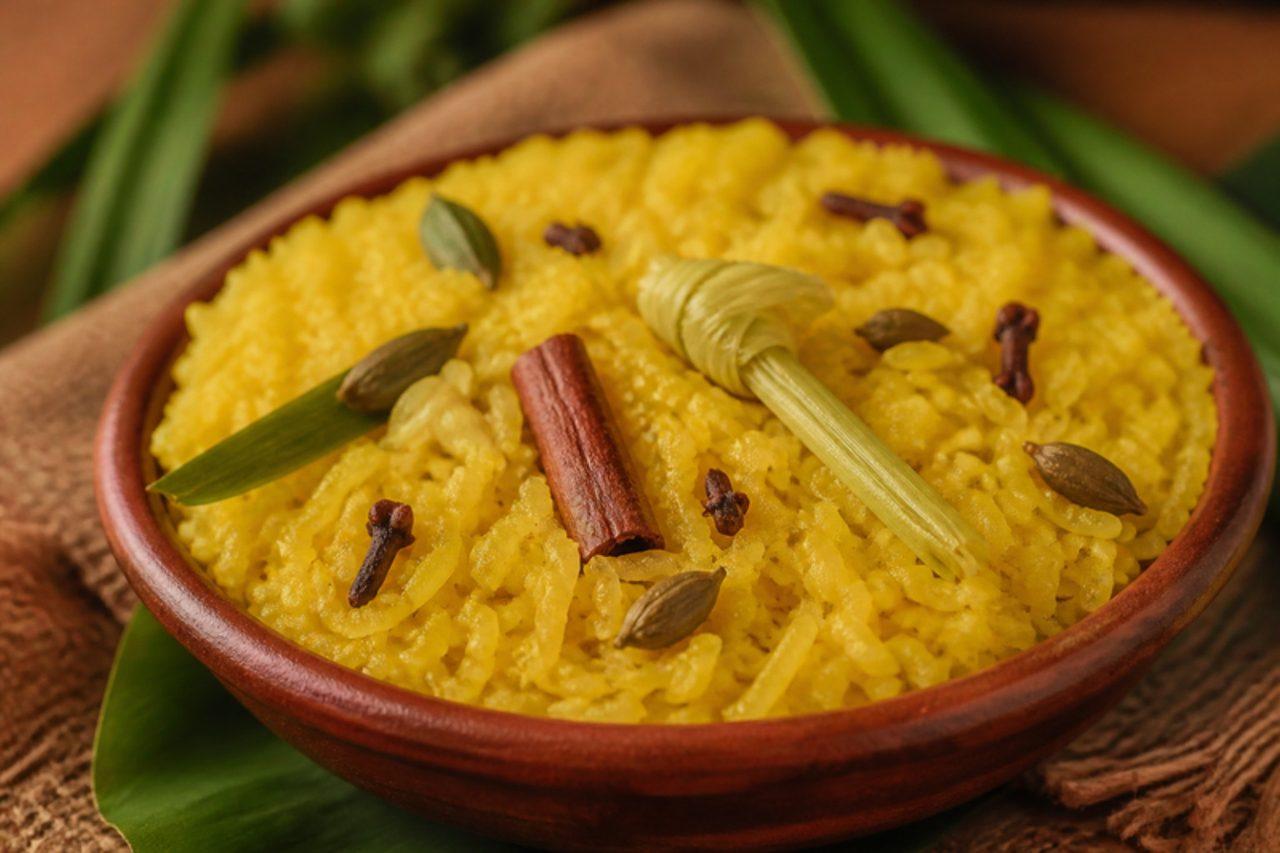
Burgher Sunday lunches, Christmas tables and Colombo wedding buffets share one thing: a heap of fragrant, saffron-coloured kaha bath, the yellow rice that also forms the base of lamprais. Long-grain or samba rice is fried with onion, cinnamon, cardamom, cloves and curry leaves, then cooked in coconut milk with turmeric, lemongrass and pandan until every grain is separate, glossy and perfumed. It is served with chicken or beef curry, brinjal moju and a sharp achcharu, and is often scattered with fried cashews and raisins. Burgher cooks usually use ghee or butter and chicken stock; this version is vegan, with coconut oil and coconut milk carrying the richness. Lifting the lid to stir while it cooks is the slip that turns it mushy, so seal the pot and leave it alone. Chef's tip: rinse the rice until the water runs clear and drain it well; dry grains toast better in the oil and stay fluffy.

by KrazyBadal 0 views

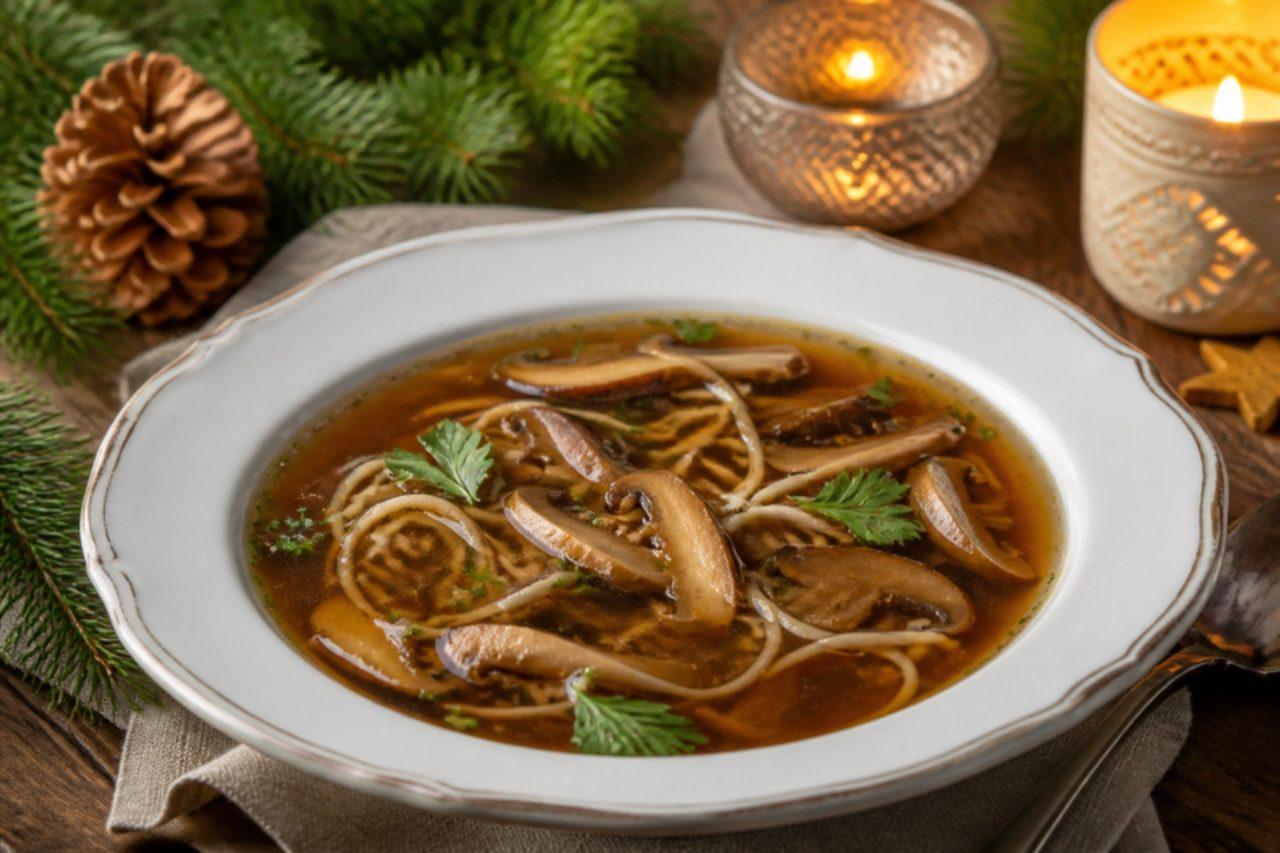
Christmas mushroom soup

In many Polish homes the Christmas Eve supper opens with either beetroot barszcz or this soup, and families argue about which is better. Dried porcini picked and threaded on strings in September are soaked and simmered with root vegetables into a clear, deep-brown broth with a smoky, almost meaty depth, then served with thin noodles or łazanki. It is fully meat-free, as Wigilia tradition requires, and kept dairy-free here. A common mistake is pouring the soaking water in with its grit; let it settle and leave the last spoonfuls behind. Chef's tip: soak the mushrooms overnight in cold water and cook them in that water for the most flavour.

by KrazyBadal 0 views

Maple cream

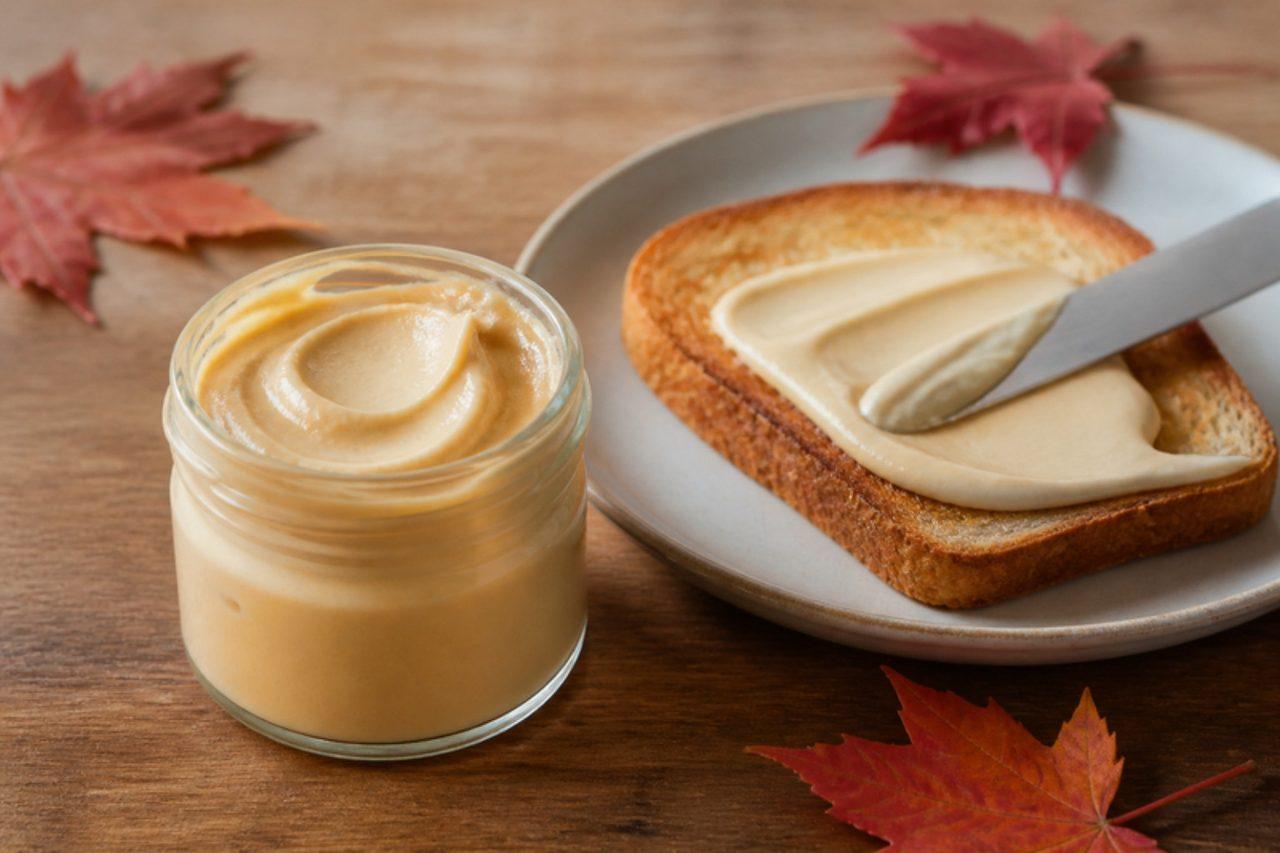
Crème d'érable is sold in little jars in every Quebec market from Jean-Talon to the Beauce farm stands, and despite the name there is no cream in it: pure maple syrup is boiled to the soft-ball stage, cooled without stirring and then beaten until it turns pale and creamy. It is spread on toast, crêpes and warm bagels. Patience and a thermometer are the whole trick. The common mistake is stirring the syrup while it cools, which sets off large grainy crystals instead of a smooth cream. Chef's tip: use a light, golden syrup; dark syrups taste stronger but can stay runny.

by KrazyBadal 0 views

Stuffed eggs

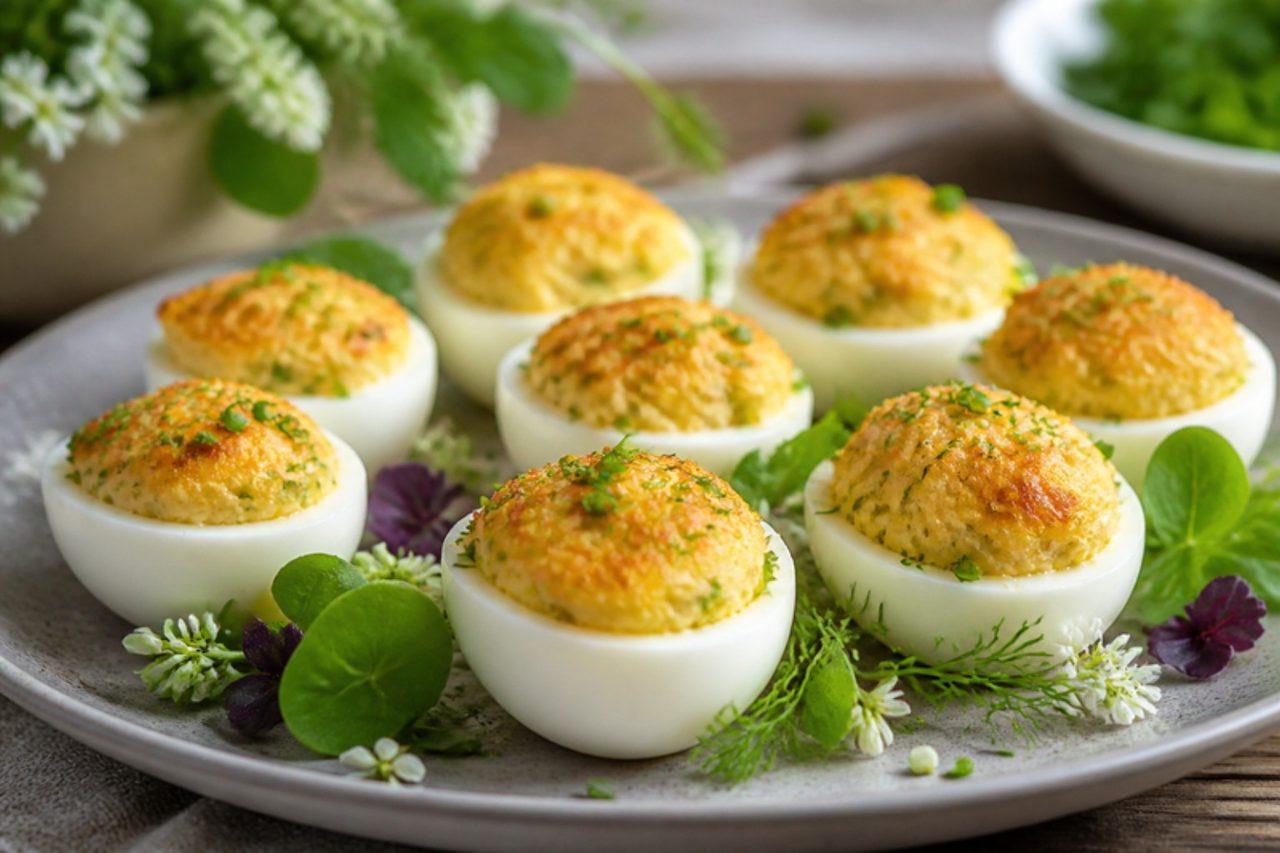
The clever bit of the Polish Easter version is that the eggs are halved lengthways shell and all with a sharp knife, then the filling goes back into the shells and the cut sides are fried until crusty. It is a dish of the Easter breakfast and of name-day parties, served hot from the pan or cold from the fridge. The filling of mashed yolk, chives, mayonnaise and a little mustard turns golden and slightly crisp on top while staying soft beneath. Where most people go wrong is cutting with a blunt knife, which shatters the shell; use a large, very sharp knife and one firm stroke. Chef's tip: chill the boiled eggs fully before cutting so the white holds together.

by KrazyBadal 0 views

Rose petal jam

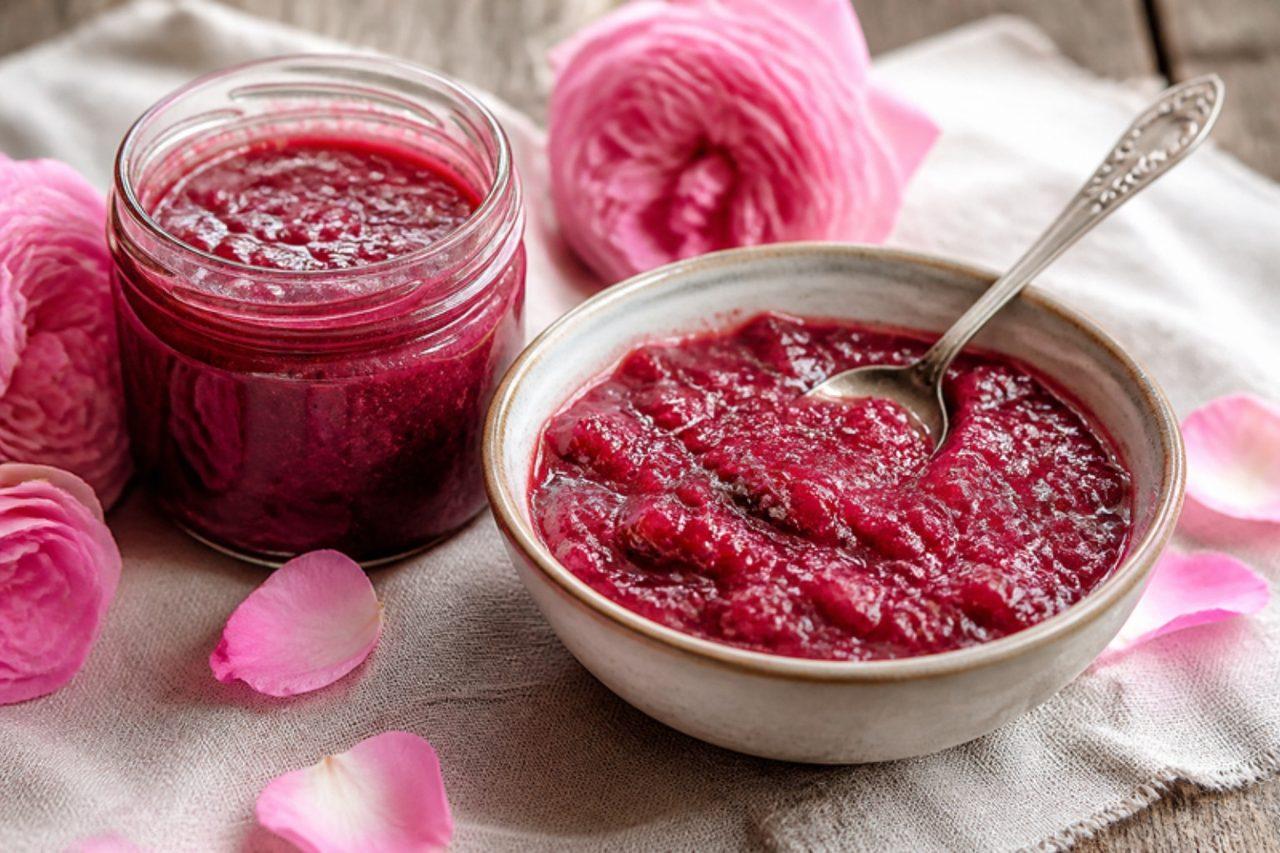
Ask a Polish baker what goes inside a proper pączek and the answer is rose jam, not strawberry. In June, families gather the scented pink petals of wild beach roses (Rosa rugosa) from hedges along the Baltic coast and in gardens, then pound them with sugar into a sticky, intensely perfumed paste that keeps for a year. The flavour is floral and sweet with a little sharpness from lemon, lovely in doughnuts, swirled into yoghurt or spread on cheesecake. Pick only from plants that have not been sprayed and away from roads. Where most people go wrong is leaving the bitter white base of the petals on; snip it off. Chef's tip: lemon juice turns dull petals bright magenta, so add it right at the start.

by KrazyBadal 0 views

Roast goose with apples

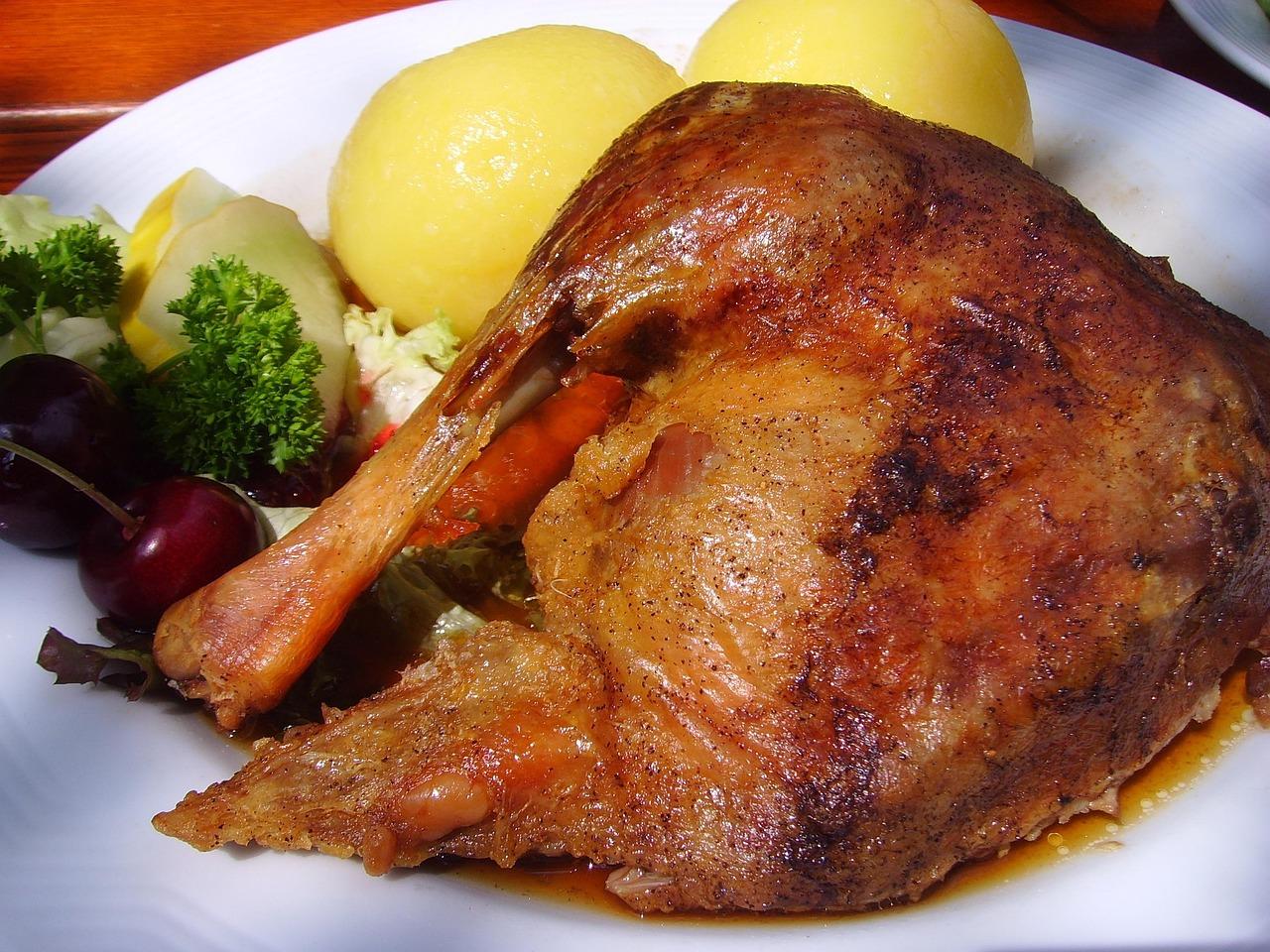
On 11 November, St Martin's Day and Poland's Independence Day, roast goose comes back to tables from Poznań to Gdańsk, and Pomeranian and Kujawy farms still raise their own white geese for it. The bird is rubbed with marjoram, garlic and salt, left overnight in the fridge, then stuffed with sharp apples and roasted slowly so the fat renders out and the skin turns crisp and mahogany. The meat is dark and rich, the apples collapse into a tart sauce. Serve with braised red cabbage, potato dumplings and the pan juices. Most people forget to drain the fat as it roasts, and the bird ends up frying in its own puddle; pour it off every half hour and save it for roast potatoes. Allow an extra night for the marinade. Chef's tip: prick the skin all over, especially under the wings and thighs, without piercing the meat, so the fat has somewhere to escape.

240 minPolishMeatGluten free
by KrazyBadal 0 views

Fried vendace

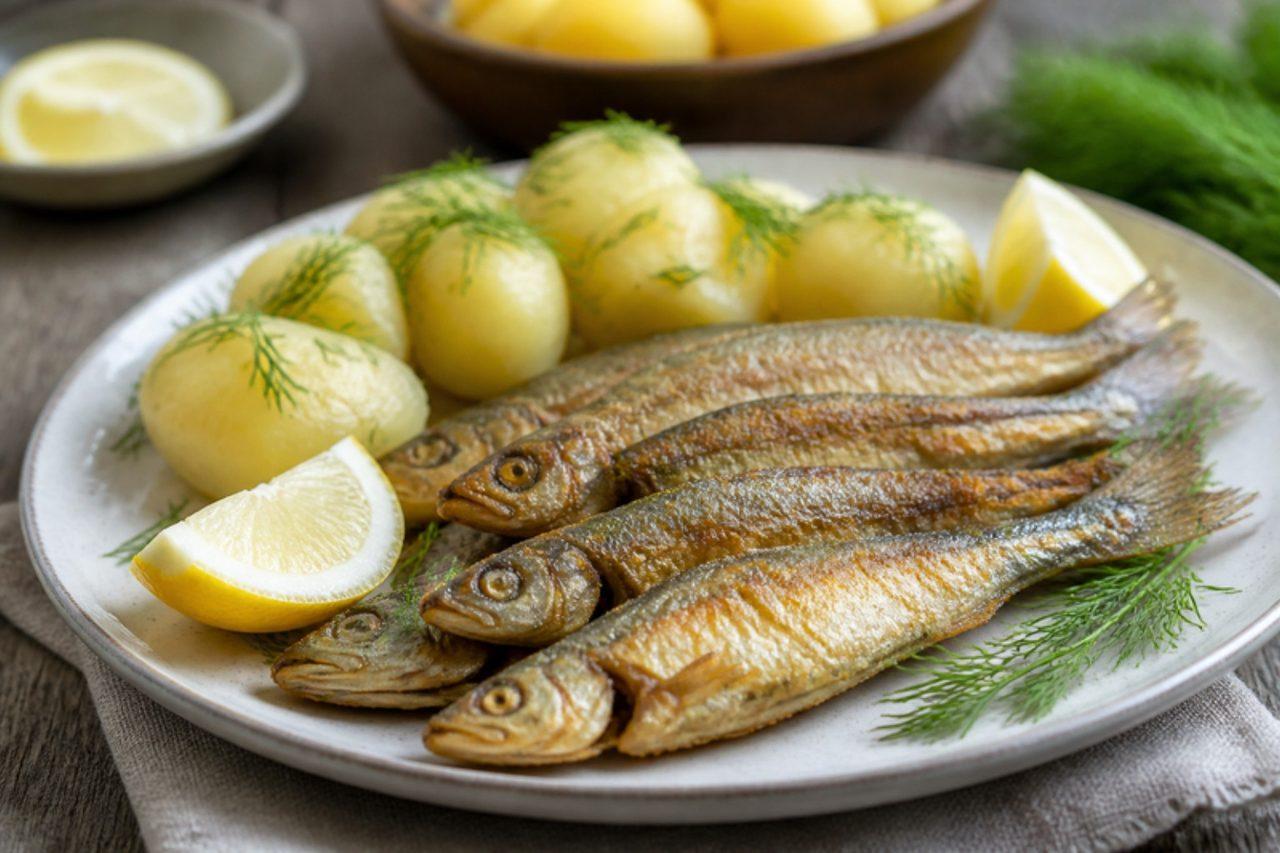
Sielawa, the small silvery whitefish of the deep Masurian lakes, is a holiday treat in Mikołajki, Giżycko and the lakeside fish huts, sold freshly fried on paper plates with a lemon wedge and a slice of bread. The fish are so slender that, once floured and fried in butter, the fine bones become soft enough to eat and the skin turns golden and crunchy around sweet, delicate flesh. A cold cucumber salad or chips are the usual companions. Overcrowding the pan is the chief error: the fish steam instead of frying and the coating goes pale and soggy. If vendace is hard to find, smelt, small whiting or sprats work the same way. Chef's tip: dry the fish properly before flouring and fry in two batches, adding a little fresh butter and oil each time so it never burns.

25 minPolishFish
by KrazyBadal 0 views

Smoked eel

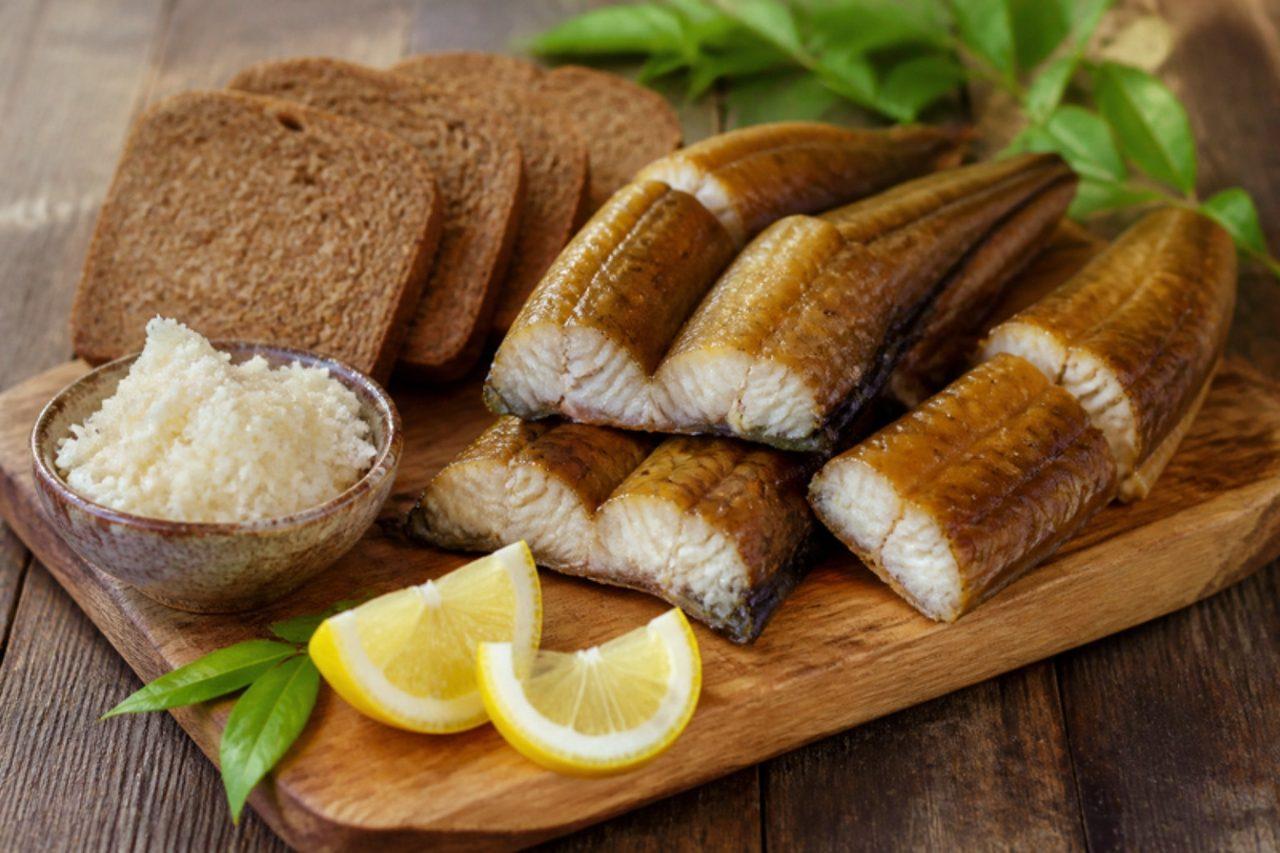
Fish smokehouses dot the shores of the Great Masurian Lakes, and an eel hot-smoked over alder, golden-skinned and glistening, is the prize of any summer trip to Węgorzewo or Ruciane-Nida. The flesh is rich, soft and smoky-sweet, and it is eaten cold on rye bread with grated horseradish and a squeeze of lemon. European wild eel is endangered, so buy farmed eel from a responsible fishmonger, ready gutted. This is a fully hot-smoked version: the fish is brined in the fridge and cooked through in the smoker. Smoked fish can carry listeria if it is not cooked through or kept cold, so it is not for pregnant women, young children or anyone with a weakened immune system unless reheated until steaming. Many home smokers run the heat too low throughout, which leaves the eel smoky but undercooked. Chef's tip: ready hot-smoked eel from a lakeside smokehouse is the easy route; just serve it well chilled with the same garnishes.

240 minPolishFishGluten free
by KrazyBadal 0 views

Fried Christmas carp

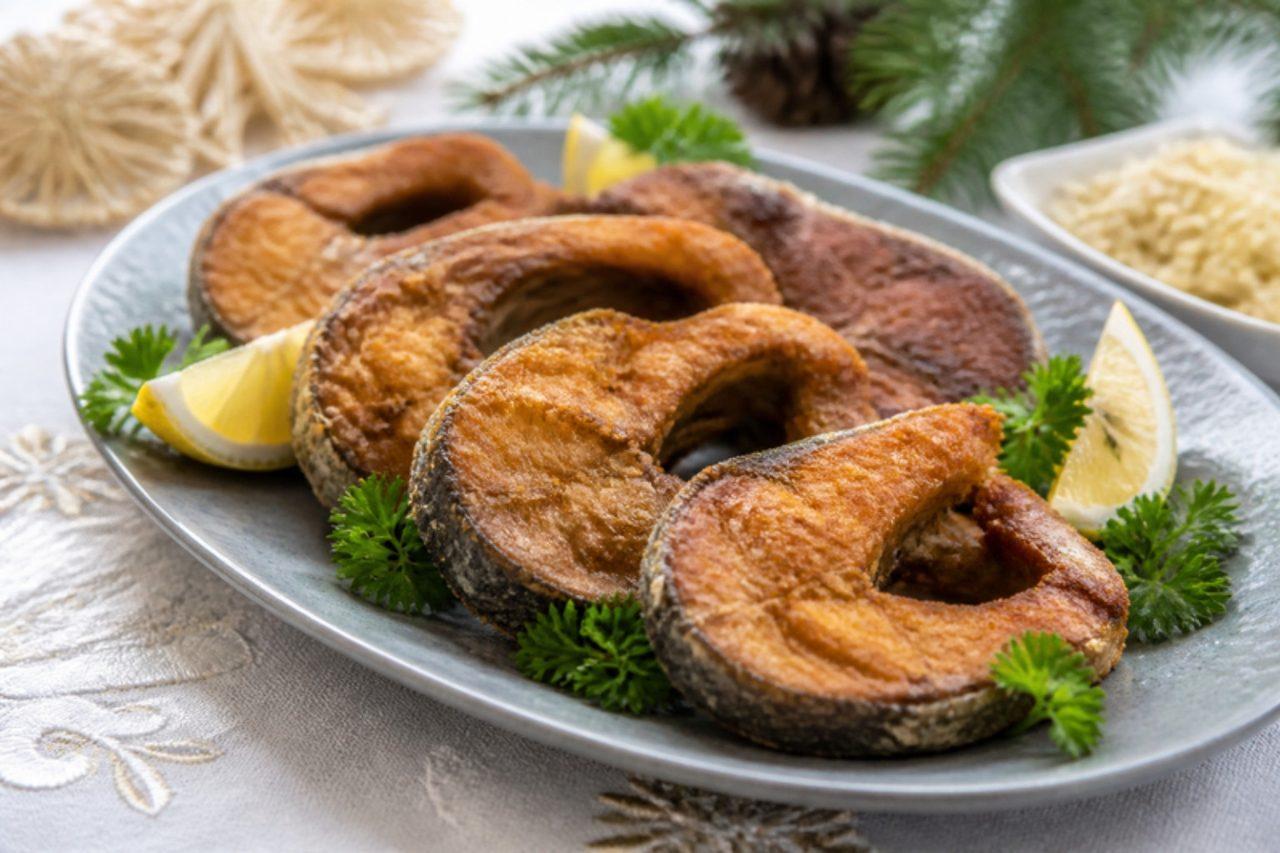
For many Polish families, Wigilia, the meatless Christmas Eve supper, is not complete without fried carp, bought live from market tanks in mid-December or, more often today, cleaned and cut into steaks at the fishmonger. The steaks are salted, floured and fried until the skin crisps and the white flesh turns sweet and juicy. Serve with boiled potatoes, sauerkraut with peas, or simply bread and a lemon wedge, after the beetroot barszcz. Keeping a scale from the Christmas carp in your wallet is said to bring money all year. Carp has a reputation for tasting muddy, and the usual culprit is skipping the salting and resting time. Ask the fishmonger to score the steaks finely so the small Y-shaped bones soften as they fry. Chef's tip: salt the steaks and leave them in the fridge for 20 minutes, then pat completely dry; the flesh firms up and the flour clings in a thin, even crust.

40 minPolishFish
by KrazyBadal 0 views

Easter pâté

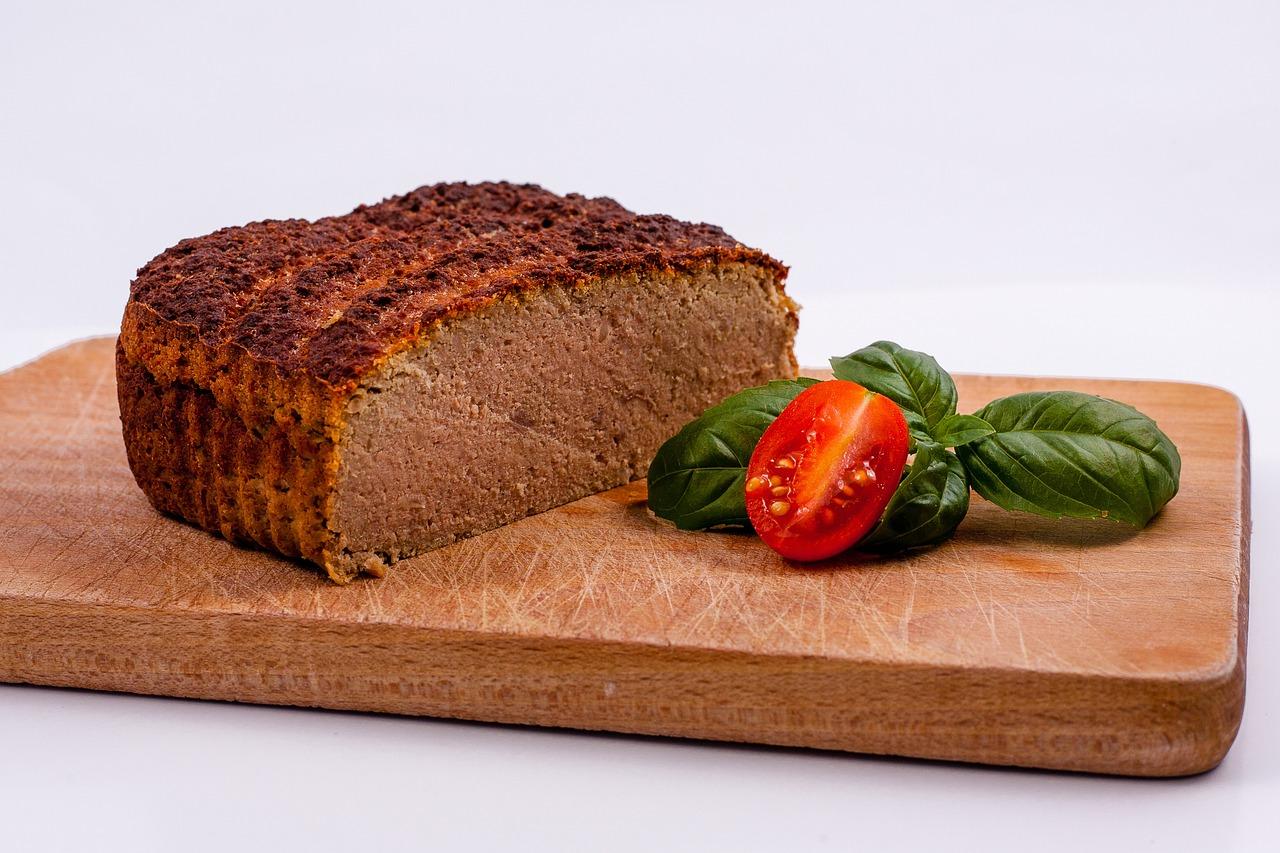
A thick slice of homemade pasztet belongs on the Easter breakfast table after the blessing of the food basket, next to ham, eggs, ćwikła and white sausage. This baked loaf combines pork shoulder, chicken thighs and pork liver, simmered with root vegetables and allspice, minced twice and baked until firm, so it slices cleanly yet stays moist and spreadable. Marjoram and nutmeg give it the classic Polish flavour; serve it cold with horseradish, beetroot relish and pickles. Overbaking dries it out, but underbaking is the bigger risk with poultry and liver, so always check the centre with a thermometer. Bake it two days ahead: it needs to chill overnight to set, and it keeps for five days in the fridge. Chef's tip: save the cooking stock and add it a ladle at a time as you mix; the mixture should be as soft as thick porridge, which keeps the finished loaf juicy.

180 minPolishMeat
by KrazyBadal 0 views

AchmaLayered cheese pie

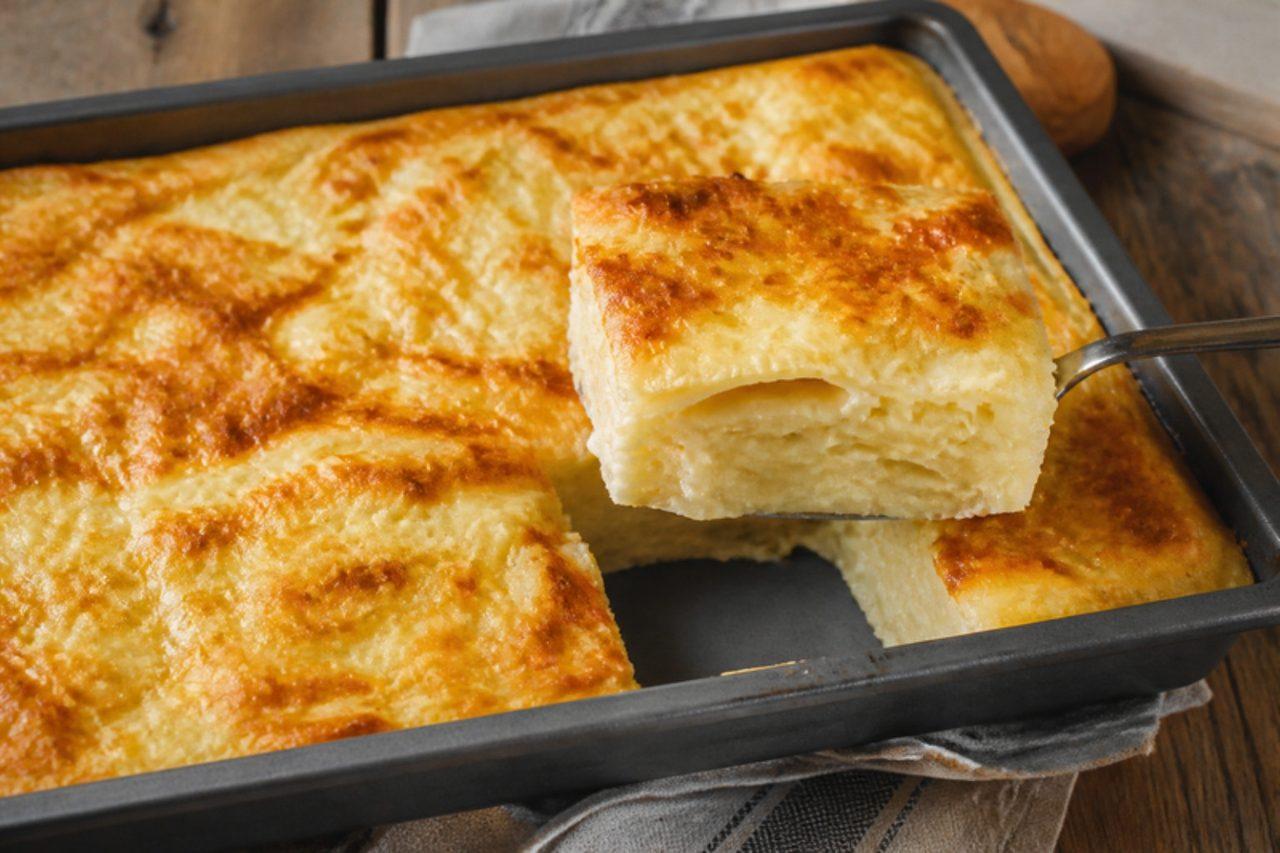
Ask in Batumi and someone will call achma the Georgian lasagne: thin sheets of egg dough are boiled one by one, layered in a deep tray with salty cheese and a lot of butter, and baked until the top crackles and the inside is soft and molten. It is made for name days and holidays across Adjara, and slices are carried to neighbours on a plate. A common mistake is boiling the sheets too long; they should be barely cooked and still firm, or the layers merge into a heavy paste. Chef's tip: plunge every boiled sheet into iced water and lay it out on a towel, so the layers stay distinct and silky. Most sulguni and imeruli cheeses use animal rennet, so choose vegetarian versions.

by KrazyBadal 0 views

KahiFlaky pastry with date syrup

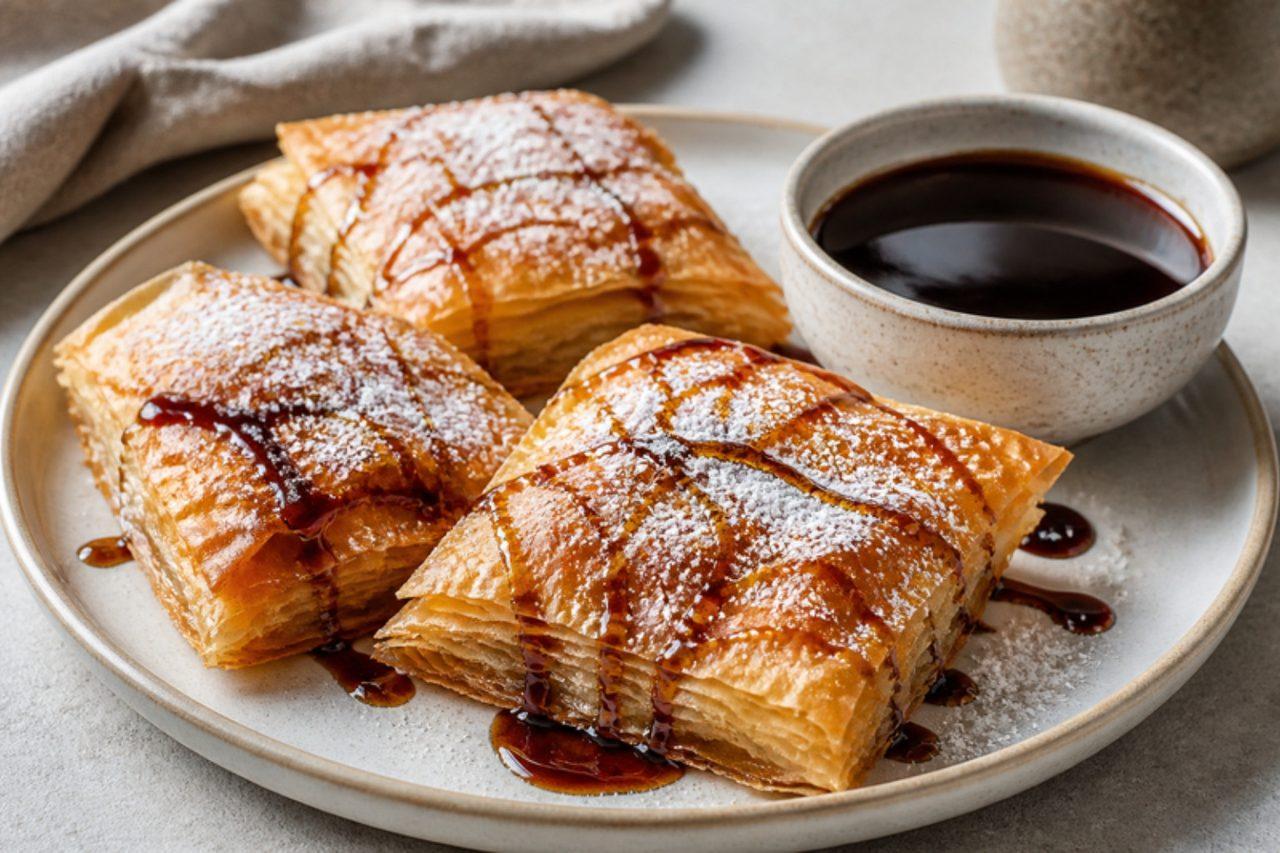
Kahi is what Baghdadi families in Ramat Gan and Or Yehuda make on Shavuot and festival mornings: squares of dough folded with butter into many layers, baked until flaky, then doused with silan (date syrup) or sugar and eaten with tea or a little yogurt. Outside it shatters; inside the layers stay soft and buttery. The common mistake is letting the butter melt into the dough while folding, which leaves you with a flat, bready square. Chef's tip: chill the folded dough for 20 minutes between rolls if your kitchen is warm, and bake in a really hot oven so the layers puff.

by KrazyBadal 0 views

Jamaican green banana porridge

Green banana porridge is the breakfast many Jamaicans remember from their grandmothers' kitchens in St Mary and St Ann, where bananas are cheap and plentiful and the porridge was said to "build you up" for the day. Unripe bananas grated or blended with water cook into a smooth, silky porridge with a gentle, earthy flavour, sweetened with condensed milk and scented with nutmeg, cinnamon and vanilla. The common mistake is not whisking as it heats; the starch thickens suddenly and goes lumpy within a minute. Peel the green bananas with oiled hands or gloves, because the sap stains. Chef's tip: blend the bananas with the water until completely smooth before they go into the pot, which makes it far easier to keep lump-free.

by KrazyBadal 0 views

Napoleon cake

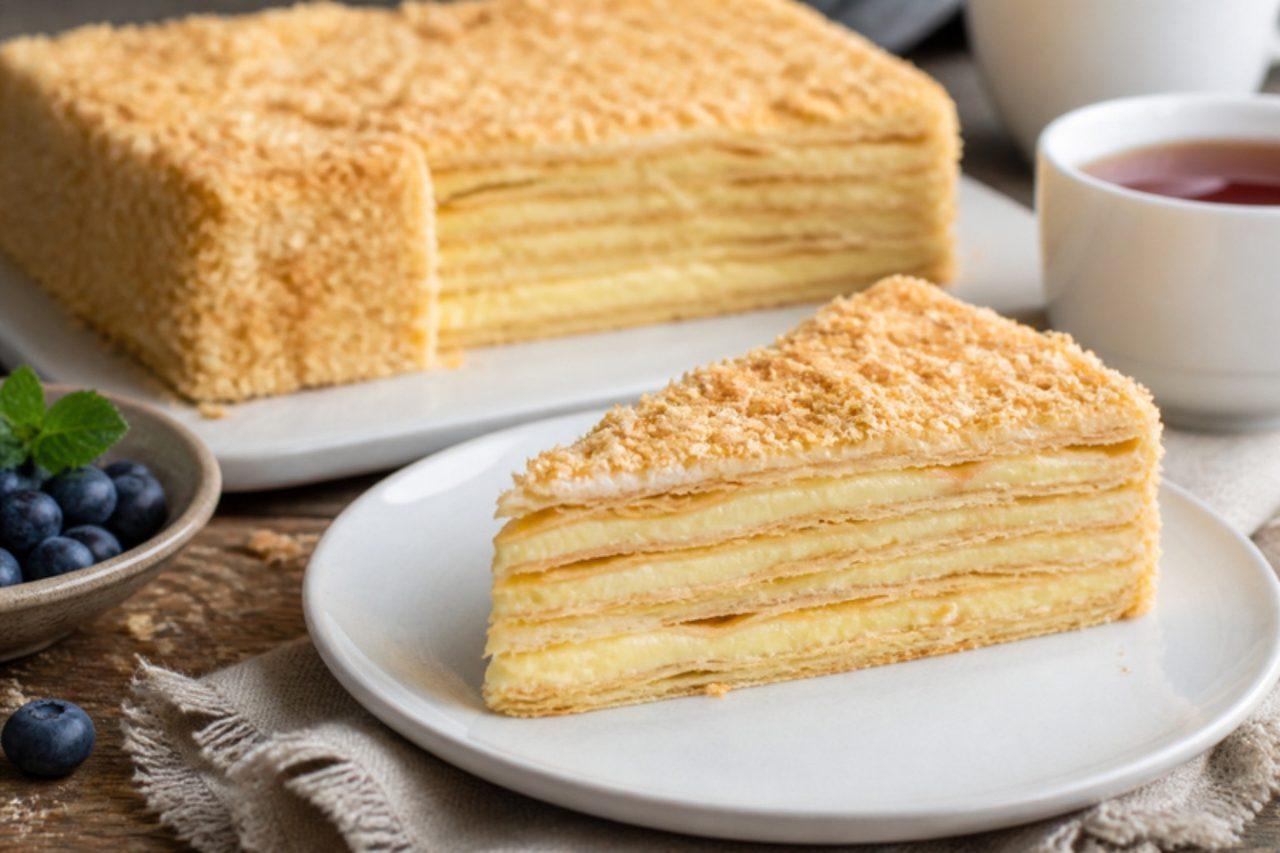
Legend links this cake to 1912, the centenary of Napoleon's retreat from Moscow, when St Petersburg confectioners cut triangular pastries shaped like his hat. By Soviet times it had grown into the tall round cake every family baked for birthdays and New Year's Eve. Eight wafer-thin rounds of quick flaky pastry are stacked with vanilla custard enriched with butter, then left overnight so the layers soften into something between a mille-feuille and a tender sponge; crushed trimmings give the snowy finish. Where most people go wrong is serving it the same day; without the long rest in the fridge it is crisp and dry instead of melting. Chef's tip: roll each piece of pastry straight onto baking paper and trim it around a 24 cm plate before baking, so you never have to lift thin raw dough.

by KrazyBadal 0 views

CervelatGrilled sausage

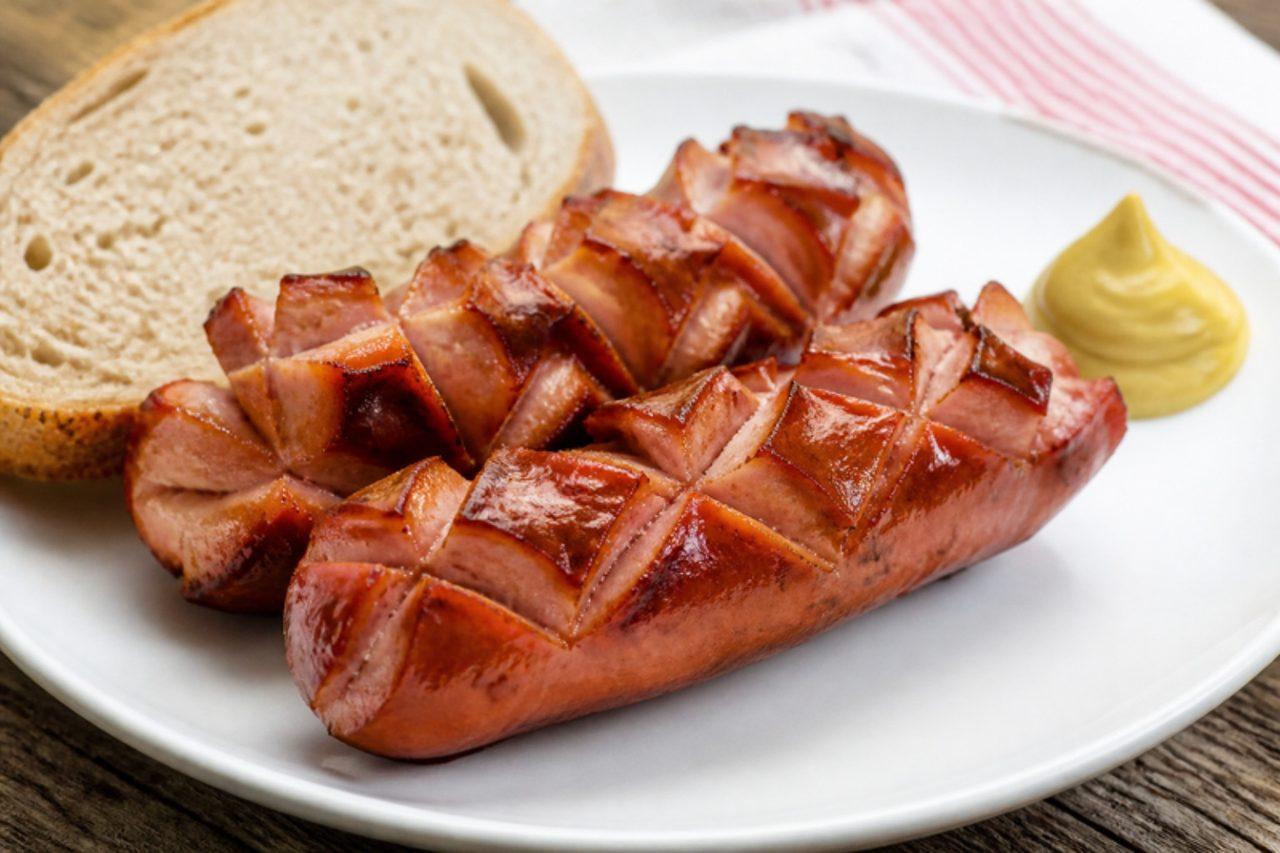
The cervelat, a short, fat, smoked sausage of beef and pork, is called Switzerland's national sausage, and it is what every Swiss child grills on a stick over a campfire on 1 August, National Day, on school trips and on mountain hikes: the ends are cut into a cross so they curl open like a flower as they cook, and it is eaten with bread and mustard. This sausage contains pork. Cervelat is bought ready-cooked and smoked; grilling heats it through and crisps it. A common mistake is grilling over flames, which burns the skin black before the inside is hot. Chef's tip: grill over glowing embers and turn often until the scored ends open out; heat until piping hot, 71 °C.

15 minSwissMeat
by KrazyBadal 0 views

Blini

Maslenitsa, the week of butter before Lent, is when Russia makes blini by the stack: thin, lacy, slightly sour pancakes raised with yeast and fried one after another in a hot pan, each brushed with melted butter. Old Moscow recipes used buckwheat, and a share of it here gives a nutty, earthy flavour and a speckled grey-gold colour. Eat them folded into quarters with sour cream, jam, honey or condensed milk; red caviar is the festive classic, but this version stays vegetarian. The usual slip is a pan that is not hot enough, which makes thick, pale blini that stick; the first one is always a test. A splash of boiling water whisked in at the end gives the lacy holes. Chef's tip: stack the blini on a plate and cover with a bowl as you go; the steam keeps them soft and supple.

by KrazyBadal 0 views

Kissel

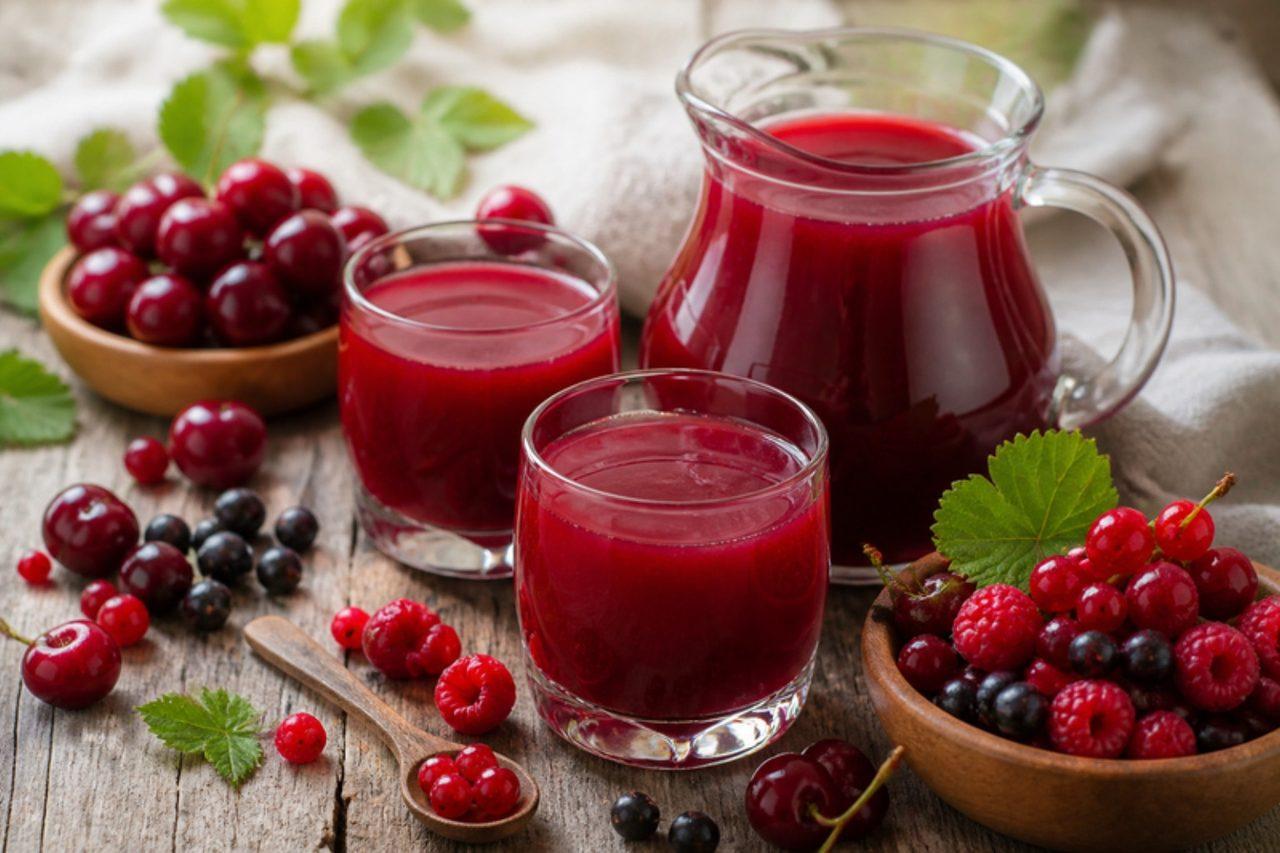
Kissel is the drink of Russian childhoods: a glass of silky, ruby-red berry juice, just thick enough to coat the tongue, poured warm at kindergarten lunch or cold in summer from a jug on the dacha veranda. It is also the old Maslenitsa and wake-table drink, and frozen berries make it possible all year. The flavour is sweet-sharp and fresh, the texture smooth and slightly jelly-like. A common mistake is adding the starch mixture to boiling liquid and letting it bubble for minutes; bring it just back to a simmer, then take it off, or it thins out again and can turn gluey. More starch makes a spoonable dessert kissel. Chef's tip: lay cling film or sprinkle a little sugar on the surface as it cools to stop a skin forming.

by KrazyBadal 0 views

Mors

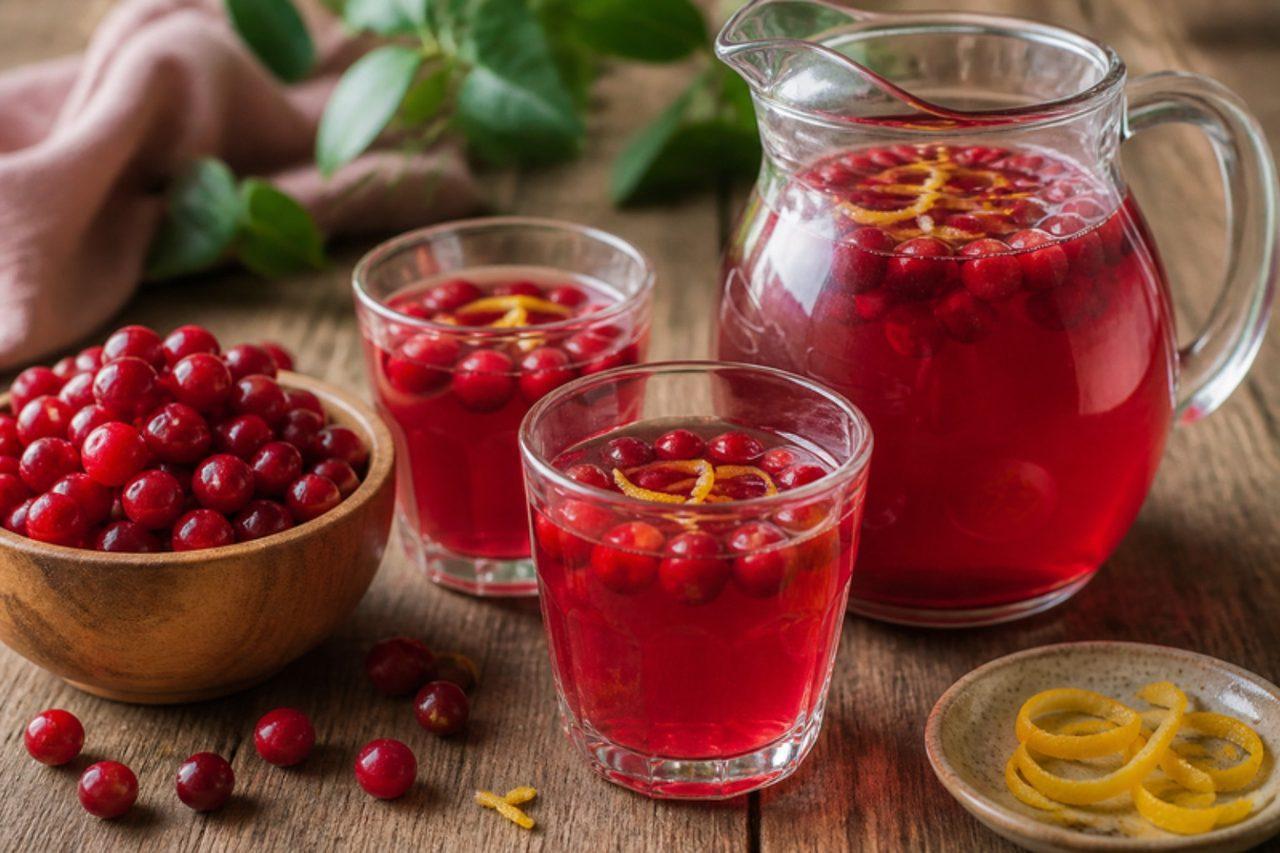
Northern Russia picks cranberries and lingonberries from the bogs in autumn, and many of them end up as mors, a tart, crimson drink served from a jug at family dinners and offered in cafes and canteens from Arkhangelsk to Siberia. Unlike kissel it is thin and refreshing, made by pressing out the raw berry juice, cooking the skins in water and then combining the two so the fresh vitamin-rich juice is never boiled. Honey goes in last, once the liquid has cooled a little, to keep its flavour. Where most people go wrong is boiling the pressed juice along with the pulp; keep it aside until the end. Honey is not for babies under one year old. Chef's tip: serve it cold with ice in summer or warmed gently in winter; it is good both ways.

by KrazyBadal 0 views

KesäkeittoSummer vegetable and milk soup

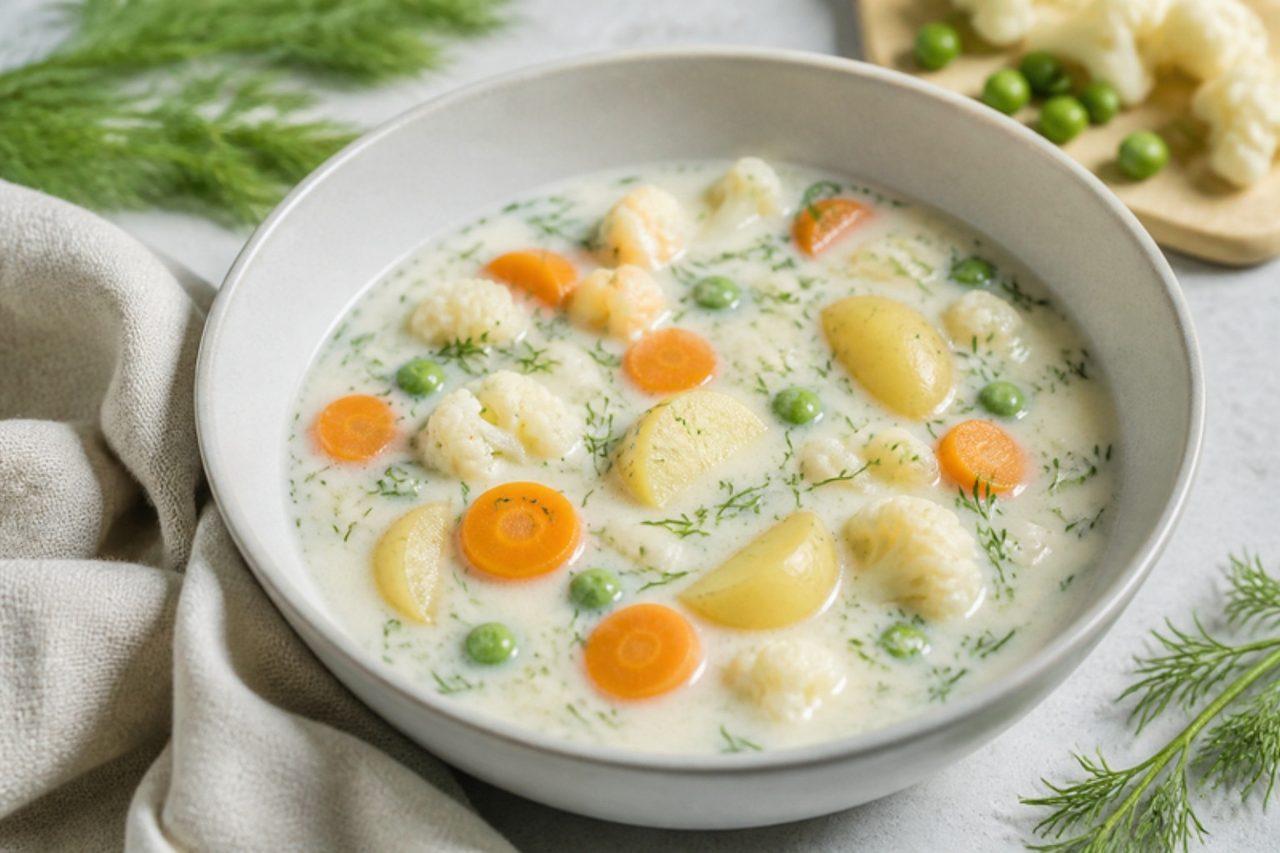
In July, when Finland's first new potatoes, baby carrots, peas and cauliflower arrive at market stalls in Helsinki and Turku, families make kesäkeitto: the vegetables simmered in water until just tender, then finished with milk and a knob of butter and lots of dill. It is light, sweet and pale green, eaten with rye bread and butter. A common mistake is boiling it once the milk is in, which can curdle the soup. Chef's tip: add the vegetables in order of cooking time, so each is just tender and keeps its colour.

by KrazyBadal 0 views

Mushroom julienne

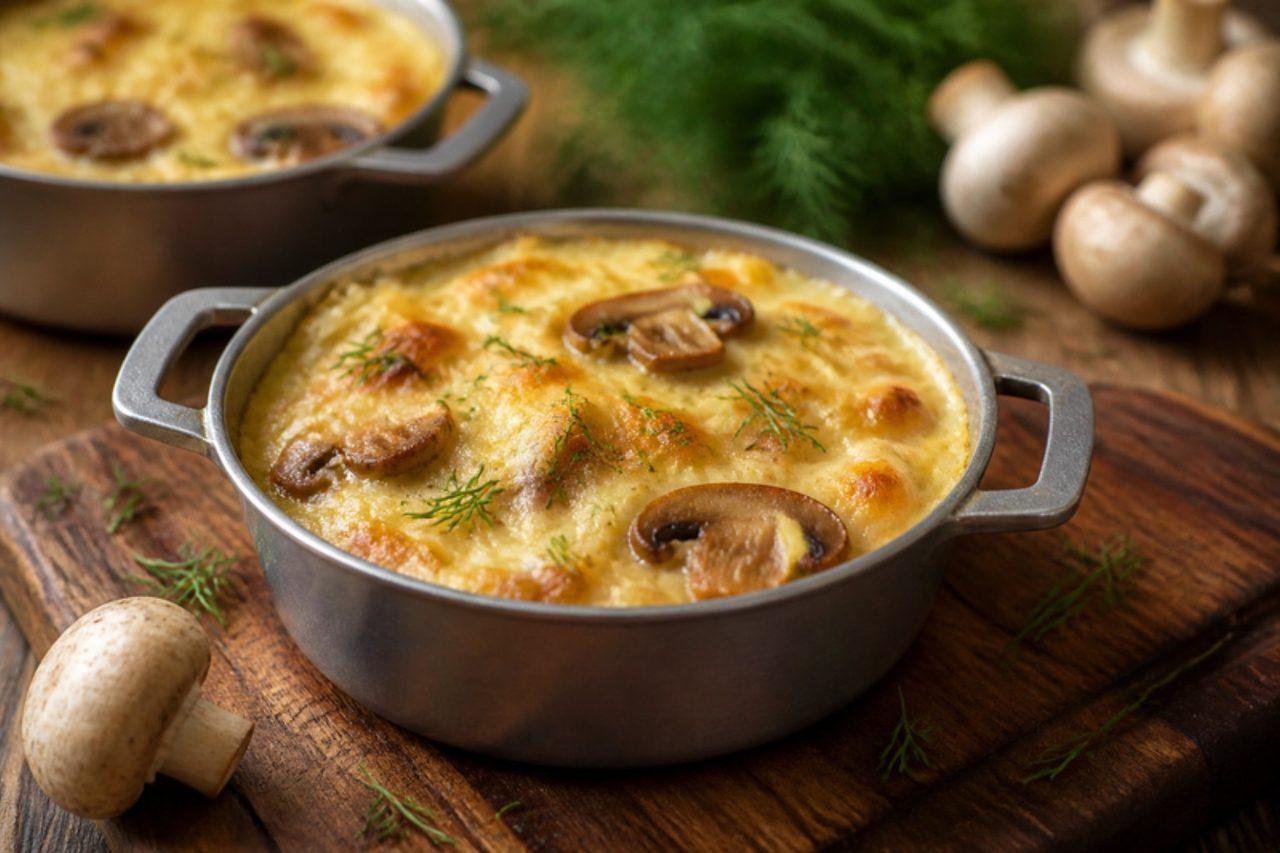
Restaurants in Moscow took the French word for thin strips and gave it to a hot starter: mushrooms and onion in sour cream, baked bubbling under melted cheese in little metal cocottes with a handle. It became a fixture of New Year and birthday tables, served after the cold zakuski and before the main course, with a teaspoon and a slice of bread. The sauce is creamy and savoury, the top blistered and golden. Use mushrooms you can cut into neat strips; button or chestnut mushrooms work, and a handful of wild ones adds depth. The usual slip is crowding the pan so the mushrooms stew; fry them in a hot pan until their liquid has gone. Many hard cheeses are made with animal rennet, so choose a vegetarian hard cheese. Chef's tip: no cocottes? Bake it in ramekins or hollowed-out bread rolls.

by KrazyBadal 0 views

KadaFlaky pastry with butter crumbs

Kada is a tea-time pastry found in bakeries from Tbilisi to the Mtskheta monastery stalls, where it is sold warm beside churchkhela: a round of rich yeasted dough, folded around a sweet filling of flour, butter and sugar rubbed into crumbs, then rolled flat so the filling bakes into soft, melting layers. A common mistake is rolling the filled dough too hard, which pushes the crumbs through the surface. Chef's tip: chill the filling so the butter stays cold; it melts in the oven and makes flaky, buttery pockets.

by KrazyBadal 0 views

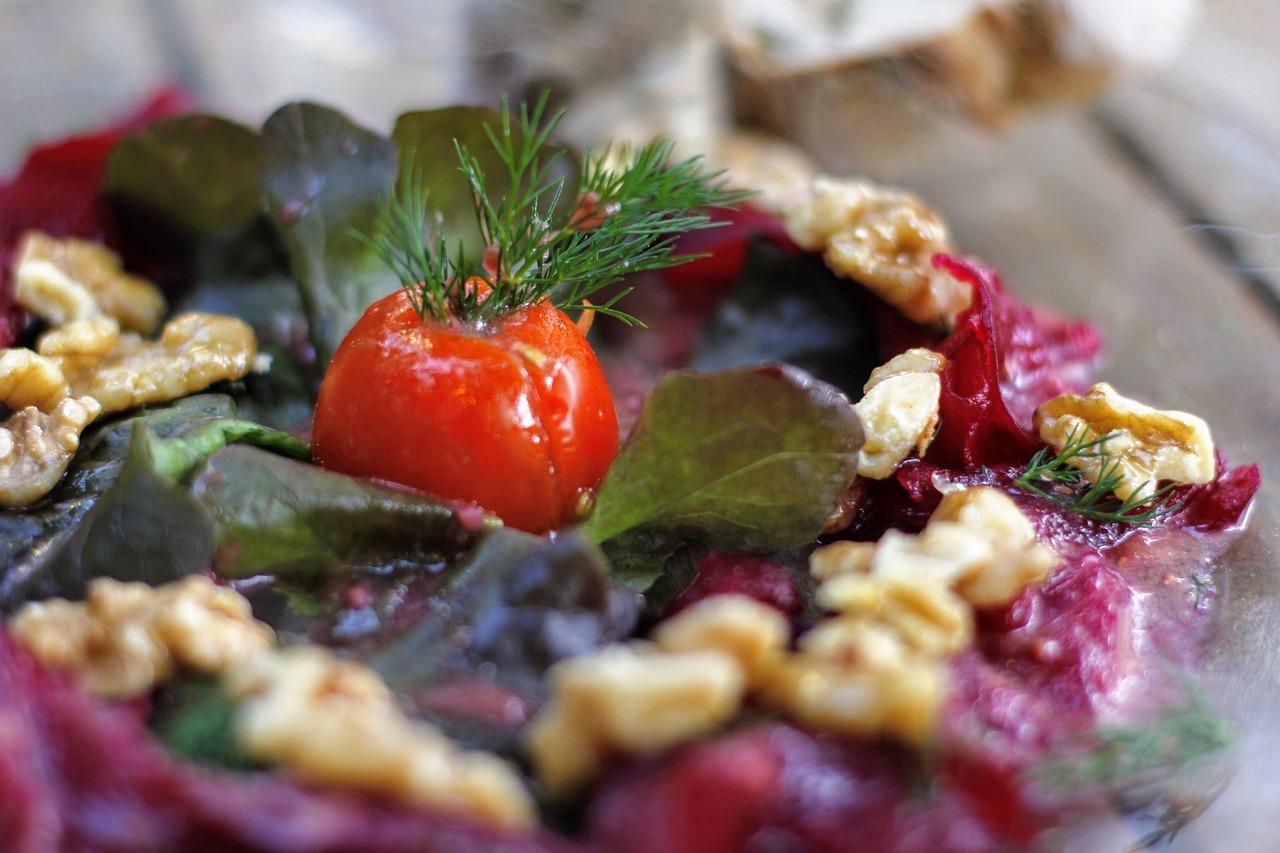
Beet salad with garlic

Grated beetroot with garlic is about as everyday as Russian cooking gets: something from the school canteen, the work buffet and the Sunday table alike, served in a small bowl beside cutlets, boiled potatoes or black bread. This dressed-up version adds chopped prunes for sticky sweetness and toasted walnuts for crunch, all bound with a spoon of mayonnaise. It tastes earthy, sweet and bright with garlic. Buy ready-cooked beetroot (not pickled) to keep it a fifteen-minute job, or boil your own the day before. The usual slip is grating the beetroot fine and leaving it in its juice, which makes the salad watery and purple-grey; grate coarsely and squeeze lightly first. For a lighter dish use thick yoghurt or sour cream in place of mayonnaise. Chef's tip: toast the walnuts; raw ones taste bitter against the beet.

by KrazyBadal 0 views

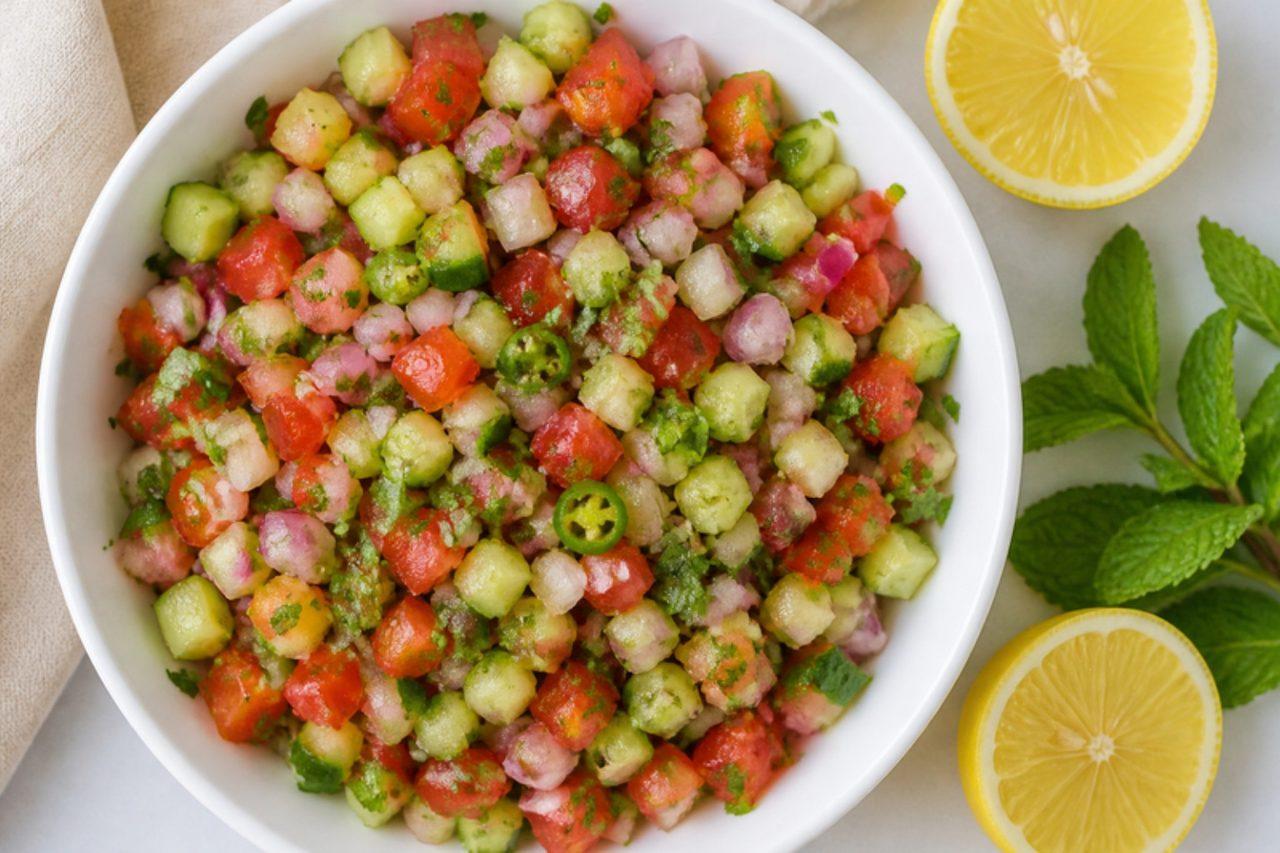
Kachumar saladTomato, onion and cucumber salad

No Pakistani dastarkhwan feels complete without a little bowl of kachumar, whether it sits beside a biryani at a Karachi wedding, a karahi at a highway truck stop or plain dal at home on a Tuesday. It is nothing more than tomato, onion and cucumber cut into very small, even dice, dressed at the last moment with lemon, salt, green chilli and coriander, yet the crunch and sharpness are what make rich food feel lighter. Some families add a pinch of roasted cumin or a few mint leaves; in Punjab it is often spooned straight onto the side of the plate rather than served apart. Dressing it too early is the main trap, because the salt pulls water from the tomatoes and leaves a soggy puddle. Chef's tip: seed the tomatoes and cucumber before dicing so the salad stays crisp for the whole meal.

by KrazyBadal 0 views

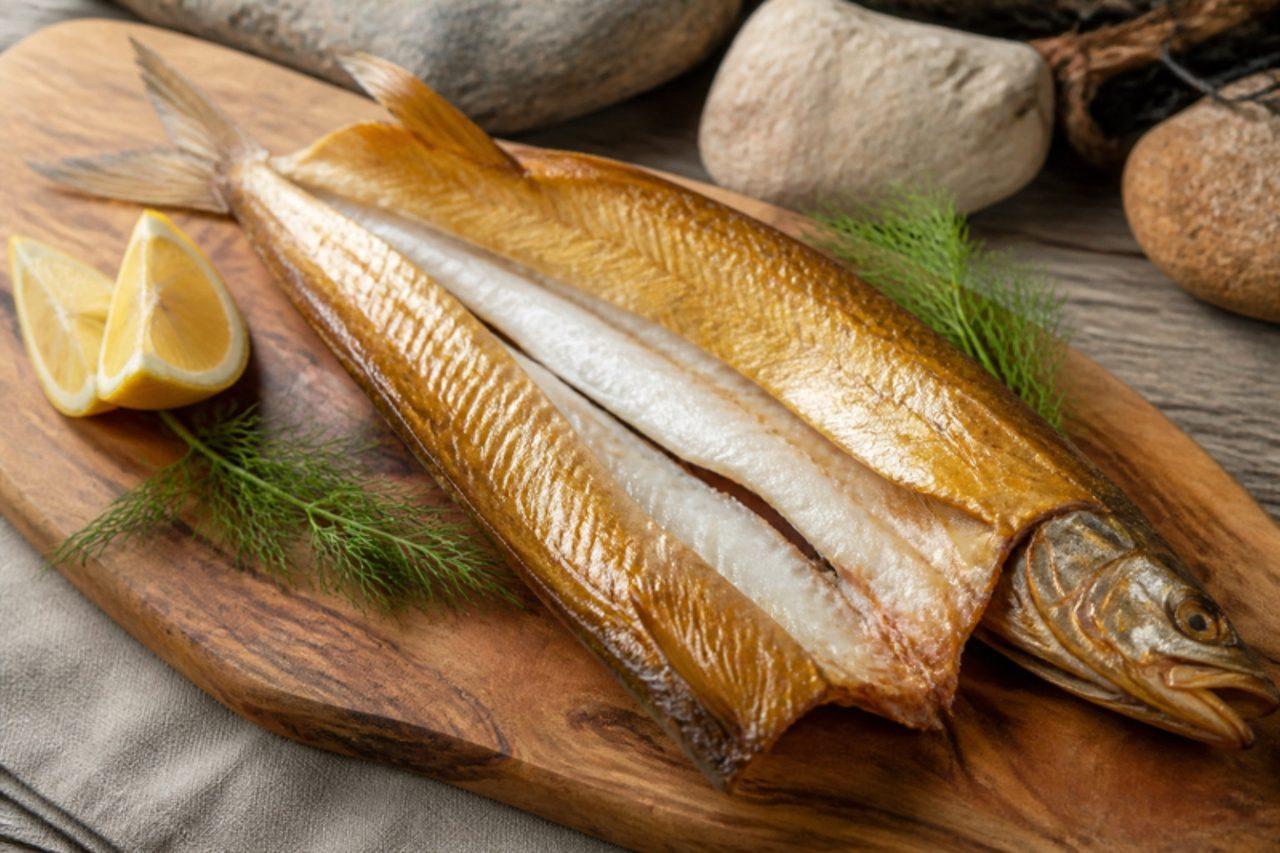
Smoked omul

On the shingle beaches of Listvyanka, at the edge of Lake Baikal, women sell omul still warm from the smoke, the fish split open, threaded onto alder sticks and set around a fire until the skin turns bronze and the flesh pulls away in moist, salty flakes. Omul lives only in Baikal, so at home use small whitefish, trout or mackerel, gutted and split. A short brine in the fridge seasons the fish, then it is hot-smoked in a kettle barbecue or a lidded smoker until cooked right through. Serve it warm or cold with boiled potatoes, black bread and spring onions. The usual slip is smoking over flames rather than smouldering chips, which chars the skin before the inside is done. Chef's tip: let the brined fish dry in the fridge, uncovered, for an hour: the tacky surface takes the smoke far better.

120 minRussianFishGluten free
by KrazyBadal 0 views

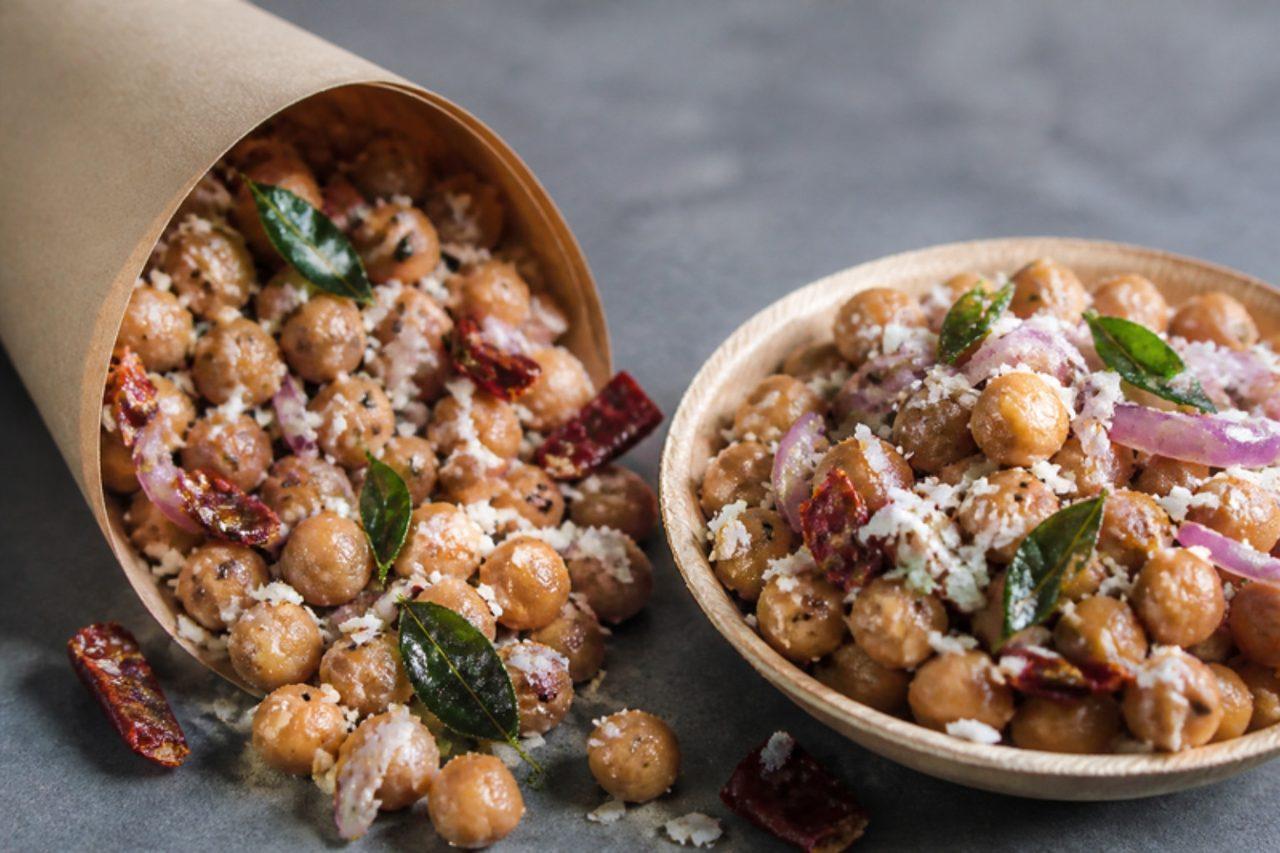
Kadala thel dalaStir-fried chickpeas

As the sun goes down over the sea at Galle Face Green in Colombo, vendors with glass-sided carts scoop warm kadala into cones twisted from old newspaper, and the same snack appears at temple festivals, perahera nights and every Avurudu gathering. Boiled chickpeas are tossed in coconut oil with mustard seeds, red onion, curry leaves, dried chilli and a handful of freshly grated coconut, so they are nutty, salty and gently hot, with a soft bite. Some vendors stir in Maldive fish; this version is vegan. Tinned chickpeas make it a ten-minute job, though home-boiled dried ones have a firmer, nuttier texture. Wet chickpeas are the problem to avoid, as they spit in the oil and the spices slide off; drain and pat them dry. Chef's tip: let the onion and curry leaves fry until the edges just begin to brown before the chickpeas go in; that toasty flavour is what makes street kadala so addictive.

by KrazyBadal 0 views

Herring with potatoes

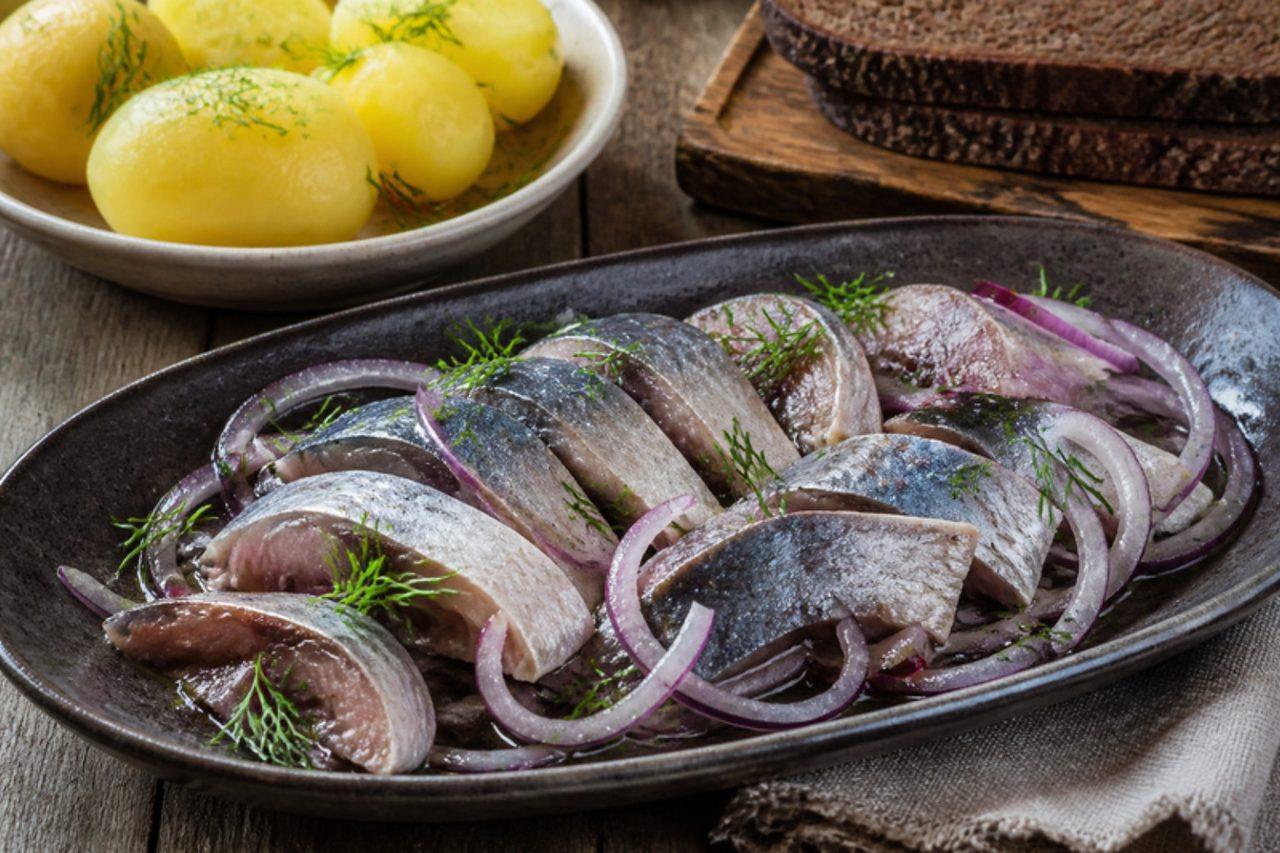
This is the simplest and best-loved Russian zakuska, on every table from a Moscow kitchen to a Siberian railway compartment: fillets of salted herring with steaming boiled potatoes, rings of raw onion, dill and a drizzle of unrefined sunflower oil that smells of toasted seeds. The contrast of cold, silky fish and hot, floury potato is the whole point, and black bread goes alongside. Salted herring is cured but not cooked, so buy ready-salted fillets from a good fishmonger or deli (made from previously frozen fish), keep them in the fridge, and note that it is not for pregnant women, young children or anyone with a weakened immune system. A common mistake is serving the herring straight from very salty brine; taste it and soak it in milk or cold water first if needed. Chef's tip: use unrefined sunflower oil, its nutty smell is what makes the dish.

by KrazyBadal 0 views

Bak chor meeMinced pork noodles

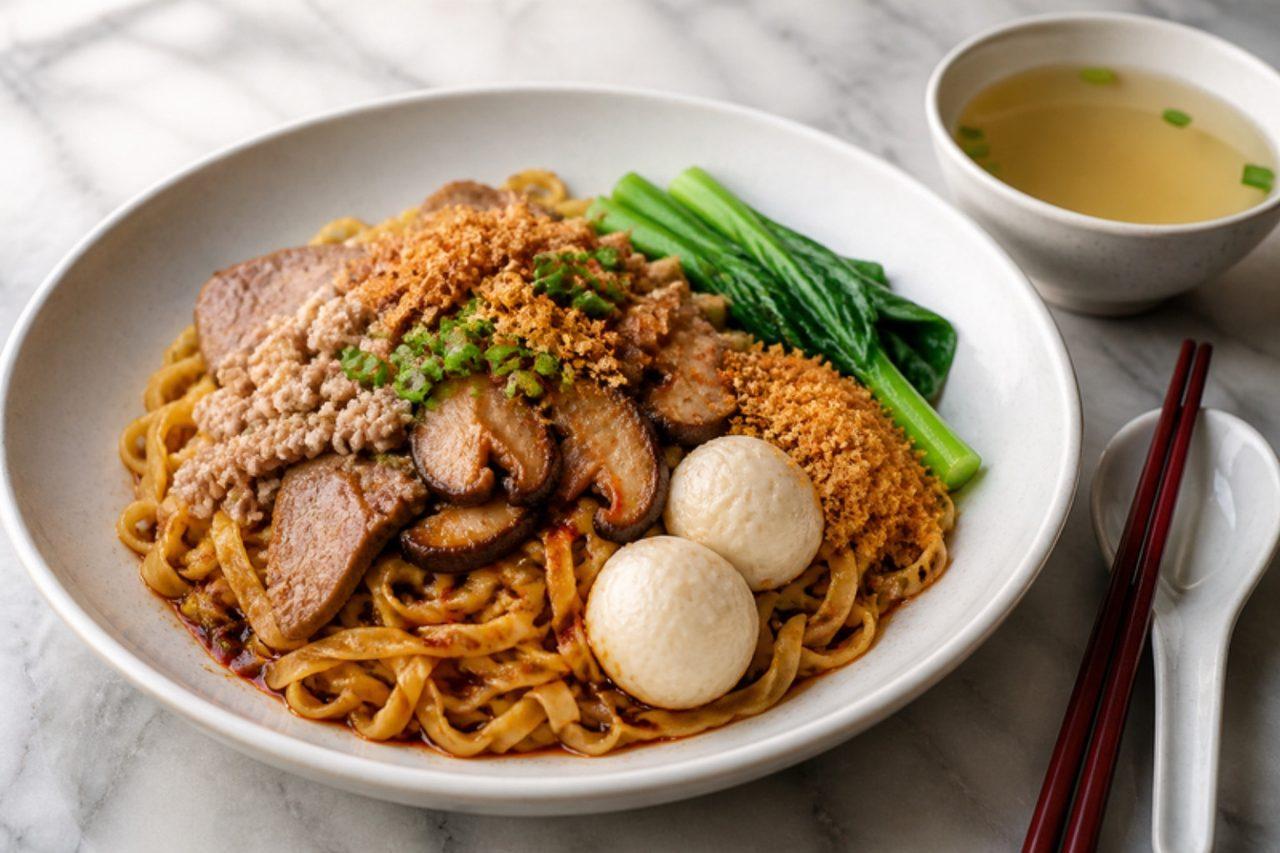
Queue at almost any Teochew noodle stall in a Singapore kopitiam before work and the order you hear most is a bowl of bak chor mee, dry, with extra vinegar. Springy flat mee pok is tossed at the bottom of the bowl in black vinegar, chilli paste, soy and a spoon of pork lard, then crowned with loosely poached minced pork, slices of pork liver, fish balls and sweet braised mushrooms, with a small bowl of clear pork soup on the side. It should taste sour first, then hot, then rich, and the noodles must stay bouncy rather than soft. Where most home cooks go wrong is cooking the noodles in one long boil: they turn limp and soak up the sauce instead of carrying it. Chef's tip: blanch the noodles twice, plunging them into cold water in between, which is how the hawkers get that al dente snap.

by KrazyBadal 0 views

Bein montJaggery coconut rice pancake

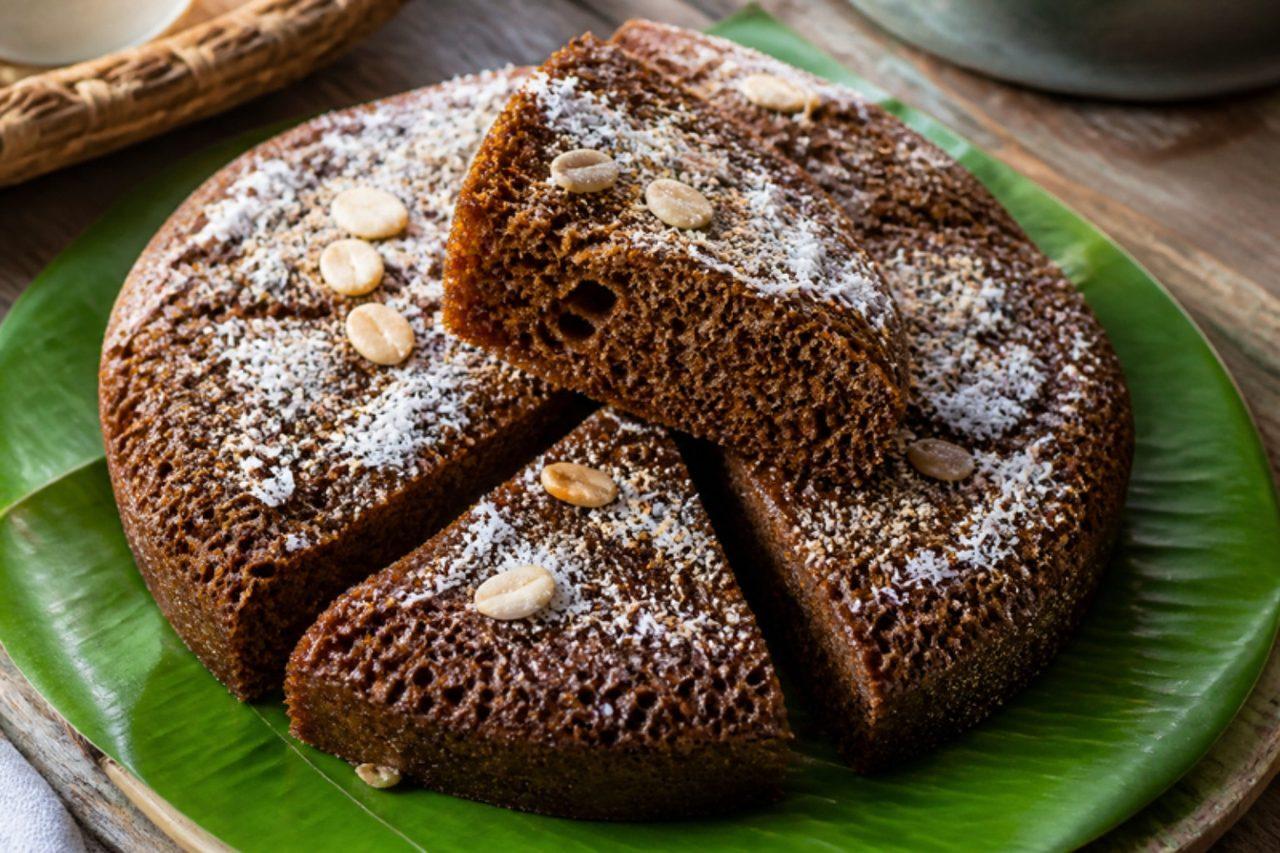
When the November nights cool down for the Tazaungdaing festival, food stalls outside pagodas in Yangon and Mandalay start cooking bein mont in small, lidded iron pans with embers piled on top, so the cake bakes from above and below at once. The batter is rice flour sweetened with dark jaggery, so it cooks into a thick, springy, brown pancake with a crisp base, studded on top with shreds of coconut and sliced peanuts; some vendors still scatter poppy seeds, the bein that may have given the snack its name. It is eaten warm in wedges with hot green tea. High heat is what usually goes wrong: the base scorches while the centre stays raw, so keep the flame low and the lid on. Chef's tip: a small cast-iron pan finished under the grill copies the charcoal top heat at home.

by KrazyBadal 0 views

BrunsvigerBrown sugar butter cake

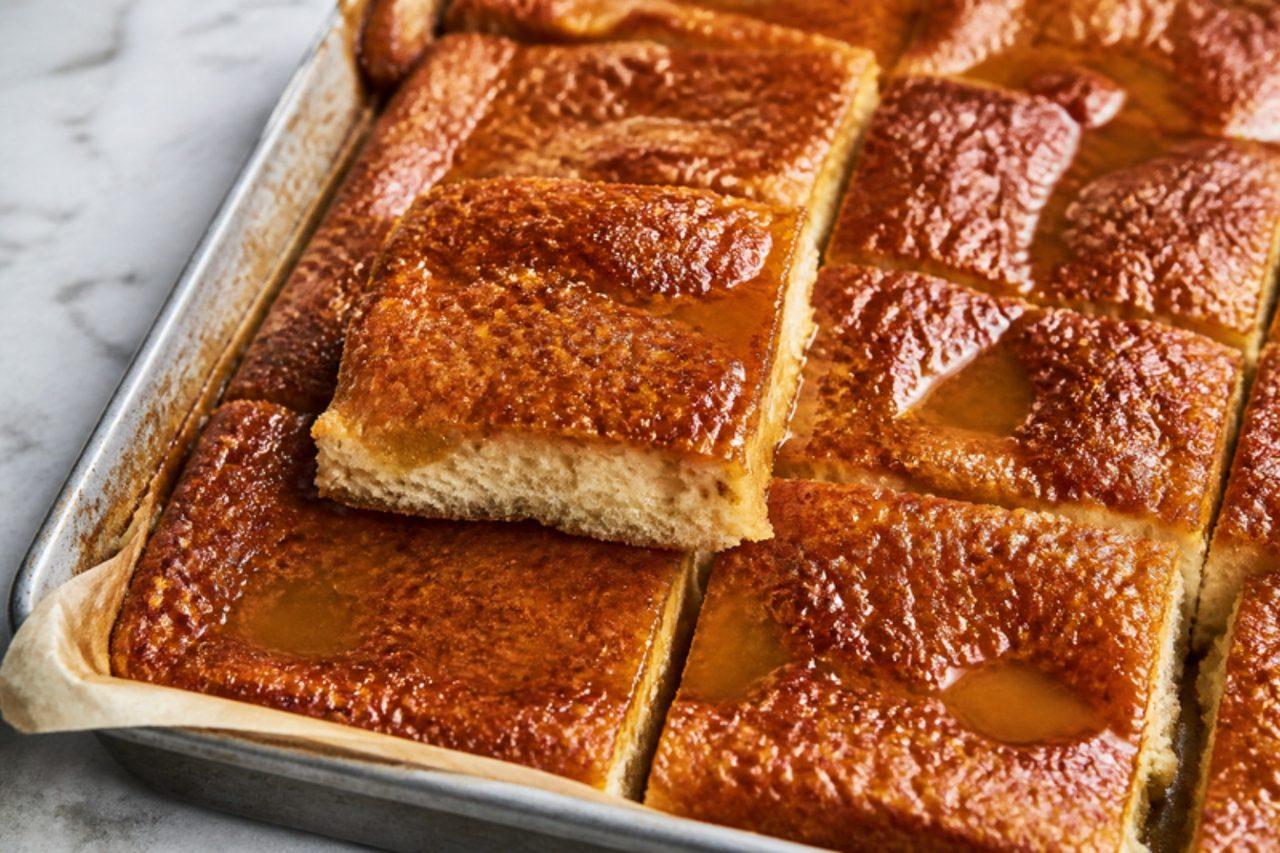
Brunsviger is the cake of Funen, the island between Jutland and Zealand: a soft, light yeast dough baked in a tray and covered with brown sugar and butter that melts into sticky, bubbling pools in dimples you press into the top. It is the classic birthday cake at Danish schools and offices, cut into squares and eaten warm with coffee. A common mistake is spreading the topping on cold dough; it slides off. Chef's tip: press deep holes into the risen dough with your finger so the topping collects in pools of caramel.

by KrazyBadal 0 views

Bergen fish soup

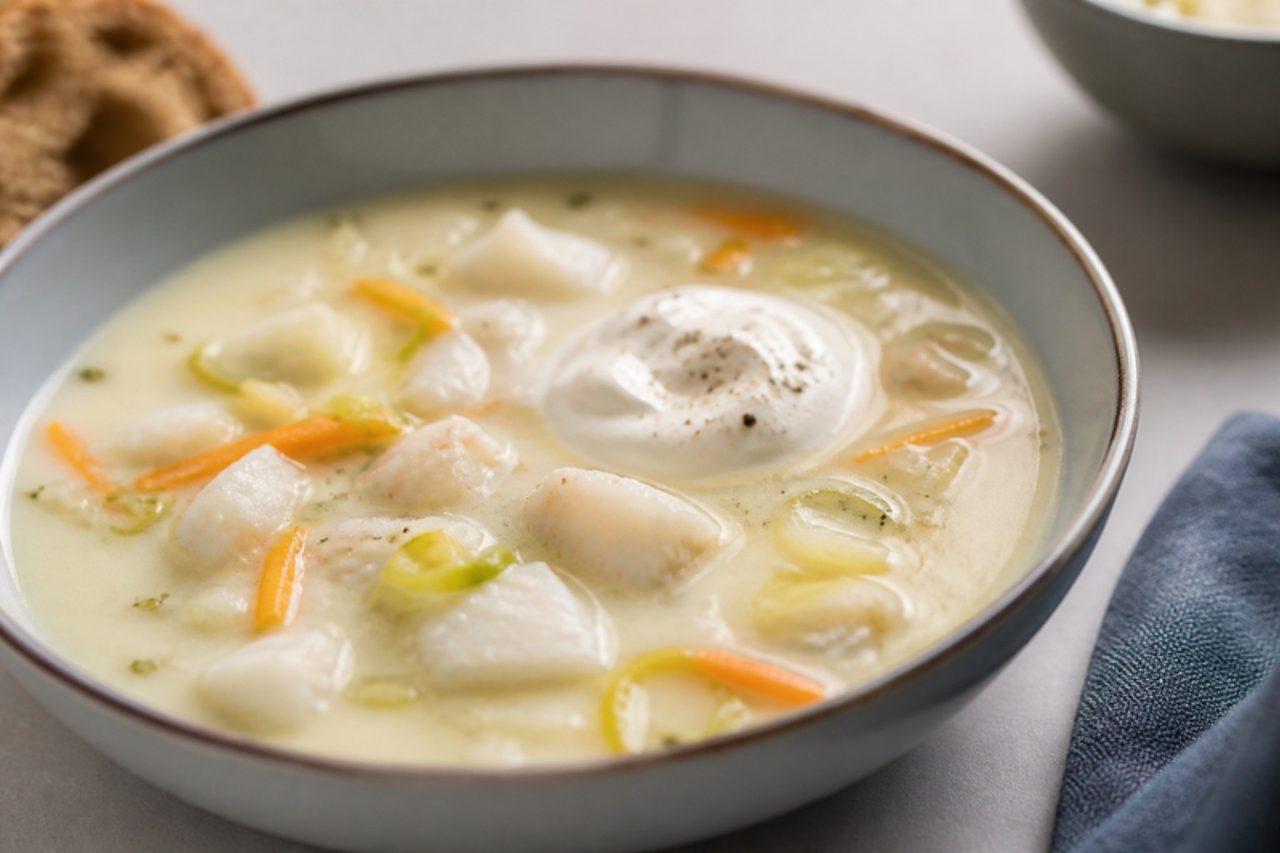
Bergensk fiskesuppe is the soup of Bergen's rainy harbour: a creamy, slightly sweet-sour broth with julienned carrot, leek and celeriac, chunks of white fish and salmon, small fish dumplings and a spoon of sour cream, finished with chives. Bergen families make it on Saturdays, and every restaurant on the Bryggen wharf has its own. A common mistake is boiling the fish, which breaks it up and makes it dry. Chef's tip: add the fish at the end and poach it in barely trembling soup for 3–4 minutes, until just opaque and flaking.

by KrazyBadal 0 views

Barley water

Ask for 'barley' at any drinks stall in a Singapore kopitiam and you get a tall glass of cloudy, faintly sweet barley water, the drink older relatives swear by on the hottest afternoons because it is said to cool the body. Home cooks simmer pearl barley for an hour with knotted pandan leaves, and in Teochew and Cantonese households chunks of winter melon go in as well for a gentle, cucumber-like sweetness. The result is light and clean, ideal beside a plate of chicken rice, char kway teow or anything greasy and salty. The usual mistake is boiling it hard, which turns the liquid starchy and slimy instead of smooth and pale; keep it at a gentle simmer. Chef's tip: don't throw away the softened barley grains; spoon some into each glass, as the stalls do, or eat them warm with a little rock sugar as a light dessert.

by KrazyBadal 0 views

Showing 63 of 7,762 recipes

Show more recipes

Page 219 of 863