


Skip to content
Chrain
Featured recipe

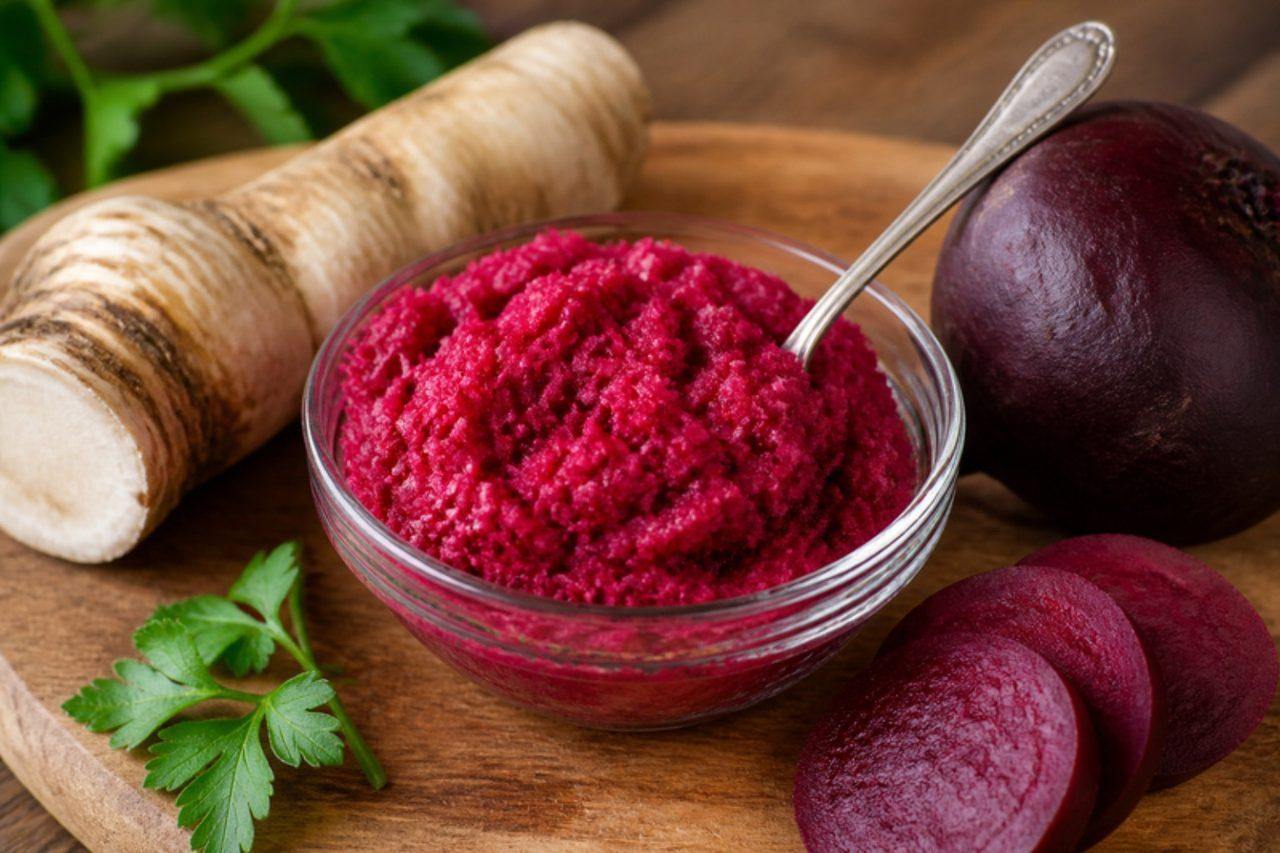
Chrain

On the seder table and beside Shabbat gefilte fish, Ashkenazi families in Israel set out a bowl of chrain, a magenta relish of freshly grated horseradish and cooked beetroot. Its heat goes straight up the nose and clears the head, softened by the earthy sweetness of beet, a pinch of sugar and sharp vinegar. It keeps for weeks in the fridge and also livens up roast vegetables, boiled potatoes and egg salad. The common mistake is grating horseradish in a closed room with your face over the bowl: its fumes sting the eyes badly. Chef's tip: add the vinegar straight after grating, it fixes the heat at its peak; the longer grated horseradish sits without acid, the milder and more bitter it becomes.

Read more 0 views
Can't decide?

What to eat today?

Spin the randomizer, search with what's already in your fridge, or browse recipes from our chefs.

Latest recipes

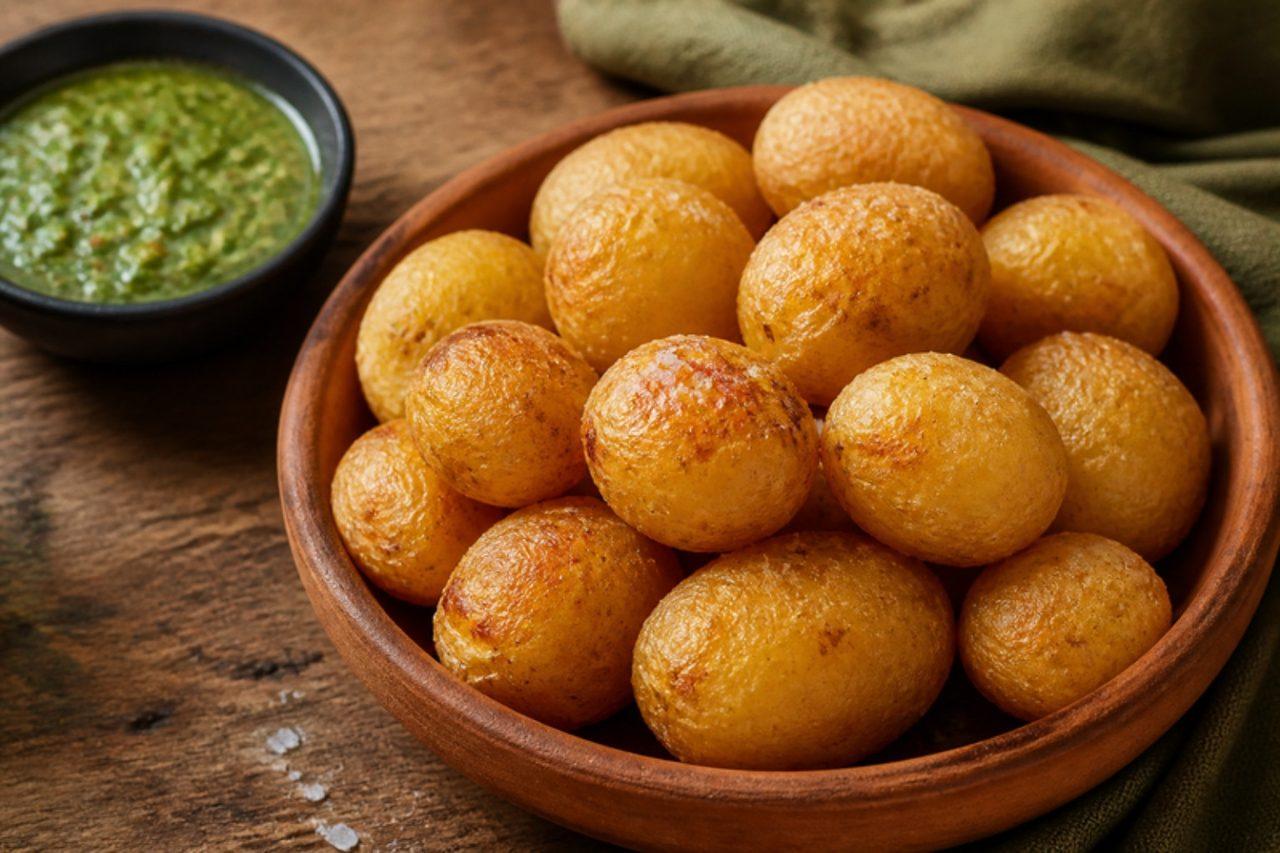
Papas criollas fritas

Little golden papas criollas are the potato Bogotá loves best: thin-skinned, buttery-yellow and so creamy they almost melt. At the asaderos along the roads out of the capital, and next to every plate of ajiaco or fritanga, they come fried whole, skin on, crackling outside and soft in the middle, with nothing but salt and a bowl of ají. Frozen papas criollas are sold in Latin American shops; otherwise use the smallest waxy yellow potatoes you can find. Frying them raw is the usual mistake: the skins brown before the insides are cooked. A quick boil first fixes that. Chef's tip: let the boiled potatoes steam dry for a few minutes and squash a few slightly with your palm before frying, so the split skins catch extra crunch.

by KrazyBadal 0 views

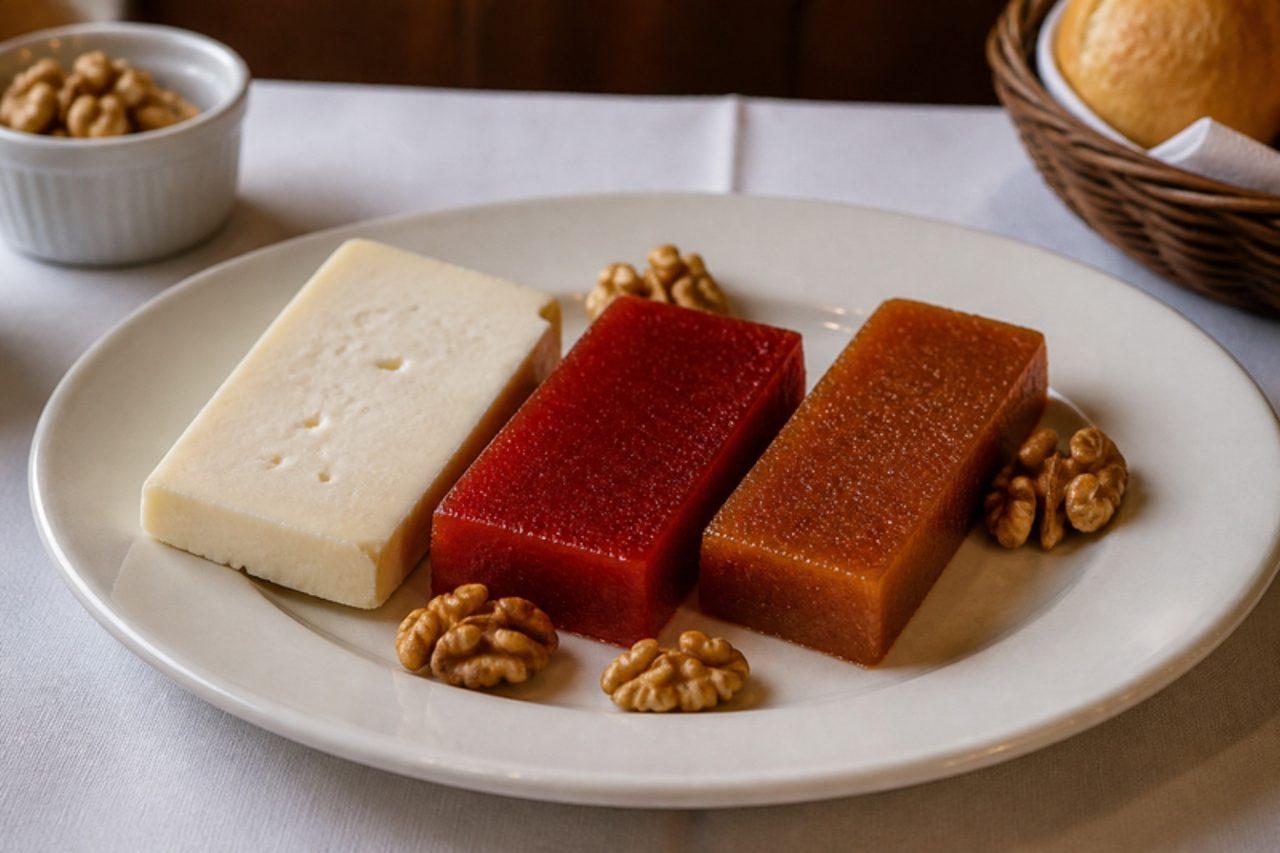
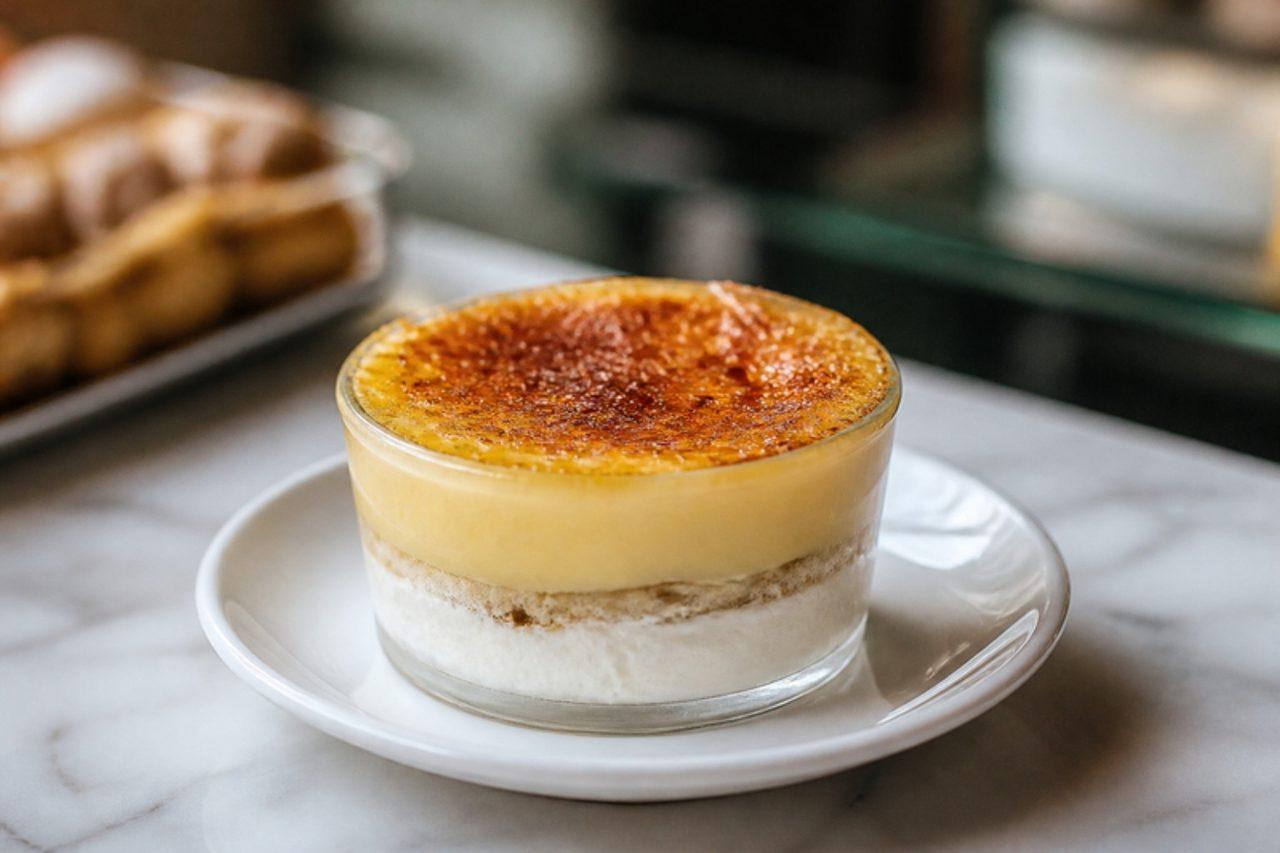
Postre vigilante

Ask for dessert in an old Buenos Aires bodegón and the waiter will rattle off flan, budín and, inevitably, vigilante: a thick slab of soft, mild cheese laid beside an equal slab of dulce de membrillo or dulce de batata. The name, "policeman", is said to come from the beat officers who ordered it as a cheap sweet in early twentieth-century cafés; Uruguayans call the same plate Martín Fierro. It is salty against sweet, creamy against firm, and takes five minutes. The traditional cheese is fresh queso cremoso or cuartirolo, or a firmer port salut; a young Havarti or mild Gouda is the best stand-in abroad. Like many soft cheeses, these are often made with animal rennet, so check the label for a vegetarian (microbial-rennet) cheese. The usual error is cutting the slabs thin like a cheese board; vigilante is about generous, equal bricks. Chef's tip: take the cheese out of the fridge 20 minutes ahead; cold cheese tastes of nothing next to the paste.

by KrazyBadal 0 views

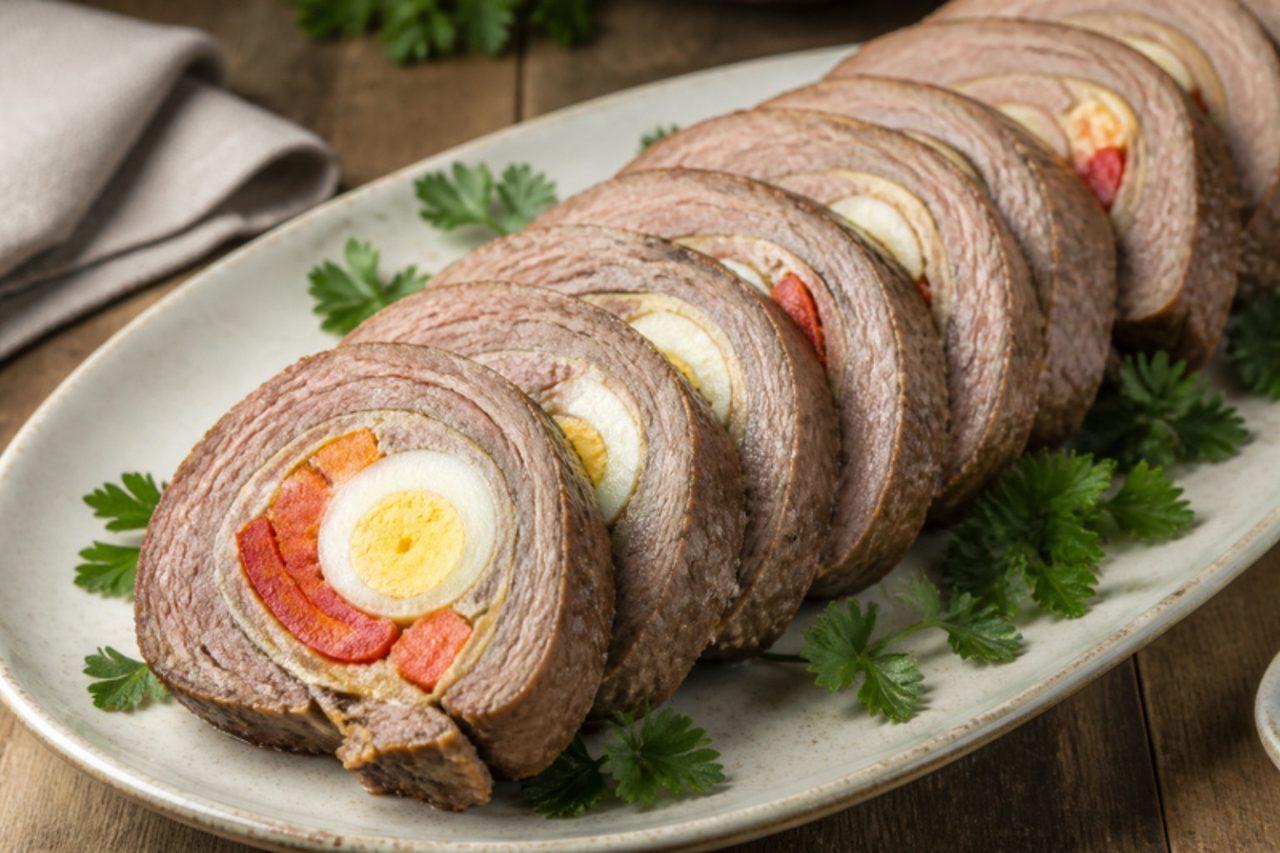
Matambre arrollado

Christmas and New Year in Argentina fall in high summer, so the festive table is crowded with cold dishes, and matambre arrollado is the one that draws a crowd: a thin sheet of beef from between the ribs and skin (matambre, the rose or flank cut), spread with garlic and parsley, layered with hard-boiled egg, carrot and red pepper, rolled into a fat sausage, poached and pressed. Rotiserías in the Buenos Aires suburbs sell it by the slice, and each round shows a mosaic of colours. Served cold with Russian salad and a sharp chimichurri, it is tender and savoury. Because the outside of the meat ends up rolled inside, cook it to a core temperature of 71 °C, as for minced meat. The usual mistake is slicing it warm: it falls apart, so press it under a weight in the fridge overnight. If you can't find matambre, ask the butcher for a thin flank steak butterflied to 1 cm. Chef's tip: lay the meat with the grain running along the roll, so each slice cuts across the fibres and stays tender.

by KrazyBadal 0 views

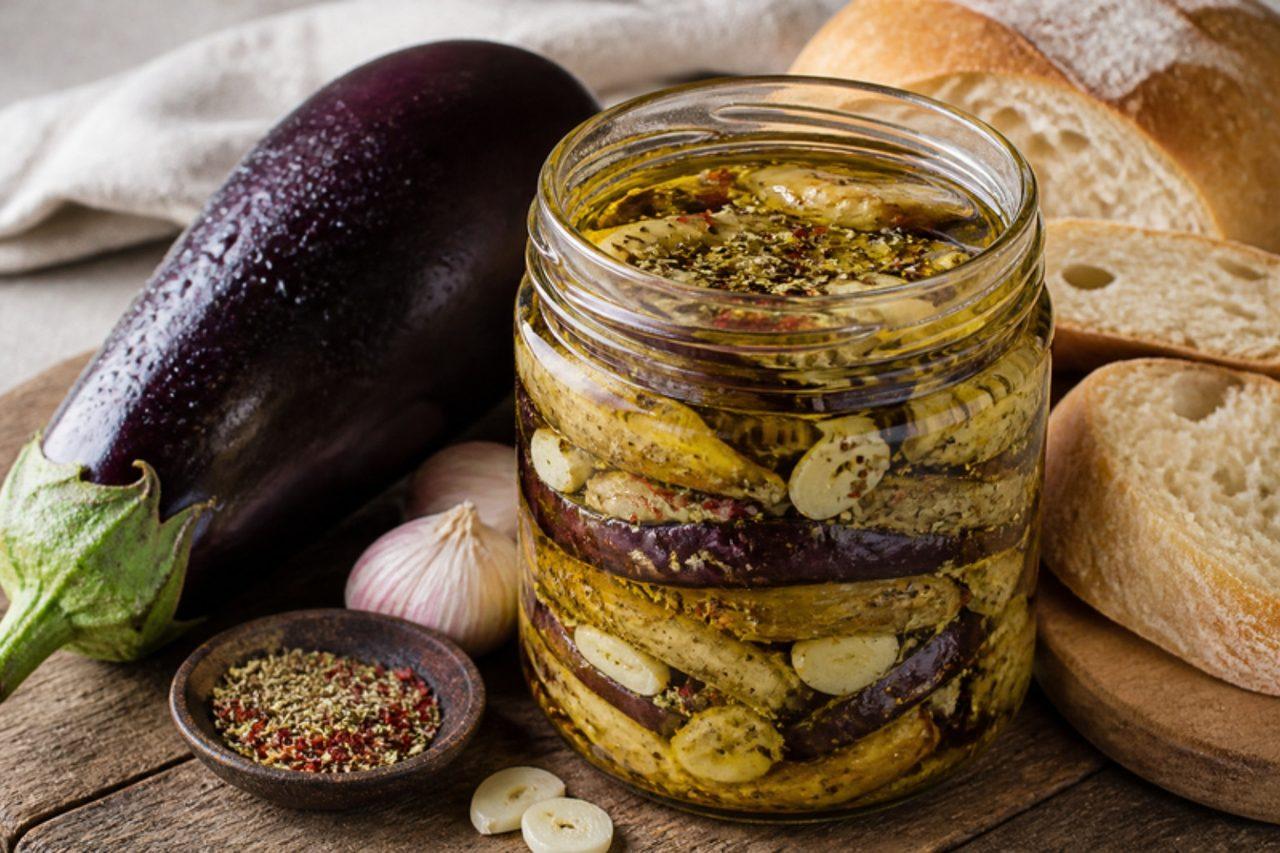
Berenjenas en escabeche

Jars of these marinated aubergines sit in every Argentine grandmother's fridge, a legacy of Italian and Spanish immigrants, and they come out for the picada before the asado, alongside salami, cheese and bread, or to fill a sandwich. Strips of aubergine are salted, blanched briefly in vinegar and water, then layered with garlic, chilli flakes, oregano and plenty of oil. They turn soft, silky and sharp, with a slow heat from the chilli. Overboiling is the error: the strips should be just tender after 2–3 minutes, or they turn to mush in the jar. Allow 2 hours for salting before you start and a day in the fridge before eating. Garlic kept in oil can carry botulism, so keep the jar refrigerated and eat it within two weeks. Chef's tip: press the drained aubergine hard between tea towels before jarring; the drier the strips, the longer they stay firm.

by KrazyBadal 0 views

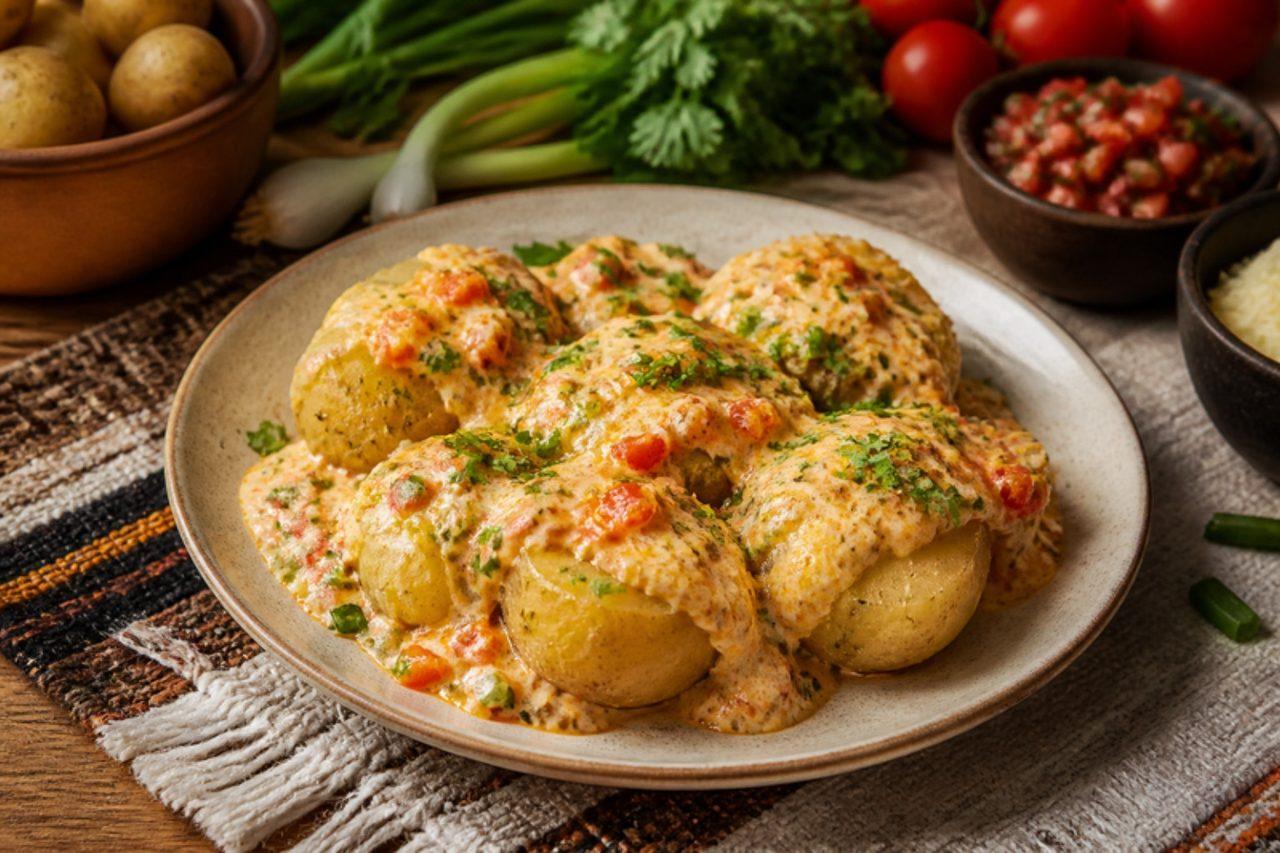
Papas chorreadas

Chorreadas means drenched, and that is the idea: in farmhouse kitchens of Boyacá and Cundinamarca, whole boiled potatoes get a hot, loose sauce of tomato and long spring onion poured over them, enriched with milk and stretchy fresh cheese. It is comfort food from the cold highlands, served beside grilled meat on Sundays or on its own with an arepa and a mug of aguapanela on a weeknight. Colombians use queso campesino or doble crema, both usually made with animal rennet; a vegetarian mozzarella or other microbial-rennet melting cheese works perfectly. The mistake to avoid is adding the cheese to a boiling sauce, which makes it split and turn stringy; keep the heat low. Chef's tip: let the tomato and onion cook until really soft and jammy before the milk goes in, so the sauce tastes sweet and deep rather than raw.

by KrazyBadal 0 views

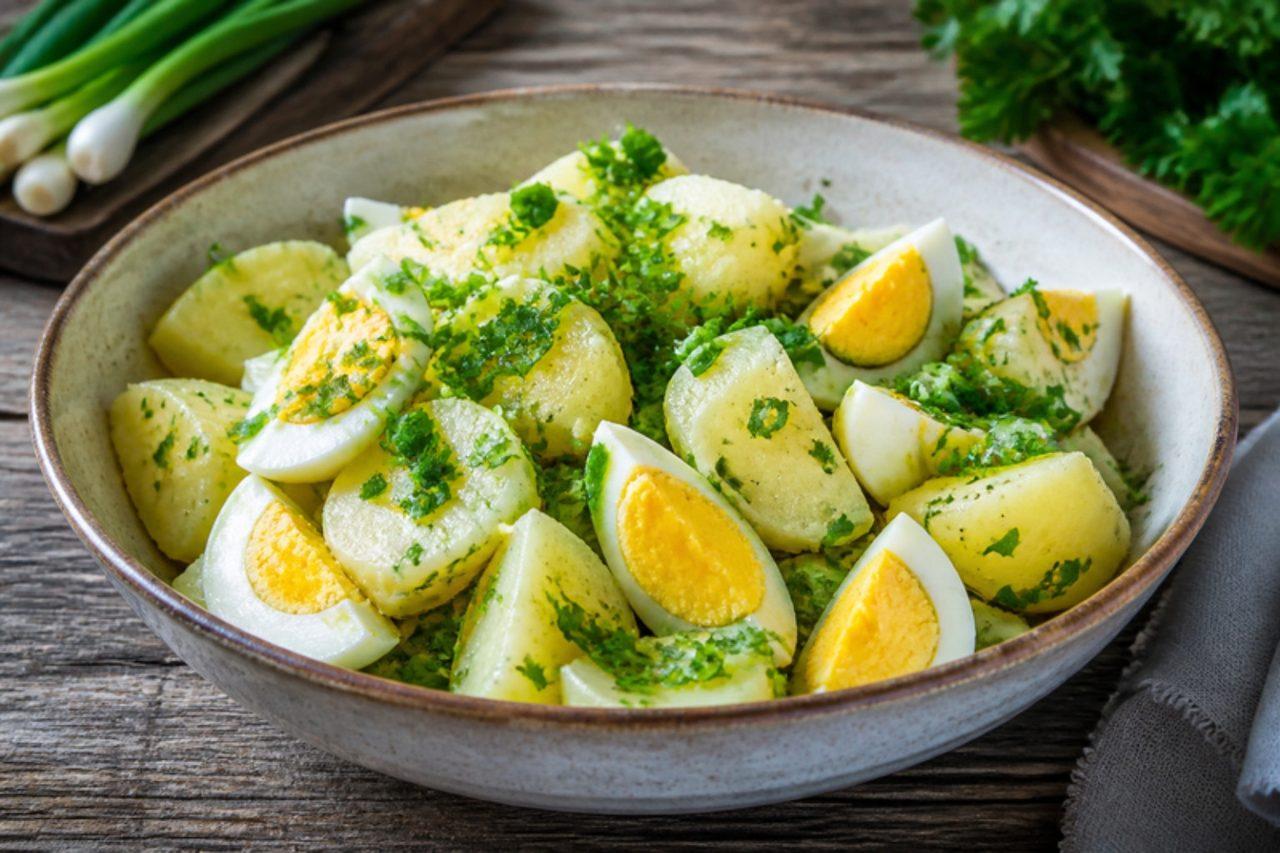
Ensalada de papa y huevo

Sunday asados in Argentina tend to come with two salads: the green ensalada mixta and this one, chunks of boiled potato and hard-boiled egg dressed while warm with oil, vinegar, salt and plenty of parsley. Some households stir in mayonnaise, which takes it close to ensalada rusa, but the oil-and-vinegar version is lighter and lets the potatoes taste of themselves. It is mild, soft and slightly tangy, and good at room temperature, which is why it suits an outdoor lunch that goes on for hours. Dressing cold potatoes is the error that leaves the salad bland: warm potatoes soak up the vinegar and oil, cold ones don't. Choose waxy potatoes that hold their shape, and cook the eggs fully for 10 minutes. Chef's tip: sprinkle the vinegar on the hot potatoes first and wait five minutes before adding the oil; the potatoes absorb the acid and the salad tastes seasoned all the way through.

by KrazyBadal 0 views

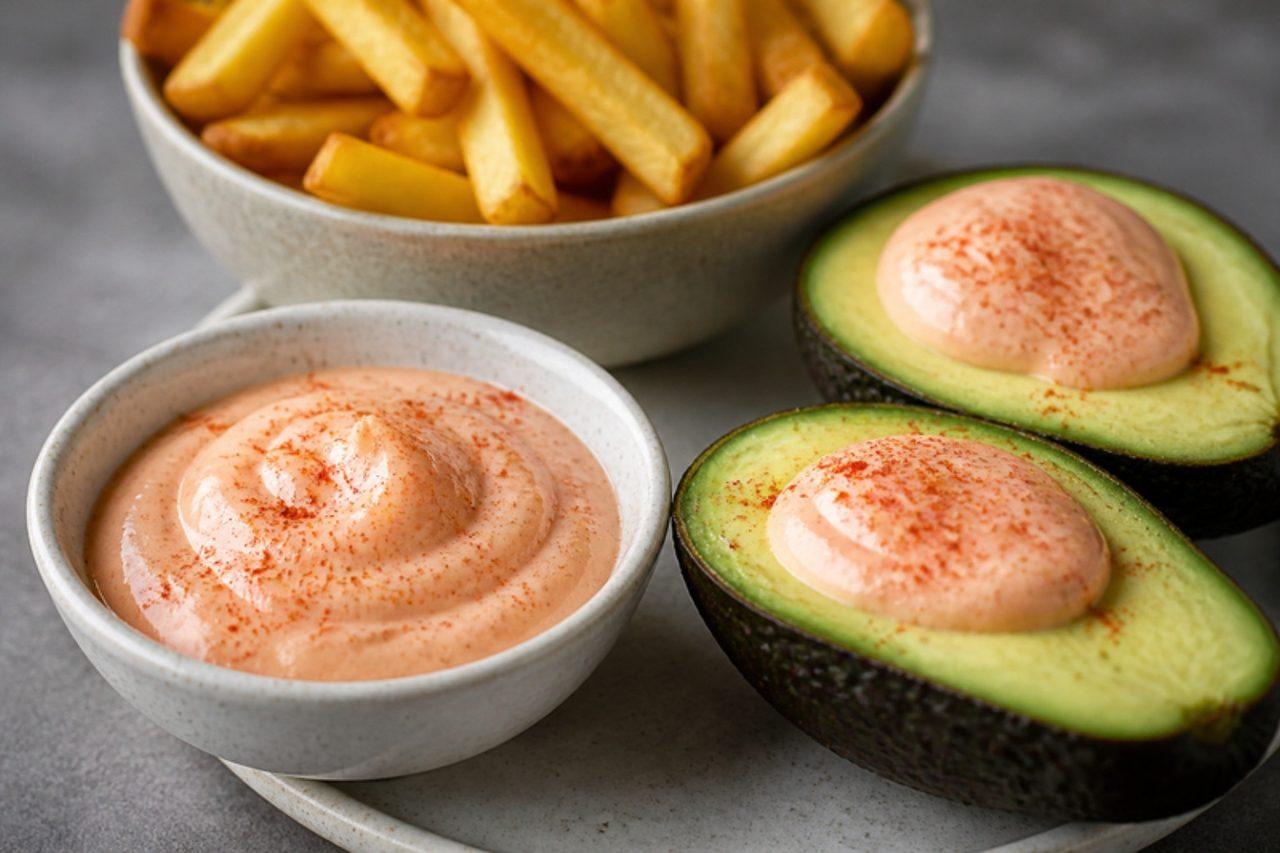
Salsa golf

Mar del Plata's golf club gave its name to this sauce in the 1920s, so the story goes, and Argentines have been mixing mayonnaise and ketchup ever since. It is the pink sauce of the 1970s cocktail party and the seaside: spooned into half avocados (palta a la golf), over hearts of palm, onto a cold hard-boiled egg, beside fries or into a prawn cocktail, and every family has its own ratio. A drop of lemon and a dash of mustard lift it from a simple mix to something tangy and creamy. Too much ketchup is the misstep that turns it sweet and orange; it should be a soft salmon pink. Use shop-bought mayonnaise, which is made with pasteurised egg; if you make your own, use pasteurised eggs. Check the labels of the mayonnaise, ketchup and mustard if you need it gluten free. Chef's tip: let it sit in the fridge for 15 minutes before serving; the flavours blend and it thickens slightly.

by KrazyBadal 0 views

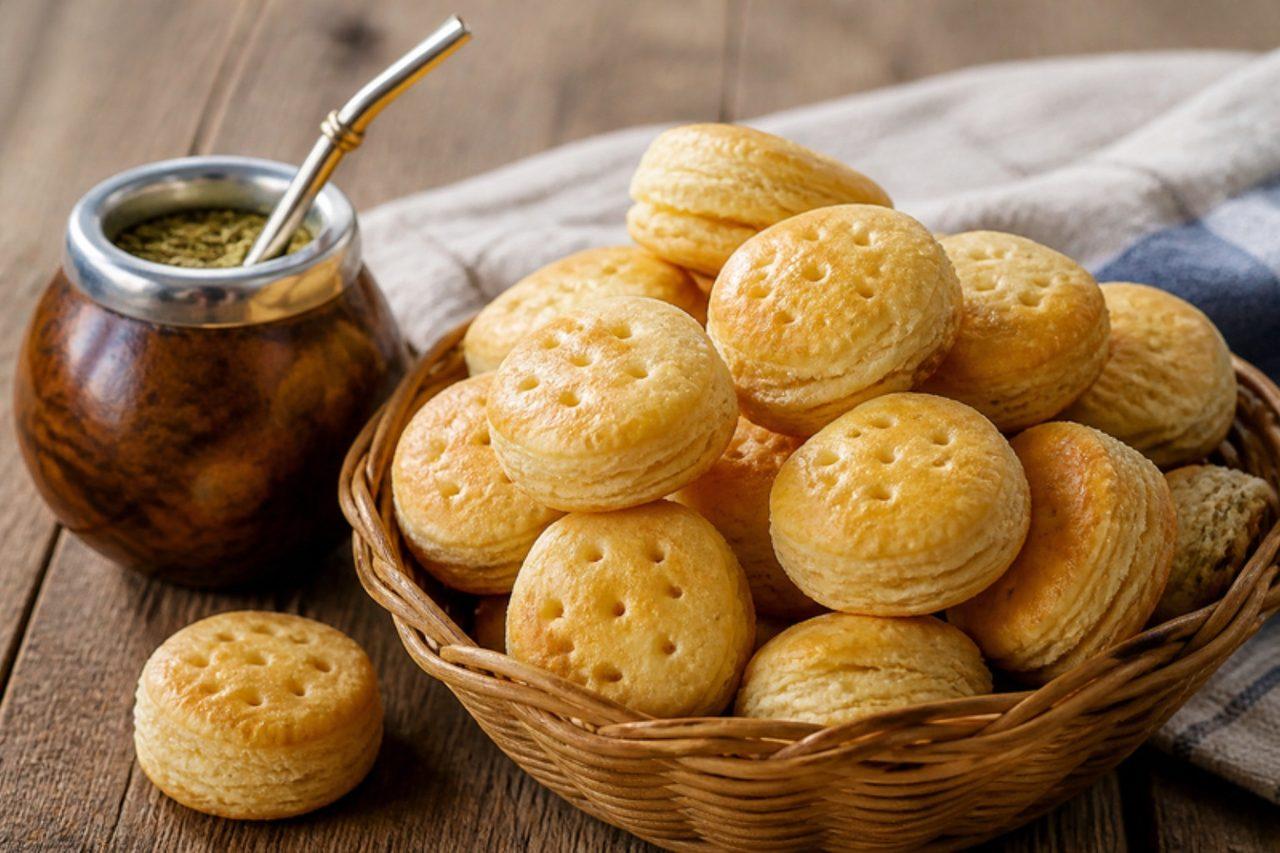
Bizcochitos de grasa

A paper bag of bizcochitos de grasa sits next to the mate gourd in kitchens, offices and roadside service stations across Argentina, from Buenos Aires to the Andes. These little rounds, a couple of bites each, are layered with beef fat, so they flake and crumble, salty and plain enough to eat by the dozen with bitter mate in the afternoon. The fat is rendered beef fat (grasa vacuna), so they are not vegetarian; ask your butcher for dripping or render suet yourself. A dough worked too warm is the mistake that robs them of their layers; the fat melts into it instead of staying in sheets. Chef's tip: chill the dough for 10 minutes between folds whenever it starts to feel greasy, and prick each round right through so it puffs in flakes rather than domes.

by KrazyBadal 0 views

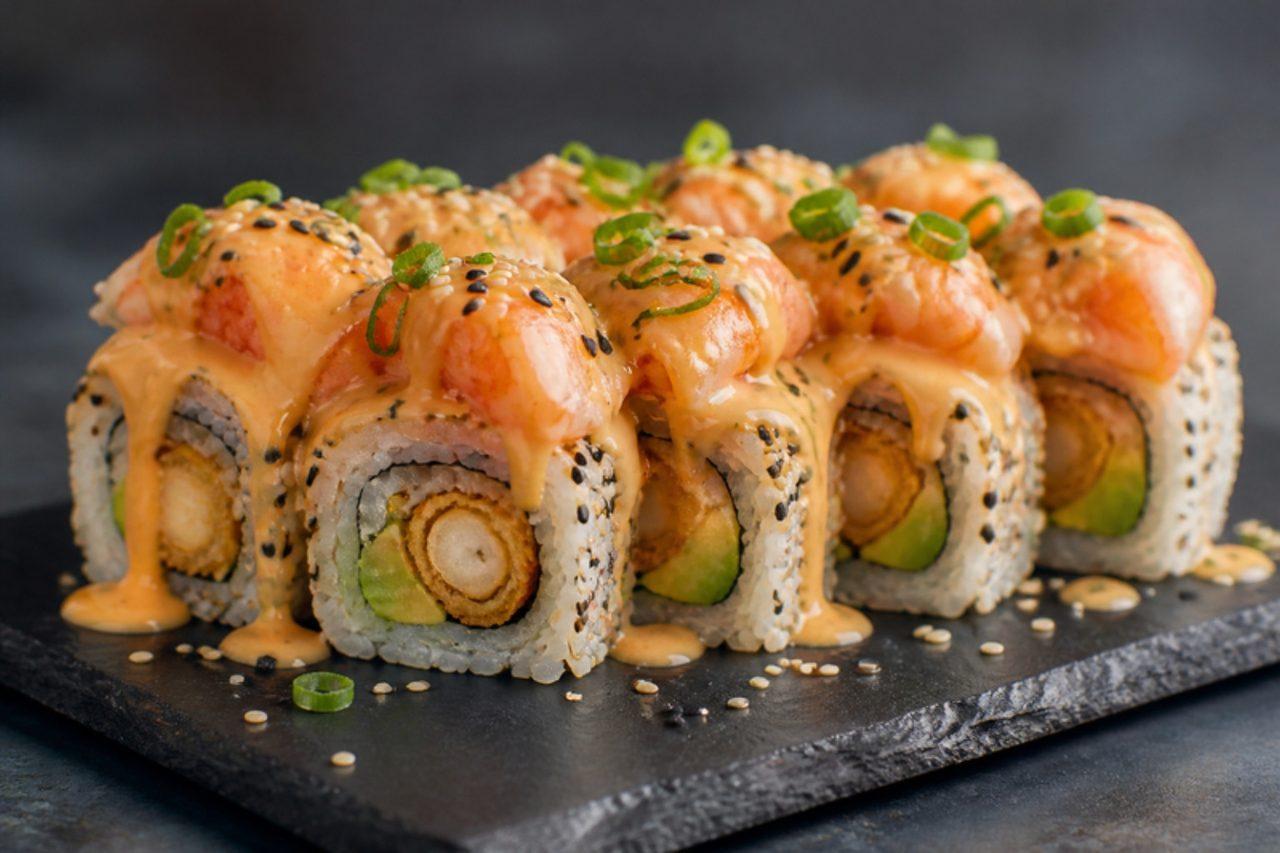
Maki acevichado

Lima's Nikkei sushi bars invented the acevichado and it has become the roll every Peruvian orders: prawn tempura and avocado rolled in rice, topped with thin slices of fish and drenched in a creamy, lime-sharp sauce built from leche de tigre, ají amarillo and mayonnaise. Crisp, warm, cold and tangy in one bite, it is party food and Friday-night takeaway alike. For a safer topping, use sashimi-grade fish frozen at −20 °C for 24 hours first, keep it cold and eat the rolls at once; you can also sear the slices with a blowtorch or use cooked prawns instead. Even so, the raw-fish topping is not for pregnant women, young children or anyone with a weakened immune system. Overfilling is the usual mistake: the roll won't close and the rice splits. Chef's tip: use a pasteurised-egg mayonnaise and wet your hands with vinegared water so the rice doesn't stick.

by KrazyBadal 0 views

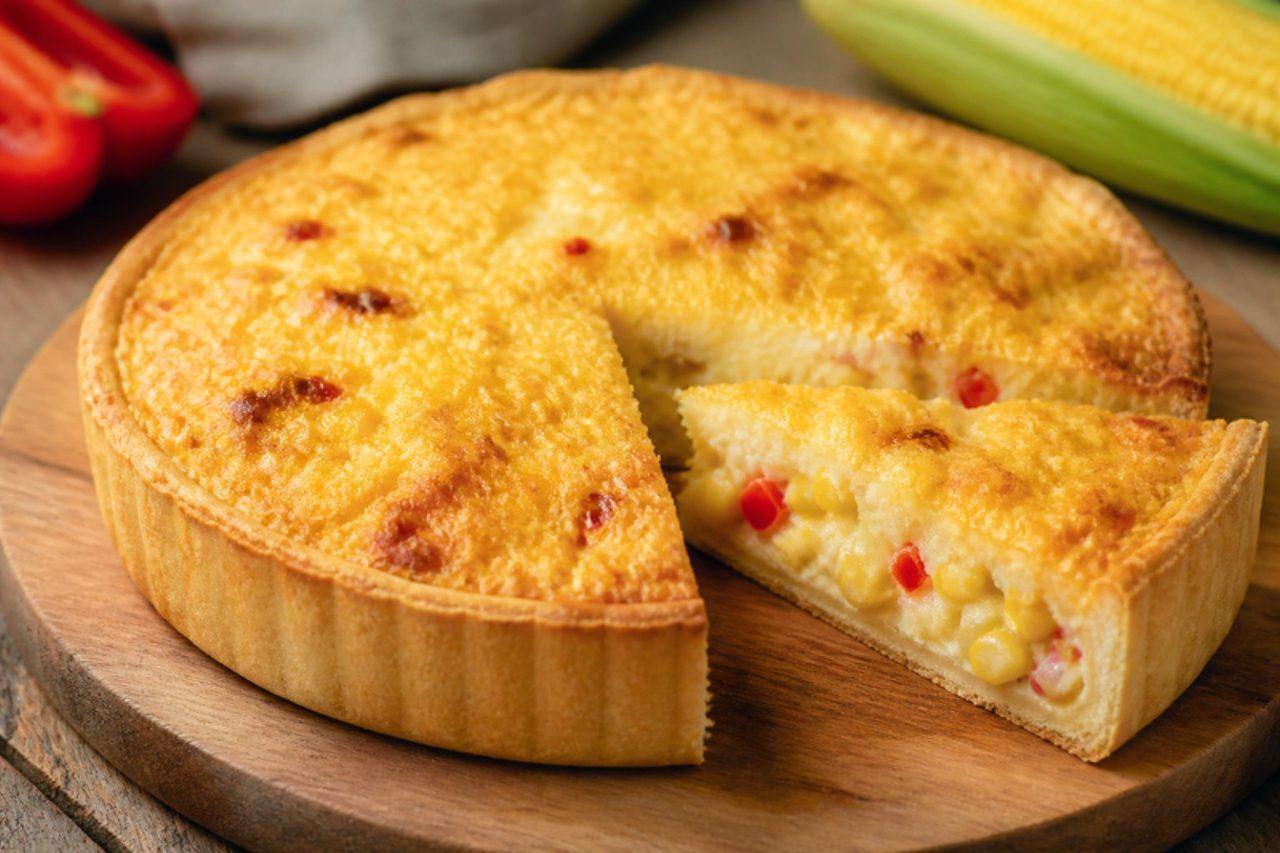
Tarta de choclo

Ask any Argentine rotisería for a slice of tarta and choclo will be next to the chard and the ham-and-cheese. This is the creamy one: sweetcorn kernels folded into a thick white sauce with softened onion and red pepper, set with egg and cheese inside a buttery shortcrust. It is lunchbox and picnic food, eaten warm or at room temperature with a green salad, and it is a big favourite with children for its sweetness. The filling should slice cleanly but still be soft. A runny centre is the usual problem, and it comes from a thin white sauce or from forgetting to blind-bake: make the sauce thick enough to coat the spoon heavily, and part-bake the case. Mozzarella and grated hard cheese are often made with animal rennet, so buy vegetarian ones if that matters. Chef's tip: blitz a third of the corn with the white sauce; it gives a creamier, more corn-tasting filling while the whole kernels keep some bite.

by KrazyBadal 0 views

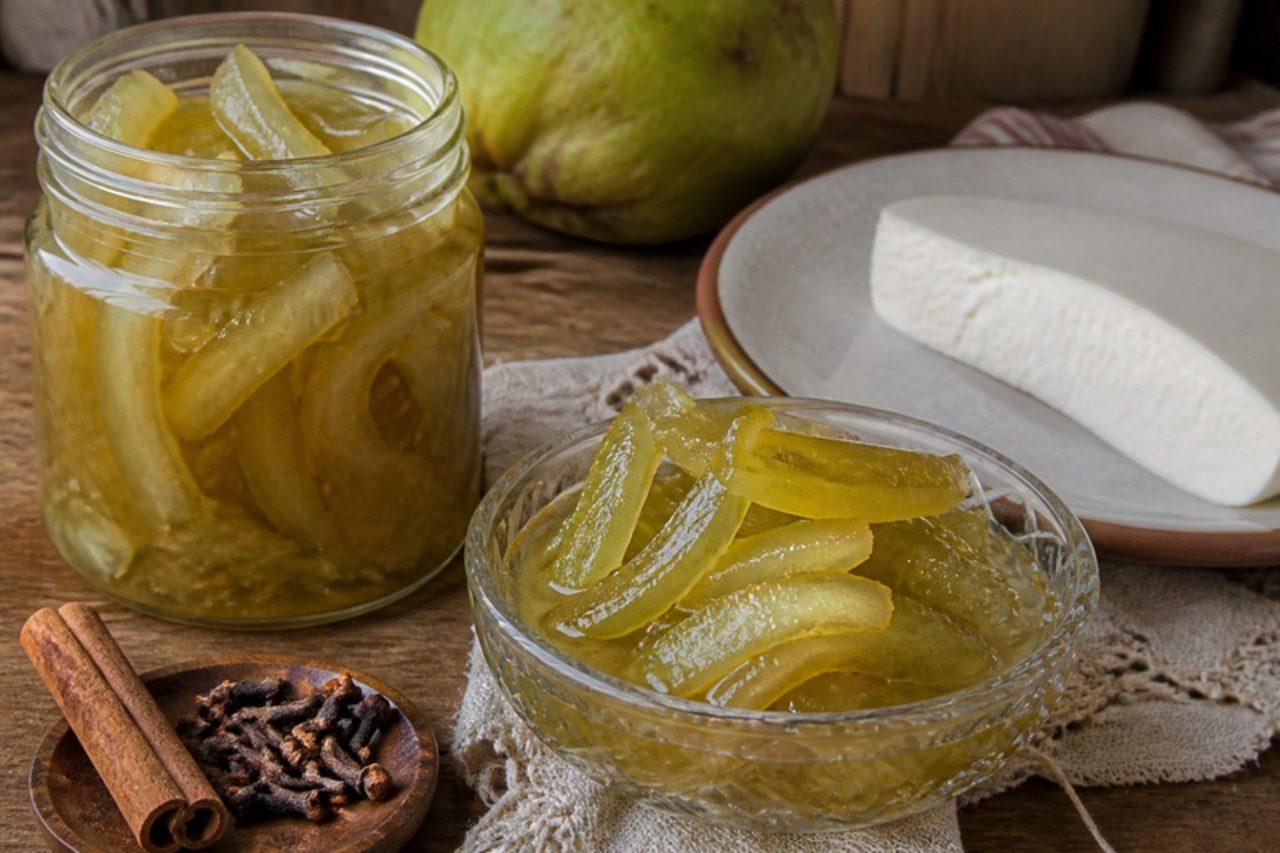
Mamón en almíbar

Along the subtropical northeast, papaya (mamón) trees grow in backyards from Corrientes to Formosa, and the unripe fruit is turned into this old-fashioned dessert: strips of firm green papaya poached slowly in syrup with cloves and cinnamon until they turn amber and translucent, chewy at the edges and tender inside. It is served cold in little bowls, traditionally next to a slice of fresh cheese for that sweet-and-salty contrast (choose a plant-based cheese to keep it vegan). Rushing the syrup is the misstep that turns the papaya hard and sugary on the outside and raw within, so the heat stays low for well over an hour. Green papaya is sold in Asian and Latin grocers. Wear gloves when peeling; the milky sap can irritate the skin. Chef's tip: soak the strips in water with a teaspoon of bicarbonate of soda for an hour before cooking; it firms the outside so the pieces hold their shape in the syrup.

by KrazyBadal 0 views

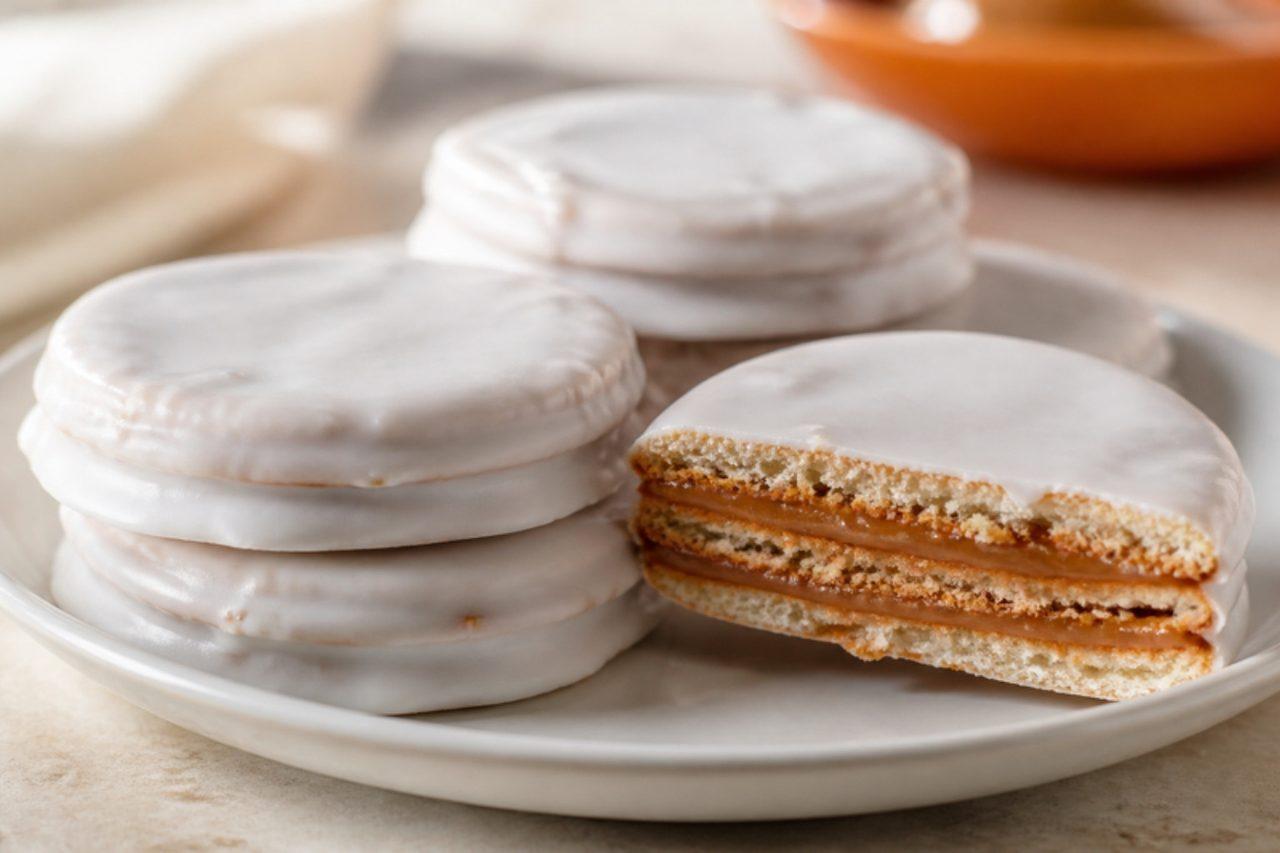
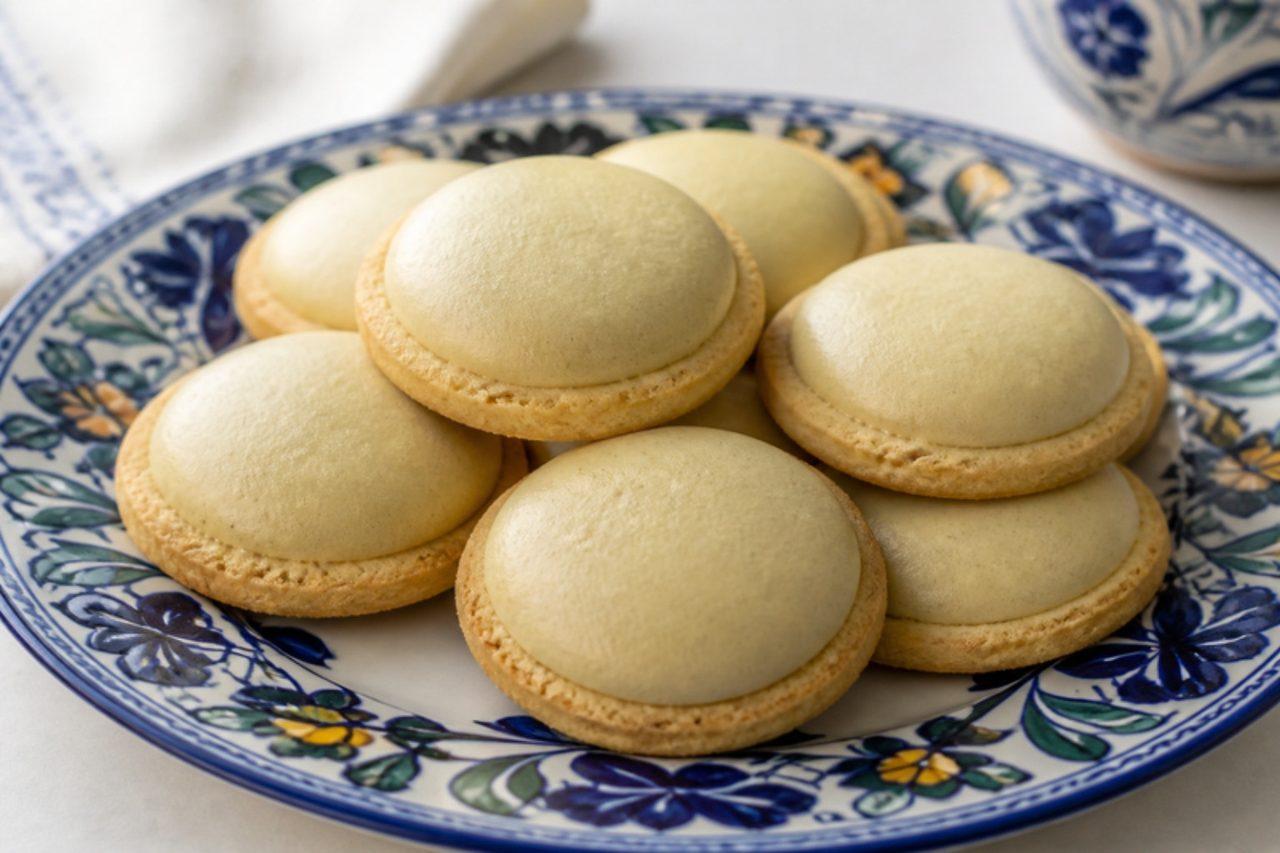
Alfajor santafesino

Santa Fe's alfajor is a different animal from the soft cornflour kind sold everywhere else: three wafer-thin, crackly discs of yolk-rich pastry, stacked with dulce de leche, then dipped in a cooked sugar glaze that sets hard, white and shiny. Bakeries in Santa Fe city and along the Paraná river ship them all over the country in boxes, and travellers bring them home as the regional present. Bite through and the glaze shatters, the pastry flakes and the dulce de leche holds it all together. Thick pastry is the mistake that ruins the texture; it has to be rolled until you can almost see the worktop through it, or the alfajor turns bready. Some old recipes add a splash of cane spirit to the dough; this version uses only water and is alcohol-free. Use a thick, pastry-chef's dulce de leche (repostero) so it doesn't ooze. Chef's tip: bake the discs in batches and keep the rest of the dough covered; it dries out fast and then cracks when rolled.

by KrazyBadal 0 views

Chivito al asador

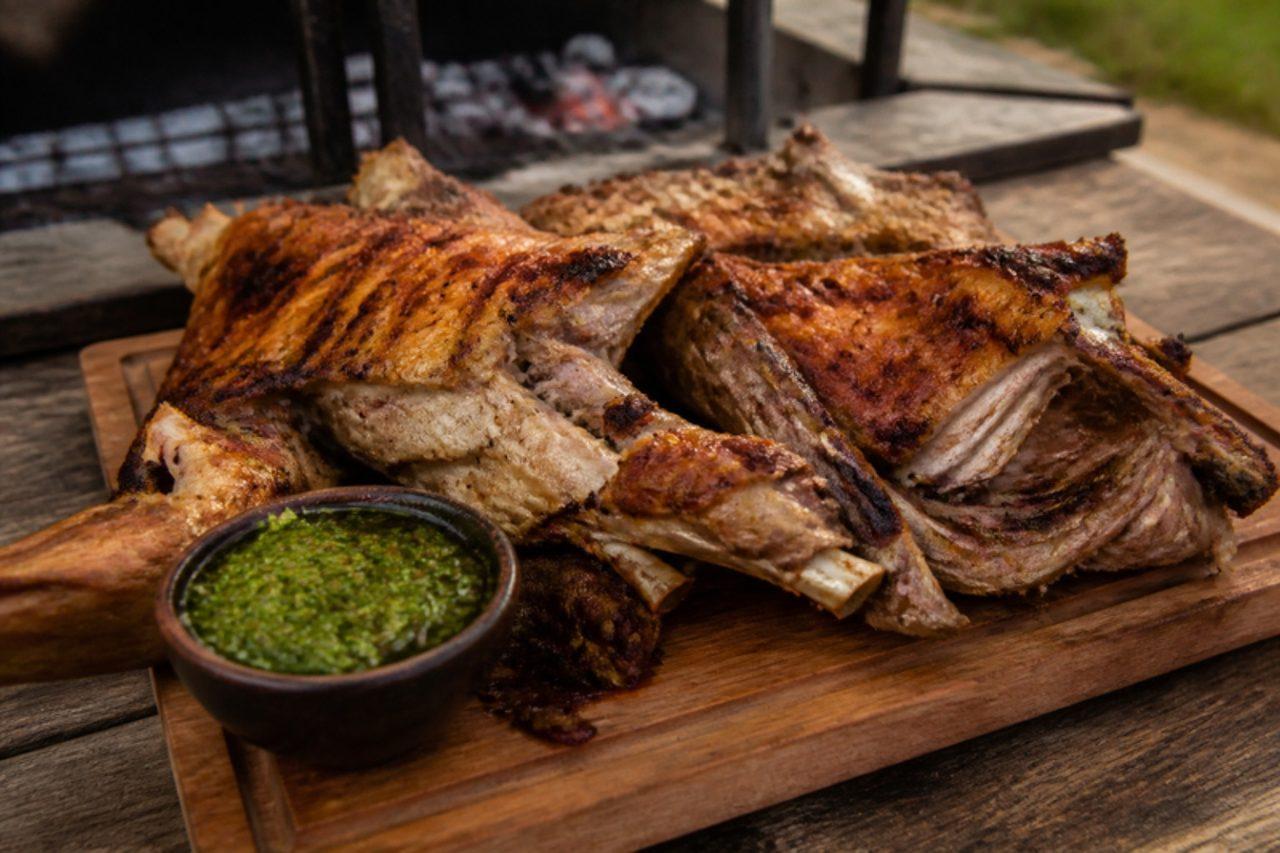
Malargüe, in the dry south of Mendoza, holds a goat festival every summer, and the star is the chivito: a milk-fed kid opened flat, wired to an iron cross and planted at an angle beside a fire of jarilla or other hardwood. It cooks from the side, never over the flames, basted with a garlicky salmuera until the skin turns glassy and crackling and the meat pulls apart. Serve it straight from the cross with salad, bread and chimichurri. Order a whole kid of 5–7 kg dressed weight from a specialist or halal butcher, and check the cross fits it before the day. Most failures come from setting it too close to the fire, which burns the outside while the thick legs stay raw. Kid is lean, so cook it right through, as in Mendoza: the thickest part of the leg should reach at least 70 °C. Chef's tip: cook bone side to the fire for two-thirds of the time; the ribs protect the meat, and the skin goes on last so it crisps instead of scorching.

by KrazyBadal 0 views

Chinchulines

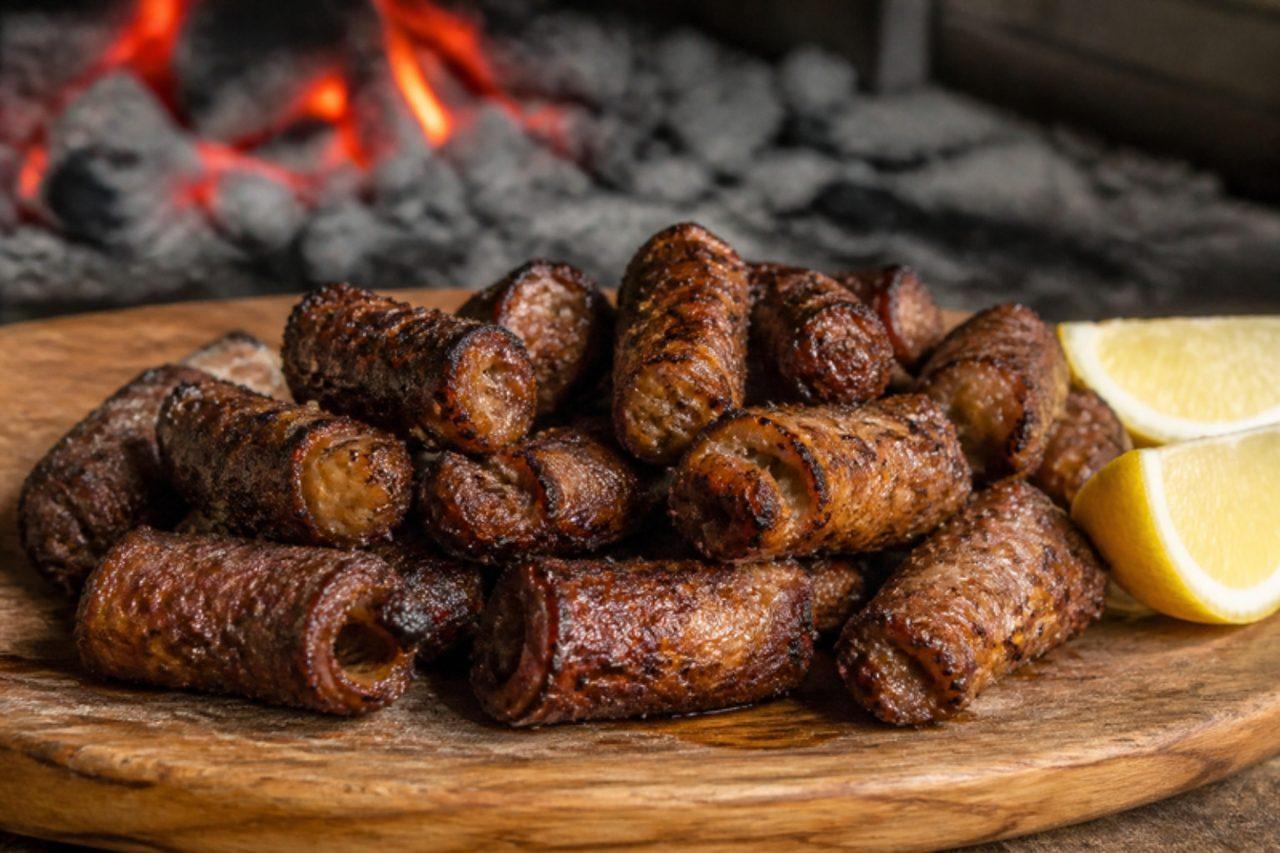
No proper Sunday asado in Buenos Aires province or the interior is complete without a round of achuras, and chinchulines are the boldest of them: beef small intestine, coiled on the grill and cooked slowly until the outside crackles like pork scratchings and the inside stays soft and rich with its own fat. Pass them round on a board with lemon and bread as a starter while the bigger cuts cook. Buy them already cleaned from a butcher or a Latin American meat counter, and rinse them again well at home. The usual mistake is too much heat: the outside burns long before the inside cooks. Offal must be cooked right through, with no soft, raw-looking parts. Chef's tip: simmer them briefly before grilling; it cleans them further, shortens the time on the coals and gives you a much more even crunch.

by KrazyBadal 0 views

Empanadas de pescado

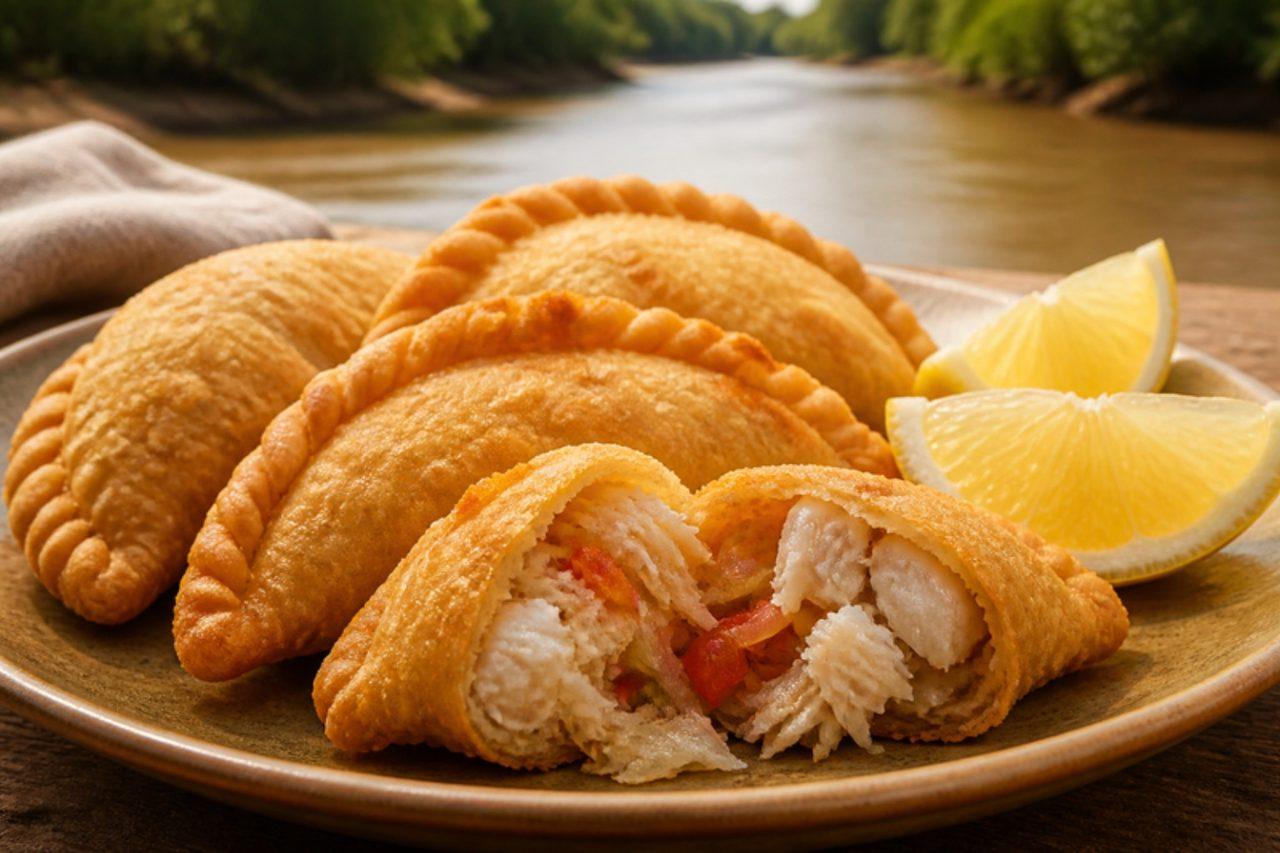
Along the coast of Santa Fe, especially during Lent and Holy Week, fishmongers' stalls and riverside kiosks sell fried empanadas filled with sábalo or surubí. The fish is poached, flaked and folded through soft onion and sweet pepper, then sealed in a thin oil-based dough and fried until blistered and crisp. Squeeze lemon over them and eat them warm, with a green salad or just a paper napkin. Any firm white fish works: hake, cod or a farmed catfish. The mistake people make most is skipping the bone check; river fish such as sábalo hide fine bones, so run your fingers through every flake. Chef's tip: keep the filling quite dry and cold before you fill the discs; extra liquid turns to steam in the hot oil and bursts the seams.

by KrazyBadal 0 views

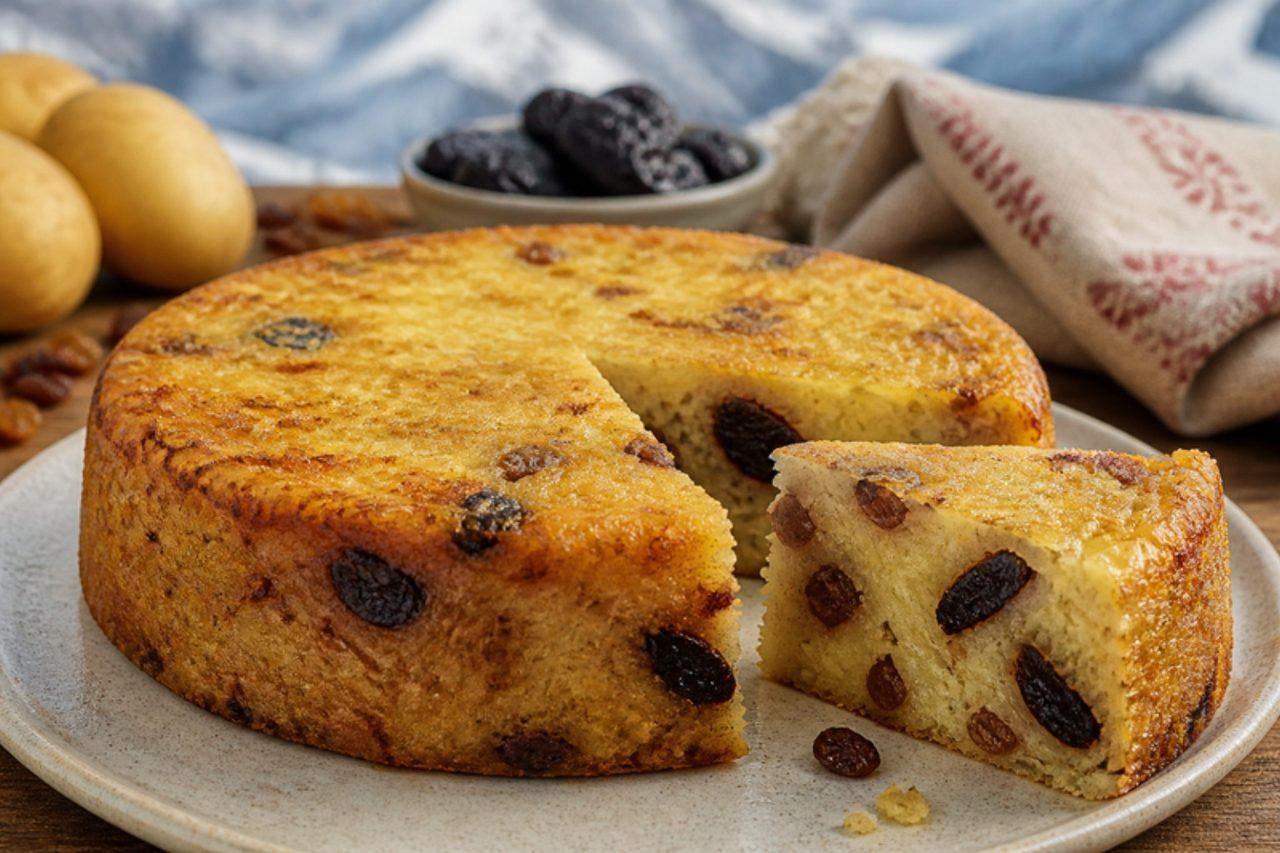
Budín de pan

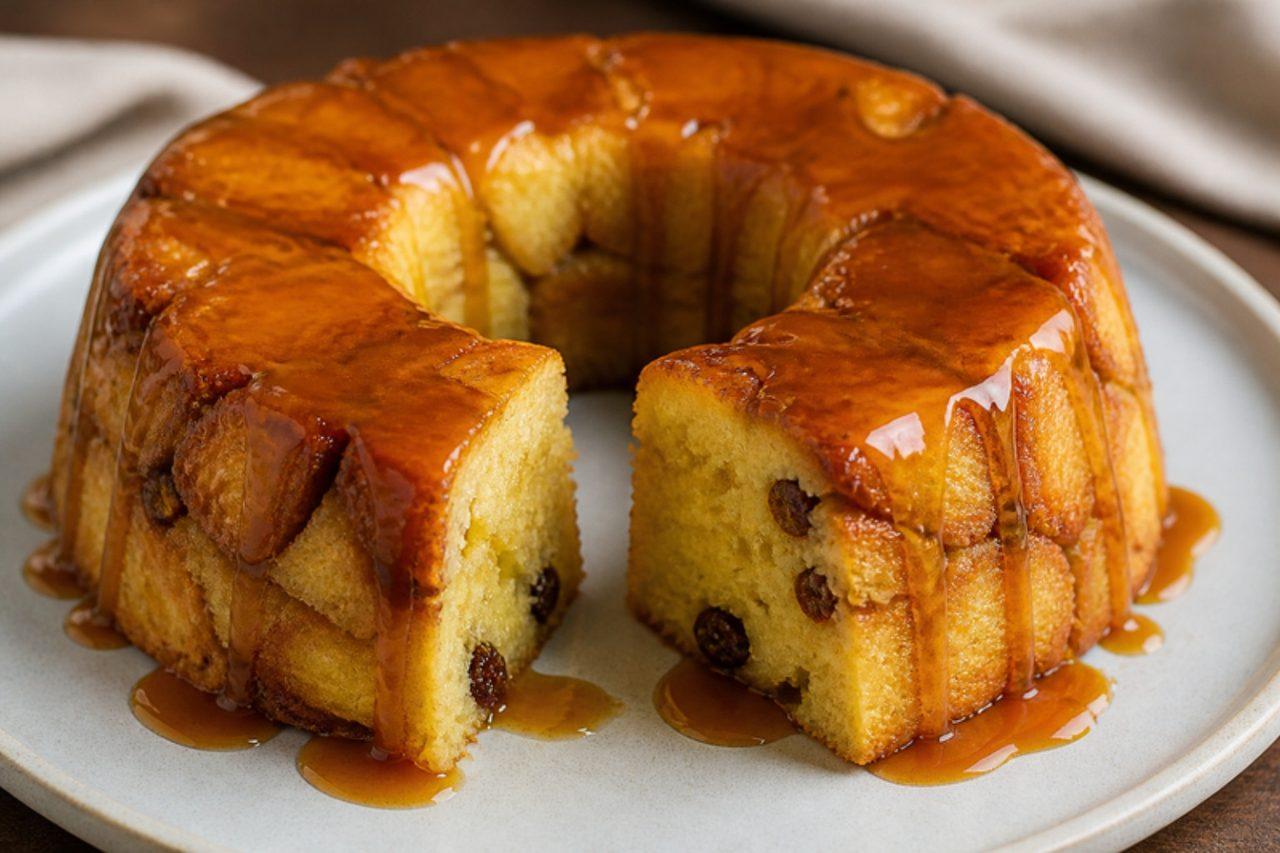
Thrifty Argentine kitchens never throw away stale bread: it becomes budín de pan, soaked in sweet milk and eggs, poured into a caramel-lined ring mould and baked in a water bath until it sets into something between a flan and a pudding. Bodegones in Buenos Aires and neighbourhood bakeries serve it in fat wedges, cold, with a spoonful of dulce de leche or whipped cream, the amber caramel running down the sides. The texture should be smooth and dense with only faint traces of bread, studded with plump raisins. The mistake to avoid is skipping the blending or soaking: chunks of dry bread turn into wet sponges and the pudding splits into layers. Chef's tip: let it cool and chill overnight in the mould before turning it out; a warm budín breaks when unmoulded and the caramel won't have melted into a sauce.

by KrazyBadal 0 views

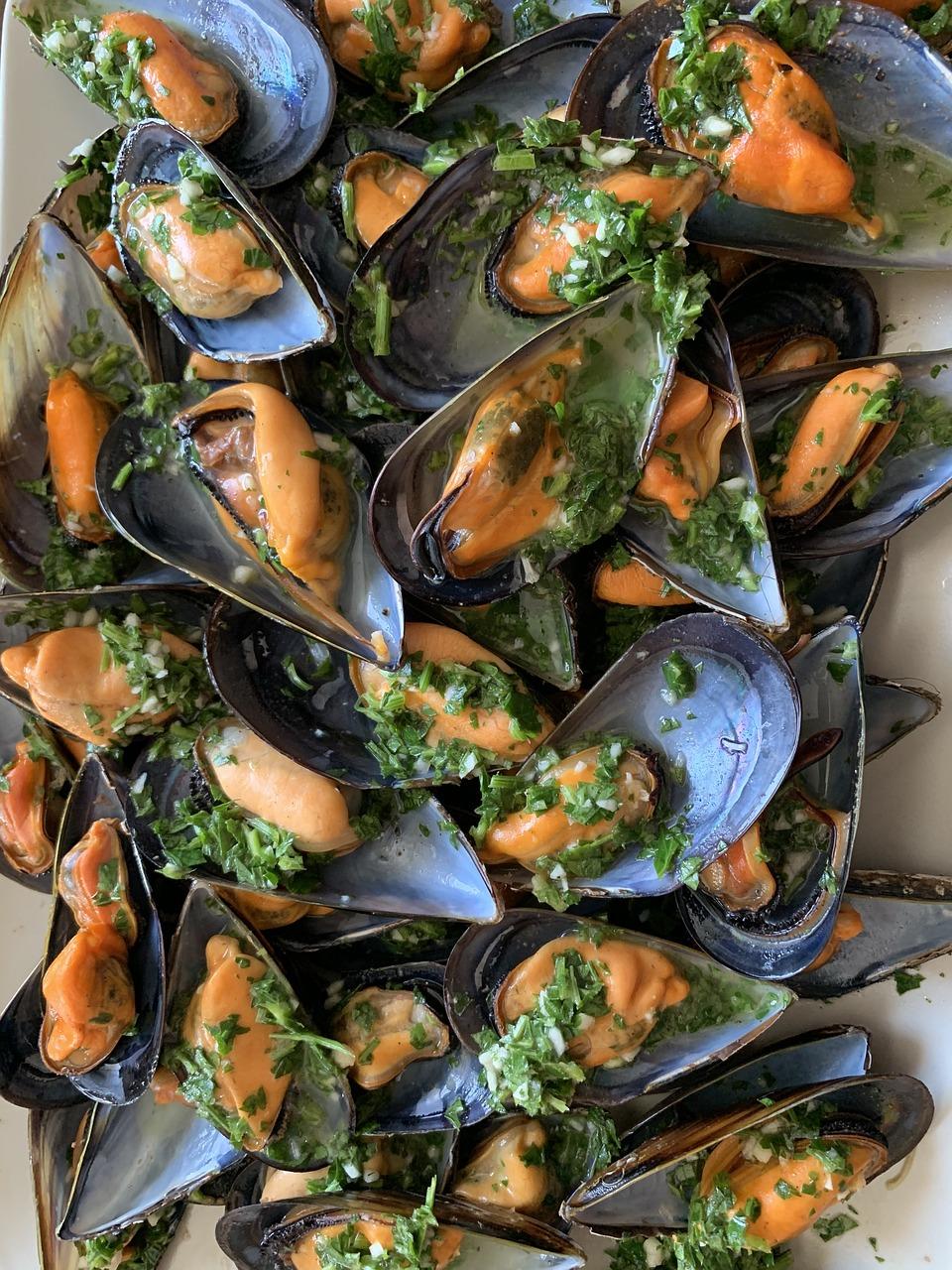
Mejillones a la provenzal

On the Atlantic coast around Puerto Madryn and the Golfo Nuevo, mussels from cold Patagonian waters are farmed and gathered in quantity, and seafood places along the rambla steam them a la provenzal, which in Argentina means lots of garlic and parsley. A splash of dry white wine goes into the pot; the alcohol mostly cooks off, but you can swap it for fish stock with a little lemon for an alcohol-free pot that tastes just as good. Serve with bread or chips to mop up the briny juices. Cooking mussels too long is the usual slip: they shrink and turn rubbery, so lift the lid as soon as most have opened. Before cooking, throw away any mussel with a broken shell or one that stays open when tapped; after cooking, discard any that stay shut. Chef's tip: keep the garlic in gently warm oil until it just smells sweet; brown garlic turns bitter and dominates the mussels.

by KrazyBadal 0 views

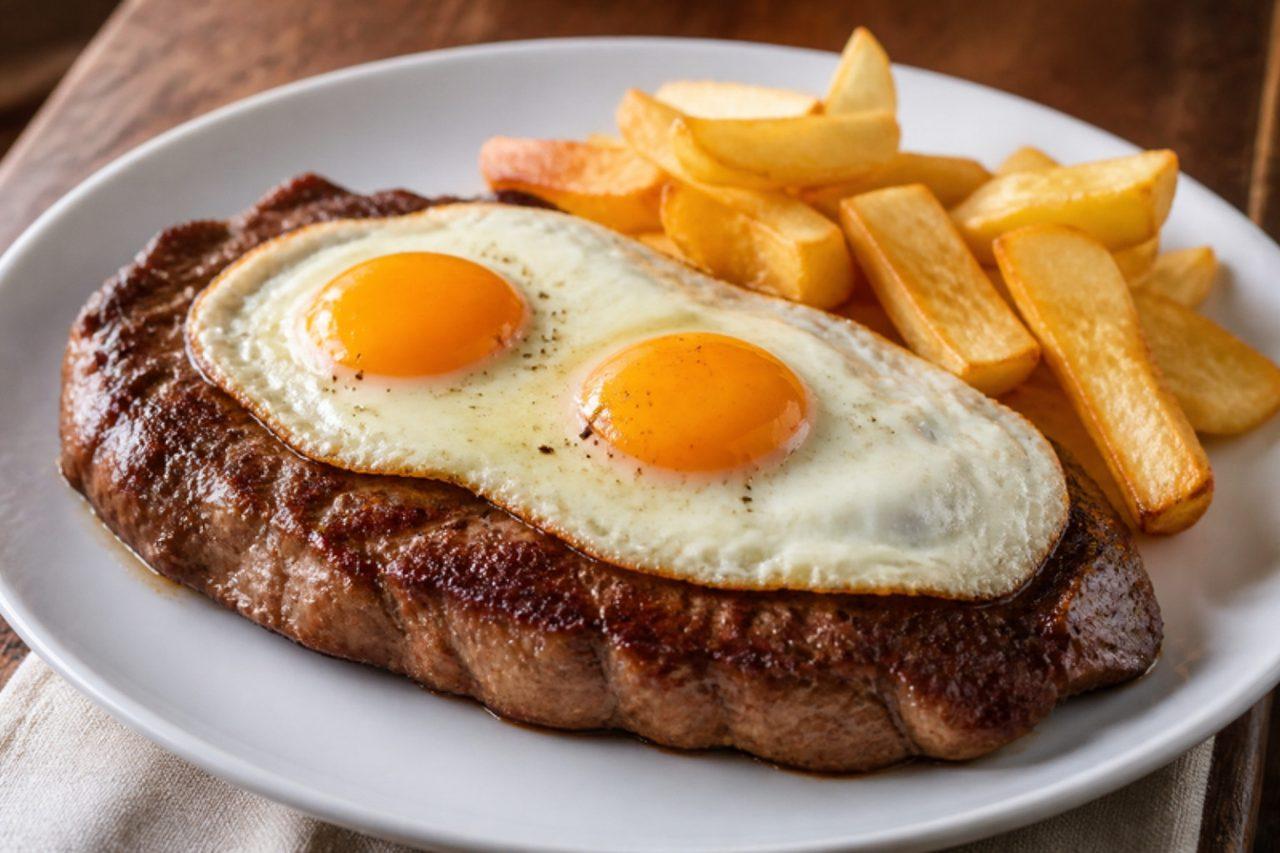
Bife a caballo

On the chalkboard of any neighbourhood bodegón in Buenos Aires you will find bife a caballo, steak "on horseback": a thick bife de chorizo (sirloin) or rump seared hard in a hot pan, crowned with two fried eggs whose yolks run into the meat juices, and served with a pile of chips. It is the plate for hungry taxi drivers at lunch and for anyone recovering from a long night. Cook the steak to your taste; Argentines usually ask for it jugoso (medium rare, about 55 °C in the centre) or a punto (medium, about 60 °C). Use eggs fried until the whites are fully set, and cook the yolks firm for anyone vulnerable. Crowding a pan that isn't hot enough is the classic mistake, which stews the steak grey, so let the pan smoke first. Chef's tip: rest the steak while you fry the eggs in the same pan; the beef juices in the fat give the whites crisp, savoury edges.

by KrazyBadal 0 views

Showing 18 of 6,261 recipes

Show more recipes

Page 218 of 696