

Skip to content
Dibyaza
Featured recipe

Dibyaza

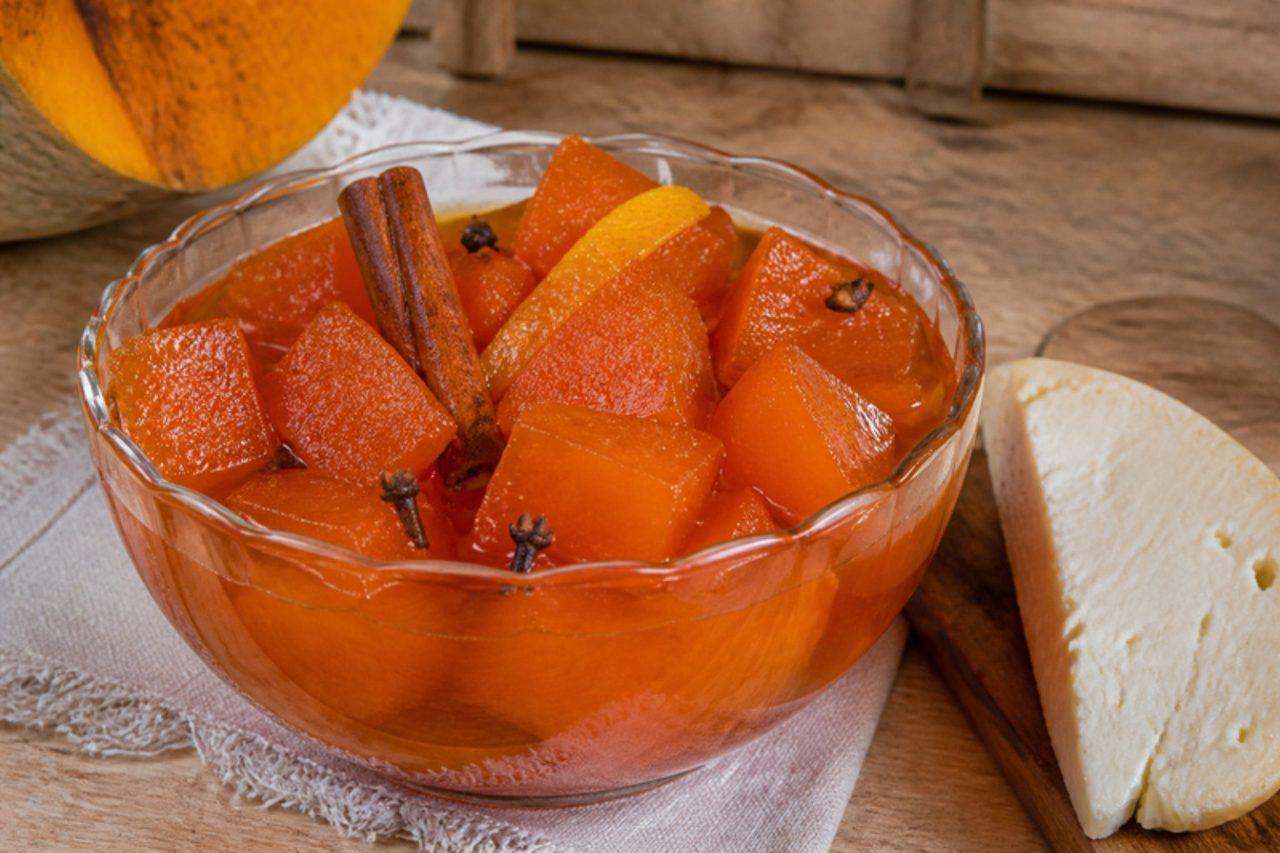
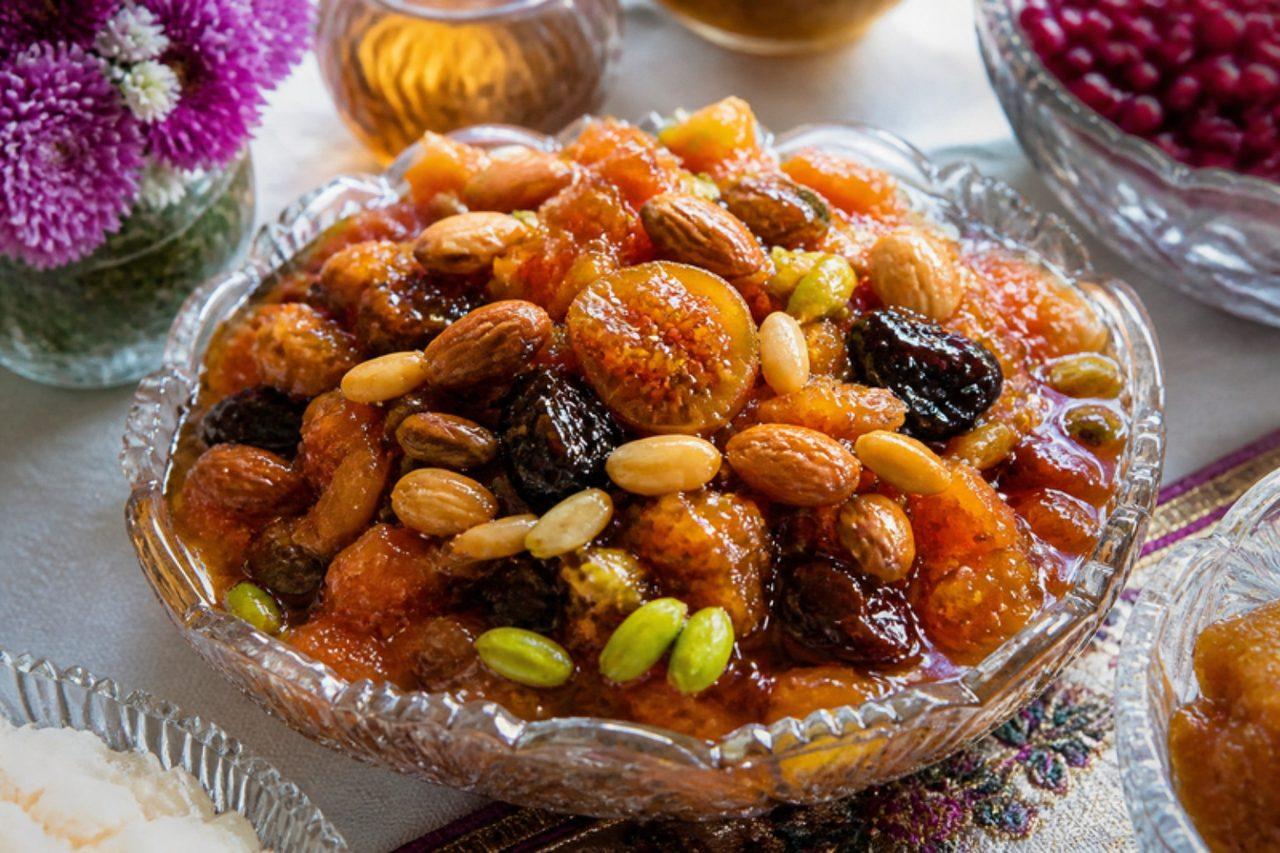
No Eid table in Jeddah or Mecca is complete without a bowl of dibyaza, a thick, glossy compote that old Hejazi families make the night before the festival and serve at breakfast alongside cheese, olives and fresh bread. Sheets of dried apricot paste melt into a tangy orange syrup that wraps around soft dates, figs, prunes and crunchy nuts, so every spoonful is sweet, sour and jammy at once. Some households stir in fried onion for a savoury edge; this version keeps it to fruit and nuts. People often boil it hard and scorch the bottom, because apricot paste catches very easily. Keep the heat low and stir from the base. It keeps for a week in the fridge. Chef's tip: soak the apricot paste in hot water until completely soft before it goes near the heat; it then dissolves smooth instead of leaving rubbery shreds.

Read more 0 views
Can't decide?

What to eat today?

Spin the randomizer, search with what's already in your fridge, or browse recipes from our chefs.

Latest recipes

Tortilla al rescoldo

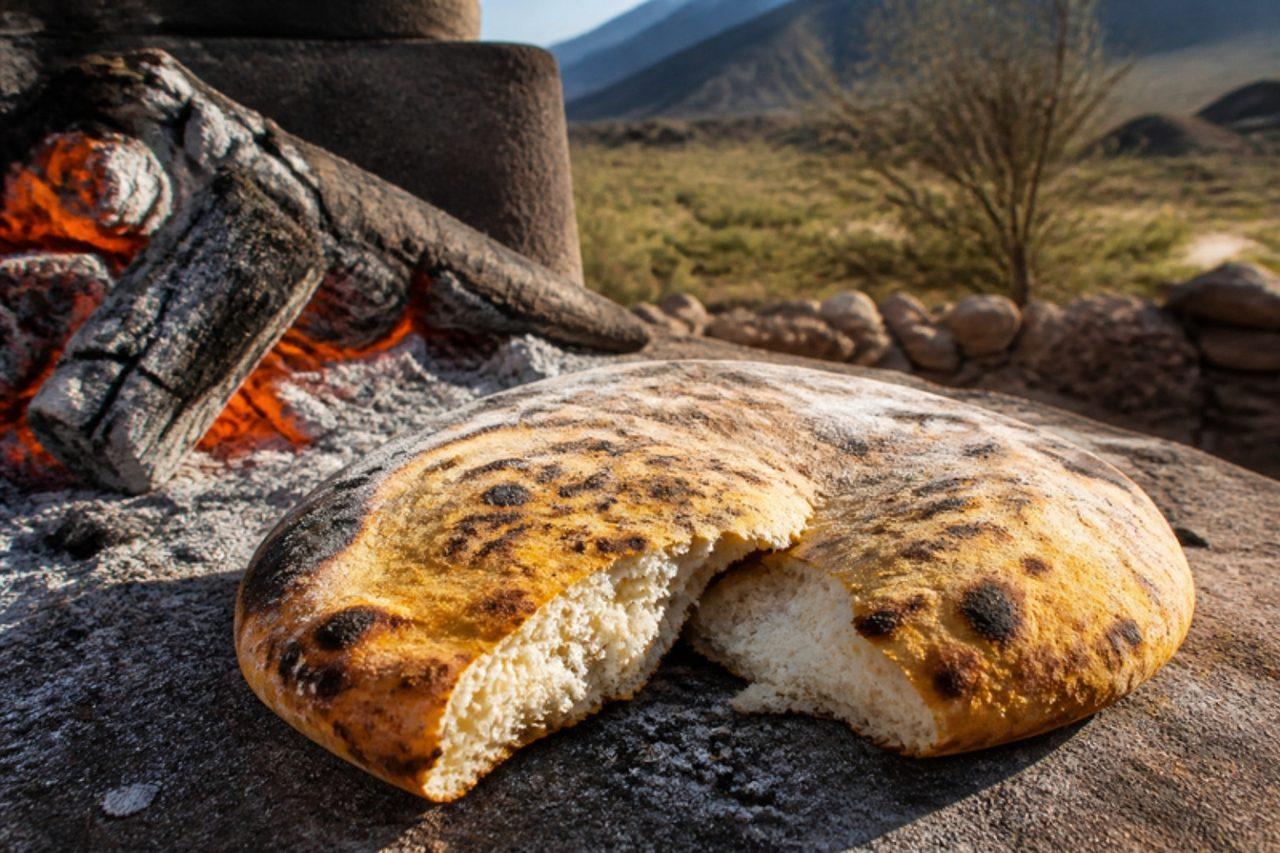
Puesteros in the hills of Salta and the Calchaquí valleys bake this bread the oldest way there is: a thick disc of plain dough laid straight onto the hot ash at the edge of the fire, covered with more embers and dug out 20 minutes later with a crust that is blistered and smoky and a crumb that is dense and soft. You brush off the ash, break it with your hands and eat it with goat's cheese, a mate or a bowl of locro. The traditional fat is lard (grasa); this version uses butter or vegetable shortening so it stays vegetarian. Laying the dough on flaming wood instead of a bed of settled grey embers is the mistake that burns the outside black before the middle cooks, so wait until the fire has died back. No fire? A dry cast-iron pan and a hot oven give you a close result. Chef's tip: knock the bread on its base when you lift it out; a hollow sound means it is cooked through.

by KrazyBadal 0 views

Matambre arrollado

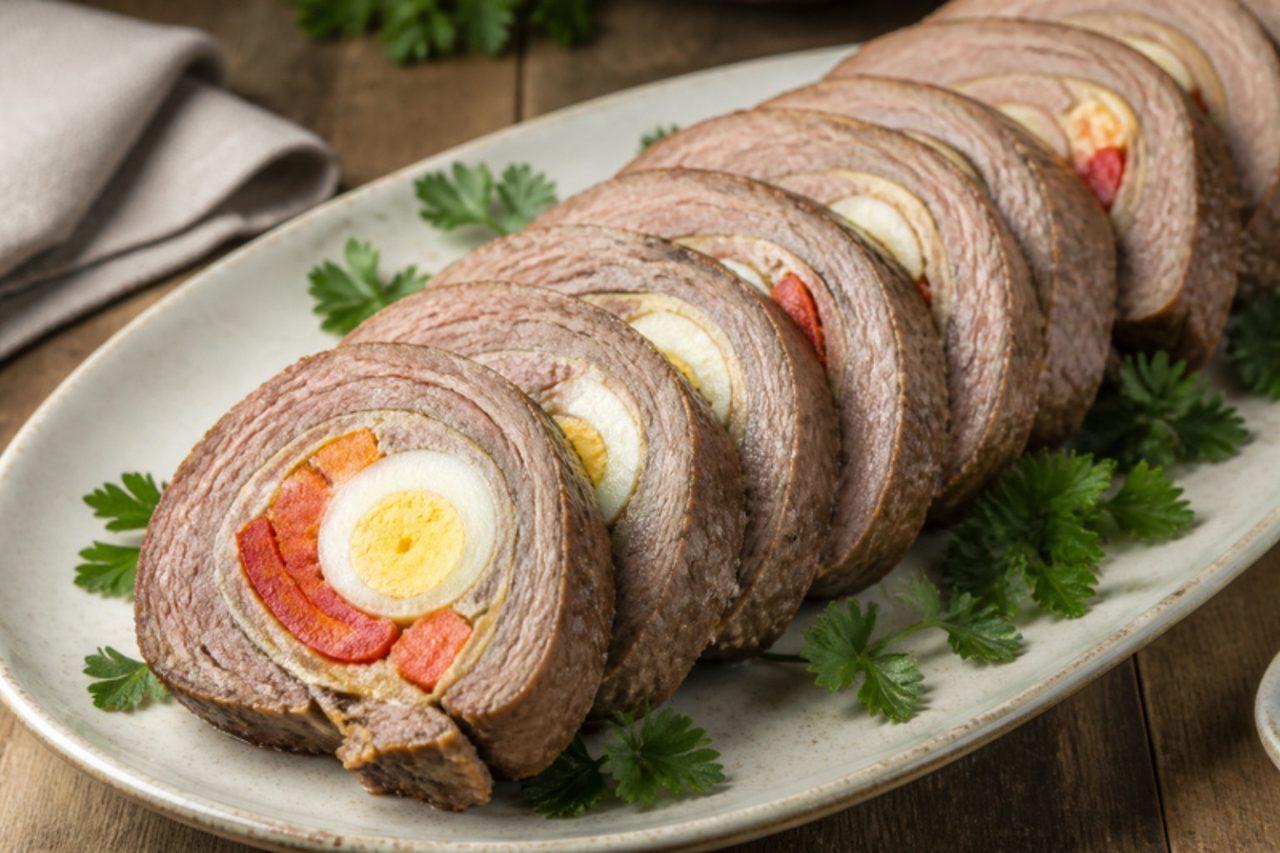
Christmas and New Year in Argentina fall in high summer, so the festive table is crowded with cold dishes, and matambre arrollado is the one that draws a crowd: a thin sheet of beef from between the ribs and skin (matambre, the rose or flank cut), spread with garlic and parsley, layered with hard-boiled egg, carrot and red pepper, rolled into a fat sausage, poached and pressed. Rotiserías in the Buenos Aires suburbs sell it by the slice, and each round shows a mosaic of colours. Served cold with Russian salad and a sharp chimichurri, it is tender and savoury. Because the outside of the meat ends up rolled inside, cook it to a core temperature of 71 °C, as for minced meat. The usual mistake is slicing it warm: it falls apart, so press it under a weight in the fridge overnight. If you can't find matambre, ask the butcher for a thin flank steak butterflied to 1 cm. Chef's tip: lay the meat with the grain running along the roll, so each slice cuts across the fibres and stays tender.

by KrazyBadal 0 views

Camotes poblanos

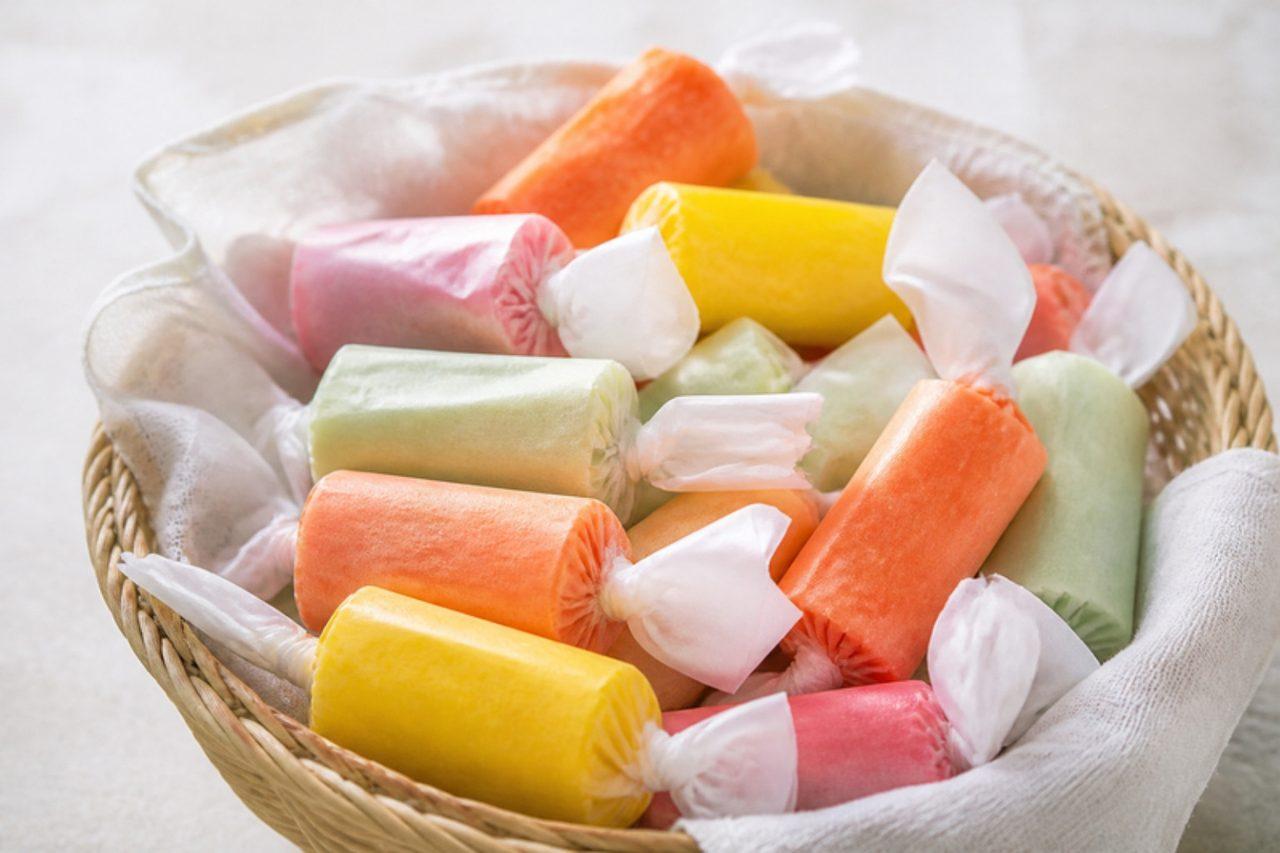
Camotes are the sweet Puebla is most famous for: finger-long rolls of sweet-potato fondant, flavoured with pineapple, lemon, strawberry or orange and wrapped individually in paper. Like tortitas de Santa Clara, they come from the city's convent kitchens, and you will find them at every candy shop on Puebla's Calle de los Dulces. The texture is soft and smooth, like a firm marzipan, and very sweet, so one or two is plenty. Chef's tip: sieve the cooked sweet potato while it is hot; fibres caught in the sieve are what would make the candy stringy.

by KrazyBadal 0 views

Tarta de choclo

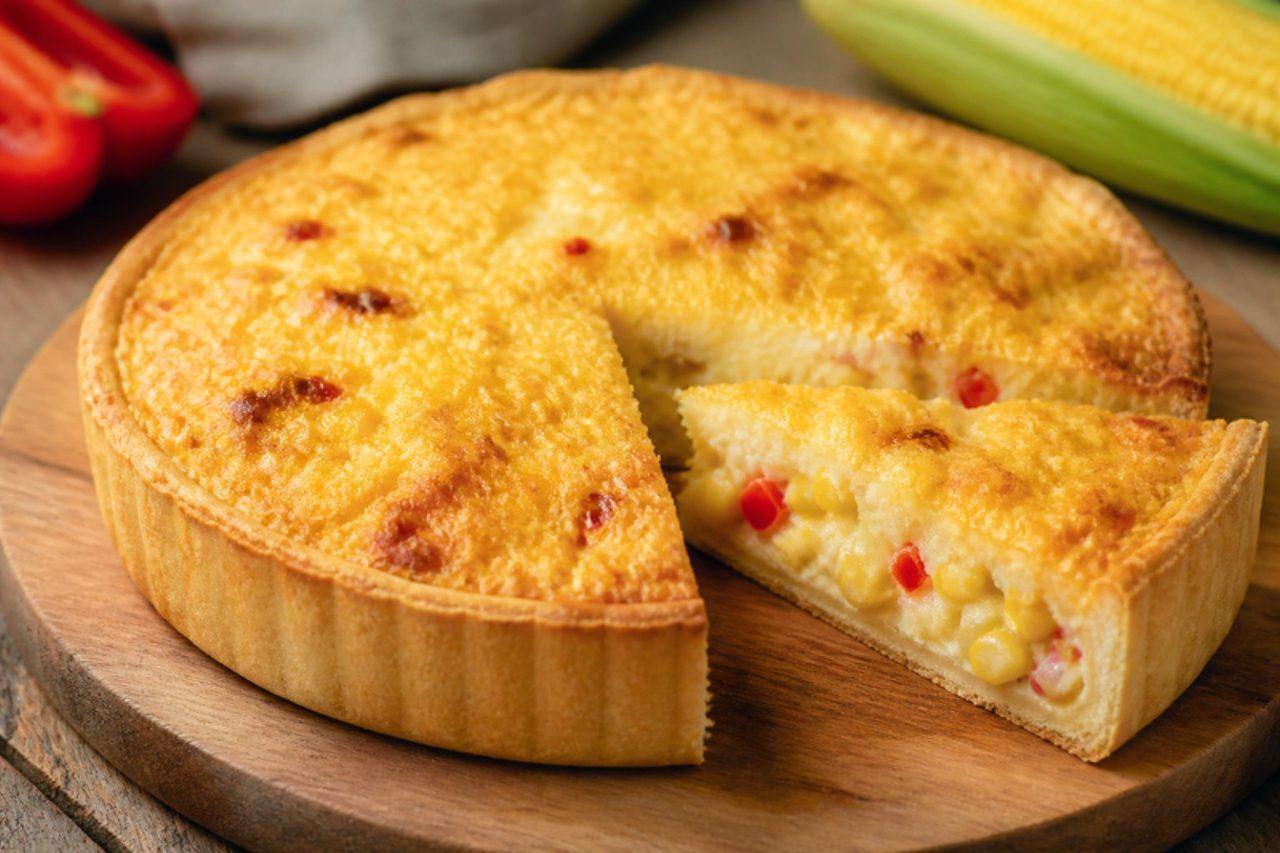
Ask any Argentine rotisería for a slice of tarta and choclo will be next to the chard and the ham-and-cheese. This is the creamy one: sweetcorn kernels folded into a thick white sauce with softened onion and red pepper, set with egg and cheese inside a buttery shortcrust. It is lunchbox and picnic food, eaten warm or at room temperature with a green salad, and it is a big favourite with children for its sweetness. The filling should slice cleanly but still be soft. A runny centre is the usual problem, and it comes from a thin white sauce or from forgetting to blind-bake: make the sauce thick enough to coat the spoon heavily, and part-bake the case. Mozzarella and grated hard cheese are often made with animal rennet, so buy vegetarian ones if that matters. Chef's tip: blitz a third of the corn with the white sauce; it gives a creamier, more corn-tasting filling while the whole kernels keep some bite.

by KrazyBadal 0 views

Zapallo en almíbar

Across the Argentine countryside, when the autumn squash harvest piles up, cooks turn some of it into zapallo en almíbar: cubes of firm orange squash soaked briefly in slaked lime (cal) and then simmered in syrup until they are crisp-skinned outside and tender, almost translucent inside. Farm stalls in Córdoba and Santiago del Estero sell it in jars, and it is eaten as dessert with a slice of cheese, the same idea as postre vigilante. This home version skips the lime and uses a short sugar cure instead, which still keeps the pieces whole. It is vegan as written; serve it with vegan cheese or toasted walnuts to keep it that way. The mistake to avoid is stirring: the squash breaks into purée, so shake the pan instead. Chef's tip: use a dense, dry squash such as Crown Prince or butternut neck, and cook the syrup slowly; if it boils hard the outside candies before the centre softens.

by KrazyBadal 0 views

Dulce de alcayota

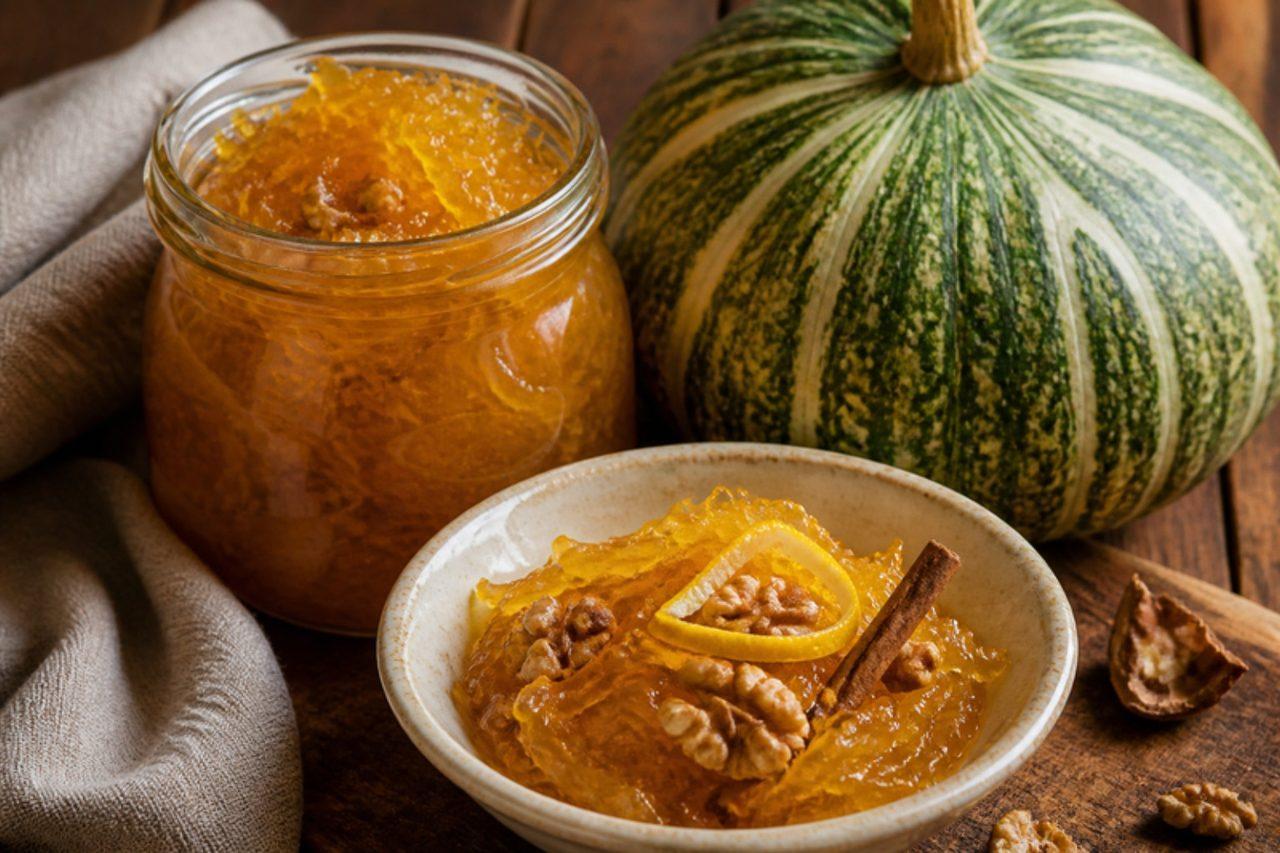
Late autumn in San Juan and Mendoza, the huge striped alcayotas (fig-leaf gourds, Cucurbita ficifolia) are left to cure in the sun, then split open for this preserve: the white flesh separates into long strands like angel hair, which cook in syrup until golden, glossy and translucent, with walnuts and a hint of cinnamon and clove. It is spooned onto bread, eaten with fresh cheese, and used to fill empanadas and pastries. Look for alcayota at Latin American grocers (sometimes sold as chilacayote or cidra); spaghetti squash makes a respectable stand-in. Cooking the syrup too hard is the trap: it caramelises and turns the preserve dark and bitter, so keep it at a gentle bubble. For safe storage, jars must be sterilised and sealed hot. Chef's tip: rinse the cooked strands in cold water before they go into the syrup; it washes off the starch and keeps the threads separate and clear.

by KrazyBadal 0 views

Pizza al molde

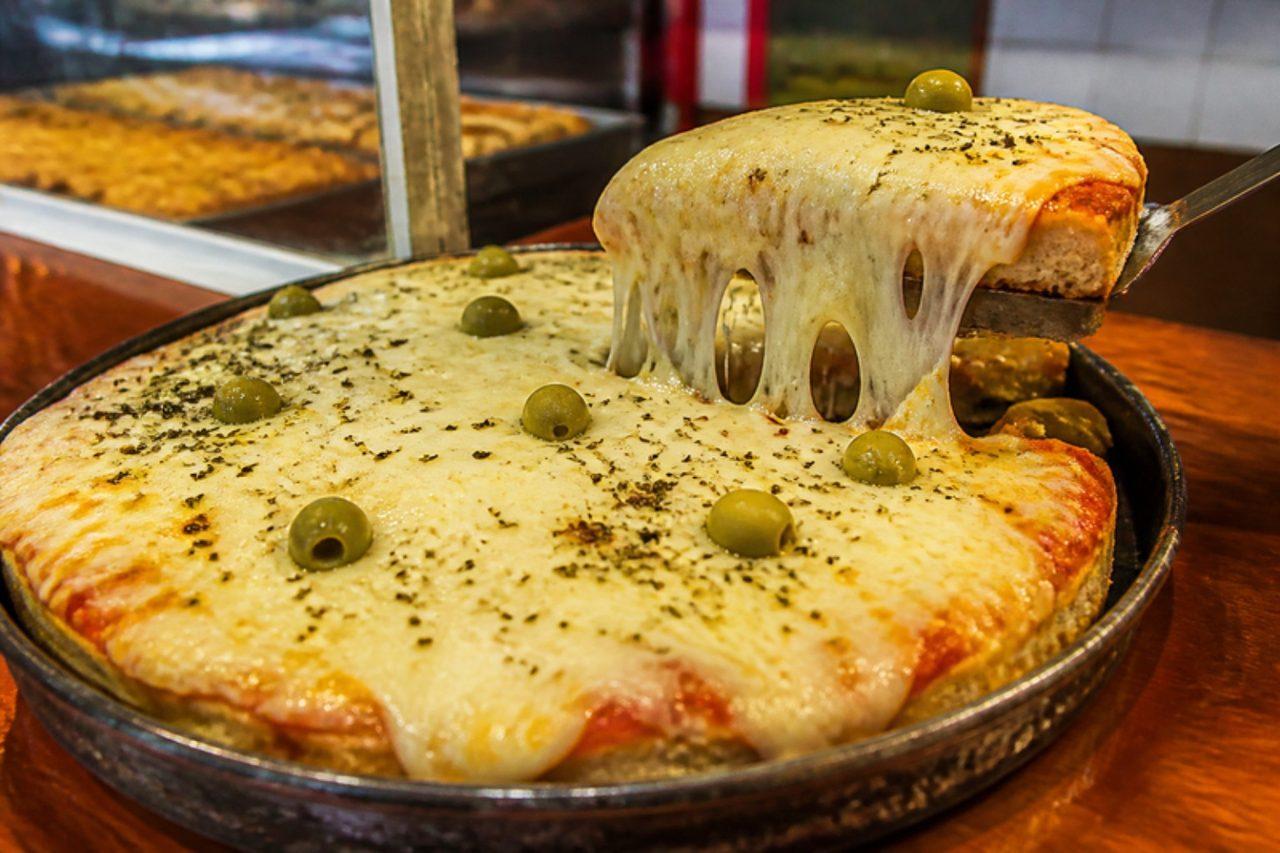
Order "una grande de muzza" at a Corrientes Avenue pizzería and this is what lands on the metal stand: a tall, airy base baked in a round black tin, a thin layer of tomato sauce and so much mozzarella it spills over the edge and fries against the metal. Porteños eat it standing at the counter or at a Formica table, often with a wedge of fainá on top and a cold soda beside it, and at home it is Friday-night food the whole family agrees on. The crumb should be soft and bready like focaccia, the base crisp from the oiled tin. Most home cooks go wrong by loading the cheese on raw dough: by the time the base has baked the mozzarella has split into grease. Here the base is part-baked with its sauce first, the way pizzerías keep pre-pizzas ready, and the cheese only goes in for the last minutes. The mozzarella is usually made with animal rennet, so pick a vegetarian one if that matters to you. Chef's tip: let the dough rise a second time inside the oiled tin; that last proof is what gives the high, open edge.

by KrazyBadal 0 views

Arepas boyacenses

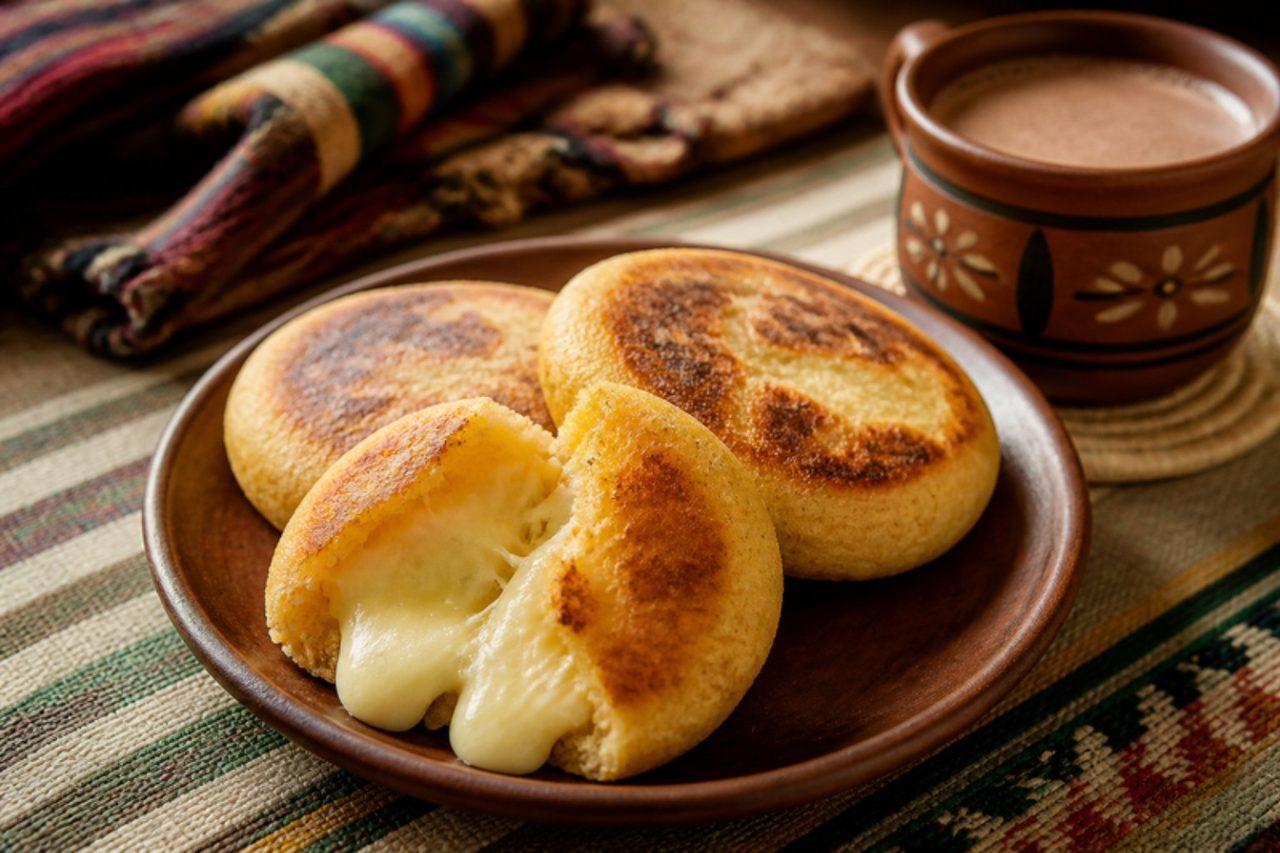
Roadside stalls on the highway from Bogotá to Tunja sell these golden, puffed discs straight off the griddle. Unlike the plain arepas of Antioquia, the boyacense mixes yellow corn with wheat flour, butter and a little sugar, and it hides a layer of fresh cheese that melts as it cooks, so each bite is sweet, salty and buttery at once. Eat them warm with coffee, hot chocolate or a cup of aguapanela. Queso campesino or cuajada is traditionally set with animal rennet; choose a vegetarian mozzarella or other microbial-rennet fresh cheese. The trap is cooking them on a high heat: the sugar browns fast and the middle stays raw and doughy. Chef's tip: keep the griddle at low-medium and give them time; a slow cook gives a thin crisp crust and lets the cheese melt fully.

by KrazyBadal 0 views

Postre vigilante

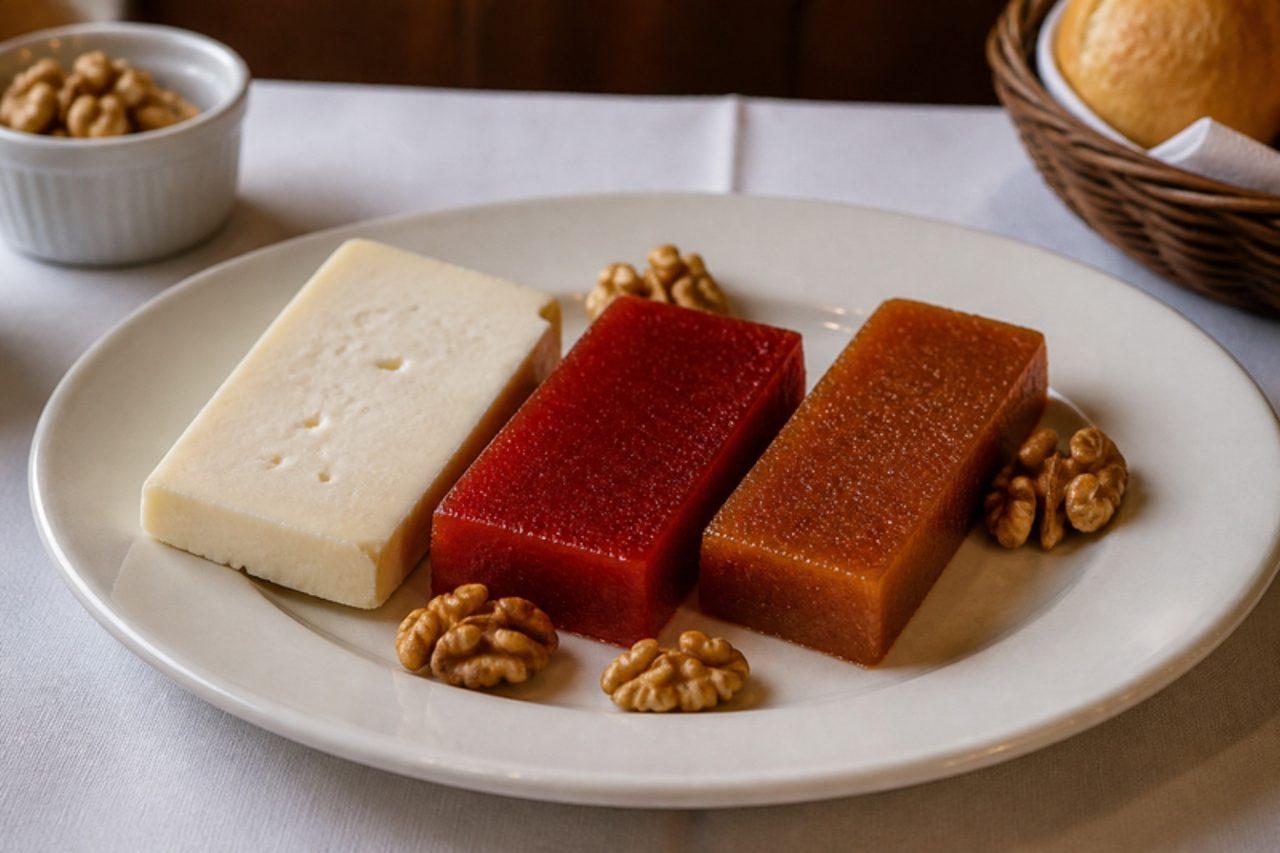
Ask for dessert in an old Buenos Aires bodegón and the waiter will rattle off flan, budín and, inevitably, vigilante: a thick slab of soft, mild cheese laid beside an equal slab of dulce de membrillo or dulce de batata. The name, "policeman", is said to come from the beat officers who ordered it as a cheap sweet in early twentieth-century cafés; Uruguayans call the same plate Martín Fierro. It is salty against sweet, creamy against firm, and takes five minutes. The traditional cheese is fresh queso cremoso or cuartirolo, or a firmer port salut; a young Havarti or mild Gouda is the best stand-in abroad. Like many soft cheeses, these are often made with animal rennet, so check the label for a vegetarian (microbial-rennet) cheese. The usual error is cutting the slabs thin like a cheese board; vigilante is about generous, equal bricks. Chef's tip: take the cheese out of the fridge 20 minutes ahead; cold cheese tastes of nothing next to the paste.

by KrazyBadal 0 views

Showing 9 of 6,261 recipes

Show more recipes

Page 216 of 696