


Skip to content
Kabichi
Featured recipe

Kabichi

Fried cabbage and carrot

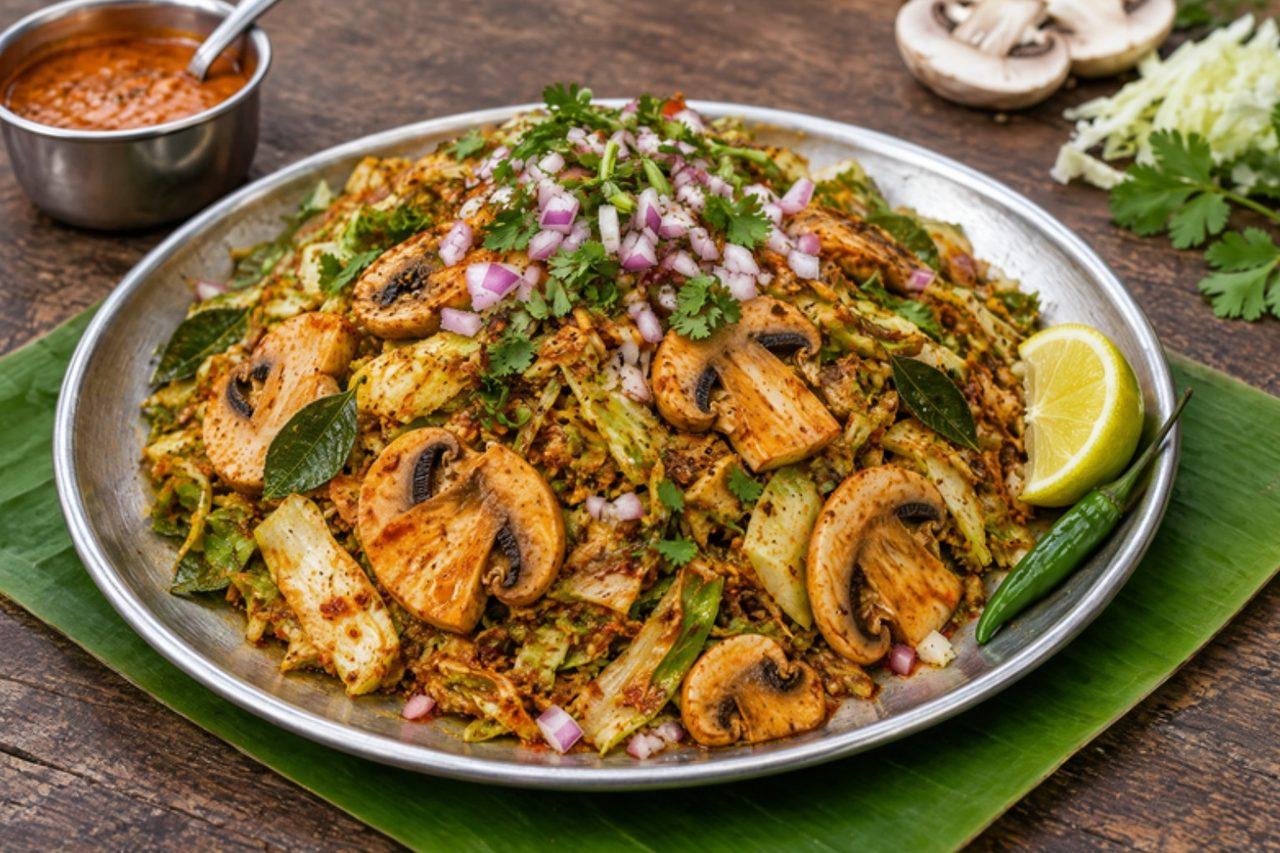
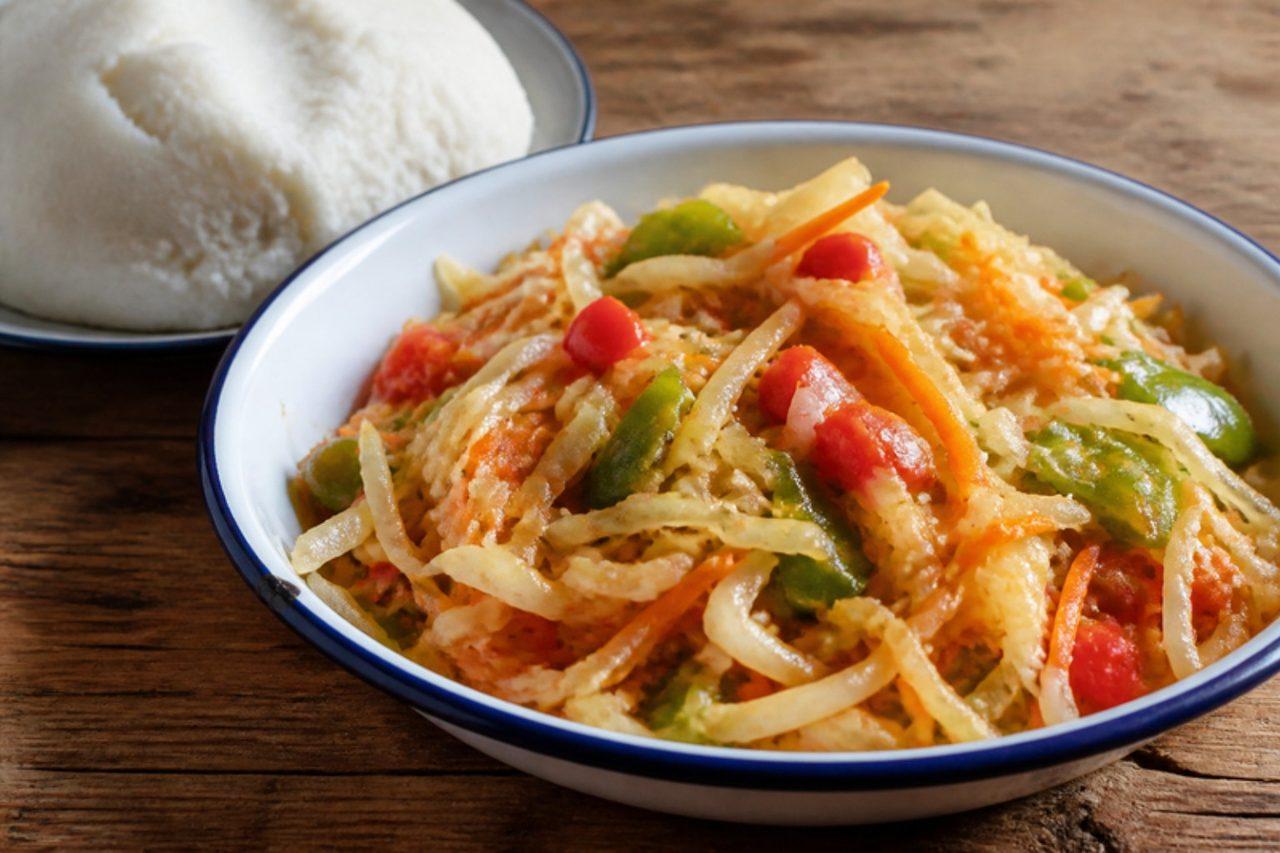
Hardly a weekday supper in a Nairobi flat goes by without a pan of kabichi next to the ugali: it costs little, uses one cabbage from the corner duka and is on the table in twenty minutes. Thin ribbons of cabbage meet onion, grated carrot, tomato and green pepper in a hot pan, staying sweet with a little bite and soaking up just enough tomato to turn rosy. Pair it with ugali and ndengu or beans, or roll it into a chapati. Most cooks go wrong by covering the pan and letting the cabbage steam to a grey, sulphurous heap; keep the lid off and the heat up. Chef's tip: salt the cabbage only at the very end, because salt pulls out water and stops it frying.

Read more 0 views

What to eat today?

Around the world

Today's trip: Persian

A new country every day, from every cuisine on the site.

This week's collection

Kid-friendly dinners
537 recipes · a new collection every Monday

Latest recipes

Eggplant rolls

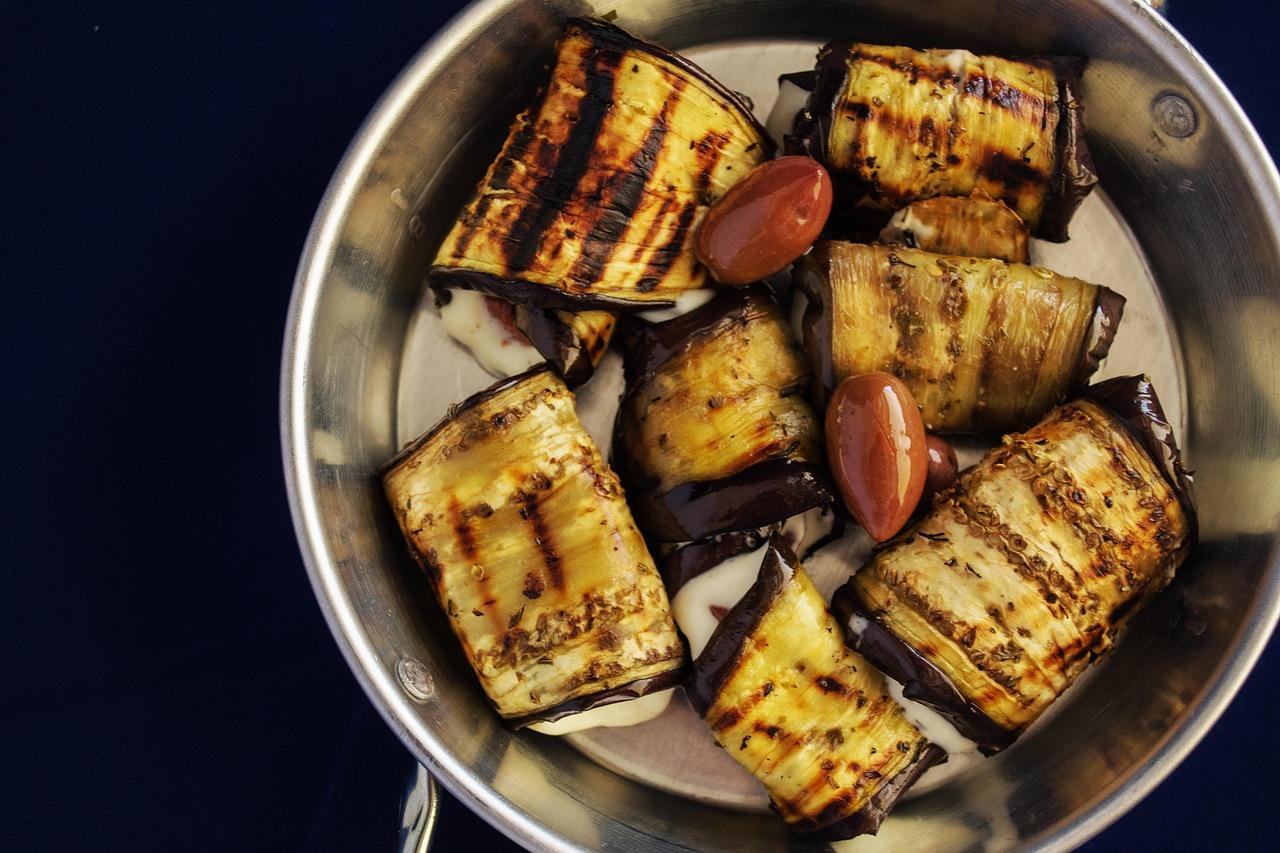
Every birthday buffet in Russian flats seems to have a plate of these little rolls, brought out with the herring and the salads: thin strips of fried aubergine wrapped around a sharp garlic and cheese filling with a slice of tomato peeking out. The aubergine is silky, the filling creamy and punchy, and the tomato keeps it fresh. They are a cold starter, so make them an hour before guests arrive and keep them chilled. Where most people go wrong is frying thick slices in lots of oil, which leaves them greasy and stiff; slice thin, salt them, pat dry and fry in a shallow film of oil. Many hard cheeses use animal rennet, so pick a vegetarian one. Chef's tip: press the fried slices between paper towels while still warm; they shed surprising amounts of oil.

by KrazyBadal 0 views

Beet salad with garlic

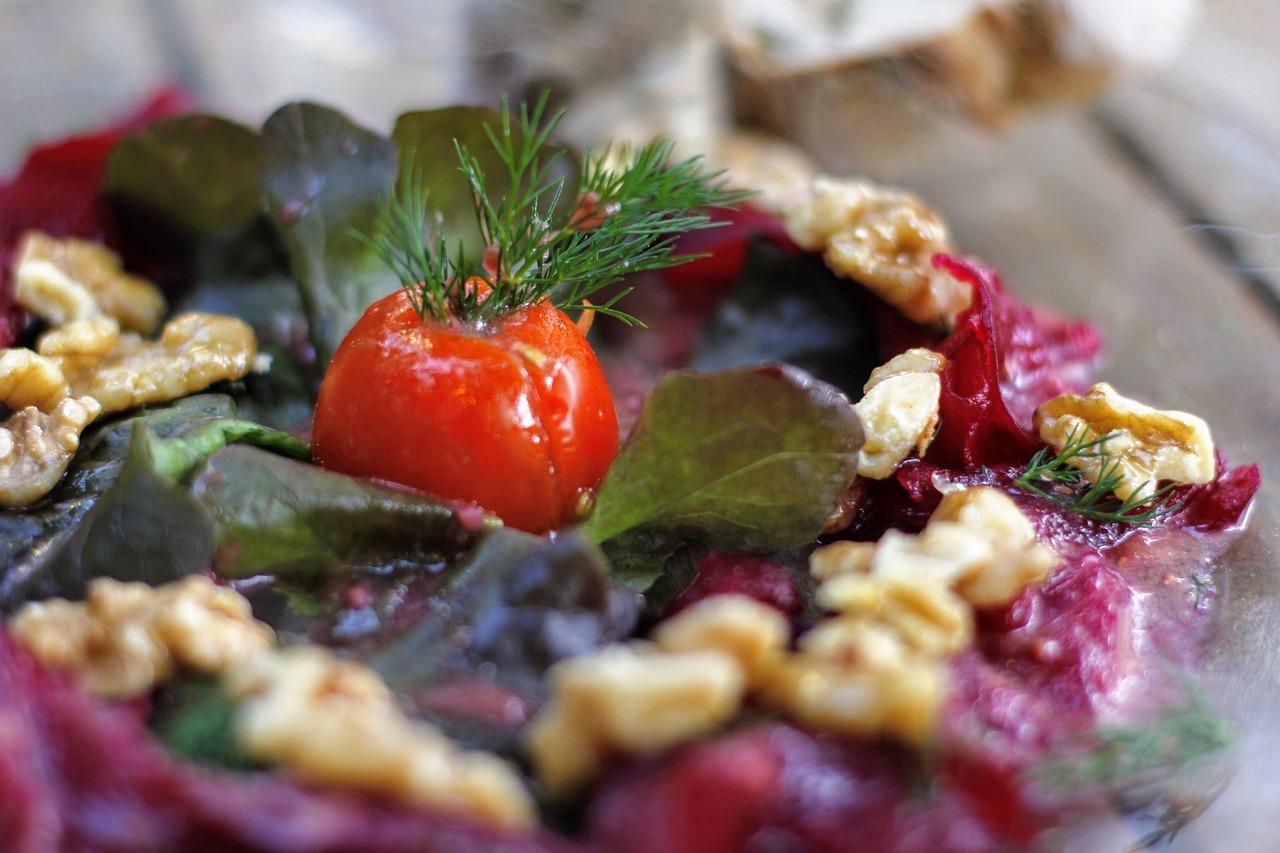
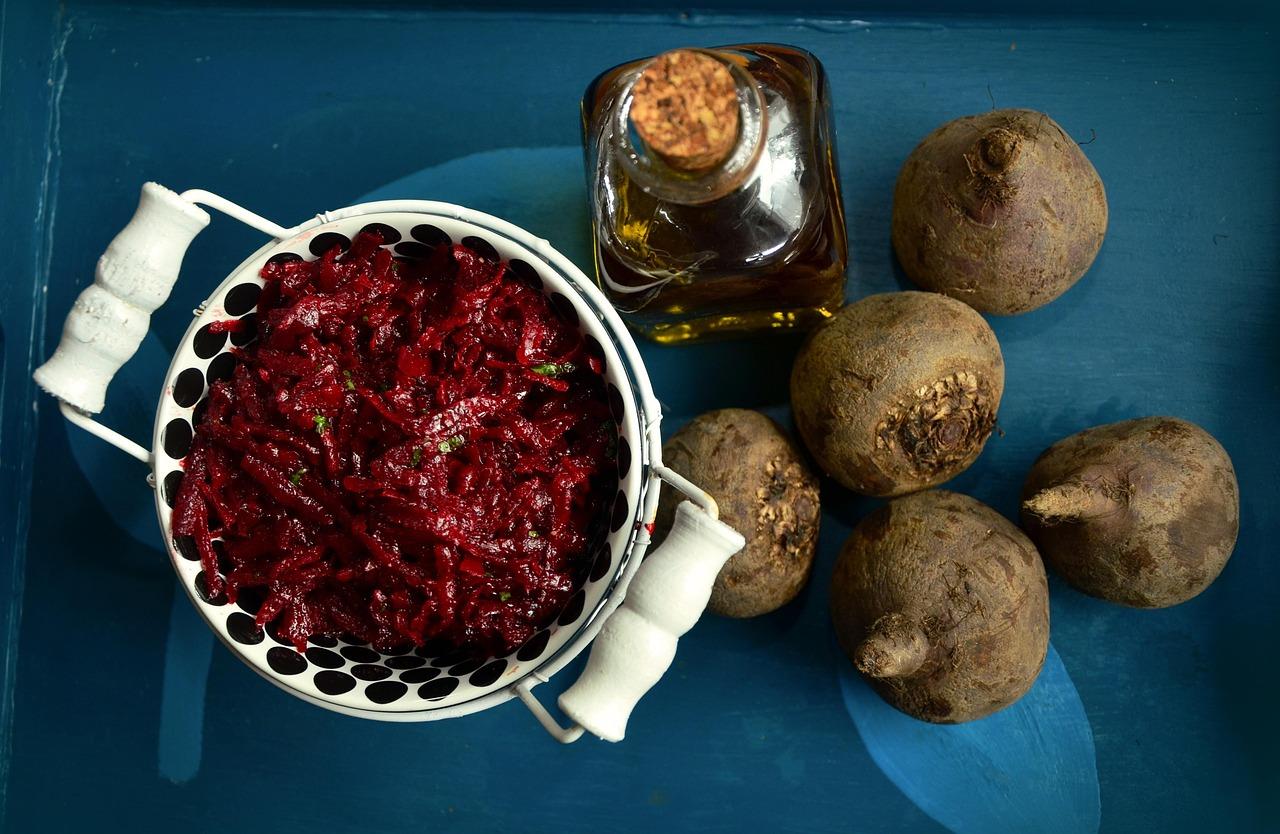
Grated beetroot with garlic is about as everyday as Russian cooking gets: something from the school canteen, the work buffet and the Sunday table alike, served in a small bowl beside cutlets, boiled potatoes or black bread. This dressed-up version adds chopped prunes for sticky sweetness and toasted walnuts for crunch, all bound with a spoon of mayonnaise. It tastes earthy, sweet and bright with garlic. Buy ready-cooked beetroot (not pickled) to keep it a fifteen-minute job, or boil your own the day before. The usual slip is grating the beetroot fine and leaving it in its juice, which makes the salad watery and purple-grey; grate coarsely and squeeze lightly first. For a lighter dish use thick yoghurt or sour cream in place of mayonnaise. Chef's tip: toast the walnuts; raw ones taste bitter against the beet.

by KrazyBadal 0 views

Vitamin salad

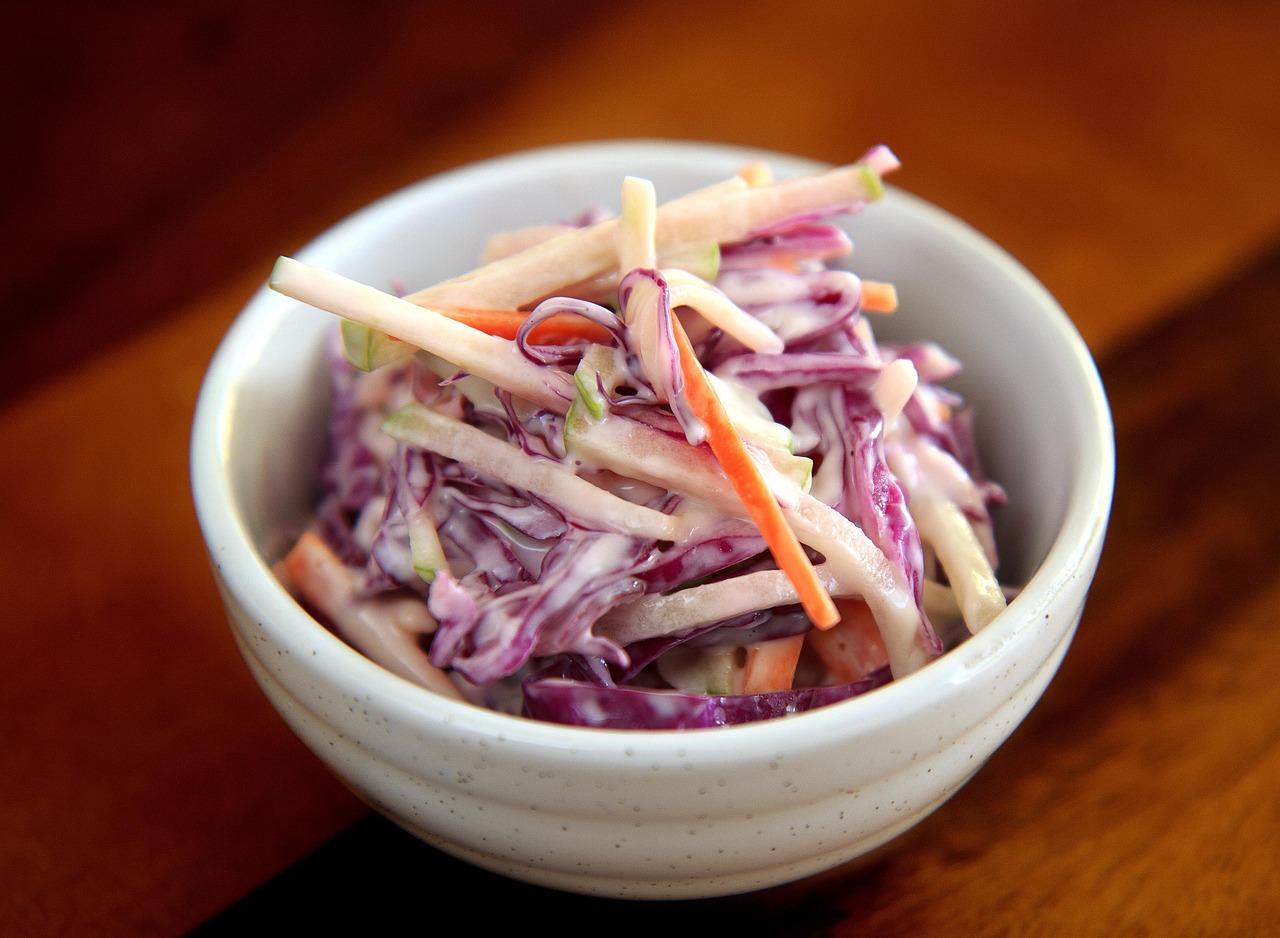
"Vitamin" salad was the bright spot on every Soviet stolovaya tray, scooped from a steel tray beside the cutlets and buckwheat, and it is still how many Russians start a light lunch. Fresh white cabbage, carrot and green apple are rubbed with salt and sugar, then dressed simply with sunflower oil and vinegar, so it tastes crisp, juicy and sweet-sour. It goes with almost anything hot and is a good way to use half a cabbage. A common mistake is skipping the squeeze: crushing the cabbage with salt for a minute or two softens it and draws out juice that becomes part of the dressing. Grate the apple last so it does not brown. Chef's tip: unrefined, toasted-seed sunflower oil gives the true canteen flavour; a splash goes a long way.

by KrazyBadal 0 views

Smoked omul

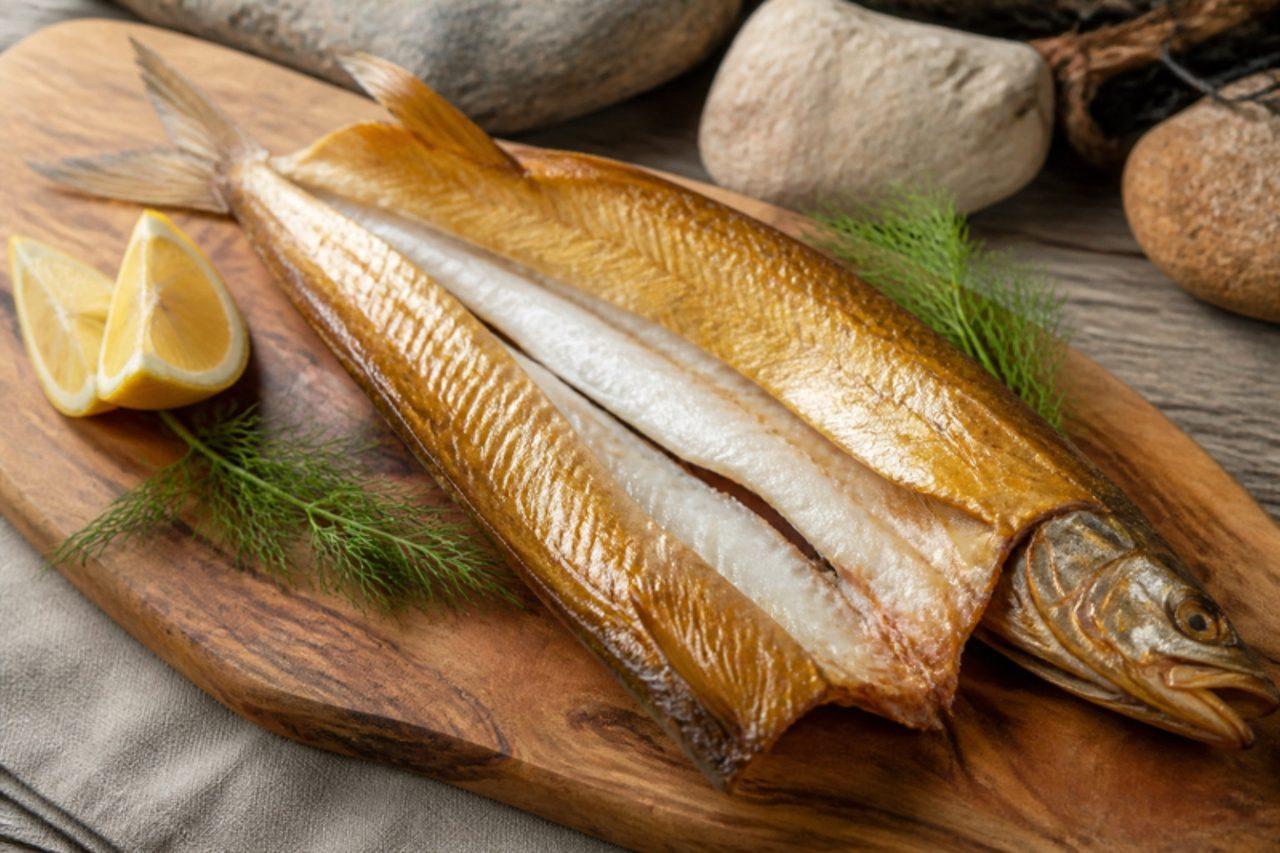
On the shingle beaches of Listvyanka, at the edge of Lake Baikal, women sell omul still warm from the smoke, the fish split open, threaded onto alder sticks and set around a fire until the skin turns bronze and the flesh pulls away in moist, salty flakes. Omul lives only in Baikal, so at home use small whitefish, trout or mackerel, gutted and split. A short brine in the fridge seasons the fish, then it is hot-smoked in a kettle barbecue or a lidded smoker until cooked right through. Serve it warm or cold with boiled potatoes, black bread and spring onions. The usual slip is smoking over flames rather than smouldering chips, which chars the skin before the inside is done. Chef's tip: let the brined fish dry in the fridge, uncovered, for an hour: the tacky surface takes the smoke far better.

120 minRussianFishGluten free
by KrazyBadal 0 views

Pomor-style cod

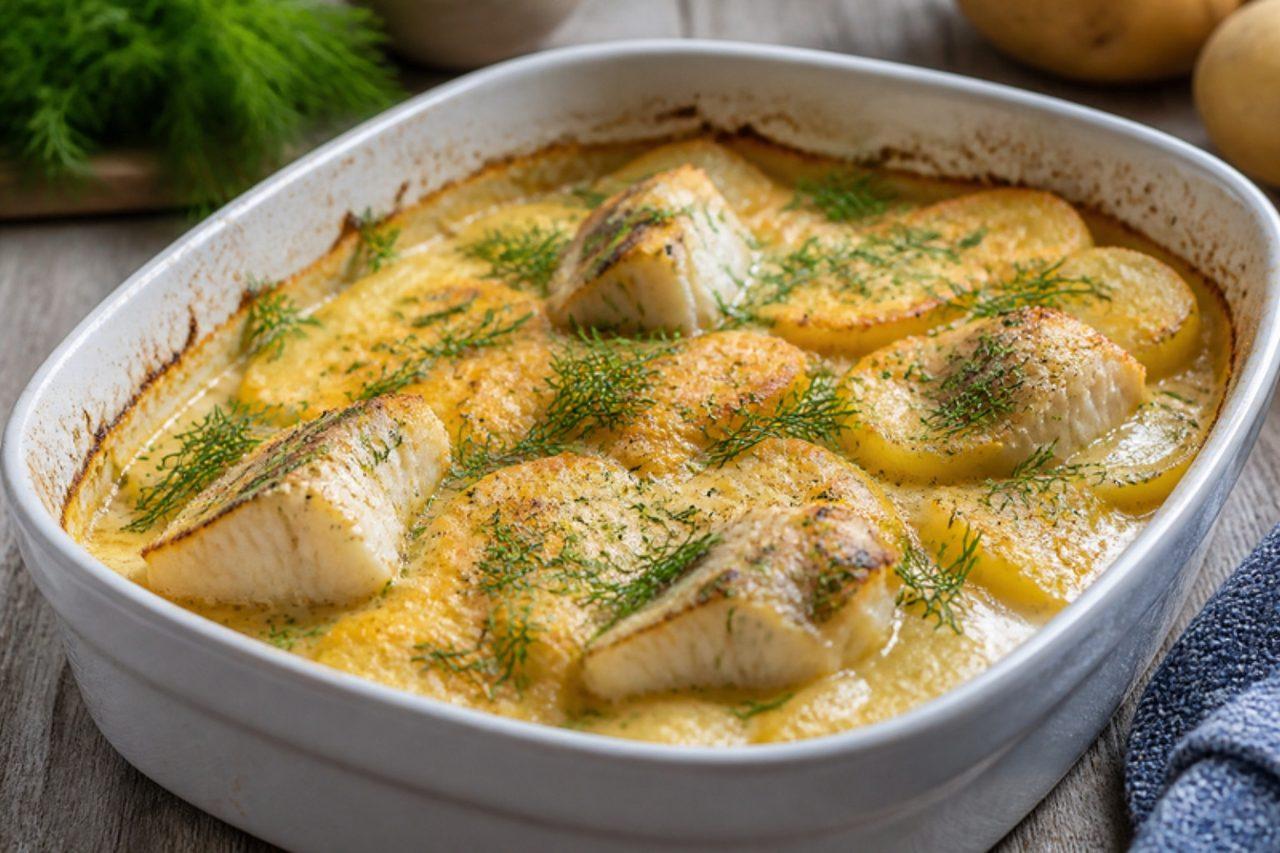
Along the White Sea coast near Arkhangelsk, the Pomors lived on cod, and this is how a fisherman's household turned a fillet into a whole supper: fish laid over sliced potatoes and buttery onions, then covered with beaten egg and milk and baked until set and golden, like a savoury fish custard. It is soft, mild and filling, and is eaten with pickled mushrooms, sauerkraut or a green salad. Where most people go wrong is using raw potato slices, which take far longer than the fish; par-boil them first. Chef's tip: salt the cod lightly 15 minutes ahead in the fridge, it firms up and does not leak water into the egg.

by KrazyBadal 0 views

Chorbet hout (Sfax fish soup)

Along the coast around Sfax, a bowl of chorbet hout often opens the meal at Ramadan iftar, after dates and water: a red, peppery broth of tomato, harissa and caraway, thick with tiny bird's-tongue pasta and flakes of white fish, finished with a squeeze of lemon. Grouper, sea bream or mullet are the local choices, and any firm white fish works. The soup is warming and spicy with a fresh lift from parsley and celery, and goes well with bread and a brik. Chef's tip: poach the fish briefly, lift it out and only return the flakes at the end; leaving it to boil with the pasta is the common mistake, and it breaks into threads.

by KrazyBadal 0 views

Osban (Tunisian stuffed lamb sausages)

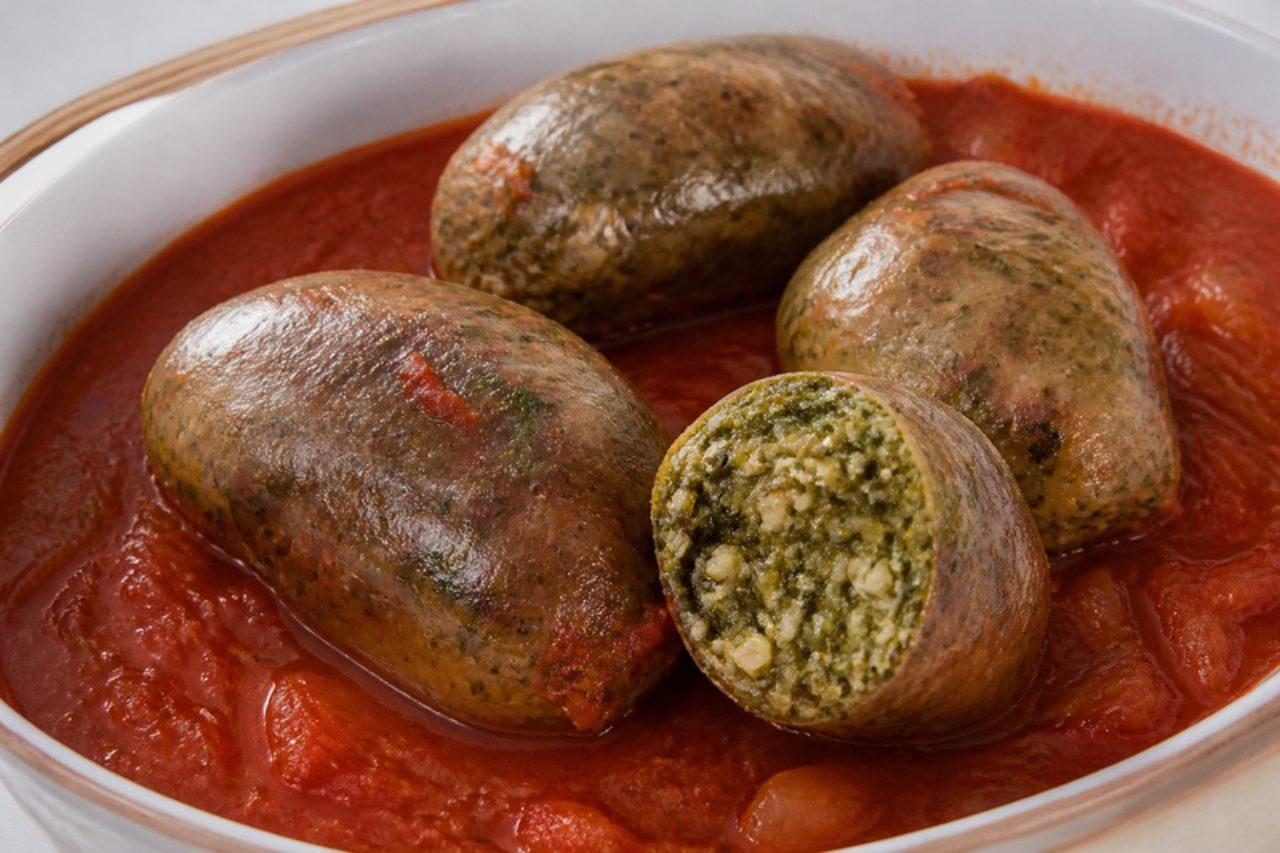
Eid al-Adha in Tunisia means using every part of the sheep, and osban is how the tripe is honoured: cleaned pieces are sewn into pouches and packed with rice, chopped liver and lamb, chard, a big bunch of parsley and coriander, dried mint and harissa, then simmered in a red chickpea sauce and served over couscous. Families all over the country, from Tunis to the south, make a batch and freeze some for later. The filling cooks into a soft, herby, peppery sausage and the tripe turns tender. Buy tripe that the butcher has already cleaned and scalded, or use natural sausage casings for an easier version. Chef's tip: fill the pouches only two-thirds full and prick them with a needle; the rice swells as it cooks, and overstuffed osban burst, which is the most common mistake.

180 minTunisianMeat
by KrazyBadal 0 views

Red caviar butterbrods

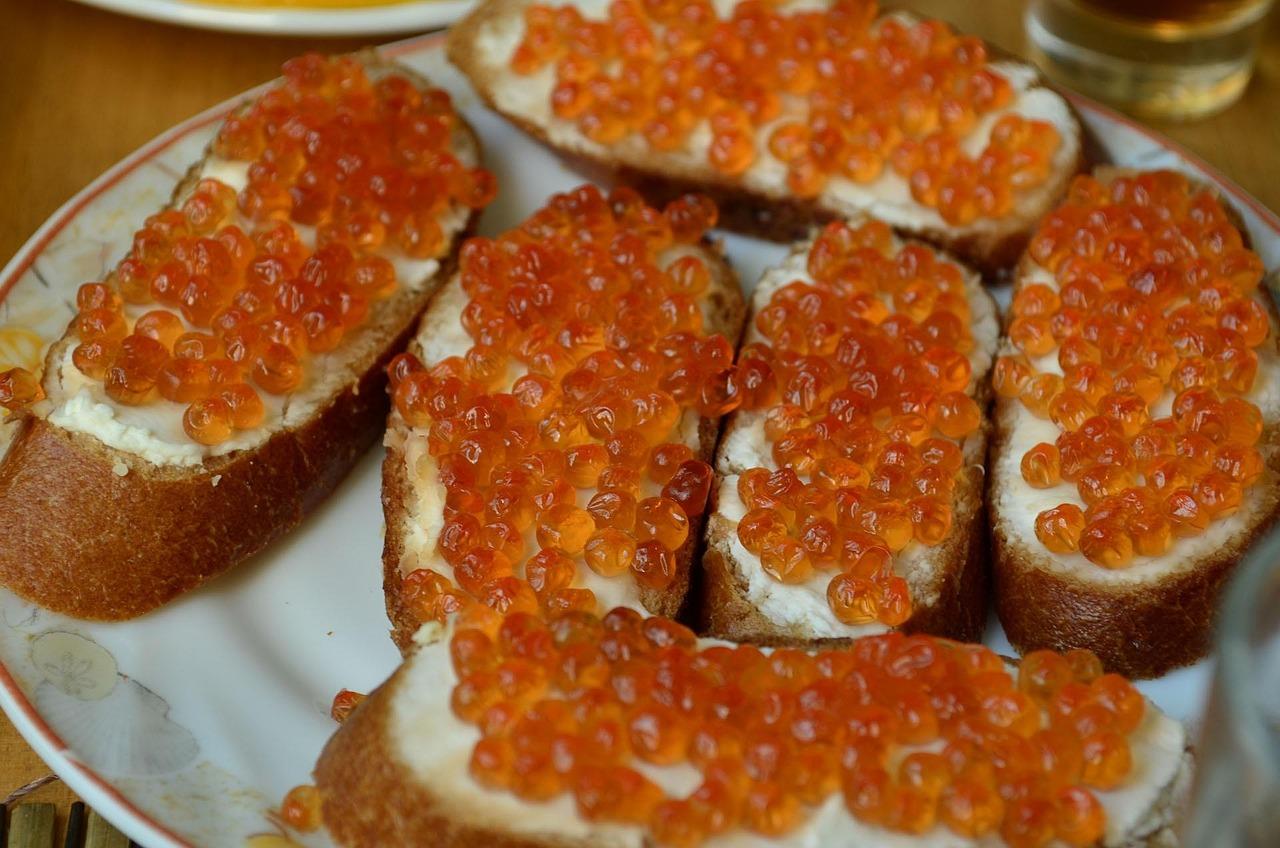
When the Soviet festive table had one luxury, this was it: little slices of white bread, thick with cold butter and topped with glistening orange salmon roe, set out for New Year's Eve, birthdays and the first course of a wedding. The pleasure is in the textures, the bead-like eggs bursting with a salty sea taste against sweet butter and soft bread. Salmon roe is salted and cured, not cooked: buy pasteurised roe in a chilled jar or tin from a good fishmonger, keep it in the fridge and eat it the day it is opened; it is not for pregnant women, young children or anyone with a weakened immune system. A common mistake is spreading the butter thin; you need a proper layer to anchor the roe. Chef's tip: spoon the roe with a plastic or bone spoon rather than metal, and add it at the last minute so it stays plump.

by KrazyBadal 0 views

Skyr

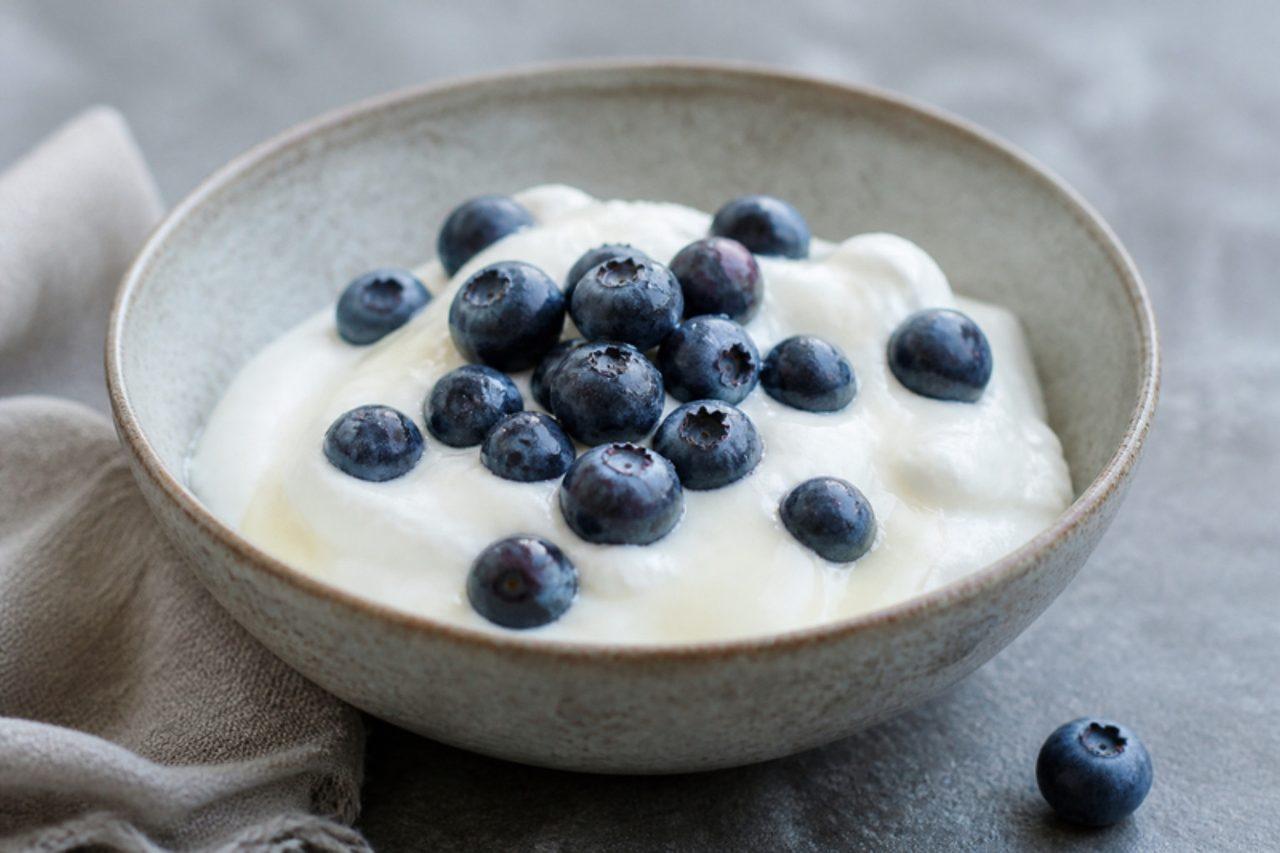
Skyr has been made in Iceland since the Viking settlers arrived: skimmed milk soured with a spoonful of the last batch, set with a drop of rennet, then strained until very thick, high in protein and mildly sour. Icelanders eat it every day with milk or cream and berries, or whisked into a drink, and skyrkaka is a favourite cheesecake. You need a few spoonfuls of plain shop skyr with live cultures as a starter. A common mistake is skipping the long, slow set; rushed skyr is thin and grainy. Chef's tip: strain it in the fridge overnight and stir it smooth before serving. Rennet is traditionally animal; use vegetarian rennet.

by KrazyBadal 0 views

Kammounia (Tunisian cumin beef stew)

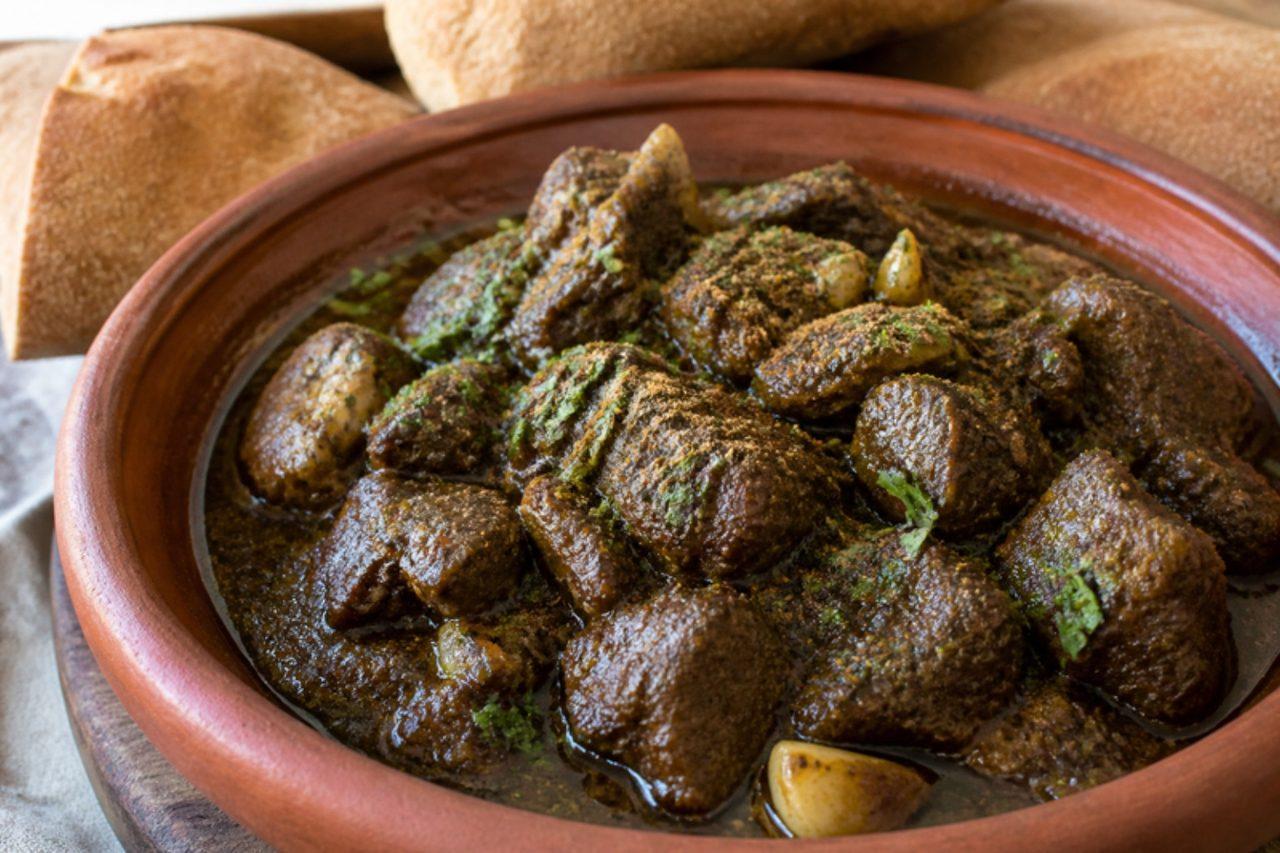
Cumin, kammoun in Arabic, gives kammounia its name, and the dish uses it boldly: chunks of beef, or in many Tunis homes lamb's liver, simmer in a thick, dark sauce of garlic, tomato paste and a generous amount of ground cumin until the meat is tender and the sauce clings to it. It is everyday family food in Tunis and Sfax, scooped up with crusty bread or served alongside a salad and olives. The flavour is earthy, warm and garlicky with a gentle heat from harissa. The usual mistake is adding the cumin at the start and frying it hard, which makes it bitter; it goes in once the sauce is simmering. Chef's tip: add half the cumin at the start and the rest in the last 10 minutes; all of it at once risks a flat, slightly bitter sauce, while the late addition keeps the aroma bright.

by KrazyBadal 0 views

Bkaila (Tunisian spinach and beef stew)

Tunisian Jewish families in Tunis, and those who carried the dish to Paris and Israel, cook bkaila for Rosh Hashanah and for Friday-night dinners: a heap of spinach is fried in olive oil for over an hour, until it shrinks to a dark, almost black, crumbly paste, then simmered for hours with chunks of beef, white beans, garlic and dried mint. The result looks dramatic and tastes deep and earthy, a little like a long-braised green sauce, with tender meat and creamy beans. It is eaten with couscous or bread, and is even better reheated the next day. Start the beans soaking the night before. Chef's tip: fry the spinach over a medium-low heat and stir often; turning up the heat to save time is the classic mistake, scorching the leaves so the whole pot turns bitter.

240 minTunisianMeatGluten free
by KrazyBadal 0 views

Djouzia (walnut and honey nougat)

Shops in old Constantine wrap djouzia in twists of paper and sell it by weight, a soft, pale caramel-coloured nougat of honey, whipped egg white and plenty of walnuts. It is chewier and darker than white Provençal nougat, with a deep honey flavour and the slight bitterness of walnut skins. Djouzia is a gift sweet, carried to weddings and offered with coffee to visitors, and keeps for weeks. A sugar thermometer makes it reliable. Chef's tip: cook the honey syrup to 125 °C; syrup that is pulled off too early is the most common mistake, and the nougat stays sticky and will not set enough to cut.

by KrazyBadal 0 views

Rachan ham

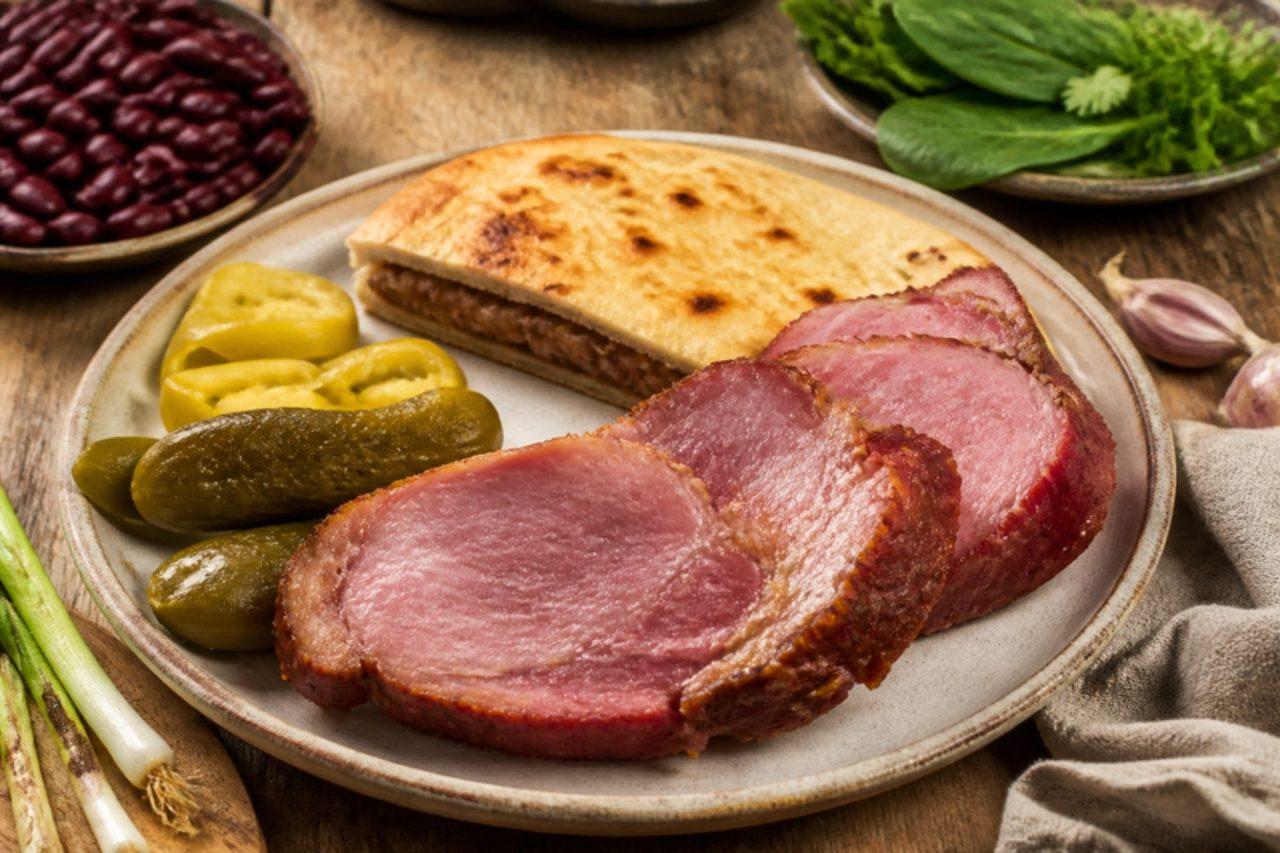
Rachuli lori is the pride of Racha: pork legs salted and hung in the smoky rafters above a wood fire, then sliced and fried until crisp, and above all eaten with lobiani bean bread, which in Racha is made with fried ham inside. This is a pork dish. Home kitchens cannot copy months in a chimney, so this version brines a boneless pork leg joint for two days in the fridge and then hot-smokes and roasts it until cooked through, giving a ham you can slice cold or fry. A common mistake is skipping the rinse after brining, which makes the ham far too salty. Chef's tip: smoke over fruit wood with a few dried bay leaves for the dark, sweet smoke of a Rachan kitchen. Whole pork joints are safe at 63 °C followed by a 10-minute rest.

240 minGeorgianMeatGluten free
by KrazyBadal 0 views

Date squares

Date squares are on the tea table in every Canadian church hall and school bake sale, called carrés aux dattes in Quebec and matrimonial cake in the West. A buttery oat crumble is pressed into a tin, spread with a soft date filling and covered with more crumble, then baked until golden. They keep for days and freeze well. A common mistake is spreading the dates while hot onto loose crumb, which makes the base soggy; press the base firmly. Chef's tip: add a strip of orange zest to the dates for a brighter flavour.

by KrazyBadal 0 views

Maple syrup pie

Tarte au sirop d'érable closes many a family meal in Quebec at Easter and through the sugaring season, a cousin of the sugar pie made with real maple syrup. The filling of syrup, cream and egg bakes into a soft, trembling, caramel-brown layer that tastes deeply of maple. Slice it thin; it is rich. A spoonful of crème fraîche or plain whipped cream cuts the sweetness. A common mistake is skipping the blind bake, which leaves a soggy base. Chef's tip: take the pie out while the centre still wobbles like jelly; it sets as it cools and over-baking makes it weep.

by KrazyBadal 0 views

Jamaican roast breadfruit

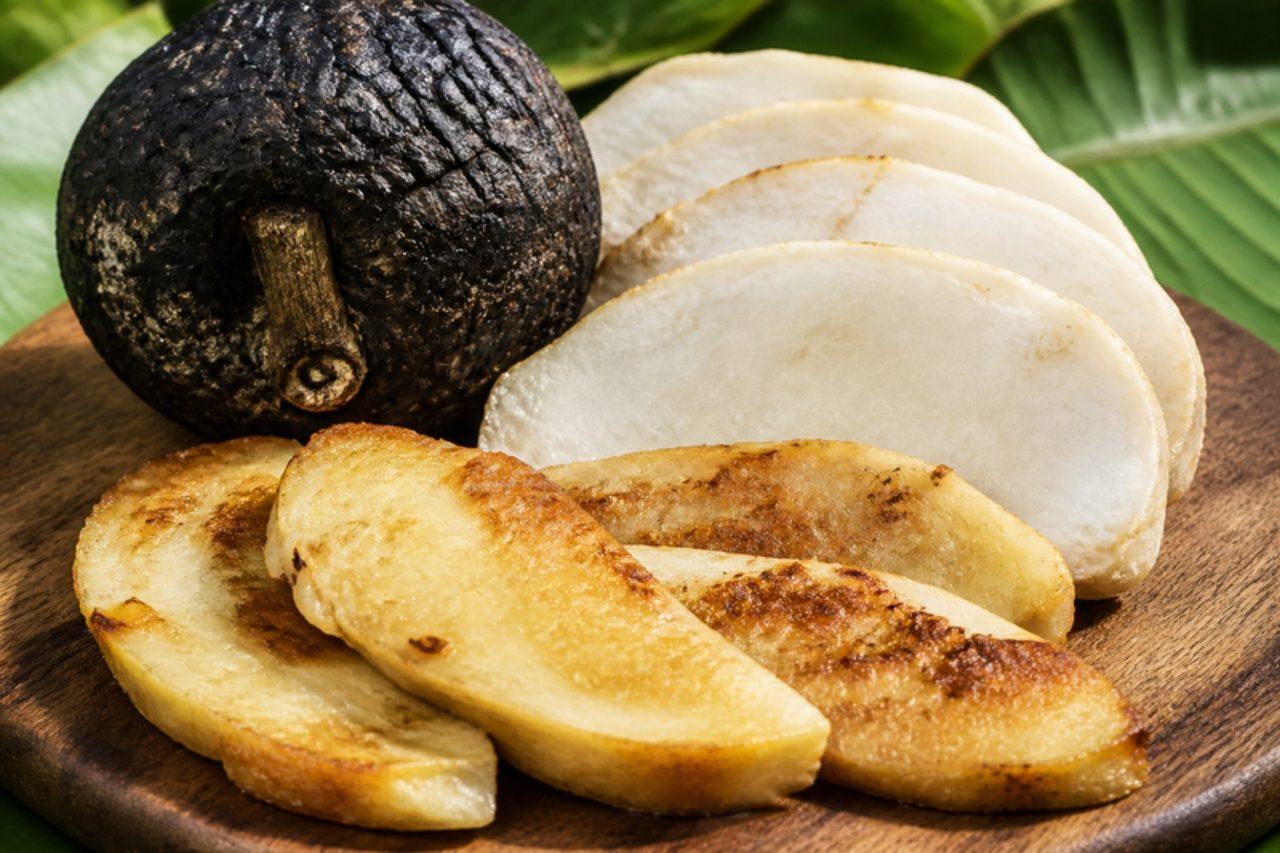
Portland roadsides smell of smoke when breadfruit is in season, with whole fruit sitting straight in wood fires until their green skins turn black. Inside, the flesh steams to a soft, fragrant cream somewhere between potato and fresh bread, and it is eaten in thick slices with ackee and saltfish, callaloo or a knob of butter, or fried the next morning. People often pick a fruit that is either too ripe (it turns mushy and sweet) or too young (it stays hard and gluey); you want a heavy, firm one with a little sap beading on the skin. A gas hob or a hot oven works when there is no open fire. Chef's tip: cut a small cross in the stem end before roasting so steam can escape, and push a skewer into it to check doneness without opening the fruit.

by KrazyBadal 0 views

Jamaican sweet potato pudding

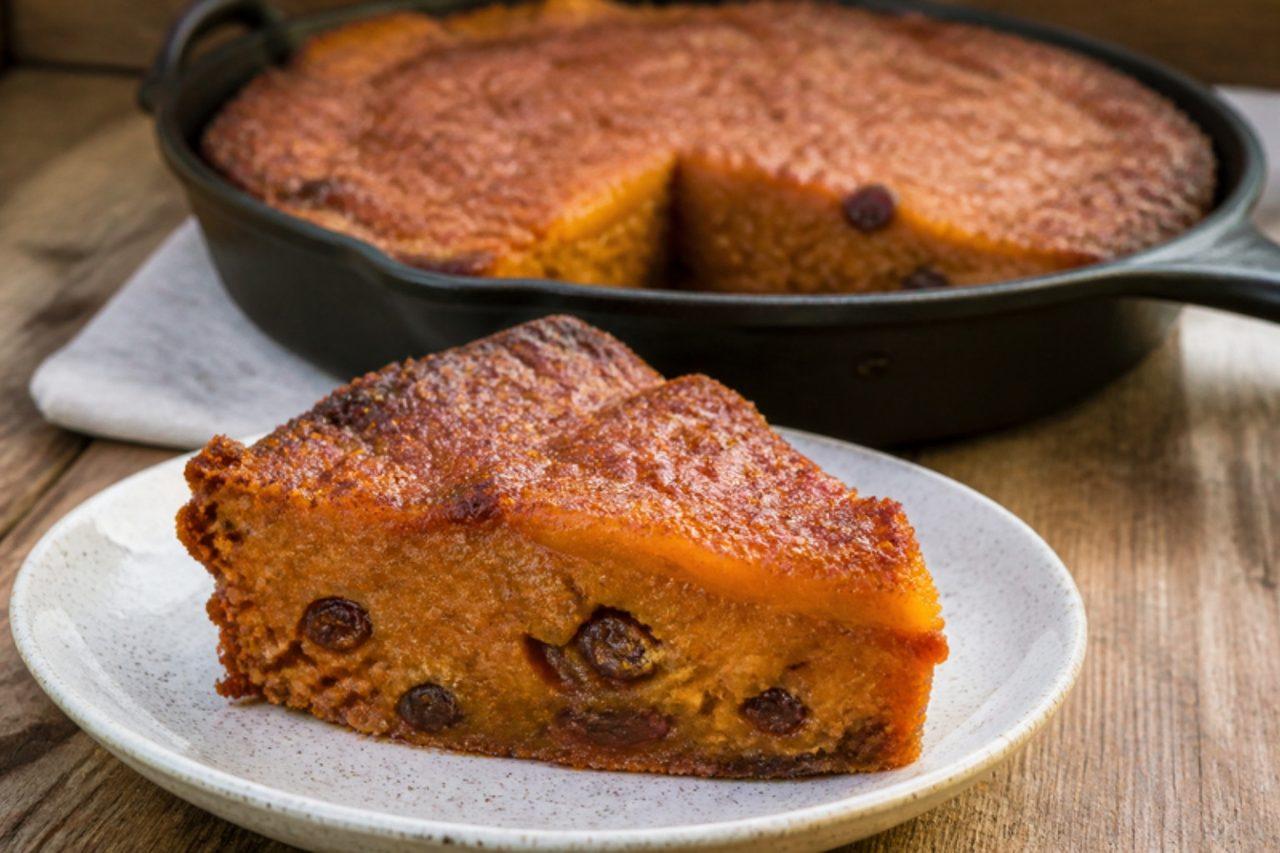
Once baked in Dutch pots with coals heaped on the lid, Jamaica's sweet potato pudding gave rise to the saying "hell a top, hell a bottom, hallelujah in the middle", and it is still a Sunday and Christmas favourite in homes across the island. Grated sweet potato, coconut milk, a little flour-free cornmeal and spice bake into a dense, moist slab with a soft, custardy layer on top. People often cut it hot, but it needs to cool for at least an hour to set. Chef's tip: grate the sweet potato on the fine side of the grater; coarse shreds make a grainy pudding.

by KrazyBadal 0 views

Kancha kola bhortaGreen banana mash

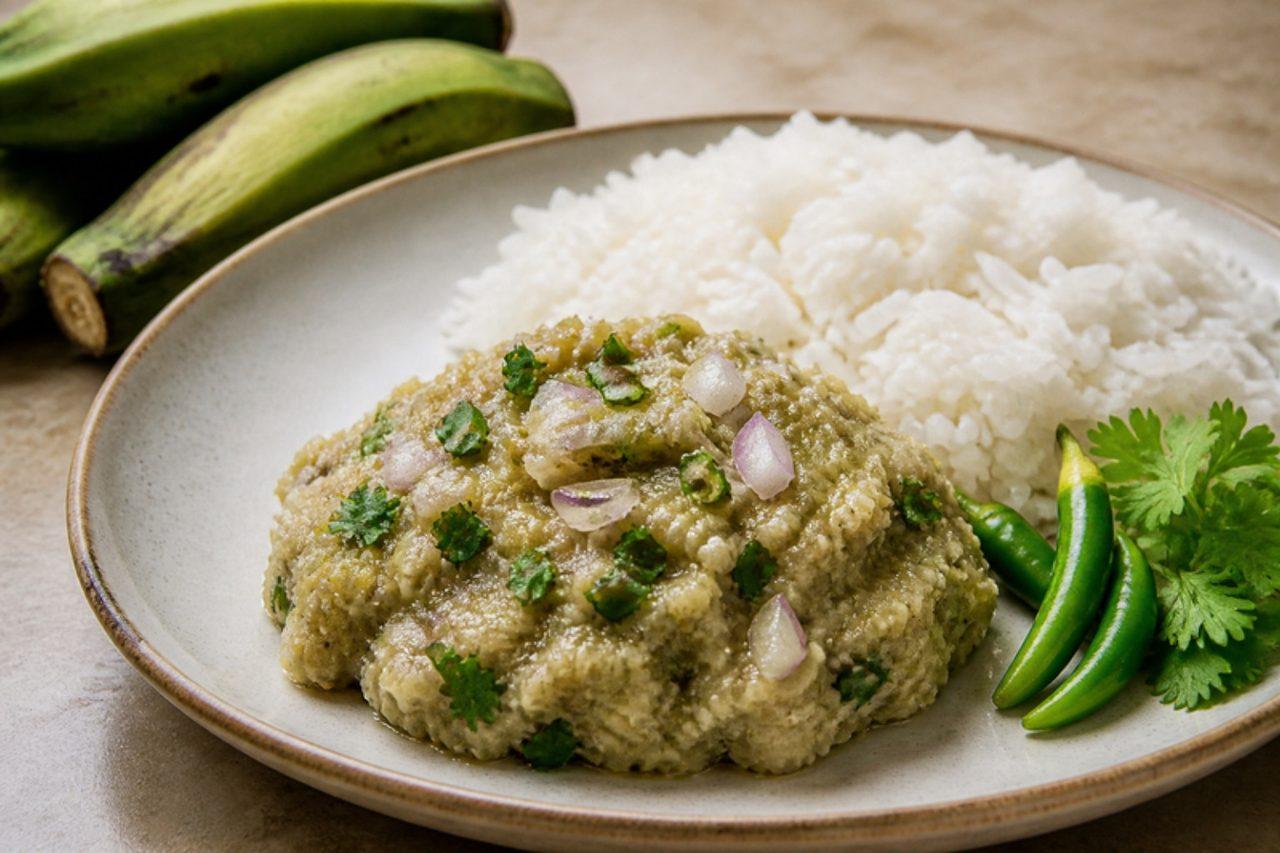
Green cooking bananas are cheap all year in Bangladeshi markets, and in homes from Comilla to Kushtia they are boiled whole and turned into a pale, gently starchy bhorta that is more filling than it looks. The flesh is mashed while warm with raw onion, green chilli, coriander and a generous splash of mustard oil, so it tastes mild and earthy with a sharp, nose-tingling finish. It is a weekday lunch with rice and dal, food for someone recovering from illness, and a regular on the bhorta platter during the Pohela Boishakh meal. Peeling the bananas before boiling makes them waterlogged and gluey, so they go into the pot in their skins. Chef's tip: mash while still warm; cold green banana goes hard and lumpy and won't absorb the oil.

by KrazyBadal 0 views

Lac-Saint-Jean blueberry pie

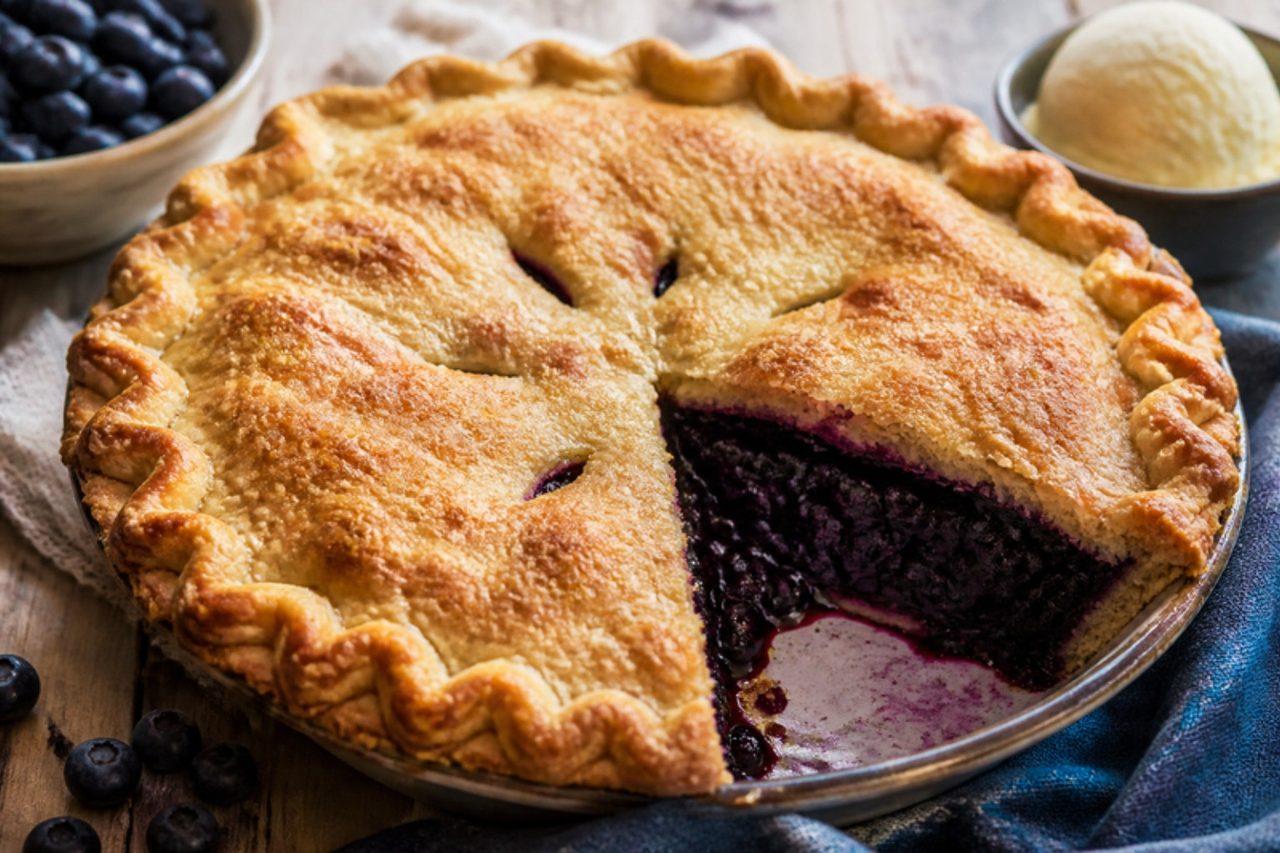
Around Lac-Saint-Jean in Quebec the low wild blueberries ripen in August, and the region is so proud of them that locals are nicknamed bleuets. Every church supper and roadside casse-croûte there sells a deep tarte aux bleuets with a flaky top crust and a dark, jammy filling that holds when sliced. Wild berries are smaller and more intense than cultivated ones and frozen wild berries work well. Serve slightly warm with vanilla ice cream or a jug of cream. A common mistake is skimping on the cornflour, which leaves a soupy filling. Chef's tip: let the pie cool for at least three hours so the juices set; cut it hot and the filling runs all over the plate.

by KrazyBadal 0 views

Guda cheese

Tush shepherds make guda in summer huts high above the Alazani valley, pressing sheep's-milk curd into bags sewn from sheepskin, where it ripens into a crumbly, pungent cheese that travels down to Telavi markets in autumn. You cannot copy the sheepskin at home, but you can make a firm, salty sheep's-milk cheese and ripen it in a cloth in the fridge for two to three weeks, which gives a similar sharp, grassy bite. Traditionally the milk is set with animal rennet; vegetarian (microbial) rennet works the same way. A common mistake is cutting the curd before it gives a clean break, which leaves a soft, wet cheese that sours instead of ripening. Chef's tip: grate aged guda over hot ghomi or khinkali; its strong flavour goes a long way.

by KrazyBadal 0 views

Mushrooms on ketsi

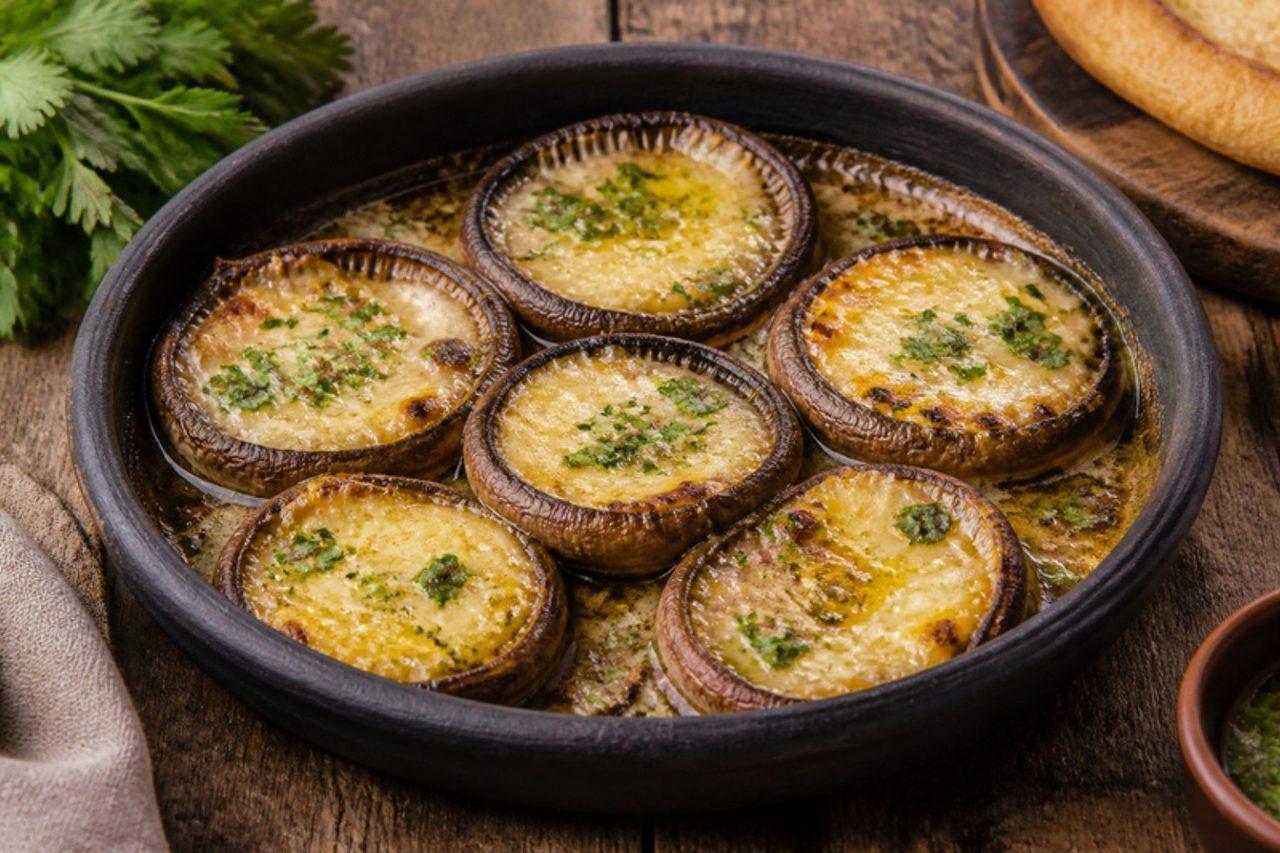
Every Tbilisi tavern has its sizzling ketsi, a shallow clay dish heated on the fire, and mushrooms baked in one with butter and a crust of melted sulguni are among the most ordered starters, brought to the table still crackling. In autumn, Georgian cooks use wild oyster mushrooms or field mushrooms; cups set gills up hold the butter like little bowls. A common mistake is overcrowding the dish, which makes the mushrooms steam instead of browning. Chef's tip: salt the mushrooms only after the first 10 minutes, so their juices stay inside and they cook in their own butter. Sulguni is usually made with animal rennet, so choose a vegetarian cheese.

by KrazyBadal 0 views

Agbeli kakloCassava fritters

Roadside fryers in the Volta Region sell agbeli kaklo by the bagful, golden fingers of grated cassava seasoned with onion and chilli and fried until crunchy outside and chewy within. The classic way to eat them is with chunks of fresh coconut, whose cool sweetness balances the salty, peppery fritters, and they are an afternoon snack or a travel snack on the road from Ho to Accra. Cassava must be cooked through, so fry until deep golden. Chef's tip: squeeze the grated cassava very dry and fry at 170 °C; wet dough spits dangerously, and oil that is too cool, the common mistake, gives greasy, soggy fritters.

by KrazyBadal 0 views

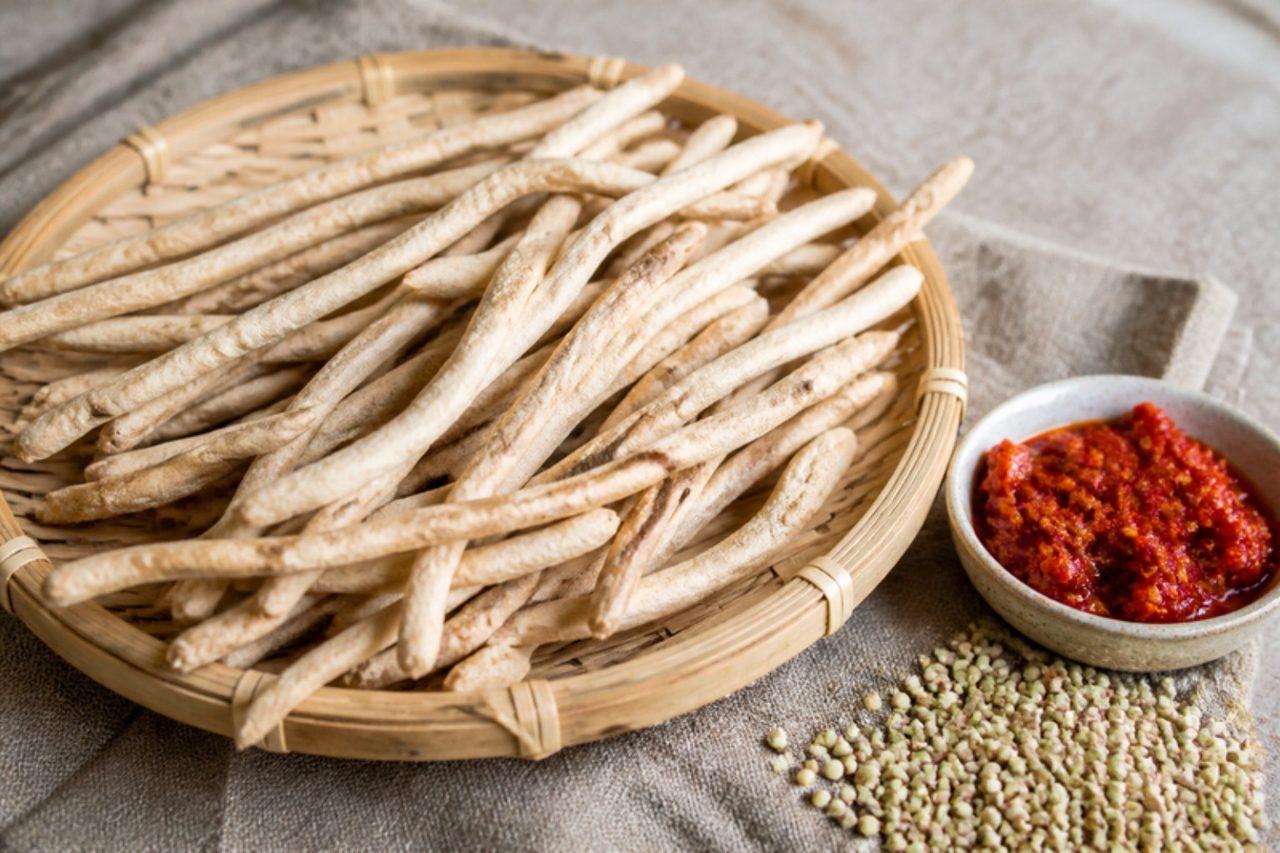
KanchembaFried buckwheat fingers

In the Thakali villages of Thak Khola, kanchemba is what is fried when visitors arrive in the afternoon or when the family gathers on a winter evening, and it has since become a favourite snack in Thakali restaurants in Pokhara and Kathmandu. The buckwheat dough is seasoned with turmeric, chilli and a little onion, rolled into thick fingers, then deep-fried until crunchy outside and soft and nutty in the centre. A punchy dipping achar of tomato, chilli, garlic and roasted timur comes alongside, and the pair is eaten with a bowl of salty butter tea or a glass of hot water. The trouble usually starts when the fingers are too thick, so the middle stays pasty while the outside darkens. Chef's tip: keep the fingers no thicker than your own, and fry at a moderate heat so they cook through before they brown.

by KrazyBadal 0 views

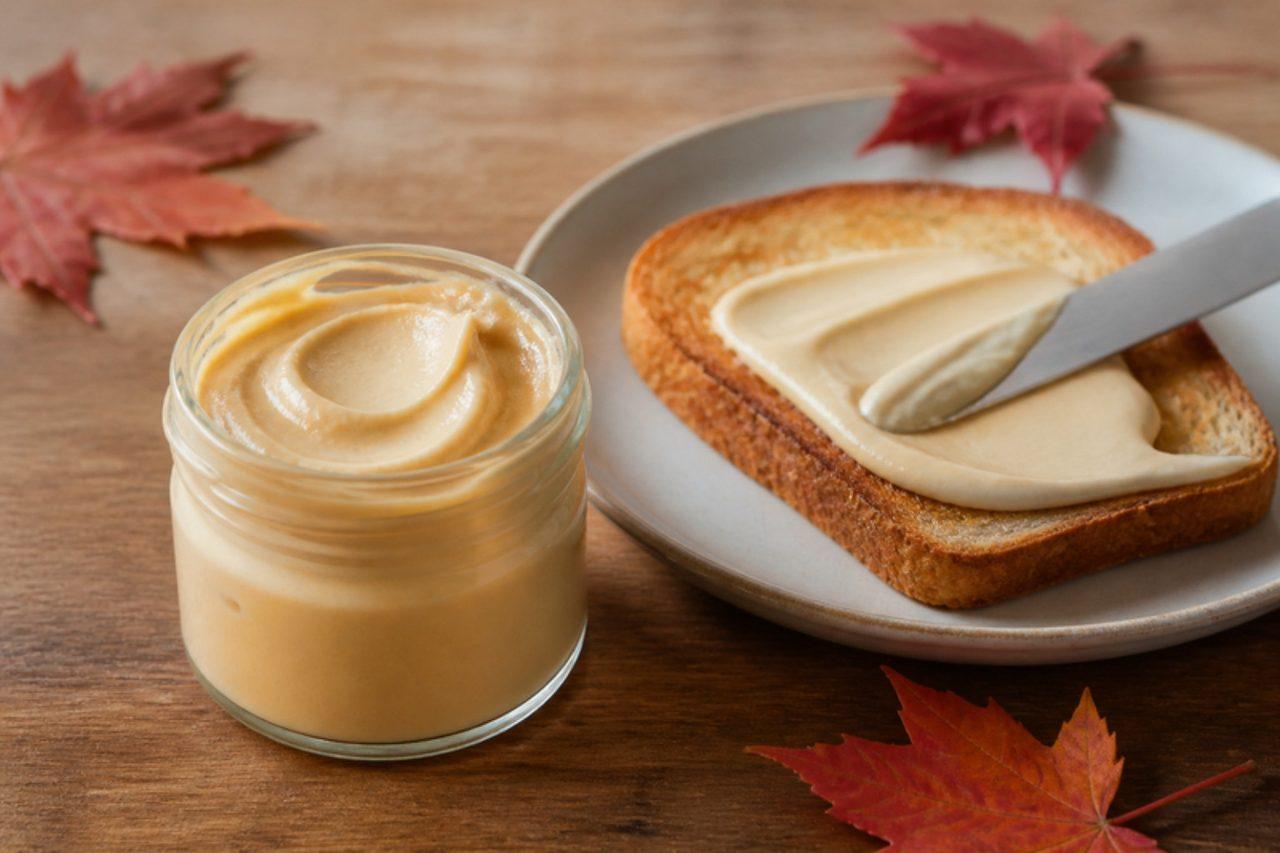
Maple cream

Crème d'érable is sold in little jars in every Quebec market from Jean-Talon to the Beauce farm stands, and despite the name there is no cream in it: pure maple syrup is boiled to the soft-ball stage, cooled without stirring and then beaten until it turns pale and creamy. It is spread on toast, crêpes and warm bagels. Patience and a thermometer are the whole trick. The common mistake is stirring the syrup while it cools, which sets off large grainy crystals instead of a smooth cream. Chef's tip: use a light, golden syrup; dark syrups taste stronger but can stay runny.

by KrazyBadal 0 views

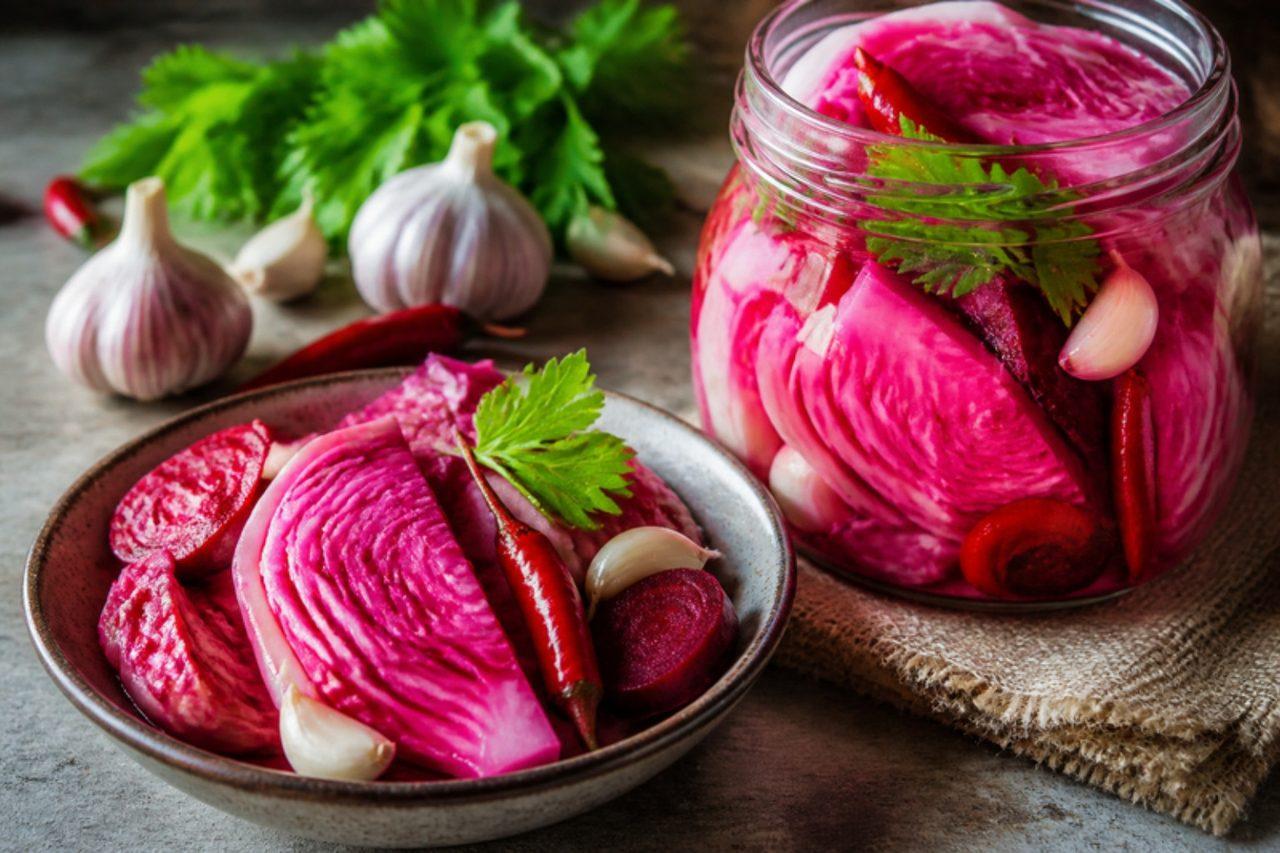
Gurian pickled cabbage

Gurian pickled cabbage turns heads at the Ozurgeti market: whole cabbage wedges stained deep pink by beetroot, layered with garlic, celery leaves and hot pepper and left to ferment in brine until crunchy and sour. Families in Guria put up big crocks in late autumn for the winter and the New Year table, and serve it beside fatty pork, beans and cornbread. A common mistake is using iodised salt, which can stop the ferment and darken the pickle. Chef's tip: keep the jar at cool room temperature for the first few days, then move it to the fridge once it tastes pleasantly sour, so it stays crisp.

by KrazyBadal 0 views

BulzPolenta balls with sheep's cheese

Shepherds in the Apuseni mountains and the sheepfolds above Sibiu made bulz from what they had in the hut: stiff mămăligă pressed in the hand around a lump of salty sheep's cheese, then pushed into the embers until the outside crisped and the cheese melted. At home it bakes in the oven and comes out with a golden shell and a molten, tangy middle, usually with a spoon of sour cream and sometimes a fried egg on top. Telemea, brânză de burduf and caș are often made with animal rennet, so for a vegetarian bulz use a feta-style or other salty white cheese labelled vegetarian. The usual slip is cooking the mămăligă too soft, so the balls slump and leak; it should be thick enough to hold a wooden spoon upright. Chef's tip: wet your hands with cold water before shaping so the hot cornmeal does not stick.

by KrazyBadal 0 views

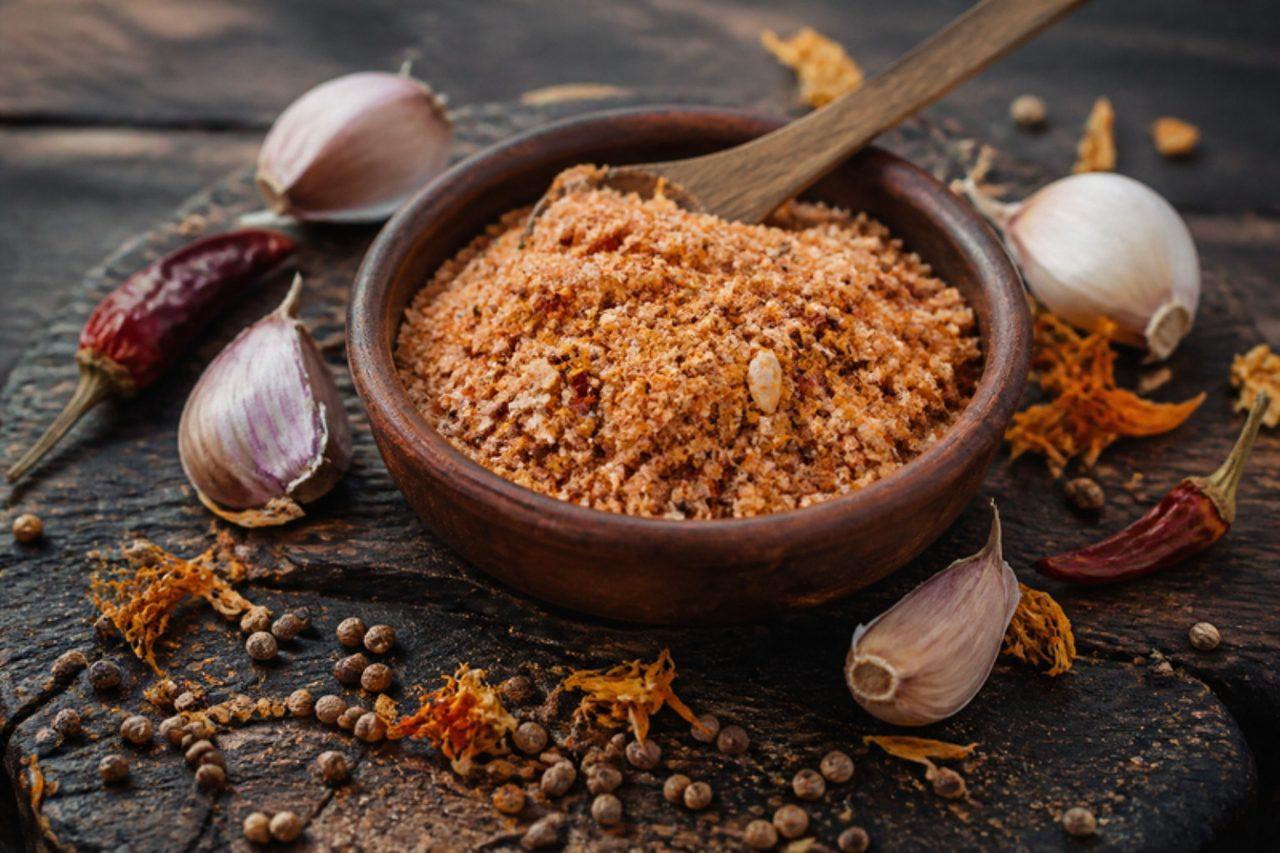
Svanetian salt

In the stone-towered villages of upper Svaneti, salt was precious and families stretched it by grinding it with garlic and the spices that grow on their slopes: blue fenugreek, coriander seed, dried dill seed, marigold and hot pepper. The result is a fragrant, damp, greenish salt that every Svan kitchen keeps in a jar, rubbed on potatoes, stirred into soups or sprinkled on tomatoes and cucumbers. A common mistake is using fine table salt, which turns to paste; coarse salt grinds the garlic and dries it at the same time. Chef's tip: spread the finished salt on a tray and let it dry for a day before jarring, so it keeps for months.

by KrazyBadal 0 views

Kancha gollaFresh cheese balls with cardamom

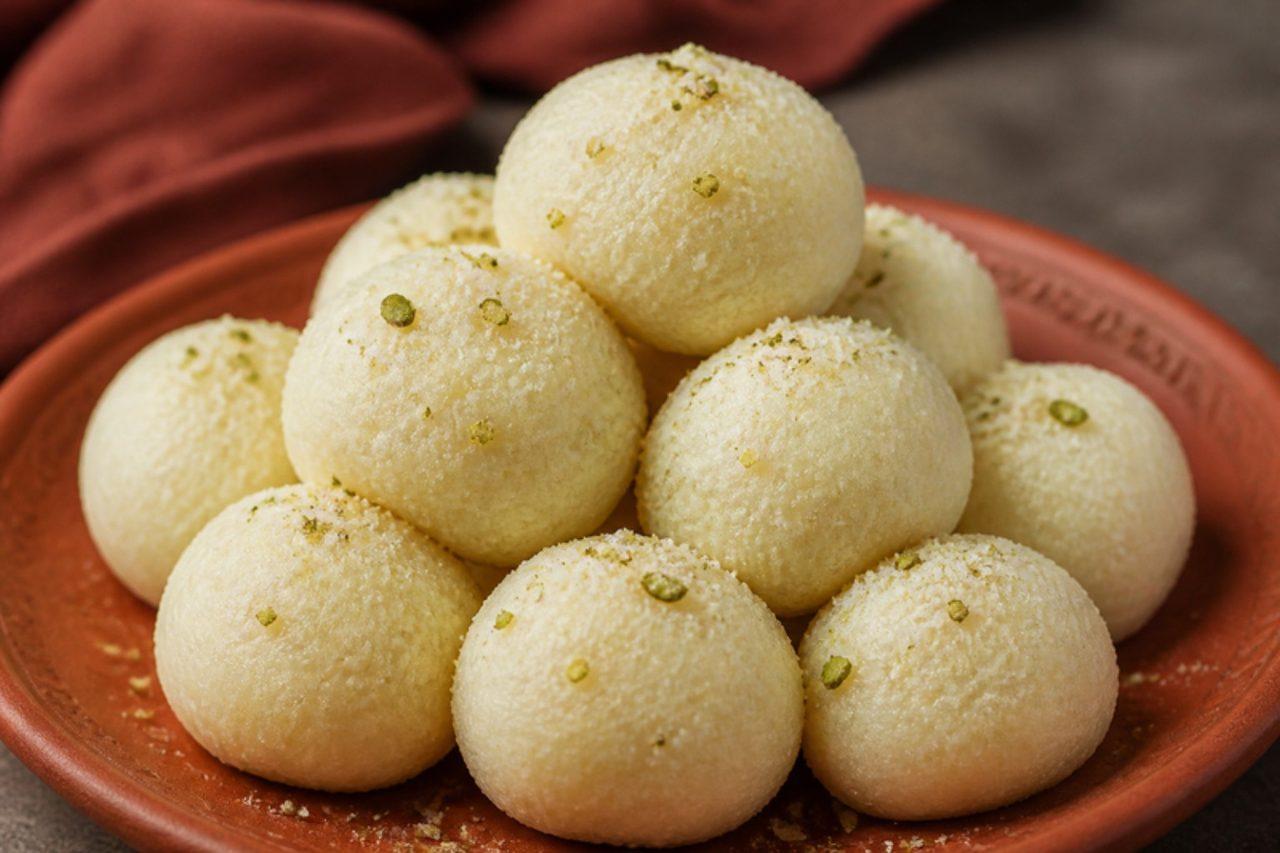
Natore, a quiet district town north of the Padma, is known throughout Bangladesh for one sweet, and a visit there is incomplete without a clay pot of kanchagolla to carry home. Kancha means raw, and the name is a joke at the sweet's expense: unlike rasgulla or chomchom, it is never boiled in syrup but simply kneaded fresh chhana with sugar, warmed in a pan for a few minutes and rolled into soft balls scented with cardamom. The texture is moist and faintly grainy, the taste milky and gently sweet, best eaten within a day or two. Cooking the mixture too long is what most home cooks get wrong; it turns dry and crumbly, more like sandesh. Chef's tip: make the chhana from full-fat milk and squeeze it only lightly, so plenty of moisture stays in for that melting Natore texture.

by KrazyBadal 0 views

Imeretian cheese

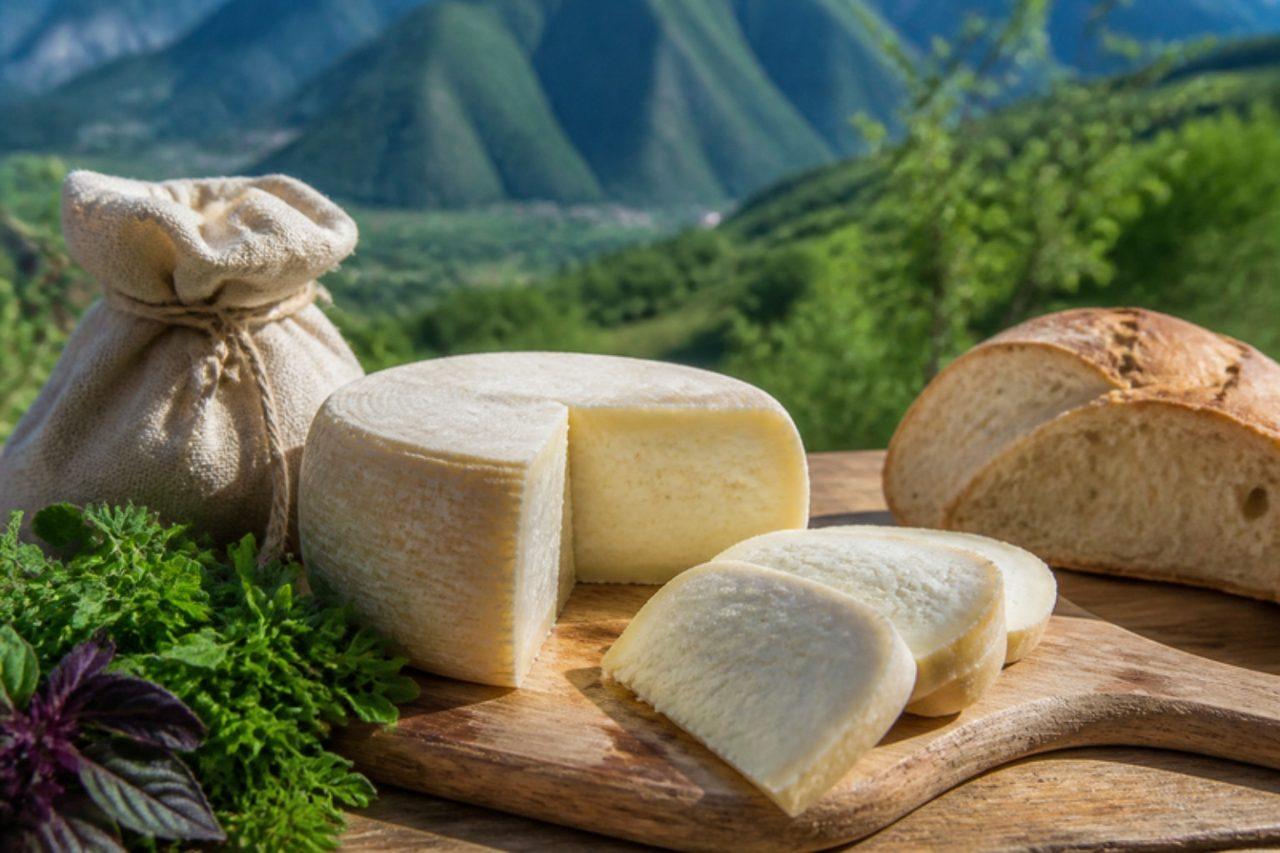
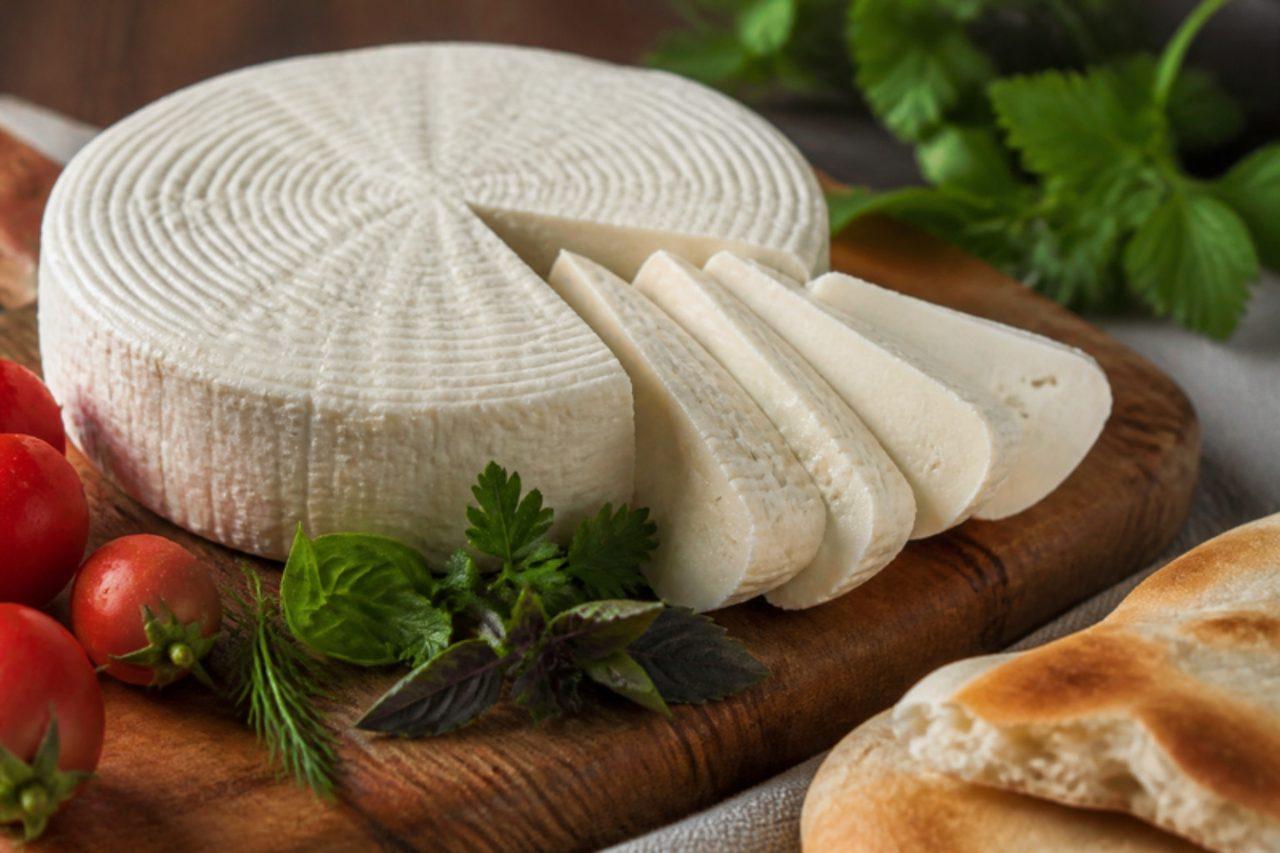
Imeruli kveli is the everyday cheese of western Georgia: in Kutaisi's Green Bazaar it sits in wet white wheels, mild and milky with a faint sourness, ready to be grated into khachapuri, sliced with tomatoes and herbs, or stretched into sulguni. Families in Imereti make it in a morning from the day's milk. Traditionally it is set with animal rennet; use vegetarian (microbial) rennet for a vegetarian cheese. A common mistake is heating the curd too hard, which squeezes out the moisture and gives a rubbery cheese instead of a soft, springy one. Chef's tip: make a double batch, keep one wheel fresh for eating and leave the other in brine for two or three days, which gives it the saltier bite that bakers prefer for khachapuri.

by KrazyBadal 0 views

Kandahari tikkaGrilled lamb chunks

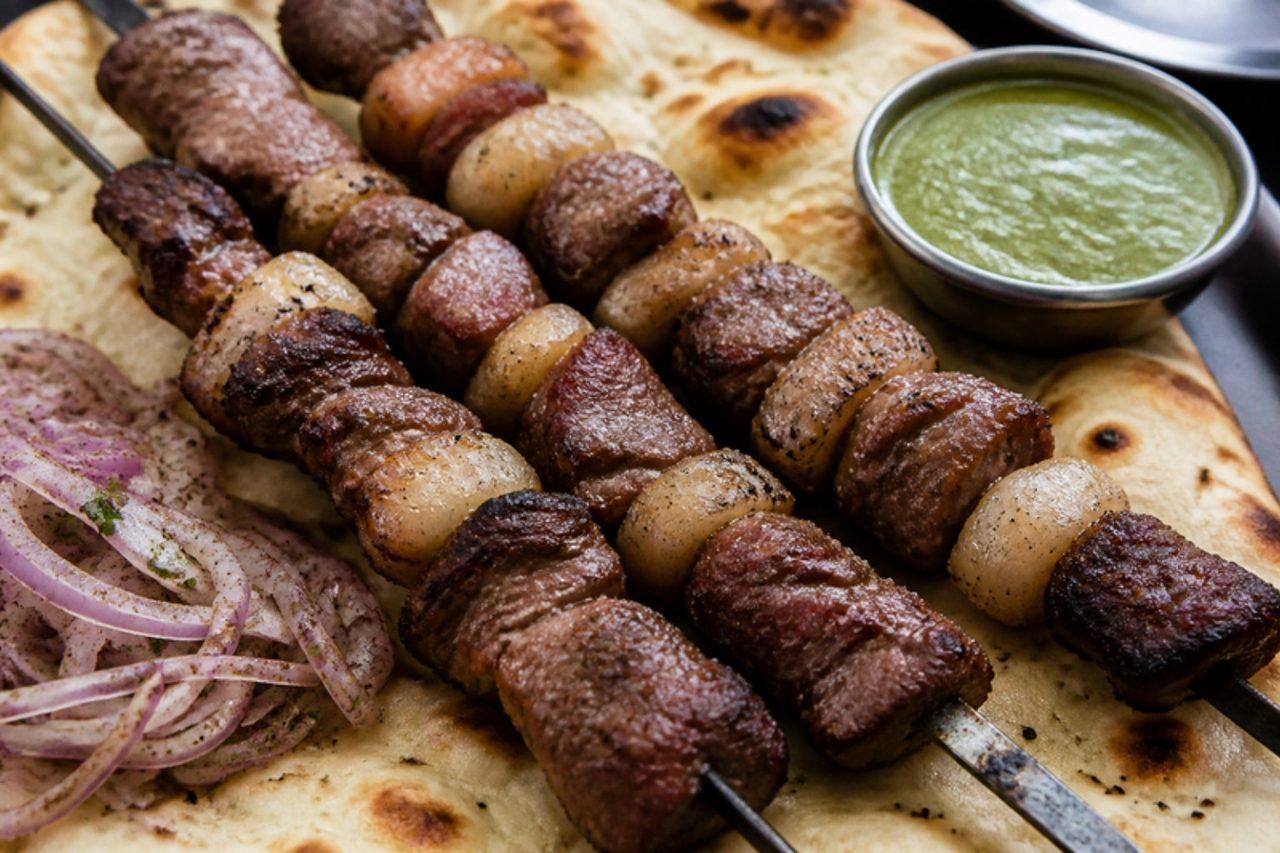
Kandahar's tikka houses pride themselves on doing very little to the meat: chunks of lamb, threaded on wide iron skewers with small pieces of tail fat between them, are rubbed with grated onion, salt and black pepper and grilled over fierce charcoal until the fat drips and flares. The result is smoky, juicy and peppery, with crisp edges and a clean lamb flavour, and it is served on hot naan with raw onion, tomato and a sharp green chutney. Over-marinating in onion is a common misstep, as the juice softens the surface into mush after a day; two to four hours is plenty. Chef's tip: let the skewers rest for 2 minutes on the naan before eating, so the bread soaks up the juices.

27 minAfghanMeatGluten free
by KrazyBadal 0 views

Bündner BirnbrotPear and fig loaf

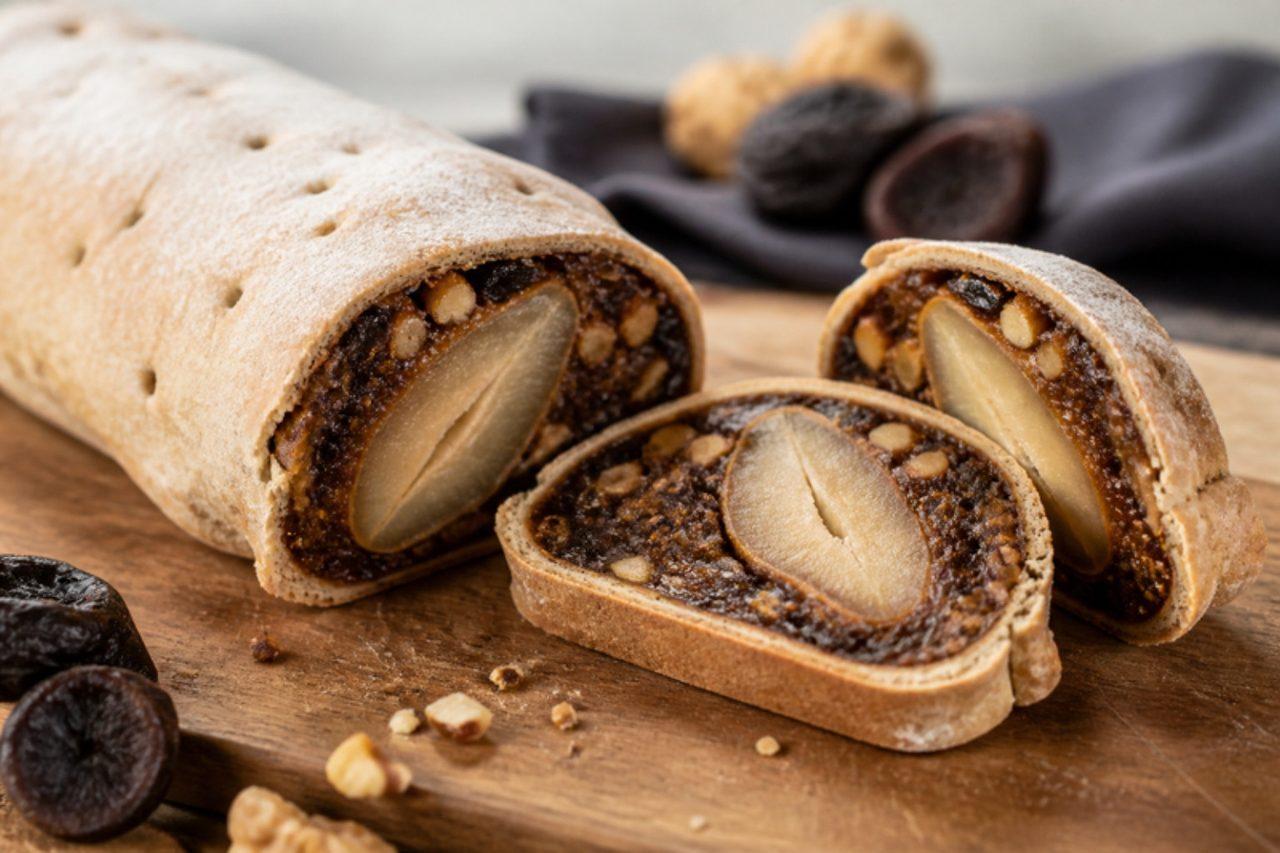
Birnbrot is the Christmas loaf of Graubünden, baked in Chur and the mountain villages in December: a dark, dense filling of dried pears, figs, raisins, walnuts, candied peel and warm spices is wrapped in a thin layer of plain bread dough and baked until the crust is golden. It keeps for weeks and is sliced thin with butter (or without, for a vegan loaf). Many families soak the fruit in pear brandy; this version uses pear juice. A common mistake is a thick bread wrapping, which dries out; the crust should be thin. Chef's tip: soak the dried fruit overnight so it is plump and the filling holds together.

120 minSwissBakingVegan
by KrazyBadal 0 views

Buraczki zasmażaneWarm grated beetroot

Sunday lunch in Poland has its trio: potatoes with dill, something from the oven, and a heap of these warm, glossy beets. Cooked beetroot is grated, then warmed through with a quick butter roux that turns it soft and spoonable, and balanced with lemon juice and a little sugar until sweet, sour and earthy at once. It goes with dumplings, eggs, fried cheese or a mushroom cutlet as well as with roasts. Where most people go wrong is adding the lemon too late; acid early keeps the beets ruby red instead of brown. Chef's tip: roast the beetroot whole in foil rather than boiling it for a deeper, sweeter flavour.

by KrazyBadal 0 views

Kancha aamer tok dalGreen mango lentil dal

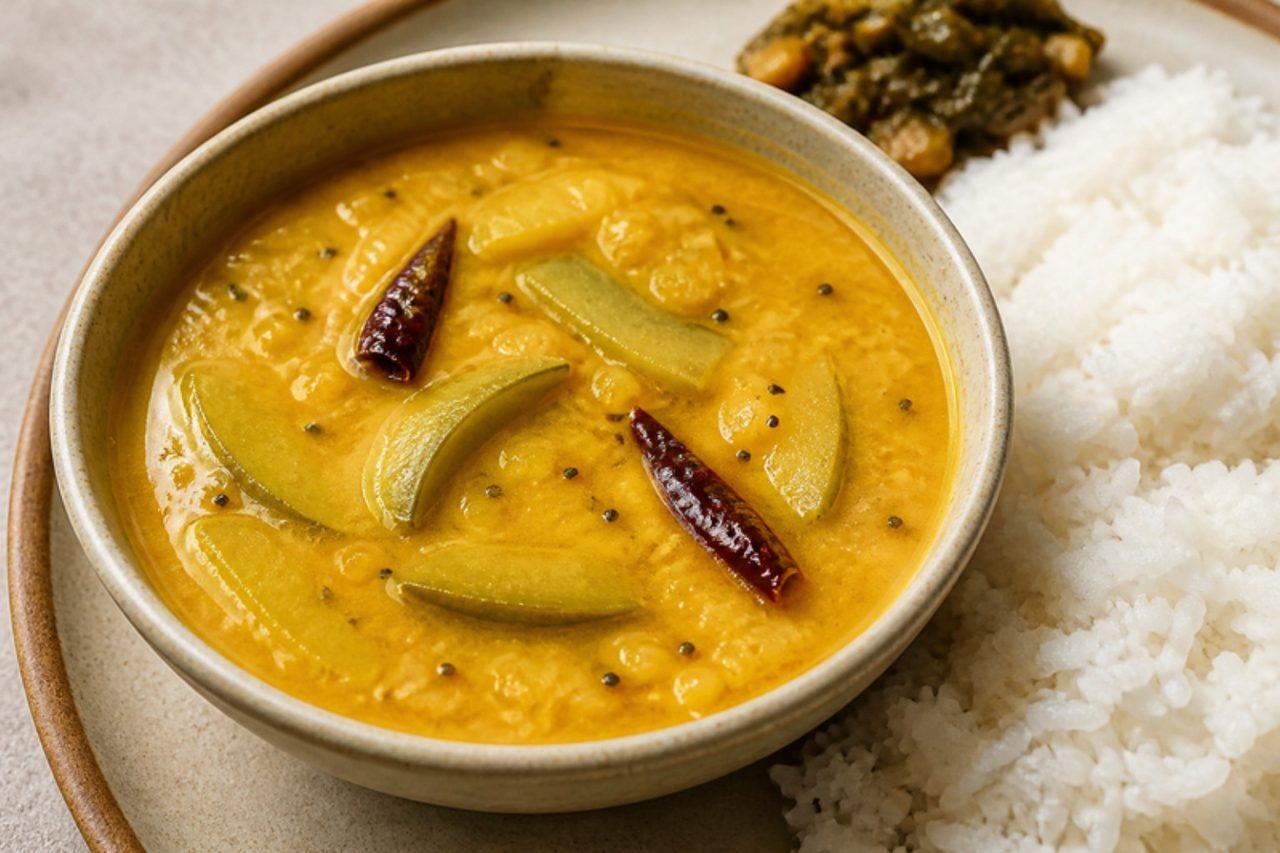
When the first hard, green mangoes fall from the trees around Rajshahi in April and May, cooks slice them into the dal pot, and the result is the most refreshing bowl of the hot season. Tok dal is deliberately thin, almost like a soup, with soft red lentils and slices of green mango that turn tender and tangy, finished with mustard seed and dried chilli crackling in mustard oil. It is eaten poured over plain rice, often as the last thing before a light fish or vegetable curry, because the sourness is meant to cool the body in the heat. Adding the mango at the start leaves it mushy and the dal overly sour, so it goes in once the lentils are soft. Chef's tip: taste the mango first; very sour fruit may need a pinch more sugar to balance it.

by KrazyBadal 0 views

Karawala thel dalaStir-fried dried fish

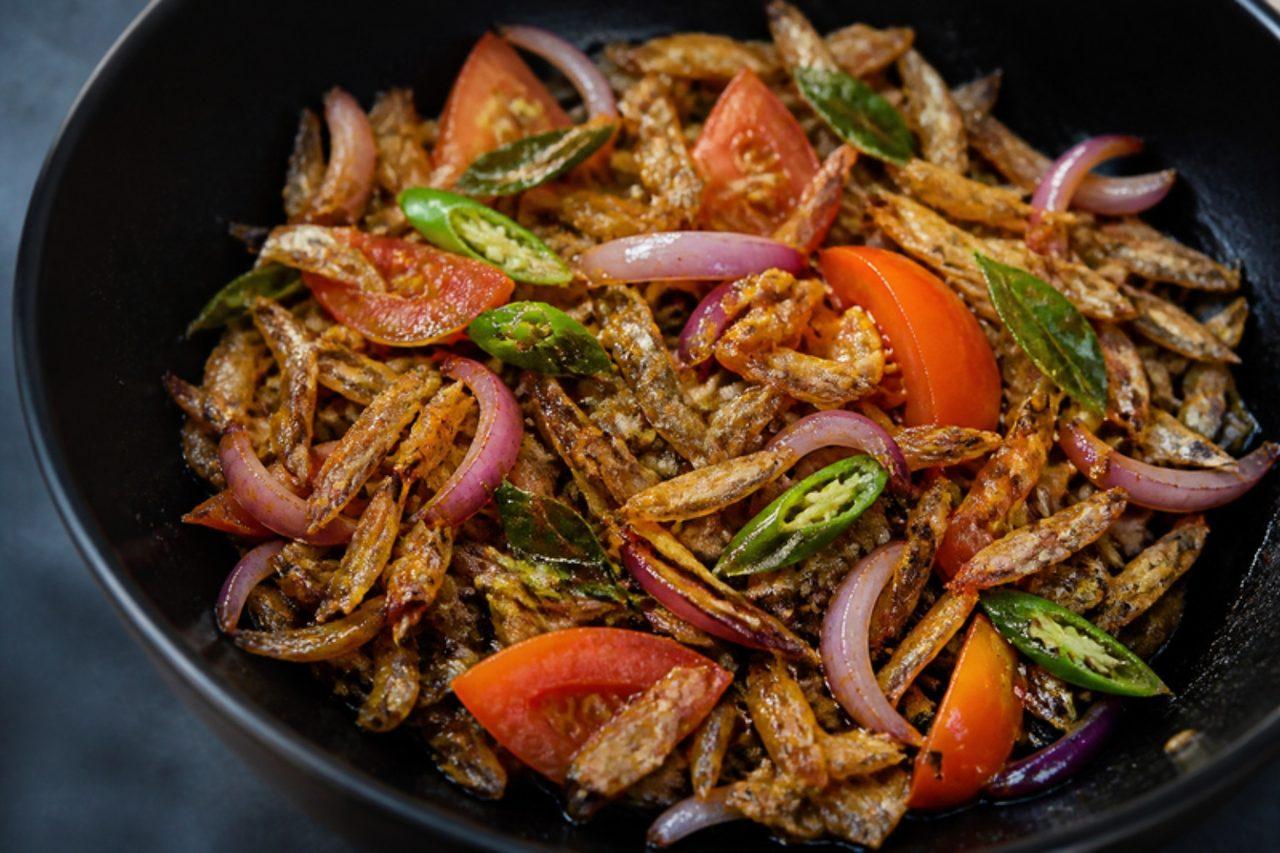
Every Sri Lankan market from Negombo to Trincomalee has a stall stacked with karawala, sun-dried salted fish, and when the larder is low or the rain keeps the boats in, a quick thel dala turns a small piece of it into something to wake up a plate of rice. Strips or small whole fish are fried until crisp, then tossed with plenty of onion, tomato, green chilli and chilli flakes until they are glossy, salty, smoky and hot. It is eaten in small amounts beside dhal, rice and a mild vegetable curry, or with kiribath and pol roti for breakfast, and it keeps for a day or two. Watch out for the classic fault of skipping the soak, which leaves the dish far too salty to eat. Chef's tip: fry the soaked fish until really crunchy before the onions go in; that crisp edge is what makes it addictive.

by KrazyBadal 0 views

KarpatkaCustard cream choux cake

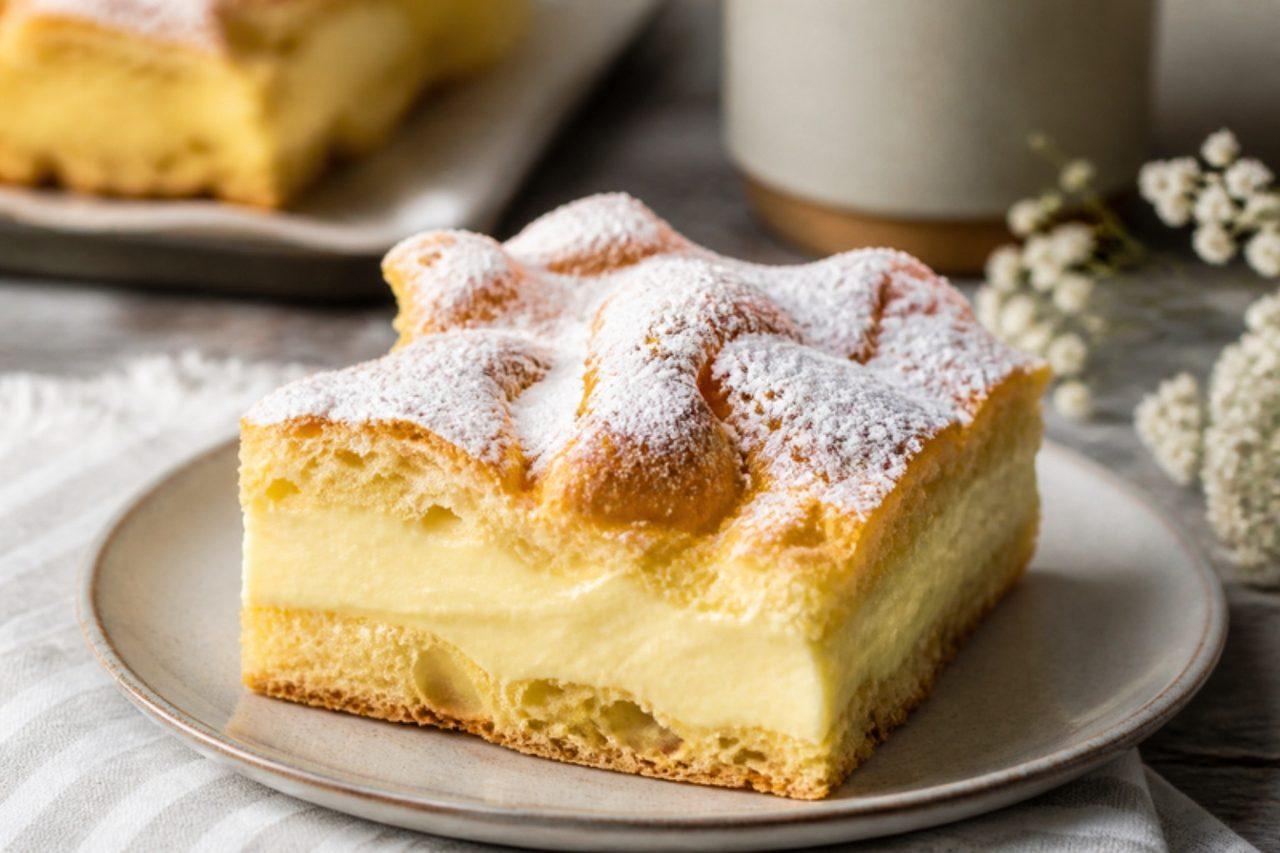
Named after the Carpathians, karpatka is the cake whose crinkled, craggy top looks like a range of snowy peaks once it is dusted with icing sugar. Two thin layers of choux pastry, baked flat until they puff into hills and valleys, sandwich a deep layer of rich vanilla custard whipped with butter. It is a fixture of Polish name-day parties and café counters, and children love the cloud-like filling. The usual slip is opening the oven early, which makes the choux collapse into a flat, rubbery sheet. Chef's tip: let the custard and the butter reach the same room temperature before beating them together, or the cream splits.

by KrazyBadal 0 views

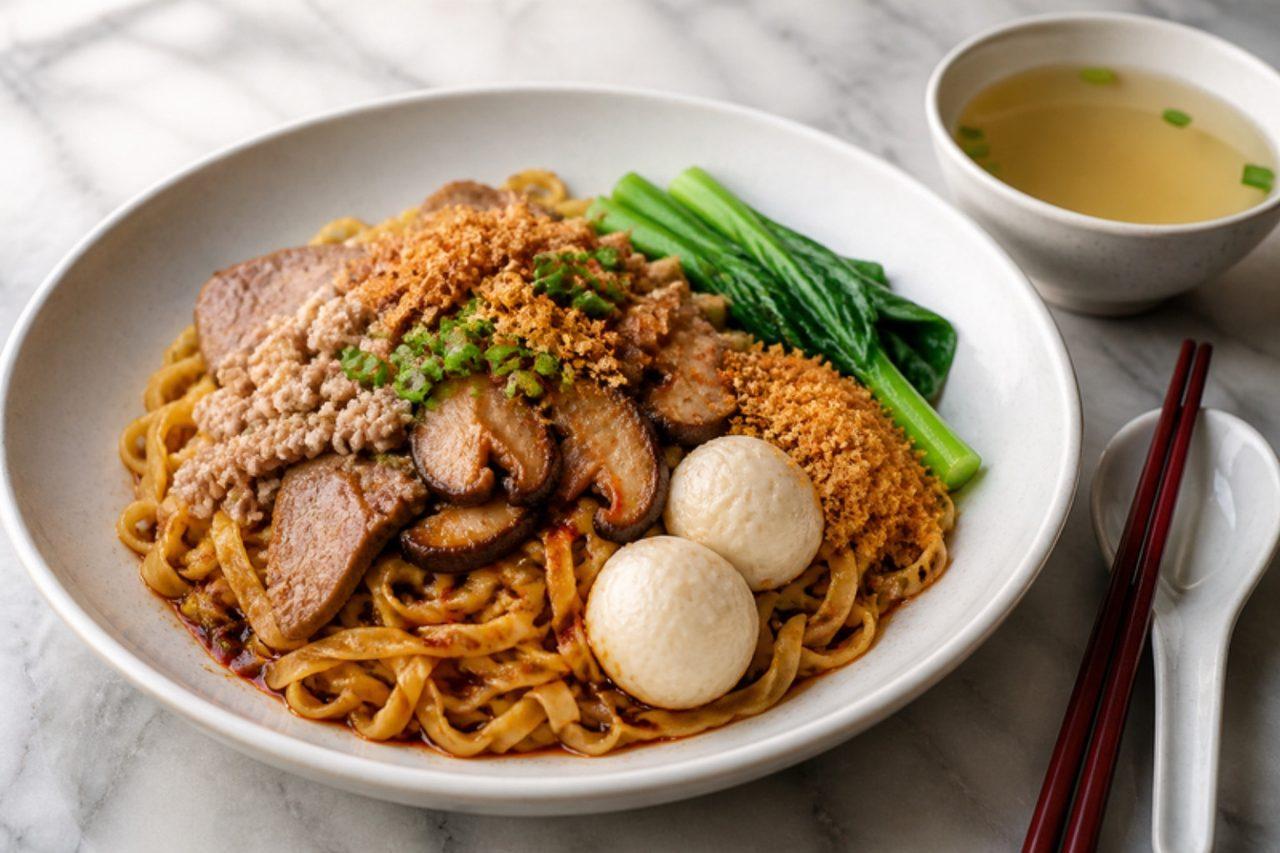
Bak chor meeMinced pork noodles

Queue at almost any Teochew noodle stall in a Singapore kopitiam before work and the order you hear most is a bowl of bak chor mee, dry, with extra vinegar. Springy flat mee pok is tossed at the bottom of the bowl in black vinegar, chilli paste, soy and a spoon of pork lard, then crowned with loosely poached minced pork, slices of pork liver, fish balls and sweet braised mushrooms, with a small bowl of clear pork soup on the side. It should taste sour first, then hot, then rich, and the noodles must stay bouncy rather than soft. Where most home cooks go wrong is cooking the noodles in one long boil: they turn limp and soak up the sauce instead of carrying it. Chef's tip: blanch the noodles twice, plunging them into cold water in between, which is how the hawkers get that al dente snap.

by KrazyBadal 0 views

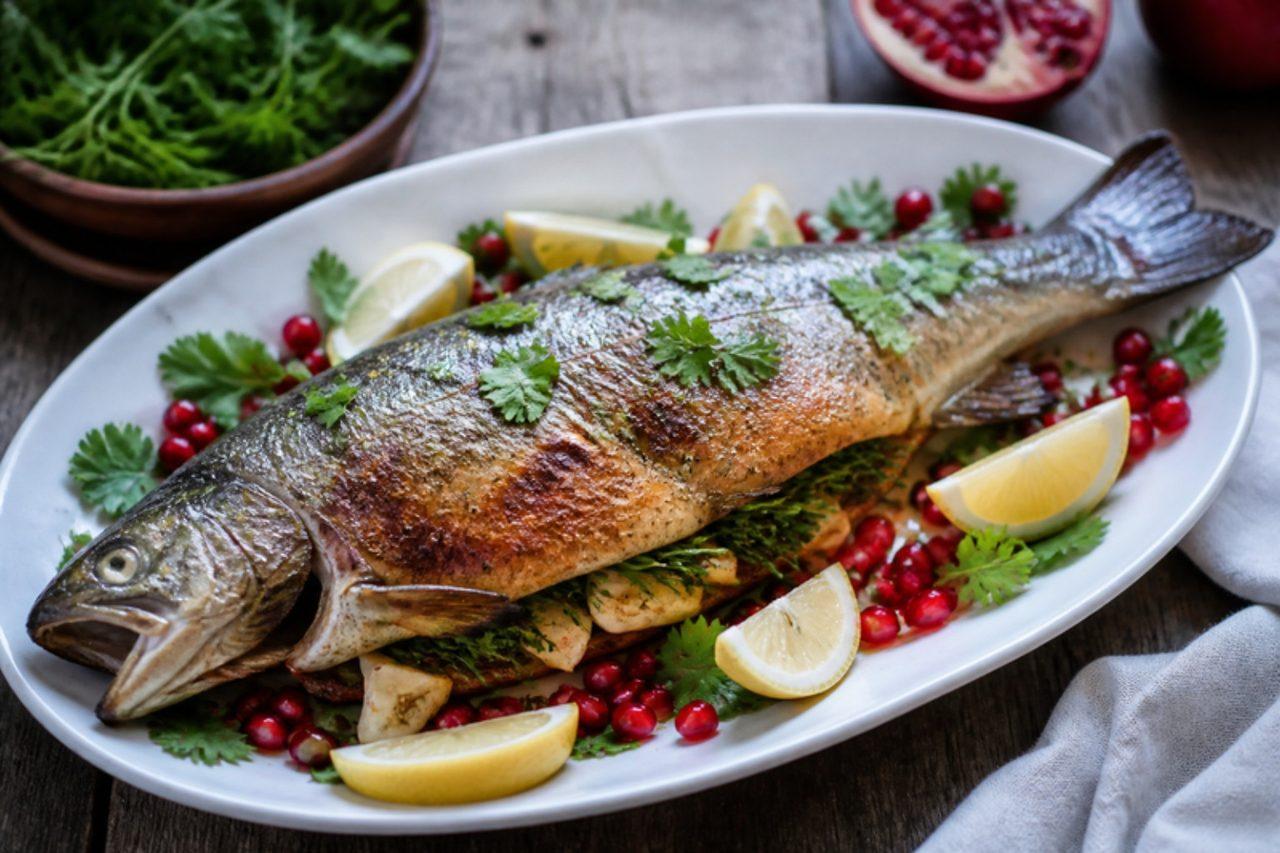
Trout with tarragon

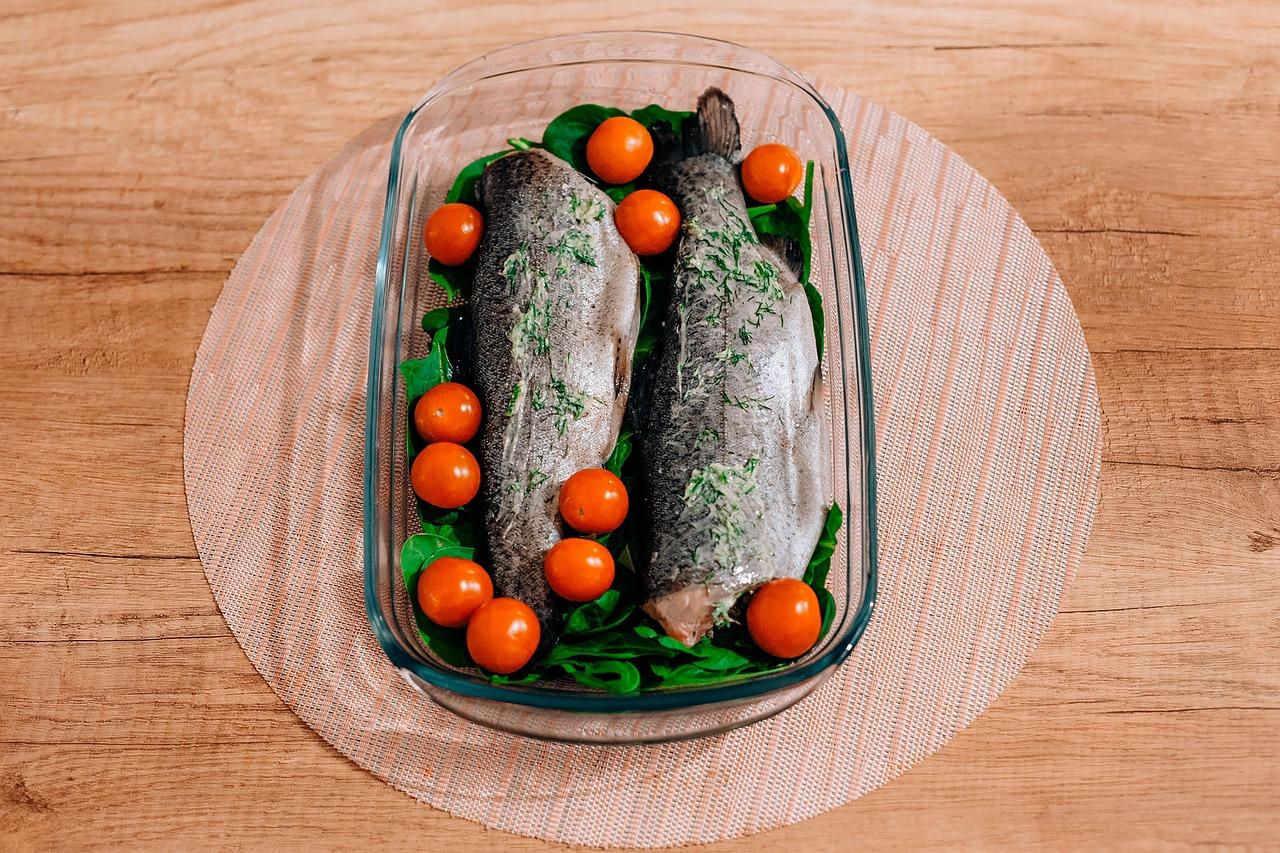
In the river valleys of Racha, around Ambrolauri and Oni, cafés keep live trout in stone tanks fed by mountain streams, and the classic way to cook them is simply: stuffed with tarragon, garlic and a little salt, roasted or grilled over vine cuttings, and finished with a shower of pomegranate seeds and a squeeze of their juice. A common mistake is cooking the fish too long, which dries the delicate flesh. Chef's tip: slash the skin twice on each side so the heat reaches the thickest part evenly, then check by pressing the backbone: the flesh is done when it is opaque and lifts away in clean flakes.

by KrazyBadal 0 views

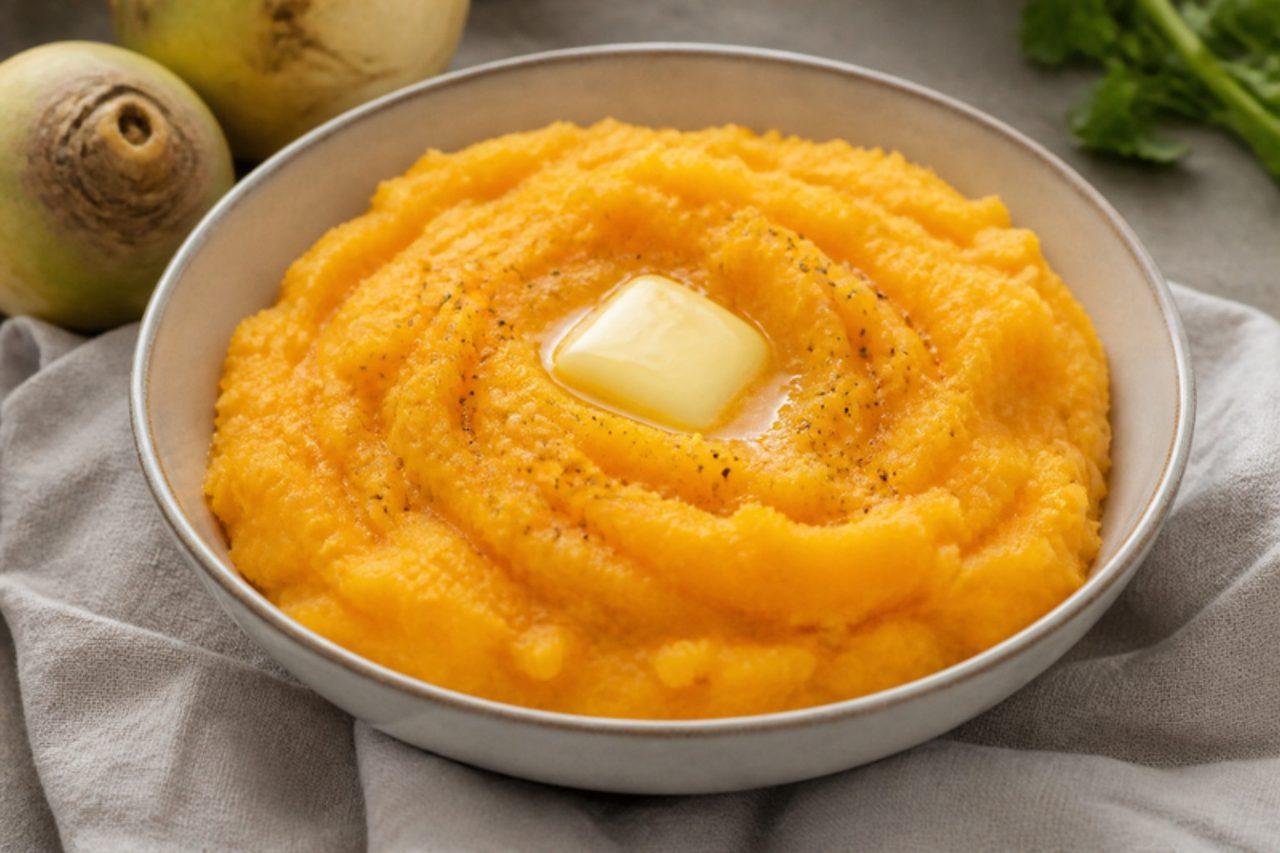
KålrabistappeMashed swede

Kålrabistappe is the bright orange mash of swede that sits beside almost every Norwegian winter dinner: with pinnekjøtt lamb ribs at Christmas in western Norway, with raspeballer on Thursdays, with salted meat and sausages. It is simple: swede and a little potato boiled soft and mashed with butter, a splash of the cooking water and nutmeg. A common mistake is mashing it in a blender, which makes it gluey. Chef's tip: let the swede steam dry in the pan for a couple of minutes after draining; the mash stays fluffy, not watery.

by KrazyBadal 0 views

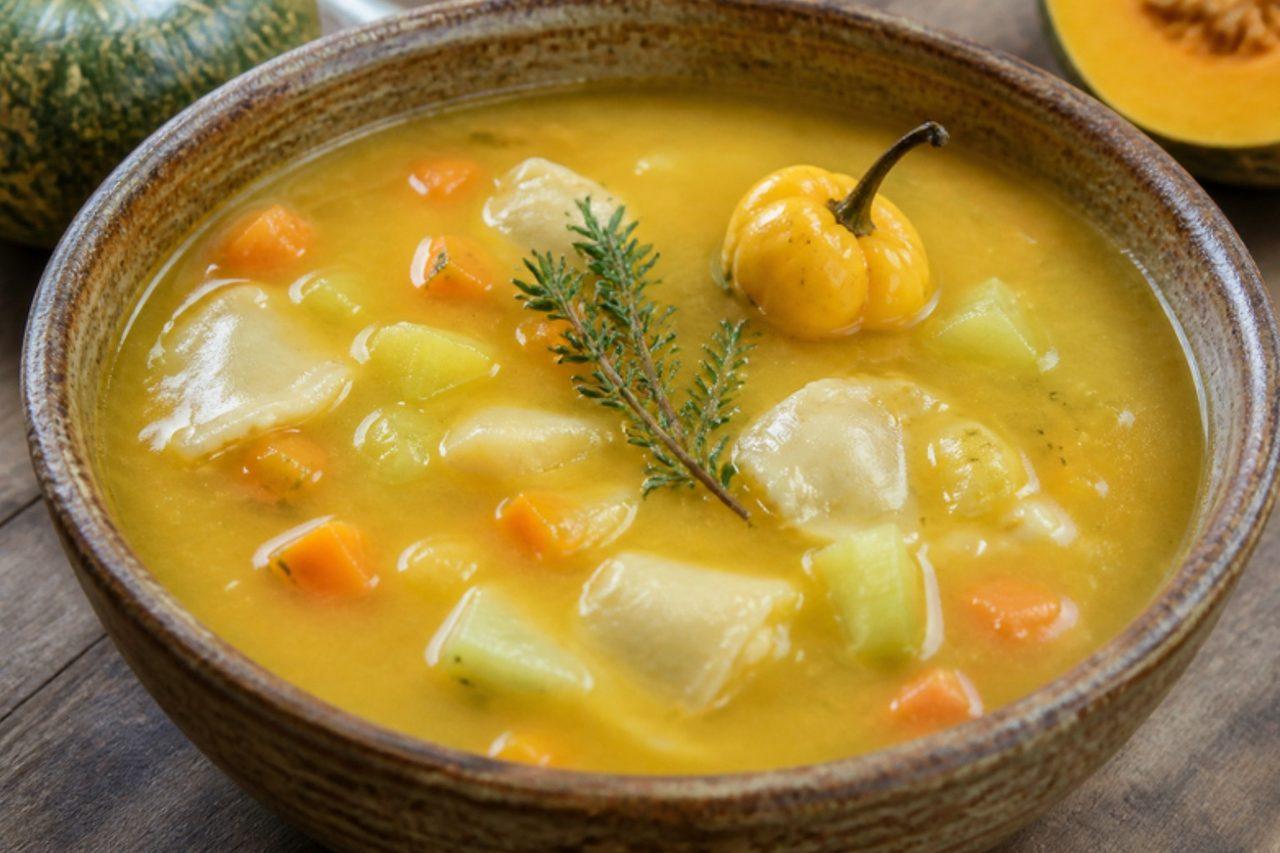
Jamaican pumpkin soup

Ital kitchens in the Blue Mountains cook pumpkin soup on cool evenings, when the mist comes down over the coffee farms and something golden and peppery is needed. This one is meat-free and dairy-free: calabaza, carrot and chocho simmer with thyme, scallion and pimento until the pumpkin breaks down into a thick, naturally sweet broth, with a few spinners for chew. People often add the scotch bonnet already cut, which can make the whole pot ferociously hot; drop it in whole and take it out when the soup tastes right. Chocho (chayote) is optional, and courgette is a fair swap. Chef's tip: leave the soup chunky rather than blending; Jamaicans like to see the pieces of pumpkin collapsing into it.

by KrazyBadal 0 views

Armenian string cheese

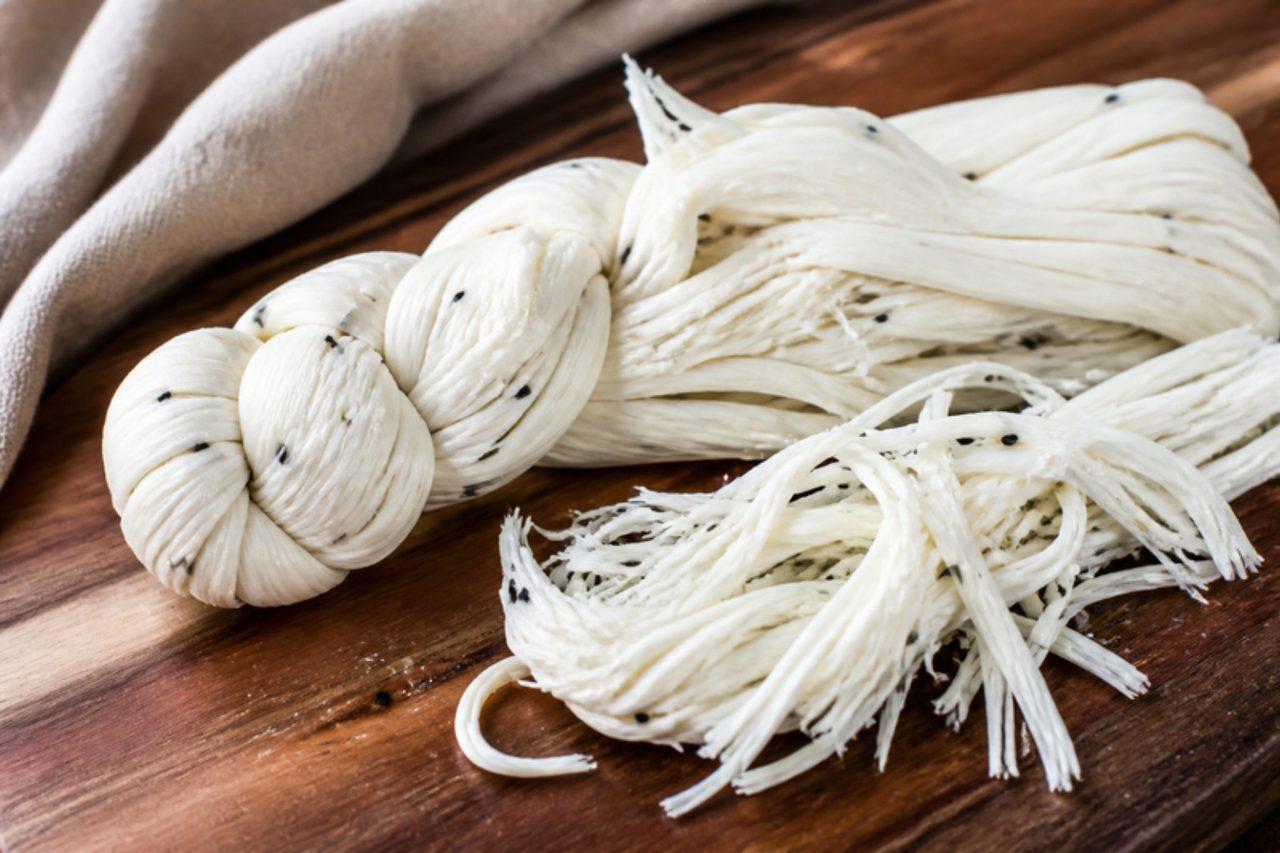
Chechil, called tel panir in Armenian, is the plaited string cheese of Armenian families from Yerevan to Beirut and Boston: fresh curd is melted in hot water, stretched again and again into long, fine strands with nigella seeds worked through, then twisted into a braid. To eat, you pull the braid apart into thread-fine strings, good with herbs, lavash and a glass of tan. Traditionally made with animal rennet; vegetarian rennet works too. A common mistake is stretching a curd that is not acidic enough; it melts into a blob instead of pulling. Chef's tip: test a small piece in hot water first, as for sulguni; if it stretches 30 cm without breaking, it is ready.

by KrazyBadal 0 views

Dziriettes (almond flower pastries)

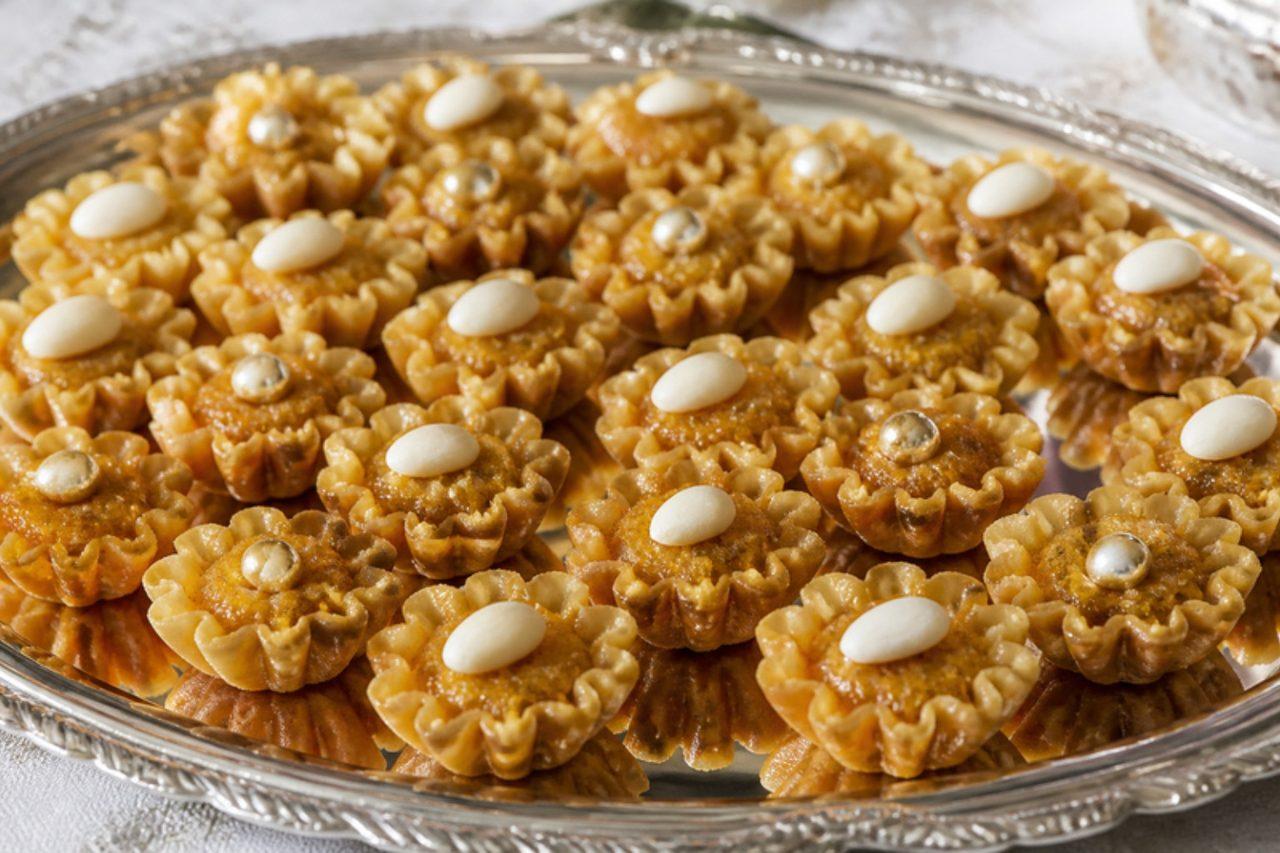
Named after the women of Algiers, dziriettes are the jewels on any wedding or Eid tray: thin, crisp pastry pinched into a flower or crown, filled with a dome of almond paste scented with orange blossom, then baked and soaked in warm honey. They take patience, but the result is delicate and fragrant, with a shatter of pastry giving way to a soft, moist almond centre. Families often make a few hundred over several evenings, together, before a celebration, and serve them with mint tea or coffee. Chef's tip: roll the dough so thin you can almost see the worktop through it; thick pastry is the commonest mistake and turns dziriettes stodgy instead of crisp.

by KrazyBadal 0 views

Bein montJaggery coconut rice pancake

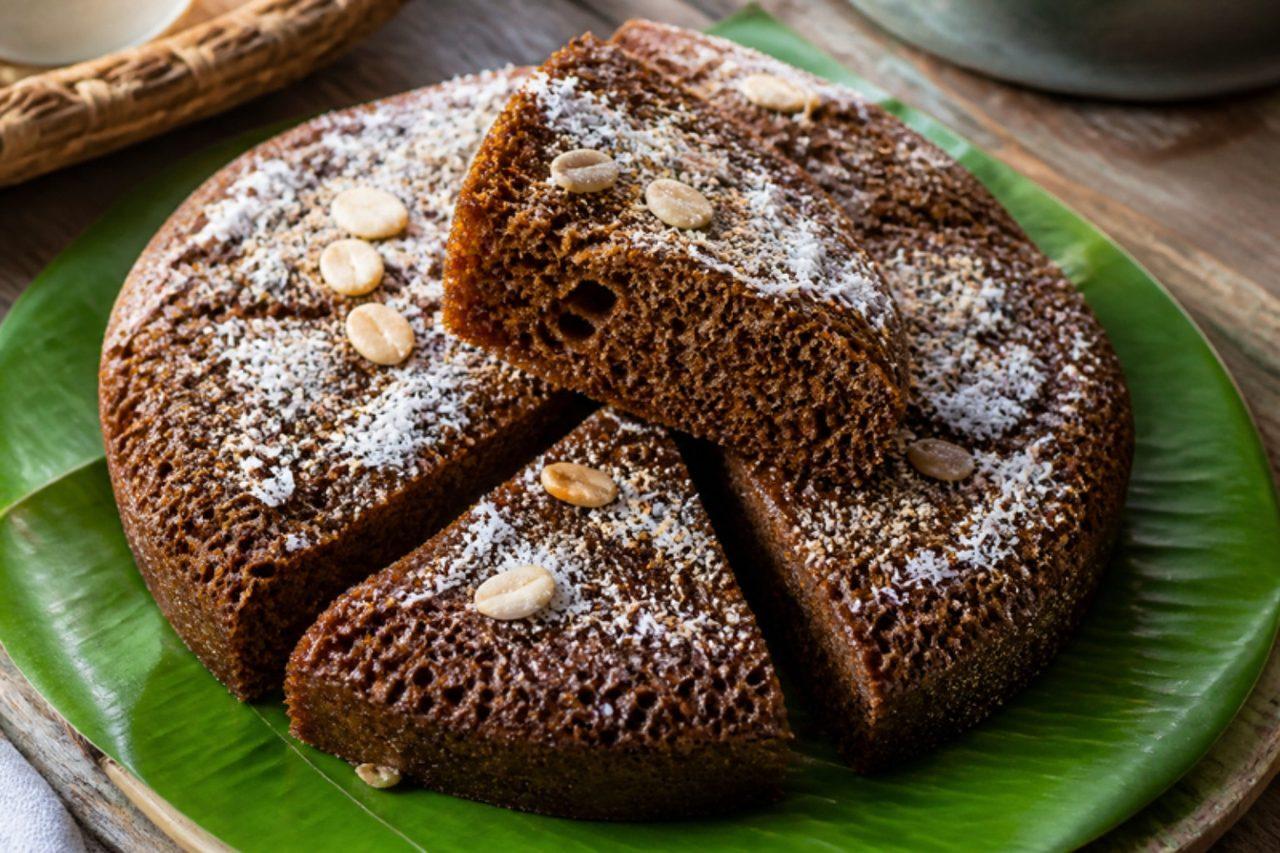
When the November nights cool down for the Tazaungdaing festival, food stalls outside pagodas in Yangon and Mandalay start cooking bein mont in small, lidded iron pans with embers piled on top, so the cake bakes from above and below at once. The batter is rice flour sweetened with dark jaggery, so it cooks into a thick, springy, brown pancake with a crisp base, studded on top with shreds of coconut and sliced peanuts; some vendors still scatter poppy seeds, the bein that may have given the snack its name. It is eaten warm in wedges with hot green tea. High heat is what usually goes wrong: the base scorches while the centre stays raw, so keep the flame low and the lid on. Chef's tip: a small cast-iron pan finished under the grill copies the charcoal top heat at home.

by KrazyBadal 0 views

Ka'ak nakache (date-filled semolina rings)

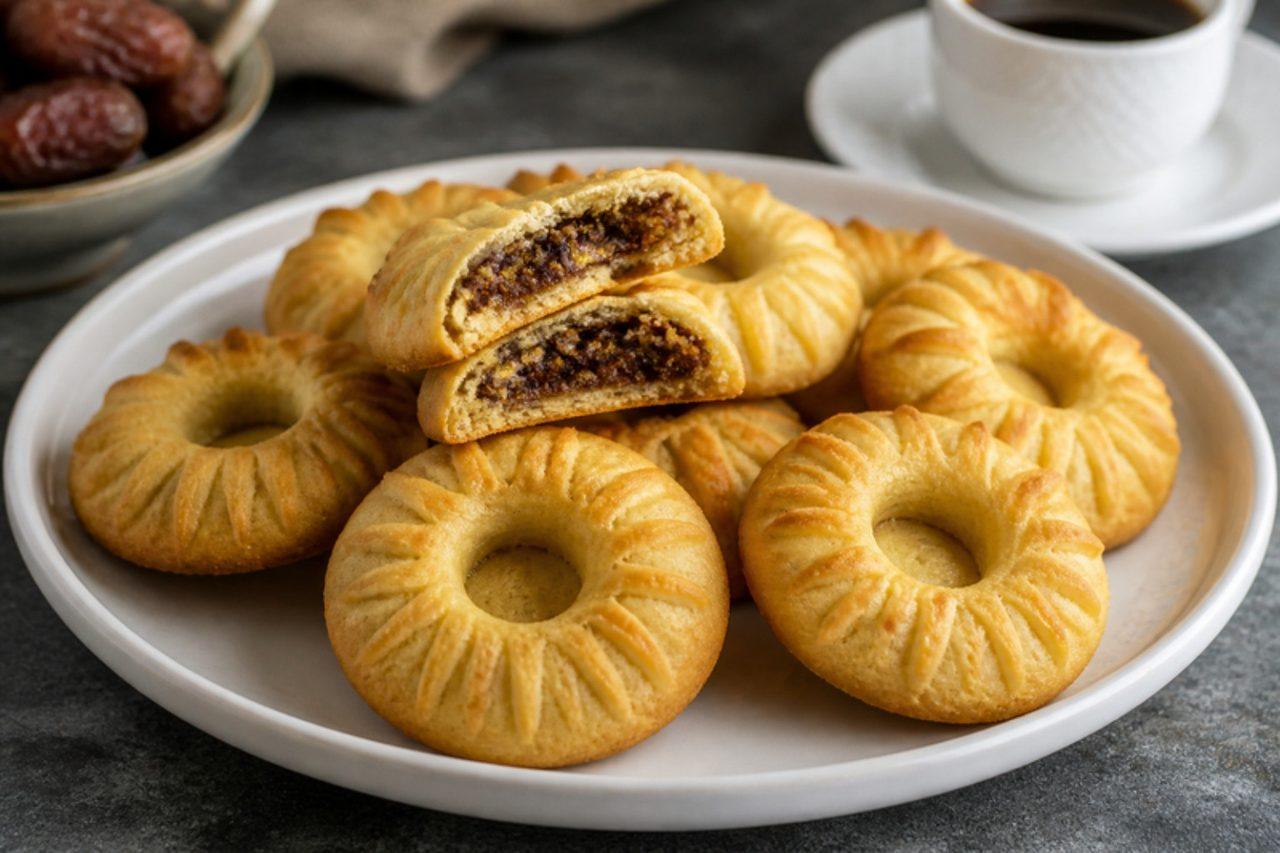
Constantine bakers own a special brass tweezer, the nakache, just for decorating these rings: a rope of buttery semolina dough is wrapped round spiced date paste, joined into a circle and pinched along the top into chevrons and leaves. Baked pale, ka'ak nakache is crisp and short outside with a soft, cinnamon and clove scented filling, a classic of Eid trays and of the coffee served to guests in the old city. Without the tweezer, a fork or the back of a small knife makes a good pattern. Chef's tip: let the buttered semolina rest for at least 30 minutes before adding water; skipping the rest is the usual mistake, and the rings crack as you shape them.

by KrazyBadal 0 views

Sevan trout

Ishkhan, 'the prince', is the name Armenians give to the trout of Lake Sevan, the vast blue lake high in the mountains north-east of Yerevan, and lakeside restaurants on the Sevan peninsula serve it grilled whole or stuffed with herbs and baked. The native ishkhan is now rare and protected, so the fish served today is farmed trout, cooked the same way: stuffed with tarragon, dill, coriander and garlic, roasted until the skin crisps, with lavash and lemon. A common mistake is wrapping the fish tightly in foil, which steams it soft; leave it uncovered for a crisp skin. Chef's tip: brush the fish with a little tkemali or pomegranate molasses in the last five minutes for a sweet-sour glaze. The fish is done when the flesh is opaque and flakes easily at the backbone.

by KrazyBadal 0 views

Barley water

Ask for 'barley' at any drinks stall in a Singapore kopitiam and you get a tall glass of cloudy, faintly sweet barley water, the drink older relatives swear by on the hottest afternoons because it is said to cool the body. Home cooks simmer pearl barley for an hour with knotted pandan leaves, and in Teochew and Cantonese households chunks of winter melon go in as well for a gentle, cucumber-like sweetness. The result is light and clean, ideal beside a plate of chicken rice, char kway teow or anything greasy and salty. The usual mistake is boiling it hard, which turns the liquid starchy and slimy instead of smooth and pale; keep it at a gentle simmer. Chef's tip: don't throw away the softened barley grains; spoon some into each glass, as the stalls do, or eat them warm with a little rock sugar as a light dessert.

by KrazyBadal 0 views

Showing 45 of 7,762 recipes

Show more recipes

Page 222 of 863