


Skip to content
Jamaican soursop juice
Featured recipe

Jamaican soursop juice

Soursop punch is a Sunday-dinner drink in Jamaica, made when a ripe, soft soursop comes from the market or a yard tree, and it is also sold in bottles at roadside juice stands. The white, custardy pulp tastes of pineapple, banana and strawberry all at once, and blended with milk, nutmeg and vanilla it becomes thick and creamy. The common mistake is blending the black seeds, which taste bitter and should not be eaten; always pick them out by hand. Chef's tip: use a fruit that gives softly all over when pressed, like a ripe avocado.

Read more 0 views

What to eat today?

Around the world

Today's trip: Persian

A new country every day, from every cuisine on the site.

Persian

Dizi

Lamb and chickpea stew 245 minMore from Persian (131) →

This week's collection

Kid-friendly dinners
537 recipes · a new collection every Monday

Latest recipes

KchuchClay-pot aubergine and potato bake

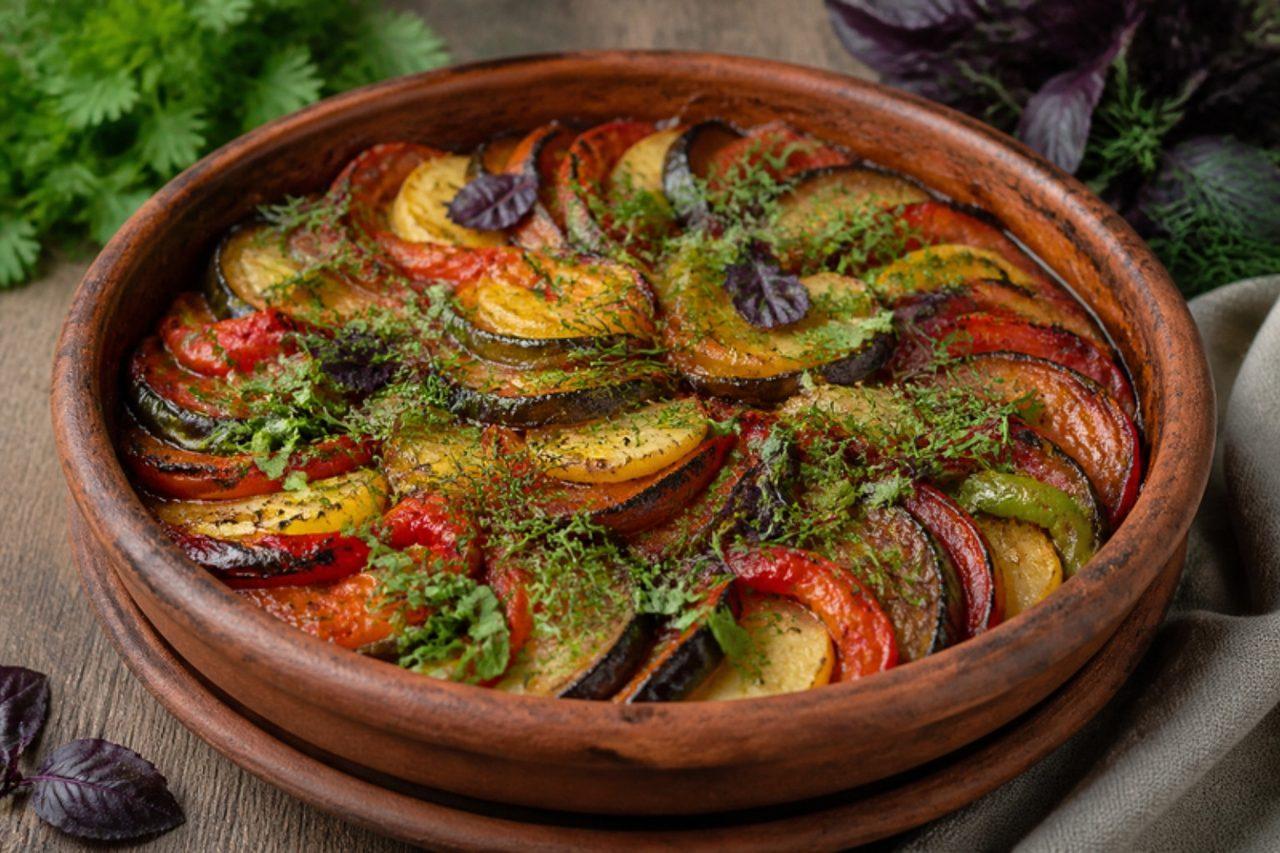
A kchuch is the round clay pot of Gyumri's kitchens, and the dish cooked in it takes its name: layers of vegetables and herbs, sealed and slow-baked until everything collapses into a rich, juicy stew. Shirak families often add lamb, but the vegetable version is a summer and Lenten favourite, heavy with aubergine, potatoes, peppers, tomatoes and garlic. A common mistake is slicing the potatoes thick, which leaves them hard when the aubergine is already soft. Chef's tip: lay the tomatoes and herbs on top and seal the lid with a strip of dough or foil, so the steam stays in and the vegetables cook in their own juices.

by KrazyBadal 0 views

Kebab-e-murghYogurt-marinated chicken skewers

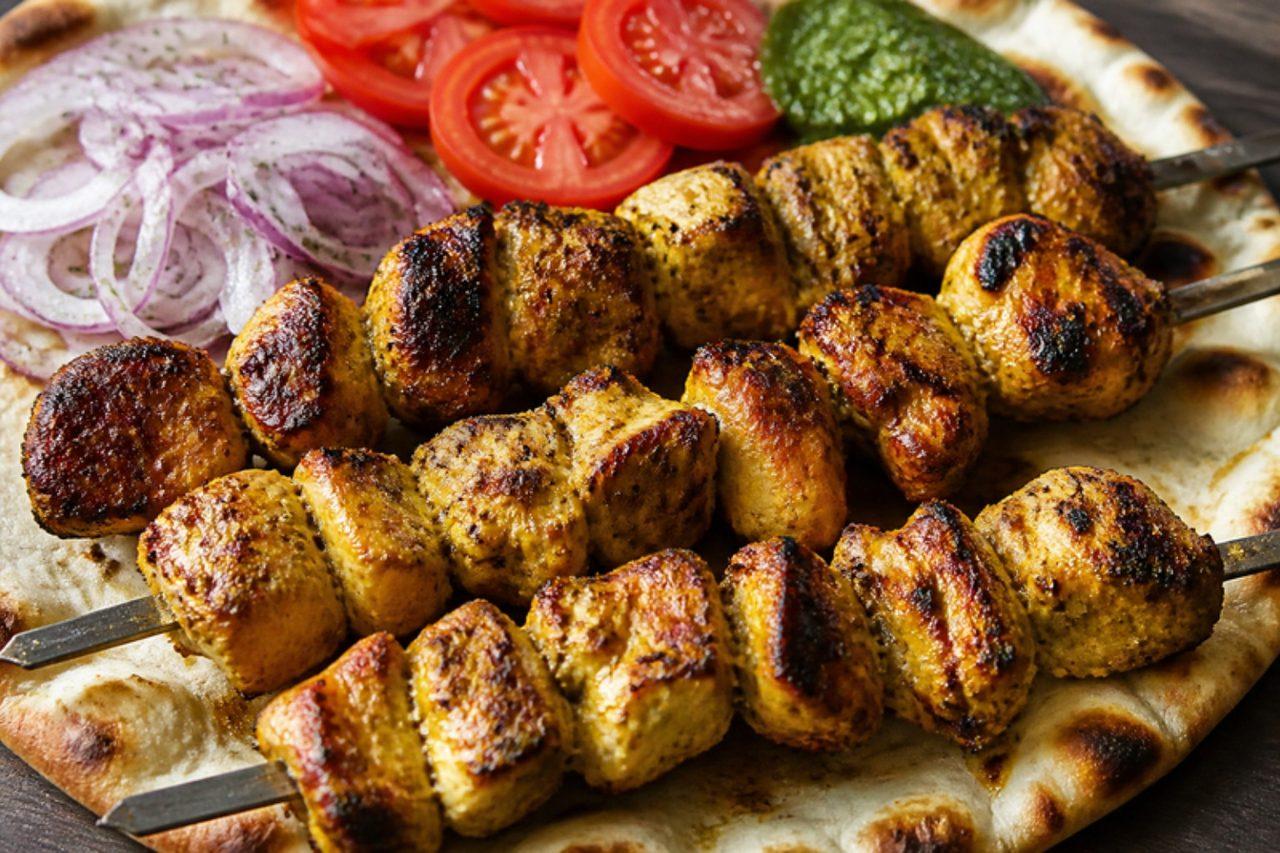
Along Kabul's kebab streets, cooks fan long rows of skewers over charcoal troughs, and chicken kebab-e-murgh has become as popular as lamb, especially with families. The meat is soaked in yogurt with a lot of garlic, lemon and chilli, which keeps it juicy and gives it a tangy, slightly charred crust; it is served on a sheet of naan that catches the drips, with sliced raw onion, tomato and green chutney. At home a hot grill pan or barbecue does the job well. Breast meat cut too small dries out before it chars, so use boneless thighs in generous chunks. Chef's tip: thread the pieces close together but not squashed, which keeps the centres moist while the edges blacken.

by KrazyBadal 0 views

Jamaican jerk pork

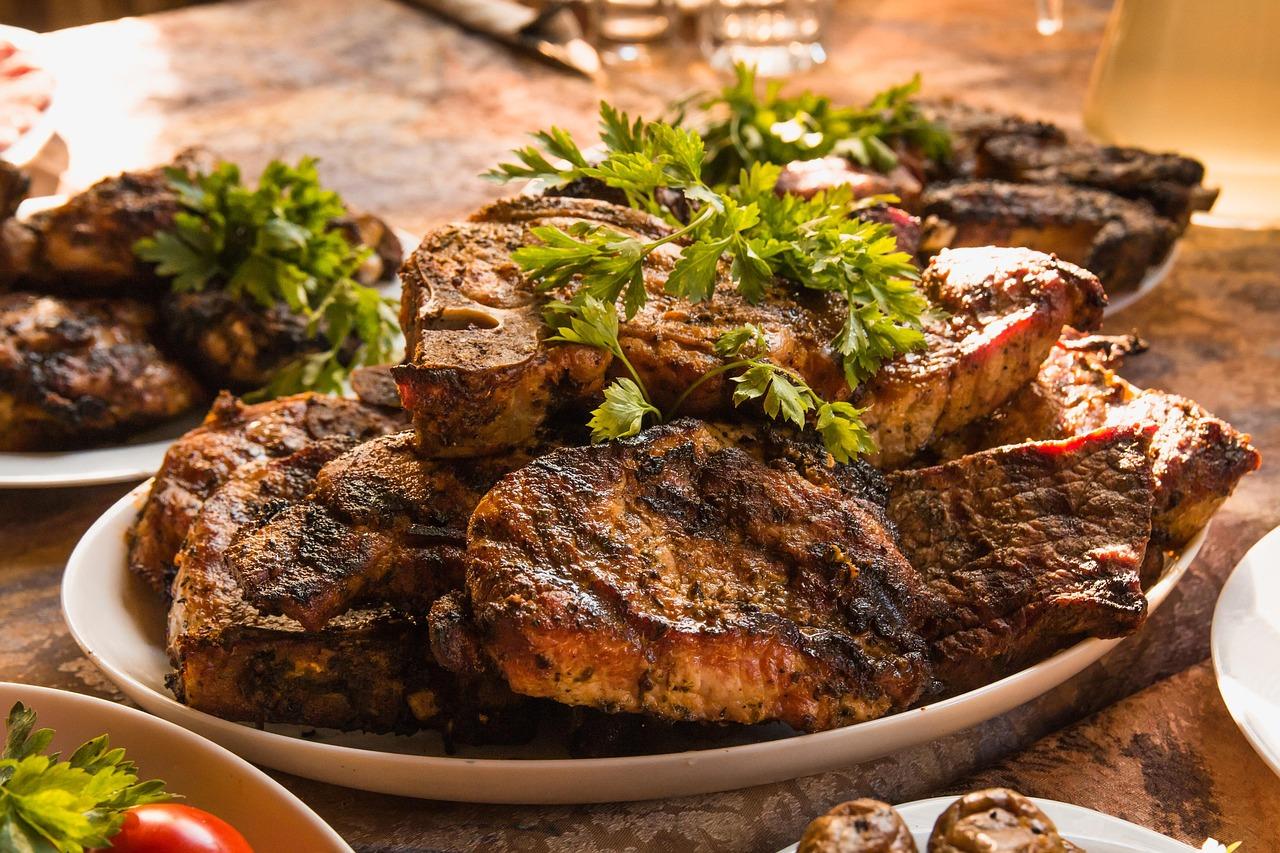
Boston Bay in Portland is where jerk pork was born, and the jerk pits there still slow-smoke pork shoulder over green pimento wood under sheets of zinc until the outside is dark and crusted and the meat is smoky and juicy. This home version uses boneless pork shoulder rubbed with a wet paste of scotch bonnet, pimento, scallion, thyme and ginger, then cooked slowly in a covered barbecue or oven and finished over high heat. The biggest mistake is rushing the marinade; it needs at least 12 hours in the fridge to get into the pork. Cook until the thickest part reaches at least 63 °C, then rest; for tender, chopped jerk like the stalls, keep going to about 85 °C. Chef's tip: throw a handful of soaked allspice berries and bay leaves onto the coals for the smoky pimento flavour of the real pits.

240 minJamaicanMeatGluten freeSpicy
by KrazyBadal 0 views

Bak chor meeMinced pork noodles

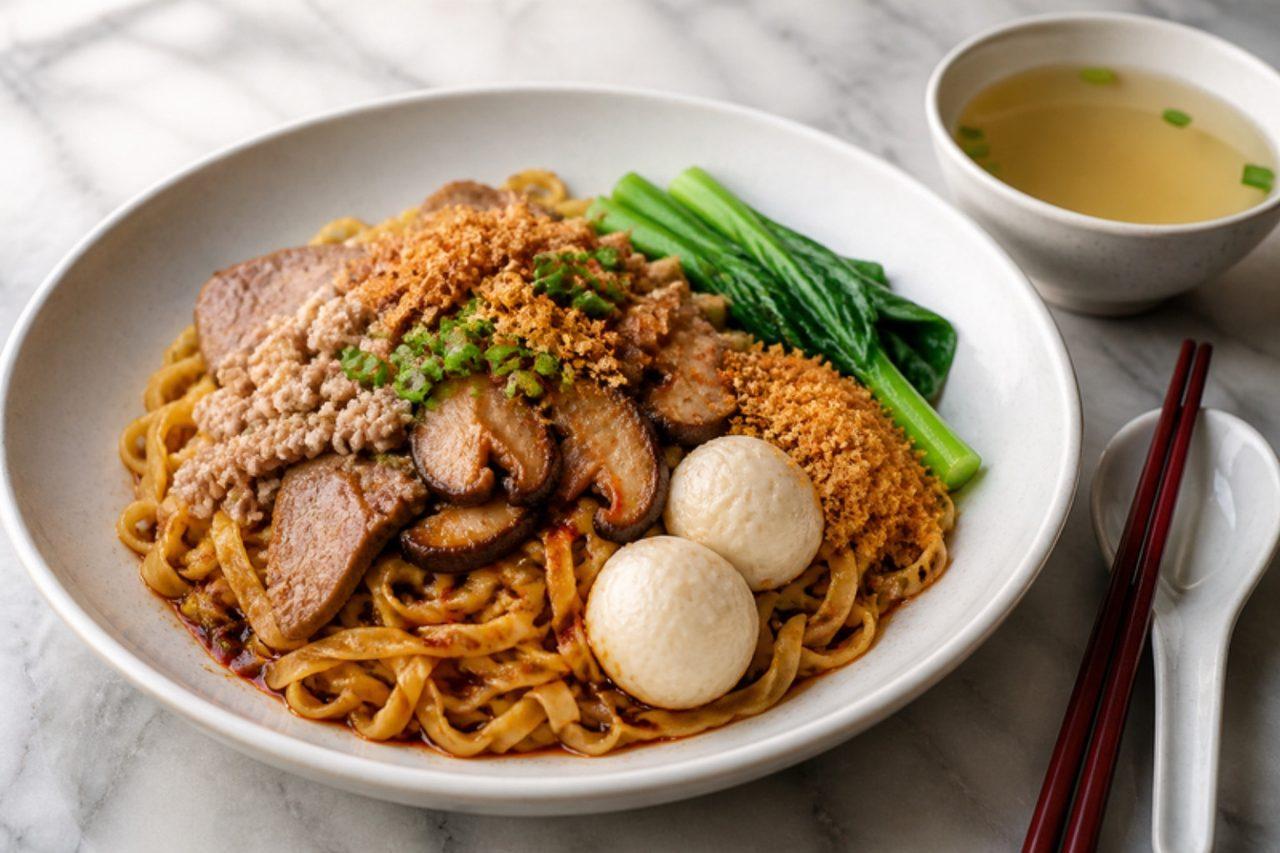
Queue at almost any Teochew noodle stall in a Singapore kopitiam before work and the order you hear most is a bowl of bak chor mee, dry, with extra vinegar. Springy flat mee pok is tossed at the bottom of the bowl in black vinegar, chilli paste, soy and a spoon of pork lard, then crowned with loosely poached minced pork, slices of pork liver, fish balls and sweet braised mushrooms, with a small bowl of clear pork soup on the side. It should taste sour first, then hot, then rich, and the noodles must stay bouncy rather than soft. Where most home cooks go wrong is cooking the noodles in one long boil: they turn limp and soak up the sauce instead of carrying it. Chef's tip: blanch the noodles twice, plunging them into cold water in between, which is how the hawkers get that al dente snap.

by KrazyBadal 0 views

Aloo andayPotato and egg curry

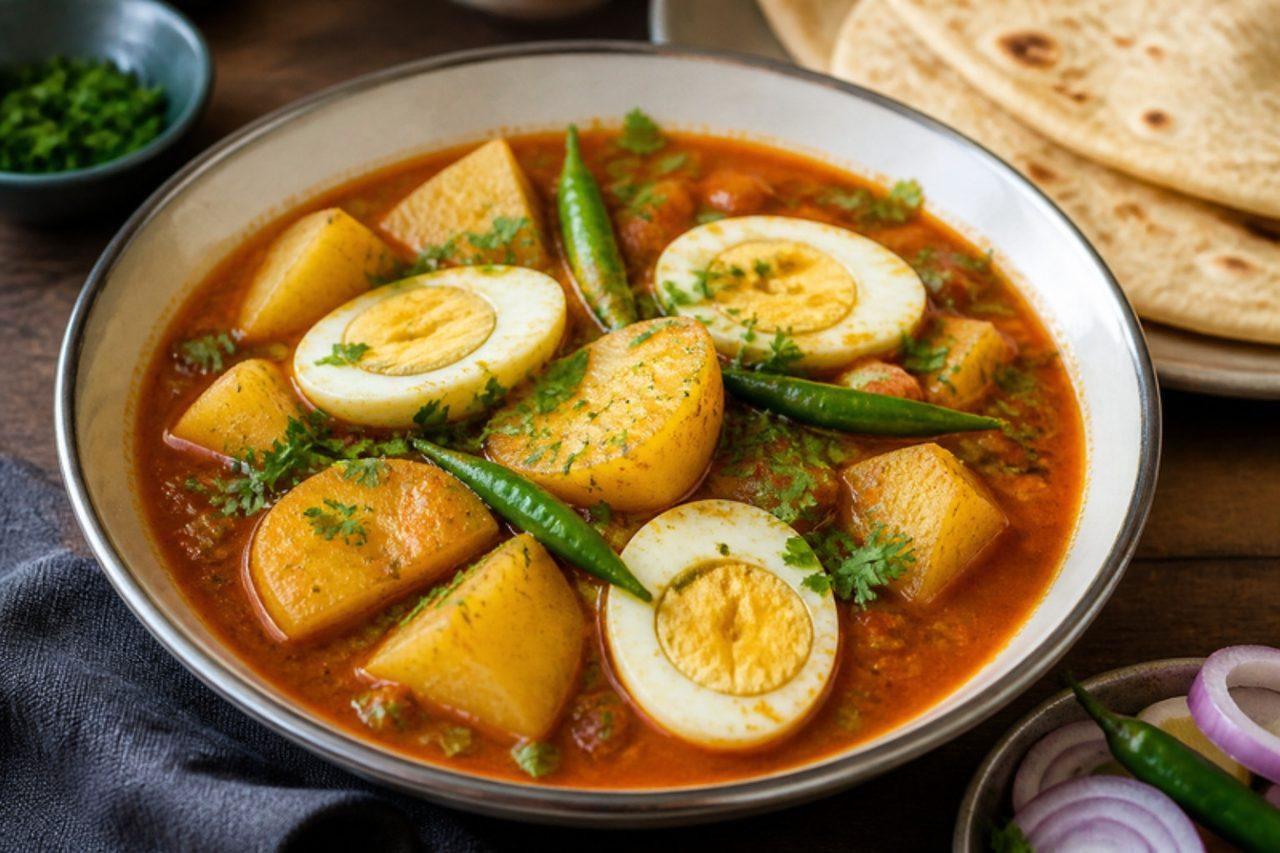
Ask almost anyone who grew up in a Punjabi household in Pakistan what was cooked at the end of the month, when the meat money had run out, and aloo anday will come up with real affection. Halved hard-boiled eggs and chunks of potato sit in a loose, brick-red shorba of browned onion and tomato, thin enough to soak into a chapati and rice alike, with a cut green chilli on top. It is a weeknight and Sunday-brunch dish rather than a guest dish, and children tend to love it. Where it goes wrong is in the masala: if the onions and tomatoes are not fried until the oil separates, the gravy tastes raw and watery however long it simmers. Chef's tip: score the peeled eggs lightly with a knife and fry them in the masala for a minute before the water goes in, so they take on colour and flavour.

by KrazyBadal 0 views

Chiayi turkey riceShredded turkey rice

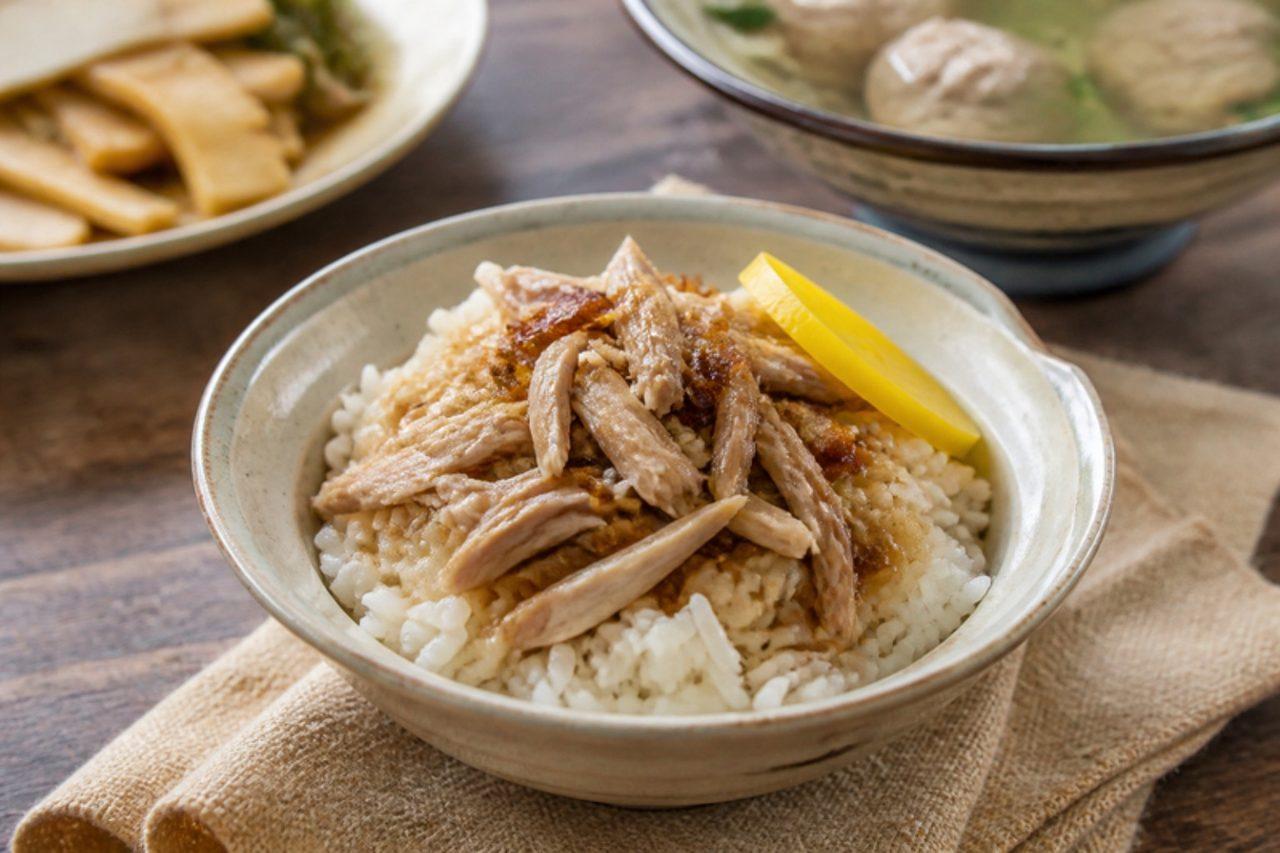
Chiayi, in the south-central plains, is the town that put turkey on Taiwan's lunch tables: every few streets there is a shop selling small bowls of hot rice heaped with pulled turkey, drizzled with golden turkey-fat shallot oil and a sweet soy sauce, eaten with a yellow pickled radish and a bowl of clear soup. It is lunch, a late breakfast and a midnight bite. The meat should be moist and pull into soft strands, the rice glossy rather than wet. The usual error is boiling the turkey hard, which leaves it dry and stringy; poach it gently and let it cool in the liquid. Chef's tip: render the turkey skin and fat slowly to fry the shallots, so the oil tastes of the bird; use chicken fat or neutral oil if your turkey is lean.

by KrazyBadal 0 views

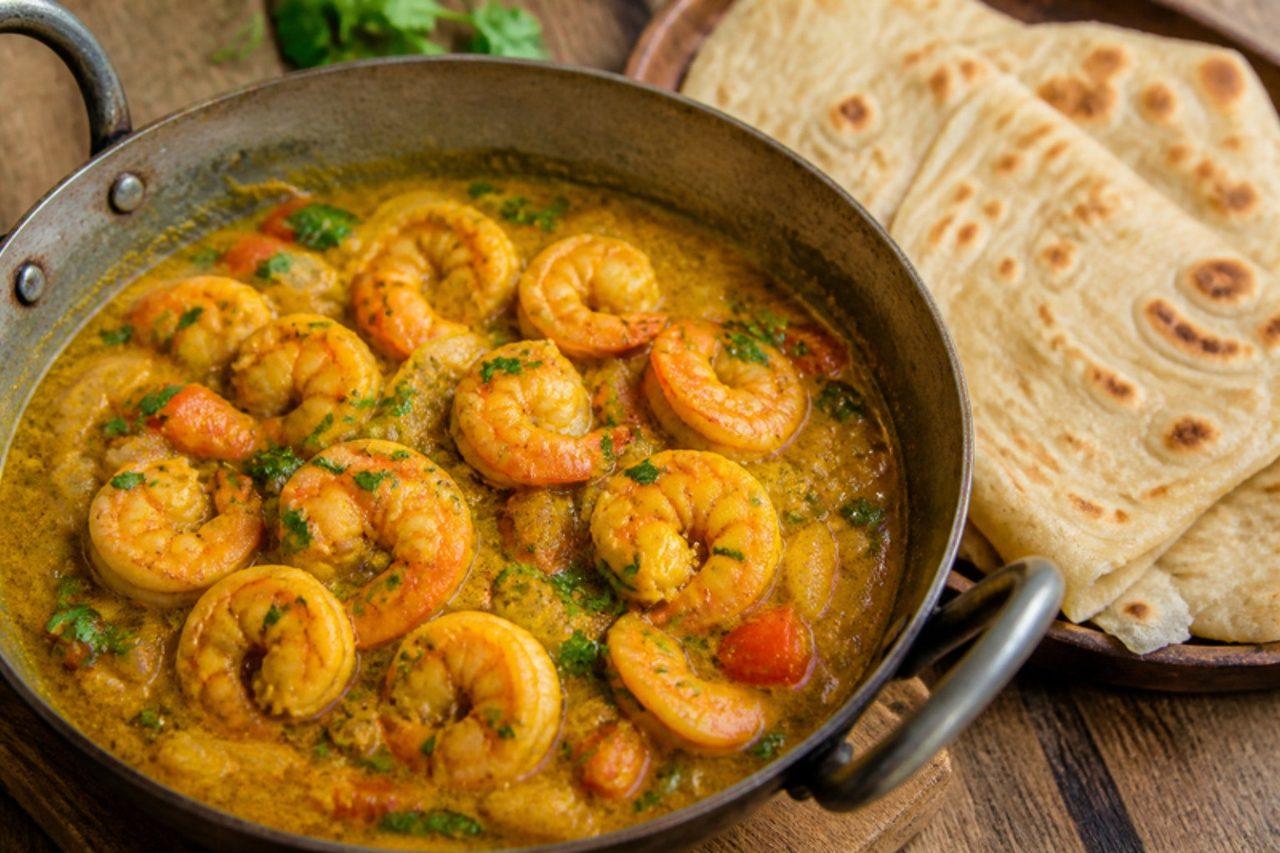
Trini curry shrimp

Sold from food stalls in San Fernando and eaten at south Trinidad family lunches, curry shrimp is the fast curry of the island: the sauce is built in minutes, and the shrimp go in only at the very end. Plenty of garlic, roasted geera and hot pepper give a bright, punchy curry that you wipe up with dhalpuri or spoon over rice. The mistake nearly everyone makes the first time is stewing the shrimp, which turns them rubbery; they need three or four minutes, no more. Chef's tip: save the shells, simmer them in the water for 10 minutes and use that stock in the curry for a much deeper seafood flavour.

by KrazyBadal 0 views

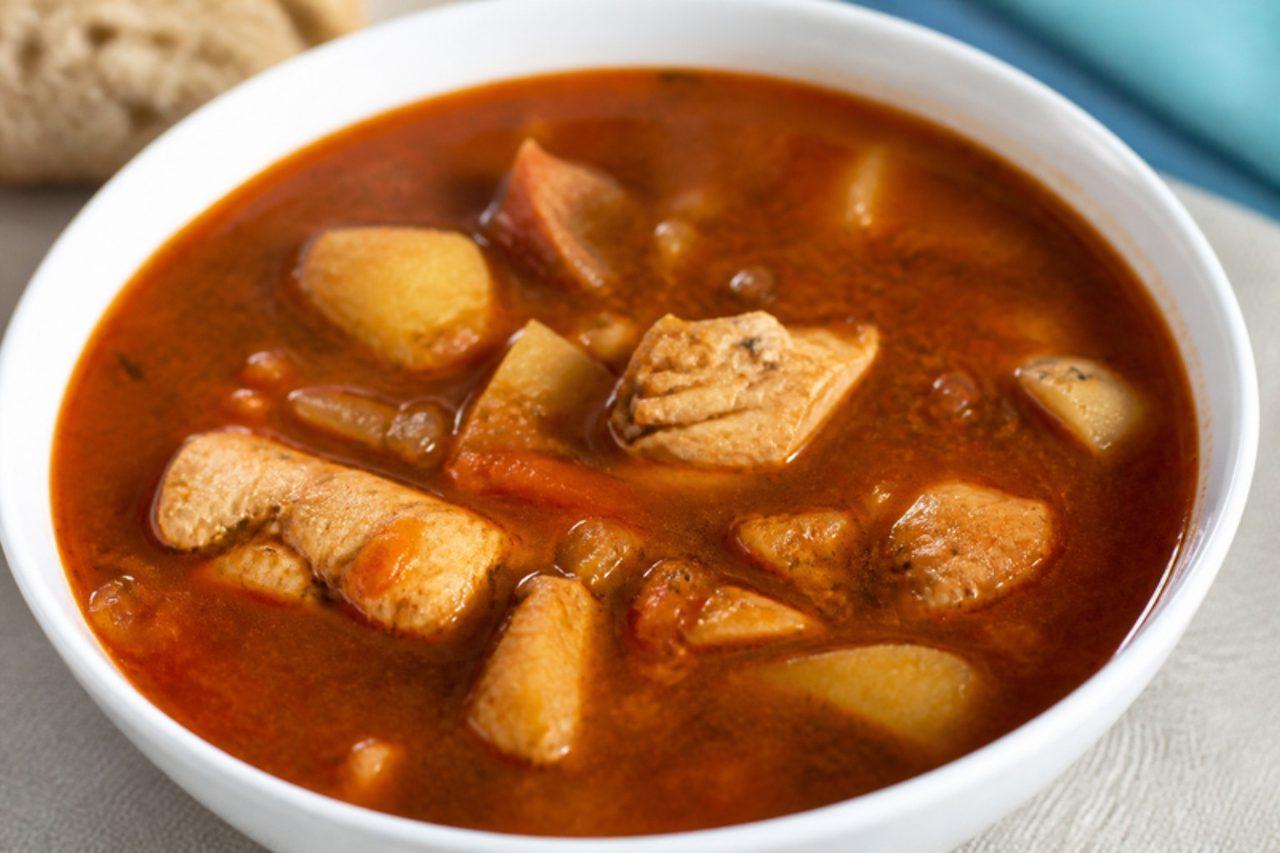
Bermuda fish chowder

Bermudians call fish chowder their national dish, and every Sunday brunch and Cup Match picnic has a pot of it: a dark, thick soup made from a long-simmered fish-head stock with tomatoes, vegetables and white fish, seasoned at the table with a splash of black rum and sherry peppers sauce (hot peppers steeped in sherry). This recipe contains alcohol in those optional table seasonings; for an alcohol-free bowl, use a few drops of hot pepper sauce and a little molasses instead. The mistake to avoid is a thin, watery stock; the bones must simmer long enough to give body. Ask your fishmonger for heads and frames from white fish, gills removed. Chef's tip: let the finished chowder rest for 30 minutes before serving; it thickens and the flavours deepen.

by KrazyBadal 0 views

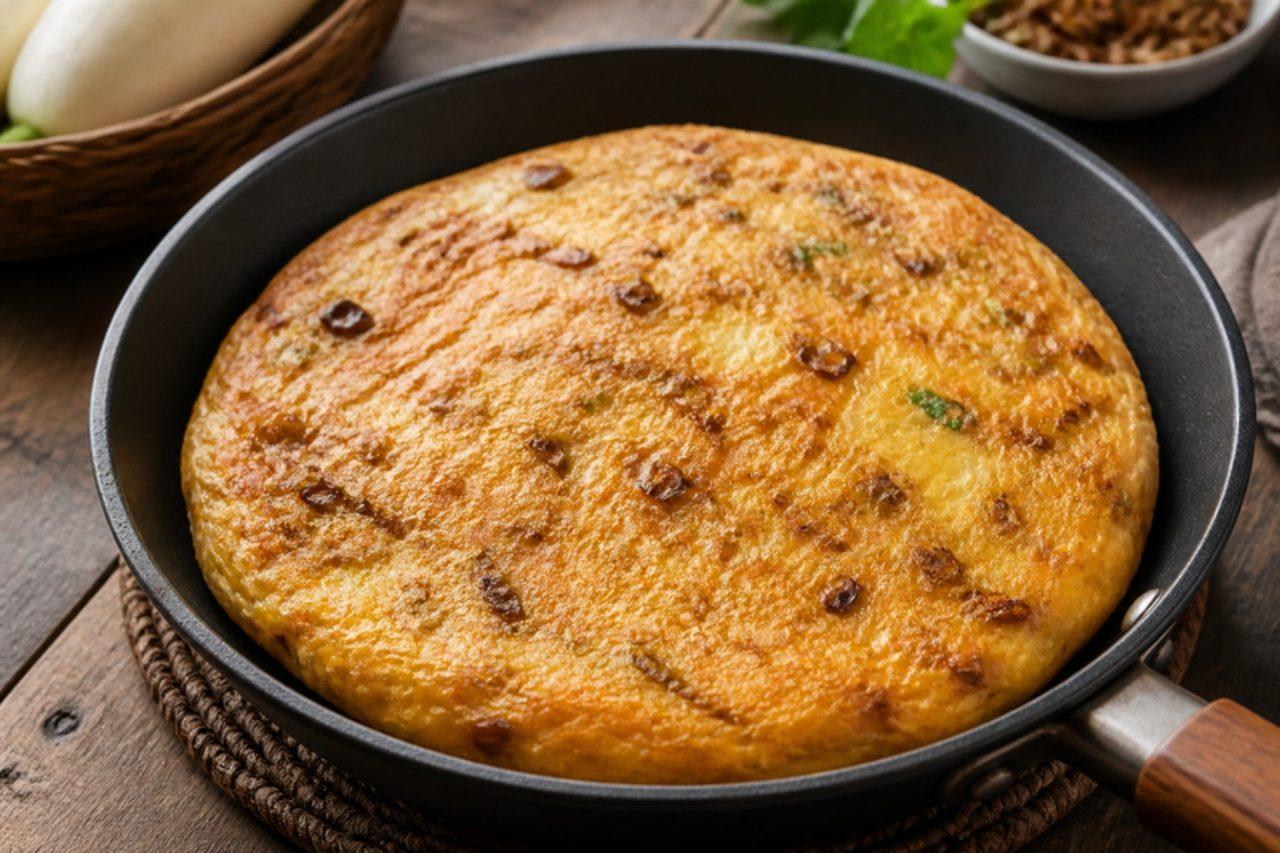
Taiwanese radish omelette

Ask a Taiwanese grandmother what to cook when there's nothing in the fridge and the answer is often this: a few eggs and a handful of preserved radish turned into a thick, golden omelette, cut into wedges and passed round. It's a staple of the rice-and-small-dishes spread at Taipei breakfast shops and late-night congee counters, and it reappears on the stir-fry restaurant table and in home lunchboxes. The chopped radish fries up crunchy and caramel-sweet inside soft, puffy egg, with crisp brown lacy edges. Skipping the rinse is where most go wrong: unrinsed radish makes the omelette far too salty. Chef's tip: dry-fry the radish first until it smells toasty, then use plenty of oil and a hot pan so the egg puffs and the edges frill.

by KrazyBadal 0 views

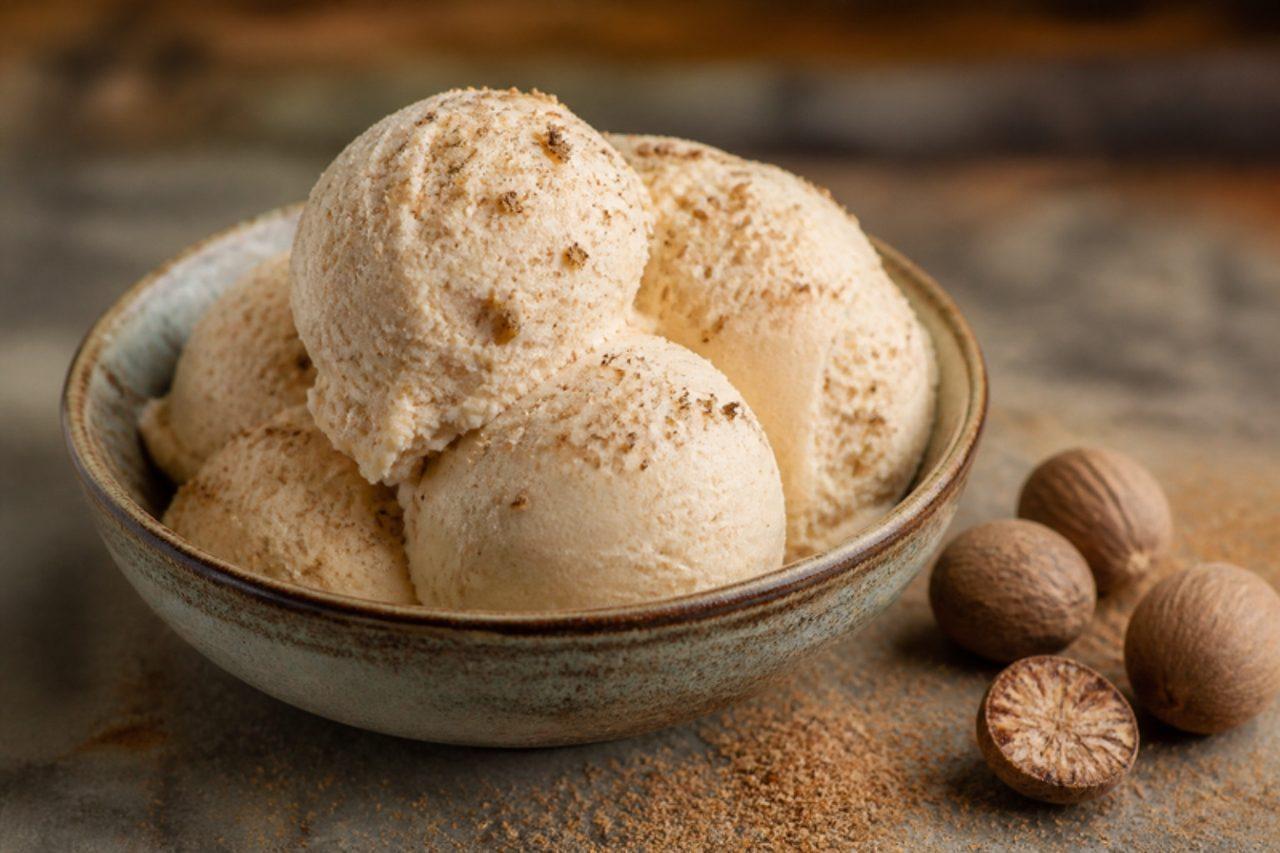
Grenadian nutmeg ice cream

Grenada, the Spice Isle, grows much of the world's nutmeg, and in St George's ice cream parlours the local favourite is a rich egg-custard ice cream scented with freshly grated nutmeg. The flavour is warm and almost floral, nothing like the dusty jar spice, and it is lovely with fried plantain or a slice of black cake. The common mistake is overheating the custard so the eggs scramble; take it off the heat as soon as it coats a spoon. Chef's tip: grate the nutmeg straight into the hot milk and let it steep for 20 minutes before making the custard, so the flavour runs all the way through.

by KrazyBadal 0 views

Bajan salt bread

Every rum shop and fish fry in Barbados sells "bread and two", and the bread is almost always salt bread: plain, crusty rolls with a soft, slightly chewy crumb and a split down the top, made for stuffing with fish cakes, a slice of cheese or fried flying fish as a cutter. Despite the name, they aren't especially salty; the name sets them apart from sweet bread. The usual mistake is pale rolls with a soft crust from too cool an oven. Chef's tip: put a tray of boiling water in the bottom of the oven for the first 10 minutes for a properly crisp crust.

by KrazyBadal 0 views

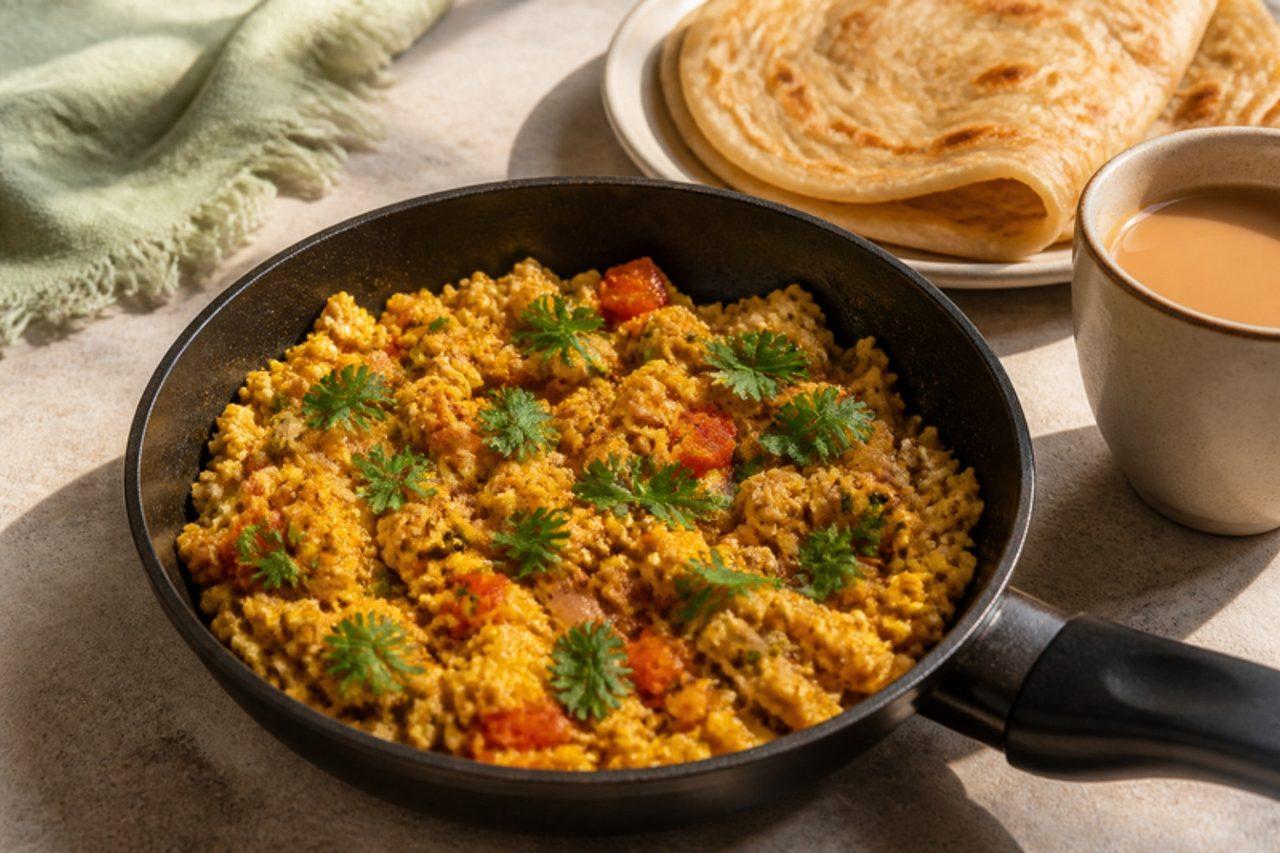
KhaginaSpiced scrambled eggs

Ask almost any Pakistani what their mother made on a school morning and khagina comes up: eggs beaten with salt and turmeric and stirred into onion, tomato and green chilli softened in oil, served in a heap beside a hot paratha with a cup of doodh patti. It comes from the old Mughal and Hyderabadi kitchens that reached Karachi after Partition, and it differs from a plain scramble in being cooked a little longer, so it sets into soft, moist clumps coloured by the masala rather than staying creamy. It is everyday food in Karachi, Lahore and Peshawar alike, also eaten for a quick supper with chapati. The usual mistake is adding the eggs before the tomato has cooked down, which leaves the dish watery and the eggs rubbery. Chef's tip: take the pan off the heat while the eggs still look slightly glossy but no liquid egg remains, because they keep cooking on the plate.

by KrazyBadal 0 views

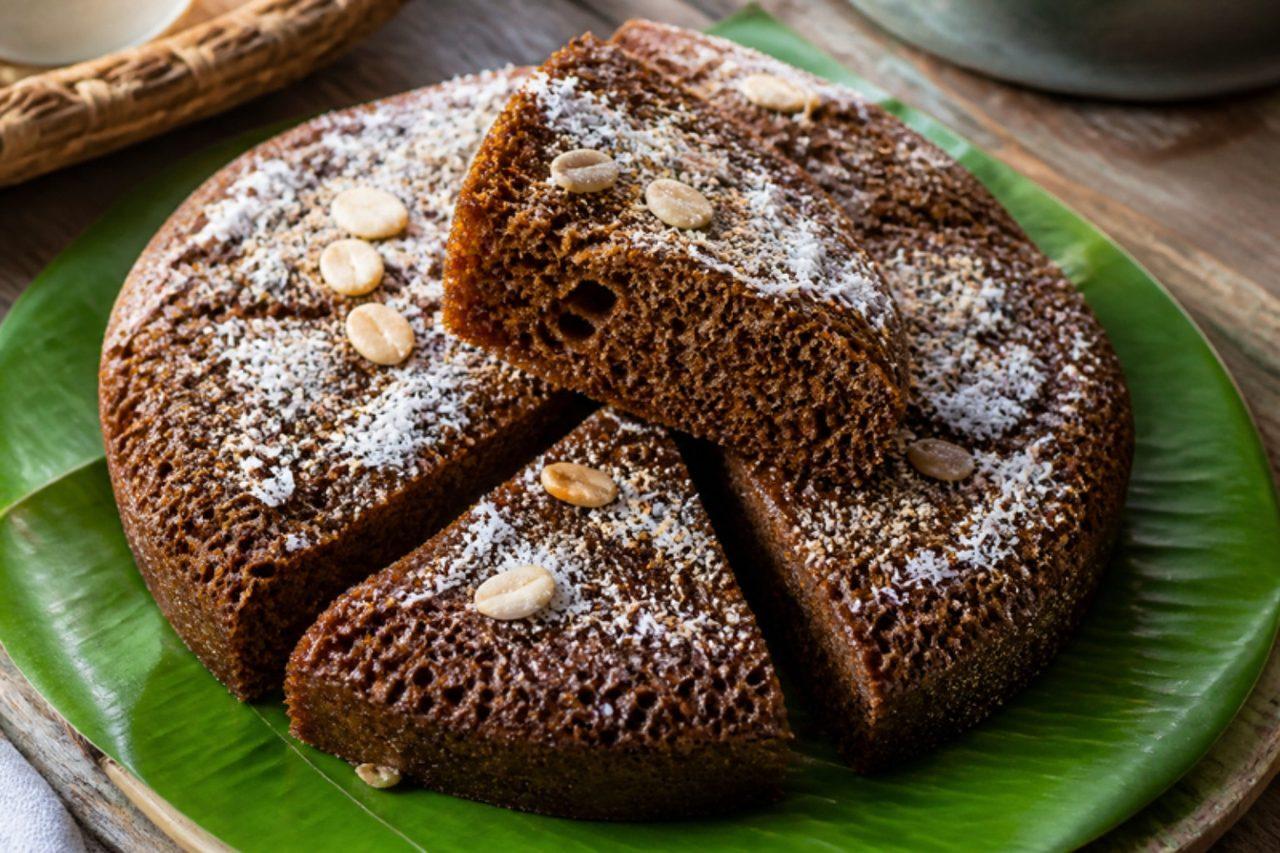
Bein montJaggery coconut rice pancake

When the November nights cool down for the Tazaungdaing festival, food stalls outside pagodas in Yangon and Mandalay start cooking bein mont in small, lidded iron pans with embers piled on top, so the cake bakes from above and below at once. The batter is rice flour sweetened with dark jaggery, so it cooks into a thick, springy, brown pancake with a crisp base, studded on top with shreds of coconut and sliced peanuts; some vendors still scatter poppy seeds, the bein that may have given the snack its name. It is eaten warm in wedges with hot green tea. High heat is what usually goes wrong: the base scorches while the centre stays raw, so keep the flame low and the lid on. Chef's tip: a small cast-iron pan finished under the grill copies the charcoal top heat at home.

by KrazyBadal 0 views

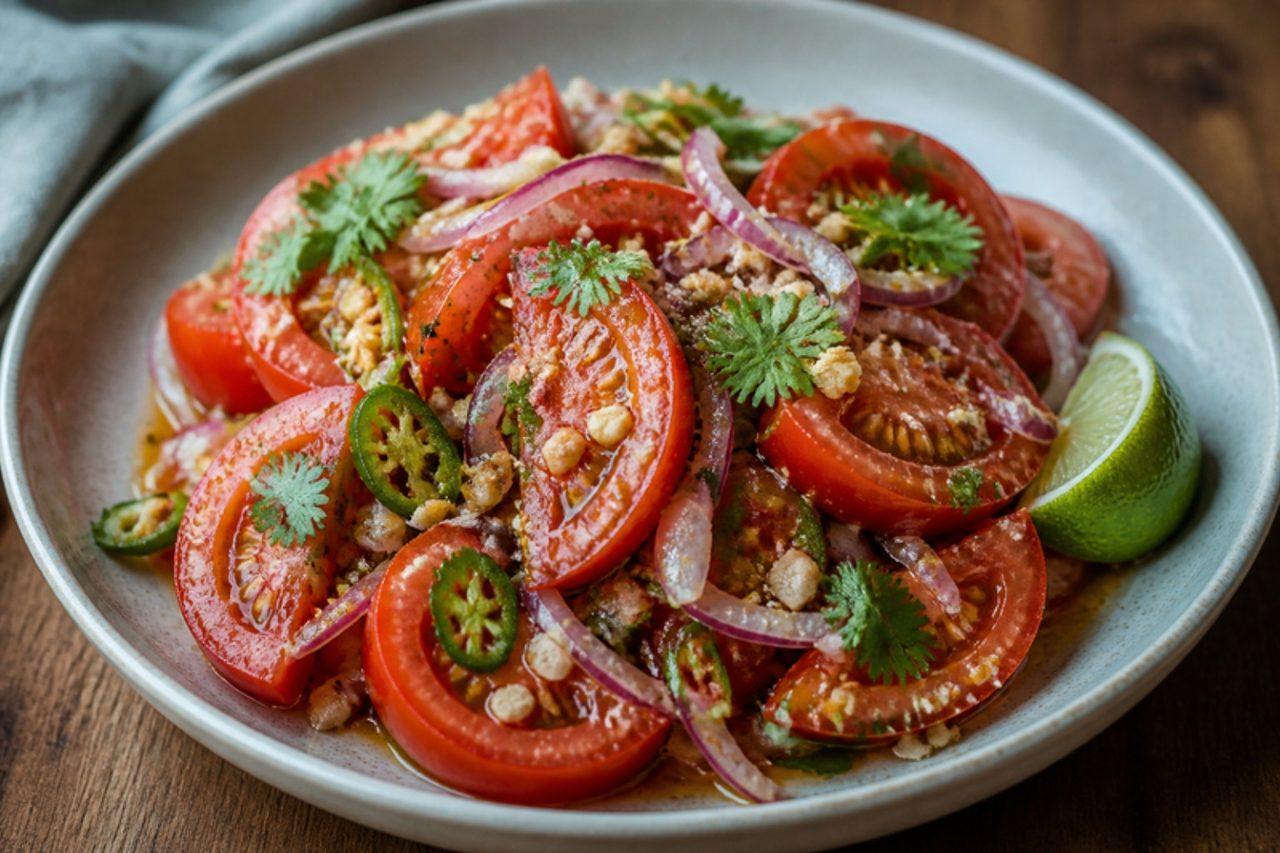
Burmese tomato salad

Come the cool season, when tomatoes are at their sweetest in Mandalay and the dry towns of Upper Burma, this thoke (a salad 'mixed by hand') is the quick dish that appears beside rice and curry at almost every meal. Slices of ripe tomato and onion are squeezed together with toasted chickpea flour, crushed peanuts and fried shallots in their oil, so the juices and flour turn into a light, nutty dressing that clings to every piece. Lime and fresh chilli sharpen it, and coriander lifts it. Home cooks often add fish sauce; this vegetarian version uses salt and a pinch of sugar. Dressing it too early is the most common mistake: salt pulls water from the tomatoes and leaves a soupy plate. Chef's tip: mix with your fingertips just before serving, pressing lightly so some tomato juice blends into the flour.

by KrazyBadal 0 views

Bajan pumpkin fritters

Barbadian grandmothers turn leftover boiled pumpkin into these little fritters for Sunday tea, frying spoonfuls of a soft, spiced batter until puffed and golden, then rolling them in sugar while still hot. Inside they are tender and custardy, with cinnamon, nutmeg and a hint of vanilla. They're best eaten warm, straight from the paper towel. The common mistake is a watery batter from wet pumpkin, which makes flat, greasy fritters: drain the cooked pumpkin well. Chef's tip: use the dense, orange West Indian pumpkin or butternut squash; watery jack-o'-lantern pumpkins don't work well.

by KrazyBadal 0 views

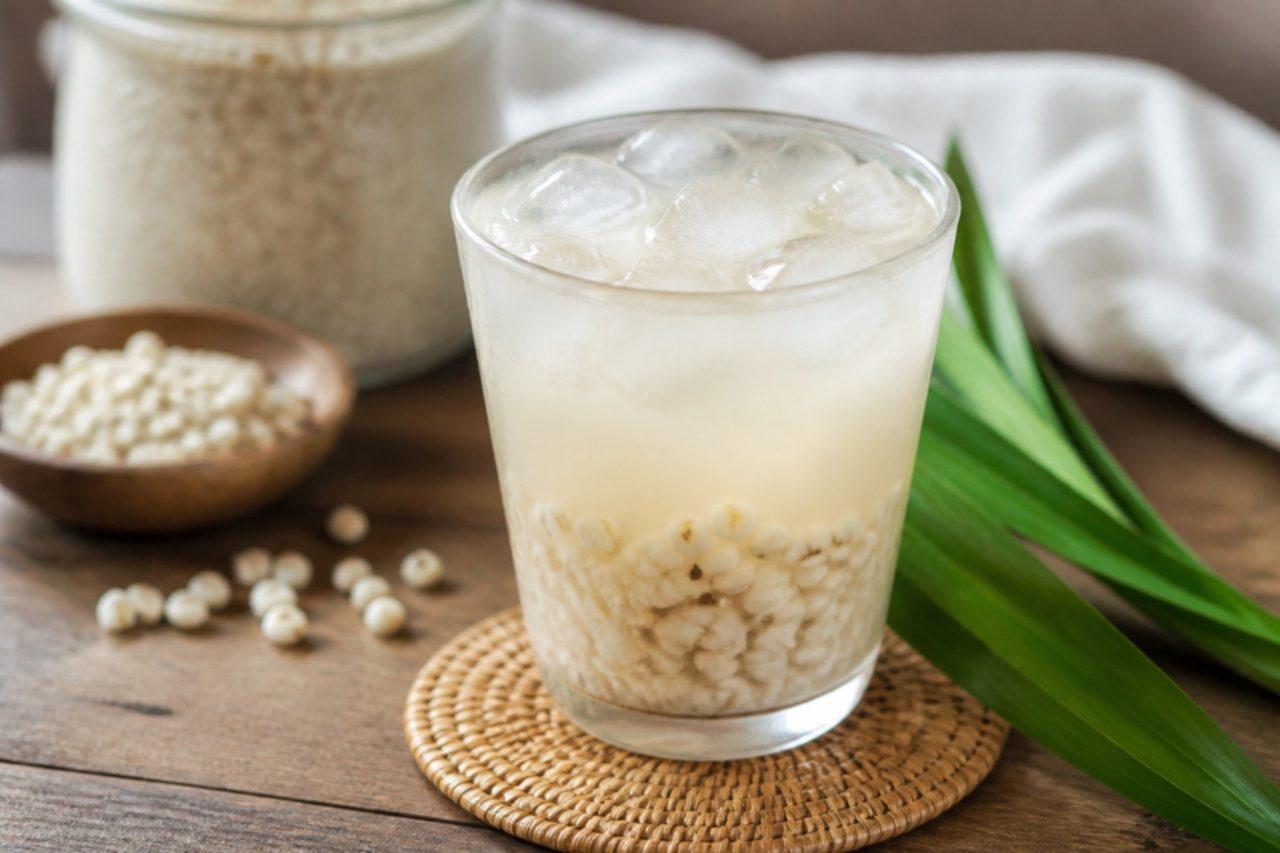
Barley water

Ask for 'barley' at any drinks stall in a Singapore kopitiam and you get a tall glass of cloudy, faintly sweet barley water, the drink older relatives swear by on the hottest afternoons because it is said to cool the body. Home cooks simmer pearl barley for an hour with knotted pandan leaves, and in Teochew and Cantonese households chunks of winter melon go in as well for a gentle, cucumber-like sweetness. The result is light and clean, ideal beside a plate of chicken rice, char kway teow or anything greasy and salty. The usual mistake is boiling it hard, which turns the liquid starchy and slimy instead of smooth and pale; keep it at a gentle simmer. Chef's tip: don't throw away the softened barley grains; spoon some into each glass, as the stalls do, or eat them warm with a little rock sugar as a light dessert.

by KrazyBadal 0 views

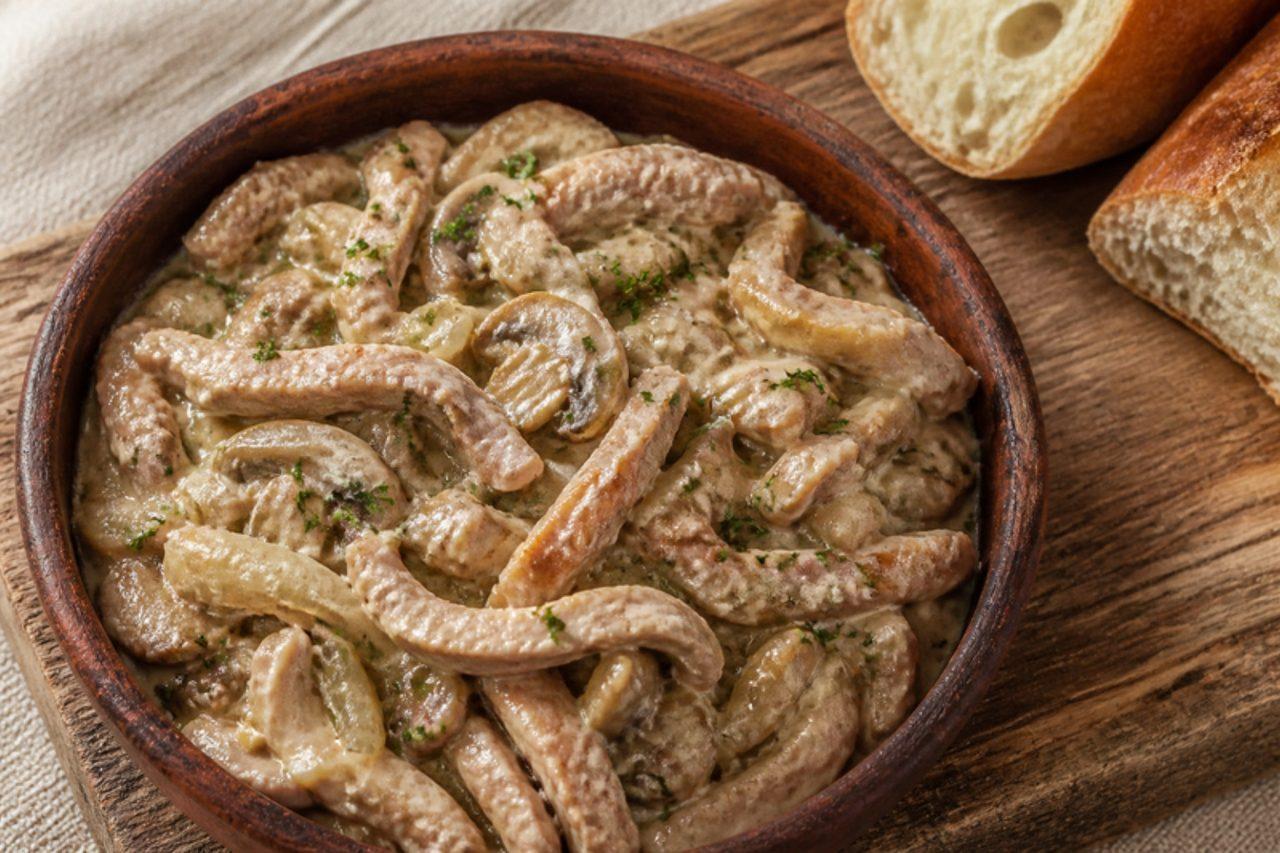
Katino mezePork and mushrooms in cream

Every Bulgarian mehana, the wood-panelled tavern, has Katino meze on the menu, sizzling in a small clay dish next to a shopska salad, and it is quick enough for a weeknight at home. Thin strips of pork loin are seared, then tossed with mushrooms, onion and pickled gherkin, deglazed with dry white wine and finished with cream, black pepper and a pinch of hot chilli. For an alcohol-free sauce, swap the wine for the same amount of vegetable stock with a teaspoon of white wine vinegar or a splash of white grape juice. Serve with crusty bread or chips. A common mistake is crowding the pan: the pork stews grey instead of browning, so sear it in two batches. Chef's tip: cut the pork across the grain into finger-thin strips while it is half-frozen; it slices neatly and stays tender.

by KrazyBadal 0 views

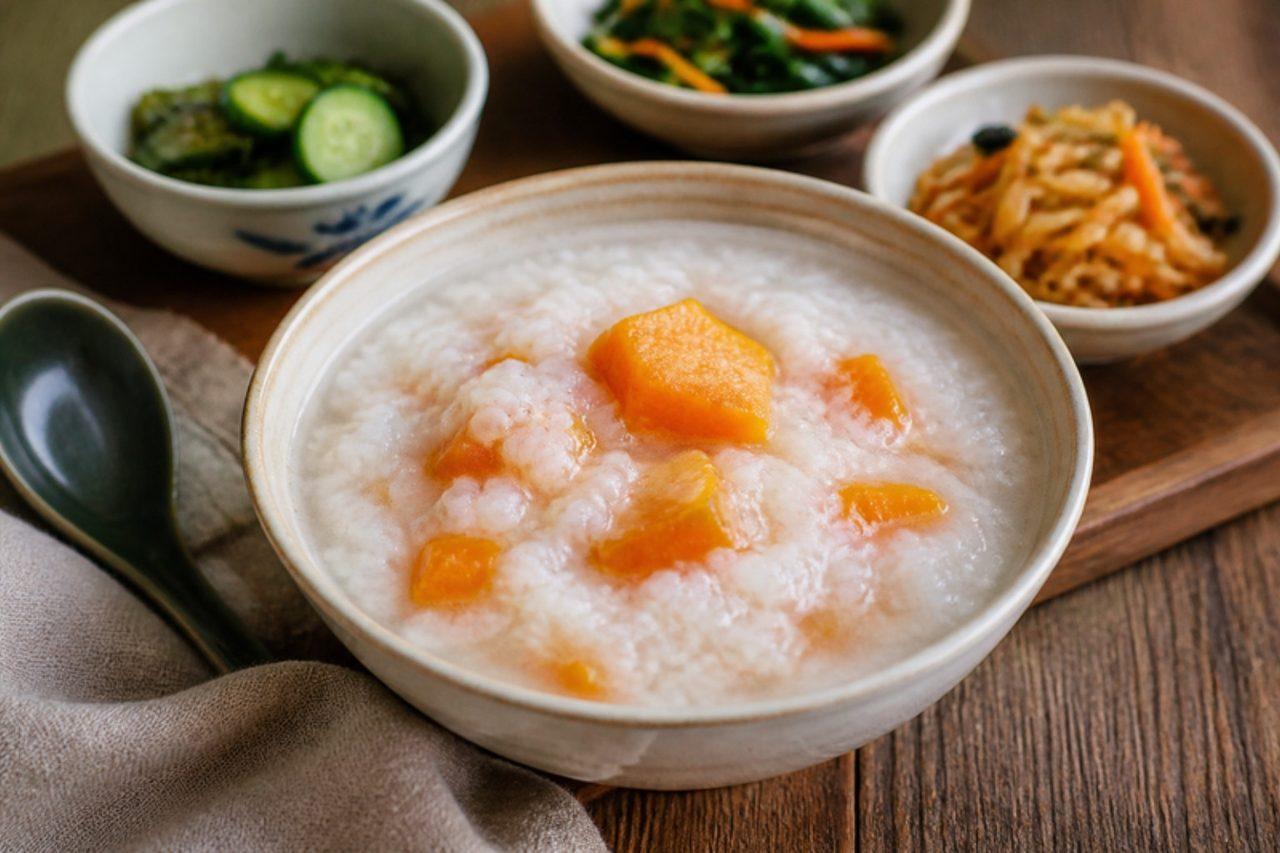
Taiwanese sweet potato congee

Tainan's late-night congee shops lay out dozens of little dishes under glass, and the bowl that goes with them is this loose, gently sweet rice porridge dotted with soft orange sweet potato. Older Taiwanese remember it as the food of lean years, when sweet potato stretched the rice; today it is comfort food at breakfast, at midnight after the markets, and whenever someone is unwell. Unlike Cantonese congee, the grains stay distinct in a cloudy, silky liquid. Many cooks cut the sweet potato too small, so it collapses into mush and turns the pot muddy; chunks of about 3 cm keep their shape. Chef's tip: serve it with something salty and crunchy, such as pickled cucumbers, peanuts or a radish omelette, because the contrast is the whole point.

by KrazyBadal 0 views

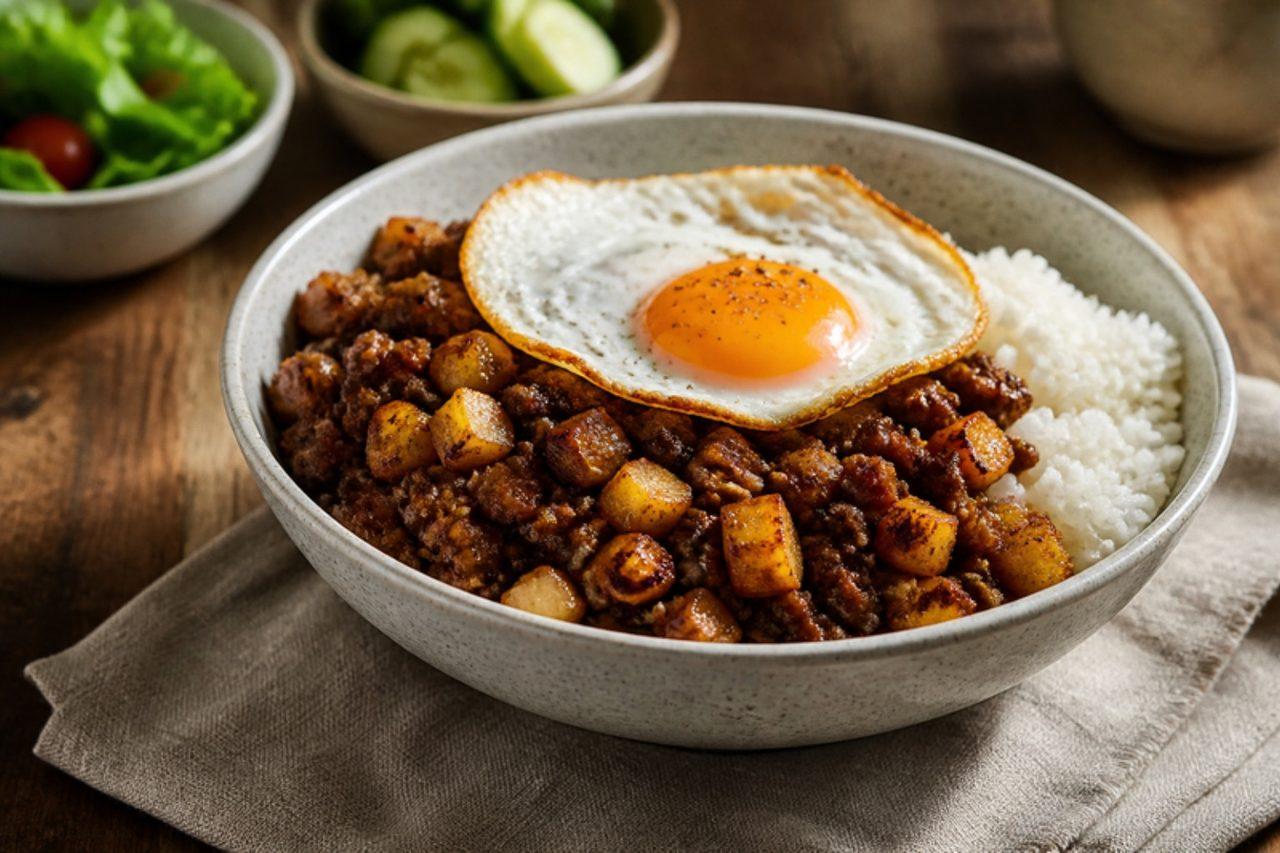
Minchi (Macanese minced meat with potatoes)

If one dish says home to Macanese families, the descendants of Portuguese and Chinese Macau, it is minchi: a quick hash of minced beef and pork seasoned with soy sauce, Worcestershire sauce and a touch of sugar, mixed with crisp little cubes of fried potato and crowned with a runny fried egg. It appears on weeknight tables, at Macanese restaurants near Rua do Cunha, and at gatherings of the Macanese community abroad, always with plain white rice. Savoury, slightly sweet and full of crunch, it tastes like the meeting of a Portuguese kitchen and a Cantonese wok. A common error is stirring the potatoes into the meat too early, which makes them soft and floury; fry them separately until crisp and fold them in at the end. Chef's tip: let the mince sit undisturbed for a minute in the hot pan before stirring, so it browns instead of stewing.

by KrazyBadal 0 views

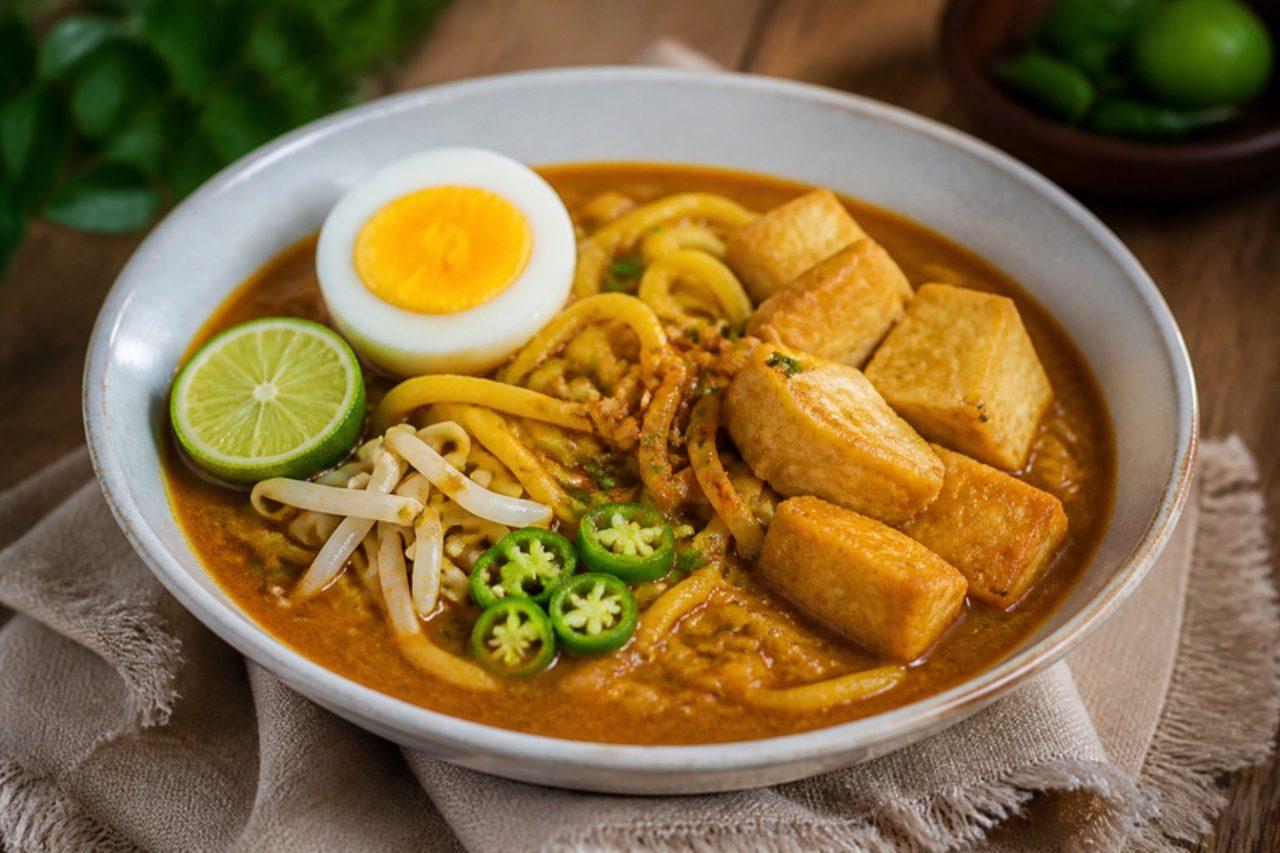
Vegetarian mee rebus

Malay hawker stalls at Geylang Serai and the old Adam Road food centre ladle mee rebus from a vat of thick, reddish-brown gravy that is sweet, gently spiced and earthy, poured over springy yellow noodles and heaped with halved boiled egg, fried tau kwa, bean sprouts, green chilli and a squeeze of calamansi. It is eaten any time, but especially on Hari Raya mornings and as a filling lunch. Many stalls build the gravy on dried shrimp and beef stock; this vegetarian version gets its body from mashed sweet potato, its savoury depth from fermented soybean paste (taucheo) and a well-fried spice paste, and uses vegetable stock. The usual mistake is under-frying the rempah, which leaves the gravy tasting raw and sharp; cook it until the oil separates and turns red. Chef's tip: the gravy thickens as it stands, so keep a kettle of hot stock nearby and loosen it to a pourable, velvety consistency just before serving.

by KrazyBadal 0 views

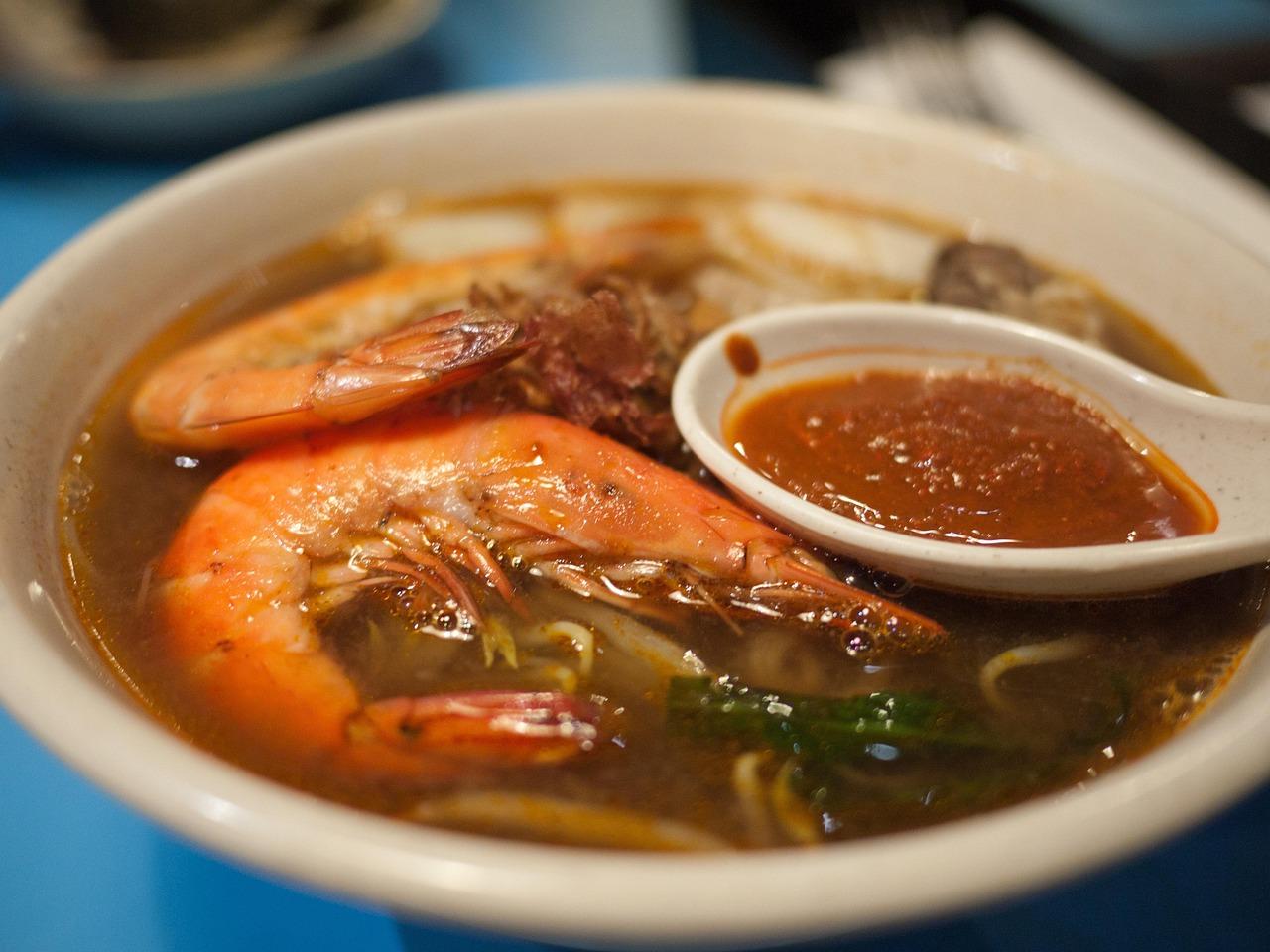
Singapore prawn noodle soup

Long before lunch, the big pots at Singapore's prawn mee stalls have been bubbling with fried prawn shells and pork bones, and the regulars from Zion Road to Tiong Bahru arrive with one question: soup or dry? This is the soup version, which is different from the stir-fried Hokkien prawn mee: a sweet, briny, rust-coloured broth poured over yellow noodles and rice vermicelli, topped with halved prawns, tender pork ribs, kangkong and bean sprouts, finished with fried shallots and a dusting of chilli powder. A dish of sliced red chilli in soy sauce sits alongside. The most common mistake is boiling the shells without frying them first, which gives a pale, thin broth; the depth comes from shells toasted in oil until they are deep red and smell like the sea. Chef's tip: freeze prawn shells and heads from other meals over a few weeks so you have a big bag ready for the stock.

by KrazyBadal 0 views

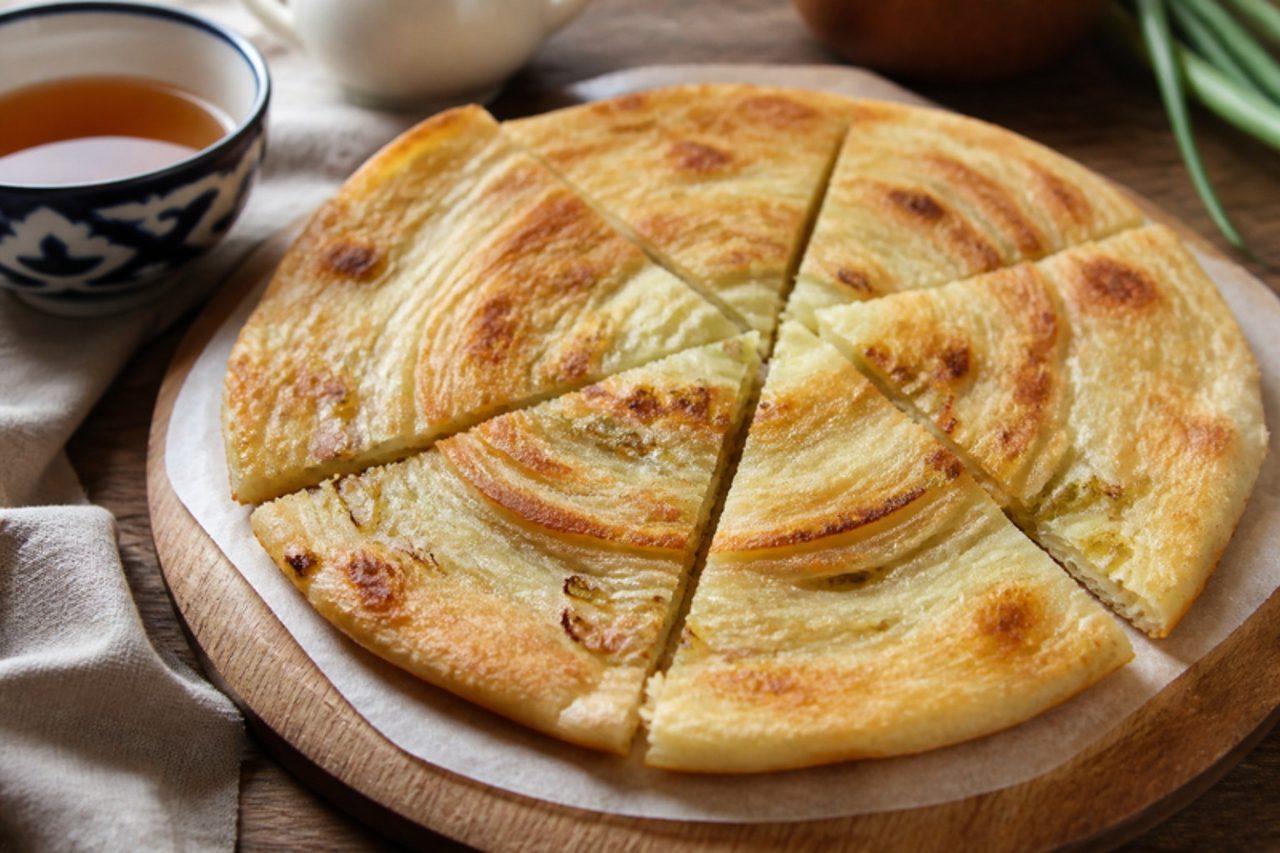
KattamaFlaky onion flatbread

Kattama is the layered flatbread of Kyrgyz homes, made to go with tea on cold mornings in Bishkek and the villages around Lake Issyk-Kul: a plain dough rolled thin, spread with butter and chopped onion, rolled up, coiled and rolled flat again, then fried in a pan so it puffs into flaky, crisp layers. A common mistake is pressing the coiled dough too hard, which squeezes out the butter and flattens the layers. Chef's tip: let the coils rest for 15 minutes before the final rolling; the gluten relaxes and the bread opens up into layers as it cooks.

by KrazyBadal 0 views

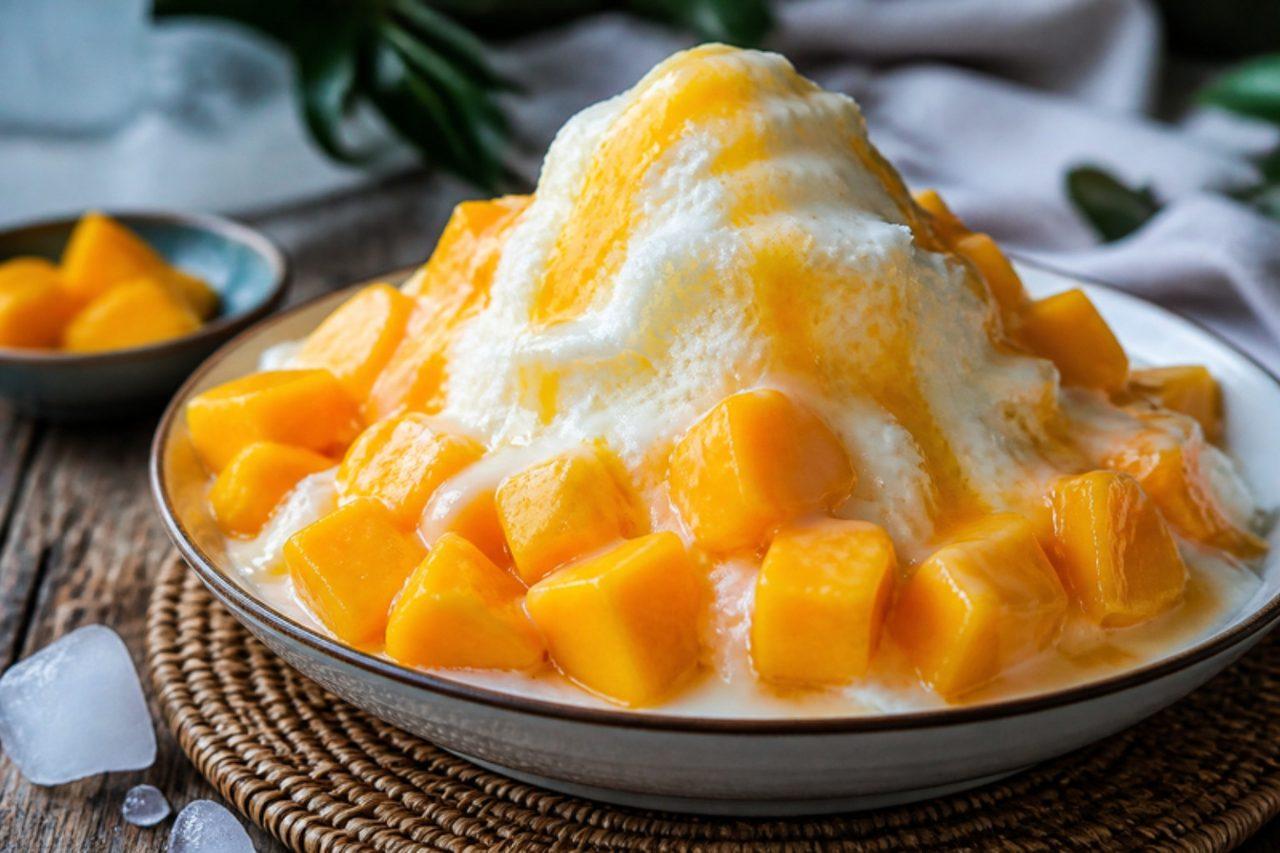
Mango shaved ice

Every summer, from late May to September, the dessert shops of Taipei's Yongkang Street have queues that stretch round the corner for one thing: a mountain of feathery milk ice buried under cubes of ripe Aiwen mango. The ice is frozen milk shaved so thinly it melts on the tongue like snow, and it's drenched in mango syrup and sweetened condensed milk, often with a scoop of mango sorbet on top. At home, freeze the milk base the night before; the active work then takes about 15 minutes. Shaving the block straight from the freezer is a common mistake, as it splinters into icy shards; let it soften for 5 minutes so it curls into ribbons. Chef's tip: chill the serving bowls in the freezer too, so the snow holds its height while you add the toppings.

by KrazyBadal 0 views

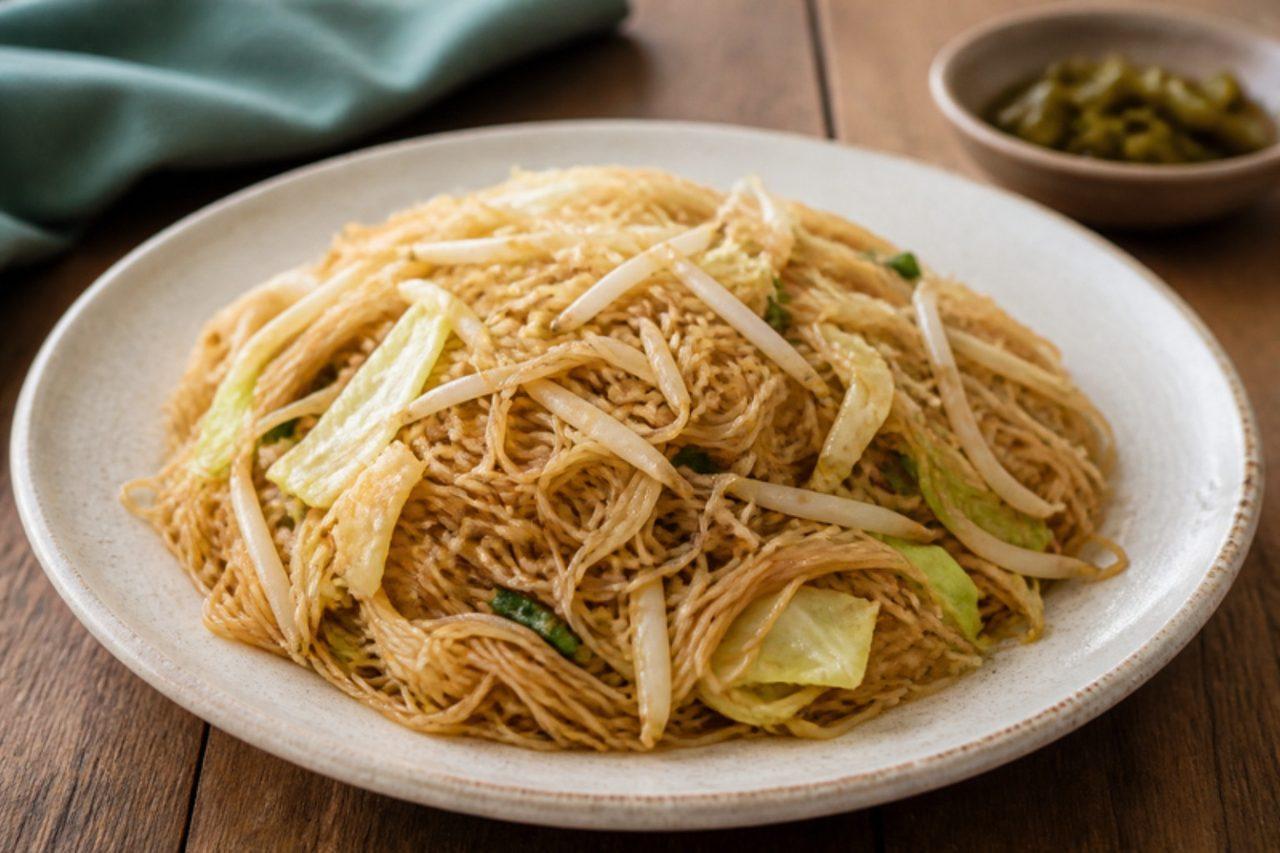
Singapore breakfast fried bee hoon

Before office hours in Toa Payoh or Ang Mo Kio, the economy-rice stalls already have a steel tray of pale-brown fried bee hoon on the counter, and people point at it, then add a side or two from the trays beside it: a fried egg, fried tofu, braised cabbage, a curry potato. The noodles themselves are kept deliberately simple, springy and lightly savoury from soy sauce, threaded with cabbage, carrot and crunchy bean sprouts, then finished with a spoon of sambal chilli. Because it is plain, every strand needs to be seasoned evenly and still separate. The usual mistake is over-soaking the vermicelli, which then clumps and breaks in the wok; soak it only until bendy. Chef's tip: toss the noodles with tongs or chopsticks in a lifting motion rather than stirring with a spatula, so the soy coats every strand without breaking it.

by KrazyBadal 0 views

Sweet potato ginger soup

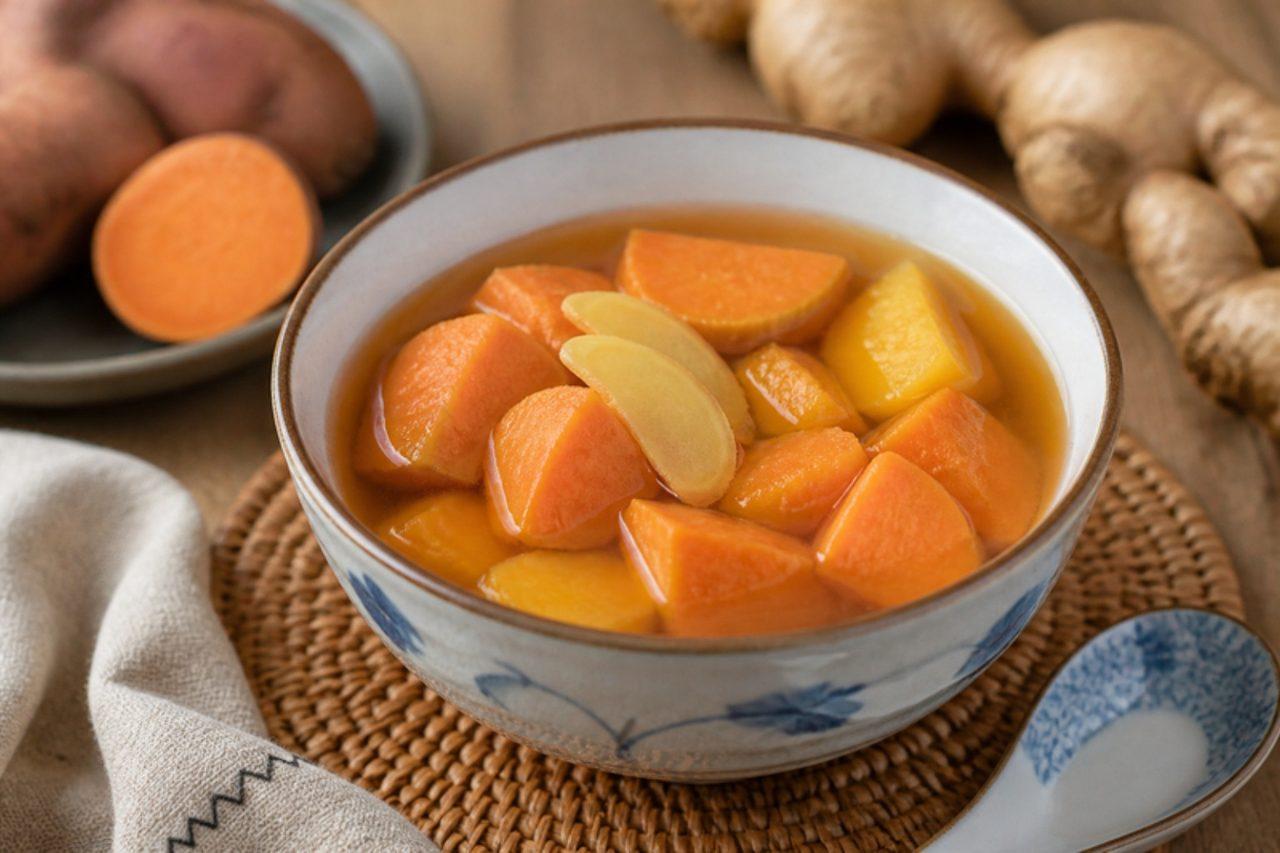
Cheap, warming and ready in under an hour, this is the tong sui Hong Kong families make at home on cold, damp winter nights, ladled out after dinner or before bed rather than ordered in a shop. Chunks of orange, yellow or purple sweet potato turn tender and fudgy in a clear amber syrup made with brown slab sugar and plenty of smashed ginger, so each spoonful is sweet first and then pleasantly hot. Some cooks add a few pitted red dates or a piece of dried tangerine peel. Boiling the sweet potatoes from the start is the usual slip; by the time the ginger has given up its heat, they've collapsed and clouded the syrup. Chef's tip: soak the cut sweet potato in cold water for 10 minutes to rinse off surface starch, and add it only once the ginger broth has simmered for a good 10 minutes.

by KrazyBadal 0 views

Lo mai gai (sticky rice in lotus leaf)

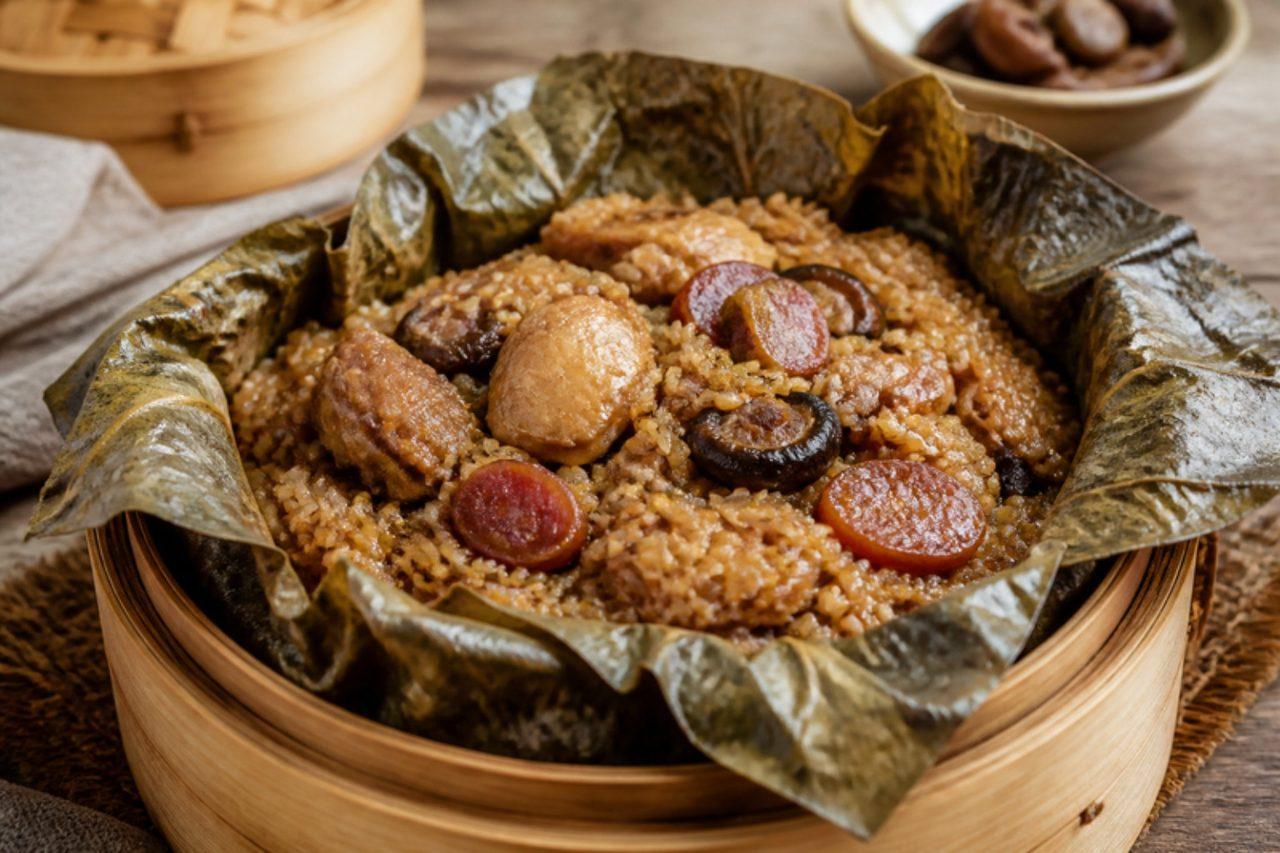
Unfold the dried lotus leaf at a Hong Kong yum cha table and a cloud of tea-scented steam rises from a parcel of glossy sticky rice, hiding a centre of soy-braised chicken thigh, shiitake and slices of lap cheong, the sweet Chinese pork sausage. Teahouses from Sheung Wan to Mong Kok sell it from the morning trolleys, and office workers grab one as a filling breakfast with a pot of pu'er. The rice is chewy and sticky but each grain stays whole, and the leaf gives it a faint grassy perfume. Shaoxing rice wine goes into the filling; an alcohol-free swap is given in the ingredient list. The most common mistake is cooking the rice in water like plain rice: soaked glutinous rice must be steamed, or it turns into paste. Chef's tip: wrap the parcels tightly and steam them again from cold or frozen; they reheat better than almost any dim sum.

by KrazyBadal 0 views

KategnaCrisp spiced injera

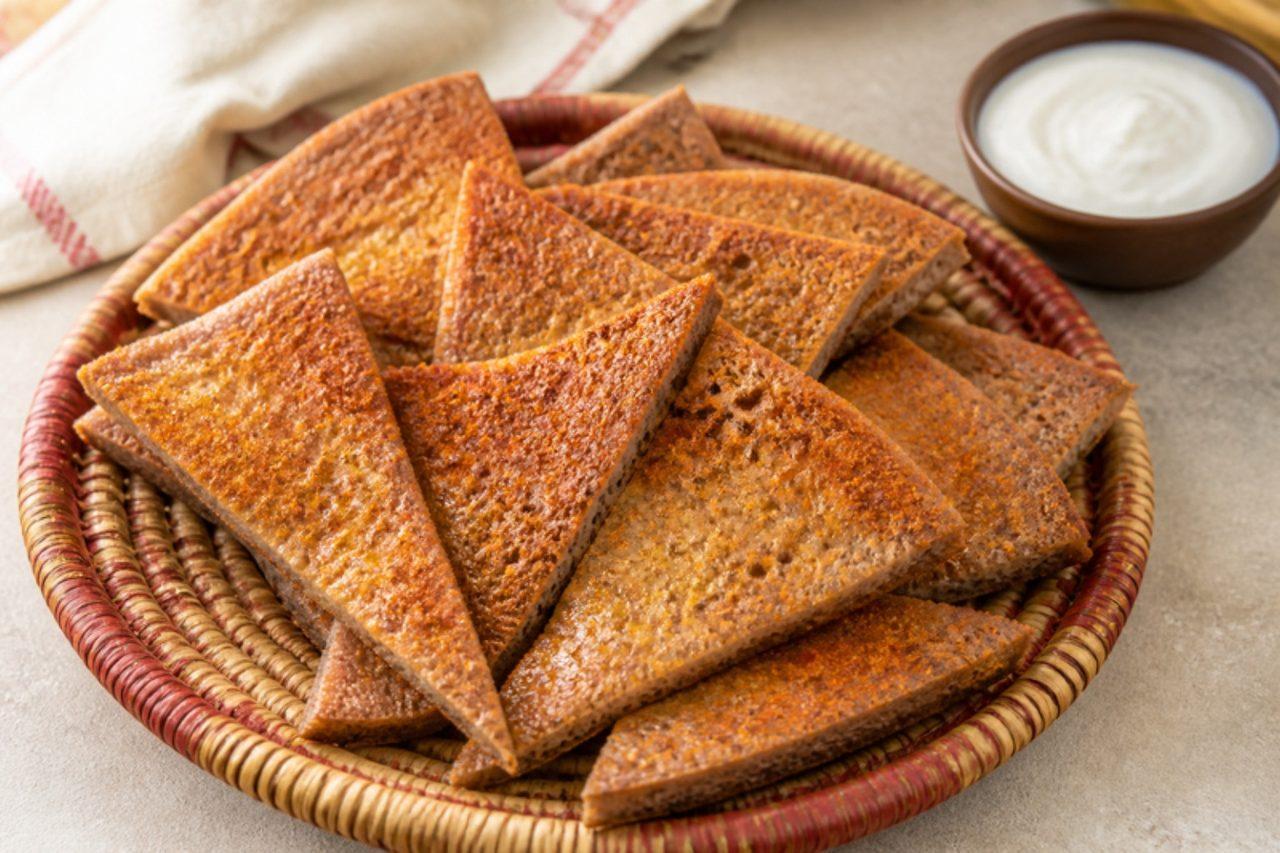
Kategna is what Ethiopian restaurants put on the table while the main order is still cooking: injera painted with niter kibbeh and a bold layer of berbere, toasted until the edges shatter, then rolled tight and cut into pieces. Every bite is crunchy at the rim, chewy in the middle, buttery and properly hot. In Addis Ababa homes it is a snack with coffee or a late breakfast, and it goes well with a cooling spoon of ayib or ergo. Unlike anababero, it is a single injera and is meant to be crisp, so the pan stays on the heat a little longer. Chef's tip: mix the berbere into the melted butter rather than sprinkling it dry; dry spice on a hot pan scorches in seconds and turns bitter.

by KrazyBadal 0 views

Showing 27 of 7,762 recipes

Show more recipes

Page 226 of 863