


Skip to content
Mathia
Featured recipe

Mathia

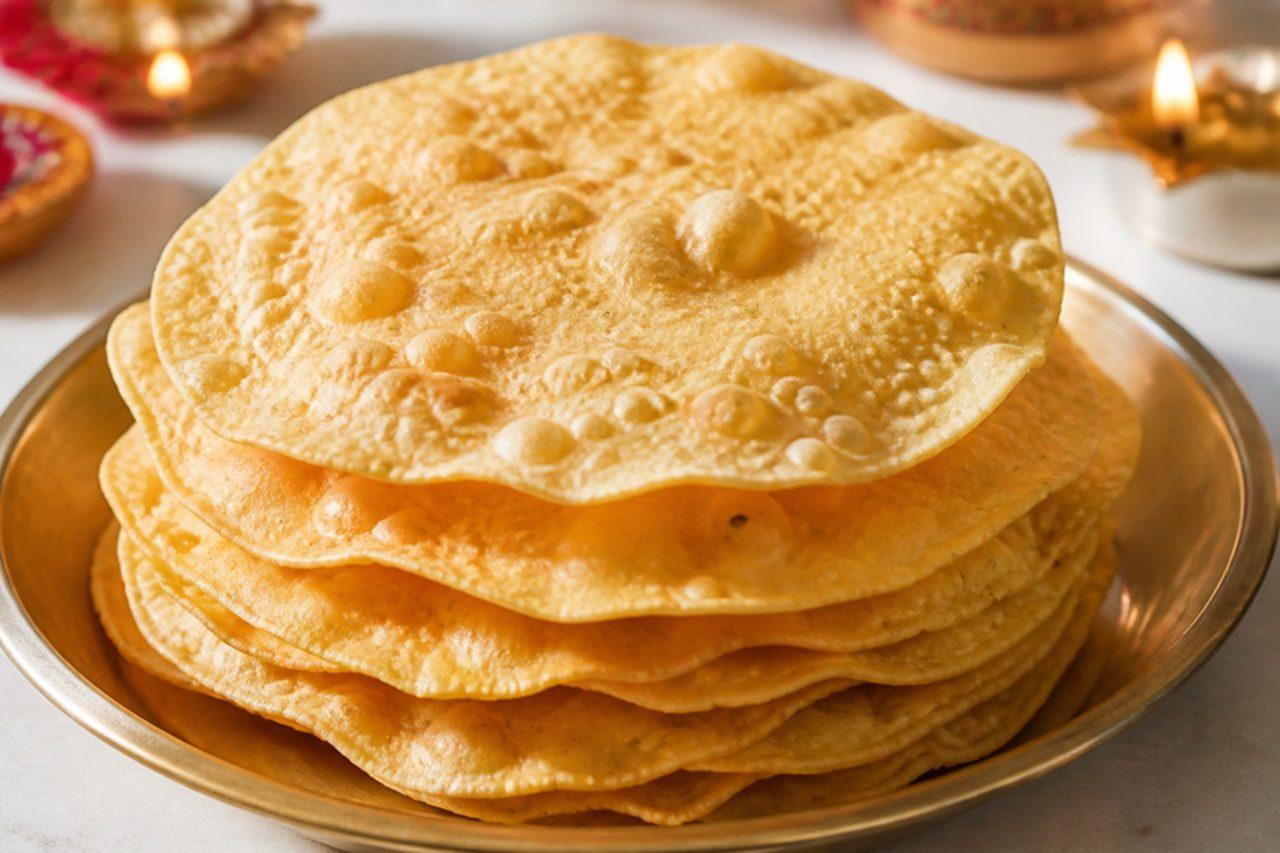
Mathia are thin, crisp, slightly sweet and peppery wafers made from mathia flour, a mix of ground husked moong and urad dal. They are a classic Gujarati Diwali snack. The dough is pounded until pale, rolled very thin between plastic sheets and fried one at a time. They are fragile, so store them gently. To make mathia flour, finely grind 4 parts husked green gram lentils with 1 part husked black gram lentils.

Read more 1 views

What to eat today?

Around the world

Today's trip: Moroccan

A new country every day, from every cuisine on the site.

This week's collection

Make-ahead meals
1569 recipes · a new collection every Monday

Latest recipes

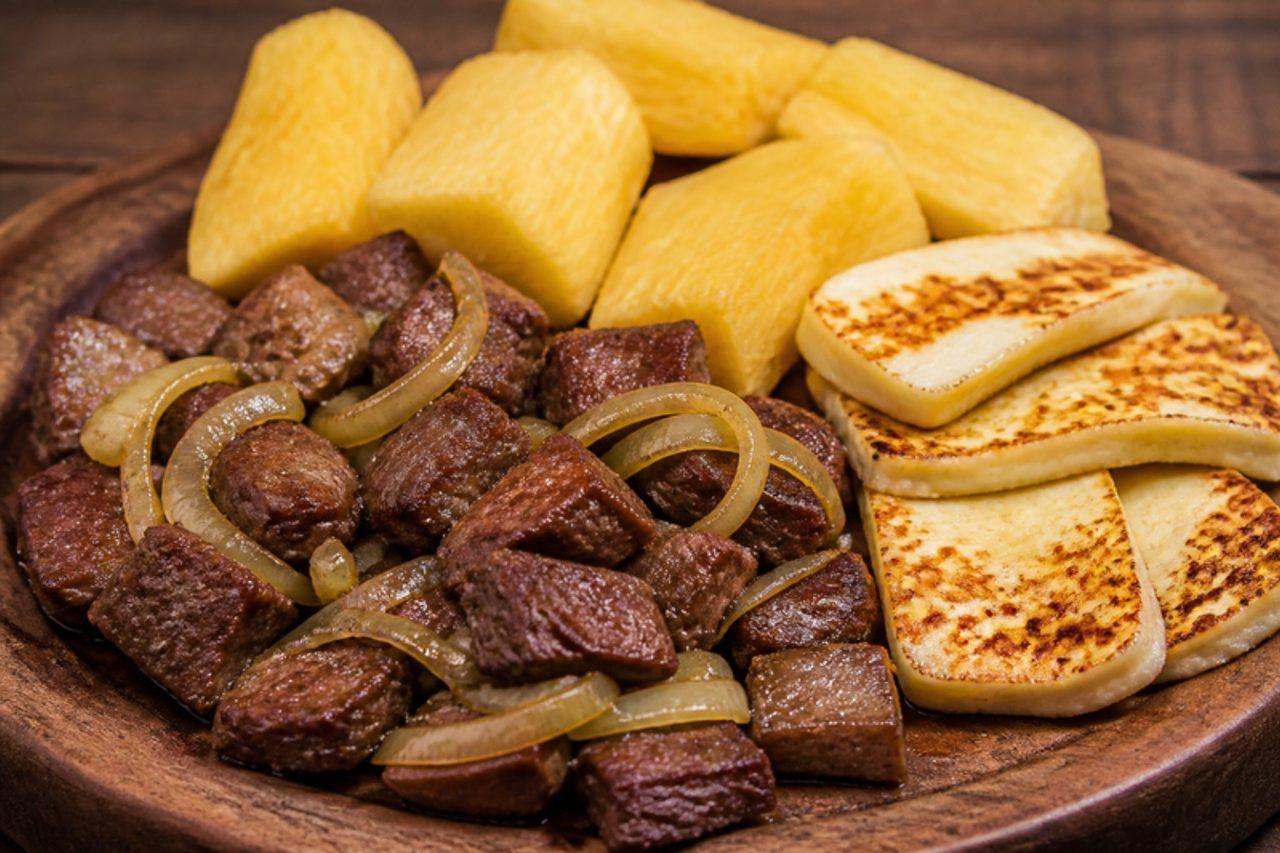
Carne de sol com macaxeira

Out in the sertão, beef was salted and hung in airy shade to cure, and the result, carne de sol, is now the pride of restaurants from Natal to Caruaru, where it arrives sizzling on an iron plate with boiled macaxeira (cassava) glossed in clarified butter, grilled squares of coalho cheese and a dish of feijão verde. The meat is firm, faintly salty and deeply beefy, the cassava soft and buttery, the cheese squeaky and browned. If you can't buy carne de sol from a Brazilian butcher, salt the beef yourself in the fridge for 24 hours (step 1), so allow an extra day. The mistake people make is frying the beef straight from the salt; a 30-minute soak in cold water keeps it pleasantly seasoned rather than harsh. The beef is cut into chunks and fried, so cook it to your taste: pink in the middle or well done are both fine for whole-muscle beef. Chef's tip: fry the beef in small batches in a really hot pan so it browns rather than stews in its own juice.

by KrazyBadal 0 views

Caldo de cana

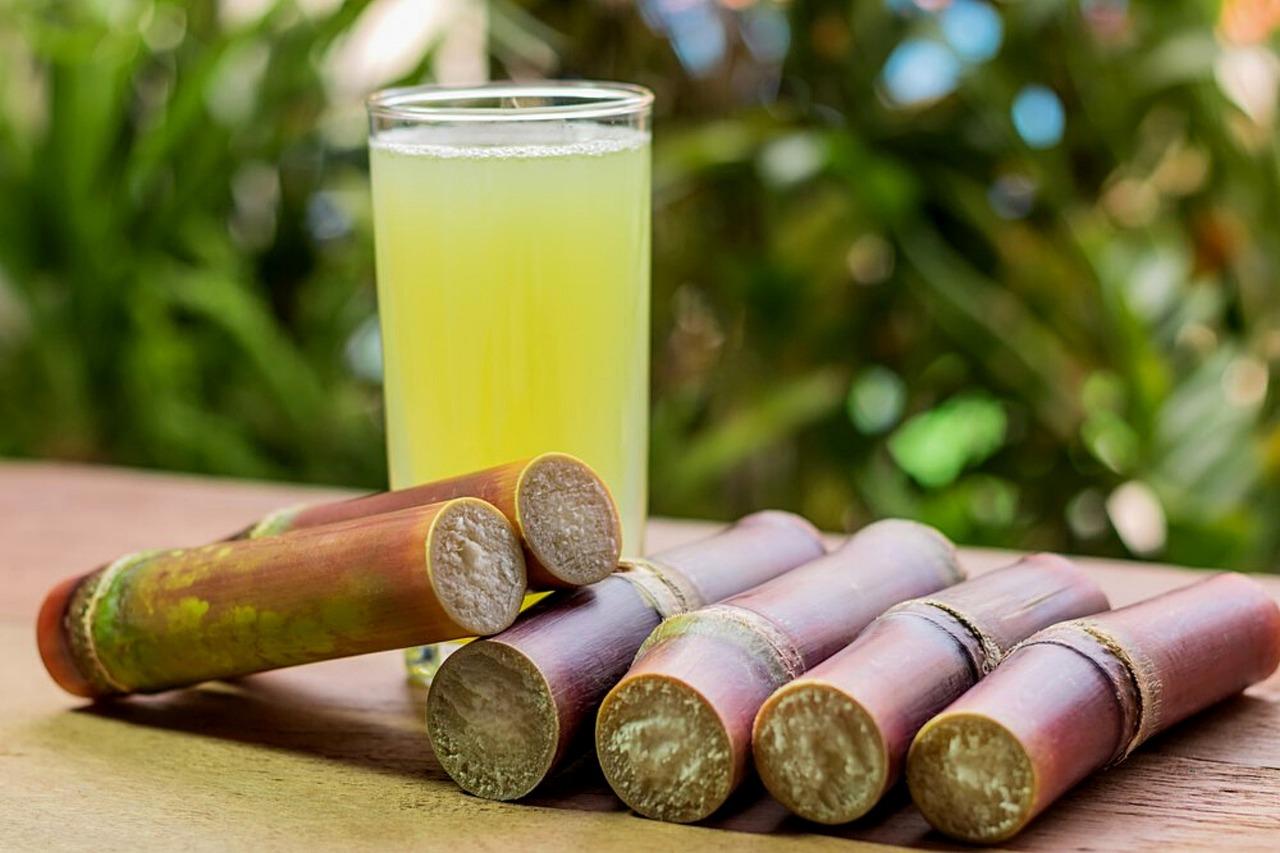
Ice-cold sugarcane juice pressed while you wait is the drink of Brazilian street fairs, poured into tall glasses at the pastel stall so you can wash down a hot, crisp pastel. São Paulo's feiras livres made the pairing famous, and in the Northeast the same juice is called garapa. It is pale green, very sweet, grassy and refreshing, sharpened with lime. Without a cane press, you can make it at home by blending peeled cane with a little water and straining it; buy fresh sugarcane sticks in Asian, Caribbean or Latin shops. It oxidises and darkens fast, so drink it immediately. Using cane that is not fully peeled is a common error, and the woody green rind makes the juice bitter. Chef's tip: chill the cane before peeling and blend it with ice cubes as well as water, so the juice comes out cold without being diluted later.

by KrazyBadal 0 views

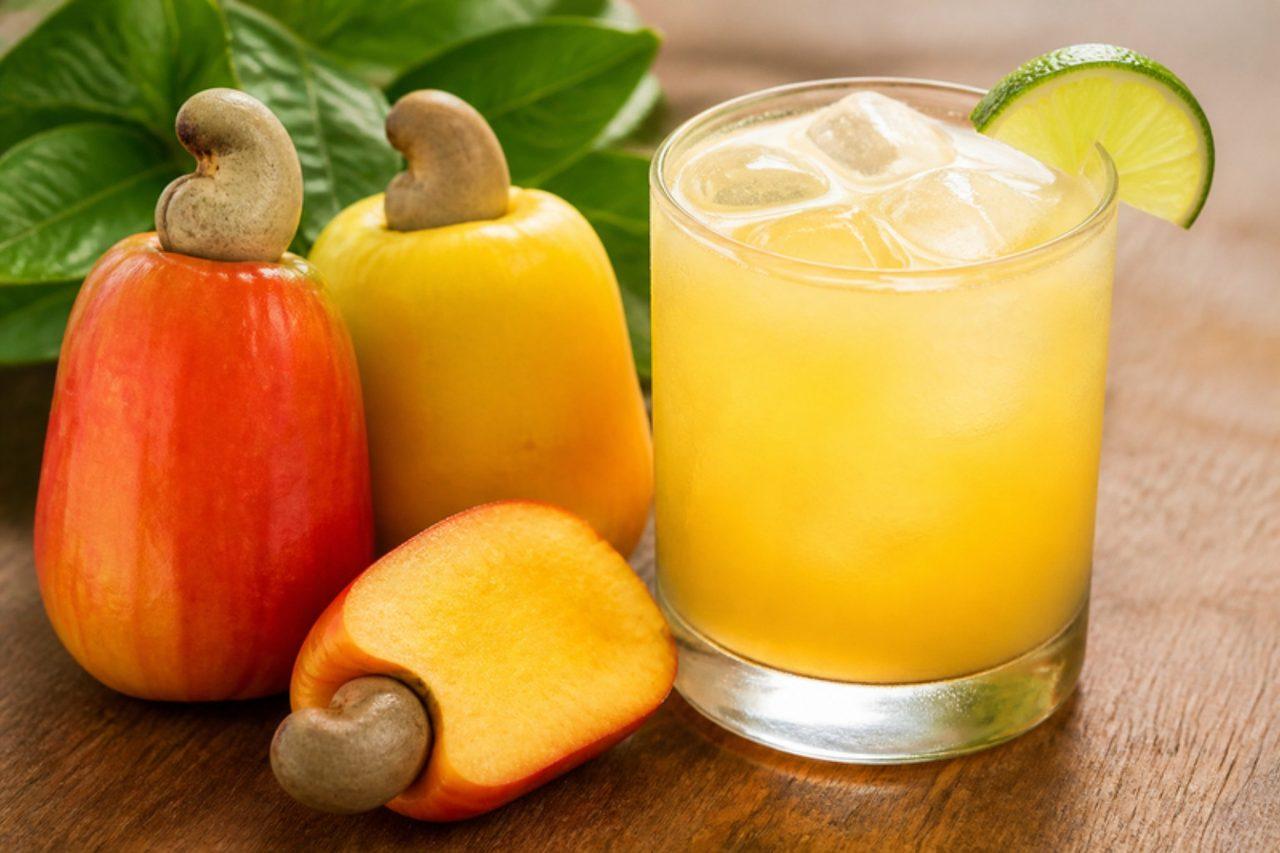
Suco de caju

Everyone in Ceará and Rio Grande do Norte has a cashew tree nearby, and in the season, roughly September to December, the fleshy yellow and red cashew apples hang heavily above the nuts. Their juice is the region's everyday drink: pale, cloudy, sweet-tart and faintly astringent, it leaves a slight dryness in the mouth that people love with fried fish or a plate of baião de dois. Fresh cashew apples rarely travel, so outside Brazil use frozen cashew-apple pulp (polpa de caju) from Brazilian shops. This is the fruit, not the nut, but anyone with a cashew allergy should still avoid it. Over-sweetening to hide the astringency is a common mistake, as the juice turns syrupy. Chef's tip: a few drops of lime and plenty of ice soften the dryness far better than extra sugar.

by KrazyBadal 0 views

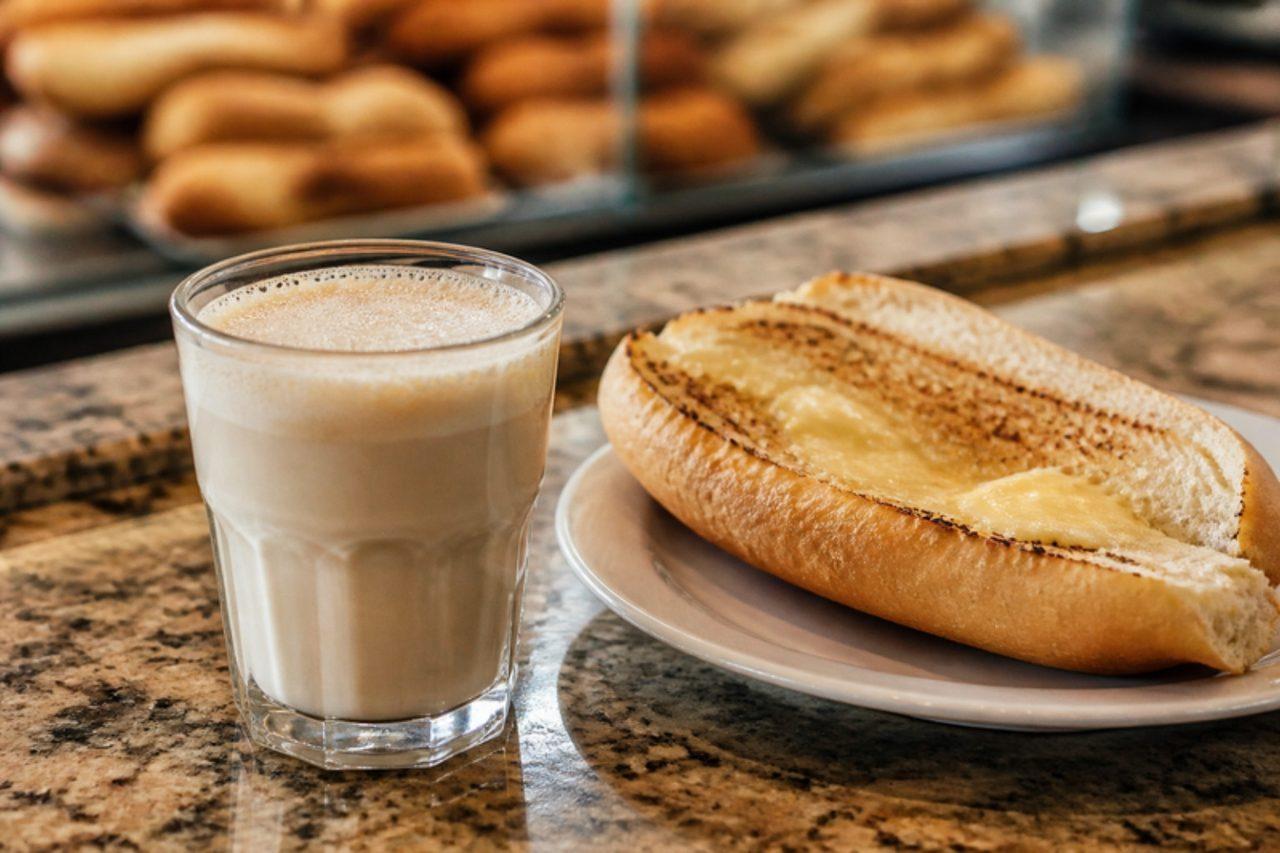
Pingado

Order 'um pingado' at the balcão of any São Paulo padaria at 7 in the morning and the attendant pours hot milk into a ridged glass tumbler (the copo americano) and 'drips' in a splash of strong coffee, hence the name. It is milkier and gentler than a média (half coffee, half milk), creamy and lightly sweet, usually drunk standing up with a pão na chapa, a toasted buttered roll. At home you need strong filter coffee and milk heated until steaming. Scalding the milk is the frequent mistake, as boiled milk tastes flat and forms a skin. Chef's tip: froth the hot milk for a few seconds with a whisk or by pouring it back and forth between two jugs before adding the coffee, as padaria machines do.

by KrazyBadal 0 views

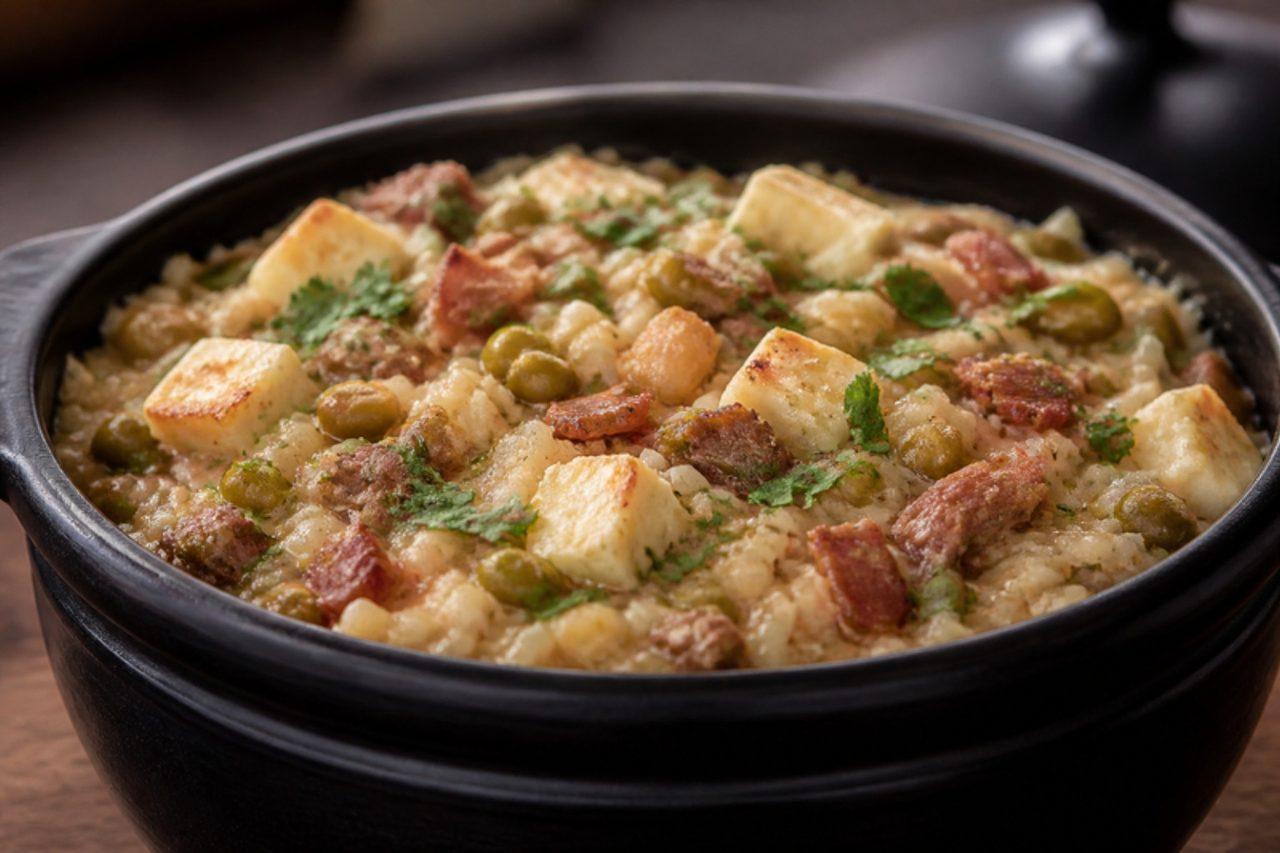
Rubacão

Paraíba's cousin of baião de dois, rubacão (also spelt rubação) is cooked for long family lunches in João Pessoa and Campina Grande, and it is a fixture of the São João season in June. Rice and freshly shelled green cowpeas (feijão verde) cook together with dried beef and smoky bacon, then coalho cheese and cream are folded through so the pot turns soft, creamy and stretchy, salty from the meat and sweet from the beans. Serve it on its own with a tomato salad and pepper sauce; it is a meal in one pot. If you use charque or carne seca, it needs soaking overnight in the fridge. The pitfall to avoid is adding the cheese while the pot is on the flame, which turns it rubbery; fold it in off the heat and let the steam soften it. Chef's tip: save the bean cooking water and use it to cook the rice; it gives the dish its earthy colour and flavour.

by KrazyBadal 0 views

Suco de maracujá

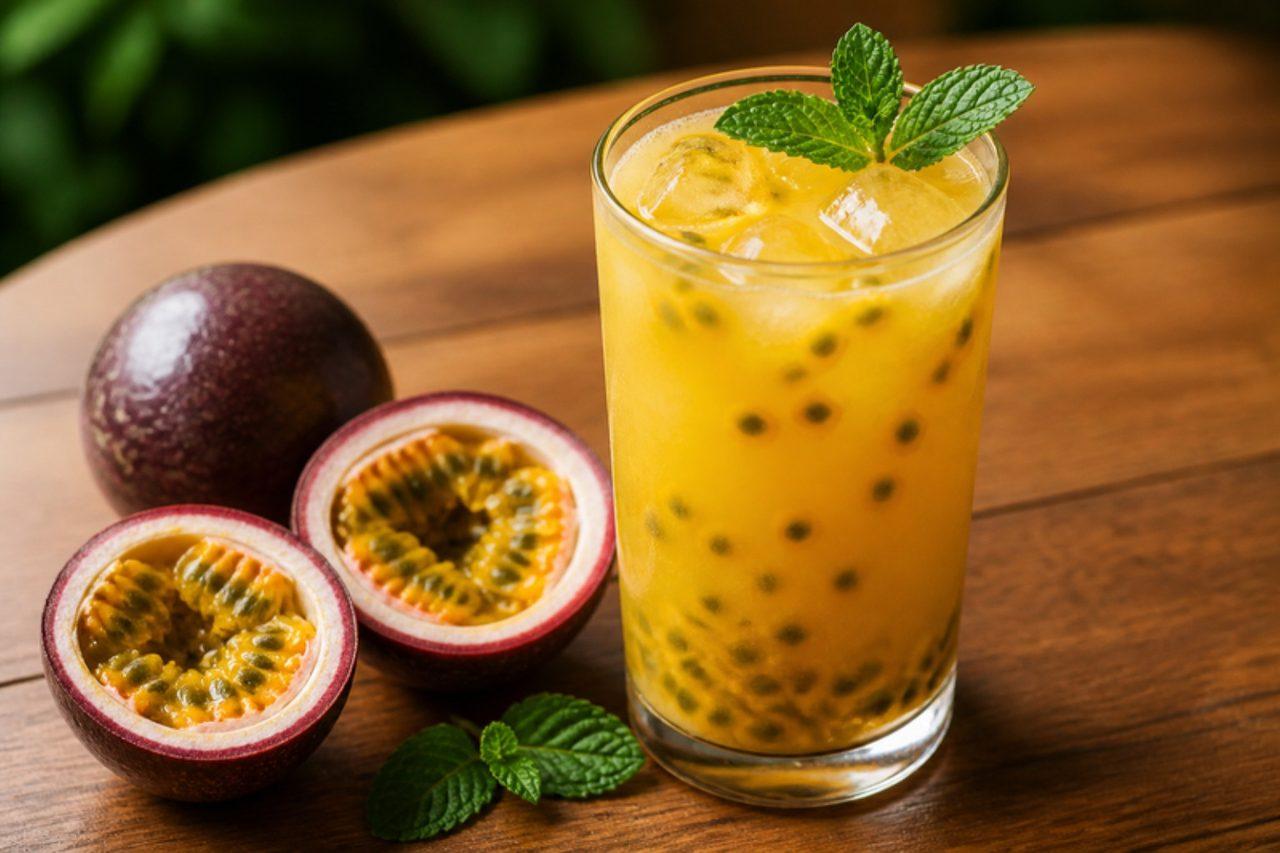
Brazilian lunch counters, the pratos feitos joints known as PFs, list suco de maracujá on every chalkboard, and many people order it for its famously calming effect after a long morning. Yellow passion fruit is blended briefly with cold water, strained and sweetened, which gives a vivid, perfumed, very tart drink that goes with rice, beans and a grilled steak just as well as with a beach snack. Use wrinkled, heavy fruit for the most juice, or frozen unsweetened pulp from Latin shops. Over-blending is the slip people make: crushed seeds turn the juice gritty and bitter. Chef's tip: blend the pulp with only a little of the water first, in a couple of short pulses, strain, then add the rest of the water and the sugar.

by KrazyBadal 0 views

Cajuína

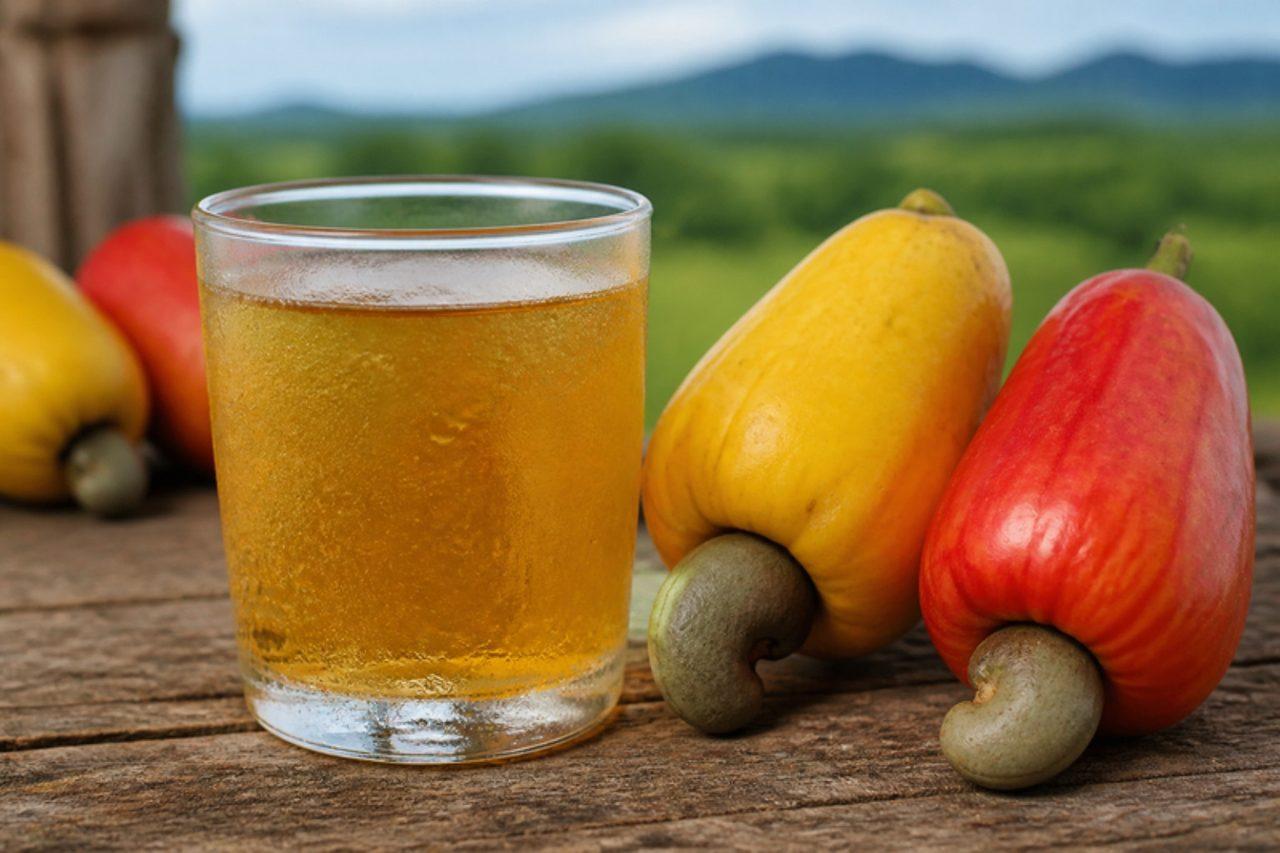
Teresina, the capital of Piauí, treats cajuína as a matter of local pride, and the drink's traditional craft is officially recognised as part of Brazilian cultural heritage. It is cashew-apple juice that has been clarified until crystal clear, bottled and cooked in a water bath until the natural fruit sugars caramelise and turn it amber-gold. No sugar is added. Served ice-cold, it tastes of baked apple and honey with a hint of cashew, smooth and non-alcoholic. Small producers clarify the juice with gelatin or cashew-tree resin; this vegan home version clears it by settling and filtering instead, which takes patience. Real cajuína is shelf-stable thanks to commercial sterilising; this home batch must be kept in the fridge and drunk within a week. Skipping the slow filtering is the usual error, and cloudy juice turns murky brown instead of gold. Chef's tip: let the juice settle in the fridge overnight before filtering and pour off the clear top, leaving the sediment behind.

by KrazyBadal 0 views

Suco de acerola

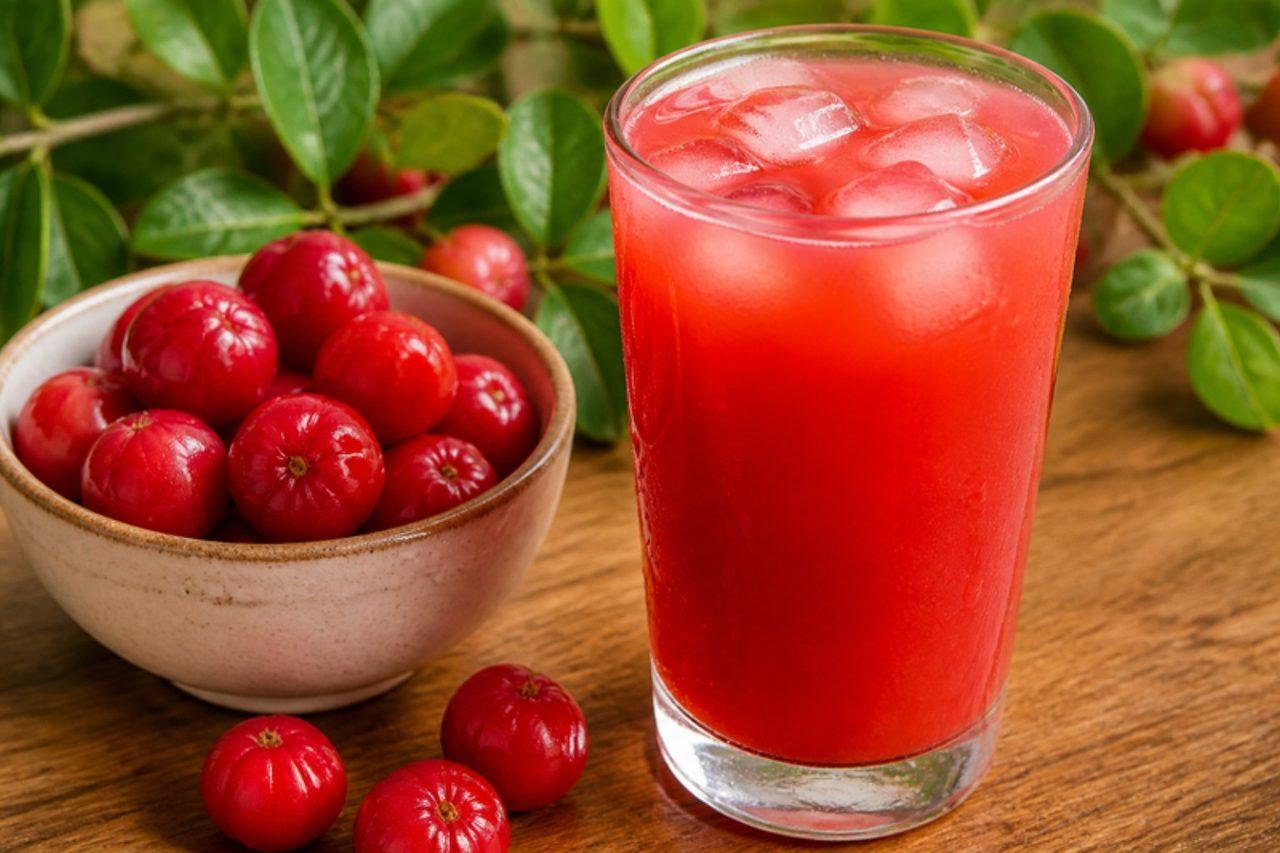
Backyard acerola bushes are everywhere in Pernambuco, Paraíba and the rest of the Northeast, and the small, glossy red cherries fruit several times a year. Blended with water and a little sugar, they make a vivid orange-red juice, tart and cherry-like with a slightly floral finish, famously one of the richest natural sources of vitamin C. Lanchonetes often mix it with orange juice; at home it is the drink kids are handed when they have a cold. Fresh acerolas spoil within days, so outside Brazil use frozen acerola pulp. Letting it stand is the common mistake, since the vitamin C and colour fade quickly once blended. Chef's tip: blend it just before serving, and add the sugar sparingly, about a tablespoon per two glasses, to keep it light.

by KrazyBadal 0 views

Torta holandesa

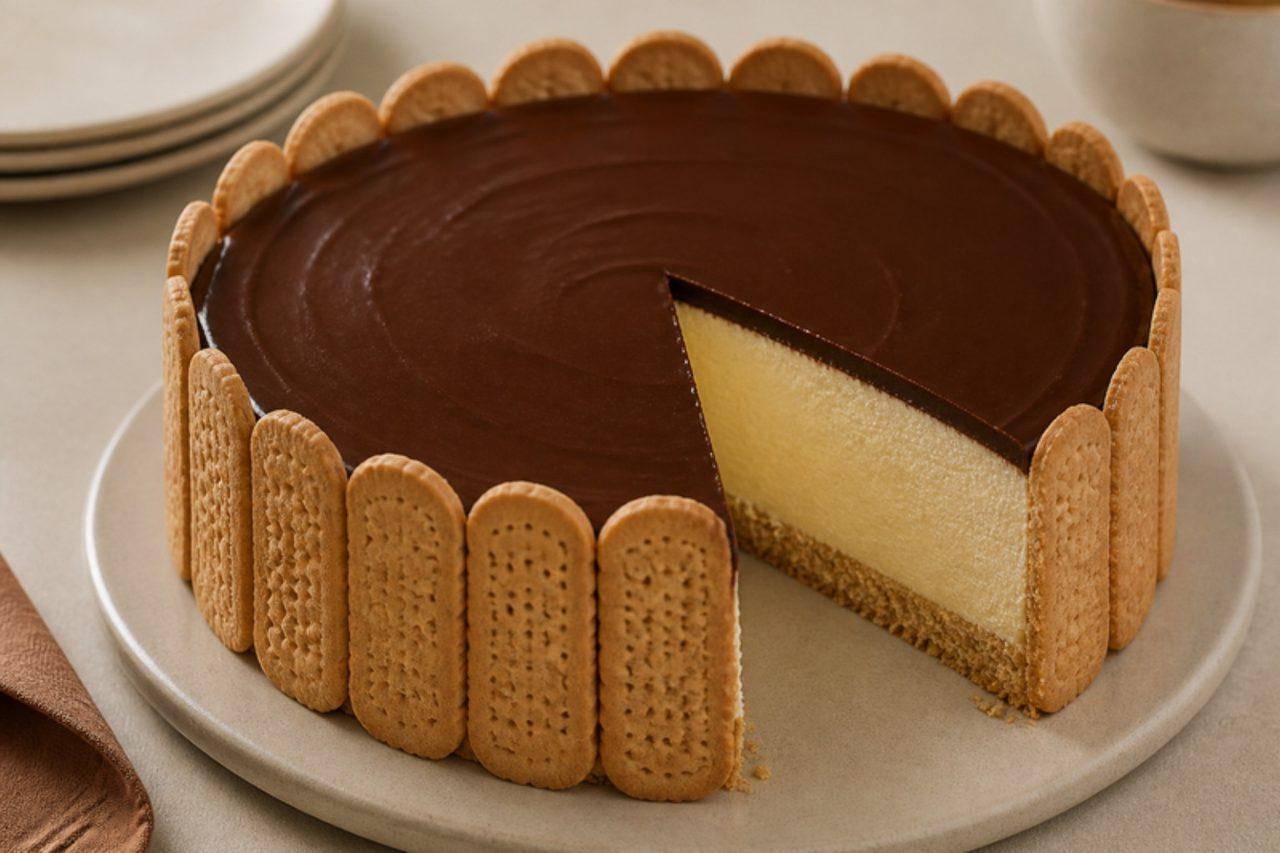
Despite the name, the 'Dutch tart' is a Brazilian invention, created in a confeitaria in Campinas, São Paulo state, in the 1990s and now sold in bakeries and churrascarias all over the country. A crunchy biscuit base holds a tall layer of light vanilla buttercream, sealed with dark chocolate ganache, and the sides are fenced with chocolate-dipped biscuits stood on their edges. Served cold, it is rich, creamy and crunchy at once, cut in thin slices with coffee. Some versions set the cream with gelatin; this one gets its body from butter and whipped cream only. Warm ganache poured straight on is the commonest mistake, since it melts the cream underneath into streaks. Chef's tip: let the ganache cool until it is just pourable and barely warm to a fingertip, about 30 °C, before pouring it over the chilled tart.

by KrazyBadal 0 views

Manjar de coco

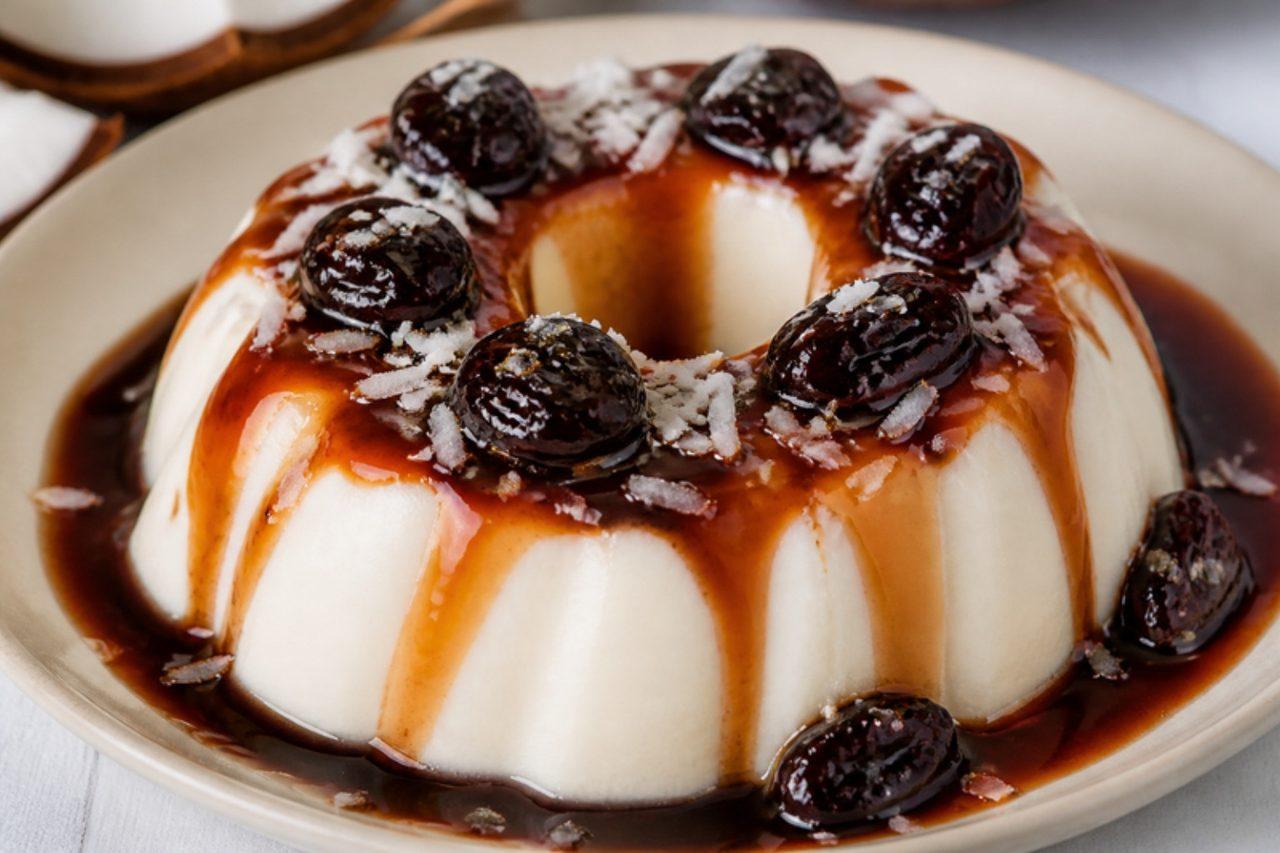
Sunday lunch at a grandmother's in Rio, Minas or Pernambuco often ends with a manjar, a snowy ring of coconut blancmange turned out of its mould and drowned in glossy, nearly black prune syrup. It is smooth and cool, with a soft wobble, the mild sweet coconut cream set off by the deep, winey taste of the prunes. The dessert is set with cornflour alone, so it is gluten free, and it has to be made at least 4 hours ahead. Under-cooking the cornflour is what usually goes wrong: the manjar tastes chalky and breaks when turned out. Chef's tip: wet the mould with cold water instead of greasing it, then shake out the drops; the manjar slides out cleanly with a coconut taste unspoilt by oil.

by KrazyBadal 0 views

Cuscuz de tapioca

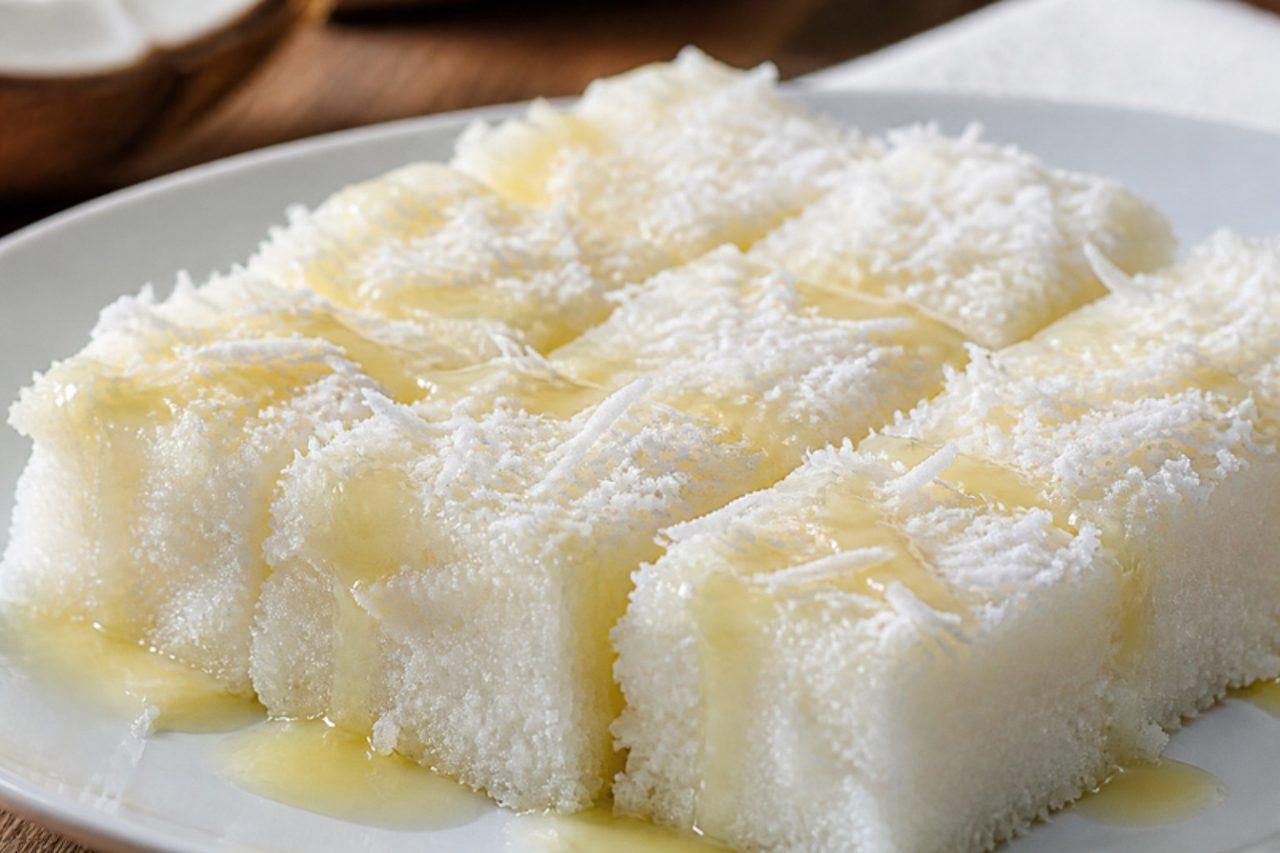
Breakfast stalls in Salvador and the street markets of Recife and Fortaleza sell cuscuz de tapioca by the slice from a big round tray, often with a drizzle of condensed milk on top. It needs no cooking at all: granulated tapioca (tapioca granulada) soaks up hot sweetened milk and coconut milk and swells into a firm, white, bouncy cake with a chewy, pearly texture and a gentle coconut taste. It is eaten cold, at breakfast or as an afternoon sweet with coffee. Granulated tapioca is a Brazilian product made of small irregular crumbs, not pearls; Brazilian shops sell it in bags. Cutting it too early is the usual mistake, and the slices crumble because the granules are still dry at the centre. Chef's tip: pour the liquid in while it is steaming hot and cover the dish straight away; the trapped steam swells the granules evenly.

by KrazyBadal 0 views

Abará

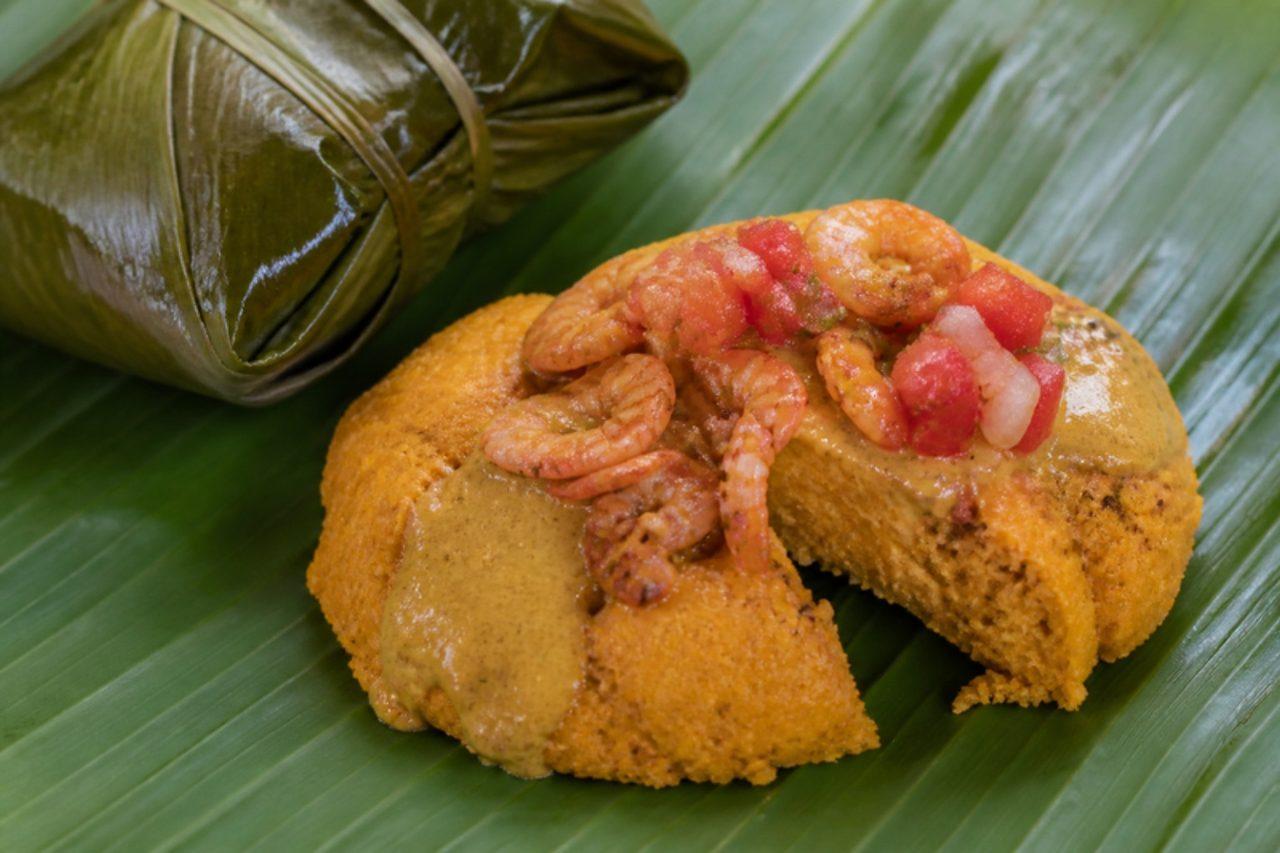
Abará is the steamed sister of acarajé, sold from the same wooden trays by the baianas in white lace who set up on the corners of Salvador's Pelourinho, Rio Vermelho and the Barra seafront. The batter is identical, black-eyed peas skinned and ground with onion and dried shrimp, but instead of hitting hot dendê it is wrapped in banana leaf and steamed, so it comes out soft, dense and sunset-orange, tasting of palm oil, sea and pulses. Baianas split it open and fill it with vatapá, caruru, vinagrete and a few whole shrimp; at home it is lovely with just a spoonful of pepper sauce. Plan ahead: the peas need soaking overnight. The usual mistake is leaving the skins on, which makes the parcels grey, gritty and heavy. For a vegetarian version, leave out the shrimp and add a pinch more salt. Chef's tip: beat the paste hard with a wooden spoon for a few minutes before wrapping; the air you work in is what keeps abará light rather than rubbery.

by KrazyBadal 0 views

Pirarucu de casaca

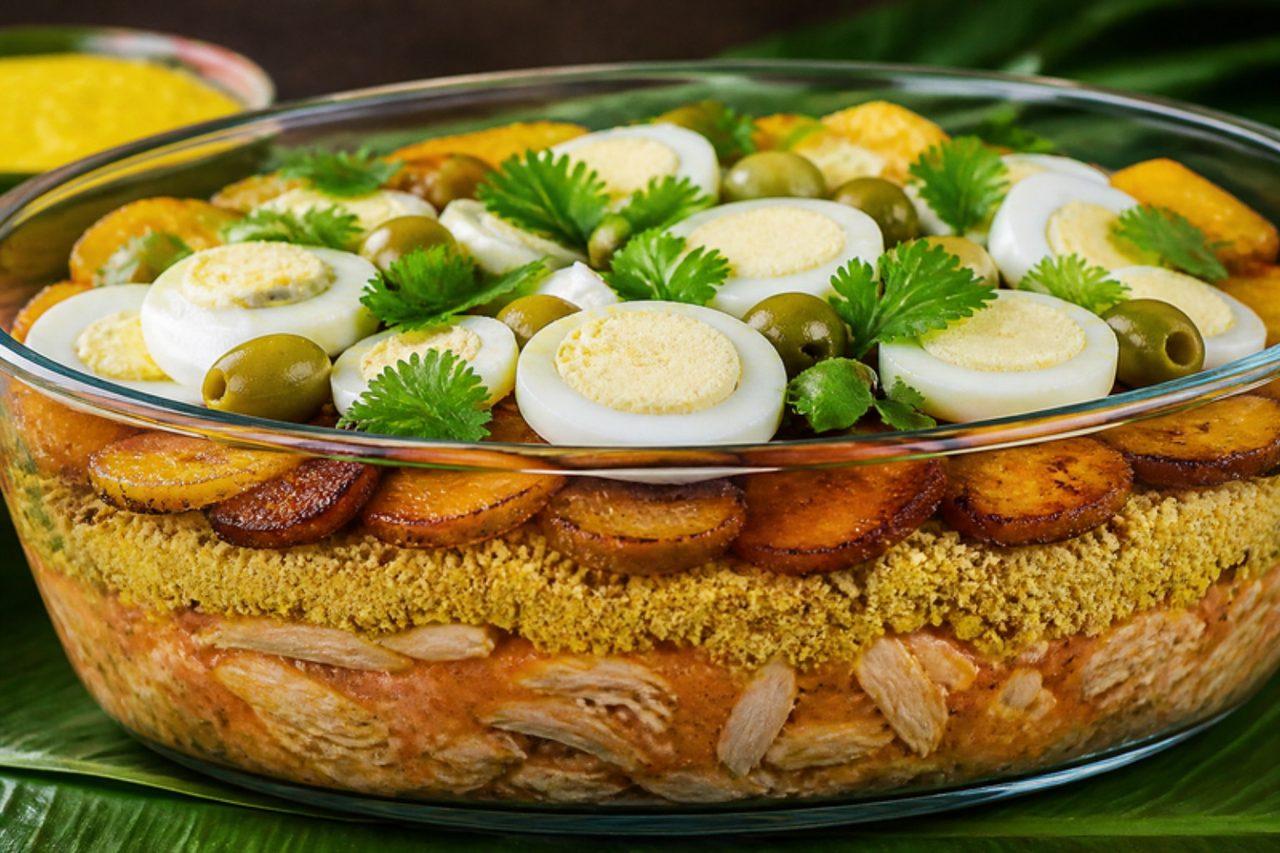
A party dish from Manaus and the Amazonas interior, pirarucu de casaca (pirarucu in a coat) is built in a big dish for birthdays and Christmas: a bed of buttery-looking farofa, a layer of shredded salt pirarucu cooked with tomato and coconut milk, golden slices of fried plantain, more farofa, and a scattering of raisins, olives, egg and herbs. Each spoonful is salty, sweet and crunchy at once. Pirarucu, the giant Amazon fish, is sold salted and dried like cod; salt cod is the easy substitute. Allow 24 hours to soak the fish in the fridge. A common slip-up is under-soaking, which makes the dish too salty to eat; taste a flake before you cook. Chef's tip: use very ripe, black-skinned plantain, fried slowly, so it caramelises and balances the salt of the fish.

by KrazyBadal 0 views

Bicho-de-pé

Pink balls of fudge in a paper cup, sitting in a row between the chocolate brigadeiros: that is bicho-de-pé, a fixture of children's parties in São Paulo and Rio. The odd name comes from a tiny burrowing flea, which the speckled pink sweet supposedly resembles, but it tastes nothing but fruity and creamy. Brazilian cooks usually flavour it with strawberry gelatin powder, which is not vegetarian; this version uses freeze-dried strawberry powder, which gives a brighter, real-fruit flavour and a natural pink. Find freeze-dried strawberries in supermarket baking aisles and crush them yourself. Over-thickening is the commonest mistake: cooked too long, the brigadeiro turns hard and sugary once cold. Chef's tip: take the pan off the heat as soon as the mixture slides away from the base as one piece; it firms more as it cools.

by KrazyBadal 0 views

Sablés normands

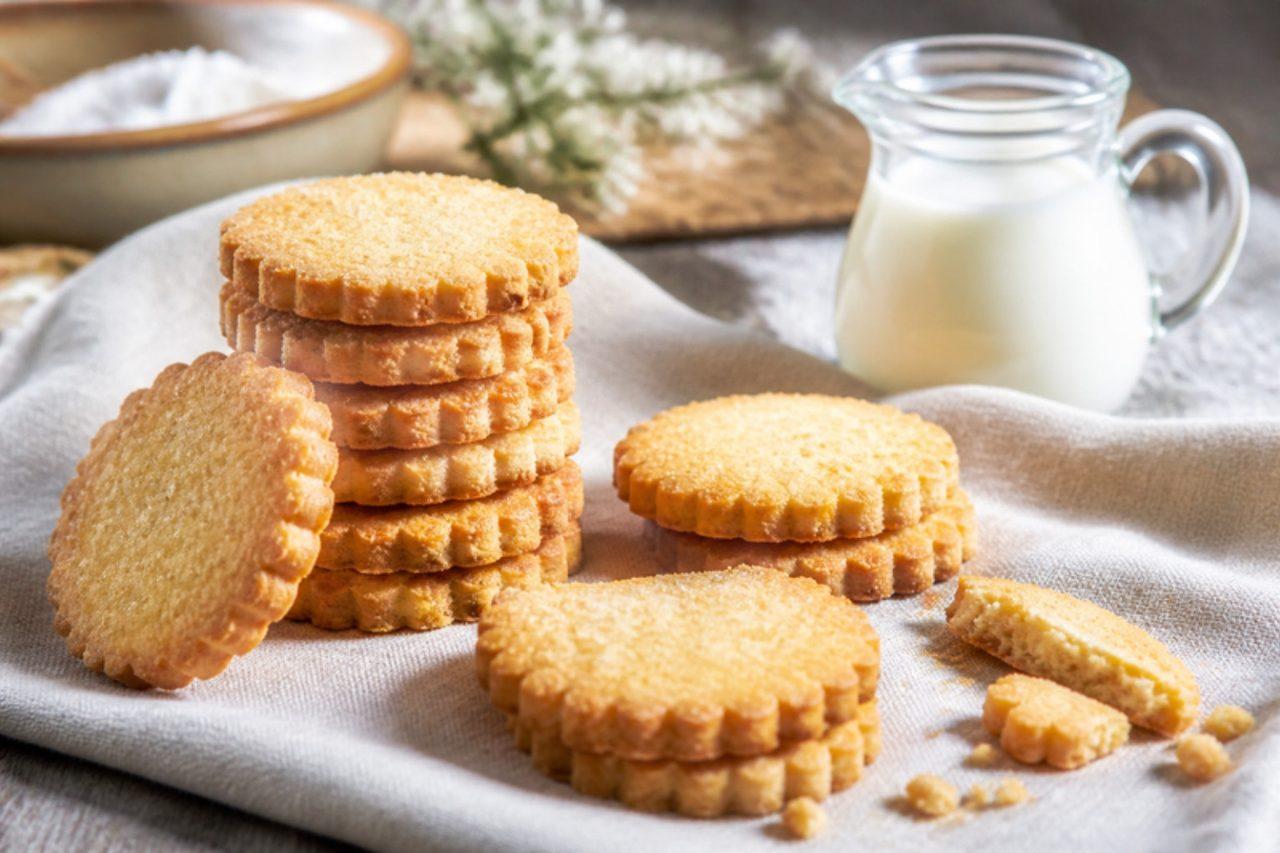
The little town of Lisieux, in the Pays d'Auge, has made sablés since the 1800s, and the word means 'sandy', for the way they crumble on the tongue. They are one of the simplest things a Normandy kitchen bakes: good salted butter, sugar, egg yolks and flour, rolled into a log, sliced and baked pale gold. Normans dip them in coffee or serve them with fruit compote, teurgoule or a bowl of fromage blanc, and children grow up with a tin of them in the cupboard. Chef's tip: work the dough as little as possible once the flour goes in; the less you knead, the more tender and sandy the crumb.

by KrazyBadal 0 views

Bem-casado

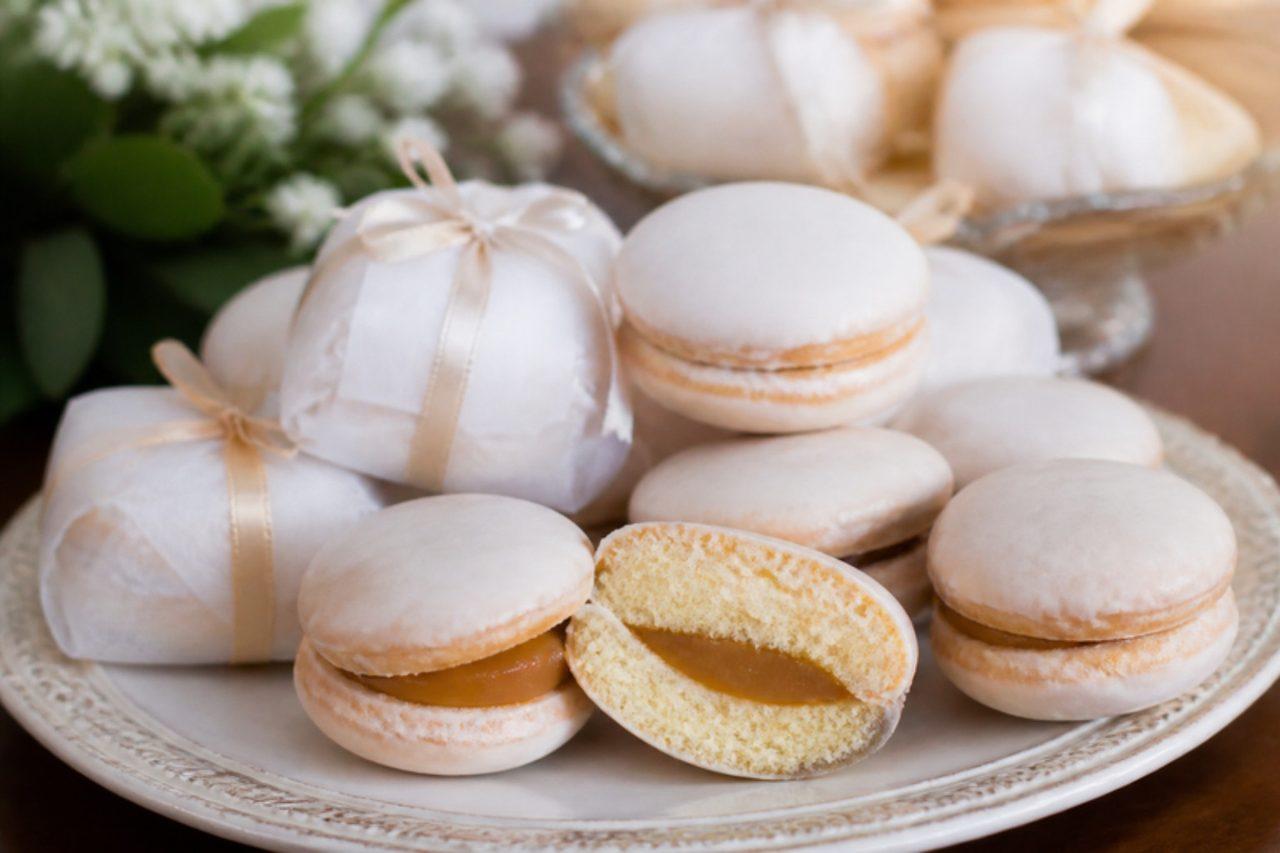
Guests leaving a Brazilian wedding are handed a bem-casado, 'well married', wrapped in crepe paper and tied with ribbon, as a wish for the couple's happiness. The sweet is said to have taken its modern shape in Campos dos Goytacazes, in the north of Rio de Janeiro state, where confectioners still make it by the thousand. Two thin, airy sponge rounds hold a layer of doce de leite and are dipped in a thin sugar glaze that sets matt white and slightly crisp, so the inside stays soft for days. Doce de leite is sold in jars in Latin shops; use a thick, spoonable one. Over-baking the discs is where most batches fail: they turn dry and crack when sandwiched. Chef's tip: pipe the batter in small rounds and pull them from the oven as soon as they spring back and the edges barely colour; pale is right.

by KrazyBadal 0 views

Cajuzinho

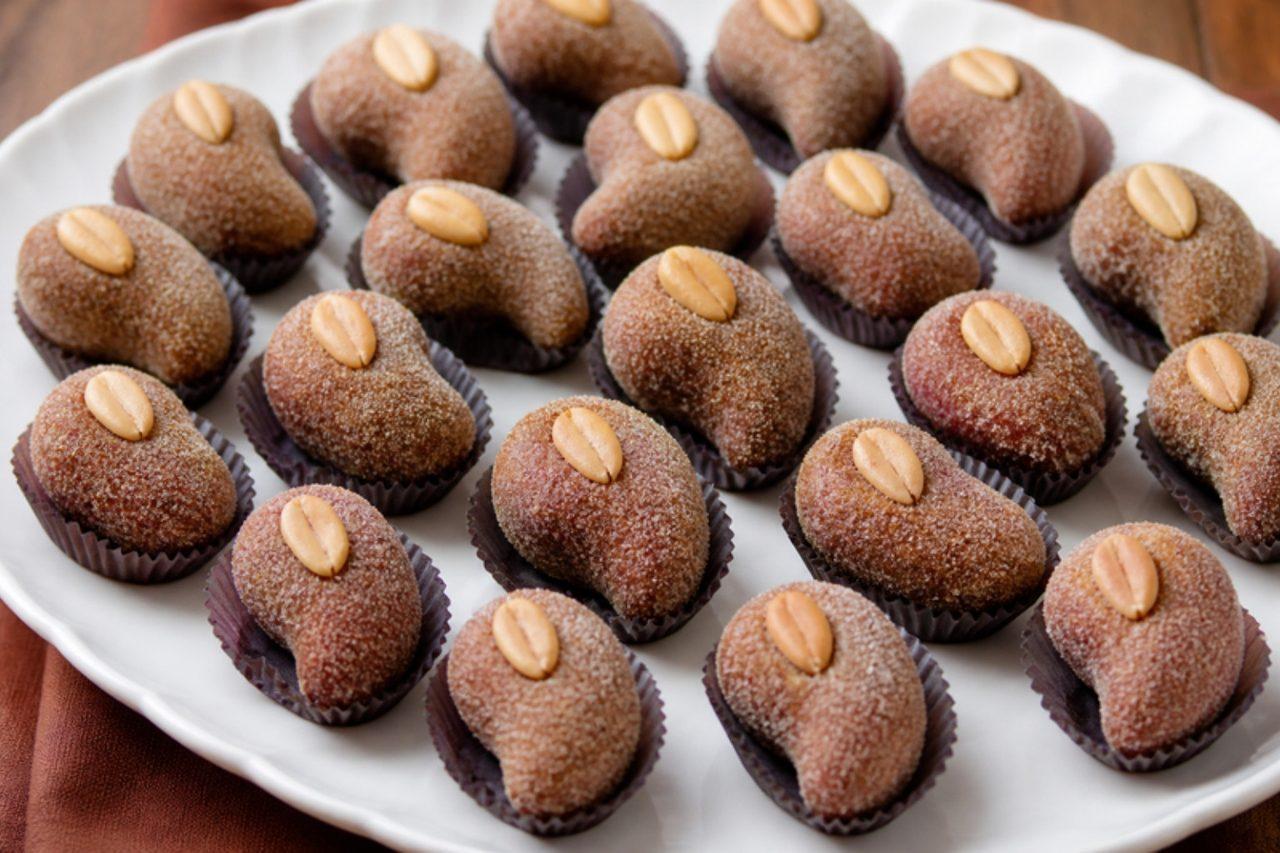
Next to brigadeiros on any children's birthday table in Brazil sit the cajuzinhos, small sweets moulded into the shape of a cashew fruit (caju) and crowned with a single peanut that stands in for the nut. The dough is condensed milk cooked with ground roasted peanuts and a little cocoa until it pulls into a fudge, then rolled in sugar. Each one is chewy, peanutty and gently chocolatey, a bite-size sweet that sits in its own paper case. They are a good make-ahead: shaped cajuzinhos keep for 3 days in a cool place. Undercooking the mixture is the usual problem: soft dough will not hold the cashew shape and slumps in the cases. Chef's tip: oil your hands lightly before shaping and roll each ball into a fat sausage first, then pinch one end narrower to get the cashew outline.

by KrazyBadal 0 views

Amendoim cozido

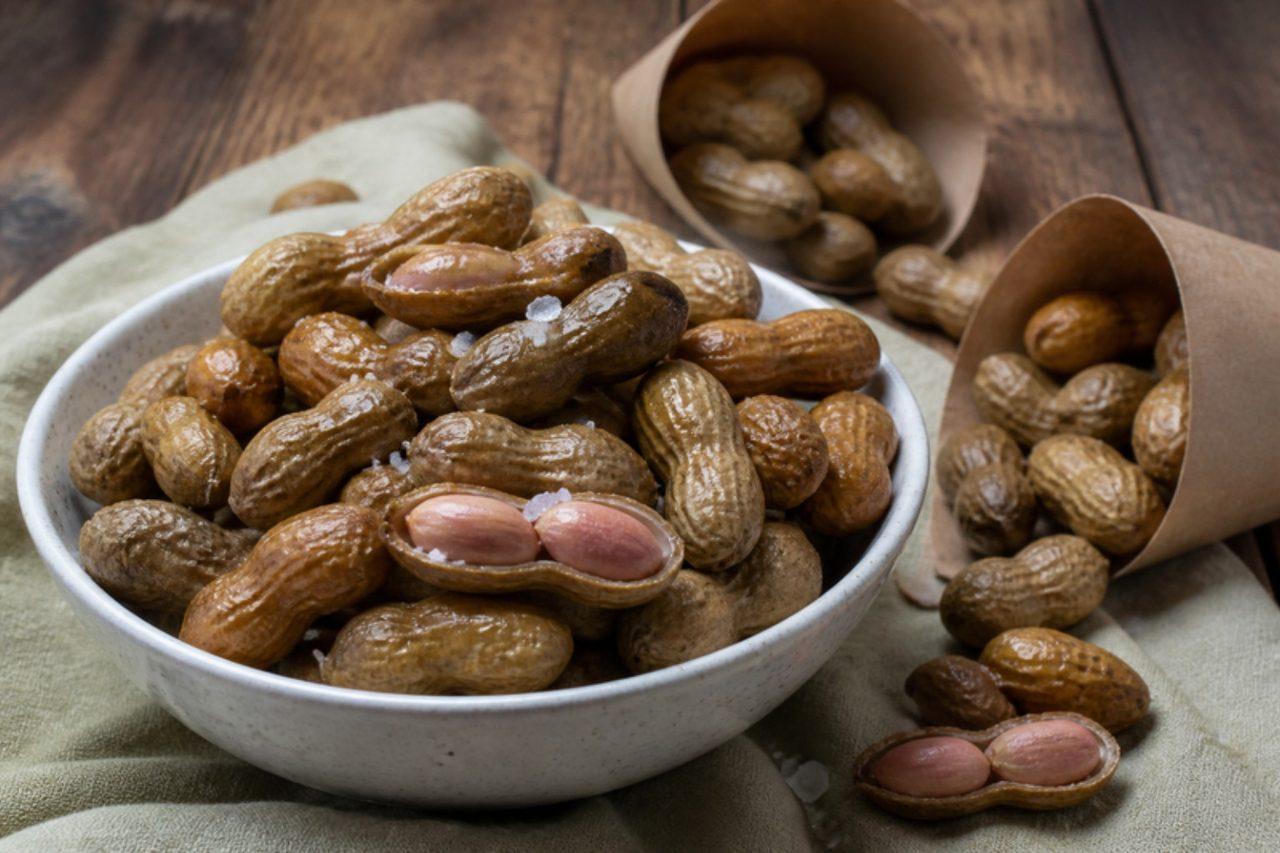
Steaming paper bags of boiled peanuts are sold in São João squares from Campina Grande to the interior of São Paulo, and families cook pots of them at home when the fresh peanut harvest comes in around June. Boiled in the shell in well-salted water, the peanuts turn soft, juicy and almost bean-like, with a savoury, slightly sweet taste quite different from roasted peanuts. You crack them open with your fingers and slurp the salty water out with the nut. You need raw peanuts in the shell, either fresh (green) or dried; roasted ones never soften. Under-salting is the beginner's slip: the shell blocks a lot of salt, so the water should taste like the sea. Chef's tip: let the peanuts sit in their cooking water for 30 minutes off the heat before draining, so the salt soaks through to the nut.

by KrazyBadal 0 views

Doce de abóbora com coco

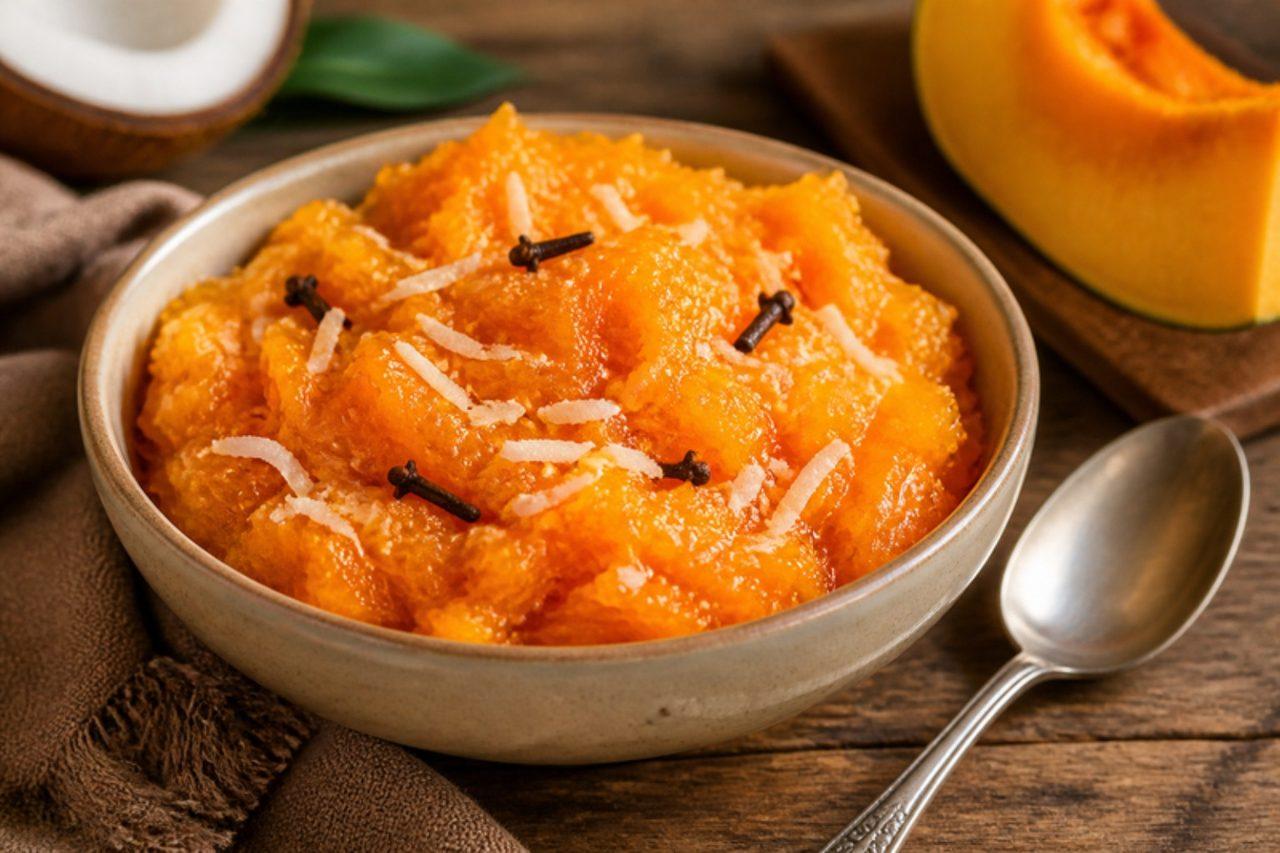
Mineiro farm kitchens and the June festivals of the interior both lean on doce de abóbora, a deep orange spoon sweet of pumpkin cooked with sugar and cloves until thick, here finished with fresh grated coconut. It is eaten cold, by the spoonful from little bowls, or with a slice of fresh white cheese, the Brazilian way of pairing sweet and salty (pick a microbial-rennet cheese if you are vegetarian). The flavour is caramel-sweet and spiced, with the soft chew of coconut. Use a dry, dense pumpkin such as kabocha or butternut; watery pumpkins take forever to reduce. Adding the sugar before the pumpkin softens is a common misstep; the sugar firms the pieces and they never break down. Chef's tip: stop cooking when you see the base of the pan for a second as you drag the spoon through, as the sweet thickens further as it cools.

by KrazyBadal 0 views

Pavê de pêssego

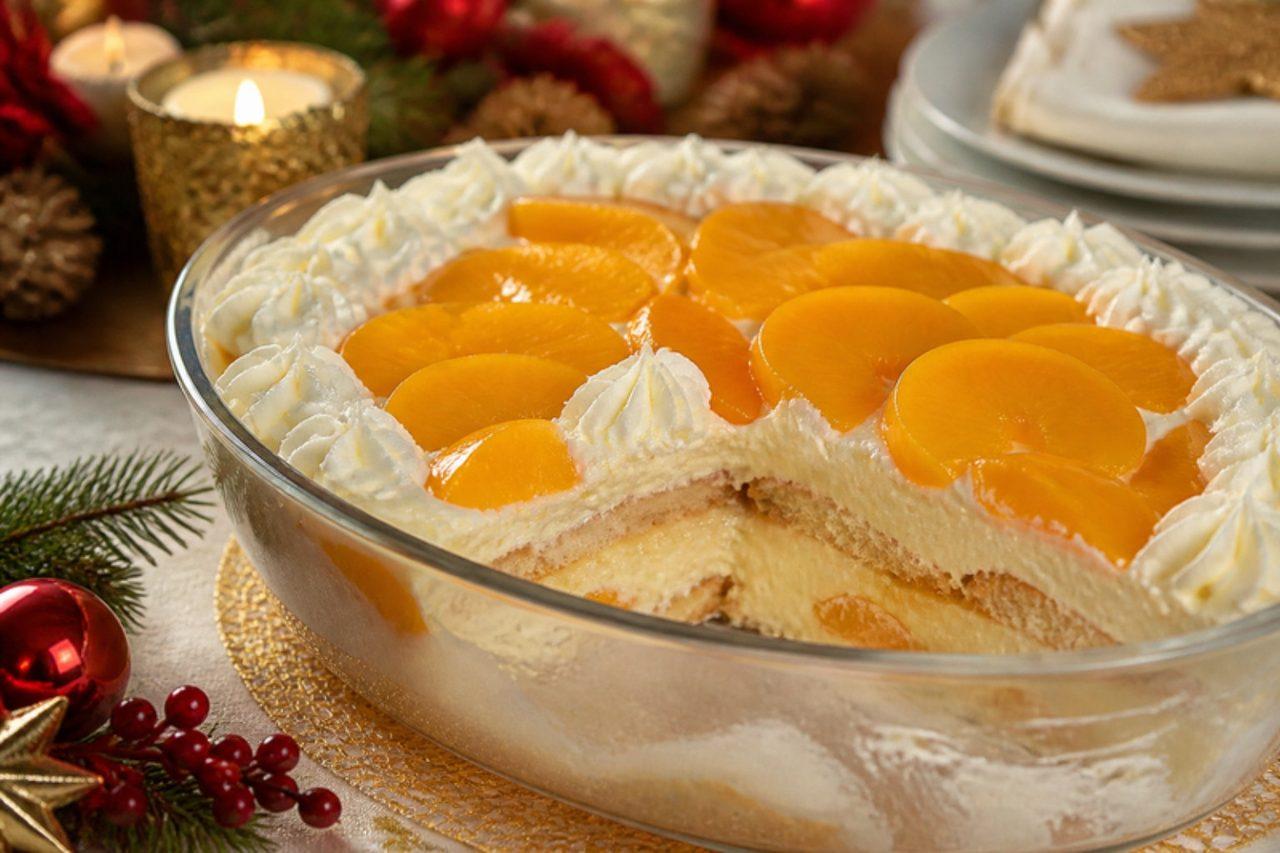
No Brazilian Christmas or New Year table feels complete without a glass dish of pavê in the fridge, and the old joke at every family supper is 'é pavê ou pra comer?' ('is it pavê or is it for eating?'). Rows of Maria or champagne biscuits are softened in milk or peach syrup, then layered with a thick vanilla custard made from condensed milk and egg yolks, sliced peaches and a cloud of whipped cream. It is cool, creamy and fruity, a relief after a heavy ceia. Chocolate pavê is just as common: replace the peaches with a chocolate layer, as in the tip. Too much soaking liquid is the classic fault, and the dessert collapses into a pool in the base. Chef's tip: dip each biscuit for a single count in the syrup; they keep softening overnight in the custard. For chocolate pavê, stir 100 g melted dark chocolate into half the custard and layer it in place of the peaches.

by KrazyBadal 0 views

Xinxim de galinha

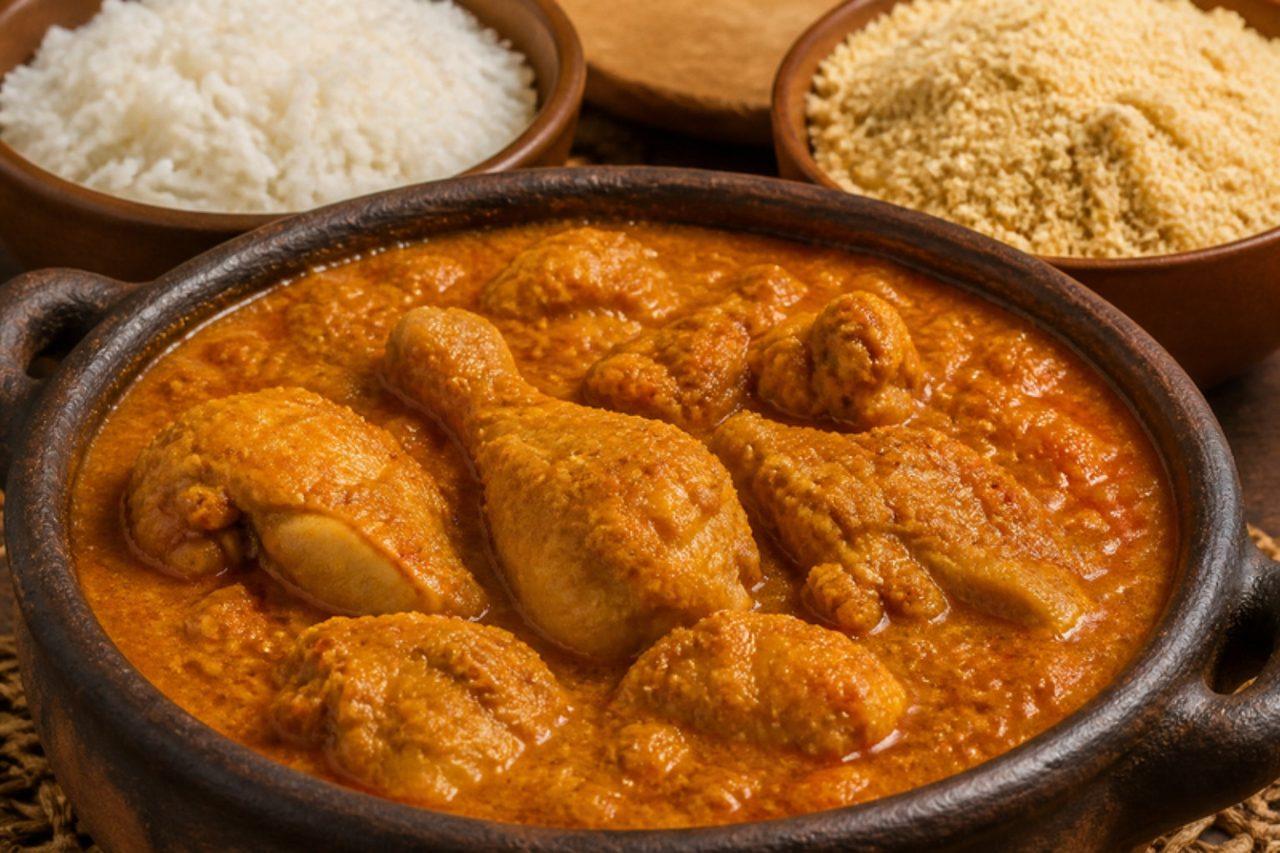
Cooked for Oxum's feast days in the terreiros of Salvador and on ordinary Sundays in Bahian homes, xinxim de galinha is chicken braised in a thick, golden sauce of ground dried shrimp, peanuts, cashews, ginger and dendê oil. It tastes nutty, a little smoky from the palm oil and quietly savoury from the shrimp, and the sauce clings to the meat rather than pooling. Serve it with white rice, farofa de dendê and a bowl of caruru alongside. One common slip is adding the nut paste too early, so it sticks and scorches before the chicken is cooked; it goes in for the last 15 minutes. Chef's tip: use bone-in thighs and drumsticks rather than breast; they stay juicy through the braise and their gelatine gives the sauce its silky body.

by KrazyBadal 0 views

Sarapatel

A pork dish with Portuguese roots, sarapatel is cooked in Recife and the Pernambuco interior for big gatherings and Saturday lunches, and bars in Olinda serve it by the bowl with rice, farinha and lime. Pork liver, heart and kidneys are cleaned, diced small and simmered with onion, tomato, cumin, bay and vinegar, then the stew is thickened with cooked pork blood until it turns dark, glossy and intensely savoury, sharp from the vinegar and fragrant with mint and coriander. Buy the offal and the blood from a butcher you trust, very fresh and kept cold; blood should be used the day you buy it or frozen at once. The classic error is skipping the cleaning and parboiling, which leaves the stew with a strong, livery taste. All offal must be cooked through. Chef's tip: dice everything into neat 1 cm pieces; the small size is what lets the sauce coat every bite.

by KrazyBadal 0 views

Mate com limão

On Copacabana and Ipanema, vendors in orange uniforms trudge across the hot sand carrying two metal barrels, one of iced mate tea and one of limonada, shouting 'mate, limão!' and mixing the two in a plastic cup for each customer. The tea is chá mate tostado, roasted yerba mate leaves brewed like ordinary tea, with a smoky, toasty taste; with sweet lime lemonade it becomes the definitive carioca beach drink, cold, tangy and gently caffeinated. Toasted mate is sold loose or in tea bags in Brazilian shops; green yerba mate gives a grassier result. Squeezing the limes too hard, or blending them whole, is the usual pitfall, because the white pith turns the lemonade bitter. Chef's tip: brew the tea strong and chill it completely before mixing, so the ice does not dilute it.

by KrazyBadal 0 views

Victoria sponge

Named after Queen Victoria, who took a slice with her afternoon tea, the Victoria sandwich is the cake of English village fetes, Women's Institute competitions and every birthday tea in the shires. It is two light butter sponges joined with raspberry jam and buttercream, finished with a dusting of caster sugar. Chef's tip: weigh the eggs in their shells and use the same weight of butter, sugar and flour; that is the classic way to get a perfect crumb.

by KrazyBadal 0 views

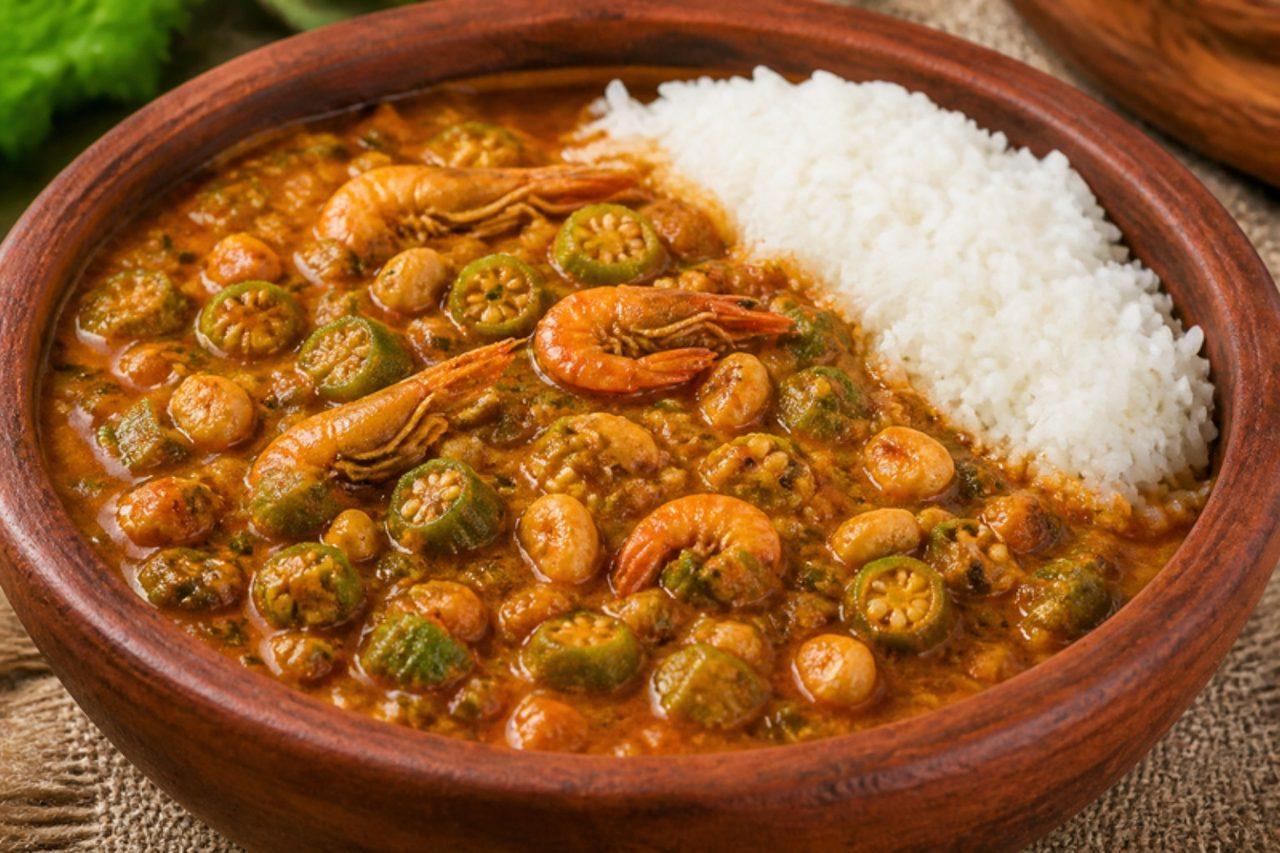
Caruru

Every 27 September, homes across Salvador and the Recôncavo cook huge pots of caruru for the feast of Saints Cosmas and Damian, and children are fed first; the rest of the year it turns up at acarajé stalls and on Bahian Sunday tables next to vatapá, rice and xinxim. Okra is chopped very small and cooked down with a paste of dried shrimp, toasted cashews and peanuts, ginger and onion, then finished with dendê oil until it is thick, glossy and gently sticky, nutty and faintly of the sea. Serve it with white rice, farofa de dendê and acarajé or abará. Most people make the mistake of slicing the okra into big rounds; cut tiny it melts into the sauce instead of sitting in slimy chunks. For a vegetarian caruru, skip the shrimp and use 40 g more of each nut. Chef's tip: toast the cashews and peanuts in a dry pan until they smell of popcorn before grinding them; it makes the stew taste deeper and less green.

by KrazyBadal 0 views

Pipoca doce

Pink, sticky and crunchy, sweet popcorn is the smell of a São João fairground and of the pipoqueiro carts outside schools and squares all year. The popcorn pops directly in a sugar syrup, so every kernel gets a thin, glassy, crackly shell; a few drops of red colouring turn it the classic festival pink. It takes about 10 minutes, so it is a favourite to make with kids watching from a safe distance. Use a plant-based red colouring if you want it vegan, as some red colourings are made from insects. Many cooks add too much colouring or sugar, which makes a sticky clump that never goes crisp. Chef's tip: shake the pan constantly once the popping slows, then tip it out immediately onto a tray and separate the kernels with two forks while still hot.

by KrazyBadal 0 views

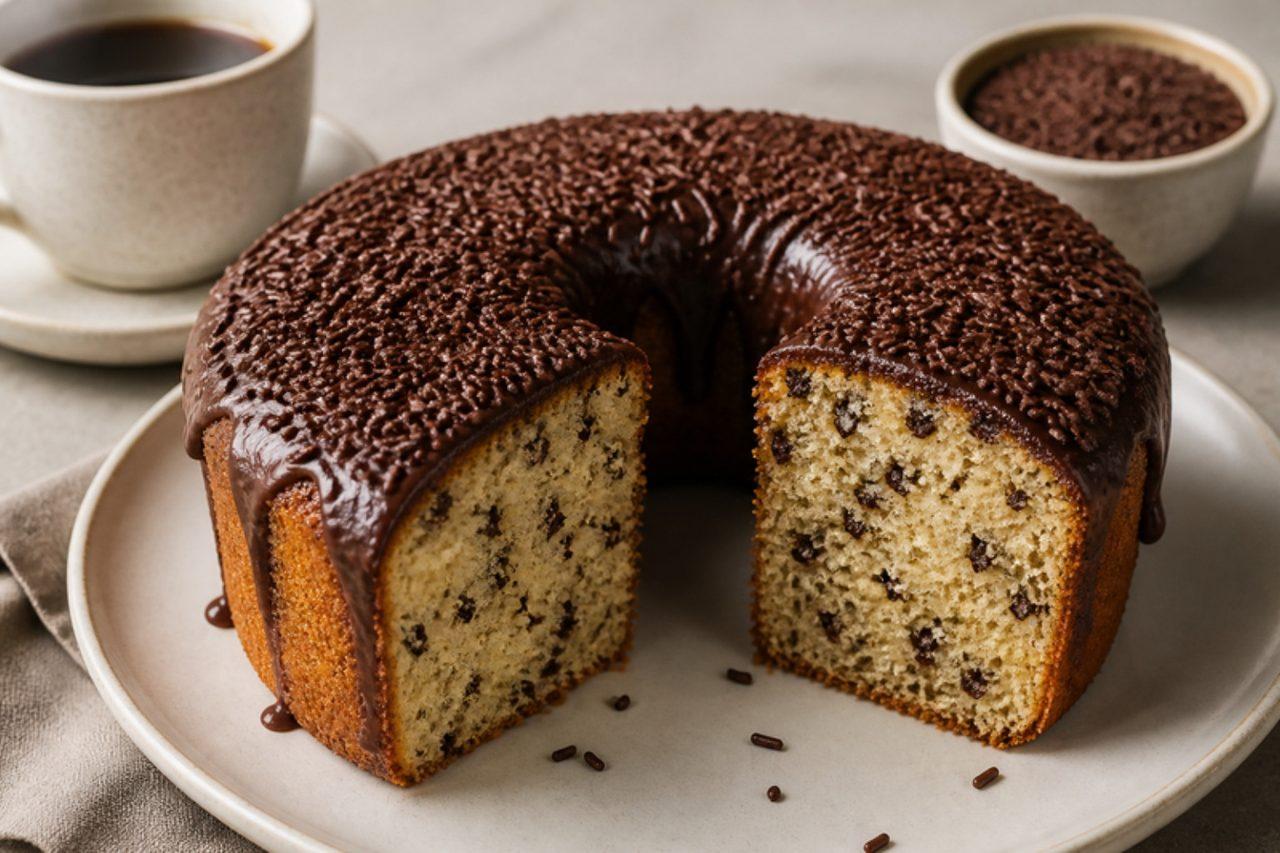
Bolo formigueiro

Slice into a bolo formigueiro and the crumb is dotted with dark specks, like ants on a sandy anthill, which is where the name comes from. This is the cake a Brazilian kid would want at merenda time: a soft, buttery vanilla sponge with chocolate sprinkles (granulado) folded through, often finished with a simple chocolate glaze and more sprinkles on top. Padarias and lanchonetes from São Paulo to Belo Horizonte sell it by the slice with a coffee. The cake contains wheat flour, eggs and milk. People often stir the sprinkles into the batter at the start, so they melt and turn the cake muddy grey. Chef's tip: fold the sprinkles in last, with a light hand, and use the chocolate kind (not candy-coloured), which hold their shape in the oven.

by KrazyBadal 0 views

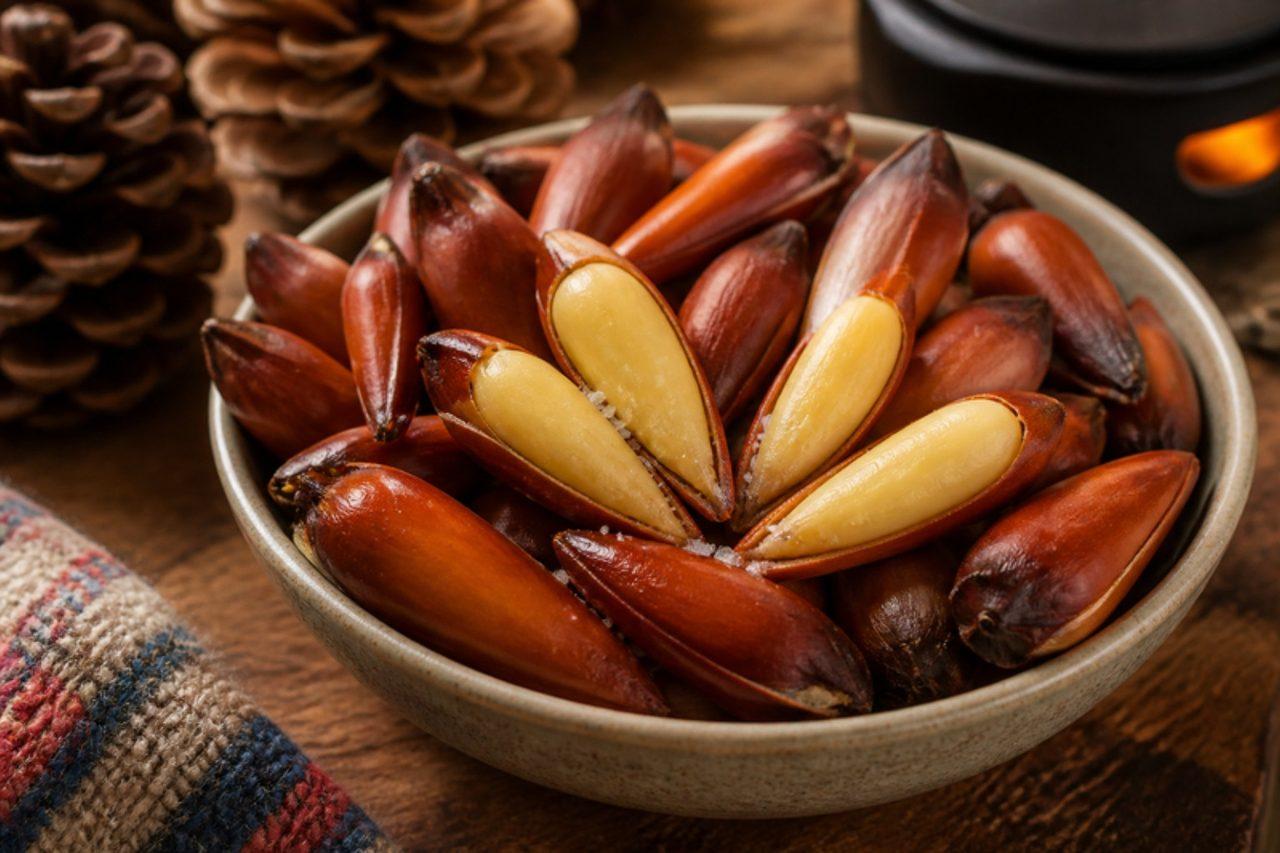
Pinhão cozido

When frost settles on the highlands of Paraná and Santa Catarina, every street fair and roadside stall in Curitiba, Lages and São Joaquim sells paper cones of hot pinhão. These are the seeds of the Araucaria pine, big as a thumb, with a leathery brown shell and a starchy, sweet centre that tastes somewhere between chestnut and boiled potato. Families boil a pot after supper and peel them around the wood stove, and the pinhão is also the star of the Festa do Pinhão in Lages each June. The season runs roughly April to July; outside the south, look for vacuum-packed or frozen pinhão in Brazilian shops, and if you cannot find any, fresh chestnuts cooked the same way are the closest stand-in. The common mistake is pulling them out too early: underdone pinhão is waxy, hard to peel and slightly bitter. Chef's tip: snip the pointed tip off each seed before boiling and the shell slips off in one piece once cooked.

by KrazyBadal 0 views

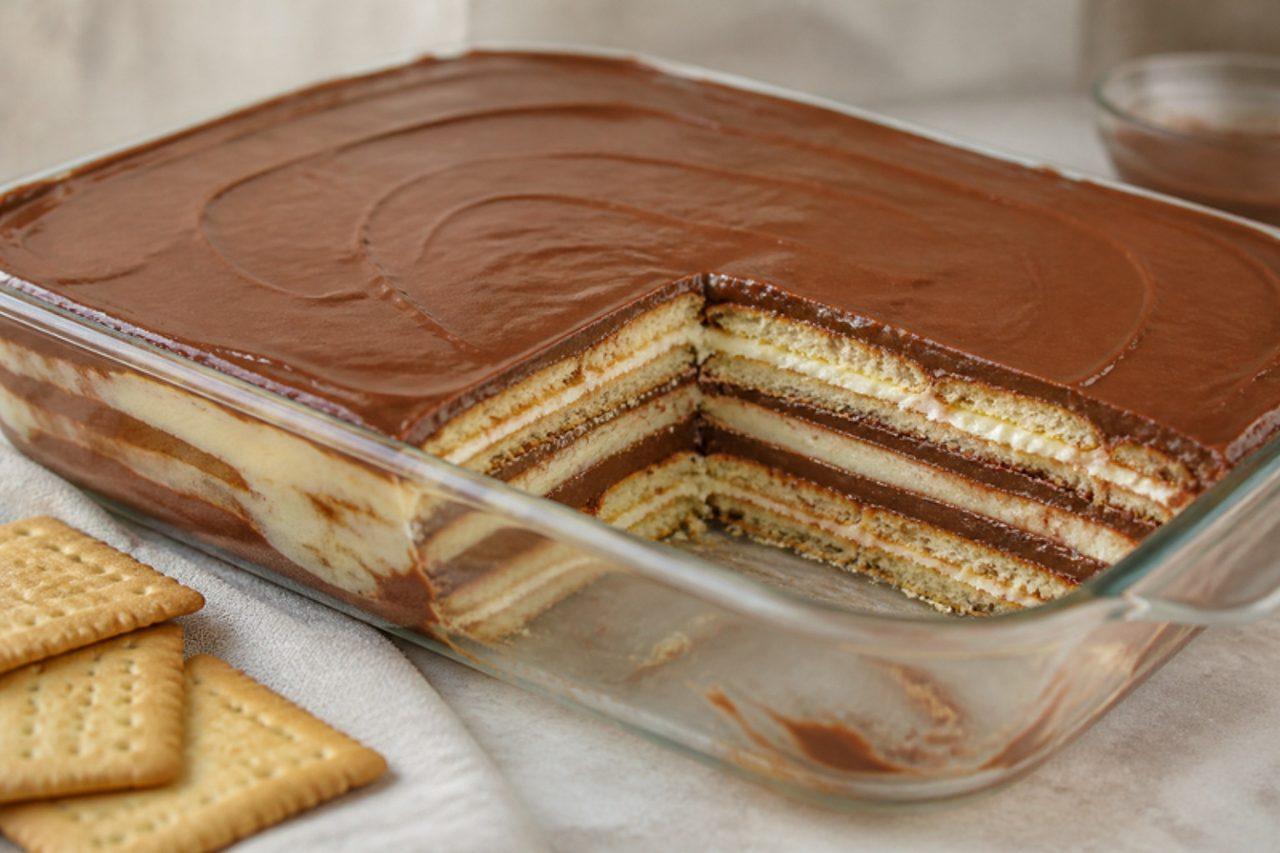
Torta de bolacha

Gaúcho birthday tables almost always carry a torta de bolacha, the fridge cake that grandmothers in Porto Alegre and the Serra Gaúcha towns put together the night before. Plain Maria biscuits are dipped in sweet milk and stacked with two stovetop creams, one pale vanilla custard and one chocolate, until the biscuits soften into something close to sponge. It is cool, soft and very sweet, and slices best after a night in the fridge; serve it with coffee or as the birthday cake itself, with candles on top. It contains egg yolks and wheat biscuits. Most failures come from soaking the biscuits too long: they should be dipped for a second, not left to swim, or the layers collapse into mush. Chef's tip: let both creams cool until just warm before layering, so they stay thick enough to hold the next row of biscuits.

by KrazyBadal 0 views

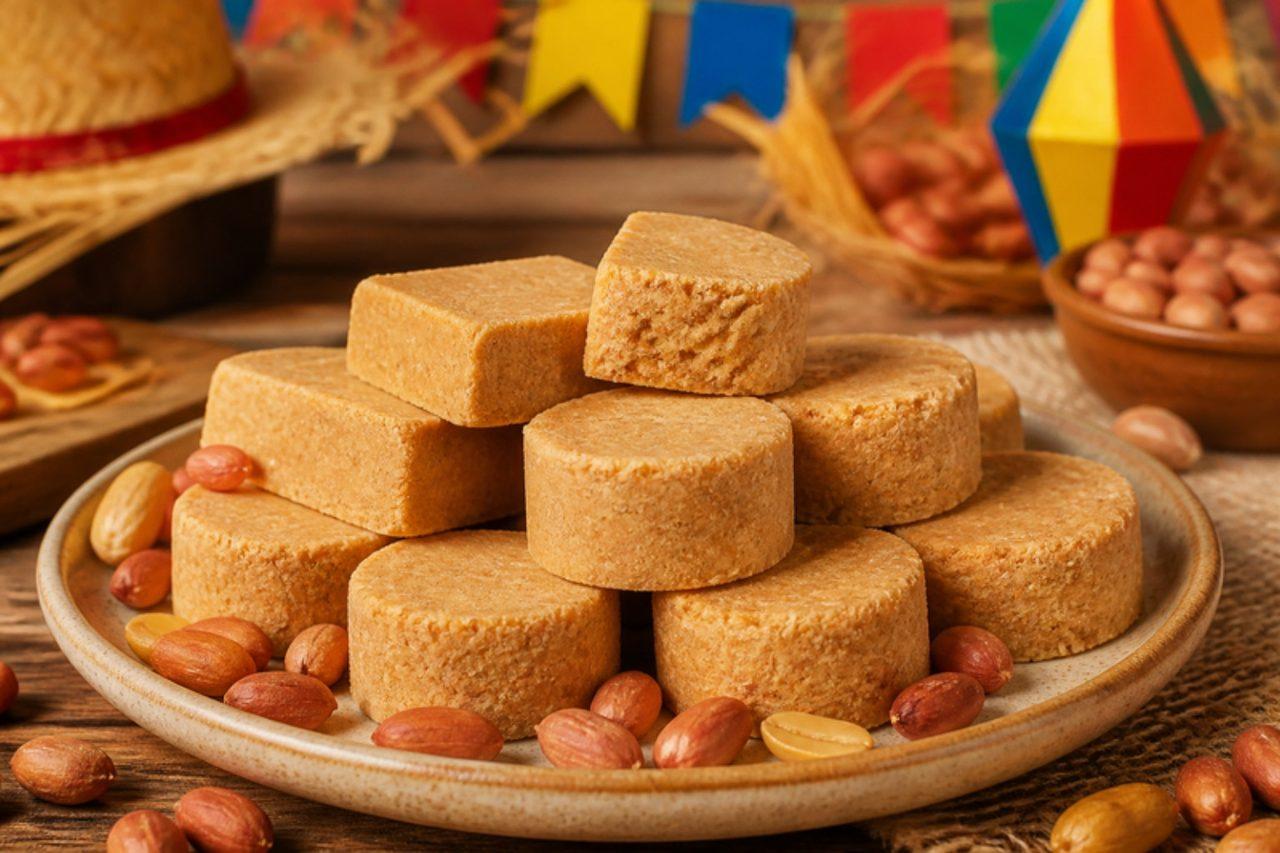
Paçoca

Kids across Brazil grow up on paçoca, the pale peanut sweet that melts into sandy crumbs the moment it is bitten, and no festa junina bag of treats is complete without a few. It started in the countryside of São Paulo and Minas as a way to use the peanut harvest, pounded in a wooden pestle with sugar and cassava flour, and today it is mostly pressed into little discs called rolhas. The flavour is pure toasted peanut, salty-sweet, with a texture between shortbread and fudge. Fine cassava flour (farinha de mandioca fina) is sold in Brazilian shops; you can leave it out for a richer, softer paçoca. Under-roasting the peanuts is the usual pitfall: pale peanuts give a raw, beany taste. Chef's tip: grind the mixture only until it just starts to clump; if it turns to butter, it will not hold a crumbly shape.

by KrazyBadal 0 views

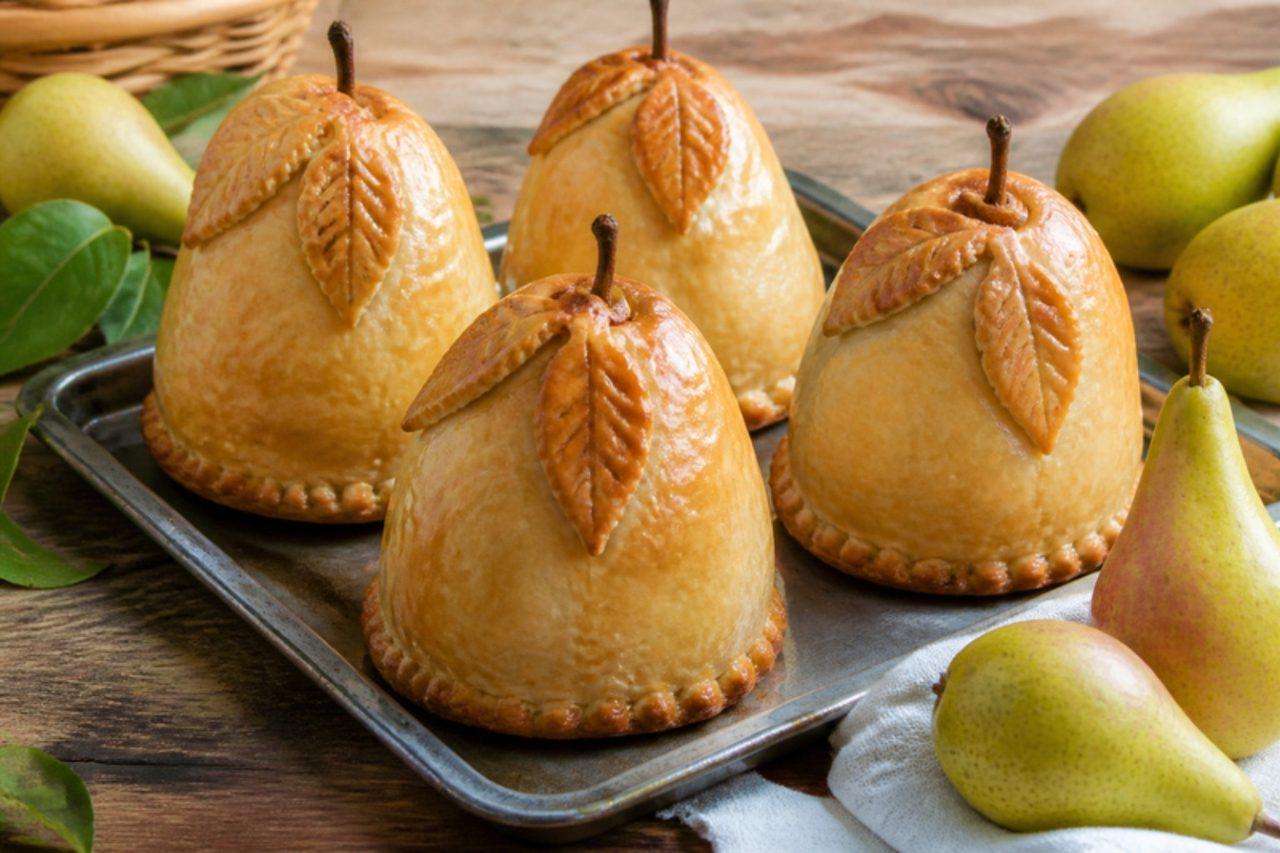
Pears baked in pastry

Douillons are what Normandy cooks do with the small, firm pears from their orchards in autumn: each fruit is peeled, cored from the bottom, filled with butter and sugar and wrapped whole in pastry, then baked until the pastry is golden and the pear is meltingly soft inside. In the Pays de Caux and around Rouen they are served warm on cold days, often with a jug of thick Normandy cream. The same trick with apples is called a bourdelot. Choose pears that are ripe but still firm, about 150 g each. Chef's tip: cut the pastry into squares a little bigger than you think and bring the corners up over the top; tidy pleats matter less than a sealed parcel that keeps the juice inside.

by KrazyBadal 0 views

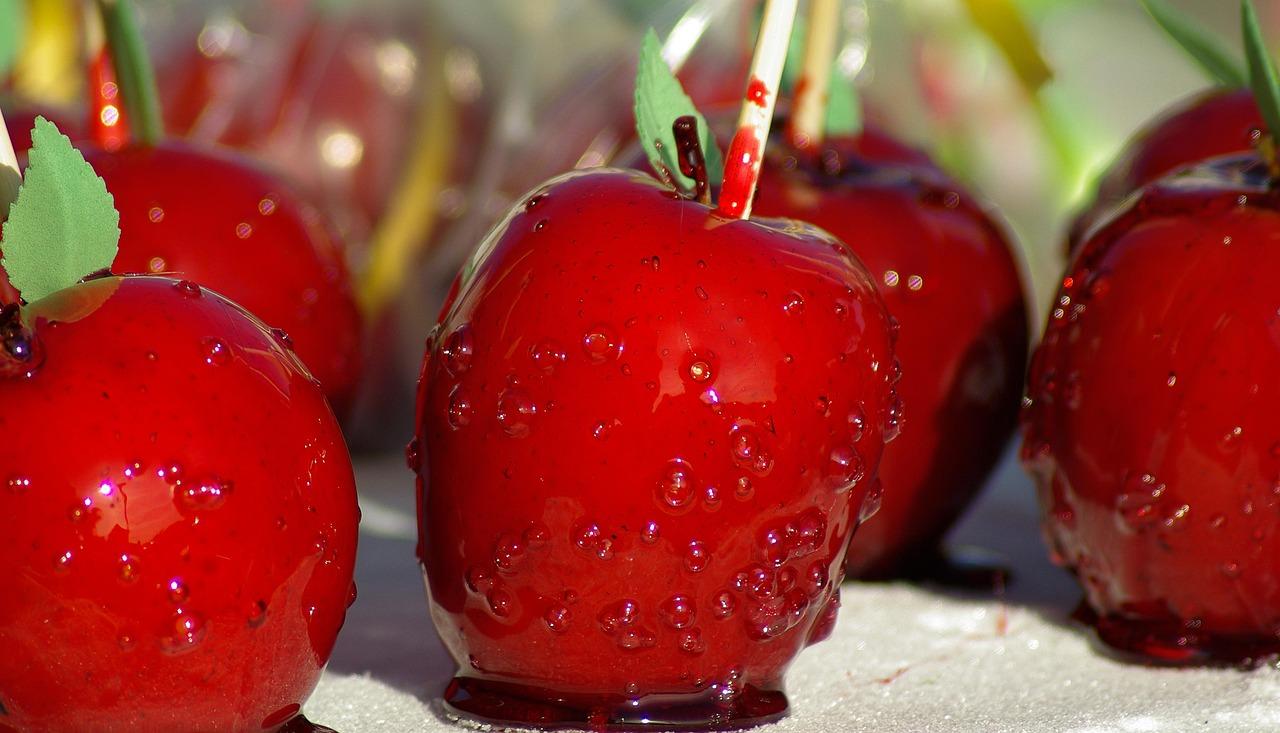
Maçã do amor

A shiny red apple on a stick is the picture of a Brazilian festa junina stall, lined up in rows beside the quentão and pipoca. The 'love apple' is a small, tart apple dipped in hot sugar syrup that hardens into a thin, crackling, ruby-red shell; you bite through glass and hit crisp fruit. It is a good one to make at home for a June party because the syrup takes 15 minutes and the apples are ready as soon as the shell cools. Choose a plant-based red colouring to keep it vegan. Where it tends to fail: any water or wax on the apple skin stops the syrup sticking, so it slides off in a puddle. Chef's tip: dip the apples in boiling water for 10 seconds and dry them thoroughly to remove the wax before you start.

by KrazyBadal 0 views

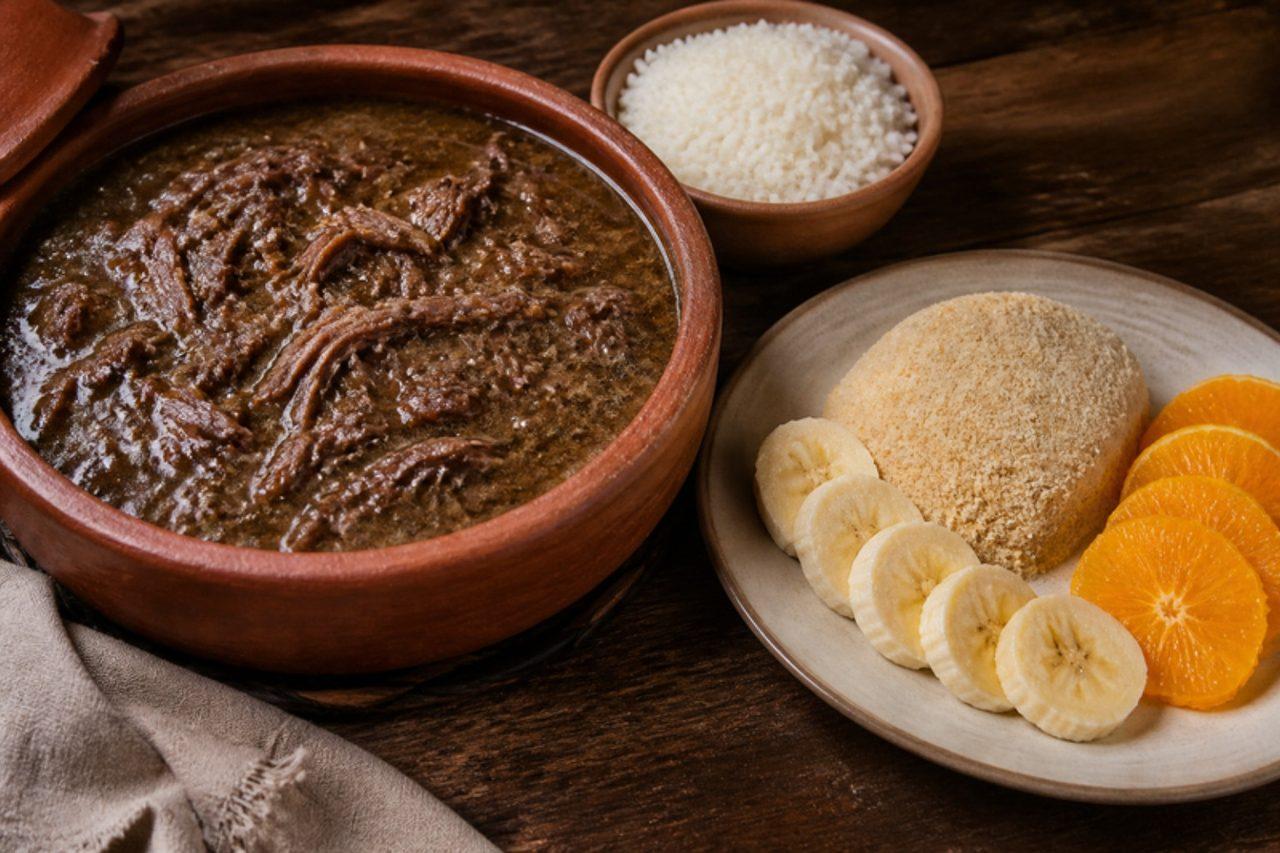
Barreado

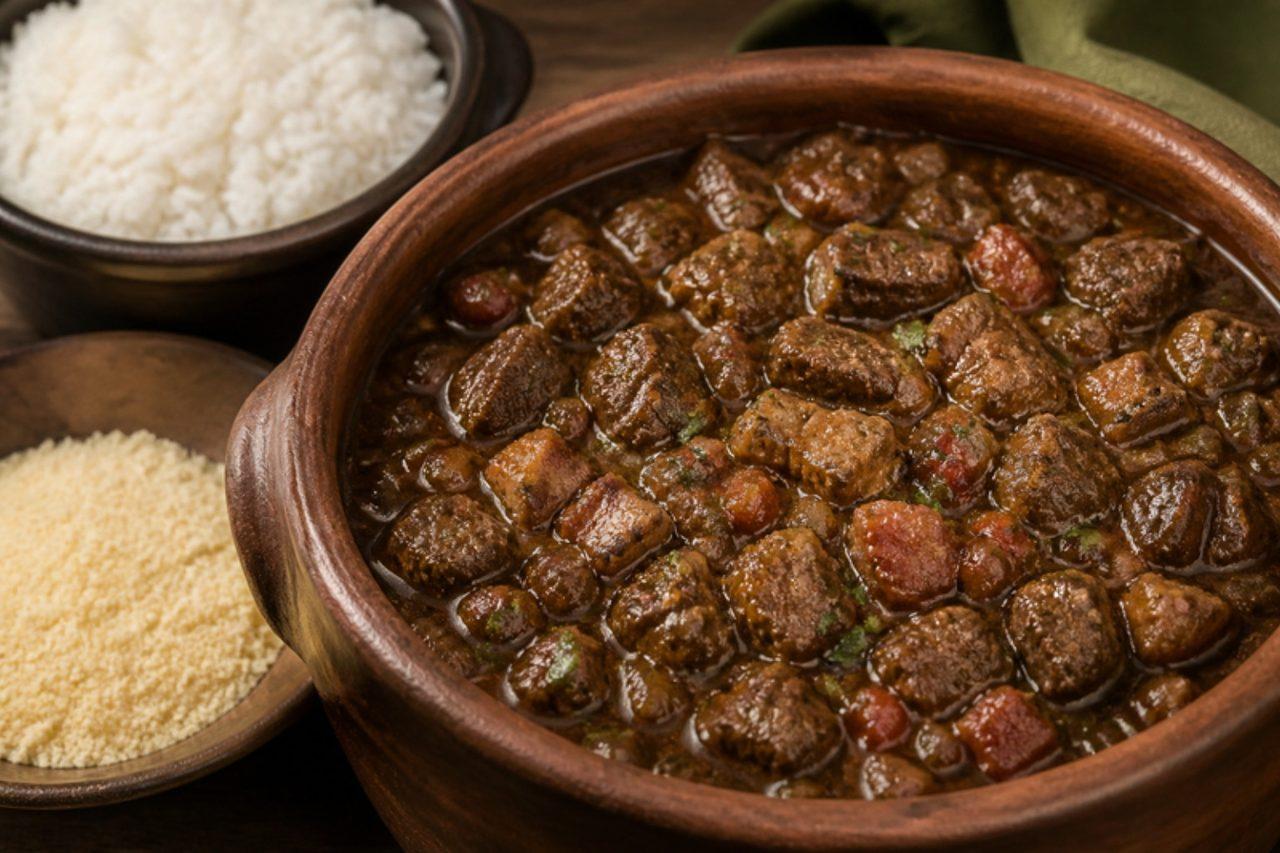
Morretes and Antonina, the little colonial towns at the foot of Paraná's Serra do Mar, are famous for barreado: beef layered with smoked bacon, onion, garlic, cumin and bay in a clay pot, sealed with a paste of cassava flour and water, and cooked for many hours until it falls into soft, dark strands in a rich broth. It was a Carnival dish, left on the fire so revellers could eat without cooking, and today the restaurants along the Rio Nhundiaquara serve it every day. This recipe contains pork, in the bacon that gives the broth its smokiness. At the table you put cassava flour on your plate, ladle over hot broth and stir it into a soft pirão, then add the meat and slices of banana. The common mistake is opening the pot to check, which lets the steam out and toughens the meat; trust the seal and the oven. A heavy cast-iron casserole works if you have no clay pot. Chef's tip: use two cuts, a lean one and a gelatinous one like shin, for broth with real body.

by KrazyBadal 0 views

Polenta frita

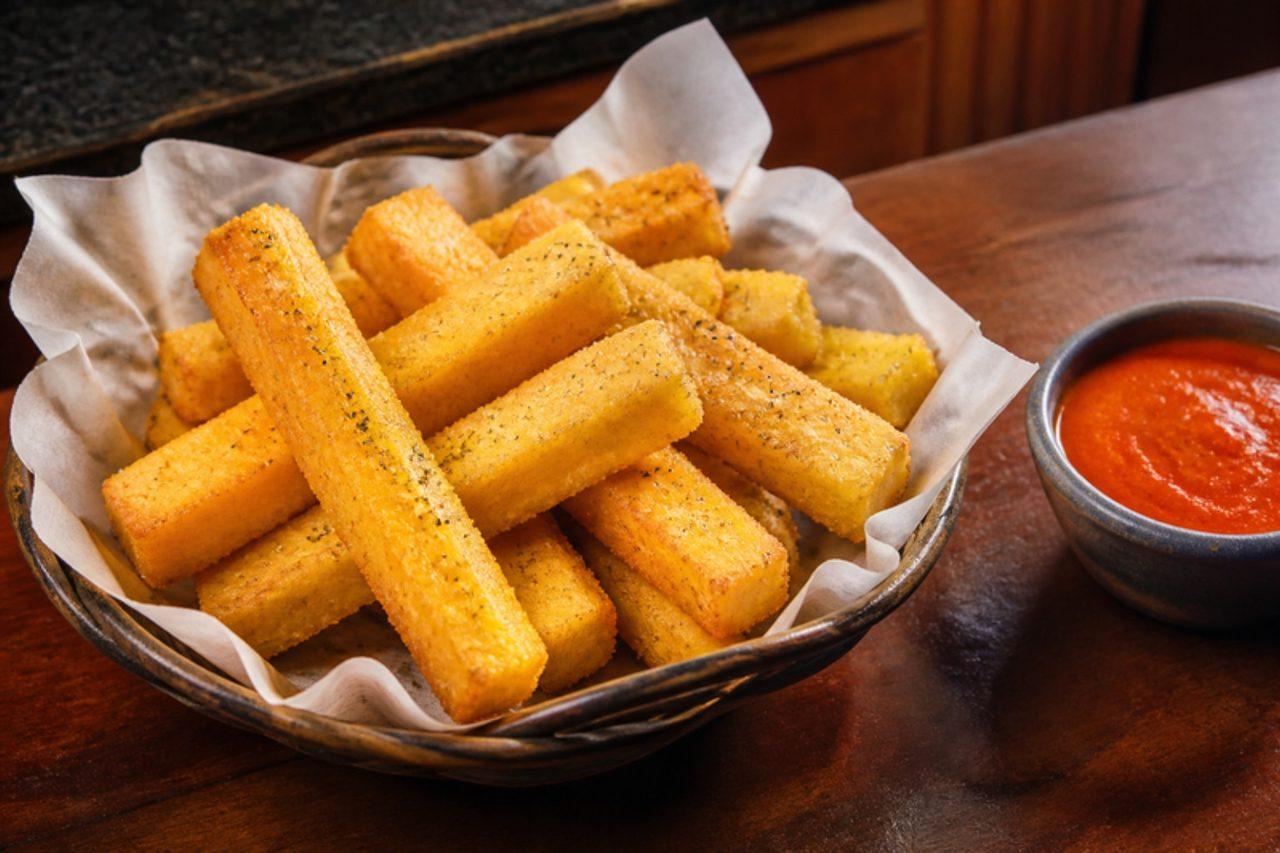
Italian immigrants brought polenta to São Paulo, and the city's bars and cantinas turned the leftovers into one of its best snacks: thick sticks of set polenta, deep-fried until the outside is crunchy and bubbled and the inside stays soft and creamy. They arrive in paper-lined baskets in Bixiga cantinas and corner botecos alike, sprinkled with salt, to be eaten with a cold drink; some places dust them with grated cheese, which makes them no longer vegan. Kids love them as a side with tomato sauce. They fall apart in the oil when the polenta is too soft, so cook it until very thick and let it set completely in the fridge. Chef's tip: dry the cut sticks on kitchen paper and fry in small batches, so the oil temperature stays high and the crust forms at once.

by KrazyBadal 0 views

Teurgoule

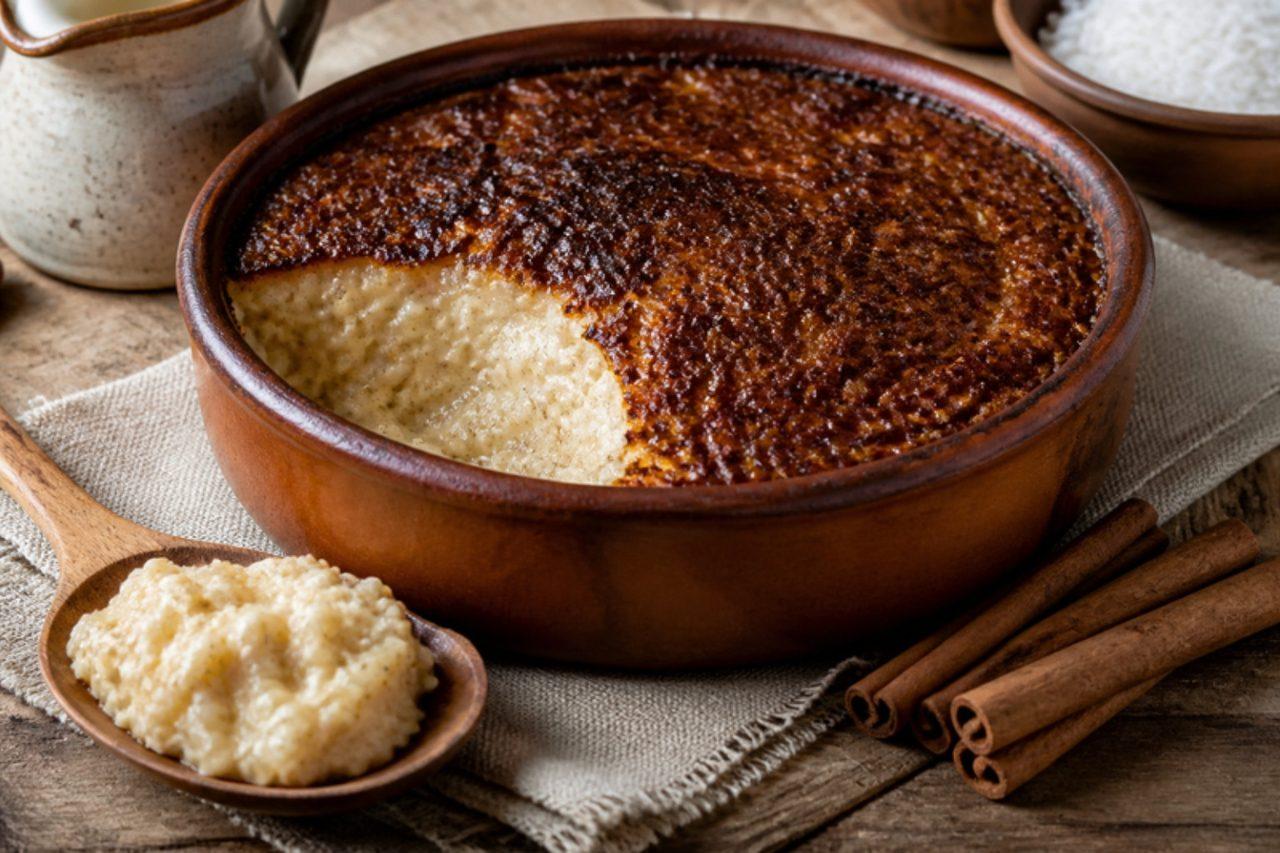
The name means 'twisted mouth' in Norman dialect, after the face you pull if you eat it too hot. Teurgoule comes from the Calvados countryside around Houlgate and Honfleur, where farm women left it in the bread oven overnight after baking; it is still the dessert at village fêtes and family Sundays, served with a slice of brioche-like fallue. Short-grain rice bakes for hours in creamy milk with sugar and cinnamon until it turns thick and pale caramel inside under a dark, almost burnt crust. Use a deep ovenproof dish that holds at least 2 litres. Chef's tip: never stir it once it is in the oven; the crust that forms on top is the best part and seals the creamy pudding underneath.

by KrazyBadal 0 views

Furrundu

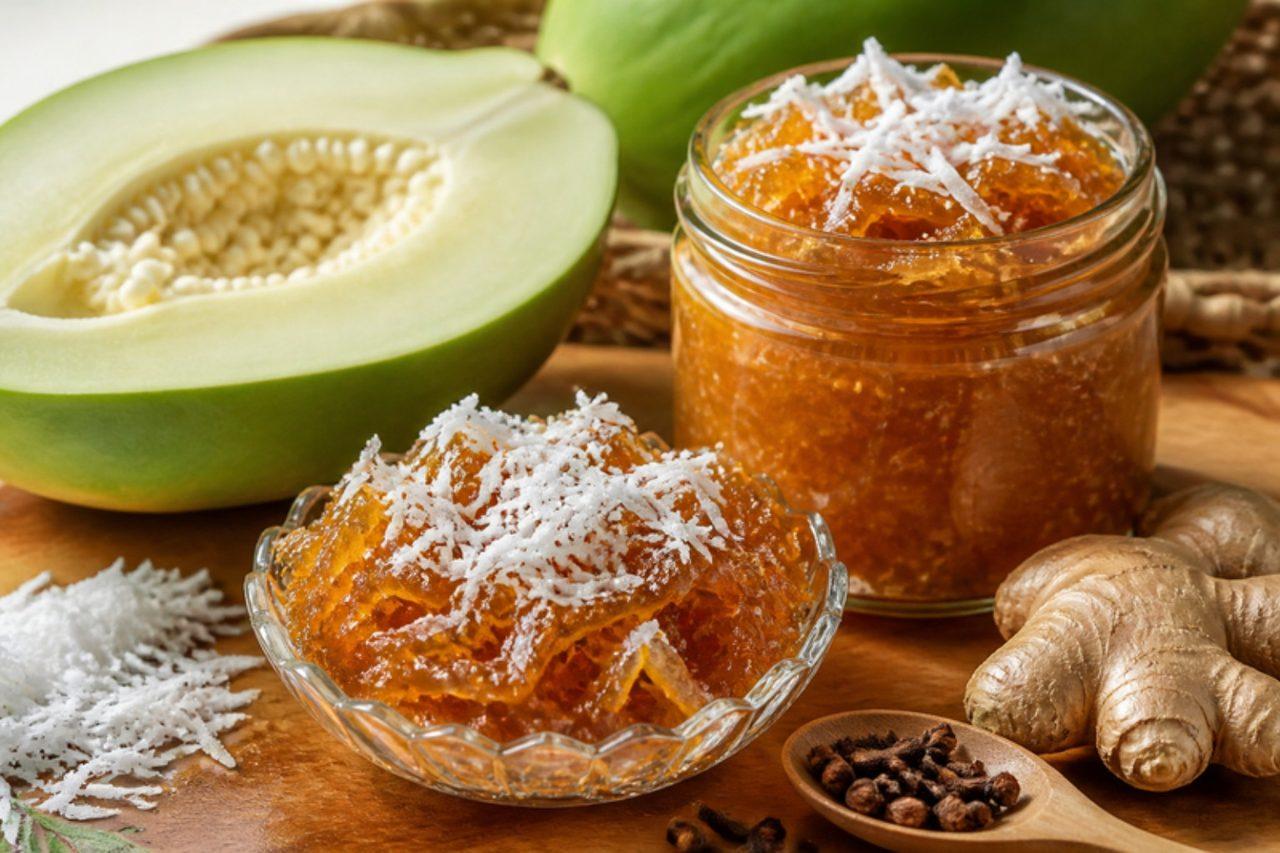
Cuiabá's grandmothers have a sweet for every fruit, and furrundu is the one that turns an unripe papaya into something special. The green fruit is grated, squeezed and cooked slowly with rapadura (dark unrefined cane sugar), fresh ginger, cloves and cinnamon until it is dark brown, sticky and chewy, with a warm spice that lingers. It is sold in small pots at Cuiabá's Mercado do Porto and at festas de santo in Mato Grosso, eaten by the spoonful with a slice of fresh cheese or on its own. The mistake to avoid is skipping the rinse: green papaya oozes a milky latex that tastes bitter and can irritate the skin, so wear gloves and wash the grated fruit well. Chef's tip: stop cooking when you can drag a spoon across the bottom of the pan and see the base for a second; it firms up a lot as it cools.

by KrazyBadal 0 views

Bolo de milho verde

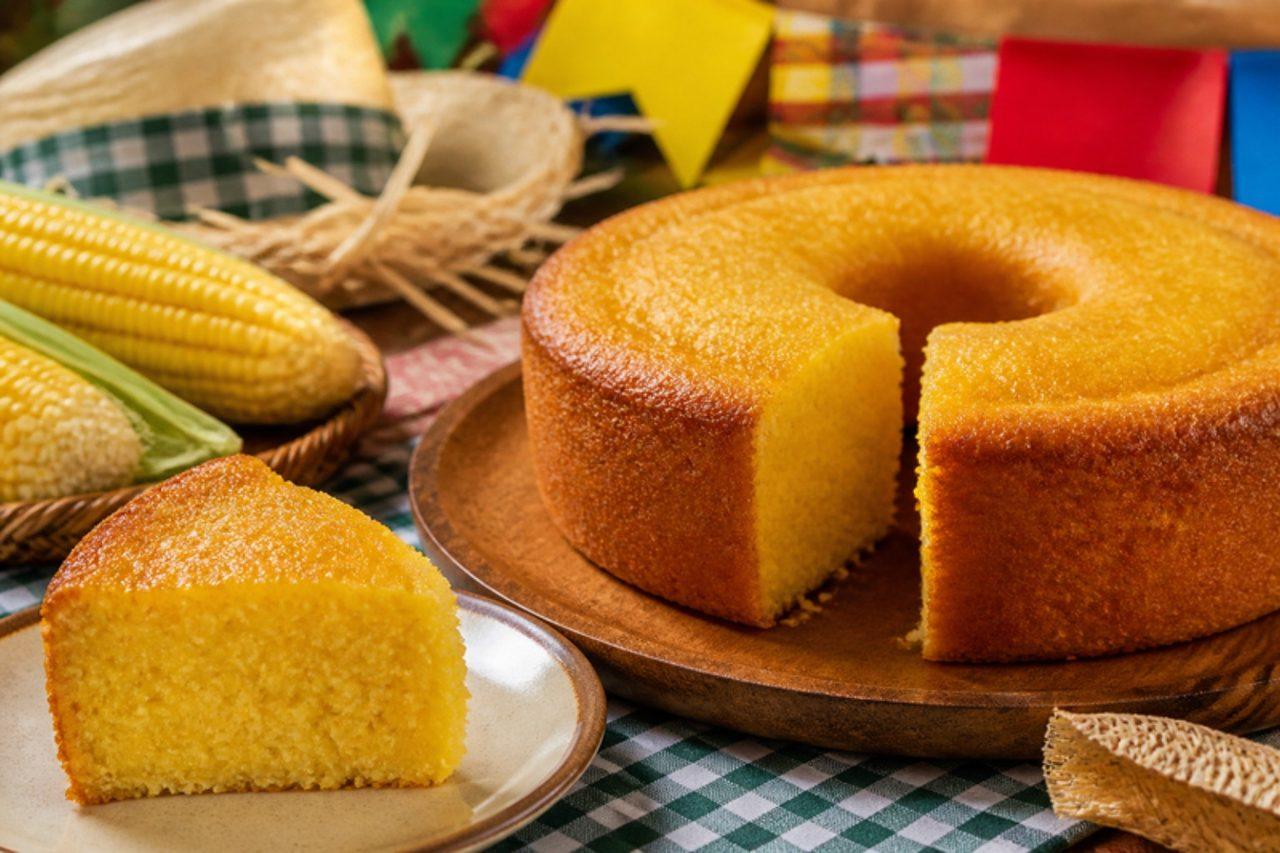
Almost every Brazilian padaria keeps a tray of bolo de milho verde by the till, and in June it multiplies across festa junina stalls, sliced into squares and wrapped in napkins. Everything goes into a blender: sweetcorn kernels, eggs, milk, oil, sugar and a little fine cornmeal, so the cake comes out yellow, dense and moist, almost custardy in the middle, with real corn flavour. It is made without wheat flour, which keeps it gluten free as long as your baking powder is. Eat it with afternoon coffee or warm from the tin. Opening the oven early is where it usually goes wrong; this batter is heavy and sinks if the door opens before 35 minutes. Chef's tip: leave the cake in the tin for 20 minutes after baking; it finishes setting as it cools and comes out in clean slices.

by KrazyBadal 0 views

Camembert baked in its box

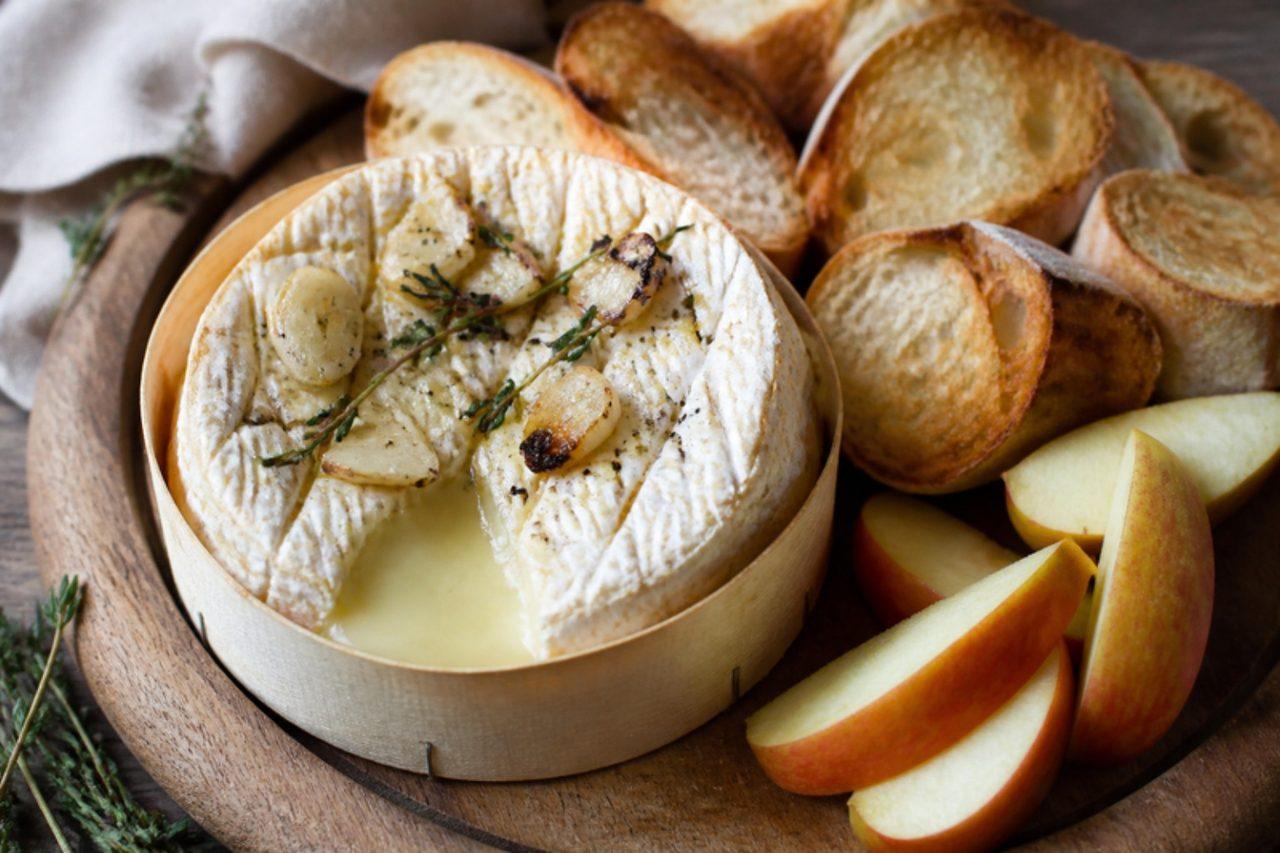
Normandy dairy farmers have always known that a Camembert just past its best is perfect for the oven, and baked Camembert is now what friends share on cold evenings across the region, from Caen to the Pays d'Auge, with crusty bread, apple slices and boiled potatoes for dipping. The cheese stays in its wooden box, gets scored, studded with garlic and thyme and baked until the inside is liquid under a just-holding rind. It is ready in 20 minutes and makes a light supper with a salad. Real Camembert de Normandie is made with animal rennet; for a vegetarian version use a vegetarian Camembert-style cheese. Chef's tip: take off any plastic wrapping and tie the box with kitchen string if it is stapled; cheap boxes can split in the heat.

by KrazyBadal 0 views

Bolo de mandioca

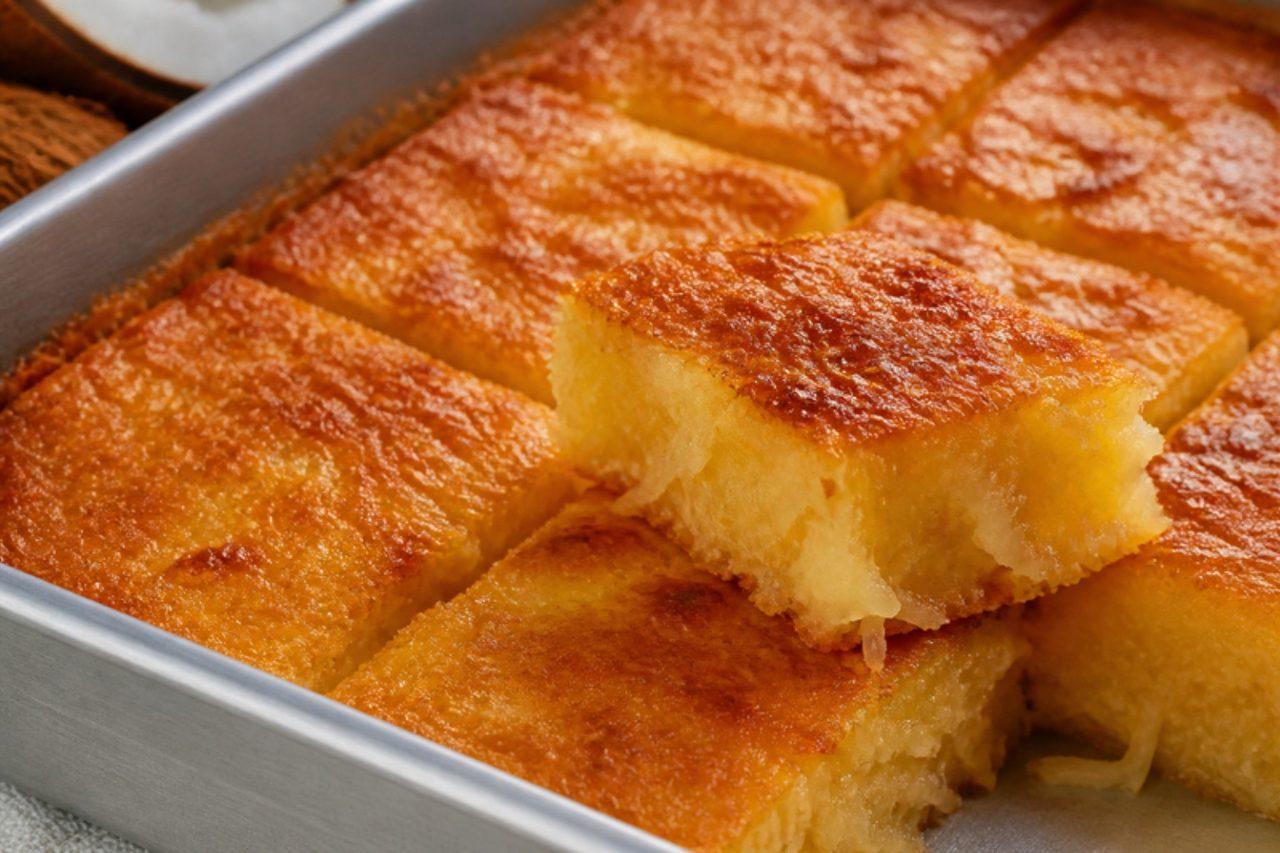
Grated raw cassava makes a cake unlike any flour cake: heavy, sticky and pudding-like, with a chewy golden crust and a moist, almost translucent middle. Bolo de mandioca (or bolo de aipim in Rio) is baked all over Brazil, sold by the slice at roadside stands in the interior of Bahia and Minas, and is a regular at June festivals next to the corn cakes. Coconut milk and grated coconut make it fragrant, butter makes it rich. Fresh cassava is sold in Latin, African and Caribbean shops; frozen peeled cassava is fine once thawed. Raw cassava must be fully cooked, and baking this long is enough. A classic error is blending in the fibrous core of the root, which leaves woody threads in the cake; cut it out first. Chef's tip: squeeze a little of the liquid out of the grated cassava in a cloth before mixing, and the cake gets a firmer, more cake-like texture without turning dry.

by KrazyBadal 0 views

Pé de moleque

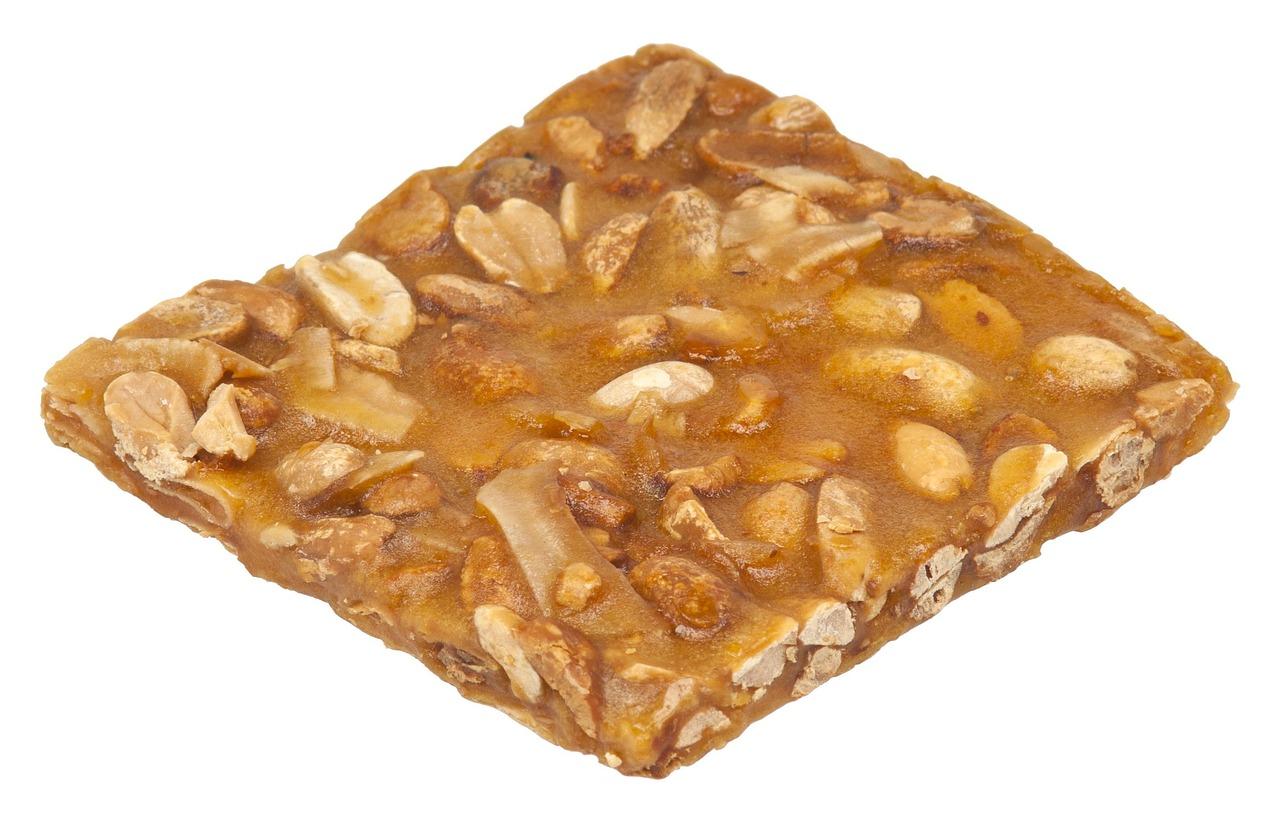
Lumpy, glossy slabs of peanut set in dark sugar are sold in every rodoviária snack bar and handed round at festa junina, wrapped in cellophane or set in little paper cups. The name, 'street-kid's foot', probably comes from the cobbled look of the top. Piracicaba in São Paulo state is famous for it, and in the Northeast the same name can mean a cassava cake, so expect confusion. This is the crunchy southeastern style: roasted peanuts cooked into rapadura (unrefined cane sugar) until it caramelises and clings. Rapadura or panela is sold in Latin shops; dark muscovado is a fine substitute. People burn it by walking away; once the peanuts go in, the sugar darkens in seconds. Chef's tip: have the oiled tray ready before you start, because the mixture sets almost as soon as it leaves the heat.

by KrazyBadal 0 views

Entrevero de pinhão

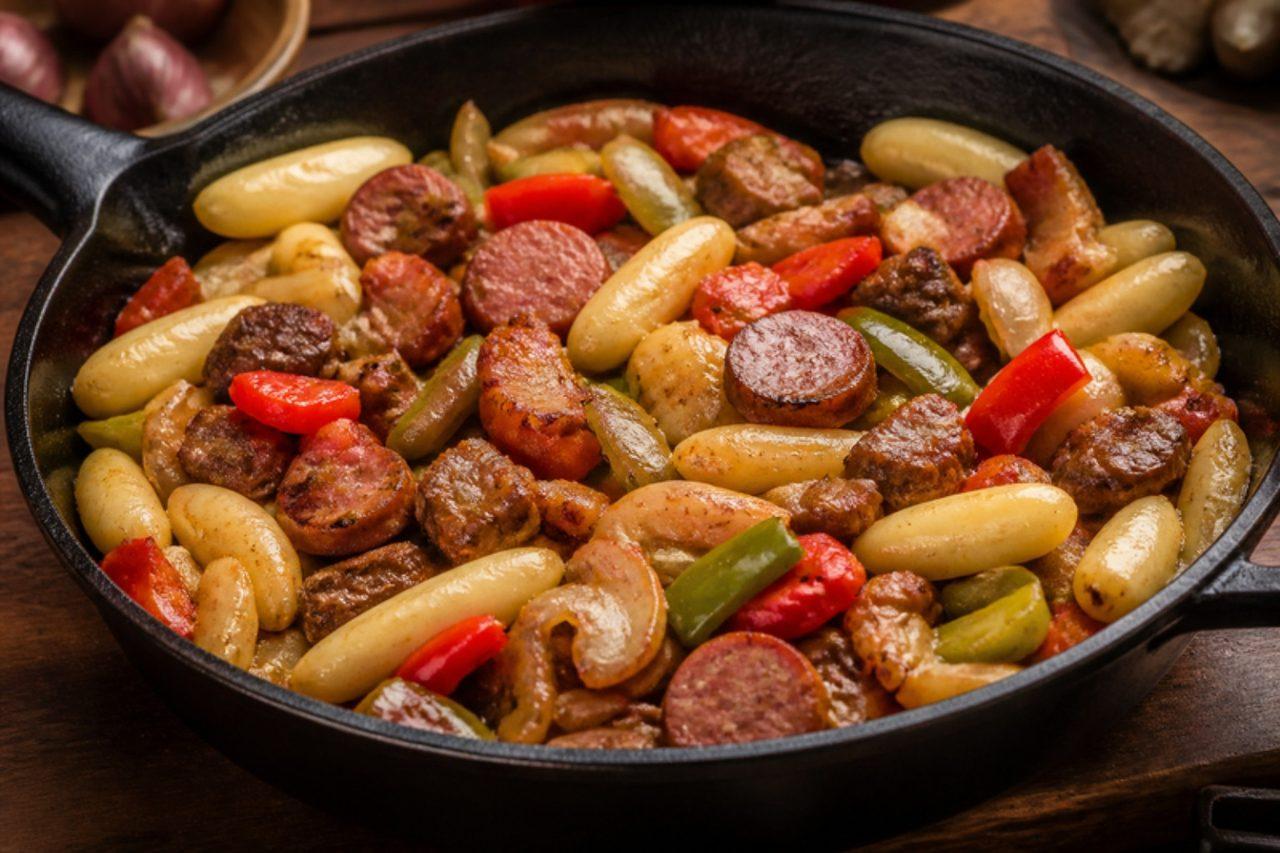
In the cold highlands of Santa Catarina, Lages throws a Festa do Pinhão every winter, and the star is entrevero: a huge pan of beef, pork loin, pork sausage and bacon fried with onions, peppers, tomato and pinhão, the large, starchy seeds of the Araucaria pine. The name means a jumble, and that is what it is, cooked in stages on a wide pan over the fire and eaten straight away. Pinhão tastes like a cross between a chestnut and a potato; vacuum-packed cooked chestnuts are the best stand-in. There is plenty of pork here, so cook every strip through. The pitfall is throwing everything in at once, which stews the meat; add each meat in turn so it browns. Chef's tip: cook the pinhão in a pressure cooker, then peel it while still warm, when the shell and the bitter inner skin come off easily.

by KrazyBadal 0 views

Torta de palmito

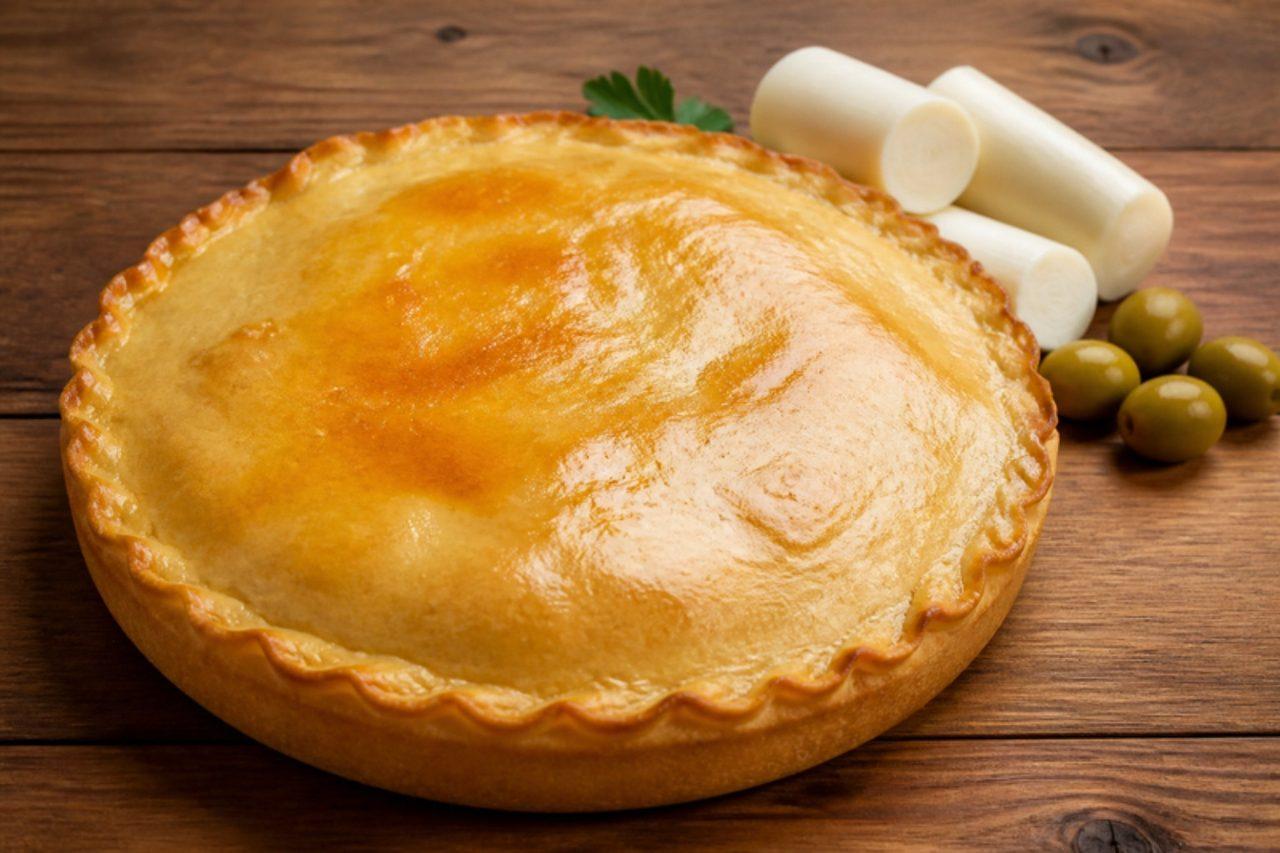
Paulistano families bring this pie to Sunday lunch, to Easter and to every bring-a-plate party, and padarias sell it by the slice next to the coxinhas. A crumbly, buttery crust encloses a creamy filling of heart of palm with tomato, peas, green olives and parsley, set with a little cornflour so it slices cleanly but stays moist. It is good warm or cold, with a green salad or just on its own. Look for palm hearts from cultivated pupunha palms. The commonest problem is a soggy base from a filling that is too wet or too warm; cook it until thick and let it cool before it goes in. Chef's tip: bake the pie on a preheated tray on the bottom shelf, so the base gets a blast of heat and crisps before the filling can soak in.

by KrazyBadal 0 views

Bredele: Alsatian cinnamon stars

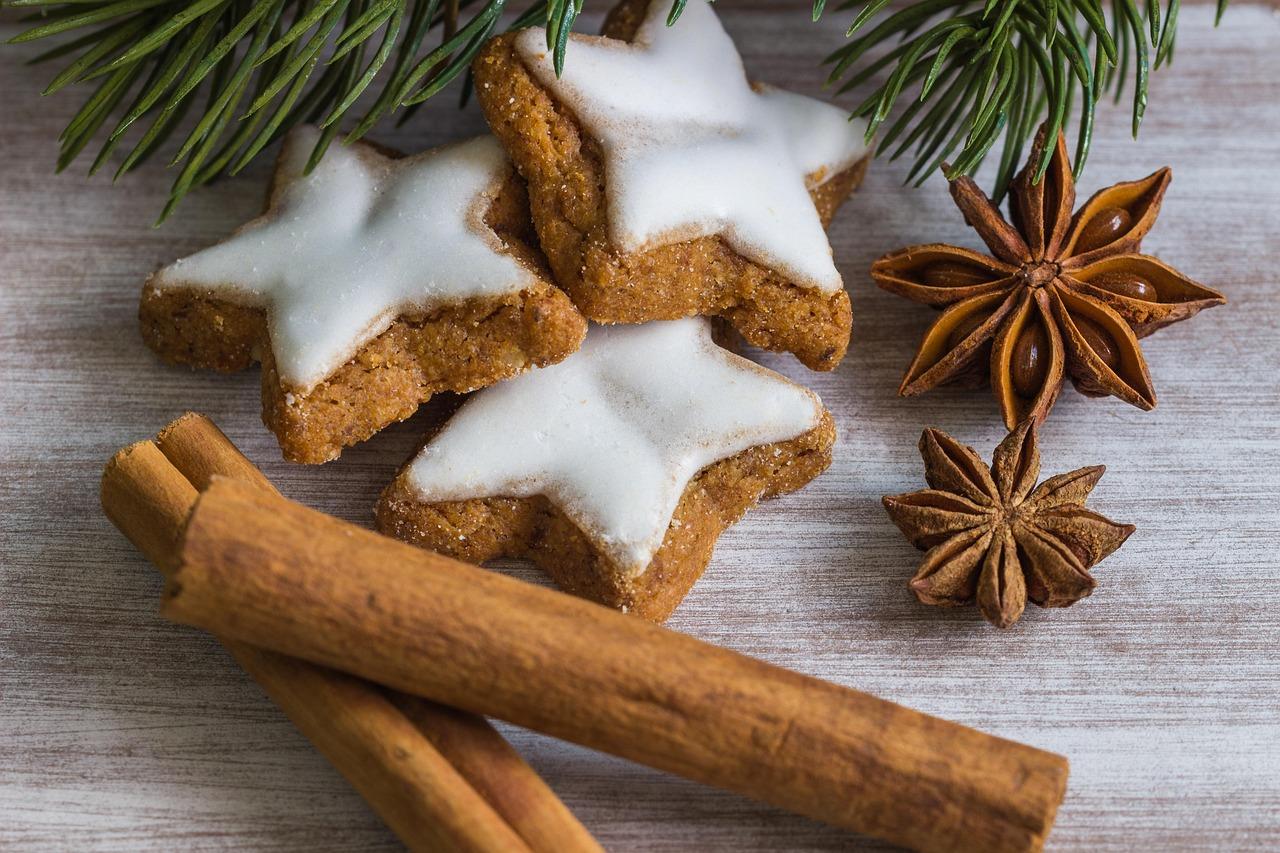
From the start of Advent, kitchens across Alsace turn out bredele, dozens of kinds of little Christmas biscuits kept in tins and offered to every visitor until New Year, while the markets in Strasbourg and Kaysersberg sell them by the bag. Cinnamon stars are among the most loved: chewy almond and cinnamon biscuits with a crisp white meringue top, and no flour at all. They take patience rather than skill and keep for weeks, so families make them early in December. The same dough also works rolled into small balls. Chef's tip: spread the meringue on the rolled sheet before you cut the stars, rather than icing each biscuit; it is far quicker and gives a clean, sharp edge.

by KrazyBadal 0 views

Guariroba refogada

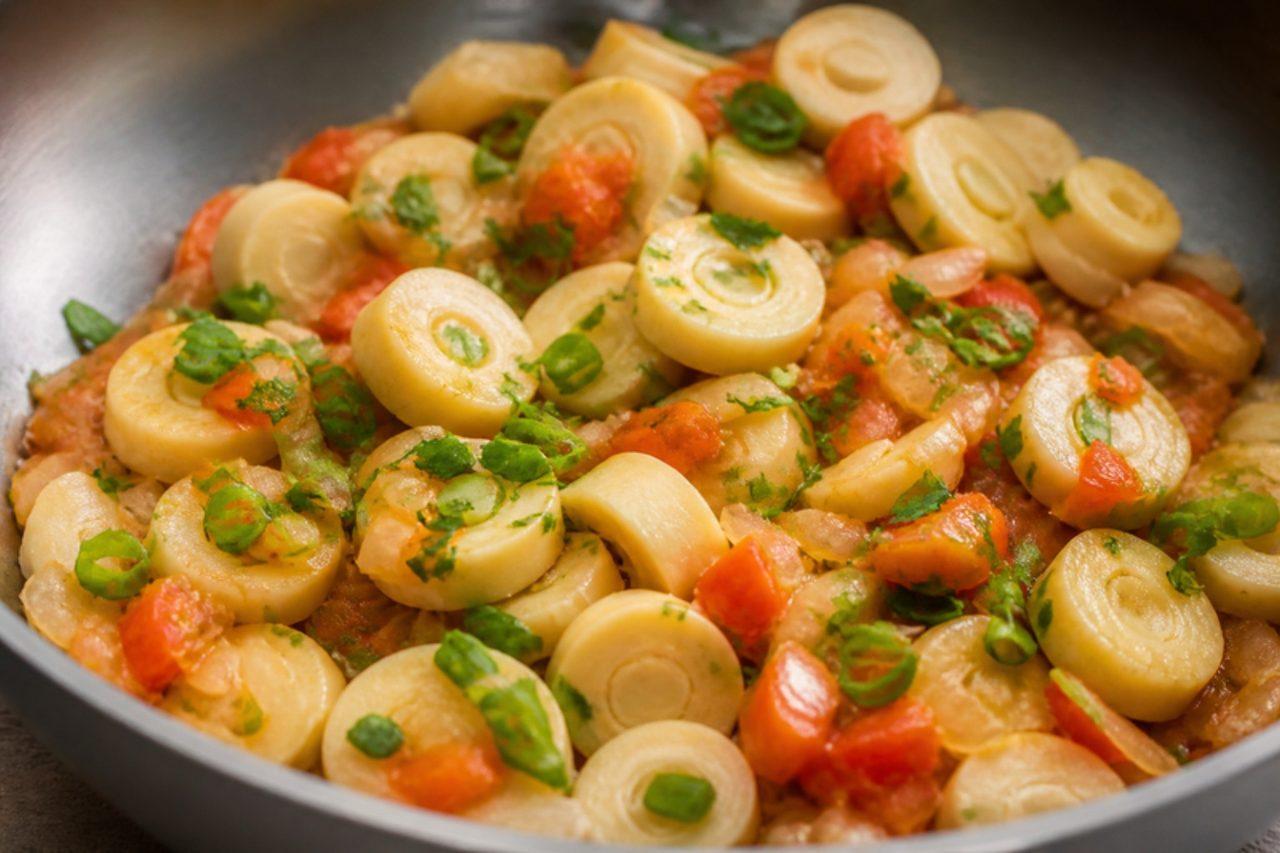
Goiás is the one place in Brazil where people seek out bitterness in a palm heart: guariroba, from a cerrado palm, tastes like a cross between artichoke, chicory and jiló, and Goiânia's lunch counters serve it braised with tomato and onion beside rice, beans and pequi. The pale slices turn tender and silky, and the sharp, clean bitterness is softened by the sweet tomato base. Fresh guariroba is sold in Goiás markets, and jars or frozen packs in some Brazilian shops; elsewhere use ordinary palm heart with a handful of sliced chicory or radicchio for the bitterness. Cooks unfamiliar with it often boil it first to tame the bitterness, but that washes out the flavour that makes the dish; sauté it directly instead. Chef's tip: slice it thinly across the grain, because thick pieces stay fibrous however long you cook them.

by KrazyBadal 0 views

Cocada

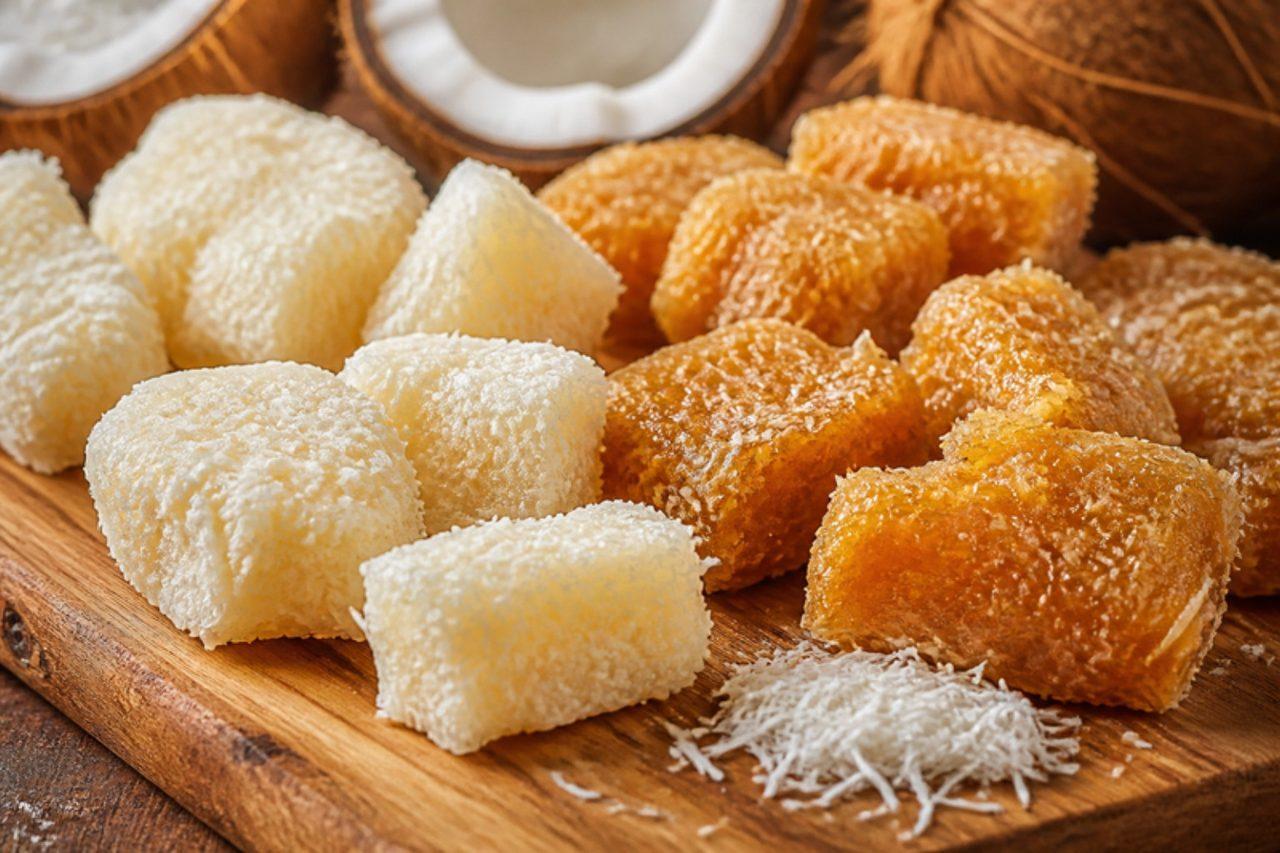
Baianas in long white skirts sell cocada from glass-fronted trays in the Pelourinho and on the beaches of Salvador, alongside acarajé, in shades from snow-white to dark caramel. It is the simplest of sweets: fresh coconut cooked in sugar syrup until it binds into chewy, glossy clusters, crisp on the edges and soft inside. Cocada branca keeps the sugar pale; cocada queimada takes the sugar to caramel first, which gives a deeper, slightly bitter edge (see the last step). Freshly grated coconut makes the best texture; frozen grated coconut from Asian or Latin shops is a good second choice. Dropping the mixture too soon is the usual mistake, because it stays sticky and spreads into a flat puddle. Chef's tip: a spoonful should hold its shape on a cold plate before you start dropping the rest.

by KrazyBadal 0 views

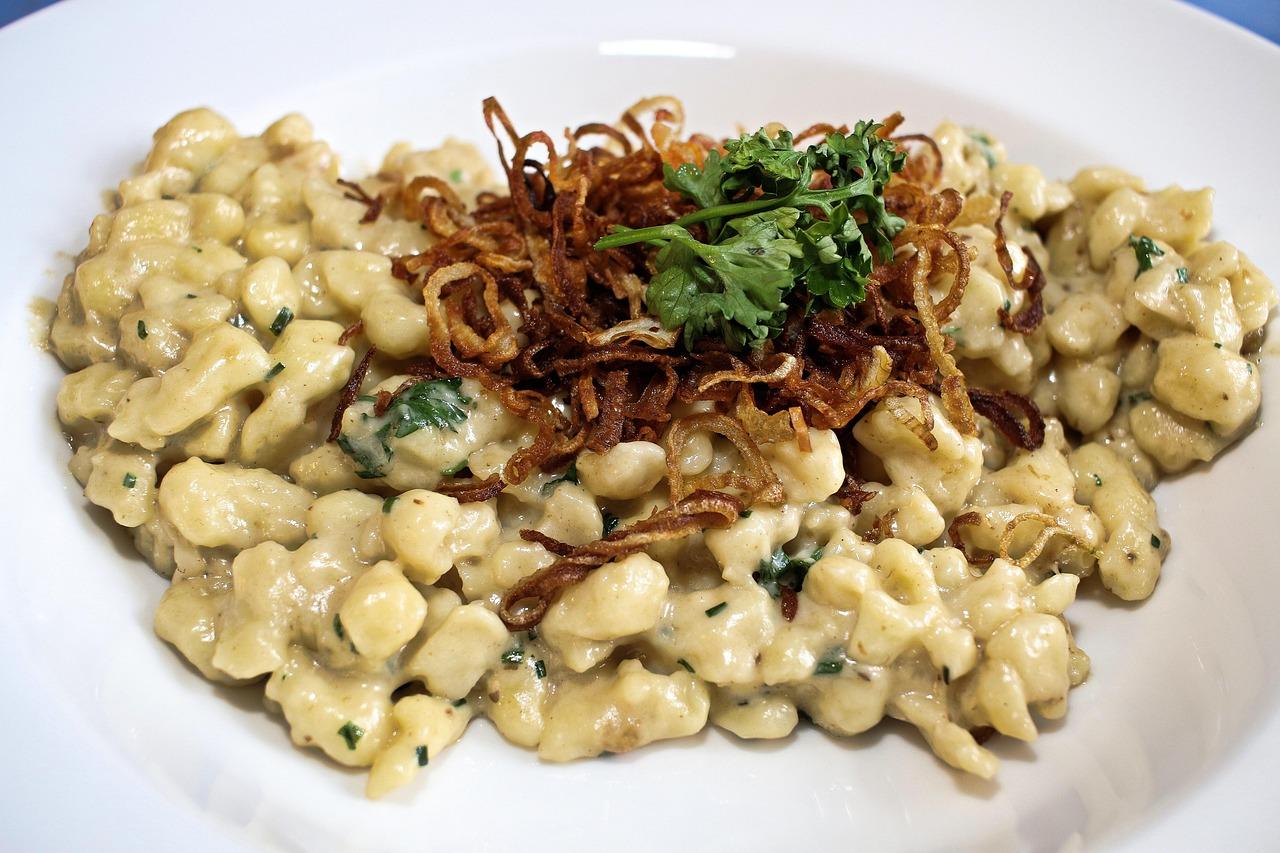
Spätzle à l'alsacienne with browned butter and onions

In Alsace, spätzle (also called knepfle or spaetzle) are the side every winstub, the cosy wine taverns of Strasbourg and the wine route, puts next to a stew, and at home they make a quick supper in their own right. The batter is barely more than flour, eggs and milk, pushed through a spätzle press or a colander with big holes straight into boiling water, so the noodles come out short, soft and irregular. This version skips the cheese of the German käsespätzle: the noodles are tossed in nutty browned butter and topped with a heap of slowly crisped onions, with a green salad alongside. Chef's tip: beat the batter until it forms bubbles and slaps off the spoon in thick ribbons; that elasticity is what gives spätzle their bounce.
by KrazyBadal 0 views

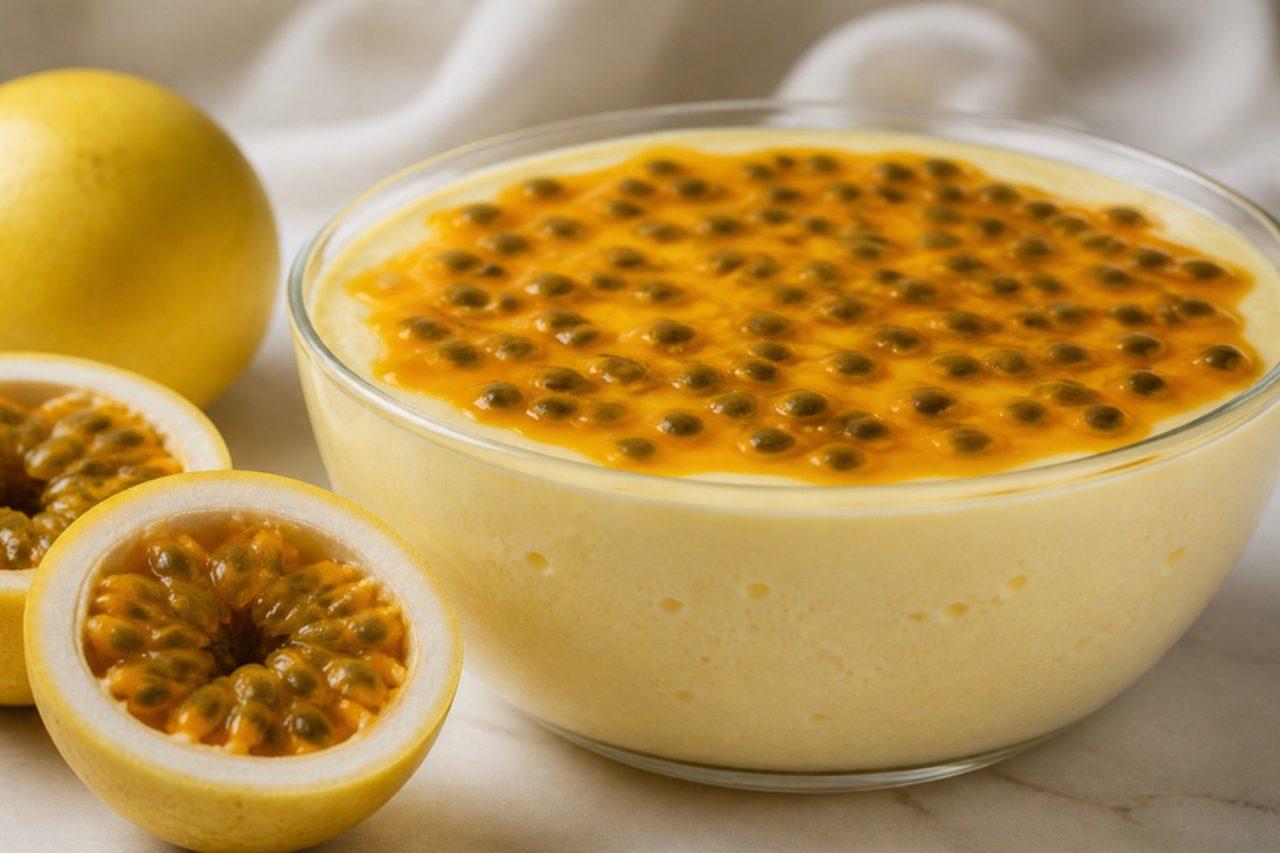
Mousse de maracujá

Three ingredients, a blender and a fridge: Brazilian home cooks from Recife to Curitiba lean on mousse de maracujá for Sunday lunch dessert because it takes ten minutes and nobody ever refuses it. The acid in passion-fruit juice thickens condensed milk and cream almost instantly, so it sets into a light, tangy, pale yellow mousse without gelatin, topped with the glossy black seeds and pulp. Sharp and sweet at once, it is perfect after a feijoada or a barbecue. Buy wrinkly, heavy passion fruit, which are the ripest and juiciest; frozen unsweetened pulp works too. The trap is diluting the juice: any added water stops the mousse setting, so use pure strained juice. Chef's tip: keep back the pulp of one fruit, warm it for a minute with a spoonful of sugar, and pour it over the mousse just before serving for shine.

by KrazyBadal 0 views

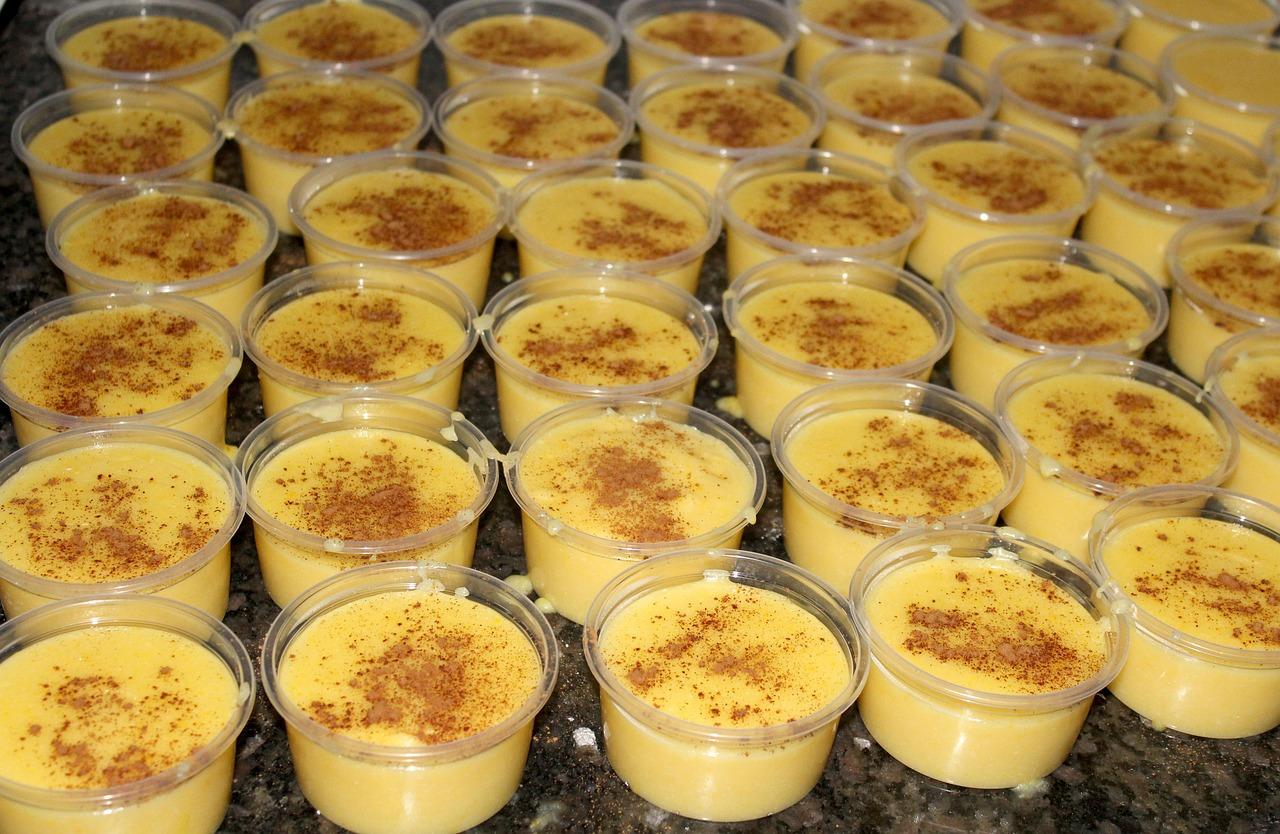
Curau de milho

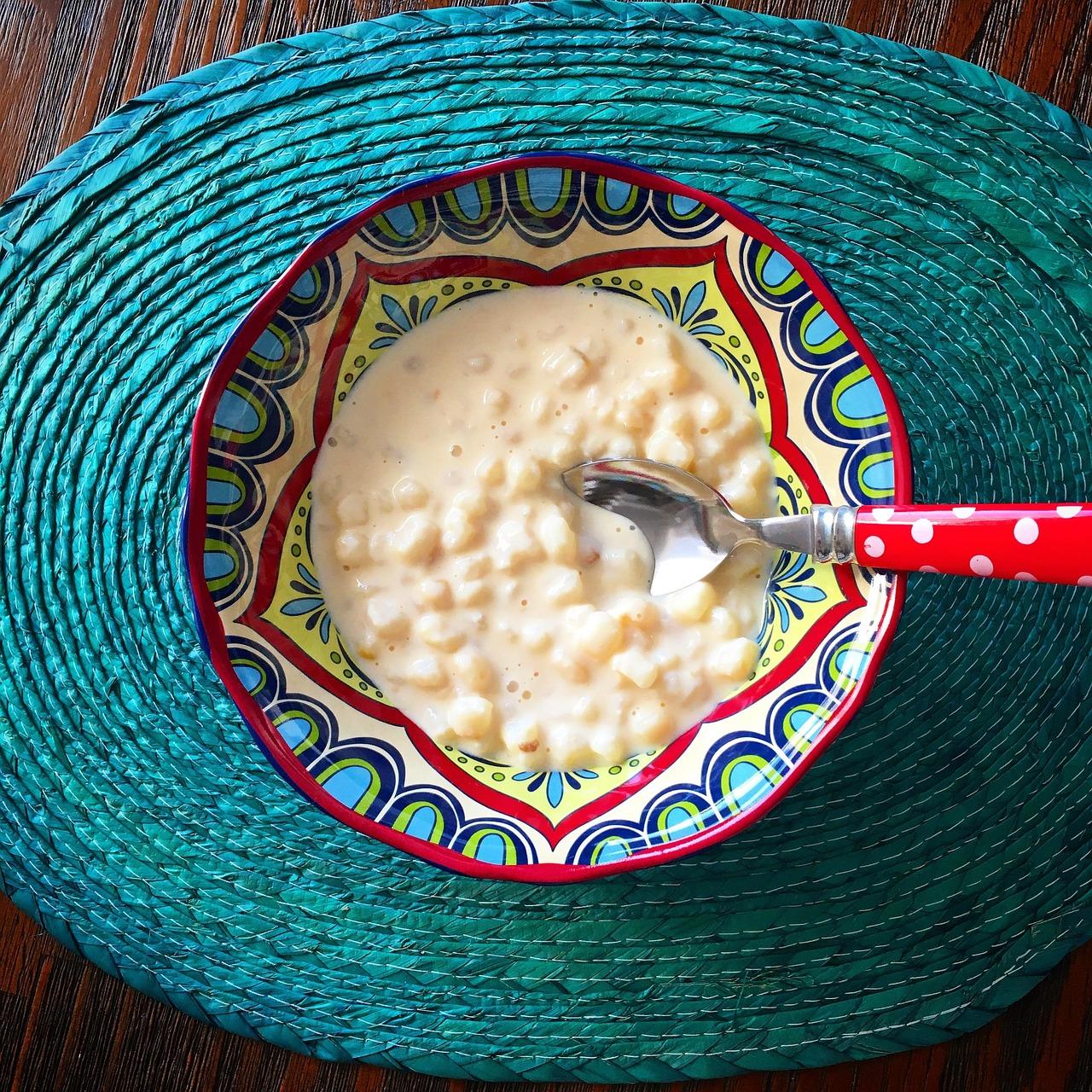
São Paulo and Minas call it curau; in parts of the Northeast the same thing is canjica, which can confuse anyone travelling for the June festivals. Whatever the name, it is fresh sweetcorn blended with milk, strained and stirred over the heat until it sets into a soft, pale yellow pudding, served cold in little bowls with a dusting of cinnamon. You find it at every arraial in the interior of São Paulo and Goiás and at corn shops beside the pamonha. It tastes of milky fresh corn, gently sweet, and the texture should be silky, never grainy. A frequent slip is to stop stirring: corn starch catches on the base within seconds and gives the whole pot a burnt taste. Chef's tip: cook it in a heavy pan and use a flat wooden spatula so you can scrape every corner of the base.

by KrazyBadal 0 views

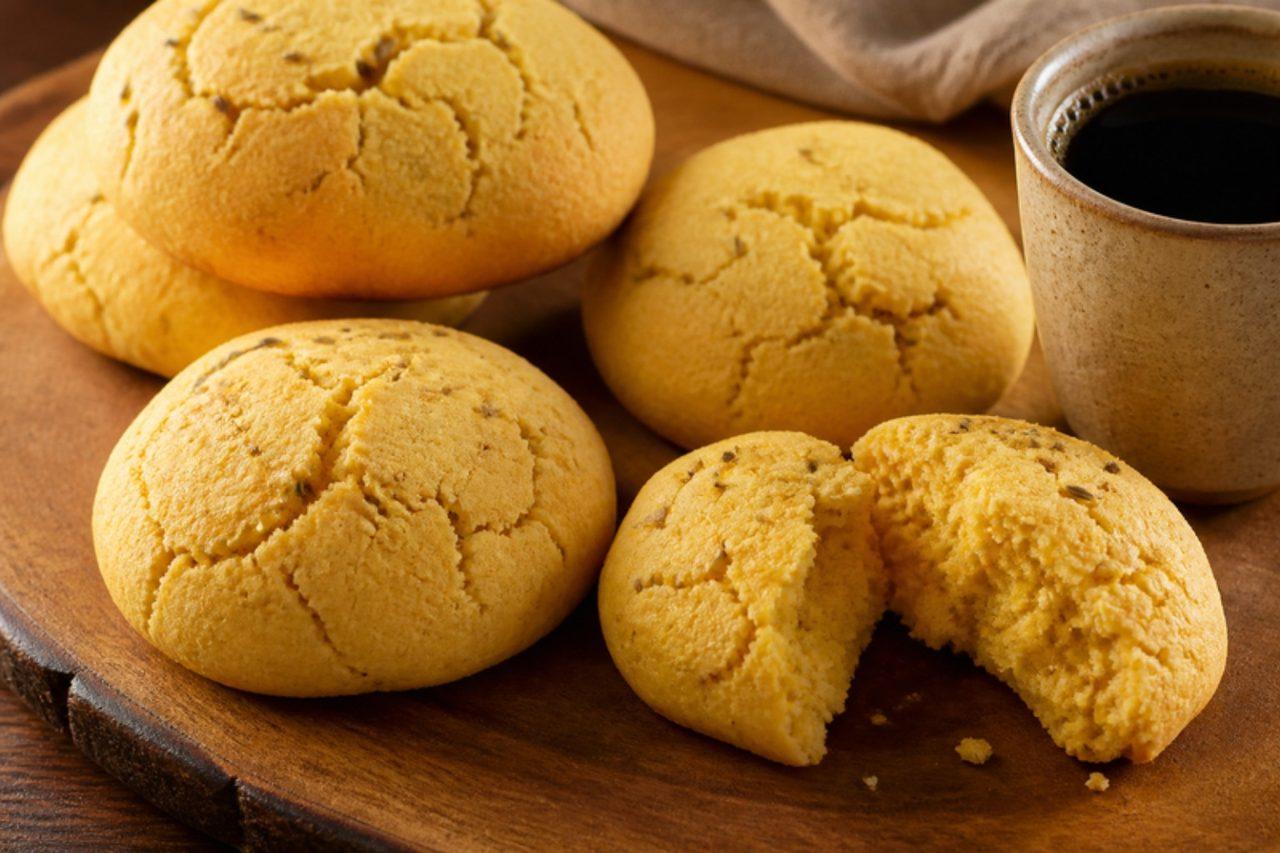
Broa de fubá

Afternoon coffee on a Minas Gerais farm almost always includes broa: craggy little cornmeal buns, golden and crusty outside, soft and slightly crumbly within, with the faint aniseed note of fennel seed. They are made by first cooking fubá with milk, butter and sugar into a thick porridge, then beating in eggs, flour and baking powder, so the crumb stays moist for days. Padarias in Belo Horizonte and the old mining towns sell them by the dozen. Serve them warm, split and buttered, with strong coffee or café com leite. Underbaking is where most batches fail; pale broas are gummy, so wait for a deep golden crust and a cracked top. Chef's tip: dip your hands in fubá rather than flour when shaping, so the buns get the rough, sandy crust they are known for.

by KrazyBadal 0 views

Mirabelle plum tart

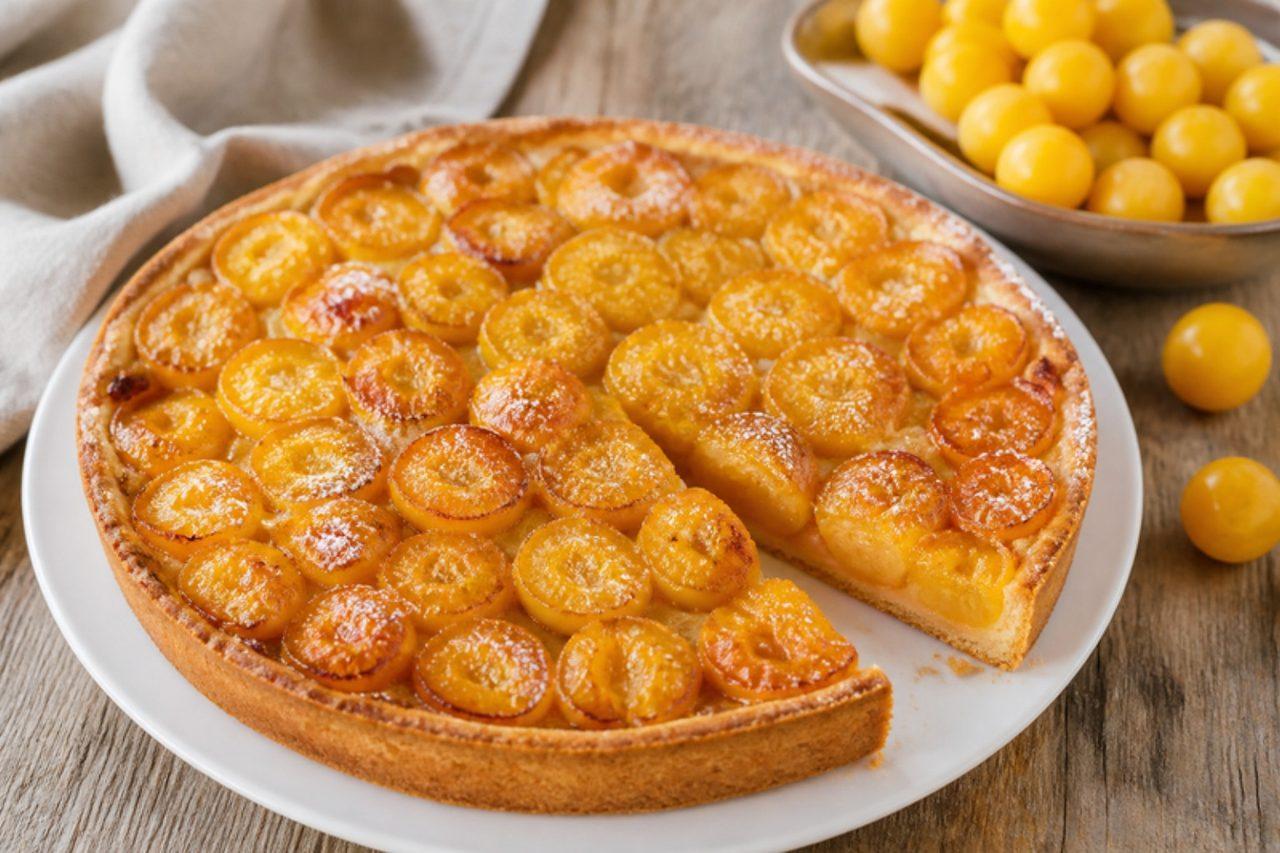
Lorraine grows most of the world's mirabelles, small golden plums with a blush of red that ripen for only a few weeks from mid-August, when Metz holds its Mirabelle festival and every pâtisserie in Nancy fills its window with this tart. The plums are halved and packed tightly into a crisp shortcrust, sometimes over a thin layer of almond or semolina to soak up the juice, and they bake into a jammy, honey-sweet layer. Families eat it warm or cold for Sunday dessert or at four-o'clock goûter. Out of season, use small yellow plums or halved apricots. Chef's tip: stand the halves upright and overlapping, cut side up; they shrink as they bake, and a tight layer stops the tart looking bare.

by KrazyBadal 0 views

Pastel de angu

Itabirito, an iron-mining town south of Belo Horizonte, holds a whole festival for this pastry, and its stalls fry thousands of them in a weekend. The dough is angu, cornmeal cooked thick and kneaded with sweet cassava starch, which fries up blistered, crisp and gently corny. Fillings vary from chicken to minced beef, but cheese is the meatless favourite: semi-cured Minas cheese that melts and stretches. Eat them hot from the pan with a cold drink and a dash of chilli sauce. Minas cheese is usually made with animal rennet; use a vegetarian semi-hard cheese or mozzarella with microbial rennet. Pastéis that burst while frying are almost always overfilled or not sealed; leave a clean 1 cm border and press it shut with a fork. Chef's tip: roll the dough between two sheets of plastic, because it is too soft and sticky to roll on a floured board.

by KrazyBadal 0 views

Cartola

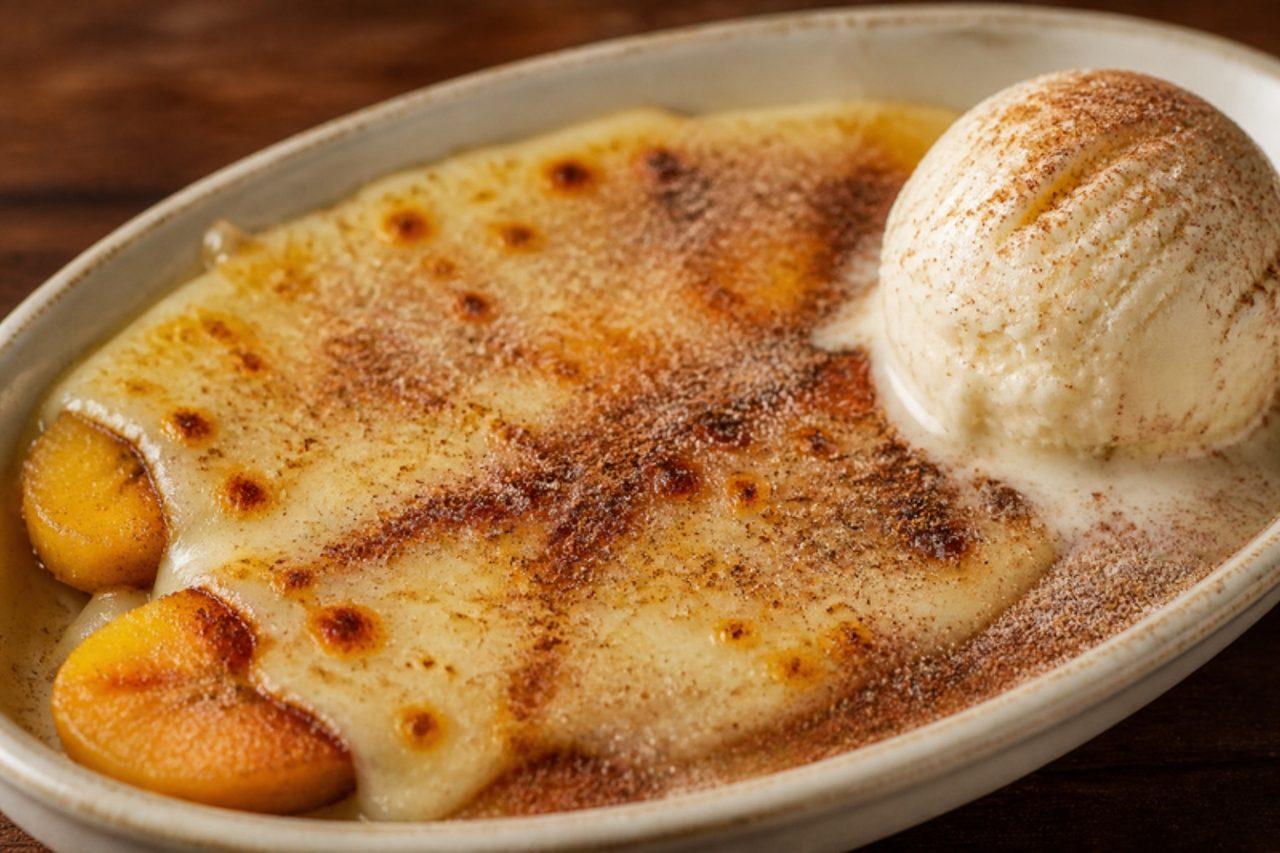
Sweet, salty and hot all at once, cartola ('top hat') is a Pernambuco dessert that sounds odd and tastes like it was always meant to be. Bananas are fried in butter until caramel-edged, covered with slices of coalho or queijo manteiga that melt into a blanket, then showered with cinnamon sugar. It turns up on Recife lunch menus, in hotel buffets and in home kitchens after Sunday lunch, and needs nothing else, though a scoop of vanilla ice cream is welcome. Bananas-prata or ripe plantains are used locally; firm, just-ripe bananas are the nearest swap. Coalho is often made with animal rennet, so choose a vegetarian version or a vegetarian halloumi. Avoid overripe fruit; it collapses in the pan and the cheese slides off. Chef's tip: finish under a hot grill for a minute so the cinnamon sugar bubbles into a thin, crackly crust.

by KrazyBadal 0 views

Bolo Souza Leão

Named after a sugar-planter family of nineteenth-century Pernambuco, this cake is closer to a set pudding than a sponge: fresh grated cassava, coconut milk, a clove-scented syrup, butter and a generous number of egg yolks, baked slowly in a water bath until glossy and firm. In Recife it is a centrepiece at weddings, christenings and Christmas, sliced thin and eaten at room temperature with coffee. The texture is smooth, slightly sticky and very rich, so a small piece is enough. Use only sweet cassava (aipim/macaxeira) and bake it fully; cassava must never be eaten raw. The mistake people make is not squeezing the grated cassava dry, which leaves the cake watery and grey in the centre. Chef's tip: strain the batter through a fine sieve before baking; it removes the fibres and gives that silky, flan-like slice.

by KrazyBadal 0 views

Macaxeira frita

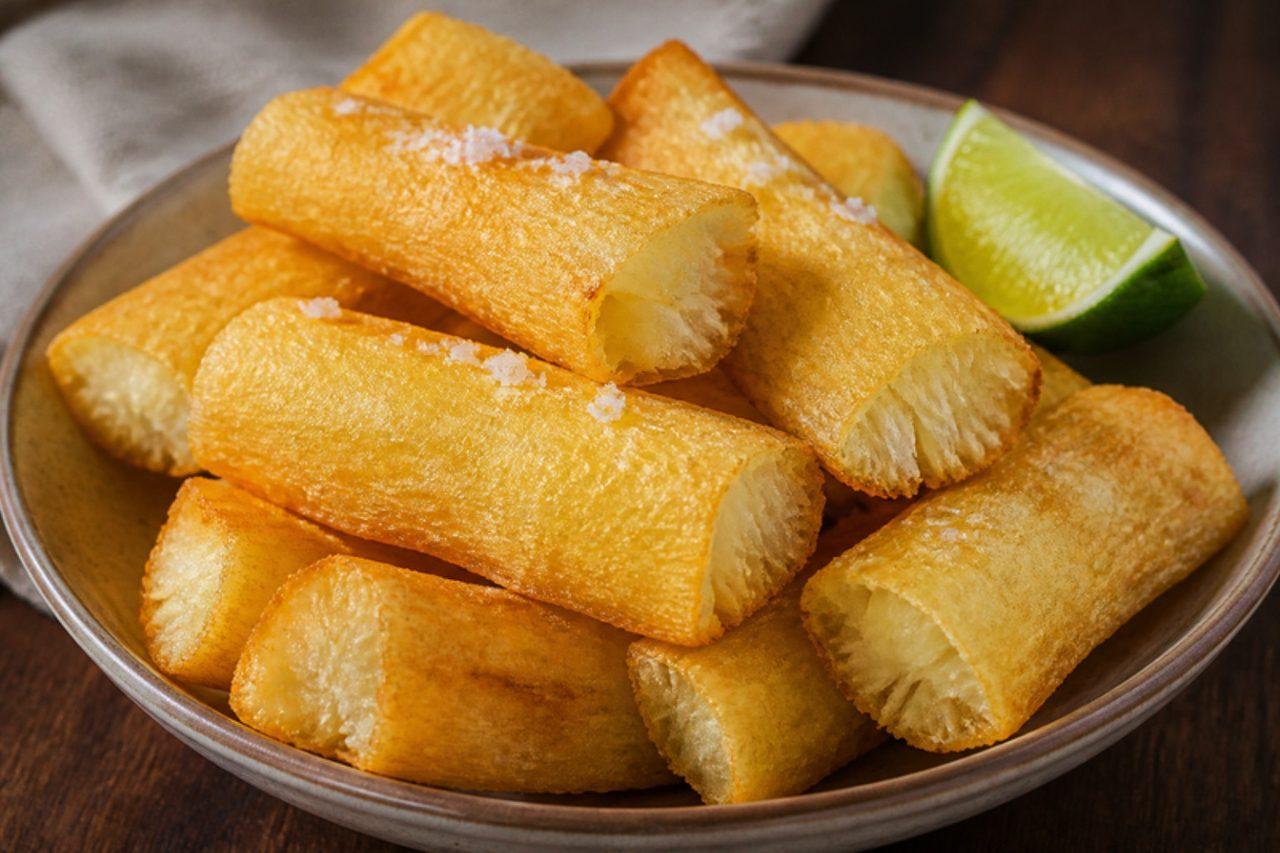
Northeastern Brazilians call cassava macaxeira, and fried sticks of it come out with carne de sol, with grilled cheese at beach shacks, and in a bowl beside a cold drink at any bar from Natal to Maceió. Boiling first makes the inside soft and floury; frying afterwards gives a thick, blistered crust that stays crunchy far longer than potato chips. They need only coarse salt, though a dip of vinagrete or garlic mayonnaise is common. Buy sweet cassava, cook it fully, and never eat it raw. The frequent mistake is boiling until the cassava falls apart, which makes sticks that break up in the oil; stop as soon as a knife slides in. Chef's tip: let the boiled sticks steam dry and cool completely, even chill them for an hour, before frying; the drier surface is what makes them crackle.

by KrazyBadal 0 views

Olho de sogra

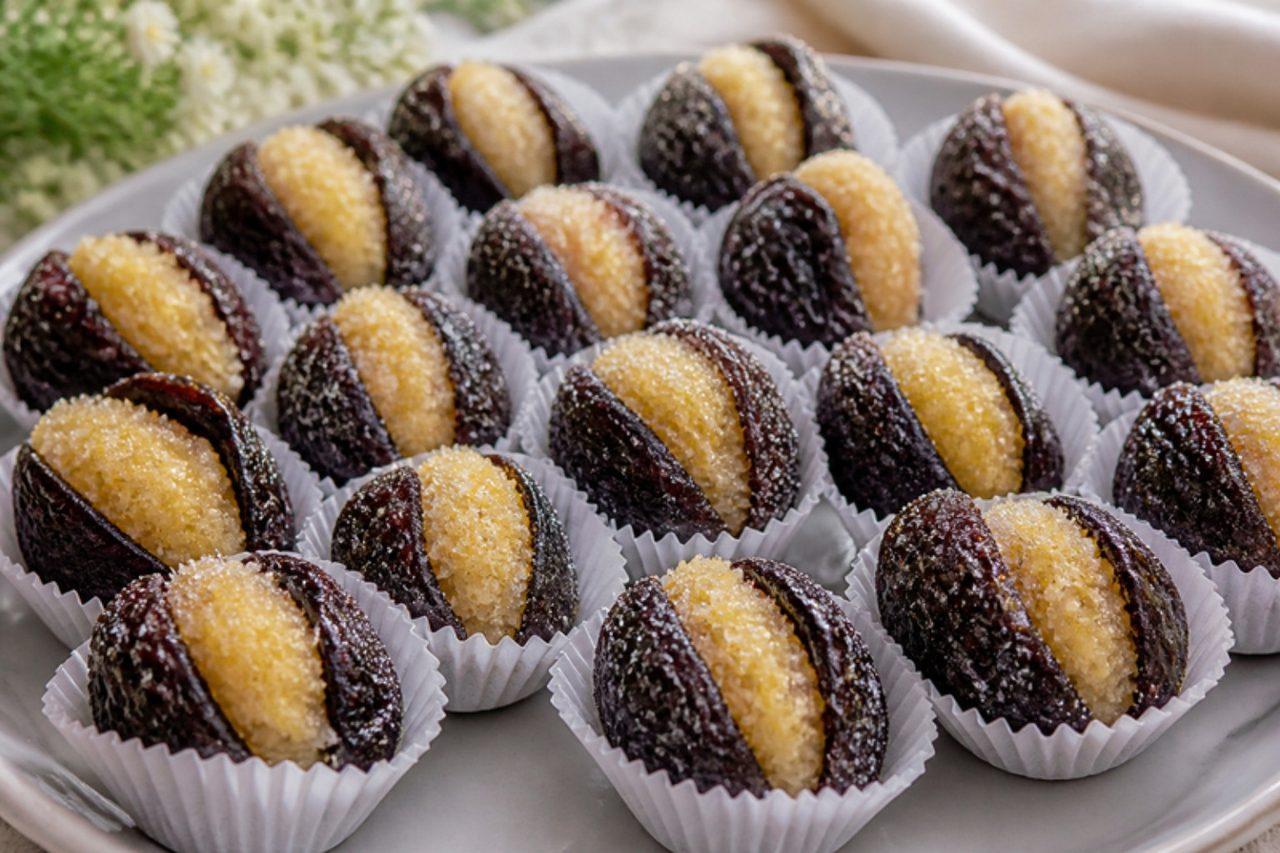
The 'mother-in-law's eye' is a slightly teasing party sweet from the docinhos tradition of weddings and birthdays: a prune slit open and filled with a pale coconut fudge, so it looks like a dark eyelid around a white eye. It shows up on Brazilian sweet tables from Rio to Porto Alegre, often finished with a single clove for the pupil and rolled in crystal sugar. Chewy, sticky prune against creamy, coconutty filling makes it less cloying than many docinhos. Older recipes add egg yolks to the filling; this one is egg free. Stuffing them while the filling is still warm is a frequent mistake; it smears and the shape is lost. Chef's tip: choose large, soft pitted prunes and open them like a book with a small knife, without cutting all the way through.

by KrazyBadal 0 views

Canjica (mungunzá)

Big white corn kernels simmered until tender, then cooked again in milk with coconut and peanuts: canjica is the warming bowl that every festa junina from Porto Alegre to Belém hands out in plastic cups on cold June nights. In the Northeast it goes by mungunzá, and in Bahia and Pernambuco it is often made richer with coconut milk. The kernels stay chewy and whole, the broth turns creamy and smells of cinnamon and clove, and the crushed peanuts add a nutty bite. Look for white hominy sold as canjica or milho para canjica in Brazilian shops; dried white pozole corn works too. It needs overnight soaking, which is not counted in the times. The common mistake is rushing the first boil: if the kernels are not fully soft before the milk goes in, they will never soften afterwards. Chef's tip: a pressure cooker cuts the first cook to 35 minutes and leaves the kernels perfectly tender.

by KrazyBadal 0 views

Chimia de uva

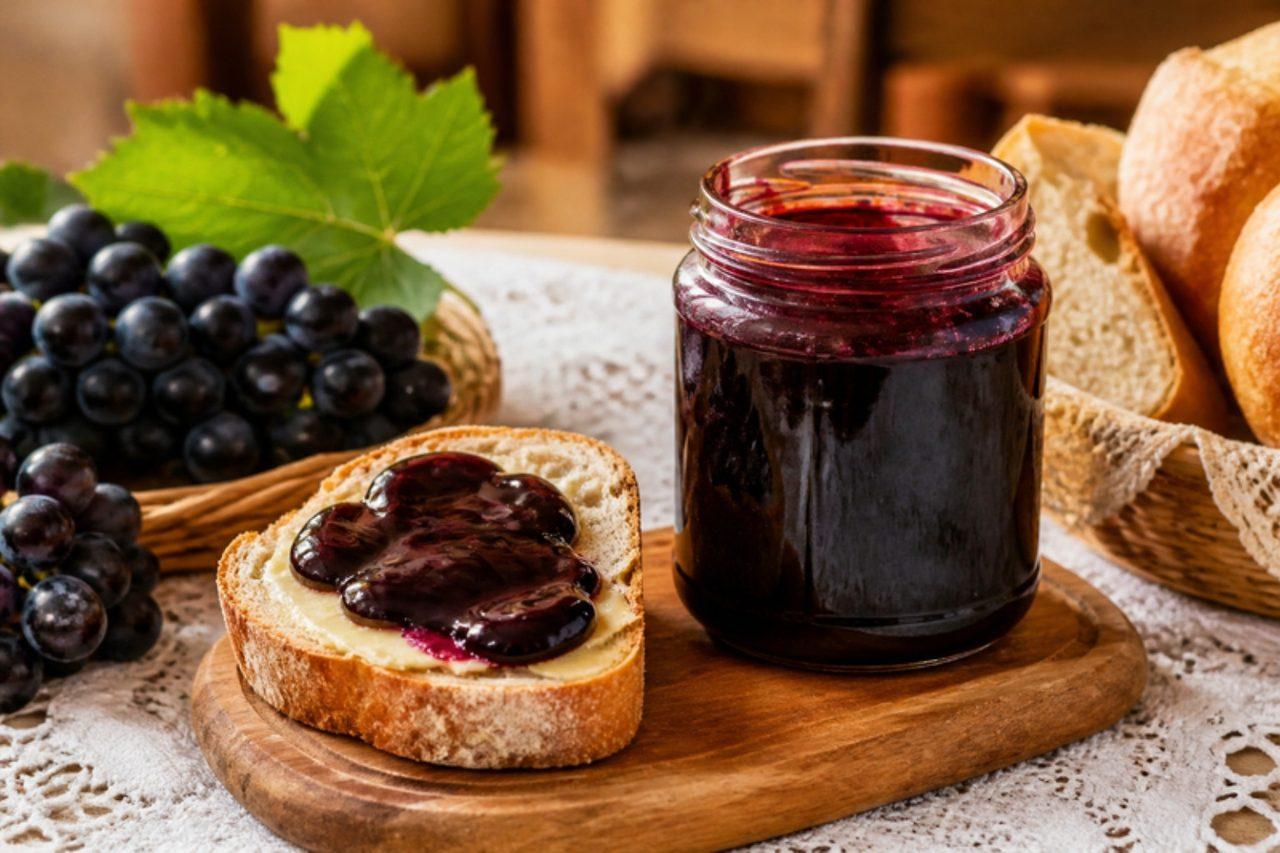
German immigrants who settled the valleys around Santa Cruz do Sul and São Leopoldo in the 1800s brought their Schmier, and the word slowly turned Portuguese as chimia. It is a dark, thick fruit spread cooked down from whatever the backyard gives: grapes, figs, plums, pumpkin or banana. Colonial cafés in the Vale do Rio Pardo set out a pot of it beside cuca, cheese and cold meats at the café colonial, and at home it goes on thick slices of pão caseiro, often with a smear of nata (thick cream) underneath. This version uses dark grapes, cooked whole and sieved, so it keeps the deep colour of the skins. People often stop cooking too soon; a runny chimia soaks straight into the bread instead of sitting on top. Chef's tip: test it on a cold saucer from the freezer; when a line drawn through it stays open, it is ready.
by KrazyBadal 0 views

Pamonha

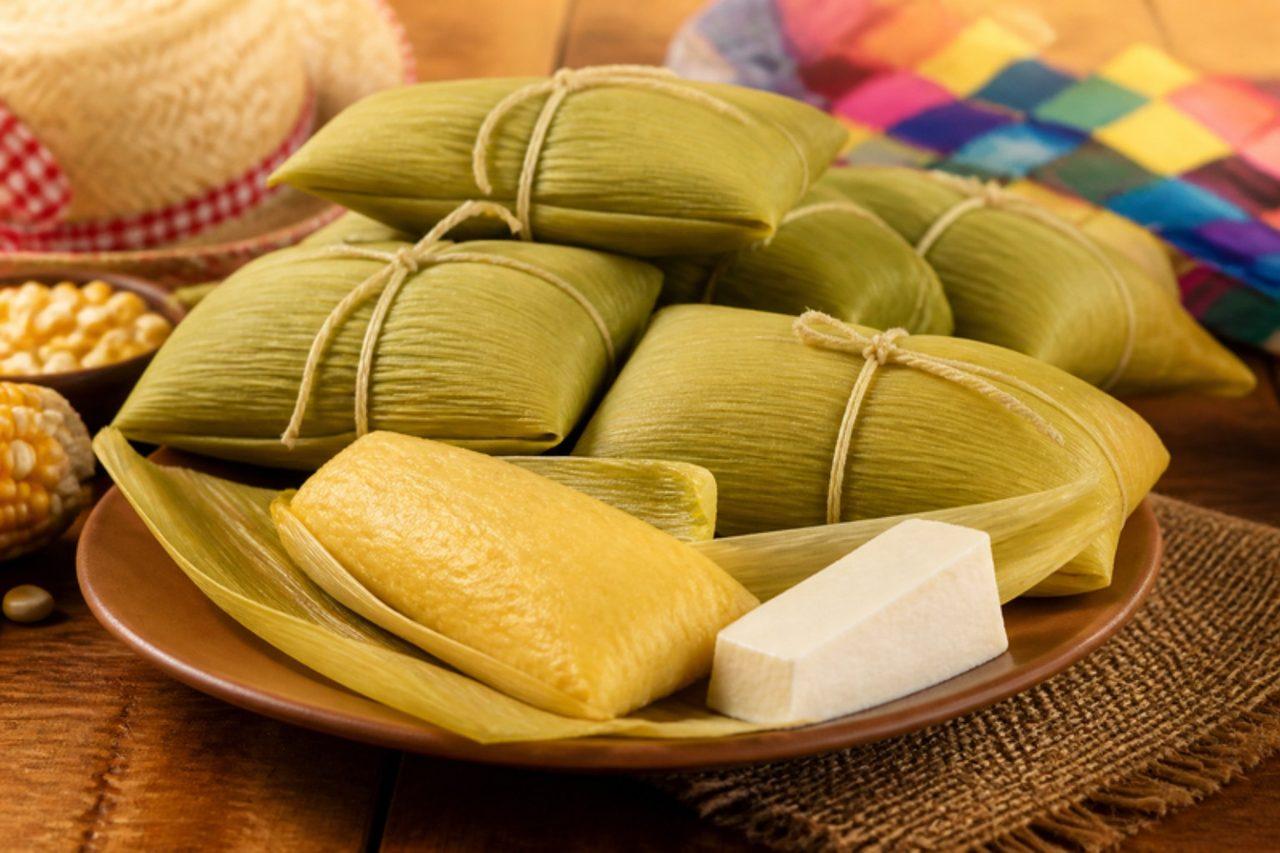
Corn season in Goiás and across the Northeast means pamonharias, roadside shops where pamonha comes out of huge steaming pots all afternoon, and in June it is one of the anchors of the festa junina table. Freshly grated green corn is mixed with milk and sugar, wrapped in its own husks, tied and boiled until it sets into a soft, sweet, slightly chewy parcel that smells of fresh corn. The Goiás way is also savoury, with salt instead of most of the sugar and cubes of cheese inside; that option is in the last step. Traditional queijo minas or curd cheese is often made with animal rennet, so pick a vegetarian cheese made with microbial rennet. Serve hot, with coffee, or with butter melting on top. The usual mistake is using mature, starchy supermarket corn or tinned kernels: the mixture will not set properly and the flavour is flat. Chef's tip: use corn so young that a fingernail pressed into a kernel squirts milky juice, and save every intact husk for wrapping.

by KrazyBadal 0 views

Frankfurter Würstchen

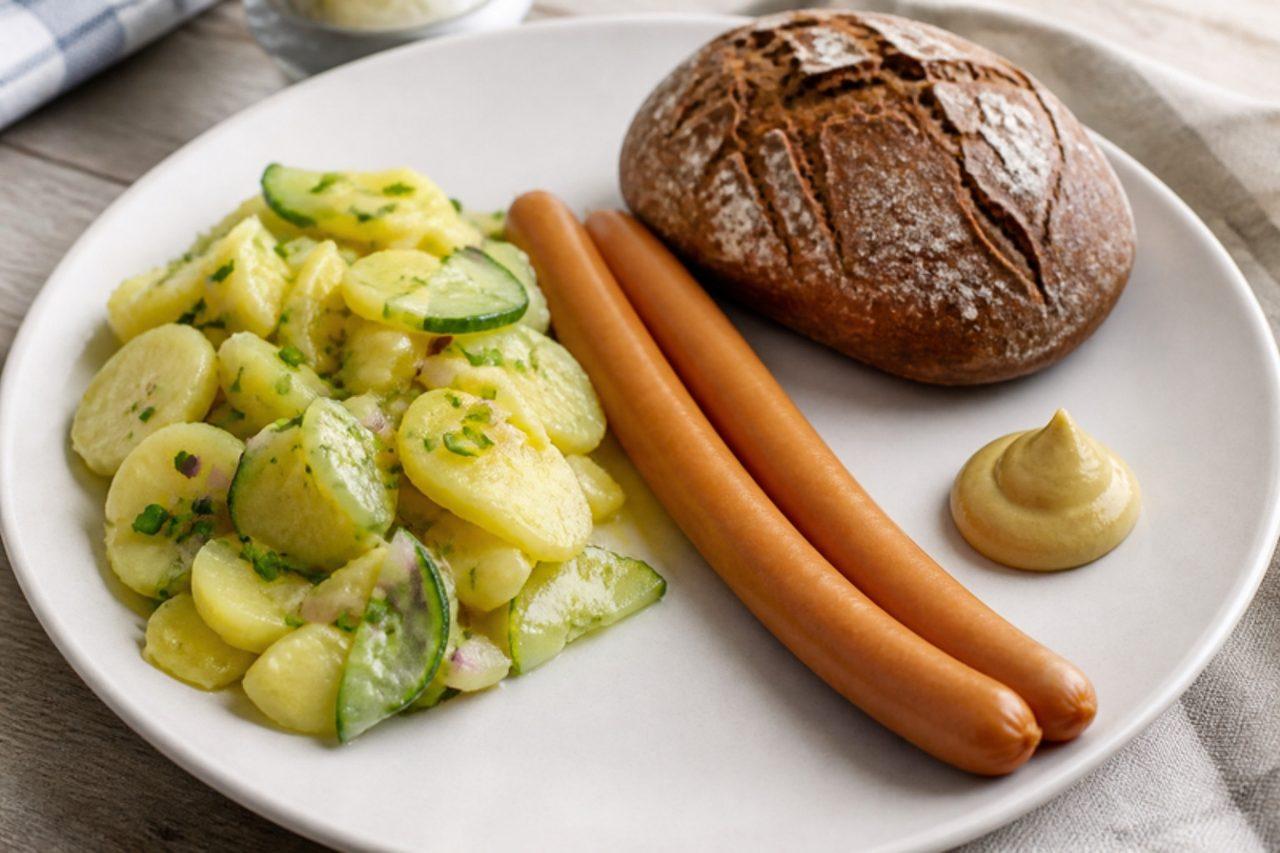
Real Frankfurter Würstchen are slim, delicately smoked pure-pork sausages from the Frankfurt region, sold in pairs and eaten at Christmas markets, family suppers and Christmas Eve, when many Hessian families have them with potato salad. They come ready-cooked, so the only skill is warming them gently until they are hot without bursting. Here they go with a warm Hessian potato salad dressed with stock, vinegar, onion and chives, plus mustard and rye bread. Vegetarians can warm vegetarian sausages the same way and keep the salad. Chef's tip: dress the potatoes while they are still warm; they drink up the dressing and turn silky instead of sitting in it.

45 minGermanMeat
by KrazyBadal 0 views

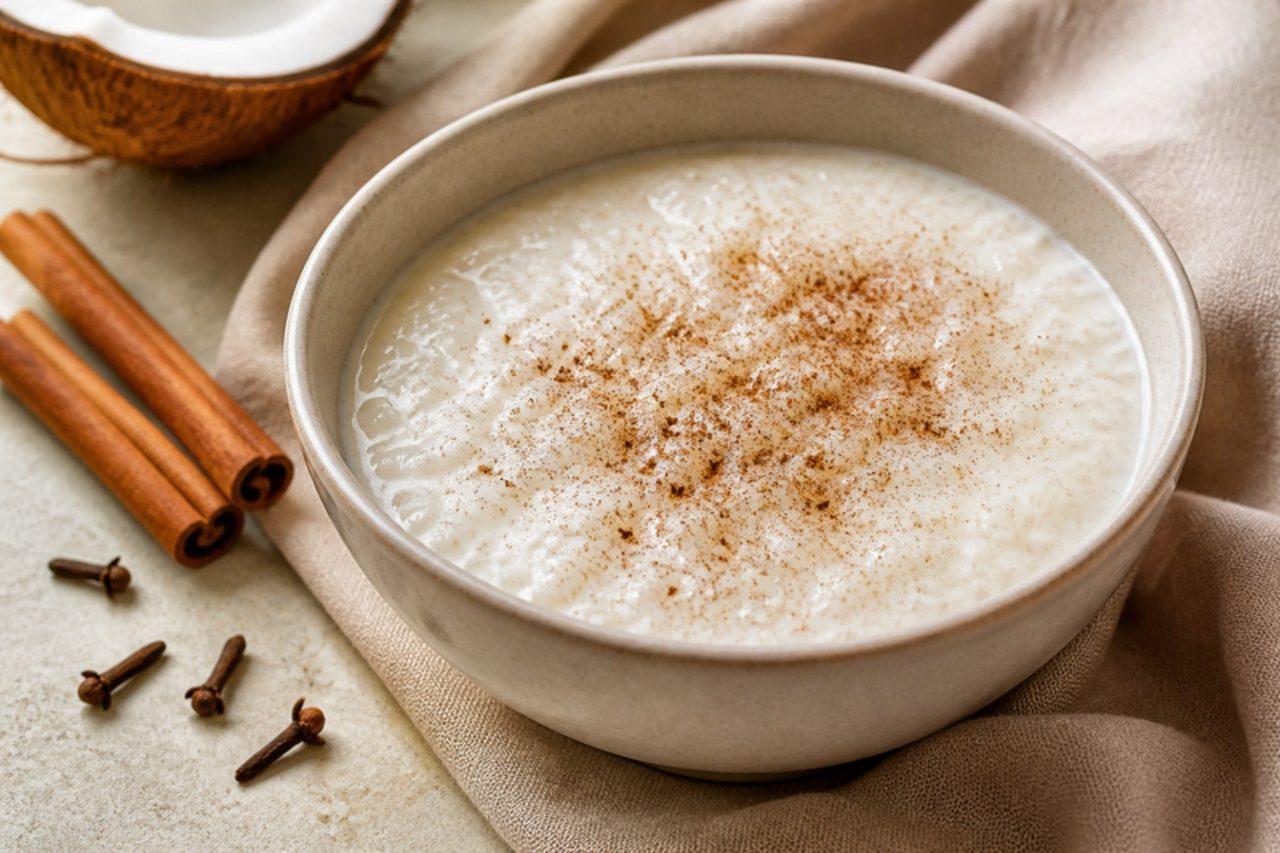
Mingau de tapioca

Before the buses fill up, mingau sellers set out tall aluminium pots on Salvador's street corners and ladle out tapioca porridge into plastic cups for workers on the way in. It is thick, spoon-coating and gently sweet, made with granulated tapioca or small pearls cooked in milk and coconut milk with cinnamon and clove, and finished with a dusting of cinnamon. At home it is a quick breakfast, a soothing supper for children and the classic thing to give someone who is unwell. Many vendors also sell mingau de milho and de puba from neighbouring pots. Where people go wrong is adding the tapioca to boiling milk without soaking it first; it clumps and stays chalky in the middle. Chef's tip: take the pan off the heat while it still looks a little loose, because the tapioca keeps drinking up liquid and the porridge sets thicker within minutes.

by KrazyBadal 0 views

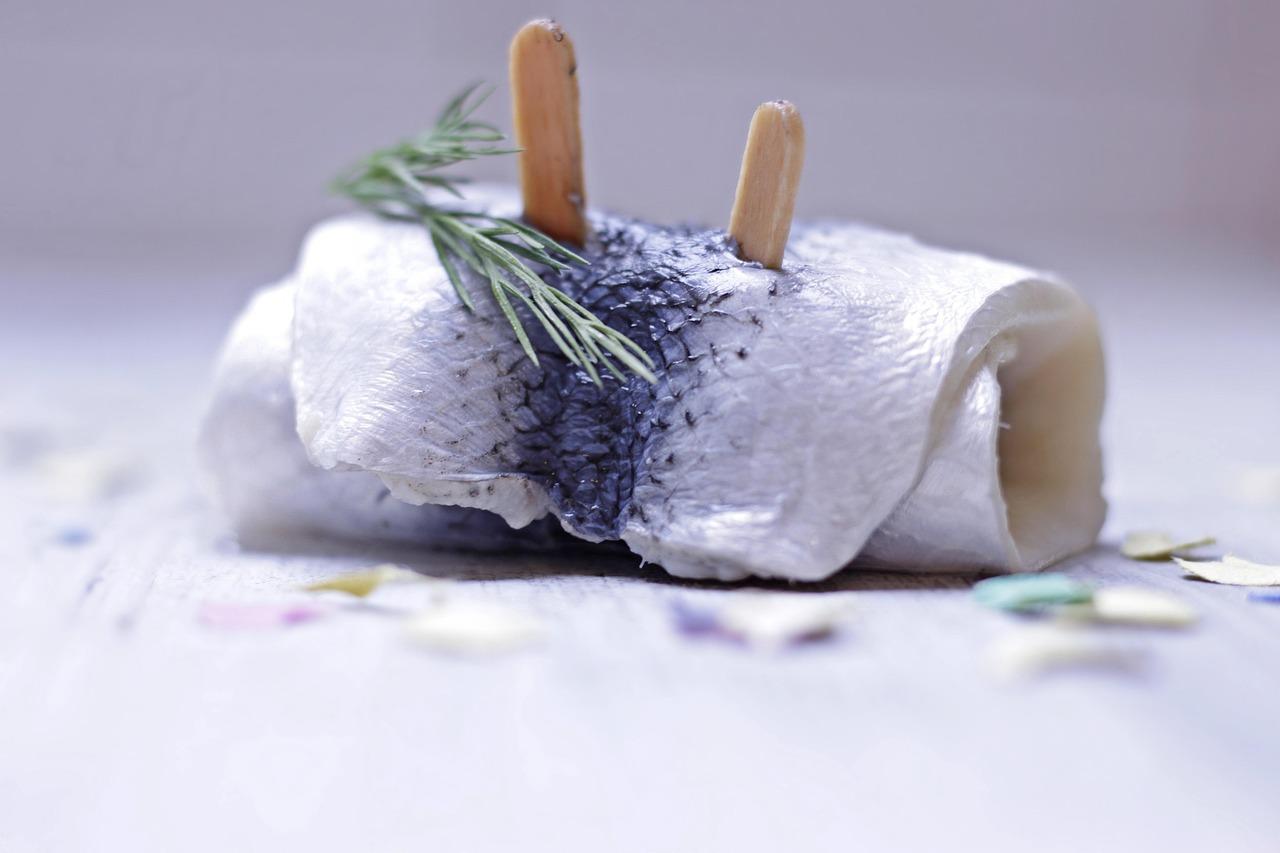
Rollmops

Rollmops are the pickled herring rolls of the North Sea and Baltic coasts, pinned with a wooden pick around gherkin and onion and kept in a jar of spiced vinegar; in Berlin and Hamburg they are the classic morning-after breakfast and a fixture of New Year's Day tables. Making them at home takes a week of fridge time but very little work. Because the fish is never cooked, use herring that has been frozen at −20 °C for at least 24 hours (most fresh 'sashimi-grade' or commercially frozen fillets qualify; ask your fishmonger), and keep everything chilled. Rollmops are not for pregnant women, young children or anyone with a weakened immune system. Chef's tip: let the jars rest a full five days; the vinegar needs that long to firm the flesh and soften the tiny bones.

60 minGermanFishGluten free
by KrazyBadal 0 views

Gâteau de Savoie

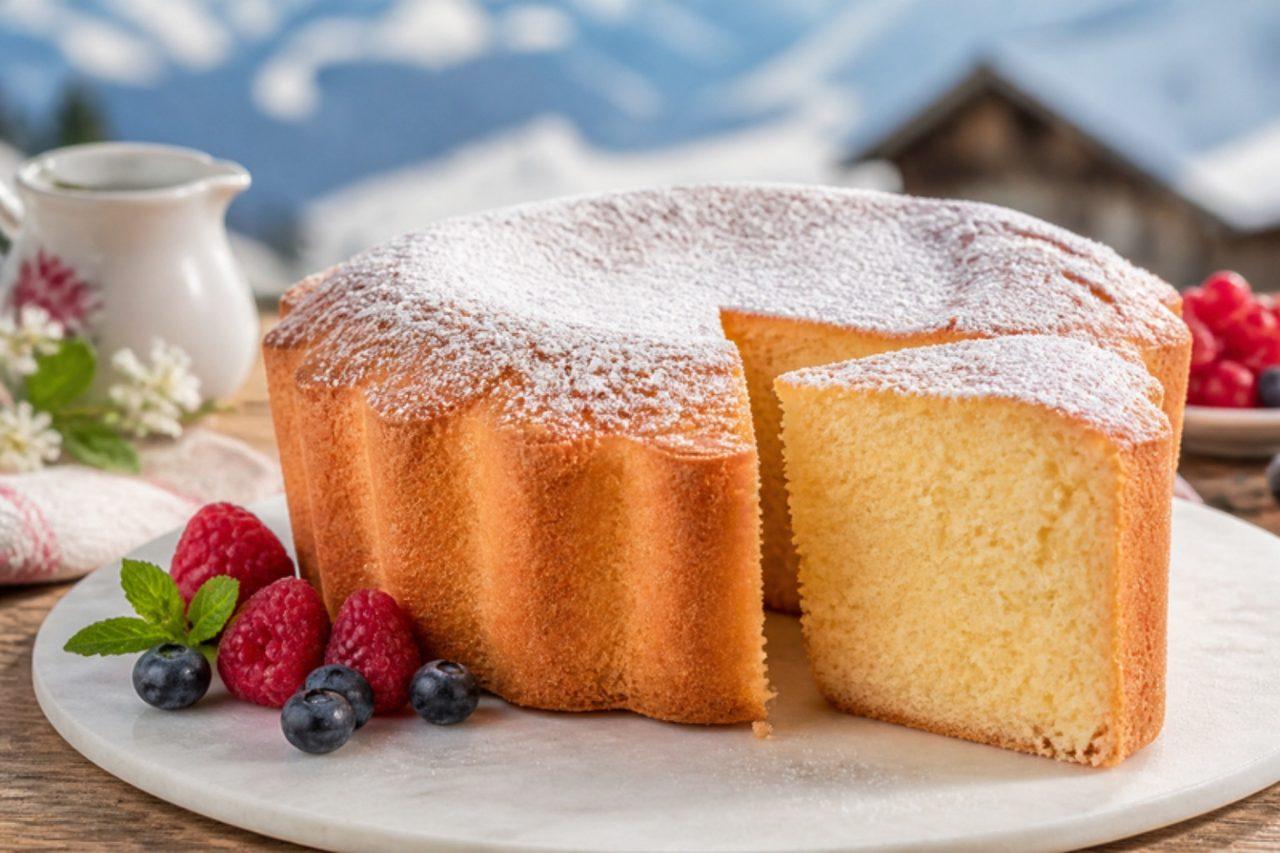
Legend says a cook at the court of the Counts of Savoy, in Chambéry, invented this sponge in the fourteenth century to impress a visiting emperor, and Savoyard families still bake it in a tall fluted mould for birthdays and Sunday tea. It has no butter and very little flour, using potato starch for a crumb so light it almost dissolves, and it is eaten plain with a dusting of icing sugar, or with jam, fruit compote or a cup of hot chocolate. Chef's tip: fold the whites in three goes with a large metal spoon, cutting down through the middle; you are keeping in the air that makes it rise.

by KrazyBadal 0 views

Thüringer Rostbratwurst

In Thuringia the long, thin Rostbratwurst is grilled over charcoal at every market, football ground and village fête, and has been since at least the 15th century. It is a raw, finely seasoned pork sausage with marjoram, caraway and garlic, bought from a Thuringian butcher, and the local rules are strict: grilled slowly over glowing coals, served in a roll that is too short for it, with a sharp, coarse mustard and never with ketchup. Here you grill good fresh bratwurst and make a medium-hot mustard to go with it. Vegetarians can grill vegetarian bratwurst the same way. Chef's tip: grill over glowing coals with no flames, rubbing the sausages with a bacon rind or a little oil so they colour evenly and the skin crackles.

35 minGermanMeat
by KrazyBadal 0 views

Bolinho de estudante

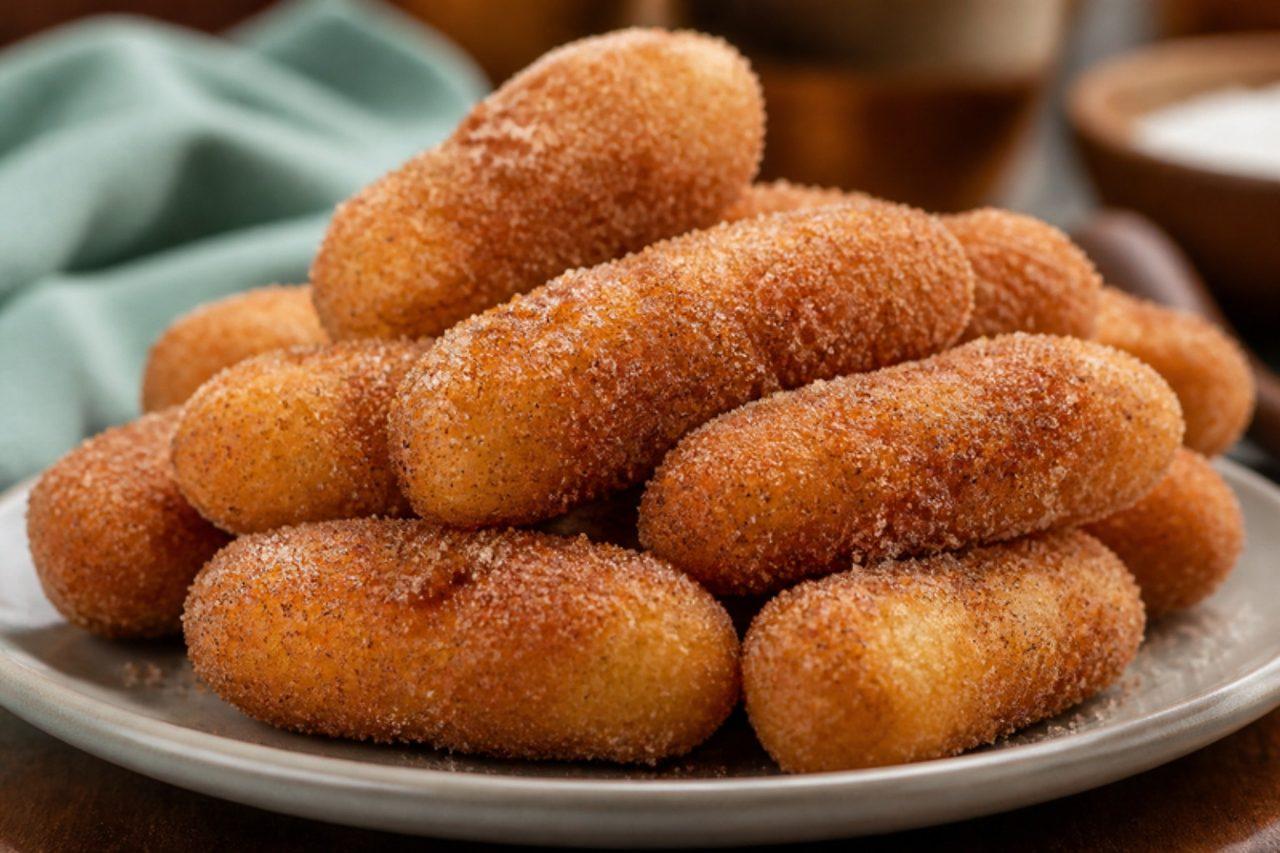
Baianas de acarajé sell these next to their black-eyed pea fritters, and the name, 'student's cake', comes from how cheap and filling they are for schoolchildren in Salvador. A dough of granulated tapioca soaked in hot milk and coconut milk with grated coconut is shaped into short fingers, fried until the outside shatters, and rolled while still warm in cinnamon sugar. Inside they stay chewy and moist, a little like a coconut doughnut. Eat them with afternoon coffee, or make a tray for a festa junina. A common error is frying before the tapioca has fully absorbed the liquid, which makes the fingers burst open in the oil; give the dough its full 30-minute rest. Chef's tip: keep a bowl of water by you and wet your hands while shaping, so the sticky dough rolls into smooth fingers that fry evenly.

by KrazyBadal 0 views

Bolinho de aipim

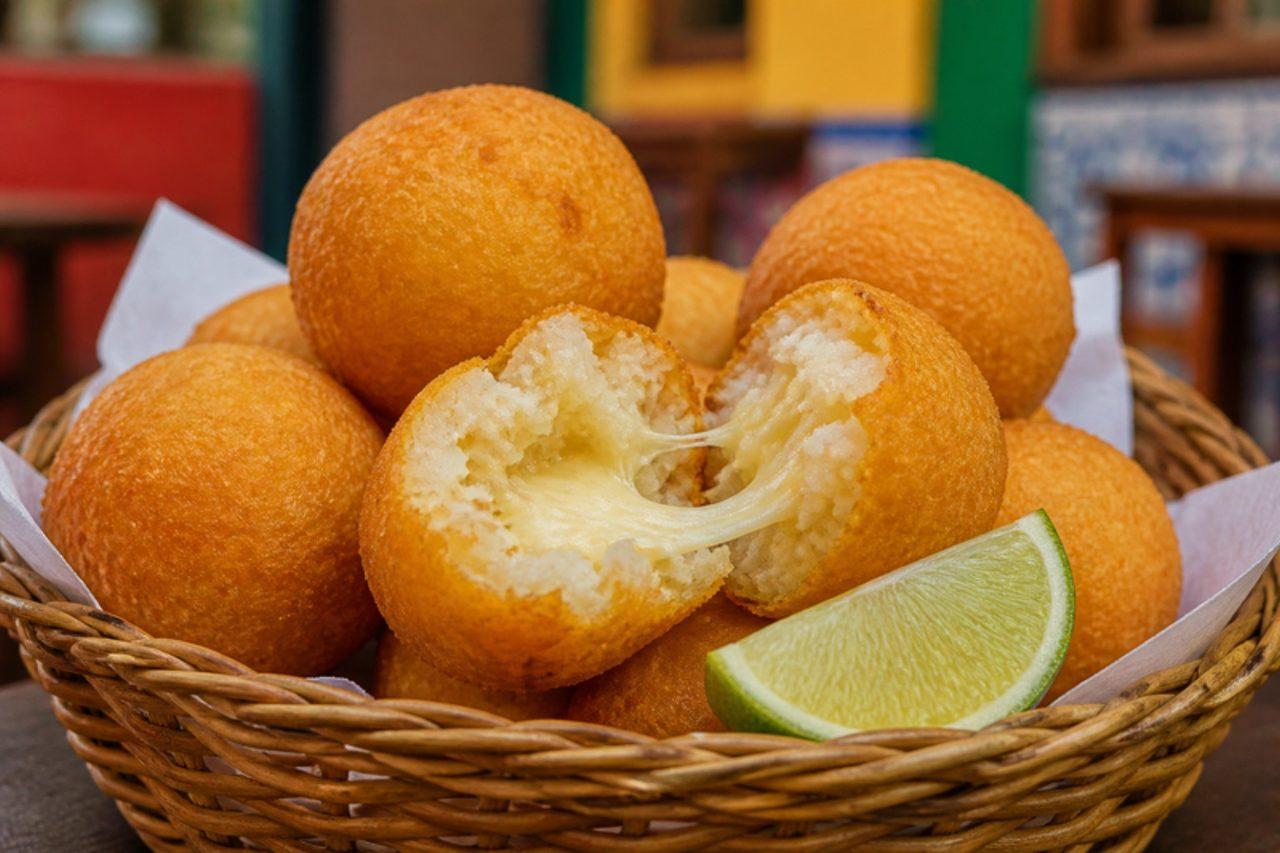
Order a round of chope in a Rio boteco and a plate of these usually follows: golf-ball-sized fritters of mashed aipim (cassava) with a molten cheese centre, crisp and craggy outside, soft and stretchy within. Places like the bars of Tijuca and Botafogo fill them with everything from dried beef to shrimp, but cheese is the classic veggie order. The cassava dough needs no egg or flour to bind it, so they are naturally gluten free. Use a mozzarella or Minas cheese made with microbial rennet to keep them vegetarian. They go wrong when the cassava is mashed while wet: the balls soften and split in the oil. Drain it very well and let the steam escape. Chef's tip: chill the shaped balls for 30 minutes before frying, so the cheese stays inside and the crust sets before the centre melts.

by KrazyBadal 0 views

Romeu e Julieta

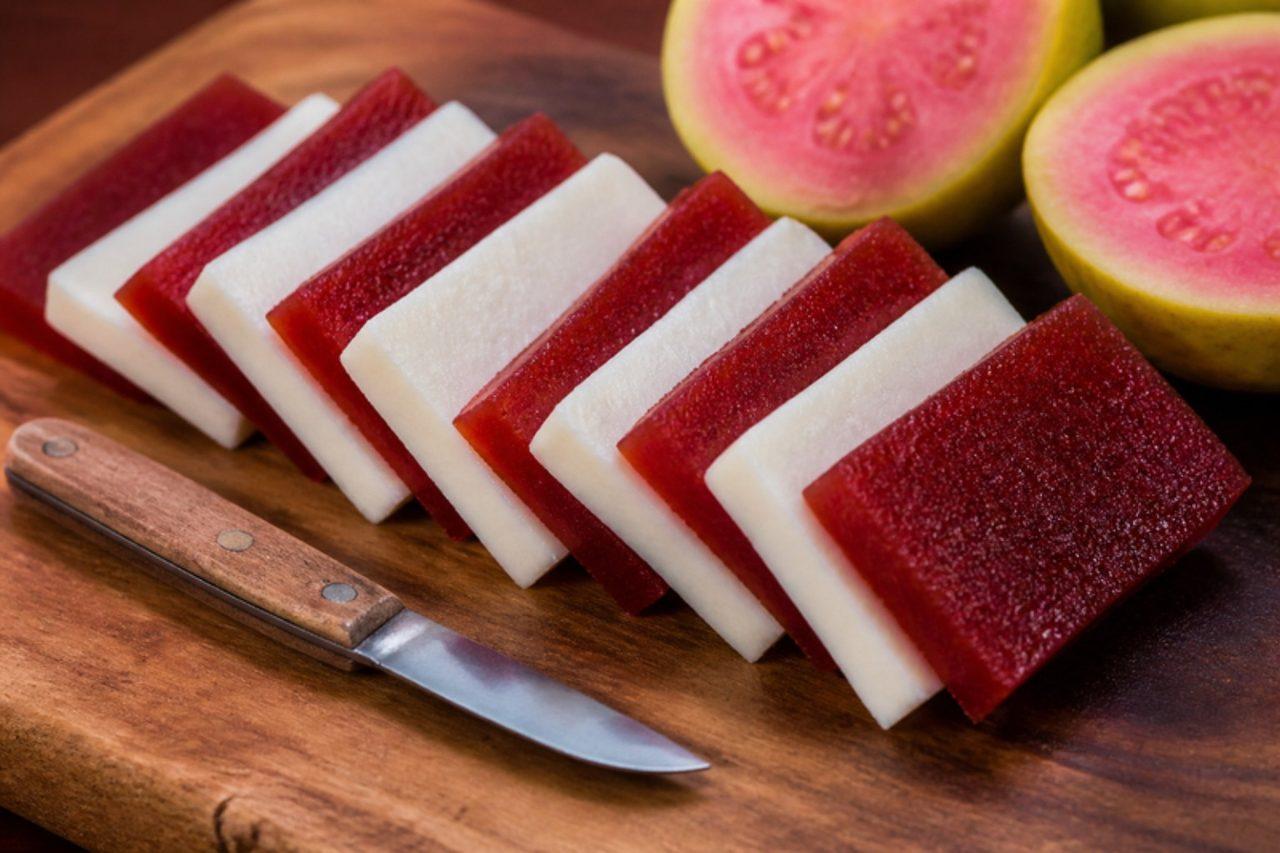
Two ingredients, no cooking, and a name every Brazilian knows: Romeo is the dark red goiabada, Juliet the mild white queijo Minas frescal, and they are always eaten together. Mineiros serve it after lunch on a saucer, at the end of a feast in a roadside restaurant, or as a mid-afternoon snack with coffee; the sweet, dense guava and the cool, milky, lightly salty cheese balance each other perfectly. Variations melt the guava into a warm sauce over the cheese, or bake both inside a pastry. Queijo Minas frescal is often made with animal rennet, so pick one labelled vegetarian, or use a young vegetarian farmer's cheese or paneer-style fresh cheese. The usual fault is cutting the guava thicker than the cheese, which buries Juliet; keep both slices the same size. Chef's tip: take the cheese out of the fridge 15 minutes ahead so it tastes of fresh milk rather than cold rubber.

by KrazyBadal 0 views

Arroz à grega

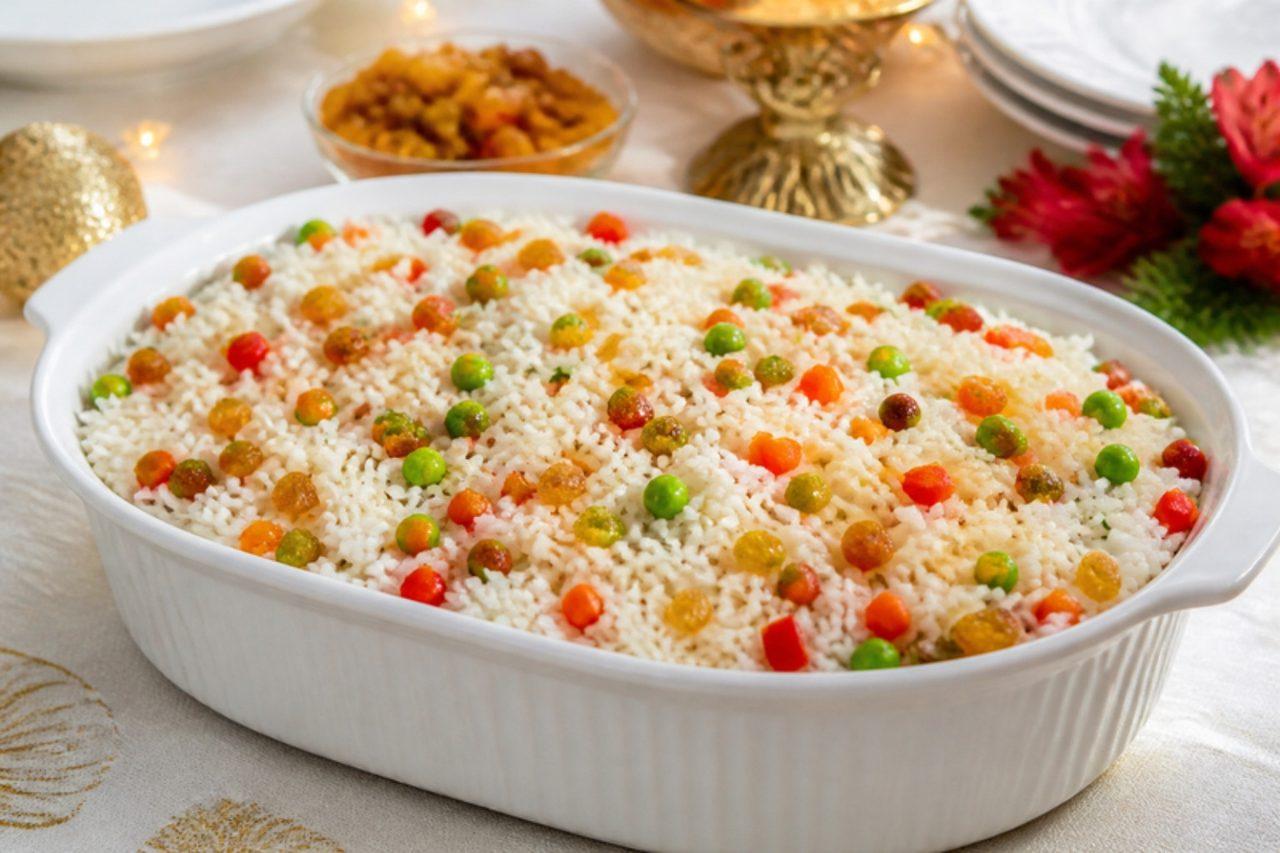
Nothing Greek about it: the name is pure Brazilian whimsy, and every carioca Christmas and New Year's Eve table has a big platter of this colourful rice next to the roast. Long-grain rice is cooked with onion and garlic and then tossed with diced carrot, peas, red pepper, raisins and spring onion, so each spoonful is savoury, a little sweet and full of colour. It also turns up at weekend lunches and as a side with grilled vegetables or bean dishes. Most people overload the pan and steam everything together, which turns the vegetables dull and soft. Cook the rice and the vegetables separately and fold them together at the end. Chef's tip: soak the raisins in a little hot water for 10 minutes; they plump up and don't pull moisture out of the rice.

by KrazyBadal 0 views

Backhendl

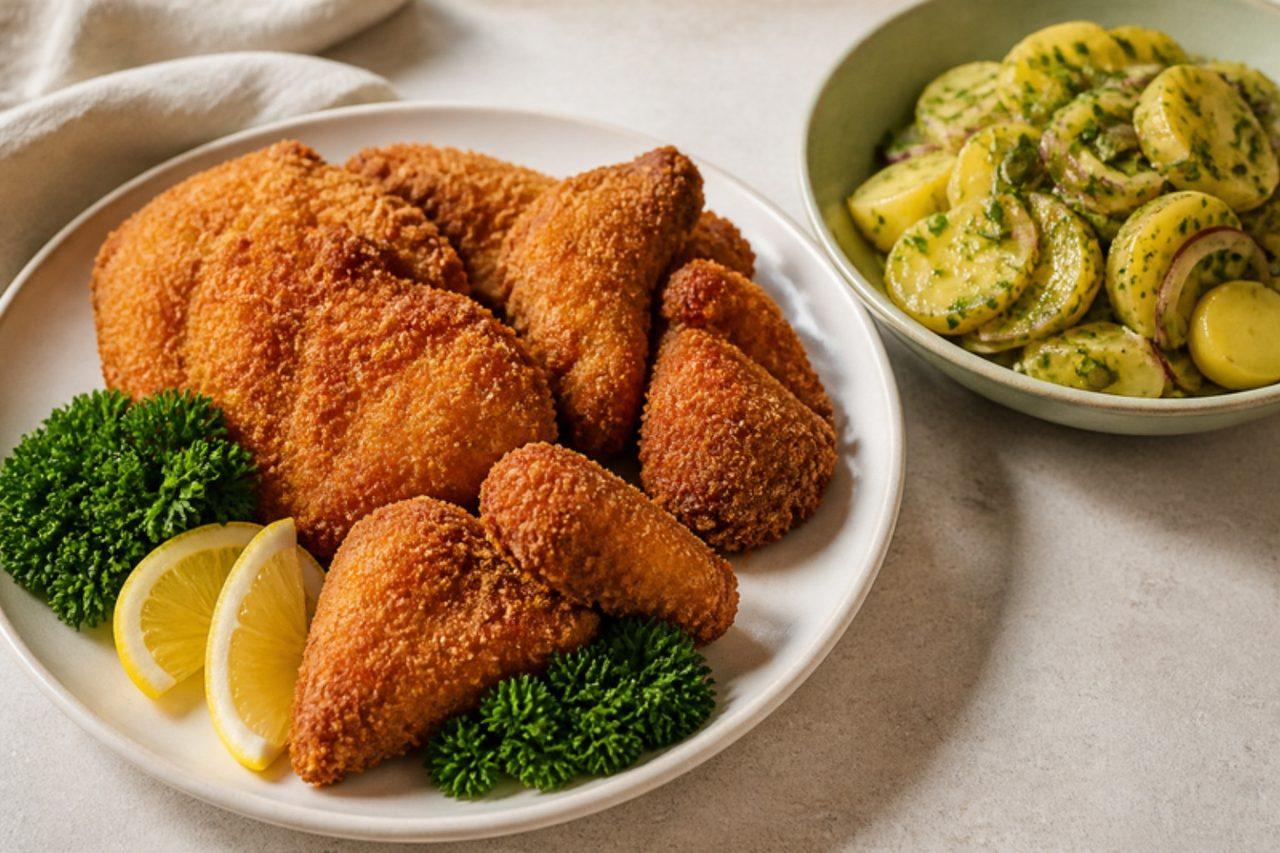
Backhendl, crumbed fried chicken, was the treat of 19th-century Viennese Sunday outings to the Prater and the wine villages, and it is still the star of Styrian taverns, served with lemon and a lukewarm potato salad glossy with pumpkin seed oil. Chicken pieces on the bone are seasoned with lemon, coated in flour, egg and fine breadcrumbs and fried slowly so the crust puffs and stays crisp while the meat cooks through. Chef's tip: fry at a moderate heat, not a fierce one; bone-in pieces need time for the centre to reach a safe temperature before the crumbs burn.

by KrazyBadal 0 views

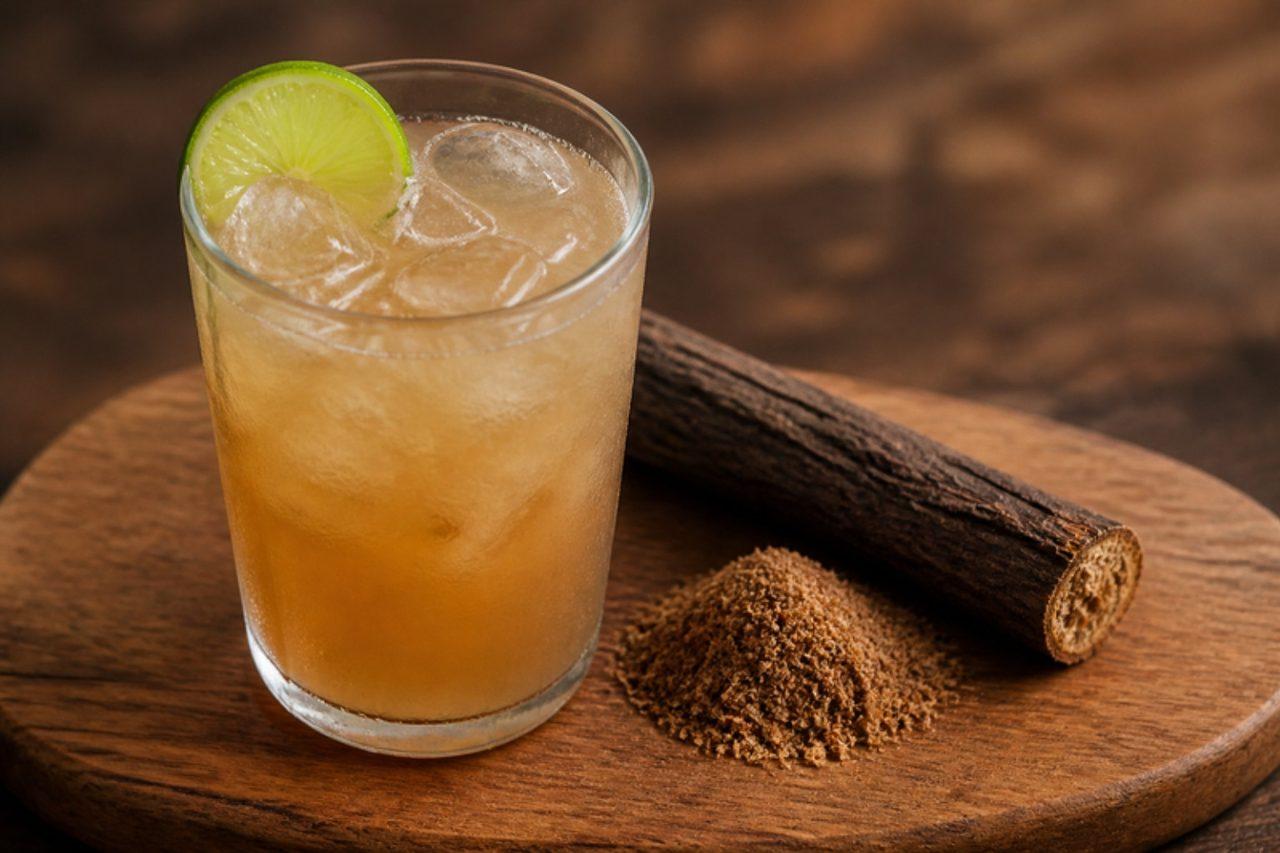
Guaraná ralado

Long before fizzy guaraná, people in Mato Grosso started the day with this: a hard, dark stick of roasted guaraná seed paste grated into a glass of cold water with sugar and stirred well. Cuiabá's older generation still drink it at breakfast or in the heat of the afternoon, and market stalls sell the sticks along with the traditional grater, the dried tongue of the pirarucu fish (a fine microplane works just as well). It tastes bitter-earthy, a little like cocoa without the fat, and the caffeine is strong. Because guaraná contains more caffeine than coffee, keep to one glass a day, and avoid it for children, during pregnancy or if you are sensitive to caffeine. The usual error is grating far too much, which makes it bitter and overpowering; a level teaspoon per glass is plenty. Chef's tip: let it stand for a minute after stirring so the powder hydrates, then stir again before drinking.

by KrazyBadal 0 views

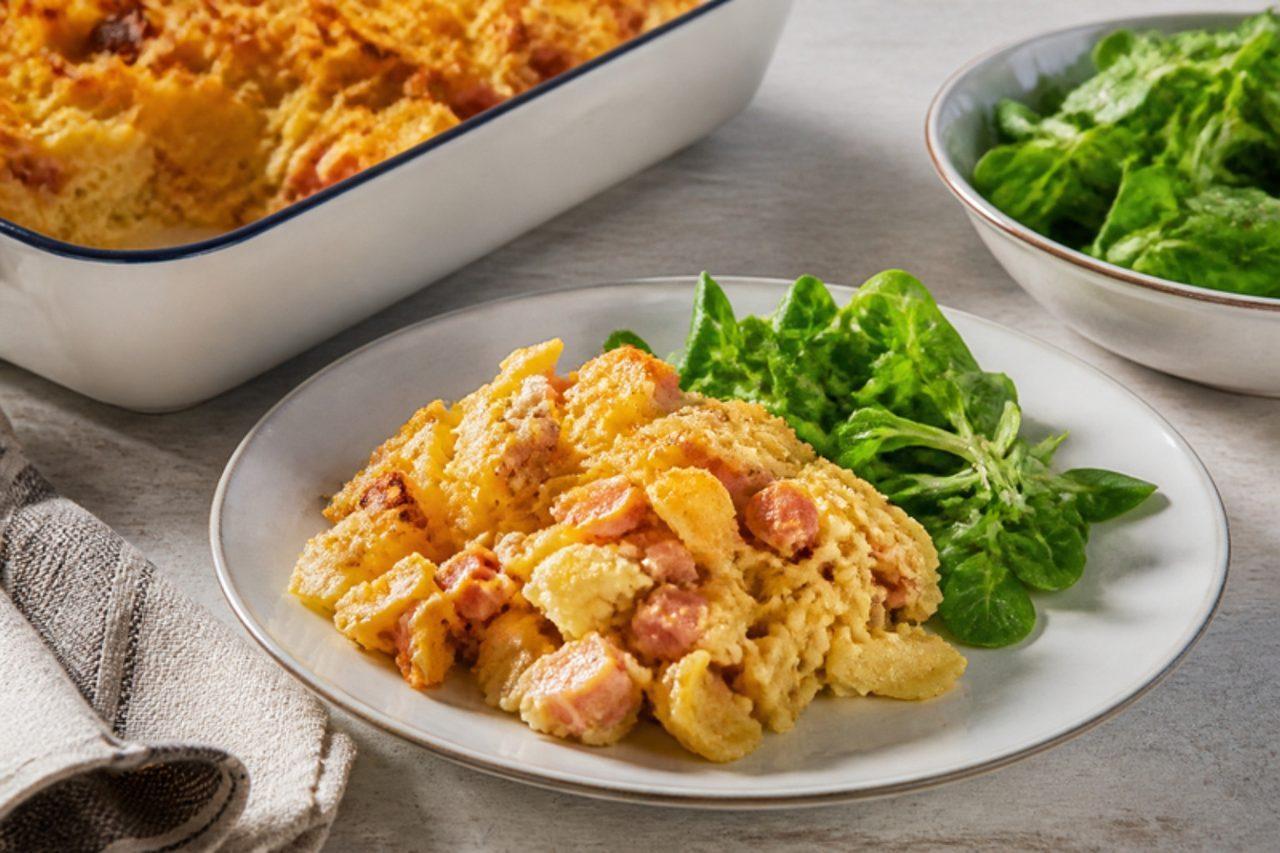
Schinkenfleckerl

Schinkenfleckerl is the comfort bake of Viennese homes and school canteens, a simple dish that came to Vienna from Bohemian cooks in the days of the old empire. Small pasta squares are folded into a mix of butter, egg yolks, sour cream and diced cooked ham, lightened with whisked egg whites and baked until the top is golden and the edges crunchy. Swap the ham, which is pork, for 250 g fried mushrooms for a vegetarian version. Chef's tip: cook the pasta a minute short and rinse it cold, so it does not go soft in the oven.

by KrazyBadal 0 views

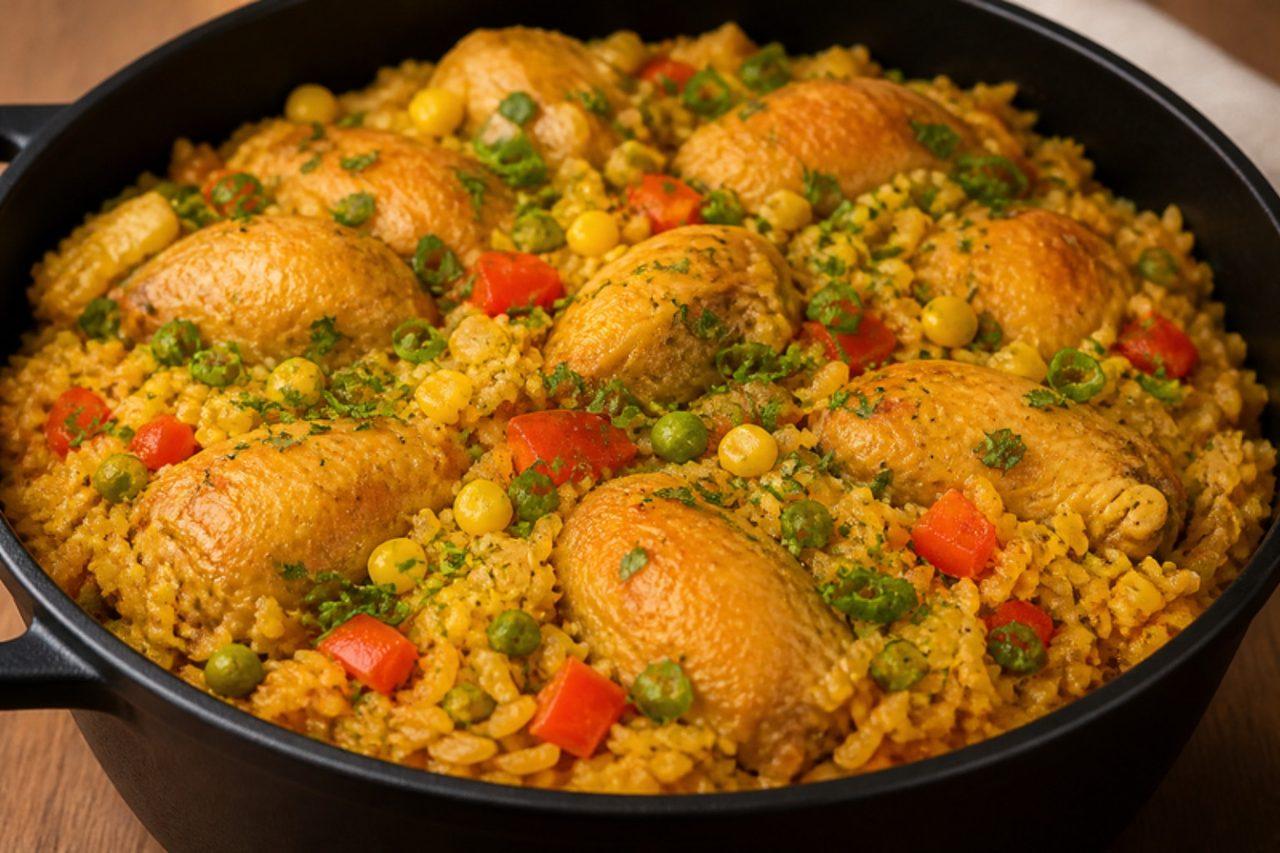
Galinhada

Sunday lunches, church festas and roadside restaurants in Goiás all revolve around a big pot of galinhada: chicken browned with garlic and onion, then cooked with rice in its own stock until each grain is golden from açafrão-da-terra. In Brazil that word means turmeric, not true saffron, and it is turmeric that gives the dish its colour. Goianos add pequi, the cerrado fruit with a heady, cheesy-tropical scent; you can buy it in jars in Brazilian shops, but warn your guests: the stone is covered in fine spines under the flesh, so nibble gently and never bite into it. It comes out moist, fragrant and comforting, finished with plenty of cheiro-verde. The common mistake is adding too much water, which makes it mushy; the rice should be loose, like a paella that has just settled. Chef's tip: brown the chicken until it leaves a dark crust in the pot, then let the rice dissolve it.

by KrazyBadal 0 views

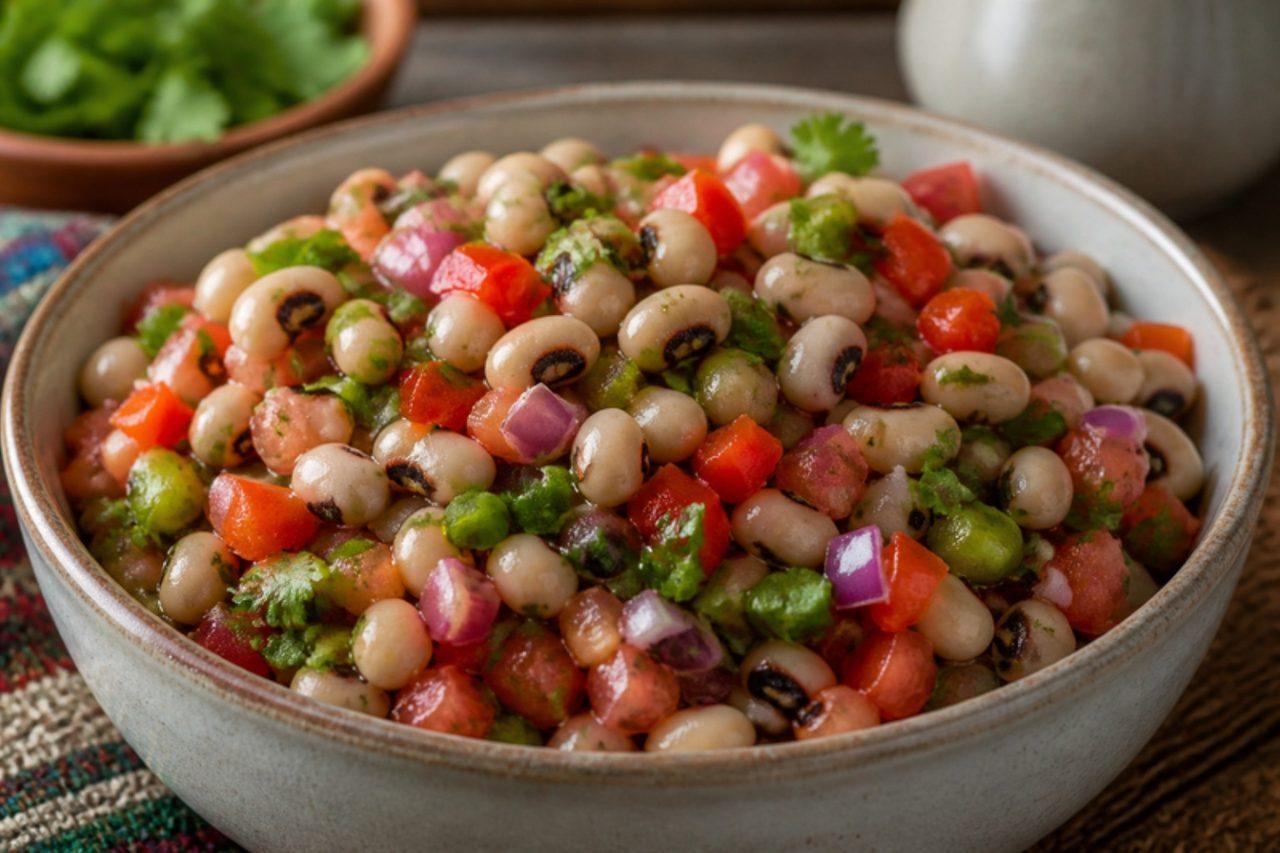
Salada de feijão-fradinho

Black-eyed peas are the bean of Bahia, ground for acarajé and abará and simmered whole for the caruru feasts of late September. Cooked until just tender and dressed while warm, they also make this bright salad that appears on Salvador's por-quilo lunch buffets and next to grilled food at weekend gatherings. Tomato, red onion, two kinds of pepper, coriander and plenty of lime give it crunch and sharpness, and the peas stay creamy inside. It goes with rice and grilled vegetables, or stands alone as a light lunch. Soak the dried peas for at least 4 hours or overnight before you start. The trap to avoid is boiling the peas hard until the skins split; they turn to mush when tossed. Chef's tip: dress the peas while they are still warm with the lime, oil and salt only, then add the raw vegetables once they are cool so everything stays crisp.

by KrazyBadal 0 views

Showing 72 of 6,262 recipes

Show more recipes

Page 240 of 696