


Skip to content
Pepper, beans and fruit salad
Featured recipe

Pepper, beans and fruit salad

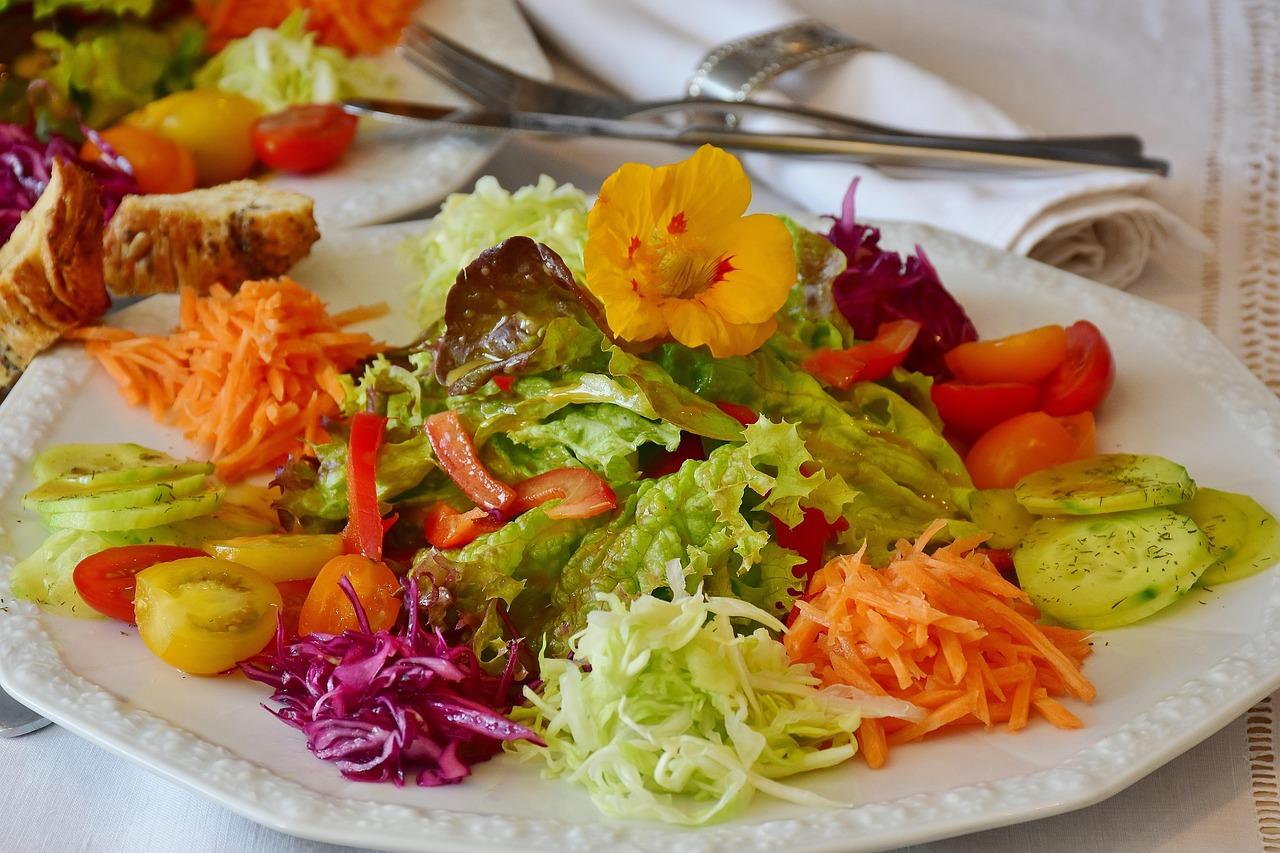
A big, bright salad of red, green and yellow peppers, boiled peanuts, sweet corn, grapes, apple and coconut, tossed in a sweet-sour passion fruit and mint dressing. It is very popular at big parties: it looks festive, keeps its crunch and is easy to double. Serve it on a bed of crisp lettuce.

Read more 1 views

What to eat today?

Around the world

Today's trip: Persian

A new country every day, from every cuisine on the site.

Persian

Dizi

Lamb and chickpea stew 245 minMore from Persian (131) →

This week's collection

Kid-friendly dinners
537 recipes · a new collection every Monday

Latest recipes

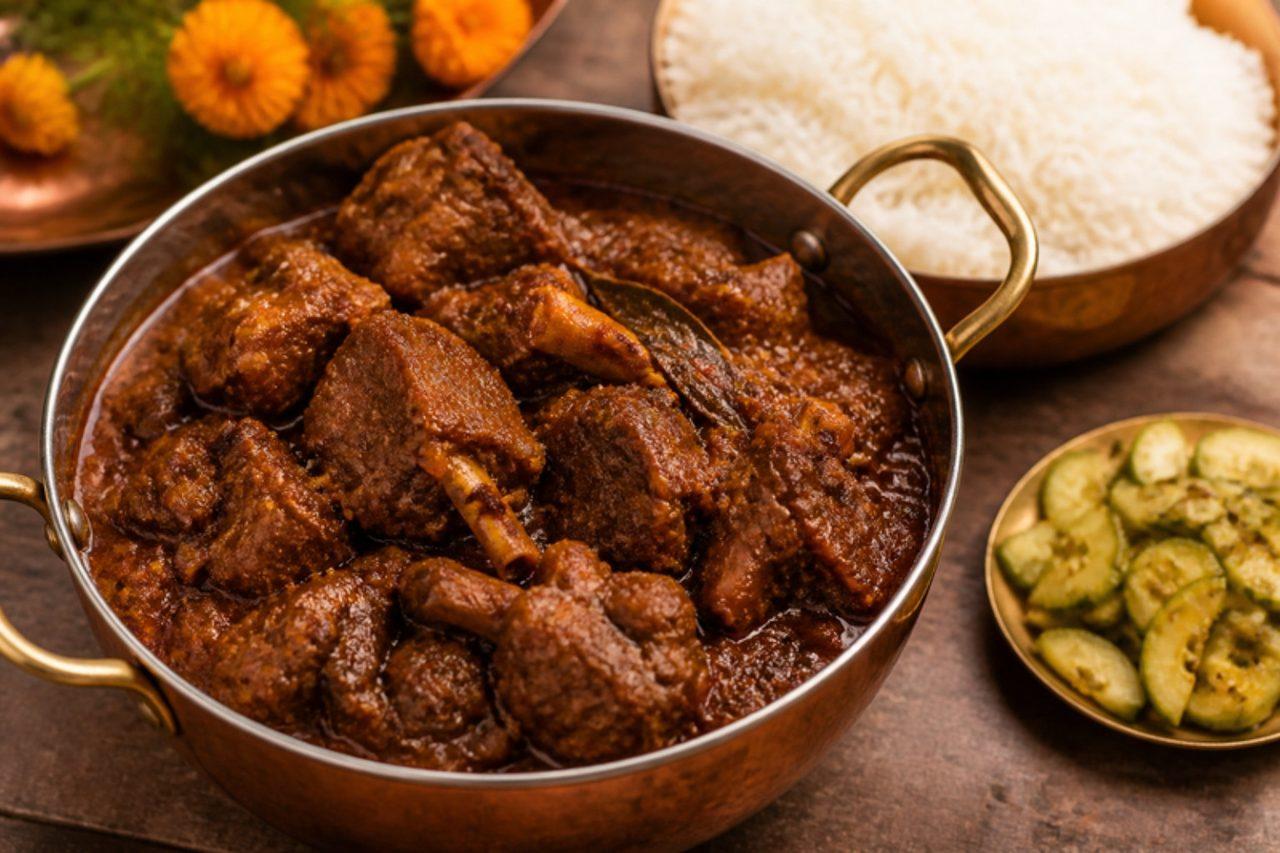
Khasi ko masuGoat curry

For most Nepali families the tenth day of Dashain, when elders put tika and jamara on younger relatives' foreheads, means a pot of khasi ko masu bubbling in the kitchen, bone-in castrated goat cooked in mustard oil with heaps of onion, ginger and garlic and whole spices until the meat falls from the bone. It is a celebratory but homely curry, with a loose, glossy, deep-red gravy, eaten with plain rice or sel roti and a cucumber achar, and the same curry fills plates at weddings and family visits for weeks after the festival. Use goat or mutton with plenty of bone, since the marrow and connective tissue give the gravy its body. The usual shortcut, rushing the onions, leaves the gravy thin and sharp; they must cook to a deep brown. Chef's tip: a pinch of jimbu, the dried Himalayan herb, added at the end gives the curry its unmistakable hill-country aroma.

by KrazyBadal 0 views

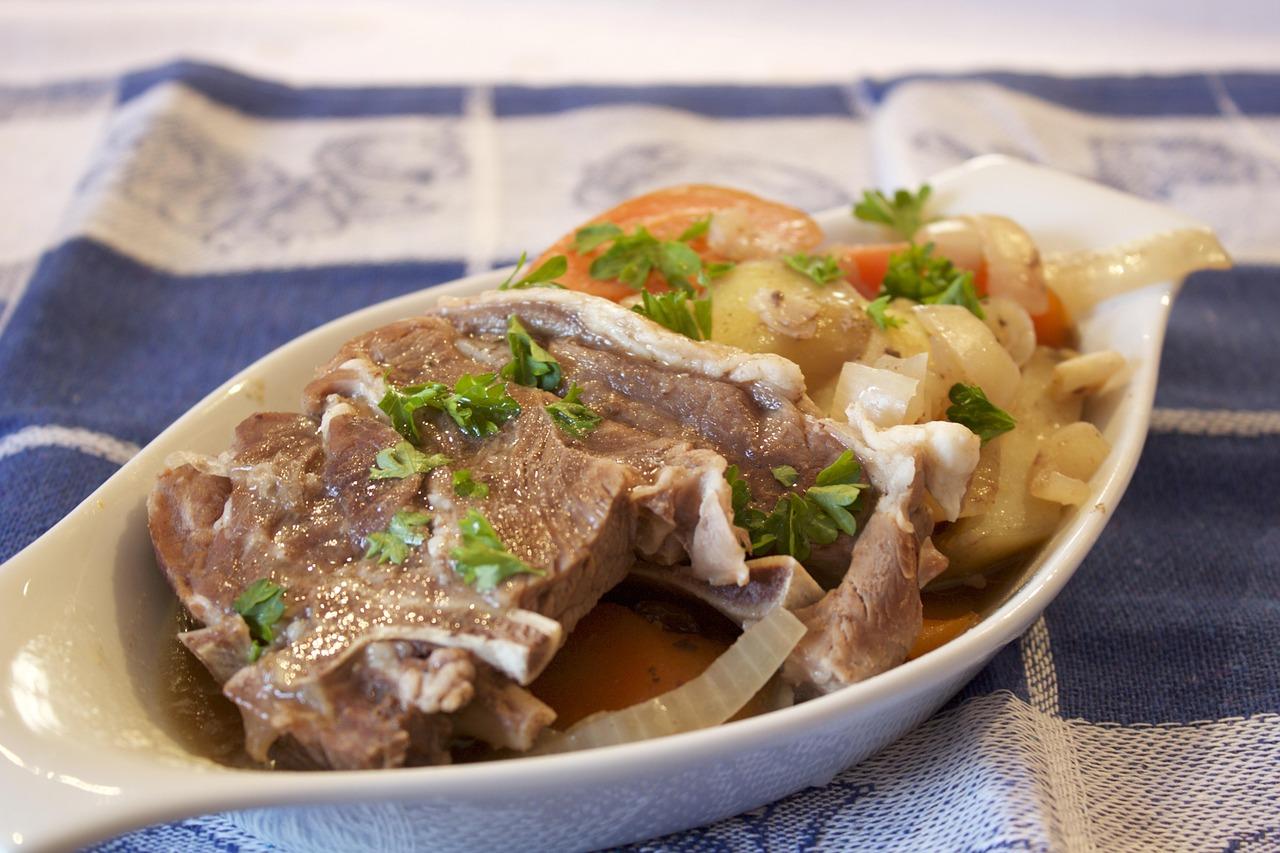
KhashlamaLamb and vegetable stew

Khashlama is a village dish from across Armenia, made in a big pot for family gatherings in Ararat and Kotayk: chunks of lamb on the bone, or beef, layered with onions, tomatoes, peppers and potatoes and cooked slowly with very little liquid, so the meat stews in its own juices and the vegetables soak them up. It is served in deep plates with lavash and lots of fresh herbs. A common mistake is adding water to cover; the result is a soup, not khashlama. Chef's tip: put the lamb on the bottom and the potatoes on top, so the meat browns slightly and the potatoes steam in the juices without breaking.

170 minArmenianMeatGluten free
by KrazyBadal 0 views

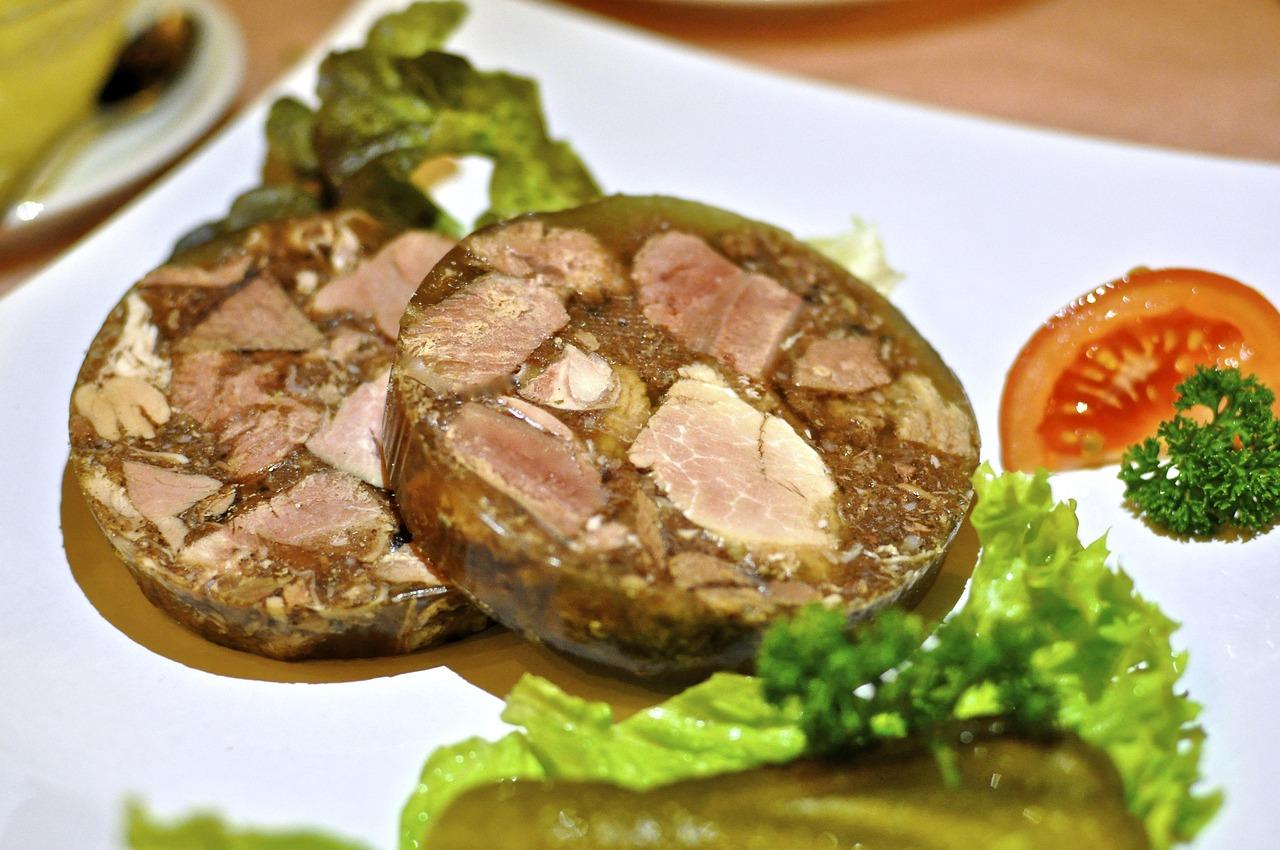
KholodetsMeat jelly

Kholodets is winter food, made in big batches before New Year and Orthodox Christmas when the cold balcony doubles as a fridge. Pork trotters and beef shin are simmered for hours until the broth is rich enough to set on its own, no added setting agent; the meat is shredded, layered with garlic and covered with the strained stock to set into a trembling, clear jelly. It is eaten cold, cut into squares, with sharp horseradish and mustard and hot boiled potatoes. This dish uses pork (trotters and knuckle) as well as beef. Where most people go wrong is letting the pot boil hard, which makes the jelly cloudy and greasy. Chef's tip: spoon a little broth onto a cold saucer after 5 hours; if it sets firm in the fridge in 15 minutes, the stock is ready.

480 minRussianMeatGluten free
by KrazyBadal 0 views

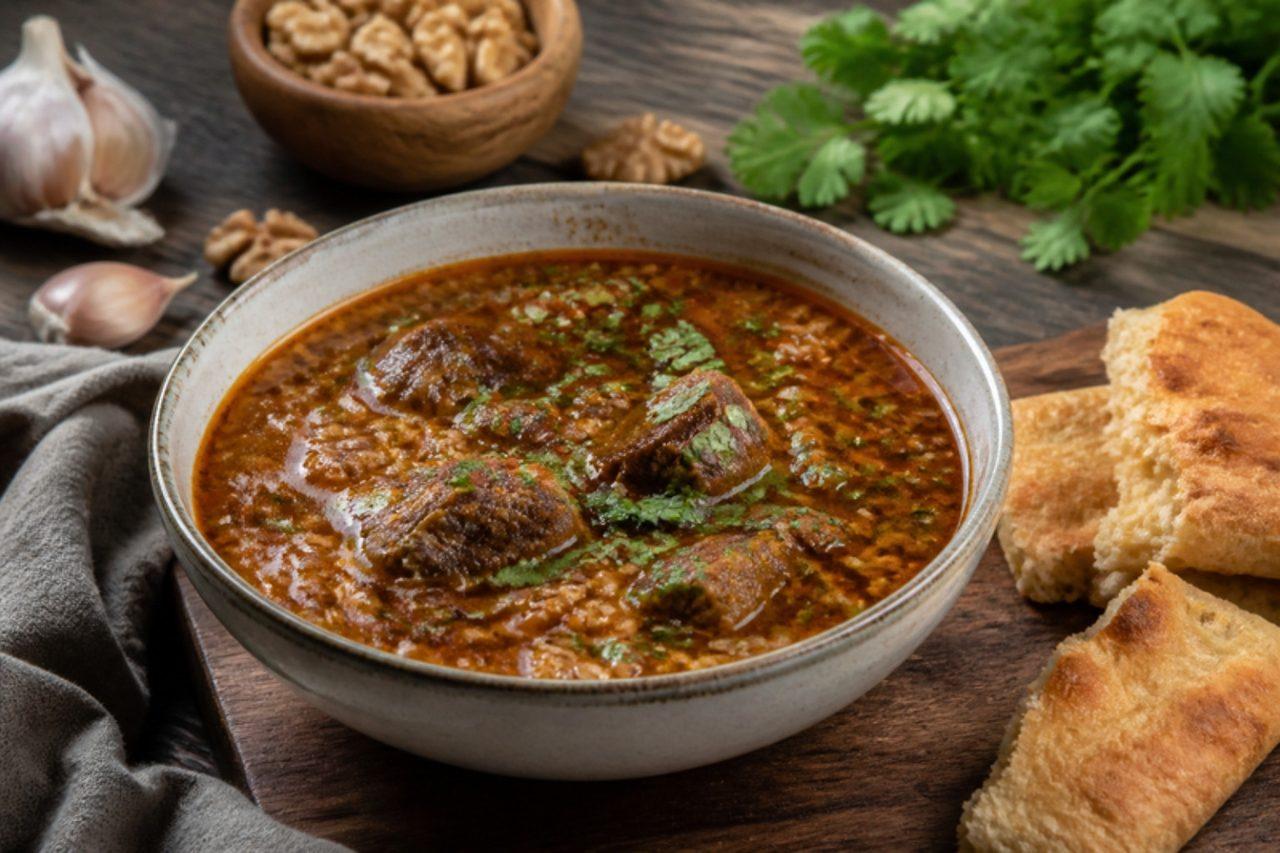
KharchoBeef, rice and walnut soup

Kharcho is the soup Tbilisi cooks make when the weather turns cold: beef brisket simmered until it falls apart, then thickened with rice and ground walnuts and given its sour, tangy edge by tkemali plum sauce, with khmeli-suneli, garlic and a lot of coriander. It is spooned into deep bowls in old-town cafés and eaten with shoti bread, and it is thick enough to be a whole meal. A common mistake is adding the rice too early, so it swells into porridge and the soup loses its body. Chef's tip: grind the walnuts with garlic and a ladle of hot broth before stirring them in, so they thicken the soup smoothly rather than floating as crumbs.

by KrazyBadal 0 views

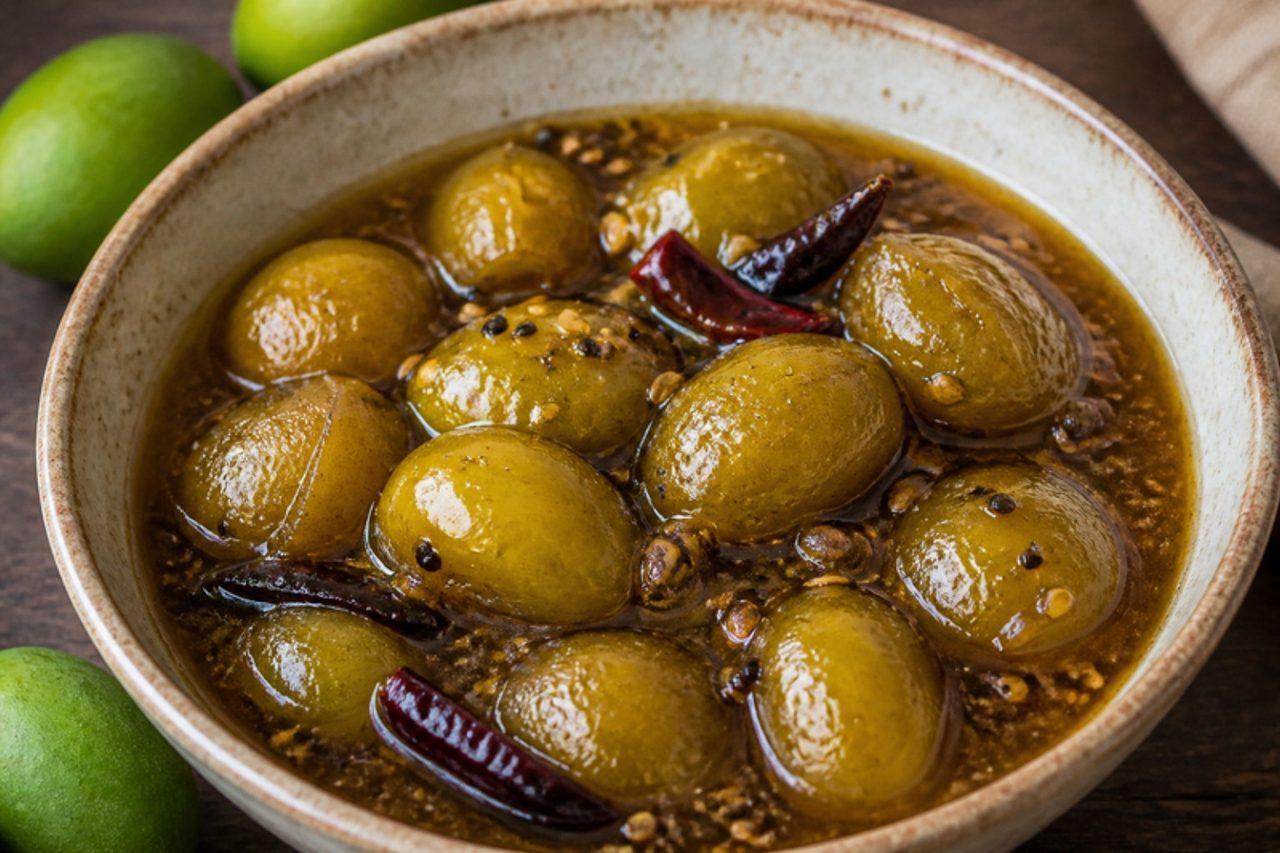
Amra chutneyHog plum chutney

Barisal is famous for its amra, the green, tart hog plums that pile up on market stalls from August to October, and every household there turns some of the harvest into a glossy, jammy chutney. The fruit is scored so the jaggery syrup can soak in, then simmered with panch phoron, dried chilli and a little turmeric until the flesh is soft around the hard, spiny stone. Sweet, sour and gently hot, it is served at the end of a wedding feast or a festive lunch, a spoonful eaten with the last of the rice, and children suck the stones clean. Cooking it too hard reduces the syrup to toffee once it cools, so stop while it still runs off the spoon. Chef's tip: if you can't find hog plums, sour green plums or a firm green mango cut into chunks make a good stand-in.

by KrazyBadal 0 views

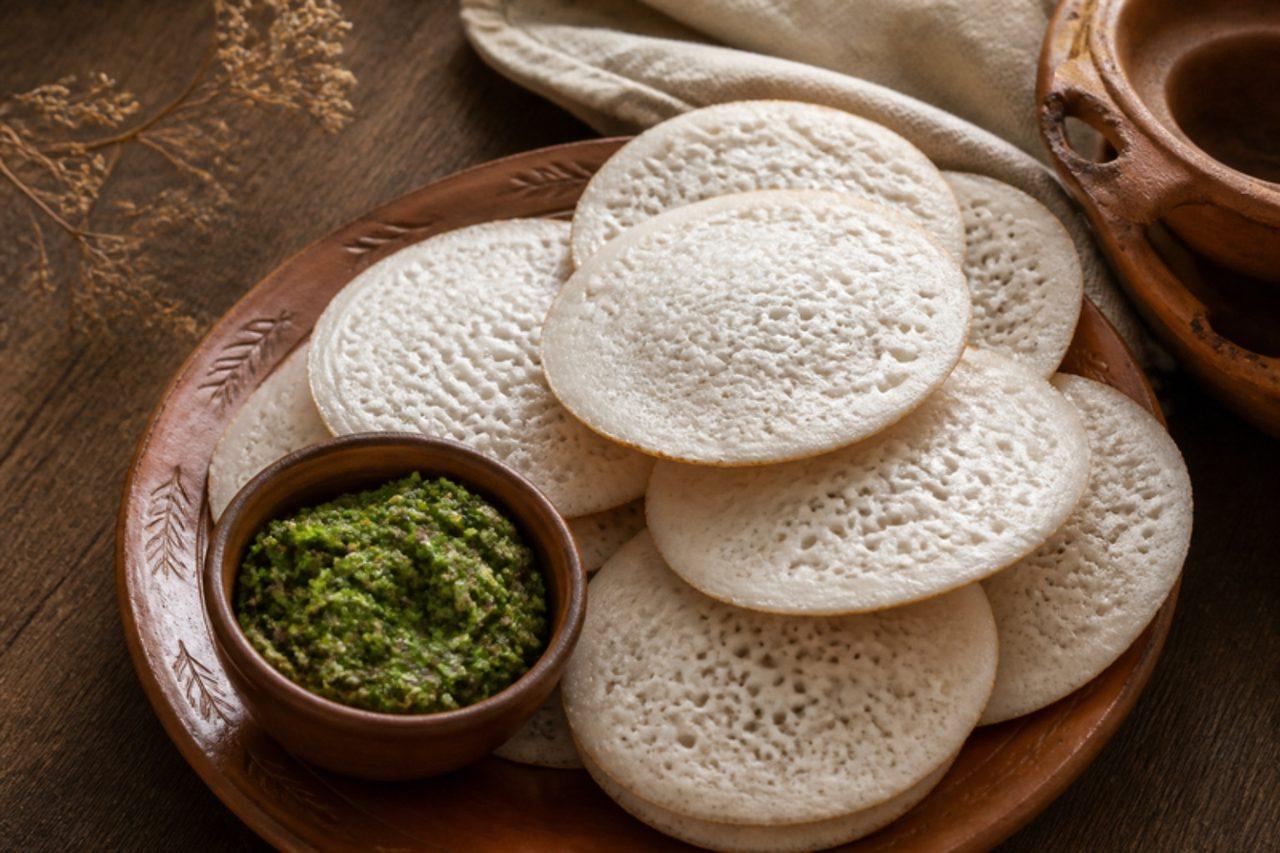
Chitoi pithaSpongy rice flour cakes

As soon as the cold arrives in December, women set up clay stoves on the pavements of Dhaka, Mymensingh and every district town, and chitoi pitha is what they sell: round, white rice cakes steamed and baked in small covered clay moulds, smooth and slightly crisp underneath and full of tiny holes on top. Winter evenings are spent queuing for them, and they are eaten hot with a row of bhortas, mustard, coriander, garlic or dried fish, or with duck curry. At home, leftover chitoi is soaked overnight in milk sweetened with date-palm jaggery to make dudh chitoi for breakfast. A batter that is too thin gives flat, dense cakes; it should be like a thick pancake batter. Chef's tip: blend a spoonful of cooked rice into the batter, which keeps the pitha soft and spongy even after it cools.

by KrazyBadal 0 views

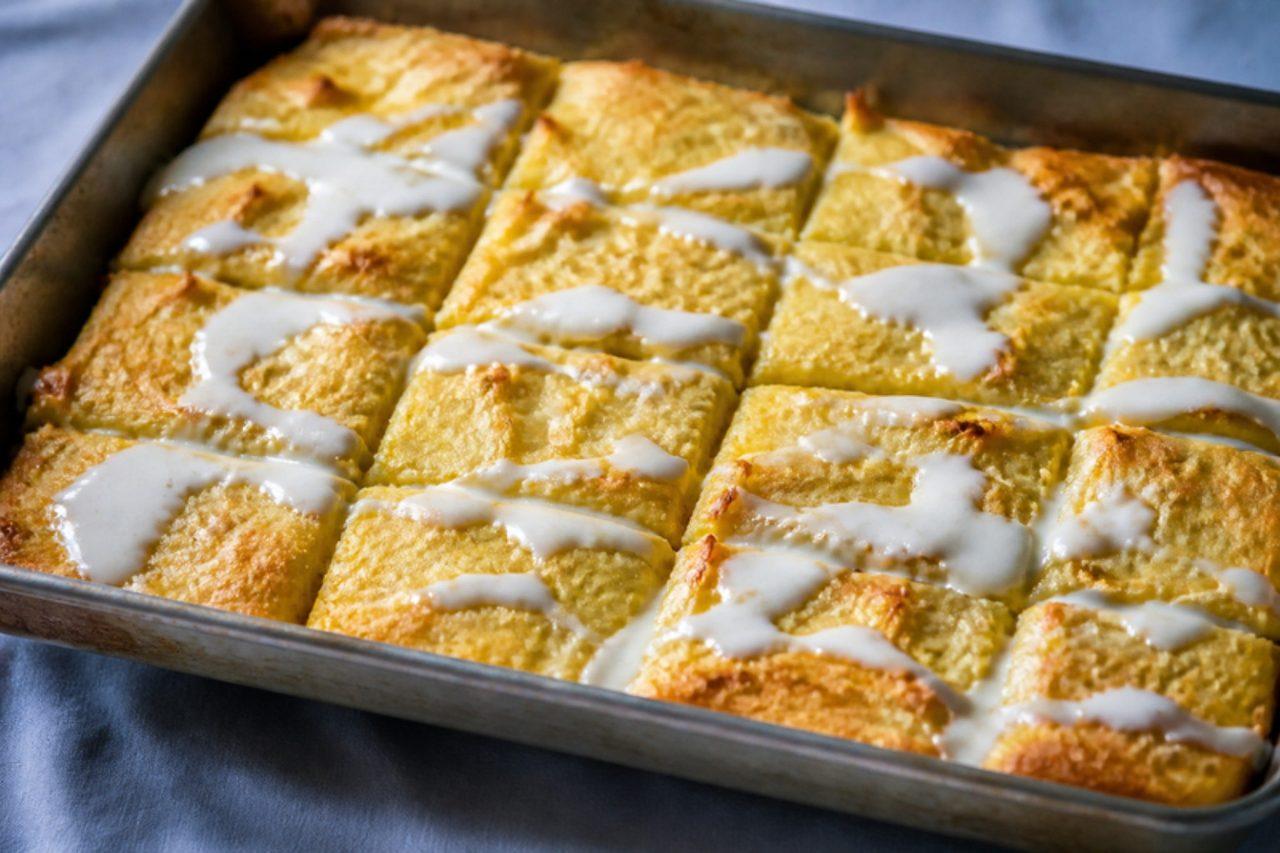
KljukušaBaked grated potato batter

Ask anyone from Bihać or Cazin in north-western Bosnia about kljukuša and they will describe a big tray of it coming out of the oven on a weekday, golden and blistered, then soaked in garlic yogurt at the table. Grated raw potato is stirred into a loose flour batter and baked in a thin layer, giving a crisp, browned top and a soft, slightly chewy middle, a bit like a potato pancake from the oven. The cold, garlicky yogurt against the hot potato is the whole point, with a green salad or pickles on the side. The usual slip is spreading it too thick, which leaves a gummy, undercooked centre; keep the layer to about 1.5 cm. Chef's tip: get the oiled tray smoking hot in the oven first, so the bottom crisps as soon as the batter hits it.

by KrazyBadal 0 views

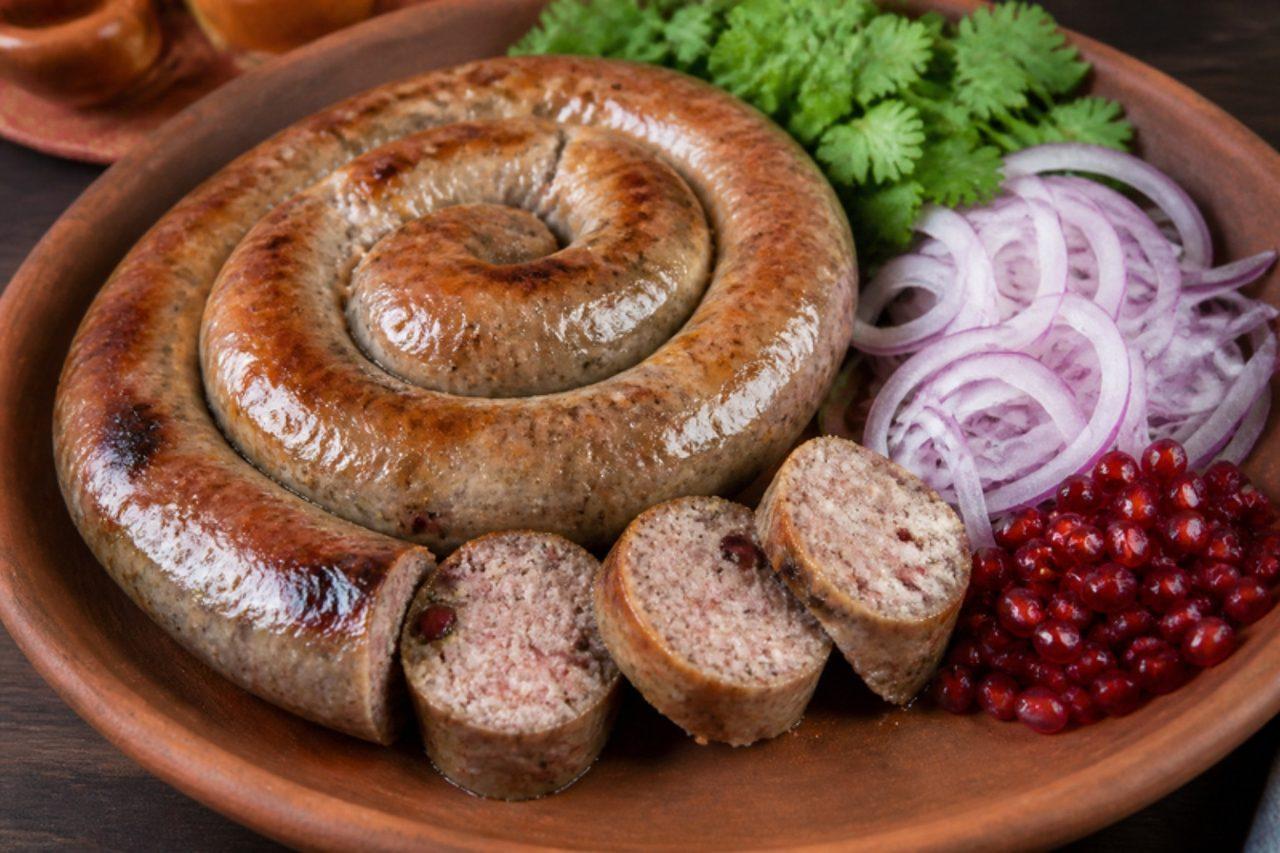
KupatiPork and offal sausages

Kupati are the coarse, spicy sausages of Imereti, made after a winter pig slaughter and grilled over vine cuttings or fried in a pan with onions; in Kutaisi they are a staple of village feasts. This is a pork recipe: minced pork shoulder with a share of pork heart and liver, seasoned with dried barberries, garlic, cinnamon, khmeli-suneli and hot pepper, stuffed into casings. A common mistake is overfilling the casings, which makes them burst as they cook. Chef's tip: poach the sausages gently first, then brown them; they cook through evenly and stay juicy. Pork sausages must reach 71 °C in the centre.

by KrazyBadal 0 views

KhaginaSpiced scrambled eggs

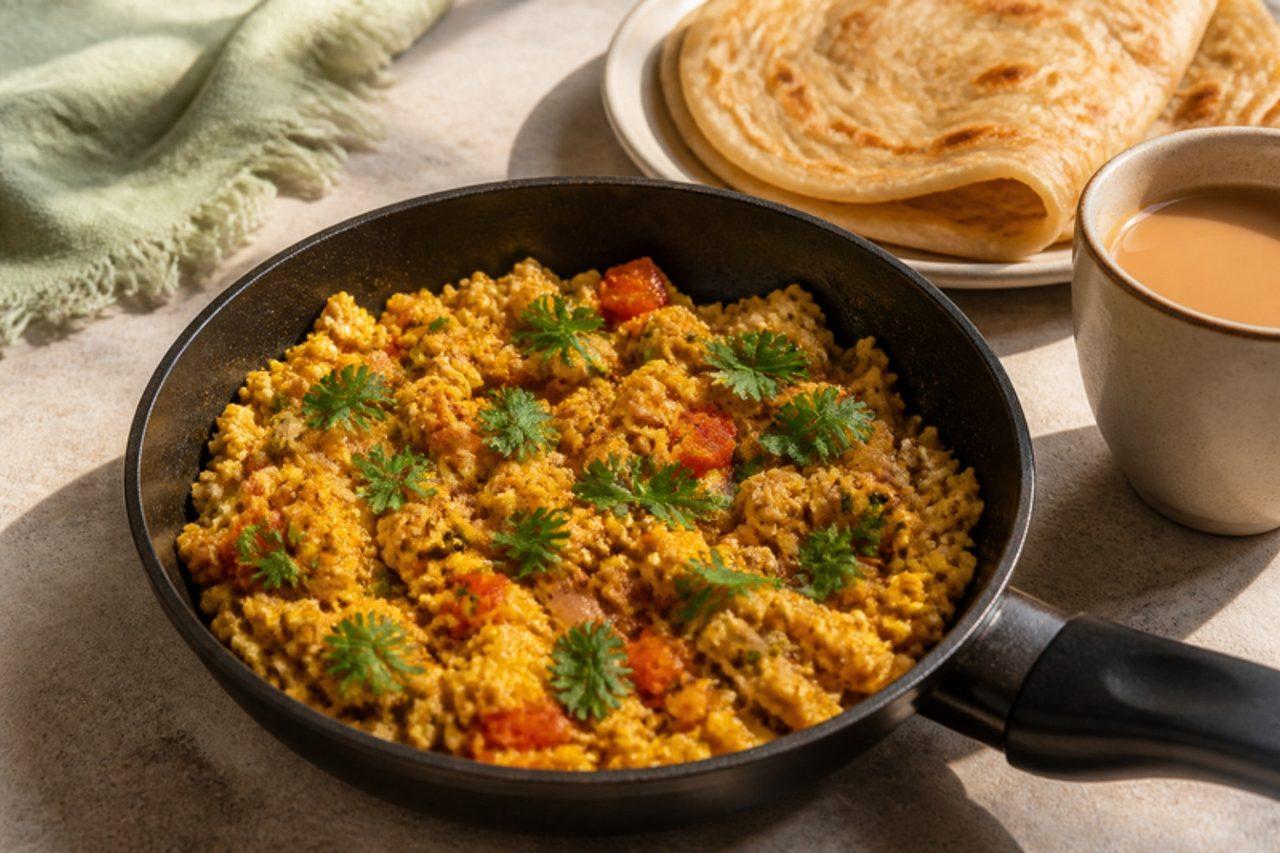
Ask almost any Pakistani what their mother made on a school morning and khagina comes up: eggs beaten with salt and turmeric and stirred into onion, tomato and green chilli softened in oil, served in a heap beside a hot paratha with a cup of doodh patti. It comes from the old Mughal and Hyderabadi kitchens that reached Karachi after Partition, and it differs from a plain scramble in being cooked a little longer, so it sets into soft, moist clumps coloured by the masala rather than staying creamy. It is everyday food in Karachi, Lahore and Peshawar alike, also eaten for a quick supper with chapati. The usual mistake is adding the eggs before the tomato has cooked down, which leaves the dish watery and the eggs rubbery. Chef's tip: take the pan off the heat while the eggs still look slightly glossy but no liquid egg remains, because they keep cooking on the plate.

by KrazyBadal 0 views

Khai paenCrispy river weed sheets

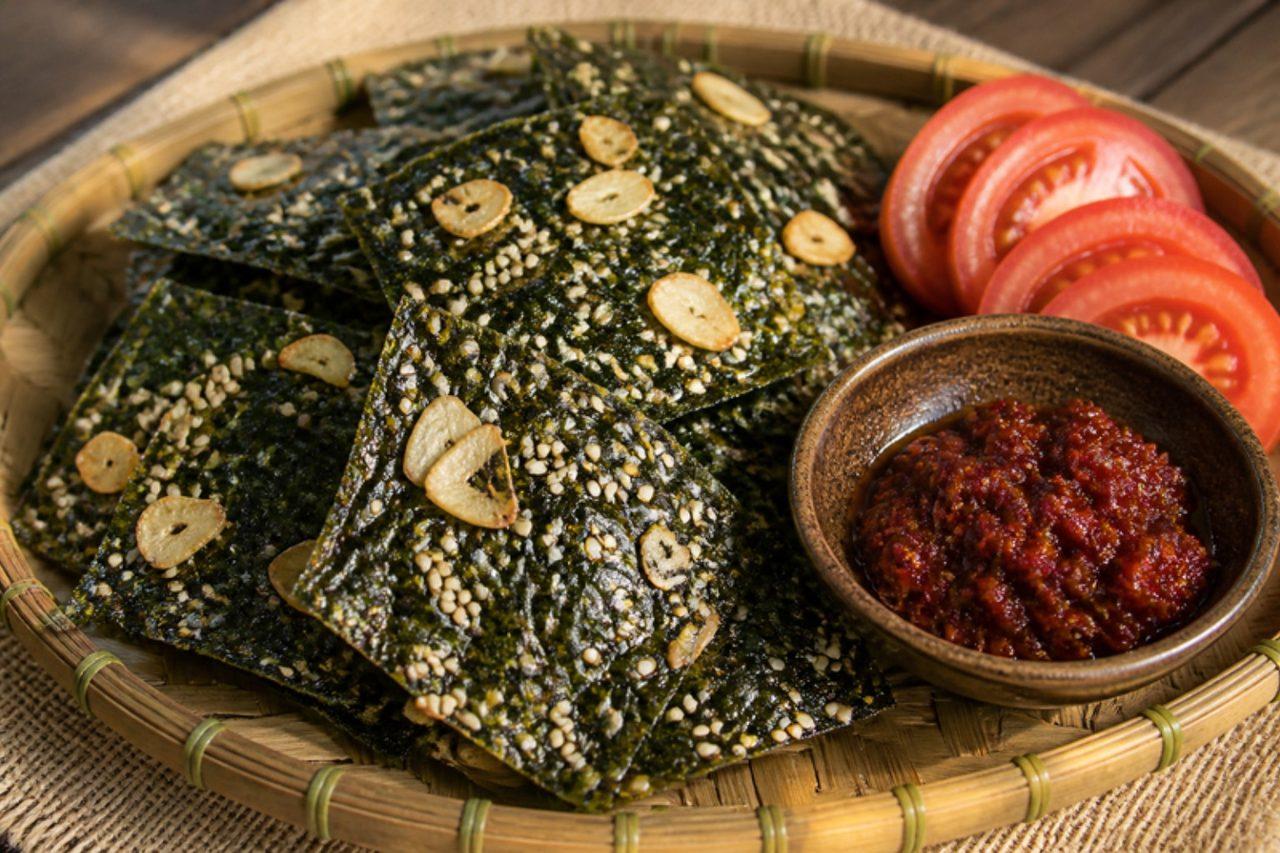
Along the Mekong and Nam Khan below Luang Prabang, women gather silky green river weed in the dry months, when the water runs low and clear, then press it into thin sheets and dry them in the sun. Those sheets turn up everywhere in town, stacked at the morning market and the night market, and a plate of fried khai paen is a favourite nibble with sticky rice and a pot of jeow bong in the late afternoon. Frying takes seconds: the sheets puff, darken and turn shatteringly crisp, tasting of the river, toasted sesame and garlic, a little like nori but earthier. Buy the sheets dried; outside Laos, look in Southeast Asian grocers, and if you can't find them, nori sheets make a stand-in, though they are thinner, sea-salty rather than freshwater and fry even faster. Leaving a sheet in the oil a moment too long is the classic error, as it goes bitter and brown almost instantly. Chef's tip: cut the sheets into squares with scissors before frying, not after, so they don't crumble into dust.

by KrazyBadal 0 views

Aruban pan batiSweet cornmeal pancakes

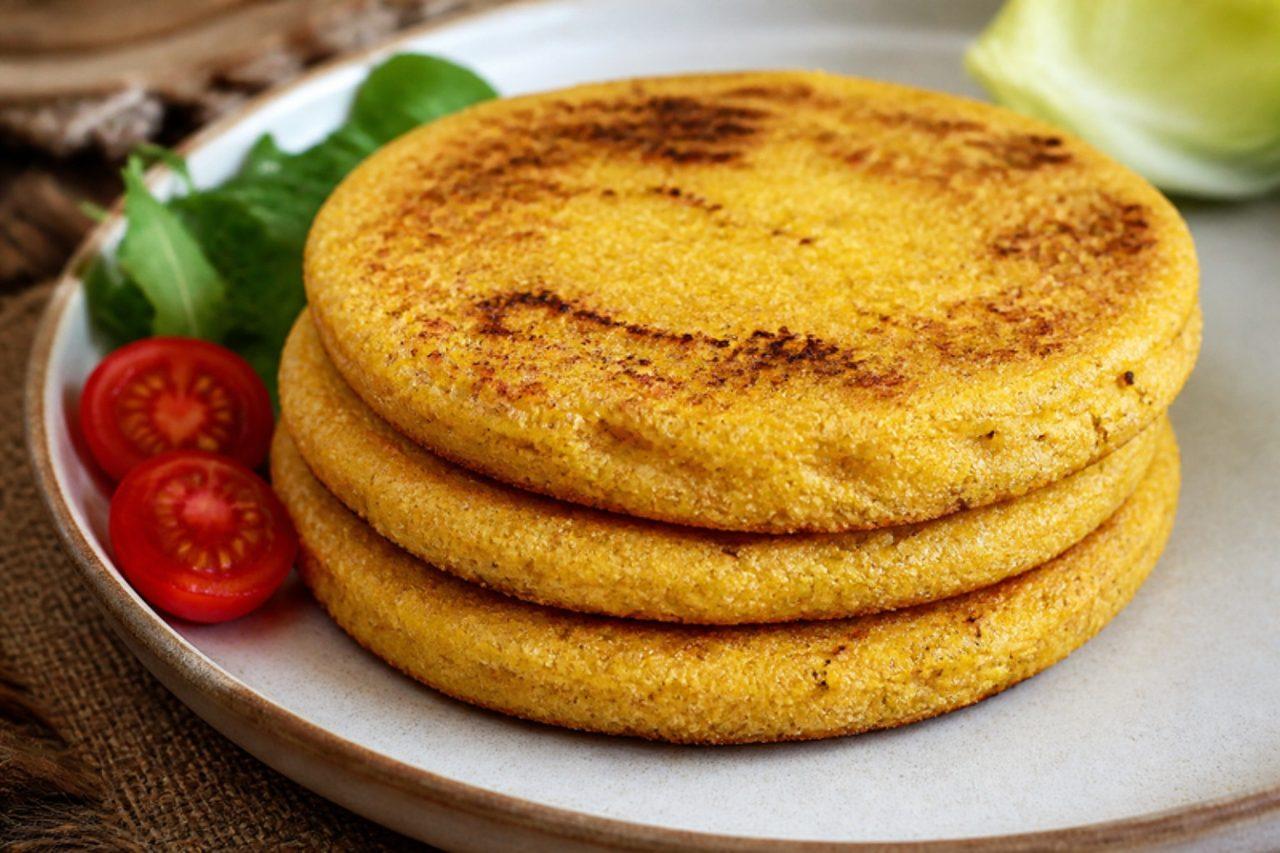
Aruban families put a stack of pan bati on the table with almost every bowl of soup or stew, from sopi di pisca to kabritu stoba: thick, slightly sweet pancakes of cornmeal and flour, cooked on a dry griddle and torn to mop up the broth. They are soft, a little grainy and golden at the edges. The mistake is cooking them too fast, so they burn outside and stay raw in the middle. Chef's tip: let the batter rest for 10 minutes so the cornmeal softens and the pancakes come out tender.

by KrazyBadal 0 views

Khaddi kebabRoast spiced lamb over rice

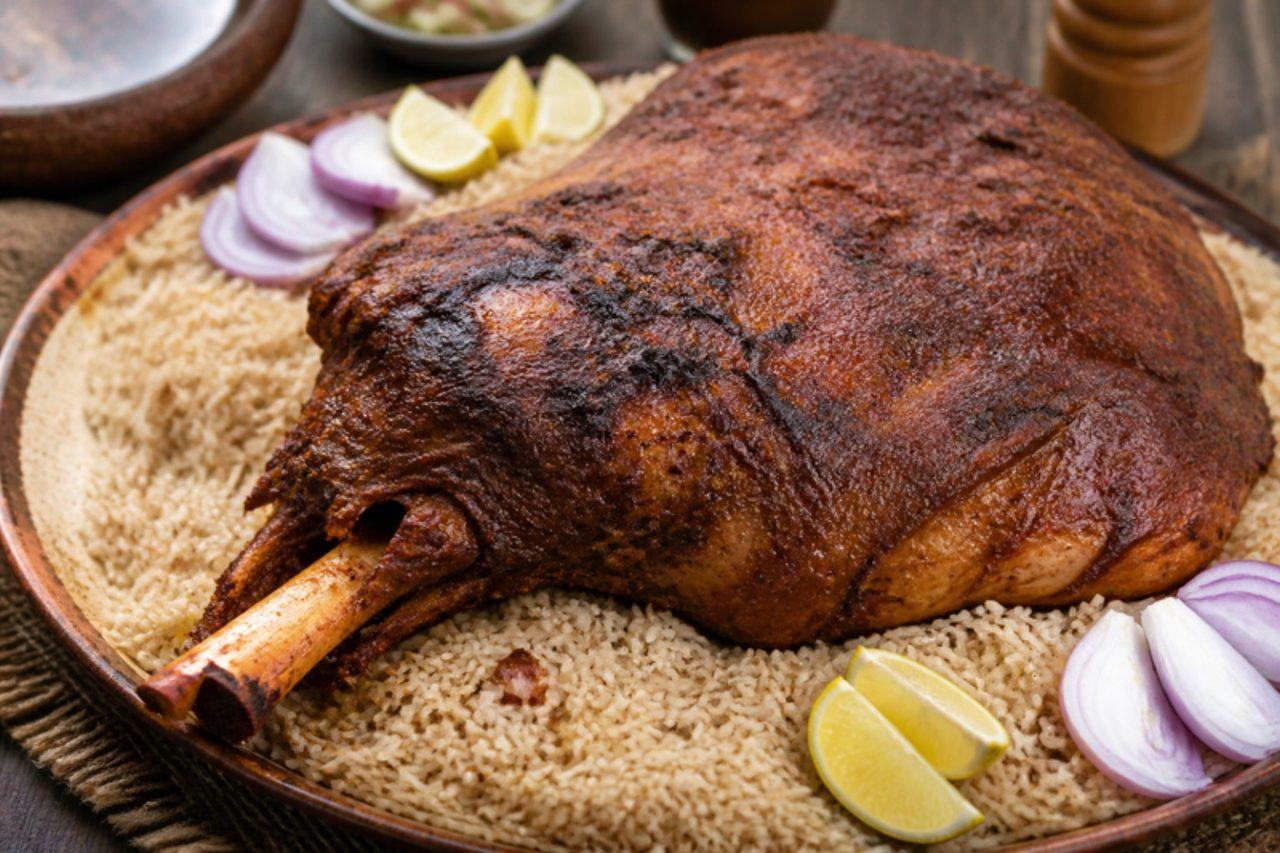
A khaddi, in Baloch country, is a pit dug in the ground and lined with hot stones; a whole goat or lamb, rubbed with salt and spices and stuffed with rice, is lowered in, covered with earth and left for hours, then dug out for weddings and tribal feasts. Few home cooks have a pit, so this version roasts a bone-in lamb shoulder low and slow under foil, then sets it on a tray of part-cooked rice so the rice drinks the dripping juices, the same marriage of meat and rice the pit gives. The meat should pull apart with a spoon and the rice taste deeply of lamb. Stuffing raw rice inside a big joint is where cooks go wrong at home: the centre stays underdone and is not safe, so cook the rice under the meat instead. Chef's tip: roast the lamb the day before, chill it in its juices and lift off the hard fat, then reheat with the rice; it carves more neatly too.

by KrazyBadal 0 views

Khajoor ka halwaDate halwa

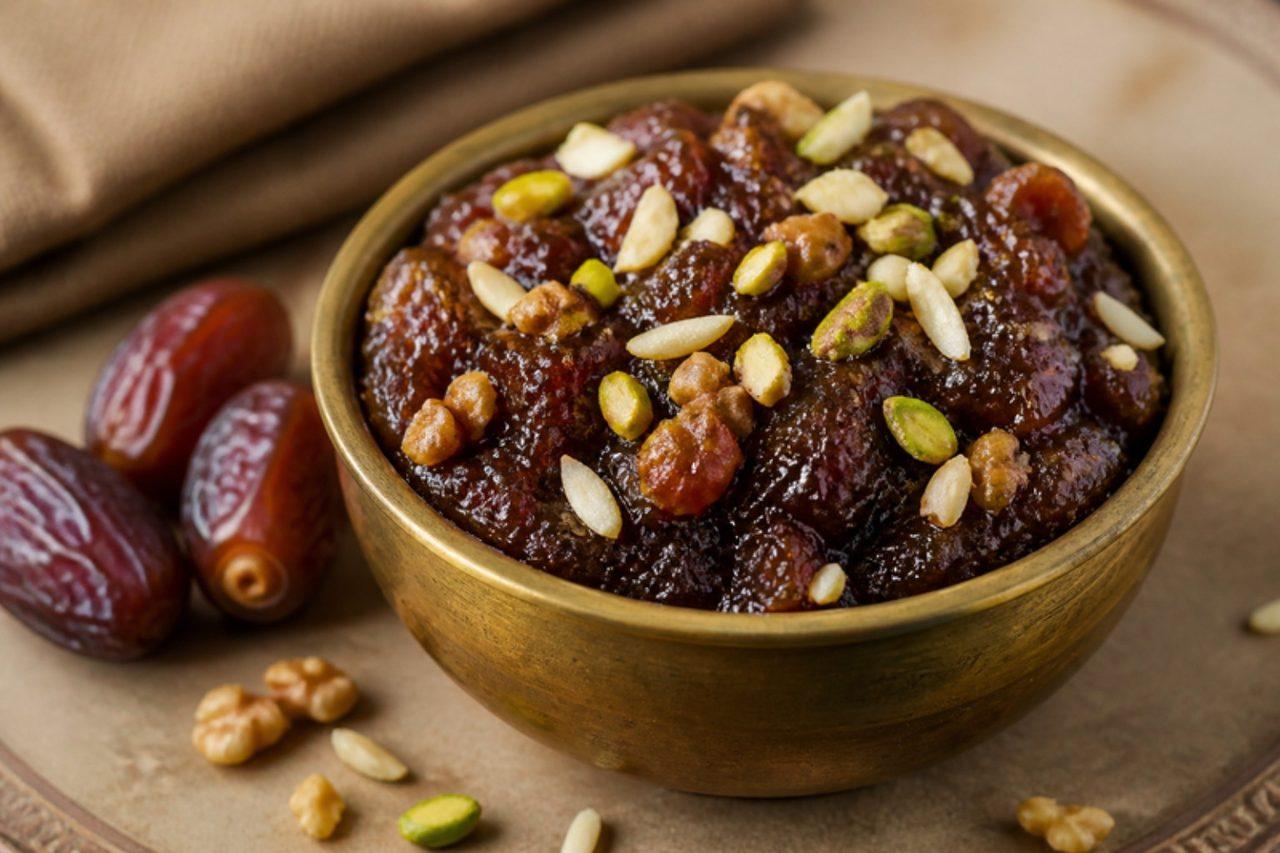
The oasis towns of Turbat and Panjgur in Makran grow some of Pakistan's finest dates, the soft, honeyed Begum Jangi and Muzawati among them, and after the late-summer harvest households turn the surplus into this rich, fudgy halwa. Dates are softened in warm milk, mashed and cooked down slowly in ghee until the mixture is dark and glossy and comes away from the pan, then finished with almonds, walnuts and cardamom. It needs little or no added sugar, and it is served in small portions at Eid, to new mothers and to guests with green tea. Using dry, hard dates without soaking is where it goes wrong, leaving the halwa lumpy and leathery. Chef's tip: choose soft, moist dates and blend them only briefly after soaking, so a few small pieces remain for texture.

by KrazyBadal 0 views

Kesel muwa curryBanana blossom curry

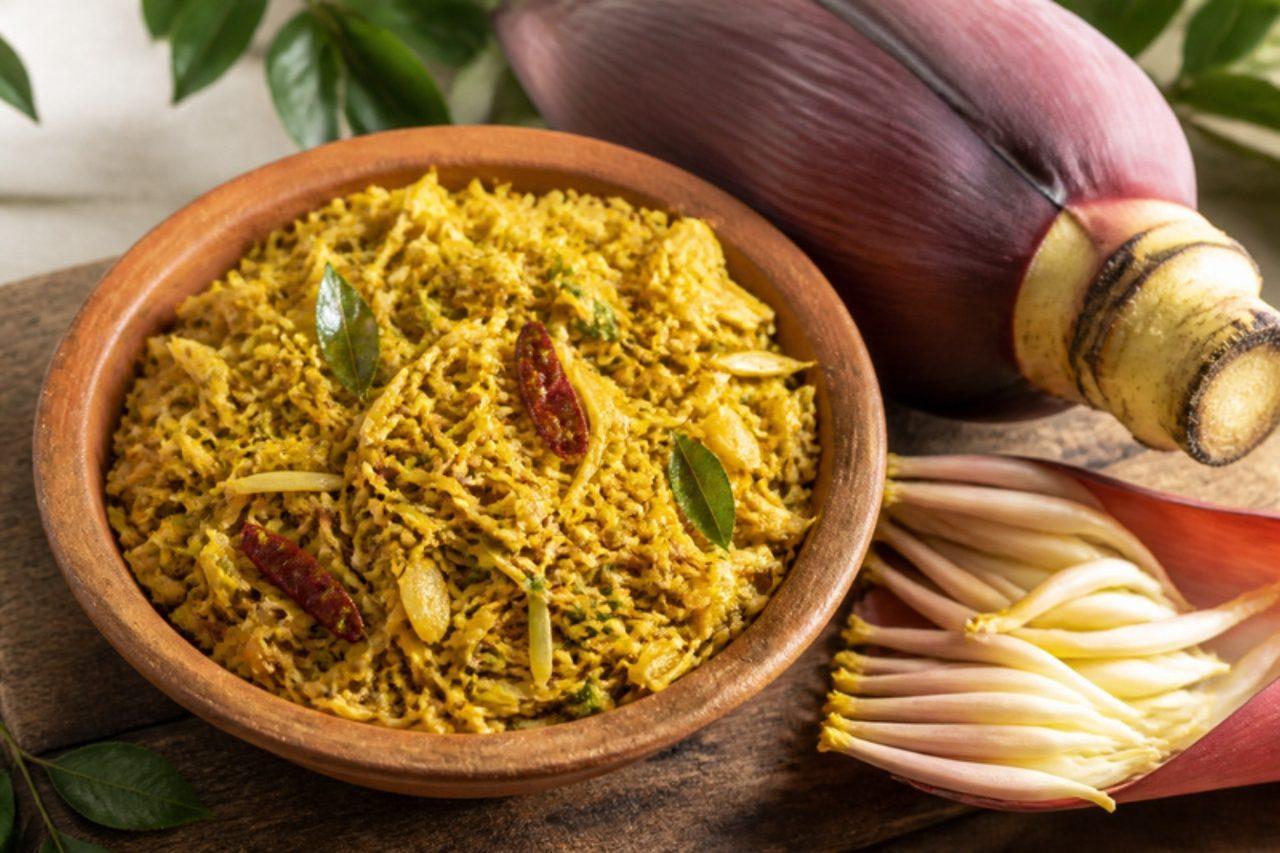
Every banana plant in a Sri Lankan back garden eventually pushes out a heavy, purple, spear-shaped flower, and rather than waste it, home cooks across the western province slice it into this savoury, slightly meaty curry. Once the tough outer bracts come off, the pale heart is shredded and cooked with roasted curry powder, mustard seed and chilli, then finished with coconut milk until it is tender with a faint, pleasant astringency, a bit like artichoke. It is a weekday dish, served with red rice, parippu and a pol sambol. The flower browns and turns bitter within minutes of being cut, which is where most first attempts go wrong, so have a bowl of salted turmeric water waiting and drop the slices in as you go. Chef's tip: if you can only find tinned banana blossom in brine, rinse it well, chop it and skip the soaking; it needs only half the cooking time.

by KrazyBadal 0 views

Keshi yenaChicken-stuffed Edam cheese

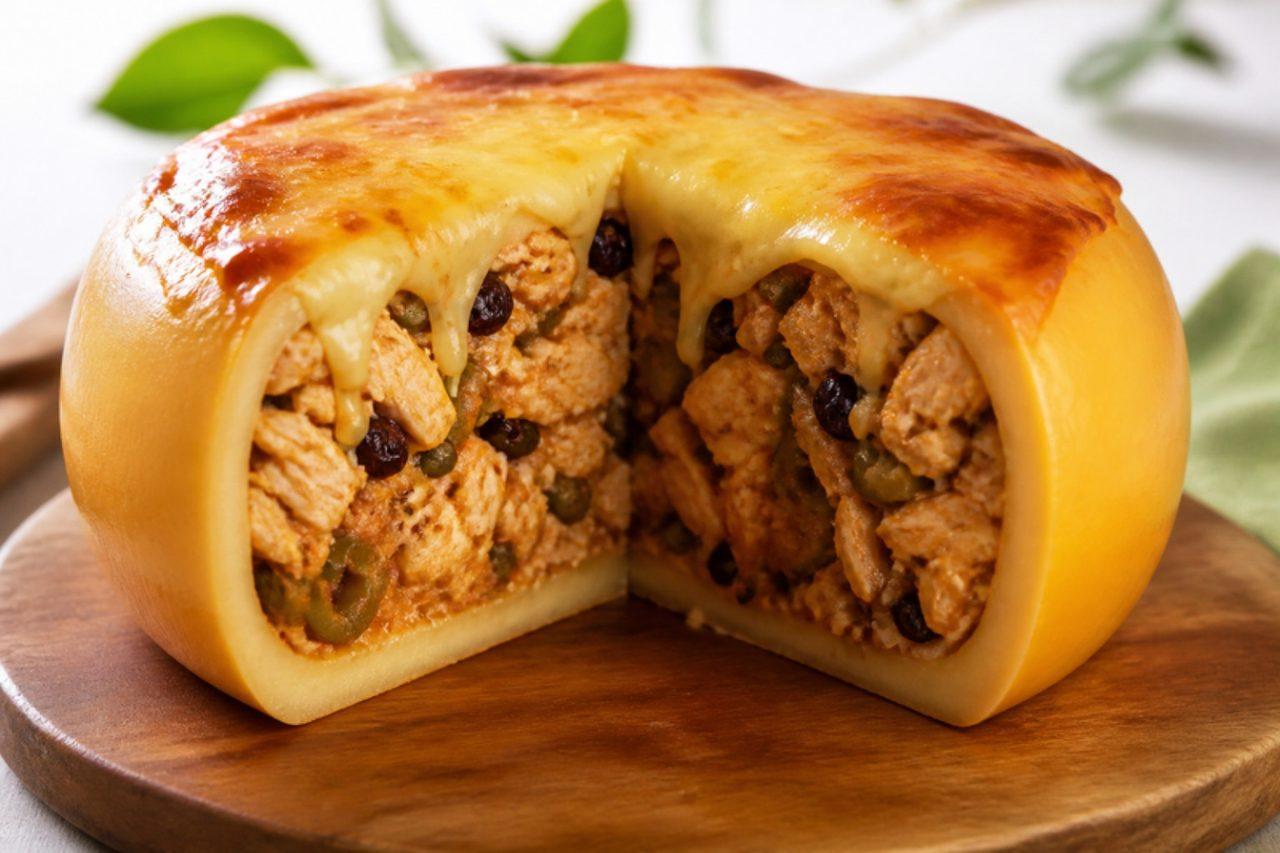
Keshi yena, "stuffed cheese", is the most famous dish of Curaçao and Aruba, born when cooks on Dutch plantations reused the rinds of big Edam cheeses by filling them with leftover meat. Today it is a festive dish: a spiced chicken filling with tomato, onion, olives, capers, raisins and hot pepper, sealed in sliced Edam and baked until the cheese melts into a golden crust, eaten with white rice or funchi. The mistake to avoid is a wet filling, which makes the cheese case collapse; cook it down until thick. This home version is baked in ramekins lined with cheese slices. Chef's tip: oil the ramekins well and turn the cheese cups out onto plates for a dramatic presentation.

by KrazyBadal 0 views

Asa tibsFried tilapia pieces

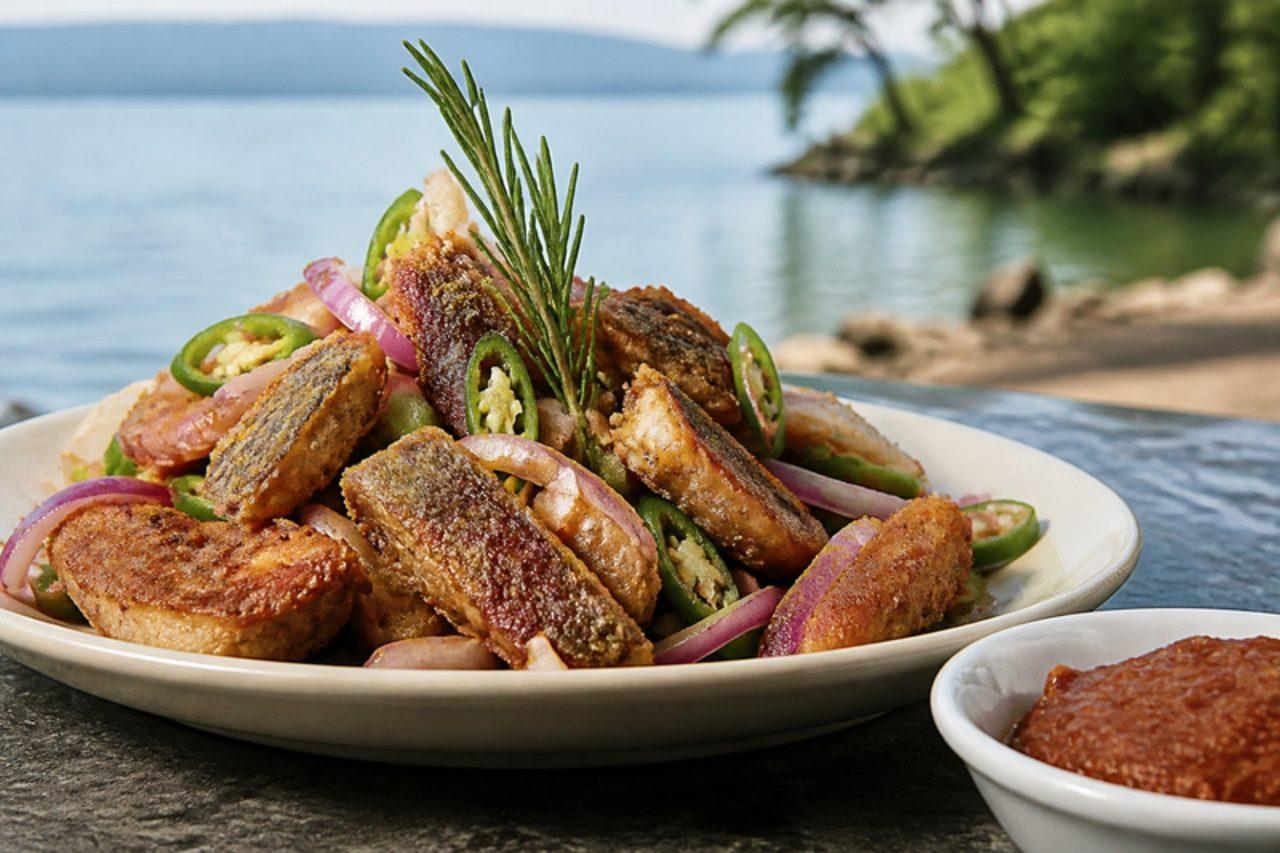
Down by the fish market on the shore of Lake Hawassa, cooks fry tilapia straight from the boats and serve it with injera, bread and a fiery dip, and asa tibs is the version you can easily make at home. Bite-sized pieces of fillet are dusted, fried until crisp and golden, then tossed briefly with soft onion, green chilli and a spoon of awaze, so the fish is crunchy outside, flaky and sweet inside, and coated in a spicy glaze. It is a favourite on fasting days for people who eat fish, and quick enough for a weeknight. Chef's tip: leave each piece undisturbed until it releases from the pan by itself; moving fish too early is the common mistake, and it tears the coating and breaks the flesh.

by KrazyBadal 0 views

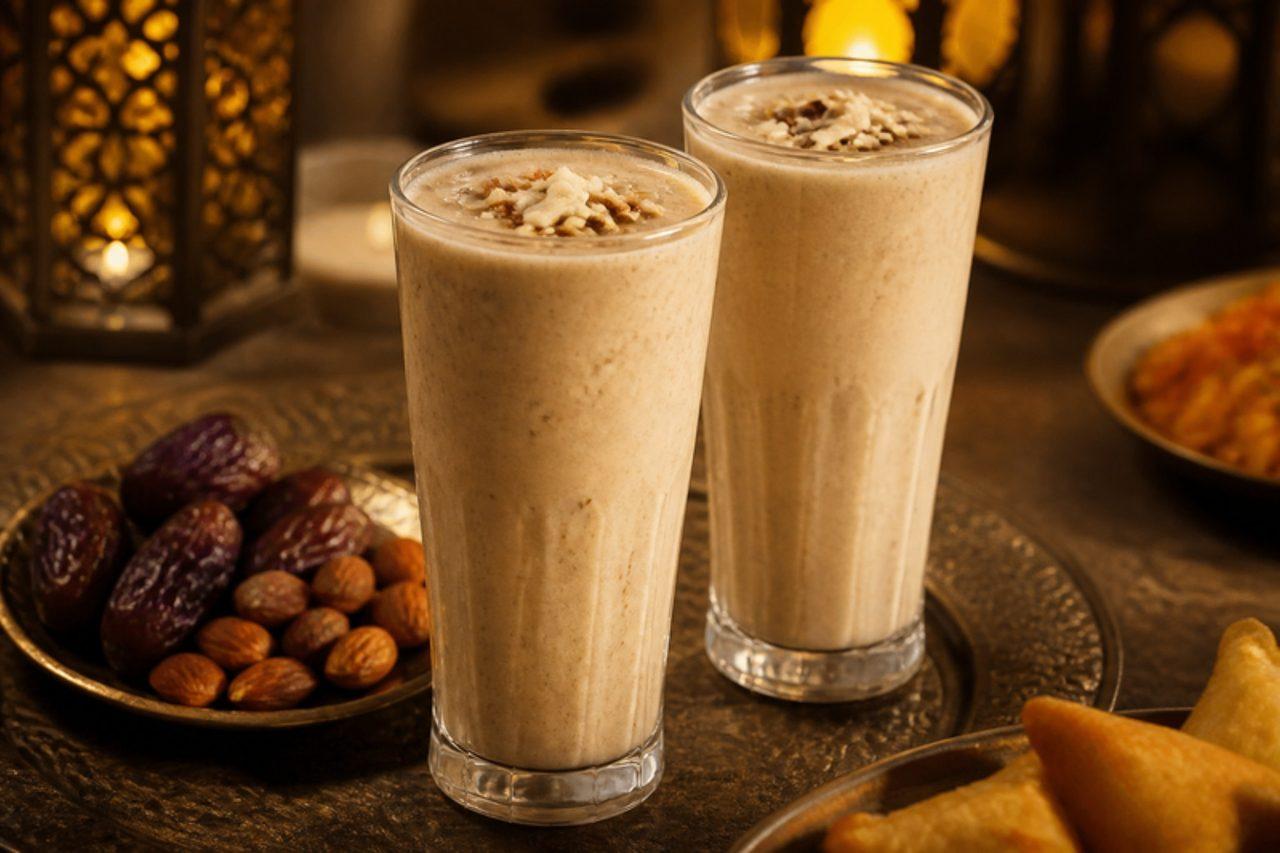
Khajoor shakeDate and almond milkshake

Dates are the first thing on the table when the azan sounds for iftar in Pakistan, and in many homes in Karachi and Islamabad the dates go straight into the blender with cold milk and a handful of soaked almonds, making a thick, caramel-sweet shake that restores energy quickly after a long summer fast. Soft, moist dates such as the Aseel from Khairpur in Sindh give the smoothest result, and the drink needs no added sugar at all. It is also a popular breakfast for children and a quick snack after school. The typical mistake is blending dry, hard dates straight from the packet, which leaves chewy fragments and a gritty shake. Chef's tip: soak the stoned dates and almonds in a little warm milk for 10 minutes first, and blend them to a smooth paste before adding the rest of the cold milk.

by KrazyBadal 0 views

Dominican chimi burgerBurger with cabbage and mayo-ketchup

After dark in Santo Domingo, chimichurri carts (the "chimi" trucks) fire up griddles on street corners and sell these big, messy burgers into the small hours. A garlicky, oregano-seasoned beef patty, sometimes mixed with pork, is griddled and piled into a soft roll with lots of shredded cabbage, onion, tomato and the pink mayo-ketchup sauce. The common mistake is pressing the patty while it cooks, squeezing out the juices; flip it once and leave it. Cook the mince to 71 °C in the centre. Chef's tip: dress the shredded cabbage with a little of the sauce and lime first, so it softens slightly and stays in the bun.

by KrazyBadal 0 views

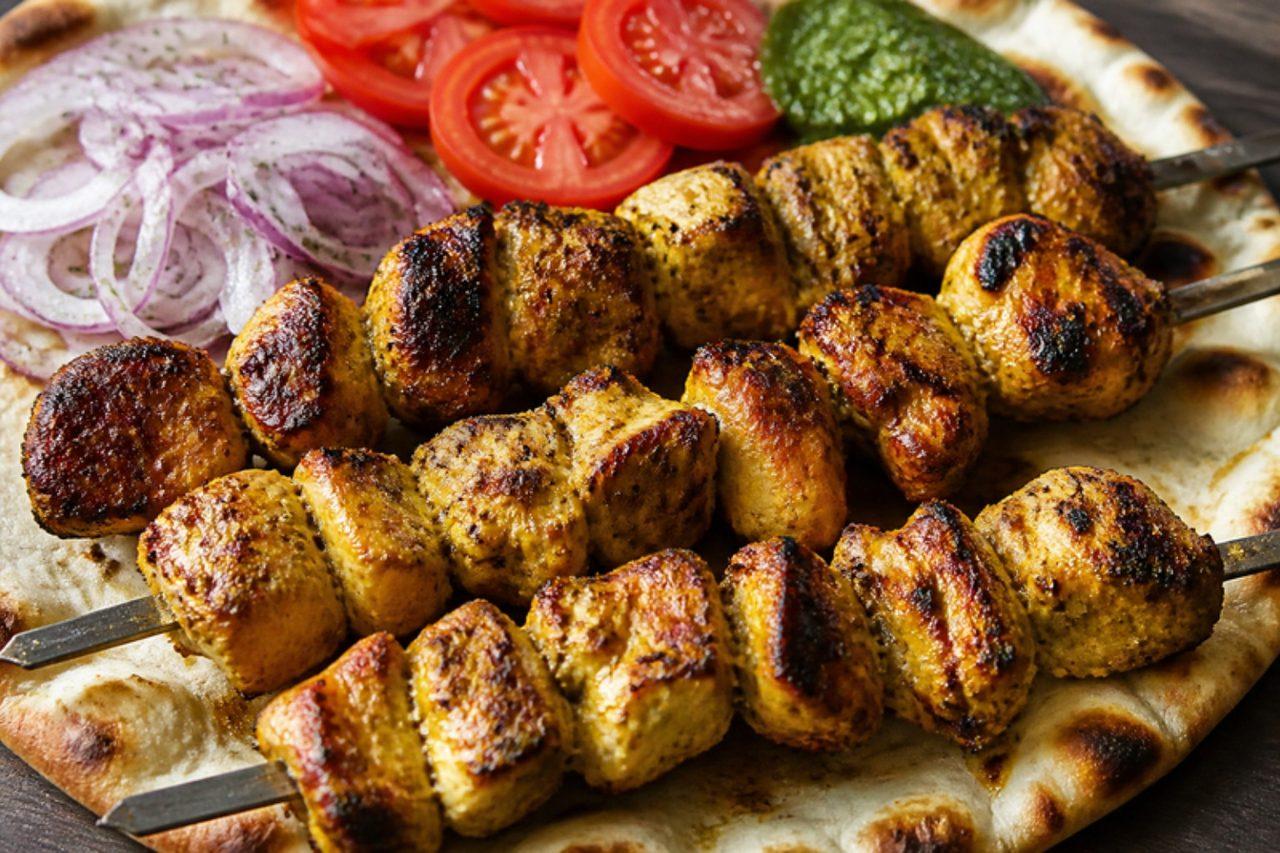
Kebab-e-murghYogurt-marinated chicken skewers

Along Kabul's kebab streets, cooks fan long rows of skewers over charcoal troughs, and chicken kebab-e-murgh has become as popular as lamb, especially with families. The meat is soaked in yogurt with a lot of garlic, lemon and chilli, which keeps it juicy and gives it a tangy, slightly charred crust; it is served on a sheet of naan that catches the drips, with sliced raw onion, tomato and green chutney. At home a hot grill pan or barbecue does the job well. Breast meat cut too small dries out before it chars, so use boneless thighs in generous chunks. Chef's tip: thread the pieces close together but not squashed, which keeps the centres moist while the edges blacken.

by KrazyBadal 0 views

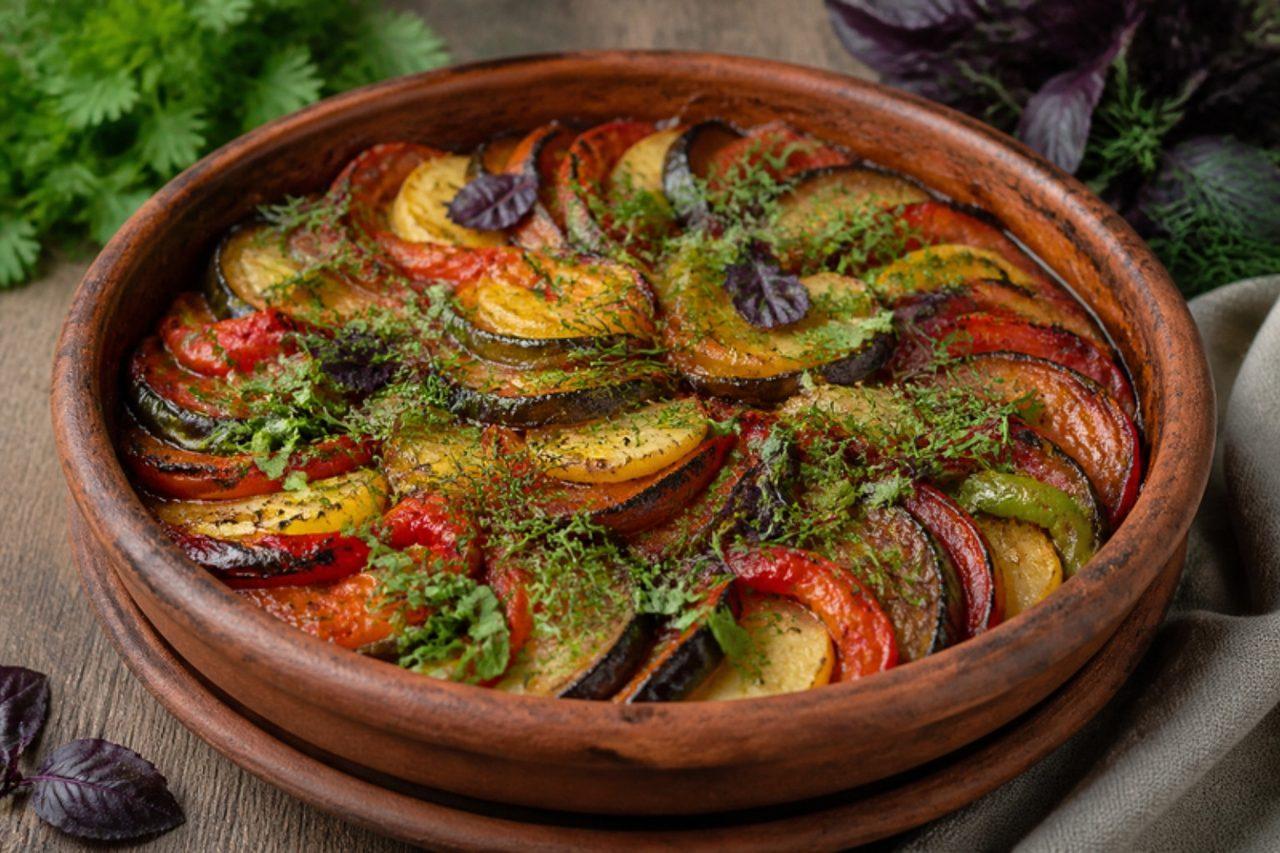
KchuchClay-pot aubergine and potato bake

A kchuch is the round clay pot of Gyumri's kitchens, and the dish cooked in it takes its name: layers of vegetables and herbs, sealed and slow-baked until everything collapses into a rich, juicy stew. Shirak families often add lamb, but the vegetable version is a summer and Lenten favourite, heavy with aubergine, potatoes, peppers, tomatoes and garlic. A common mistake is slicing the potatoes thick, which leaves them hard when the aubergine is already soft. Chef's tip: lay the tomatoes and herbs on top and seal the lid with a strip of dough or foil, so the steam stays in and the vegetables cook in their own juices.

by KrazyBadal 0 views

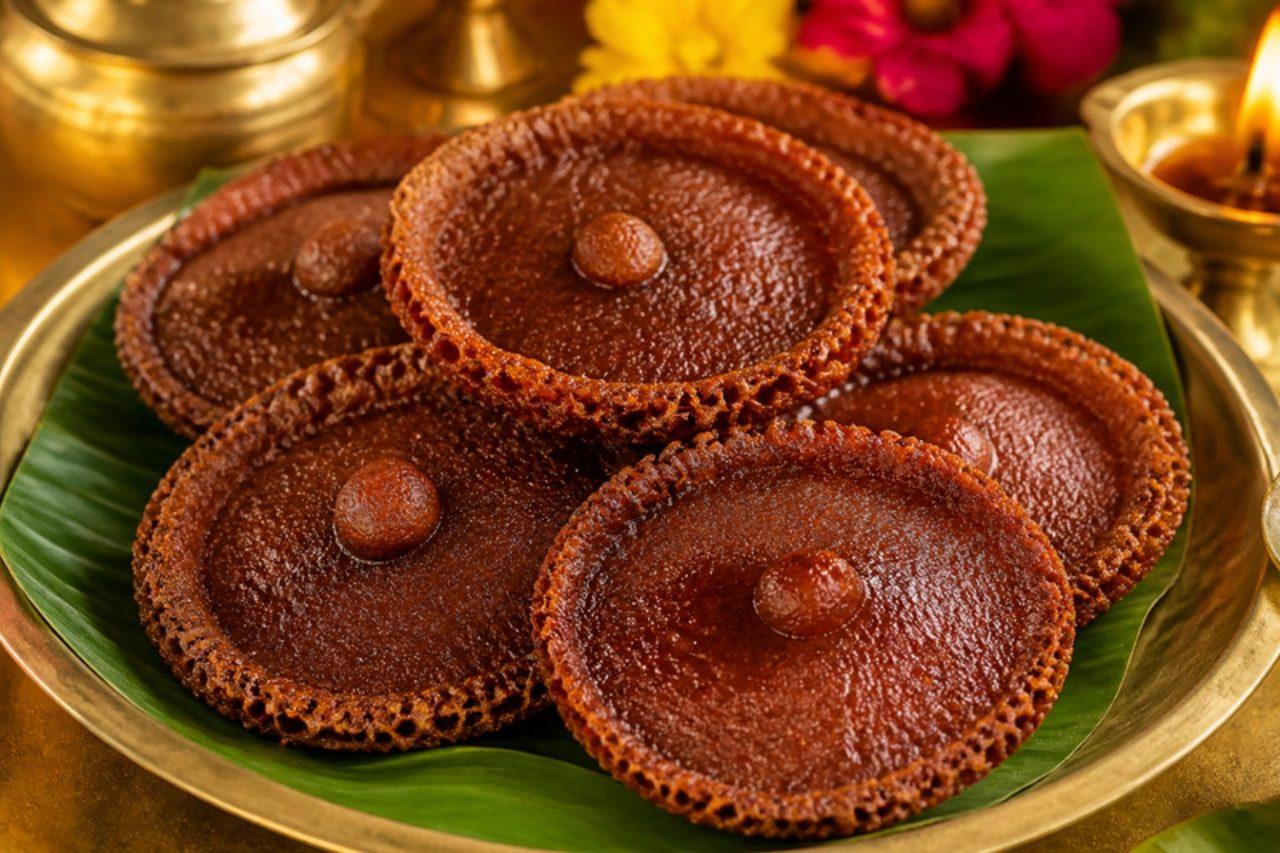
KavumFried rice flour oil cakes

On the Sinhala and Tamil New Year tray in April, kavum is the sweet that marks a real Avurudu kitchen, and in villages neighbours still gather around a big pan of oil to fry them together. A thick batter of rice flour and dark kithul treacle is rested overnight, then ladled into hot coconut oil, where the cook pokes and bastes the middle with a thin stick until it puffs up into the famous konda, the little topknot. The cakes are dark brown, crisp at the rim and soft and chewy inside, with a smoky treacle flavour, and they are eaten with plantains, kokis and milk rice. A batter that is too runny is the classic disappointment, since it spreads flat and never forms a knob; it should drop thickly from the spoon, like cold honey. Chef's tip: fry one test cake first and adjust the batter with a spoon of rice flour or coconut milk before doing the rest.

by KrazyBadal 0 views

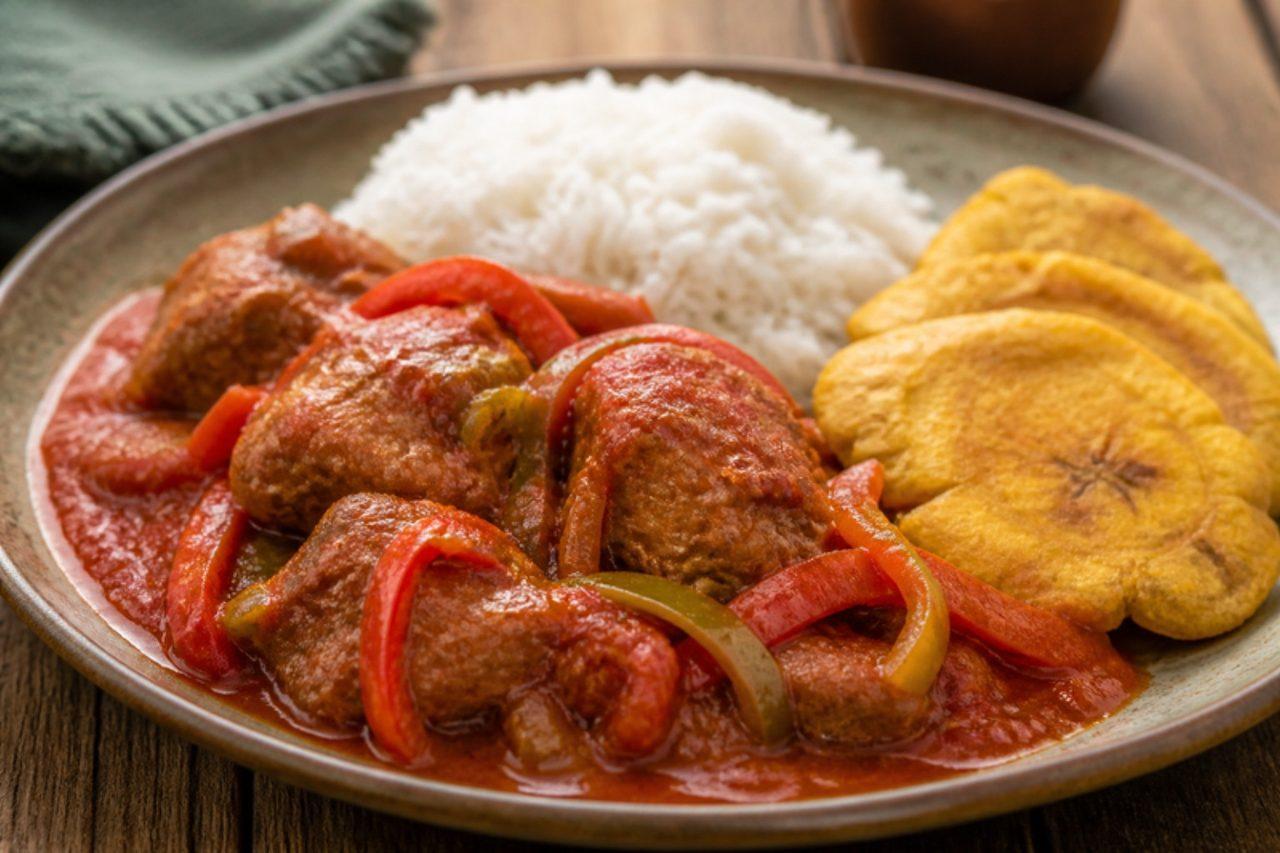
Chilindrón de chivoGoat stew with tomato and peppers

In Oriente, the eastern provinces around Santiago and Holguín, chilindrón de chivo is the dish for a farm celebration: goat marinated in sour orange and garlic, then stewed in a thick sauce of tomato, sweet peppers, cumin, oregano and dry wine until it is tender enough to pull from the bone. It is served with congrí or white rice and yuca. The wine is cooked for a long time; for an alcohol-free stew use stock with a tablespoon of vinegar. Goat is lean and becomes stringy if boiled hard, which is the most common mistake, so keep it at a gentle bubble. Chef's tip: marinate overnight in the fridge; it softens the strong goat flavour and seasons the meat to the bone.

190 minCubanMeatGluten free
by KrazyBadal 0 views

Barbadine punchGranadilla milk drink

Barbadine, the giant granadilla, grows on vines over backyard fences across Trinidad and turns up at Sunday lunch blended into a pale, creamy punch. The fruit's soft white flesh and the perfumed seed pulp inside are both used, giving a gentle passion-fruit flavour that milk, nutmeg and a little sugar round out. It is alcohol-free and made for the whole family. A frequent mistake is blending the seeds hard, which cracks them and turns the drink gritty and bitter: pulse the pulp briefly and strain it. Chef's tip: if you can't find barbadine, use the pulp of 6 passion fruit plus 200 g peeled honeydew melon for a similar taste.

by KrazyBadal 0 views

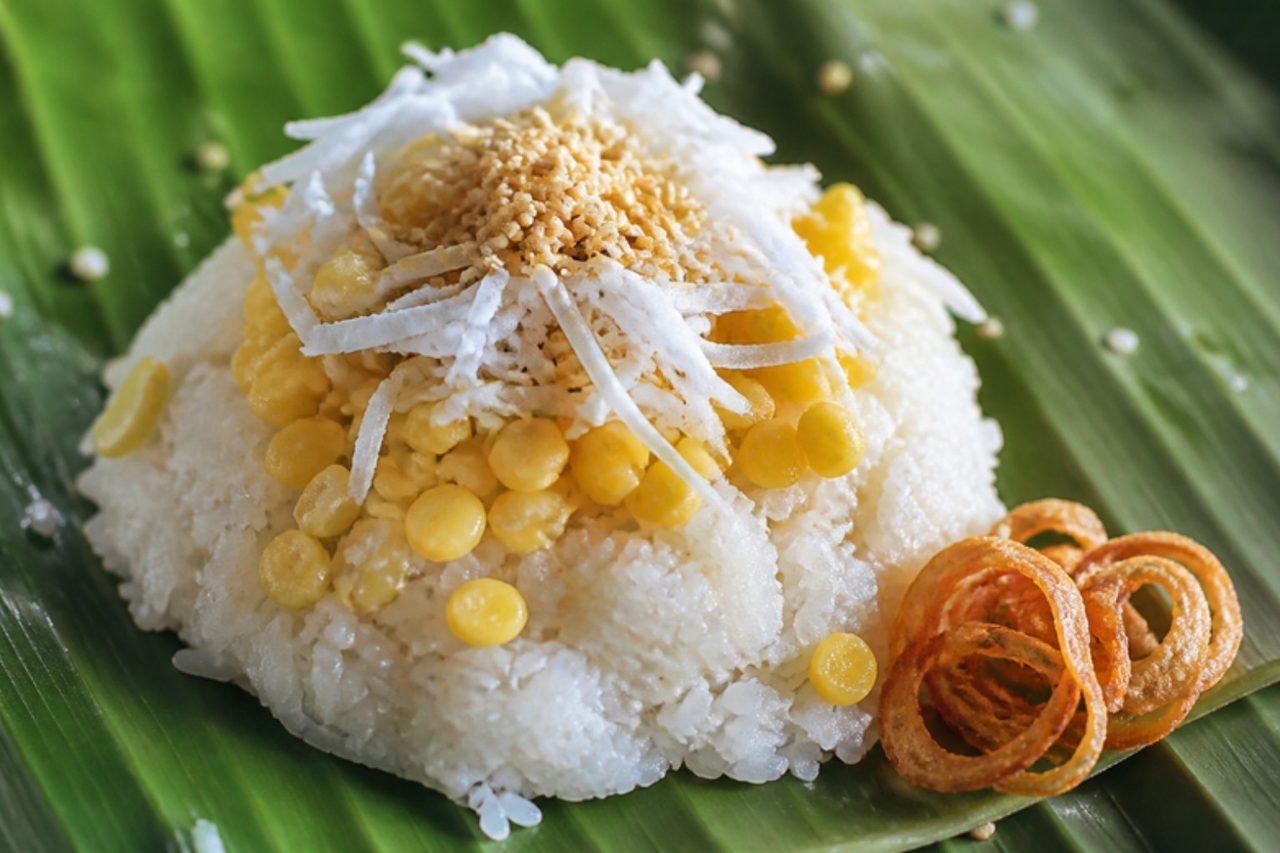
Kauk nyin baungSteamed sticky rice with peas

At sunrise on Yangon street corners, women sit behind bamboo baskets of steaming sticky rice wrapped in cloth, spooning portions onto squares of banana leaf for people heading to work. The glutinous rice is soaked and steamed until each grain is glossy, chewy and slightly translucent, then topped with soft pe pyot peas, freshly grated coconut and a sprinkle of toasted sesame pounded with salt. It is a plain, satisfying breakfast, sweet from the coconut, salty and nutty from the sesame, and usually eaten with a cup of green tea; some vendors use purple sticky rice for a darker, nuttier bowl. Boiling the rice like ordinary rice is the mistake that ruins it, turning it to glue, so always steam it. Chef's tip: soak the rice overnight; a short soak leaves hard white centres in the grains.

by KrazyBadal 0 views

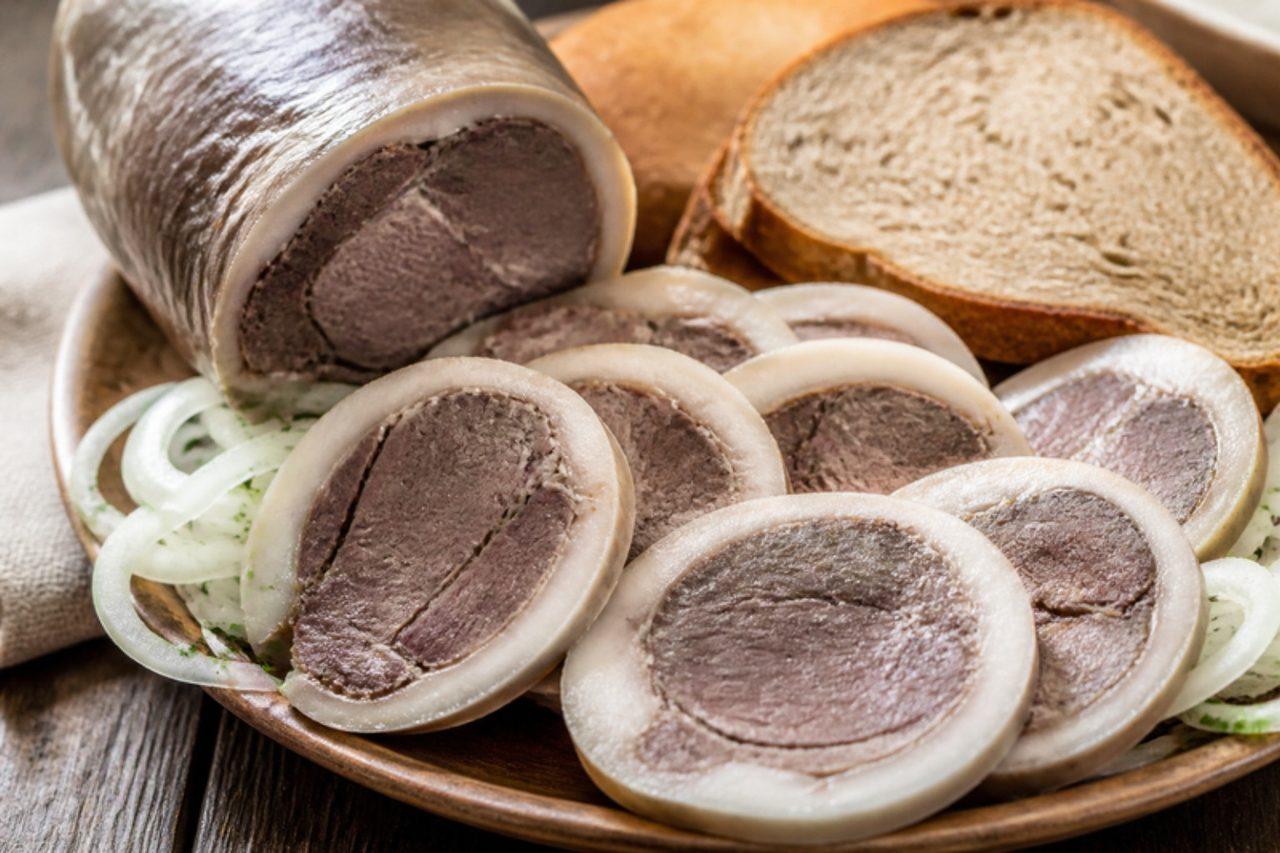
KazyBeef and lamb rib sausage

Kazy is the most prized food on a Kazakh feast table: a thick sausage of whole rib meat and rib fat, seasoned with salt, garlic and black pepper, stuffed into a casing, then dried or smoked and boiled for weddings and Nauryz, and sliced into glossy rounds that show the meat and the white fat. It is traditionally made with horse meat; this recipe uses beef short rib meat with a little lamb fat instead, as the site does not use horse, and it is cooked fresh rather than air-dried. A common mistake is mincing the meat; kazy is made from long strips of rib meat, which is what gives its look when sliced. Chef's tip: simmer it very gently; boiling hard bursts the casing and the fat melts away. The centre must reach 71 °C.

210 minKazakhMeatGluten free
by KrazyBadal 0 views

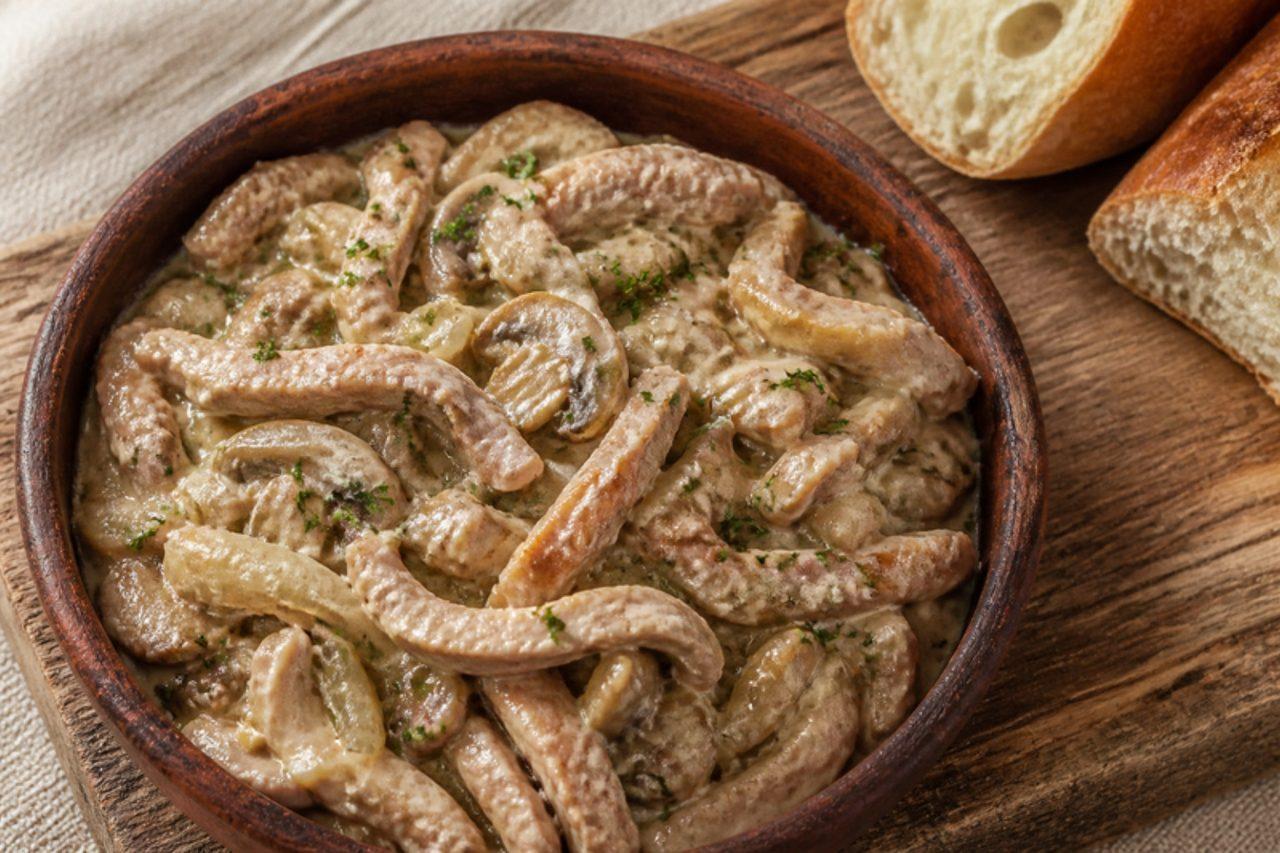
Katino mezePork and mushrooms in cream

Every Bulgarian mehana, the wood-panelled tavern, has Katino meze on the menu, sizzling in a small clay dish next to a shopska salad, and it is quick enough for a weeknight at home. Thin strips of pork loin are seared, then tossed with mushrooms, onion and pickled gherkin, deglazed with dry white wine and finished with cream, black pepper and a pinch of hot chilli. For an alcohol-free sauce, swap the wine for the same amount of vegetable stock with a teaspoon of white wine vinegar or a splash of white grape juice. Serve with crusty bread or chips. A common mistake is crowding the pan: the pork stews grey instead of browning, so sear it in two batches. Chef's tip: cut the pork across the grain into finger-thin strips while it is half-frozen; it slices neatly and stays tender.

by KrazyBadal 0 views

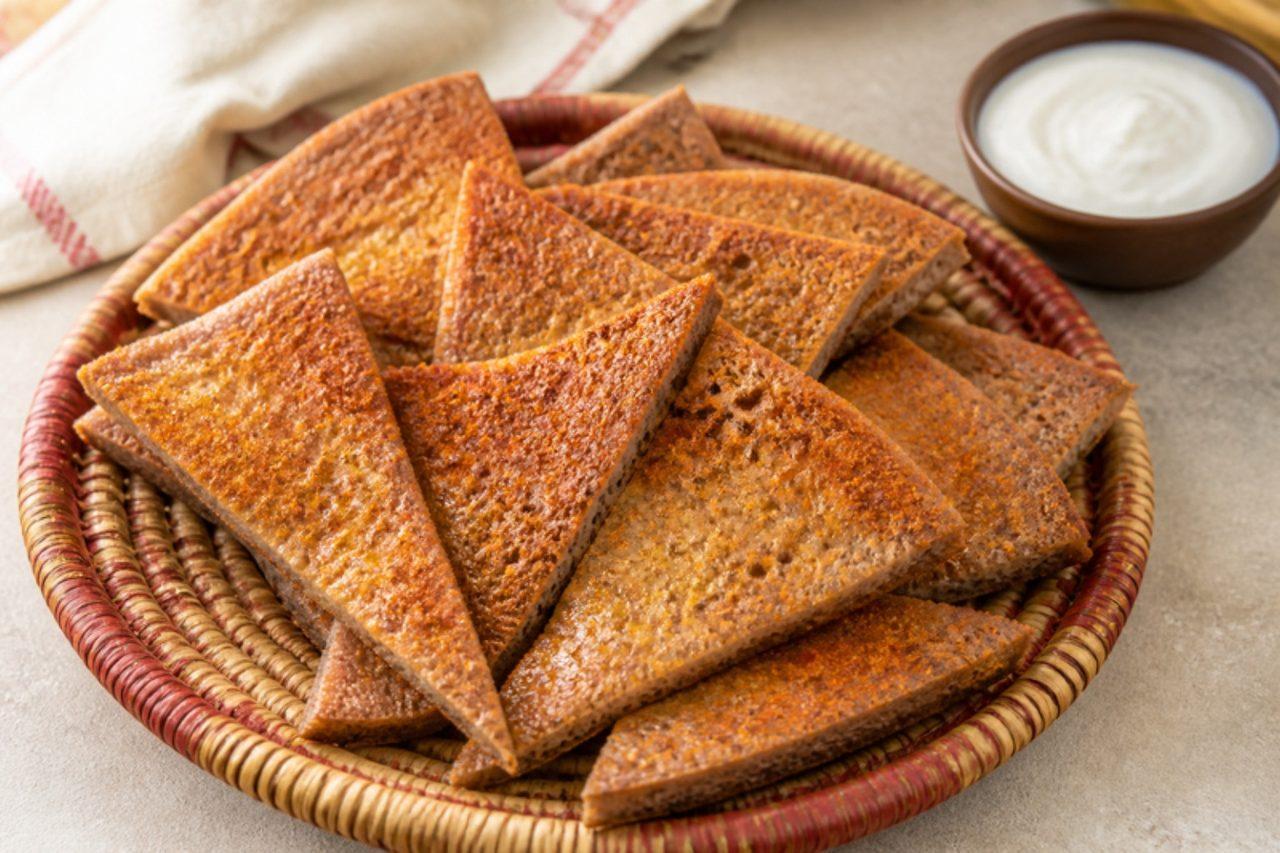
KategnaCrisp spiced injera

Kategna is what Ethiopian restaurants put on the table while the main order is still cooking: injera painted with niter kibbeh and a bold layer of berbere, toasted until the edges shatter, then rolled tight and cut into pieces. Every bite is crunchy at the rim, chewy in the middle, buttery and properly hot. In Addis Ababa homes it is a snack with coffee or a late breakfast, and it goes well with a cooling spoon of ayib or ergo. Unlike anababero, it is a single injera and is meant to be crisp, so the pan stays on the heat a little longer. Chef's tip: mix the berbere into the melted butter rather than sprinkling it dry; dry spice on a hot pan scorches in seconds and turns bitter.

by KrazyBadal 0 views

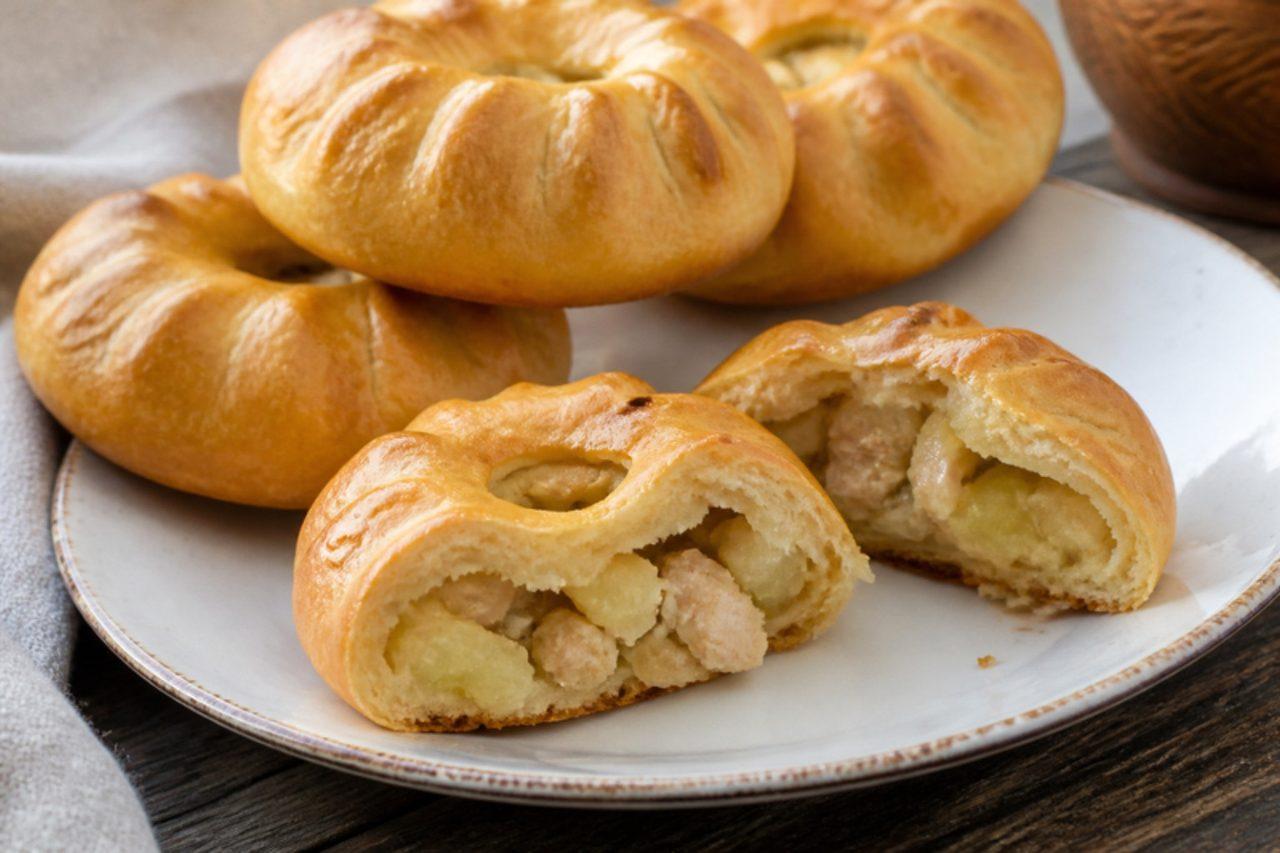
EleshChicken and potato pies

At Tatar weddings in the villages east of Kazan, elesh come to the table early, little pleated pies about the size of a fist, each filled with chopped chicken and potato and baked until the tops glow. The meat goes in raw with onion and butter, so it cooks in its own juices inside the sealed pastry and stays moist; a spoon of broth is added through a tiny vent halfway through. The pastry is rich with butter and sour cream and goes soft under a cloth after baking. A common mistake is leaving the chicken in big chunks; cut it small or the potato is done long before the meat. Chef's tip: use thigh rather than breast, it stays juicy through the long bake.

by KrazyBadal 0 views

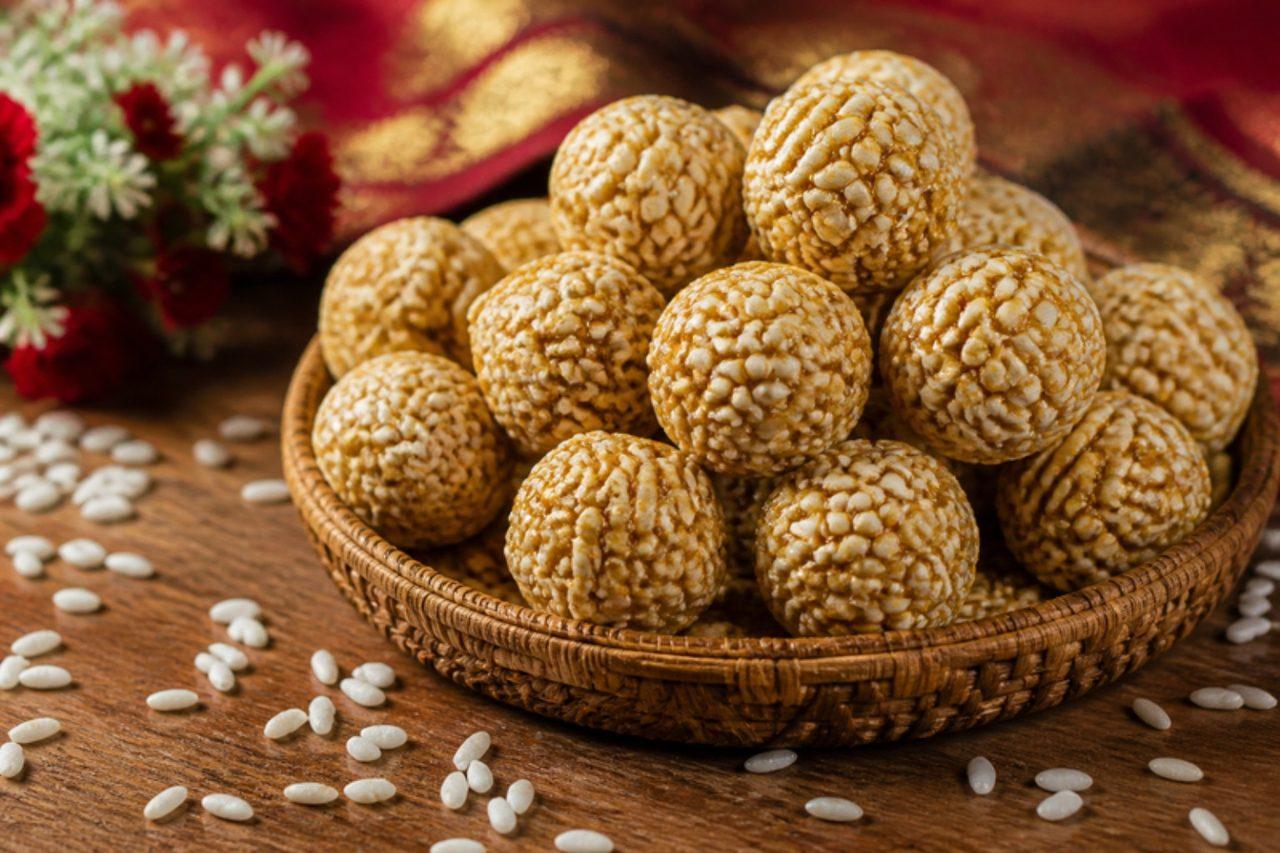
KasarPuffed rice and jaggery balls

Kasar is a sweet of good fortune: Bahun and Chhetri families in the hills make it by the basketful to send with a bride to her new home, to hand out at bratabandha thread ceremonies and to fill the Tihar plates. It is the simplest of sweets, puffed rice stirred into bubbling jaggery syrup flavoured with cardamom and pressed into balls while warm, sometimes with sesame, coconut or peanuts added, and it is crunchy, light and caramel-sweet. Children love making it because it is all about quick hands and a bowl of cold water. The pitfall is syrup that is not cooked far enough, which gives soft, sticky balls that collapse in a day. Chef's tip: test the syrup by dropping a little into cold water; when it sets into a firm ball that cracks if you squeeze it, it is ready.

by KrazyBadal 0 views

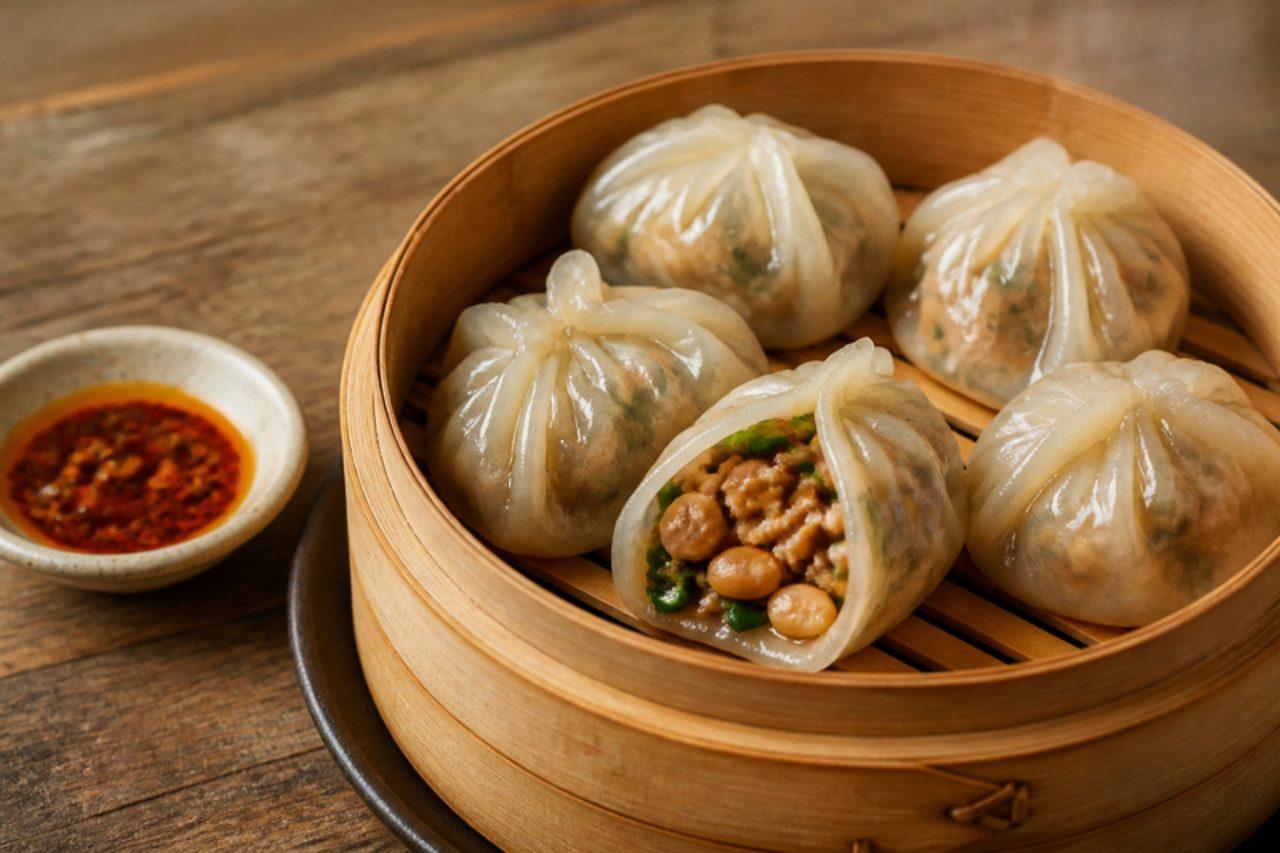
Chiu chow fun guoPork and peanut dumplings

Chiu Chow families who settled around Sheung Wan and Kowloon City brought these chubby half-moon dumplings with them, and Hong Kong teahouses still steam them in bamboo baskets for the morning crowd. The wrapper is a mix of wheat and tapioca starch that turns translucent and slightly elastic, so you can see the filling inside: minced pork, crunchy roasted peanuts, garlic chives, salty preserved radish and a little dried shrimp. Each bite is chewy, savoury and crunchy at once. Dab them with chilli oil or a little Chiu Chow chilli sauce. People often roll the dough too thin, then it tears as it steams; aim for 2 mm and keep it under a damp cloth while you work. Chef's tip: toast the peanuts yourself and add them at the very end so they stay crunchy.

by KrazyBadal 0 views

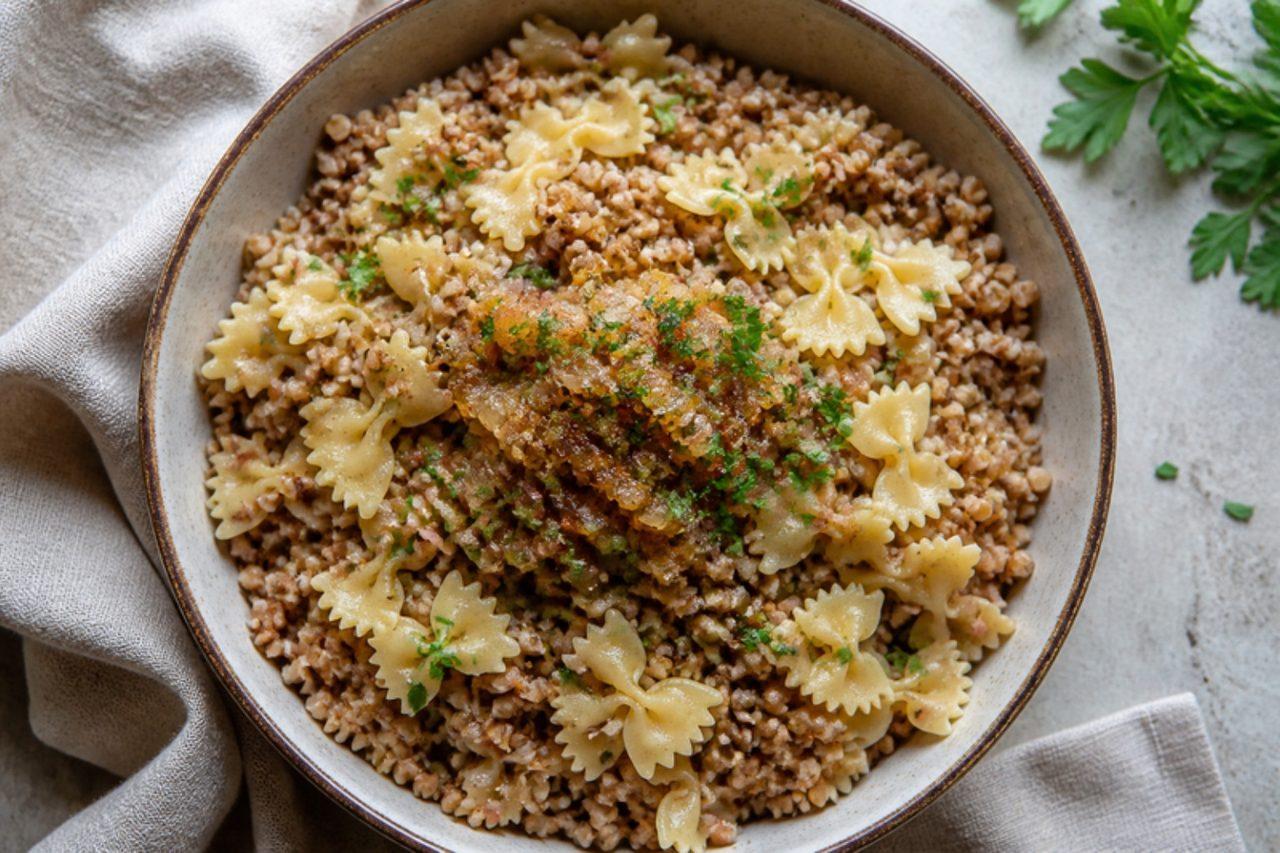
Kasha varnishkesBuckwheat with bow-tie pasta

Kasha varnishkes came to Israel with Jews from Ukraine, Belarus and Poland, and it still turns up beside Friday-night dinners in older Ashkenazi neighbourhoods of Tel Aviv and Petah Tikva. Whole buckwheat groats are coated in egg and toasted so each grain stays separate and nutty, then tossed with farfalle and a heap of onions fried slowly until sweet and mahogany. It is earthy and filling, good as a side for roast vegetables or as a simple supper with pickles and a green salad. The usual mistake is skipping the egg-toasting step, which leaves the buckwheat clumped and porridgy. Chef's tip: give the onions a full 25 minutes, they are the sauce, and pale onions make a dull dish.

by KrazyBadal 0 views

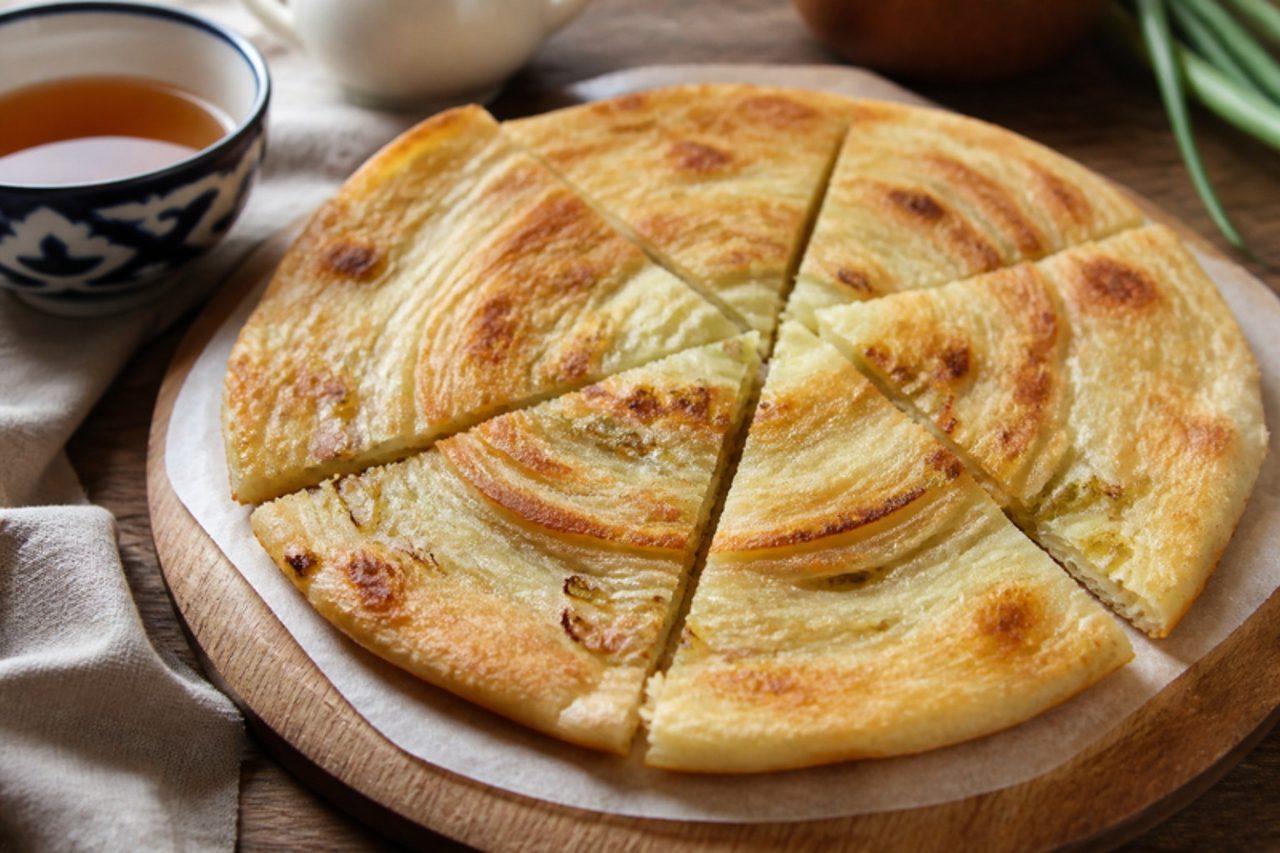
KattamaFlaky onion flatbread

Kattama is the layered flatbread of Kyrgyz homes, made to go with tea on cold mornings in Bishkek and the villages around Lake Issyk-Kul: a plain dough rolled thin, spread with butter and chopped onion, rolled up, coiled and rolled flat again, then fried in a pan so it puffs into flaky, crisp layers. A common mistake is pressing the coiled dough too hard, which squeezes out the butter and flattens the layers. Chef's tip: let the coils rest for 15 minutes before the final rolling; the gluten relaxes and the bread opens up into layers as it cooks.

by KrazyBadal 0 views

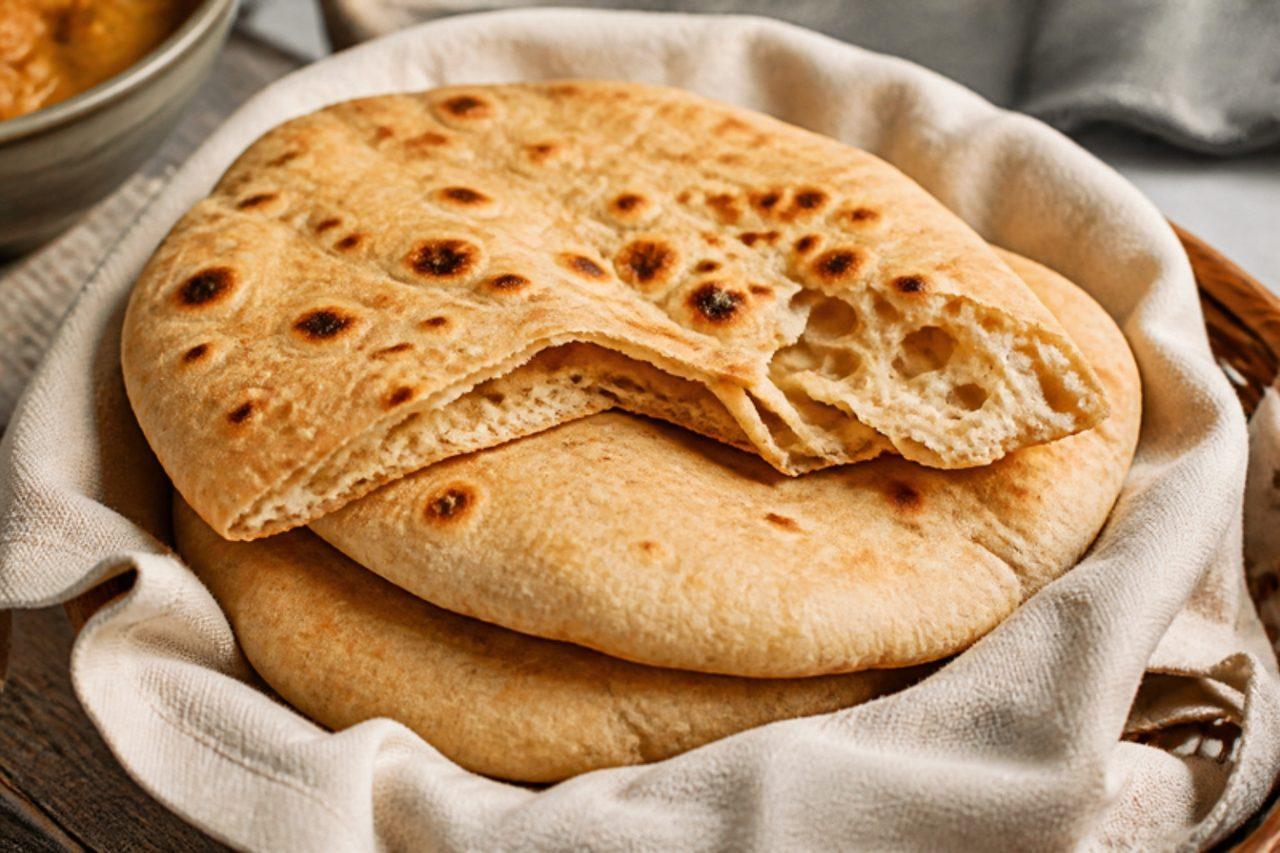
Khamiri rotiLeavened wholewheat flatbread

Long before packets of yeast reached Pakistani kitchens, households kept back a lump of yesterday's dough and worked it into the new batch, and khamiri roti is the bread that method makes: thicker and softer than a chapati, with an airy crumb and a gentle sourness. It is the standard bread of many neighbourhood tandoors from Multan to Peshawar, bought by the stack for lunch with chana, sabzi, dal or saag, and some families make it on a tawa during Ramadan because it stays soft until sehri. This version uses a little yeast and a long rise to get the same flavour without the starter. People often get it wrong by rolling it as thin as a chapati, which pushes out the gas and leaves a flat, leathery roti. Chef's tip: let the dough ferment for at least two and a half hours, or overnight in the fridge, and shape each roti by patting it out with your palms rather than with a rolling pin.

by KrazyBadal 0 views

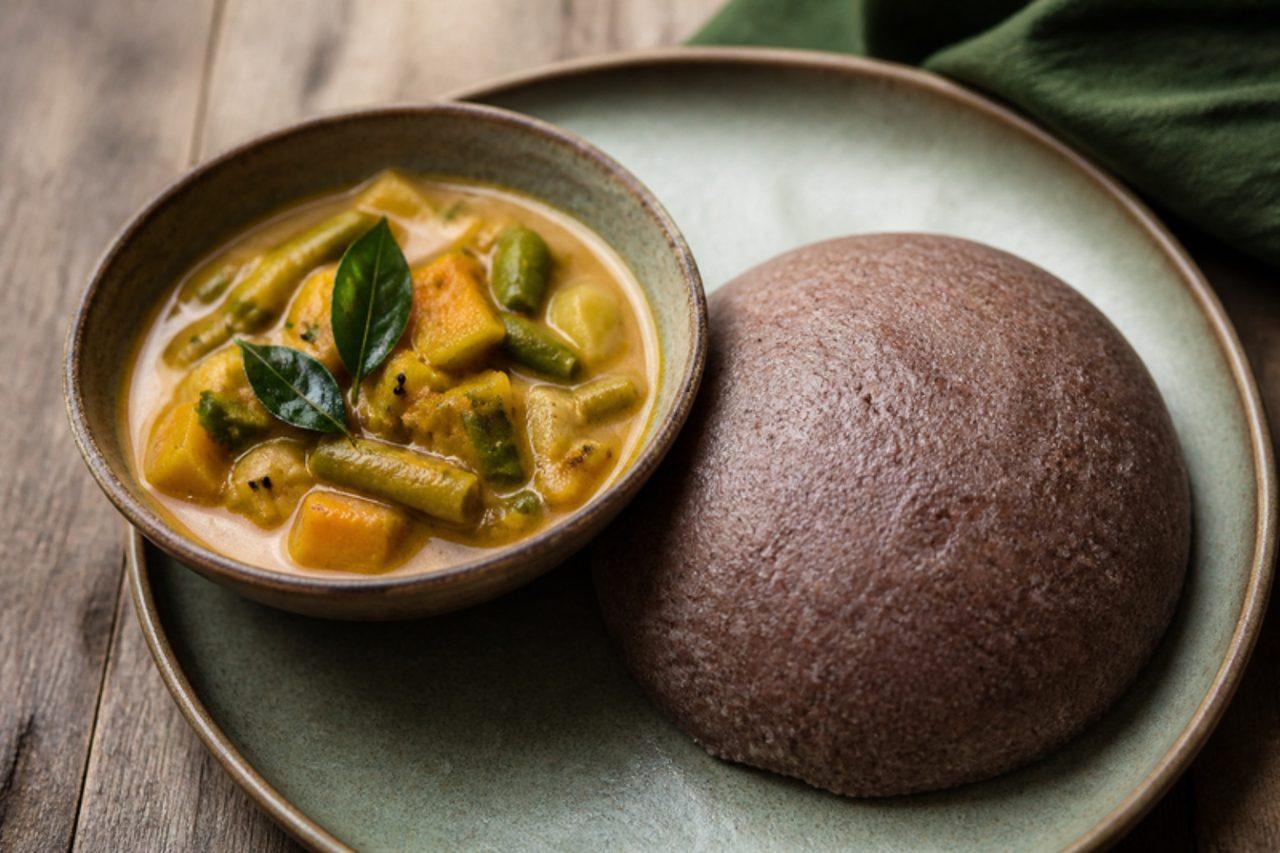
Kurakkan thalapaFinger millet dumplings

In the dry zone villages behind Hambantota and Tissamaharama, kurakkan thalapa is the old-fashioned lunch of farmers: finger millet flour stirred into boiling salted water until it becomes a smooth, heavy, purplish-brown dough, shaped into balls and eaten by hand. Traditionally it is torn and dipped into a sour, black-peppery fish ambulthiyal, but it is just as good with a vegetable curry, kiri hodi or a fiery lunu miris for a vegan meal. The taste is mild and earthy, and it keeps you full for hours. The most common mistake is tipping all the flour in at once, which leaves dry lumps that never smooth out; add it in stages, beating hard with a wooden spoon. Chef's tip: once the dough comes together, cover the pan and let it steam over a very low heat for five minutes; that is what removes the raw, floury taste.

by KrazyBadal 0 views

Morir soñandoOrange and milk drink

Its name means "to die dreaming", and on a hot afternoon in Santo Domingo a tall glass of it from a colmado or juice stand feels exactly like that: fresh orange juice and ice-cold evaporated milk, sweetened and stirred over lots of ice into something like a creamsicle. Many Dominican families make it with dinner on Sundays. The common mistake is pouring the milk into the juice, or using warm ingredients, which curdles it; the juice goes slowly into very cold milk. Chef's tip: squeeze sweet, low-acid oranges and chill the juice and milk for an hour first, and it will stay smooth.

by KrazyBadal 0 views

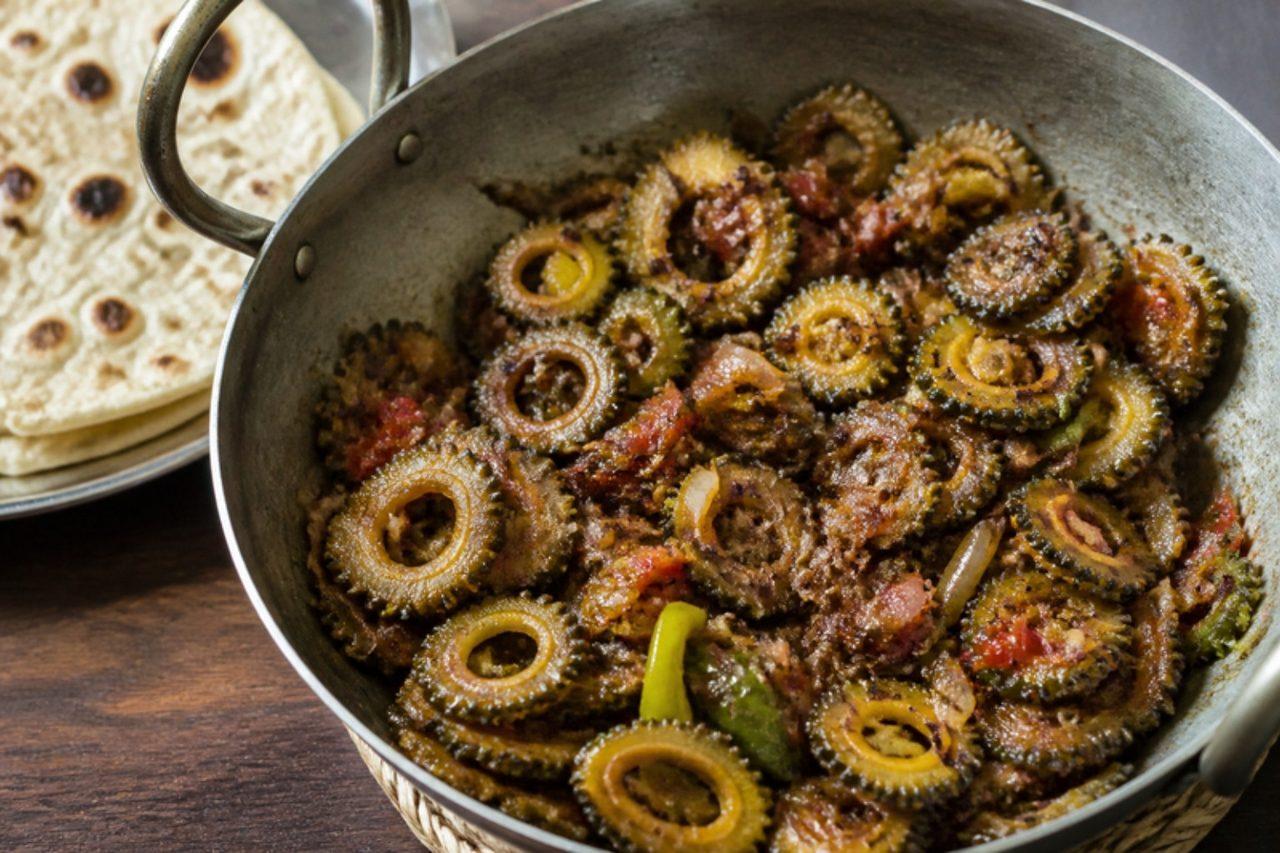
Karela piazBitter gourd with onions

Bitter gourd divides every family in Punjab, but karela piaz is the version that wins over the doubters: the gourd is salted, squeezed and fried until its edges crisp, then tossed with almost as much browned onion as karela, so the sweetness of the onions softens the bitterness. In Lahore it is a summer dish, a staple of tiffin carriers and home lunches with chapati and a cooling bowl of raita, and some households pack it for long train journeys because it keeps well. The thing most people get wrong is skimping on the onions or rushing them; pale, half-cooked onions leave the dish harsh rather than mellow. Chef's tip: rub the slices with salt and a little turmeric, leave them for 30 minutes, then squeeze hard by the handful, which draws out much of the bitterness before cooking.

by KrazyBadal 0 views

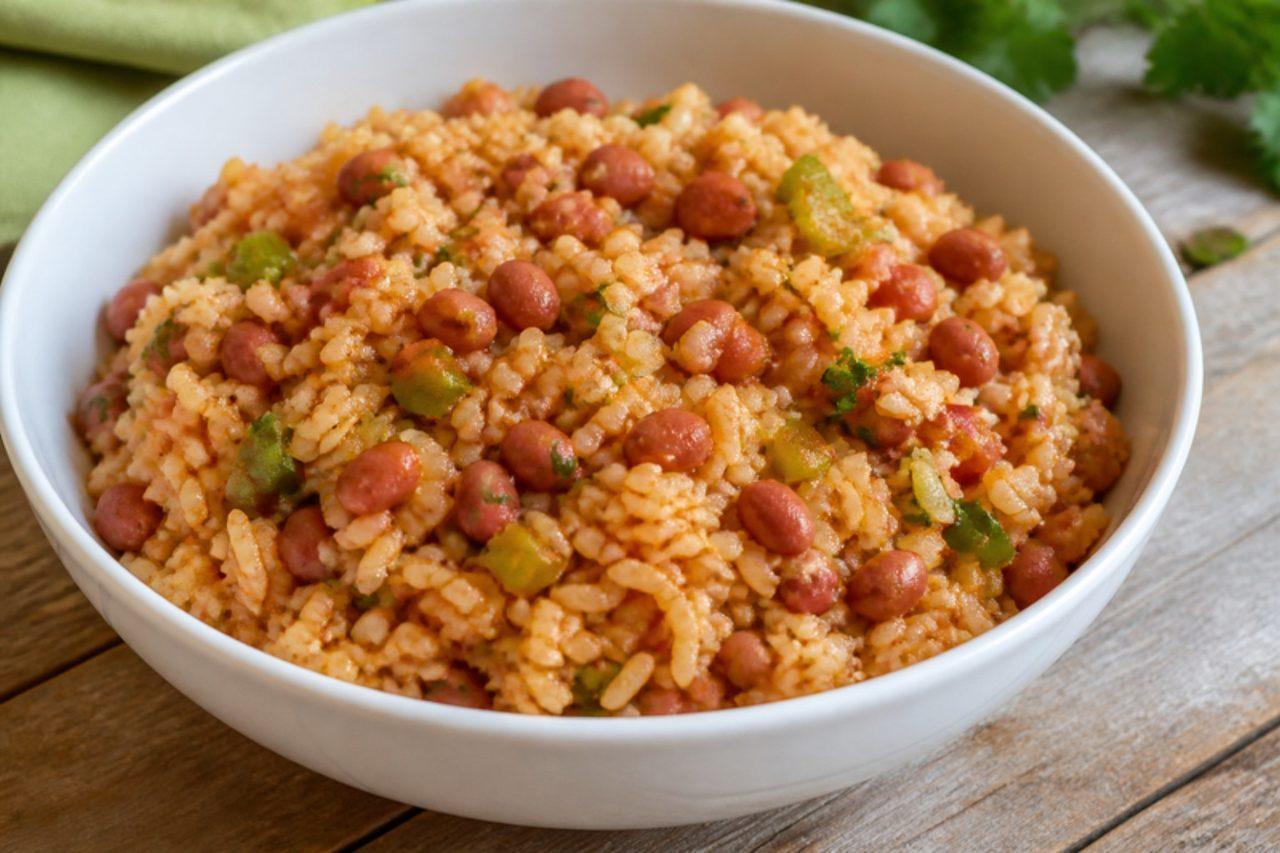
Arroz mamposteaoFried rice and stewed beans

Fondas around San Juan put arroz mamposteao on the menu as a way to use yesterday's white rice and the last ladle of habichuelas, and at home it is the Sunday-night fix when the pots from lunch come out of the fridge. The rice is fried in olive oil with a fresh sofrito, then the beans and their sauce go in until every grain is stained pink and the edges catch and crisp. Many cooks add ham or bacon; this version stays meat-free and gets its depth from the sofrito and a little smoked paprika. The common mistake is using freshly cooked rice, which turns to paste; cold, day-old rice keeps separate grains. Chef's tip: leave the pan alone for the last few minutes so a crunchy layer forms on the bottom, then fold it through.

by KrazyBadal 0 views

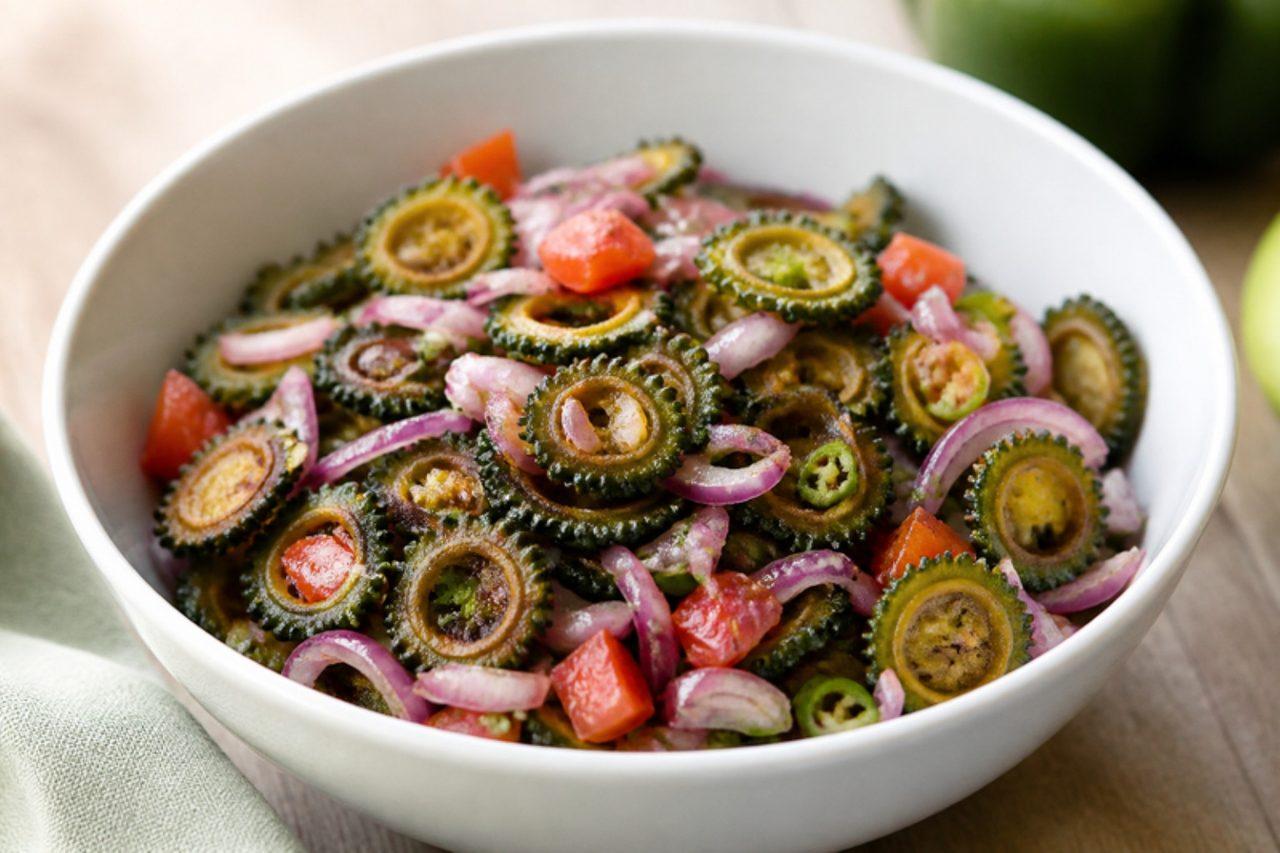
Karawila sambolaFried bitter gourd salad

Even people who claim to hate bitter gourd tend to come round to karawila sambola, the crunchy, tangy salad that turns up on rice and curry plates from the coast to the eastern towns. Paper-thin slices of the knobbly green gourd are salted to draw out some of the bitterness, fried until they are crisp like crisps, and then tossed at the last minute with raw red onion, green chilli, tomato and plenty of lime. The result is salty, sour and gently bitter, a bright contrast to rich coconut curries. Many cooks also scatter in Maldive fish flakes; this vegan version leaves them out. The mistake to avoid is mixing the salad too early, since the lime and tomato juice soften the fried slices within minutes. Chef's tip: squeeze the salted slices really hard in a clean cloth before frying; the drier they are, the crisper and less oily they come out.

by KrazyBadal 0 views

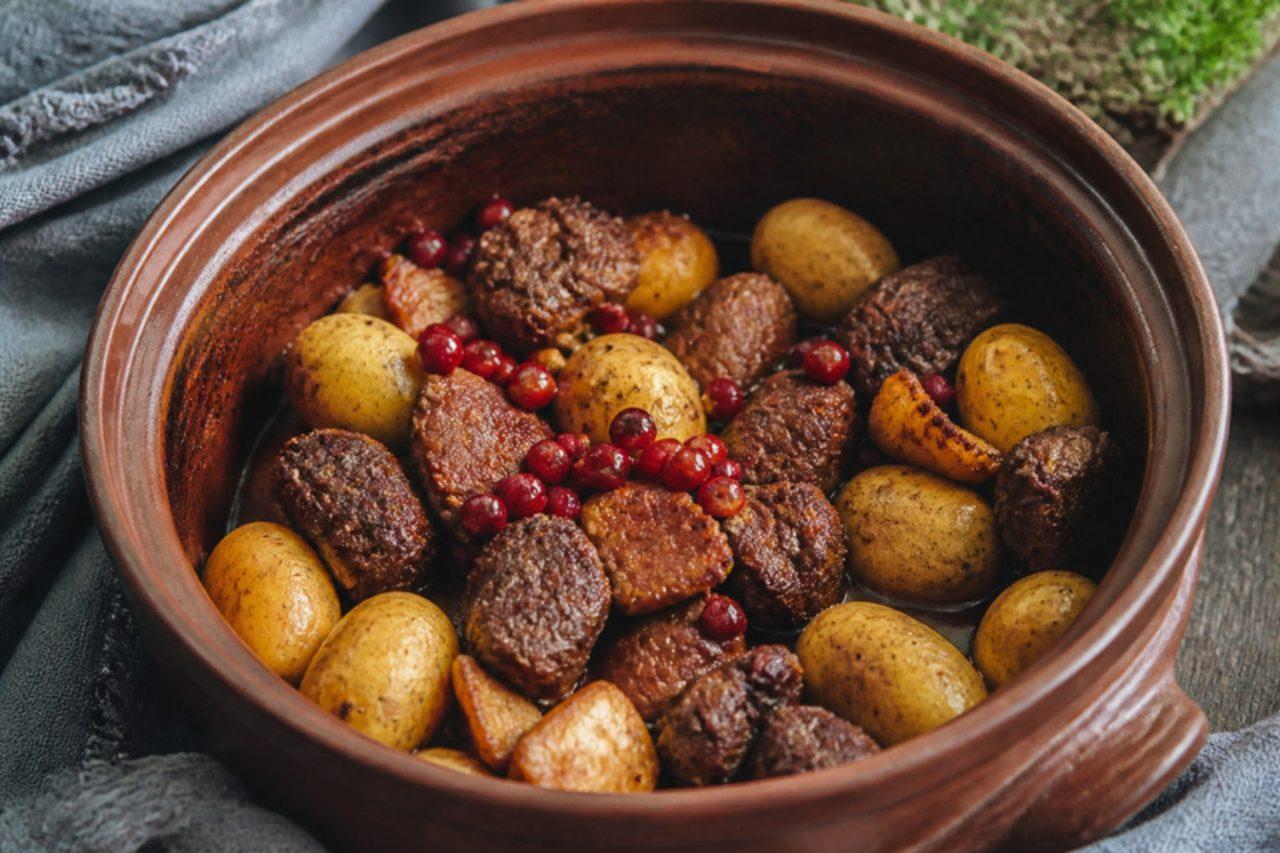
KarjalanpaistiBeef and pork hotpot

Karjalanpaisti, the Karelian hotpot, is one of Finland's national dishes, cooked for Independence Day, family celebrations and Christmas: chunks of beef and pork, sometimes lamb, layered with onion, whole allspice and bay, covered with water and baked slowly for hours in a clay pot until the meats are falling apart in a rich, peppery broth. This dish contains pork. It is served with mashed potato and lingonberries. A common mistake is a hot oven, which toughens the meat. Chef's tip: do not stir or brown the meat; Karelian cooks let it bake low and slow, and the long cooking alone gives the deep flavour.

by KrazyBadal 0 views

Karađorđeva šniclaBreaded stuffed pork roll

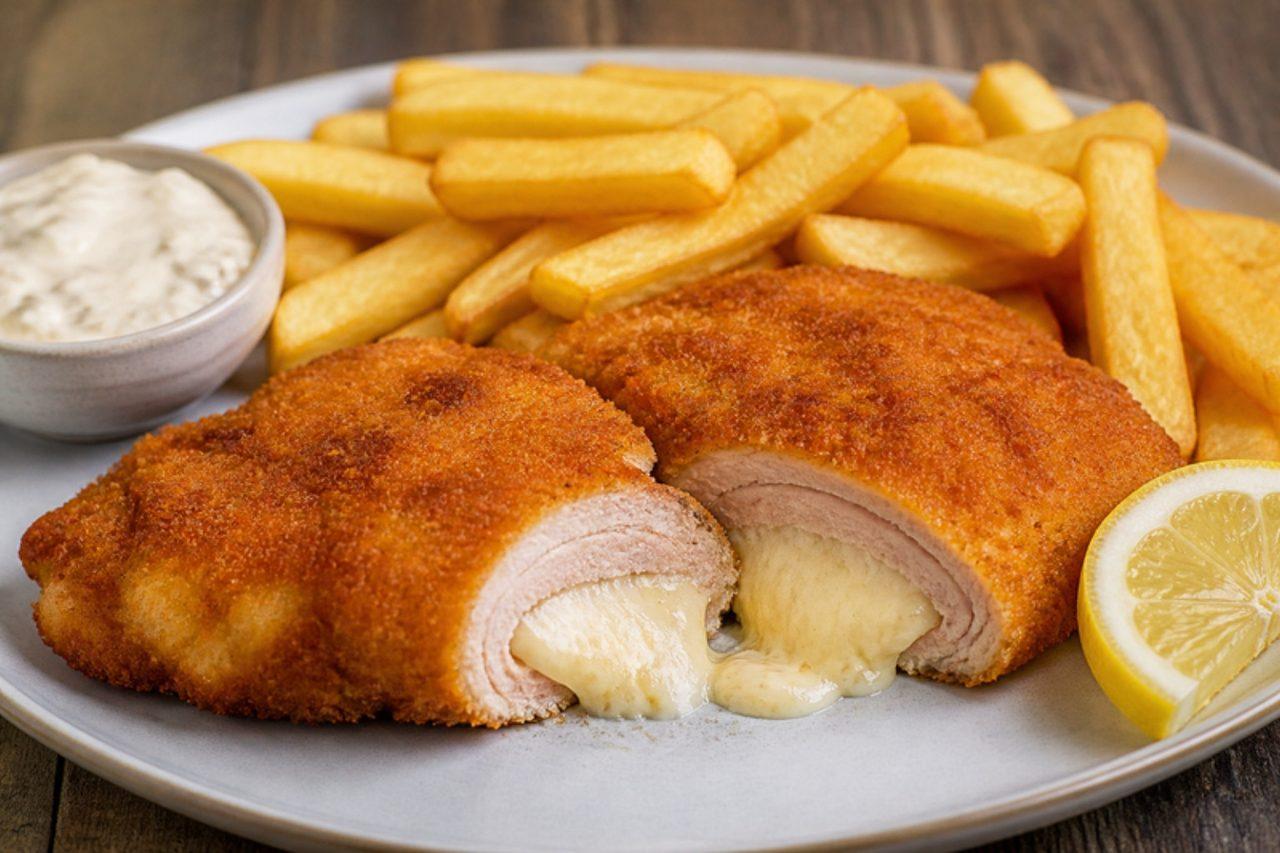
Belgrade restaurants have served this since a local chef created it in the mid-20th century, naming it after Karađorđe, leader of the First Serbian Uprising; diners fondly call it the maiden's dream. A thin pork escalope (veal is the other classic) is spread with kajmak, Serbia's rich, slightly tangy clotted cream, rolled tight, double-breaded and fried into a golden log that oozes when cut. It comes with chips or roast potatoes, a lemon wedge and tartar sauce. If you can't find kajmak, beat cream cheese with a little soft butter and a pinch of salt. Rolling it loosely is the mistake that ruins it, because the cream escapes into the oil; roll tightly and chill before breading. Chef's tip: fry only until golden, then finish in the oven, so the crumb stays crisp while the pork cooks through to the centre.

60 minBalkanMeat
by KrazyBadal 0 views

Karawala thel dalaStir-fried dried fish

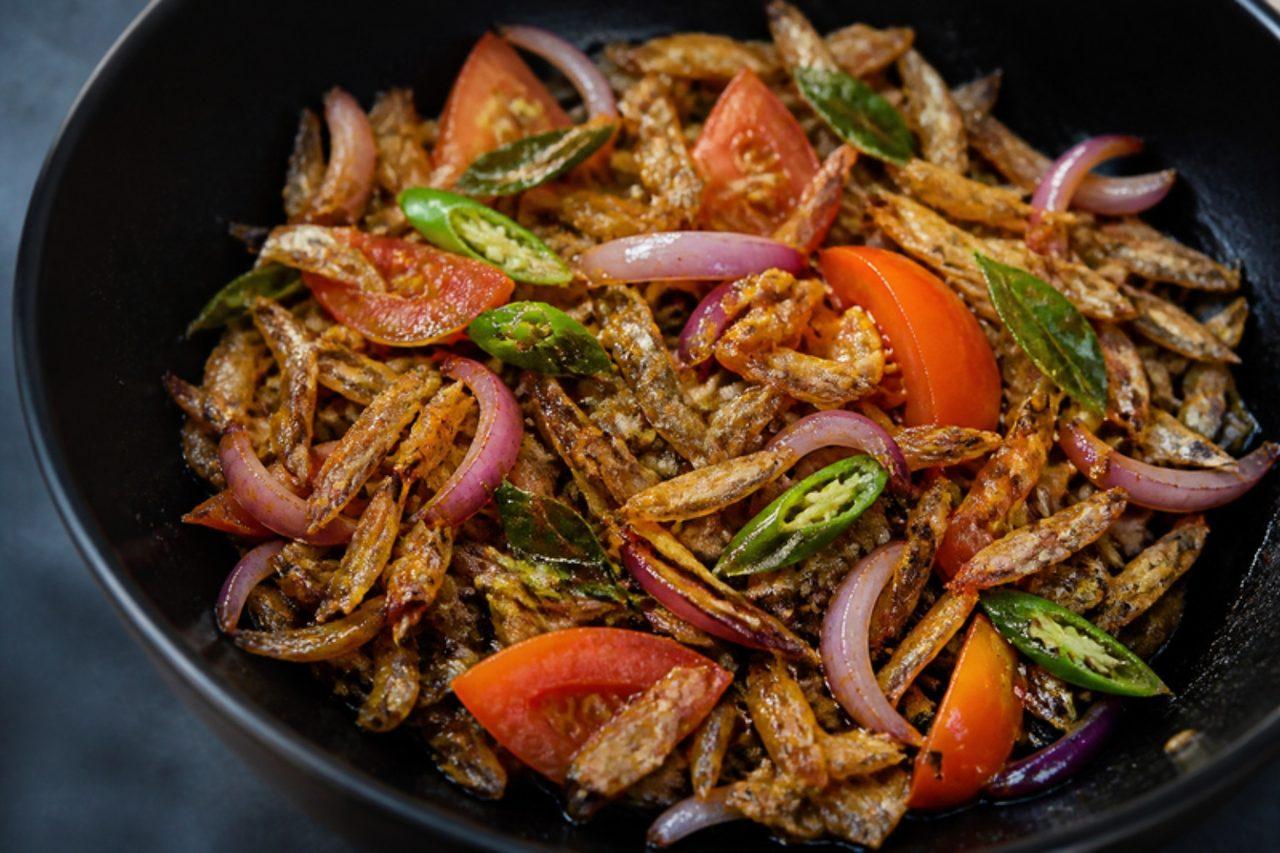
Every Sri Lankan market from Negombo to Trincomalee has a stall stacked with karawala, sun-dried salted fish, and when the larder is low or the rain keeps the boats in, a quick thel dala turns a small piece of it into something to wake up a plate of rice. Strips or small whole fish are fried until crisp, then tossed with plenty of onion, tomato, green chilli and chilli flakes until they are glossy, salty, smoky and hot. It is eaten in small amounts beside dhal, rice and a mild vegetable curry, or with kiribath and pol roti for breakfast, and it keeps for a day or two. Watch out for the classic fault of skipping the soak, which leaves the dish far too salty to eat. Chef's tip: fry the soaked fish until really crunchy before the onions go in; that crisp edge is what makes it addictive.

by KrazyBadal 0 views

KapamaPork, chicken and sauerkraut feast pot

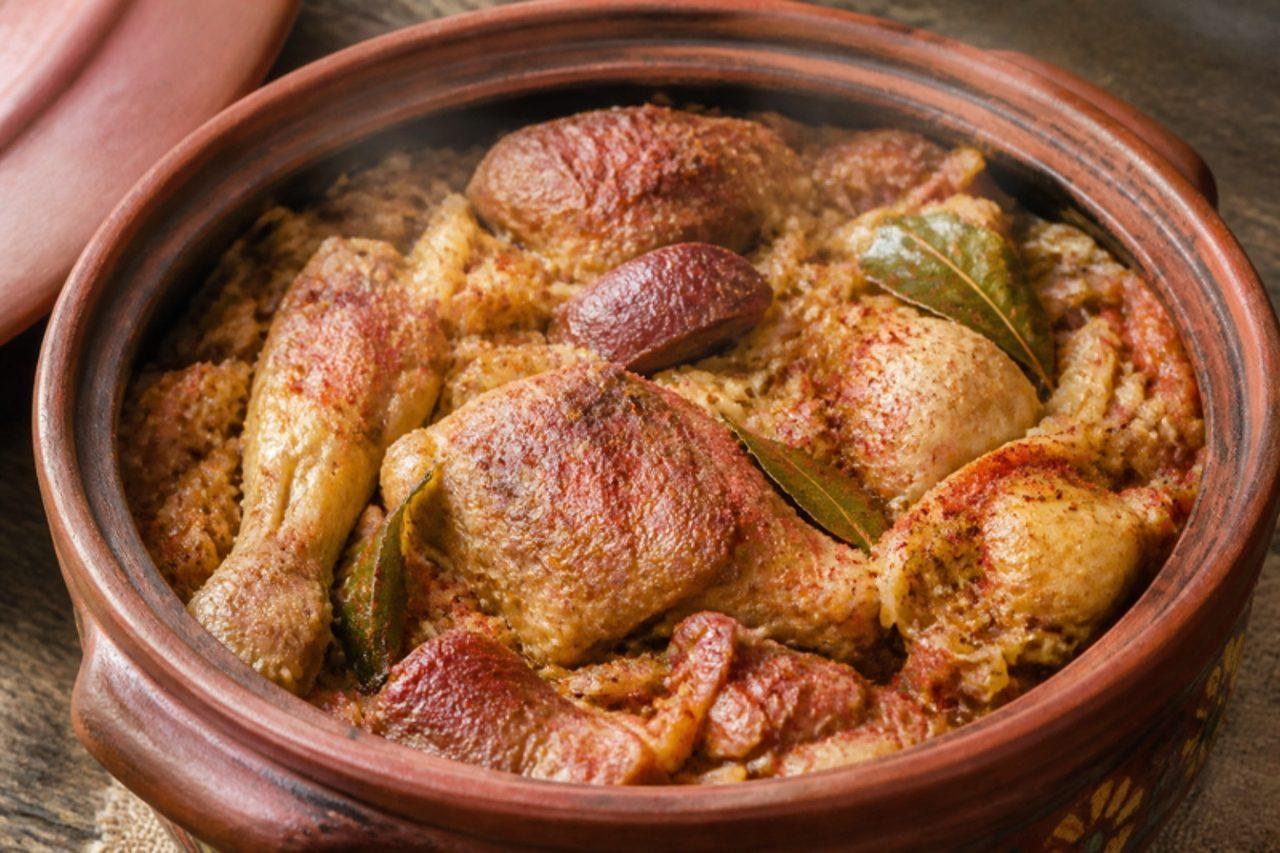
In the stone houses of Bansko, beneath the Pirin mountains, kapama is the dish of the winter holidays, carried to the table in its clay pot at Christmas, New Year and the masked Kukeri carnival. Pork shoulder, chicken on the bone and fresh pork sausage are layered with sauerkraut, rice and paprika, then sealed and baked for hours until the meat falls apart and the rice has soaked up the tangy, smoky juices. Old cooks seal the lid with a rope of dough; this version uses foil under a tight lid, which keeps it gluten free. Serve with extra sauerkraut and pickled peppers. The usual slip is lifting the lid too often, which lets out the steam and dries the top layer. Chef's tip: taste a strand of the sauerkraut first and rinse it only if it is very salty; its sourness is the backbone of the dish.

by KrazyBadal 0 views

Kandahari tikkaGrilled lamb chunks

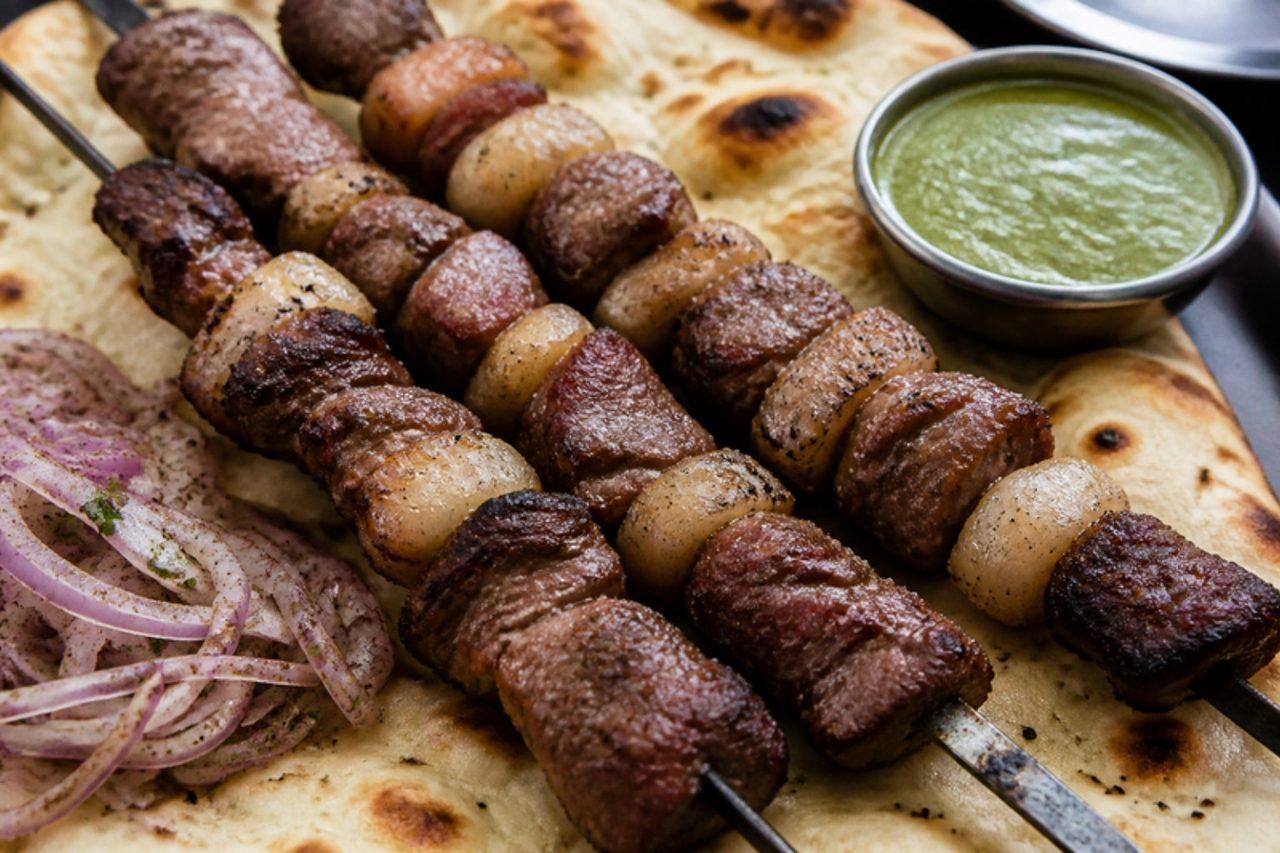
Kandahar's tikka houses pride themselves on doing very little to the meat: chunks of lamb, threaded on wide iron skewers with small pieces of tail fat between them, are rubbed with grated onion, salt and black pepper and grilled over fierce charcoal until the fat drips and flares. The result is smoky, juicy and peppery, with crisp edges and a clean lamb flavour, and it is served on hot naan with raw onion, tomato and a sharp green chutney. Over-marinating in onion is a common misstep, as the juice softens the surface into mush after a day; two to four hours is plenty. Chef's tip: let the skewers rest for 2 minutes on the naan before eating, so the bread soaks up the juices.

27 minAfghanMeatGluten free
by KrazyBadal 0 views

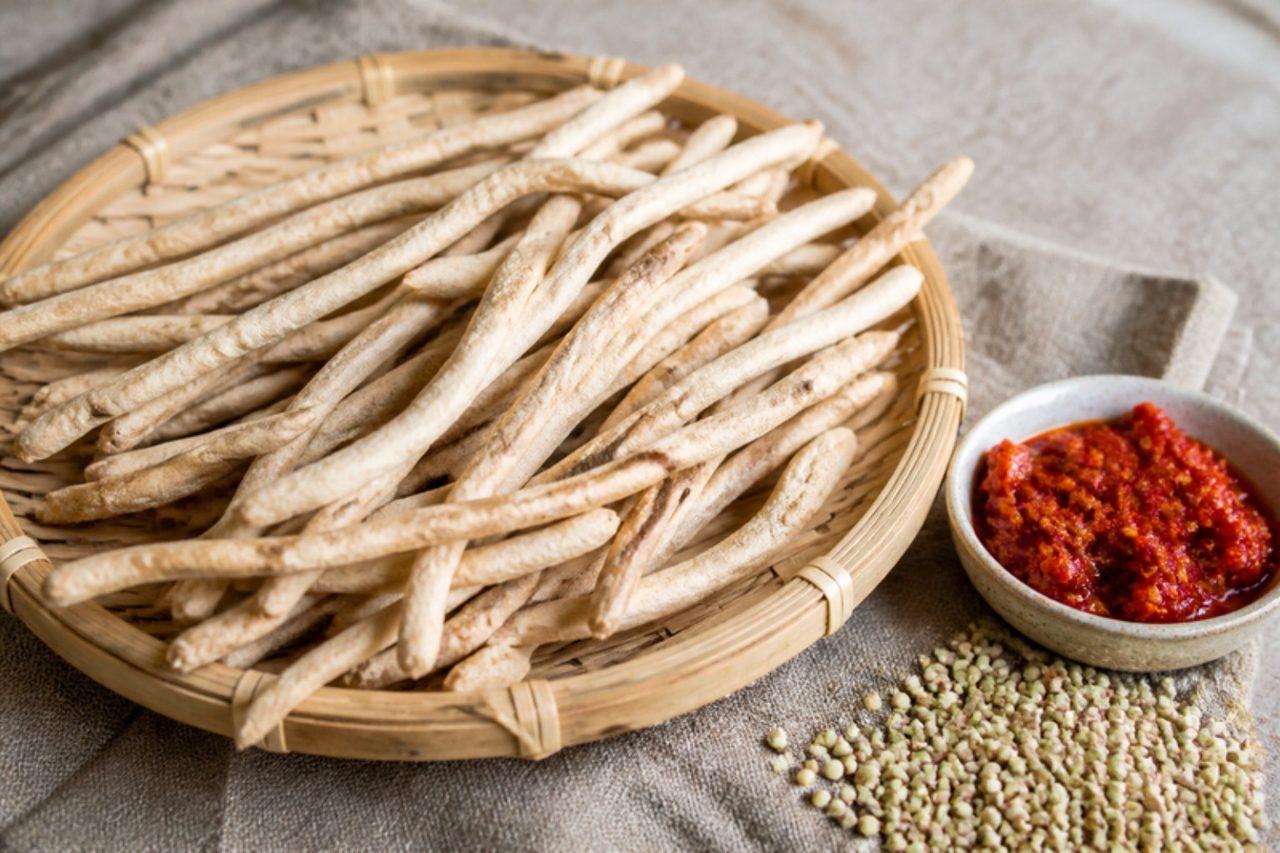
KanchembaFried buckwheat fingers

In the Thakali villages of Thak Khola, kanchemba is what is fried when visitors arrive in the afternoon or when the family gathers on a winter evening, and it has since become a favourite snack in Thakali restaurants in Pokhara and Kathmandu. The buckwheat dough is seasoned with turmeric, chilli and a little onion, rolled into thick fingers, then deep-fried until crunchy outside and soft and nutty in the centre. A punchy dipping achar of tomato, chilli, garlic and roasted timur comes alongside, and the pair is eaten with a bowl of salty butter tea or a glass of hot water. The trouble usually starts when the fingers are too thick, so the middle stays pasty while the outside darkens. Chef's tip: keep the fingers no thicker than your own, and fry at a moderate heat so they cook through before they brown.

by KrazyBadal 0 views

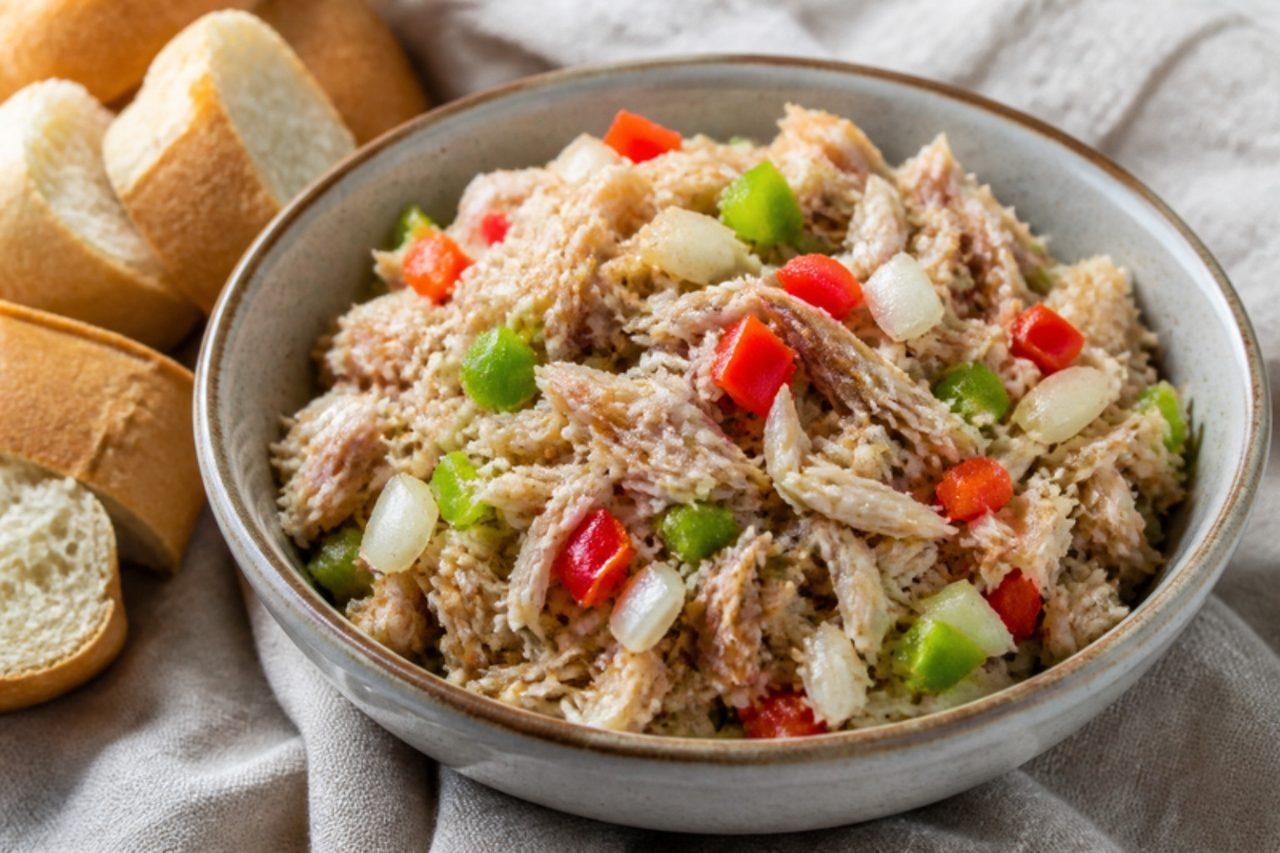
Chiktay aransòShredded smoked herring with peppers

Chiktay is a breakfast and snack dish from Haitian homes and street stalls: smoked herring shredded very finely, then tossed with onion, sweet peppers, garlic, hot pepper and lime in hot oil, served with boiled plantain, bread or cassava bread. It is salty, smoky, sharp and fiery, so a little goes a long way. The common mistake is skipping the soaking, which leaves the dish too salty to enjoy; two quick soaks in boiling water fix that. Pick out the fine bones carefully if your herring isn't boneless. Chef's tip: shred the soaked herring with two forks until it looks like fluffy threads; it absorbs the dressing far better.

by KrazyBadal 0 views

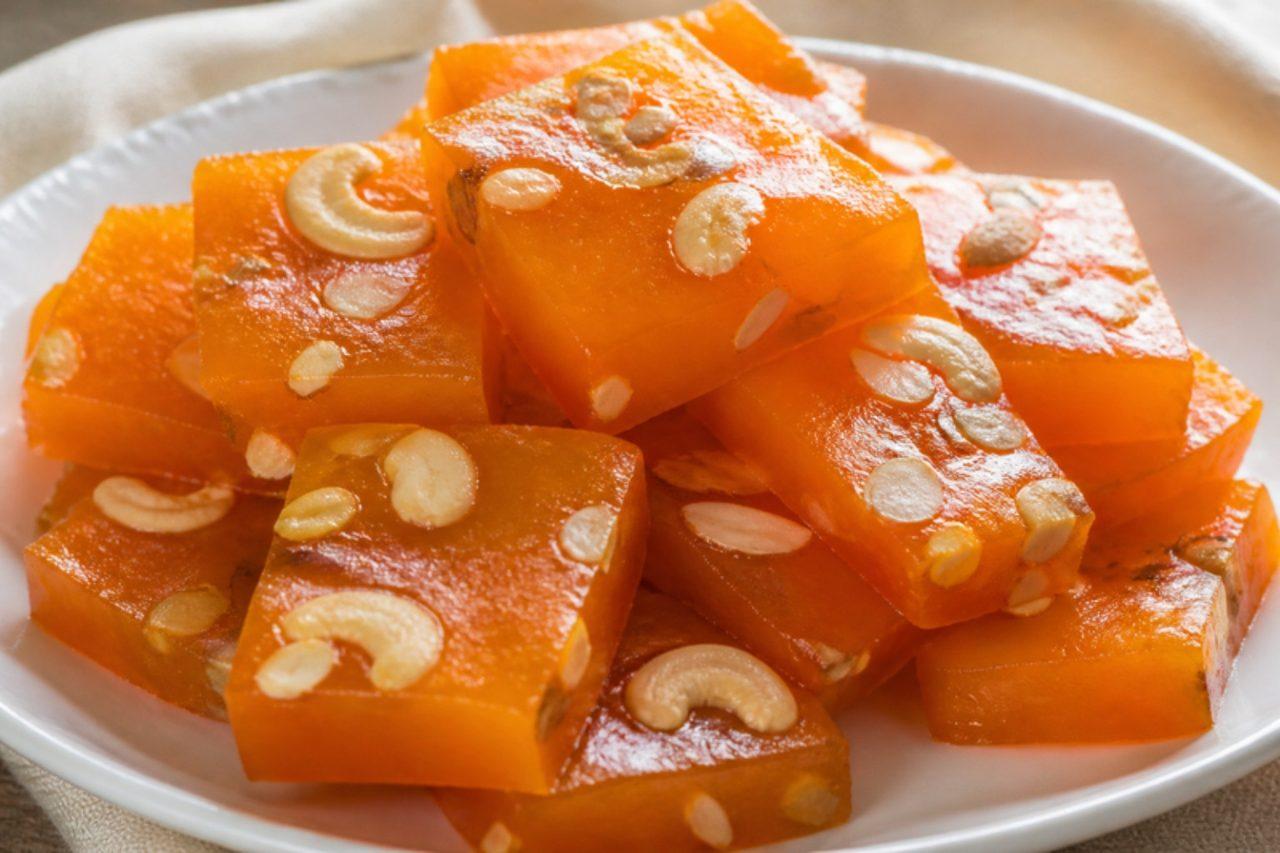
Karachi halwaCornflour halwa

Glassy, jewel-bright and chewy like a Turkish delight with more bite, Karachi halwa is the sweet that the city's mithai shops on Saddar and Tariq Road stack in orange, green and red slabs studded with cashews and melon seeds, and it travels well as a gift to family abroad. It is made from cornflour cooked with sugar syrup and lemon until it turns clear, then fed with ghee spoon by spoon until it shines and pulls away from the pan in one elastic mass. Across the border it is called Bombay halwa, and in Pakistan it is a staple for weddings, Eid and Diwali sweet boxes from the Hindu shops of Sindh. Lots of cooks lose their nerve and stop before the halwa has absorbed all the ghee and turned translucent, and it sets cloudy and sticky. Chef's tip: work the halwa with a flat wooden spatula and add the ghee only when the previous spoonful has disappeared; when the ghee starts to leak back out, it is done.

by KrazyBadal 0 views

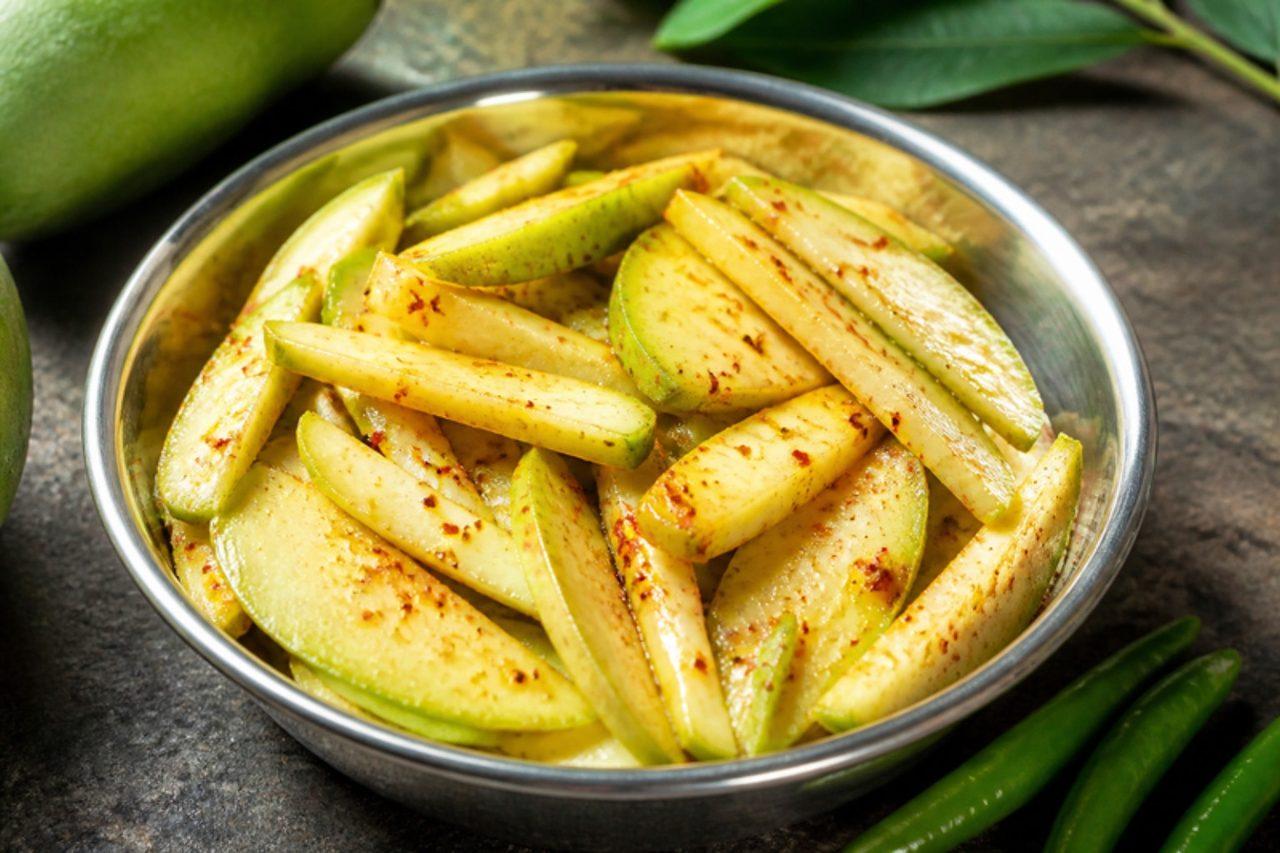
Kancha aam makhaSpiced green mango

Outside every school gate in Bangladesh during the hot months, a vendor with a glass box on his cart sells green mango makha: unripe mango sliced paper-thin and squeezed by hand with salt, sugar, chilli and a splash of mustard oil, handed over in a cone of newspaper with a toothpick. Makha means mixed by hand, and the hand matters, as the squeezing bruises the mango so it softens and drinks in the seasoning. It tastes sour, sweet, salty and hot all at once, with the sharp nose-burn of raw mustard oil, and it is eaten as an afternoon snack in April and May, especially around Pohela Boishakh. Slicing the mango too thick is the error that leaves it hard and bland in the middle. Chef's tip: stir in a spoon of kasundi, Bengali mustard relish, for the version the street sellers call kasundi makha.

by KrazyBadal 0 views

Kancha aamer tok dalGreen mango lentil dal

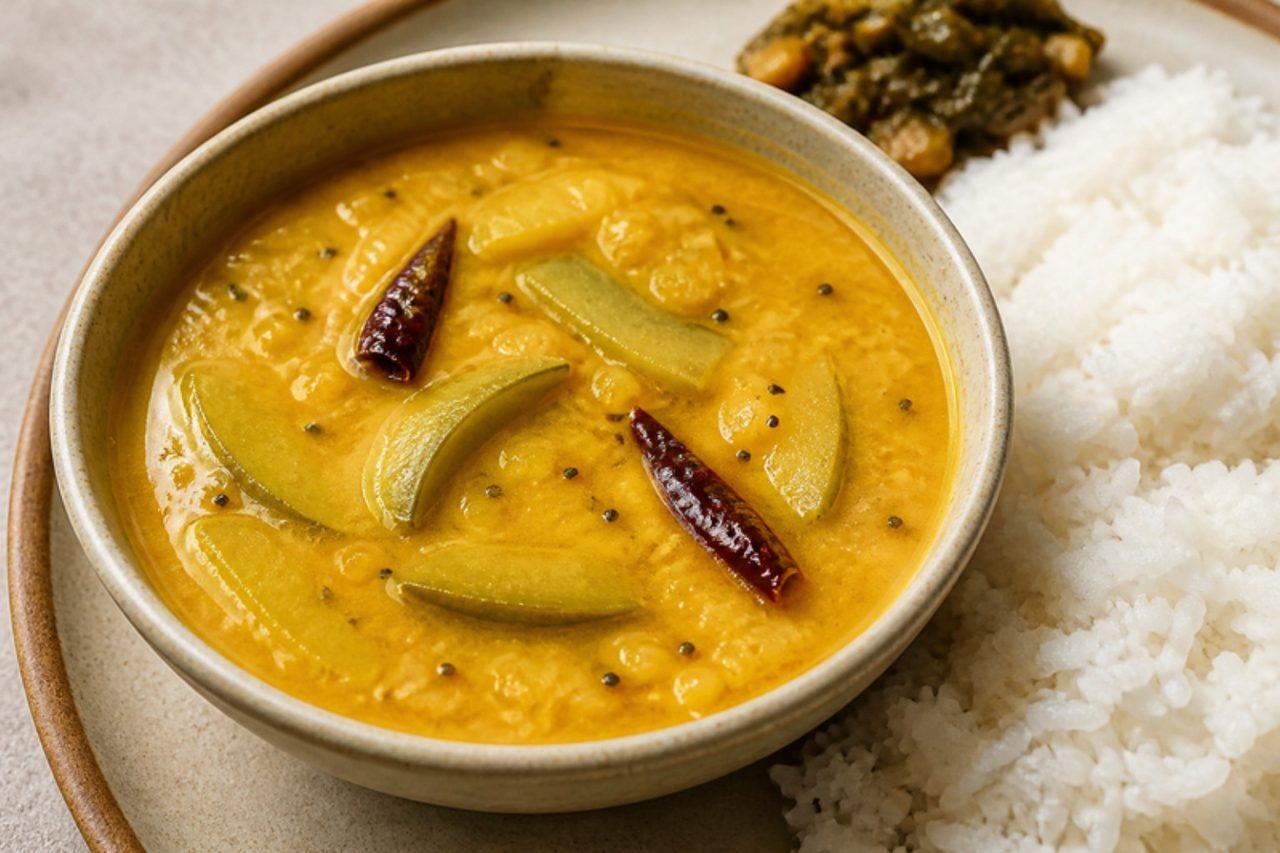
When the first hard, green mangoes fall from the trees around Rajshahi in April and May, cooks slice them into the dal pot, and the result is the most refreshing bowl of the hot season. Tok dal is deliberately thin, almost like a soup, with soft red lentils and slices of green mango that turn tender and tangy, finished with mustard seed and dried chilli crackling in mustard oil. It is eaten poured over plain rice, often as the last thing before a light fish or vegetable curry, because the sourness is meant to cool the body in the heat. Adding the mango at the start leaves it mushy and the dal overly sour, so it goes in once the lentils are soft. Chef's tip: taste the mango first; very sour fruit may need a pinch more sugar to balance it.

by KrazyBadal 0 views

KålrabistappeMashed swede

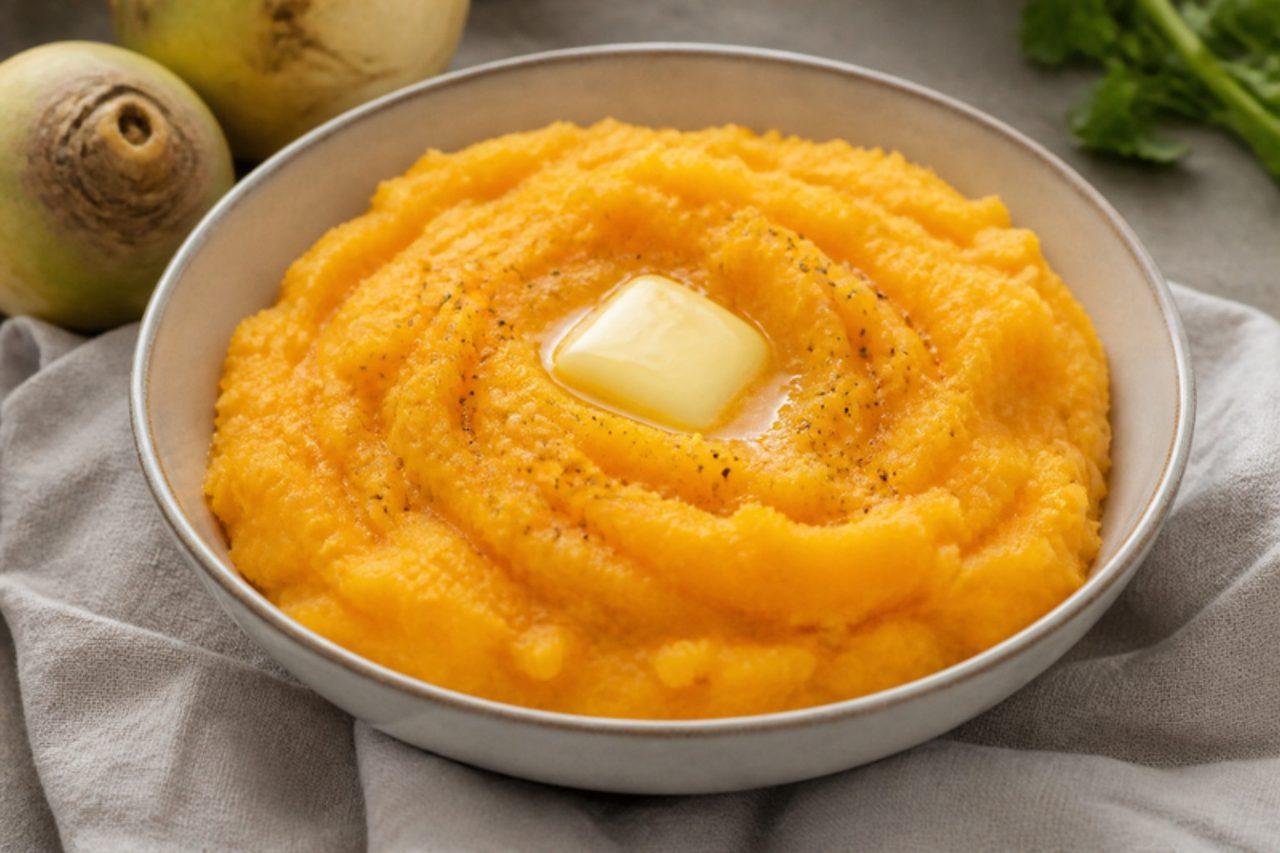
Kålrabistappe is the bright orange mash of swede that sits beside almost every Norwegian winter dinner: with pinnekjøtt lamb ribs at Christmas in western Norway, with raspeballer on Thursdays, with salted meat and sausages. It is simple: swede and a little potato boiled soft and mashed with butter, a splash of the cooking water and nutmeg. A common mistake is mashing it in a blender, which makes it gluey. Chef's tip: let the swede steam dry in the pan for a couple of minutes after draining; the mash stays fluffy, not watery.

by KrazyBadal 0 views

Kalu dodolRice flour and jaggery sweet

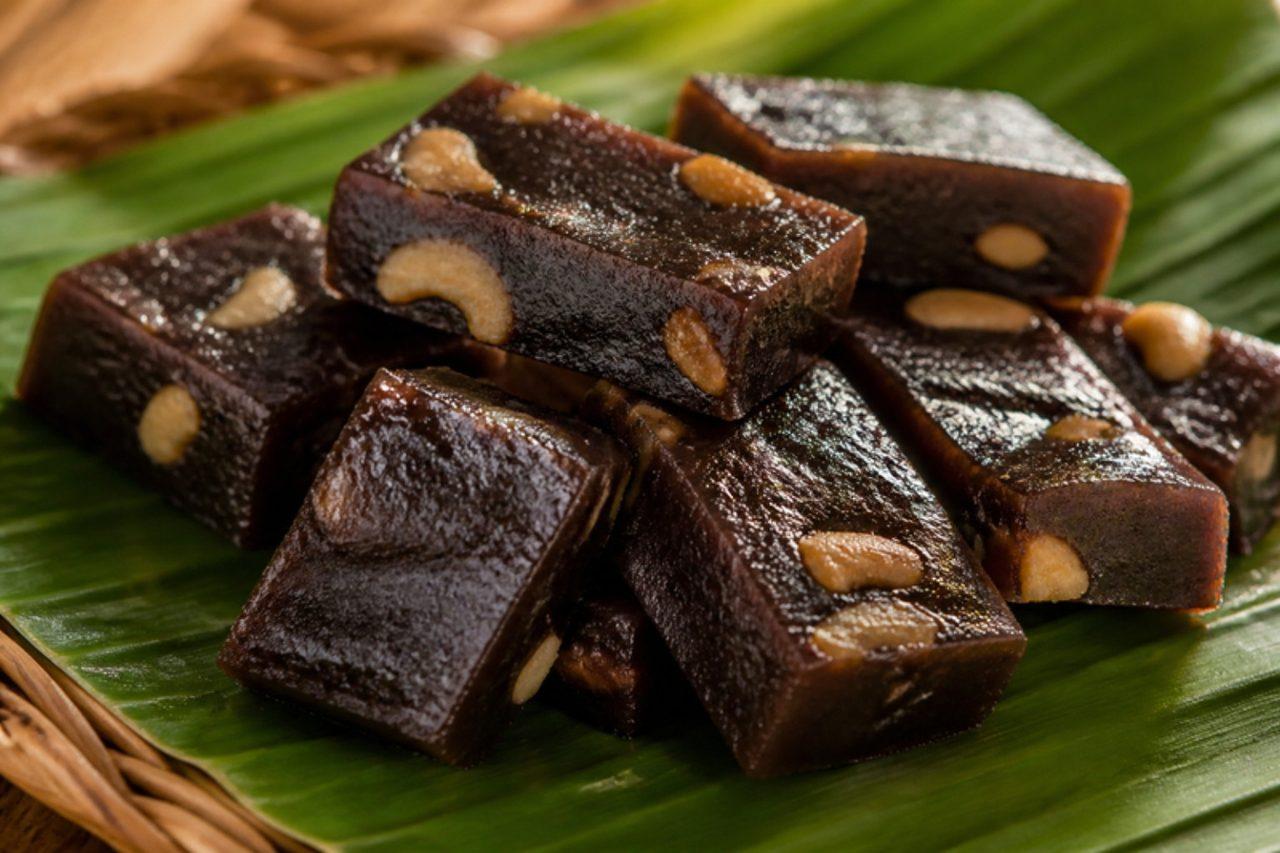
Hambantota and Kalutara both claim the best kalu dodol, and roadside shops in each town sell long, black, glistening slabs wrapped in paper, bought by travellers as gifts for the family back home. The sweet is a test of stamina: coconut milk is cooked down until its oil separates, then rice flour and kithul jaggery are stirred in and the mixture is worked over the heat for two to three hours until it turns dark, glossy and stiff, with cashews and cardamom added at the end. It sets into a chewy, fudgy sweet with a deep caramel and coconut flavour, and is served in thin slices during Avurudu and at weddings. Giving up too early is the one mistake everyone makes once; undercooked dodol stays sticky and grey instead of firm and almost black. Chef's tip: use the widest heavy pan you have and a long wooden spoon, and keep stirring the same direction, scraping the base, so nothing catches.

by KrazyBadal 0 views

KalkanFried turbot steaks

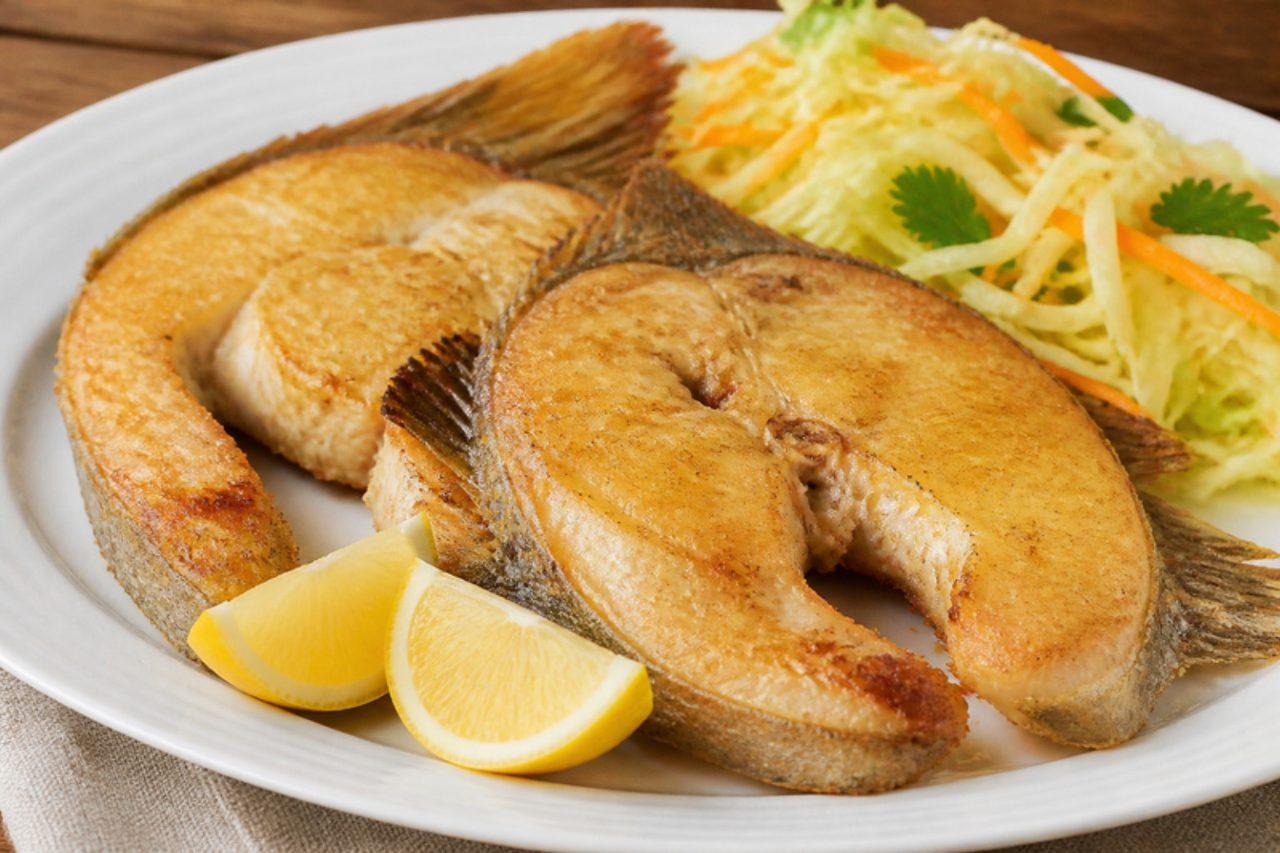
Turbot season on the Bulgarian Black Sea is short and strictly controlled, so in spring locals in Burgas and Balchik queue at the fish market for kalkan, the flat, diamond-shaped fish with firm, sweet white flesh. Seaside restaurants cut it across the bone into thick steaks, dust them with flour and fry them in sunflower oil until the skin is crisp and the flesh pearly, then serve them simply with lemon and a crunchy salad of shredded cabbage and carrot dressed with vinegar. Brill or halibut steaks work the same way if turbot is out of reach. A common mistake is turning the fish too soon, which tears the crust; leave it until it releases from the pan by itself. Chef's tip: score the dark skin twice so the steaks stay flat and cook evenly.

by KrazyBadal 0 views

Kalo jeera bhortaNigella seed mash

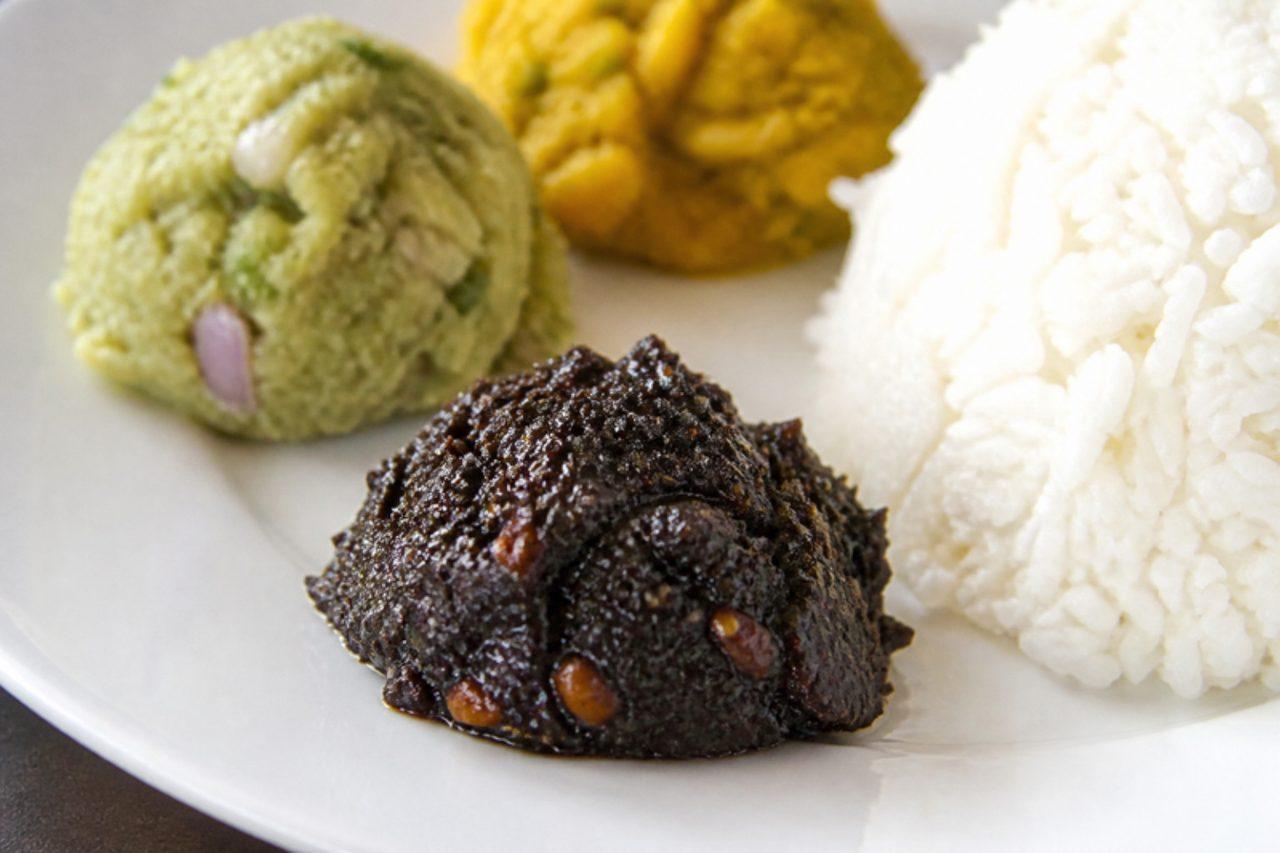
A bhorta lunch spread in a Bangladeshi home always has one tiny, dark mound that people eat a pinch at a time, and that is kalo jeera bhorta. Nigella seeds are toasted until fragrant, then ground on the shil-pata, the stone slab and roller, with garlic, roasted dried chilli, onion and mustard oil into a coarse, almost black paste that is nutty, bitter and fiery all at once. Grandmothers serve it in winter, believing it wards off colds, and a little is mixed into the first handful of hot rice before moving on to fish or dal. Burnt seeds make it acrid, so the trap is toasting over too high a heat; stop as soon as they smell toasty and start to pop. Chef's tip: grind the seeds alone first, then add the garlic and oil, for a smoother paste in a small grinder.

by KrazyBadal 0 views

KamaRoasted grain flour with kefir

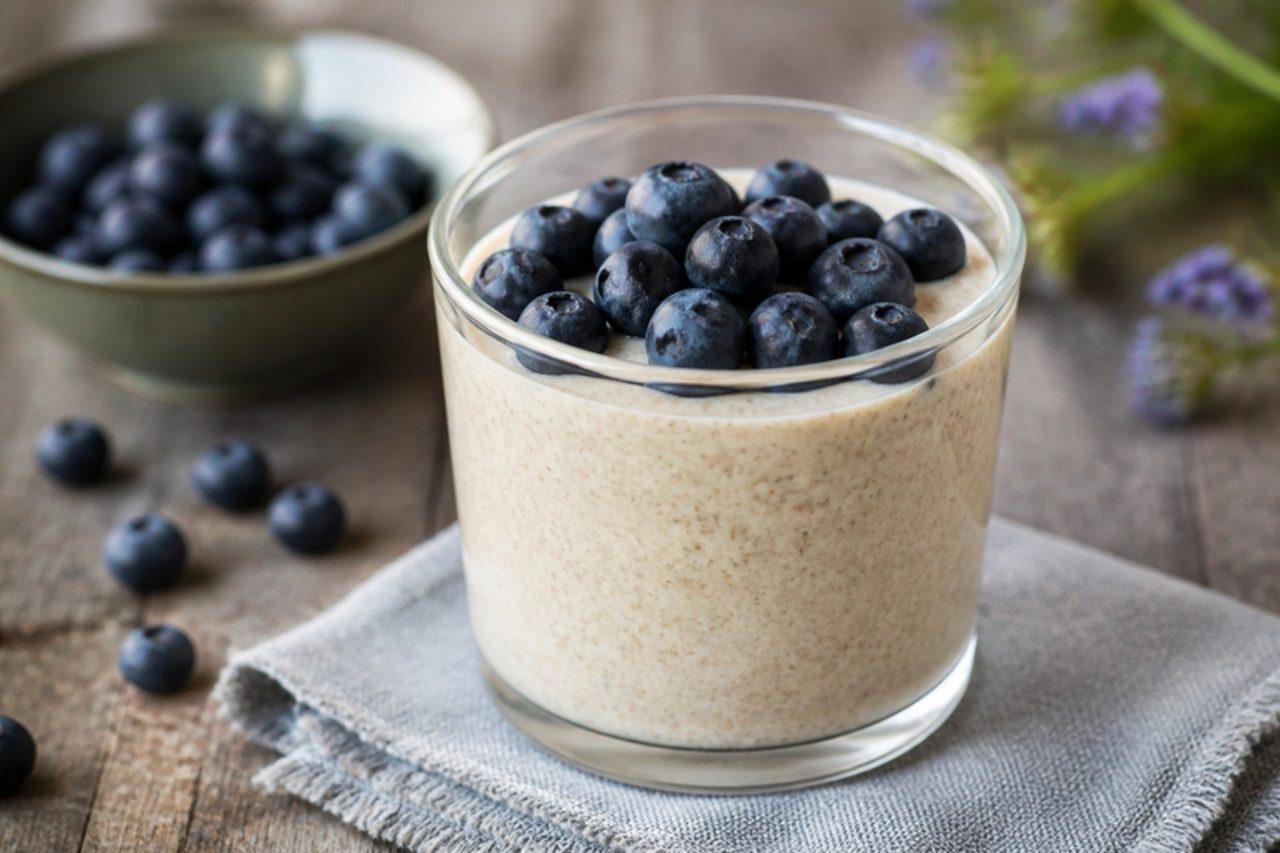
Kama is a uniquely Estonian food: a fine flour of roasted barley, rye, oats and peas, sold in every Tallinn supermarket, stirred into kefir, buttermilk or yogurt with a little sugar or honey and berries. It was once farmers' food for the fields; today it is a fast, filling breakfast and the flavour of Estonian ice creams and sweets. If you can't find kama, roast equal parts barley, rye and oat flour with a little pea flour in a dry pan until nutty. A common mistake is eating it at once; give it a few minutes to thicken. Chef's tip: stir in the kama, leave for 5 minutes, then add the berries, so it thickens like a mousse.

by KrazyBadal 0 views

Kancha gollaFresh cheese balls with cardamom

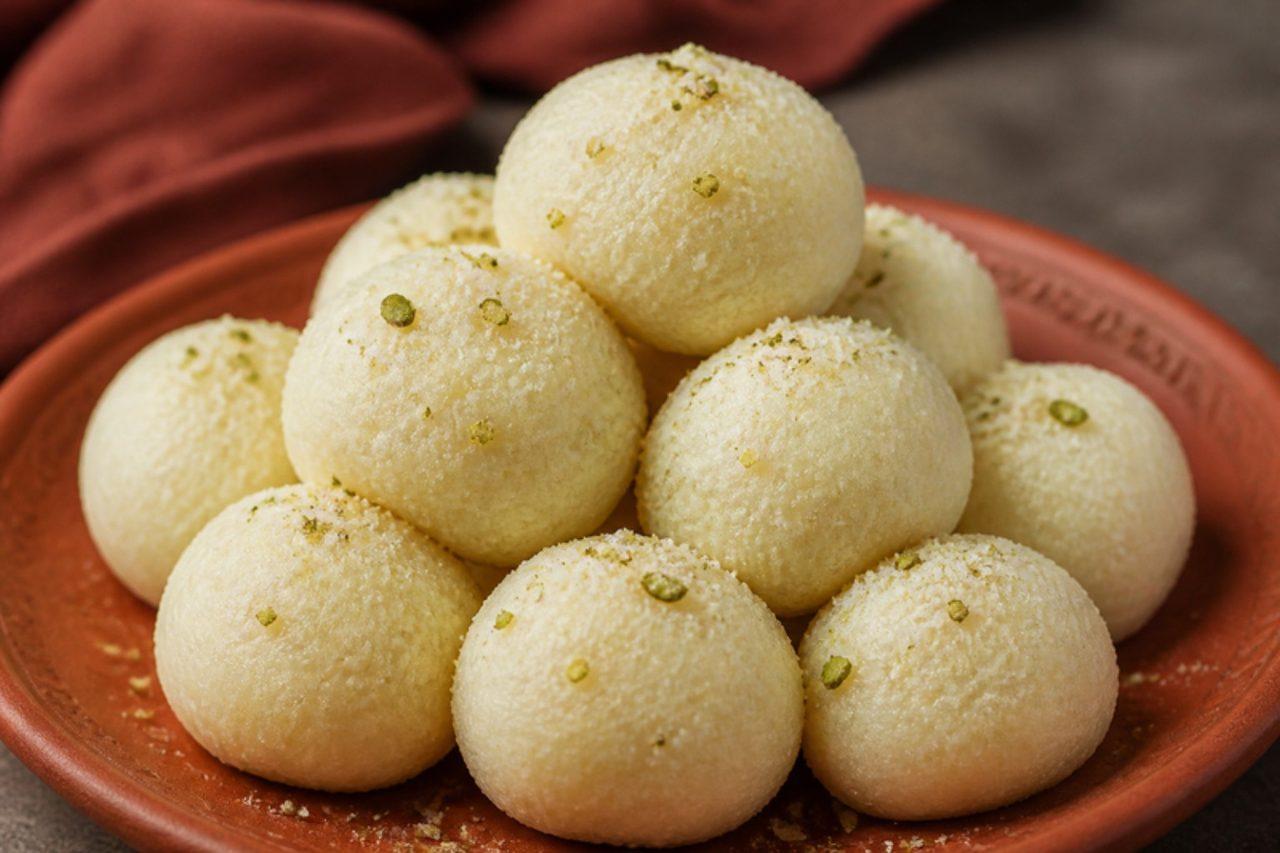
Natore, a quiet district town north of the Padma, is known throughout Bangladesh for one sweet, and a visit there is incomplete without a clay pot of kanchagolla to carry home. Kancha means raw, and the name is a joke at the sweet's expense: unlike rasgulla or chomchom, it is never boiled in syrup but simply kneaded fresh chhana with sugar, warmed in a pan for a few minutes and rolled into soft balls scented with cardamom. The texture is moist and faintly grainy, the taste milky and gently sweet, best eaten within a day or two. Cooking the mixture too long is what most home cooks get wrong; it turns dry and crumbly, more like sandesh. Chef's tip: make the chhana from full-fat milk and squeeze it only lightly, so plenty of moisture stays in for that melting Natore texture.

by KrazyBadal 0 views

Showing 54 of 7,762 recipes

Show more recipes

Page 256 of 863