
Skip to content
Tawa mushrooms
Featured recipe

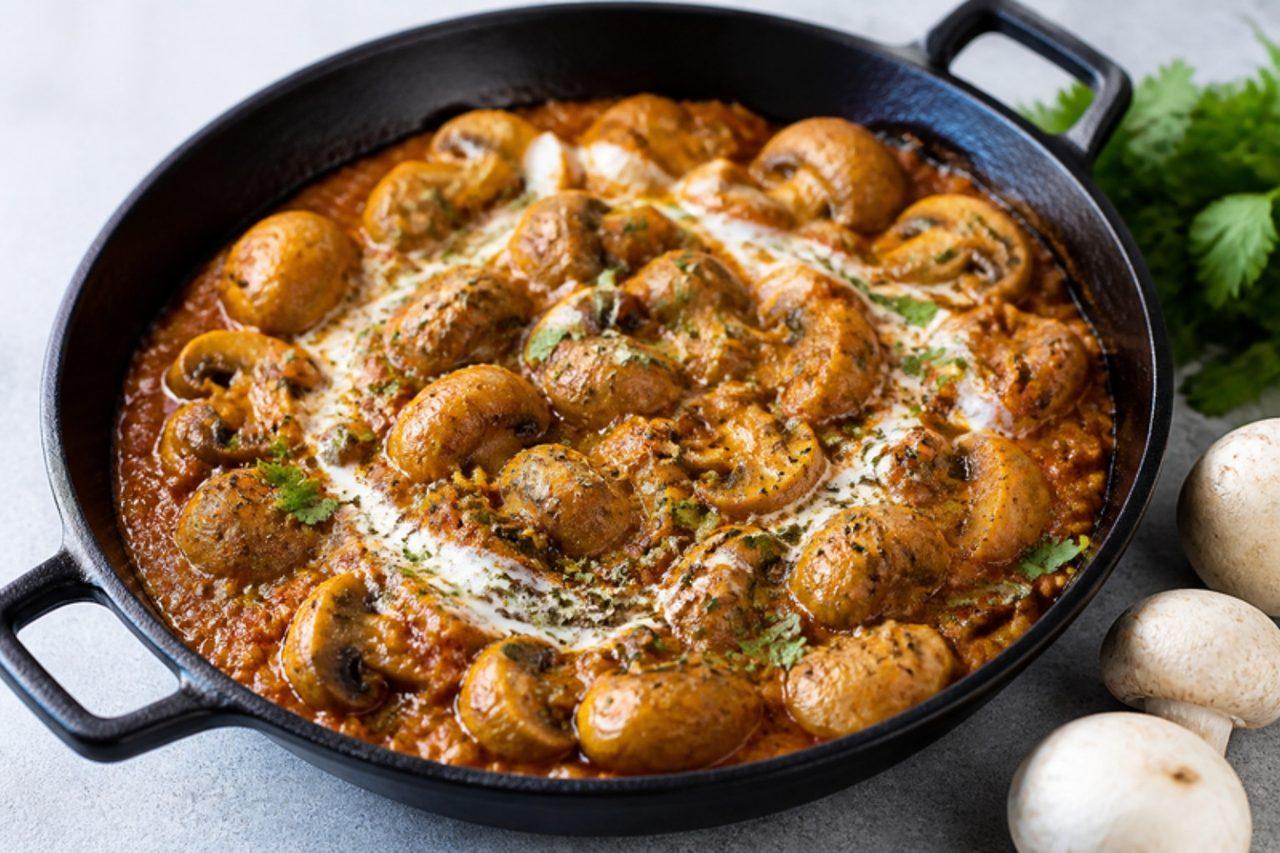
Tawa mushrooms

Halved mushrooms cooked on the tawa in a rich masala of browned onions, ginger, garlic and puréed tomato, finished with a little cream and dried fenugreek. It's quick, creamy and full of flavour. Serve hot with naan, paratha or bread straight off the barbecue.

Read more 1 views
Can't decide?

What to eat today?

Spin the randomizer, search with what's already in your fridge, or browse recipes from our chefs.

Latest recipes

Kartoffelkäse

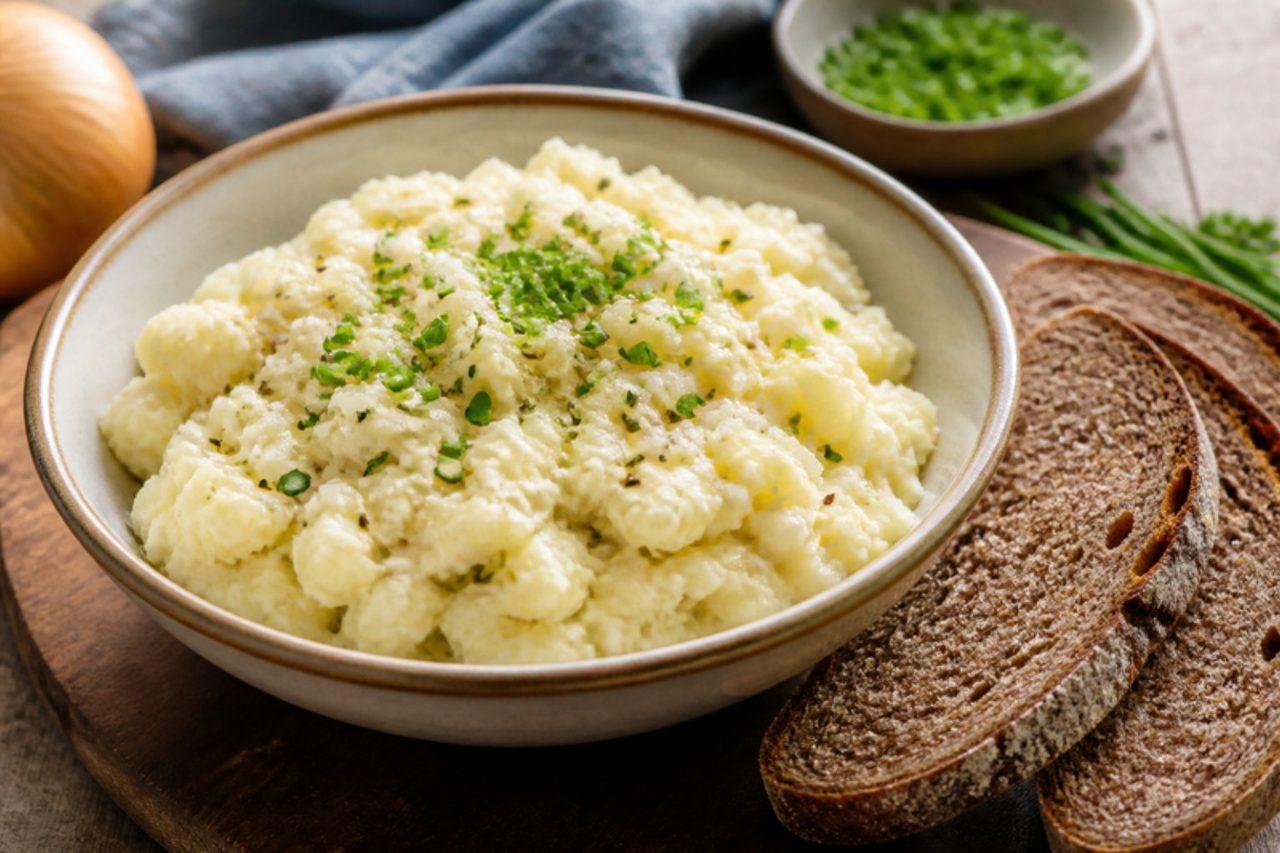
Despite its name, Franconian Kartoffelkäs contains no cheese at all: it is a soft spread of riced potato, sour cream, onion and caraway that farm families around Bamberg and Nuremberg put on the table for Brotzeit, the cold evening supper. It goes on thick slices of rye bread with chives and sliced radish, and it was a way to turn a few leftover potatoes into something rich enough to stand in for cheese. A common mistake is using waxy potatoes, which go gluey; floury ones make it light. Chef's tip: rice the potatoes while hot, but stir in the sour cream only when they are cool, so the spread stays fresh-tasting rather than heavy.

by KrazyBadal 0 views

Cèpes à la bordelaise

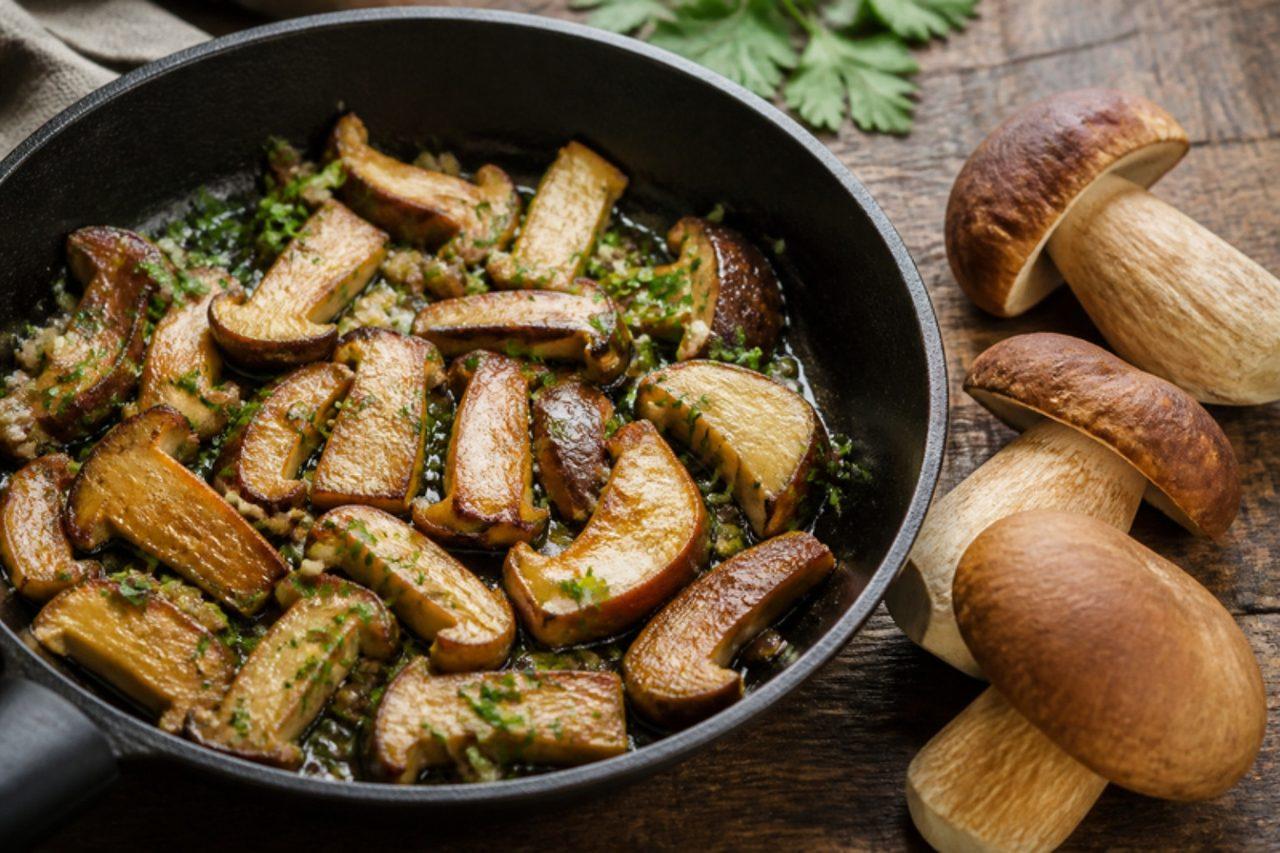
In autumn, when cèpes push up through the pine forests of the Landes and the oak woods of the Gironde, Bordeaux families fry them the local way: thick slices browned hard in a hot pan, then tossed with shallot, garlic and plenty of parsley. They come to the table as a side for Sunday lunch, piled on toast for a starter, or beside an omelette for supper. Many cooks use duck fat; this version uses olive oil, so it is vegan. Out of season, use chestnut mushrooms with a few soaked dried porcini for flavour. Chef's tip: wipe the cèpes with a damp cloth instead of washing them; wet mushrooms steam instead of browning.

by KrazyBadal 0 views

Krautkrapfen

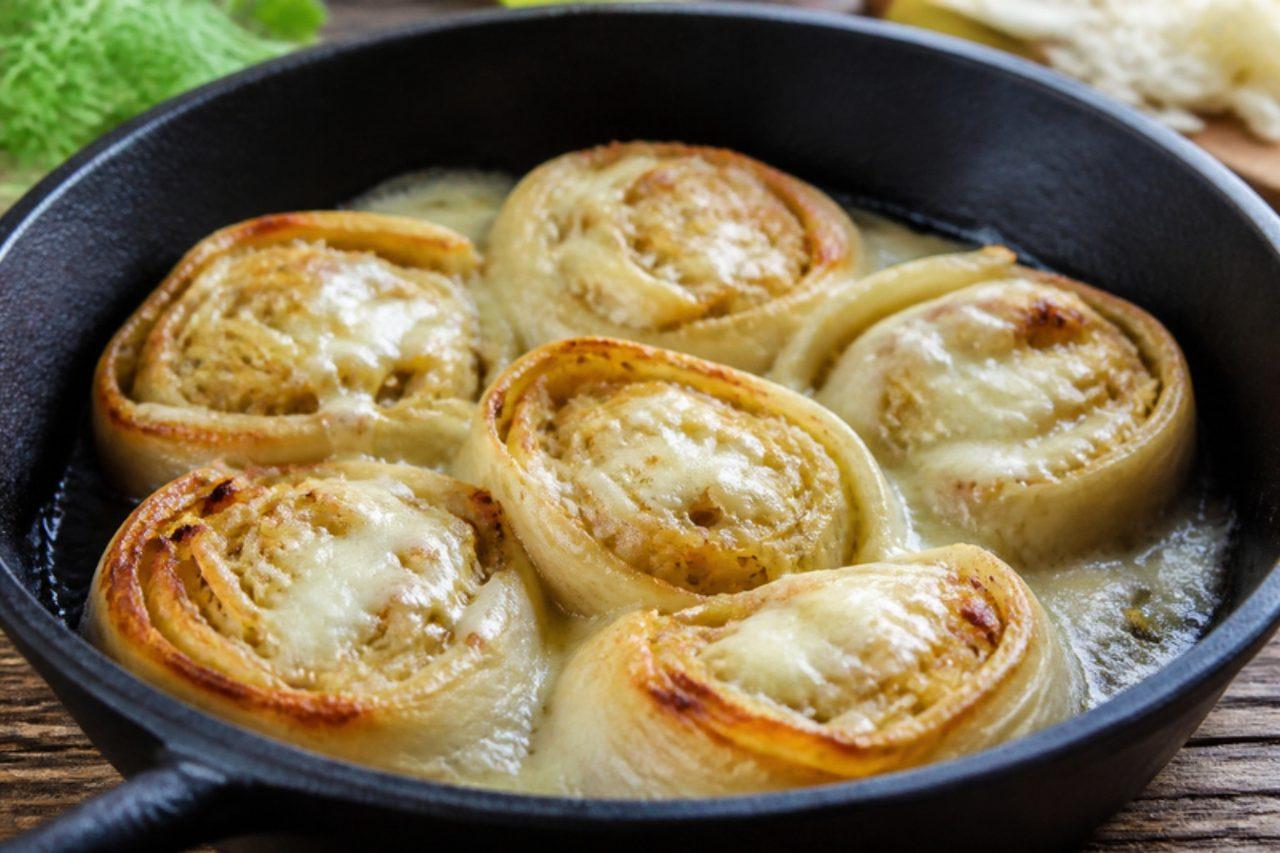
Krautkrapfen come from the Allgäu and the Swabian Alb, where farm cooks rolled noodle dough paper-thin, spread it with sauerkraut and fried onion, rolled it up like a strudel and sliced it into snails. The slices are packed upright in a buttered pan, fried until the bottoms crisp, then half-covered in stock and braised until the dough is tender. They are a Friday or winter supper with a green salad. A common mistake is pouring in too much stock: it should come only a third of the way up, or the crisp base turns soggy. Chef's tip: let the dough rest a full 30 minutes; relaxed dough rolls out thin without shrinking back.

by KrazyBadal 0 views

Salade lyonnaise

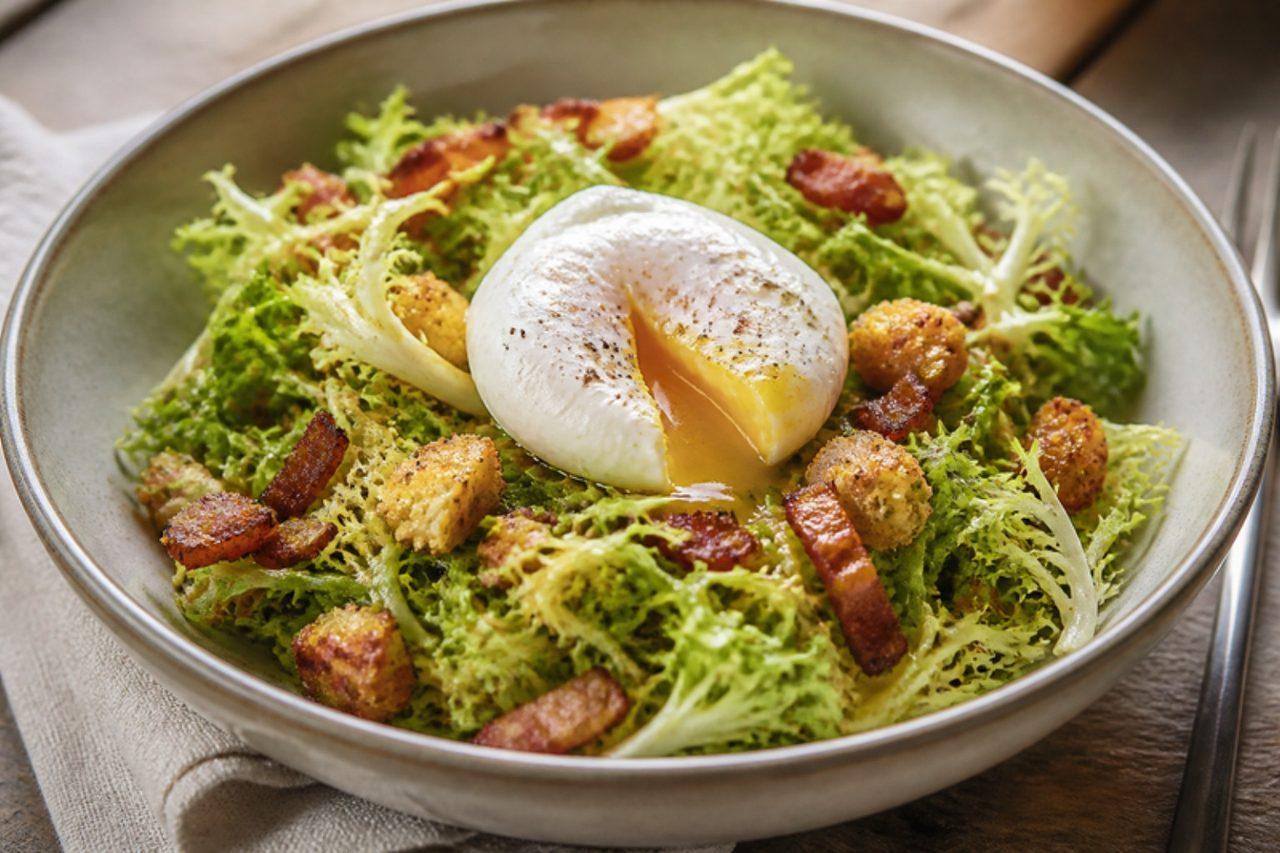
Every bouchon in Lyon, the small checked-tablecloth restaurants of the old town and the Presqu'île, puts salade lyonnaise on its menu as a starter or light lunch. Bitter, crunchy frisée is tossed with a sharp mustard vinaigrette, then topped with hot smoked pork lardons, garlicky croutons and a poached egg whose yolk spills into the leaves and turns the dressing creamy. It's the meeting of hot and cold, soft and crisp that makes it work. The egg is served runny, so use pasteurised eggs for pregnant women, young children, older people or anyone with a weakened immune system, or cook the egg until set. Chef's tip: deglaze the lardon pan with the vinegar and pour it warm over the leaves so they wilt very slightly.

by KrazyBadal 0 views

Tapenade provençale

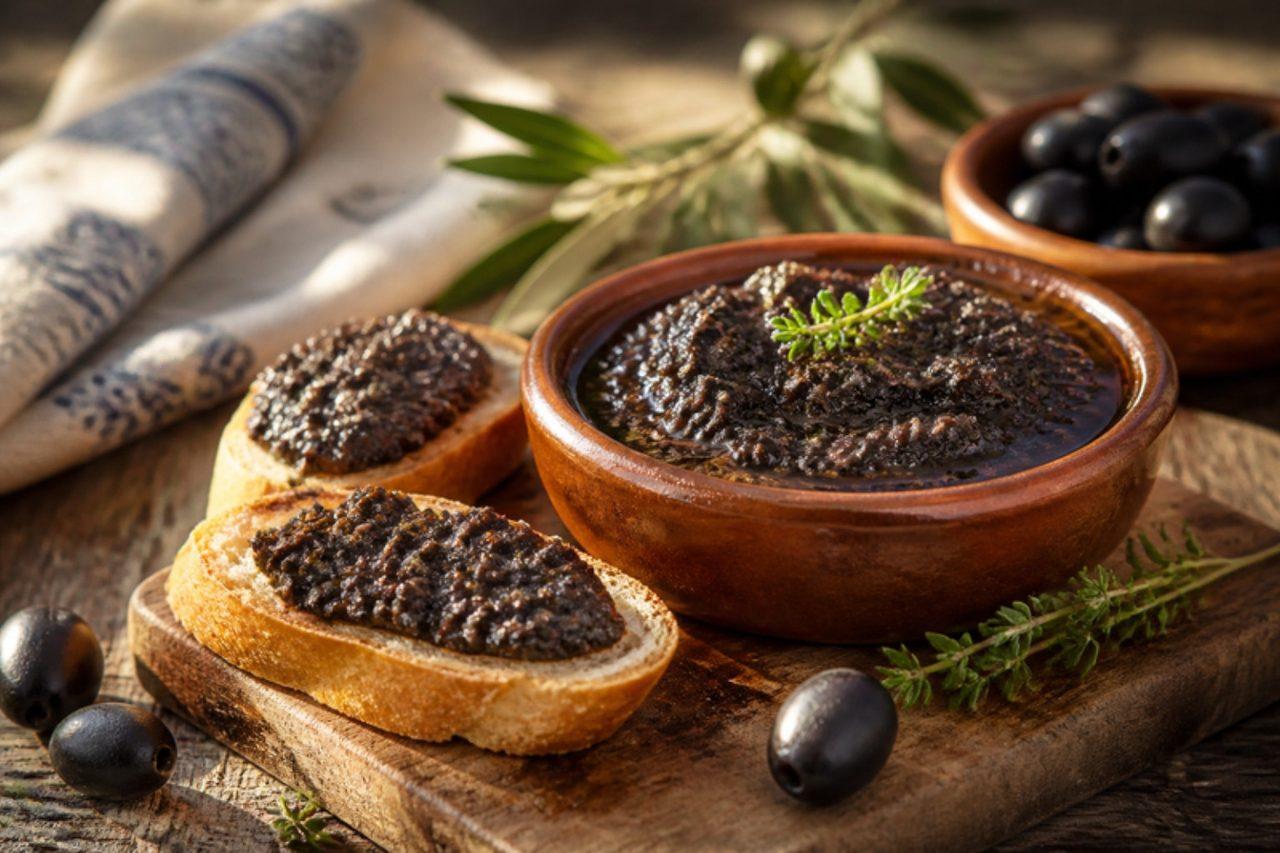
The name gives the game away: tapeno is the Provençal word for capers, and a Marseille chef is said to have first pounded them with black olives in the 1880s. Across Provence, from the markets of Nyons to the cafés of Aix, tapenade comes out with the apéritif before a long summer dinner, spread thickly on toasted baguette. The classic recipe adds a few anchovy fillets; this version leaves them out and leans on extra capers and lemon for the salty, savoury edge, so it is vegan. Chef's tip: buy olives with stones and pit them yourself; ready-pitted black olives are often the dyed, bland kind and give a flat, inky spread.

by KrazyBadal 0 views

Chalupas de Chilpancingo

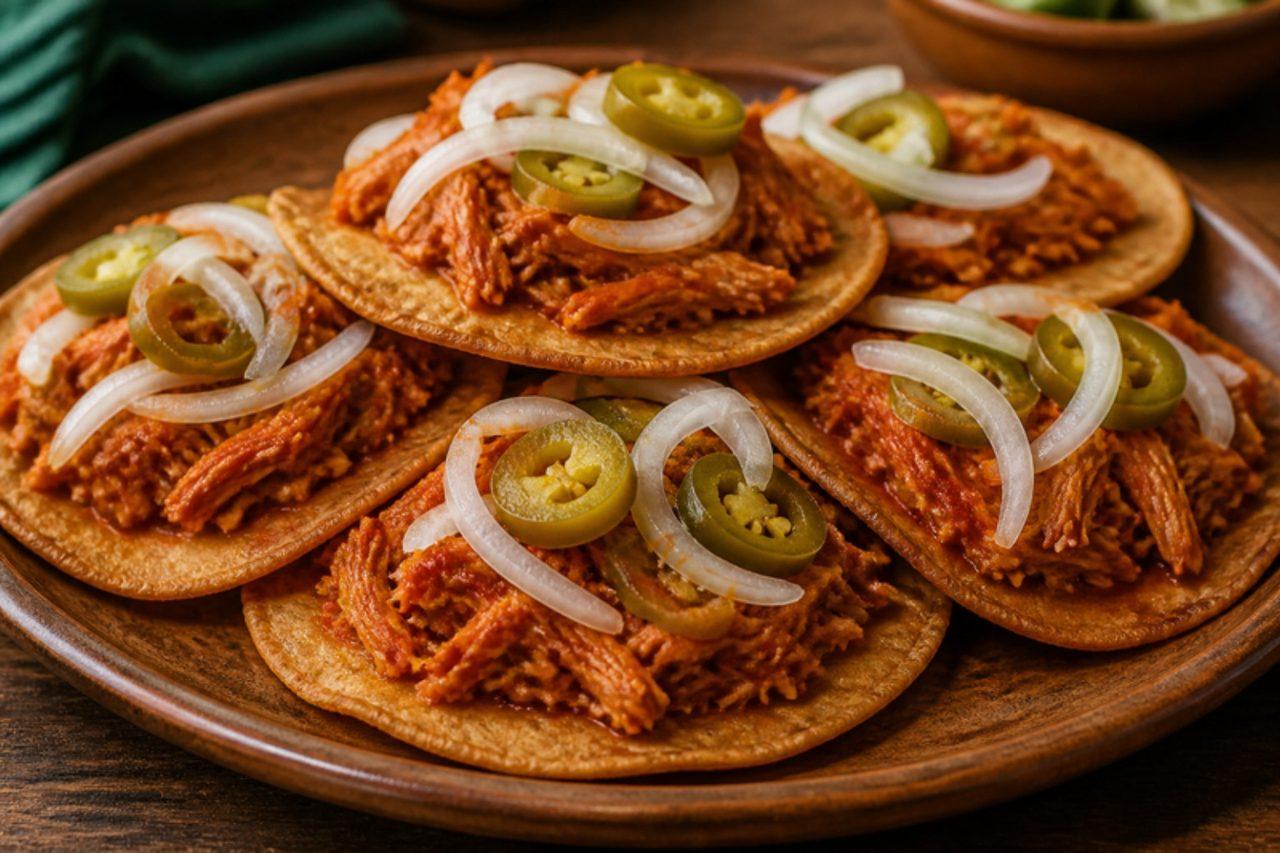
Chalupas are Chilpancingo's favourite evening snack: in the capital of Guerrero they are sold by the plateful at cenadurías and street stands, often alongside pozole. Small, thick corn tortillas are fried until crisp at the rim but still a little soft in the middle, then heaped with chicken shredded into a smoky chipotle-tomato sauce and finished with sliced onion, a slice of pickled jalapeño and a crumble of cheese for those who like it. Expect to eat five or six each, with a cold agua fresca. The sauce is traditionally fried in pork lard, but vegetable oil is fine. Chef's tip: press a thumb into the edge of each tortilla while it is still warm to make a low rim; it holds the topping and gives the chalupa its little boat shape.

by KrazyBadal 0 views

Pfitzauf

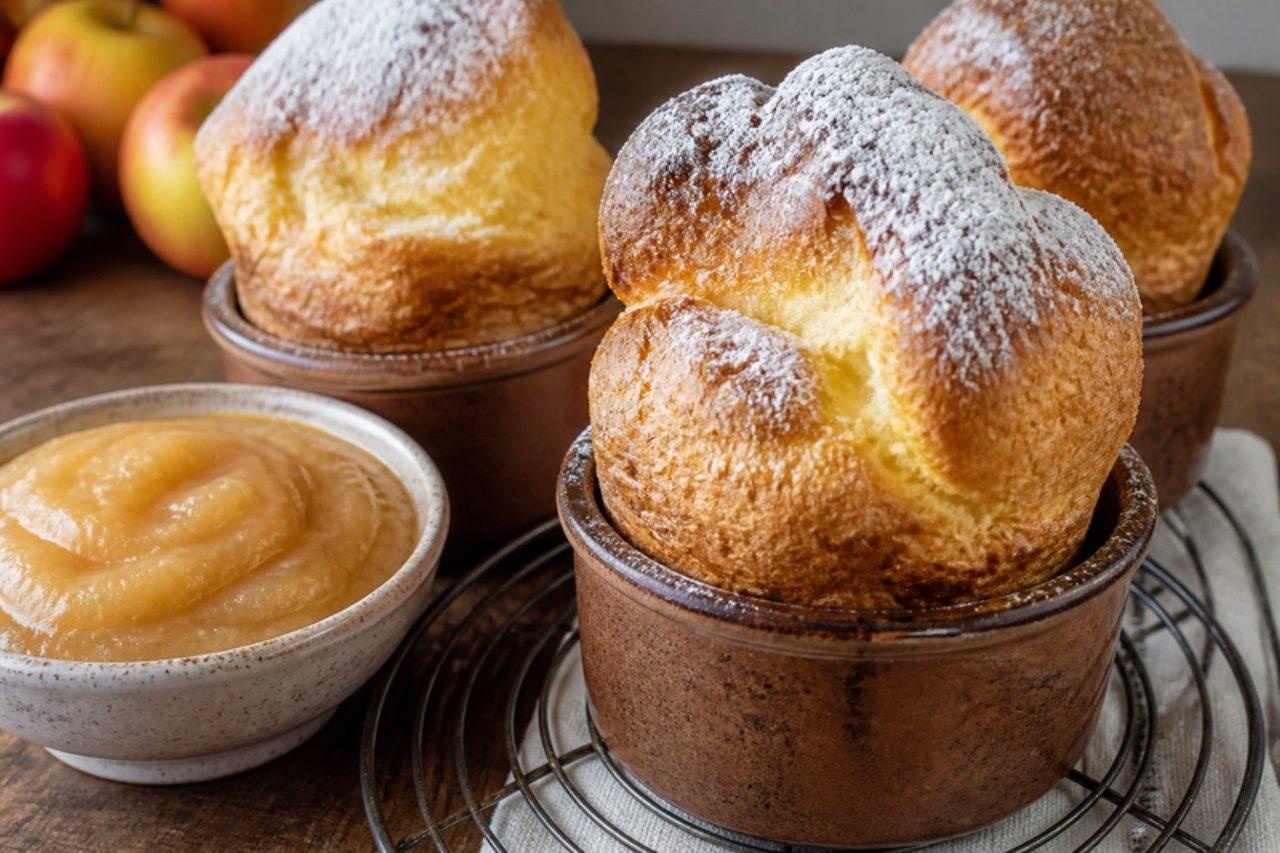
Pfitzauf is a Swabian Sunday-afternoon treat: a thin egg and milk batter poured into a heavy clay or tin mould with deep cups, which rises in the oven like a soufflé and 'pfitzt auf', pops up, far above the rim. Grandmothers on the Swabian Alb served it hot with apple sauce or vanilla sauce, sometimes with stewed cherries. A muffin tin or popover tin works too. The classic mistake is opening the oven during baking: the puffs collapse and never come back. Chef's tip: get the buttered tin really hot in the oven before pouring in the batter; the shock of heat is what makes them climb.

by KrazyBadal 0 views

Schupfnudeln

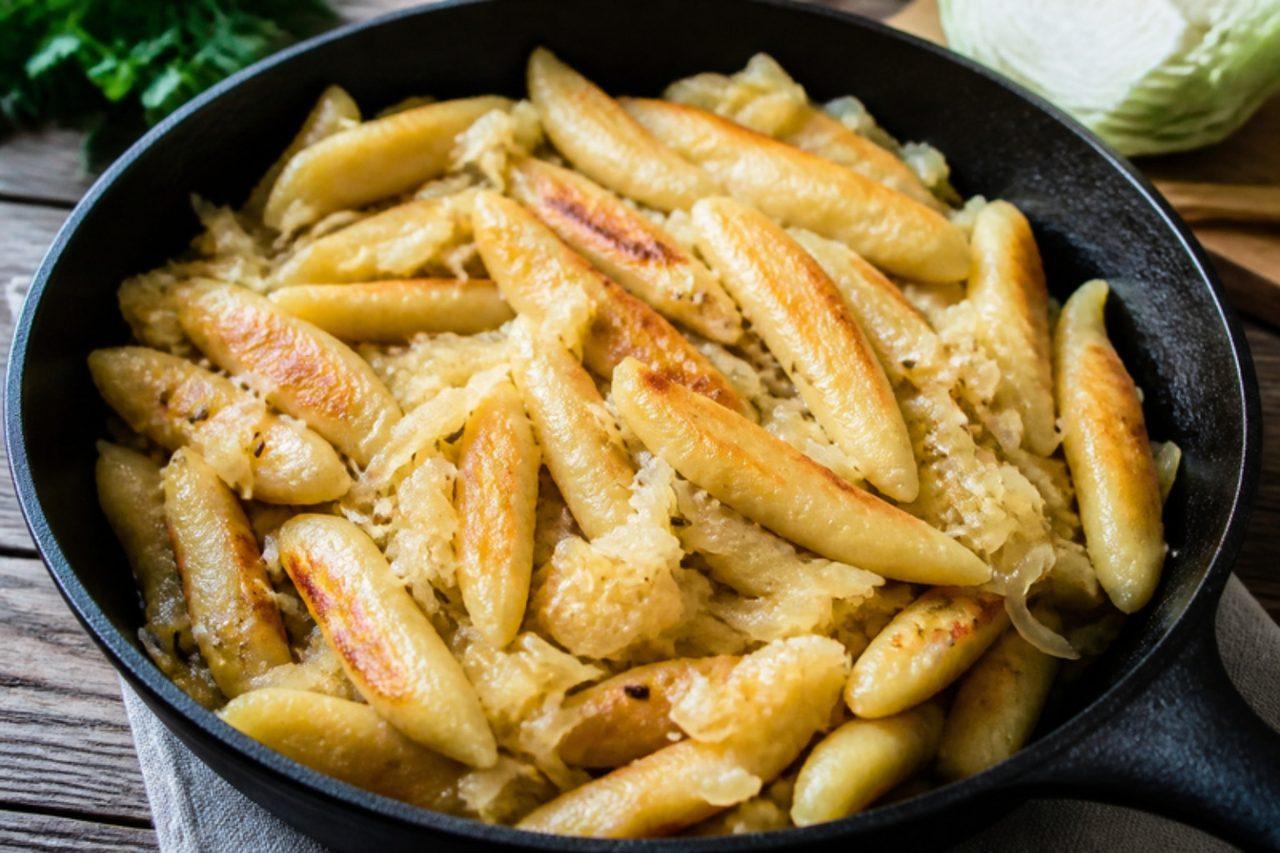
Schupfnudeln are thick little potato noodles, rolled between the palms into pointed fingers, that turn up at every Christmas market and village festival in Baden-Württemberg, fried in a huge pan with sauerkraut. At home they are a winter supper on their own or a side for roasts. The dough is the same family as gnocchi, but the noodles are boiled first and then fried until browned on the outside. A common mistake is using freshly boiled hot potatoes and too much flour: they need to be cold and dry, so plan to cook them the day before. Chef's tip: rinse the sauerkraut only if it is very sharp; otherwise its tang is what balances the butter.

by KrazyBadal 0 views

Bratkartoffeln

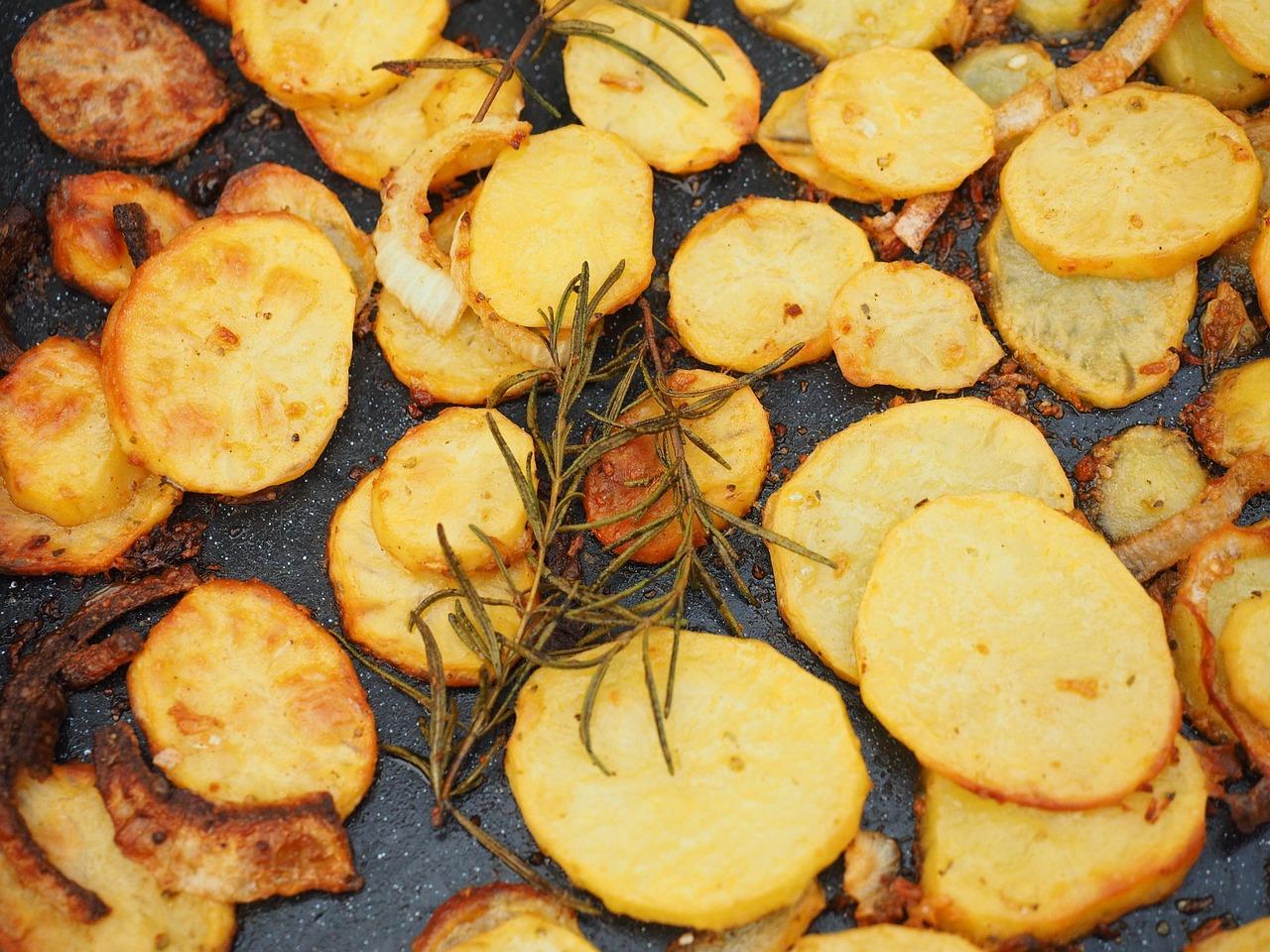
Bratkartoffeln are the potatoes of every German pub and home kitchen, from Hamburg to Munich: yesterday's boiled potatoes sliced and fried slowly in a heavy pan until the edges are crisp and brown, then tossed with onion. They come with fried eggs, pickled herring, Sülze or a green salad, and many cooks add bacon cubes; this version stays vegetarian with butter, onion and marjoram. The mistake everyone makes is stirring too often and crowding the pan: the slices steam instead of crisping. Chef's tip: use waxy potatoes boiled in their skins the day before; cold, firm slices hold their shape and brown far better than fresh ones.

by KrazyBadal 0 views

Mahyaveh-style anchovy and spice spread

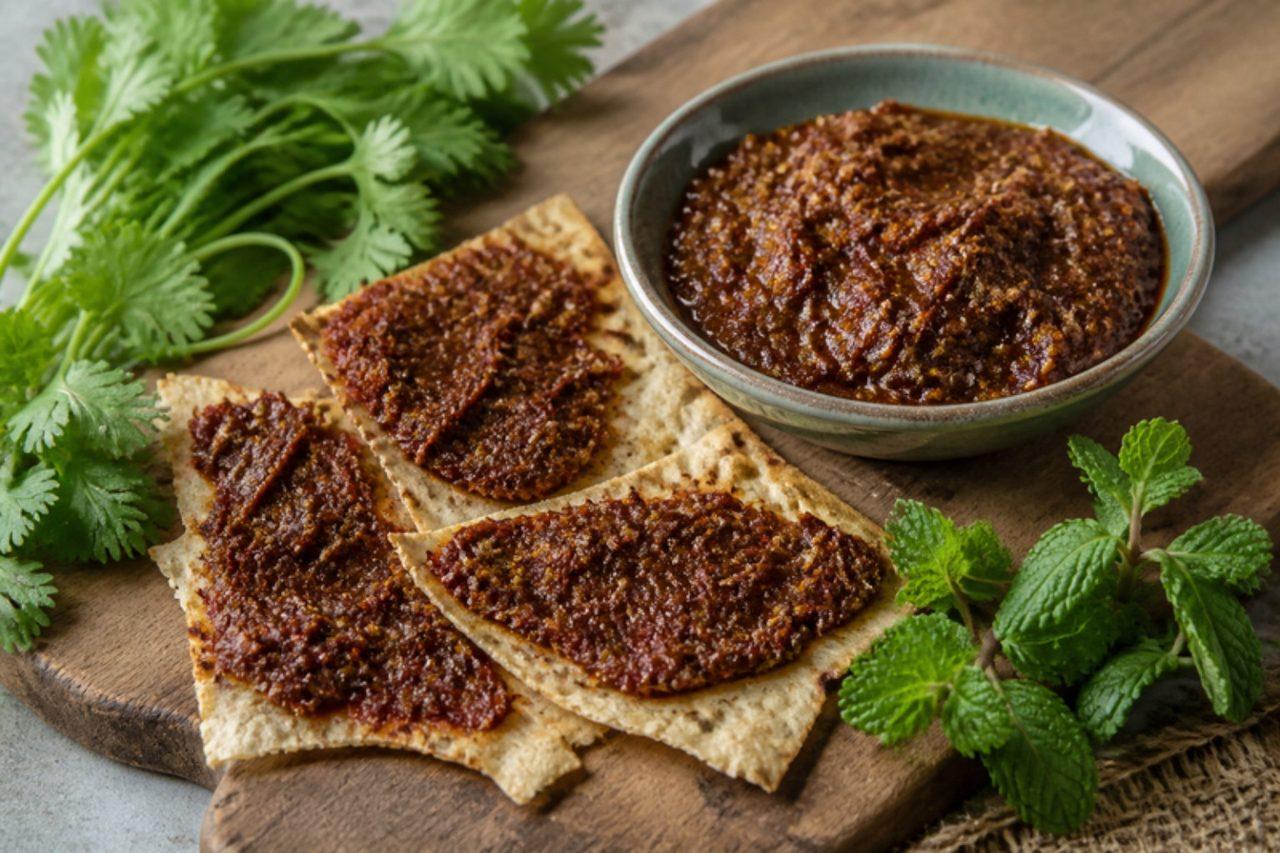
In Bandar Abbas, Lar and the villages of Hormozgan, mahyaveh is a dark, pungent sauce made by leaving tiny fish with salt, mustard seed and spices to ferment in the sun for weeks; it is smeared on hot flatbread for breakfast or with eggs. That open-air fermentation is hard to control safely at home, so this version gets the same deep, salty flavour from ready-cured anchovy fillets blended with toasted mustard seed, cumin, coriander seed, fennel and a little vinegar, and it lives in the fridge from the start. It is still a cured-fish product: not for pregnant women, young children or anyone with a weakened immune system. A common mistake is spreading it thickly like a pâté; it is a seasoning, so a thin smear is enough. Chef's tip: toast the spices until the mustard seeds just start to pop, which takes the raw bitterness out and gives the spread its roasted edge.

by KrazyBadal 0 views

Mahi sobour stuffed with herbs and tamarind

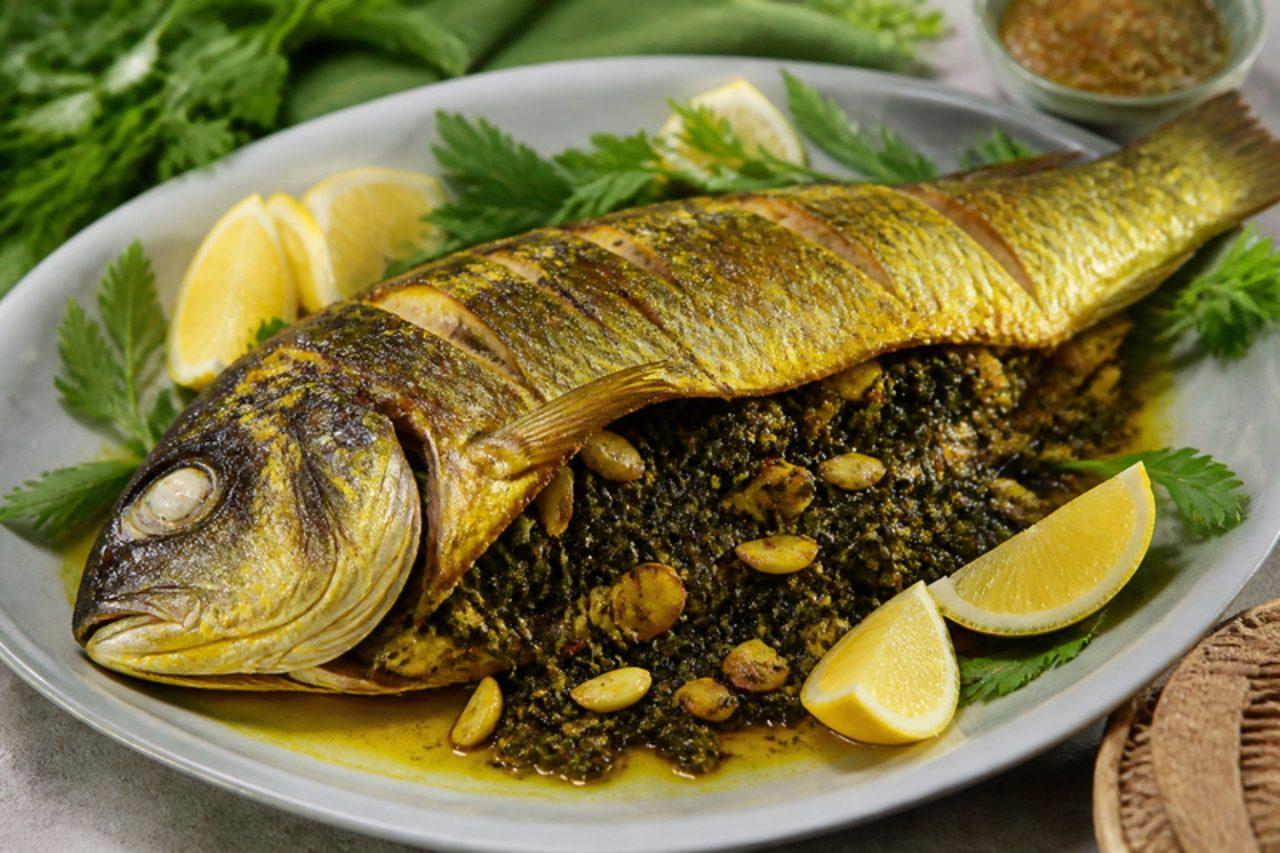
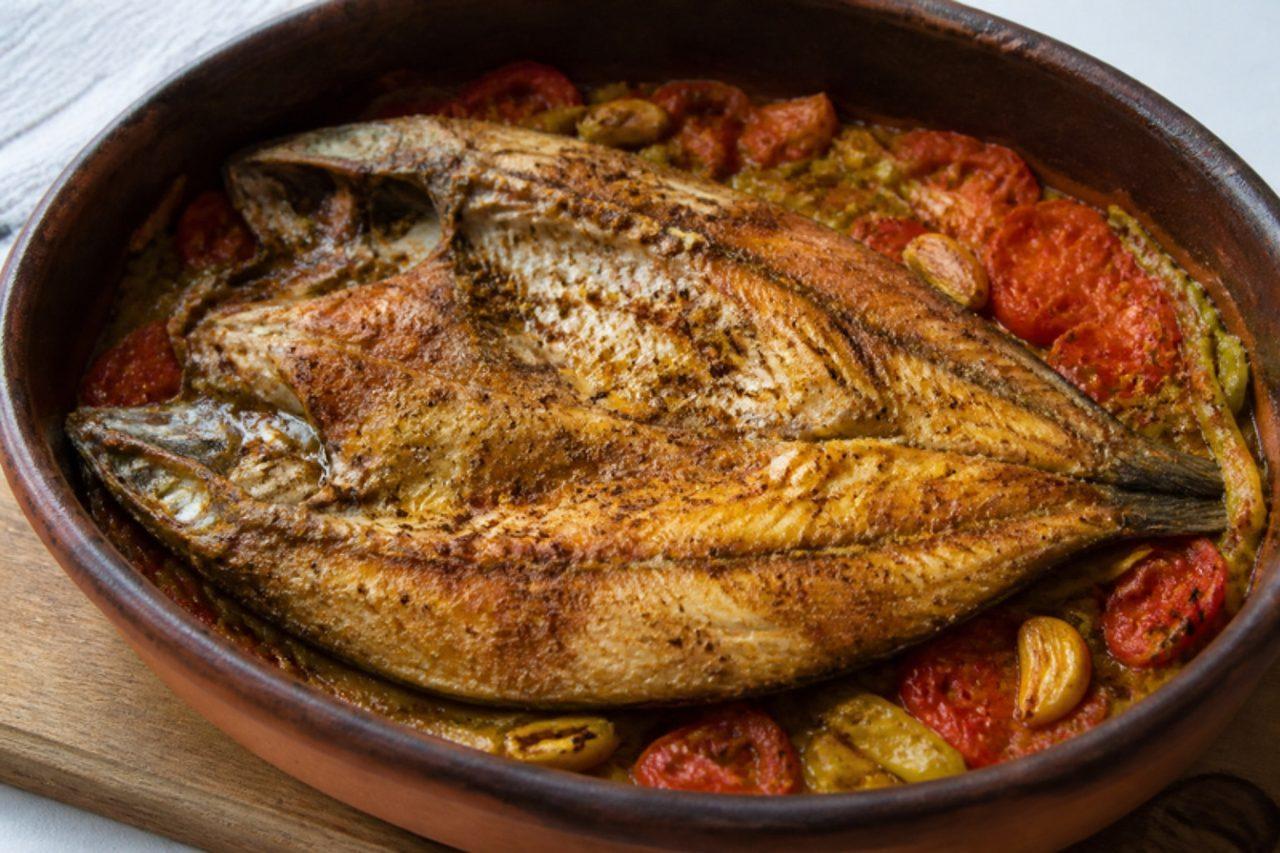
Each spring the shad (sobour) swims up the Karun and Arvand rivers, and in Ahvaz and Khorramshahr the season is marked by whole fish split open, packed with a sour paste of herbs, garlic and tamarind and cooked over coals or in a hot oven. The rich, oily flesh is a perfect match for the sharp filling. Shad is very bony, so most home cooks outside Khuzestan use sea bass, sea bream or mackerel, which take the same filling beautifully. A common mistake is overfilling the fish so it bursts open and the stuffing burns; pack it firmly but leave a finger's width at the edges. Chef's tip: cut three shallow slashes in each side and rub a little filling into them, so the sourness reaches the whole fish.

by KrazyBadal 0 views

Mahi doodi with sabzi polo

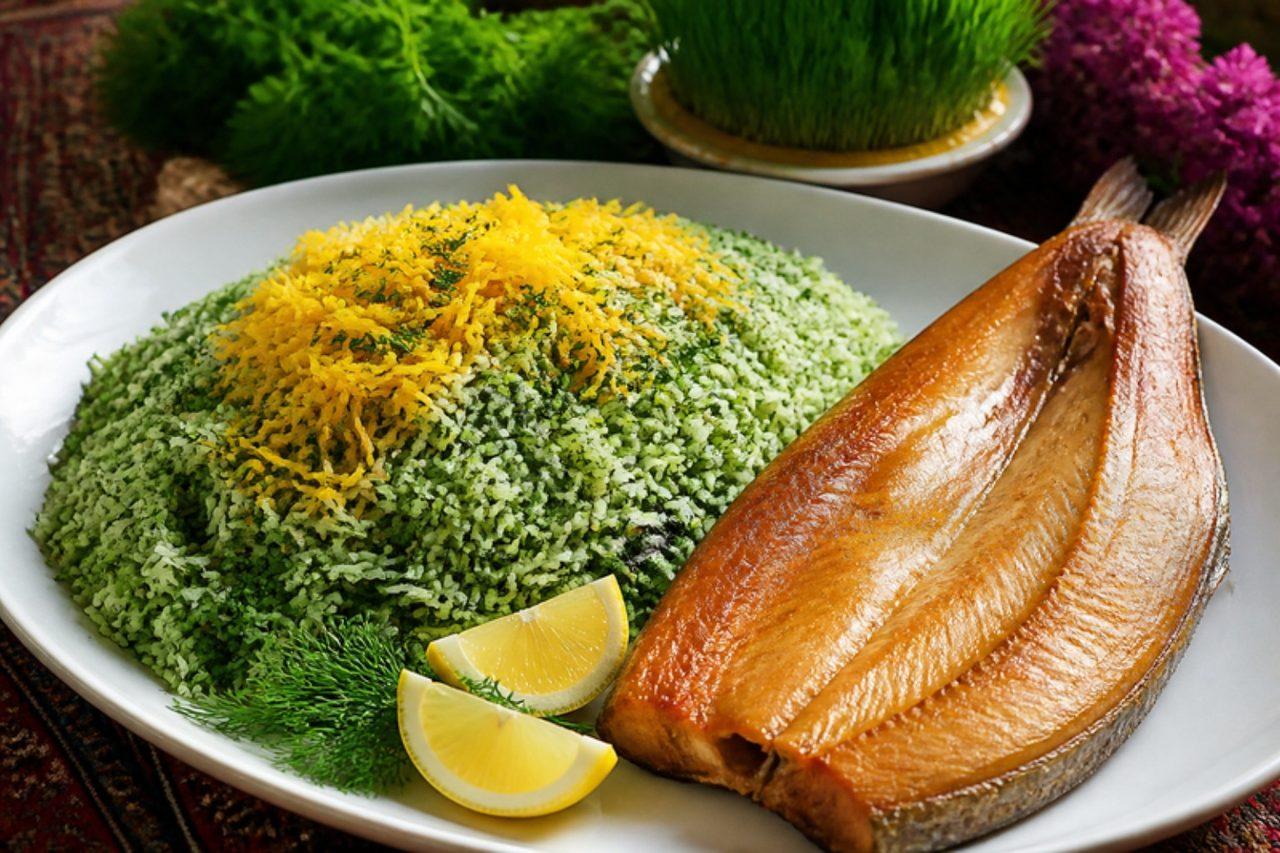
On the first day of the Persian new year, from Rasht to Tehran, the classic lunch is sabzi polo, a green herb rice, with fish, and on the Caspian side that fish is often golden hot-smoked white fish (mahi doodi). Fresh herbs stand for spring and the fish for life, so the plate is full of meaning as well as flavour. Most cooks buy the smoked fish ready made and simply warm it with a little garlic and saffron butter, which is what this recipe does; the rice is steamed with dill, parsley, coriander and chives until it forms a crisp tahdig. Hot-smoked fish is already cooked; heat it until piping hot, at least 70 °C in the middle. A common mistake is warming the fish dry in a hot oven, which makes it tough and salty; wrap it with a splash of water so it steams. Chef's tip: soak the smoked fish in warm water for 10 minutes first to draw out some of the salt.

by KrazyBadal 0 views

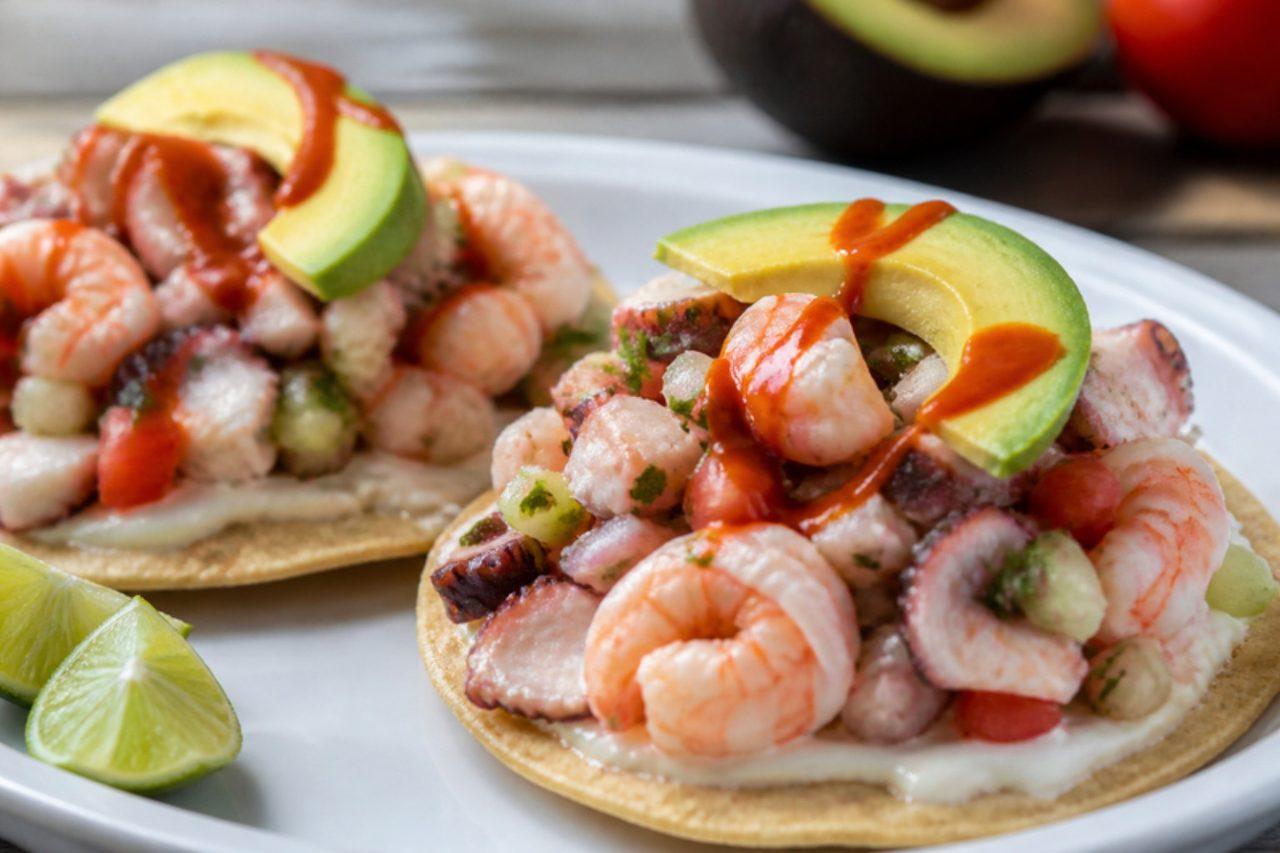
Tostadas de mariscos

Walk past the fish market in Ensenada and the seafood carts are already busy by mid-morning, piling crisp corn tostadas high with a lime-bright mix of prawns, octopus, tomato, onion and coriander. They are eaten standing up with a squeeze of lime and a few drops of hot sauce, often as the first stop of a weekend in Baja. This version uses only cooked seafood: prawns poached until pink and opaque, and octopus bought ready-cooked from a fishmonger or deli counter. The mix is cold, juicy and crunchy, with creamy avocado on top. Chef's tip: assemble each tostada right before it is eaten, as even five minutes of waiting softens the shell.

by KrazyBadal 0 views

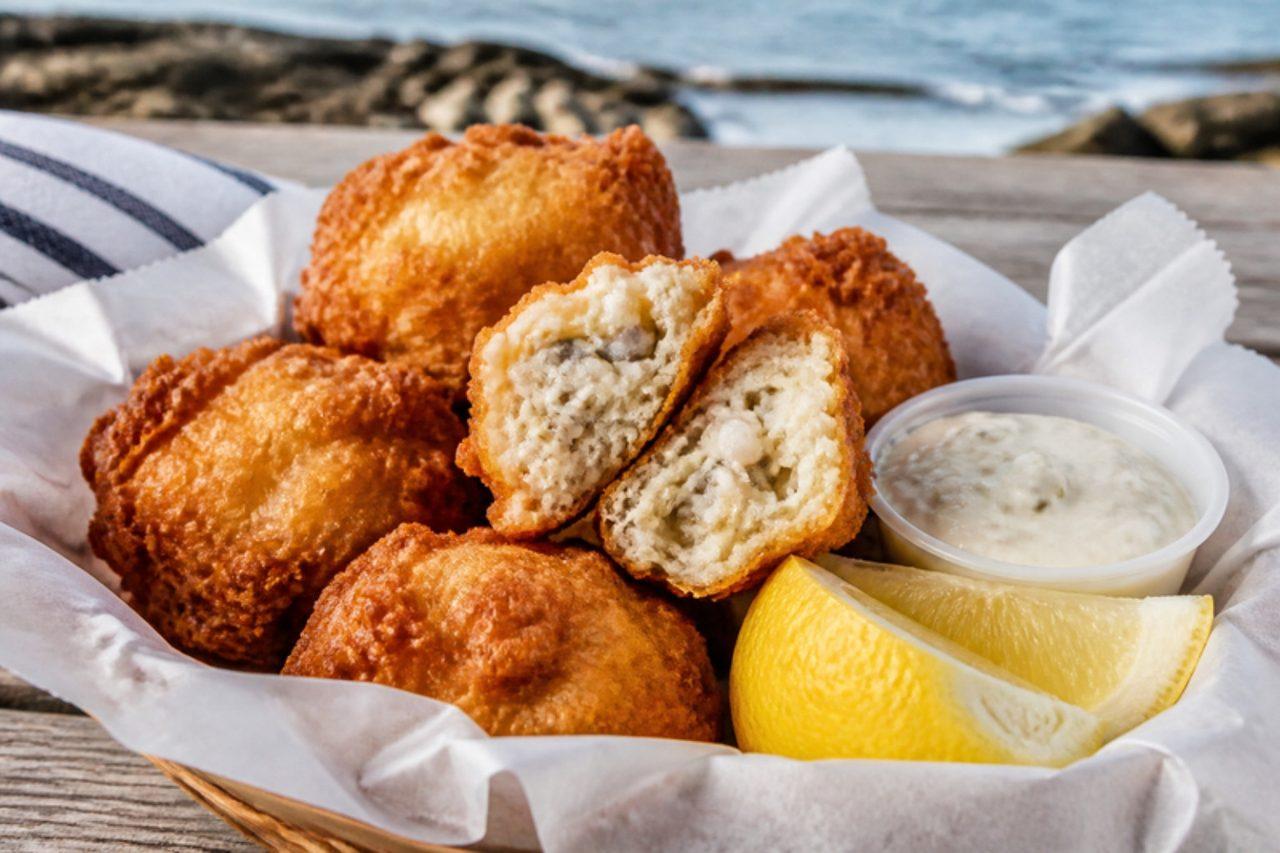
Rhode Island clam cakes

At beach shacks along Narragansett Bay and in Galilee, clam cakes are bought by the paper bag, half a dozen at a time, to dunk in a cup of clear clam chowder. They are not patties but craggy, golden fritters, crisp outside and soft inside, studded with chopped quahog clams. Chef's tip: use the clam juice as part of the liquid; it puts the sea flavour into every bite of batter.

by KrazyBadal 0 views

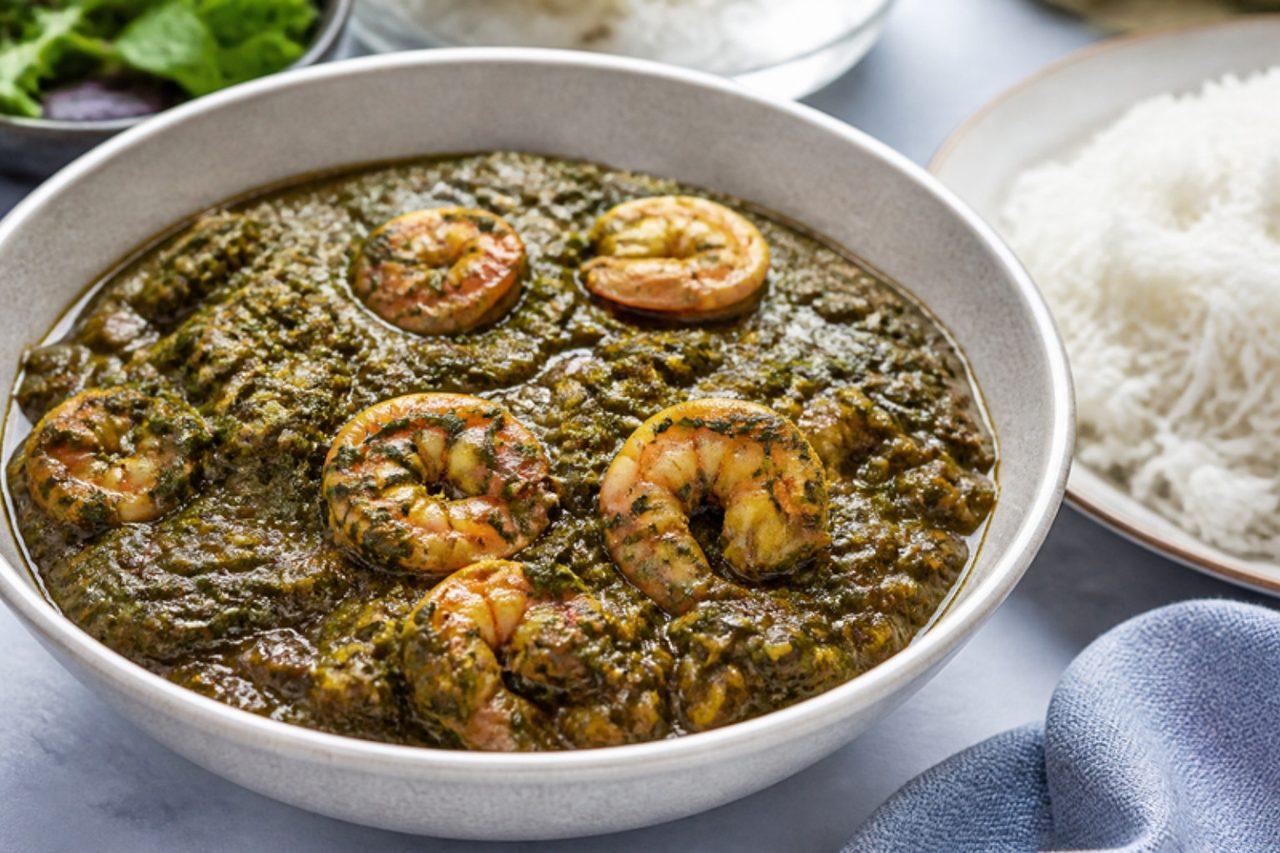
Ghalieh meygoo

In Bushehr, where the fishing boats bring in Gulf prawns every morning, ghalieh meygoo is the dish cooks make when they want something quicker and a little more festive than the fish version. The same base of slow-fried coriander, fenugreek and garlic is soured with tamarind and fired up with chilli, then the prawns go in for just a few minutes so they stay sweet and juicy. It is eaten with plain chelow rice and a raw onion on the side. A common mistake is simmering the prawns with the sauce from the start, which leaves them rubbery and small. Chef's tip: simmer the prawn shells in the water for 10 minutes first and use that stock; it gives the sauce a real taste of the sea.

by KrazyBadal 0 views

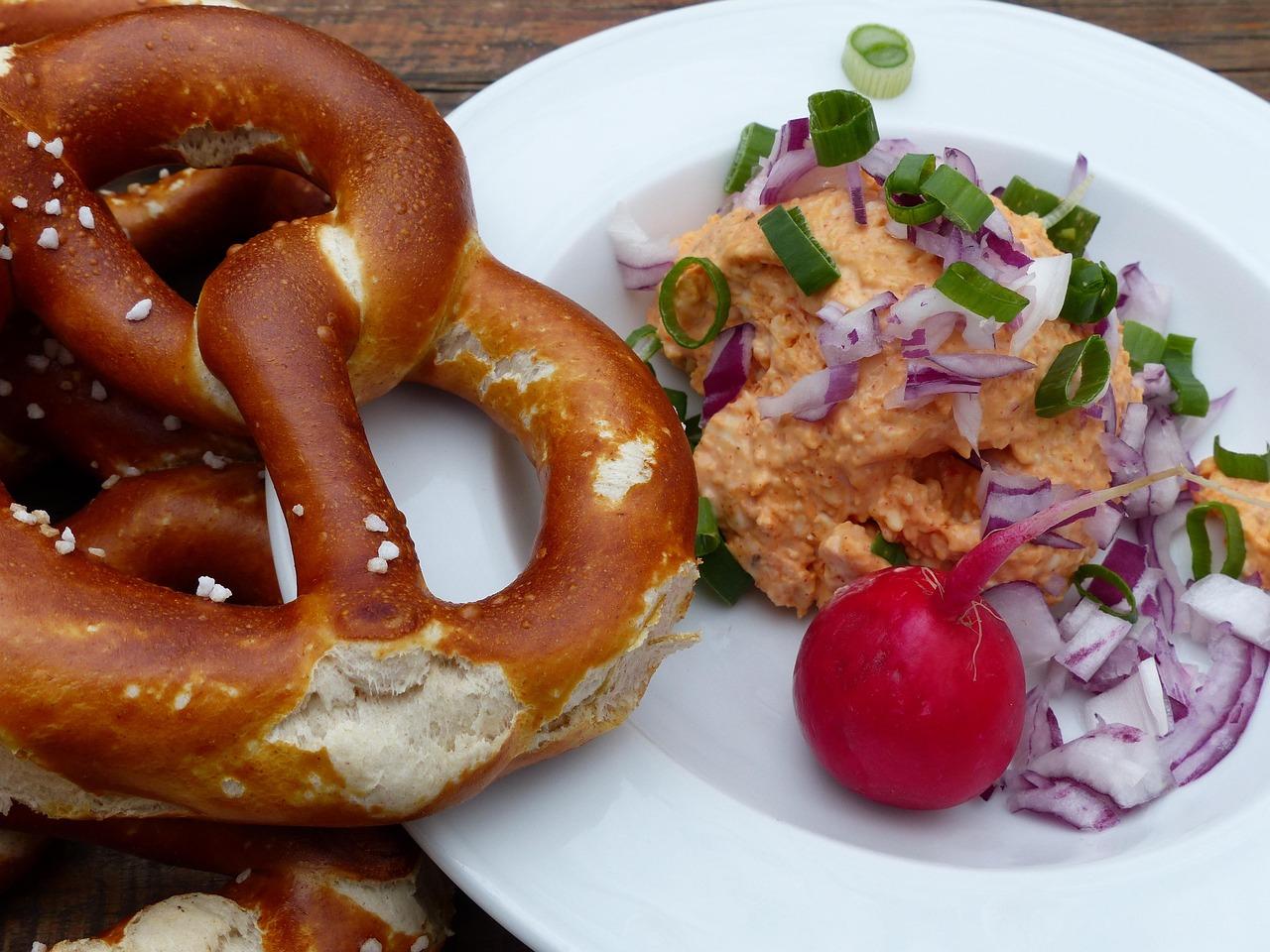
Obatzda

Obatzda is what a Munich beer garden puts beside a giant soft pretzel: overripe Camembert mashed with soft butter, sweet paprika, caraway and raw onion until it turns a creamy, rusty orange. It is a thrifty spread that grew up in Bavarian taverns as a way to use cheese that had gone a little too far, and it is still eaten in the afternoon sun with radishes and dark bread. Camembert is usually made with animal rennet, so pick one labelled vegetarian if that matters to you. A common mistake is blitzing it in a processor, which makes it gluey; mash with a fork so a few soft lumps stay. Chef's tip: make it an hour ahead and chill it, then let it stand 15 minutes before serving, so the paprika flavour blooms and it spreads easily.

by KrazyBadal 0 views

Sosis bandari

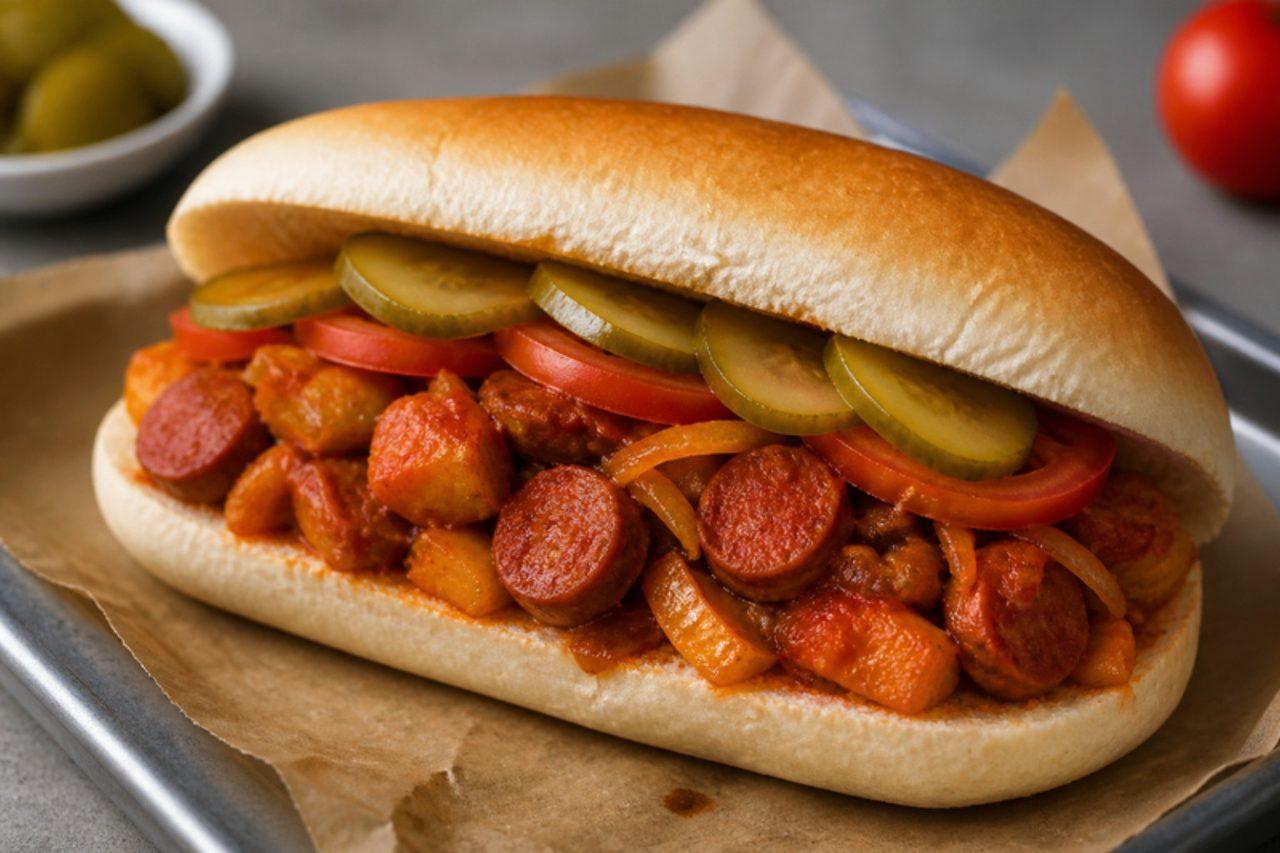
Sosis bandari, 'port-style sausage', began in the Gulf ports of Bushehr and Bandar Abbas and is now the late-night snack of sandwich shops all over Iran, from Tehran to Shiraz. Sliced beef or chicken frankfurter-style sausages (Iranian sausages are never pork) are fried with lots of onion, potato, tomato paste and chilli until sticky and hot, then stuffed into a soft baguette with pickles and tomato. It is spicy, greasy in the best way and ready in minutes. A common mistake is crowding the pan; the onion steams instead of browning, so use your widest pan. Chef's tip: a pinch of curry powder and a squeeze of lemon at the end is how the bandari shops give it their southern kick.

by KrazyBadal 0 views

Jegar

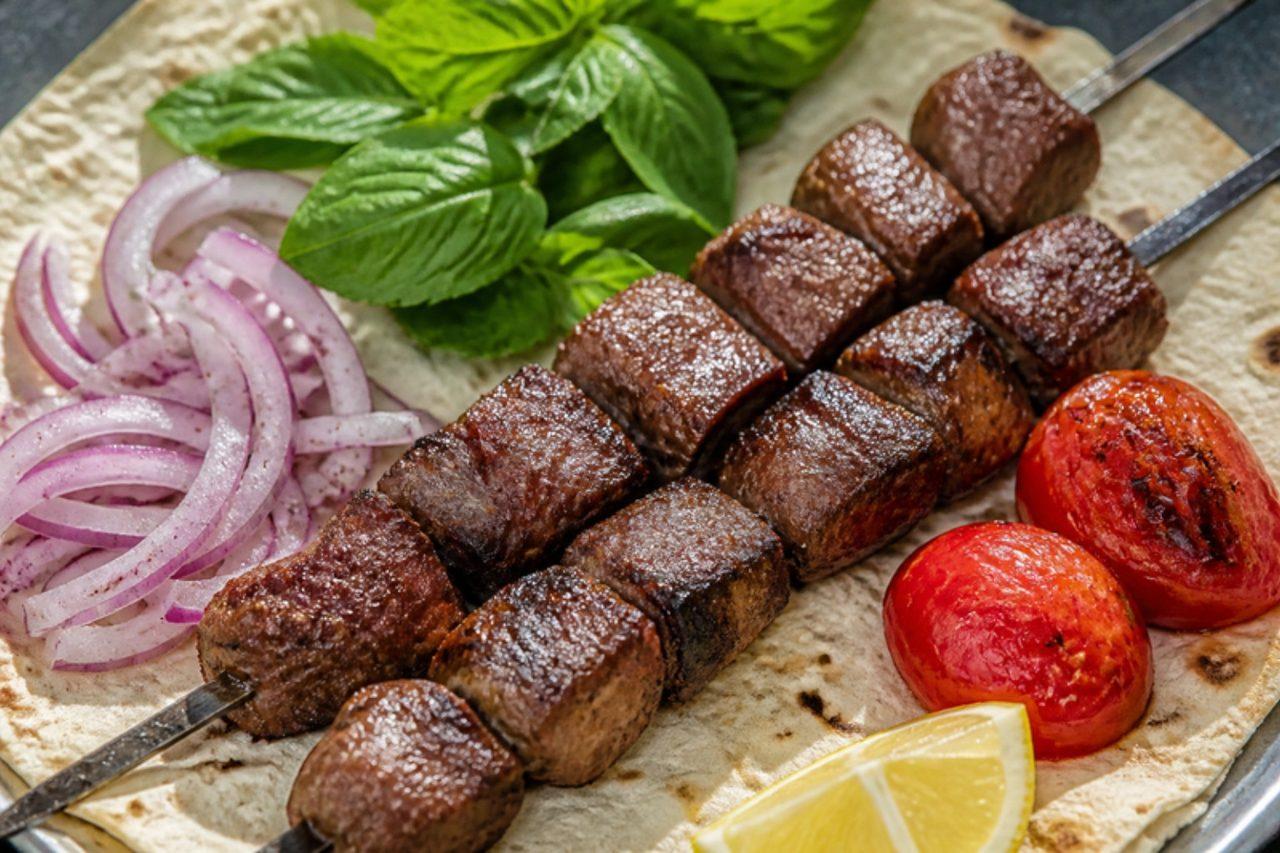
On winter evenings in Tehran, the smell of jegaraki stalls, small grill shops selling skewers of lamb liver, heart and kidney, drifts across the streets, and people queue for a few skewers wrapped in warm lavash with raw onion and basil. This home version uses lamb liver cut into cubes and grilled fast over very hot coals so it stays soft and juicy, then seasoned only with salt, pepper and a squeeze of lemon at the end. A common mistake is salting the liver before grilling; it draws out moisture and makes it tough, so salt it as it comes off the heat. Chef's tip: ask the butcher for very fresh liver and peel off the thin outer membrane before cutting; it makes the cubes tender.

by KrazyBadal 0 views

Fried mahi sefid with bitter orange

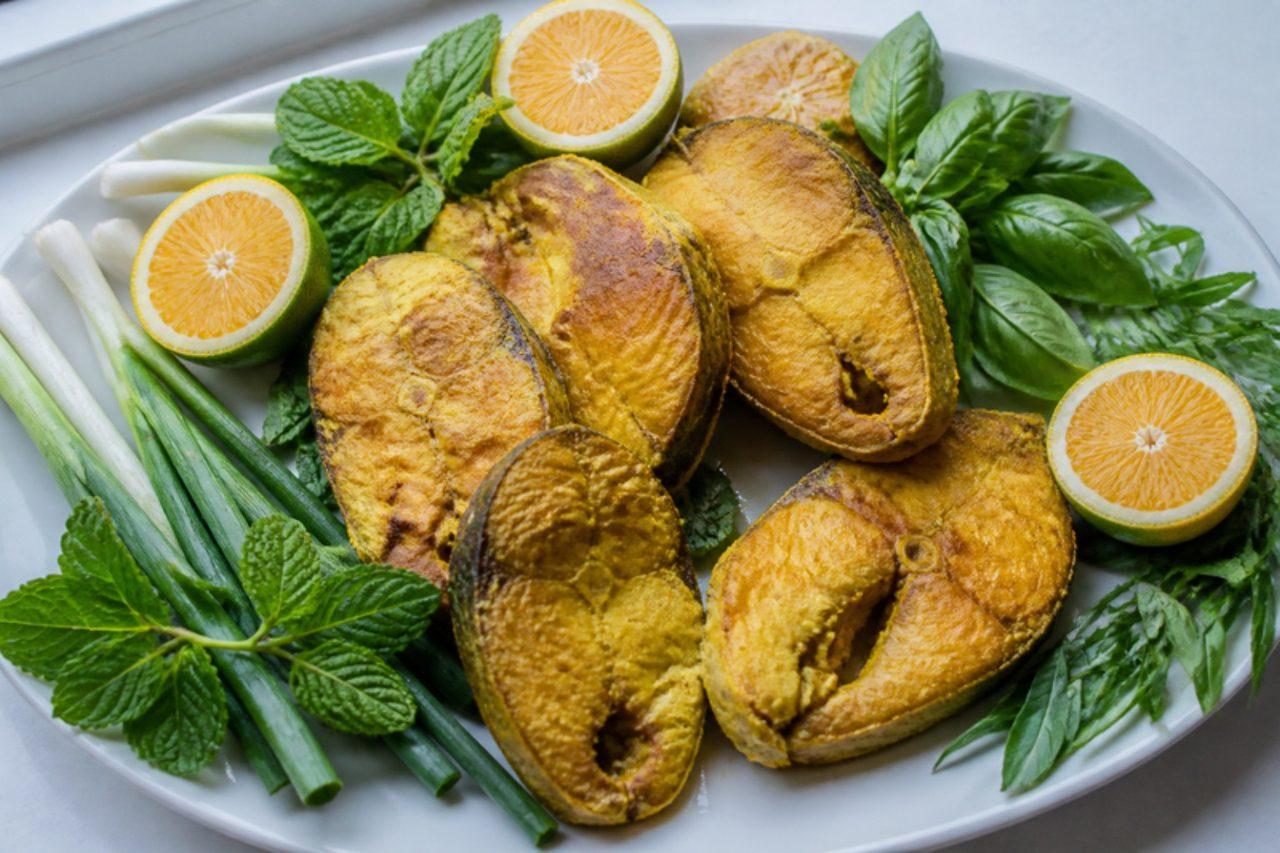
Along the Caspian shore from Bandar Anzali to Babolsar, the silvery kutum (mahi sefid) arrives in late winter, and families fry thick steaks of it for weekday lunches and for the Nowruz table. The coating is nothing more than flour, turmeric, salt and pepper, so the sweet, firm flesh does the talking; it comes to the table with wedges of bitter orange (narenj), rice and a plate of fresh herbs. Any firm white fish with skin works if you can't find kutum: sea bass, hake or cod steaks. A common mistake is crowding the pan, which drops the oil temperature and leaves the crust pale and greasy. Chef's tip: dry the fish properly and flour it only at the last moment, so the turmeric crust fries to a crisp golden shell instead of turning pasty.

by KrazyBadal 0 views

Ensalada César

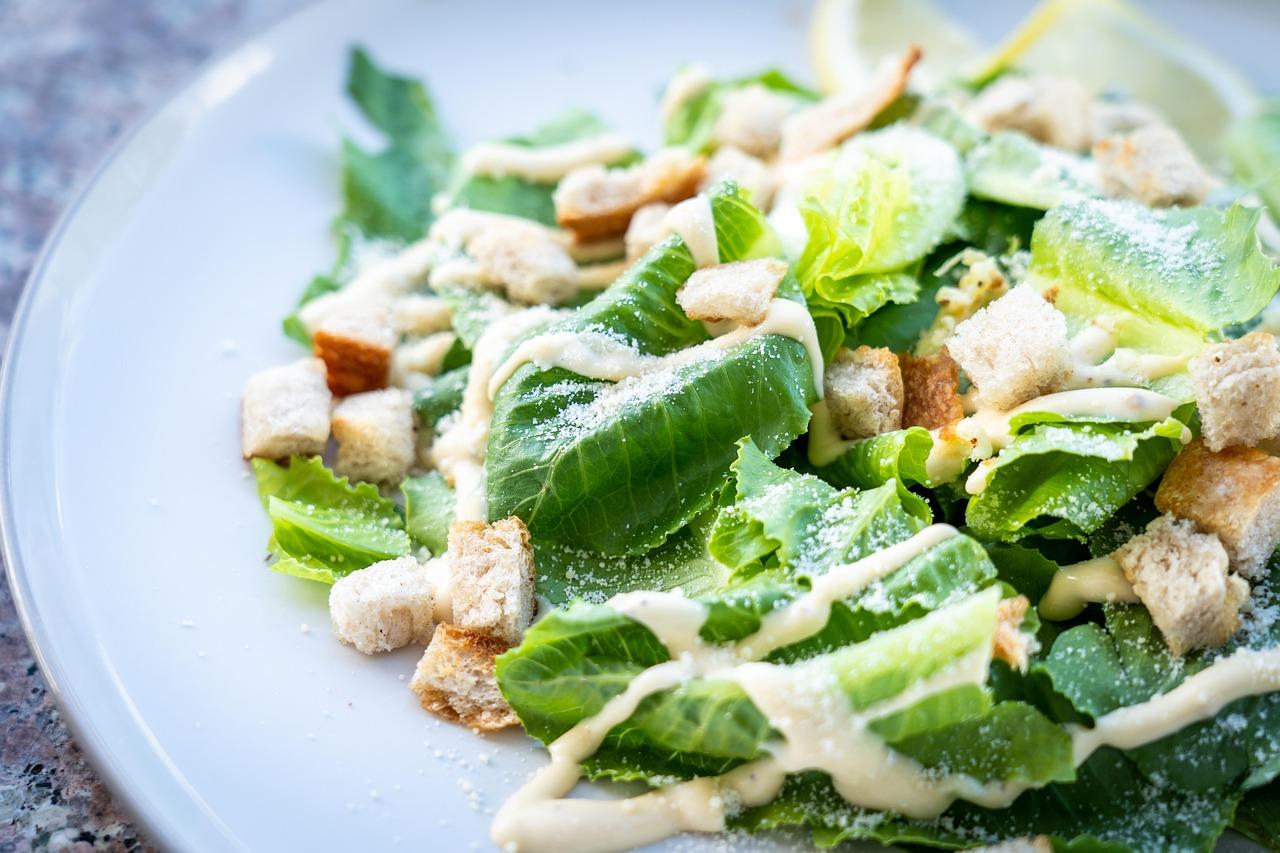
The Caesar salad was born in Tijuana in the 1920s, at an Italian immigrant's restaurant on Avenida Revolución, and it is still tossed at the table there by waiters who make the dressing in a wooden bowl in front of you. Crisp inner romaine leaves are coated in a garlicky, lemony emulsion of coddled egg yolk, anchovy, olive oil and parmesan, then showered with garlic croutons; traditionally you pick the leaves up with your fingers. The yolks are only lightly warmed, so use pasteurised eggs if you are serving anyone pregnant, very young, elderly or with a weakened immune system. It makes a starter before grilled meat, or a light lunch on its own. Chef's tip: mash the garlic and anchovies to a paste with salt before anything else goes into the bowl, so the dressing is smooth with no fishy lumps.

by KrazyBadal 0 views

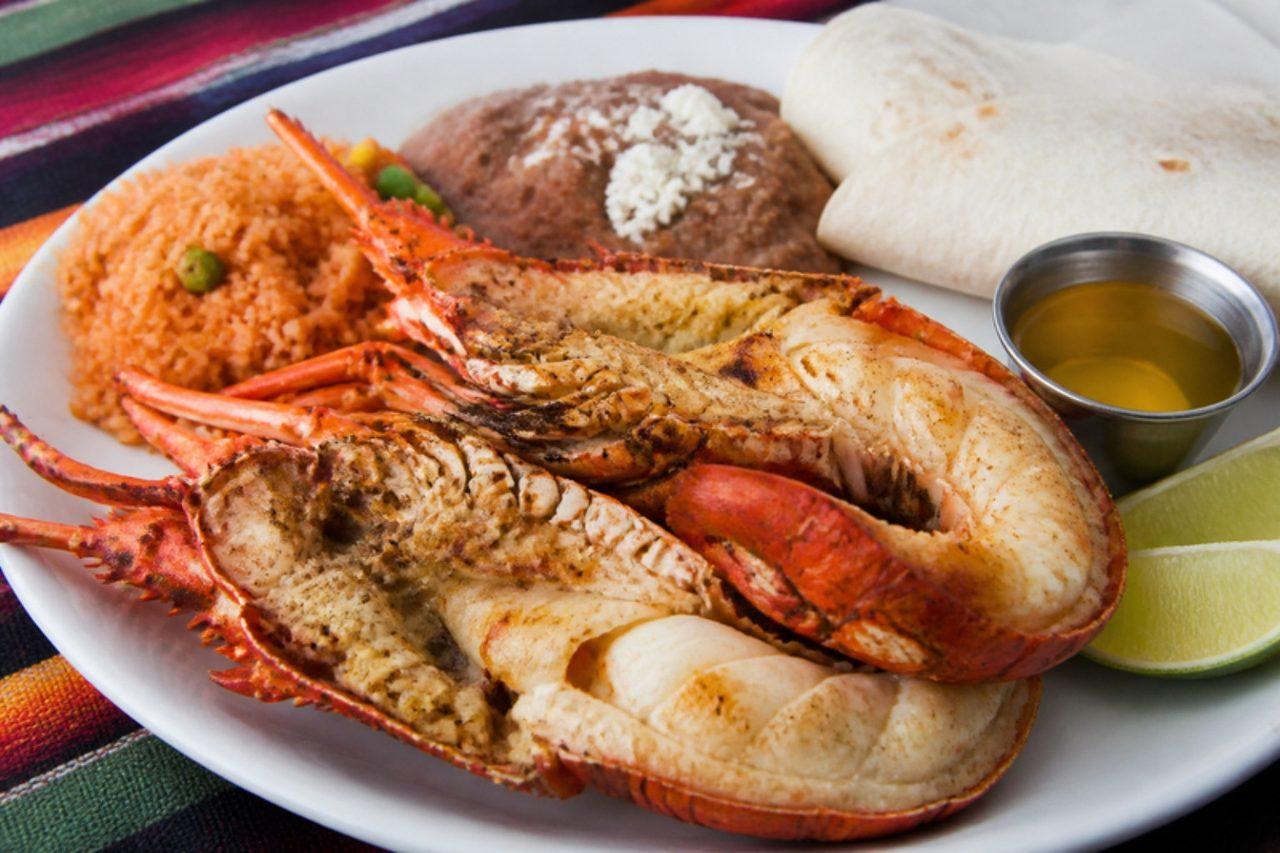
Langosta estilo Puerto Nuevo

In the fishing village of Puerto Nuevo, south of Rosarito on the Baja coast, dozens of family restaurants serve lobster the same way: split in half, fried in hot pork lard until the shell blisters and the flesh is sweet and just firm, then brought to the table with refried beans, red rice, salsa, melted butter, lime and stacks of soft flour tortillas for making lobster tacos. The local lobster is the clawless spiny kind, but any lobster or raw lobster tails work; frozen raw tails are an easy route. Live lobsters should be bought from a reputable fishmonger, kept cold in the fridge under a damp cloth and cooked the same day. Chef's tip: fry the halves flesh-side down first and don't move them, so the meat gets a light golden crust.

by KrazyBadal 0 views

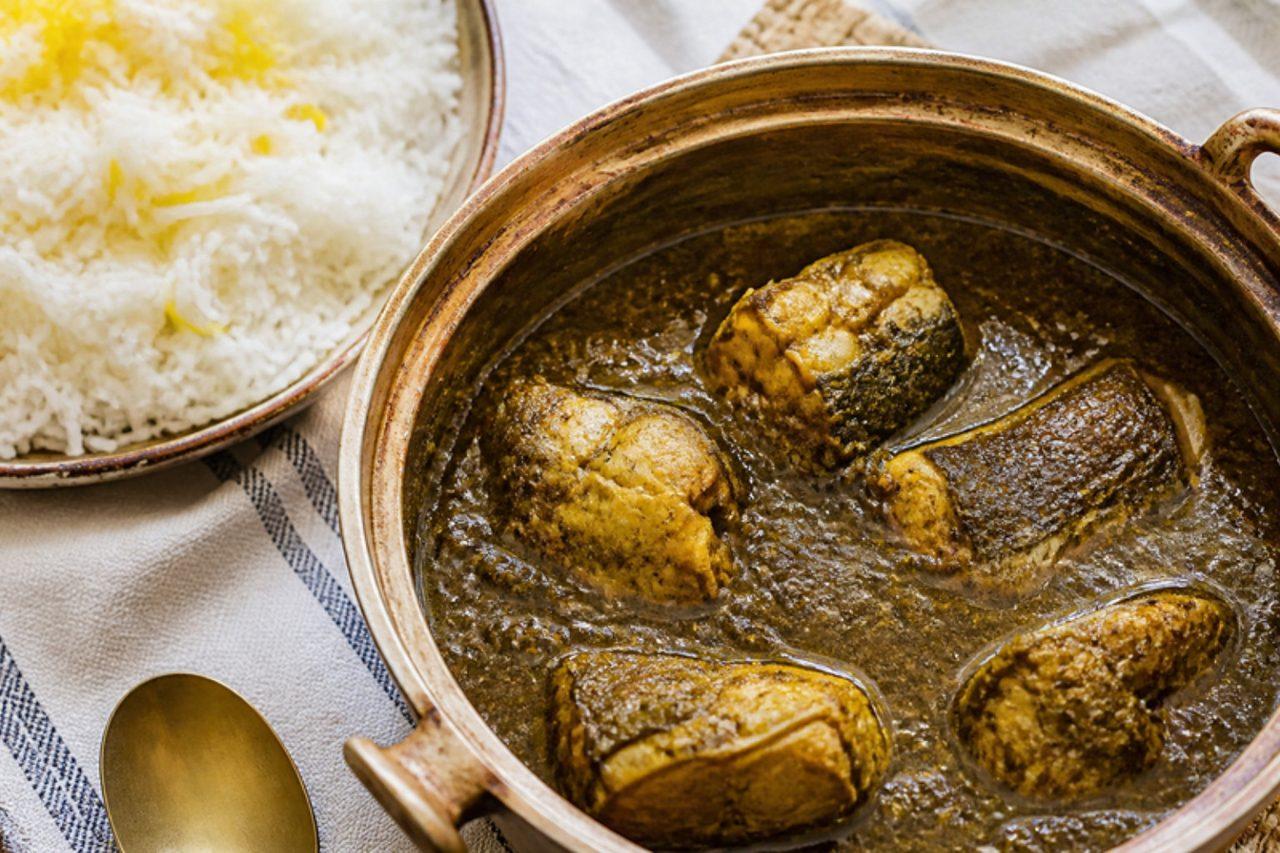
Ghalieh mahi

Ghalieh mahi is the signature stew of the Persian Gulf ports of Bushehr and Abadan, cooked for Friday lunches and big family gatherings. It starts with a mountain of coriander and a little fenugreek fried slowly in oil with garlic until almost black-green, then sharpened with tamarind and warmed with chilli and turmeric before chunks of firm fish are poached in it. The result is dark, sour, fragrant and properly hot, eaten over plain white rice. A common mistake is rushing the herbs: they need a full 20 minutes of frying or the stew tastes grassy instead of deep. Chef's tip: brown the fish pieces quickly before they go into the sauce; they hold together better and add a little roasted flavour.

by KrazyBadal 0 views

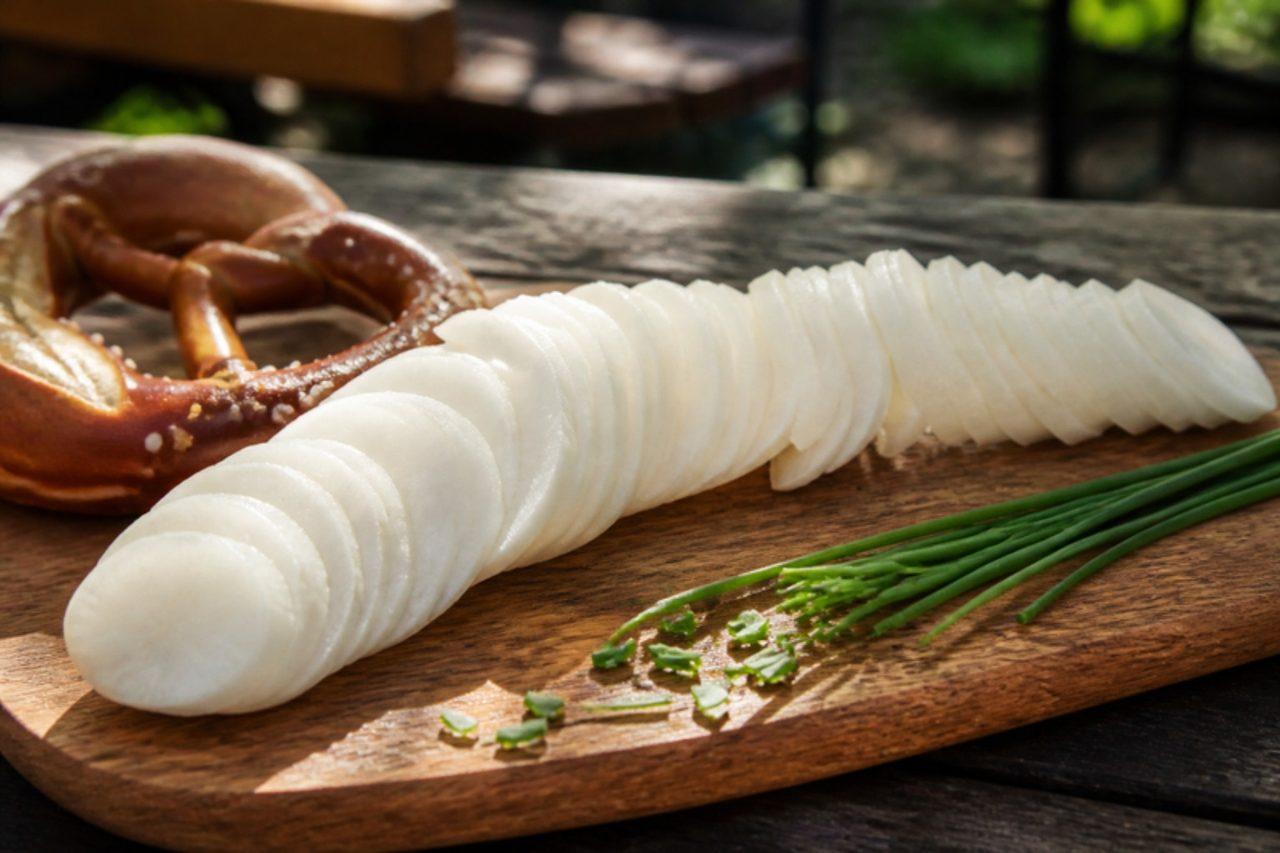
Radi

In Bavaria a Radi is a single big white radish, cut into one long spiral or paper-thin slices and salted until it 'weeps', then eaten with your fingers in the beer garden between bites of pretzel. Stalls at Munich's Viktualienmarkt sell the long white roots from spring to autumn, and old regulars carry a special spiral cutter. It is crisp, peppery and cooling, the opposite of everything rich on the table. A common mistake is eating it straight away: the salt needs ten minutes to draw out the bitter juice and soften the bite. Chef's tip: pick a heavy, firm radish with a smooth skin; a light one is often woody and hollow inside.

by KrazyBadal 0 views

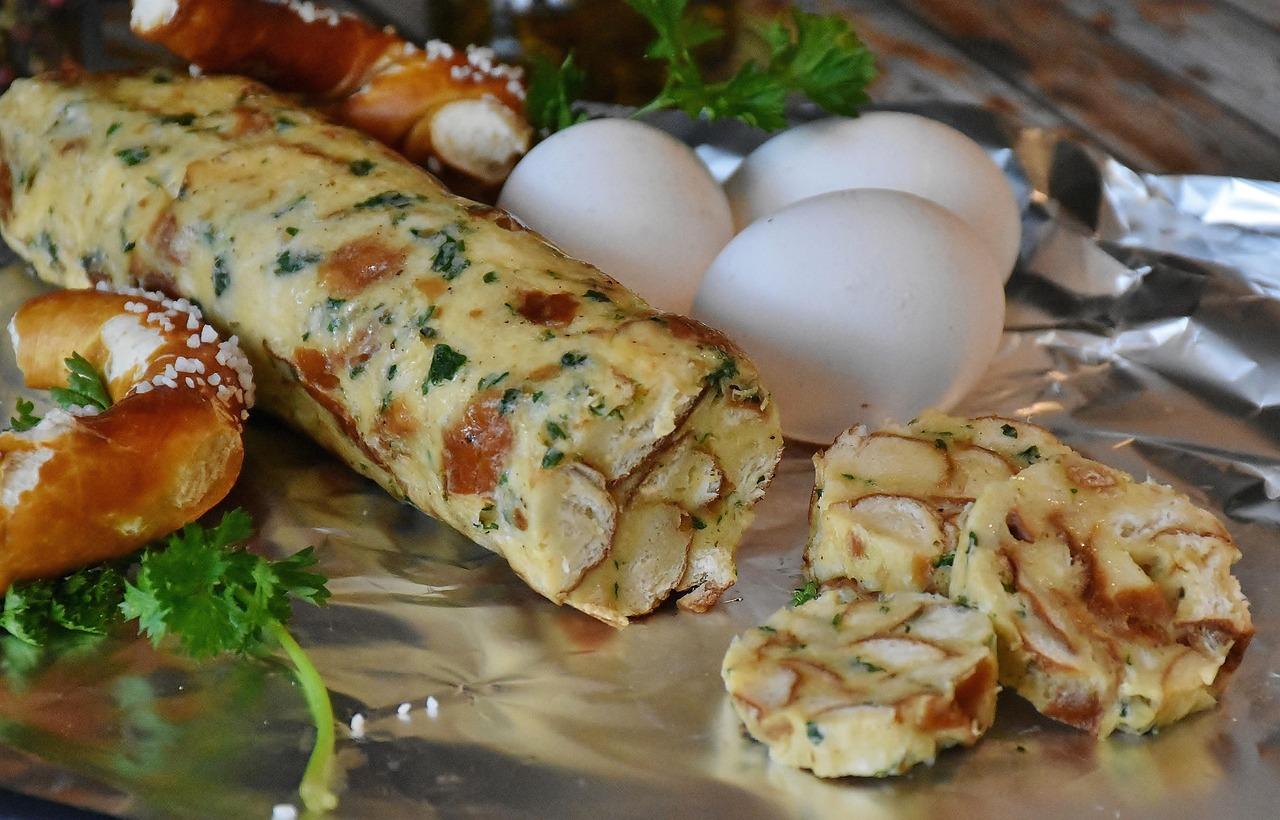
Brezenknödel

Brezenknödel are what thrifty Munich kitchens make from yesterday's pretzels: the cubes soak in warm milk with egg, onion and parsley, then are shaped into dumplings with a faintly salty, malty crust flavour running through them. They are served on Sundays in place of bread dumplings, alongside a creamy mushroom sauce or a pile of red cabbage, and leftovers are sliced and fried the next morning. The big mistake is adding too much milk: the mixture should hold when squeezed, not drip. Chef's tip: pick off most of the coarse salt before cubing the pretzels, otherwise the dumplings end up far too salty.

by KrazyBadal 0 views

Kalam polo Shirazi

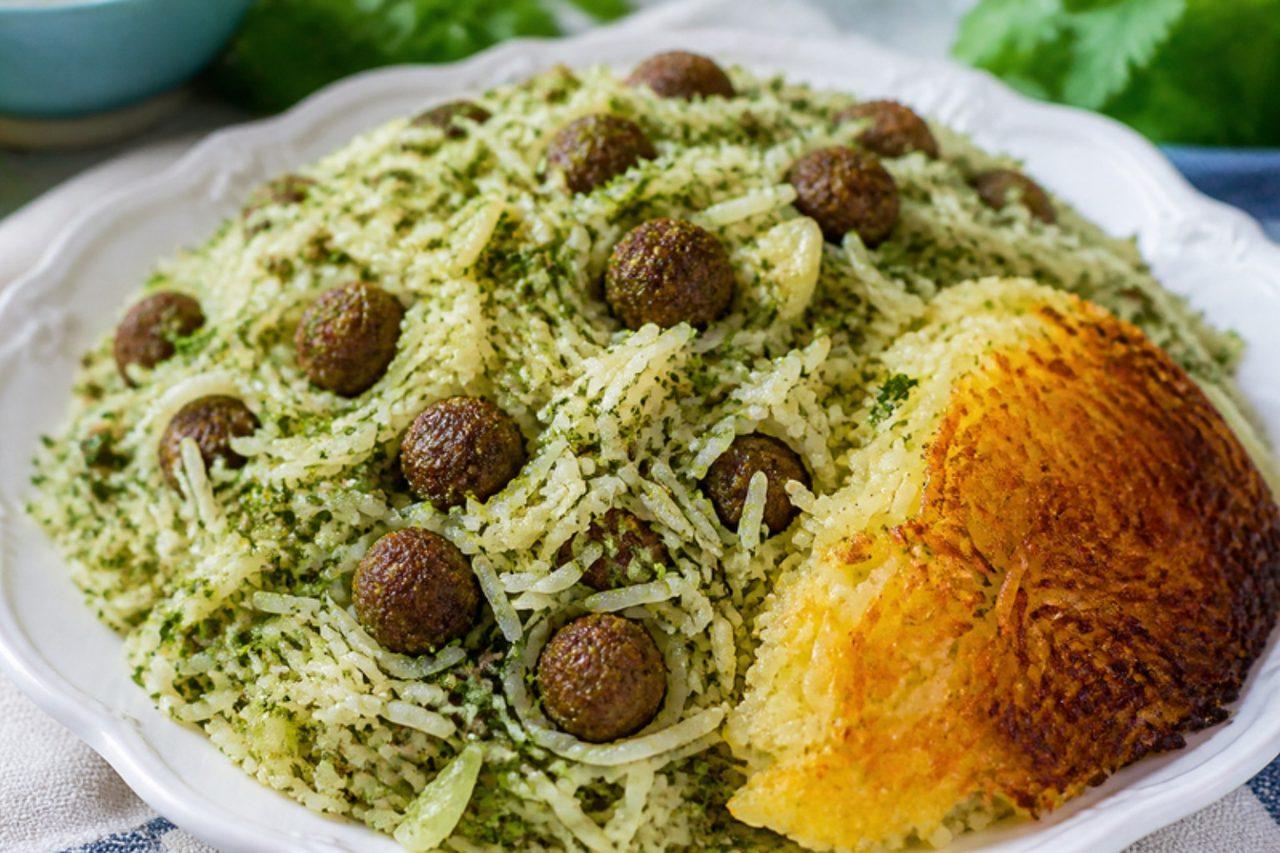
Kalam polo is the rice that Shirazi families cook from late autumn into spring, when white cabbage is sweet and the herb sellers of the Vakil Bazaar pile up basil, tarragon and dill. Shredded cabbage is fried until caramel-brown, mixed with a big handful of herbs and a touch of cumin, then layered through basmati with tiny meatballs no bigger than a chickpea and steamed into a fragrant, green-flecked pilaf. For a vegetarian pot, leave the meatballs out and add a handful of cooked chickpeas. Serve with Shirazi salad and yogurt. A common mistake is frying the cabbage too briefly; it must turn golden and sweet, or it gives the rice a sulphurous taste. Chef's tip: dry the chopped herbs on a tea towel before frying so they crisp instead of stew.

by KrazyBadal 0 views

Petits farcis niçois

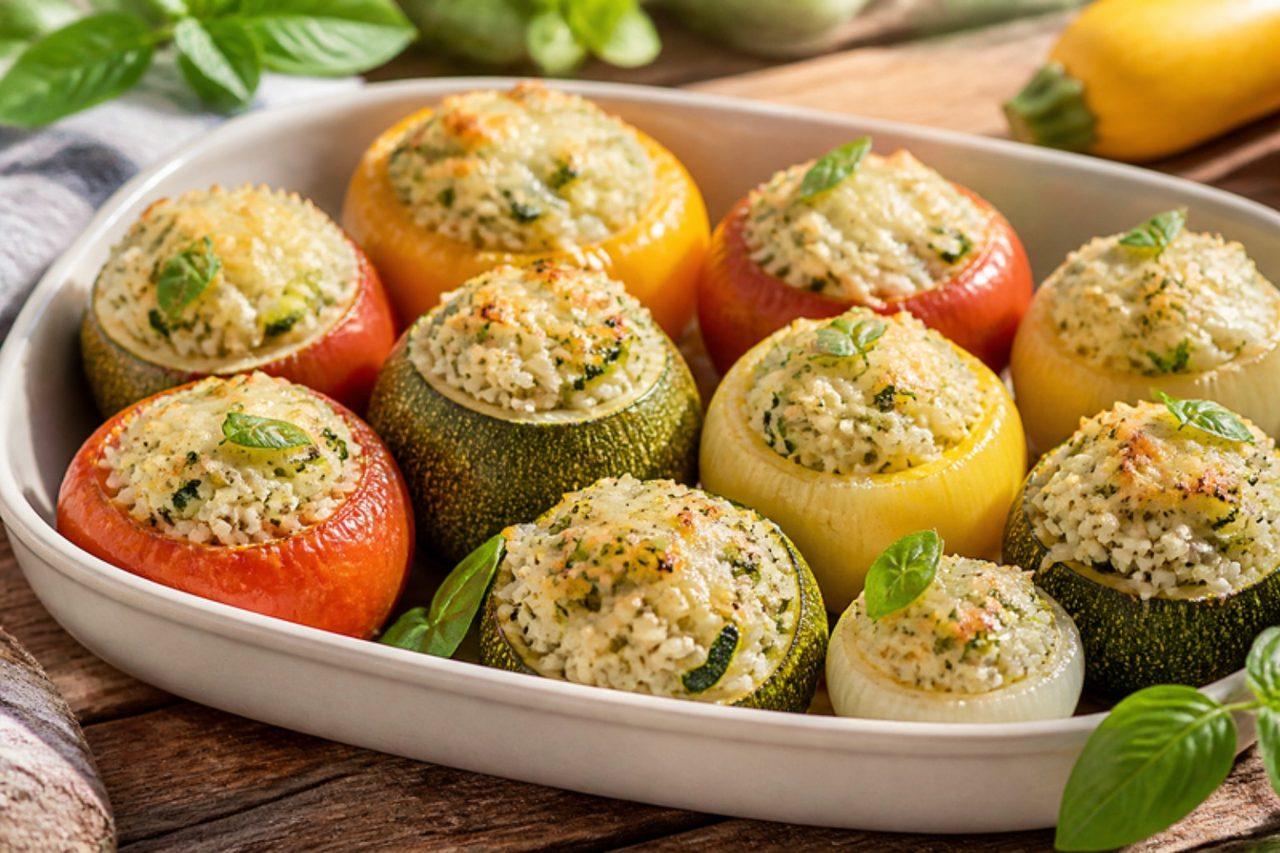
From June to September the traiteurs around the cours Saleya market in Nice sell trays of petits farcis: round courgettes, tomatoes and onions hollowed out, refilled and baked until wrinkled and caramelised at the edges. Niçois families often use up leftover daube in the stuffing; this meatless version, common on Fridays and at summer picnics, uses rice, herbs, the vegetables' own flesh and Parmesan. Parmesan is made with animal rennet, so use a vegetarian hard cheese if that matters to you. They are as good at room temperature the next day as hot from the oven. Chef's tip: choose vegetables of a similar size, so they all finish cooking at the same moment.

by KrazyBadal 0 views

Bozghormeh

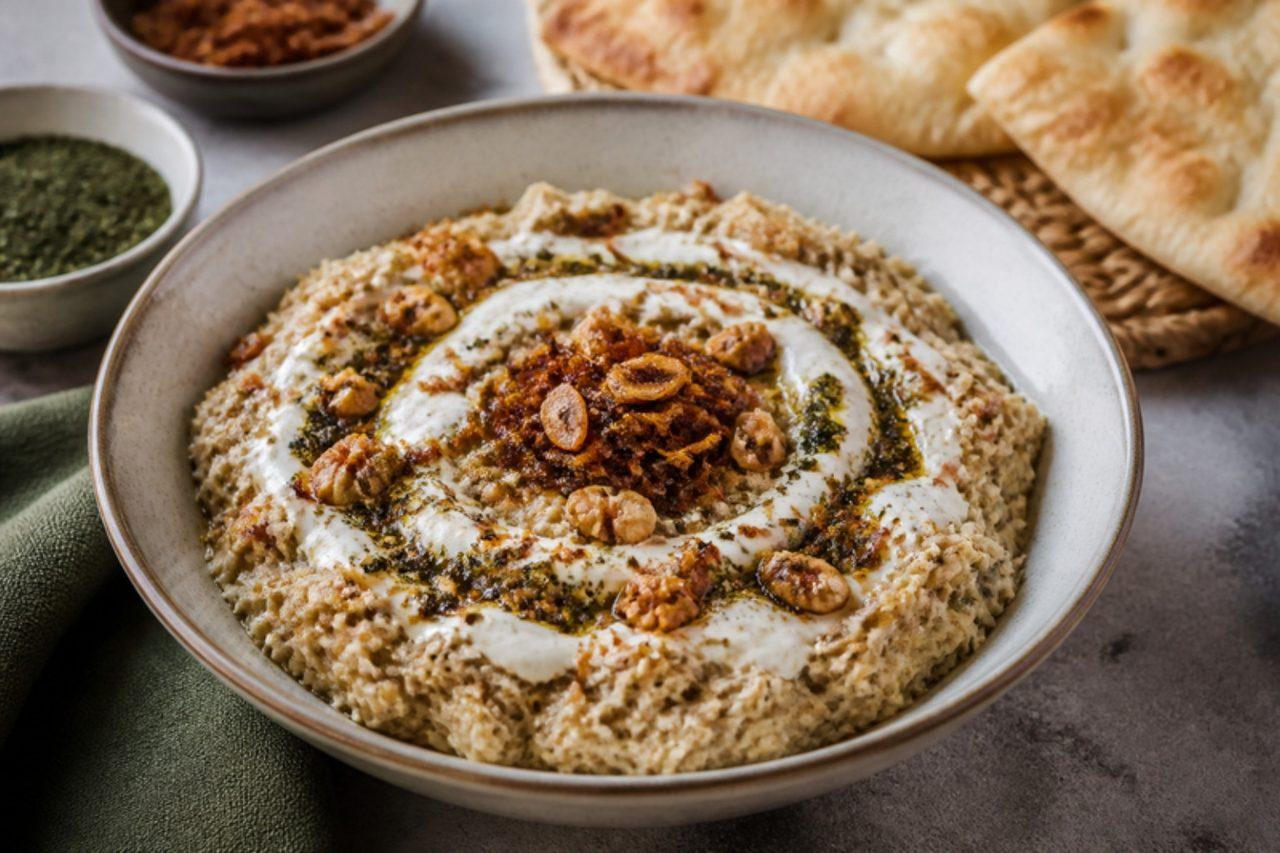
Bozghormeh is a dish of Kerman, the desert city in south-east Iran, cooked on winter weekends and for family gatherings. Lamb and chickpeas are simmered with turmeric until soft, then pounded together and finished with kashk (salty fermented whey), lots of fried onion and garlic and a dusting of dried mint; it is scooped up with flatbread rather than eaten with rice. The result is creamy, tangy and deeply savoury. A common mistake is boiling after the kashk goes in; it turns grainy, so add it at the end over a low heat. Chef's tip: if you can't find kashk, mix thick Greek yogurt with a pinch of salt and a squeeze of lemon; it's milder but close.

150 minPersianMeat
by KrazyBadal 0 views

Beryani

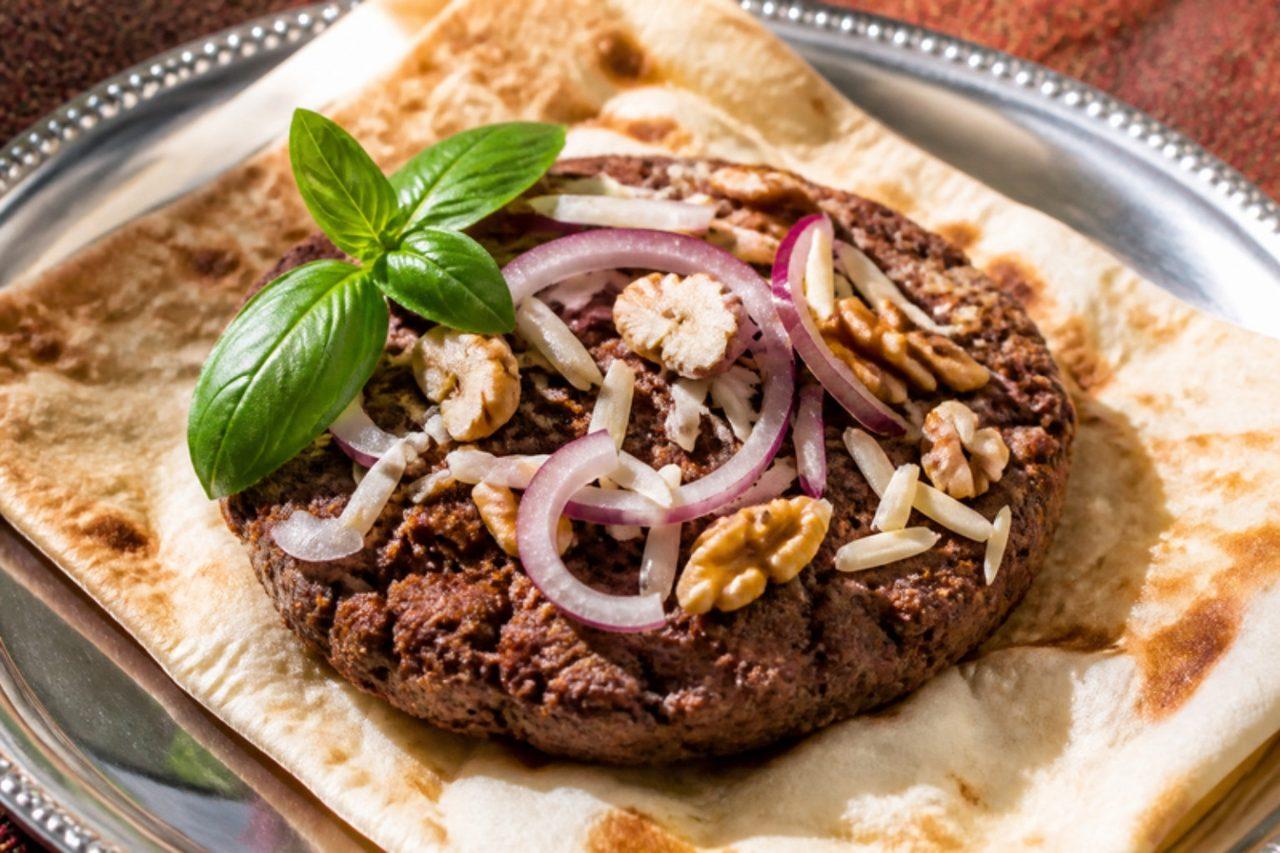
Beryani is Isfahan's signature lunch, eaten in old bazaar eateries near Naqsh-e Jahan Square for more than a century, and nothing like the rice biryanis of South Asia. Lamb shoulder and, traditionally, lamb lung are simmered, minced, seasoned with cinnamon and fried on a small round pan with the fat from the pot, then turned out onto soft sangak or taftoon bread and eaten with fresh basil, raw onion and walnuts. Lung is hard to buy outside Iran, so this home version uses lamb shoulder and a little lamb mince for the same soft texture. A common mistake is draining away the cooking fat; Isfahanis spoon it over the bread for flavour, so keep it. Chef's tip: press the meat into a small frying pan to make a neat round patty, the way the bazaar cooks do.

120 minPersianMeat
by KrazyBadal 0 views

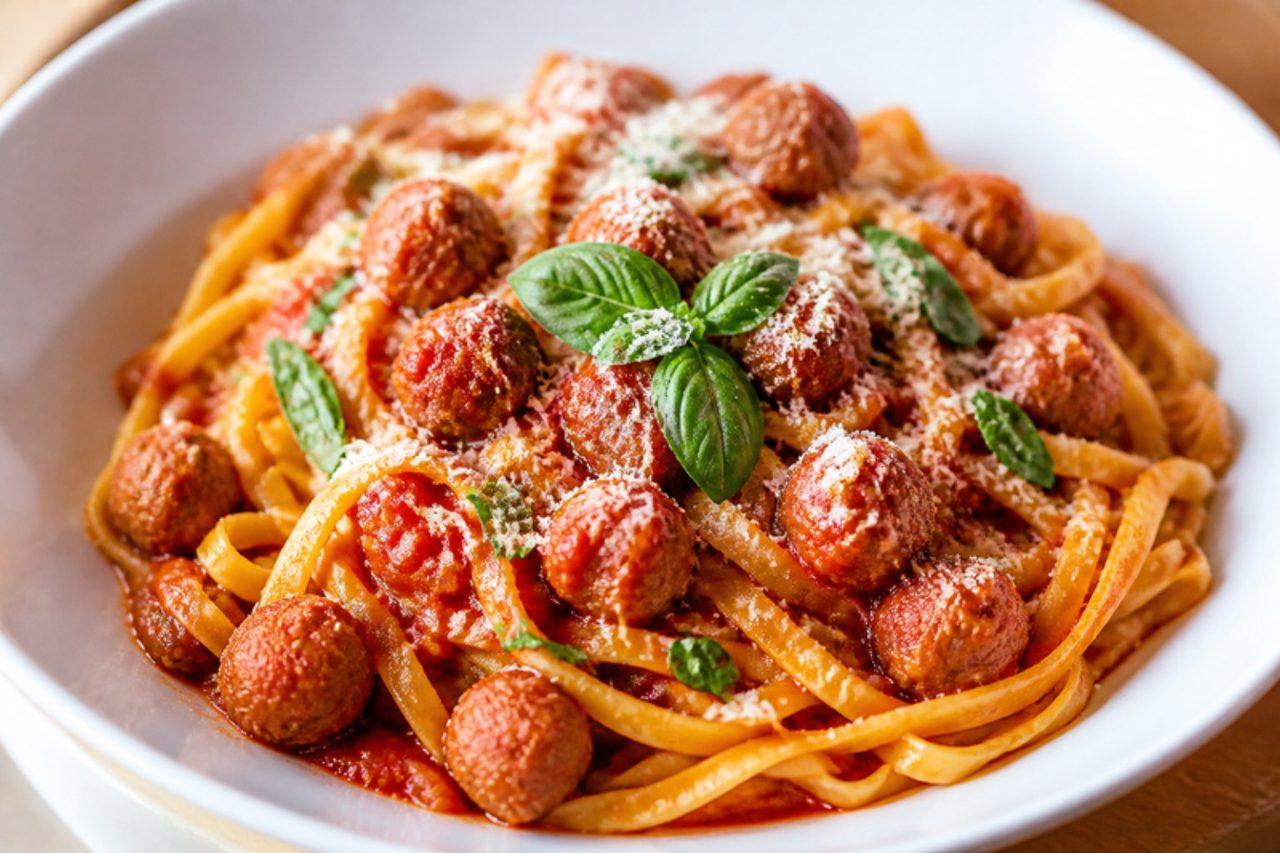
Spaghetti alla chitarra con le pallottine

In Teramo, in northern Abruzzo, Sunday lunch and village festivals often start with chitarra pasta and pallottine, meatballs no bigger than a chickpea. The pasta is cut on a chitarra, a wooden frame strung with wires, which gives square-edged strands with a rough surface that grips the sauce. The tiny beef meatballs are simmered right in a light tomato sauce, so every forkful has a few. Serve with grated pecorino and nothing else; this is a dish of patience rather than complication. Chef's tip: roll the meatballs with damp hands on a tray; at this size you'll make well over a hundred, so put the radio on.

by KrazyBadal 0 views

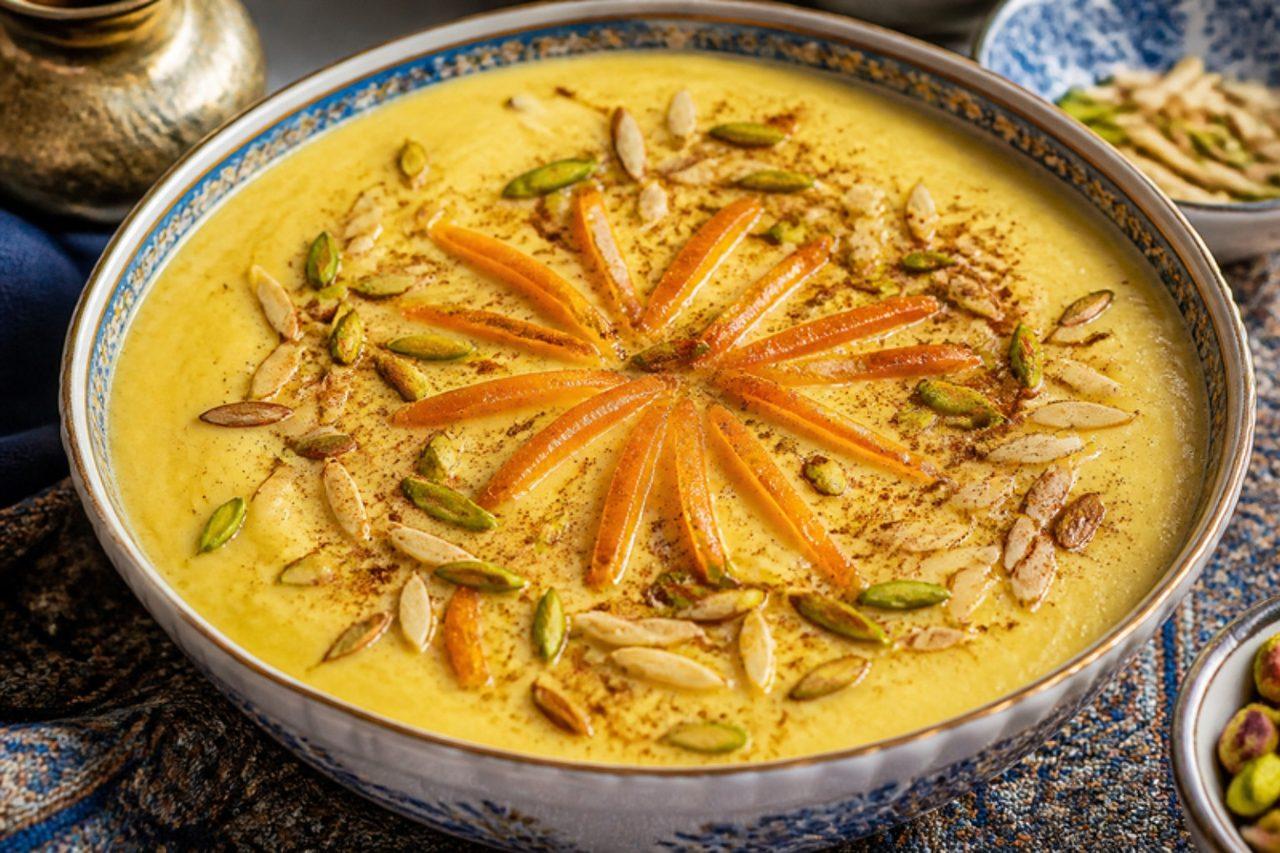
Khoresh mast

Khoresh mast is one of the strangest and most loved dishes of Isfahan: despite the name 'yogurt stew', it is served cold as a sweet side dish or dessert at weddings, funerals and Ramadan iftars. Lamb neck is cooked until it shreds into fine threads, then stirred into thick yogurt with egg yolk, sugar, saffron and orange-peel strips over a low heat until it sets into a golden, spoonable pudding that tastes of saffron and rosewater with a faint savoury depth. A common mistake is letting the yogurt boil; it splits into curds, so keep it below a simmer and stir constantly. Chef's tip: pound the cooked meat in a mortar until it is as fine as wool; you should feel the texture but not see pieces of meat.

by KrazyBadal 0 views

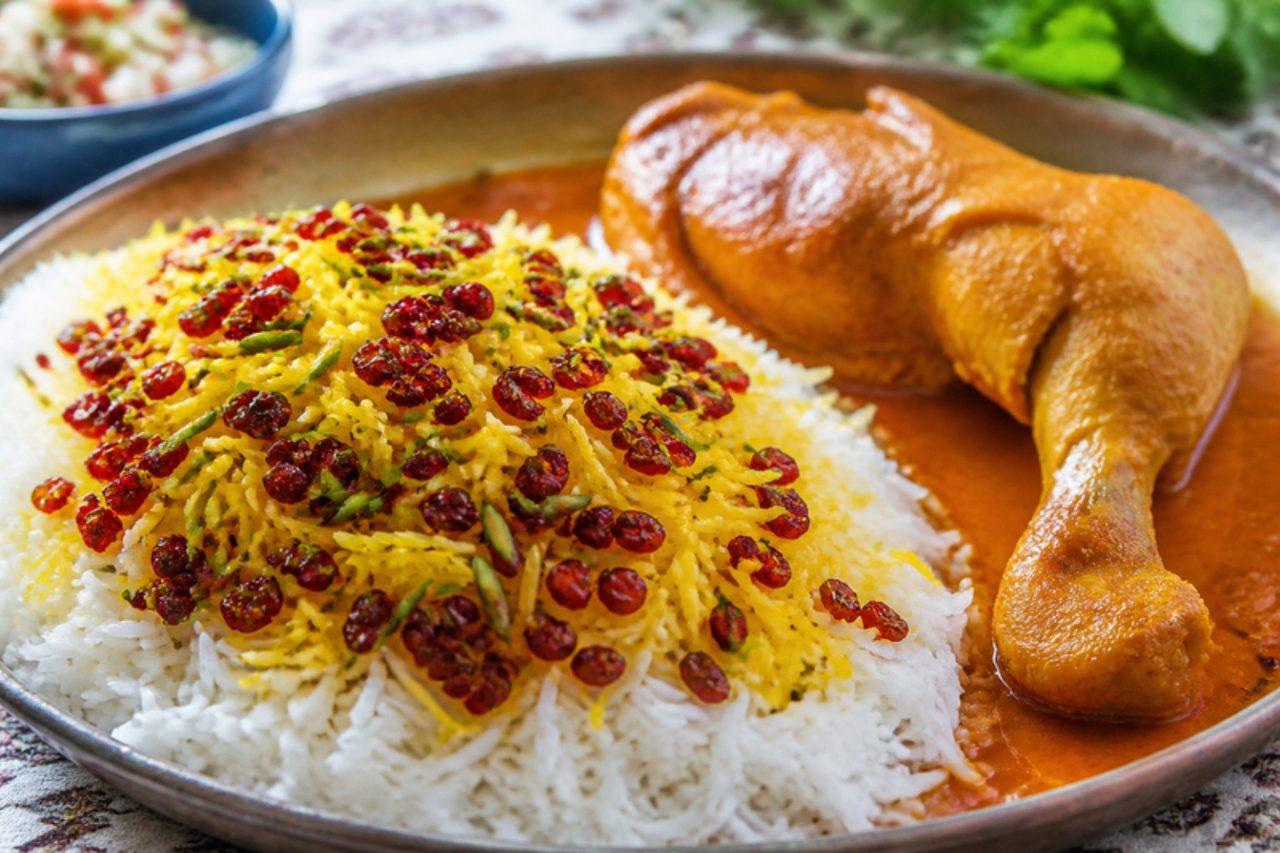
Zereshk polo ba morgh

Zereshk polo ba morgh is the rice Iranians cook for guests, weddings and Friday lunches, and its tart red barberries come mostly from the orchards around Birjand in South Khorasan, where the berries are dried on rooftops in autumn. Fluffy steamed basmati is crowned with saffron rice and barberries fried briefly in butter with a little sugar, and served beside chicken braised slowly with onion, tomato and saffron until it is falling off the bone. A common mistake is frying the barberries for more than a minute or two; they burn fast and turn bitter. Chef's tip: sort the barberries on a white plate and remove any tiny stems or grit before soaking.

by KrazyBadal 0 views

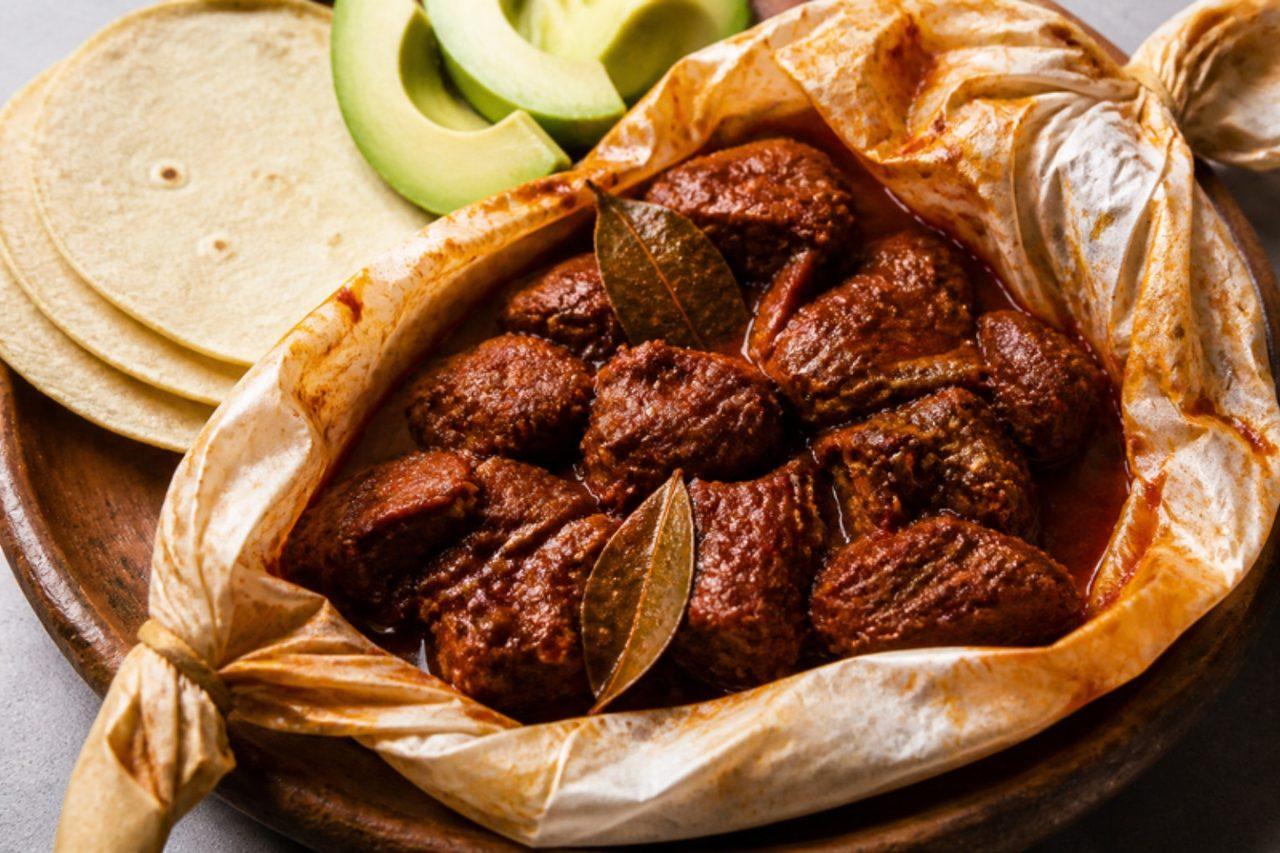
Mixiotes

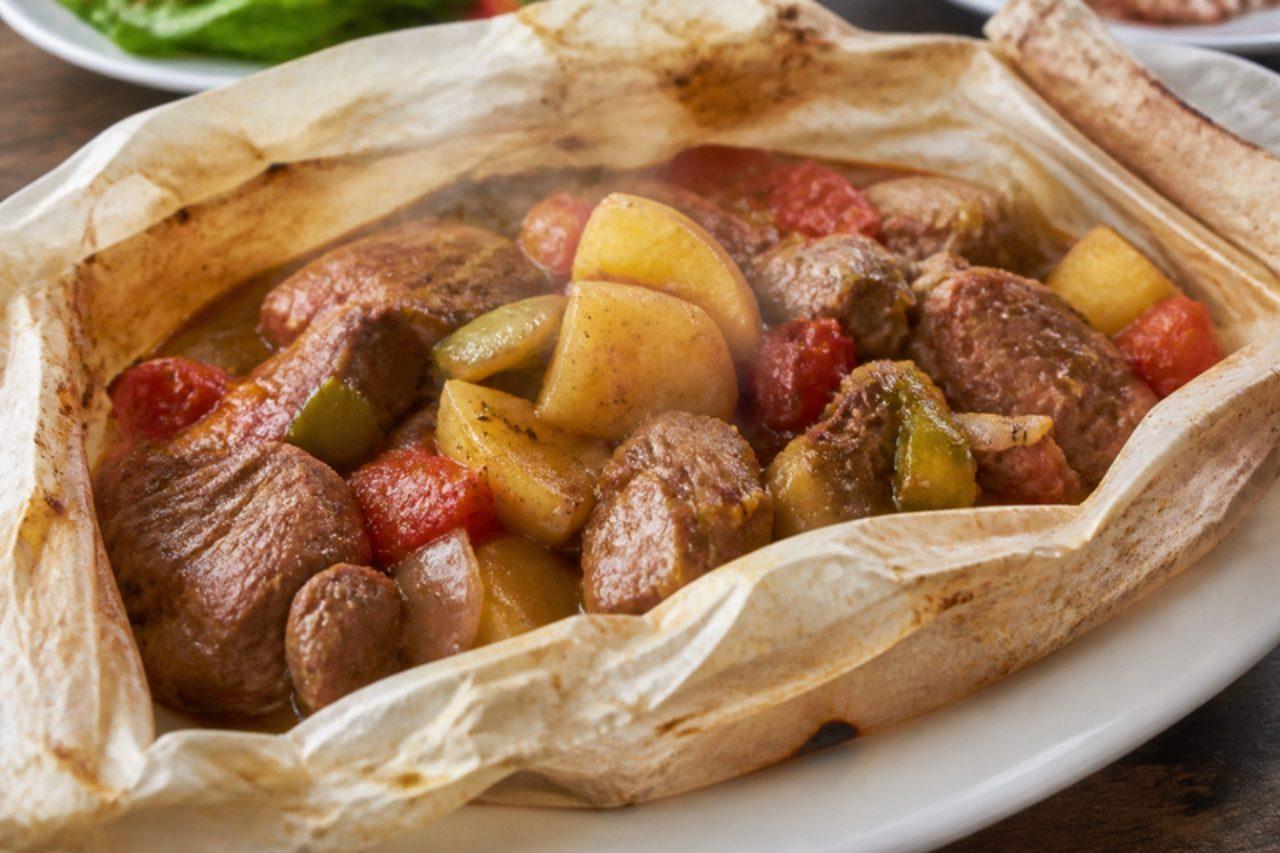
Mixiotes belong to the high plains of Hidalgo and Tlaxcala, where they are a Sunday and fiesta dish sold from steaming pots at weekly markets. Chunks of lamb (or chicken) are soaked in a dark, aromatic paste of guajillo and ancho chillies with garlic, cumin and cloves, wrapped in parcels and steamed until the meat collapses into its own rich red juices. The traditional wrapper is mixiote, the thin skin peeled from maguey leaves, which is now protected and hard to buy, so this recipe uses baking parchment tied with string. The lamb marinates in the fridge for at least 4 hours or overnight. Open the parcels at the table and serve with corn tortillas, salsa verde and avocado. Chef's tip: twist and tie the parcels tightly so no steam gets in; a sealed parcel keeps the sauce thick and concentrated.

420 minMexicanMeatGluten freeSpicy
by KrazyBadal 0 views

Relleno de cerdo

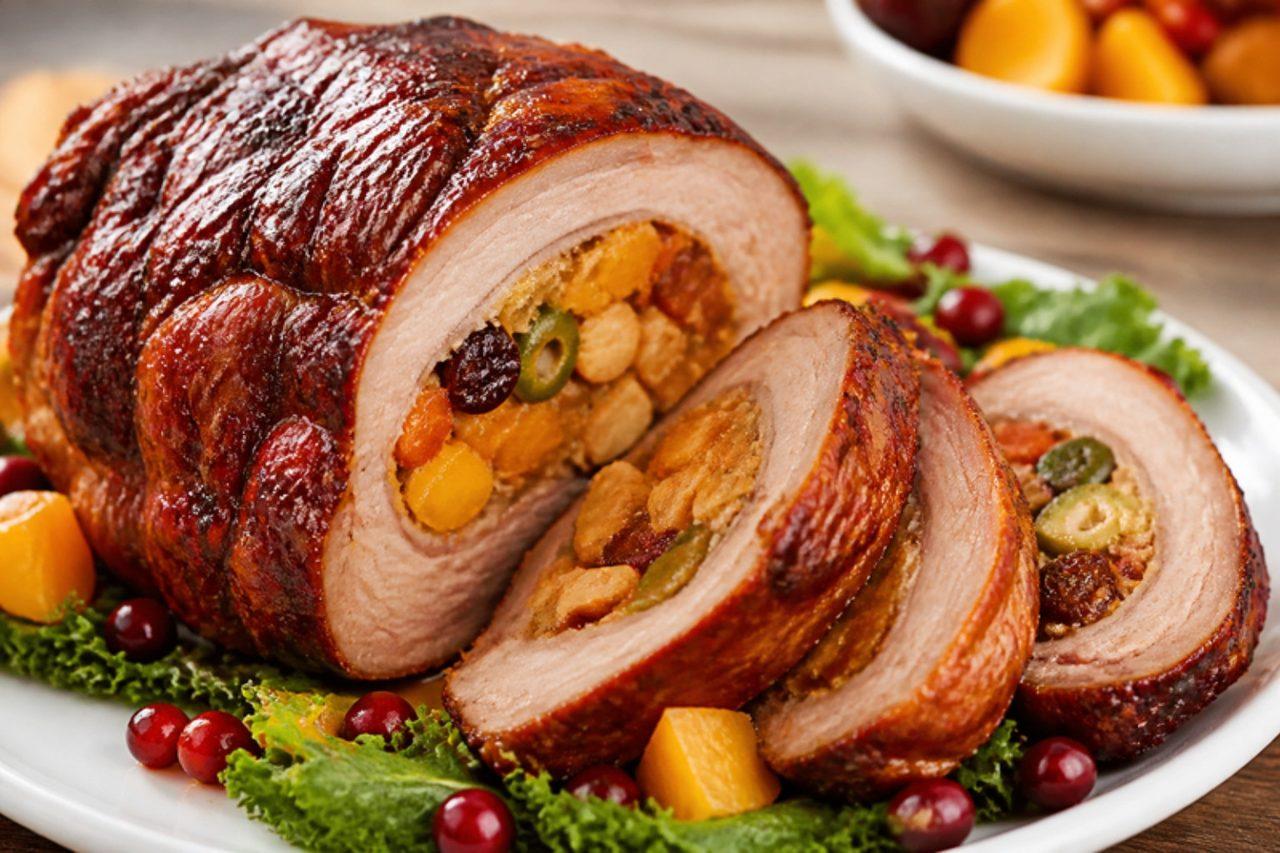
In Guerrero's Tierra Caliente, around Ciudad Altamirano, relleno de cerdo is the centrepiece of weddings and saints' days: a whole pig is stuffed with fruit, vegetables and its own chopped meat, rubbed with chilli and roasted for hours, then served in tortas or tacos. This home version is a pork dish for an ordinary oven, using a boned pork shoulder rubbed with a guajillo adobo and rolled around a stuffing of ripe plantain, potato, carrot, olives, raisins and almonds, so you get the same sweet, salty and spicy mix. Slice it thickly with its juices, warm tortillas, rice and pickled jalapeños. Chef's tip: ask the butcher to butterfly the shoulder evenly to about 3 cm thick; an even slab rolls neatly and cooks at the same rate all through.

300 minMexicanMeatGluten free
by KrazyBadal 0 views

Salada de maionese

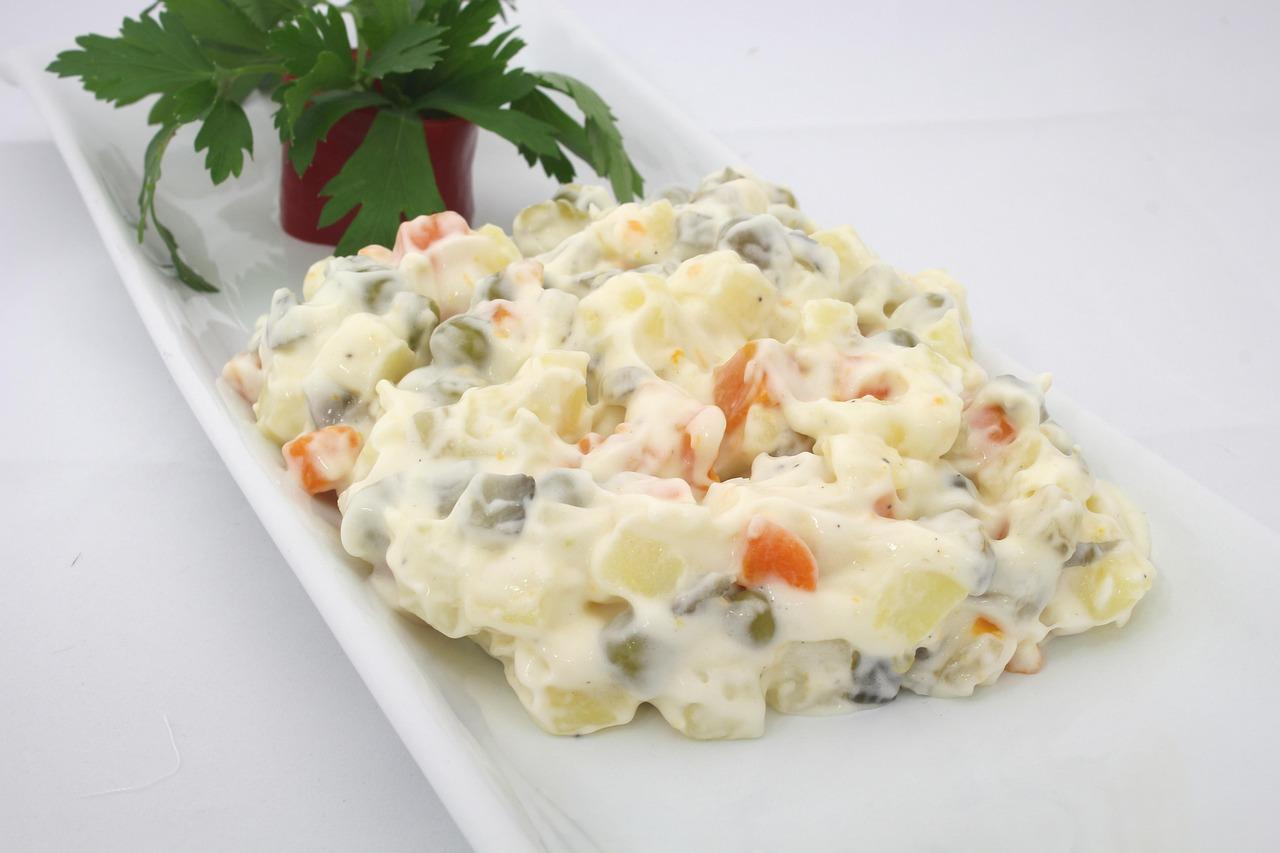
Sunday lunch in Rio, a birthday churrasco, the Christmas Eve table: wherever Brazilian families gather, a bowl of salada de maionese is there. Potatoes and carrots are cooked in small cubes, mixed with peas, chopped hard-boiled egg, a squeeze of lime and plenty of mayonnaise, then chilled until cold and creamy. Some homes add diced green apple or olives; the soft potato and sweet carrot with the tangy dressing are the heart of it. Serve it with rice, farofa and anything grilled. Dressing the potatoes while still hot is the usual misstep: the mayonnaise splits and turns oily, so let them cool first. Keep it in the fridge and don't leave it out in the heat for more than two hours. Chef's tip: toss the warm potatoes with the lime juice and salt only, so they absorb the seasoning before the mayonnaise goes on.

by KrazyBadal 0 views

Burritos de chile colorado

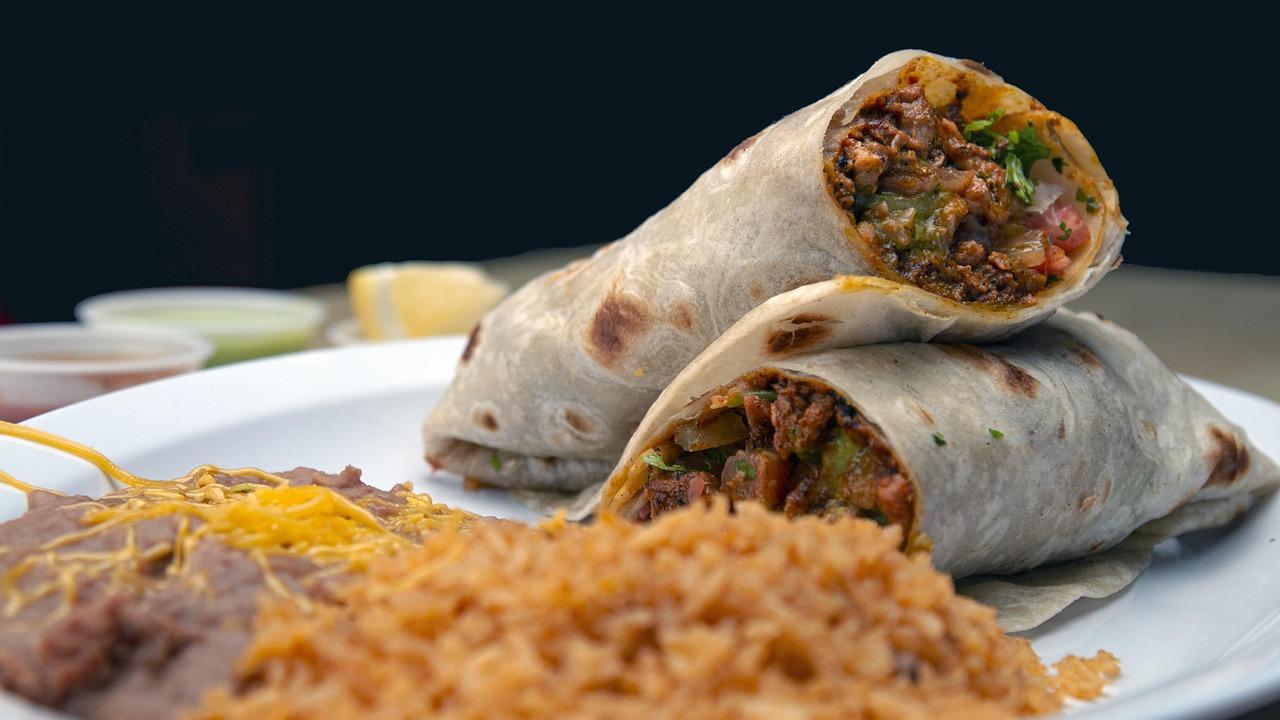
Ciudad Juárez is where the burrito as most of the world knows it began, but the ones sold from Juárez street stands and lunch counters are slim: a thin flour tortilla rolled tightly around a single filling, eaten two or three at a time. Chile colorado, beef braised in a smooth red sauce of dried chillies, is the favourite, earthy and mildly hot, with the meat soft enough to pull apart. Serve them with nothing but a little extra sauce and some pickled jalapeños. Chef's tip: keep the stew thick, like a paste that coats the meat, or the tortillas turn soggy before you can roll them.

by KrazyBadal 0 views

Canelés de Bordeaux

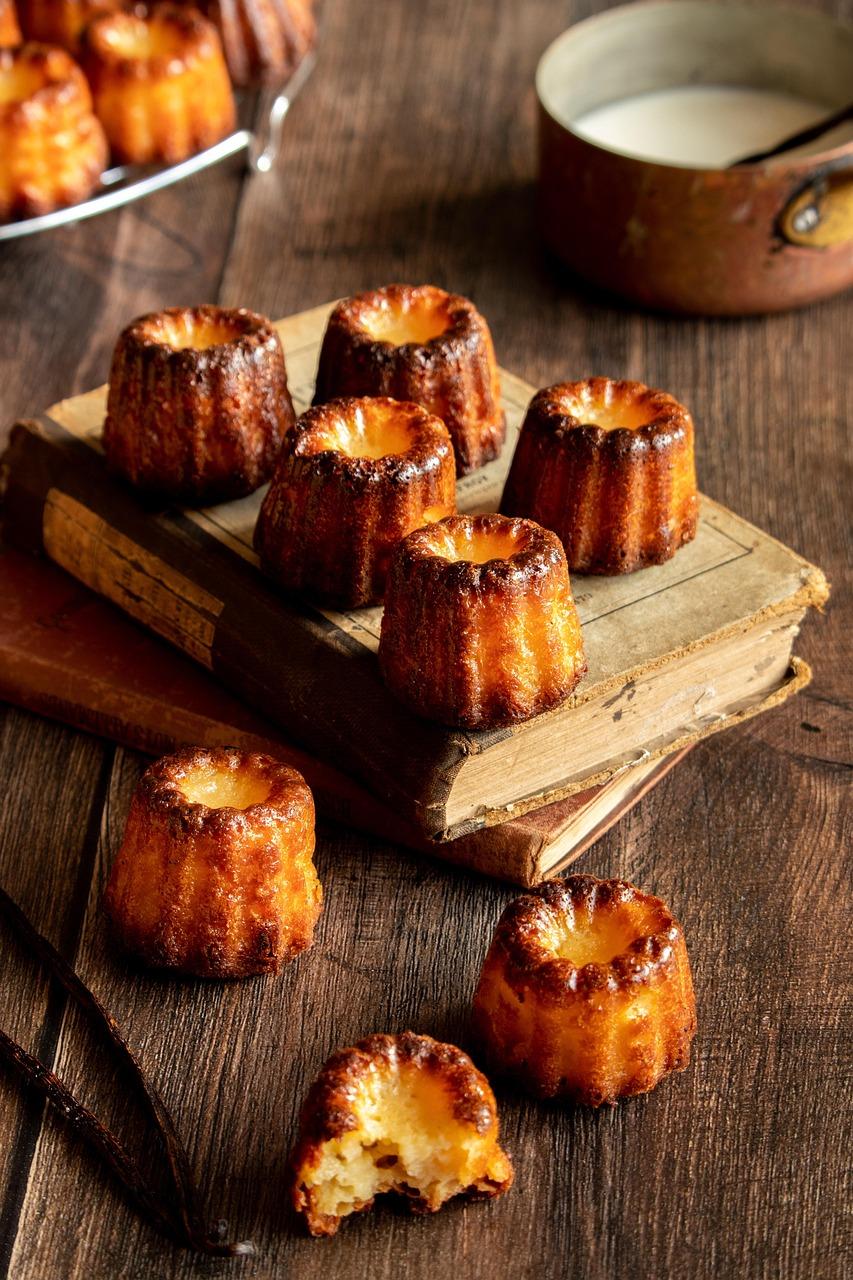
Small, fluted and almost black on the outside, canelés are the signature cake of Bordeaux, sold in pâtisseries all over the city and eaten with morning coffee or at teatime. The thick, caramelised crust cracks to reveal a soft, custardy centre scented with vanilla. The batter traditionally includes dark rum; this version gives it as an option and uses extra vanilla and a little orange zest instead, so it can be made alcohol-free. Copper moulds are traditional, but silicone canelé moulds work well at home. Chef's tip: rest the batter for at least 24 hours in the fridge; fresh batter puffs up like a soufflé and the cakes lose their shape.

1500 minFrenchBaking
by KrazyBadal 0 views

Showing 36 of 6,261 recipes

Show more recipes

Page 262 of 696