Skip to content
Sayur lodeh
Featured recipe

Sayur lodeh

Sayur lodeh is everyday cooking in Central Java, made in big pots in Solo and Semarang kitchens and ladled over rice, with lontong rice cakes at Lebaran, or alongside opor and sambal goreng on festive tables. It's soupy rather than thick: a fragrant broth of coconut milk, galangal, lemongrass and lime leaf that carries chunks of aubergine, long beans, chayote and sweetcorn, plus tempeh and tofu to make it a meal. The flavour is mellow and slightly sweet, so the heat comes from sambal on the side. Chef's tip: keep the pot at a gentle simmer once the coconut milk goes in and stir now and then — a rolling boil splits the coconut milk into oily curds.

Read more 3 views
Can't decide?

What to eat today?

Spin the randomizer, search with what's already in your fridge, or browse recipes from our chefs.

Latest recipes

Rakott krumpli

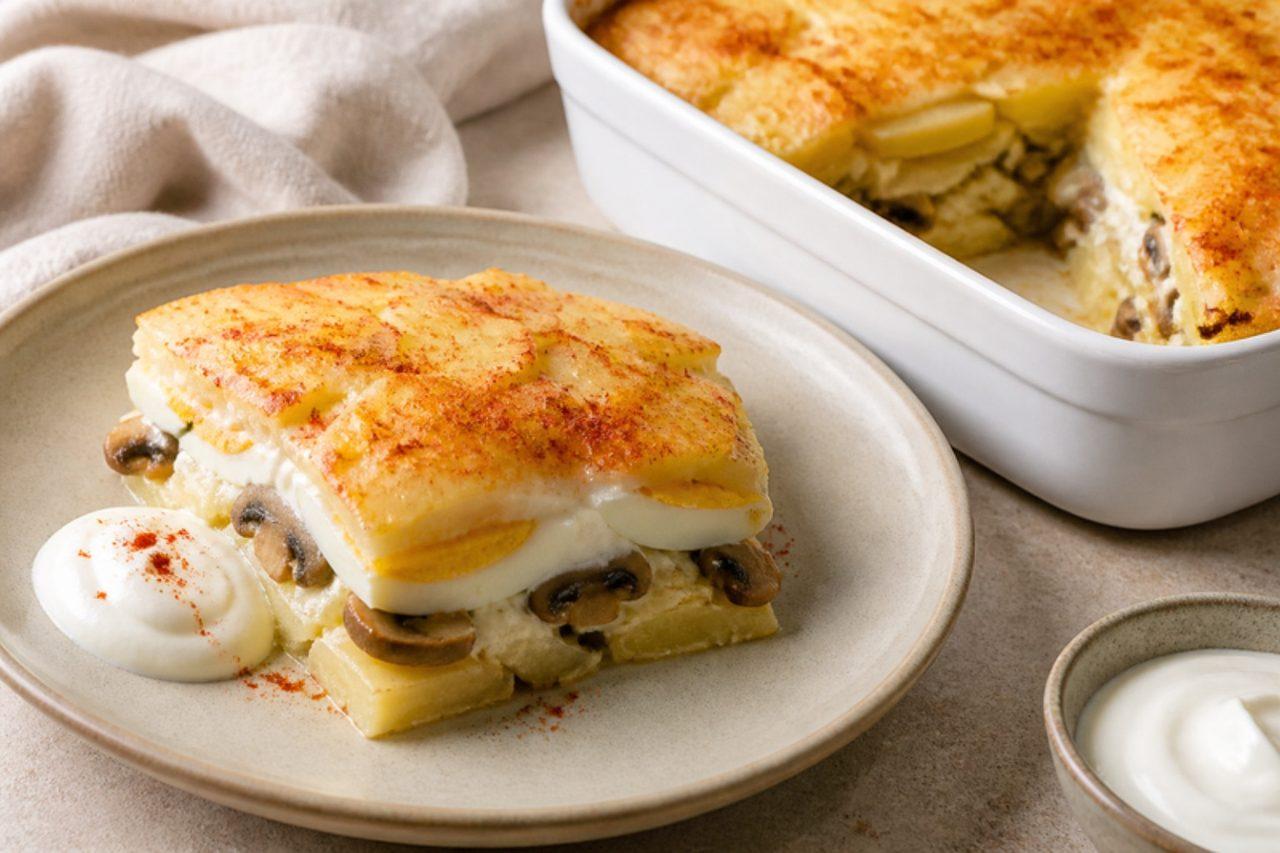
Rakott krumpli means 'layered potatoes', and it is a family supper baked all over Hungary, especially in winter in the north-east around Miskolc and Eger, where every household layers it slightly differently. Slices of boiled potato are stacked with hard-boiled eggs and plenty of sour cream, then baked until bubbling and golden. Many versions add smoked sausage; this vegetarian one uses sautéed mushrooms and a dusting of smoked paprika for depth. It is rich, creamy and needs only a sharp cucumber salad or pickles alongside. Chef's tip: boil the potatoes in their skins and peel them while warm; they slice cleanly and don't soak up water.

by KrazyBadal 0 views

Salade de niébé

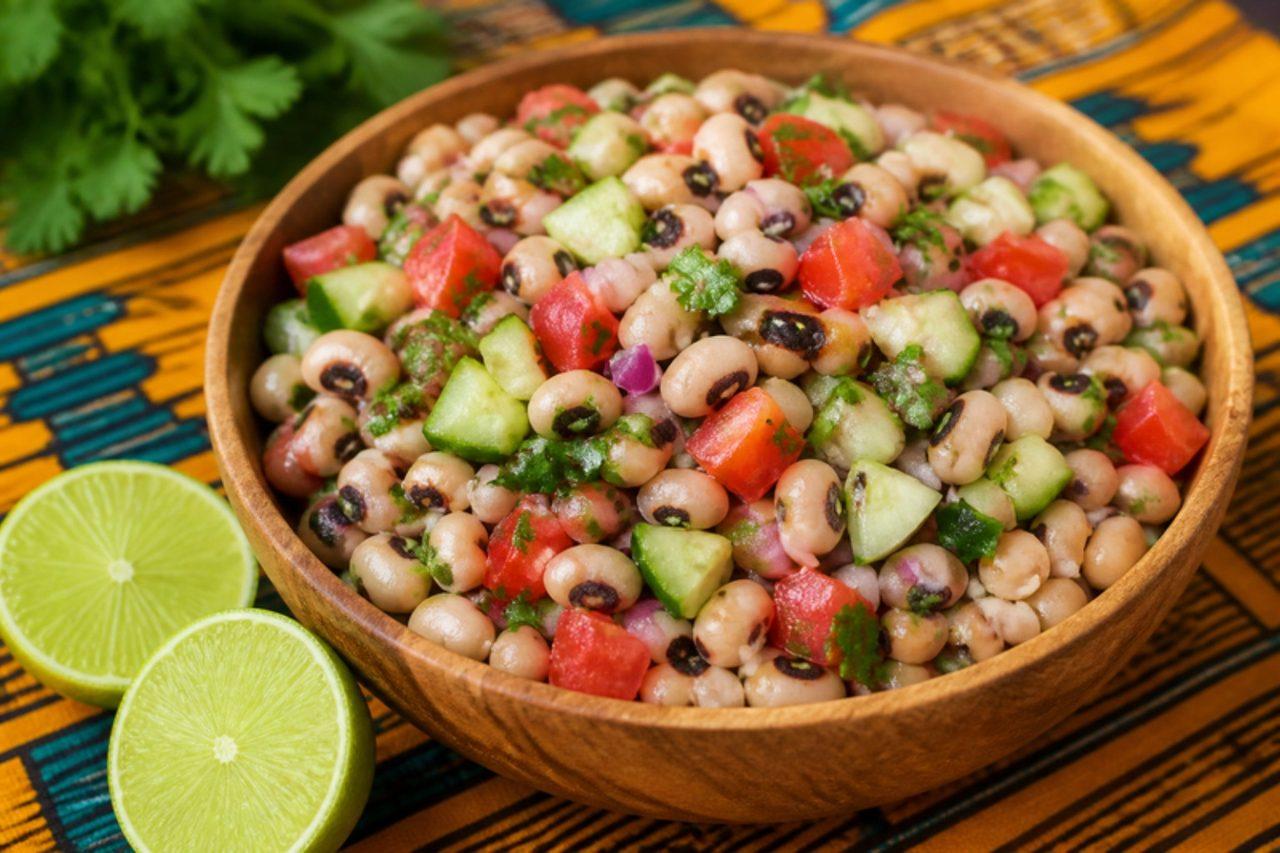
Niébé is the Wolof and French name for black-eyed beans, and this bright salad turns up at Senegalese family lunches, baptism feasts and Ramadan break-fast tables next to grilled dishes and rice. The beans are dressed while warm with lime, mustard and onion, then mixed with crunchy raw vegetables and a little hot pepper. It travels well and tastes better after an hour. Chef's tip: dress the beans while they are still warm so they drink in the lime; cold beans stay bland however much dressing you pour over.

by KrazyBadal 0 views

Baked bananas (ndizi ya kuoka)

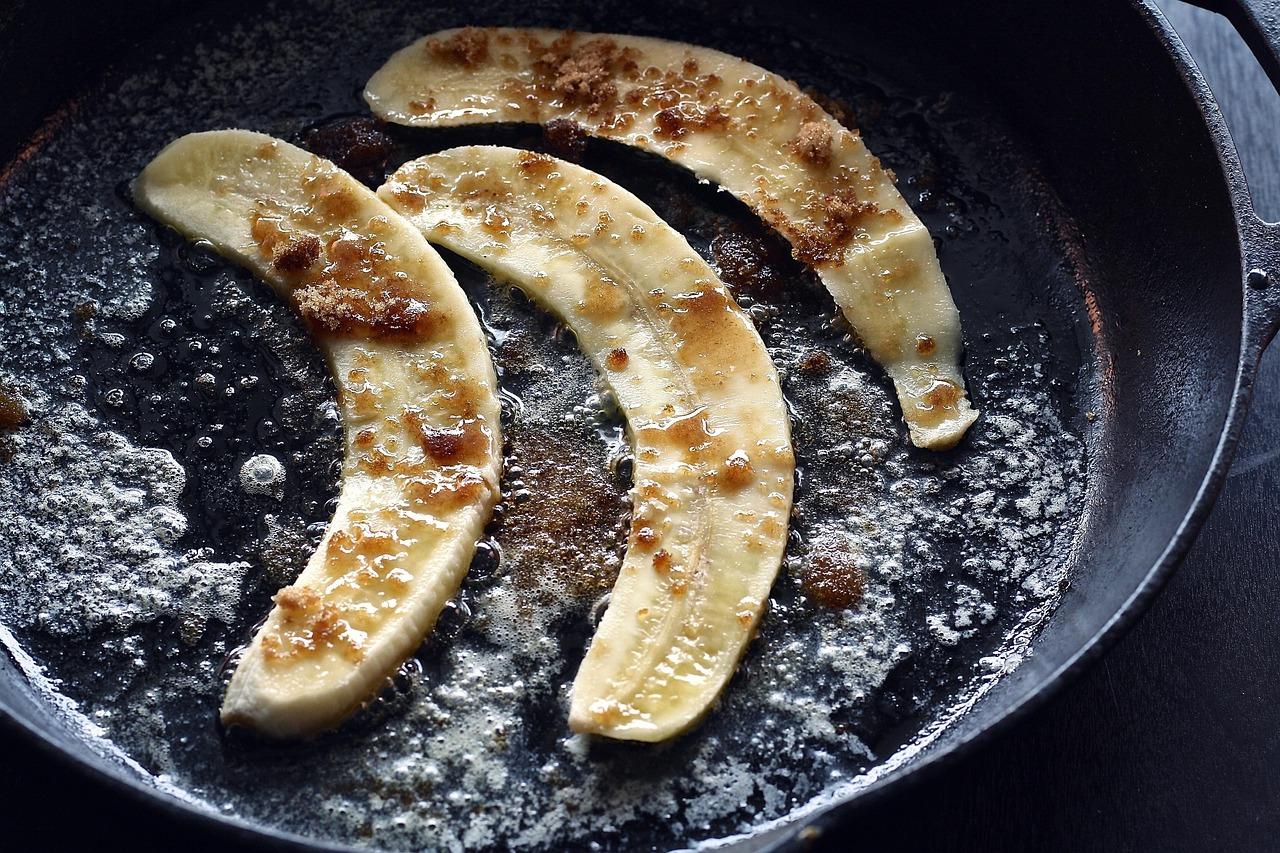
Ndizi ya kuoka: small bananas halved and baked with lemon juice, brown sugar and cinnamon until soft and syrupy, then served with lightly sweetened cream and a grating of nutmeg. It's a quick, warm pudding. The book's Handy Hints say bananas are good for the heart.

by KrazyBadal 0 views

Tandoori tinnies

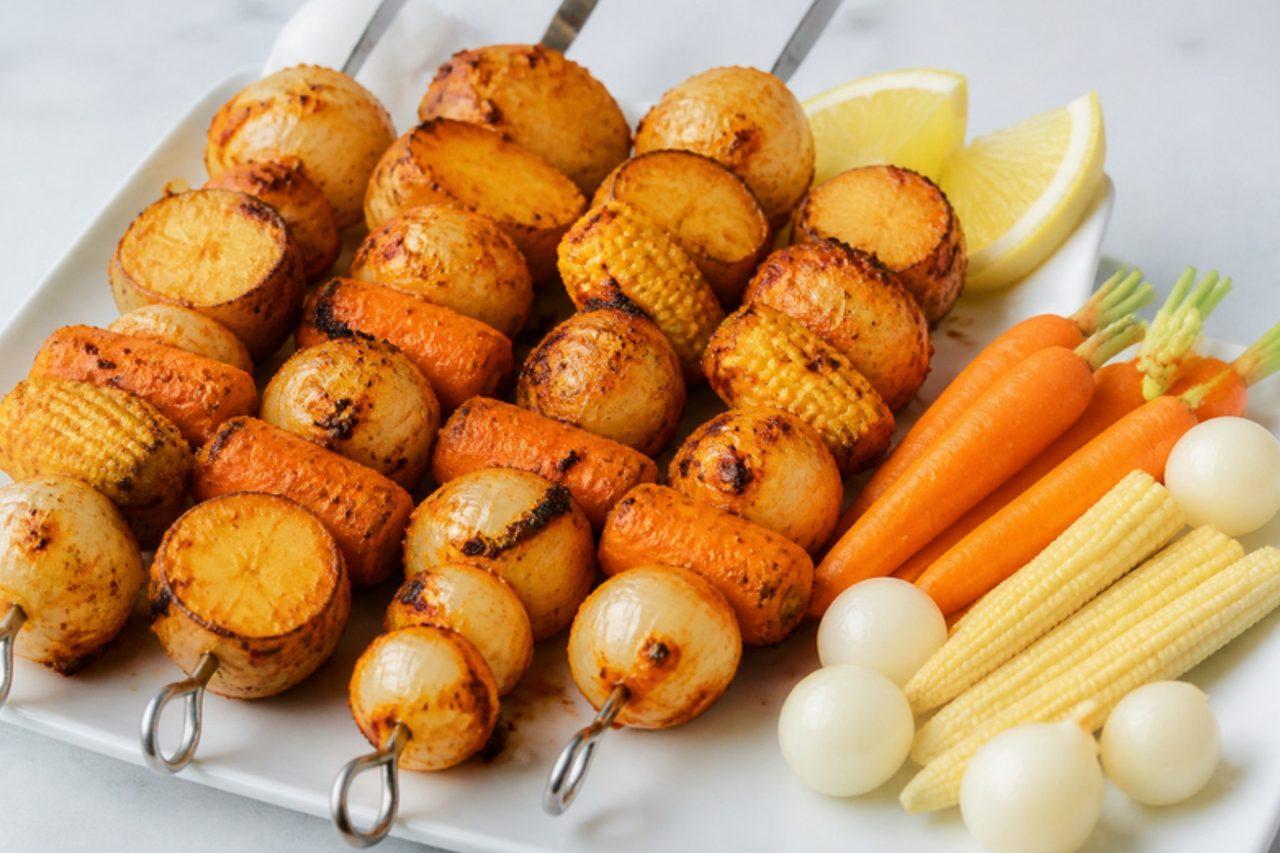
Baby onions, carrots, potatoes and corn par-boiled, coated in a creamy, fiery marinade of red chilli, garlic, ginger, coriander-cumin and dried fenugreek, then grilled on skewers over charcoal until golden. They're small, colourful and bursting with flavour. Serve hot with lemon wedges.

by KrazyBadal 0 views

Pasta con le sarde

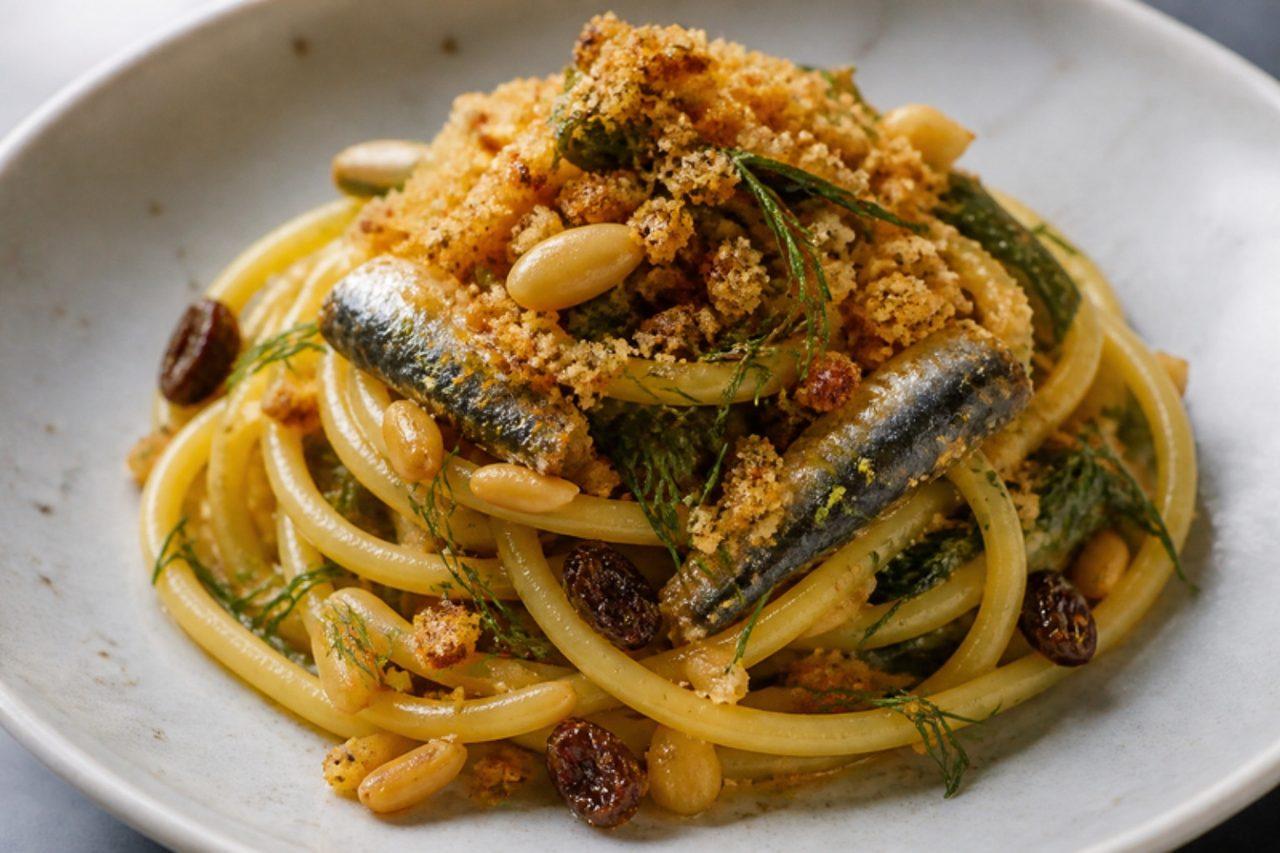
Sweet, salty and grassy all at once, Palermo's favourite pasta carries the island's history in one pan: Arab raisins, pine nuts and saffron meet fresh sardines and the wild fennel that grows on every Sicilian hillside in spring. It is cooked at home and in the city's old trattorie from March to the start of summer, and on 19 March for the feast of San Giuseppe. Instead of cheese, it is finished with olive oil toasted breadcrumbs, the crunchy 'muddica' that Sicilians call poor man's parmesan. Wild fennel is hard to find outside Italy; the fronds from two fennel bulbs plus a few fennel seeds come close. Serve it warm, or at room temperature as Palermitans often do. Chef's tip: blanch the fennel greens in the pasta pot first and cook the bucatini in that same green, aniseed-scented water, so the flavour runs right through the pasta.

by KrazyBadal 0 views

Vegetable mafé

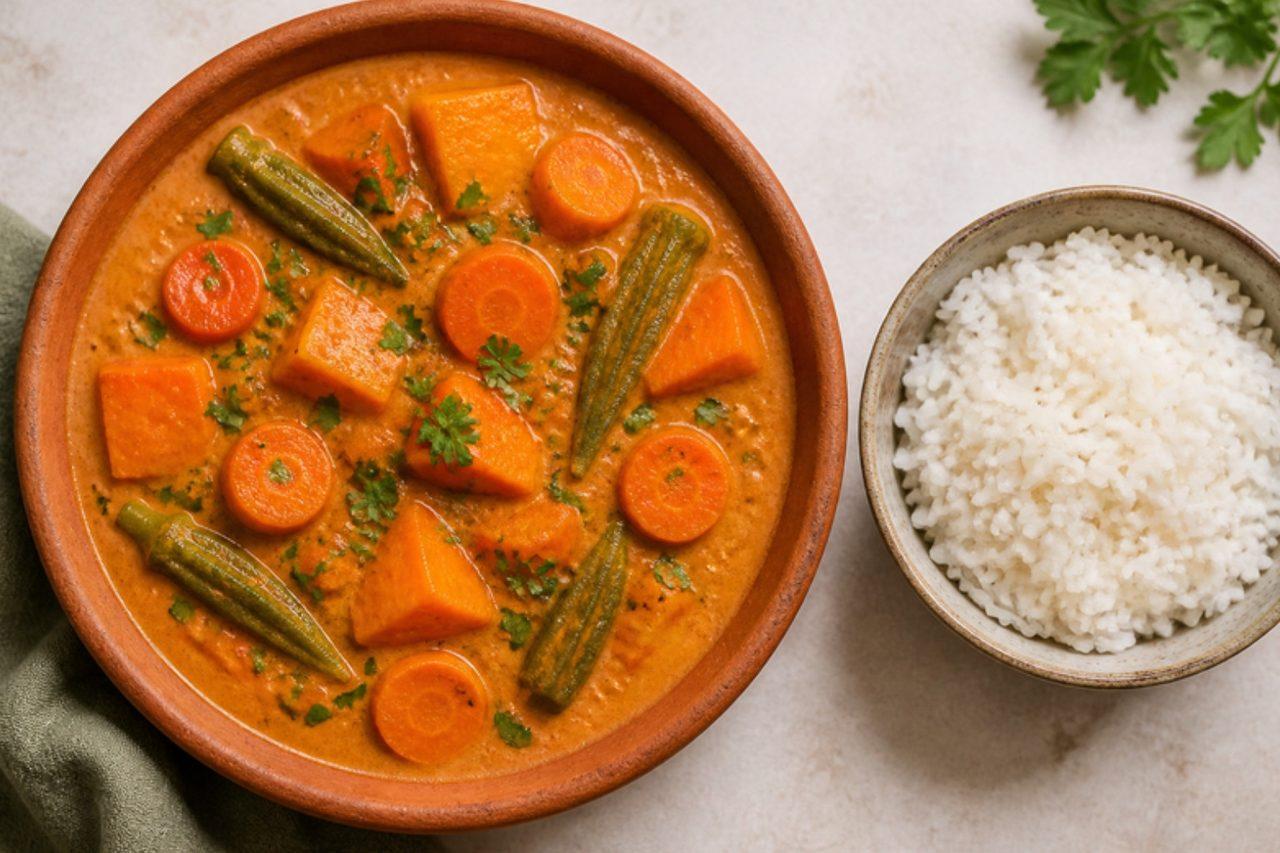
Mafé is the Sunday-lunch stew of Senegal and Mali: a rust-coloured sauce of roasted peanut paste and tomato, simmered until oil glistens on top and ladled over broken rice. In Dakar it usually carries lamb or beef; this version uses sweet potato, carrot, cabbage and okra, which soak up the sauce just as well. In Côte d'Ivoire the same idea is called sauce d'arachide and is eaten with rice or foutou; make it slightly thinner and add aubergine for the Abidjan style. Chef's tip: use plain, unsweetened peanut paste and cook it long enough that a thin layer of red oil rises to the surface; that is the sign the peanut has lost its raw taste.

by KrazyBadal 0 views

Flat white

Sydney and Wellington both claim the flat white, first poured in their cafés in the mid-1980s, and today it's the everyday coffee across Australia and New Zealand, from Melbourne's laneway cafés to a beach kiosk in Raglan. It's smaller and stronger than a latte: a double shot of espresso topped with milk steamed to a smooth, glossy microfoam with only a thin layer of froth on top, so the coffee stays at the front. It's velvety, rich and sweet-tasting without sugar. For a vegan version, use a barista-style oat milk. Chef's tip: stretch the milk only for the first few seconds, then sink the wand and let it spin; you want paint-like milk, not a hat of stiff foam.

by KrazyBadal 0 views

Lángos

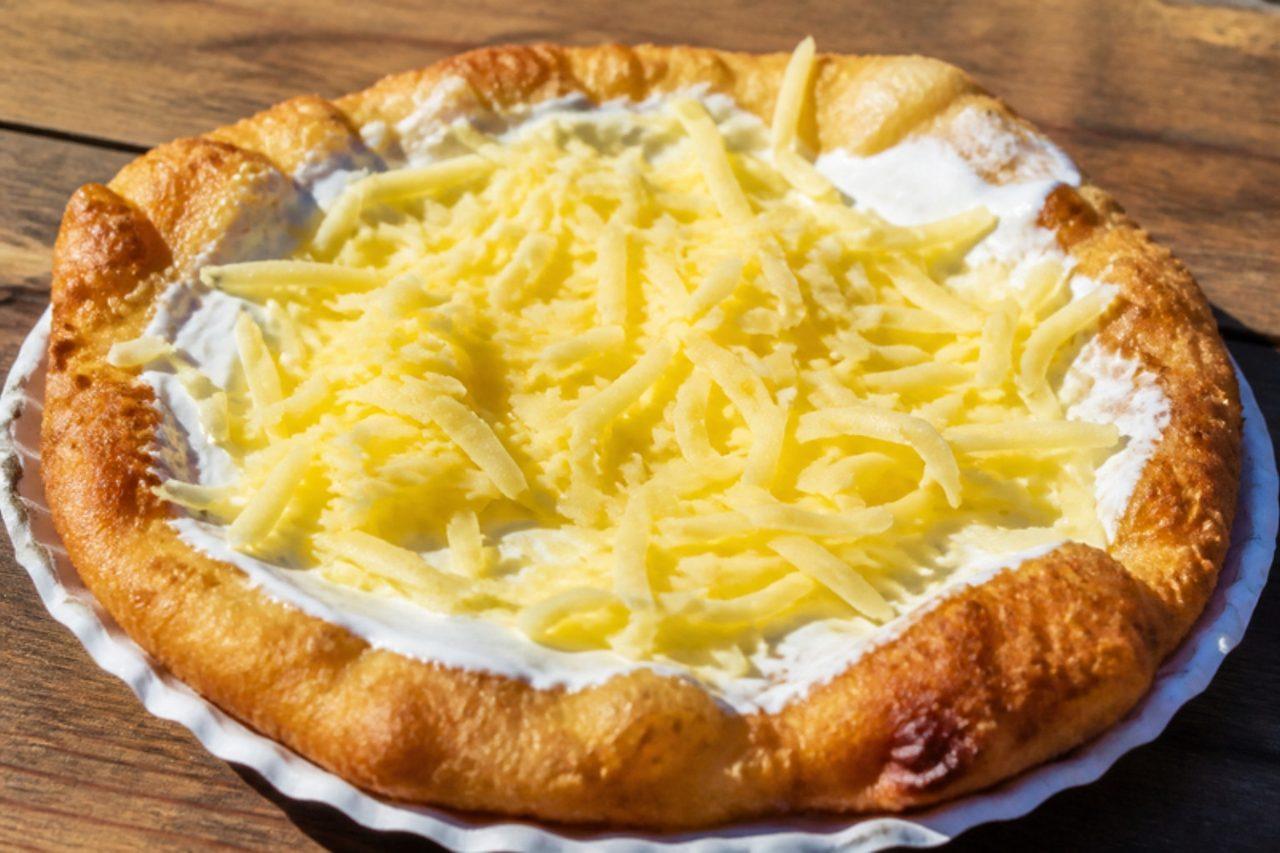
Lángos is the deep-fried flatbread of Hungarian beaches and markets: it is eaten in swimsuits on the shore of Lake Balaton, at Budapest's Great Market Hall and at every summer fair. The dough is soft and yeasted, often enriched with mashed potato, and it fries into a puffy disc that is crisp at the edges and chewy in the middle. The classic topping is garlic water brushed on hot, then sour cream and a snowfall of grated cheese. Chef's tip: stretch the dough thinner in the centre than at the rim; the edge puffs into a crisp crust while the middle stays soft enough to hold the toppings. Choose a cheese made with vegetarian rennet (many supermarket Cheddars and Edams are).

by KrazyBadal 0 views

Paprikás krumpli

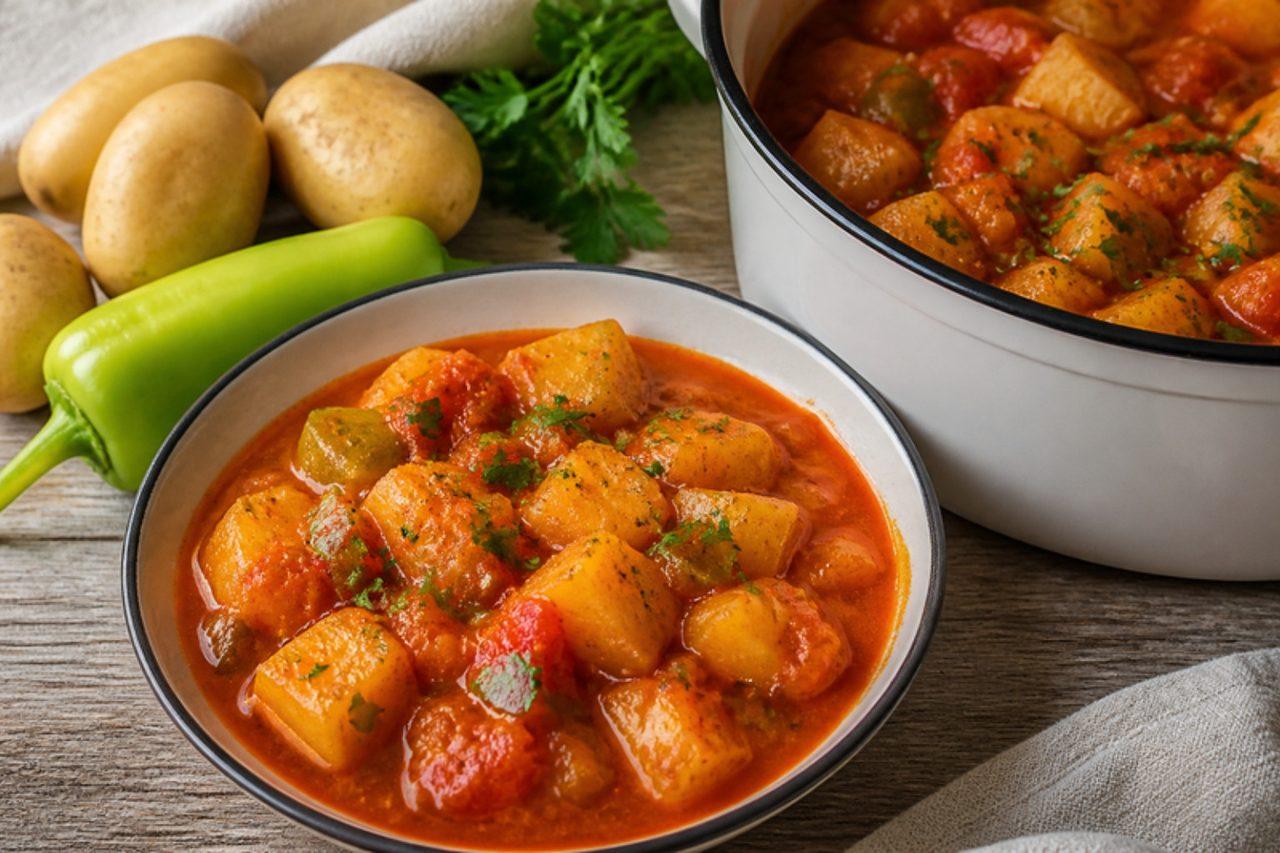
Paprikás krumpli is a thrifty potato stew that every Hungarian student learns to cook, and it turns up at school dinners, on autumn weekdays and in cauldrons at village harvest festivals. Potatoes simmer in an onion and paprika base with pepper and tomato until they start to break and thicken their own sauce. Most versions add sliced smoked sausage; this vegan one swaps it for a pinch of smoked paprika and caraway, which give the same savoury depth. Serve in bowls with crusty bread and a pickled cucumber or a spoon of pickled peppers on the side. Chef's tip: cut the potatoes unevenly on purpose; the smaller pieces melt and thicken the sauce while the bigger ones stay whole.

by KrazyBadal 0 views

Ginger drink (tangawizi)

Tangawizi is a warming Swahili drink of ginger boiled with cinnamon, clove and black pepper and sweetened to taste. It's hot, peppery and soothing on a cool evening or when you have a cold. Serve hot in small kahawa cups.

by KrazyBadal 0 views

Soto Betawi

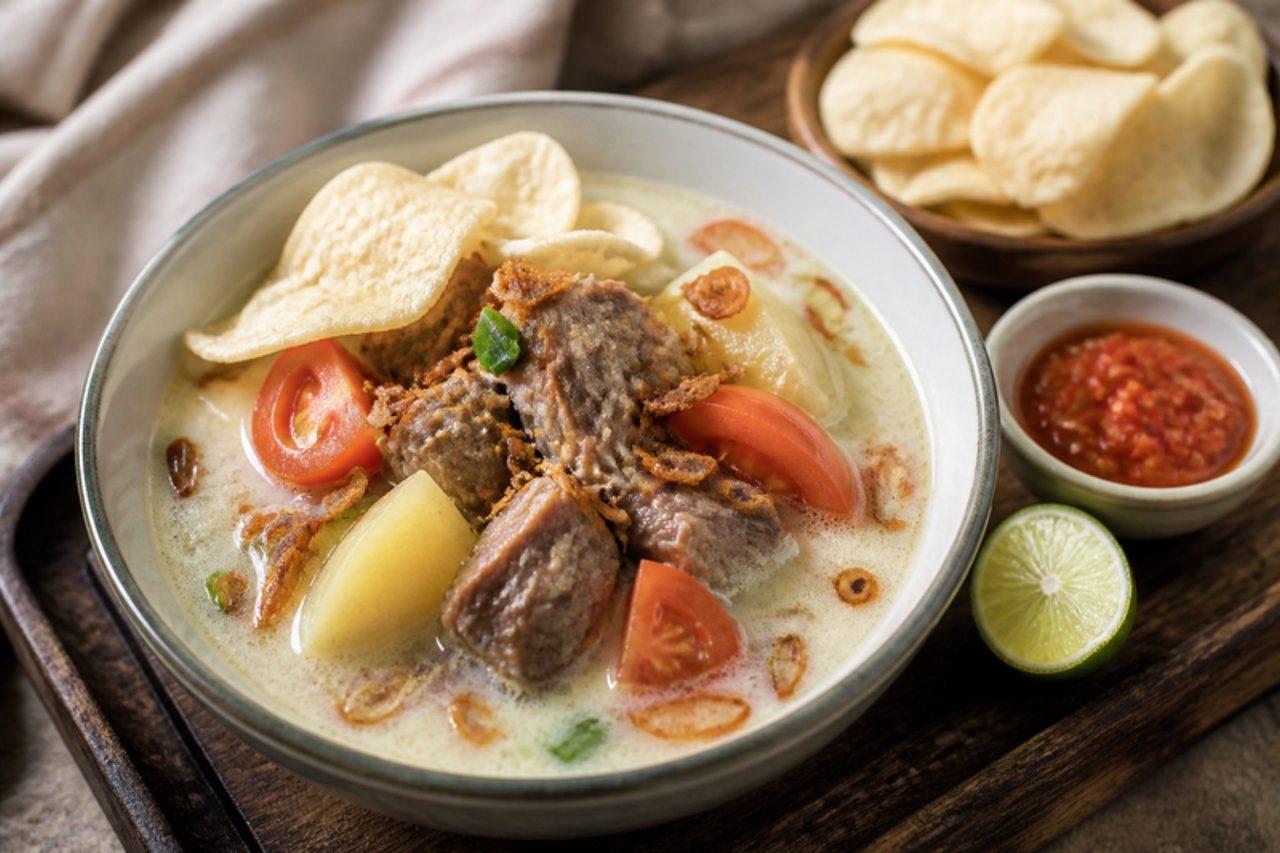
Jakarta's original Betawi community gave the capital this rich, pale-gold soup, and on a Sunday the soto Betawi stalls along the city's side streets are packed with families. Beef brisket (and, for many, tripe) simmers until tender, then goes into a gently spiced broth made creamy with coconut milk and a splash of fresh milk, scented with lemongrass, cinnamon and cloves. Each bowl is loaded with fried potato, raw tomato and spring onion and comes with rice, lime, sambal and bitter-crisp emping crackers. It's comforting and mellow rather than fiery. Chef's tip: for a dairy-free bowl, swap the milk for more coconut milk; the soup will be a little heavier but just as good.

by KrazyBadal 0 views

Neenish tarts

Neenish tarts have sat in the windows of Australian country bakeries for more than a century, and they're also found across the Tasman in New Zealand. Where the name comes from is still argued over, with one story placing it in the small town of Grong Grong in New South Wales. A crisp sweet pastry case holds a thin layer of raspberry jam and a fluffy mock cream, a beaten mixture of butter, sugar and milk, and the top is iced in two halves: one white, one chocolate. Many bakery mock creams use gelatine; this one doesn't. Chef's tip: beat the mock cream for a long time, a full 8–10 minutes, until the sugar has dissolved and it is white and fluffy, not gritty.

by KrazyBadal 0 views

Bambalouni

Bambalouni are the big, flat, chewy doughnuts sold hot and wrapped in paper at the top of the blue-and-white village of Sidi Bou Said, outside Tunis, and on beaches all along the coast in summer. The dough is very soft and yeasty; it is stretched by hand into a ring and fried until puffed and blistered, then rolled in sugar. They are best eaten warm with a mint tea. Chef's tip: oil your hands, not the bench, to shape them; floured dough browns too fast and loses its blistered look.

by KrazyBadal 0 views

Coconut sweet (kashata ya nazi)

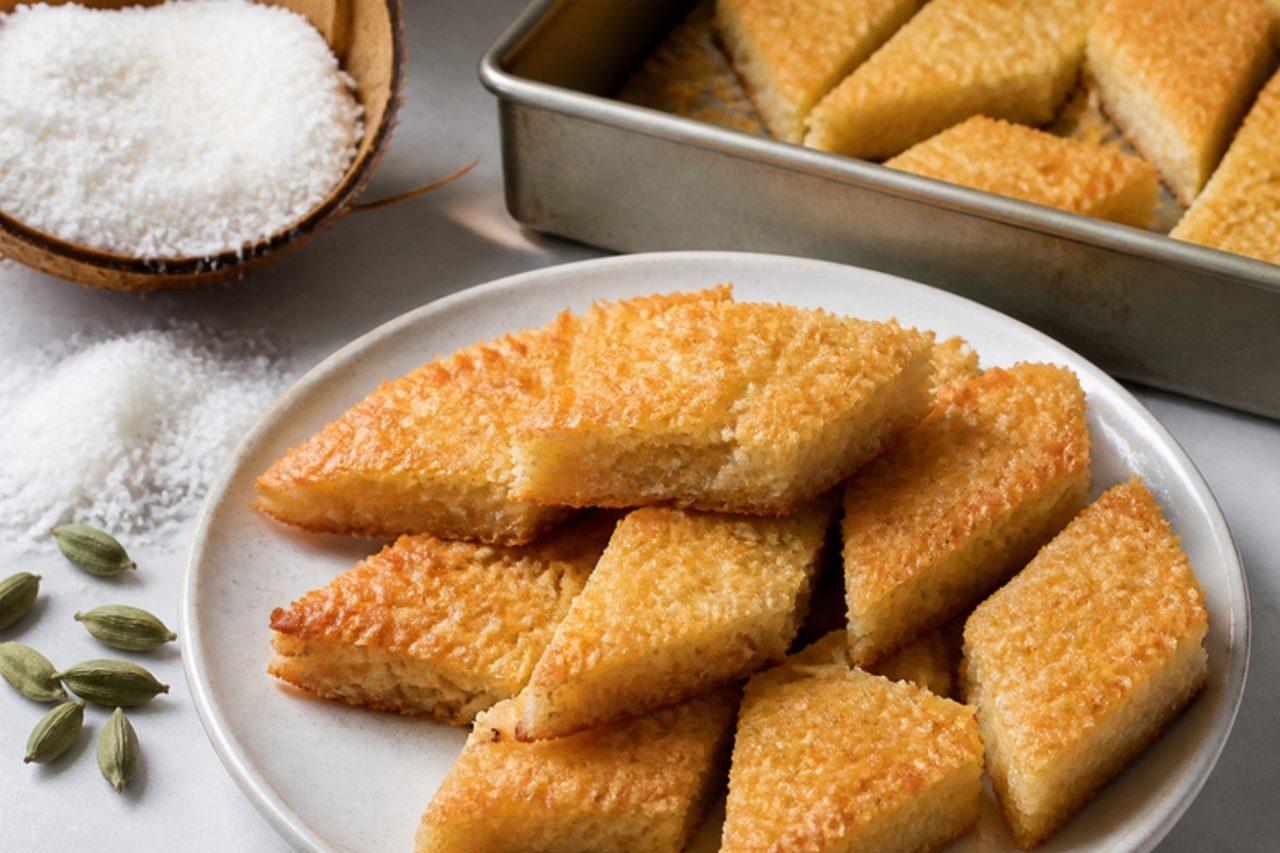
Kashata ya nazi is a simple Swahili sweet of desiccated coconut cooked with milk, sugar, evaporated milk and cardamom until thick, then pressed into a dish and cut into diamonds. It's chewy and sweet, and it keeps well. Store in an airtight container.

by KrazyBadal 0 views

Beef bulgogi

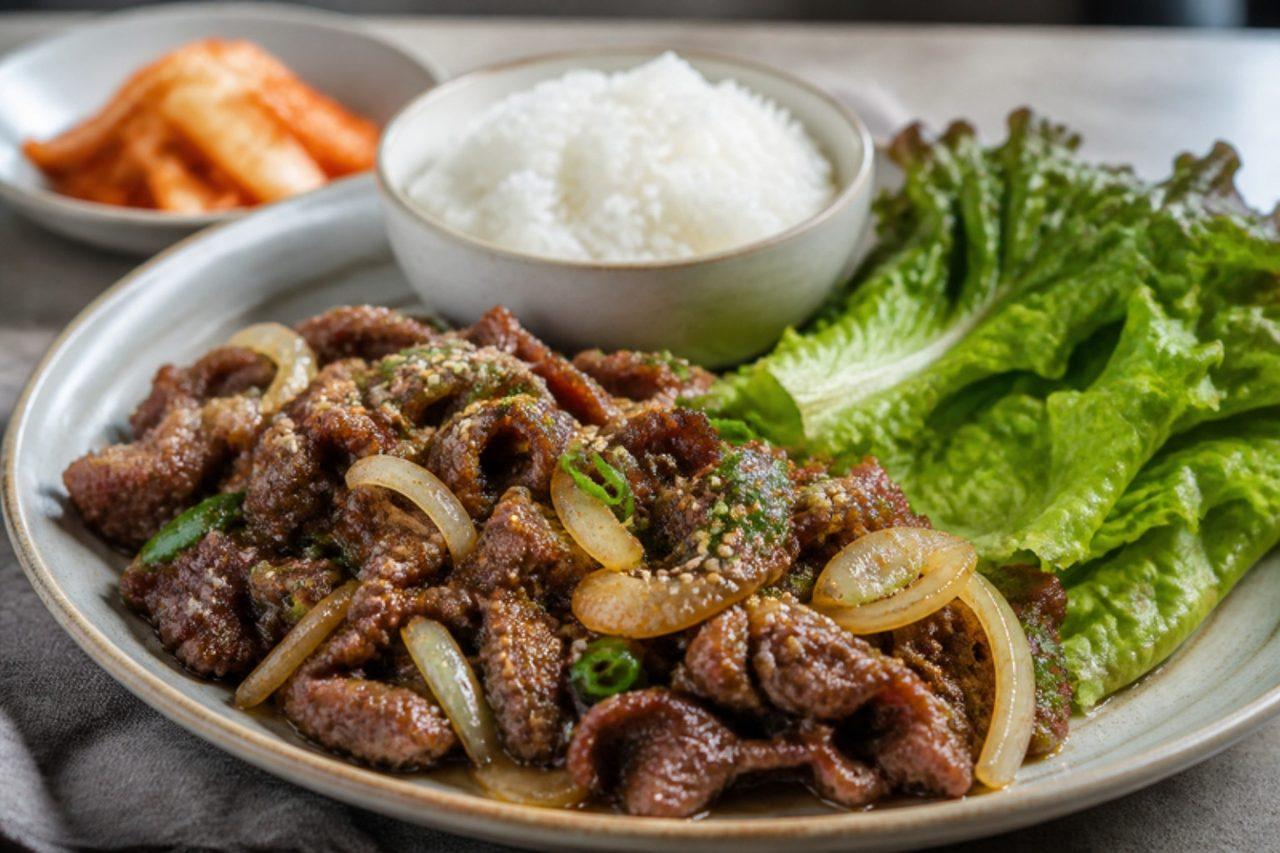
In Seoul, bulgogi restaurants still cook it on a domed grill set into the table, with a moat around the edge that catches the sweet juices for spooning over rice. At home it is made in a hot pan, and it is a favourite for family dinners, lunch boxes and birthday tables. Grated Asian pear softens the meat and adds a gentle sweetness to the soy and garlic. Wrap it in lettuce with a little ssamjang, or eat it over rice. Chef's tip: put the beef in the freezer for 30 minutes before slicing; firm meat cuts into wafer-thin slices easily.

40 minKoreanMeat
by KrazyBadal 0 views

Okinawa soba with soki

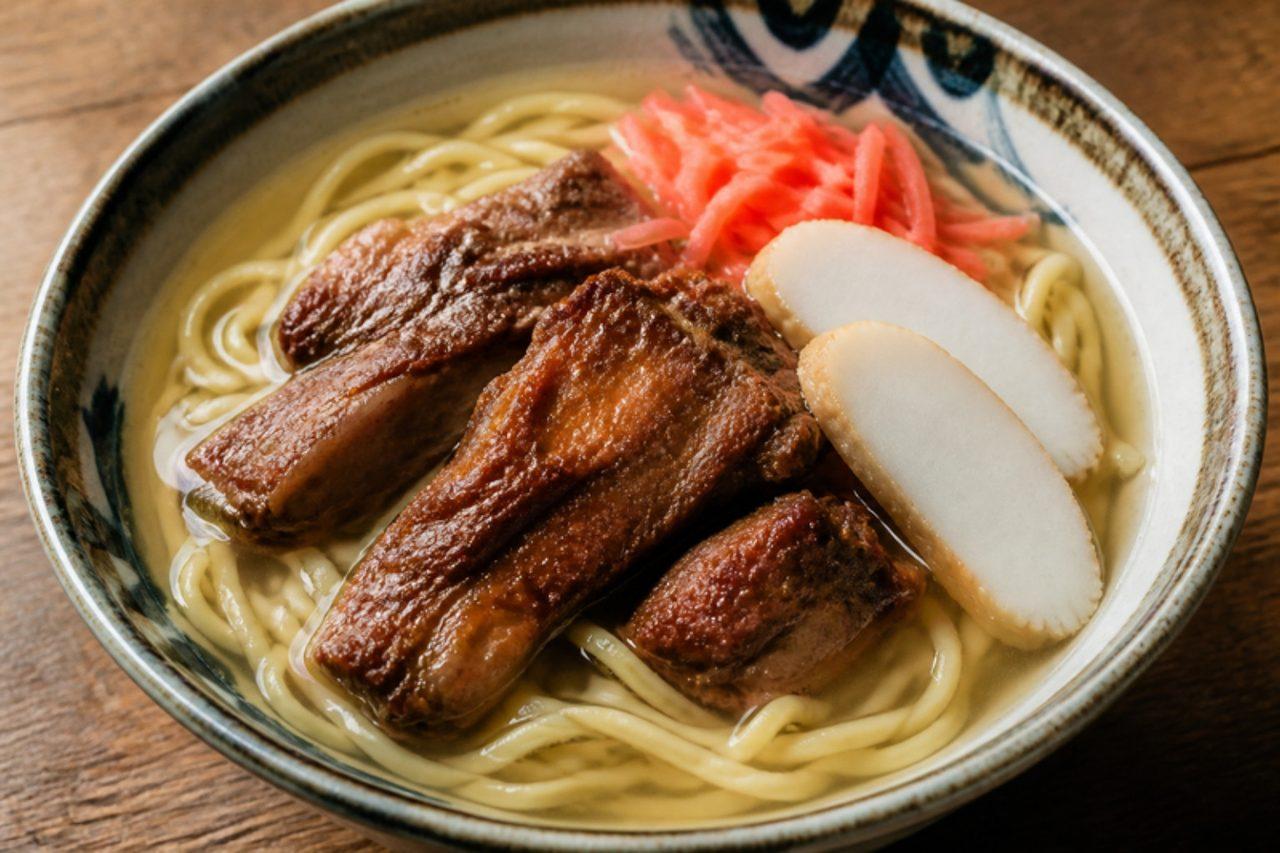
Okinawa soba has nothing to do with buckwheat: the noodles are thick, chewy and made from wheat, and the dish is the islands' everyday lunch. Small soba shops all over Okinawa serve it in a clear, gentle broth of pork and bonito, and the soki version is crowned with spare ribs braised so long that even the cartilage turns soft. Slices of fishcake, spring onions and red pickled ginger finish the bowl, and every table has a bottle of chilli steeped in awamori to splash on. October 17 is Okinawa Soba Day on the islands. Chef's tip: braise the ribs a day ahead; cold, the fat sets on top of the cooking liquid and lifts off in one piece, and the broth is cleaner for it.

by KrazyBadal 0 views

Mansaf

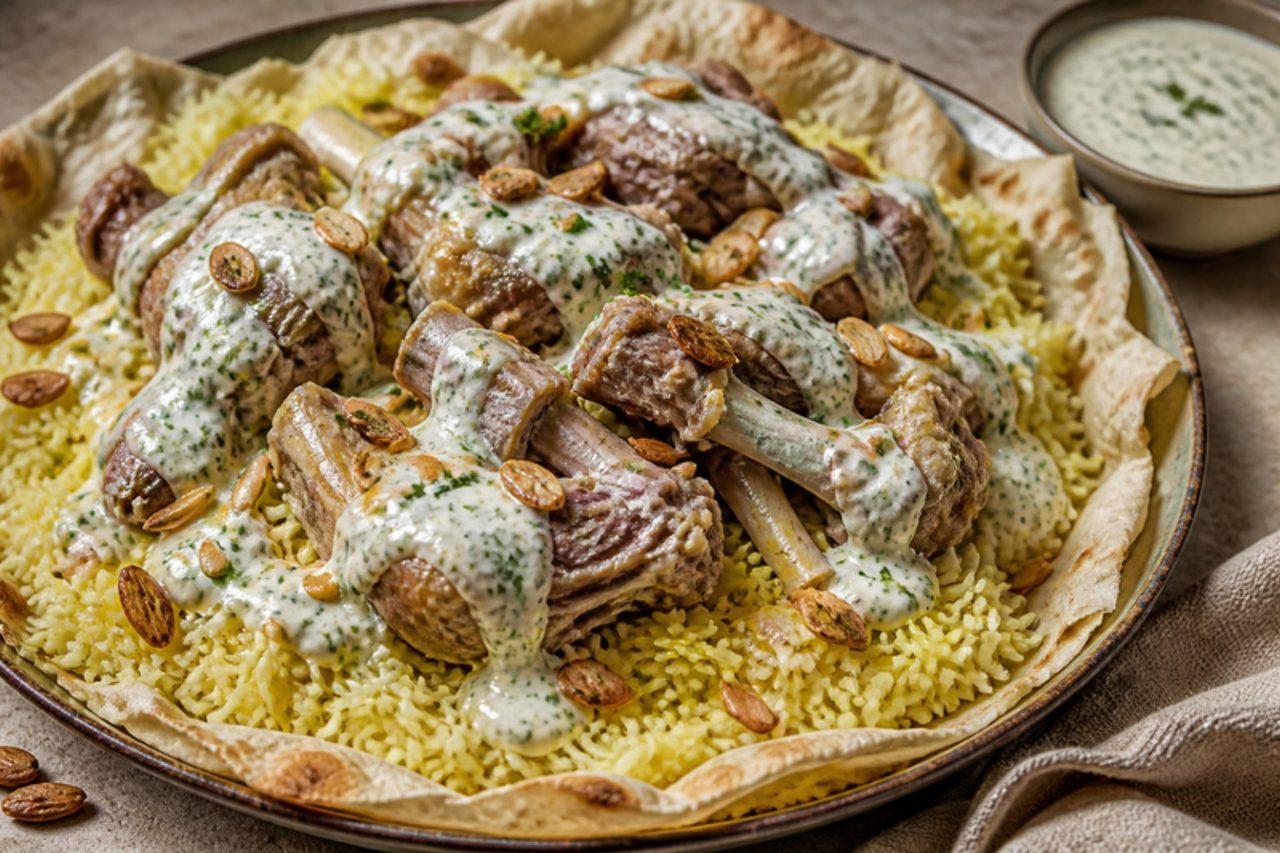
Mansaf is Jordan's national dish and the centrepiece of its weddings, Eid gatherings and big family days, set down on a huge round tray for everyone to eat from together. Bone-in lamb is simmered until tender in a sauce of jameed, the dried, salted goat's-milk yogurt of the Bedouin, then served on thin shrak bread and turmeric-tinted rice, scattered with almonds and pine nuts and drenched in more of the hot sauce. If you can't find jameed, a mix of thick yogurt and labneh gives a fair stand-in. Chef's tip: stir the yogurt sauce in one direction constantly as it heats, and never let it boil hard before the lamb goes in; that is what keeps it smooth.

180 minLebaneseMeat
by KrazyBadal 0 views

Tagliatelle al ragù

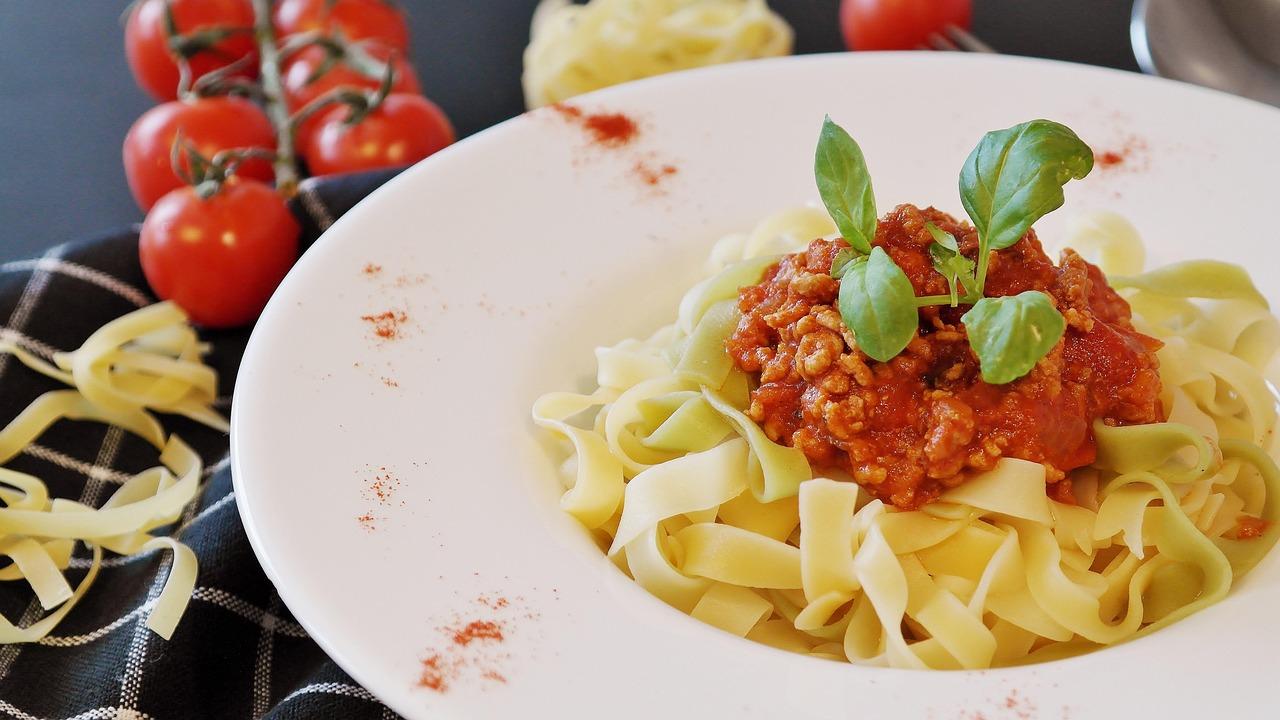
Ask for spaghetti bolognese in Bologna and you will get a polite smile: at home the ragù goes on wide ribbons of fresh egg tagliatelle, or into lasagne, never on thin spaghetti. It is a Sunday-lunch sauce, made with beef and pork mince, a little pancetta, a soffritto of onion, carrot and celery, white wine, milk and only a spoonful or two of tomato, then left to murmur for three hours until it turns deep, savoury and almost creamy. Freshly made tagliatelle are traditional, but good bought fresh or dried egg tagliatelle are absolutely fine. Grated parmigiano goes on at the table, and the ragù keeps for three days in the fridge or three months in the freezer. Chef's tip: make the ragù a day ahead; it thickens and tastes rounder after a night in the fridge, and reheating it gently with a splash of water brings it back to life.

by KrazyBadal 0 views

Showing 18 of 4,484 recipes

Show more recipes

Page 267 of 499