Skip to content
Tum tum
Featured recipe

Tum tum

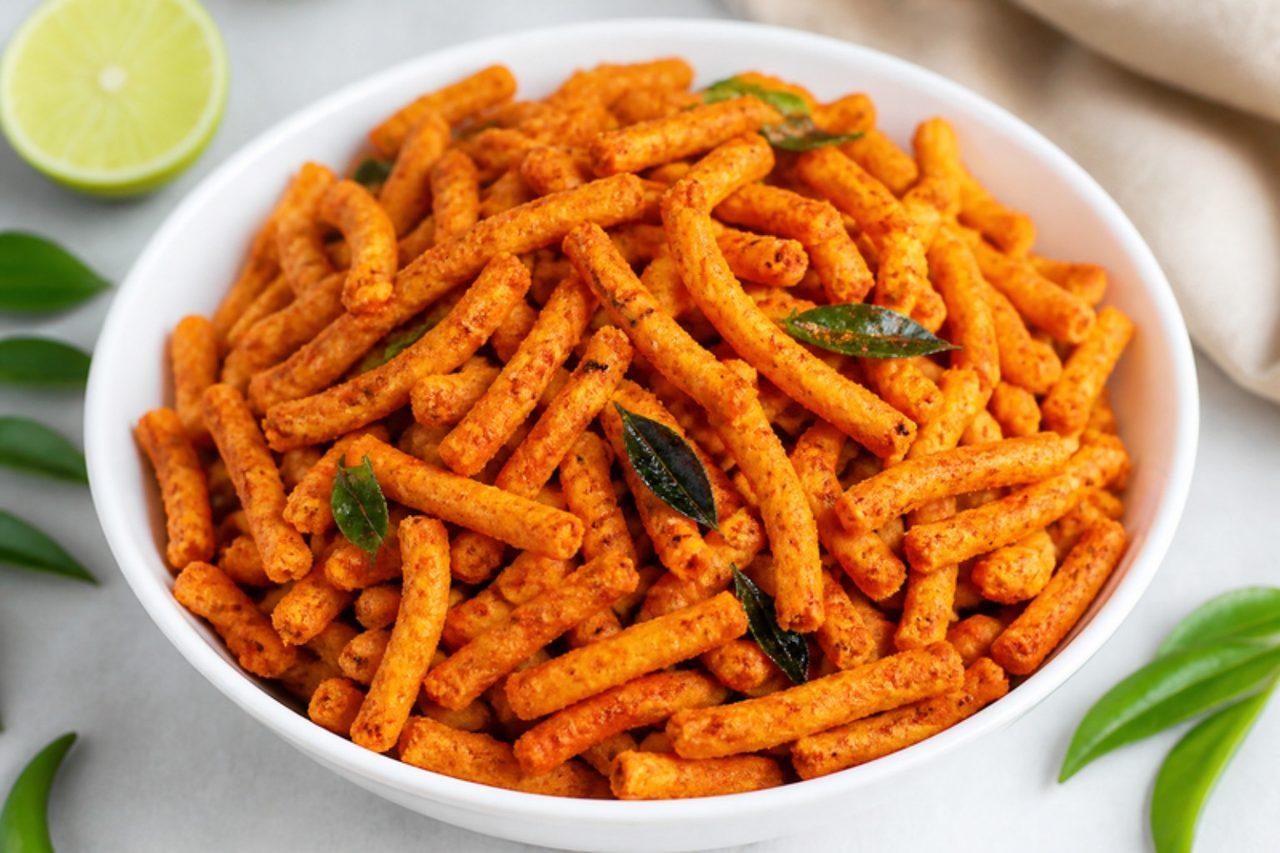
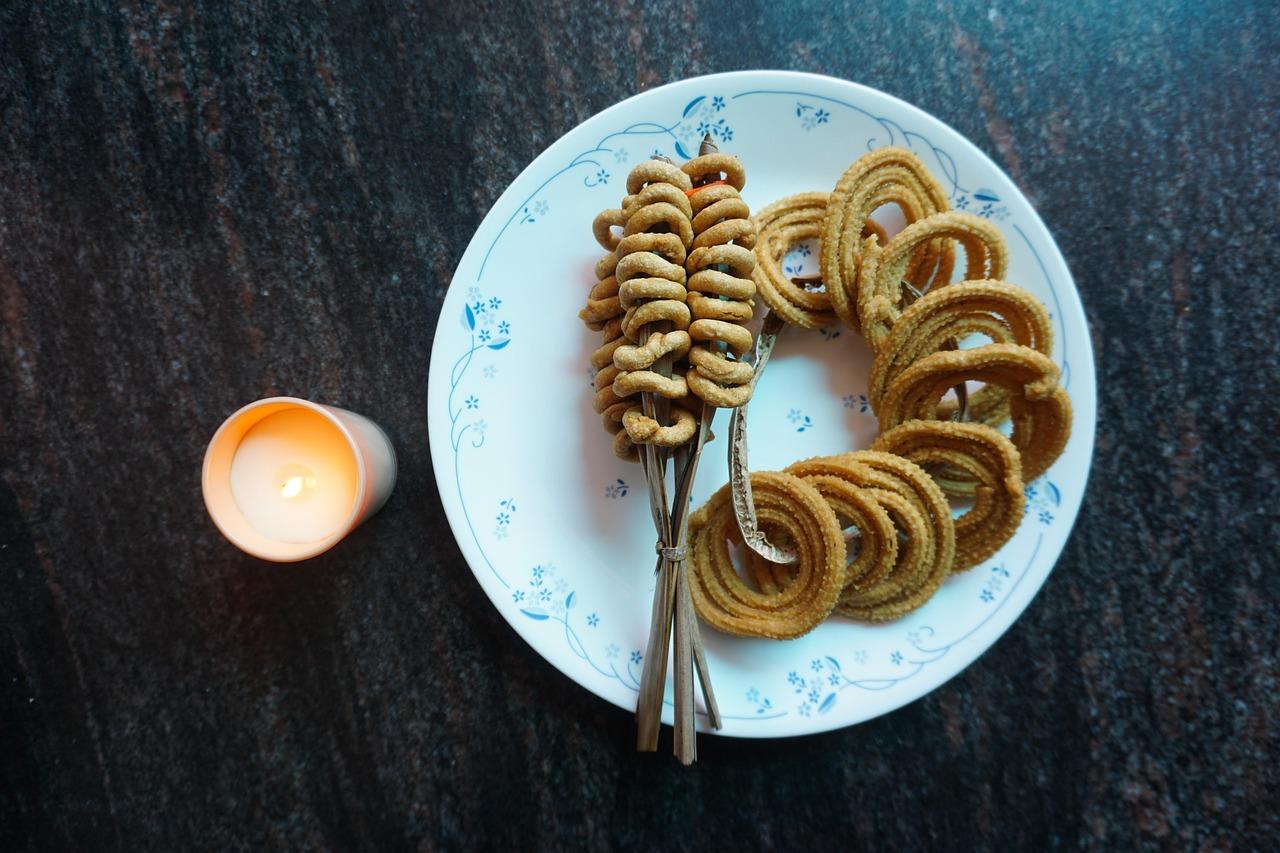
Tum tum are thick, chunky gram flour sticks pressed through a 1 cm disc, spiced with chilli, cumin-coriander, black pepper and ajwain, and balanced with lemon and sugar. They are hot, tangy and crunchy, perfect with tea, and one of the components of bhusu.

Read more 0 views
Can't decide?

What to eat today?

Spin the randomizer, search with what's already in your fridge, or browse recipes from our chefs.

Latest recipes

Zereshk polo ba morgh

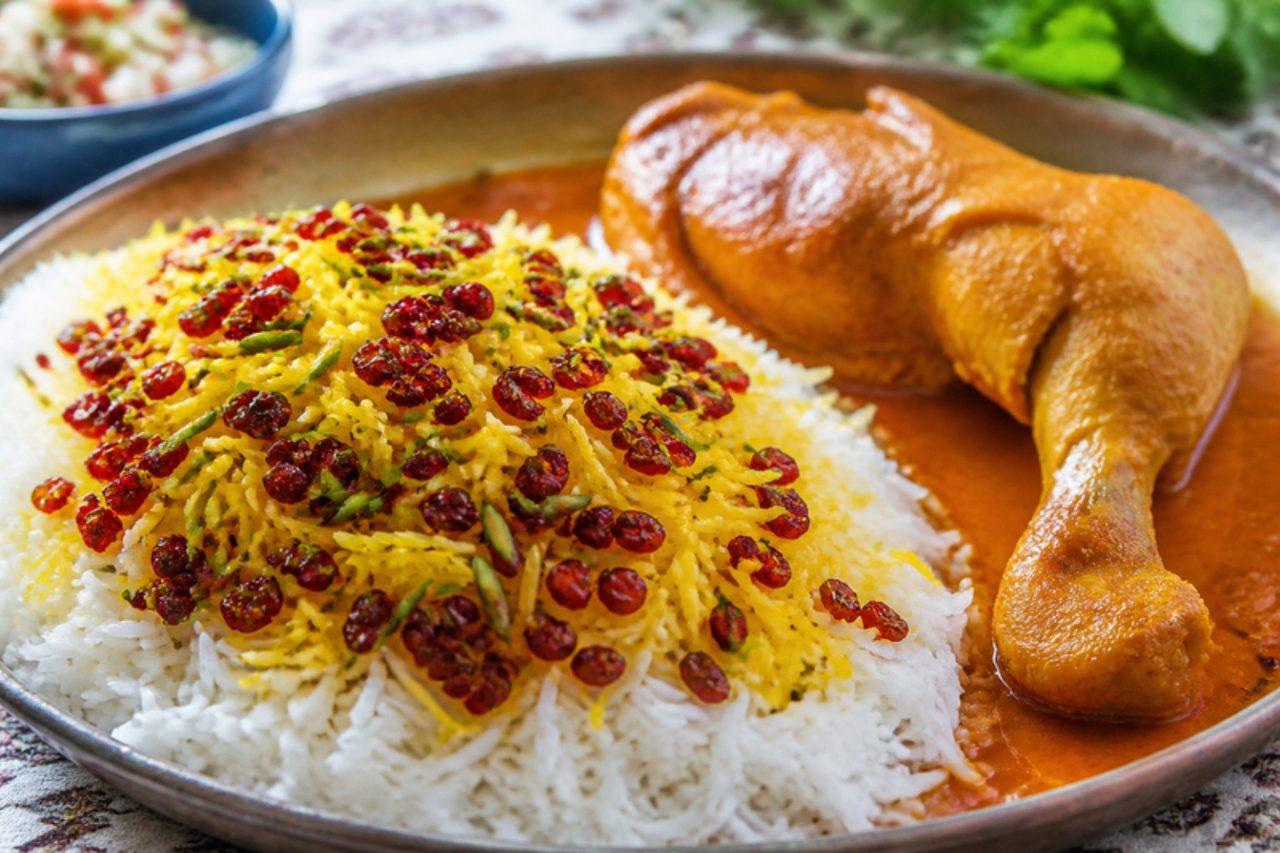
Zereshk polo ba morgh is the rice Iranians cook for guests, weddings and Friday lunches, and its tart red barberries come mostly from the orchards around Birjand in South Khorasan, where the berries are dried on rooftops in autumn. Fluffy steamed basmati is crowned with saffron rice and barberries fried briefly in butter with a little sugar, and served beside chicken braised slowly with onion, tomato and saffron until it is falling off the bone. A common mistake is frying the barberries for more than a minute or two; they burn fast and turn bitter. Chef's tip: sort the barberries on a white plate and remove any tiny stems or grit before soaking.

by KrazyBadal 0 views

Ab havij bastani

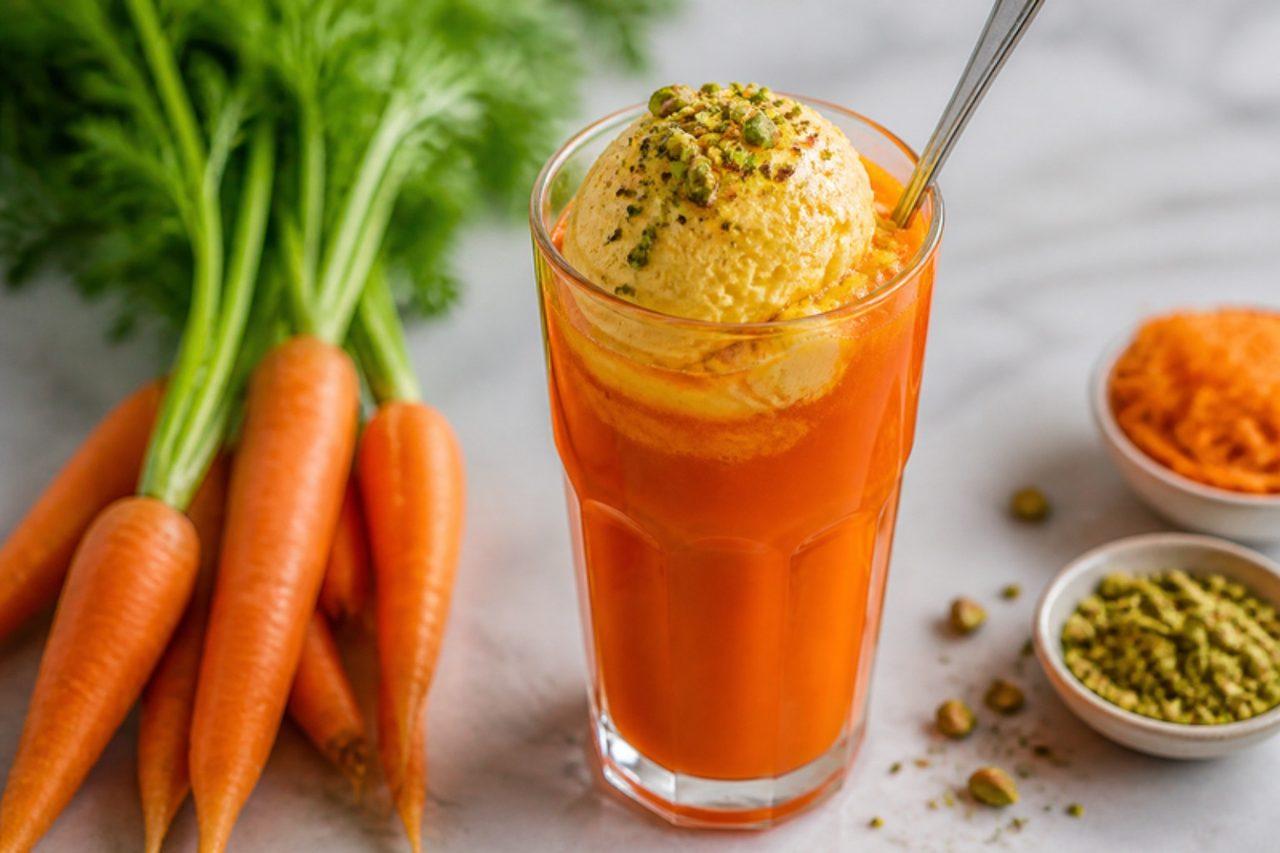
Every juice bar in Tehran, from Tajrish Square to the stalls of Valiasr Street, sells ab havij bastani: a tall glass of fresh, ice-cold carrot juice with a scoop of saffron ice cream floating on top. People eat it with a long spoon in summer, stirring the melting ice cream into the juice until it turns creamy and pale orange. It is sweet, earthy and cooling, and kids treat it as a dessert. Chef's tip: chill the carrots well before juicing; warm juice melts the ice cream at once and loses its fresh taste.

by KrazyBadal 0 views

Pastis gascon

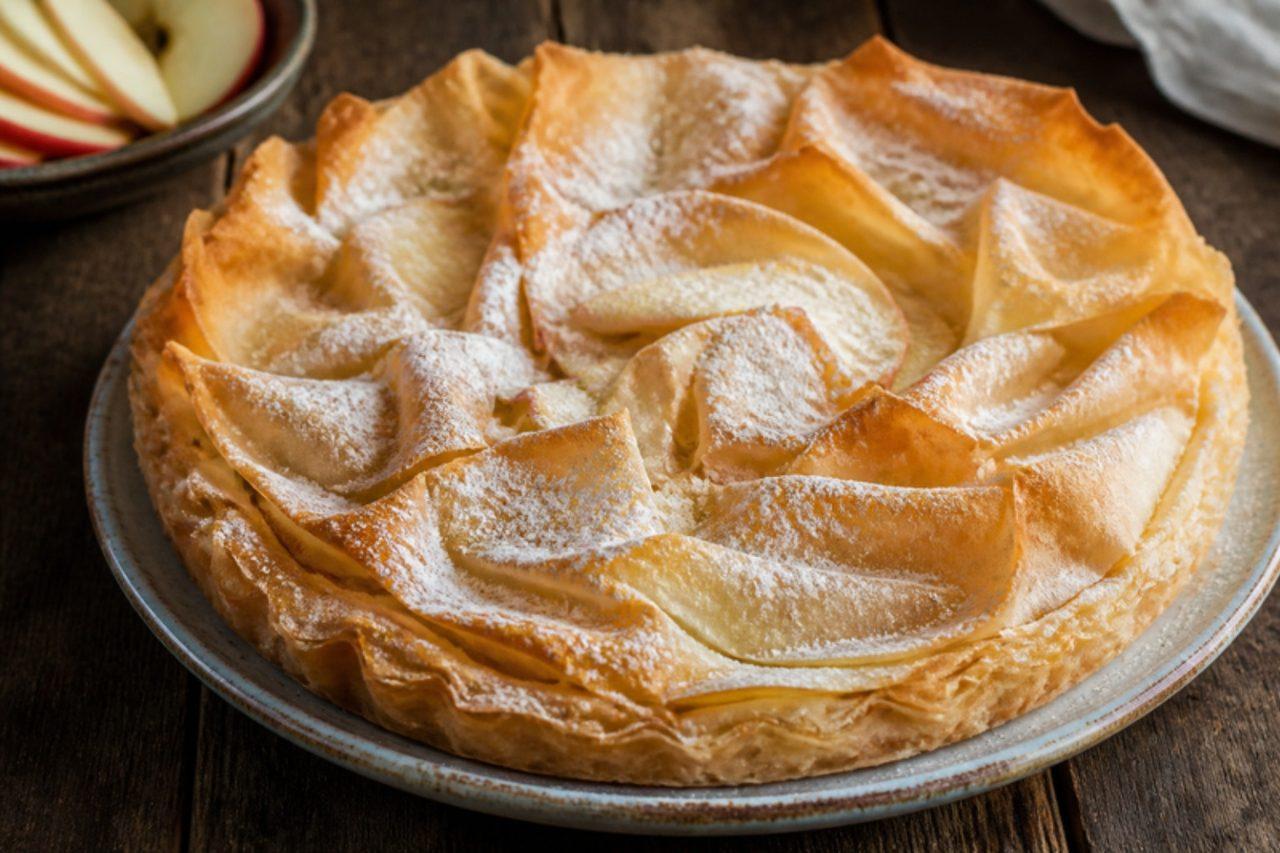
In the Gers and the Lot-et-Garonne, grandmothers once stretched pastis dough over the kitchen table until it was thin enough to read a newspaper through, then layered it with apples and butter into a crackling, golden dome. Called pastis in Gascony and croustade in Quercy, it is served at Sunday lunch, weddings and village fêtes. The apples are traditionally soaked in Armagnac, the local brandy; this home version uses filo pastry and gives an alcohol-free soak of apple juice and orange flower water, with Armagnac as the option. Chef's tip: scrunch the top sheets loosely like crumpled silk; the folds turn into the crisp, shattering crown.

by KrazyBadal 0 views

Loobia polo

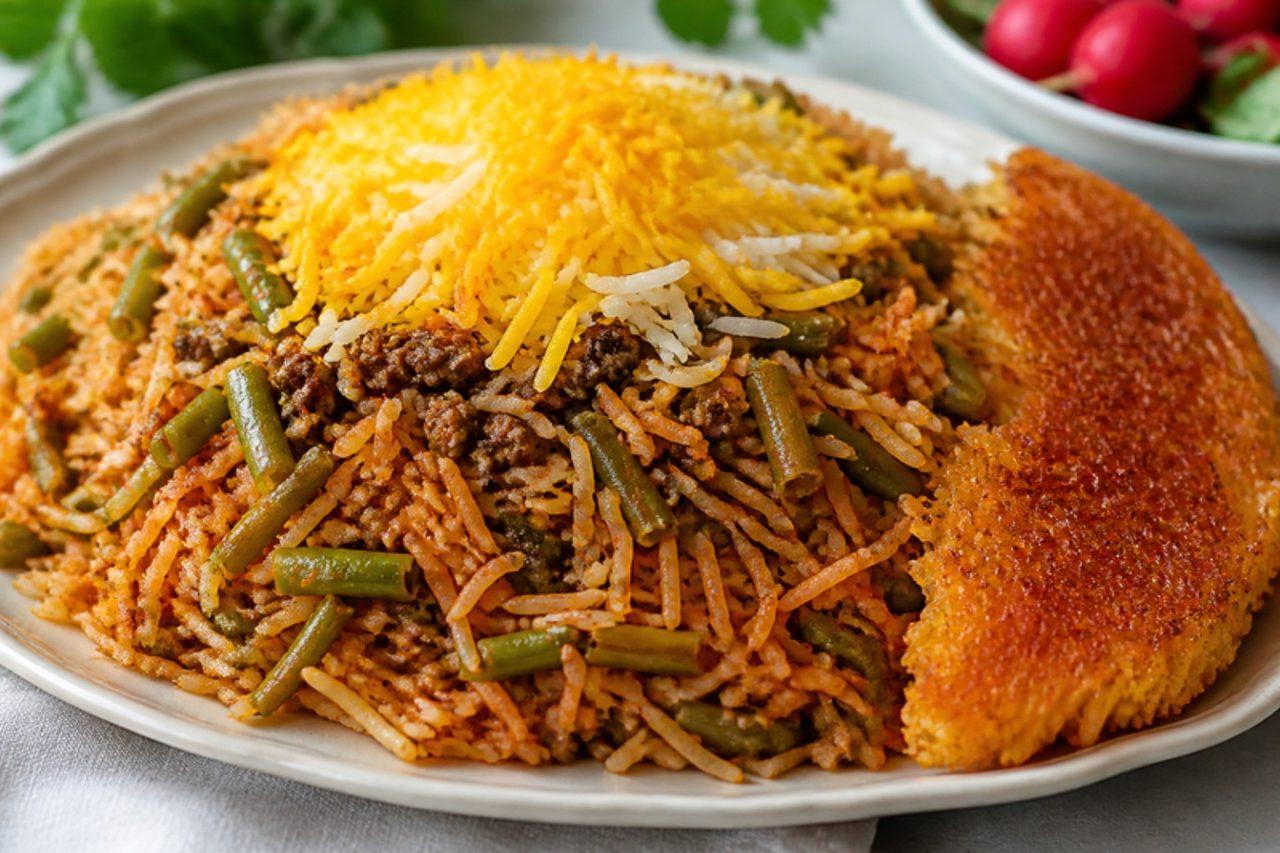
Loobia polo is a weeknight favourite in Tehran homes, the rice dish children ask for when they come home from school and the one packed for picnics on the slopes of Darband. Parboiled basmati is layered with a sauce of minced lamb or beef, short pieces of green bean, tomato paste and a warm hint of cinnamon, then steamed slowly until every grain is stained a soft orange and a crisp tahdig forms underneath. For a meat-free pot, swap the mince for diced potato and keep everything else the same. Serve with mast-o khiar, salad shirazi and torshi. A common mistake is adding the beans raw to the rice layers: brown them in the sauce first or they stay squeaky and pale. Chef's tip: let the tomato paste fry in the oil until it turns brick red before adding water; that is where the deep, sweet flavour comes from.

by KrazyBadal 0 views

Tikin xic

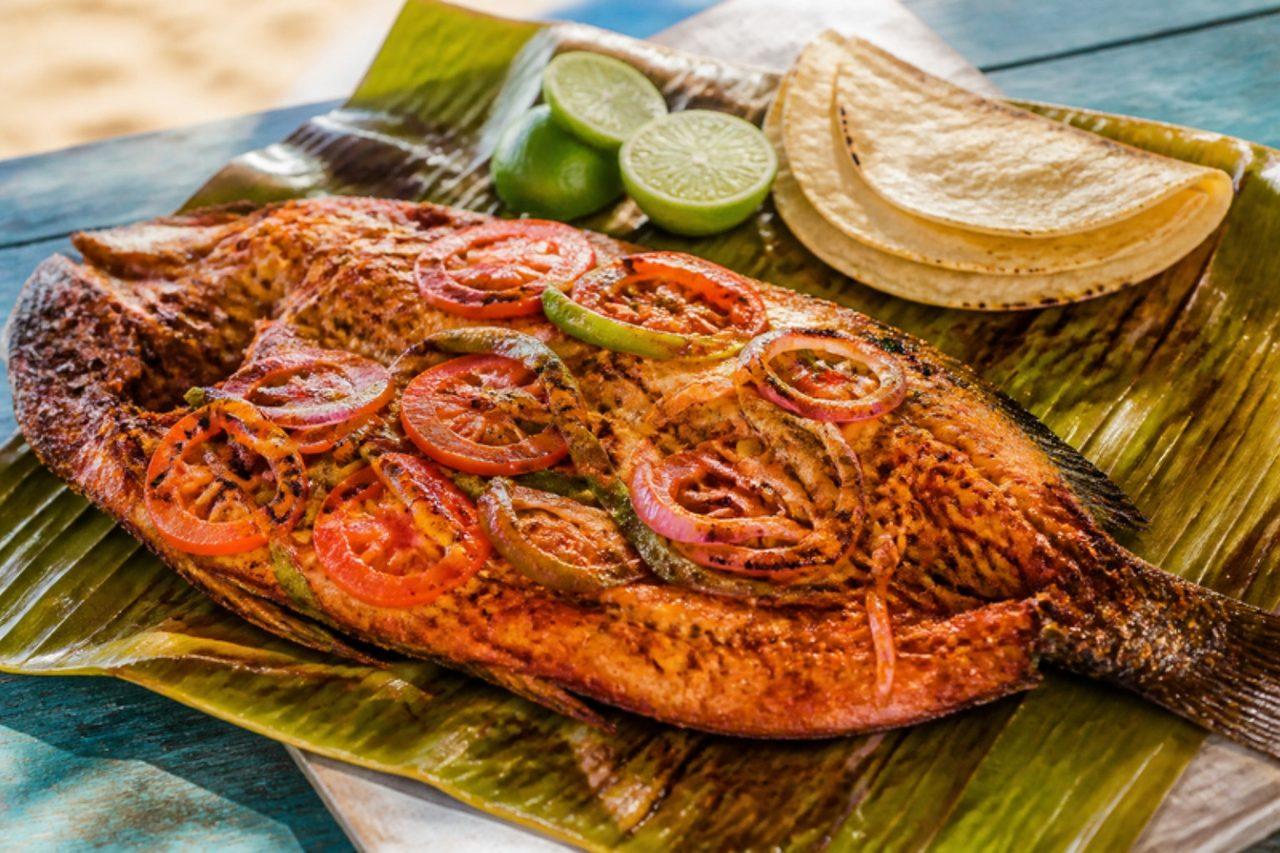
Beach restaurants on the coasts of Quintana Roo and Campeche cook tikin xic over charcoal: a butterflied whole fish, or thick fillets, rubbed with brick-red achiote and bitter orange, laid on banana leaves under tomato, onion and pepper and grilled until smoky. The flesh stays moist and turns a deep orange, tangy and earthy rather than hot. Seville orange is the traditional sour; orange and lime juice together stand in well. Serve it with corn tortillas, rice, pickled red onion and habanero salsa so everyone can make tacos at the table. Chef's tip: cook the fish skin side down without turning; the banana leaf protects it and keeps the achiote from scorching.

by KrazyBadal 0 views

Gol gav zaban

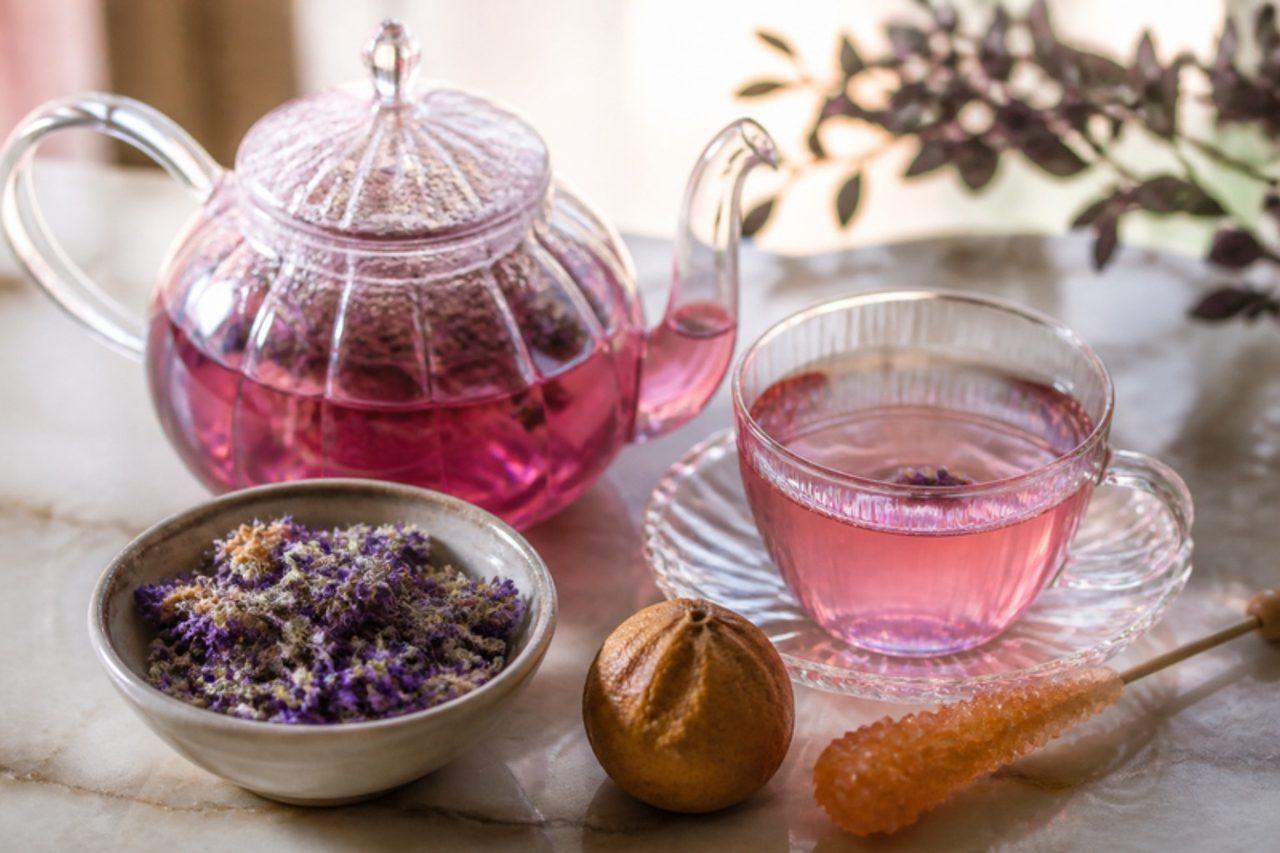
Gol gav zaban is the calming tea Iranians make on stressful evenings or when a cold is coming on, sold in bags of dried purple flowers by herbalists in the old bazaars of Tehran and Tabriz. Steeped in hot water it turns a dusky blue-brown, then flashes pink the moment lime juice goes in, which children love to watch. It is sipped with a stick of saffron nabat (rock sugar), sometimes with a few dried limes or a pinch of valerian. Persian borage contains small amounts of natural compounds that can strain the liver, so drink it only now and then, and avoid it if you are pregnant, breastfeeding or have liver problems. Chef's tip: steep below boiling and keep the pot covered so the gentle aroma doesn't escape.

by KrazyBadal 0 views

Tah-chin

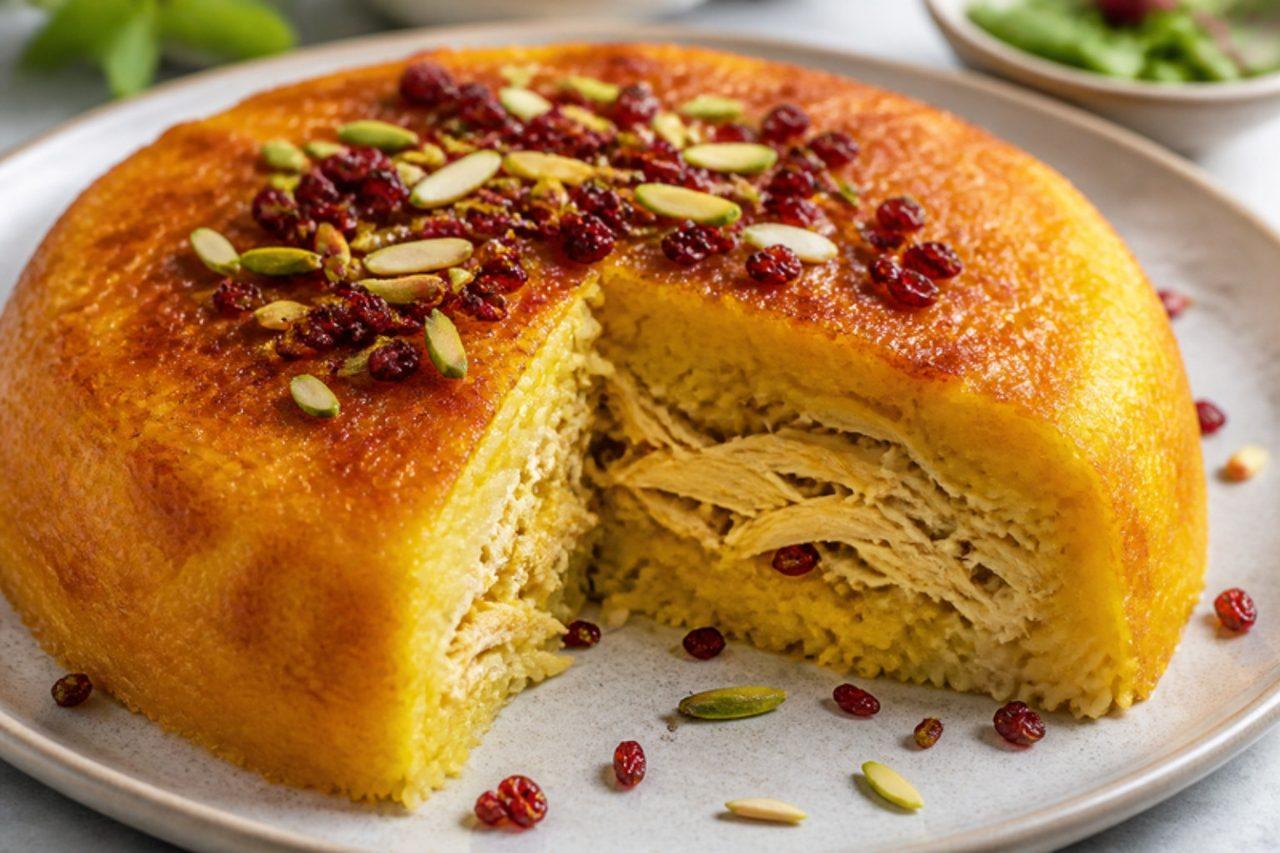
Tah-chin is the showpiece of a Tehran dinner party: a round cake of saffron rice set with yogurt and egg, turned out of its dish so the thick golden crust sits on top like a lid, with a layer of tender chicken hidden inside. Families make it for birthdays, Nowruz visits and any day guests are coming, and the barberries scattered over the top add tart red jewels. The crust should crack like a crisp biscuit while the rice inside stays soft. A common mistake is skimping on the resting time after baking; turned out too early, the cake slumps and the crust sticks. Chef's tip: marinate the cooked chicken in a spoon of the yogurt mixture while the rice boils, so the filling is as well seasoned as the rice.

by KrazyBadal 0 views

Sholeh Mashhadi

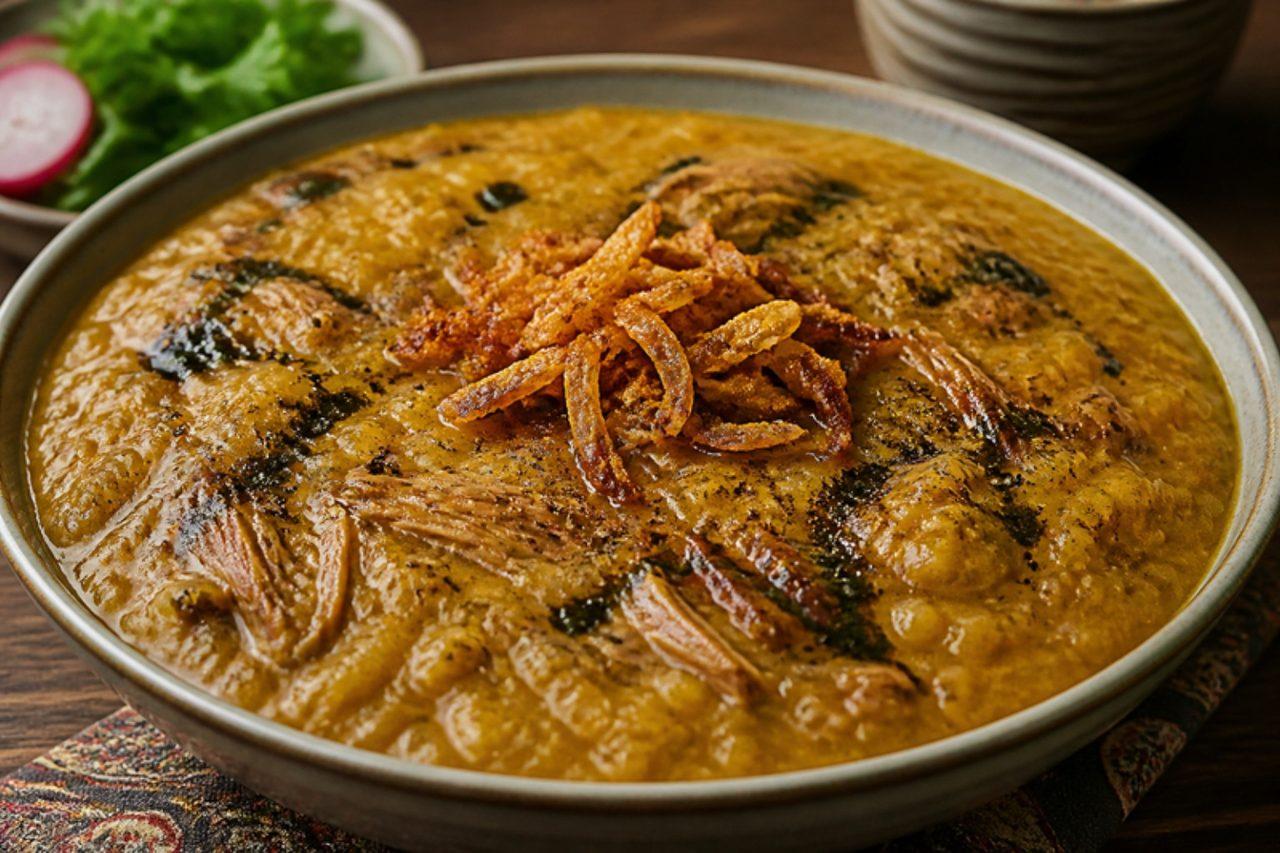
Sholeh Mashhadi is cooked in huge pots in Mashhad, the shrine city of Khorasan, and handed out to pilgrims and neighbours as nazri (a votive offering), especially during the month of Muharram. Wheat, rice, lentils, mung beans, chickpeas and lamb are cooked for hours with onion and spices, then beaten with a wooden paddle until everything melts into one thick, stretchy porridge, topped with fried onion, mint oil and a dusting of cinnamon. A home pot is smaller but follows the same rhythm. A common mistake is leaving it unstirred towards the end; the grains catch and burn, so stir and scrape the base every 10 minutes once it thickens. Chef's tip: cook the lamb on the bone first and shred it; the broth from the bones gives the porridge its body.

by KrazyBadal 0 views

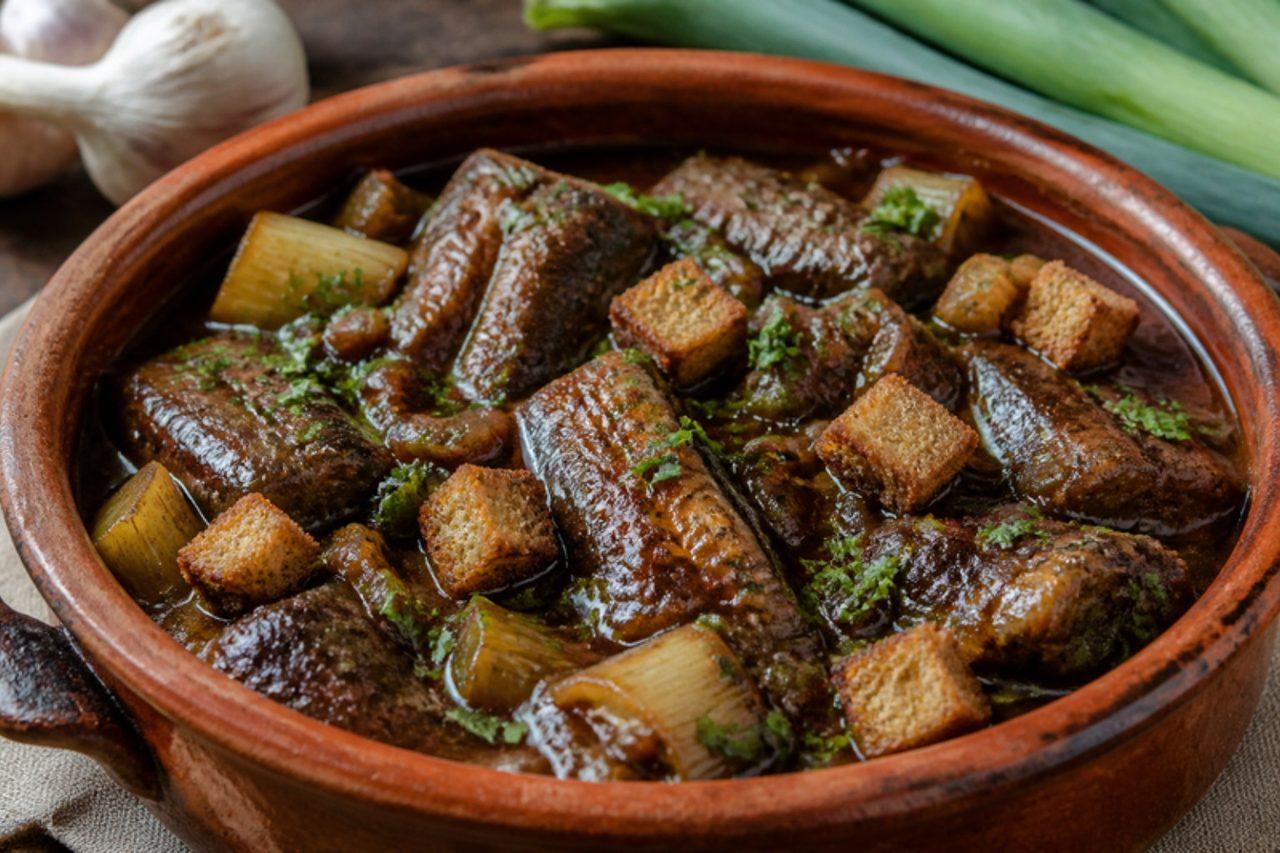
Lamproie à la bordelaise (with eel)

In the Gironde, the spring run of lampreys up the Garonne and Dordogne is celebrated in Sainte-Terre and the villages of the Entre-deux-Mers, where the fish is stewed slowly in red wine with masses of leeks. Lamprey is rare, seasonal and protected in many places, so this is a practical version made with eel (or firm monkfish), which gives the same rich, dark, glossy stew; traditionally the sauce is thickened with the lamprey's own blood, and here a little roux and a square of dark chocolate do that job. It tastes deep and winey, with sweet melting leeks. The dish uses red wine; the ingredient note gives an alcohol-free version. Serve with garlic croutons or boiled potatoes. Chef's tip: ask the fishmonger to skin and cut the eel, and keep it cold until the moment it goes into the sauce.

110 minFrenchFish
by KrazyBadal 0 views

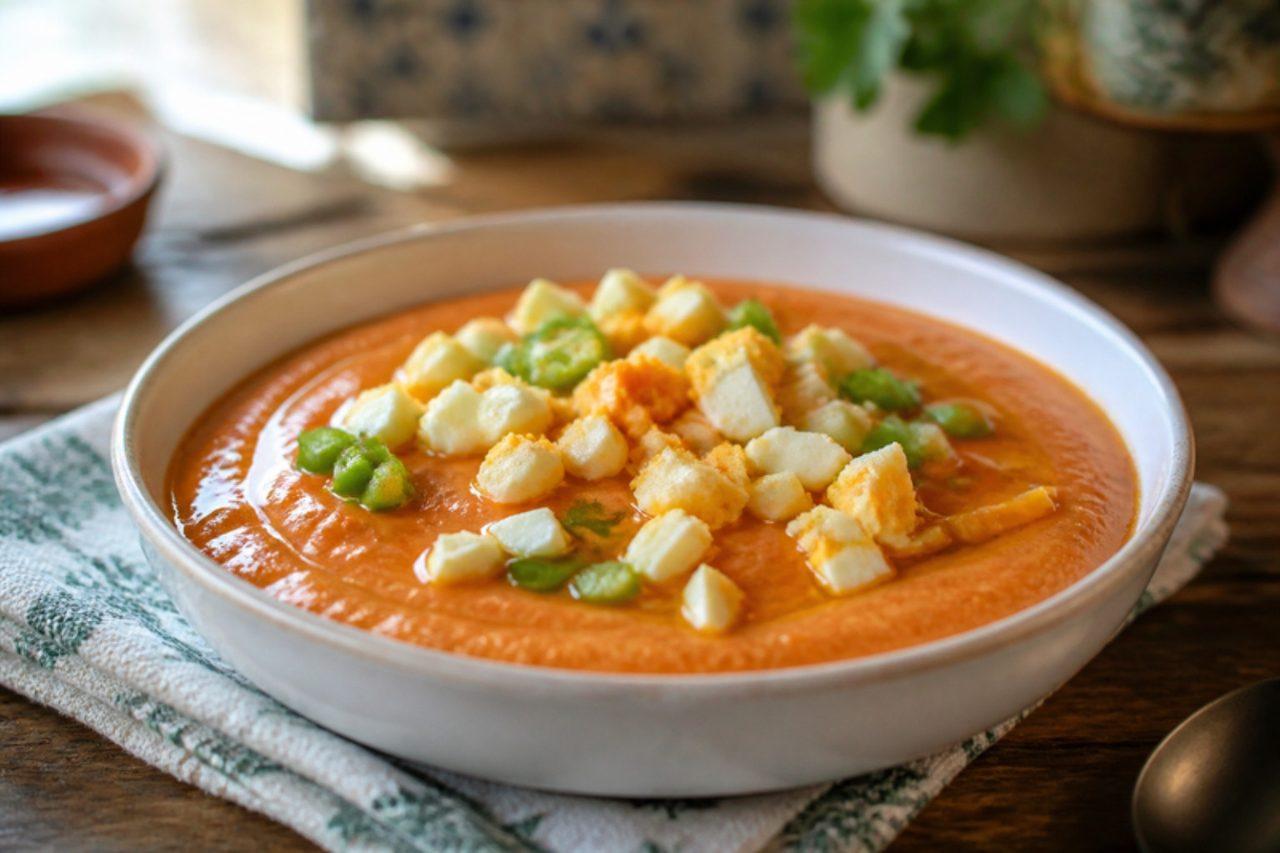
Porra antequerana

In Antequera, north of Málaga, porra comes to the table so thick that a spoon stands up in it, and bars in the old town serve it from May until the first autumn rains as a starter or a light supper. It is a cousin of salmorejo, but with green pepper and more garlic, and the town tops it with chopped egg and a thread of oil. Locally the garnish also includes tuna and cured ham; this version keeps it vegetarian with egg and diced pepper. A common mistake is thinning it with water to make it go further: porra should be spooned, never sipped. Chef's tip: use only the reddest, softest tomatoes of the summer, because a pale tomato makes a pink, flat-tasting porra however much oil you add.

by KrazyBadal 0 views

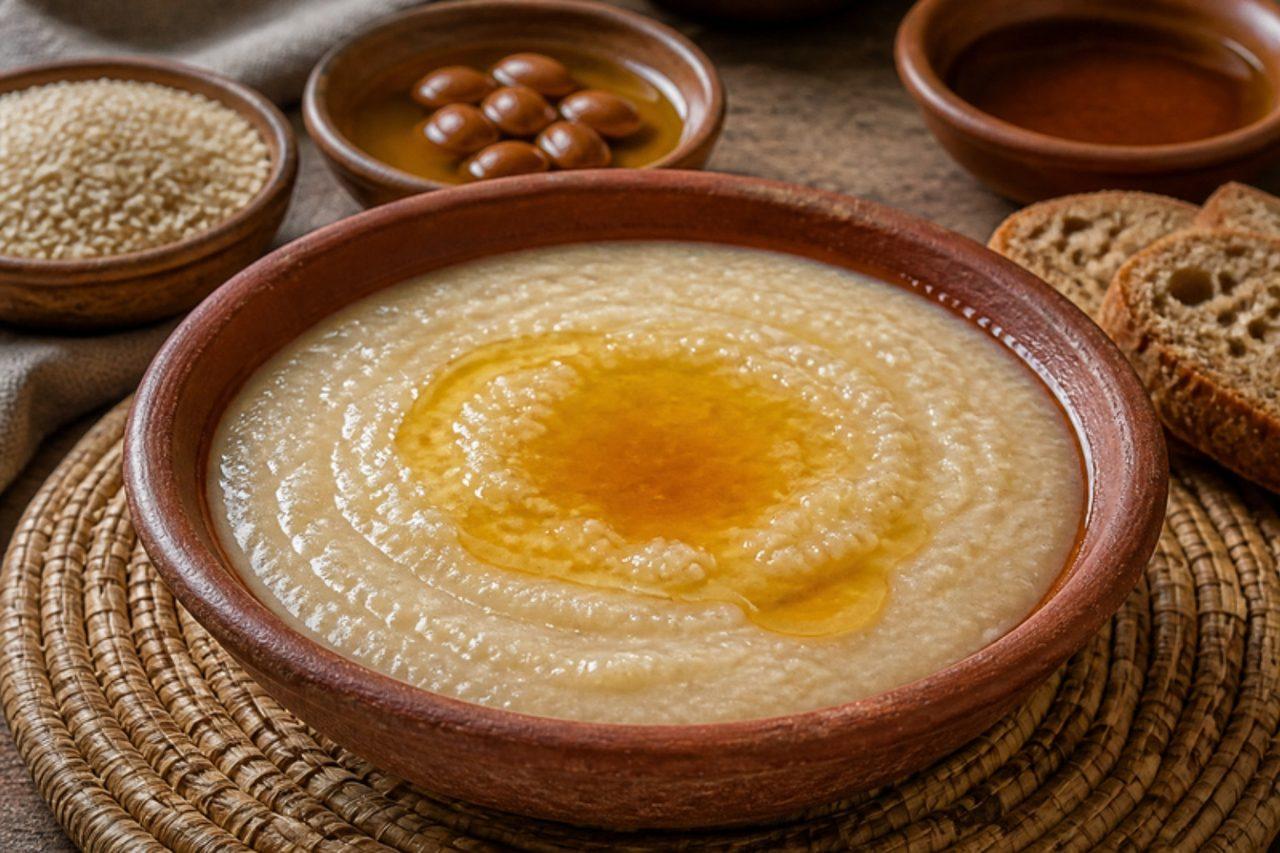
Tagoula (barley porridge with argan oil and honey)

Tagoula is mountain food from the Souss and the Atlas: coarse barley (or maize) cooked in salted water until it is thick enough to hold a shape, then turned into a shared dish, hollowed in the centre and filled with golden argan oil, honey and sometimes a spoon of smen. Families eat it for breakfast on cold days and it is a traditional dish for Yennayer, the Amazigh New Year in January. Everyone dips spoonfuls of the soft, nutty porridge into the pool of oil and honey, so each bite is sweet, savoury and rich at once. Outside Morocco, a roasted walnut oil is the closest stand-in for culinary argan oil. Chef's tip: pour the grits into boiling water in a thin stream while beating with a wooden spoon; dumping them in at once is the usual mistake and leaves lumps.

by KrazyBadal 0 views

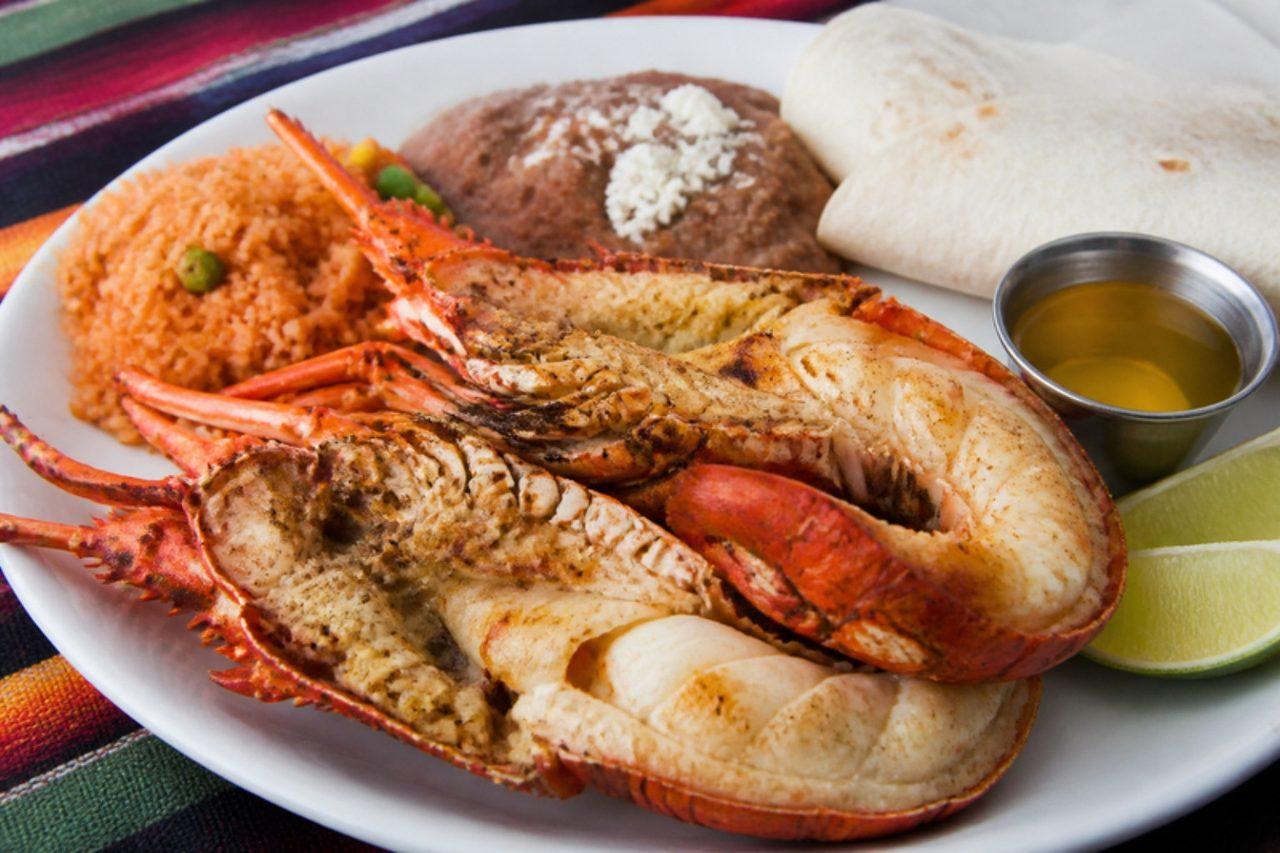
Langosta estilo Puerto Nuevo

In the fishing village of Puerto Nuevo, south of Rosarito on the Baja coast, dozens of family restaurants serve lobster the same way: split in half, fried in hot pork lard until the shell blisters and the flesh is sweet and just firm, then brought to the table with refried beans, red rice, salsa, melted butter, lime and stacks of soft flour tortillas for making lobster tacos. The local lobster is the clawless spiny kind, but any lobster or raw lobster tails work; frozen raw tails are an easy route. Live lobsters should be bought from a reputable fishmonger, kept cold in the fridge under a damp cloth and cooked the same day. Chef's tip: fry the halves flesh-side down first and don't move them, so the meat gets a light golden crust.

by KrazyBadal 0 views

Tarte au sucre lilloise

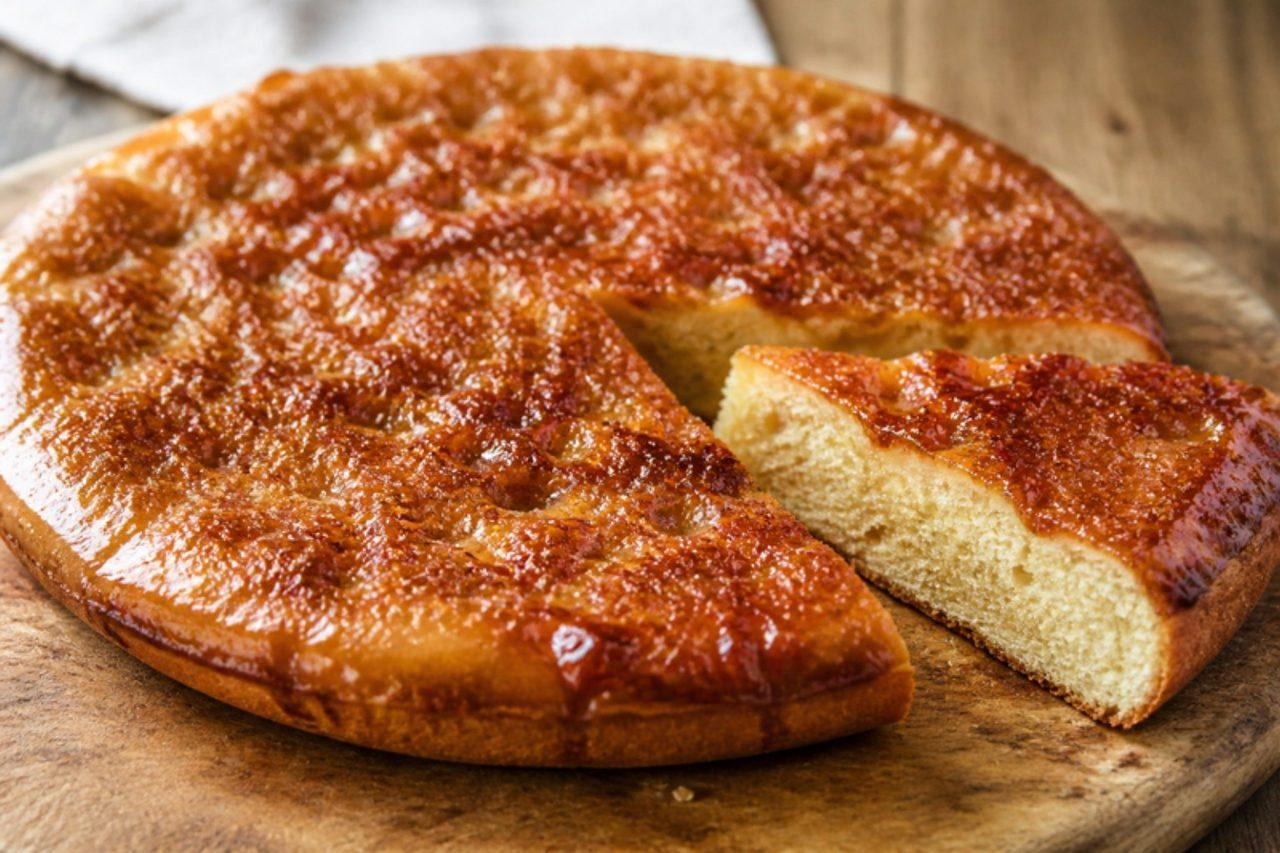
In Lille and across the Nord, a sugar tart is not pastry at all but a flat round of soft brioche dough, dimpled and covered with brown cassonade sugar, butter and a little egg and cream, which bakes into a sticky, caramelised top over a fluffy base. Families buy it from the boulangerie for Sunday breakfast and goûter, or bake one when guests come for coffee. The Nord's own beet sugar, vergeoise, gives it a deep, almost molasses flavour; soft dark brown sugar is the closest swap. Chef's tip: press deep dimples into the risen dough with your fingertips before adding the topping; the sugar and cream collect in them and bake into little pools of caramel.

by KrazyBadal 0 views

Kig ha farz

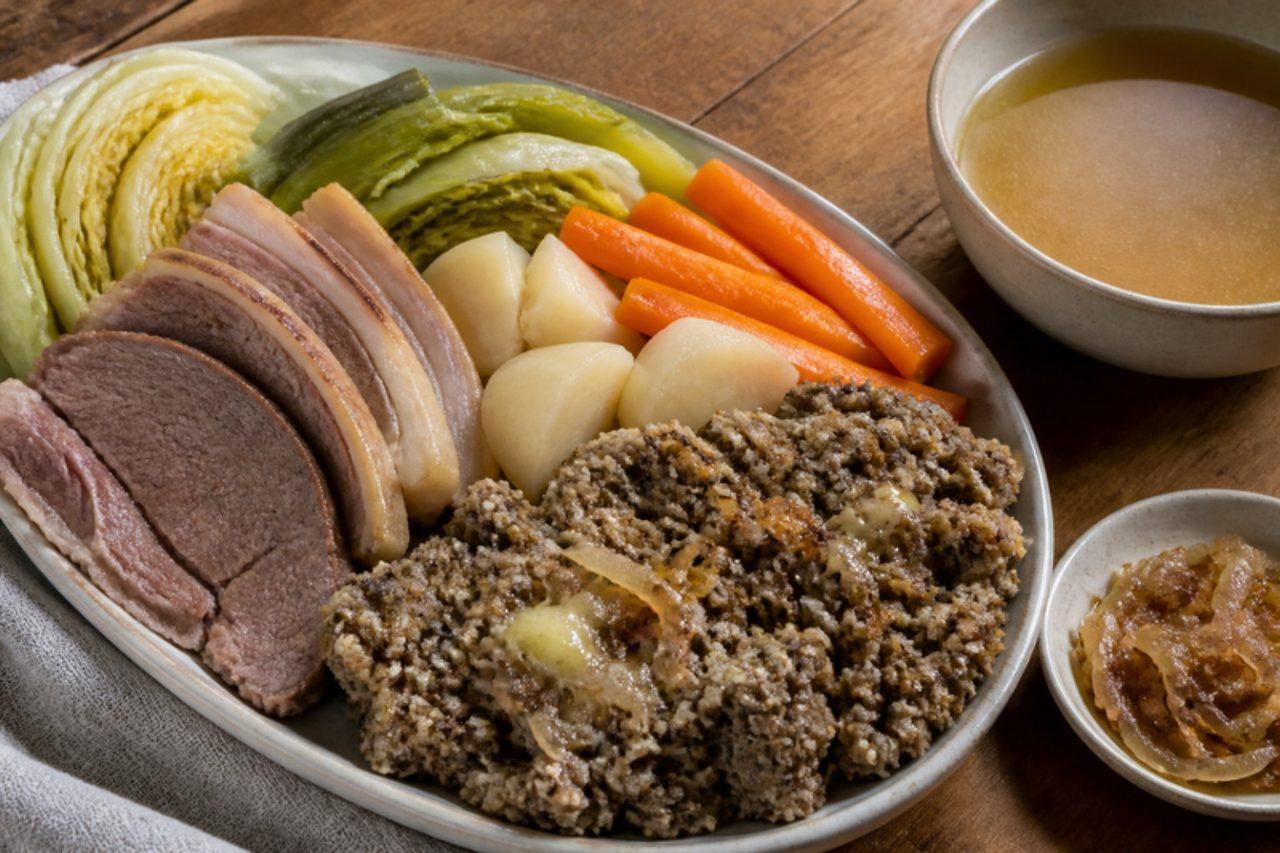
Kig ha farz, "meat and stuffing" in Breton, belongs to the Léon country of north Finistère, where it is still the big shared dish of village fêtes, rugby-club dinners and family gatherings. Beef shin and salt pork belly simmer for hours with cabbage, carrots, leeks and turnips, and in the same pot sits a cotton bag of buckwheat batter that cooks into a dense, nutty pudding. The pudding is crumbled and served with the meats and vegetables, often with lipig, a sauce of shallots melted in butter. Chef's tip: tie the cloth bag loosely, leaving room for the batter to double, or the pudding turns heavy and rubbery.

250 minFrenchMeat
by KrazyBadal 0 views

Albaloo polo

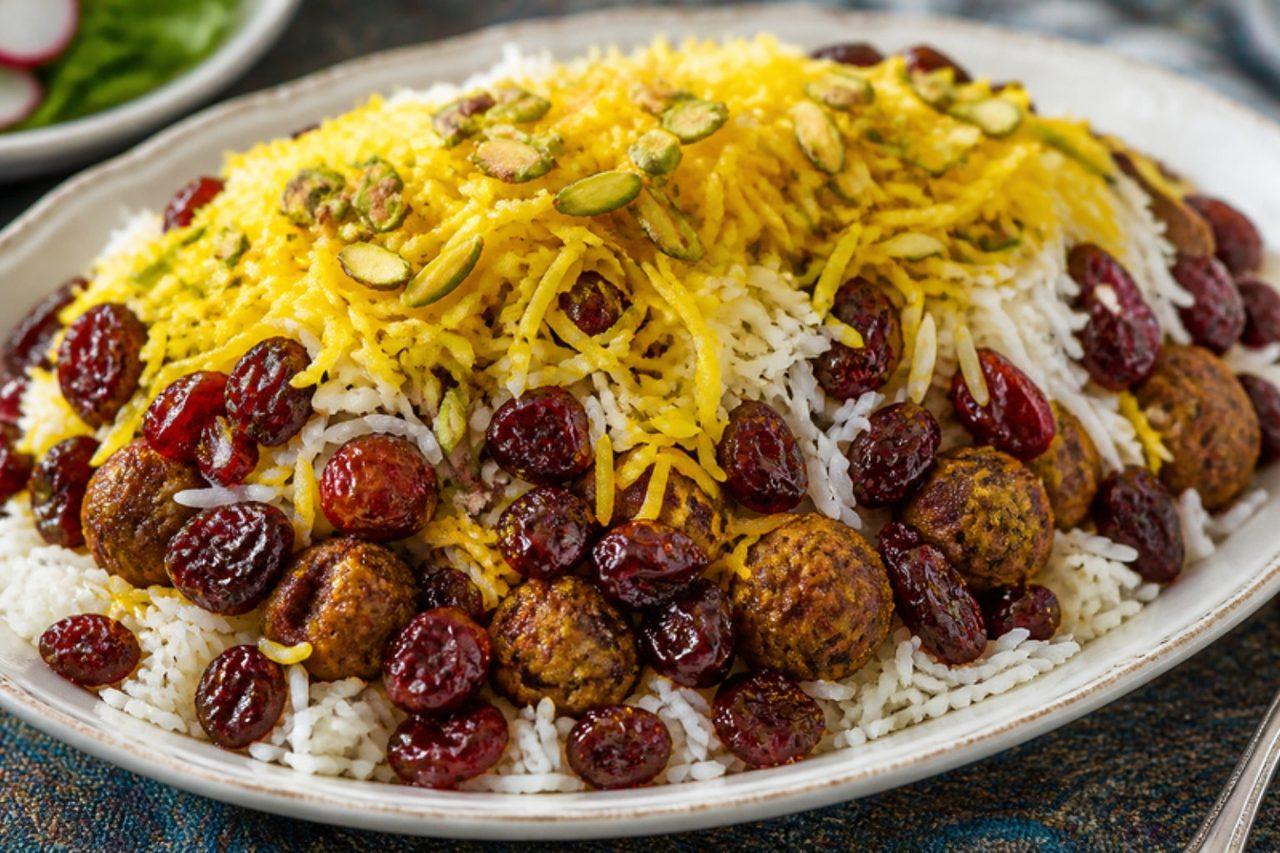
In early summer the markets of Tehran fill with dark sour cherries, and many families cook a pot of albaloo polo the same week, also bringing it out for weddings and Yalda night because the red-and-gold rice looks so festive. The cherries are simmered into a glossy syrup, then layered through basmati with marble-sized lamb meatballs (some cooks use shredded chicken instead), and the whole pot is steamed until the rice turns pink and fragrant. The taste is sweet, sharp and savoury at once. A common mistake is pouring in all the syrup; it makes the rice soggy, so keep some back to drizzle at the table. Chef's tip: frozen or jarred pitted sour cherries in light syrup work well out of season; drain them and use half the sugar.

by KrazyBadal 0 views

Thüringer Rostbrätel

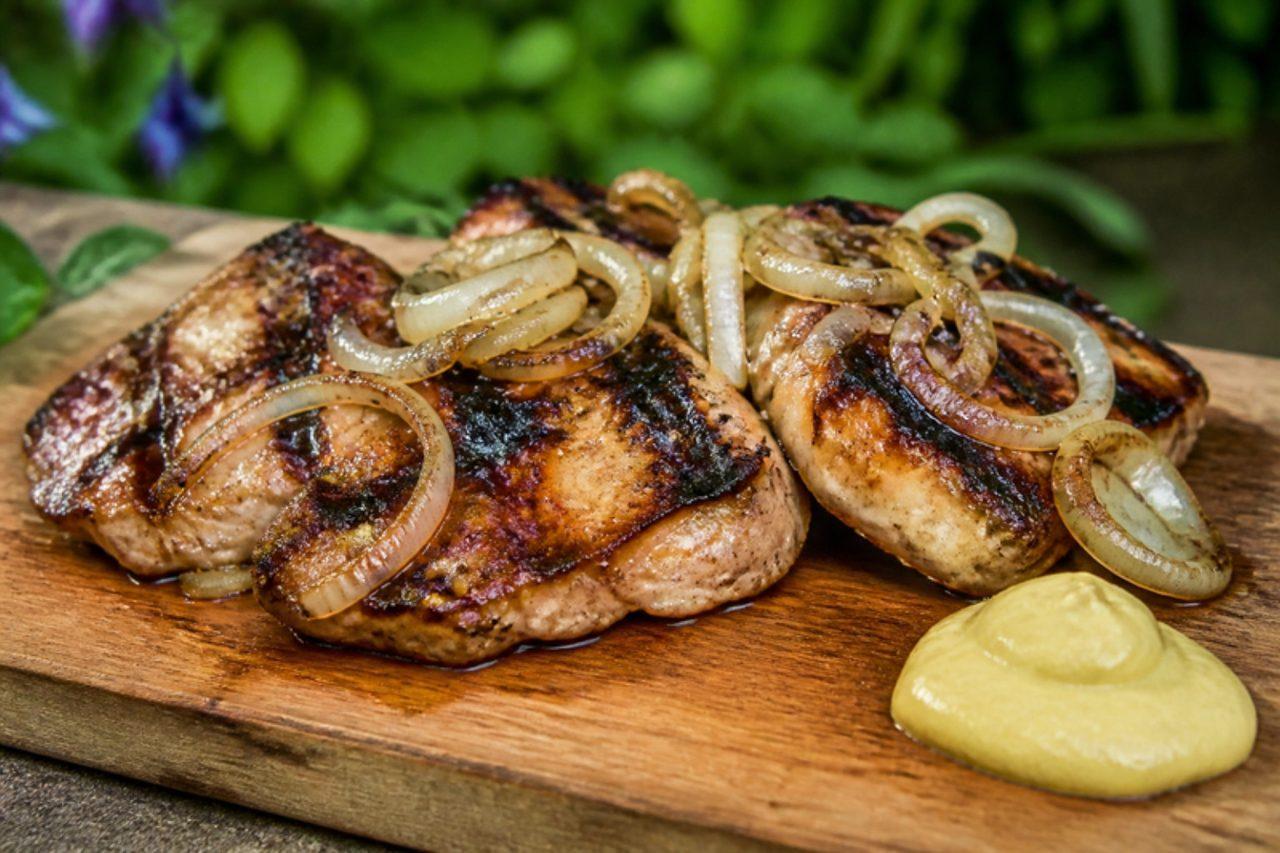
In Thuringia, a summer garden party or village fair isn't complete without a Rost, the charcoal grill, loaded with Rostbrätel: pork neck steaks that have spent a night in mustard and plenty of sliced onion. The fat in the neck keeps the meat juicy over the coals, and the onions from the marinade are fried and piled on top, with rye bread on the side. Many Thuringian grillers splash beer over the meat while it cooks; this version needs no alcohol. Chef's tip: scrape most of the onion off before grilling, as it burns on the coals; fry it separately instead.

35 minGermanMeatGluten free
by KrazyBadal 0 views

Steirische Kürbiscremesuppe

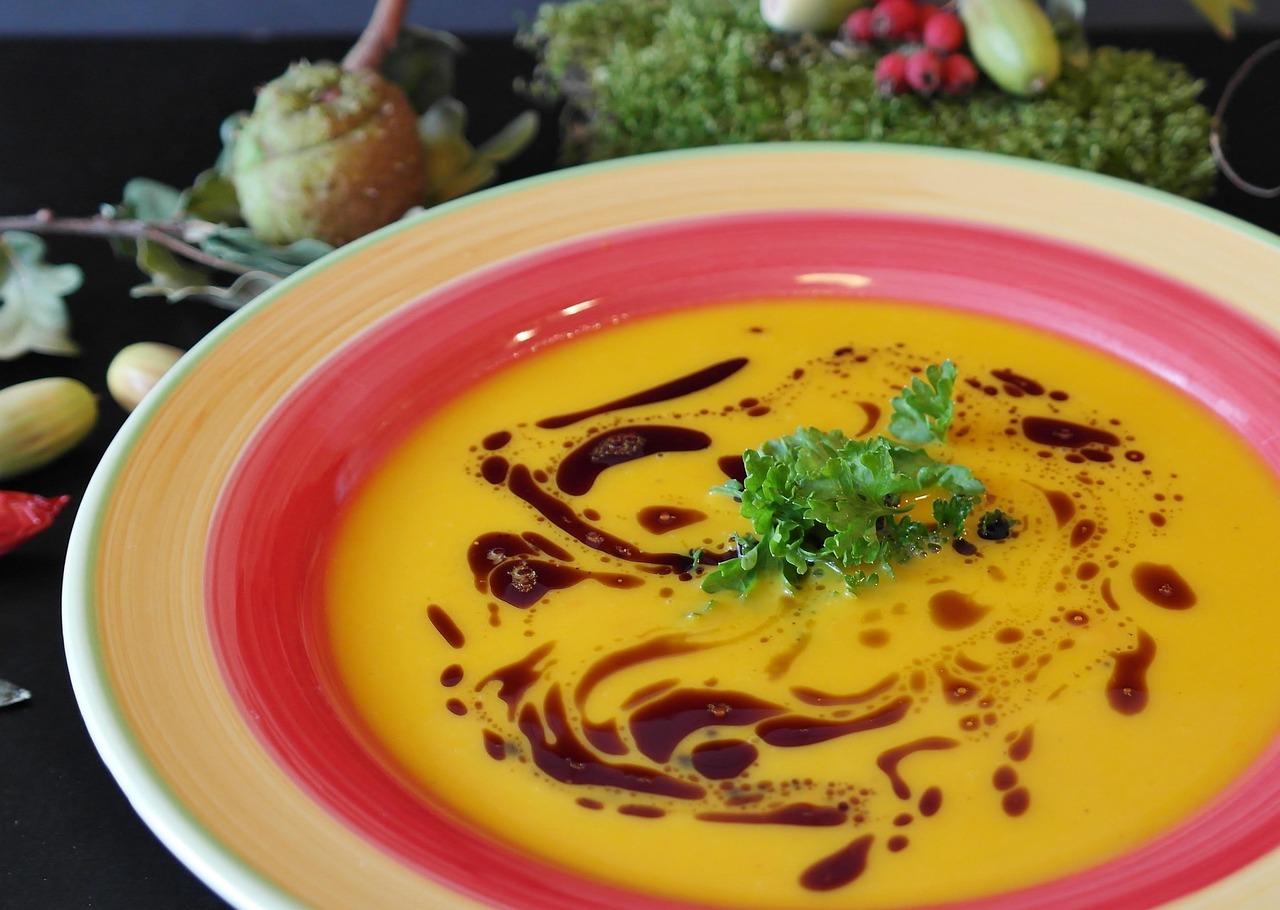
When the pumpkin fields of Styria turn orange in October, every inn from Graz to the Slovenian border puts this soup on the board. It is velvety and gently sweet, with a little nutmeg and a dash of vinegar for lift, and comes to the table with a swirl of almost black pumpkin seed oil and a scattering of toasted seeds. Serve it as a starter before a Sunday roast or with crusty bread for supper. A common mistake is boiling the soup hard after the cream goes in, which can split it and dull the colour. Check the stock if you need it gluten free. Chef's tip: toast the seeds dry in a pan until they puff and pop; it takes 3 minutes and doubles the nutty flavour.

by KrazyBadal 0 views

Furrundu

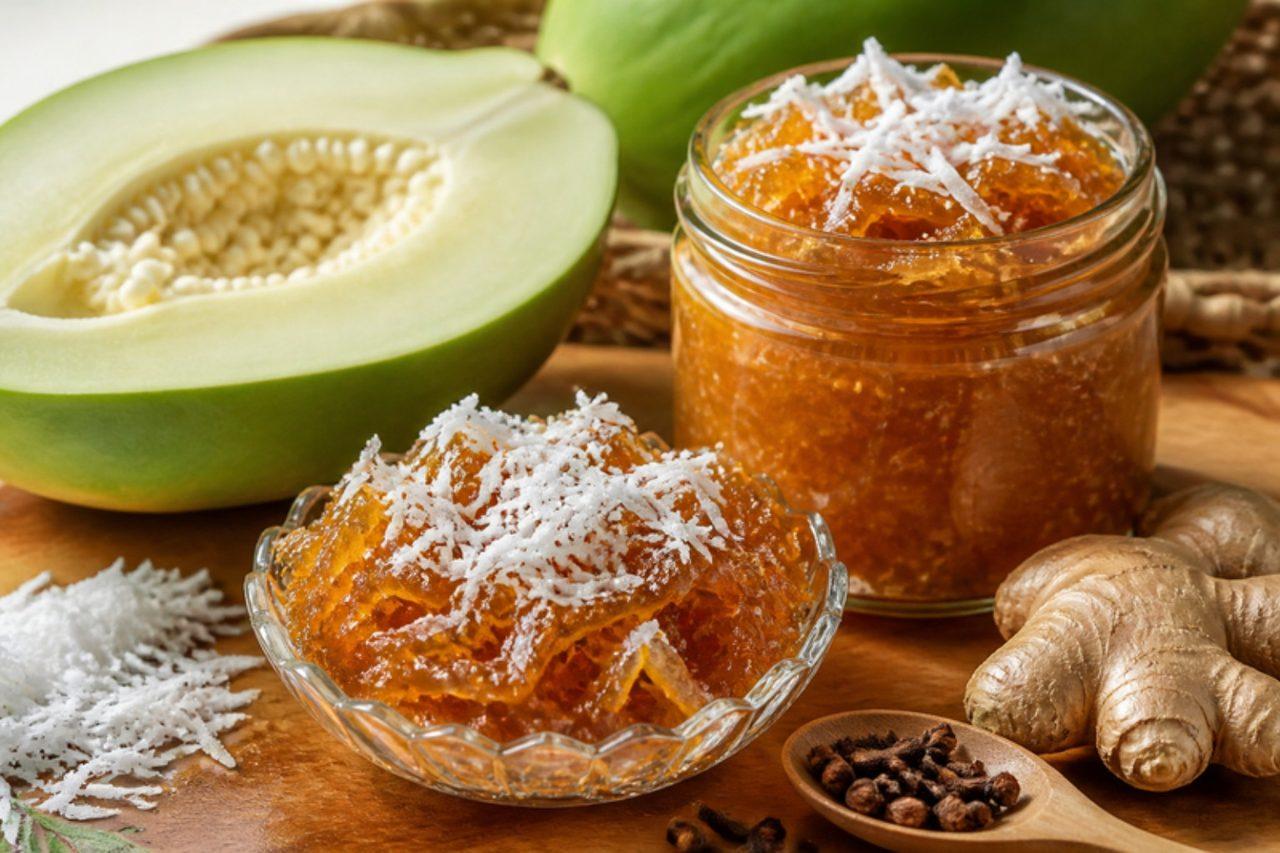
Cuiabá's grandmothers have a sweet for every fruit, and furrundu is the one that turns an unripe papaya into something special. The green fruit is grated, squeezed and cooked slowly with rapadura (dark unrefined cane sugar), fresh ginger, cloves and cinnamon until it is dark brown, sticky and chewy, with a warm spice that lingers. It is sold in small pots at Cuiabá's Mercado do Porto and at festas de santo in Mato Grosso, eaten by the spoonful with a slice of fresh cheese or on its own. The mistake to avoid is skipping the rinse: green papaya oozes a milky latex that tastes bitter and can irritate the skin, so wear gloves and wash the grated fruit well. Chef's tip: stop cooking when you can drag a spoon across the bottom of the pan and see the base for a second; it firms up a lot as it cools.

by KrazyBadal 0 views

Showing 18 of 6,261 recipes

Show more recipes

Page 269 of 696