
Skip to content
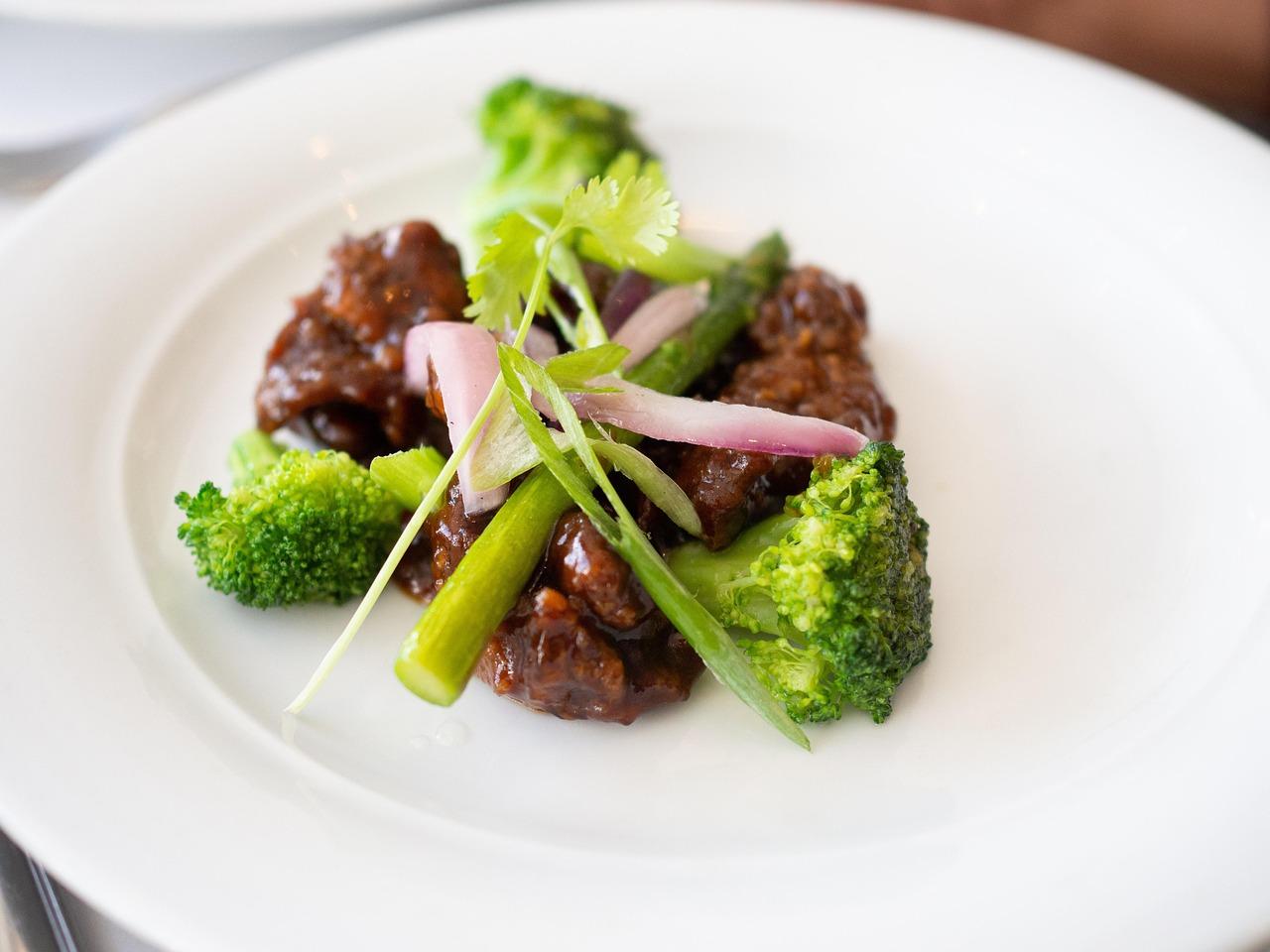
Beef and broccoli stir-fry
Featured recipe

Beef and broccoli stir-fry

A quick coat of cornflour and soy keeps thin slices of beef silky, and a hot wok gives the broccoli char without overcooking it. Faster than ordering in.

Read more 0 views
Can't decide?

What to eat today?

Spin the randomizer, search with what's already in your fridge, or browse recipes from our chefs.

Latest recipes

Huangshan braised pigeon

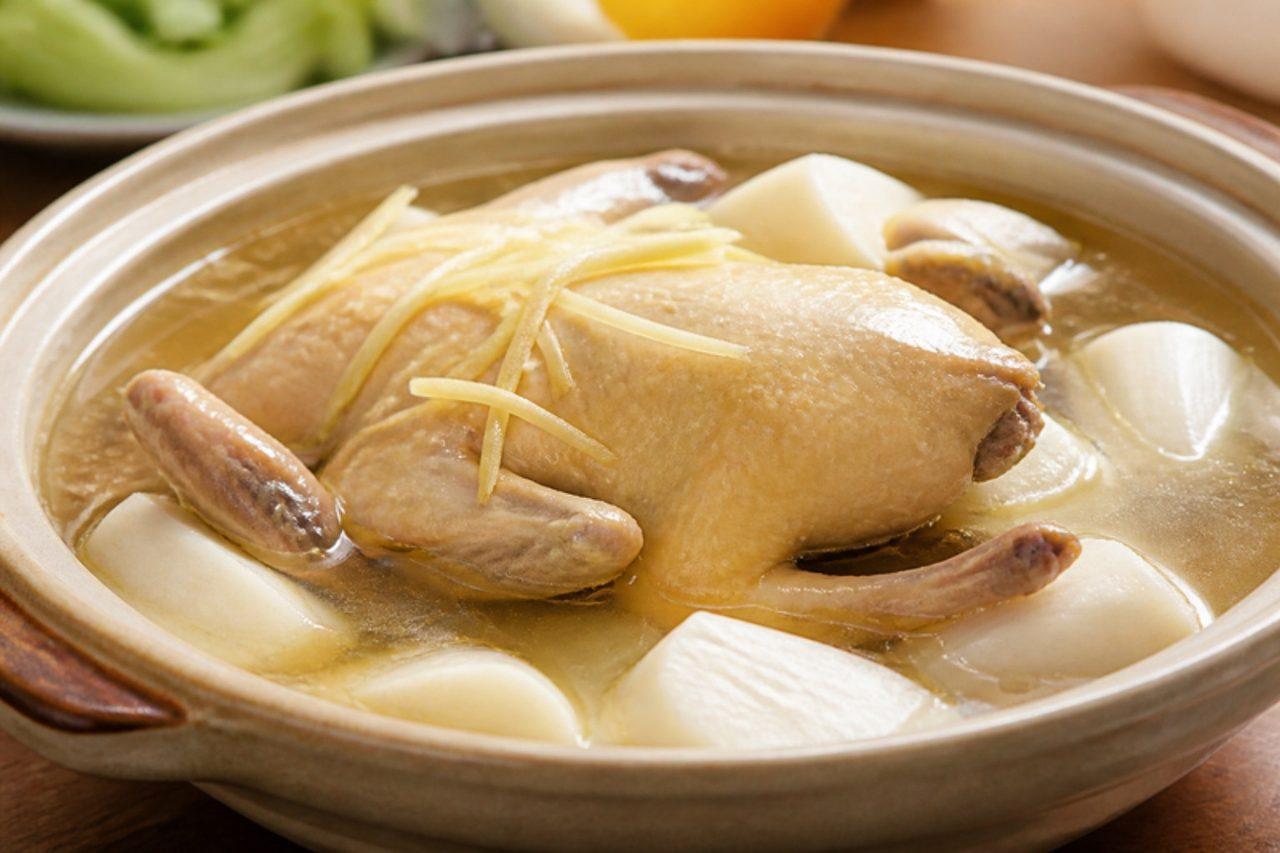
In the villages below the Huangshan mountains of Anhui, pigeon slowly stewed with Chinese yam in a clay pot is a classic nourishing dish, given to people recovering from illness and served to guests in cold weather. The broth is clear, light and gingery; the dark, rich squab turns tender enough to pull off the bone, and the yam goes soft and slightly creamy. Bring the pot to the table and eat the meat with rice, sipping the broth between mouthfuls. Squab is sold by good butchers and Asian grocers, often frozen. Chef's tip: wear gloves when peeling the yam; its sticky juice makes many people's hands itch.

120 minChineseMeatGluten free
by KrazyBadal 0 views

Kagoshima kurobuta shabu-shabu

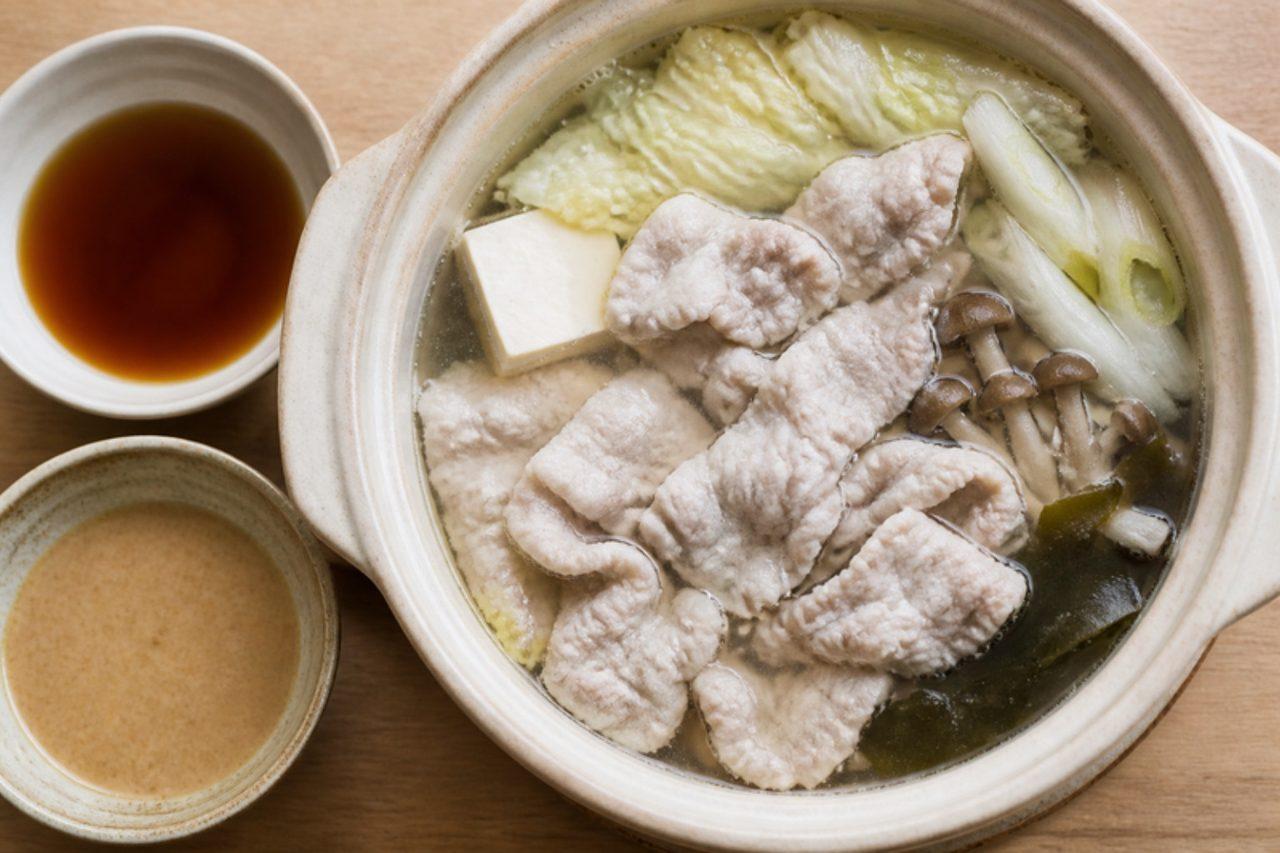
Kagoshima, at the southern tip of Kyushu, is known across Japan for kurobuta, black Berkshire pork raised on farms in the prefecture. The meat is sweet with soft, clean-tasting fat, and shabu-shabu restaurants in Kagoshima city serve it sliced paper-thin so diners can cook it themselves at the table. Any thinly sliced pork loin or belly works well at home; Asian grocers sell it frozen for hot pots. Each slice is swished through the simmering kombu broth, then dipped in tangy ponzu or creamy sesame sauce. Chef's tip: when the meat is finished, cook a handful of rice or noodles in the leftover broth; it has taken on all the flavour of the pork and vegetables.

by KrazyBadal 0 views

Chicken nanban

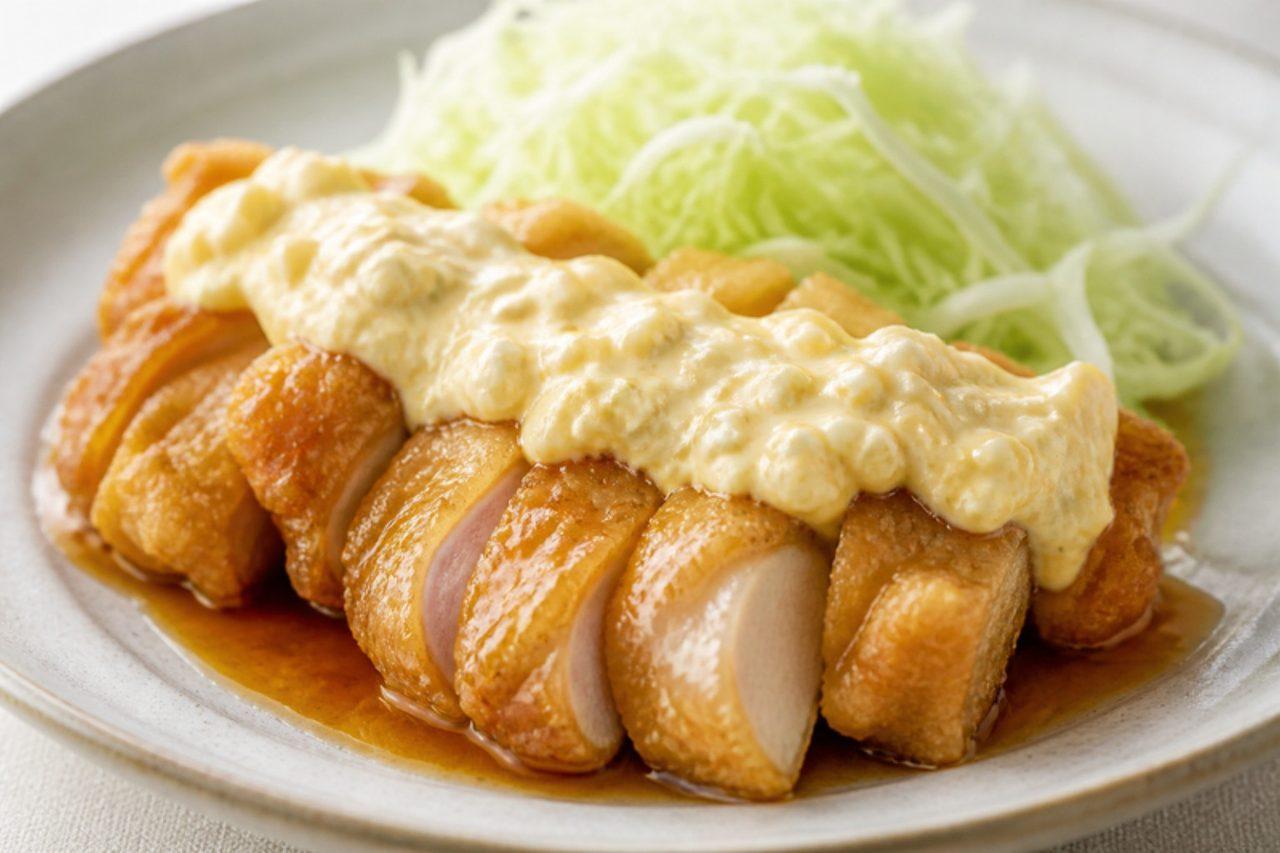
Chicken nanban comes from Miyazaki prefecture in Kyushu, where it was created in the city of Nobeoka in the mid 20th century as staff food at a Western-style restaurant. Today it is the region's best-known lunch set, served in diners all over Miyazaki with shredded cabbage, rice and miso soup. Chicken thighs are dipped in flour and beaten egg, fried golden, then briefly bathed in sweet soy vinegar and covered with a chunky egg tartar. The sharp vinegar and the rich tartar balance each other. Chef's tip: dip the hot chicken in the vinegar only for a few seconds per side; you want it seasoned, not soaked.

by KrazyBadal 0 views

Vermicelli in coconut (tambi ya nazi)

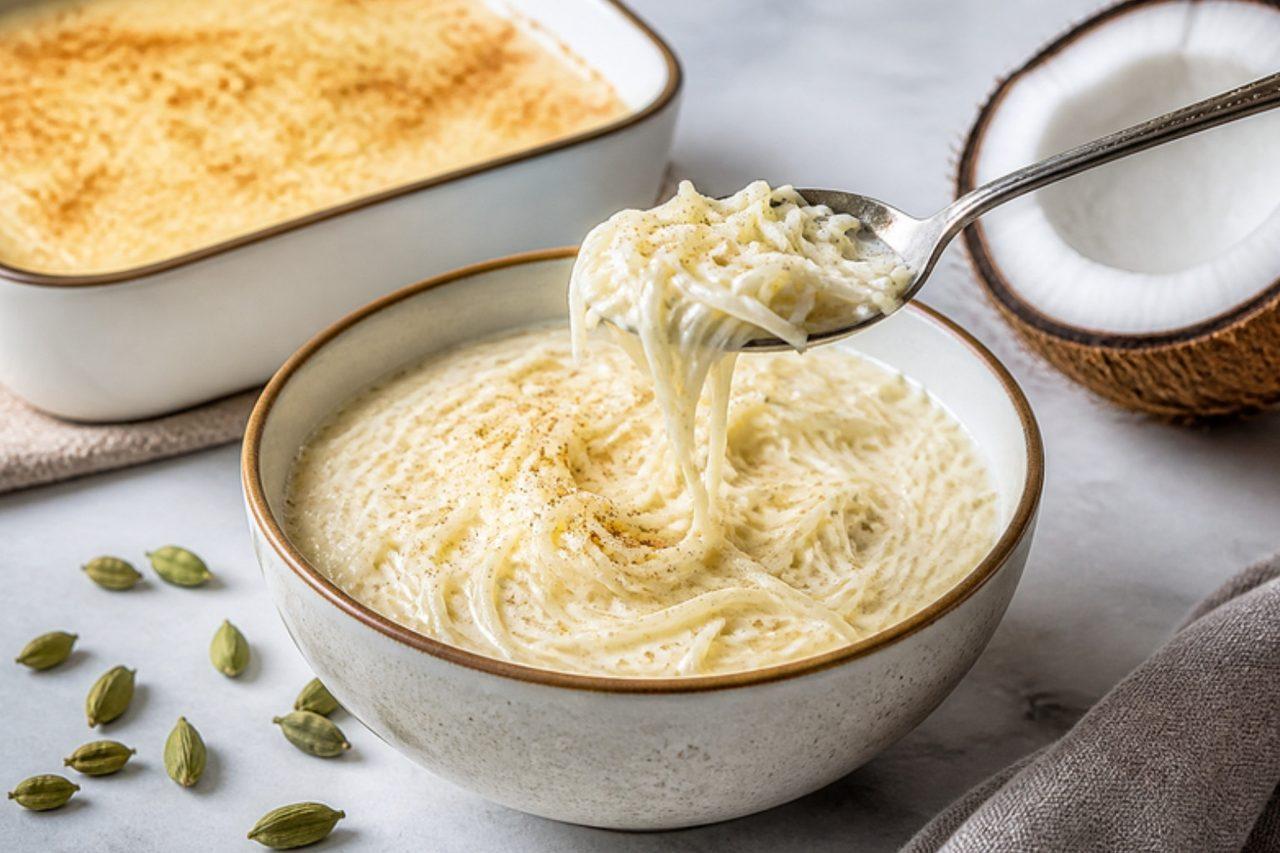
Tambi ya nazi: soft vermicelli stirred into sweetened coconut milk with crushed cardamom, then baked briefly so it sets lightly. It's creamy, gently sweet and fragrant, and is often made for Eid. Serve hot, sprinkled with more cardamom.

by KrazyBadal 0 views

Kumamoto ramen

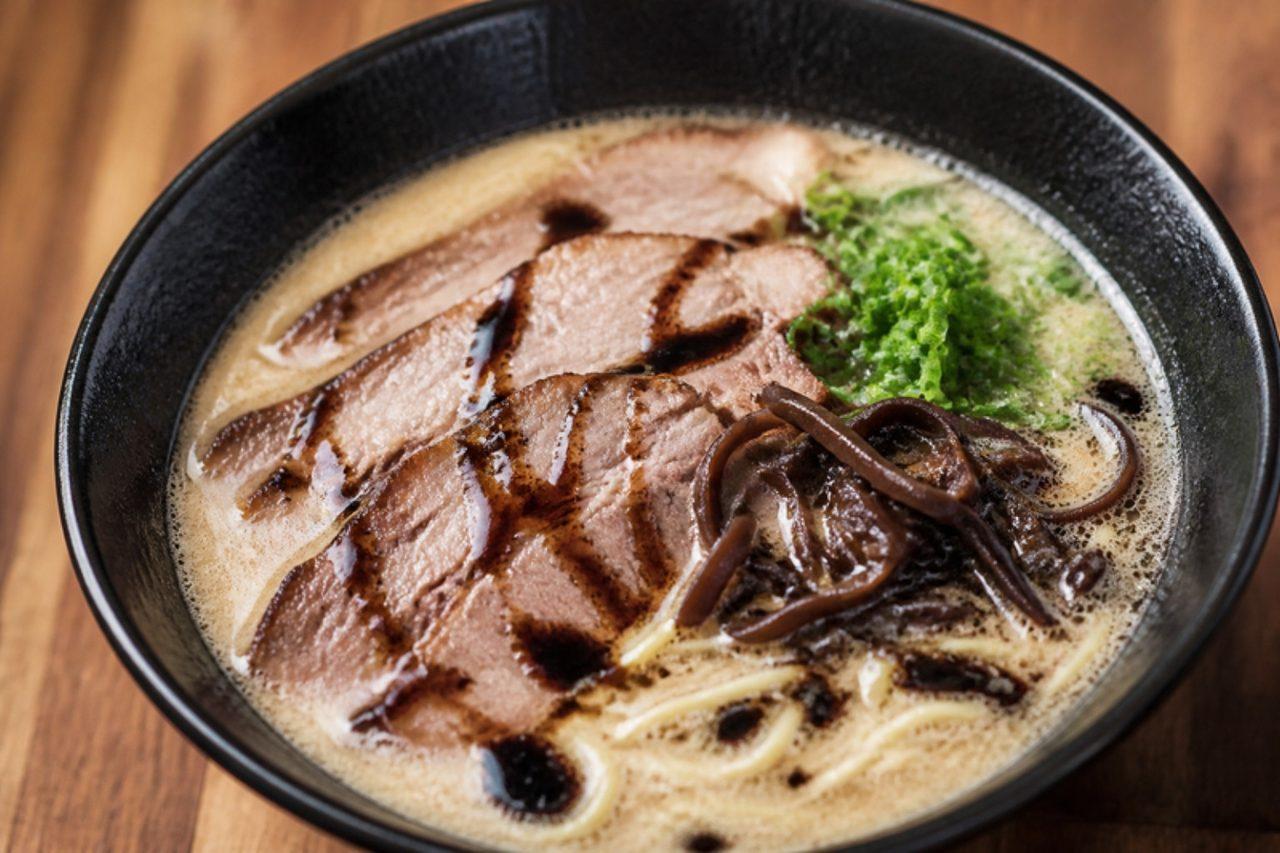
Kumamoto's ramen grew from the same Kyushu pork-bone tradition as Hakata's, but it took its own road. The broth blends pork bones with chicken for a rounder, milder soup, the noodles are thicker and firmer, and every bowl is finished with mayu, a black oil made by slowly burning garlic, plus a handful of crisp fried garlic chips. Ramen shops around Kumamoto city and its castle serve it with chashu, wood ear mushroom and a seasoned egg. This version is a long weekend project, but the mayu and the chashu can be made a day ahead. Chef's tip: make the mayu over low heat and keep stirring; the garlic must go slowly from gold to brown to black, which takes about 15 minutes.

by KrazyBadal 0 views

Gombapaprikás

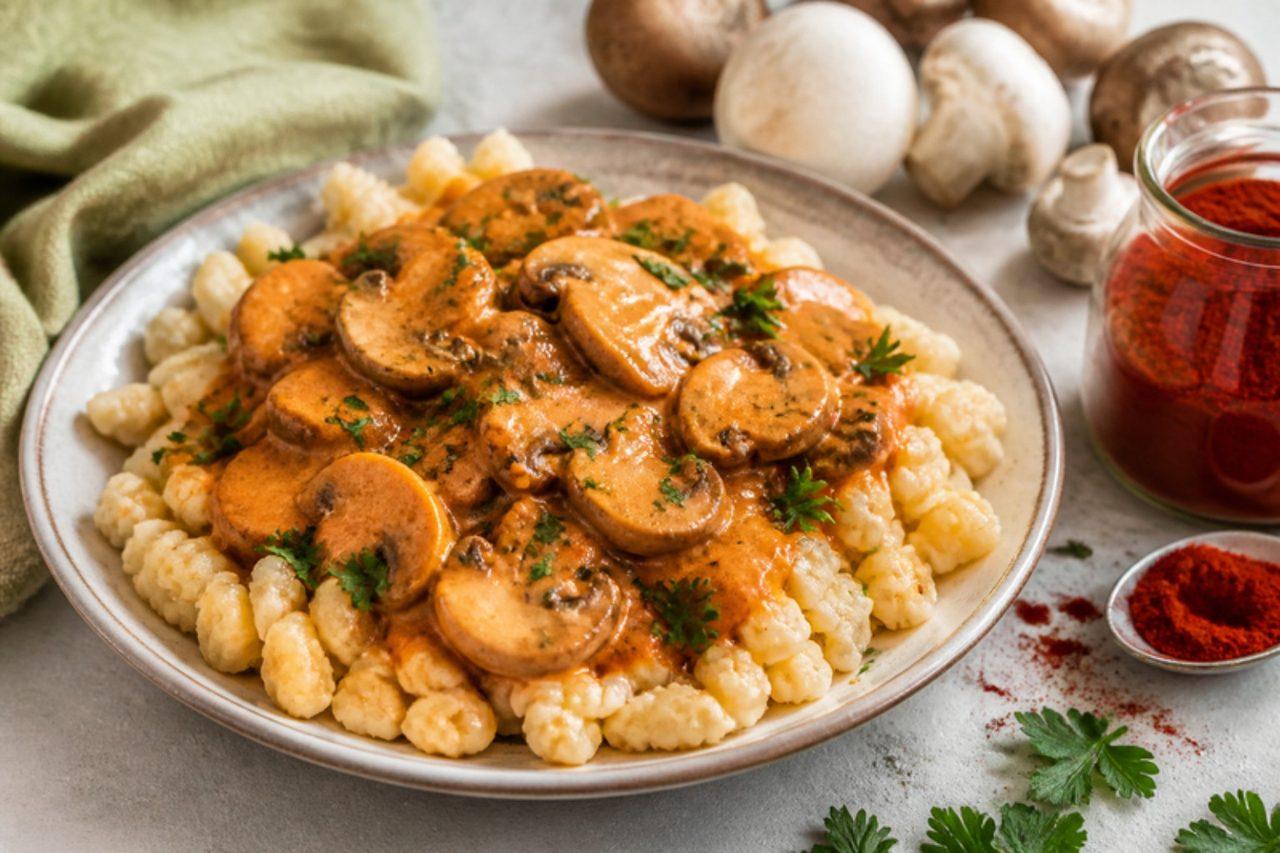
Gombapaprikás is the meatless cousin of chicken paprikás, cooked in Hungarian homes on Fridays and through Lent, and a regular on the vegetarian line of Budapest's self-service étkezde lunch rooms. Mushrooms simmer in onion, paprika and a little pepper and tomato, then the sauce is finished with sour cream until it turns a soft brick-pink. It is quick, rich and comforting, and nokedli are its natural partner, though rice or boiled potatoes work too. Chef's tip: brown the mushrooms in a hot pan in two batches before they meet the onions, so they fry instead of stewing in their own water and the sauce tastes deep rather than watery.

by KrazyBadal 0 views

Mangalorean kori rotti

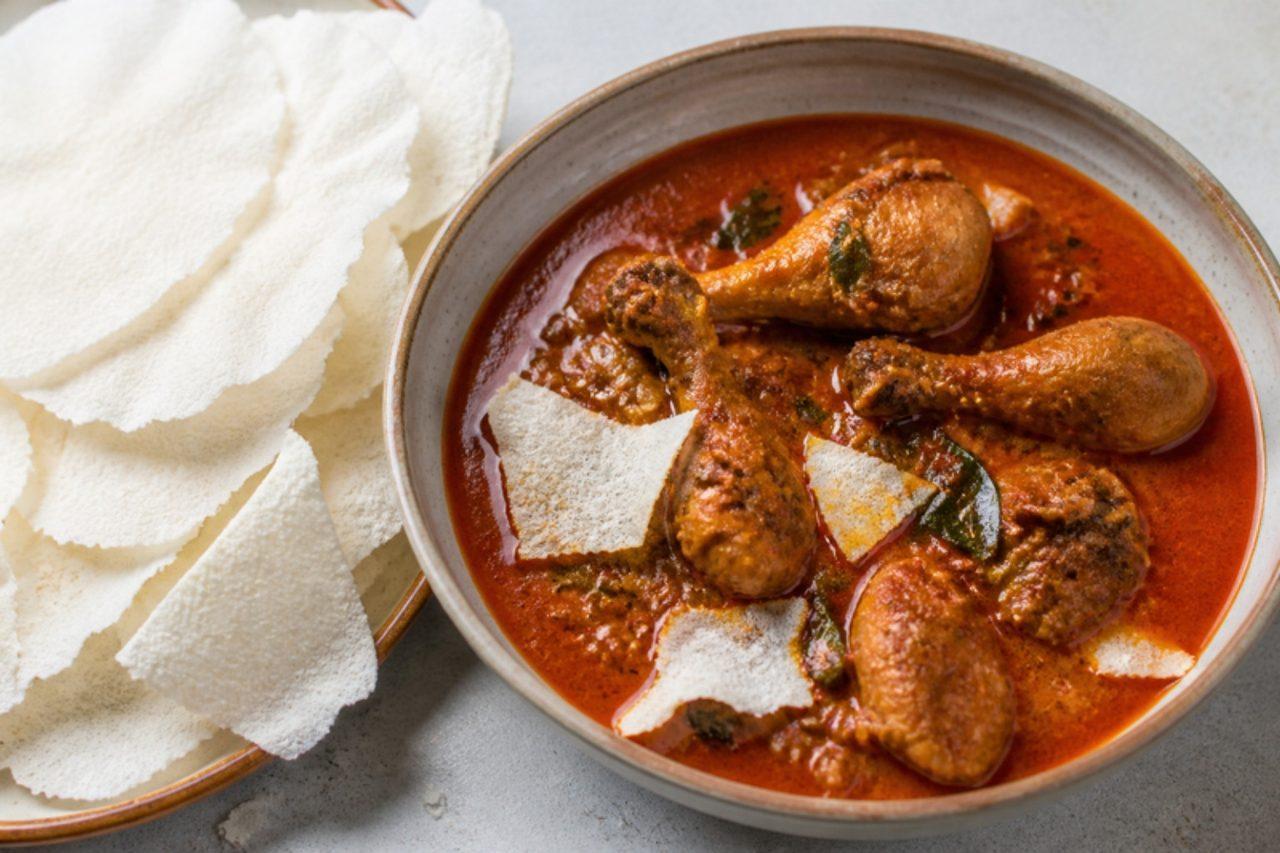
Kori rotti belongs to the Bunt community of Mangalore and Udupi, where it is cooked for weddings, the Aati festival and Sunday lunches. Kori is chicken, simmered in a thin, red coconut-milk gravy built on roasted Byadgi chillies; rotti are paper-thin dried rice wafers, bought in stacks and crumbled into the plate just before the curry goes over. They soften at the edges and stay crunchy in the middle. Chef's tip: pour the curry over the rotti only at the table; left to sit, the wafers turn to mush.

by KrazyBadal 0 views

Sai oua

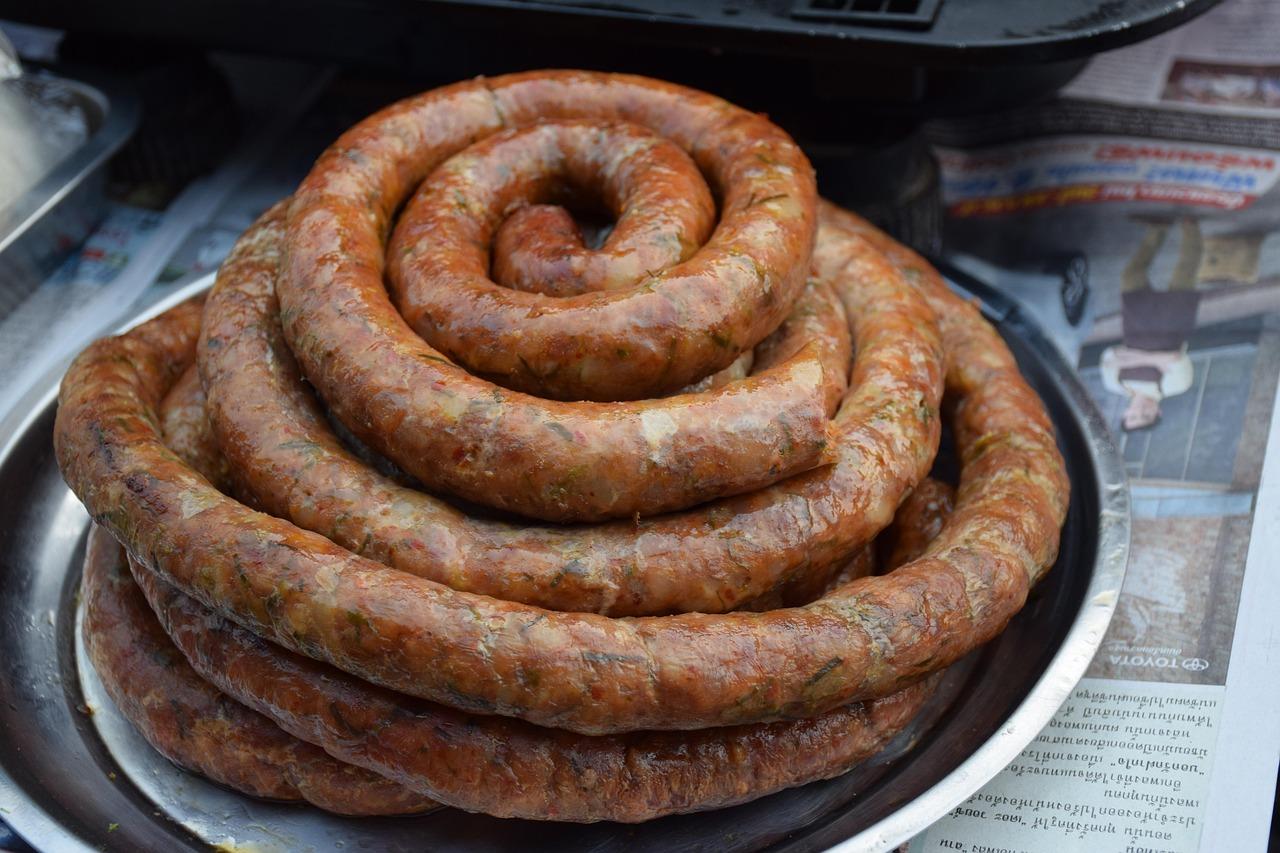
Walk through Chiang Mai's Warorot market and you will smell sai oua before you see it: long coils of sausage smoking over charcoal, flecked green with lime leaf and orange with chilli paste. The meat is coarse and juicy, the flavour loud with lemongrass, galangal and turmeric, and Northern Thais eat it in thick slices with sticky rice, raw cabbage, nam prik noom and a few slices of fresh ginger. If you have no casings or sausage stuffer, the same mixture makes excellent flat patties. Chef's tip: fry a teaspoon of the mixture before you stuff anything and taste it; this is your only chance to fix the salt and chilli.

90 minThaiMeatGluten freeSpicy
by KrazyBadal 0 views

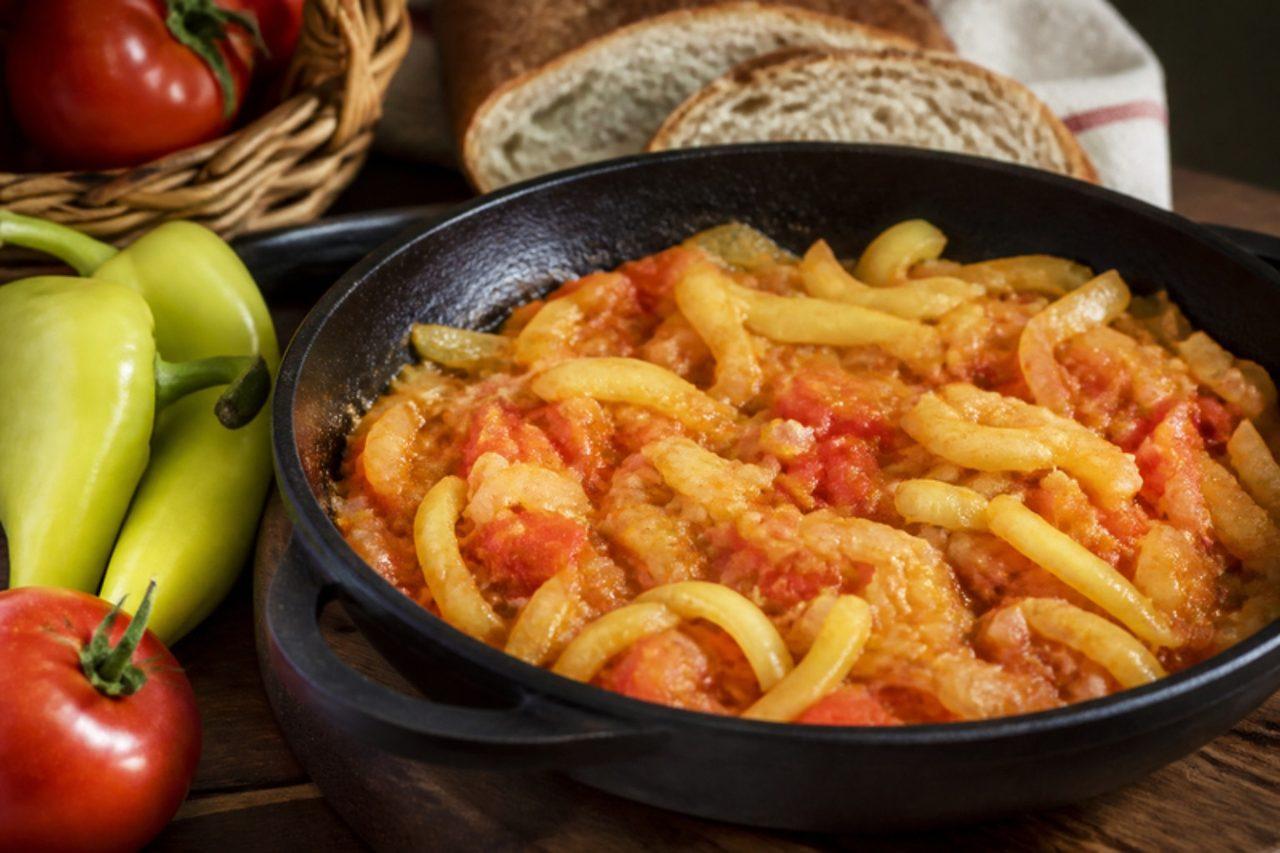
Lecsó

Lecsó is what Hungarian kitchens cook in late August, when markets in Szeged and Kecskemét are heaped with pale yellow wax peppers and over-ripe tomatoes. It is a soft, sweet-sour stew of peppers and tomato cooked down in paprika-scented oil; many families add smoked sausage or scramble eggs into it, but this version keeps it vegan and lets the peppers carry the flavour. Eat it hot with crusty bread or rice, or cold the next day, and jars of it are put up for winter. Chef's tip: add the tomatoes only once the peppers have softened; if they go in together, the tomato juice stews the peppers instead of letting them sweeten in the oil.

by KrazyBadal 0 views

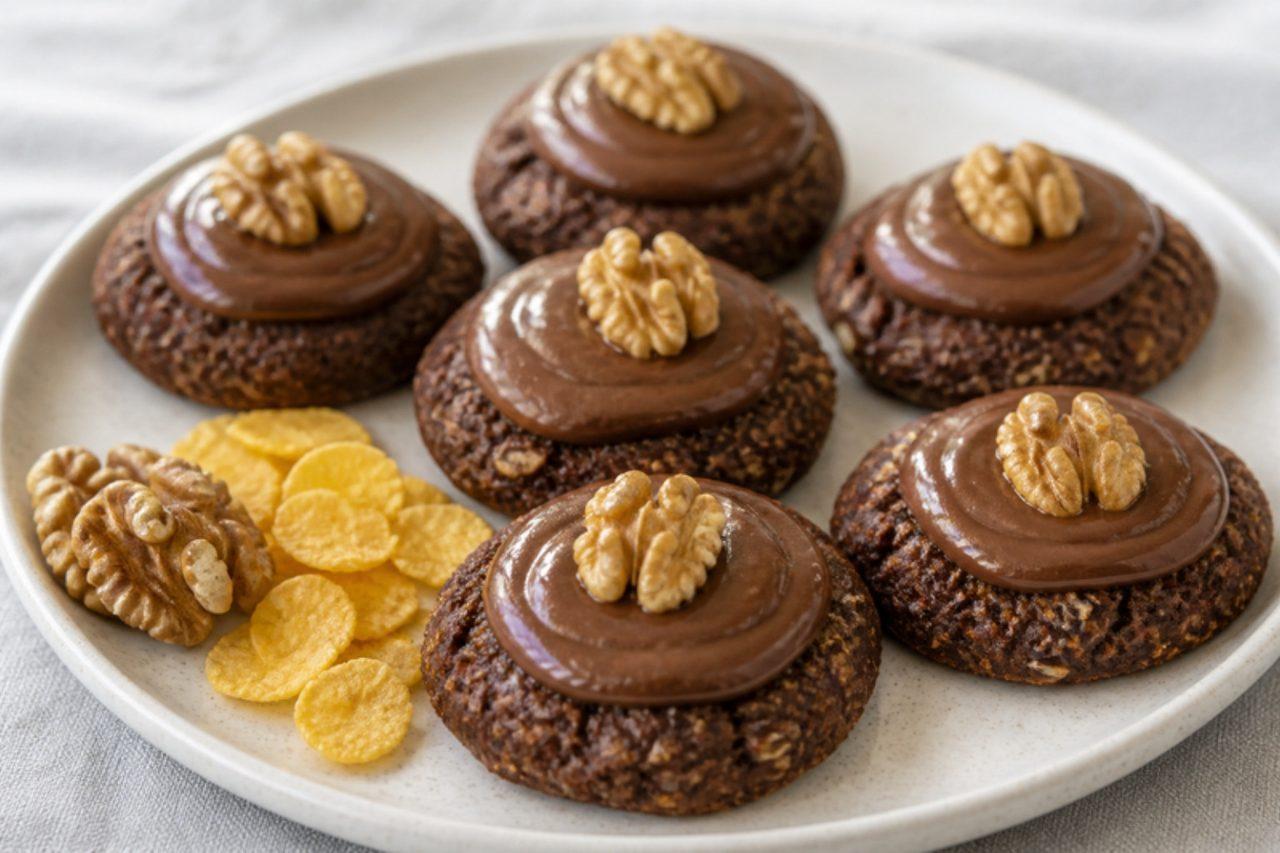
Afghan biscuits

Afghans are a New Zealand classic, found in the old home baking books passed down in Kiwi kitchens and in the glass cabinets of cafés and bakeries from Christchurch to Whangārei. Nobody is quite sure where the name came from. The dough is rich with butter and cocoa, and lightly crushed cornflakes give each biscuit a crunchy, slightly rugged texture. A swirl of soft chocolate icing and a walnut half finish them off. They're not too sweet underneath, which is why the icing works so well. Chef's tip: crush the cornflakes only lightly with your hand; fine crumbs disappear, but big flakes give the crunch an afghan is known for.

by KrazyBadal 0 views

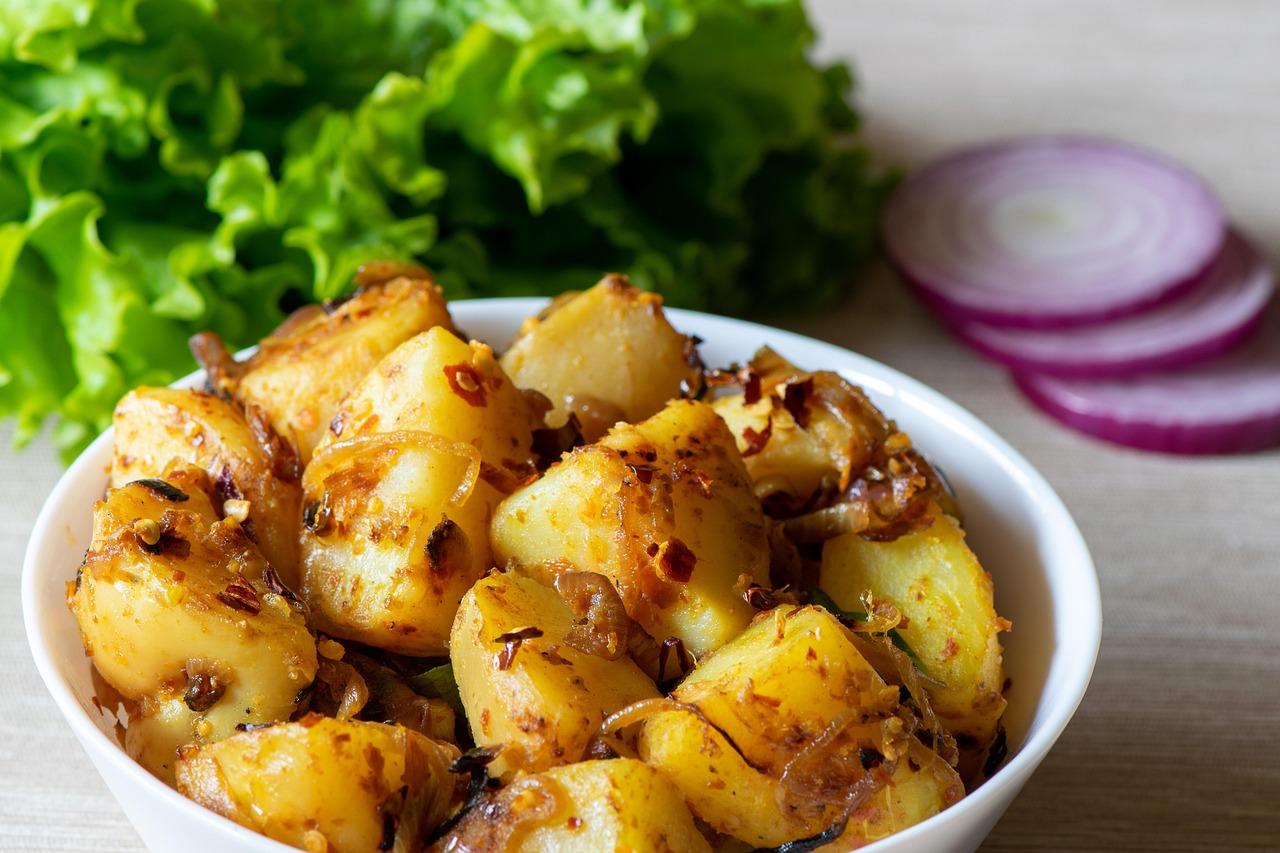
Mombasa kachri bateta

A Mombasa street favourite: potatoes cooked in a thin, garlicky tomato and raw mango sauce, ladled into bowls and piled with crushed potato crisps, crunchy sev and a fresh coconut and mango chutney. Everyone builds their own bowl to taste. Serve straight away so the crisps stay crunchy.

by KrazyBadal 0 views

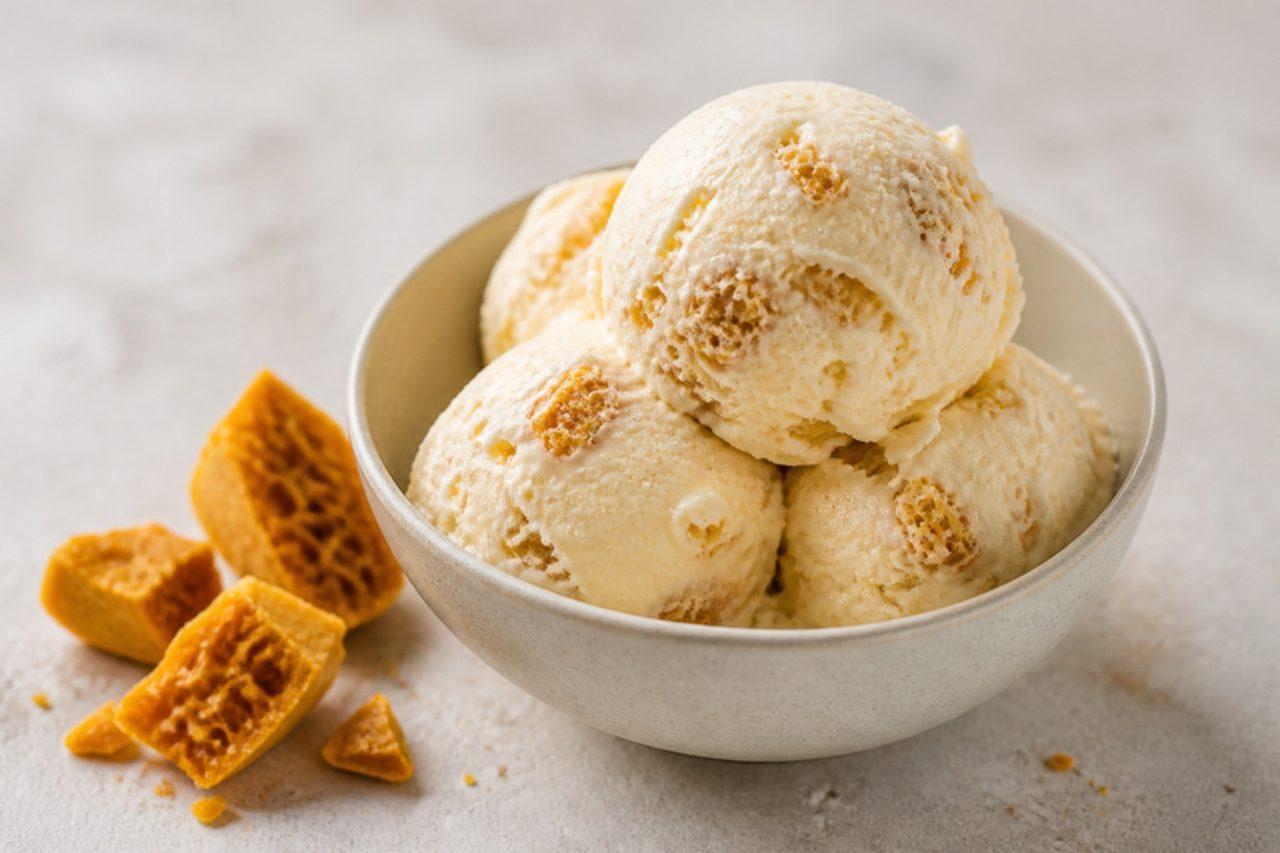
Hokey pokey ice cream

Hokey pokey is what New Zealanders call honeycomb toffee, and vanilla ice cream full of crunchy little nuggets of it has been the country's best-loved flavour since the mid-twentieth century; it's scooped into cones at dairies and beaches from Auckland to Invercargill. The honeycomb is a bubbling golden syrup toffee that foams up when bicarbonate of soda goes in and sets glassy and light. Folded through a rich no-churn vanilla base, it stays crunchy at first and slowly turns chewy and toffee-like. Chef's tip: don't stir the sugar once it starts to melt; swirl the pan instead, or it will crystallise and turn grainy.

by KrazyBadal 0 views

Dobos torta

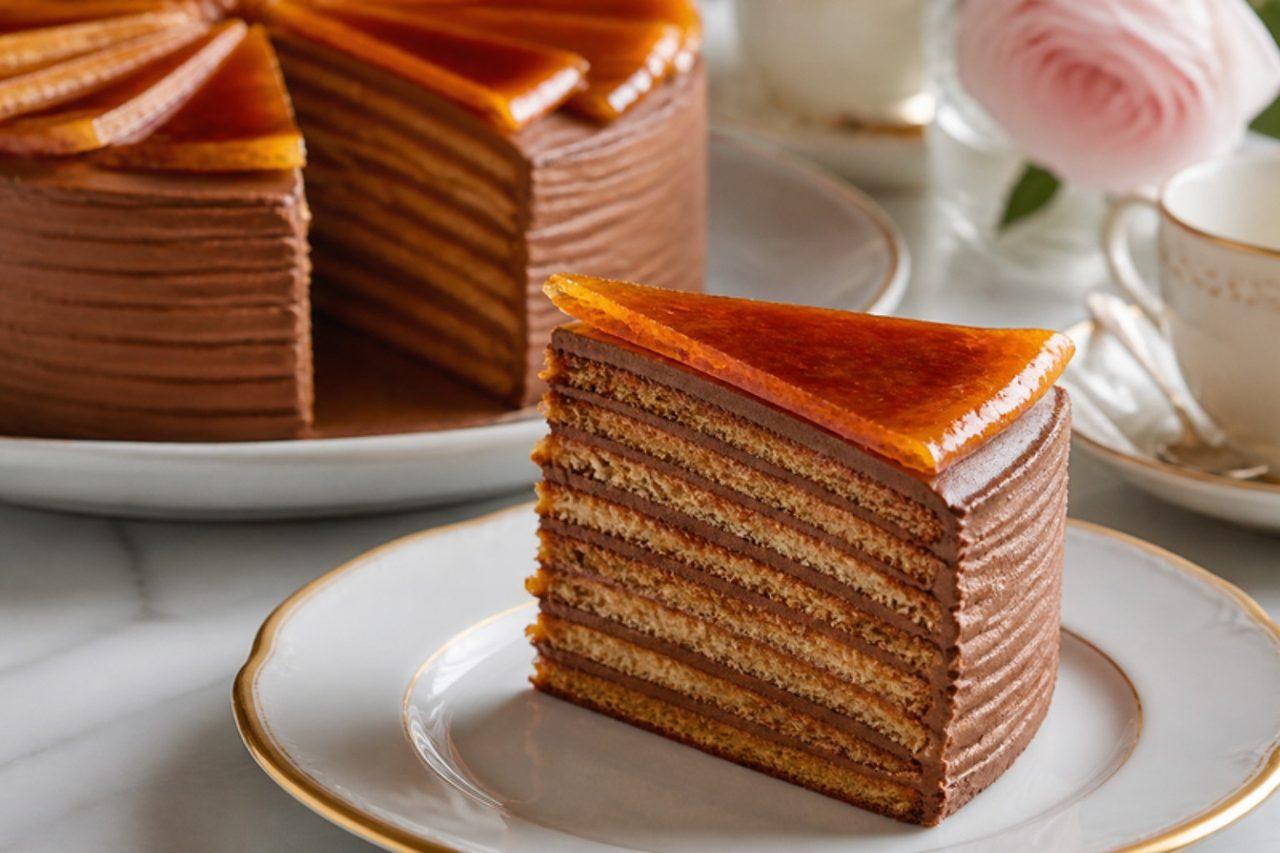
Dobos torta was created in Budapest in 1885 by the confectioner József C. Dobos, and it is still the cake Hungarians order in old coffee houses on Andrássy Avenue and bake for name days and big birthdays. Six thin sponge layers are stacked with a rich chocolate buttercream, and the top layer is glazed with hard amber caramel, cut into wedges and set at an angle like a fan. It is a project cake, but each stage is simple and the finished torte keeps for days. Chef's tip: mark the caramel into wedges with an oiled knife within the first minute; once it sets, it shatters instead of cutting.

by KrazyBadal 0 views

Mala crayfish

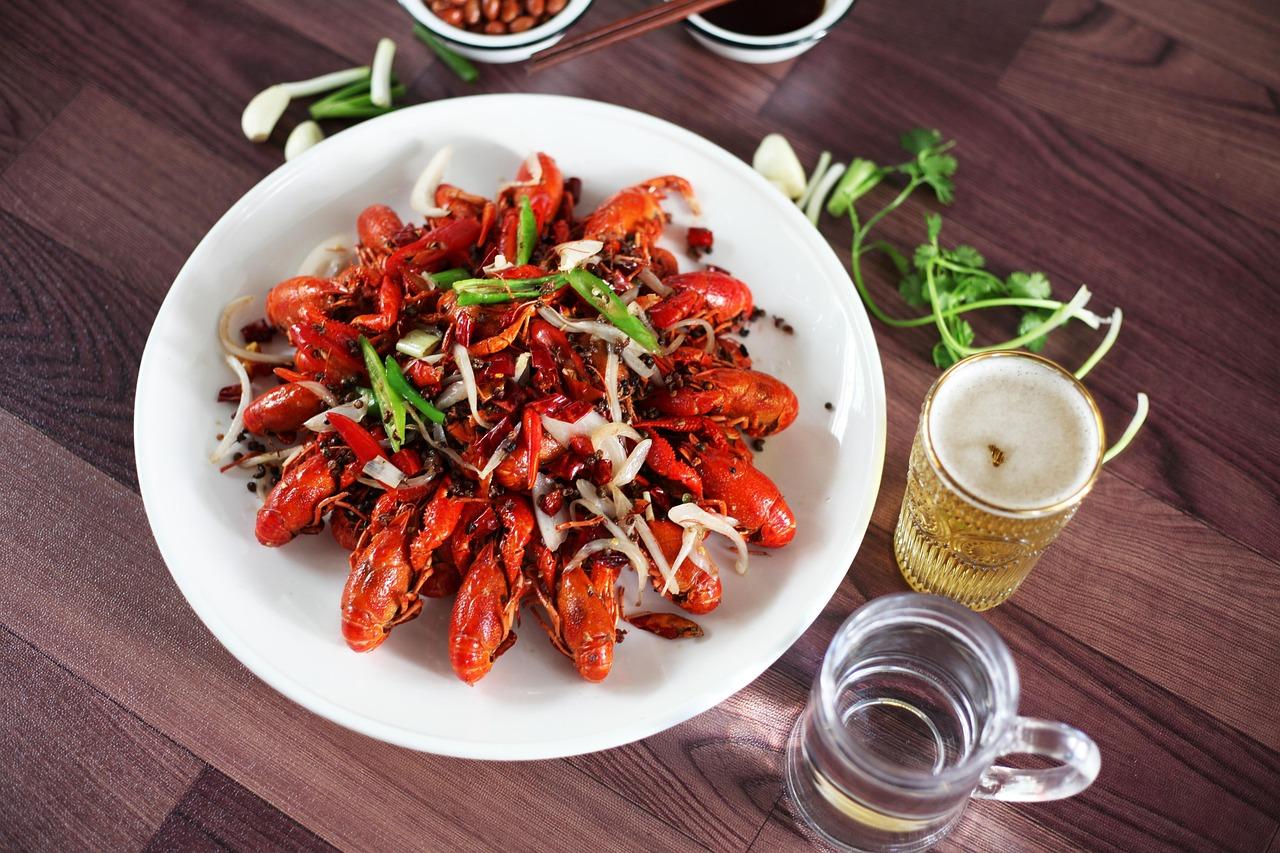
On summer nights the pavements of Changsha and Wuhan fill with folding tables, plastic gloves and mountains of glossy red crayfish, the season's great shared feast from May to August. Each little shell is sucked for its spicy sauce before you twist off the tail for a sweet, firm bite of meat; the sauce is hot from chillies and bean paste, numbing from Sichuan pepper and rounded out with garlic and a bottle of lager. Large shell-on prawns make an easy swap if you can't buy live crayfish. Serve with cold drinks, cucumber, steamed buns or rice to mop up the sauce, and lots of napkins. Chef's tip: once the crayfish turn red, simmer them for no more than 8 minutes; longer and the tail meat goes mushy and comes away in shreds.

by KrazyBadal 0 views

Fairy bread

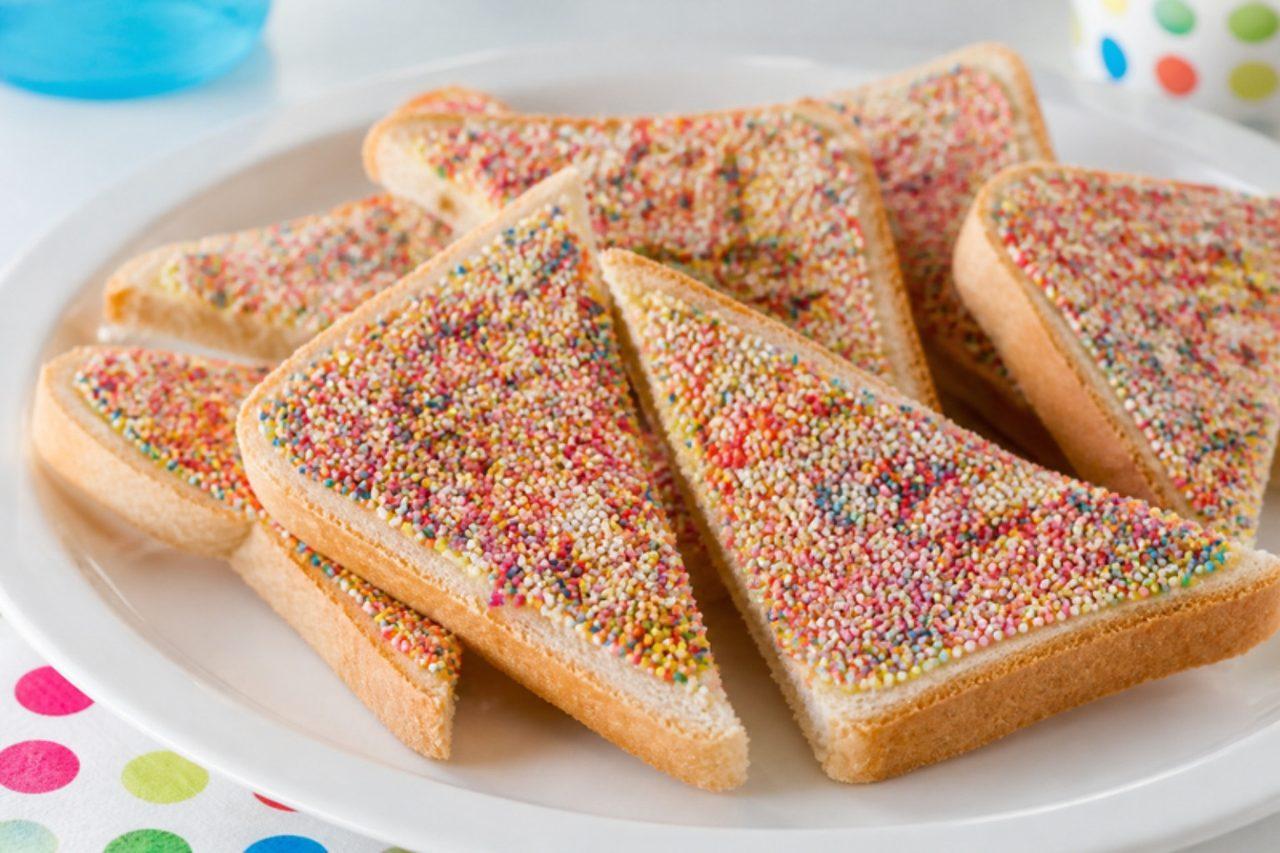
No children's birthday party in Australia, and in New Zealand too, is complete without a plate of fairy bread, a tradition going back about a hundred years. Soft white bread is spread with butter and pressed face-down into a pile of hundreds and thousands, the tiny round coloured sprinkles, then cut into triangles. It's sweet, crunchy, buttery and gloriously bright, and children love making it as much as eating it. Many sprinkles are coloured with insect-based carmine (E120) or glazed with shellac (E904); for a vegetarian plate, choose a brand that uses neither. Chef's tip: use soft, spreadable butter right to the edges; it's the glue that holds every sprinkle.

by KrazyBadal 0 views

Pogácsa

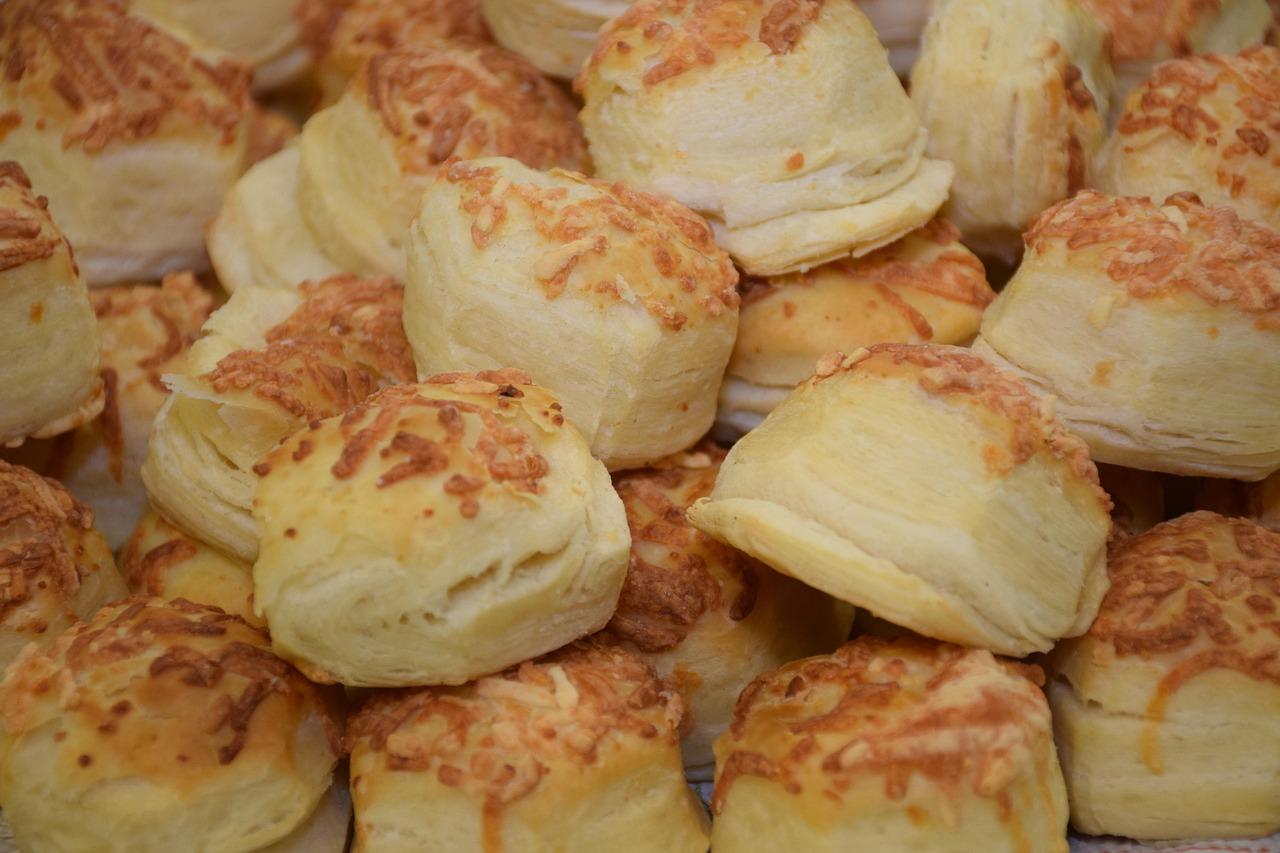
Pogácsa are small, round, flaky savoury scones that appear on every Hungarian buffet table, at weddings, christening parties and wine tastings in Tokaj and Villány, where they are eaten with a glass of white. Bakeries sell them by weight, and every region has its own: with crackling, potato, cabbage or, like these, butter, sour cream and cheese. The dough is folded a few times, so they split into tender layers, and the top is scored in a criss-cross before baking. Chef's tip: cut straight down with a sharp cutter and don't twist; twisting seals the edges and the pogácsa rise lopsided. Use a cheese made with vegetarian rennet.

by KrazyBadal 0 views

Anzac biscuits

Anzac biscuits are baked in kitchens all over Australia and New Zealand in the days before 25 April, Anzac Day, when both countries remember the soldiers of the Australian and New Zealand Army Corps who landed at Gallipoli in 1915. Recipes appeared in fundraising cookbooks soon after the war, and they keep well because they contain no eggs: just oats, flour, coconut, sugar, butter and golden syrup, raised with bicarbonate of soda. Bake them short for chewy, longer for crunchy; every family has its side. Chef's tip: add the bicarbonate to the hot butter and syrup and wait for it to foam up before mixing; that froth is what makes them light and lacy.

by KrazyBadal 0 views

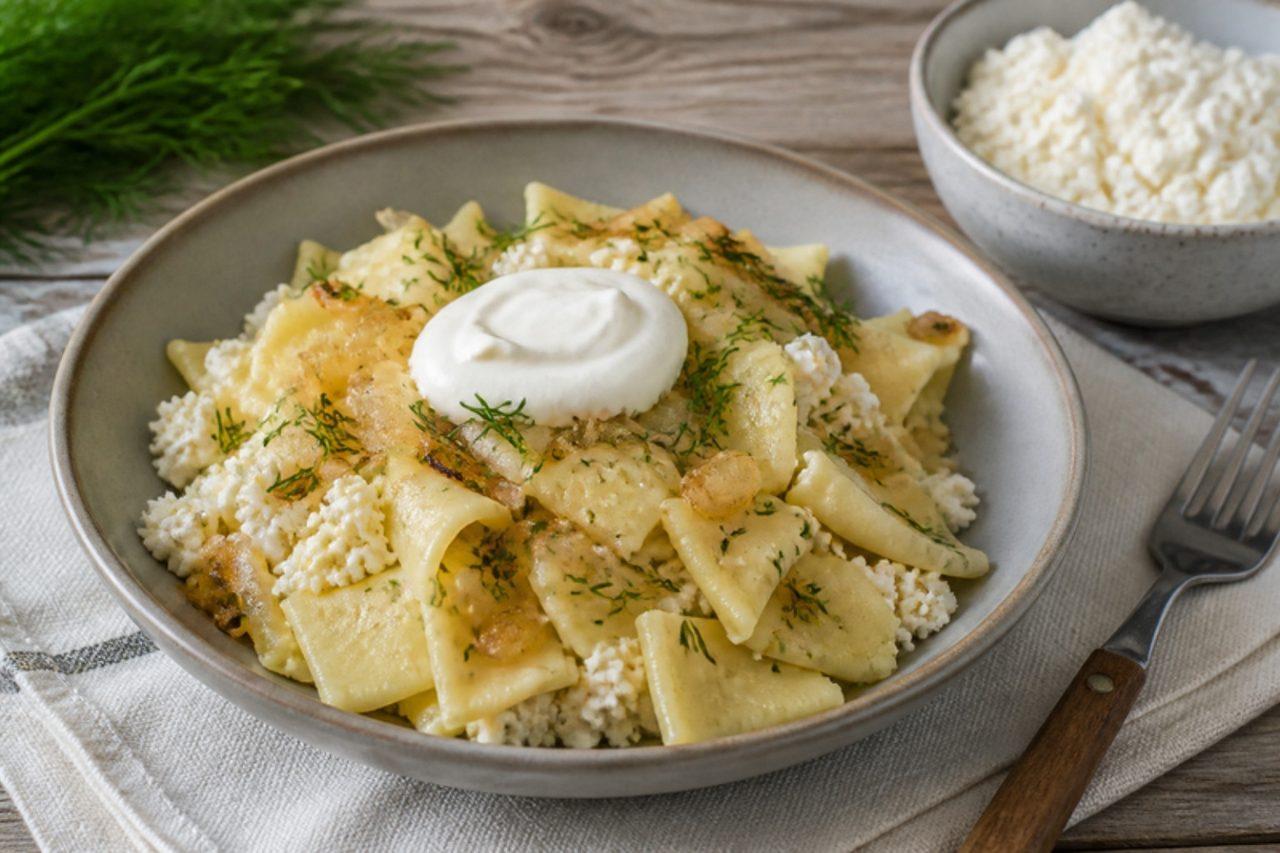
Túrós csusza

Túrós csusza is a simple dish of wide pasta squares tossed with crumbly túró curd cheese and sour cream, loved across Hungary and especially in the Danube villages, where it is served as a filling main after a bowl of fish soup. At home it is a Friday or end-of-the-month supper made from what is in the fridge. Traditionally it is topped with crisp pork crackling; here, fried onions and a little smoked paprika give the same crunch and savouriness. The flavour is mild, tangy and comforting. Chef's tip: toss the cheese into the pasta while it is still steaming so the túró warms through, but serve the sour cream cold on top for contrast.

by KrazyBadal 0 views

Showing 18 of 4,484 recipes

Show more recipes

Page 270 of 499