






Skip to content
Sayur lodeh
Featured recipe

Sayur lodeh

Sayur lodeh is everyday cooking in Central Java, made in big pots in Solo and Semarang kitchens and ladled over rice, with lontong rice cakes at Lebaran, or alongside opor and sambal goreng on festive tables. It's soupy rather than thick: a fragrant broth of coconut milk, galangal, lemongrass and lime leaf that carries chunks of aubergine, long beans, chayote and sweetcorn, plus tempeh and tofu to make it a meal. The flavour is mellow and slightly sweet, so the heat comes from sambal on the side. Chef's tip: keep the pot at a gentle simmer once the coconut milk goes in and stir now and then — a rolling boil splits the coconut milk into oily curds.

Read more 3 views
Can't decide?

What to eat today?

Spin the randomizer, search with what's already in your fridge, or browse recipes from our chefs.

Latest recipes

Kopi

Kopi is the strong, thick coffee poured from long-spouted pots at kopitiams all over Singapore. The beans are dark-roasted with sugar and margarine, which gives a bittersweet, almost chocolatey brew, and the classic cup is sweetened with condensed milk. Order it like a local: kopi-o is black with sugar, kopi-c has evaporated milk, and kopi peng is iced. At home, a dark-roast robusta or espresso blend in a cloth sock or cafetière gets close. Chef's tip: pour the coffee back and forth between two jugs a few times; it cools slightly, aerates and gets the smooth, frothy kopitiam texture.

by KrazyBadal 0 views

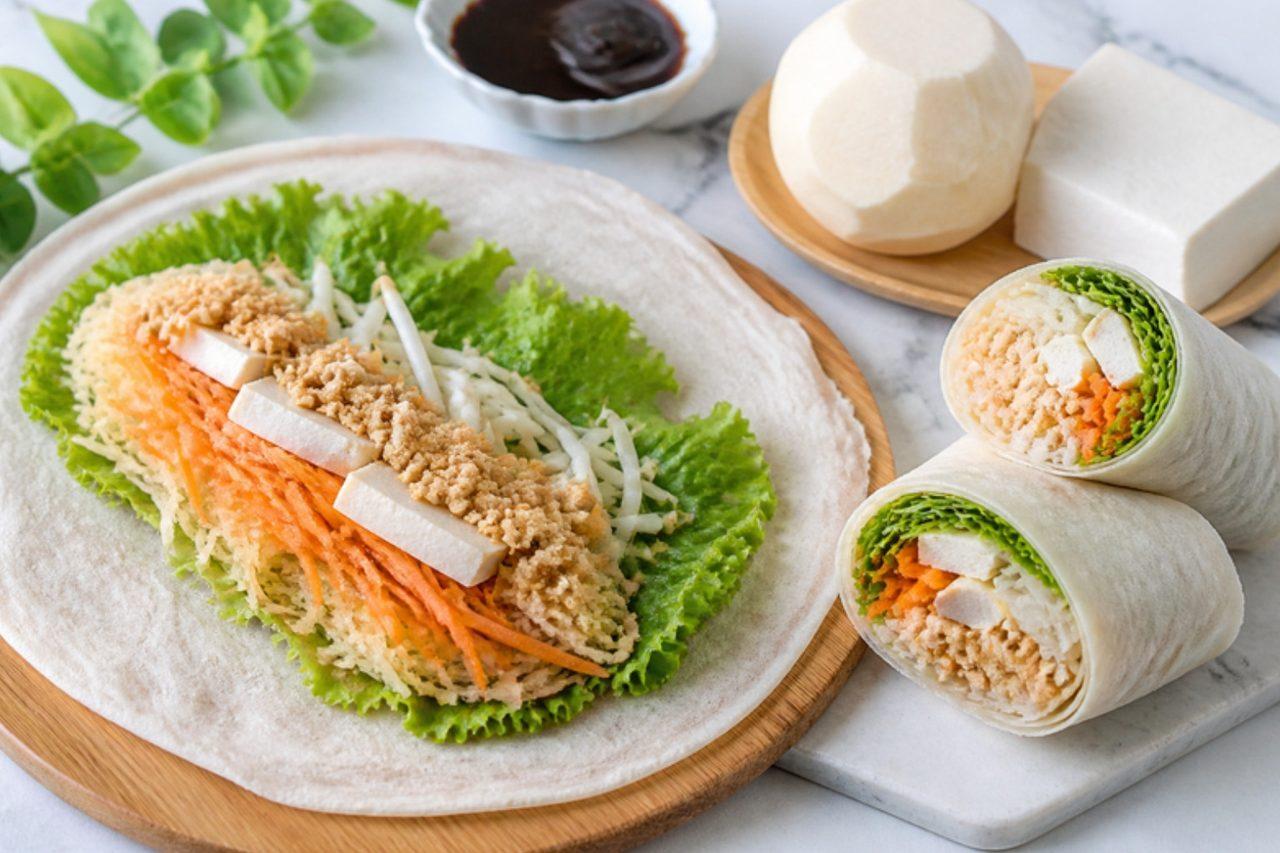
Vegetarian popiah

Popiah are the soft, fresh spring rolls that Hokkien and Peranakan families in Singapore make together at home, especially for Qing Ming and family reunions, with everyone wrapping their own at the table. Thin wheat skins are brushed with sweet sauce and chilli, then filled with a slow-braised mix of jicama (bangkuang) and carrot, plus lettuce, beansprouts, egg, peanuts and crispy shallots. This version leaves out the prawns and Chinese sausage and braises the filling in vegetable stock. Chef's tip: drain the braised filling very well before rolling; extra liquid tears the delicate skins.

by KrazyBadal 0 views

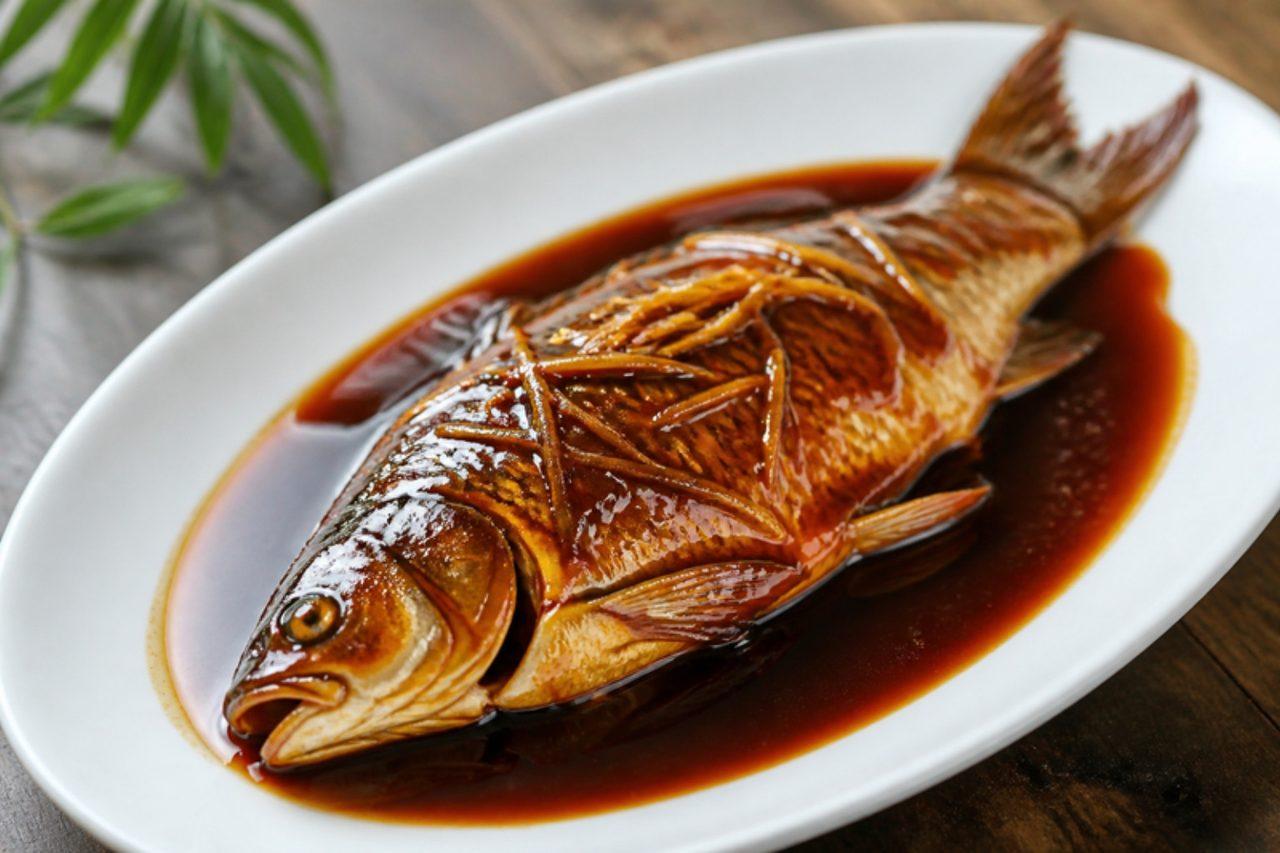
West Lake vinegar fish

Hangzhou restaurants by West Lake have served this for generations, traditionally with grass carp kept in clean water for a day or two before cooking. The fish is not fried at all: it is butterflied, poached for a few minutes, and coated with a shiny, dark sauce of black vinegar and sugar that tastes sharp first and sweet after. The flesh should be tender enough to fall from the bone at a touch. Carp, sea bass or a thick white fish fillet all work at home. Eat it with rice and a simple stir-fried green vegetable. Chef's tip: thicken the sauce at the last moment and pour it straight over; left to sit, it turns gluey.

by KrazyBadal 0 views

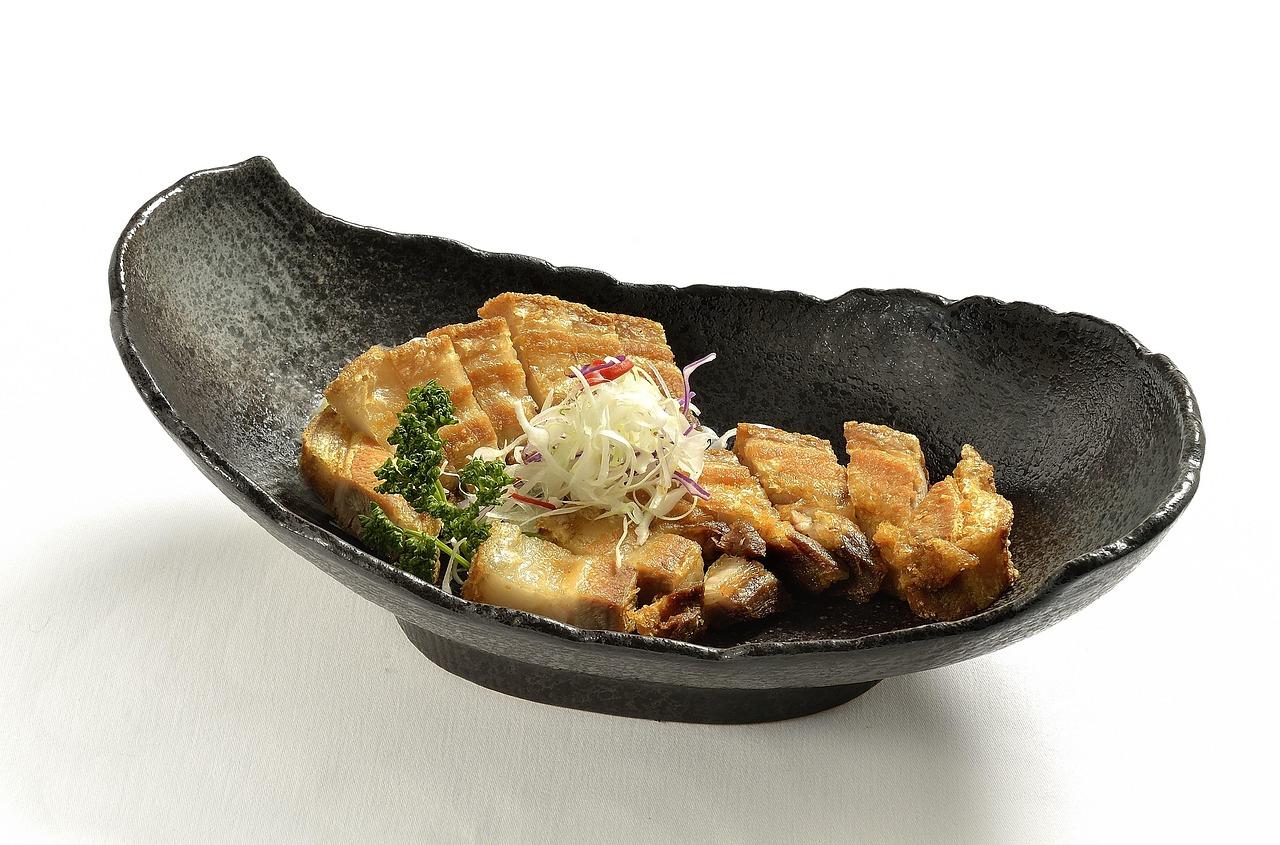
Lechon kawali

Lechon kawali is pork belly, boiled with garlic and bay, dried, then fried in a wok (kawali) until the rind blisters into crackling. It is the everyday cousin of the whole roast pig: Manila carinderias sell it by the slice at lunchtime, and home cooks make it for weekend lunches all over Luzon. Each piece should be shatteringly crisp on top and juicy underneath. Serve it chopped with rice and a sharp garlic-vinegar dip, or with the sweet liver sauce sold in jars. Chef's tip: after boiling, leave the belly uncovered in the fridge overnight; a bone-dry rind puffs up and spits far less in the oil.

110 minFilipinoMeat
by KrazyBadal 0 views

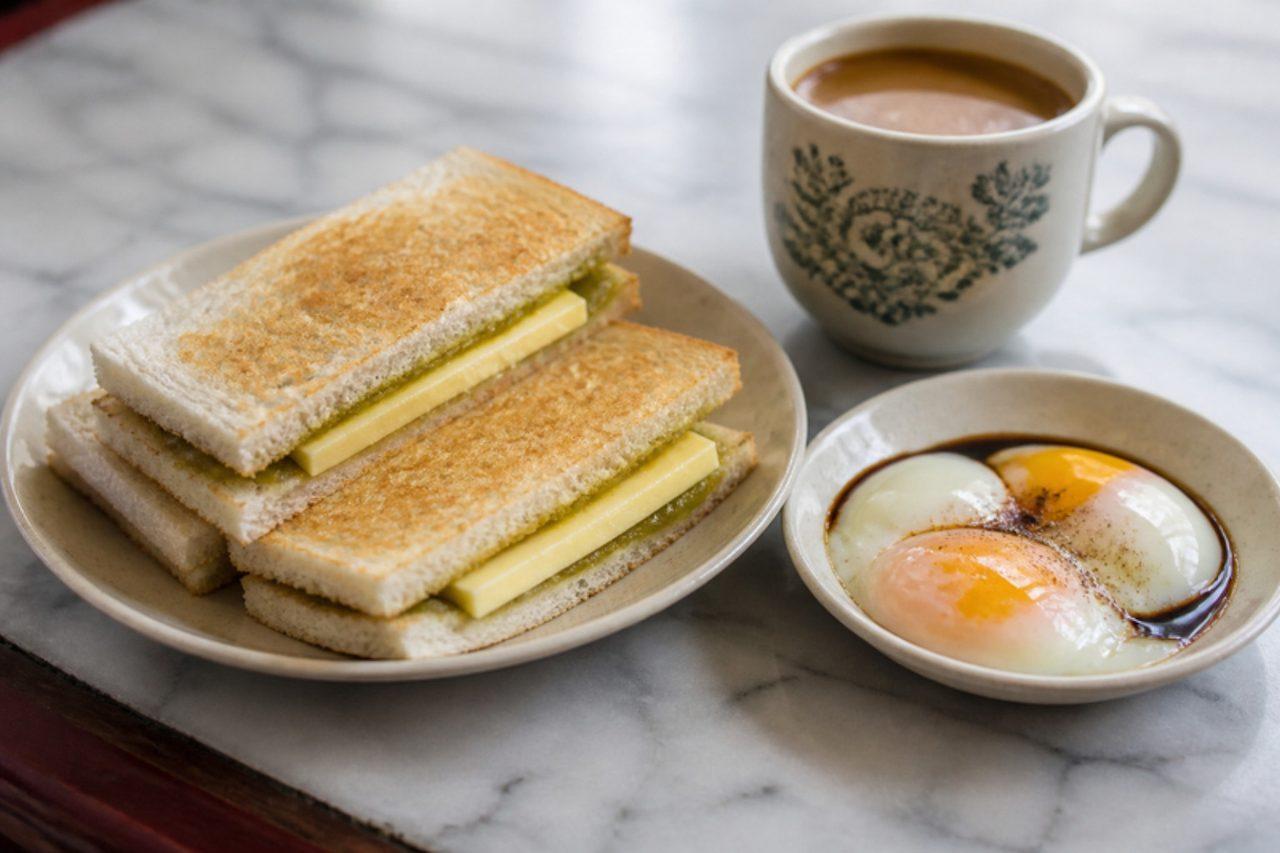
Kaya toast

The kaya toast set is Singapore's breakfast ritual: thin, crisp toast sandwiched with kaya and a cold slab of butter, served with two runny soft-boiled eggs seasoned at the table with dark soy and white pepper, and a cup of kopi. Office workers eat it at kopitiams in Tiong Bahru and Tanjong Pagar before work; children love dunking the toast in the eggs. Chef's tip: put the eggs in water that's just off the boil for exactly 6–7 minutes; the whites should be barely set and wobbly, the yolks completely runny.

by KrazyBadal 0 views

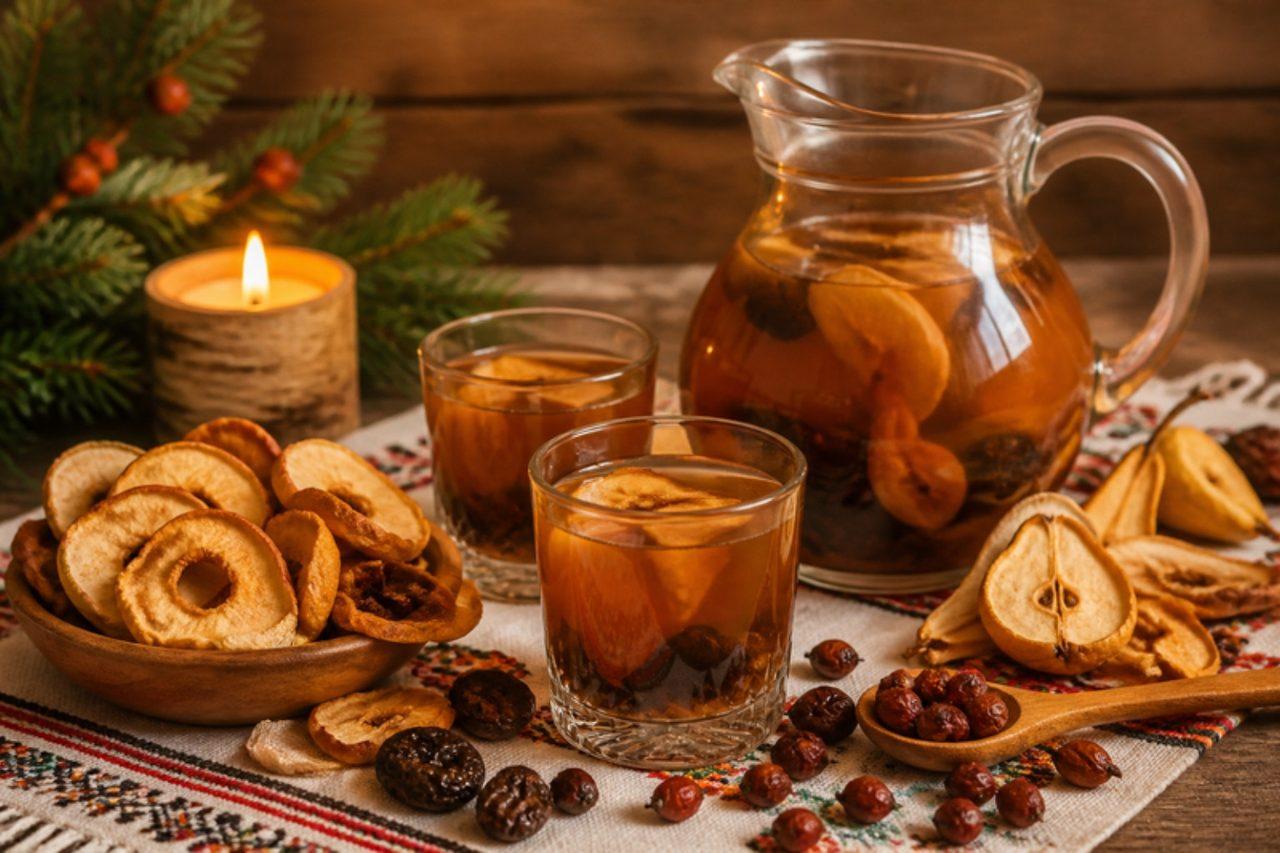
Uzvar

Uzvar is the dark, smoky-sweet drink brewed from dried apples, pears and plums that closes the Holy Supper on Ukrainian Christmas Eve, Sviat Vechir, where it is one of the twelve meatless dishes alongside kutia. In villages across Podillia and the Carpathians the fruit is dried in the oven or over smoke in autumn, which gives uzvar its distinctive campfire note; market stalls sell ready-mixed bags in December. It is drunk warm in winter and chilled in summer, and is naturally vegan when sweetened with sugar instead of honey. Chef's tip: simmer gently, then let it steep for several hours; common mistake is boiling it hard, which turns the fruit to mush and the drink cloudy.

by KrazyBadal 0 views

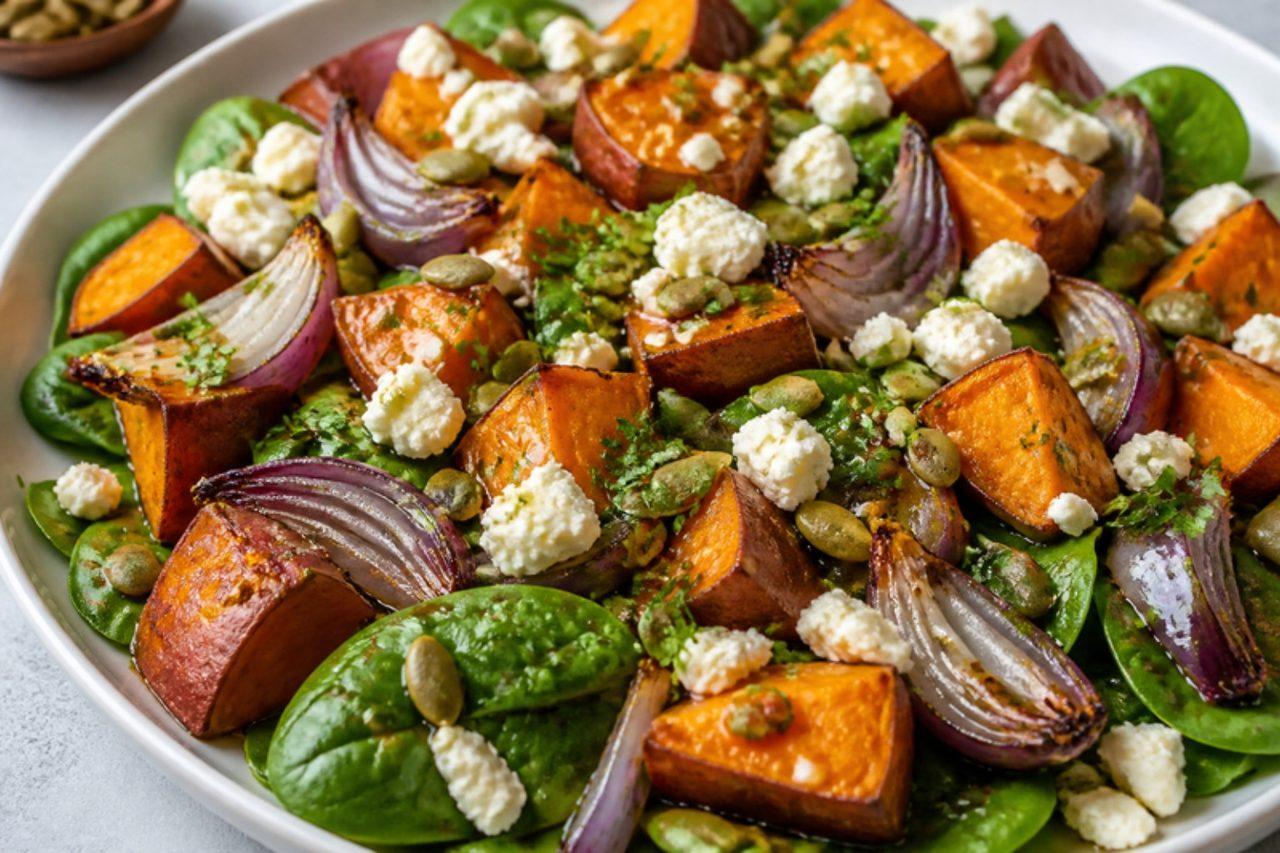
Kūmara and feta salad

Kūmara, the sweet potato the Māori brought to Aotearoa centuries ago, is grown mostly around Dargaville in Northland, and a big bowl of roasted kūmara salad turns up at just about every New Zealand barbecue, 'bring a plate' gathering and Christmas lunch. Chunks of red-skinned kūmara roast until sticky and caramelised, then get tossed while warm with red onion, baby spinach, salty feta and toasted pumpkin seeds in a sweet-sharp honey and mustard dressing. Chef's tip: give the kūmara plenty of room on the tray and a hot oven; crowded pieces steam and go soft instead of browning at the edges.

by KrazyBadal 0 views

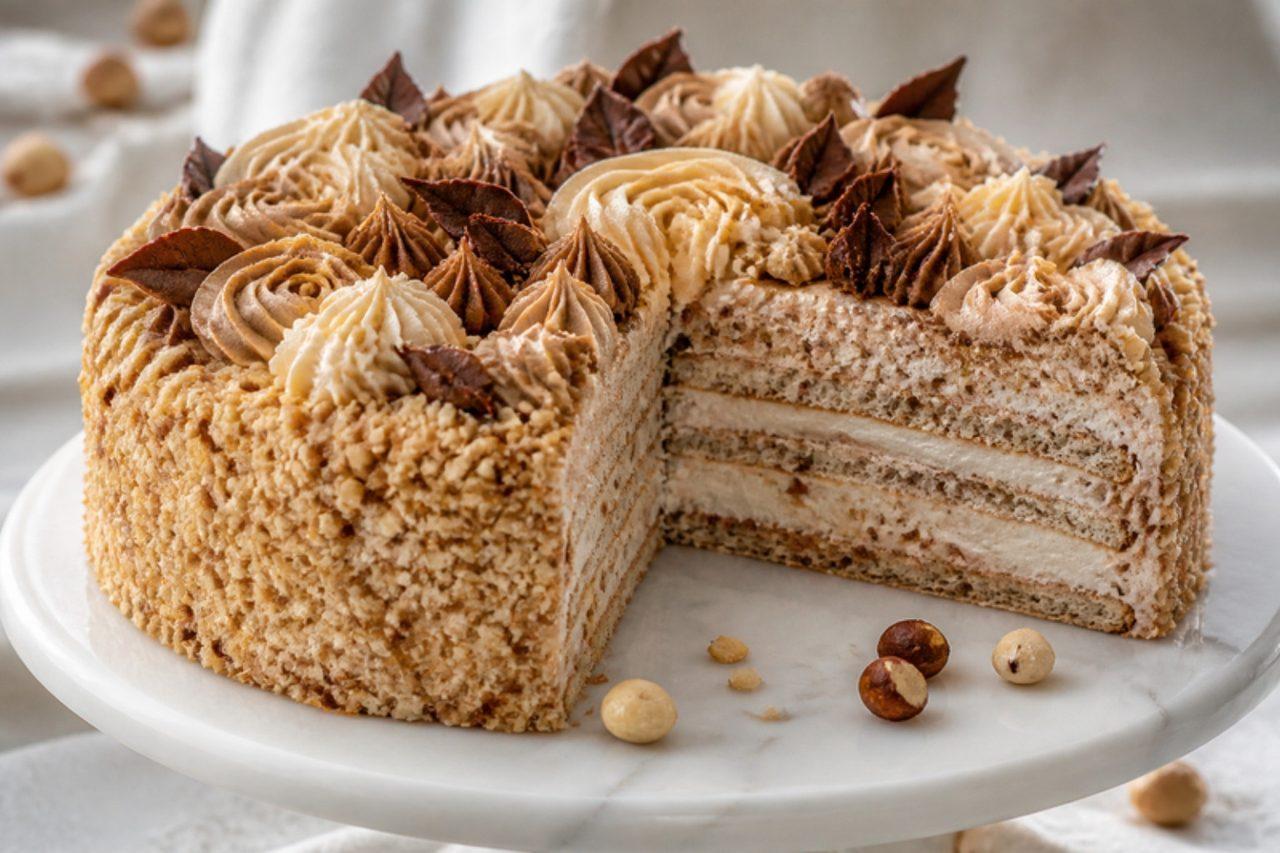
Kyiv cake

Kyiv cake was created in 1956 at the Karl Marx confectionery factory in Kyiv, and for decades a round box tied with string, bought at the station kiosk, was the souvenir every visitor carried home from the capital. Two crisp, chewy layers of nut meringue are sandwiched with a rich vanilla and cocoa buttercream and decorated with more cream. It contains no flour, so it is naturally gluten free, and no gelatine. Our home version uses hazelnuts, as the original did before cashews became the norm. Chef's tip: dry the meringue long and slow and let it cool in the switched-off oven; common mistake is pulling it out too early, when it is still soft inside, and then it turns sticky and collapses under the cream.

by KrazyBadal 0 views

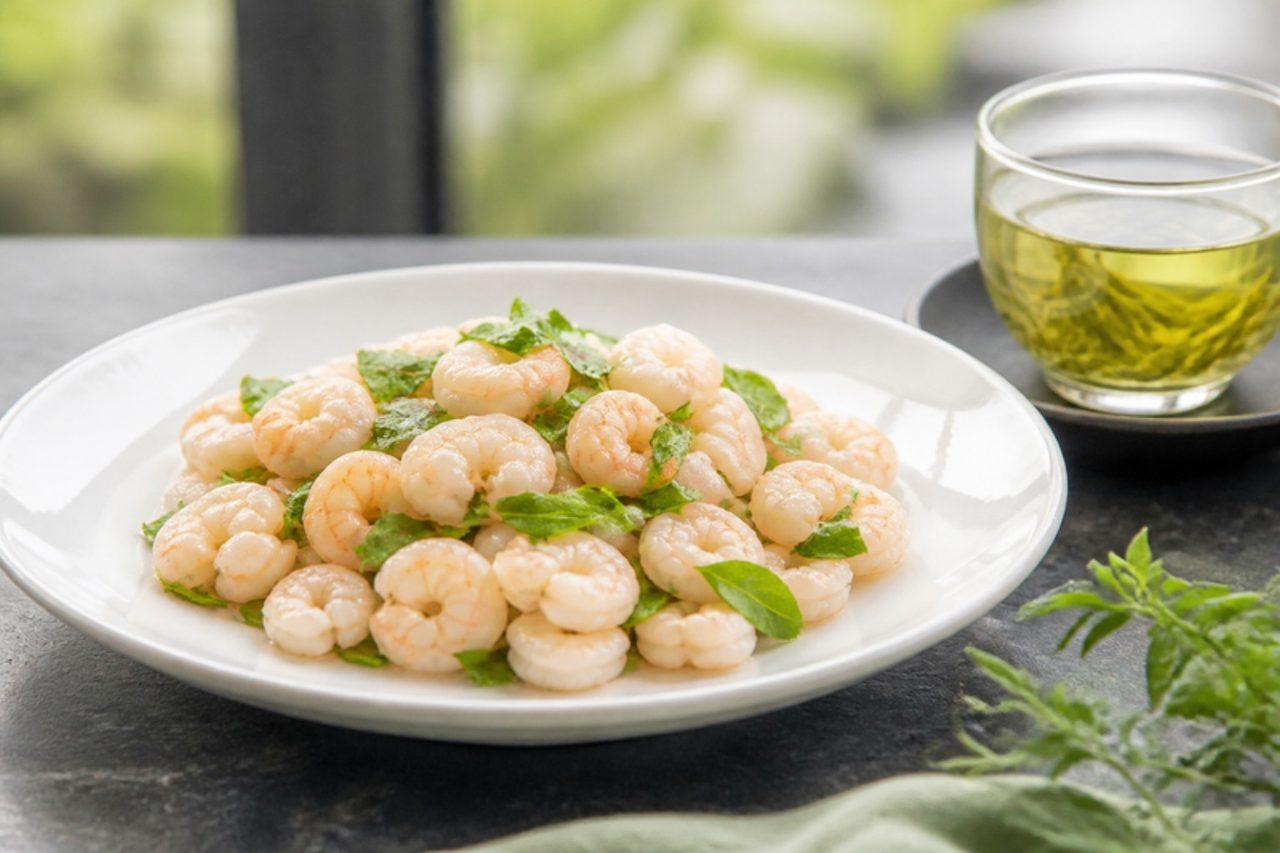
Longjing shrimp

Spring in Hangzhou means new-season Longjing tea from the hills west of the city, and restaurants celebrate it by tossing tiny, pearly river shrimp with the tender tea leaves and a splash of their brew. The result is very delicate: sweet, springy shrimp, a faint grassy and chestnut aroma from the tea, and no heavy sauce at all. It is usually one dish among several at a family meal, eaten with rice. Small raw prawns are the easiest home swap for river shrimp. Chef's tip: brew the tea with water at about 80 °C, never straight from the boil, which makes the leaves bitter.

by KrazyBadal 0 views

Showing 9 of 4,484 recipes

Show more recipes

Page 274 of 499