


Skip to content
Galayet bandora
Featured recipe

Galayet bandora

Stewed tomatoes with garlic and chilli

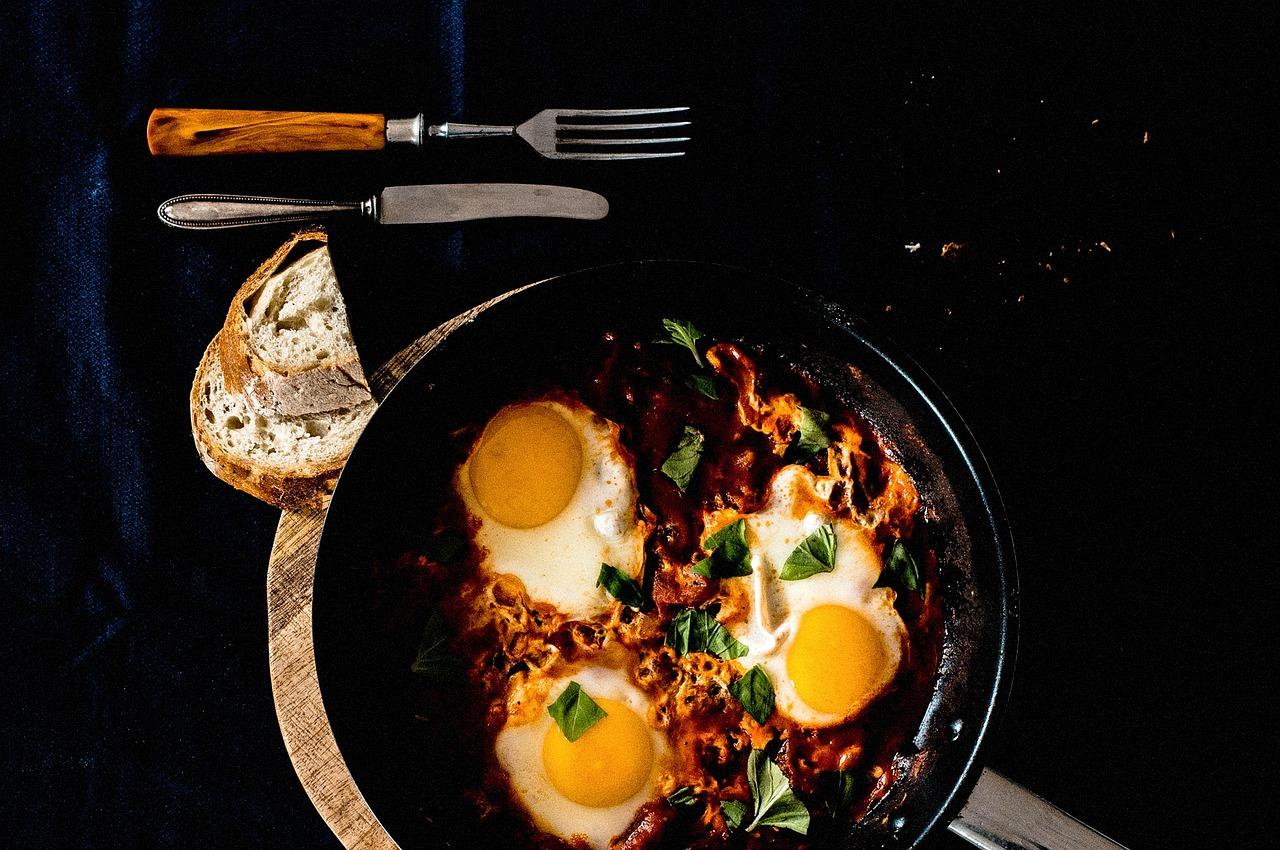
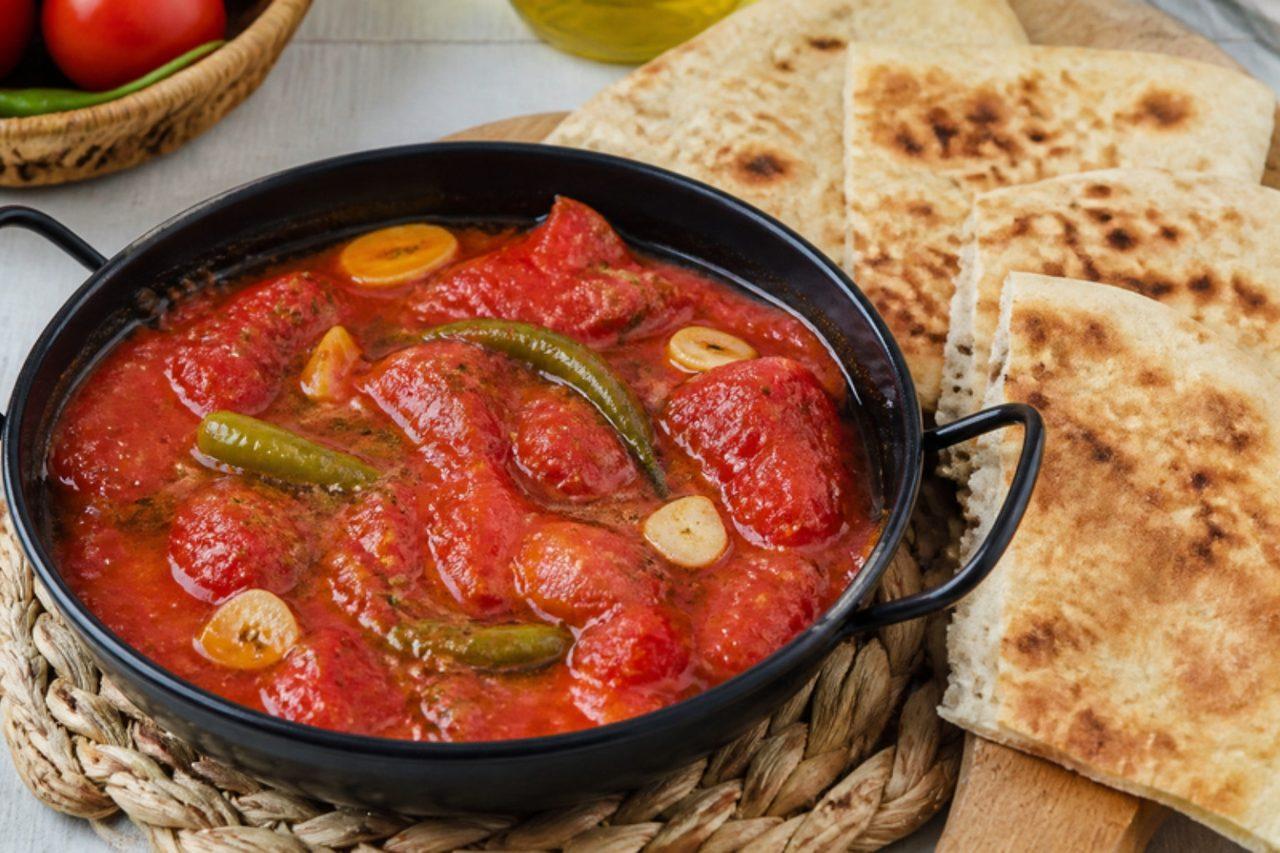
Ask anyone in Amman what they cook when the fridge is nearly empty and the answer is often galayet bandora: ripe tomatoes collapsed in a shallow pan with olive oil, garlic and hot green chilli until they turn jammy and sweet. It turns up at breakfast, as a quick supper, and over a camp fire on desert trips to Wadi Rum, always eaten straight from the pan with torn khubz or shrak. Some families add cubes of lamb; this meatless version is the one most homes make every week. The usual mistake is stirring too much and adding water, which gives you a thin sauce instead of glossy, slightly caramelised tomatoes. Chef's tip: let the tomatoes sit untouched for the first few minutes so their undersides catch and colour; that touch of browning is where the flavour comes from.

Read more 0 views

What to eat today?

Around the world

Today's trip: Persian

A new country every day, from every cuisine on the site.

Persian

Nazkhatoon

Smoky aubergine with pomegranate 40 minMore from Persian (131) →

This week's collection

Kid-friendly dinners
541 recipes · a new collection every Monday

Latest recipes

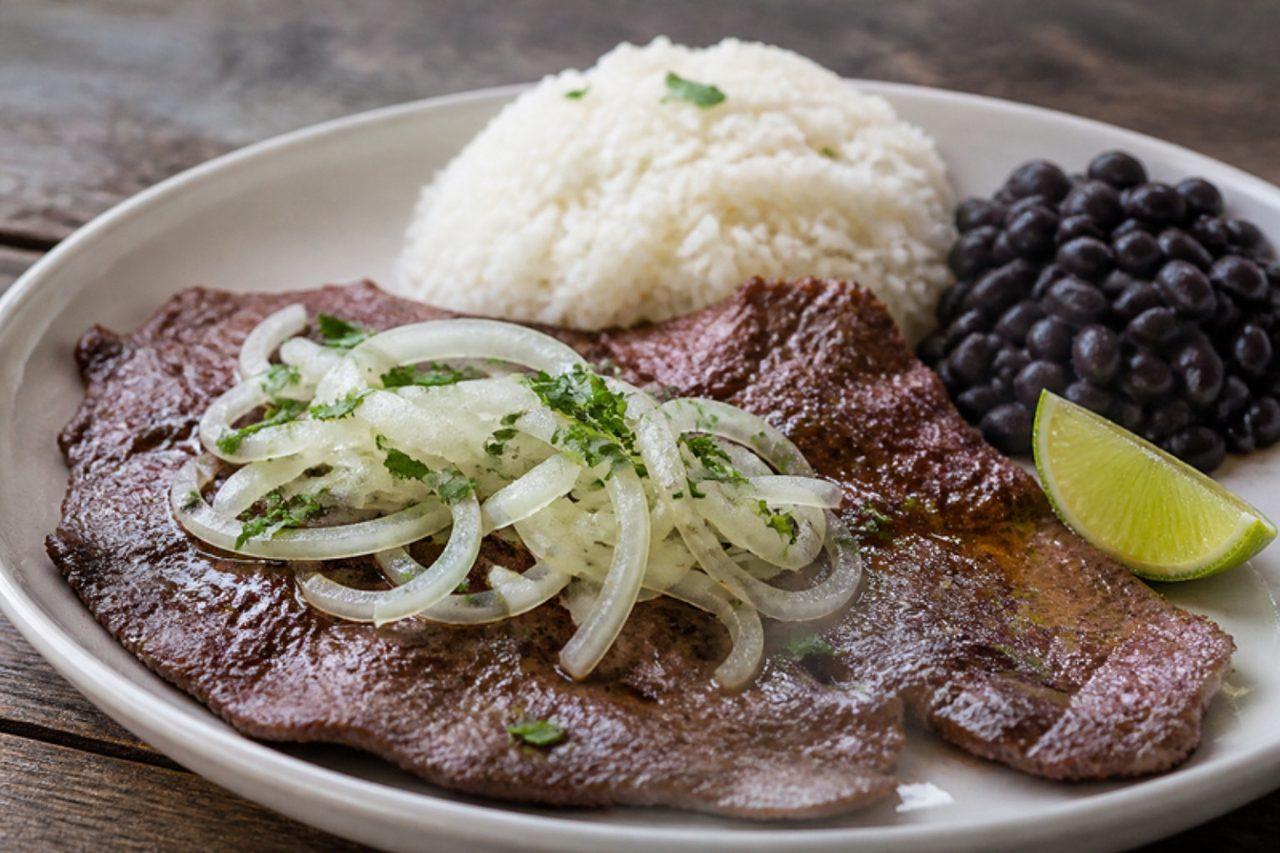
Bistec de palomillaThin steak with lime onion

Palomilla is the everyday steak of Havana lunch counters and Miami's Cuban cafés alike: top sirloin pounded very thin, marinated briefly in lime and garlic, seared in seconds and buried under a pile of raw chopped onion and parsley. It comes with white rice, black beans and fried plantain. The most common mistake is leaving the steak in the lime for hours, which turns the surface grey and mushy; 20 minutes to an hour in the fridge is enough. Beef steak can be cooked to your liking, but it is so thin it is usually cooked through. Chef's tip: get the pan smoking hot and cook one or two steaks at a time, or they stew instead of browning.

25 minCubanMeatGluten free
by KrazyBadal 0 views

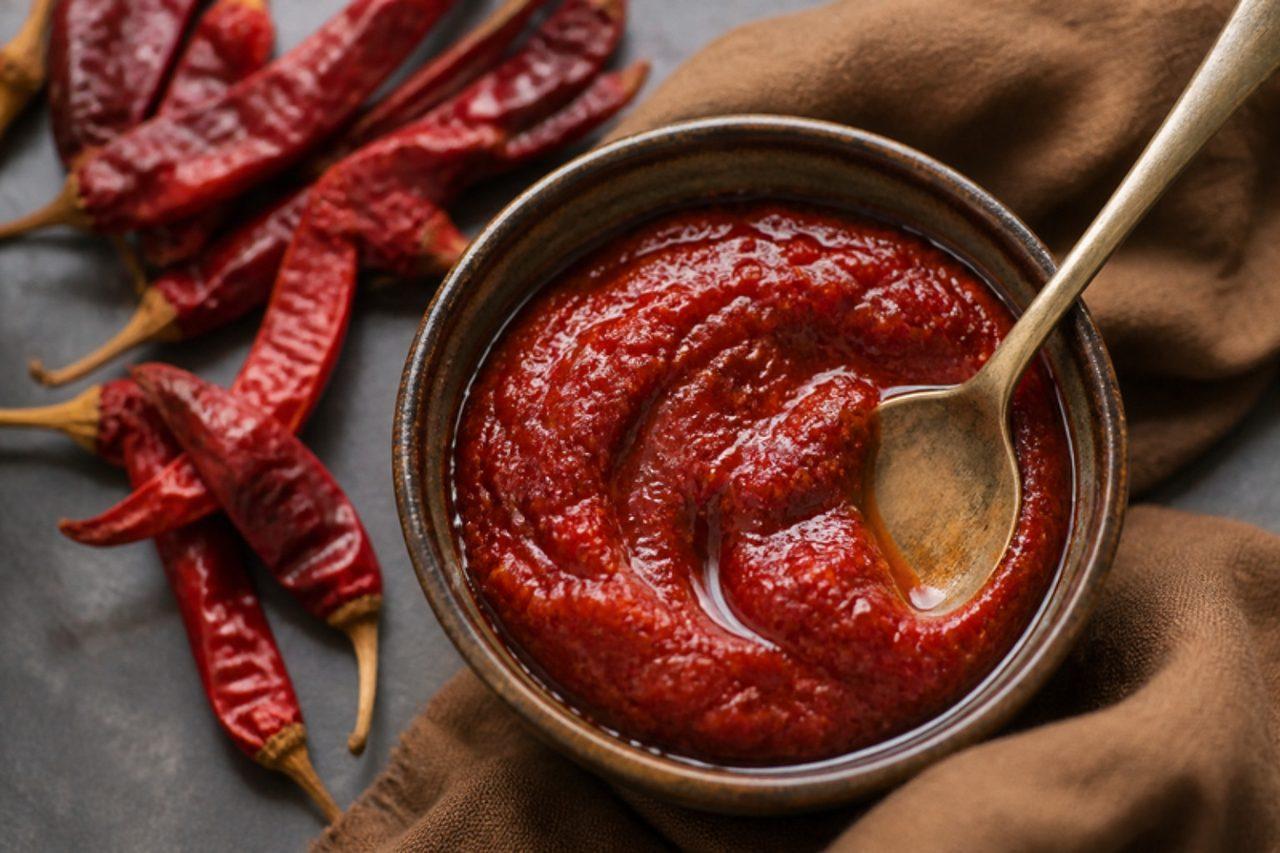
AwazeBerbere chilli dipping paste

Wherever tibs are fried or meat is grilled in Ethiopia, from roadside butcher-restaurants on the edge of Addis Ababa to wedding feasts, a small dish of brick-red awaze sits beside it. It is berbere turned into a thick, glossy paste: hot, garlicky, a little sharp from lemon, with a rounded warmth from the spices. Strips of meat are dabbed into it, it is stirred into a pan of tibs at the last moment, and a spoon of it livens up plain lentils too. Some cooks loosen it with tej (honey wine) or red wine, both of which contain alcohol; this version uses water and lemon juice and is entirely alcohol-free. Chef's tip: let it rest for an hour before using; the raw edge of the chilli softens and the garlic mellows into the paste.

by KrazyBadal 0 views

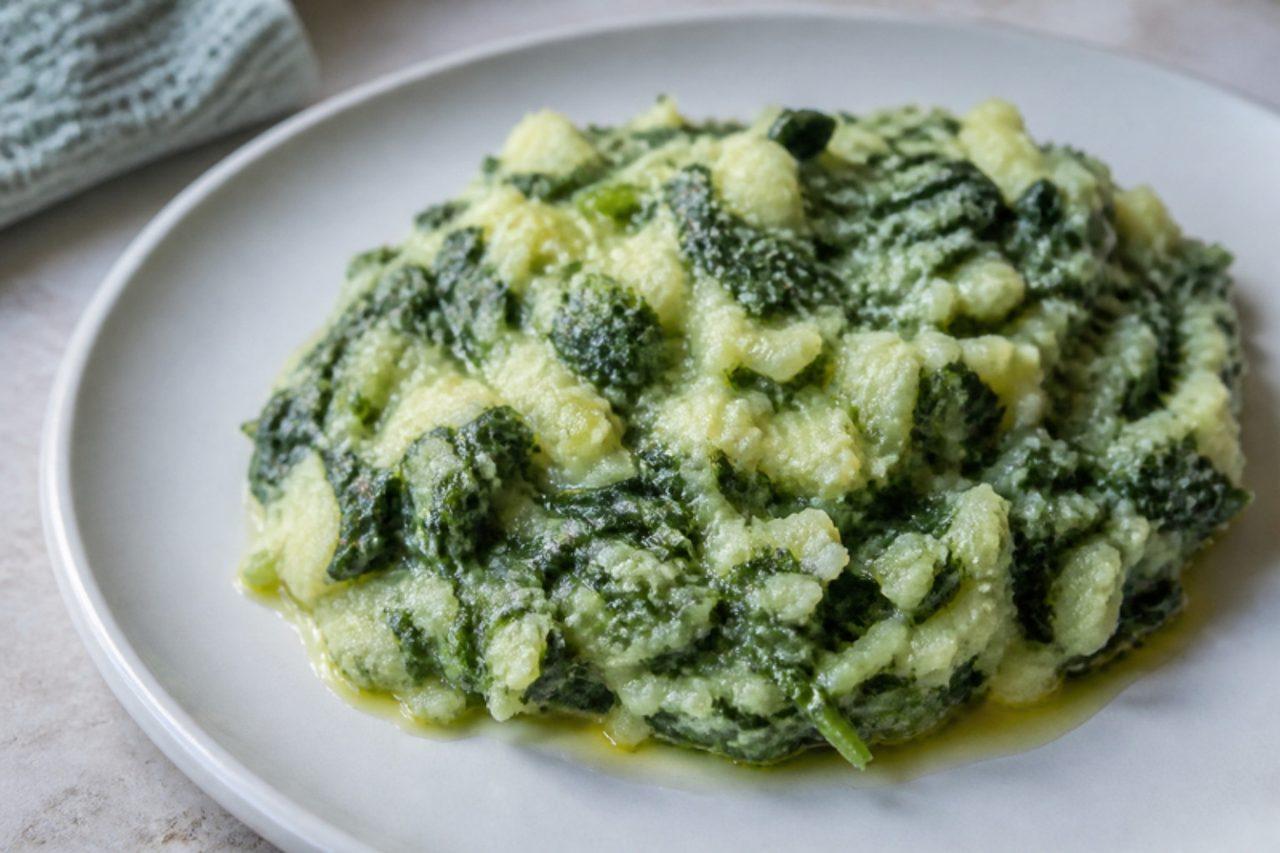
BlitvaSwiss chard and potatoes

Order grilled fish in any konoba along the Dalmatian coast of Croatia, from Zadar down to Dubrovnik, and a heap of blitva usually comes with it. Swiss chard and potatoes are boiled together until soft, then crushed roughly with lots of good olive oil and a little garlic, so the potatoes turn creamy and the chard stays silky and green. It is humble, quick and very good, also with grilled vegetables, eggs or a simple bean dish. The usual slip is not draining well enough, which leaves a watery, grey mush; let everything steam dry in the colander for a minute. Chef's tip: use the best olive oil you have and add a final drizzle at the table, as Dalmatians do, so its peppery taste stays bright.

by KrazyBadal 0 views

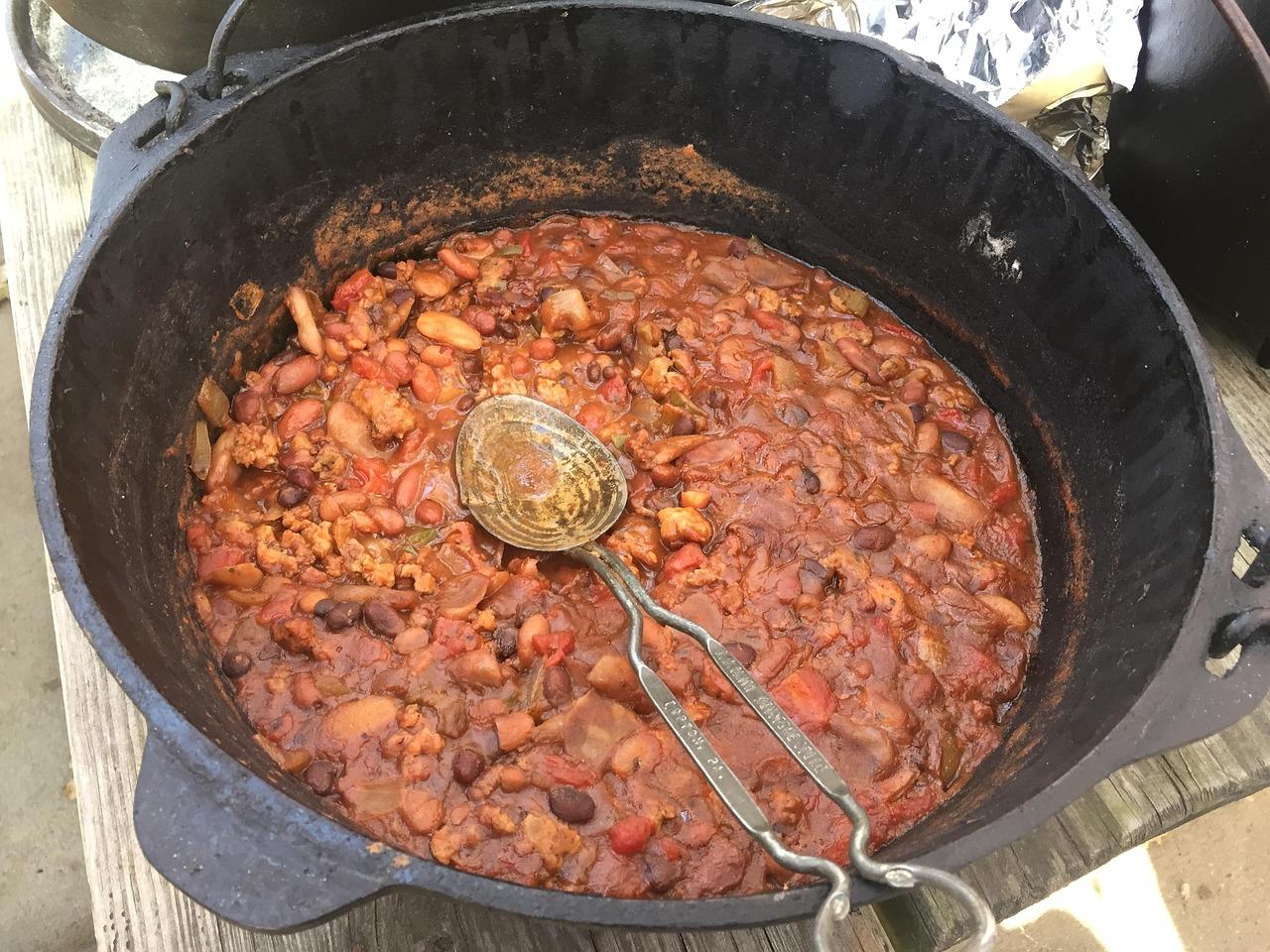
Fasolka po bretońskuWhite beans in tomato with sausage

Despite its name, nothing about fasolka po bretońsku is French; this is pure Polish canteen and milk-bar food, the thick, brick-red bean stew that has fed Warsaw students, soldiers and hungry families for generations. White beans simmer in tomato with smoked pork sausage, smoked bacon, onion and plenty of marjoram until creamy, smoky and slightly sweet. It is filling enough on its own with a hunk of bread and even better reheated the next day. Under-cooked beans are the most common disappointment; they must be soft right through before the tomato goes in, because acid stops them softening. Soak the dried beans overnight beforehand. Chef's tip: mash a ladle of the cooked beans against the side of the pot before serving to give the sauce its typical velvety body.

90 minPolishMeatGluten free
by KrazyBadal 0 views

IrimshikDried sweet cottage cheese

Irimshik is the sweet, caramel-coloured dried curd that Kazakh herding families make in summer on the jailau pastures: milk is soured with a little starter, heated until it splits, and the curds are cooked slowly in their own whey until they turn golden and fudgy, then dried in the sun. It is nibbled with tea in winter, from Almaty flats to steppe villages. This version needs no rennet, so it is vegetarian. A common mistake is draining the curd too soon; the long cook in the whey is what browns and sweetens it. Chef's tip: stir more often as the whey reduces, because the curd catches easily at the end.

180 minKazakhBasicsGluten free
by KrazyBadal 0 views

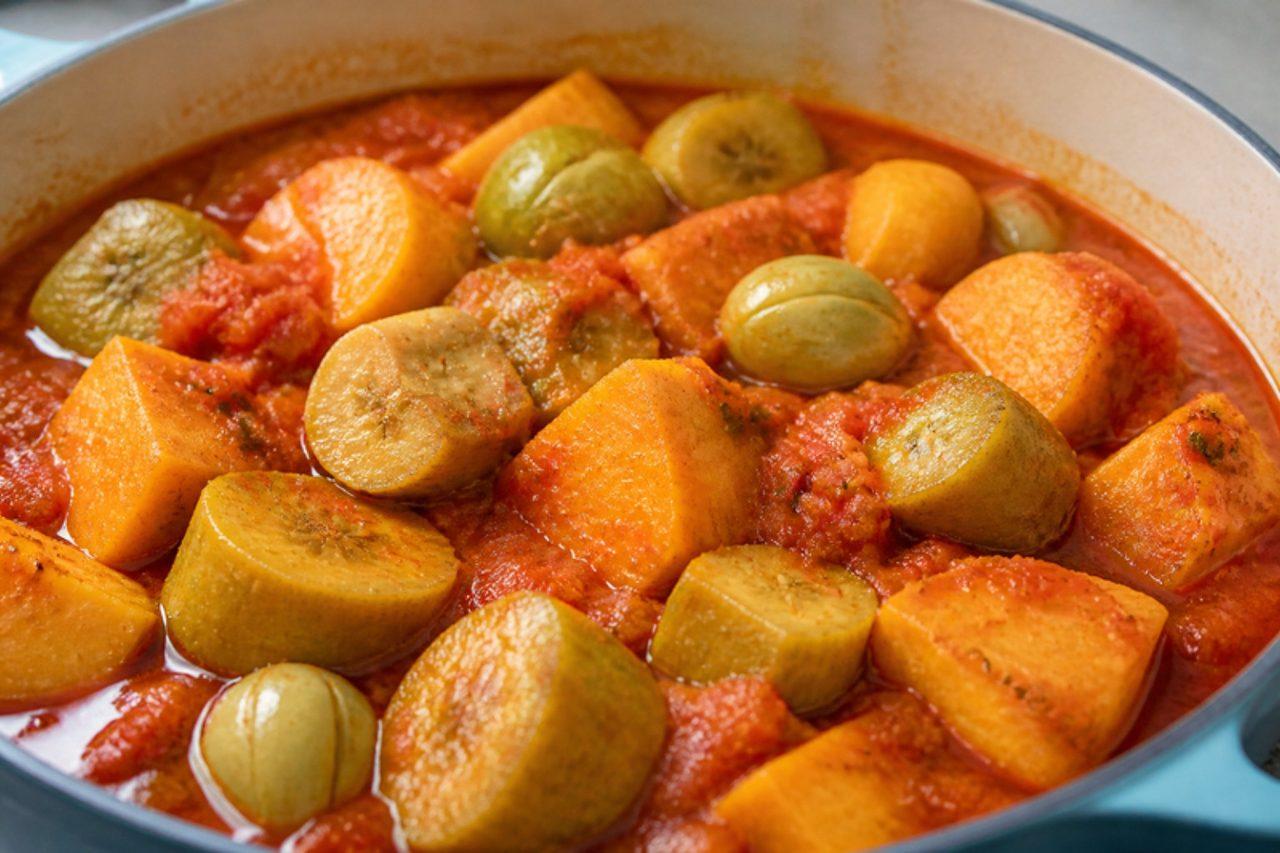
AkpessiPlantain and yam pottage

Around Bouaké and Yamoussoukro, akpessi is what Baoulé families cook when they want a filling one-pot meal with little fuss: chunks of green plantain and yam simmered right in a red palm oil and tomato sauce until tender. A few pieces are crushed into the liquid at the end, so the sauce turns thick and clings to everything. It is often made with smoked fish; this version keeps it meat-free, with soft garden eggs folded through for body. Expect an earthy, gently starchy dish with heat from the pepper, good with sliced avocado on the side. The usual mistake is stirring too much, which turns the whole pot to mush instead of leaving soft chunks. Chef's tip: oil your hands before peeling green plantains; the sticky sap washes off far more easily.

by KrazyBadal 0 views

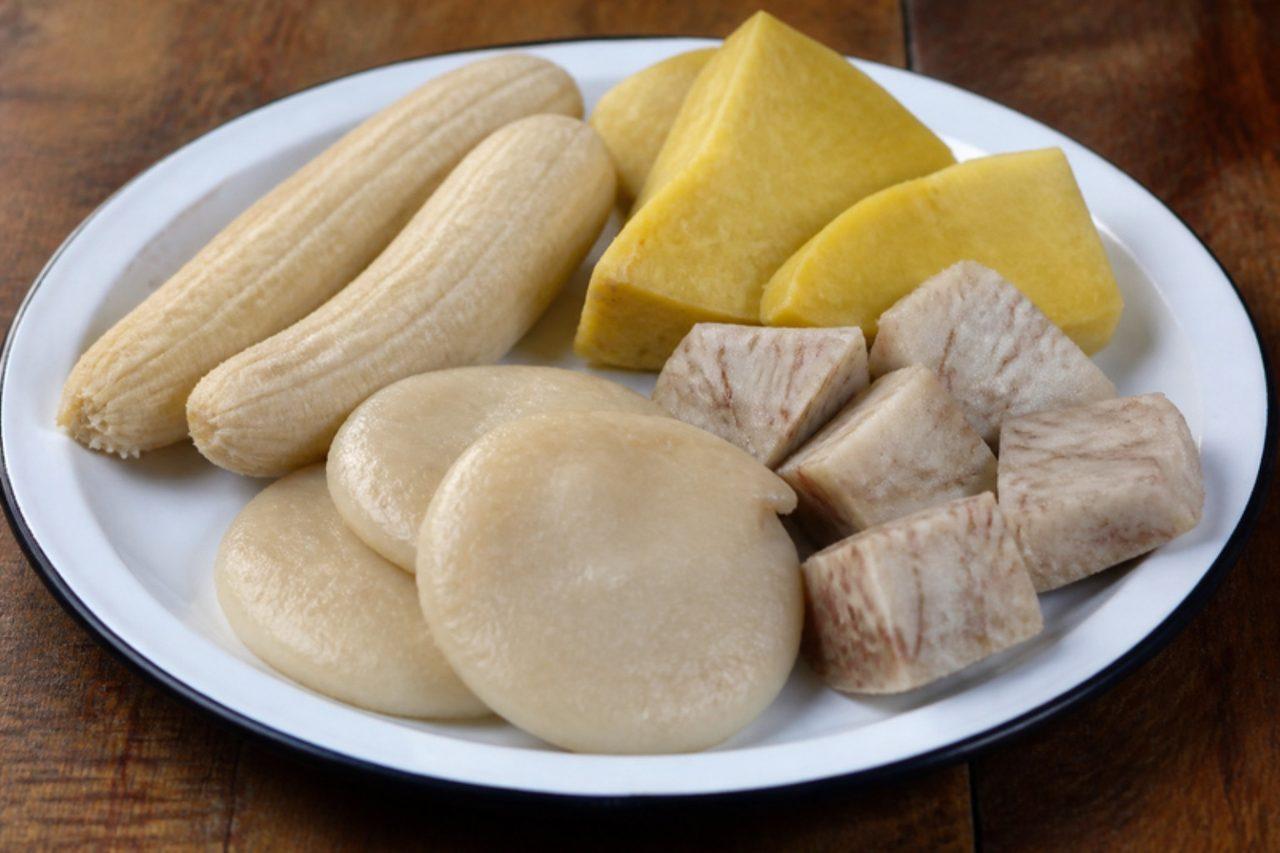
Jamaican hard foodBoiled banana, yam and dumplings

From Kingston cookshops to farm kitchens in the hills, "hard food" is the plain boiled base that sits under ackee, callaloo, stew peas or a fried egg: green bananas, a wedge of yellow yam, dasheen and chewy flour dumplings, all from one big pot. Each piece keeps its own character, from the banana's firm, faintly tangy bite to the yam's floury softness, so nothing is mashed. The usual mistake is dropping everything in at once; the roots cook at different speeds, so they go in stages. Peel green bananas with oiled hands or gloves, as the sap stains. Chef's tip: if the bananas fight you, boil them in their scored skins for 2 minutes first and the peel slips straight off.

by KrazyBadal 0 views

KulishMillet and potato soup

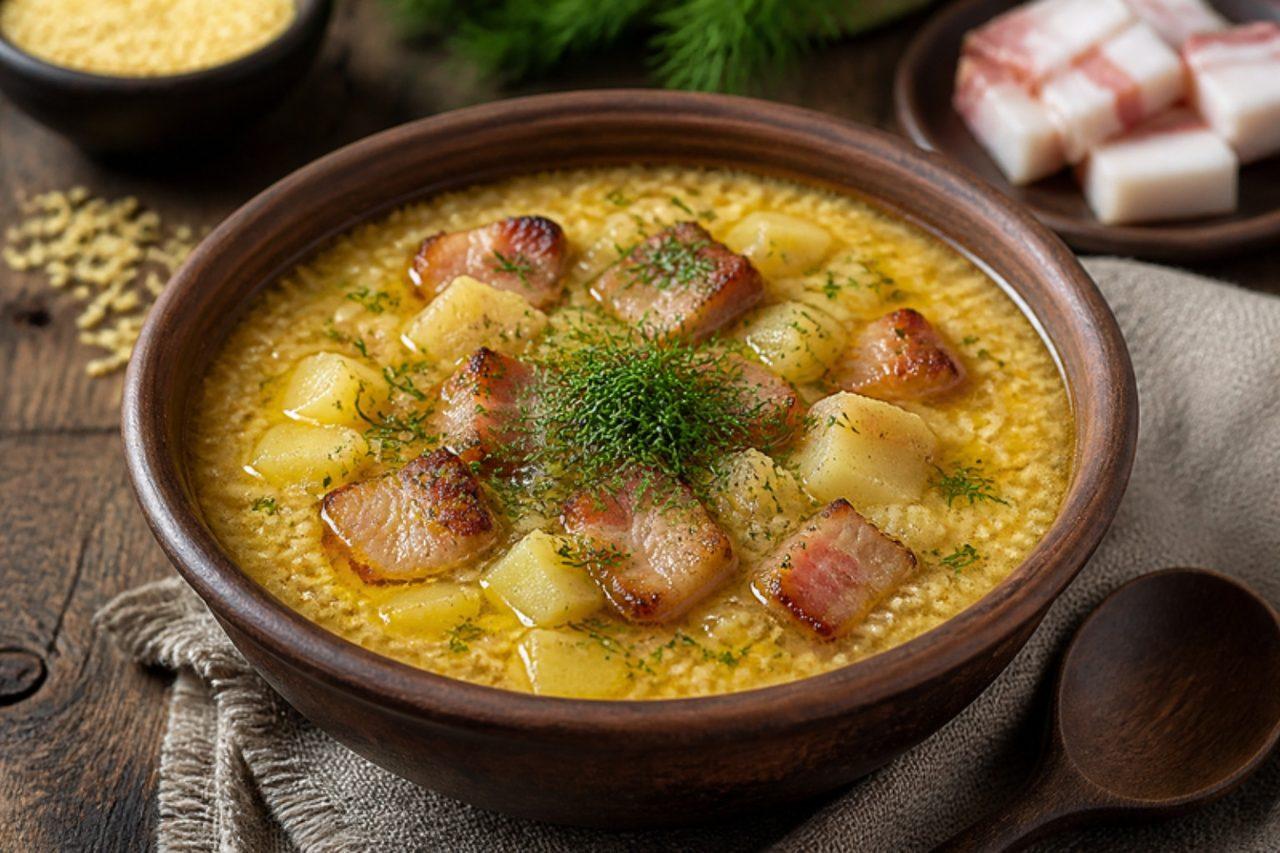
The Zaporizhian Cossacks of the Dnipro steppe cooked kulish in a black kettle over a campfire, and it is still the dish of fishing trips, summer camps and folk festivals on the island of Khortytsia. Millet, potato and onion simmer together into something halfway between a thick soup and a loose porridge, then a sizzling spoonful of fried salo, the salted pork fatback, goes in for smoky, savoury depth. It is humble, golden and comforting, best eaten hot with rye bread and a raw onion or pickle. The most common mistake is skipping the hot rinse of the millet, which leaves the porridge bitter. Kulish thickens as it stands, so loosen leftovers with a splash of water. Chef's tip: fry the salo slowly until the cubes are crisp, then fry the onion in the rendered fat; that fat carries all the flavour through the pot.

by KrazyBadal 0 views

Ciorbă de pește lipoveneascăDelta fish soup

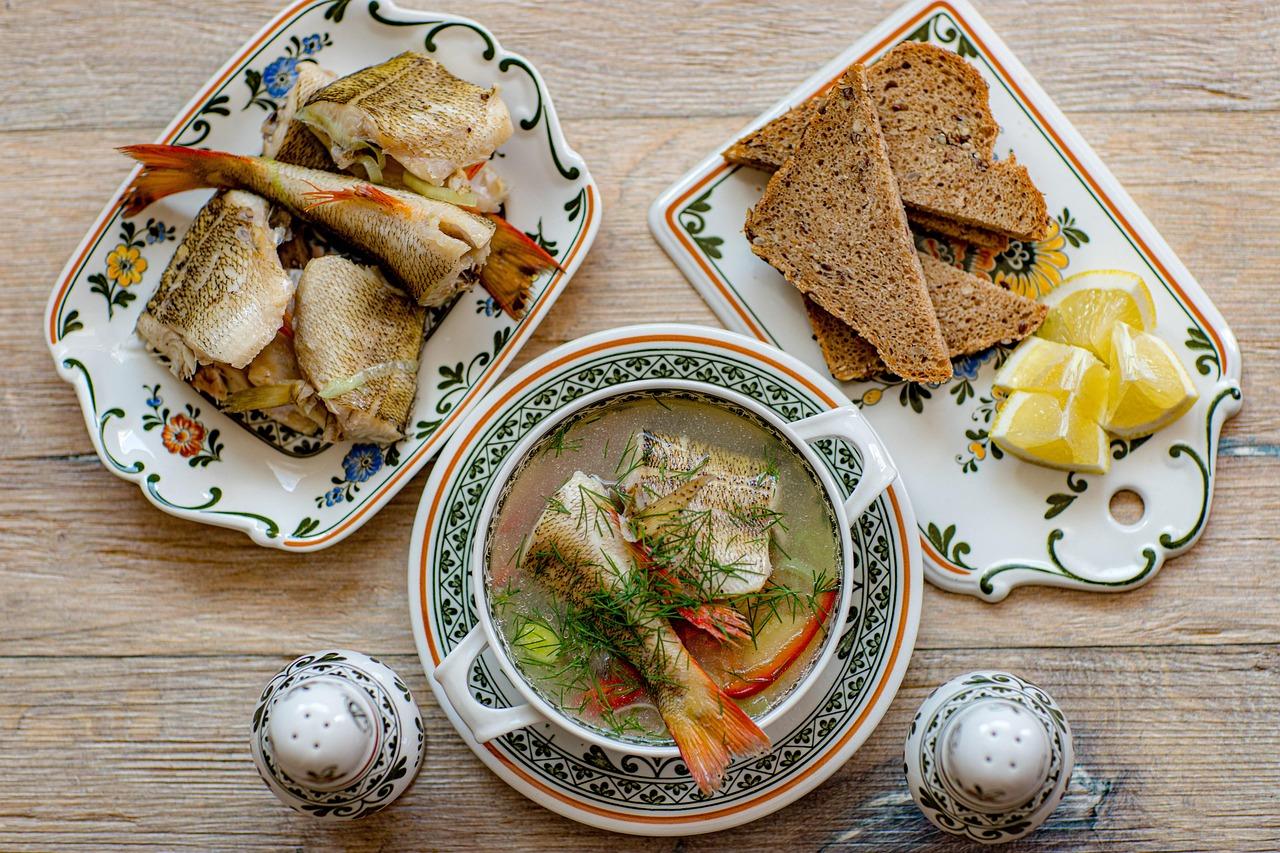
The Lipovans, Russian Old Believers who settled the Danube Delta villages of Jurilovca, Periprava and Mila 23 three centuries ago, cook their fish soup in a cauldron over a fire by the water. A broth is first made from the fish frames and tails with onion and pepper, strained, then the vegetables and thick pieces of several fish go in, usually carp, pike, zander and catfish, so each brings its own texture. The fish is lifted onto a platter and eaten with garlic sauce and mămăligă, while the clear, peppery, tomato-sharp broth is drunk from bowls. Where most cooks go wrong is stirring once the fish is in: it breaks into flakes. Shake the pot instead. Chef's tip: a splash of the cold sauerkraut juice or borș at the end, instead of lemon, gives the sourness Delta cooks prefer.

by KrazyBadal 0 views

Ciorbă de pui cu tarhonChicken soup with tarragon

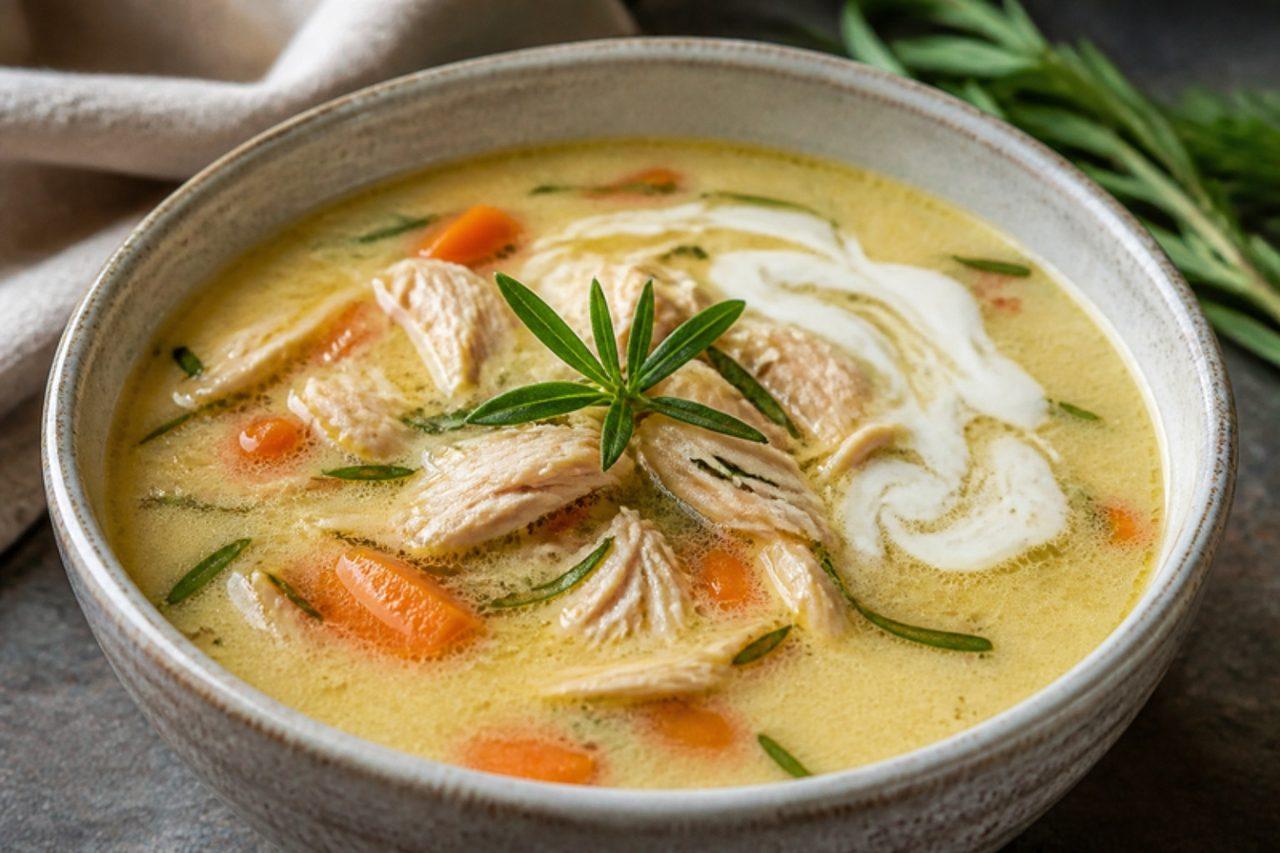
Tarragon grows in almost every garden in Transylvania, from Saxon villages near Sibiu to the Hungarian towns of Harghita, and it is what makes this chicken soup taste of the region. Pieces of chicken simmer with root vegetables and potato, the pot is soured with a splash of vinegar, and at the end sour cream and a big handful of chopped tarragon go in, giving a pale, creamy broth with a gentle aniseed lift. Unlike the egg-thickened soups of Moldavia, this one stays light and brothy. It is eaten as the first course of a Sunday lunch, with fresh bread and a hot pepper. A common mistake is adding the tarragon too early; long cooking turns it bitter and grey, so stir it in just before serving. Chef's tip: a spoon of tarragon pickled in vinegar, as Transylvanian cooks keep it, does the souring and flavouring in one.

by KrazyBadal 0 views

Ciorbă de hribiPorcini soup

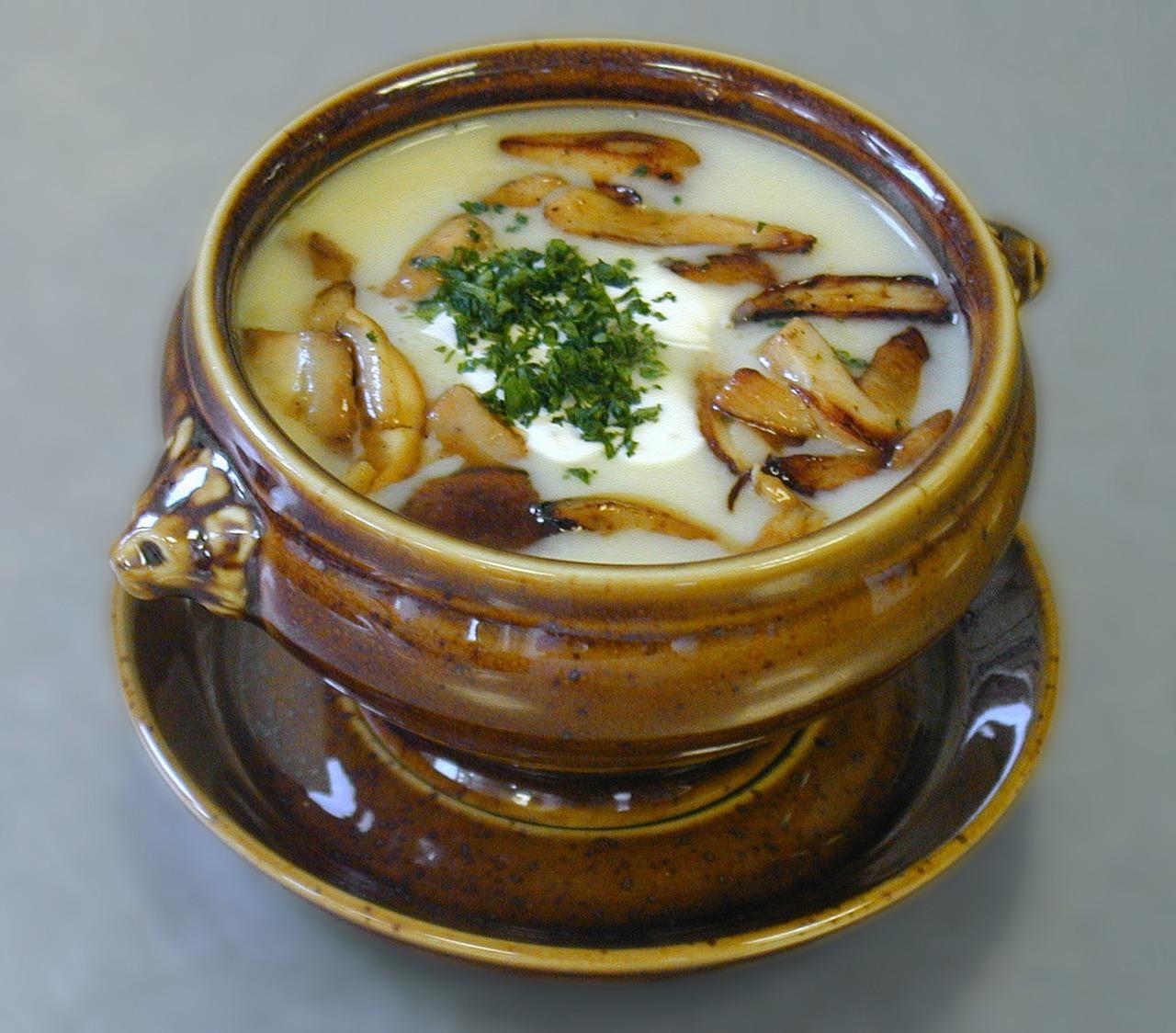
Late summer in the beech and spruce forests of Maramureș sends whole families out with baskets, and the first pot of the season is usually this sour porcini soup. Fresh hribi give it a meaty bite, a handful of dried ones deepen the broth, and a spoon of vinegar plus sour cream turns it into a proper ciorbă: tangy, creamy and smelling of the woods. It is eaten as a first course with a slice of rye bread and a fresh hot pepper on the side, often during the Orthodox fasting weeks in its cream-free form. The usual slip is stirring cold sour cream straight into the pot, where it splits into white flecks; warm it with a ladle of broth first. Chef's tip: keep the soaking water from the dried porcini and pour it in slowly, leaving the last spoonful and its grit behind in the bowl.

by KrazyBadal 0 views

Ciorbă de urziciNettle soup

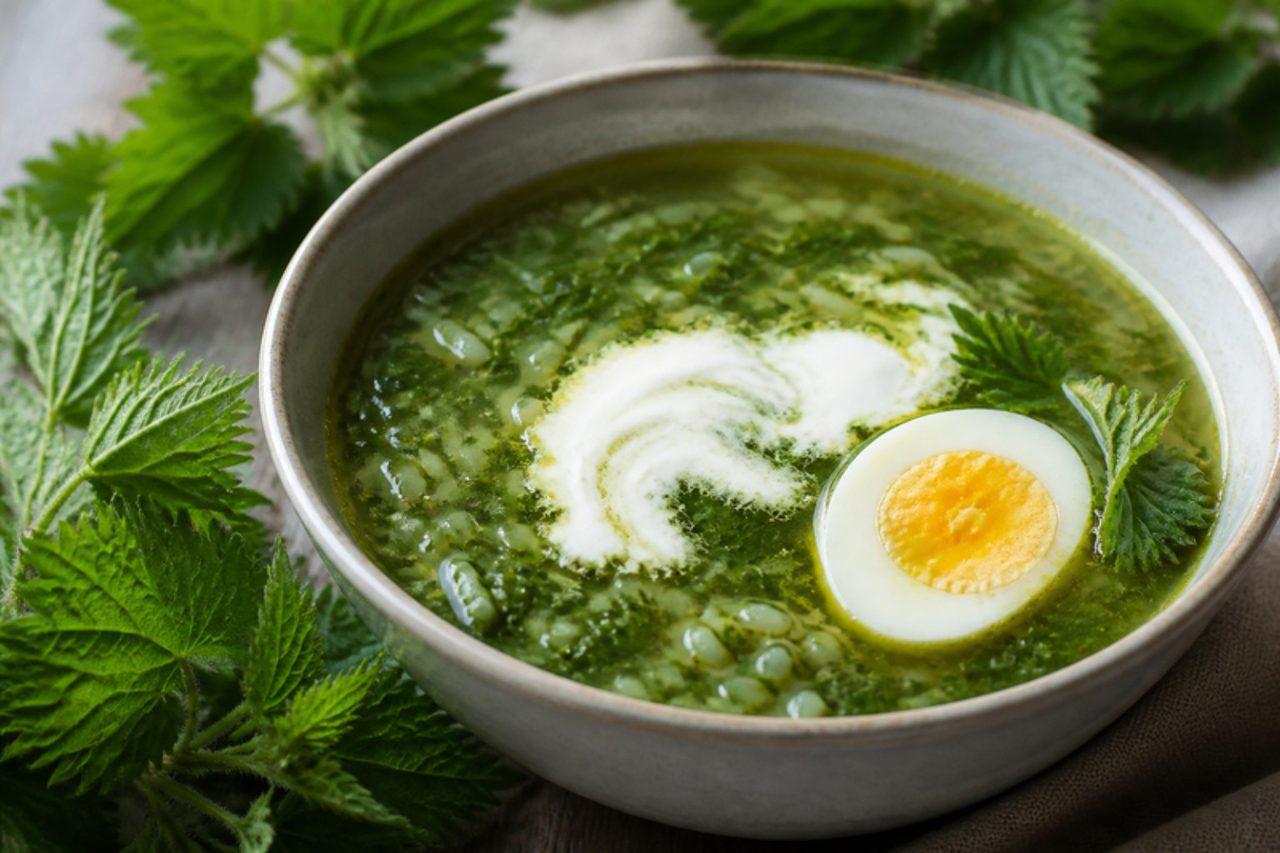
Around Iași and in the Moldavian hills, the first young nettles of March and April arrive just as the long Easter fast begins, and a green, sour ciorbă de urzici is often the first fresh vegetable dish of the year. It is a vegan post dish: nettle tops, spring onions and a little rice simmered together, then soured with borș until the broth is bright and tangy, with a grassy, spinach-like depth. Wear gloves to pick and wash the nettles and use only the young tops, the first four to six leaves; older, flowering plants turn tough and gritty. The classic error is boiling the nettles for too long, which makes them grey and stringy. Chef's tip: add a handful of chopped lovage with the borș, as it gives the soup its unmistakably Moldavian flavour.

by KrazyBadal 0 views

ĆimburEggs cooked on sweet onion

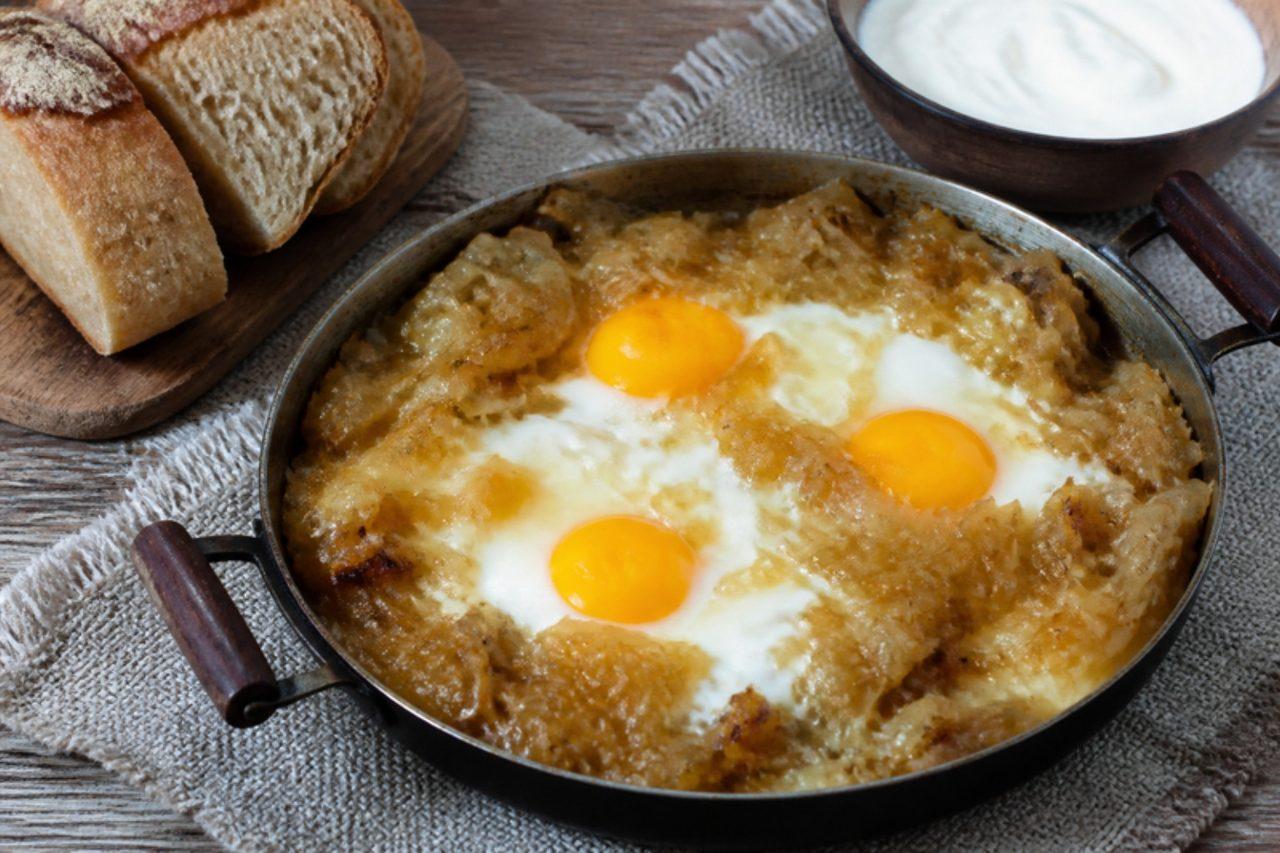
Bosnian home cooks make ćimbur when there are eggs, onions and not much else, and it is a favourite weekend breakfast, or a quick sehur before dawn during Ramadan. Lots of sliced onion is cooked gently in butter until meltingly soft and sweet, then eggs are cracked into little hollows and covered until the whites set, so you scoop up runny yolk, silky onion and a dusting of paprika with warm bread or somun. A bowl of plain yogurt on the side is common. A common mistake is rushing the onions over a high heat, so they scorch on the edges while staying crunchy inside; patience over a medium-low flame is what makes the dish. Chef's tip: if the onions start to catch before they are soft, add a splash of water and keep going.

by KrazyBadal 1 views

Ciorbă de fasole verdeGreen bean soup

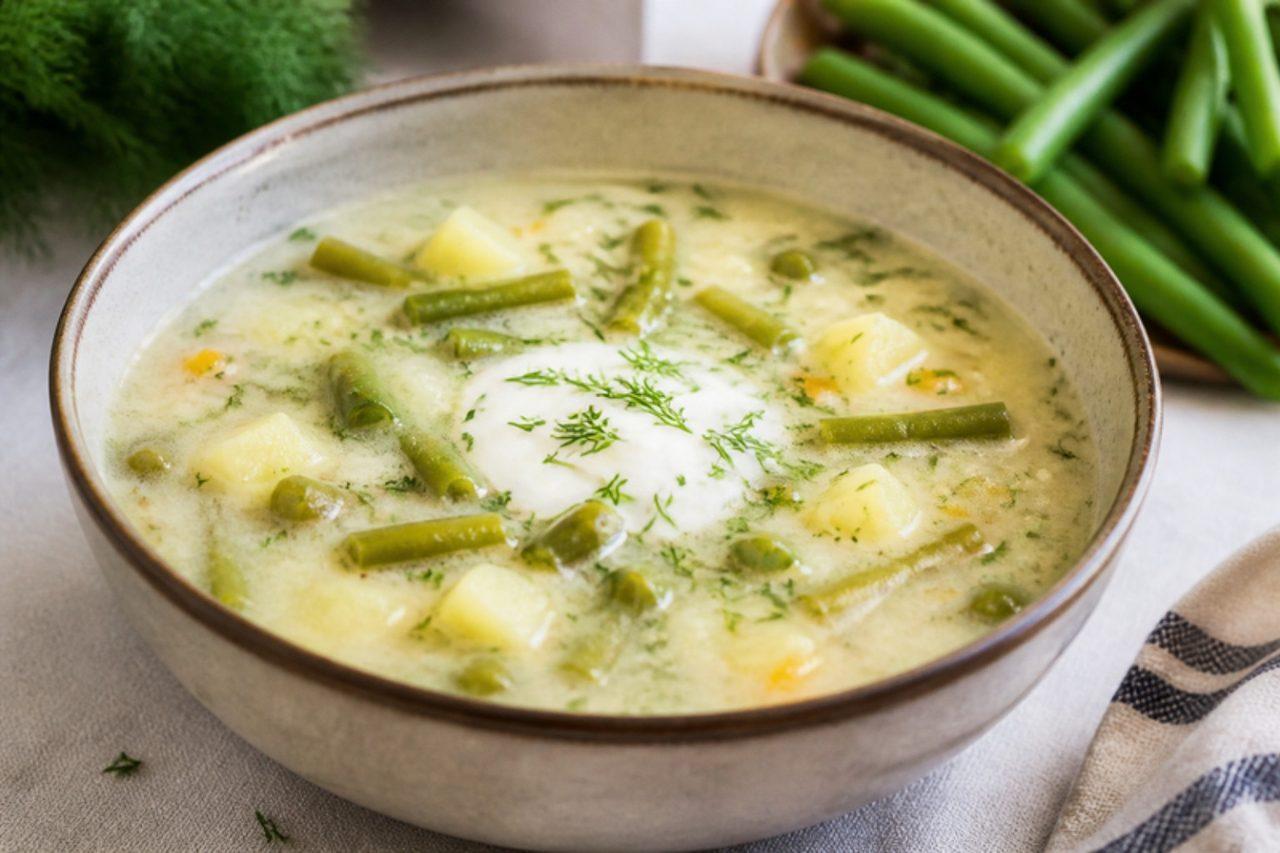
High summer in Transylvania means green beans by the basketful, and both Romanian and Hungarian households around Cluj and Târgu Mureș turn them into this pale, creamy, sour soup, which Hungarian cooks call tejfölös zöldbableves. Beans, potato and a little pepper simmer in a light tomato broth that is soured with vinegar, then finished off the heat with sour cream and a fistful of dill, so every spoonful is tangy, silky and fresh. Serve it hot for lunch with good bread, or with mămăligă for a thicker meal. The classic mistake is tipping cold sour cream straight into the boiling pot, where it curdles into flecks; temper it with hot broth first. Chef's tip: add the vinegar gradually and taste, as the soup should be bright but not sharp.

by KrazyBadal 0 views

Arepa dominicanaSweet cornmeal coconut cake

Not the stuffed corn patty of Venezuela: in the Dominican Republic arepa means a dense, sweet cornmeal cake that grandmothers once baked in a covered pot with hot coals on the lid. The cornmeal is first cooked with coconut milk, milk, butter, sugar and cinnamon into a thick porridge, then baked until it sets with a dark, caramelised crust and a soft, pudding-like centre. It is eaten at merienda with coffee or a glass of cold milk. The common mistake is not cooking the cornmeal long enough on the hob, which leaves the cake gritty. Chef's tip: let the arepa cool completely before slicing; warm, it is too soft to cut cleanly.

by KrazyBadal 0 views

Ciorbă rădăuțeanăSour chicken soup with garlic

Rădăuți, a small town in Bukovina, gave its name to this soup in the 1970s, when a local restaurant cook began treating chicken the way Romanians treat tripe: a clear broth, soured with vinegar and thickened at the end with egg yolks, sour cream and plenty of garlic. The result is pale gold, velvety and tangy, with tender shreds of chicken; many prefer it to the tripe original, and it is a firm favourite at Suceava wedding lunches and the morning after. Serve it with a fresh hot pepper, extra garlic paste and warm bread. The mistake almost everyone makes once is letting the soup boil after the yolks go in, so they scramble; temper them, then keep the pot hot but below a simmer. Chef's tip: add the vinegar a spoon at a time at the very end; it should taste clearly sour but never vinegary.

by KrazyBadal 0 views

Chwee kuehSteamed rice cakes with preserved radish

Breakfast queues at Tiong Bahru Market and Ghim Moh hawker centre move fast because chwee kueh is sold by the plateful: four or six flat white rice cakes, each with a shallow dimple holding a spoonful of glossy chye poh, fried preserved radish that is sweet, salty and a little crunchy. The cakes are just set, soft and slightly wobbly, and they are scooped from the moulds with a flat blade and eaten with a dab of sharp red chilli and a cup of kopi. Hawker chye poh is normally simply radish, garlic, oil and sugar, and this version keeps it that way, with no dried shrimp and no shrimp paste in the chilli. The usual mistake is trying to unmould the cakes while they are still warm; hot batter tears and sticks, so let them cool fully in their cups. Chef's tip: heat the empty, oiled moulds in the steamer for 3 minutes before you pour; the hot metal sets the bottom at once and gives you the classic dip in the middle.

by KrazyBadal 0 views

ChvishtariCornmeal and cheese cakes

Chvishtari belongs to the high villages of Svaneti, around Mestia and Ushguli, where cornmeal and cheese are the winter larder: a stiff cornmeal dough is worked with lots of grated sulguni, shaped into flat cakes and fried or baked so the cheese bubbles out and crisps at the edges. Svan families eat them hot with tea or with a bowl of lobio. A common mistake is using too little cheese; it is the cheese that binds the cornmeal, and a lean dough falls apart in the pan. Chef's tip: wet your hands when shaping, so the dough doesn't stick and the cakes stay smooth. Sulguni is usually made with animal rennet; use a vegetarian cheese.

by KrazyBadal 0 views

CicvaraKajmak and cornmeal porridge

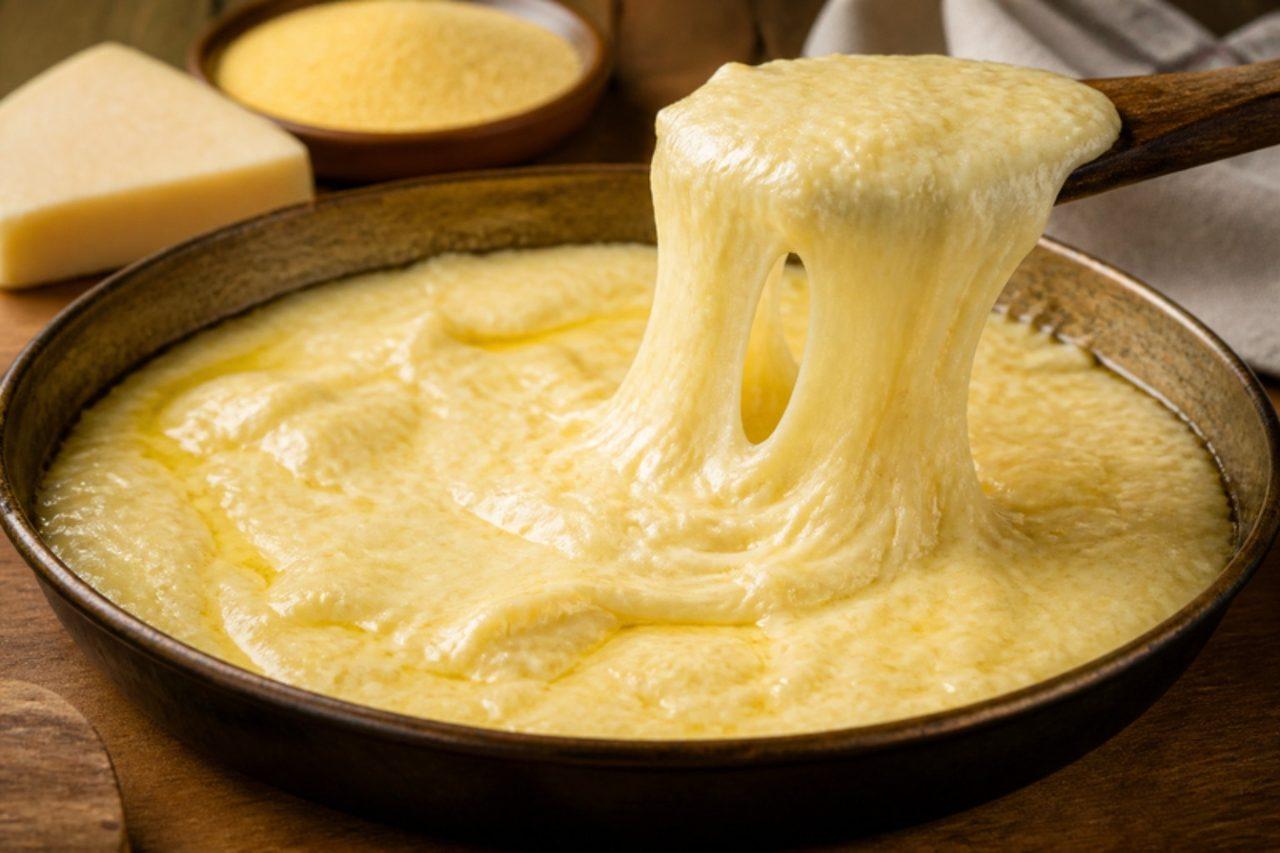
Shepherds' huts on the Durmitor and Sinjajevina plateaus in northern Montenegro gave the Balkans cicvara, a dish of kajmak and young cheese melted slowly with cornmeal until it turns rich, golden and stretchy and butter seeps out at the edges. It is stirred and eaten hot, often at breakfast after early milking, with a cup of cold sour milk or plain yogurt to cut the richness. Young cheese for this is fresh and mild; most is made with rennet, so look for one with vegetarian rennet if you need to, and use clotted cream if you can't get kajmak. A common mistake is turning up the heat to hurry it, which burns the bottom and makes the cheese seize into rubbery lumps. Chef's tip: stir with a wooden spoon in figure-of-eight strokes and keep going until a thread of cheese stretches as you lift it.

by KrazyBadal 0 views

HusliankaFermented Hutsul milk

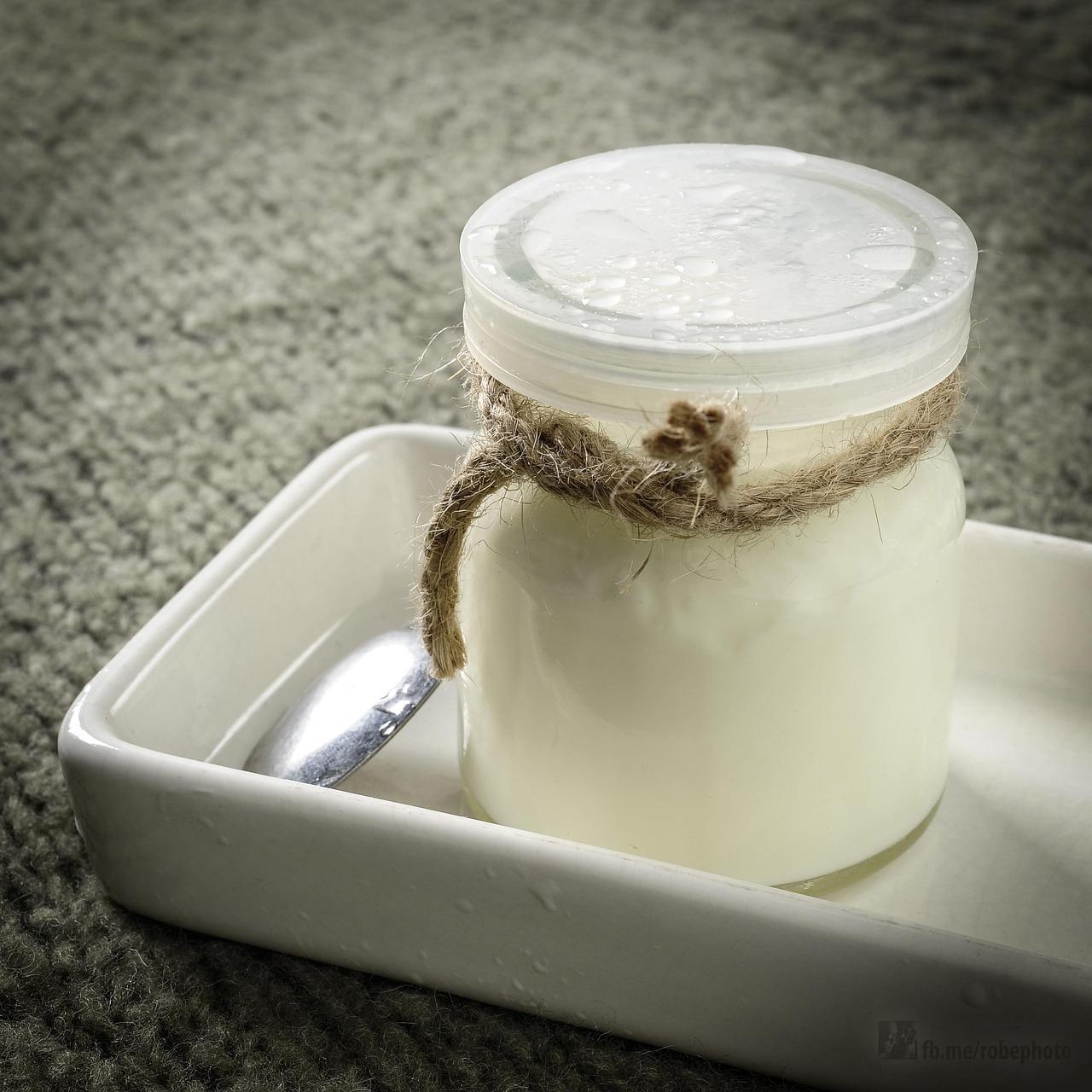
High in the Hutsul villages around Verkhovyna and Kosiv, milk was boiled, cooled and left to sour in a wooden keg called a berbenytsia, which held the cultures from the last batch and gave the drink its name and its gentle tang. The result is huslianka: thicker than kefir, smooth like loose yogurt, with a fresh, clean sourness that shepherds drank with mamalyha and new potatoes. Today you will find it bottled at Carpathian markets, but it is easy to make in a glass jar at home. For safety, always start from pasteurised milk, use a scrupulously clean jar and move it to the fridge as soon as it sets. The usual slip is adding the starter while the milk is still hot, which kills the cultures, so cool it to body temperature first. Discard any batch that grows fuzzy or pink mould or smells unpleasant. Chef's tip: keep two spoons of each batch to start the next one; the flavour gets rounder with every round.

by KrazyBadal 0 views

Hutki shiraDried fish and aubergine curry

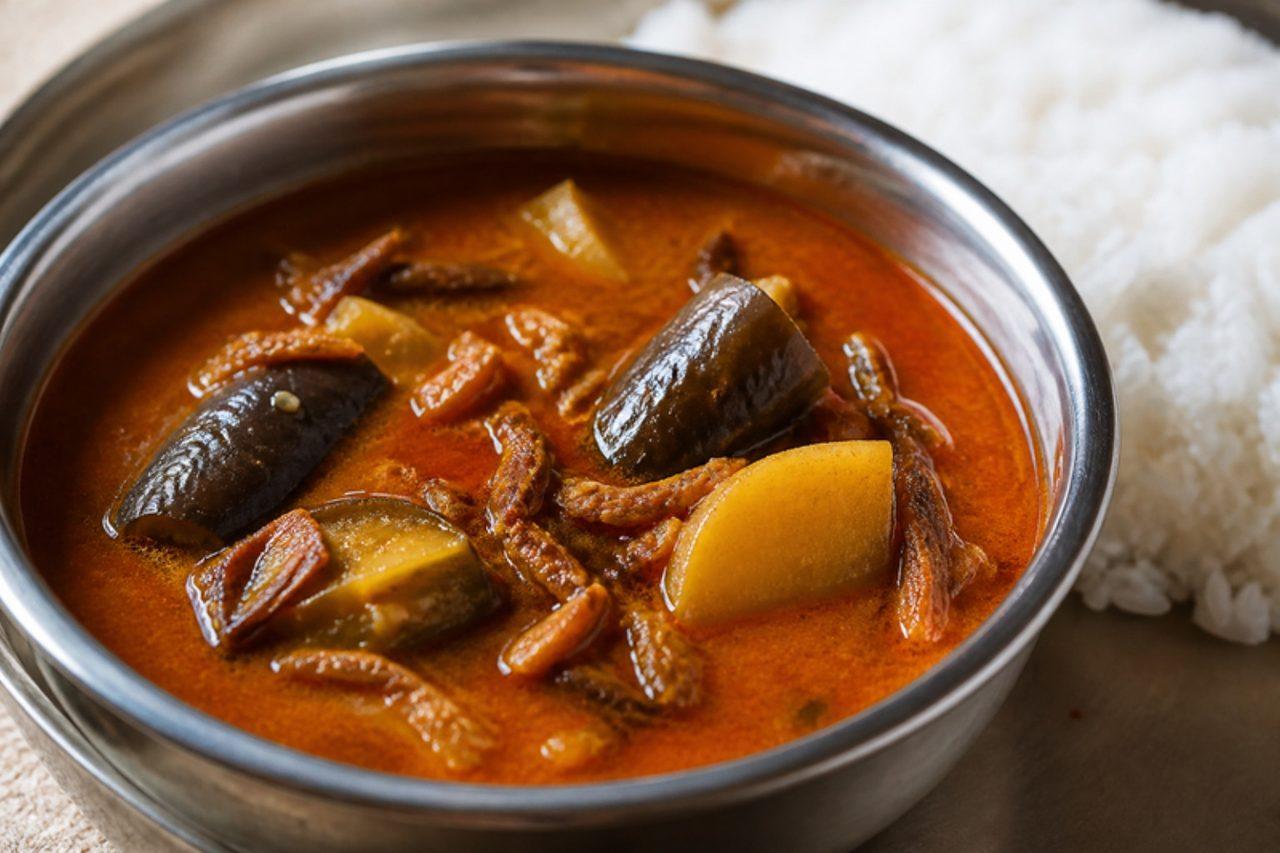
Hutki is what Sylhetis call shutki, sun-dried fish, and a pot of hutki shira, a thin, soupy curry, is pure home cooking from Sylhet, Sunamganj and the haor villages, where fish dried in the dry season feeds families through the rest of the year. The broth is fiery with fresh and dried chilli and full of garlic, softened with chunks of potato, brinjal and sometimes tomato or shatkora, and it is ladled over plenty of plain rice. The smell of the dried fish is strong as it cooks, but it mellows into a deep savoury taste. Skipping the soak is the error that ruins it: unwashed hutki is gritty and far too salty. Buy dried fish from a busy, reputable Asian grocer, and choose pieces that are dry, firm and free of mould. Chef's tip: keep the broth loose; shira should be soupy enough to drown the rice.

by KrazyBadal 0 views

Chunga pithaBamboo-roasted sticky rice

On cold winter nights in Sylhet and Moulvibazar, especially among the Manipuri and Khasi villages near the hills, sticky binni rice is packed into green sections of dolu bamboo with milk, sugar and coconut, plugged with straw and pushed into the embers of a fire. As the bamboo blackens the rice steams inside, and when the tube is split open it slides out as a smooth, glossy log, sweet, milky and faintly smoky. Families eat it hot, sliced into rounds, sometimes with a curl of date-palm jaggery or with fish curry for a savoury contrast. Fresh bamboo is hard to find outside Bangladesh, so this recipe also gives a banana-leaf and foil method that works under a hot grill. Underfilled tubes are the classic misstep: the rice needs room to swell but should be packed to about three-quarters full. Chef's tip: soak the rice for at least 4 hours so it cooks evenly before the outside scorches.

by KrazyBadal 0 views

Huevos haminadosOvernight slow-cooked eggs

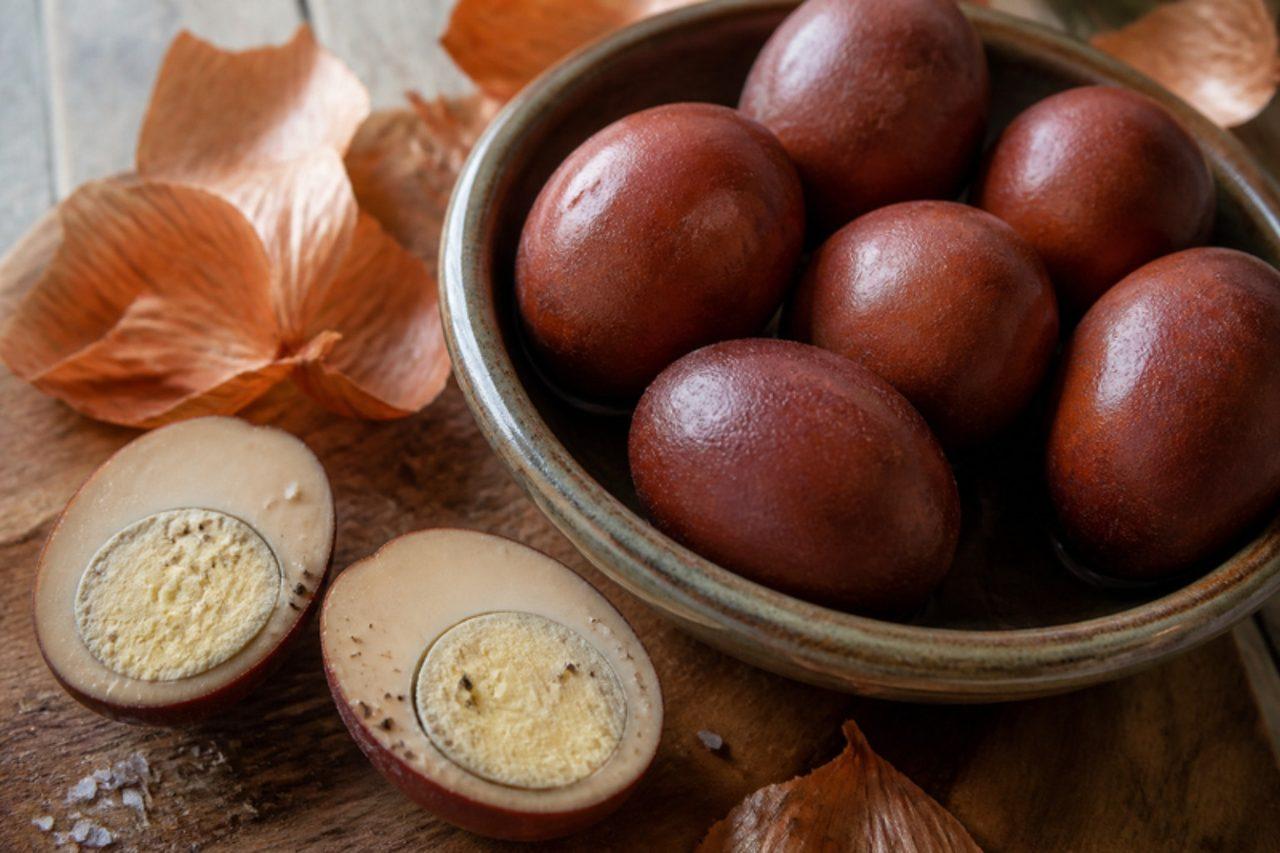
Sephardic families of Turkish and Greek origin in Jerusalem's Nachlaot and in Bat Yam tuck eggs into the Shabbat hamin or simmer them alone overnight, and by morning the shells are mahogany and the whites a pale coffee colour. The long, gentle heat turns the yolks creamy and the whites soft and faintly savoury, with none of the sulphur smell of a fast boiled egg. Serve them with bourekas, cucumber salad and grated tomato on Shabbat morning or at a Passover seder. The mistake is letting the pot boil hard, which cracks the shells and makes the whites rubbery. Chef's tip: a tight lid and the lowest oven setting are all you need; top up the water at bedtime so the eggs never go dry.

by KrazyBadal 0 views

Amala ko acharGooseberry pickle

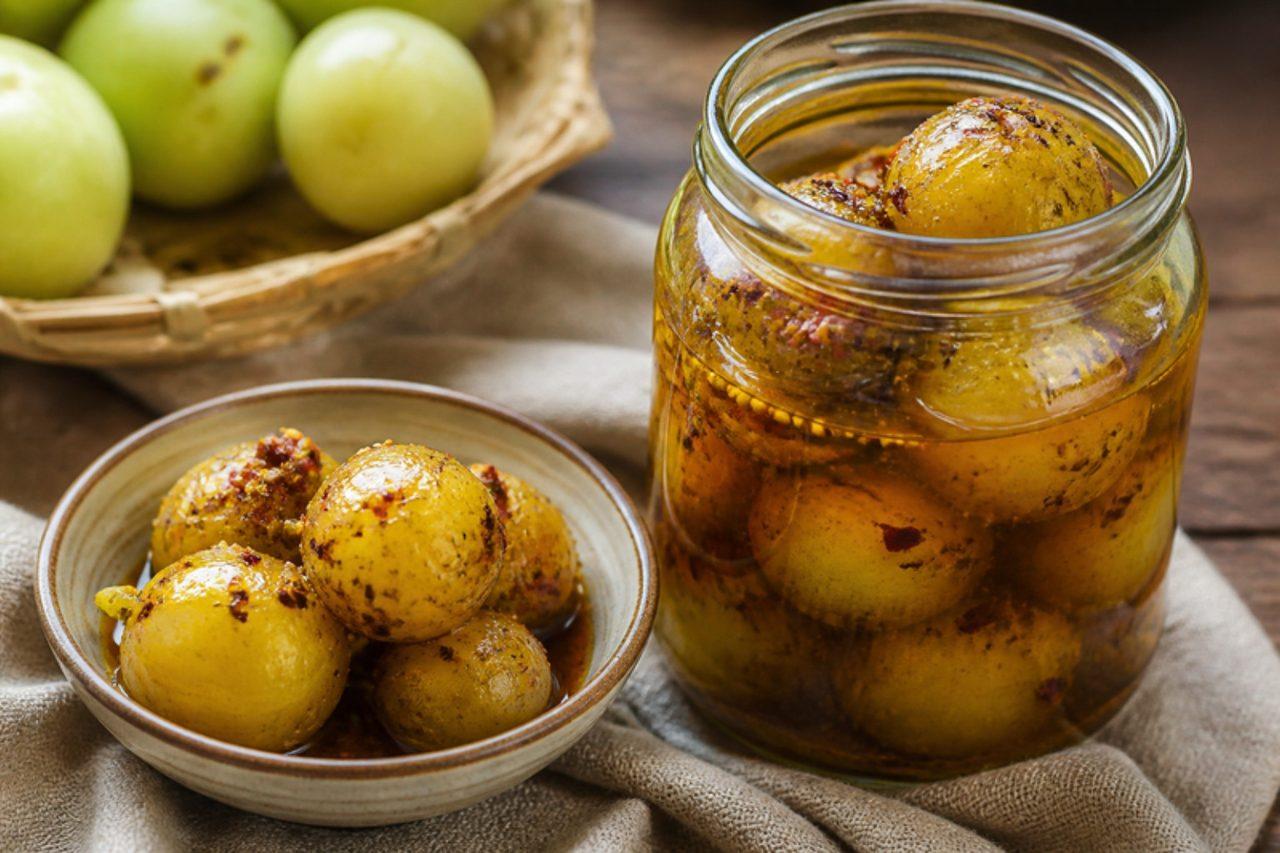
Amala trees grow wild across the Chure hills and the lower valleys of Nepal, and in winter the hard, translucent green gooseberries are piled high in vegetable markets in Kathmandu, Hetauda and Butwal, prized as a source of vitamin C during the cold months. Steamed until they split into neat segments, then mixed with chilli, turmeric, fenugreek and hot mustard oil, they make a pickle that is crunchy, astringent, sour and spicy all at once, with a lingering sweetness that comes up after each bite. A spoonful goes alongside dal bhat or with a plain bowl of rice porridge when someone is unwell. The trap to avoid is steaming the berries too long, which turns them mushy and dull. Chef's tip: stop as soon as the first cracks appear on the skins; the segments should pull off the stone easily but still have a firm bite.

by KrazyBadal 0 views

Hulbat marakLamb broth with whipped fenugreek

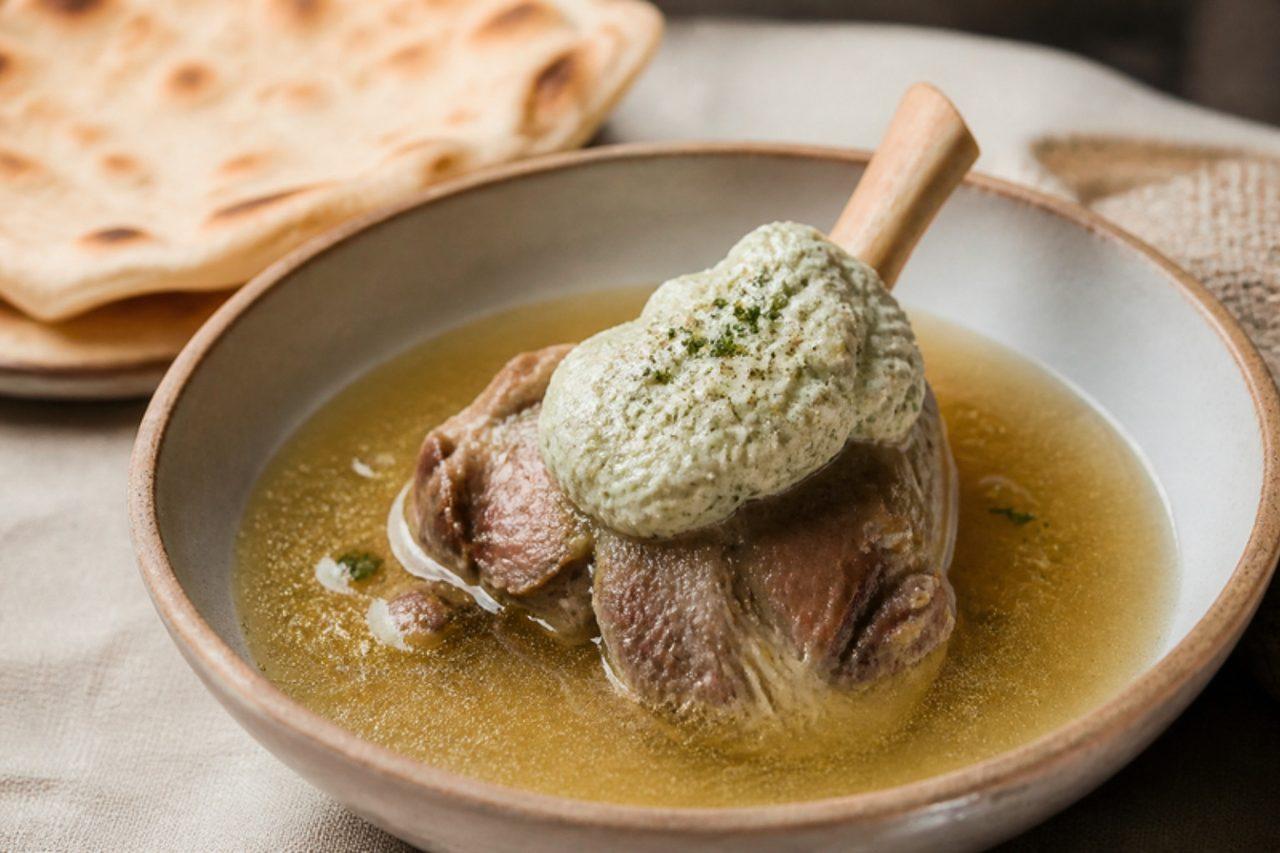
Inside the old walled city of Harar, cooking carries the flavours of centuries of trade with Arabia, and hulbat marak shows it clearly. A light, golden lamb broth, scented with cumin, turmeric and cardamom, is ladled into bowls and topped with a spoonful of hulbat: fenugreek soaked, then whipped with lemon and green chilli into a pale, frothy cream. Torn flatbread goes in to soak up the broth, and the slightly bitter, tangy foam slowly melts into the soup as you eat. It is warming, delicate and not spicy at all. Chef's tip: soak the fenugreek for at least 2 hours and pour off the water; that is what keeps the topping mellow rather than harshly bitter.

by KrazyBadal 0 views

ChremslachMatzo meal fritters

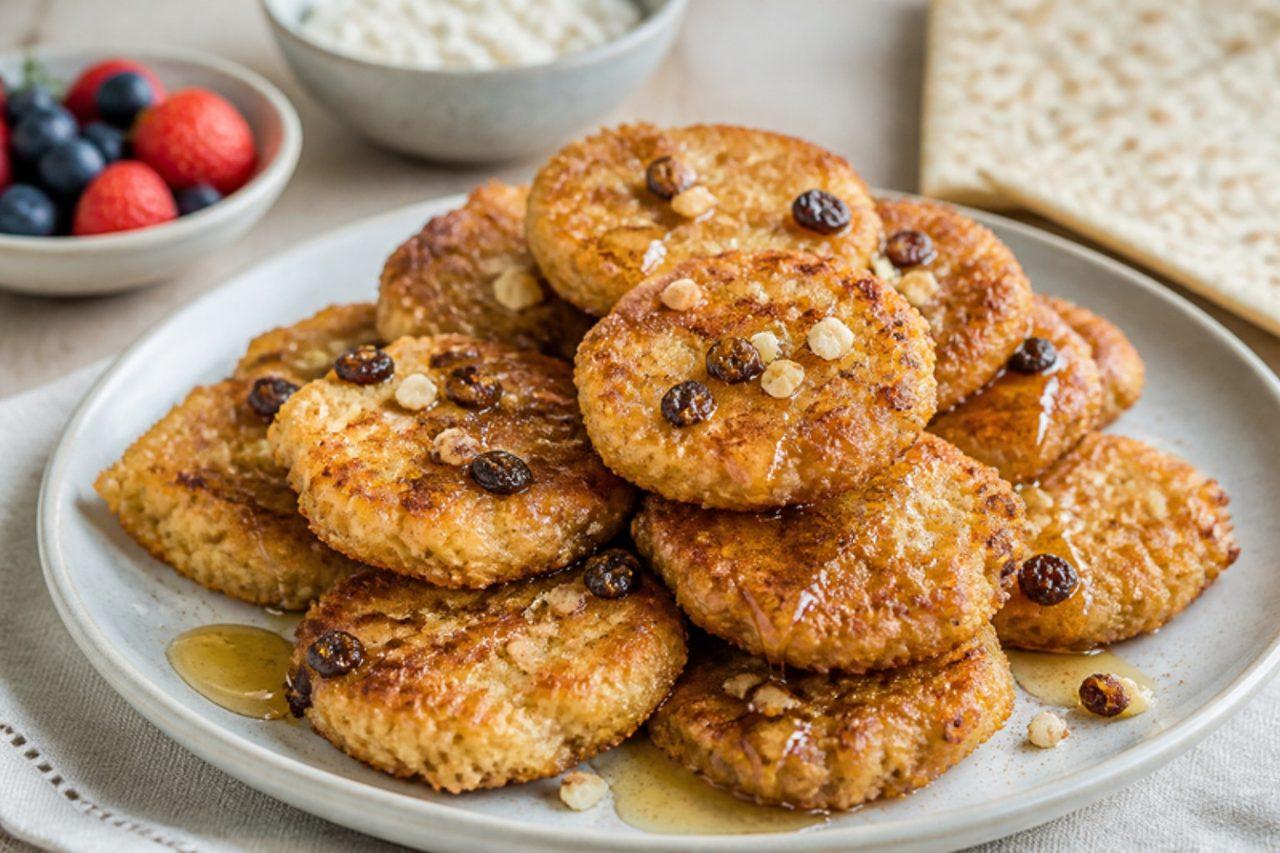
Chremslach are a Galician and Polish Passover sweet still fried in Ashkenazi kitchens in Haifa and Jerusalem during the holiday week, often eaten as a dessert after the seder leftovers or for a festive breakfast. Matzo meal is mixed with eggs, sugar, raisins, chopped almonds and cinnamon into a thick batter, then dropped into hot oil in spoonfuls to make small, puffy fritters, crisp outside and soft inside. Serve them warm, dusted with sugar or drizzled with honey. The common mistake is frying straight away: the matzo meal needs 15 minutes to swell, or the fritters fall apart in the oil. Chef's tip: wet your spoon between fritters so the sticky batter slides off cleanly.

by KrazyBadal 0 views

Bolo fiadoLayered pastry and cashew cake

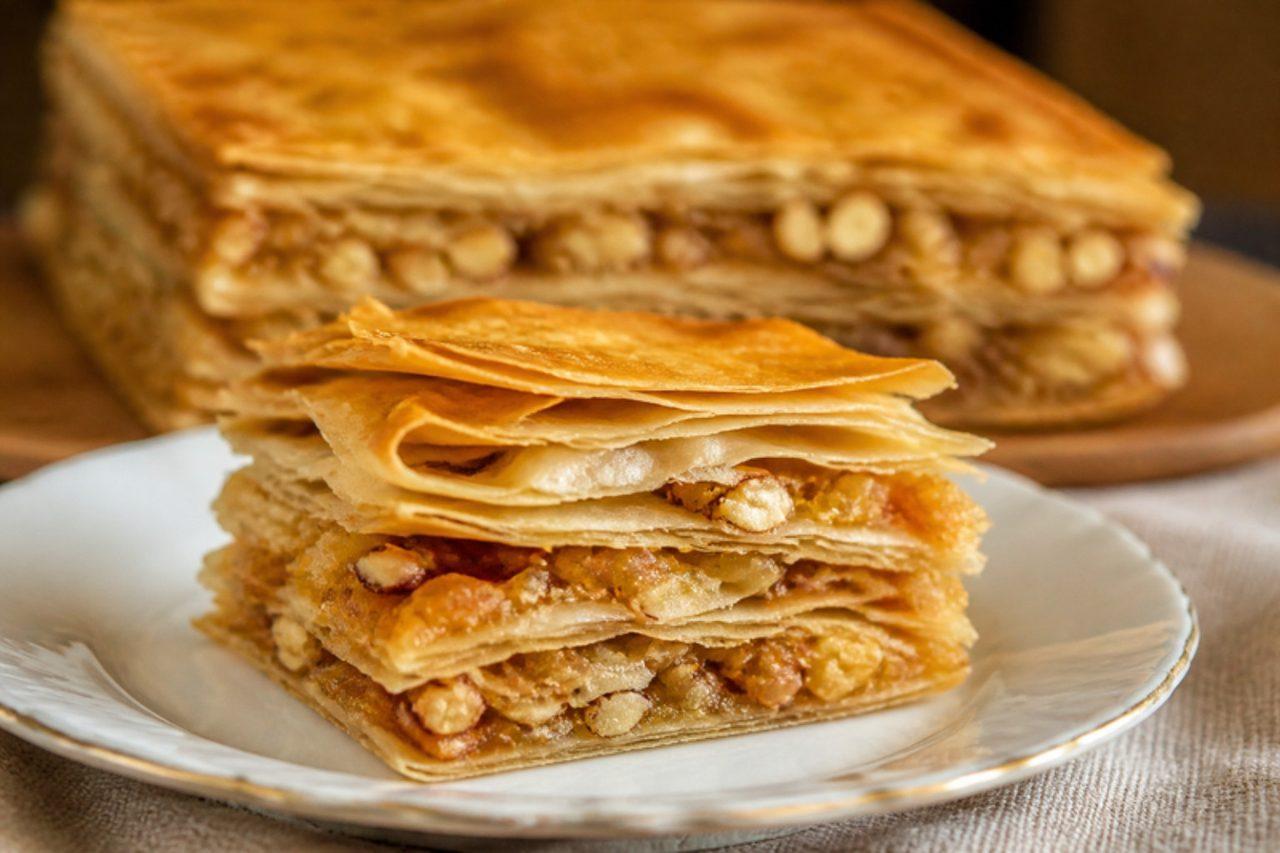
The name comes from Portuguese and means something like spun cake, and among the Burgher families of Colombo and Batticaloa it is the showpiece of the Christmas sweet table, harder work than love cake and saved for special years. Paper-thin sheets of egg-rich dough are stacked in a tin, each brushed with melted butter and scattered with a sweet mixture of cashews, pumpkin preserve, sugar, cardamom and rosewater, then baked until the layers puff and turn crisp and golden. Cut into squares, it flakes at the top and stays tender and sticky inside. Where it usually goes wrong is the dough: sheets rolled too thick bake up bready instead of flaky, so roll until you can almost see the board through them. Pumpkin preserve (puhul dosi) is sold in Sri Lankan grocers; candied winter melon works too. Chef's tip: rest the dough properly, a full 30 minutes, because relaxed gluten lets you roll it far thinner without tearing.

by KrazyBadal 0 views

Chuijhal mangshoBeef with chuijhal spice

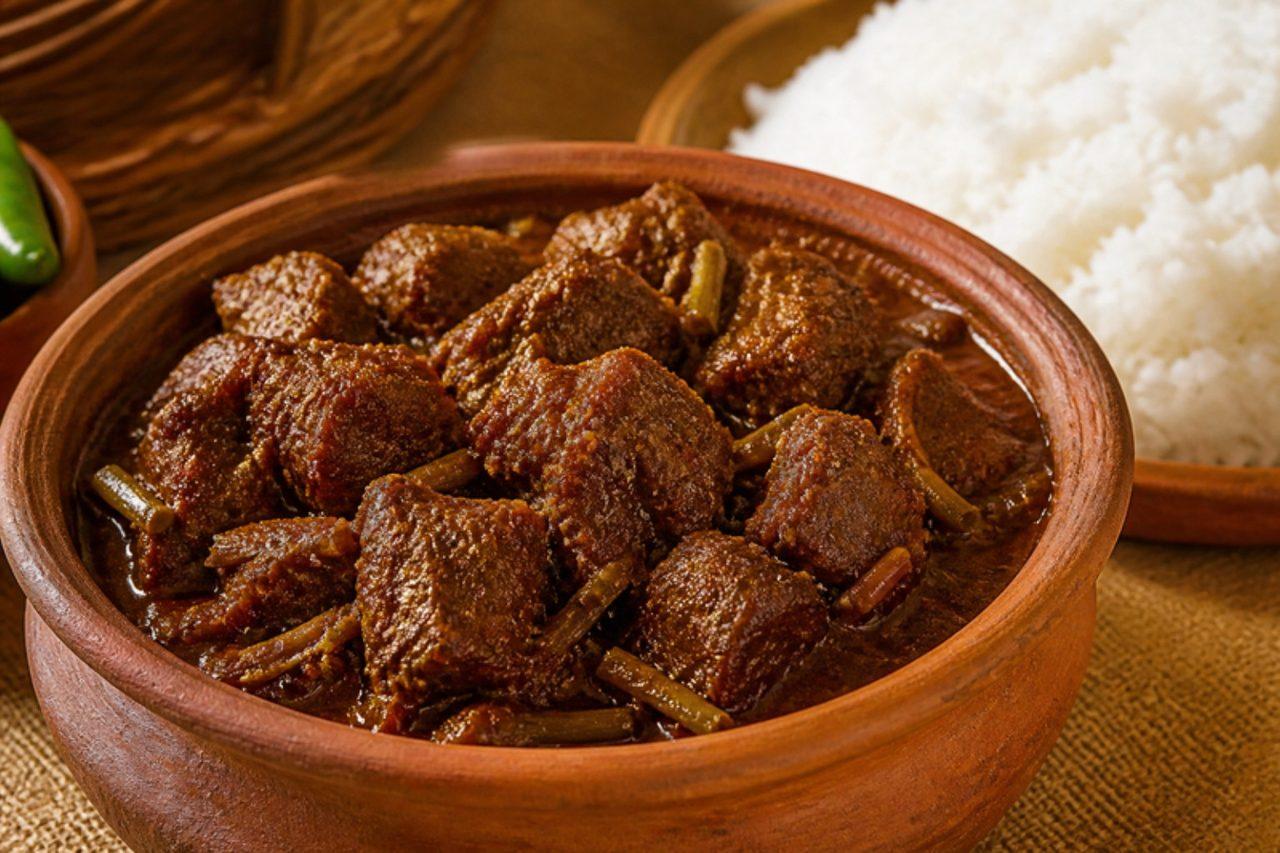
Few ingredients say Khulna, Jessore and Satkhira like chuijhal, the thick stem and root of a pepper vine that climbs trees in the southwestern districts; chopped into chunks and cooked with meat, it gives a heat that is fragrant, woody and peppery rather than sharp. Roadside hotels between Khulna and Bagerhat are famous for their chuijhal mutton and beef, eaten with plain rice or soft chapatis, and the softened chunks of chuijhal are chewed for their juice at the end. In the UK some Bangladeshi grocers sell it frozen; if you cannot find it, long pepper and black pepper give a fair impression, though not the same aroma. The usual mistake is adding the chuijhal at the start, which cooks out its perfume; it goes in for the last half hour. Chef's tip: peel the tough outer skin from thicker stems, and split them lengthways so the flavour comes out.

by KrazyBadal 0 views

HuzarensaladePotato, pickle and egg salad

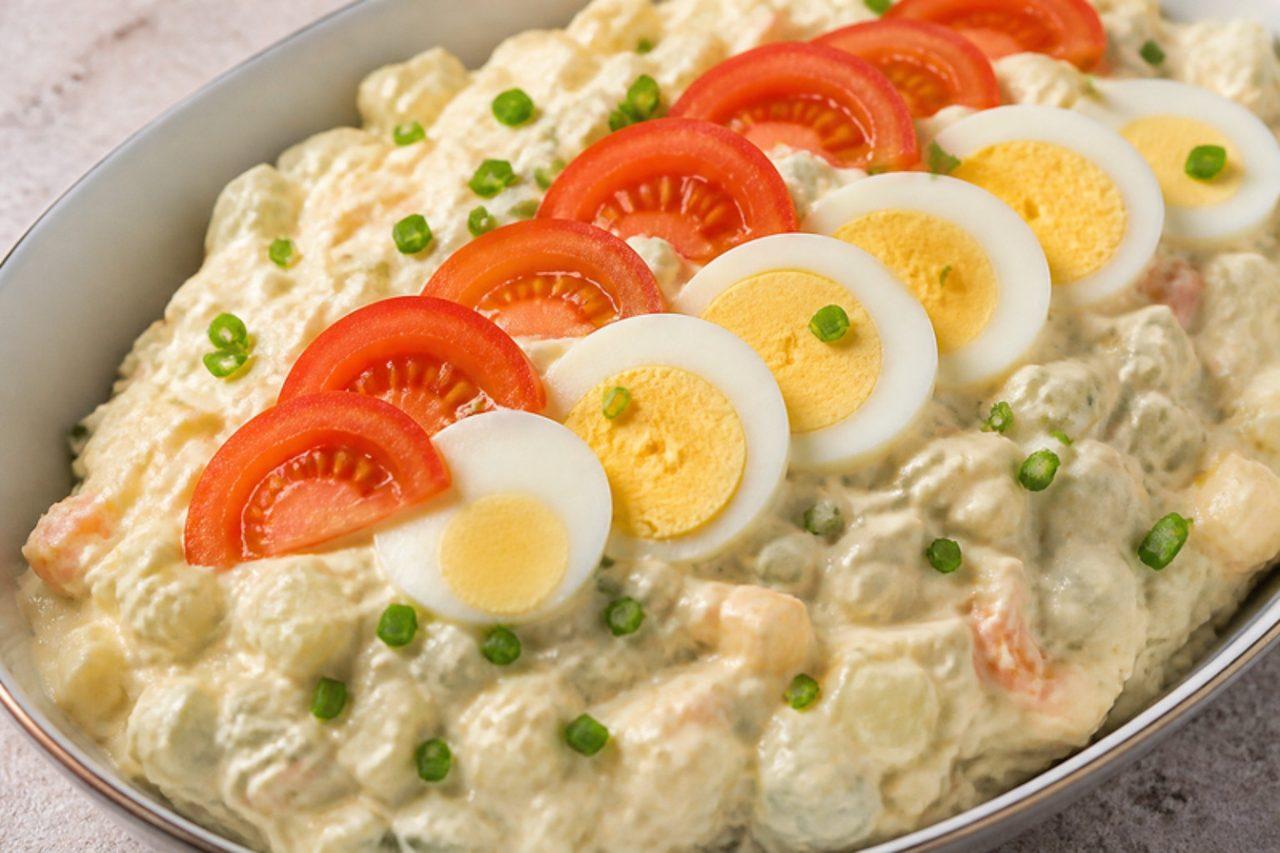
Huzarensalade, 'hussars' salad', is the potato salad of Dutch birthdays and New Year's Day: diced potato, pickled gherkins, pickled onions, apple and boiled egg bound in mayonnaise, shaped into a mound and decorated with lettuce, tomato, egg and cucumber. It is normally made with cubes of cooked beef; this vegetarian version adds peas and a little extra egg. A common mistake is mixing warm potatoes with mayonnaise, which turns it greasy and loose. Chef's tip: let the potatoes cool completely and add a splash of pickle vinegar first, so they soak up flavour before the mayonnaise goes in.

by KrazyBadal 0 views

ChoregBraided Easter bread

Choreg is baked in Armenian homes for Easter from Yerevan to Beirut, Marseille and Los Angeles: soft, slightly sweet braided loaves scented with mahleb, the ground kernel of a wild cherry, glazed with egg and scattered with nigella or sesame seeds. Families bake big batches on Holy Saturday and share them with neighbours after church. A common mistake is adding too much flour to a sticky dough, which makes dry, heavy bread. Chef's tip: let the dough rise slowly, even overnight in the fridge; the flavour develops and the cold dough is easy to braid.

by KrazyBadal 0 views

Houbový kubaBarley and mushroom bake

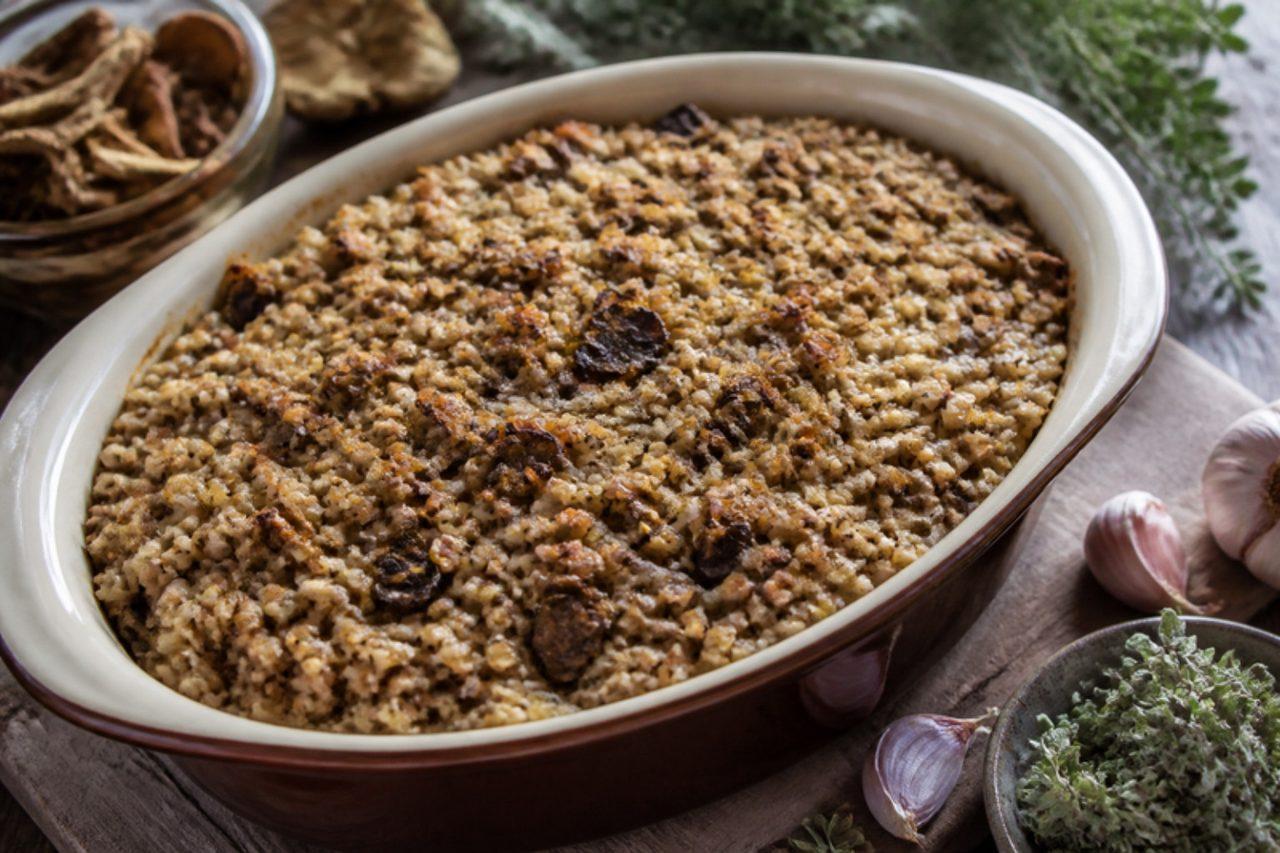
On Štědrý den, the Czech Christmas Eve, many families kept a meat-free fast until the evening carp, and houbový kuba was what filled the gap at lunch. Village cooks in Bohemia baked pearl barley with mushrooms picked and dried in autumn, plenty of garlic and marjoram, until the top went crunchy. The inside stays moist and chewy, almost like a mushroom risotto, while the edges crisp. It used to be made with lard; this version uses oil and is fully plant-based. Serve it on its own with sauerkraut or a sharp pickled salad, or as a side to roast vegetables. A common mistake is boiling the barley until soft right through, which turns the bake to paste; it should still have a little bite before it goes in the oven. Chef's tip: save the mushroom soaking water and cook the barley in it, for flavour all the way through.

by KrazyBadal 0 views

Htamin jinSour rice with fish

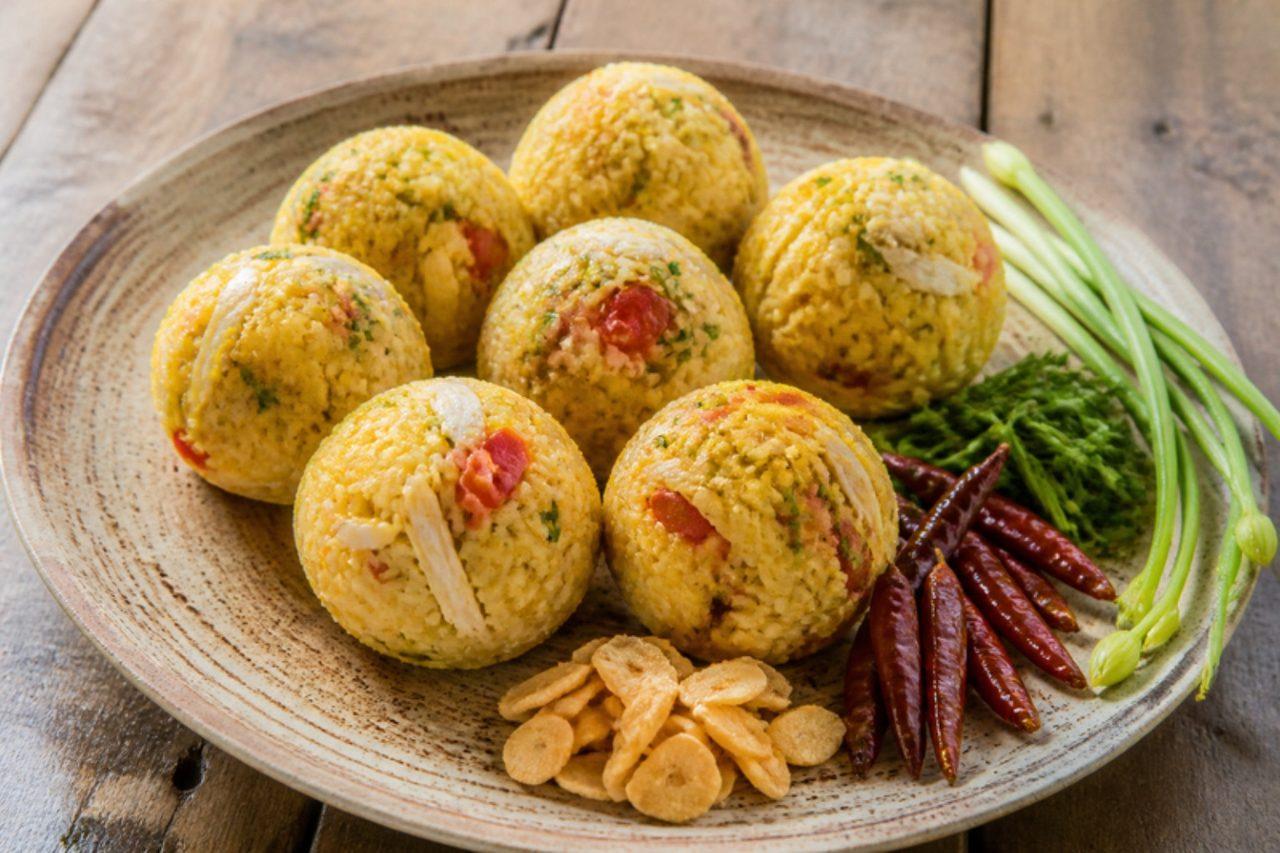
On the floating gardens and stilt-house kitchens of Inle Lake, the Intha make htamin jin to take out on the boats or to sell at the rotating five-day markets around the shore. Warm rice coloured with turmeric is kneaded by hand with flaked lake fish and tomatoes cooked down in garlic oil, then pressed into soft, tangy balls the size of a fist. It is eaten at room temperature, dressed with more garlic oil and crispy garlic, with fried dried chillies, whole raw garlic cloves and garlic chives on the side for crunch. Many cooks use firm, day-old rice, which never binds and crumbles apart; use freshly cooked rice that is a touch soft and still warm. Chef's tip: wear a food-safe glove and knead like dough for a full couple of minutes; the more you work it, the smoother and more evenly sour each ball becomes.

by KrazyBadal 0 views

ChokladbollarNo-bake chocolate oat balls

Chokladbollar are the first thing Swedish children learn to make: oats, butter, sugar and cocoa mashed together by hand, rolled into balls and coated in desiccated coconut or pearl sugar, then chilled. They sit in every café cabinet in Sweden for fika, and grown-ups add a spoon of strong coffee to the mix. This version uses milk, with coffee as an option for adults. A common mistake is using soft, melted butter, which makes a greasy mix that won't roll. Chef's tip: use butter at cool room temperature and chill the mix for 20 minutes before rolling.

by KrazyBadal 0 views

Aloo goshtMutton and potato curry

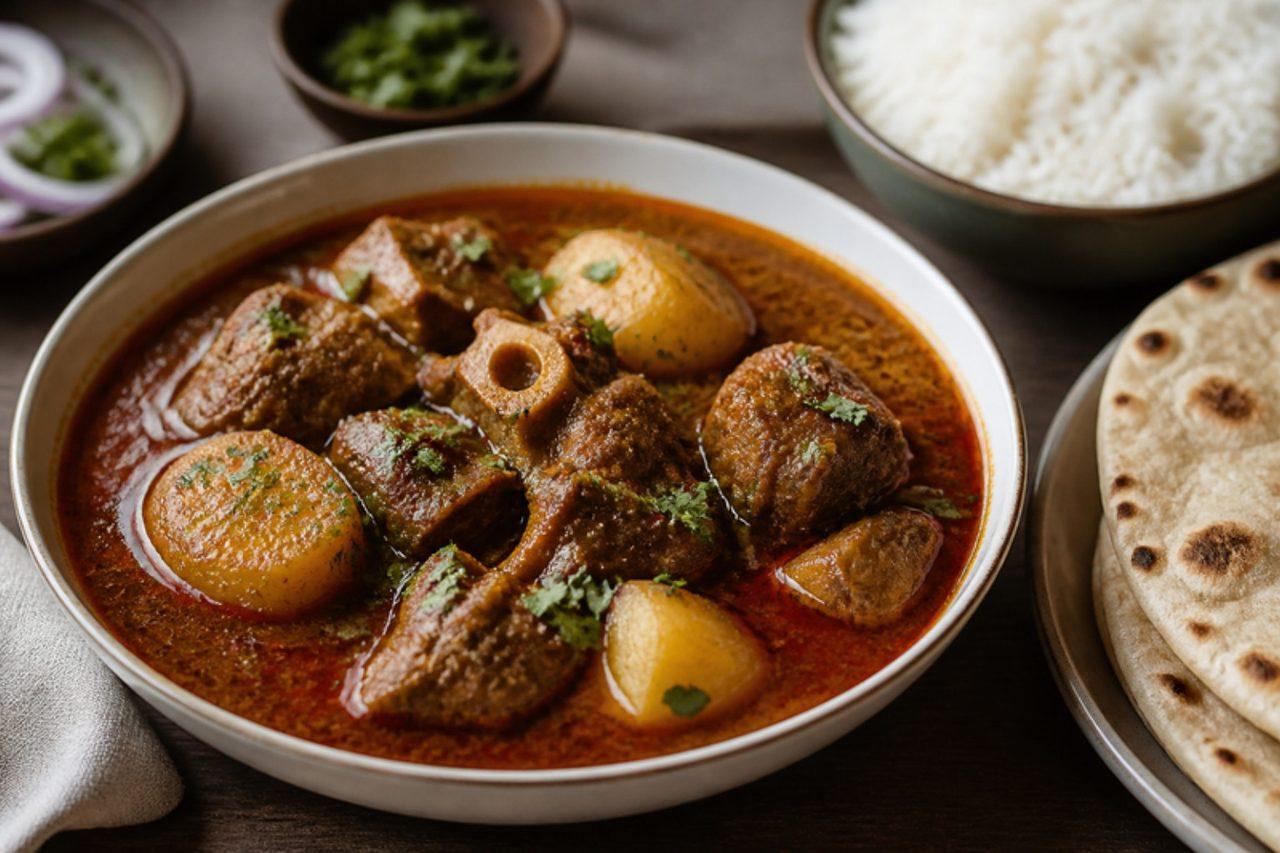
If one curry stands for a weekday dinner in a Pakistani house, from Rawalpindi flats to Karachi's Nazimabad, it is aloo gosht: mutton on the bone and halved potatoes in a loose, peppery shorba meant to be soaked up with chapati or poured over plain rice. Nothing about it is fancy; its comfort comes from a long bhuna of onion, tomato and spice before any water goes in, so the thin gravy still tastes deep. The potatoes go in once the meat is half done and come out soft at the edges, having drunk the gravy. Adding them at the start leaves them falling apart while the meat is still chewy, so wait. Chef's tip: when the masala is fully fried, add the water boiling hot, not cold, so the meat keeps cooking and the shorba stays clear rather than greasy.

by KrazyBadal 0 views

Huevos a la habaneraBaked eggs with peppers and peas

Old Havana households bake eggs this way for a late Sunday breakfast or a light supper, cracking them into a bed of slow-cooked onion, green pepper and tomato and scattering peas and grated cheese over the top. The whites set softly in the steam of the sofrito while the yolks stay rich and loose, ready for mopping up with toasted Cuban bread. A frequent mistake is baking until the yolks turn chalky; take the dish out while the yolks still wobble. Many hard cheeses are made with animal rennet, so choose a vegetarian Gouda-style or Cheddar-style cheese if you need to. Chef's tip: make little wells in the sofrito with the back of a spoon so each egg sits in its own nest and doesn't spread.

by KrazyBadal 0 views

Aloo andayPotato and egg curry

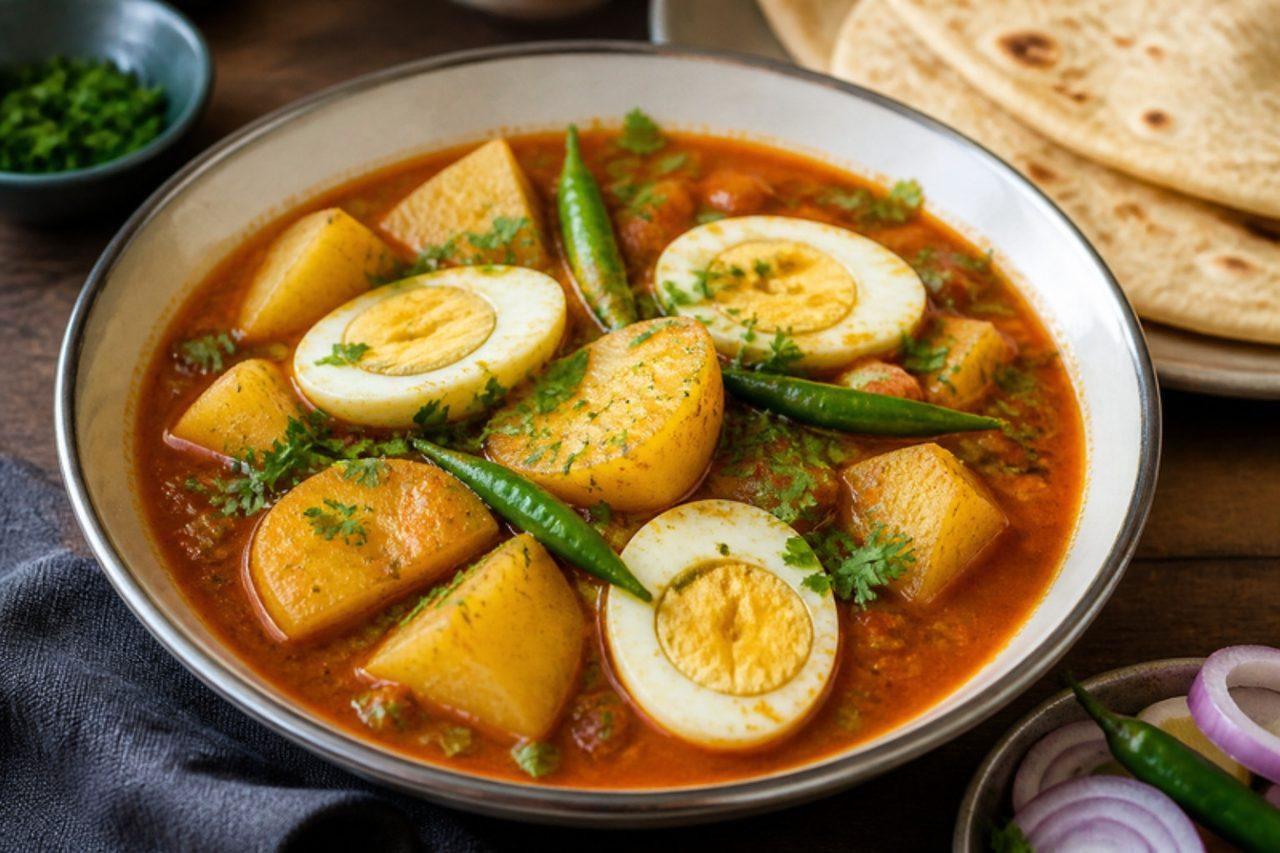
Ask almost anyone who grew up in a Punjabi household in Pakistan what was cooked at the end of the month, when the meat money had run out, and aloo anday will come up with real affection. Halved hard-boiled eggs and chunks of potato sit in a loose, brick-red shorba of browned onion and tomato, thin enough to soak into a chapati and rice alike, with a cut green chilli on top. It is a weeknight and Sunday-brunch dish rather than a guest dish, and children tend to love it. Where it goes wrong is in the masala: if the onions and tomatoes are not fried until the oil separates, the gravy tastes raw and watery however long it simmers. Chef's tip: score the peeled eggs lightly with a knife and fry them in the masala for a minute before the water goes in, so they take on colour and flavour.

by KrazyBadal 0 views

Jiz-bizFried lamb offal and potatoes

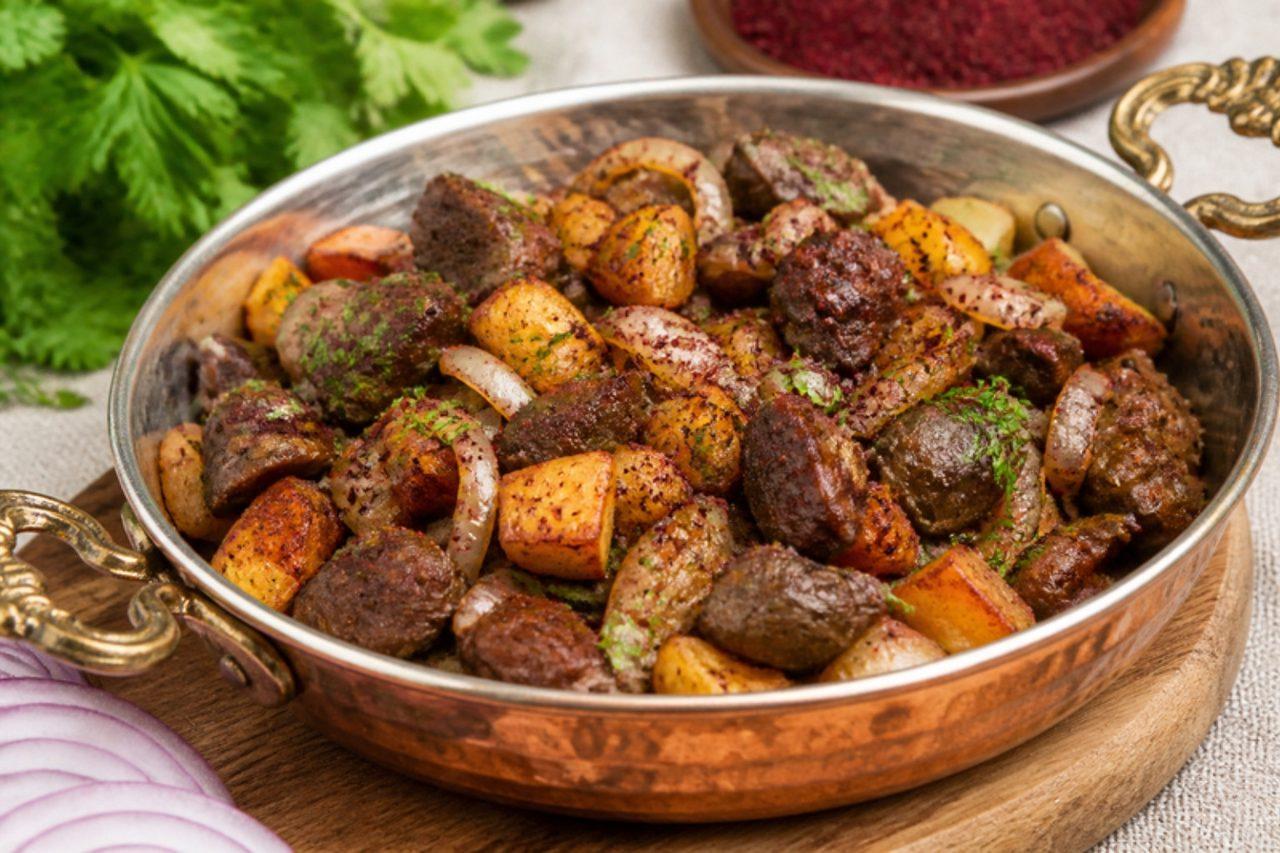
Jiz-biz gets its name from the sound of the pan: lamb heart, liver, kidneys and sweetbreads cut small and fried with potatoes and onions until crisp at the edges. It is a dish of Baku's working cafés and village feast days, made from the parts of the lamb cooked first while the rest is roasting, and finished with sumac and herbs. A common mistake is putting everything in at once; the liver turns grainy before the heart is tender. Chef's tip: fry the potatoes separately until crisp and fold them in at the end, so they keep their crunch. Offal should be cooked until no pink remains, 71 °C.

by KrazyBadal 0 views

ChomlekClay-pot beef with vegetables

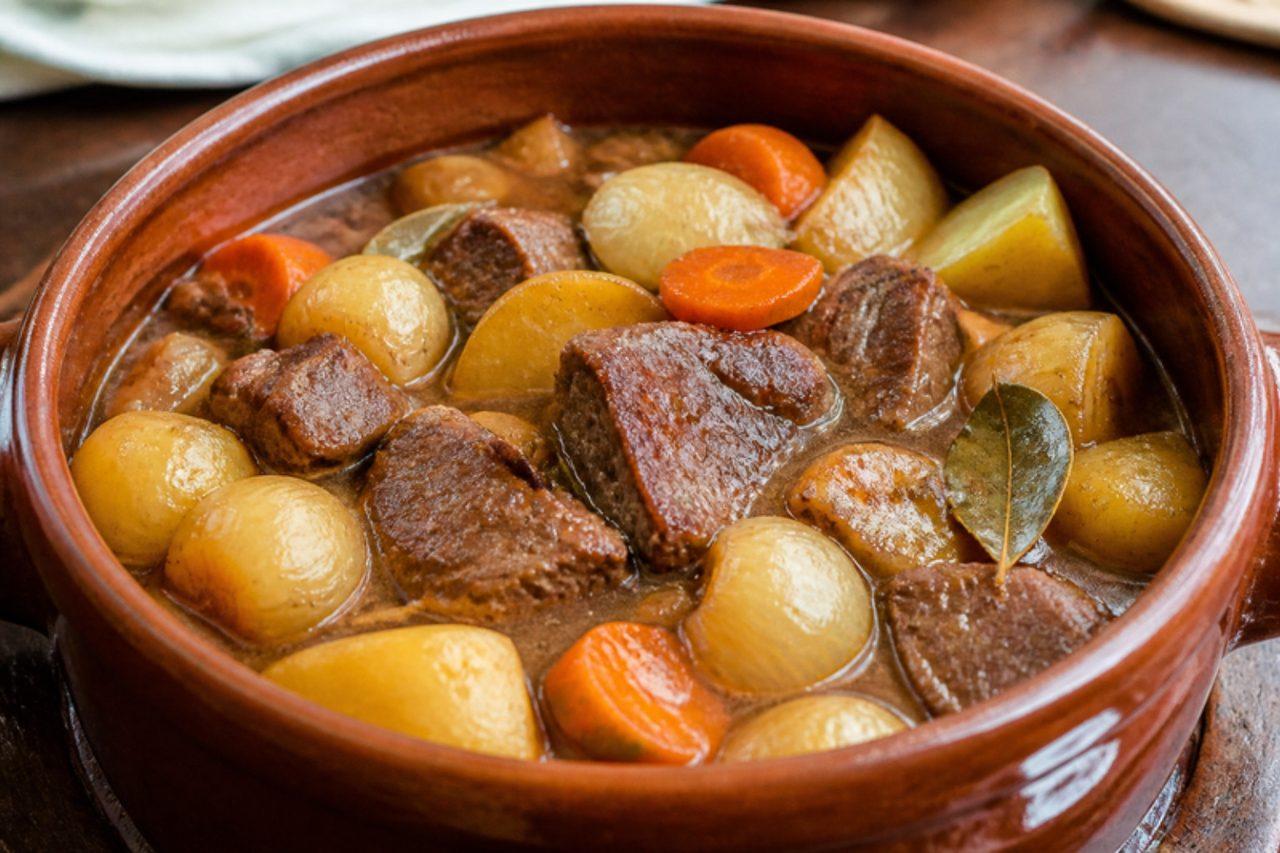
Rhodope housewives once set the chomlek pot in the embers of the hearth in the morning and came back from the fields at dusk to a supper that had cooked itself. Chunks of beef, or pork in some villages, go into the pot with whole small onions, carrots, potatoes, garlic and tomato, seasoned with paprika, allspice, black pepper, bay and savory. Hours of gentle heat make the beef spoon-tender and turn the onions sweet and jammy in a thick red gravy. It is a whole meal in one pot; add pickles or a cabbage salad on the side. Many old recipes pour in a glass of red wine; here a spoon of red wine vinegar gives the same lift with no alcohol. A common mistake is browning in a crowded pan, which leaves the gravy pale, so brown the beef in batches until dark. Chef's tip: soak the small onions in boiling water for two minutes and the skins slip right off.

by KrazyBadal 0 views

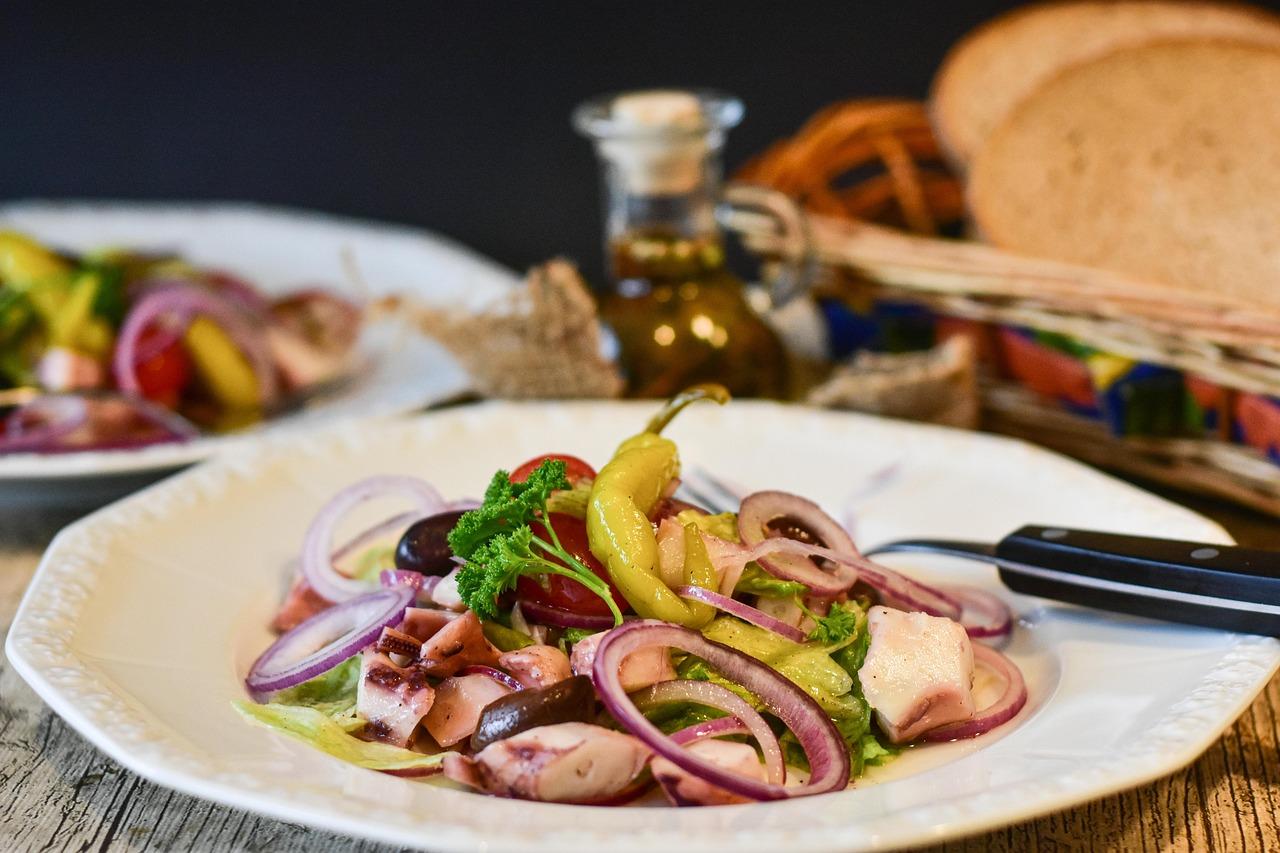
Tunisian octopus salad

Fishermen of the Kerkennah islands, off Sfax, still catch octopus in clay pots laid on the shallow seabed, and in winter the season's catch turns up in harbour cafés and home kitchens as this simple salad. The octopus is simmered slowly until tender, cooled in its broth, then sliced and tossed with red onion, plenty of parsley, lemon juice and good olive oil, with a little harissa if you like. It is light, clean and briny, eaten as a starter with bread or on a summer table of salads and grilled fish. Buy octopus from a reputable fishmonger; frozen and thawed octopus is often more tender than fresh. A common mistake is boiling the octopus at a rolling boil, which makes it rubbery; keep it at a gentle simmer until a knife slides in easily. Chef's tip: let the cooked octopus cool in its cooking liquid for 20 minutes before slicing; it stays juicy rather than tightening up.

by KrazyBadal 0 views

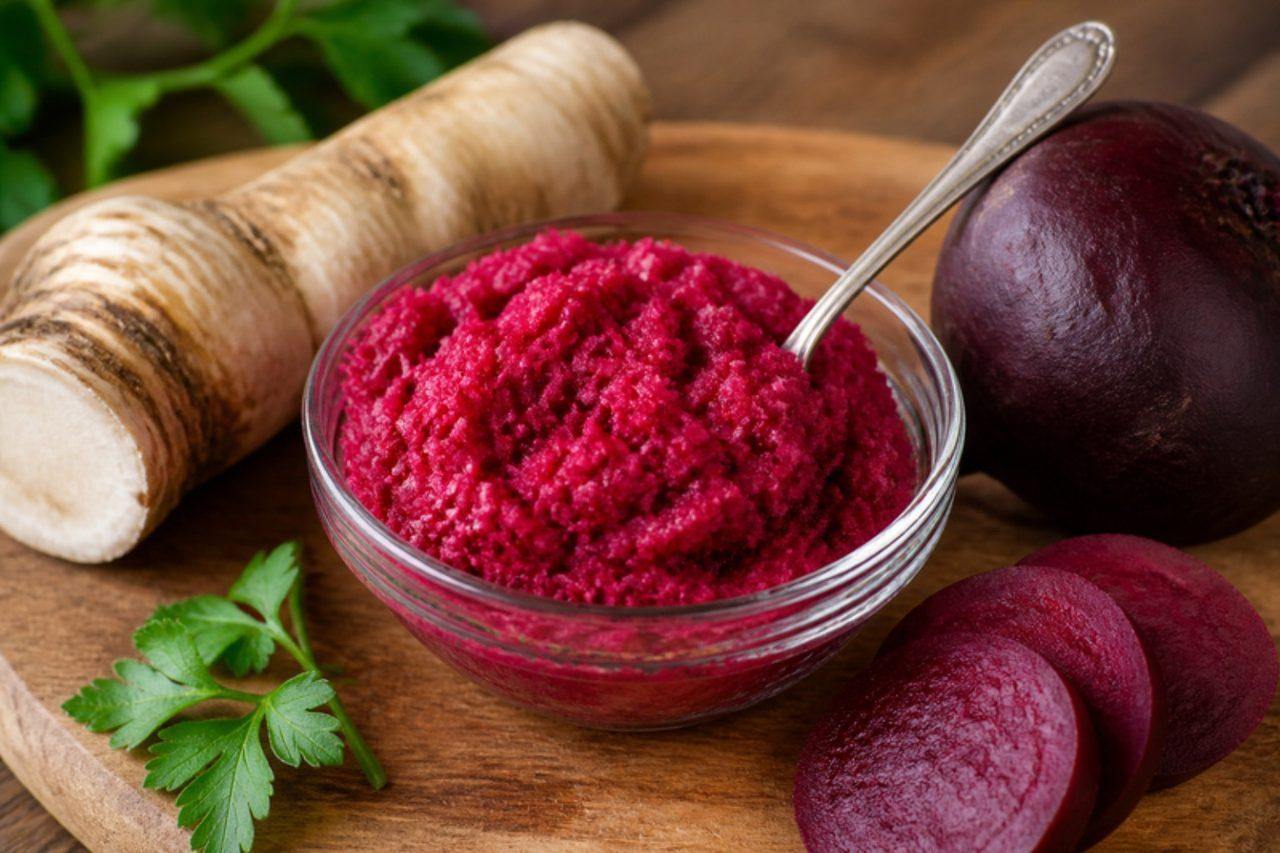
ChrainHorseradish and beetroot relish

On the seder table and beside Shabbat gefilte fish, Ashkenazi families in Israel set out a bowl of chrain, a magenta relish of freshly grated horseradish and cooked beetroot. Its heat goes straight up the nose and clears the head, softened by the earthy sweetness of beet, a pinch of sugar and sharp vinegar. It keeps for weeks in the fridge and also livens up roast vegetables, boiled potatoes and egg salad. The common mistake is grating horseradish in a closed room with your face over the bowl: its fumes sting the eyes badly. Chef's tip: add the vinegar straight after grating, it fixes the heat at its peak; the longer grated horseradish sits without acid, the milder and more bitter it becomes.

by KrazyBadal 0 views

Arepa di pampunaCinnamon pumpkin pancakes

Curaçao and Aruba use the word arepa differently from their South American neighbours: arepa di pampuna are not corn arepas but small, sweet pumpkin pancakes, fried in a little oil and eaten warm for breakfast, or alongside a bowl of soup or stoba at lunch. The mashed pumpkin makes them tender and bright orange, with cinnamon and a little sugar. The mistake is too much flour, which makes them dense; the batter should be thick but soft. Chef's tip: cook the pumpkin the day before and drain it overnight in the fridge for the lightest pancakes.

by KrazyBadal 0 views

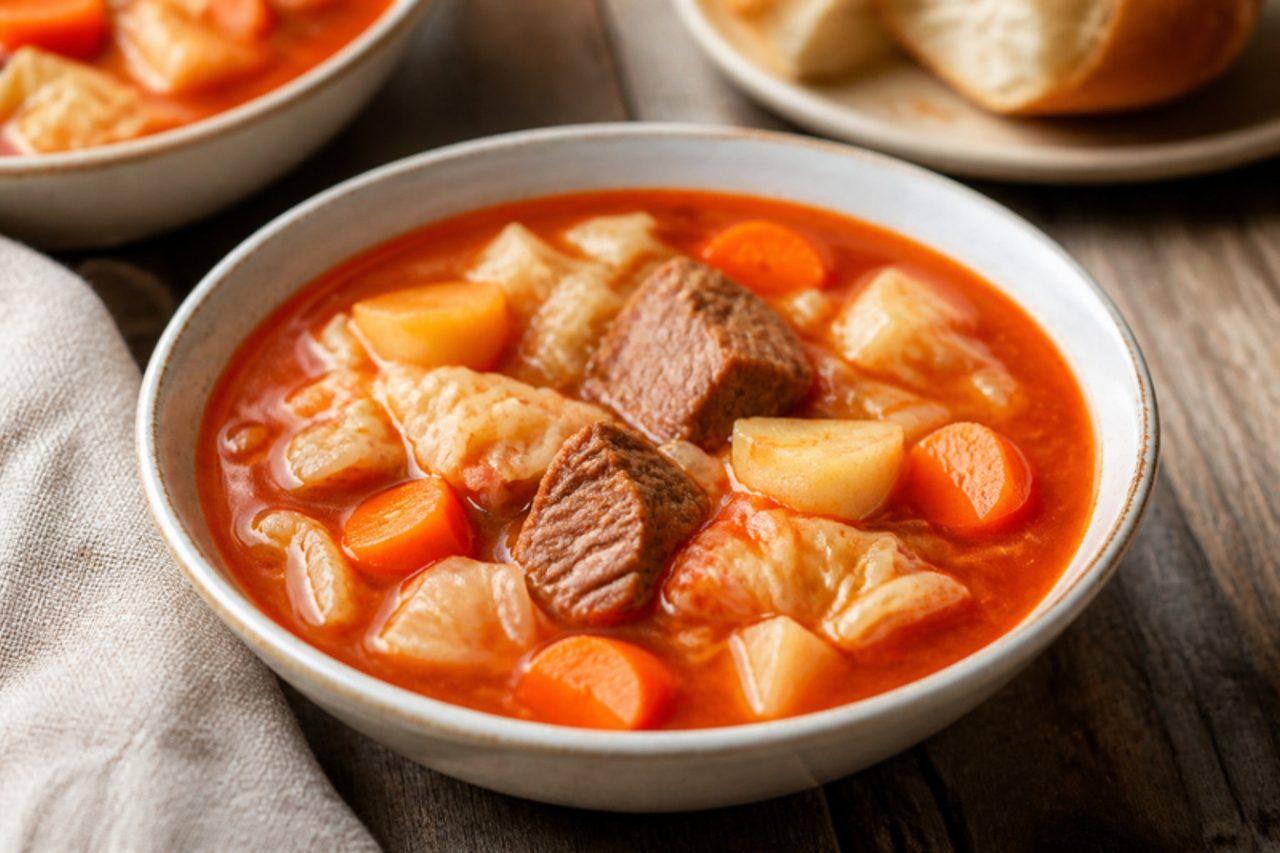
Hong Kong borschtTomato beef and cabbage soup

Order a set lunch at a Hong Kong cha chaan teng and the waiter will ask "red or white?": red is lo sung tong, the diner's tomato version of borscht, brought to the city by Russians who arrived from Shanghai in the 1940s. It has no beetroot at all; instead, beef shin, cabbage, potato, carrot, onion and celery simmer with fresh tomatoes and a spoonful of ketchup into a thick, sweet-sour, brick-red soup. It comes with buttered toast or a bun before a plate of baked rice or spaghetti, and makes a filling meal by itself on a rainy day. A typical slip is adding all the vegetables at once, so the cabbage turns to mush before the beef is tender; add them in stages. Chef's tip: fry the tomato paste and ketchup until they darken before adding water, which gives the soup its deep red colour.

by KrazyBadal 0 views

Idrijski žlikrofiPotato and chive dumplings

Mercury miners in Idrija, the hill town in western Slovenia, lived on these: thumbnail-sized pasta parcels pinched into a little hat shape with a dimple in the middle and filled with potato, onion, chives and marjoram. They carry EU protected status, and in Idrija they come either with melted butter and crumbs or with bakalca, a slow-cooked lamb sauce; the traditional filling often has a spoon of pork fat or cracklings too. This vegetarian version uses butter throughout. Shaping 150 or so of them is a job for two people and a good chat. A wet filling is the usual downfall: boil the potatoes in their skins and mash them dry, or the dough tears when you pinch it shut. If you add the optional grated hard cheese, choose a vegetarian one, as parmesan-style cheeses use animal rennet. Chef's tip: dry the shaped žlikrofi on a floured cloth for 20 minutes before cooking so they hold their shape.

by KrazyBadal 0 views

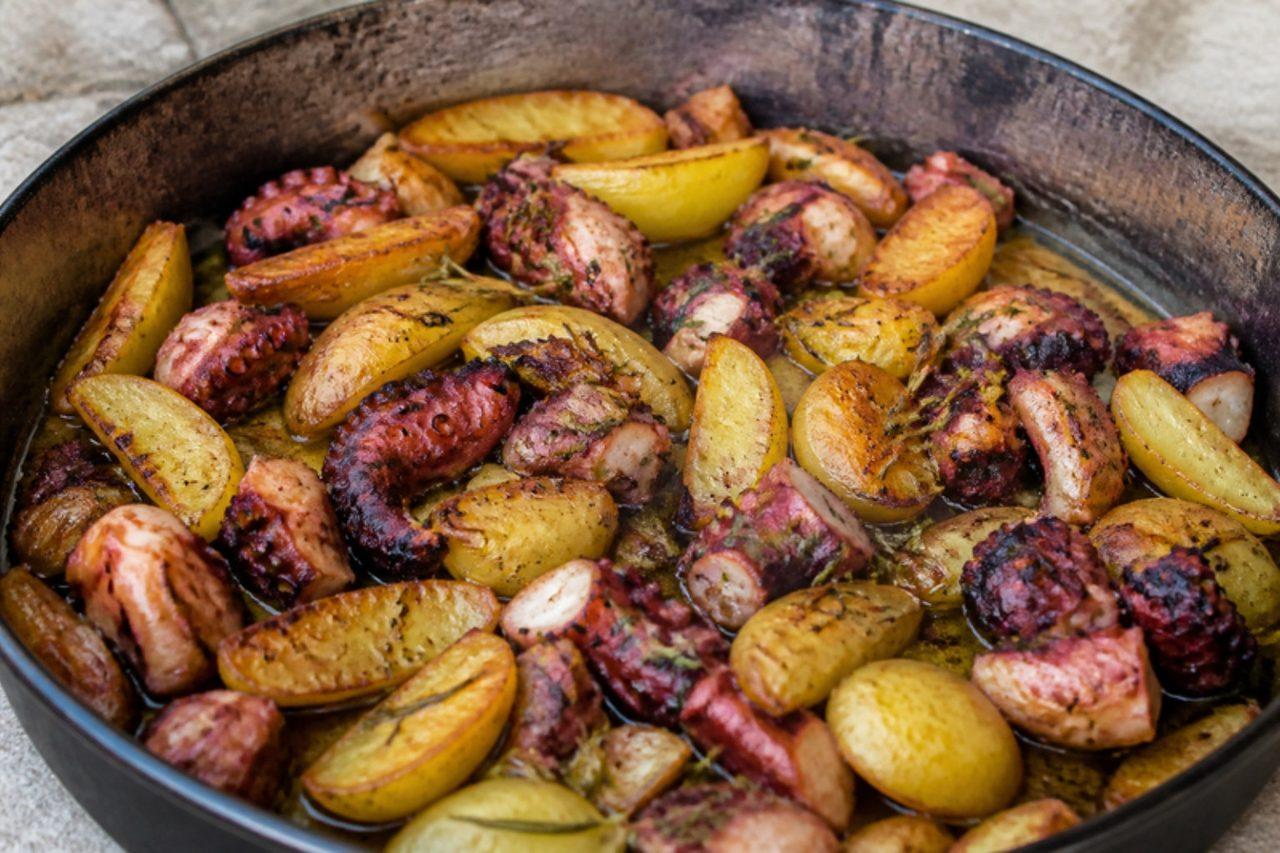
Hobotnica ispod pekeBell-roasted octopus and potatoes

Order octopus under the peka in a Dalmatian konoba on Korčula or Hvar and you will often be asked to ring ahead, because it cooks for hours under an iron bell buried in embers. Octopus, potatoes, onion, garlic, rosemary and lots of olive oil steam in their own juices, then crisp at the edges, so the octopus becomes tender and sweet and the potatoes soak up the pink, briny juices. At home, a heavy cast-iron casserole in a hot oven does the job; many cooks add a splash of white wine, but this version needs none. Bring it to the table in the pot with bread and a green salad. Adding water is the usual slip, as the octopus releases plenty of liquid and extra just boils it. Chef's tip: buy frozen octopus, or freeze fresh for a couple of days, as the freezing tenderises it; thaw it overnight in the fridge.

120 minBalkanFishGluten free
by KrazyBadal 0 views

Chiu chow fun guoPork and peanut dumplings

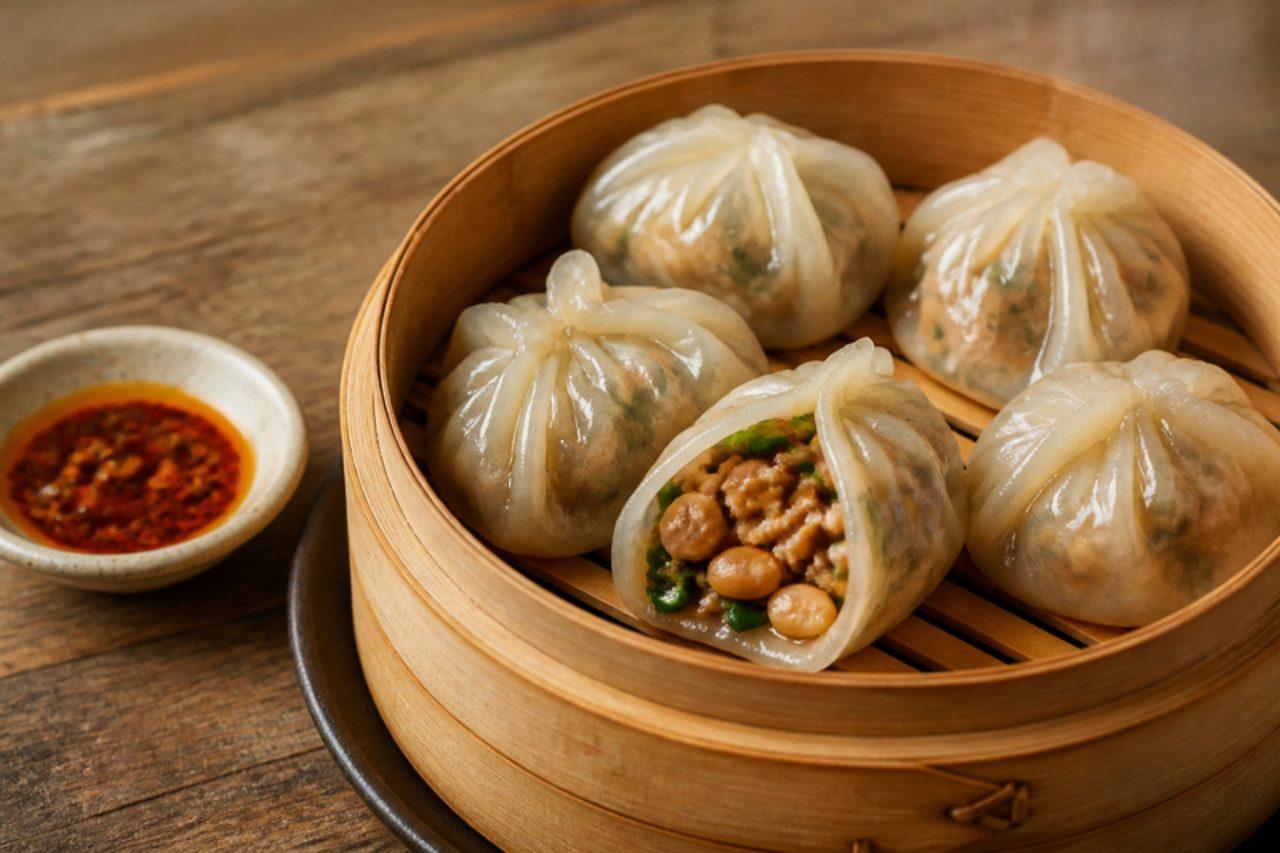
Chiu Chow families who settled around Sheung Wan and Kowloon City brought these chubby half-moon dumplings with them, and Hong Kong teahouses still steam them in bamboo baskets for the morning crowd. The wrapper is a mix of wheat and tapioca starch that turns translucent and slightly elastic, so you can see the filling inside: minced pork, crunchy roasted peanuts, garlic chives, salty preserved radish and a little dried shrimp. Each bite is chewy, savoury and crunchy at once. Dab them with chilli oil or a little Chiu Chow chilli sauce. People often roll the dough too thin, then it tears as it steams; aim for 2 mm and keep it under a damp cloth while you work. Chef's tip: toast the peanuts yourself and add them at the very end so they stay crunchy.

by KrazyBadal 0 views

Showing 45 of 7,888 recipes

Show more recipes

Page 279 of 877