


Skip to content
Ma'amoul
Featured recipe

Ma'amoul

Date and walnut butter pastries

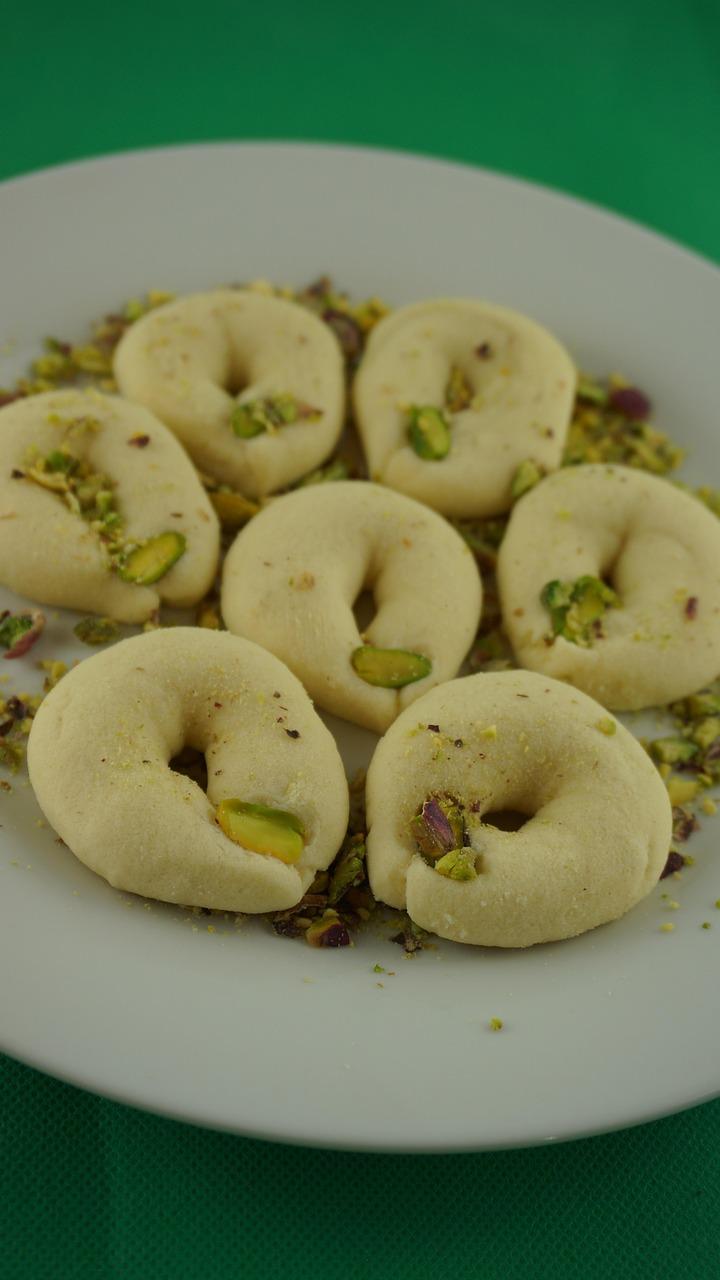
Ma'amoul are delicate shortbread-like pastries made for Eid and Easter across the Middle East. A soft, rose-scented butter dough is wrapped around a filling of dates, walnuts, almonds and pistachios cooked with cinnamon, marked with a fork, baked pale and dusted with icing sugar. Makes 35; they keep well in a tin.

Read more 1 views

What to eat today?

Around the world

Today's trip: Paraguayan

A new country every day, from every cuisine on the site.

Paraguayan

Chipa

Cheese bread rings 50 minMore from Paraguayan (27) →

This week's collection

Kid-friendly dinners
537 recipes · a new collection every Monday

Latest recipes

Kalu dodolRice flour and jaggery sweet

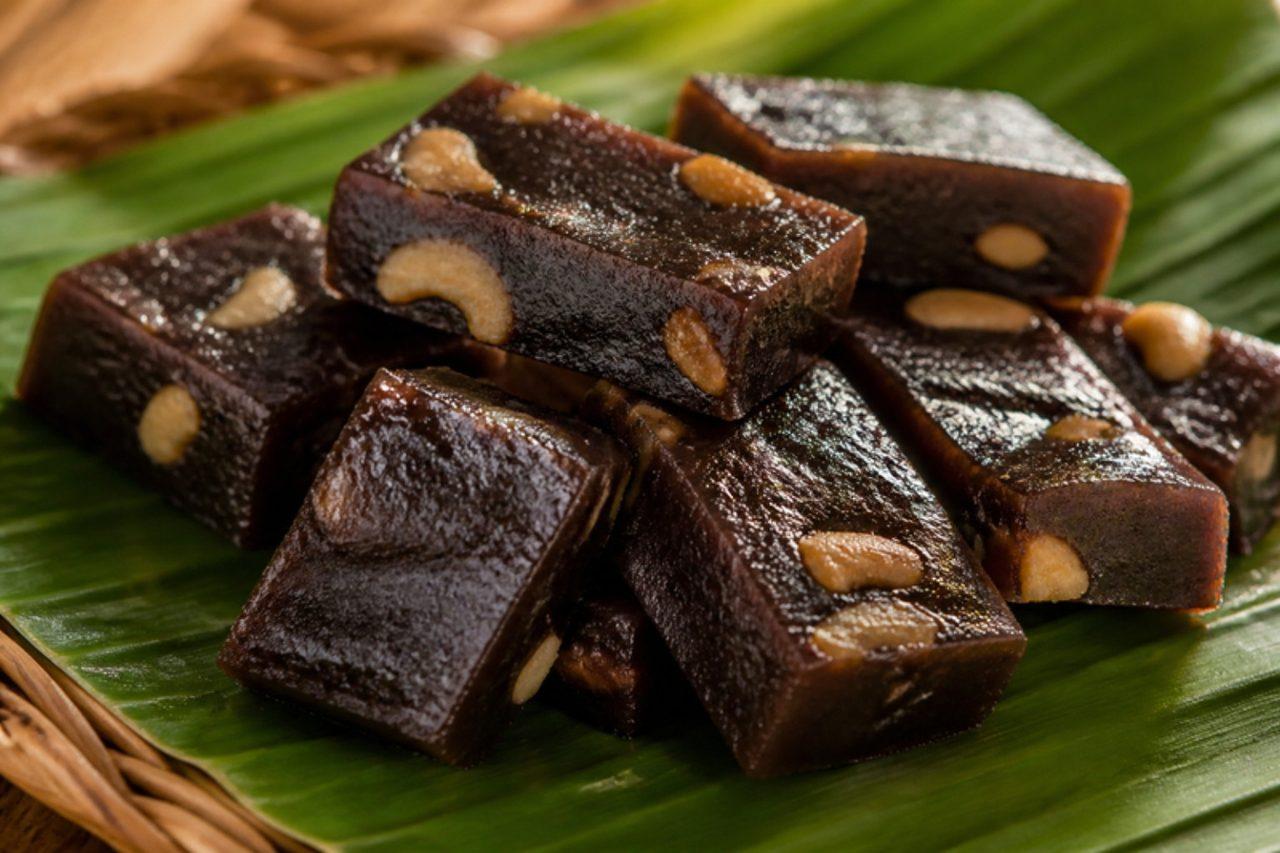
Hambantota and Kalutara both claim the best kalu dodol, and roadside shops in each town sell long, black, glistening slabs wrapped in paper, bought by travellers as gifts for the family back home. The sweet is a test of stamina: coconut milk is cooked down until its oil separates, then rice flour and kithul jaggery are stirred in and the mixture is worked over the heat for two to three hours until it turns dark, glossy and stiff, with cashews and cardamom added at the end. It sets into a chewy, fudgy sweet with a deep caramel and coconut flavour, and is served in thin slices during Avurudu and at weddings. Giving up too early is the one mistake everyone makes once; undercooked dodol stays sticky and grey instead of firm and almost black. Chef's tip: use the widest heavy pan you have and a long wooden spoon, and keep stirring the same direction, scraping the base, so nothing catches.

by KrazyBadal 0 views

Khobz mellaEmber-baked bread

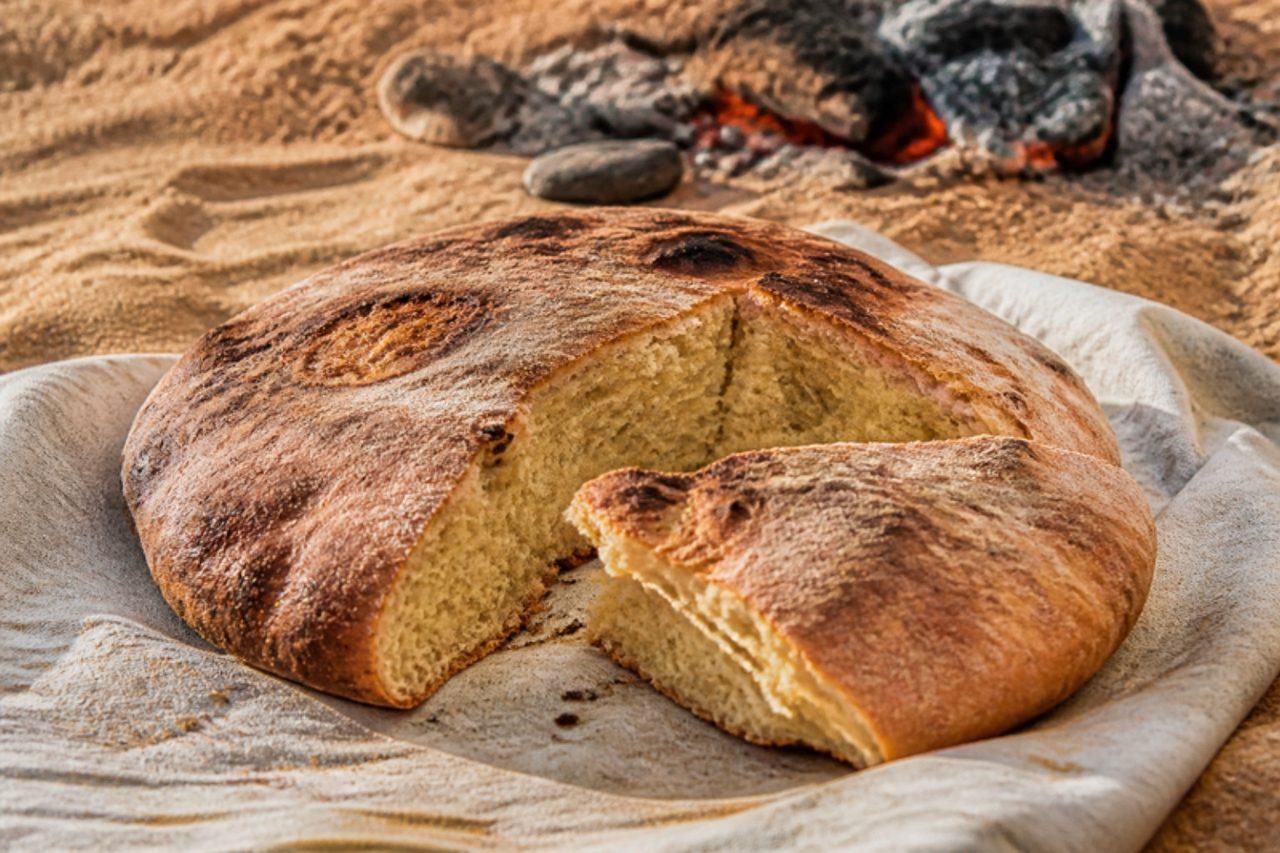
Around Douz, on the edge of the Tunisian Sahara, nomadic herders bake khobz mella by digging a hollow in sand heated under a fire, laying in a thick round of dough and burying it under more hot sand and embers. Brushed off and broken up, the crusty, smoky bread is crumbled into a tomato, pepper and onion stew to make mella, or eaten with olive oil and dates. Visitors to desert camps watch it being made by firelight. At home, a pizza stone or an upturned heavy tray in a very hot oven gives a similar chewy loaf with a thick crust; a charcoal barbecue gets you close to the smoky flavour. Chef's tip: dock the dough well with a fork; without it the round puffs up into a hollow ball and the crust cracks.

by KrazyBadal 0 views

MeshabekLacy syrup-soaked fritters

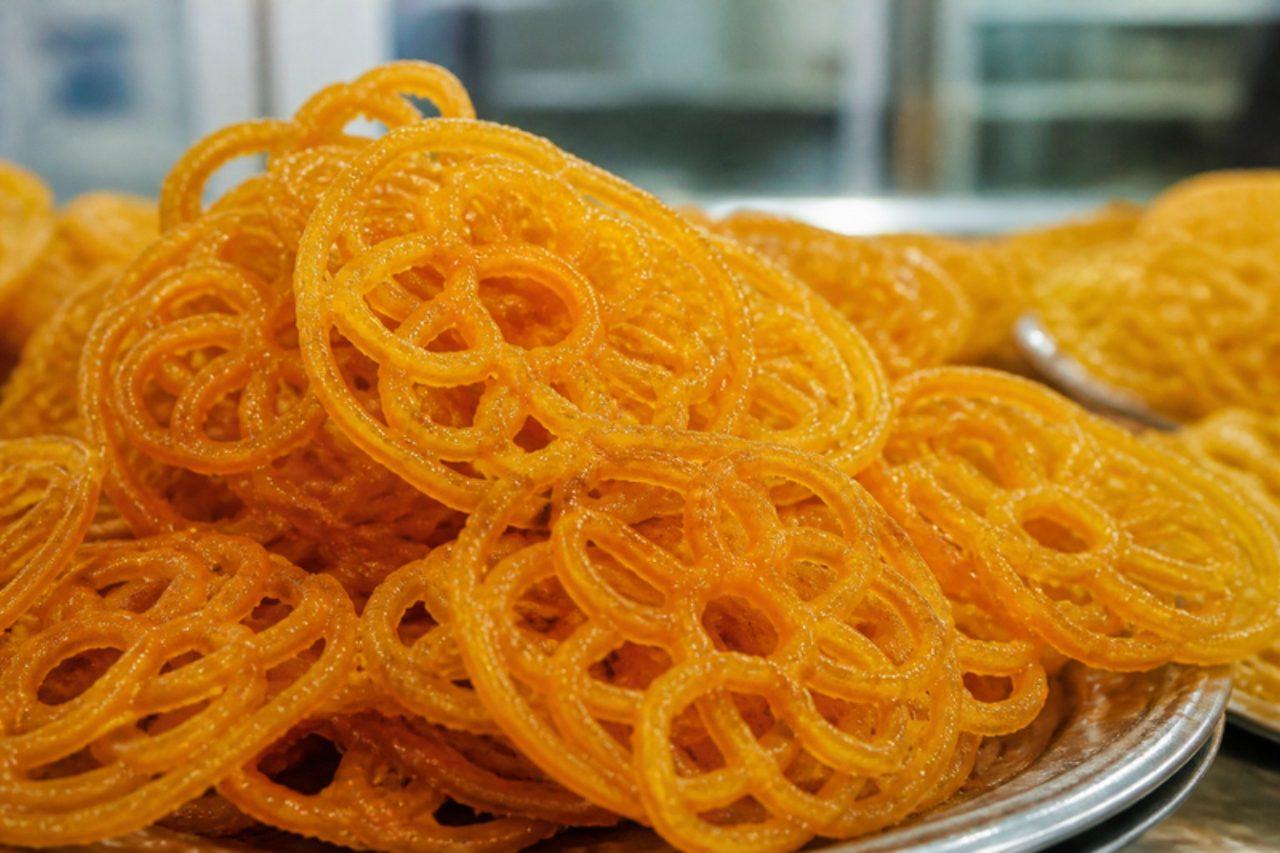
Damietta, the port city where the Nile meets the Mediterranean, is famous across Egypt for its sweet shops, and meshabek is one of their signatures: lattice wheels of fermented batter piped into hot oil and dunked in syrup. Fresh from the fryer they shatter like glass and drip with sugar; by the next day they soften into something chewy and just as good. Families buy them by the box for Ramadan evenings, visits and holidays. The batter needs an hour to ferment before frying. The common mistake is frying in oil that is not hot enough, which leaves them pale, soft and greasy, so test it first. Chef's tip: a squeeze bottle with a 4 to 5 mm opening gives the neatest, thinnest lines.

by KrazyBadal 0 views

Dambun namaSpiced shredded beef floss

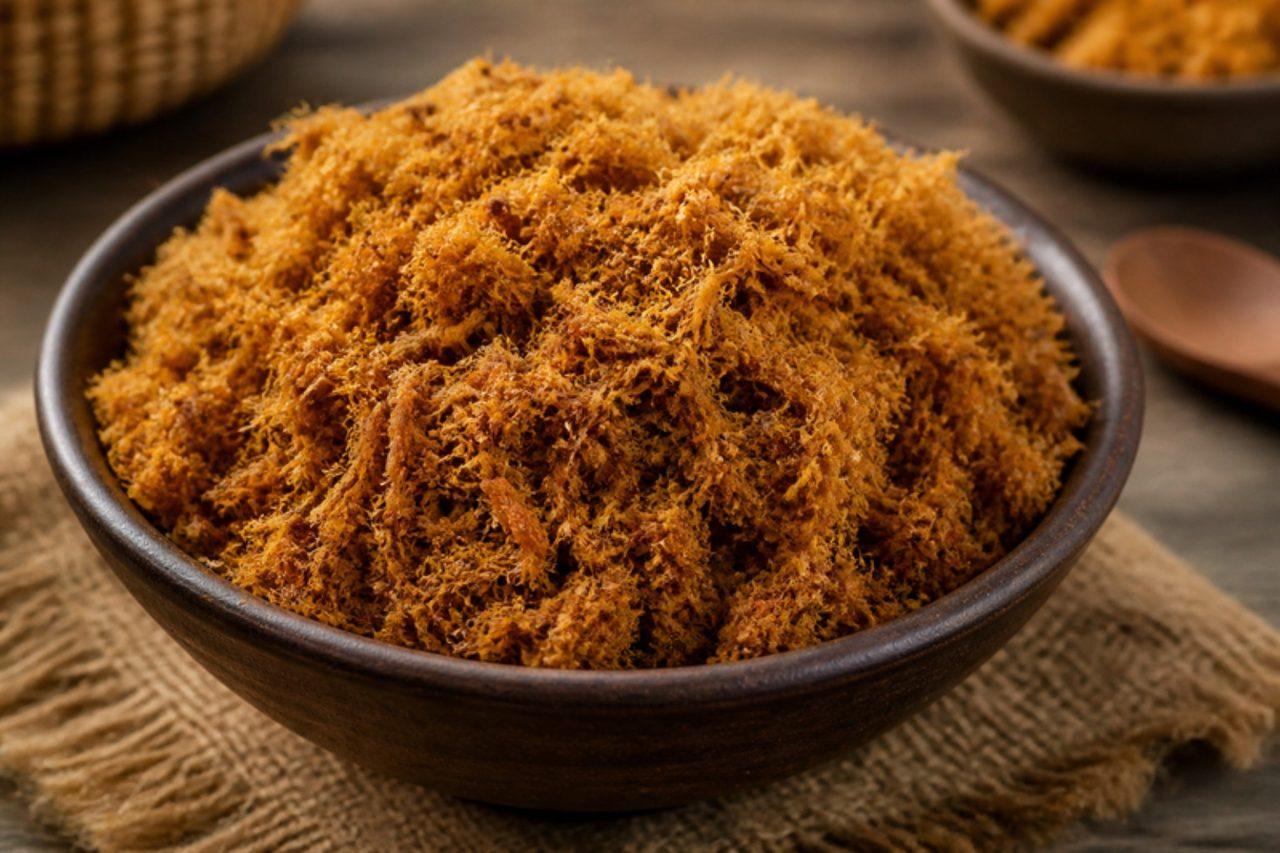
During Ramadan and Eid in Kano, Kaduna and Maiduguri, tins of dambun nama appear on every table: beef boiled tender with onion and ginger, pounded in a mortar until it falls into fine threads, then fried slowly with onion and spices until it is dry, fluffy and golden. It keeps well, which is why it was made before long journeys, and it is eaten as a snack, with rice or tucked into bread. The texture should be like soft wool, not crunchy crumbs. Because the meat is fully cooked before drying, it is safe; store it in the fridge. Chef's tip: let the boiled beef steam dry for ten minutes before pounding, as wet meat clumps in the pan instead of separating into threads, which is the usual mistake.

130 minNigerianMeatGluten free
by KrazyBadal 0 views

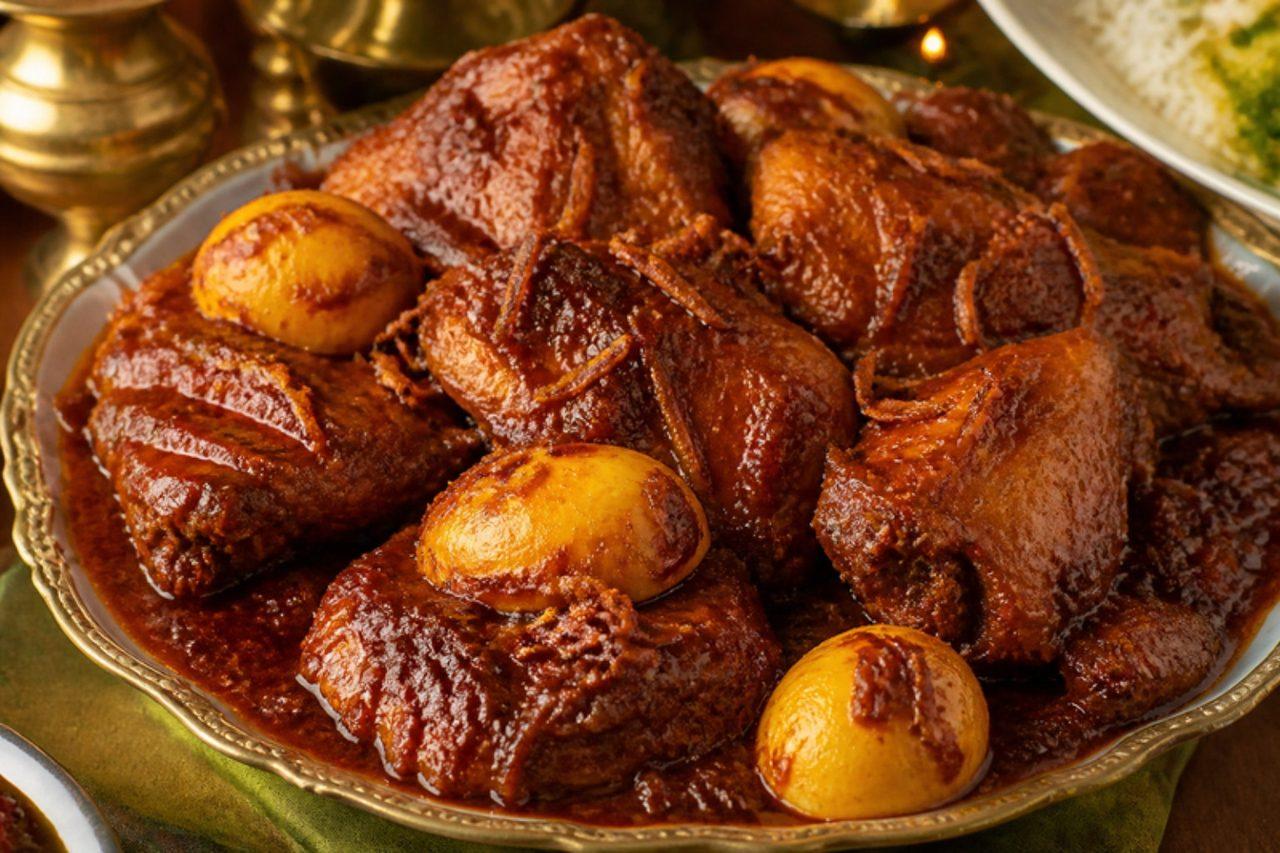
Durus kuraBraised whole wedding chicken

In Chittagonian, durus means whole and kura means chicken, and at a traditional Chittagong wedding a whole bird cooked this way is sent to the groom's side as a mark of honour. The chicken is rubbed with spices, browned whole in hot oil and then braised slowly in a thick masala of onion, ginger, garlic, poppy seed and coconut, turned often until the gravy coats it like a lacquer. Hard-boiled eggs are sometimes nestled in alongside. It is carved at the table and served with polao or plain rice, and leftovers make an outstanding next-day lunch. Do not be tempted to skip the deep slashes; without them the spices sit on the skin and the inside tastes bland. Chef's tip: choose a small bird of about 1.2 kg, so it fits snugly in the pot and cooks through before the gravy burns.

by KrazyBadal 0 views

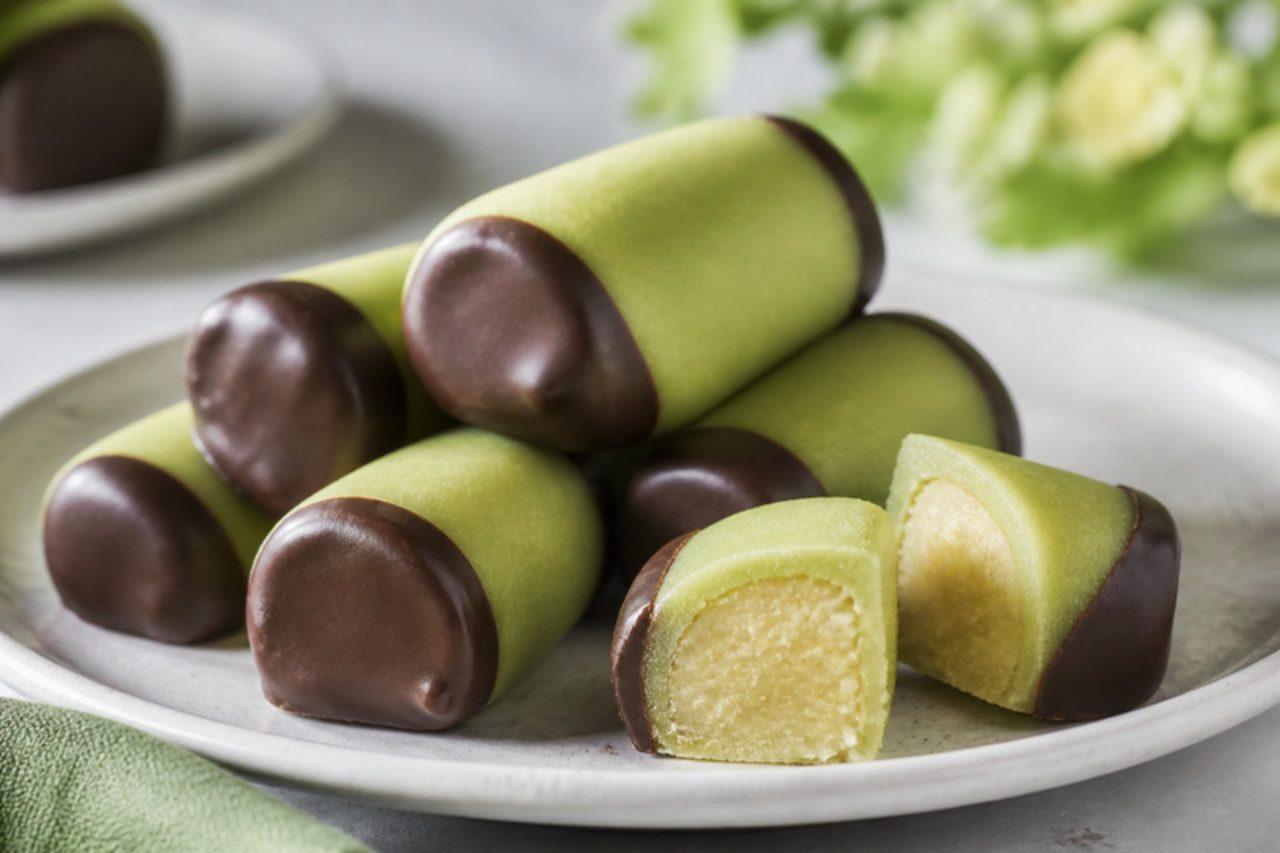
DammsugareMarzipan cake-crumb rolls

The dammsugare, 'vacuum cleaner', got its name because Swedish bakeries invented it to use up crumbs and offcuts of cake swept up at the end of the day: the crumbs are mixed with butter, cocoa and flavouring, rolled into logs, wrapped in bright green marzipan and dipped in dark chocolate at both ends. Bakeries usually flavour the filling with punsch, a sweet arrack liqueur; this version uses vanilla and a little orange, and is alcohol-free. A common mistake is rolling the marzipan too thick, which makes it cloying. Chef's tip: roll the marzipan thin between sheets of baking paper and chill the filled logs before cutting.

by KrazyBadal 0 views

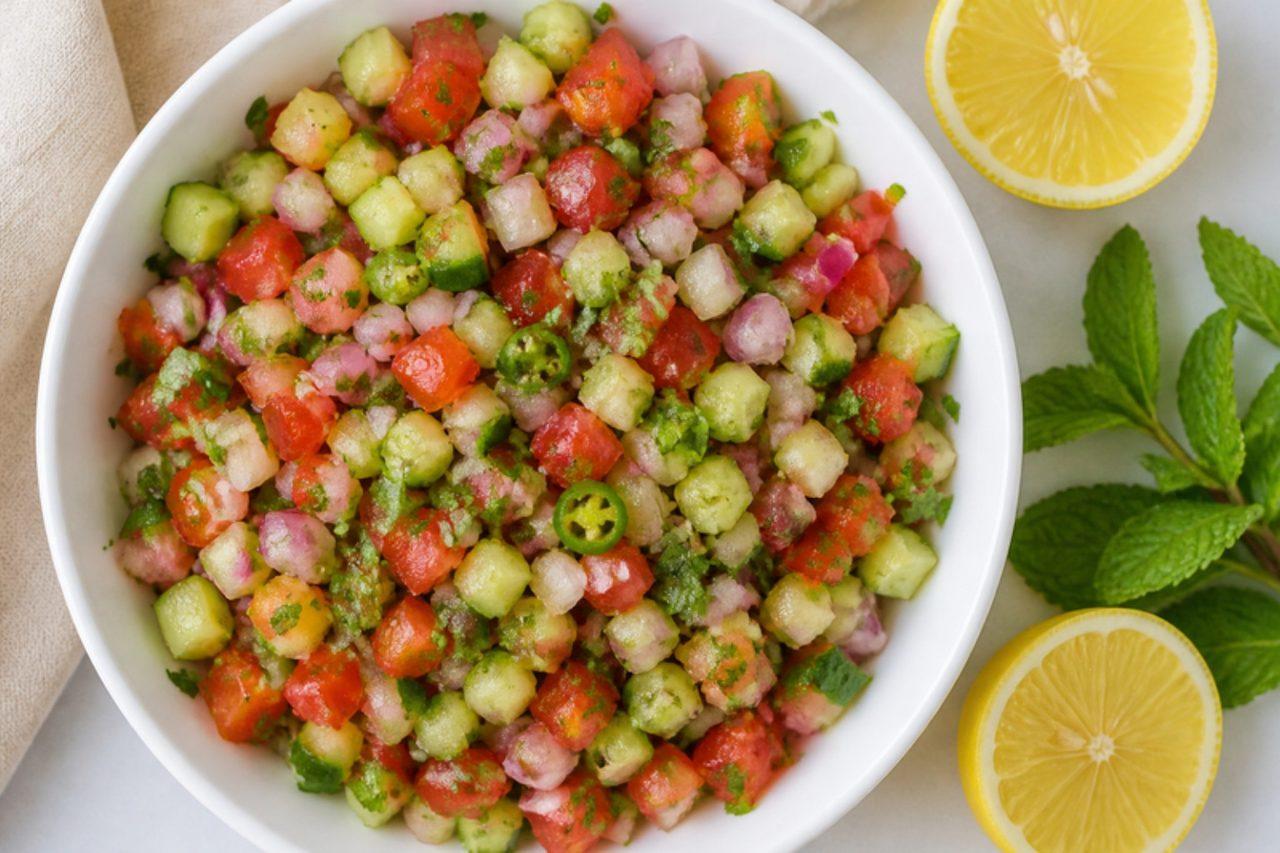
Kachumar saladTomato, onion and cucumber salad

No Pakistani dastarkhwan feels complete without a little bowl of kachumar, whether it sits beside a biryani at a Karachi wedding, a karahi at a highway truck stop or plain dal at home on a Tuesday. It is nothing more than tomato, onion and cucumber cut into very small, even dice, dressed at the last moment with lemon, salt, green chilli and coriander, yet the crunch and sharpness are what make rich food feel lighter. Some families add a pinch of roasted cumin or a few mint leaves; in Punjab it is often spooned straight onto the side of the plate rather than served apart. Dressing it too early is the main trap, because the salt pulls water from the tomatoes and leaves a soggy puddle. Chef's tip: seed the tomatoes and cucumber before dicing so the salad stays crisp for the whole meal.

by KrazyBadal 0 views

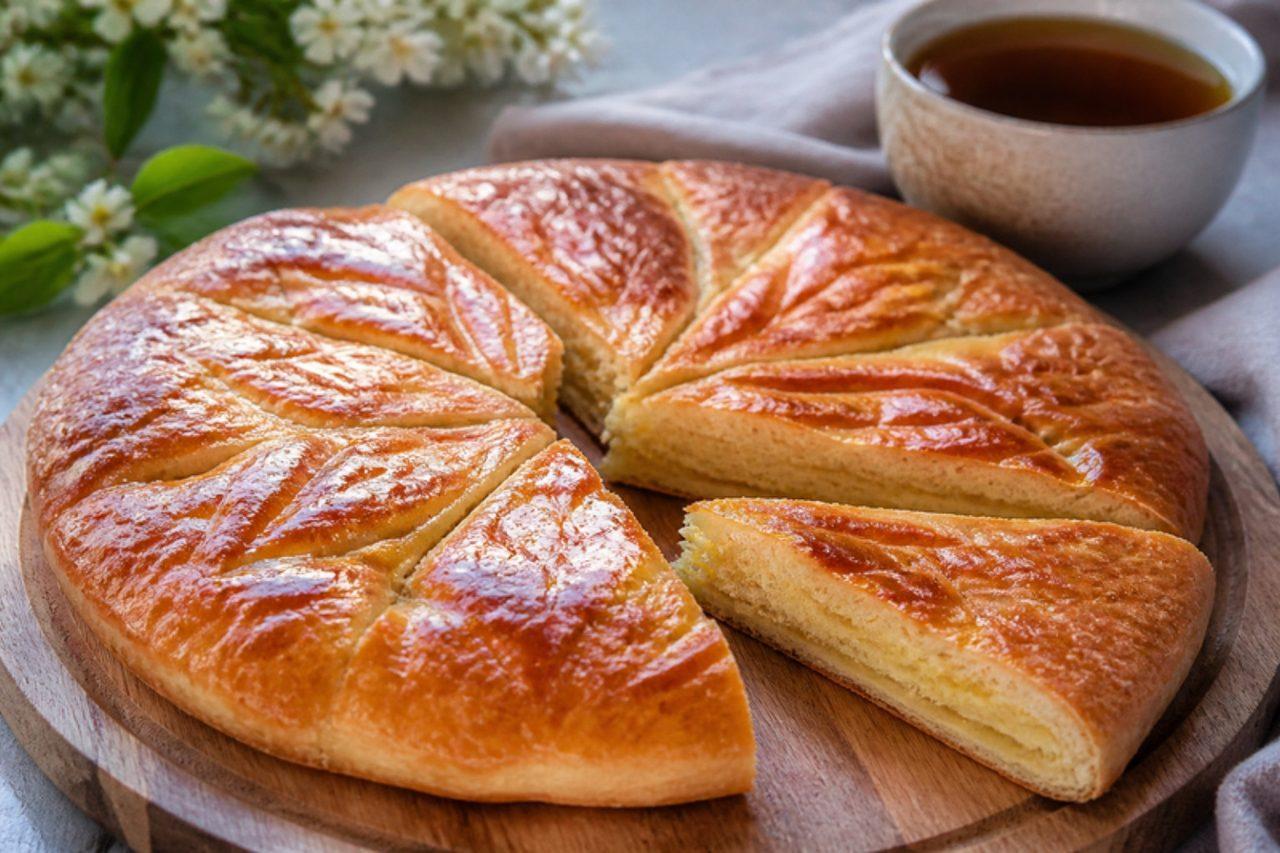
KadaFlaky pastry with butter crumbs

Kada is a tea-time pastry found in bakeries from Tbilisi to the Mtskheta monastery stalls, where it is sold warm beside churchkhela: a round of rich yeasted dough, folded around a sweet filling of flour, butter and sugar rubbed into crumbs, then rolled flat so the filling bakes into soft, melting layers. A common mistake is rolling the filled dough too hard, which pushes the crumbs through the surface. Chef's tip: chill the filling so the butter stays cold; it melts in the oven and makes flaky, buttery pockets.

by KrazyBadal 0 views

Kadala thel dalaStir-fried chickpeas

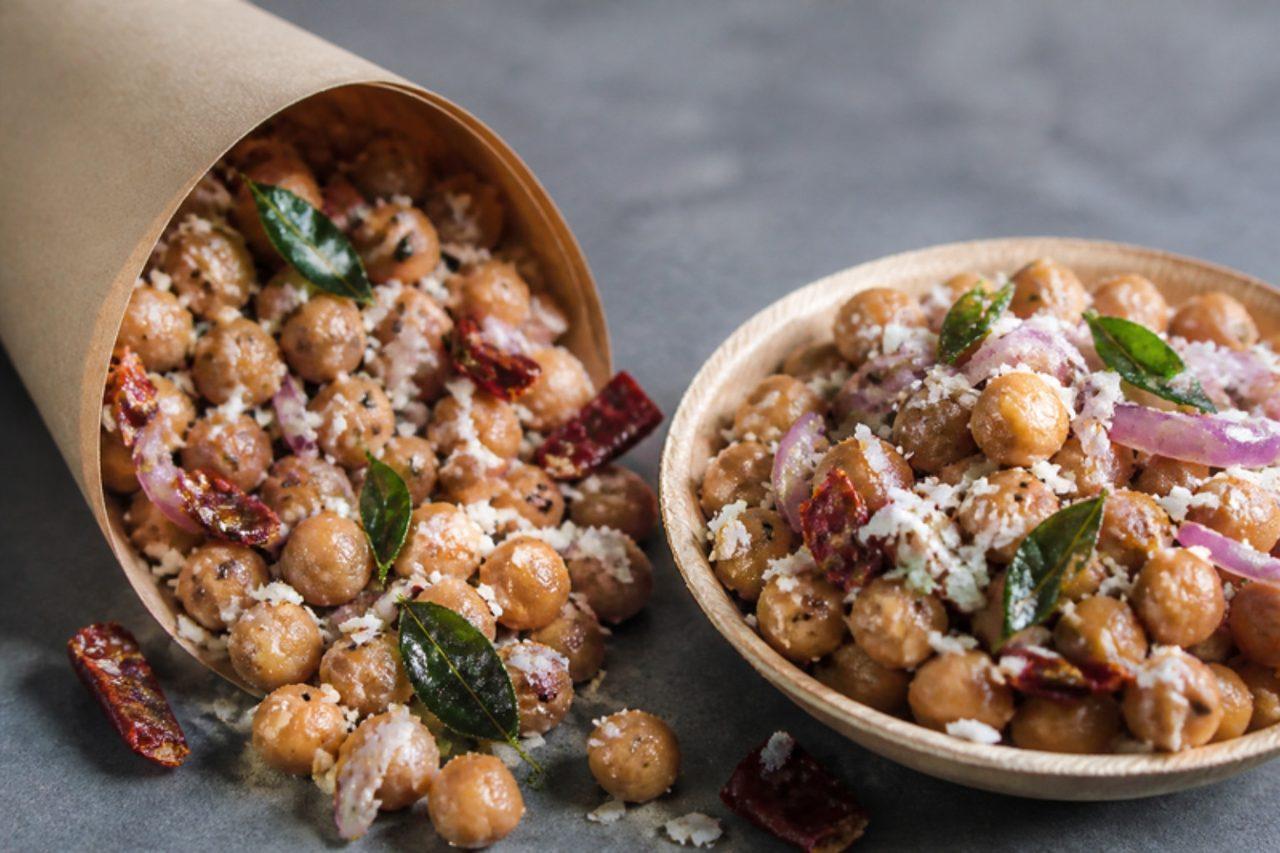
As the sun goes down over the sea at Galle Face Green in Colombo, vendors with glass-sided carts scoop warm kadala into cones twisted from old newspaper, and the same snack appears at temple festivals, perahera nights and every Avurudu gathering. Boiled chickpeas are tossed in coconut oil with mustard seeds, red onion, curry leaves, dried chilli and a handful of freshly grated coconut, so they are nutty, salty and gently hot, with a soft bite. Some vendors stir in Maldive fish; this version is vegan. Tinned chickpeas make it a ten-minute job, though home-boiled dried ones have a firmer, nuttier texture. Wet chickpeas are the problem to avoid, as they spit in the oil and the spices slide off; drain and pat them dry. Chef's tip: let the onion and curry leaves fry until the edges just begin to brown before the chickpeas go in; that toasty flavour is what makes street kadala so addictive.

by KrazyBadal 0 views

Antiguan ducanaSweet potato coconut dumplings

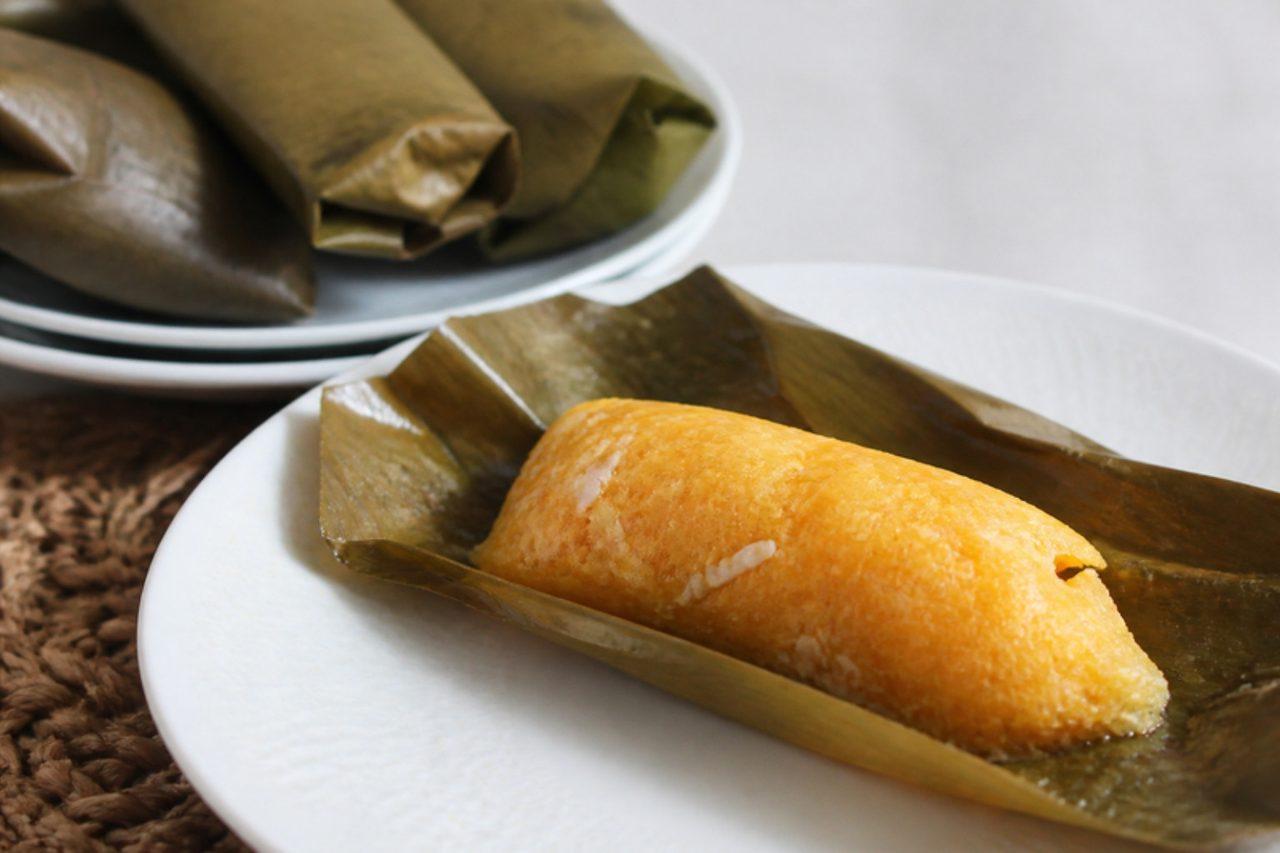
In Antigua, ducana turns up beside saltfish and chop up on Saturday plates and at Independence celebrations in November, little leaf-wrapped parcels of grated sweet potato and coconut with sugar, raisins and spice, boiled until set. It cuts through the salty fish with a soft, sticky sweetness. Many cooks add a little flour; this version keeps to sweet potato and coconut and is gluten free. The common mistake is wrapping the parcels loosely, so water seeps in and they turn mushy. Chef's tip: grate the sweet potato finely on the small holes and the ducana will hold together without any flour.

by KrazyBadal 0 views

Dal pakwanFried bread with spiced chana dal

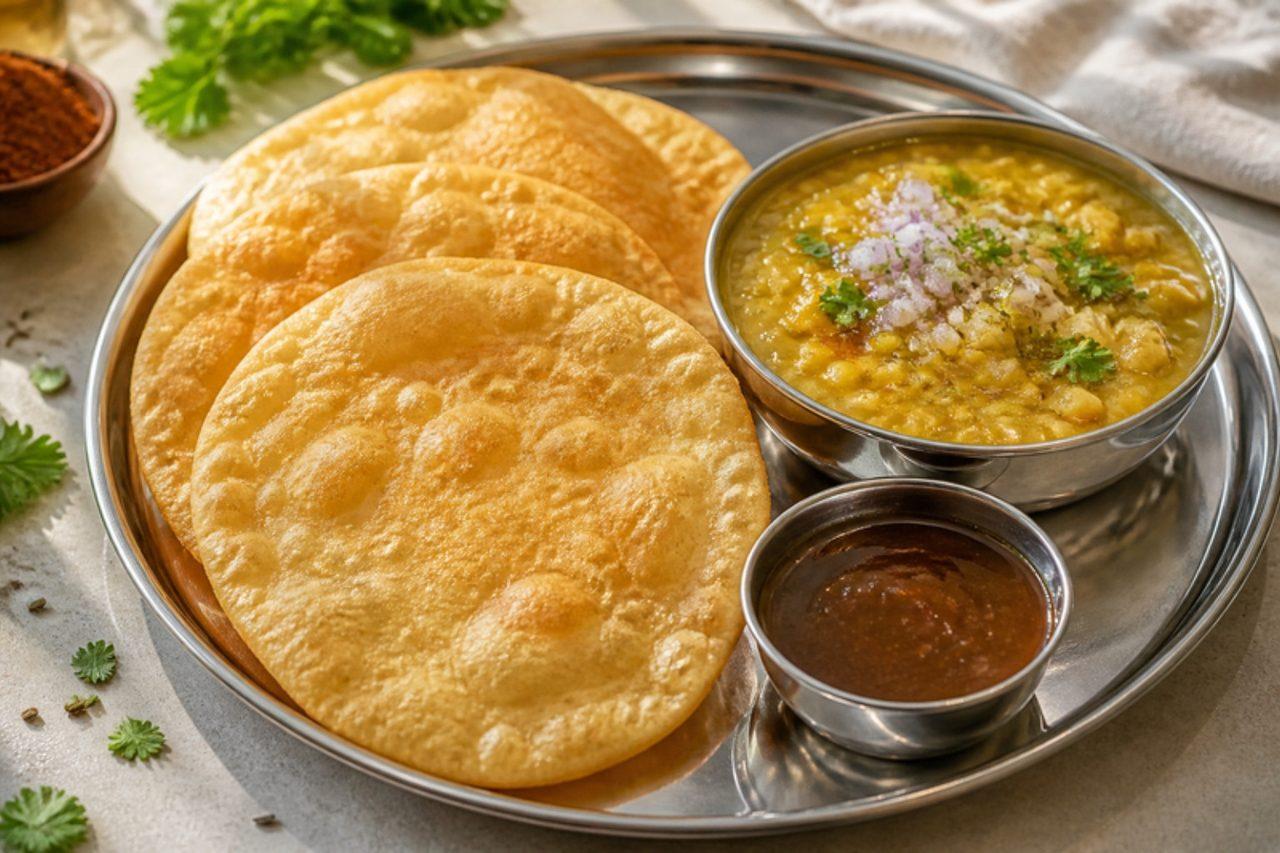
Sunday morning in Karachi's old Sindhi neighbourhoods, and in Hyderabad, means a queue at the dal pakwan stall, or a home kitchen hot with frying oil. Pakwan are crisp, bubbly discs of cumin and black-pepper dough, fried until they shatter like a cracker, and they are eaten broken into a bowl of soft, lightly spiced chana dal, then topped with sweet-sour tamarind chutney, raw onion and a dusting of chilli. The contrast of crunchy, soft, sweet and sharp is the whole point, so the parts are kept separate until the last moment. Thick pakwan are the most common disappointment: rolled too thick, they turn chewy instead of crisp. Chef's tip: roll each one as thin as you can and prick it all over with a fork before frying, so it puffs only a little and stays flat and crunchy.

by KrazyBadal 0 views

Antiguan chop upMashed aubergine, okra and spinach

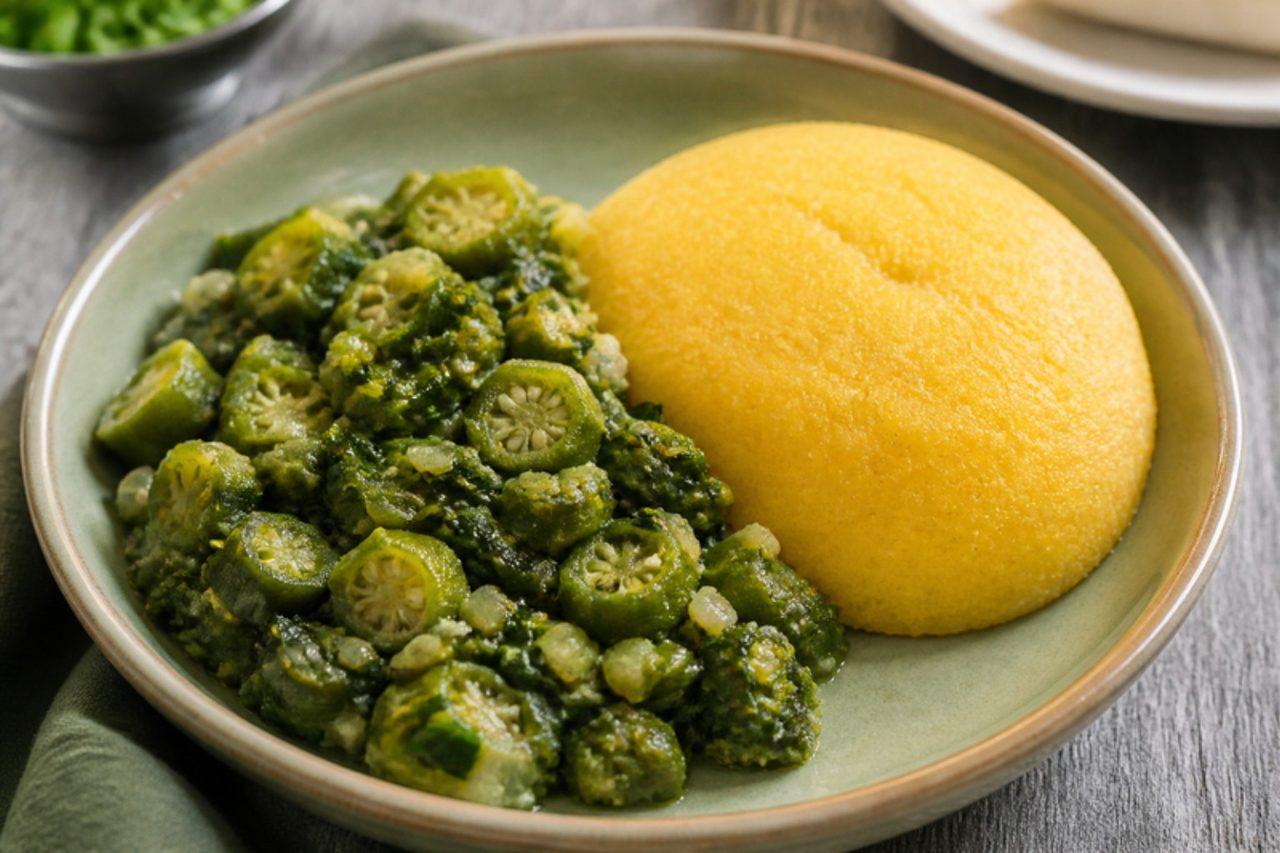
Antigua's national plate pairs fungee, a cornmeal and okra loaf, with pepperpot, and on the side there is often chop up: aubergine, okra and spinach cooked down with onion, garlic and thyme, then mashed to a soft, green-flecked purée. It is gentle, savoury and silky, and some cooks add butter or salted meat; this version is vegan and uses coconut oil. The mistake to avoid is stirring the okra too much early on, which makes it slimy; let it soften undisturbed, then mash. Chef's tip: a squeeze of lime at the end lifts the flavour and calms any okra stickiness.

by KrazyBadal 0 views

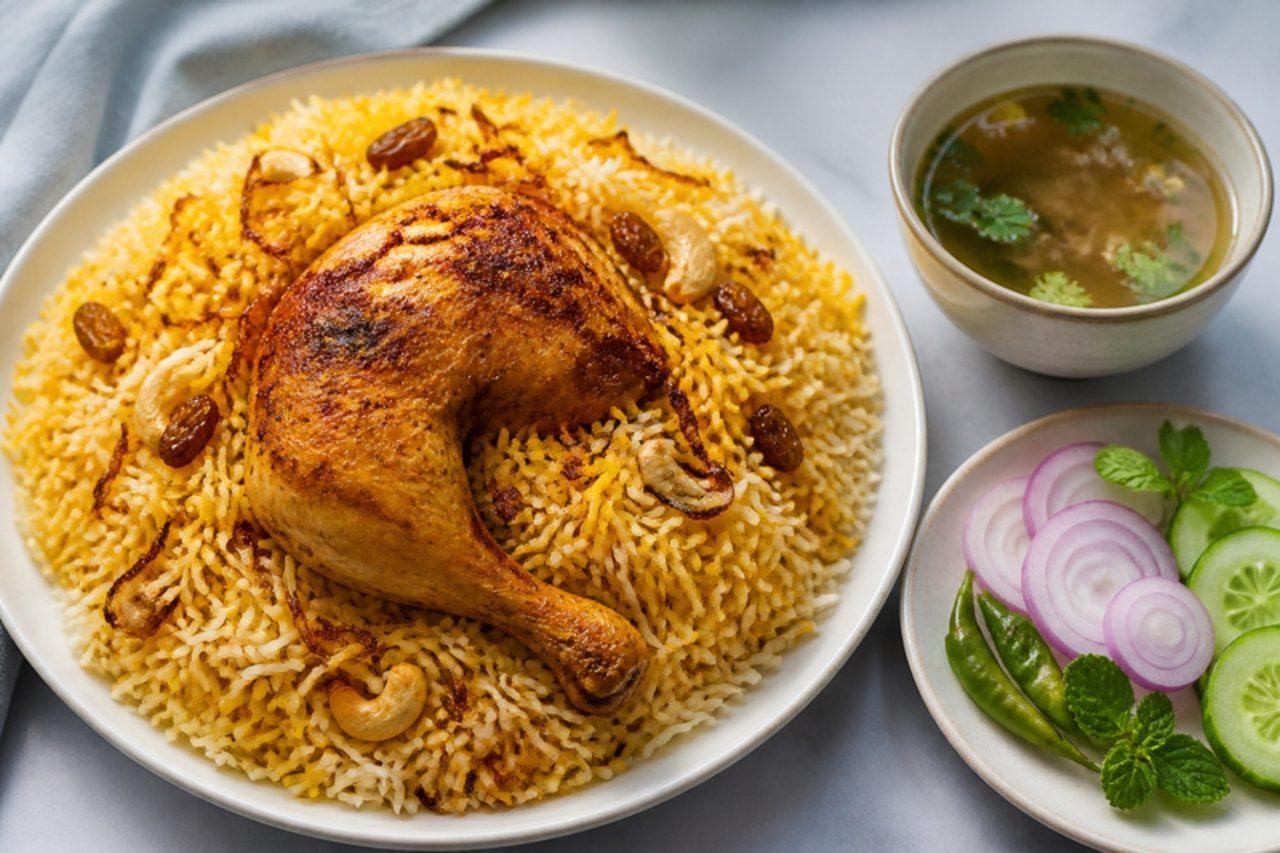
DanbaukChicken biryani

Weddings, birthday donations and the Friday lunch crowd after mosque prayers in downtown Yangon all call for danbauk, the Burmese take on biryani brought by the city's Indian-Muslim families. It is gentler than most South Asian versions: long grains scented with cardamom, cloves and butter, tender yoghurt-marinated chicken hidden underneath, and a crown of fried onions, plump raisins and golden cashews. Every plate comes with a bowl of sour onion, cucumber and green-chilli salad that cuts through the richness, and often a thin sour soup on the side. The usual slip is boiling the rice fully before layering; it then turns to mush during the slow steam, so pull it while each grain still has a chalky white core. Chef's tip: once the pot is sealed, leave the lid alone and dig in from the side at the table so every scoop brings up chicken and rice together.

by KrazyBadal 0 views

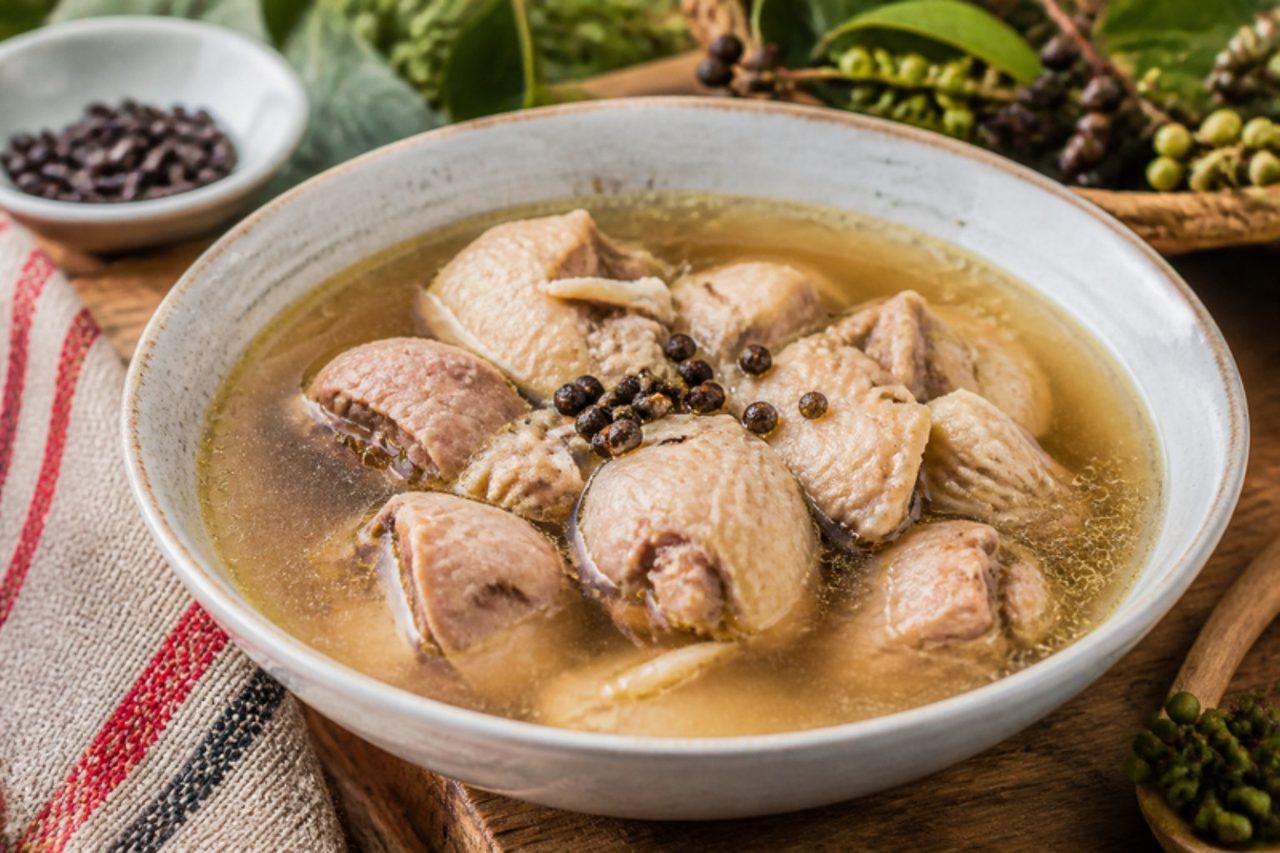
Maqaw chicken soupMountain pepper chicken soup

High in the mountains of northern Taiwan, in Atayal villages around Wulai and Fuxing, maqaw berries are picked from the mountain litsea tree in summer and dried to flavour soups, grilled meat and tea. In this clear chicken soup, served at home suppers and in Indigenous restaurants with millet or rice and wild greens, the crushed berries give a fresh lemongrass-and-ginger perfume with a gentle peppery tingle. Bone-in chicken simmered slowly makes a light, golden broth. People spoil it by adding the maqaw at the start and boiling it for an hour, which turns it bitter; add it for the last 15 minutes instead. If you can't find maqaw, use black peppercorns, a stalk of lemongrass and a strip of lemon zest. Chef's tip: lightly crush the berries just before they go in; whole ones barely flavour the broth, while powder makes it cloudy.

by KrazyBadal 0 views

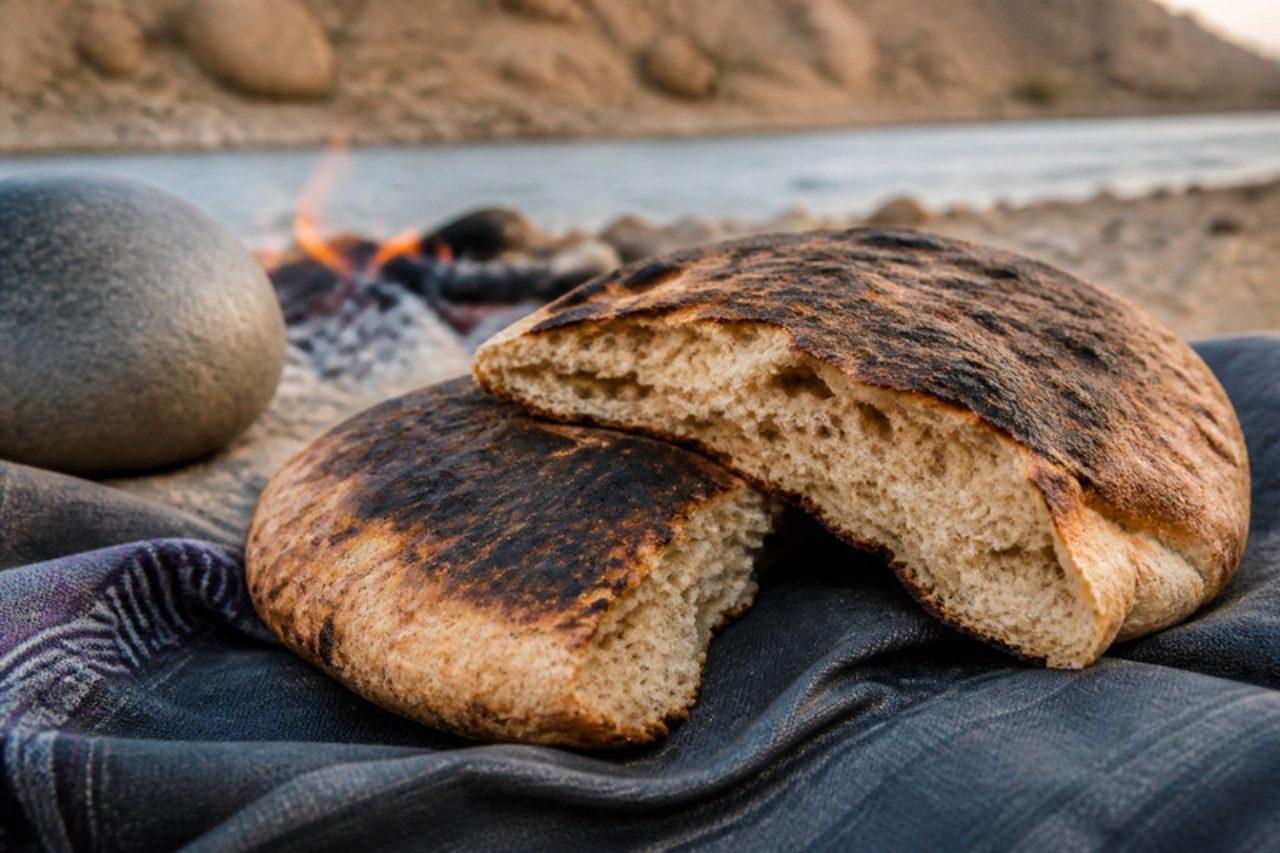
Balochi kaakSmoky wholewheat bread

Out in the hills of Balochistan, from Kalat to the passes above Quetta, kaak is shepherds' and travellers' bread: dough wrapped around a smooth river stone that has been heated in the fire, then propped among the embers until a thick, smoky crust forms and the stone cooks it from inside too. It is served torn into chunks alongside sajji, the slow-roasted lamb of Balochi feasts, or with yogurt and tea on the road. This version is for a home oven: the dough is shaped into a thick round and baked on a very hot tray or stone, then finished over a flame for that charred, campfire taste. Under-heating is the main pitfall, giving a pale, heavy loaf. Chef's tip: preheat the tray in the oven for a full 30 minutes. If you try the stone method outdoors, use only dense, dry stones never taken from water, as wet or porous stones can crack violently when heated.

by KrazyBadal 0 views

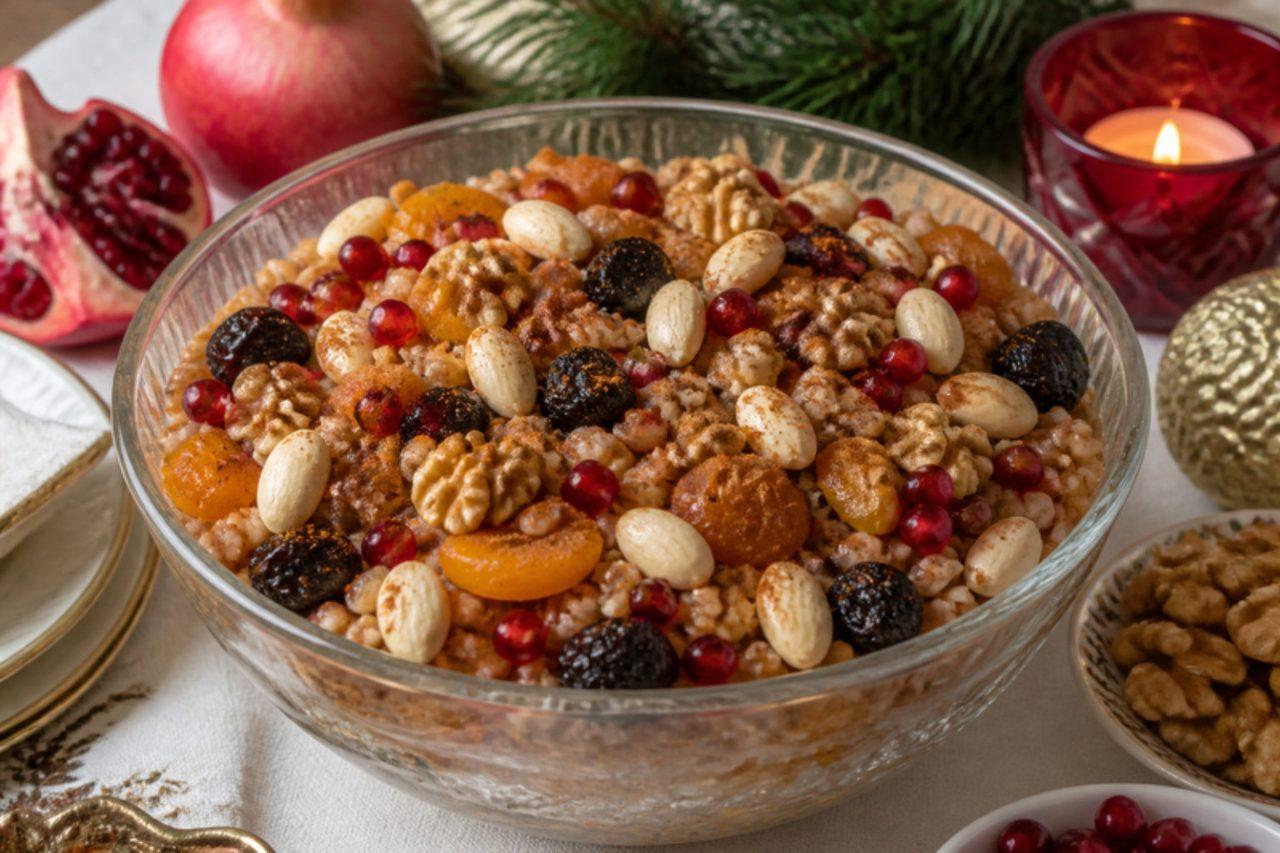
AnoushabourChristmas wheat pudding

Anoushabour, 'sweet soup', is cooked by Armenian families for New Year and for Christmas, which the Armenian church keeps on 6 January; in Yerevan and diaspora kitchens a big pot is made and bowls are carried to friends. Whole hulled wheat is simmered until creamy, sweetened and filled with apricots, raisins and prunes, then topped with walnuts, almonds, pomegranate and cinnamon. A common mistake is adding the fruit early, which turns it to pulp. Chef's tip: stir in a spoon of rose water at the end and serve the pudding cool; it sets slightly and the flavours come together.

by KrazyBadal 0 views

Dal chawal paliduLayered rice and dal

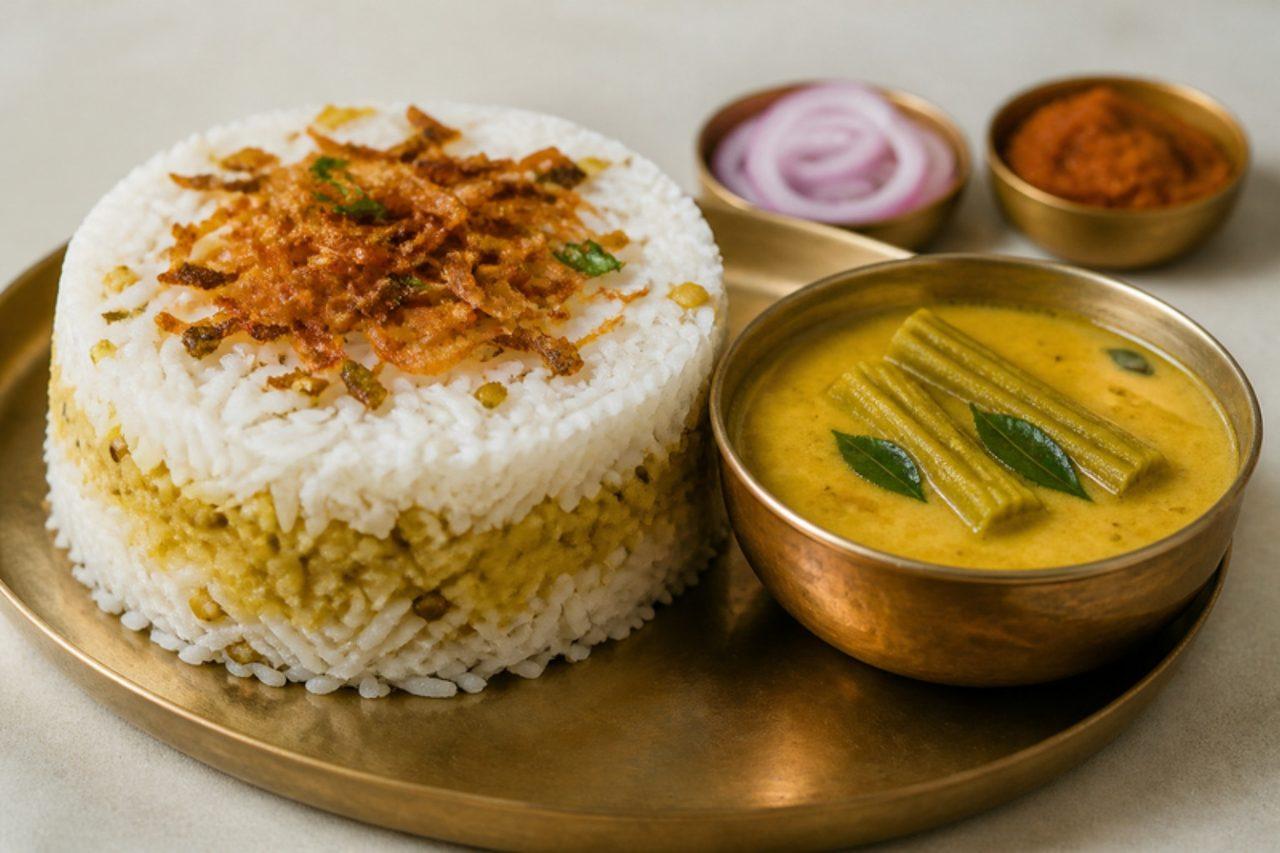
In the Dawoodi Bohra community of Karachi's Saddar and Kharadar, dal chawal palidu is the comfort meal of Sunday lunch and of the shared thaal at community gatherings, and nobody who grew up with it considers it complete without all three parts. Long-grain rice is layered with whole, separate grains of spiced toor dal and crisp fried onion, then steamed, while palidu, a thin, tangy curry made from the dal's own cooking water thickened with gram flour, tempered with mustard seed, curry leaves and garlic and studded with drumsticks, is poured over at the table. It is gentle, sour and deeply savoury. Overcooking the dal is the error to avoid, since it must stay in whole grains for the layers. Chef's tip: drain the toor dal as soon as it is tender and save every drop of the water, because that water is the base of the palidu.

by KrazyBadal 0 views

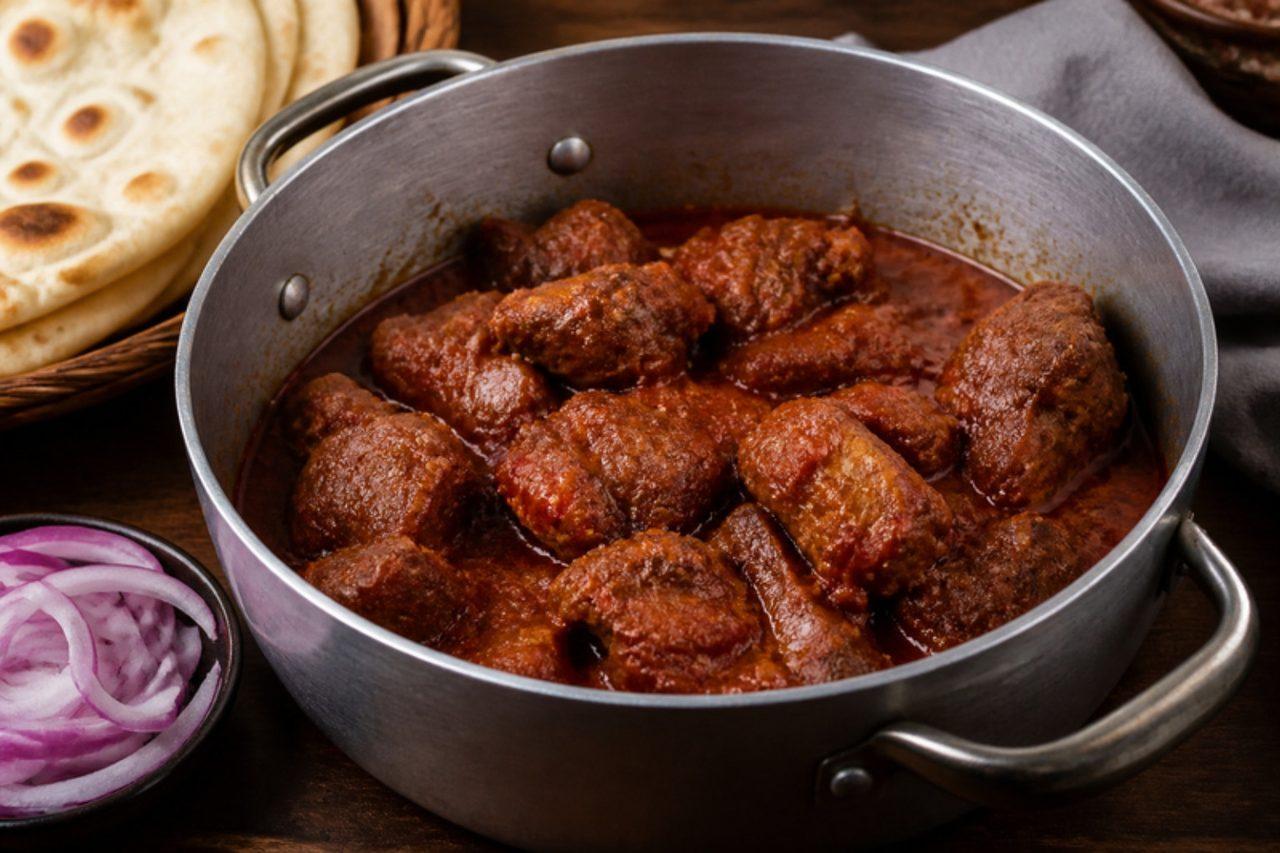
Dal goshtMutton and chickpea stew

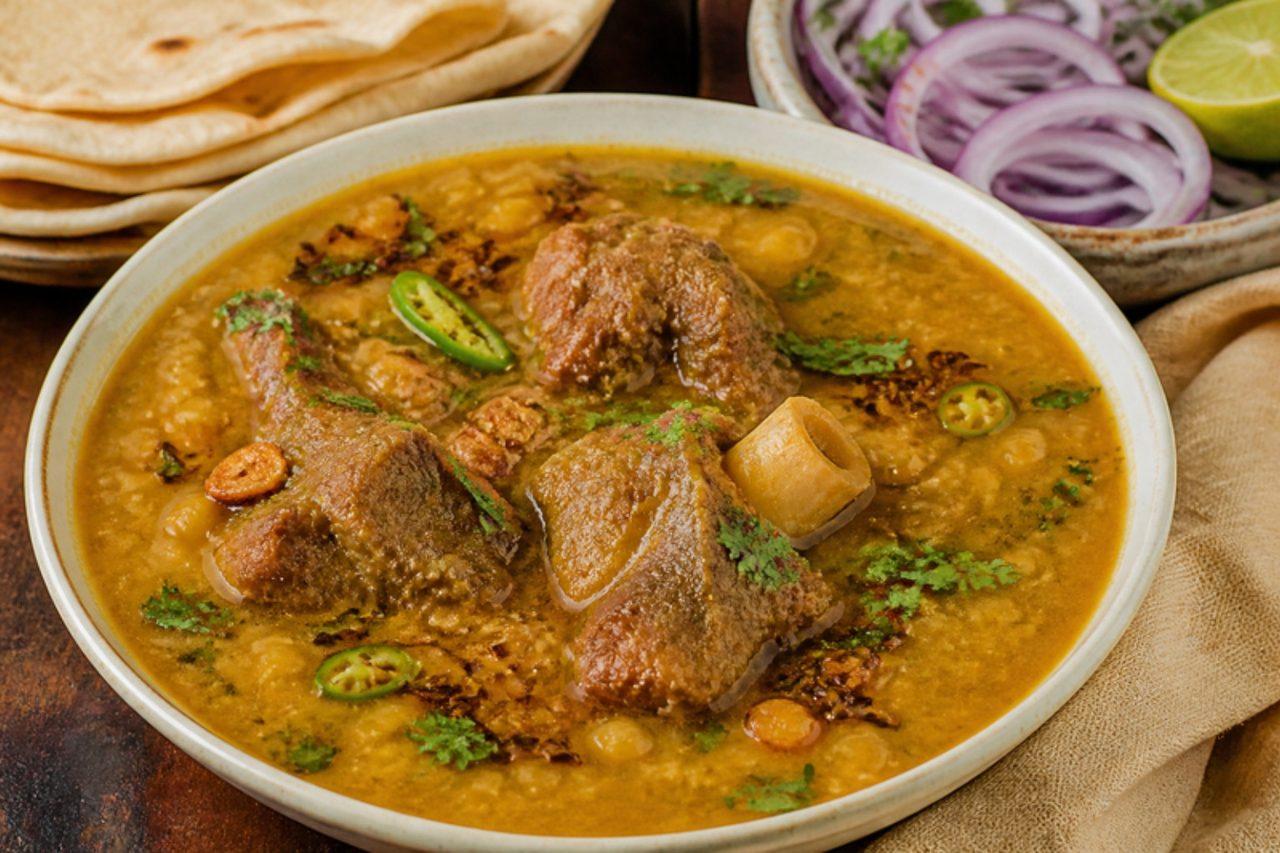
Stretching a kilo of mutton to feed a big family is an old Pakistani household skill, and dal gosht is its most loved result: chana dal cooked with the meat until the lentils melt into a thick, golden, peppery gravy that is half curry, half stew. It turns up for Friday lunch in Punjab and for everyday dinners in Karachi Urdu-speaking homes, eaten with hot chapati, rice and a sharp salad of onion and tomato. Done right, some dal stays whole while the rest thickens the gravy. A common slip is adding raw dal to the pot at the same time as the meat; dal cooks faster, so it collapses into paste before the mutton is tender. Chef's tip: finish with a tarka of ghee, cumin and fried garlic for a Sunday version, or leave it plain with oil for an everyday pot that stays dairy free.

by KrazyBadal 0 views

Daal mashWhite urad dal with ghee tarka

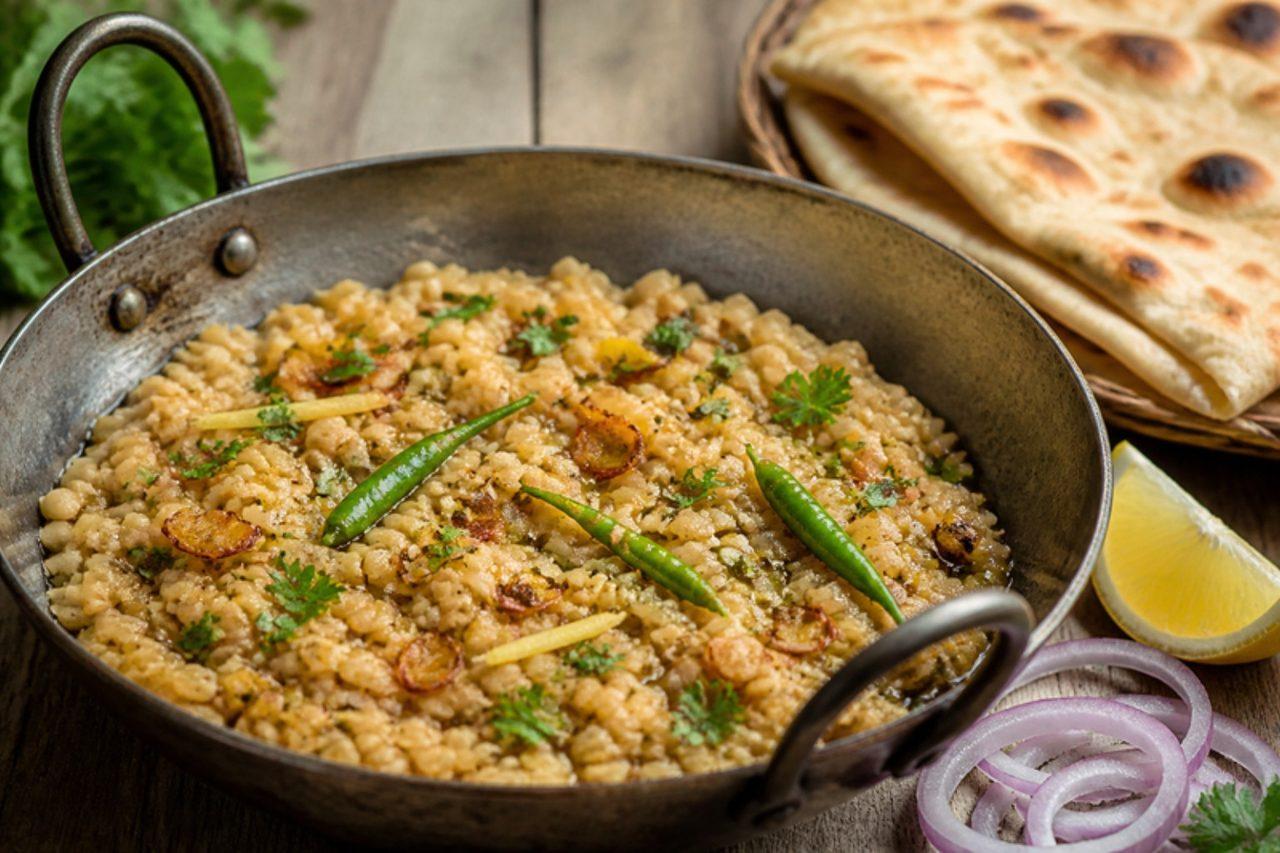
Walk into any dhaba on Lahore's Mall Road or in the lanes behind Anarkali after dark and daal mash is on the counter beside the tandoor, a pot of split white urad lentils cooked until each grain is soft but still separate, never a soup. It is eaten scooped up with hot tandoori roti, with a heap of raw onion rings and a squeeze of lemon, and it is rich enough to stand in for meat at a weeknight dinner. The flavour comes almost entirely from the last minute: a ladle of ghee crackling with garlic, ginger, green chilli and cumin poured over at the table. The usual mistake is adding too much water, which turns it to mush; it should cook in just enough to be absorbed. Chef's tip: soak the dal for 30 minutes and stir it as little as possible once it is in the pot, so the grains stay whole.

by KrazyBadal 0 views

Dabba goshtMutton and macaroni bake

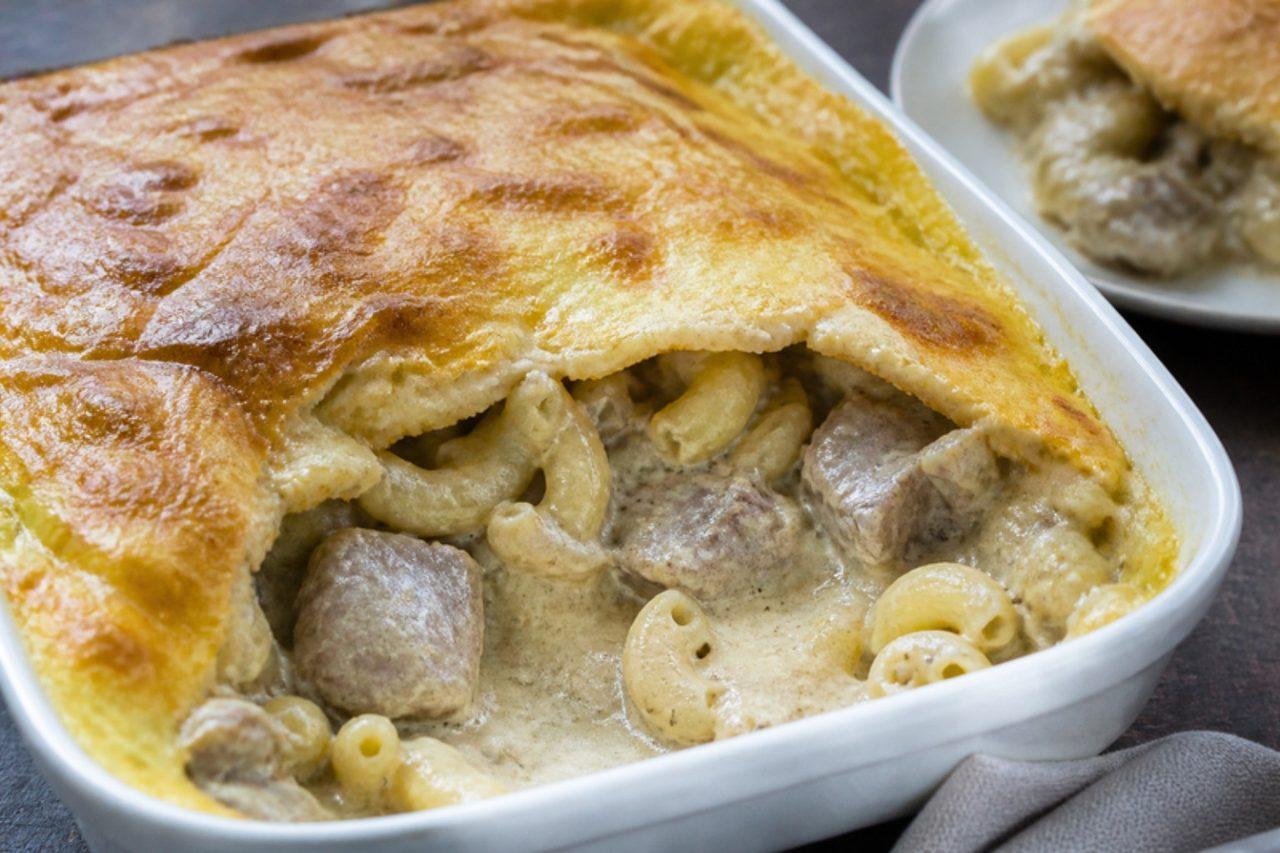
Only a Dawoodi Bohra kitchen would put macaroni into a mutton curry and bake it under a lid of egg, and dabba gosht is the triumphant result, made in Karachi for weddings, Eid and the big communal meals of Muharram. Boneless mutton is simmered until tender in a pale gravy of yogurt and ground cashew, mixed with soft elbow macaroni, poured into a dabba (a tin or deep dish), covered with whisked eggs and baked until golden on top. Inside it is creamy and mild with black pepper and cardamom; the crust is soft and set. The pitfall is overcooking the pasta before it goes in, because it keeps drinking sauce in the oven; boil it two minutes short. Chef's tip: keep the sauce looser than you think it should be when you assemble, as it thickens a lot under the egg.

by KrazyBadal 0 views

Ang ku kuehRed glutinous rice cakes

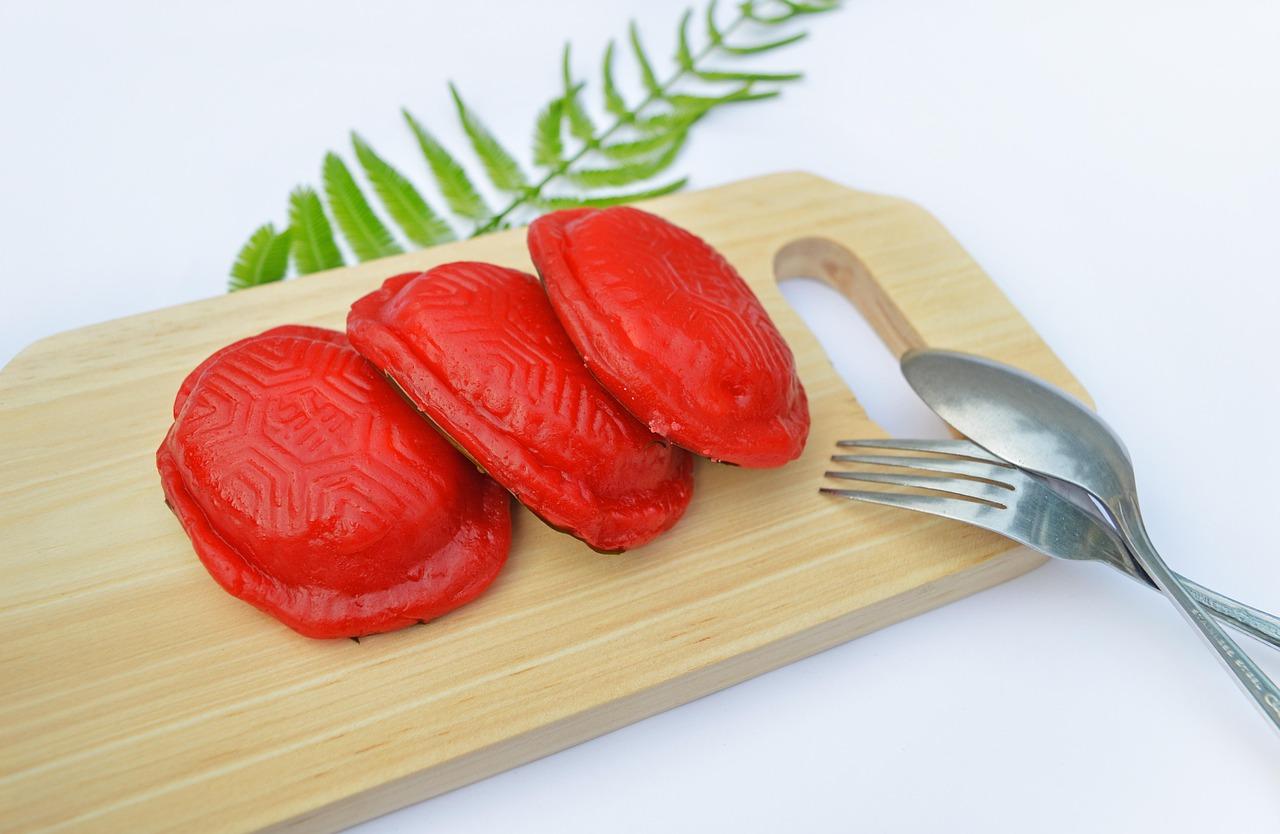
Red for luck and shaped like a tortoise for long life, ang ku kueh are carried to Hokkien and Teochew family altars and handed out in boxes at a baby's first-month celebration, at elders' birthdays and at temple festivals across Singapore, from Chinatown shophouses to neighbourhood confectioners in Bukit Merah. The skin is soft, chewy and slightly elastic, made from glutinous rice flour kneaded with mashed sweet potato, and it wraps a smooth, mildly sweet filling of split mung bean (or crushed peanut and sugar). Each cake is pressed in a carved wooden mould and steamed on a square of banana leaf. The usual mistake is steaming over a fierce boil, which makes the skin puff up, crack and lose the printed pattern; steam gently with the lid slightly open. Chef's tip: brush the cakes with a little oil the moment they come out of the steamer, so the pattern shines and the skin doesn't dry out or stick together.

by KrazyBadal 0 views

AushNoodle soup with beans and yogurt

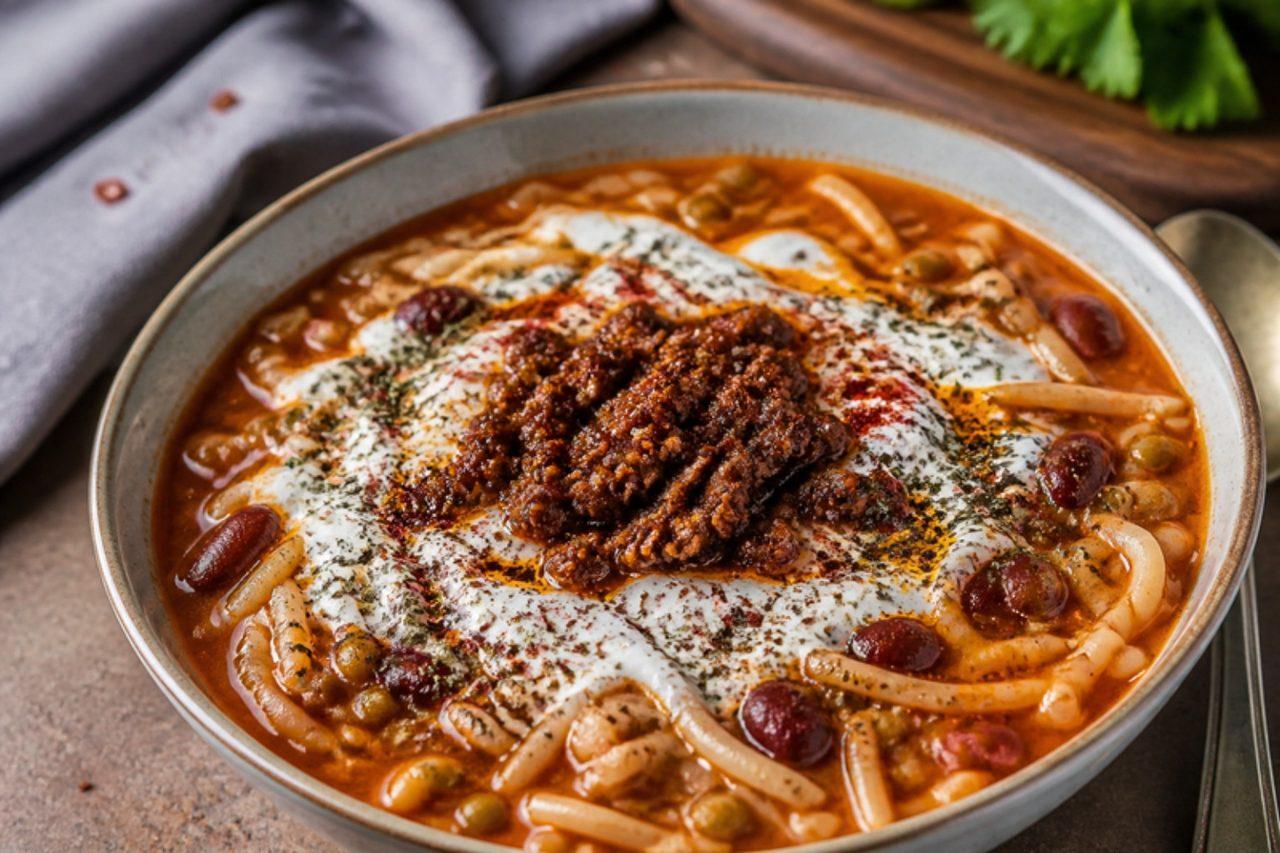
Aush is the bowl Afghan mothers make when someone in the house has a cold or the first snow falls on Kabul, a thick, tangy soup of hand-cut noodles, kidney beans and chickpeas, enriched with garlicky yogurt and finished with a spoonful of spiced minced meat and a heavy dusting of dried mint. The broth is slightly sour, creamy and warming with chilli, and the noodles are soft and a little slippery. It is a meal in itself, eaten with nothing more than naan and pickles. For a vegetarian version, leave out the meat sauce and add a handful of cooked mung beans. Noodles dropped into a soup that has gone off the boil stick together into a clump, so keep it bubbling as you add them a few at a time. Chef's tip: stir the yogurt in only after the pan is off the heat, so it turns the broth creamy without splitting.

by KrazyBadal 0 views

AndijviestamppotEndive and Gouda mash

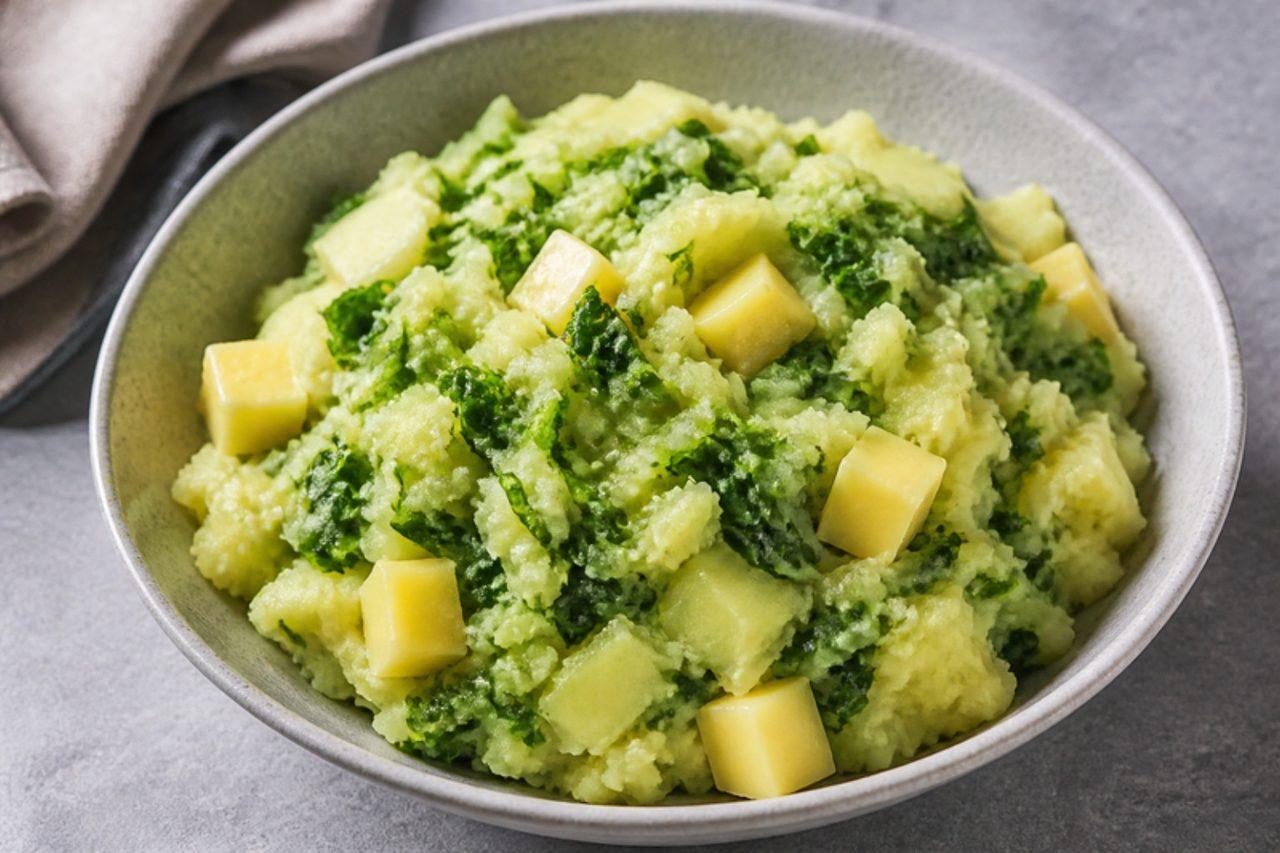
Stamppot, mashed potato stirred with vegetables, is the Dutch winter dinner, and the endive version is a little lighter: raw, finely shredded curly endive is stirred into piping-hot mash, so it wilts slightly but keeps a fresh, bitter crunch, then cubes of aged Gouda are folded in and start to melt. Dutch families eat it with gravy and a smoked sausage; this vegetarian version uses a pool of brown butter. Aged Gouda is usually made with animal rennet, so choose a vegetarian aged Gouda-style cheese. A common mistake is cooking the endive, which turns it soggy and grey. Chef's tip: stir the endive in off the heat at the very last moment.

by KrazyBadal 0 views

Anday ka halwaEgg halwa

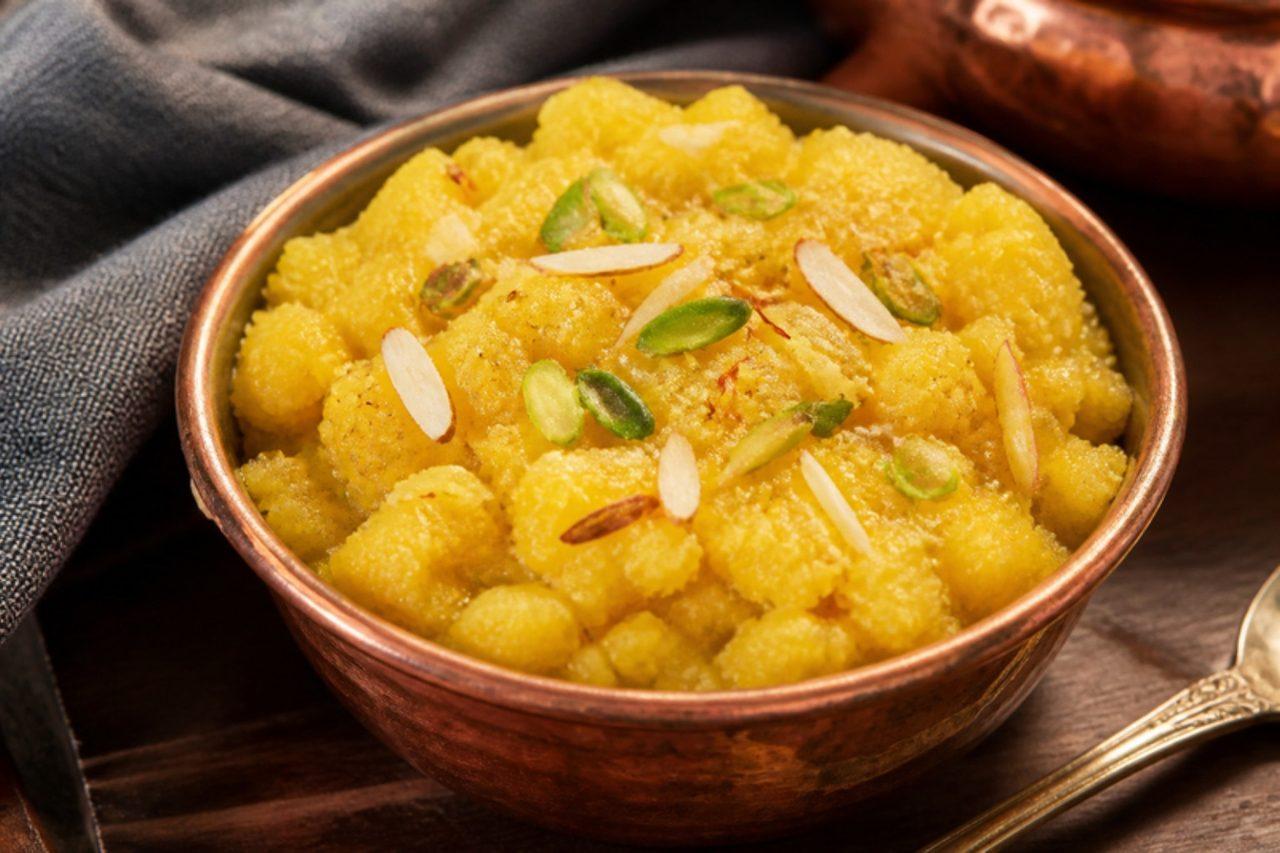
Sweet, golden and grainy like a rich crumble, egg halwa is the quick showpiece of Hyderabadi and Karachi home kitchens, made when unexpected guests arrive or for a winter Sunday, and it fills the house with the smell of ghee and cardamom. Eggs are beaten with milk, sugar and milk powder, then stirred in ghee until the custard sets, breaks and finally fries into soft, sandy granules that cling together like khoya; there is no eggy taste once it is properly cooked. It is served warm in small bowls, topped with almonds and pistachios, sometimes with a few saffron threads. The commonest failure is stopping too soon, when the halwa is still wet and scrambled-egg-like, rather than cooking on until it turns granular and golden and the ghee separates. Chef's tip: strain the beaten egg mixture through a sieve before cooking, which removes the stringy whites and gives a smooth, even grain.

by KrazyBadal 0 views

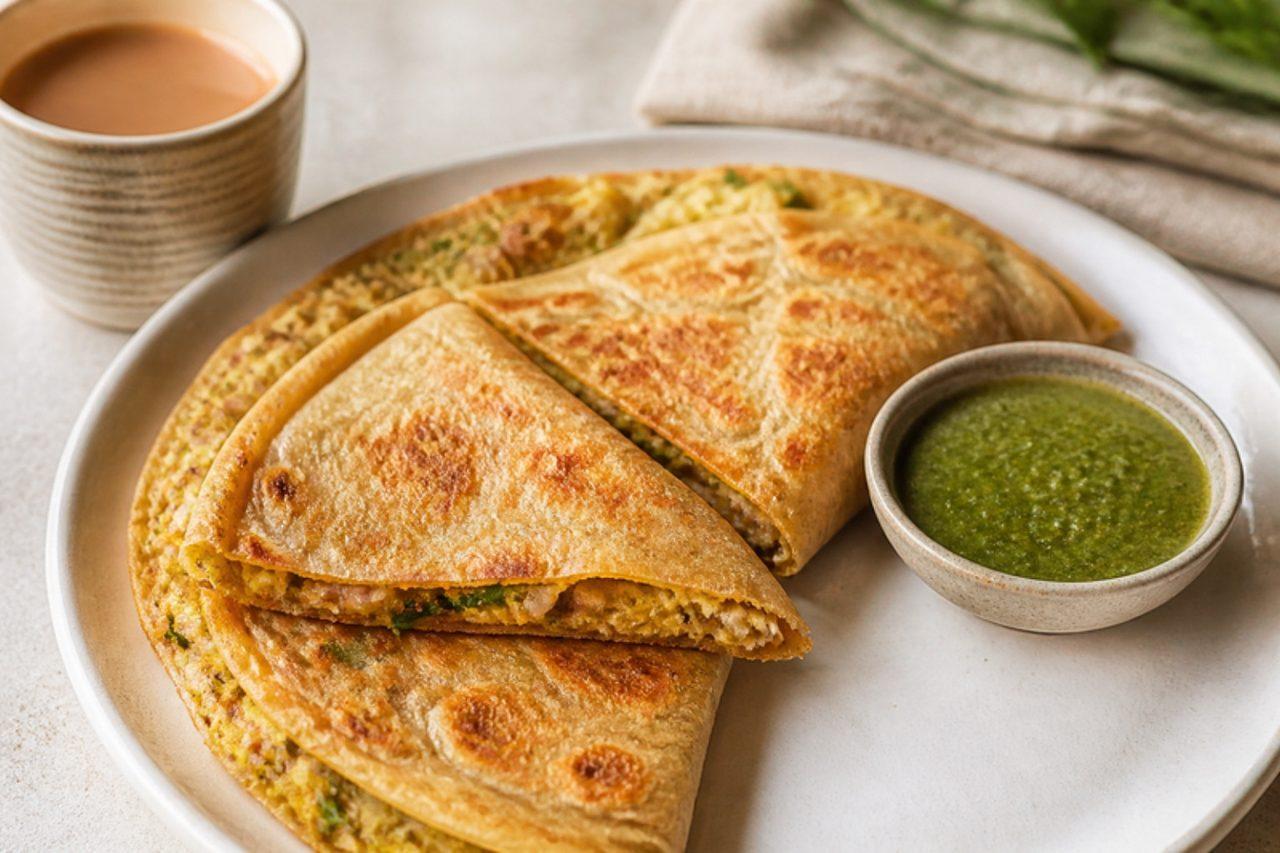
Anda parathaEgg-stuffed paratha

At the dhabas along the GT Road and the breakfast stalls of Rawalpindi's Saddar, the paratha-wala cracks an egg straight into a bowl with onion and chilli, half-cooks a paratha, pours the egg over and flips the whole thing onto the tawa so the egg fries into the bread. The result is one golden, layered disc that is crisp at the edges, soft where the egg meets the dough, and peppery with green chilli. Truck drivers, students and office workers eat it folded in half with chai, ketchup or green chutney, and it is a common packed lunch for school because it needs no curry. The problem most people run into is pouring the egg onto a raw paratha, which tears, or onto a fully cooked one, which will not let the egg stick. Chef's tip: cook the first side only until brown spots appear, then add the egg to the cooked side and flip so the egg sets against the hot iron.

by KrazyBadal 0 views

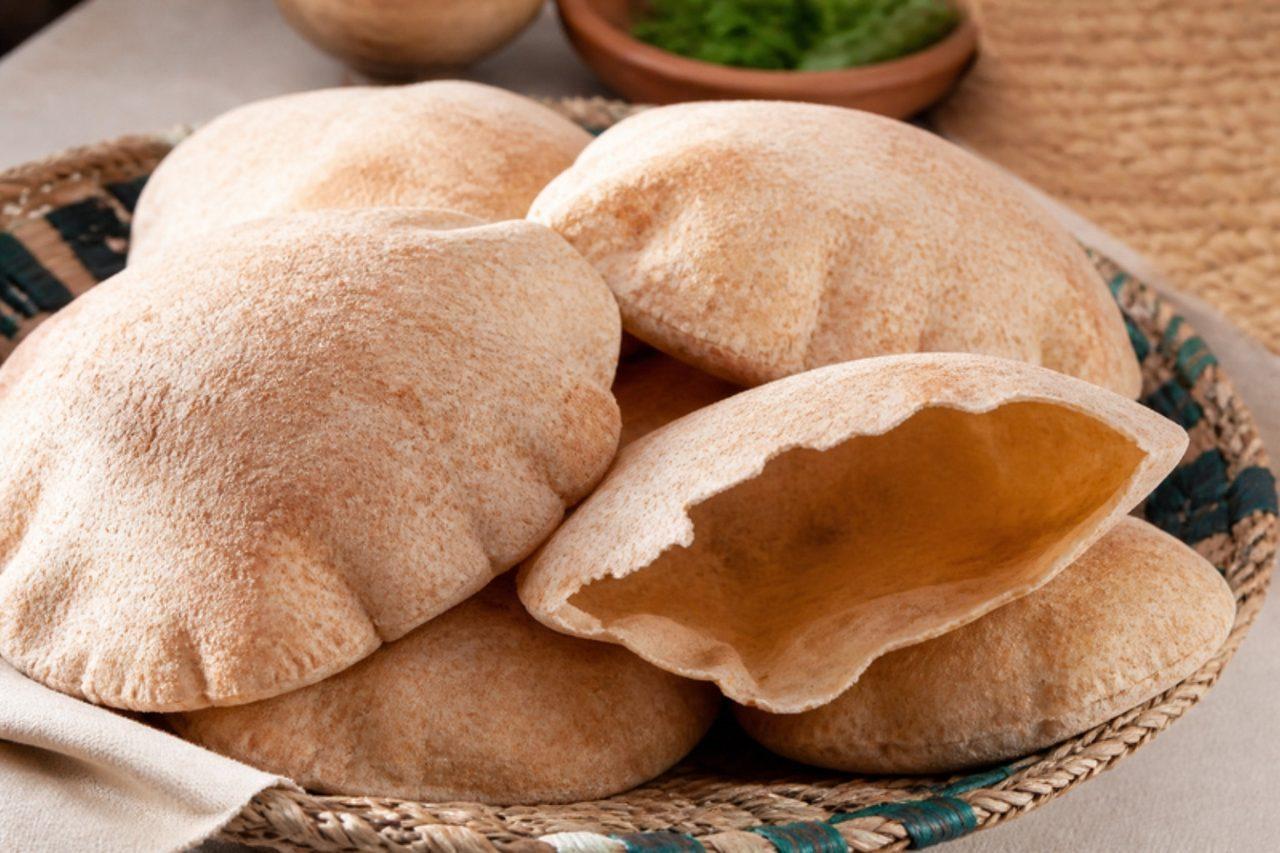
Aish baladiWholemeal pocket bread

Aish means 'life', and in Egypt this bread really is: neighbourhood bakeries turn out thousands of loaves an hour, cooling on palm-rib trays carried through the streets on cyclists' heads. Made with wholemeal flour and rolled in bran, the rounds puff dramatically in a fierce oven into a soft, slightly chewy pocket with a nutty, wheaty taste. It is the scoop, spoon and wrapper for ful, falafel, salads and stews at every meal. Allow about 1 hour 45 minutes for rising and resting. The most common mistake is a stone or tray that isn't hot enough, so the rounds bake flat with no pocket. Chef's tip: preheat the oven at its highest setting for a full 45 minutes, and bake only two rounds at a time.

by KrazyBadal 0 views

Brabants worstenbroodSausage roll

Worstenbrood is a Brabant institution, bought from bakeries in Eindhoven, Tilburg and Den Bosch for birthday mornings, Sunday breakfast and above all for carnival in February: a soft, slightly sweet bread dough wrapped around a log of minced pork seasoned with nutmeg, pepper and clove, baked golden. This is a pork dish. A common mistake is wrapping the dough too thick, which leaves a doughy roll and an undercooked middle. Chef's tip: roll the dough thin and bake until the filling reaches 71 °C; eat it warm from the oven.

by KrazyBadal 0 views

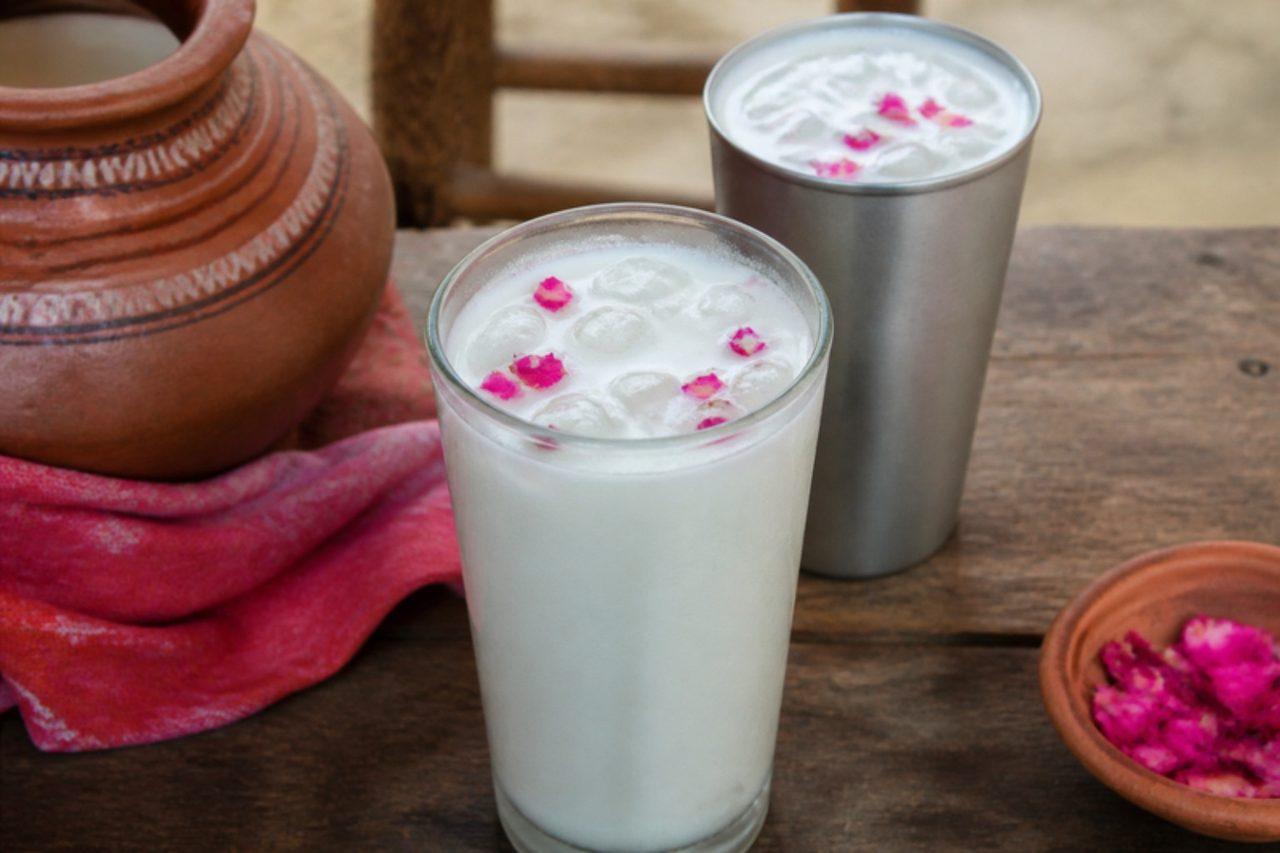
Kachi lassiMilk and water lassi

Harvest time in the Punjab is thirsty work: when the wheat is being cut in the April heat, a steel jug of kachi lassi is carried out to the workers: fresh milk thinned with cold water, stirred with sugar and poured over chunks of ice. Unlike yogurt lassi there is no tang, just a light, clean, milky sweetness that quenches thirst better than plain water, and in many villages it is the drink offered to any guest who arrives on a hot afternoon. Some people add a pinch of salt instead of sugar, or a few drops of rose water. The traditional kind uses raw milk straight from the buffalo; use pasteurised milk instead to be safe. The usual mistake is making it with too little water, which turns it heavy instead of refreshing. Chef's tip: whisk it hard or shake it in a jar so it turns frothy, which makes it feel even cooler.

by KrazyBadal 0 views

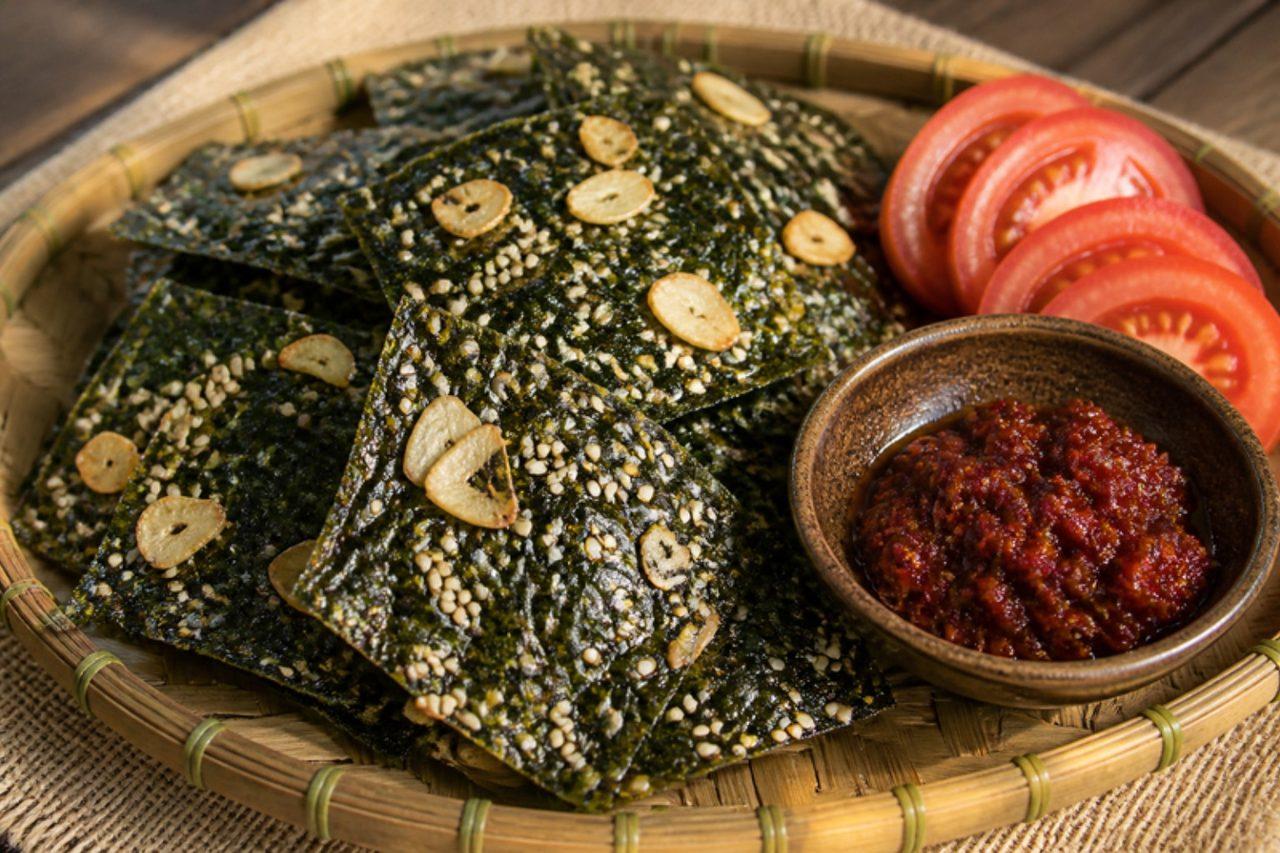
Khai paenCrispy river weed sheets

Along the Mekong and Nam Khan below Luang Prabang, women gather silky green river weed in the dry months, when the water runs low and clear, then press it into thin sheets and dry them in the sun. Those sheets turn up everywhere in town, stacked at the morning market and the night market, and a plate of fried khai paen is a favourite nibble with sticky rice and a pot of jeow bong in the late afternoon. Frying takes seconds: the sheets puff, darken and turn shatteringly crisp, tasting of the river, toasted sesame and garlic, a little like nori but earthier. Buy the sheets dried; outside Laos, look in Southeast Asian grocers, and if you can't find them, nori sheets make a stand-in, though they are thinner, sea-salty rather than freshwater and fry even faster. Leaving a sheet in the oil a moment too long is the classic error, as it goes bitter and brown almost instantly. Chef's tip: cut the sheets into squares with scissors before frying, not after, so they don't crumble into dust.

by KrazyBadal 0 views

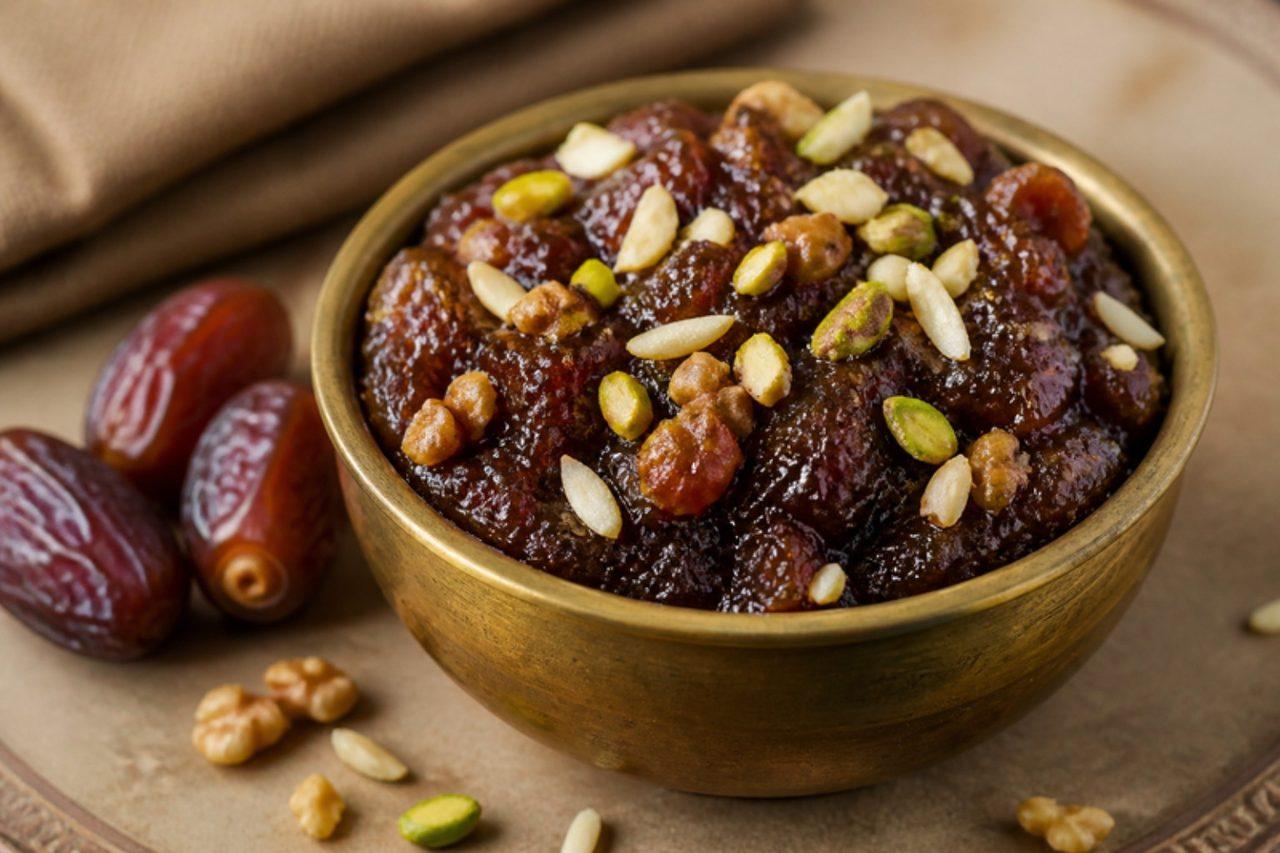
Khajoor ka halwaDate halwa

The oasis towns of Turbat and Panjgur in Makran grow some of Pakistan's finest dates, the soft, honeyed Begum Jangi and Muzawati among them, and after the late-summer harvest households turn the surplus into this rich, fudgy halwa. Dates are softened in warm milk, mashed and cooked down slowly in ghee until the mixture is dark and glossy and comes away from the pan, then finished with almonds, walnuts and cardamom. It needs little or no added sugar, and it is served in small portions at Eid, to new mothers and to guests with green tea. Using dry, hard dates without soaking is where it goes wrong, leaving the halwa lumpy and leathery. Chef's tip: choose soft, moist dates and blend them only briefly after soaking, so a few small pieces remain for texture.

by KrazyBadal 0 views

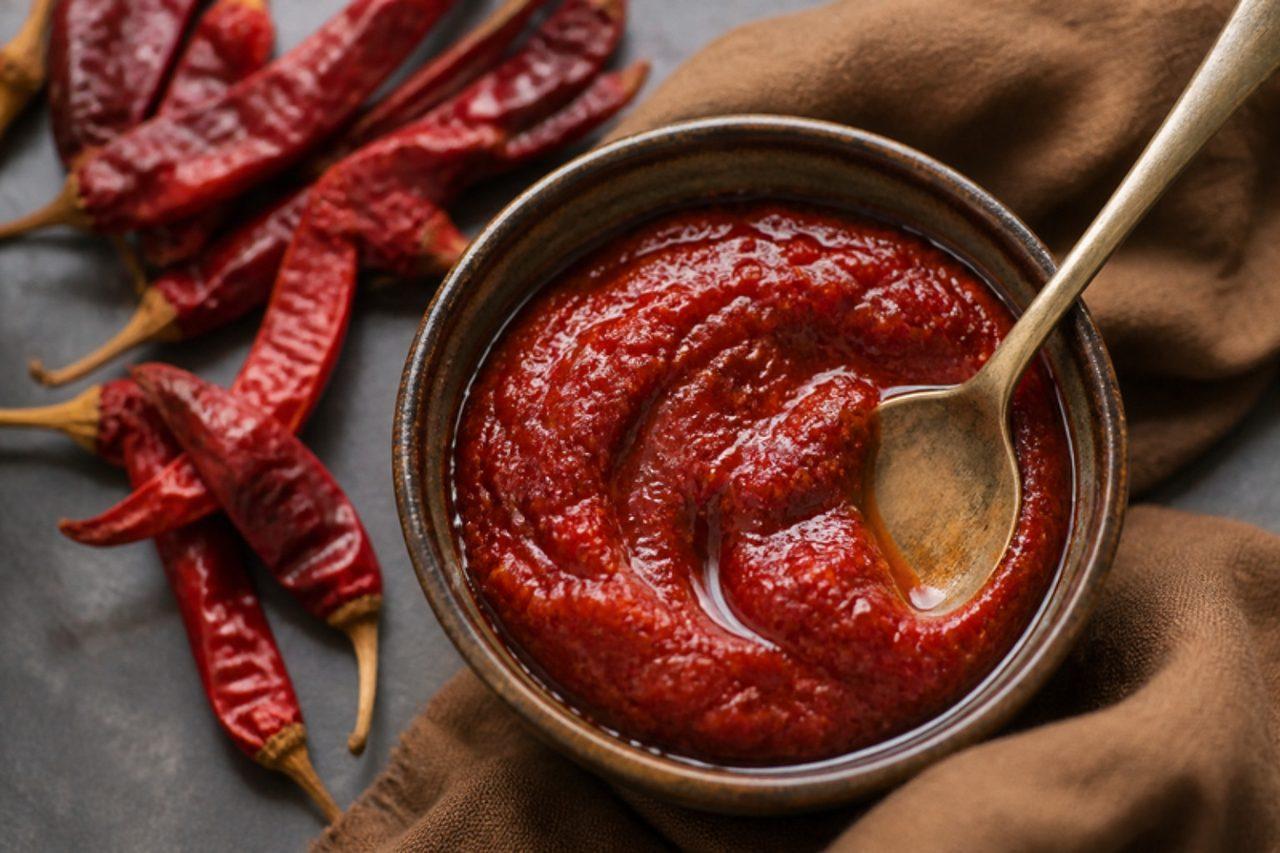
AwazeBerbere chilli dipping paste

Wherever tibs are fried or meat is grilled in Ethiopia, from roadside butcher-restaurants on the edge of Addis Ababa to wedding feasts, a small dish of brick-red awaze sits beside it. It is berbere turned into a thick, glossy paste: hot, garlicky, a little sharp from lemon, with a rounded warmth from the spices. Strips of meat are dabbed into it, it is stirred into a pan of tibs at the last moment, and a spoon of it livens up plain lentils too. Some cooks loosen it with tej (honey wine) or red wine, both of which contain alcohol; this version uses water and lemon juice and is entirely alcohol-free. Chef's tip: let it rest for an hour before using; the raw edge of the chilli softens and the garlic mellows into the paste.

by KrazyBadal 0 views

Aish finoSoft white finger rolls

Ask any Egyptian about school lunches and aish fino comes up: the long, soft white rolls that bakeries sell by the bagful each morning and parents split and fill for lunch boxes. The crumb is pillowy and slightly sweet, the crust thin and pale gold, perfect for white cheese, halawa, egg, falafel or a smear of molasses and tahini. Its name comes from the French pain fin. Allow about 1½ hours for rising. Overbaking is the classic mistake; take them out while still pale gold, otherwise the crust turns hard instead of soft. Chef's tip: cover the rolls with a clean tea towel as soon as they leave the oven so the steam keeps the crust tender.

by KrazyBadal 0 views

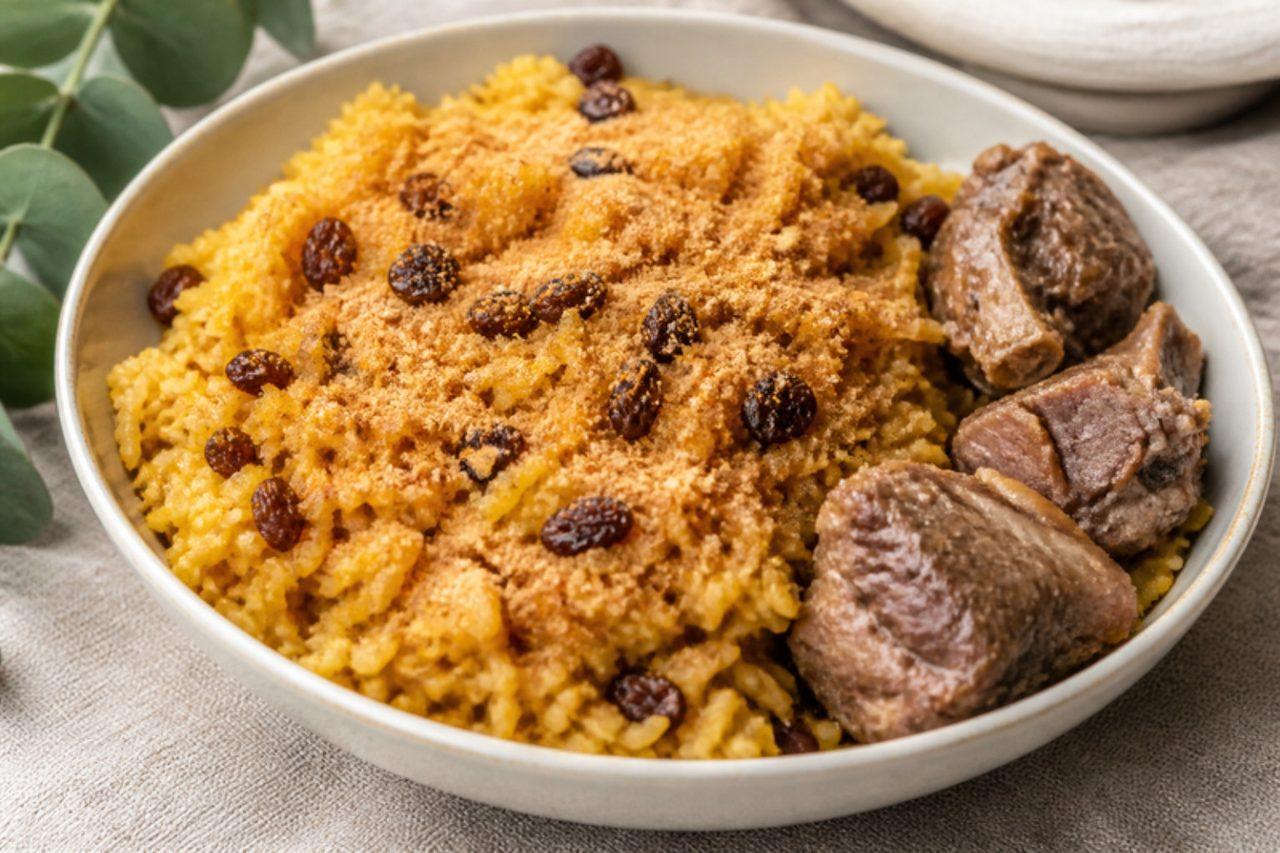
KabuniFestive rice with raisins and cinnamon

Kabuni is one of the oldest dishes of Albania, served in Tirana and the central lowlands at Bajram, weddings and wakes: rice fried in butter, cooked in a savoury lamb broth, then sweetened with sugar and studded with raisins and cinnamon. The result is buttery, gently sweet and fragrant, a sweet course with a savoury soul, eaten warm in small bowls. Because it is cooked in lamb stock it is not vegetarian. Where most people go wrong is skipping the frying of the rice; it is the toasting in butter that gives kabuni its nutty taste. Chef's tip: soak the raisins in hot water while the rice cooks so they swell and stay juicy.

by KrazyBadal 0 views

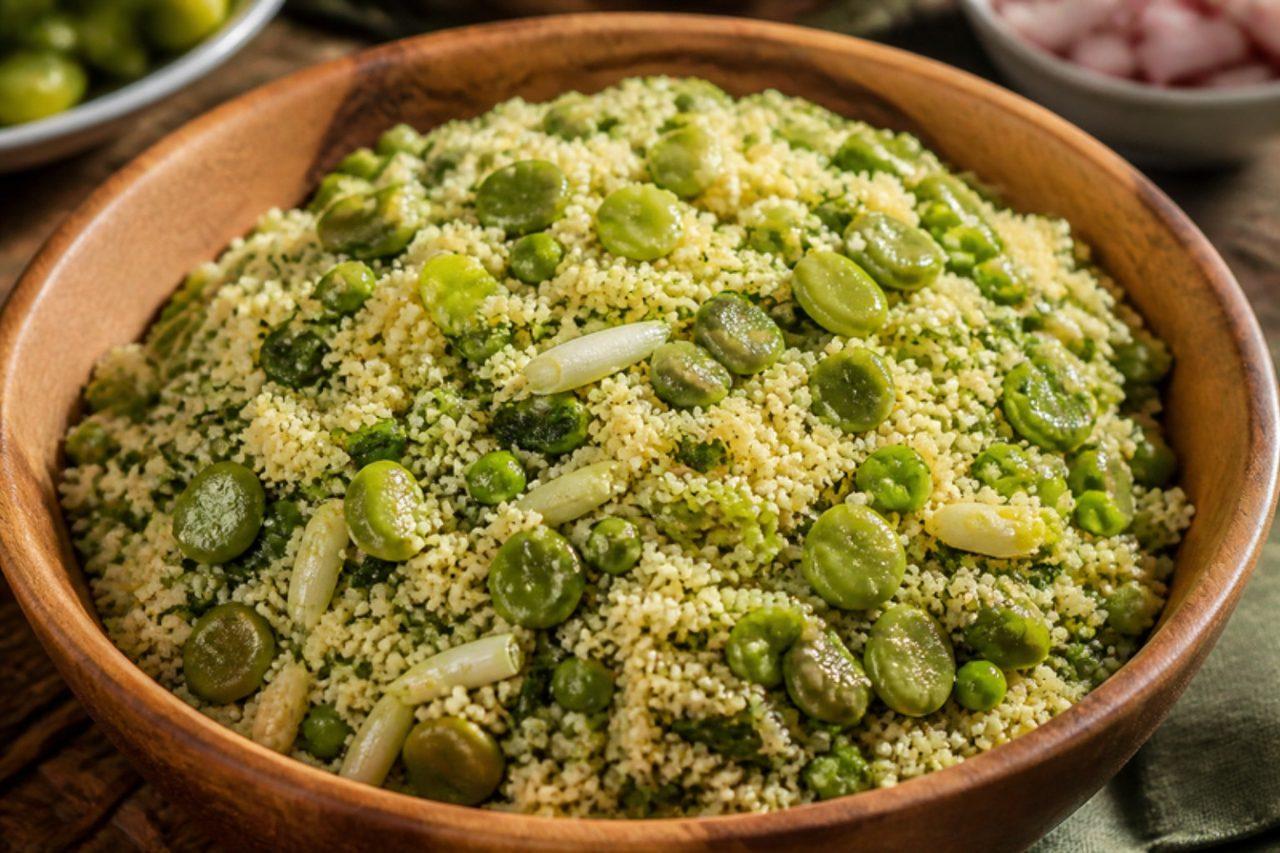
ThamekfoultCouscous with broad beans and peas

Spring in the Kabyle villages means thamekfoult: when the first broad beans and peas come in, they are steamed in the same basket as the couscous, so grain and vegetables cook together in one fragrant cloud of steam. There is no sauce at all; instead, the hot couscous is dressed generously with the region's peppery olive oil, so it tastes green, sweet and grassy. It is a family lunch dish, often eaten with a glass of buttermilk or a few olives; this version keeps it vegan. Chef's tip: oil the couscous before the first steaming, rubbing every grain; that stops it clumping and helps it swell evenly.

by KrazyBadal 0 views

Ayam buah keluakChicken with black keluak nuts

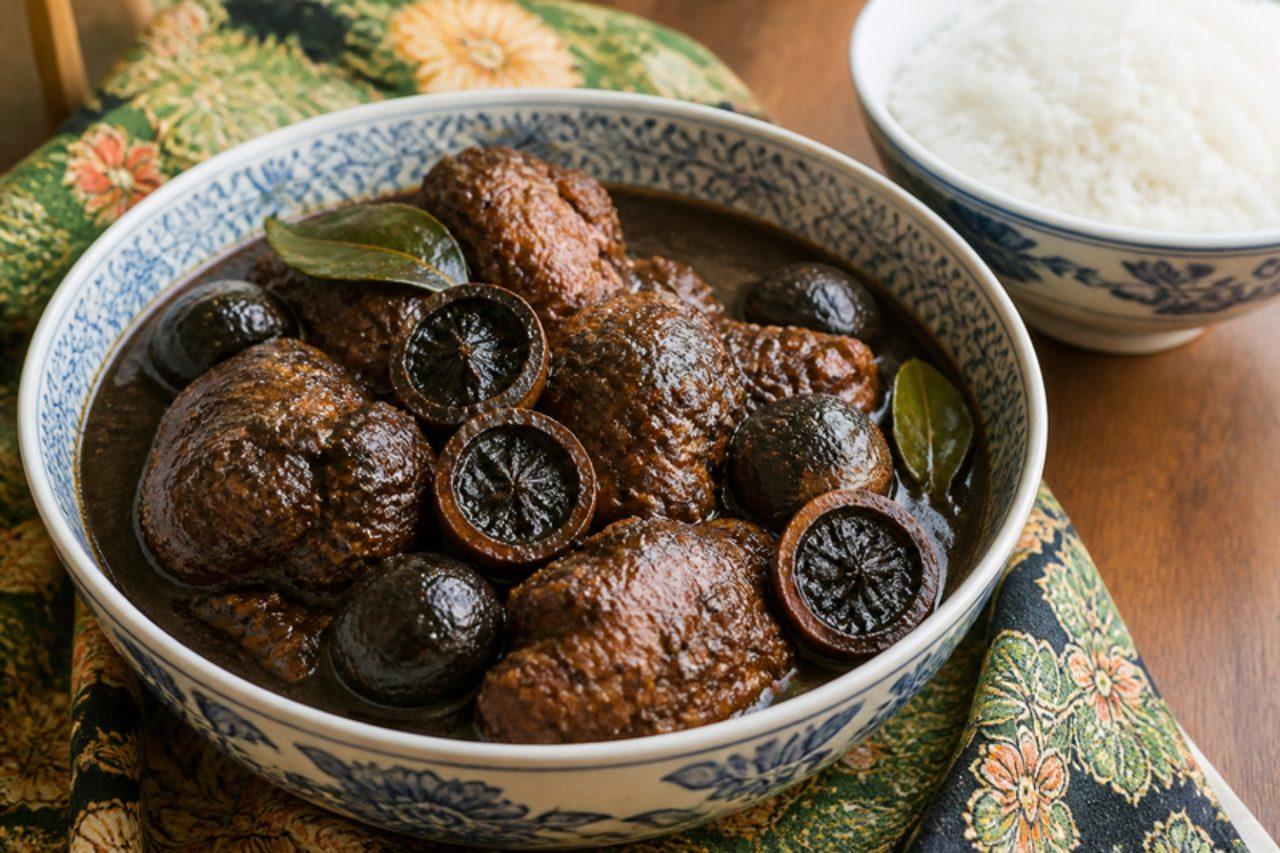
Ask any Peranakan family in Singapore which dish defines the Nyonya table and most will name this one, cooked for Chinese New Year, ancestral offerings and big birthday lunches. Chicken is braised in a sour tamarind gravy built on a long-fried rempah of chillies, shallots, galangal, lemongrass and shrimp paste, together with buah keluak, the hard black nut of the kepayang tree, whose inky flesh tastes of dark chocolate, mushroom and olive. Diners dig the paste out with a teaspoon and stir it into rice. Raw keluak nuts contain hydrogen cyanide and are poisonous: use only cleaned, pre-soaked nuts sold ready to cook, and still soak them for several days, changing the water every day, as the seller's instructions say. The mistake people regret is skimping on that soak, which leaves the nuts bitter as well as unsafe. Chef's tip: cook it a day ahead; the gravy darkens and the flavours deepen overnight.

by KrazyBadal 0 views

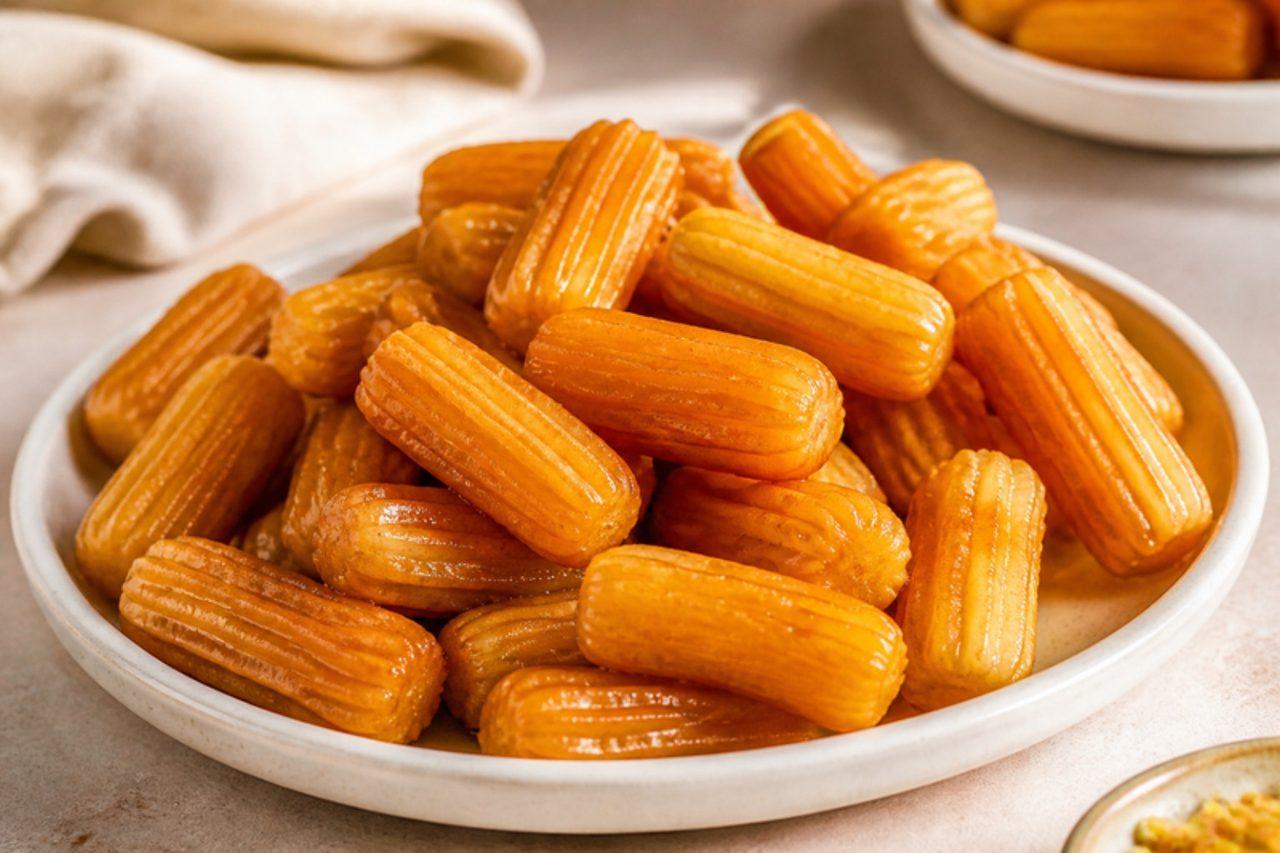
Balah el shamFried choux fingers in syrup

Ramadan in Cairo means trays of balah el sham glistening in sweet-shop windows, and plenty of families fry their own to serve after iftar alongside konafa and qatayef. Choux dough is piped through a star nozzle into finger lengths, fried until crisp and deep gold, then dropped into cool syrup, so the outside crackles and the inside stays hollow and custardy. It contains eggs. The mistake almost everyone makes once is frying in oil that is too hot: the outside browns in seconds while the inside stays raw and the fingers collapse. Start them in moderately hot oil and let them puff slowly. Chef's tip: beat the eggs in one at a time and stop when the dough falls from the spoon in a thick V; too much egg and the fingers flatten.

by KrazyBadal 0 views

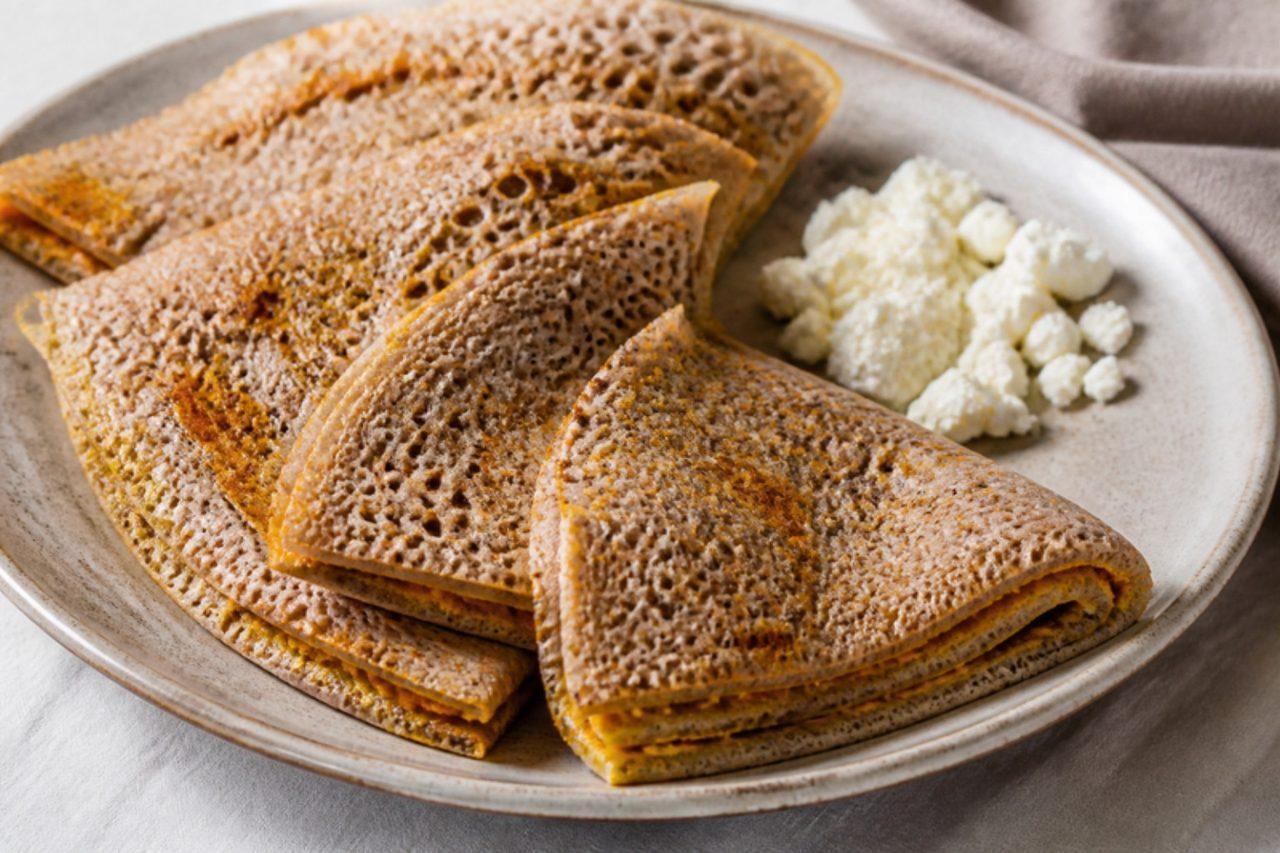
AnababeroLayered injera with spiced butter

Ask for anababero at a breakfast café in Addis Ababa and two injeras arrive stacked as one, glued together with melted niter kibbeh and a dusting of berbere, then warmed on the griddle until the butter soaks through. The result is soft and tangy inside, a little crisp at the edges, and much richer than plain injera; the name roughly means 'layered' or 'piled on top'. It is torn and eaten as it is with sweet spiced tea or coffee, or served beside a bowl of ayib or a spoon of awaze for anyone who wants it hotter. Because it uses yesterday's injera, it is a favourite way to turn leftovers into a proper breakfast. Chef's tip: brush the butter on warm, not hot, so it melts into the injera's holes instead of pooling on the surface.

by KrazyBadal 0 views

Ćwikła z chrzanemBeetroot and horseradish relish

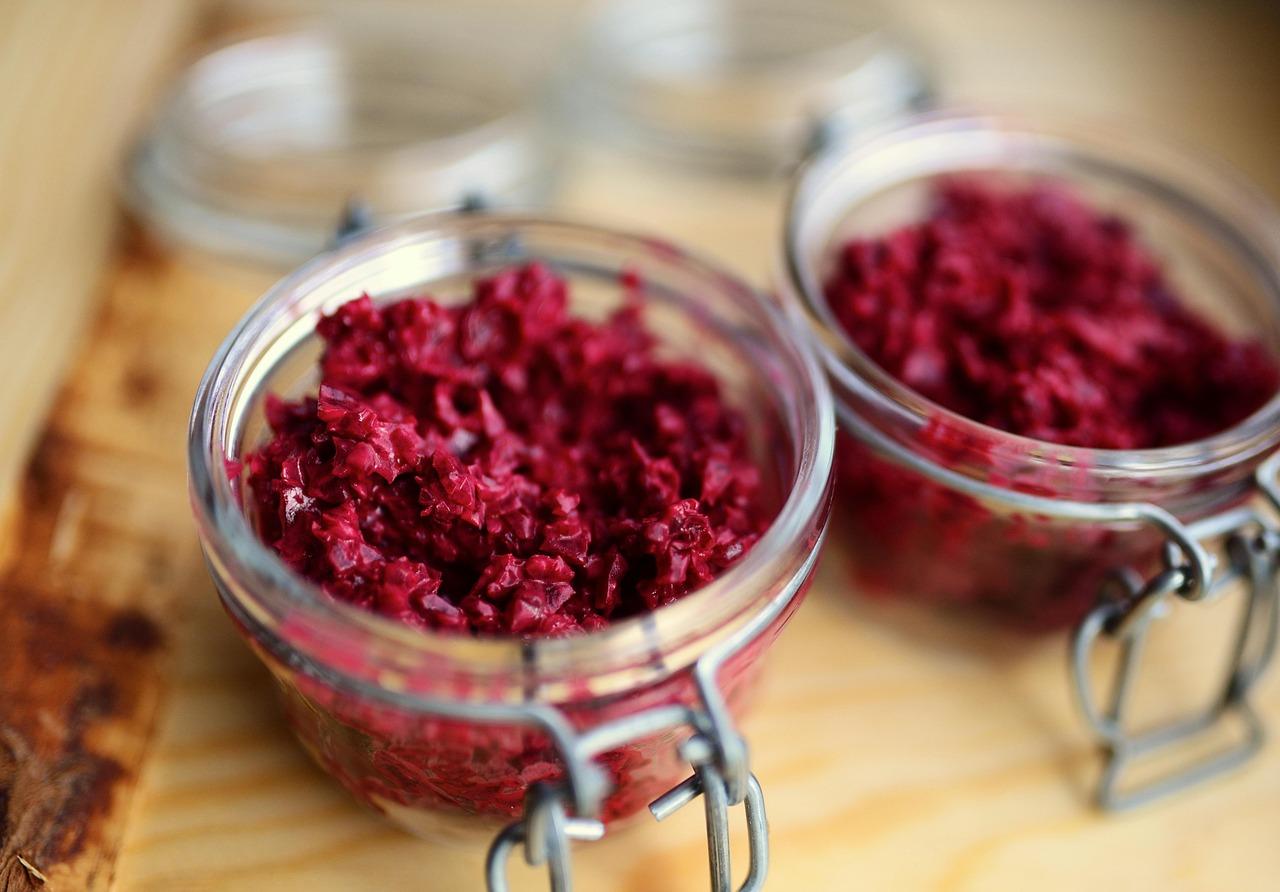
Easter baskets blessed in Polish churches on Holy Saturday always hold a little horseradish, and on Sunday morning it reappears mixed with beetroot as ćwikła, the bright purple relish passed around with eggs, white sausage, ham and rye bread. Here it is meat-free; spoon it beside eggs, cheese or roast vegetables. It is sweet, sour and sharp enough to clear your nose, and the heat fades over a few days in the fridge. A common mistake is using jarred horseradish cream, which makes it milky and mild; use freshly grated root or plain grated horseradish in vinegar. Chef's tip: grate the horseradish near an open window, or in a food processor, and add it last so its heat stays lively.

by KrazyBadal 0 views

ThikourbabineSemolina dumplings in pepper sauce

High in the Kabylie mountains east of Algiers, thikourbabine is a winter dish made from what is in the store cupboard: small balls of semolina dough poached in a fragrant red sauce of tomato, paprika, garlic and dried red peppers, with chickpeas, potatoes and courgettes. The dumplings turn tender and slightly chewy and soak up the sauce, which is peppery and warming rather than very hot. Families eat it from a shared bowl on cold evenings. Some cooks add meat; this is the meatless way it is often made at home. Chef's tip: let the dumplings rest after shaping; the surface dries a little and they hold together in the simmering sauce.

by KrazyBadal 0 views

Daging smoorBeef braised in sweet soy

Daging smoor, from the Dutch 'smoren', to braise, is the Indo-Dutch version of Indonesian semur: beef braised for hours in kecap manis sweet soy sauce with onion, garlic, nutmeg, clove and a little tomato, until tender and coated in a dark, glossy, sweet-savoury sauce. It is a Sunday and rijsttafel dish in Indo-Dutch families in The Hague and is served with rice and atjar. A common mistake is a hard boil, which makes the meat tough and the sauce too salty as it reduces. Chef's tip: add the nutmeg at the start and a pinch more at the end, so its warmth runs through and the fresh aroma comes through on top.

170 minDutchCurries
by KrazyBadal 0 views

CzerninaSweet-sour duck blood soup

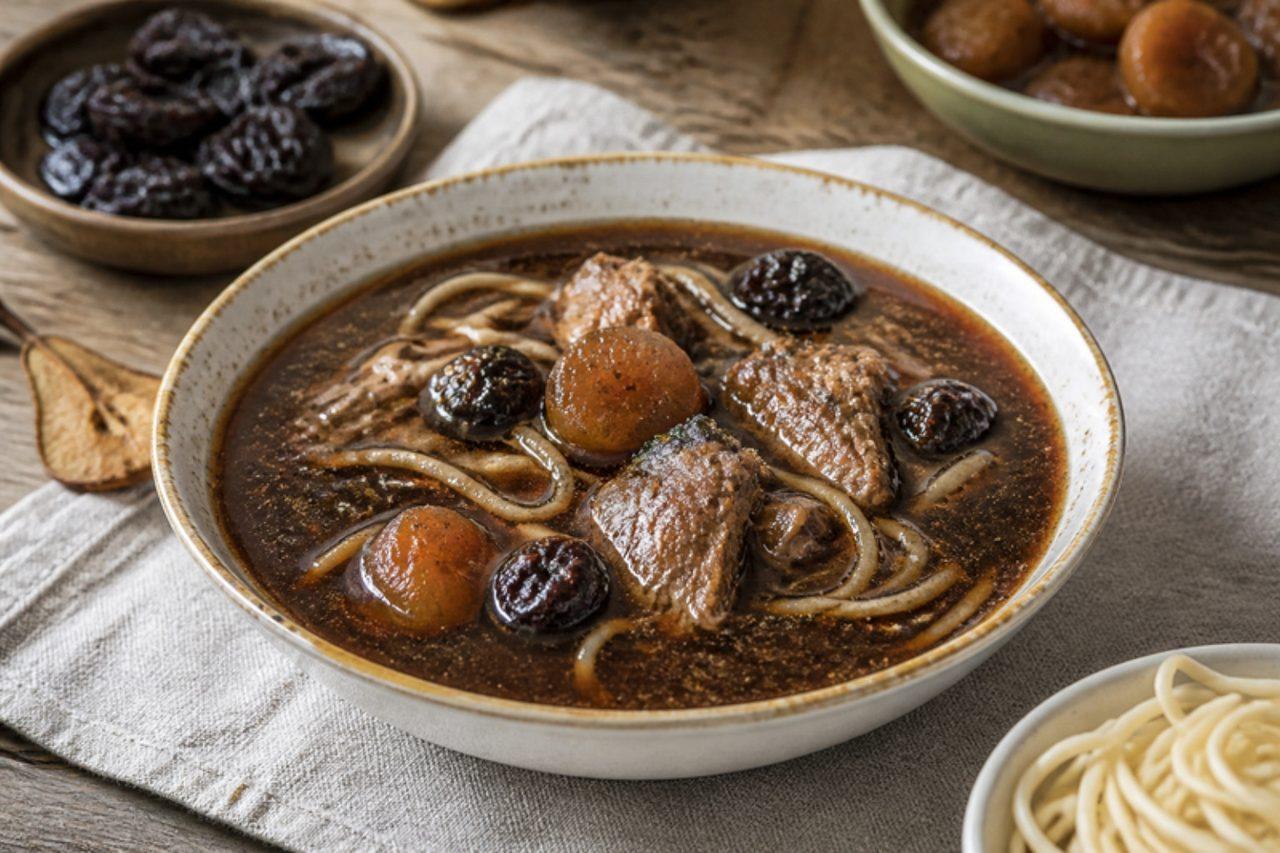
Few soups divide a Polish table like czernina, the dark, glossy duck broth of Greater Poland and Kashubia, tinted chocolate-brown with duck blood and sharpened with vinegar, then sweetened with dried plums, pears and apples. Farm families made it when a duck was killed in autumn, and in old Polish custom a suitor served czernina knew his proposal had been turned down. The taste is rich, sweet-sour and deeply savoury, with fine egg noodles to soak it up. Safety matters here: buy fresh duck blood from a butcher, already mixed with vinegar so it does not clot, keep it at fridge temperature and use it within a day. Undercooked blood is not for pregnant women, young children or anyone with a weakened immune system. People often let the soup boil hard after the blood goes in, and it turns grainy. Chef's tip: temper the blood with hot broth before stirring it into the pot, then heat gently to a steady simmer.

150 minPolishSoups
by KrazyBadal 0 views

DaqqusTomato garlic chilli sauce

Spoon by spoon, daqqus goes over almost every plate of kabsa, mandi and machboos from Riyadh to Kuwait City: a thin, bright sauce of ripe tomato, lots of garlic and hot chilli that cuts through rich rice. Restaurants in Najd serve it in little bowls beside the rice tray, and some families make it raw, others cook it briefly as here, which mellows the garlic and deepens the colour. It should be pourable and tangy, not thick like ketchup. People often overcook it into a paste; keep it loose with a splash of water. It also works with grilled fish and eggs. Chef's tip: grate the tomatoes on a box grater and discard the skins for a silky sauce without blending.

by KrazyBadal 0 views

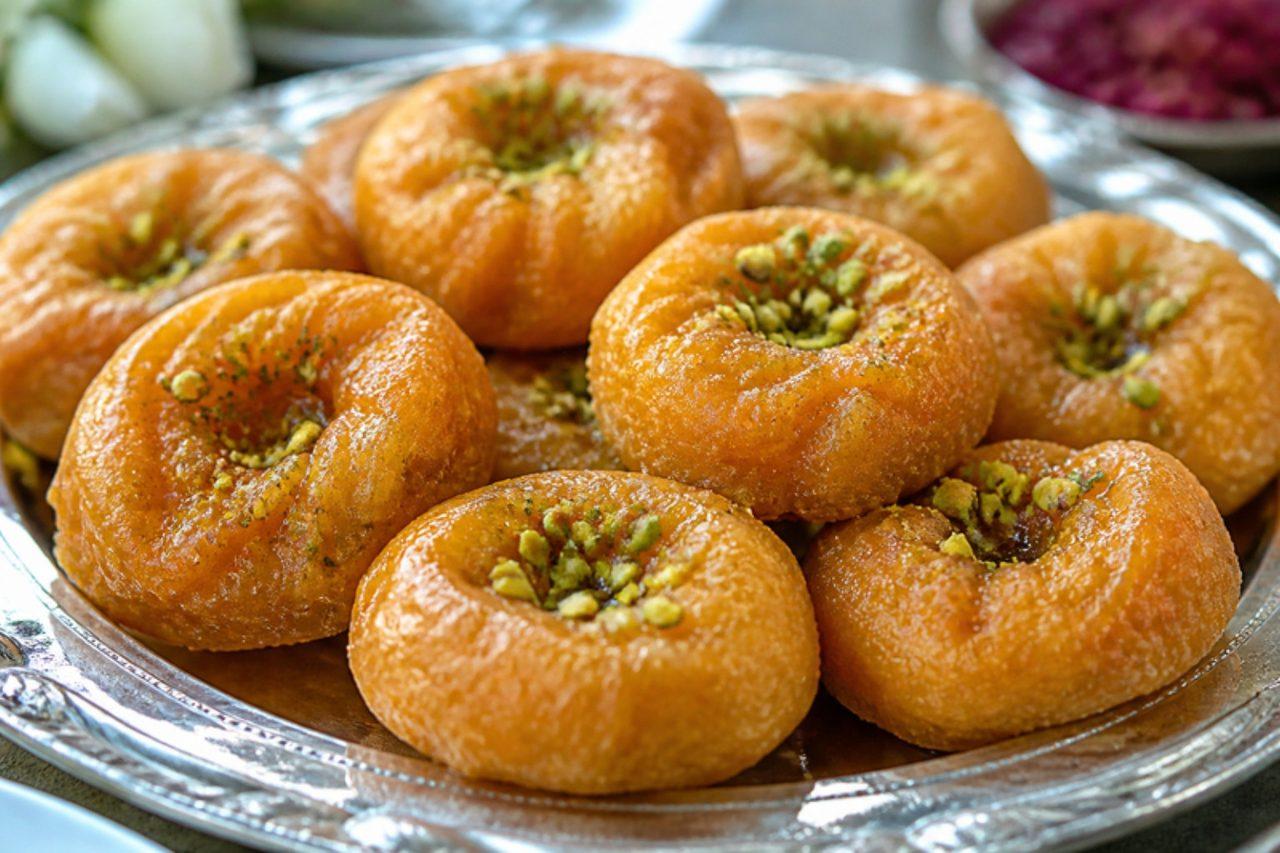
BalushahiFried pastry in cardamom syrup

Look in any mithai box carried to a Pakistani engagement or handed round when exam results come out, and balushahi will be there: a squat, doughnut-like round with a dimple in the centre, layered and flaky inside, glazed with a thin, crackly coat of syrup. It is made from a short dough of flour, ghee and yogurt that is barely kneaded, fried very slowly so it cooks through and turns crisp in tiny layers, then dipped in a thick cardamom syrup. Shops in Lahore's Walled City and in Rawalpindi's Raja Bazaar sell it by the kilo, and at home it is a sweet for Eid and winter tea. A common mistake is kneading the dough smooth like a chapati, which develops gluten and makes the balushahi hard instead of flaky. Chef's tip: fry them in ghee that is only just warm, so they float up slowly over several minutes; that slow start is what opens the layers.

by KrazyBadal 0 views

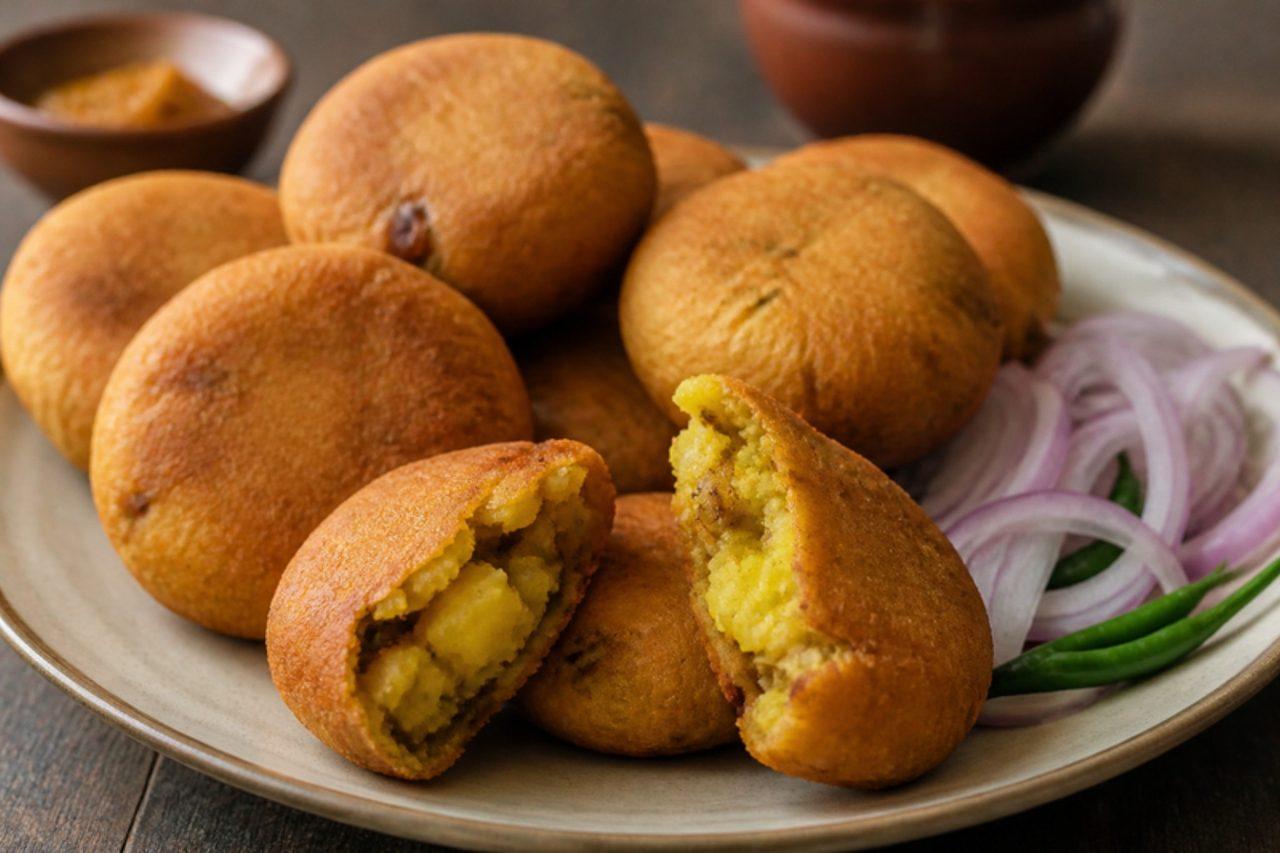
Bangladeshi aloo chopSpiced potato patties

Every chop-shop on a Dhaka street corner, and every iftar spread in the evening during Ramadan, has a tray of aloo chop: flattened ovals of mashed potato fried with onion, ginger and green chilli, dipped in a gram-flour batter and fried until puffed and golden. The inside is soft and fragrant with roasted cumin and coriander leaves, the coat thin and crunchy, and they are eaten hot, with a sprinkle of bit lobon (black salt), a squeeze of lime, kasundi mustard sauce or a dab of tamarind chutney, often tucked into a paper cone with muri. Watery potatoes are the commonest problem, as they make the patties split in the oil, so steam-dry them well after boiling. Chef's tip: add a pinch of rice flour to the gram-flour batter for a crisper coat that stays crunchy as it cools.

by KrazyBadal 0 views

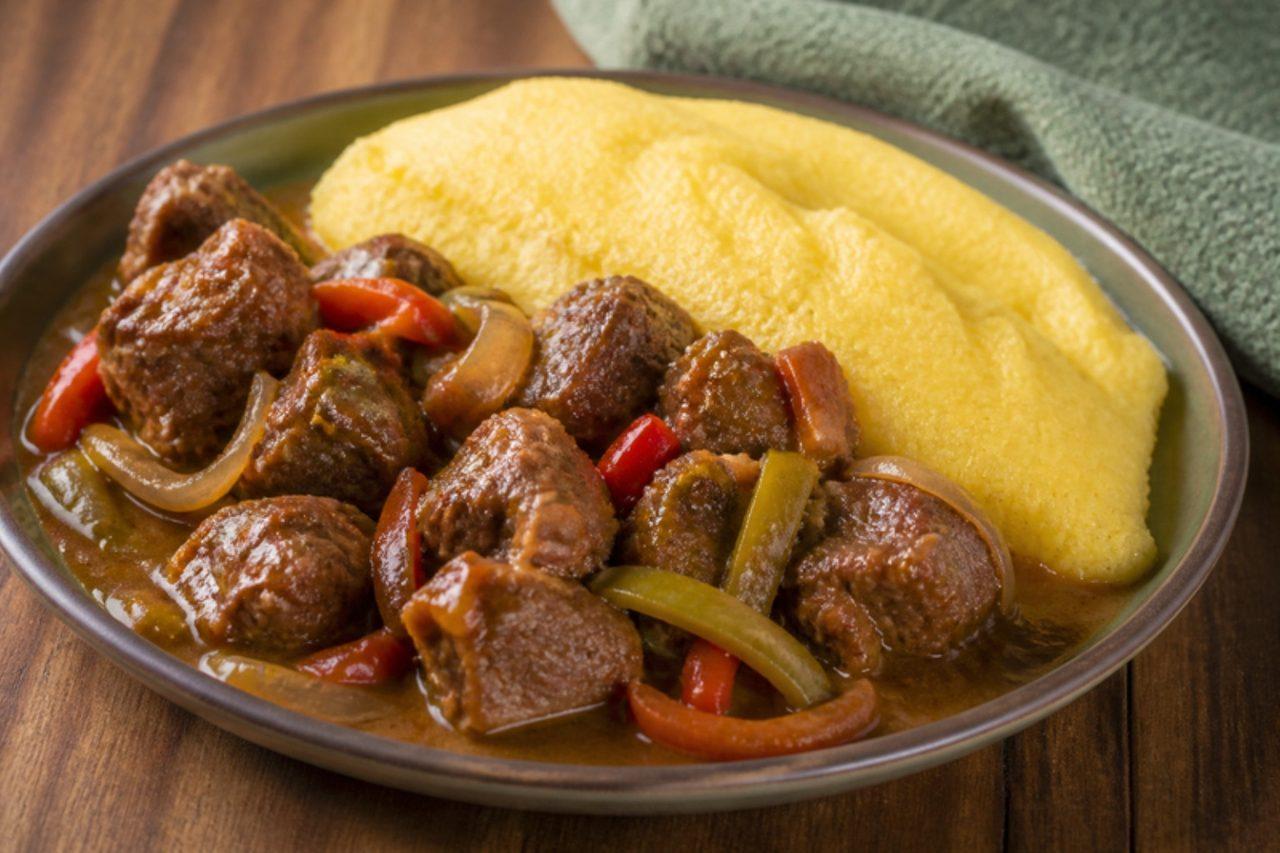
Curaçao kabritu stobaGoat stew with peppers

Stoba di kabritu is the home cooking of Curaçao and Aruba, a goat stew made in nearly every kunuku (country) kitchen and at birthday parties: bone-in goat browned and slowly braised with sweet peppers, tomato, onion, cumin, a hint of nutmeg and hot madame jeanette pepper, often with cucumber or papaya stirred in at the end. It is served with funchi (cornmeal), rice or fried plantain. The usual mistake is browning the goat too briefly; deep colour at the start gives the stew its rich brown sauce. Ask your butcher for goat cut into small pieces. Chef's tip: a teaspoon of brown sugar caramelised in the oil before the meat goes in gives the authentic dark, slightly sweet base.

by KrazyBadal 0 views

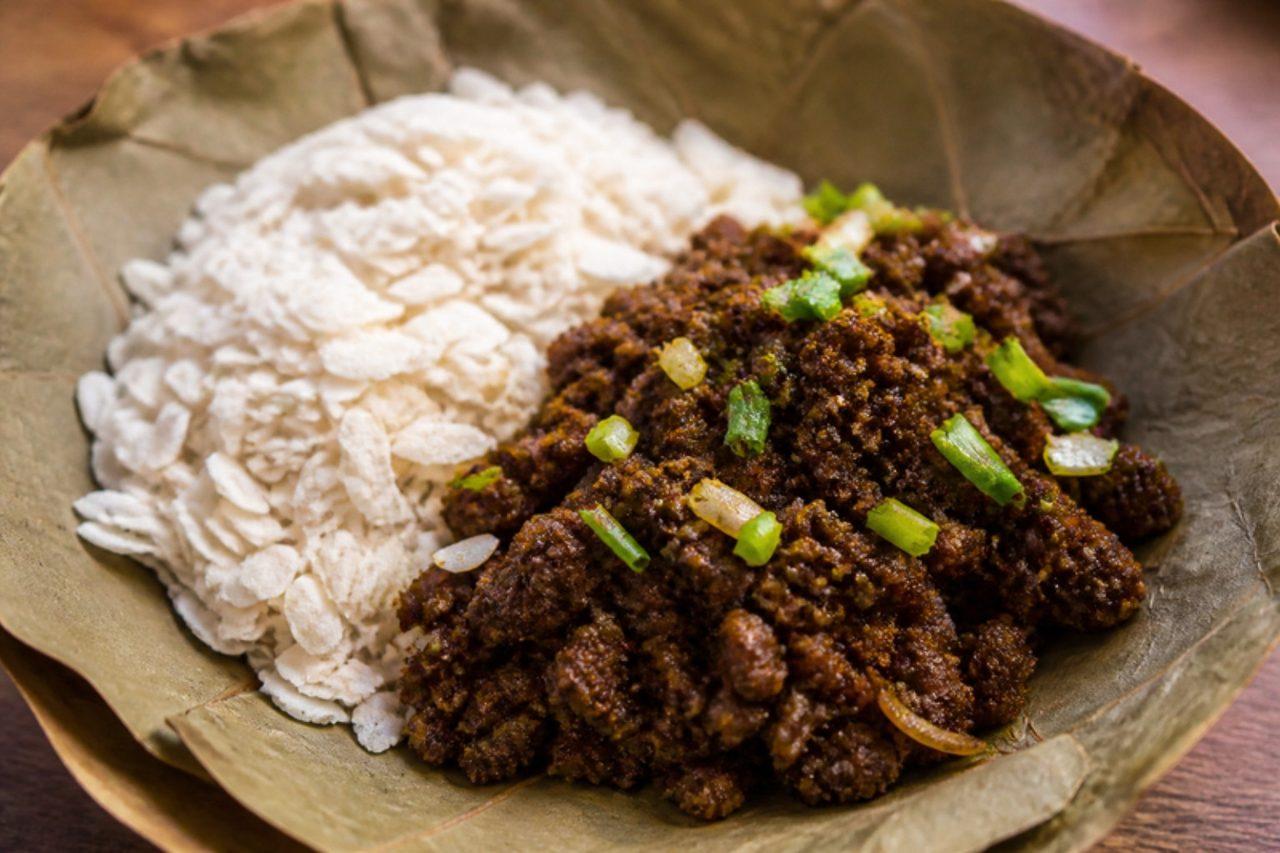
Kachila (cooked)Spiced buffalo mince

In the Newar homes and bhoj feasts of the Kathmandu Valley, kachila is a prized delicacy: finely minced buffalo meat mixed with mustard oil, garlic, ginger, chilli and numbing timur, eaten in small spoonfuls with beaten rice, traditionally raw. Raw minced meat can carry harmful bacteria and parasites right through, so the traditional raw form is not for pregnant women, young children or anyone with a weakened immune system, and we do not recommend it for anyone at home. This version keeps every bit of the seasoning but sears the mince quickly in a very hot pan to 71 °C, so it stays soft and loose rather than turning into a dry fry, then dresses it with the classic smoking mustard-oil tempering. It is eaten as part of samay baji or as a snack with chiura. The usual slip is overcooking it into crumbly pellets; take it off the heat the moment it is cooked through. Chef's tip: use buffalo or beef mince, or ask the butcher to mince lean beef twice, very fine.

30 minNepaliMeatGluten freeSpicy
by KrazyBadal 0 views

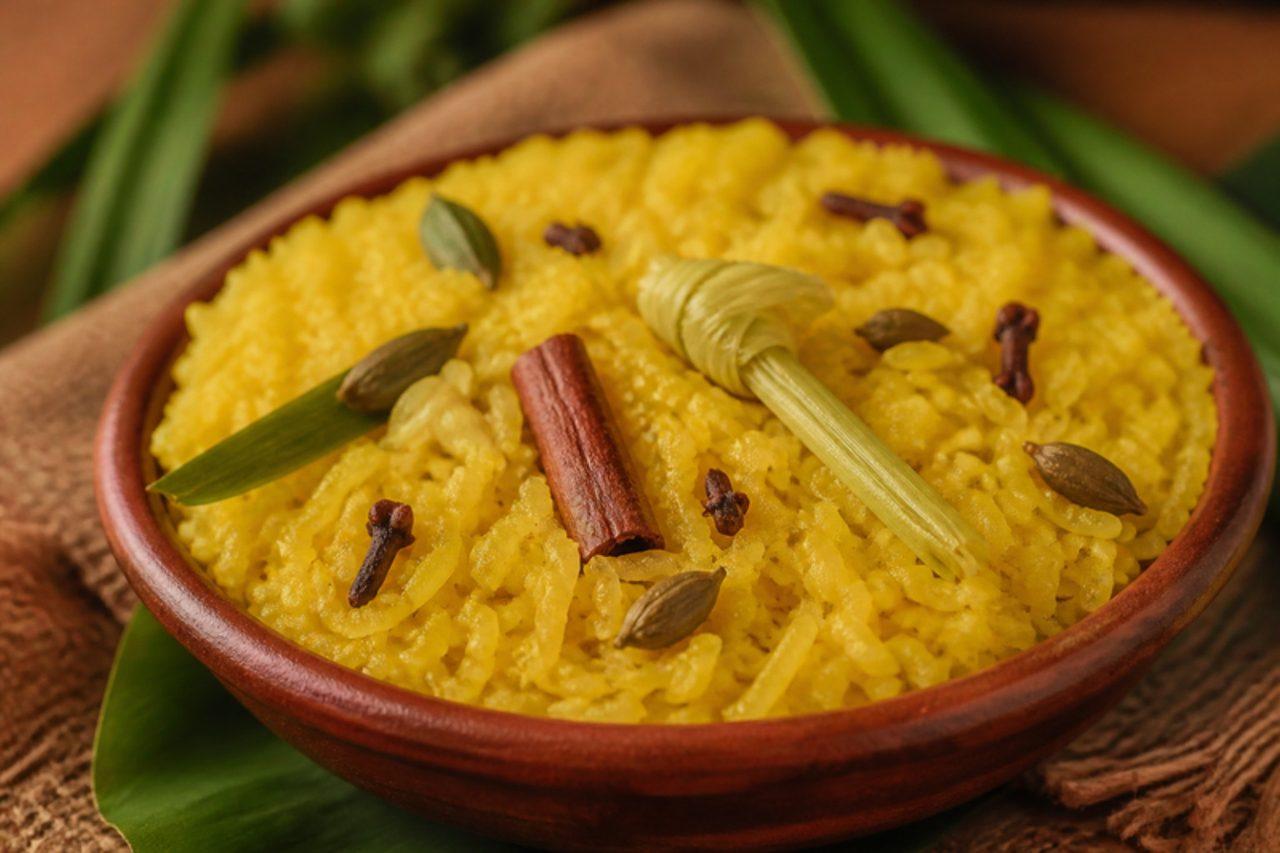
Kaha bathTurmeric coconut rice

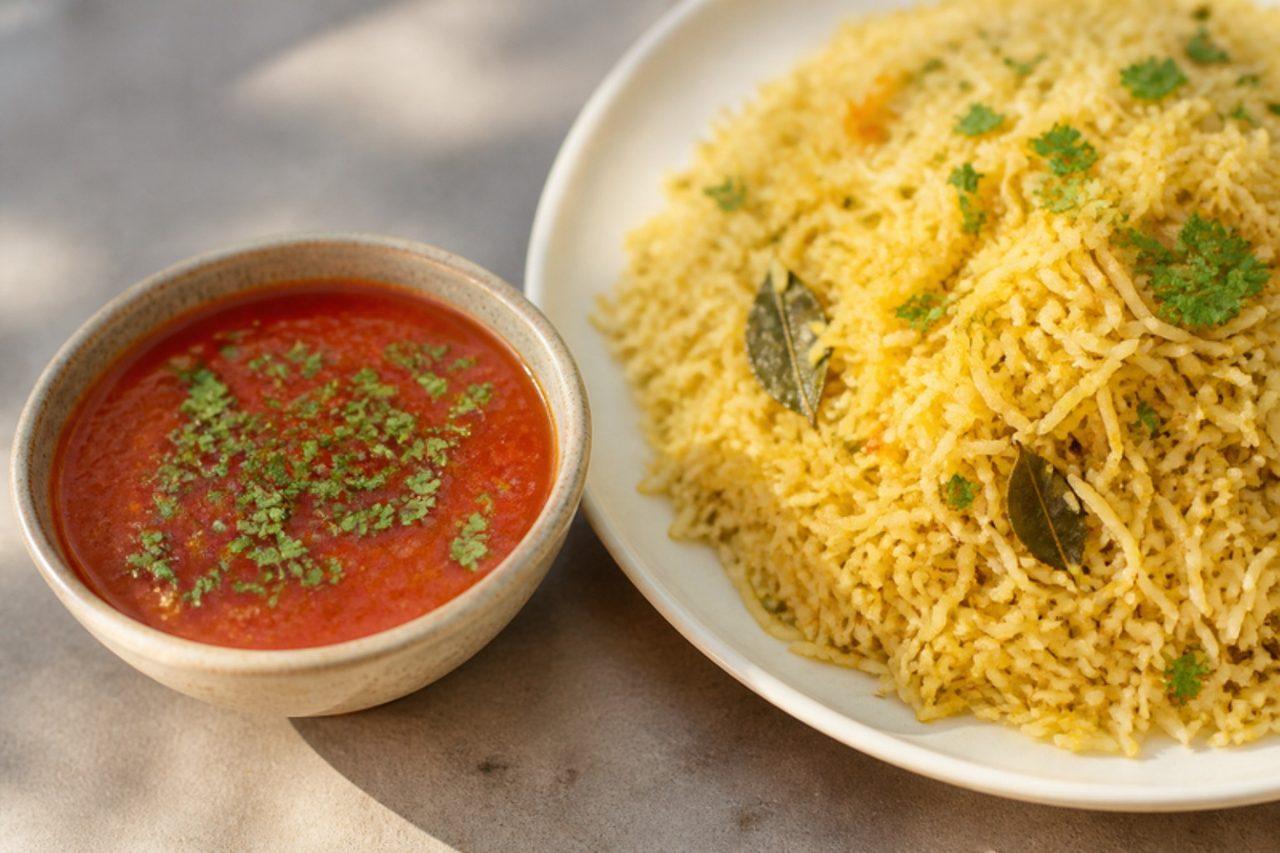
Burgher Sunday lunches, Christmas tables and Colombo wedding buffets share one thing: a heap of fragrant, saffron-coloured kaha bath, the yellow rice that also forms the base of lamprais. Long-grain or samba rice is fried with onion, cinnamon, cardamom, cloves and curry leaves, then cooked in coconut milk with turmeric, lemongrass and pandan until every grain is separate, glossy and perfumed. It is served with chicken or beef curry, brinjal moju and a sharp achcharu, and is often scattered with fried cashews and raisins. Burgher cooks usually use ghee or butter and chicken stock; this version is vegan, with coconut oil and coconut milk carrying the richness. Lifting the lid to stir while it cooks is the slip that turns it mushy, so seal the pot and leave it alone. Chef's tip: rinse the rice until the water runs clear and drain it well; dry grains toast better in the oil and stay fluffy.

by KrazyBadal 0 views

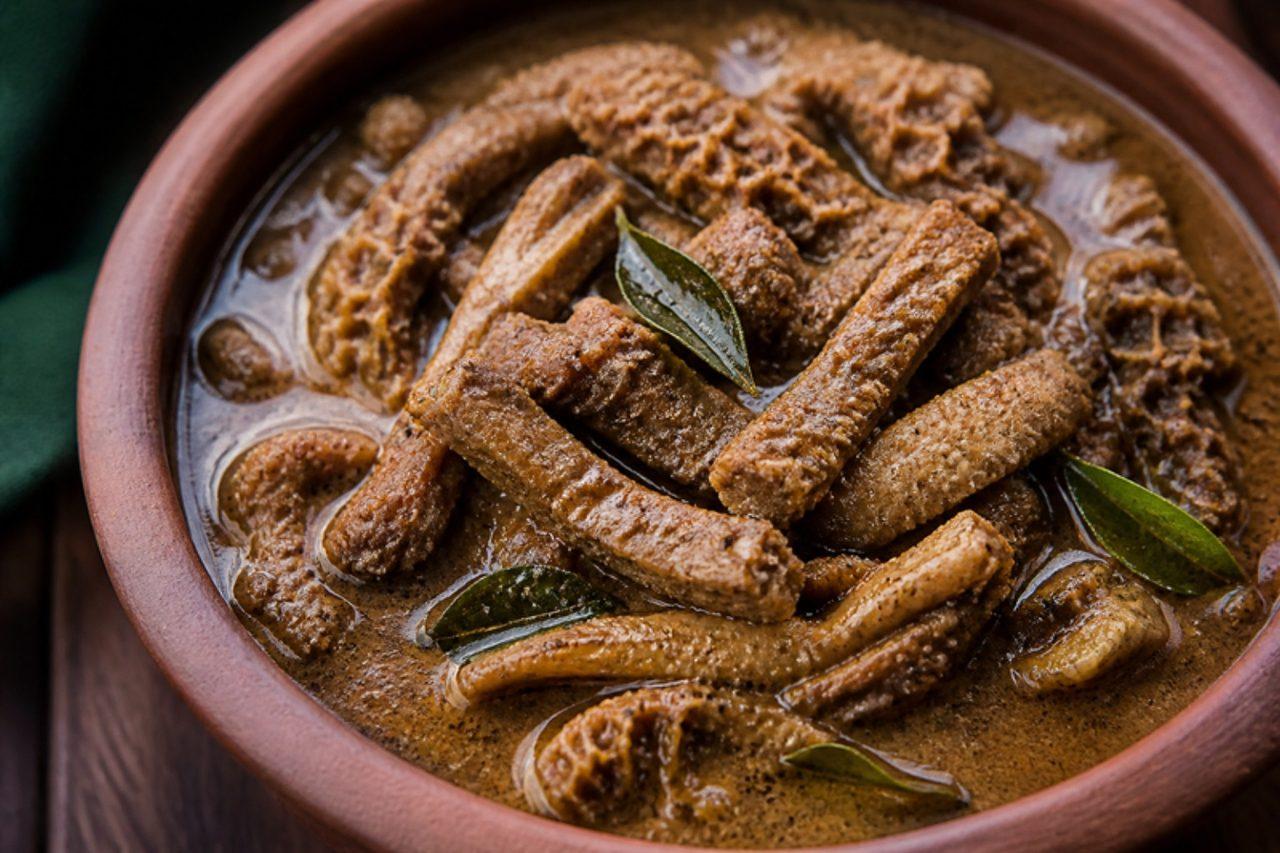
Babath curryBeef tripe curry

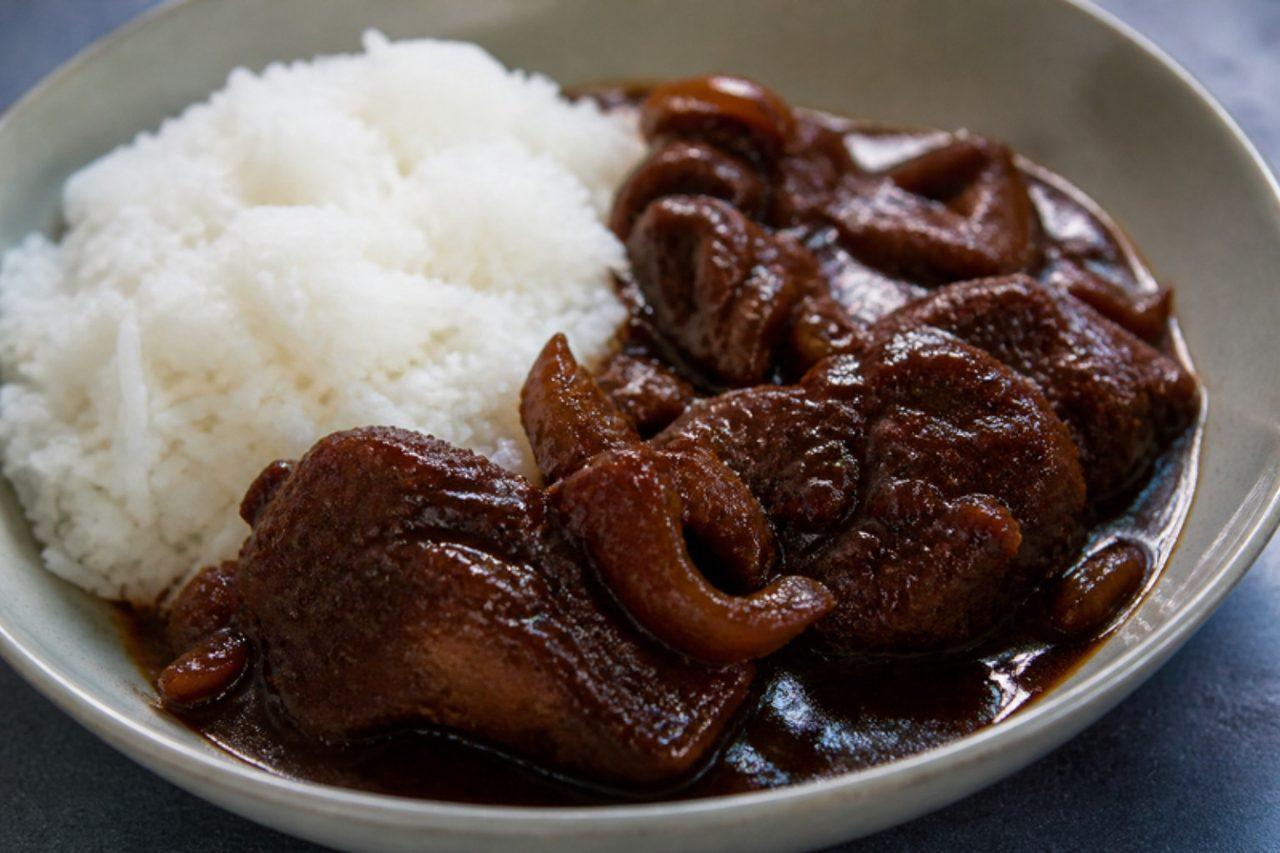
Babath curry belongs to the Muslim and Malay kitchens of Colombo and Slave Island, a frugal, rich dish of beef tripe that turns up at family lunches and in small rice-and-curry cafés where regulars ask for it by name. The tripe is cleaned, boiled with turmeric and vinegar until soft, then sliced into ribbons and simmered in a dark roasted curry with black pepper, cinnamon and a little coconut milk until it soaks up all the spice. The texture is pleasantly chewy and the gravy deep, hot and slightly sour, and it is eaten with rice, roti or bread to mop up the sauce. Many first attempts fail because the tripe is not boiled long enough first, so it stays rubbery however long it spends in the curry. Chef's tip: buy cleaned, bleached honeycomb tripe from a halal butcher, and boil it until a knife slides through with no resistance before you start the curry.

by KrazyBadal 0 views

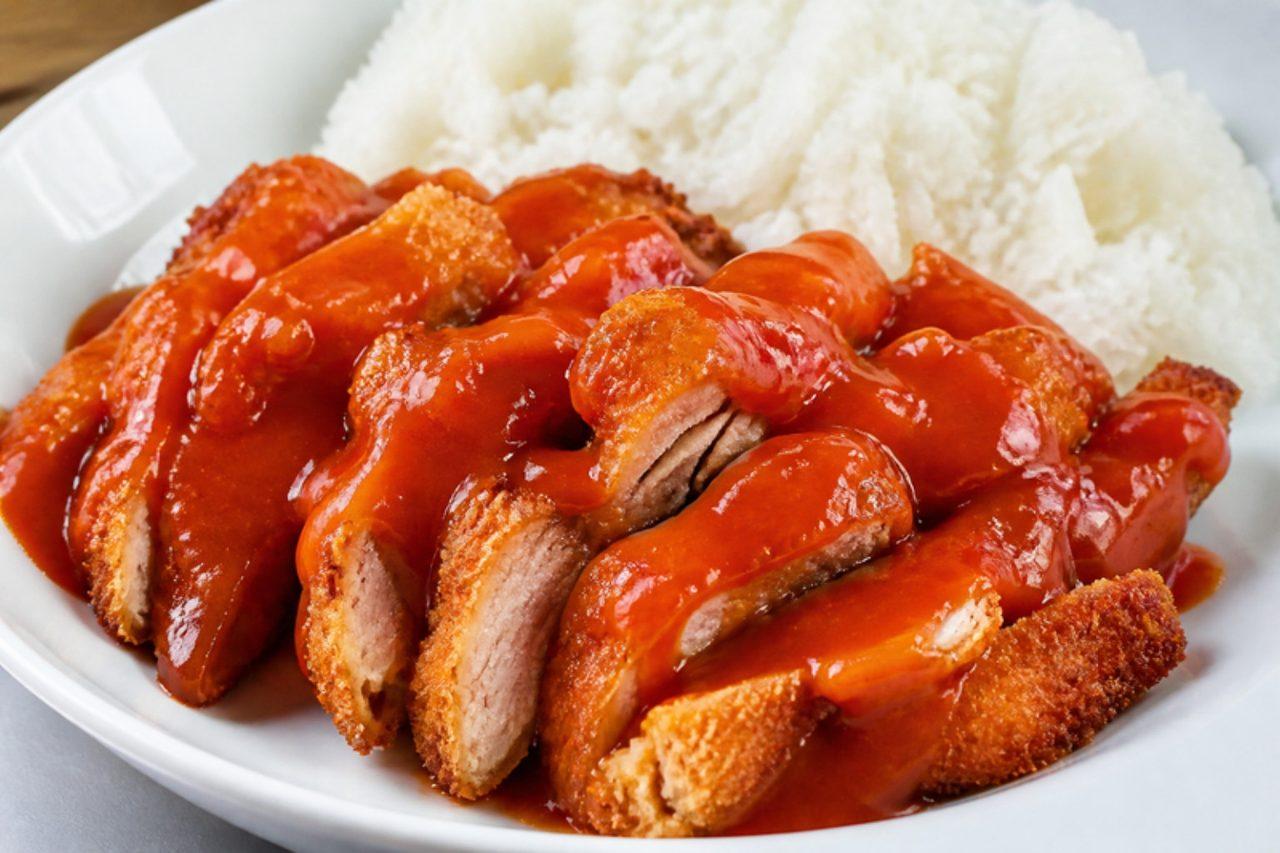
Babi pangangCrispy pork in sweet-sour sauce

Babi pangang is one of the most ordered dishes in the 'Chinees-Indisch' restaurants found in every Dutch town: crisp-skinned roast pork belly, sliced and smothered in a bright red, sweet-sour sauce with tomato, ginger and pickled vegetables, served with rice or nasi goreng. This is a pork dish. A common mistake is pouring the sauce over too early, which turns the crackling soft. Chef's tip: dry the skin overnight in the fridge and roast it hot at the end, then pour the sauce around, not over, the pork at the table. Whole pork joints are safe at 63 °C plus a rest; belly is best cooked longer, until tender.

105 minDutchMeat
by KrazyBadal 0 views

Babka wielkanocnaEaster yeast cake

A golden babka standing tall in the Easter basket used to be a matter of family pride, and old cooks whispered while it baked, convinced a slammed door would make it sink. The dough is soft and rich with egg yolks and butter, beaten until it is elastic, then baked in a fluted ring tin into a cake with a fine, feathery, saffron-yellow crumb. Raisins are often soaked in rum; this version uses orange juice, but a couple of spoons of rum work if you prefer. The usual slip is adding too much flour to a sticky dough, which makes the babka dry; it should stay soft and almost batter-like. Chef's tip: cool the babka on its side, turning it now and then, so the delicate crumb doesn't collapse.

185 minPolishBaking
by KrazyBadal 0 views

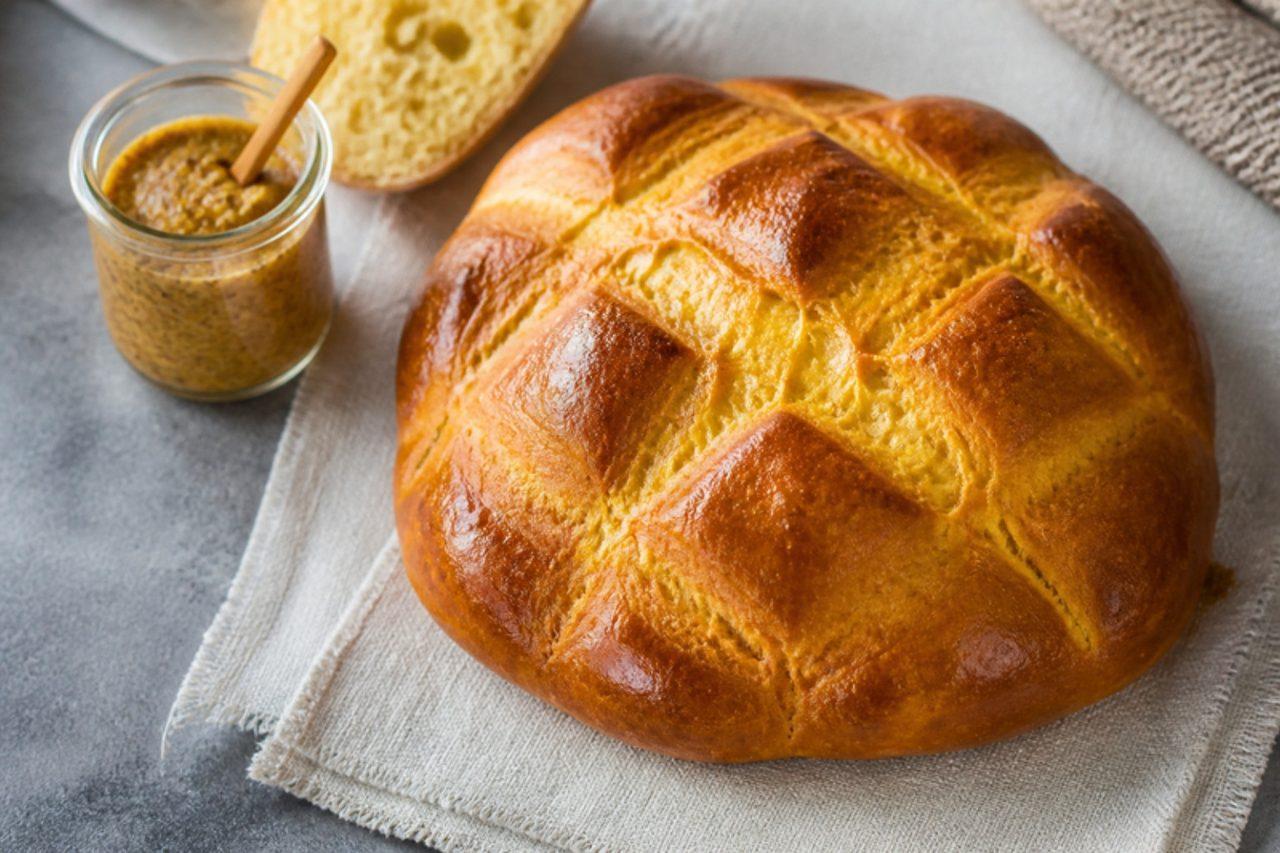
CuchauleSaffron brioche

Cuchaule is the golden saffron brioche of the canton of Fribourg, baked for the Bénichon, the autumn feast that marks the herds coming down from the mountains and the end of the harvest. Thick slices are spread with moutarde de Bénichon, a sweet, spicy mustard made with vin cuit (cooked pear syrup), and eaten at the start of a long Bénichon meal. A common mistake is adding saffron threads whole, which leaves the brioche streaky. Chef's tip: steep the saffron in warm milk for 15 minutes before making the dough, so the colour is even and golden all through.

by KrazyBadal 0 views

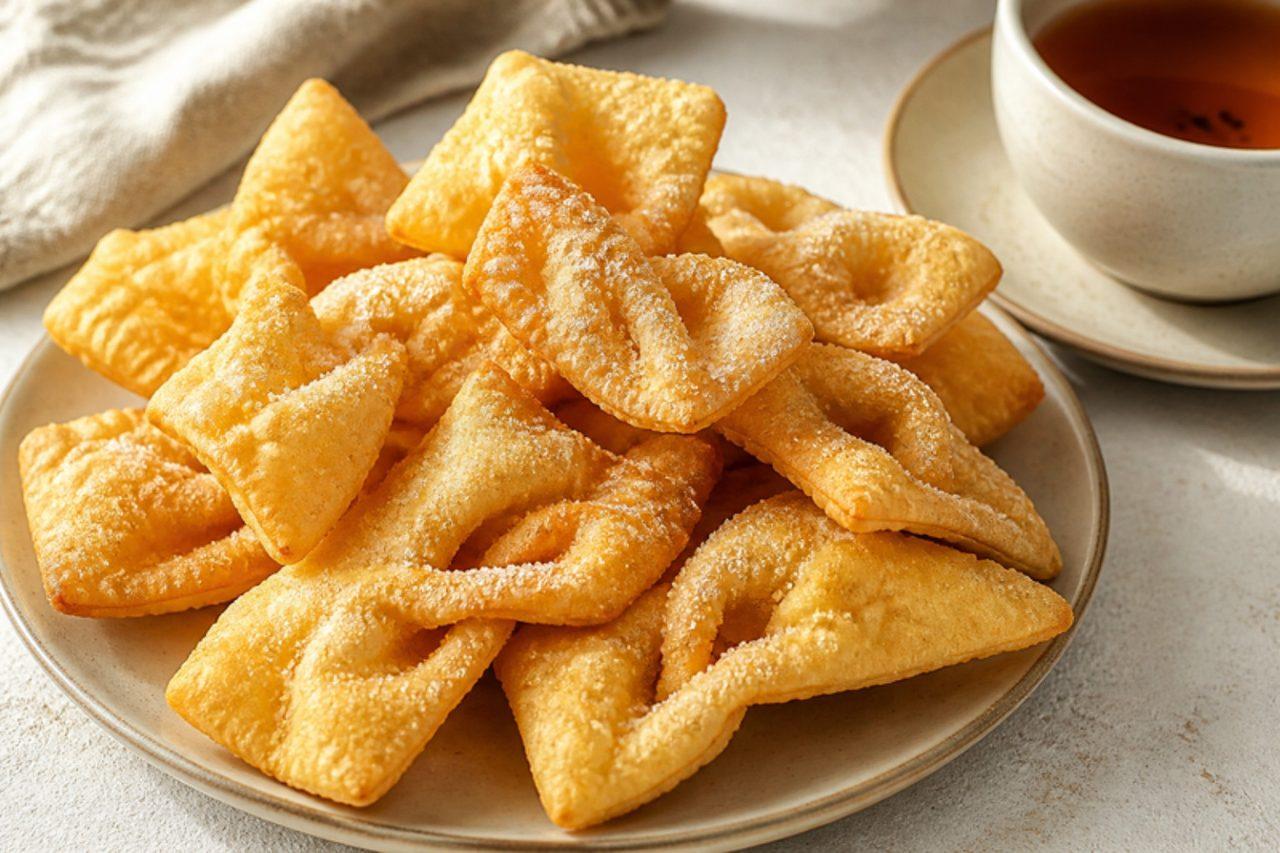
KichelCrisp bow-tie egg cookies

At kiddush in Ashkenazi synagogues, from Bnei Brak to the old shuls of Haifa, plates of kichel sit beside pickled herring and a small glass of something, and children quietly fill their pockets. The dough is barely sweet, rich in eggs, rolled out on sugar and twisted into bow-ties that puff up hollow and shatter when you bite them. They are good with tea, or with salty herring the traditional way. The common mistake is underbaking: they must dry right through and turn golden, or they go soft and chewy within a day. Chef's tip: roll the dough directly onto a layer of sugar so the crystals press in and caramelise underneath.

by KrazyBadal 0 views

Cucurucho de cocoCoconut and honey cones

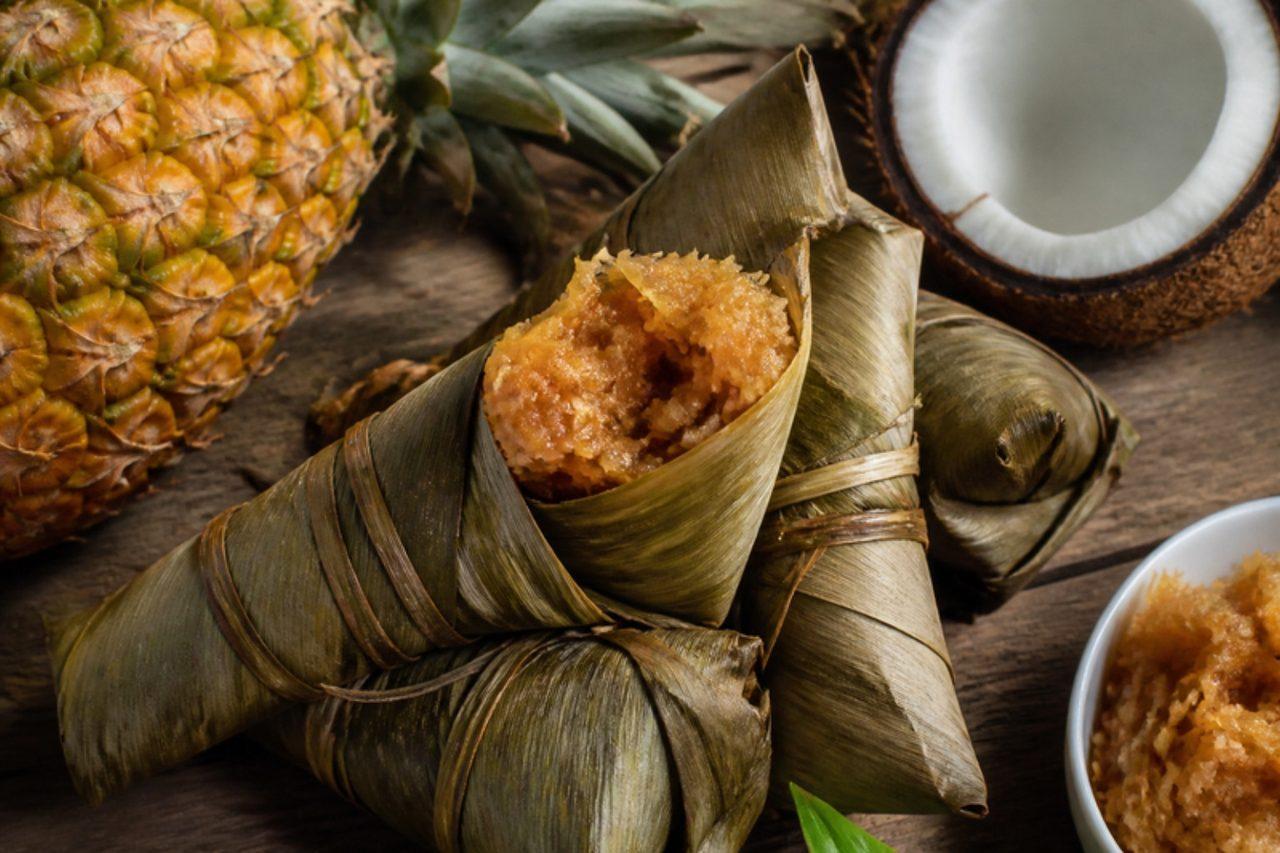
Drive into Baracoa on Cuba's far eastern tip and roadside sellers hold up cucuruchos, cones of dried palm bark packed with grated coconut cooked down with sugar, honey and local fruit such as guava, orange or pineapple. It is sticky, chewy and fragrant, a sweet you eat with your fingers on the road. The mistake is stopping too soon; the mix has to cook until it pulls from the pan, or it weeps in the cone. At home, cones of baking paper or small cups stand in for the palm bark. Chef's tip: use fresh coconut if you can and toast it lightly first, which keeps the shreds chewy rather than soggy.

by KrazyBadal 0 views

CaricolesWhelks in celery broth

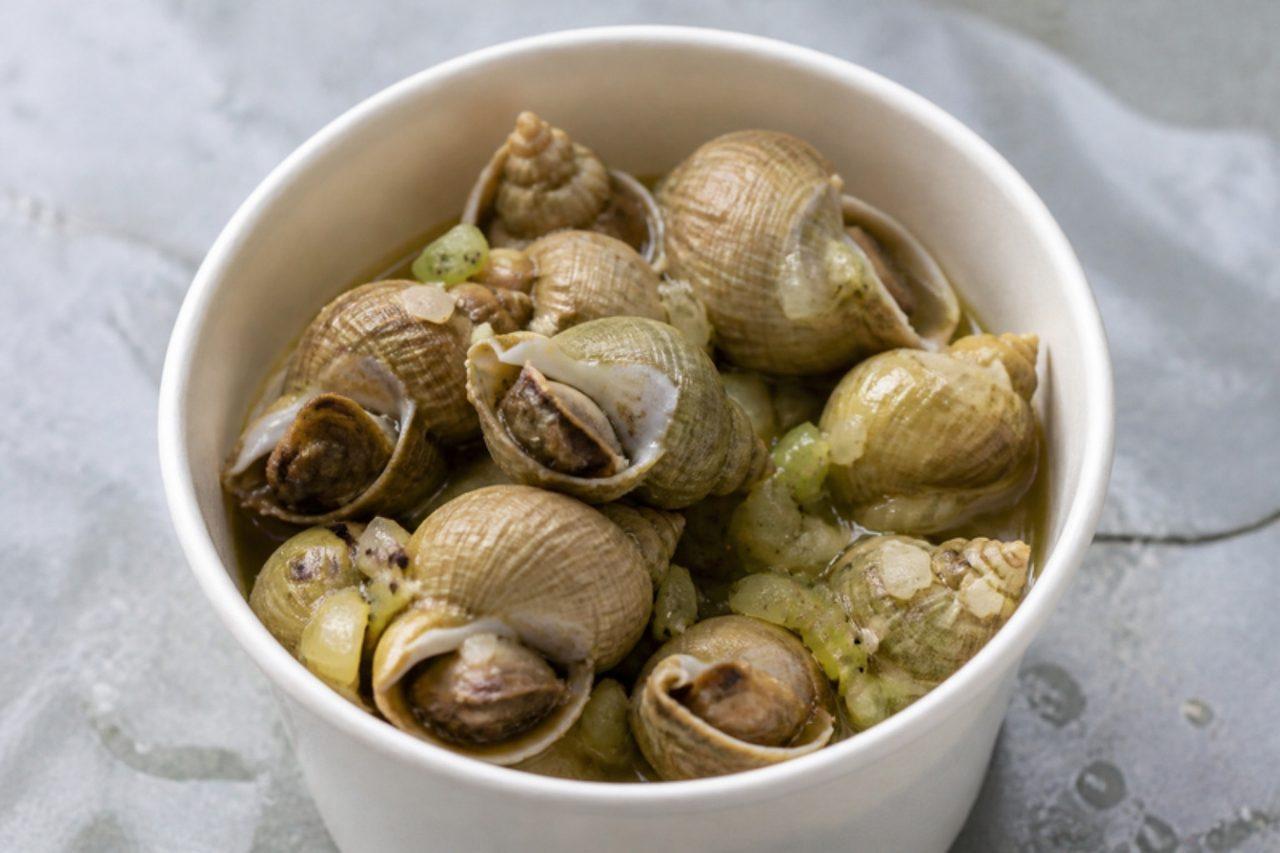
Caricoles are the whelks sold hot in paper cups from street carts in Brussels, at the Marolles flea market, the Place Sainte-Catherine and the Christmas market: the sea snails are simmered for an hour in a peppery broth with celery, onion, thyme, bay and a lot of black pepper and chilli, and you pick them out with a toothpick and drink the broth. Buy whelks live or freshly cooked from a fishmonger. Live whelks should be tightly closed inside their shells or retract when touched; throw away any that smell bad or have broken shells, and any that stay open and limp after cooking. A common mistake is skipping the purge, which leaves them gritty. Chef's tip: soak live whelks in salted cold water for an hour and rinse them several times, then start them in cold broth so they don't toughen.

by KrazyBadal 0 views

Amra chutneyHog plum chutney

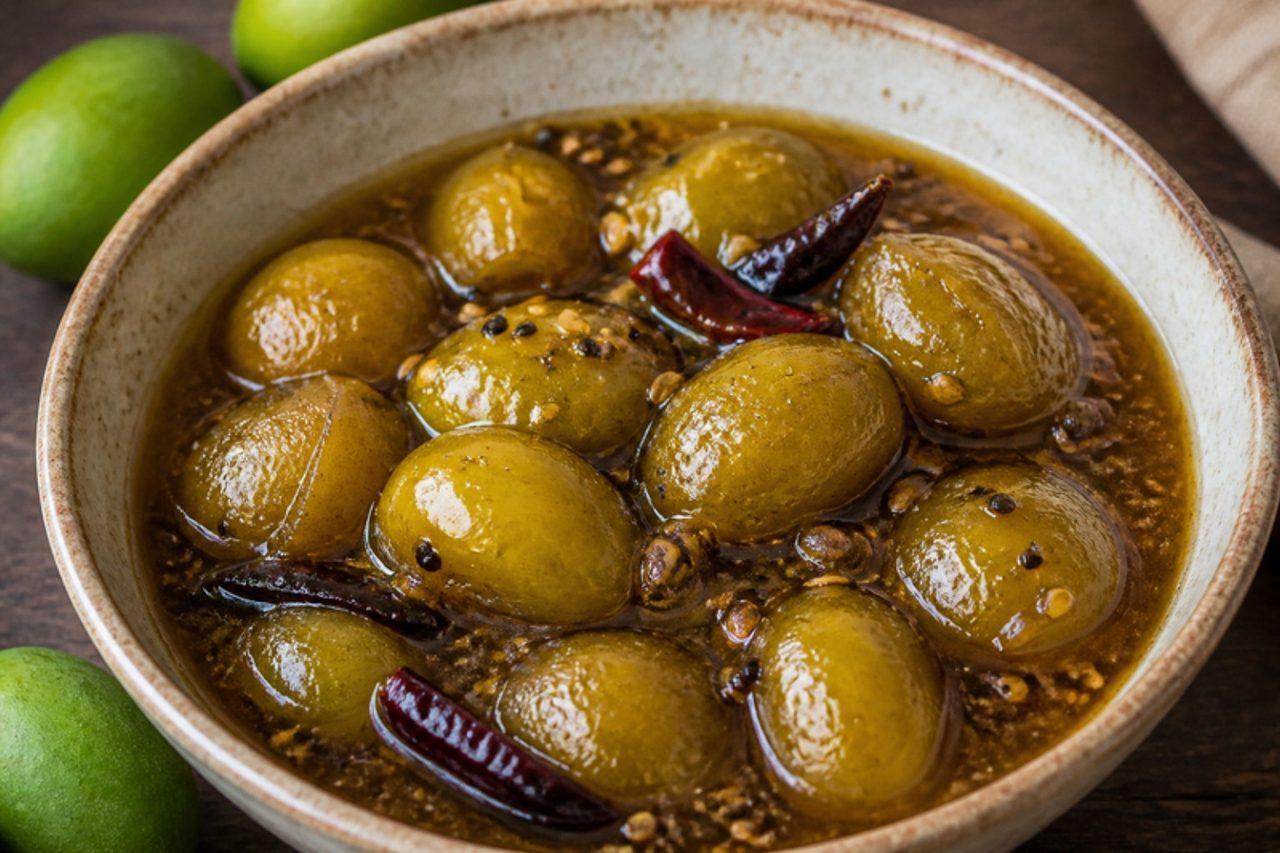
Barisal is famous for its amra, the green, tart hog plums that pile up on market stalls from August to October, and every household there turns some of the harvest into a glossy, jammy chutney. The fruit is scored so the jaggery syrup can soak in, then simmered with panch phoron, dried chilli and a little turmeric until the flesh is soft around the hard, spiny stone. Sweet, sour and gently hot, it is served at the end of a wedding feast or a festive lunch, a spoonful eaten with the last of the rice, and children suck the stones clean. Cooking it too hard reduces the syrup to toffee once it cools, so stop while it still runs off the spoon. Chef's tip: if you can't find hog plums, sour green plums or a firm green mango cut into chunks make a good stand-in.

by KrazyBadal 0 views

JulskinkaChristmas glazed ham

Julskinka, the Christmas ham, is the centrepiece of the Swedish julbord: a lightly cured pork leg poached slowly, then brushed with a glaze of mustard and egg, scattered with breadcrumbs and browned in the oven. This is a pork dish. Swedish families cook it a few days before Christmas Eve and eat it cold in thin slices with mustard, and the cooking broth is used for 'dopp i grytan', dipping bread into the broth on Christmas Eve. Use a mild cured gammon. A common mistake is boiling it hard, which makes the meat stringy. Chef's tip: keep the water at a bare tremble, about 85 °C, and take it out when the centre reaches 71 °C; it stays juicy.

by KrazyBadal 0 views

Kabab-e-daygiPot-cooked lamb kebab

Daygi means from the pot, and this is the kebab Kabul families make when there is no grill or the weather is too cold for one: chunks of lamb browned hard, then left to cook slowly with onions, tomato, garlic and green chilli in a covered deg, with barely any water, until the meat is soft and coated in a thick, concentrated sauce. It is a Friday lunch and party dish, set out with stacks of naan, raw onion and radishes and a bowl of yogurt. The flavour is deep and meaty with black pepper and coriander seed. Adding water early to stop it sticking just boils the lamb; trust the onions and tomatoes to give up their juice and keep the heat low. Chef's tip: uncover for the final 10 minutes and let the sauce fry in the rendered fat, which gives the glossy finish that makes it a kebab rather than a stew.

120 minAfghanMeatGluten free
by KrazyBadal 0 views

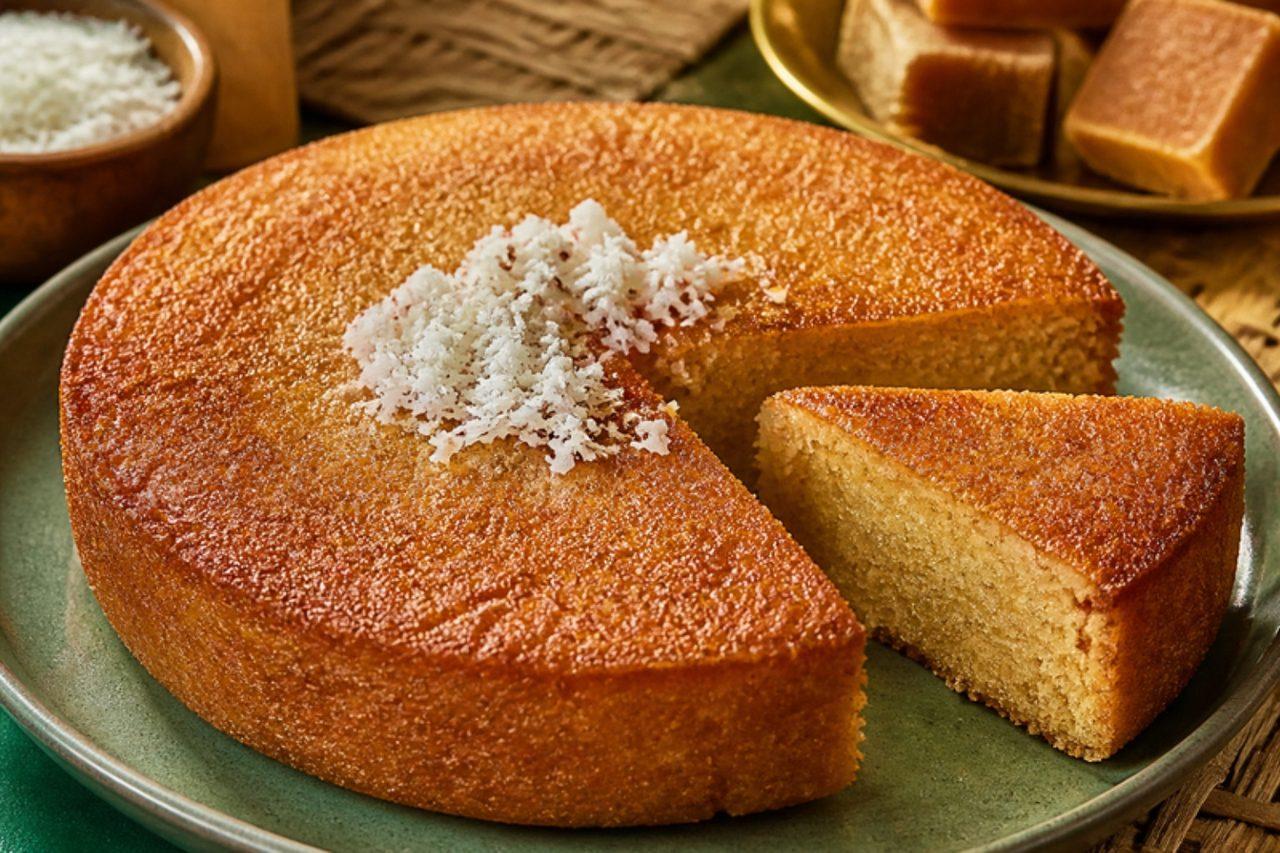
Bibikhana pithaBaked rice flour and coconut cake

The name means something like a lady's dish, and bibikhana pitha has long been the grand, special-occasion pitha of well-off households in Dhaka, Comilla and Noakhali, made in winter when a son-in-law or important guest is expected. It is closer to a cake than most pithas: rice flour, eggs, milk, grated coconut and date-palm jaggery are beaten together and baked slowly, traditionally in a heavy pan over charcoal with more coals heaped on the lid, until it sets into a dense, moist, caramel-brown cake. It is cut into wedges and served with tea in the afternoon. Baking too hot is the typical slip, so the jaggery burns before the middle sets; a moderate oven and patience give an even colour. Chef's tip: let it cool completely before cutting, as it firms up and slices cleanly only once cold.

by KrazyBadal 0 views

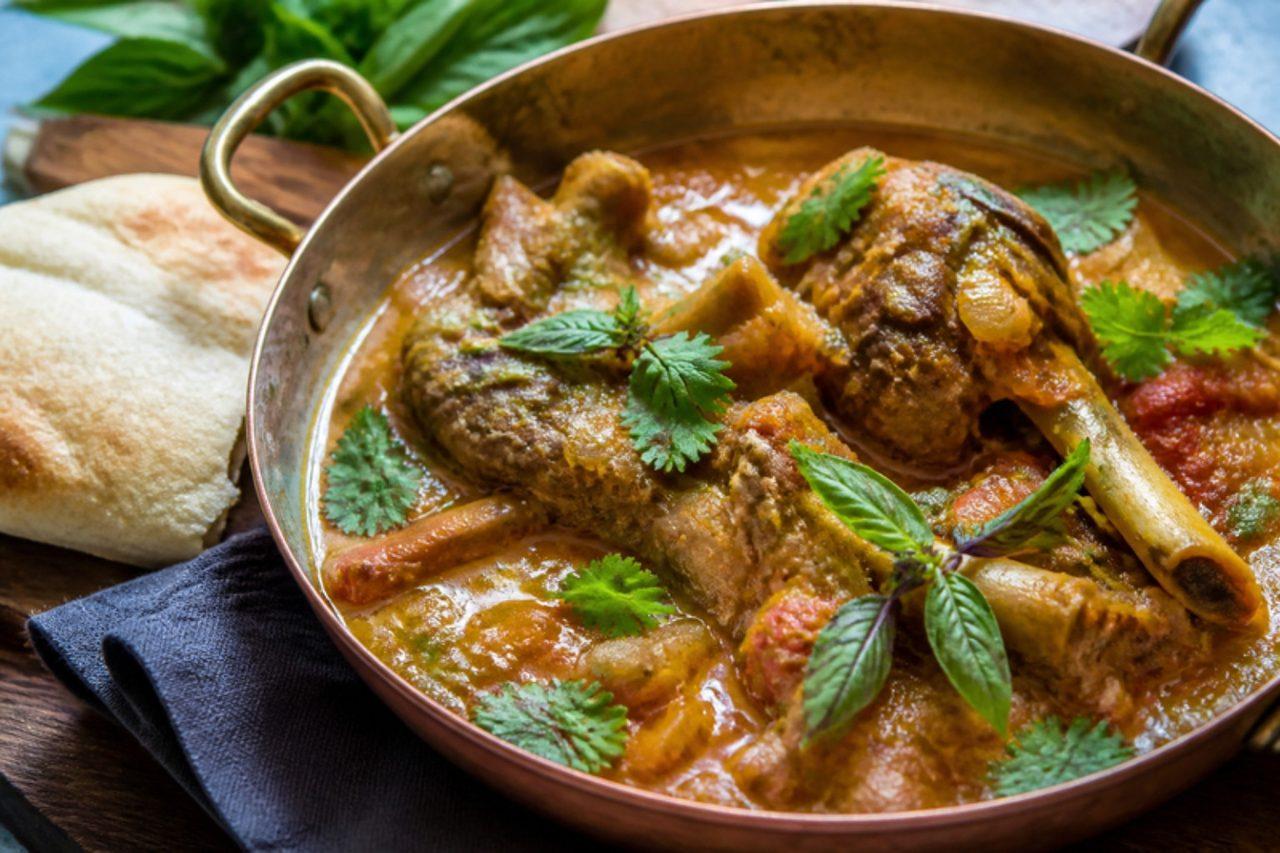
BozartmaLamb stew with tomato and saffron

Bozartma comes from Ganja, Azerbaijan's second city at the foot of the Lesser Caucasus, where lamb on the bone is browned and then stewed with a mountain of onions and tomatoes until the sauce turns thick and red-gold with saffron. The name hints at the browning (boz, 'grey-brown'), and Ganja cooks say the onions must melt completely. It is eaten with bread and greens, and a chicken version is common too. A common mistake is adding water; the onions and tomatoes give all the liquid needed. Chef's tip: cook it uncovered for the last 15 minutes, until the fat rises to the top; that is how Ganja cooks know bozartma is ready.

by KrazyBadal 0 views

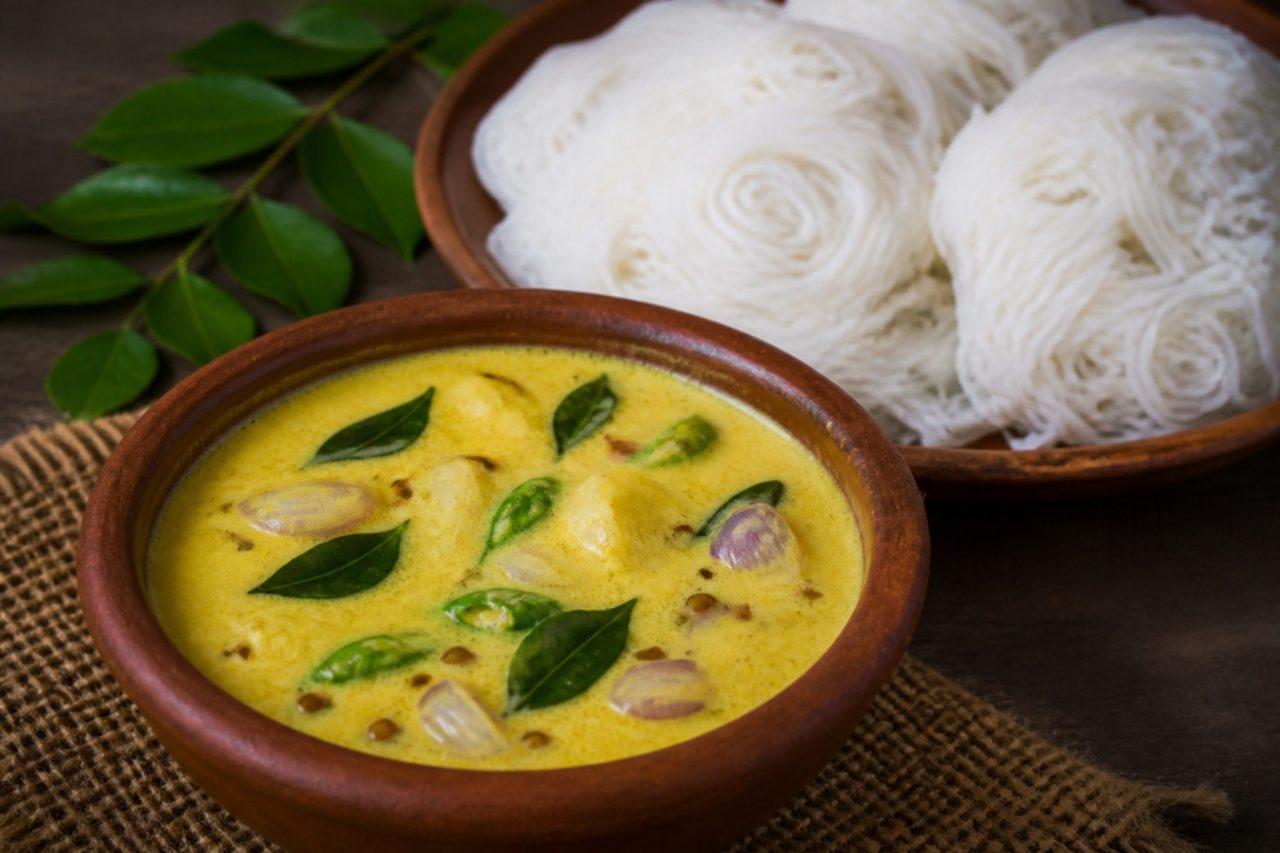
Kiri hodiCoconut milk gravy

Think of kiri hodi as Sri Lanka's comfort sauce: a thin, pale-yellow coconut milk broth, gently soured with lime, that gets ladled over a plate of string hoppers or pittu at breakfast and soaks right into them. Little cafés in Colombo and the coastal towns serve it in a small steel bowl alongside pol sambol, and at home it is often the first thing cooks make when someone is unwell, because it is soothing rather than hot. The flavour comes from fenugreek, cinnamon and curry leaves softened in the milk, with a couple of green chillies for warmth; some families slip in halved boiled eggs or a pinch of Maldive fish, but the plain vegan version is the everyday one. The classic slip is letting it boil hard once the thick milk is in, which curdles it into oily flecks. Chef's tip: add the lime only after the pan is off the heat, so the gravy stays smooth and the sourness stays bright.

by KrazyBadal 0 views

Curaçao pastechiCheese turnovers

In Curaçao and Aruba, a paper bag of hot pastechi from a snack truck is breakfast on the way to work or a mid-morning bite with coffee: crisp, blistered half-moons of pastry filled with melted aged Gouda, a legacy of the Dutch on the islands. Other versions hold spiced beef, chicken or tuna; this one is vegetarian. Traditional Gouda is made with animal rennet, so choose a Gouda or other firm cheese labelled vegetarian if that matters to you. The usual mistake is frying too cool, so the pastry soaks up oil instead of blistering. Chef's tip: chill the filled pastechi for 15 minutes before frying so the seams hold.

by KrazyBadal 0 views

Kabachkovaya ikraCourgette spread

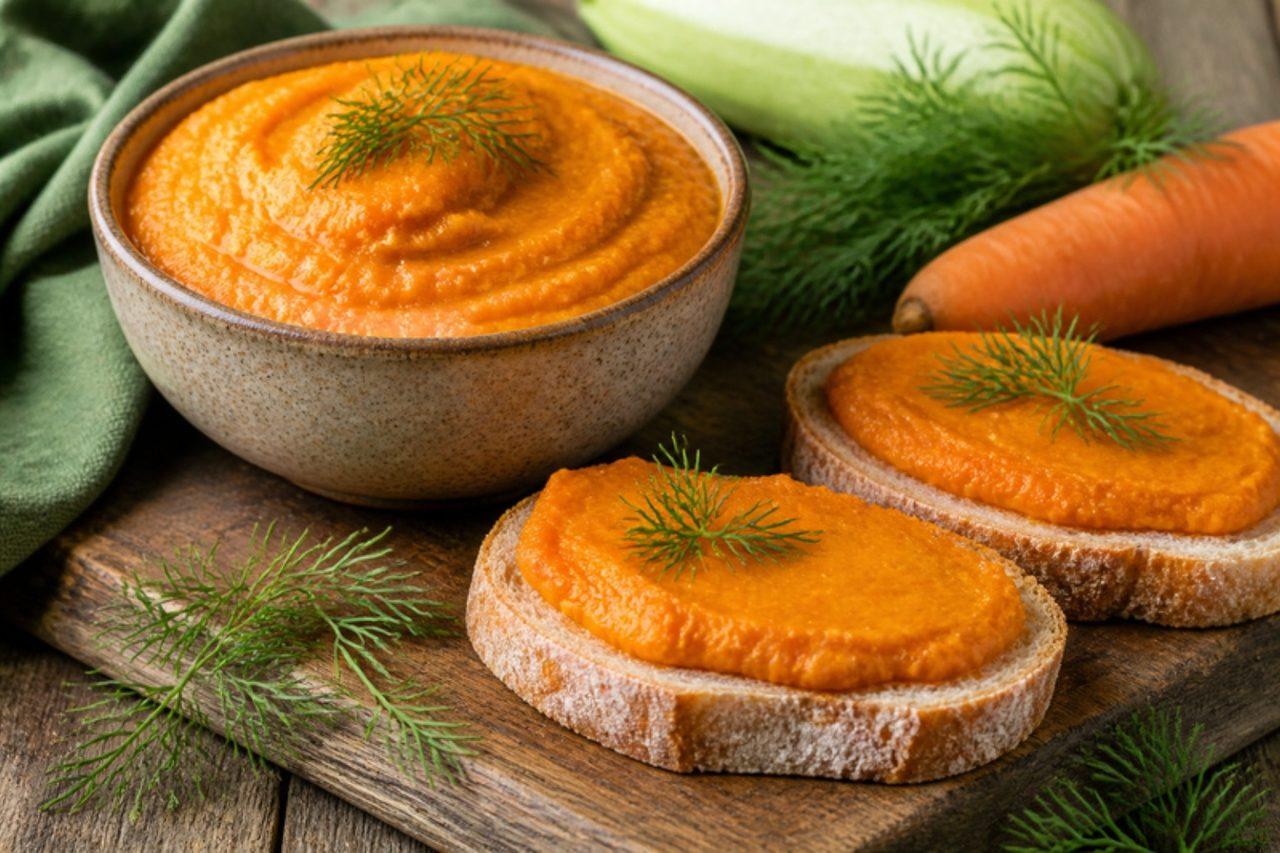
Late summer at the dacha means a glut of courgettes, and the answer across Russia is this soft orange spread, once sold in glass jars in every Soviet grocery and still made by the potful at home. Courgette, carrot and onion are fried in sunflower oil, stewed with tomato until they collapse, blended and then cooked down again until thick enough to stand on bread. It tastes sweet, mellow and lightly tangy, and is eaten cold on black rye bread, with boiled potatoes or as part of a zakuski spread. A common mistake is stopping too early: if the purée still looks watery it will taste flat, so keep stirring until a spoon leaves a trail across the pan. This is a fridge recipe, not a canning one. Chef's tip: make it a day ahead; the flavour rounds out overnight.

by KrazyBadal 0 views

Ambarella curryJune plum curry

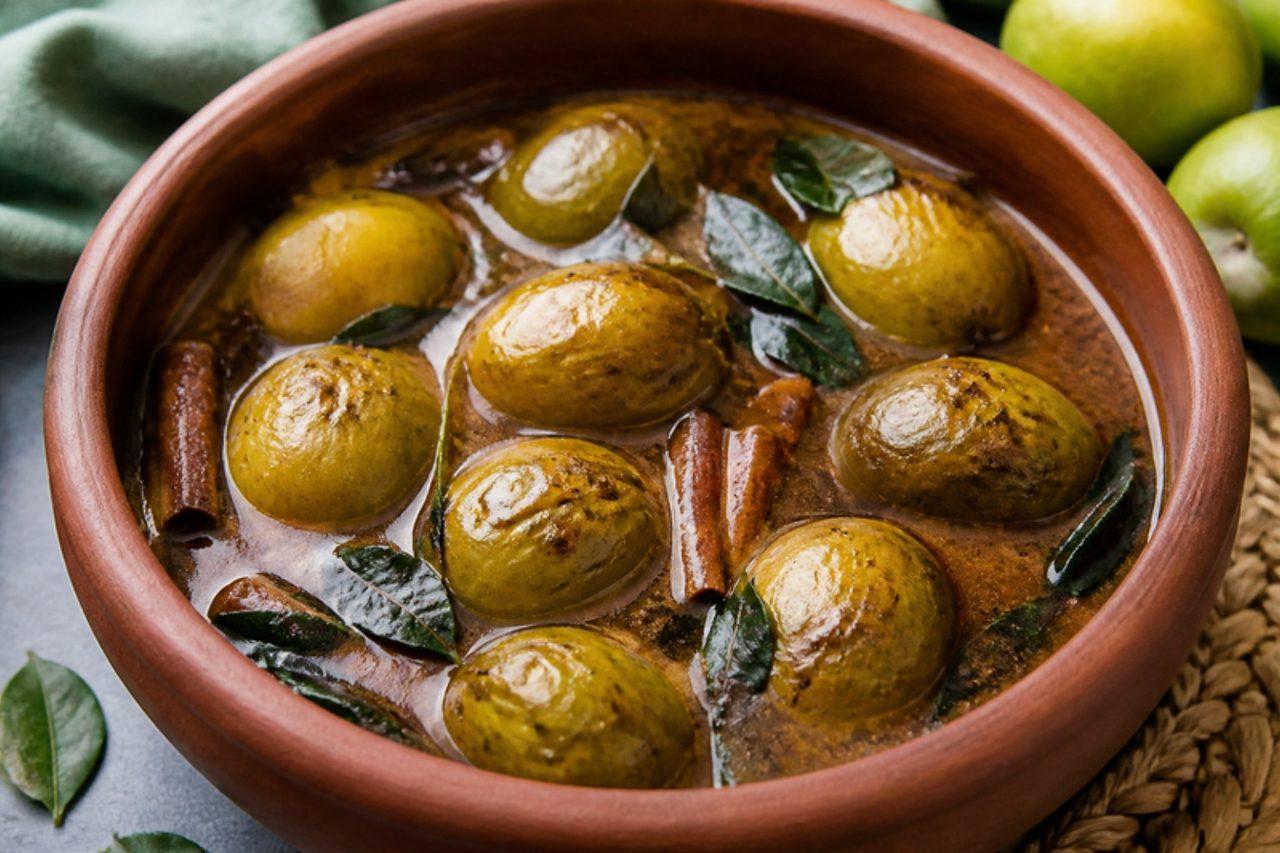
Ambarella trees, heavy with green, plum-sized fruit, shade countless gardens around Galle, and when the crop comes in, cooks turn the sour, crunchy fruit into this sweet-sour curry for Sunday lunch and family gatherings. The fruits are scored and cooked whole with roasted curry powder, garlic, cinnamon and cloves, then sweetened with sugar and finished in coconut milk, until the flesh softens and drinks in the dark, glossy gravy. Its tangy, fruity flavour cuts through richer dishes, and it is served in small portions with rice alongside a dhal and a meat or fish curry. Each fruit hides a spiky, fibrous stone, so warn guests to nibble around it. Leaving the skins whole and unscored is where many go wrong, because the spices never get in; make several deep cuts in each fruit. Frozen ambarella is sold in Sri Lankan shops; firm green mango is the nearest stand-in. Chef's tip: let the curry rest for an hour before serving, as the fruit keeps soaking up flavour.

by KrazyBadal 0 views

Showing 63 of 7,762 recipes

Show more recipes

Page 287 of 863