Skip to content
Sayur lodeh
Featured recipe

Sayur lodeh

Sayur lodeh is everyday cooking in Central Java, made in big pots in Solo and Semarang kitchens and ladled over rice, with lontong rice cakes at Lebaran, or alongside opor and sambal goreng on festive tables. It's soupy rather than thick: a fragrant broth of coconut milk, galangal, lemongrass and lime leaf that carries chunks of aubergine, long beans, chayote and sweetcorn, plus tempeh and tofu to make it a meal. The flavour is mellow and slightly sweet, so the heat comes from sambal on the side. Chef's tip: keep the pot at a gentle simmer once the coconut milk goes in and stir now and then — a rolling boil splits the coconut milk into oily curds.

Read more 3 views
Can't decide?

What to eat today?

Spin the randomizer, search with what's already in your fridge, or browse recipes from our chefs.

Latest recipes

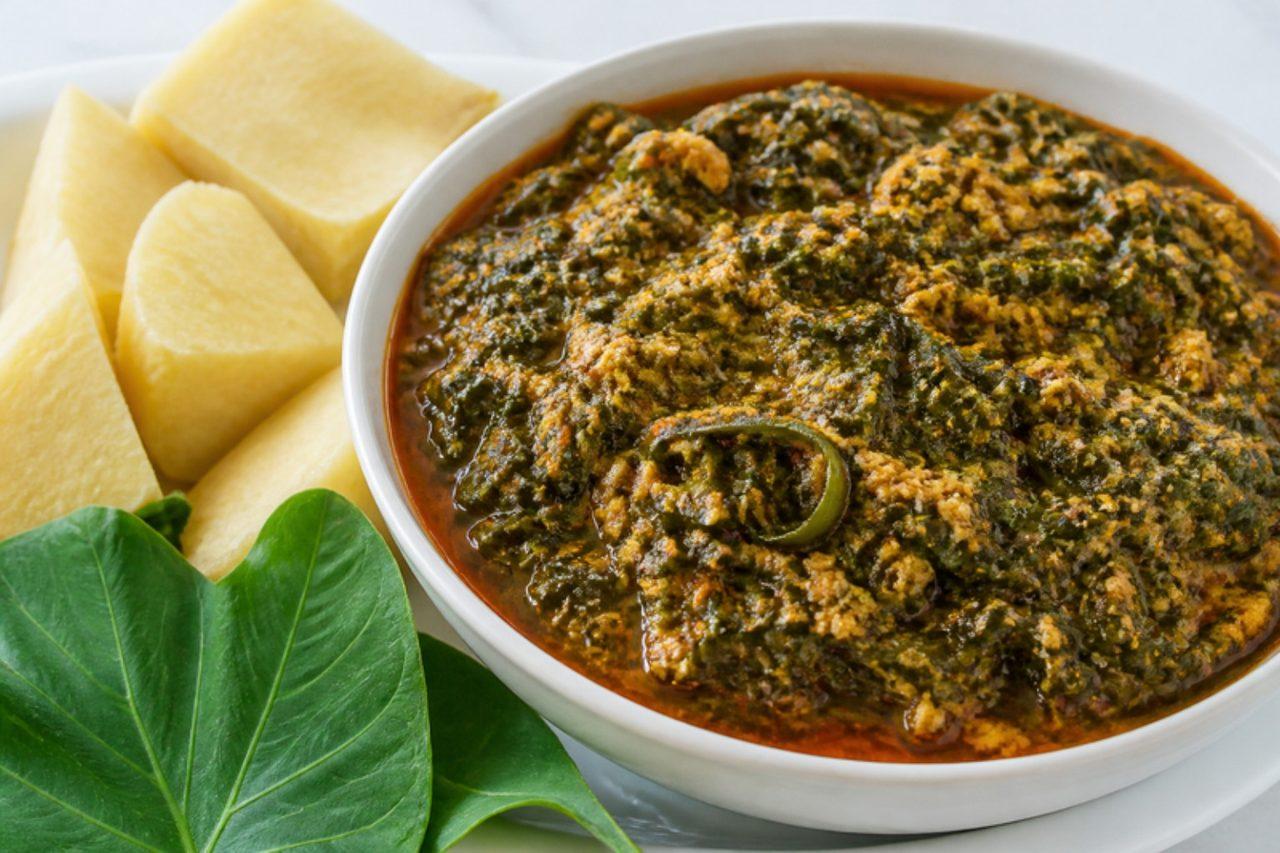
Kontomire stew

Kontomire stew comes from the Ashanti region around Kumasi, where young cocoyam (taro) leaves are picked from farms and cooked down with palm oil, tomatoes and ground agushie (egusi) seeds. It is a thick, dark green, nutty stew eaten with boiled yam, ampesi (boiled plantain) or rice. Many families add smoked fish or salted fish; this version uses boiled eggs instead, which is also common. Spinach is the best stand-in when fresh cocoyam leaves are not available. Chef's tip: cocoyam leaves must be cooked thoroughly; under-cooked ones leave an itchy, scratchy feeling in the throat.

by KrazyBadal 0 views

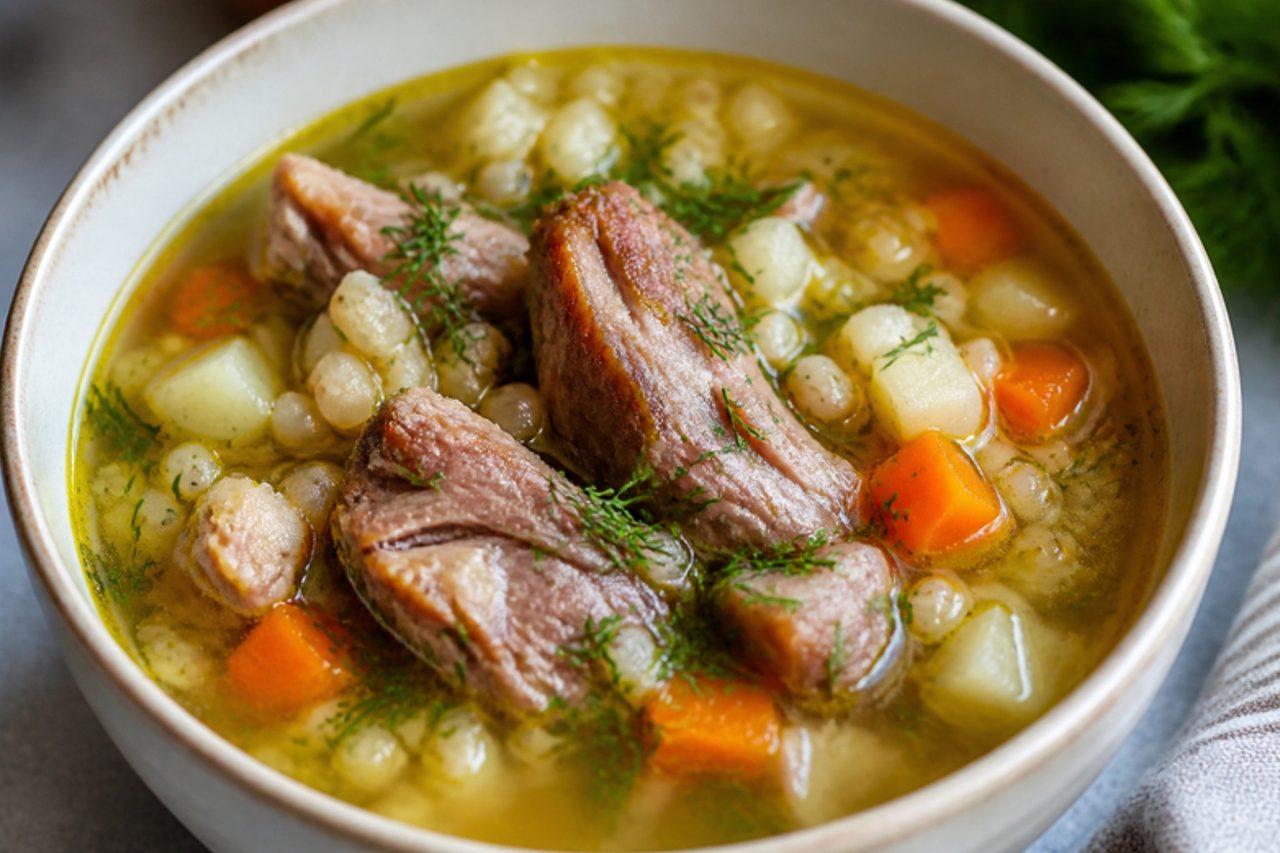
Krupnik

Krupnik is a thrifty, warming soup from every Polish grandmother's kitchen, from the villages of Podlasie to city milk bars, and it is the soup people make when someone in the house has a cold. Pearl barley (kasza jęczmienna), carrot, celeriac, parsley root and potato simmer in a broth of smoked pork ribs, which gives it a gentle smoky depth; this version contains pork. Dried mushrooms add an earthy note. Chef's tip: rinse the barley well and add it early; it releases starch that gives krupnik its slightly creamy body.

by KrazyBadal 0 views

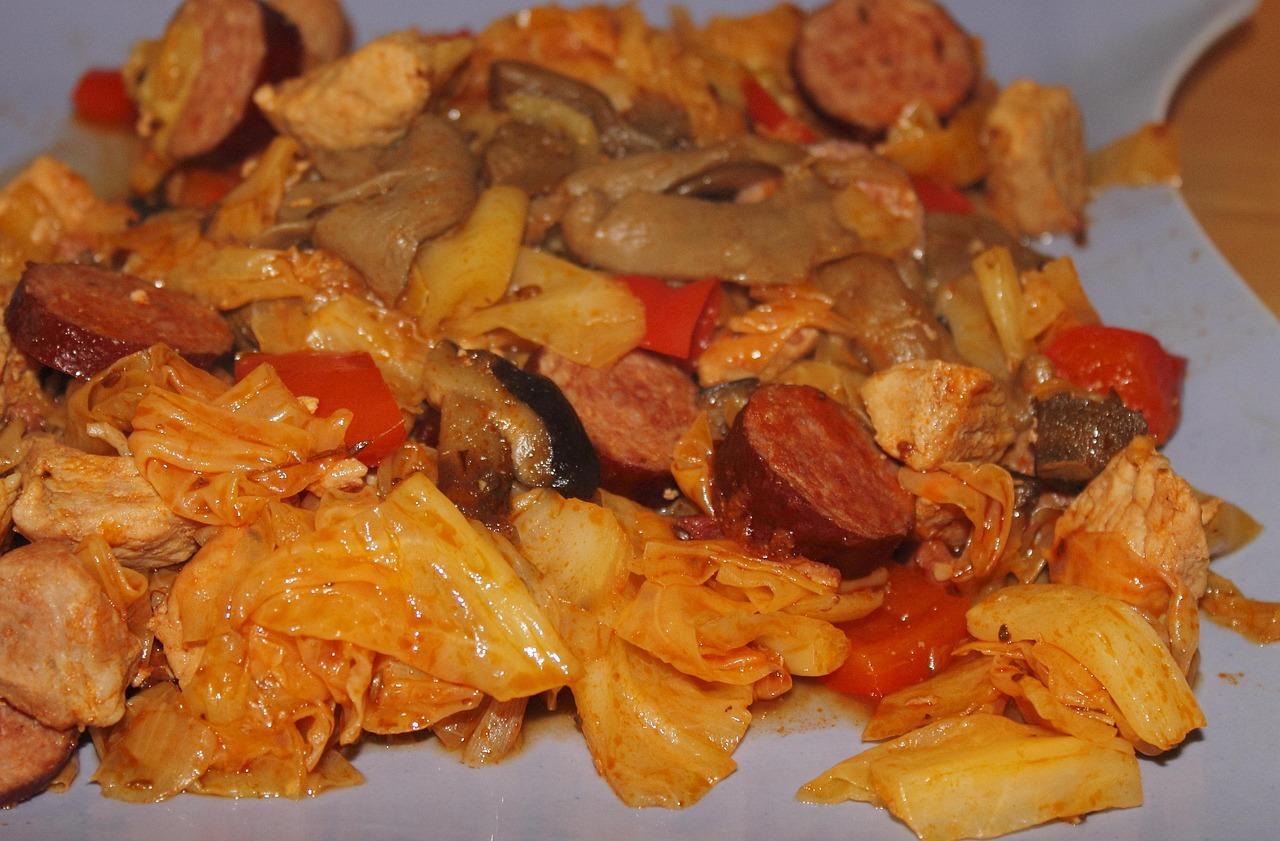
Bigos

Bigos, the hunter's stew, is cooked in huge pots across Poland for Christmas, New Year and the long winter, and every family insists theirs is best on the third reheating. Sauerkraut and fresh cabbage stew for hours with pork shoulder, smoked kiełbasa and bacon, dried wild mushrooms, prunes, juniper and a splash of red wine; it is a pork dish through and through. The wine contains alcohol; for an alcohol-free version use 100 ml apple juice with 1 tbsp cider vinegar. Serve with rye bread or boiled potatoes. Chef's tip: taste the sauerkraut first; if it is very sharp, rinse it once in cold water and squeeze it dry.

240 minPolishMeatGluten free
by KrazyBadal 0 views

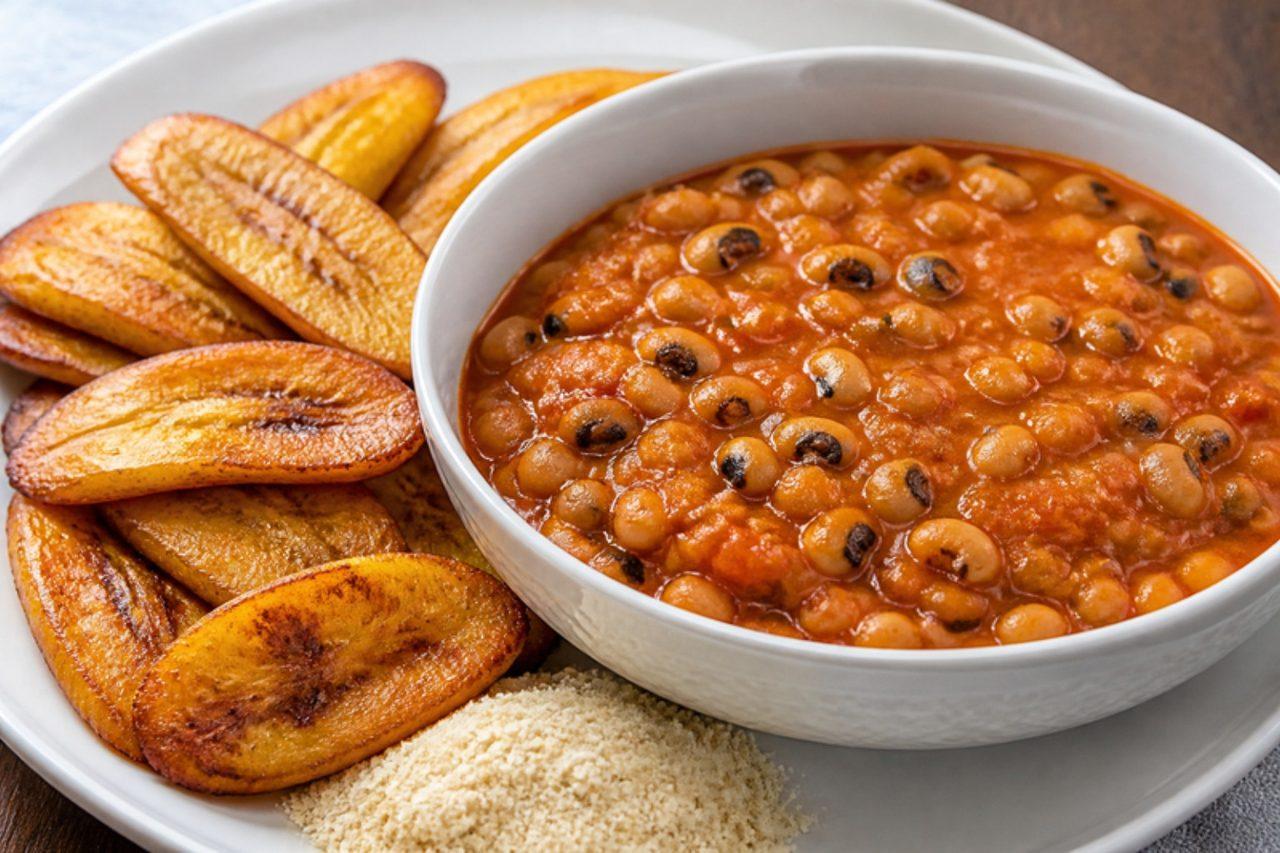
Red red

Red red is Ghanaian chop-bar comfort food, eaten at lunchtime from Kumasi to Cape Coast, and it gets its name from its two reds: the bean stew glowing with palm oil and the fried ripe plantain served alongside. Black-eyed beans simmer in a tomato and onion sauce until creamy, then a sprinkle of gari on top adds crunch. It is often made with smoked fish or momoni; this meat-free version uses smoked paprika for the same savoury edge. Chef's tip: choose plantains with mostly black skins; they fry up sweet and caramelised, the perfect partner for the salty stew.

by KrazyBadal 0 views

Waakye

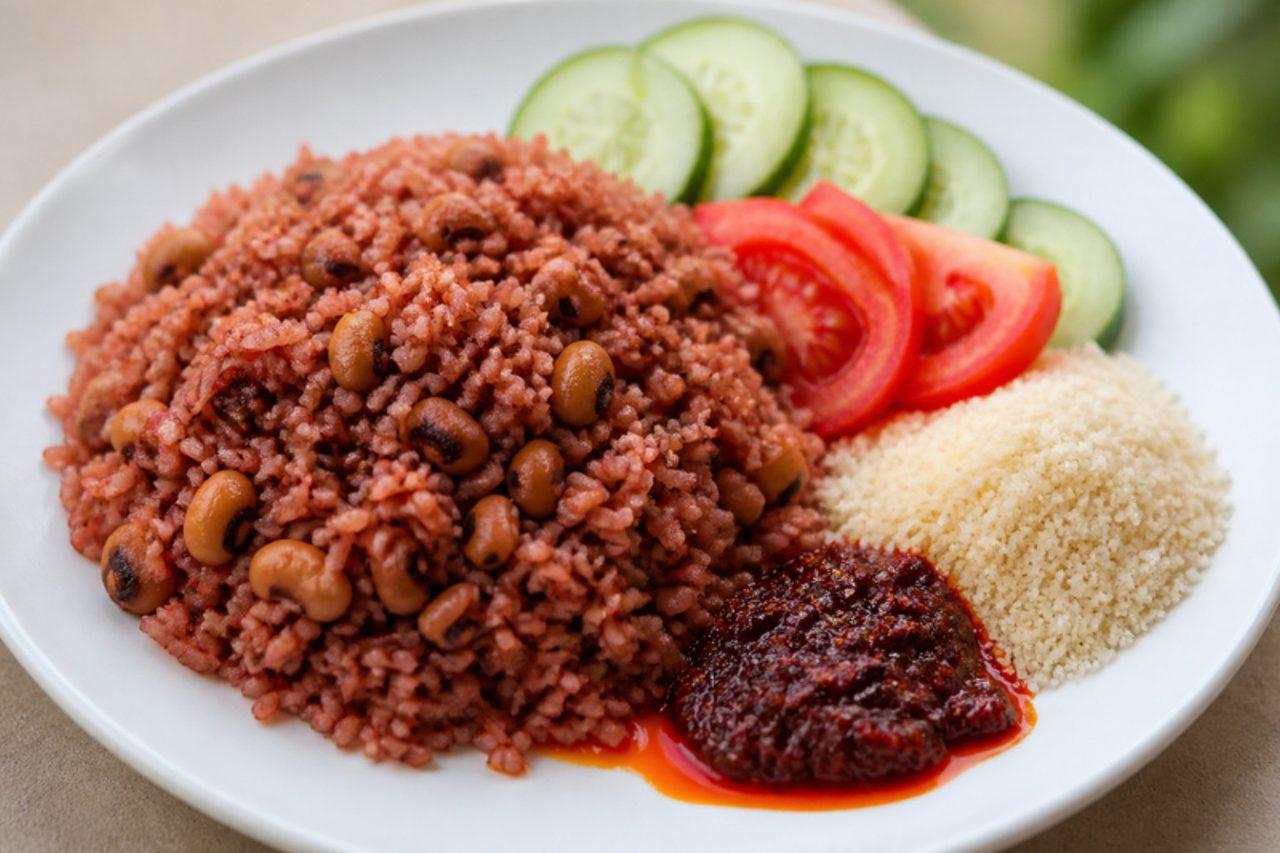
Waakye (say 'waa-chay') came south from the Hausa communities of northern Ghana and is now Accra's favourite breakfast and lunch, sold from big pots wrapped in leaves at roadside stalls before most offices open. Rice and black-eyed beans are cooked together with dried sorghum leaf stalks (waakye leaves), which dye the pot a deep reddish brown and add a faint earthy note. A full plate comes loaded with shito, gari, spaghetti (talia), salad and fried plantain. Chef's tip: cook the beans almost soft before the rice goes in; beans and rice finishing together is the whole trick.

by KrazyBadal 0 views

Ghana jollof rice

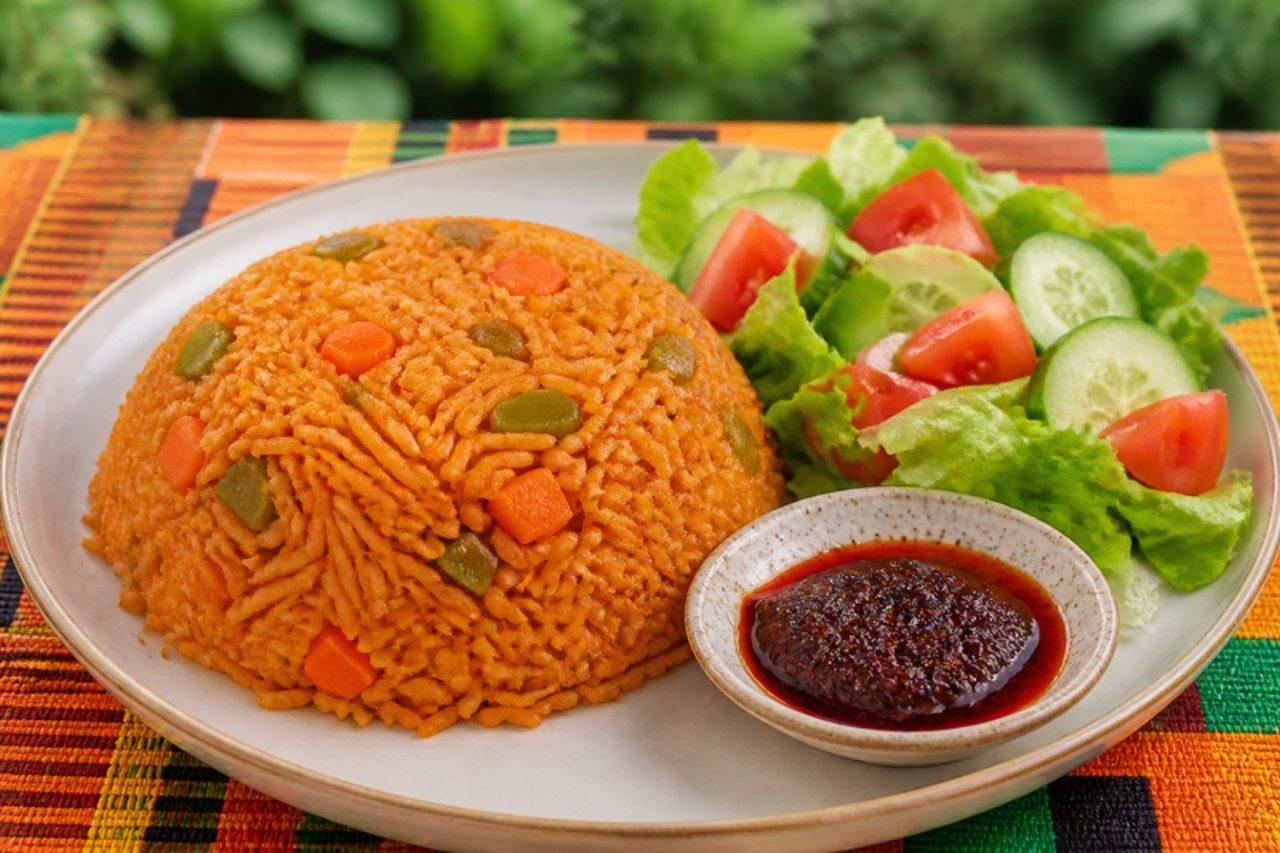
Ask anyone in Accra and Ghana jollof is the only jollof worth arguing about, a friendly rivalry with Nigeria that plays out at every West African party and all over social media. The difference is real: Ghanaians favour long, fragrant basmati or jasmine rice rather than parboiled rice, a base heavier on ginger and garlic, and a softer, more aromatic finish without the smoky 'bottom pot'. It is served with fried plantain, a fresh salad and shito, Ghana's dark pepper sauce, on the side. Chef's tip: wash the basmati until the water runs clear and keep the liquid tight; fragrant rice turns sticky very quickly if it swims in sauce.

by KrazyBadal 0 views

Apfelstrudel

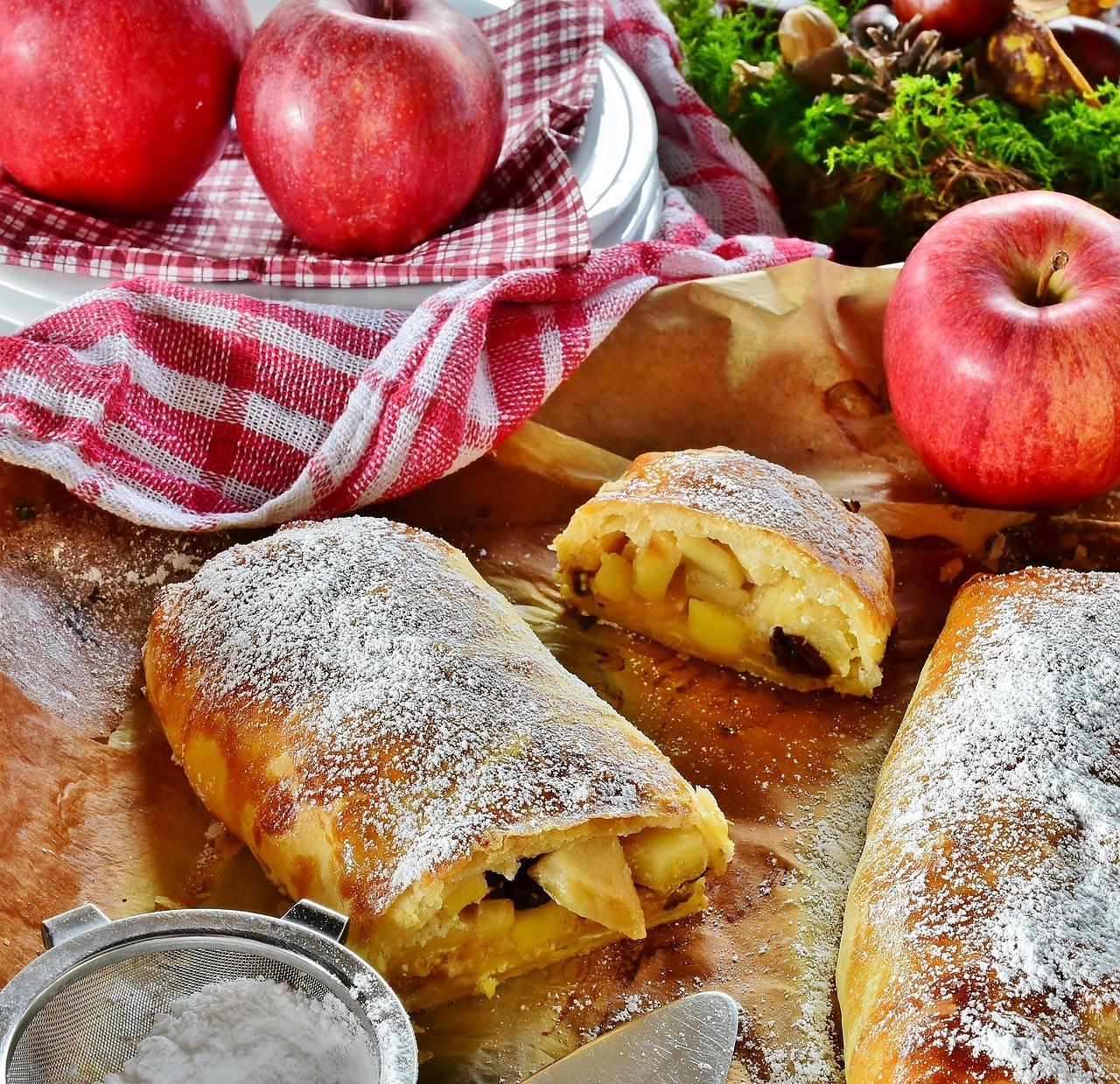
Apfelstrudel is the pride of Vienna's coffee houses, eaten warm in the afternoon with Schlagobers (whipped cream), vanilla sauce or ice cream. The secret is the dough: a soft, oiled dough stretched by hand over a floured cloth on the kitchen table until it is so thin you could read a newspaper through it, then rolled around tart apples, raisins, cinnamon and butter-fried breadcrumbs. It takes practice but not special skill. Chef's tip: fry the breadcrumbs in butter until golden before scattering them over the dough; they soak up the apple juices and stop the bottom of the strudel going soggy.

by KrazyBadal 0 views

Tom yum goong

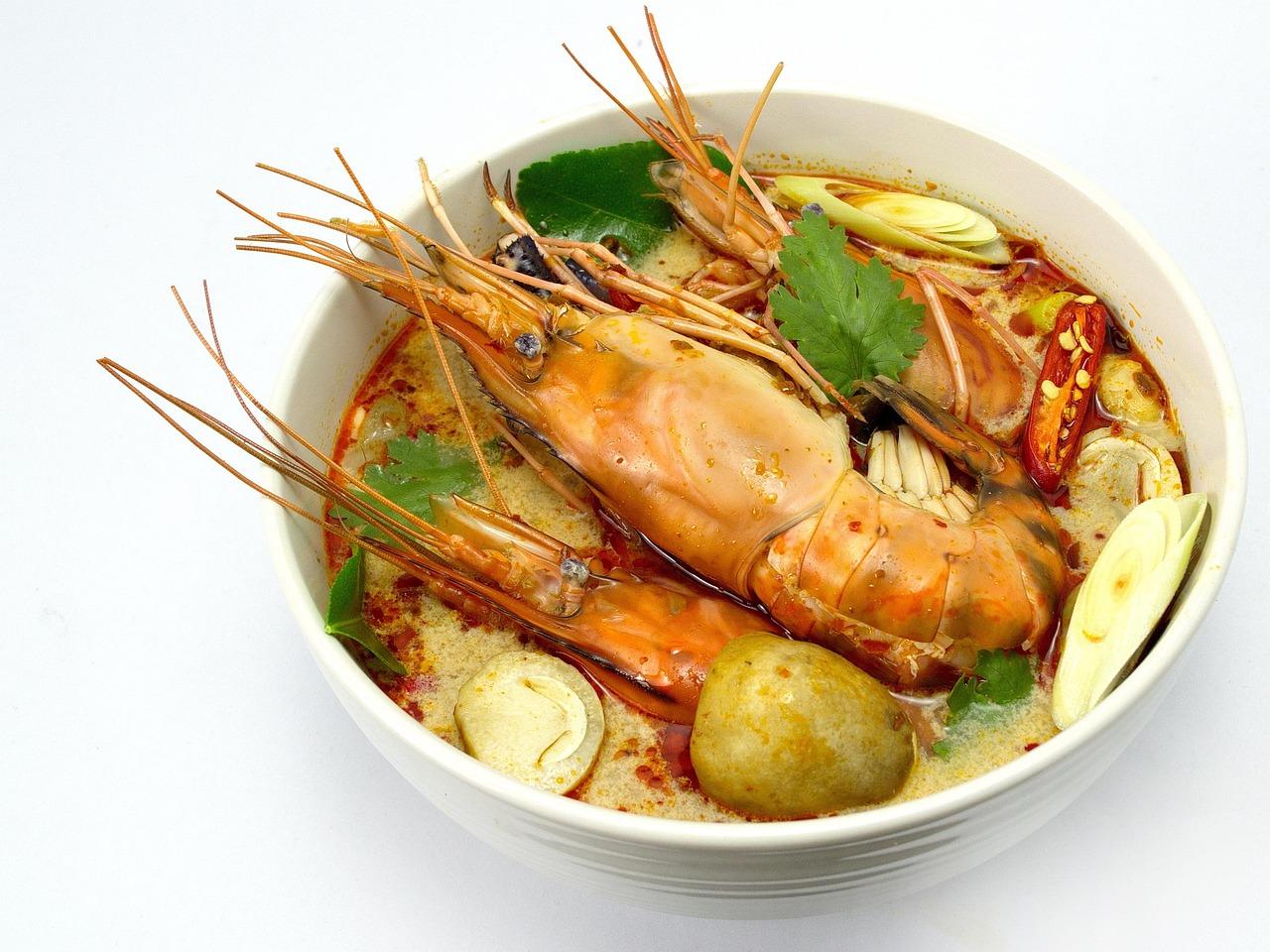
Steaming bowls of this prawn soup land on almost every table in central Thailand, from riverside shophouses in Ayutthaya to family dinners in Bangkok, where it sits in the middle to be shared with rice and two or three other dishes. The broth is thin but loud: sour from lime, salty from fish sauce, hot from crushed bird's eye chillies, and perfumed by bruised lemongrass, galangal and torn makrut lime leaf, which flavour the soup but are left in the bowl. This is the clear style (nam sai) with a spoonful of roasted chilli paste for colour and a gentle sweetness; the creamy nam khon style adds evaporated milk, which we leave out to keep it dairy free. Serve it piping hot with plain jasmine rice. Chef's tip: simmer the prawn heads and shells for five minutes before anything else goes in, and the soup tastes of the sea rather than of water.

25 minThaiSoupsGluten freeSpicy
by KrazyBadal 0 views

Vegetarian Flammkuchen

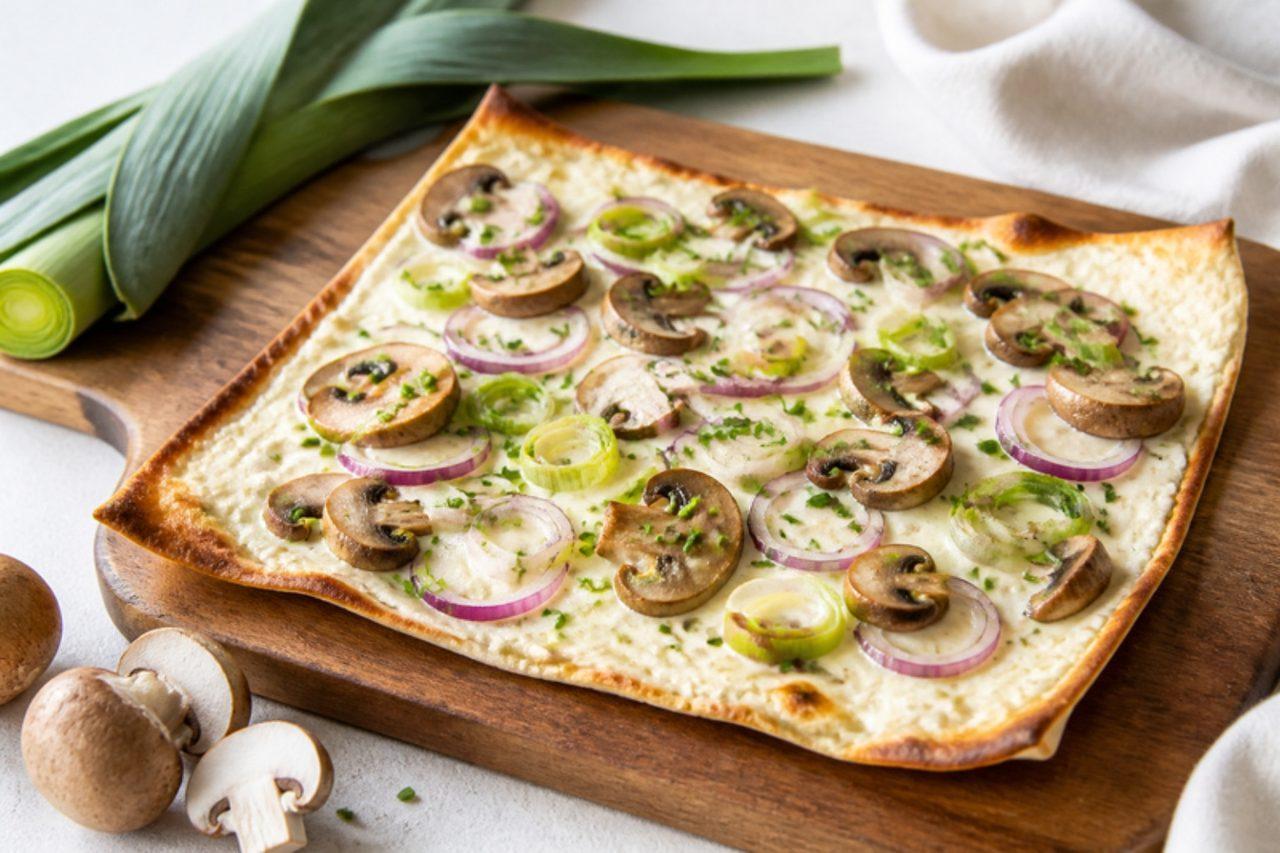
Flammkuchen comes from the borderlands of Alsace, Baden and the Palatinate, where farmers baked it on bread day to test the heat of the wood oven. The dough has no yeast and is rolled almost as thin as paper, spread with crème fraîche or quark and baked hot and fast so the edges blister and char in spots. The classic topping is onion and bacon; around Strasbourg and Freiburg the leek and mushroom version is a popular meat-free choice, often eaten with a glass of new wine in autumn. Chef's tip: bake it as hot as your oven will go, on a preheated tray or stone; a Flammkuchen baked at a moderate heat turns out bready instead of crisp.

by KrazyBadal 0 views

Bhorta platter (aloo, begun and dal bhorta)

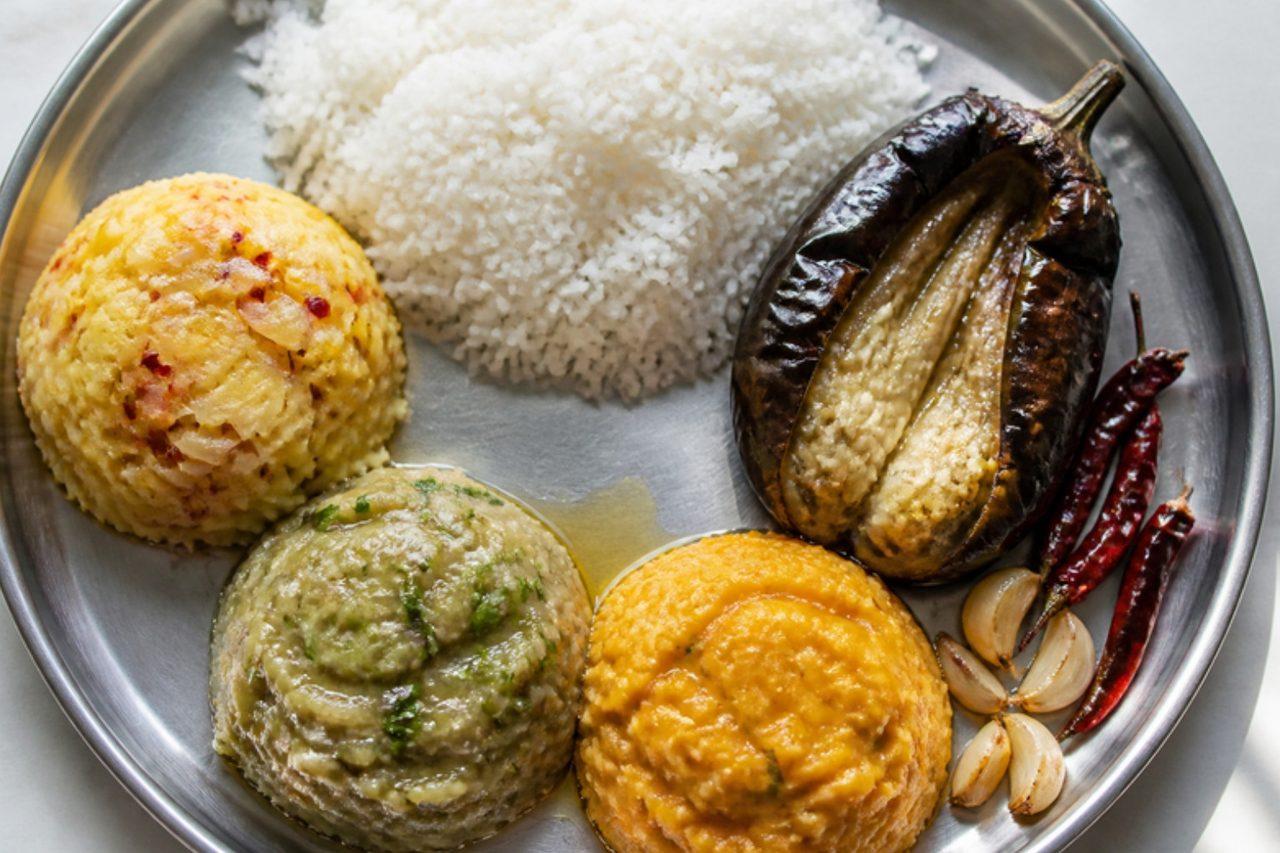
No word says home cooking in Bangladesh like bhorta: anything boiled, roasted or fried, then mashed by hand with raw mustard oil, sliced onion, green or burnt chillies and coriander. A family lunch in Dhaka or Khulna might set out three or four bhortas in little heaps around a mound of rice, and this page makes the classic trio: aloo (potato), begun (fire-roasted aubergine) and dal (dry-fried red lentil). They share one method, so they live together here. Chef's tip: mash with your fingers, not a fork, rubbing the onion and chilli into the oil first; it bruises them and releases their sharpness into every bite.

by KrazyBadal 0 views

Begun bhaja

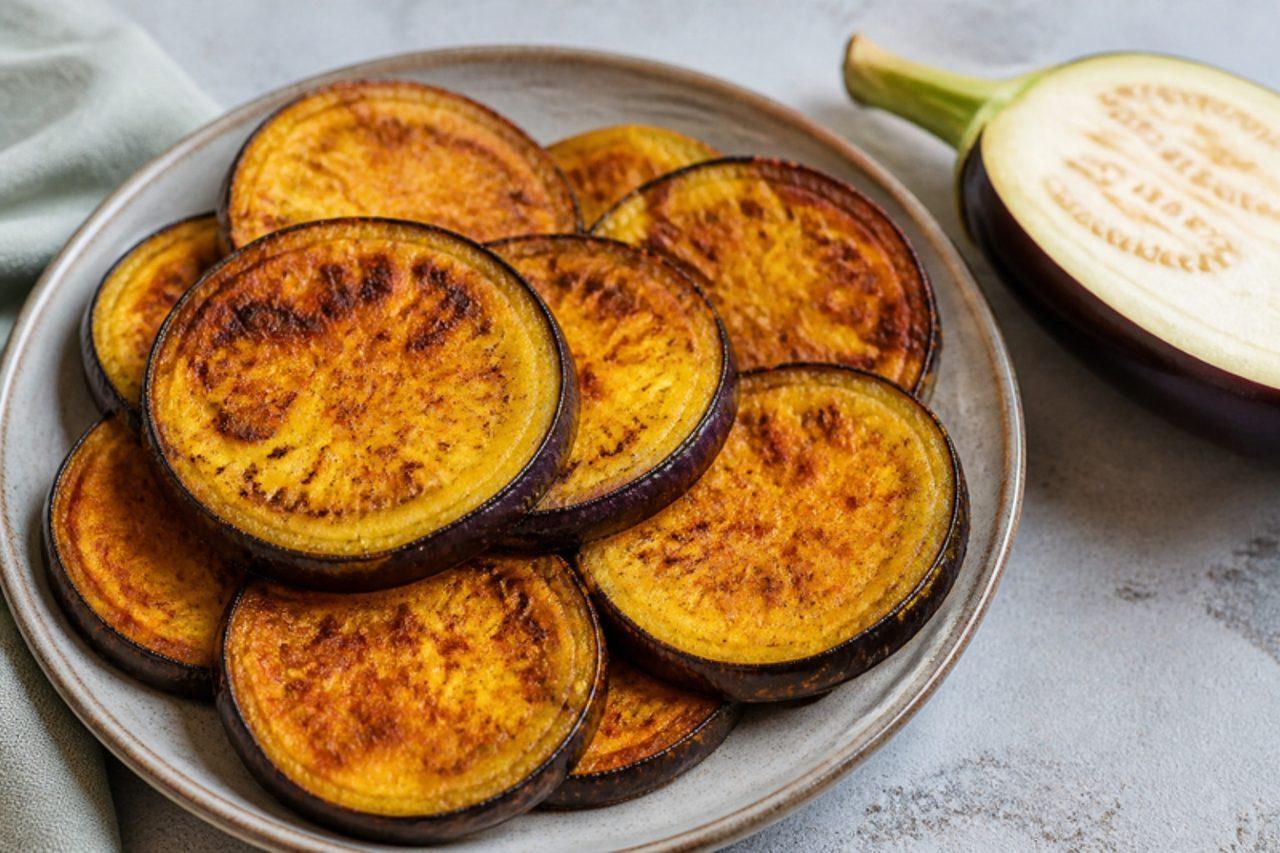
Begun bhaja is the crisp-edged, creamy aubergine slice that sits beside dal and rice on almost every Bangladeshi lunch plate, from Chittagong to Sylhet, and it is a must with bhuna khichuri on a rainy afternoon. Thick rounds are rubbed with turmeric, chilli and salt, then shallow-fried in mustard oil until the outside is caramelised and the inside melts like custard. Chef's tip: salt the slices and leave them for 10 minutes, then pat dry; they drink up far less oil and brown more evenly.

by KrazyBadal 0 views

Bhuna khichuri

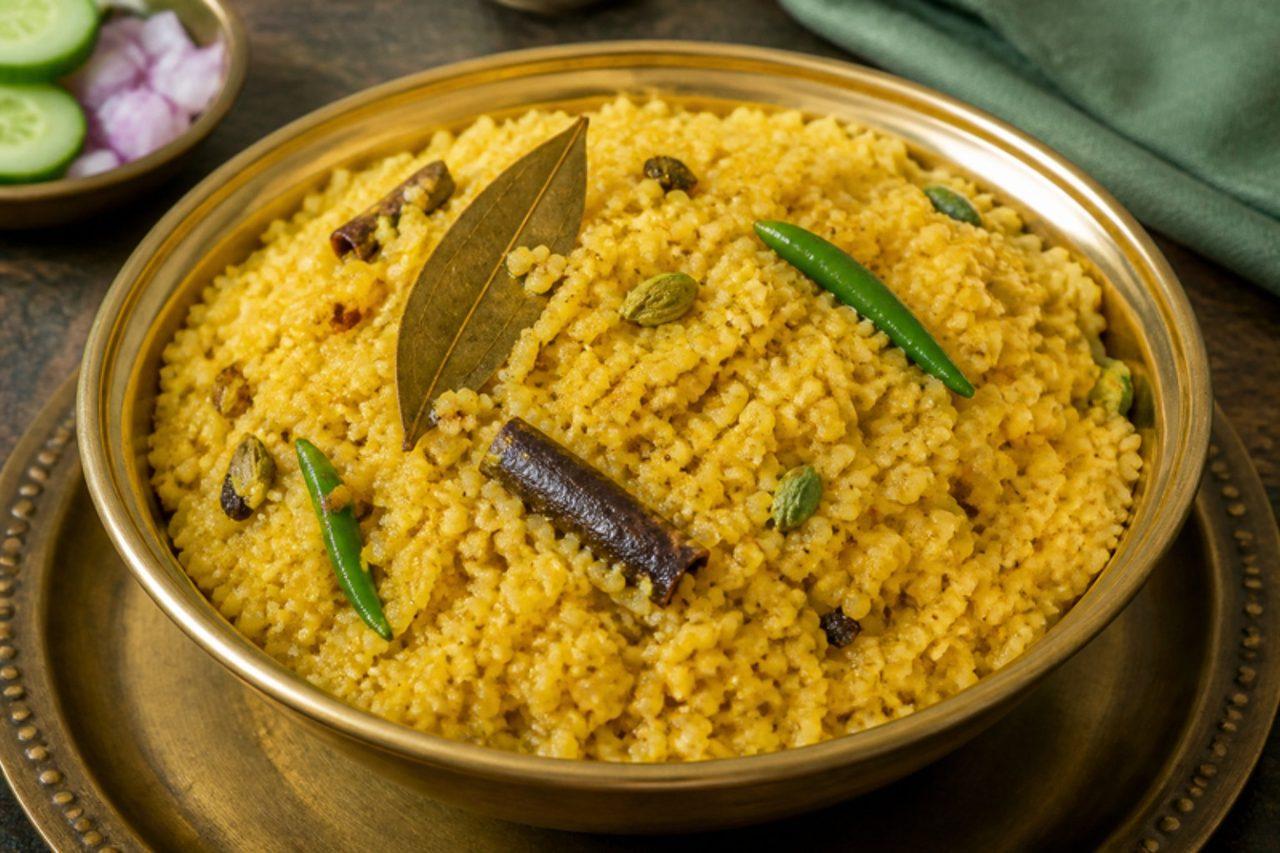
In Dhaka, the first heavy monsoon downpour sends people home craving bhuna khichuri, and Eid mornings in old Dhaka often start with a pot of it too. Unlike the loose, porridge-like khichdi of north India, the Bangladeshi bhuna version is dry and fluffy: dry-roasted moong dal and short-grain rice are fried in ghee with onions and whole spices until fragrant, then cooked with just enough water so the grains stay separate. Serve it hot with begun bhaja, a bhorta or two and a spoon of pickle. Chef's tip: roast the moong dal in a dry pan until it smells like toasted nuts before you wash it; that roasted note is what makes this khichuri taste of Bangladesh.

by KrazyBadal 0 views

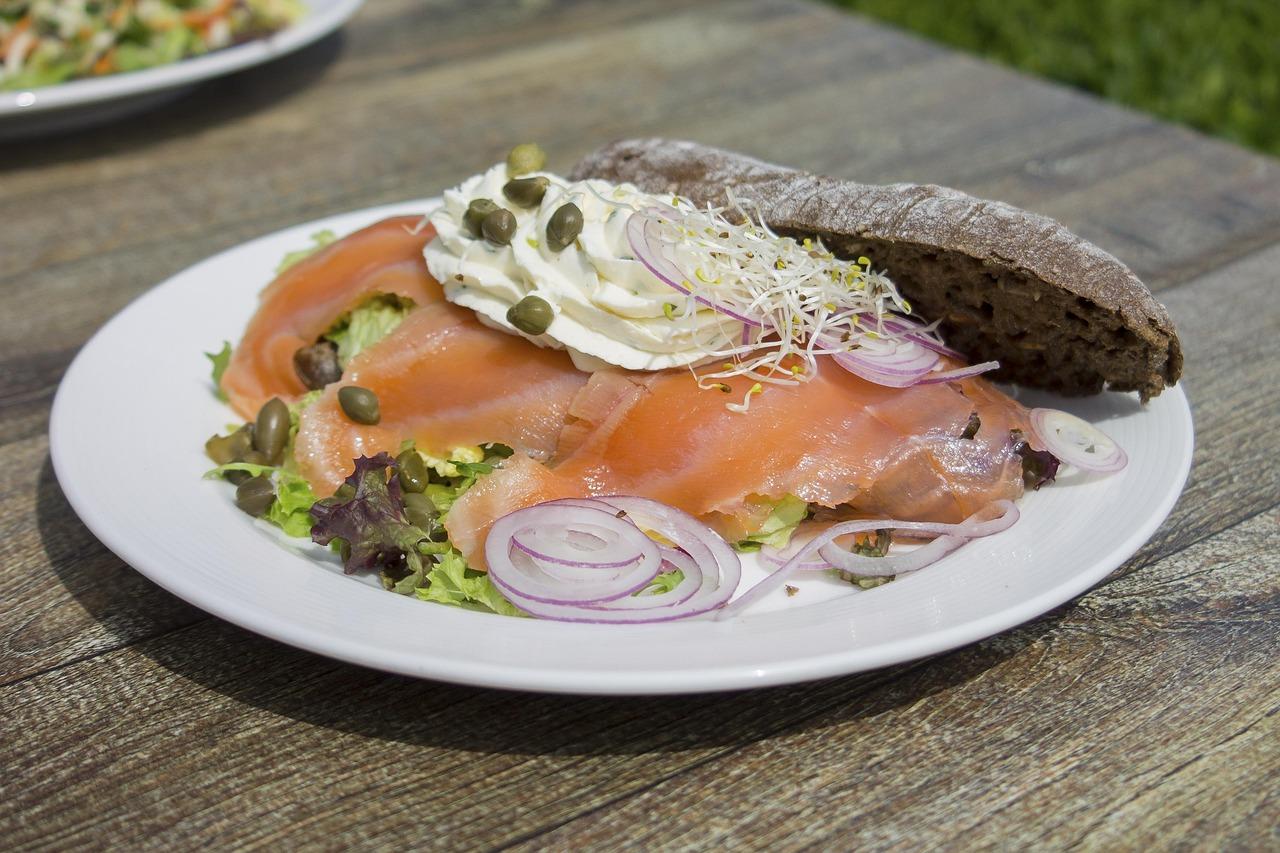
Smoked salmon on brown wheaten bread

Irish smoked salmon, bradán deataithe, comes from smokehouses along the west coast in Connemara and Cork, and a plate of it on buttered brown wheaten bread is a classic starter at weddings and Christmas, and a light lunch in country hotels. The bread is a quick wholemeal soda bread made with buttermilk and no yeast, nutty and slightly sweet. Serve with lemon, capers and red onion. Cold-smoked salmon is not cooked, so pregnant people and anyone with low immunity should avoid it or use hot-smoked salmon instead. Chef's tip: cut the bread only when it has cooled completely; warm soda bread squashes and turns gummy.

60 minIrishFish
by KrazyBadal 0 views

Rooibos iced tea

Rooibos grows only in the Cederberg mountains north of Cape Town, and on hot Western Cape afternoons it is brewed strong and poured over ice rather than drunk hot. The tea is naturally caffeine-free and slightly sweet with notes of honey and vanilla, so it needs little added sugar. Orange, lemon and fresh mint make it a summer jug for the stoep (veranda). Chef's tip: brew the tea double strength and pour it straight over plenty of ice; it chills in seconds and the melting ice dilutes it to the right strength.

by KrazyBadal 0 views

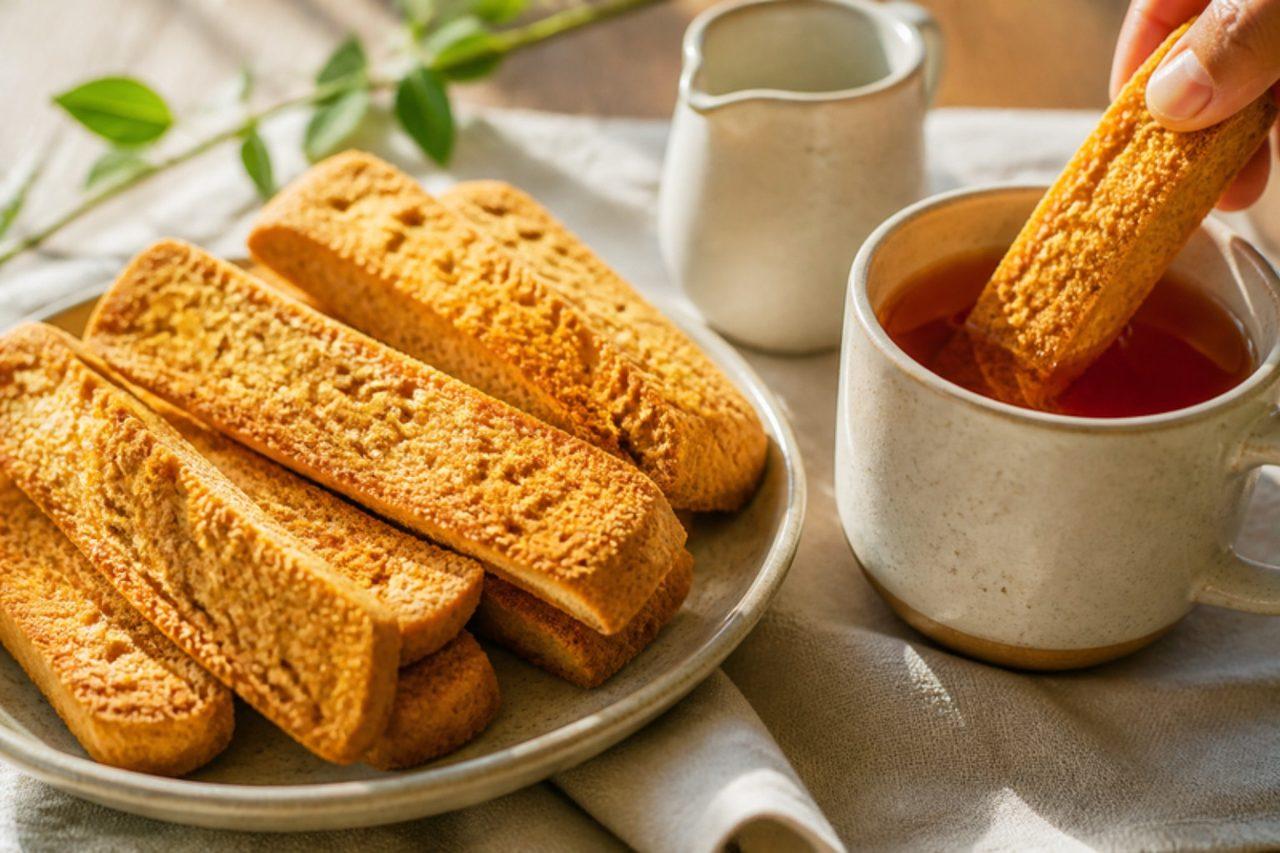
Buttermilk rusks (beskuit)

Beskuit grew out of the Voortrekker need for bread that kept on long ox-wagon journeys; today a tin of rusks sits next to the kettle in homes from the Karoo to Pretoria, and they are dunked in early-morning coffee or rooibos. A soft buttermilk dough is baked as a loaf, cut into fingers and then dried in a low oven for hours until rock hard and crunchy. Chef's tip: dry the rusks slowly at a very low heat with the oven door slightly open; they should dry out completely, not brown further.

by KrazyBadal 0 views

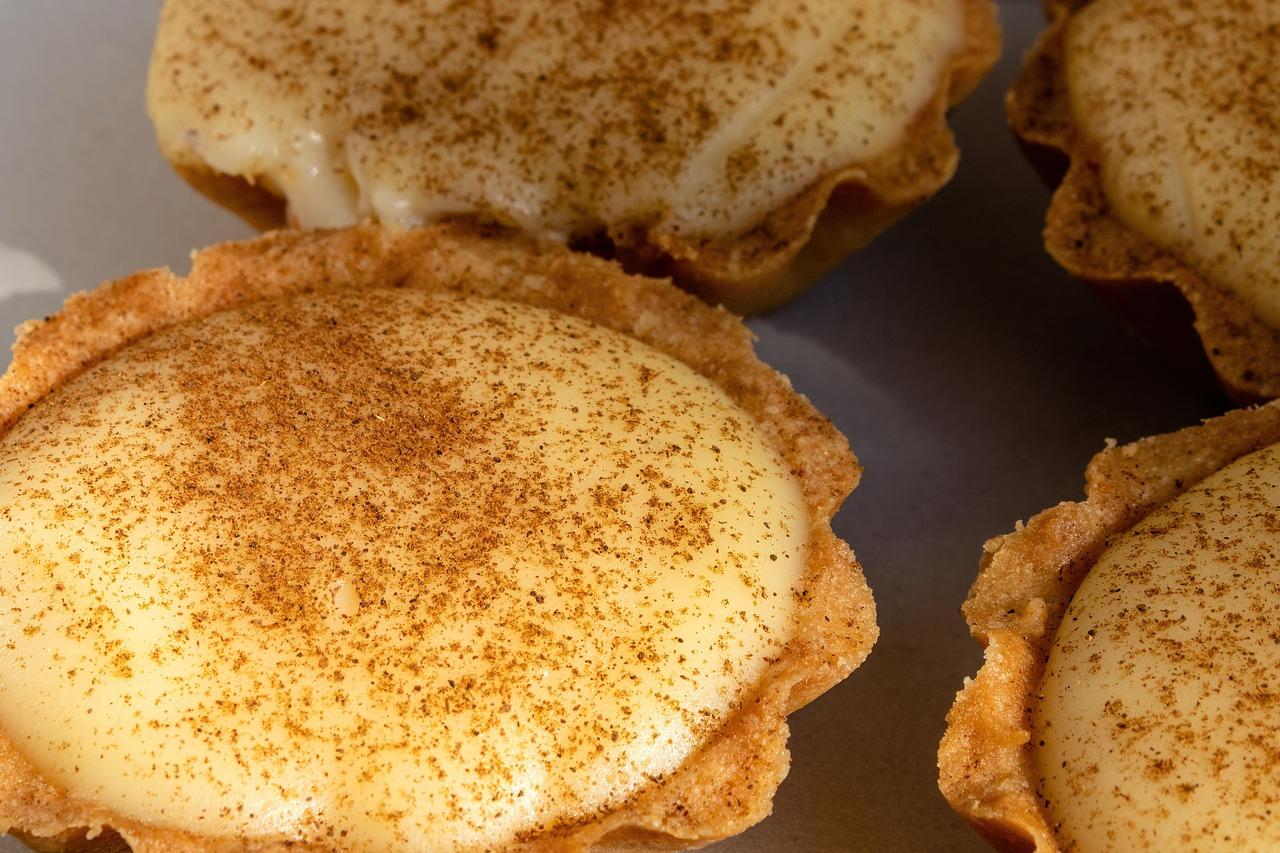
Milk tart (melktert)

Melktert is South Africa's coffee-time tart, made by Afrikaner and Cape Malay families alike, sold at church bazaars and in farm stalls along the Garden Route, and even celebrated with its own National Milk Tart Day on 27 February. A crisp sweet pastry case holds a thick, wobbly custard made with milk and flavoured with a cinnamon stick, then finished with a heavy dusting of ground cinnamon. It is lighter and more milky than a baked egg custard tart. Chef's tip: stir the custard constantly as it thickens and keep cooking for 2 minutes after it bubbles so the flour loses its raw taste.

by KrazyBadal 0 views

Linseneintopf

Linseneintopf is the one-pot lentil stew that German families cook on cold weekdays, and in many school and works canteens it's still the Thursday or Saturday lunch. Brown lentils simmer with potatoes, carrots, celeriac and leek until thick and soft; the finishing touch, all over Germany, is a good splash of vinegar at the table, which wakes the whole bowl up. It's usually made with smoked sausage or bacon; here smoked paprika and vegetable stock give the smoky depth instead. Chef's tip: add the vinegar only at the end, because acid added early keeps the lentils hard.

by KrazyBadal 0 views

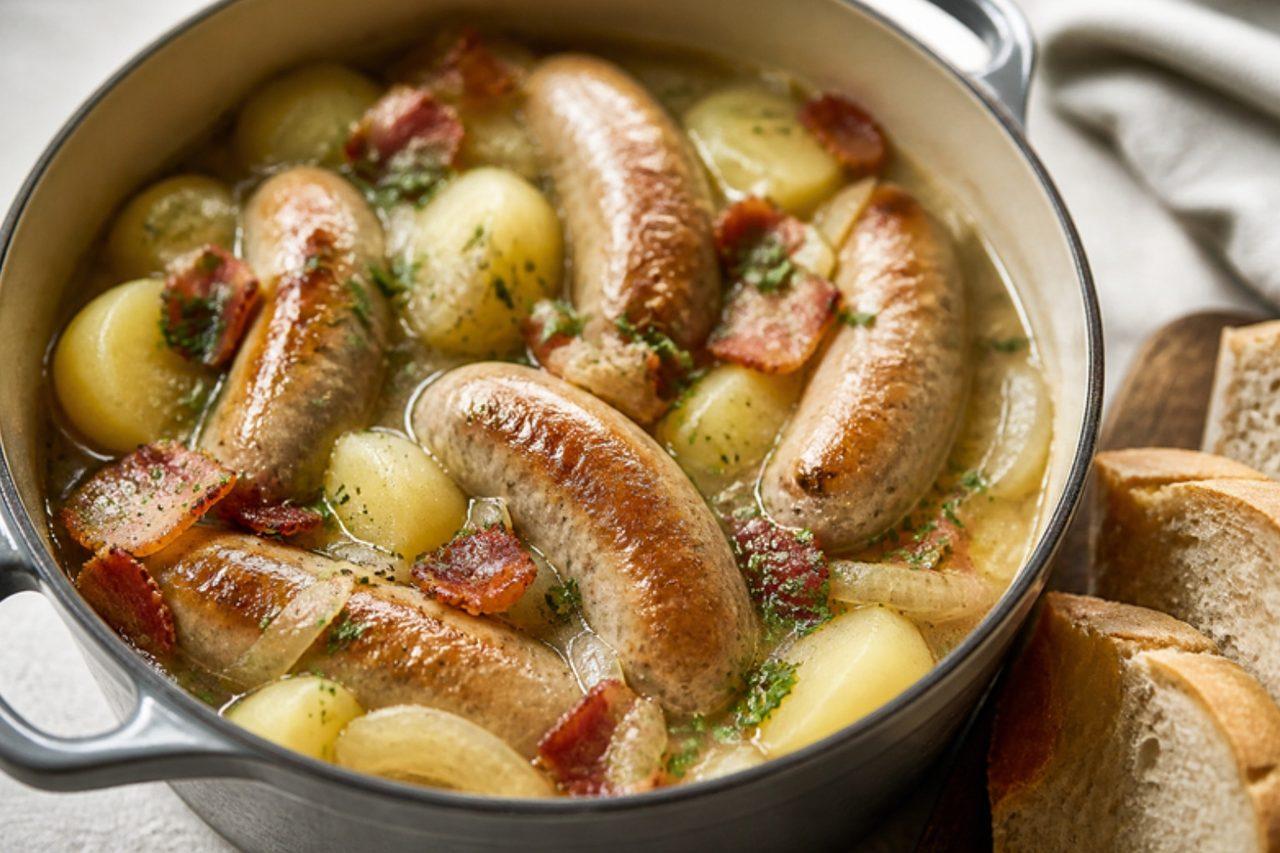
Dublin coddle

Coddle is Dublin's own dish, a Saturday-night pot from the city's old working-class neighbourhoods that would sit on a low heat until people came home. It is a pork dish: thick pork sausages and back bacon, with layers of onion and potato, gently stewed in stock so everything turns soft and savoury. Many Dublin families still make it on Saturdays. Serve with brown soda bread to mop up the broth. Chef's tip: brown the sausages first; the traditional pale coddle is authentic, but a little colour adds a lot of flavour.

95 minIrishMeat
by KrazyBadal 0 views

Sauerkraut

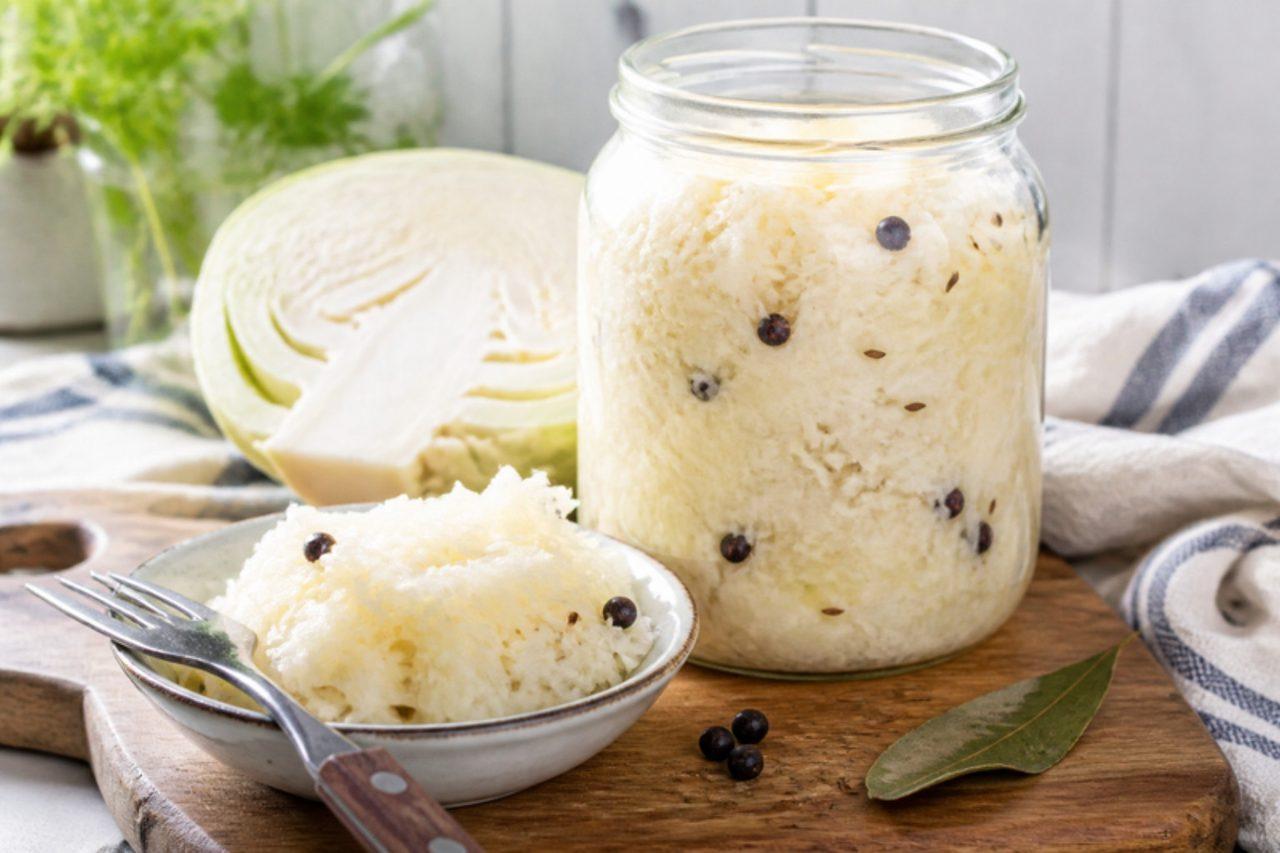
Sauerkraut is how German households have kept cabbage through the winter for centuries, and autumn is still when families in Baden, Franconia and Alsace shred the new white cabbage into stoneware crocks. It's nothing but cabbage and salt: the salt pulls out the juice and natural lactic acid bacteria do the rest, turning it sour, crunchy and full of flavour in a few weeks. Raw homemade sauerkraut tastes far fresher than the jar and is a lovely side for Kartoffelpuffer or potato mash; for a warm side, simmer it with onion and a grated apple. Chef's tip: weigh the cabbage and use exactly 2% of its weight in salt; too little and it goes soft and mouldy, too much and it won't ferment.

by KrazyBadal 0 views

Rotkohl

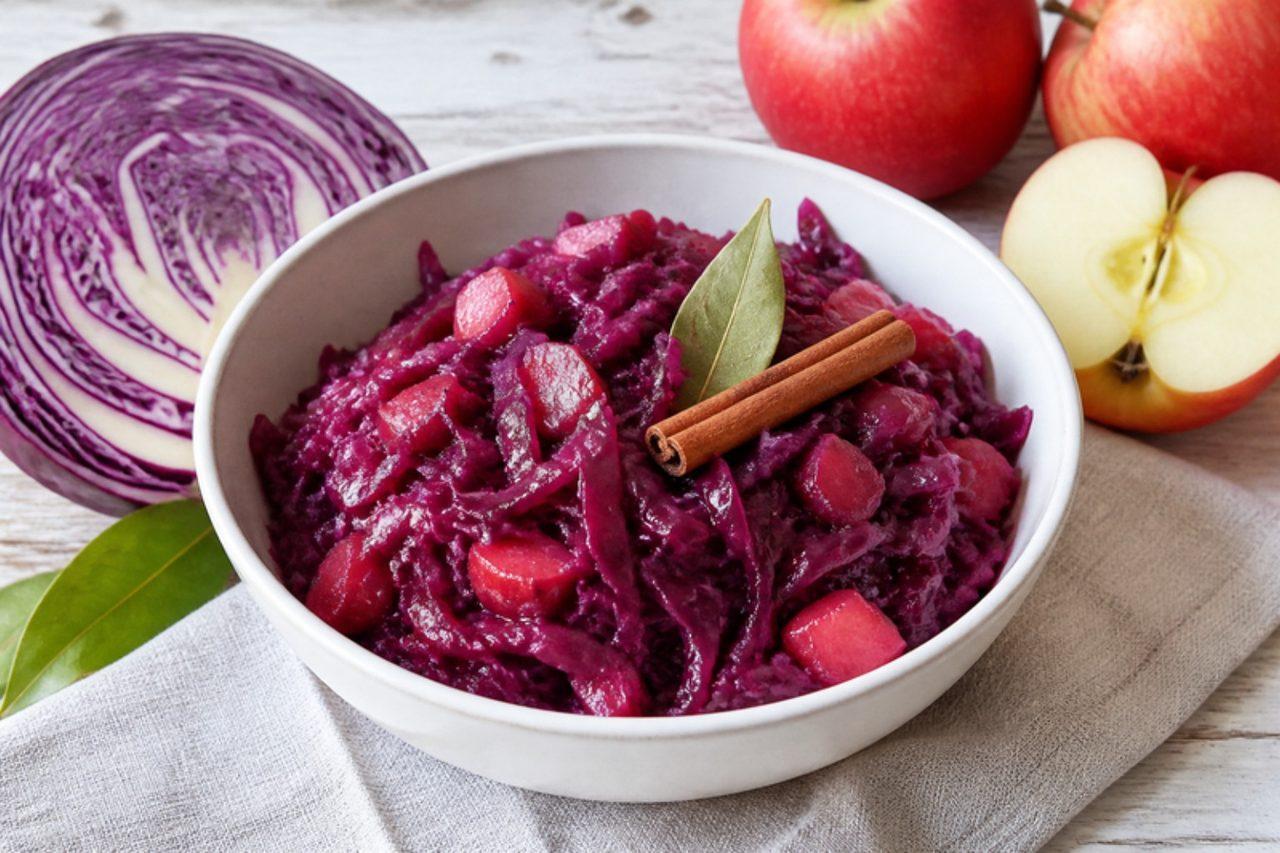
Rotkohl, called Blaukraut in Bavaria and Austria, is the purple braised cabbage that sits next to dumplings and potatoes on German plates from autumn to Christmas. Red cabbage is cooked slowly with apple, onion, vinegar, bay and clove until meltingly soft, sweet-sour and glossy, a deep wine-red because the acid keeps the colour bright. Traditionally it's started in goose fat or lard; oil works perfectly and keeps it vegan. It's one of those dishes that is better the next day, so families make a big pot before Christmas. Chef's tip: add the vinegar at the start, not the end; without acid the cabbage turns an unappetising blue-grey as it cooks.

by KrazyBadal 0 views

Semmelknödel with mushroom sauce

Semmelknödel are the bread dumplings of Bavaria and Austria, made to use up yesterday's rolls (Semmeln) soaked in warm milk and bound with egg, onion and parsley. With a creamy mushroom sauce, Semmelknödel mit Schwammerlsoße, they become a full meal and a favourite in Munich beer gardens and Alpine inns from late summer, when foraged chanterelles and ceps reach the markets. Chef's tip: simmer the dumplings in barely trembling water, never a rolling boil; hard boiling breaks them apart, which is the most common Knödel disaster.

by KrazyBadal 0 views

Kartoffelpuffer

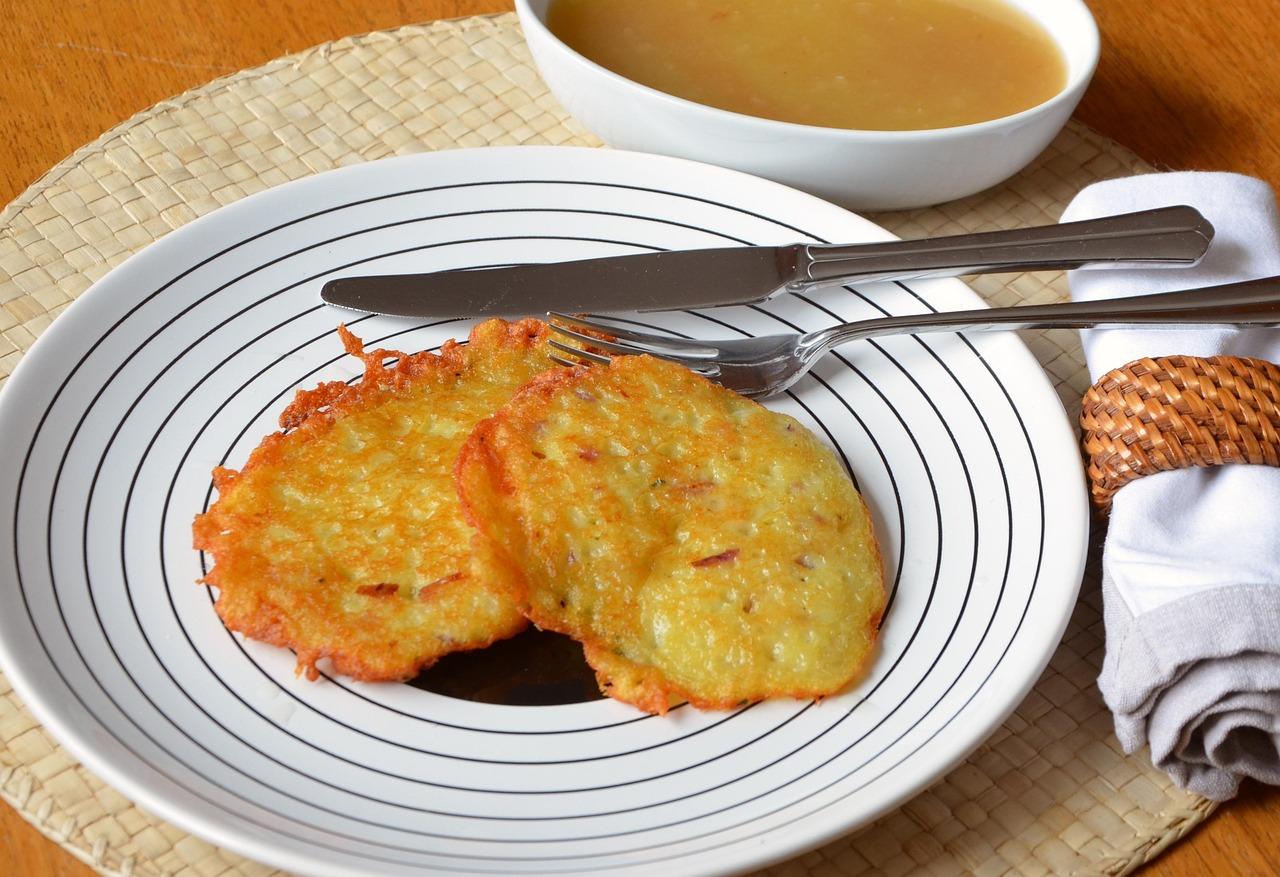
In Cologne and Düsseldorf they're called Reibekuchen, and they are the smell of the Christmas markets and autumn fairs: thin, lacy potato fritters fried in oil until golden and crunchy at the edges. At home in the Rhineland they're traditionally a Friday dish, eaten hot with apple sauce or on buttered dark rye bread. They are simple, but timing and heat matter. Chef's tip: squeeze the grated potato really hard in a tea towel and keep the starch that settles at the bottom of the liquid; it binds the mixture so you need very little flour.

by KrazyBadal 0 views

Irish stout beef stew

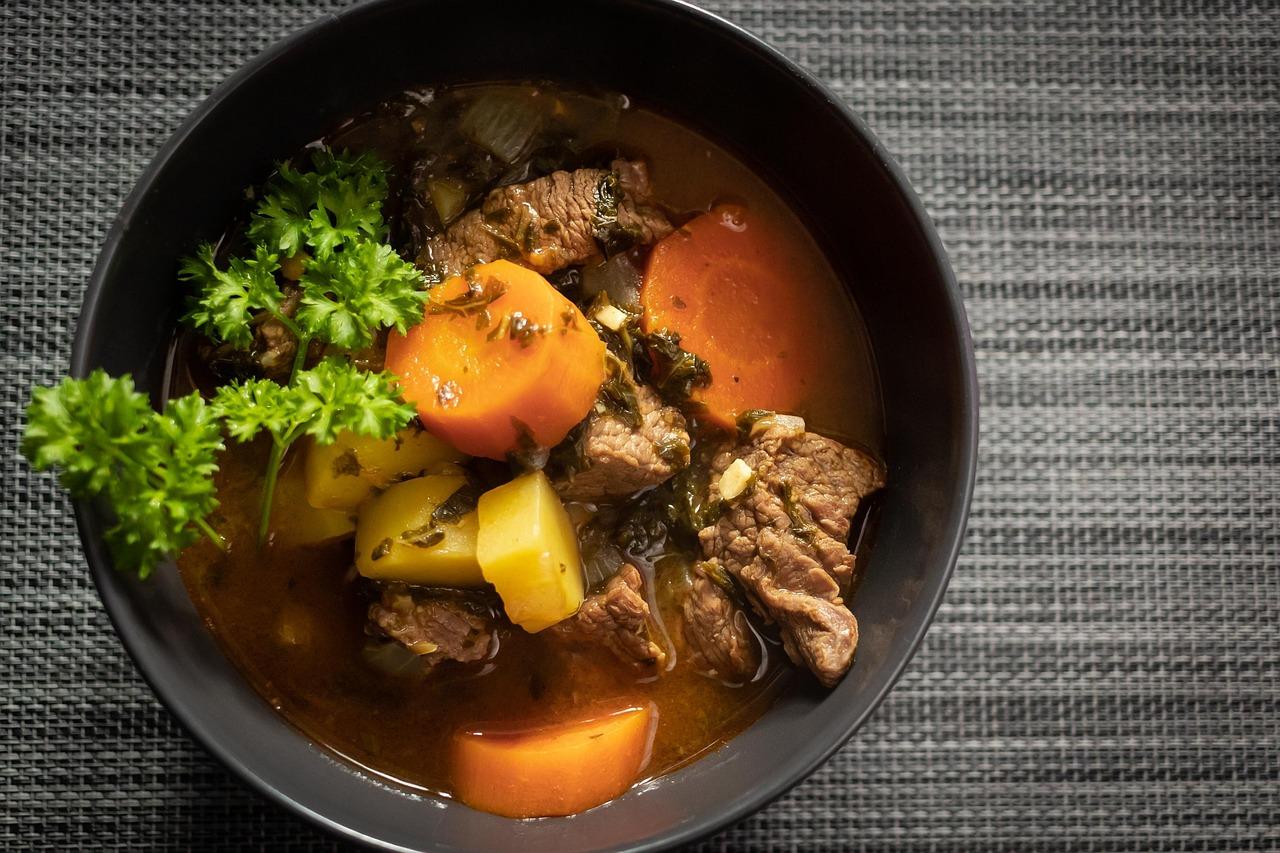
In pubs across Ireland, and in plenty of homes on a wet Sunday, beef stewed in dark stout is the dish that arrives with mash or a slab of brown bread. The stout (it contains alcohol, most of which cooks off but not all) gives the gravy a deep, slightly bitter malt flavour that a spoon of brown sugar balances. For an alcohol-free version use alcohol-free stout, or the same volume of extra beef stock with 1 tablespoon of black treacle. Chef's tip: brown the beef properly in batches; the dark crust on the meat is half the flavour of the gravy.

190 minIrishMeat
by KrazyBadal 0 views

Kotlet schabowy

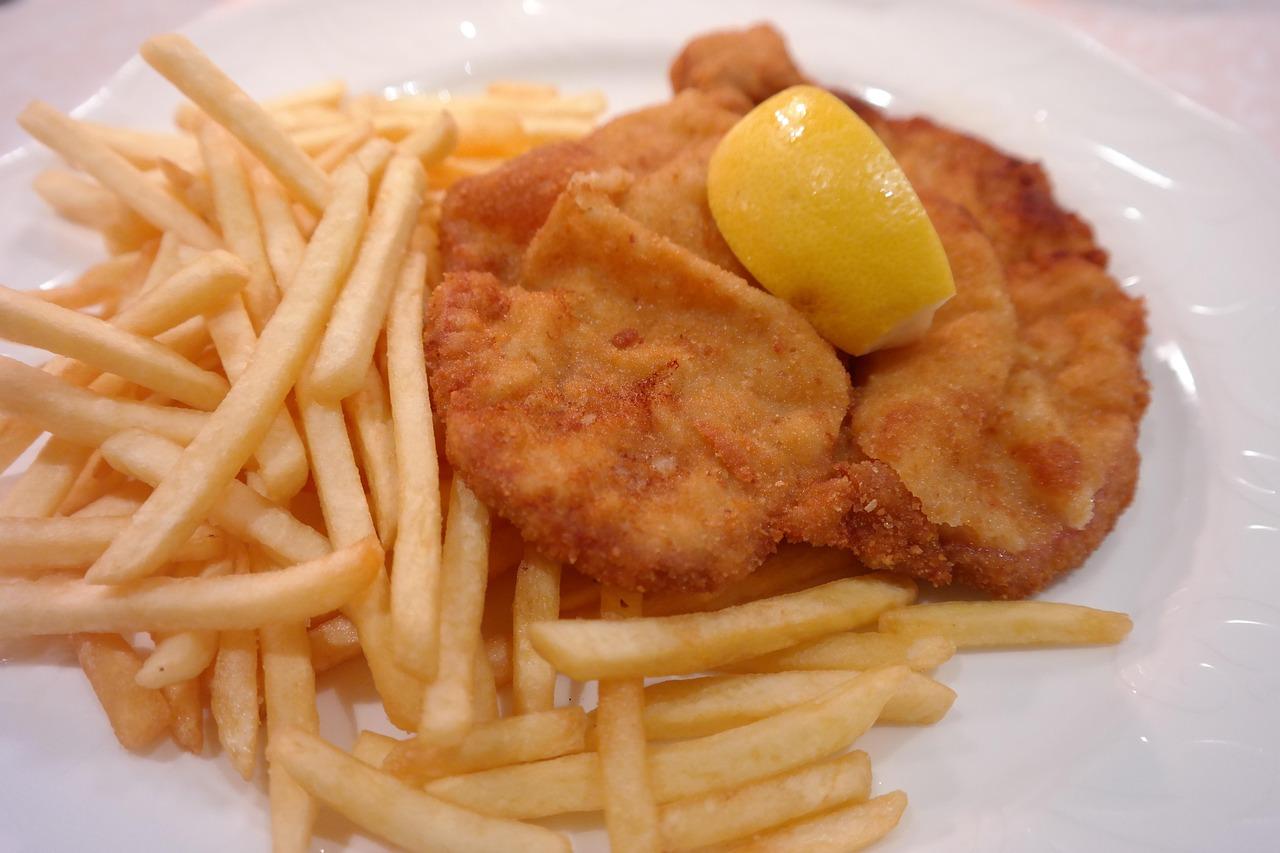
Kotlet schabowy is the Polish Sunday dinner, served in homes and milk bars from Warsaw to Wrocław, usually with buttery dill potatoes and mizeria (cucumber in soured cream) or braised cabbage. It is a pork dish: slices of boneless pork loin are pounded thin, dipped in flour, egg and breadcrumbs and fried in lard or oil until crisp and golden. Chef's tip: pound the meat between sheets of cling film to an even 5 mm; even thickness means the coating browns just as the meat is done.

35 minPolishMeat
by KrazyBadal 0 views

Schwäbischer Kartoffelsalat

Swabian potato salad is nothing like the creamy kind. In Stuttgart and across Baden-Württemberg it is made with waxy potatoes sliced while still warm and soaked in hot stock, vinegar, onion and oil until it turns glossy and slightly 'schlonzig', a local word for that loose, juicy texture. It is eaten lukewarm, never fridge-cold, beside Maultaschen or vegetarian schnitzel, and at every summer garden party. This version uses vegetable stock. Chef's tip: pour the hot dressing over the potatoes while they are still warm; cold potatoes won't drink it in and the salad stays dry.

by KrazyBadal 0 views

Käsespätzle

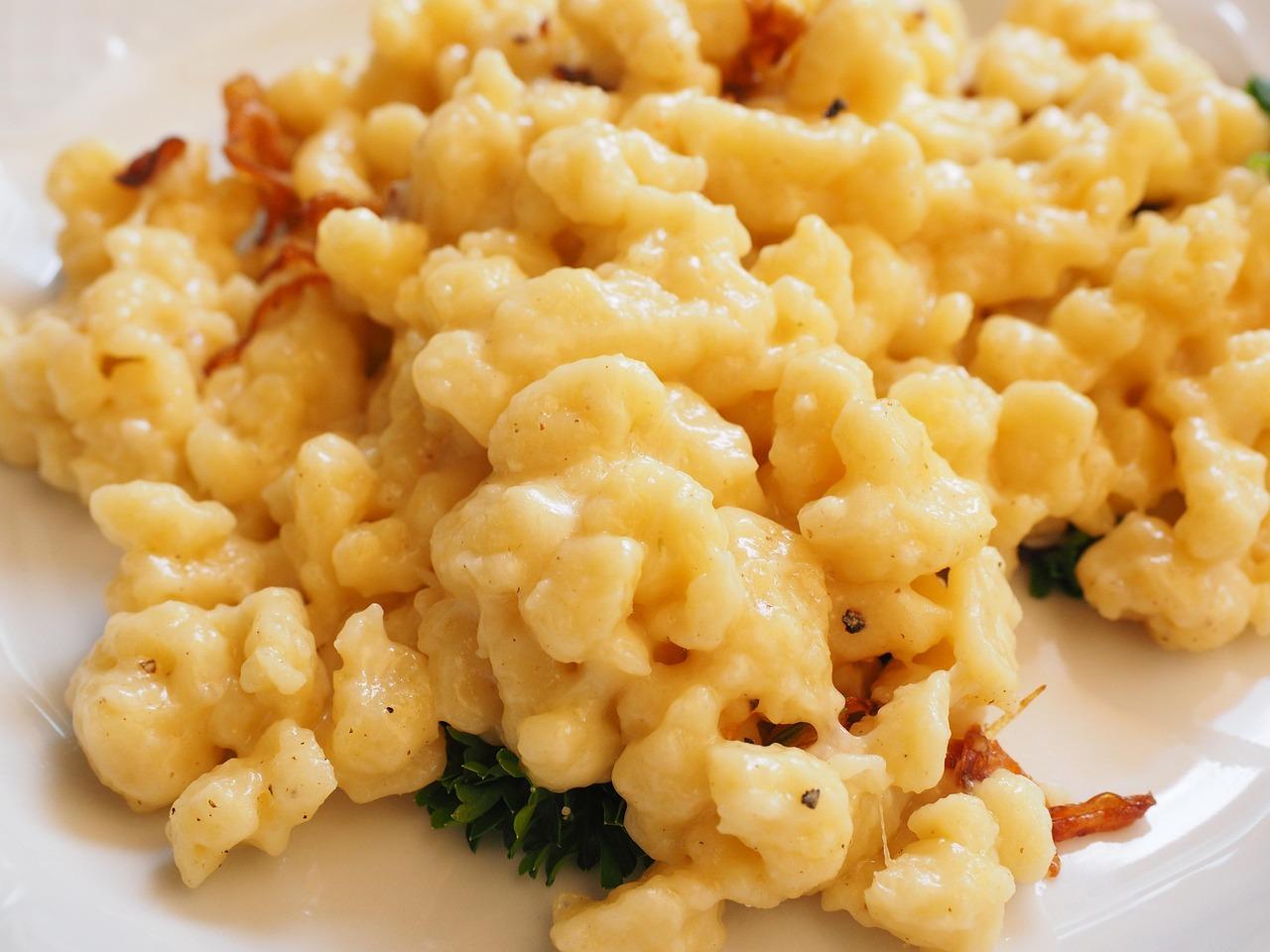
Käsespätzle is the cheese-and-noodle dish of Swabia and the Allgäu in the far south of Germany, served in mountain huts after a day's walking or skiing and in every village inn from Stuttgart to Oberstdorf. Freshly made spätzle, soft, irregular egg noodles, are layered hot with grated Bergkäse or Emmental until the cheese melts into long strings, then crowned with onions fried slowly until brown and sweet. A green salad with a sharp vinegar dressing is the classic partner. Use cheese made with vegetarian rennet; many mountain cheeses use animal rennet, so check the label. Chef's tip: layer the spätzle and cheese while both are piping hot, straight from the pot, so the cheese melts in the gaps instead of sitting on top in a rubbery sheet.

by KrazyBadal 0 views

Sahlab

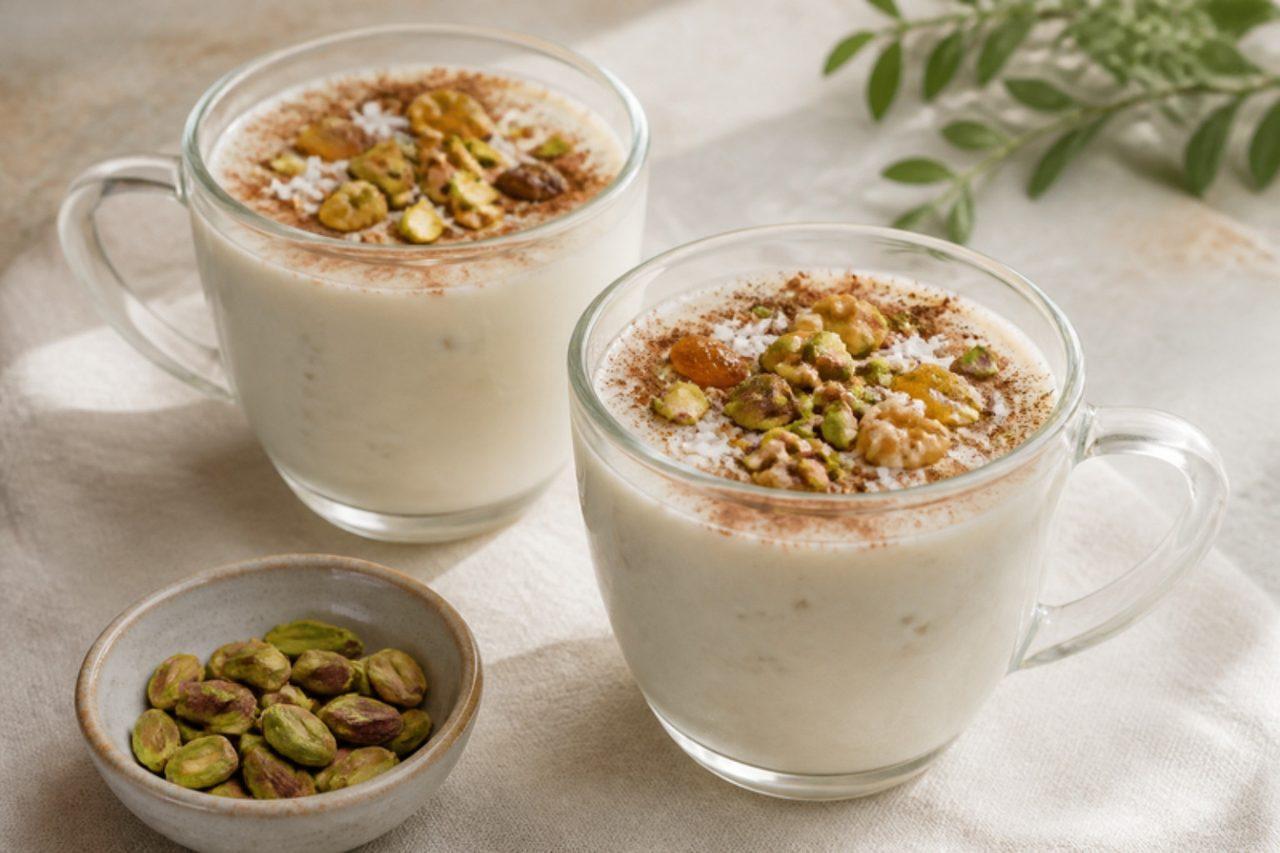
Sahlab is what Cairo drinks on a cold winter evening: a thick, sweet, steaming glass of milk sold in cafés and from street carts, topped with cinnamon, coconut, chopped nuts and a few raisins, and eaten as much with a spoon as drunk. The original thickener is powdered orchid root, which is now rare and protected, so most Egyptian households and many cafés use cornflour or a ready-made sahlab mix instead, as here. Chef's tip: keep whisking from the moment the thickened milk goes in until it boils; stop for a minute and it catches on the bottom of the pan and tastes scorched.

by KrazyBadal 0 views

Qatayef

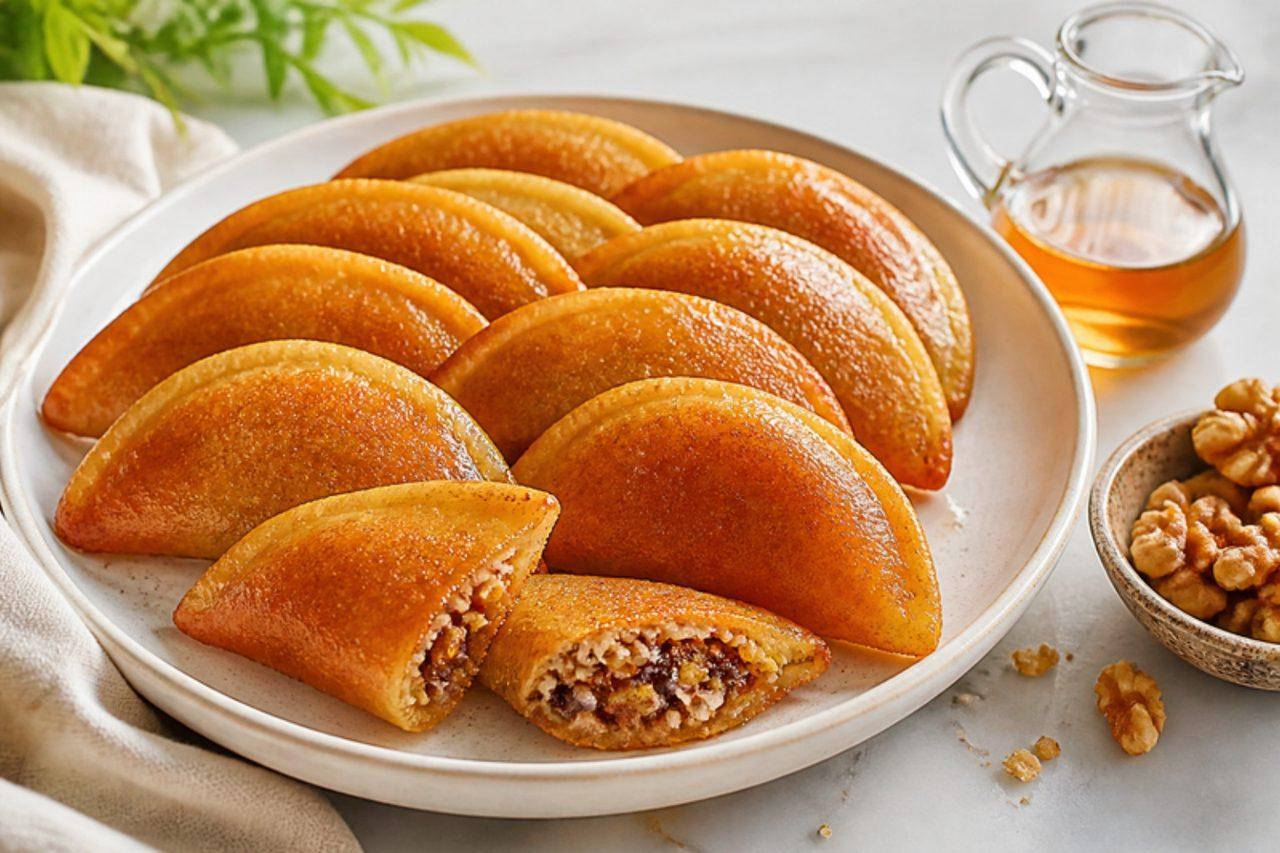
Qatayef only really appear in Egypt during Ramadan: in the weeks of the fast, street vendors in Cairo and Alexandria set up big griddles and pour rows of small pancakes that are cooked on one side only, then sold by the kilo for families to fill at home. The pale, bubbly side is folded around chopped nuts and raisins (or a creamy ashta filling), sealed into half-moons, baked or fried until crisp and dipped in syrup. They are eaten after iftar with tea. Chef's tip: cook the pancakes on one side only and don't flip them; the uncooked top stays sticky and is what glues the edges shut.

by KrazyBadal 0 views

Shabhaley

Tibetan families in Lhasa and across the plateau make these crisp, half-moon or disc-shaped pies for Losar, the Tibetan New Year, and for gatherings with friends; Tibetan cafés in exile communities sell them by the plate too. The name means meat bread, and the filling of minced beef with onion, ginger, coriander and a pinch of Sichuan pepper stays juicy inside a thin, crackly crust. They are hearty, savoury and lightly numbing, never fiery. Serve them hot with a tomato chilli sauce (sepen) and a cup of butter tea or black tea. Chef's tip: keep the oil at 170 °C; hotter and the pastry browns before the meat inside is cooked.

by KrazyBadal 0 views

Roz bel laban

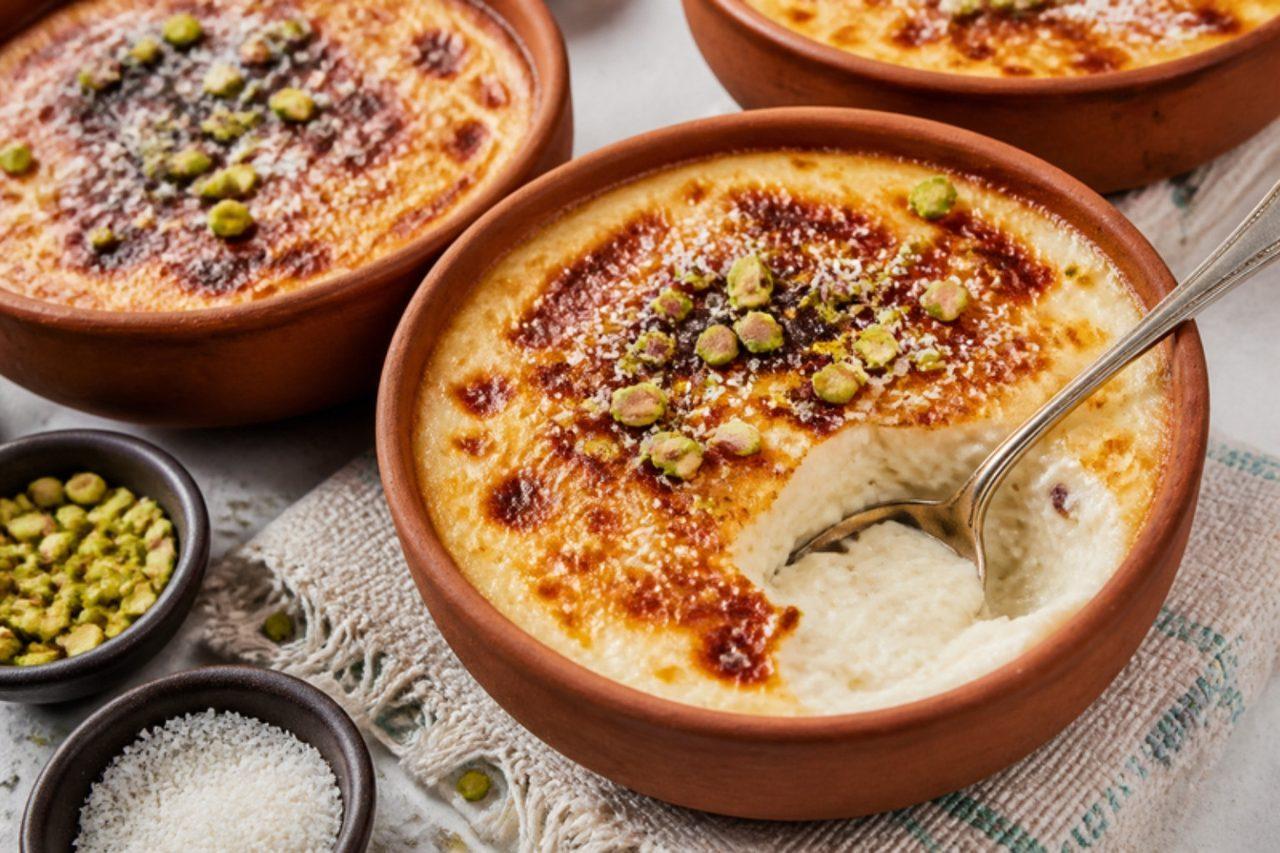
Roz bel laban (rice with milk) is the pudding of Egyptian homes and dessert shops alike, sold in clay pots and little foil cups across Cairo and eaten all year, especially in the evenings of Ramadan. It is made with short Egyptian rice cooked slowly in milk, thickened with a little cornflour so it sets creamy and spoonable, and scented with vanilla or orange blossom water. This is the roz bel laban fel forn version, finished in a very hot oven so the top blisters with brown spots, the way the Cairo dessert shops sell it. Serve it cold, scattered with pistachios or coconut. Chef's tip: stir the cornflour into cold milk before adding it; dropped straight into the hot pot it turns into lumps you can't whisk out.

by KrazyBadal 0 views

Torly

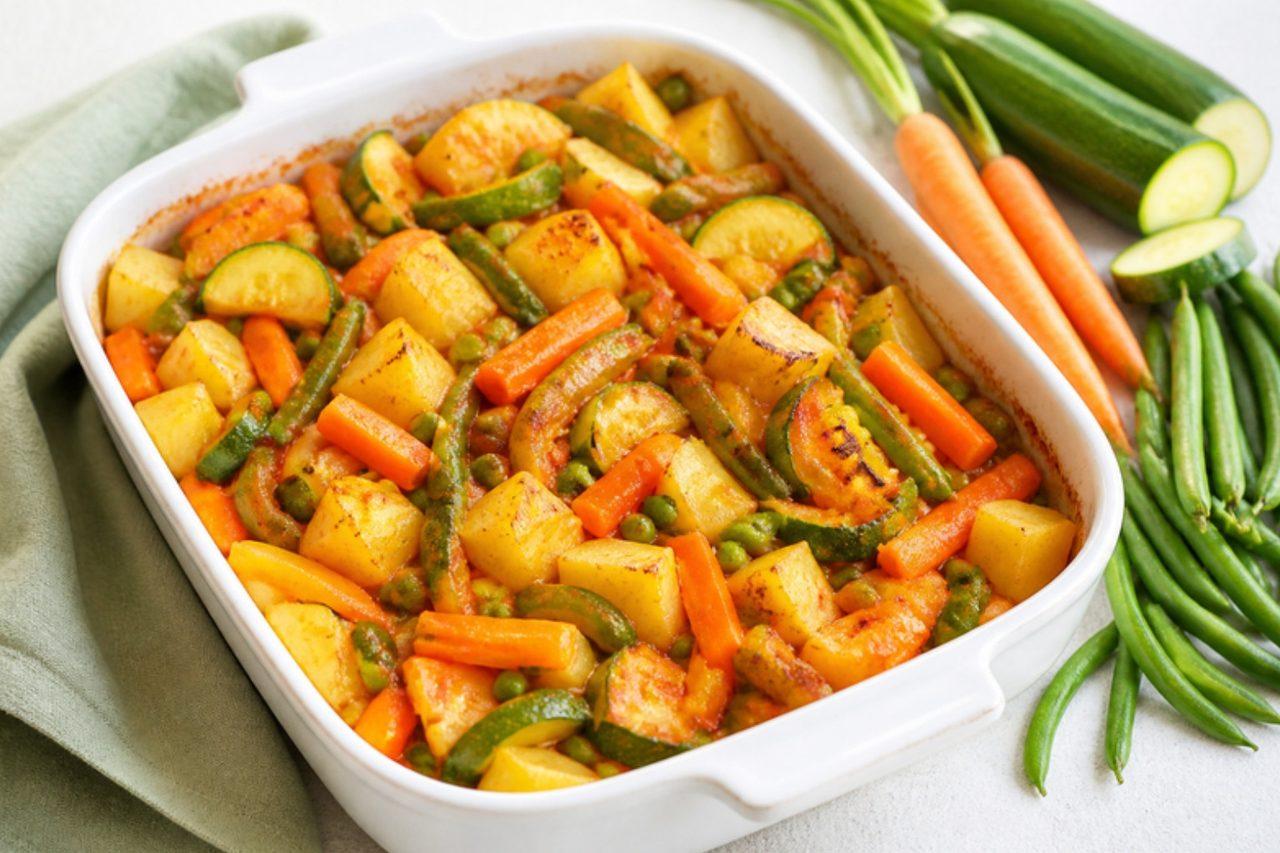
Torly is a tray of mixed vegetables (potatoes, courgettes, carrots, green beans, peas, peppers) baked in a tomato and garlic sauce until soft and slightly caramelised at the edges. The name is Turkish, a reminder of Ottoman times, but it has long been an everyday Egyptian home dish, usually cooked when the summer markets are full of courgettes and served with white rice or vermicelli rice. Many families add meat; this meat-free version is just as common in fasting seasons. Chef's tip: cut the potatoes and carrots smaller than the courgettes, so everything is tender at the same moment.

by KrazyBadal 0 views

Baladi salad

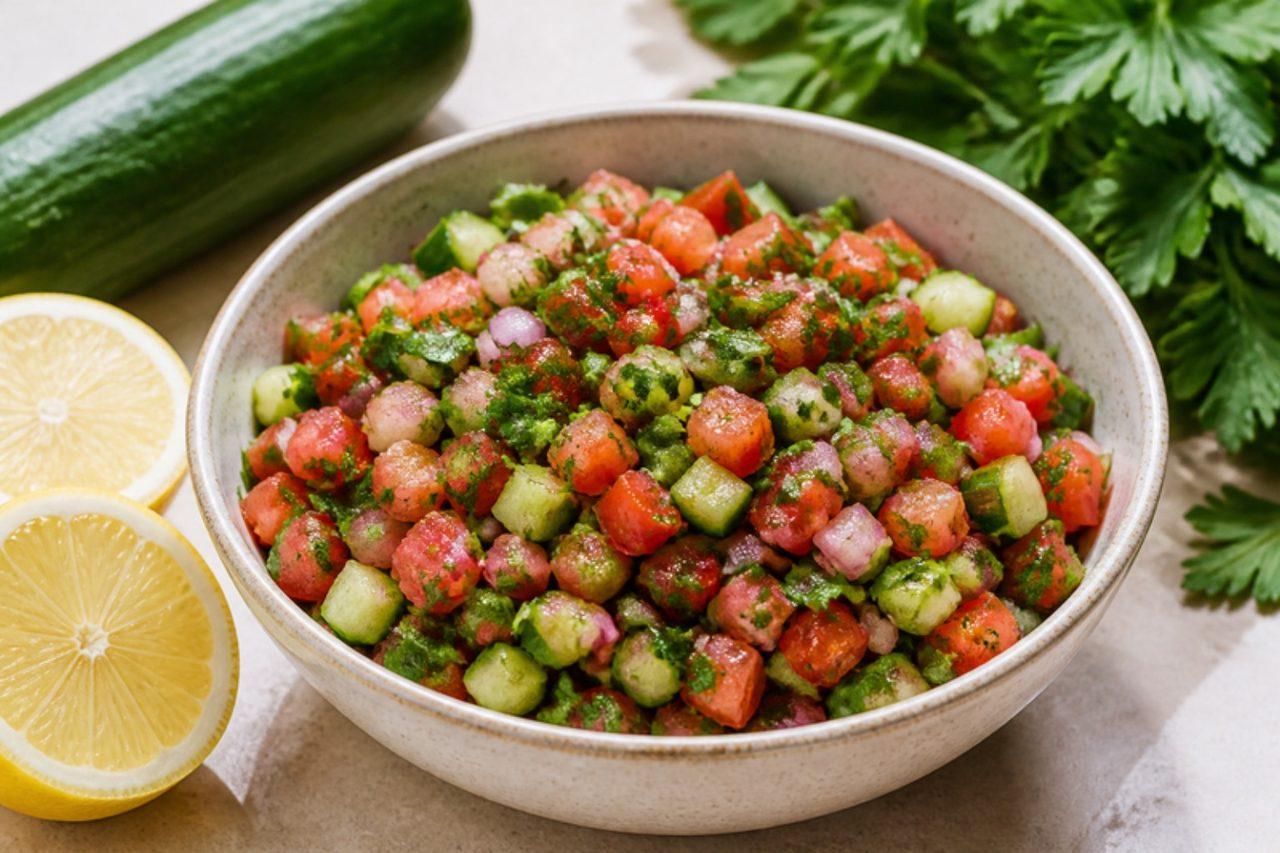
Salata baladi, the 'country salad', is on every Egyptian table, from Cairo koshari shops to Alexandria fish restaurants and home lunches, next to the rice and bread. It is finely diced tomato, cucumber, onion and green chilli, with a little parsley, a big squeeze of lemon and a pinch of cumin that makes it taste Egyptian rather than Levantine. It takes ten minutes and cuts through rich food like molokhia or mahshi. Chef's tip: dice everything small, about the size of a chickpea, so each spoonful carries a bit of everything.

by KrazyBadal 0 views

Spinach Maultaschen

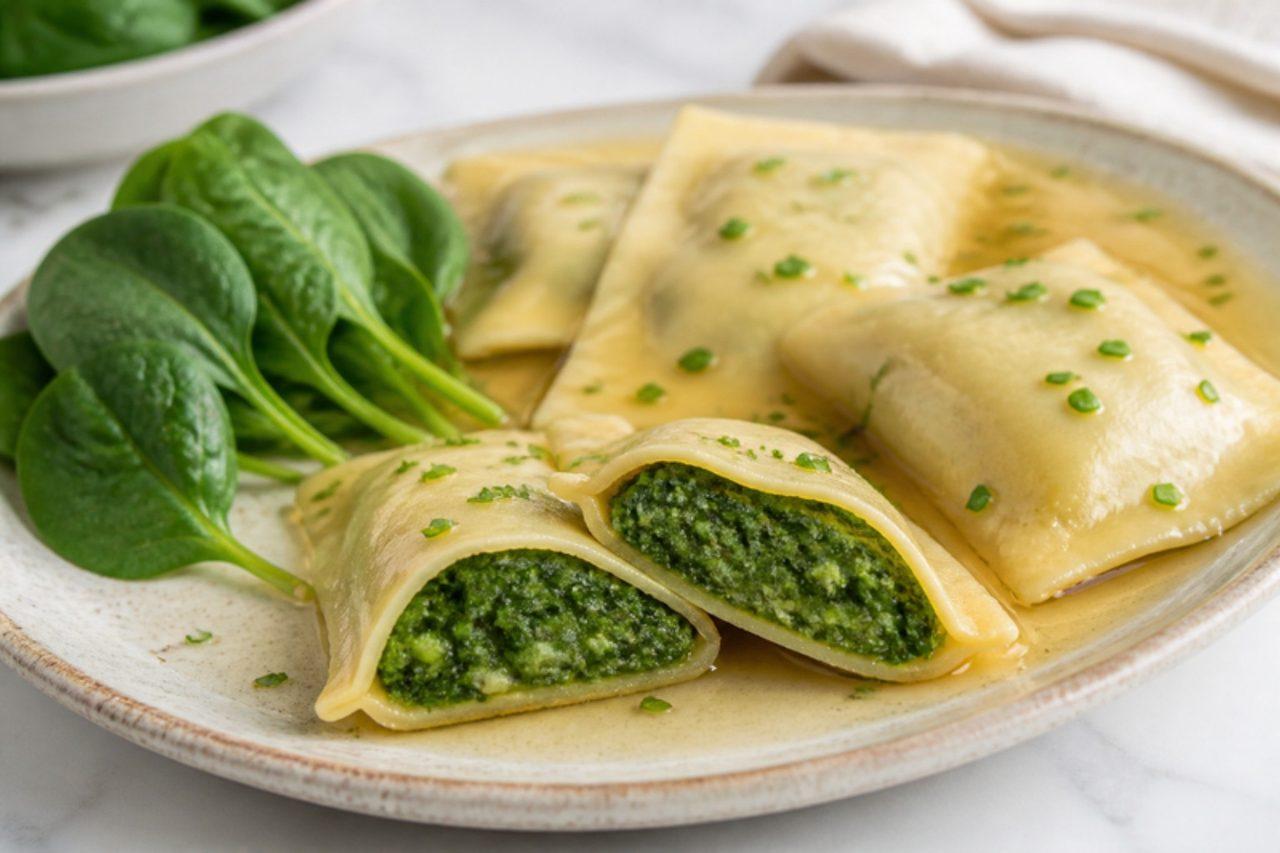
Maultaschen are the big square pasta parcels of Swabia, around Stuttgart and Tübingen, and a dish with its own legend: Swabians jokingly call them 'little God-cheaters', because the dough was said to hide meat from God's eyes during Lent. Meat-free spinach Maultaschen are a long-standing Lenten and Good Friday dish there, filled with spinach, soaked bread, onion, parsley and a little cheese. Eat them in clear vegetable broth, or the next day sliced and fried in butter with onions and egg ('geröstet'). Chef's tip: press every pocket of air out as you seal the dough; trapped air expands in the hot water and splits the parcels open.

by KrazyBadal 0 views

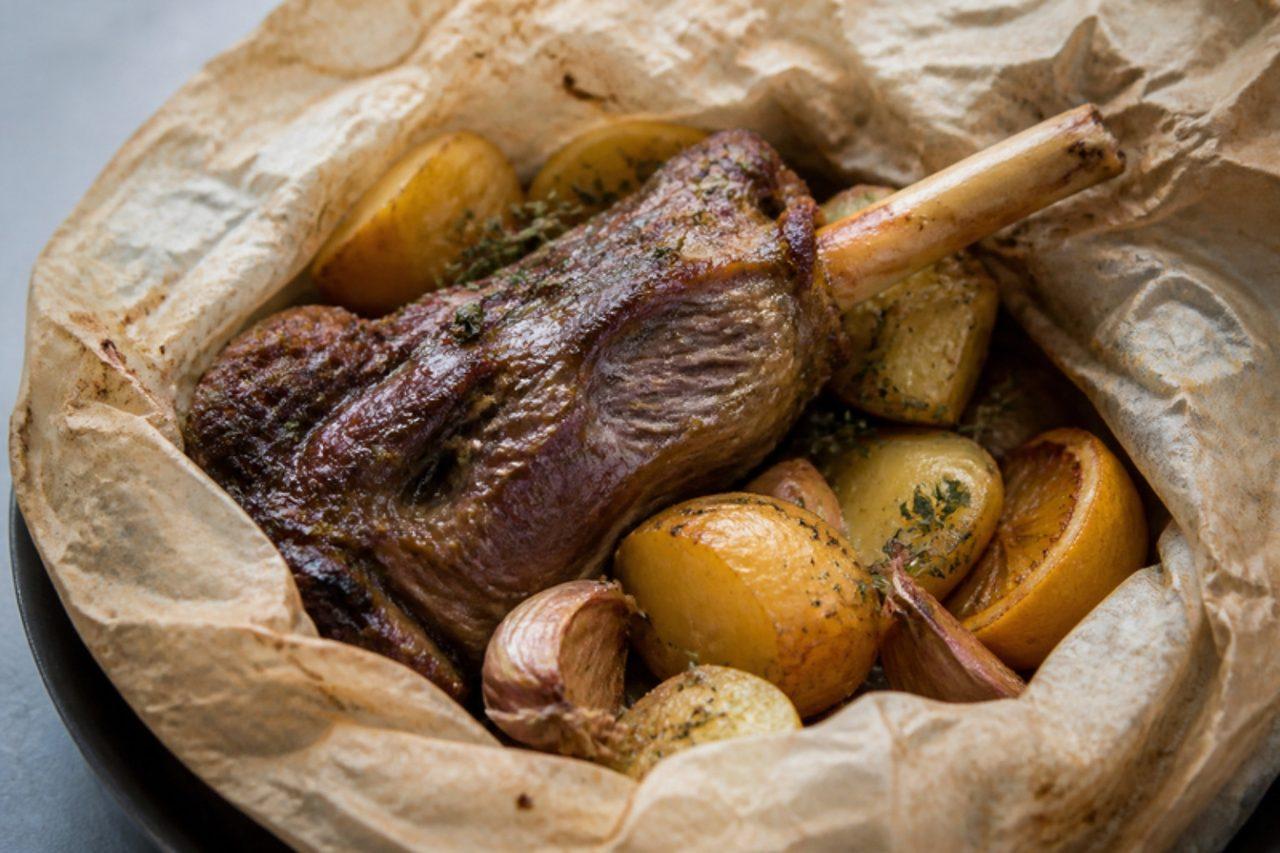
Lamb kleftiko

Kleftiko takes its name from the klephts, mountain fighters of the Peloponnese who were said to cook stolen lamb in sealed pits so no smoke gave them away. Today it is a celebration dish across mainland Greece and Cyprus, baked for Easter week and name days. Lamb on the bone is sealed in parchment with potatoes, garlic, lemon and herbs and baked low for hours, so it steams in its own juices until it falls from the bone. Serve with a village salad and bread. Chef's tip: seal the parcel tightly; if steam escapes, the meat dries and the potatoes never soak up the juices.

235 minGreekMeatGluten free
by KrazyBadal 0 views

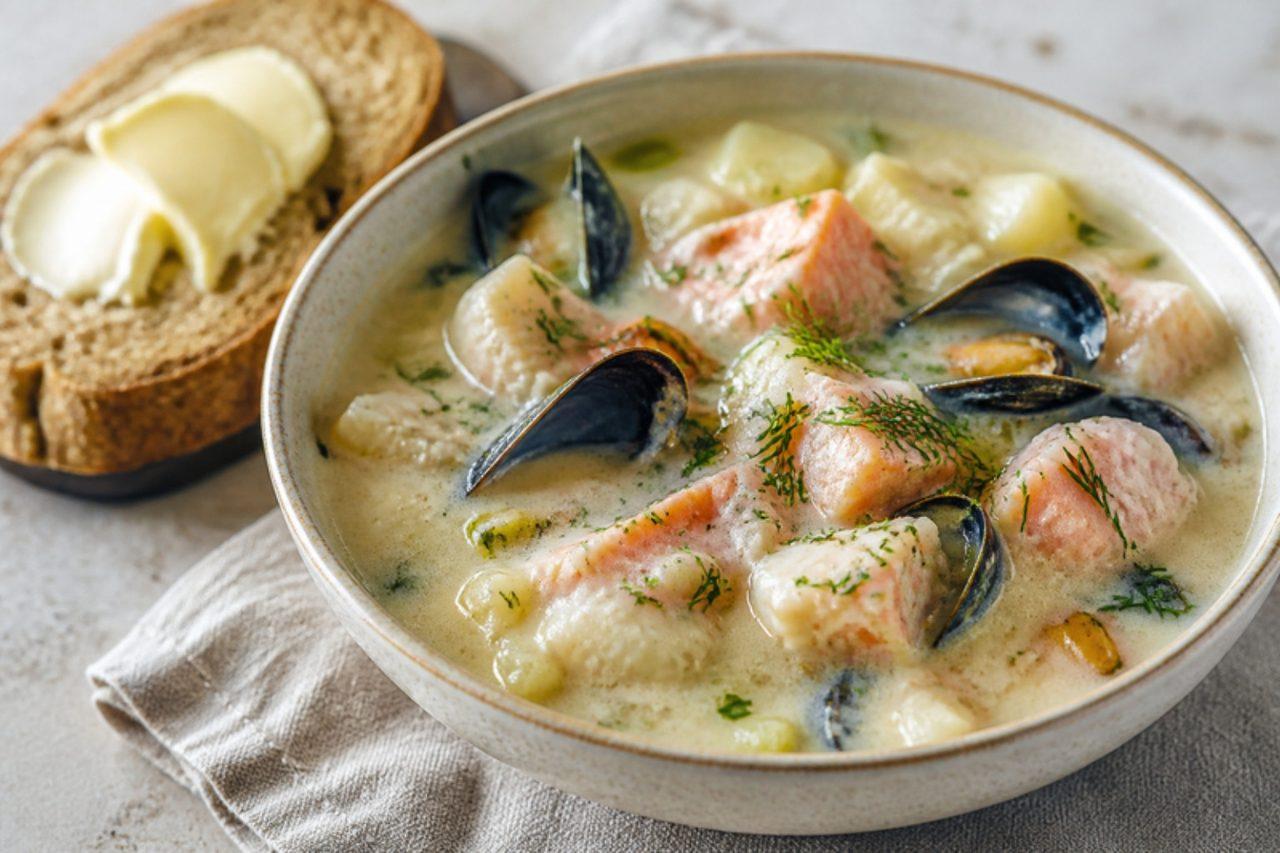
Irish seafood chowder

Along Ireland's west coast, from Galway Bay to the harbours of Kerry and West Cork, nearly every pub kitchen has its own seafood chowder, served with a thick slice of brown bread and butter. It is chunkier and smokier than the American kind: fresh mussels, a piece of smoked haddock or coley, salmon and white fish poached in a creamy base with leek, celery and potato, finished with dill. Chef's tip: add the fish in order of cooking time and take the pot off the heat as soon as it is just done; it keeps cooking in the hot soup.

55 minIrishSoups
by KrazyBadal 0 views

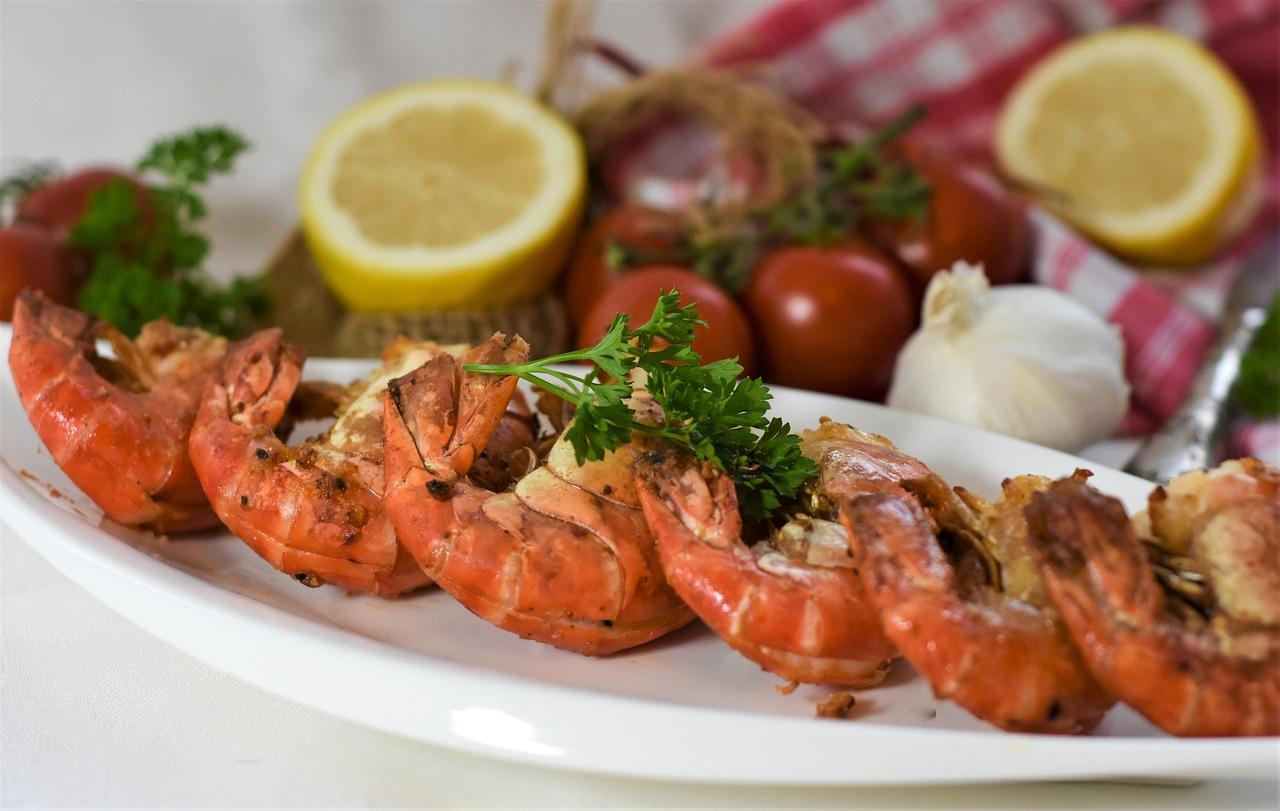
Mozambique peri-peri prawns

Maputo's waterfront restaurants and the beach shacks of Inhambane and Vilanculos are famous for their prawns: big shell-on prawns split down the back, painted with a sauce of piri-piri chilli, garlic, lime and butter and grilled over coals until the shells blister. You eat them with your fingers, sucking the sauce off the shells, with bread or chips. The mistake is overcooking, which turns them rubbery; they need only 2–3 minutes a side. Chef's tip: split the prawns through the shell and remove the dark vein, so the sauce gets right into the flesh.

by KrazyBadal 0 views

Showing 36 of 4,484 recipes

Show more recipes

Page 285 of 499