


Skip to content
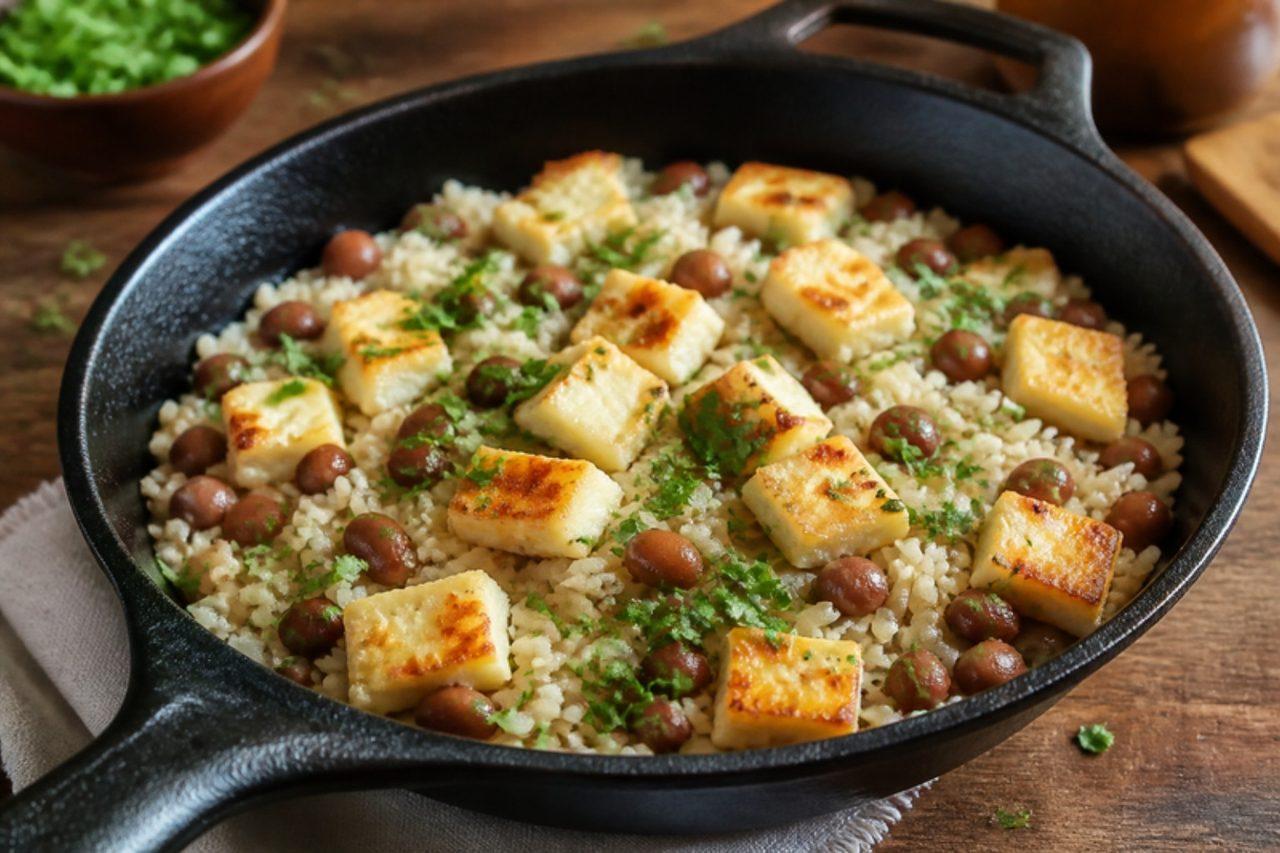
Baião de dois
Featured recipe

Baião de dois

Rice and beans with cheese

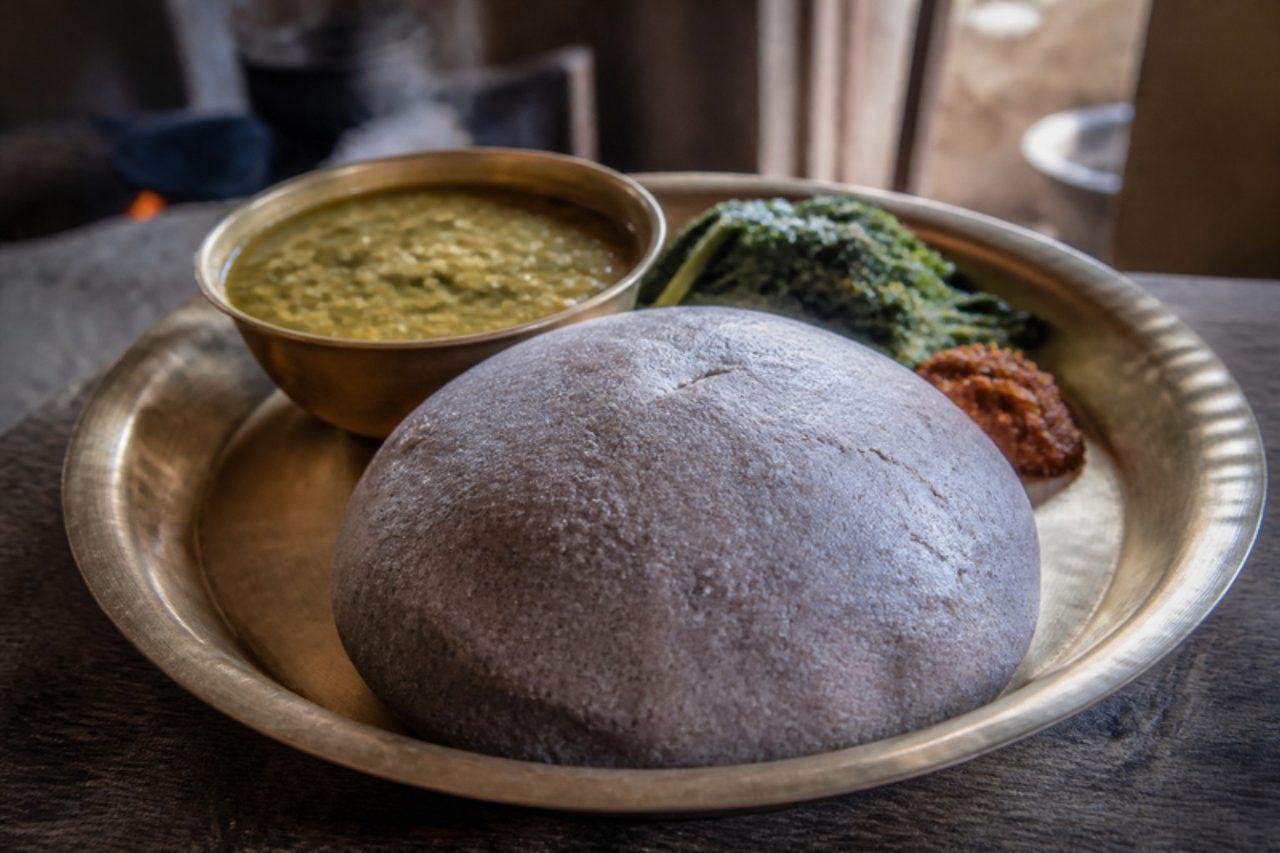
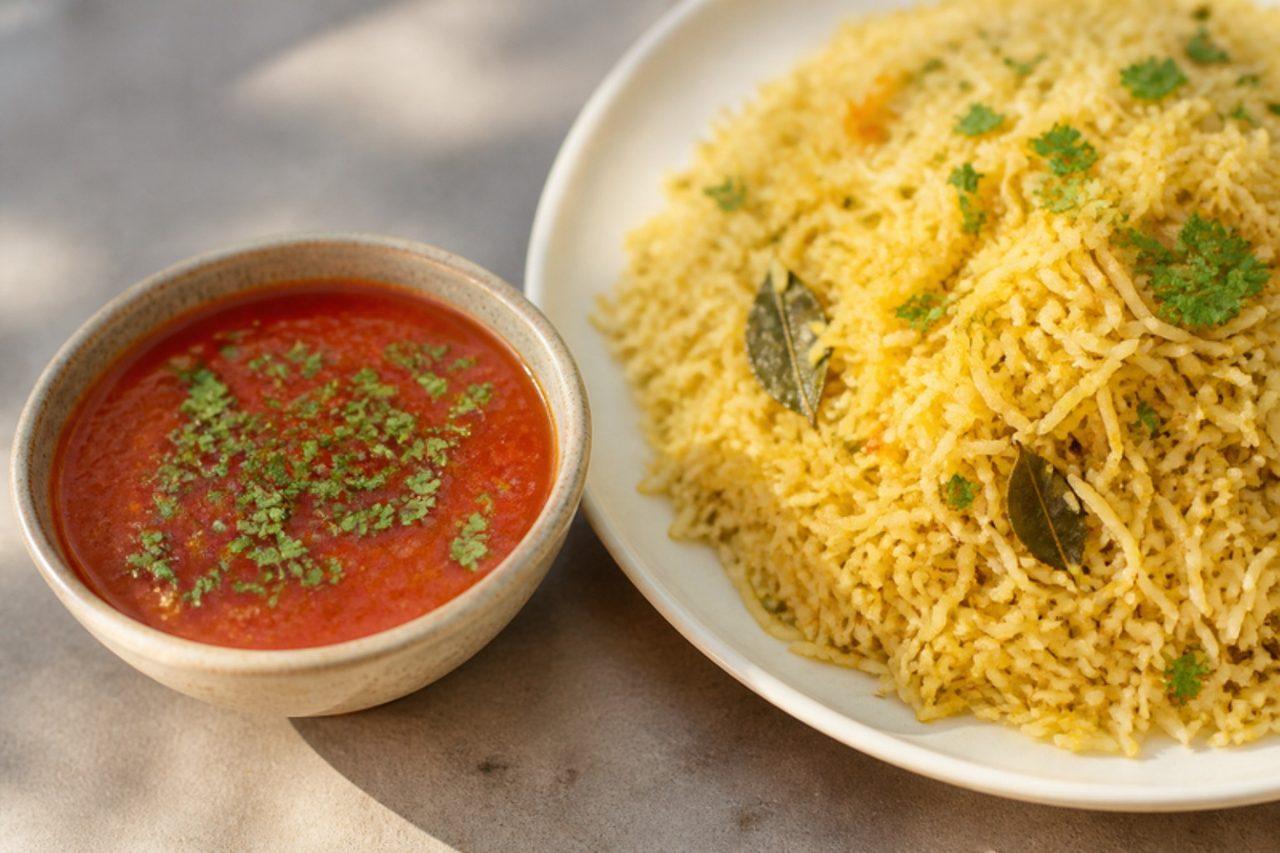
Baião de dois ('a dance for two') is the pride of Ceará and the Northeast sertão: rice cooked in the broth of feijão-de-corda (a small cowpea; black-eyed peas are the closest match), then folded with cubes of squeaky queijo coalho until they just start to melt. It's usually made with dried beef and bacon; this version keeps the smoky note with paprika and finishes with nutty clarified butter (manteiga de garrafa). It's a one-pot meal on its own, or great with vinagrete. Chef's tip: cook the rice in the bean cooking water, not fresh water. That's what gives baião its brownish colour and deep bean flavour.

Read more 0 views

What to eat today?

Around the world

Today's trip: Paraguayan

A new country every day, from every cuisine on the site.

Paraguayan

Chipa

Cheese bread rings 50 minMore from Paraguayan (27) →

This week's collection

Kid-friendly dinners
537 recipes · a new collection every Monday

Latest recipes

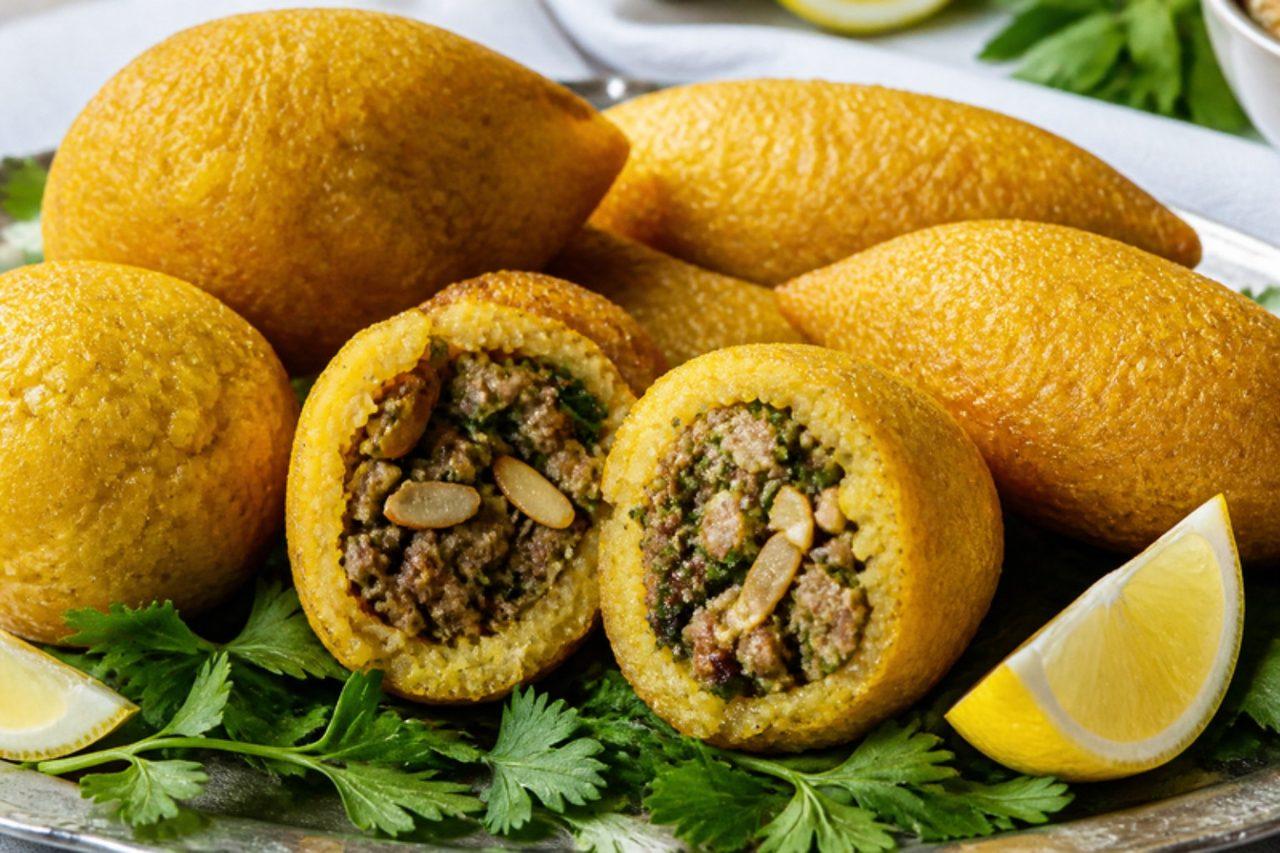
Kubbat halabBeef-stuffed rice dough torpedoes

Kubbat halab, named after Aleppo but beloved of Baghdadi Jews, are golden torpedoes of turmeric rice dough wrapped around minced beef with parsley, almonds and raisins, and in Ramat Gan and Or Yehuda they are fried by the tray for weddings, Shabbat lunch and the Iraqi kiosks around the market. The shell is made from soaked, pounded rice rather than bulgur, so it is gluten free with a thin, crunchy crust and a soft inside. Eat them hot with amba and a chopped salad. The classic error is a shell too thick or with cracks, which either stays doughy or bursts in the oil; wet your hands and seal every seam. Chef's tip: cook the rice very soft and knead it while warm; cold rice will not bind.

by KrazyBadal 0 views

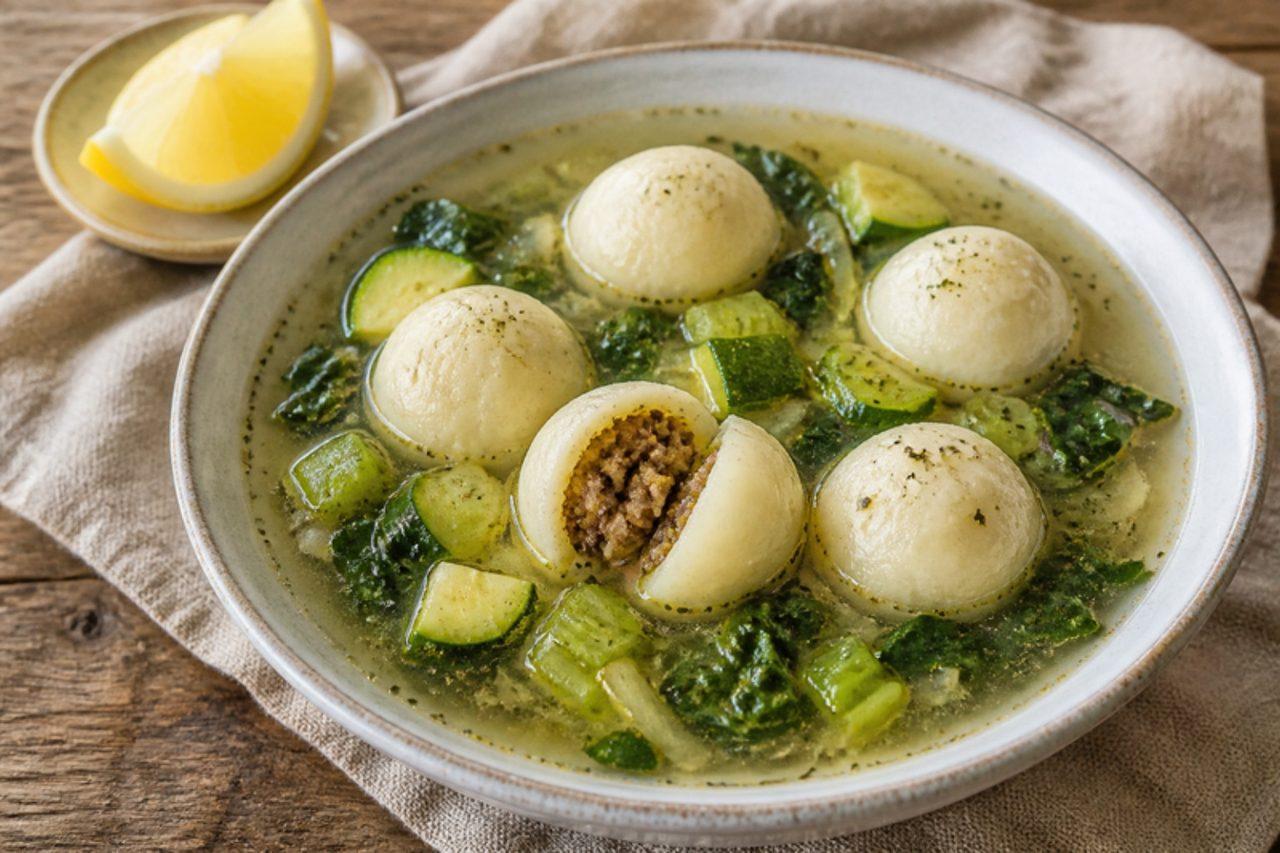
Kubbeh hamustaSour lemon soup with dumplings

In Jerusalem's Mahane Yehuda market, small kubbeh restaurants ladle out kubbeh hamusta at lunchtime, a bright yellow-green soup of chard, courgette and celery soured with plenty of lemon, carrying semolina dumplings stuffed with spiced beef. It came with Kurdish and Iraqi Jews and is cooked at home on Thursdays and Fridays, often in a big pot that lasts until Shabbat. The broth is sharp, garlicky and light, the dumplings chewy outside and juicy within. Thick semolina shells are the most common mistake; press them thin so they cook through in the soup. Chef's tip: add the lemon in two goes, half at the start and half at the end, so the soup keeps a fresh sour edge.

120 minIsraeliSoups
by KrazyBadal 0 views

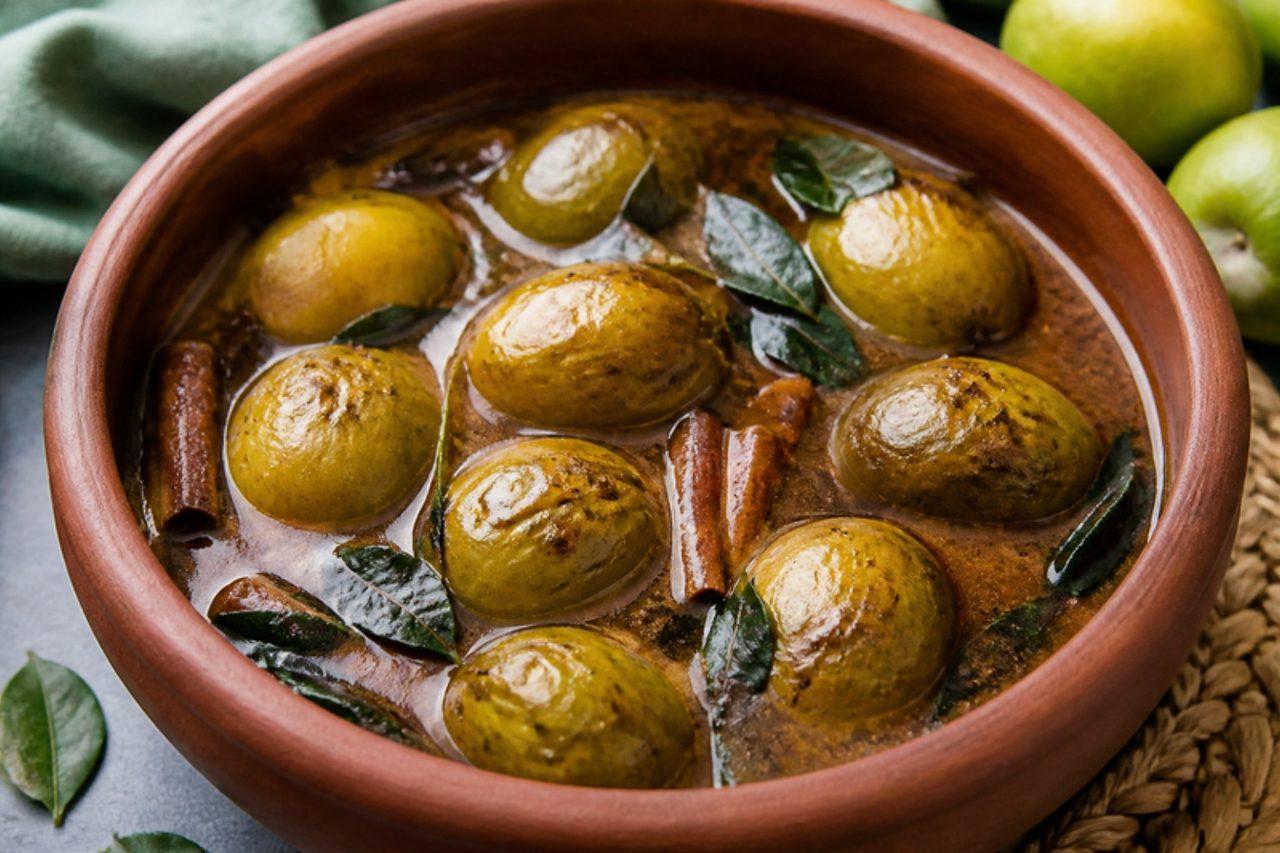
Ambarella curryJune plum curry

Ambarella trees, heavy with green, plum-sized fruit, shade countless gardens around Galle, and when the crop comes in, cooks turn the sour, crunchy fruit into this sweet-sour curry for Sunday lunch and family gatherings. The fruits are scored and cooked whole with roasted curry powder, garlic, cinnamon and cloves, then sweetened with sugar and finished in coconut milk, until the flesh softens and drinks in the dark, glossy gravy. Its tangy, fruity flavour cuts through richer dishes, and it is served in small portions with rice alongside a dhal and a meat or fish curry. Each fruit hides a spiky, fibrous stone, so warn guests to nibble around it. Leaving the skins whole and unscored is where many go wrong, because the spices never get in; make several deep cuts in each fruit. Frozen ambarella is sold in Sri Lankan shops; firm green mango is the nearest stand-in. Chef's tip: let the curry rest for an hour before serving, as the fruit keeps soaking up flavour.

by KrazyBadal 0 views

Kalu dodolRice flour and jaggery sweet

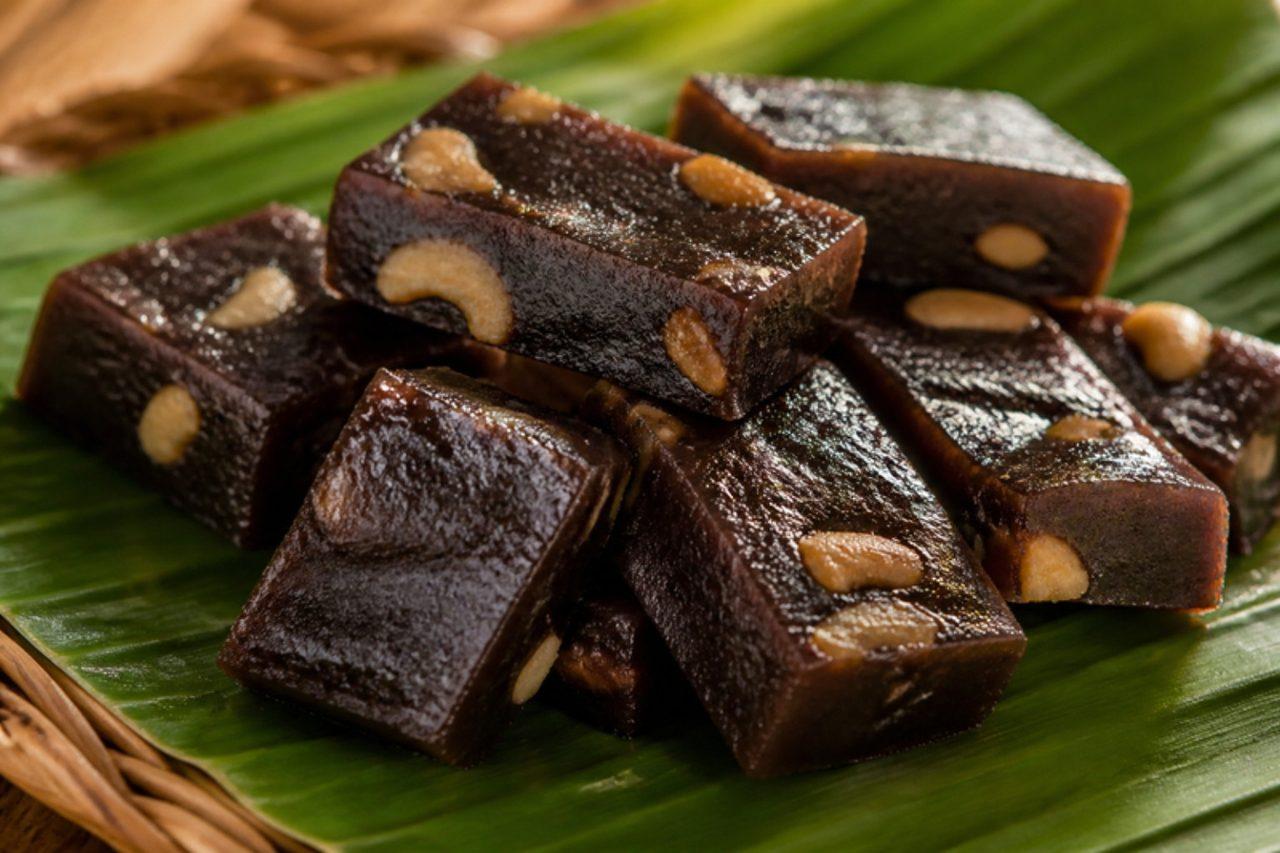
Hambantota and Kalutara both claim the best kalu dodol, and roadside shops in each town sell long, black, glistening slabs wrapped in paper, bought by travellers as gifts for the family back home. The sweet is a test of stamina: coconut milk is cooked down until its oil separates, then rice flour and kithul jaggery are stirred in and the mixture is worked over the heat for two to three hours until it turns dark, glossy and stiff, with cashews and cardamom added at the end. It sets into a chewy, fudgy sweet with a deep caramel and coconut flavour, and is served in thin slices during Avurudu and at weddings. Giving up too early is the one mistake everyone makes once; undercooked dodol stays sticky and grey instead of firm and almost black. Chef's tip: use the widest heavy pan you have and a long wooden spoon, and keep stirring the same direction, scraping the base, so nothing catches.

by KrazyBadal 0 views

KalkanFried turbot steaks

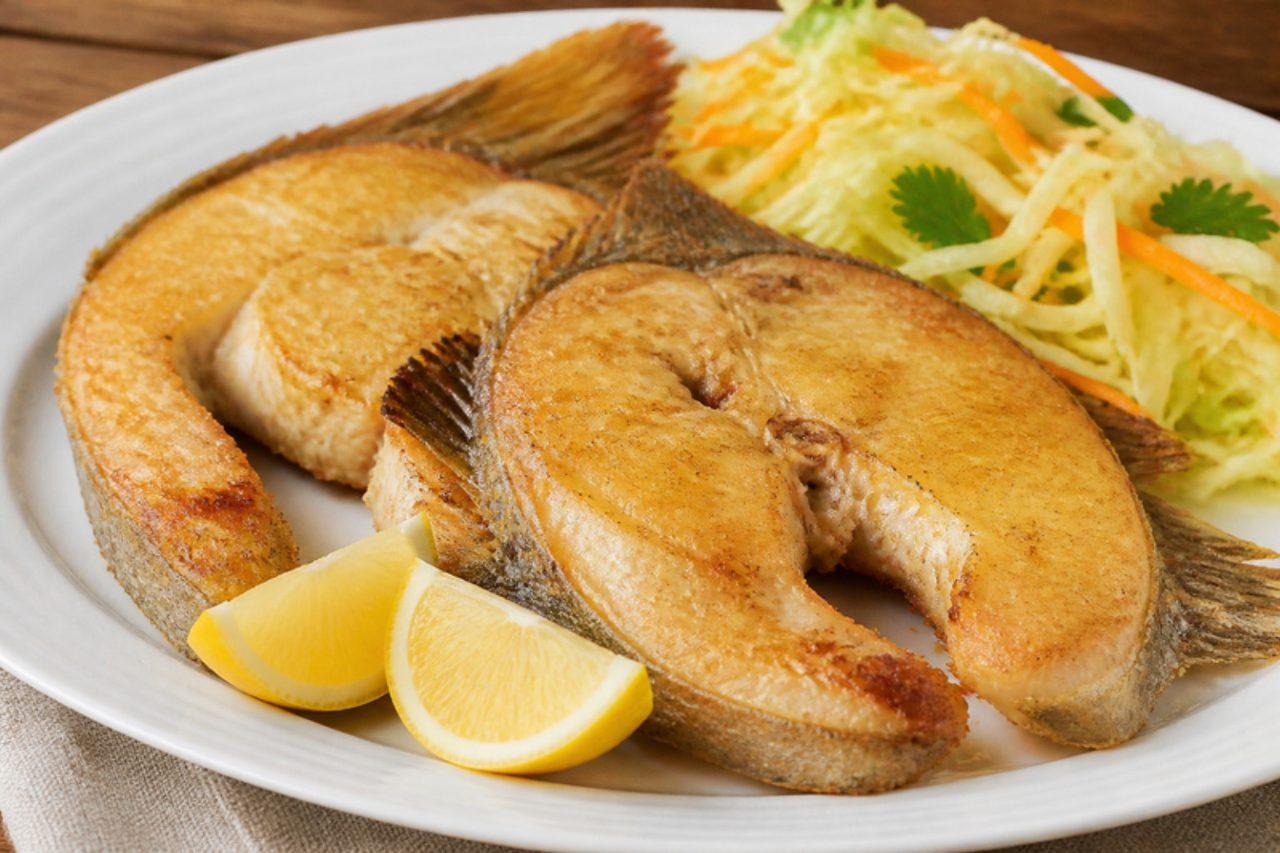
Turbot season on the Bulgarian Black Sea is short and strictly controlled, so in spring locals in Burgas and Balchik queue at the fish market for kalkan, the flat, diamond-shaped fish with firm, sweet white flesh. Seaside restaurants cut it across the bone into thick steaks, dust them with flour and fry them in sunflower oil until the skin is crisp and the flesh pearly, then serve them simply with lemon and a crunchy salad of shredded cabbage and carrot dressed with vinegar. Brill or halibut steaks work the same way if turbot is out of reach. A common mistake is turning the fish too soon, which tears the crust; leave it until it releases from the pan by itself. Chef's tip: score the dark skin twice so the steaks stay flat and cook evenly.

by KrazyBadal 0 views

DaudoHand-cut noodle soup with mutton

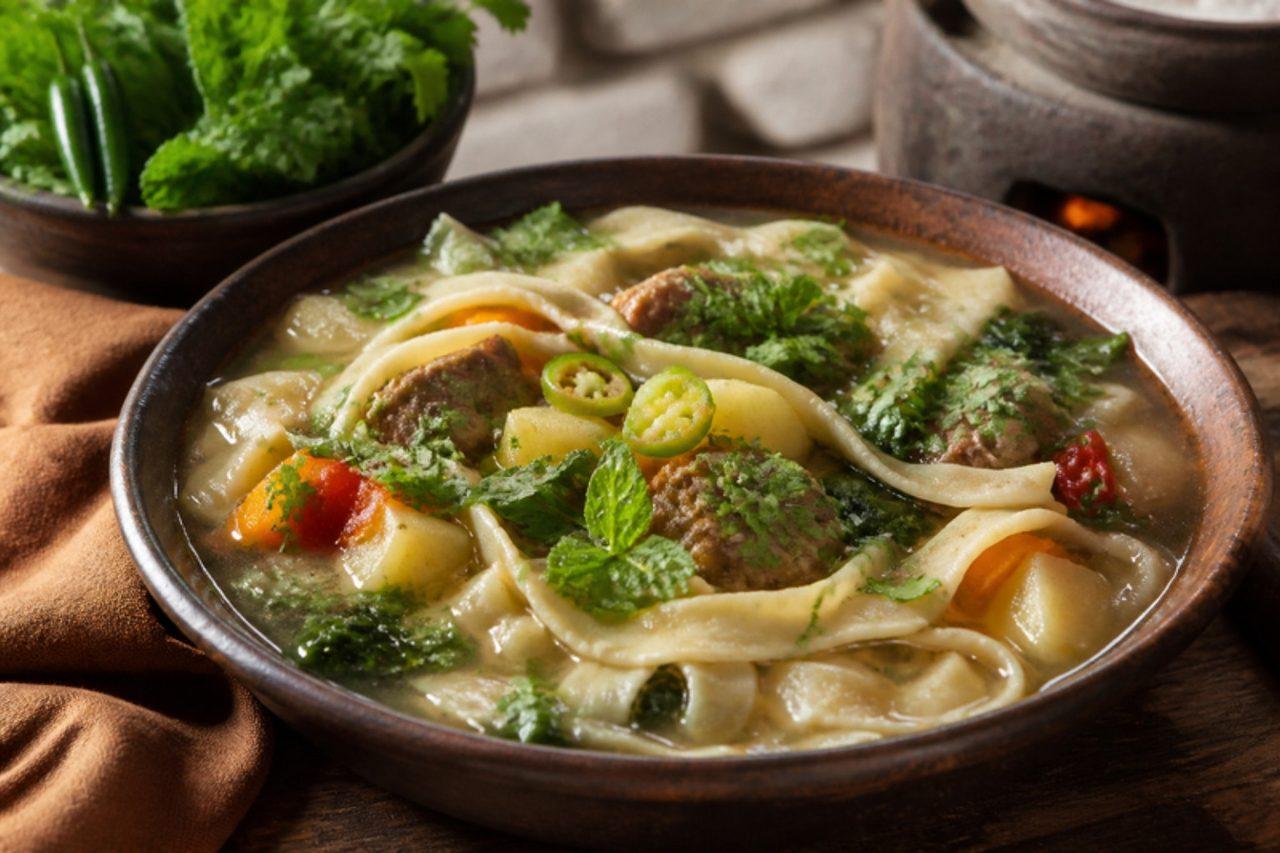
Once snow closes the passes into Hunza and the apricot trees are bare, families gather around a pot of daudo: a mutton broth thick with short, hand-rolled wheat noodles, potatoes, carrots, spinach and plenty of fresh coriander and mint. It is everyday mountain food, eaten for supper from deep bowls and passed to anyone who comes in from the cold, sometimes with a spoonful of local apricot-kernel oil on top. The noodles are rough and chewy, the broth peppery and green with herbs. Adding the noodles too early leaves them swollen and the soup gluey, so keep them for the last few minutes. Chef's tip: for a vegetarian version, simmer the vegetables in a good vegetable stock and add a handful of chickpeas instead of the mutton.

by KrazyBadal 0 views

Kalo jeera bhortaNigella seed mash

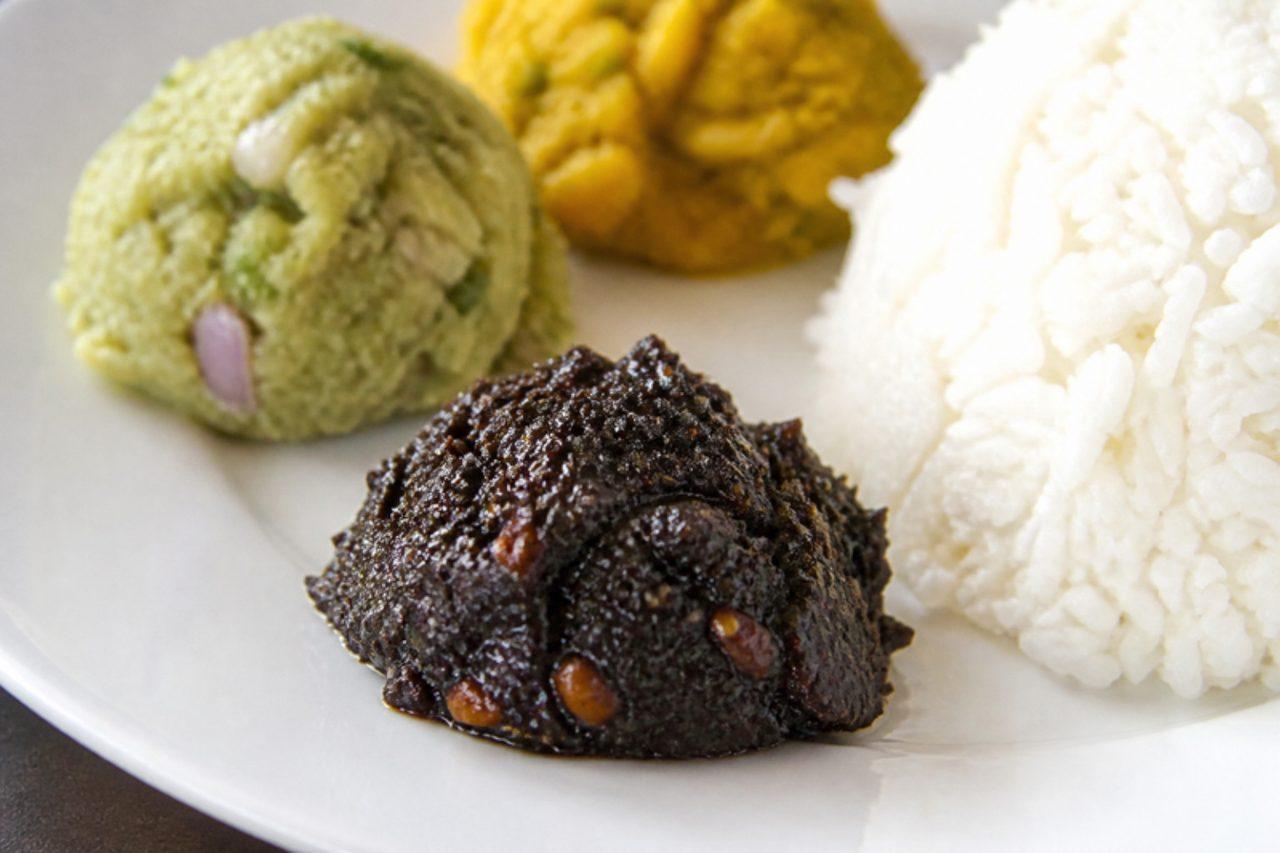
A bhorta lunch spread in a Bangladeshi home always has one tiny, dark mound that people eat a pinch at a time, and that is kalo jeera bhorta. Nigella seeds are toasted until fragrant, then ground on the shil-pata, the stone slab and roller, with garlic, roasted dried chilli, onion and mustard oil into a coarse, almost black paste that is nutty, bitter and fiery all at once. Grandmothers serve it in winter, believing it wards off colds, and a little is mixed into the first handful of hot rice before moving on to fish or dal. Burnt seeds make it acrid, so the trap is toasting over too high a heat; stop as soon as they smell toasty and start to pop. Chef's tip: grind the seeds alone first, then add the garlic and oil, for a smoother paste in a small grinder.

by KrazyBadal 0 views

AmandineChocolate sponge cakes

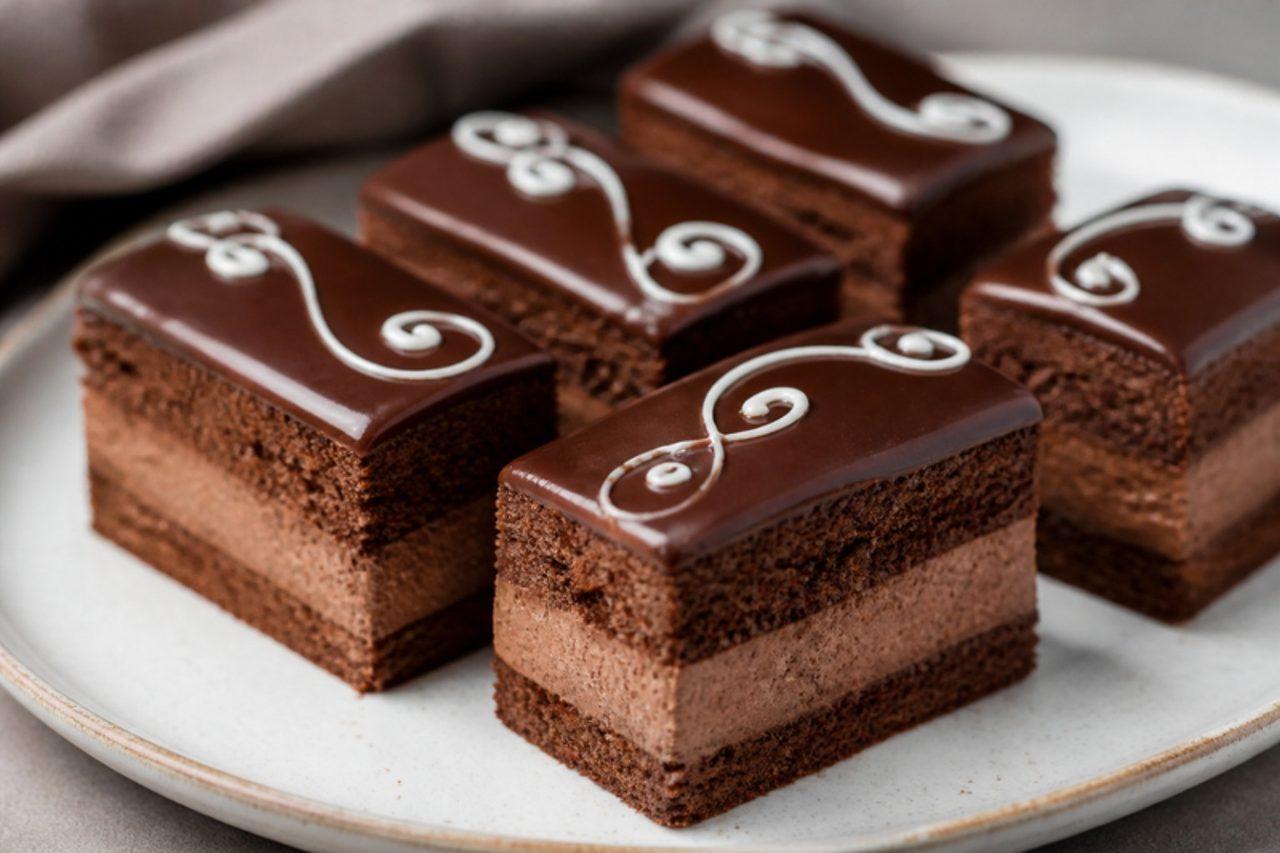
Every Bucharest cofetărie keeps a tray of amandine in the glass case, neat dark oblongs that generations of schoolchildren have bought with their pocket money. Despite the almond-sounding name there are no almonds in them: a cocoa sponge is split, soaked with a cocoa syrup, sandwiched with a rich chocolate custard buttercream and coated in a shiny ganache. Bakeries traditionally add rum to the syrup; this version is alcohol-free and uses vanilla and orange zest instead, though you can add 2 tablespoons of rum if you like. A common mistake is soaking the sponge while the syrup is still hot, which turns it to mush; both should be cool. Chef's tip: chill the filled cake until really firm before glazing and cutting, and wipe the knife hot between each cut for clean edges.

by KrazyBadal 0 views

Bahamian cracked conchBattered fried conch

Cracked conch is the Bahamas' answer to fish and chips, served at Potter's Cay dock stalls in Nassau and family restaurants across the Out Islands: conch steaks pounded ("cracked") thin, soaked in lime, dipped in a peppery batter and fried crisp, with chips, peas 'n' rice or coleslaw. Done properly the inside is tender and sweet like calamari. The common mistake is not pounding enough, which leaves the conch chewy; it should be thin and almost lacy. Buy cleaned conch from a trusted fishmonger and discard any that smells strongly. Chef's tip: let the battered pieces rest on a rack for 5 minutes before frying so the coating sticks and stays crisp.

by KrazyBadal 0 views

Bahamian guava duffSteamed guava roll

Guava duff is the Bahamas' best-loved dessert, served at Junkanoo season, Sunday dinners and Nassau restaurants alike: a soft dough spread with sweet stewed guava, rolled up, wrapped in cloth or foil and steamed until tender, then sliced and drowned in a warm butter sauce. Traditionally the sauce has rum in it, which is only lightly cooked, so the rum version is for adults only; the vanilla sauce below makes it alcohol-free for everyone. The most common mistake is rolling the duff too tight, which stops it rising; leave room in the wrapping for it to swell. Chef's tip: sieve the guava pulp to remove the hard seeds, and keep the thick paste for the filling.

by KrazyBadal 0 views

Espageti ayisyenSpaghetti with hot dogs

In Haiti, spaghetti is a breakfast food, and Saturday mornings in many homes start with a big pan of espageti: thin pasta tossed with sliced hot dogs fried in epis, tomato paste and a little hot pepper, often eaten with a boiled egg or a slice of avocado. It is quick, salty, savoury and loved by children. The mistake to avoid is boiling the pasta fully, then frying; it turns mushy, so cook it just short of done. Fry the hot dogs until piping hot all through (71 °C), as with any sausage. Chef's tip: save a cup of the pasta water; a splash of it turns the tomato and epis into a glossy coating.

by KrazyBadal 0 views

Bahamian stew fishGrouper in roux gravy

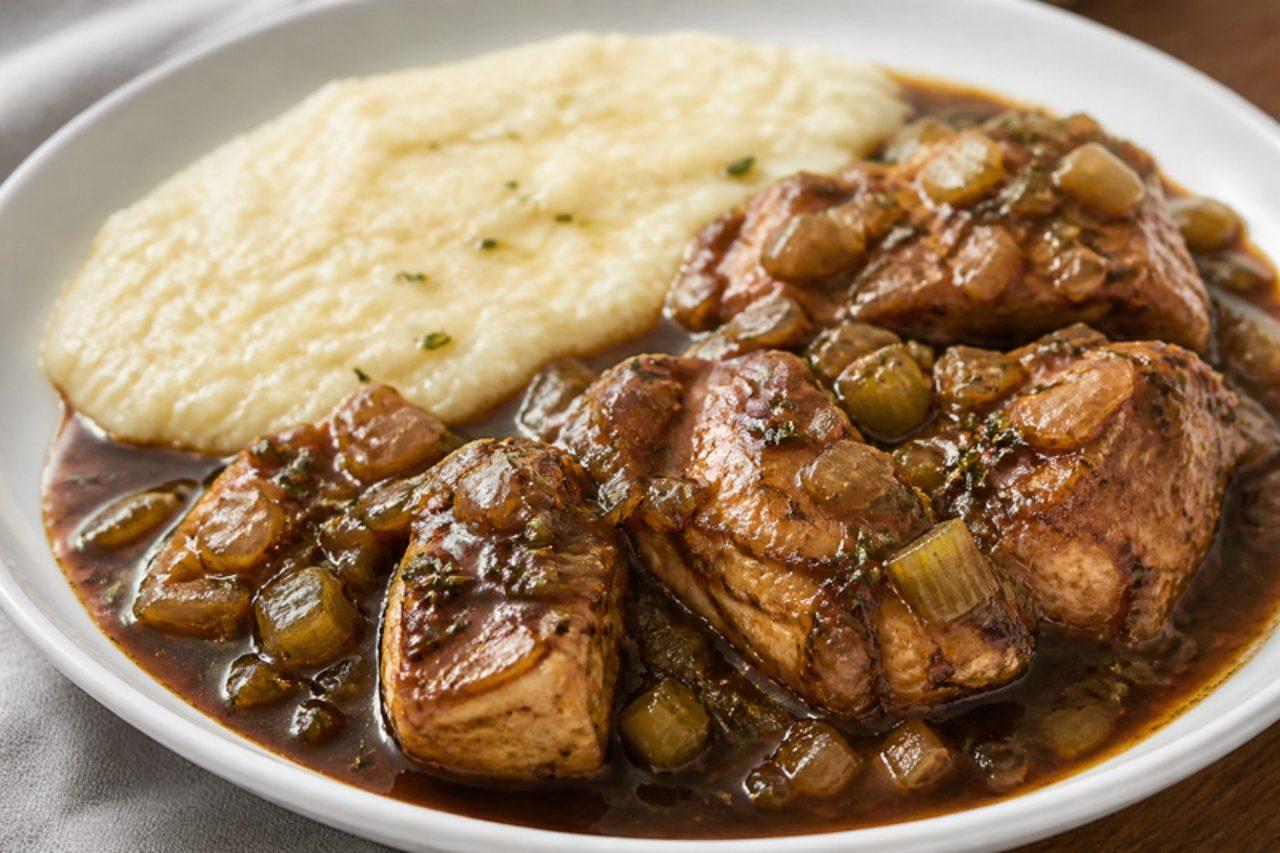
Bahamian stew fish is old-fashioned Sunday breakfast in Nassau and the Family Islands: firm fish such as grouper or snapper simmered in a dark brown gravy built on a flour-and-oil roux, with onion, celery, tomato and thyme, served over grits or with johnnycake. The flavour is deep, savoury and a little smoky from the browned flour. The usual mistake is a pale roux; cook the flour slowly until it is the colour of milk chocolate, but don't let it burn. Ask for thick fish steaks or fillets. Chef's tip: stir the roux with a flat wooden spatula so you can scrape every corner and keep it browning evenly.

by KrazyBadal 0 views

Amala ko acharGooseberry pickle

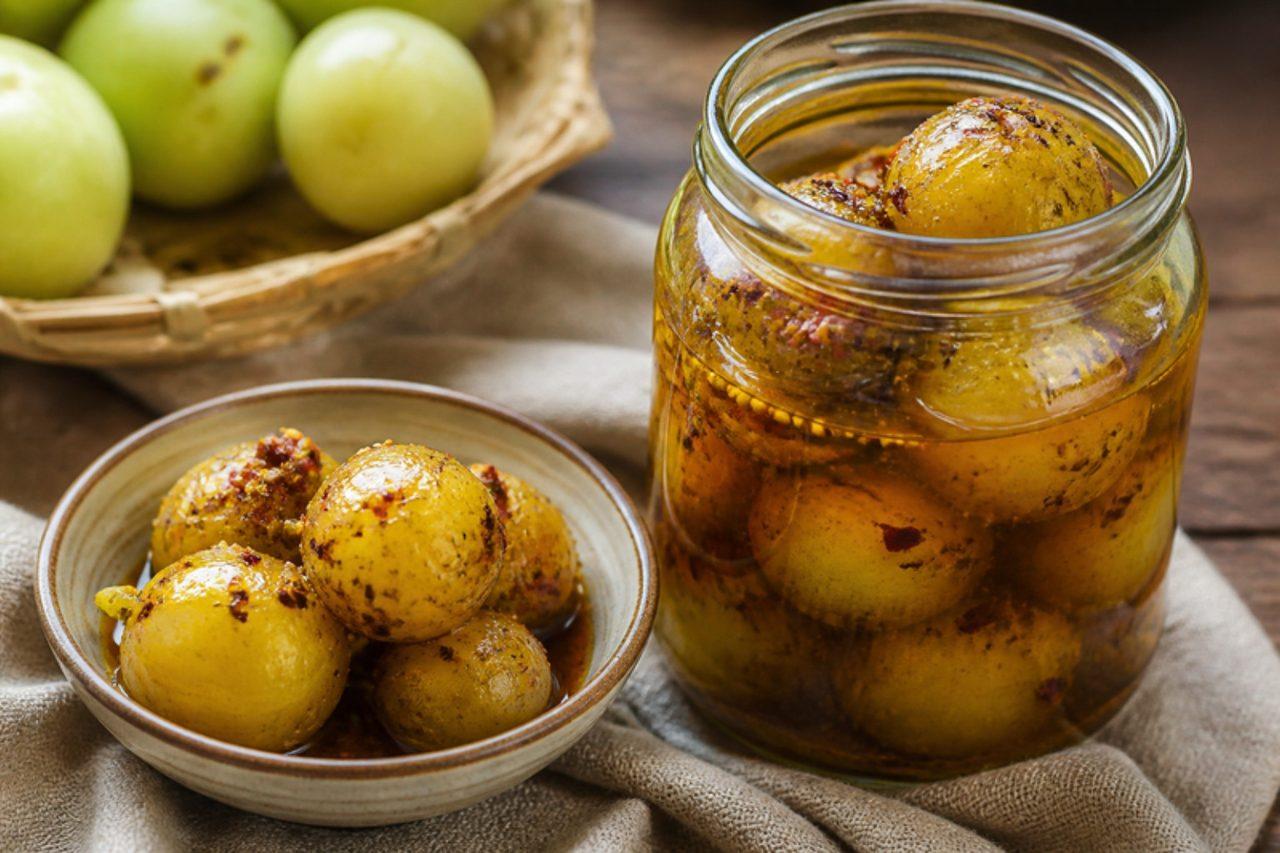
Amala trees grow wild across the Chure hills and the lower valleys of Nepal, and in winter the hard, translucent green gooseberries are piled high in vegetable markets in Kathmandu, Hetauda and Butwal, prized as a source of vitamin C during the cold months. Steamed until they split into neat segments, then mixed with chilli, turmeric, fenugreek and hot mustard oil, they make a pickle that is crunchy, astringent, sour and spicy all at once, with a lingering sweetness that comes up after each bite. A spoonful goes alongside dal bhat or with a plain bowl of rice porridge when someone is unwell. The trap to avoid is steaming the berries too long, which turns them mushy and dull. Chef's tip: stop as soon as the first cracks appear on the skins; the segments should pull off the stone easily but still have a firm bite.

by KrazyBadal 0 views

Ful nabitSprouted fava bean soup

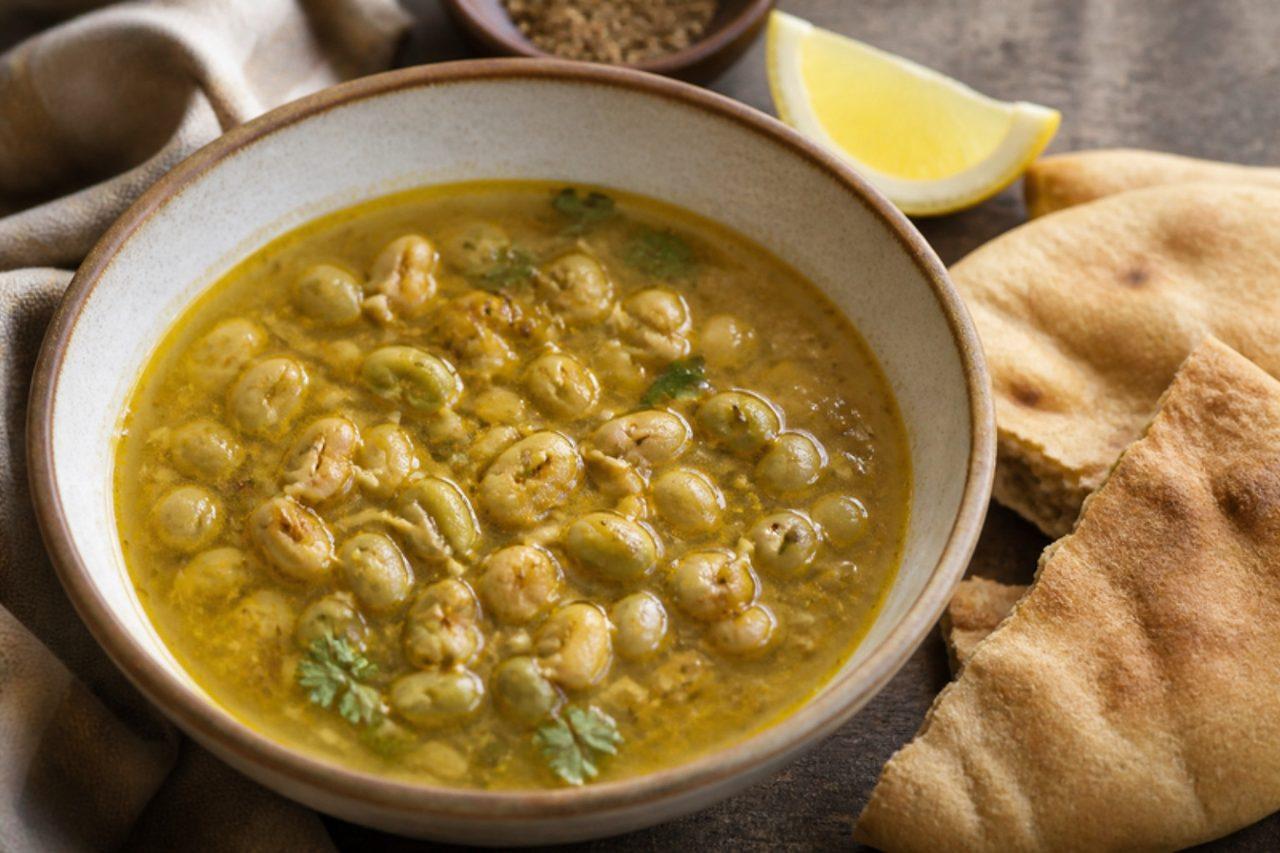
Sprouted beans are ladled out with their cooking liquor in Cairo homes when the weather turns cold or someone is feeling run down, and Egyptians swear by the broth as a pick-me-up. The beans are soaked and left to sprout for a few days, then simmered with onion, garlic and cumin into a light, earthy soup that is sharpened at the table with plenty of lemon. You can eat the beans with a spoon or pop them from their skins. Allow 3 to 4 days for sprouting, although the hands-on work is only about 20 minutes. People with G6PD deficiency (favism) must not eat fava beans. Chef's tip: stop the sprouting when the shoots are about 1 cm long; longer sprouts taste grassy and bitter.

by KrazyBadal 2 views

DhidoBuckwheat flour porridge

Before rice reached every corner of Nepal, dhido was what filled bellies in the high villages of Jumla, Dolpa, Mustang and the middle hills, and it is now enjoying a comeback in Kathmandu restaurants as a wholesome, gluten-free choice. Buckwheat or millet flour is rained into boiling water and stirred with a flat wooden paddle until it becomes a smooth, heavy, elastic mass, which is eaten with the fingers, pinched off and dipped into a sour vegetable soup, a bowl of lentils or a fiery tomato pickle. It has an earthy, slightly bitter flavour and a satisfying, sticky texture that is meant to be swallowed rather than chewed. Lumps are what ruin it most often, and they come from adding the flour too quickly. Chef's tip: add the flour in a thin stream with one hand while stirring hard with the other, and keep beating for a full 10 minutes once it is all in.

by KrazyBadal 0 views

KålrabistappeMashed swede

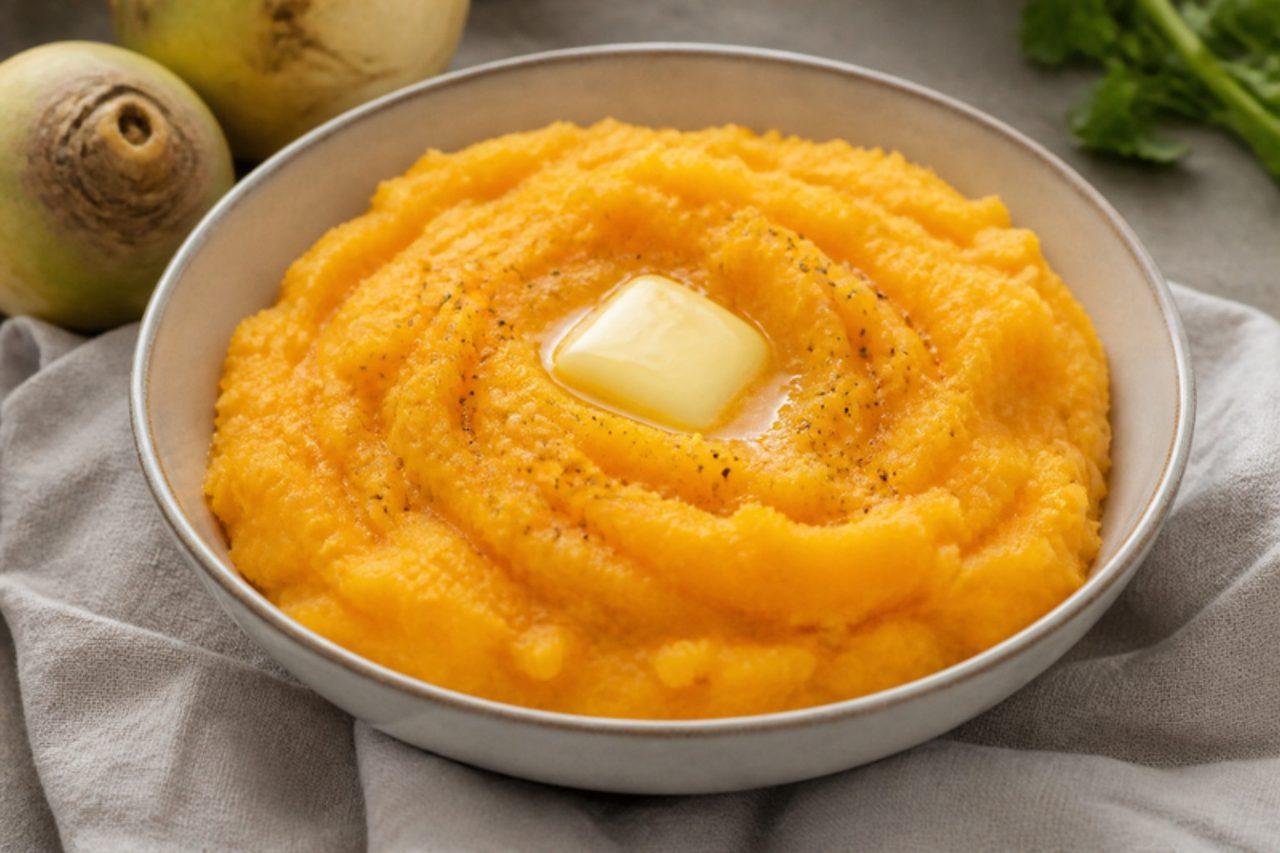
Kålrabistappe is the bright orange mash of swede that sits beside almost every Norwegian winter dinner: with pinnekjøtt lamb ribs at Christmas in western Norway, with raspeballer on Thursdays, with salted meat and sausages. It is simple: swede and a little potato boiled soft and mashed with butter, a splash of the cooking water and nutmeg. A common mistake is mashing it in a blender, which makes it gluey. Chef's tip: let the swede steam dry in the pan for a couple of minutes after draining; the mash stays fluffy, not watery.

by KrazyBadal 0 views

Aloo tukTwice-fried pressed potatoes

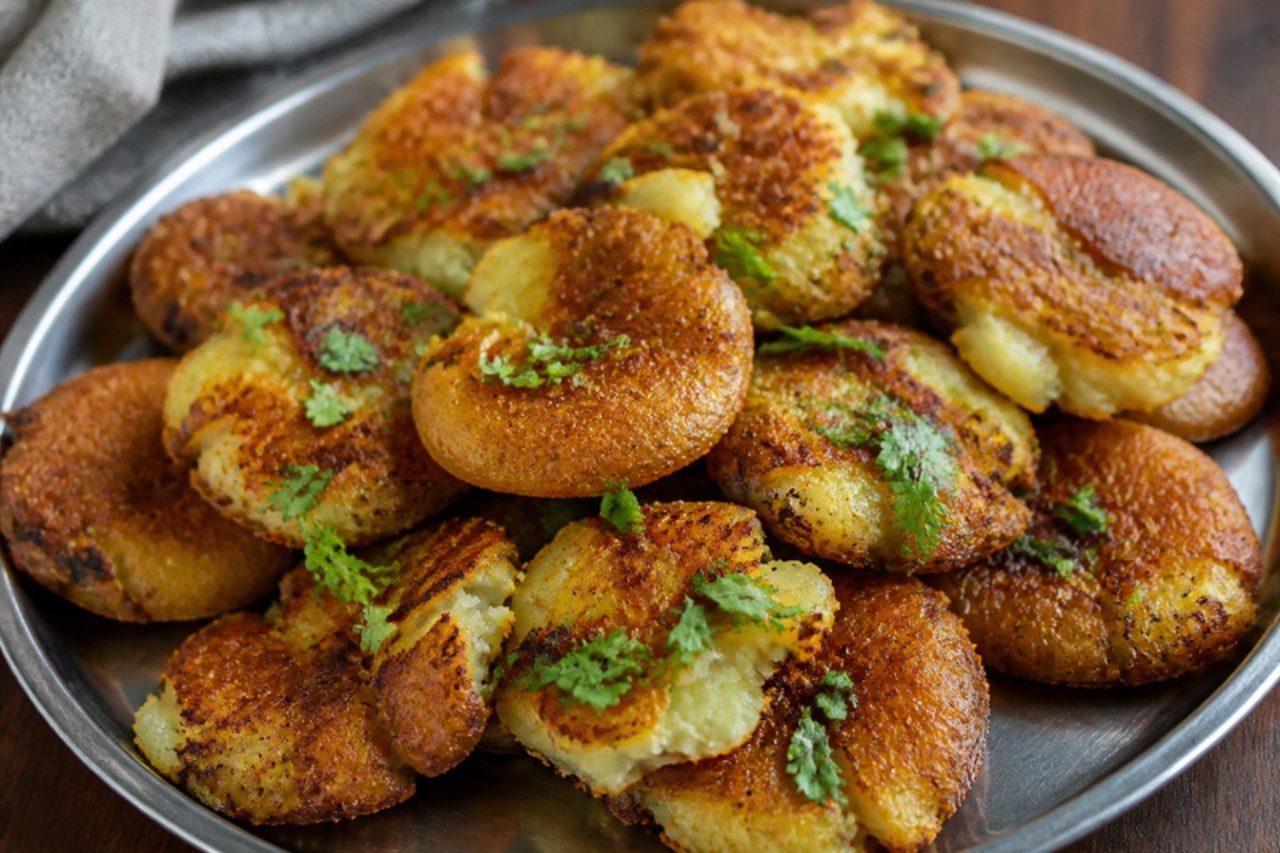
Aloo tuk is the crunch on a Sindhi plate, the thing children steal first: small potatoes boiled, fried, squashed flat and fried again until they are craggy and crisp at the edges and fluffy within, then showered with red chilli, tangy amchur and salt. In Sindhi homes from Karachi to Shikarpur they sit beside Sindhi kadhi and rice or dal and bhuga chawal, and they are also served on their own as a teatime snack with green chutney. The most common error is pressing the potatoes while they are still raw-centred or too hot and wet, which makes them tear instead of flatten neatly. Chef's tip: after the first fry let them cool for five minutes, then press each one under a flat-bottomed bowl so it cracks at the edges, since those cracks become the crispest bits. For children, go easy on the chilli and use more amchur.

by KrazyBadal 0 views

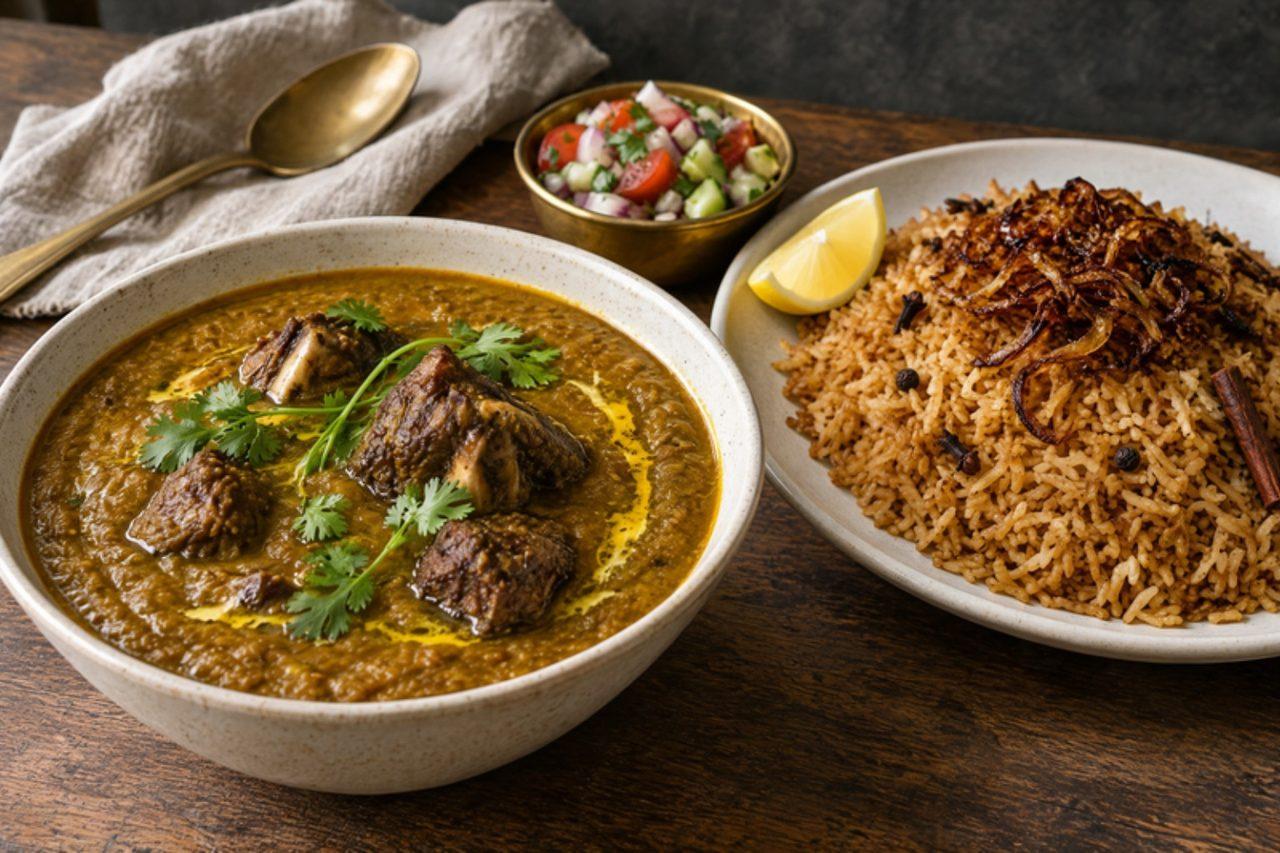
DanbaukChicken biryani

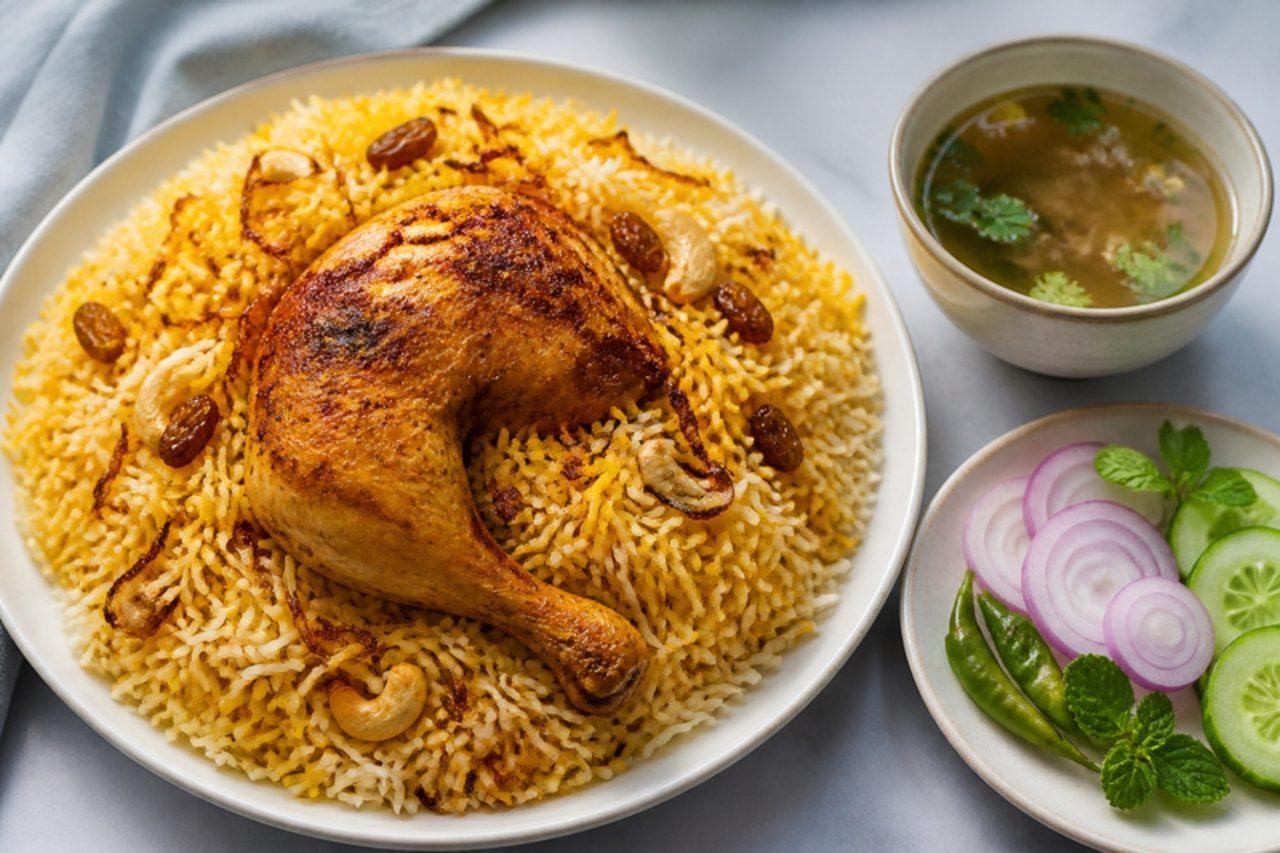
Weddings, birthday donations and the Friday lunch crowd after mosque prayers in downtown Yangon all call for danbauk, the Burmese take on biryani brought by the city's Indian-Muslim families. It is gentler than most South Asian versions: long grains scented with cardamom, cloves and butter, tender yoghurt-marinated chicken hidden underneath, and a crown of fried onions, plump raisins and golden cashews. Every plate comes with a bowl of sour onion, cucumber and green-chilli salad that cuts through the richness, and often a thin sour soup on the side. The usual slip is boiling the rice fully before layering; it then turns to mush during the slow steam, so pull it while each grain still has a chalky white core. Chef's tip: once the pot is sealed, leave the lid alone and dig in from the side at the table so every scoop brings up chicken and rice together.

by KrazyBadal 0 views

DammsugareMarzipan cake-crumb rolls

The dammsugare, 'vacuum cleaner', got its name because Swedish bakeries invented it to use up crumbs and offcuts of cake swept up at the end of the day: the crumbs are mixed with butter, cocoa and flavouring, rolled into logs, wrapped in bright green marzipan and dipped in dark chocolate at both ends. Bakeries usually flavour the filling with punsch, a sweet arrack liqueur; this version uses vanilla and a little orange, and is alcohol-free. A common mistake is rolling the marzipan too thick, which makes it cloying. Chef's tip: roll the marzipan thin between sheets of baking paper and chill the filled logs before cutting.

by KrazyBadal 0 views

Bajan fish cutterFried flying fish sandwich

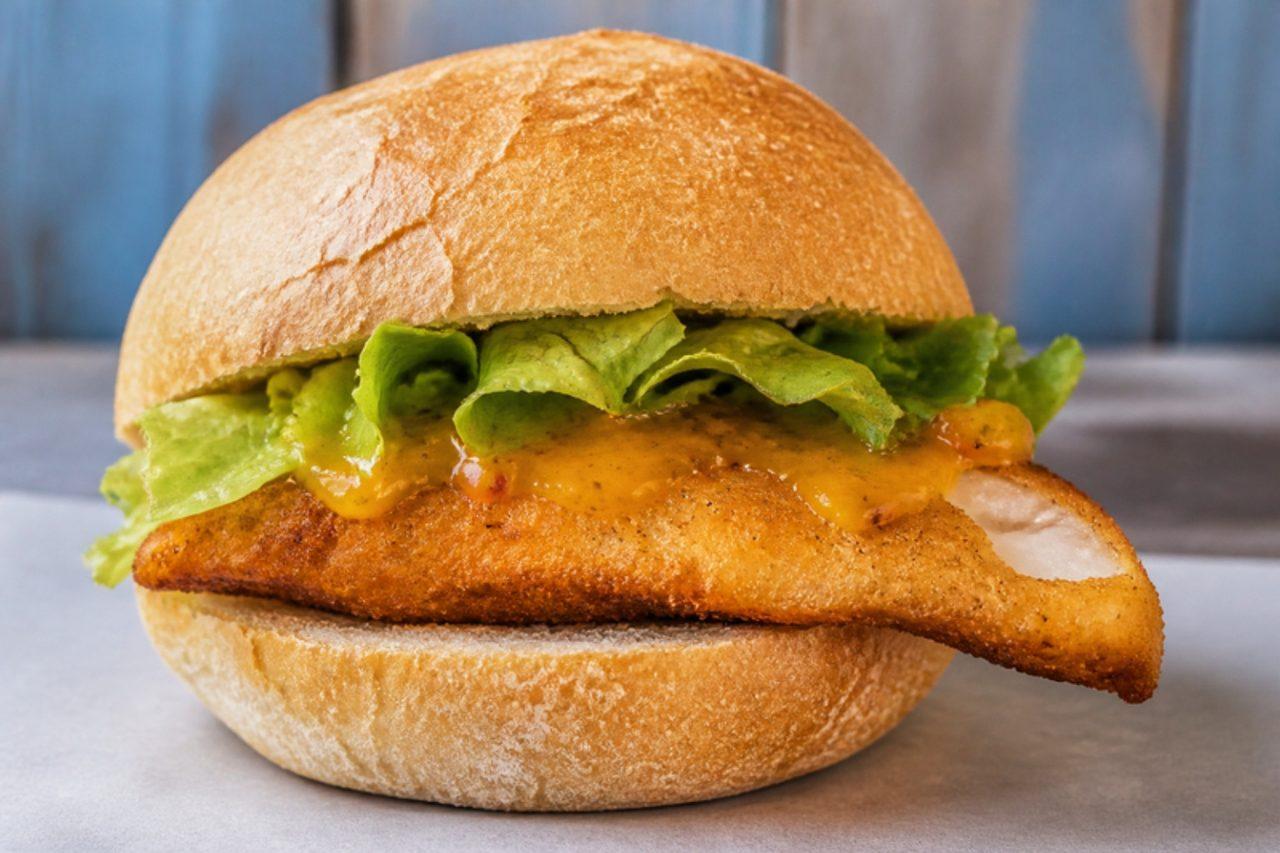
Around Barbados a "cutter" is any sandwich in a salt bread roll, and the fish cutter is the lunch people queue for at beach bars from Oistins to Bathsheba: a piece of flying fish (or mahi-mahi, called dolphin locally) seasoned with Bajan seasoning, crumbed, fried crisp and stuffed into a split roll with lettuce, tomato and a dab of fiery yellow pepper sauce. The fish should be juicy and the crust shattering. The usual mistake is frying too cool, which makes the coating greasy; keep the oil hot and fry in small batches. Use flying fish fillets if you can find them frozen, or any thin white fish. Chef's tip: rub a little of the frying oil over the cut sides of the rolls and toast them in a dry pan, so the bread doesn't go soggy under the fish.

by KrazyBadal 0 views

DaqqusTomato garlic chilli sauce

Spoon by spoon, daqqus goes over almost every plate of kabsa, mandi and machboos from Riyadh to Kuwait City: a thin, bright sauce of ripe tomato, lots of garlic and hot chilli that cuts through rich rice. Restaurants in Najd serve it in little bowls beside the rice tray, and some families make it raw, others cook it briefly as here, which mellows the garlic and deepens the colour. It should be pourable and tangy, not thick like ketchup. People often overcook it into a paste; keep it loose with a splash of water. It also works with grilled fish and eggs. Chef's tip: grate the tomatoes on a box grater and discard the skins for a silky sauce without blending.

by KrazyBadal 0 views

Erdélyi fatányérosMixed grill platter

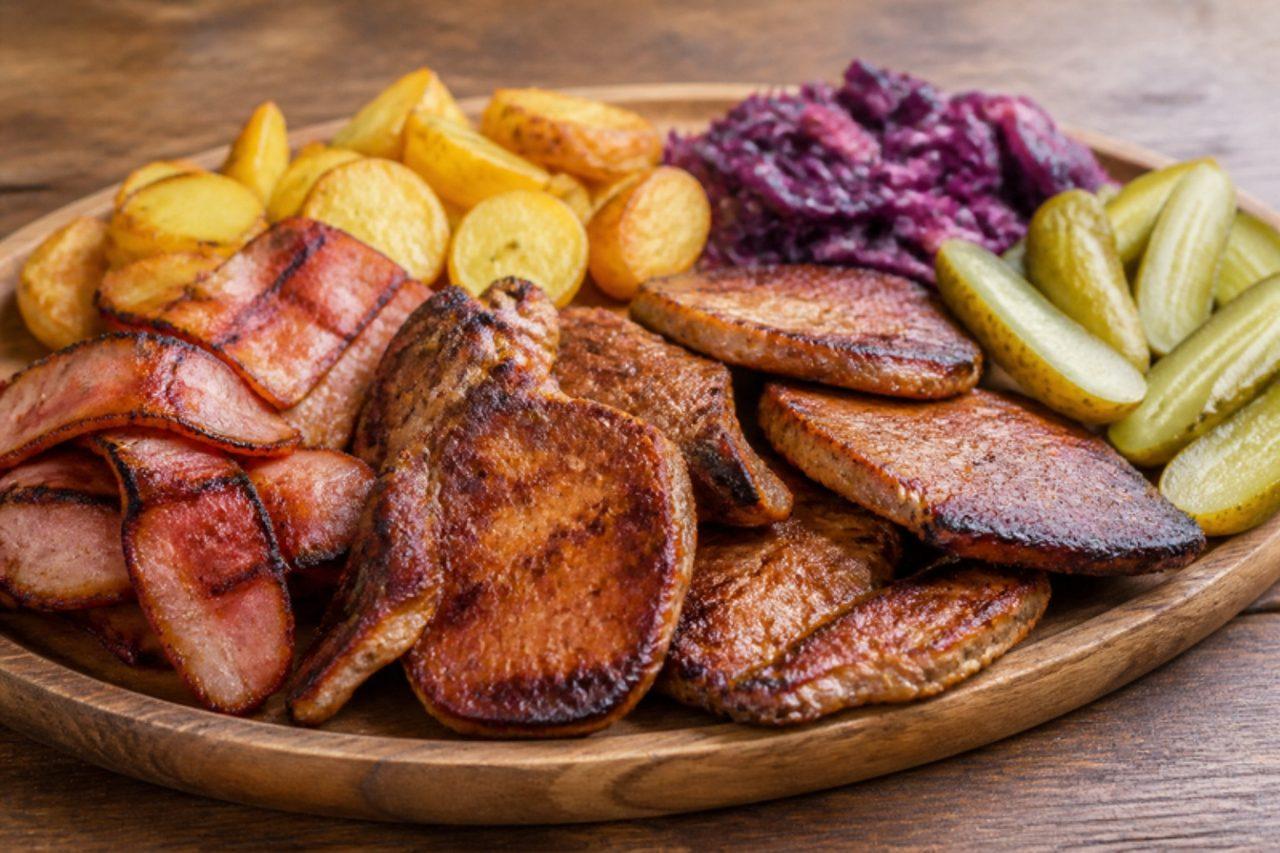
The name means 'wooden plate', and that is how this Transylvanian-Hungarian feast is brought to the table in Cluj and Târgu Mureș restaurants: a big board heaped with fried potatoes and topped with grilled pork chops, veal escalopes and crisp smoked bacon, surrounded by pickled cucumbers, peppers and red cabbage. It is meant for sharing, two or four people picking from one board, and it smells of garlic, marjoram and smoke. The pork and bacon make this very much a pork dish, balanced by the sharp pickles. Where people most often go wrong is grilling everything at once; cook the bacon first and use its fat for the meat, so nothing dries out while waiting. Chef's tip: score the edge of each pork chop through the fat every 2 cm; it stops the chops curling up in the pan and cooking unevenly.

by KrazyBadal 0 views

Dambun namaSpiced shredded beef floss

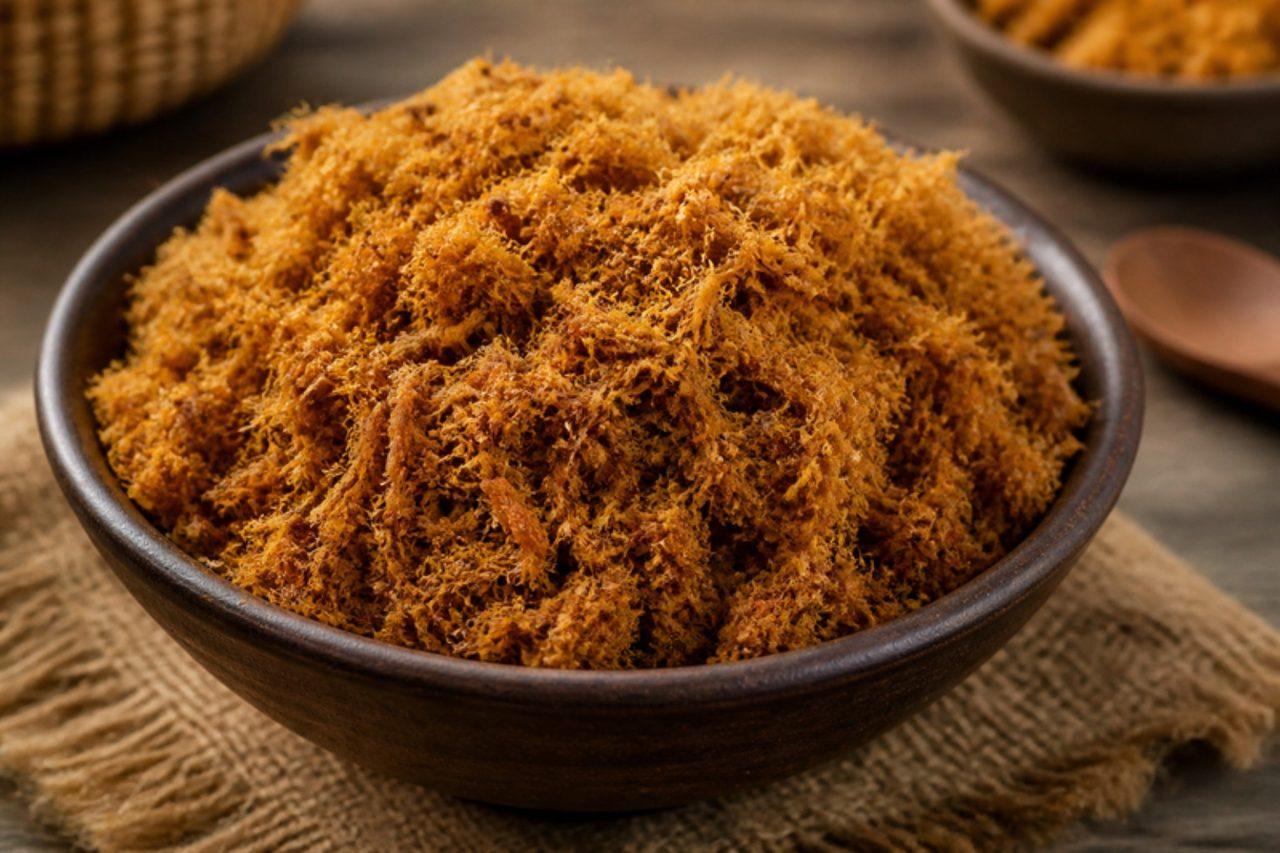
During Ramadan and Eid in Kano, Kaduna and Maiduguri, tins of dambun nama appear on every table: beef boiled tender with onion and ginger, pounded in a mortar until it falls into fine threads, then fried slowly with onion and spices until it is dry, fluffy and golden. It keeps well, which is why it was made before long journeys, and it is eaten as a snack, with rice or tucked into bread. The texture should be like soft wool, not crunchy crumbs. Because the meat is fully cooked before drying, it is safe; store it in the fridge. Chef's tip: let the boiled beef steam dry for ten minutes before pounding, as wet meat clumps in the pan instead of separating into threads, which is the usual mistake.

130 minNigerianMeatGluten free
by KrazyBadal 0 views

MeshabekLacy syrup-soaked fritters

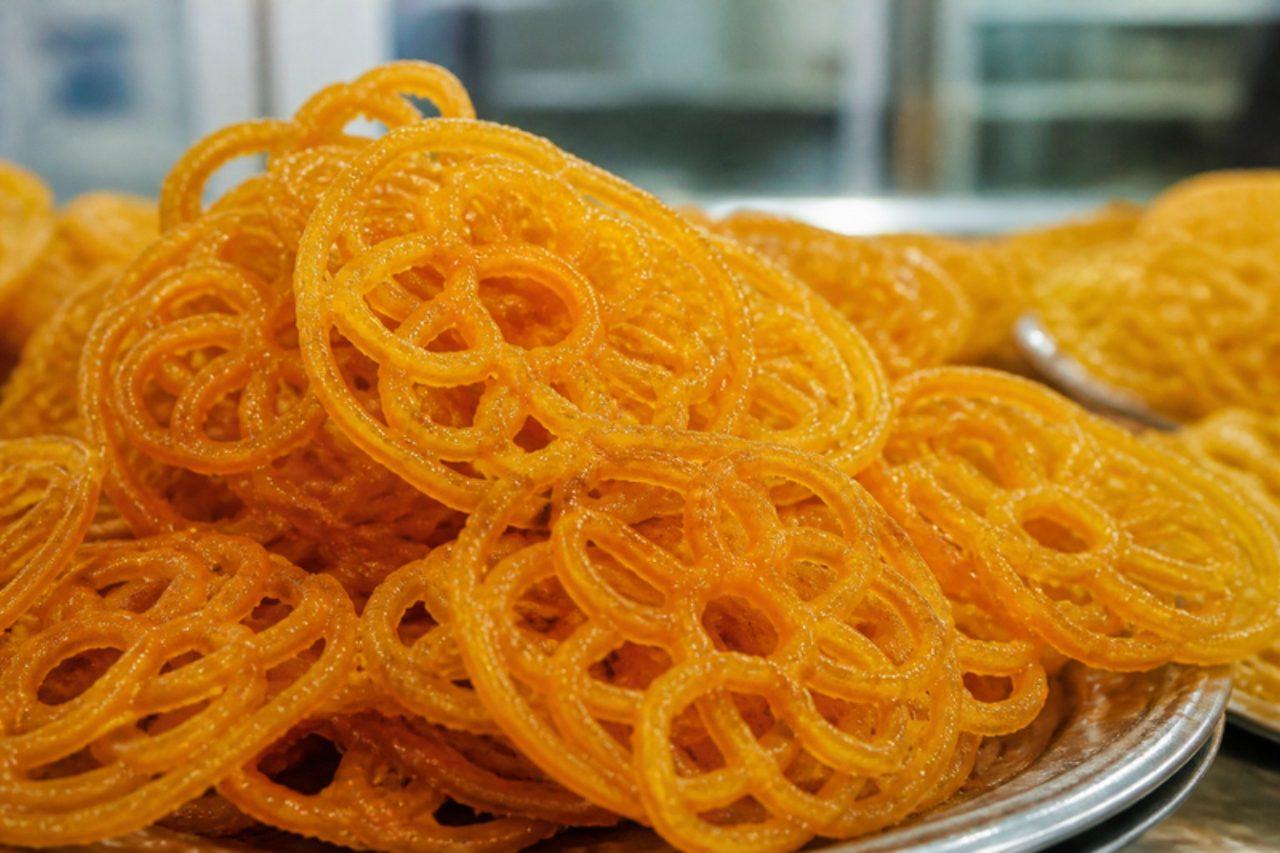
Damietta, the port city where the Nile meets the Mediterranean, is famous across Egypt for its sweet shops, and meshabek is one of their signatures: lattice wheels of fermented batter piped into hot oil and dunked in syrup. Fresh from the fryer they shatter like glass and drip with sugar; by the next day they soften into something chewy and just as good. Families buy them by the box for Ramadan evenings, visits and holidays. The batter needs an hour to ferment before frying. The common mistake is frying in oil that is not hot enough, which leaves them pale, soft and greasy, so test it first. Chef's tip: a squeeze bottle with a 4 to 5 mm opening gives the neatest, thinnest lines.

by KrazyBadal 0 views

Dal goshtMutton and chickpea stew

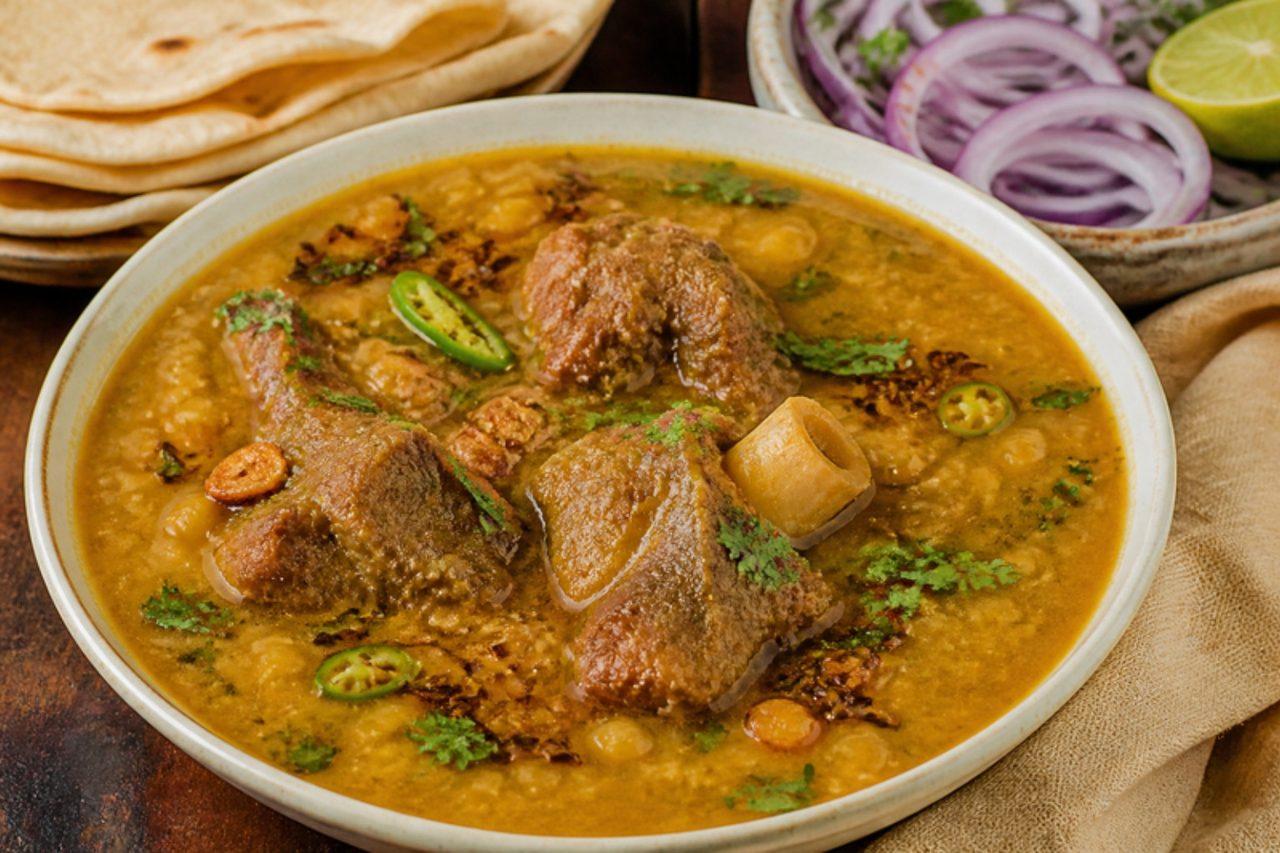
Stretching a kilo of mutton to feed a big family is an old Pakistani household skill, and dal gosht is its most loved result: chana dal cooked with the meat until the lentils melt into a thick, golden, peppery gravy that is half curry, half stew. It turns up for Friday lunch in Punjab and for everyday dinners in Karachi Urdu-speaking homes, eaten with hot chapati, rice and a sharp salad of onion and tomato. Done right, some dal stays whole while the rest thickens the gravy. A common slip is adding raw dal to the pot at the same time as the meat; dal cooks faster, so it collapses into paste before the mutton is tender. Chef's tip: finish with a tarka of ghee, cumin and fried garlic for a Sunday version, or leave it plain with oil for an everyday pot that stays dairy free.

by KrazyBadal 0 views

Dal pakwanFried bread with spiced chana dal

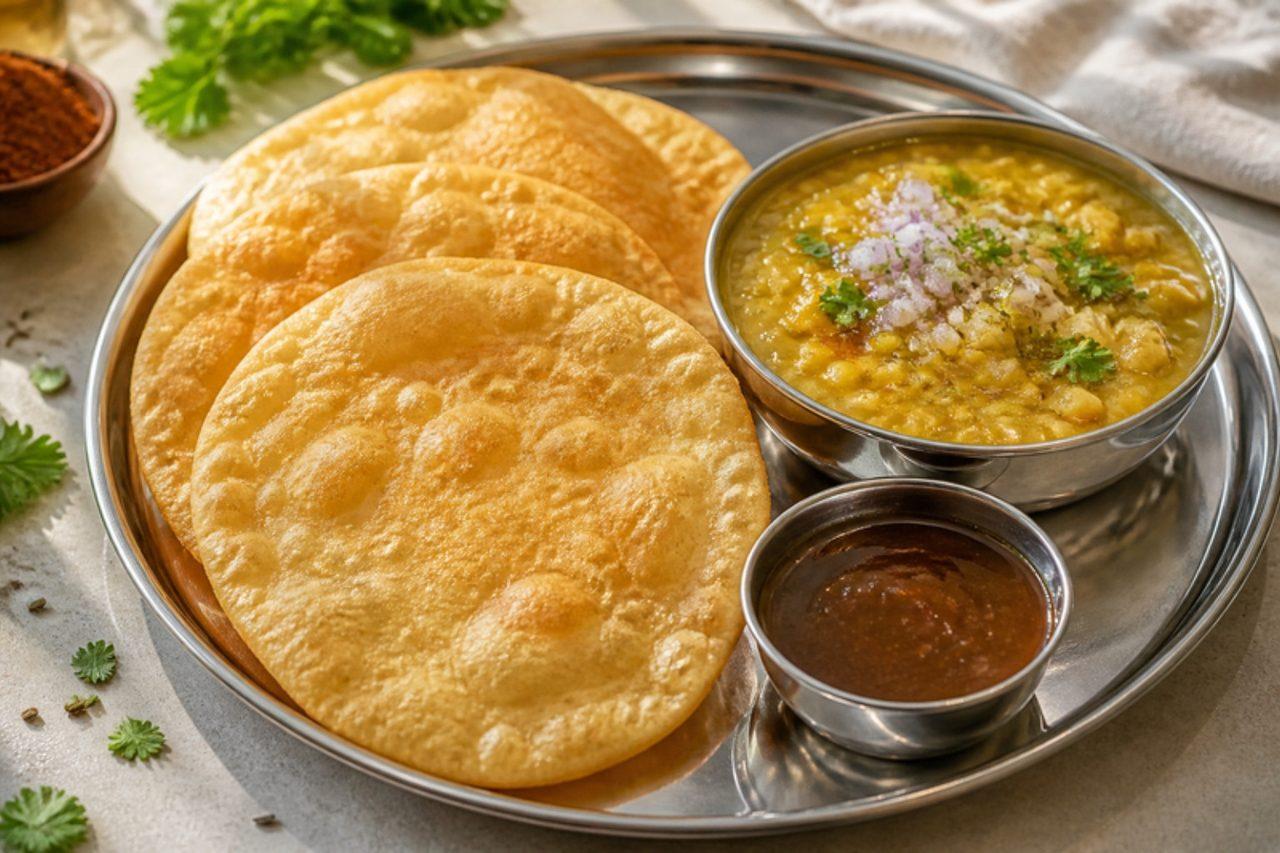
Sunday morning in Karachi's old Sindhi neighbourhoods, and in Hyderabad, means a queue at the dal pakwan stall, or a home kitchen hot with frying oil. Pakwan are crisp, bubbly discs of cumin and black-pepper dough, fried until they shatter like a cracker, and they are eaten broken into a bowl of soft, lightly spiced chana dal, then topped with sweet-sour tamarind chutney, raw onion and a dusting of chilli. The contrast of crunchy, soft, sweet and sharp is the whole point, so the parts are kept separate until the last moment. Thick pakwan are the most common disappointment: rolled too thick, they turn chewy instead of crisp. Chef's tip: roll each one as thin as you can and prick it all over with a fork before frying, so it puffs only a little and stays flat and crunchy.

by KrazyBadal 0 views

Enchilado de camaronesShrimp in Creole tomato sauce

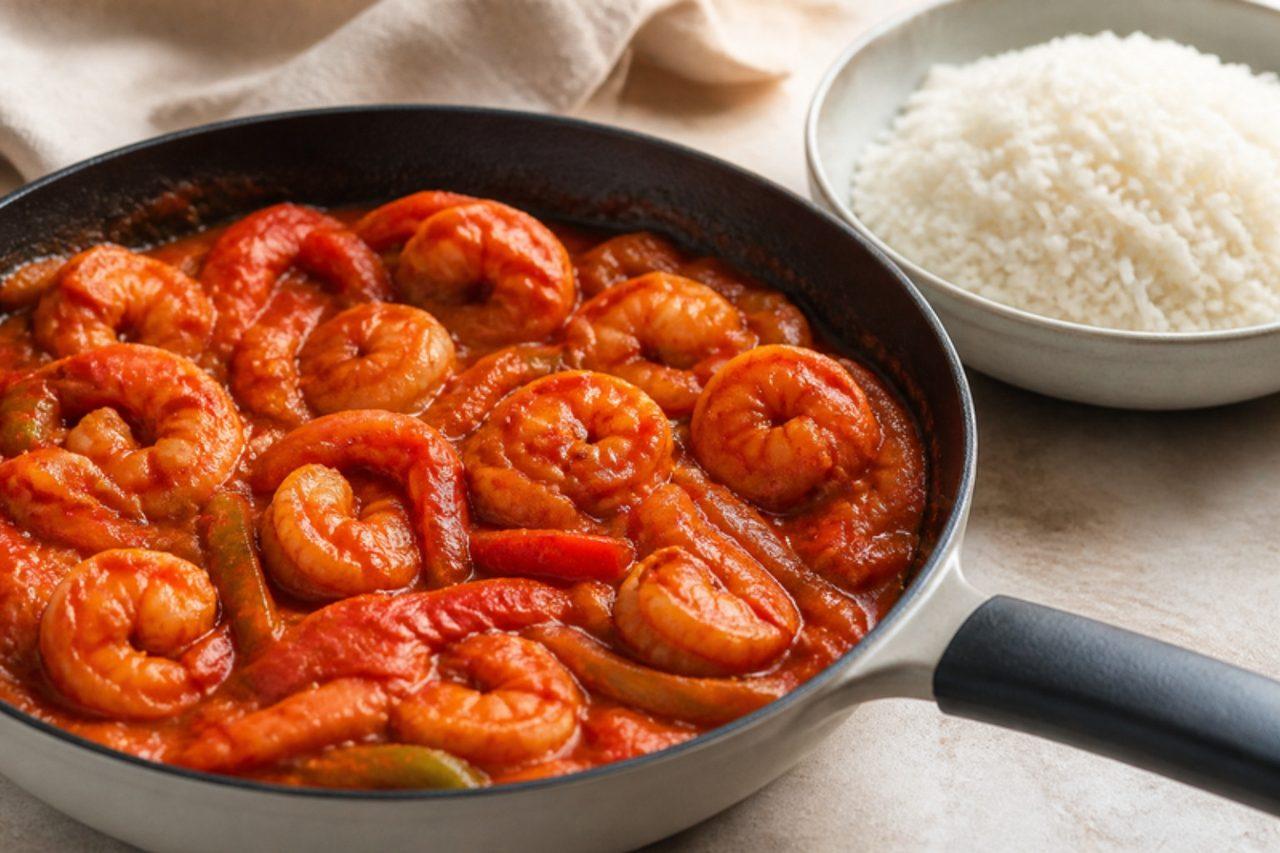
Despite the name, Cuban enchilado isn't fiery: it is shrimp cooked in a red Creole sauce of tomato, sweet pepper, onion, garlic and a splash of dry white wine, the way it is served in seaside restaurants from Havana's Malecón to Varadero. It goes over white rice with a side of tostones. The wine is simmered for several minutes, but for an alcohol-free sauce use fish stock with a squeeze of lime instead. The common mistake is adding the shrimp too early so they turn rubbery; they need only 3 or 4 minutes at the end. Chef's tip: simmer the shrimp shells in the wine for 10 minutes and strain it into the sauce; it doubles the seafood flavour.

40 minCubanFishGluten free
by KrazyBadal 0 views

Dal chawal paliduLayered rice and dal

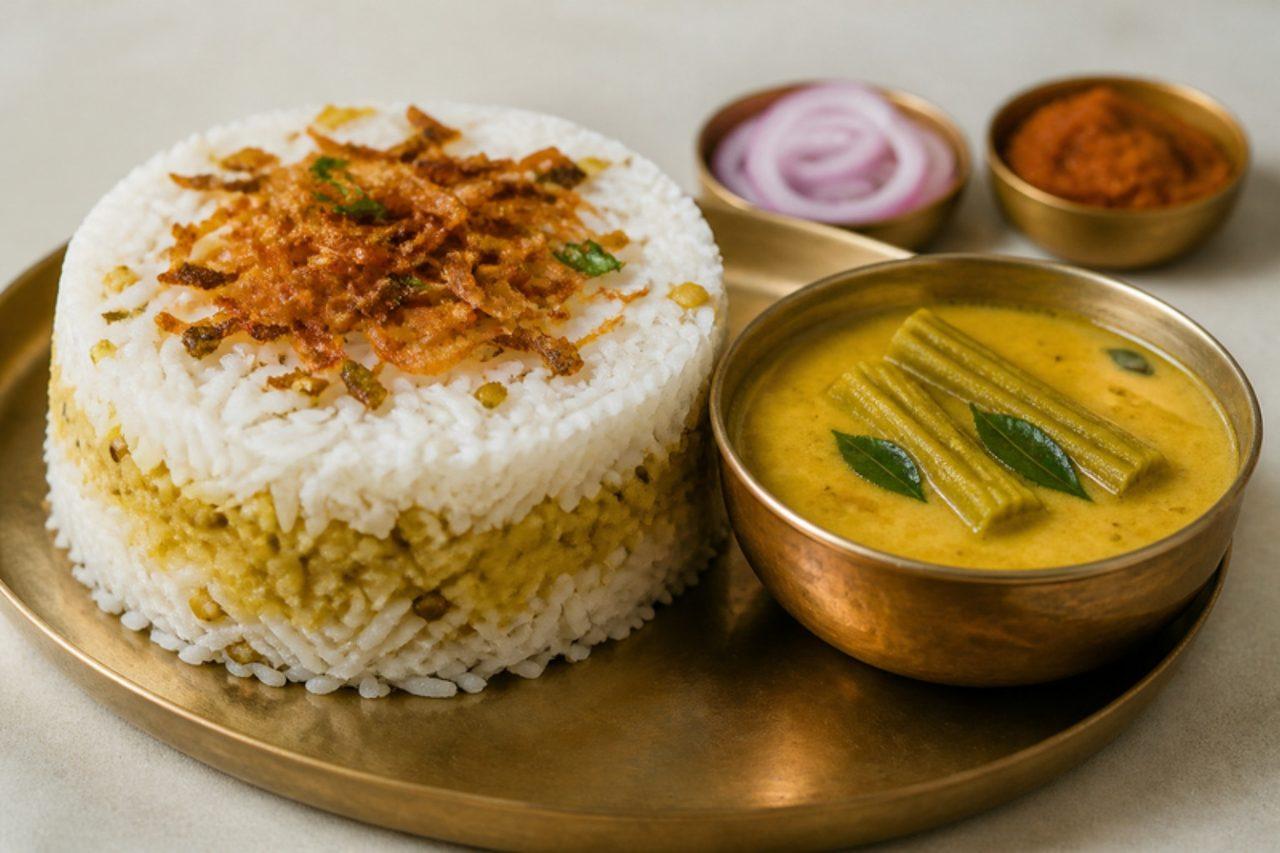
In the Dawoodi Bohra community of Karachi's Saddar and Kharadar, dal chawal palidu is the comfort meal of Sunday lunch and of the shared thaal at community gatherings, and nobody who grew up with it considers it complete without all three parts. Long-grain rice is layered with whole, separate grains of spiced toor dal and crisp fried onion, then steamed, while palidu, a thin, tangy curry made from the dal's own cooking water thickened with gram flour, tempered with mustard seed, curry leaves and garlic and studded with drumsticks, is poured over at the table. It is gentle, sour and deeply savoury. Overcooking the dal is the error to avoid, since it must stay in whole grains for the layers. Chef's tip: drain the toor dal as soon as it is tender and save every drop of the water, because that water is the base of the palidu.

by KrazyBadal 0 views

BakarkhaniLayered ghee bread

Before dawn in Lalbagh and Nazira Bazar, bakers slap rounds of dough onto the inside walls of clay tandoors, and by sunrise stacks of bakarkhani are wrapped in newspaper for the first cup of milky tea. The Old Dhaka kind is small, about the size of a palm, with dozens of paper-thin layers that shatter at the edges and stay a little tender in the middle; the faintly sweet, buttery taste is what makes it so good dipped in cha or crumbled over a bowl of firni. Local legend ties the name to a Mughal-era romance, but the technique is pure bakery craft: the dough is spread with a ghee paste, rolled up, coiled and rolled again. Most failed batches come from soft, warm ghee paste, which soaks into the dough instead of sitting between the layers. Chef's tip: chill the rolled coils for 15 minutes before the final rolling so the fat sets and the layers stay separate in the oven.

by KrazyBadal 0 views

KalakukkoFish and pork rye loaf

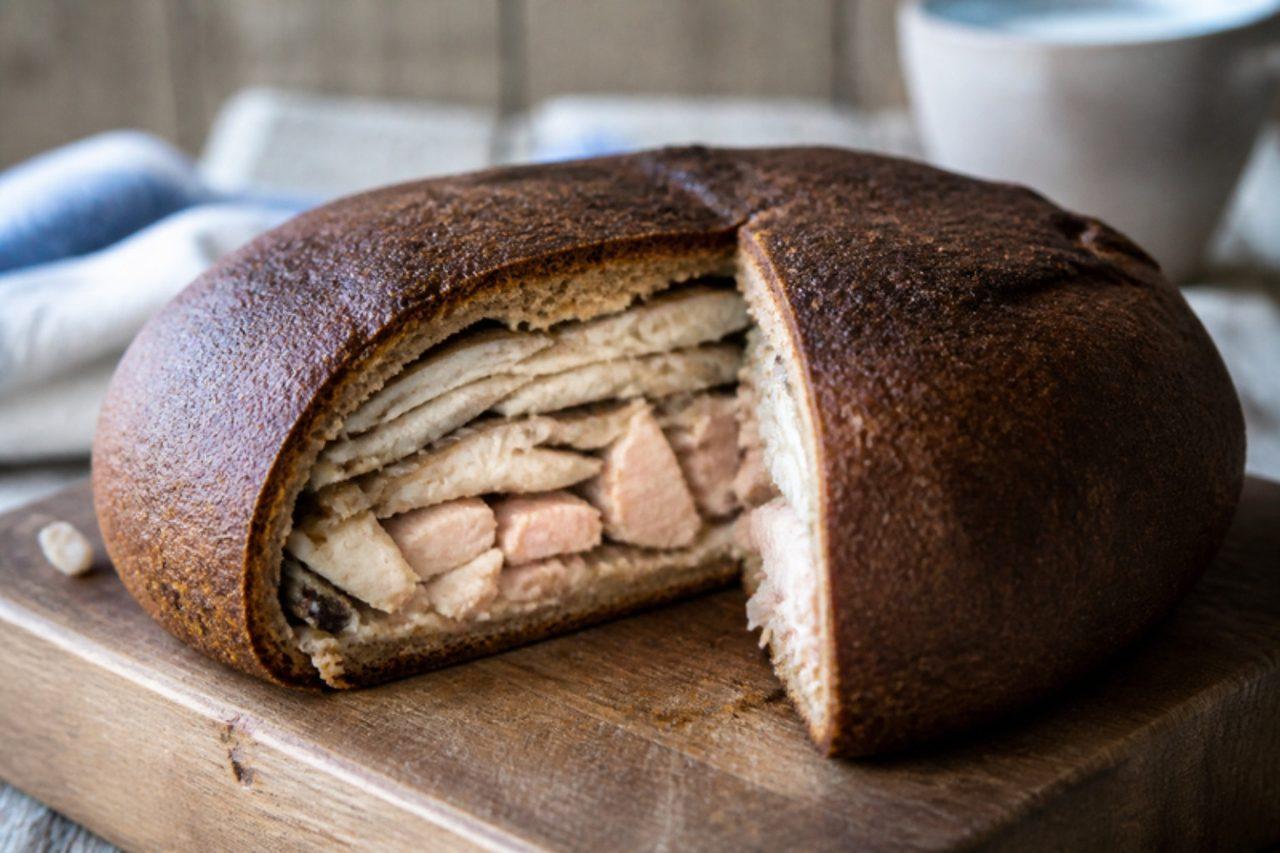
Kalakukko is the travelling food of Savonia in eastern Finland, a speciality of Kuopio's market square: a thick rye crust packed with small whole fish, usually vendace (muikku) or perch, and slices of fatty pork belly, sealed and baked for five or six hours, until the fish bones soften completely and the juices soak the inside of the crust. This dish contains pork. It is cut open like a lid and eaten in slices, crust and all, hot or cold. A common mistake is a crack in the crust, which lets the juices escape and dries out the fish. Chef's tip: patch any cracks with a little rye dough during baking, and wrap the loaf in foil and a towel after baking to rest.

by KrazyBadal 0 views

Aloo goshtMutton and potato curry

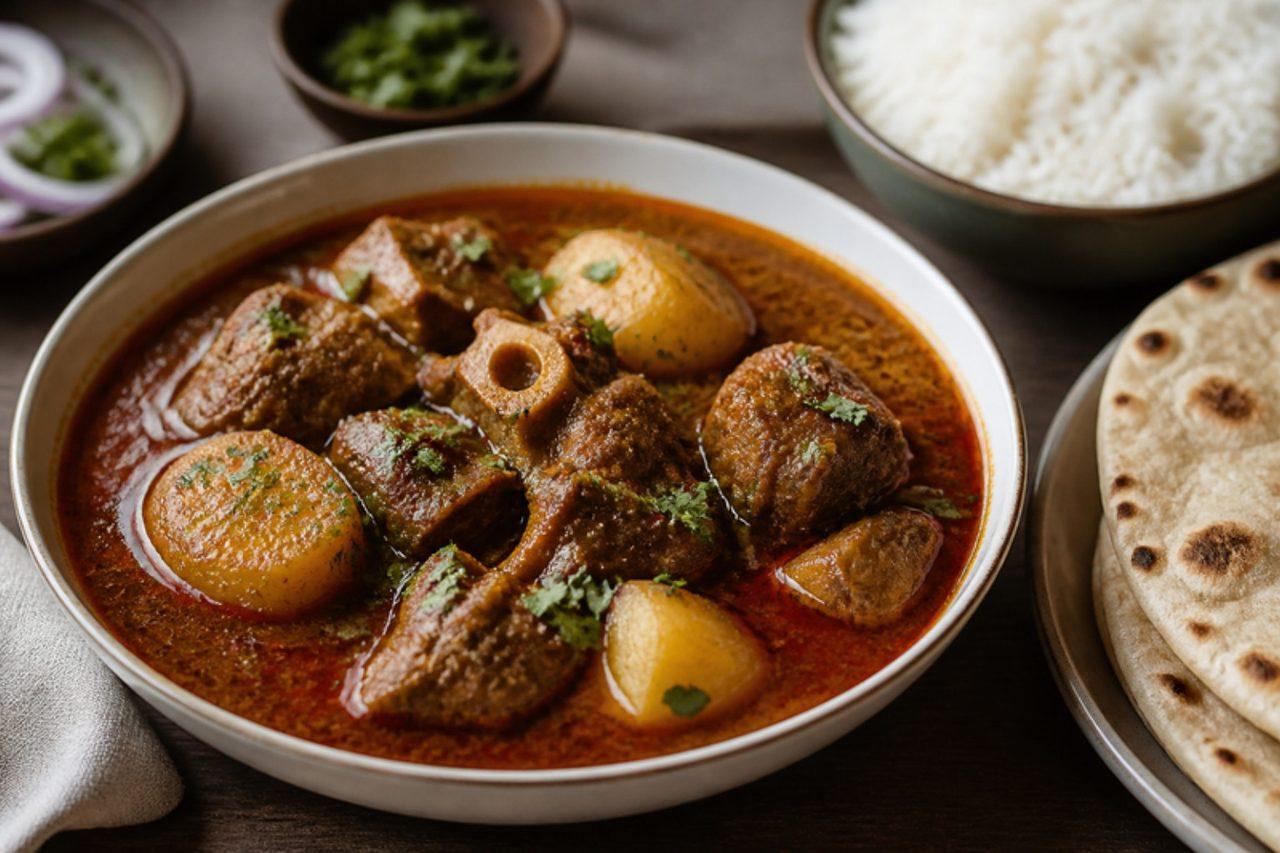
If one curry stands for a weekday dinner in a Pakistani house, from Rawalpindi flats to Karachi's Nazimabad, it is aloo gosht: mutton on the bone and halved potatoes in a loose, peppery shorba meant to be soaked up with chapati or poured over plain rice. Nothing about it is fancy; its comfort comes from a long bhuna of onion, tomato and spice before any water goes in, so the thin gravy still tastes deep. The potatoes go in once the meat is half done and come out soft at the edges, having drunk the gravy. Adding them at the start leaves them falling apart while the meat is still chewy, so wait. Chef's tip: when the masala is fully fried, add the water boiling hot, not cold, so the meat keeps cooking and the shorba stays clear rather than greasy.

by KrazyBadal 0 views

Aloo andayPotato and egg curry

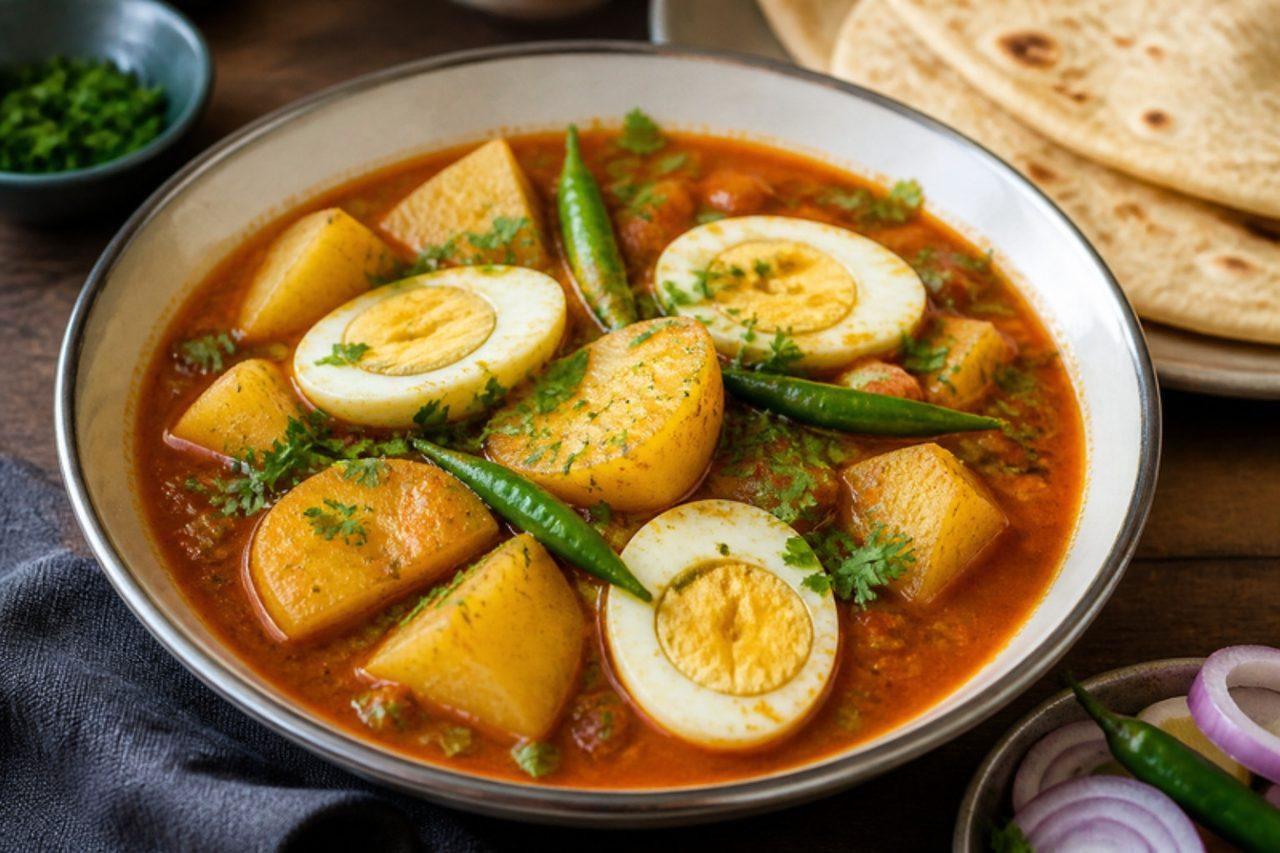
Ask almost anyone who grew up in a Punjabi household in Pakistan what was cooked at the end of the month, when the meat money had run out, and aloo anday will come up with real affection. Halved hard-boiled eggs and chunks of potato sit in a loose, brick-red shorba of browned onion and tomato, thin enough to soak into a chapati and rice alike, with a cut green chilli on top. It is a weeknight and Sunday-brunch dish rather than a guest dish, and children tend to love it. Where it goes wrong is in the masala: if the onions and tomatoes are not fried until the oil separates, the gravy tastes raw and watery however long it simmers. Chef's tip: score the peeled eggs lightly with a knife and fry them in the masala for a minute before the water goes in, so they take on colour and flavour.

by KrazyBadal 0 views

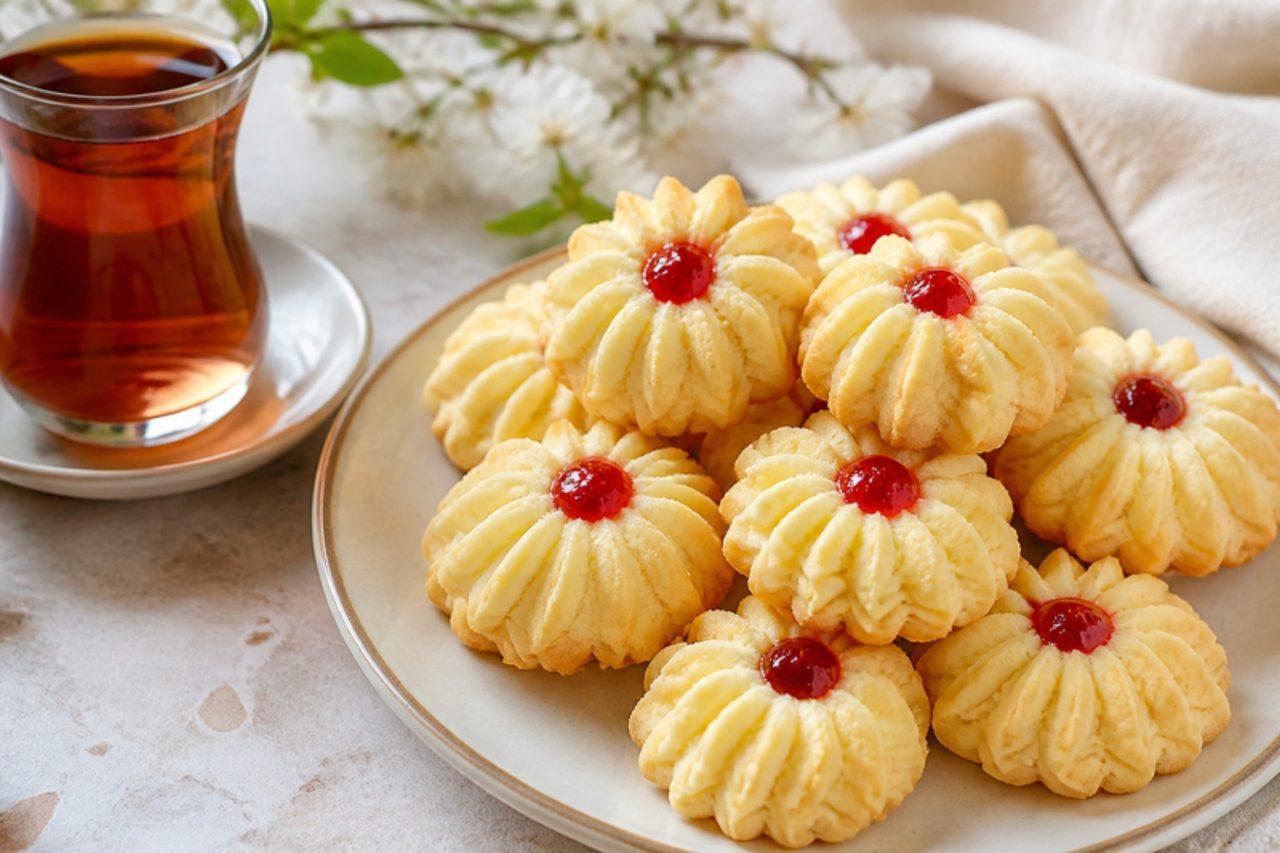
Baku kurabiyePiped butter cookies with jam

Every Baku bakery sells these: short, crumbly butter cookies piped into flowers with a star nozzle and finished with a bright dot of jam in the centre, sold by the kilo for name days and served with tea in Azerbaijani homes. The dough must be soft enough to pipe but rich enough to hold the ridges in the oven. A common mistake is overbeating the egg whites into the butter, which makes the cookies spread and lose their pattern. Chef's tip: chill the piped cookies on the tray for 15 minutes before baking; the ridges stay sharp.

by KrazyBadal 0 views

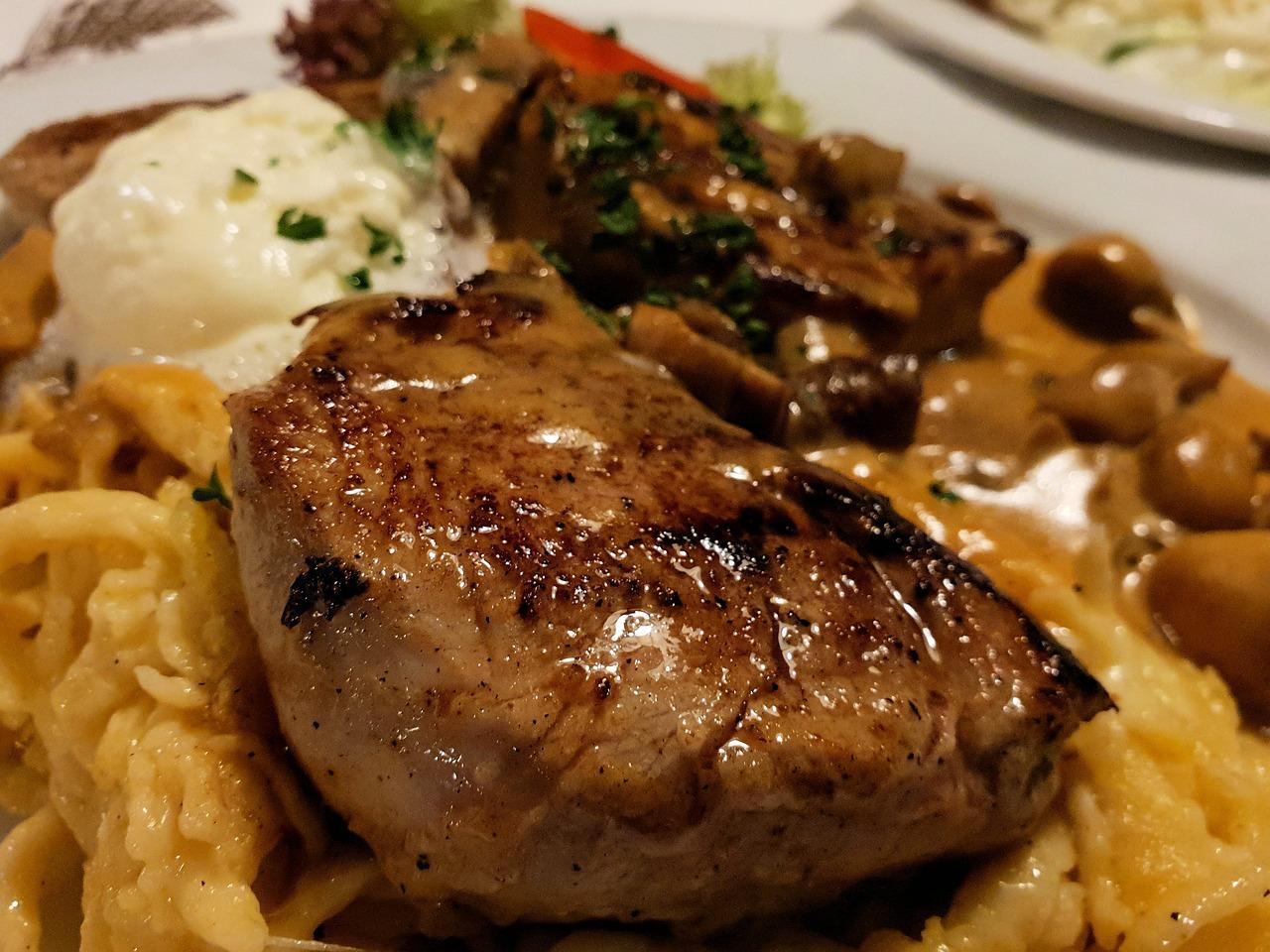
Bakonyi sertésszeletPork in mushroom paprika sauce

The Bakony hills north of Lake Balaton are known for their beech forests and mushrooms, and any Hungarian dish called bakonyi comes with a creamy paprika and mushroom sauce. Here it covers seared pork loin steaks, a favourite of roadside inns and Sunday lunches across Transdanubia. The sauce starts like a pörkölt with onion, paprika, pepper and tomato, then takes on sliced mushrooms and is finished with sour cream, so it is earthy, tangy and rich. Serve it with nokedli or rice to soak it up. Where most people go wrong is boiling the sauce after the sour cream goes in, which makes it split; keep it just below a simmer. Chef's tip: use a mix of wild and chestnut mushrooms if you can, and fry them hard first so they brown instead of stewing.

by KrazyBadal 0 views

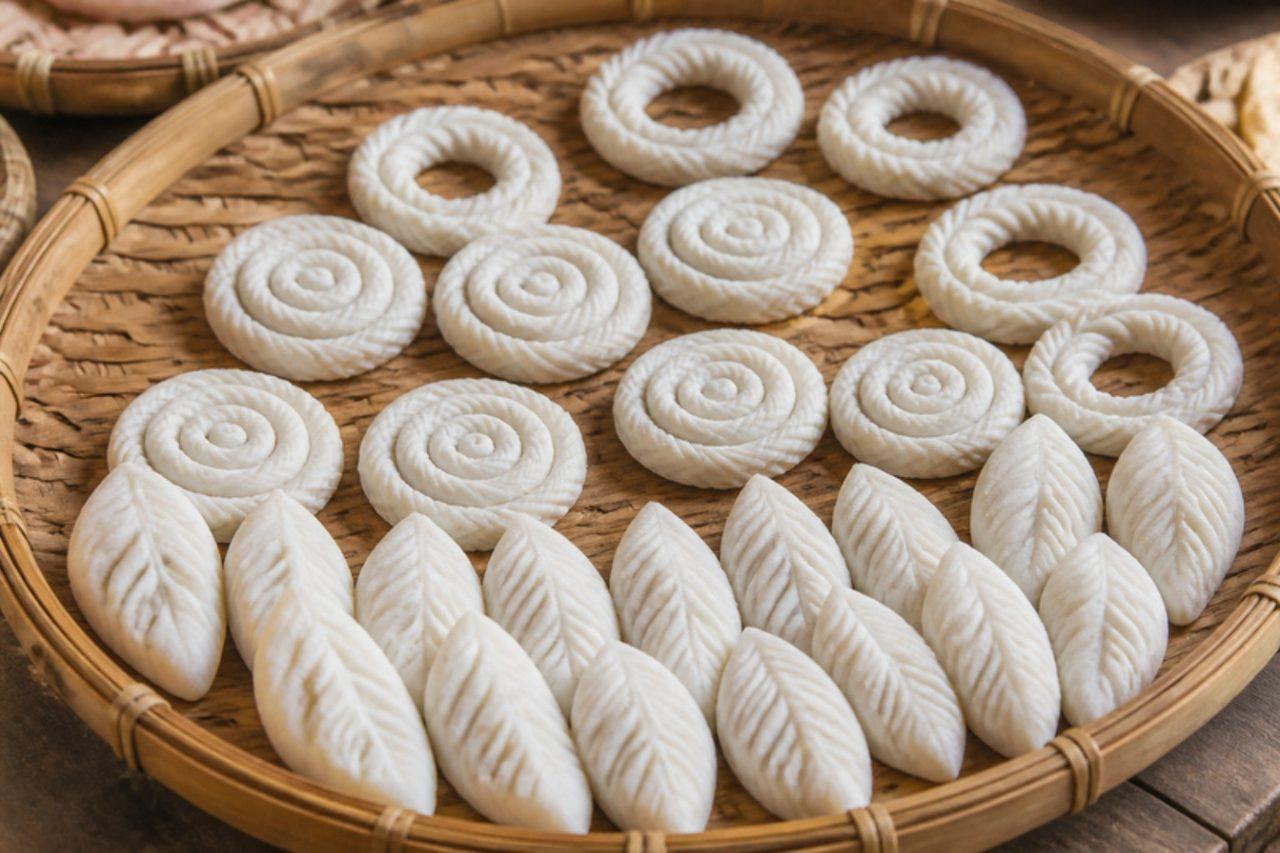
DhikriSteamed rice flour dough shapes

For Maghi, the Tharu new year in mid-January, and for Dashain and Atwari, families in Dang, Bardiya and Kailali sit together on the floor shaping dhikri, long pieces of rice-flour dough rolled and twisted into ropes, spirals, fish, birds and finger-marked ridges before they are steamed. The finished pieces are soft, smooth and chewy, with a clean, sweetish rice flavour that makes them a canvas for whatever is served alongside: a spicy tomato and sesame chutney, a lentil soup, a vegetable curry or, in many homes, a festive meat curry. Leftovers are sliced and fried the next day. The usual mistake is mixing the dough too dry, which cracks as you shape it and steams up hard. Chef's tip: keep the dough covered with a damp cloth while you shape, and dip your fingers in water if it starts to crack.

by KrazyBadal 0 views

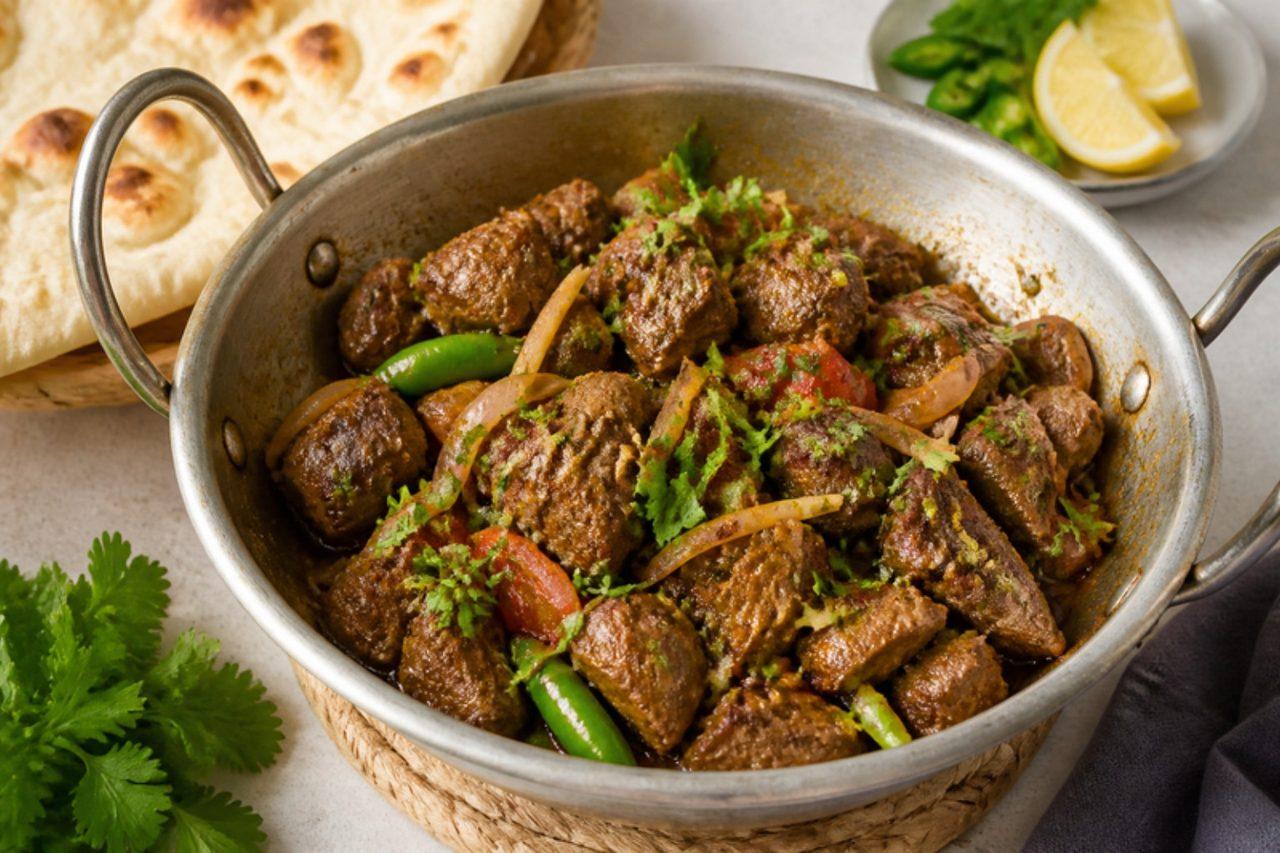
Bakra Eid kalejiStir-fried goat liver

The first thing cooked in countless Pakistani homes on the morning of Eid-ul-Adha, just after the sacrifice, is kaleji: the goat's liver, still very fresh, sliced and stir-fried in a karahi with onion, tomato, ginger and green chilli, then eaten at once with hot paratha or naan while the rest of the meat is being divided. The dish is quick and fierce, tender in the middle, sharp with chilli and lemon. Outside Eid, butchers in every city sell goat or lamb liver for the same breakfast. Overcooking makes liver rubbery, but undercooking is not safe, so cut it into even pieces and cook until it reaches 71 °C with no pink left; it will still be tender. Chef's tip: add the salt only at the very end, as salting liver early draws out moisture and toughens it.

by KrazyBadal 0 views

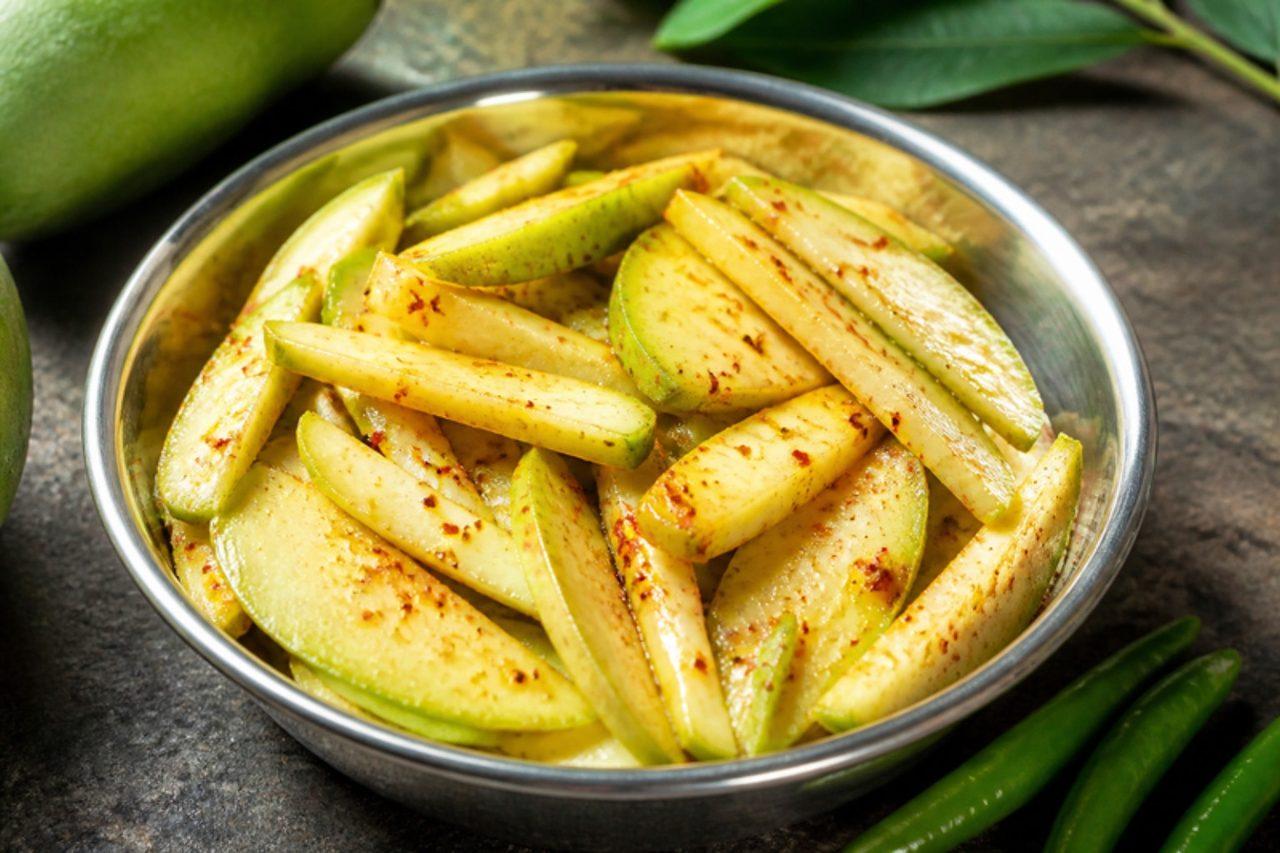
Kancha aam makhaSpiced green mango

Outside every school gate in Bangladesh during the hot months, a vendor with a glass box on his cart sells green mango makha: unripe mango sliced paper-thin and squeezed by hand with salt, sugar, chilli and a splash of mustard oil, handed over in a cone of newspaper with a toothpick. Makha means mixed by hand, and the hand matters, as the squeezing bruises the mango so it softens and drinks in the seasoning. It tastes sour, sweet, salty and hot all at once, with the sharp nose-burn of raw mustard oil, and it is eaten as an afternoon snack in April and May, especially around Pohela Boishakh. Slicing the mango too thick is the error that leaves it hard and bland in the middle. Chef's tip: stir in a spoon of kasundi, Bengali mustard relish, for the version the street sellers call kasundi makha.

by KrazyBadal 0 views

BalachaungDried shrimp relish

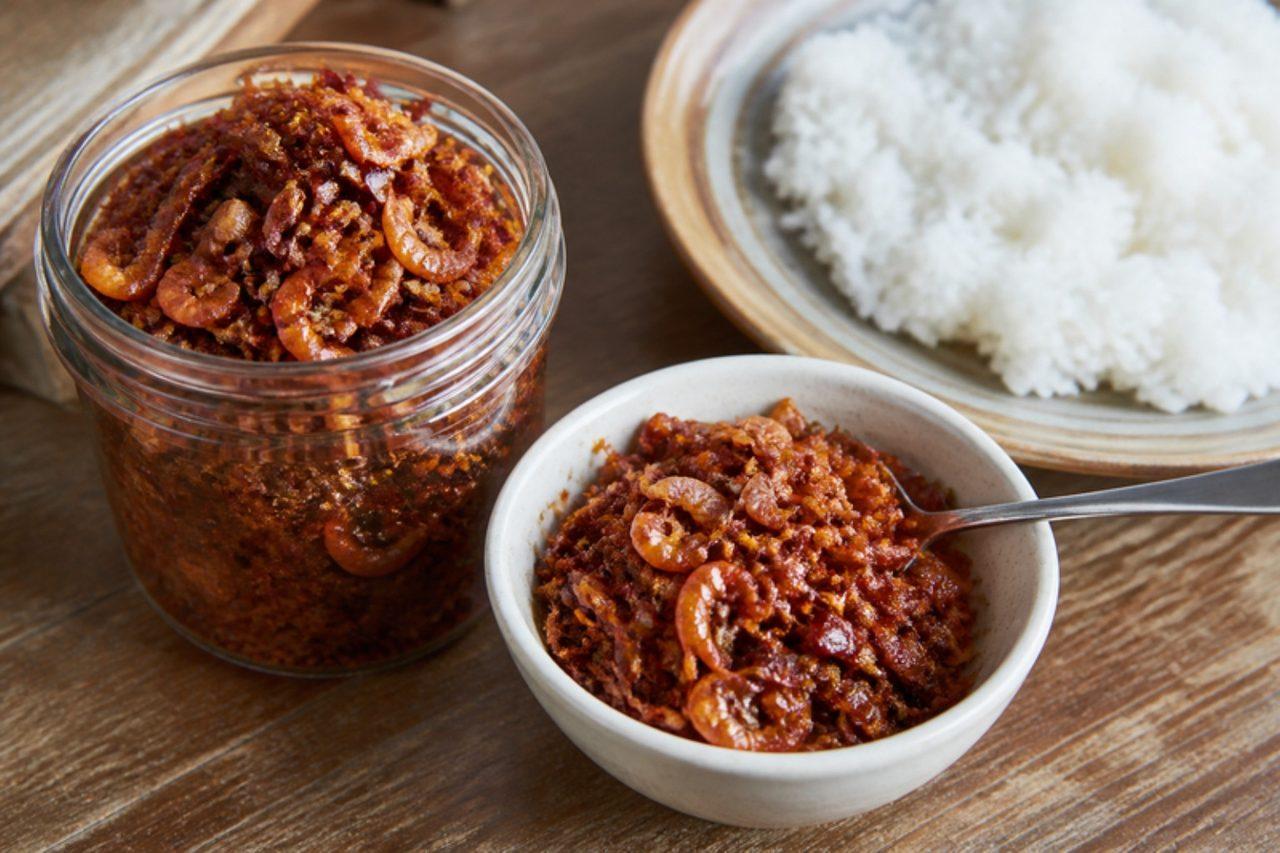
Every Burmese pantry keeps a jar of balachaung, and along the Rakhine coast, where the dried shrimp come from, families fry it in big batches after the dry-season catch. Pounded dried shrimp are fried slowly with crisp shallots, garlic, chilli and a dab of shrimp paste until the whole lot turns into a dry, golden, crackling floss that is salty, smoky, a little sweet and quite hot. A spoonful lifts plain rice, a fried egg, rice porridge or a bowl of noodles, and it travels well, so students and travellers pack a jar to take away from home. Rushing it over a high heat is where most batches go wrong: the shrimp scorch and turn bitter before they are crisp, so keep the heat at medium-low and stir patiently. Chef's tip: fry the shallots and garlic separately and stir them back in only when the shrimp are done, so they stay crunchy for weeks.

by KrazyBadal 0 views

KasarPuffed rice and jaggery balls

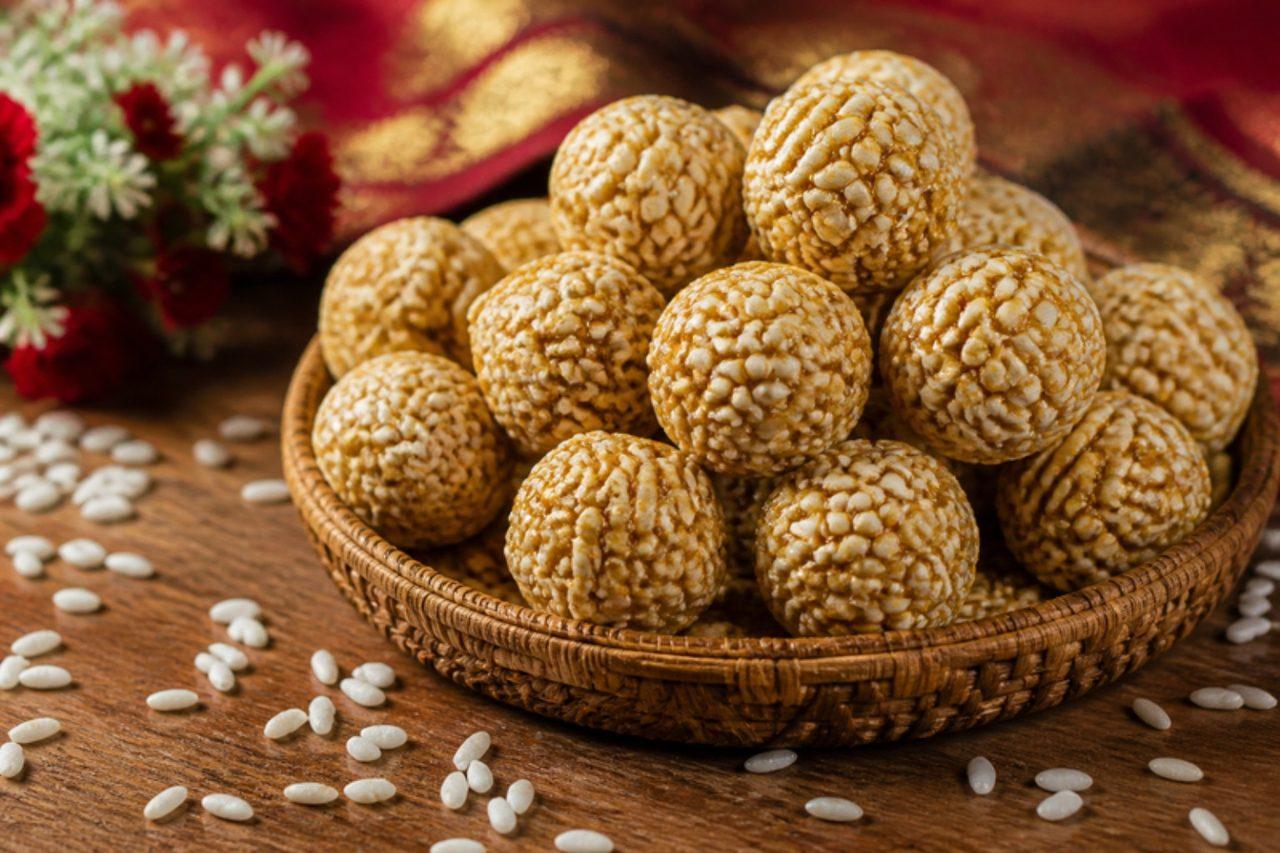
Kasar is a sweet of good fortune: Bahun and Chhetri families in the hills make it by the basketful to send with a bride to her new home, to hand out at bratabandha thread ceremonies and to fill the Tihar plates. It is the simplest of sweets, puffed rice stirred into bubbling jaggery syrup flavoured with cardamom and pressed into balls while warm, sometimes with sesame, coconut or peanuts added, and it is crunchy, light and caramel-sweet. Children love making it because it is all about quick hands and a bowl of cold water. The pitfall is syrup that is not cooked far enough, which gives soft, sticky balls that collapse in a day. Chef's tip: test the syrup by dropping a little into cold water; when it sets into a firm ball that cracks if you squeeze it, it is ready.

by KrazyBadal 0 views

Kyar zan hingaGlass noodle soup with chicken

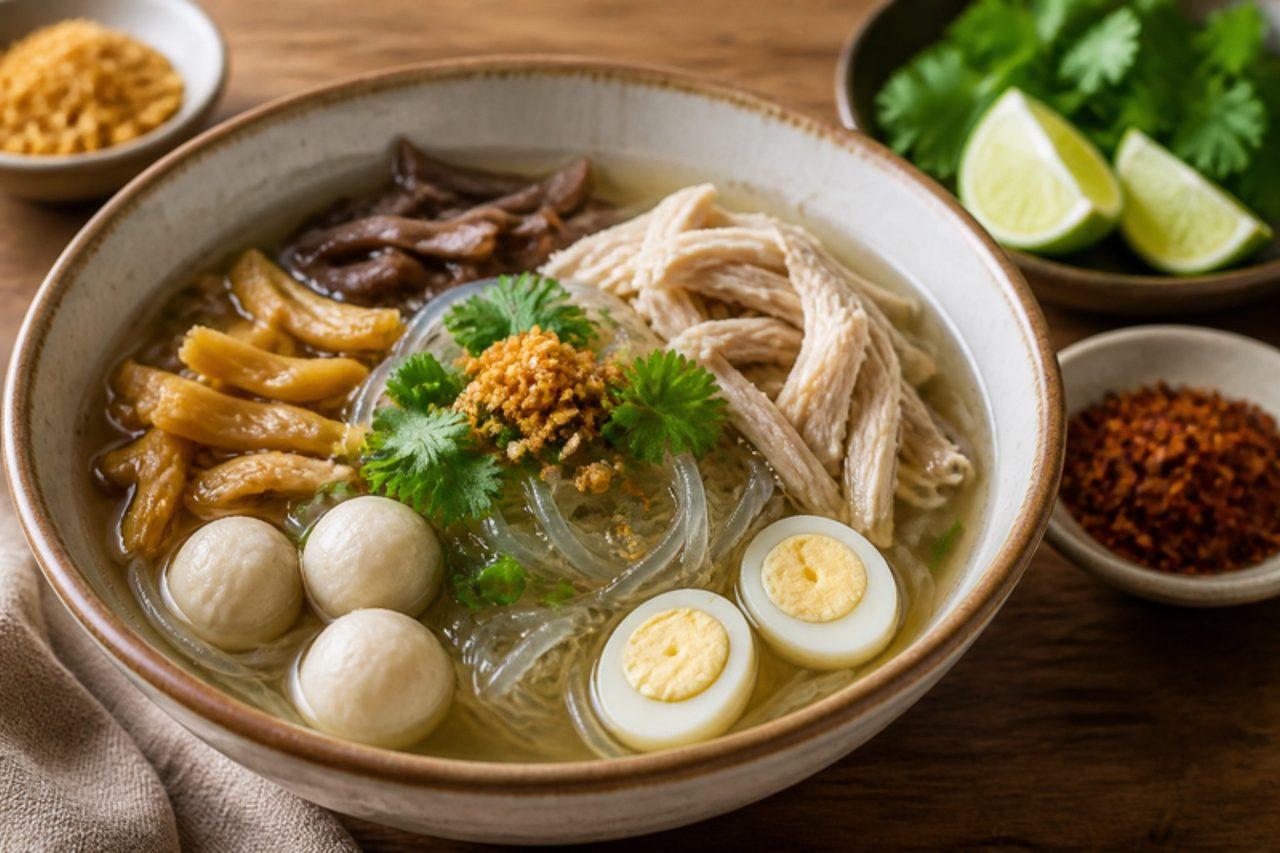
Lighter than mohinga and a favourite with children, kyar zan hinga turns up at Yangon donation feasts, at evening noodle stalls and on the family table when someone needs something soothing. Slippery glass noodles swim in a clear, peppery chicken broth with shredded chicken, crunchy wood-ear mushroom, chewy knots of dried lily buds, bouncy fish balls and whole quail eggs. Each bowl is finished at the table with lime, chilli flakes, fried garlic and coriander, and crisp split-pea fritters are often torn in on top. Simmering the glass noodles in the pot is the classic error: they swell, go soft and drink up the broth, so add them straight to the bowls instead. Chef's tip: knot each softened lily bud before it goes into the soup; it keeps them from shredding and gives every spoonful a little chewy bite.

by KrazyBadal 0 views

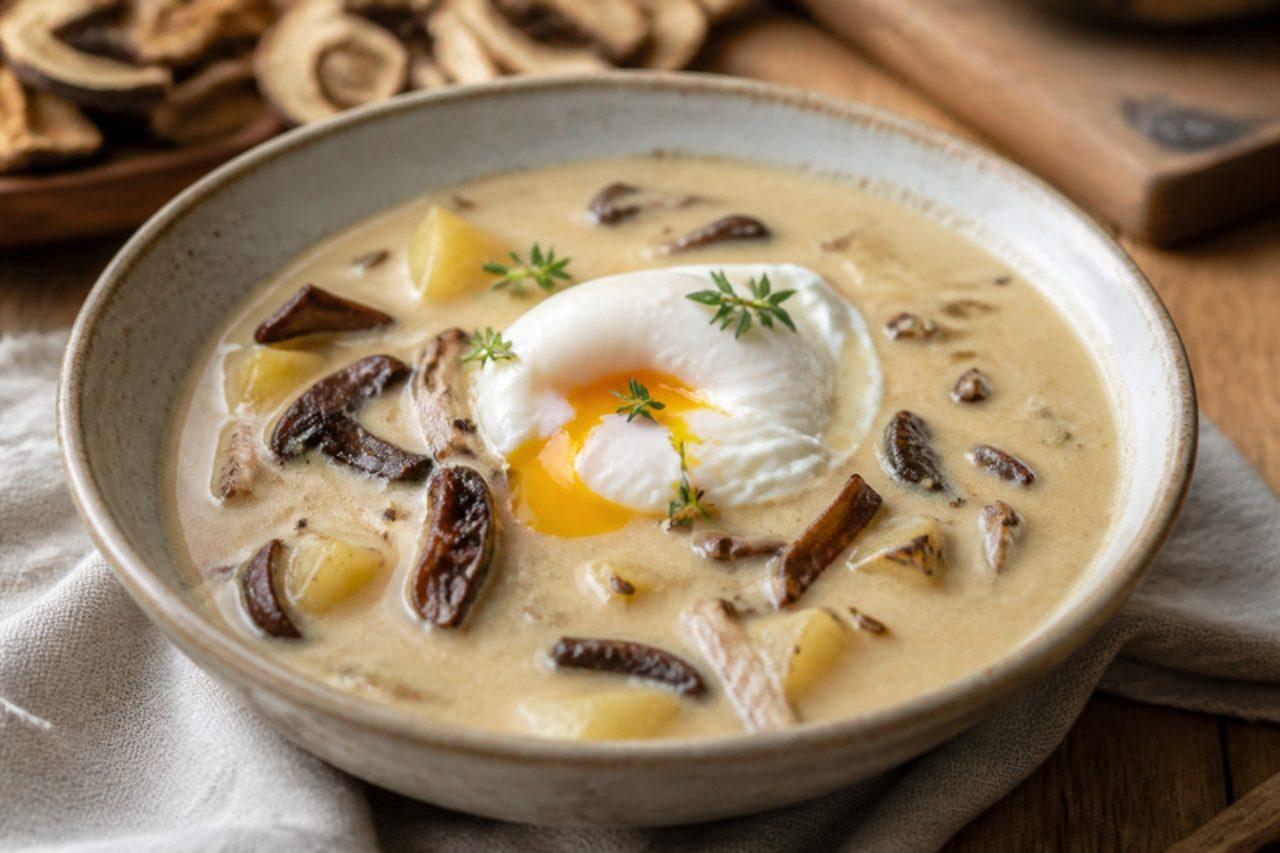
KyseloSour rye soup

High in the Krkonoše, the Giant Mountains on the Polish border, poor mountain families made a whole meal from a jar of rye sourdough starter, a handful of dried mushrooms and potatoes from the cellar. Kyselo still turns up in chalet restaurants around Špindlerův Mlýn and at local food festivals. It is pleasantly sour and creamy from the fermented rye, scented with caraway, and poured over boiled potatoes with softly scrambled egg spooned on top. The usual slip is boiling the soup hard after the starter goes in, which makes it catch on the bottom and turn lumpy; keep it at a lazy simmer and stir often. If you can, mix the starter with water the night before and leave it covered at room temperature, for a deeper sourness. Chef's tip: a mature, bubbly rye starter that smells like yoghurt gives the best flavour; a sleepy one makes a flat soup.

60 minCzechSoups
by KrazyBadal 0 views

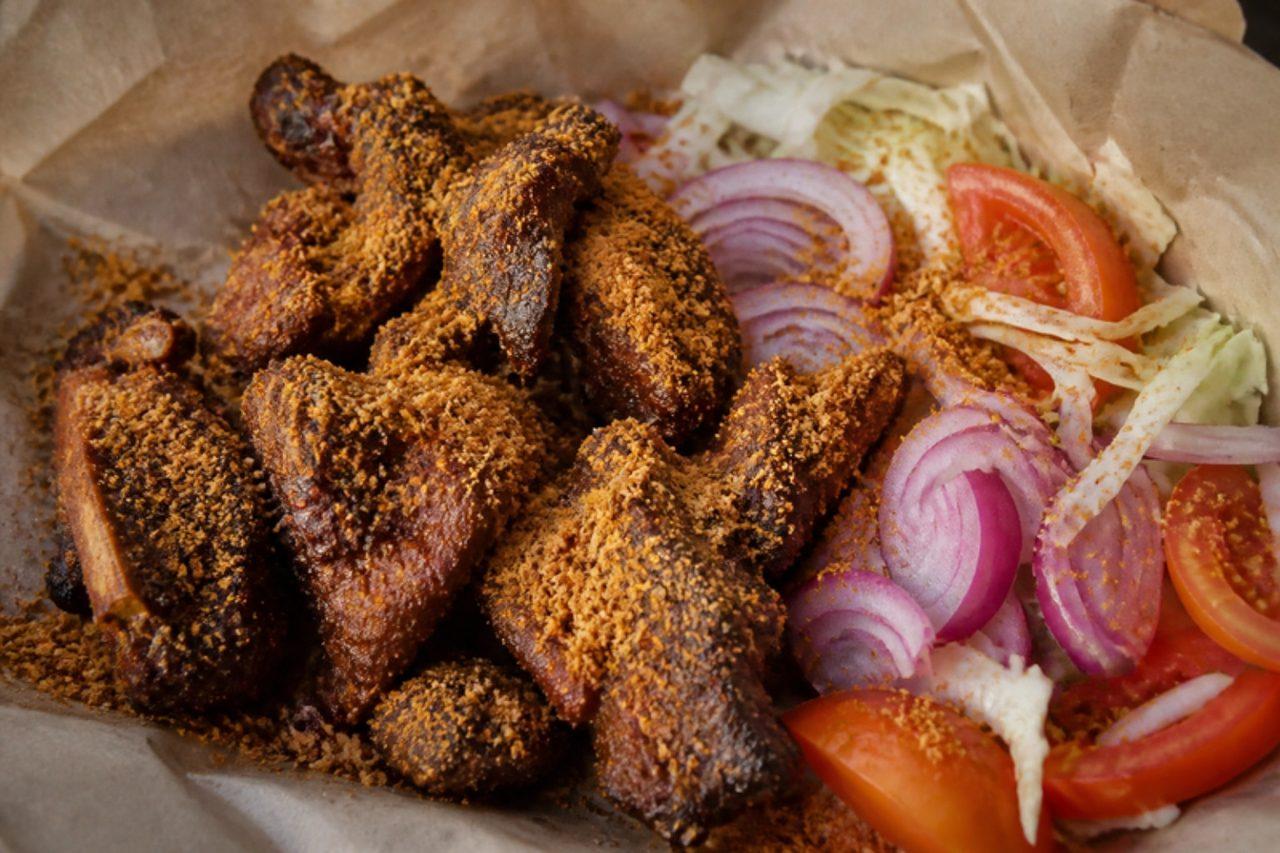
BalanguGrilled spiced mutton

At balangu spots around Kano and the northern cities, the meat is cooked on flat stones heated by fire underneath, so it sears in its own fat rather than over flames. Mutton is the classic, with bone and a little fat left on; beef works too. It comes off crusty and smoky, then is tossed with yaji, the northern peanut-chilli spice, and served on paper with raw onion, tomato and cabbage, eaten with the fingers in the evening. A heavy cast-iron pan or griddle gives the same effect at home. Marinate in the fridge, not on the counter, and cook the pieces until no pink remains and they reach 71 °C. Chef's tip: get the iron smoking hot before the meat goes on and do not crowd it; overcrowding is the classic mistake that leaves the meat grey and stewed.

by KrazyBadal 0 views

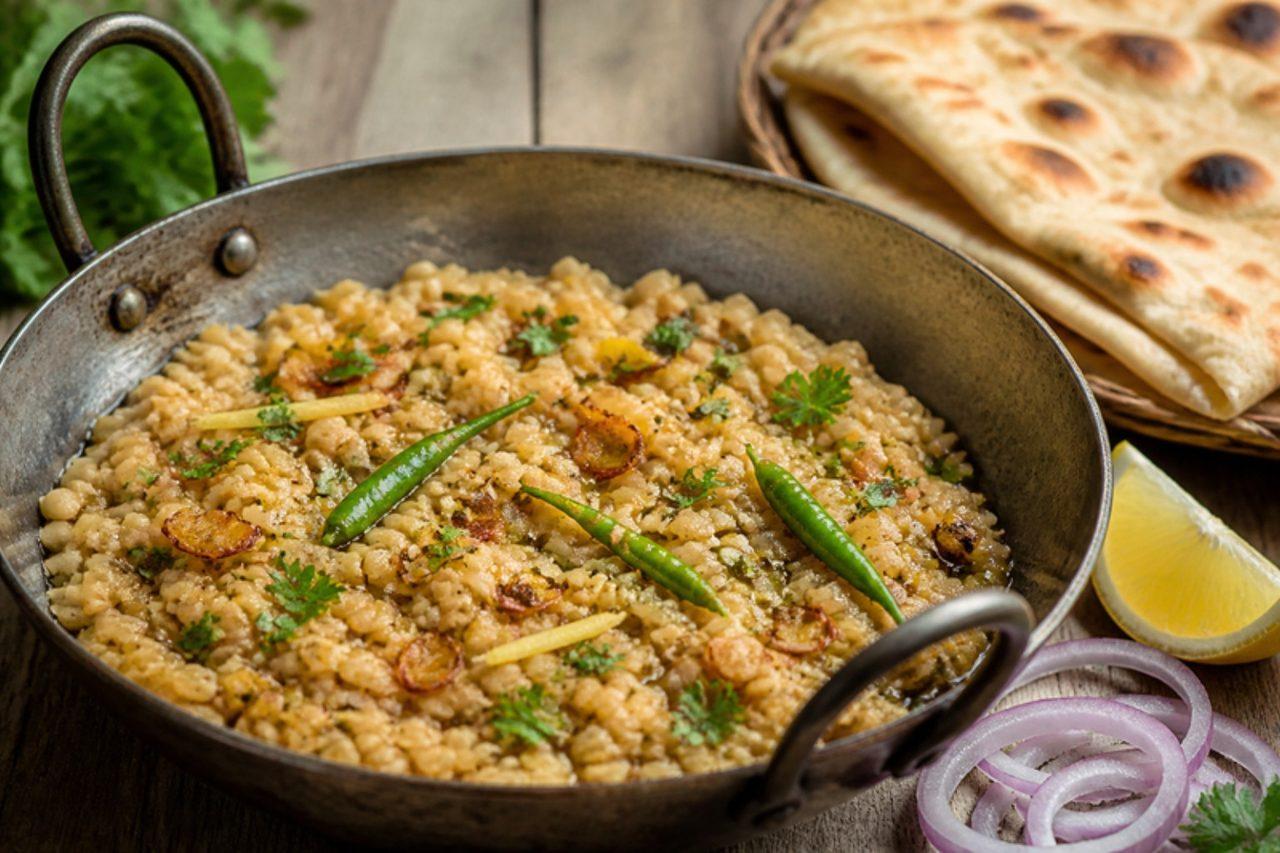
Daal mashWhite urad dal with ghee tarka

Walk into any dhaba on Lahore's Mall Road or in the lanes behind Anarkali after dark and daal mash is on the counter beside the tandoor, a pot of split white urad lentils cooked until each grain is soft but still separate, never a soup. It is eaten scooped up with hot tandoori roti, with a heap of raw onion rings and a squeeze of lemon, and it is rich enough to stand in for meat at a weeknight dinner. The flavour comes almost entirely from the last minute: a ladle of ghee crackling with garlic, ginger, green chilli and cumin poured over at the table. The usual mistake is adding too much water, which turns it to mush; it should cook in just enough to be absorbed. Chef's tip: soak the dal for 30 minutes and stir it as little as possible once it is in the pot, so the grains stay whole.

by KrazyBadal 0 views

Kakaós csigaCocoa yeast snails

Walk into any Hungarian bakery at seven in the morning and the window will hold trays of kakaós csiga, cocoa snails, glossy on top and dark-striped inside. Children eat them on the way to school with a carton of chocolate milk, and office workers grab one with a coffee. The dough is soft and milky, rolled up with butter, cocoa and sugar so the swirl turns fudgy and slightly sticky; a brush of syrup after baking keeps them shiny and moist for a day. Where most people go wrong is spreading the filling on too-warm dough, which tears; let the risen dough rest for a few minutes after rolling. Chef's tip: roll the dough up from the long side quite tightly and cut with dental floss or a very sharp knife, so the snails keep their round shape.

by KrazyBadal 0 views

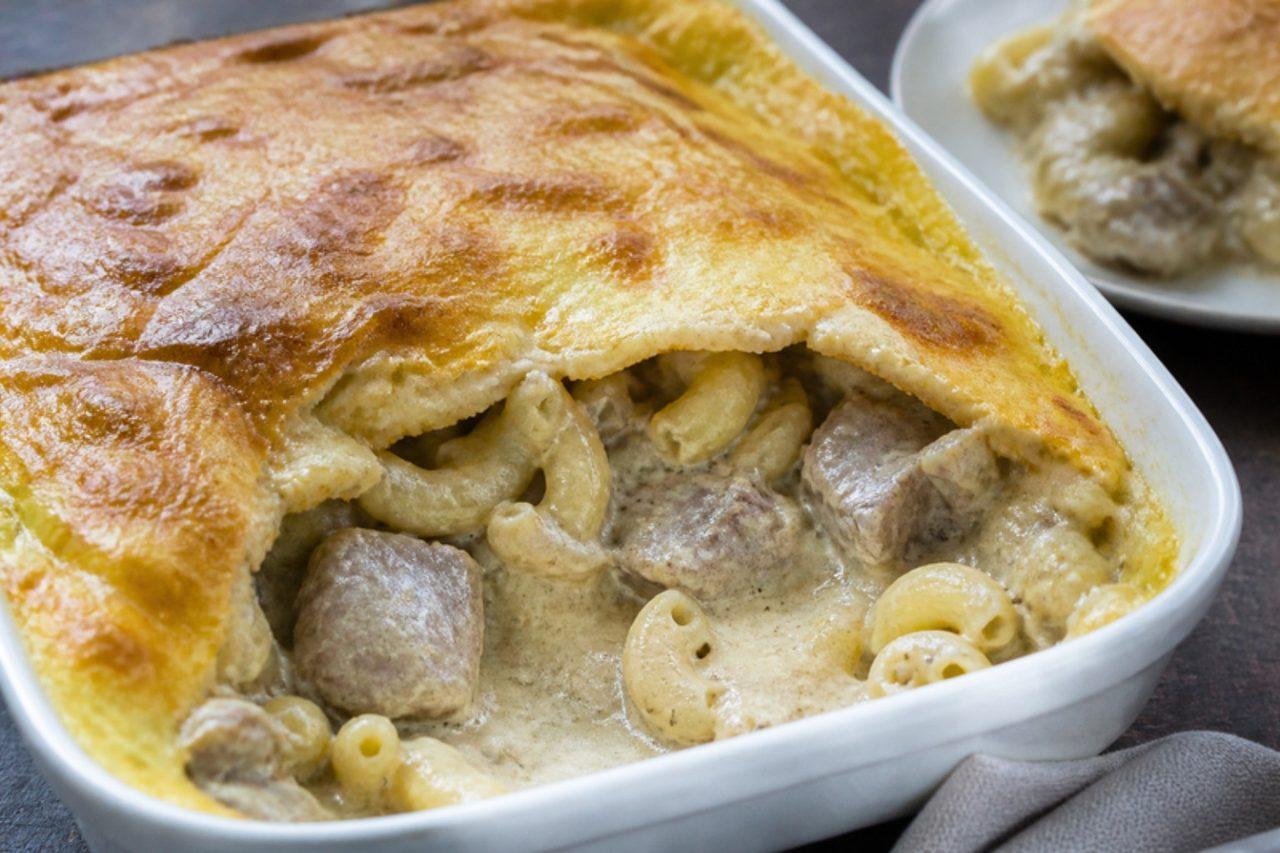
Dabba goshtMutton and macaroni bake

Only a Dawoodi Bohra kitchen would put macaroni into a mutton curry and bake it under a lid of egg, and dabba gosht is the triumphant result, made in Karachi for weddings, Eid and the big communal meals of Muharram. Boneless mutton is simmered until tender in a pale gravy of yogurt and ground cashew, mixed with soft elbow macaroni, poured into a dabba (a tin or deep dish), covered with whisked eggs and baked until golden on top. Inside it is creamy and mild with black pepper and cardamom; the crust is soft and set. The pitfall is overcooking the pasta before it goes in, because it keeps drinking sauce in the oven; boil it two minutes short. Chef's tip: keep the sauce looser than you think it should be when you assemble, as it thickens a lot under the egg.

by KrazyBadal 0 views

Showing 45 of 7,762 recipes

Show more recipes

Page 293 of 863