
Skip to content
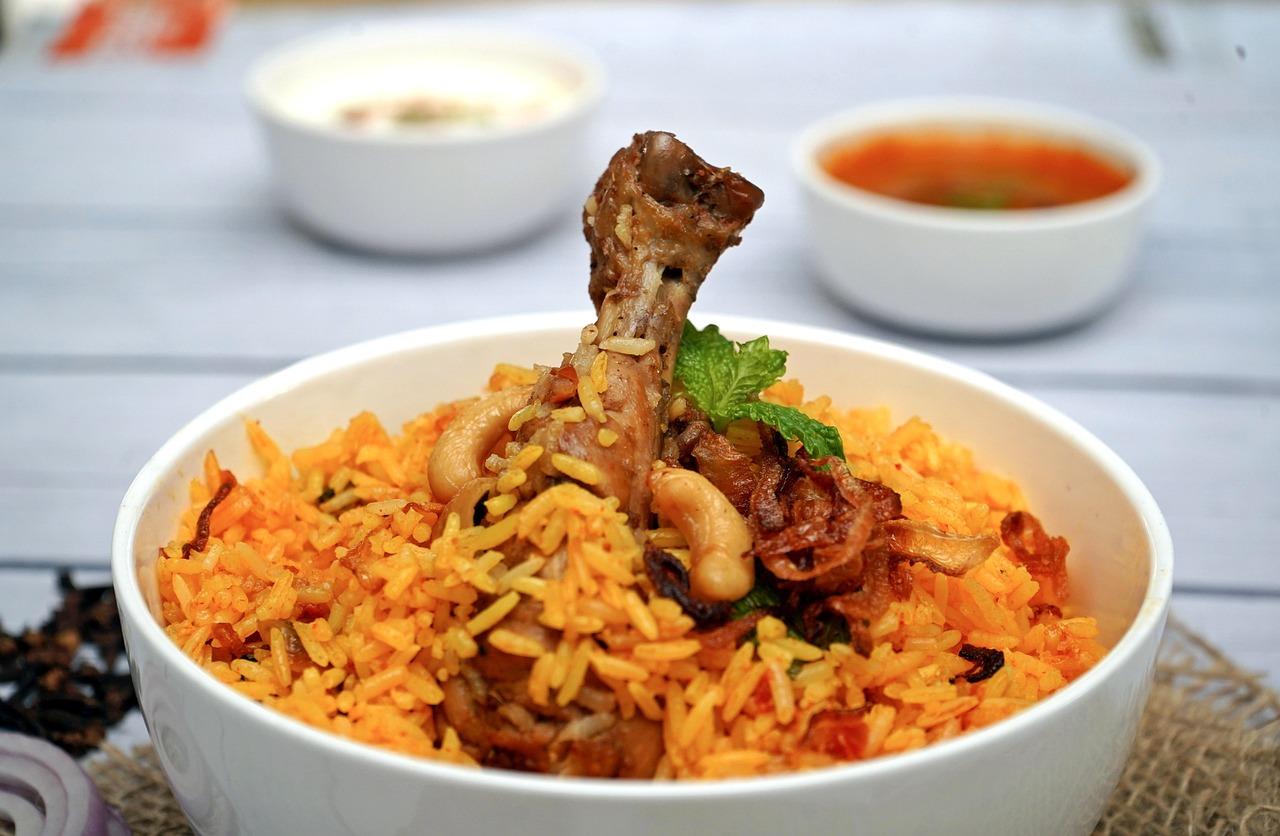
Hyderabadi chicken dum biryani
Featured recipe

Hyderabadi chicken dum biryani

Hyderabad's biryani grew up in the kitchens of the Nizams, and the kacchi style is its proudest form: the chicken goes into the pot raw, in a thick yogurt, mint and fried-onion marinade, and cooks only in the steam trapped under part-cooked basmati. In the old city it is wedding and Eid food, ordered in huge copper deghs, and at home it's the Sunday showpiece, served with mirchi ka salan and a cooling raita. Because the meat cooks without being stirred, small bone-in thigh and drumstick pieces work best. Chef's tip: marinate overnight in the fridge — the yogurt tenderises the chicken and the flavours go right to the bone.

Read more 1 views
Can't decide?

What to eat today?

Spin the randomizer, search with what's already in your fridge, or browse recipes from our chefs.

Latest recipes

Bolo do caco

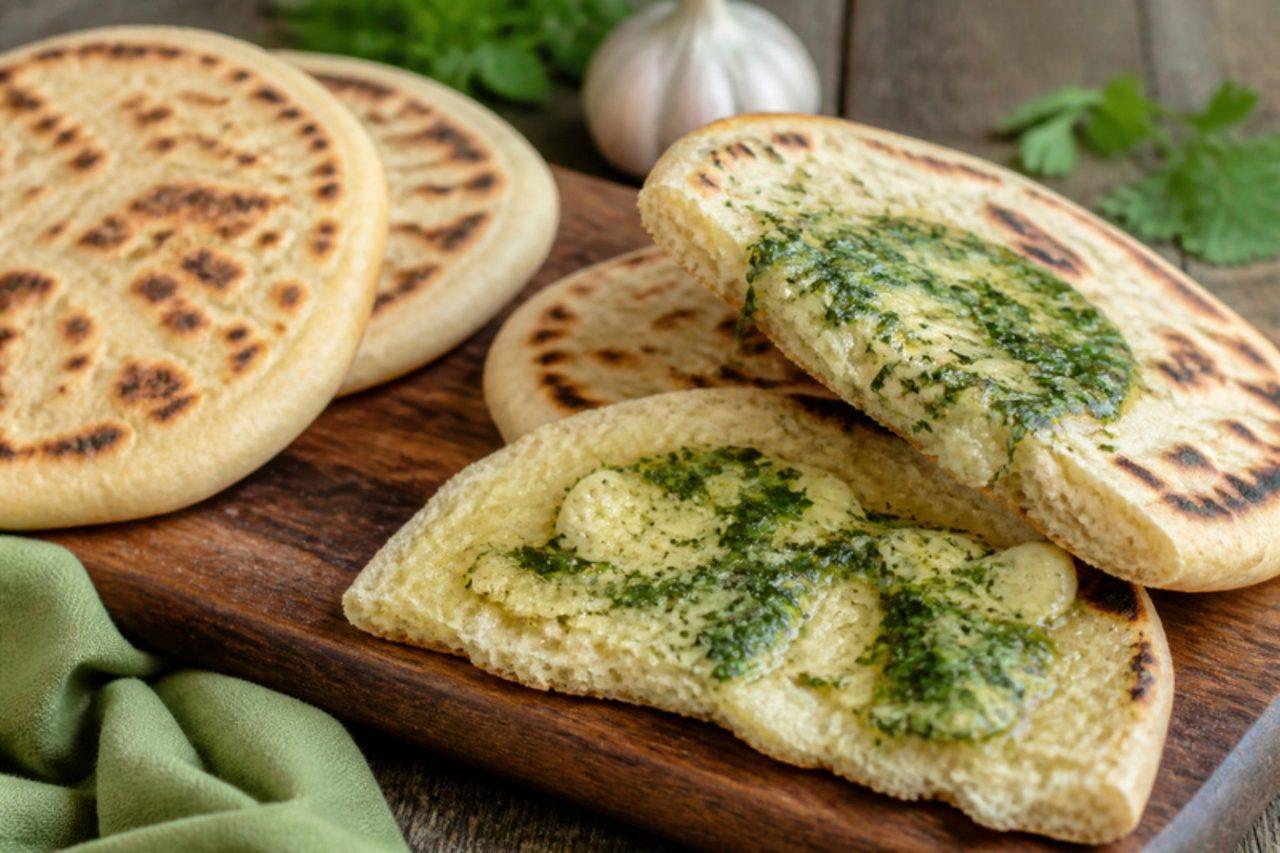
Every street stall at the Funchal flower festival and every village arraial on Madeira has a hot stone griddle going, turning out these flat, chewy rounds of bread made with sweet potato. They are split while hot, spread with garlic and parsley butter and eaten on their own, or stuffed with a skewer's worth of espetada. The name comes from the caco, the basalt slab they were first baked on, but a heavy frying pan does the job at home. Chef's tip: cook them low and slow; a hot pan burns the crust before the thick middle is done.

by KrazyBadal 0 views

Midye dolma

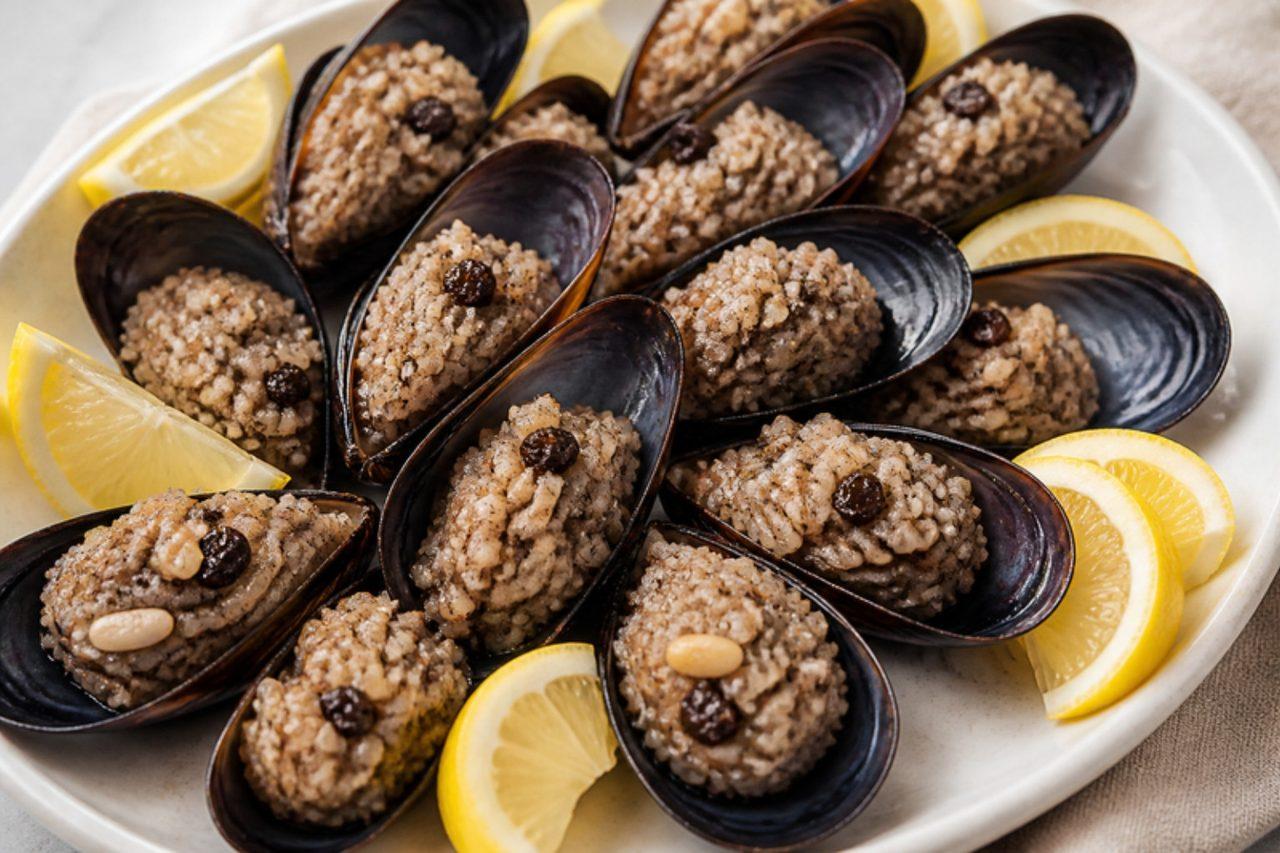
Late at night along Istanbul's Beşiktaş and Kadıköy streets, vendors walk with trays of shiny black mussels stuffed with fragrant rice, cracking one open, squeezing lemon on it and handing it over until you say stop. The rice is cooked with onion, tomato paste, cinnamon, allspice, currants and pine nuts, then steamed back inside the shells. Make them at home for a meze table and they are safer and fresher than any street tray. Chef's tip: soak the closed mussels in cold salted water first; the shells relax slightly and are much easier to prise open with a small knife.

105 minTurkishFish
by KrazyBadal 0 views

Ghalieh meygoo

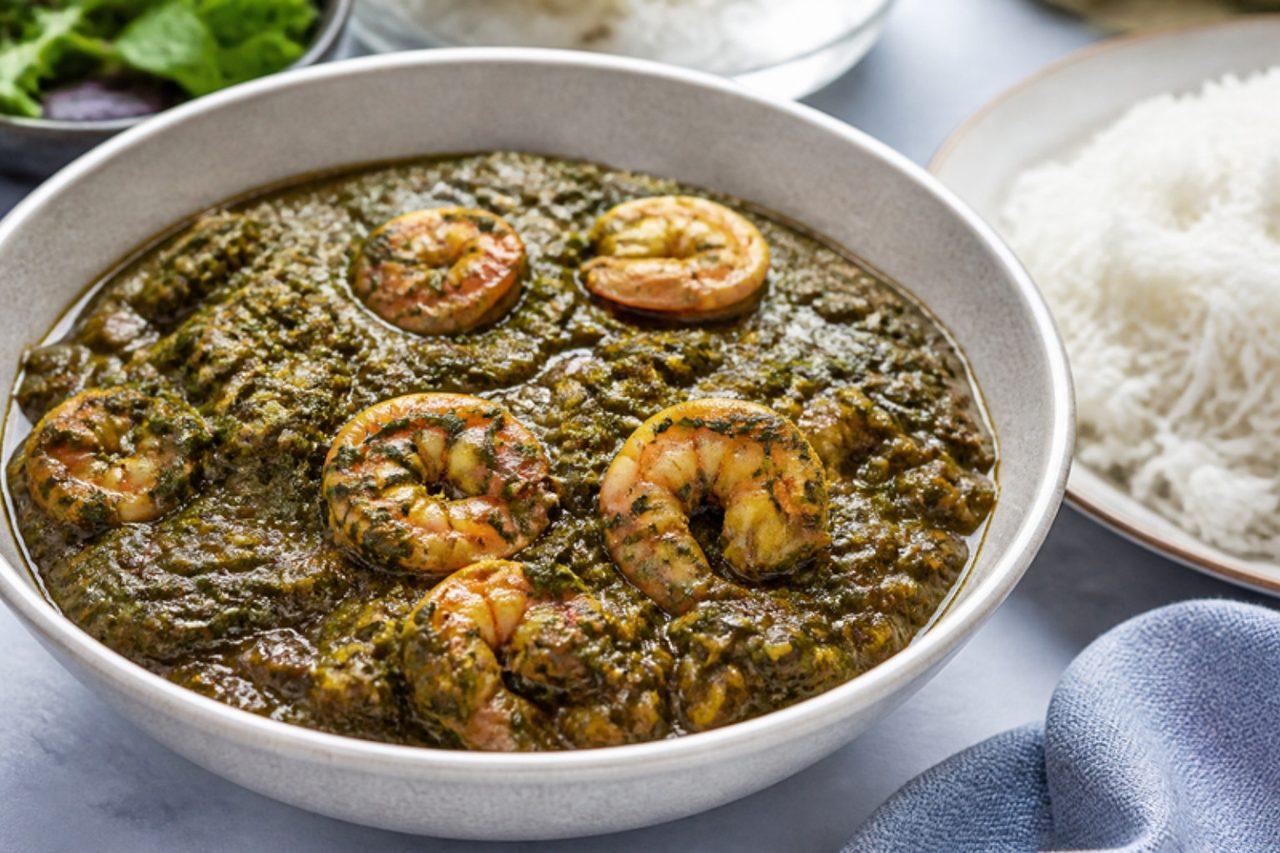
In Bushehr, where the fishing boats bring in Gulf prawns every morning, ghalieh meygoo is the dish cooks make when they want something quicker and a little more festive than the fish version. The same base of slow-fried coriander, fenugreek and garlic is soured with tamarind and fired up with chilli, then the prawns go in for just a few minutes so they stay sweet and juicy. It is eaten with plain chelow rice and a raw onion on the side. A common mistake is simmering the prawns with the sauce from the start, which leaves them rubbery and small. Chef's tip: simmer the prawn shells in the water for 10 minutes first and use that stock; it gives the sauce a real taste of the sea.

by KrazyBadal 0 views

Kartoffelkäse

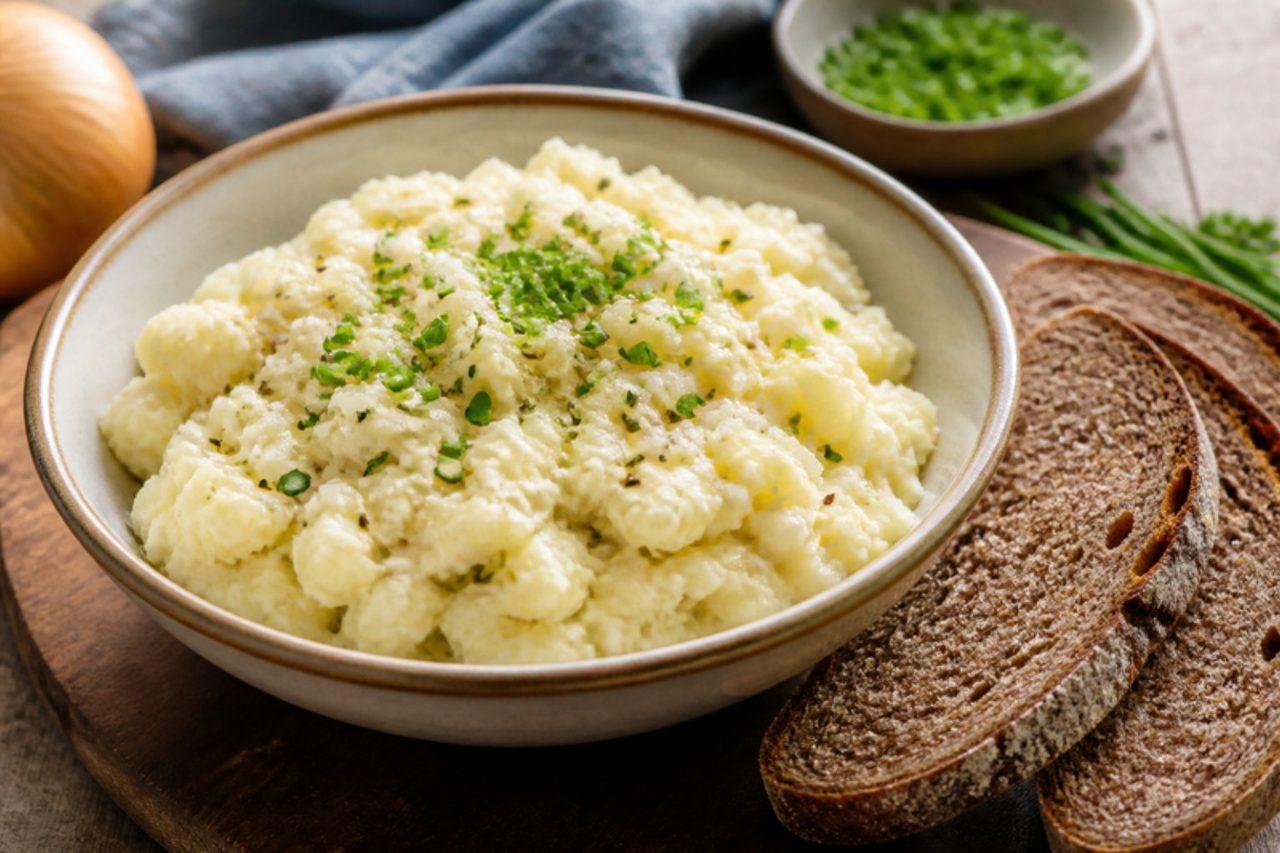
Despite its name, Franconian Kartoffelkäs contains no cheese at all: it is a soft spread of riced potato, sour cream, onion and caraway that farm families around Bamberg and Nuremberg put on the table for Brotzeit, the cold evening supper. It goes on thick slices of rye bread with chives and sliced radish, and it was a way to turn a few leftover potatoes into something rich enough to stand in for cheese. A common mistake is using waxy potatoes, which go gluey; floury ones make it light. Chef's tip: rice the potatoes while hot, but stir in the sour cream only when they are cool, so the spread stays fresh-tasting rather than heavy.

by KrazyBadal 0 views

Finkenwerder Scholle

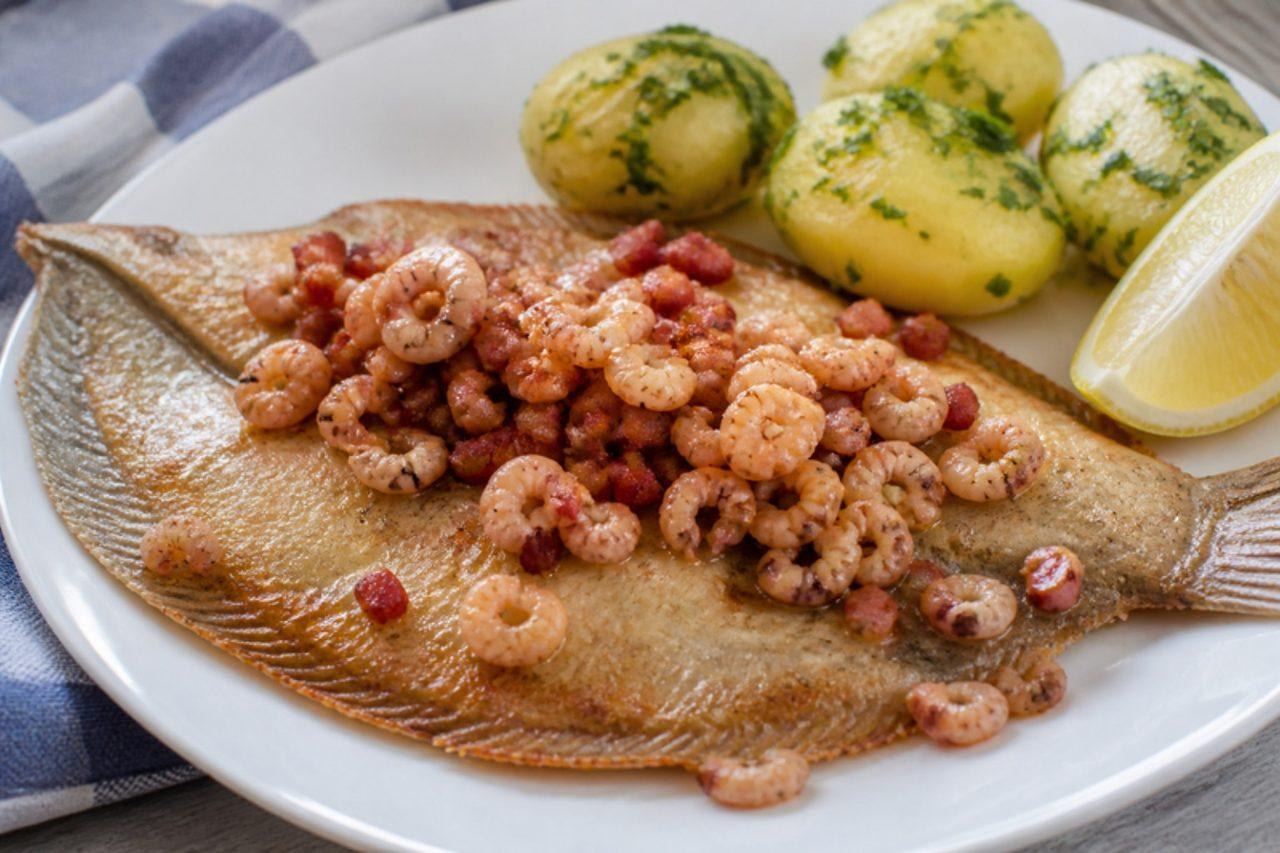
Finkenwerder was a fishing village on an Elbe island, and the way its fishermen cooked plaice is now Hamburg's signature fish dish, eaten from May to autumn when plaice is plump. A whole fish is dusted and fried in butter, then covered with crisp cubes of smoked pork belly bacon and a handful of tiny brown North Sea shrimps warmed in the same pan, and served with parsley potatoes and cucumber salad. The bacon is pork; leave it out and add capers for a pork-free plate. Chef's tip: score the dark skin side lightly twice so the fish stays flat in the pan and cooks evenly to the bone.

40 minGermanFishGluten free
by KrazyBadal 0 views

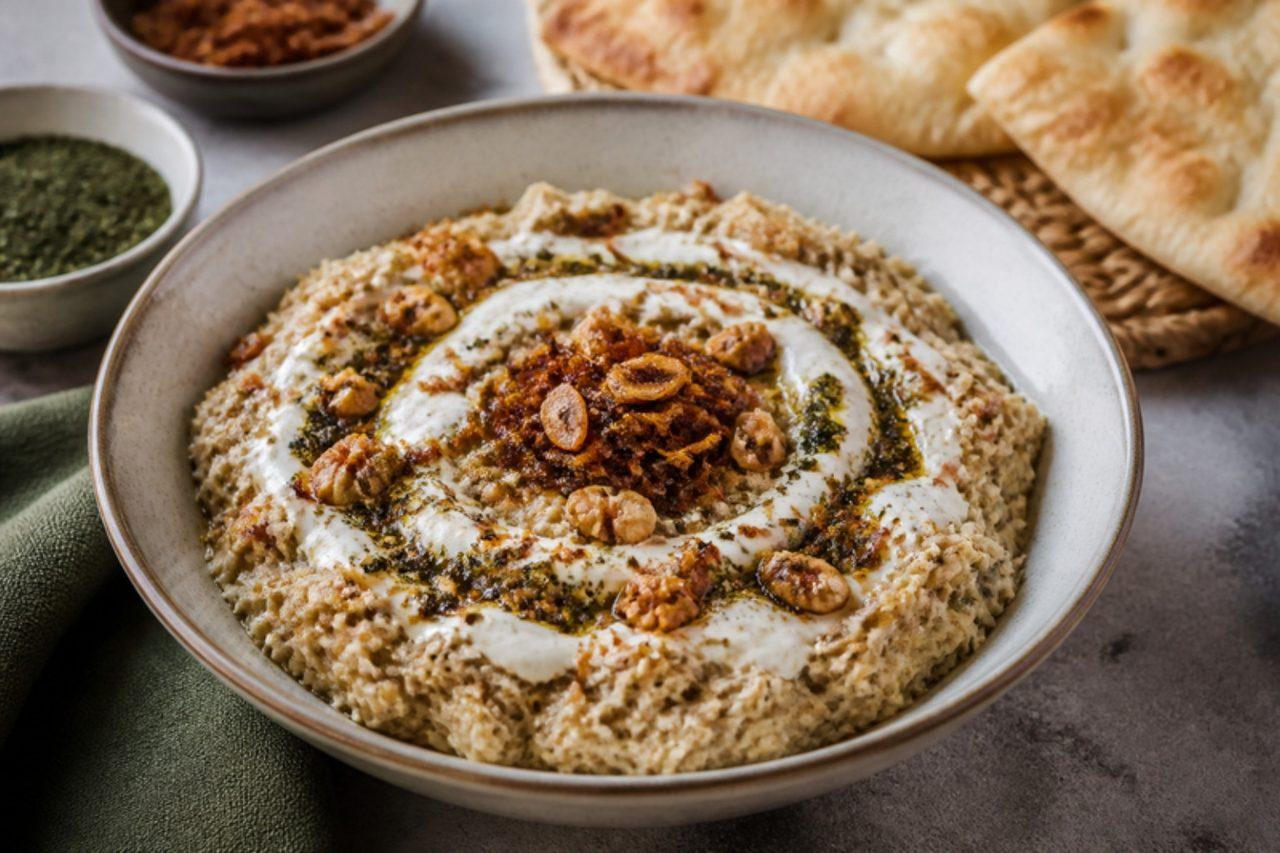
Bozghormeh

Bozghormeh is a dish of Kerman, the desert city in south-east Iran, cooked on winter weekends and for family gatherings. Lamb and chickpeas are simmered with turmeric until soft, then pounded together and finished with kashk (salty fermented whey), lots of fried onion and garlic and a dusting of dried mint; it is scooped up with flatbread rather than eaten with rice. The result is creamy, tangy and deeply savoury. A common mistake is boiling after the kashk goes in; it turns grainy, so add it at the end over a low heat. Chef's tip: if you can't find kashk, mix thick Greek yogurt with a pinch of salt and a squeeze of lemon; it's milder but close.

150 minPersianMeat
by KrazyBadal 0 views

Kalam polo Shirazi

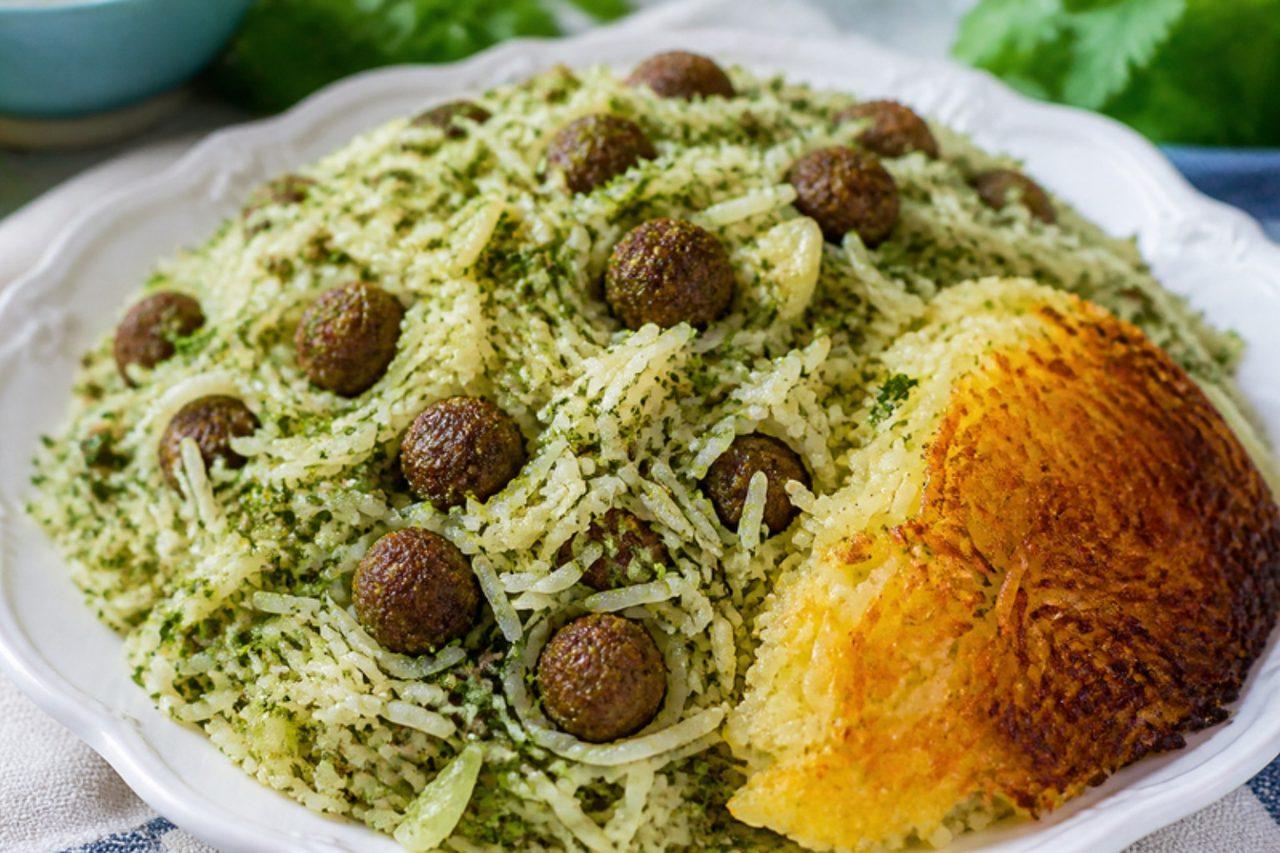
Kalam polo is the rice that Shirazi families cook from late autumn into spring, when white cabbage is sweet and the herb sellers of the Vakil Bazaar pile up basil, tarragon and dill. Shredded cabbage is fried until caramel-brown, mixed with a big handful of herbs and a touch of cumin, then layered through basmati with tiny meatballs no bigger than a chickpea and steamed into a fragrant, green-flecked pilaf. For a vegetarian pot, leave the meatballs out and add a handful of cooked chickpeas. Serve with Shirazi salad and yogurt. A common mistake is frying the cabbage too briefly; it must turn golden and sweet, or it gives the rice a sulphurous taste. Chef's tip: dry the chopped herbs on a tea towel before frying so they crisp instead of stew.

by KrazyBadal 0 views

Zereshk polo ba morgh

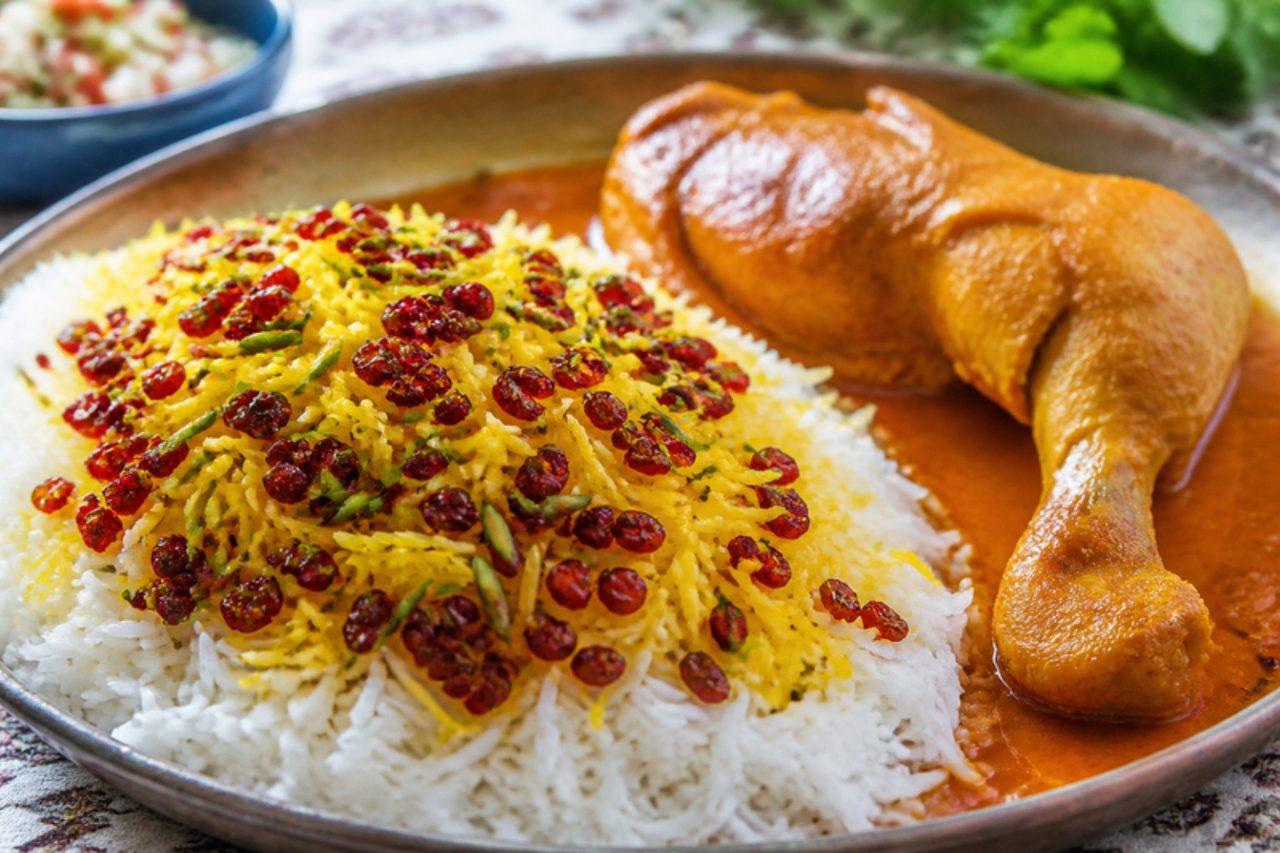
Zereshk polo ba morgh is the rice Iranians cook for guests, weddings and Friday lunches, and its tart red barberries come mostly from the orchards around Birjand in South Khorasan, where the berries are dried on rooftops in autumn. Fluffy steamed basmati is crowned with saffron rice and barberries fried briefly in butter with a little sugar, and served beside chicken braised slowly with onion, tomato and saffron until it is falling off the bone. A common mistake is frying the barberries for more than a minute or two; they burn fast and turn bitter. Chef's tip: sort the barberries on a white plate and remove any tiny stems or grit before soaking.

by KrazyBadal 0 views

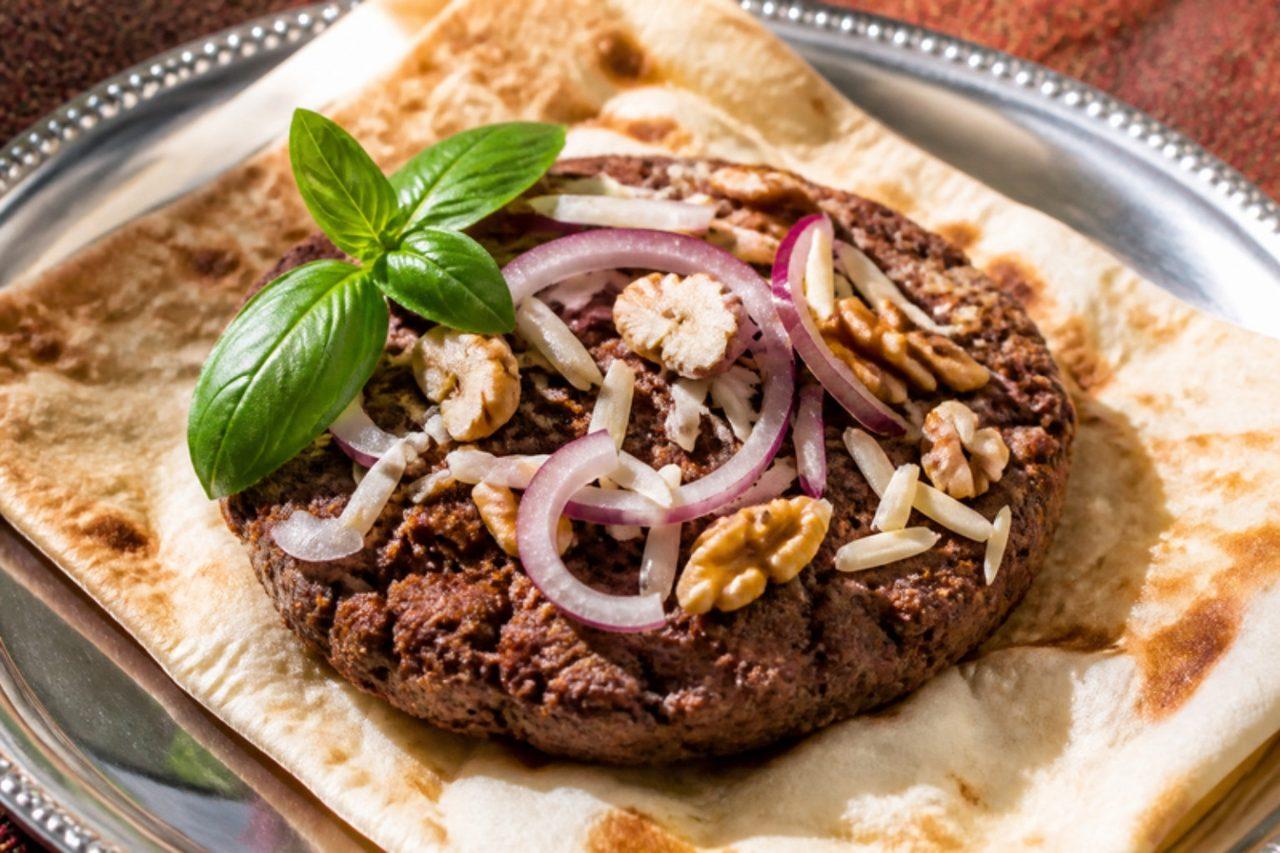
Beryani

Beryani is Isfahan's signature lunch, eaten in old bazaar eateries near Naqsh-e Jahan Square for more than a century, and nothing like the rice biryanis of South Asia. Lamb shoulder and, traditionally, lamb lung are simmered, minced, seasoned with cinnamon and fried on a small round pan with the fat from the pot, then turned out onto soft sangak or taftoon bread and eaten with fresh basil, raw onion and walnuts. Lung is hard to buy outside Iran, so this home version uses lamb shoulder and a little lamb mince for the same soft texture. A common mistake is draining away the cooking fat; Isfahanis spoon it over the bread for flavour, so keep it. Chef's tip: press the meat into a small frying pan to make a neat round patty, the way the bazaar cooks do.

120 minPersianMeat
by KrazyBadal 0 views

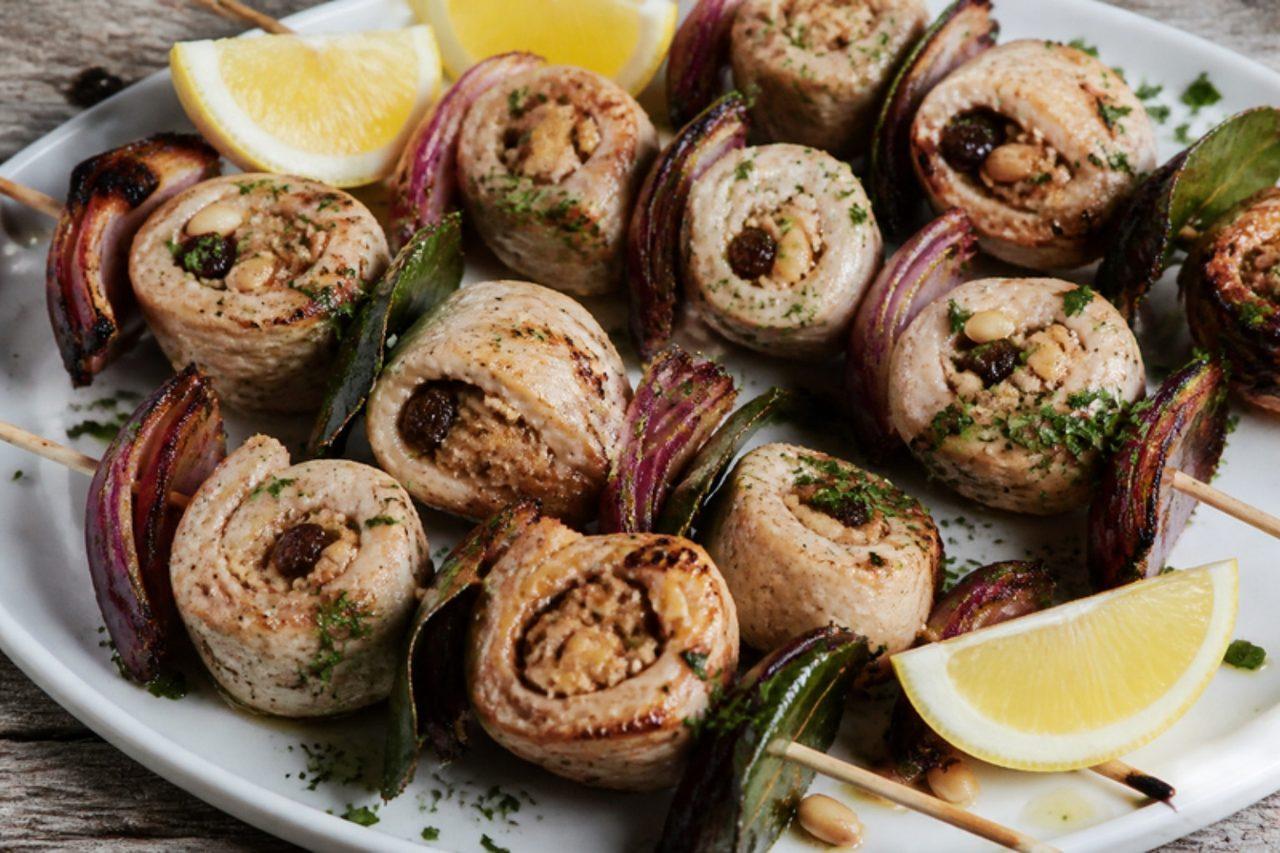
Involtini di pesce spada

Swordfish has been hunted in the Strait of Messina for centuries, and in early summer, when the boats with their tall lookout towers are out, the city's cooks roll thin slices around a filling of toasted breadcrumbs, pine nuts, raisins, lemon and parsley. Threaded onto skewers with bay leaves and onion, they are grilled or baked until just opaque, sweet-salty and fragrant. Serve with lemon wedges and a fennel and orange salad. Swordfish is high in mercury, so pregnant women and young children should limit how often they eat it; thin slices of tuna loin work too. Chef's tip: ask the fishmonger to slice the swordfish as thinly as possible, then pound it gently between sheets of cling film to 3 mm.

by KrazyBadal 0 views

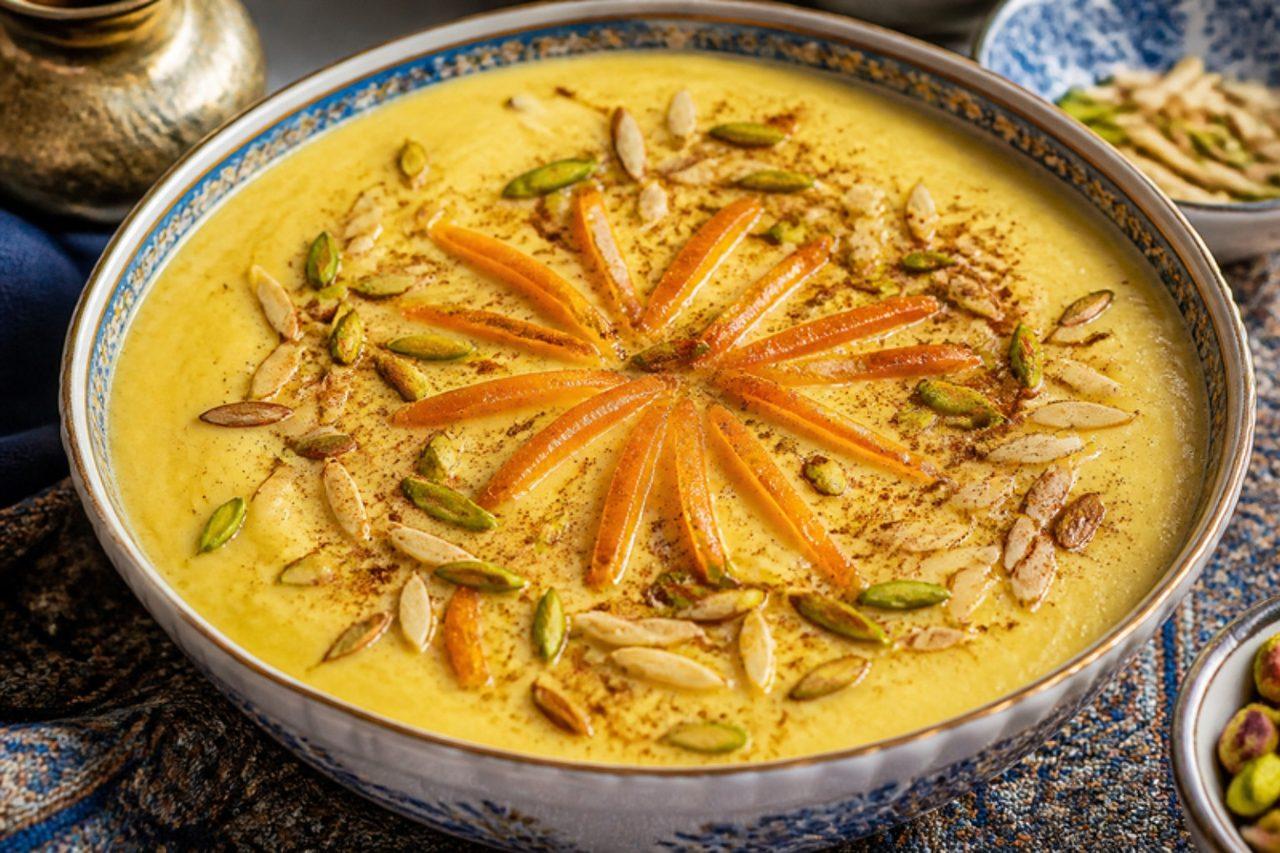
Khoresh mast

Khoresh mast is one of the strangest and most loved dishes of Isfahan: despite the name 'yogurt stew', it is served cold as a sweet side dish or dessert at weddings, funerals and Ramadan iftars. Lamb neck is cooked until it shreds into fine threads, then stirred into thick yogurt with egg yolk, sugar, saffron and orange-peel strips over a low heat until it sets into a golden, spoonable pudding that tastes of saffron and rosewater with a faint savoury depth. A common mistake is letting the yogurt boil; it splits into curds, so keep it below a simmer and stir constantly. Chef's tip: pound the cooked meat in a mortar until it is as fine as wool; you should feel the texture but not see pieces of meat.

by KrazyBadal 0 views

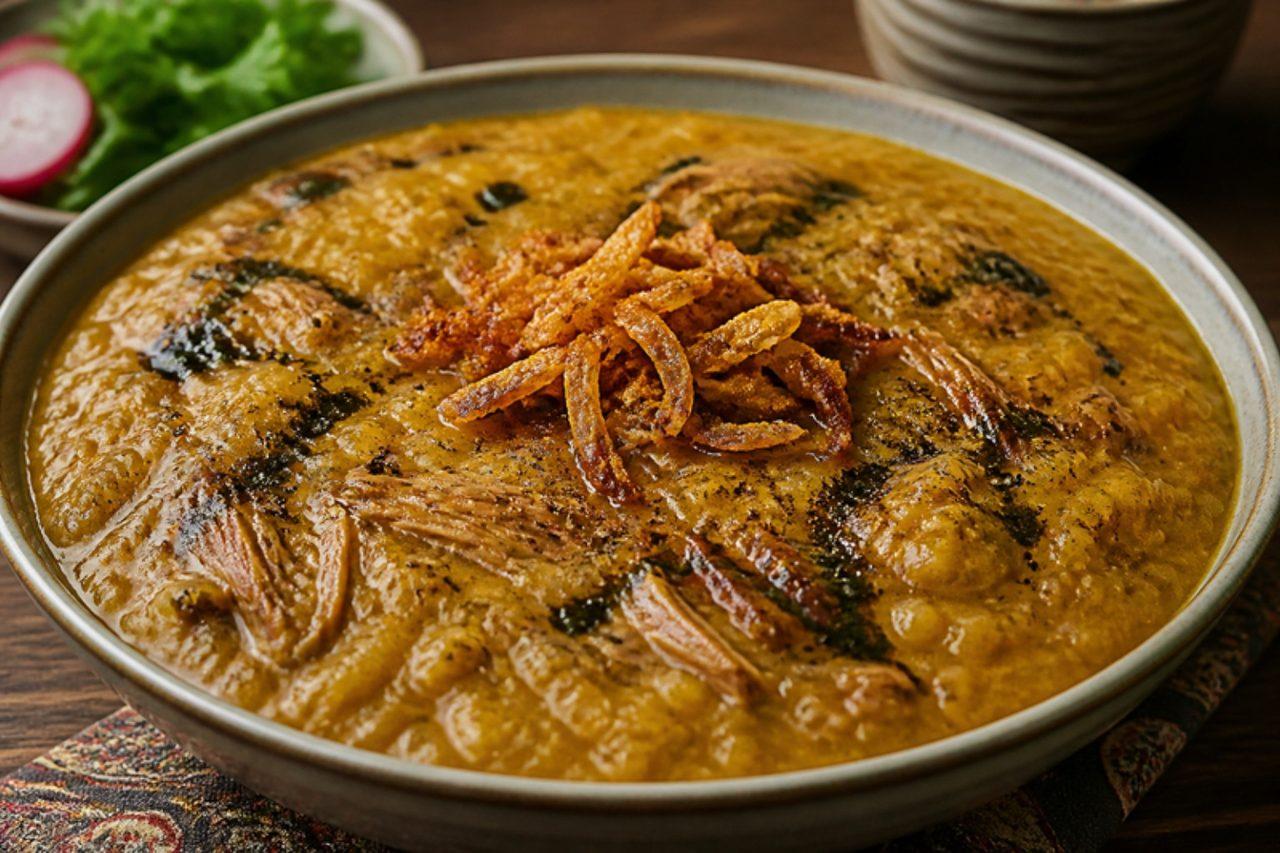
Sholeh Mashhadi

Sholeh Mashhadi is cooked in huge pots in Mashhad, the shrine city of Khorasan, and handed out to pilgrims and neighbours as nazri (a votive offering), especially during the month of Muharram. Wheat, rice, lentils, mung beans, chickpeas and lamb are cooked for hours with onion and spices, then beaten with a wooden paddle until everything melts into one thick, stretchy porridge, topped with fried onion, mint oil and a dusting of cinnamon. A home pot is smaller but follows the same rhythm. A common mistake is leaving it unstirred towards the end; the grains catch and burn, so stir and scrape the base every 10 minutes once it thickens. Chef's tip: cook the lamb on the bone first and shred it; the broth from the bones gives the porridge its body.

by KrazyBadal 0 views

Mecklenburger Rippenbraten

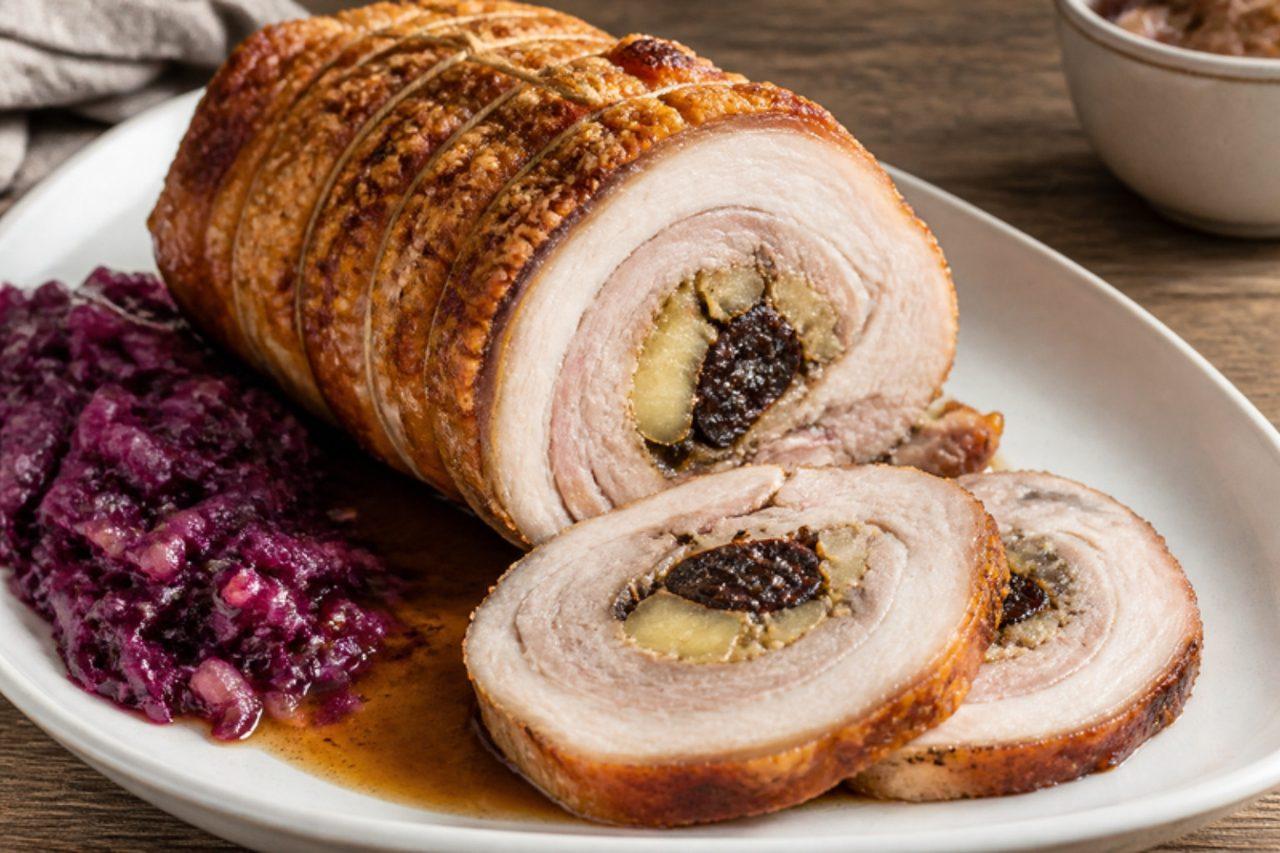
Mecklenburger Rippenbraten is the Christmas and Sunday roast of Mecklenburg on the Baltic coast, a flat piece of pork belly spread with apple and prunes, rolled, tied and roasted until the skin crackles. The fruit melts into the meat and turns the pan juices into a sweet, dark gravy, served with red cabbage and boiled potatoes. The prunes are sometimes soaked in rum; here they are soaked in apple juice, so the dish is alcohol-free. Chef's tip: dry the scored skin uncovered in the fridge overnight; dry skin is what puffs into crackling.

180 minGermanMeatGluten free
by KrazyBadal 0 views

Birnen, Bohnen und Speck

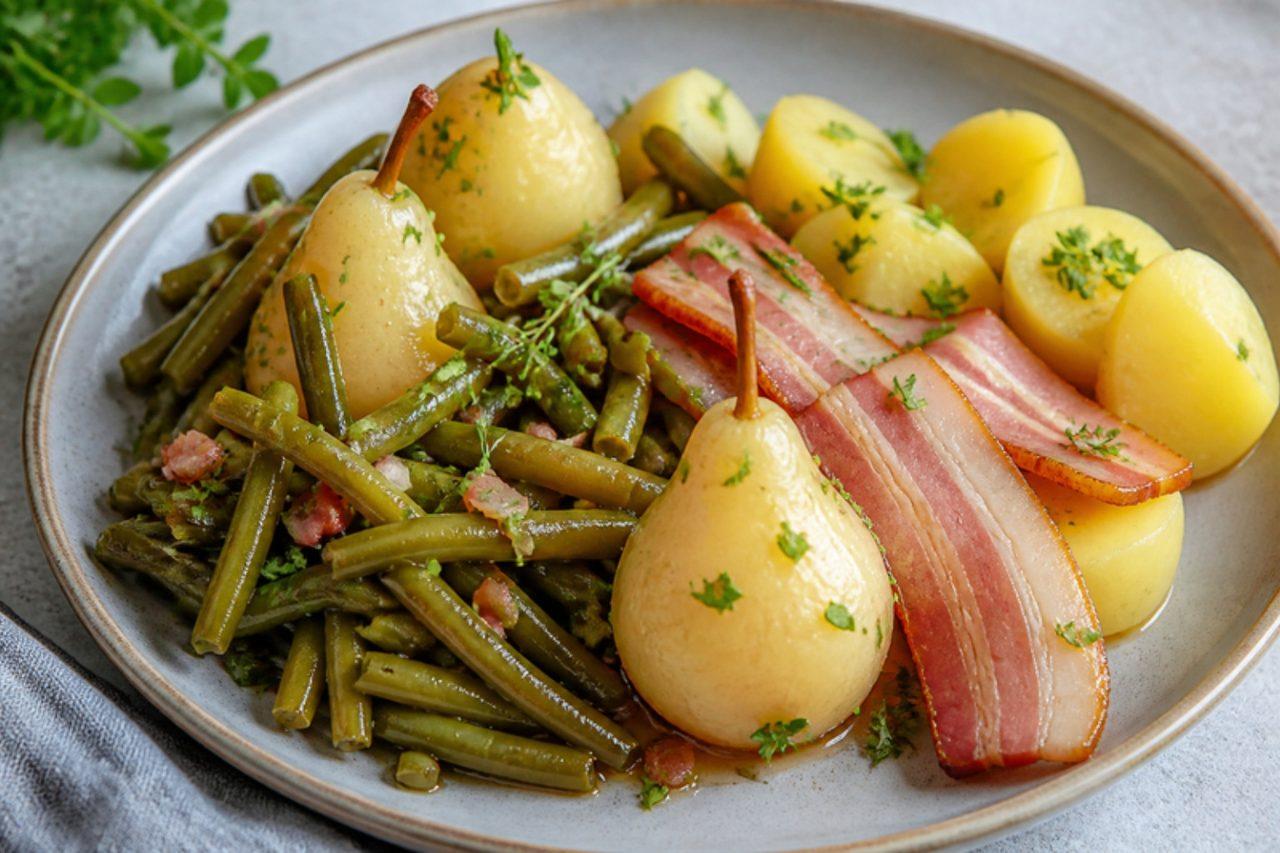
Birnen, Bohnen und Speck is late-summer cooking from Hamburg and Schleswig-Holstein, made in August when green beans and small, firm cooking pears ripen at the same time in the Vierlande market gardens. A piece of smoked pork belly bacon is simmered until tender, and its smoky broth then cooks the beans, whole pears and potatoes, with summer savory to tie the sweet and salty together. It is one pot, served straight from the stove with the bacon sliced on top. Chef's tip: choose pears that are still hard; ripe dessert pears collapse into the beans.

90 minGermanMeatGluten free
by KrazyBadal 0 views

Salada de maionese

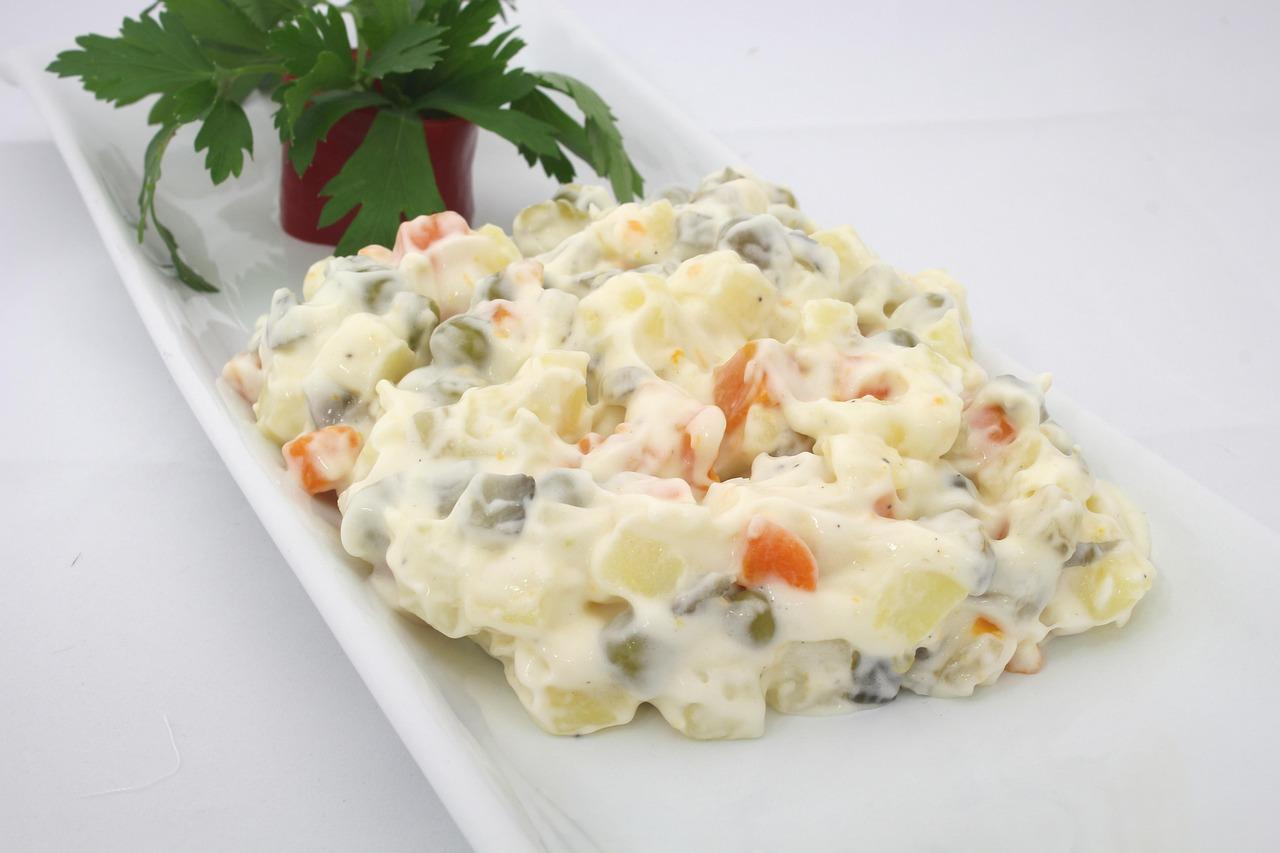
Sunday lunch in Rio, a birthday churrasco, the Christmas Eve table: wherever Brazilian families gather, a bowl of salada de maionese is there. Potatoes and carrots are cooked in small cubes, mixed with peas, chopped hard-boiled egg, a squeeze of lime and plenty of mayonnaise, then chilled until cold and creamy. Some homes add diced green apple or olives; the soft potato and sweet carrot with the tangy dressing are the heart of it. Serve it with rice, farofa and anything grilled. Dressing the potatoes while still hot is the usual misstep: the mayonnaise splits and turns oily, so let them cool first. Keep it in the fridge and don't leave it out in the heat for more than two hours. Chef's tip: toss the warm potatoes with the lime juice and salt only, so they absorb the seasoning before the mayonnaise goes on.

by KrazyBadal 0 views

Sericaia

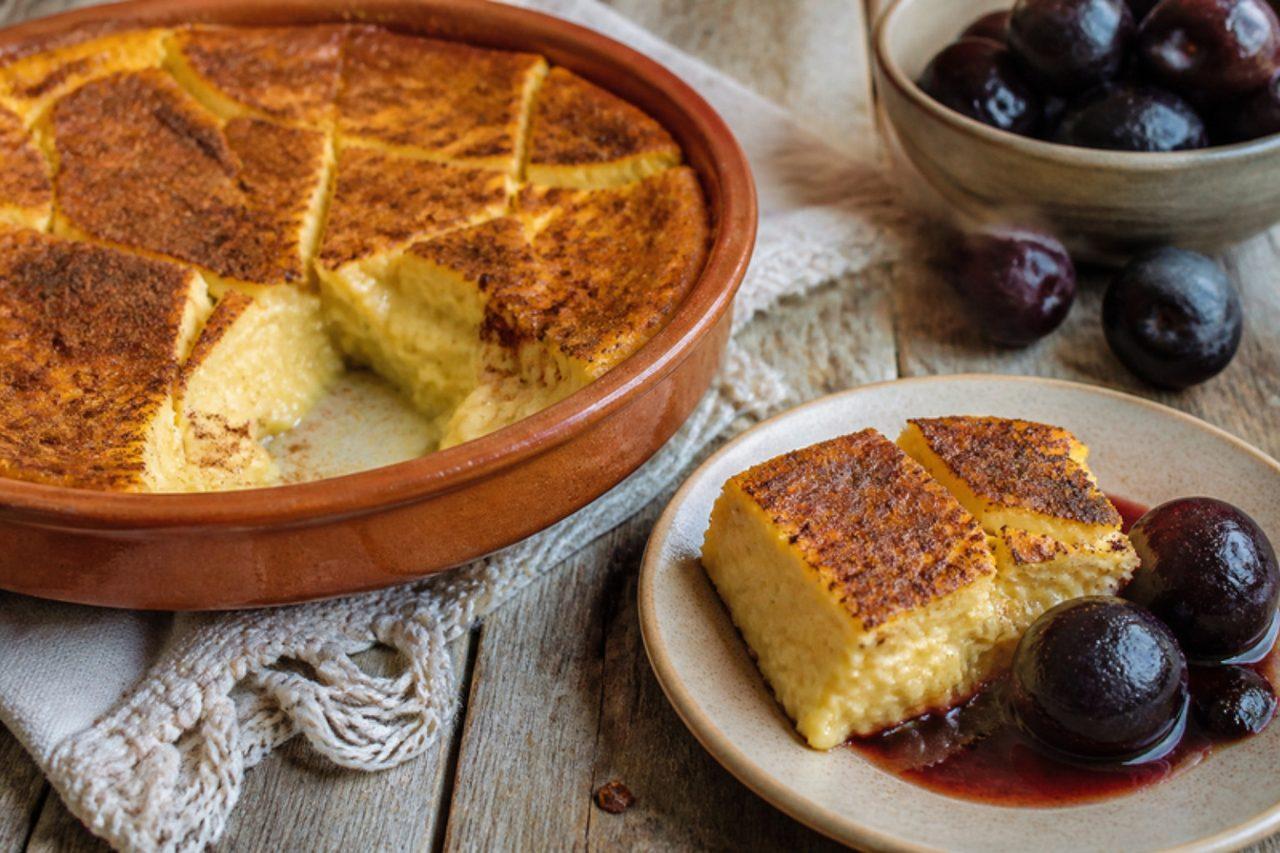
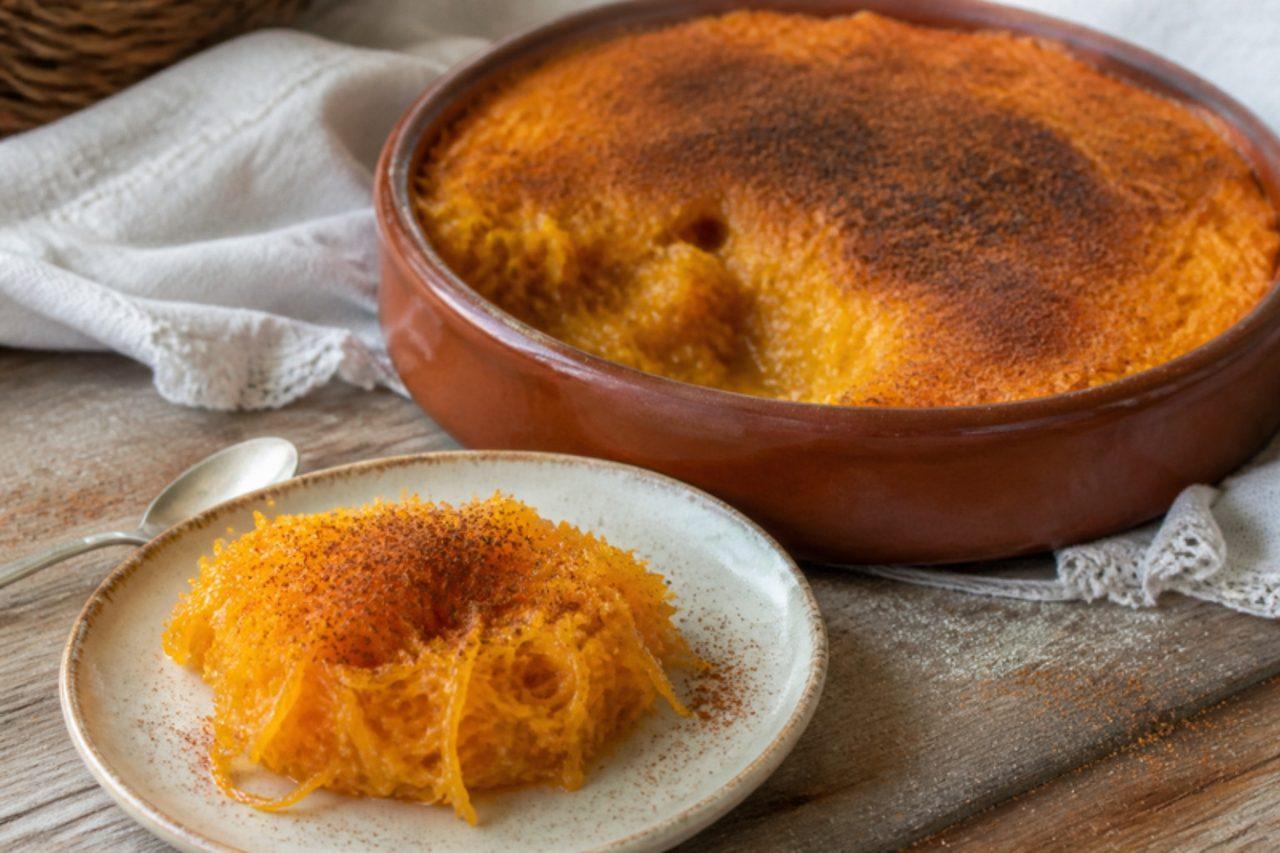
Sericaia is the pride of Elvas, on the Spanish border, and of Alentejo convent baking: a light custard of eggs, milk and sugar lifted with beaten whites, spooned into a clay dish, dusted with cinnamon and baked until it puffs and splits into deep cracks. It is always served with Elvas plums in syrup, whose sharpness cuts the sweetness; any good plums poached in syrup will do. It is a Sunday and festive dessert across the region. A common mistake is spreading the mixture smooth: drop it in large spoonfuls so it bakes into the craggy, cracked top that defines it. Chef's tip: cook the yolk custard until really thick before folding in the whites; a thin custard collapses in the oven.

by KrazyBadal 0 views

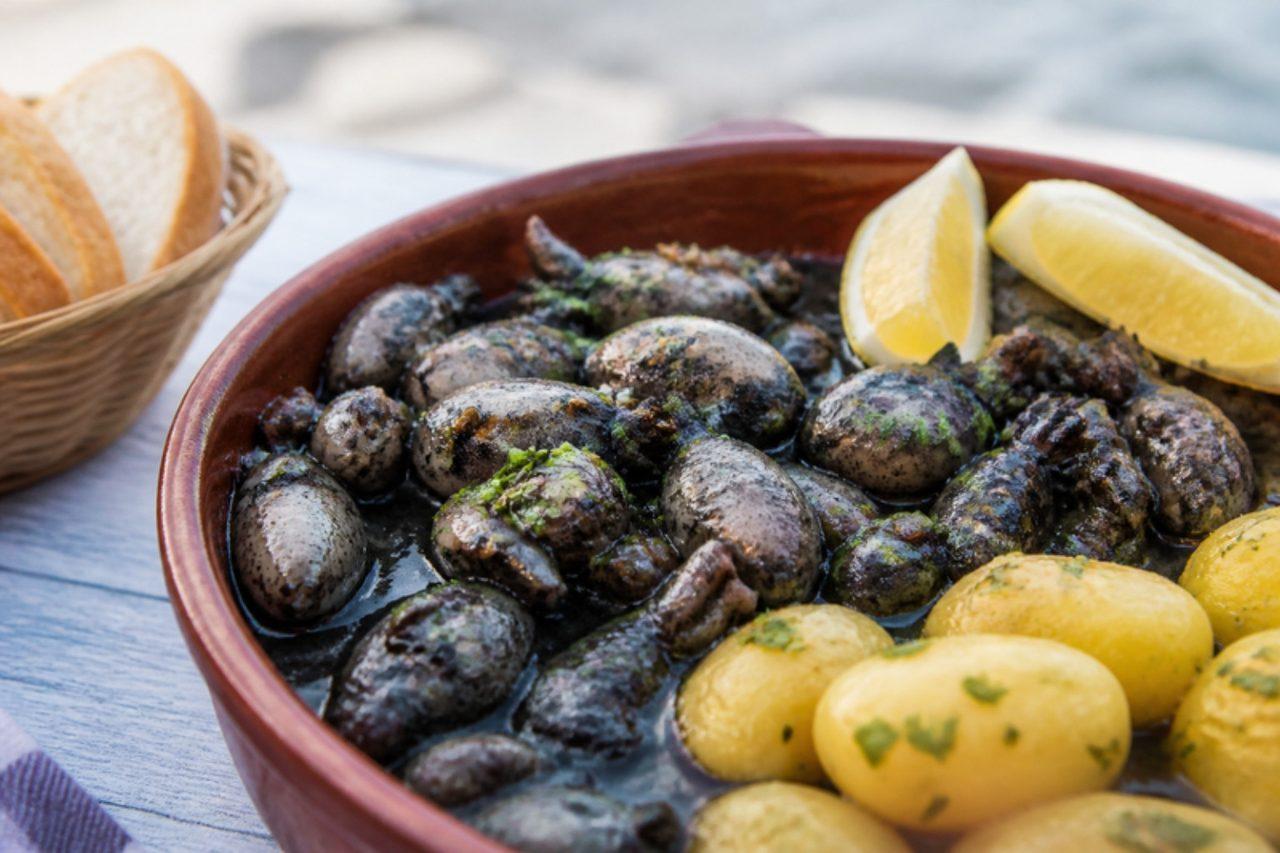
Choquinhos com tinta

Setúbal claims fried cuttlefish, but the Algarve has its own treasure: choquinhos, cuttlefish no bigger than a thumb, sautéed whole in garlicky olive oil until their ink turns the pan glossy black. Seafood bars in Olhão and Faro serve them in small clay dishes, to be eaten with toothpicks and bread for mopping. The recipe uses a splash of white wine; use water with a squeeze of lemon instead for an alcohol-free version. Chef's tip: cook in a very hot pan in two batches, so the cuttlefish sizzle rather than stew.

by KrazyBadal 0 views

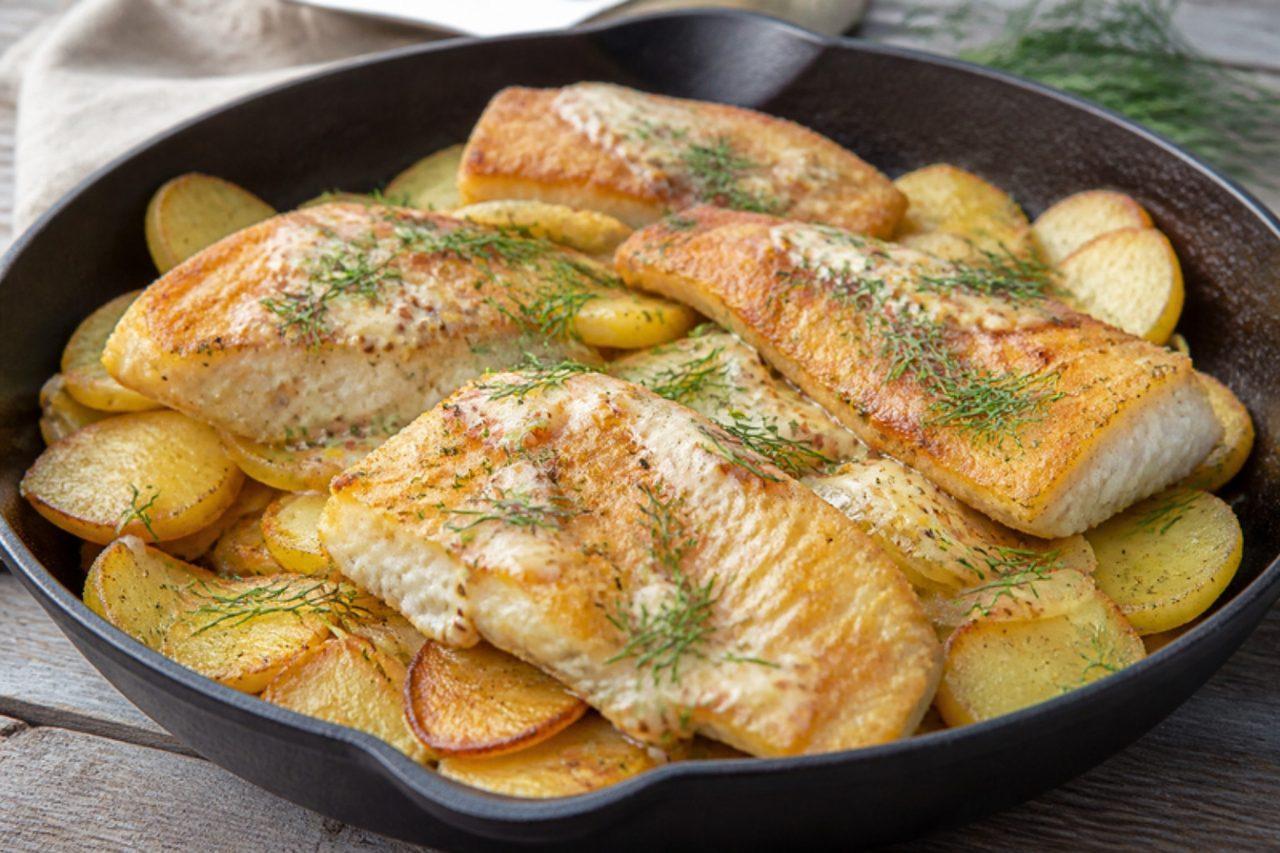
Hamburger Pannfisch

Pannfisch began as the thrifty Monday supper of Hamburg's harbour families, made from the odds and ends of the weekend's fish and the cold potatoes from Sunday. Chunks of white fish are fried golden and laid over crisp Bratkartoffeln, with a creamy mustard sauce poured round, and today it is a fixture of the fish restaurants along the Elbe. Use whatever firm white fish is good: cod, saithe, haddock or plaice. Chef's tip: boil the potatoes the day before and chill them; cold potatoes fry crisp instead of breaking up.

45 minGermanFish
by KrazyBadal 0 views

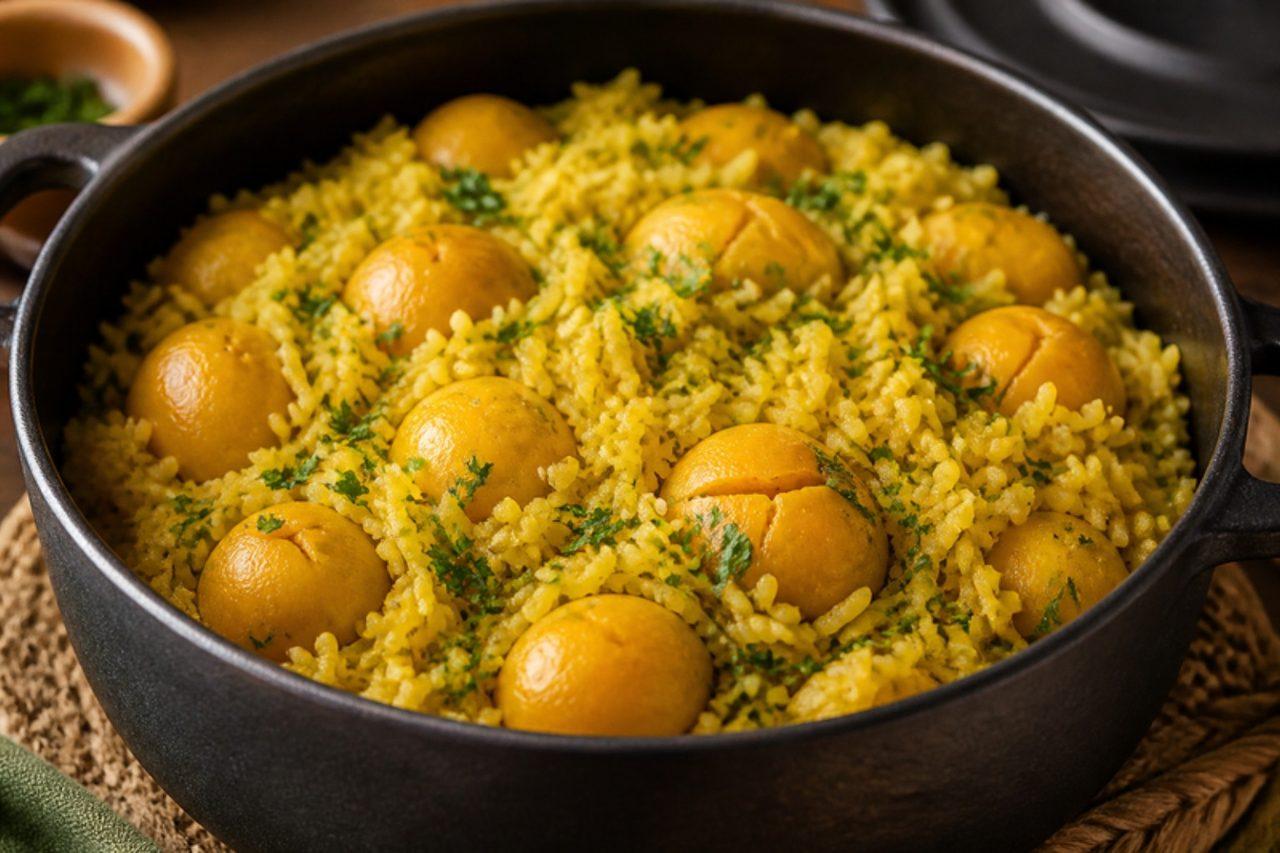
Arroz com pequi

Pequi is the taste of the cerrado: a yellow-orange fruit with a powerful perfume, somewhere between cheese, apricot and petrol, that goianos love and newcomers need time to get used to. In Goiânia and around Brasília, rice cooked with pequi turns golden and absorbs that aroma; it is often made with chicken, but this meatless version is everyday food in the November-to-February season. Pequi is sold fresh in cerrado markets and frozen or jarred in brine in Brazilian shops elsewhere. Important: the stone inside the flesh is covered in fine, sharp spines. Never bite into a pequi; gnaw the flesh off gently with your teeth, and warn your guests. The usual slip is stirring the rice too much after the water goes in, which breaks the soft fruit apart. Chef's tip: fry the pequi in the oil first until it colours, because that flavoured oil is what tints and scents every grain.

by KrazyBadal 0 views

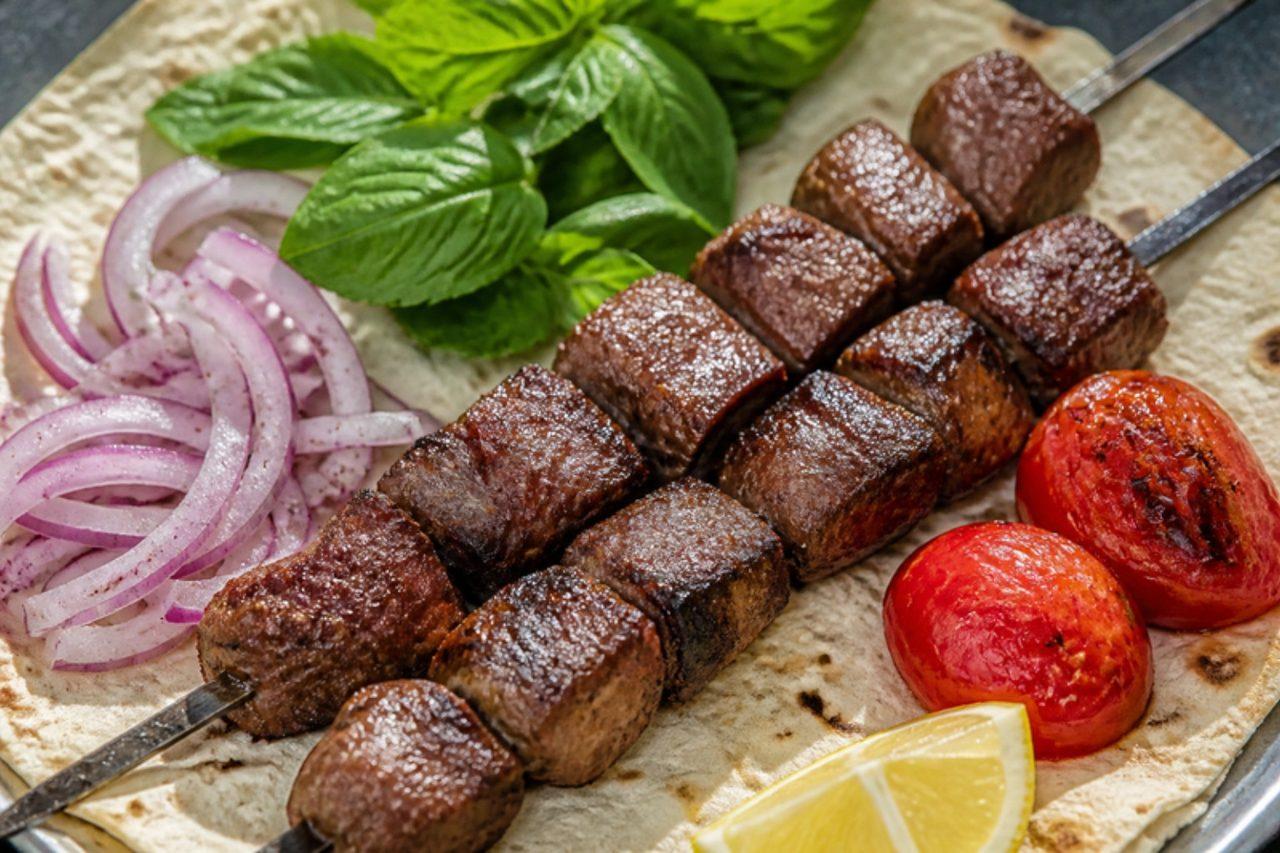
Jegar

On winter evenings in Tehran, the smell of jegaraki stalls, small grill shops selling skewers of lamb liver, heart and kidney, drifts across the streets, and people queue for a few skewers wrapped in warm lavash with raw onion and basil. This home version uses lamb liver cut into cubes and grilled fast over very hot coals so it stays soft and juicy, then seasoned only with salt, pepper and a squeeze of lemon at the end. A common mistake is salting the liver before grilling; it draws out moisture and makes it tough, so salt it as it comes off the heat. Chef's tip: ask the butcher for very fresh liver and peel off the thin outer membrane before cutting; it makes the cubes tender.

by KrazyBadal 0 views

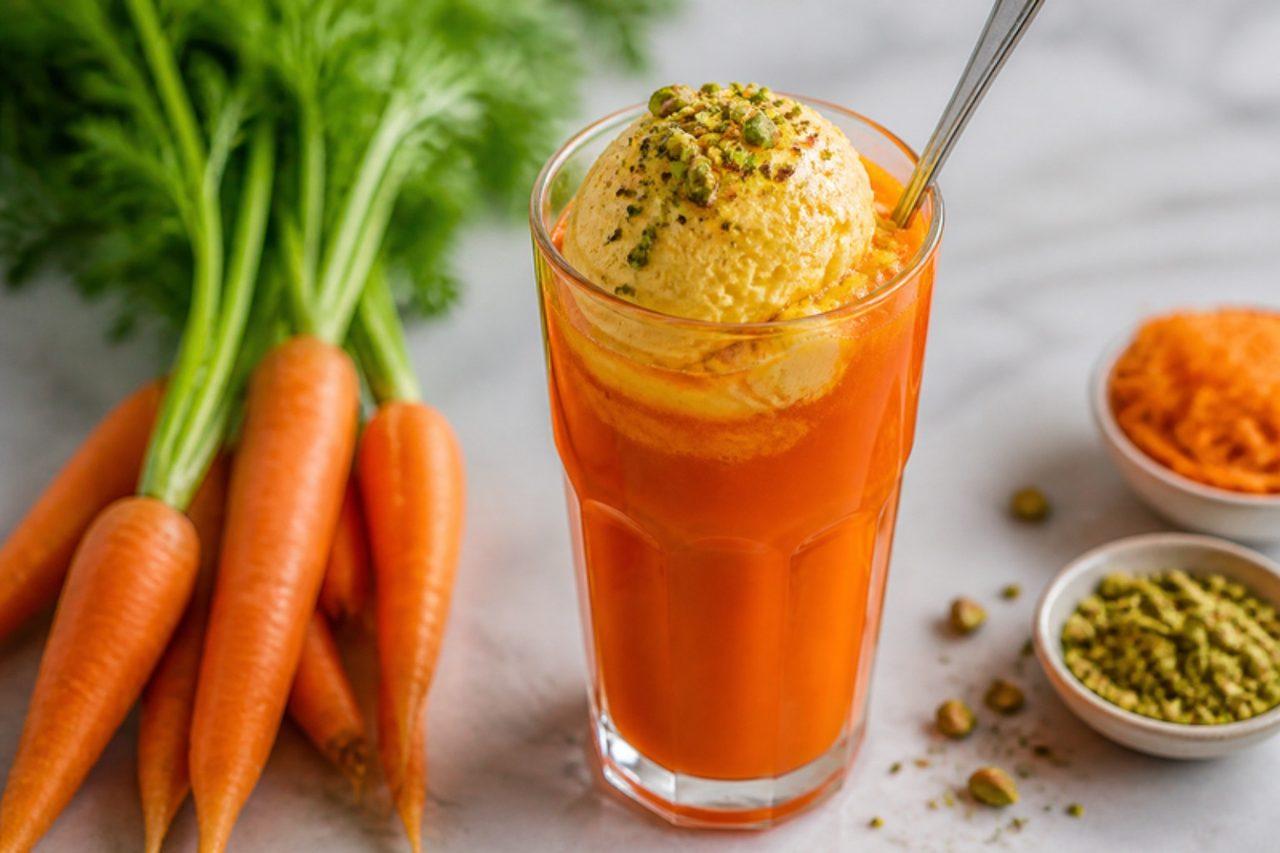
Ab havij bastani

Every juice bar in Tehran, from Tajrish Square to the stalls of Valiasr Street, sells ab havij bastani: a tall glass of fresh, ice-cold carrot juice with a scoop of saffron ice cream floating on top. People eat it with a long spoon in summer, stirring the melting ice cream into the juice until it turns creamy and pale orange. It is sweet, earthy and cooling, and kids treat it as a dessert. Chef's tip: chill the carrots well before juicing; warm juice melts the ice cream at once and loses its fresh taste.

by KrazyBadal 0 views

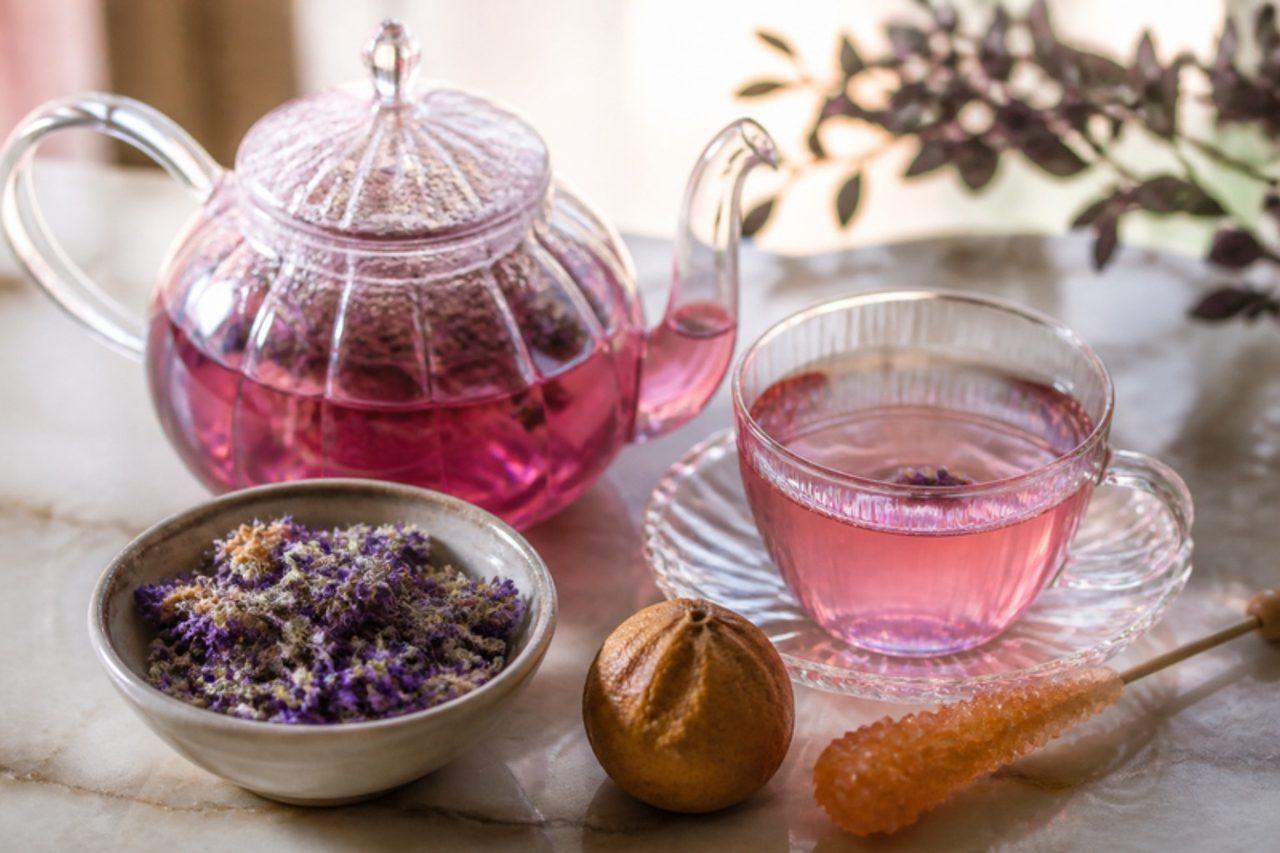
Gol gav zaban

Gol gav zaban is the calming tea Iranians make on stressful evenings or when a cold is coming on, sold in bags of dried purple flowers by herbalists in the old bazaars of Tehran and Tabriz. Steeped in hot water it turns a dusky blue-brown, then flashes pink the moment lime juice goes in, which children love to watch. It is sipped with a stick of saffron nabat (rock sugar), sometimes with a few dried limes or a pinch of valerian. Persian borage contains small amounts of natural compounds that can strain the liver, so drink it only now and then, and avoid it if you are pregnant, breastfeeding or have liver problems. Chef's tip: steep below boiling and keep the pot covered so the gentle aroma doesn't escape.

by KrazyBadal 0 views

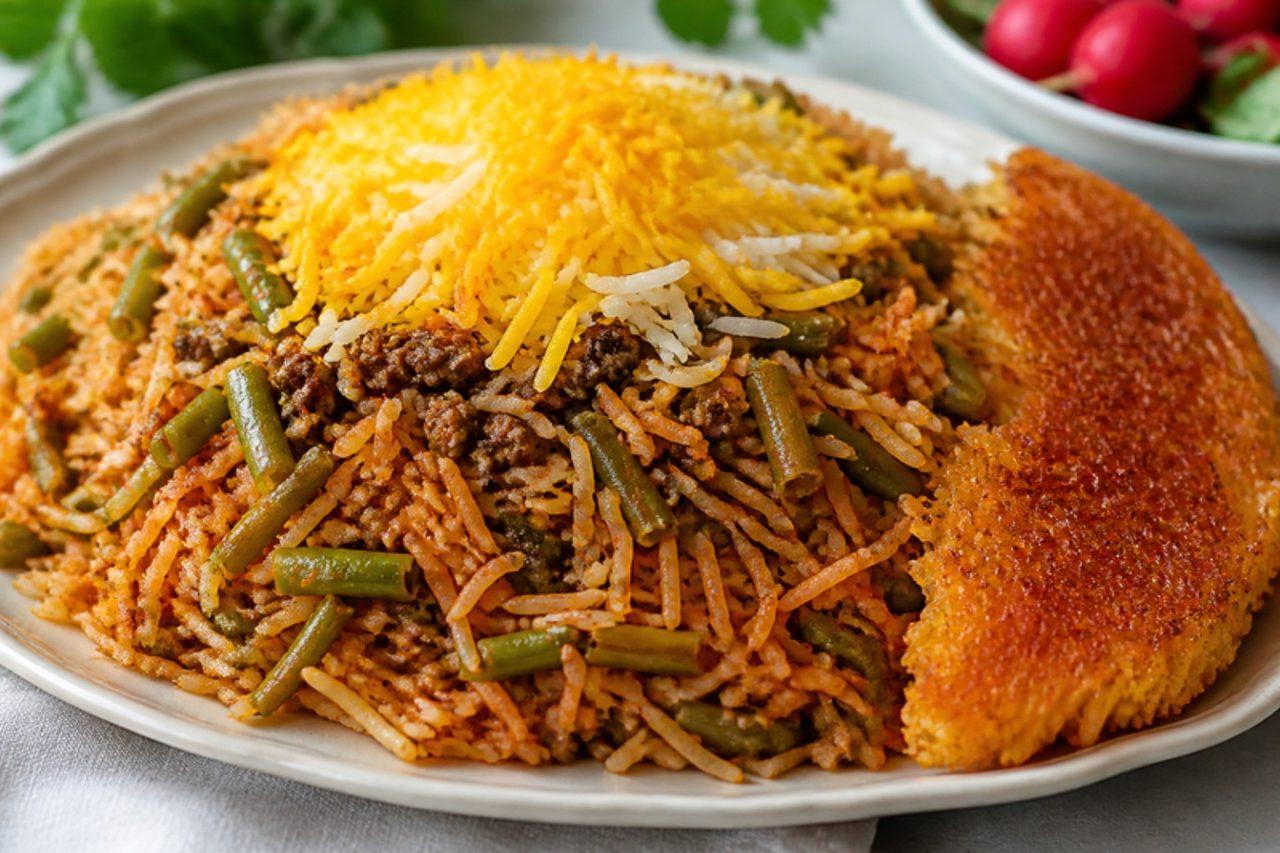
Loobia polo

Loobia polo is a weeknight favourite in Tehran homes, the rice dish children ask for when they come home from school and the one packed for picnics on the slopes of Darband. Parboiled basmati is layered with a sauce of minced lamb or beef, short pieces of green bean, tomato paste and a warm hint of cinnamon, then steamed slowly until every grain is stained a soft orange and a crisp tahdig forms underneath. For a meat-free pot, swap the mince for diced potato and keep everything else the same. Serve with mast-o khiar, salad shirazi and torshi. A common mistake is adding the beans raw to the rice layers: brown them in the sauce first or they stay squeaky and pale. Chef's tip: let the tomato paste fry in the oil until it turns brick red before adding water; that is where the deep, sweet flavour comes from.

by KrazyBadal 0 views

Sharbat-e beh limoo

Quince and lime syrup is an old-fashioned Persian cooler, the drink grandmothers in Isfahan and Tehran bring out on hot afternoons, said to settle the stomach and cool the body. Grated quince simmered in syrup turns from cream to a soft rosy amber and gives a floral, almost honeyed scent; fresh lime juice cuts through the sweetness. Diluted with iced water, it is lovely after a heavy meal of rice and stew. Chef's tip: cook the grated quince gently for the full time; the colour only turns pink after long, slow simmering.

by KrazyBadal 0 views

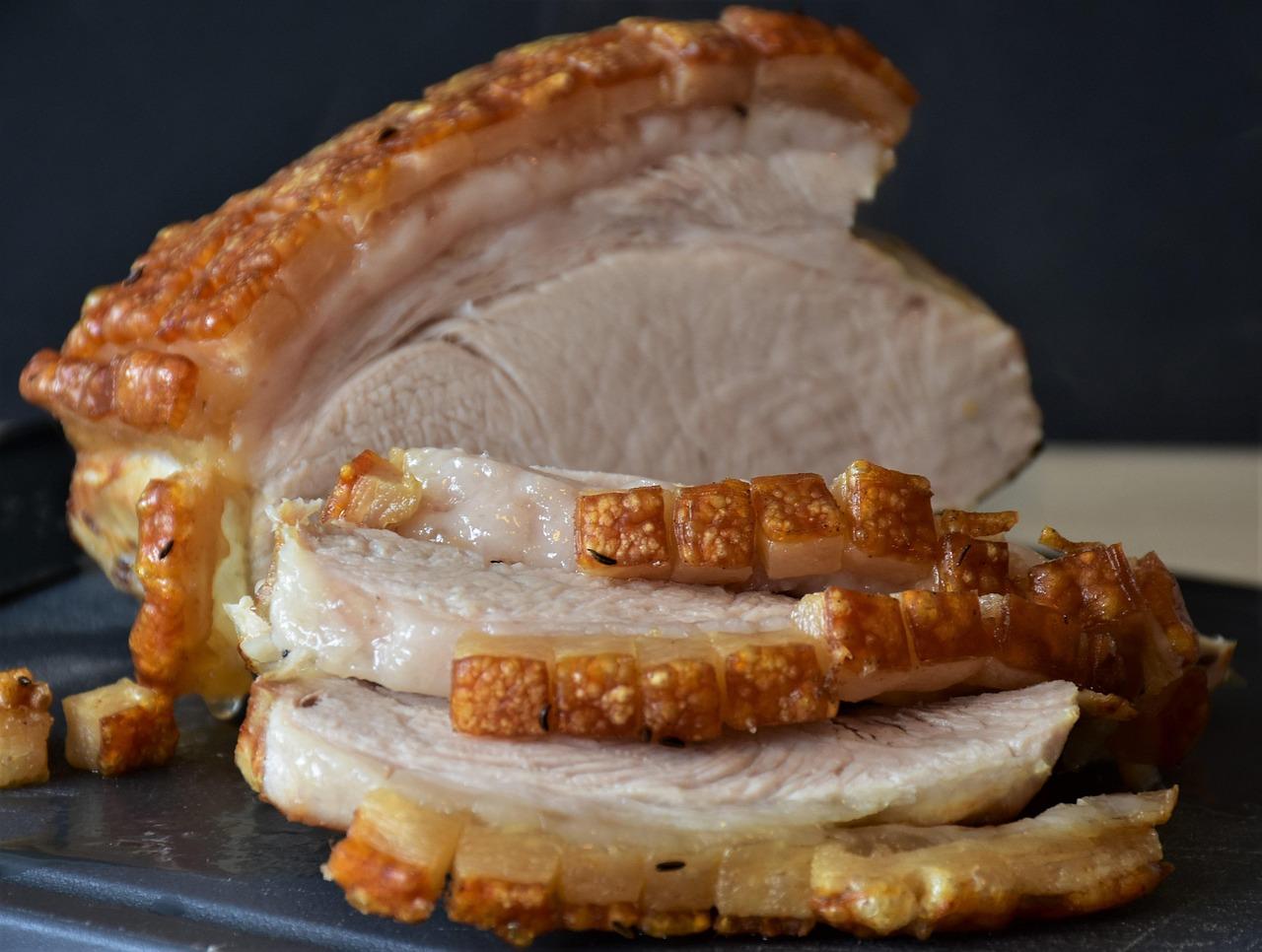
Porceddu

Porceddu is Sardinia's feast: a whole suckling pig spit-roasted for hours beside an open wood fire at weddings, village saints' days and Ferragosto, then laid on a bed of myrtle branches so the hot meat soaks up their scent. The skin turns glass-crisp and the pork underneath is soft and juicy. Suckling pig and fresh myrtle are hard to find outside Sardinia, so this home-oven version uses a skin-on piece of pork belly or shoulder, with bay leaves and rosemary standing in for myrtle. Serve with bread, roast potatoes and a salad. Chef's tip: salt the dried skin and leave it uncovered in the fridge overnight; dry skin is the secret to real crackling.

200 minItalianMeatGluten free
by KrazyBadal 0 views

Sharbat-e khakshir

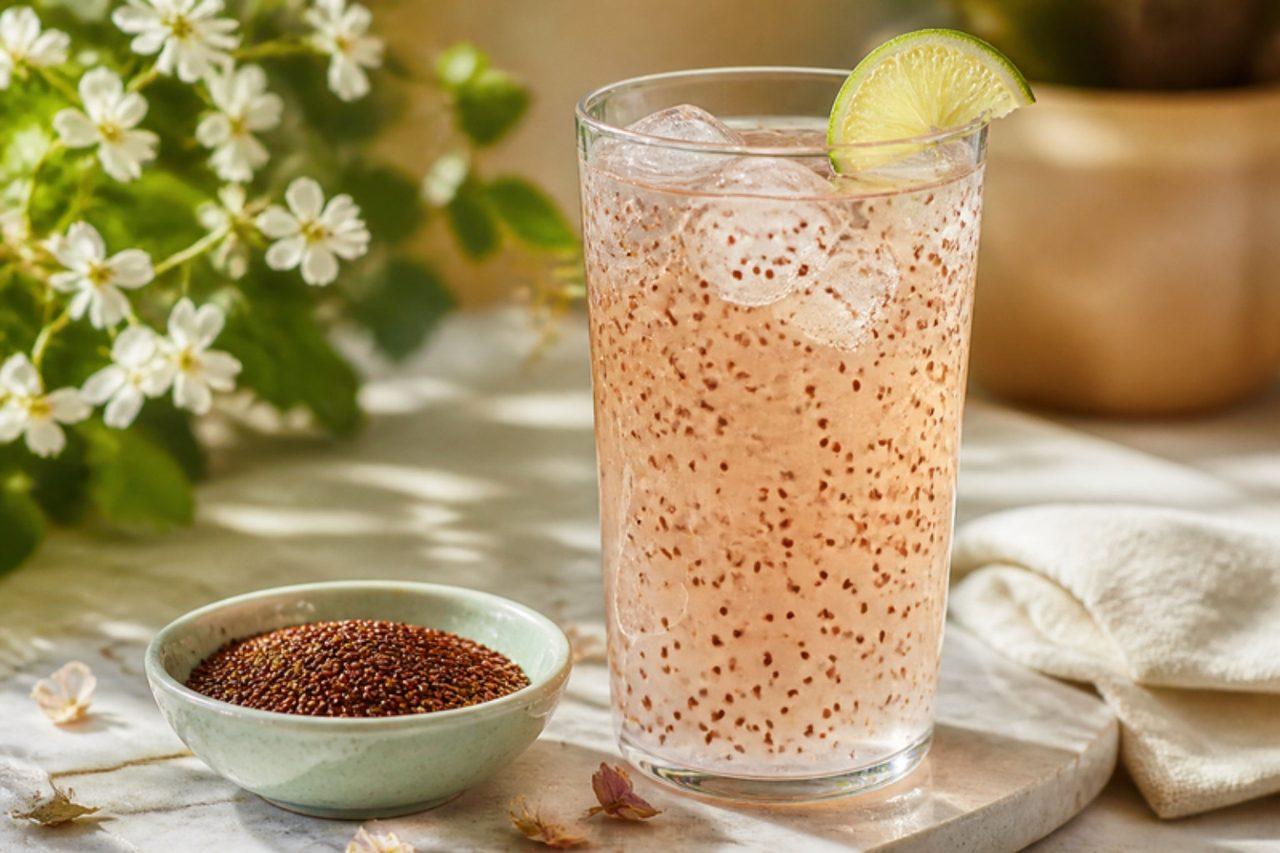
Khakshir are the tiny reddish seeds of flixweed, and in Yazd, Kashan and across the hot centre of Iran a glass of khakshir sharbat is what people drink on scorching summer afternoons and to break the fast on long Ramadan days. The seeds swell slightly and float through sweet iced water perfumed with rosewater, giving a gentle crunch; some add a squeeze of lime or a little sour cherry syrup. Find khakshir at Iranian grocers. Chef's tip: rinse the seeds in several changes of water and pour off anything that floats; dust and grit come away with it.

by KrazyBadal 0 views

Tah-chin

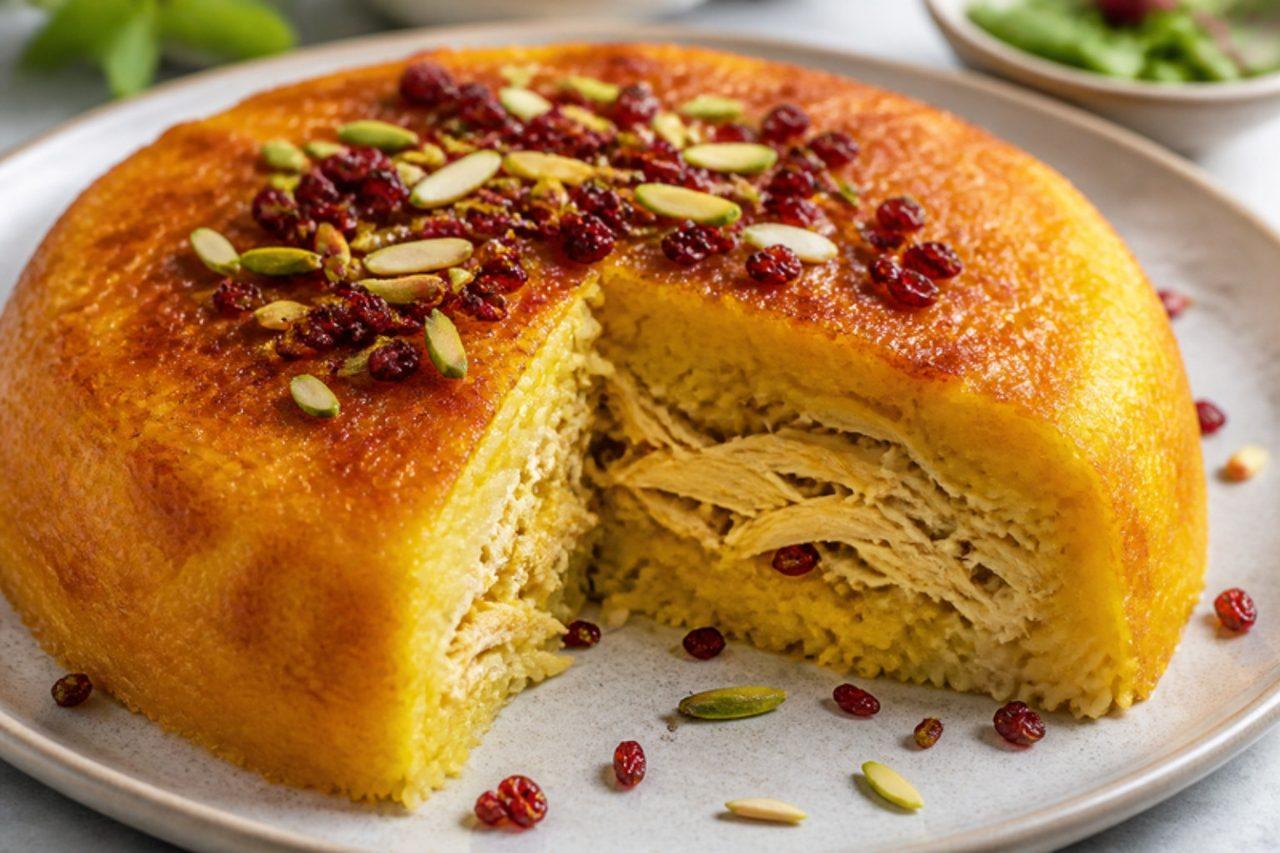
Tah-chin is the showpiece of a Tehran dinner party: a round cake of saffron rice set with yogurt and egg, turned out of its dish so the thick golden crust sits on top like a lid, with a layer of tender chicken hidden inside. Families make it for birthdays, Nowruz visits and any day guests are coming, and the barberries scattered over the top add tart red jewels. The crust should crack like a crisp biscuit while the rice inside stays soft. A common mistake is skimping on the resting time after baking; turned out too early, the cake slumps and the crust sticks. Chef's tip: marinate the cooked chicken in a spoon of the yogurt mixture while the rice boils, so the filling is as well seasoned as the rice.

by KrazyBadal 0 views

Katmer

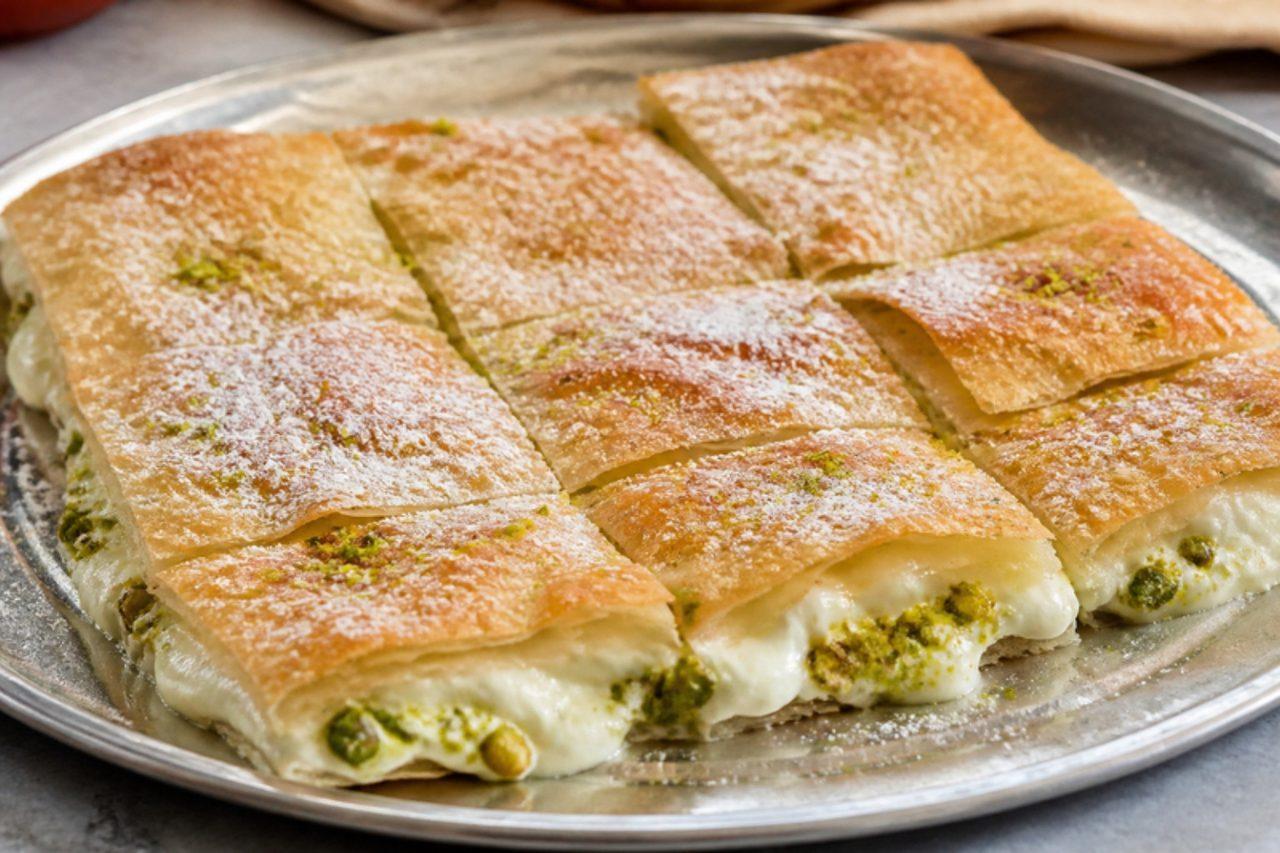
In Gaziantep the morning starts at a katmer counter: a baker slaps a ball of dough into a sheet so thin you can read through it, scatters it with pistachios, sugar and kaymak, folds it into a parcel and bakes it on a hot iron plate. Eaten straight away, it shatters at the edges and stays creamy in the middle, and locals drink strong tea with it. At home a heavy frying pan stands in for the iron plate. The usual mistake is stretching the dough before it has rested; it tears instead of going translucent, so give it the full hour under oiled cling film. Chef's tip: grind the pistachios only to coarse sand, not powder, so they stay bright green and give each bite some crunch.

by KrazyBadal 0 views

Testi kebabı

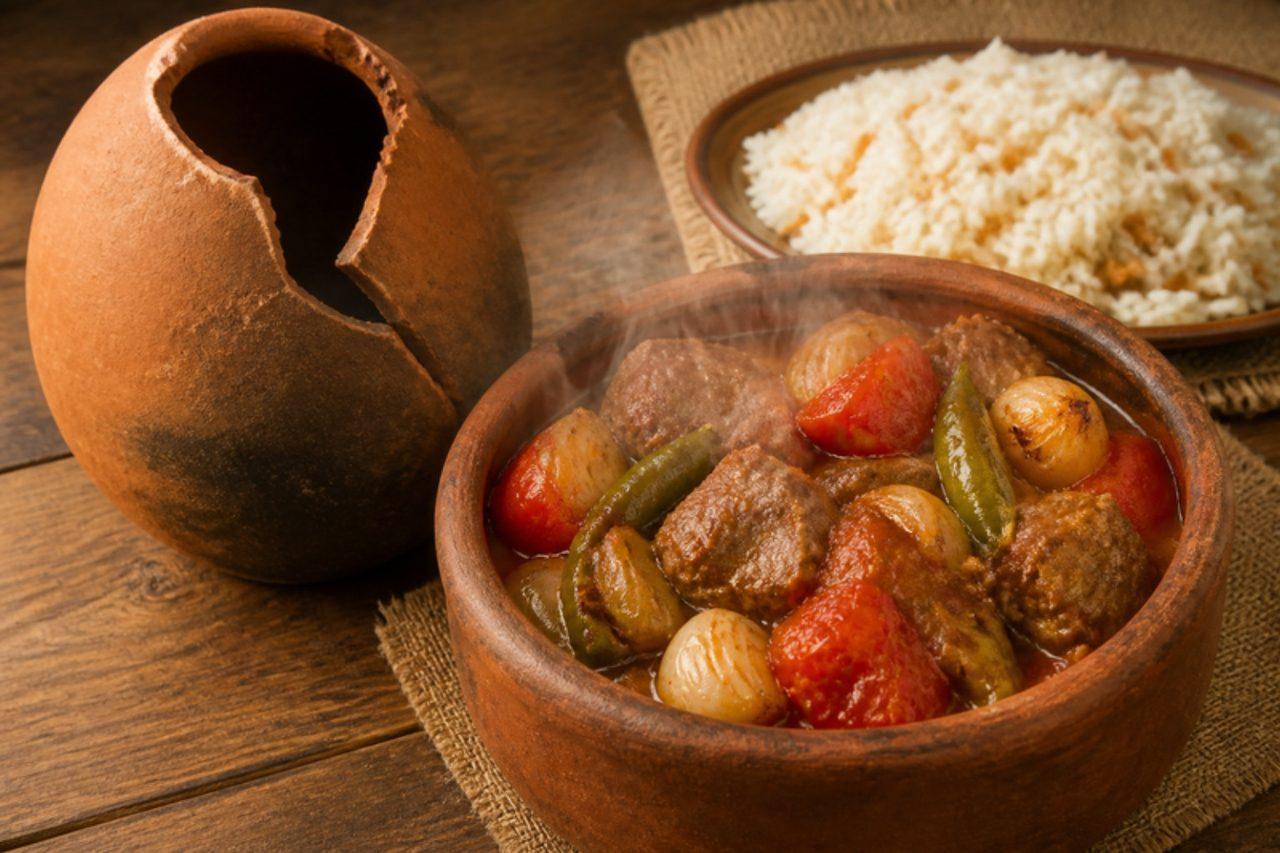
In the cave restaurants of Göreme and Avanos, testi kebabı arrives as a sealed clay jug, glowing from the oven, which the waiter cracks open at the table with a sharp tap of a knife. Inside is beef or lamb stewed with tomatoes, peppers, garlic and onion until tender in its own rich juices. A lidded casserole works perfectly at home, and you can still seal the lid with dough for the drama. Serve with plain rice pilaf. Common mistake: adding a lot of water; the vegetables give off plenty and the sealed pot should braise, not boil. Chef's tip: brown the meat in two batches first for a deeper, savoury sauce.

175 minTurkishMeat
by KrazyBadal 0 views

Moraba-ye haveej

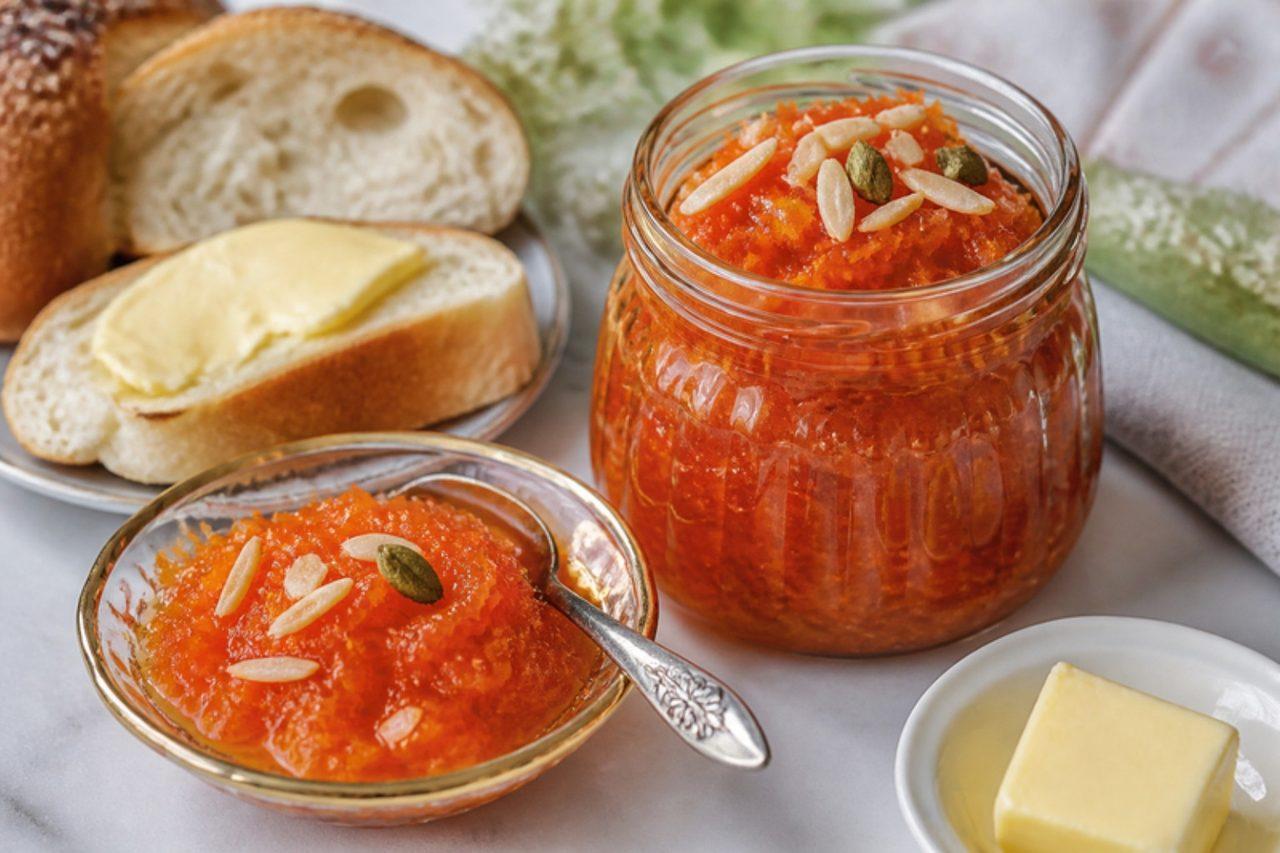
Moraba-ye havij is the bright orange jam on Iranian breakfast tables, spread on warm barbari or sangak with butter or a slice of white cheese, especially in winter when carrots are at their sweetest. Thin shreds of carrot are candied in a light syrup with cardamom and orange peel, then finished with rosewater and slivered almonds, so every spoonful is chewy, glossy and fragrant. It is made in every region, and families argue over how thick the syrup should be. Chef's tip: cut the carrots into fine matchsticks rather than grating them; grated carrot turns to mush and clouds the syrup.

by KrazyBadal 0 views

Islak burger

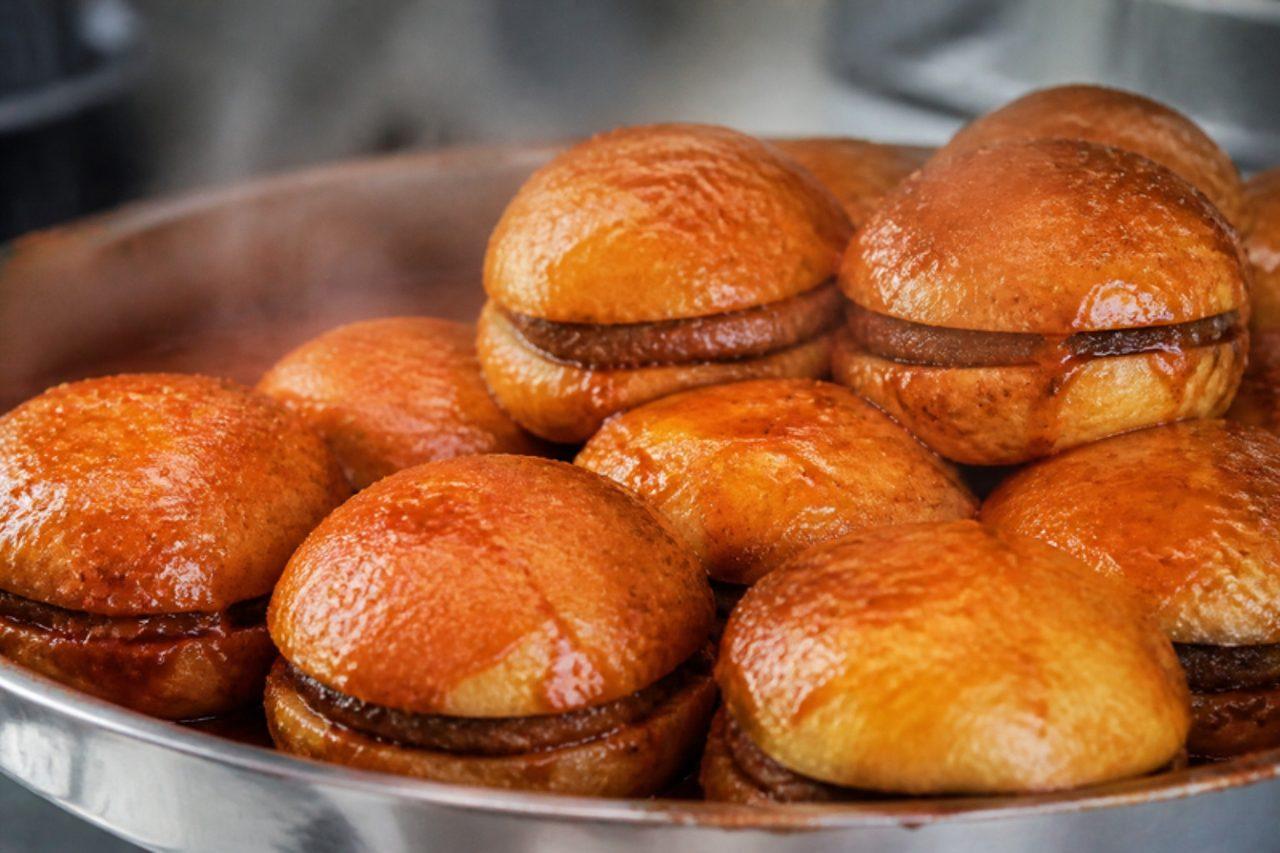
In the windows of the snack bars on Taksim Square, little burgers sit in a steaming glass box, their buns soaked in a garlic and tomato sauce: the ıslak, or 'wet', burger, eaten by the half-dozen at 3 a.m. after a night out on İstiklal. The beef patty is thin and spiced, the bun turns soft and juicy, and the whole thing is gone in four bites. At home a covered pan does the job of the steam box. Chef's tip: use a soft, slightly sweet bun; crusty rolls stay hard and just get soggy at the edges.

by KrazyBadal 0 views

Feijoada de búzios

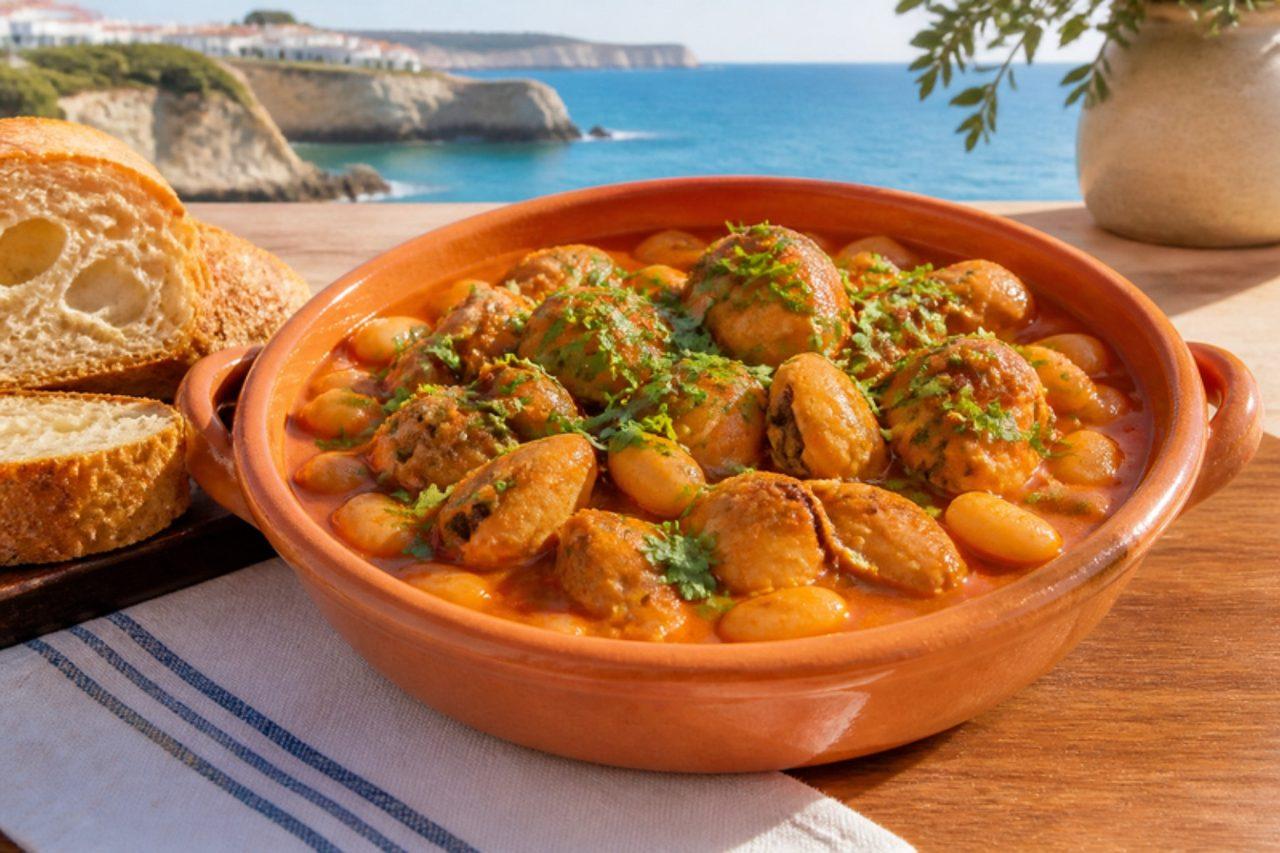
On the western Algarve coast around Sagres and Aljezur, whelks gathered from the rocks go into a thick, tomatoey bean stew that is the seaside cousin of the meat feijoada. It is winter food, served steaming from big pots at local festivals and in family kitchens, with rice on the side. This contains pork (chouriço); leave it out and add an extra teaspoon of smoked paprika if you prefer. Chef's tip: cook the whelks separately first so you can slice them and control their texture.

by KrazyBadal 0 views

Encharcada

Alentejo convents, Évora's among them, used the yolks left over from egg whites used to starch linen and clarify wine, and encharcada, 'drenched', is one of their richest creations. Egg yolks are poured into boiling syrup, where they set into soft, golden threads and curds, then everything is dusted with cinnamon and browned under a hot grill. It is very sweet, so serve small portions in little dishes, at Christmas or a family celebration. A common mistake is stirring the yolks as they hit the syrup, which turns them into scrambled bits; let them set for a few seconds first, then lift them gently. Chef's tip: strain the yolks first, so no stringy white clings to them.

by KrazyBadal 0 views

Sharbat-e albaloo

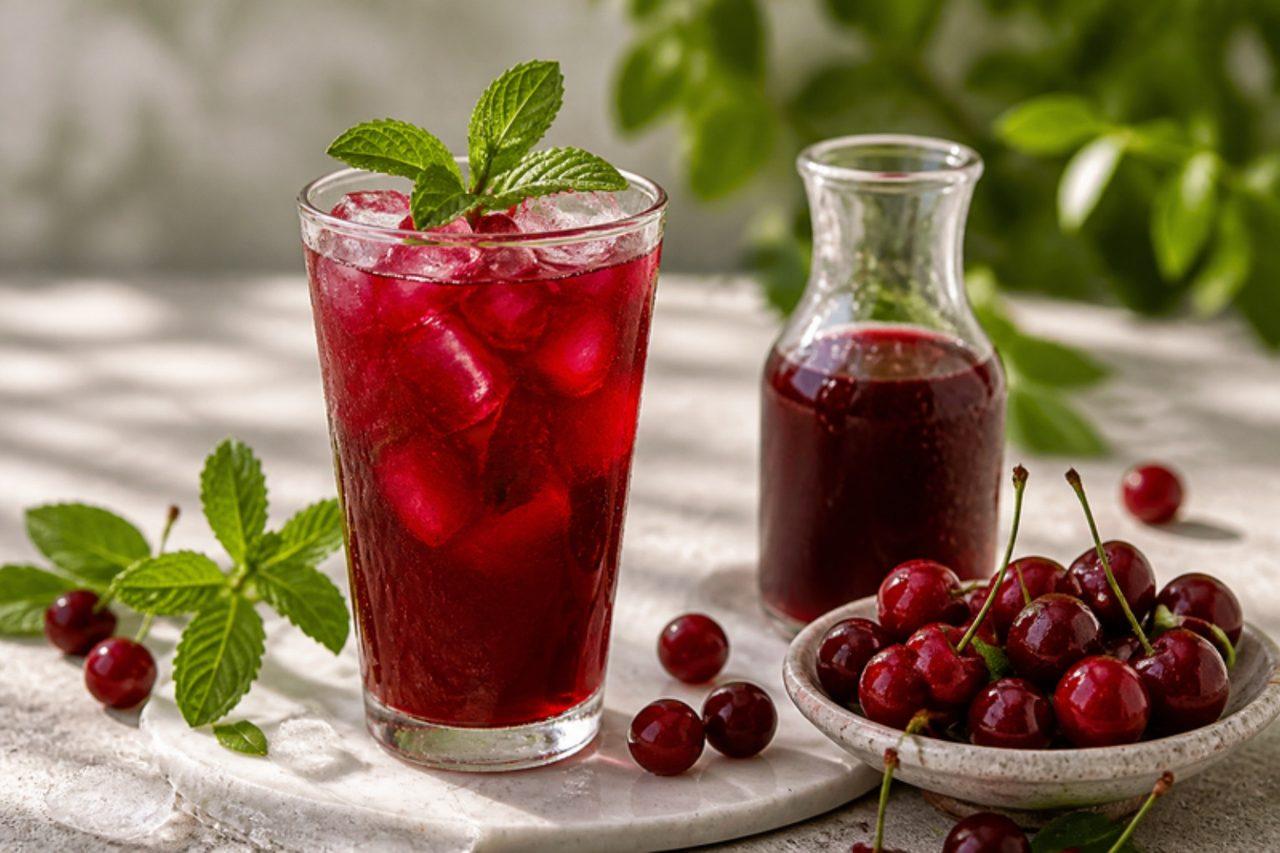
In early summer, when sour cherries arrive from the orchards around Karaj and Mashhad, families make a big batch of sharbat-e albaloo, the deep ruby syrup that is mixed with iced water for guests through the hot months. It is sweet, sharp and very refreshing, and the cooked cherries left over are not wasted: they go into albaloo polo, the cherry rice. A splash of the syrup also goes over shaved ice or yogurt. Chef's tip: stop cooking as soon as the syrup coats a spoon thinly; overcooked syrup loses its fresh cherry flavour and tastes of jam.

by KrazyBadal 0 views

Albaloo polo

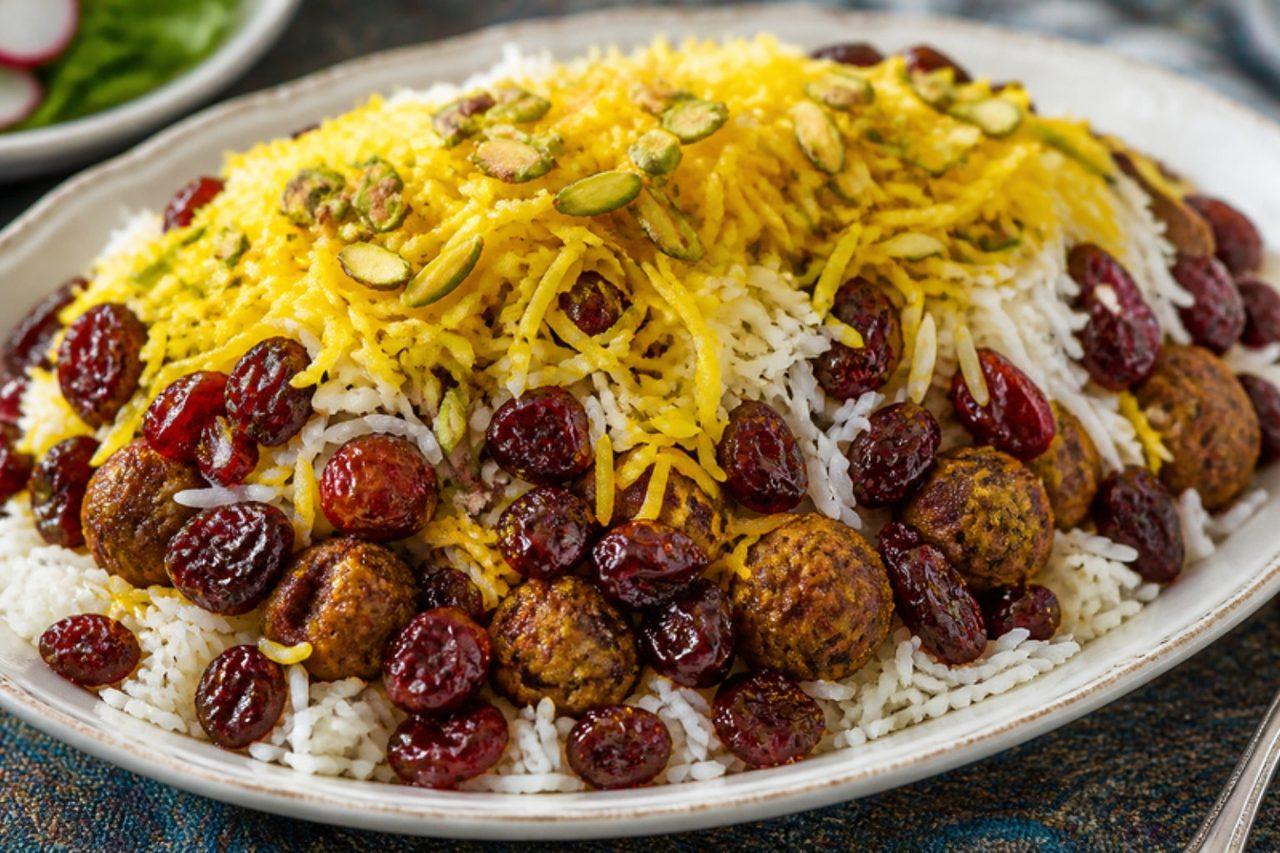
In early summer the markets of Tehran fill with dark sour cherries, and many families cook a pot of albaloo polo the same week, also bringing it out for weddings and Yalda night because the red-and-gold rice looks so festive. The cherries are simmered into a glossy syrup, then layered through basmati with marble-sized lamb meatballs (some cooks use shredded chicken instead), and the whole pot is steamed until the rice turns pink and fragrant. The taste is sweet, sharp and savoury at once. A common mistake is pouring in all the syrup; it makes the rice soggy, so keep some back to drizzle at the table. Chef's tip: frozen or jarred pitted sour cherries in light syrup work well out of season; drain them and use half the sugar.

by KrazyBadal 0 views

Sosis bandari

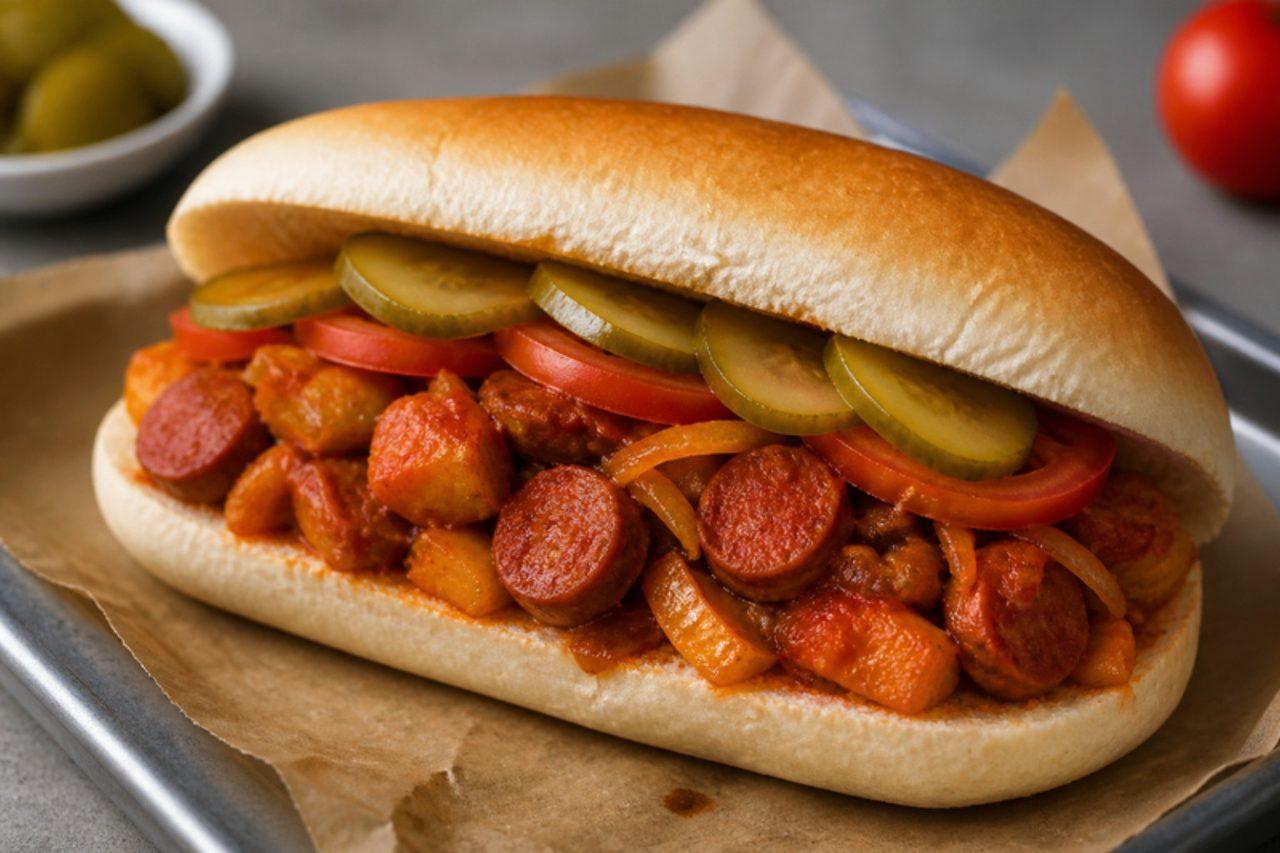
Sosis bandari, 'port-style sausage', began in the Gulf ports of Bushehr and Bandar Abbas and is now the late-night snack of sandwich shops all over Iran, from Tehran to Shiraz. Sliced beef or chicken frankfurter-style sausages (Iranian sausages are never pork) are fried with lots of onion, potato, tomato paste and chilli until sticky and hot, then stuffed into a soft baguette with pickles and tomato. It is spicy, greasy in the best way and ready in minutes. A common mistake is crowding the pan; the onion steams instead of browning, so use your widest pan. Chef's tip: a pinch of curry powder and a squeeze of lemon at the end is how the bandari shops give it their southern kick.

by KrazyBadal 0 views

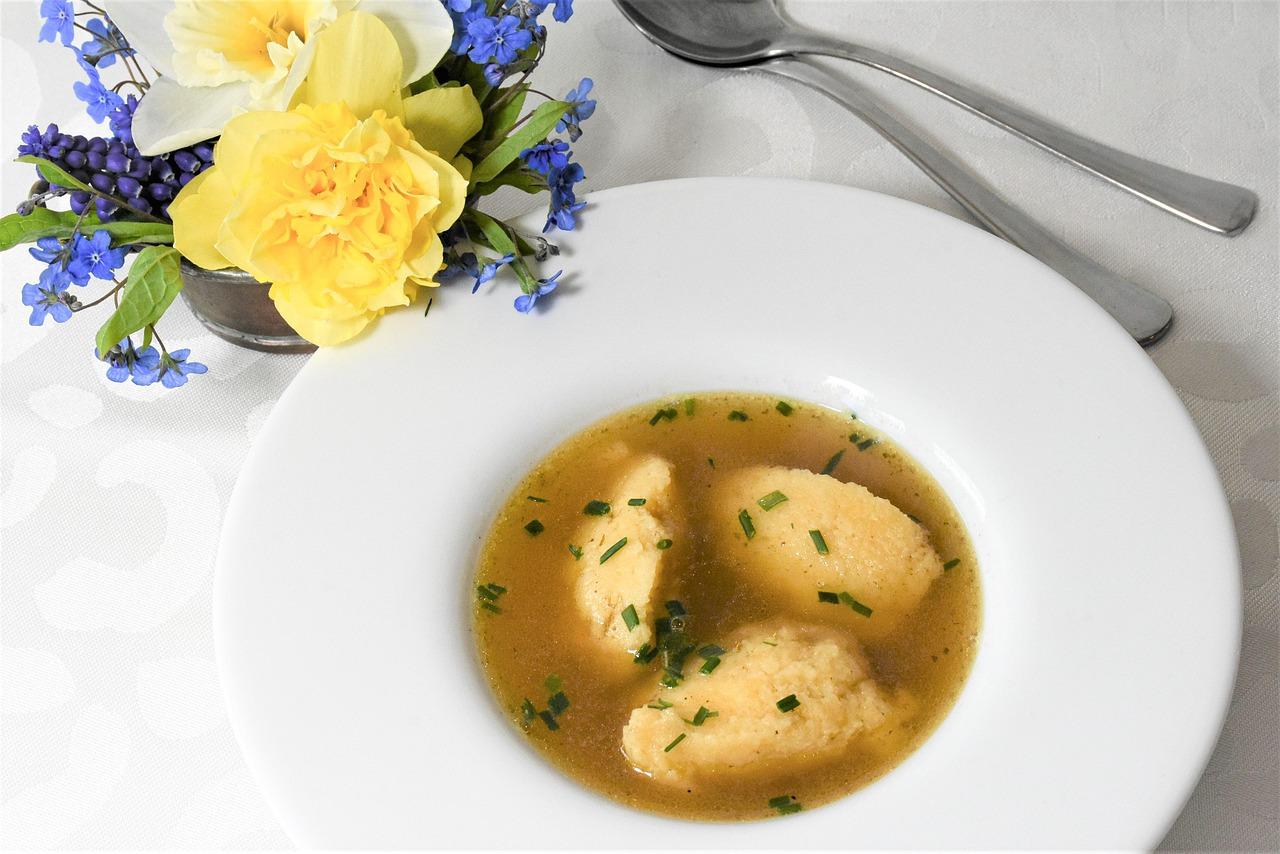
Grießnockerlsuppe

Grießnockerlsuppe is the soup that opens a proper Austrian Sunday lunch, from Viennese grandmothers' tables to village inns in Upper Austria: a clear, deeply savoury beef broth with three or four soft, oval semolina dumplings that should be fluffy enough to cut with a spoon. The broth is made from beef shin and bones, simmered slowly with charred onion; broth left over from Tafelspitz works perfectly too. Chef's tip: let the semolina mix rest for 15 minutes before shaping; the grains swell and the dumplings hold together without going heavy.
by KrazyBadal 0 views

Bauernbrot

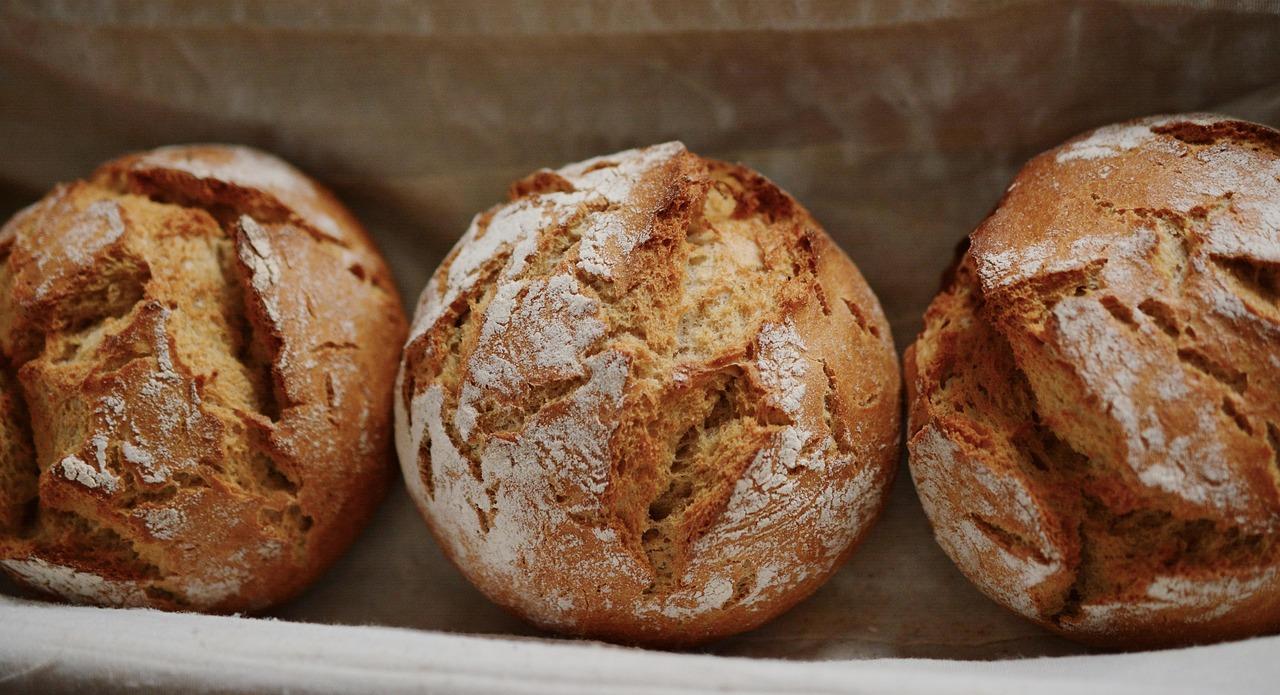
Bauernbrot, the farmer's loaf, is the everyday bread of village bakeries from the Black Forest to Lower Saxony, carried home in a paper bag every Saturday and eaten all week for Abendbrot, the cold evening meal of bread, cheese and pickles. It mixes rye and wheat roughly half and half, so the crumb is moist and tangy but still springy, under a thick, crackled crust dusted with flour. The flavour deepens over two or three days. A common mistake is baking at too low a heat, which gives a pale, soft crust; the oven should be properly hot at the start. Chef's tip: prove the loaf upside down in a floured basket or bowl lined with a floured cloth, so the top cracks into the classic crazy-paving pattern when you tip it out.

by KrazyBadal 0 views

Stuffed baby aubergine torshi

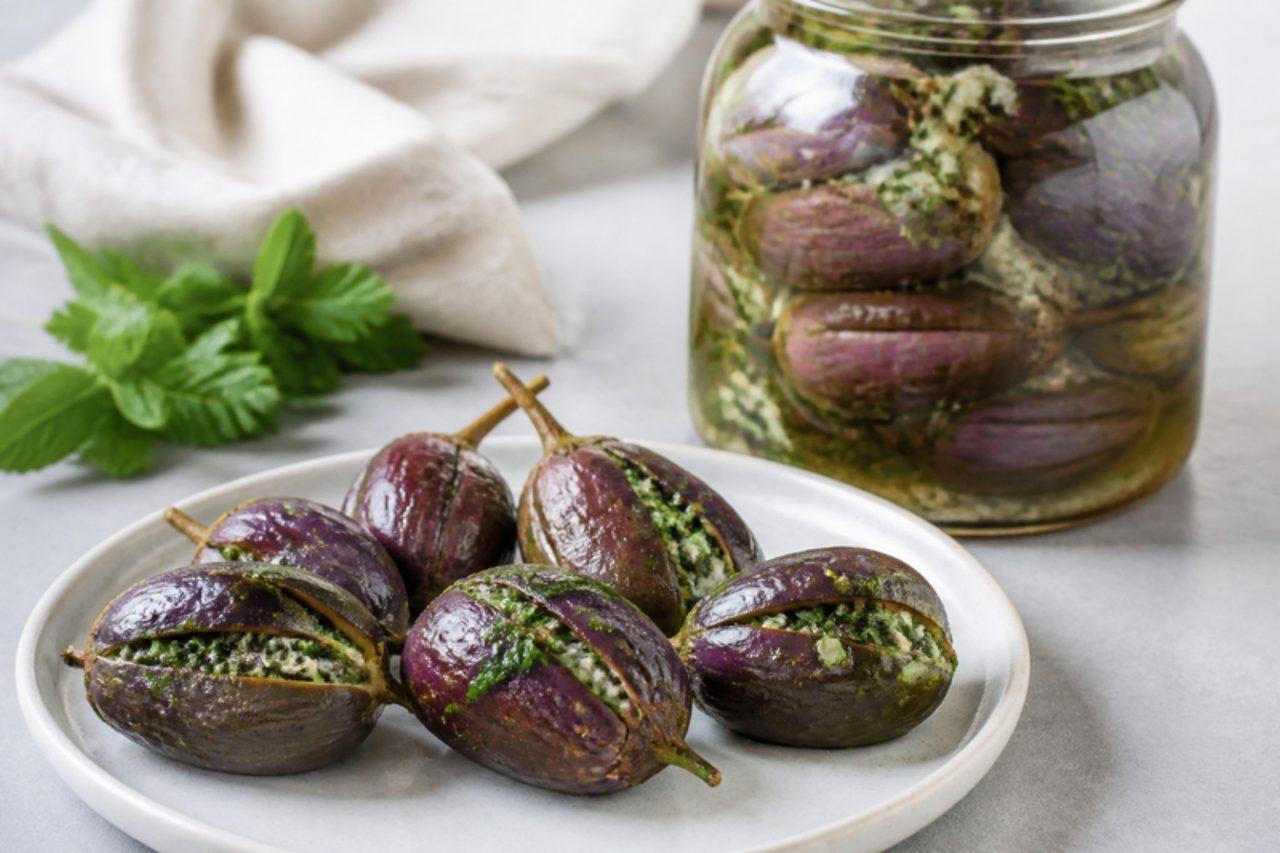
This is the showpiece of the torshi shelf, made in late summer in homes from Isfahan to Mashhad and brought out for guests in the cold months. Finger-length aubergines are steamed until just tender, slit along one side, filled with a paste of garlic, mint, parsley, coriander and chilli, then tied and sunk in vinegar. After a month each one is soft, tangy and stained with herbs; they are served whole beside rice, kabab or a bowl of ash. Chef's tip: steam rather than boil the aubergines, so they don't soak up water that later thins the vinegar.

by KrazyBadal 0 views

Torshi limoo

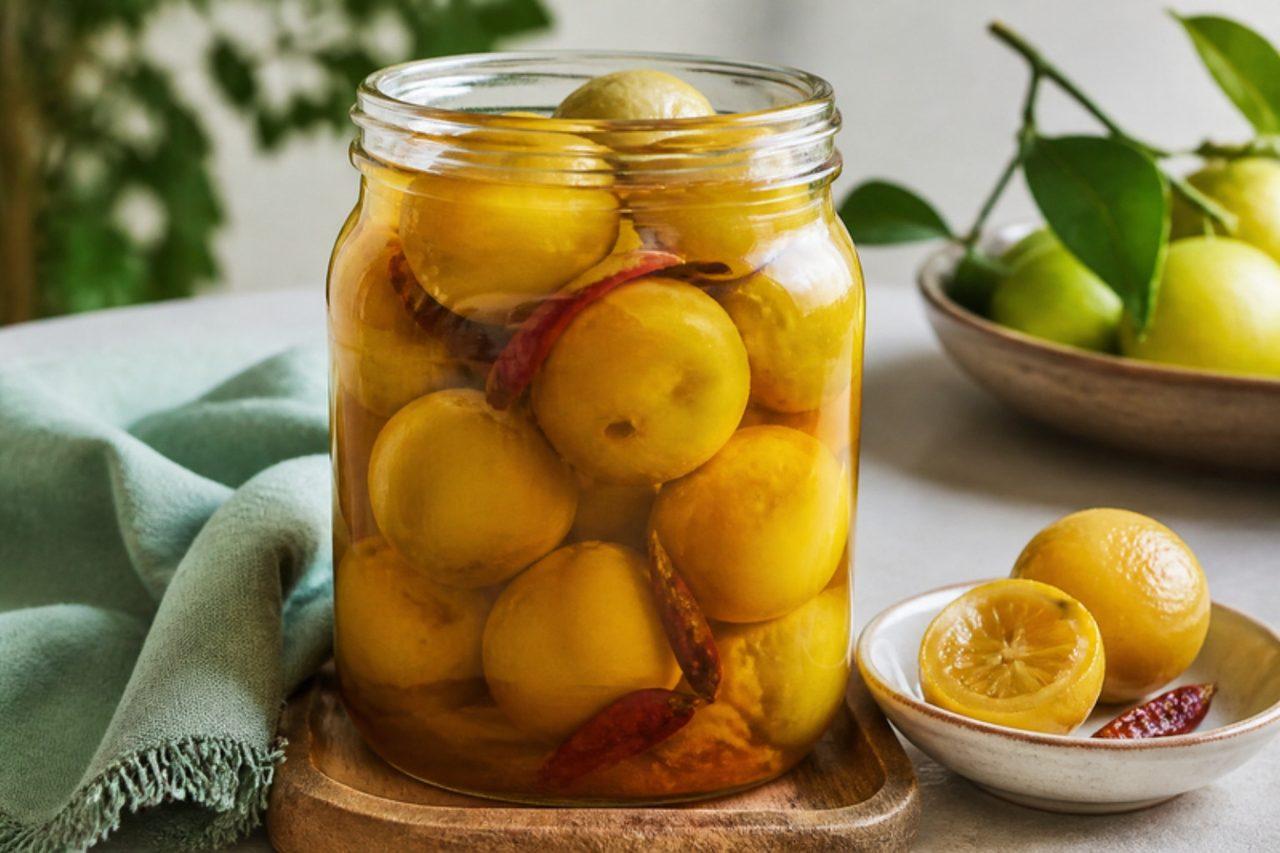
In Shiraz and down towards the Gulf ports, small thin-skinned limes are packed into jars with salt and more lime juice, then forgotten on a sunny shelf until the peel softens and turns translucent. The result is sour, salty and faintly bitter, and a little goes a long way: a sliver alongside fish and rice in Bushehr, chopped into a salad, or mashed into a stew. It is related to the Gulf habit of drying limes, but stays soft and juicy. Chef's tip: choose small, thin-skinned limes; thick-skinned ones stay bitter and tough however long you wait.

by KrazyBadal 0 views

Sohan

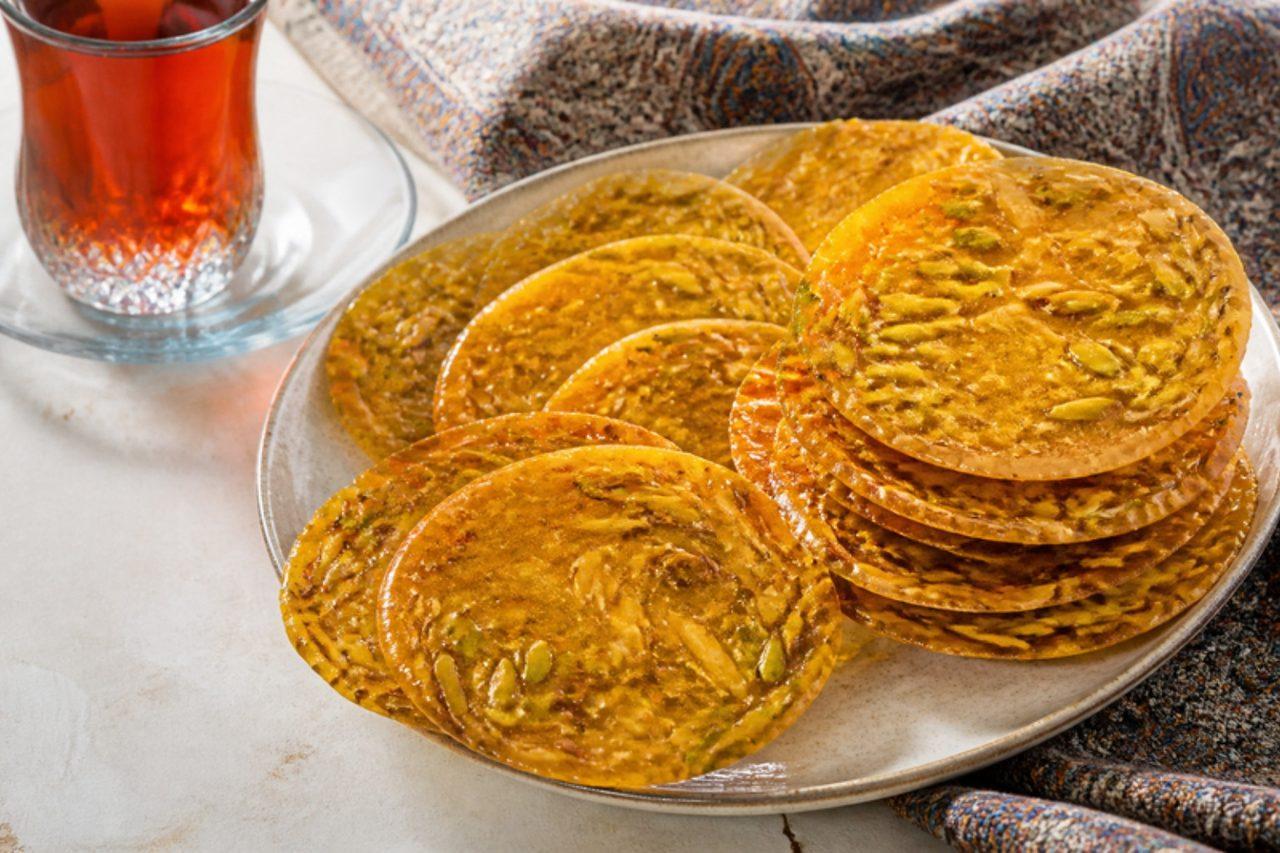
Pilgrims leaving the shrine city of Qom carry home round tins of sohan, and boxes of it are passed around at Nowruz visits all over Iran. It is a buttery, snapping brittle flavoured with saffron, cardamom and rosewater, built on sprouted wheat flour, which gives a gentle malty sweetness, and studded with slivered pistachios and almonds. Each disc shatters and then melts. Chef's tip: have every nut and flavouring measured beside the stove before you start; the last stage moves fast and the sugar won't wait.

by KrazyBadal 0 views

Torshi liteh

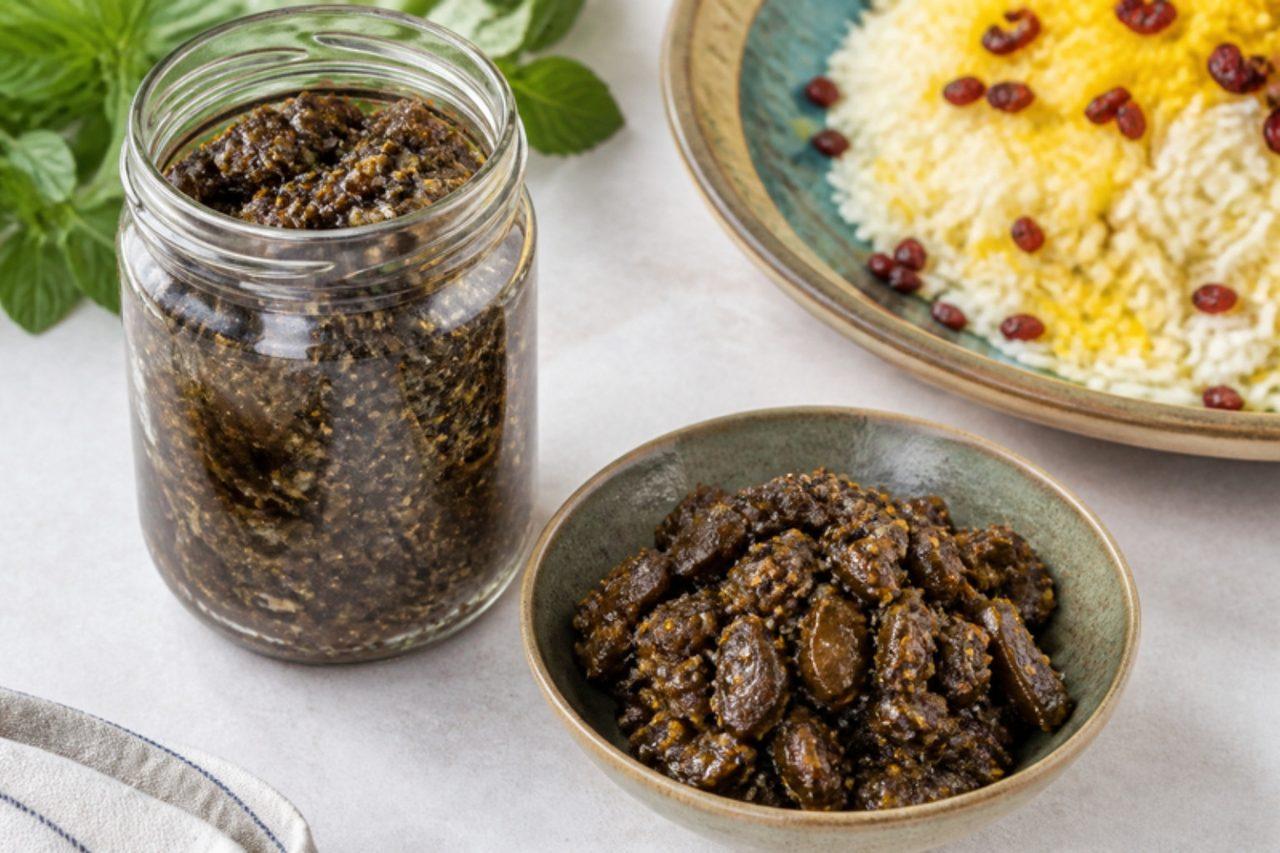
Torshi liteh is the dark, spoonable pickle of late summer, made in kitchens from Tabriz to Tehran when aubergines pile up cheaply at the bazaar. Roasted aubergine is chopped fine with garlic, a heap of dried herbs, nigella and golpar (Persian hogweed) and loosened with vinegar, then left for a couple of weeks until the flavours knit. It goes alongside rice and stews, inside a sandwich of bread and cheese, or next to kuku. Chef's tip: squeeze the cooked aubergine hard in a cloth; water left in it dilutes the vinegar and shortens the life of the jar.

by KrazyBadal 0 views

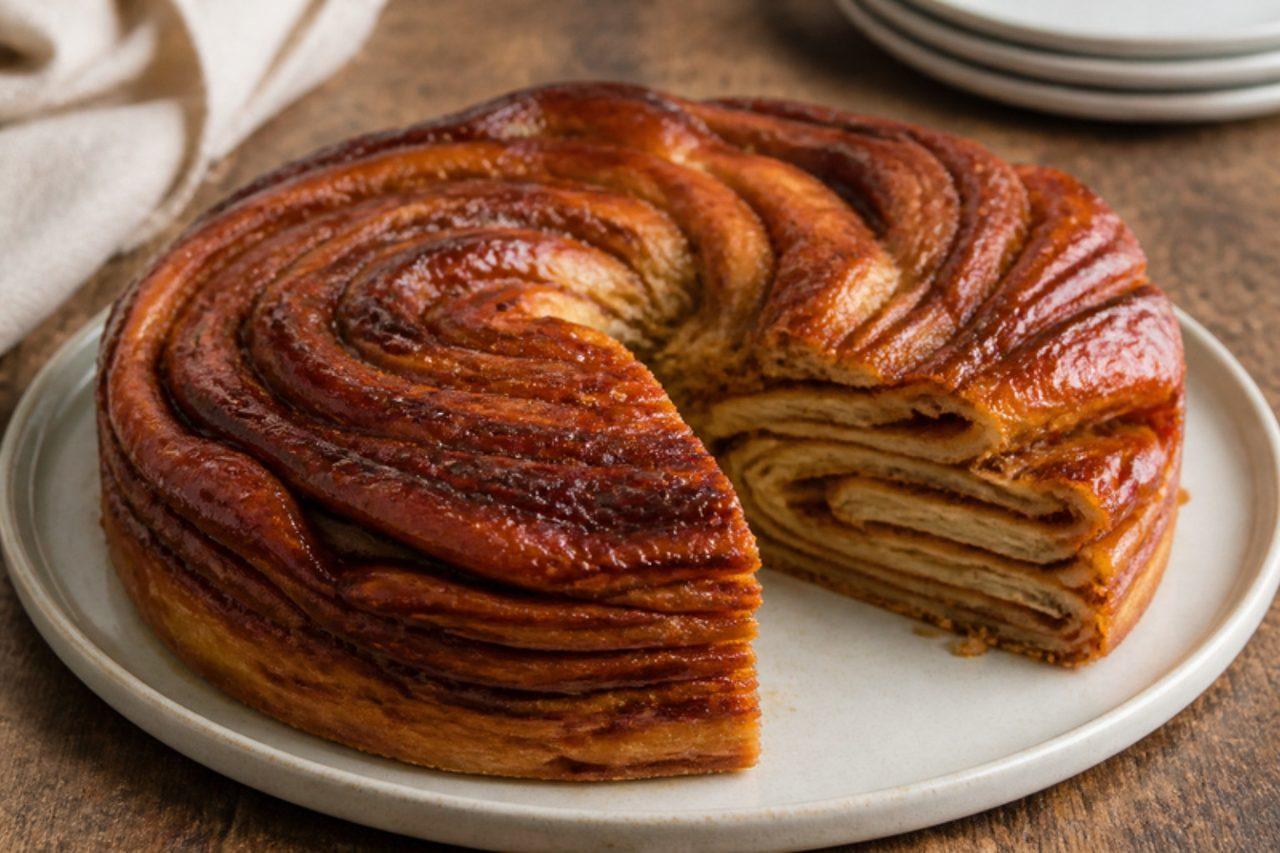
Folar de Olhão

In the fishing town of Olhão, Easter means folar, and it looks nothing like the egg-topped breads of the north: here a soft, cinnamon dough is rolled up in layers of brown sugar and fat, sliced, packed into a tin and baked until the sugar runs into a dark, sticky caramel. Turned out upside down, it pulls apart in sweet, glossy spirals. Families bake it on Holy Thursday so it is ready for the long weekend, and godparents give one to their godchildren. Many bakeries use some lard; this version uses butter only. Chef's tip: roll the dough as thin as you dare, as the more layers you get, the more caramel edges there are.

by KrazyBadal 0 views

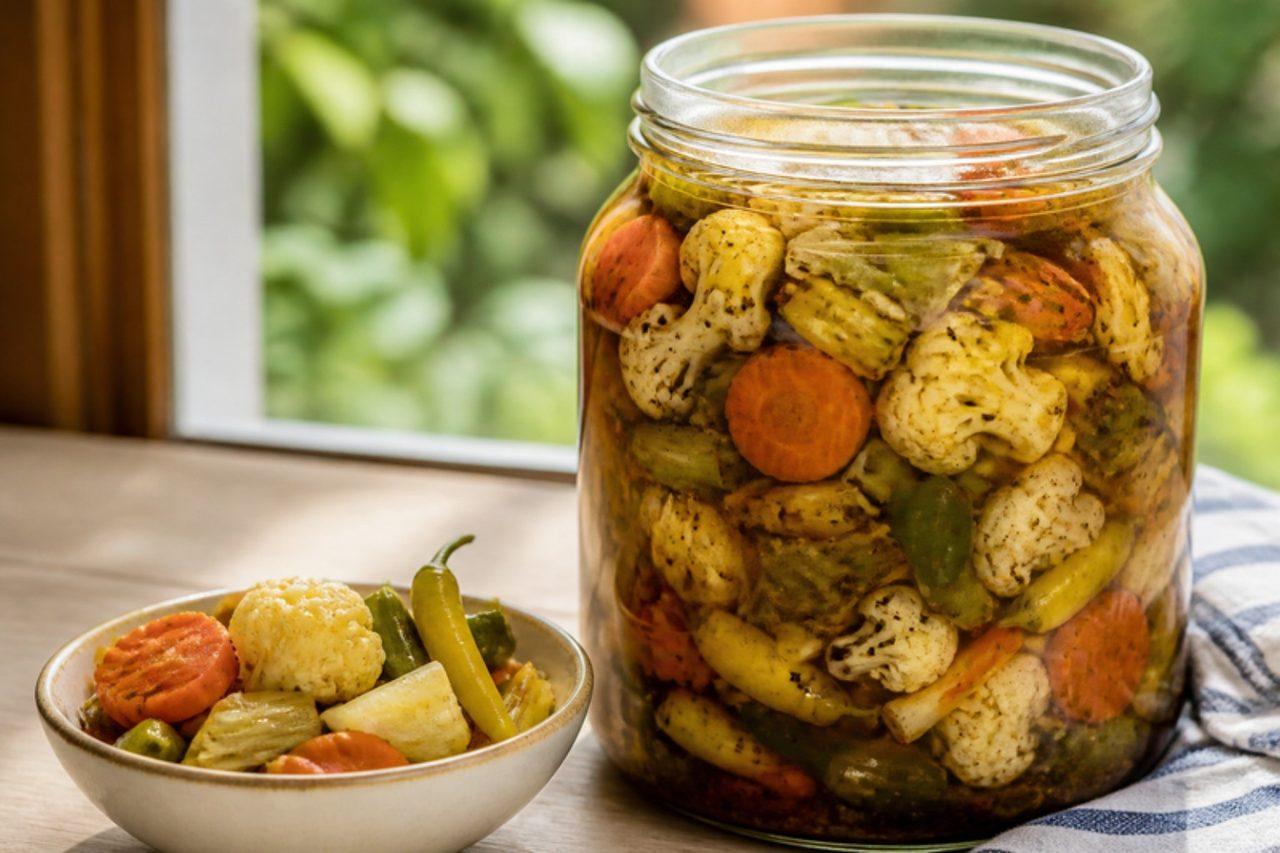
Torshi makhloot

In October, families all over Iran buy cauliflower, carrots, celery and peppers by the sack and spend a weekend chopping for torshi makhloot, the mixed pickle that sits on the sofreh through the winter. The vegetables stay crunchy, stained gold by turmeric, and the vinegar is scented with garlic, nigella, golpar and dried herbs. A small bowl comes out with every rice dish, from Tehran chelow kabab to a weeknight adas polo. Chef's tip: cut every vegetable to roughly the size of a hazelnut so each spoonful carries a little of everything.

by KrazyBadal 0 views

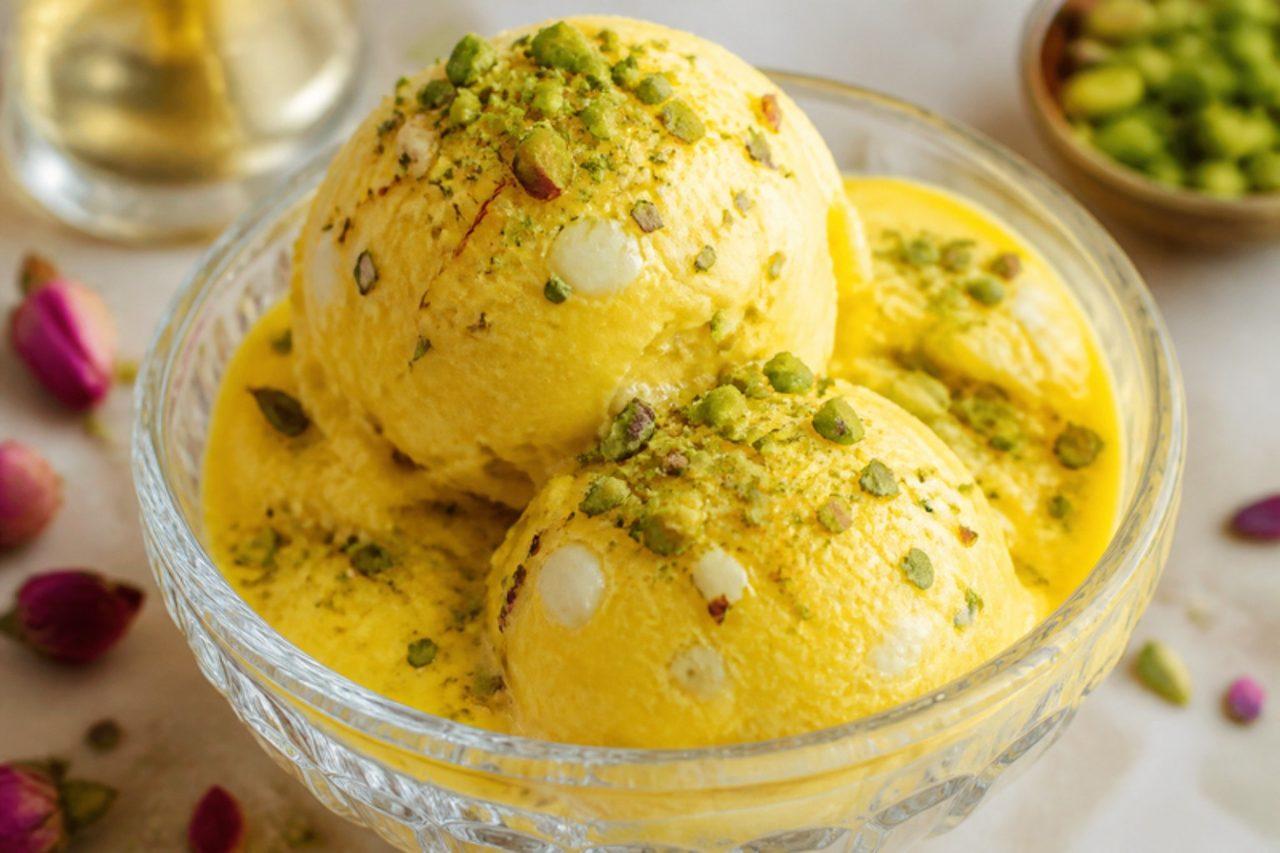
Bastani sonnati

On summer evenings in Tehran, queues form outside old ice-cream shops for bastani sonnati, scooped between two thin wafers or into a glass beside faloodeh. The custard is rich with egg yolks and coloured deep gold with saffron, perfumed with rosewater and studded with pistachios and little shards of frozen cream that melt on the tongue. This home version uses an ice-cream machine or a fork-and-freezer method. Chef's tip: freeze the cream chips in a thin sheet the day before, so they are hard enough to stay as separate shards when folded in.

by KrazyBadal 0 views

Nan-e tiri

In the Zagros mountains of Lorestan and among the Bakhtiari nomads, women roll out nan-e tiri with a long, thin rod (the tir) until the dough is almost see-through, then flip it onto a domed iron saj over a wood fire. It cooks in seconds and is stacked high, and because it dries so thin it keeps for weeks and is softened with a sprinkle of water before eating. It needs only flour, water and salt. The usual mistake is resting the dough too little; it fights back and shrinks when rolled. Chef's tip: wind the dough around a long thin rolling pin as you roll and unroll it, as the Lori bakers do; it stretches the dough evenly without tearing.

by KrazyBadal 0 views

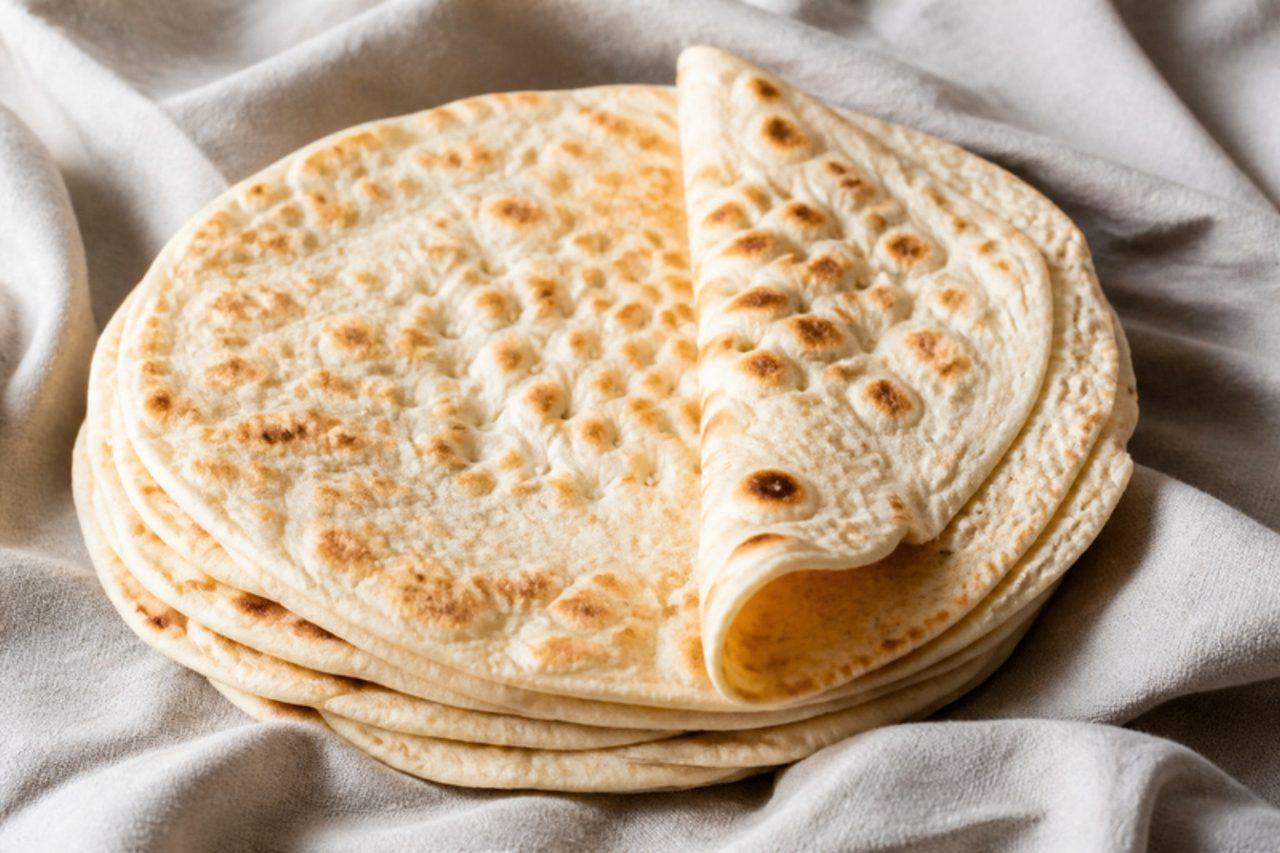
Nan-e taftoon

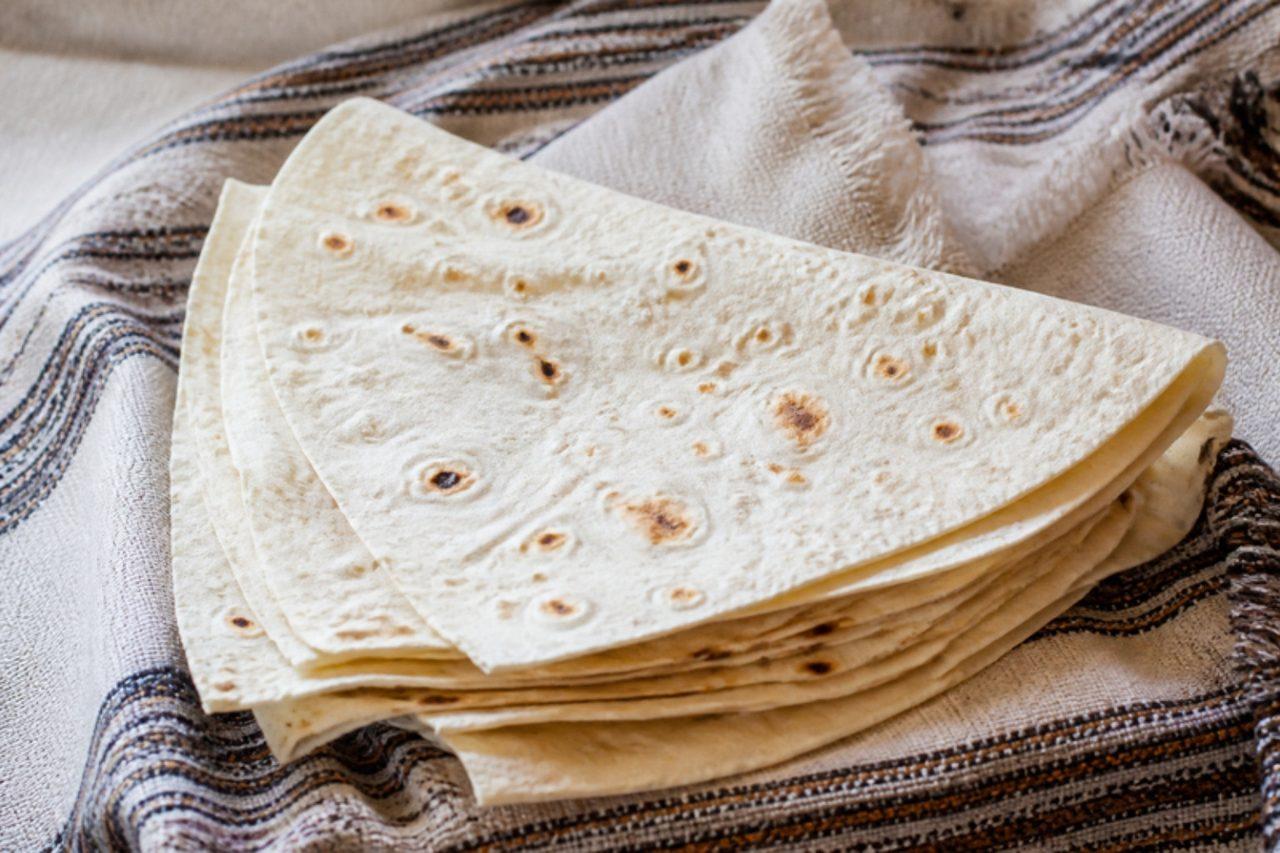
Taftoon is the everyday bread of many Iranian towns, from Qazvin to Kerman: thin, soft and slightly bubbly, slapped onto the hot clay wall of a tanoor and peeled off a minute later, then piled on the sofreh at lunch to wrap herbs and cheese or to scoop up stews. It is softer and thinner than barbari but less papery than lavash. A heavy pan or upturned wok on the hob gives very good results at home. The common mistake is rolling it unevenly; thin patches burn while thick ones stay doughy. Chef's tip: stack the breads in a tea towel as they come off the heat; the trapped steam keeps them soft and foldable.

by KrazyBadal 0 views

Nan-e komaj

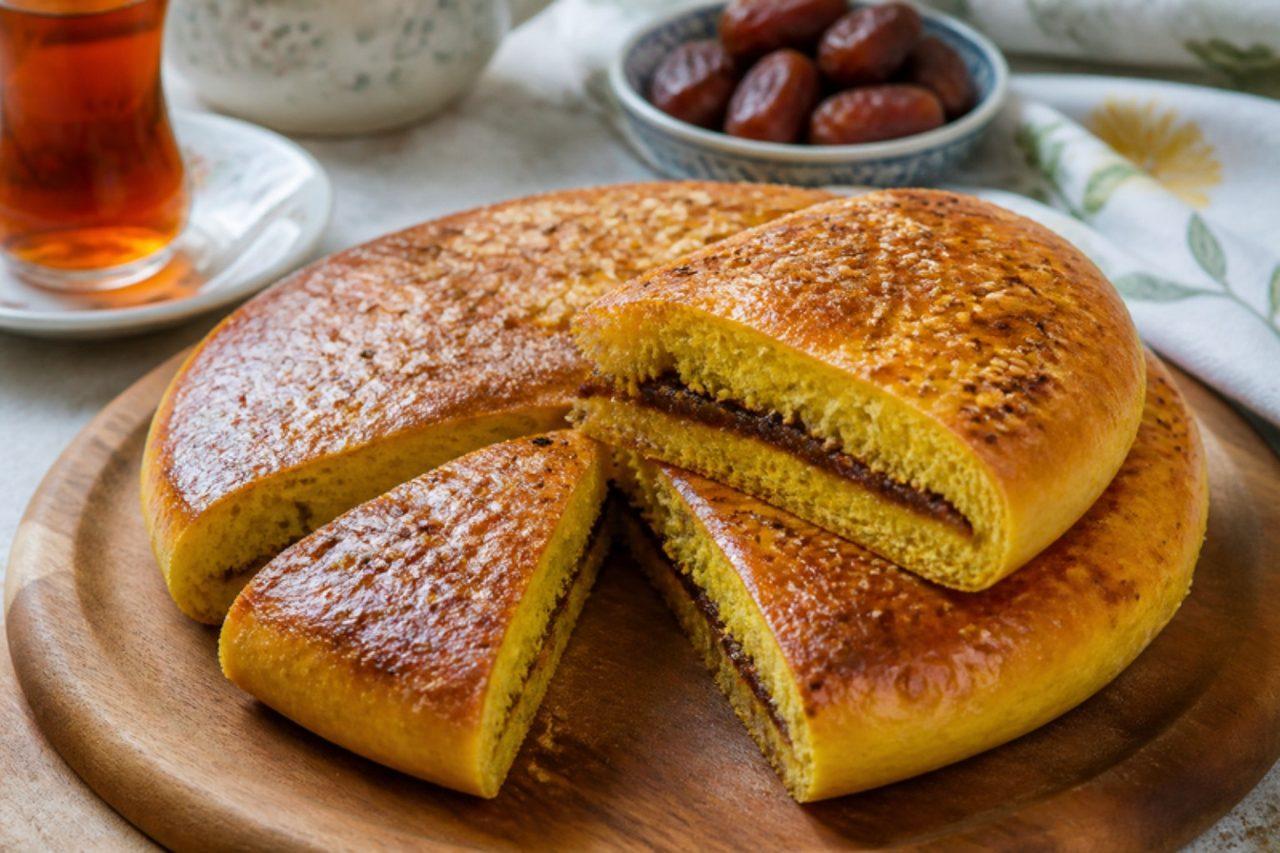
In Khorasan and Kerman, nan-e komaj is the bread of guests and holidays: thick, soft, golden with turmeric, scented with cumin and layered with a ribbon of date paste and cinnamon. In villages around Mashhad it is baked in big rounds for Nowruz and religious feasts and cut into wedges with tea. It is sweet but not cake-like, sitting somewhere between bread and pastry. A common mistake is spreading the date paste right to the edge, which lets it leak and burn on the tray. Chef's tip: soften the dates with a spoon of hot water and a little butter before spreading; stiff date paste tears the dough.

by KrazyBadal 0 views

Kabak tatlısı

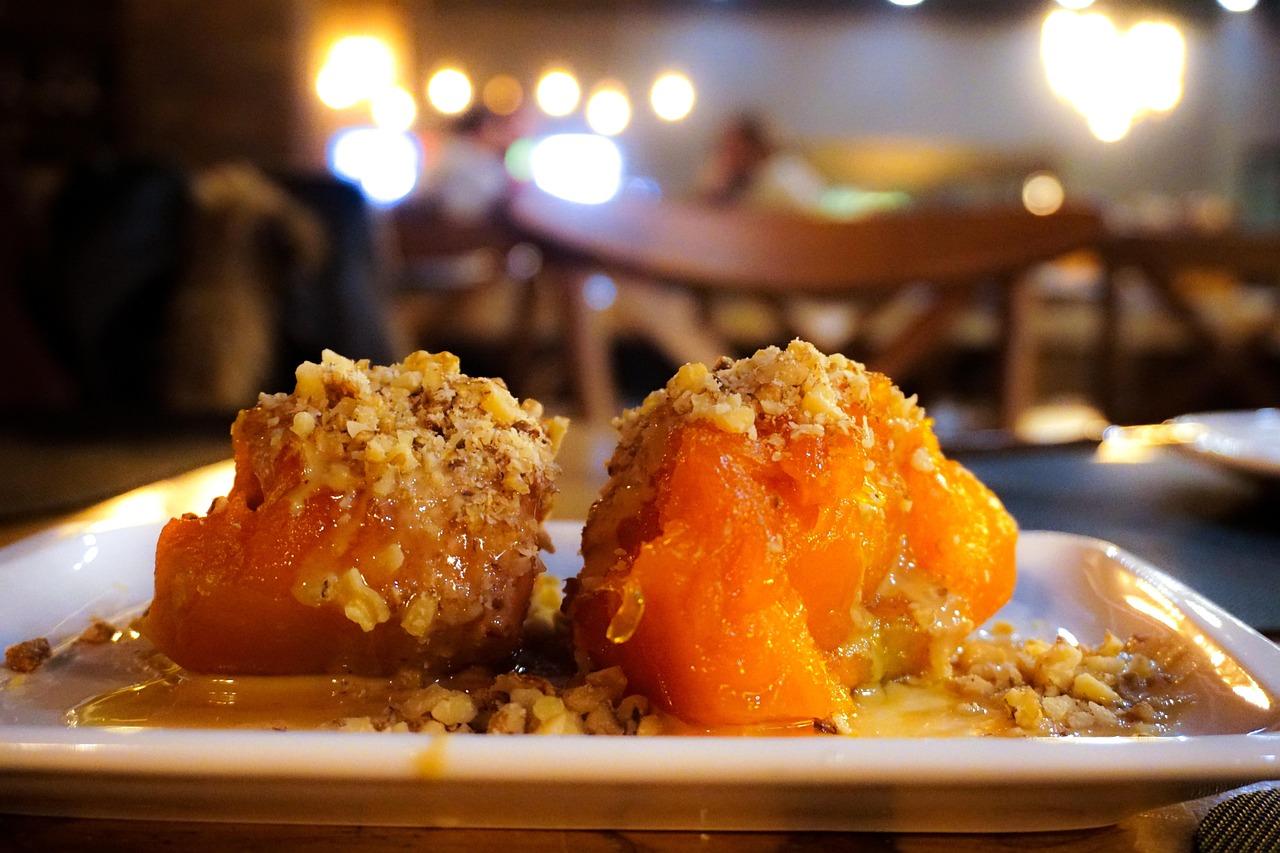
When the big winter squashes come in from the fields around Konya and Ankara, home cooks cut them into thick wedges, bury them in sugar overnight and let the pumpkin cook slowly in the syrup it releases. The pieces turn glossy, deep orange and tender while holding their shape, and they're served cold with a drizzle of tahini and crushed walnuts. It's one of the few Turkish sweets made without any water at all. Common mistake: stirring the pot, which breaks the wedges; shake the pan gently instead. Chef's tip: cook it lid on for the first half and lid off for the second, so the syrup reduces to a thick glaze.

by KrazyBadal 0 views

Salada algarvia

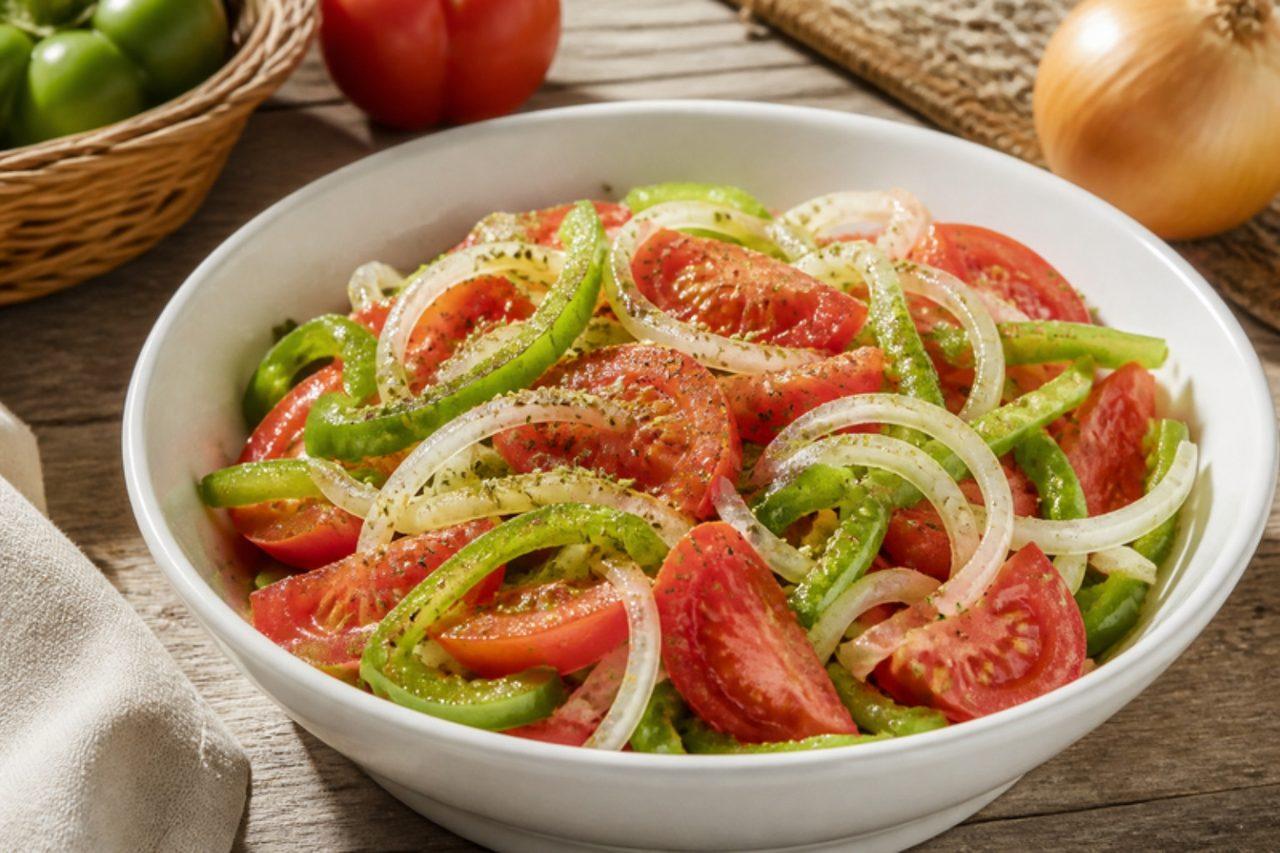
Order grilled sardines or fish at any beach shack between Sagres and Monte Gordo and this salad arrives alongside without anyone asking. It is little more than summer tomatoes, crisp green pepper and sweet onion, dressed with olive oil, a splash of vinegar and plenty of dried oregano, but the juices left in the bowl are the best part, mopped up with bread. Chef's tip: salt the tomatoes 10 minutes before dressing them so they release their juice into the dressing.

by KrazyBadal 0 views

Nan-e barbari

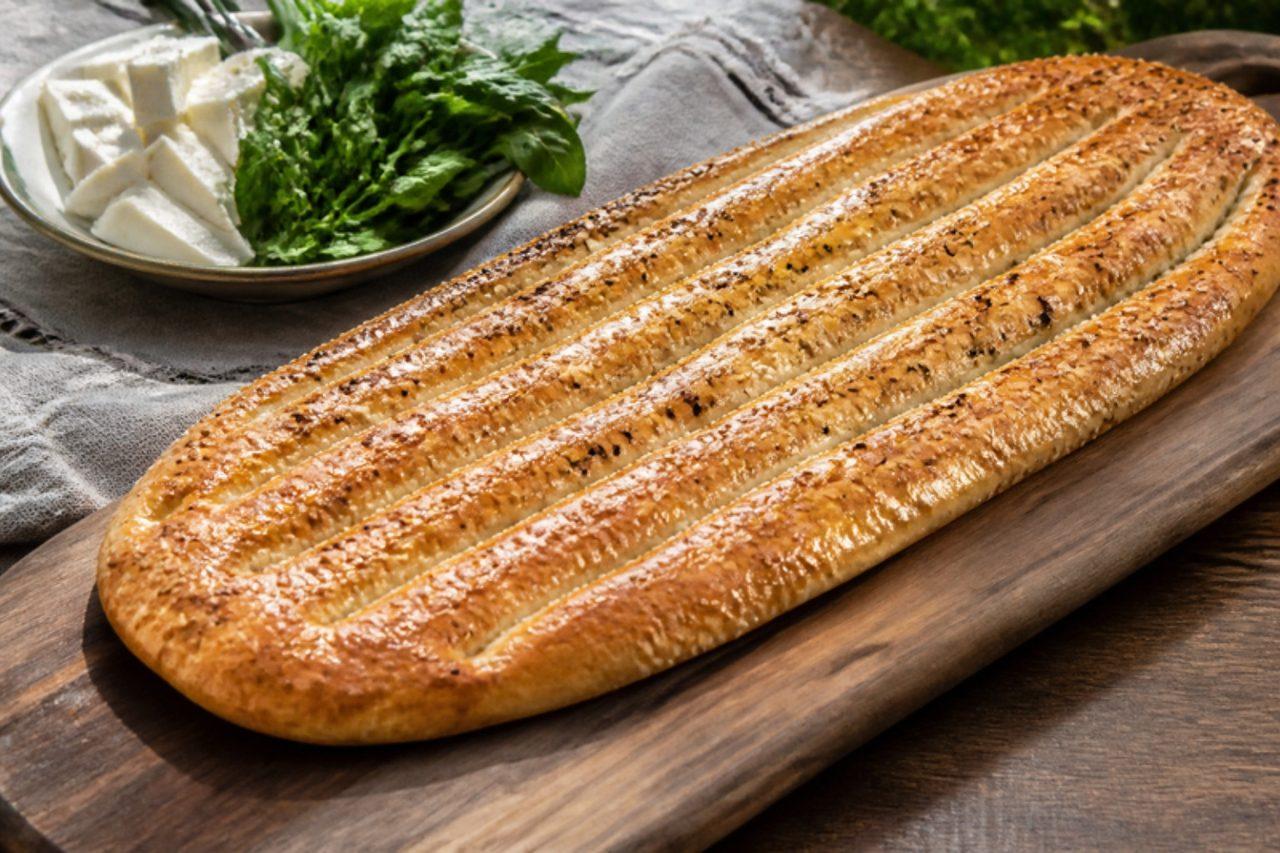
Barbari is Tehran and Tabriz's breakfast bread: a long, thick oval with deep lengthwise grooves, its top glazed golden-brown and scattered with sesame and nigella. Bakeries sell it hot from early morning, and it goes home to be torn and eaten with feta, walnuts, herbs, butter and jam or a glass of sweet tea. Its secret is the roomal, a quick paste of flour, baking soda and water brushed on before baking, which gives the shiny, crackly crust. The usual mistake is pressing the grooves too shallow, so they puff out in the oven and the bread loses its shape. Chef's tip: press your fingertips right down to the work surface when making the grooves, and don't worry if it looks too flat; it rises in the oven.

by KrazyBadal 0 views

Sir torshi

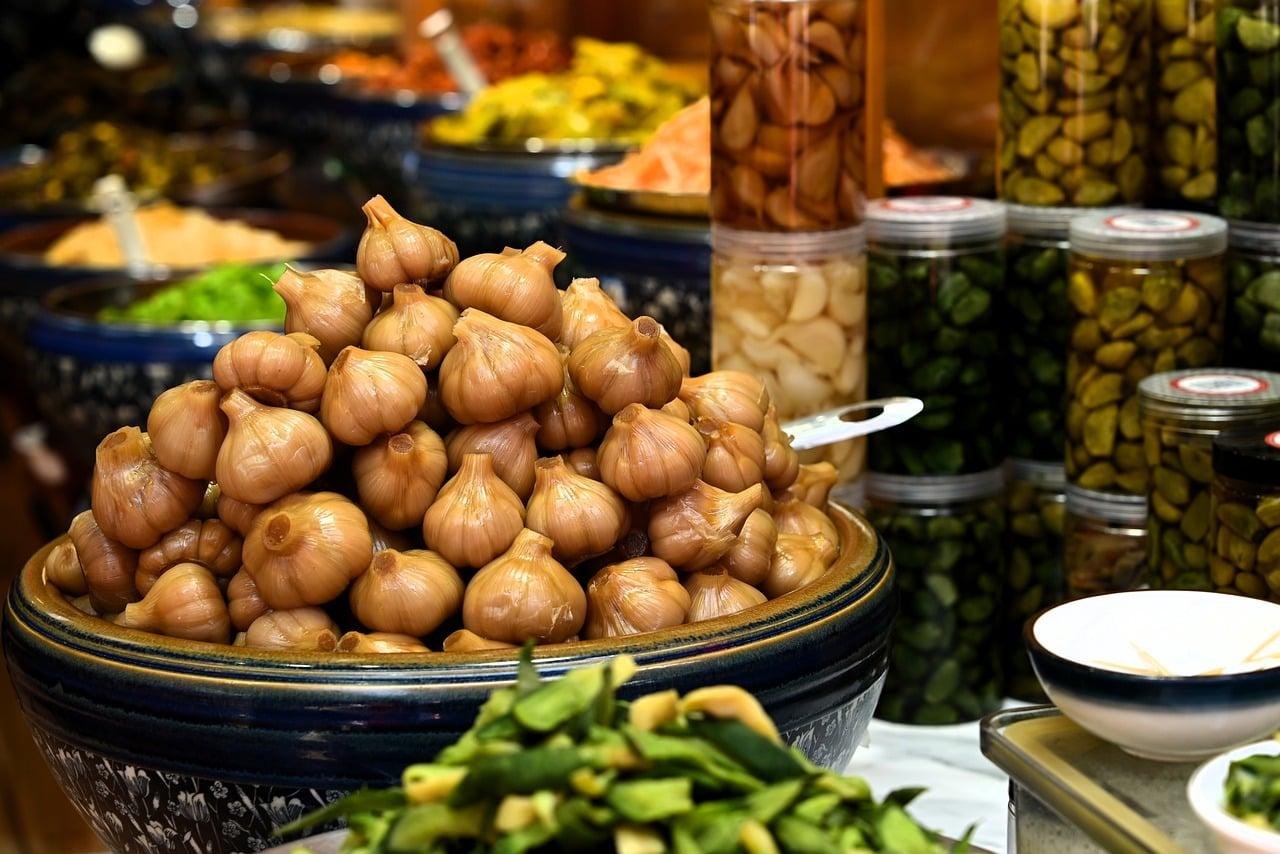
Along the Caspian coast in Gilan and Mazandaran, almost every larder has a jar of sir torshi tucked at the back, and the older it is the prouder the cook. Whole heads of garlic sit in vinegar for months, sometimes seven years, until the cloves turn amber, then nearly black, and lose all their harshness; they become soft, sweet-sour and almost jammy. A clove or two goes on the side of a plate of rice and khoresh, mirza ghasemi or a bowl of ash. Chef's tip: use firm, dry, mature garlic with tight skins; fresh green garlic goes slimy instead of mellow.

by KrazyBadal 0 views

Toot

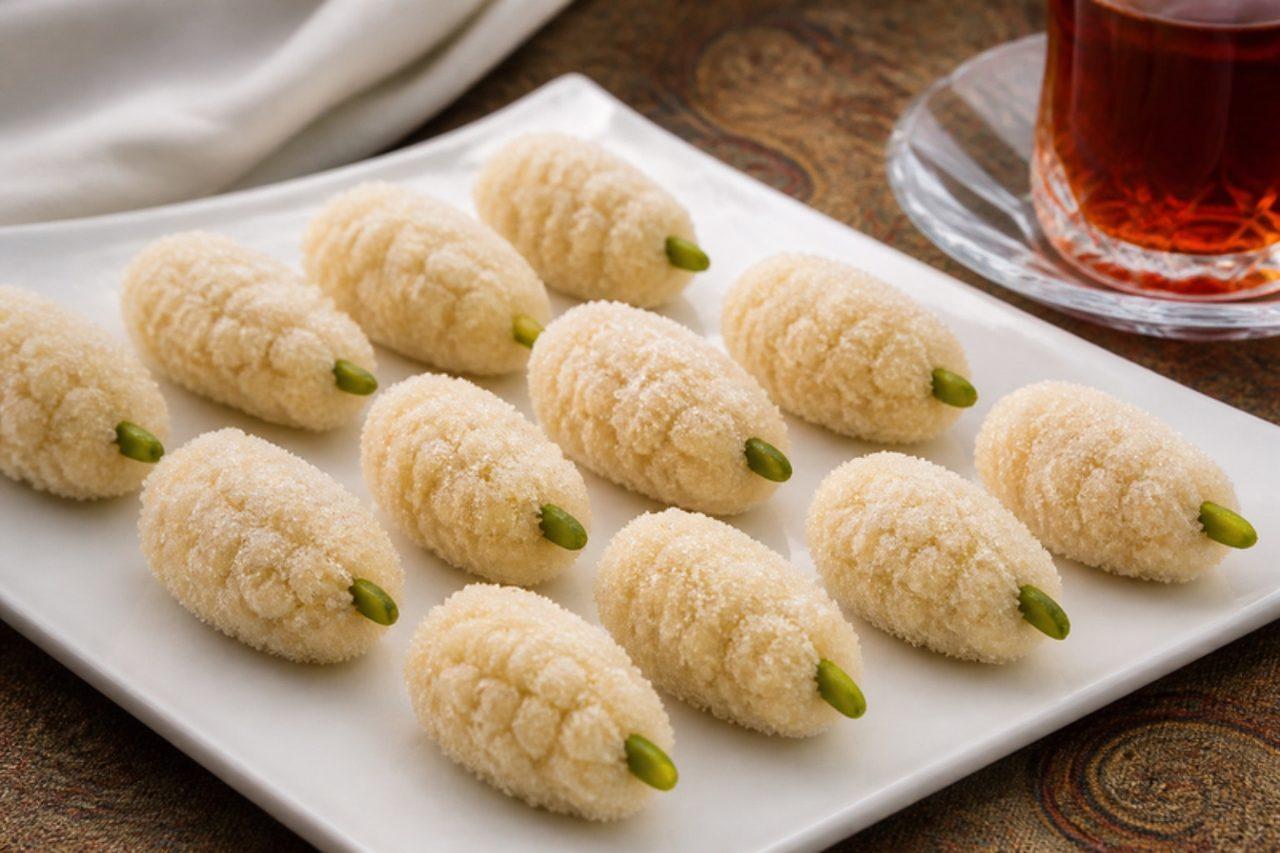
Little white toot sit on silver dishes at Nowruz and at weddings in Tehran and Isfahan, shaped and named after the pale mulberries that grow all over Iran. They are a soft, fragrant almond paste bound with rosewater, rolled in sugar and finished with a sliver of pistachio for the stalk. No cooking is needed, so children can help shape them. Chef's tip: add the rosewater a spoonful at a time; the paste should just hold when squeezed, and a wet paste won't keep its mulberry bumps.

by KrazyBadal 0 views

Nan-e panjereh

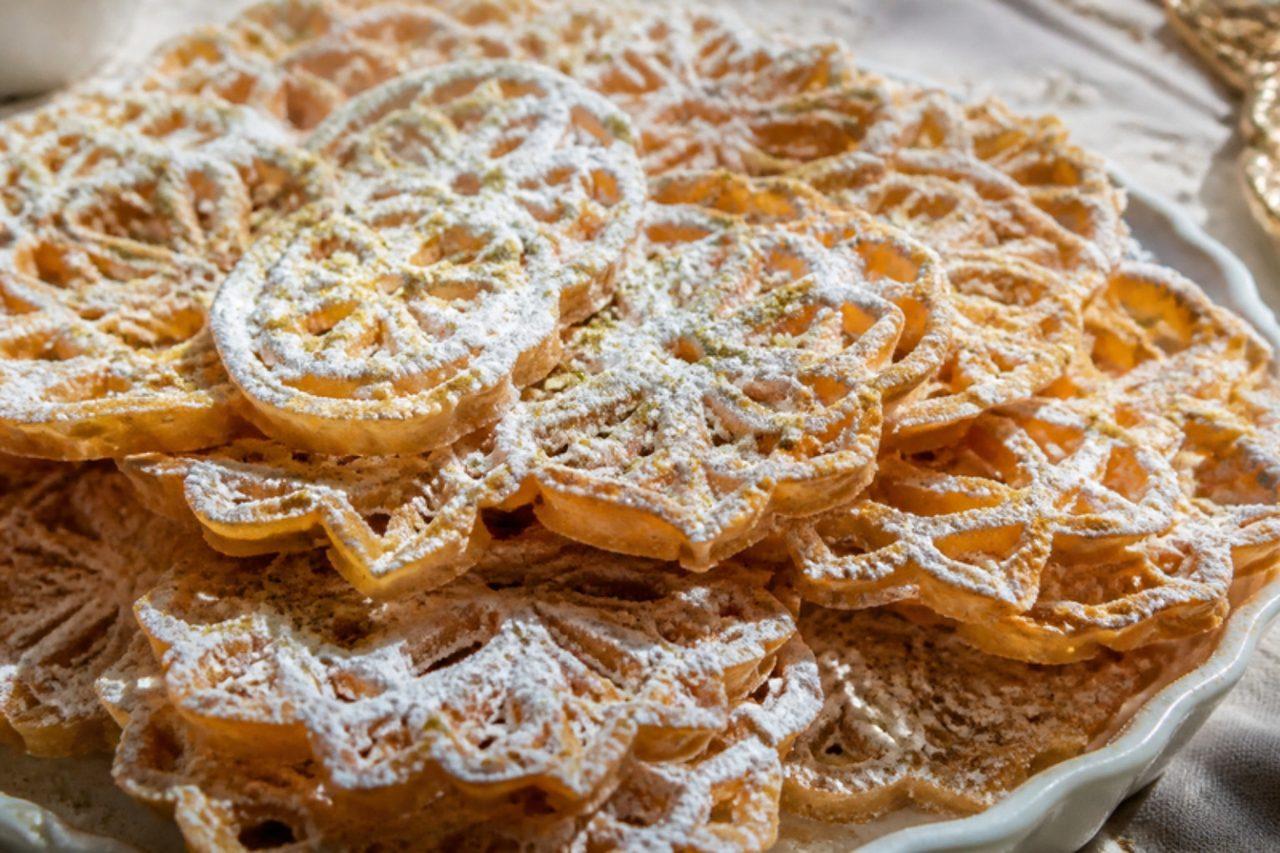
Nan-e panjereh, 'window bread', is the most delicate pastry on a Nowruz table, and in Tehran and Isfahan it is usually made at home with a flower-shaped iron passed down through the family. A thin batter of egg, milk and flour flavoured with rosewater clings to the hot iron, then drops off into the oil as a crisp, lacy rosette that shatters at the first bite. The usual mistake is dipping the iron too deep; the batter must come only to the top edge, or the rosette won't release. Chef's tip: dip the iron back into the hot oil for 30 seconds before every rosette so the batter sets the moment it touches the metal.

by KrazyBadal 0 views

Nan-e gerdooyi

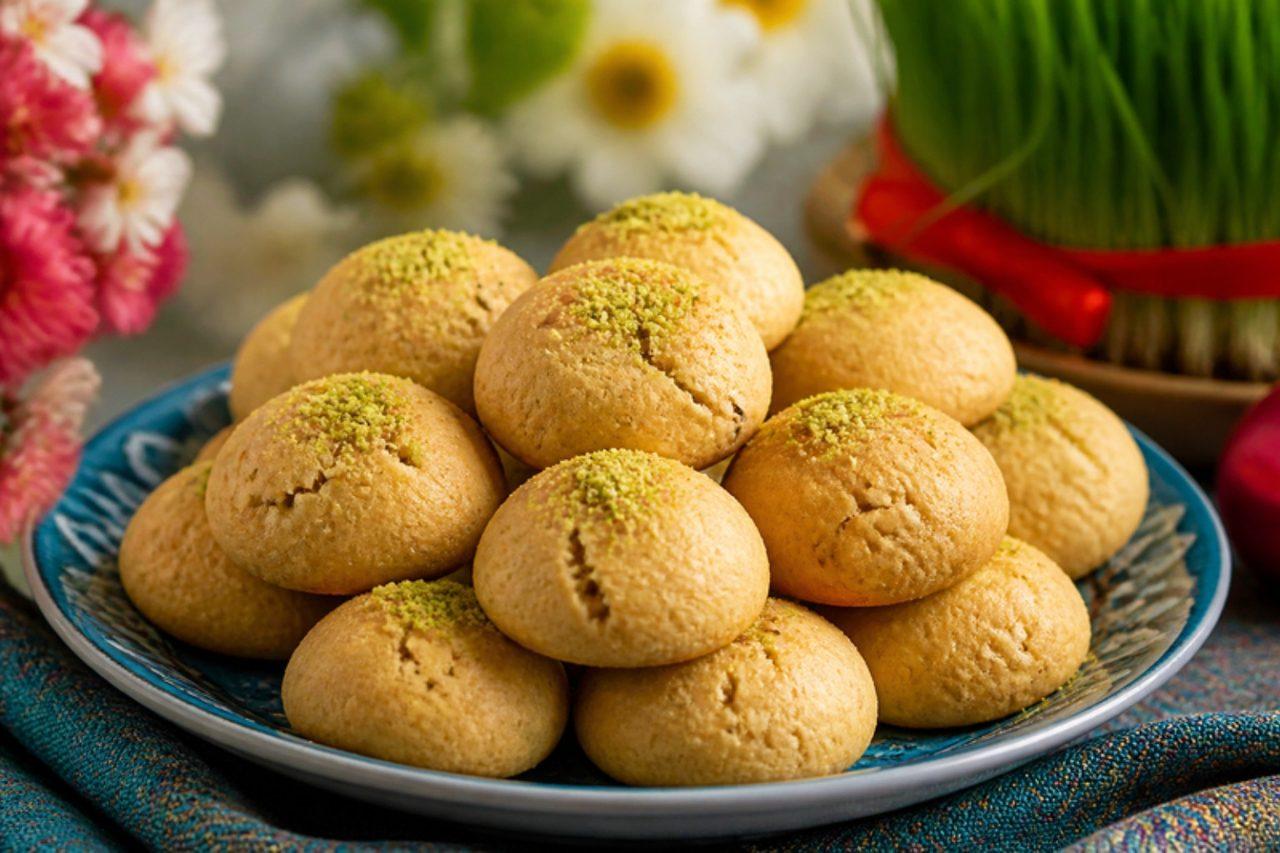
In the run-up to Nowruz, when Tabriz, Tehran and Qazvin families are spring-cleaning and baking for the round of holiday visits, nan-e gerdooyi are among the first cookies to go into the tin. They are made with chopped walnuts held together by egg yolks and sugar, no flour at all, so they bake crisp at the edge and soft and chewy in the middle. A common mistake is grinding the walnuts to a paste; they should be chopped into small pieces so the cookies have texture and don't turn oily. Chef's tip: leave a good gap between them on the tray; they spread to about twice their size.

by KrazyBadal 0 views

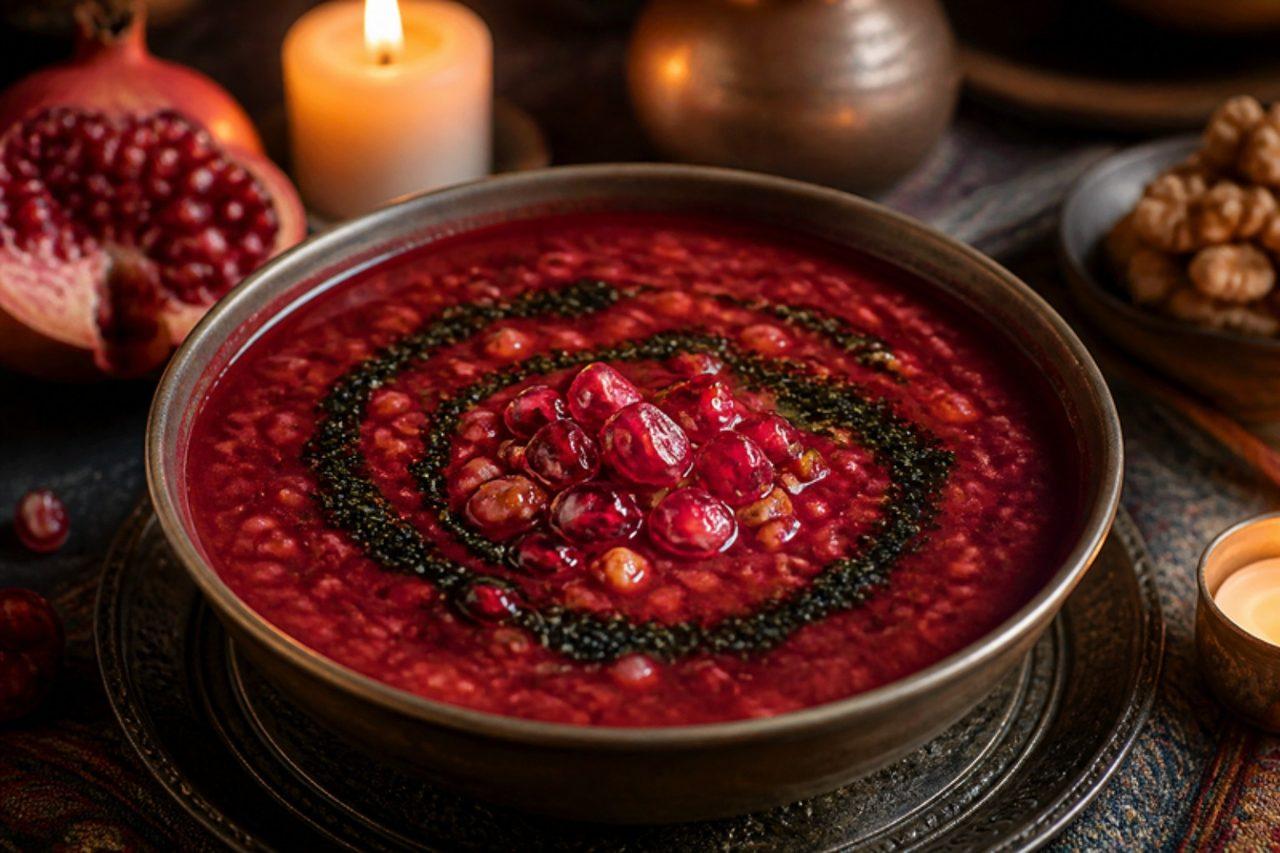
Ash-e anar

Ash-e anar is a soup for Yalda, the long December night when families across Tehran, Tabriz and Mashhad stay up late with pomegranates, watermelon and poetry. Fresh pomegranate juice and molasses give the broth a sour-sweet ruby colour, thick with split peas, rice and a mass of parsley, coriander, mint and spring onion. Many families drop in small meatballs; this version leaves them out and finishes with a sizzling garnish of dried mint in oil (nana dagh) for depth. The common mistake is adding the pomegranate too early, which dulls the colour to brown; it goes in for the last half hour. Chef's tip: taste and balance at the end with sugar or more molasses; the soup should make your mouth water, sour first and sweet after.

100 minPersianSoupsVeganGluten free
by KrazyBadal 0 views

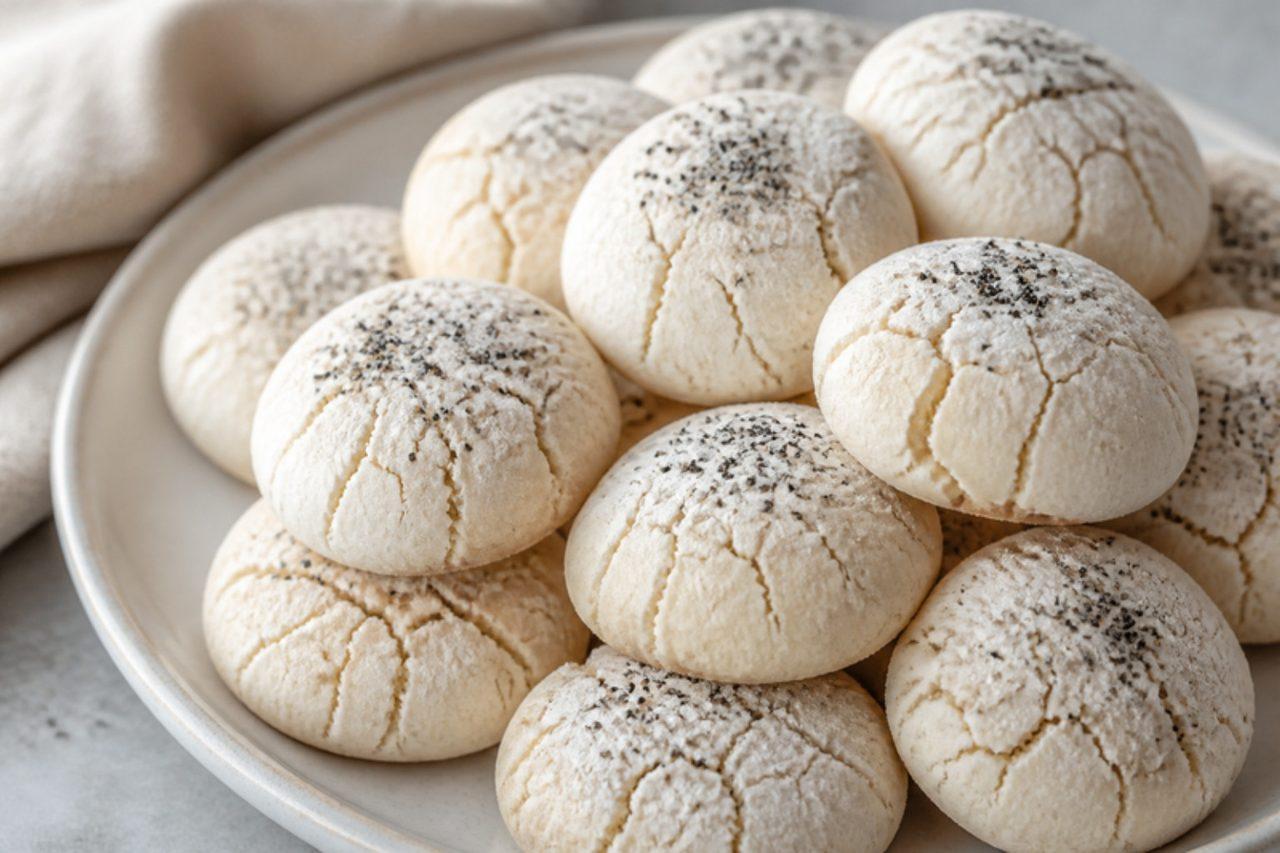
Nan-e berenji

Kermanshah in western Iran is famous for its nan-e berenji, and in the weeks before Nowruz bakeries there pack them by the boxful for guests who come visiting through the holiday. Made with rice flour, they are pale, crumbly and melt on the tongue, scented with cardamom and rosewater and sprinkled with a few poppy seeds. Many families make the dough a day ahead. The common mistake is letting them colour in the oven; they should come out white with only the faintest gold underneath. Chef's tip: rest the dough in the fridge for at least an hour so the rice flour hydrates; otherwise the cookies crack and spread.

by KrazyBadal 0 views

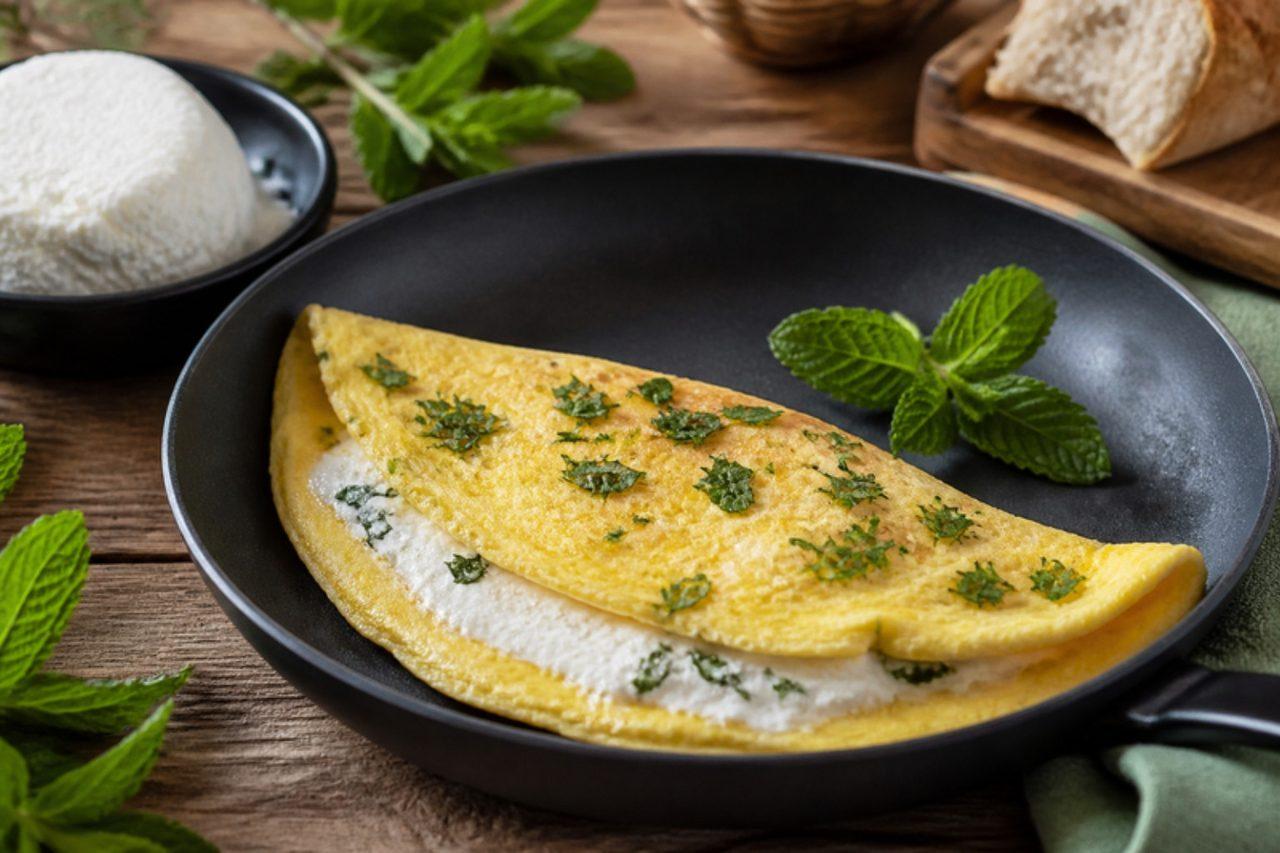
Omelette au brocciu et à la menthe

Inland Corsica, around Corte and the mountain villages, serves this omelette from late autumn to early summer, the months when shepherds make fresh brocciu. The cheese goes in at the last moment so it stays creamy, and wild mint picked from the maquis cuts through its richness; it is a light lunch or supper with a green salad and bread. Brocciu is made from the whey of rennet cheeses, so vegetarians often use ricotta labelled vegetarian instead. Chef's tip: season the cheese and mint, not just the eggs, because fresh whey cheese is very mild.

by KrazyBadal 0 views

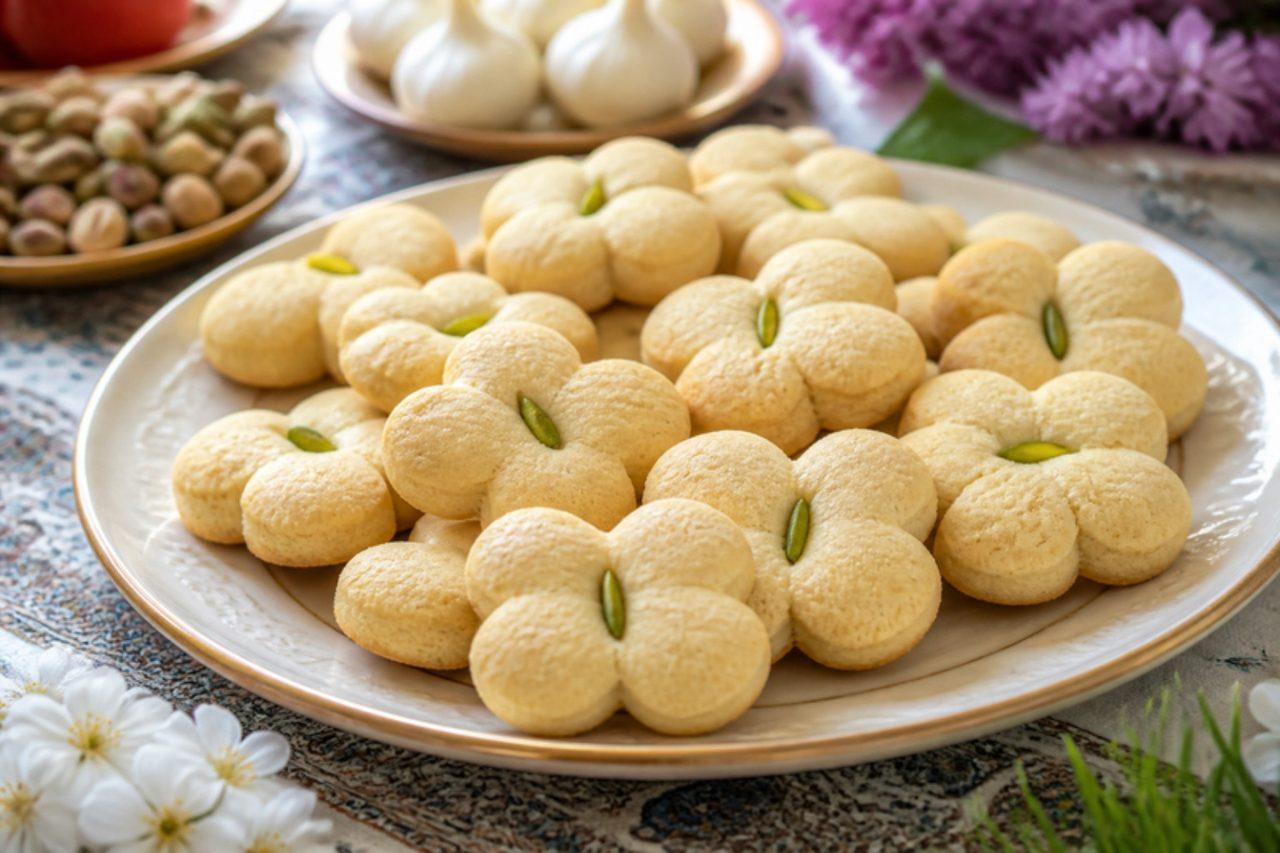
Nan-e nokhodchi

No Nowruz tea tray in Tehran or Qazvin looks complete without a pile of tiny four-leafed nan-e nokhodchi, each topped with a sliver of pistachio. They are made from flour of roasted chickpeas, so they taste nutty and slightly savoury under the sugar, and they dissolve almost instantly on the tongue. Bakers make them by the thousand in March, but they are simple at home with a small clover cutter. The common mistake is using raw gram flour, which tastes beany and bitter; the flour must be from roasted chickpeas, or toasted first. Chef's tip: knead the dough longer than you think, 8–10 minutes, until it turns smooth and pale; that is what gives the melting texture.

by KrazyBadal 0 views

Anar ba golpar

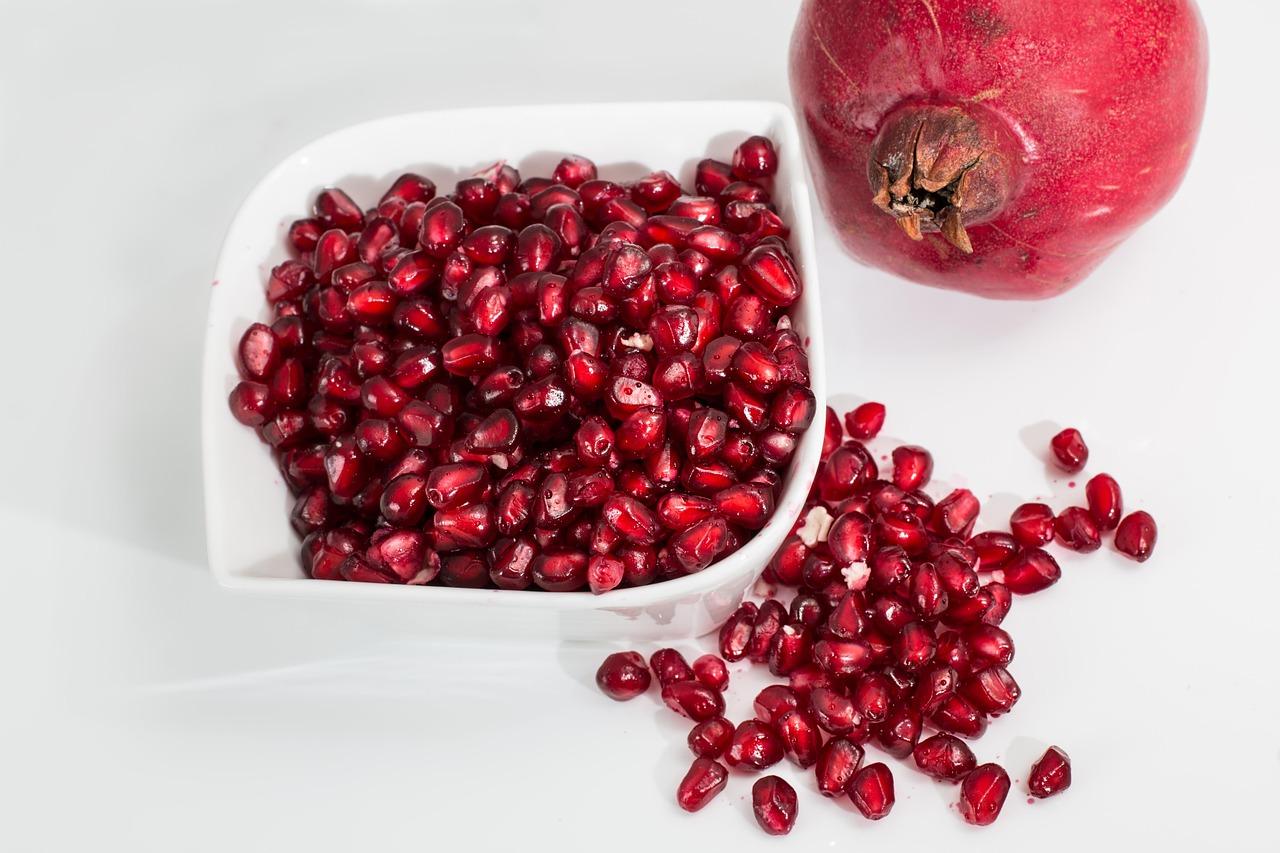
On Yalda night, the longest night of the year in late December, a bowl of jewel-red pomegranate seeds sits at the centre of the korsi in homes from Tehran to Shiraz, symbolising the dawn and the return of light. Many families sprinkle the seeds with golpar (ground Persian hogweed) and a little salt, which makes the sweet-sour fruit taste brighter and more savoury, almost like a salad. A common mistake is bashing the fruit too hard to free the seeds, which bursts them and leaves a puddle of juice. Chef's tip: seed the pomegranates under a bowl of water; the seeds sink, the white pith floats and the juice doesn't stain the kitchen.

by KrazyBadal 0 views

Khiar shoor

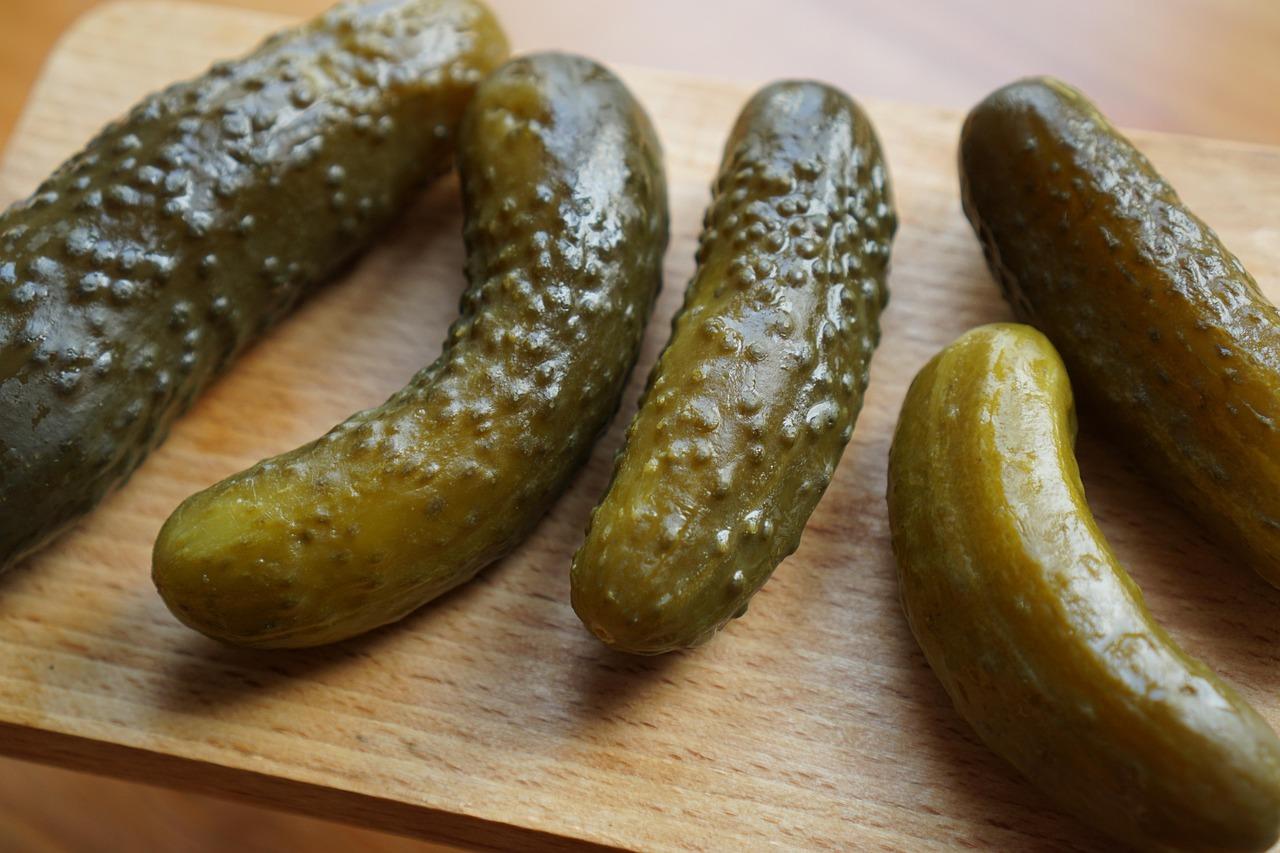
Khiar shoor, salty cucumber, is the pickle that turns up in every Iranian sandwich shop: sliced into olivieh and kalbas rolls in Tehran, eaten whole beside a plate of polo, or offered from a jar with bread and cheese. Small, firm Persian cucumbers are packed upright with garlic, dill, tarragon and chilli, then covered with a vinegar-sharpened brine. They are ready in about ten days and stay snappy for months. Chef's tip: pickle the cucumbers within a day of buying them; even a few days in the fridge makes them hollow inside.

by KrazyBadal 0 views

Samanu

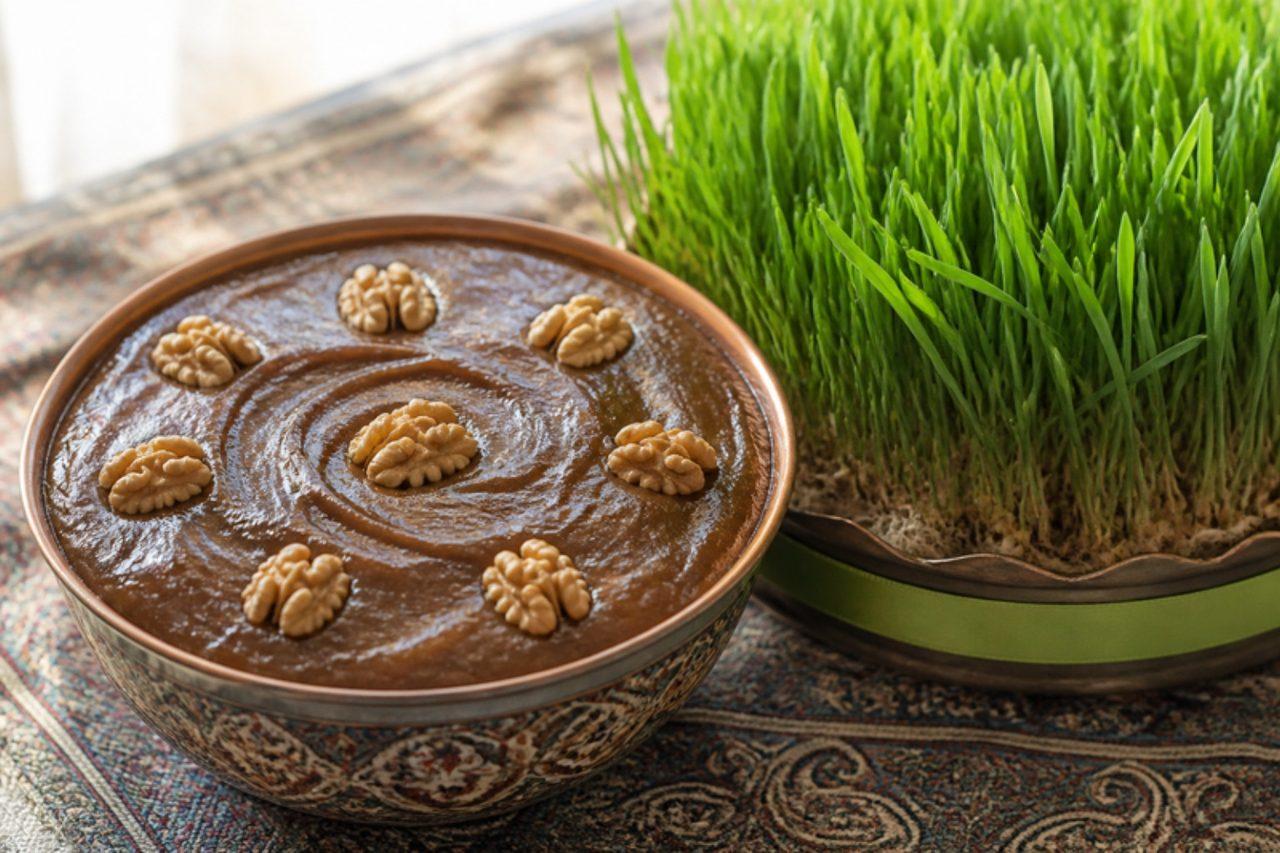
Samanu is one of the seven 's' items on the Nowruz haft-sin table, standing for strength and abundance, and in many neighbourhoods of Tehran and Shiraz women still gather to stir the great pot through the night, singing and taking turns. It is made from nothing but sprouted wheat juice and flour, cooked very slowly for many hours until the natural malt sugars caramelise into a thick, toffee-brown, gently sweet pudding. This home version uses a smaller batch, but it still takes days of sprouting and a long, patient simmer. The common mistake is turning the heat up to rush it, which scorches the base and makes the samanu bitter. Chef's tip: drop a few clean walnut halves into the pot near the end; tradition says whoever finds one in their bowl will have a lucky year.

by KrazyBadal 0 views

Ajil-e moshkel gosha

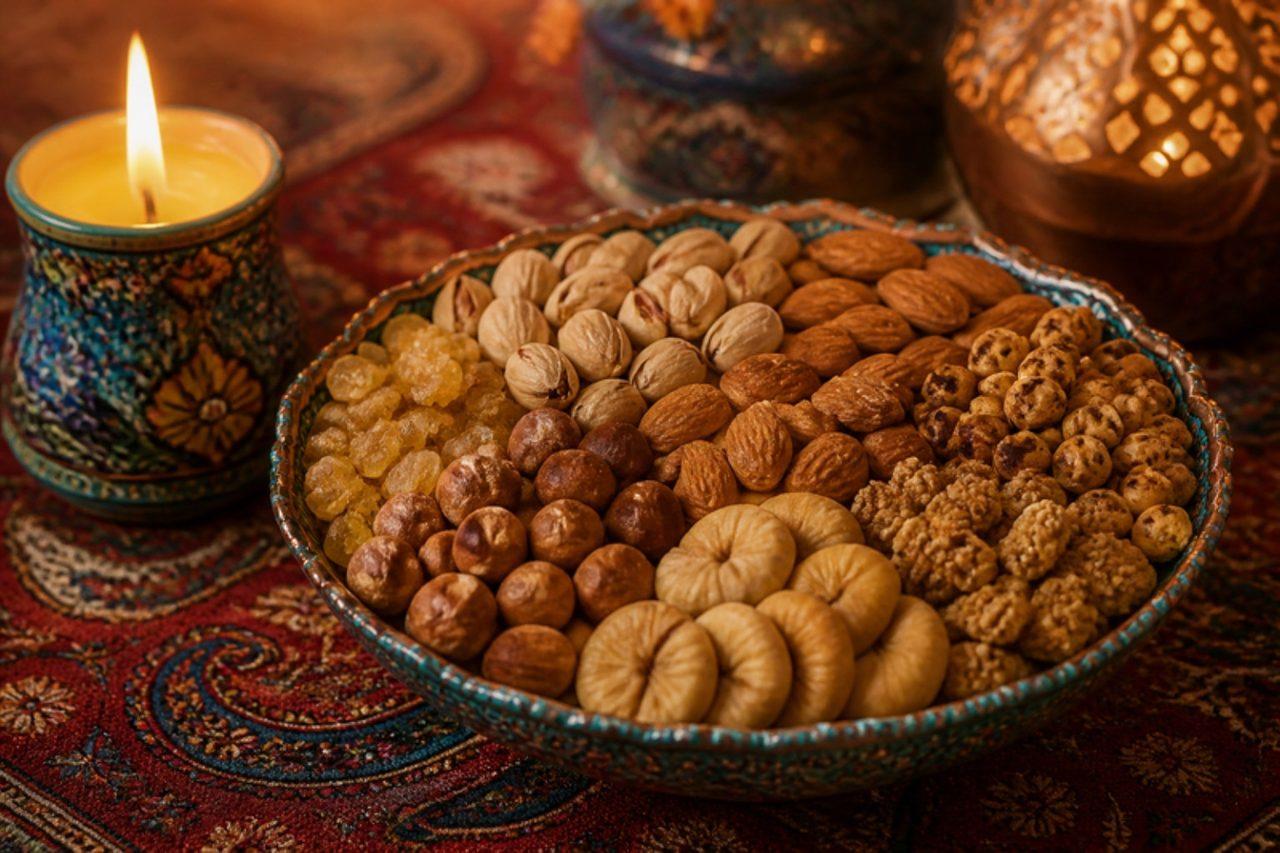
On Chaharshanbe Suri, the bonfire night on the last Tuesday evening before Nowruz, families across Iran jump over small fires in the street and then share a big bowl of ajil-e moshkel gosha, the 'nuts that untie problems', making a wish as they eat. The same mix comes out again on Yalda, the longest night of the year in December. It mixes salted roasted pistachios and almonds with roasted chickpeas, sweet dried figs, white mulberries, raisins and sugared almonds, so every handful is sweet, salty and crunchy. The common mistake is using raw nuts; the toasting is what makes it taste like the bazaar version. Chef's tip: toss the warm nuts with a little salted water and let them dry in the oven for a light salty coating that sticks.

by KrazyBadal 0 views

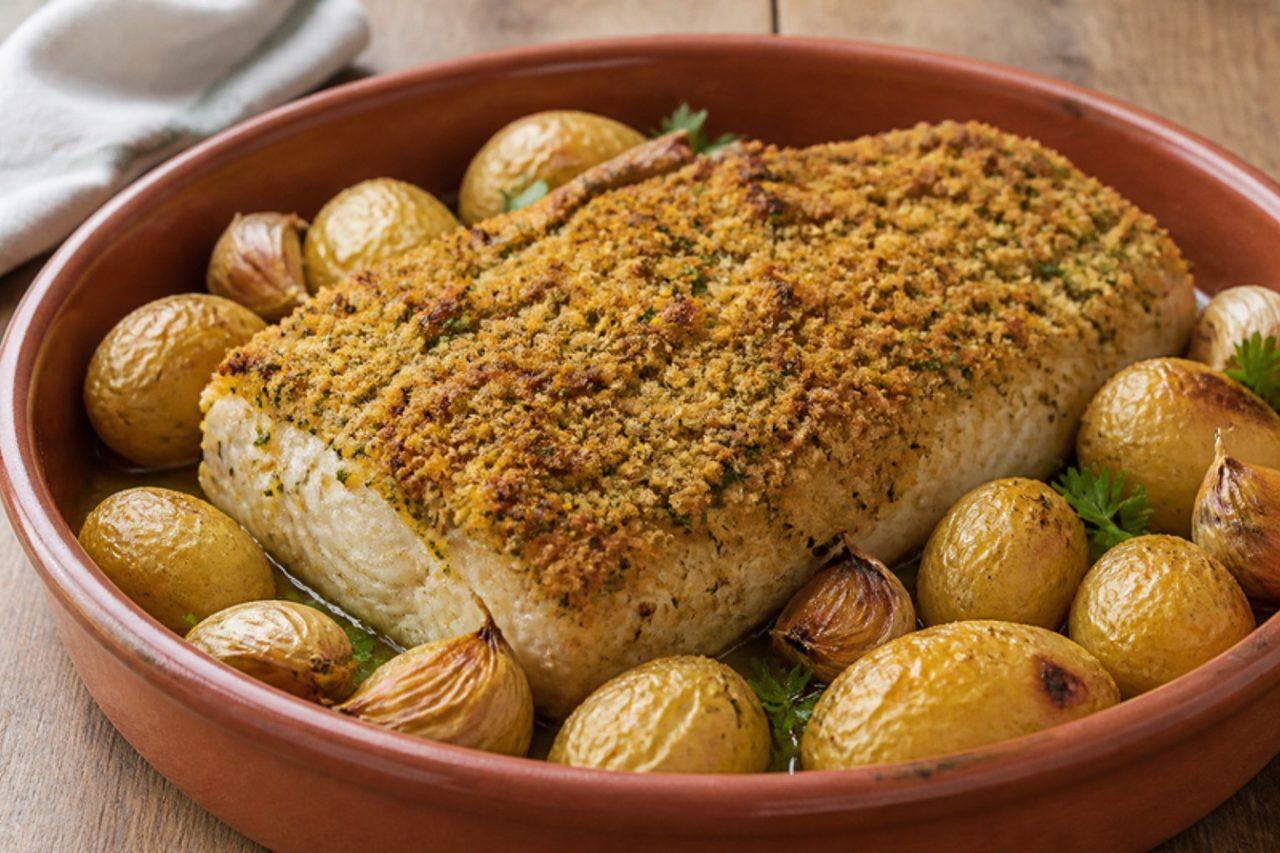
Bacalhau com broa

In central Portugal, where corn broa is the everyday bread, cooks crumble it over thick salt cod loins with garlic, parsley and olive oil, and the dish has become a favourite on restaurant menus from Coimbra to Leiria, especially for Christmas Eve and festive lunches. The crumb crust turns crunchy and golden while the cod stays moist and flaky underneath. It comes with punched potatoes and greens. Chef's tip: use broa that is a day or two old, as fresh crumb goes soggy instead of crisp.

by KrazyBadal 0 views

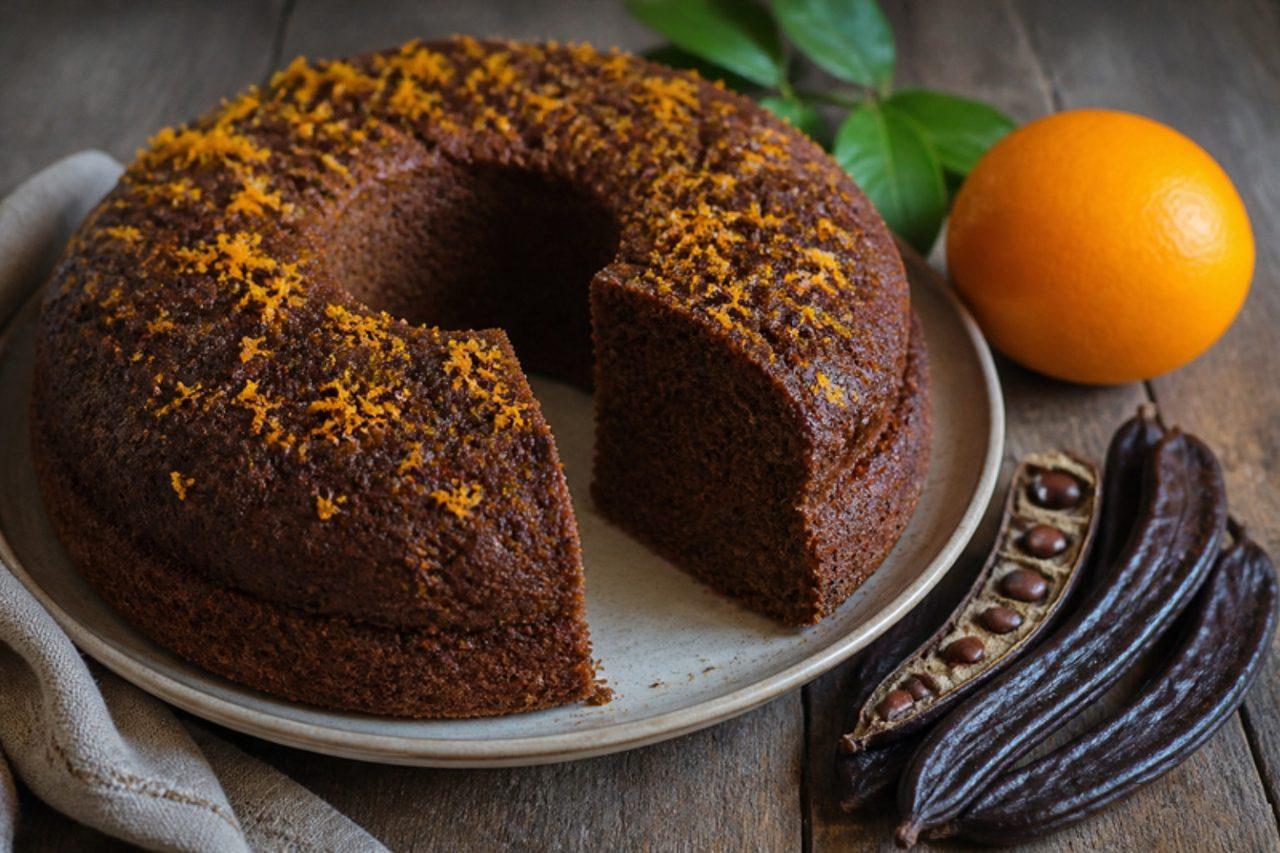
Bolo de alfarroba

Carob trees grow all through the dry Barrocal hills behind the Algarve coast, and the toasted pods are ground into a sweet, cocoa-coloured flour that local bakers have used for generations. This cake, sold by the slice in cafés around Loulé and São Brás de Alportel, is made with olive oil and orange, so it stays moist for days. It has a gentle caramel, almost malty taste rather than a chocolate one. A common mistake is using too much carob; it is sweet and earthy and turns bitter when overdone, so stick to the amount given. Chef's tip: sieve the carob flour with the wheat flour, because it lumps easily and leaves dry pockets in the crumb.

by KrazyBadal 0 views

Limonada de coco

Cartagena's heat makes limonada de coco almost compulsory: beach kiosks and restaurants in the old walled city blend it to order, and it arrives as a pale, frosty slush, sharp with lime and rich with coconut. It is a drink to sip slowly with fried fish, coconut rice and patacones, or on its own on a hot afternoon. Coconut cream gives the body, sugar balances the lime, and a full load of ice gives the frozen texture. The common slip is blending lime pieces with their peel for too long, which turns it bitter within minutes; use juice plus a little zest instead. Shake the tin of coconut cream before measuring, since it separates. Serve it straight away, before it melts and separates. Chef's tip: freeze some of the coconut cream in an ice-cube tray beforehand and use it in place of half the ice for a thicker, creamier result.

by KrazyBadal 0 views

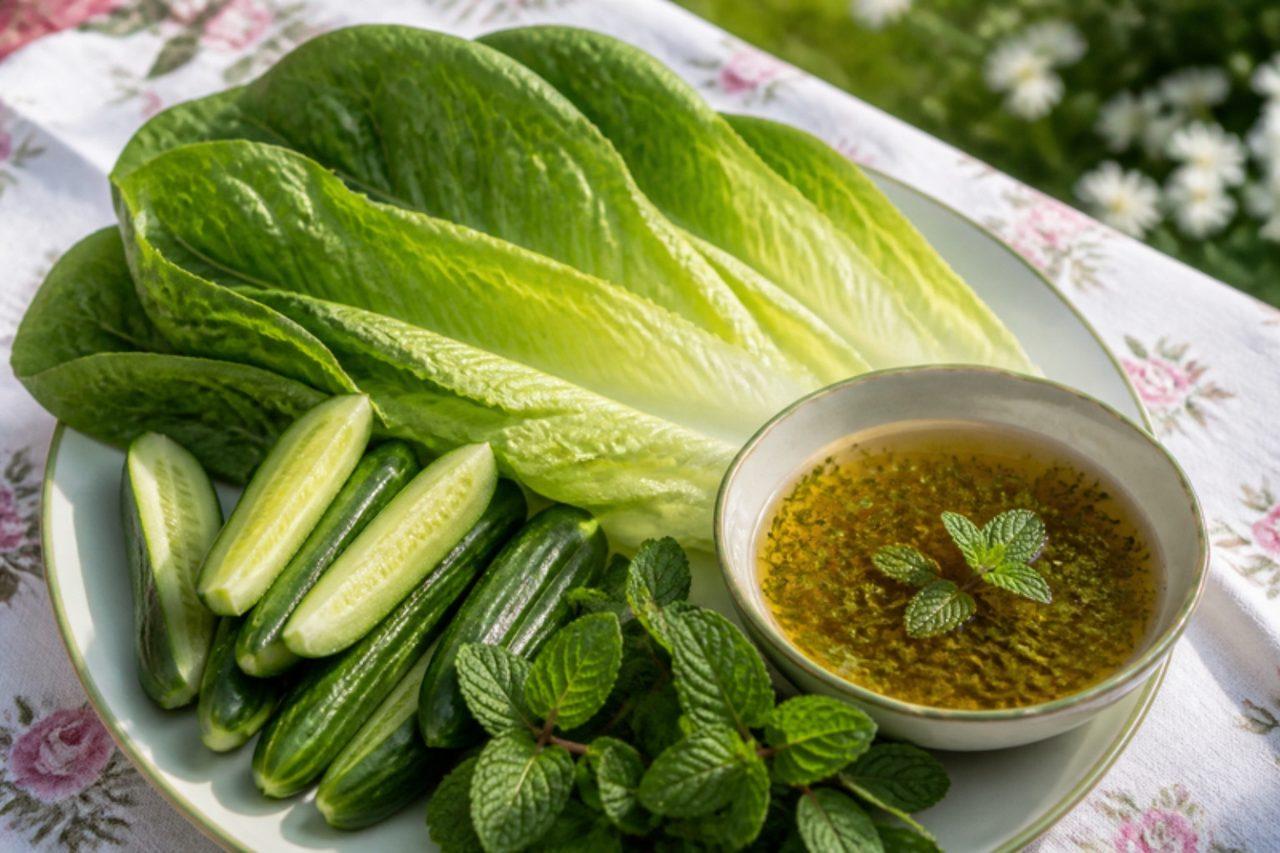
Kahu sekanjabin

On Sizdah Bedar, the thirteenth day of the new year, Iranian families leave the city for parks and riverbanks around Tehran and Isfahan, and the picnic cloth almost always holds a jar of sekanjabin and a head of crisp romaine. The syrup is an ancient one: sugar and vinegar simmered together and steeped with fresh mint, sweet-sour and cooling. You tear off a lettuce leaf, dip it and crunch. The usual mistake is boiling the syrup too long, which turns it into hard toffee once cold. Chef's tip: keep the lettuce in iced water until the moment you serve; the colder and crisper the leaf, the better the contrast with the syrup.

by KrazyBadal 0 views

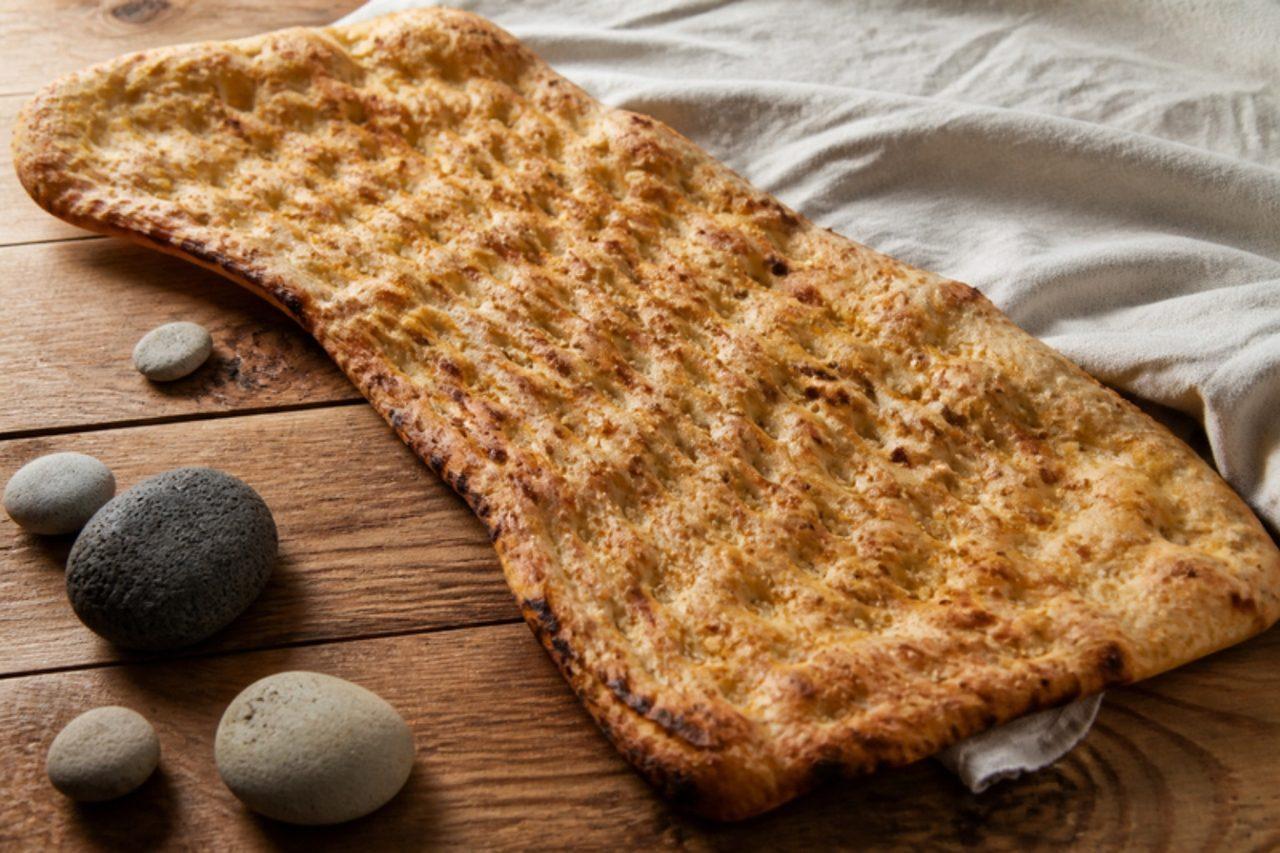
Nan-e sangak

Sangak means 'little stone': at bakeries in Tehran the dough is stretched onto a sloping bed of hot river pebbles inside a domed oven, and customers queue at dawn to carry home metre-long sheets folded over their arms, picking off the stones still stuck to the bread. It is a dimpled, chewy whole-wheat flatbread with a slight sourness and a toasted, blistered crust, eaten with cheese and herbs for breakfast or alongside kebabs. At home a tray of clean pebbles or a baking steel does the job. The common mistake is a stiff dough; sangak dough is very soft, almost a thick batter, which is what gives it its holes. Chef's tip: wet your hands well when stretching the dough onto the stones so it slides into a thin sheet without tearing.

by KrazyBadal 0 views

Gosh-e fil

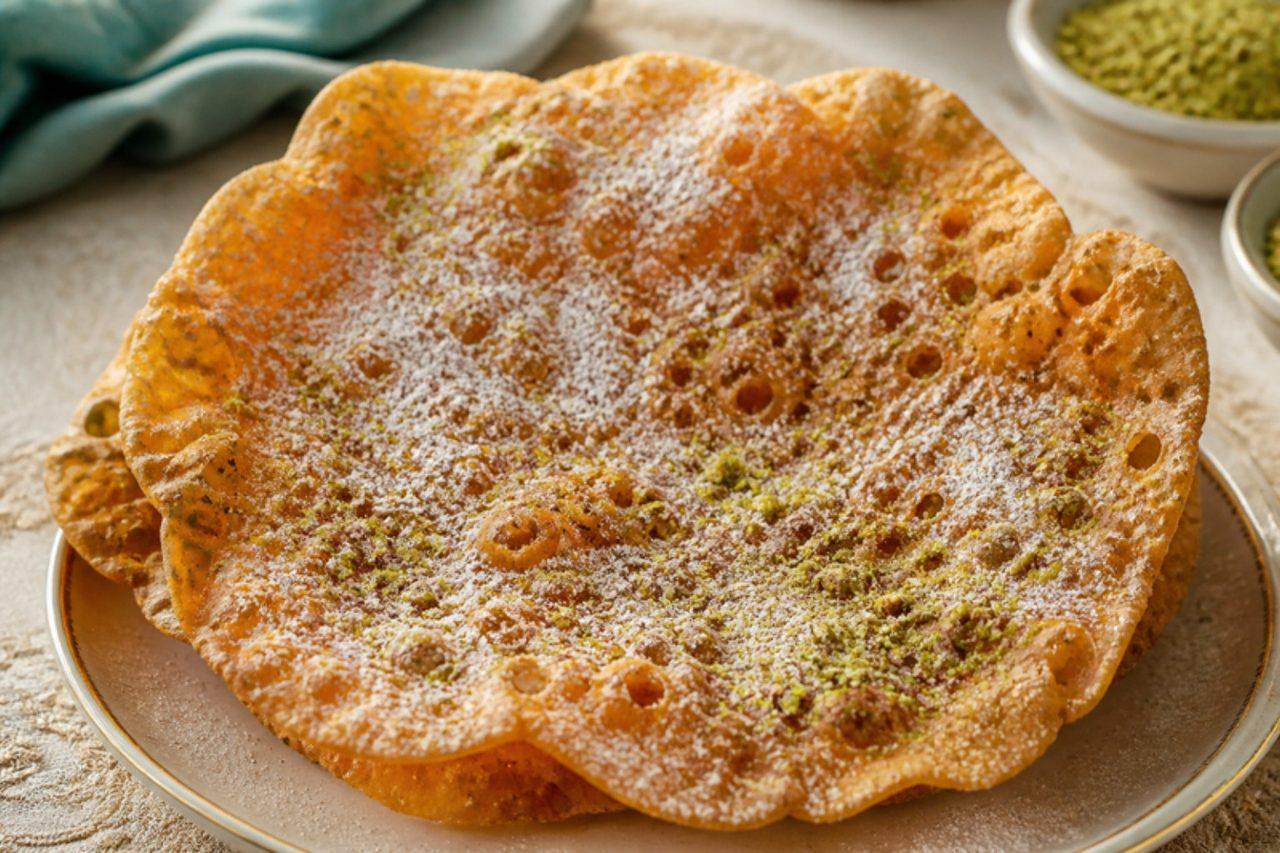
Gosh-e fil, elephant's ear, is the big, bubbly, paper-thin fried pastry sold from bakery windows in Tehran and Shiraz in the days before Nowruz, and made at home for Ramadan evenings. A soft egg and yogurt dough is rolled almost see-through, pinched into a fan shape and fried until it blisters, then showered with icing sugar, cardamom and ground pistachio. They are best the day they are made, with glasses of black tea. Chef's tip: rest the dough properly; relaxed dough rolls thin without shrinking back.

by KrazyBadal 0 views

Nürnberger Rostbratwürste

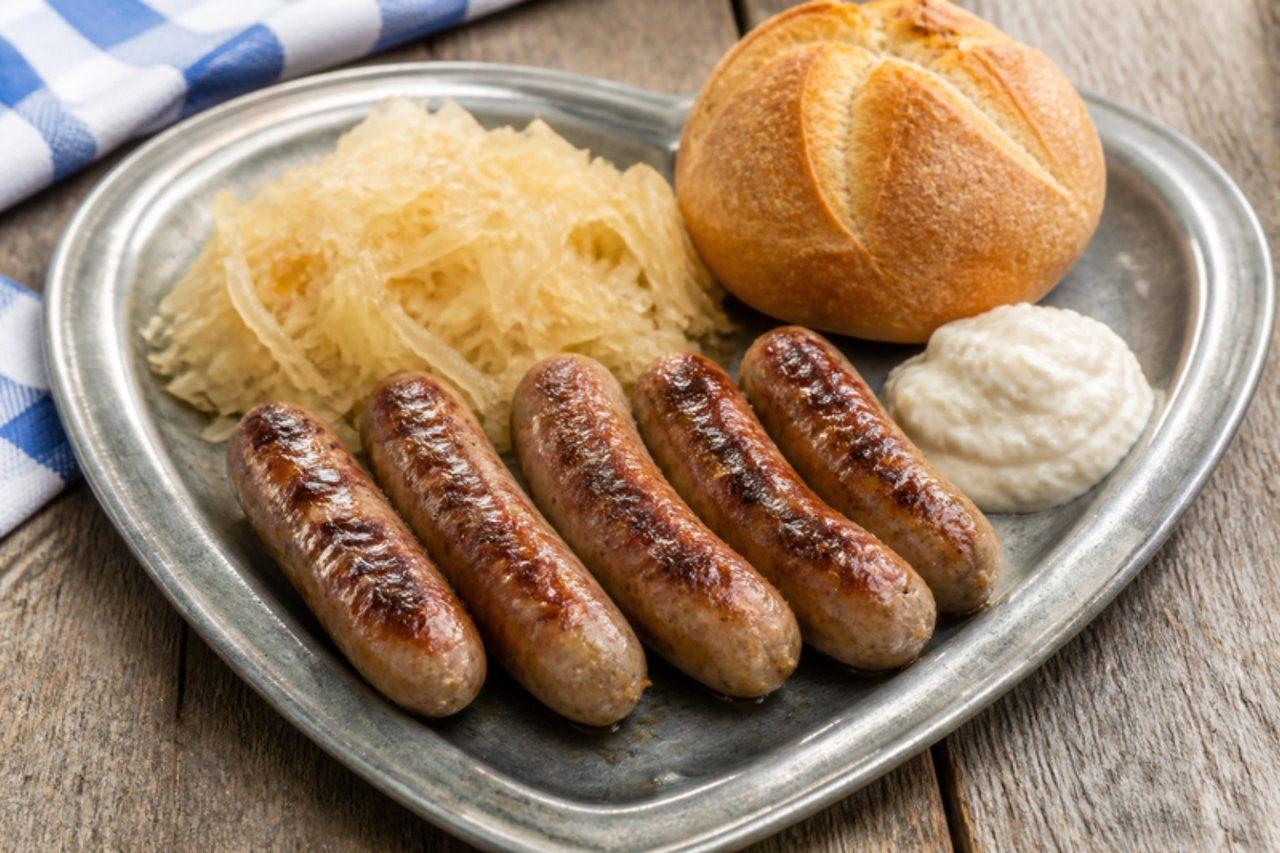
Nuremberg's little pork sausages are barely longer than a finger, grilled over beechwood in the old town's sausage kitchens and sold three at a time in a crusty roll, 'Drei im Weggla', at the Christmas market and all year round. They are delicate, coarse-ground and fragrant with marjoram, mace and lemon zest, and at a sit-down meal six or twelve come on a pewter plate with sauerkraut and horseradish. Making them at home needs a mincer with a sausage nozzle and narrow sheep casings, and is a satisfying weekend project. Vegetarians can buy small vegetarian bratwursts and grill them with the same sides. Chef's tip: keep the meat and mincer ice-cold; warm fat smears and the sausages turn crumbly.

75 minGermanMeat
by KrazyBadal 0 views

Weißwurstfrühstück

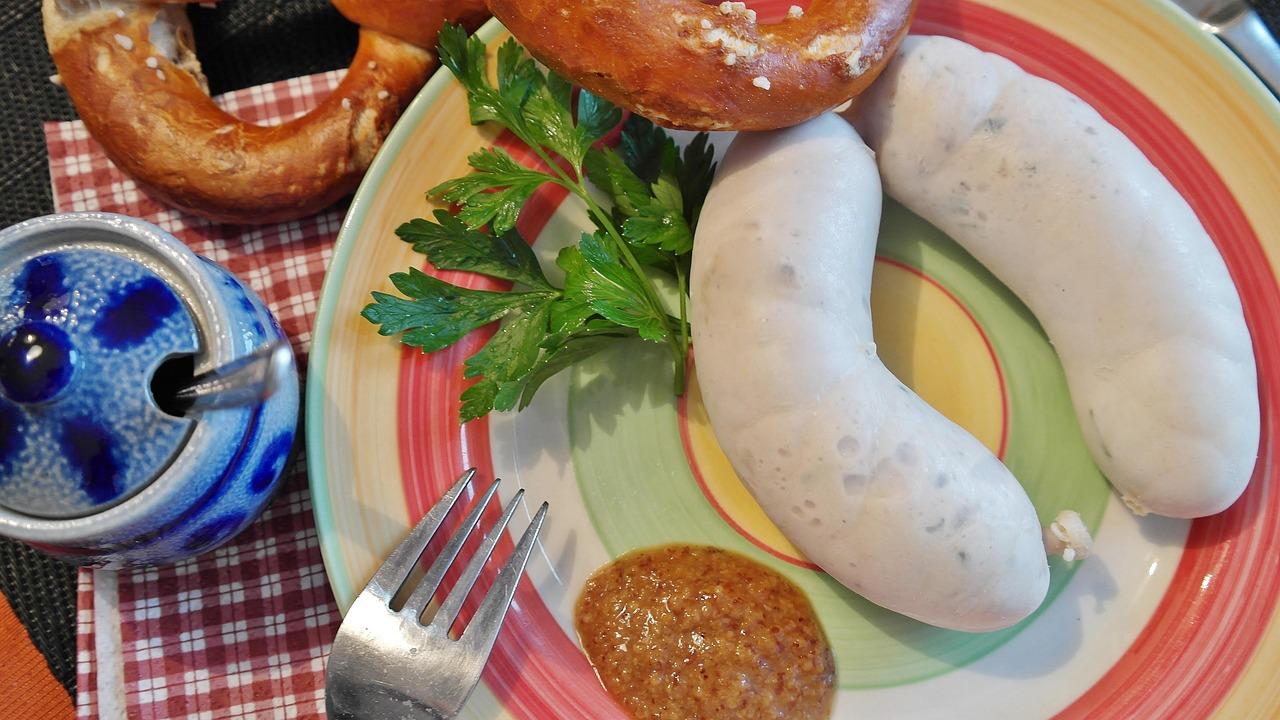
In Munich the Weißwurst breakfast is a late-morning ritual, eaten between ten o'clock and noon in beer halls and butcher's cafés, with soft pretzels and a pot of sweet Bavarian mustard. The pale sausages of veal and pork back fat, flavoured with parsley, lemon and mace, are bought fresh from the butcher and gently heated, never boiled, then the skin is peeled off at the table. Making the mustard yourself is the easy, rewarding part. Vegetarians can heat plant-based white sausages the same way and keep the mustard and pretzel. Chef's tip: keep the water just below a simmer; boiling splits the skins and the sausages go grey and dry.

40 minGermanMeat
by KrazyBadal 0 views

Cuca

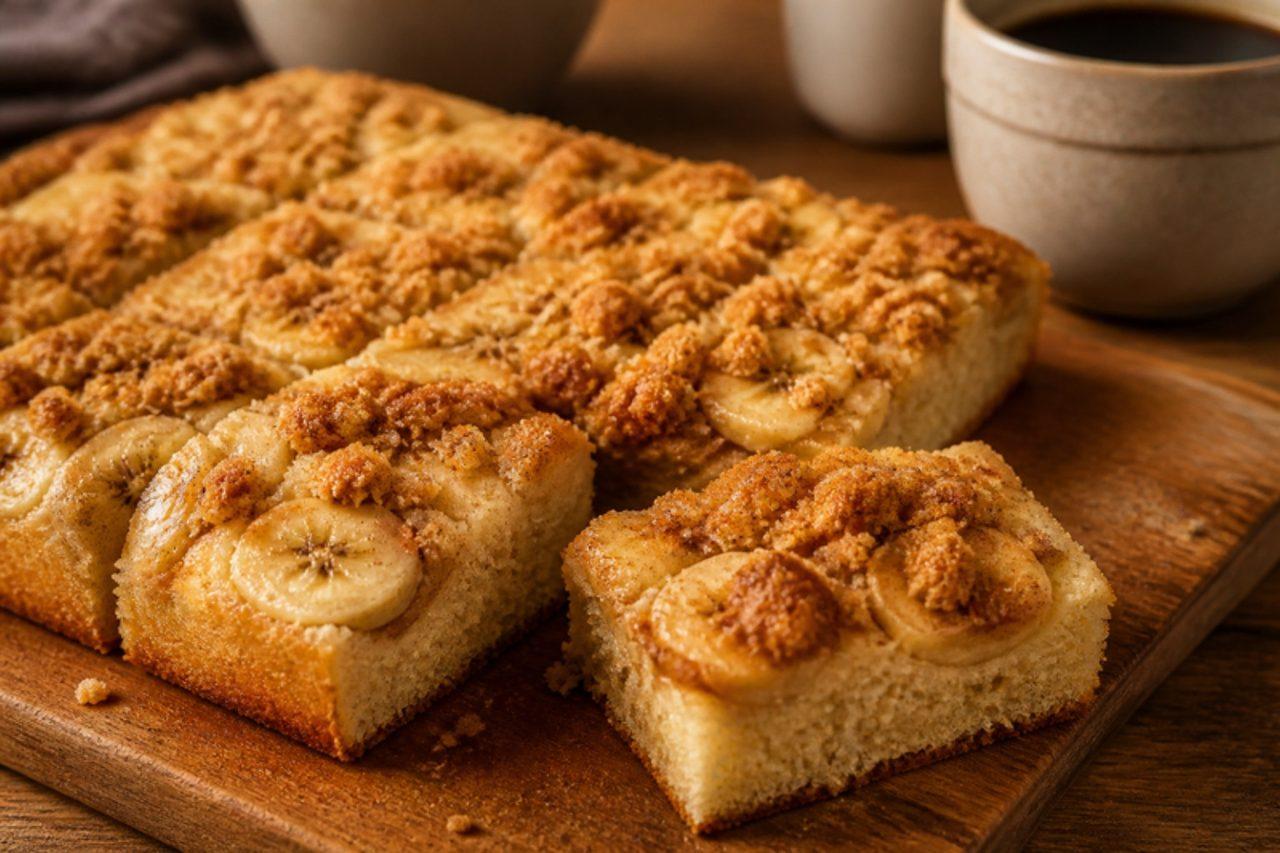
German settlers in Rio Grande do Sul and Santa Catarina brought the Streuselkuchen, and their descendants call it cuca: a soft, enriched yeast dough baked under a layer of fruit and a thick, buttery crumble called farofa. In Blumenau, Pomerode and the serra gaúcha it is sold in colonial bakeries and roadside cafés and served at the long afternoon café colonial with coffee, jams and cheeses. Banana with cinnamon is the classic, but grape, apple and guava versions are common. The usual misstep is letting the dough rise in a cold kitchen and then baking it anyway: it stays heavy and dense, so wait until it really has doubled. Chef's tip: rub the crumble together and chill it in the freezer while the dough rises, so it stays in big, crunchy clusters in the oven.

by KrazyBadal 0 views

Showing 72 of 6,261 recipes

Show more recipes

Page 328 of 696