


Skip to content
Dawood basha
Featured recipe

Dawood basha

Meatballs in tomato sauce

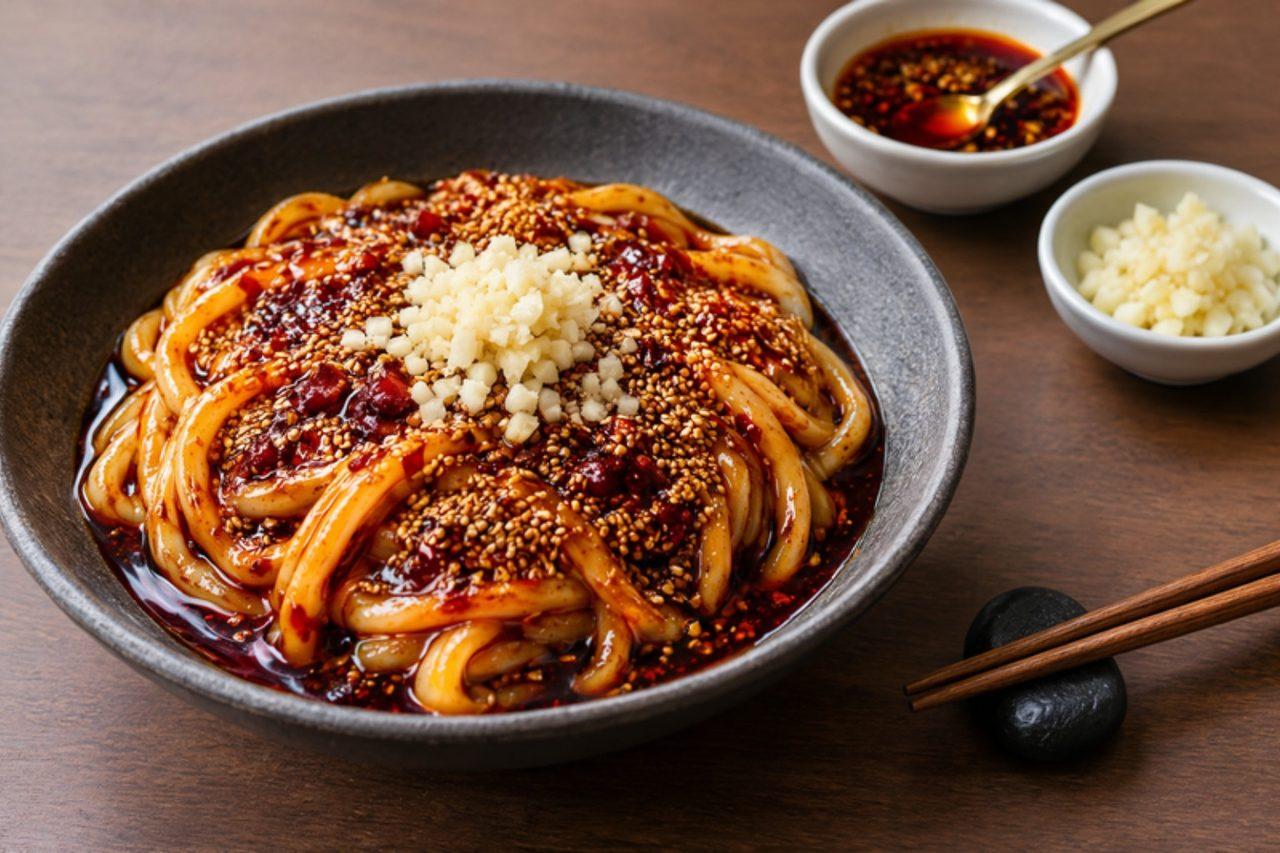
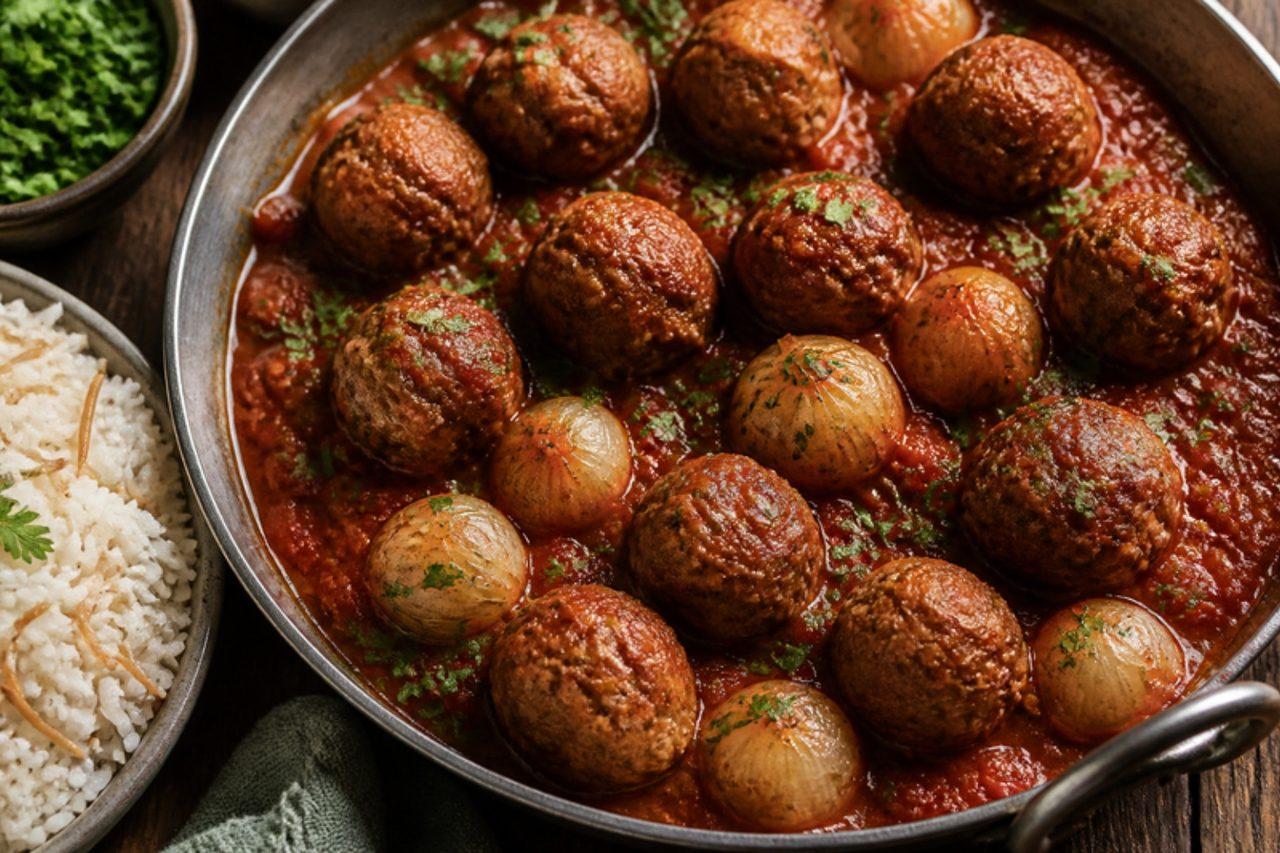
Named, so the story goes, after an Ottoman governor who loved it, dawood basha is a homely Damascus and Beirut supper of small spiced meatballs simmered with baby onions in tomato sauce, finished with pine nuts. Families serve it ladled over vermicelli rice, and it is one of the first dishes Syrian children learn to love. The sauce is lightly tangy from pomegranate molasses and fragrant with allspice and cinnamon. Common mistake: crowding the meatballs when browning — they steam instead of colouring; fry in batches. Chef's tip: grate a little onion into the meat and squeeze out the juice first; the meatballs stay tender without falling apart.

Read more 0 views

What to eat today?

Around the world

Today's trip: Paraguayan

A new country every day, from every cuisine on the site.

Paraguayan

Morcilla dulce

Sweet blood sausage with walnuts 120 minMore from Paraguayan (27) →

This week's collection

Kid-friendly dinners
537 recipes · a new collection every Monday

Latest recipes

Beef smooreSpiced coconut milk beef roast

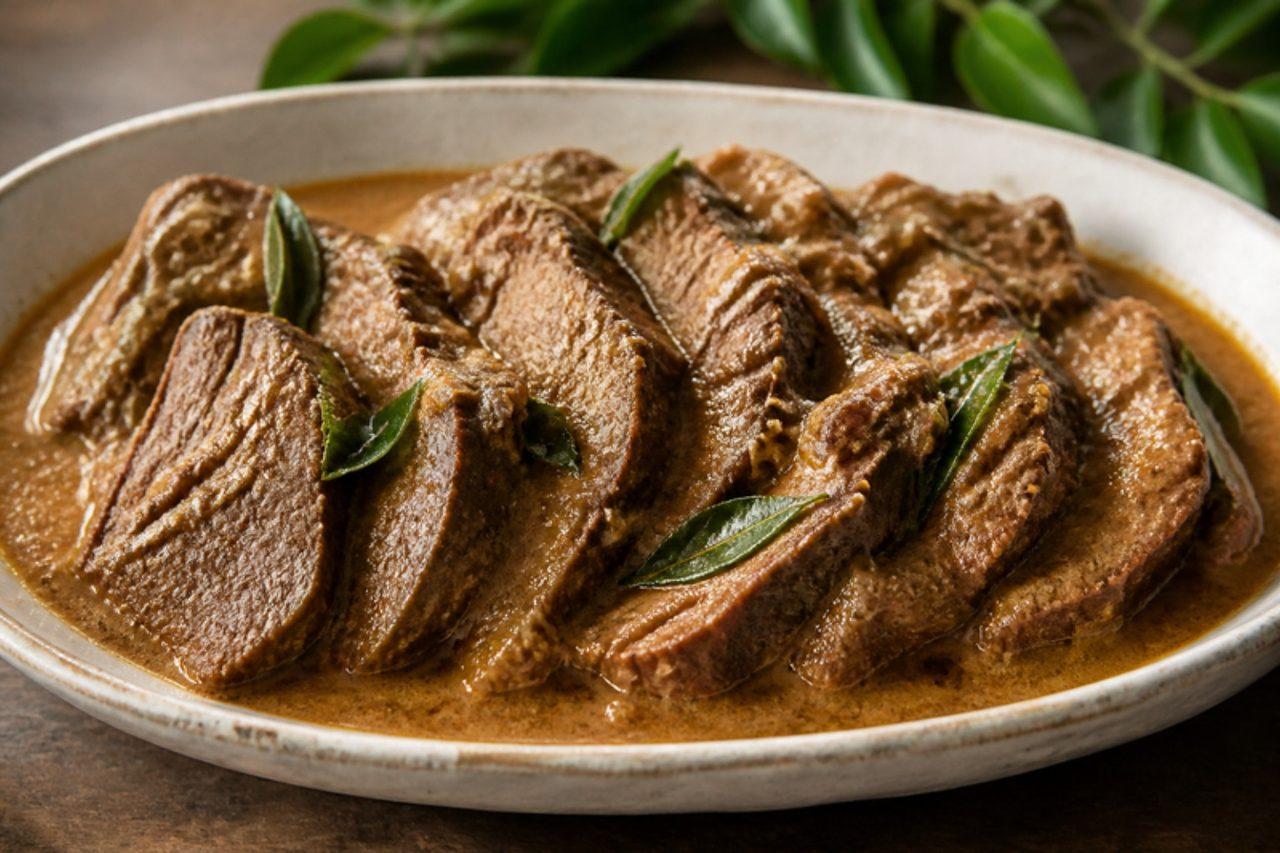
Smoore takes its name from the Dutch smoren, to braise, and in Burgher homes from Colombo to Galle it is the centrepiece for Christmas lunch or a big family Sunday: a whole joint of beef pierced, marinated in vinegar and spice, then simmered for hours in coconut milk with lemongrass, pandan and a spoonful of lime pickle. The pickle is the signature, adding a salty, bitter-sour sparkle that keeps the rich gravy lively. The joint is sliced at the table and served with yellow rice, a cucumber salad and plenty of the sauce. The biggest risk is letting the coconut milk boil fiercely for hours, which makes it split and greasy. Chef's tip: once the joint is browned, keep the pot at the barest shiver of a simmer, and turn the meat every half-hour so it cooks evenly.

by KrazyBadal 0 views

Guda cheese

Tush shepherds make guda in summer huts high above the Alazani valley, pressing sheep's-milk curd into bags sewn from sheepskin, where it ripens into a crumbly, pungent cheese that travels down to Telavi markets in autumn. You cannot copy the sheepskin at home, but you can make a firm, salty sheep's-milk cheese and ripen it in a cloth in the fridge for two to three weeks, which gives a similar sharp, grassy bite. Traditionally the milk is set with animal rennet; vegetarian (microbial) rennet works the same way. A common mistake is cutting the curd before it gives a clean break, which leaves a soft, wet cheese that sours instead of ripening. Chef's tip: grate aged guda over hot ghomi or khinkali; its strong flavour goes a long way.

by KrazyBadal 0 views

BazheWalnut sauce

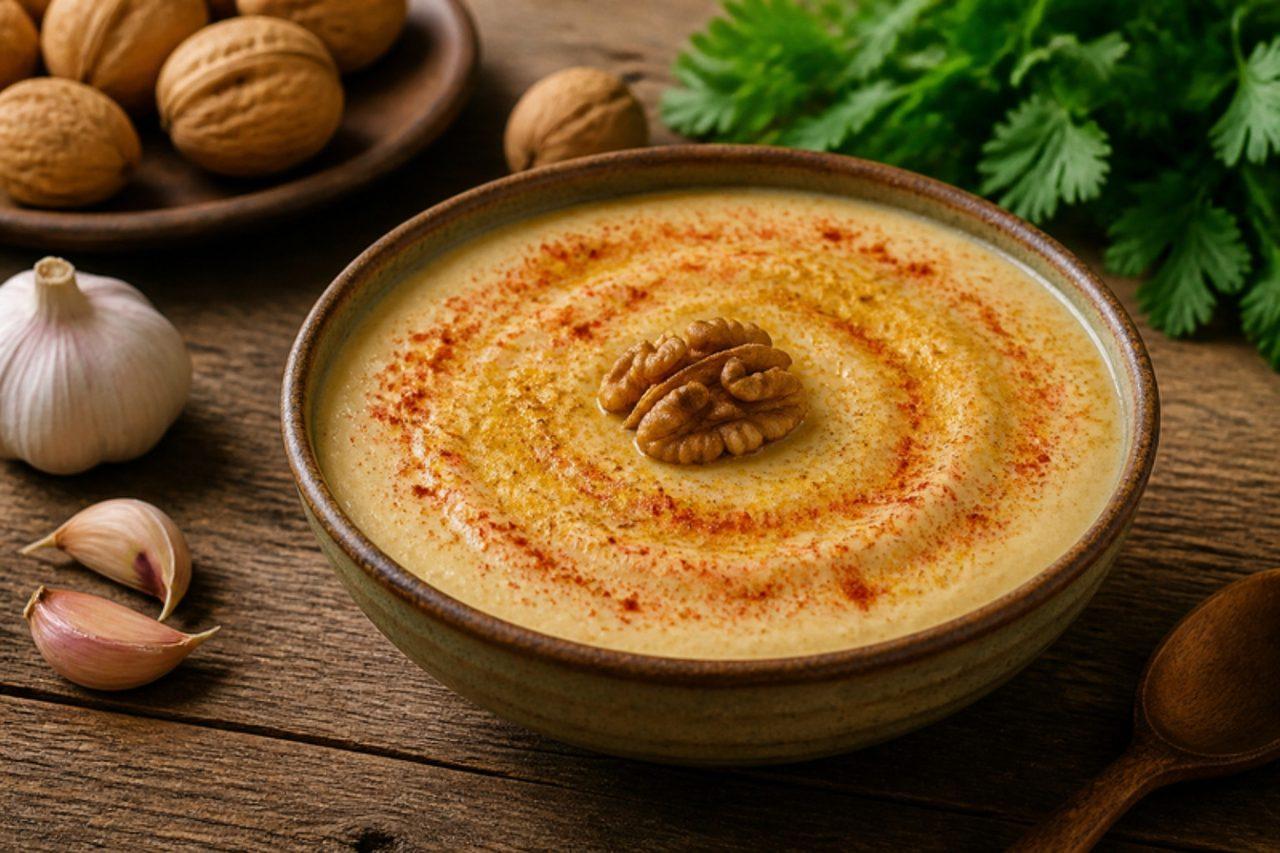
Bazhe is the creamy walnut sauce of Guria, Samegrelo and Imereti, served cold with fried fish, roast chicken, boiled vegetables or a bowl of ghomi; families in Ozurgeti make it in large bowls for New Year. Walnuts are ground until they give up their oil, then let down with water and seasoned with garlic, blue fenugreek, coriander and a sour note until the sauce is pale, smooth and pourable. A common mistake is adding all the water at once; the sauce separates and turns thin and grey. Chef's tip: squeeze out a little walnut oil by kneading the paste with your hand, then drizzle it back over the finished sauce for a glossy, golden finish.

by KrazyBadal 0 views

Jamaican gungo pea soup

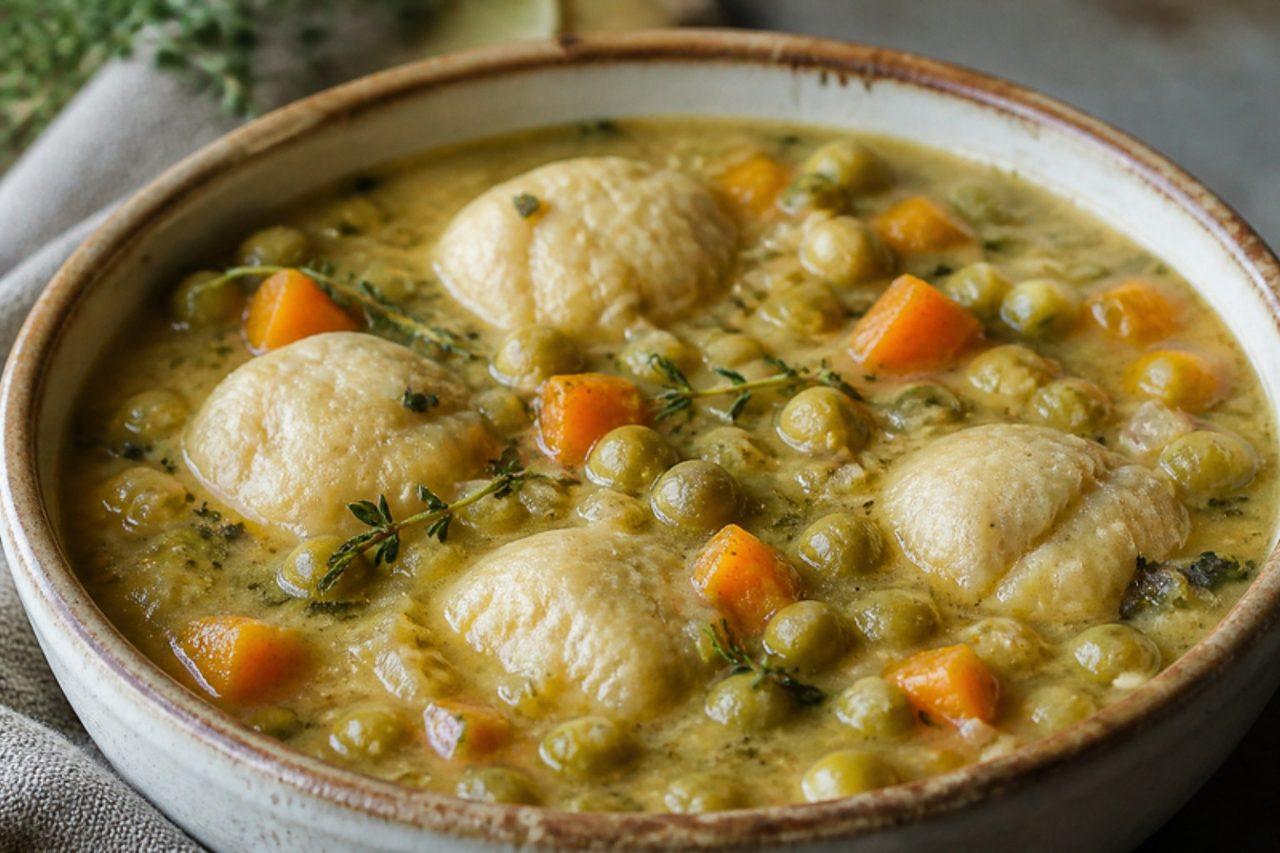
Gungo peas ripen around December, so this soup belongs to the Christmas season in Jamaica, when the same peas also go into the festive rice and peas. Fresh or frozen green pigeon peas give a nutty, earthy broth that coconut milk, thyme and pumpkin turn rich and golden, and flour dumplings make it a meal. A common mistake is boiling the coconut milk hard for the whole time, which makes it split and oily; add it once the peas are soft and keep the pot at a simmer. Dried pigeon peas work too: soak them overnight and allow an extra 40 minutes. Chef's tip: blitz about a quarter of the soup and stir it back in for body while keeping plenty of whole peas.

by KrazyBadal 0 views

Jamaican pumpkin rice

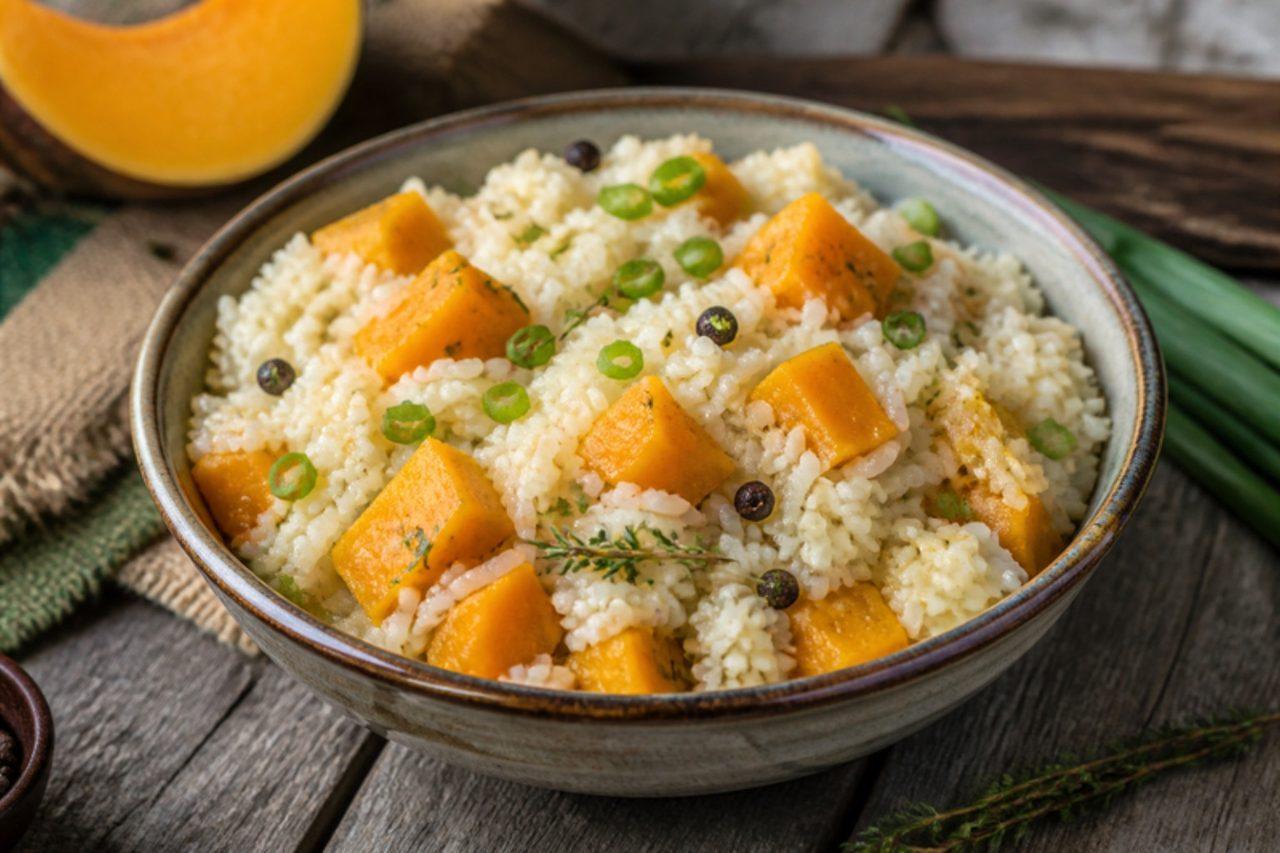
Along the north coast between Montego Bay and Ocho Rios, pumpkin rice turns up beside escovitch fish and steamed vegetables at Sunday lunch, the soft orange squash melting into the grains as they cook. Coconut milk, a sprig of thyme, scallion and a few pimento berries give it a gentle, savoury sweetness, and a whole scotch bonnet adds fragrance without much heat as long as it stays unburst. The common mistake is cutting the pumpkin too small, so it vanishes completely; 2 cm cubes partly melt and partly hold. Serve it with stew peas, jerk tofu or fried plantain. Chef's tip: rinse the rice until the water runs nearly clear, or the starch and pumpkin turn the pot sticky.

by KrazyBadal 0 views

Jamaican sweet potato pudding

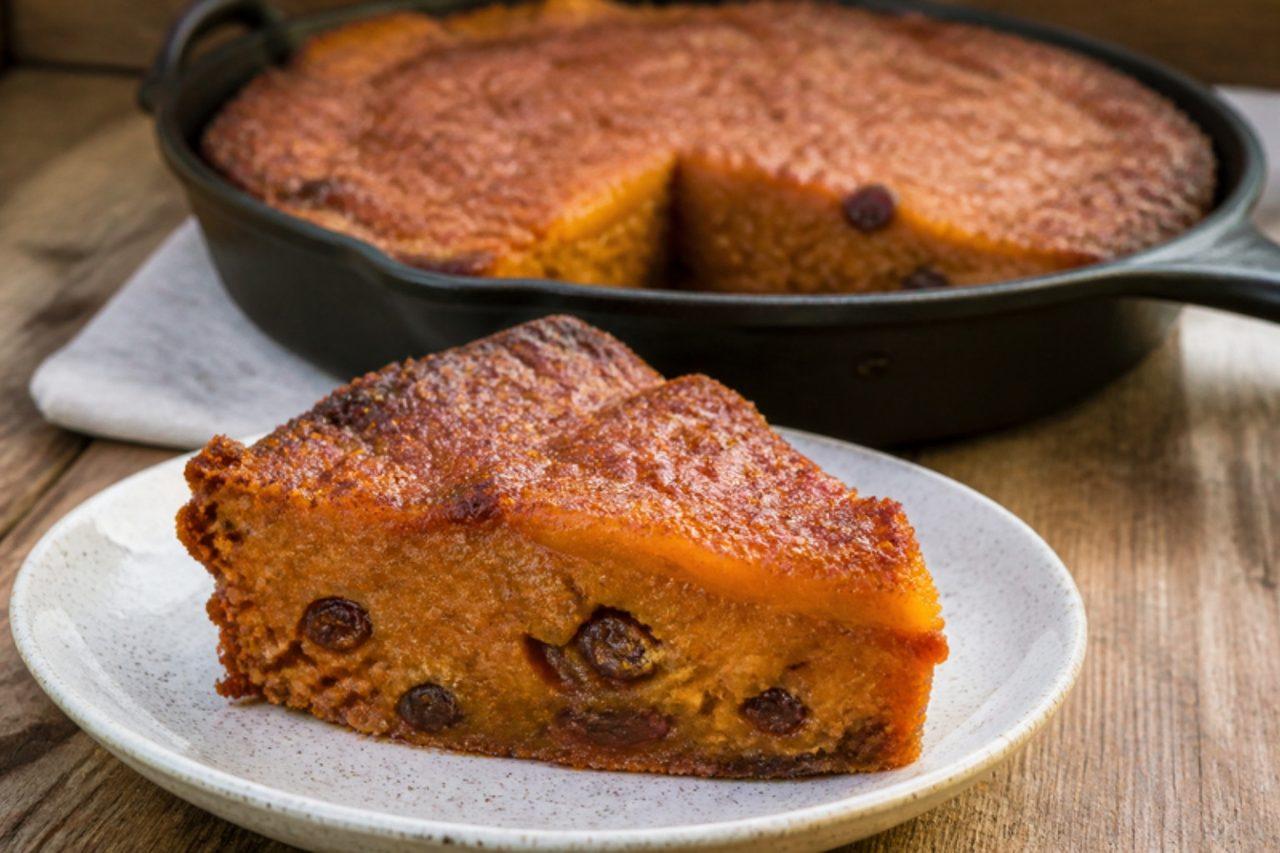
Once baked in Dutch pots with coals heaped on the lid, Jamaica's sweet potato pudding gave rise to the saying "hell a top, hell a bottom, hallelujah in the middle", and it is still a Sunday and Christmas favourite in homes across the island. Grated sweet potato, coconut milk, a little flour-free cornmeal and spice bake into a dense, moist slab with a soft, custardy layer on top. People often cut it hot, but it needs to cool for at least an hour to set. Chef's tip: grate the sweet potato on the fine side of the grater; coarse shreds make a grainy pudding.

by KrazyBadal 0 views

Jamaican roast breadfruit

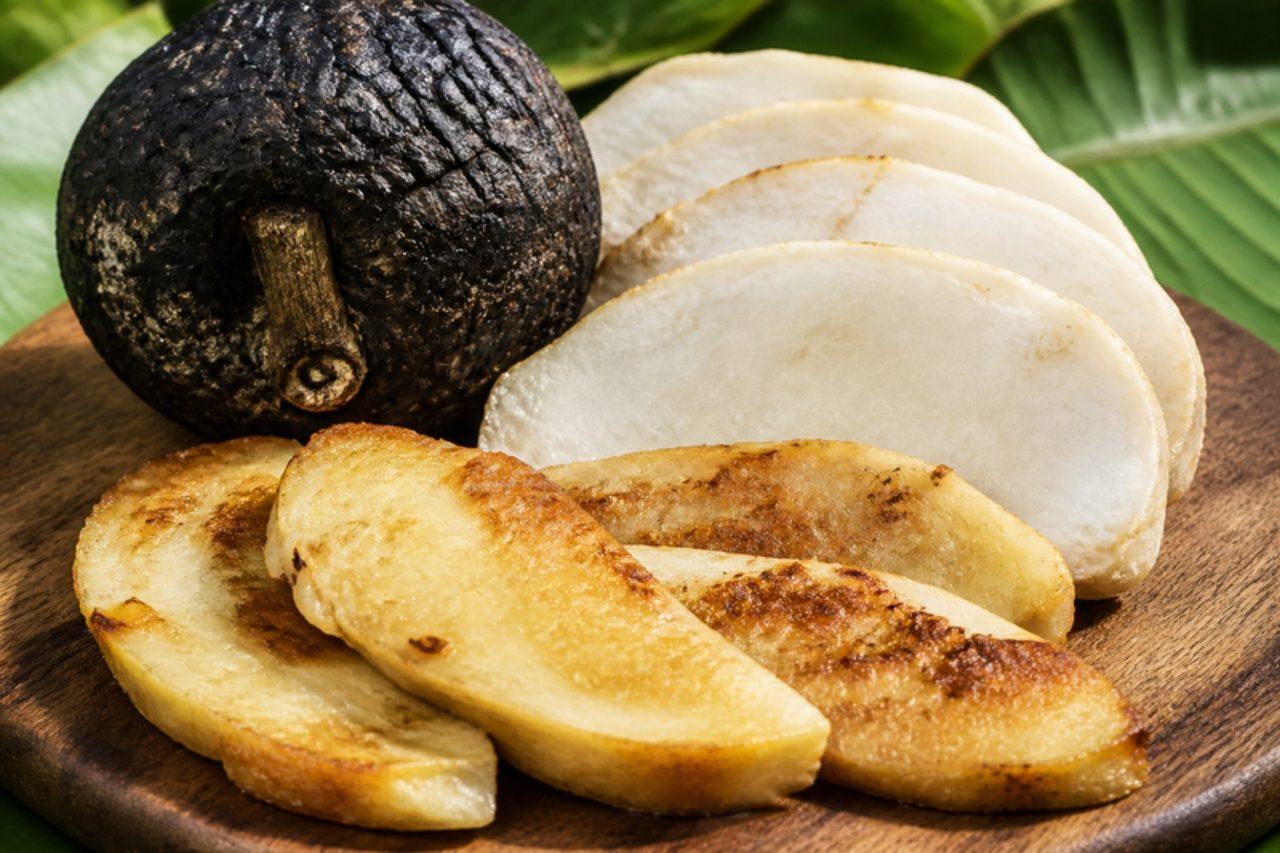
Portland roadsides smell of smoke when breadfruit is in season, with whole fruit sitting straight in wood fires until their green skins turn black. Inside, the flesh steams to a soft, fragrant cream somewhere between potato and fresh bread, and it is eaten in thick slices with ackee and saltfish, callaloo or a knob of butter, or fried the next morning. People often pick a fruit that is either too ripe (it turns mushy and sweet) or too young (it stays hard and gluey); you want a heavy, firm one with a little sap beading on the skin. A gas hob or a hot oven works when there is no open fire. Chef's tip: cut a small cross in the stem end before roasting so steam can escape, and push a skewer into it to check doneness without opening the fruit.

by KrazyBadal 0 views

Shoti bread

Every Kakhetian village has a bakery where the baker leans into a round, pit-like tone oven and slaps long, pointed loaves onto its hot clay wall; the bread comes out crackly at the tips and soft in the middle, and it is bought warm every morning in Telavi and Sighnaghi. Shoti is just flour, water, yeast and salt, so the shape and the blast of heat do the work. At home a pizza stone or an upturned heavy baking tray, heated for a long time, gives a good copy. A common mistake is a dry, stiff dough; it should be soft enough to stretch into a long canoe without tearing. Chef's tip: spray the oven walls with water as the bread goes in; the burst of steam gives the blistered, glossy crust of the tone.

by KrazyBadal 0 views

Green beans with egg

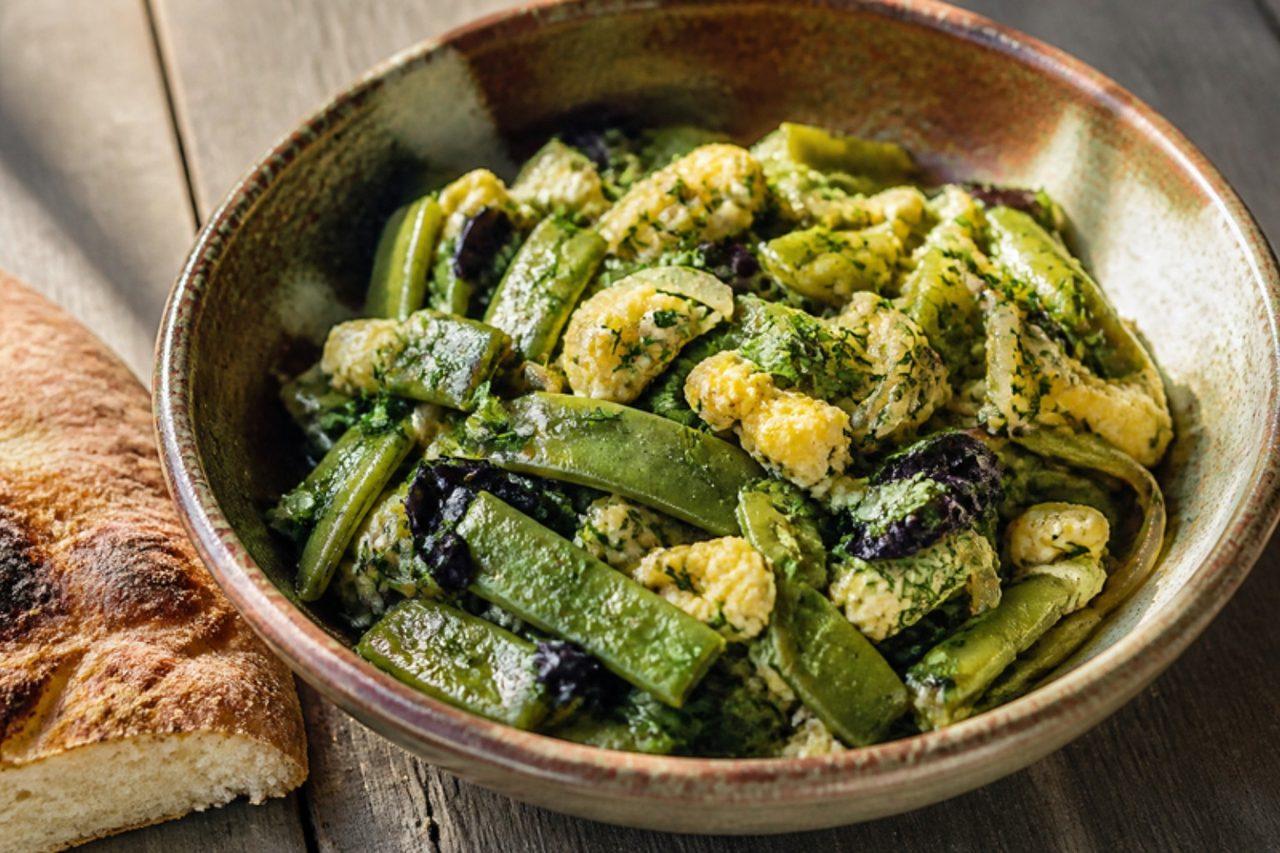
In the villages around Gori and Mtskheta, high summer brings sacks of flat green beans, and this is how many Kartli families eat them on a weekday: slowly softened with onion, then tossed with coriander, basil and garlic and bound at the last minute with beaten egg. The result sits halfway between a warm salad and a soft scramble, eaten with a hunk of shoti bread and a few slices of cheese. A common mistake is adding the eggs while the pan is still wet with bean water; they turn watery and grey instead of clinging in golden curds. Chef's tip: Georgian cooks use purple basil (reyhan), and its clove-like scent is what makes the dish taste of home, so look for it at Turkish or Georgian grocers.

by KrazyBadal 0 views

Rachan ham

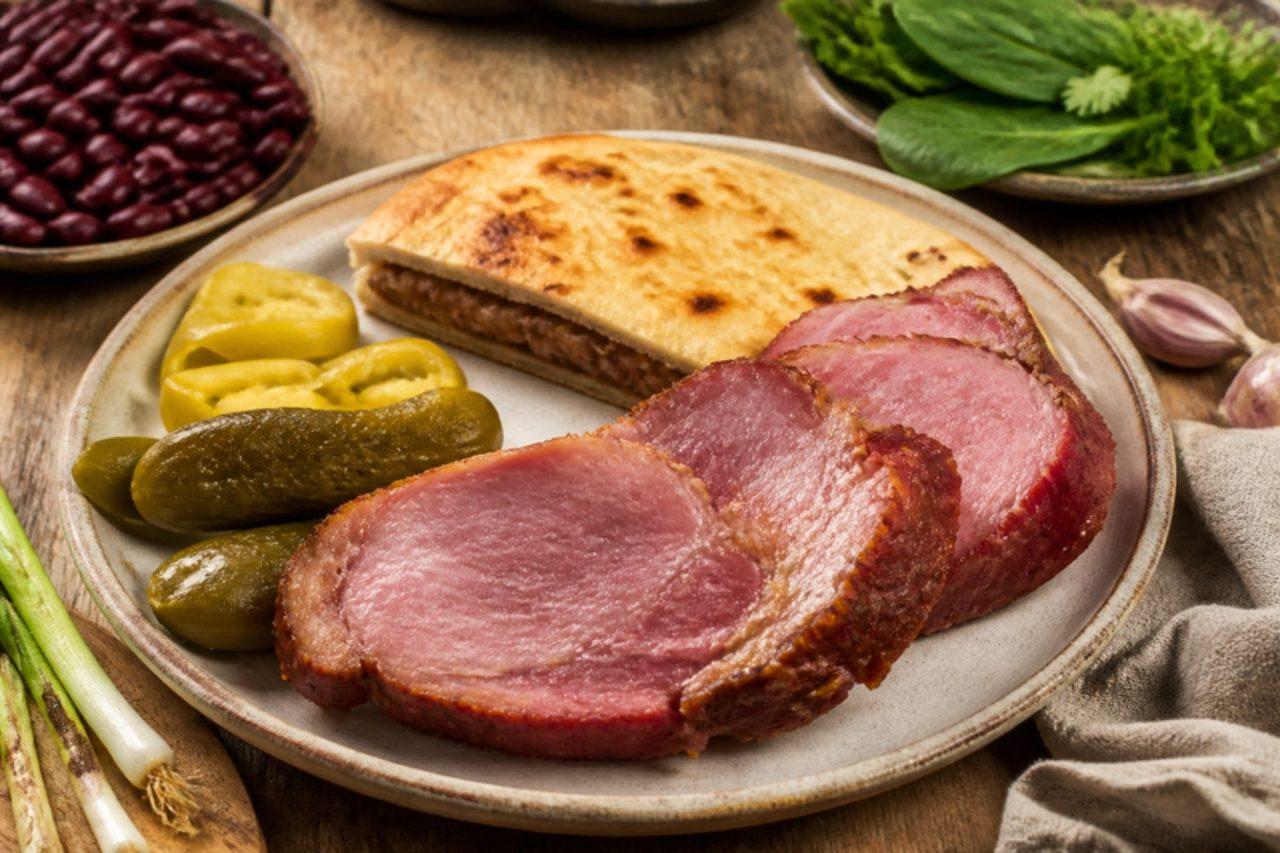
Rachuli lori is the pride of Racha: pork legs salted and hung in the smoky rafters above a wood fire, then sliced and fried until crisp, and above all eaten with lobiani bean bread, which in Racha is made with fried ham inside. This is a pork dish. Home kitchens cannot copy months in a chimney, so this version brines a boneless pork leg joint for two days in the fridge and then hot-smokes and roasts it until cooked through, giving a ham you can slice cold or fry. A common mistake is skipping the rinse after brining, which makes the ham far too salty. Chef's tip: smoke over fruit wood with a few dried bay leaves for the dark, sweet smoke of a Rachan kitchen. Whole pork joints are safe at 63 °C followed by a 10-minute rest.

240 minGeorgianMeatGluten free
by KrazyBadal 0 views

Bergen fish soup

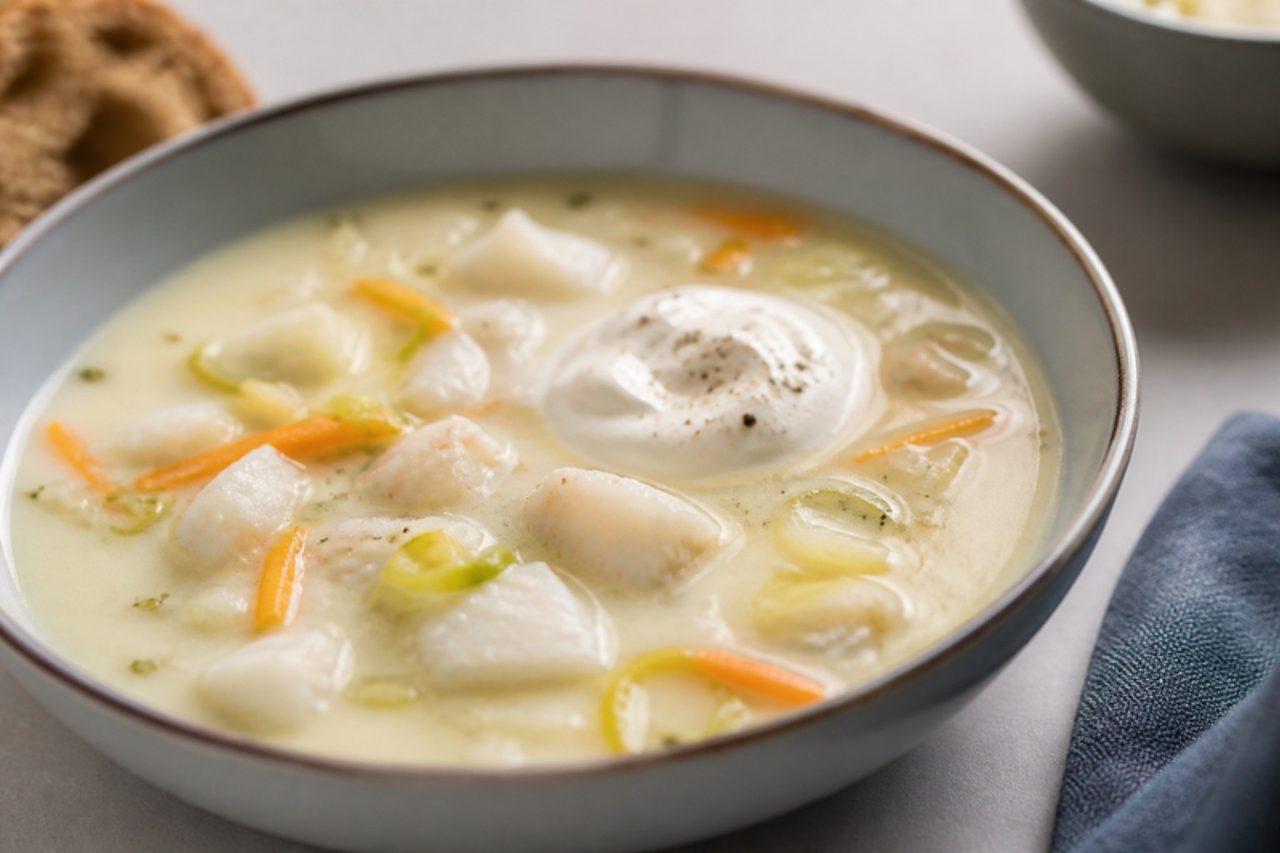
Bergensk fiskesuppe is the soup of Bergen's rainy harbour: a creamy, slightly sweet-sour broth with julienned carrot, leek and celeriac, chunks of white fish and salmon, small fish dumplings and a spoon of sour cream, finished with chives. Bergen families make it on Saturdays, and every restaurant on the Bryggen wharf has its own. A common mistake is boiling the fish, which breaks it up and makes it dry. Chef's tip: add the fish at the end and poach it in barely trembling soup for 3–4 minutes, until just opaque and flaking.

by KrazyBadal 0 views

Skyr

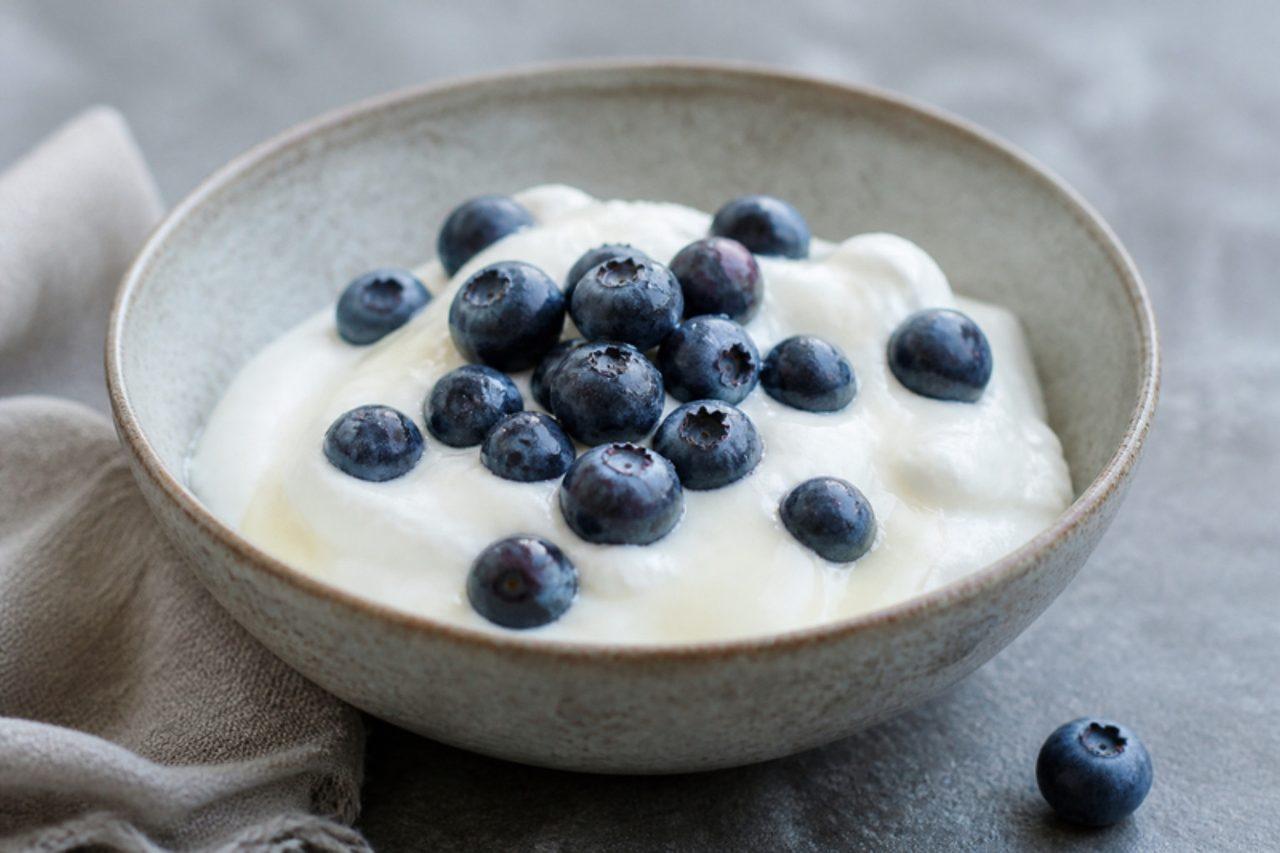
Skyr has been made in Iceland since the Viking settlers arrived: skimmed milk soured with a spoonful of the last batch, set with a drop of rennet, then strained until very thick, high in protein and mildly sour. Icelanders eat it every day with milk or cream and berries, or whisked into a drink, and skyrkaka is a favourite cheesecake. You need a few spoonfuls of plain shop skyr with live cultures as a starter. A common mistake is skipping the long, slow set; rushed skyr is thin and grainy. Chef's tip: strain it in the fridge overnight and stir it smooth before serving. Rennet is traditionally animal; use vegetarian rennet.

by KrazyBadal 0 views

Red caviar butterbrods

When the Soviet festive table had one luxury, this was it: little slices of white bread, thick with cold butter and topped with glistening orange salmon roe, set out for New Year's Eve, birthdays and the first course of a wedding. The pleasure is in the textures, the bead-like eggs bursting with a salty sea taste against sweet butter and soft bread. Salmon roe is salted and cured, not cooked: buy pasteurised roe in a chilled jar or tin from a good fishmonger, keep it in the fridge and eat it the day it is opened; it is not for pregnant women, young children or anyone with a weakened immune system. A common mistake is spreading the butter thin; you need a proper layer to anchor the roe. Chef's tip: spoon the roe with a plastic or bone spoon rather than metal, and add it at the last minute so it stays plump.

by KrazyBadal 0 views

Mimosa salad

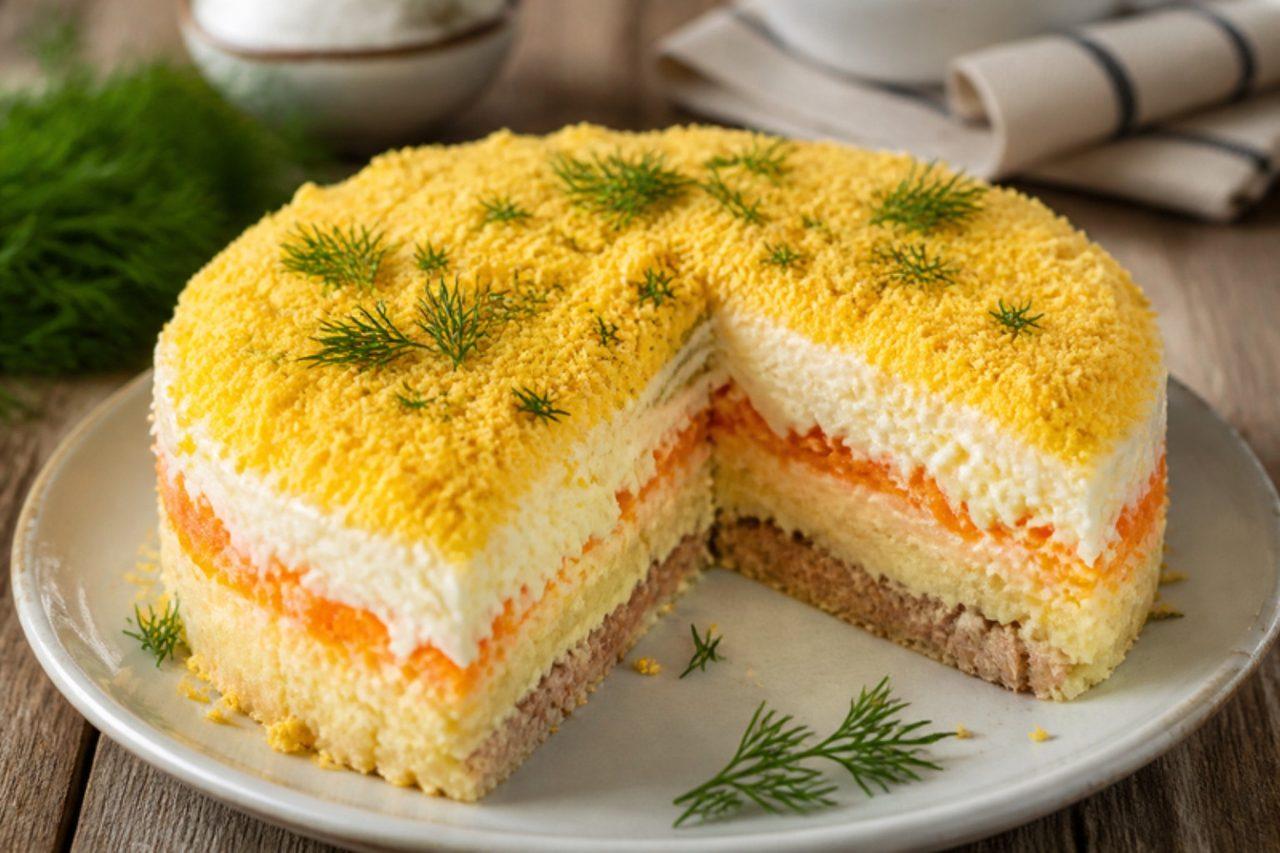
Named for the fluffy yellow mimosa flowers sold on every Moscow street corner for Women's Day on 8 March, this Soviet-era party salad is crowned with a snowfall of grated egg yolk. Underneath are layers of tinned salmon or saury, potato, carrot, onion and egg white, each with a little mayonnaise, so a spoonful is soft, rich and gently fishy. It is made ahead for birthdays and holidays and served chilled. Use shop-bought mayonnaise, which is made with pasteurised egg. A common mistake is mashing the fish with all its oil, which makes the bottom layer soggy. Chef's tip: grate the yolk straight over the salad at the very end, on the finest side of the grater, for the fluffiest flowers.

by KrazyBadal 0 views

Herring with potatoes

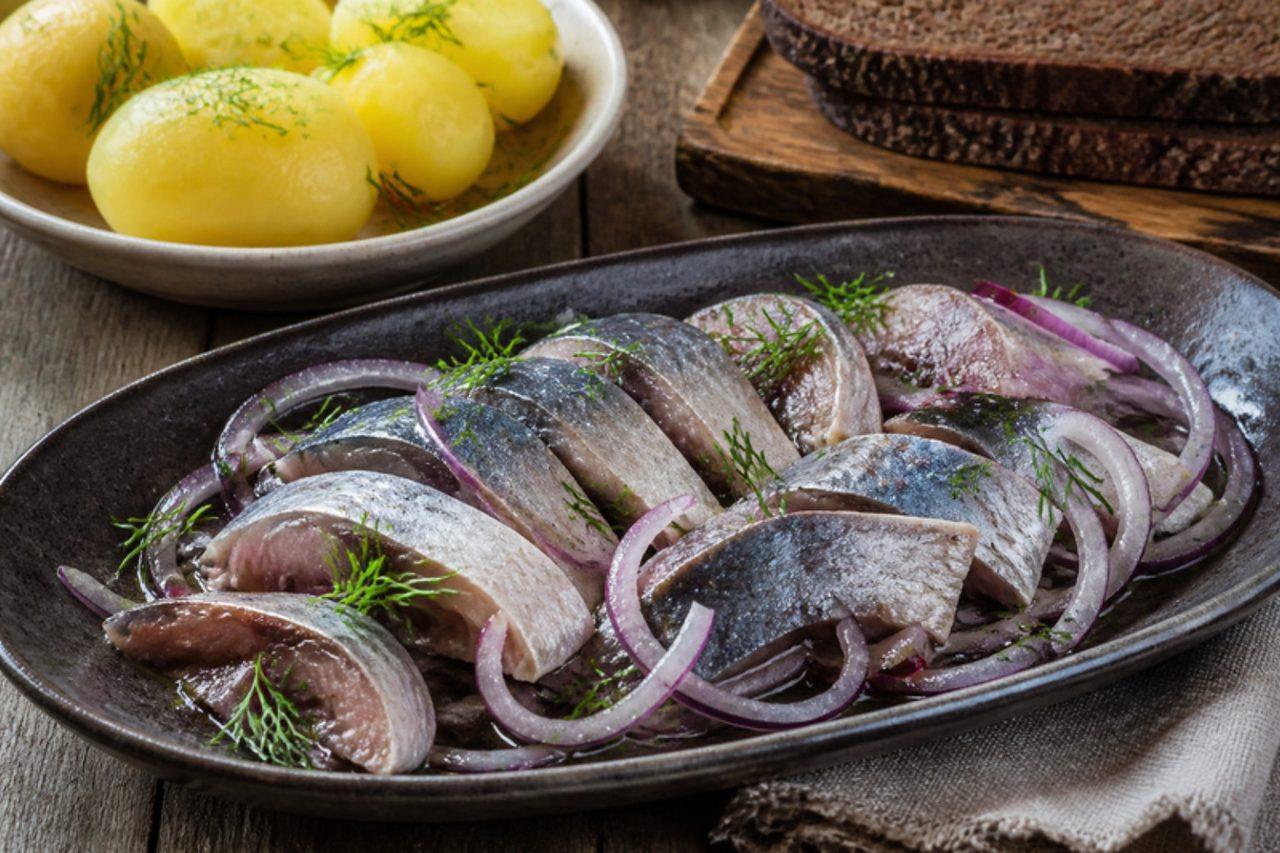
This is the simplest and best-loved Russian zakuska, on every table from a Moscow kitchen to a Siberian railway compartment: fillets of salted herring with steaming boiled potatoes, rings of raw onion, dill and a drizzle of unrefined sunflower oil that smells of toasted seeds. The contrast of cold, silky fish and hot, floury potato is the whole point, and black bread goes alongside. Salted herring is cured but not cooked, so buy ready-salted fillets from a good fishmonger or deli (made from previously frozen fish), keep them in the fridge, and note that it is not for pregnant women, young children or anyone with a weakened immune system. A common mistake is serving the herring straight from very salty brine; taste it and soak it in milk or cold water first if needed. Chef's tip: use unrefined sunflower oil, its nutty smell is what makes the dish.

by KrazyBadal 0 views

Pomor-style cod

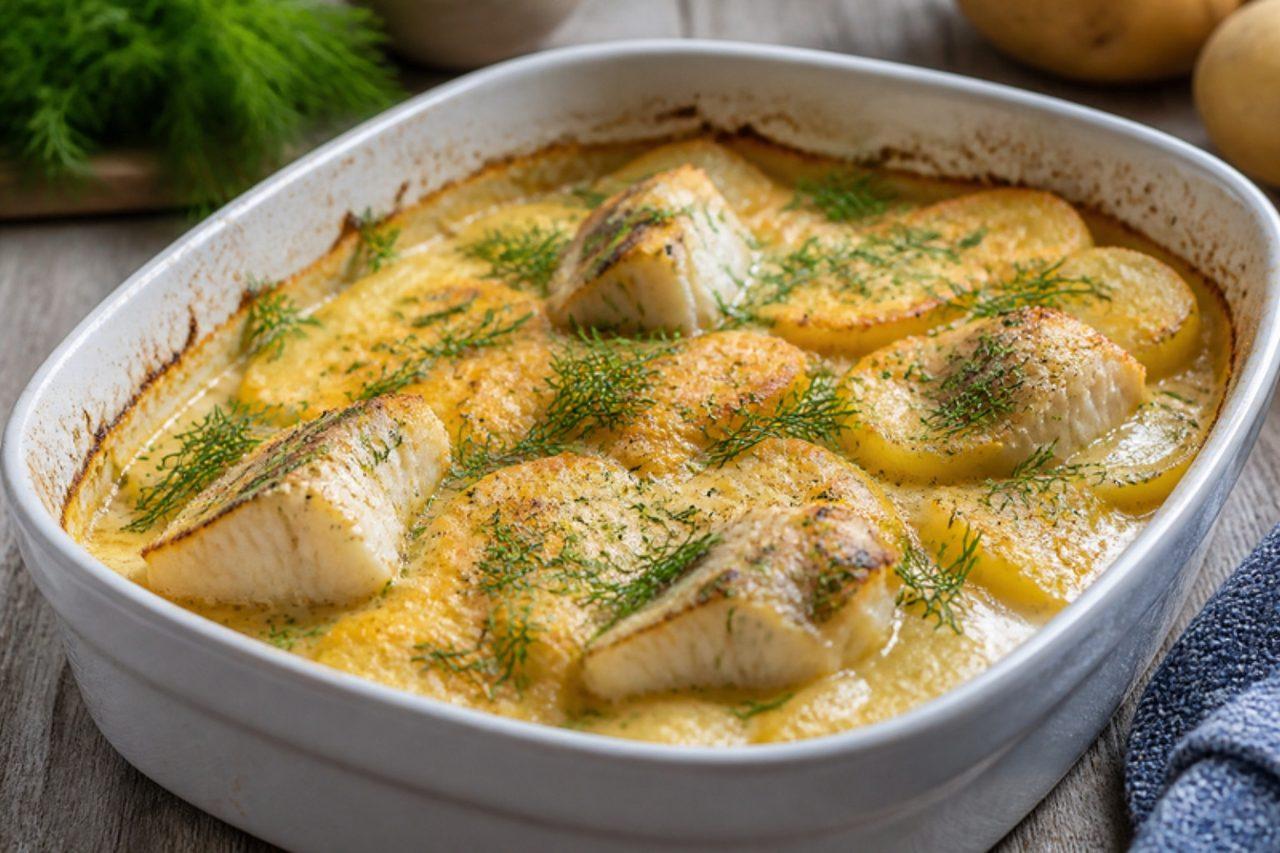
Along the White Sea coast near Arkhangelsk, the Pomors lived on cod, and this is how a fisherman's household turned a fillet into a whole supper: fish laid over sliced potatoes and buttery onions, then covered with beaten egg and milk and baked until set and golden, like a savoury fish custard. It is soft, mild and filling, and is eaten with pickled mushrooms, sauerkraut or a green salad. Where most people go wrong is using raw potato slices, which take far longer than the fish; par-boil them first. Chef's tip: salt the cod lightly 15 minutes ahead in the fridge, it firms up and does not leak water into the egg.

by KrazyBadal 0 views

Smoked omul

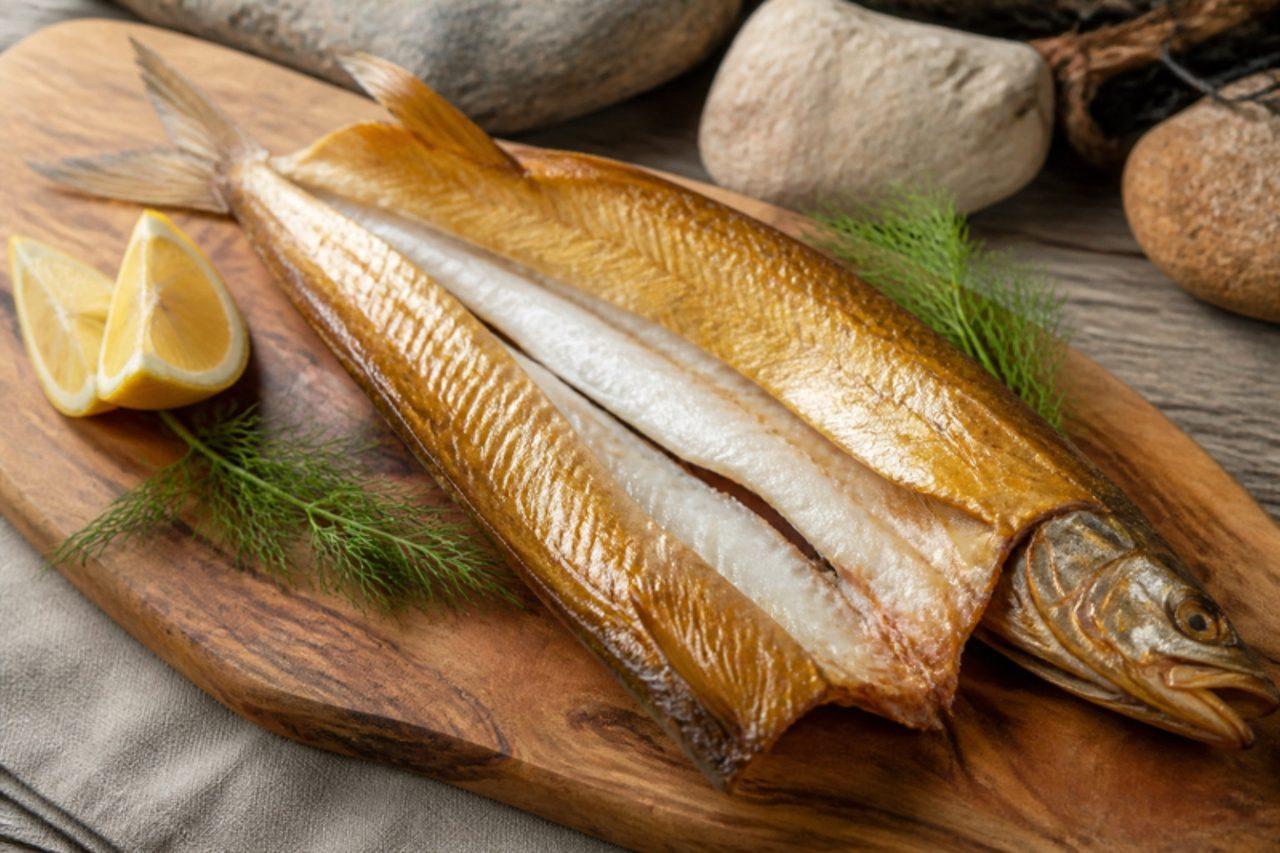
On the shingle beaches of Listvyanka, at the edge of Lake Baikal, women sell omul still warm from the smoke, the fish split open, threaded onto alder sticks and set around a fire until the skin turns bronze and the flesh pulls away in moist, salty flakes. Omul lives only in Baikal, so at home use small whitefish, trout or mackerel, gutted and split. A short brine in the fridge seasons the fish, then it is hot-smoked in a kettle barbecue or a lidded smoker until cooked right through. Serve it warm or cold with boiled potatoes, black bread and spring onions. The usual slip is smoking over flames rather than smouldering chips, which chars the skin before the inside is done. Chef's tip: let the brined fish dry in the fridge, uncovered, for an hour: the tacky surface takes the smoke far better.

120 minRussianFishGluten free
by KrazyBadal 0 views

Vitamin salad

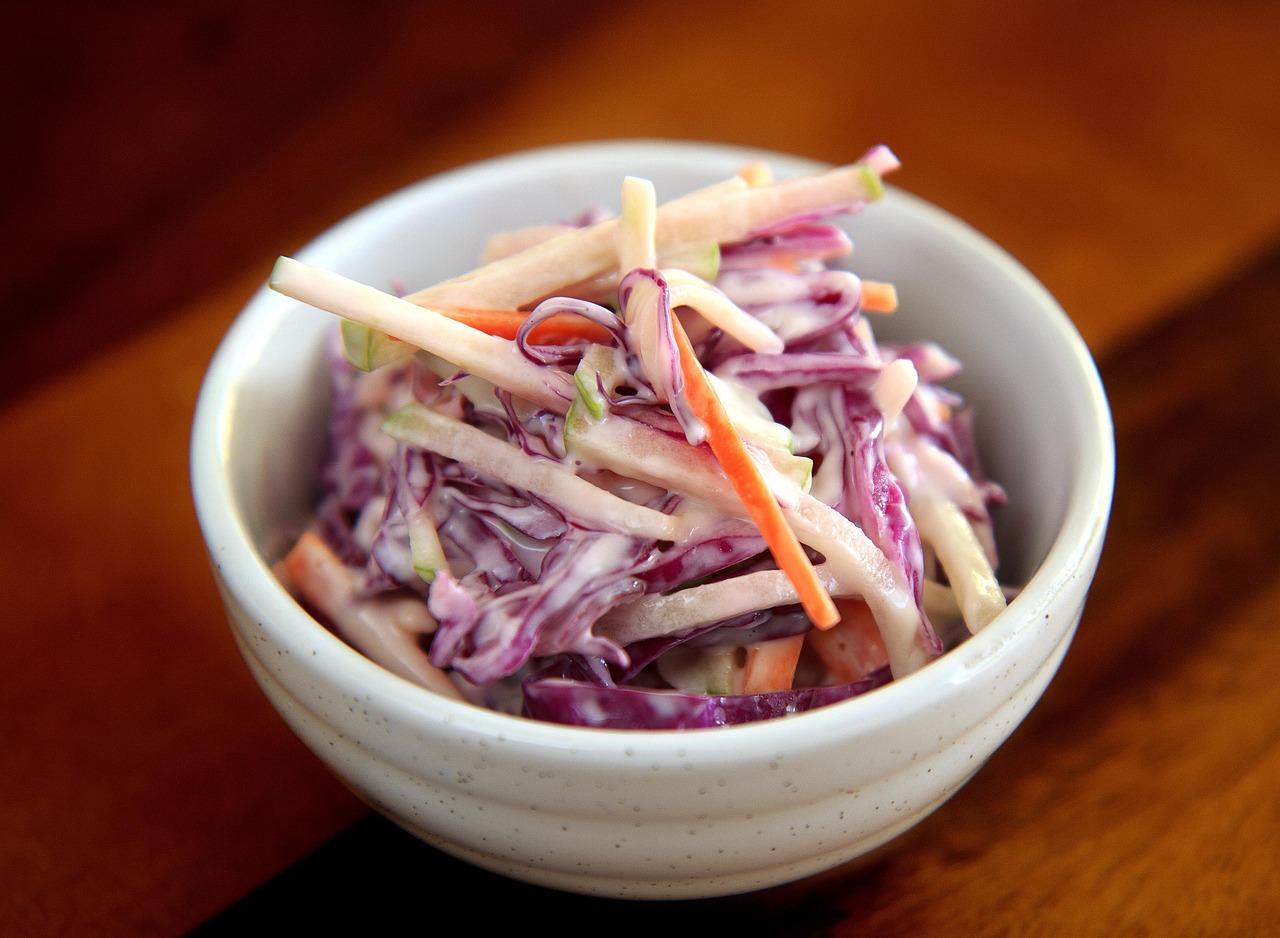
"Vitamin" salad was the bright spot on every Soviet stolovaya tray, scooped from a steel tray beside the cutlets and buckwheat, and it is still how many Russians start a light lunch. Fresh white cabbage, carrot and green apple are rubbed with salt and sugar, then dressed simply with sunflower oil and vinegar, so it tastes crisp, juicy and sweet-sour. It goes with almost anything hot and is a good way to use half a cabbage. A common mistake is skipping the squeeze: crushing the cabbage with salt for a minute or two softens it and draws out juice that becomes part of the dressing. Grate the apple last so it does not brown. Chef's tip: unrefined, toasted-seed sunflower oil gives the true canteen flavour; a splash goes a long way.

by KrazyBadal 0 views

Beet salad with garlic

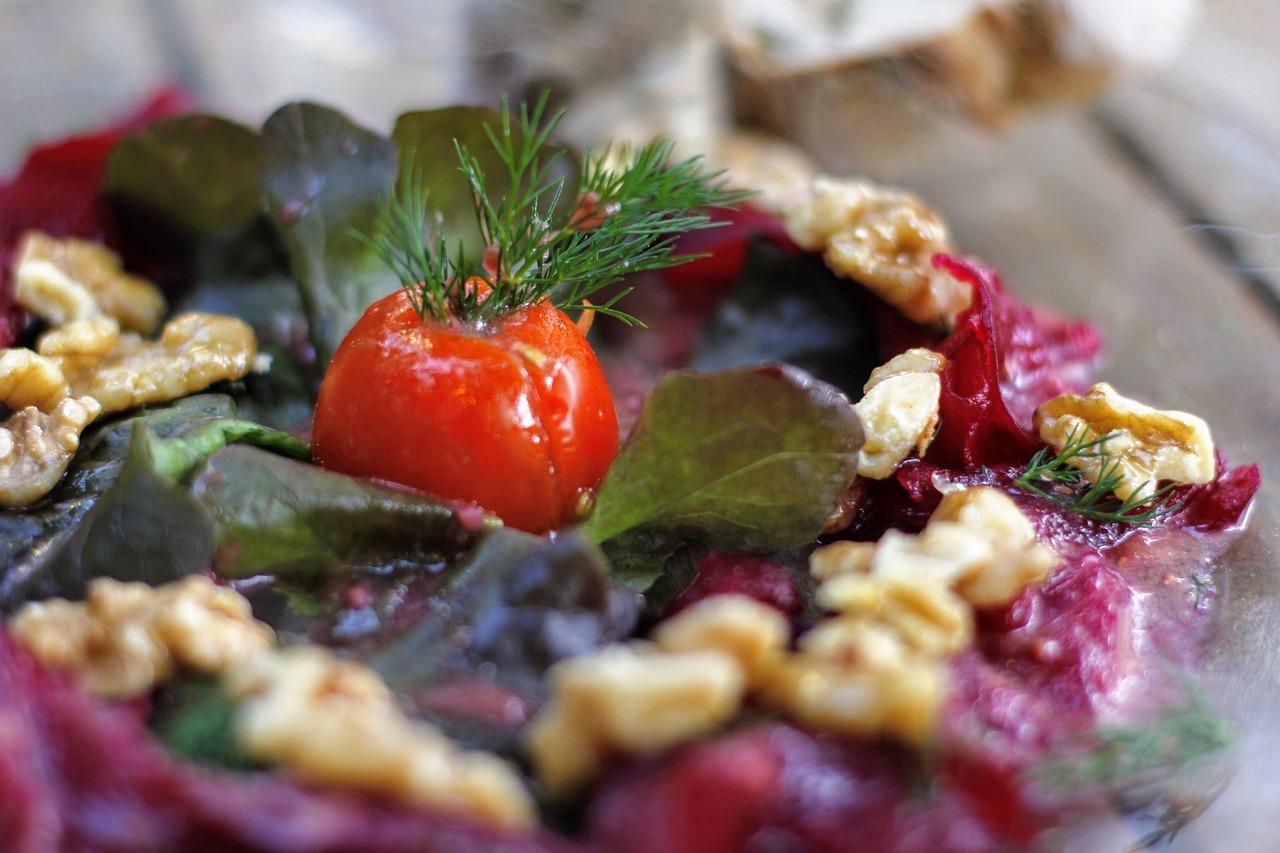
Grated beetroot with garlic is about as everyday as Russian cooking gets: something from the school canteen, the work buffet and the Sunday table alike, served in a small bowl beside cutlets, boiled potatoes or black bread. This dressed-up version adds chopped prunes for sticky sweetness and toasted walnuts for crunch, all bound with a spoon of mayonnaise. It tastes earthy, sweet and bright with garlic. Buy ready-cooked beetroot (not pickled) to keep it a fifteen-minute job, or boil your own the day before. The usual slip is grating the beetroot fine and leaving it in its juice, which makes the salad watery and purple-grey; grate coarsely and squeeze lightly first. For a lighter dish use thick yoghurt or sour cream in place of mayonnaise. Chef's tip: toast the walnuts; raw ones taste bitter against the beet.

by KrazyBadal 0 views

Eggplant rolls

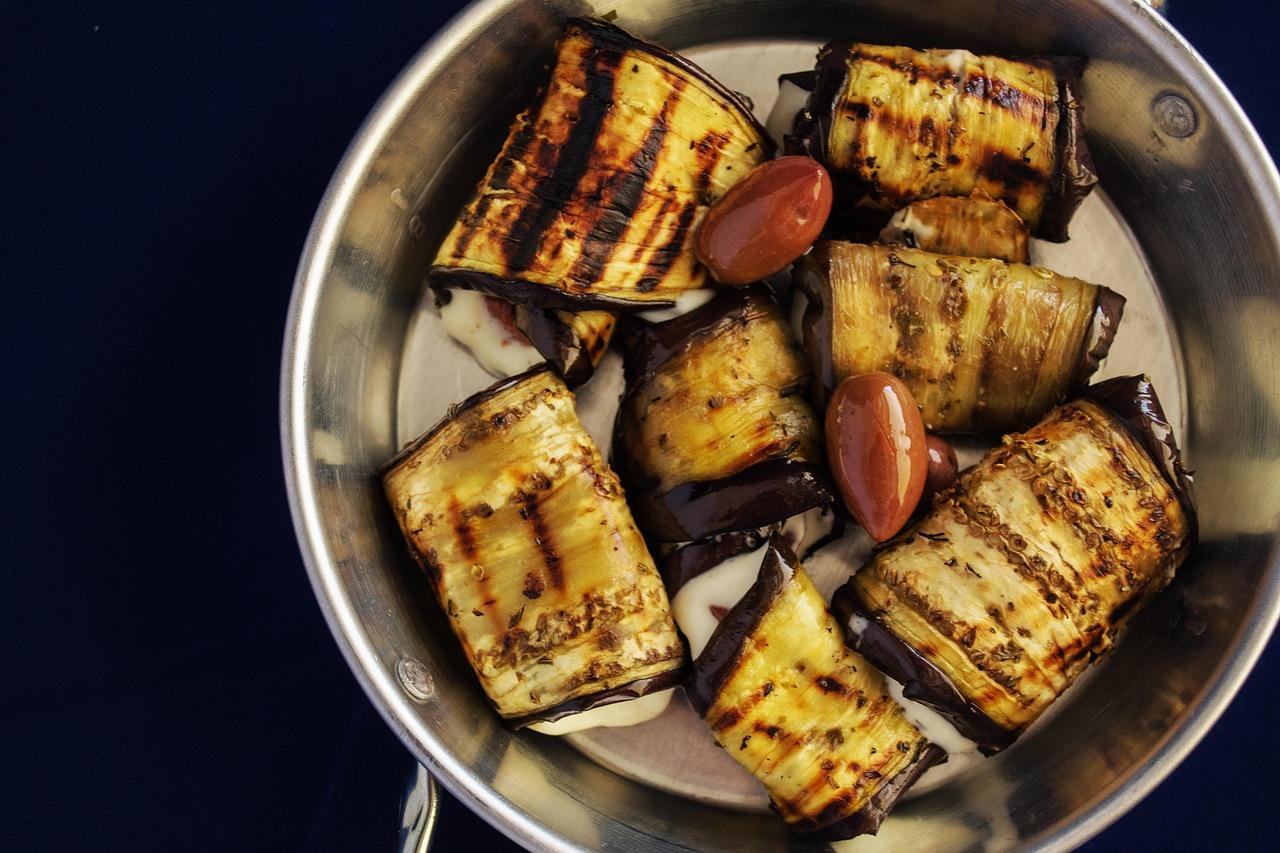
Every birthday buffet in Russian flats seems to have a plate of these little rolls, brought out with the herring and the salads: thin strips of fried aubergine wrapped around a sharp garlic and cheese filling with a slice of tomato peeking out. The aubergine is silky, the filling creamy and punchy, and the tomato keeps it fresh. They are a cold starter, so make them an hour before guests arrive and keep them chilled. Where most people go wrong is frying thick slices in lots of oil, which leaves them greasy and stiff; slice thin, salt them, pat dry and fry in a shallow film of oil. Many hard cheeses use animal rennet, so pick a vegetarian one. Chef's tip: press the fried slices between paper towels while still warm; they shed surprising amounts of oil.

by KrazyBadal 0 views

Mushroom julienne

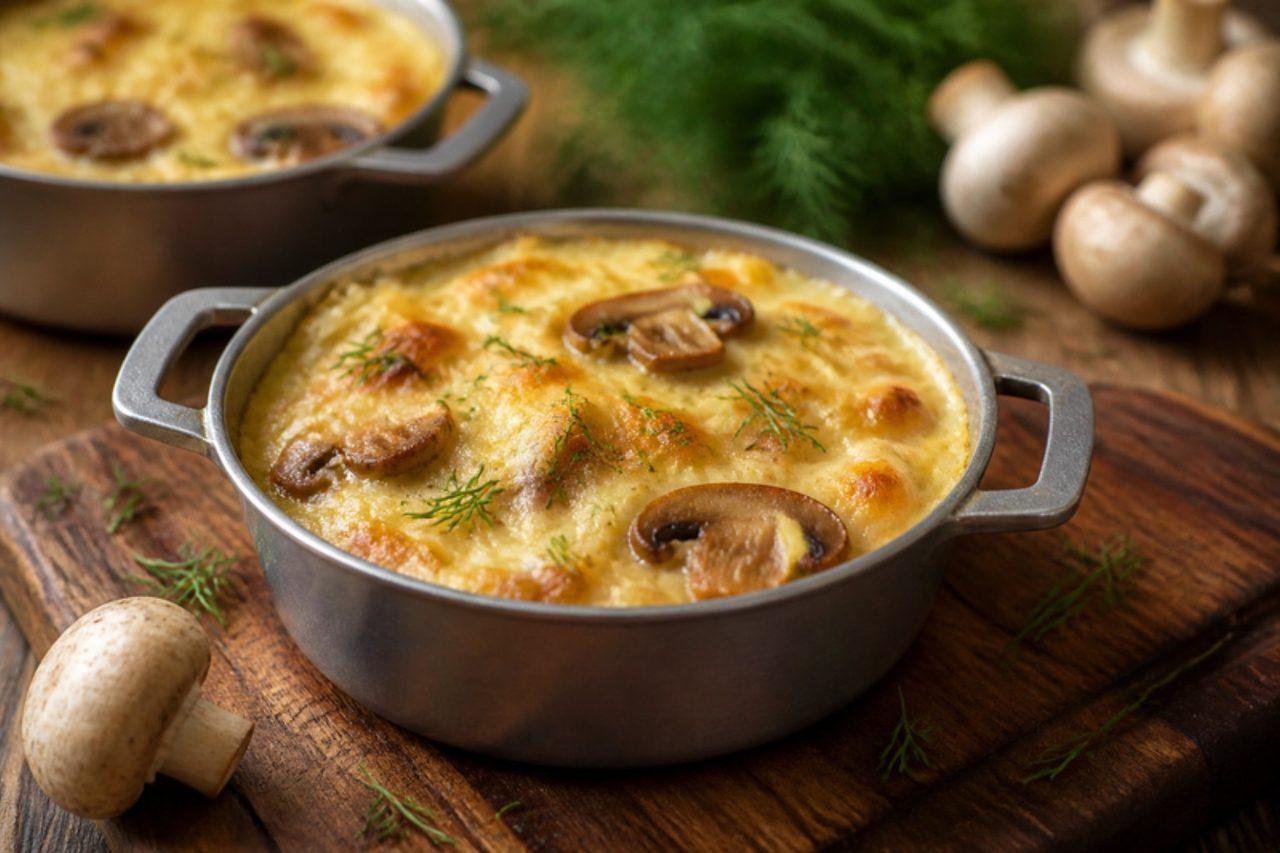
Restaurants in Moscow took the French word for thin strips and gave it to a hot starter: mushrooms and onion in sour cream, baked bubbling under melted cheese in little metal cocottes with a handle. It became a fixture of New Year and birthday tables, served after the cold zakuski and before the main course, with a teaspoon and a slice of bread. The sauce is creamy and savoury, the top blistered and golden. Use mushrooms you can cut into neat strips; button or chestnut mushrooms work, and a handful of wild ones adds depth. The usual slip is crowding the pan so the mushrooms stew; fry them in a hot pan until their liquid has gone. Many hard cheeses are made with animal rennet, so choose a vegetarian hard cheese. Chef's tip: no cocottes? Bake it in ramekins or hollowed-out bread rolls.

by KrazyBadal 0 views

HangikjötSmoked lamb with white sauce

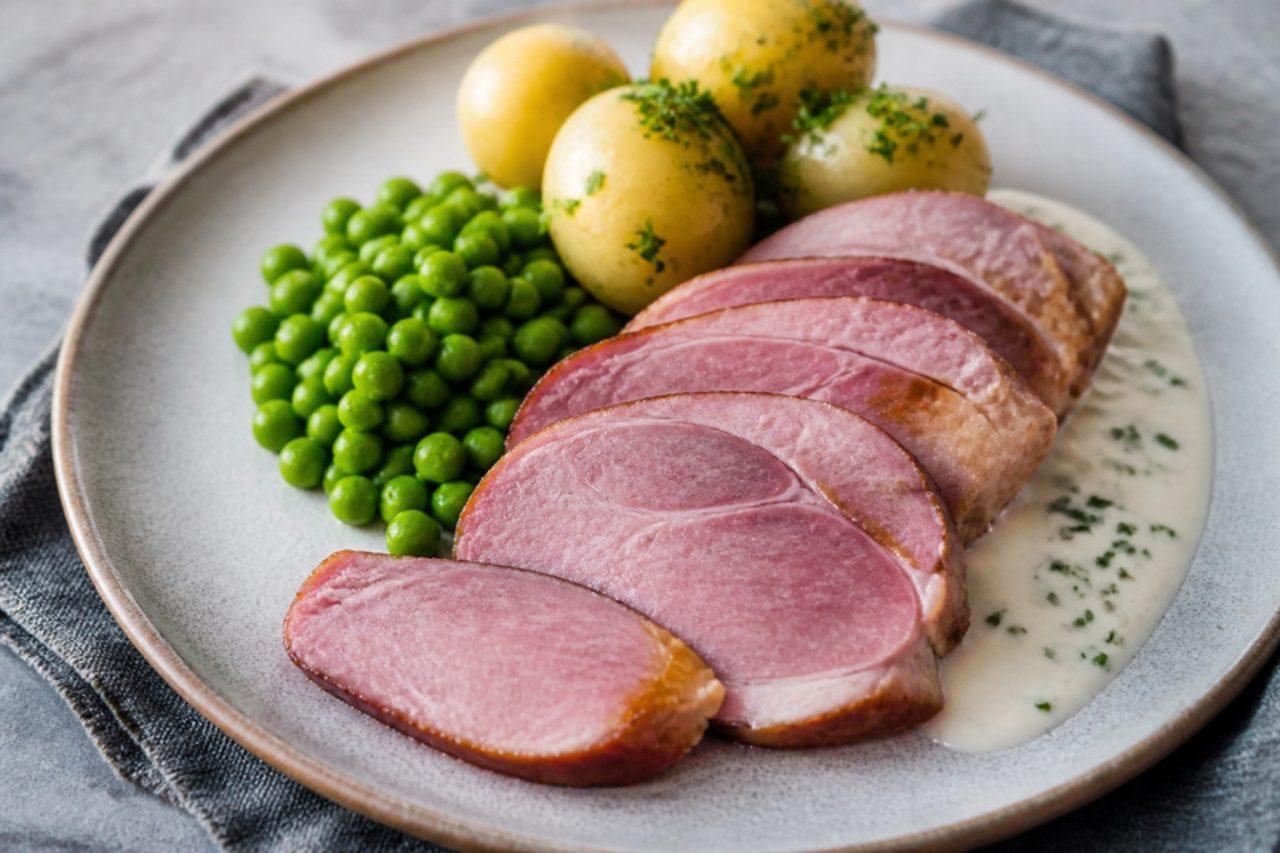
Hangikjöt, 'hung meat', is the Icelandic Christmas Day dinner: lamb or mutton smoked over birch or dried sheep dung, then simmered slowly and served hot or cold with potatoes in white sauce (uppstúfur), green peas, red cabbage and laufabrauð or flatkökur. Icelanders buy it ready-smoked in December; it is cooked at home. A common mistake is boiling it hard, which toughens the meat and makes it too salty. Chef's tip: let it cool in its cooking water; the meat stays juicy and absorbs back some of the flavour.

by KrazyBadal 0 views

BataSoft sticky rice

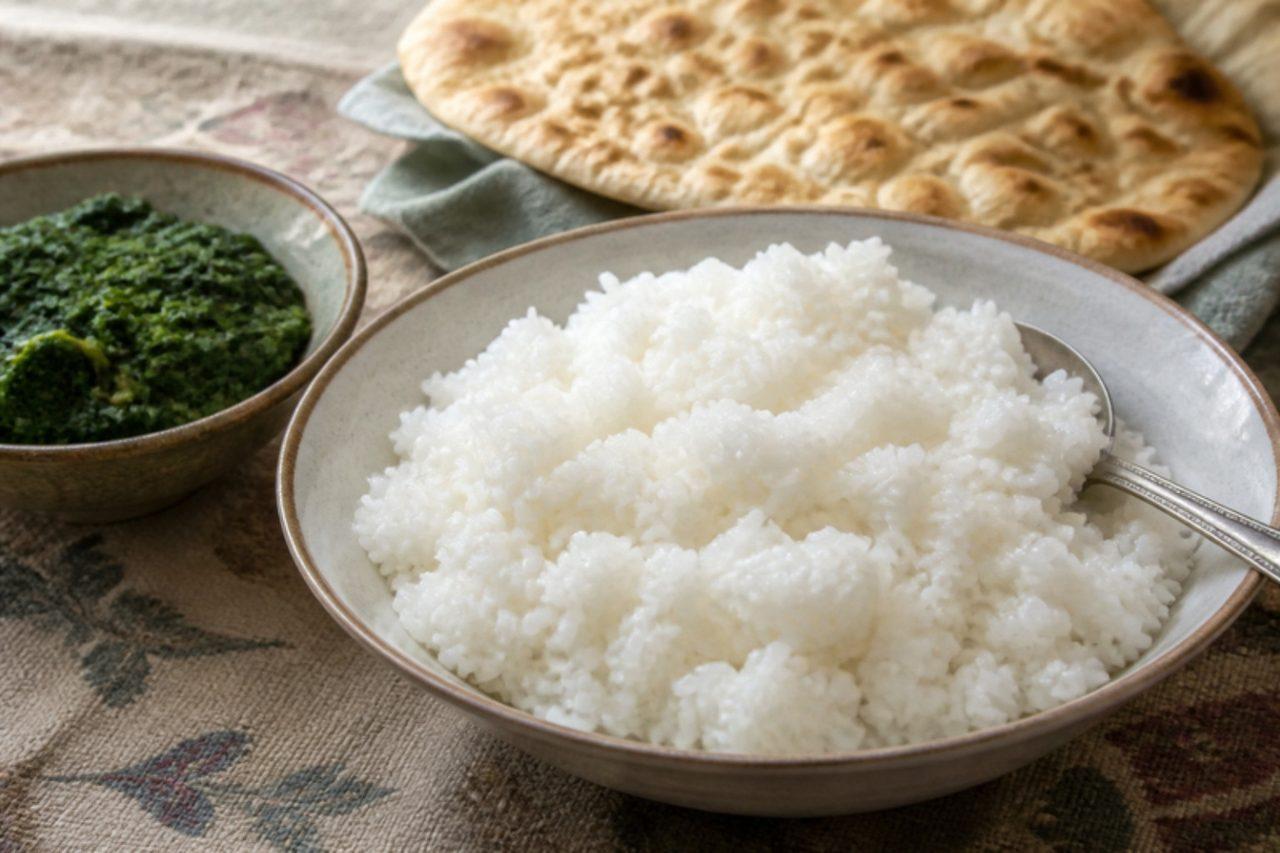
Long-grain palaw gets the glory at weddings, but on ordinary days in Herat and Kabul it is often bata that comes to the table: short-grain rice cooked until the grains burst and cling together in a glossy, gently salted mass. Its job is to sit beside something saucy, typically a qorma or sabzi, the dark, garlicky spinach, and to soak up every bit of it; children often eat it with just a spoonful of yogurt. It needs no spices at all. Rice that is drained or rinsed until the water runs clear will never go properly sticky, so rinse it once and cook it in a measured amount of water. Chef's tip: finish it under a lid wrapped in a tea towel on the lowest heat, which catches the drips of steam and keeps the top soft instead of wet.

by KrazyBadal 0 views

Salted saffron milk caps

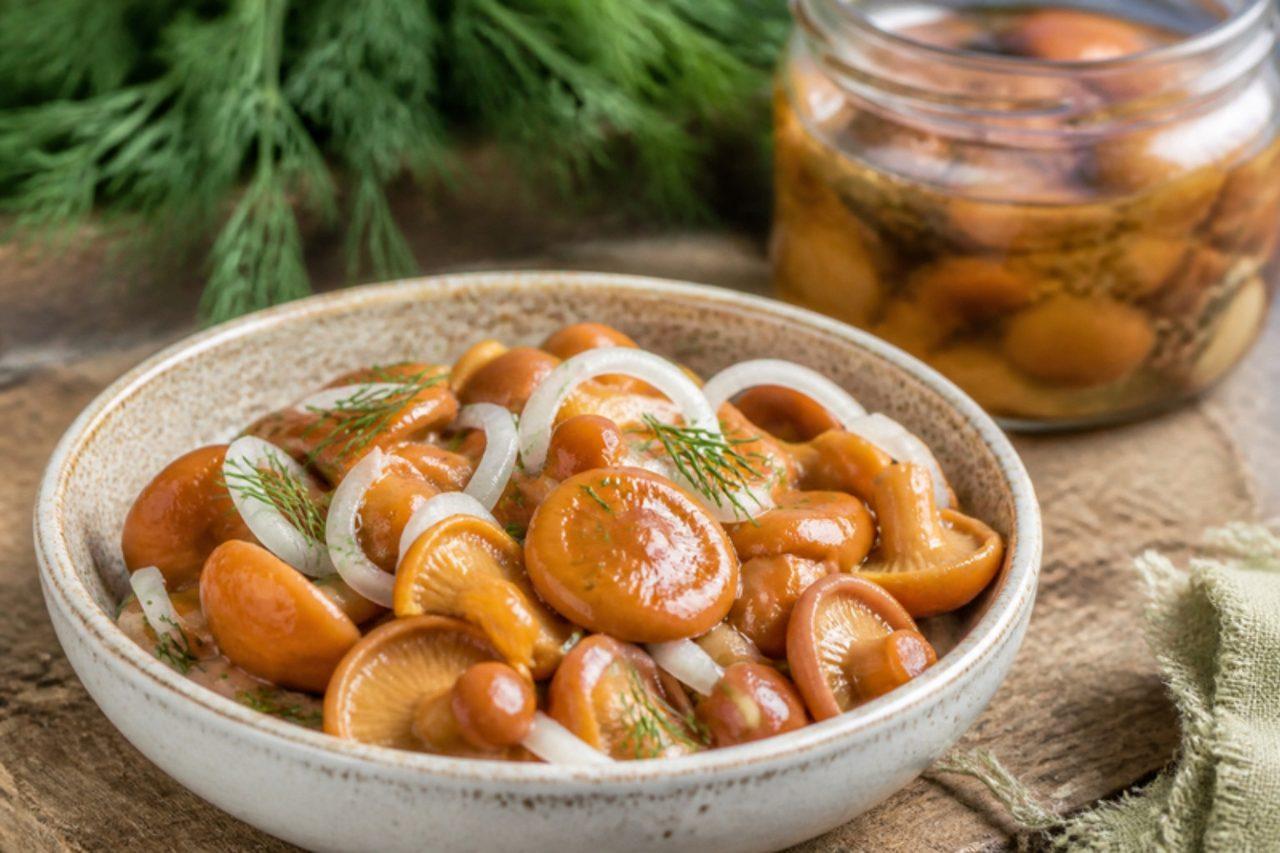
Northern Russians rank ryzhiki, the orange saffron milk caps of the pine woods, above almost every other mushroom, and salted ones from around Arkhangelsk once travelled to the tsar's table. Salted, they keep their bright colour, turn firm and juicy with a clean, resinous taste, and are served with thin onion rings, sunflower oil and hot boiled potatoes; for non-vegans a spoon of sour cream is classic. Old cellars dry-salted them raw for months; this safer fridge version blanches the caps briefly and keeps them in a measured brine in the fridge, ready in about a week. Only use mushrooms identified by an experienced forager or bought from a trusted seller. Where most people go wrong is guessing the salt; too little lets spoilage start, so weigh it. Chef's tip: the caps bruise green where handled, which is normal, so don't worry when the edges darken.

by KrazyBadal 0 views

Mors

Northern Russia picks cranberries and lingonberries from the bogs in autumn, and many of them end up as mors, a tart, crimson drink served from a jug at family dinners and offered in cafes and canteens from Arkhangelsk to Siberia. Unlike kissel it is thin and refreshing, made by pressing out the raw berry juice, cooking the skins in water and then combining the two so the fresh vitamin-rich juice is never boiled. Honey goes in last, once the liquid has cooled a little, to keep its flavour. Where most people go wrong is boiling the pressed juice along with the pulp; keep it aside until the end. Honey is not for babies under one year old. Chef's tip: serve it cold with ice in summer or warmed gently in winter; it is good both ways.

by KrazyBadal 0 views

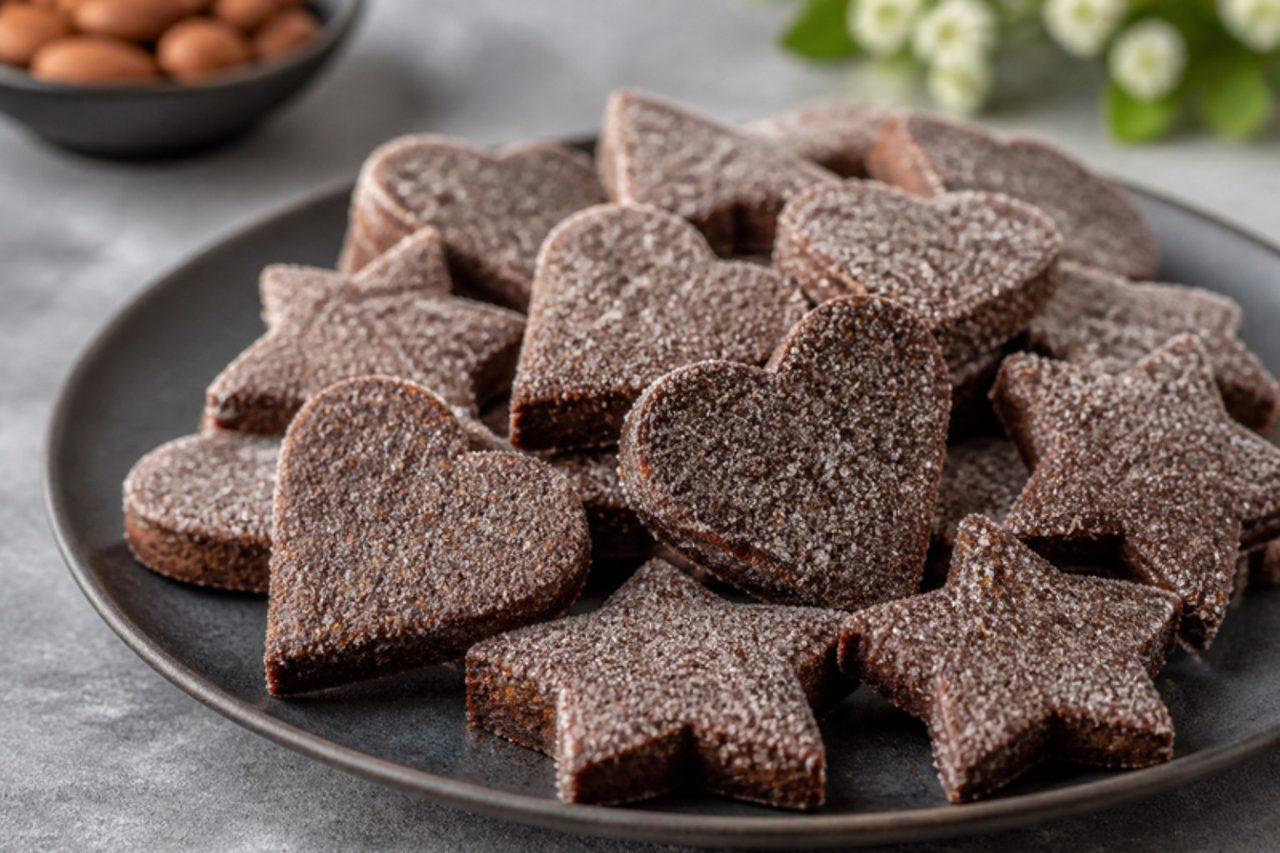
BrunsliChocolate almond biscuits

Brunsli are the dark, chewy Christmas biscuits of Basel, one of the 'Basler Weihnachtsguetzli' along with Läckerli and Zimtsterne: ground almonds, sugar, dark chocolate, cinnamon and cloves bound with egg white, rolled out on sugar and cut into hearts, stars and clovers, then dried overnight and baked briefly so they stay soft inside. They are flourless. A common mistake is baking them too long, which turns them hard. Chef's tip: leave the cut shapes to dry overnight at room temperature; they form a thin crust and keep their sharp shape in the oven. Use a dairy-free chocolate to keep them dairy-free.

by KrazyBadal 0 views

Barbadine punchGranadilla milk drink

Barbadine, the giant granadilla, grows on vines over backyard fences across Trinidad and turns up at Sunday lunch blended into a pale, creamy punch. The fruit's soft white flesh and the perfumed seed pulp inside are both used, giving a gentle passion-fruit flavour that milk, nutmeg and a little sugar round out. It is alcohol-free and made for the whole family. A frequent mistake is blending the seeds hard, which cracks them and turns the drink gritty and bitter: pulse the pulp briefly and strain it. Chef's tip: if you can't find barbadine, use the pulp of 6 passion fruit plus 200 g peeled honeydew melon for a similar taste.

by KrazyBadal 0 views

Showing 27 of 7,762 recipes

Show more recipes

Page 328 of 863