


Skip to content
Delhi-style fruit chaat
Featured recipe

Delhi-style fruit chaat

Spiced fruit chaat

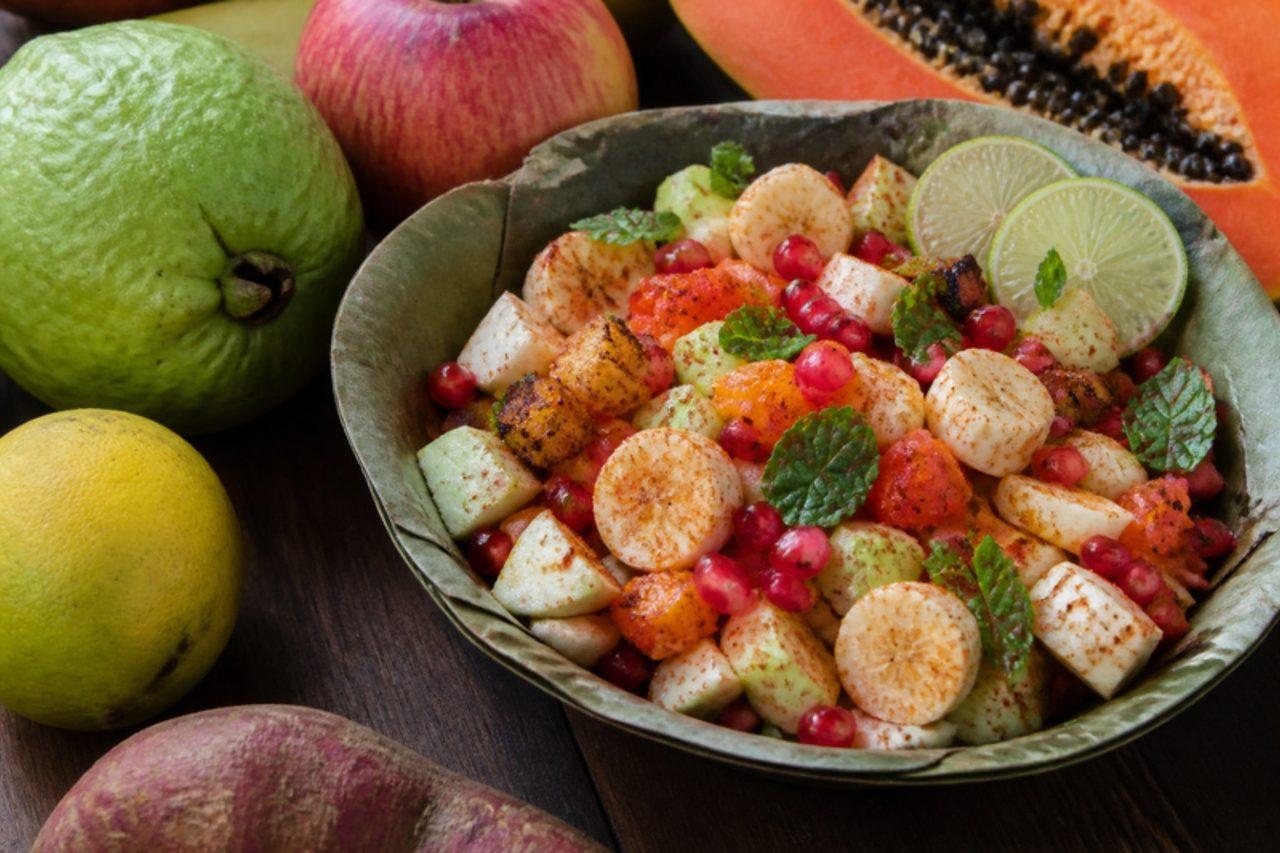
Delhi's fruit chaat wallahs set up their carts in the afternoons with towers of guava, papaya, apples and bananas, plus roasted sweet potato, and chop whatever you point at into a leaf bowl. Then comes the part that makes it chaat rather than fruit salad: a big shake of tangy chaat masala, black salt and roasted cumin, a squeeze of lime, sometimes a pinch of chilli. It's a refreshing mid-afternoon snack in summer, and a regular sight on Ramzan iftar spreads too. The salt and spice make sweet fruit taste even sweeter. Chef's tip: season it just before eating; once the salt goes on, the fruit starts weeping juice and goes soft within 15 minutes.

Read more 0 views

What to eat today?

Around the world

Today's trip: Paraguayan

A new country every day, from every cuisine on the site.

Paraguayan

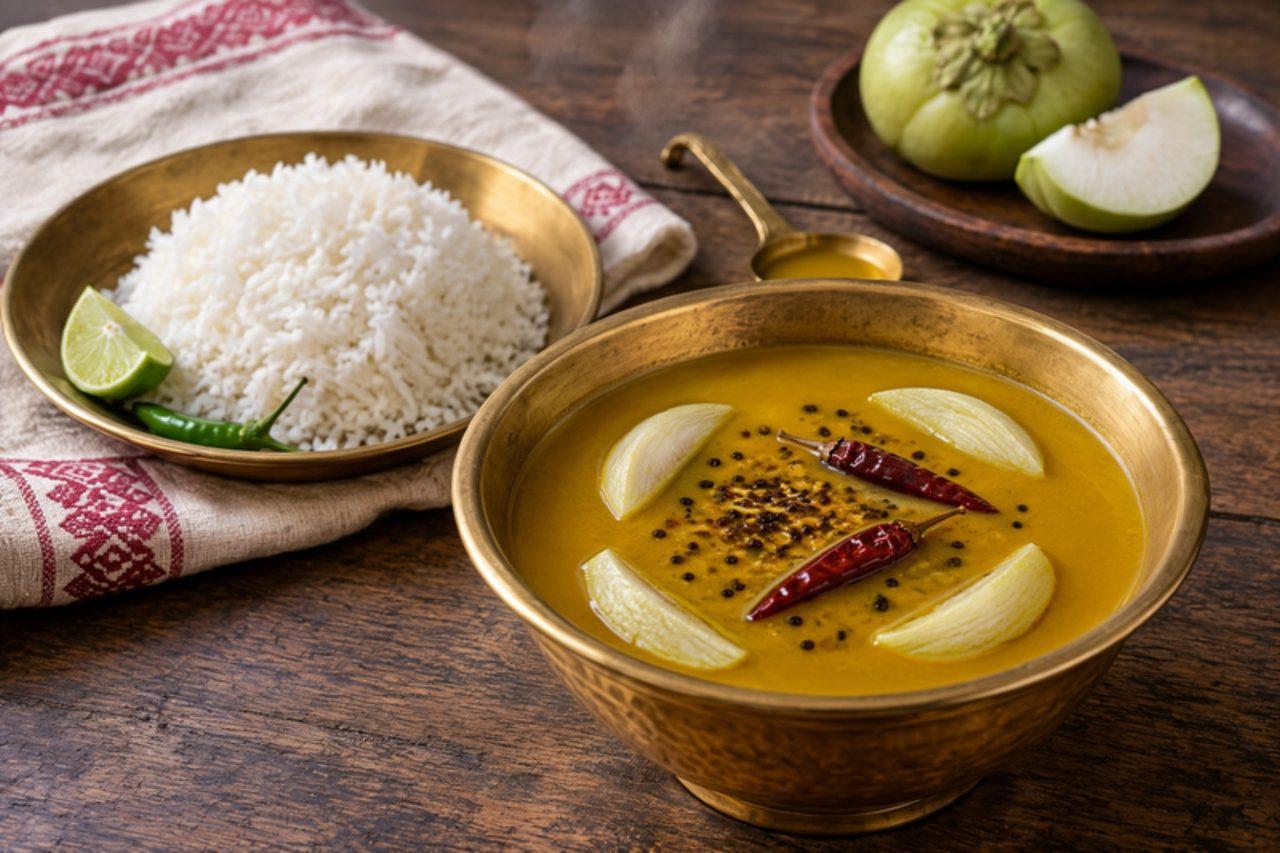
Pira caldo

Creamy fish soup with cheese 60 minMore from Paraguayan (27) →

This week's collection

Kid-friendly dinners
537 recipes · a new collection every Monday

Latest recipes

Cabbage with peas

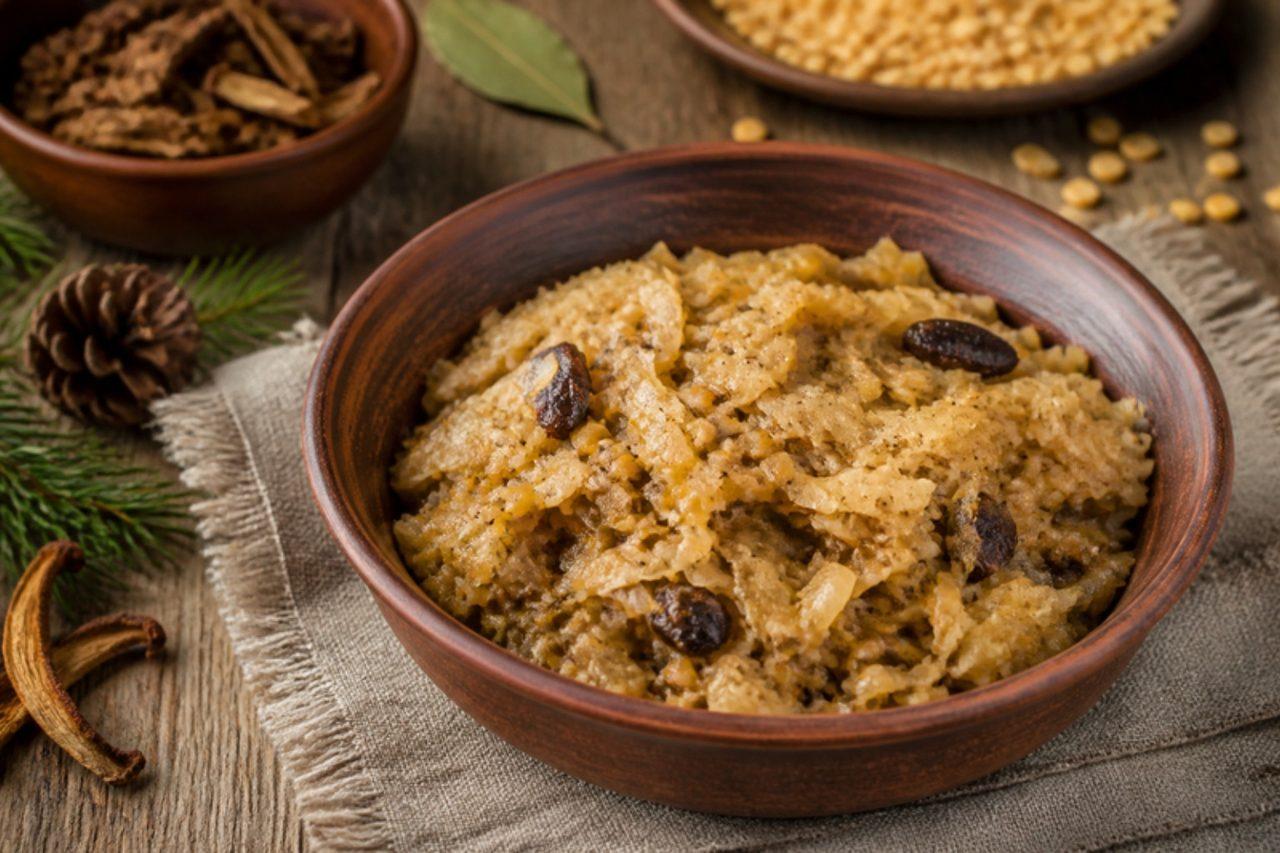
Of the twelve dishes on a Polish Christmas Eve table, this is the humblest and often the one people go back to for seconds. Sour, tangy sauerkraut is braised slowly with yellow split peas until the peas collapse into a soft, savoury mash that binds the cabbage, with dried mushrooms and golden onion for depth. Serve it warm next to pierogi or potatoes, and know that it tastes even better reheated the next day. The usual slip is adding salt before the peas are cooked, which keeps them hard; season only at the end, as the sauerkraut is salty anyway. Chef's tip: if your sauerkraut is very sour, rinse it once and squeeze it, keeping a little juice to adjust the sharpness later.

by KrazyBadal 0 views

Bahamian switchaKey lime drink

On Bahamian porches and at Fish Fry stalls in Nassau, switcha is the everyday cooler: fresh key limes squeezed with sugar and cold water, stirred up in a big jug with plenty of ice. It's sharper and more fragrant than lemonade, and you'll see the lime halves floating in the jug. The usual mistake is putting sugar straight into cold water, where it sinks undissolved: make a quick syrup first. Chef's tip: drop a few squeezed lime halves into the jug for 10 minutes for extra aroma, then take them out before the pith turns it bitter.

by KrazyBadal 0 views

Bahamian stew fishGrouper in roux gravy

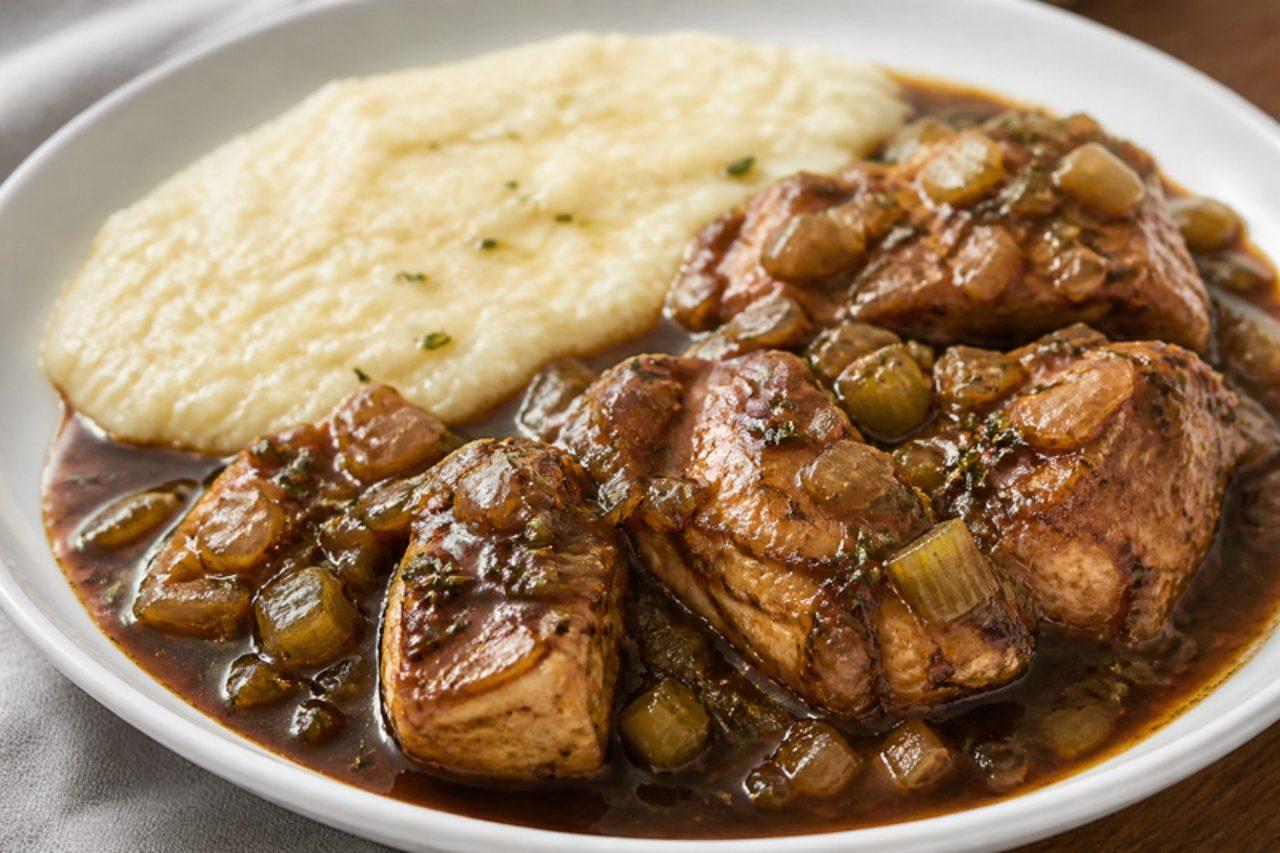
Bahamian stew fish is old-fashioned Sunday breakfast in Nassau and the Family Islands: firm fish such as grouper or snapper simmered in a dark brown gravy built on a flour-and-oil roux, with onion, celery, tomato and thyme, served over grits or with johnnycake. The flavour is deep, savoury and a little smoky from the browned flour. The usual mistake is a pale roux; cook the flour slowly until it is the colour of milk chocolate, but don't let it burn. Ask for thick fish steaks or fillets. Chef's tip: stir the roux with a flat wooden spatula so you can scrape every corner and keep it browning evenly.

by KrazyBadal 0 views

Bahamian guava duffSteamed guava roll

Guava duff is the Bahamas' best-loved dessert, served at Junkanoo season, Sunday dinners and Nassau restaurants alike: a soft dough spread with sweet stewed guava, rolled up, wrapped in cloth or foil and steamed until tender, then sliced and drowned in a warm butter sauce. Traditionally the sauce has rum in it, which is only lightly cooked, so the rum version is for adults only; the vanilla sauce below makes it alcohol-free for everyone. The most common mistake is rolling the duff too tight, which stops it rising; leave room in the wrapping for it to swell. Chef's tip: sieve the guava pulp to remove the hard seeds, and keep the thick paste for the filling.

by KrazyBadal 0 views

PinonGari in tomato and onion sauce

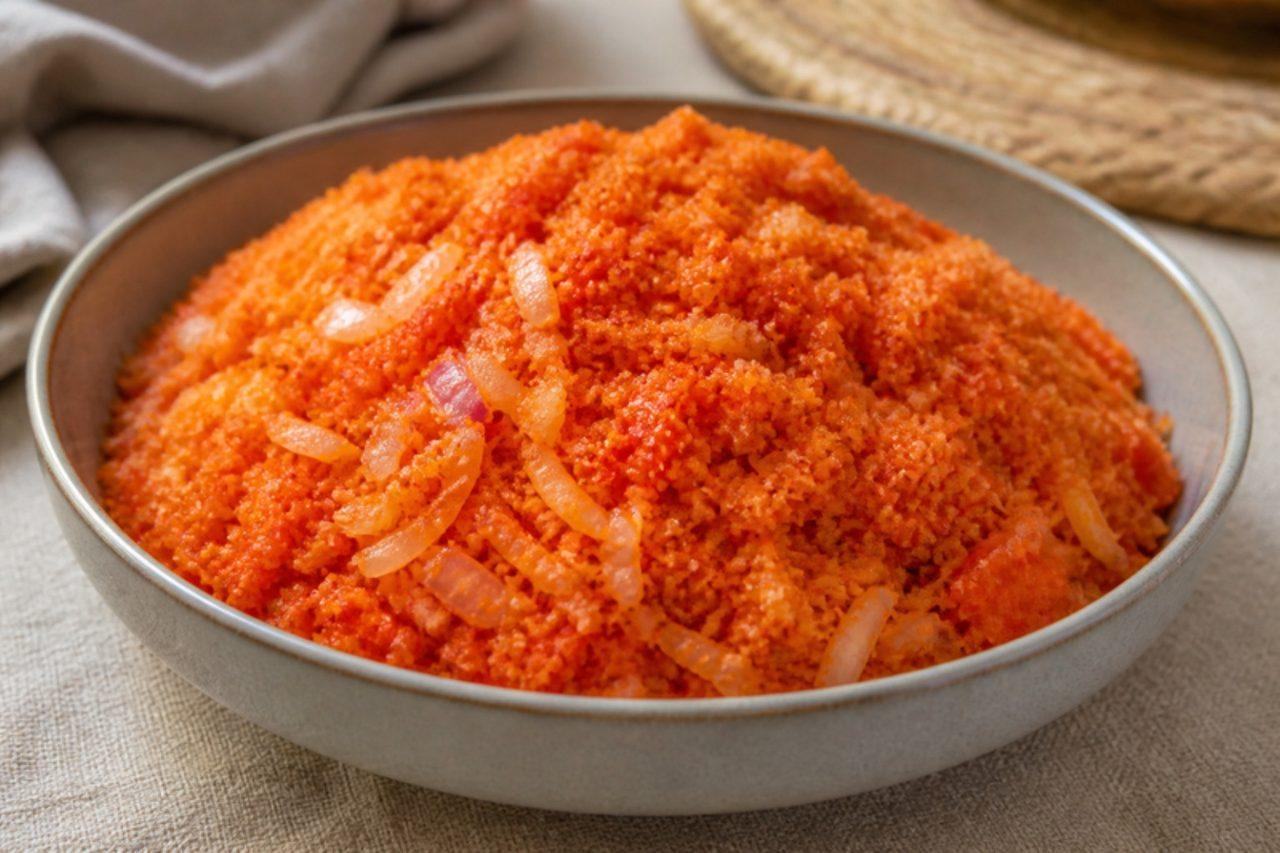
On a busy weeknight in Cotonou or Porto-Novo, pinon (also spelled piron) is the answer: gari, the toasted cassava granules every Beninese kitchen keeps on hand, stirred into a hot tomato and onion sauce until it swells into a soft, fluffy, orange mound. Ready in about twenty minutes, it is savoury and tangy from the fermented cassava, with a kick of pepper. People eat it with fried fish or grilled chicken; this meat-free plate pairs it with a pot of beans in red oil or fried plantain. Chef's tip: lower the heat before adding the gari and sprinkle it in gradually, stirring all the time, so every grain absorbs the sauce evenly.

by KrazyBadal 0 views

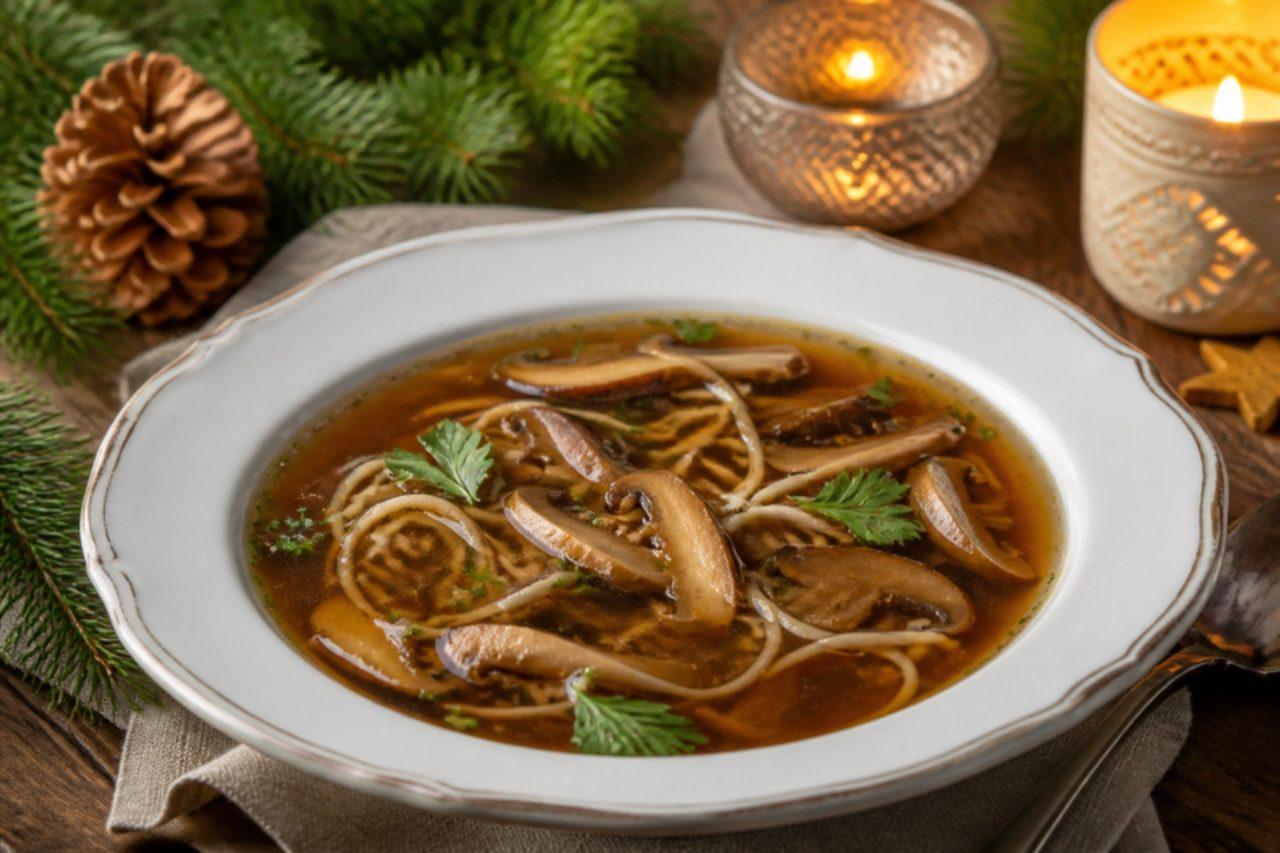
Christmas mushroom soup

In many Polish homes the Christmas Eve supper opens with either beetroot barszcz or this soup, and families argue about which is better. Dried porcini picked and threaded on strings in September are soaked and simmered with root vegetables into a clear, deep-brown broth with a smoky, almost meaty depth, then served with thin noodles or łazanki. It is fully meat-free, as Wigilia tradition requires, and kept dairy-free here. A common mistake is pouring the soaking water in with its grit; let it settle and leave the last spoonfuls behind. Chef's tip: soak the mushrooms overnight in cold water and cook them in that water for the most flavour.

by KrazyBadal 0 views

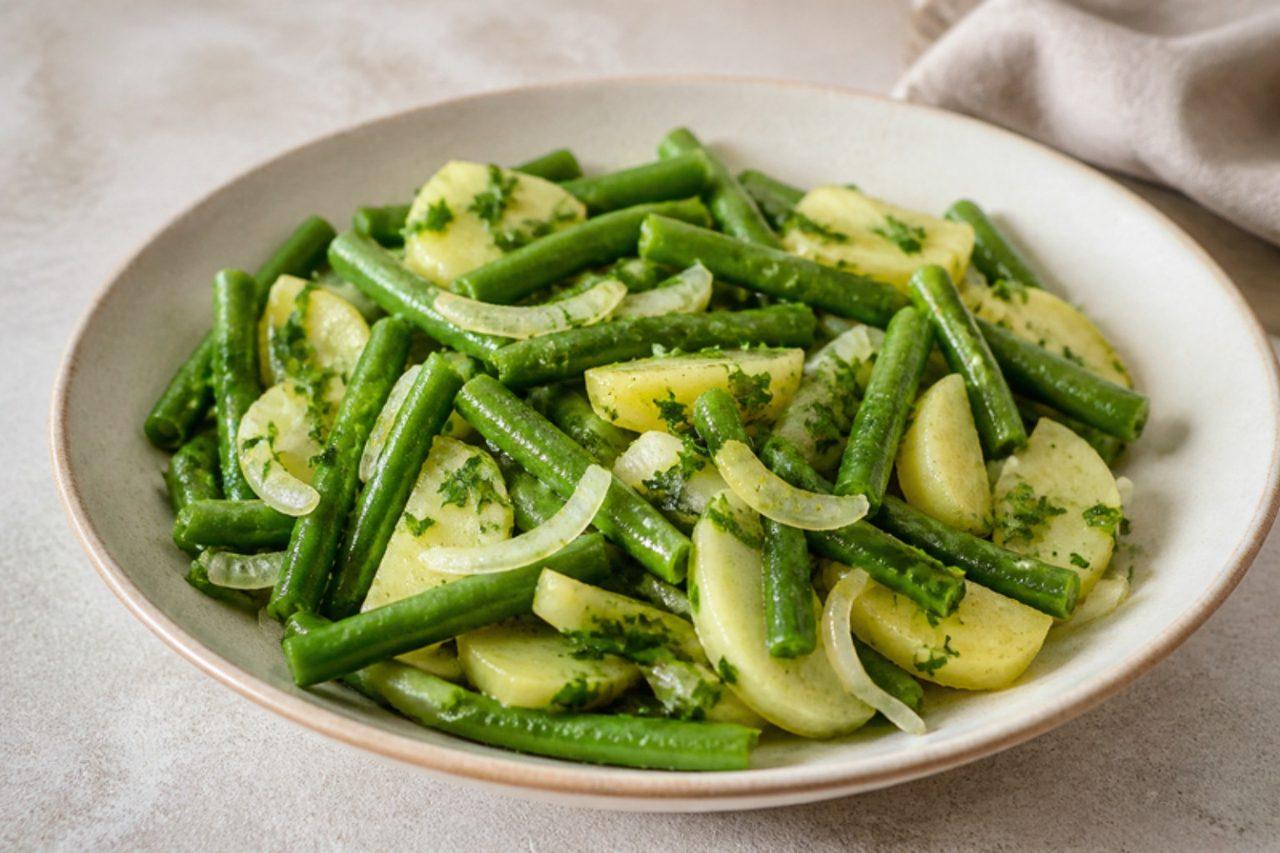
Salade liégeoiseWarm green bean and potato salad

Salade liégeoise is the warm salad of Liège, eaten as a main course in the city's brasseries in summer when green beans are in season: just-cooked green beans and waxy potatoes tossed while warm with onion softened in butter and a sharp vinegar dressing, scattered with parsley. In Liège it is made with crisp bacon lardons; this version leaves them out and adds a fried egg on top for a fuller meal if you like. A common mistake is dressing cold vegetables, which don't absorb the vinegar. Chef's tip: deglaze the onion pan with the vinegar, then pour it straight over the hot beans and potatoes.

by KrazyBadal 0 views

Bahamian cracked conchBattered fried conch

Cracked conch is the Bahamas' answer to fish and chips, served at Potter's Cay dock stalls in Nassau and family restaurants across the Out Islands: conch steaks pounded ("cracked") thin, soaked in lime, dipped in a peppery batter and fried crisp, with chips, peas 'n' rice or coleslaw. Done properly the inside is tender and sweet like calamari. The common mistake is not pounding enough, which leaves the conch chewy; it should be thin and almost lacy. Buy cleaned conch from a trusted fishmonger and discard any that smells strongly. Chef's tip: let the battered pieces rest on a rack for 5 minutes before frying so the coating sticks and stays crisp.

by KrazyBadal 0 views

Estonian kringle

Kringel is the celebration bread of Estonia, baked for birthdays and name days and carried to every visit: a rich yeast dough rolled with cinnamon butter and sugar, sliced lengthways, twisted into a braided wreath so the layers show, and baked until golden. In Tallinn's old-town cafés it is sold by the slice with coffee. A common mistake is cutting the roll with a blunt knife, which squashes the layers. Chef's tip: chill the filled roll for 15 minutes before slicing; it cuts cleanly and twists without the filling escaping.

by KrazyBadal 0 views

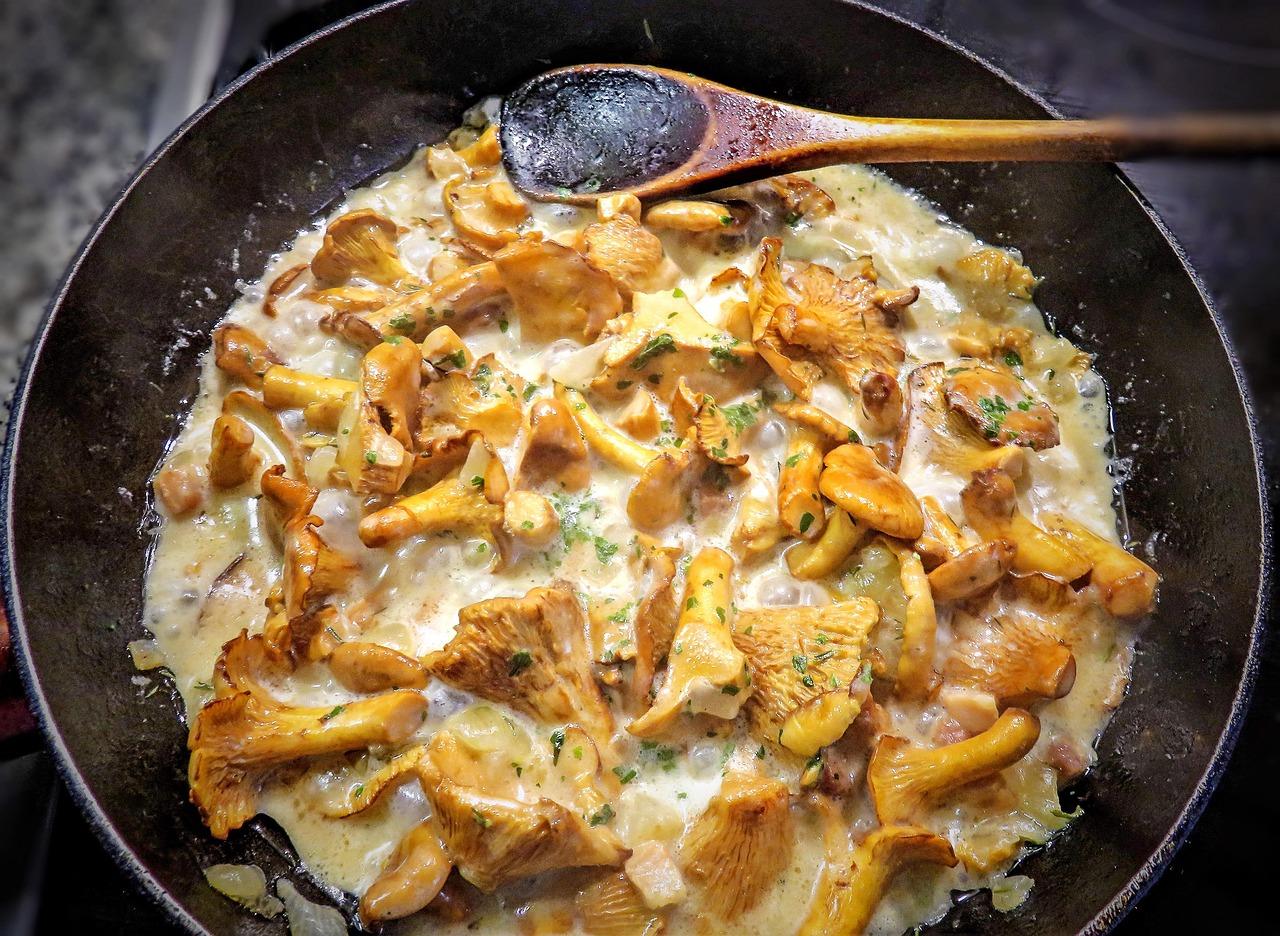
Chanterelles in cream

From July, roadside sellers along the lake roads of Masuria hold up baskets of golden chanterelles, and holidaymakers in Mrągowo and Giżycko cook them the same evening. The mushrooms are fried with onion until their juices cook away, then bathed in sour cream and dill, giving a sauce that is peppery, faintly apricot-scented and very rich. Spoon it over new potatoes, buckwheat or a thick slice of toast. Where most people go wrong is washing chanterelles under the tap, so they boil in their own water and turn rubbery. Only eat wild mushrooms you have bought from a trusted seller or that an expert has identified. Chef's tip: brush the mushrooms clean, tear large ones and cook them in a hot, wide pan so they sear rather than stew.

by KrazyBadal 0 views

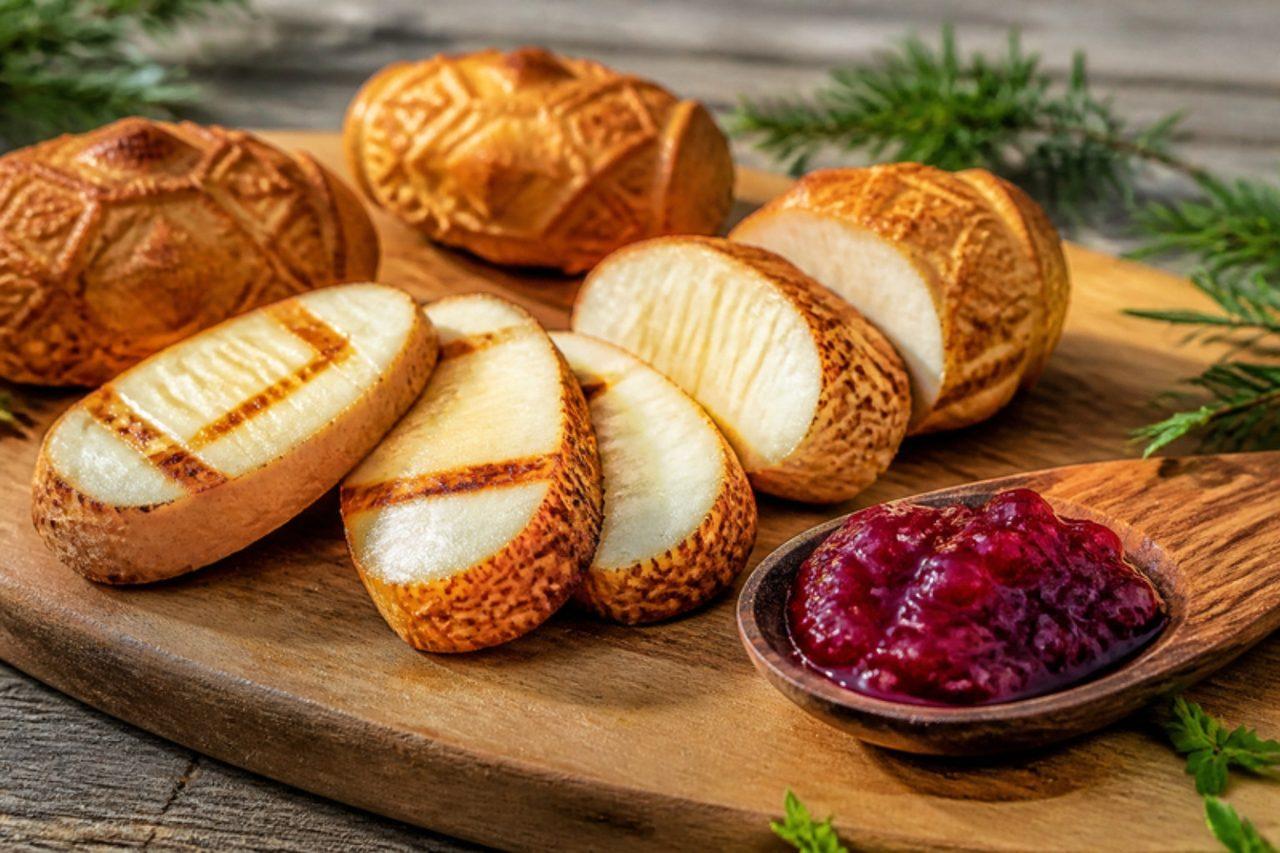
Grilled oscypek with cranberry

Walk down Krupówki street in Zakopane in any season and the smell of smoke and warm cheese leads you to the grills, where highlanders turn thick slices of oscypek until they are striped and soft. The real thing is a spindle-shaped, carved sheep's milk cheese smoked in mountain huts; grilled, it turns chewy and squeaky outside, salty and smoky within, and the sharp-sweet cranberry cuts through it perfectly. Oscypek is made with animal rennet, so for a vegetarian plate use a smoked sheep's or cow's cheese made with vegetarian rennet, firm enough to hold its shape. The usual slip is slicing too thin; the cheese then melts through the grill. Chef's tip: oil the pan, not the cheese, and don't move the slices until they release on their own.

by KrazyBadal 0 views

BagiyaSesame jaggery rice dumplings

When the new rice is harvested in late autumn, Maithil households in Janakpur, Siraha and Saptari steam bagiya, plump spindle-shaped dumplings of rice-flour dough that are offered to the gods, given to married daughters visiting home and eaten warm on cold winter mornings. The smooth, chewy shell hides a sweet centre, here toasted sesame bound with melted jaggery and a pinch of cardamom, though some families use molasses toffee (chaku), grated coconut or sweetened milk solids instead. Plain bagiya are also made and eaten with chutney. A common slip is using cold water for the dough, which makes it crumble and split; it must be made with boiling water. Chef's tip: knead the dough while it is still as hot as your hands can bear, with a little oil on your palms, until it is as smooth as play dough.

by KrazyBadal 0 views

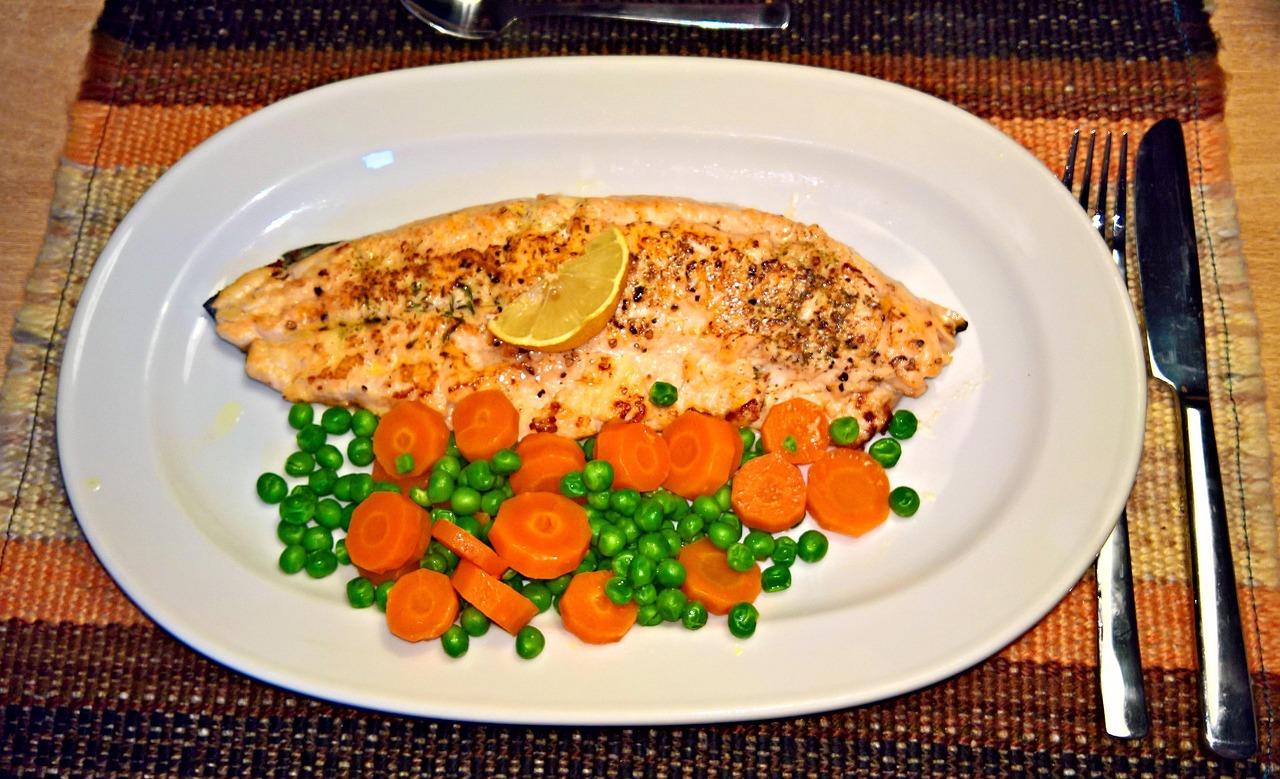
Highland grilled trout

Trout farms fed by cold Tatra streams supply the roadside grills and mountain inns of Podhale, and pstrąg po góralsku is what hikers order on the terrace with a view of Giewont: a whole fish, stuffed with garlic and fresh herbs, crisped in butter until the skin crackles. The flesh is sweet and delicate, scented by dill and parsley from the inside out. Serve it with boiled new potatoes, lemon and a cucumber salad with sour cream. The classic error is flipping too early, so the skin tears and sticks; leave it until it releases on its own. If you have a grill basket, the same fish is excellent over charcoal. Chef's tip: score the thickest part of each side twice, right down to the bone, so the head end cooks as fast as the tail.

28 minPolishFishGluten free
by KrazyBadal 0 views

Jamaican pepper shrimp

Drive through Middle Quarters in St Elizabeth and women by the roadside will lean into the car window holding bags of bright red pepper shrimp, calling "pepa swimps!" The river shrimp are boiled whole in a fiery brine of scotch bonnet, pimento, garlic and salt, then left to soak up the heat, and eaten with the fingers, shells and all sucked clean. Large shell-on prawns make a fine substitute. The usual mistake is overboiling, which leaves the shrimp rubbery; they need only a few minutes before steeping off the heat. Discard any shrimp that smell of ammonia or have soft, slimy shells before cooking. Chef's tip: a teaspoon of annatto or paprika gives the deep red colour of the roadside bags.

by KrazyBadal 0 views

Fried gobies

Odesa's beloved bychky, the little big-headed gobies of the Black Sea, are sold by the bucket at Pryvoz market and fried in sunflower oil in kitchens and beach cafés all summer. Dusted with seasoned flour and fried hard, they come out crunchy and golden, with sweet white flesh and bones so small they are eaten whole. Serve with lemon, a tomato and cucumber salad, bread and plenty of dill. Most people go wrong by using too little oil, so the fish stick and the coating flakes away; you want a good centimetre in the pan. Outside the Black Sea region, smelt, sprats or small whiting work the same way. Chef's tip: for the crunchiest result, ask for the heads to be removed and the fish gutted, salt them 10 minutes in the fridge, then dry them very well before flouring.

by KrazyBadal 0 views

Sri Lankan patties

Patties are the short eat that marks a Sri Lankan celebration, made by the hundred for weddings, Avurudu New Year visits and Christmas open houses, and sold warm from bakeries in paper bags. The pastry is the clue to their identity: rich with butter, egg and coconut milk, rolled thin, folded into half-moons and crimped with a fork, then fried until blistered and flaky. Inside is a gently spiced mix of chicken, potato and leeks with a hint of cinnamon, and a vegetable filling of potato, carrot and leek is equally common when guests are vegetarian. It goes wrong when the filling is still warm when it meets the pastry, which then softens, tears and leaks in the oil. Chef's tip: rest the pastry in the fridge for half an hour before rolling, and press the edges with a fork dipped in flour so they seal firmly.

by KrazyBadal 0 views

Sri Lankan Chinese rolls

Nobody in Sri Lanka quite knows why they are called Chinese rolls, but every bakery glass case and tea-shop counter from Kandy to Matara has a tray of them: thin crêpes wrapped around a peppery filling, dipped in batter, rolled in breadcrumbs and fried to a golden crunch. Fish is the classic, usually tuna or mackerel cooked with potato, leeks, onion, curry leaves and green chilli, and the rolls go to office tea breaks, almsgiving receptions and children's birthday parties, always with a bottle of chilli sauce. A potato and leek version without fish is just as popular and makes them vegetarian. People often go wrong by making the pancakes too thick, which gives a doughy roll that never crisps. Chef's tip: roll each one tightly like a spring roll, tucking the sides in, so the filling cannot burst out in the oil.

by KrazyBadal 0 views

Sri Lankan buryani

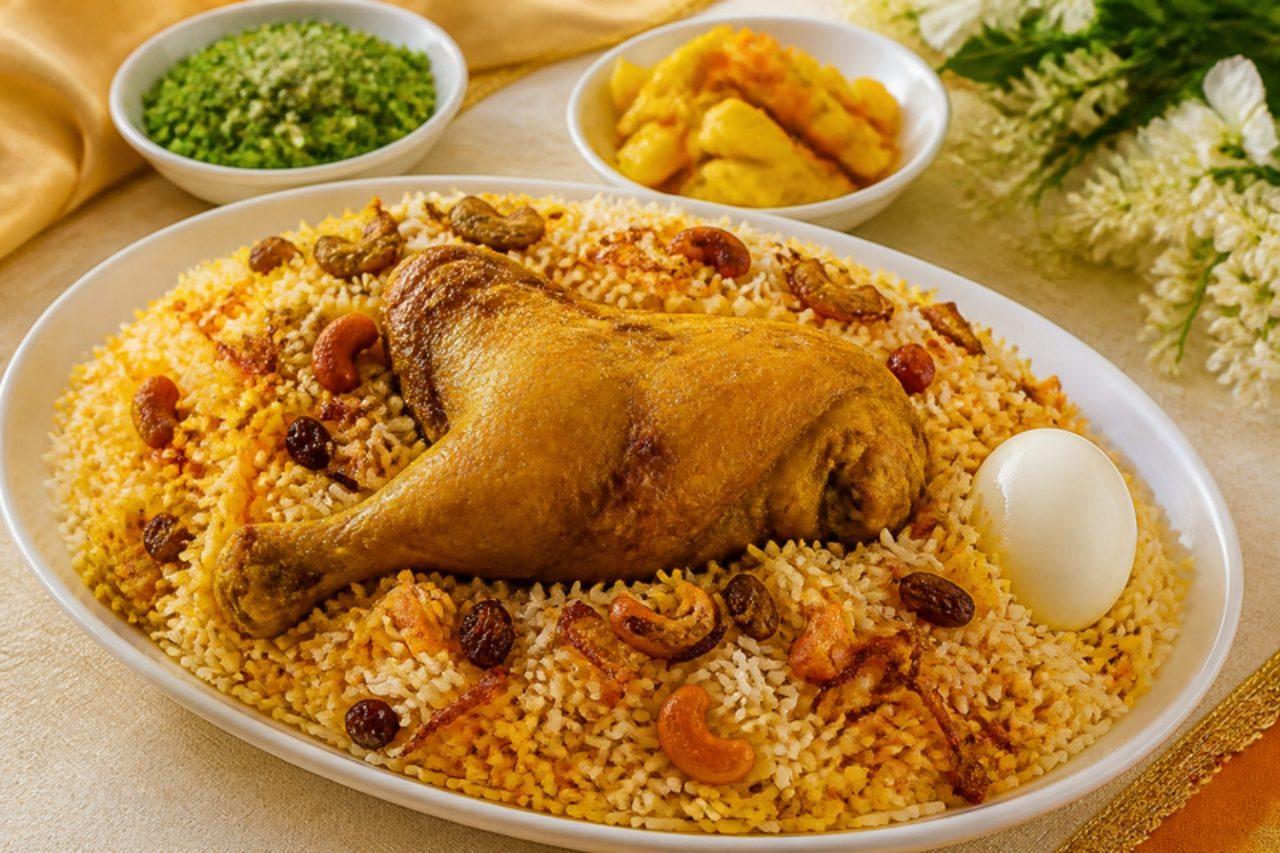
At a Sri Lankan Muslim wedding or a Friday gathering in Colombo's Maradana or Kandy's old town, buryani arrives on huge platters, each portion crowned with a leg of chicken, a halved boiled egg, fried cashews and sultanas. It is lighter and more perfumed than most mainland Indian versions, built on chicken marinated in yoghurt and warm spices, layered with long-grain rice, fried onions, mint and rose water, then sealed and steamed so the grains take on the aroma. It is never eaten alone: a sharp mint sambol, a sweet-sour pickle called achcharu and a bowl of raita-like salad are the expected companions. A frequent misstep is boiling the rice fully before layering, which leaves it mushy after the steaming. Chef's tip: drain the rice when it is about 70 percent cooked, still with a firm white core, because it finishes in the steam.

by KrazyBadal 0 views

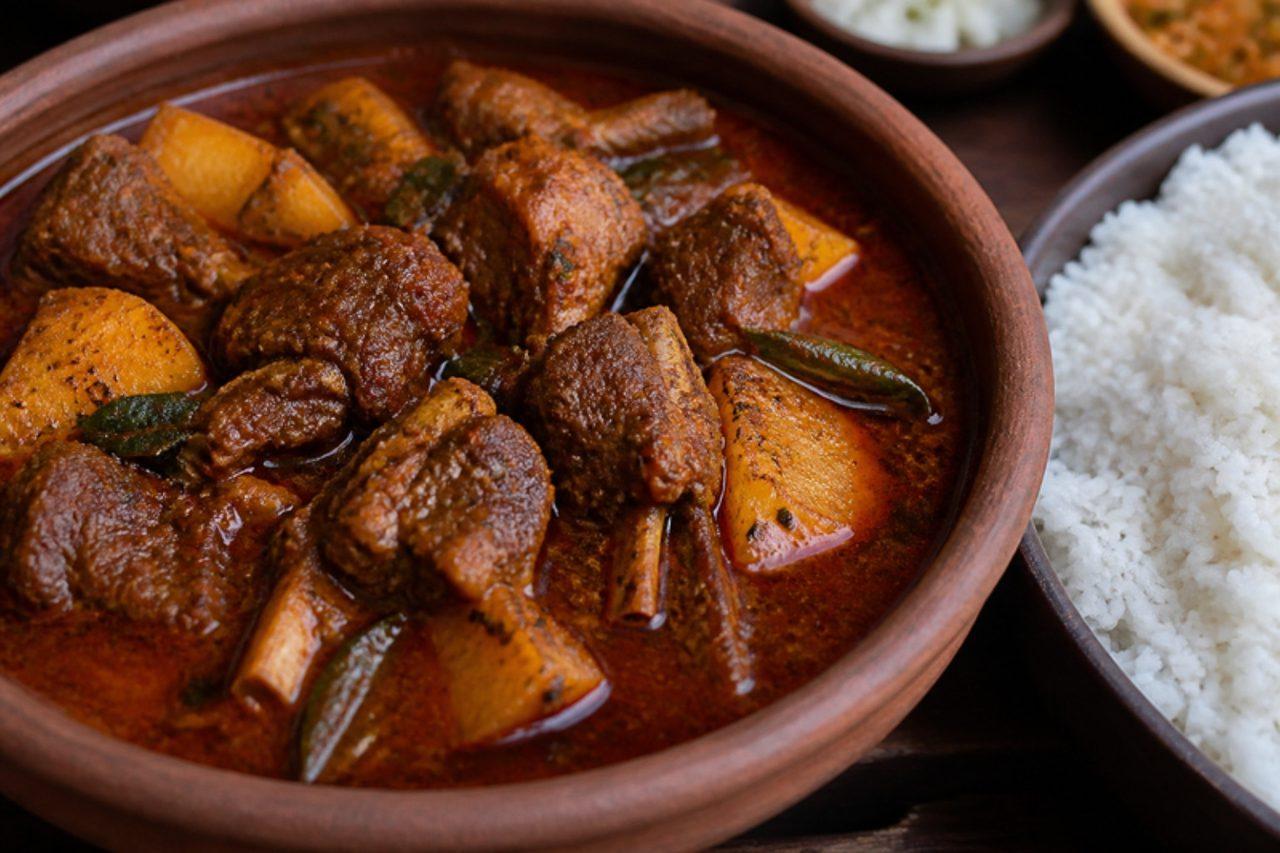
Jaffna goat curry

Goat is the celebration meat of the Tamil north, and a Jaffna aattukkari cooked for a temple feast day, a wedding lunch or a Sunday at home is thick, brick-red and ferociously spicy. The secret is the local curry powder, roasted much darker and hotter than in the south, fried in oil with onion, garlic and fennel until it almost catches, then simmered slowly with the meat until the gravy reduces to a coating. Chunks of potato soak up the sauce, and the whole thing is eaten with rice, idiyappam or Jaffna-style puttu, with a cooling bowl of curd or coconut sambol on the side. The pitfall here is rushing the simmer; goat needs patience and goes chewy if it is cooked hard and fast. Chef's tip: brown the meat well in the spice paste before any liquid goes in, which gives the gravy its deep, almost smoky flavour.

by KrazyBadal 0 views

Jaffna crab curry

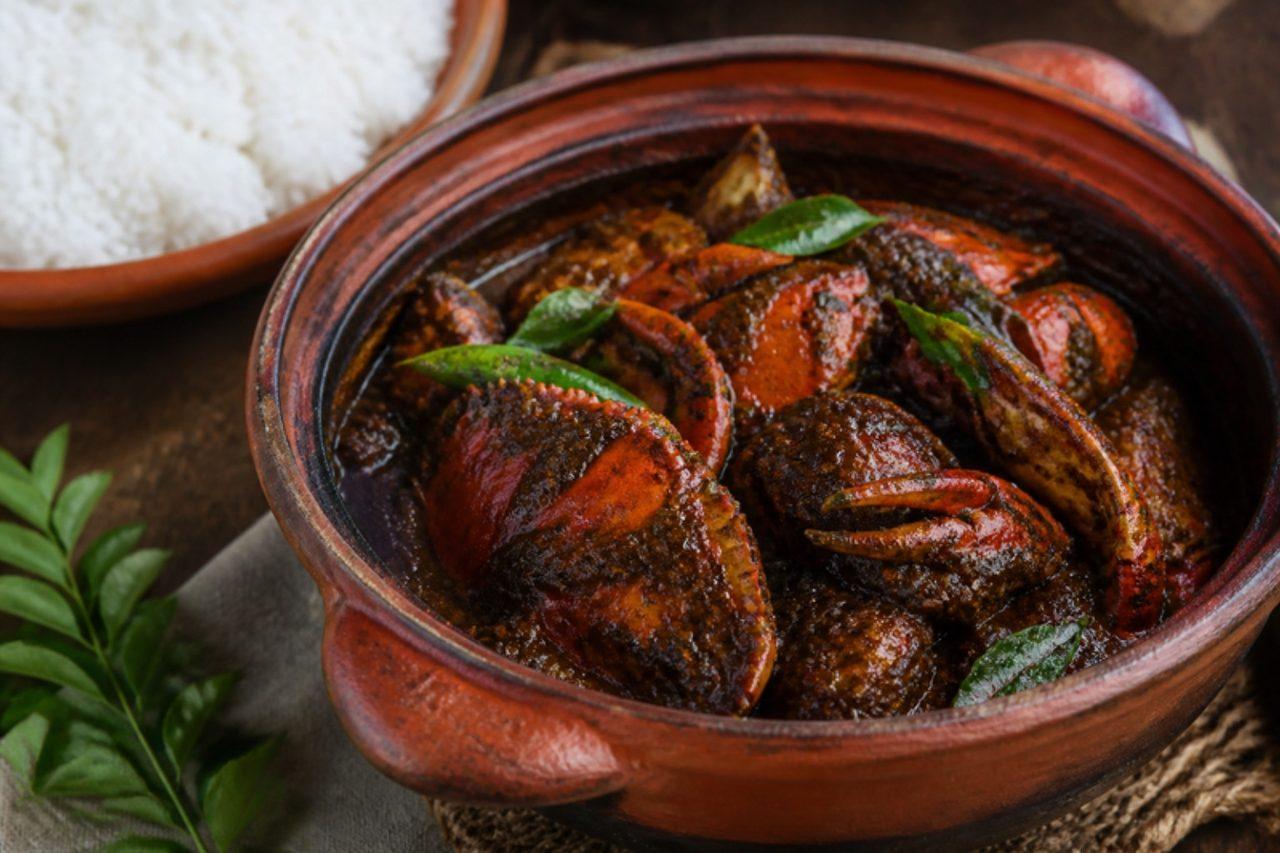
The shallow lagoons around Jaffna and the islands of Kayts and Delft produce big, sweet mud crabs, and the town's answer to them is a curry so dark and hot that visitors are warned before they order. Jaffna curry powder, heavy with roasted red chilli, coriander and fennel, is fried in sesame oil with onion and garlic, then loosened with tamarind and a little coconut milk so the sauce clings to every crack in the shell. A handful of moringa leaves wilted in at the end adds a grassy note, and the crab is eaten with the hands, sucked from the shell, alongside plain rice or puttu. A frequent misstep is boiling the crab hard for too long, which makes the meat dry and stringy. Chef's tip: crack the claws before cooking so the sauce soaks in and the meat is easy to reach at the table.

by KrazyBadal 0 views

Hot butter cuttlefish

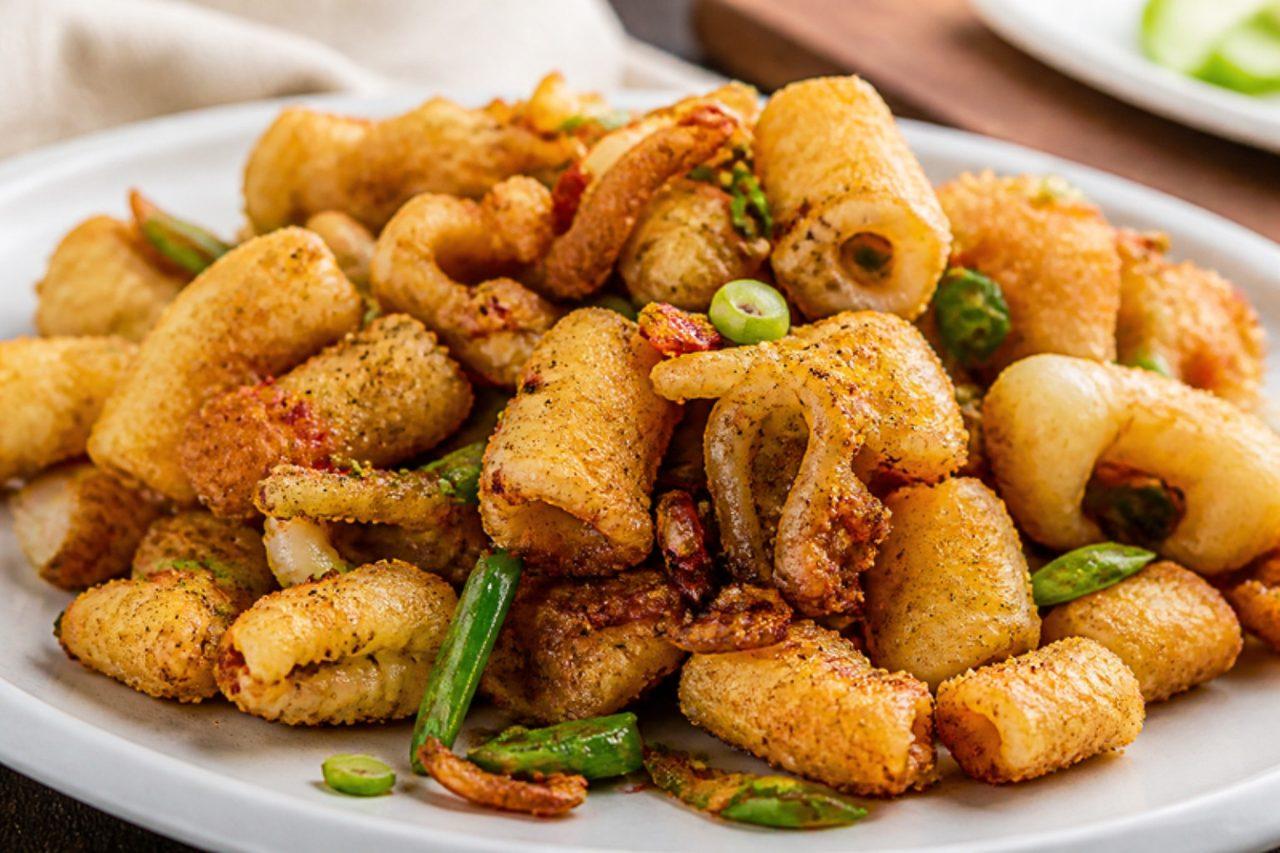
Along Colombo's Galle Road and in the seafood restaurants of Negombo, hot butter cuttlefish is the dish nearly every table orders first, a heap of golden, crunchy strips that disappear while the rice and curries are still on their way. The cuttlefish is scored, dipped in a light, chilli-spiked batter and fried hard, then thrown into a pan of foaming butter with garlic, dried chilli flakes, green chilli and a big handful of spring onion. The result is crisp outside, tender within, rich, salty and properly hot, and it is eaten as a starter or alongside fried rice and a fresh lime. It goes wrong when the cuttlefish fries too long, because it turns rubbery after about two minutes in the oil. Chef's tip: score the inside of each piece in a fine criss-cross so it curls and grabs the batter, and fry in small batches so the oil stays hot.

by KrazyBadal 0 views

BacánPlantain and pork parcels

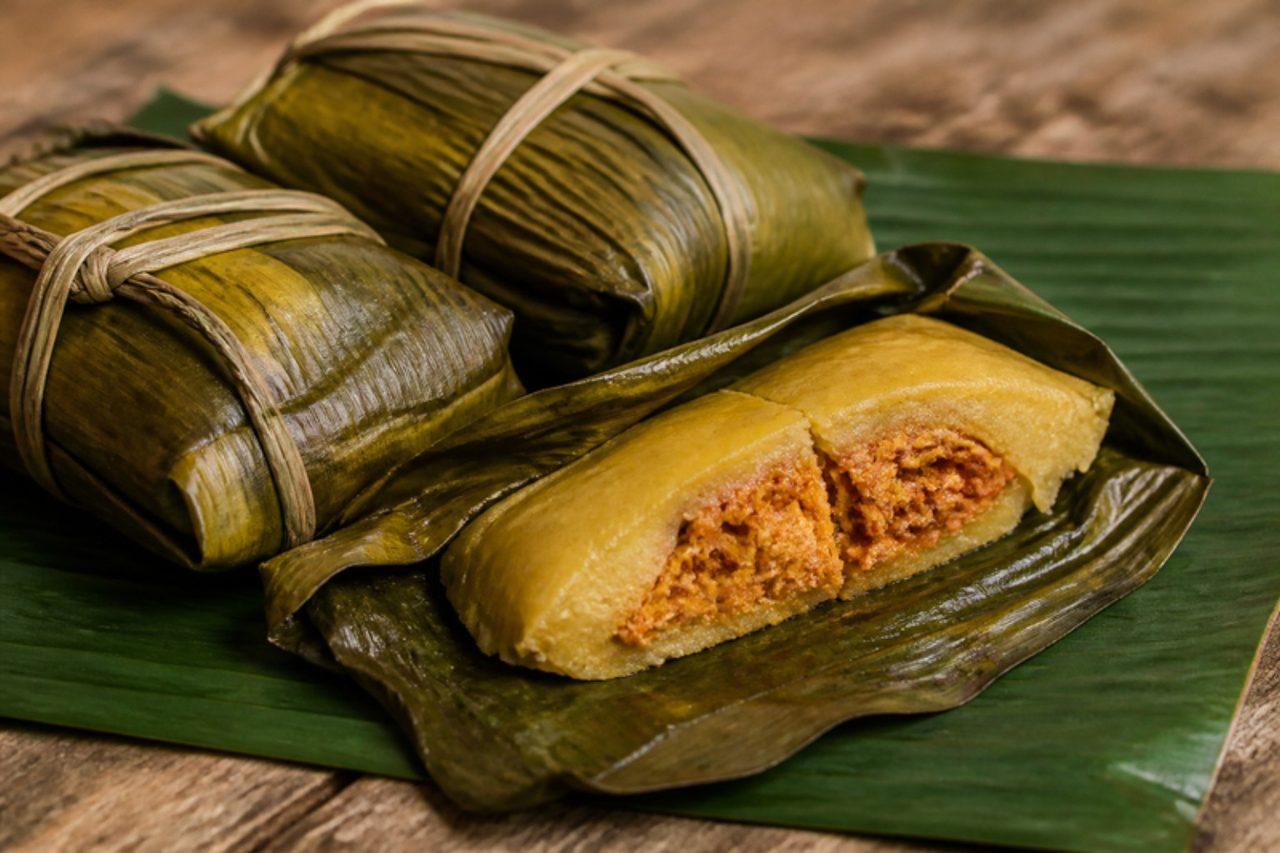
Bacán belongs to Baracoa, the coconut-growing corner of eastern Cuba, where it is made for family gatherings and sold wrapped at weekend markets. Grated green plantain is mixed with fresh coconut milk into a soft dough, wrapped around a filling of seasoned pork in a banana leaf and steamed until set, a little like a tamal but sweeter and silkier. The pork is shoulder, cooked in a sofrito before wrapping. The common mistake is using ripe plantain, which won't set; it must be hard and green. Chef's tip: pass the banana leaves briefly over a flame or hot pan until they turn glossy and supple, and they will fold without splitting.

120 minCubanMeatGluten free
by KrazyBadal 0 views

Babka wielkanocnaEaster yeast cake

A golden babka standing tall in the Easter basket used to be a matter of family pride, and old cooks whispered while it baked, convinced a slammed door would make it sink. The dough is soft and rich with egg yolks and butter, beaten until it is elastic, then baked in a fluted ring tin into a cake with a fine, feathery, saffron-yellow crumb. Raisins are often soaked in rum; this version uses orange juice, but a couple of spoons of rum work if you prefer. The usual slip is adding too much flour to a sticky dough, which makes the babka dry; it should stay soft and almost batter-like. Chef's tip: cool the babka on its side, turning it now and then, so the delicate crumb doesn't collapse.

185 minPolishBaking
by KrazyBadal 0 views

Devilled chicken

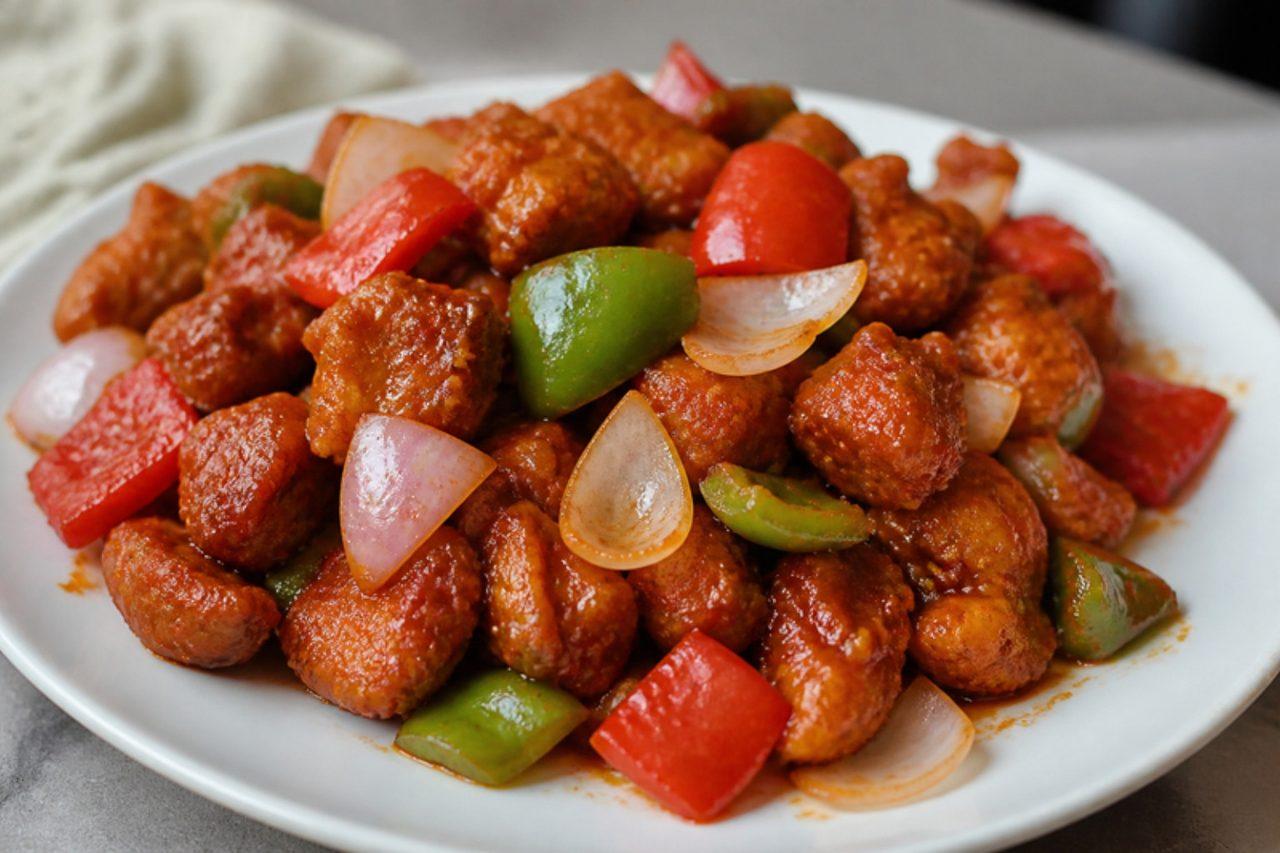
Few plates are more Colombo than devilled chicken, the sticky, fiery stir-fry born in the city's Sri Lankan-Chinese restaurants and now cooked in home kitchens for birthday parties, Saturday fried-rice nights and office lunch boxes. Bite-sized pieces of chicken are fried crisp, then tossed in a wok with wedges of onion, green capsicum and tomato in a glossy sauce of chilli flakes, ketchup and soy, so every piece is sweet, salty and hot at once. It is served with yellow fried rice or simply as a side to a rice-and-curry spread, and for a meat-free version you can devil button mushrooms or parboiled potato cubes in exactly the same sauce. Where most people go wrong is overloading the wok with vegetables, which then steam and go limp instead of staying crunchy. Chef's tip: separate the onion wedges into single petals before they hit the pan, so they char at the edges in under a minute.

by KrazyBadal 0 views

Sri Lankan chicken curry

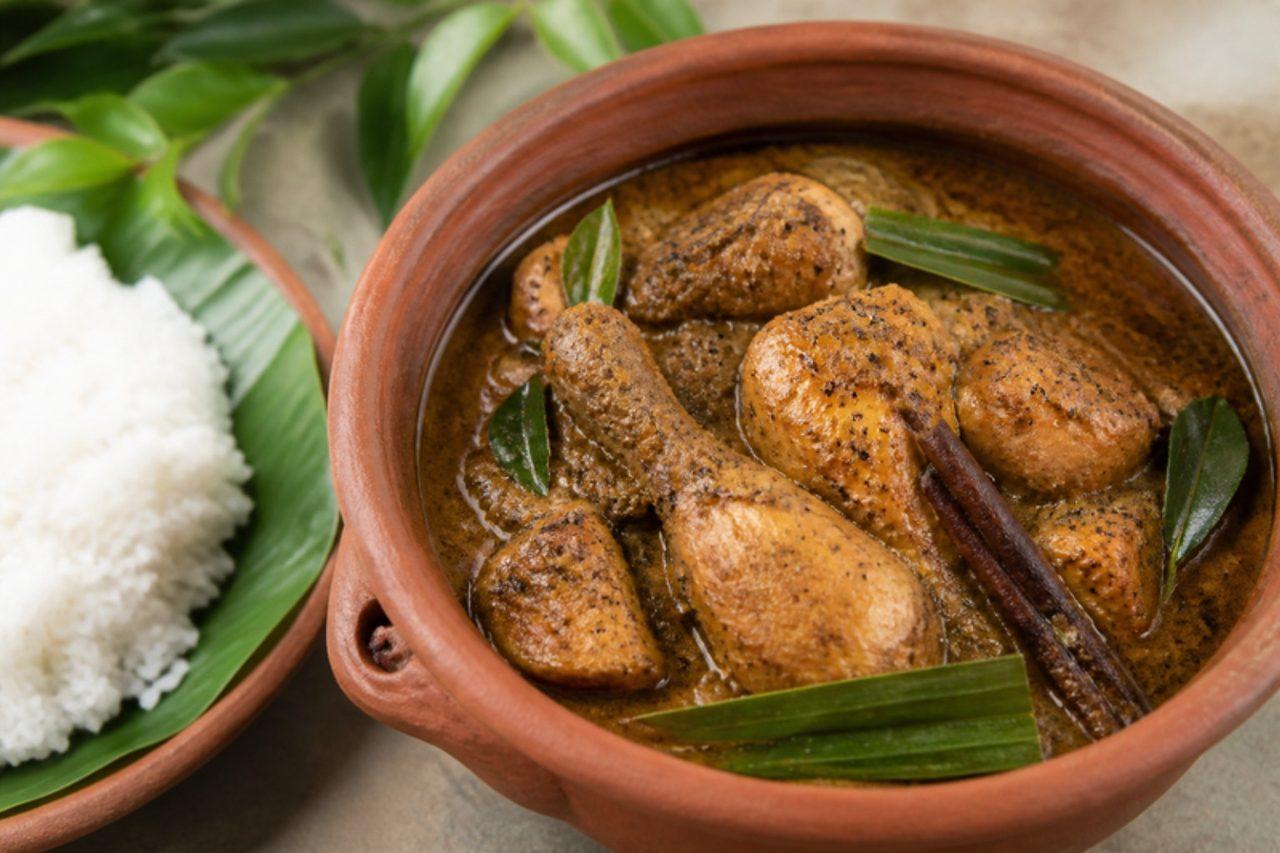
Sunday lunch in a Colombo family home very often means a pot of kukul mas curry, the chicken chopped small on the bone and simmered in a gravy darkened by curry powder that has been roasted until it smells almost like coffee. Pandan leaf, curry leaves, cinnamon bark and cardamom carry the perfume, while coconut milk stirred in towards the end rounds off the chilli heat without making the sauce heavy. It shares the table with red rice, parippu, pol sambol and a green mallung, and whatever is left over tastes even better the next morning with string hoppers. A common slip is using raw, unroasted curry powder, which tastes dusty and flat instead of deep and smoky. Chef's tip: roast the spices for the powder until they are the colour of milk chocolate and grind them while still warm, so the oils release into the powder.

by KrazyBadal 0 views

Sri Lankan milk toffee

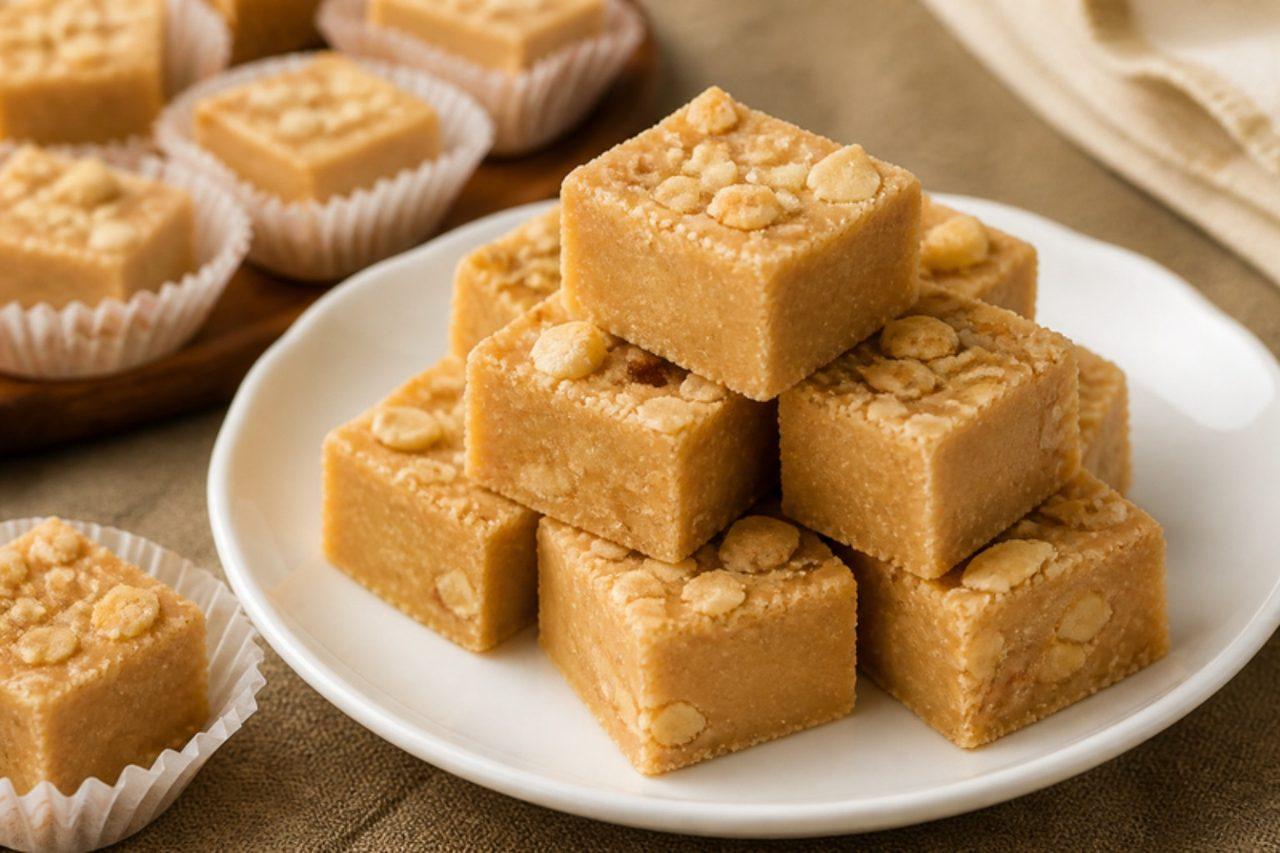
Every school fair, office bake sale and Avurudu table in Sri Lanka has a plate of milk toffee, the pale golden squares that are firm when you pick them up yet melt away in a sweet, slightly grainy crumble in your mouth. A tin of condensed milk is cooked with sugar and butter, stirred constantly for half an hour until it thickens and leaves the pan, then flavoured with chopped cashews and a whisper of cardamom and vanilla. It is simple enough for children to help with, as long as an adult does the hot stirring. Stopping too early is the trap almost everyone falls into, leaving a soft, chewy fudge instead of the proper crumbly snap. Cook until the mixture rolls into a ball, turns a shade darker and a drop set in cold water is firm. Chef's tip: mark the squares with a buttered knife while the toffee is still warm, because once it cools it will only break into rough pieces.

by KrazyBadal 0 views

Pickled green tomatoes

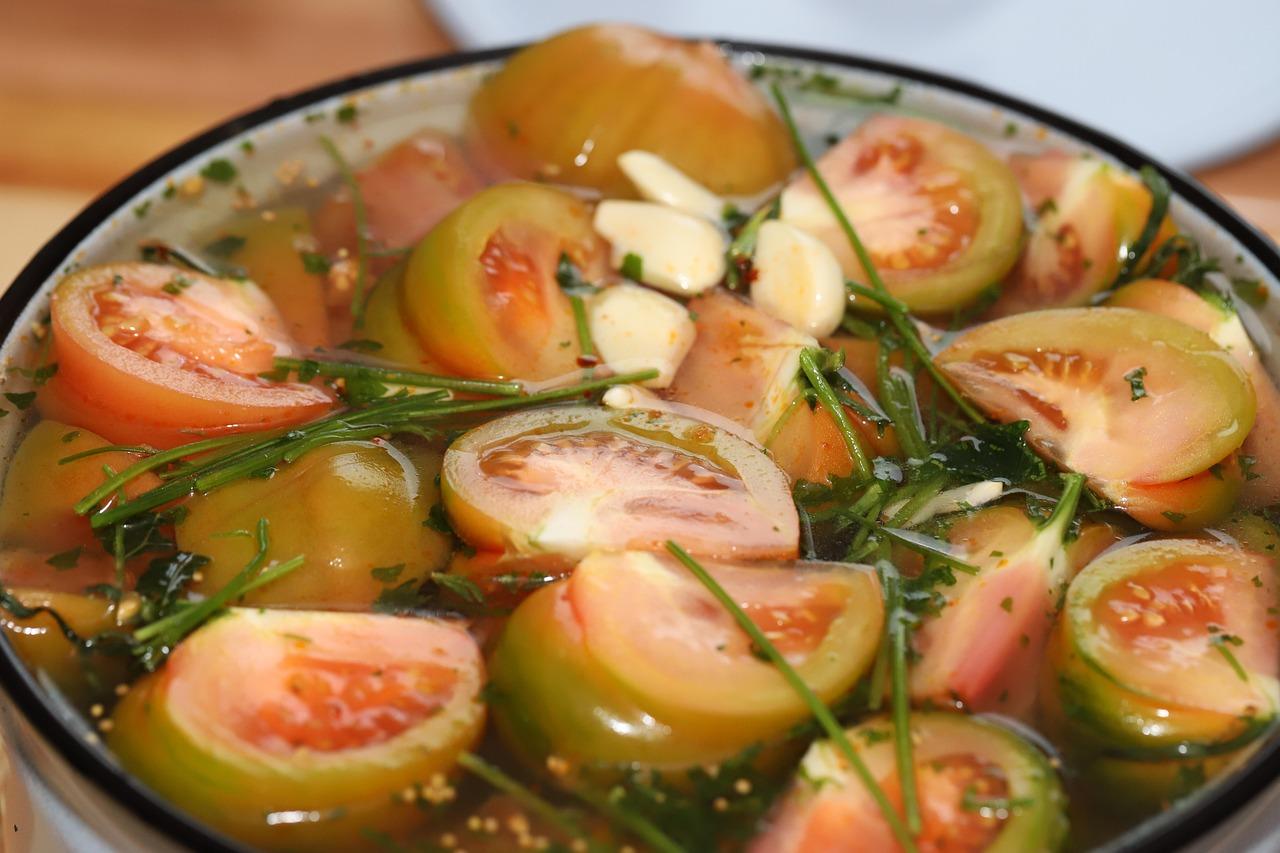
In southern Ukraine the first cold nights of October leave every garden full of hard green tomatoes that will never ripen, and rather than waste them, cooks around Odesa and Kherson slit each one and stuff it with a punchy paste of garlic, dill, parsley and hot chilli. A week in brine turns them sour and fizzy, with a crunch and a slow burn from the chilli. They are the pickle everyone reaches for at the winter table, next to potatoes fried with onions or a bowl of buckwheat. Most people go wrong by cutting the tomatoes right through, so the filling falls out; slice only two-thirds of the way. As with any ferment, keep everything below the brine and discard the jar if it grows fuzzy or coloured mould or smells rotten. Chef's tip: pick tomatoes that are just starting to blush pale; fully hard dark-green ones stay bitter.

by KrazyBadal 0 views

Pickled watermelon

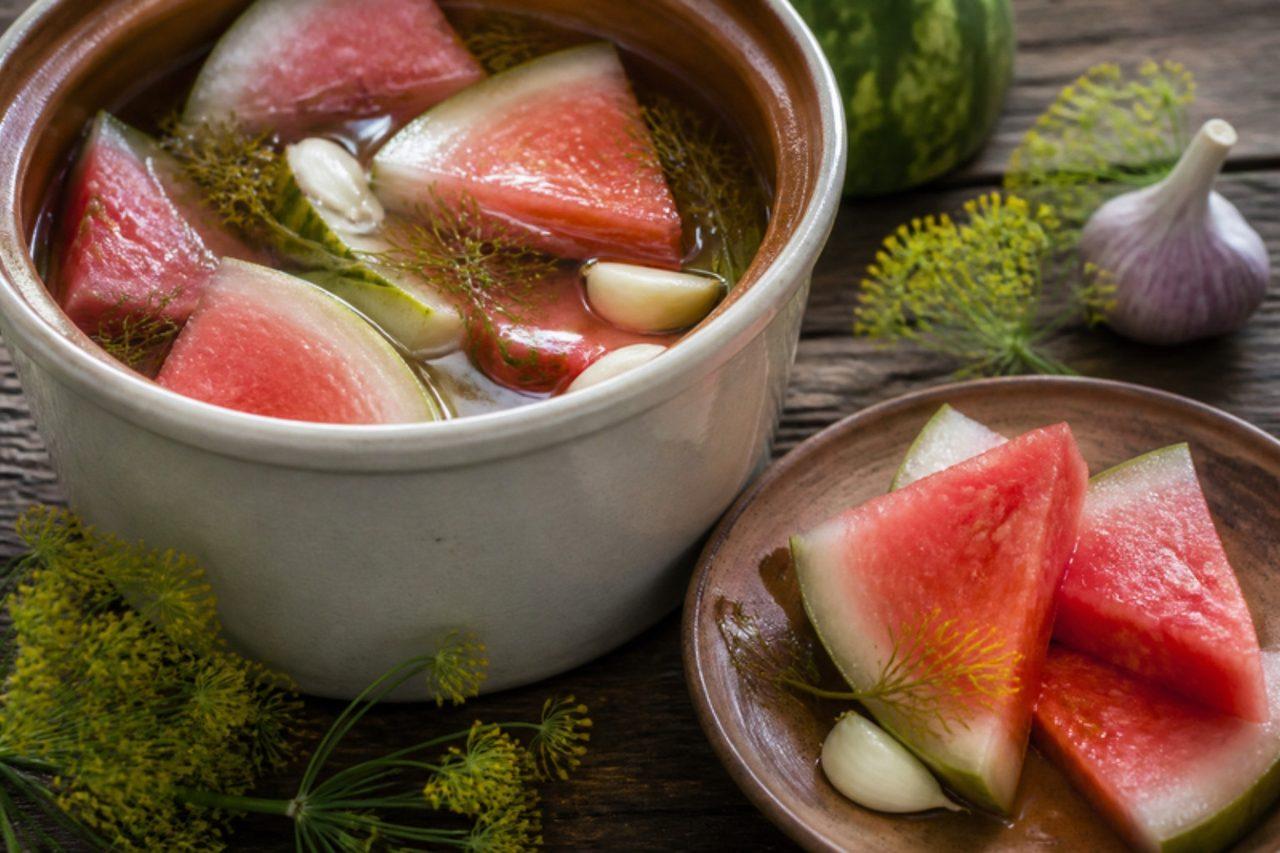
When the melon fields of Kherson and Mykolaiv end their season, the small, late watermelons that never got properly sweet go into barrels of brine. A few weeks later they come out fizzy, salty and sour, with the pink flesh still faintly sweet and the rind crisp like a pickled cucumber. Southern families eat them through the winter with boiled potatoes, buckwheat or a plate of fried mushrooms. A big glass jar works just as well as a barrel for wedges. The classic error is using a ripe, soft watermelon, which turns to mush in the brine; pick small, firm ones with pale pink flesh. Keep everything under the brine and throw out the batch if fuzzy or coloured mould appears or it smells rotten rather than sour. Chef's tip: slip a horseradish or cherry leaf into the jar; the tannins keep the rind crunchy for weeks.

by KrazyBadal 0 views

Babi pangangCrispy pork in sweet-sour sauce

Babi pangang is one of the most ordered dishes in the 'Chinees-Indisch' restaurants found in every Dutch town: crisp-skinned roast pork belly, sliced and smothered in a bright red, sweet-sour sauce with tomato, ginger and pickled vegetables, served with rice or nasi goreng. This is a pork dish. A common mistake is pouring the sauce over too early, which turns the crackling soft. Chef's tip: dry the skin overnight in the fridge and roast it hot at the end, then pour the sauce around, not over, the pork at the table. Whole pork joints are safe at 63 °C plus a rest; belly is best cooked longer, until tender.

105 minDutchMeat
by KrazyBadal 0 views

Babath curryBeef tripe curry

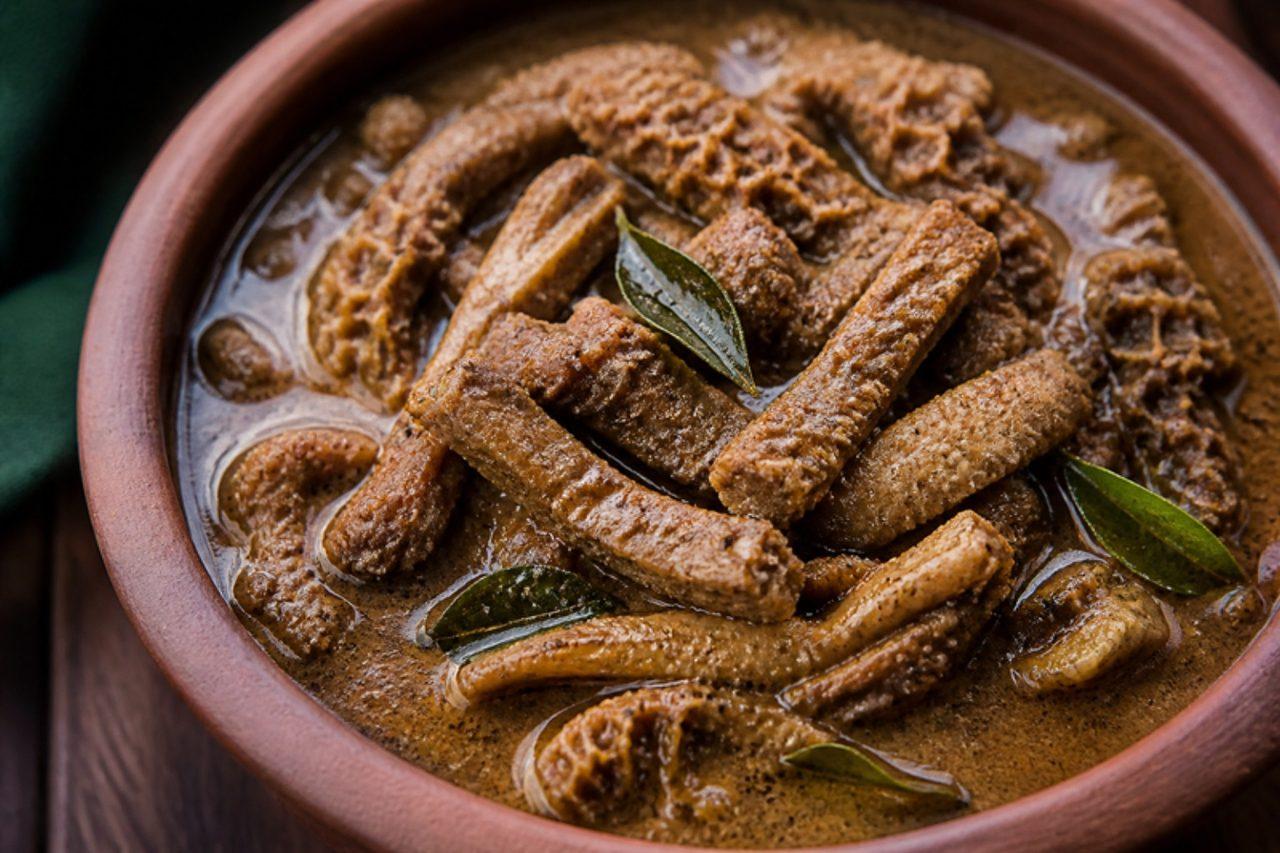
Babath curry belongs to the Muslim and Malay kitchens of Colombo and Slave Island, a frugal, rich dish of beef tripe that turns up at family lunches and in small rice-and-curry cafés where regulars ask for it by name. The tripe is cleaned, boiled with turmeric and vinegar until soft, then sliced into ribbons and simmered in a dark roasted curry with black pepper, cinnamon and a little coconut milk until it soaks up all the spice. The texture is pleasantly chewy and the gravy deep, hot and slightly sour, and it is eaten with rice, roti or bread to mop up the sauce. Many first attempts fail because the tripe is not boiled long enough first, so it stays rubbery however long it spends in the curry. Chef's tip: buy cleaned, bleached honeycomb tripe from a halal butcher, and boil it until a knife slides through with no resistance before you start the curry.

by KrazyBadal 0 views

Beet kvass

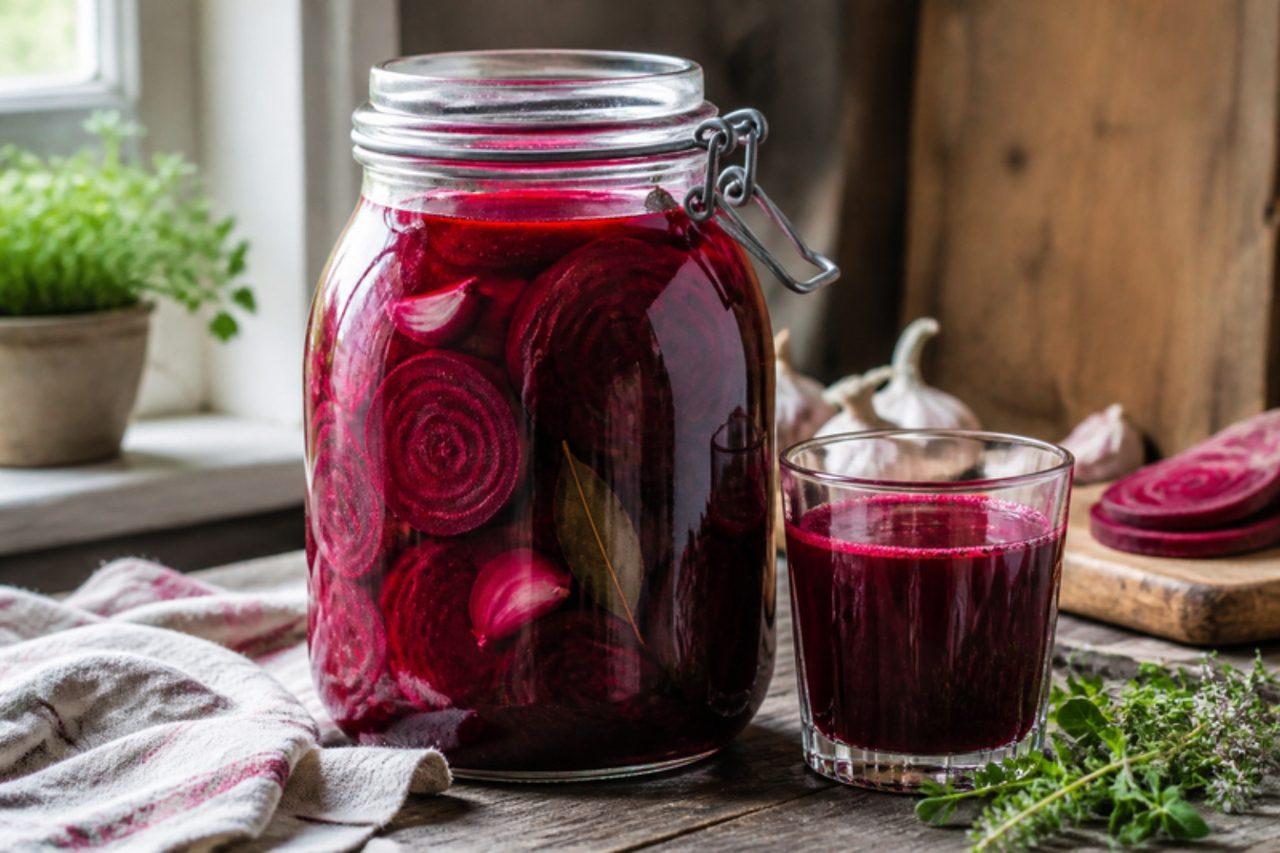
Before lemons and vinegar were easy to buy, Ukrainian cooks soured their borscht with beet kvass, a ruby-red brine made by leaving sliced raw beetroot in salted water for a few days. It is lightly fermented, so it contains no more than a negligible trace of alcohol, and it tastes earthy, salty and pleasantly sharp. In Poltava and Chernihiv villages a jar always stood by the stove; a splash went into the soup pot and a small glass was drunk in the morning as a tonic. Some families add a crust of rye bread to speed things up, which makes it no longer gluten-free. The mistake most people make is leaving the beetroot floating: anything above the brine can grow mould, so keep it weighed down. Discard any batch with fuzzy or coloured mould, a slimy texture or a rotten smell. Chef's tip: a few slices left in the jar from the previous batch start the next one in half the time.

by KrazyBadal 0 views

Batticaloa fish curry

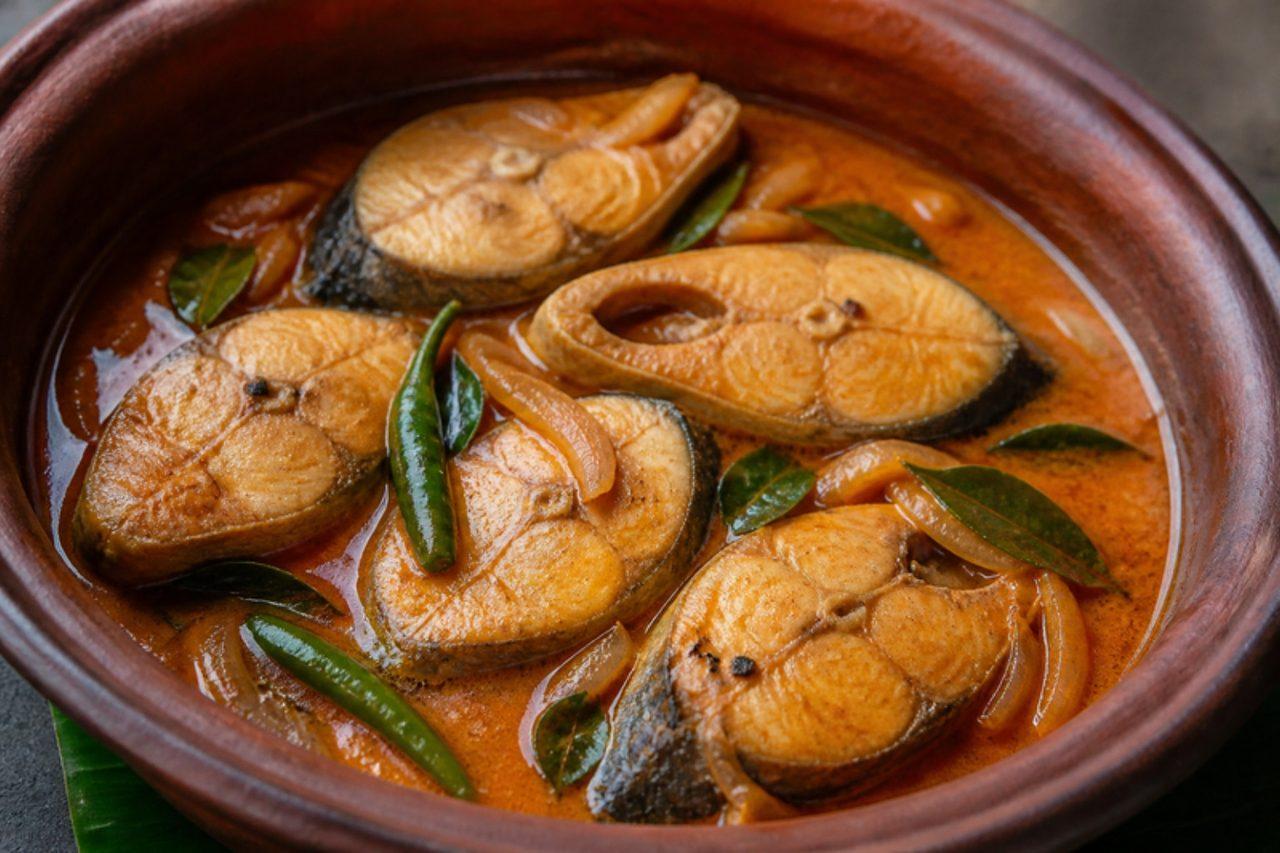
Batticaloa sits between a long lagoon and the sea, and its Tamil and Muslim cooks make a fish curry that tastes of both: sour with tamarind, round and mellow with coconut milk, and fragrant with fennel, fenugreek and curry leaves. Seer fish, called thora or vanjiram, is the favourite because its firm steaks hold together in the gravy, though any meaty sea fish works. The curry is a weekday staple, cooked in the morning and eaten at lunch with rice, a lentil dhal and a fried vegetable, and it is even better a few hours later once the fish has absorbed the sauce. Most disappointing versions come from stirring the pot after the fish goes in, which breaks the steaks into flakes. Chef's tip: swirl the pan instead of stirring, and spoon the sauce over the fish so it cooks evenly without being moved.

by KrazyBadal 0 views

AmiwoRed tomato cornmeal

Fon cooks in southern Benin make amiwo for weddings, christenings and big Sunday tables, and you will find it at celebrations across the border in Lomé too. Maize meal is cooked straight into a well-fried tomato, onion and pepper base until it becomes a thick, brick-red paste that is savoury, slightly sweet and full of tomato. Most often it arrives with fried chicken; this meat-free version uses vegetable stock and comes with fried ripe plantain and an extra spoonful of tomato sauce. Chef's tip: hold back a ladle of the tomato base before adding the cornmeal and spoon it over each portion to serve.

by KrazyBadal 0 views

Sri Lankan vegetable roti

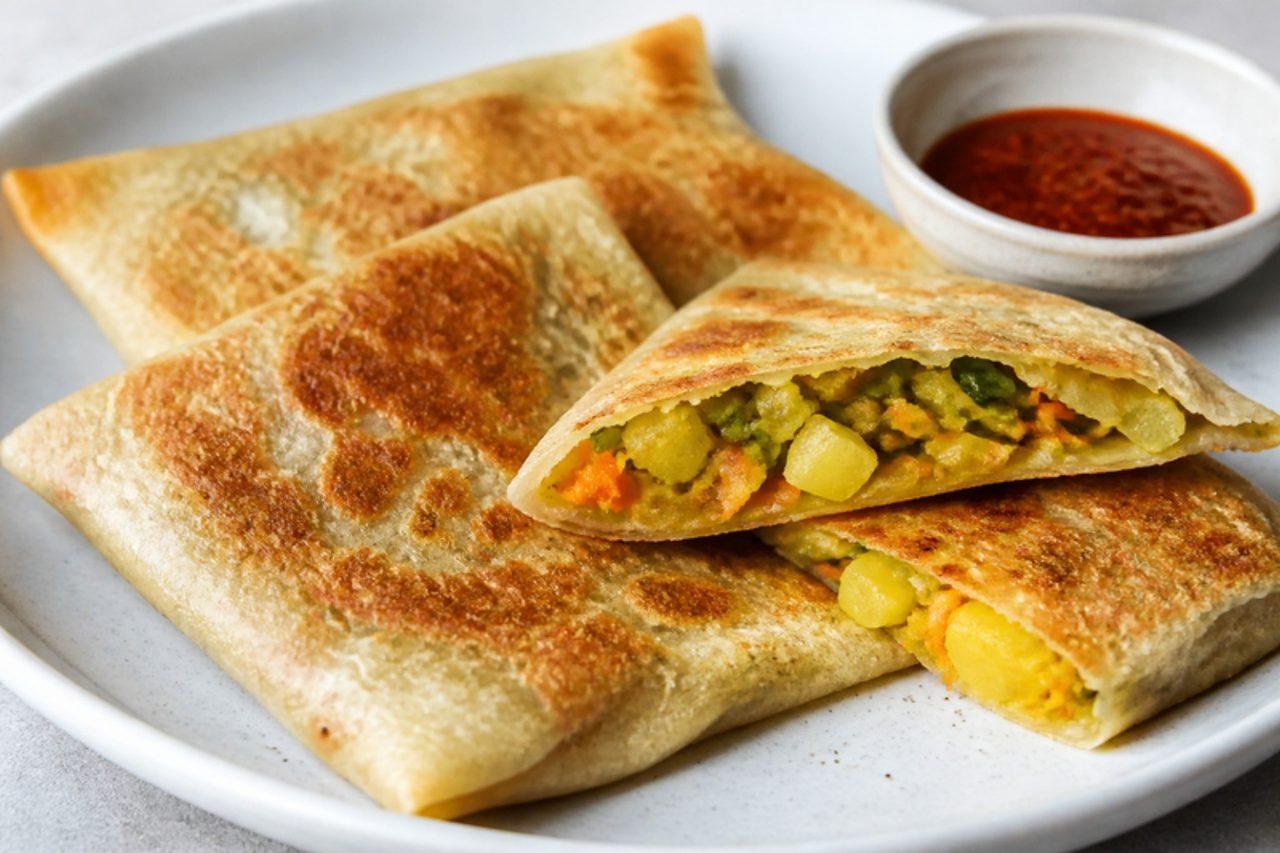
The glass cabinet of every Colombo bakery and railway canteen holds a pile of short eats at teatime, and the neat, golden triangles of vegetable roti are usually the first to go. They are made from godamba dough, oiled and rested until it can be stretched almost transparent, then wrapped around a peppery potato filling with leek, carrot, curry leaves and chilli, and cooked on a hot griddle until crisp and blistered. People eat them hot from the paper bag with a bottle of chilli sauce or a cup of milk tea. Fish and egg roti are just as common; this one is fully vegan. Most first attempts fail because the dough is not rested long enough and springs back when stretched; give it at least two hours under oil, or overnight in the fridge. Chef's tip: make the filling fairly dry and cool it completely before folding, otherwise the steam tears the delicate dough.

by KrazyBadal 0 views

AzuBeef stew with pickles

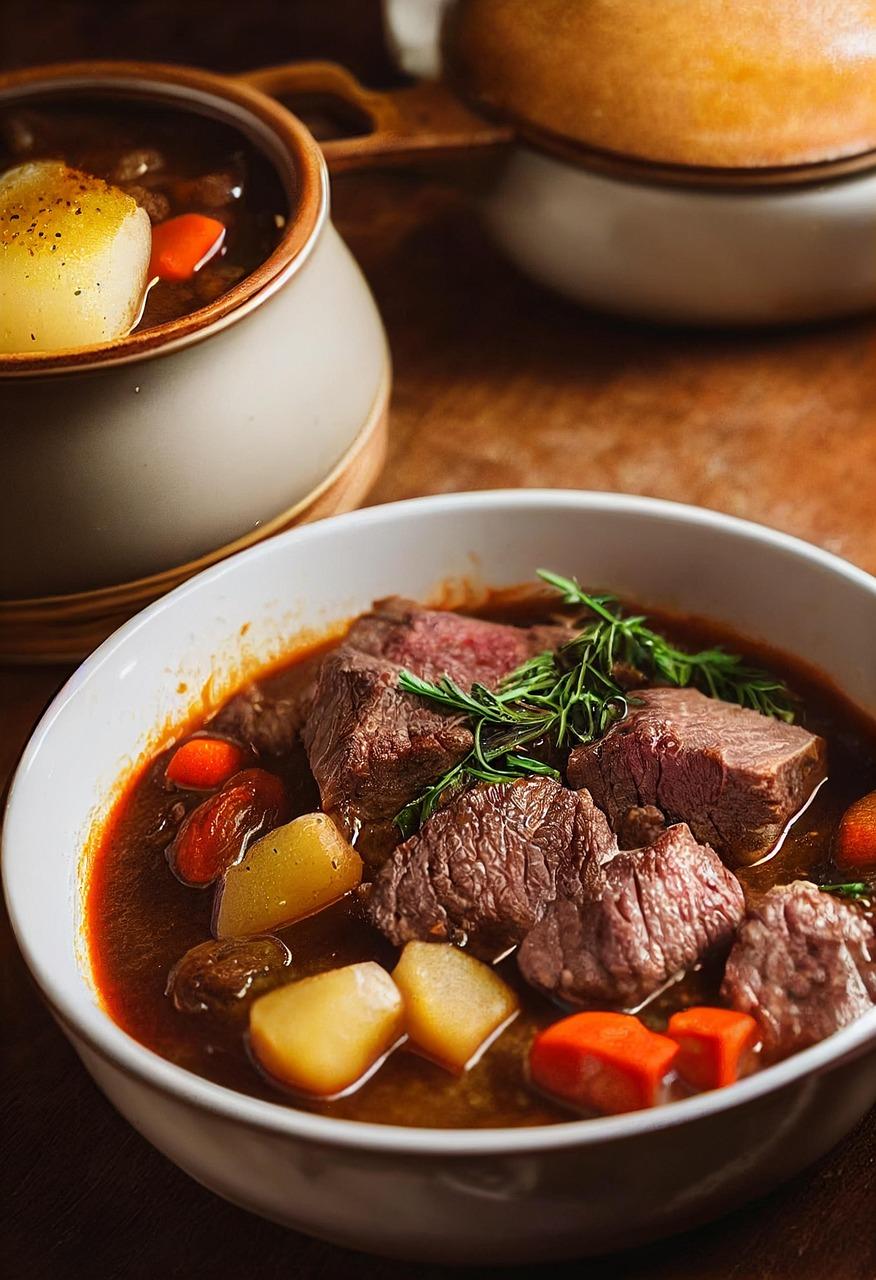
Kazan's working canteens gave azu its fame: strips of beef braised in a peppery tomato gravy, sharpened with diced salty pickled cucumbers and finished with golden fried potatoes, all served steaming in a clay pot. It is hearty, sour-savoury and thick enough to mop up with rye bread, and Tatar families serve it on cold weekday evenings. Where most people go wrong is adding the potatoes raw to the stew; they turn floury and the gravy goes muddy, so fry them separately and fold them in at the end. Chef's tip: use proper brine-fermented cucumbers rather than sweet vinegar pickles; their sourness is what makes azu taste like azu.

by KrazyBadal 0 views

Tunisian octopus salad

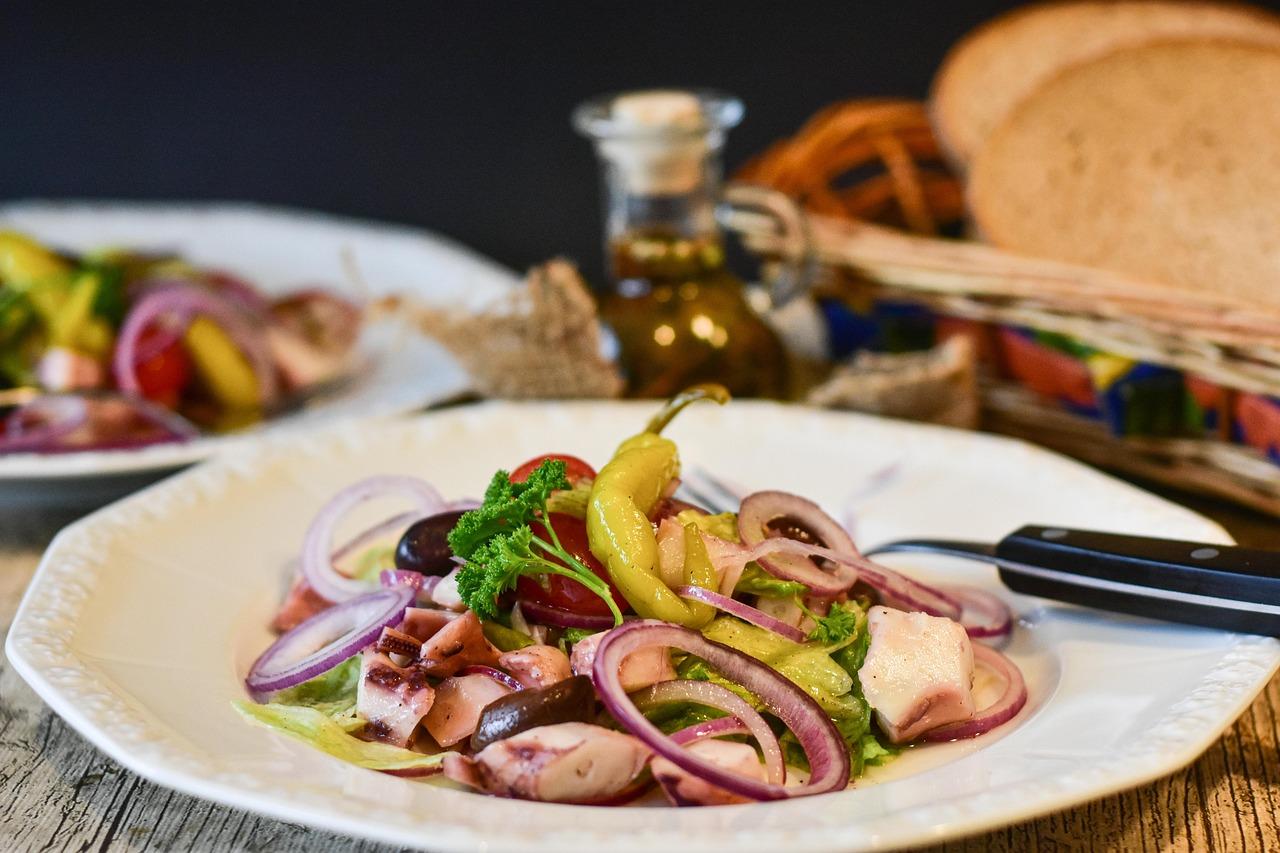
Fishermen of the Kerkennah islands, off Sfax, still catch octopus in clay pots laid on the shallow seabed, and in winter the season's catch turns up in harbour cafés and home kitchens as this simple salad. The octopus is simmered slowly until tender, cooled in its broth, then sliced and tossed with red onion, plenty of parsley, lemon juice and good olive oil, with a little harissa if you like. It is light, clean and briny, eaten as a starter with bread or on a summer table of salads and grilled fish. Buy octopus from a reputable fishmonger; frozen and thawed octopus is often more tender than fresh. A common mistake is boiling the octopus at a rolling boil, which makes it rubbery; keep it at a gentle simmer until a knife slides in easily. Chef's tip: let the cooked octopus cool in its cooking liquid for 20 minutes before slicing; it stays juicy rather than tightening up.

by KrazyBadal 0 views

Ayam buah keluakChicken with black keluak nuts

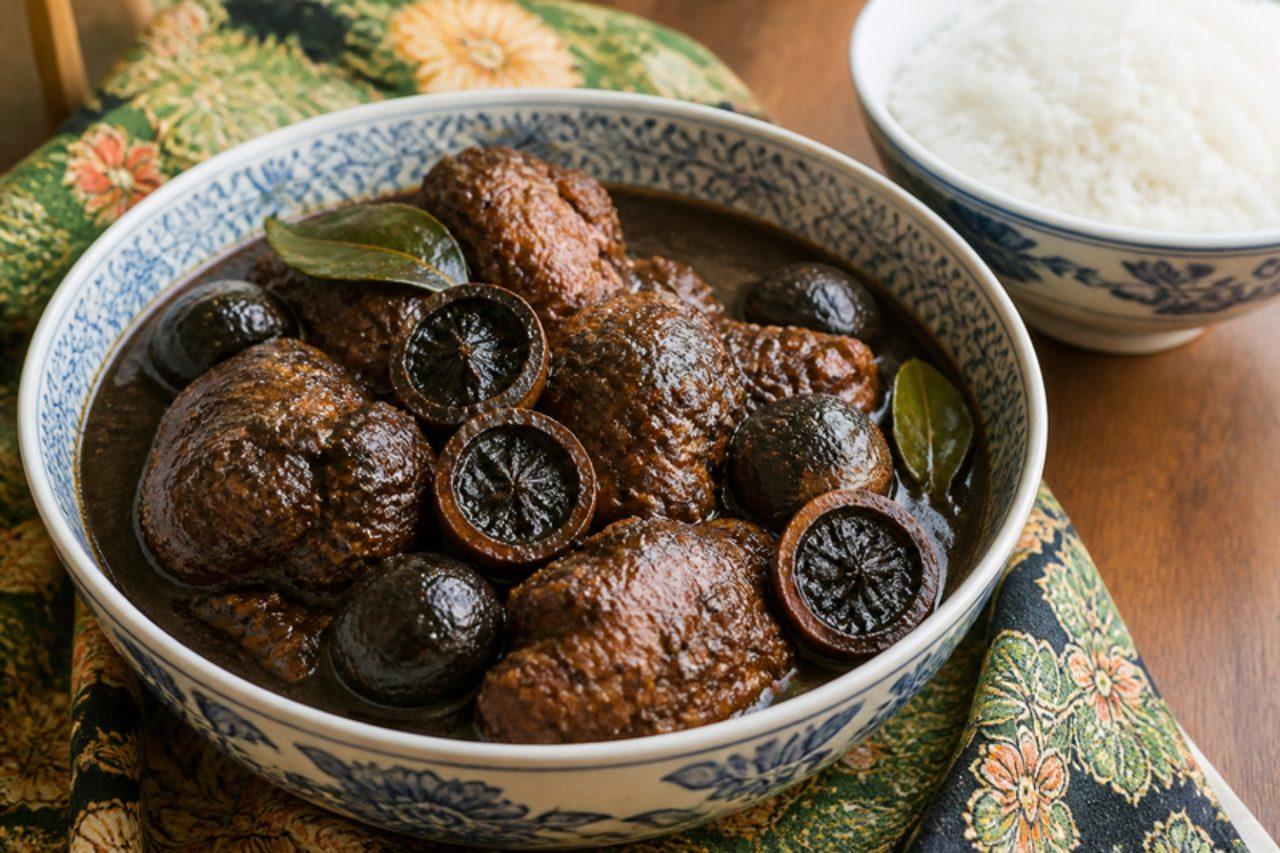
Ask any Peranakan family in Singapore which dish defines the Nyonya table and most will name this one, cooked for Chinese New Year, ancestral offerings and big birthday lunches. Chicken is braised in a sour tamarind gravy built on a long-fried rempah of chillies, shallots, galangal, lemongrass and shrimp paste, together with buah keluak, the hard black nut of the kepayang tree, whose inky flesh tastes of dark chocolate, mushroom and olive. Diners dig the paste out with a teaspoon and stir it into rice. Raw keluak nuts contain hydrogen cyanide and are poisonous: use only cleaned, pre-soaked nuts sold ready to cook, and still soak them for several days, changing the water every day, as the seller's instructions say. The mistake people regret is skimping on that soak, which leaves the nuts bitter as well as unsafe. Chef's tip: cook it a day ahead; the gravy darkens and the flavours deepen overnight.

by KrazyBadal 0 views

LencsefőzelékLentil stew

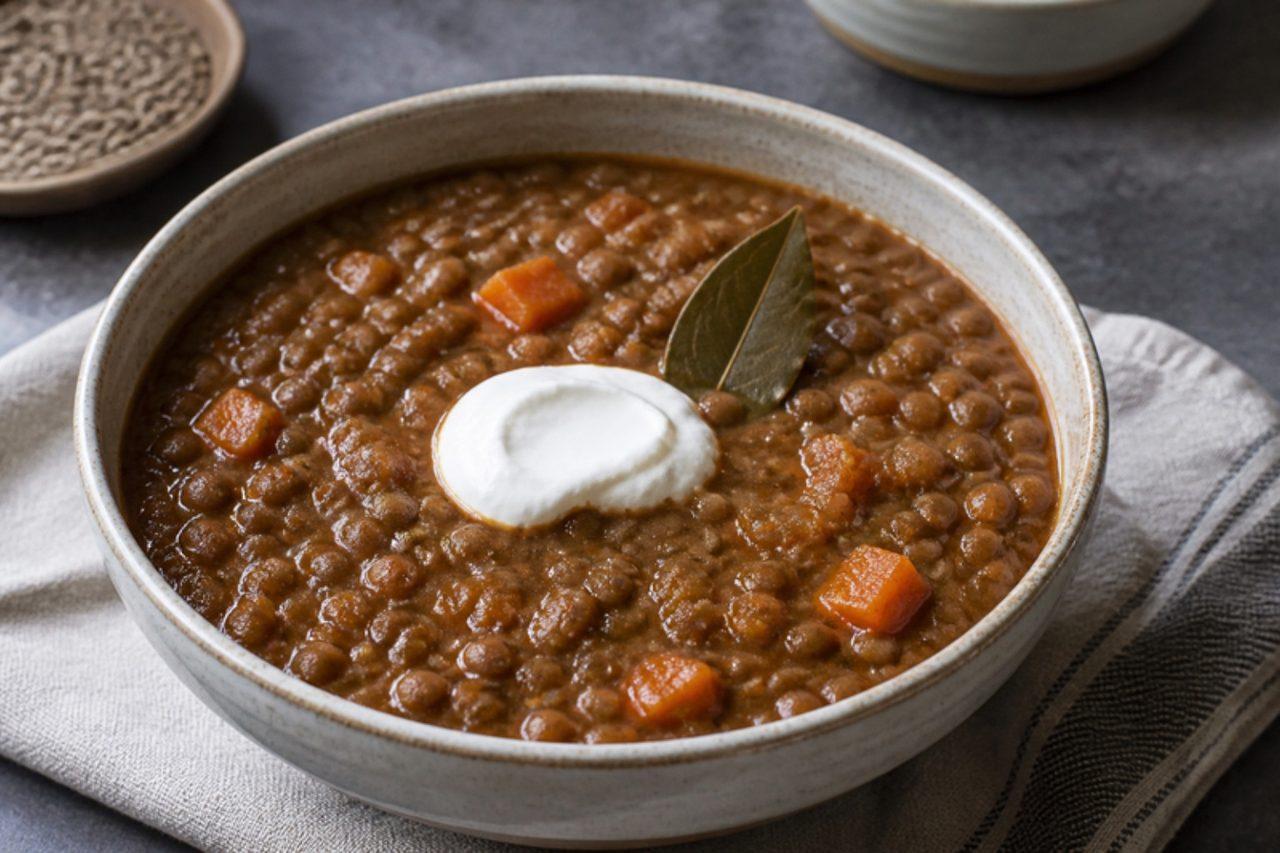
On New Year's Day all over Hungary, a pot of lencsefőzelék sits on the stove, because every lentil eaten is meant to bring a coin in the year ahead. The rest of the year it is an everyday Budapest canteen dish. Meat-eaters often top it with sausage or a fried egg; this version is fully plant-based and eaten with pickled vegetables and crusty bread. The lentils cook until creamy with a whole bay leaf, a little carrot and onion, then a paprika roux made with oil and a dash of vinegar turn them into a thick, savoury, gently sour stew. Where most people go wrong is making the roux too dark or adding paprika over high heat, which turns it bitter; take the pan off the heat first. Chef's tip: rest the finished stew for 10 minutes before serving; it thickens and the flavours settle.

by KrazyBadal 0 views

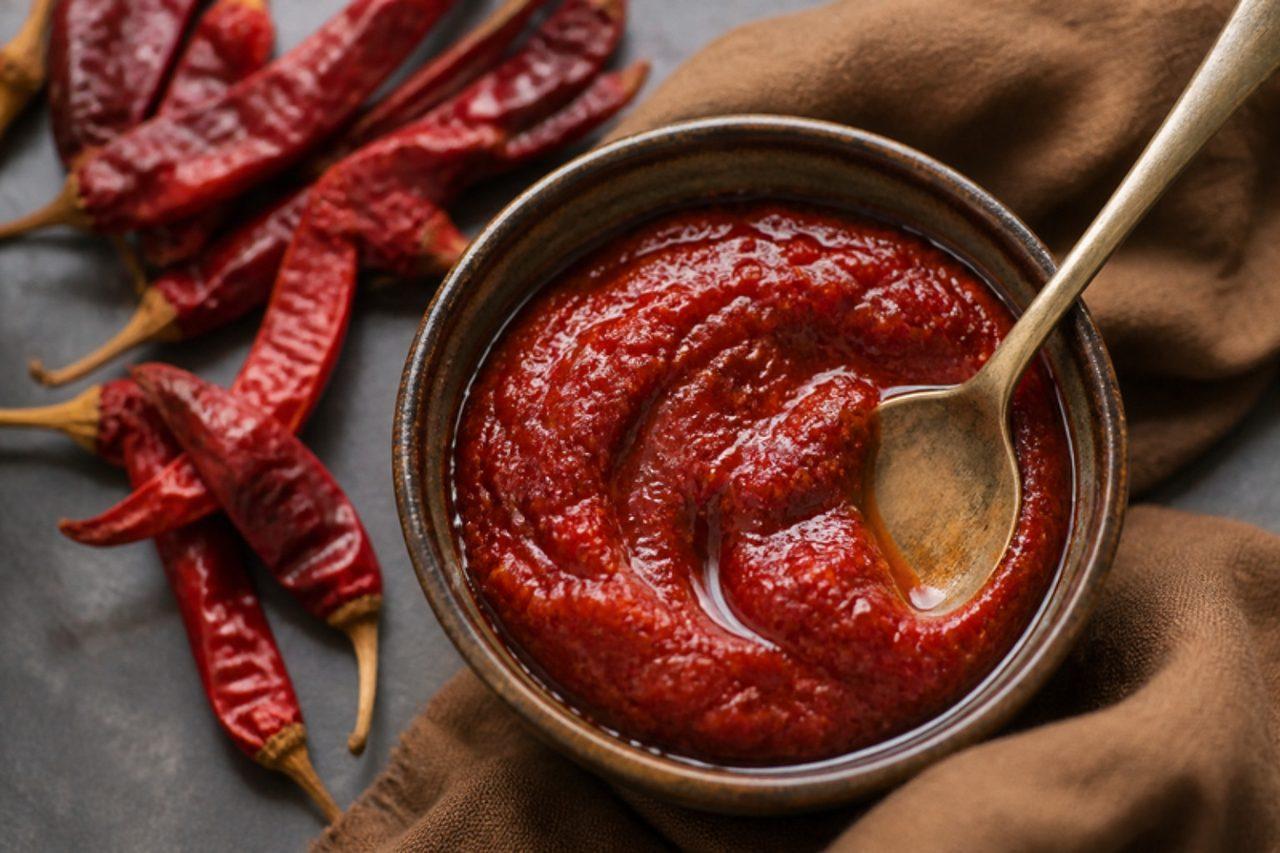
AwazeBerbere chilli dipping paste

Wherever tibs are fried or meat is grilled in Ethiopia, from roadside butcher-restaurants on the edge of Addis Ababa to wedding feasts, a small dish of brick-red awaze sits beside it. It is berbere turned into a thick, glossy paste: hot, garlicky, a little sharp from lemon, with a rounded warmth from the spices. Strips of meat are dabbed into it, it is stirred into a pan of tibs at the last moment, and a spoon of it livens up plain lentils too. Some cooks loosen it with tej (honey wine) or red wine, both of which contain alcohol; this version uses water and lemon juice and is entirely alcohol-free. Chef's tip: let it rest for an hour before using; the raw edge of the chilli softens and the garlic mellows into the paste.

by KrazyBadal 0 views

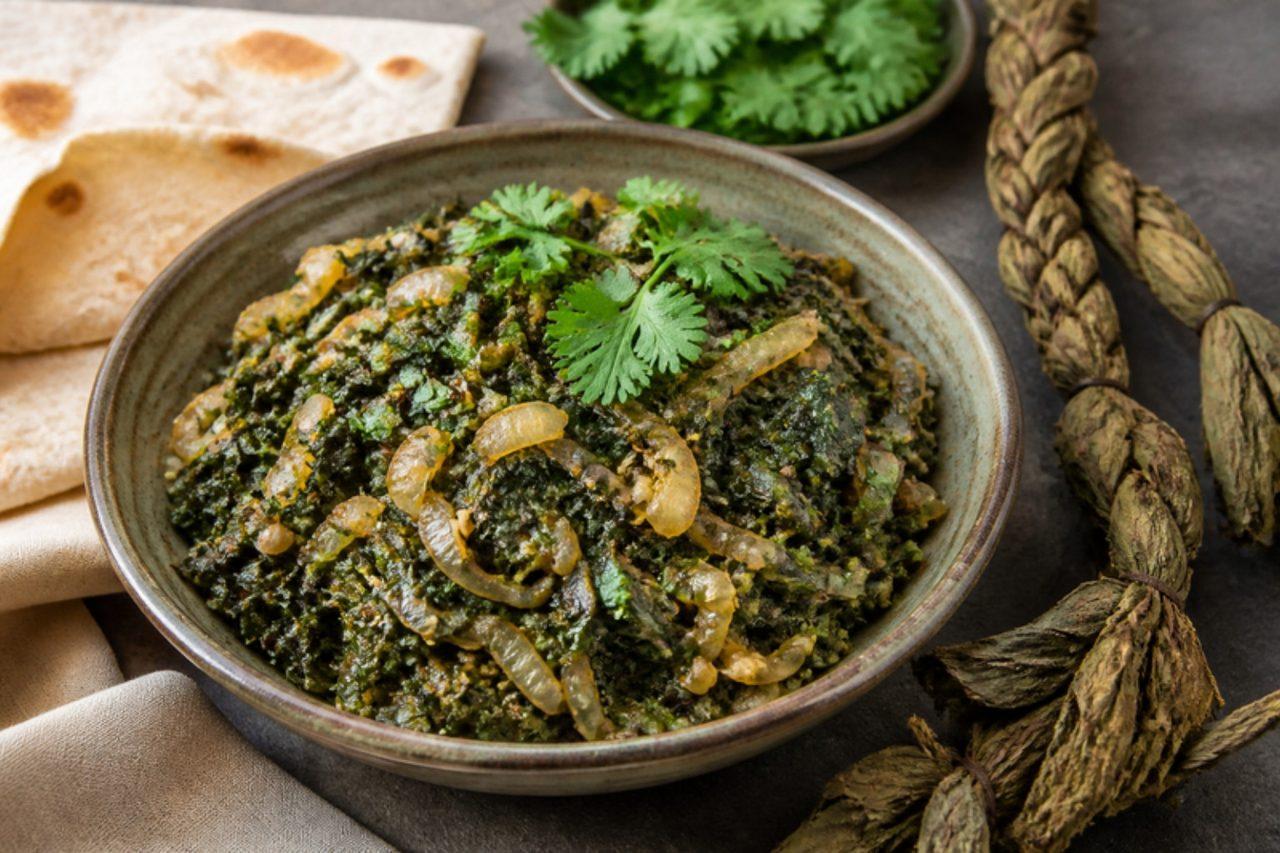
AvelookDried braided sorrel with walnuts

In Syunik, the mountainous south of Armenia around Goris, women pick wild mountain sorrel in May and braid the long leaves into ropes that hang drying in every kitchen. In winter and during Lent the braids are soaked, simmered until soft and fried with onion and walnuts, giving a dark, earthy, sour salad with a taste somewhere between spinach and olives. Braids are sold in Armenian shops. A common mistake is skipping the second boil, which leaves the leaves bitter and tough. Chef's tip: squeeze the cooked sorrel well and fry it long enough to dry and slightly crisp at the edges; that is when the flavour deepens.

by KrazyBadal 0 views

BereketeFenugreek and cumin Shabbat bread

Among Ethiopian Israelis in Kiryat Malakhi, Netanya and Ashkelon, the Friday meal begins when the eldest at the table blesses a round loaf of berekete and breaks it for everyone. The bread is plain, dense and wheaty, with a soft crumb and the warm, faintly bitter scent of fenugreek, cumin and coriander baked in. It is eaten with spiced lentils, cabbage and potatoes or with a little honey on Shabbat morning. The usual mistake is baking it in a hot oven like a white loaf, which burns the bottom before the thick centre cooks. Chef's tip: bake it in a covered heavy pan at a moderate heat, as it would be on a mitad, so it steams through before browning.

by KrazyBadal 0 views

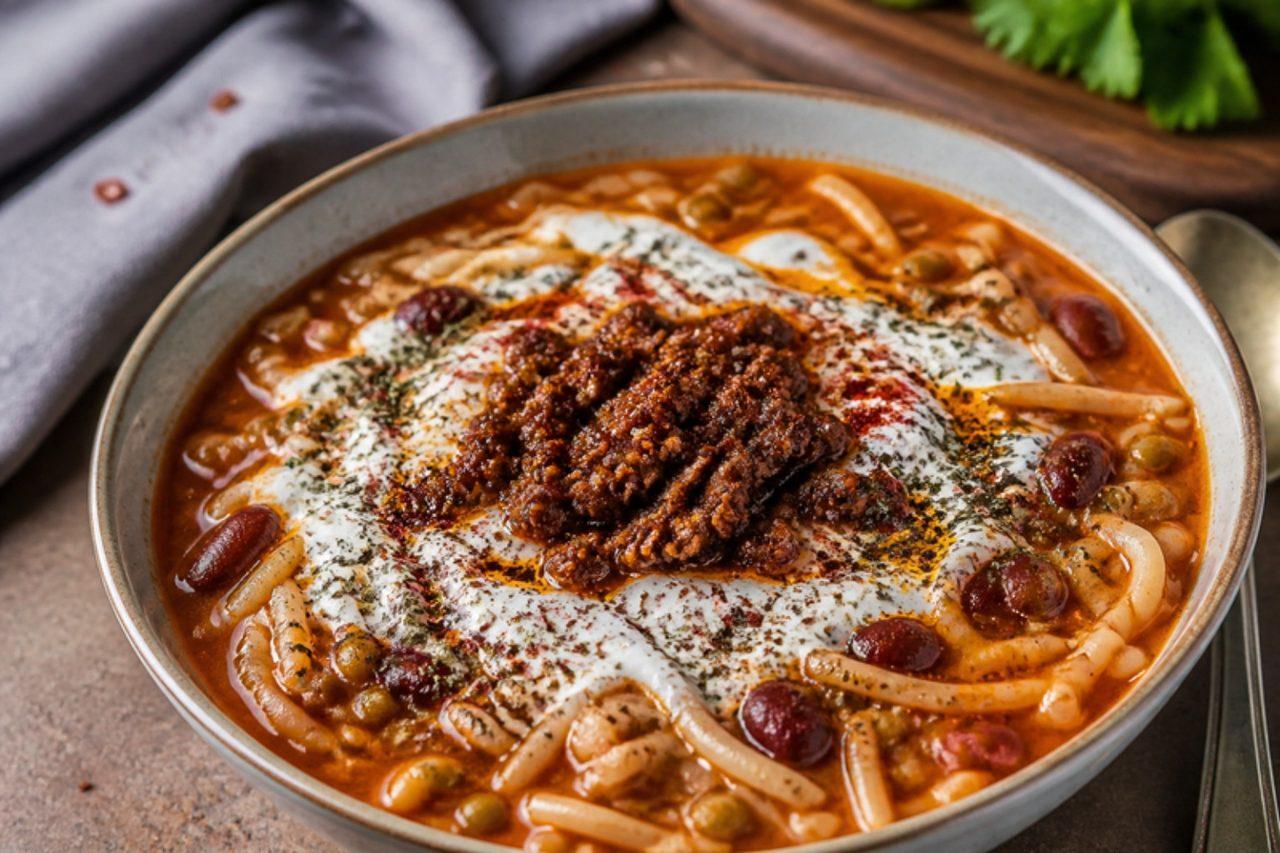
AushNoodle soup with beans and yogurt

Aush is the bowl Afghan mothers make when someone in the house has a cold or the first snow falls on Kabul, a thick, tangy soup of hand-cut noodles, kidney beans and chickpeas, enriched with garlicky yogurt and finished with a spoonful of spiced minced meat and a heavy dusting of dried mint. The broth is slightly sour, creamy and warming with chilli, and the noodles are soft and a little slippery. It is a meal in itself, eaten with nothing more than naan and pickles. For a vegetarian version, leave out the meat sauce and add a handful of cooked mung beans. Noodles dropped into a soup that has gone off the boil stick together into a clump, so keep it bubbling as you add them a few at a time. Chef's tip: stir the yogurt in only after the pan is off the heat, so it turns the broth creamy without splitting.

by KrazyBadal 0 views

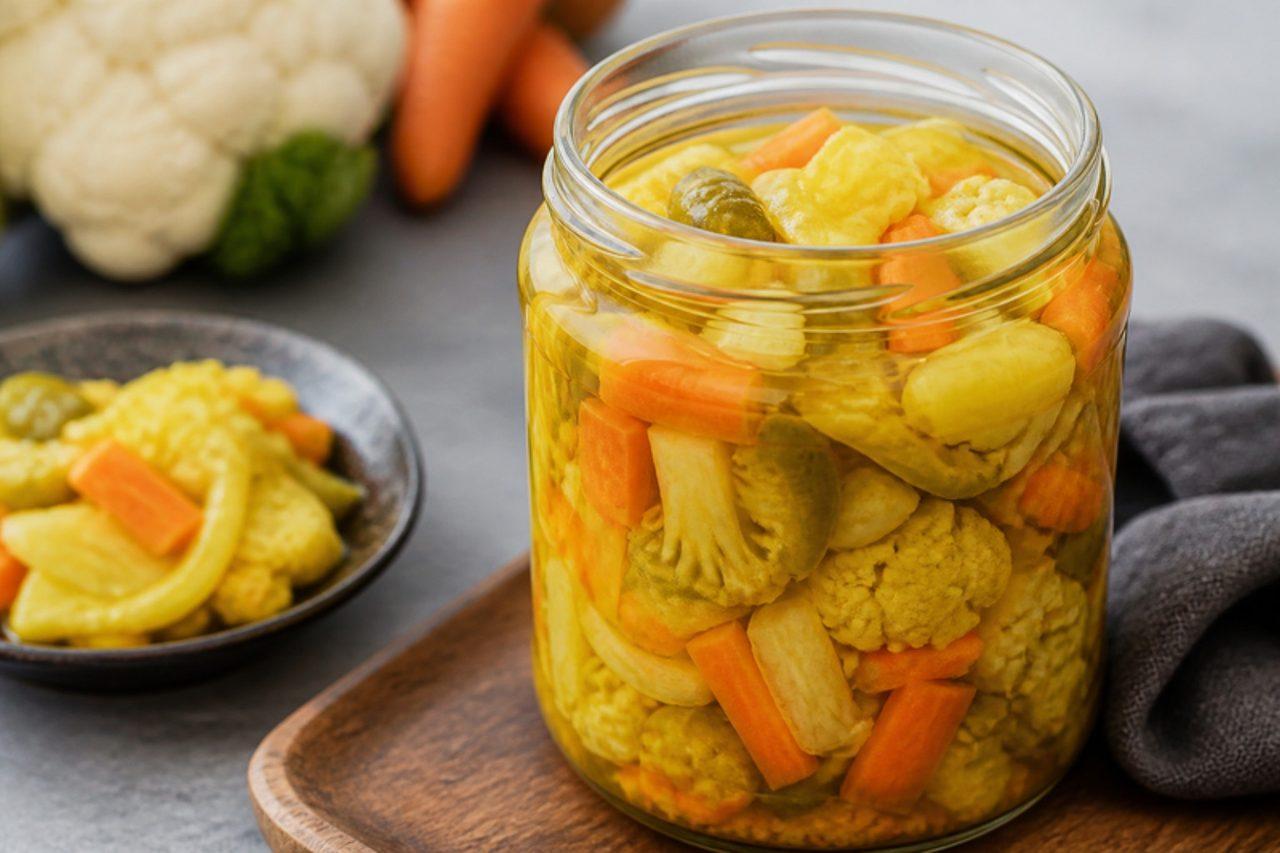
Atjar tjampoerSweet-sour mixed vegetable pickle

Atjar tjampoer is the bright yellow pickle in every Dutch-Indonesian toko and on every rijsttafel: crisp cucumber, carrot, cabbage, cauliflower and shallot pickled in a sweet-sour vinegar brine coloured with turmeric, with a little chilli and ginger. It cuts through rich satay and rendang. A common mistake is cooking the vegetables, which makes them soft; they should only be blanched or simply covered with hot brine. Chef's tip: salt the cucumber first and squeeze it, so it stays crunchy for days.

by KrazyBadal 0 views

AthirasaFried rice flour jaggery cakes

Athirasa, a dark, flat disc with a shiny, slightly crinkled surface, is one of the keeping sweets of the Avurudu season: families fry stacks of them in early April, store them in tins and offer them to every visitor for weeks. The dough is simply rice flour stirred into jaggery syrup cooked to the soft-ball stage, flavoured with cardamom and left to rest, then patted into rounds and fried until deep brown. The cook presses each one firmly between two flat spoons or saucers to squeeze out excess oil, which gives athirasa its chewy, toffee-like centre and lacy, crisp edges. The typical slip is undercooking the syrup, which makes the dough too soft to shape and causes the rounds to fall apart in the oil. Chef's tip: shape the discs on a piece of oiled banana leaf or baking paper and slide them straight into the oil from it, so they keep a neat round shape.

by KrazyBadal 0 views

Maqaw chicken soupMountain pepper chicken soup

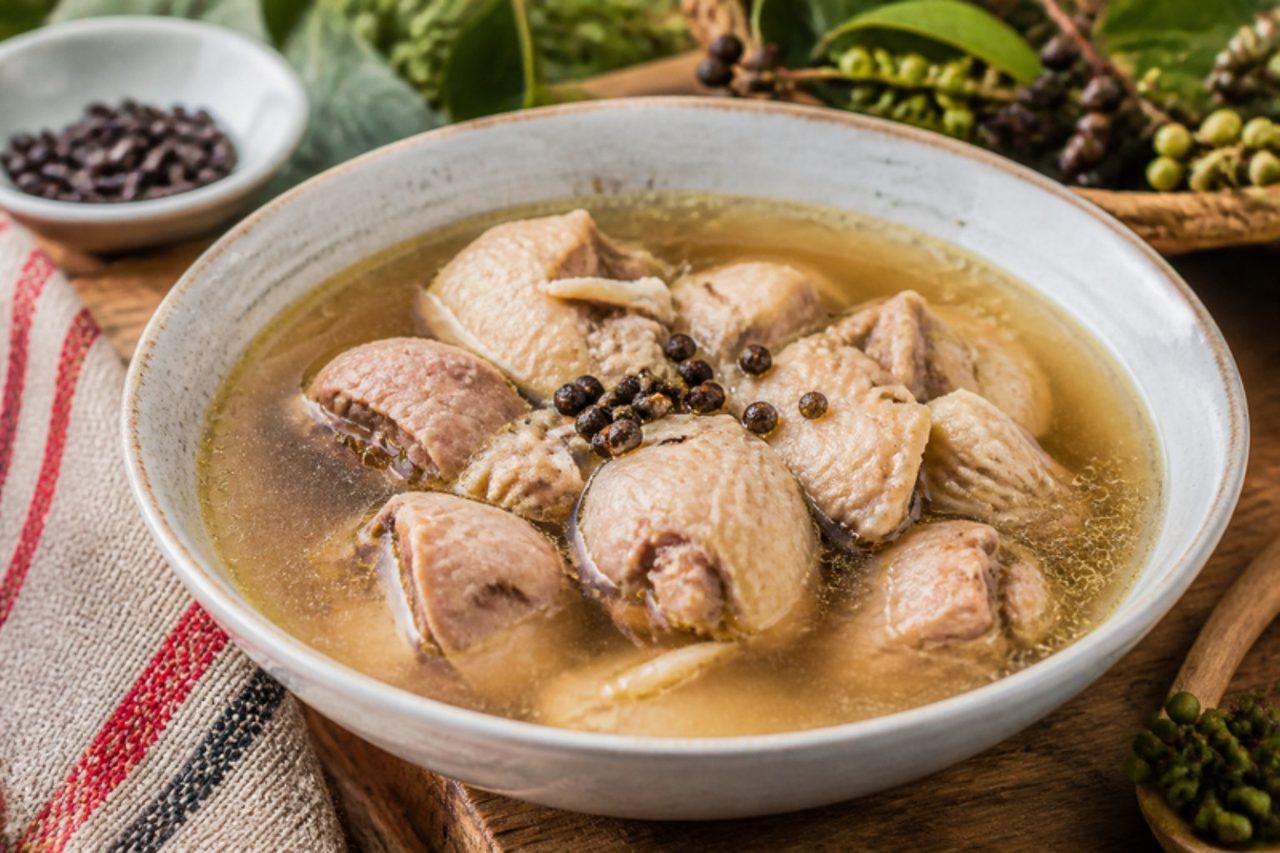
High in the mountains of northern Taiwan, in Atayal villages around Wulai and Fuxing, maqaw berries are picked from the mountain litsea tree in summer and dried to flavour soups, grilled meat and tea. In this clear chicken soup, served at home suppers and in Indigenous restaurants with millet or rice and wild greens, the crushed berries give a fresh lemongrass-and-ginger perfume with a gentle peppery tingle. Bone-in chicken simmered slowly makes a light, golden broth. People spoil it by adding the maqaw at the start and boiling it for an hour, which turns it bitter; add it for the last 15 minutes instead. If you can't find maqaw, use black peppercorns, a stalk of lemongrass and a strip of lemon zest. Chef's tip: lightly crush the berries just before they go in; whole ones barely flavour the broth, while powder makes it cloudy.

by KrazyBadal 0 views

Showing 45 of 7,762 recipes

Show more recipes

Page 338 of 863