


Skip to content
Pollo chi jau kay
Featured recipe

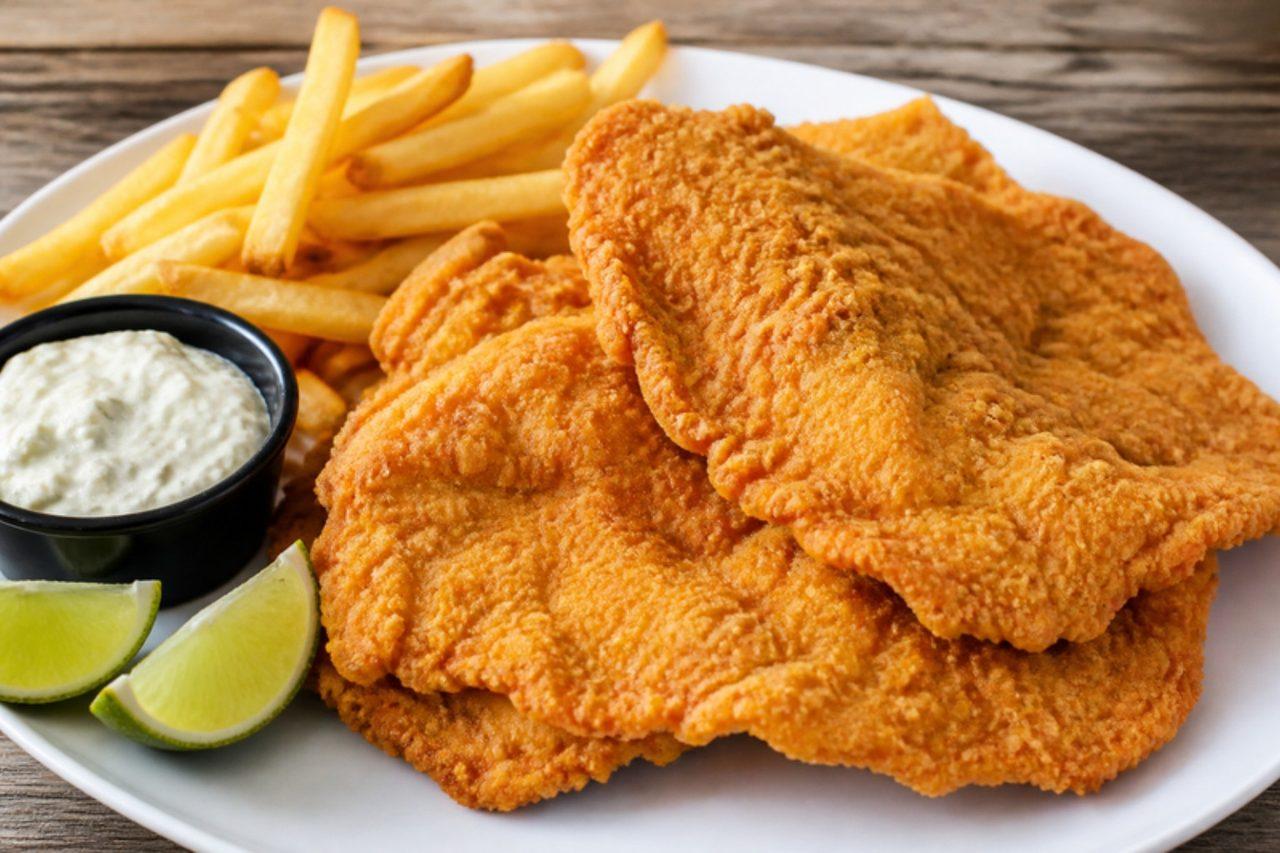
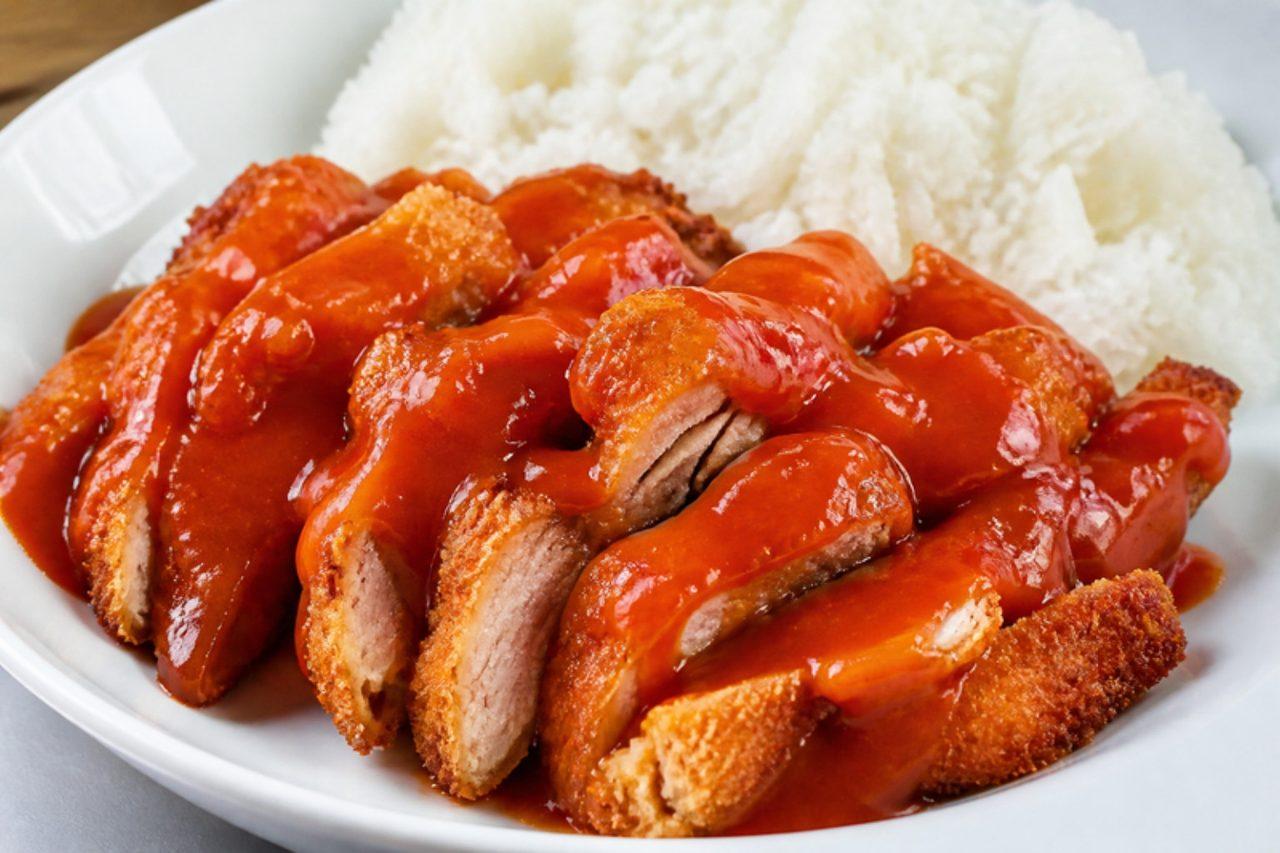
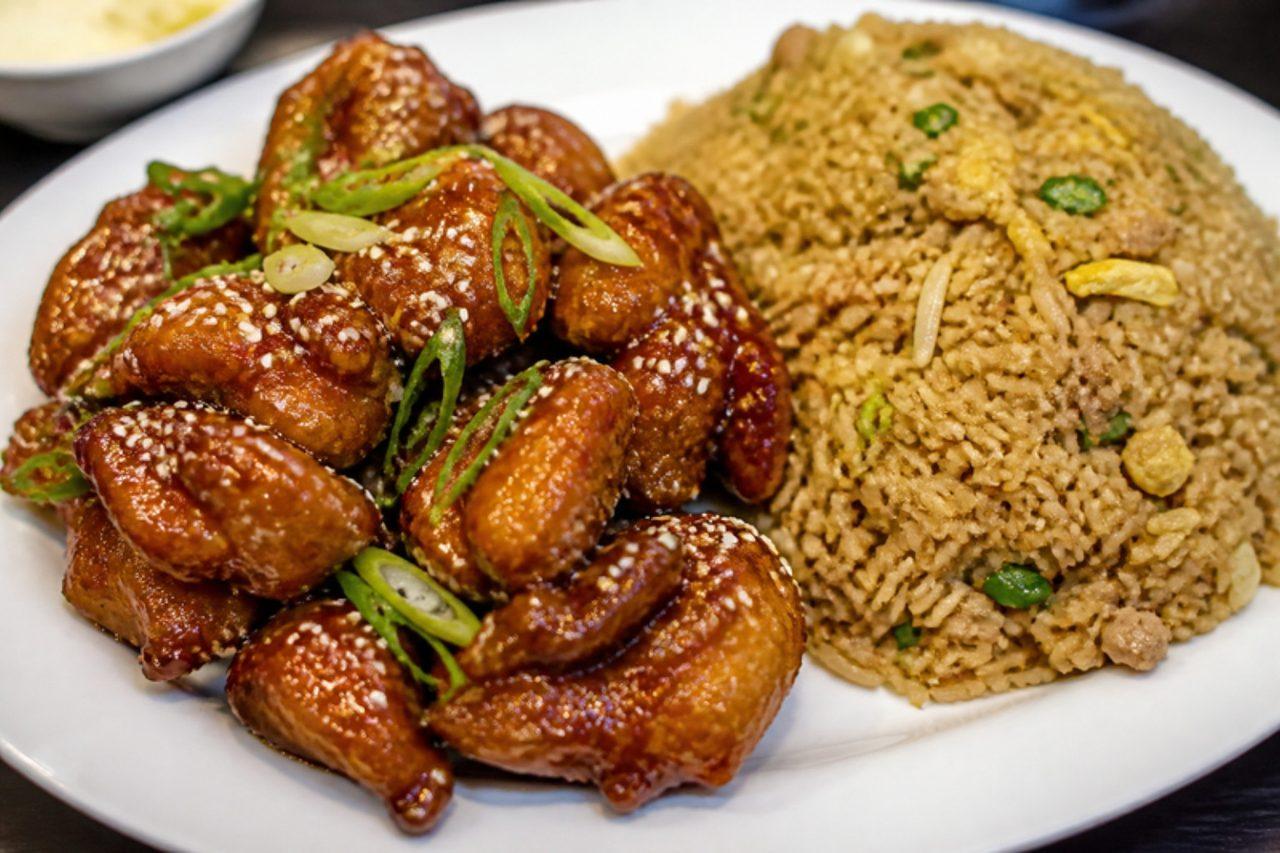
Pollo chi jau kay

Fried chicken in oyster sauce

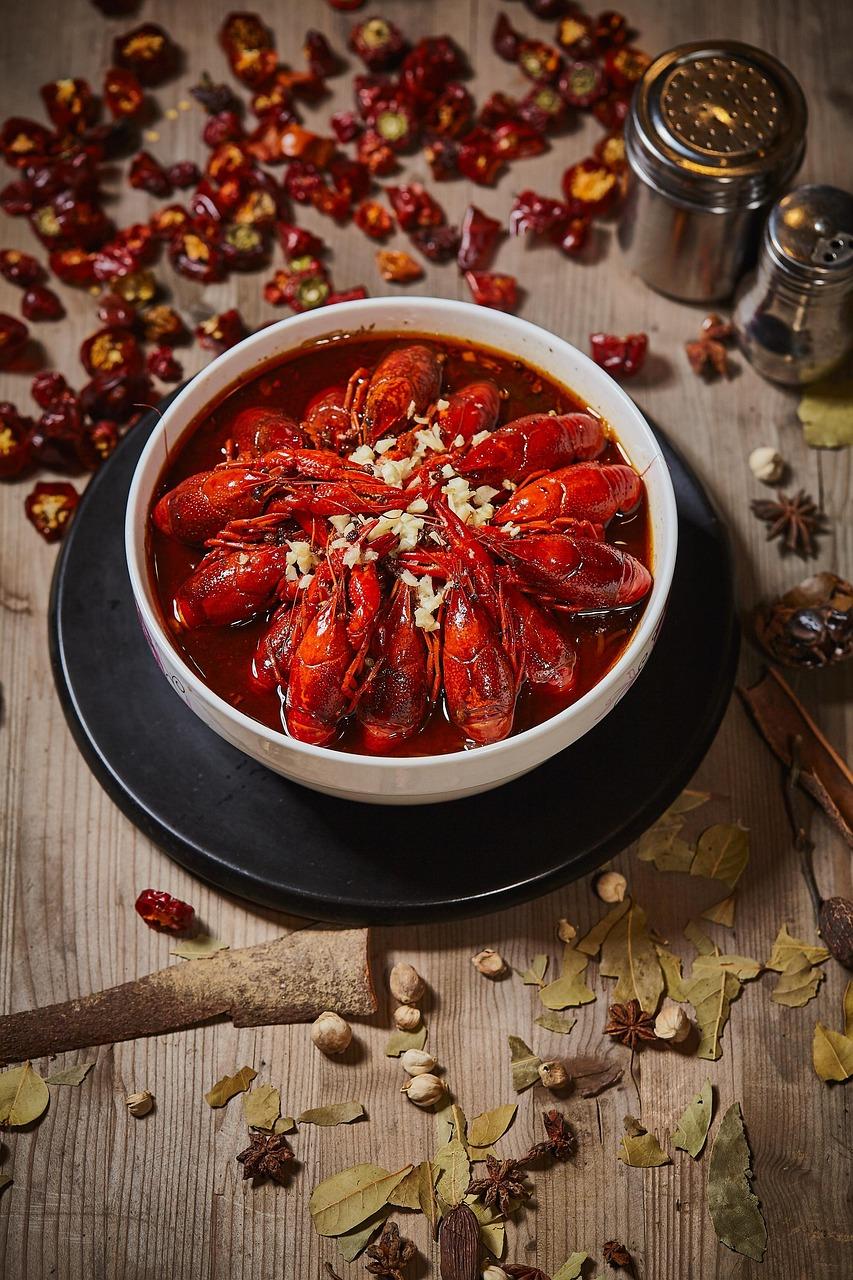
Any chifa in Lima, from the old dining rooms of Barrio Chino on Calle Capón to the corner chifa in every district, will have chi jau kay on the menu: boneless chicken marinated in soy and ginger, fried in a crisp coating and served under a dark, glossy oyster sauce, scattered with sesame seeds and spring onion. The crust stays crunchy where the sauce hasn't reached and goes sticky where it has. It is shared with arroz chaufa or plain rice and a Chinese soup. The usual misstep is tossing the chicken in the sauce in the pan, which makes it soggy; Lima chifas pour the sauce over at the table. Chef's tip: fry the chicken twice, once to cook and once very hot for a minute to crisp, and it will stay crunchy under the sauce.

Read more 0 views

What to eat today?

Around the world

Today's trip: Persian

A new country every day, from every cuisine on the site.

Persian

Dizi

Lamb and chickpea stew 245 minMore from Persian (131) →

This week's collection

Kid-friendly dinners
537 recipes · a new collection every Monday

Latest recipes

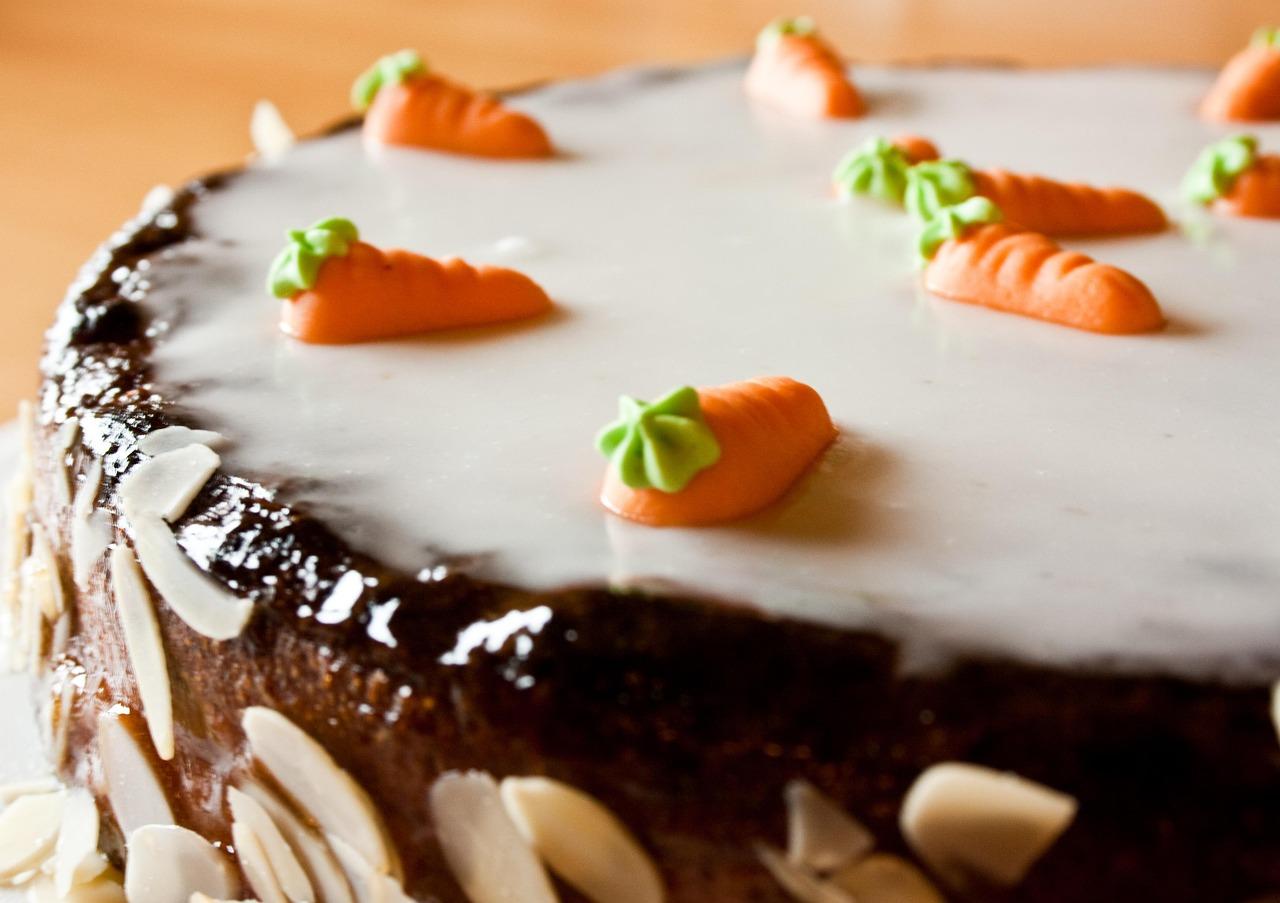
Aargauer RüeblitorteCarrot and almond cake

Rüeblitorte is the carrot cake of the canton of Aargau, between Zurich and Basel, where carrots grow well in the flat farmland: a moist, flourless cake of grated carrot and ground almonds lifted with whisked egg whites, glazed with a thin lemon or kirsch icing and decorated with little marzipan carrots. It is the traditional Swiss birthday cake for children and appears at Easter. A common mistake is skipping the separate whisking of the whites, which makes it heavy. Chef's tip: grate the carrots finely and squeeze out a little juice, so the cake is moist but not soggy. This version uses lemon icing.

by KrazyBadal 0 views

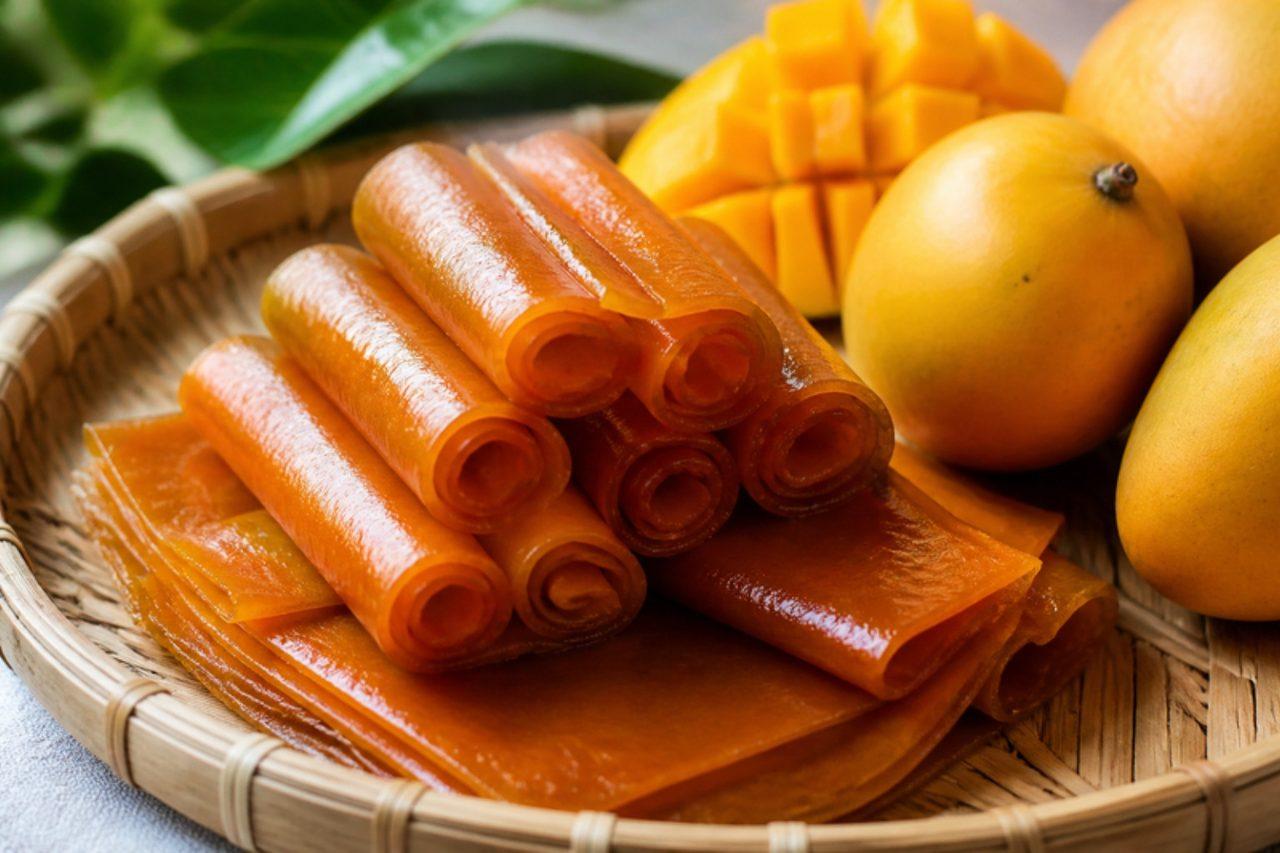
AamshottoSun-dried mango sheets

In June the mango orchards of Rajshahi and Chapai Nawabganj produce more fruit than anyone can eat, and on rooftops across the region the surplus is turned into aamshotto, sheets of sweet mango pulp spread thin on bamboo trays and dried in the sun. A fresh layer is spread over the last one each day, so the finished slab is built up from many thin films, chewy, deep orange and intensely fruity. It is cut into strips and kept for the rainy months, eaten as a snack, packed in children's lunchboxes or chopped into chutney. In a damp climate, sun-drying is slow and risks mould, so this version uses a low oven. Spreading the pulp too thick is the classic misjudgement; the middle never dries and stays sticky. Chef's tip: use fibre-free mangoes such as Himsagar, Langra or Alphonso and push the pulp through a sieve for a smooth sheet.

by KrazyBadal 0 views

Potato leaf stew with groundnut

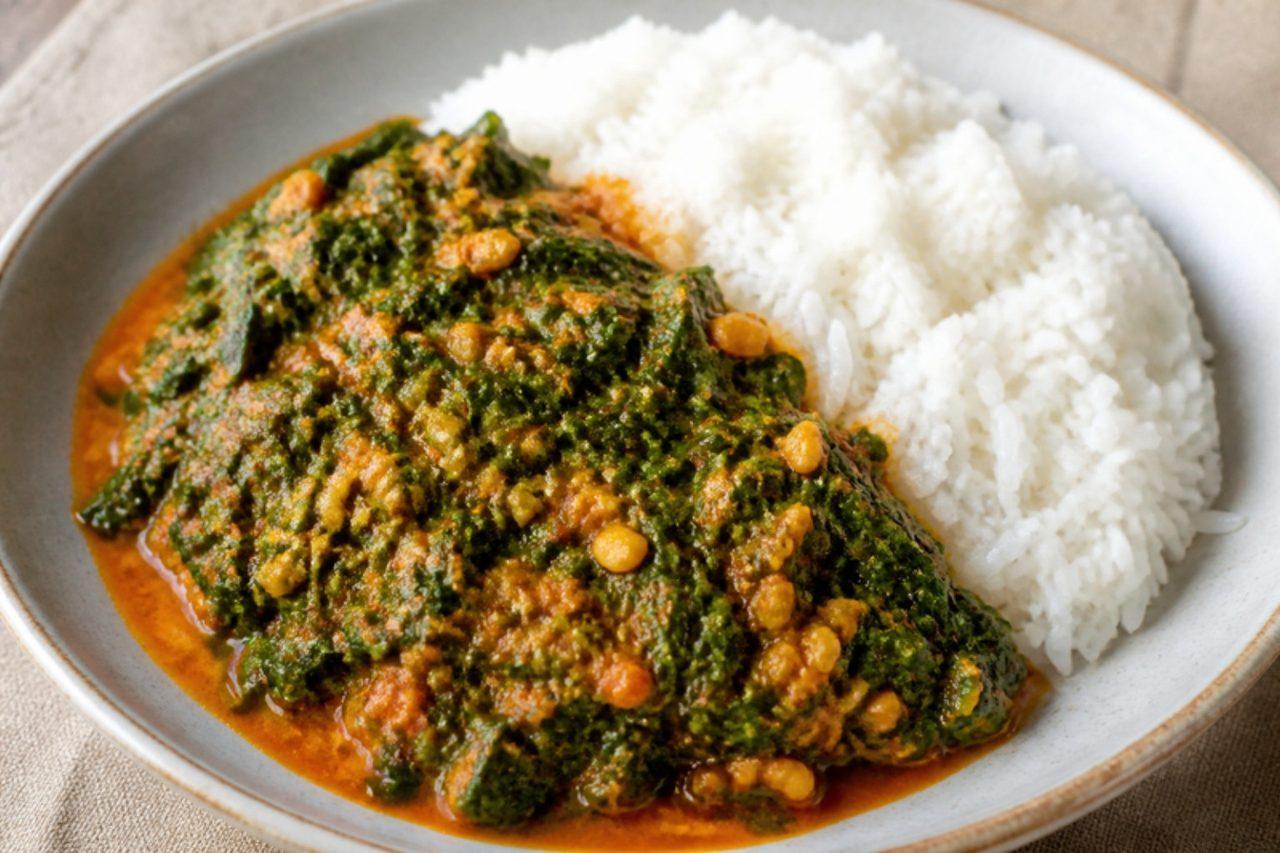
Freetown's Sunday pots and the cookshops of Lumley and Kissy turn out potato leaf almost as often as cassava leaf: tender sweet potato greens shredded finely, then simmered in red palm oil with onion and Scotch bonnet until the oil floats to the top. It is usually rich with fish or beef; this meat-free pot leans on a good spoonful of groundnut paste instead, which makes the sauce creamy and nutty and gives it real body. Spoon it over a mound of white rice, the way it is eaten all over Sierra Leone. Chef's tip: wait until the palm oil gathers in a red layer on the surface before you take the pot off the heat; that is the sign the stew is properly cooked.

by KrazyBadal 0 views

Aab goshtMutton in spiced milk

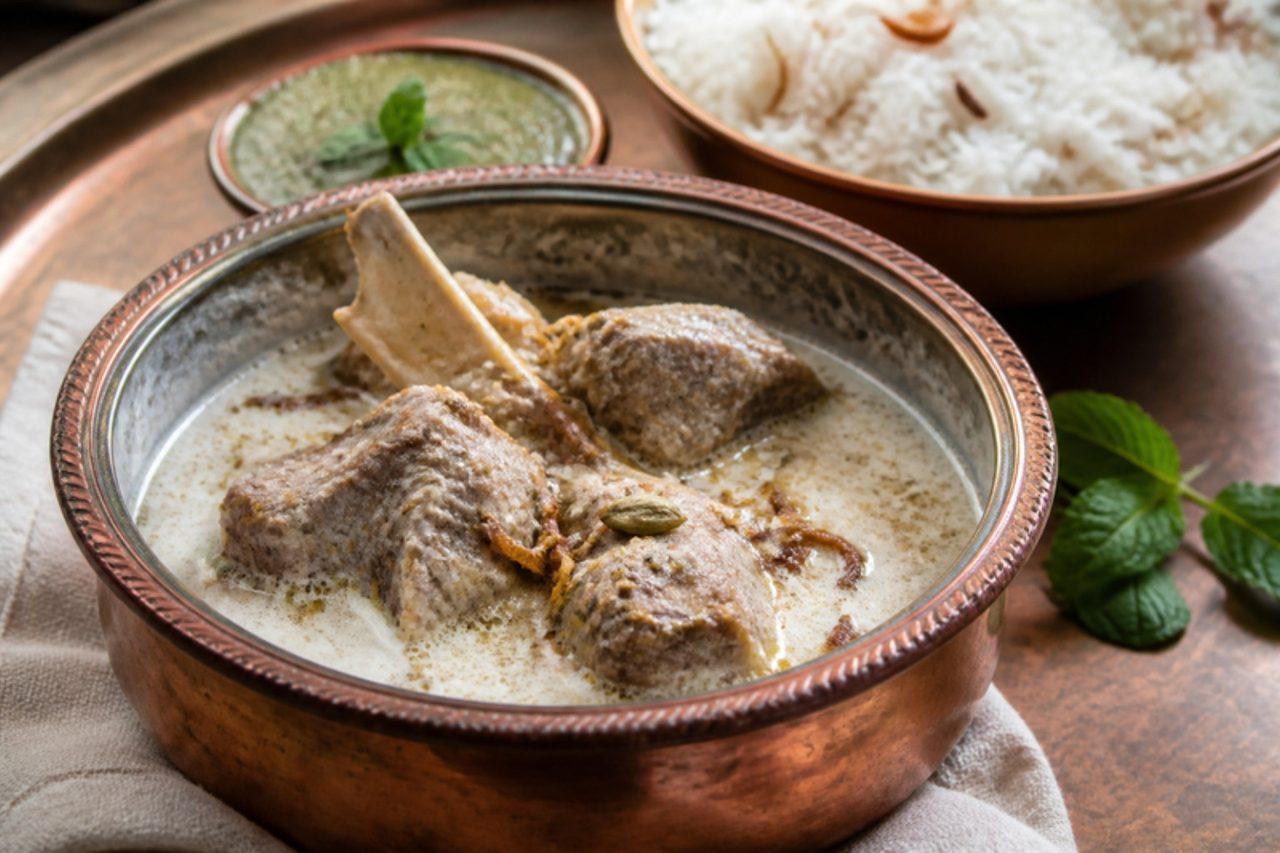
Pale, gentle and fragrant with green cardamom, aab gosht is the Kashmiri kitchen's answer to anyone who thinks the cuisine is all chilli. Mutton on the bone is first boiled with whole spices, then finished in reduced milk with fennel and dry ginger until the sauce turns ivory and thick, almost like a savoury kheer. It is a wazwan dish and a family favourite for Sunday lunch among Kashmiri households in Muzaffarabad and Lahore, eaten over plain rice with a sharp green chutney on the side for contrast. Boiling the milk hard is what ruins it, since it catches on the base and leaves a scorched taste through the whole pot. Chef's tip: reduce the milk in a separate wide pan while the meat cooks, then combine them; it thickens faster and is far less likely to burn.

by KrazyBadal 0 views

AbkhazuraSpiced mince in caul fat

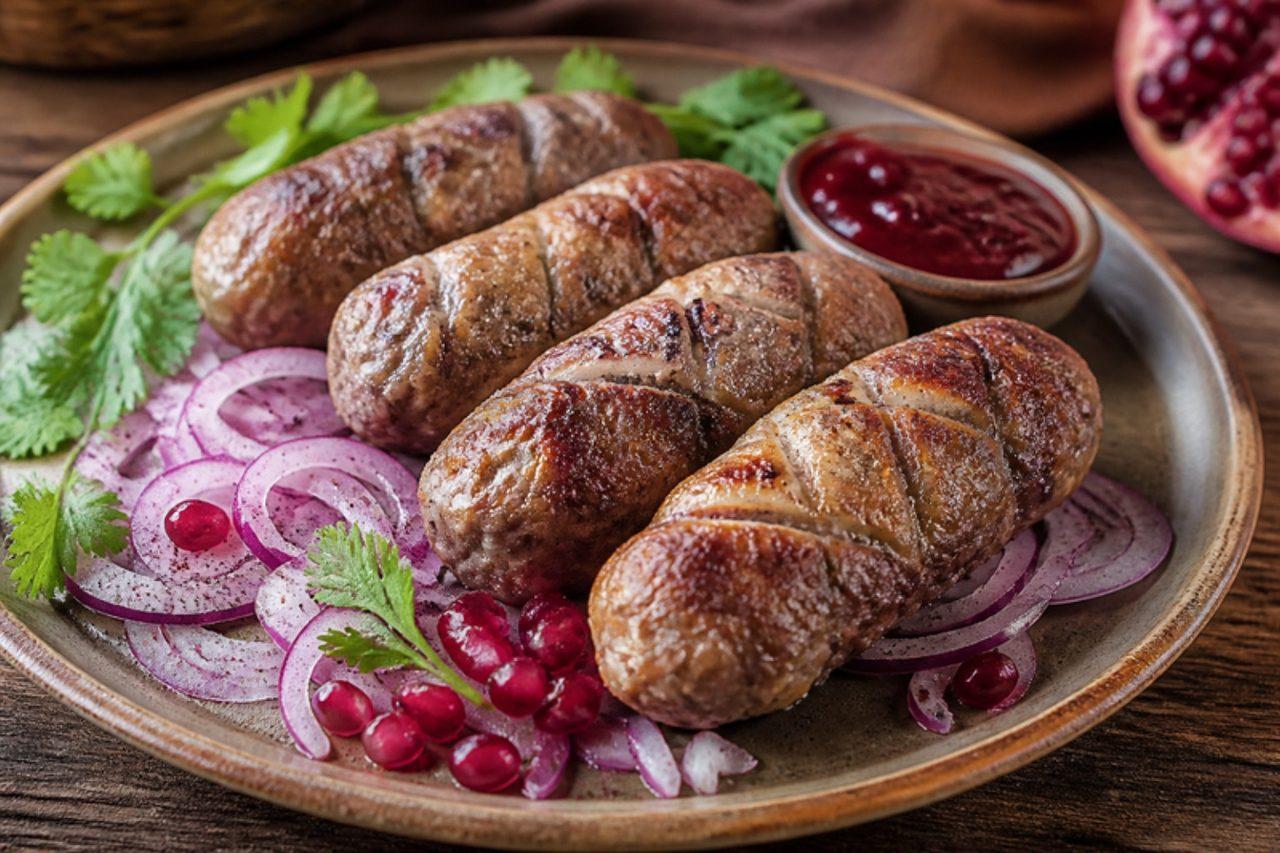
Abkhazura is a feast dish from Samegrelo and the old Abkhazian borderlands, still on the menu of Zugdidi restaurants: finely chopped beef and pork, seasoned with onion, garlic, dried barberries, hot pepper and herbs, wrapped in thin, lacy caul fat and grilled over coals or fried until crisp outside and juicy inside. This contains pork. Served with tkemali and raw onion rings. A common mistake is using lean mince, which makes the patties dry; the fat is what keeps them succulent. Chef's tip: soak caul fat in warm salted water for 10 minutes so it softens and stretches without tearing. Minced meat must reach 71 °C in the middle.

by KrazyBadal 0 views

Christmas mushroom soup

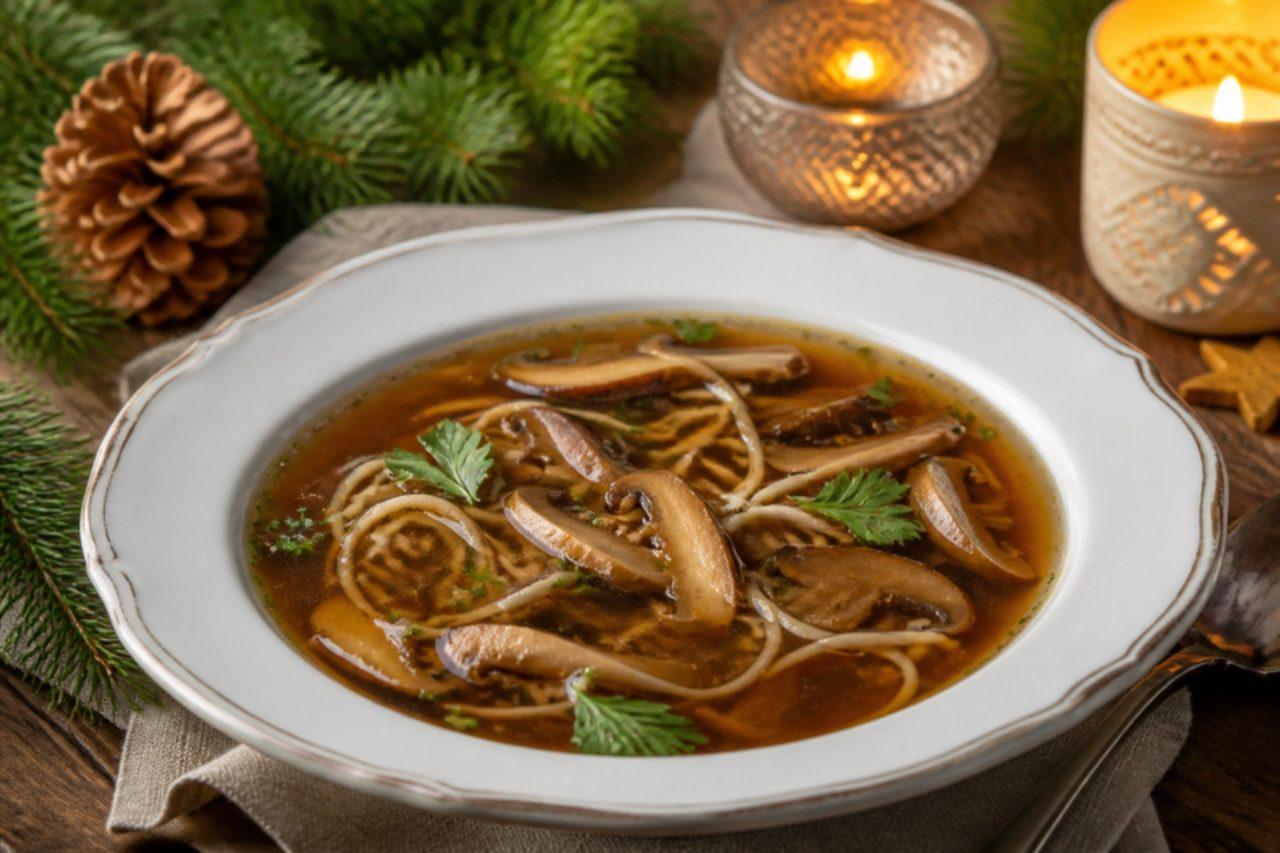
In many Polish homes the Christmas Eve supper opens with either beetroot barszcz or this soup, and families argue about which is better. Dried porcini picked and threaded on strings in September are soaked and simmered with root vegetables into a clear, deep-brown broth with a smoky, almost meaty depth, then served with thin noodles or łazanki. It is fully meat-free, as Wigilia tradition requires, and kept dairy-free here. A common mistake is pouring the soaking water in with its grit; let it settle and leave the last spoonfuls behind. Chef's tip: soak the mushrooms overnight in cold water and cook them in that water for the most flavour.

by KrazyBadal 0 views

Rfis constantinois (date and semolina sweet)

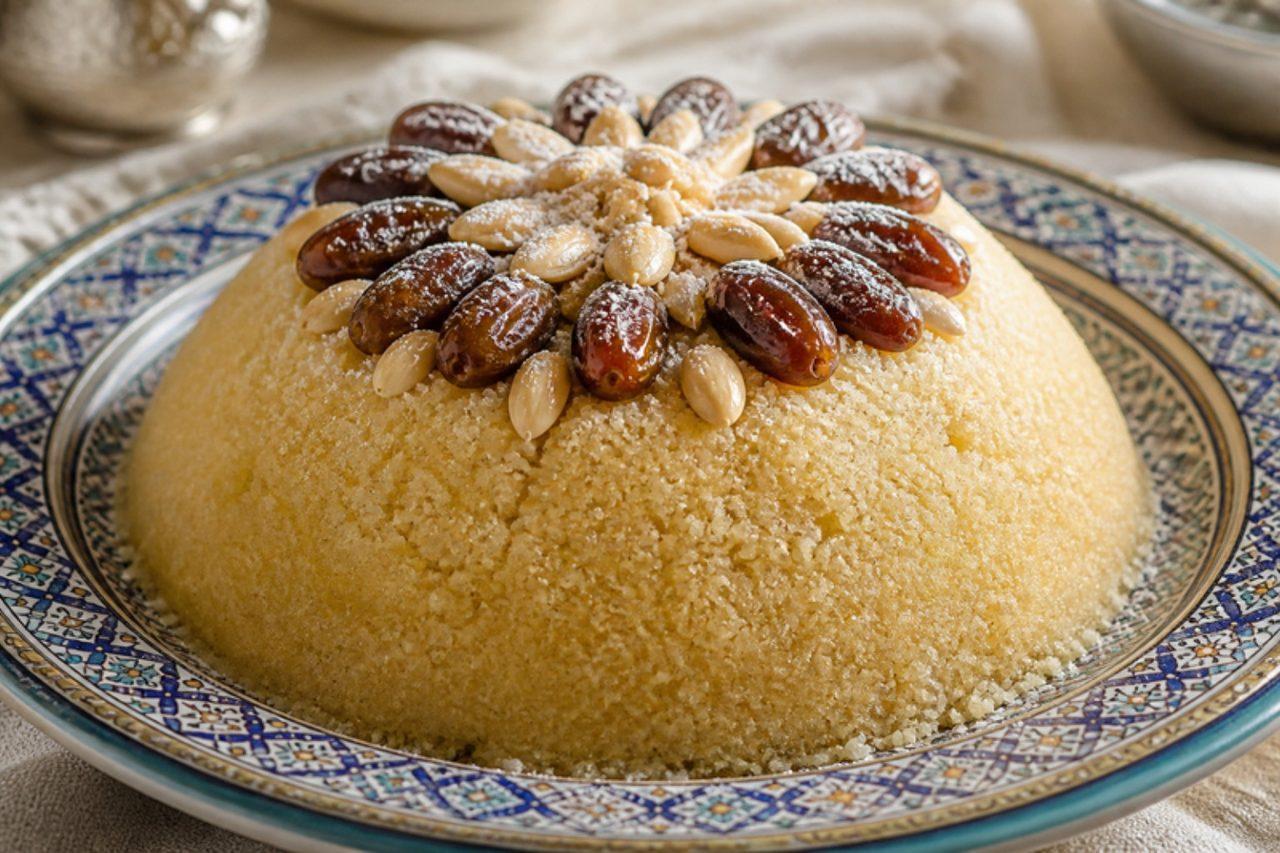
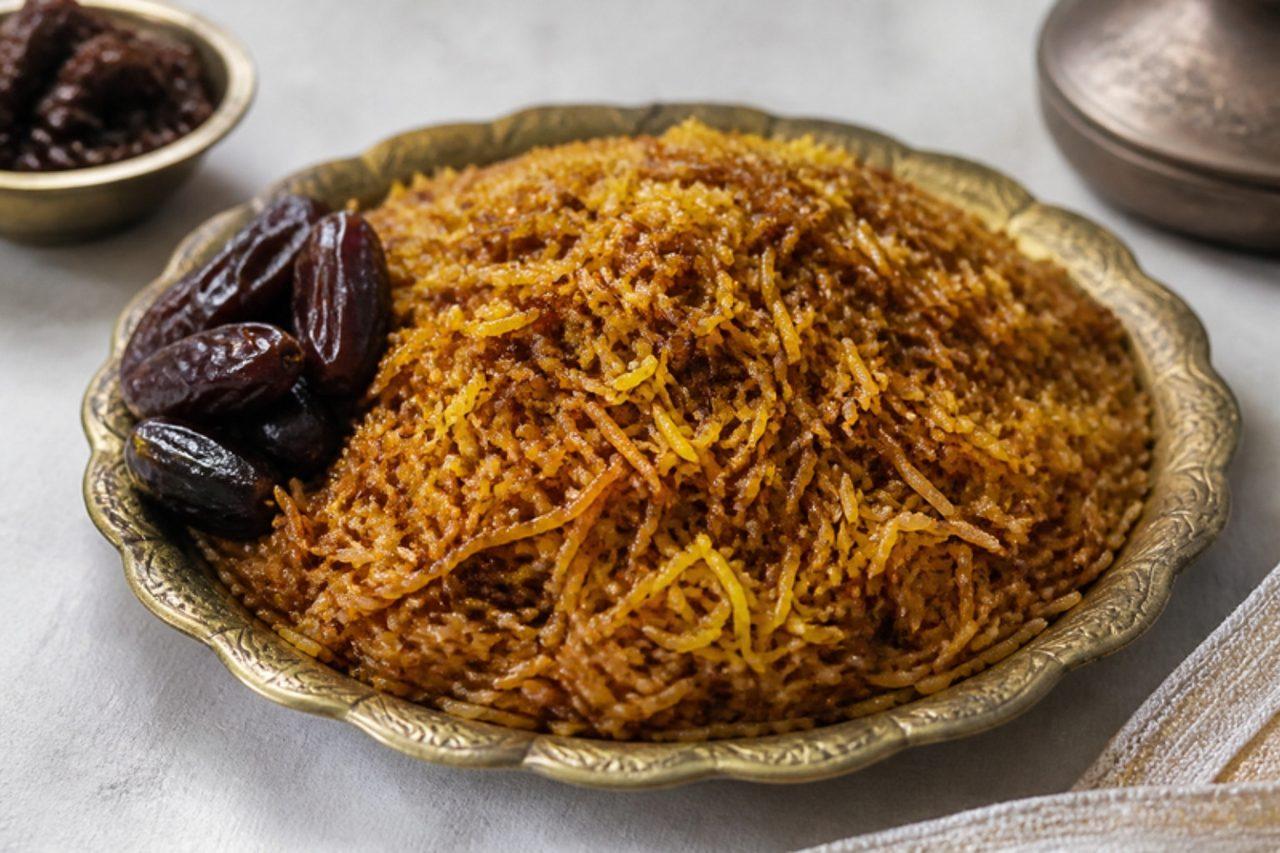
Rather than toasting loose semolina, Constantine cooks first bake a thick semolina galette on the griddle, then crumble it while still hot and work it with melted butter and soft date paste until it turns into a fragrant, crumbly sweet. Rfis is made to celebrate a birth and for Mawlid, and is set out in a large dish, shaped into a dome and studded with almonds, for family to pinch from with coffee. It tastes of toasted bread, caramel-like dates and butter, with warm cinnamon at the end. Where rfis goes wrong is crumbling the galette after it has cooled; it must be broken up hot so the butter and dates bind it. Chef's tip: grate or rub the galette while it is hot; once it cools, it hardens and crumbles into coarse lumps instead of fine, even crumbs.

by KrazyBadal 0 views

Halwat tabaa (stamped jam biscuits)

Ask anyone who grew up in Algeria about the night before Eid and they will mention the smell of halwat tabaa baking: buttery shortbread cut and printed with a patterned metal stamp, then sandwiched in pairs with apricot jam. Children love helping to press the patterns, and the biscuits fill the tins offered to neighbours on the morning of the feast. They are tender and short, with a clean vanilla flavour against the tangy jam, and keep well for a week. A fluted round cutter and the tines of a fork will do if you have no stamp. Avoid working the dough too much or letting it get warm, as the stamped pattern then spreads and blurs in the oven. Chef's tip: dip the stamp in flour and tap off the excess before every press; a sticky stamp blurs the pattern, which is the most common disappointment.

by KrazyBadal 0 views

Digir (Somali spiced black-eyed peas)

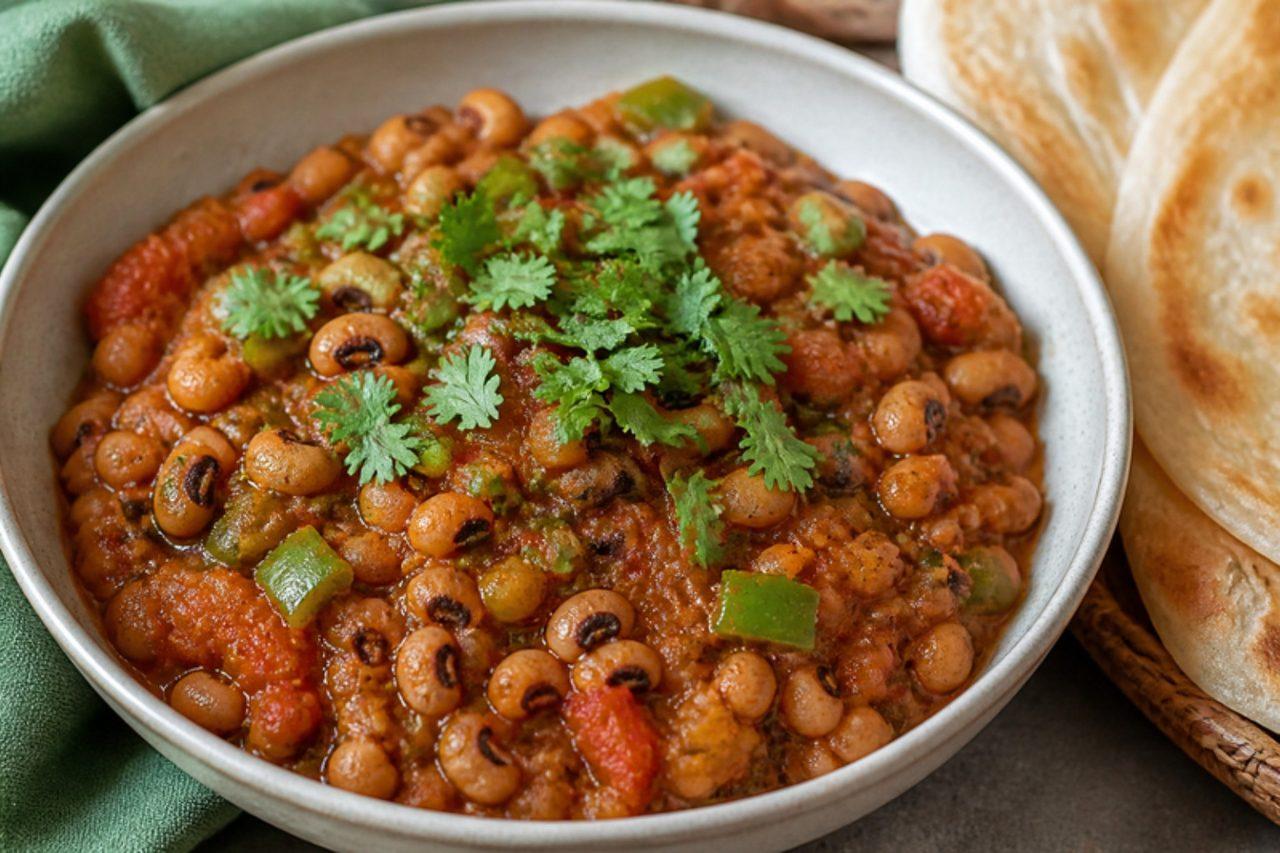
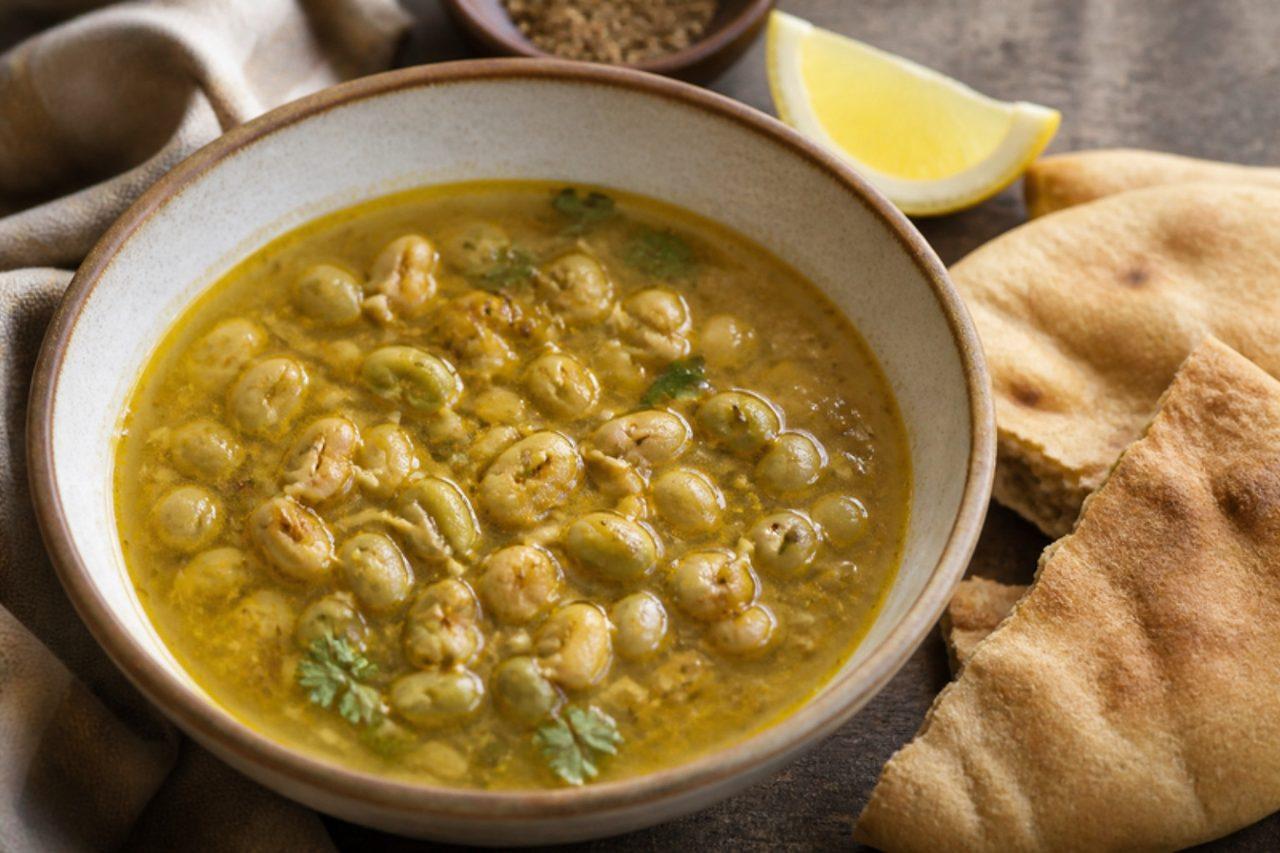
Mornings at Mogadishu tea shops often start with a bowl of digir, black-eyed peas cooked down with onion, tomato, garlic and a warm hit of xawaash until the sauce clings to every pea. It is scooped up with canjeero, muufo or a piece of soft bread and washed down with spiced shaah, and it keeps people full well past noon. The finished dish is thick rather than soupy, earthy and gently spiced, with a little green chilli for anyone who wants it. Tomatoes added before the onions have softened are the usual misstep: the sauce stays sharp and watery, so cook the onions properly first. Avoid boiling the peas at a gallop; they burst and go mushy. Simmer them gently. Chef's tip: save a cup of the bean cooking water; a splash of it at the end loosens the stew and makes it glossy without diluting the flavour.

by KrazyBadal 0 views

Estonian kringle

Kringel is the celebration bread of Estonia, baked for birthdays and name days and carried to every visit: a rich yeast dough rolled with cinnamon butter and sugar, sliced lengthways, twisted into a braided wreath so the layers show, and baked until golden. In Tallinn's old-town cafés it is sold by the slice with coffee. A common mistake is cutting the roll with a blunt knife, which squashes the layers. Chef's tip: chill the filled roll for 15 minutes before slicing; it cuts cleanly and twists without the filling escaping.

by KrazyBadal 0 views

Ye-kosta wat (Swiss chard and potato)

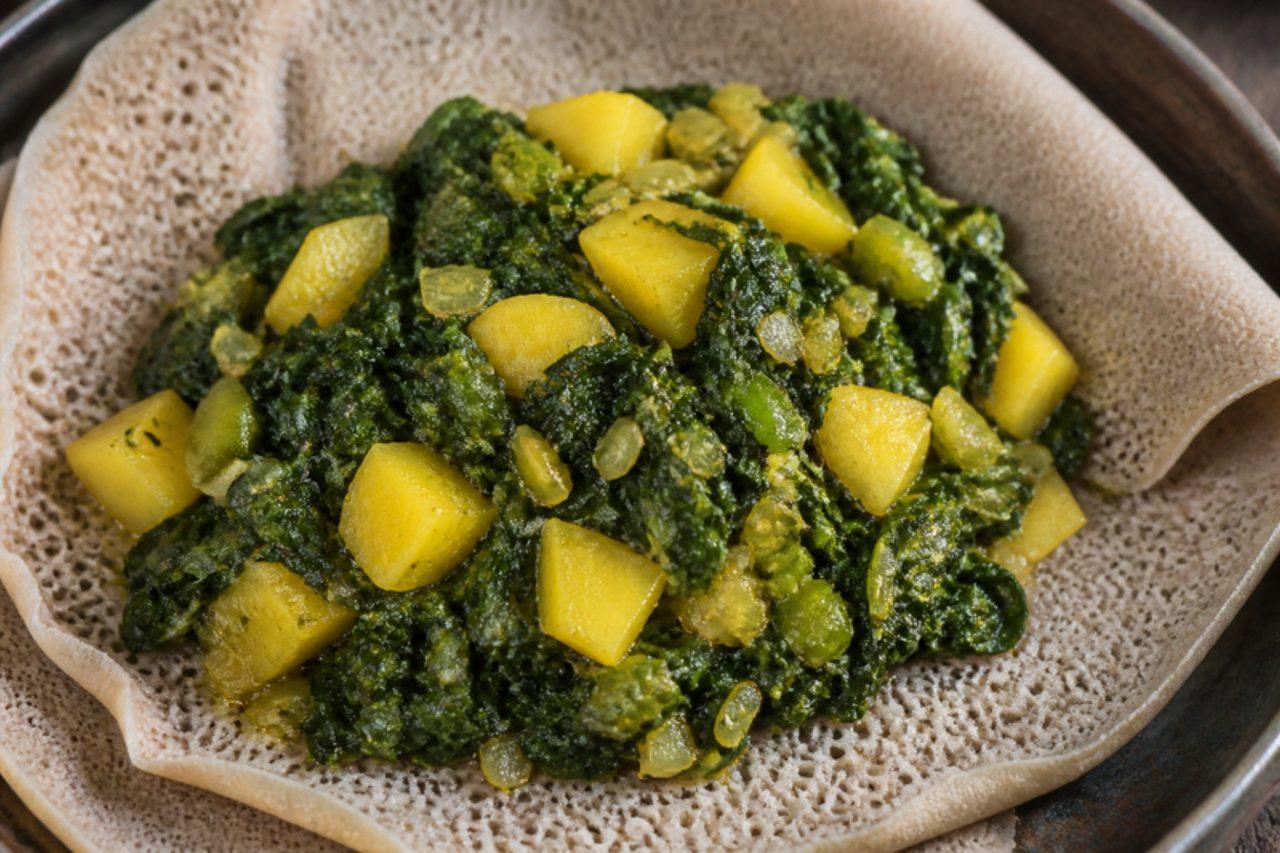
Kosta, Swiss chard, is grown in backyard plots from Bahir Dar to Hawassa, and during the long fasts it is stewed with potatoes into this simple green dish found on almost every vegan beyaynetu. Onion, garlic and ginger soften in oil, potatoes go in first, then the chopped chard stems and leaves, all cooking down together into a soft, juicy stew that is mild, fresh and a little sweet, with a gentle heat from green chilli. Spoon it onto injera beside spicier wats, or eat it with rice. The common mistake is adding the stems and leaves at the same time; the stems need a few minutes longer. Chef's tip: a pinch of turmeric is not traditional in every home but gives the potatoes a warm golden colour against the green.

by KrazyBadal 0 views

Key sir alicha (mild beetroot and potato)

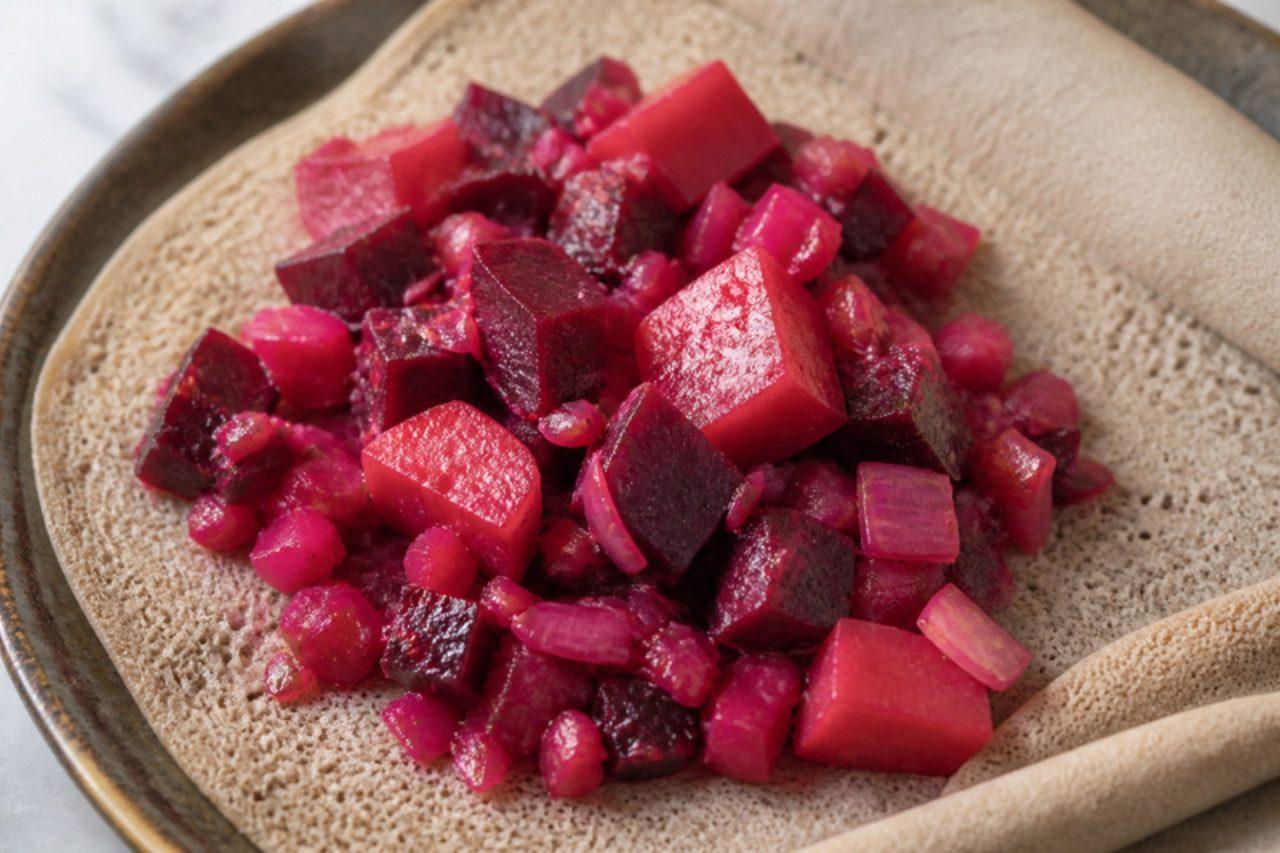
A magenta heap of key sir is the splash of colour on a beyaynetu fasting platter, served in restaurants all over Addis Ababa and at home through Lent. Being an alicha, it is mild rather than fiery: beetroot and potato cook slowly with onion, garlic, ginger and oil until tender and shiny, sweet and earthy with only a little heat from green chilli. It balances the hotter wats and cools the palate between bites of injera. A common mistake is cutting the beetroot too large, so the potato turns to mush before the beet is tender; cut the beet smaller, or give it a ten-minute head start. Chef's tip: cook it a day ahead if you can, because the flavours mellow and the potatoes take on even more colour overnight.

by KrazyBadal 0 views

Wagasi in tomato sauce

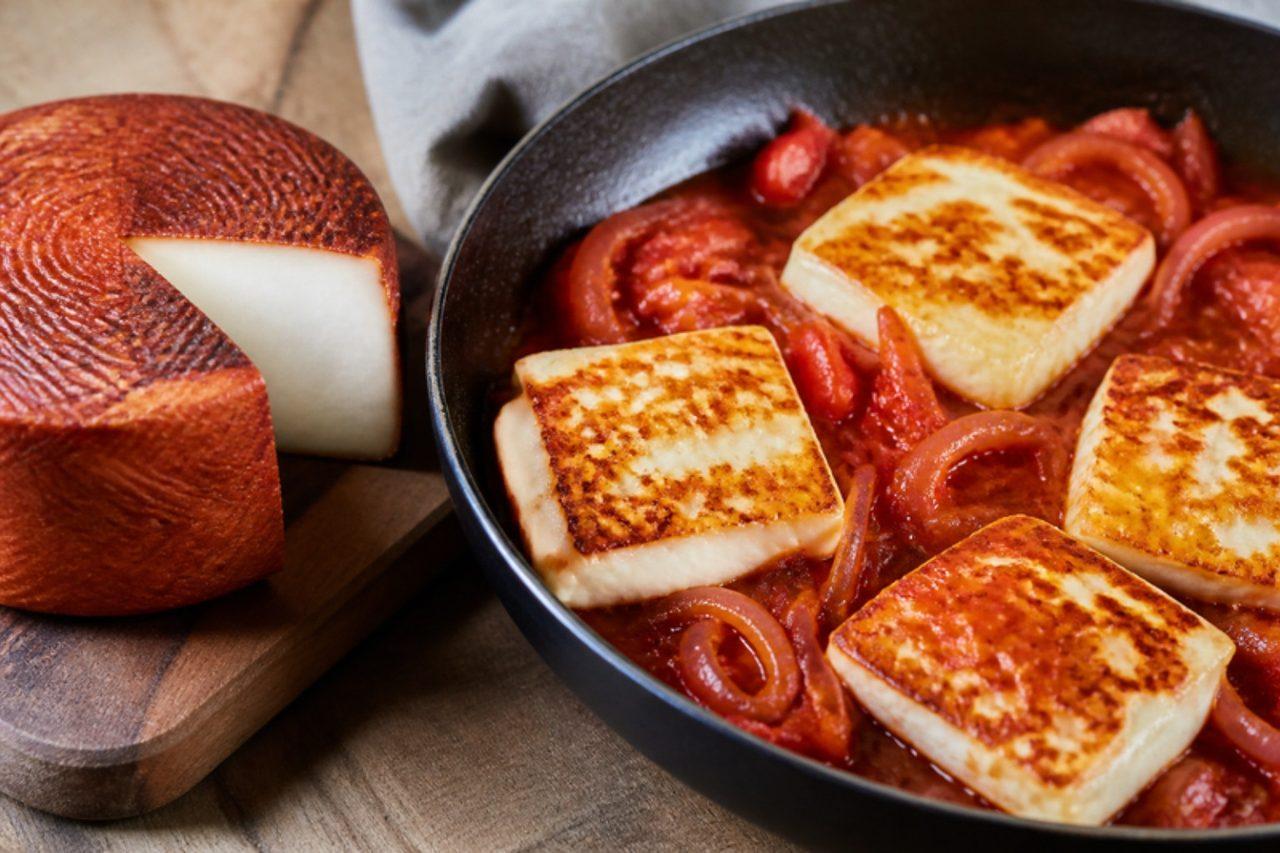
In the Borgou and Alibori country of northern Benin, Fulani women carry wagasi to market in basins: small, springy rounds of fresh cheese, often with a red rind coloured by sorghum leaves. Sliced, fried golden and simmered in tomato and pepper sauce, it is sold across Benin and eaten with rice, akassa or bread. Herders traditionally set the milk with sap from the Calotropis shrub; that sap is toxic, so never use it at home. This version sets pasteurised whole milk with vegetarian rennet, giving the same mild, squeaky, slightly chewy cheese; bought wagasi, or paneer as a vegetarian stand-in, lets you skip straight to the frying. Chef's tip: let the slices sit undisturbed in the hot oil until a crust forms; moved too soon, fresh cheese sticks and tears.

by KrazyBadal 0 views

Corn chaff

Big pots of corn chaff are everyday food in the North West, from Bamenda's Food Market to boarding-school dining halls, where maize and beans stretch a long way. Dried corn and beans are simmered until soft, then folded into a red palm oil sauce with onion, tomato and hot pepper, with a handful of greens stirred through at the end. The result is hearty and chewy with a deep, slightly smoky sweetness from the oil, and it tastes even better the next day. Serve it in bowls, with ripe avocado on the side when it is in season. Soak the maize and beans overnight. Chef's tip: give the dried maize a head start of about 45 minutes before adding the beans, because it takes far longer to soften.

by KrazyBadal 0 views

Chanterelles in cream

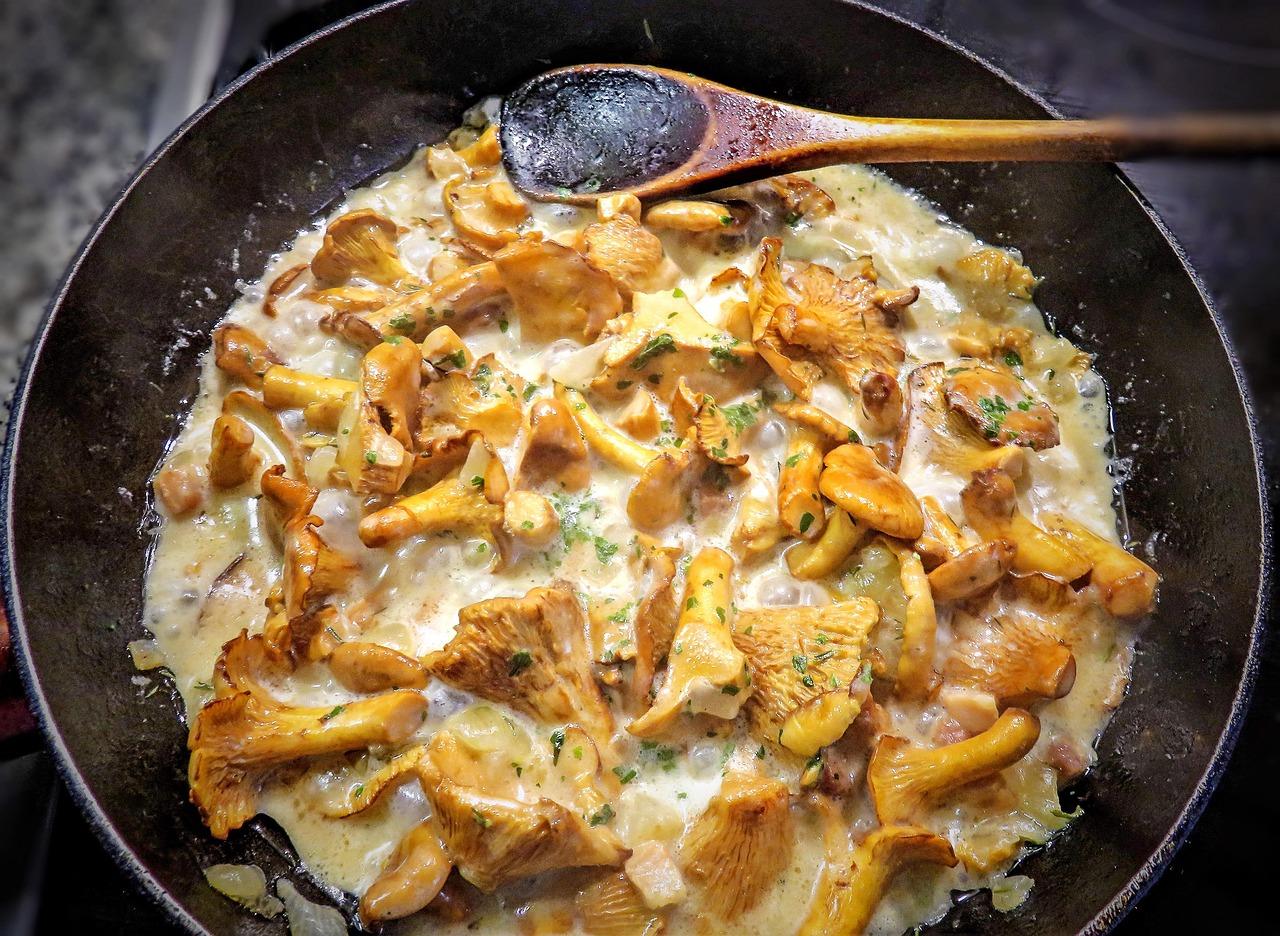
From July, roadside sellers along the lake roads of Masuria hold up baskets of golden chanterelles, and holidaymakers in Mrągowo and Giżycko cook them the same evening. The mushrooms are fried with onion until their juices cook away, then bathed in sour cream and dill, giving a sauce that is peppery, faintly apricot-scented and very rich. Spoon it over new potatoes, buckwheat or a thick slice of toast. Where most people go wrong is washing chanterelles under the tap, so they boil in their own water and turn rubbery. Only eat wild mushrooms you have bought from a trusted seller or that an expert has identified. Chef's tip: brush the mushrooms clean, tear large ones and cook them in a hot, wide pan so they sear rather than stew.

by KrazyBadal 0 views

Lafidi (Guinean rice with lamb and peanut sauce)

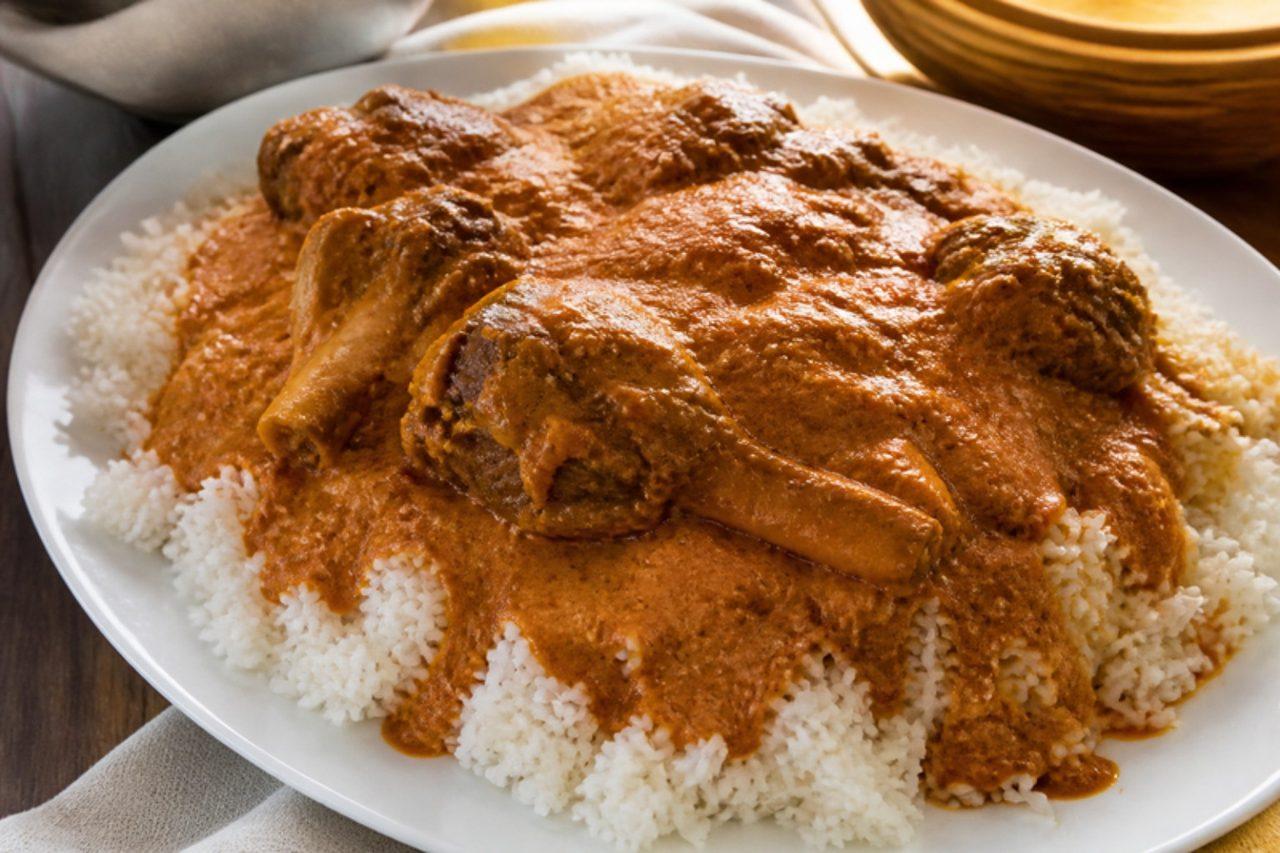
High in the green hills of the Fouta Djallon in Guinea, Fula (Peul) families prepare lafidi for feast days and for guests: a mound of white rice topped with tender lamb and a generous peanut sauce, served on a shared platter. Some households make it with a leaf sauce of cassava or sweet potato leaves instead; this version uses the peanut sauce, which is smooth, nutty and lightly tangy from tomato, with a steady warmth of chilli. The lamb is simmered slowly in the sauce, so it is soft enough to pull apart with your fingers. Chef's tip: simmer the peanut sauce uncovered and stir it from the bottom often; peanut sauces catch and burn easily, and a scorched taste runs through the whole pot.

100 minAfricanMeatGluten free
by KrazyBadal 0 views

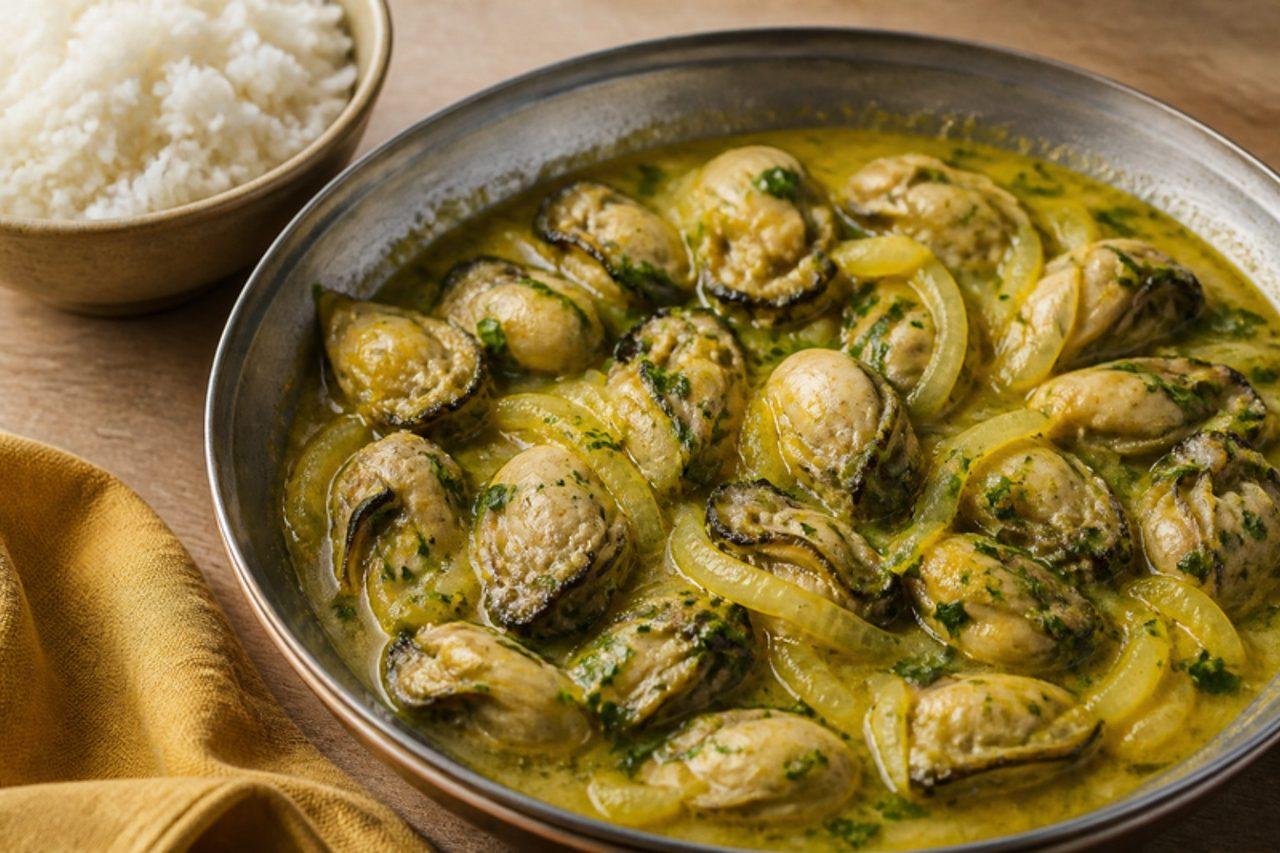
Yokhos (Casamance oysters with onion and lemon)

In the mangrove creeks of Casamance, women gather oysters from the roots at low tide, and in villages around Ziguinchor and Oussouye yokhos are grilled over wood until they pop open, then tossed in a sauce of soft onion, lemon and chilli. The oysters turn plump and firm, briny against the sharp, sweet onions. Eat them with rice or bread as a light meal. Mangrove oysters are rarely sold abroad, so use any fresh rock or Pacific oysters. This dish is always cooked: buy live oysters from a reputable fishmonger, discard any with broken shells or that are open and do not close when tapped, and throw away any that stay shut after grilling. Chef's tip: simmer the oyster meat in the sauce only until the edges curl and the flesh is firm right through; that takes about 3 minutes, and going much longer makes them rubbery.

by KrazyBadal 0 views

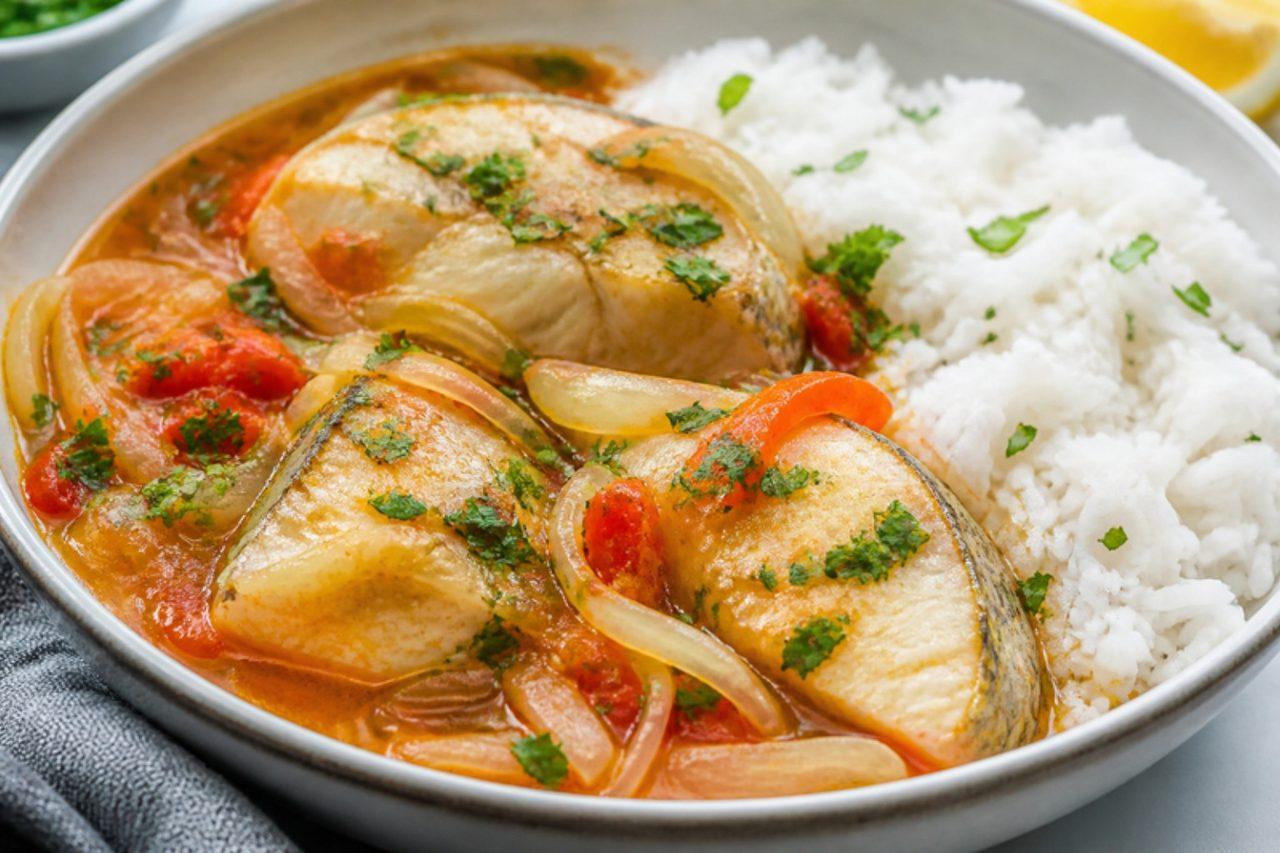
Caldou (Casamance fish in lemon broth)

Light, tangy and clean-tasting, caldou is the fish dish of Ziguinchor and the river towns of Casamance, where fresh catches from the estuary are poached in a broth sharp with lemon, sweet with soft onion and tomato, and warmed by a whole chilli. It is ladled over plain white rice so the grains soak up the broth, with an extra squeeze of lemon at the table. Some cooks add a few okra or a spoon of palm oil; this version keeps it simple and light. Firm white fish such as grouper, sea bream or hake is ideal. Chef's tip: keep the broth at a bare simmer once the fish goes in; boiling it hard is the common mistake and turns delicate fish dry and broken.

by KrazyBadal 0 views

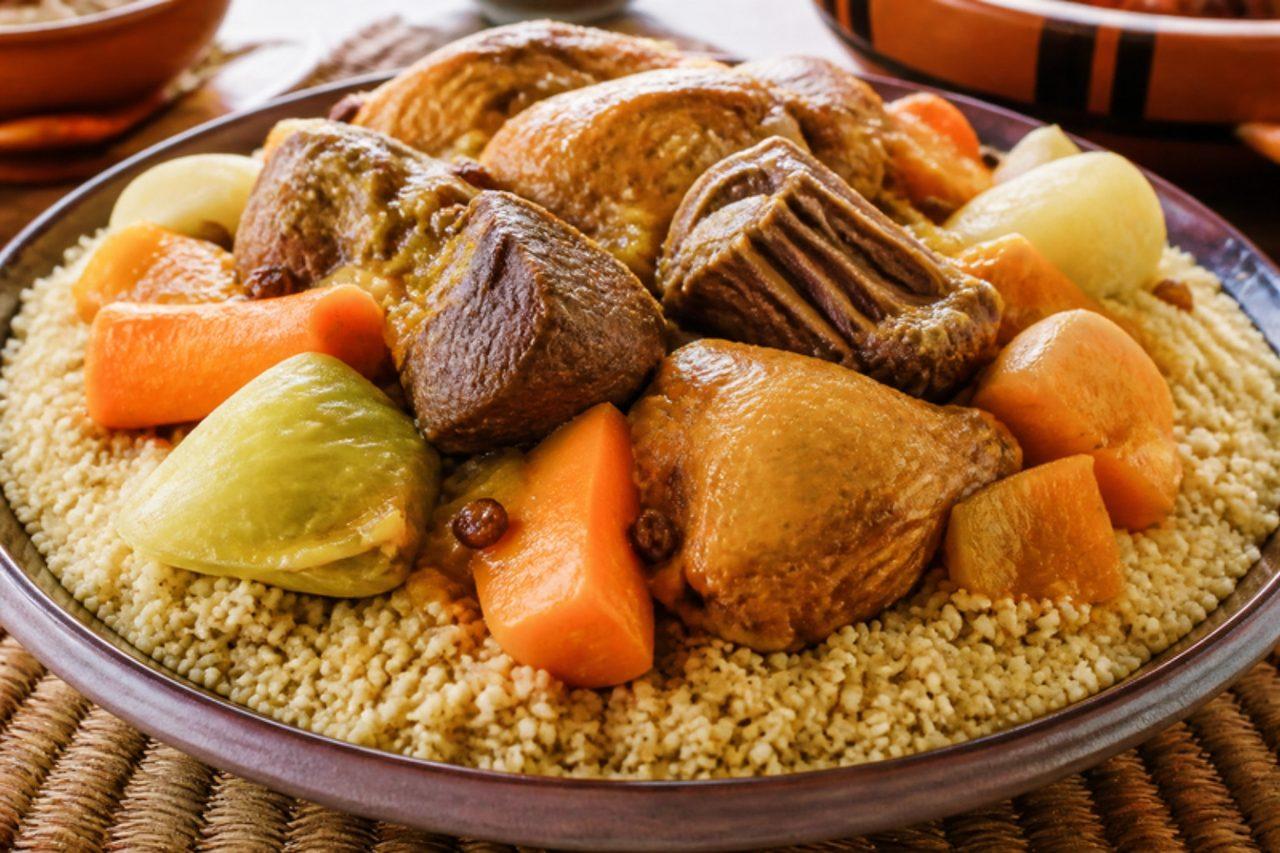
Bassi salté (festive millet couscous)

When a Senegalese family celebrates, a wedding, a baptism or a religious feast, bassi salté may well be the dish that comes out in huge enamel bowls. Fine millet couscous is steamed twice until feather-light, then crowned with lamb and chicken in a tomato-onion sauce with carrots, cabbage, turnips and sweet potato, and a sweet note from raisins. It is a long cook but most of it is simmering, and the reward is a dish that feeds a crowd: fluffy grains, rich sauce, tender meat and soft vegetables in every spoonful. Don't drown the millet when moistening it between steamings; it should be damp, not wet, or it turns into porridge. Chef's tip: cook the chicken only for the last 35 minutes and check that the thickest piece reaches 74 °C; added at the start with the lamb, it overcooks to dry shreds while the lamb is still tough.

by KrazyBadal 0 views

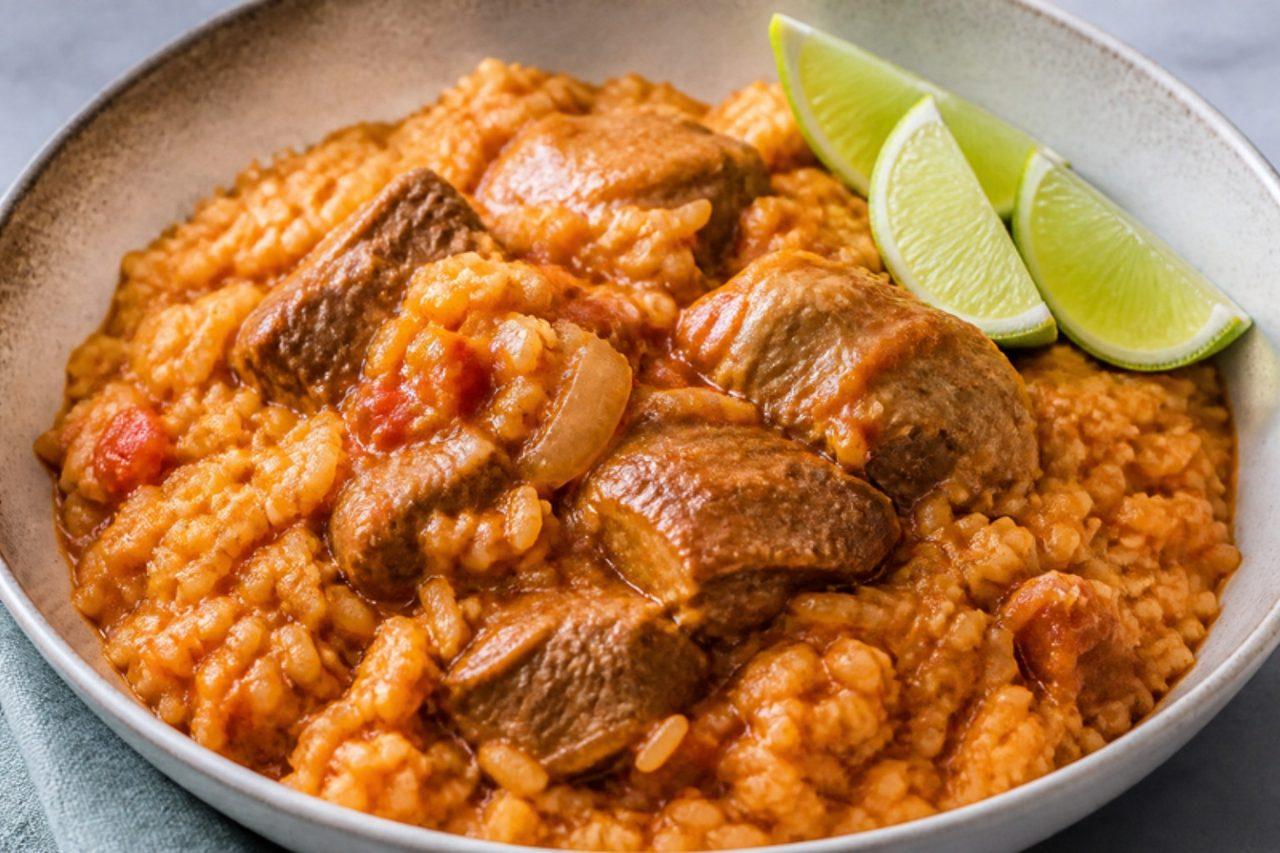
Dakhine (rice with peanut sauce and lamb)

Somewhere between mafé and a risotto, dakhine is everyday Dakar comfort food: lamb or beef simmered in a peanut and tomato sauce, with the rice cooked right in the same pot until it soaks up all that nutty, savoury flavour. The result is thick, rich and very filling, the meat falling apart into the rice and a gentle heat from a whole Scotch bonnet. It is eaten from a shared bowl at lunchtime, with a squeeze of lime or a little chilli sauce on the side. Chef's tip: make sure the lamb is completely tender before the rice goes in, because the rice sets the timetable after that; adding it too early is the common mistake that leaves tough meat in mushy rice.

by KrazyBadal 0 views

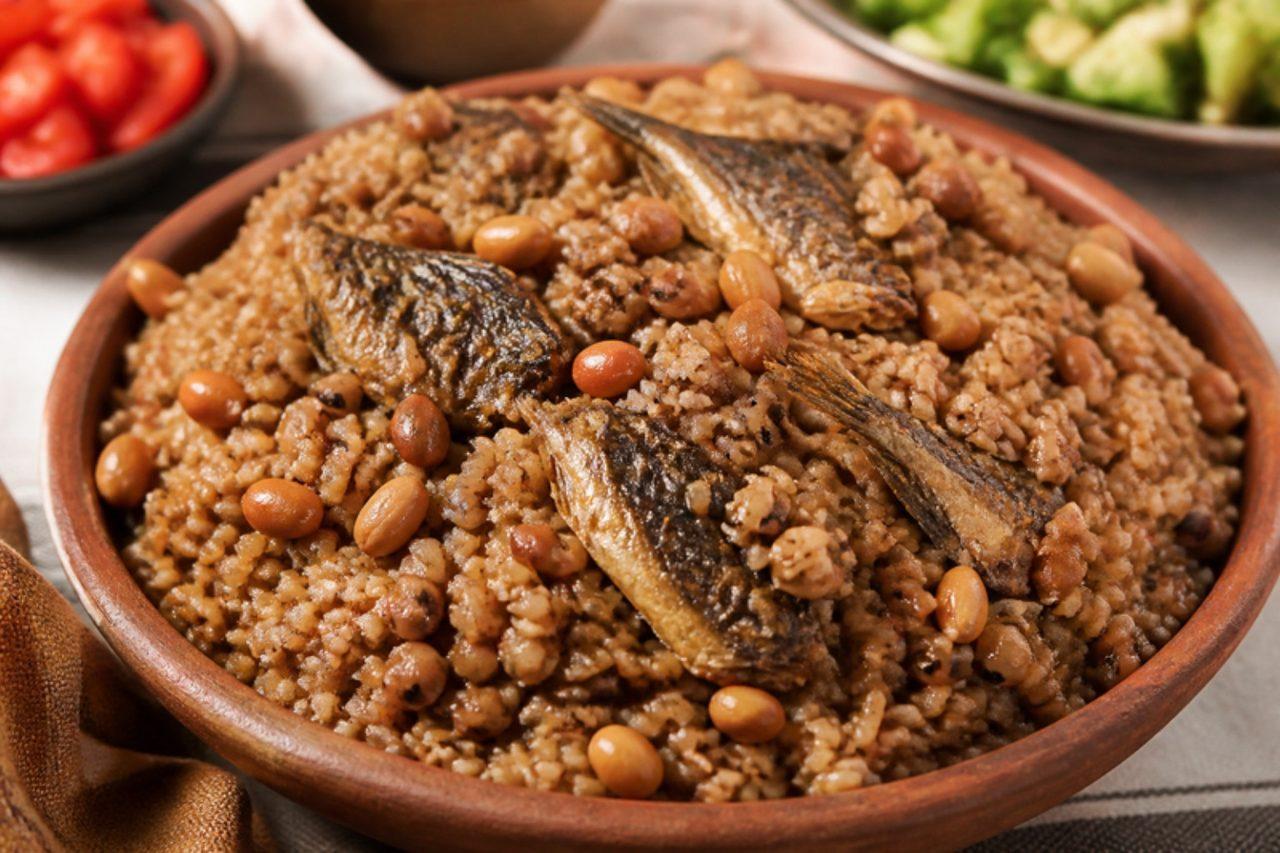
Mbakhal (Saloum rice with peanuts and dried fish)

Mbakhal belongs to the Saloum, the peanut country around Kaolack and the Sine-Saloum delta, where it is cooked for gatherings and the Muslim feast days. Rice is simmered until soft and almost porridge-like in a sauce of ground peanuts, tomato and onion, together with black-eyed beans and guedj, the sun-dried, salted fish of the Senegalese coast. The flavour is deep and savoury, the texture creamy with bursts of bean and chewy flakes of fish. Salt cod or smoked fish are fair substitutes for guedj. Chef's tip: soak and taste the dried fish before you season, and add salt only at the end; over-salting is the most common mistake with mbakhal, since guedj and stock both carry plenty.

by KrazyBadal 0 views

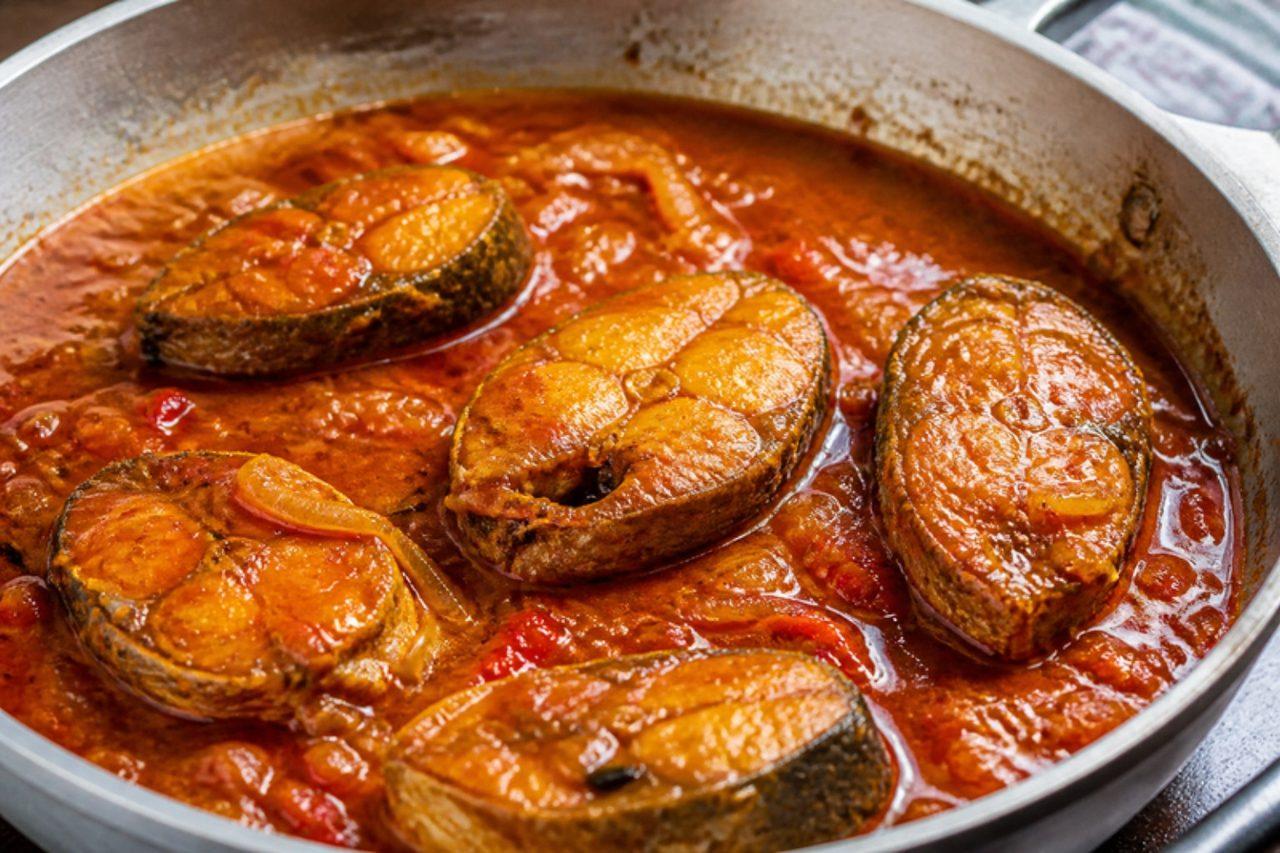
Fante fante (Fante fresh fish stew)

Fishing towns such as Elmina and Winneba cook fante fante when the canoes come in: fresh fish laid into a fragrant red sauce of palm oil, onion, tomato and pepper and gently simmered until just cooked. It is quick, bright and spicy, with the palm oil giving the sauce its colour and a slightly floral, earthy note, and the fish staying sweet and juicy. Serve it with kenkey, banku or boiled plantain, and plenty of sauce. Any firm white fish or oily fish steaks work, from red snapper to mackerel. Chef's tip: once the fish is in, shake the pan rather than stirring; stirring is the usual mistake and breaks the fish into shreds.

by KrazyBadal 0 views

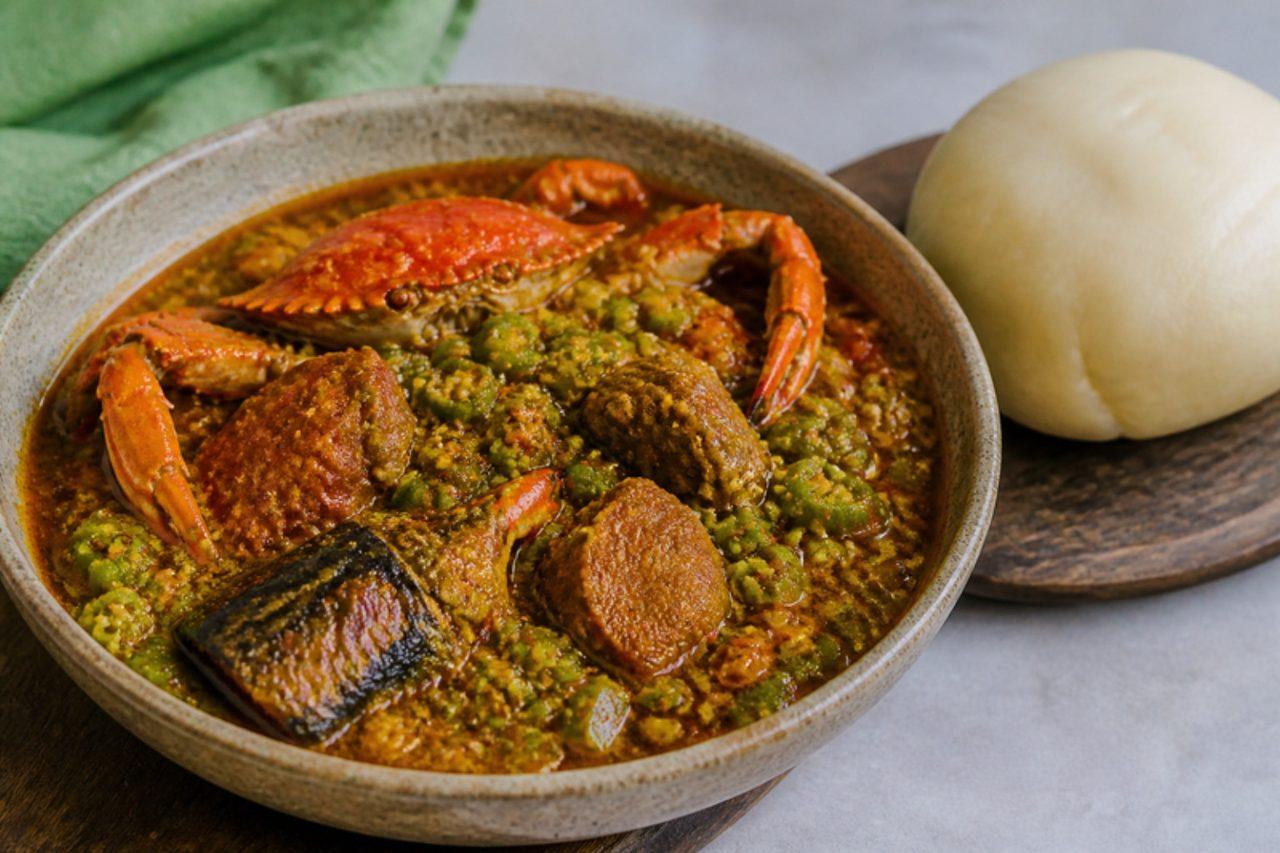
Fetri detsi (Ewe okra soup with crab)

Along the Volta lagoons and in towns like Ho and Keta, the Ewe cook fetri detsi when there are fresh crabs to be had: a light tomato and pepper broth made rich with beef or goat, smoked fish and crab, then thickened at the last minute with chopped okra until it turns silky and slippery. It is eaten with akple, a smooth dough of corn and cassava, which is dipped and pulled through the soup. The flavours are of the sea, smoke and fresh pepper. Buy live crabs from a reputable fishmonger and discard any that are dead, cracked or smell off before cooking. Avoid overcooking the okra; added too early it loses its bright green and its draw. Chef's tip: add the okra only at the end and cook it for no more than 8 minutes; overcooked okra loses its green colour and its slipperiness, the very thing this soup is about.

by KrazyBadal 0 views

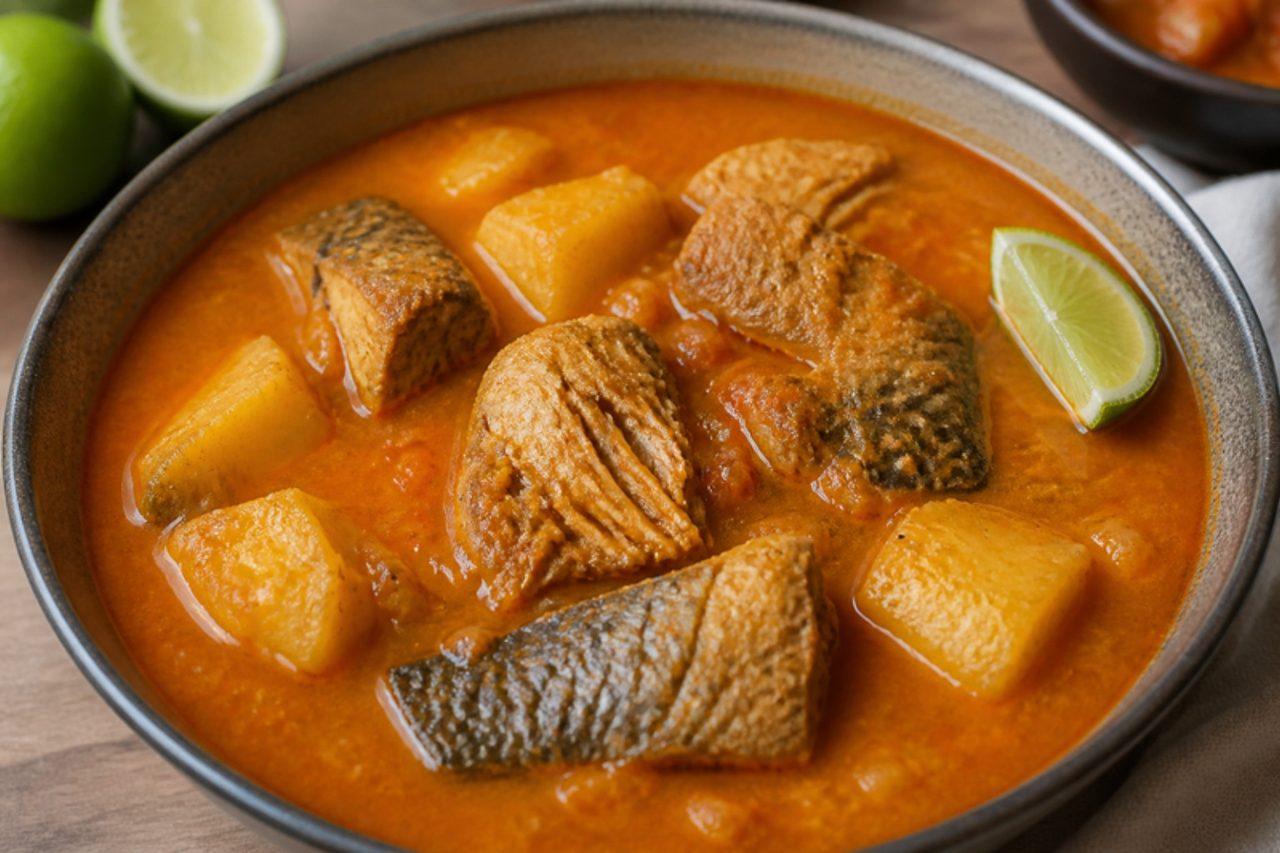
Ebbeh (Gambian cassava and fish soup)

Bowls of ebbeh are a favourite late-afternoon snack and supper at Gambian markets and beach stalls, sold steaming from big pots. Cassava is boiled until it breaks down and thickens the broth, then fish, red palm oil, onion and plenty of chilli go in, and the soup is finished with a sharp squeeze of lime. It is thick and starchy, hot, sour and savoury all at once, with soft chunks of cassava and flaky fish. Some cooks add crab or a little smoked fish; this version uses fresh fish with smoked fish for depth. Avoid stirring hard once the fish goes in, or it breaks into shreds. Chef's tip: cook the cassava until some of it collapses before adding the fish, because the cassava itself is the thickener; undercooked cassava gives a thin soup and is unsafe to eat.

by KrazyBadal 0 views

Banku and grilled tilapia

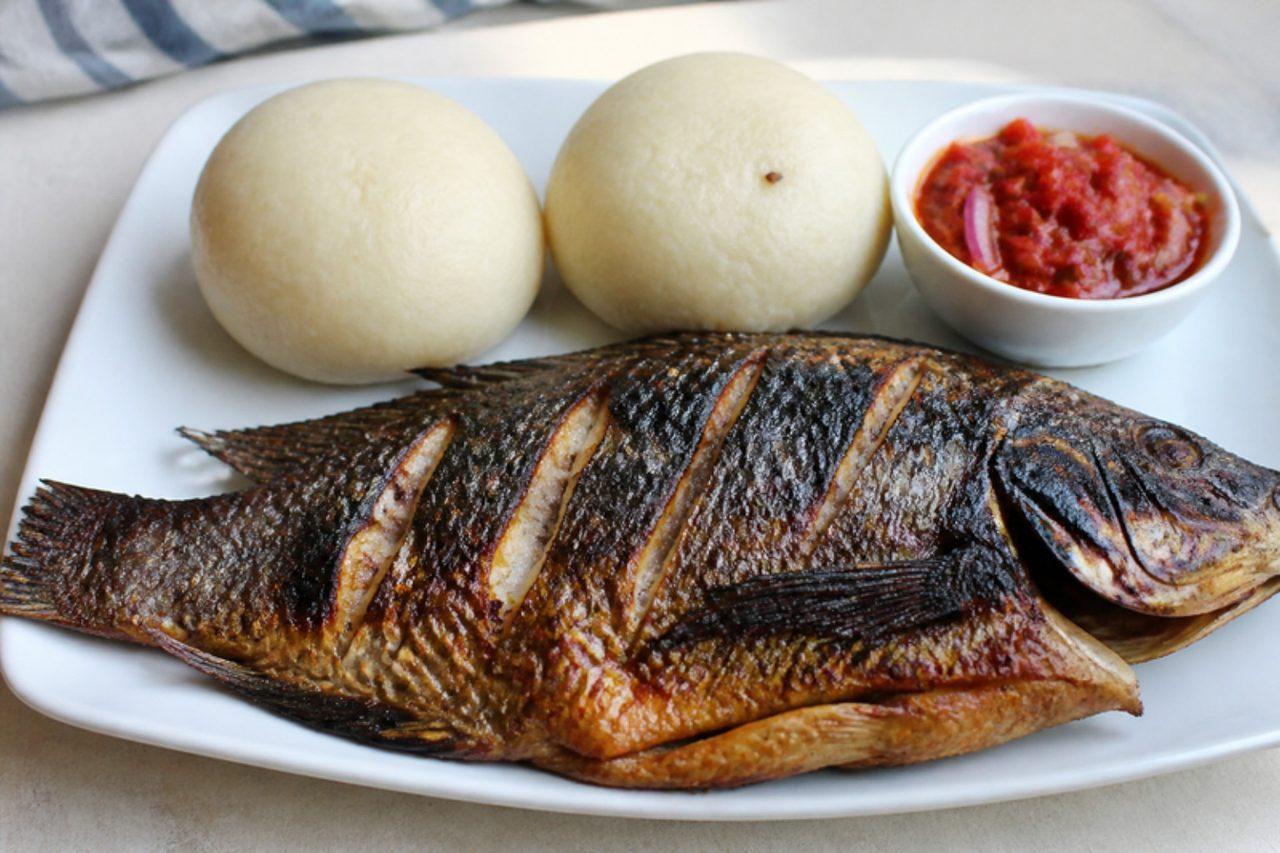
Night falls in Accra and the smoke rises from Osu to Labadi: whole tilapia, slashed and rubbed with ginger, garlic and chilli, crackles over charcoal at roadside grills and beach spots, served with a ball of banku, a heap of raw pepper sauce and sliced onions. Banku is a smooth, stretchy dough of fermented corn and cassava, slightly sour, cooked and beaten in a pot until it pulls away from the sides. Together they make a messy, joyful meal eaten with the fingers: smoky fish, tangy banku and a sauce hot enough to make your eyes water. Corn and cassava dough are sold in African shops, often as banku mix. The commonest mistake is turning the fish too soon; leave it until it releases cleanly from the grill. Chef's tip: marinate the fish in the fridge, not on the counter, and oil the grill and the fish well, because skin sticking to the bars is the most common way to lose a whole tilapia.

by KrazyBadal 0 views

Guinean tamarind juice

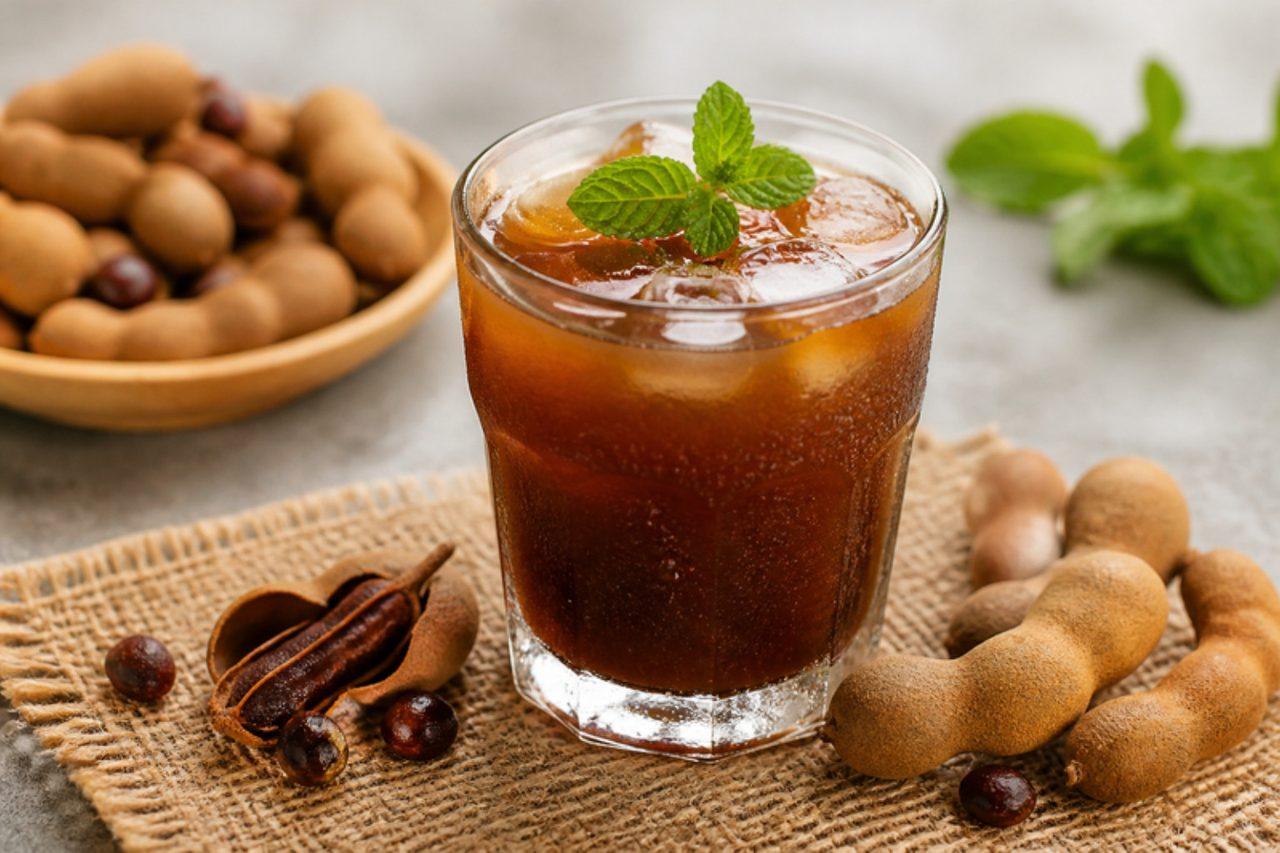
Tomi is the name for tamarind in Guinea, and in Conakry its juice is poured from plastic bottles kept on ice at markets, bus stops and family celebrations alongside bissap and ginger juice. The sticky brown pulp is soaked in hot water, kneaded and strained into a drink that is brown-gold, fruity and pleasantly sour, sweetened with sugar and lifted with a little ginger and vanilla. It is especially welcome at sunset during Ramadan. Chef's tip: soak the pulp in hot, not boiling, water and knead it well; boiling the tamarind is a common mistake that pulls out bitterness from the seeds and skins.

by KrazyBadal 0 views

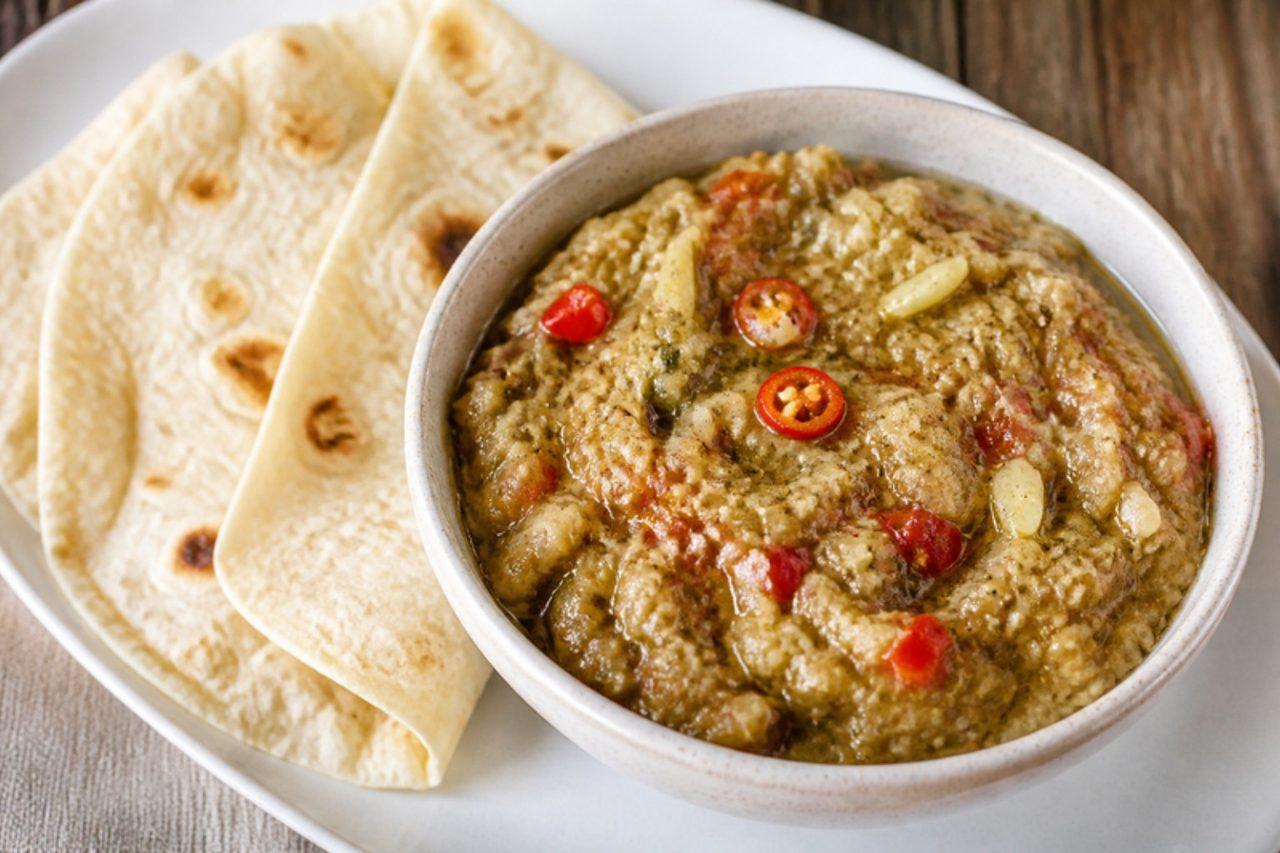
Baigan chokaRoasted aubergine mash

In south Trinidad, from Penal to Siparia, baigan choka is the breakfast or dinner you make when there is an aubergine, a fire and some sada roti on the tawa. The skin is charred right over the flame until the flesh inside collapses, smoky and silky, then it is mashed with raw garlic and hot pepper and "chunkayed" with a spoonful of sizzling oil. The usual mistake is pulling the aubergine off the flame too early; any firm part in the middle tastes raw and spongy. Eat it with roti or rice and dhal. Chef's tip: push slivers of garlic into slits in the aubergine before roasting, then mash them in; you get mellow roasted garlic and a sharp raw note together.

by KrazyBadal 0 views

MuhammarSweet saffron rice

Muhammar is a golden, gently sweet rice from Bahrain, cooked with date syrup or sugar, saffron and rosewater, and its natural partner is fried or grilled fish, especially safi or hamour, so that the sweet rice and the salty, crisp fish balance on the same plate. It is a Friday lunch and Ramadan dish in Manama and Muharraq, and each family argues for its own ratio of sweetness. The grains should be separate and glossy with a faint caramel colour, not sticky. The most common error is boiling the rice too long before steaming, which turns it mushy once the sugar goes in. Chef's tip: let a thin crust form on the base during the steam; Bahrainis prize those crunchy sweet bits.

by KrazyBadal 0 views

Ful nabitSprouted fava bean soup

Sprouted beans are ladled out with their cooking liquor in Cairo homes when the weather turns cold or someone is feeling run down, and Egyptians swear by the broth as a pick-me-up. The beans are soaked and left to sprout for a few days, then simmered with onion, garlic and cumin into a light, earthy soup that is sharpened at the table with plenty of lemon. You can eat the beans with a spoon or pop them from their skins. Allow 3 to 4 days for sprouting, although the hands-on work is only about 20 minutes. People with G6PD deficiency (favism) must not eat fava beans. Chef's tip: stop the sprouting when the shoots are about 1 cm long; longer sprouts taste grassy and bitter.

by KrazyBadal 2 views

Bahamian switchaKey lime drink

On Bahamian porches and at Fish Fry stalls in Nassau, switcha is the everyday cooler: fresh key limes squeezed with sugar and cold water, stirred up in a big jug with plenty of ice. It's sharper and more fragrant than lemonade, and you'll see the lime halves floating in the jug. The usual mistake is putting sugar straight into cold water, where it sinks undissolved: make a quick syrup first. Chef's tip: drop a few squeezed lime halves into the jug for 10 minutes for extra aroma, then take them out before the pith turns it bitter.

by KrazyBadal 0 views

Bahamian stew fishGrouper in roux gravy

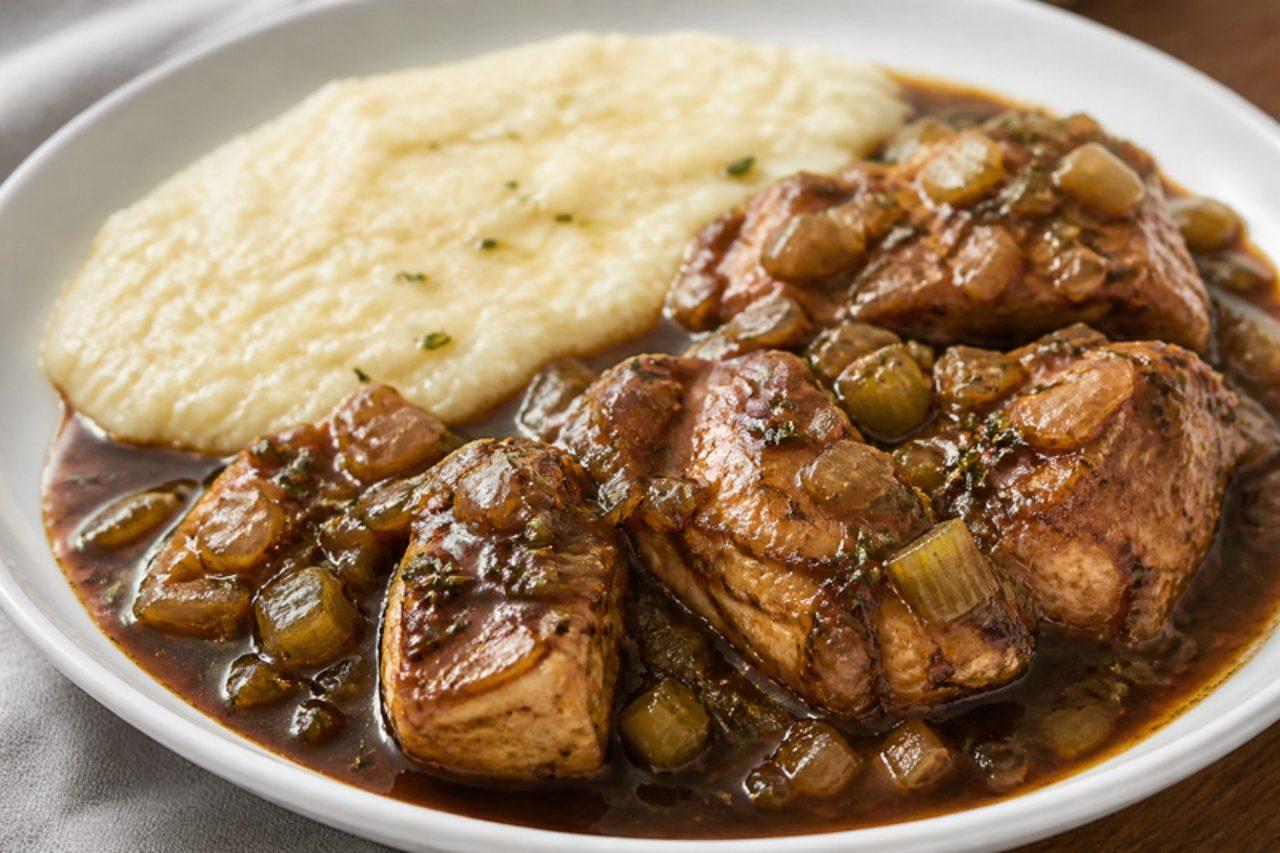
Bahamian stew fish is old-fashioned Sunday breakfast in Nassau and the Family Islands: firm fish such as grouper or snapper simmered in a dark brown gravy built on a flour-and-oil roux, with onion, celery, tomato and thyme, served over grits or with johnnycake. The flavour is deep, savoury and a little smoky from the browned flour. The usual mistake is a pale roux; cook the flour slowly until it is the colour of milk chocolate, but don't let it burn. Ask for thick fish steaks or fillets. Chef's tip: stir the roux with a flat wooden spatula so you can scrape every corner and keep it browning evenly.

by KrazyBadal 0 views

Bahamian guava duffSteamed guava roll

Guava duff is the Bahamas' best-loved dessert, served at Junkanoo season, Sunday dinners and Nassau restaurants alike: a soft dough spread with sweet stewed guava, rolled up, wrapped in cloth or foil and steamed until tender, then sliced and drowned in a warm butter sauce. Traditionally the sauce has rum in it, which is only lightly cooked, so the rum version is for adults only; the vanilla sauce below makes it alcohol-free for everyone. The most common mistake is rolling the duff too tight, which stops it rising; leave room in the wrapping for it to swell. Chef's tip: sieve the guava pulp to remove the hard seeds, and keep the thick paste for the filling.

by KrazyBadal 0 views

Grilled oscypek with cranberry

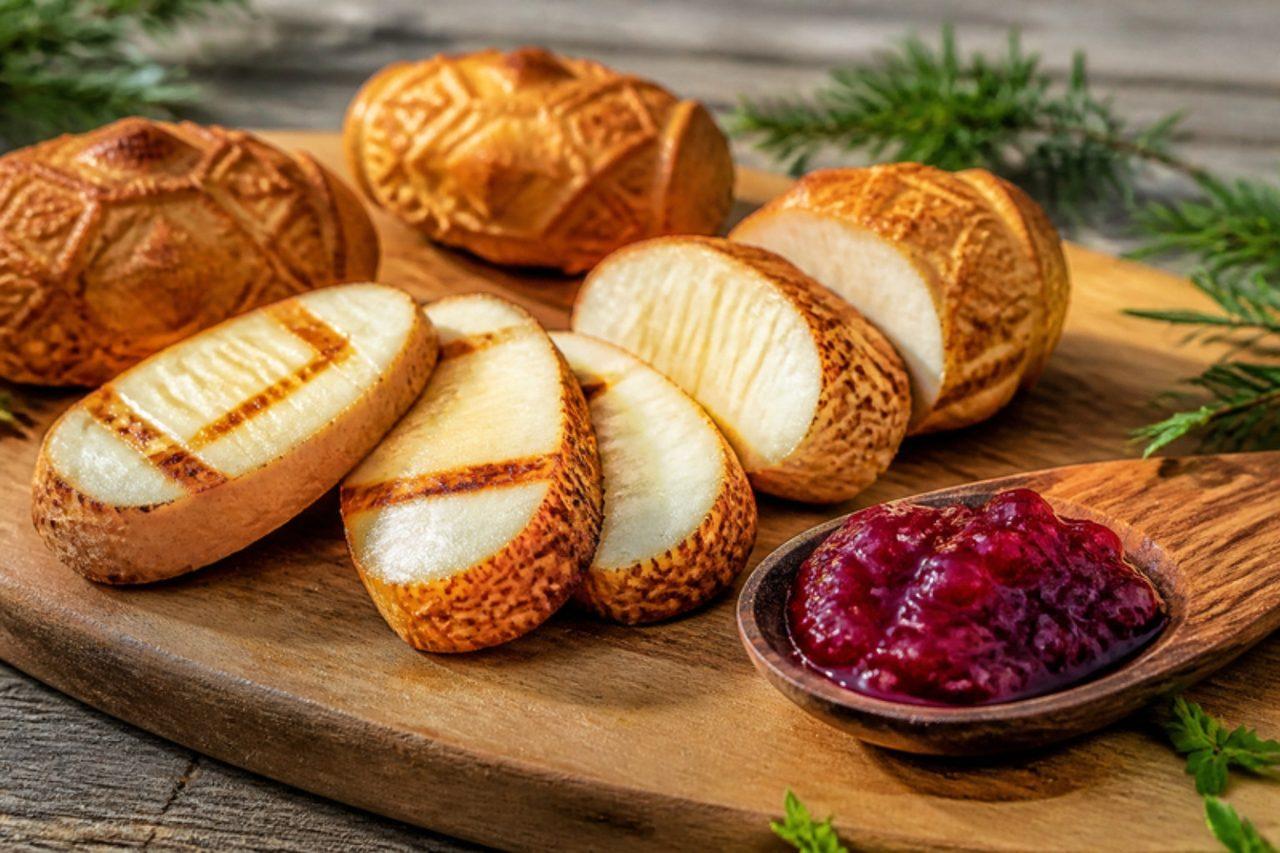
Walk down Krupówki street in Zakopane in any season and the smell of smoke and warm cheese leads you to the grills, where highlanders turn thick slices of oscypek until they are striped and soft. The real thing is a spindle-shaped, carved sheep's milk cheese smoked in mountain huts; grilled, it turns chewy and squeaky outside, salty and smoky within, and the sharp-sweet cranberry cuts through it perfectly. Oscypek is made with animal rennet, so for a vegetarian plate use a smoked sheep's or cow's cheese made with vegetarian rennet, firm enough to hold its shape. The usual slip is slicing too thin; the cheese then melts through the grill. Chef's tip: oil the pan, not the cheese, and don't move the slices until they release on their own.

by KrazyBadal 0 views

Highland grilled trout

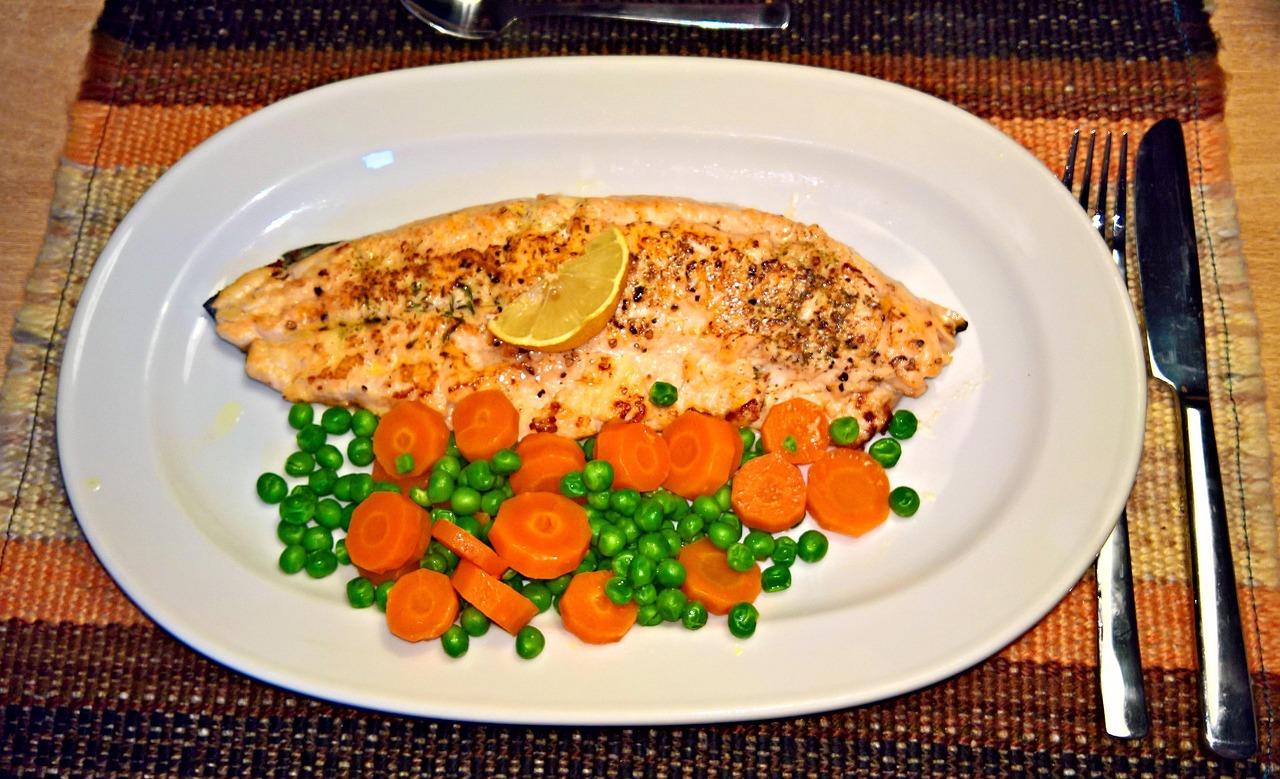
Trout farms fed by cold Tatra streams supply the roadside grills and mountain inns of Podhale, and pstrąg po góralsku is what hikers order on the terrace with a view of Giewont: a whole fish, stuffed with garlic and fresh herbs, crisped in butter until the skin crackles. The flesh is sweet and delicate, scented by dill and parsley from the inside out. Serve it with boiled new potatoes, lemon and a cucumber salad with sour cream. The classic error is flipping too early, so the skin tears and sticks; leave it until it releases on its own. If you have a grill basket, the same fish is excellent over charcoal. Chef's tip: score the thickest part of each side twice, right down to the bone, so the head end cooks as fast as the tail.

28 minPolishFishGluten free
by KrazyBadal 0 views

Bahamian cracked conchBattered fried conch

Cracked conch is the Bahamas' answer to fish and chips, served at Potter's Cay dock stalls in Nassau and family restaurants across the Out Islands: conch steaks pounded ("cracked") thin, soaked in lime, dipped in a peppery batter and fried crisp, with chips, peas 'n' rice or coleslaw. Done properly the inside is tender and sweet like calamari. The common mistake is not pounding enough, which leaves the conch chewy; it should be thin and almost lacy. Buy cleaned conch from a trusted fishmonger and discard any that smells strongly. Chef's tip: let the battered pieces rest on a rack for 5 minutes before frying so the coating sticks and stays crisp.

by KrazyBadal 0 views

Tapalapa (Gambian crusty bread)

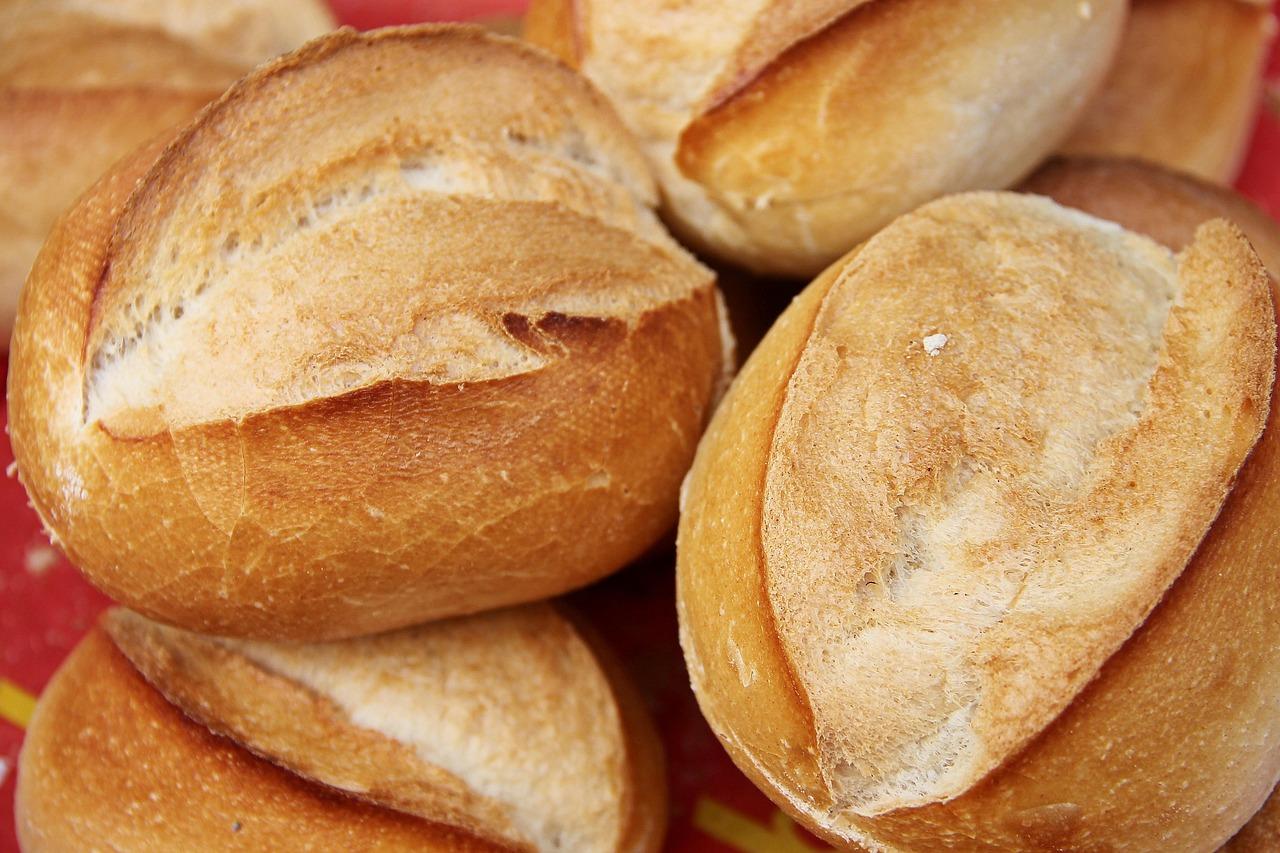
Early each morning, small bakeries around Serekunda and Brikama pull trays of tapalapa from wood-fired ovens, and the short, rustic loaves are on every breakfast stall by sunrise. Denser and chewier than a French baguette, tapalapa has a thick, crackling crust and a slightly tight crumb that holds up to fillings: black-eyed beans in sauce, an omelette, or a smear of chocolate spread. A very hot oven, a baking stone and a tray of steam get you close at home. Allow about two and a half hours of rising. Chef's tip: let the shaped loaves rise only until puffy, not doubled; over-proving is the common mistake, and the loaves flatten and lose the chewy bite.

by KrazyBadal 0 views

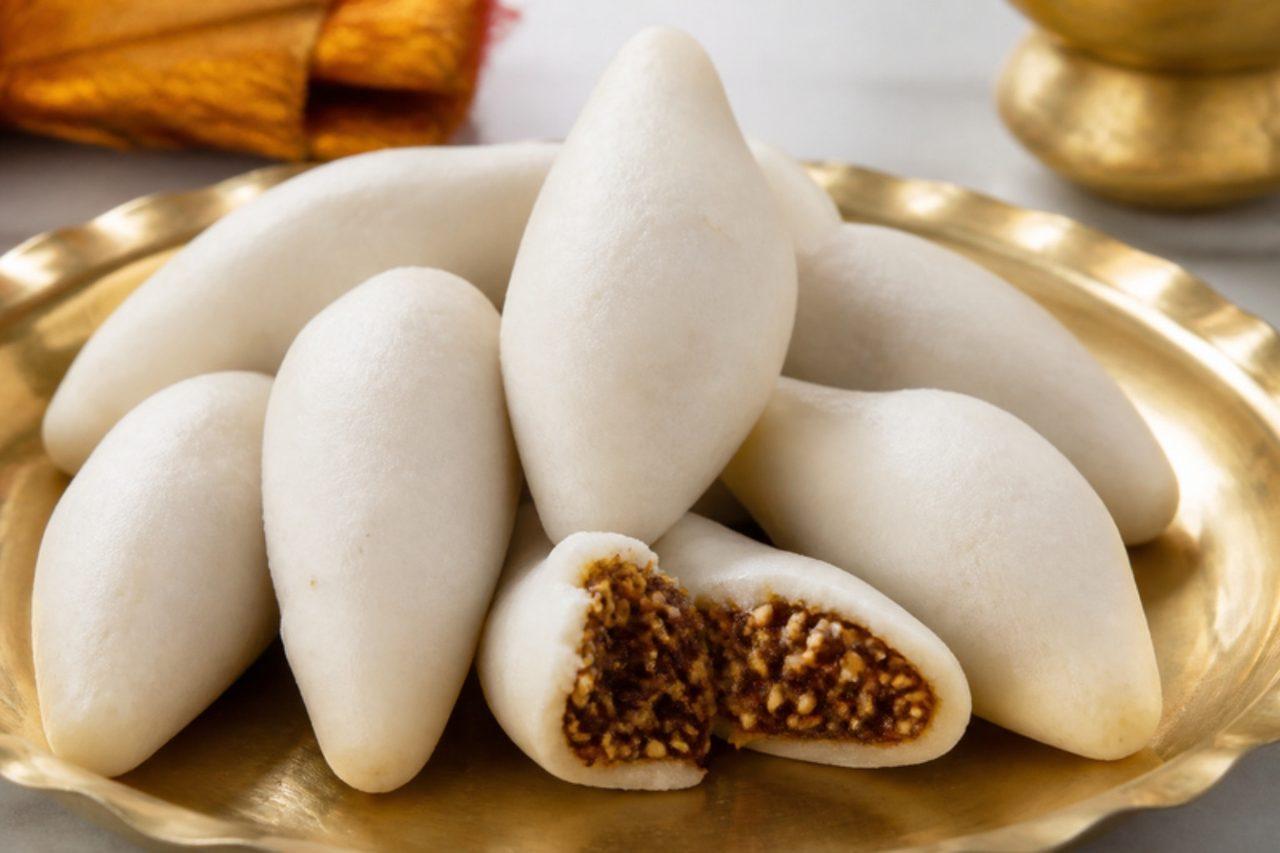
BagiyaSesame jaggery rice dumplings

When the new rice is harvested in late autumn, Maithil households in Janakpur, Siraha and Saptari steam bagiya, plump spindle-shaped dumplings of rice-flour dough that are offered to the gods, given to married daughters visiting home and eaten warm on cold winter mornings. The smooth, chewy shell hides a sweet centre, here toasted sesame bound with melted jaggery and a pinch of cardamom, though some families use molasses toffee (chaku), grated coconut or sweetened milk solids instead. Plain bagiya are also made and eaten with chutney. A common slip is using cold water for the dough, which makes it crumble and split; it must be made with boiling water. Chef's tip: knead the dough while it is still as hot as your hands can bear, with a little oil on your palms, until it is as smooth as play dough.

by KrazyBadal 0 views

Ago glainCrab in tomato pepper sauce

Cotonou sits between the sea and the Nokoué lagoon, and its crabs, ago in Fon, are cooked whole in a thick tomato, onion and pepper sauce for weekend lunches and family gatherings. Ago glain is gloriously messy: you crack the shells with your fingers and teeth, suck out the sweet meat and mop up the sauce with amiwo, akassa or white rice. The sauce is bright, gingery and hot, and the shells give it a deep seafood flavour. Live crabs need careful handling, so buy them from a fishmonger you trust, cook them the same day and keep them chilled until then; ready-cleaned or ready-cooked crab is fine too. The usual mistake is overcooking the crab once it is in the sauce, which makes the meat dry and stringy. Chef's tip: crack the claws before they go into the pot so the sauce seeps in and they cook evenly.

by KrazyBadal 0 views

Jamaican pepper shrimp

Drive through Middle Quarters in St Elizabeth and women by the roadside will lean into the car window holding bags of bright red pepper shrimp, calling "pepa swimps!" The river shrimp are boiled whole in a fiery brine of scotch bonnet, pimento, garlic and salt, then left to soak up the heat, and eaten with the fingers, shells and all sucked clean. Large shell-on prawns make a fine substitute. The usual mistake is overboiling, which leaves the shrimp rubbery; they need only a few minutes before steeping off the heat. Discard any shrimp that smell of ammonia or have soft, slimy shells before cooking. Chef's tip: a teaspoon of annatto or paprika gives the deep red colour of the roadside bags.

by KrazyBadal 0 views

Salade liégeoiseWarm green bean and potato salad

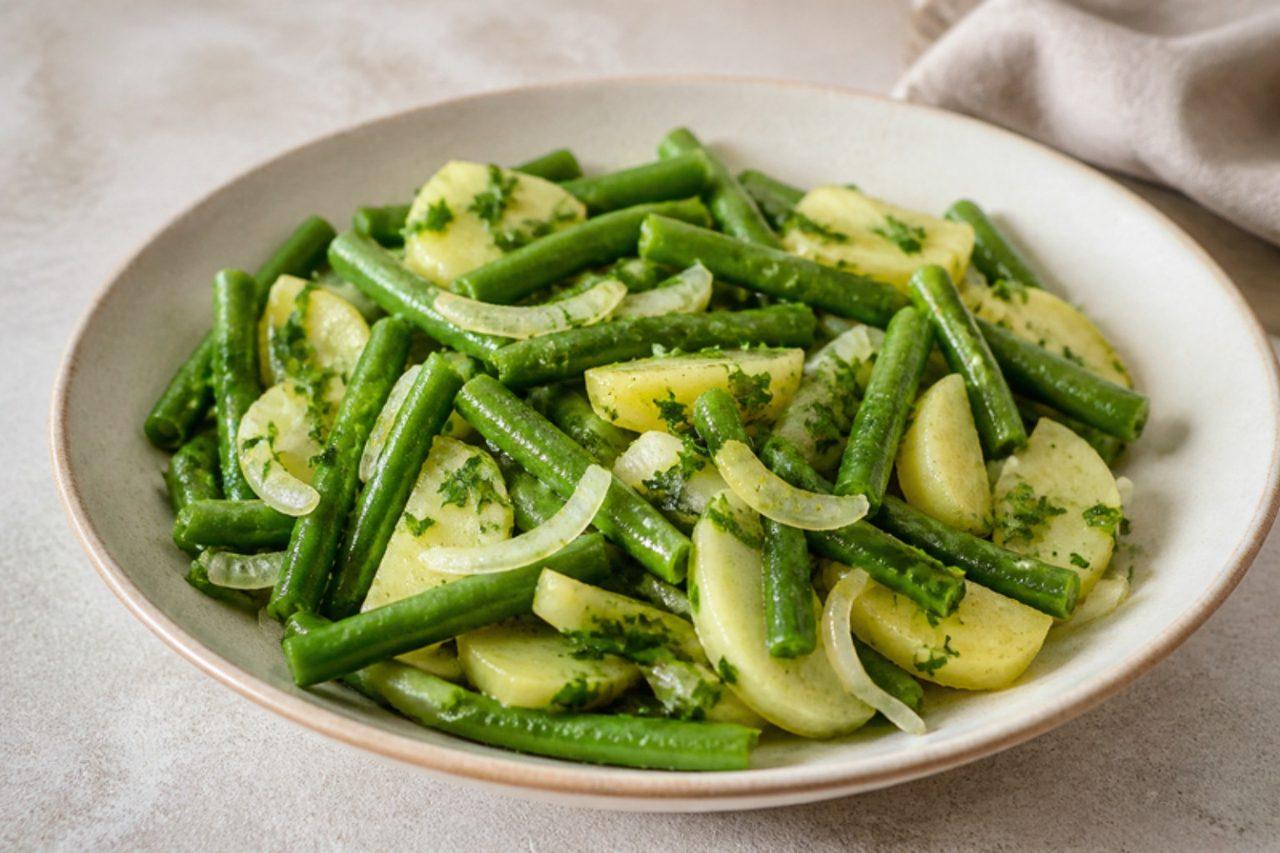
Salade liégeoise is the warm salad of Liège, eaten as a main course in the city's brasseries in summer when green beans are in season: just-cooked green beans and waxy potatoes tossed while warm with onion softened in butter and a sharp vinegar dressing, scattered with parsley. In Liège it is made with crisp bacon lardons; this version leaves them out and adds a fried egg on top for a fuller meal if you like. A common mistake is dressing cold vegetables, which don't absorb the vinegar. Chef's tip: deglaze the onion pan with the vinegar, then pour it straight over the hot beans and potatoes.

by KrazyBadal 0 views

Nyambeh nyebbeh (cassava and beans in palm oil)

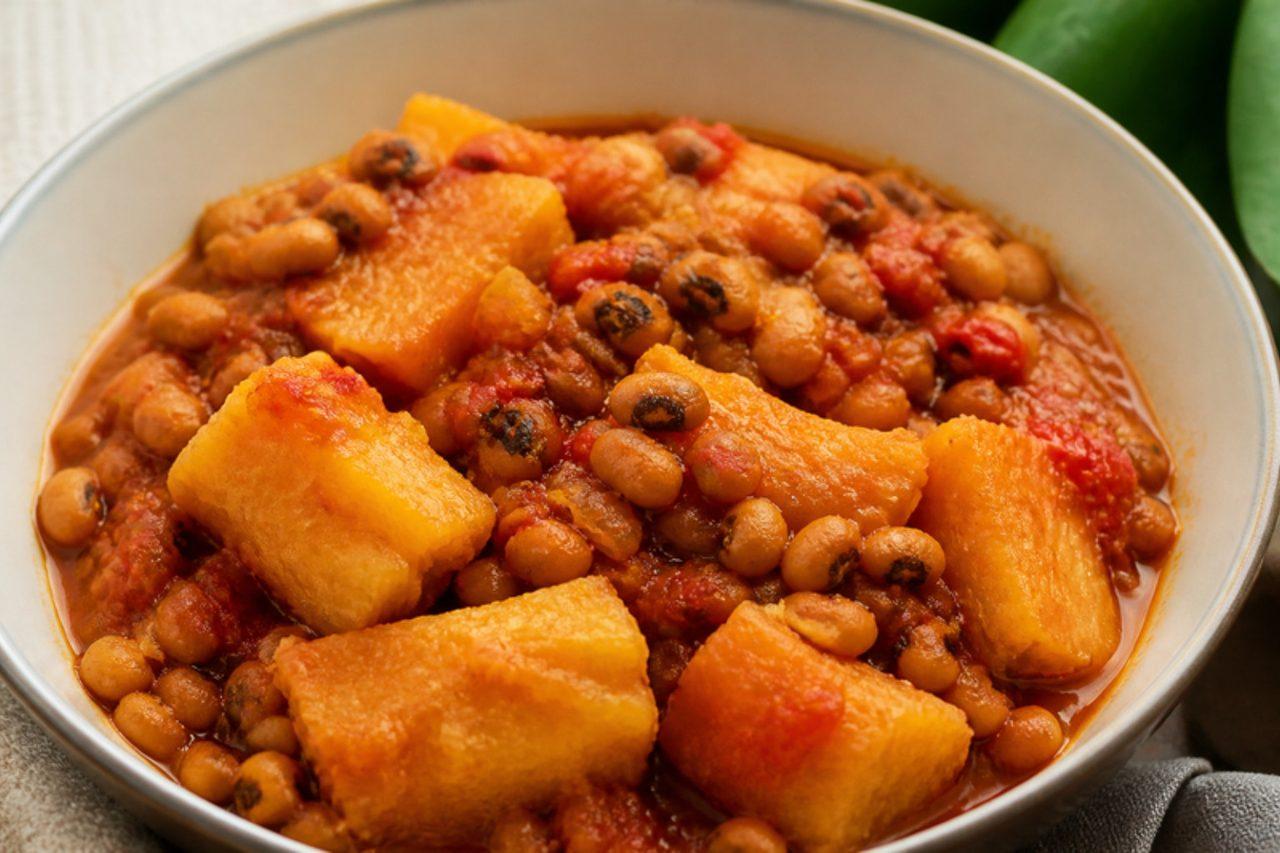
Bright with red palm oil, nyambeh nyebbeh, cassava (nyambeh) and beans (nyebbeh), is a favourite Gambian lunch from Banjul compounds to roadside food stalls. Chunks of cassava and black-eyed beans are boiled until tender, then dressed with a hot sauce of red palm oil, onion and Scotch bonnet. Cassava gives starchy, slightly sweet bites, the beans turn creamy, and the palm oil adds its earthy, peppery depth. Dried fish is often crumbled in; this is the meat-free version. Chef's tip: always cook cassava fully and pull out the woody core string, since undercooked or raw cassava is unsafe to eat; it is ready when a knife slides through with no resistance.

by KrazyBadal 0 views

Meni-meniyong (Malian sesame honey sticks)

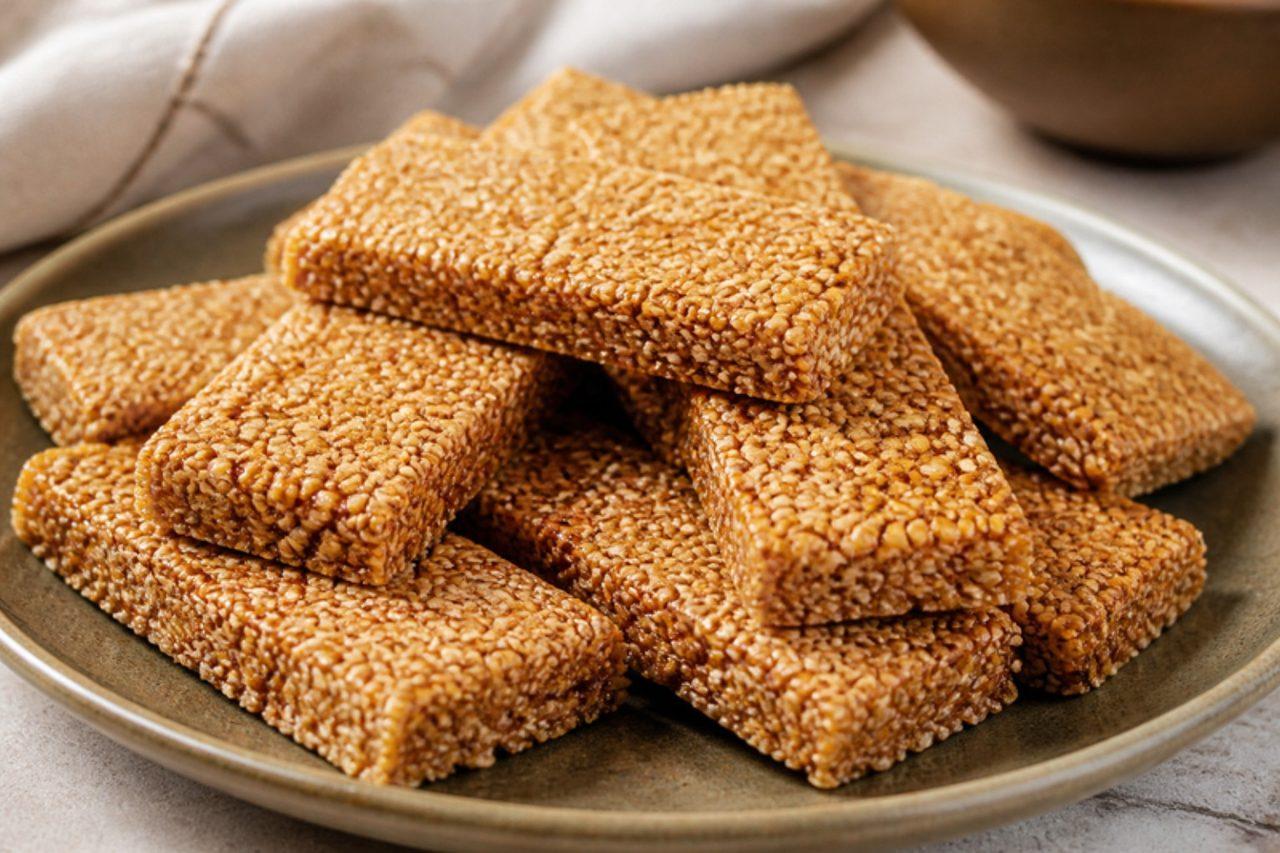
Toasted sesame seeds bound with hot honey and a knob of butter, then pulled into sticks before they harden: meni-meniyong is a little Malian sweet sold at markets and made at home for guests and festive days. The sticks are crisp at the edges, chewy in the middle, and taste deeply of toasted seeds and dark honey. They need only three ingredients but reward careful heat. Children love them, and they keep well in a tin. Chef's tip: cook the honey until a drop in cold water forms a firm ball; pulling it off too early is the usual mistake, and the sticks stay soft and sticky instead of setting.

by KrazyBadal 0 views

Fried gobies

Odesa's beloved bychky, the little big-headed gobies of the Black Sea, are sold by the bucket at Pryvoz market and fried in sunflower oil in kitchens and beach cafés all summer. Dusted with seasoned flour and fried hard, they come out crunchy and golden, with sweet white flesh and bones so small they are eaten whole. Serve with lemon, a tomato and cucumber salad, bread and plenty of dill. Most people go wrong by using too little oil, so the fish stick and the coating flakes away; you want a good centimetre in the pan. Outside the Black Sea region, smelt, sprats or small whiting work the same way. Chef's tip: for the crunchiest result, ask for the heads to be removed and the fish gutted, salt them 10 minutes in the fridge, then dry them very well before flouring.

by KrazyBadal 0 views

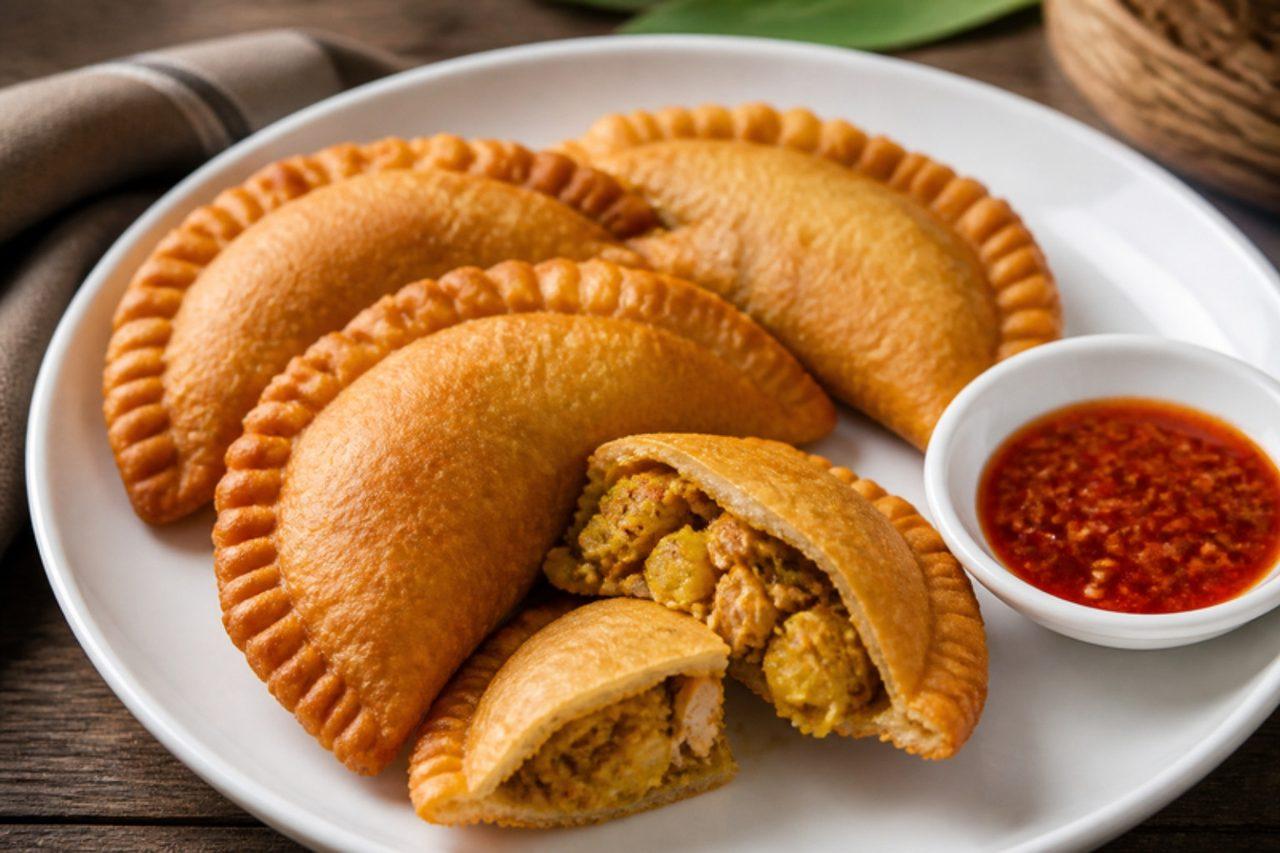
Sri Lankan patties

Patties are the short eat that marks a Sri Lankan celebration, made by the hundred for weddings, Avurudu New Year visits and Christmas open houses, and sold warm from bakeries in paper bags. The pastry is the clue to their identity: rich with butter, egg and coconut milk, rolled thin, folded into half-moons and crimped with a fork, then fried until blistered and flaky. Inside is a gently spiced mix of chicken, potato and leeks with a hint of cinnamon, and a vegetable filling of potato, carrot and leek is equally common when guests are vegetarian. It goes wrong when the filling is still warm when it meets the pastry, which then softens, tears and leaks in the oil. Chef's tip: rest the pastry in the fridge for half an hour before rolling, and press the edges with a fork dipped in flour so they seal firmly.

by KrazyBadal 0 views

Sri Lankan Chinese rolls

Nobody in Sri Lanka quite knows why they are called Chinese rolls, but every bakery glass case and tea-shop counter from Kandy to Matara has a tray of them: thin crêpes wrapped around a peppery filling, dipped in batter, rolled in breadcrumbs and fried to a golden crunch. Fish is the classic, usually tuna or mackerel cooked with potato, leeks, onion, curry leaves and green chilli, and the rolls go to office tea breaks, almsgiving receptions and children's birthday parties, always with a bottle of chilli sauce. A potato and leek version without fish is just as popular and makes them vegetarian. People often go wrong by making the pancakes too thick, which gives a doughy roll that never crisps. Chef's tip: roll each one tightly like a spring roll, tucking the sides in, so the filling cannot burst out in the oil.

by KrazyBadal 0 views

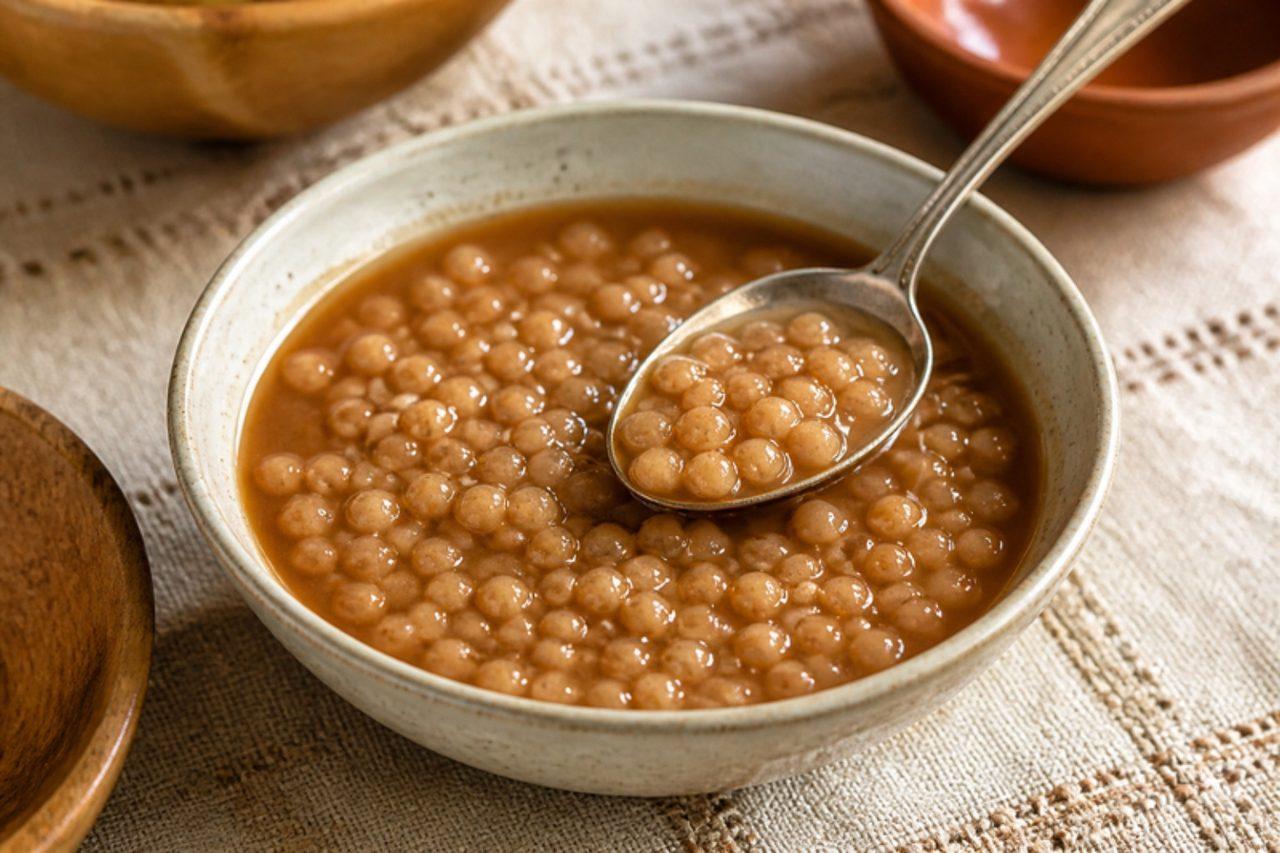
Moni (millet dumpling porridge with tamarind)

Bamako mornings, and especially Ramadan mornings before dawn, often start with a bowl of moni: tiny balls of millet flour rolled by hand and cooked in water until they turn plump and chewy in a smooth porridge. Tamarind gives it a clear sourness, sugar balances it, and some cooks add a squeeze of lemon or a little fresh ginger. It is thinner than tô and meant to be drunk from the bowl or eaten with a spoon. This version is vegan; some families stir in milk or soured milk at the table. Don't drop the dumplings into water that isn't boiling, or they dissolve into the porridge. Chef's tip: roll the balls small, no bigger than a chickpea, and let them dry on the tray for ten minutes before cooking so they hold together instead of dissolving.

by KrazyBadal 0 views

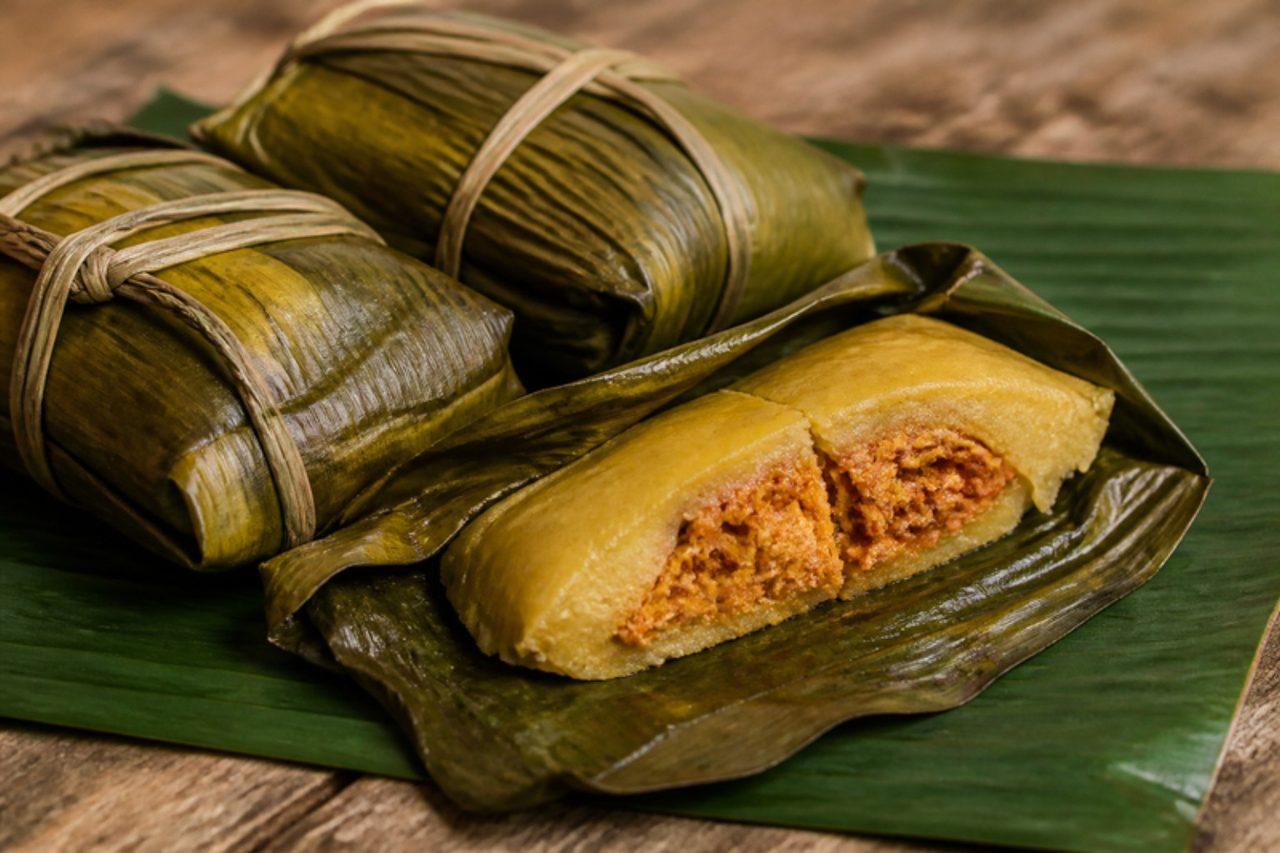
BacánPlantain and pork parcels

Bacán belongs to Baracoa, the coconut-growing corner of eastern Cuba, where it is made for family gatherings and sold wrapped at weekend markets. Grated green plantain is mixed with fresh coconut milk into a soft dough, wrapped around a filling of seasoned pork in a banana leaf and steamed until set, a little like a tamal but sweeter and silkier. The pork is shoulder, cooked in a sofrito before wrapping. The common mistake is using ripe plantain, which won't set; it must be hard and green. Chef's tip: pass the banana leaves briefly over a flame or hot pan until they turn glossy and supple, and they will fold without splitting.

120 minCubanMeatGluten free
by KrazyBadal 0 views

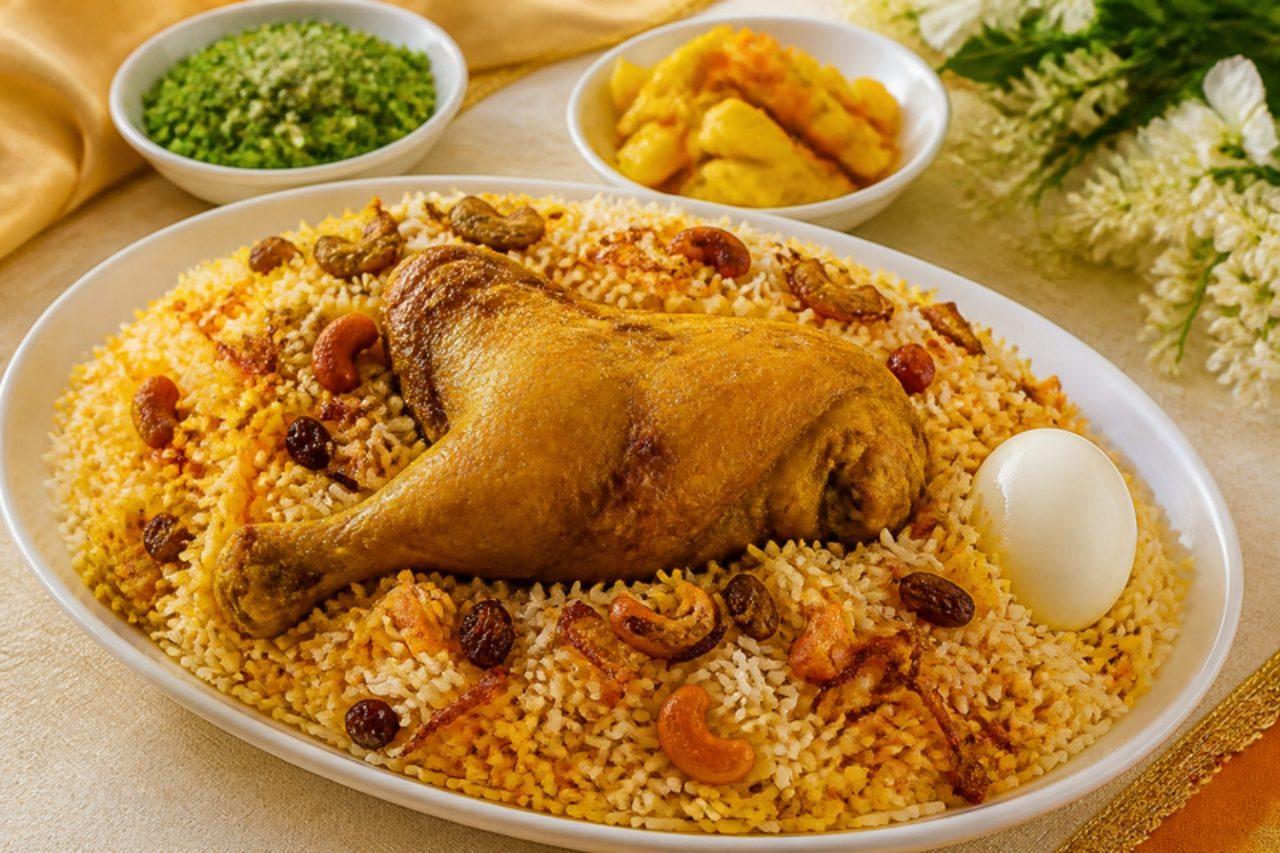
Sri Lankan buryani

At a Sri Lankan Muslim wedding or a Friday gathering in Colombo's Maradana or Kandy's old town, buryani arrives on huge platters, each portion crowned with a leg of chicken, a halved boiled egg, fried cashews and sultanas. It is lighter and more perfumed than most mainland Indian versions, built on chicken marinated in yoghurt and warm spices, layered with long-grain rice, fried onions, mint and rose water, then sealed and steamed so the grains take on the aroma. It is never eaten alone: a sharp mint sambol, a sweet-sour pickle called achcharu and a bowl of raita-like salad are the expected companions. A frequent misstep is boiling the rice fully before layering, which leaves it mushy after the steaming. Chef's tip: drain the rice when it is about 70 percent cooked, still with a firm white core, because it finishes in the steam.

by KrazyBadal 0 views

SalufPuffy flatbread

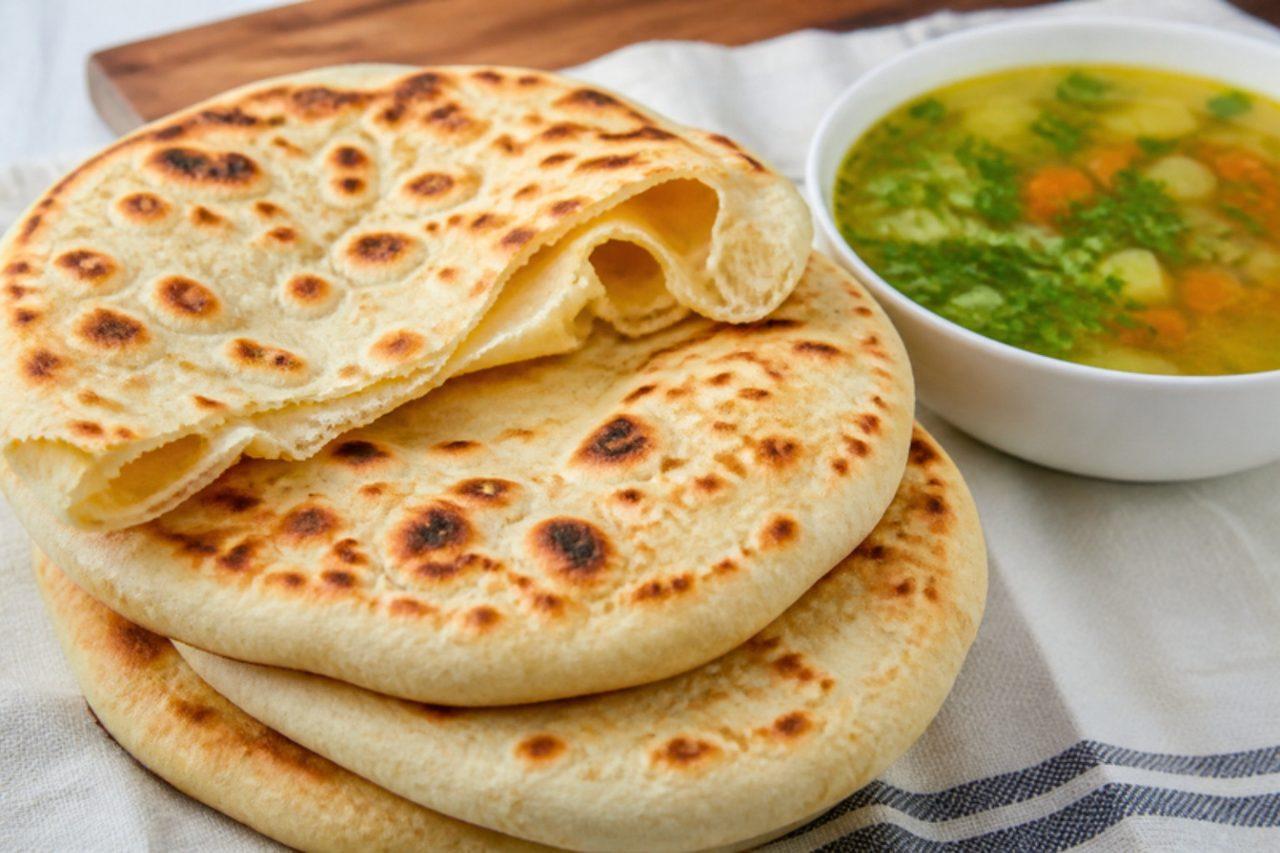
Saluf is the everyday bread of Yemenite Israelis, slapped onto a hot pan or taboon in Rosh HaAyin and Sha'arayim in Rehovot and eaten with marak temani, hilbe and zhug. It is soft and blistered, thicker than pita and with no pocket, made to tear and dunk. Home cooks often roll it too thin, which gives a cracker; it should be about 1 cm thick so it stays pillowy. Chef's tip: cook it under a lid on a very hot dry pan for the first minute, which traps steam and puffs it the way a taboon does.

by KrazyBadal 1 views

Jaffna goat curry

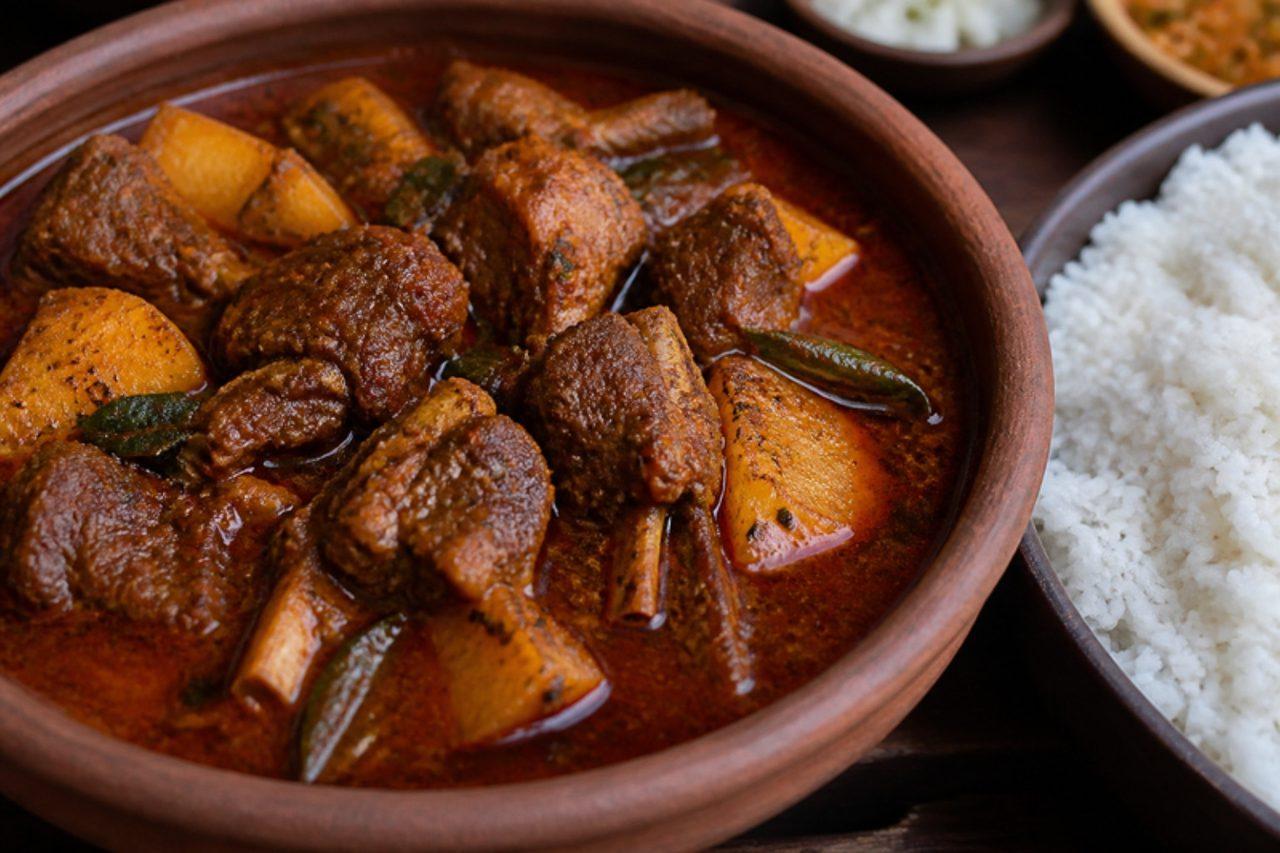
Goat is the celebration meat of the Tamil north, and a Jaffna aattukkari cooked for a temple feast day, a wedding lunch or a Sunday at home is thick, brick-red and ferociously spicy. The secret is the local curry powder, roasted much darker and hotter than in the south, fried in oil with onion, garlic and fennel until it almost catches, then simmered slowly with the meat until the gravy reduces to a coating. Chunks of potato soak up the sauce, and the whole thing is eaten with rice, idiyappam or Jaffna-style puttu, with a cooling bowl of curd or coconut sambol on the side. The pitfall here is rushing the simmer; goat needs patience and goes chewy if it is cooked hard and fast. Chef's tip: brown the meat well in the spice paste before any liquid goes in, which gives the gravy its deep, almost smoky flavour.

by KrazyBadal 0 views

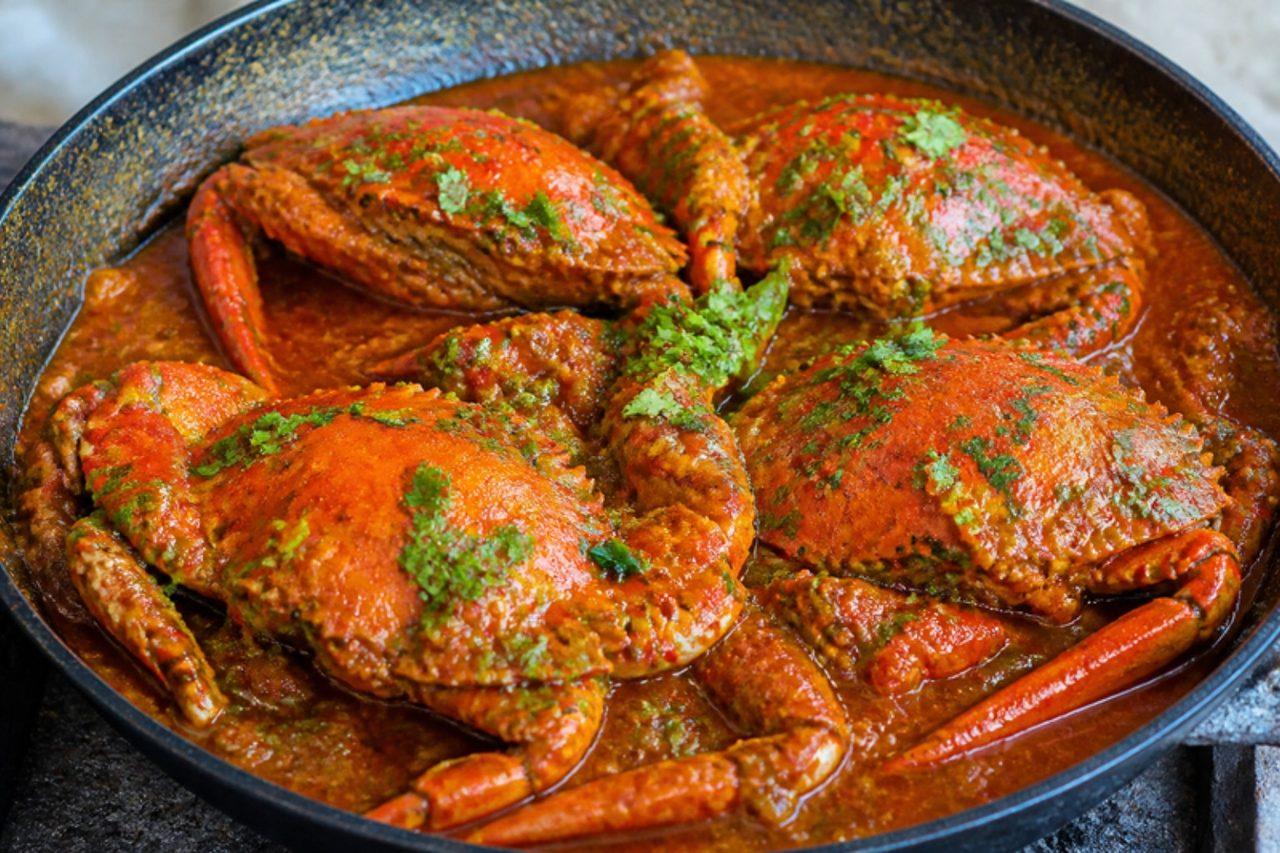
Jaffna crab curry

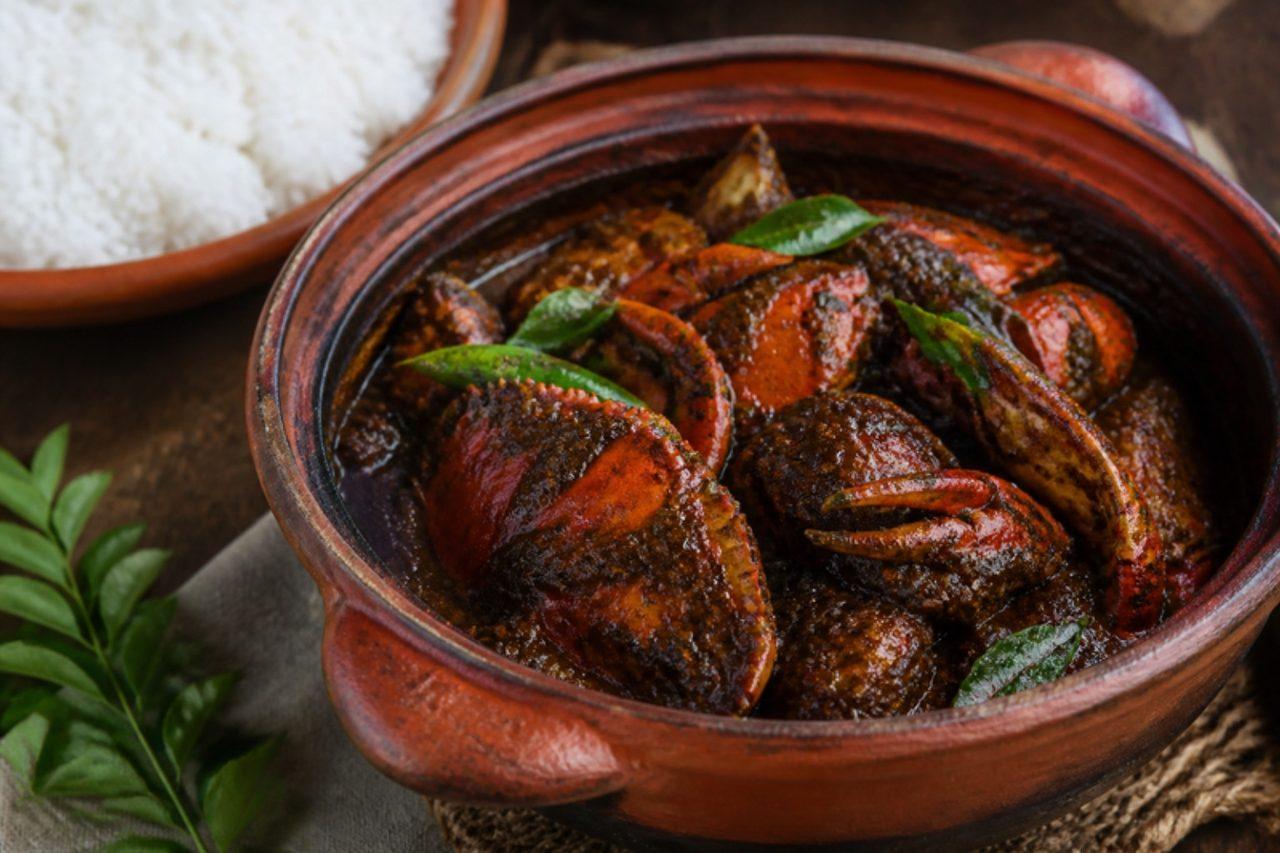
The shallow lagoons around Jaffna and the islands of Kayts and Delft produce big, sweet mud crabs, and the town's answer to them is a curry so dark and hot that visitors are warned before they order. Jaffna curry powder, heavy with roasted red chilli, coriander and fennel, is fried in sesame oil with onion and garlic, then loosened with tamarind and a little coconut milk so the sauce clings to every crack in the shell. A handful of moringa leaves wilted in at the end adds a grassy note, and the crab is eaten with the hands, sucked from the shell, alongside plain rice or puttu. A frequent misstep is boiling the crab hard for too long, which makes the meat dry and stringy. Chef's tip: crack the claws before cooking so the sauce soaks in and the meat is easy to reach at the table.

by KrazyBadal 0 views

Kyar zan hingaGlass noodle soup with chicken

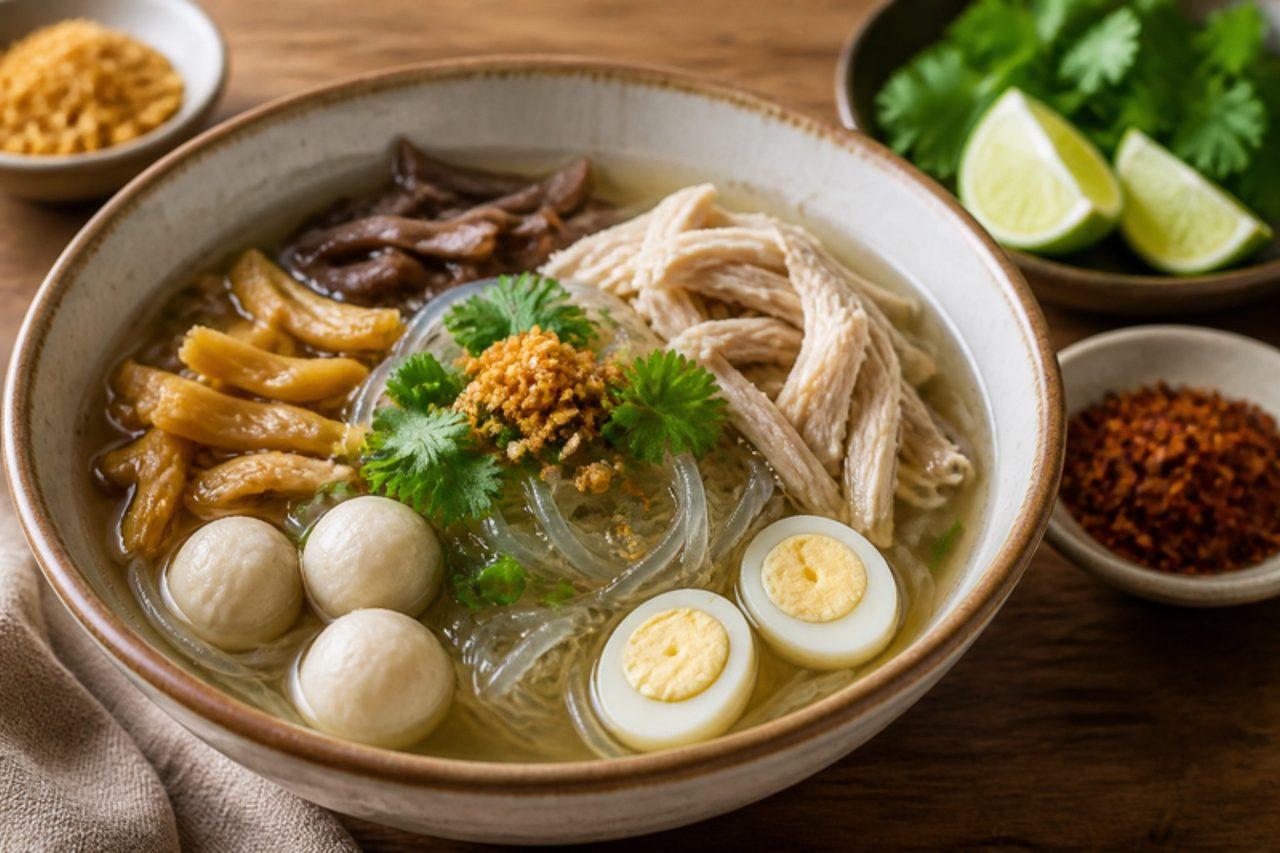
Lighter than mohinga and a favourite with children, kyar zan hinga turns up at Yangon donation feasts, at evening noodle stalls and on the family table when someone needs something soothing. Slippery glass noodles swim in a clear, peppery chicken broth with shredded chicken, crunchy wood-ear mushroom, chewy knots of dried lily buds, bouncy fish balls and whole quail eggs. Each bowl is finished at the table with lime, chilli flakes, fried garlic and coriander, and crisp split-pea fritters are often torn in on top. Simmering the glass noodles in the pot is the classic error: they swell, go soft and drink up the broth, so add them straight to the bowls instead. Chef's tip: knot each softened lily bud before it goes into the soup; it keeps them from shredding and gives every spoonful a little chewy bite.

by KrazyBadal 1 views

Hot butter cuttlefish

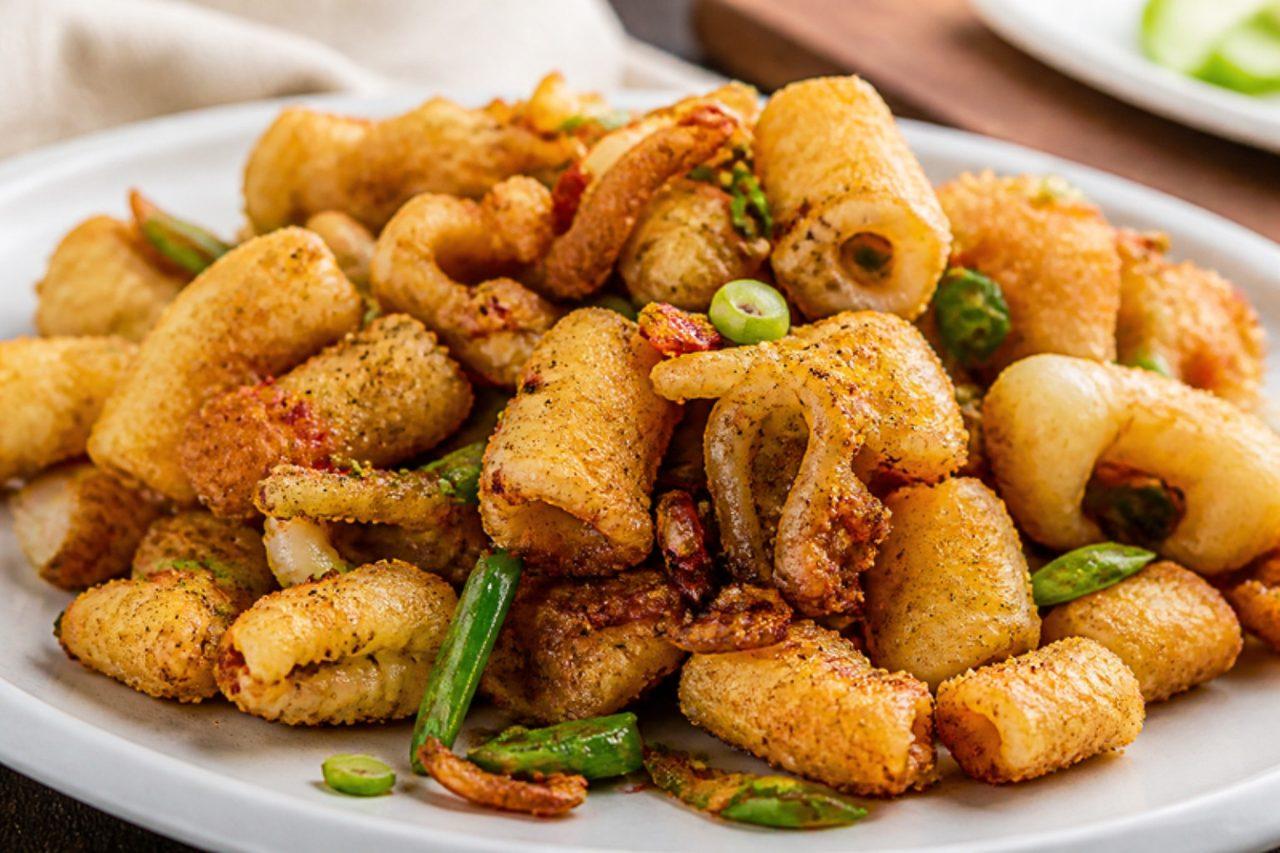
Along Colombo's Galle Road and in the seafood restaurants of Negombo, hot butter cuttlefish is the dish nearly every table orders first, a heap of golden, crunchy strips that disappear while the rice and curries are still on their way. The cuttlefish is scored, dipped in a light, chilli-spiked batter and fried hard, then thrown into a pan of foaming butter with garlic, dried chilli flakes, green chilli and a big handful of spring onion. The result is crisp outside, tender within, rich, salty and properly hot, and it is eaten as a starter or alongside fried rice and a fresh lime. It goes wrong when the cuttlefish fries too long, because it turns rubbery after about two minutes in the oil. Chef's tip: score the inside of each piece in a fine criss-cross so it curls and grabs the batter, and fry in small batches so the oil stays hot.

by KrazyBadal 0 views

Devilled chicken

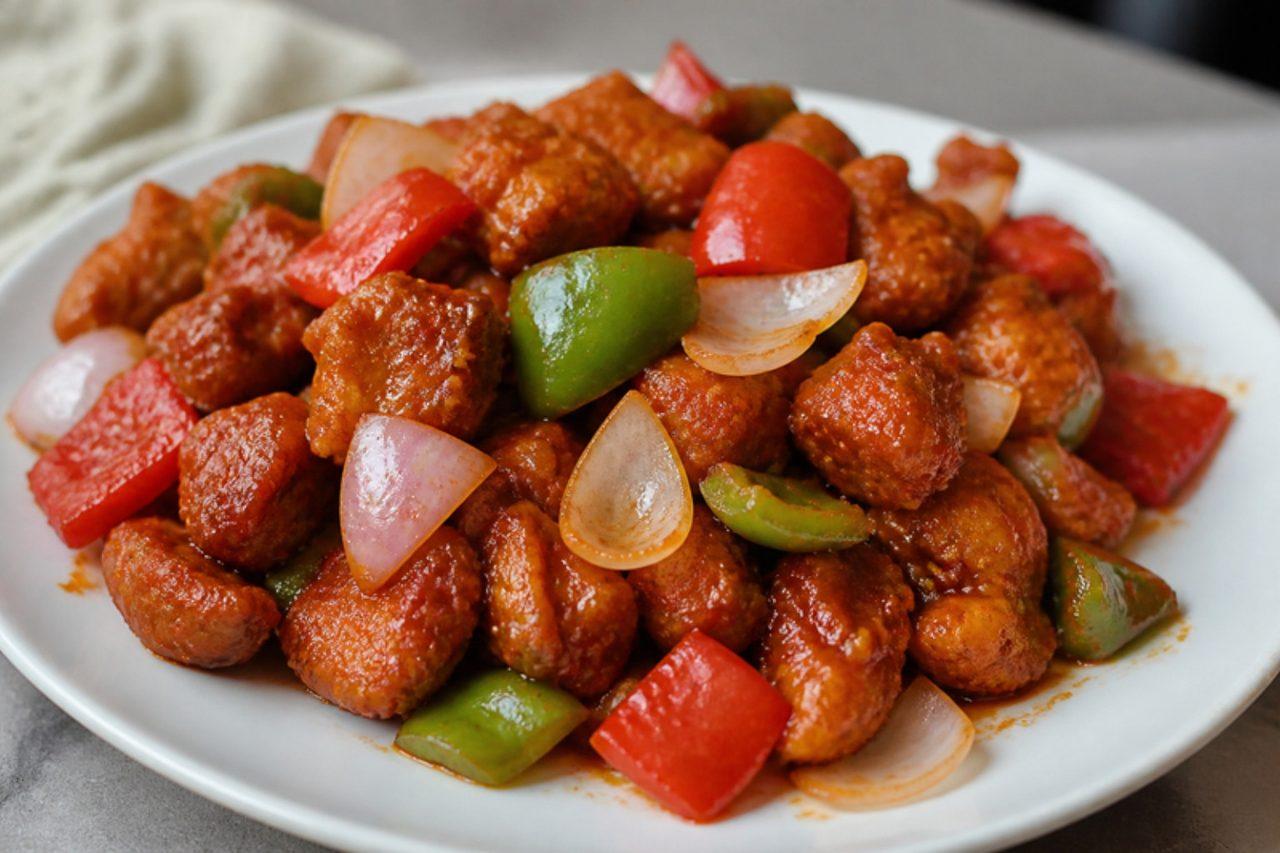
Few plates are more Colombo than devilled chicken, the sticky, fiery stir-fry born in the city's Sri Lankan-Chinese restaurants and now cooked in home kitchens for birthday parties, Saturday fried-rice nights and office lunch boxes. Bite-sized pieces of chicken are fried crisp, then tossed in a wok with wedges of onion, green capsicum and tomato in a glossy sauce of chilli flakes, ketchup and soy, so every piece is sweet, salty and hot at once. It is served with yellow fried rice or simply as a side to a rice-and-curry spread, and for a meat-free version you can devil button mushrooms or parboiled potato cubes in exactly the same sauce. Where most people go wrong is overloading the wok with vegetables, which then steam and go limp instead of staying crunchy. Chef's tip: separate the onion wedges into single petals before they hit the pan, so they char at the edges in under a minute.

by KrazyBadal 0 views

Sri Lankan chicken curry

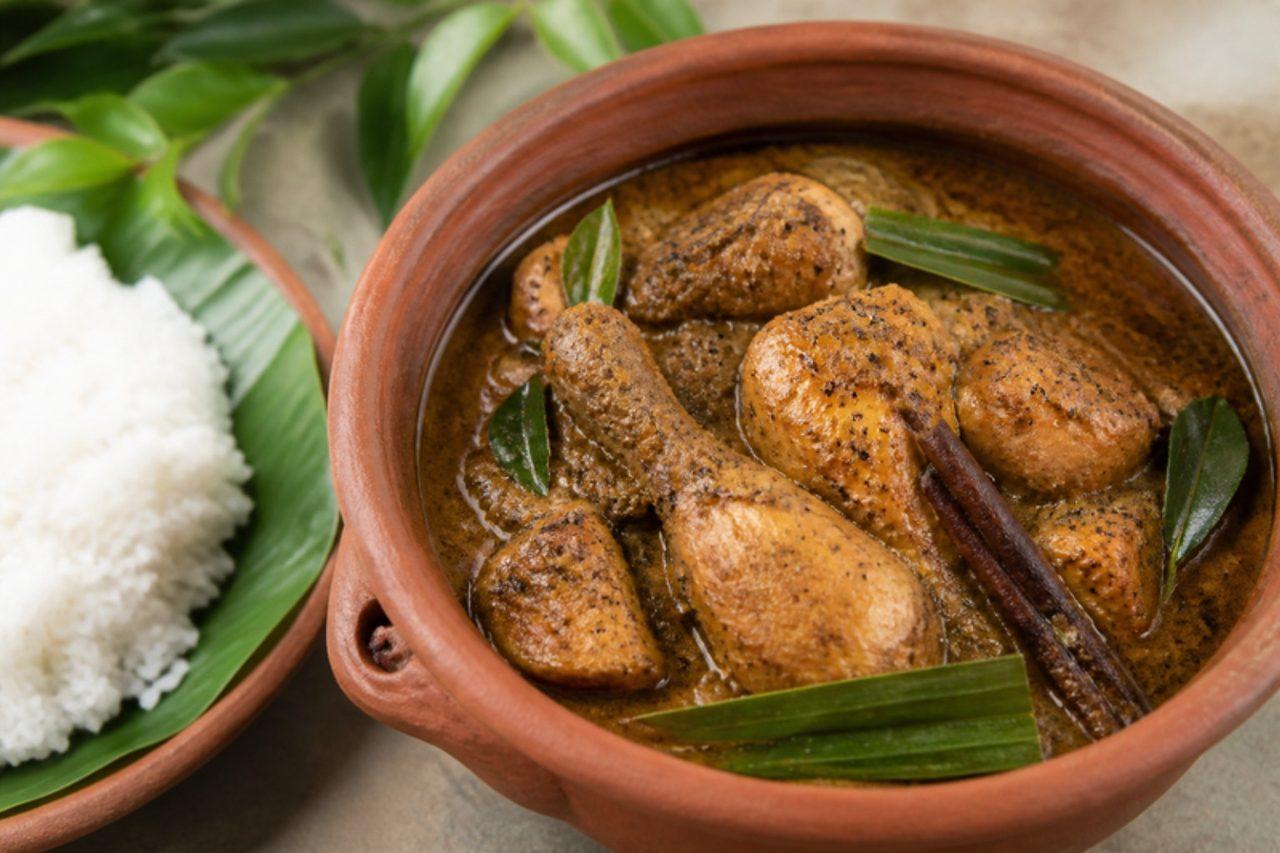
Sunday lunch in a Colombo family home very often means a pot of kukul mas curry, the chicken chopped small on the bone and simmered in a gravy darkened by curry powder that has been roasted until it smells almost like coffee. Pandan leaf, curry leaves, cinnamon bark and cardamom carry the perfume, while coconut milk stirred in towards the end rounds off the chilli heat without making the sauce heavy. It shares the table with red rice, parippu, pol sambol and a green mallung, and whatever is left over tastes even better the next morning with string hoppers. A common slip is using raw, unroasted curry powder, which tastes dusty and flat instead of deep and smoky. Chef's tip: roast the spices for the powder until they are the colour of milk chocolate and grind them while still warm, so the oils release into the powder.

by KrazyBadal 0 views

Sri Lankan milk toffee

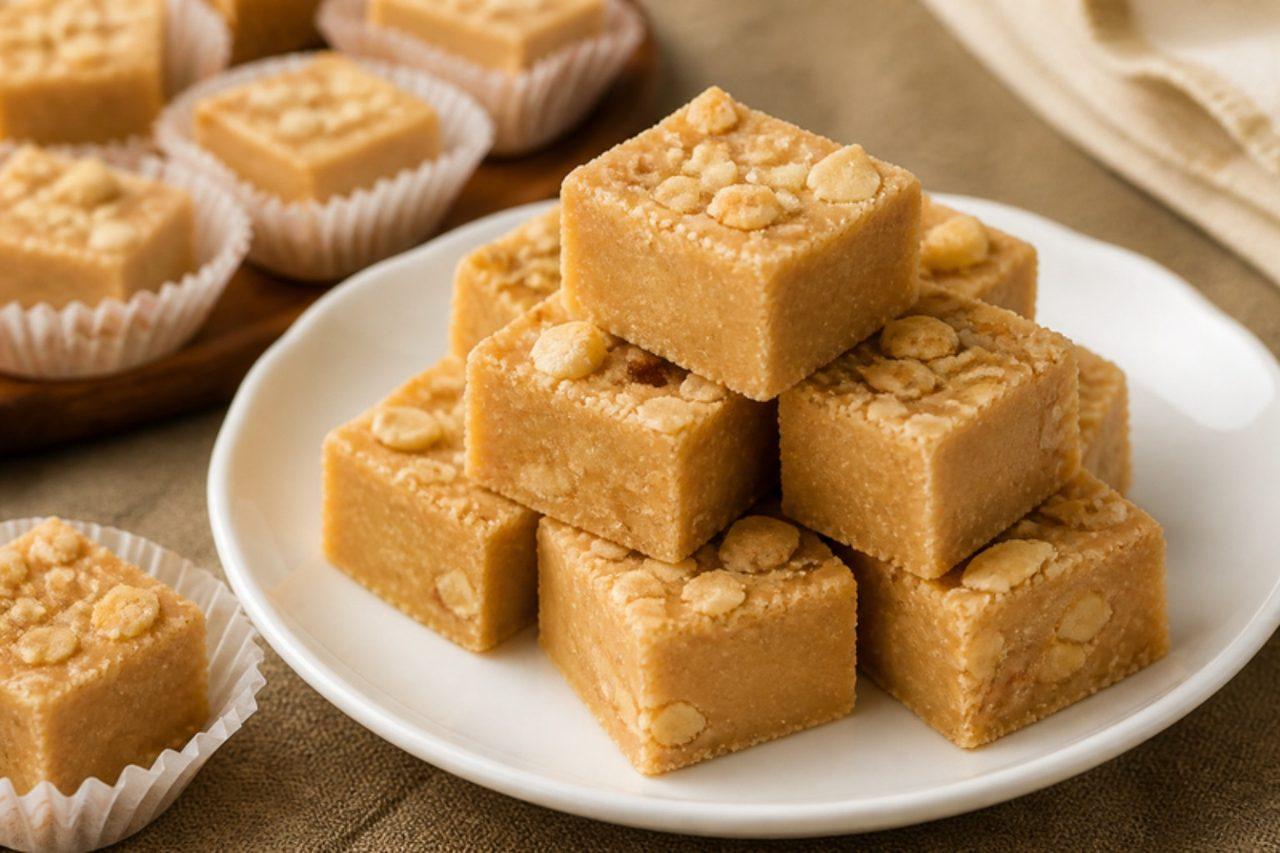
Every school fair, office bake sale and Avurudu table in Sri Lanka has a plate of milk toffee, the pale golden squares that are firm when you pick them up yet melt away in a sweet, slightly grainy crumble in your mouth. A tin of condensed milk is cooked with sugar and butter, stirred constantly for half an hour until it thickens and leaves the pan, then flavoured with chopped cashews and a whisper of cardamom and vanilla. It is simple enough for children to help with, as long as an adult does the hot stirring. Stopping too early is the trap almost everyone falls into, leaving a soft, chewy fudge instead of the proper crumbly snap. Cook until the mixture rolls into a ball, turns a shade darker and a drop set in cold water is firm. Chef's tip: mark the squares with a buttered knife while the toffee is still warm, because once it cools it will only break into rough pieces.

by KrazyBadal 0 views

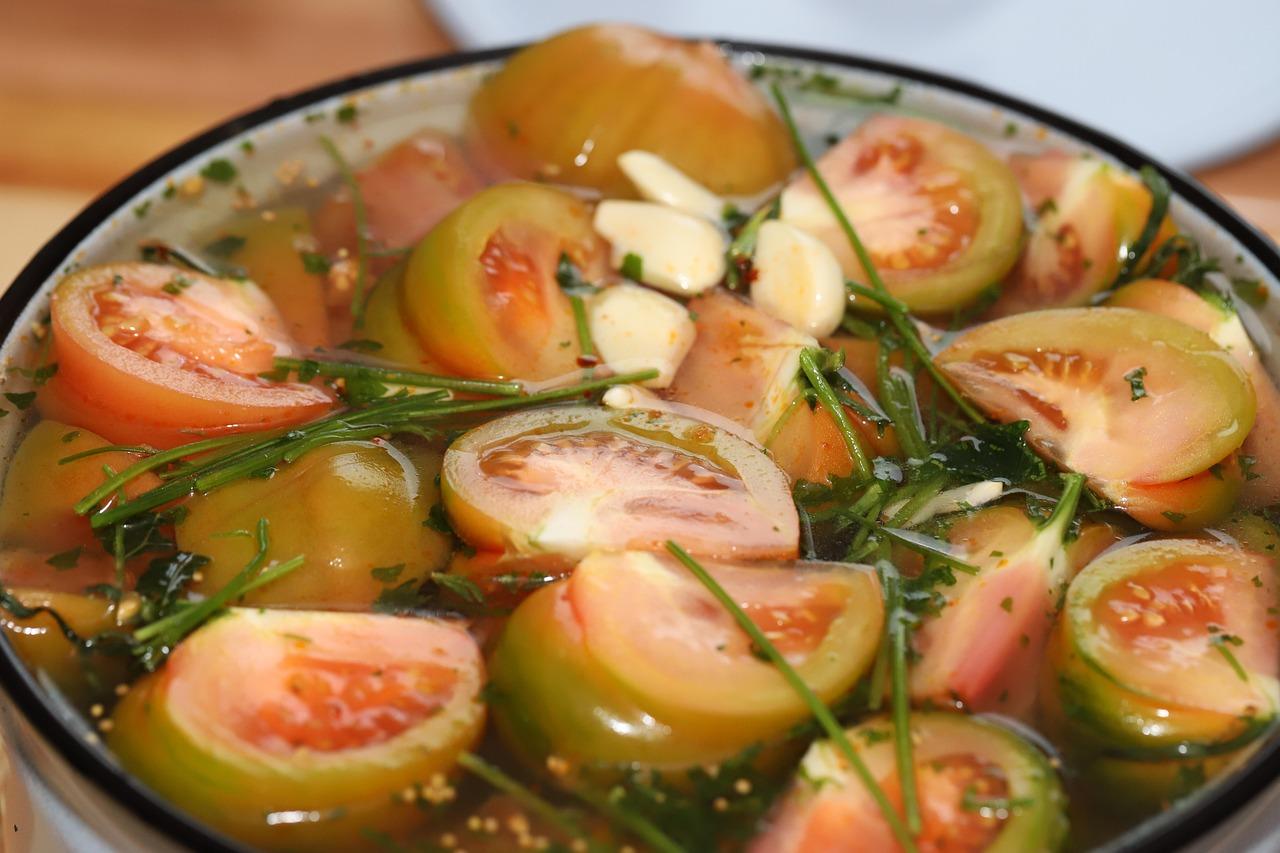
Pickled green tomatoes

In southern Ukraine the first cold nights of October leave every garden full of hard green tomatoes that will never ripen, and rather than waste them, cooks around Odesa and Kherson slit each one and stuff it with a punchy paste of garlic, dill, parsley and hot chilli. A week in brine turns them sour and fizzy, with a crunch and a slow burn from the chilli. They are the pickle everyone reaches for at the winter table, next to potatoes fried with onions or a bowl of buckwheat. Most people go wrong by cutting the tomatoes right through, so the filling falls out; slice only two-thirds of the way. As with any ferment, keep everything below the brine and discard the jar if it grows fuzzy or coloured mould or smells rotten. Chef's tip: pick tomatoes that are just starting to blush pale; fully hard dark-green ones stay bitter.

by KrazyBadal 0 views

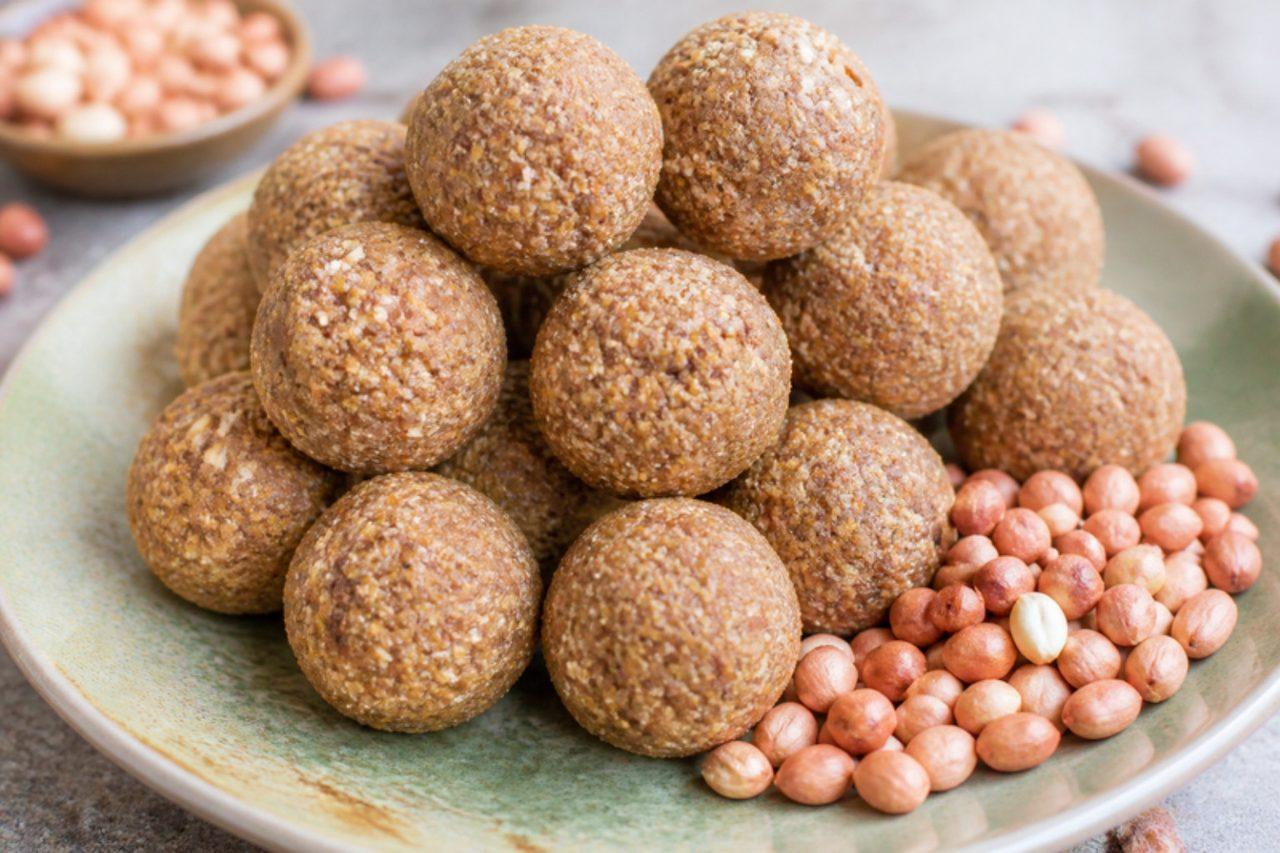
Dakuwa (groundnut and grain balls)

Hawkers in northern towns carry dakuwa on trays to schools and motor parks, and it keeps well enough to be a travelling snack. Roasted groundnuts are pounded with toasted maize or millet, sugar and warm spices until the oil from the nuts binds everything, then pressed into firm balls that are sweet, nutty and gently peppery. No cooking beyond toasting is needed. The usual mistake is over-blending until the nuts turn to butter and the mixture goes greasy; pulse and stop as soon as it holds when squeezed. Chef's tip: shape the balls while the mixture is still warm from the processor, when the oils are soft and it presses together easily.

by KrazyBadal 0 views

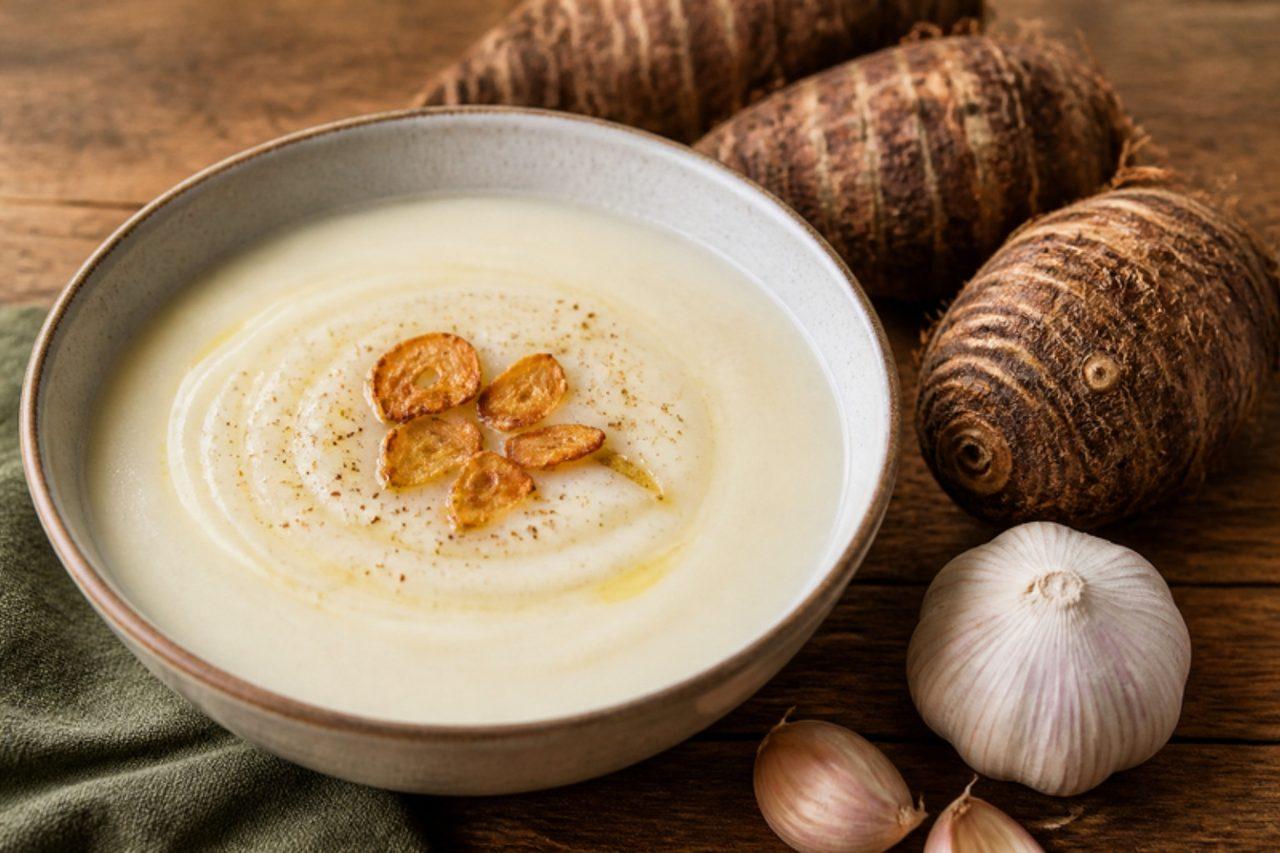
Crema de malangaMalanga root soup

Ask anyone raised in Havana what they were fed when they were ill and the answer is usually crema de malanga: a pale, velvety soup of the starchy root, gently scented with garlic and onion. It is also one of the first foods Cuban babies and grandparents alike are given, because it is soft, mild and filling. The classic mistake is grating raw malanga with bare hands, which can make your skin itch; peel it wearing gloves and rinse it well. Serve it plain or with a few croutons. Chef's tip: blend in the butter at the end rather than frying in it, so the soup tastes clean and creamy rather than heavy.

40 minCubanSoupsGluten free
by KrazyBadal 1 views

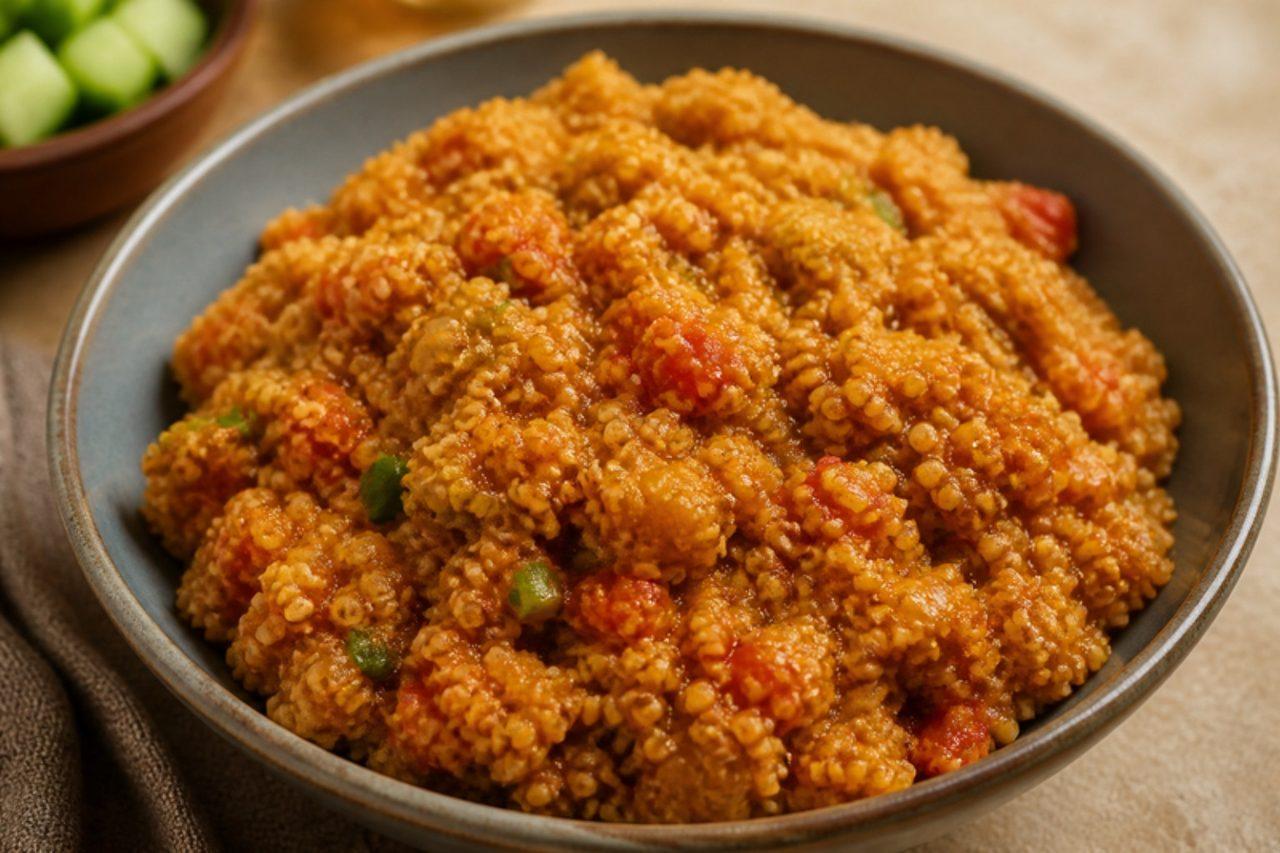
Djouka (fonio with peanut sauce)

Fonio, the tiny ancient grain of the Sahel, cooks in minutes, and Fula (Peul) families in Mali turn it into djouka by steaming it fluffy and folding it into a thick, savoury peanut sauce with onion, tomato and chilli. Meat is often added for guests and festivals; this is the meat-free home version, rich enough to stand alone as a main dish. The grains stay light and separate, coated in a sauce that is nutty, gently sweet from slow-cooked onion and warm with pepper. Serve it with a fresh tomato and onion salad or a bowl of sour milk on the side if you are not keeping it vegan. The usual mistake is cooking fonio in too much water; it turns to paste. Steam it or use a small amount of water. Chef's tip: rinse fonio in several changes of water and let the grit settle each time, because unwashed fonio often carries fine sand.

by KrazyBadal 0 views

Malian tô (millet swallow)

Across Mali, from Bamako courtyards to villages along the Niger, the evening meal very often means tô: a firm, smooth paste of millet or sorghum flour, beaten in a pot over the fire until it holds its shape. It is the plain, filling partner to slippery sauces of okra or baobab leaf (lalo), torn off with the right hand and dipped. Tô has a mild, slightly sour grain taste and a texture like firm polenta. A little tamarind water or lime helps it set and keeps it from tasting flat. Chef's tip: add the flour to the porridge in several small batches and beat hard after each one; dumping it all in at once is the classic mistake, and it leaves dry lumps that never smooth out.

by KrazyBadal 0 views

Senegalese ginger juice

Nearly every Senegalese party, baptism and wedding table carries a jug of jus de gingembre next to the bissap, and Dakar street sellers keep it in frosted plastic bottles. Fresh ginger is blended with water, left to steep, strained and sweetened, then brightened with lemon and mint. Expect a sweet first sip followed by a strong, warming burn that is surprisingly refreshing when the drink is ice cold. Some cooks add a little pineapple juice or vanilla for a rounder taste. Chef's tip: taste before serving and dilute with cold water if it is too fierce; the most common mistake is serving it undiluted, when it can be strong enough to make people cough.

by KrazyBadal 0 views

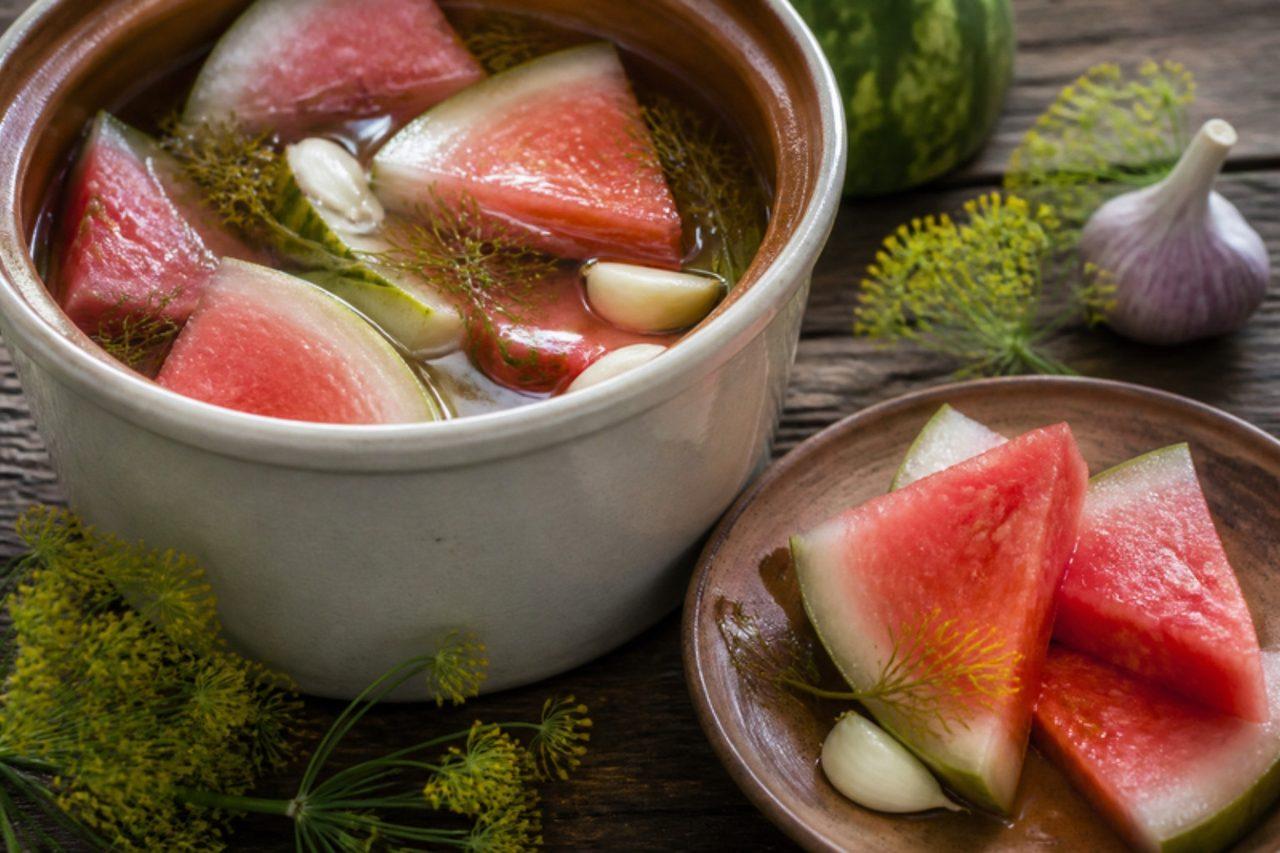
Pickled watermelon

When the melon fields of Kherson and Mykolaiv end their season, the small, late watermelons that never got properly sweet go into barrels of brine. A few weeks later they come out fizzy, salty and sour, with the pink flesh still faintly sweet and the rind crisp like a pickled cucumber. Southern families eat them through the winter with boiled potatoes, buckwheat or a plate of fried mushrooms. A big glass jar works just as well as a barrel for wedges. The classic error is using a ripe, soft watermelon, which turns to mush in the brine; pick small, firm ones with pale pink flesh. Keep everything under the brine and throw out the batch if fuzzy or coloured mould appears or it smells rotten rather than sour. Chef's tip: slip a horseradish or cherry leaf into the jar; the tannins keep the rind crunchy for weeks.

by KrazyBadal 0 views

Babka wielkanocnaEaster yeast cake

A golden babka standing tall in the Easter basket used to be a matter of family pride, and old cooks whispered while it baked, convinced a slammed door would make it sink. The dough is soft and rich with egg yolks and butter, beaten until it is elastic, then baked in a fluted ring tin into a cake with a fine, feathery, saffron-yellow crumb. Raisins are often soaked in rum; this version uses orange juice, but a couple of spoons of rum work if you prefer. The usual slip is adding too much flour to a sticky dough, which makes the babka dry; it should stay soft and almost batter-like. Chef's tip: cool the babka on its side, turning it now and then, so the delicate crumb doesn't collapse.

185 minPolishBaking
by KrazyBadal 0 views

Babi pangangCrispy pork in sweet-sour sauce

Babi pangang is one of the most ordered dishes in the 'Chinees-Indisch' restaurants found in every Dutch town: crisp-skinned roast pork belly, sliced and smothered in a bright red, sweet-sour sauce with tomato, ginger and pickled vegetables, served with rice or nasi goreng. This is a pork dish. A common mistake is pouring the sauce over too early, which turns the crackling soft. Chef's tip: dry the skin overnight in the fridge and roast it hot at the end, then pour the sauce around, not over, the pork at the table. Whole pork joints are safe at 63 °C plus a rest; belly is best cooked longer, until tender.

105 minDutchMeat
by KrazyBadal 0 views

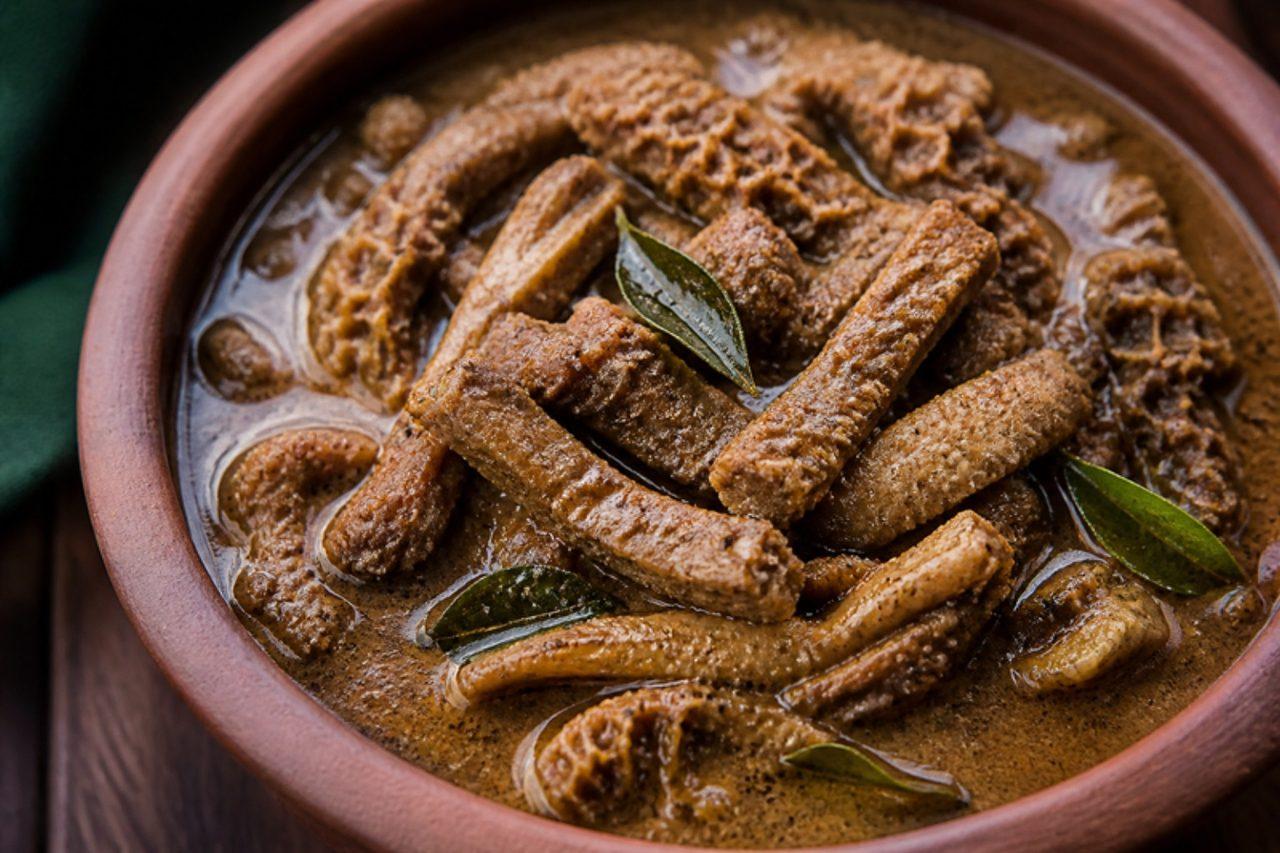
Babath curryBeef tripe curry

Babath curry belongs to the Muslim and Malay kitchens of Colombo and Slave Island, a frugal, rich dish of beef tripe that turns up at family lunches and in small rice-and-curry cafés where regulars ask for it by name. The tripe is cleaned, boiled with turmeric and vinegar until soft, then sliced into ribbons and simmered in a dark roasted curry with black pepper, cinnamon and a little coconut milk until it soaks up all the spice. The texture is pleasantly chewy and the gravy deep, hot and slightly sour, and it is eaten with rice, roti or bread to mop up the sauce. Many first attempts fail because the tripe is not boiled long enough first, so it stays rubbery however long it spends in the curry. Chef's tip: buy cleaned, bleached honeycomb tripe from a halal butcher, and boil it until a knife slides through with no resistance before you start the curry.

by KrazyBadal 0 views

Café Touba (spiced Senegalese coffee)

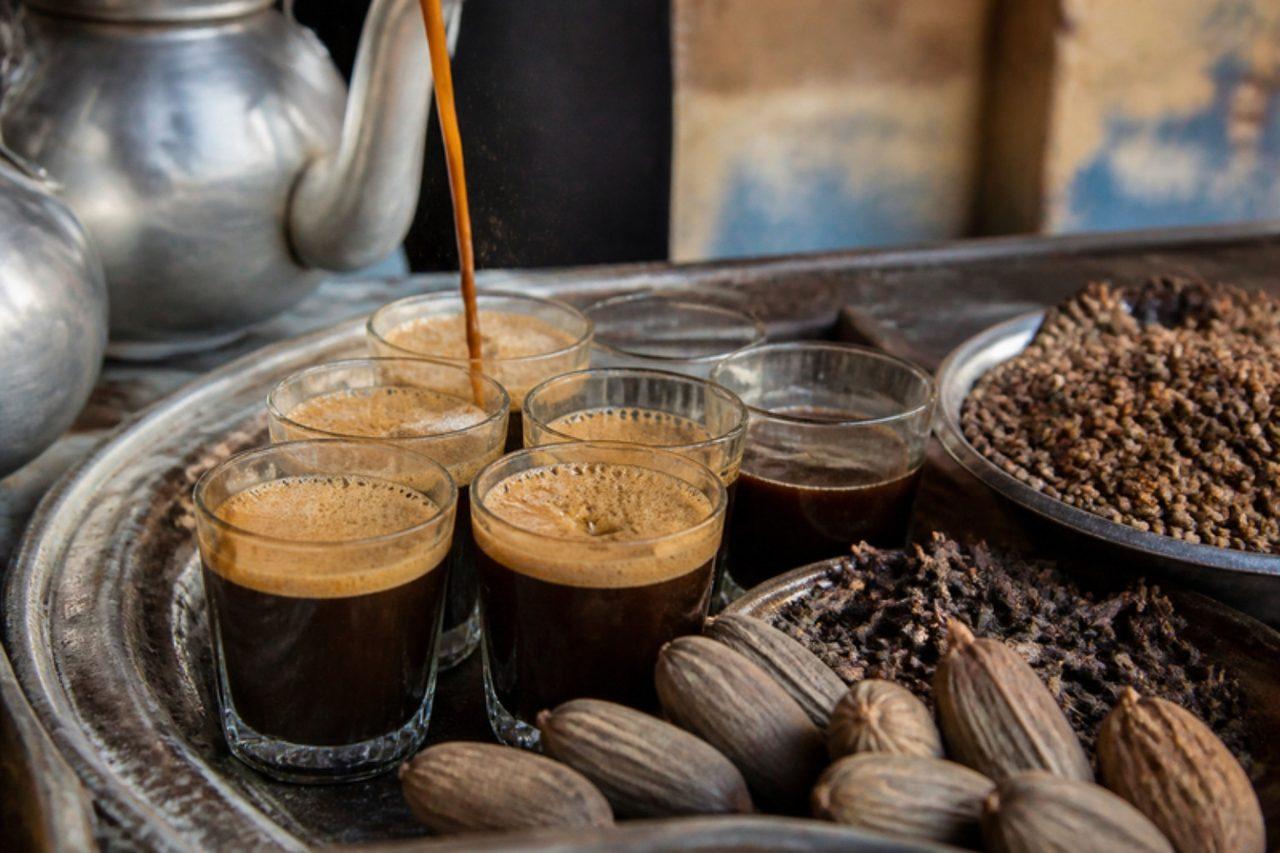
Poured from tall kettles into small cups on street corners from Dakar to the holy city of Touba, café Touba is coffee roasted together with djar, the smoky, peppery pods also called grains of selim, and often a few cloves. The drink is linked with the Mouride brotherhood and its founder Cheikh Amadou Bamba, and it is drunk sweet and strong at any hour. It has a deep roasted bitterness with a tingle of pepper and clove at the back of the throat. Roasting green beans at home takes about 20 minutes and makes enough for several pots; if you cannot get green beans, toast the spices separately and grind them with medium-roast coffee. Most people go wrong by grinding the djar (selim pepper) too coarsely, so its peppery note never comes through. Chef's tip: roast over a moderate heat and keep the beans moving, since high heat burns the outside while the inside stays raw and sour.

by KrazyBadal 0 views

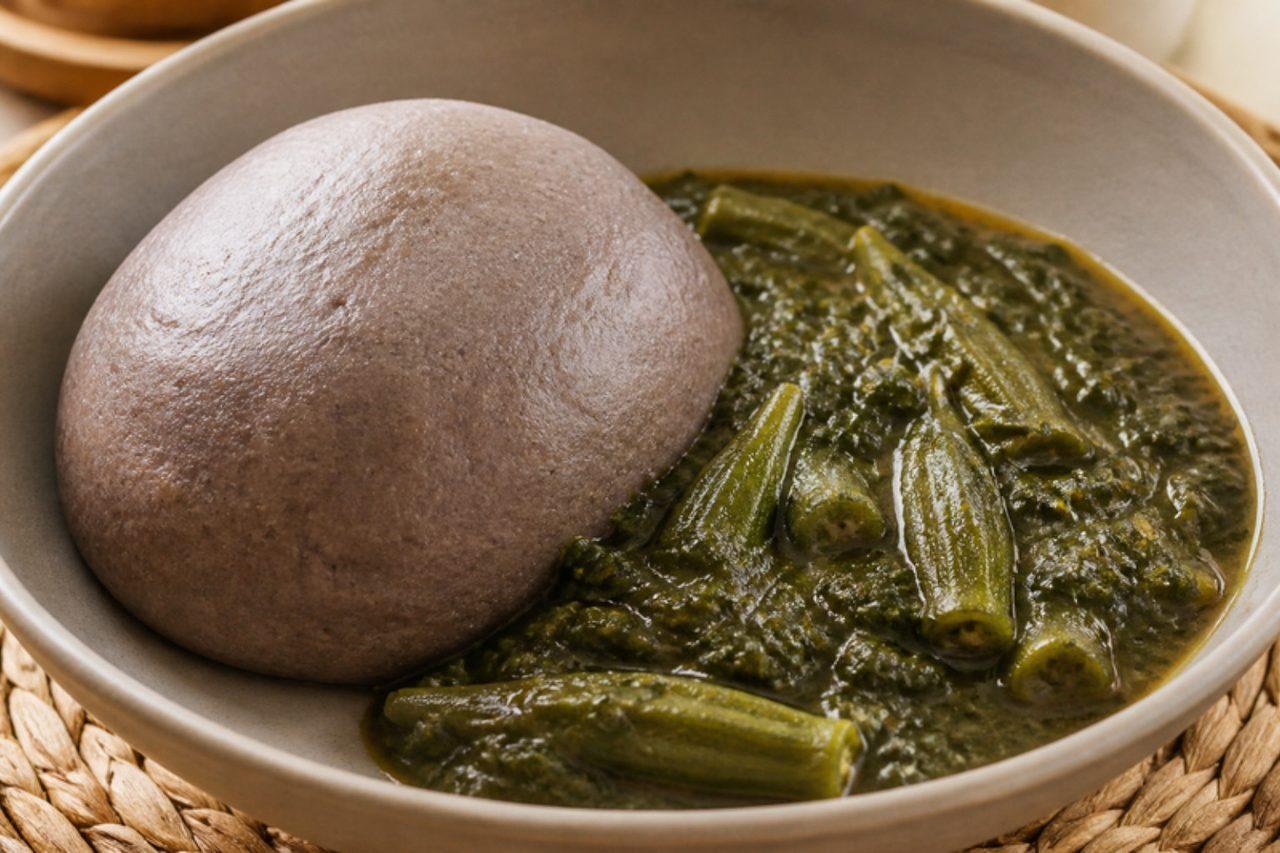
Abunuabunu (Ghanaian green soup)

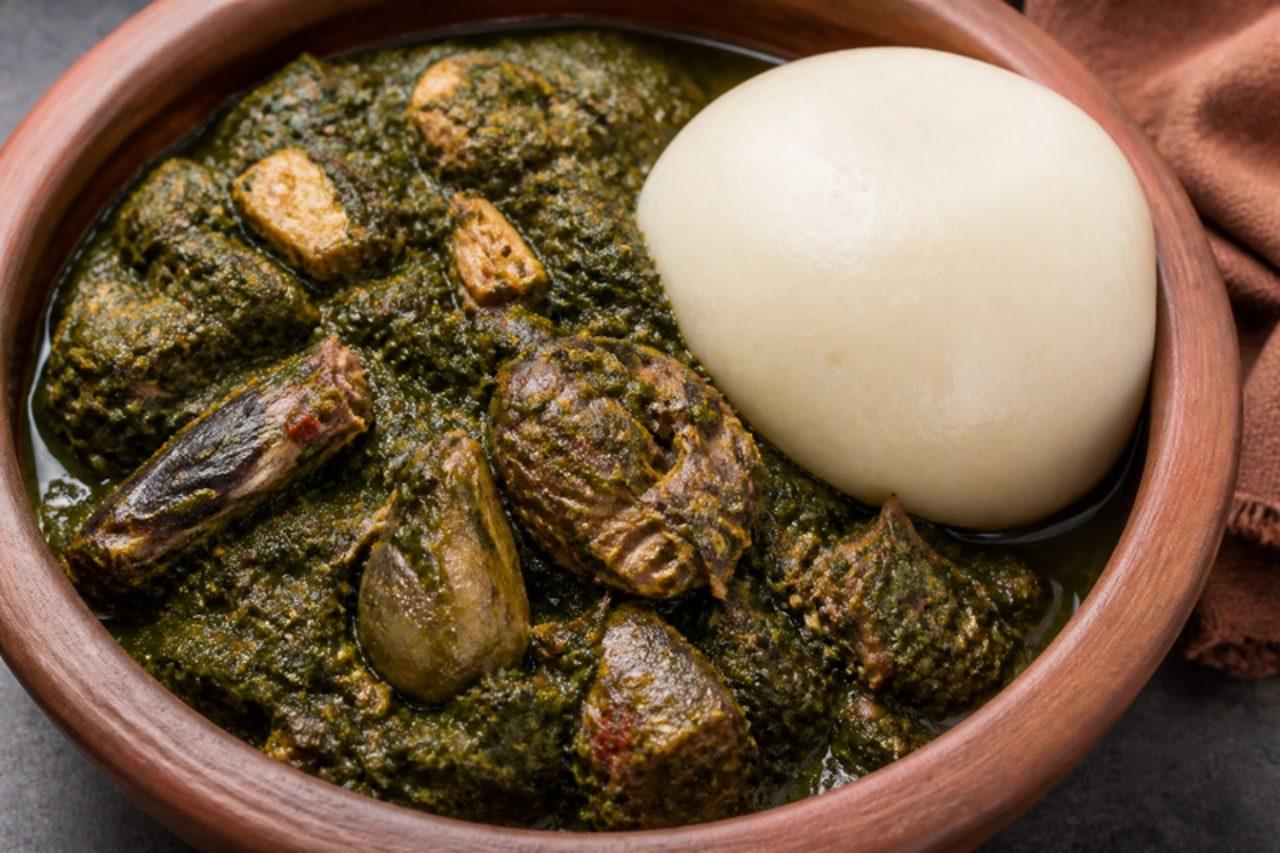
Green from cocoyam leaves (kontomire), garden eggs and green chillies, abunuabunu is a home-style soup from the Ashanti and Bono farmlands, cooked when the leaves are young and plentiful. Traditionally it is made with giant land snails or bush meat; this version uses goat or beef with smoked fish, which are easier to find. The leaves and vegetables are boiled, pounded or blended and returned to the meat stock, giving a fresh, grassy, peppery soup with a gentle bitterness. It is eaten with fufu or ampesi (boiled yam and plantain). Spinach works if you cannot buy cocoyam leaves. Don't skimp on the cooking time for the cocoyam leaves; undercooked, they leave an itchy, scratchy feel in the throat. Chef's tip: always boil cocoyam leaves for at least 15 minutes, because underdone leaves leave an itchy, scratchy feeling in the throat; if you use snails, buy them cleaned from a reputable seller and simmer them until firm.

by KrazyBadal 0 views

Abenkwan (palm nut soup with goat)

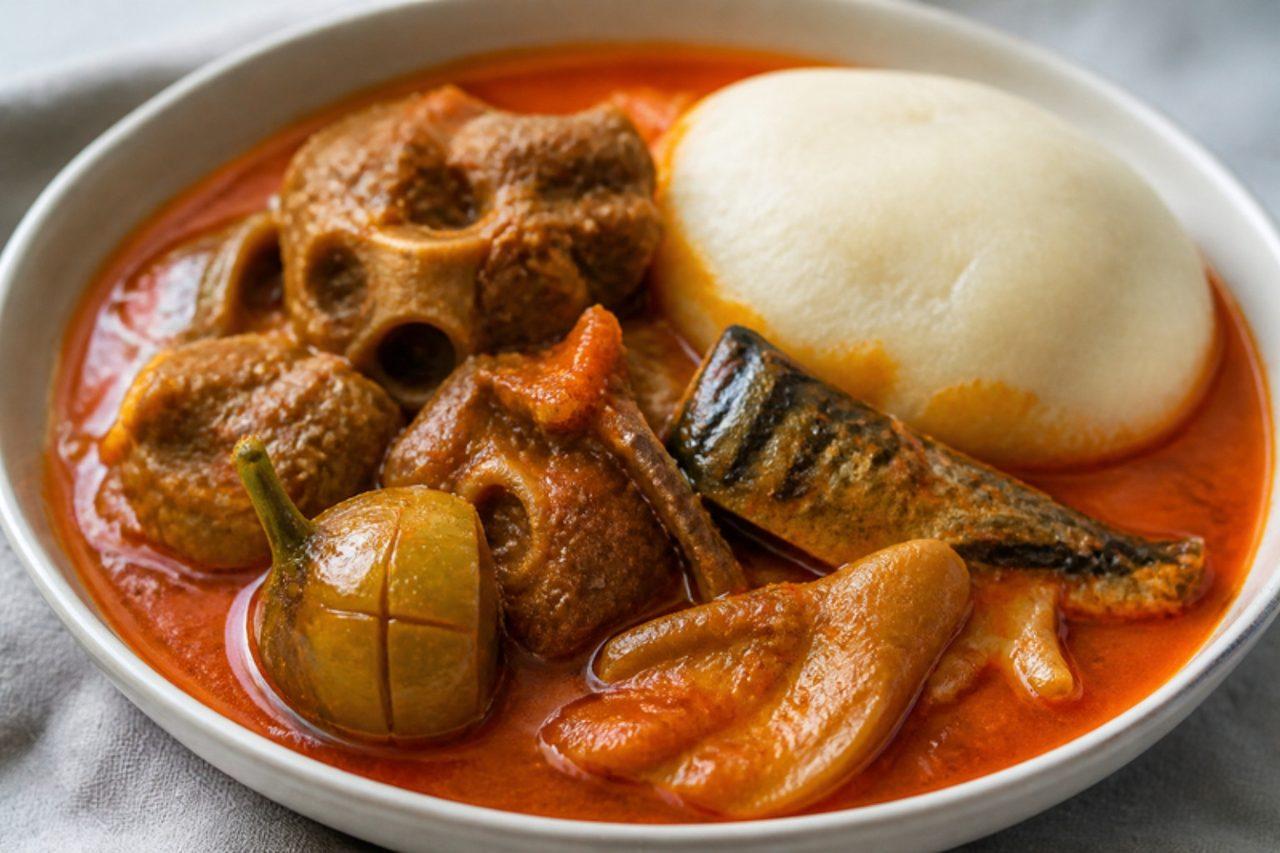
Sunday lunch in Kumasi often means a deep bowl of abenkwan, the brick-red palm-nut soup that chop bars serve all week with pounded fufu. Goat is first steamed in its own juices with onion and ginger, then simmered with garden eggs, tomatoes and pepper that are blended back in, and finally with the rich cream of palm fruit until a layer of orange oil floats on top. Smoked fish adds a savoury, smoky edge. The soup is thick, slightly sweet, earthy and peppery. Canned palm nut cream, sold in African shops, saves hours of pounding fresh fruit; small white aubergines can replace garden eggs. Chef's tip: simmer until the palm oil rises and collects on the surface; serving it earlier is the most common mistake and leaves the soup tasting raw and heavy.

130 minGhanaianMeatGluten free
by KrazyBadal 0 views

Domedo (Ghanaian spiced pork)

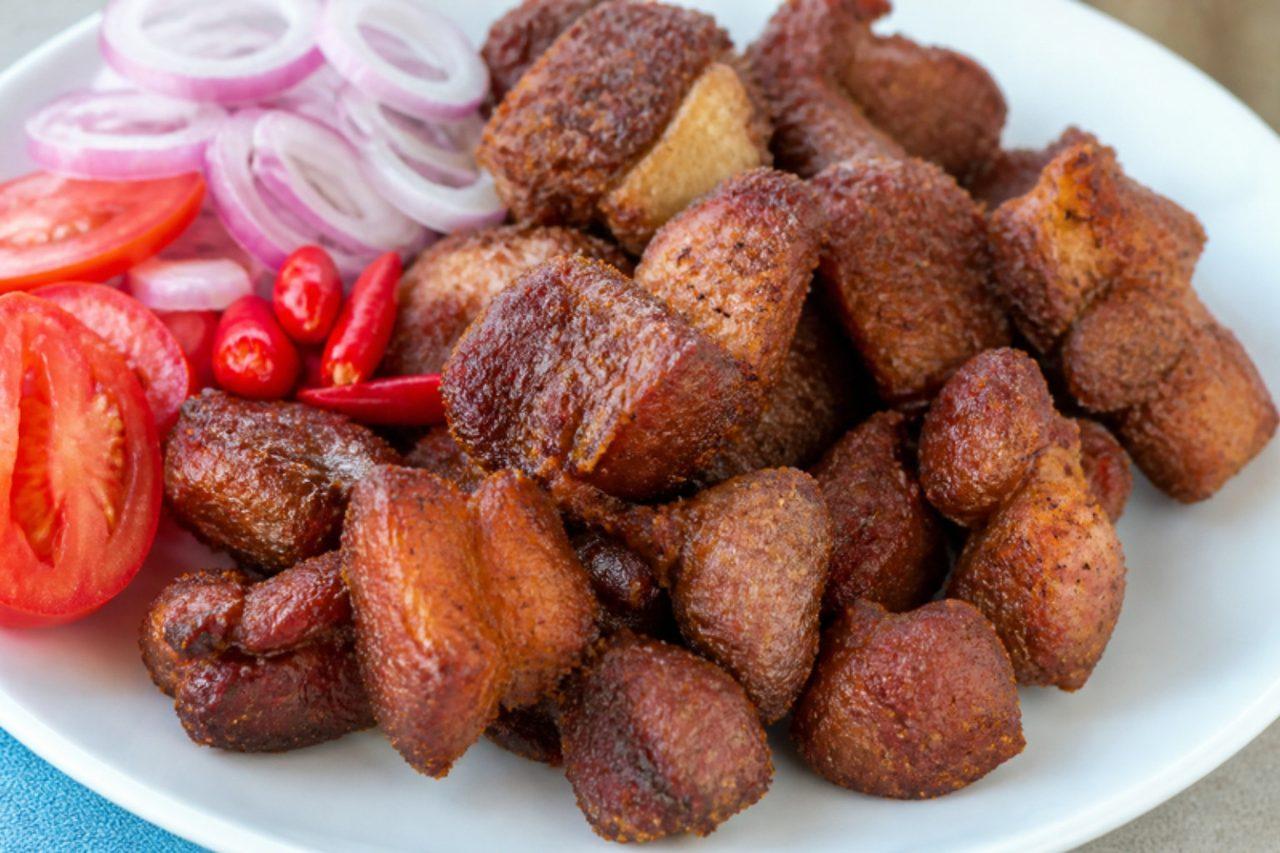
Domedo is pork: chunks of pork shoulder or belly rubbed with ginger, garlic, onion, cloves and chilli, simmered until tender, then roasted or fried until the edges turn crisp and caramelised. Around Accra it is a favourite at chop bars and roadside grills in the evening, wrapped in paper with raw onion, sliced tomato and a pile of fresh pepper, often alongside kenkey. The meat is juicy and spicy with a crackling, salty outside. Cooking it twice means the fat renders out and the chunks stay moist. Chef's tip: dry the boiled pork well before roasting and give the pieces space on the tray; crowding them is the usual mistake, and they steam instead of crisping.

by KrazyBadal 0 views

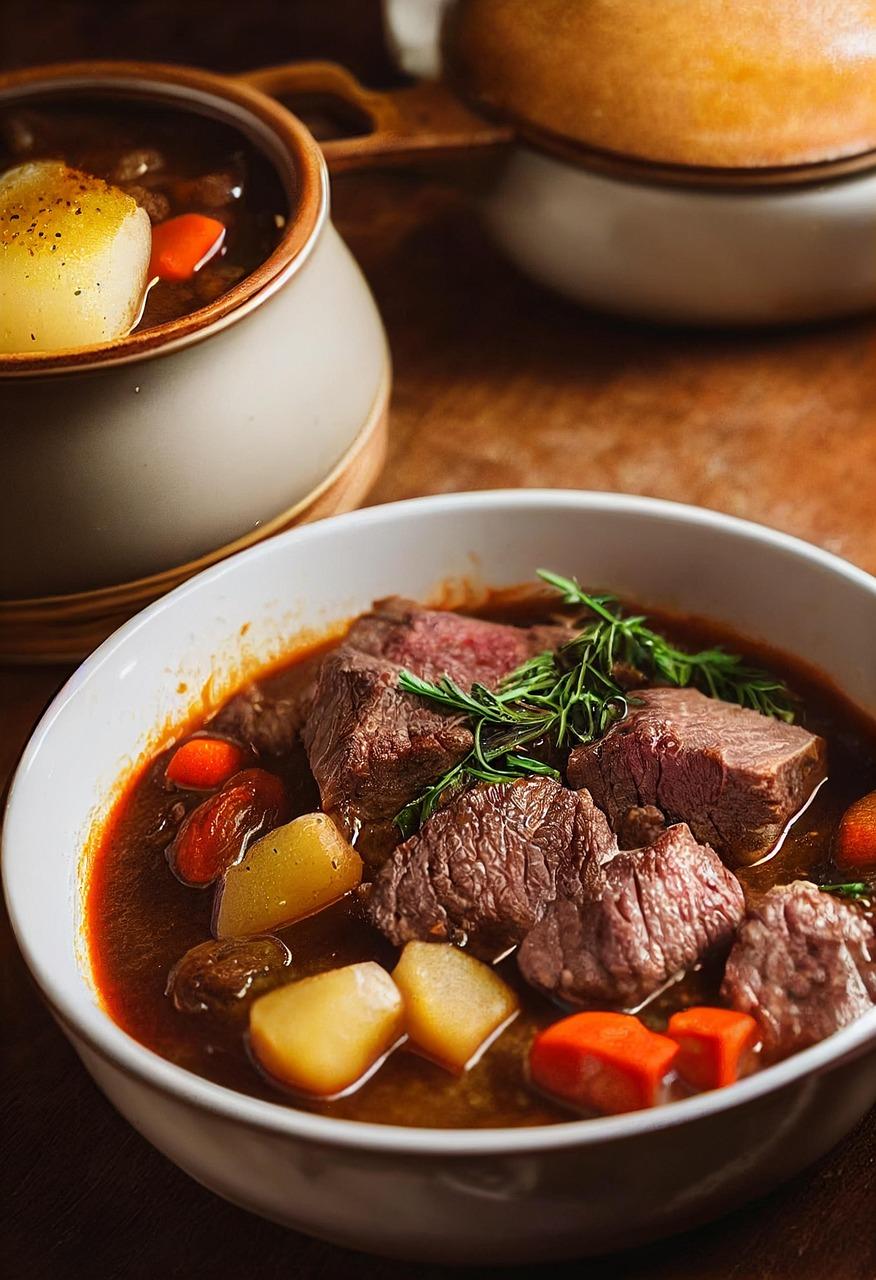
AzuBeef stew with pickles

Kazan's working canteens gave azu its fame: strips of beef braised in a peppery tomato gravy, sharpened with diced salty pickled cucumbers and finished with golden fried potatoes, all served steaming in a clay pot. It is hearty, sour-savoury and thick enough to mop up with rye bread, and Tatar families serve it on cold weekday evenings. Where most people go wrong is adding the potatoes raw to the stew; they turn floury and the gravy goes muddy, so fry them separately and fold them in at the end. Chef's tip: use proper brine-fermented cucumbers rather than sweet vinegar pickles; their sourness is what makes azu taste like azu.

by KrazyBadal 0 views

Chura gerte (Gambian rice and peanut porridge)

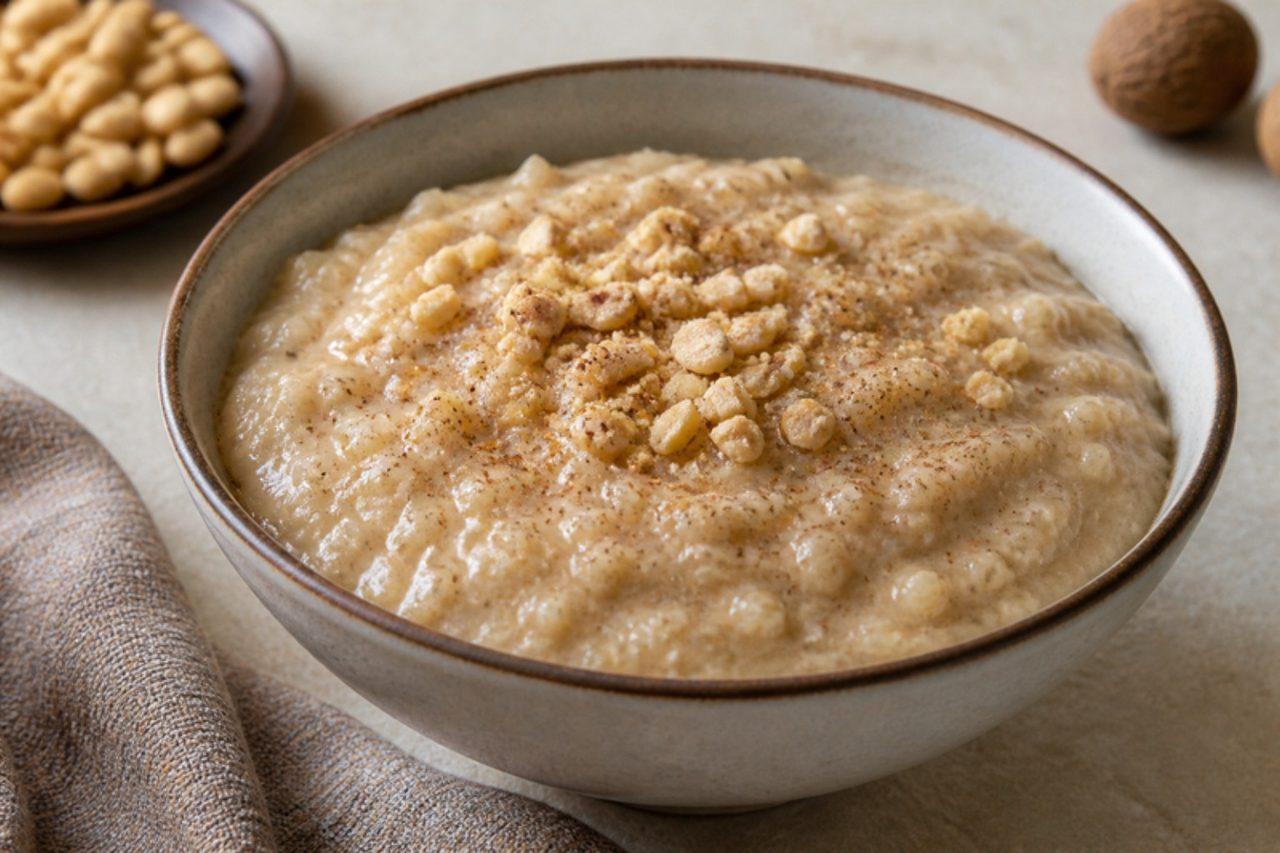
Groundnuts are The Gambia's great crop, and chura gerte, rice porridge cooked with ground roasted peanuts, is how many families in Banjul and Serekunda start the day. Broken rice is simmered until soft and creamy, then the peanut paste goes in with sugar, a pinch of salt and sometimes vanilla or nutmeg. It is thick, comforting and nutty, a bowl that keeps children going until lunch. Some households pour sour milk over the top; leave it out, as here, and the porridge is vegan. Avoid adding the peanut paste in one lump; whisk it in loosened with hot liquid or it clumps. Chef's tip: stir the peanut paste into the rice only once the grains are completely soft, because rice cooked in peanut from the start catches on the base and stays chalky.

by KrazyBadal 0 views

Beet kvass

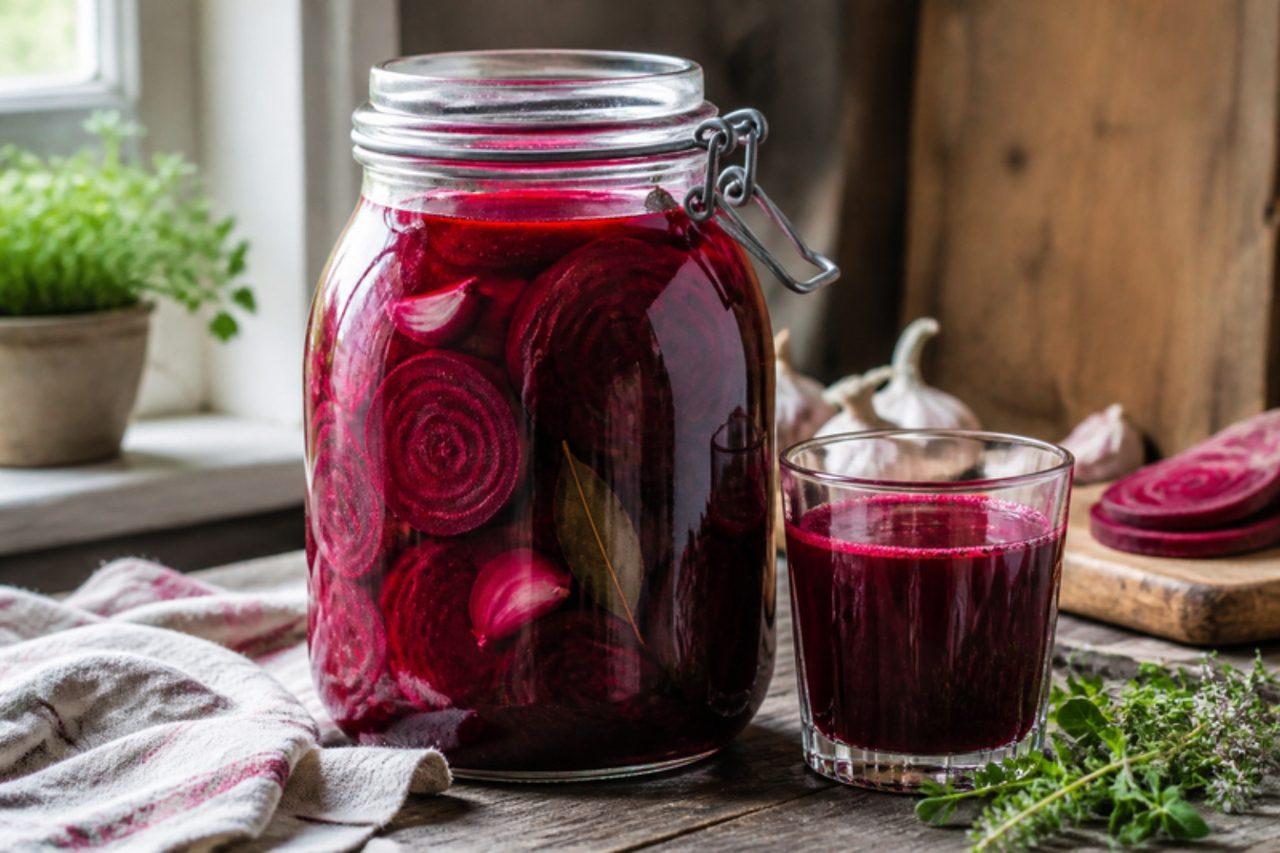
Before lemons and vinegar were easy to buy, Ukrainian cooks soured their borscht with beet kvass, a ruby-red brine made by leaving sliced raw beetroot in salted water for a few days. It is lightly fermented, so it contains no more than a negligible trace of alcohol, and it tastes earthy, salty and pleasantly sharp. In Poltava and Chernihiv villages a jar always stood by the stove; a splash went into the soup pot and a small glass was drunk in the morning as a tonic. Some families add a crust of rye bread to speed things up, which makes it no longer gluten-free. The mistake most people make is leaving the beetroot floating: anything above the brine can grow mould, so keep it weighed down. Discard any batch with fuzzy or coloured mould, a slimy texture or a rotten smell. Chef's tip: a few slices left in the jar from the previous batch start the next one in half the time.

by KrazyBadal 0 views

Sombi (Senegalese coconut rice pudding)

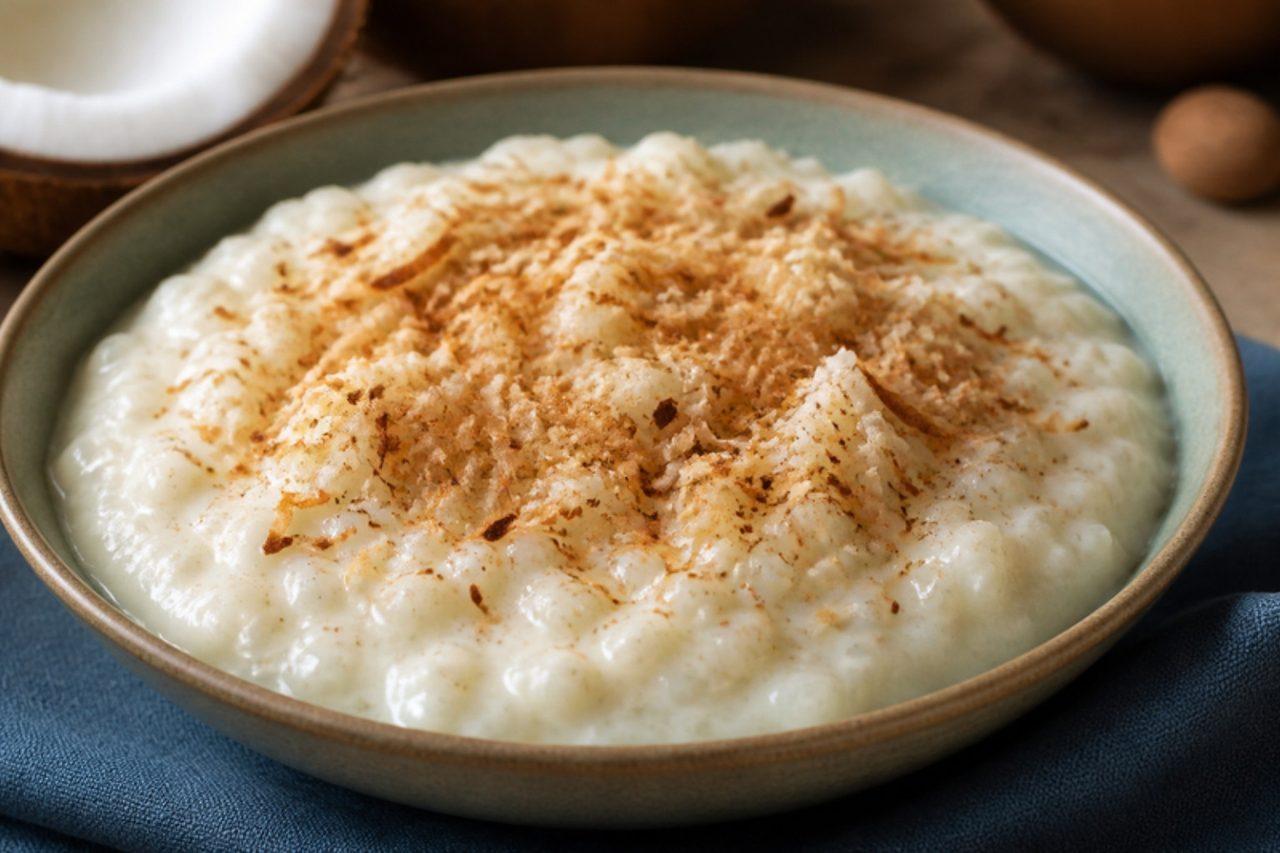
Spooned warm from a pot at the Ramadan ndogu, the evening break of the fast, or eaten as a gentle supper on cool Dakar nights, sombi is the Senegalese take on rice pudding. Broken rice is simmered in water first, then in coconut milk and a little dairy milk until it turns soft and creamy, sweetened just enough and finished with vanilla and a pinch of nutmeg. The texture is looser than a baked rice pudding, almost porridge-like, with a clean coconut taste. Broken rice, sold as brisures in African shops, cooks fastest and gives the right silky feel. Avoid boiling hard once the coconut milk goes in, or it splits and turns greasy. Chef's tip: add the coconut milk only after the rice is half cooked in water, because grains boiled from raw in coconut milk stay hard and the fat can split.

by KrazyBadal 0 views

Batticaloa fish curry

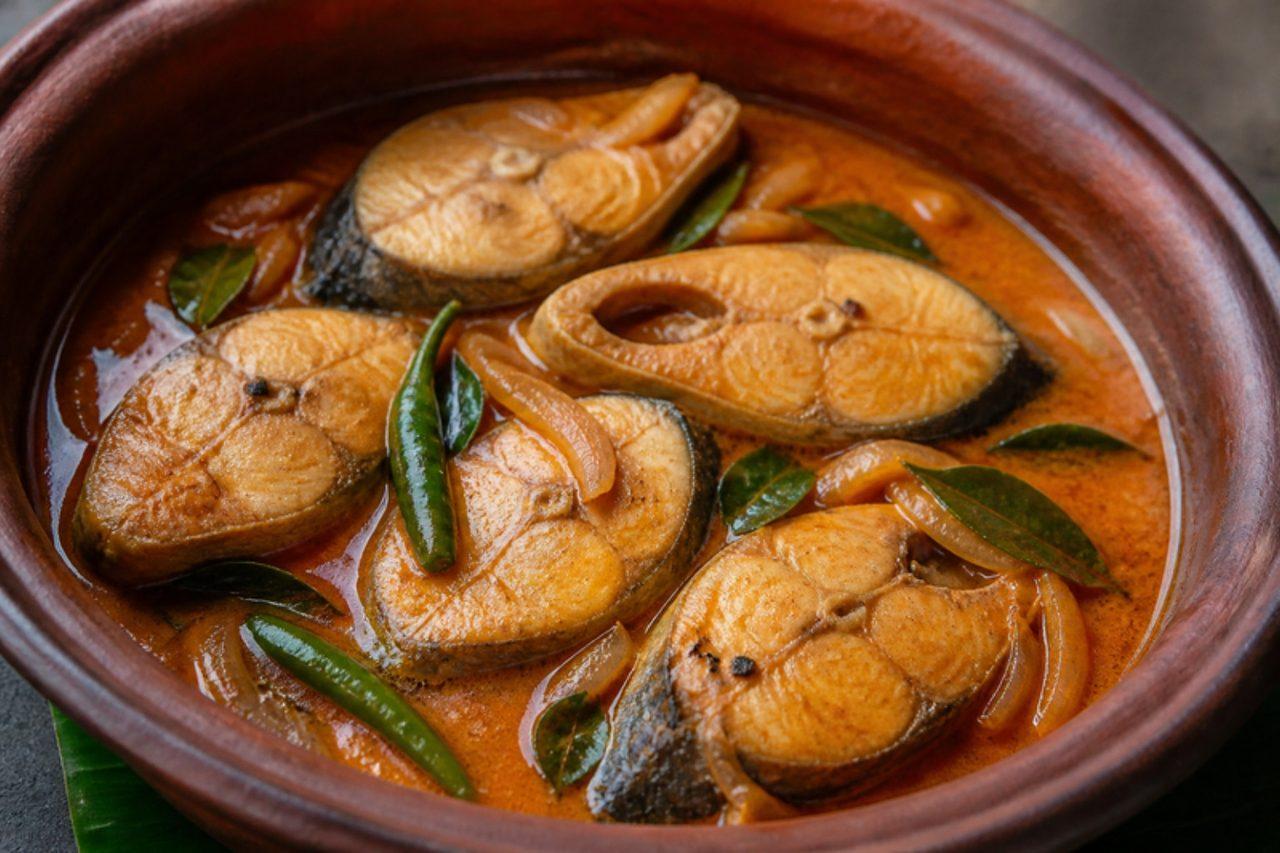
Batticaloa sits between a long lagoon and the sea, and its Tamil and Muslim cooks make a fish curry that tastes of both: sour with tamarind, round and mellow with coconut milk, and fragrant with fennel, fenugreek and curry leaves. Seer fish, called thora or vanjiram, is the favourite because its firm steaks hold together in the gravy, though any meaty sea fish works. The curry is a weekday staple, cooked in the morning and eaten at lunch with rice, a lentil dhal and a fried vegetable, and it is even better a few hours later once the fish has absorbed the sauce. Most disappointing versions come from stirring the pot after the fish goes in, which breaks the steaks into flakes. Chef's tip: swirl the pan instead of stirring, and spoon the sauce over the fish so it cooks evenly without being moved.

by KrazyBadal 0 views

Ngalakh (millet in baobab-peanut cream)

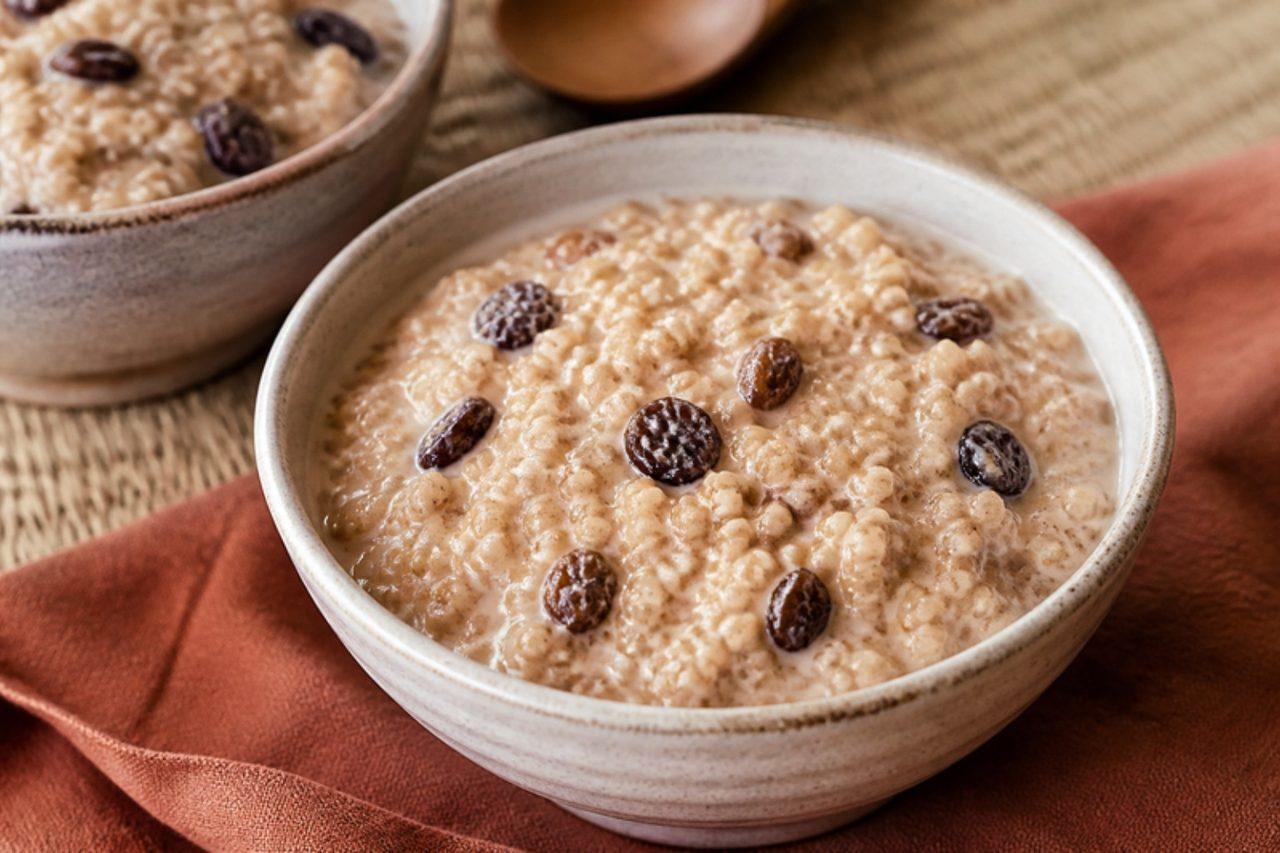
Every Easter, Christian families in Dakar, Thiès and Ziguinchor make big pots of ngalakh and carry bowls of it to Muslim neighbours and friends, a gesture of sharing that many Senegalese treasure. Steamed millet pellets are folded into a thick, tangy cream of baobab pulp and peanut butter, scented with vanilla, orange flower water and nutmeg, and sometimes studded with raisins. It is served chilled, sweet and nutty with a citrus-like sourness from the baobab, and it keeps well for a couple of days. No dairy is used, so it is vegan. Chef's tip: use plain peanut butter with no added sugar or palm oil, and let the dessert rest in the fridge for a few hours, because the flavours only come together once the millet has drunk up some of the cream.

by KrazyBadal 0 views

Lakh (millet porridge with sweet curd)

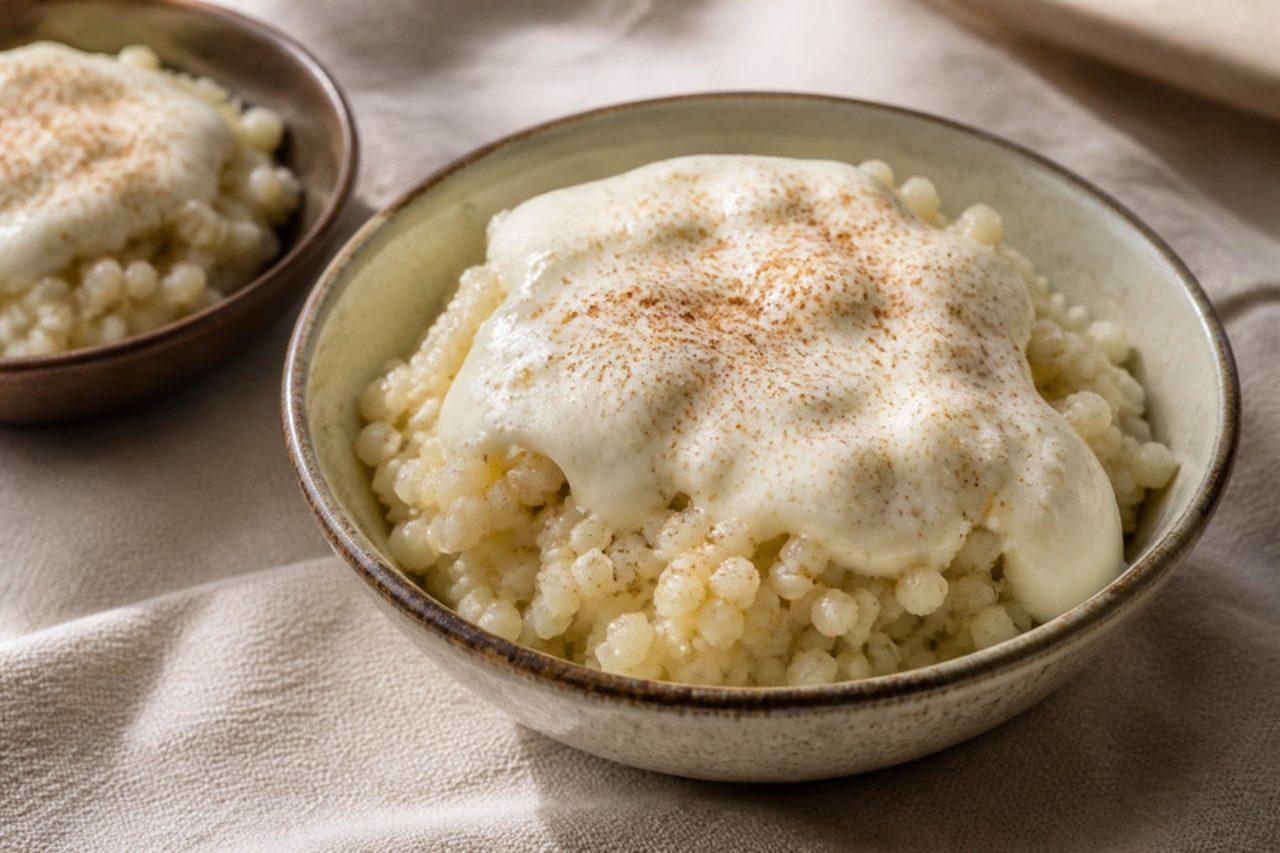
Thick, warm millet porridge topped with cold, sweetened curd: lakh is a Senegalese pairing of contrasts that turns up at naming ceremonies, family gatherings and on Ramadan evenings in Dakar. The millet is rolled into tiny pellets and simmered until it sets like soft polenta, then a creamy sauce of soured milk, sugar and baobab powder is poured over, its tang lifted by vanilla or orange flower water. Each spoonful mixes chewy, nutty grains with something cool and lightly sour. Plain yoghurt mixed with a little cream stands in well for Senegalese soow; use pasteurised dairy and keep leftovers in the fridge. Don't pour the curd over hot porridge; let the lakh cool so the curd stays thick and fresh. Chef's tip: cool the porridge until just warm before adding the curd, so the sauce stays thick instead of thinning out.

by KrazyBadal 0 views

Sri Lankan vegetable roti

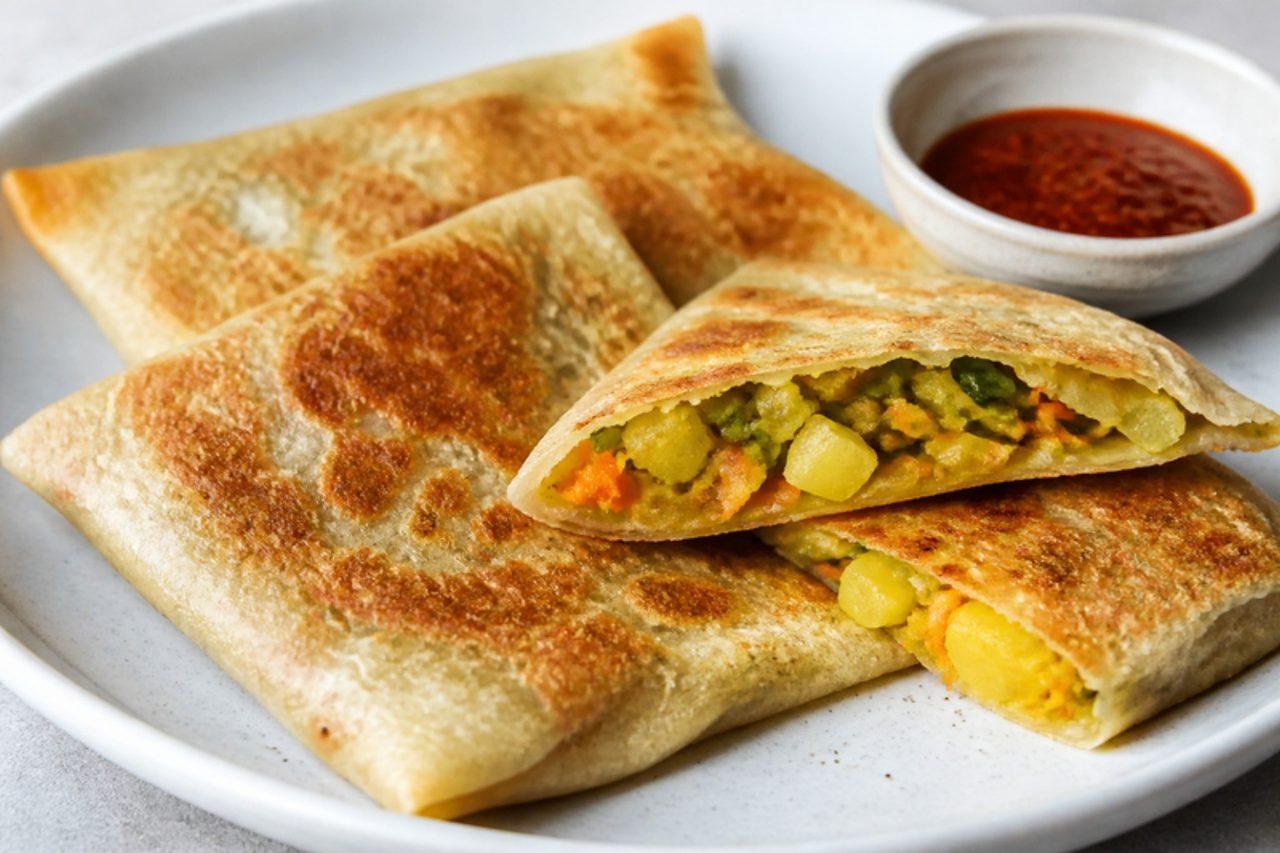
The glass cabinet of every Colombo bakery and railway canteen holds a pile of short eats at teatime, and the neat, golden triangles of vegetable roti are usually the first to go. They are made from godamba dough, oiled and rested until it can be stretched almost transparent, then wrapped around a peppery potato filling with leek, carrot, curry leaves and chilli, and cooked on a hot griddle until crisp and blistered. People eat them hot from the paper bag with a bottle of chilli sauce or a cup of milk tea. Fish and egg roti are just as common; this one is fully vegan. Most first attempts fail because the dough is not rested long enough and springs back when stretched; give it at least two hours under oil, or overnight in the fridge. Chef's tip: make the filling fairly dry and cool it completely before folding, otherwise the steam tears the delicate dough.

by KrazyBadal 0 views

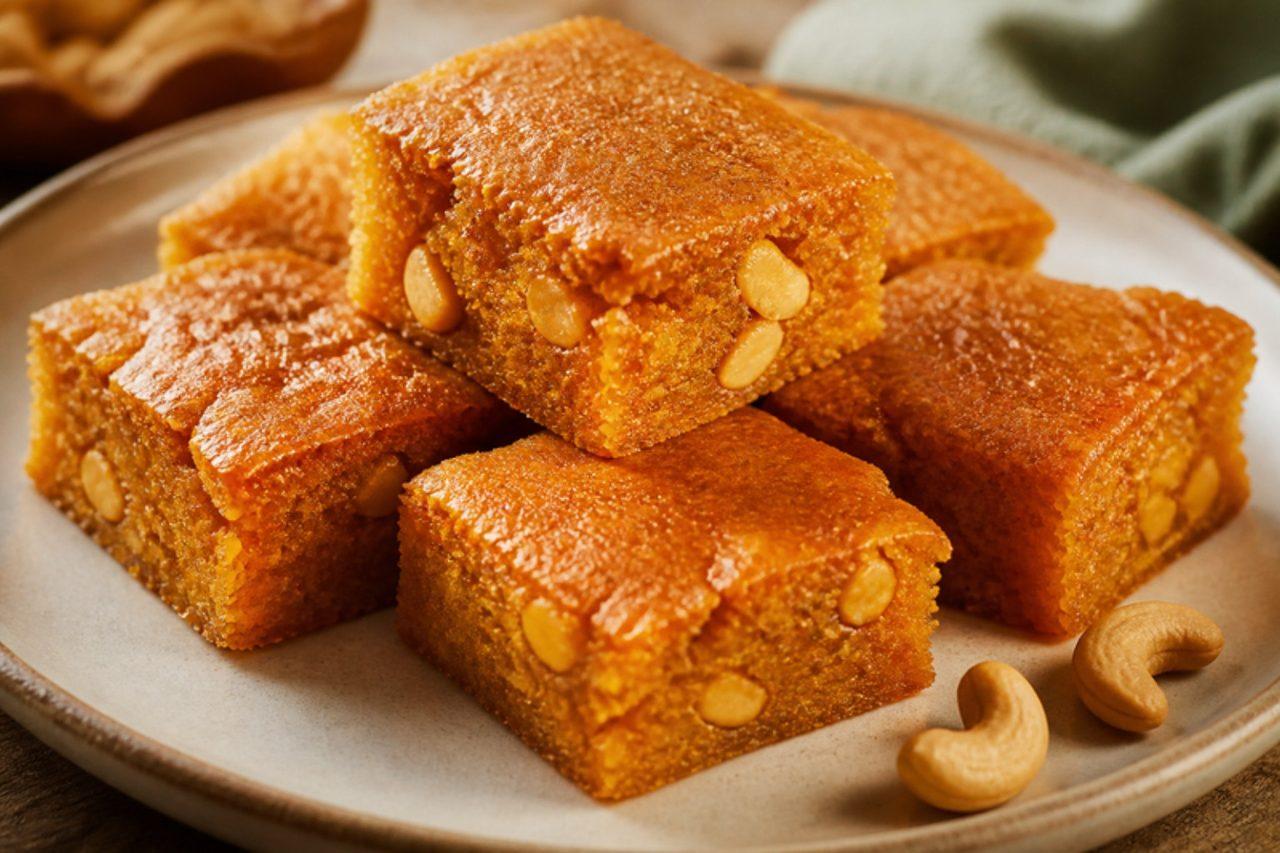
Sri Lankan love cake

Love cake is the Burgher Christmas and birthday cake, a legacy of Portuguese rule shaped by Sri Lankan spice gardens, and Colombo families argue happily over whose grandmother's recipe is best. Roasted semolina, butter and a huge quantity of whisked egg yolks and sugar are folded with chopped cashews, pumpkin preserve, rosewater, cardamom, cinnamon and nutmeg, then baked slowly so the top forms a crisp, sugary crust while the inside stays moist, dense and almost chewy. It is cut into small squares because it is very rich, and served with tea or packed into little boxes for guests. A common mistake is baking until a skewer comes out completely clean, which leaves it dry; the centre should still be slightly sticky. Pumpkin preserve (puhul dosi) is sold in Sri Lankan shops; candied winter melon, sold as petha, is the closest substitute. Chef's tip: make it two days ahead, as the spices and rosewater deepen as the cake rests.

by KrazyBadal 0 views

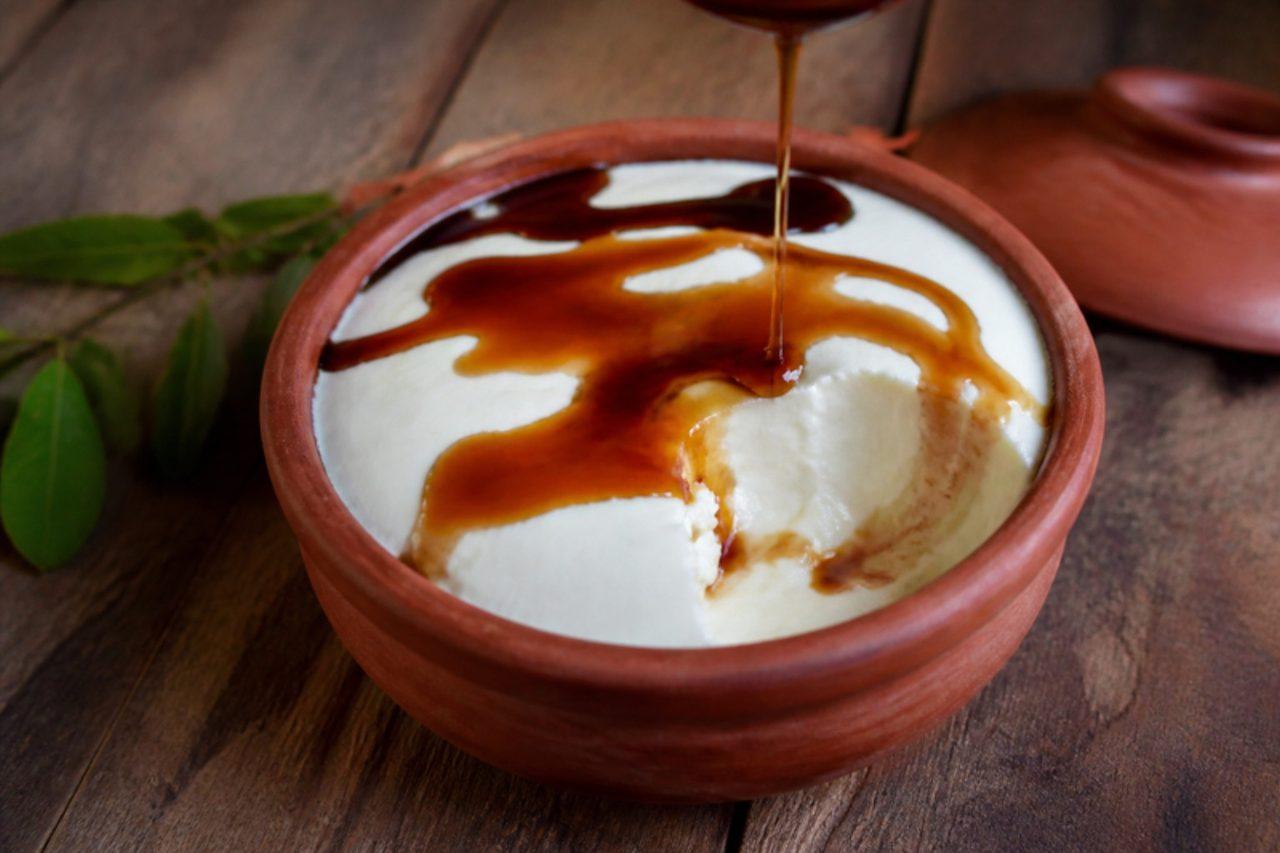
Curd and treacle

Driving the southern coast road past Tangalle towards Hambantota, you pass stall after stall stacked with round clay chatties of meekiri, the firm, slightly sour curd made from buffalo milk, with bottles of dark kithul treacle hanging beside them. Turned out into a bowl and flooded with treacle, it is the South's great dessert: cool, rich and tangy against the smoky, toffee-like sweetness of the palm syrup, eaten after lunch or as a snack in the heat of the day. Setting it at home is easy with pasteurised buffalo milk or creamy whole cow's milk, a spoon of live curd and a warm spot overnight. The mistake that ruins most first batches is adding the starter while the milk is still too hot, which kills the culture and leaves you with warm milk in the morning. Chef's tip: unglazed clay pots draw out a little whey, which is why traditional curd is so thick; soak them in water and dry them well before using.

by KrazyBadal 0 views

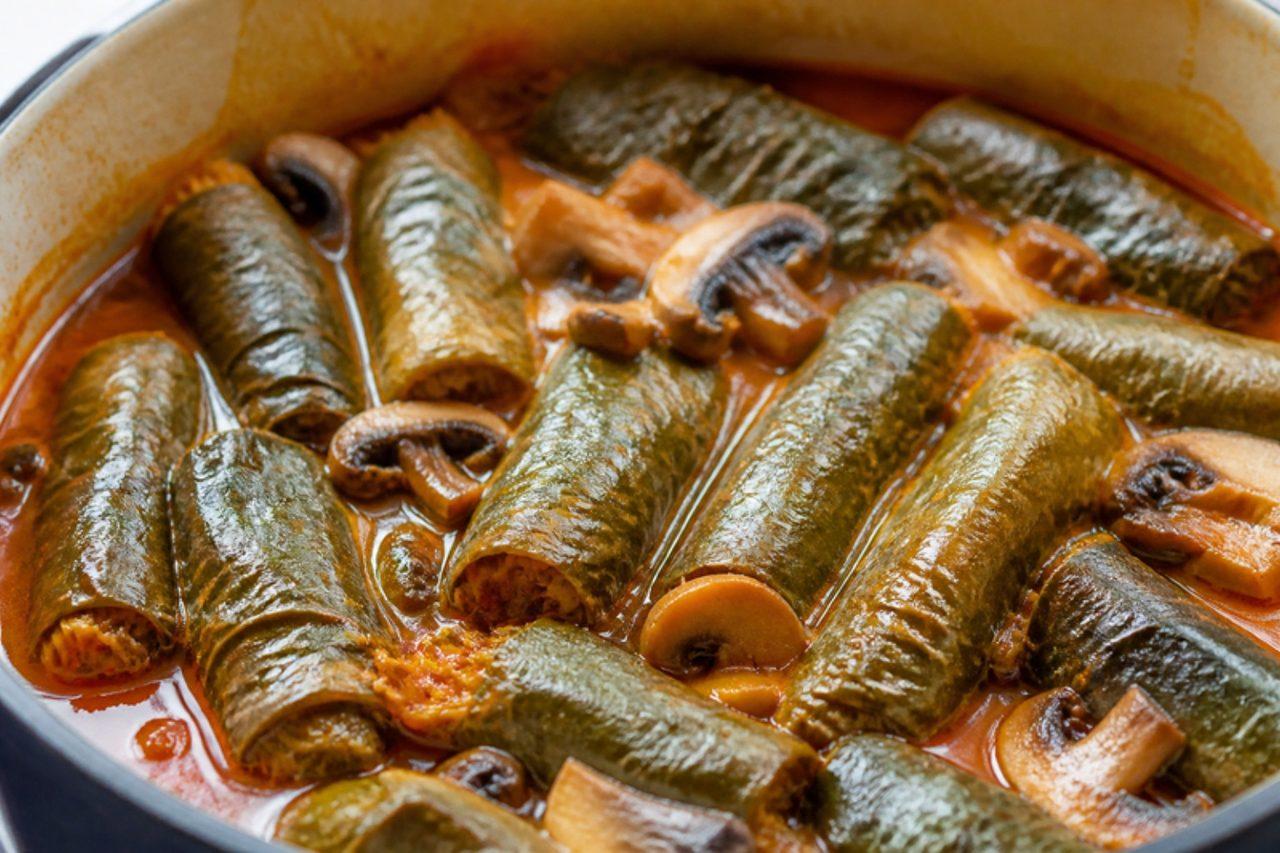
Ekwang with mushrooms

Rolling ekwang is a job for many hands: in the Southwest and around Douala, relatives sit together grating cocoyam and tucking it into leaves for a festive Sunday or a homecoming. The little green cigars are packed into a pot, drenched in red palm oil and left to simmer until the grated tuber binds into soft, almost creamy rolls in a rich, glossy sauce. Smoked fish and crayfish are the usual partners; this meat-free version gets its depth from fresh and dried mushrooms and a pinch of smoked paprika, so it suits vegetarian and vegan guests alike. Serve it on its own, scooping up the sauce, or with boiled plantain. Chef's tip: grate the cocoyam on the finest holes, almost to a purée, so the rolls hold together; coarse shreds stay separate and the pot turns grainy.

by KrazyBadal 0 views

Showing 81 of 7,762 recipes

Show more recipes

Page 344 of 863