


Skip to content
Rosolli
Featured recipe

Rosolli

Beetroot and potato salad

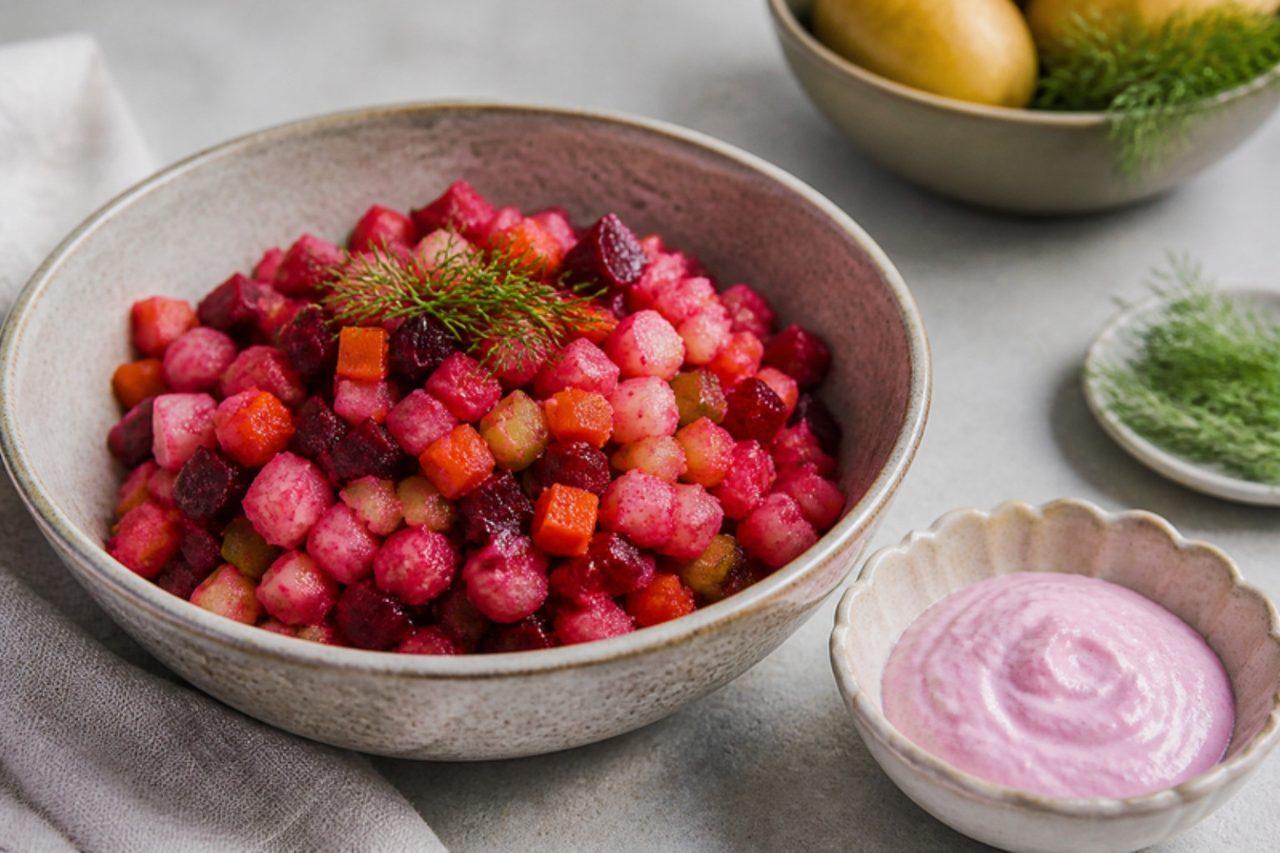
Rosolli is the jewel-coloured salad on the Finnish Christmas Eve table: diced cooked beetroot, carrot and potato with pickled cucumber, apple and onion, arranged in neat stripes or mixed together, with a dressing of whipped cream tinted pink with beetroot juice and sharpened with vinegar. Pickled herring is sometimes added; this version keeps it vegetarian. A common mistake is mixing the beetroot in early, which stains everything a muddy pink. Chef's tip: arrange the vegetables in rows on a platter and serve the dressing on the side, so each stays its own colour.

Read more 0 views

What to eat today?

Around the world

Today's trip: Paraguayan

A new country every day, from every cuisine on the site.

Paraguayan

Chipa

Cheese bread rings 50 minMore from Paraguayan (27) →

This week's collection

Kid-friendly dinners
537 recipes · a new collection every Monday

Latest recipes

Bara brithTea-soaked fruit loaf

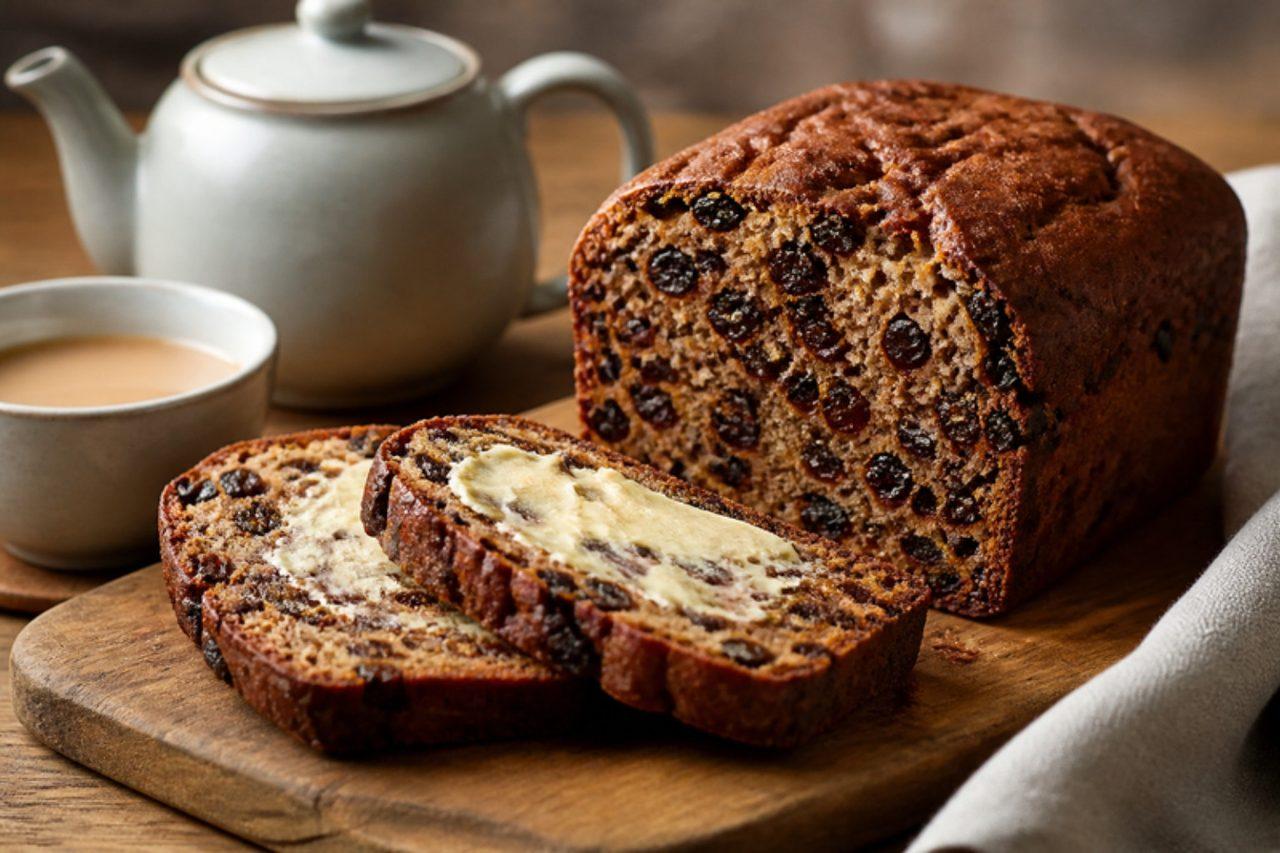
Bara brith means 'speckled bread', and this is the fruit loaf of Welsh farmhouses and tea rooms from Snowdonia to the Gower. Dried fruit is soaked overnight in strong black tea, then mixed with sugar, egg, flour and spice, so it is moist, dark and keeps well without any butter in the mix. Slice it thickly and spread with salted Welsh butter. Chef's tip: wrap it and wait a day before cutting; it gets stickier and slices cleaner.

by KrazyBadal 0 views

Fouace aveyronnaiseOrange blossom brioche crown

Every village fête in the Aveyron, the old province of Rouergue, has a baker selling fouace: a big golden brioche ring scented with orange flower water and topped with crunchy sugar, carried home in a paper bag to be torn up at breakfast or after Sunday lunch. Laguiole and Rodez bakeries are famous for it, and families bake one for Easter, weddings and christenings. It is softer and less buttery than a Paris brioche, with a light, cottony crumb. Chef's tip: let the shaped crown rise until it is puffy and a fingertip leaves a dent that springs back slowly; underproved fouace tears in the oven.

240 minFrenchBaking
by KrazyBadal 0 views

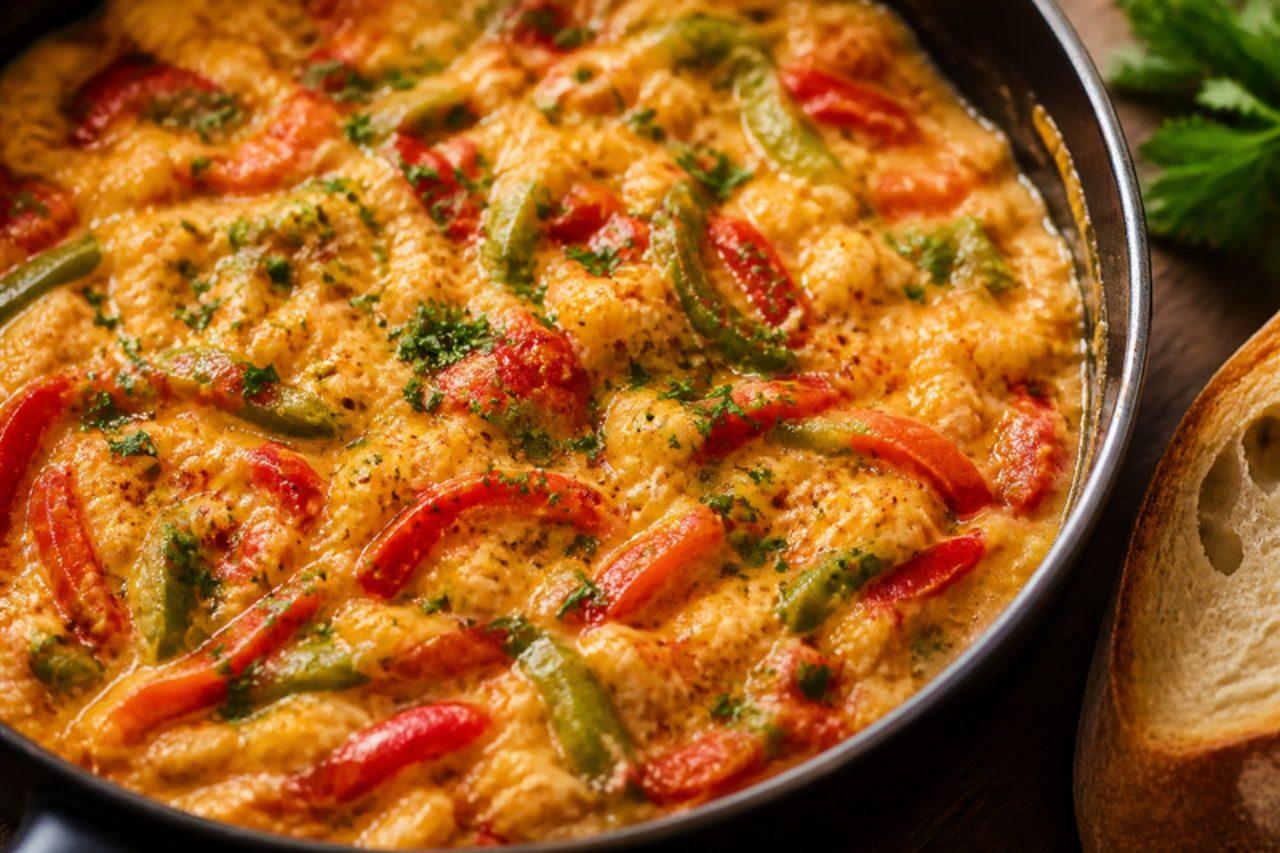
PiperadePepper and tomato stew

Red, white and green, the colours of the Basque flag, sit in one pan in piperade, the summer dish of Bayonne, Espelette and the villages of the French Basque Country. Green peppers, onions and ripe tomatoes are stewed in olive oil until soft and sweet, then warmed with the region's mild, fruity Espelette pepper. Basque families eat it at lunch with crusty bread, spooned beside rice, or with eggs softly scrambled into it; restaurants often add a slice of Bayonne ham, which this version leaves out. Chef's tip: cook it slowly and let the liquid reduce; a good piperade is jammy, not watery.

by KrazyBadal 0 views

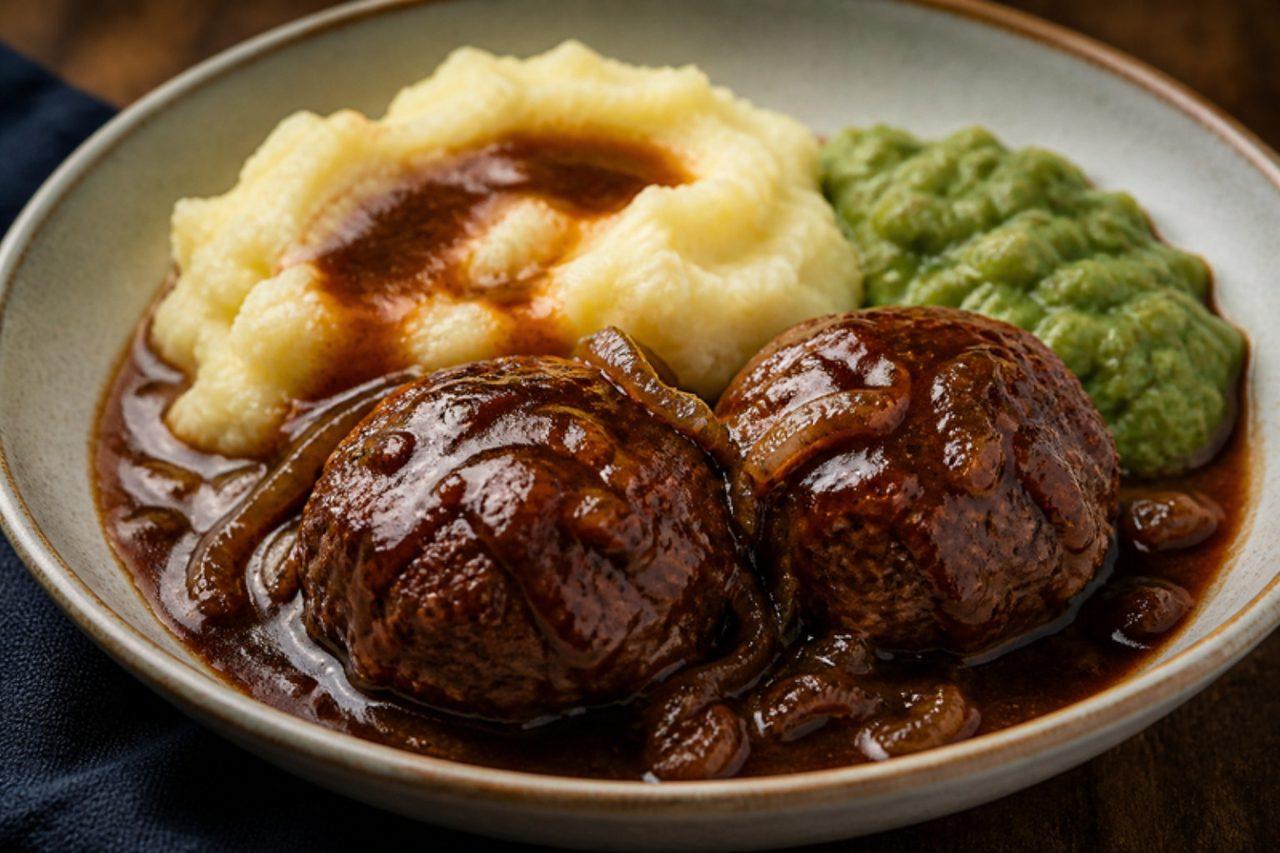
Black Country faggotsPork liver meatballs in gravy

Faggots are the thrifty meatballs of the Black Country, the industrial towns west of Birmingham, sold by butchers and served at chip shops with mushy peas and gravy. They are made from pork liver, pork belly and onion with breadcrumbs, sage and mace, and baked in a deep onion gravy. This is a pork dish. Chef's tip: wrap each faggot in caul fat if your butcher has it; it bastes them and holds them together.

by KrazyBadal 0 views

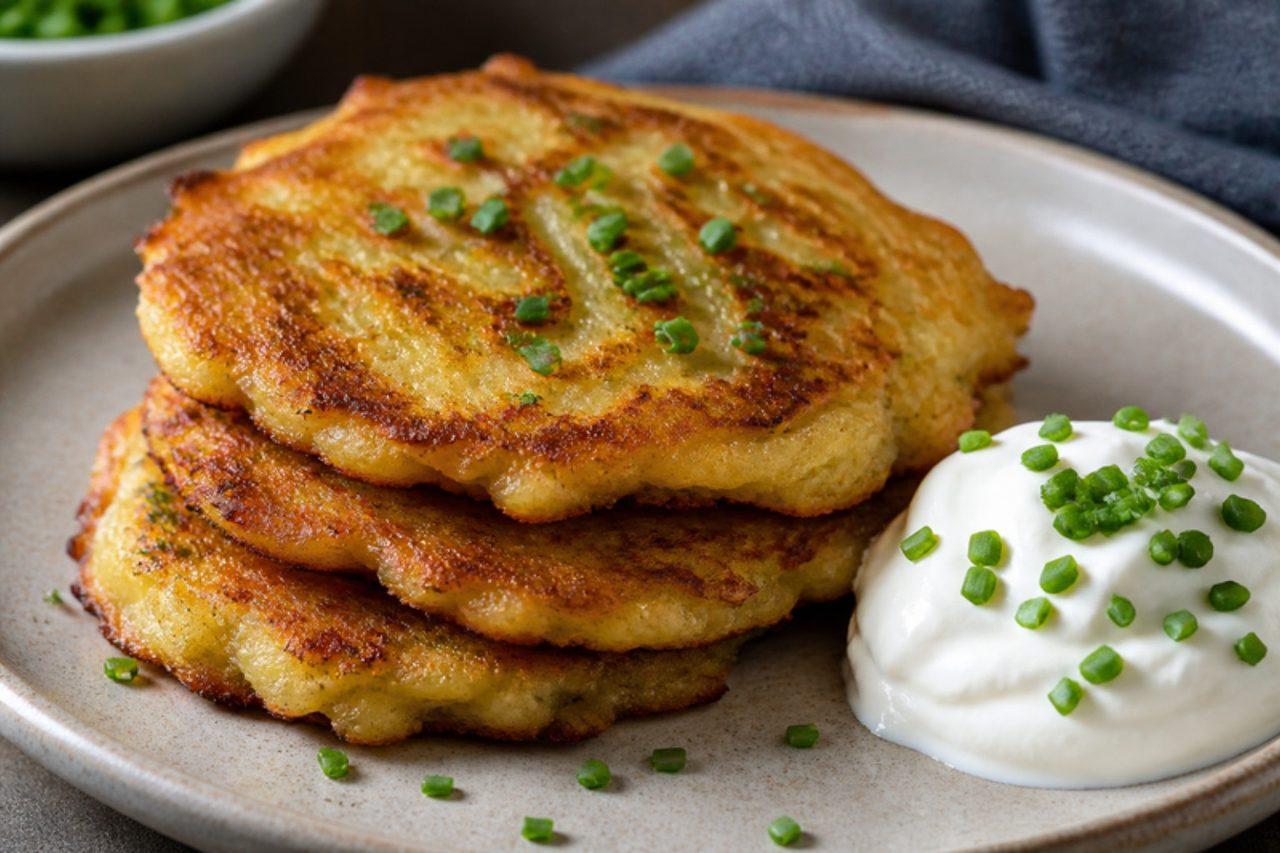
BoxtyPotato pancakes

Boxty is the potato pancake of the north midlands, from Leitrim, Cavan and Fermanagh, remembered in the rhyme 'boxty on the griddle, boxty in the pan'. Raw grated potato is mixed with mashed potato, flour and buttermilk, then fried, giving a cake that is crisp and lacy outside and soft and slightly chewy inside. Eat it for breakfast with eggs and tomatoes, or wrapped round a creamy mushroom filling. Chef's tip: squeeze the grated potato hard in a cloth; wet potato gives soggy, grey boxty.

by KrazyBadal 0 views

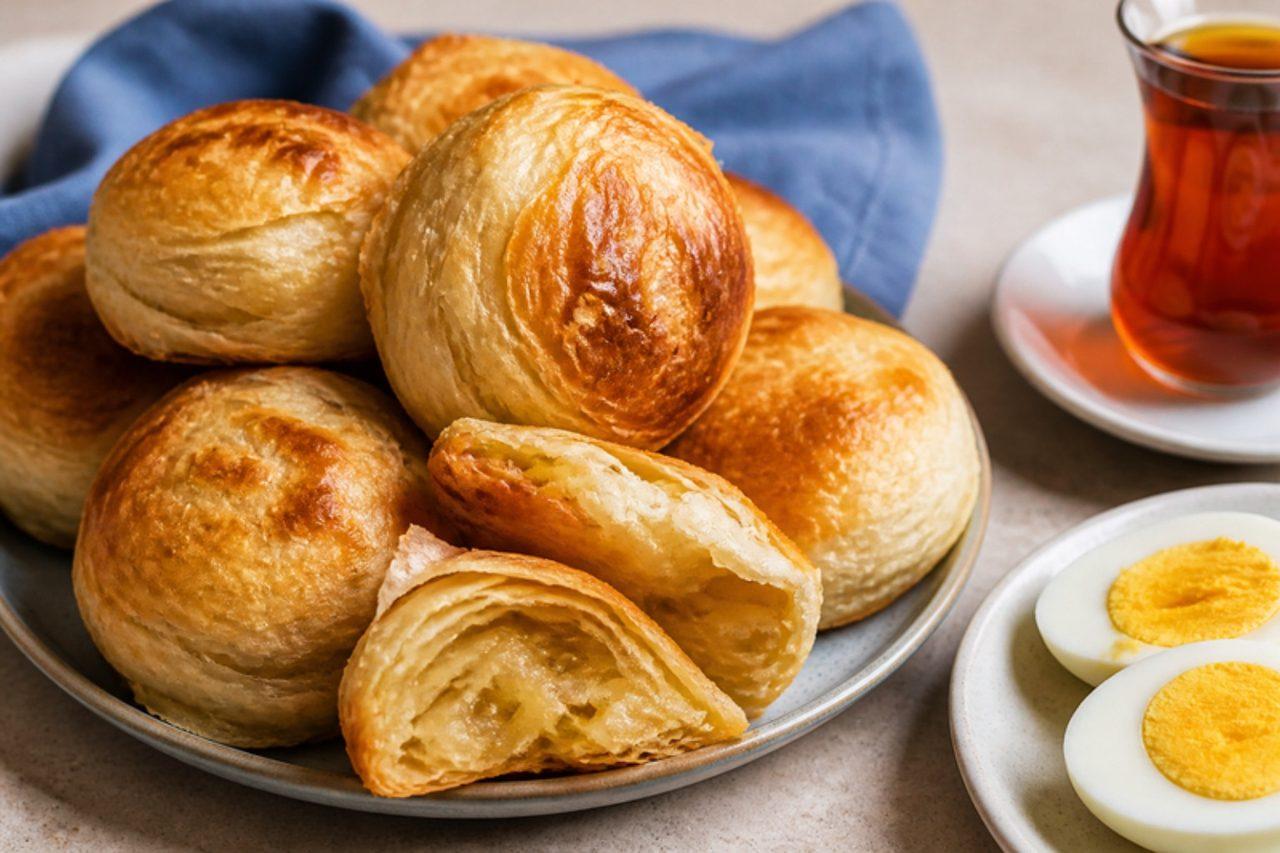
BoyozFlaky layered breakfast pastry

İzmir mornings begin at a boyoz stand in Alsancak or Kemeraltı: a small round pastry of paper-thin, oil-stretched dough, coiled into a snail and baked until the layers shatter, eaten beside a halved hard-boiled egg and a glass of tea. Sephardic Jews brought it to the city centuries ago, and İzmir has guarded it ever since. The dough itself is plain; the magic is in the long rest in oil and the stretching. Chef's tip: let the dough balls sit submerged in oil for a full two hours; they relax so completely that you can stretch them almost transparent without tearing.

by KrazyBadal 0 views

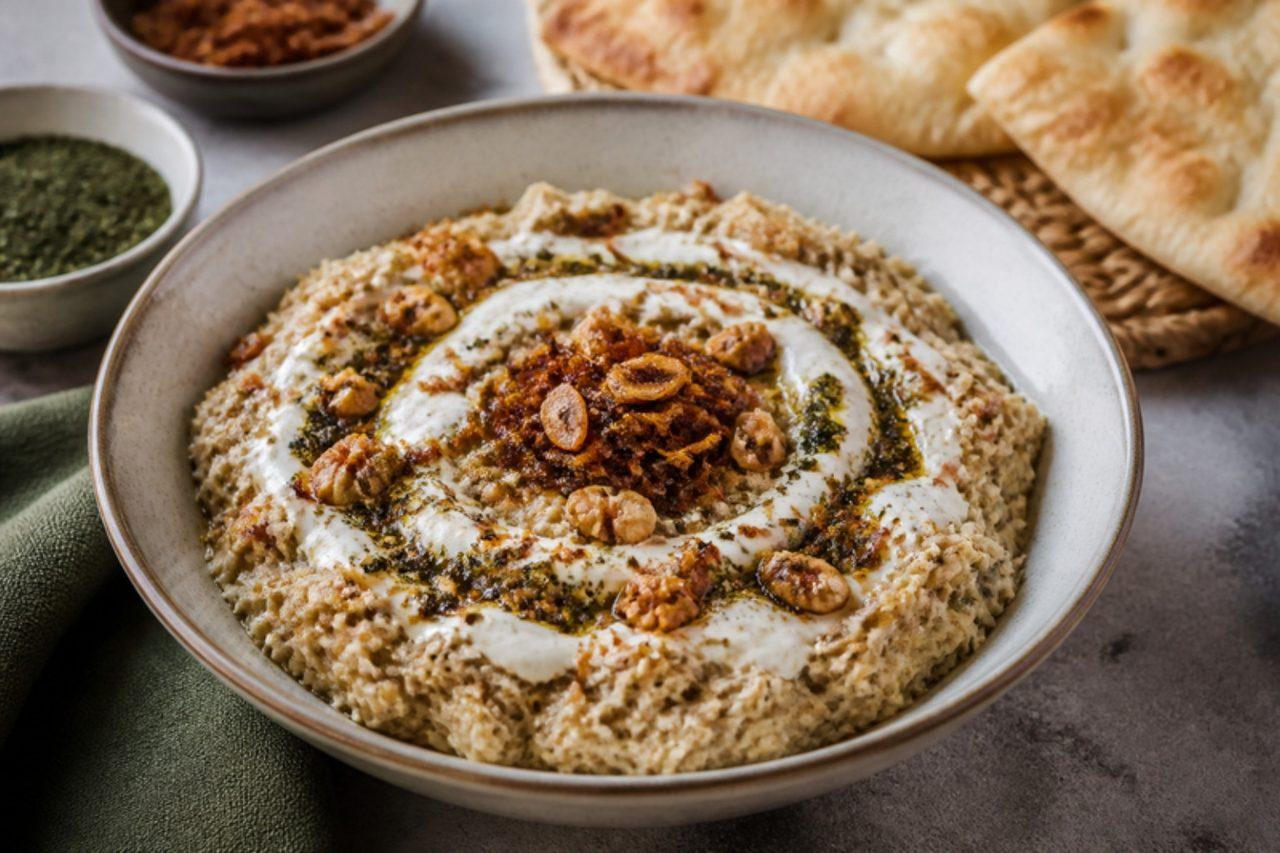
BozghormehPounded lamb and chickpeas with kashk

Bozghormeh is a dish of Kerman, the desert city in south-east Iran, cooked on winter weekends and for family gatherings. Lamb and chickpeas are simmered with turmeric until soft, then pounded together and finished with kashk (salty fermented whey), lots of fried onion and garlic and a dusting of dried mint; it is scooped up with flatbread rather than eaten with rice. The result is creamy, tangy and deeply savoury. A common mistake is boiling after the kashk goes in; it turns grainy, so add it at the end over a low heat. Chef's tip: if you can't find kashk, mix thick Greek yogurt with a pinch of salt and a squeeze of lemon; it's milder but close.

150 minPersianMeat
by KrazyBadal 0 views

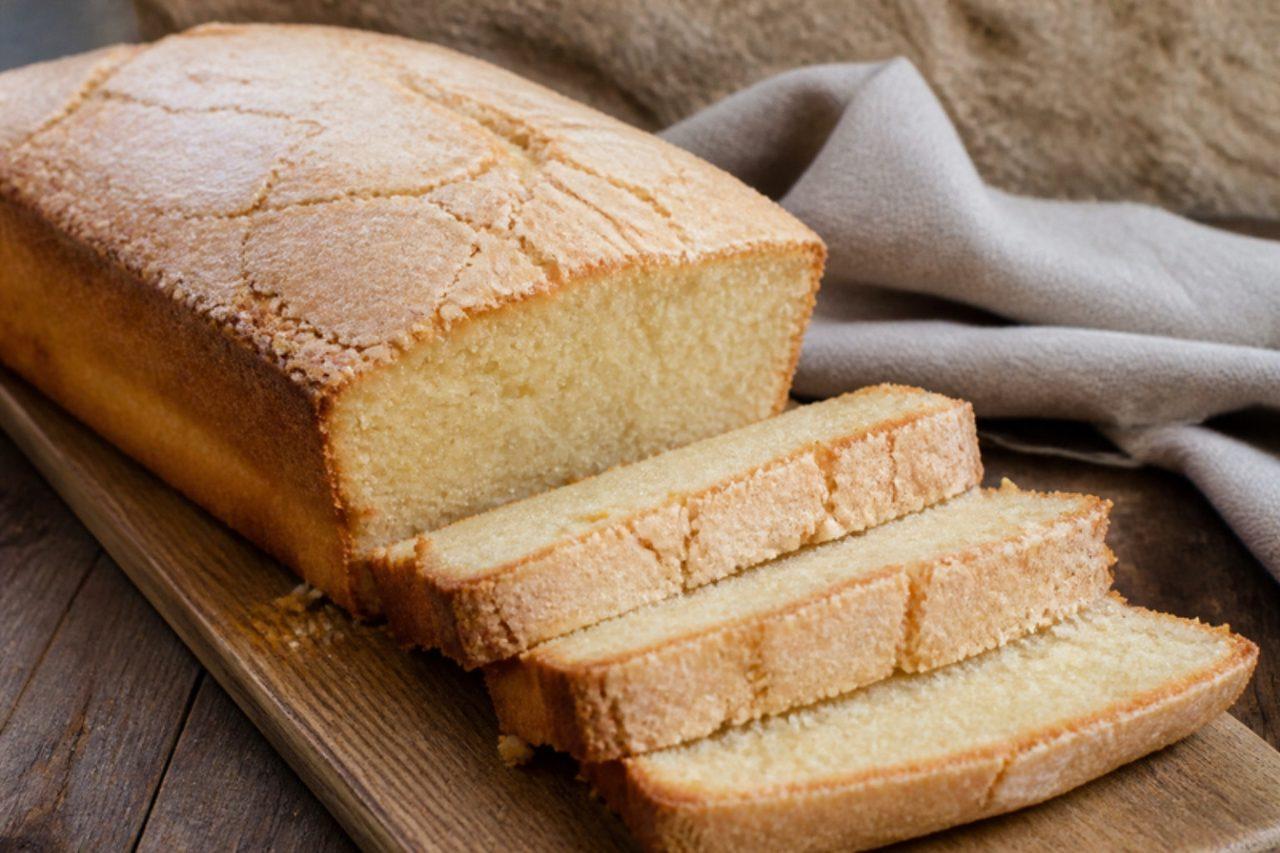
Bica de TrivesButtery cream cake

Pobra de Trives, a mountain town in Ourense, holds a festival every August in honour of its bica, a rich, close-textured cake made with fresh cream and butter from local dairies. It is baked in a rectangular tin, sold in paper and eaten in thick slices with coffee or a glass of milk. The sugar scattered on top bakes into a thin, crackly crust. A common mistake is overmixing once the flour goes in, which makes it tough; fold just until no streaks remain. Chef's tip: whip the egg whites separately and fold them in last for a lighter crumb.

by KrazyBadal 0 views

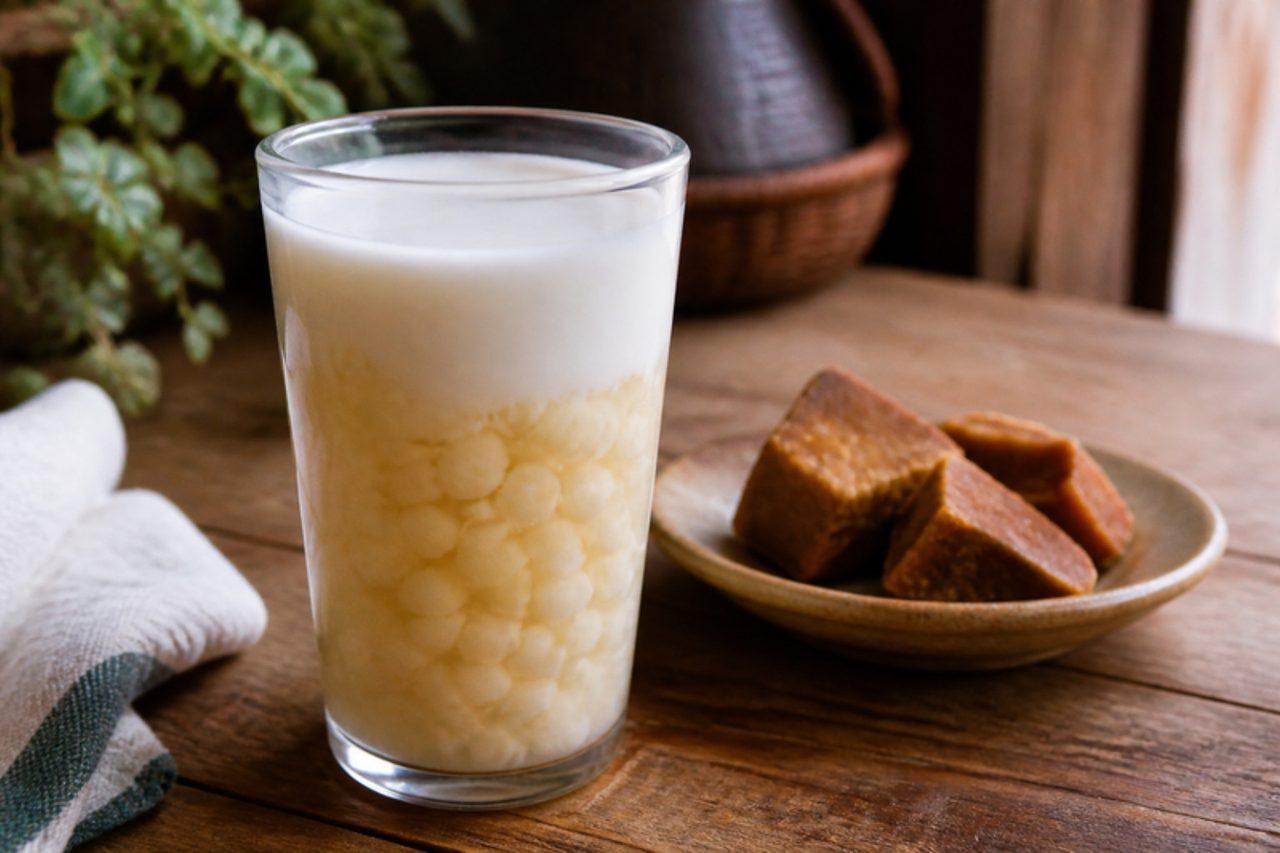
Mazamorra antioqueñaHulled corn with milk

Paisas finish lunch with a glass of mazamorra the way others take dessert: soft, swollen kernels of hulled white corn in their own starchy cooking liquid, topped up with cold milk and eaten with a piece of panela or guava paste to nibble between sips. In Medellín it is sold from carts as well as made in big pots at home for the week, and it is mild, milky and quietly filling. Look for dried hulled white corn (maíz pilado or peto) in Latin American shops. Soak it overnight first. A common mistake is serving it before the corn is fully soft; the kernels should split open and be tender to the bite. Chef's tip: save the thick cooking liquid; it gives the drink its silky body, and the corn keeps in it for 4 days in the fridge.

by KrazyBadal 0 views

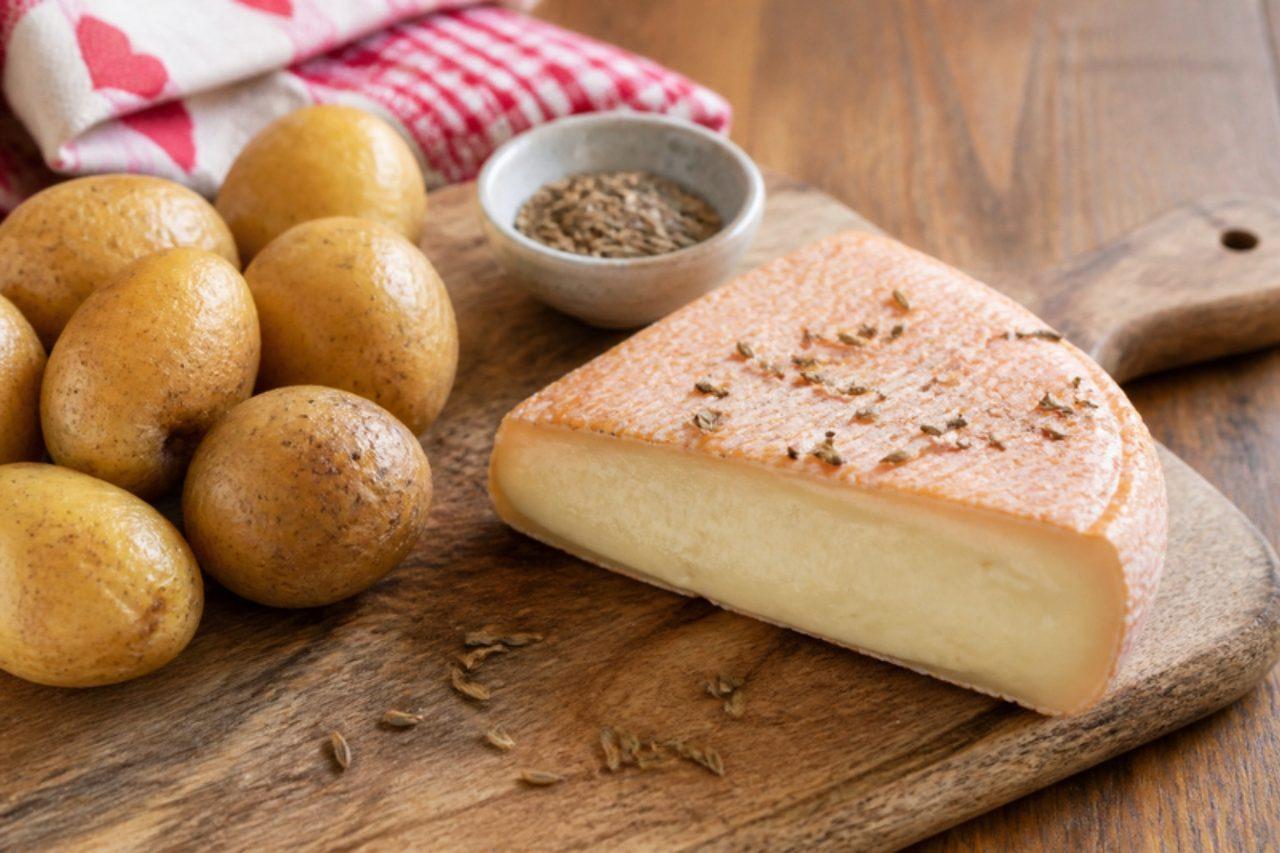
Munster with cumin and potatoes

High in the Vosges above Munster, the farm-inns called fermes-auberges serve their pungent washed-rind cheese in the simplest way: a wedge laid over hot potatoes in their skins, with a little dish of cumin seeds for sprinkling. Alsatians eat it as a winter supper or as the cheese course after a walk in the hills, with a green salad and a glass of something cold. The cheese smells strong but tastes mild and milky once warm, and cumin is its traditional partner. Most Munster is made with animal rennet; for a vegetarian meal choose a vegetarian washed-rind cheese, or a ripe vegetarian brie or reblochon-style cheese. Chef's tip: toast the cumin seeds in a dry pan for a minute before serving; they go from dusty to nutty and lift the whole plate.

by KrazyBadal 0 views

Firik pilavıSmoky green wheat pilaf

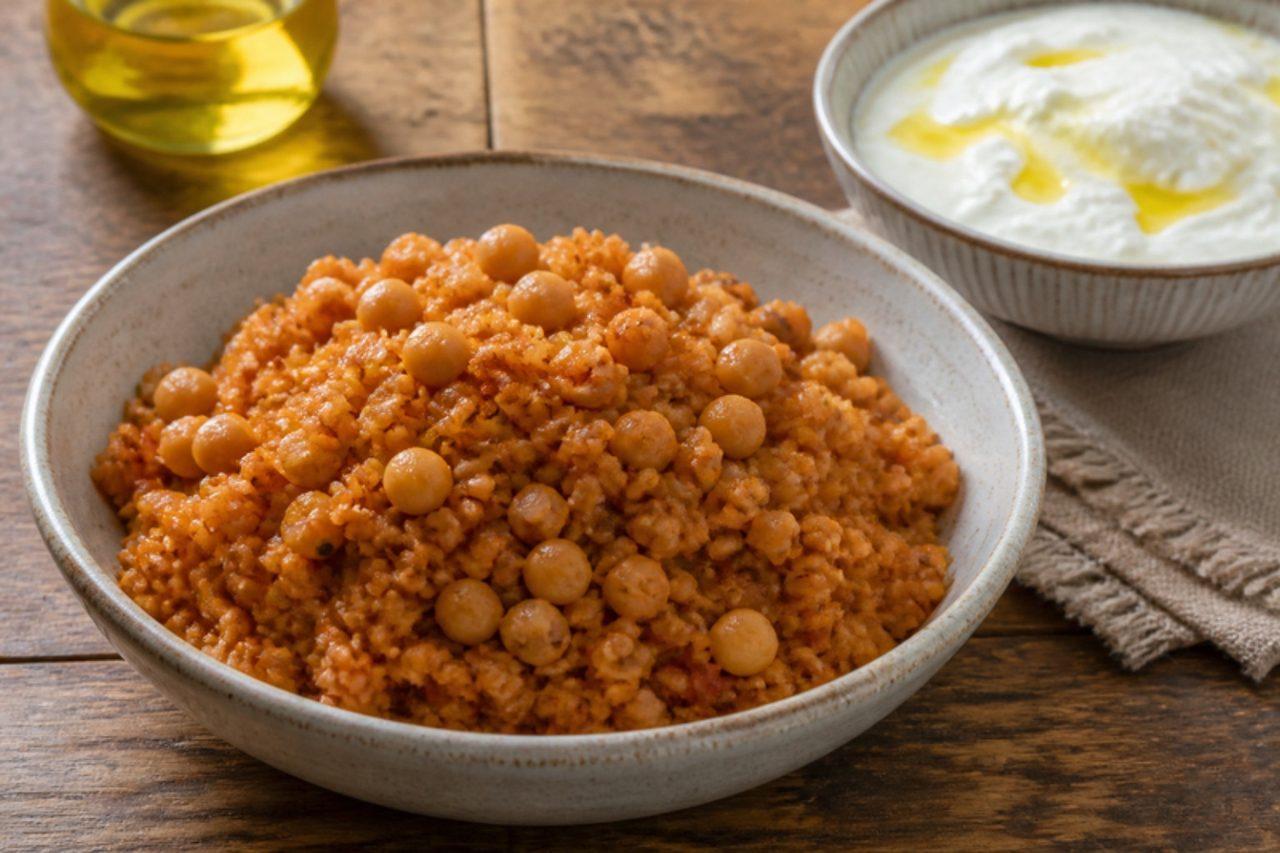
Each June farmers around Gaziantep cut wheat while it is still green and burn off the husks in the field, which gives firik its gentle campfire smell. Cooked as a pilaf with onion, pepper paste and a handful of chickpeas, it has a chewy, nutty bite that sits well beside grilled kebabs or simply a bowl of ayran and a tomato salad. It is the everyday grain of the region's home kitchens, cheaper than rice and more filling. Rinse the grains well: grit and bits of chaff are common in firik. Chef's tip: let it rest under a tea towel for ten minutes after cooking; the steam finishes the grains and they separate beautifully.

by KrazyBadal 1 views

ŞöbiyetSemolina cream and pistachio filo

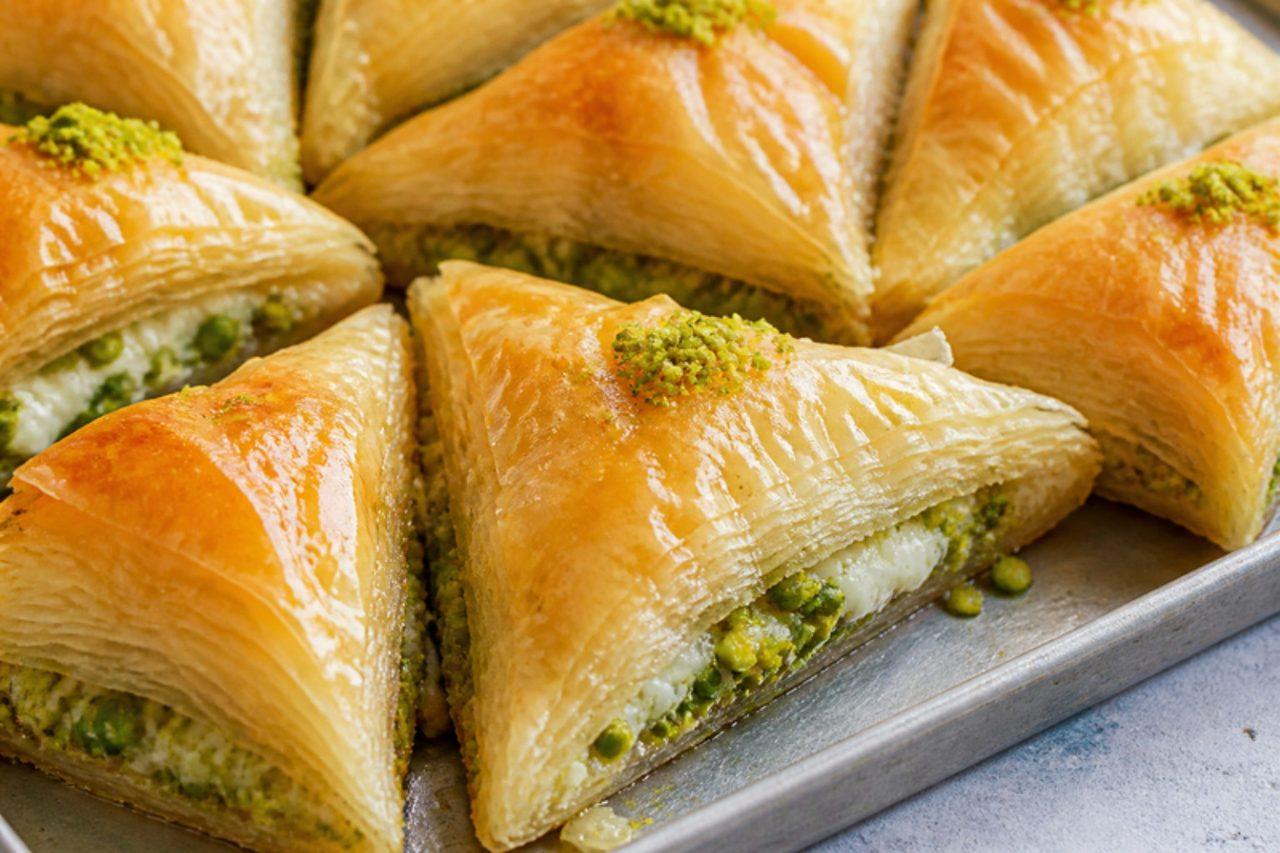
Gaziantep's baklava shops lay out trays of şöbiyet beside the classic squares: buttery filo triangles hiding a soft semolina cream and a thick seam of pistachio, soaked in cool syrup. Families buy them by the kilo for bayram visits and engagement days, and they are best eaten the day they are made, while the top layers still crackle. Home versions use shop filo and a quick milk cream instead of the clotted cream the masters fold in. Pour cold syrup over hot pastry, never hot over hot, or the layers turn soggy. Chef's tip: chill the cream until it is firm enough to slice; a soft filling oozes out as you fold the triangles.

by KrazyBadal 0 views

ŞalgamFermented purple carrot drink

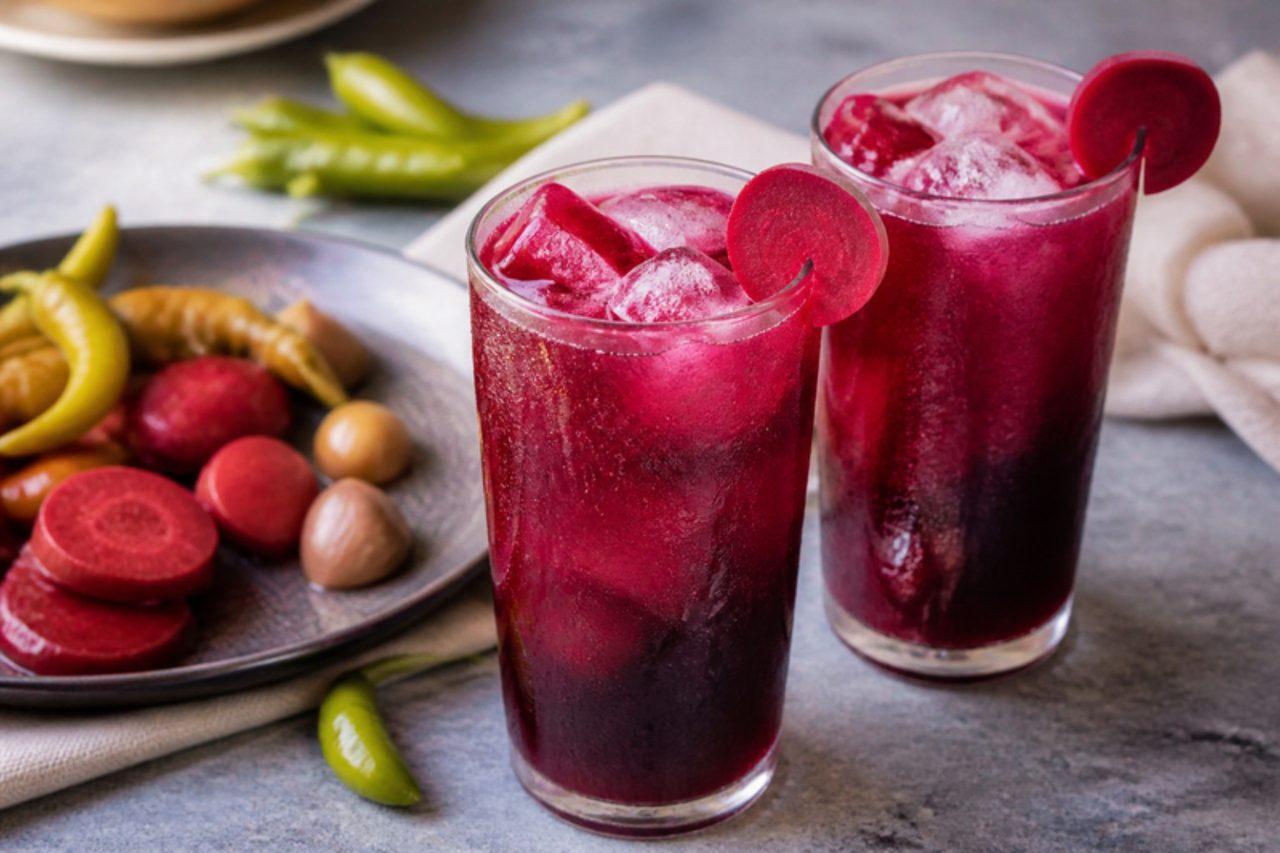
Order an Adana kebab in its home city and a tall glass of şalgam arrives with it, deep purple, salty, sour and often fiery. It is made by fermenting black carrots with a little bulgur and salt for a week or more, and the sharpness clears the palate between bites of lamb and grilled onion. Street carts in Adana sell it by the glass in summer. This home version skips the separate bulgur-sour-dough stage the big producers use. Use non-iodised salt: iodised salt can stall the ferment. Chef's tip: taste from day 5; when it is sour enough to make you blink, strain and chill it, because it keeps fermenting at room temperature.

by KrazyBadal 1 views

Patlıcan kebabıAubergine and meatball skewers

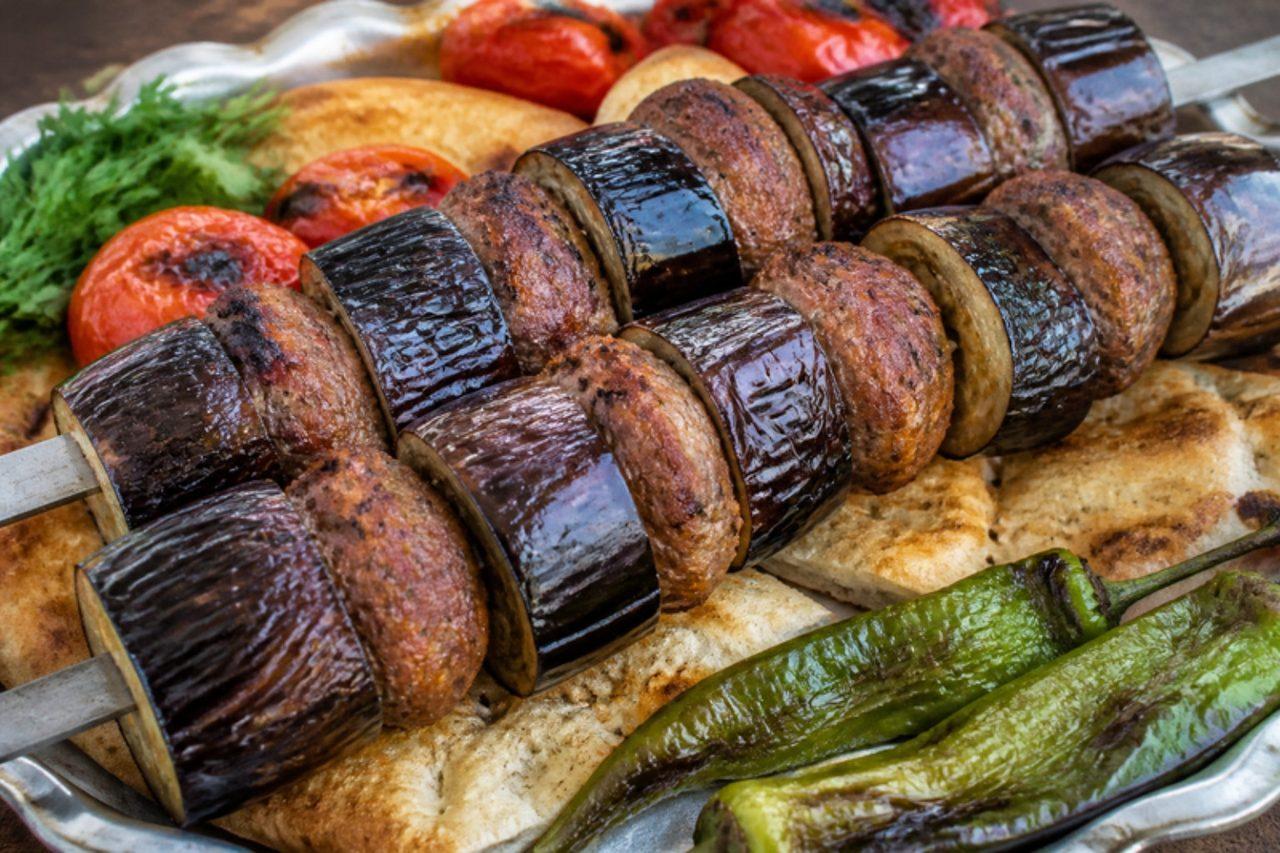
Late summer in southeastern Turkey, from Urfa to Gaziantep, means patlıcan kebabı: thick rounds of unpeeled aubergine threaded between small patties of spiced lamb, so the fat from the meat bastes the aubergine as it chars. Served on lavaş, the aubergine is pressed with a spoon into the bread and the whole thing is eaten with onions and green chillies. Use small, firm aubergines that won't split on the skewer. Common mistake: cutting the aubergine thinner than the meat; it burns before the köfte is cooked. Chef's tip: peel the charred aubergine skin off on the plate, but leave it on while grilling.

by KrazyBadal 0 views

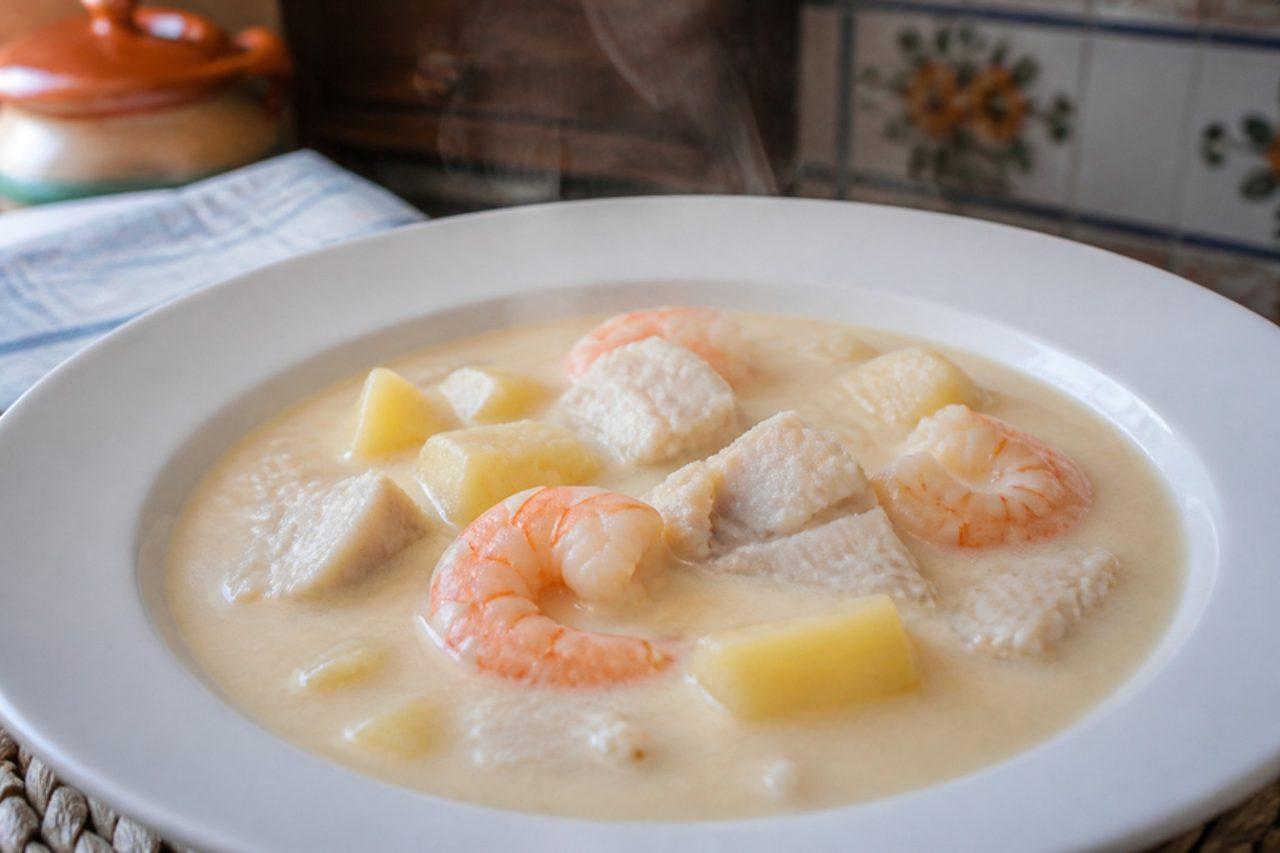
Gazpachuelo malagueñoHot fish soup with mayonnaise

Málaga's fishermen once made gazpachuelo on the beach with whatever the nets brought in, and today it is a winter comfort soup in the city's homes and old-style taverns: a clear broth with potatoes, hake and prawns, slowly poured over a homemade mayonnaise until it turns pale and creamy. Done right it is silky, lemony and light. The eggs in the mayonnaise must be heated through properly, so this method brings the soup to 72 °C at the end without boiling it. Chef's tip: add the broth to the mayonnaise, never the other way round, and at first only a ladle at a time.

by KrazyBadal 0 views

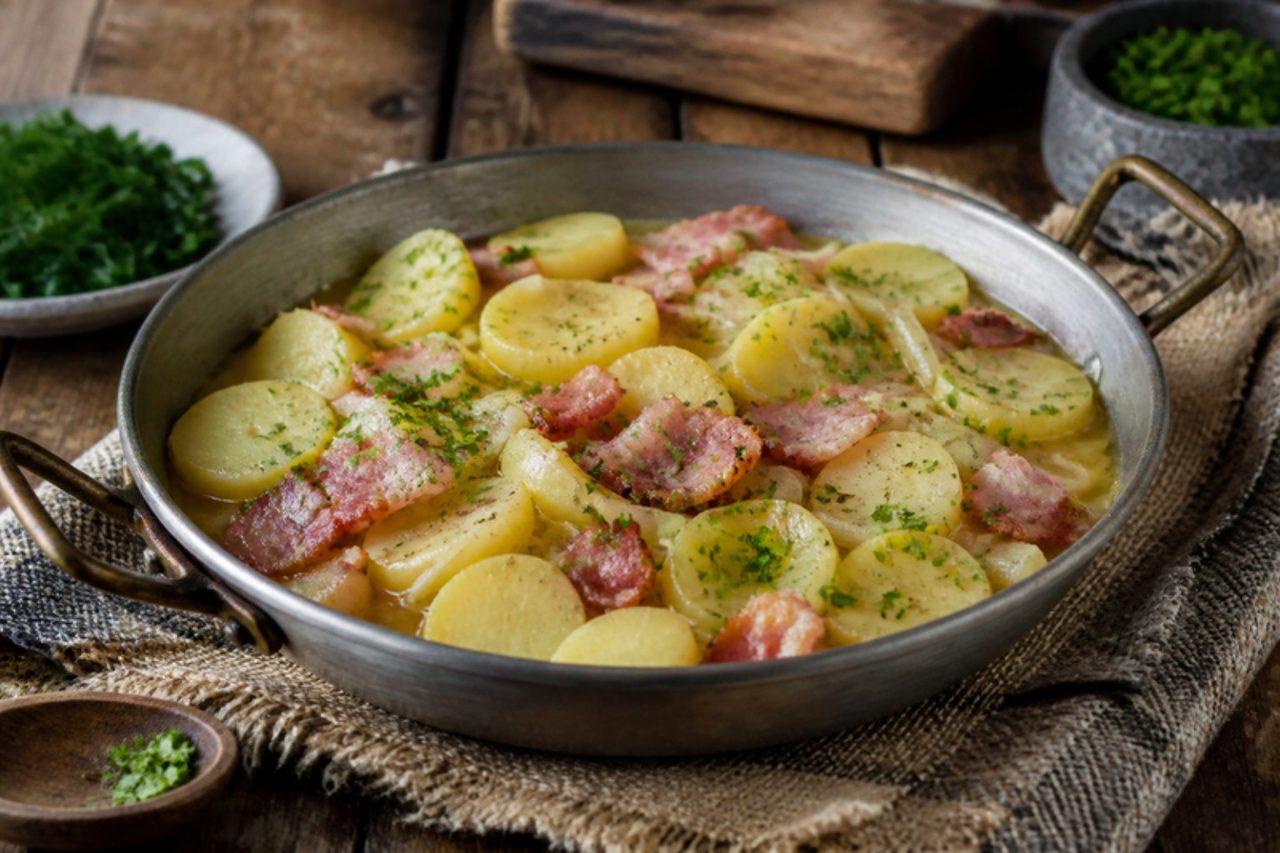
Tatws pum munudBacon and potato stew

Tatws pum munud means 'five-minute potatoes' in Welsh, a joke, since it takes half an hour, but it was the quick, cheap one-pot supper of North Wales quarry and farm families. Sliced potatoes and onions are simmered on a bed of smoked bacon (pork) in stock until the potatoes are soft and the bottom layer catches and turns golden. Chef's tip: don't stir; shake the pan instead so the layers stay intact and the bottom crisps.

by KrazyBadal 0 views

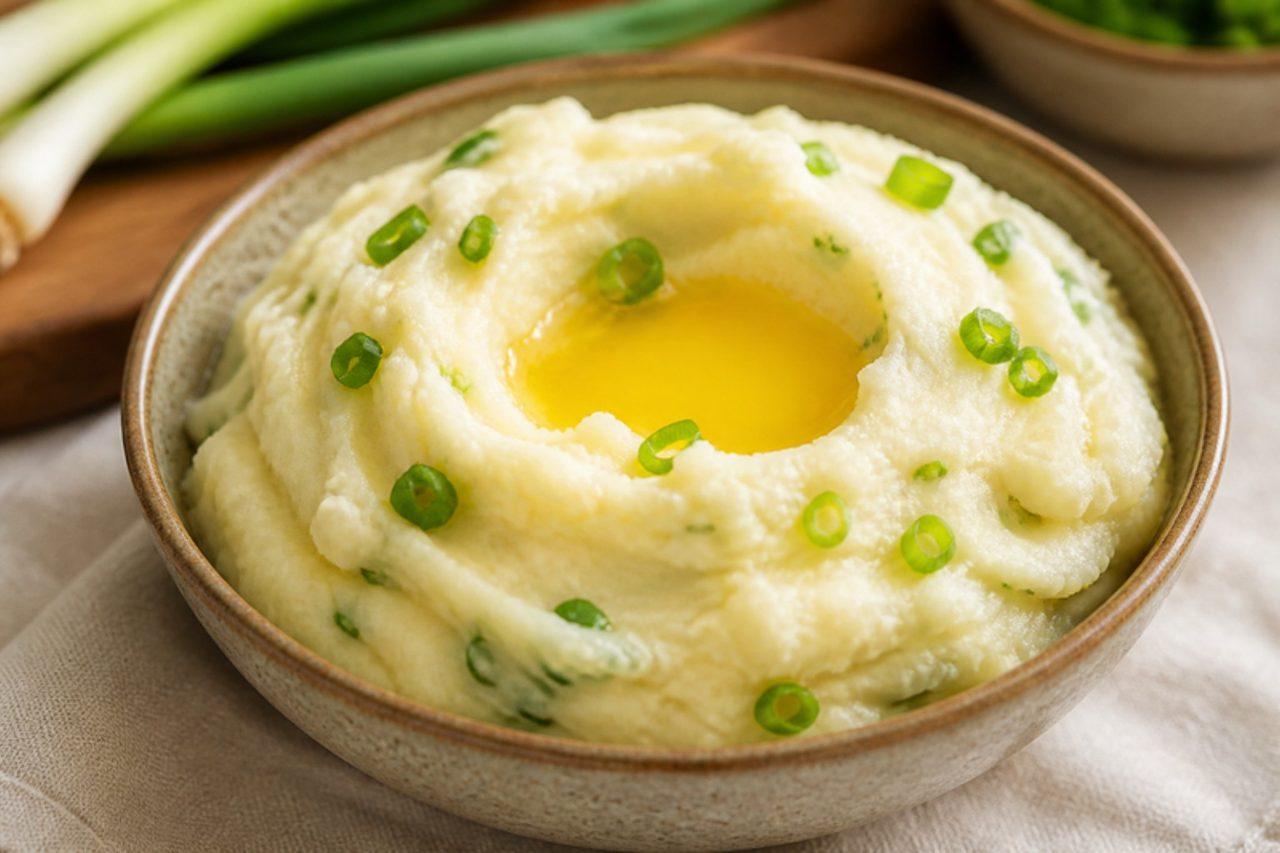
ChampMashed potato with spring onion

Champ is the creamy mashed potato of Ulster, eaten in farmhouse kitchens from Tyrone to Monaghan, and once pounded in a big pot with a wooden beetle for the whole family. Scallions are steeped in hot milk, then beaten into floury potatoes with salt, pepper and butter, so it is soft, green-flecked and gently oniony. Serve in a mound with a pool of butter in the centre, next to sausages or a pie. Chef's tip: dip each forkful into the butter well, as is done at home; don't stir the butter through.

35 minIrishSidesGluten free
by KrazyBadal 0 views

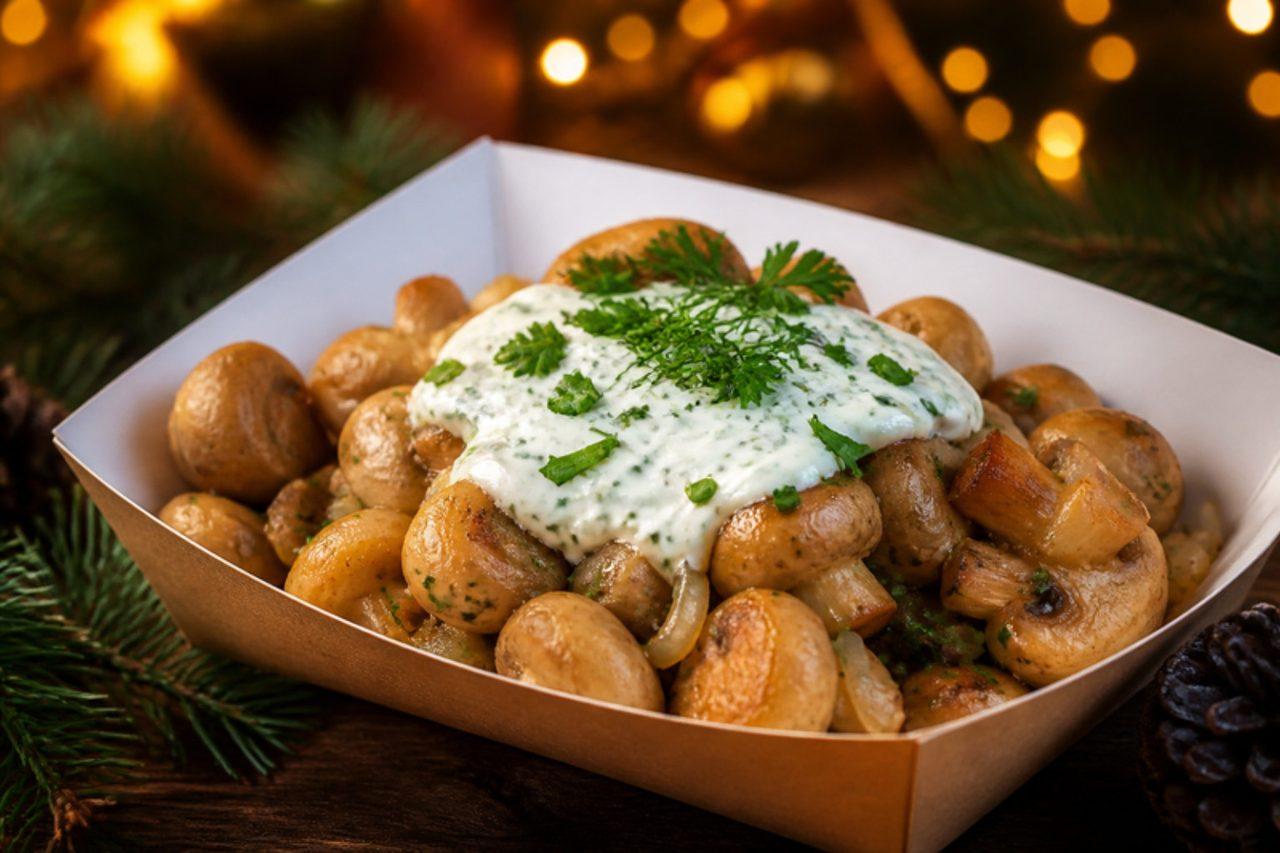
ChampignonpfanneGarlic mushrooms with sour cream sauce

Walk through any German Weihnachtsmarkt, from Cologne's cathedral square to Nuremberg's Hauptmarkt, and you will smell the Champignonpfanne before you see it: a huge flat pan of button mushrooms frying with onion and garlic, scooped into paper boats and topped with a cool herb sauce. It is the market's favourite meat-free snack on a cold December evening, and it takes twenty minutes at home. Serve it with crusty bread or as a side to potato pancakes. The common mistake is piling every mushroom into the pan at once, which makes them stew grey in their own water instead of browning. Chef's tip: salt the mushrooms only once they have coloured; salt added early draws out the liquid and stops the browning.

by KrazyBadal 0 views

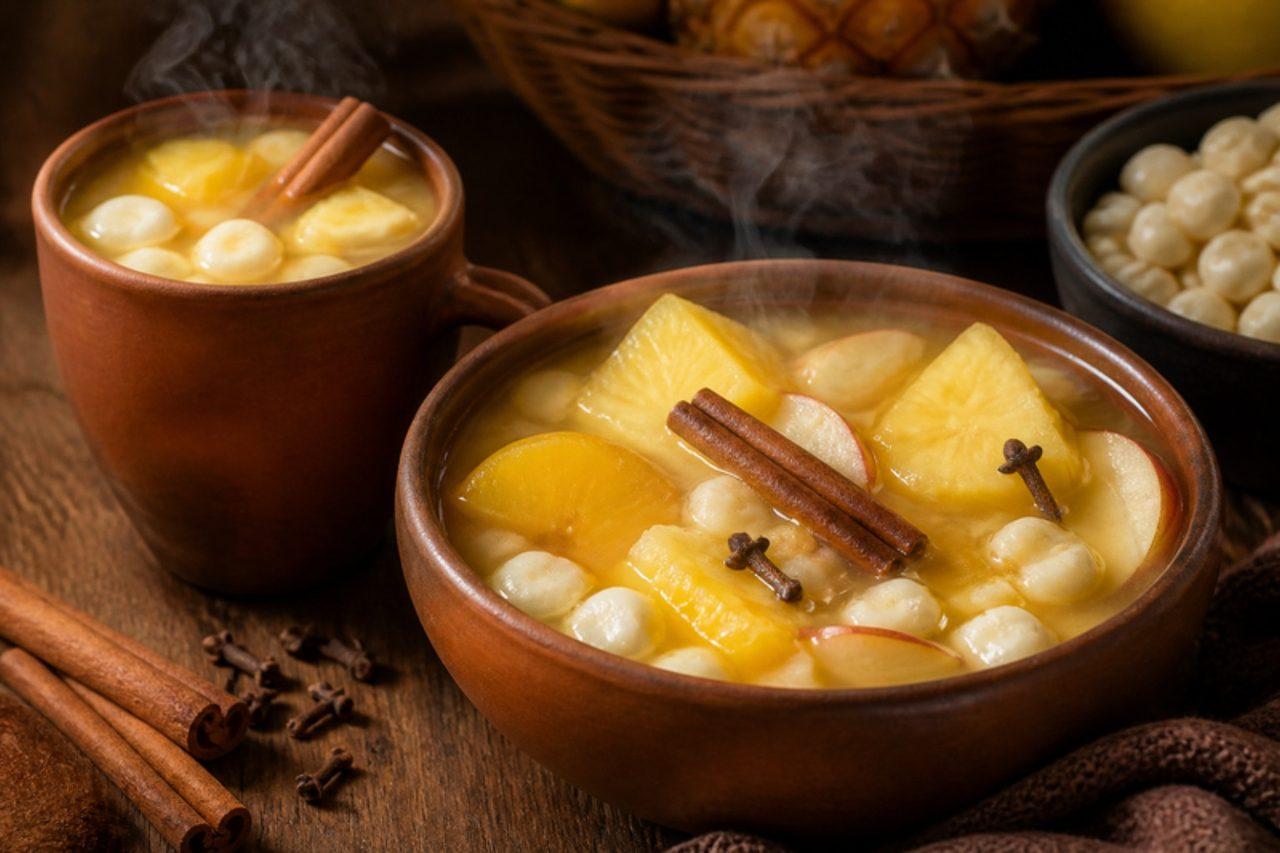
ChampúsMote corn and pineapple drink

When Lima's grey winter sets in, from June to September, champús sellers set up on street corners with big pots of this thick, fruity drink, ladled warm into glasses and eaten as much as drunk. It's made from mote (hulled white corn), simmered with pineapple, quince or apple, soursop, chancaca and warm spices, then thickened lightly with corn flour, so every spoonful has soft fruit and chewy corn in a spiced, molasses-sweet base. It is close in spirit to mazamorra morada but paler and tangier. The mistake people make is adding the thickener straight into the hot pot, where it forms lumps; always slake it in cold water first and pour it in while stirring. Canned or jarred hominy saves hours; frozen soursop (guanábana) pulp is in Latin shops and can be left out. Serve warm in glasses with spoons. Chef's tip: simmer the pineapple peel and core with the spices for the first 20 minutes, then strain them out; they give much of the flavour.

by KrazyBadal 0 views

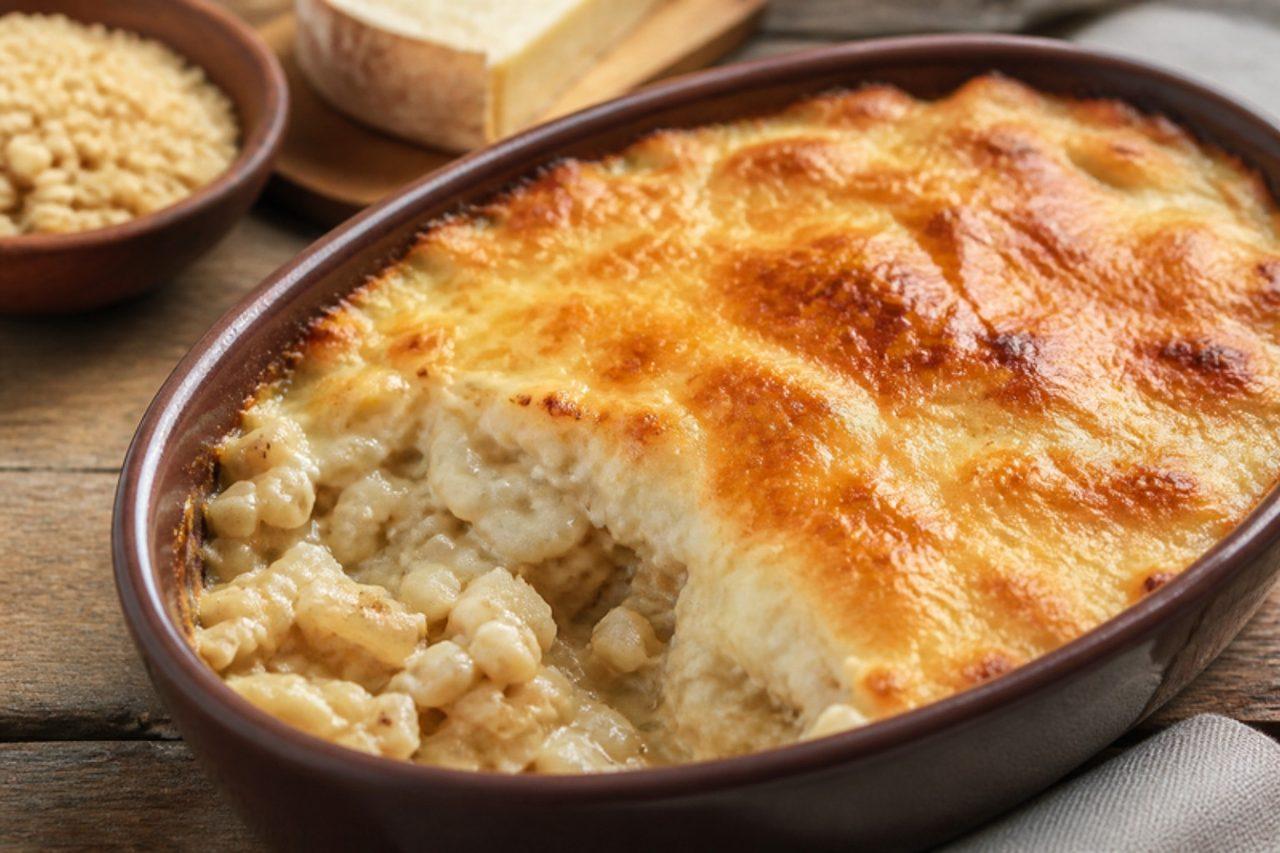
CrozifletteBuckwheat pasta with reblochon

Ski stations across the Savoie, from Val Thorens to the villages above Chambéry, serve croziflette in the same bubbling dish as tartiflette, but with crozets in place of potatoes: tiny square buckwheat pasta that is a speciality of the region. It is warming après-ski food, nutty and rich, eaten with a sharp green salad. Restaurants add lardons; this one uses browned mushrooms for the same savoury depth. Reblochon is a raw-milk cheese made with animal rennet, so use a vegetarian washed-rind or soft rind cheese if you need to. Chef's tip: cook the crozets fully before baking; unlike other pasta, they stay firm and need a good 15–20 minutes.

by KrazyBadal 0 views

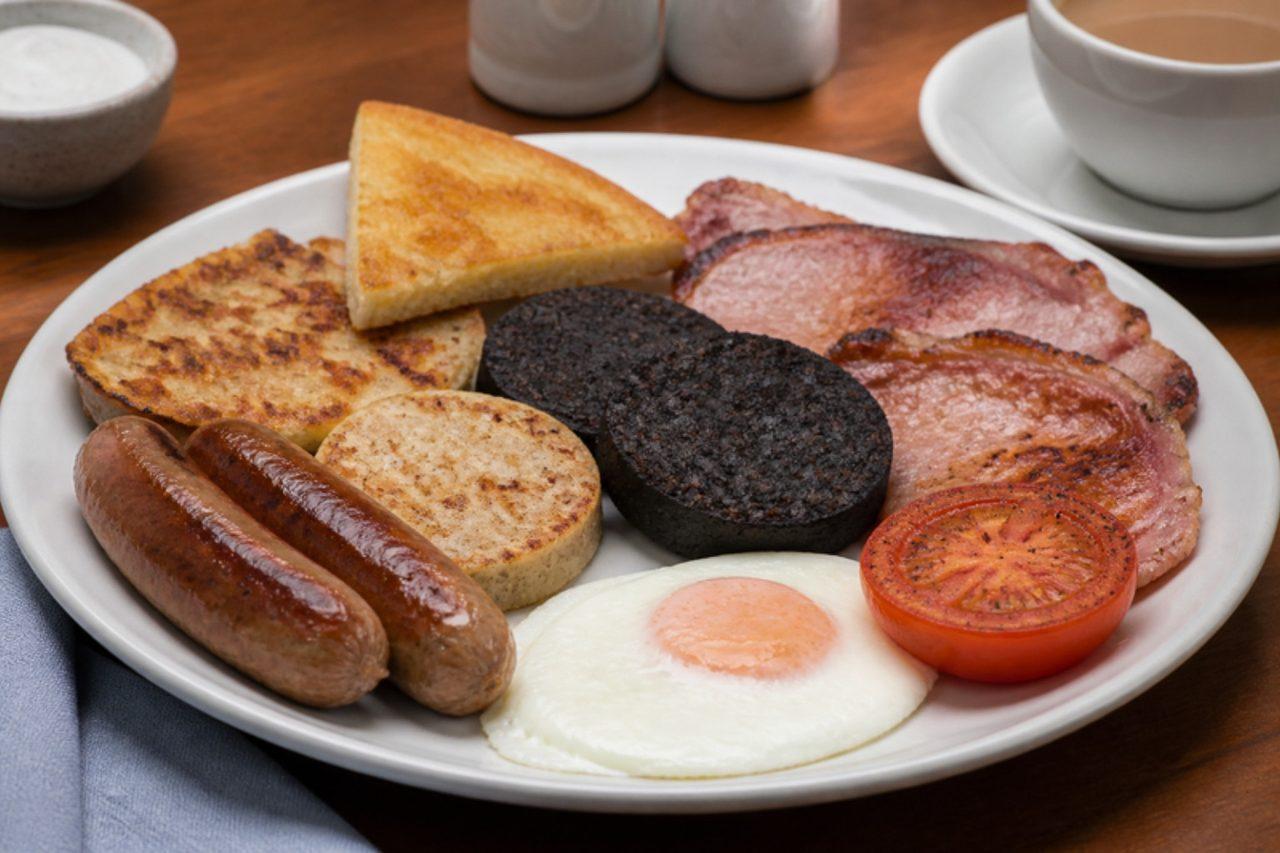
Ulster fry

The Ulster fry is the big weekend breakfast of Northern Ireland, from Belfast cafés to County Down B&Bs, and what sets it apart is the bread: soda farls and potato bread fried golden in the pan juices. Pork sausages, back bacon, black pudding, eggs, tomatoes and mushrooms complete the plate. Chef's tip: cook in order of what takes longest and keep things warm in a low oven, so the eggs go in last and are served soft.

by KrazyBadal 0 views

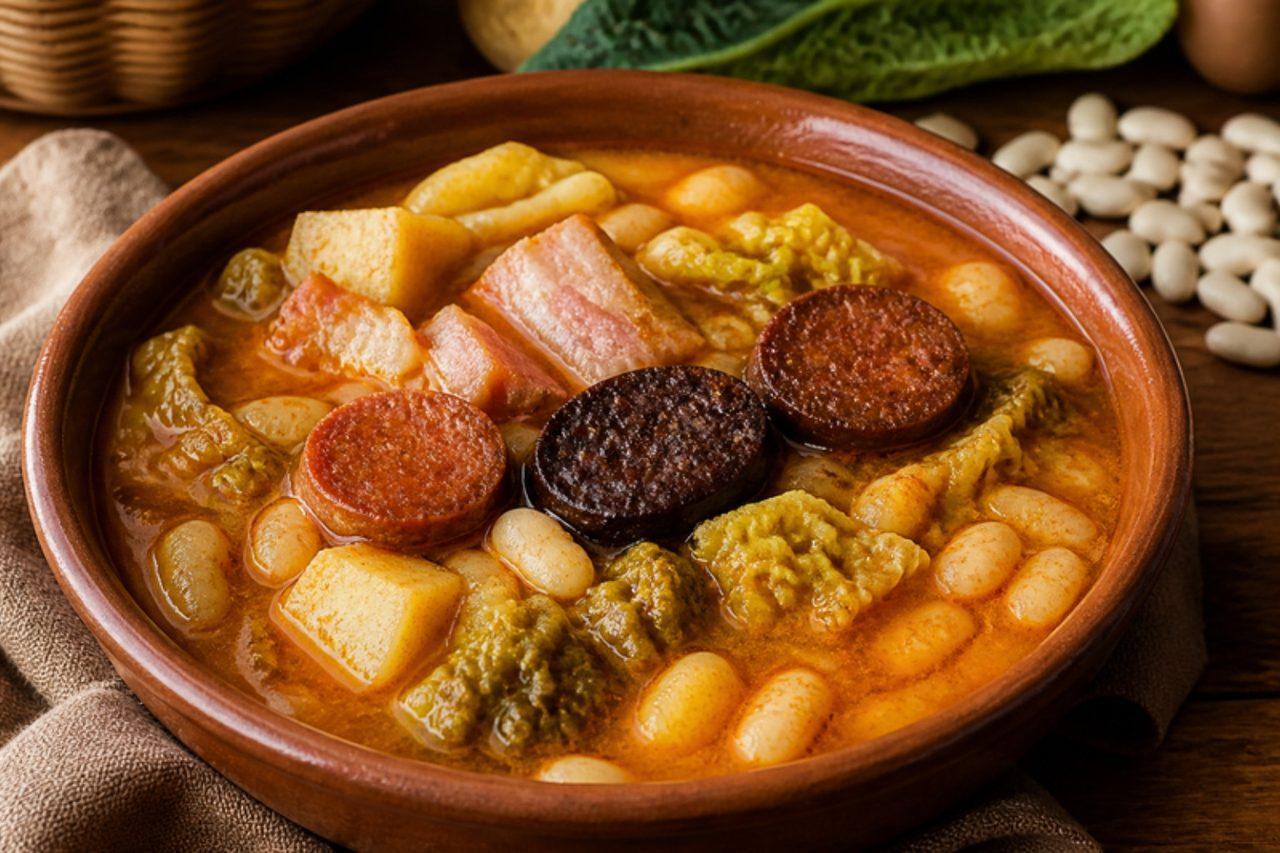
Pote asturianoWhite bean and cabbage stew

Before fabada became famous, pote was what simmered on every Asturian hearth: white beans, dark winter cabbage, potatoes and the cured pork mix the locals call compango. It is still the dish for a cold, wet weekday in the mining valleys around Mieres and Langreo, served from the pot with crusty bread. This contains pork (chorizo, morcilla, pork belly and ham hock). Chef's tip: add the morcilla only for the last 20 minutes and never stir hard after that, or it breaks up and clouds the broth.

185 minSpanishMeat
by KrazyBadal 0 views

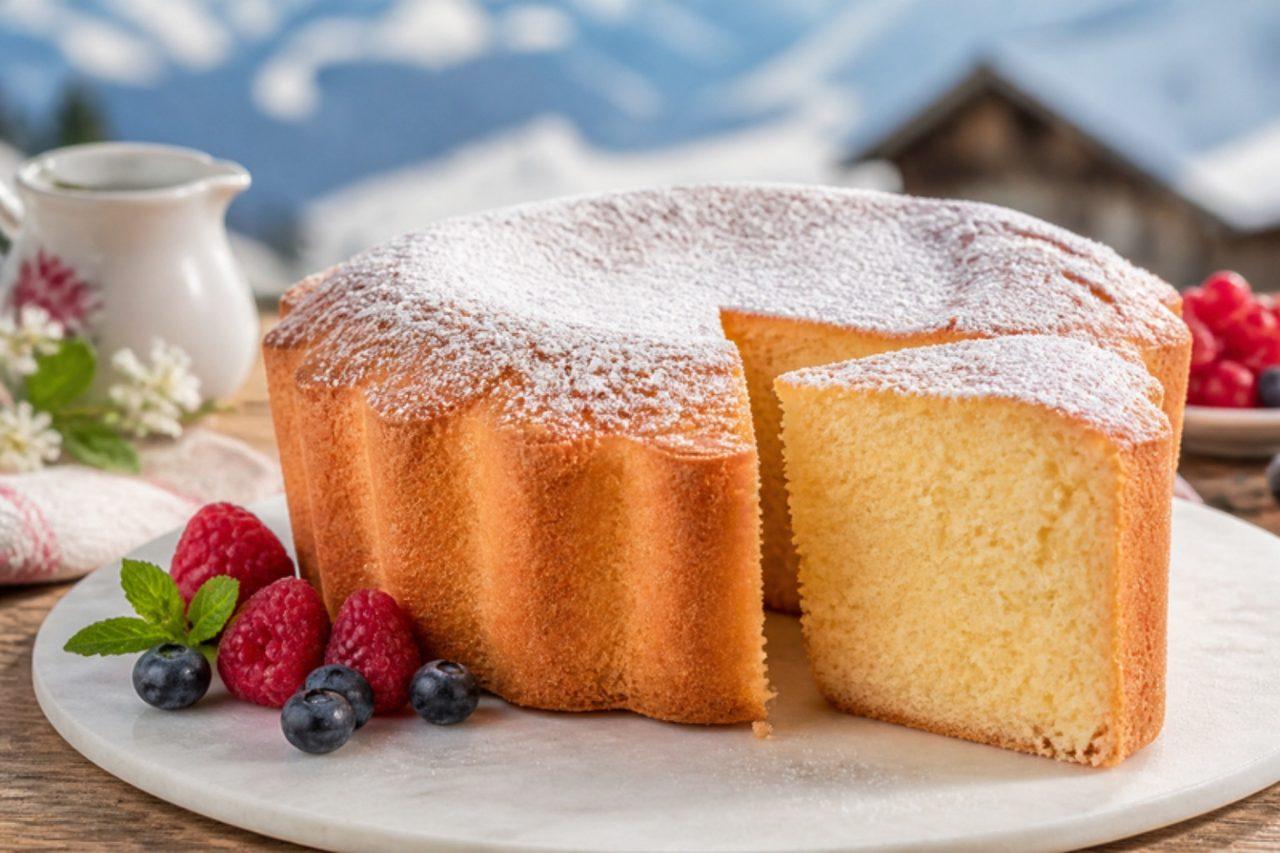
Gâteau de SavoieAiry sponge cake

Legend says a cook at the court of the Counts of Savoy, in Chambéry, invented this sponge in the fourteenth century to impress a visiting emperor, and Savoyard families still bake it in a tall fluted mould for birthdays and Sunday tea. It has no butter and very little flour, using potato starch for a crumb so light it almost dissolves, and it is eaten plain with a dusting of icing sugar, or with jam, fruit compote or a cup of hot chocolate. Chef's tip: fold the whites in three goes with a large metal spoon, cutting down through the middle; you are keeping in the air that makes it rise.

by KrazyBadal 0 views

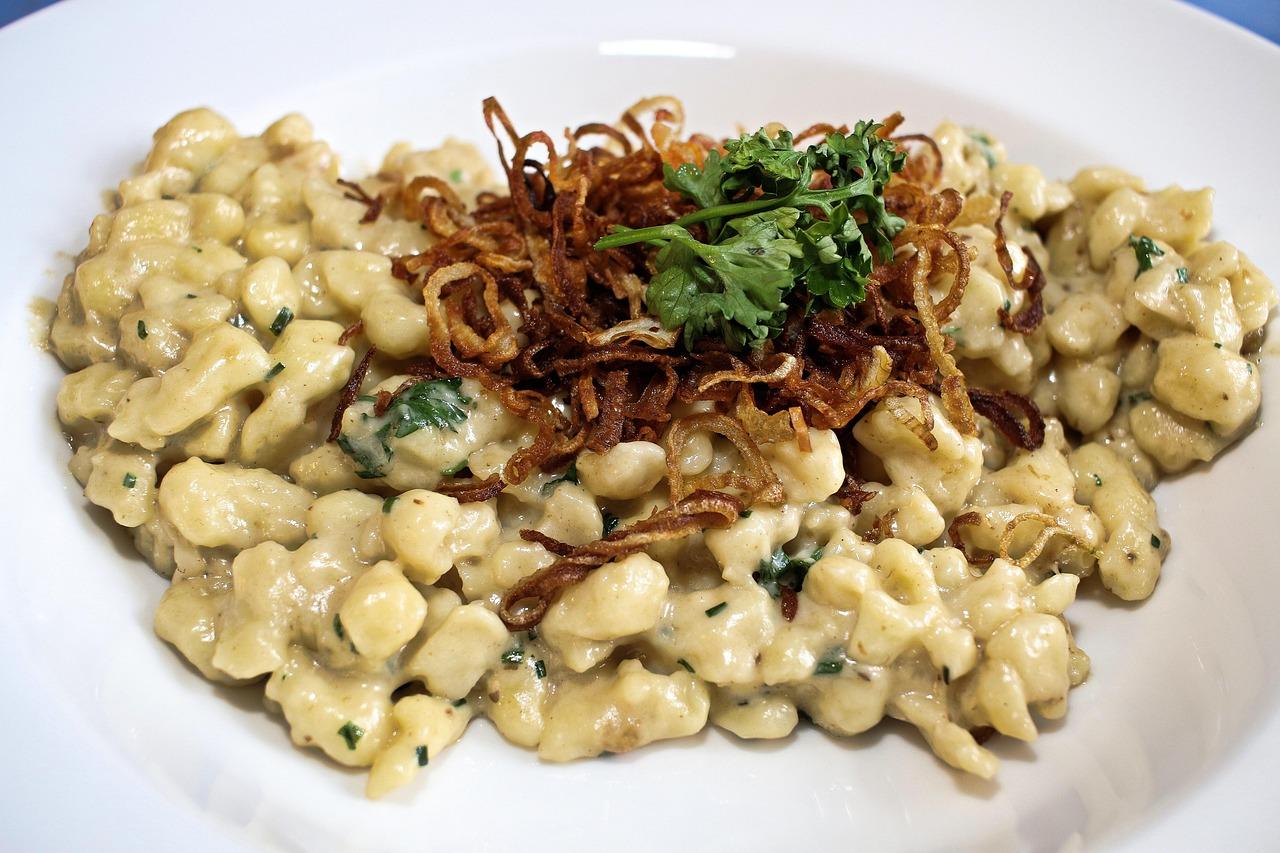
Spätzle à l'alsacienne with browned butter and onionsEgg noodles with browned onions

In Alsace, spätzle (also called knepfle or spaetzle) are the side every winstub, the cosy wine taverns of Strasbourg and the wine route, puts next to a stew, and at home they make a quick supper in their own right. The batter is barely more than flour, eggs and milk, pushed through a spätzle press or a colander with big holes straight into boiling water, so the noodles come out short, soft and irregular. This version skips the cheese of the German käsespätzle: the noodles are tossed in nutty browned butter and topped with a heap of slowly crisped onions, with a green salad alongside. Chef's tip: beat the batter until it forms bubbles and slaps off the spoon in thick ribbons; that elasticity is what gives spätzle their bounce.

by KrazyBadal 0 views

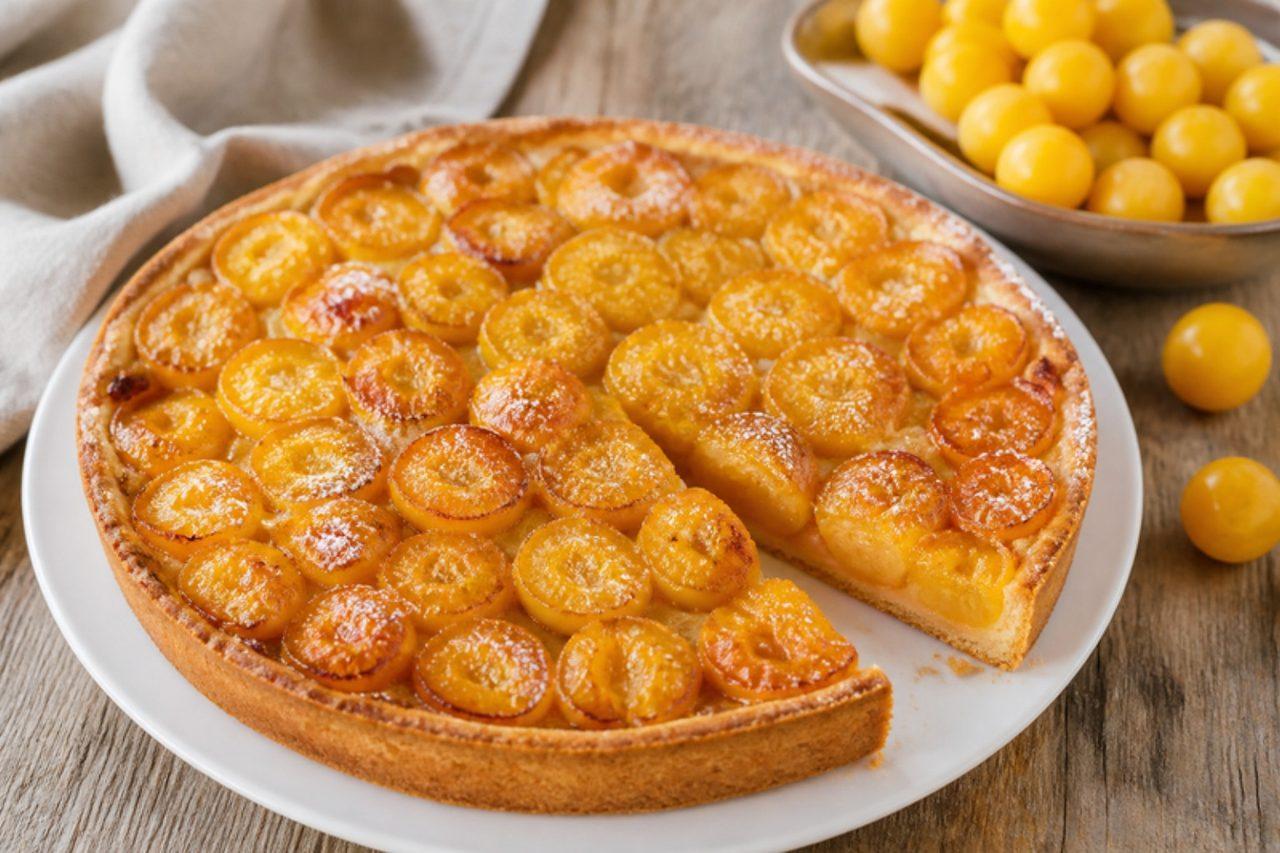
Mirabelle plum tart

Lorraine grows most of the world's mirabelles, small golden plums with a blush of red that ripen for only a few weeks from mid-August, when Metz holds its Mirabelle festival and every pâtisserie in Nancy fills its window with this tart. The plums are halved and packed tightly into a crisp shortcrust, sometimes over a thin layer of almond or semolina to soak up the juice, and they bake into a jammy, honey-sweet layer. Families eat it warm or cold for Sunday dessert or at four-o'clock goûter. Out of season, use small yellow plums or halved apricots. Chef's tip: stand the halves upright and overlapping, cut side up; they shrink as they bake, and a tight layer stops the tart looking bare.

by KrazyBadal 0 views

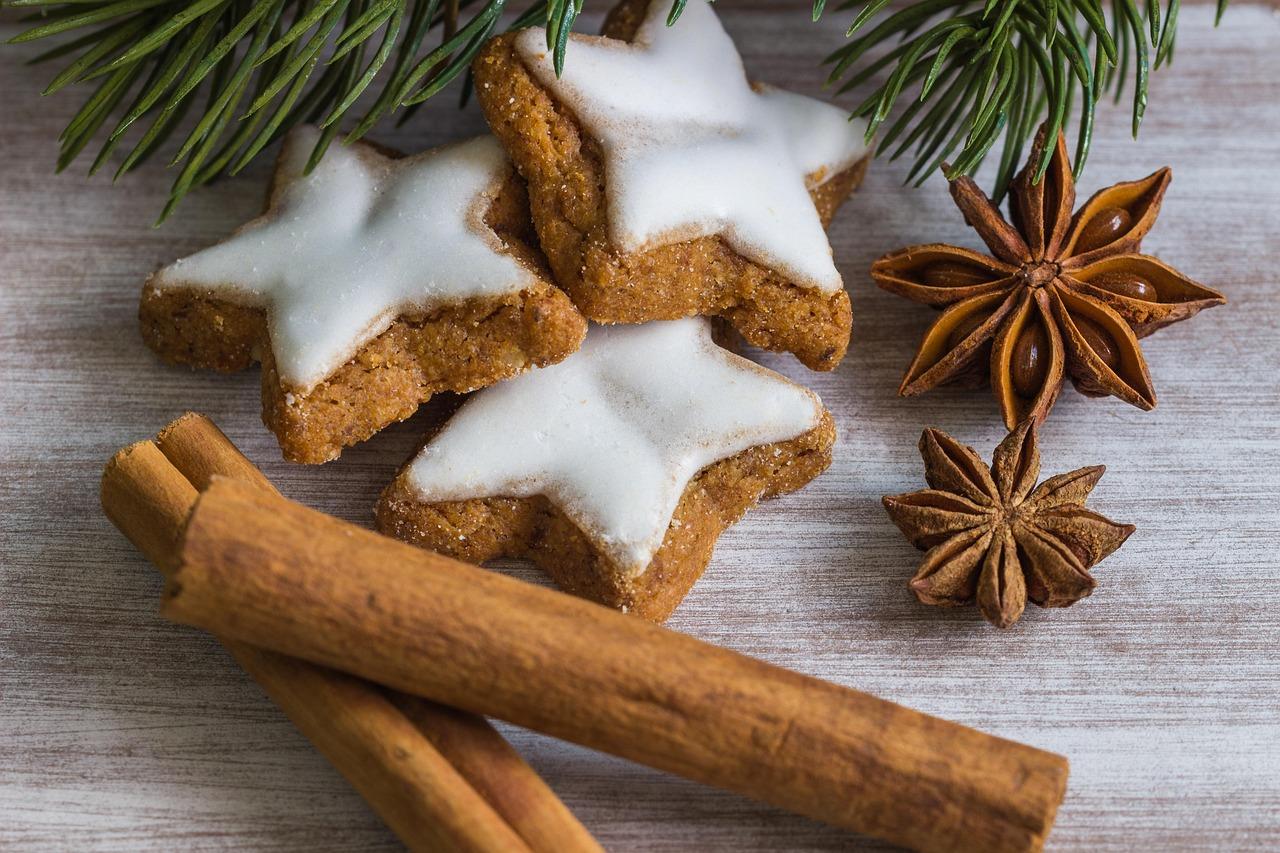
Bredele: Alsatian cinnamon stars

From the start of Advent, kitchens across Alsace turn out bredele, dozens of kinds of little Christmas biscuits kept in tins and offered to every visitor until New Year, while the markets in Strasbourg and Kaysersberg sell them by the bag. Cinnamon stars are among the most loved: chewy almond and cinnamon biscuits with a crisp white meringue top, and no flour at all. They take patience rather than skill and keep for weeks, so families make them early in December. The same dough also works rolled into small balls. Chef's tip: spread the meringue on the rolled sheet before you cut the stars, rather than icing each biscuit; it is far quicker and gives a clean, sharp edge.

by KrazyBadal 0 views

Camembert baked in its box

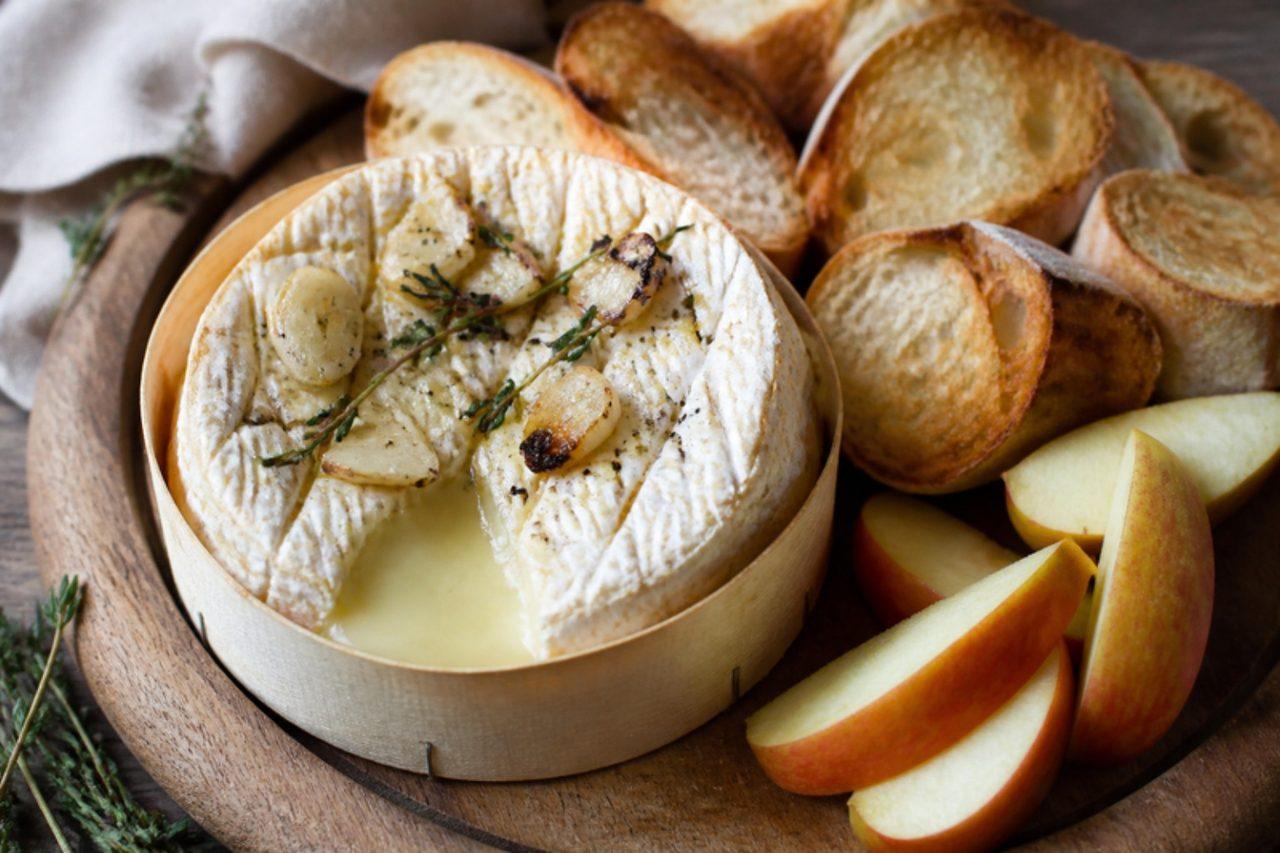
Normandy dairy farmers have always known that a Camembert just past its best is perfect for the oven, and baked Camembert is now what friends share on cold evenings across the region, from Caen to the Pays d'Auge, with crusty bread, apple slices and boiled potatoes for dipping. The cheese stays in its wooden box, gets scored, studded with garlic and thyme and baked until the inside is liquid under a just-holding rind. It is ready in 20 minutes and makes a light supper with a salad. Real Camembert de Normandie is made with animal rennet; for a vegetarian version use a vegetarian Camembert-style cheese. Chef's tip: take off any plastic wrapping and tie the box with kitchen string if it is stapled; cheap boxes can split in the heat.

by KrazyBadal 0 views

TeurgouleCinnamon rice pudding

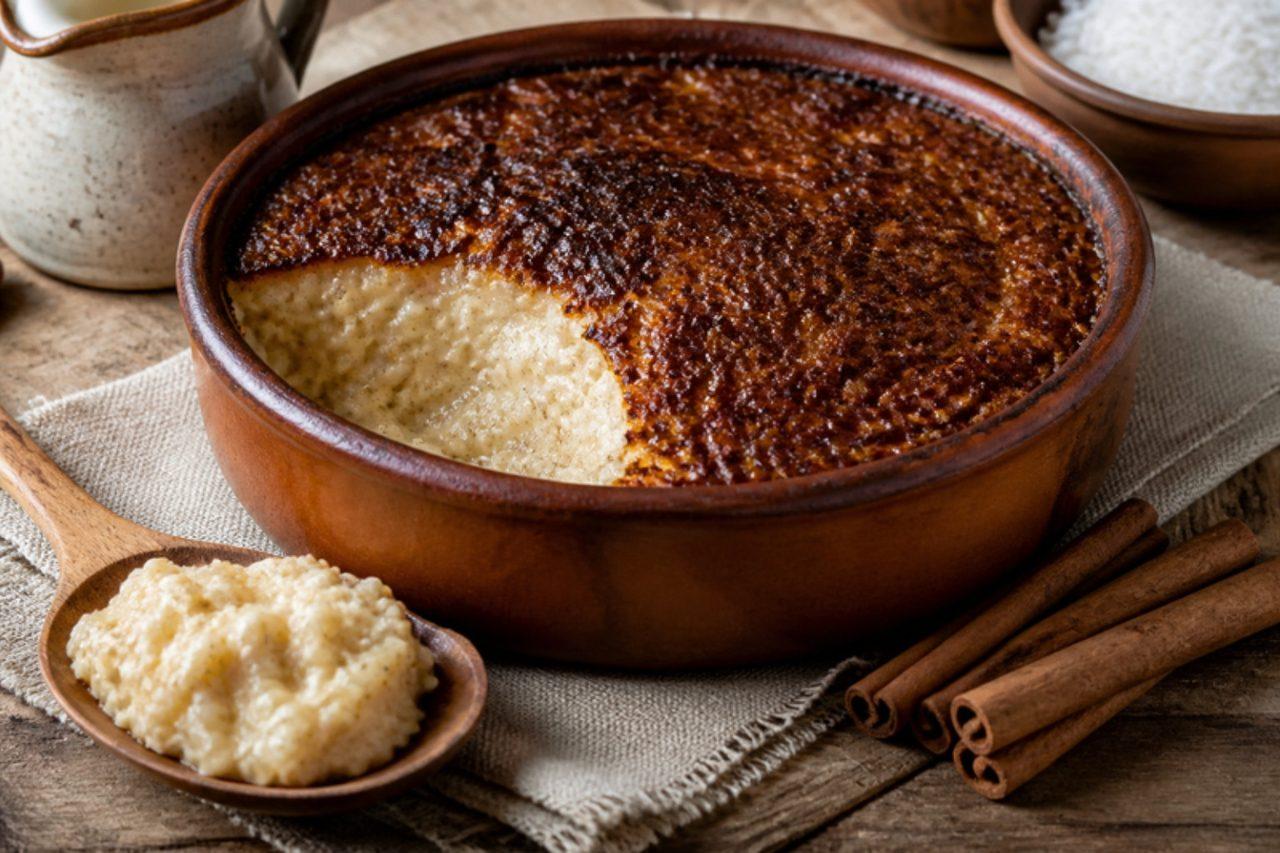
The name means 'twisted mouth' in Norman dialect, after the face you pull if you eat it too hot. Teurgoule comes from the Calvados countryside around Houlgate and Honfleur, where farm women left it in the bread oven overnight after baking; it is still the dessert at village fêtes and family Sundays, served with a slice of brioche-like fallue. Short-grain rice bakes for hours in creamy milk with sugar and cinnamon until it turns thick and pale caramel inside under a dark, almost burnt crust. Use a deep ovenproof dish that holds at least 2 litres. Chef's tip: never stir it once it is in the oven; the crust that forms on top is the best part and seals the creamy pudding underneath.

by KrazyBadal 0 views

Pears baked in pastry

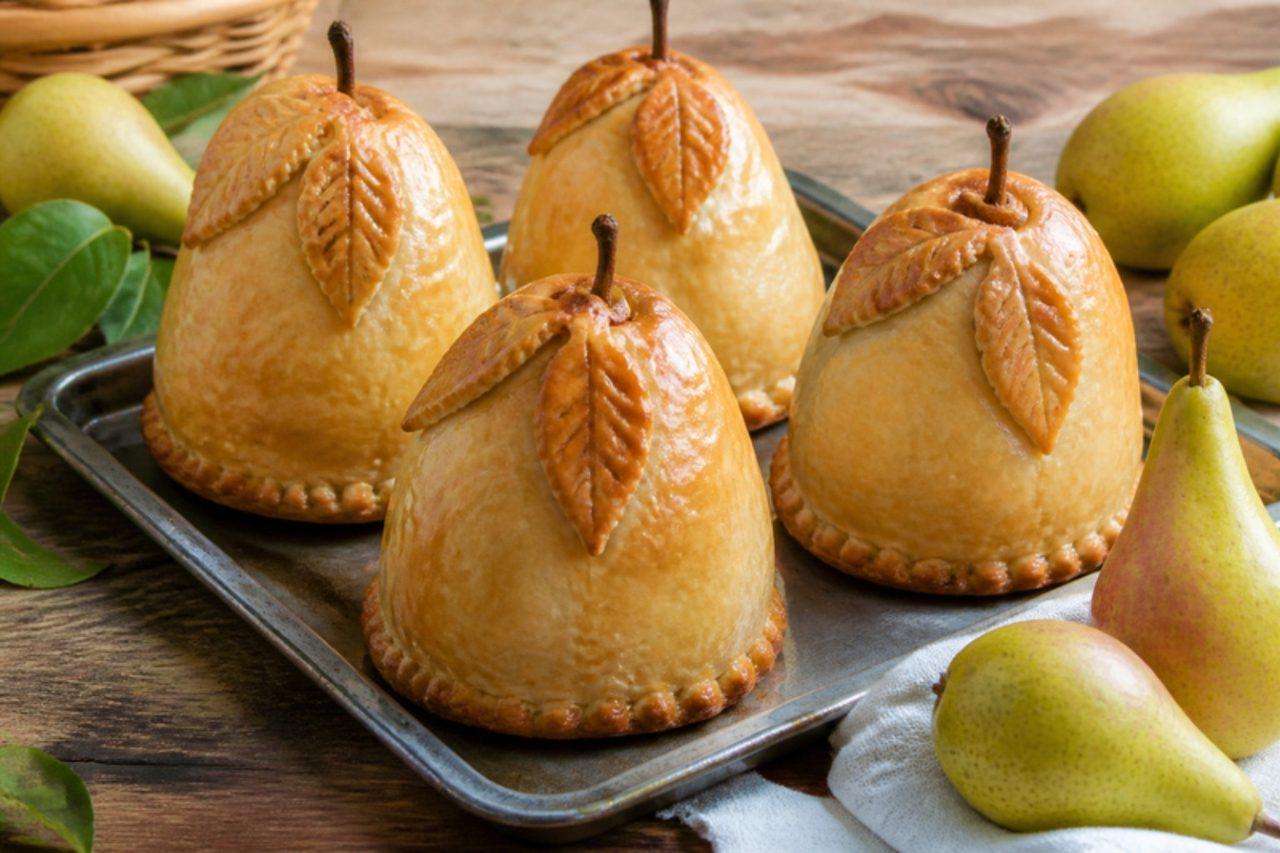
Douillons are what Normandy cooks do with the small, firm pears from their orchards in autumn: each fruit is peeled, cored from the bottom, filled with butter and sugar and wrapped whole in pastry, then baked until the pastry is golden and the pear is meltingly soft inside. In the Pays de Caux and around Rouen they are served warm on cold days, often with a jug of thick Normandy cream. The same trick with apples is called a bourdelot. Choose pears that are ripe but still firm, about 150 g each. Chef's tip: cut the pastry into squares a little bigger than you think and bring the corners up over the top; tidy pleats matter less than a sealed parcel that keeps the juice inside.

by KrazyBadal 0 views

Sablés normandsButter biscuits

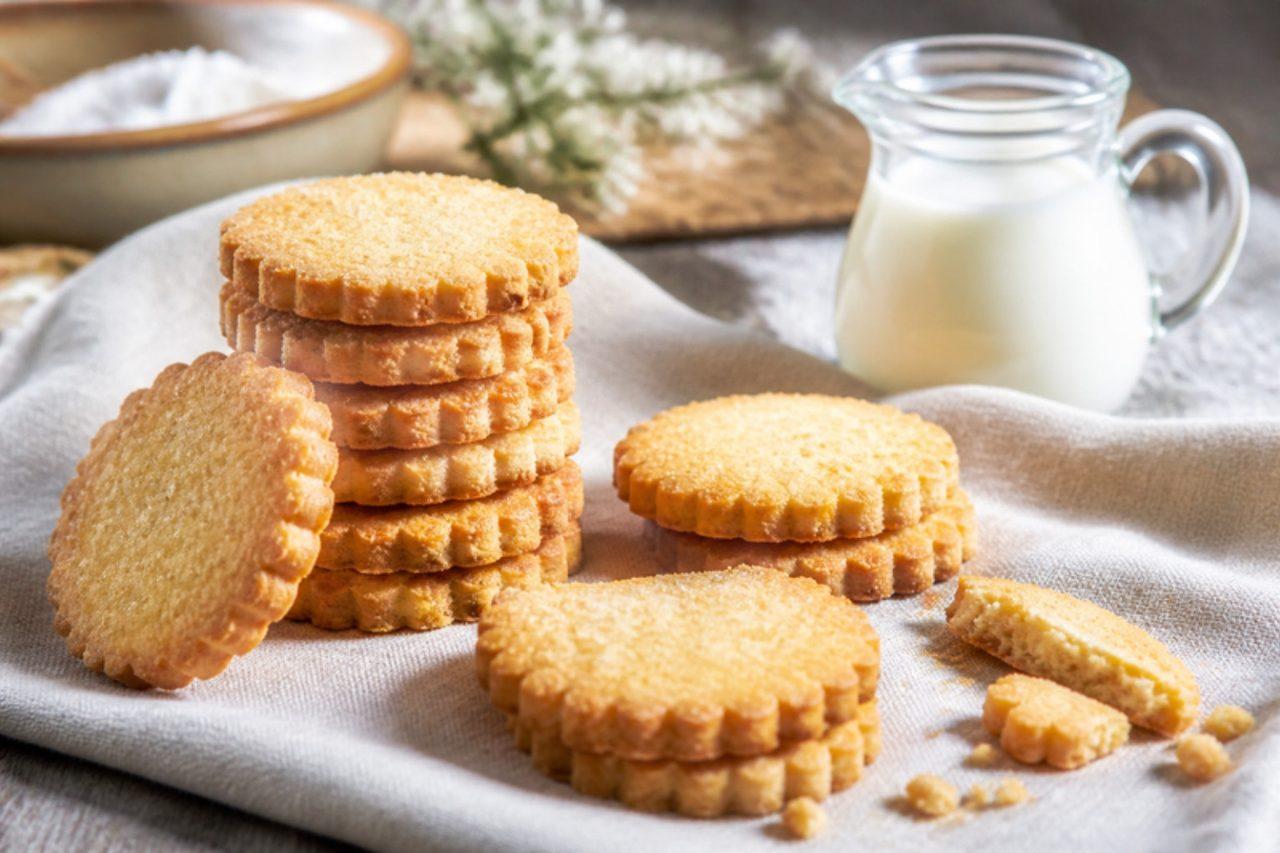
The little town of Lisieux, in the Pays d'Auge, has made sablés since the 1800s, and the word means 'sandy', for the way they crumble on the tongue. They are one of the simplest things a Normandy kitchen bakes: good salted butter, sugar, egg yolks and flour, rolled into a log, sliced and baked pale gold. Normans dip them in coffee or serve them with fruit compote, teurgoule or a bowl of fromage blanc, and children grow up with a tin of them in the cupboard. Chef's tip: work the dough as little as possible once the flour goes in; the less you knead, the more tender and sandy the crumb.

by KrazyBadal 0 views

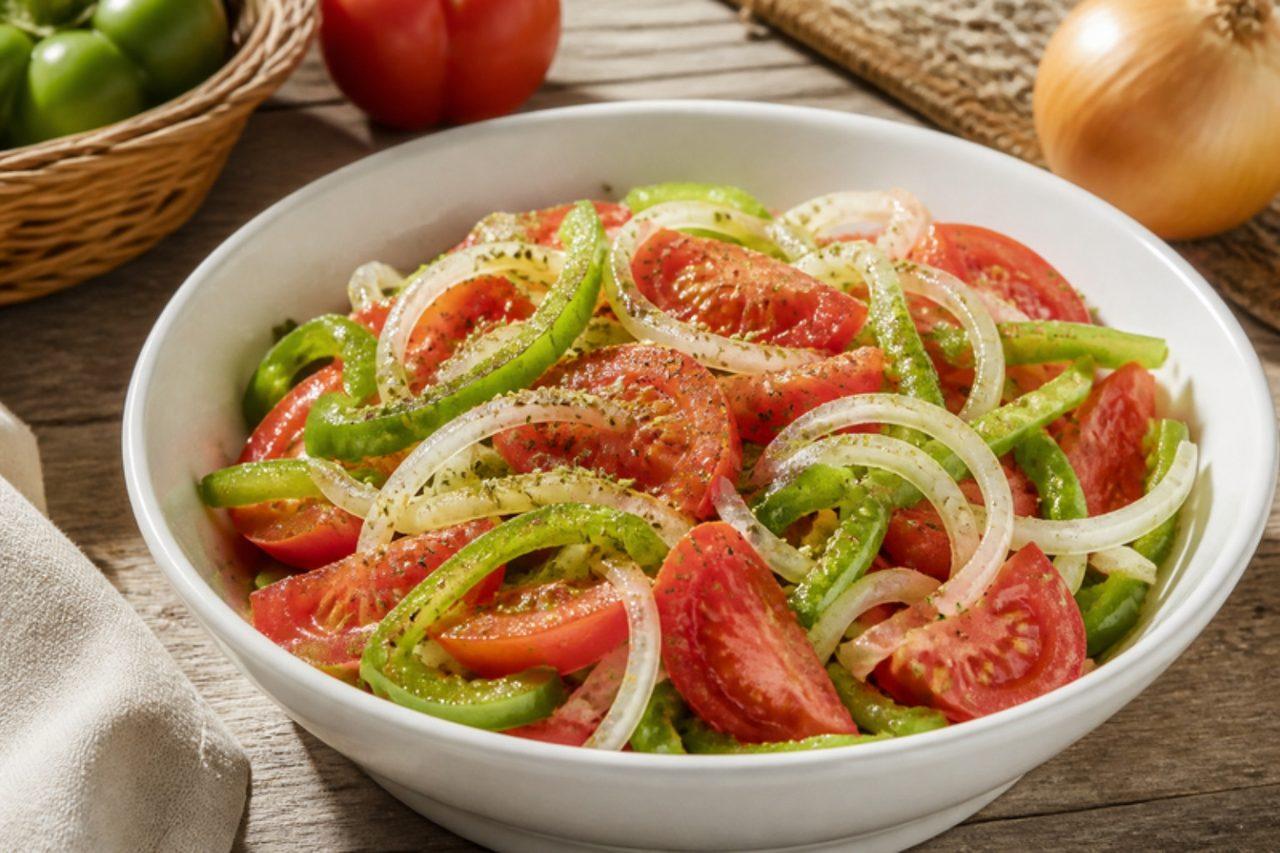
Salada algarviaTomato, pepper and onion salad

Order grilled sardines or fish at any beach shack between Sagres and Monte Gordo and this salad arrives alongside without anyone asking. It is little more than summer tomatoes, crisp green pepper and sweet onion, dressed with olive oil, a splash of vinegar and plenty of dried oregano, but the juices left in the bowl are the best part, mopped up with bread. Chef's tip: salt the tomatoes 10 minutes before dressing them so they release their juice into the dressing.

by KrazyBadal 0 views

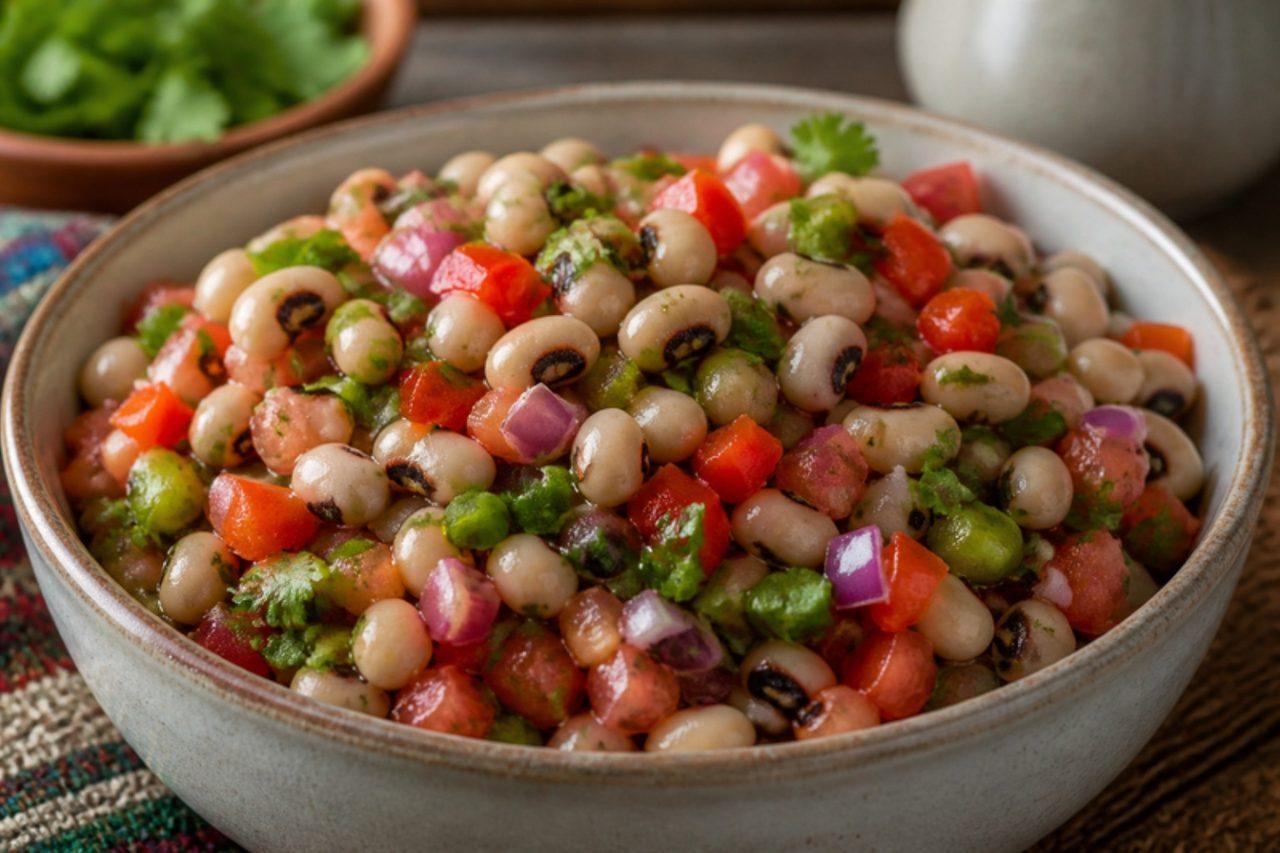
Salada de feijão-fradinhoBlack-eyed pea salad

Black-eyed peas are the bean of Bahia, ground for acarajé and abará and simmered whole for the caruru feasts of late September. Cooked until just tender and dressed while warm, they also make this bright salad that appears on Salvador's por-quilo lunch buffets and next to grilled food at weekend gatherings. Tomato, red onion, two kinds of pepper, coriander and plenty of lime give it crunch and sharpness, and the peas stay creamy inside. It goes with rice and grilled vegetables, or stands alone as a light lunch. Soak the dried peas for at least 4 hours or overnight before you start. The trap to avoid is boiling the peas hard until the skins split; they turn to mush when tossed. Chef's tip: dress the peas while they are still warm with the lime, oil and salt only, then add the raw vegetables once they are cool so everything stays crisp.

by KrazyBadal 0 views

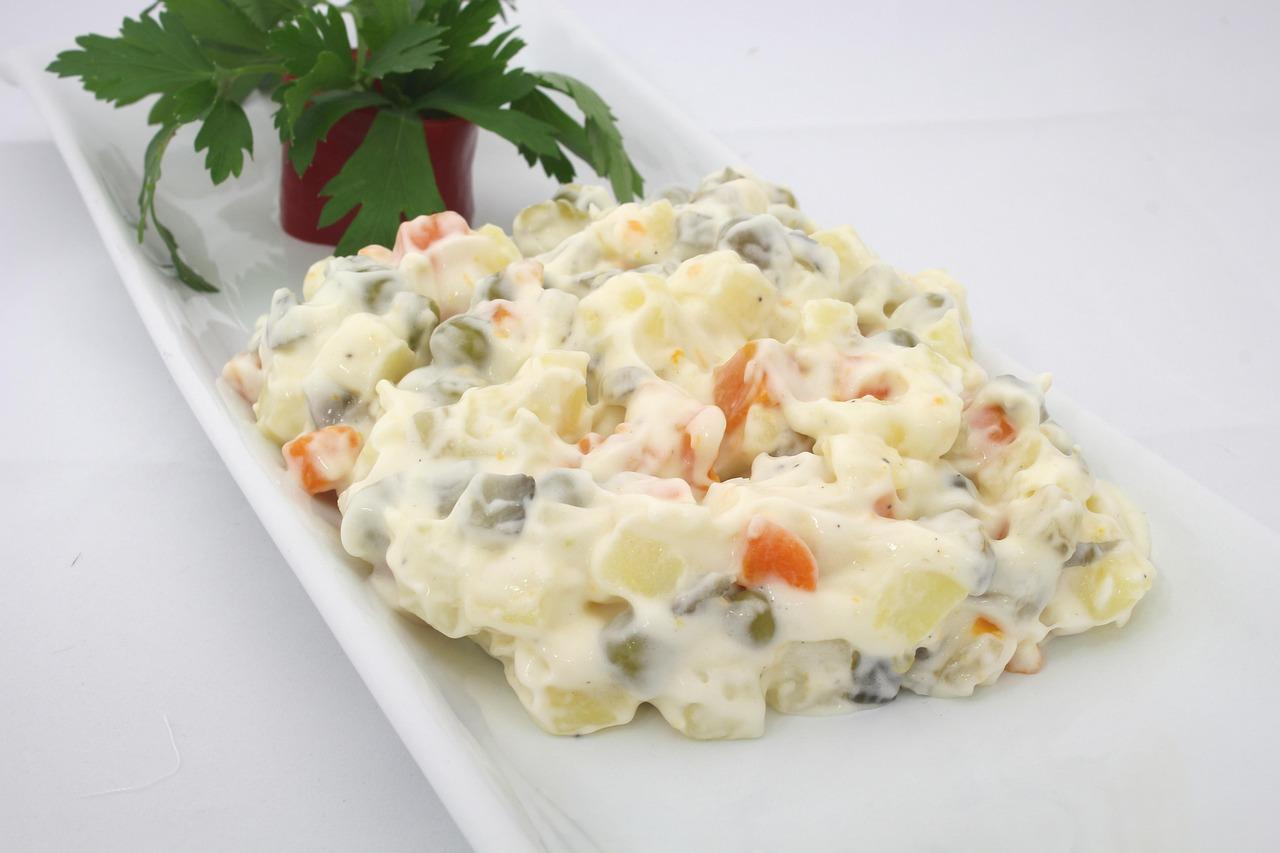
Salada de maionesePotato, carrot and pea mayonnaise salad

Sunday lunch in Rio, a birthday churrasco, the Christmas Eve table: wherever Brazilian families gather, a bowl of salada de maionese is there. Potatoes and carrots are cooked in small cubes, mixed with peas, chopped hard-boiled egg, a squeeze of lime and plenty of mayonnaise, then chilled until cold and creamy. Some homes add diced green apple or olives; the soft potato and sweet carrot with the tangy dressing are the heart of it. Serve it with rice, farofa and anything grilled. Dressing the potatoes while still hot is the usual misstep: the mayonnaise splits and turns oily, so let them cool first. Keep it in the fridge and don't leave it out in the heat for more than two hours. Chef's tip: toss the warm potatoes with the lime juice and salt only, so they absorb the seasoning before the mayonnaise goes on.

by KrazyBadal 0 views

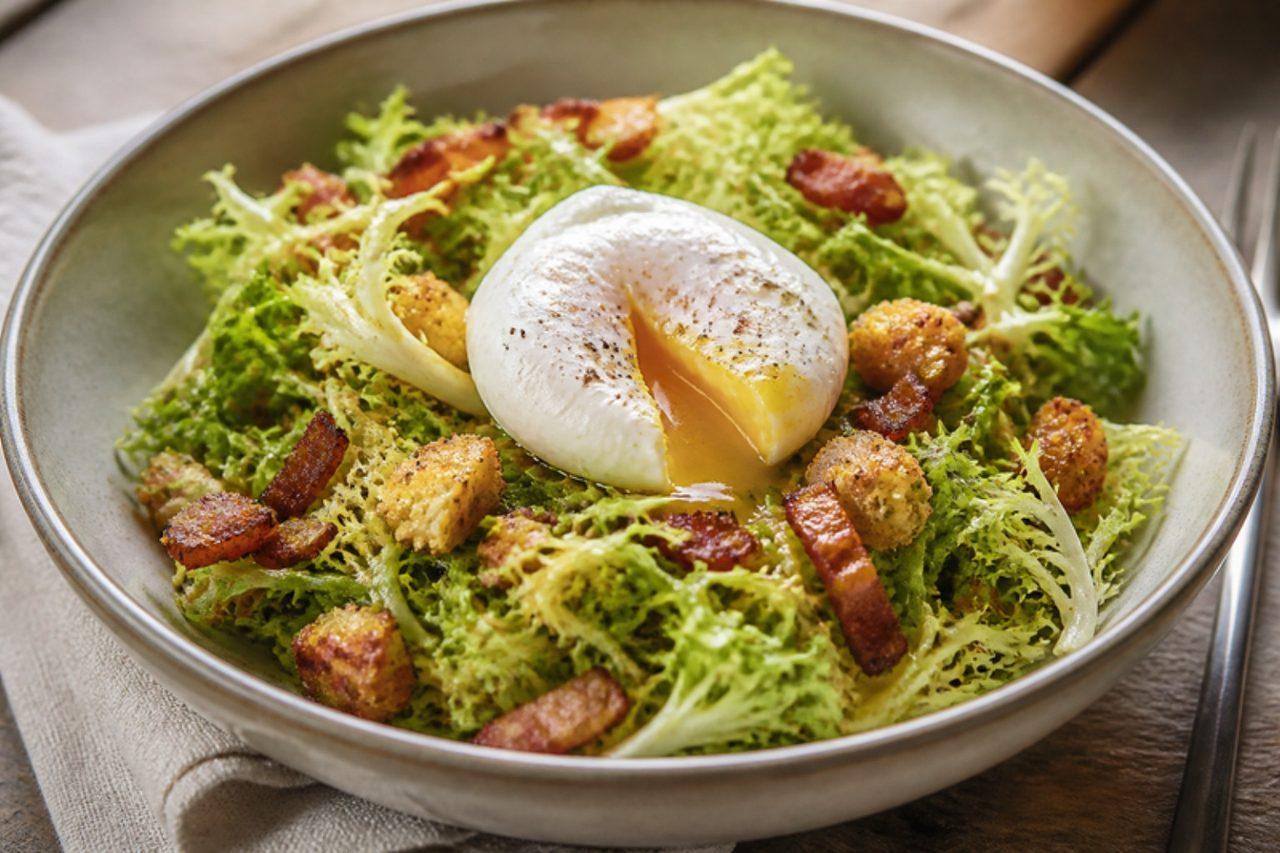
Salade lyonnaiseFrisée, bacon and poached egg salad

Every bouchon in Lyon, the small checked-tablecloth restaurants of the old town and the Presqu'île, puts salade lyonnaise on its menu as a starter or light lunch. Bitter, crunchy frisée is tossed with a sharp mustard vinaigrette, then topped with hot smoked pork lardons, garlicky croutons and a poached egg whose yolk spills into the leaves and turns the dressing creamy. It's the meeting of hot and cold, soft and crisp that makes it work. The egg is served runny, so use pasteurised eggs for pregnant women, young children, older people or anyone with a weakened immune system, or cook the egg until set. Chef's tip: deglaze the lardon pan with the vinegar and pour it warm over the leaves so they wilt very slightly.

by KrazyBadal 0 views

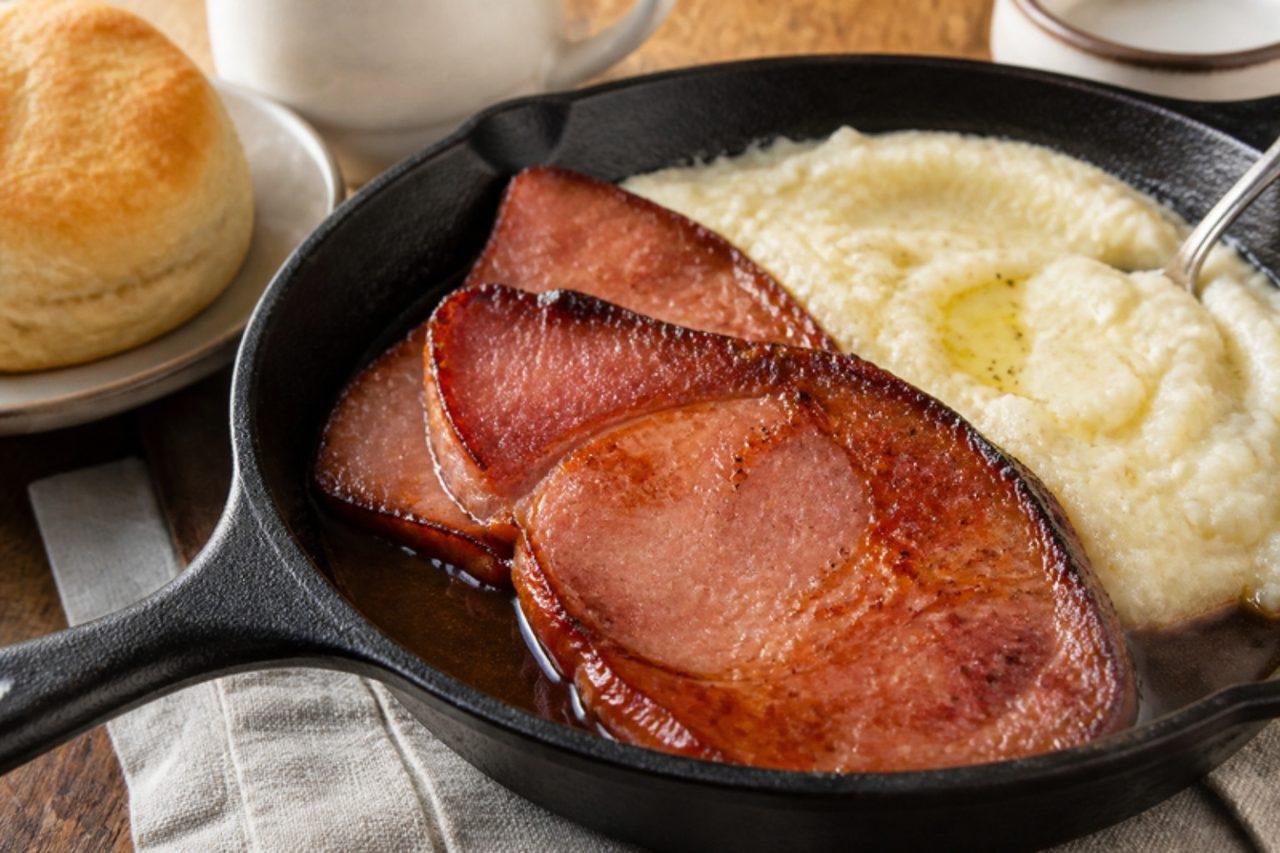
Country ham with red-eye gravy

Salt-cured, aged country ham is a pride of Kentucky, Tennessee and Virginia smokehouses, and on mountain breakfast tables it is pan-fried in thin slices, then the pan is deglazed with black coffee to make red-eye gravy, thin, salty and bitter-sweet, spooned over the ham, grits or biscuits. This is pork, and very salty, so the slices are soaked first. Chef's tip: soak the ham in water or milk for 30 minutes if your country ham is very salty, then pat dry.

by KrazyBadal 0 views

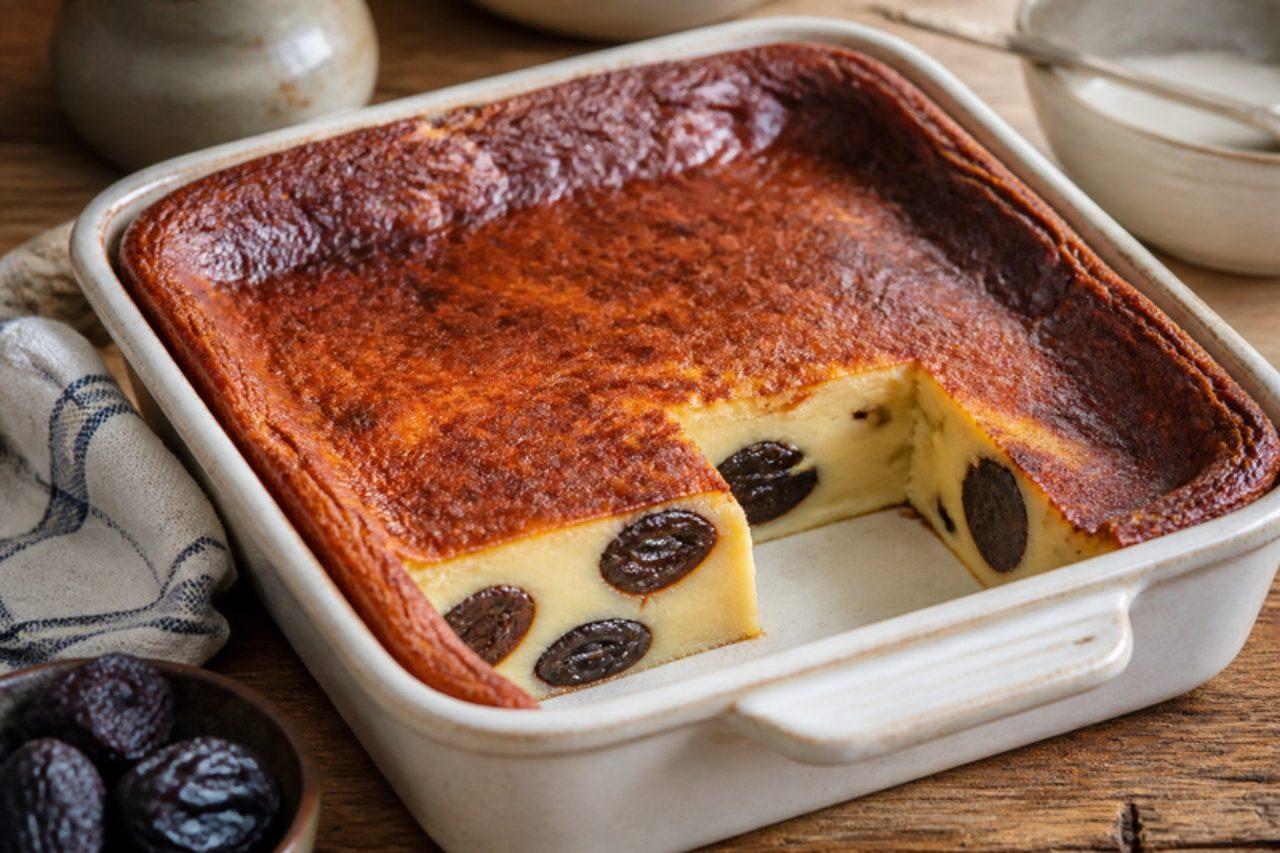
Far bretonPrune custard cake

Far began as a savoury porridge in Breton farmhouses; today it is the sweet custard cake that every boulangerie from Quimper to Saint-Malo sells by the slice, dense and wobbly in the middle and browned on top, with prunes hidden inside. Bretons eat it at room temperature for goûter, at the end of a crêpe meal or packed for a day at the beach. Some cooks soak the prunes in rum; this recipe uses warm tea, which plumps them without alcohol, and a little rum can go in the batter if you want the traditional taste. Chef's tip: make the batter the night before and rest it in the fridge; the flour swells and the far bakes smoother and more custardy.

by KrazyBadal 0 views

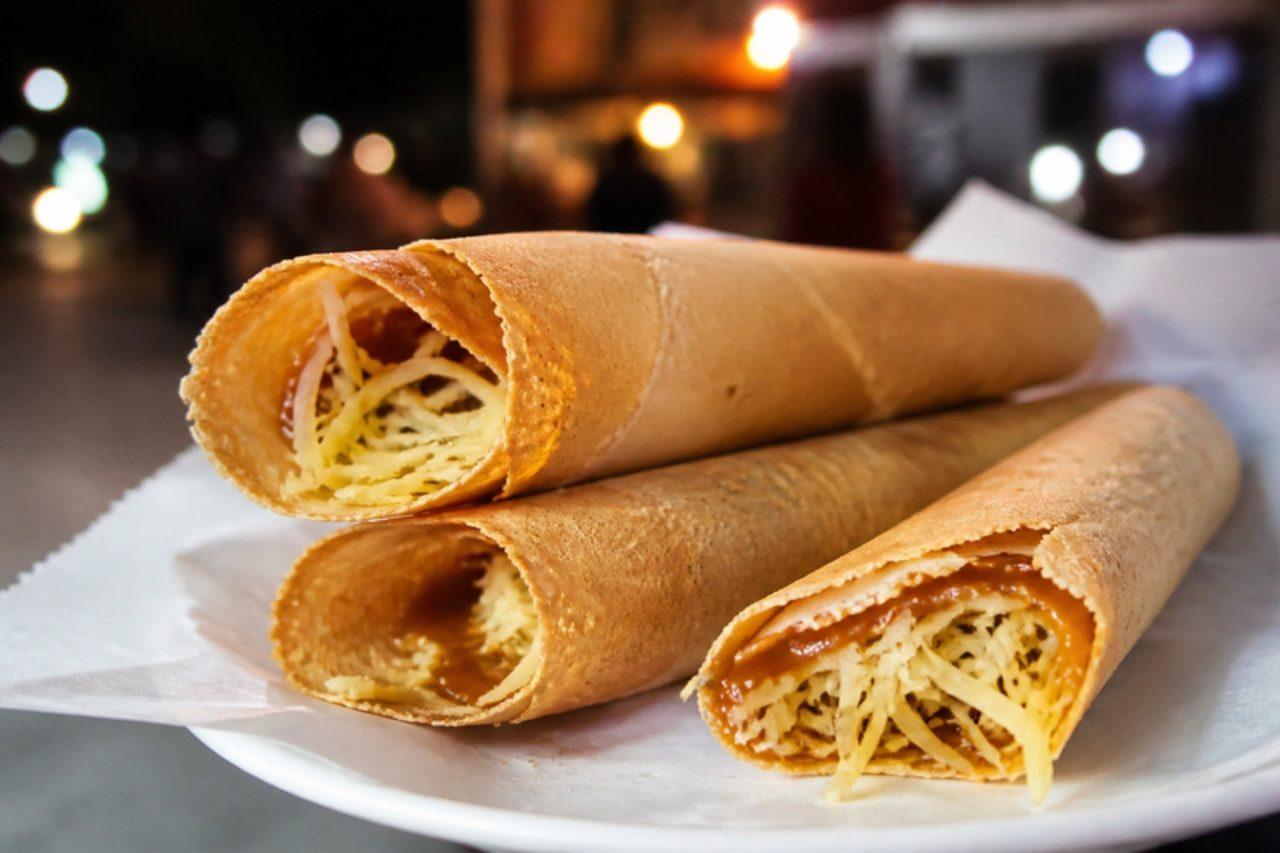
MarquesitasCheese and cajeta crepes

Evening in Mérida's Plaza Grande means the smell of marquesitas: thin batter pressed in hot hinged irons until crisp, then rolled like a cigar around grated Edam cheese and a sweet filling such as cajeta, chocolate-hazelnut spread or jam. Edam came to the Yucatán through the port trade with the Netherlands and became part of the local cooking, and the salty-sweet combination is the whole point. At home you can cook them in a thin, wide frying pan. Edam is usually made with animal rennet, so check the label or use a vegetarian Gouda-style cheese. Chef's tip: roll while the crêpe is still in the pan and hot; within seconds it hardens and will crack.

by KrazyBadal 1 views

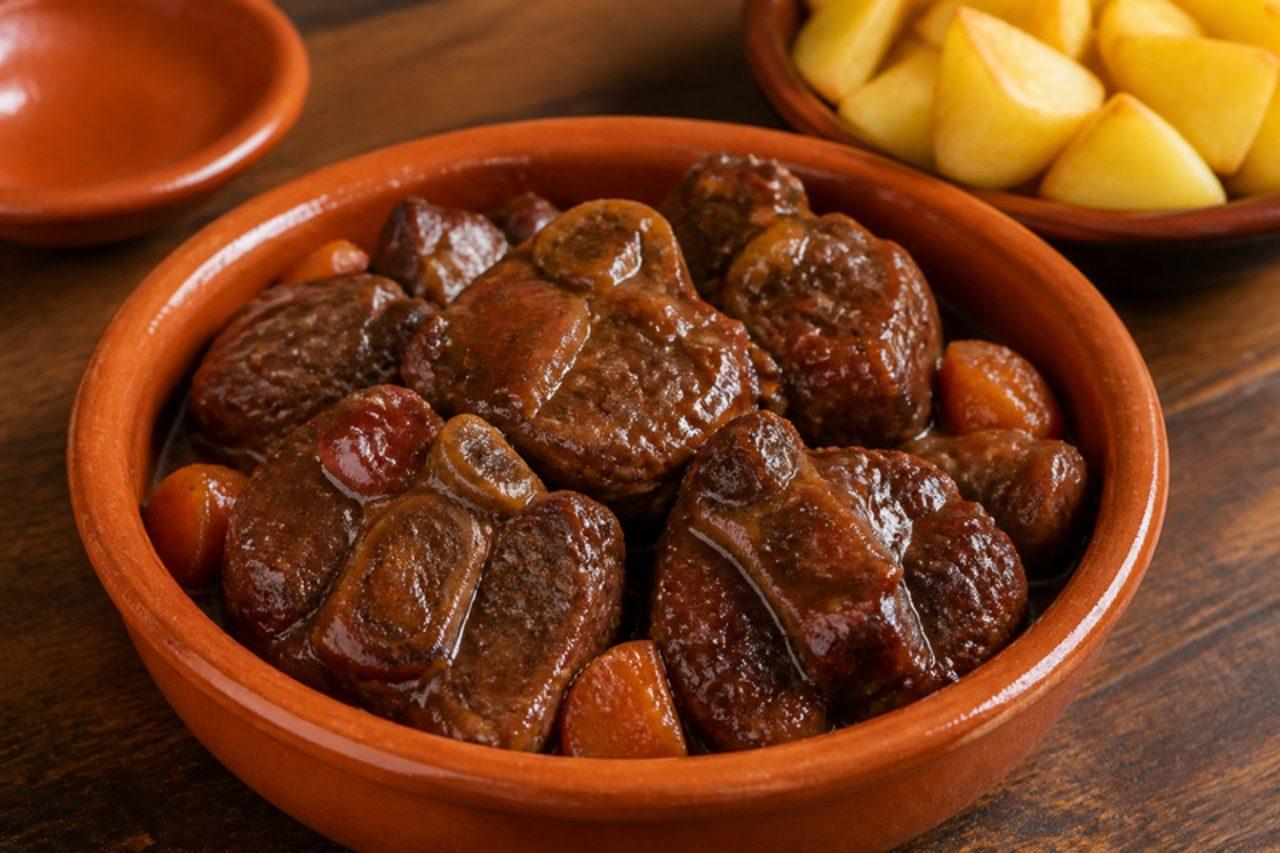
Rabo de toroRed wine braised oxtail

Córdoba claims rabo de toro as its own, and its taverns near the Mezquita serve it all year, though it is most at home on a cold winter Sunday. Once it was made with the tails of bulls from the ring; now it is beef or veal oxtail, browned and braised for hours in red wine with vegetables until the meat slips off the bone into a glossy, sticky sauce. This recipe uses wine; the alcohol-free option is in the ingredient list. Chef's tip: make it a day ahead, chill it and lift off the set fat; the sauce is cleaner and the flavour deeper.

240 minSpanishMeat
by KrazyBadal 0 views

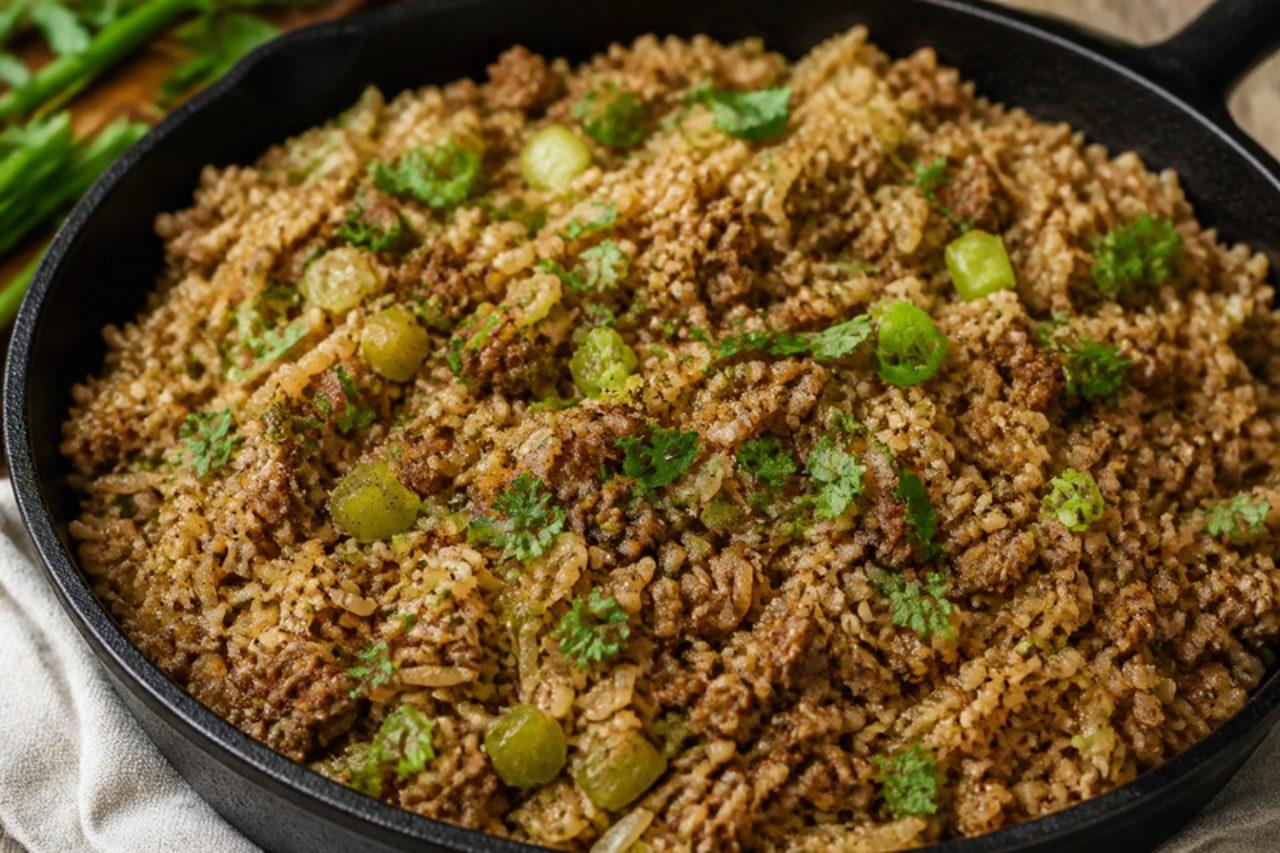
Cajun dirty rice

Dirty rice gets its name from the brown speckles of chicken liver and minced pork that colour it, and it is the side dish of Cajun Thanksgivings, church fairs and plate lunches around Lafayette, often served next to fried chicken. It is deeply savoury, peppery and good enough to eat as a main. This recipe contains pork. Chef's tip: chop the livers very finely, almost to a paste, so they melt into the rice rather than sitting in lumps.

by KrazyBadal 0 views

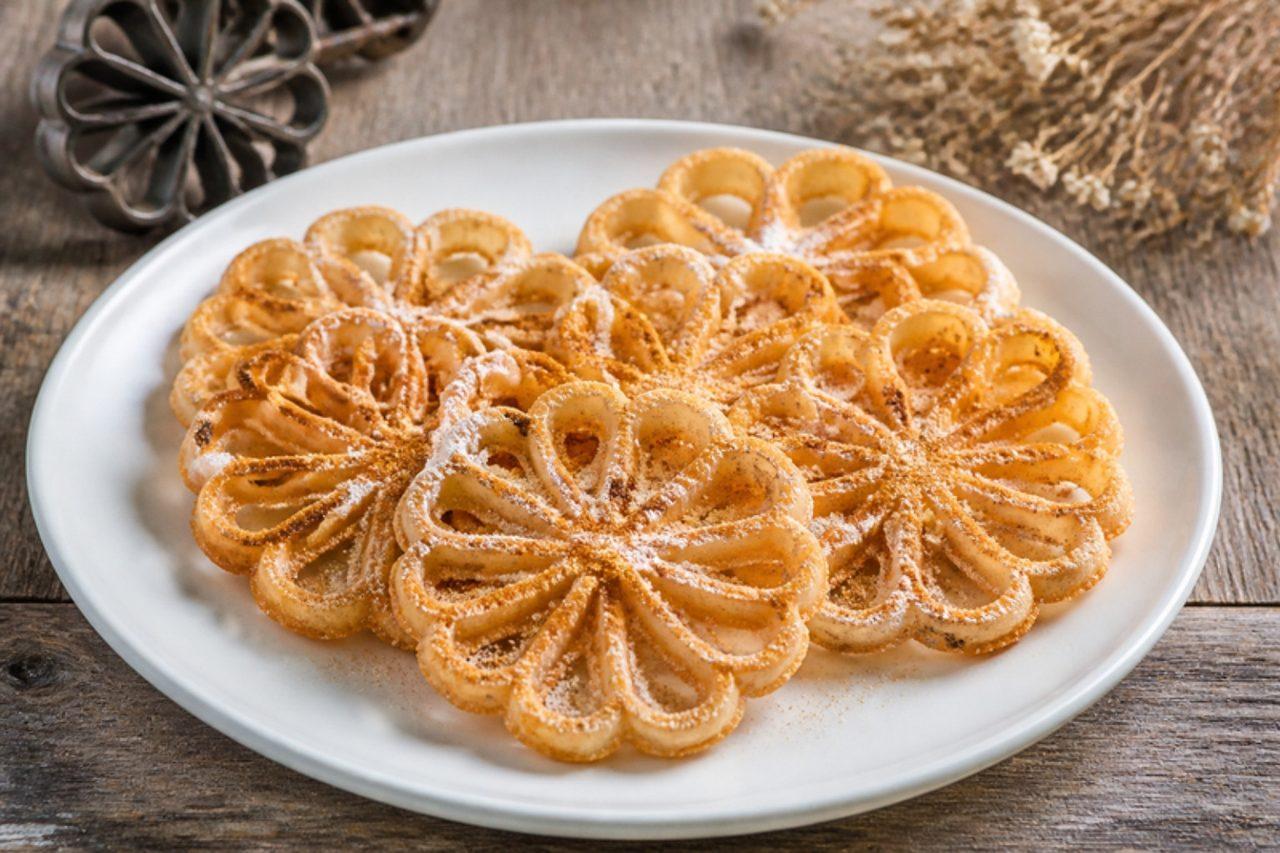
Flores manchegasSugared flower-shaped fritters

Every household in La Mancha seems to own a flower-shaped iron, a long-handled mould that is dipped in hot oil, then in batter, then back in the oil, where a lacy flower slides off as it sets. Grandmothers make towers of them for Holy Week and Carnival, and they are sold in bags at village fiestas from Cuenca to Tomelloso. You can buy the iron, sometimes called a rosette iron, in kitchen shops. Chef's tip: the iron must be very hot each time it goes into the batter, or the batter won't cling.

by KrazyBadal 0 views

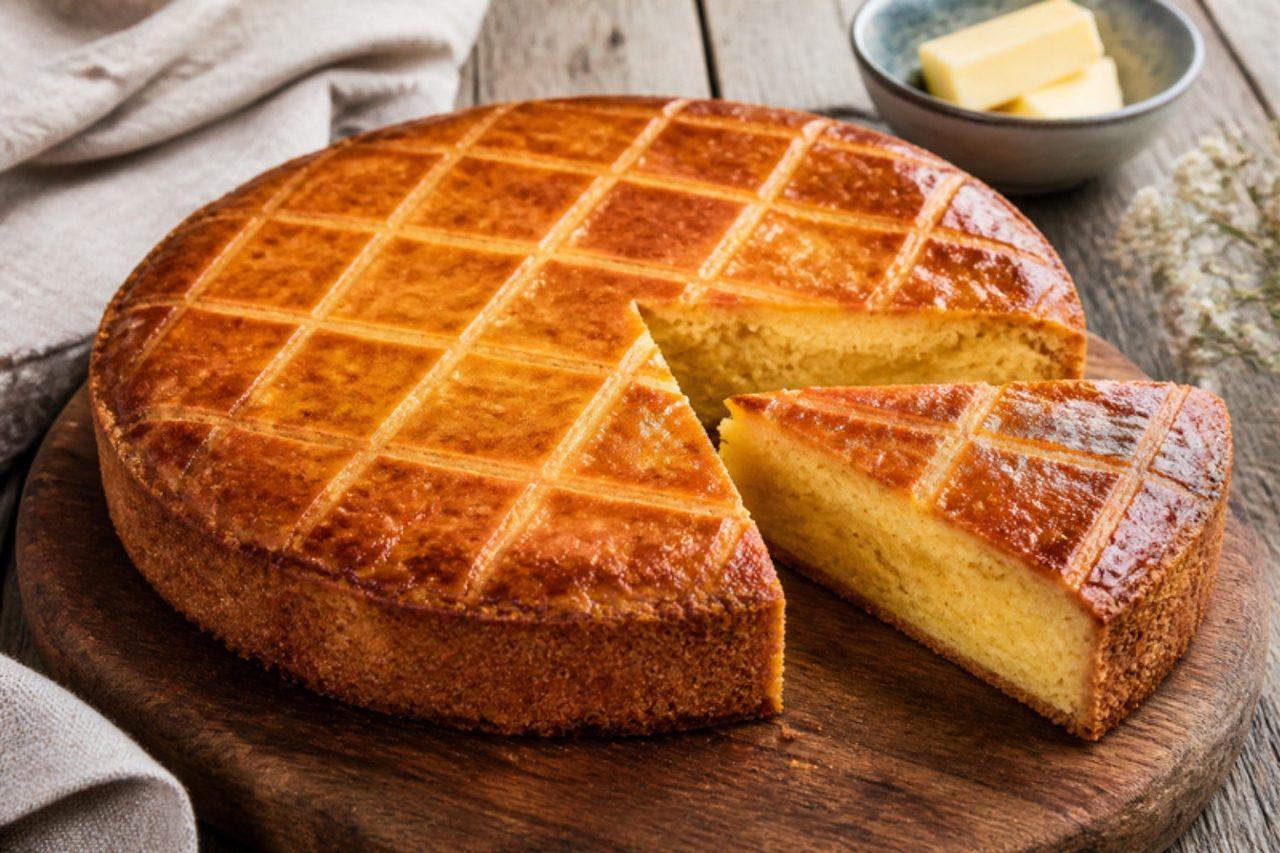
Gâteau bretonSalted butter cake

Somewhere between a shortbread and a cake, gâteau breton is the big round that Breton bakeries cut into wedges for the road, and families buy one for the weekend or a picnic at the coast near Concarneau or Lorient. It is made from almost as much salted butter as flour, with lots of egg yolks, and baked thick so the edges are crisp and the middle is dense, moist and fudgy. The top is glazed and marked with a criss-cross pattern using a fork. Plain is traditional; some bakers add a layer of prune purée in the middle. Chef's tip: chill the dough in the tin before baking; it holds its pattern and bakes up with a sharp, shiny crust.

by KrazyBadal 0 views

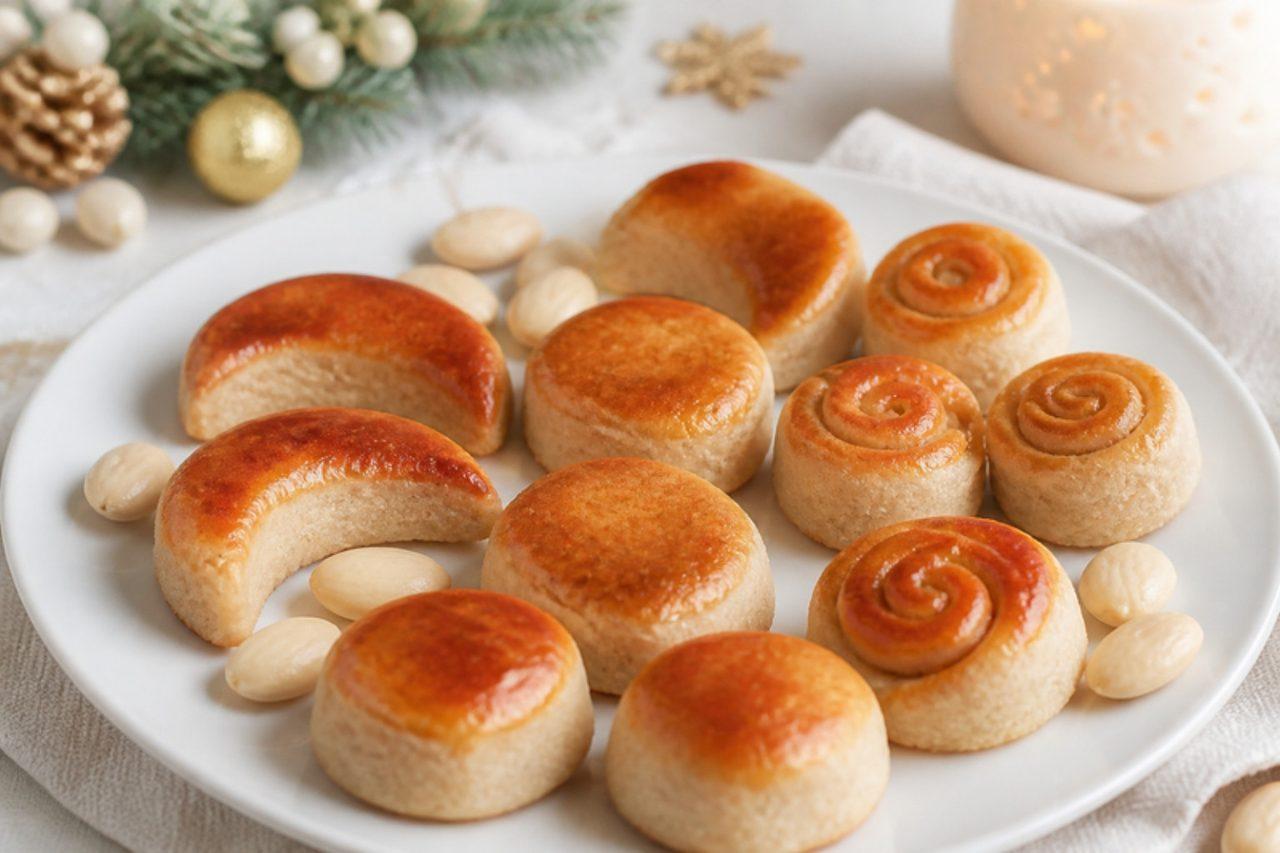
Mazapán de ToledoAlmond marzipan figures

Toledo's convents have shaped marzipan for centuries, and in December the city's pastry shops fill their windows with coiled eels, half-moons and little figures, glazed golden and sold by weight for Christmas. Toledo's version is firm and almond-rich, with less sugar than many, and the best is made with Marcona almonds. Chef's tip: let the shaped pieces dry, uncovered, overnight before glazing; they hold their shape and the glaze sets glossy instead of soaking in.

by KrazyBadal 0 views

Figos cheiosAlmond-stuffed dried figs

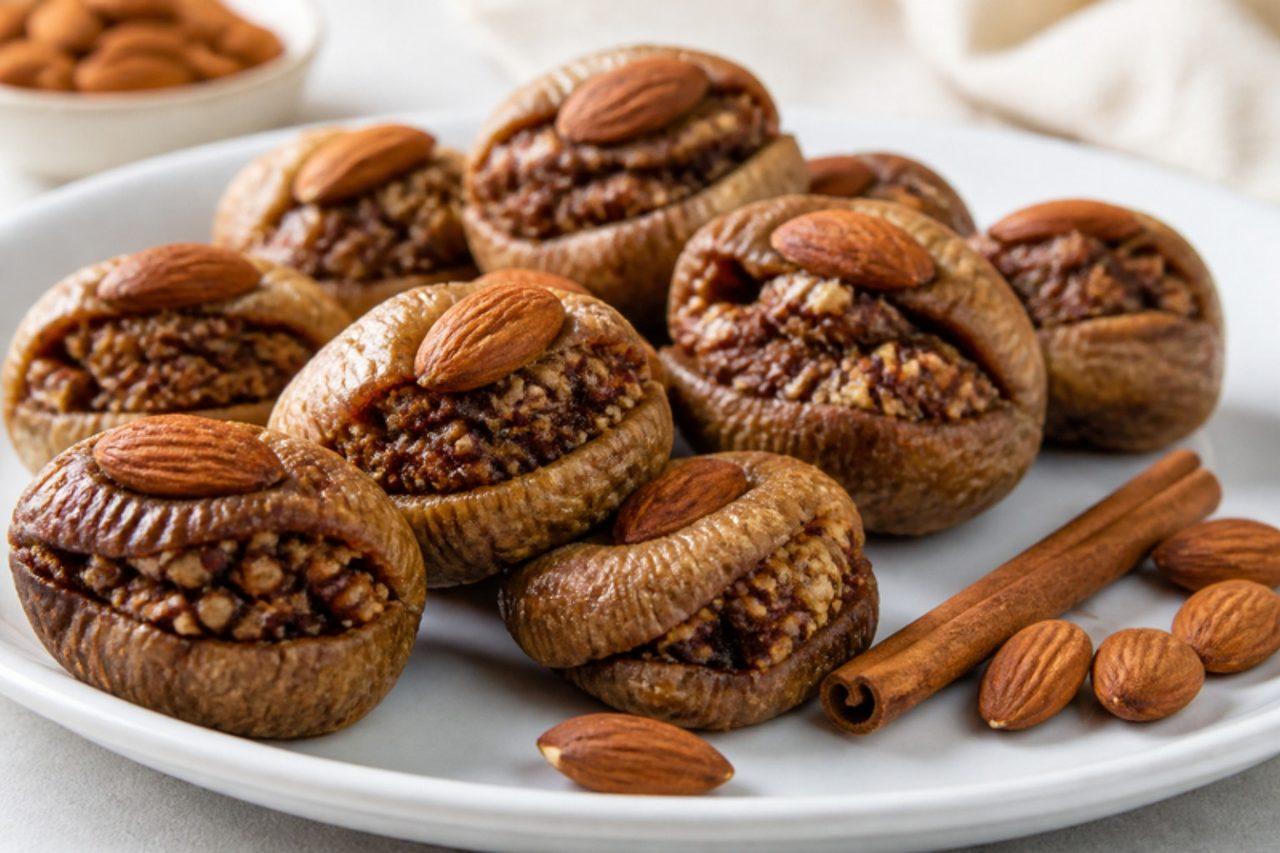
In the Algarve, Christmas trays are never without figos cheios, sun-dried figs split open, packed with a paste of toasted almonds and cocoa, pressed together in pairs and baked until fragrant. They come from a time when every farm in the Barrocal dried its own figs on cane racks in August. They take half an hour to make and keep for weeks, so they make an easy edible present. Chef's tip: choose soft, plump dried figs; if yours are hard, steam them over simmering water for 5 minutes first.

by KrazyBadal 0 views

Salted butter caramel

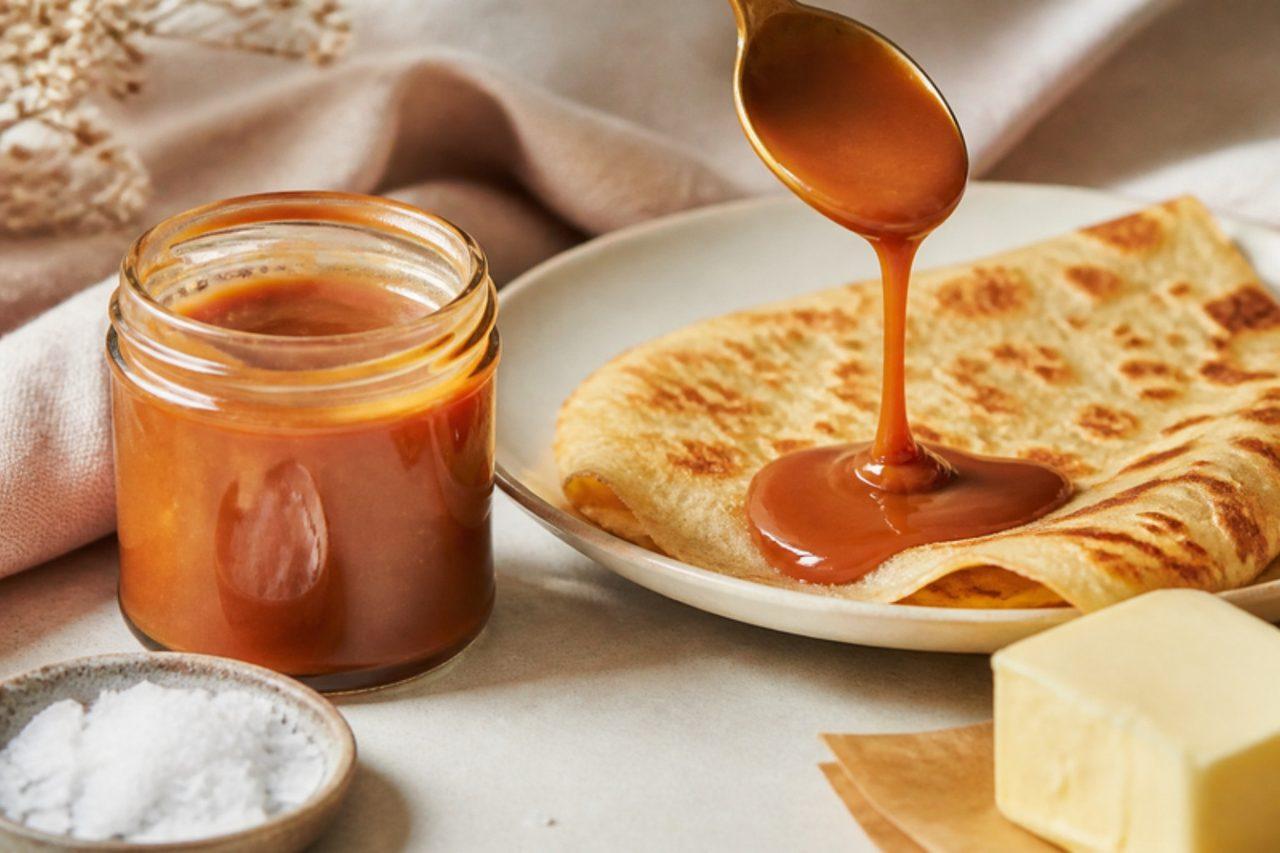
Salted butter caramel was made famous by a confectioner in Quiberon in the 1970s, and now every crêperie from Rennes to Brest pours it over sweet crêpes, and every Breton cupboard has a jar for ice cream, apples or simply a spoon. Brittany kept the habit of salted butter long after the rest of France, so the salt is part of the flavour, not a trend. The caramel is cooked dark, loosened with hot cream and finished with butter flecked with sea salt. It keeps for two weeks in the fridge. Chef's tip: warm the cream before adding it; cold cream makes the caramel seize into hard lumps and spit furiously.

by KrazyBadal 0 views

Trucha a la mantecaTrout with brown butter

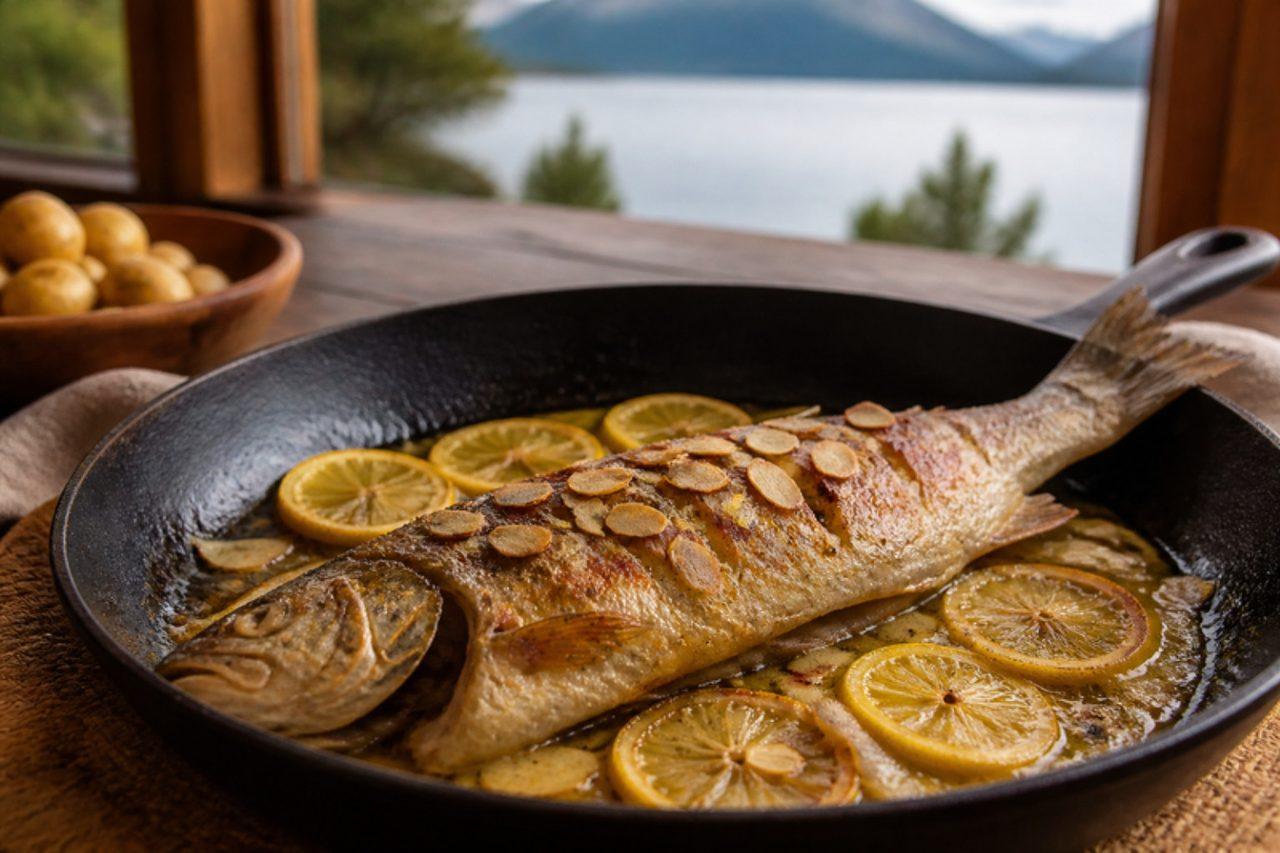
Restaurants on the shores of Nahuel Huapi, in Bariloche and Villa La Angostura, put rainbow trout from the cold Andean lakes on almost every menu, and this butter version is the one locals order most. Fillets are fried with crisp skin, then drenched in butter browned with flaked almonds and sharpened with lemon. Serve with boiled new potatoes and a green salad. Any trout or char works. People commonly start the fish in butter, which burns before the skin crisps; fry it in a film of oil and make the brown butter after. Chef's tip: dry the skin really well and dust it with rice flour; it gives a thin, glassy crust without any gluten.

by KrazyBadal 0 views

FouéesPuffed little breads

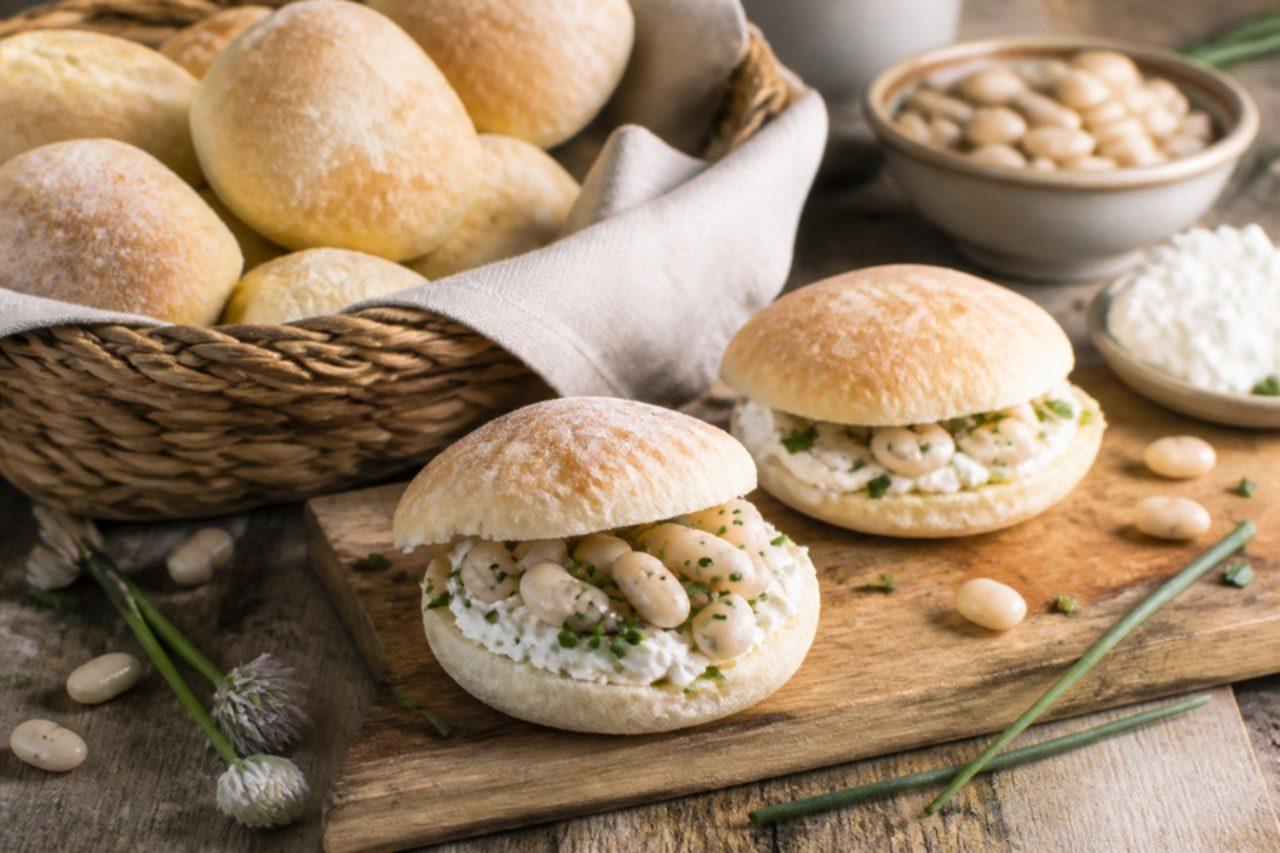
In the troglodyte restaurants carved into the tufa cliffs near Saumur and Tours, bakers slap small rounds of bread dough onto the floor of a wood-fired oven, and in a minute they puff up like balloons. Fouées (also called fouaces) are split while still steaming and filled at the table, and a fouée evening is a favourite outing for families and groups in the Loire. Rillettes are the classic filling, but butter, fresh goat's cheese and garlicky white mogette beans are just as traditional, and those are what we use here. At home, a very hot oven and a preheated tray do the job. Chef's tip: roll the rounds evenly thin, about 4 mm; uneven dough puffs only on one side.

by KrazyBadal 0 views

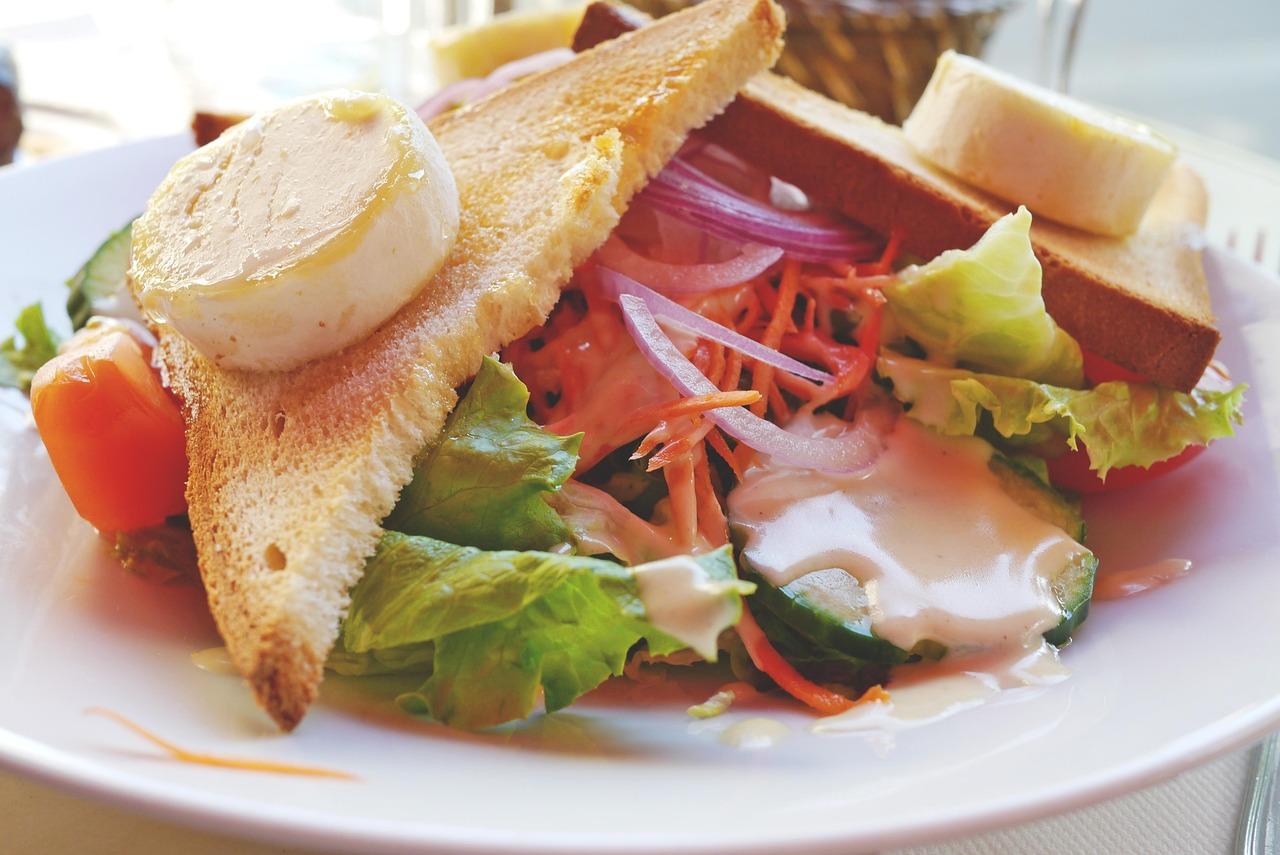
Warm goat's cheese salad

The Loire Valley and the Centre region, around Sancerre, Chavignol and Sainte-Maure-de-Touraine, make some of France's best goat's cheeses, and this salad is how bistros all over the country serve them: rounds of cheese melted on toast, laid over dressed leaves with walnuts and a thread of honey. It is a lunch dish in cafés and a starter at home, ready in 20 minutes. Small crottins or slices from a log both work. Many French goat's cheeses use animal rennet; look for one labelled vegetarian. Chef's tip: grill the toasts with the cheese on top only until the cheese softens and freckles; if it melts flat it slides off and loses its creamy centre.

by KrazyBadal 0 views

New York cheesecake

New York cheesecake is the tall, dense, rich slice served in Manhattan delis and Brooklyn bakeries since the 1920s, made with cream cheese and a little soured cream rather than the curd cheese of European cakes. It is smooth and heavy, with a slight tang and a thin biscuit base, and is usually eaten plain or with strawberries. Chef's tip: have every ingredient at room temperature and beat on low speed; cold cheese makes lumps and fast beating whips in air, which cracks the top.

by KrazyBadal 0 views

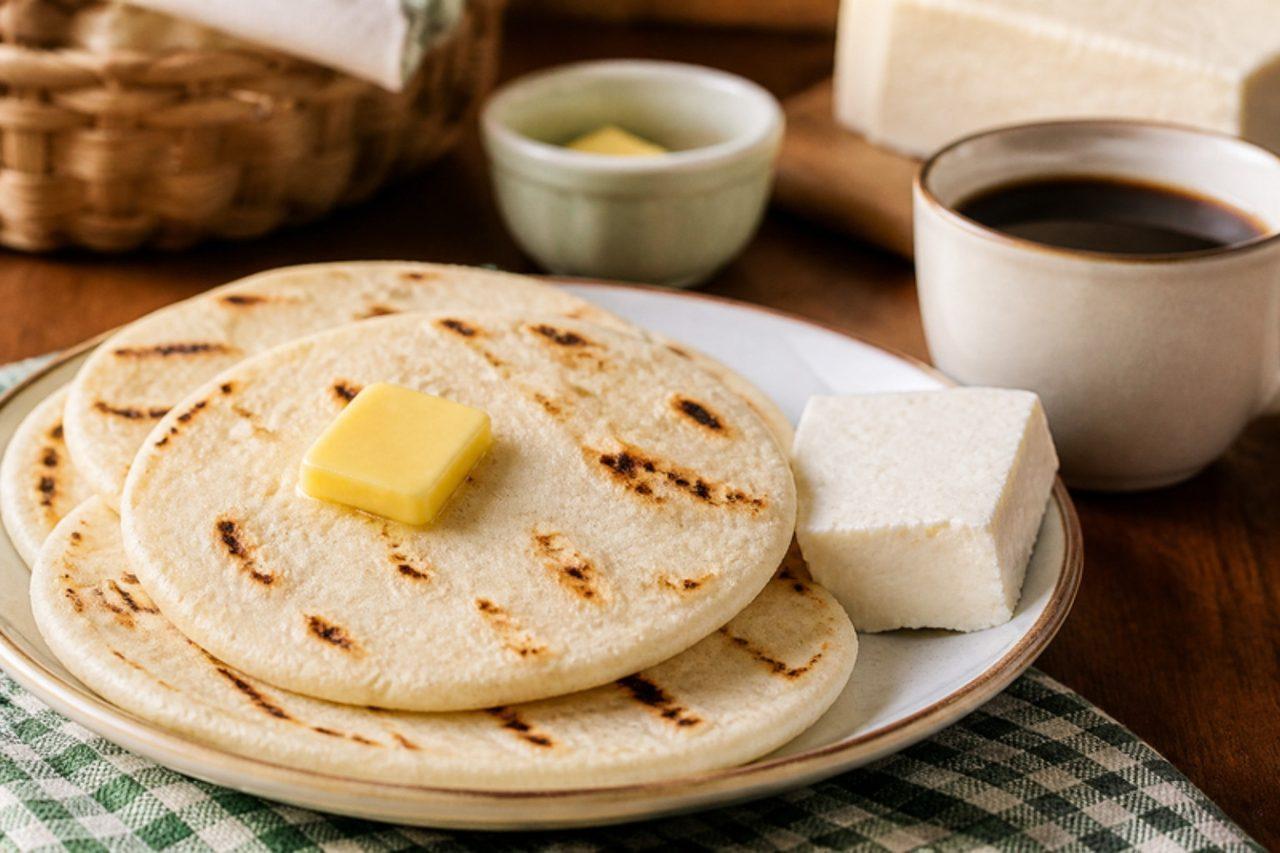
Arepa paisaThin white corn arepa

Antioquia eats arepas the way other places eat bread: a thin, pale disc of white corn sits beside the eggs at breakfast, the bandeja paisa at lunch and the hot chocolate at night. The paisa arepa is deliberately plain, with no salt, cheese or butter in the dough, so it frames whatever comes with it; locals spread it with butter or a slice of quesito at the table. It is chewy and soft inside with a toasted, freckled skin. Traditionally it is made from boiled, ground pilado corn; precooked white corn meal (masarepa) makes an excellent home version. The mistake is a dry dough: the edges crack and the arepas turn hard. Chef's tip: knead in warm water until the dough feels like soft play dough, and rest it 5 minutes before shaping.

by KrazyBadal 0 views

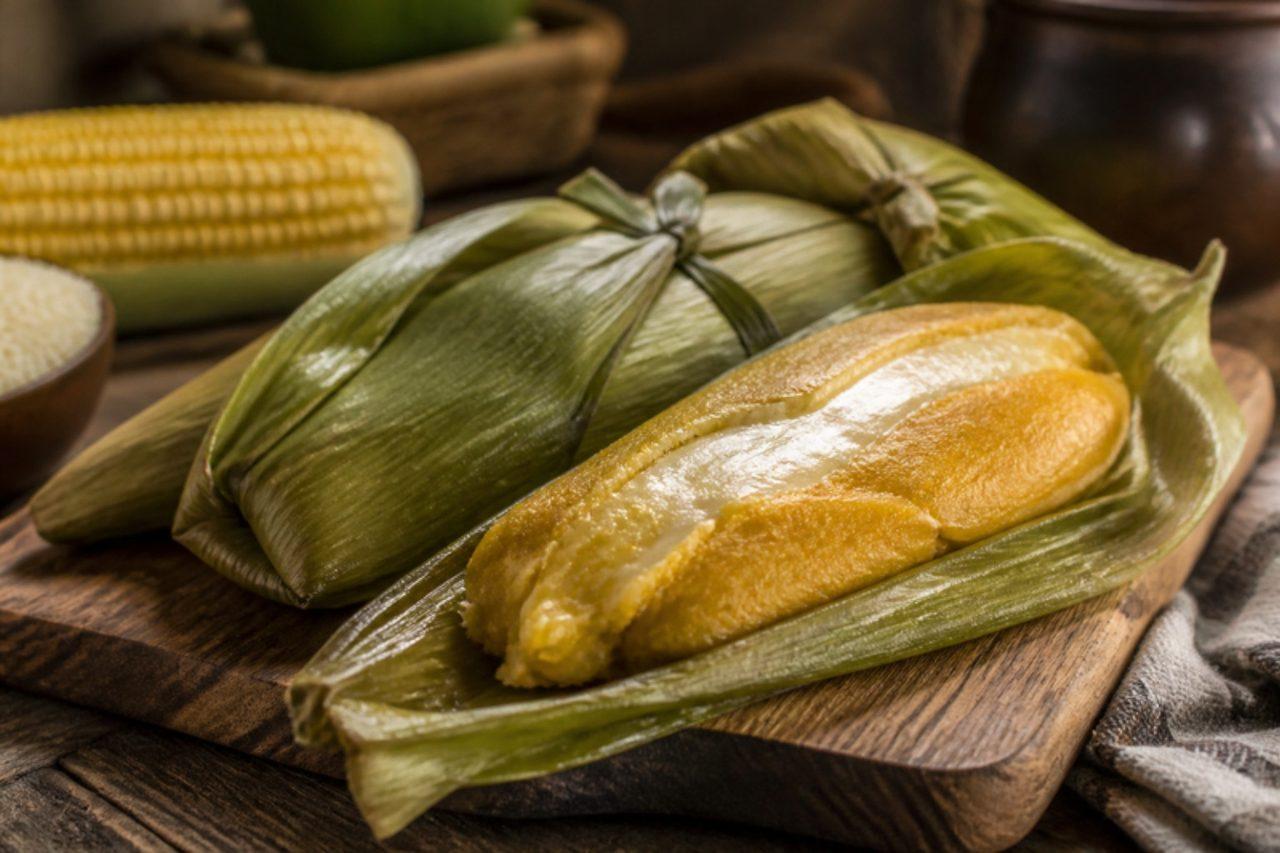
Envueltos de mazorcaSteamed corn parcels

When the maize ripens in the fields of Boyacá, families grind the fresh kernels and steam little husk-wrapped parcels that are sold at Sunday markets in Tunja, Paipa and Duitama. Envueltos are soft, moist and gently sweet, somewhere between a tamal and a corn pudding, with pockets of melted cheese, and they are eaten for breakfast or as an onces snack with hot chocolate or coffee. Use fresh corn on the cob; the starchier, less sugary types are closest to Colombian maíz, and frozen kernels work at a pinch. Fresh campesino cheese is usually made with animal rennet, so pick a vegetarian one. The commonest fault is wrapping the parcels loosely, so water gets in and they turn soggy. Chef's tip: grind the corn coarsely, not to a purée; a little texture lets the envueltos set firm and sliceable.

by KrazyBadal 0 views

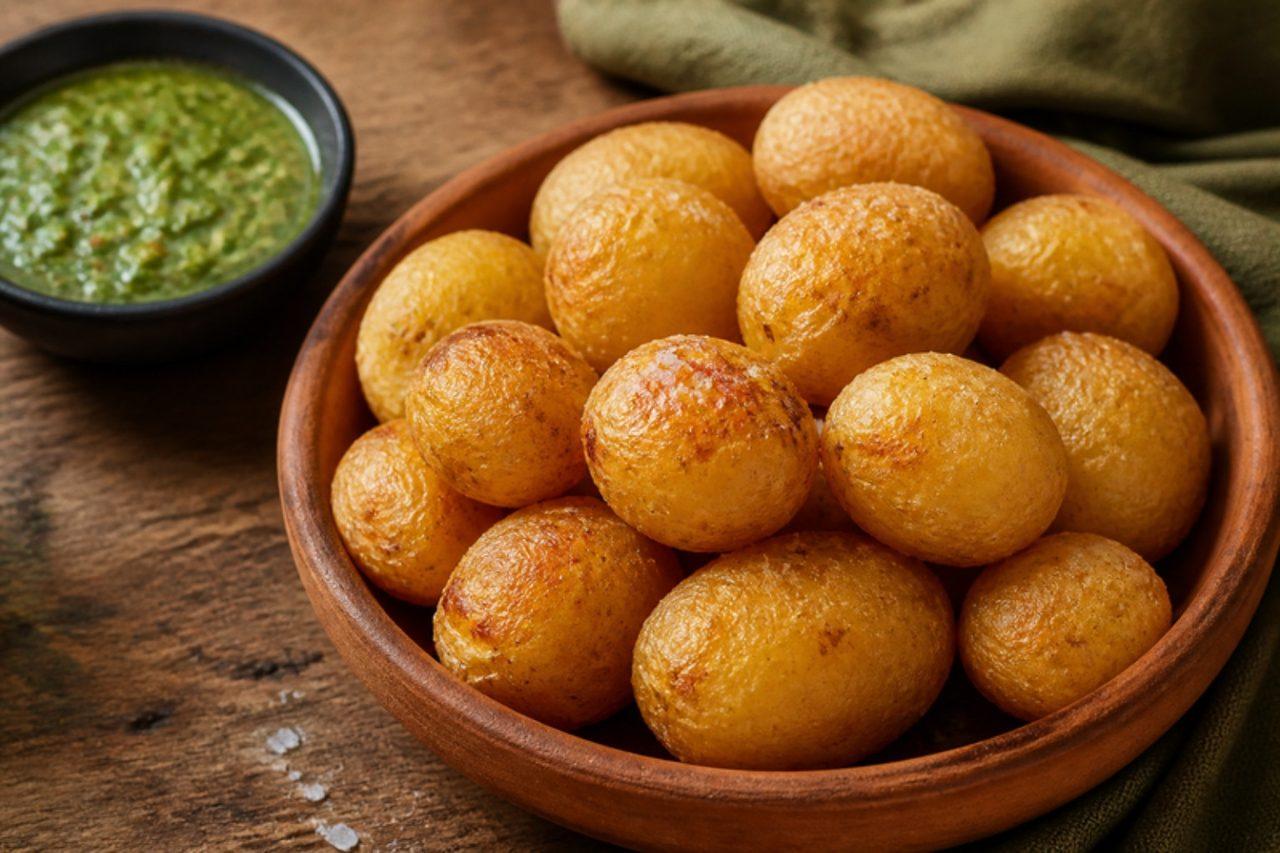
Papas criollas fritasFried small yellow potatoes

Little golden papas criollas are the potato Bogotá loves best: thin-skinned, buttery-yellow and so creamy they almost melt. At the asaderos along the roads out of the capital, and next to every plate of ajiaco or fritanga, they come fried whole, skin on, crackling outside and soft in the middle, with nothing but salt and a bowl of ají. Frozen papas criollas are sold in Latin American shops; otherwise use the smallest waxy yellow potatoes you can find. Frying them raw is the usual mistake: the skins brown before the insides are cooked. A quick boil first fixes that. Chef's tip: let the boiled potatoes steam dry for a few minutes and squash a few slightly with your palm before frying, so the split skins catch extra crunch.

by KrazyBadal 0 views

Arepas boyacensesCheese-stuffed sweet arepas

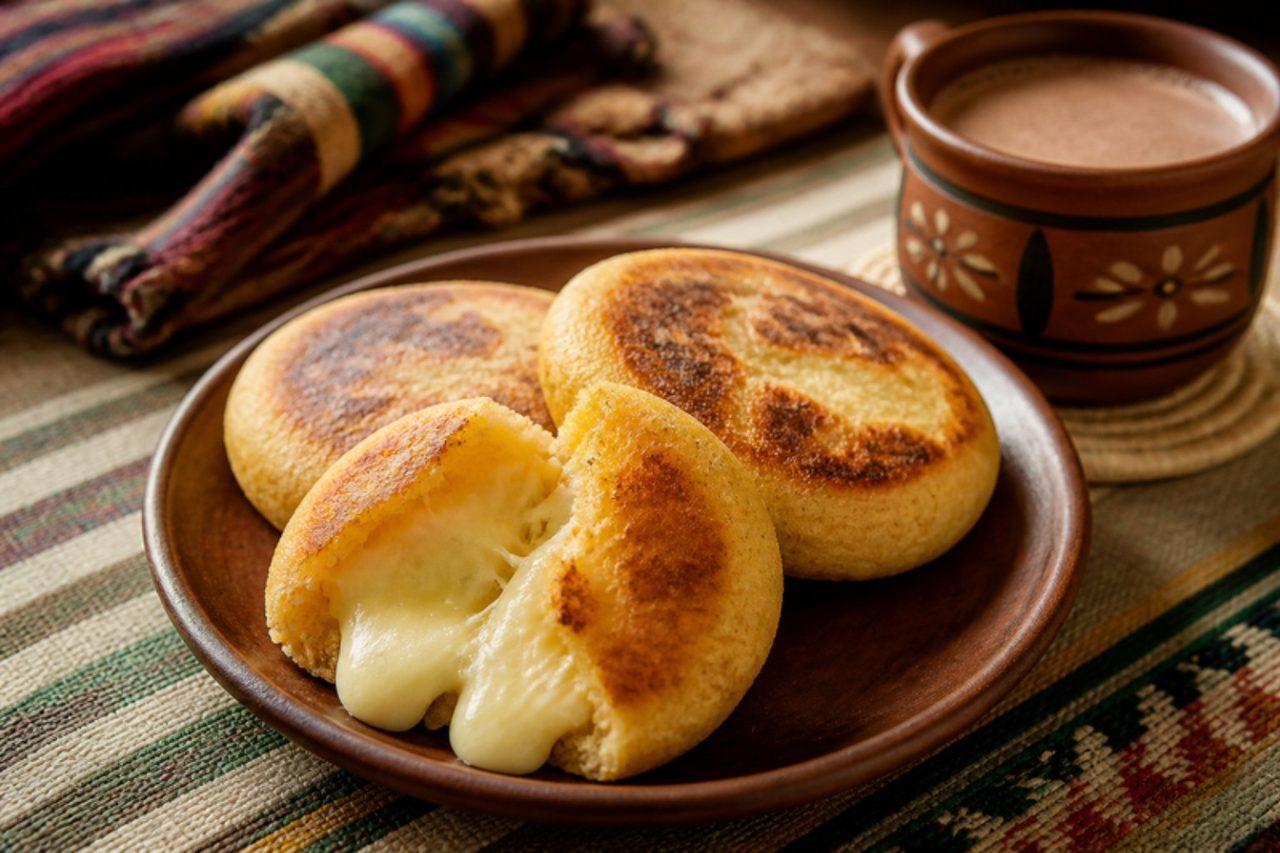
Roadside stalls on the highway from Bogotá to Tunja sell these golden, puffed discs straight off the griddle. Unlike the plain arepas of Antioquia, the boyacense mixes yellow corn with wheat flour, butter and a little sugar, and it hides a layer of fresh cheese that melts as it cooks, so each bite is sweet, salty and buttery at once. Eat them warm with coffee, hot chocolate or a cup of aguapanela. Queso campesino or cuajada is traditionally set with animal rennet; choose a vegetarian mozzarella or other microbial-rennet fresh cheese. The trap is cooking them on a high heat: the sugar browns fast and the middle stays raw and doughy. Chef's tip: keep the griddle at low-medium and give them time; a slow cook gives a thin crisp crust and lets the cheese melt fully.

by KrazyBadal 0 views

Camotes poblanosSweet potato candies

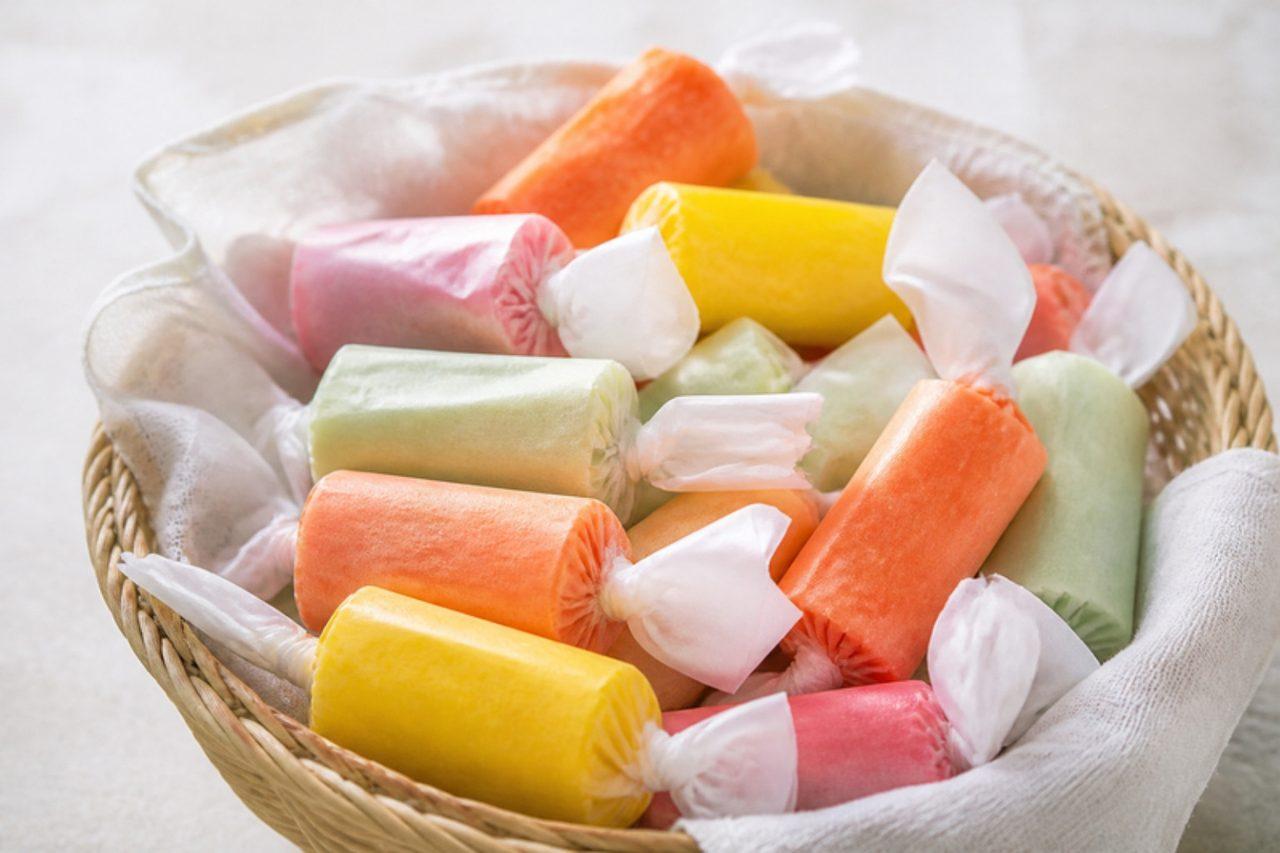
Camotes are the sweet Puebla is most famous for: finger-long rolls of sweet-potato fondant, flavoured with pineapple, lemon, strawberry or orange and wrapped individually in paper. Like tortitas de Santa Clara, they come from the city's convent kitchens, and you will find them at every candy shop on Puebla's Calle de los Dulces. The texture is soft and smooth, like a firm marzipan, and very sweet, so one or two is plenty. Chef's tip: sieve the cooked sweet potato while it is hot; fibres caught in the sieve are what would make the candy stringy.

by KrazyBadal 0 views

PapadzulesEgg tortillas in pumpkin seed sauce

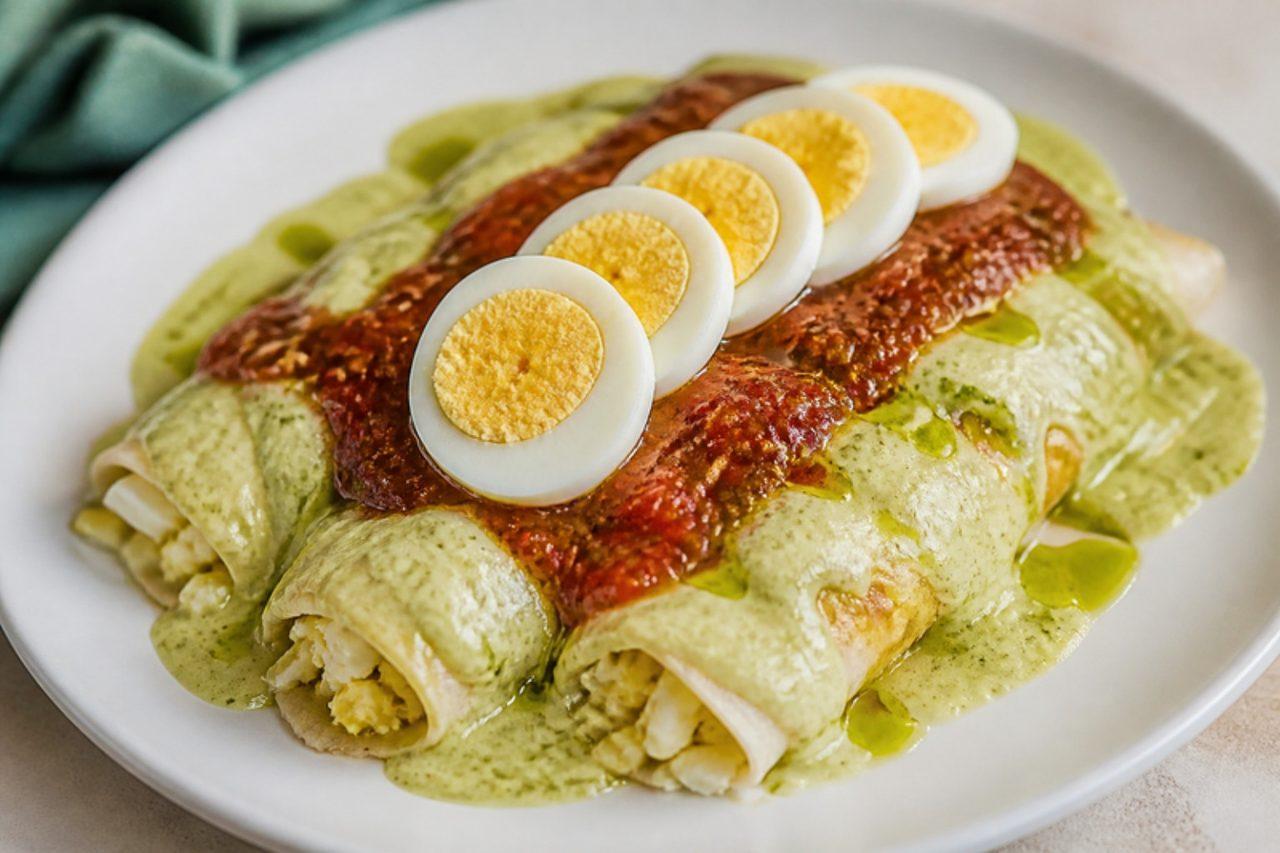
Papadzules may be the oldest dish still eaten in the Yucatán: Maya cooks were rolling tortillas in ground squash seeds long before the Spanish brought chickens and their eggs. Today they are a lunch and Lent dish in Mérida, Valladolid and Campeche. Corn tortillas are dipped in a pale green sauce of toasted pumpkin seeds and epazote, rolled around chopped hard-boiled egg, then topped with a cooked habanero-tomato sauce and a few drops of green pumpkin-seed oil squeezed from the paste. The flavours are nutty, herbal and gently hot. Chef's tip: keep the seed sauce warm, never boiling; heat makes it split and turn grainy, and the oil that separates is meant to be drizzled on top, not stirred back in.

by KrazyBadal 0 views

Sikil pakPumpkin seed dip

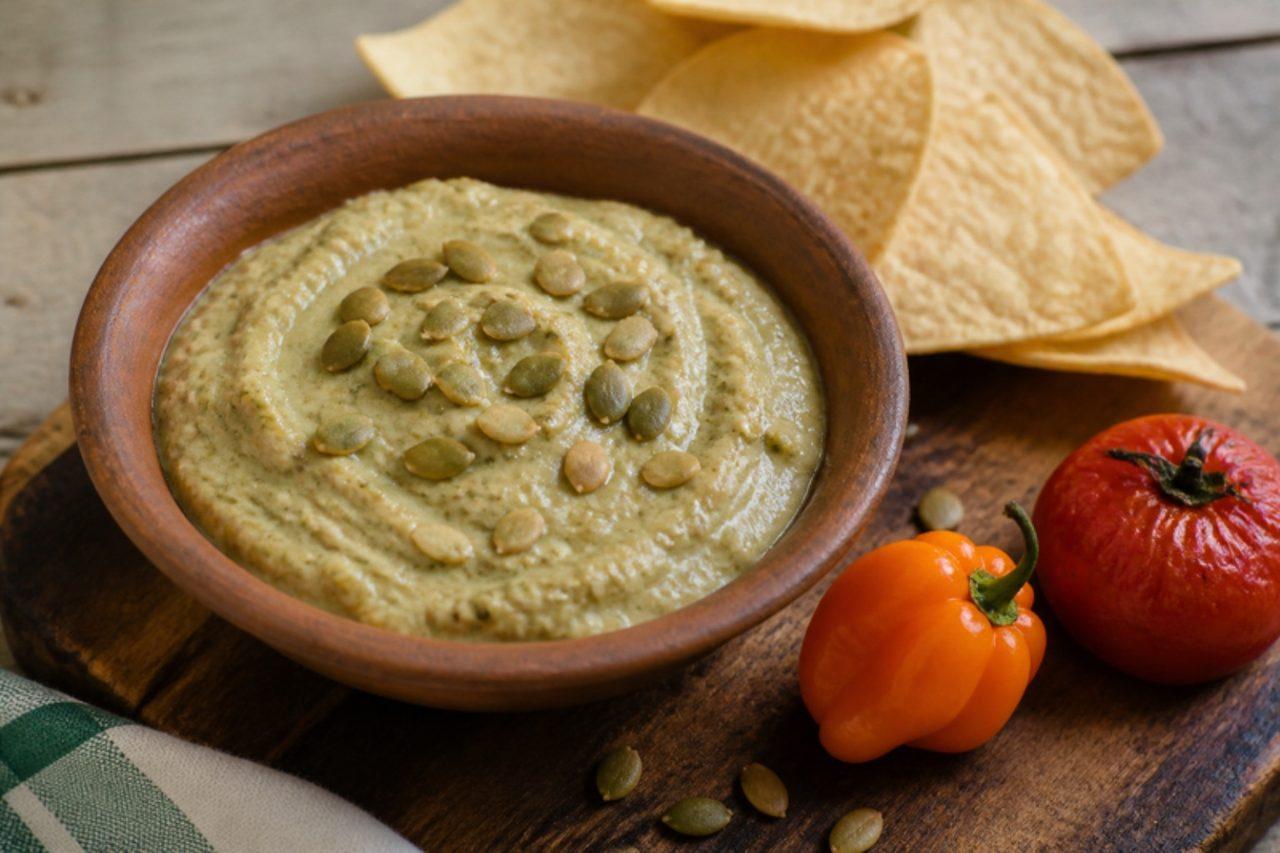
In Yucatec Maya, sikil means squash seed and p'aak means tomato, and that is almost all there is to this pale, coarse dip from the Yucatán Peninsula. Cooks in Mérida and the villages around it toast the seeds on a comal until they pop, grind them with charred tomato, chives and a little habanero, and serve the dip with tostadas or crisp tortilla chips before a meal. It tastes nutty, smoky and fresh at the same time, and is naturally vegan. Chef's tip: roast the habanero whole and add it a little at a time; you can always grind in more, but you can't take the heat back out.

by KrazyBadal 0 views

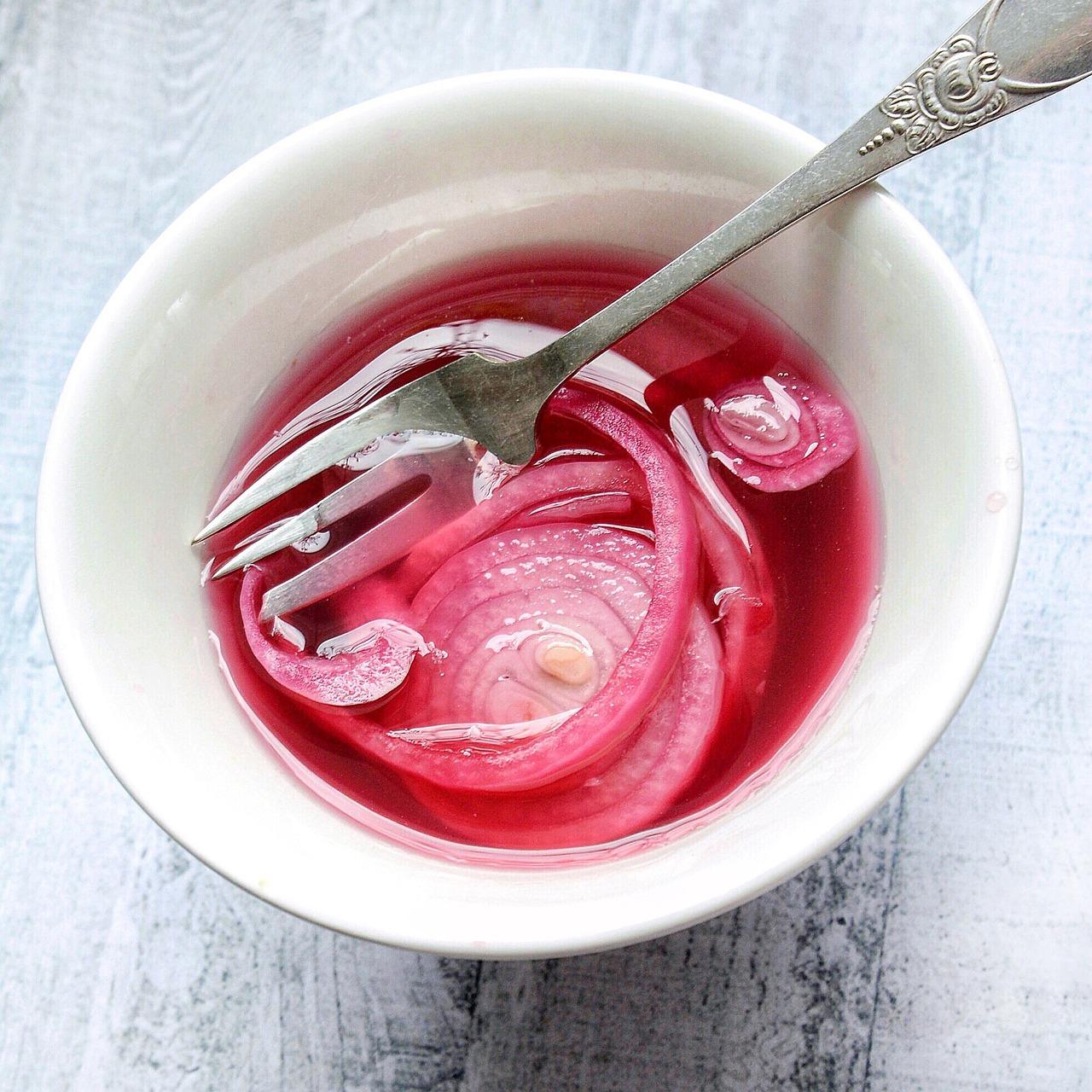
Yucatán pickled red onions

No table in Mérida is complete without a bowl of these bright pink onions. They go on almost everything in the Yucatán, from panuchos and salbutes to bean tacos, eggs and grilled vegetables, and their sharp crunch is what cuts through rich, earthy food. The traditional pickle uses naranja agria, the sour Seville-type orange that grows all over the peninsula, with a little habanero and dried oregano. Chef's tip: pour boiling water over the sliced onions for 10 seconds first; it softens their raw bite and makes them turn pink much faster.

by KrazyBadal 0 views

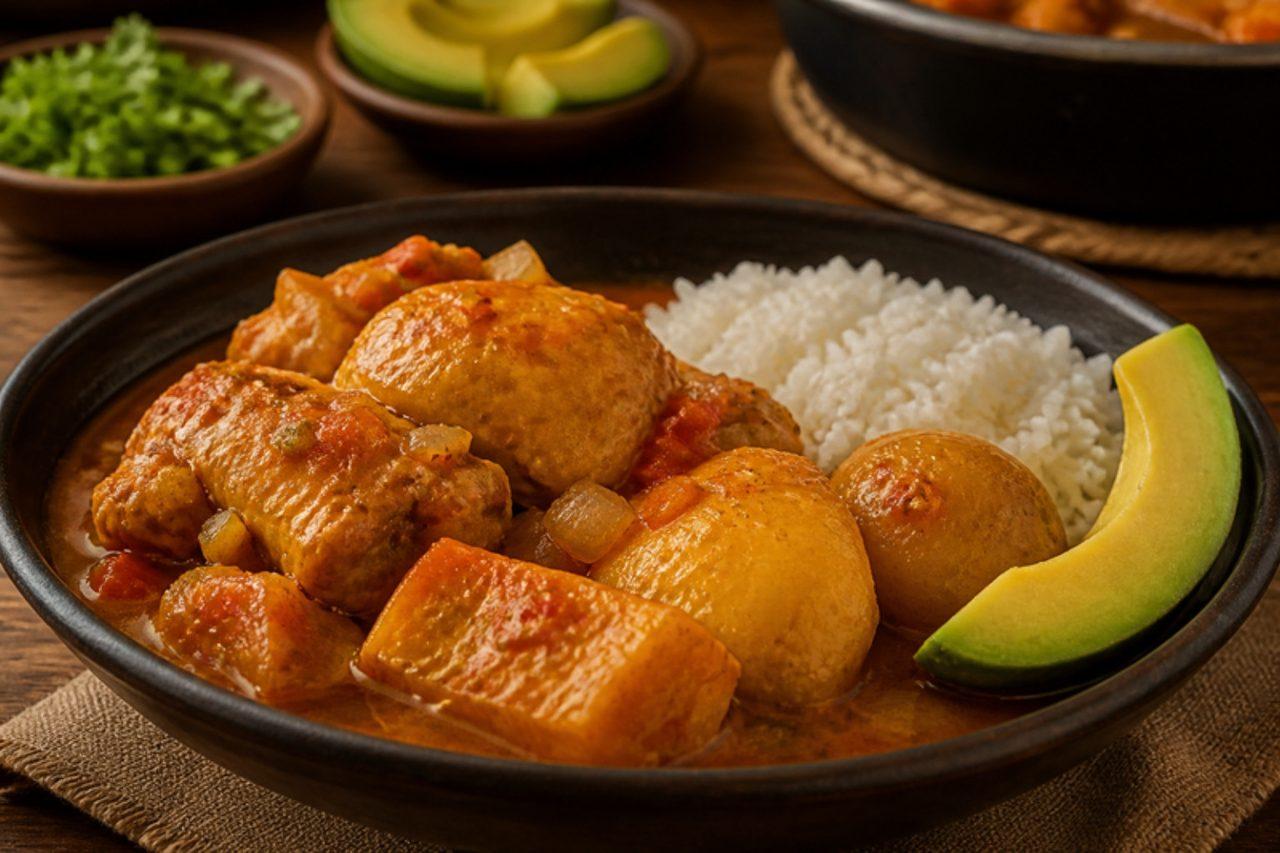
Sudado de polloChicken stewed in its own juices

Any corrientazo (set-lunch place) in Medellín will have a sudado on the menu on weekdays, and it is just as common at home on a busy Tuesday: chicken pieces cooked in a closed pot with tomato, onion and potatoes until they release their own juices and turn into a thin, savoury, reddish sauce. No stock, no water to speak of, just patience and a tight lid. The meat goes tender and soaks up the cumin and garlic; the potatoes thicken the sauce at the end. It belongs next to white rice, a few slices of avocado and maybe a ripe plantain. The thing people get wrong is lifting the lid over and over: every look lets out the steam that does the cooking. Chef's tip: marinate the chicken with the garlic, cumin and salt in the fridge for 30 minutes to an hour first; the seasoning goes deeper and the sauce tastes richer.

by KrazyBadal 0 views

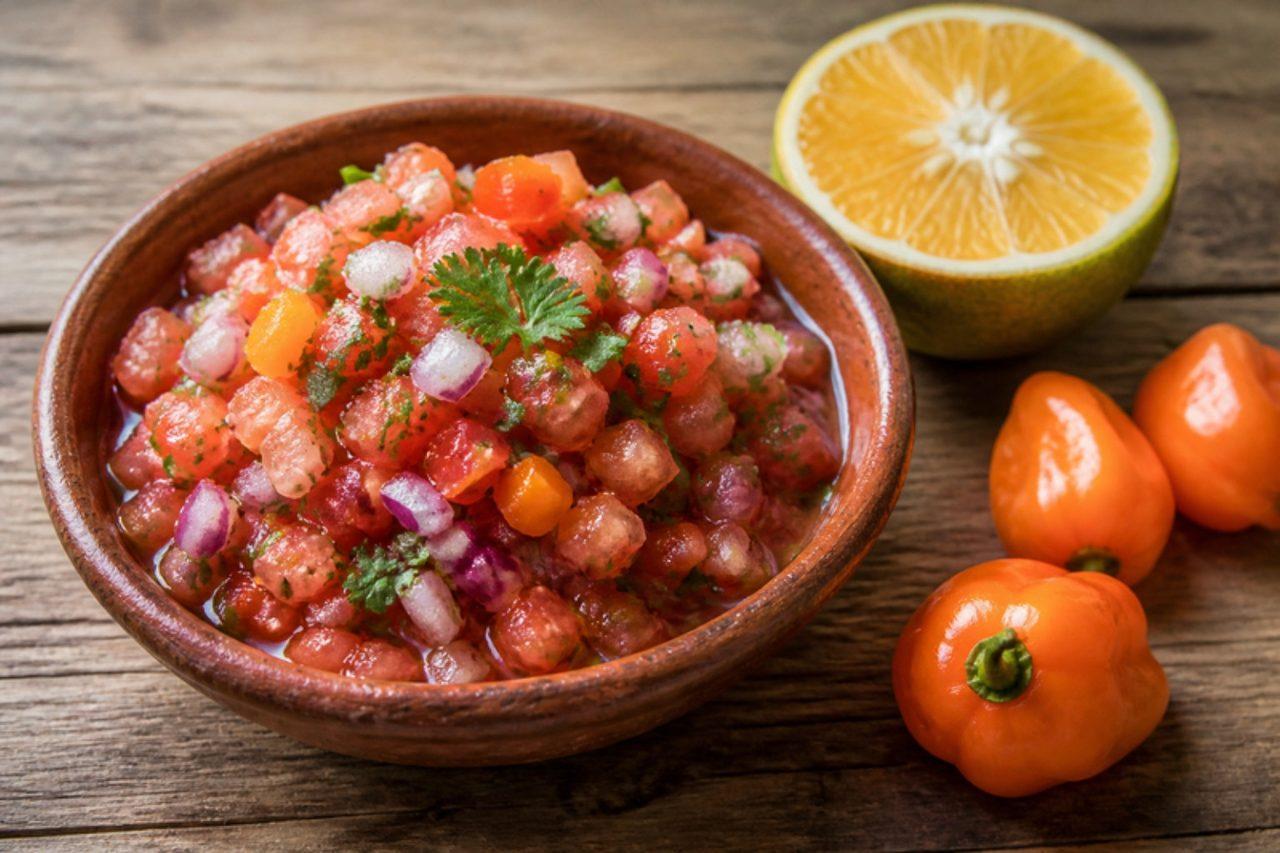
XnipecHabanero and sour orange salsa

The name comes from Maya: xni' pek means 'dog's nose', because the salsa is hot enough to make your nose run and stay wet like a dog's. It is the raw table salsa of the Yucatán, made in minutes from tomato, red onion, coriander and plenty of habanero, all soaked in sour orange juice. In Mérida it is spooned over black-bean dishes, eggs and rice, and it brightens anything rich. It is best on the day it is made. Chef's tip: chop everything by hand into small, even dice; a blender makes it watery and the habanero turns bitter.

by KrazyBadal 0 views

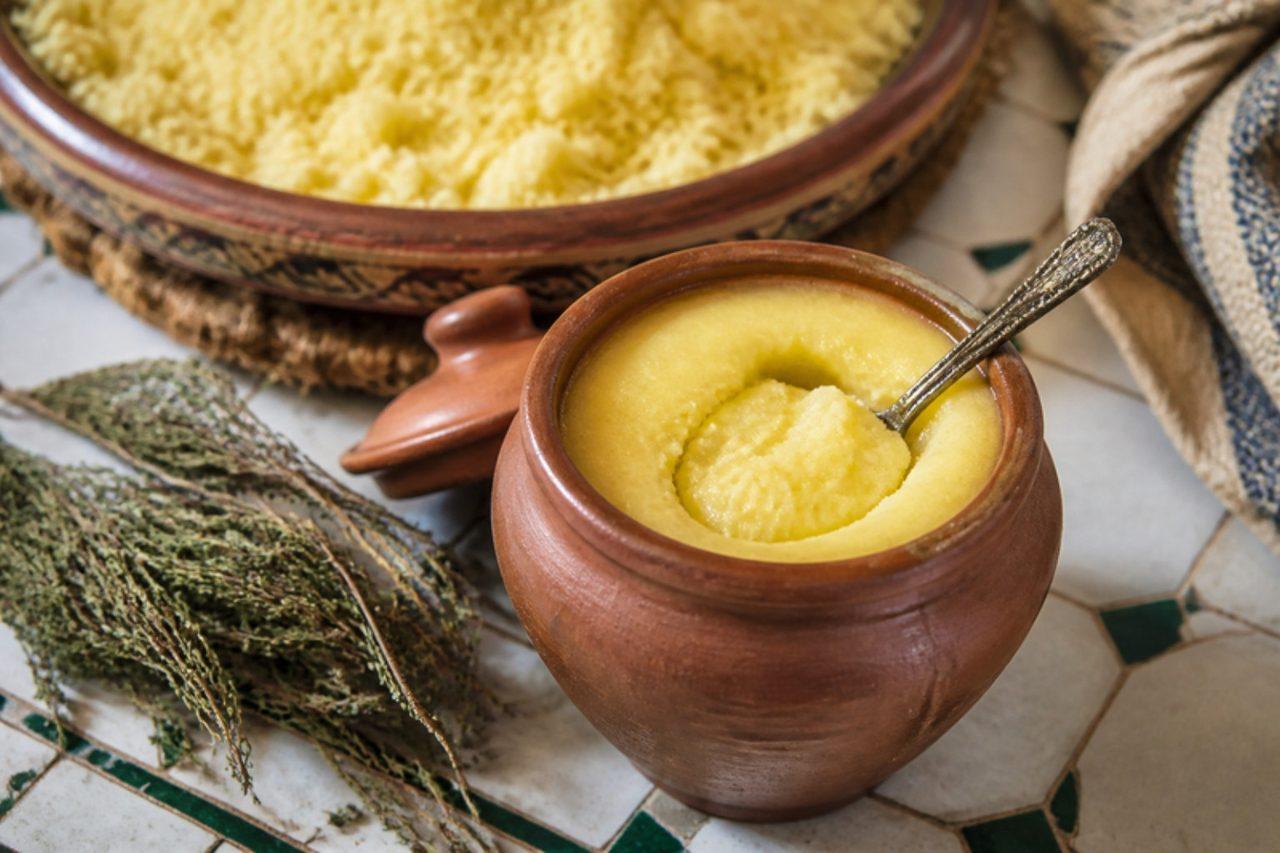
Smen (salted, herbed butter)

Atlas households once kept jars of smen for months, even years, until the salted butter developed a pungent, almost blue-cheese aroma; a spoonful stirred into couscous, harira or a chicken tagine gives a depth nothing else can. Long ageing at room temperature is risky at home, so this is a safer fridge version: pasteurised unsalted butter is simmered with dried za'atar or oregano, strained, salted and then matured in the fridge for 2–4 weeks, which gives a mellow, nutty, faintly tangy smen rather than the fiercely strong old kind. For the real long-aged flavour, buy smen from a reputable shop. Use it a teaspoon at a time; it is meant as a seasoning, not a cooking fat. The mistake to avoid is leaving any milk solids or water in the butter, as that is what turns it rancid or mouldy rather than pleasantly aged. Chef's tip: strain it through muslin until perfectly clear; any milky bits left in the jar are what turn butter rancid.

by KrazyBadal 0 views

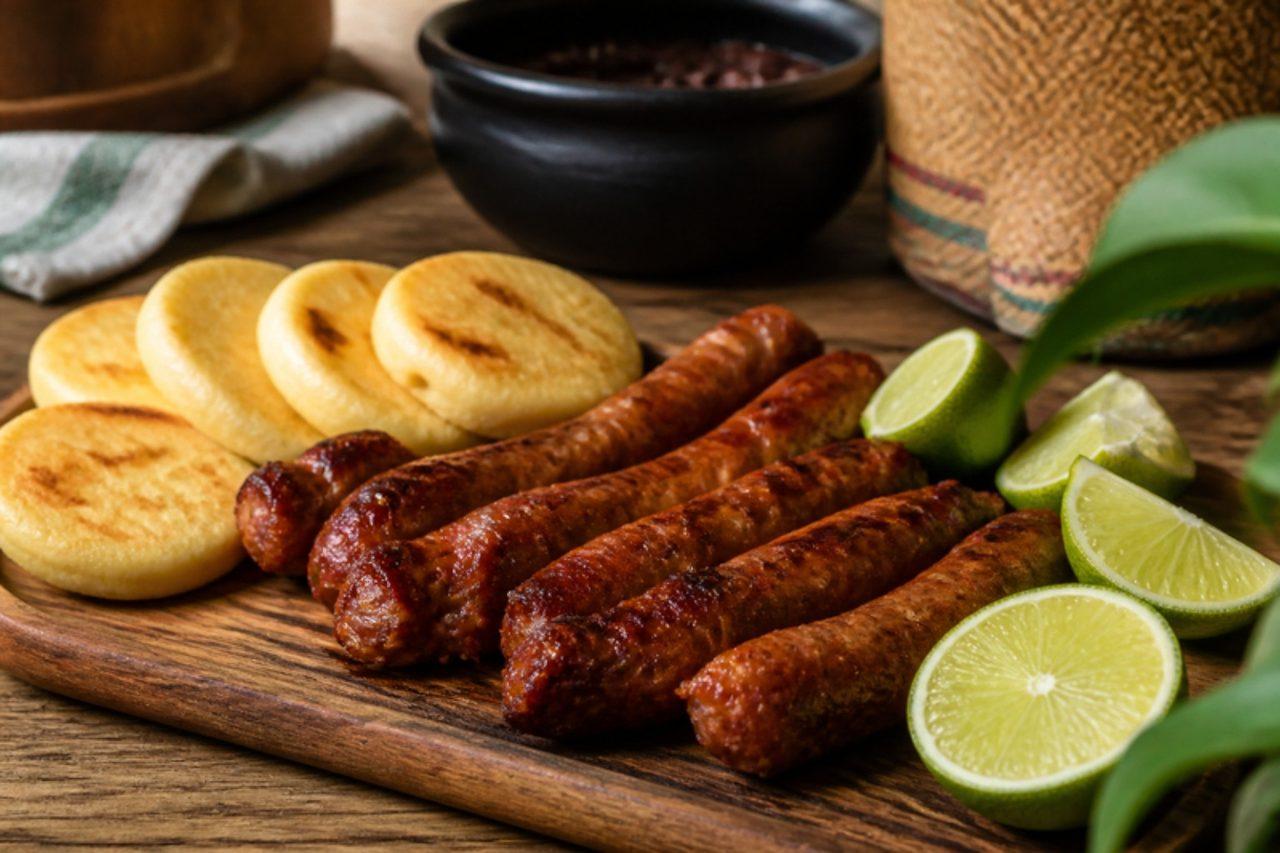
Chorizo santarrosanoThin garlicky pork sausages

Santa Rosa de Cabal, on the road to the hot springs in Risaralda, is lined with grills where thin, tightly linked pork chorizos sizzle over charcoal and are sold with a small white arepa and half a lime. They are leaner and finer than Spanish chorizo, with no paprika: just pork, a little fat, spring onion, garlic, cumin and a touch of coriander, so they taste fresh and herby, with a smoky edge from the coals. Squeeze over the lime, wrap a piece in the arepa and eat it standing up. Making them at home needs natural casings and a sausage stuffer or a piping bag, and a night in the fridge for the flavours to settle. Overstuffing is the classic problem: tight casings burst on the grill, so fill them firmly but leave a little give. Chef's tip: keep the meat and fat very cold, even half-frozen, while you mince and mix; warm fat smears and the sausages turn crumbly instead of juicy.

by KrazyBadal 0 views

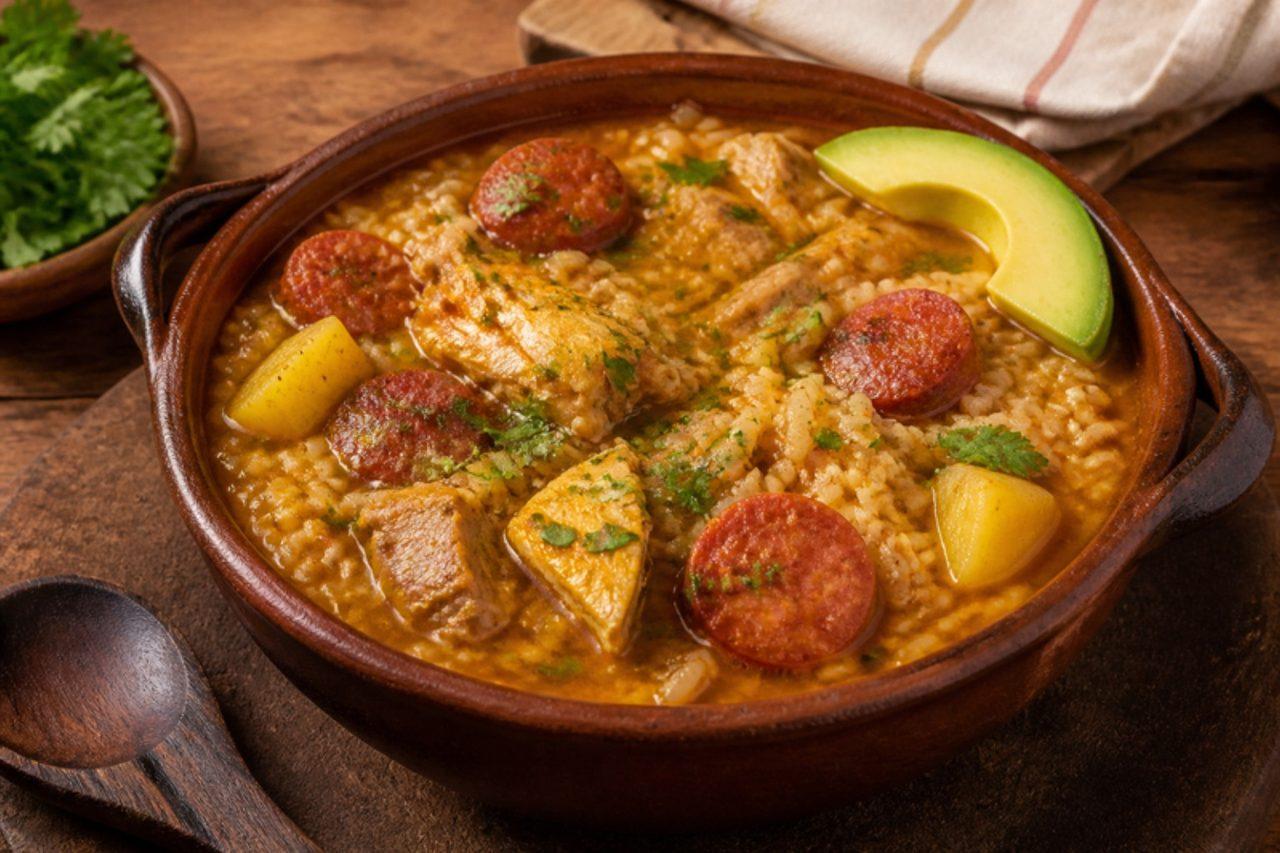
Arroz atolladoSoupy rice with chicken and pork

Cali's cooks say the rice should be 'atollado', stuck in the mud: wet, creamy and spoonable, somewhere between a risotto and a thick soup. It is the Valle del Cauca's Sunday and paseo dish, cooked in a big pot by the river or for a crowd at home, with chicken, pork, Colombian chorizo and two kinds of potato all simmered into the rice, the whole thing coloured orange-gold with achiote. The papa criolla melts and gives the body; the meats give a deep, porky savour. Serve it straight from the pot with ripe avocado, fried plantain and a squeeze of lime, and don't wait: it keeps thickening as it stands. People often rinse the rice or use long-grain, which gives separate grains; medium-grain, unrinsed, keeps it creamy. Chef's tip: hold back a ladle of hot stock and stir it in just before serving to bring the rice back to that loose, muddy consistency.

by KrazyBadal 0 views

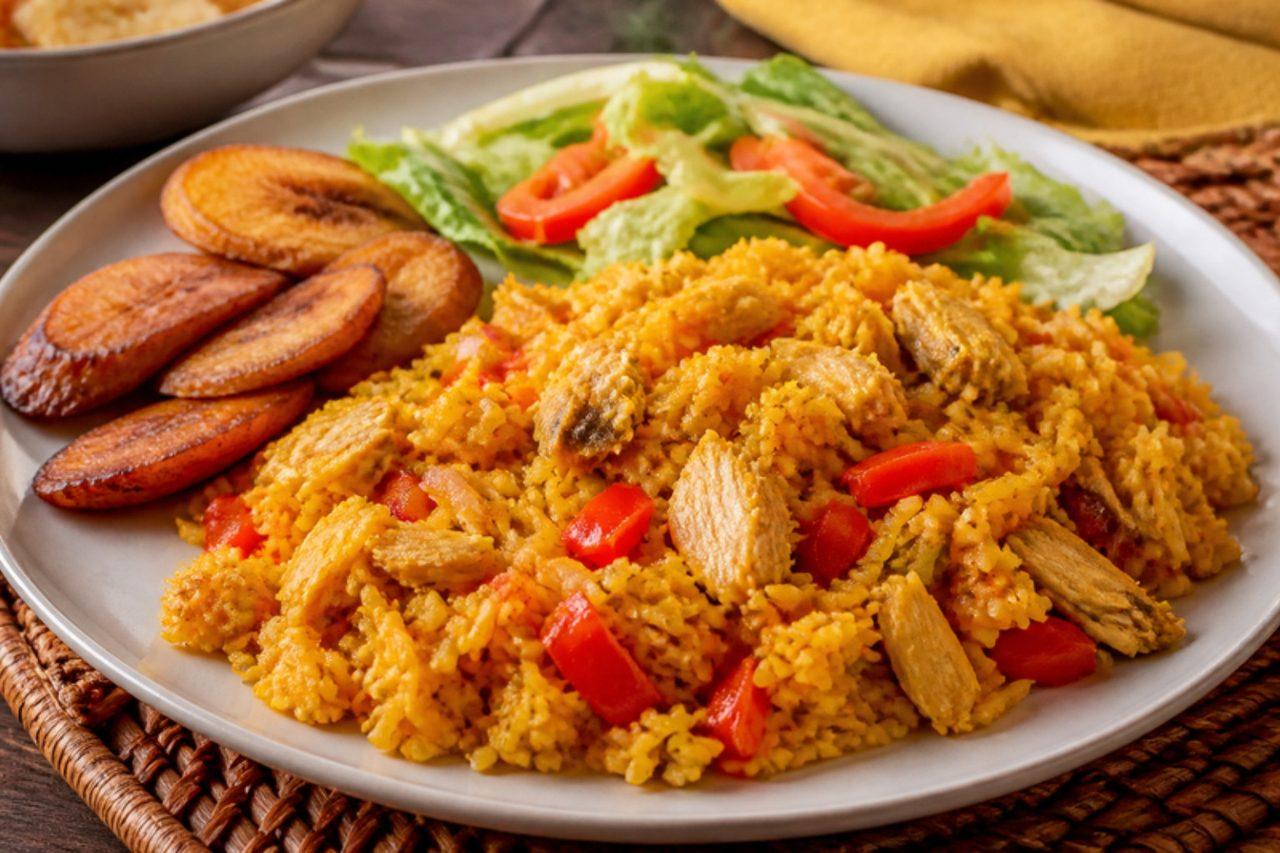
Arroz de lisaRice with salted mullet

Carnival in Barranquilla isn't complete without a plate of arroz de lisa, and the market at Barranquillita and the old neighbourhoods around it sell it every day: salted, dried mullet from the Ciénaga Grande, soaked, shredded and cooked into rice with sweet peppers, onion, tomato and achiote. The rice comes out loose, orange and deeply savoury, with flakes of fish all the way through. It is served with bollo de yuca, fried ripe plantain or a simple tomato and onion salad. Plan ahead: the salted fish needs a day's soaking in the fridge. Skipping enough soaking is the usual downfall; the rice ends up far too salty, so taste a flake of the fish before you cook and keep soaking if it is still sharp. Chef's tip: if you can't find salted mullet, salt cod from any fishmonger works well, and use the poaching water for the rice only after tasting it.

by KrazyBadal 1 views

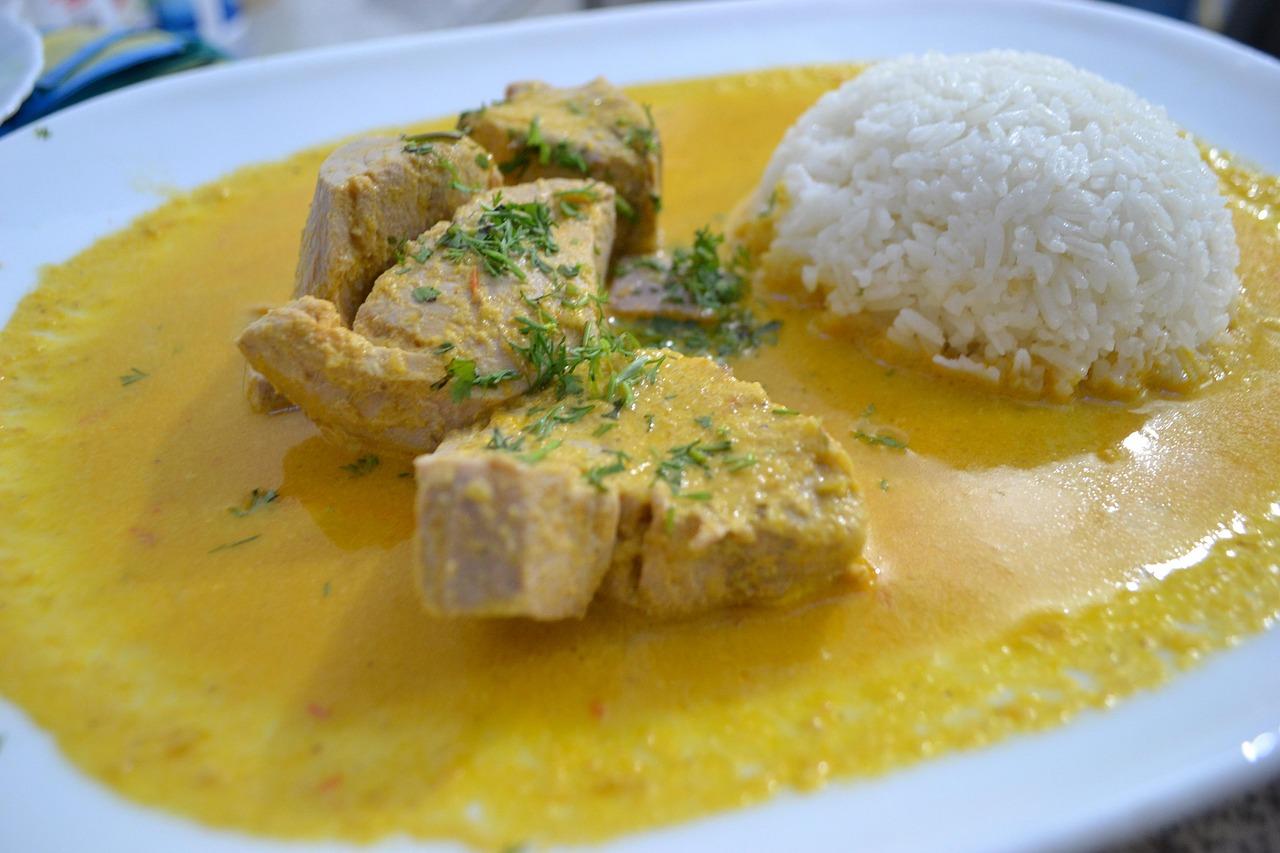
Encocado de pescadoFish in coconut milk

Fishing towns of the Colombian Pacific, from Buenaventura's Pueblo Nuevo market to the stilt houses of Tumaco, cook their catch in coconut milk scraped from fresh coconuts, with a refrito of onion, peppers and garlic and the coast's wild herbs: chillangua (culantro), poleo and oregano cimarrón. Encocado is lighter and more herbal than many coconut stews, mild rather than hot, with the fish just cooked in a creamy, pale-orange sauce. It is eaten at lunch with white or coconut rice and patacones or boiled green plantain. Boiling the coconut milk hard after the fish goes in is the classic error: the sauce splits and the fillets toughen, so keep it at a gentle bubble. Chef's tip: culantro (sawtooth coriander) is sold in Asian and Caribbean shops; if you can't find it, use twice the amount of ordinary coriander plus a few mint leaves to stand in for poleo.

by KrazyBadal 0 views

Arroz con pianguaCoconut rice with mangrove clams

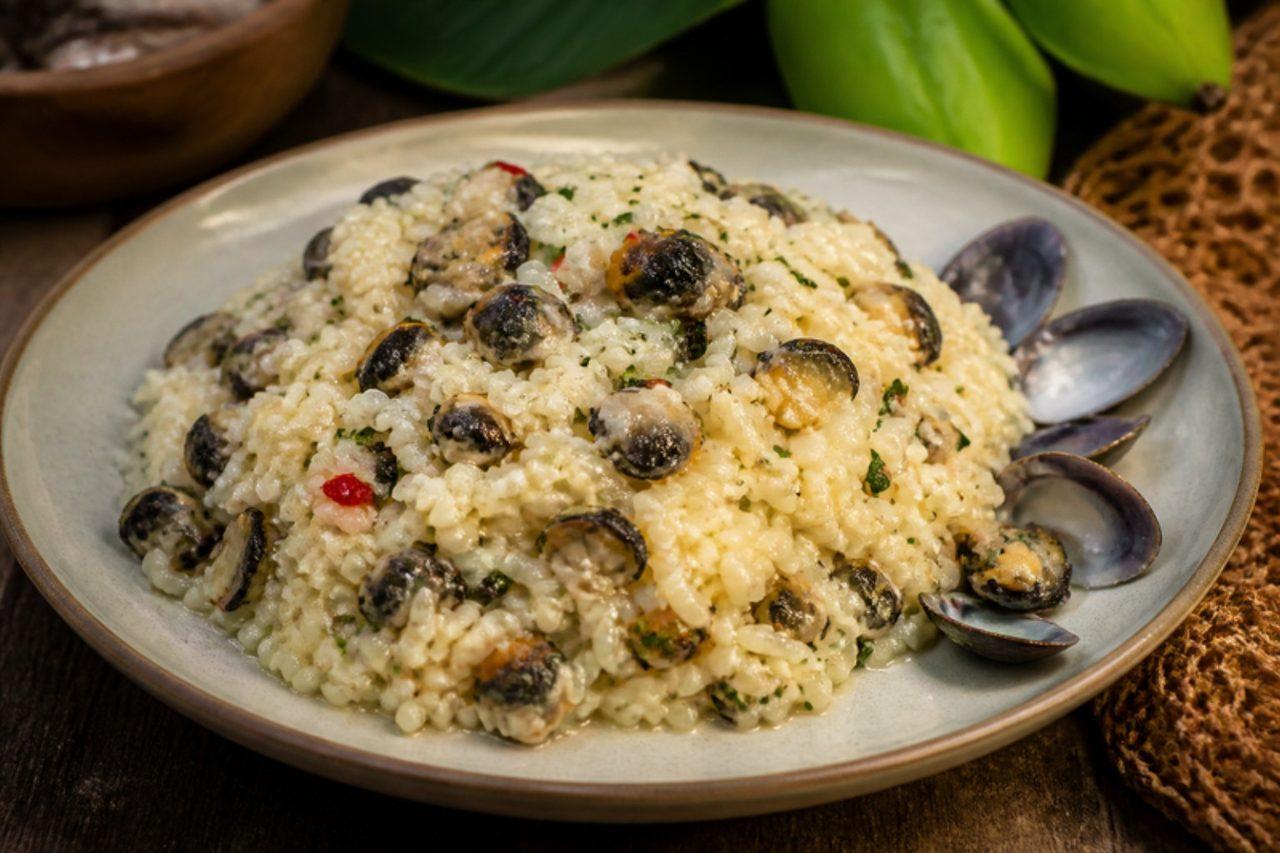
The women of Tumaco and the Nariño mangroves wade out at low tide to gather piangua, a dark-shelled ark clam that lives in the roots, and much of the catch ends up in this rice: the clam meat chopped and cooked with coconut milk, a refrito of onion and peppers, and the Pacific's chillangua and oregano. It is rich, briny and creamy, with the clams' strong, almost iron-like sea flavour carrying through every grain. Locals eat it as a lunch main with patacones and a little salad. Outside Colombia, look for frozen piangua meat in Ecuadorian or Colombian shops, or use fresh clams or cockles in the shell. Before cooking, throw away any clam with a cracked shell or one that stays open when tapped; after steaming, discard any that stay shut. Overcooking the clam meat is the usual error, as it turns rubbery, so stir it in only for the last minutes. Chef's tip: strain the clam cooking liquid through a cloth or coffee filter to catch the grit, then use it in the rice; that's where the flavour is.

by KrazyBadal 0 views

MamonaSlow-roasted beef

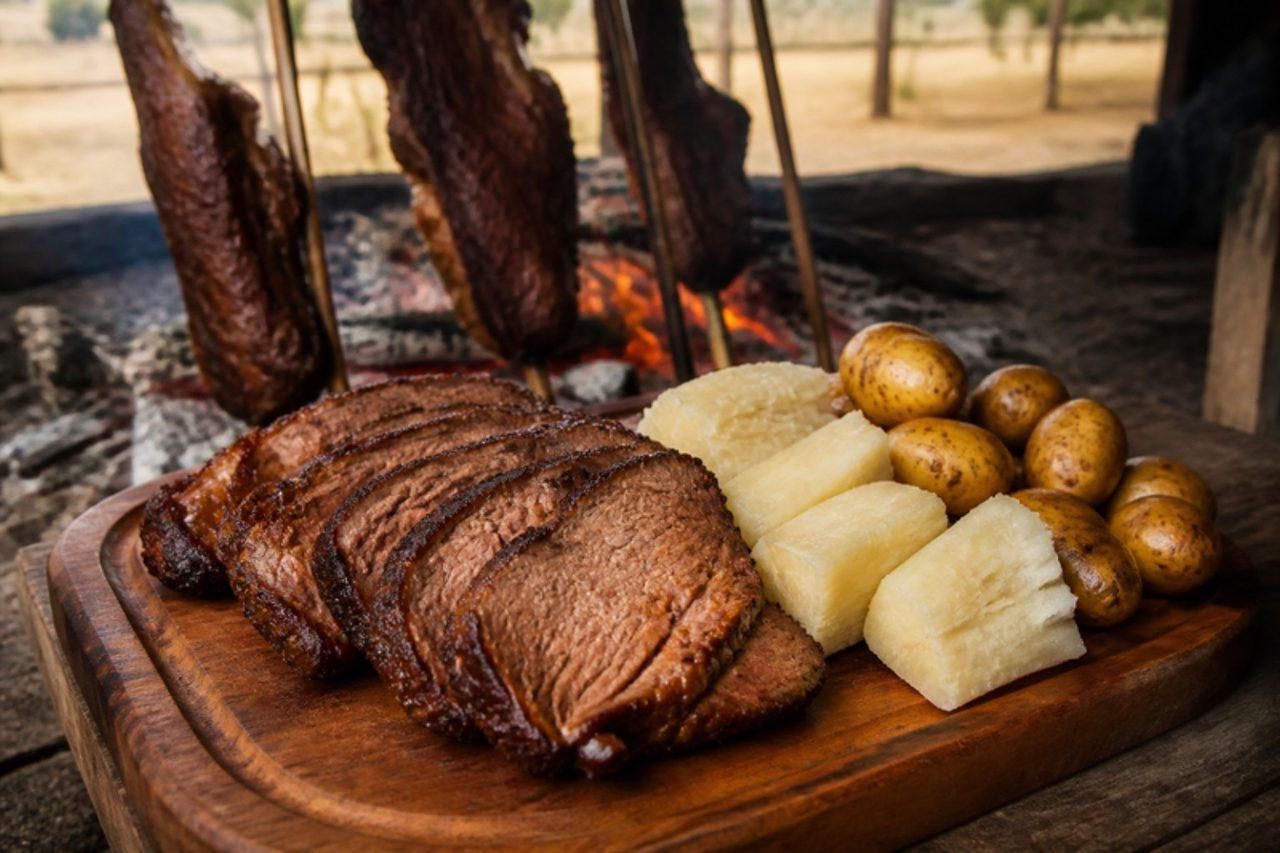
Cattle ranches of Meta and Casanare celebrate with mamona: a young steer cut into huge traditional pieces (rib slab, flank, shoulder) threaded on long wooden stakes and leaned around a wood fire for five hours or more, seasoned with nothing but coarse salt. The Villavicencio restaurants that specialise in it serve the meat with cassava, small boiled potatoes, plantain and ají, and some cooks splash beer over it, which you can skip. The beef ends up smoky and dripping on the inside with a salty, crusty bark. This home version uses a covered kettle barbecue with indirect heat, a whole slab of short ribs and a thick piece of flank. The usual blunder is putting the meat right over the coals; mamona cooks beside the fire, never over it. Chef's tip: let the salt sit on the meat in the fridge for a few hours before cooking; it seasons deeper and helps the crust form.

by KrazyBadal 0 views

Cachama fritaFried river fish

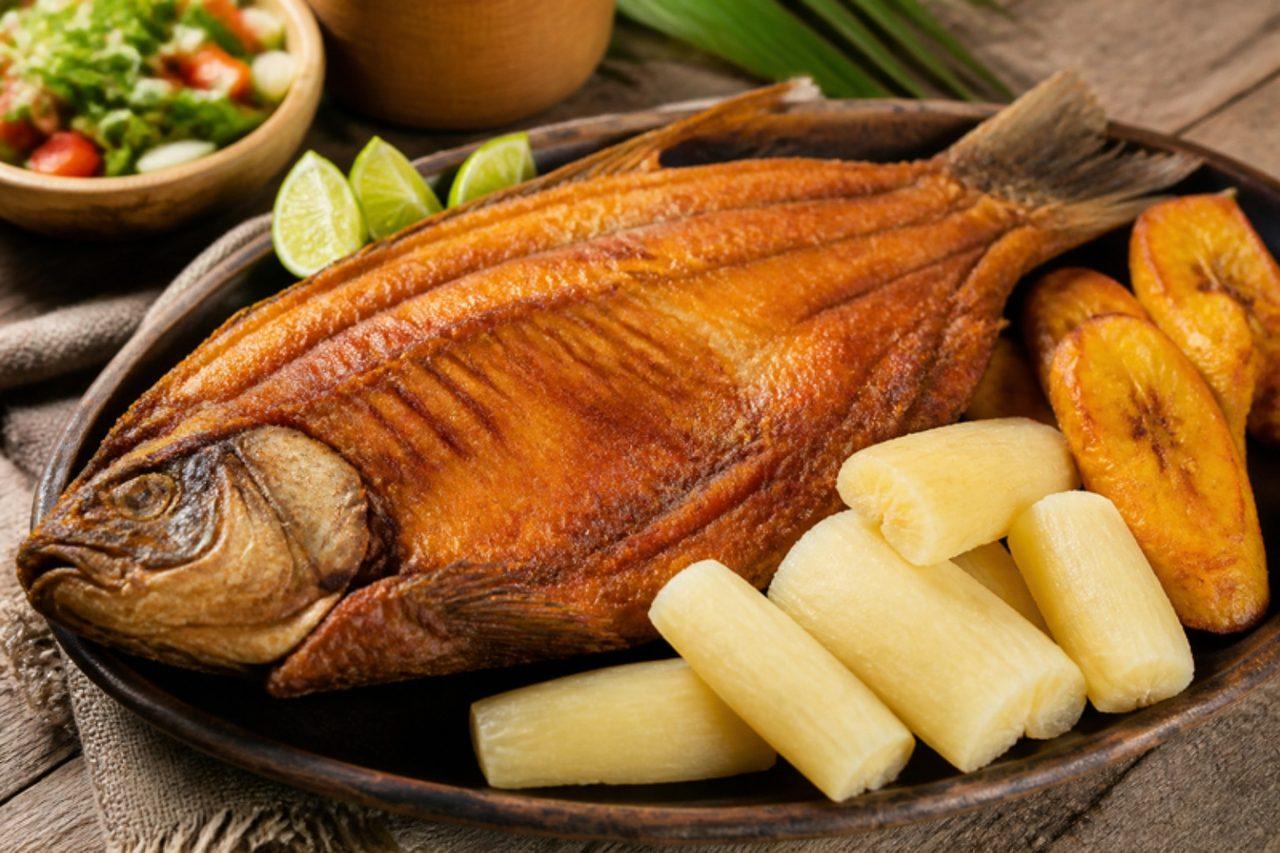
Roadside restaurants on the way from Bogotá down to Villavicencio and Restrepo sell cachama by the hundred at weekends: a farmed river fish of the Orinoco basin (the same family as pacu), opened out like a book, seasoned with garlic, cumin and lime and fried until the edges turn to crisp, salty lace. Its flesh is firm, fatty and sweet, and the rib bones, fried crisp, are half the pleasure. It comes with boiled cassava, ripe plantain tajadas and a little tomato salad. Outside Colombia, look for frozen whole pacu or cachama in Latin or Asian shops; otherwise use pompano or a large sea bream. A soggy, greasy fish usually means the oil wasn't hot enough; keep it at 180 °C and fry one at a time. Chef's tip: score the thick side of the fillet in a fine crosshatch down to the bones; the fine intramuscular bones fry crisp and the heat reaches the thickest part.

by KrazyBadal 0 views

SfincioneThick Sicilian pizza

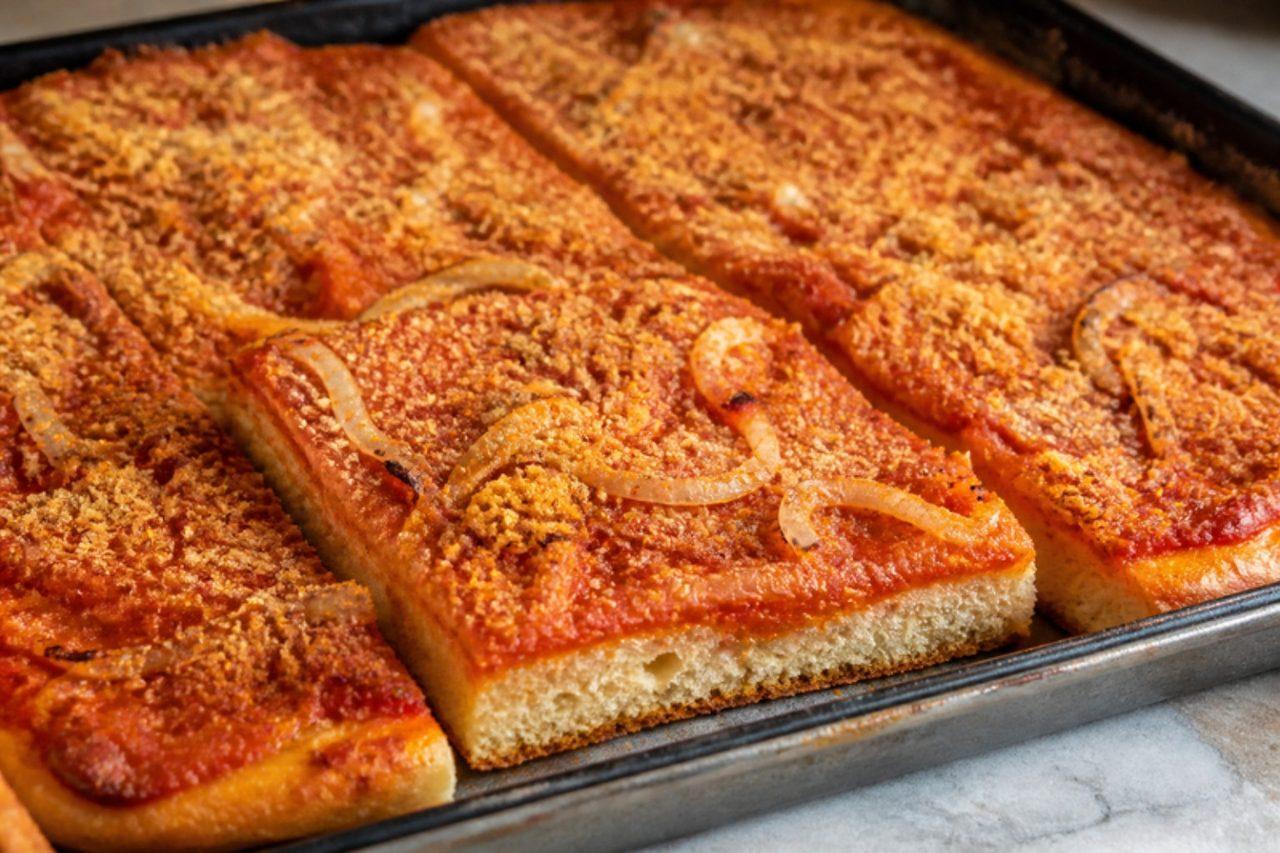
Sfincione is Palermo's own pizza: a tall, airy slab baked in a tray, its soft crumb soaked with a sweet sauce of slow-cooked onions and tomato, dotted with caciocavallo and covered in oregano-scented toasted breadcrumbs. Street sellers cruise the city in three-wheeled vans calling 'sfinciuni!' through loudspeakers, and families bake it at home for Christmas Eve and New Year's Eve. The traditional topping includes anchovies; this version leaves them out and keeps all the onion sweetness. Chef's tip: the dough should be wet and bubbly, about 2 cm deep in the tray; it is closer to focaccia than to a thin pizza.

150 minItalianPizza
by KrazyBadal 0 views

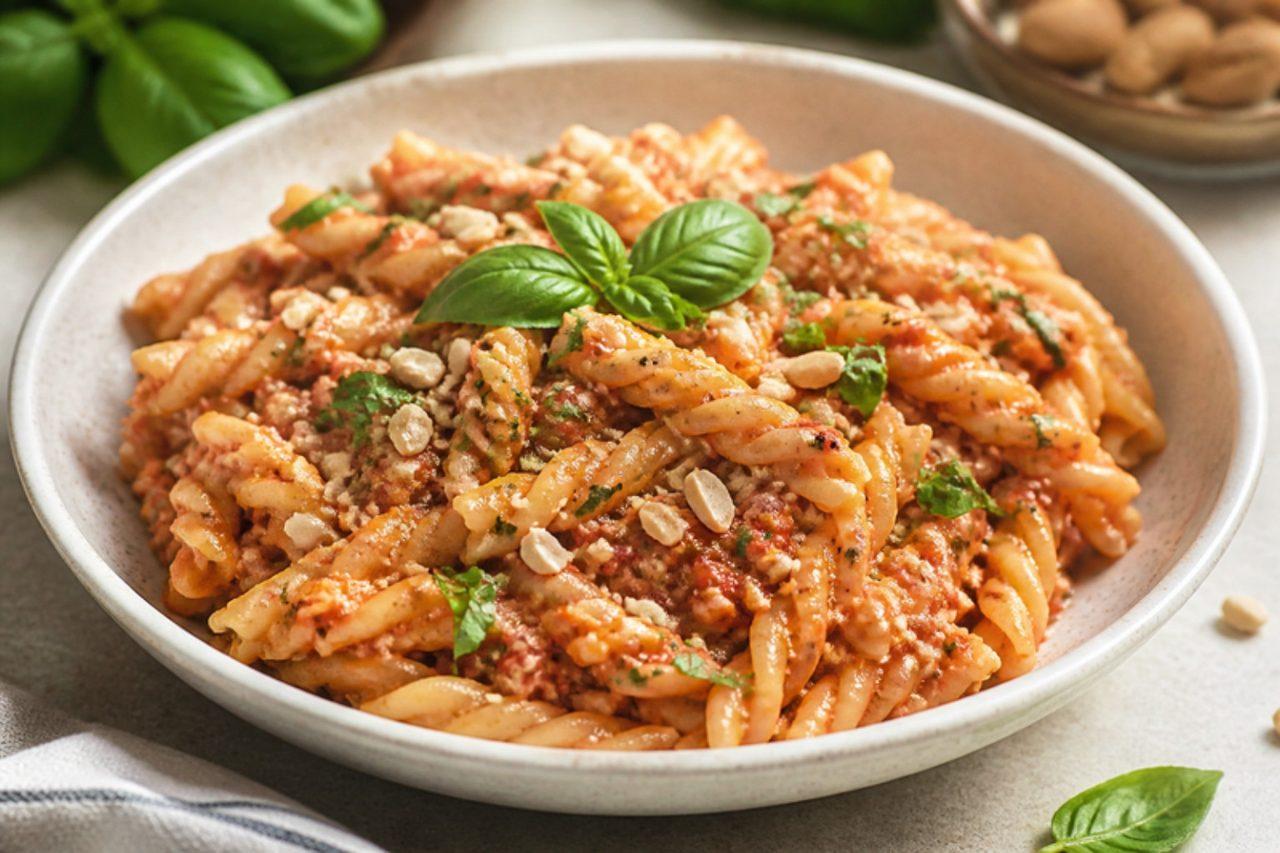
Busiate al pesto trapanesePasta with tomato almond pesto

Trapani, on Sicily's far western tip, makes its pesto with what grows nearby: ripe tomatoes, Sicilian almonds, garlic and basil, pounded raw with olive oil and a little pecorino. The story goes that Genoese sailors brought their basil pesto to the port and the Trapanesi made it their own. It is tossed with busiate, long corkscrews of durum-wheat pasta once twisted around a stalk of dried grass, and eaten all summer, often at room temperature. It tastes fresh, nutty and bright. Chef's tip: peel the tomatoes; the skins turn chewy in a raw sauce.

by KrazyBadal 0 views

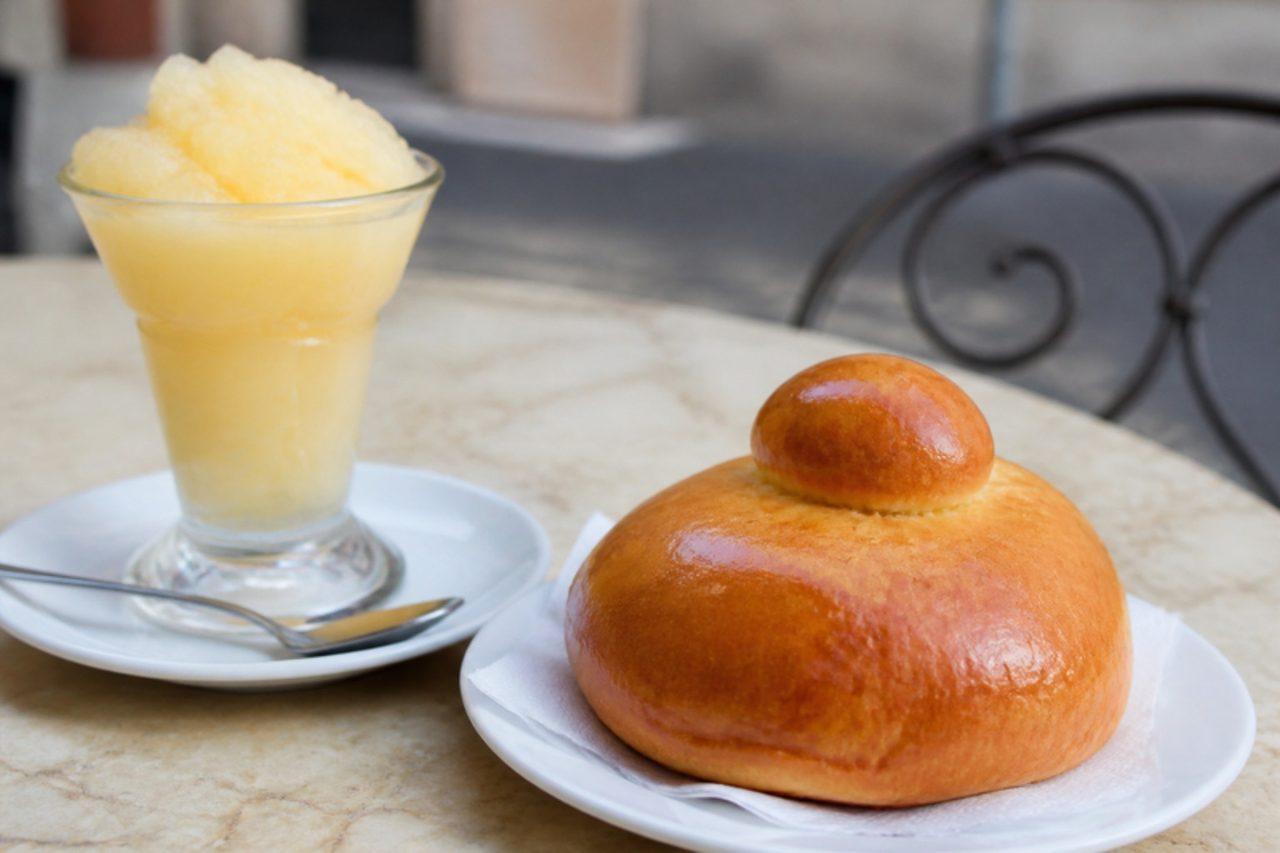
Brioche col tuppoTopknot brioche

On summer mornings in Catania, breakfast is a glass of granita, almond, coffee, lemon or black mulberry, with a warm brioscia col tuppo beside it. The brioche is a soft, sweet, orange-scented bun with a little ball of dough on top, the tuppo, named after the bun women once wore their hair in. You tear off the tuppo first, dip it in the granita, then work through the rest. Bakeries in eastern Sicily sometimes enrich the dough with lard; this version uses butter. Chef's tip: give the dough a long, slow rise; it is what makes the crumb so light and stringy. Serve it with granita al limone.

by KrazyBadal 0 views

Cassata sicilianaRicotta sponge cake

Cassata is the baroque centrepiece of a Palermo Easter: a dome of sponge lined with pale green marzipan, filled with sweetened sheep's ricotta and chocolate, glazed white and crowned with jewel-like candied fruit. Pastry shops around the city fill their windows with it in Holy Week, and families slice it after Easter lunch. It is rich, cool and creamy under the shell of almond paste, and nothing like the layered Indian-style cassata ice cream. The sponge is often brushed with a liqueur syrup; this version uses orange juice instead. It must chill for at least 4 hours, so make it the day before. Chef's tip: drain the ricotta overnight; that is the secret to a filling that holds its shape when cut.

by KrazyBadal 0 views

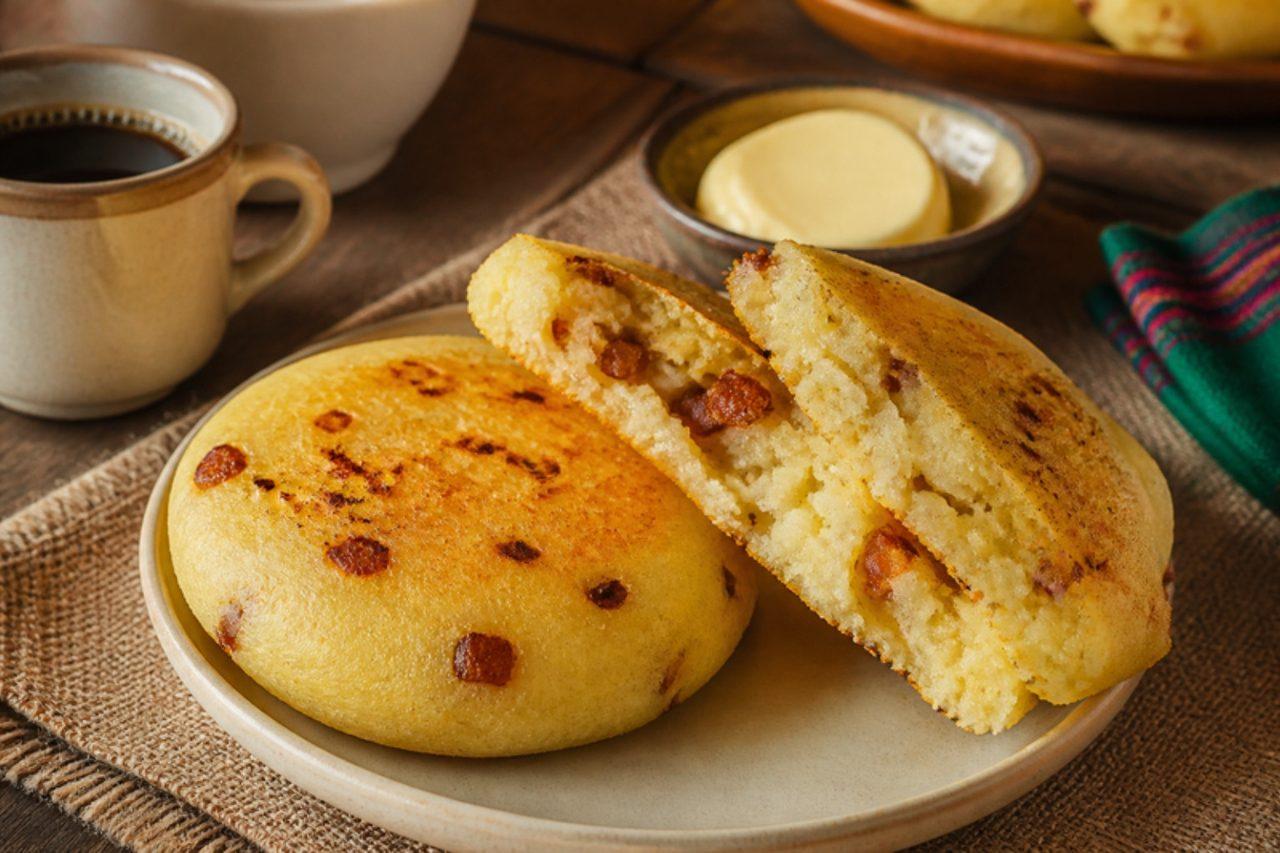
Arepa santandereanaCorn cassava arepa with pork crackling

Bakeries and breakfast counters in Bucaramanga and Socorro sell a different kind of arepa from the soft white rounds of Bogotá: yellow, made with corn and cassava and studded with bits of crunchy pork chicharrón, cooked slowly on a griddle until a thick, chewy crust forms. The traditional dough is ground from cooked dry corn, but precooked yellow maize flour with mashed cassava gets you close at home. It is savoury and a little smoky, and goes with eggs and hot chocolate at breakfast or with carne oreada at lunch. Dough that's too dry is the common fault: it cracks around the edges as it cooks, so knead in water until it feels like soft play dough. Chef's tip: cook the arepas slowly over a medium-low heat; the cassava needs time to turn chewy inside while the outside builds a golden crust.

by KrazyBadal 0 views

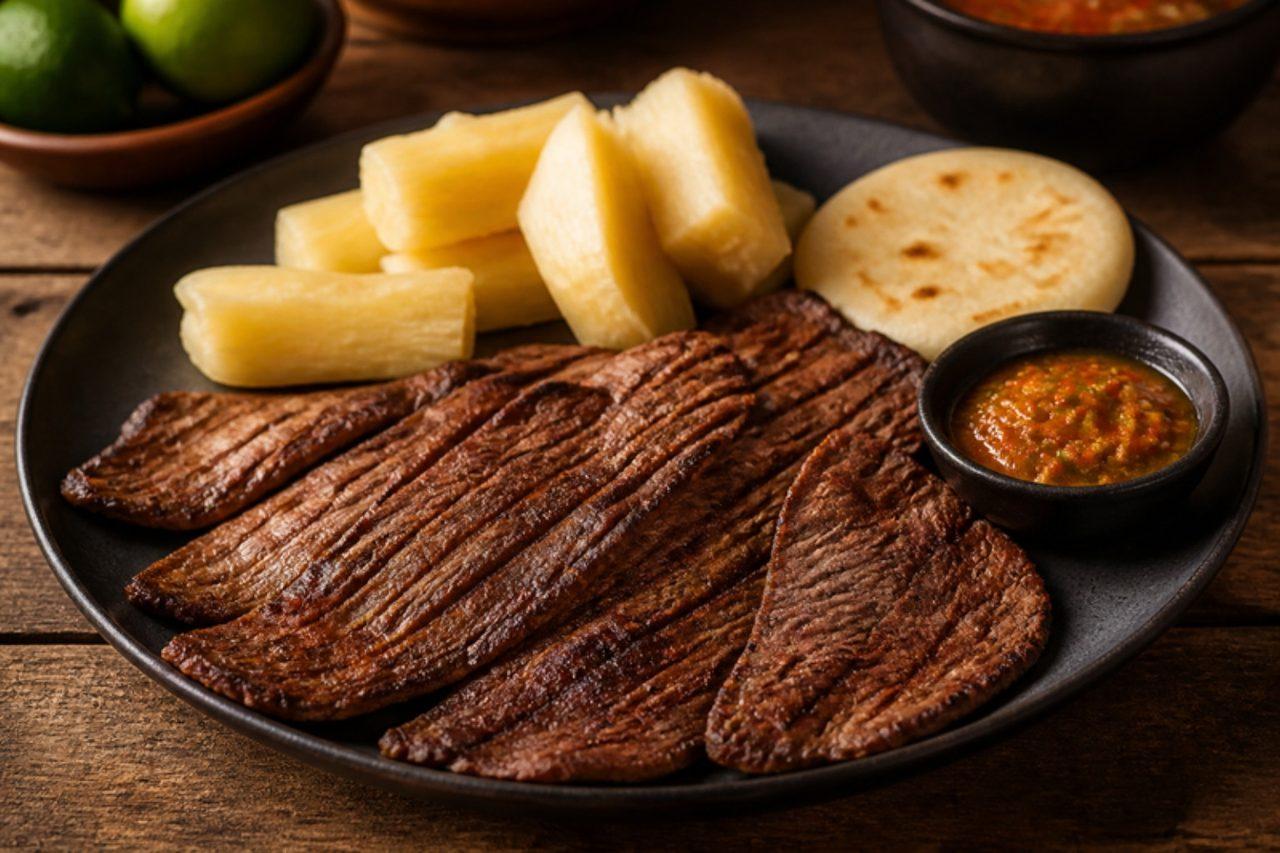
Carne oreadaAir-dried marinated beef

Before refrigerators, Santander cooks preserved beef by marinating thin sheets of it with panela, salt, garlic and cumin and hanging it in the sun and breeze until the surface dried. Carne oreada is still sold in the markets of Bucaramanga and San Gil, and grilled at home or in asaderos with arepa santandereana, cassava and guacamole. The meat comes out chewy-tender with a sweet, salty, caramelised edge and a concentrated, almost cured beef flavour. Sun-drying isn't safe in most home settings, so this version dries the meat on a rack uncovered in the fridge for 1–2 days, which gives the same firm, dark surface. Grilling it too long is the frequent fault, as the thin meat goes leathery; it needs only a few minutes a side over high heat. Chef's tip: some cooks splash a little beer into the marinade, but orange juice gives a similar tang without alcohol.

by KrazyBadal 0 views

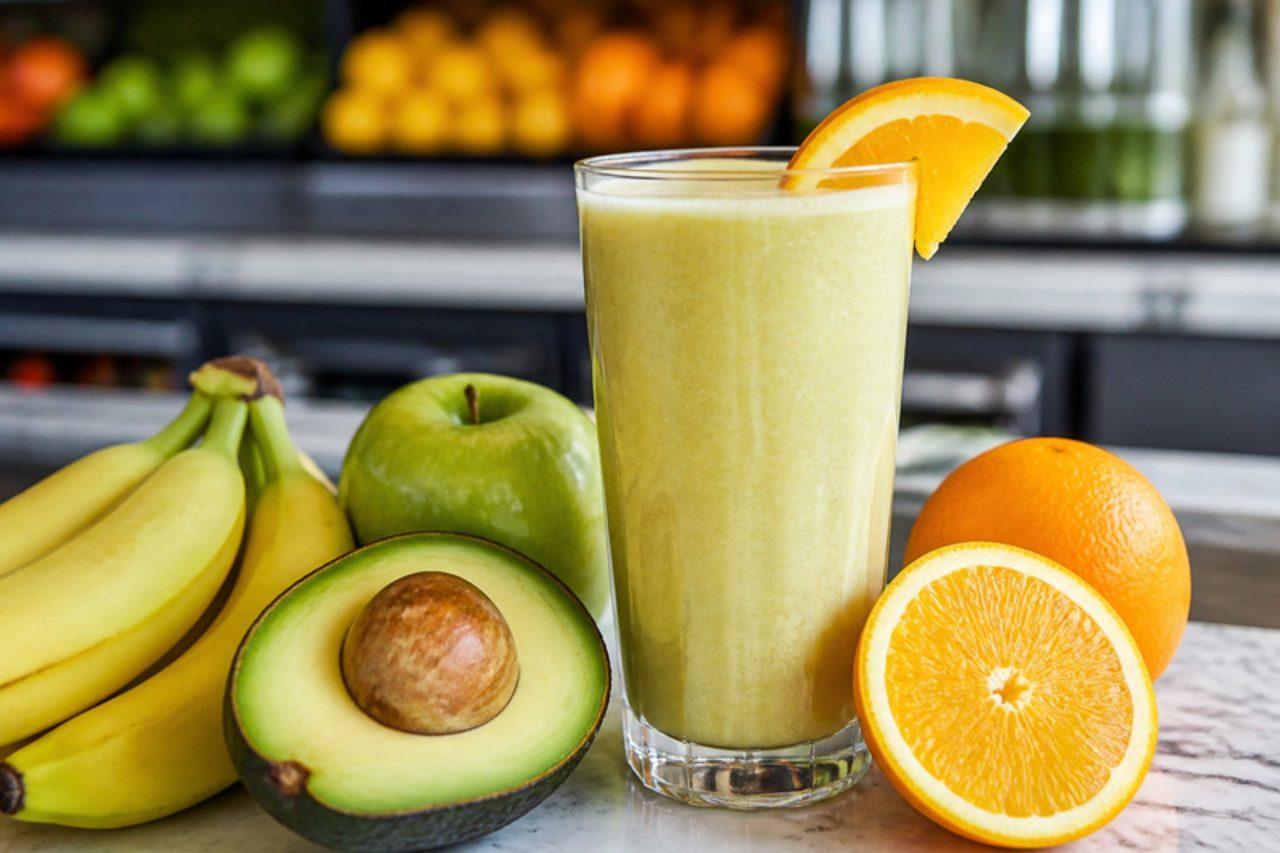
Panaché (Moroccan mixed fruit milkshake)

Juice bars from Tangier to Agadir list a 'panaché' on the board, which in Morocco means a thick milkshake blended from whatever mix of fruit is in season, most often banana, apple, avocado and orange, served in a tall glass and sometimes topped with chopped dried fruit and nuts. Avocado is used as a sweet fruit here, and it makes the drink extra creamy. It is a favourite after school, as a quick breakfast or after an afternoon in the medina. Make it just before drinking: the orange juice can make the milk turn slightly grainy and the avocado darkens if it stands, which is the usual mistake. Chef's tip: use a ripe, soft avocado and a banana with brown freckles for natural sweetness, so you need very little sugar.

by KrazyBadal 0 views

Frito pastusoFried pork with potatoes and mote

In Pasto and the high Nariño towns close to Ecuador, frito pastuso is a weekend plate found at market counters and family lunches: chunks of pork leg simmered with garlic and cumin until the water evaporates, then fried in their own fat until browned and crisp at the edges, served with small boiled yellow potatoes, mote (white hominy), toasted corn and a smooth ají de maní, the region's peanut and chilli sauce. The pork is salty and crusty, the potatoes soft, and the peanut sauce brings a gentle heat. Contains peanuts. The mistake people make is cutting the pork too small, so it dries out before it browns; keep the chunks generous, about 4 cm. Chef's tip: marinate the pork overnight in the fridge; the garlic and cumin get right into the meat and the fried edges caramelise better.

by KrazyBadal 0 views

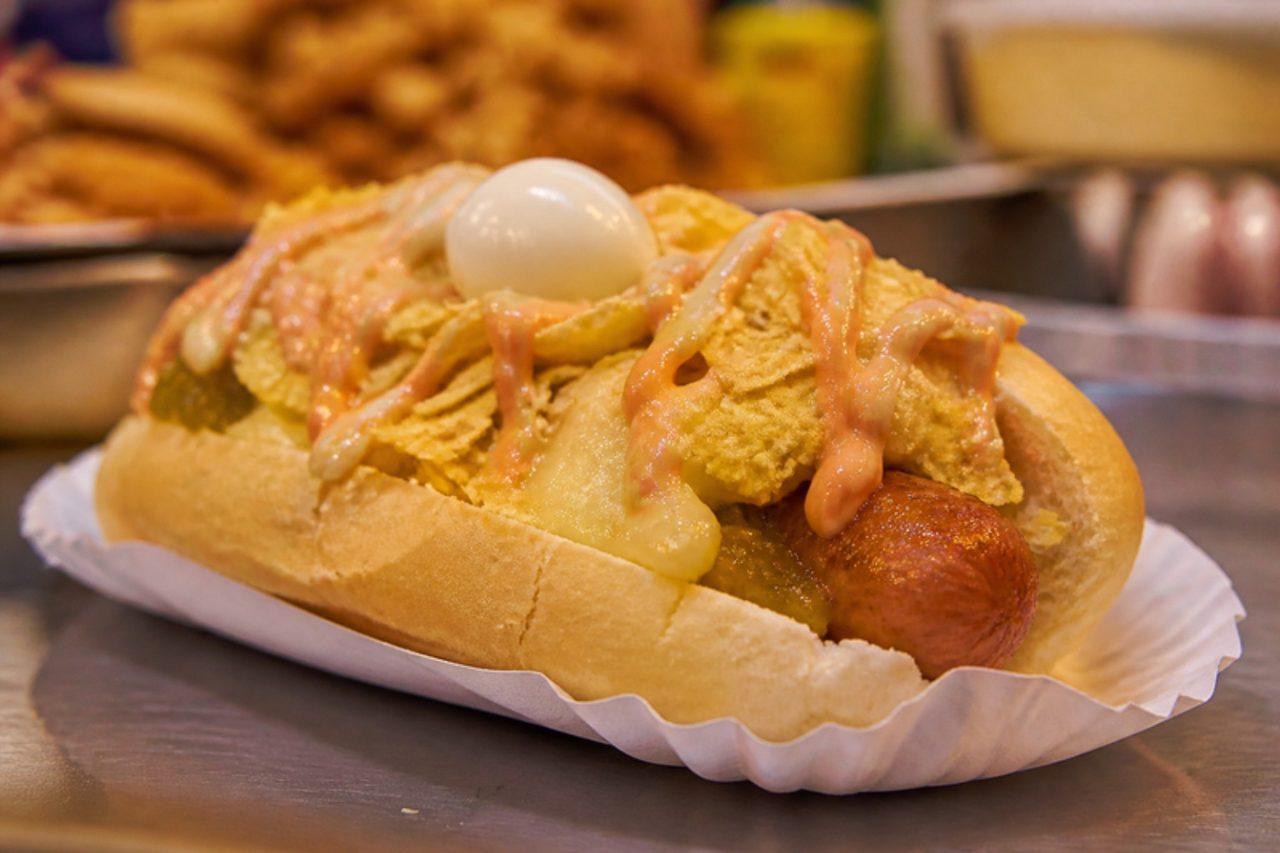
Perro calienteLoaded hot dog with pineapple sauce

Bogotá's hot-dog stands near the universities and in the Zona Rosa take the frankfurter and keep going: melted cheese, a sticky pineapple sauce, salsa rosada, mustard, a mound of crushed potato crisps and, on top, a couple of boiled quail eggs on a toothpick. It's sweet, salty, creamy and crunchy in every bite, and it is very much a hold-it-over-the-napkin snack. Kids are usually the first in line. Adding the crisps too early is the classic mistake; they go soft under the sauces, so they are the very last thing on. Chef's tip: make the quick pineapple sauce while the eggs boil; fresh pineapple cooked down with a little sugar tastes much brighter than bottled.

by KrazyBadal 0 views

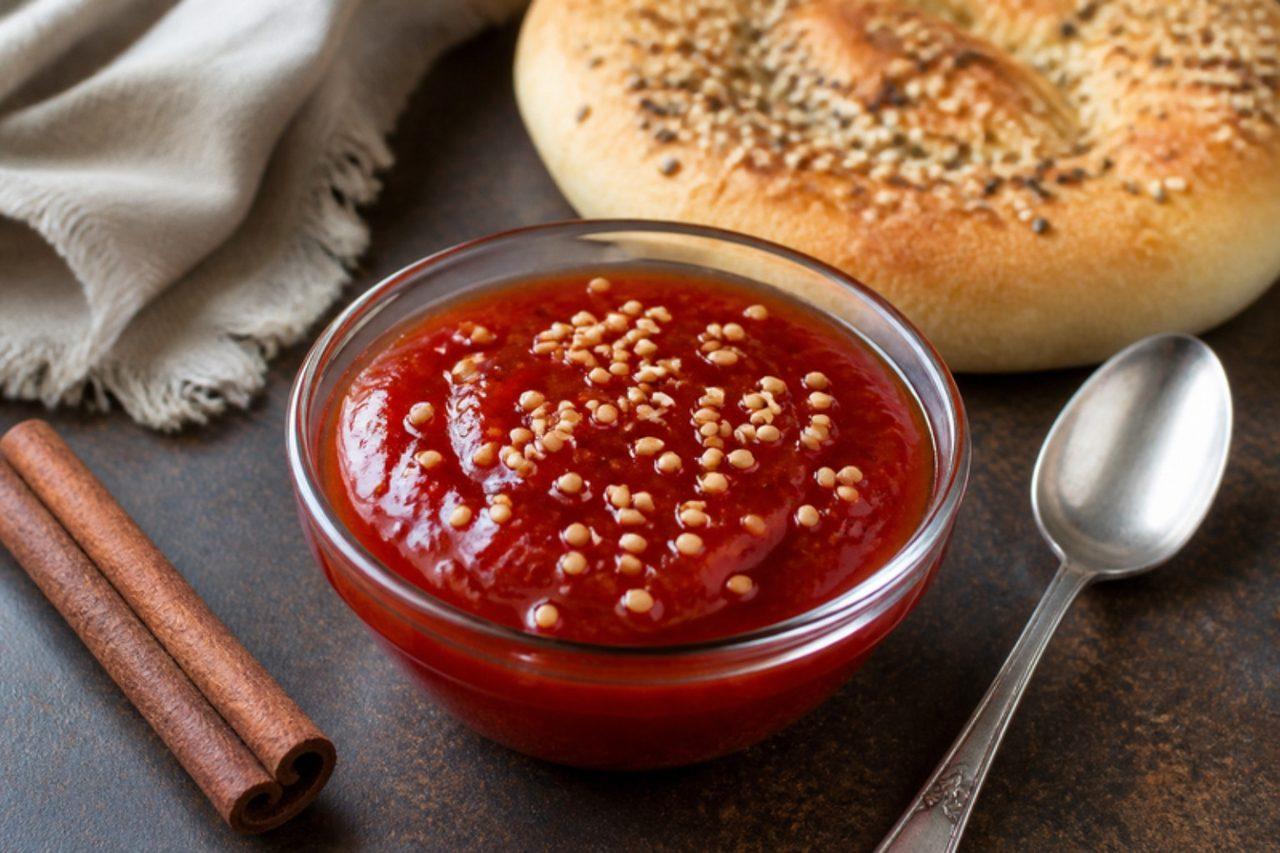
Matesha mesla (sweet tomato jam)

Fassi cooks reduce ripe tomatoes with honey and cinnamon until they turn into a glossy, brick-red jam that is sweet, faintly tart and perfumed with orange-flower water. It is set out among the small salads at weddings and family feasts, spooned beside a lamb or vegetable tagine, or simply scooped up with warm khobz at teatime. The texture should be thick enough to hold a ridge when you drag a spoon through it, with a scattering of toasted sesame and fried almonds on top. Kept in a clean jar in the fridge it lasts a week and only gets better. Chef's tip: grate the tomatoes on the coarse side of a box grater and throw away the skins; you get a smooth jam without the bother of blanching and peeling.

by KrazyBadal 0 views

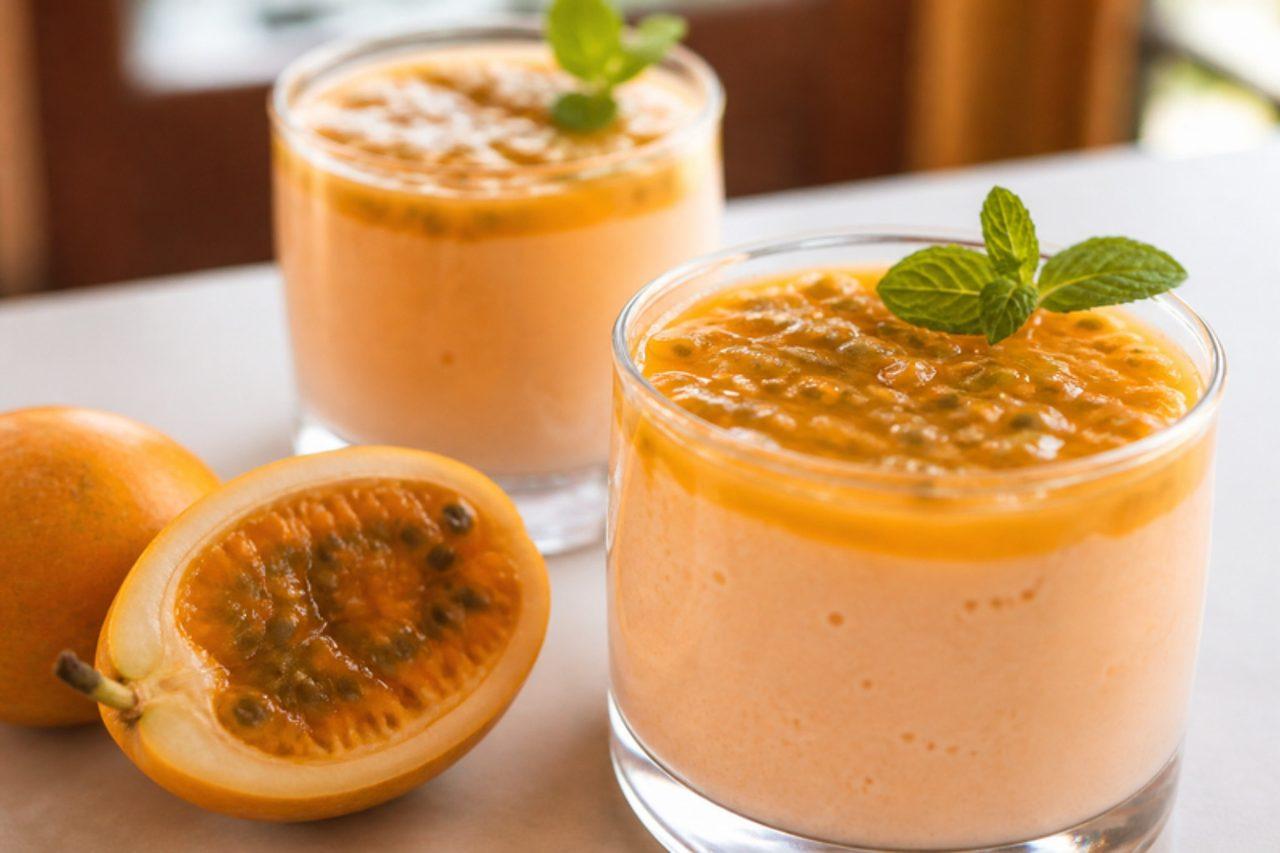
Esponjado de curubaBanana passionfruit mousse

Grandmothers' kitchens and old cafés of Bogotá and Boyacá have kept the esponjado alive: a pale, airy, sweet-sour mousse made with curuba, the long, soft-skinned banana passionfruit of the cold Andes, set with gelatin and sweetened with condensed milk. It is served chilled in glasses after Sunday lunch, light and tangy, perfumed like passionfruit but softer. Because it contains gelatin, it is not vegetarian; for a vegetarian version, set it with 2 tsp agar powder boiled for 2 minutes in the curuba juice. Older recipes fold in raw whipped egg whites; this one uses whipped cream instead, so there is no raw egg. The common problem is folding cream into gelatin that's too warm or too set: it should be cool and just thickening, like unbeaten egg white. Chef's tip: frozen curuba pulp is sold in Latin shops; if you can't find it, use passionfruit pulp with a squeeze of lime. Allow at least 4 hours for it to set.

by KrazyBadal 0 views

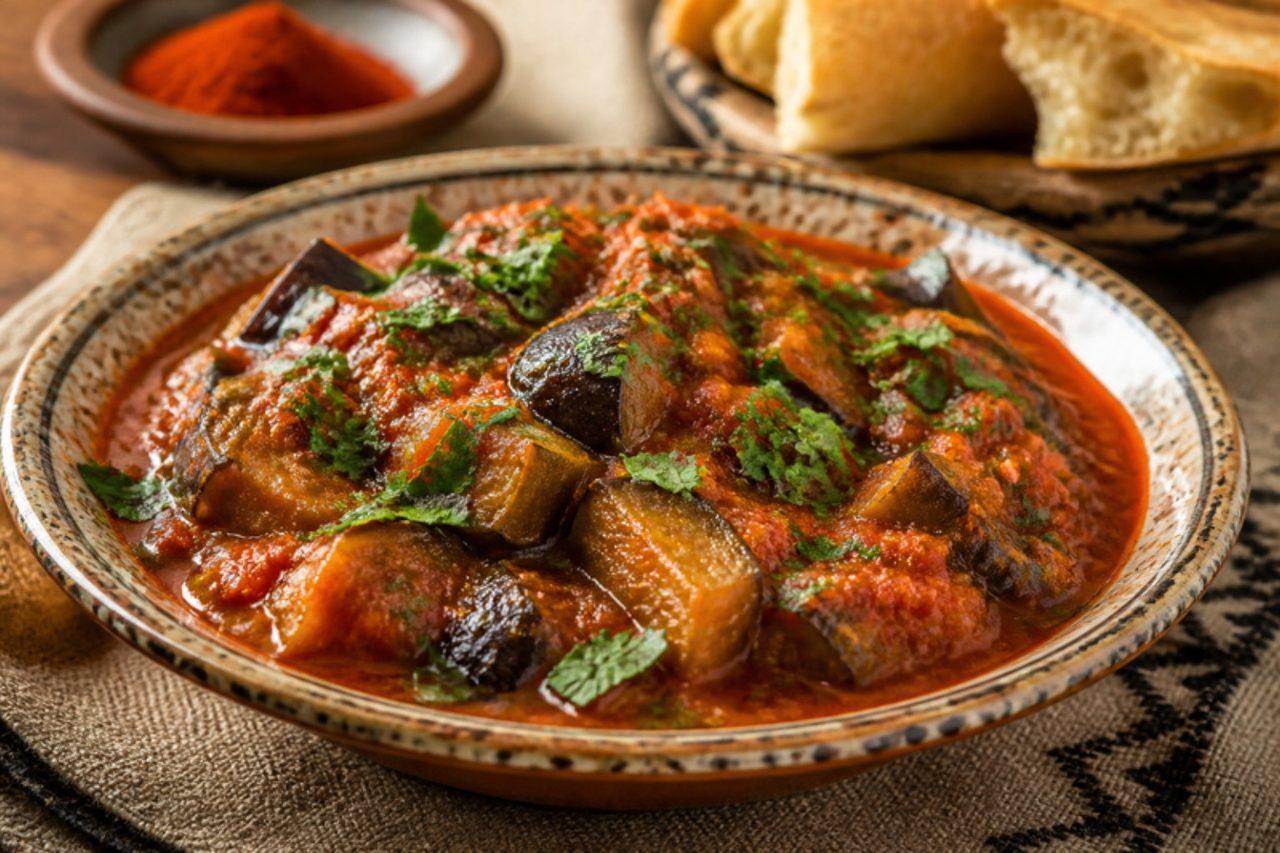
Mderbel (tangy aubergine relish)

Where zaalouk is a smoky mash, mderbel keeps its aubergine in soft, silky slices that have been fried first and then stewed down with garlic, sweet paprika, cumin and a sharp splash of vinegar. Old Fez families make it as one of the cooked salads that open a festive meal, and it keeps beautifully for a few days, so it is often made the day before. The flavour is rich from the oil, tangy, a little sweet and deeply garlicky; serve it at room temperature with bread, alongside other salads or next to grilled vegetables. The usual mistake is frying the aubergine in oil that isn't hot enough, so the slices drink it up and turn greasy. Chef's tip: salt the slices and leave them for 20 minutes, then pat them very dry; they drink far less oil and fry to a deep gold.

by KrazyBadal 0 views

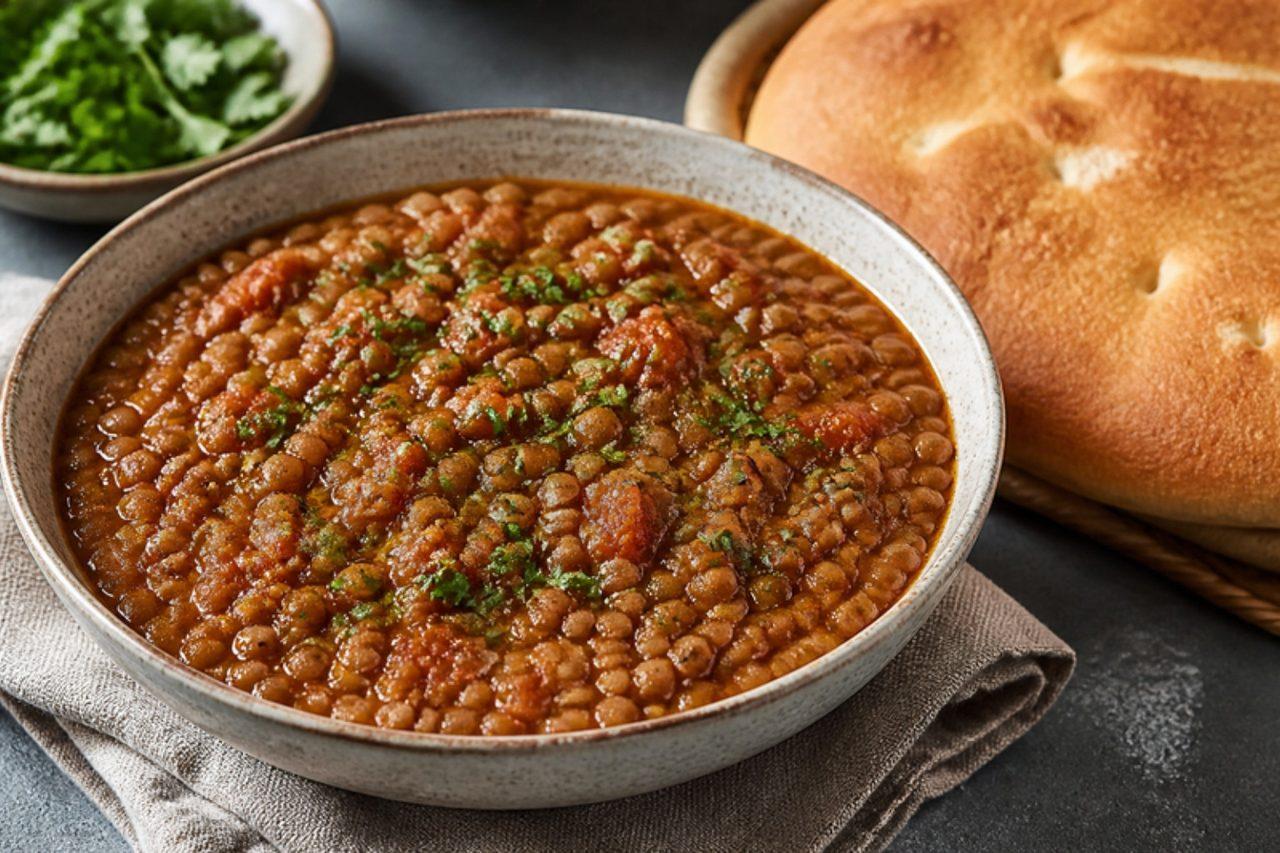
Moroccan lentils (aadess)
Cheap, filling and ready in under an hour, aadess turns up on home tables from Fez to Casablanca and in the clay bowls of small medina eateries that sell beans and lentils with bread to workers at lunchtime. The lentils stay whole but tender, sitting in a thick, brick-coloured sauce of grated tomato, garlic, cumin and paprika, finished with a generous slick of olive oil and fresh herbs. Scoop it up with crusty khobz; a dab of harissa or a few olives on the side is all it needs. Chef's tip: pick through the lentils on a plate before you rinse them, since small stones turn up even in good bags.

by KrazyBadal 0 views

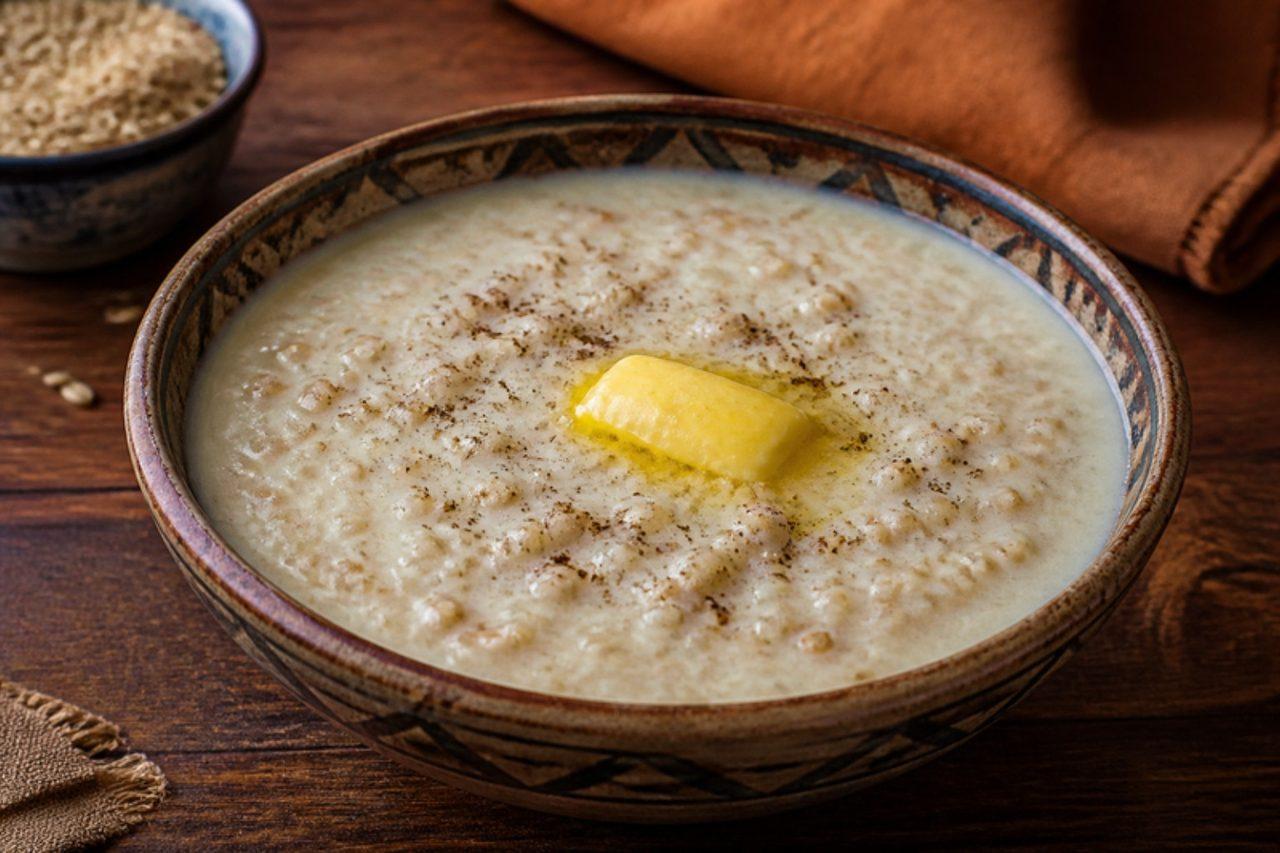
Hssoua belboula (barley soup with milk)

Few things are as soothing on a cold morning in Fez or Marrakech as a bowl of hssoua belboula, the pale, porridge-like soup of cracked barley cooked in water and then milk. Many families eat it for breakfast in winter or as a light supper, and it often appears on the Ramadan table too. It is mild and gently savoury, with a whisper of cumin and a knob of butter melting on top, and the barley grains stay soft but slightly chewy. Serve it piping hot with a little extra cumin to sprinkle, plus dates or bread on the side. A common slip is adding the milk too early and boiling hard, which catches on the bottom and scorches the soup. Chef's tip: rinse the barley grits in a sieve until the water runs almost clear; it washes away loose flour so the soup is creamy rather than gluey.

by KrazyBadal 0 views

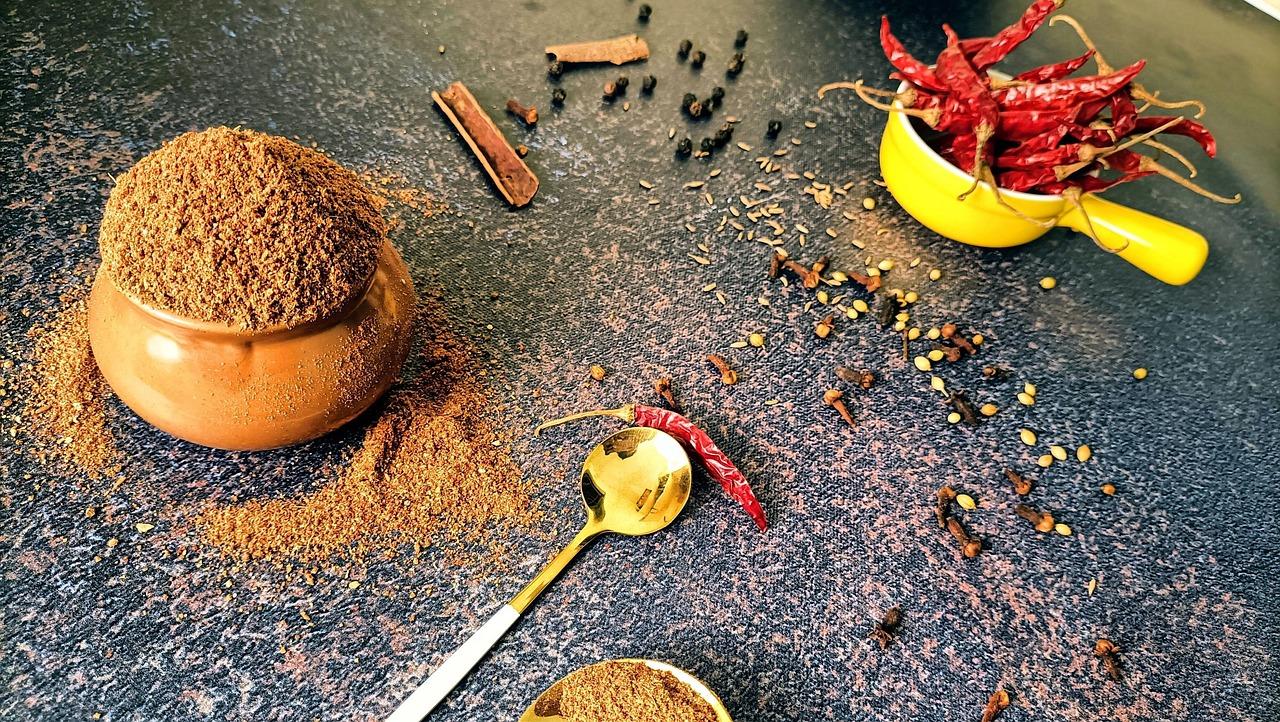
Ras el hanout

Ras el hanout means 'head of the shop', and every spice seller in the Marrakech souk will tell you theirs is the best: a warm, complex mix of a dozen or more spices that they grind to their own formula. This home version balances earthy cumin and coriander with sweet cinnamon, ginger and turmeric, the perfume of cardamom and dried rosebuds, and the heat of black pepper. Rub it on vegetables before roasting, stir a teaspoon into tagines, lentils or couscous broth, or season chickpeas and roast pumpkin with it. Toasting the whole spices first takes 5 minutes and makes a real difference. Chef's tip: make small batches and store the blend in a sealed jar away from light; it is at its best for about 3 months.

by KrazyBadal 0 views

Showing 81 of 7,762 recipes

Show more recipes

Page 380 of 863