


Skip to content
Haitian bouyon
Featured recipe

Haitian bouyon

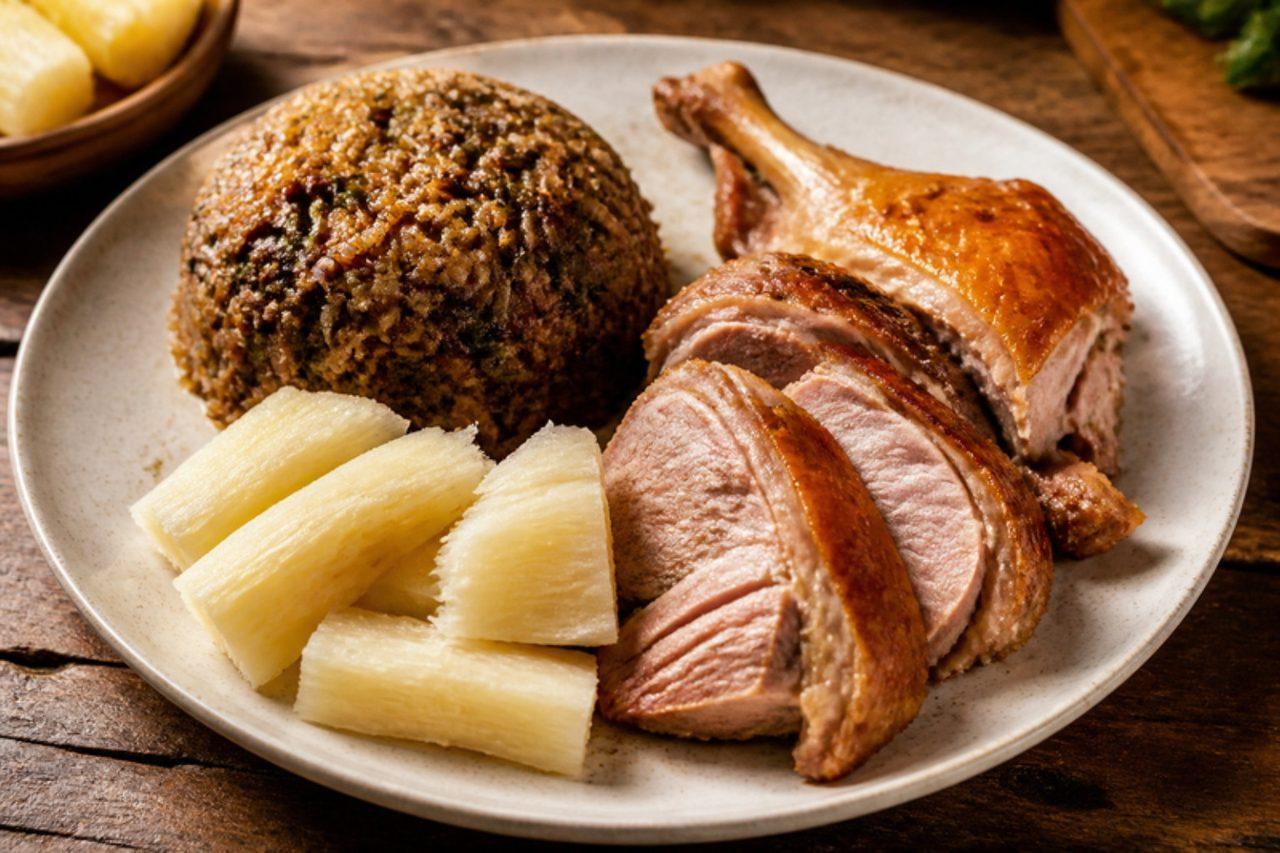
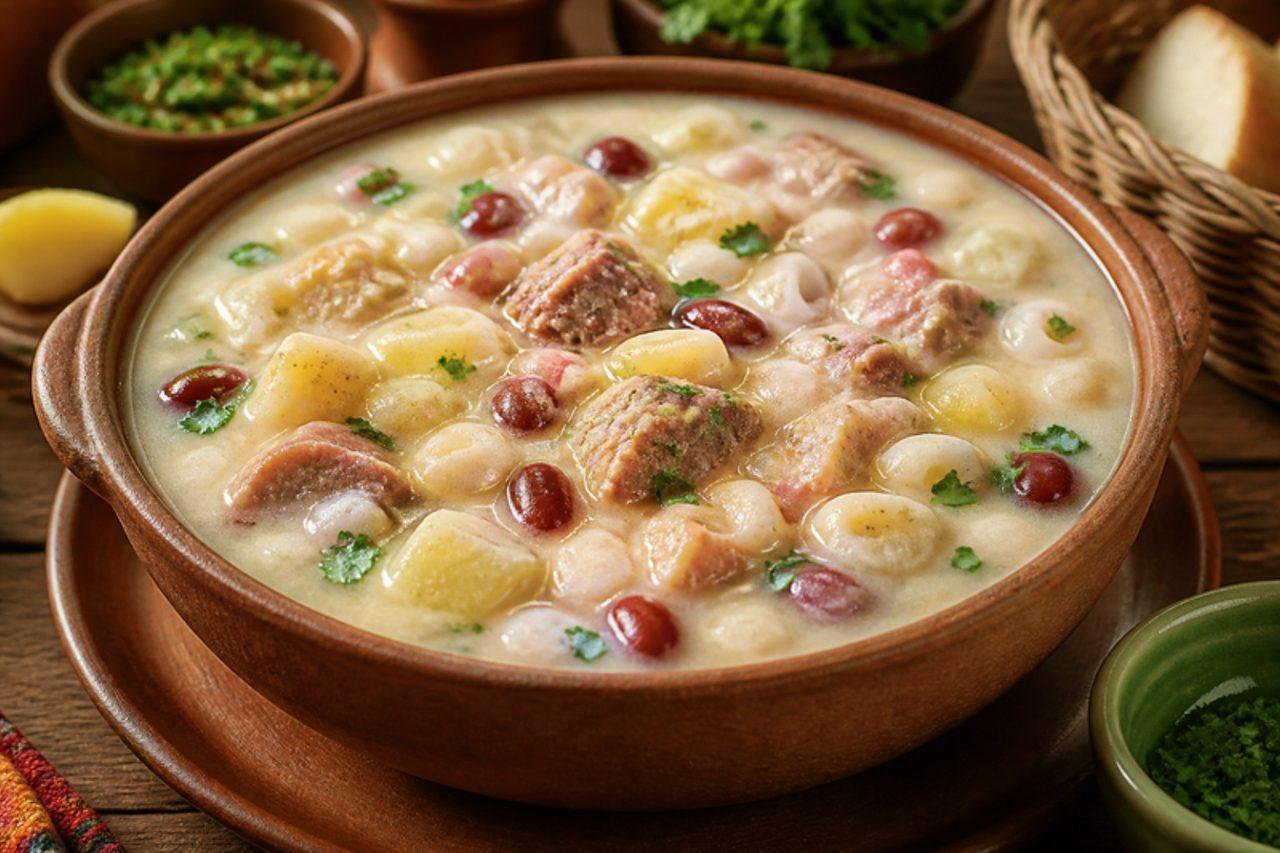
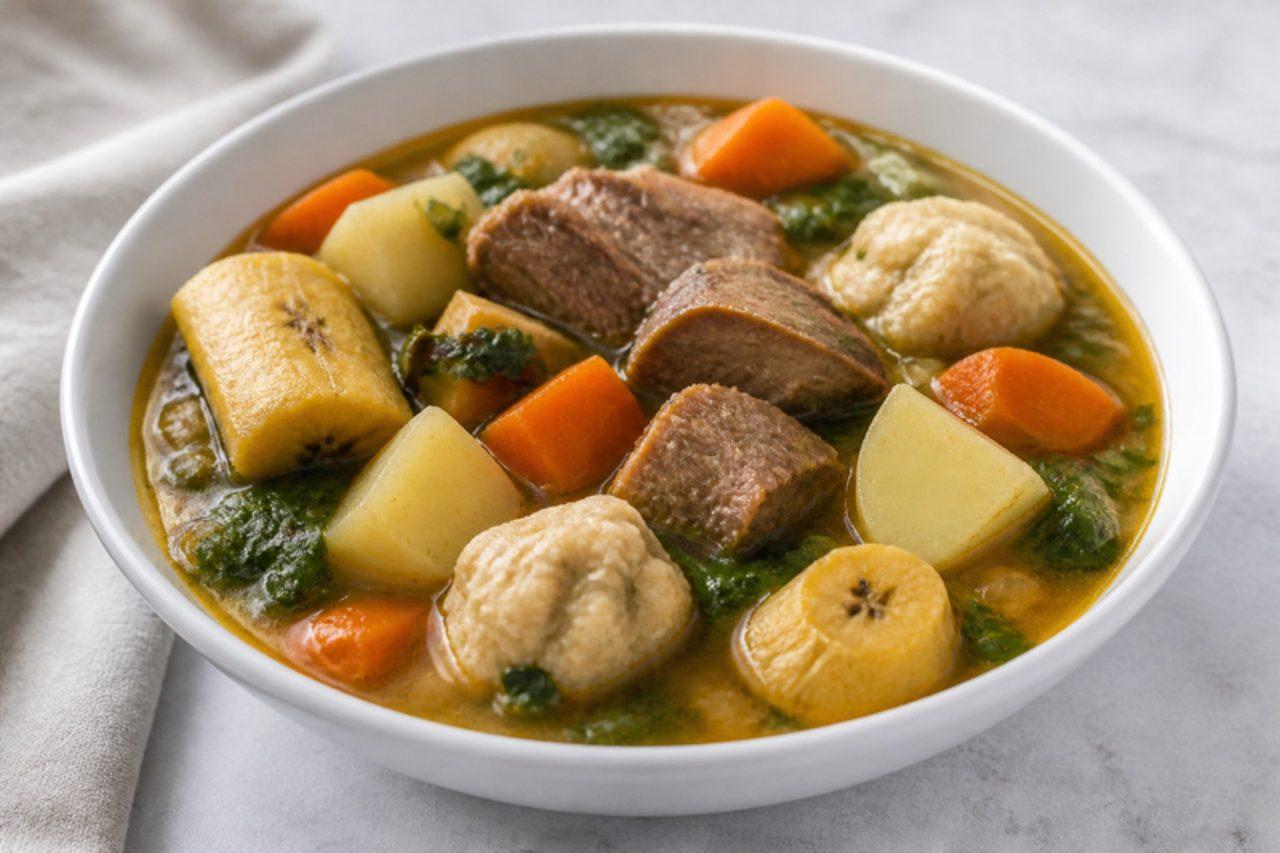
Saturday in Haiti means bouyon: a big, thick soup of beef, root vegetables, greens and little flour dumplings, simmered all morning and ladled up at midday as a meal in a bowl. Every family has its own mix of yam, malanga, potato, carrot, plantain and watercress or spinach, with a whole hot pepper for perfume. The common mistake is adding the roots all at once at the start, so the softer ones disintegrate; the dense ones go first. It feeds a crowd and tastes better reheated. Chef's tip: squeeze a little lime into the soup bowl just before eating, as many Haitians do, to brighten the rich broth.

Read more 0 views

What to eat today?

Around the world

Today's trip: Paraguayan

A new country every day, from every cuisine on the site.

This week's collection

Kid-friendly dinners
537 recipes · a new collection every Monday

Latest recipes

Maduro con queso

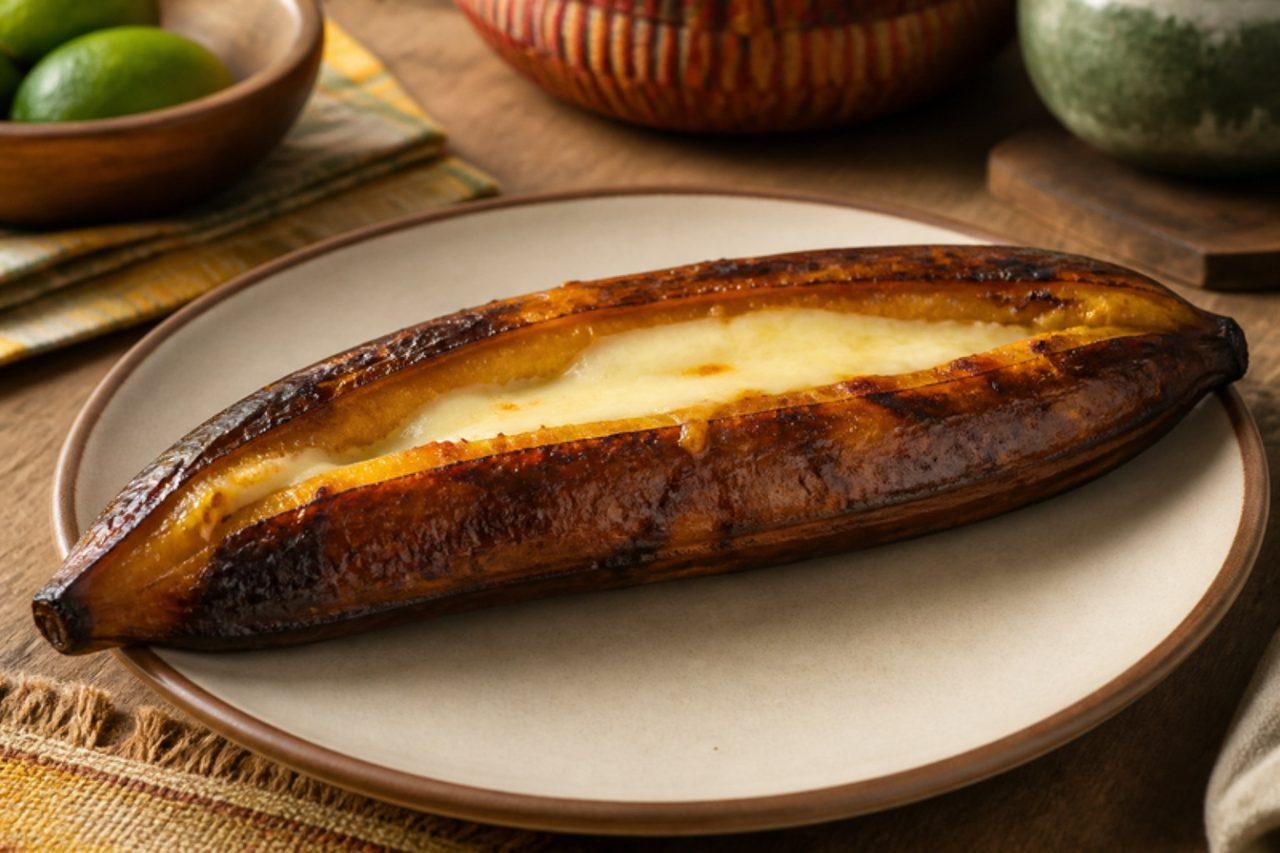
Cali cooks treat a black-skinned plantain as a treat rather than a fruit past its best, and maduro con queso shows why. The plantain bakes in its own skin until the flesh turns sticky and caramel-sweet, then it is split lengthways and packed with soft white cheese that melts into the hot fruit. In the Valle del Cauca it turns up at home lunches beside rice, beans and a sudado, and at weekend corrientazo counters as the sweet note on a savoury plate. The cheese of choice is a mild, stretchy quesillo or queso campesino, both normally set with animal rennet, so pick a vegetarian mozzarella-style cheese if that matters to you. Where it goes wrong is the plantain: a yellow one with a few spots stays starchy and dry, so wait until the skin is almost completely black and the fruit gives when pressed. Chef's tip: bake the plantains on a tray lined with baking paper, because the sugars leak out of the skins and burn onto bare metal.

by KrazyBadal 0 views

Salpicón de frutas

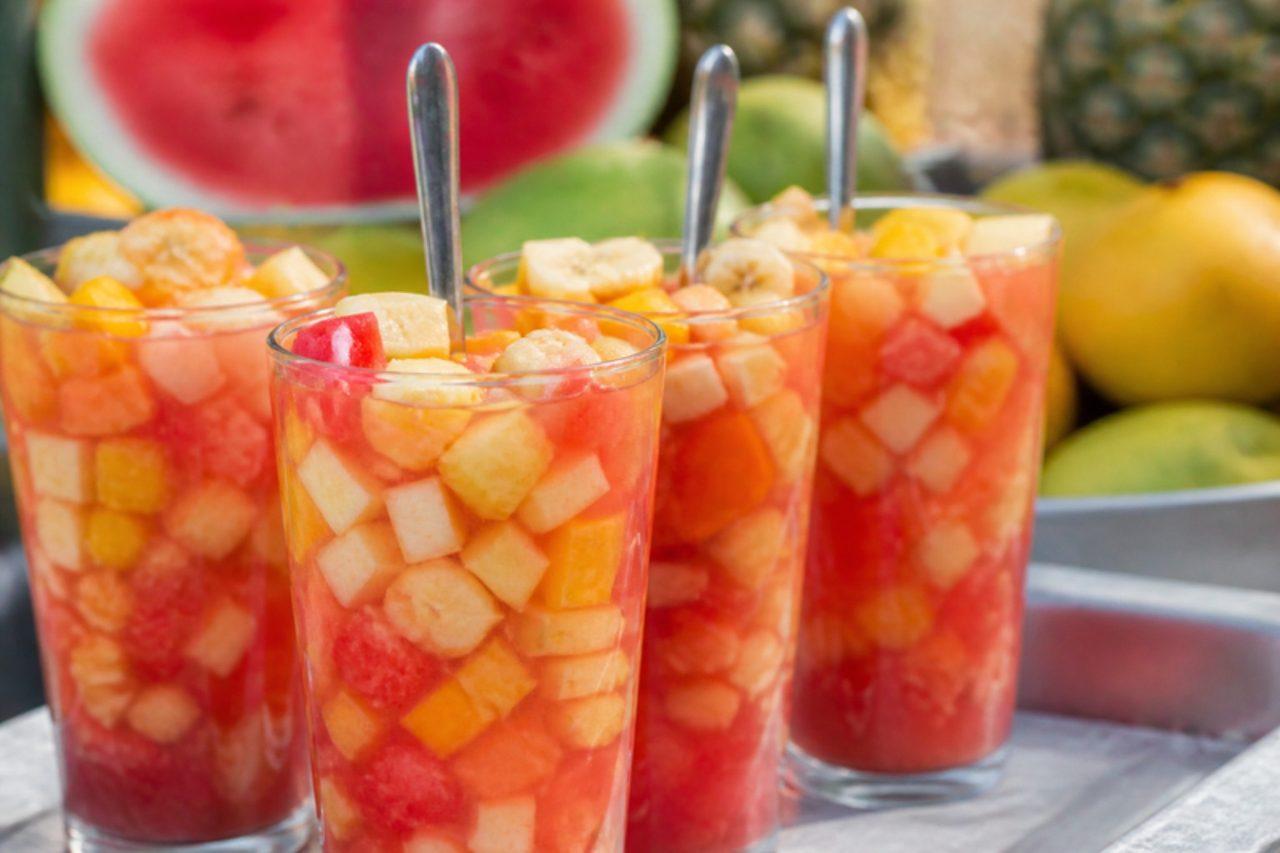
Salpicón is what Caleños grab at fruit stands and in the parks of San Antonio when the afternoon heat sets in: a tall cup of tiny, jewel-like cubes of papaya, pineapple, mango, banana and apple, swimming in freshly blended watermelon juice, eaten with a spoon and drunk to the last drop. Some stalls top it up with a fizzy orange or lemon soda; this version keeps it to fresh juice. It is sweet, cool and very refreshing. The mistake people make is cutting the fruit too big; the joy is in tiny cubes you can drink through the juice. Chef's tip: blend and strain the watermelon just before serving and keep everything ice cold; watermelon juice loses its fresh taste within an hour.

by KrazyBadal 0 views

Cholado

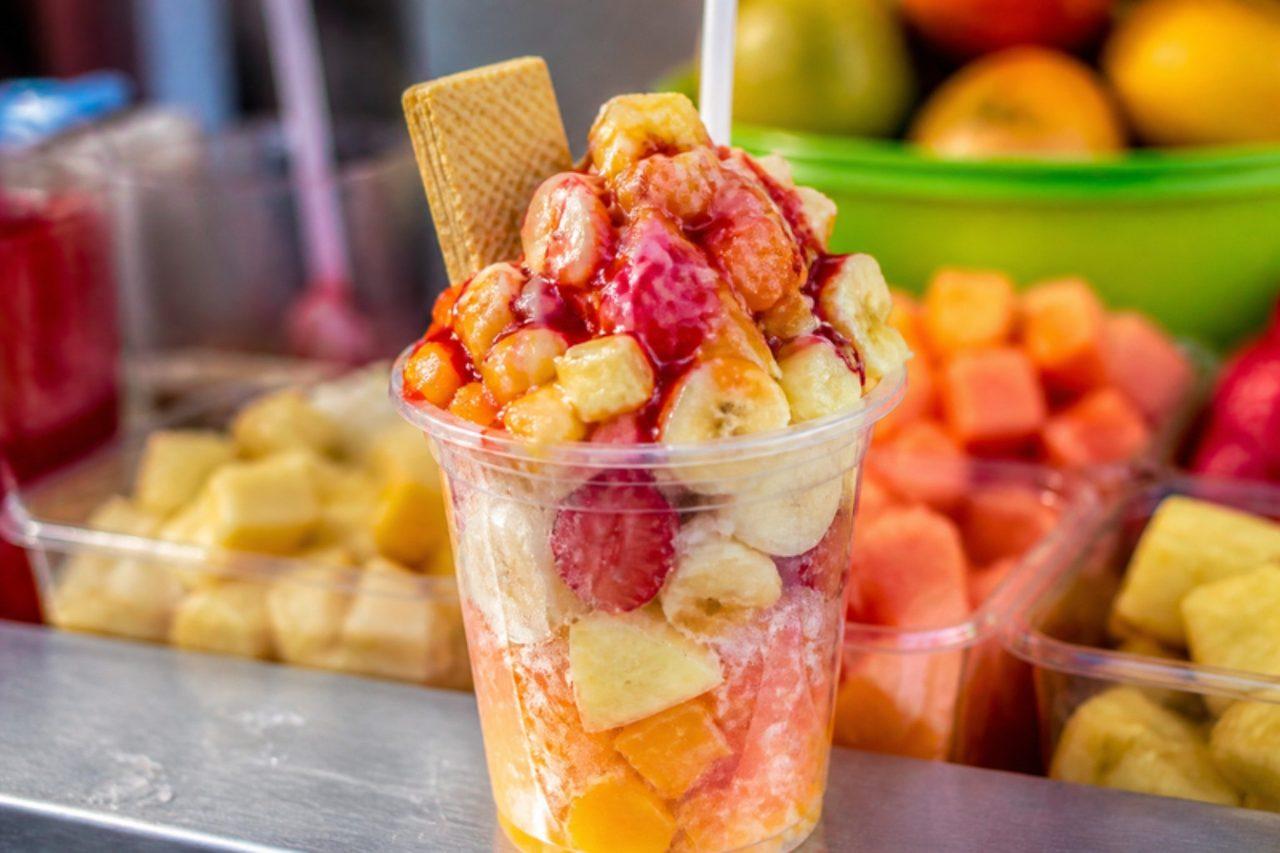
On a hot afternoon in Jamundí, just south of Cali, the stalls along the road to the river build cholados in tall plastic cups: a base of shaved ice drenched in bright fruit syrups, layers of chopped mango, papaya, pineapple, banana and strawberries, then a ribbon of condensed milk and a shower of coconut. It is half drink, half dessert, eaten with a long spoon as the ice melts into fruity, creamy slush. Children love it, and it is quick to build at home. The commonest mistake is shaving the ice too early; it melts into water before you finish assembling, so crush it at the last moment. Chef's tip: chill the fruit and glasses well beforehand and squeeze a little lime over the fruit so it stays bright.

by KrazyBadal 0 views

Garullas

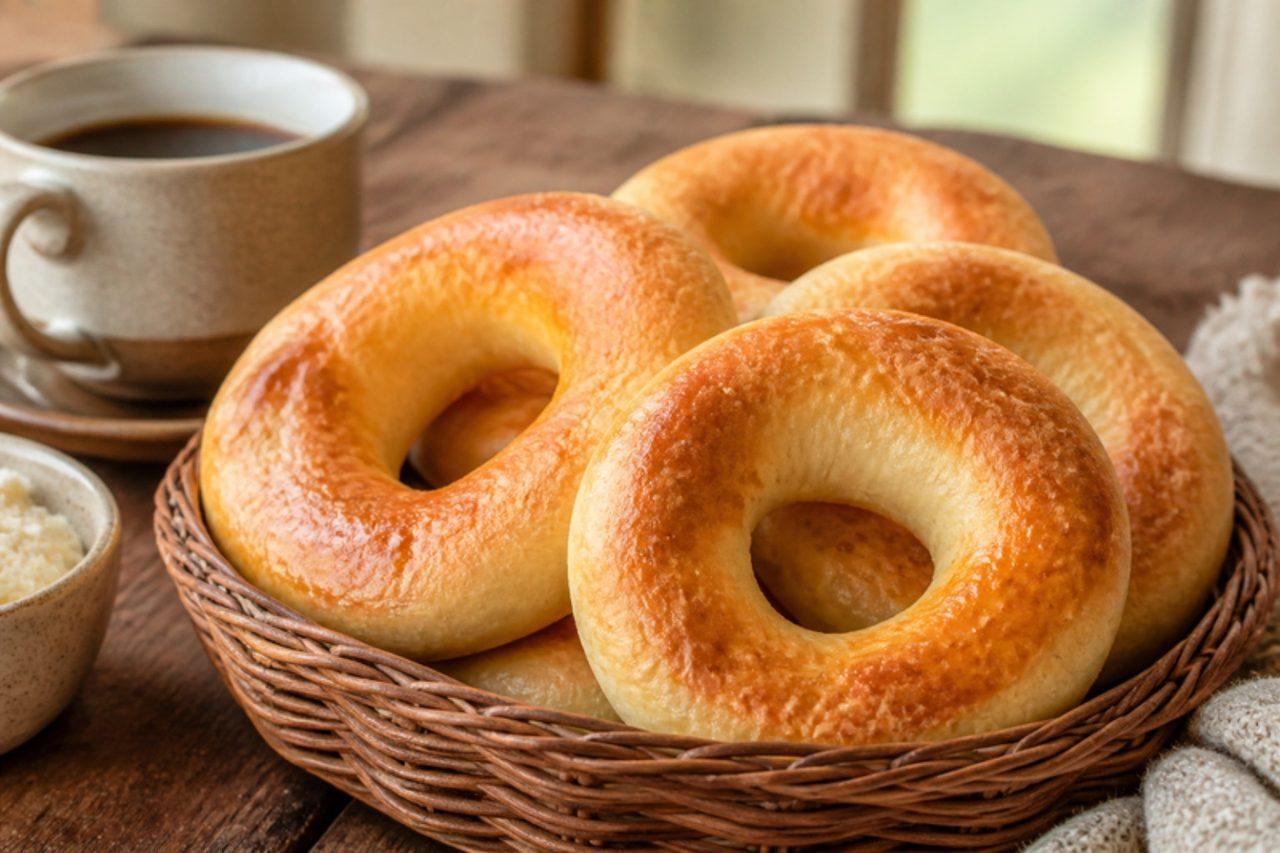
Sugamuxi province, around Sogamoso and Tibasosa in Boyacá, is garulla country: bakeries and home ovens turn out these rings and rolls of rich, buttery dough kneaded with fresh curd cheese. They are slightly sweet, dense and crumbly, with a golden top, and they keep well for a few days, which is why they travel in bags back to Bogotá after weekend trips. Have them with a hot black coffee or hot chocolate at onces time. Cuajada is curd set with rennet, usually animal; a vegetarian ricotta or curd works. Overworking the dough is the usual error and gives tough, chewy garullas; knead only until it comes together. Chef's tip: squeeze the cuajada in a cloth to remove as much whey as you can before you start; wet curd makes the dough sticky and the rings spread flat.

by KrazyBadal 0 views

Pasticciotto

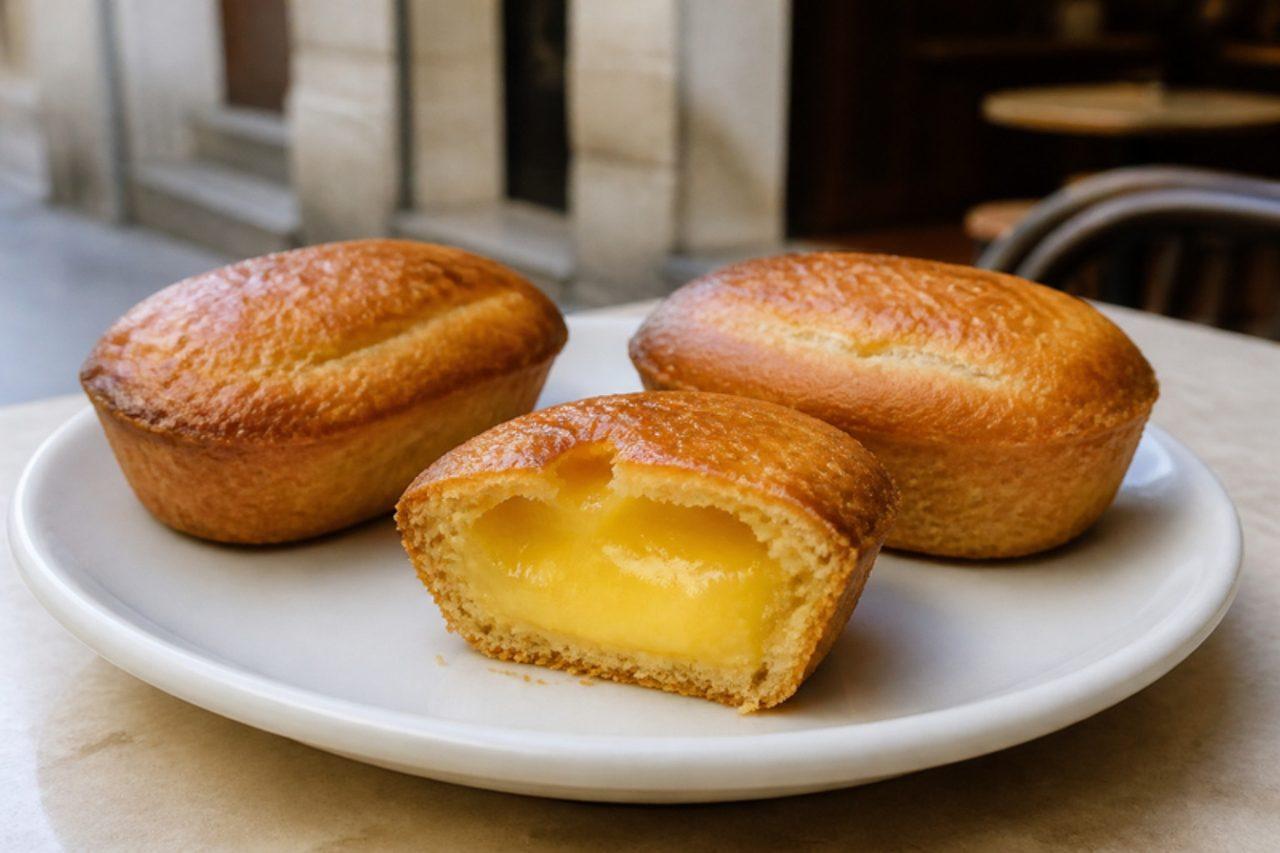
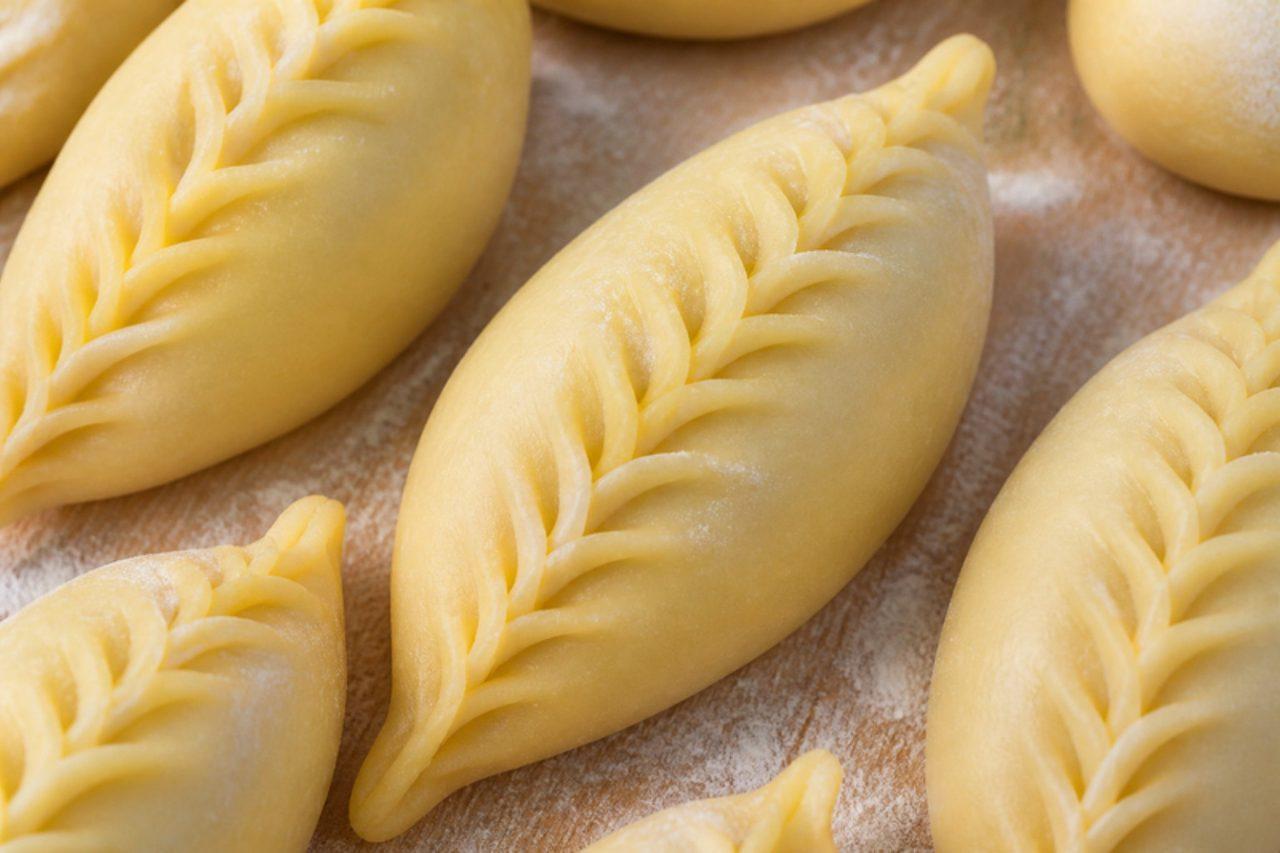
In Lecce the day starts at the bar with a pasticciotto still warm from the oven: a little oval of crumbly, golden shortcrust split open to reveal thick lemon-scented custard. It is said to come from a pastry shop in nearby Galatina in the 1700s, and the whole Salento eats it at breakfast, after Sunday Mass and with a caffè in ghiaccio in summer. The traditional pastry is made with lard; this version uses butter, which keeps it short and crisp. Chef's tip: make the custard first and chill it well; cold, thick custard stays put inside the pastry while it bakes.

by KrazyBadal 0 views

Spaghetti all'assassina

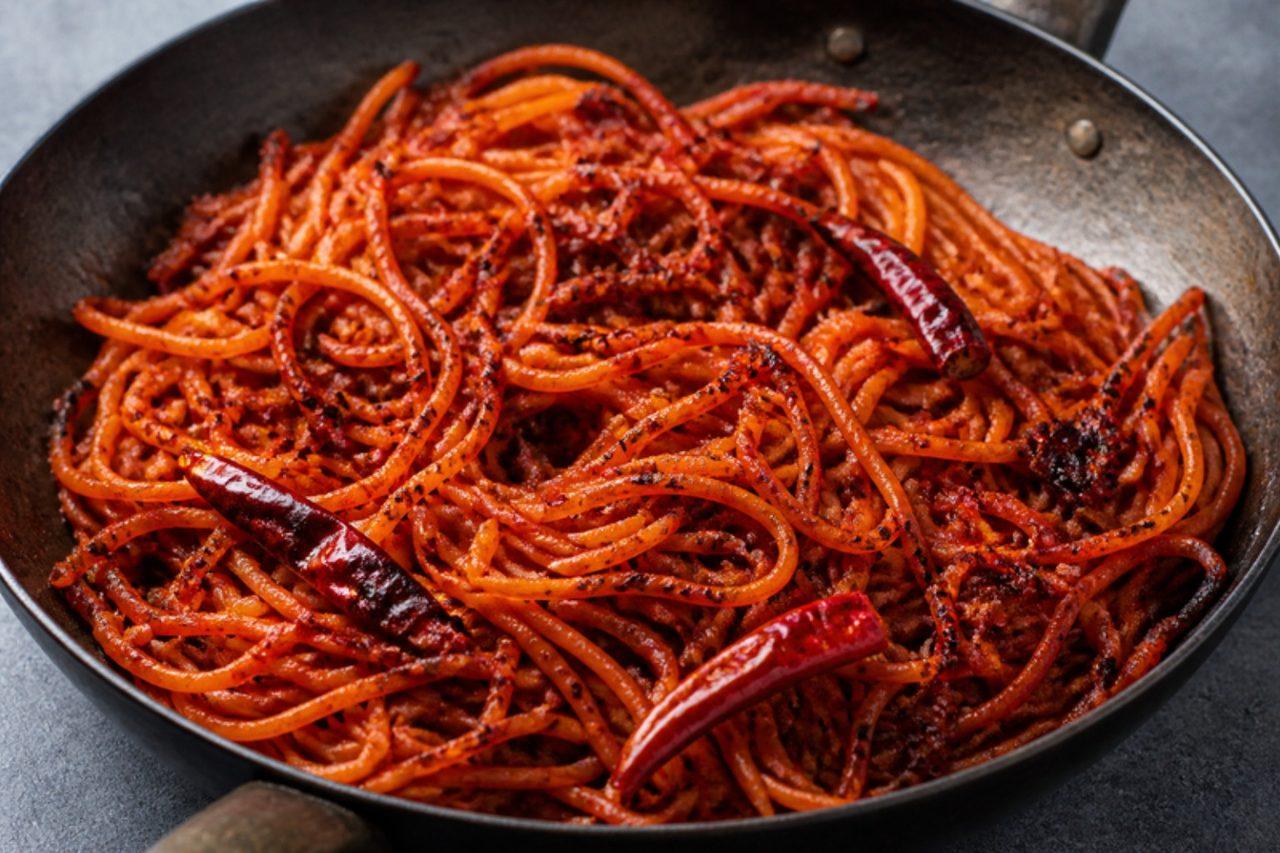
Spaghetti all'assassina was born in a Bari restaurant in the late 1960s and has become the city's cult late-night pasta. The raw spaghetti go straight into a hot iron pan with garlic, chilli and tomato, and are cooked like a risotto, a ladle of tomato broth at a time, until some strands blacken and turn crunchy while others stay chewy. It is smoky, sweet and properly hot, and Baresi argue about how burnt it should be. Chef's tip: use a wide iron or steel frying pan, never non-stick; you want the pasta to stick a little and scorch.

by KrazyBadal 0 views

Focaccia barese

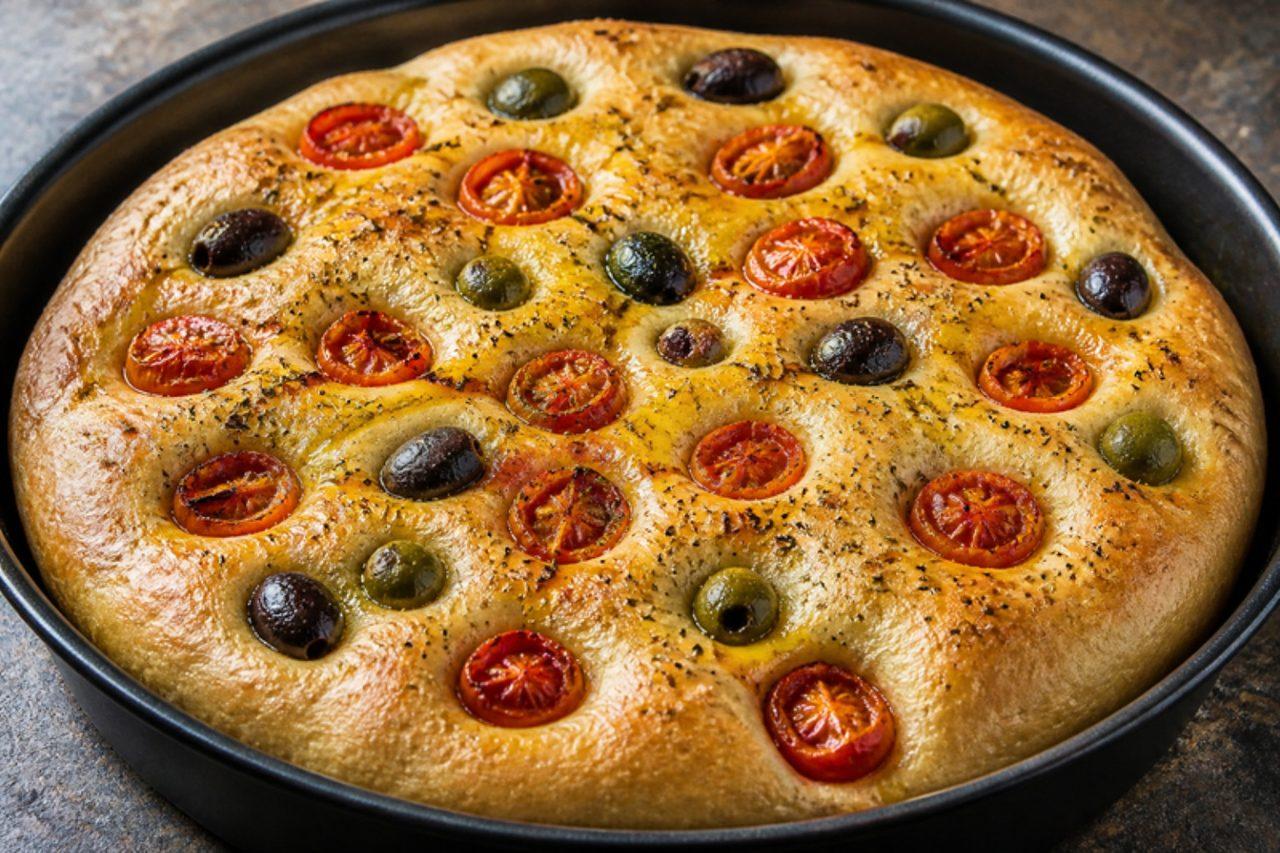
Bari's focaccia is made with boiled potato and durum semolina in the dough, which gives it a tender, almost creamy crumb under a base that fries in olive oil until crisp. It is baked in round iron pans, studded with squashed cherry tomatoes and olives, and sold by the slice at every bakery in the city from mid-morning, warm, folded in paper. On the beach in summer it goes round in squares with a cold drink. This is the Bari version, quite different from a plain herb focaccia or the cheese-filled focaccia of Recco. Chef's tip: be generous with oil in the pan; that layer is what turns the underside golden and crunchy.

by KrazyBadal 0 views

Panzerotti

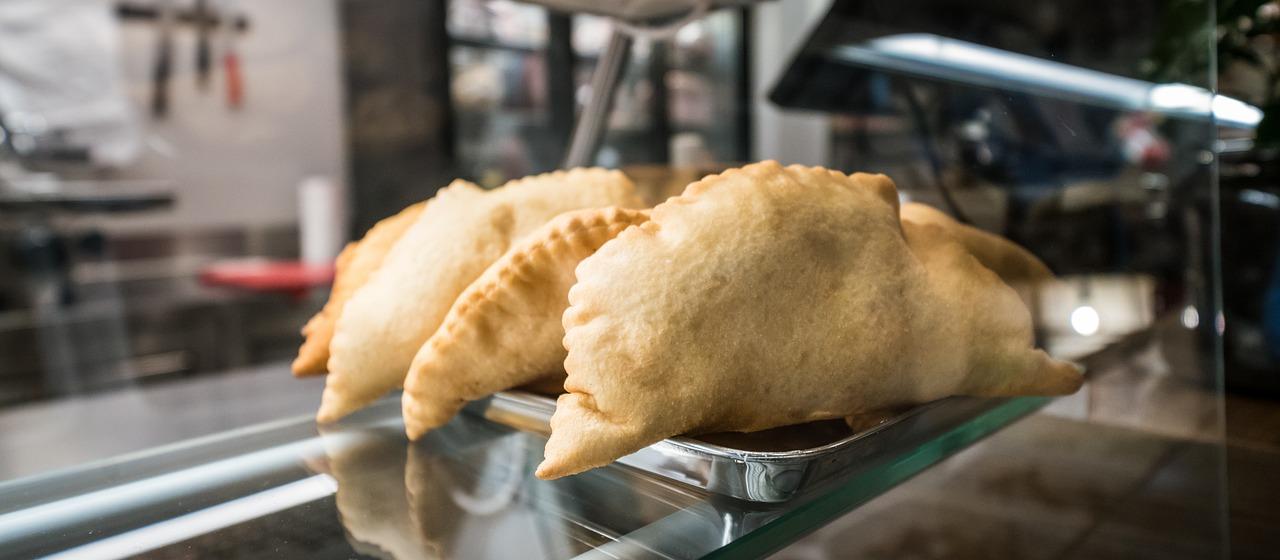
Walk through old Bari in the early evening and you will smell panzerotti before you see them: palm-sized half-moons of soft yeast dough, sealed around tomato and mozzarella and fried until blistered and golden. They are smaller and plumper than a Neapolitan pizza fritta and nothing like a baked calzone; you eat them standing up, straight from a paper bag, blowing on the first bite because the filling is molten. Puglian families make a big batch for Saturday nights and children's parties. Chef's tip: dice and drain the mozzarella for an hour beforehand, because a wet filling is what makes them burst in the oil.

by KrazyBadal 0 views

Ras el hanout

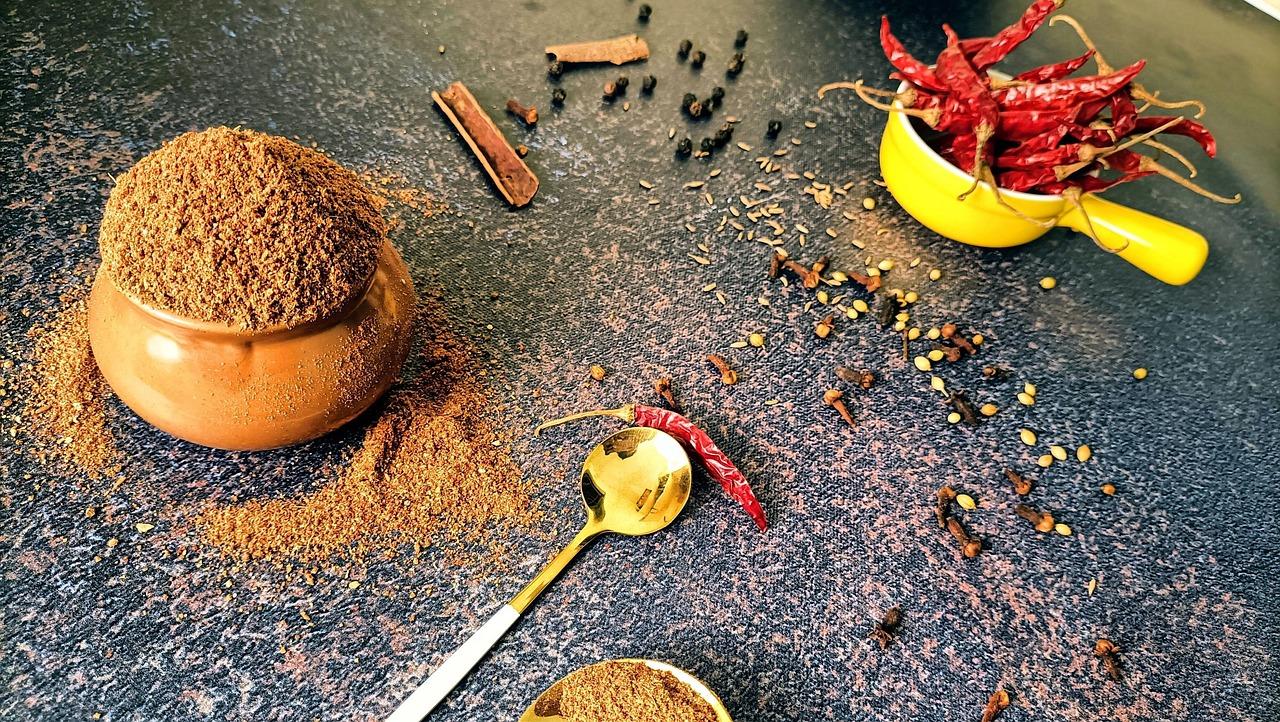
Ras el hanout means 'head of the shop', and every spice seller in the Marrakech souk will tell you theirs is the best: a warm, complex mix of a dozen or more spices that they grind to their own formula. This home version balances earthy cumin and coriander with sweet cinnamon, ginger and turmeric, the perfume of cardamom and dried rosebuds, and the heat of black pepper. Rub it on vegetables before roasting, stir a teaspoon into tagines, lentils or couscous broth, or season chickpeas and roast pumpkin with it. Toasting the whole spices first takes 5 minutes and makes a real difference. Chef's tip: make small batches and store the blend in a sealed jar away from light; it is at its best for about 3 months.

by KrazyBadal 0 views

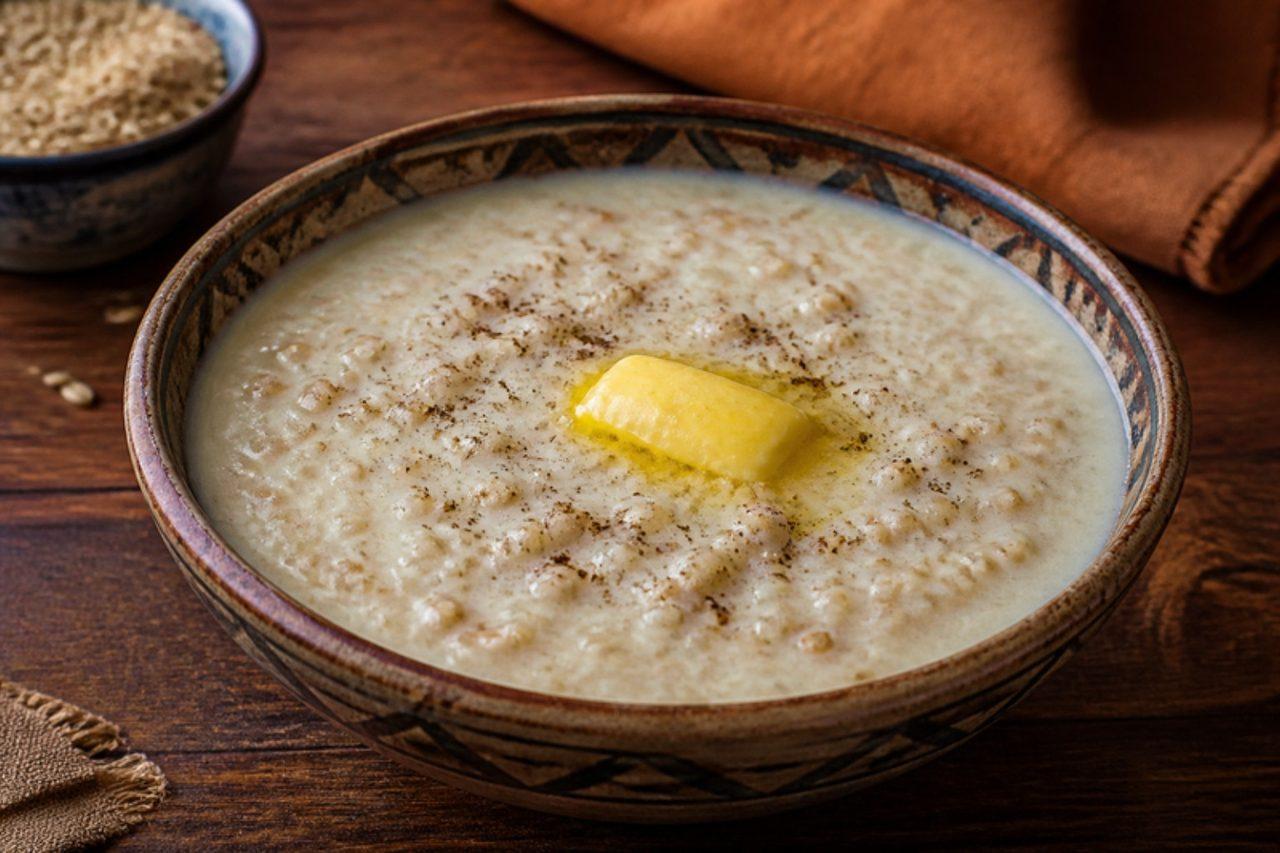
Hssoua belboula (barley soup with milk)

Few things are as soothing on a cold morning in Fez or Marrakech as a bowl of hssoua belboula, the pale, porridge-like soup of cracked barley cooked in water and then milk. Many families eat it for breakfast in winter or as a light supper, and it often appears on the Ramadan table too. It is mild and gently savoury, with a whisper of cumin and a knob of butter melting on top, and the barley grains stay soft but slightly chewy. Serve it piping hot with a little extra cumin to sprinkle, plus dates or bread on the side. A common slip is adding the milk too early and boiling hard, which catches on the bottom and scorches the soup. Chef's tip: rinse the barley grits in a sieve until the water runs almost clear; it washes away loose flour so the soup is creamy rather than gluey.

by KrazyBadal 0 views

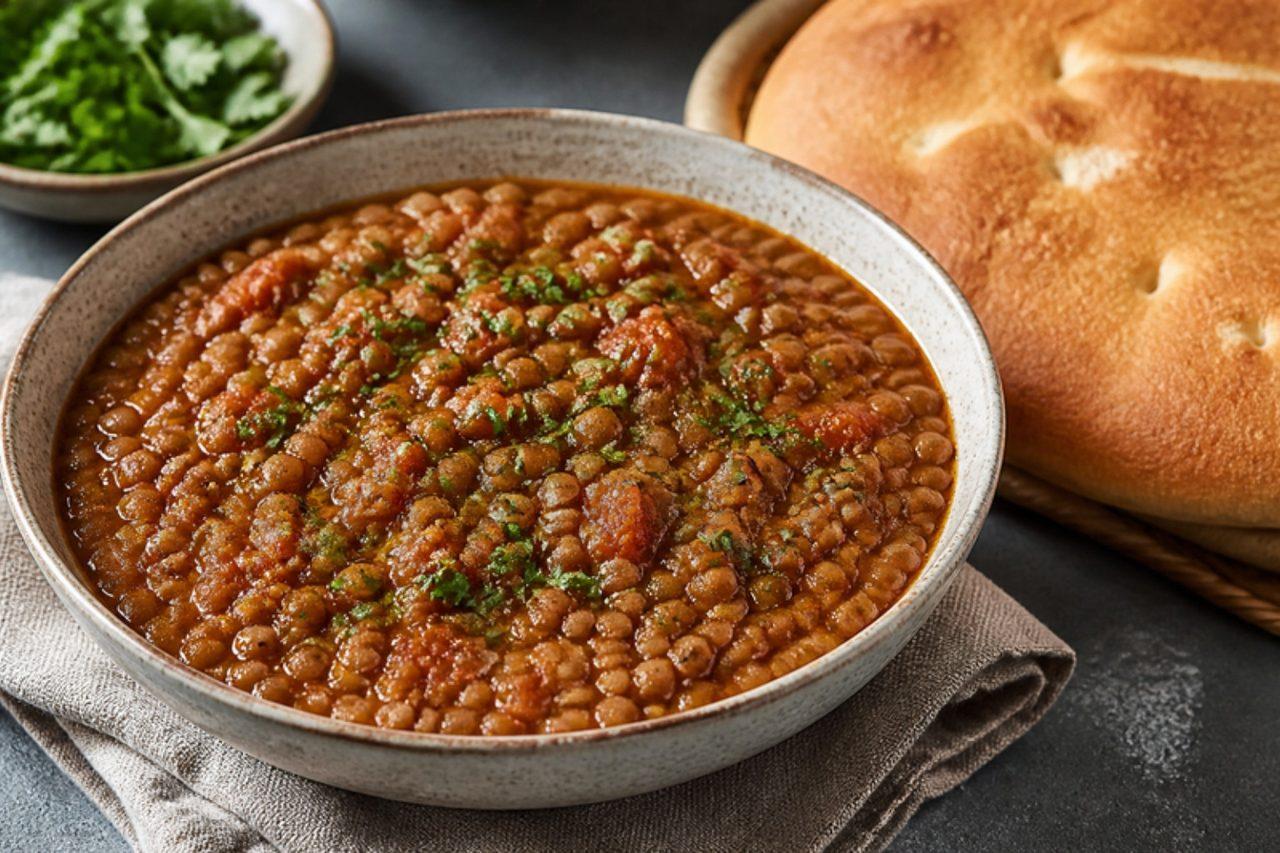
Moroccan lentils (aadess)
Cheap, filling and ready in under an hour, aadess turns up on home tables from Fez to Casablanca and in the clay bowls of small medina eateries that sell beans and lentils with bread to workers at lunchtime. The lentils stay whole but tender, sitting in a thick, brick-coloured sauce of grated tomato, garlic, cumin and paprika, finished with a generous slick of olive oil and fresh herbs. Scoop it up with crusty khobz; a dab of harissa or a few olives on the side is all it needs. Chef's tip: pick through the lentils on a plate before you rinse them, since small stones turn up even in good bags.

by KrazyBadal 0 views

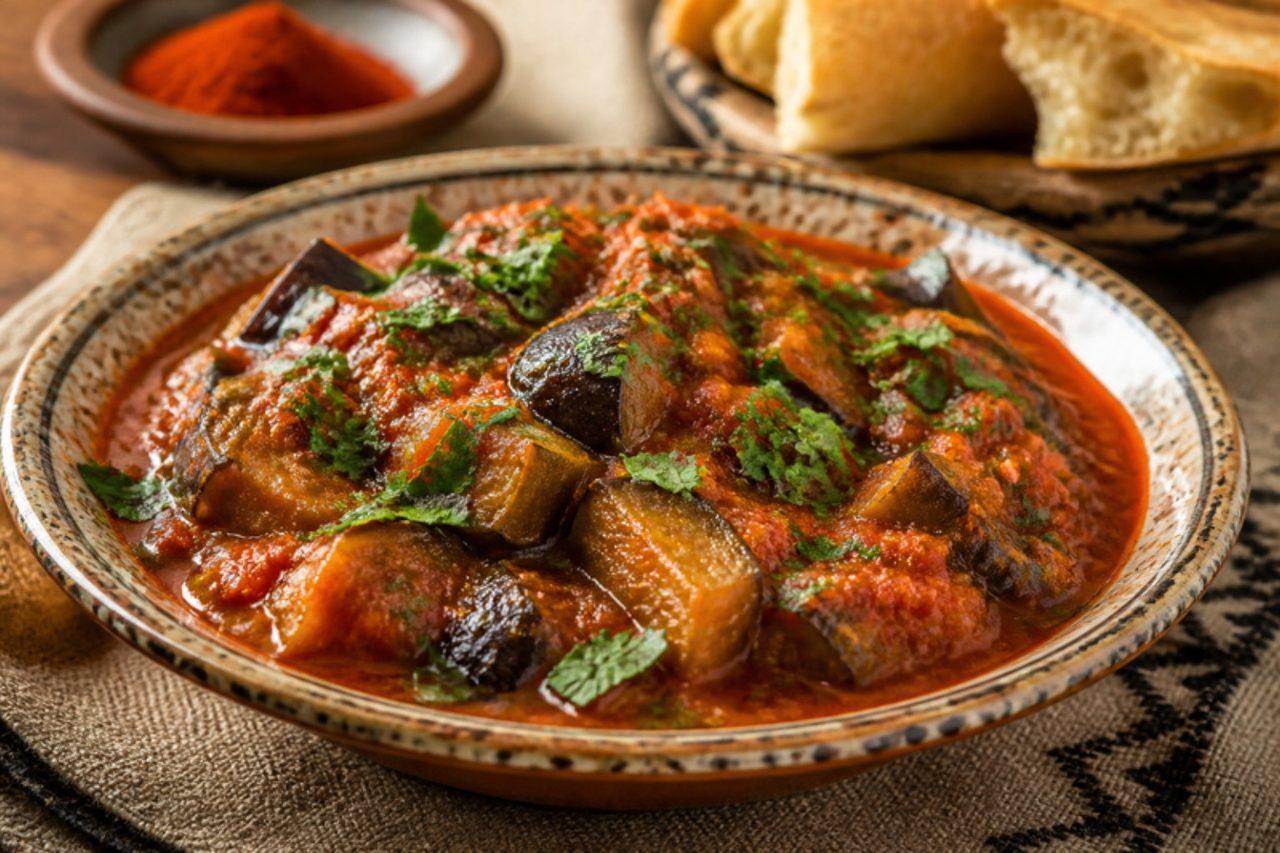
Mderbel (tangy aubergine relish)

Where zaalouk is a smoky mash, mderbel keeps its aubergine in soft, silky slices that have been fried first and then stewed down with garlic, sweet paprika, cumin and a sharp splash of vinegar. Old Fez families make it as one of the cooked salads that open a festive meal, and it keeps beautifully for a few days, so it is often made the day before. The flavour is rich from the oil, tangy, a little sweet and deeply garlicky; serve it at room temperature with bread, alongside other salads or next to grilled vegetables. The usual mistake is frying the aubergine in oil that isn't hot enough, so the slices drink it up and turn greasy. Chef's tip: salt the slices and leave them for 20 minutes, then pat them very dry; they drink far less oil and fry to a deep gold.

by KrazyBadal 0 views

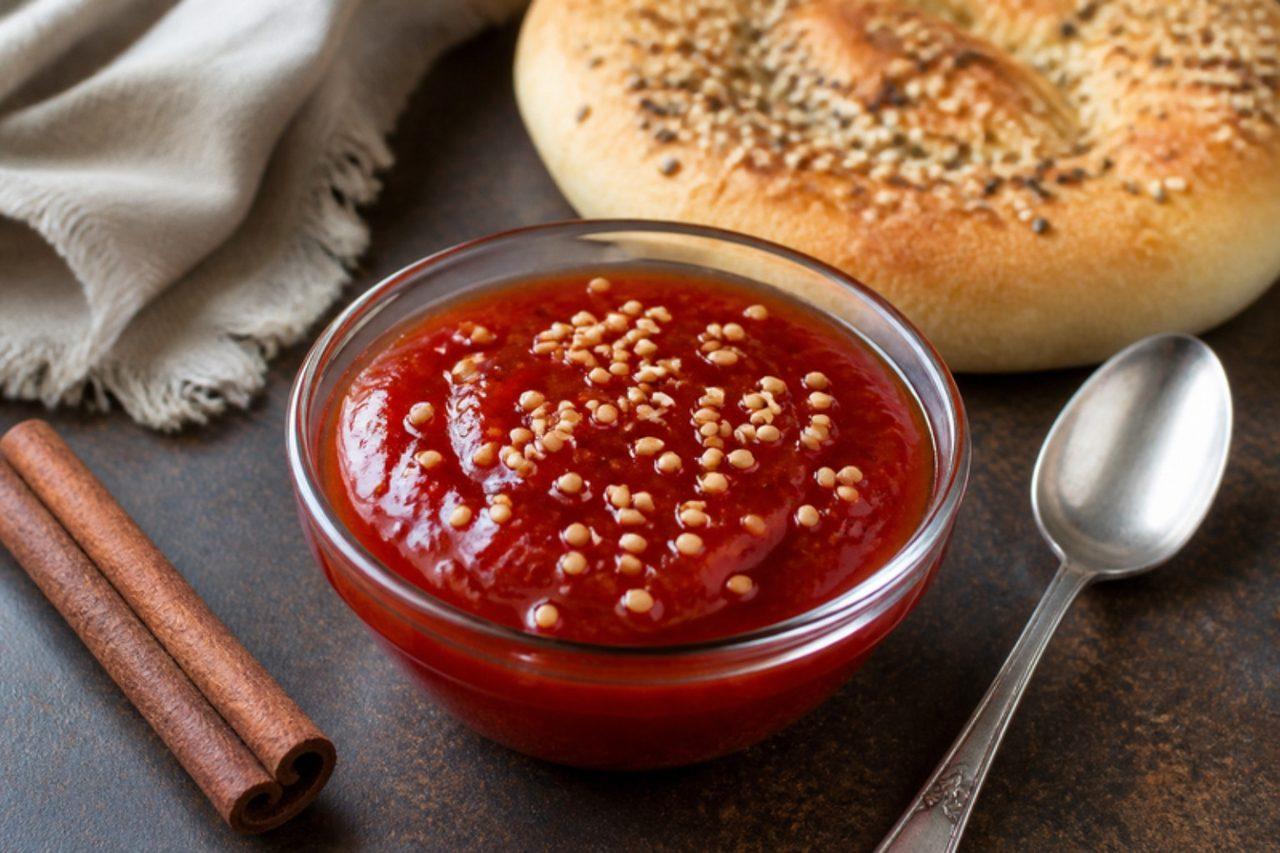
Matesha mesla (sweet tomato jam)

Fassi cooks reduce ripe tomatoes with honey and cinnamon until they turn into a glossy, brick-red jam that is sweet, faintly tart and perfumed with orange-flower water. It is set out among the small salads at weddings and family feasts, spooned beside a lamb or vegetable tagine, or simply scooped up with warm khobz at teatime. The texture should be thick enough to hold a ridge when you drag a spoon through it, with a scattering of toasted sesame and fried almonds on top. Kept in a clean jar in the fridge it lasts a week and only gets better. Chef's tip: grate the tomatoes on the coarse side of a box grater and throw away the skins; you get a smooth jam without the bother of blanching and peeling.

by KrazyBadal 0 views

Esponjado de curuba

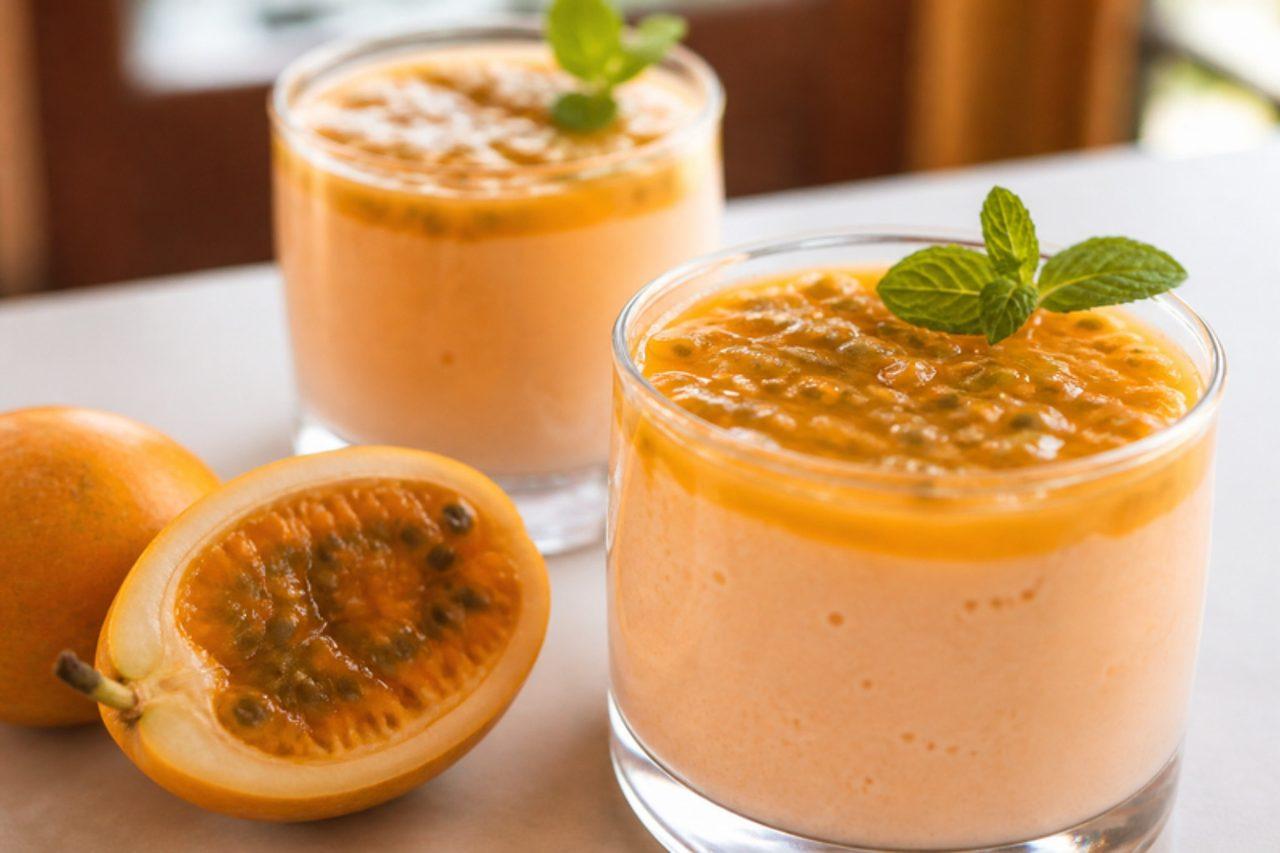
Grandmothers' kitchens and old cafés of Bogotá and Boyacá have kept the esponjado alive: a pale, airy, sweet-sour mousse made with curuba, the long, soft-skinned banana passionfruit of the cold Andes, set with gelatin and sweetened with condensed milk. It is served chilled in glasses after Sunday lunch, light and tangy, perfumed like passionfruit but softer. Because it contains gelatin, it is not vegetarian; for a vegetarian version, set it with 2 tsp agar powder boiled for 2 minutes in the curuba juice. Older recipes fold in raw whipped egg whites; this one uses whipped cream instead, so there is no raw egg. The common problem is folding cream into gelatin that's too warm or too set: it should be cool and just thickening, like unbeaten egg white. Chef's tip: frozen curuba pulp is sold in Latin shops; if you can't find it, use passionfruit pulp with a squeeze of lime. Allow at least 4 hours for it to set.

by KrazyBadal 0 views

Panaché (Moroccan mixed fruit milkshake)

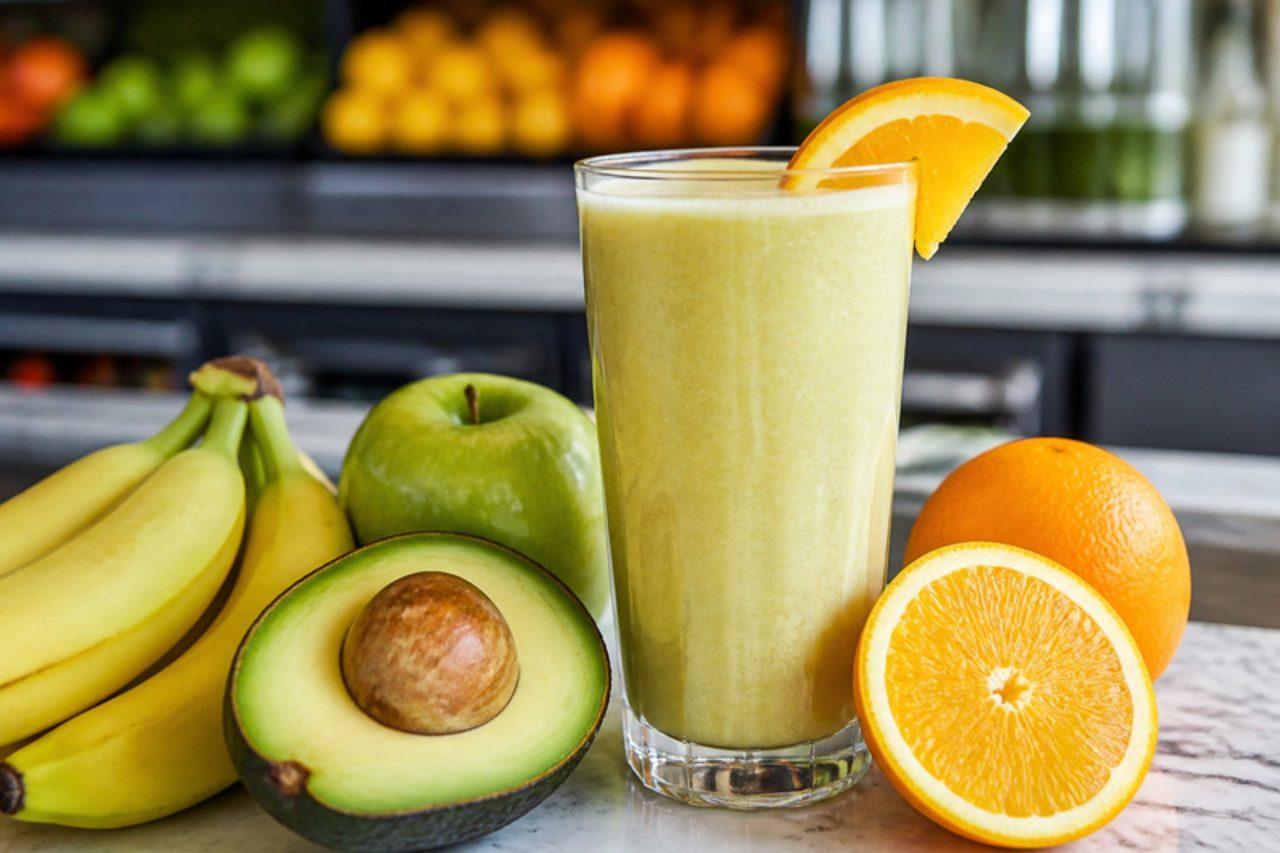
Juice bars from Tangier to Agadir list a 'panaché' on the board, which in Morocco means a thick milkshake blended from whatever mix of fruit is in season, most often banana, apple, avocado and orange, served in a tall glass and sometimes topped with chopped dried fruit and nuts. Avocado is used as a sweet fruit here, and it makes the drink extra creamy. It is a favourite after school, as a quick breakfast or after an afternoon in the medina. Make it just before drinking: the orange juice can make the milk turn slightly grainy and the avocado darkens if it stands, which is the usual mistake. Chef's tip: use a ripe, soft avocado and a banana with brown freckles for natural sweetness, so you need very little sugar.

by KrazyBadal 0 views

Perro caliente

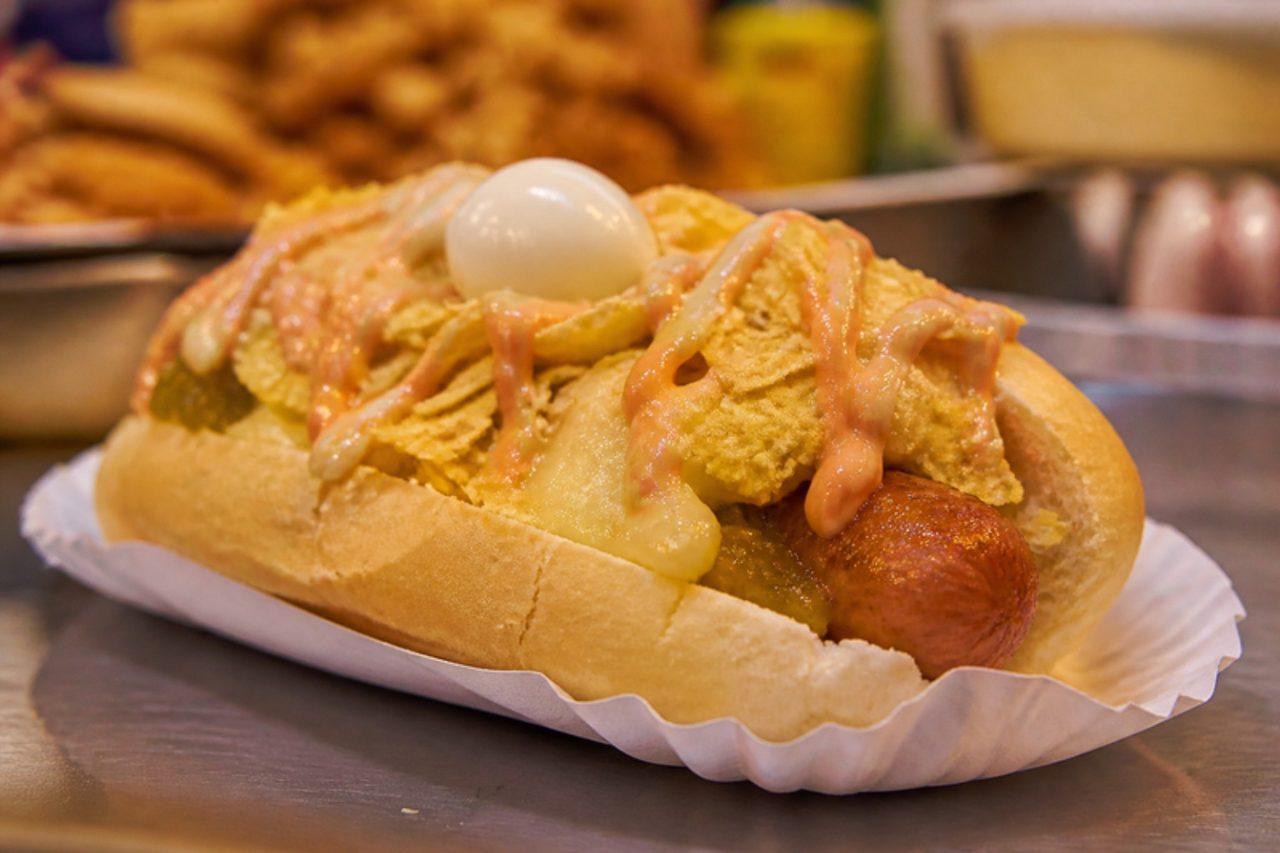
Bogotá's hot-dog stands near the universities and in the Zona Rosa take the frankfurter and keep going: melted cheese, a sticky pineapple sauce, salsa rosada, mustard, a mound of crushed potato crisps and, on top, a couple of boiled quail eggs on a toothpick. It's sweet, salty, creamy and crunchy in every bite, and it is very much a hold-it-over-the-napkin snack. Kids are usually the first in line. Adding the crisps too early is the classic mistake; they go soft under the sauces, so they are the very last thing on. Chef's tip: make the quick pineapple sauce while the eggs boil; fresh pineapple cooked down with a little sugar tastes much brighter than bottled.

by KrazyBadal 0 views

Salchipapa

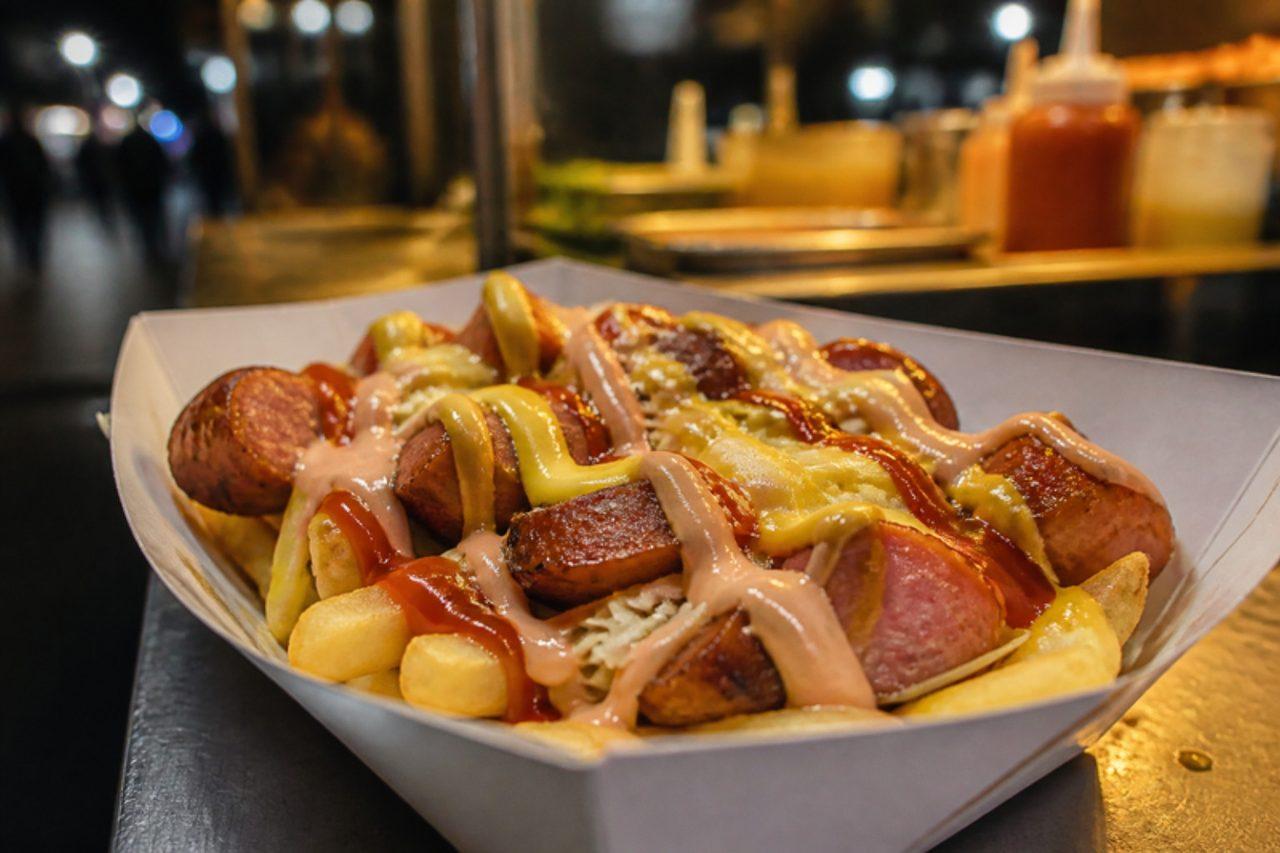
Late at night outside the bars and football stadiums of Bogotá and Medellín, carts and fast-food counters sell salchipapa by the plastic tray: hot chips topped with fried slices of hot dog sausage, drowned in salsa rosada (ketchup mixed with mayonnaise), mustard and grated cheese, sometimes with a squirt of pineapple sauce. Kids love it, and it's an easy Friday-night dinner at home: salty, crisp and soft at once, with the sweet-tangy pink sauce tying everything together. The way it goes wrong is soggy fries; double frying keeps them crisp under all that sauce. Chef's tip: slice the sausages on the diagonal and fry them until they curl and blister at the edges; the crisp bits make the dish.

by KrazyBadal 0 views

Frito pastuso

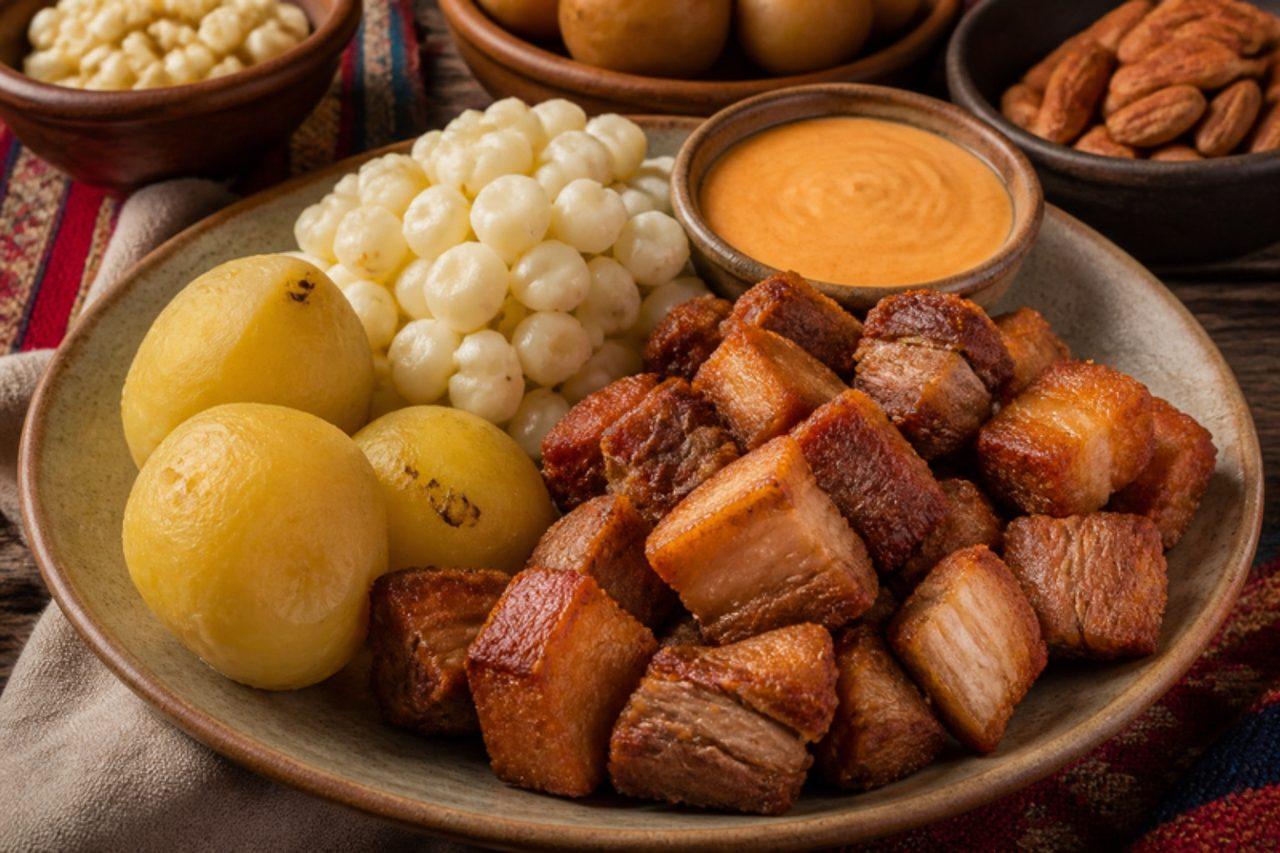
In Pasto and the high Nariño towns close to Ecuador, frito pastuso is a weekend plate found at market counters and family lunches: chunks of pork leg simmered with garlic and cumin until the water evaporates, then fried in their own fat until browned and crisp at the edges, served with small boiled yellow potatoes, mote (white hominy), toasted corn and a smooth ají de maní, the region's peanut and chilli sauce. The pork is salty and crusty, the potatoes soft, and the peanut sauce brings a gentle heat. Contains peanuts. The mistake people make is cutting the pork too small, so it dries out before it browns; keep the chunks generous, about 4 cm. Chef's tip: marinate the pork overnight in the fridge; the garlic and cumin get right into the meat and the fried edges caramelise better.

by KrazyBadal 0 views

Arepa santandereana

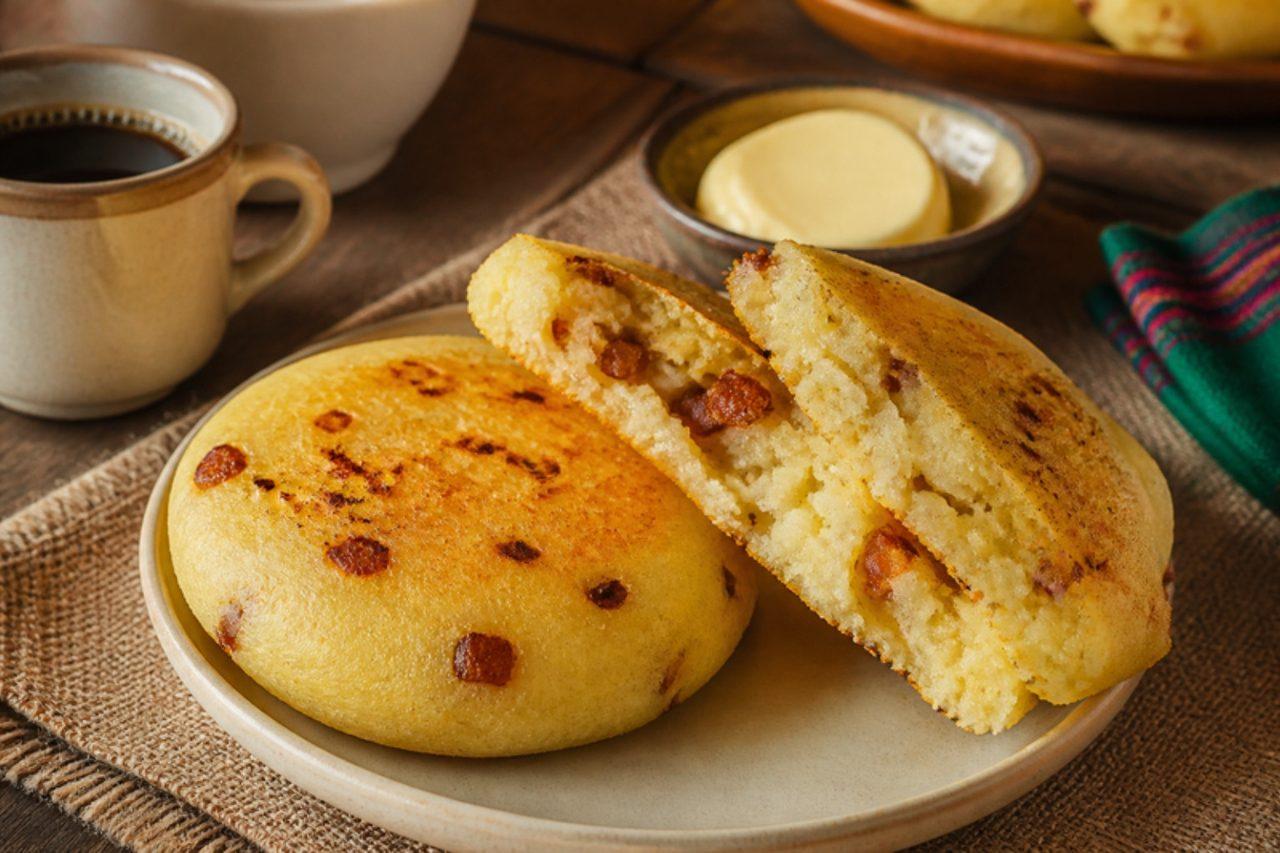
Bakeries and breakfast counters in Bucaramanga and Socorro sell a different kind of arepa from the soft white rounds of Bogotá: yellow, made with corn and cassava and studded with bits of crunchy pork chicharrón, cooked slowly on a griddle until a thick, chewy crust forms. The traditional dough is ground from cooked dry corn, but precooked yellow maize flour with mashed cassava gets you close at home. It is savoury and a little smoky, and goes with eggs and hot chocolate at breakfast or with carne oreada at lunch. Dough that's too dry is the common fault: it cracks around the edges as it cooks, so knead in water until it feels like soft play dough. Chef's tip: cook the arepas slowly over a medium-low heat; the cassava needs time to turn chewy inside while the outside builds a golden crust.

by KrazyBadal 0 views

Friselle

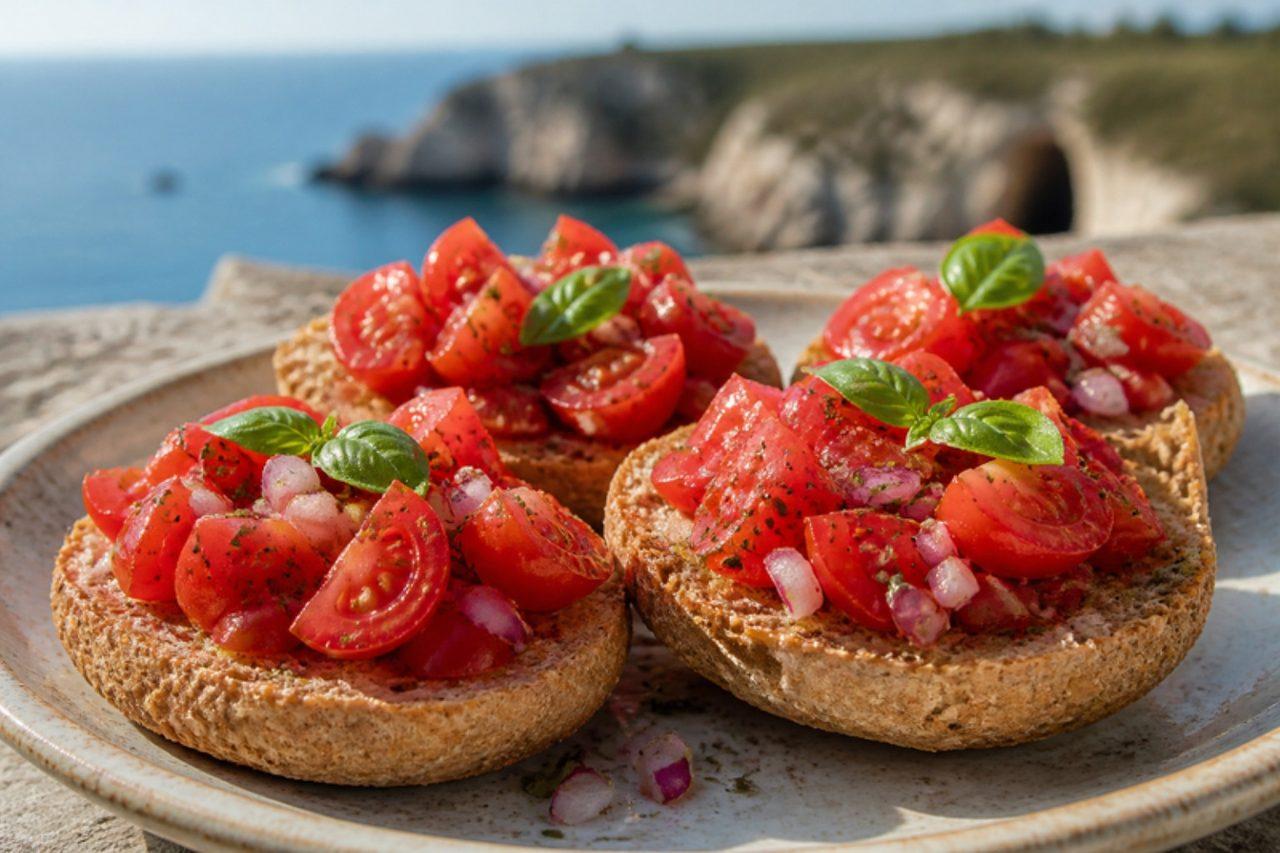
Friselle are rings of bread split in half and baked a second time until rock hard, so they kept for months on fishing boats and in farmhouses across the Salento. To eat them you dip them briefly in cold water, then pile on crushed ripe tomatoes, oregano and plenty of olive oil; the bread softens just enough while keeping a crunch in the middle. On August evenings in Lecce and along the coast they are the easiest supper there is. Every Puglian bakery sells them and Italian delis stock them, so this recipe uses bought friselle, made from wheat or the darker, nuttier barley. Chef's tip: dip, don't soak; a few seconds is enough, and the tomato juice finishes the job.

by KrazyBadal 0 views

Carne oreada

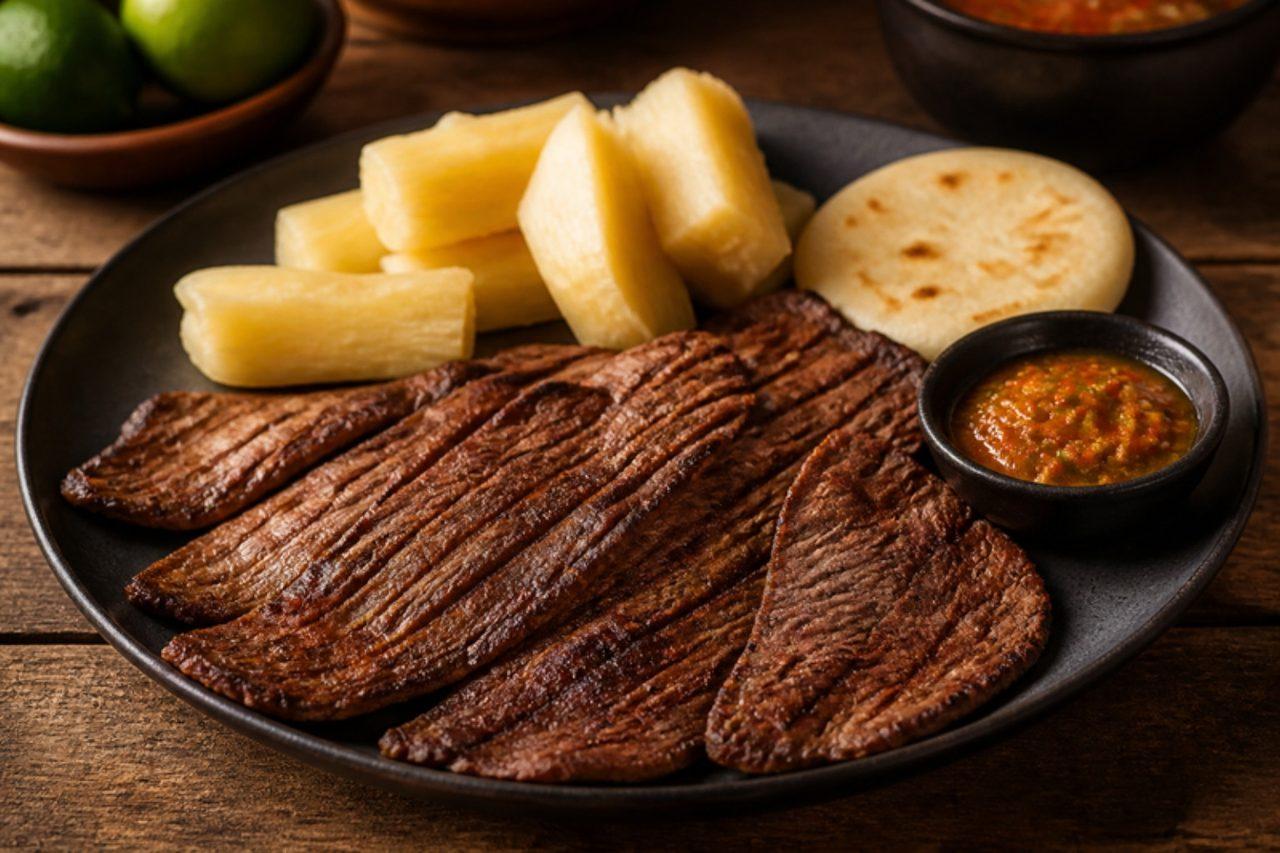
Before refrigerators, Santander cooks preserved beef by marinating thin sheets of it with panela, salt, garlic and cumin and hanging it in the sun and breeze until the surface dried. Carne oreada is still sold in the markets of Bucaramanga and San Gil, and grilled at home or in asaderos with arepa santandereana, cassava and guacamole. The meat comes out chewy-tender with a sweet, salty, caramelised edge and a concentrated, almost cured beef flavour. Sun-drying isn't safe in most home settings, so this version dries the meat on a rack uncovered in the fridge for 1–2 days, which gives the same firm, dark surface. Grilling it too long is the frequent fault, as the thin meat goes leathery; it needs only a few minutes a side over high heat. Chef's tip: some cooks splash a little beer into the marinade, but orange juice gives a similar tang without alcohol.

by KrazyBadal 0 views

Pepitoria

Santander's famous plate of cabrito (roast kid goat), sold in Bucaramanga, Barichara and the canyon towns, always comes with pepitoria next to it: rice cooked with the kid's chopped heart, liver and kidneys, a refrito of onion and tomato, and blood, which turns it a deep reddish-brown and gives it a rich, mineral flavour, a little like a soft black pudding. It's a dish that uses the whole animal, and it is worth trying if you like morcilla. Ask a halal, Caribbean or specialist butcher for very fresh goat offal and fresh blood (pig blood works if goat isn't available); keep both cold and cook them the same day. Offal must be cooked right through, and the blood until it has set and darkened with no liquid red left. The usual misstep is adding the blood too early, so that it scorches on the bottom; it goes in when the rice is nearly done. Chef's tip: if blood is impossible to find, double the offal and add 1 tsp extra achiote; you'll get a lighter but still very good rice.

by KrazyBadal 0 views

Coca de Sant Joan

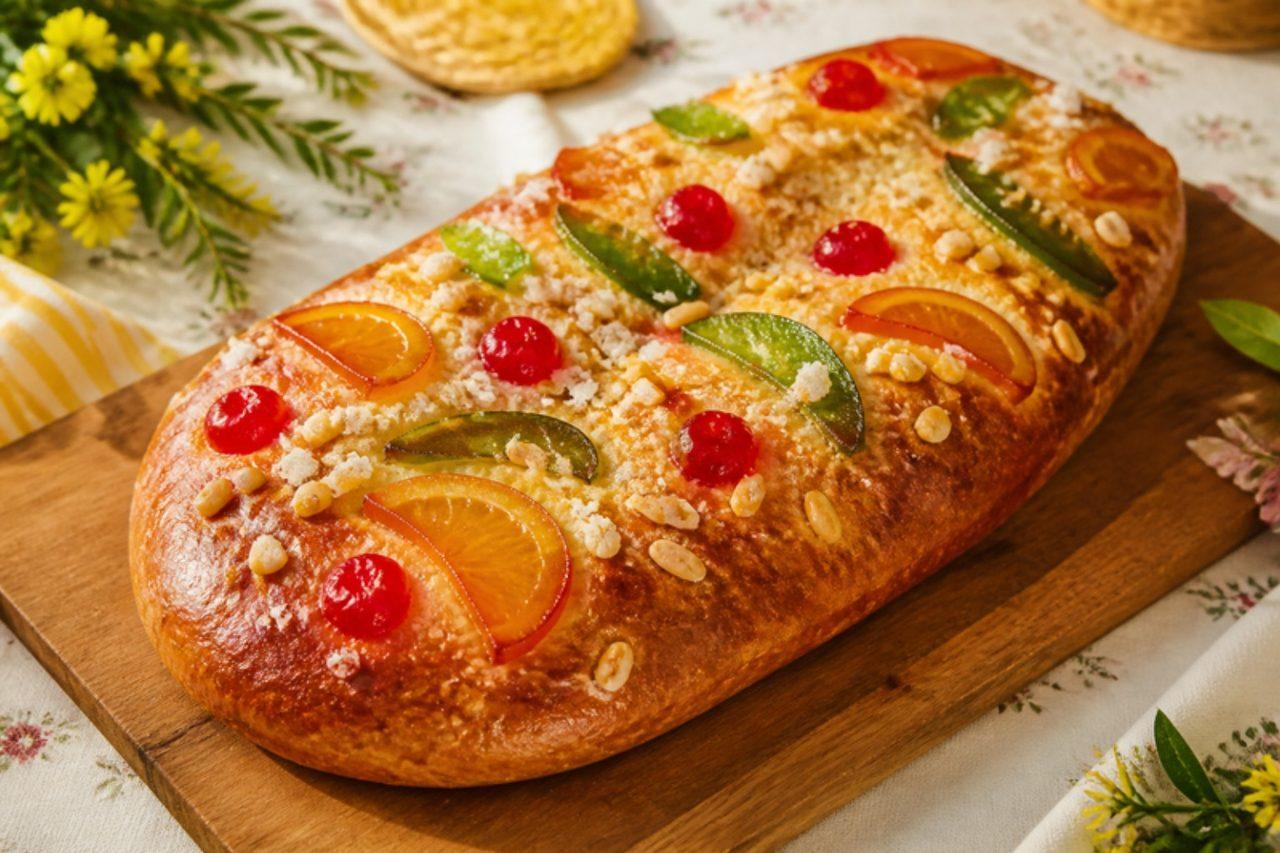
On the night of 23 June, the Revetlla de Sant Joan, Catalonia lights bonfires, sets off firecrackers on every beach and street, and shares a long oval coca: a soft, lemony brioche topped with candied fruit, pine nuts and crunchy sugar. Bakeries sell thousands, but a homemade one, still slightly warm, is something else. Some recipes add a splash of anise liqueur; this one uses aniseed instead. Chef's tip: give the shaped dough a long, slow second rise; a well-proved coca bakes up light, an under-proved one dense.

by KrazyBadal 0 views

Mute santandereano

Bucaramanga's Mercado Central and the Sunday family tables of Santander serve mute, a big, thick soup that takes most of a day: hominy corn, honeycomb beef tripe and pork ribs, plus red beans, potatoes, pumpkin, cabbage and a handful of short pasta, all simmered until thick, rich and savoury. It is filling enough to be lunch on its own, eaten with avocado, ají and a piece of arepa. The tripe must be bought cleaned and bleached from the butcher and then simmered for two hours until tender; undercooked tripe is the most common complaint, as it stays chewy and tastes strong. This version uses cooked or tinned hominy and beans to save the overnight soaking. Chef's tip: rub the tripe with lime and salt and rinse it twice before cooking; it removes any farmyard smell and keeps the broth clean-tasting.

by KrazyBadal 0 views

Pane carasau

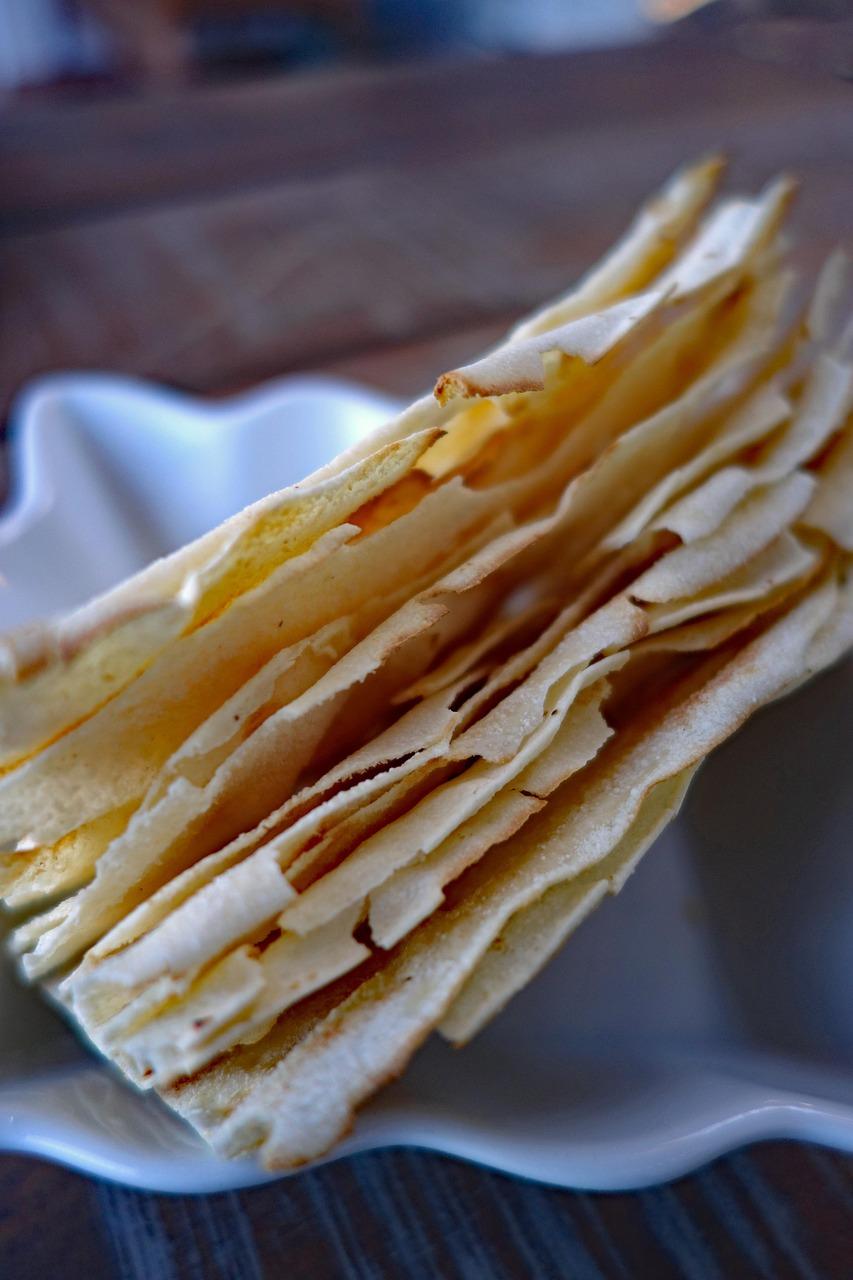
Shepherds in Barbagia, the mountainous heart of Sardinia, took stacks of pane carasau with them for weeks on the high pastures, because this dry, glass-thin flatbread never goes stale. Each disc is baked until it balloons, split in two while hot, then baked again until crisp and golden; Italians call it carta da musica, music paper, for how thin and crackly it is. Sardinians eat it with olive oil and salt as a snack, break it into soups and layer it into pane frattau. Making it at home takes patience and a very hot oven. Chef's tip: split each puffed disc the moment it comes out of the oven; once it cools, the two layers fuse together.

by KrazyBadal 0 views

Culurgiones

Culurgiones come from Ogliastra, on Sardinia's rugged eastern coast, where women seal each dumpling with a row of tiny pinches that look like an ear of wheat. Inside is a soft, warm filling of potato, aged pecorino, garlic and fresh mint. In villages such as Ulassai and Lanusei they are made for the end of the harvest and for 2 November, All Souls' Day, as a token of good luck and protection. Some families work a little lard into the dough; here it is olive oil. Chef's tip: chill the filling; firm, cold filling is far easier to pleat and won't tear the thin dough.

by KrazyBadal 0 views

Brioche col tuppo

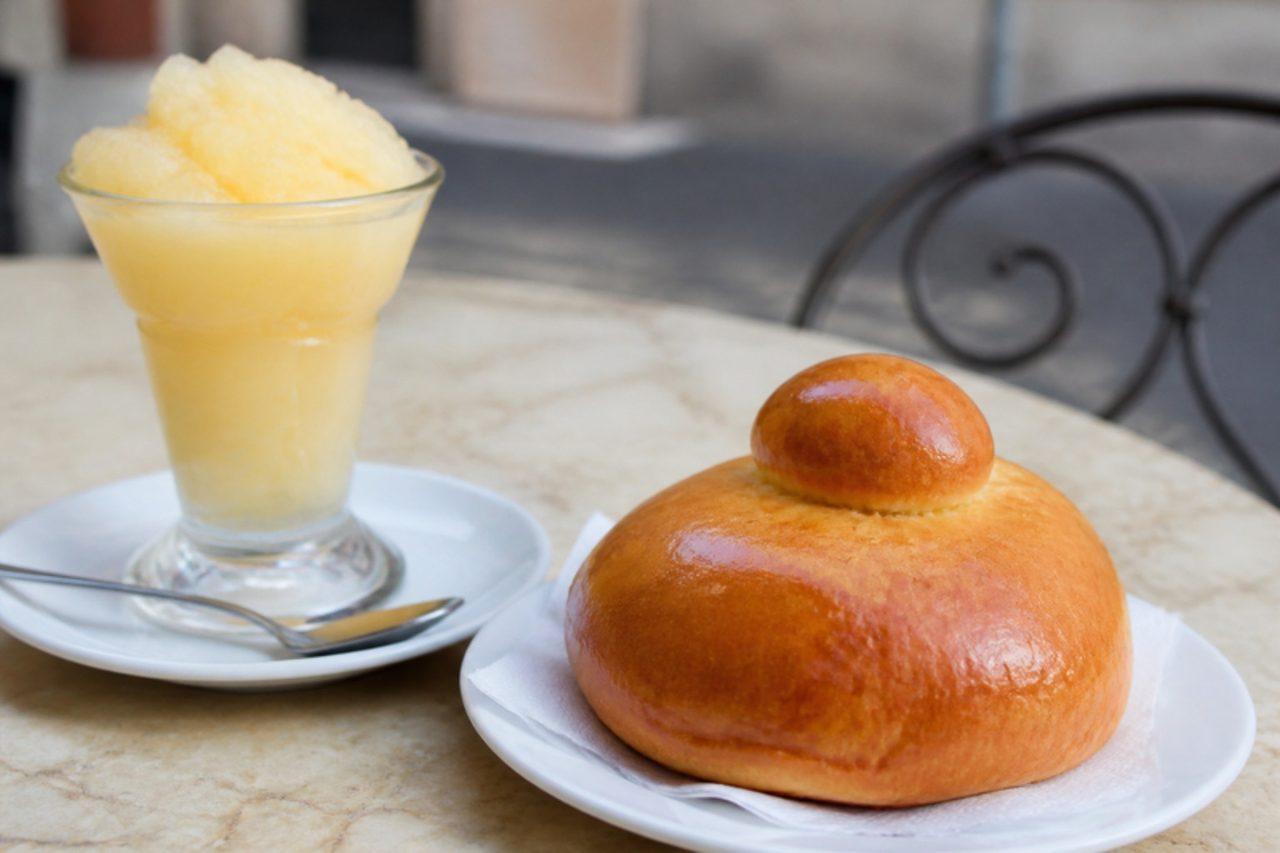
On summer mornings in Catania, breakfast is a glass of granita, almond, coffee, lemon or black mulberry, with a warm brioscia col tuppo beside it. The brioche is a soft, sweet, orange-scented bun with a little ball of dough on top, the tuppo, named after the bun women once wore their hair in. You tear off the tuppo first, dip it in the granita, then work through the rest. Bakeries in eastern Sicily sometimes enrich the dough with lard; this version uses butter. Chef's tip: give the dough a long, slow rise; it is what makes the crumb so light and stringy. Serve it with granita al limone.

by KrazyBadal 0 views

Cassata siciliana

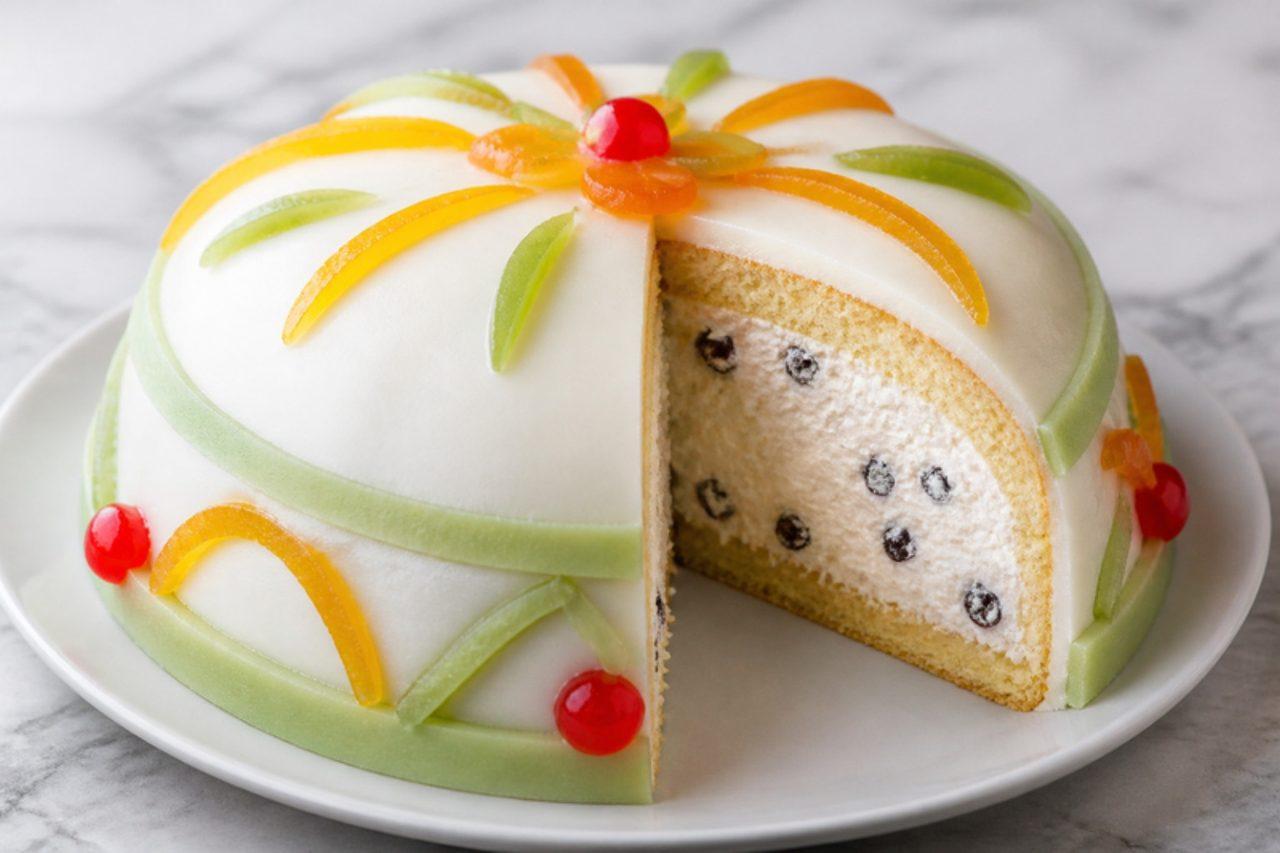
Cassata is the baroque centrepiece of a Palermo Easter: a dome of sponge lined with pale green marzipan, filled with sweetened sheep's ricotta and chocolate, glazed white and crowned with jewel-like candied fruit. Pastry shops around the city fill their windows with it in Holy Week, and families slice it after Easter lunch. It is rich, cool and creamy under the shell of almond paste, and nothing like the layered Indian-style cassata ice cream. The sponge is often brushed with a liqueur syrup; this version uses orange juice instead. It must chill for at least 4 hours, so make it the day before. Chef's tip: drain the ricotta overnight; that is the secret to a filling that holds its shape when cut.

by KrazyBadal 0 views

Busiate al pesto trapanese

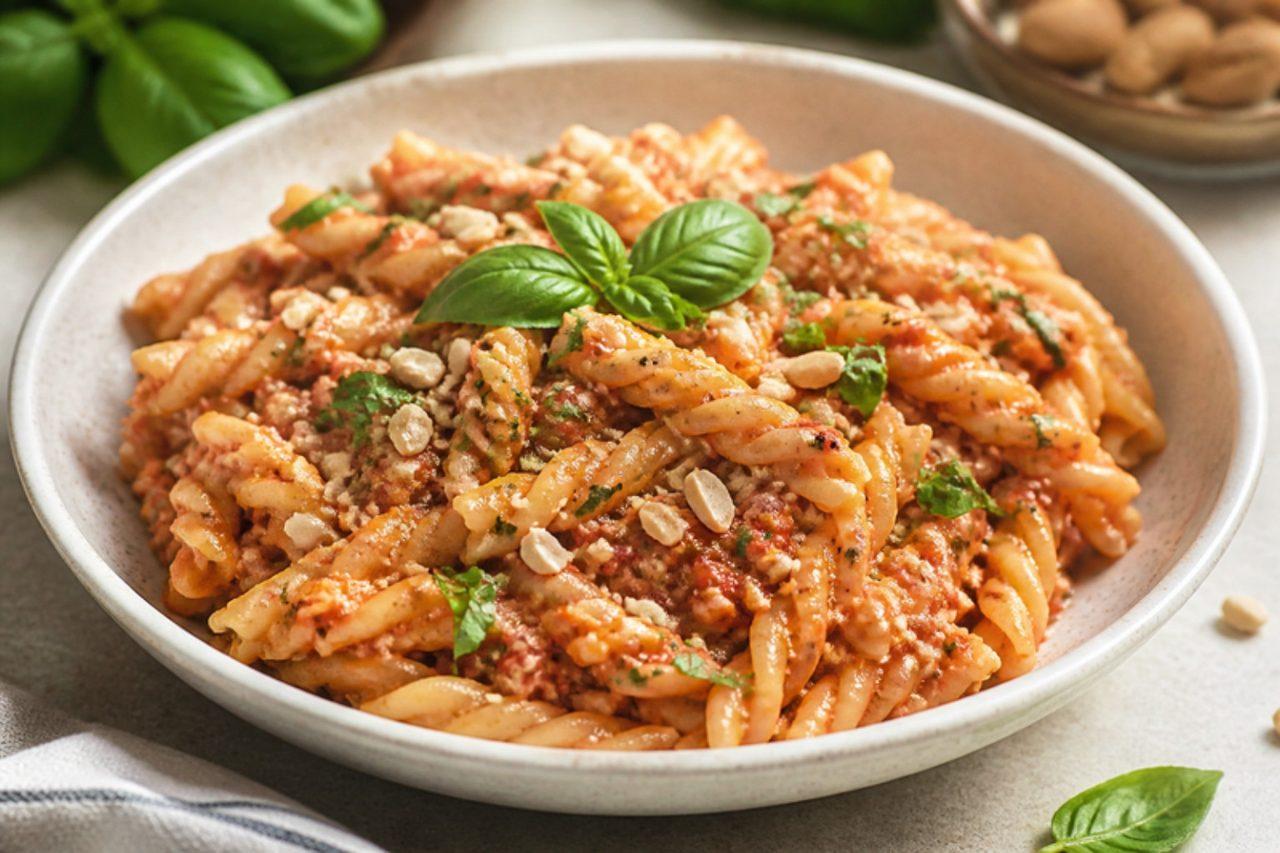
Trapani, on Sicily's far western tip, makes its pesto with what grows nearby: ripe tomatoes, Sicilian almonds, garlic and basil, pounded raw with olive oil and a little pecorino. The story goes that Genoese sailors brought their basil pesto to the port and the Trapanesi made it their own. It is tossed with busiate, long corkscrews of durum-wheat pasta once twisted around a stalk of dried grass, and eaten all summer, often at room temperature. It tastes fresh, nutty and bright. Chef's tip: peel the tomatoes; the skins turn chewy in a raw sauce.

by KrazyBadal 0 views

Sfincione

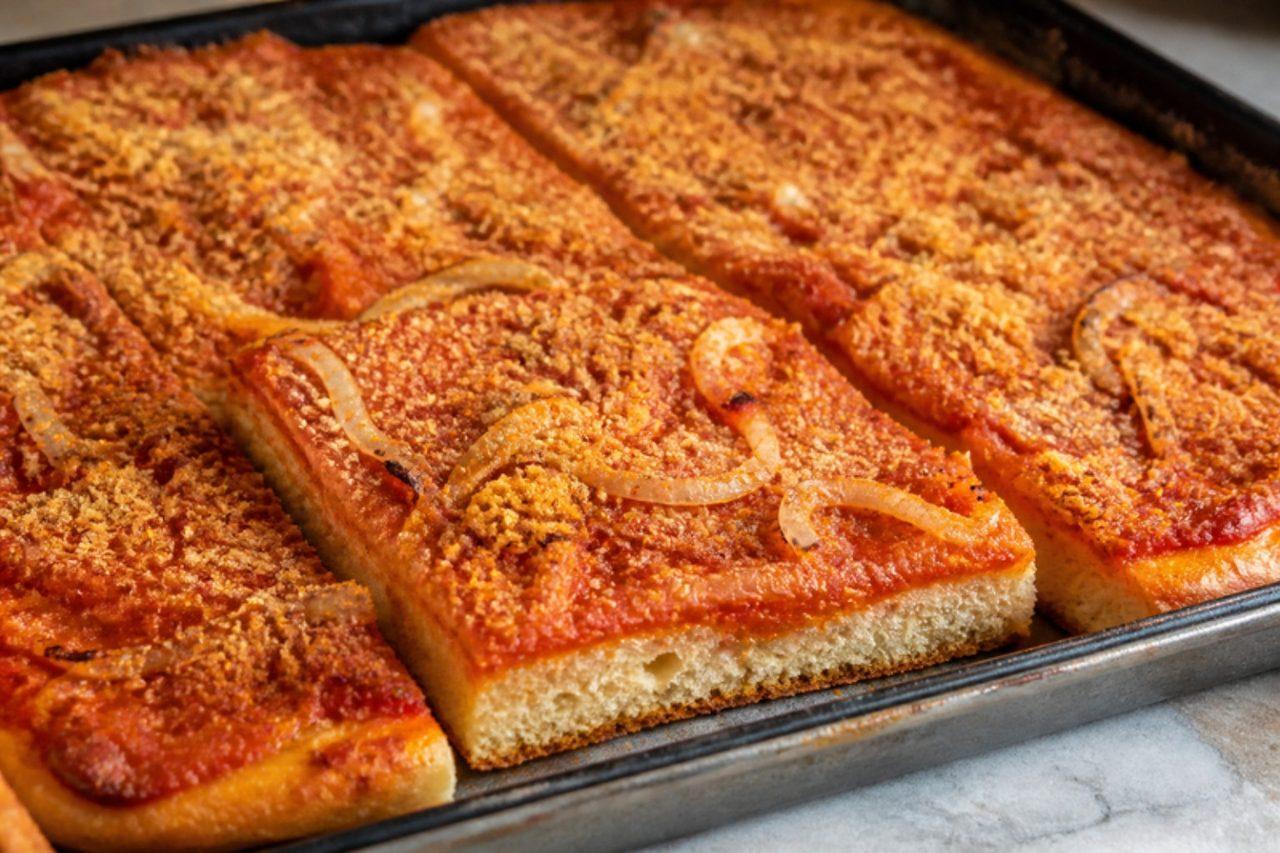
Sfincione is Palermo's own pizza: a tall, airy slab baked in a tray, its soft crumb soaked with a sweet sauce of slow-cooked onions and tomato, dotted with caciocavallo and covered in oregano-scented toasted breadcrumbs. Street sellers cruise the city in three-wheeled vans calling 'sfinciuni!' through loudspeakers, and families bake it at home for Christmas Eve and New Year's Eve. The traditional topping includes anchovies; this version leaves them out and keeps all the onion sweetness. Chef's tip: the dough should be wet and bubbly, about 2 cm deep in the tray; it is closer to focaccia than to a thin pizza.

150 minItalianPizza
by KrazyBadal 0 views

Tarte au sucre lilloise

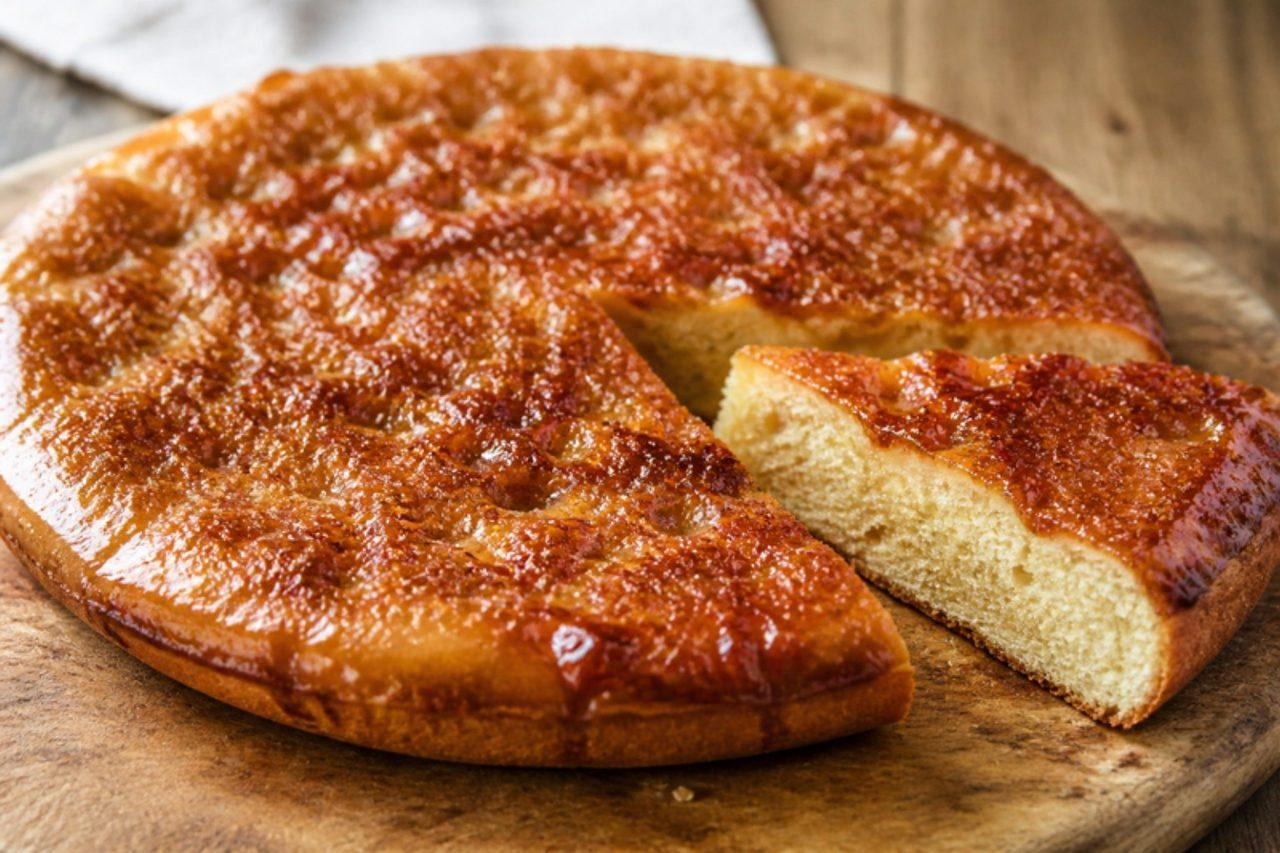
In Lille and across the Nord, a sugar tart is not pastry at all but a flat round of soft brioche dough, dimpled and covered with brown cassonade sugar, butter and a little egg and cream, which bakes into a sticky, caramelised top over a fluffy base. Families buy it from the boulangerie for Sunday breakfast and goûter, or bake one when guests come for coffee. The Nord's own beet sugar, vergeoise, gives it a deep, almost molasses flavour; soft dark brown sugar is the closest swap. Chef's tip: press deep dimples into the risen dough with your fingertips before adding the topping; the sugar and cream collect in them and bake into little pools of caramel.

by KrazyBadal 0 views

Cachama frita

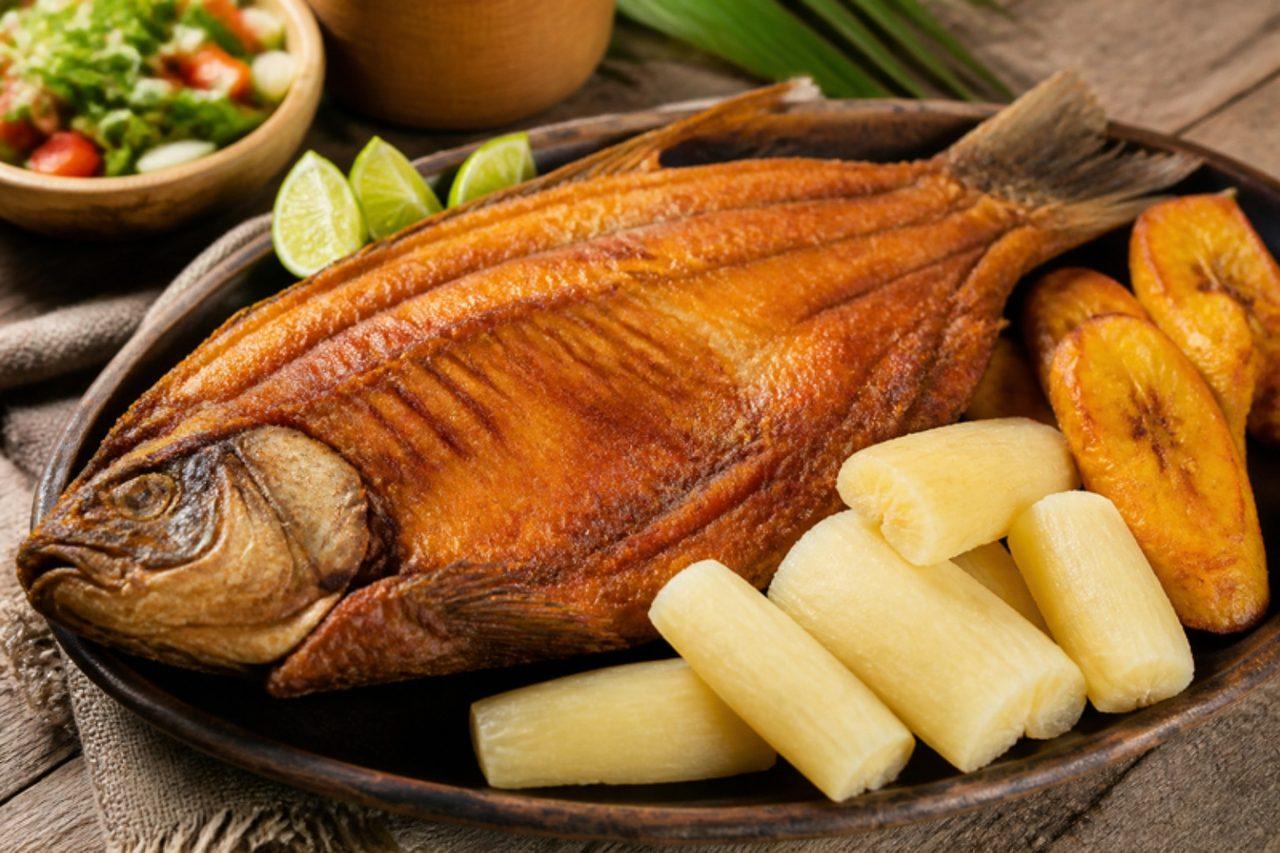
Roadside restaurants on the way from Bogotá down to Villavicencio and Restrepo sell cachama by the hundred at weekends: a farmed river fish of the Orinoco basin (the same family as pacu), opened out like a book, seasoned with garlic, cumin and lime and fried until the edges turn to crisp, salty lace. Its flesh is firm, fatty and sweet, and the rib bones, fried crisp, are half the pleasure. It comes with boiled cassava, ripe plantain tajadas and a little tomato salad. Outside Colombia, look for frozen whole pacu or cachama in Latin or Asian shops; otherwise use pompano or a large sea bream. A soggy, greasy fish usually means the oil wasn't hot enough; keep it at 180 °C and fry one at a time. Chef's tip: score the thick side of the fillet in a fine crosshatch down to the bones; the fine intramuscular bones fry crisp and the heat reaches the thickest part.

by KrazyBadal 0 views

Mamona

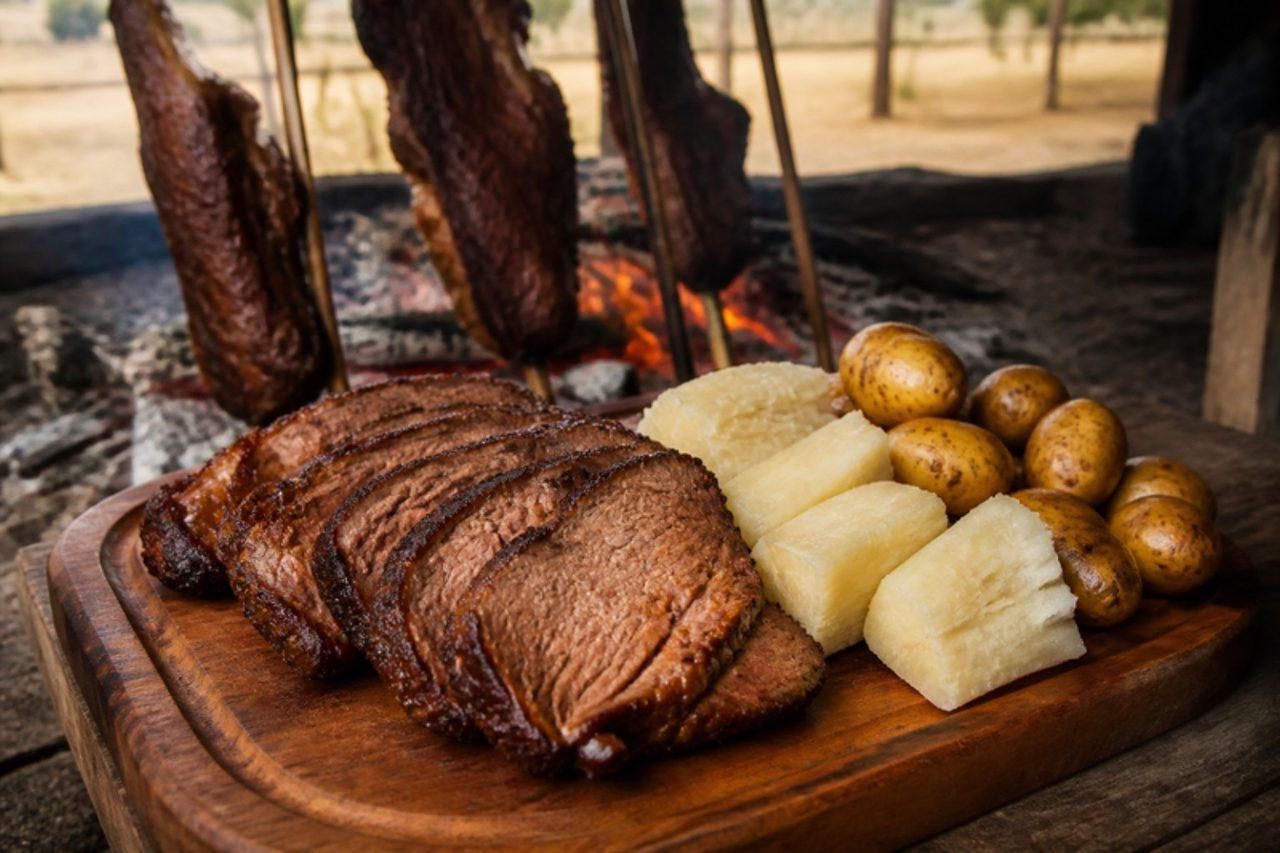
Cattle ranches of Meta and Casanare celebrate with mamona: a young steer cut into huge traditional pieces (rib slab, flank, shoulder) threaded on long wooden stakes and leaned around a wood fire for five hours or more, seasoned with nothing but coarse salt. The Villavicencio restaurants that specialise in it serve the meat with cassava, small boiled potatoes, plantain and ají, and some cooks splash beer over it, which you can skip. The beef ends up smoky and dripping on the inside with a salty, crusty bark. This home version uses a covered kettle barbecue with indirect heat, a whole slab of short ribs and a thick piece of flank. The usual blunder is putting the meat right over the coals; mamona cooks beside the fire, never over it. Chef's tip: let the salt sit on the meat in the fridge for a few hours before cooking; it seasons deeper and helps the crust form.

by KrazyBadal 0 views

Arroz con piangua

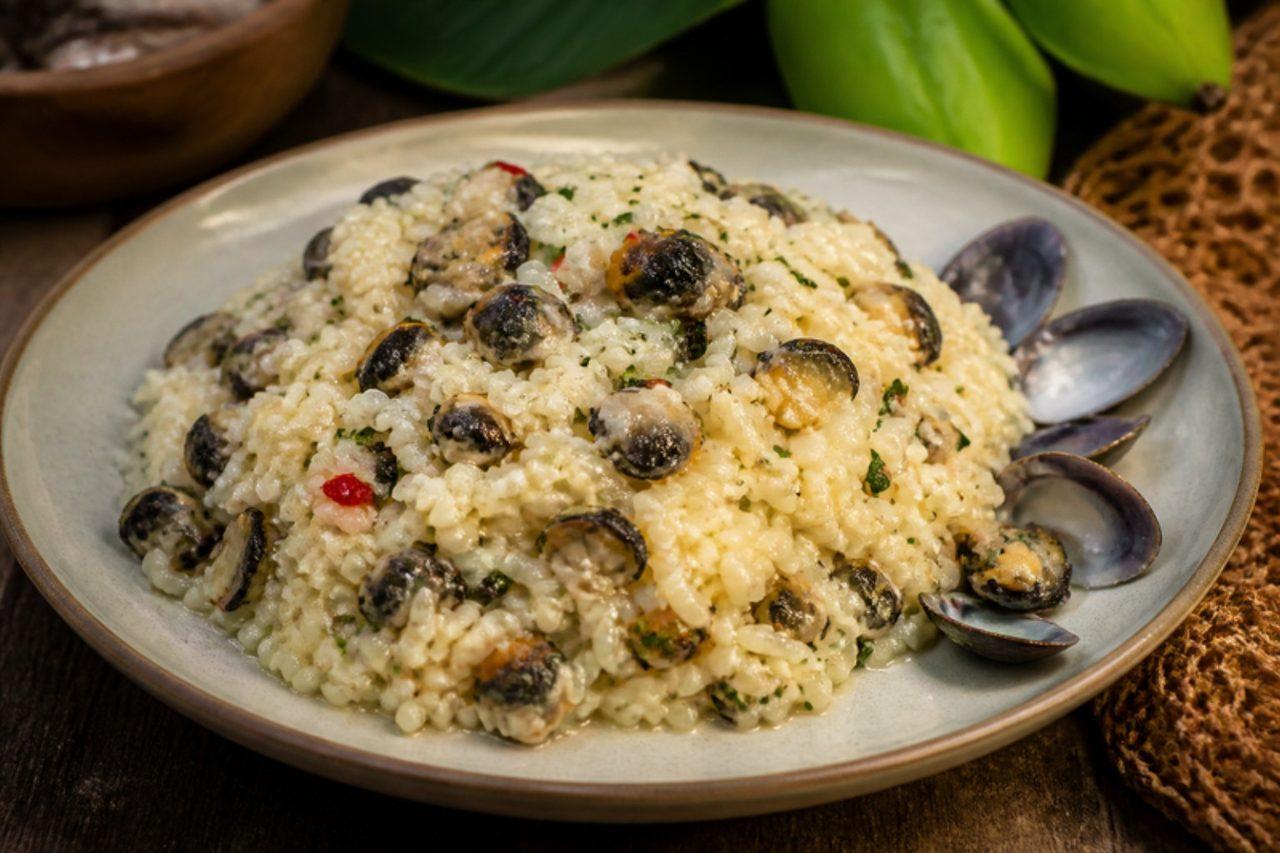
The women of Tumaco and the Nariño mangroves wade out at low tide to gather piangua, a dark-shelled ark clam that lives in the roots, and much of the catch ends up in this rice: the clam meat chopped and cooked with coconut milk, a refrito of onion and peppers, and the Pacific's chillangua and oregano. It is rich, briny and creamy, with the clams' strong, almost iron-like sea flavour carrying through every grain. Locals eat it as a lunch main with patacones and a little salad. Outside Colombia, look for frozen piangua meat in Ecuadorian or Colombian shops, or use fresh clams or cockles in the shell. Before cooking, throw away any clam with a cracked shell or one that stays open when tapped; after steaming, discard any that stay shut. Overcooking the clam meat is the usual error, as it turns rubbery, so stir it in only for the last minutes. Chef's tip: strain the clam cooking liquid through a cloth or coffee filter to catch the grit, then use it in the rice; that's where the flavour is.

by KrazyBadal 0 views

Pithiviers

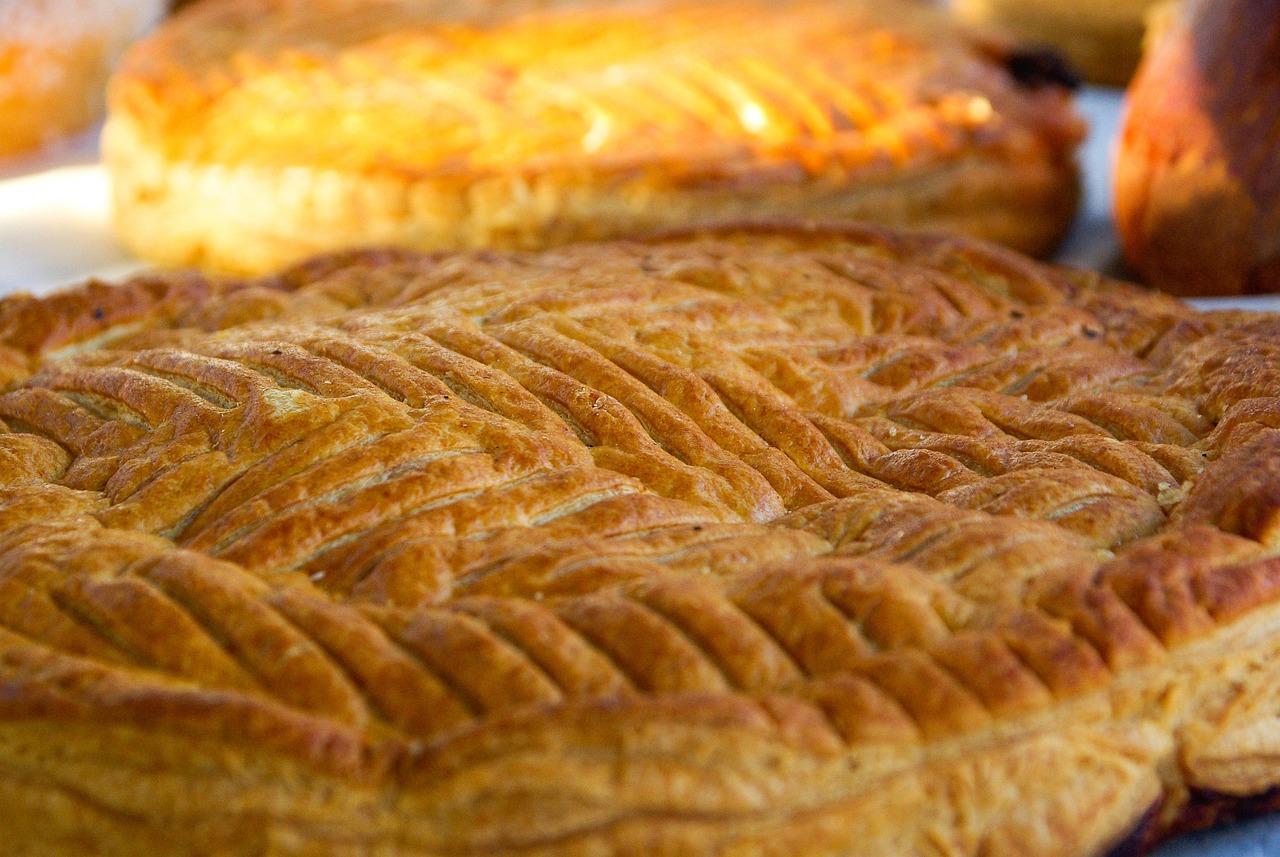
The small town of Pithiviers, between Orléans and Paris, gave its name to this domed puff-pastry pie filled with almond cream, its top scored in curved lines like the petals of a flower. It is close to the galette des rois that French families share at Epiphany in January, but in Pithiviers it is eaten all year as a Sunday dessert. The almond cream is traditionally flavoured with a spoonful of rum; leave it out and add orange zest or vanilla for an alcohol-free version. All-butter shop puff pastry works well. Chef's tip: chill the assembled pie for 30 minutes before scoring and baking; cold pastry rises tall and the pattern stays crisp.
by KrazyBadal 0 views

Pusandao

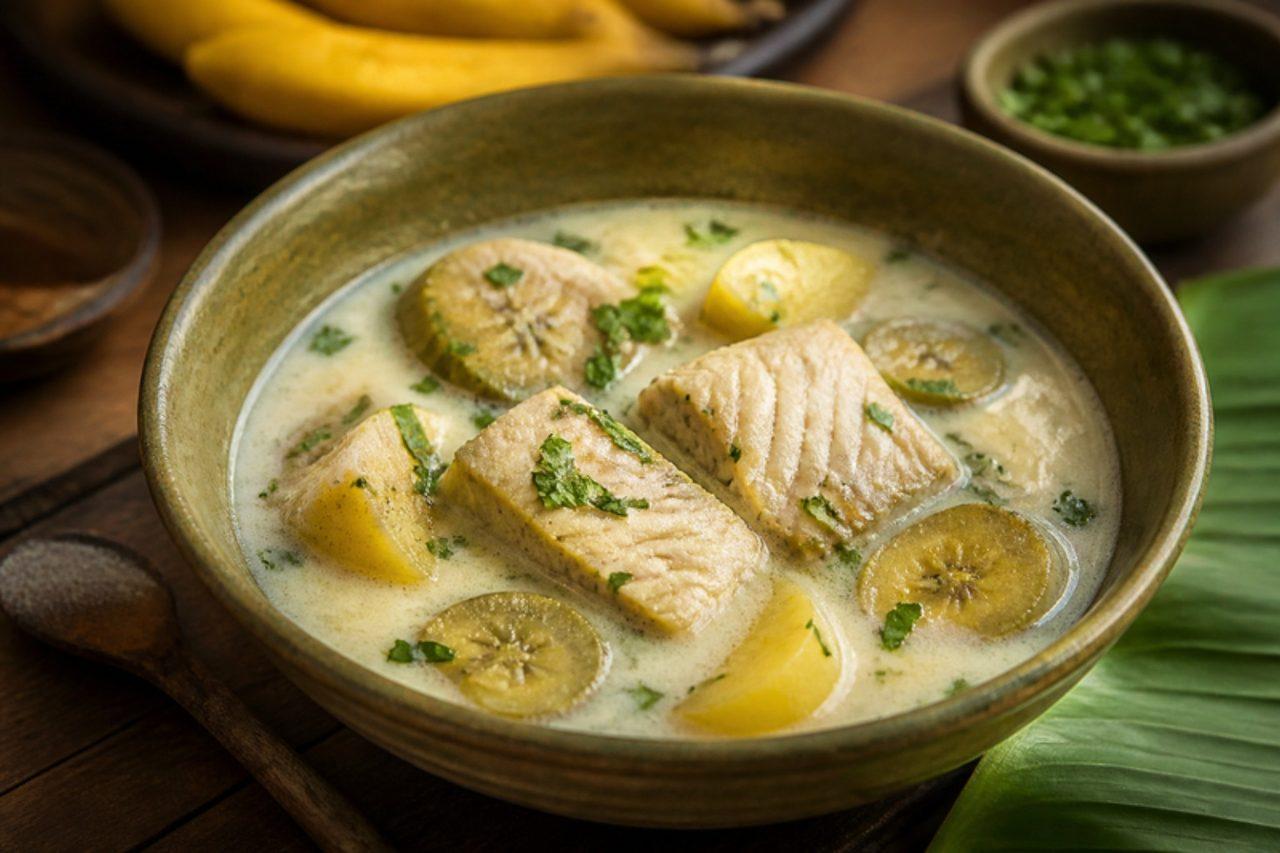
Down the Nariño coast, in Tumaco and the river villages towards Ecuador, pusandao is everyday food built from what keeps: salted fish (or salted pork), green plantain, potato and the milk of fresh coconuts. The fish is soaked to draw out the salt, then simmered with the vegetables in a thin coconut broth scented with chillangua, the coast's culantro. Plantain and potato soften and thicken the liquid into something soupy and comforting, salty-sweet and gently herbal; it is eaten for lunch with a squeeze of lime and nothing else needed. Plan on an overnight soak for the fish. The pitfall is boiling the coconut milk from the start, which makes it greasy and grainy; cook the plantain in water first and add the coconut milk for the last few minutes. Chef's tip: salt cod is the easiest substitute for the coast's salted fish; for the pork version, use salted pork ribs soaked overnight and boiled until tender before adding the plantain.

by KrazyBadal 0 views

Tapao de pescado

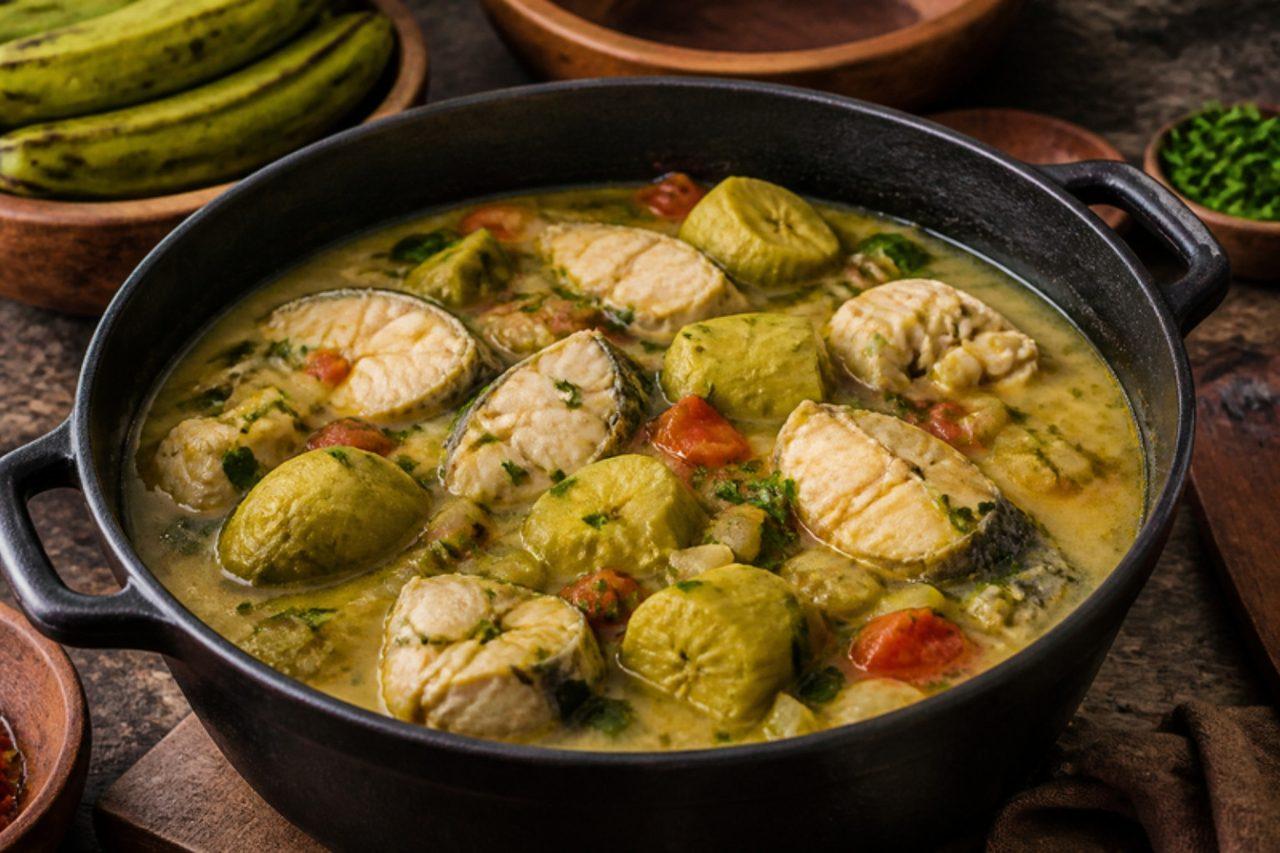
Quibdó's riverside kitchens and the villages along the Atrato and Baudó rivers make tapao, which simply means 'covered': fish and chunks of green plantain cooked in a little water and a refrito of onion, tomato and herbs, with the pot sealed under a plantain leaf and a lid so it all cooks in its own steam. There's no coconut, unlike the Pacific's encocados, so it tastes clean and brothy, of fish and herbs, with the plantain soaking up the juices and thickening them slightly. It's a weekday dish, often made with bocachico or other river fish, and eaten from deep plates with a spoon and fingers. Adding the fish with the plantain from the start is a common slip; the plantain needs a head start or the fish falls apart before the plantain is tender. Chef's tip: if you can find bocachico or another river fish, use it; otherwise sea bream or tilapia steaks with the bone in give the broth the best flavour.

by KrazyBadal 0 views

Encocado de pescado

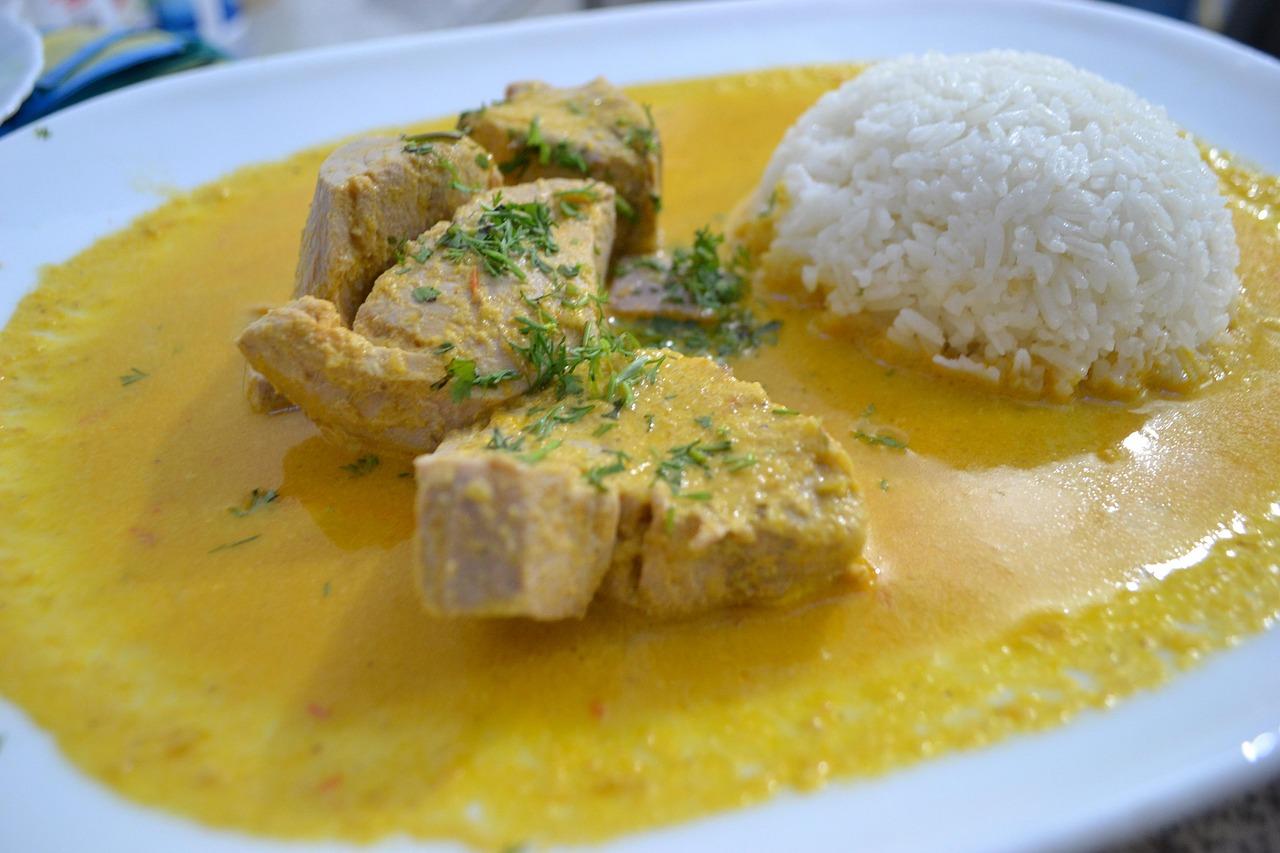
Fishing towns of the Colombian Pacific, from Buenaventura's Pueblo Nuevo market to the stilt houses of Tumaco, cook their catch in coconut milk scraped from fresh coconuts, with a refrito of onion, peppers and garlic and the coast's wild herbs: chillangua (culantro), poleo and oregano cimarrón. Encocado is lighter and more herbal than many coconut stews, mild rather than hot, with the fish just cooked in a creamy, pale-orange sauce. It is eaten at lunch with white or coconut rice and patacones or boiled green plantain. Boiling the coconut milk hard after the fish goes in is the classic error: the sauce splits and the fillets toughen, so keep it at a gentle bubble. Chef's tip: culantro (sawtooth coriander) is sold in Asian and Caribbean shops; if you can't find it, use twice the amount of ordinary coriander plus a few mint leaves to stand in for poleo.

by KrazyBadal 0 views

Rondón

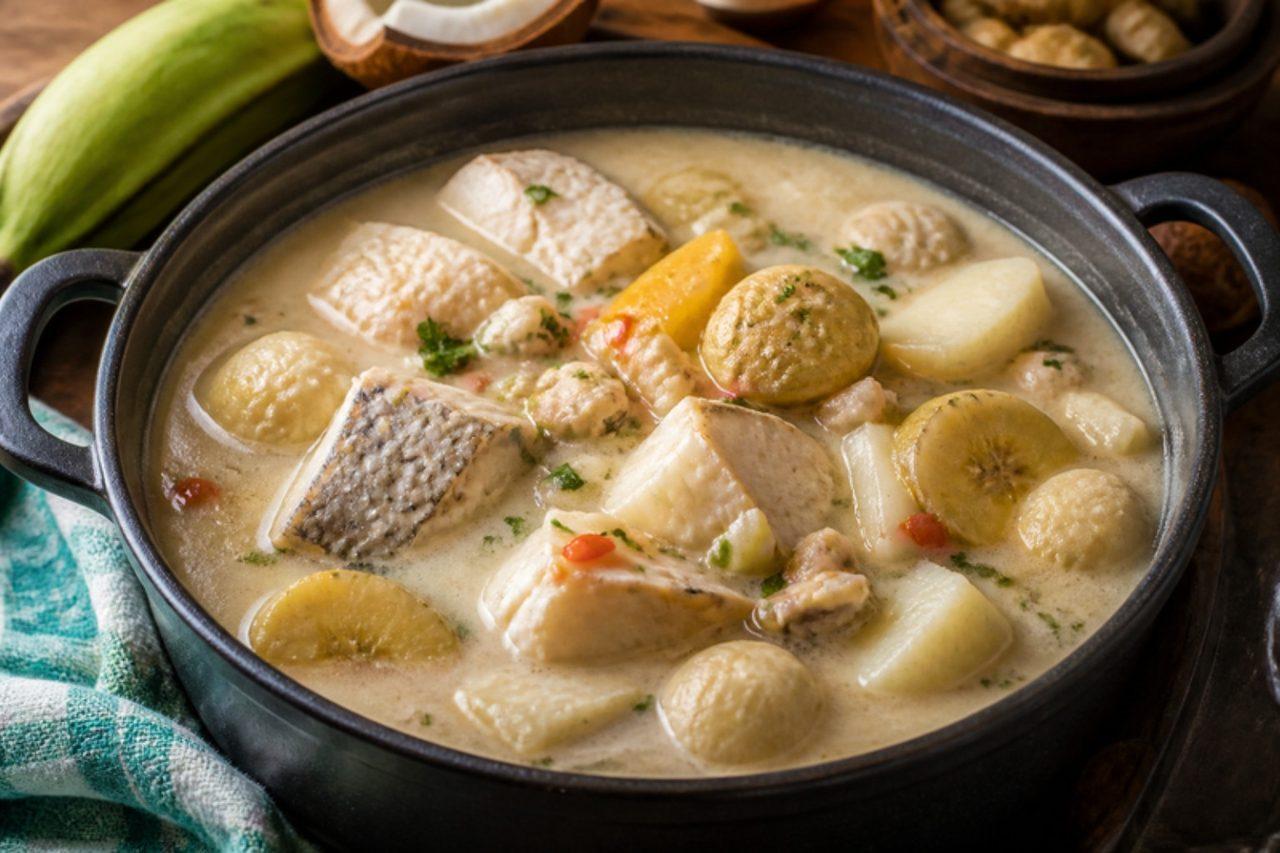
The English-speaking Raizal islanders of San Andrés and Providencia call it rundown, and it is cooked for a crowd on weekends and at beach gatherings: coconut milk boiled down until it 'runs down' and starts to release its oil, with cassava, green plantain, breadfruit or sweet potato, flour dumplings, salted pig tail and, on top, fish and conch steamed in the creamy broth. Pork appears as the salted tail, which seasons the pot. The broth is rich, coconut-sweet and herby with thyme, with a perfume of whole Scotch bonnet that gives aroma rather than fire as long as it doesn't burst. Start the day before: the pig tail needs overnight soaking. A common mistake is stirring once the fish goes in, which breaks it up; layer it and let the steam do the work. Chef's tip: queen conch is protected in much of the Caribbean, so buy only legally sourced frozen conch, or swap in large raw prawns added with the fish.

by KrazyBadal 0 views

Mojarra frita

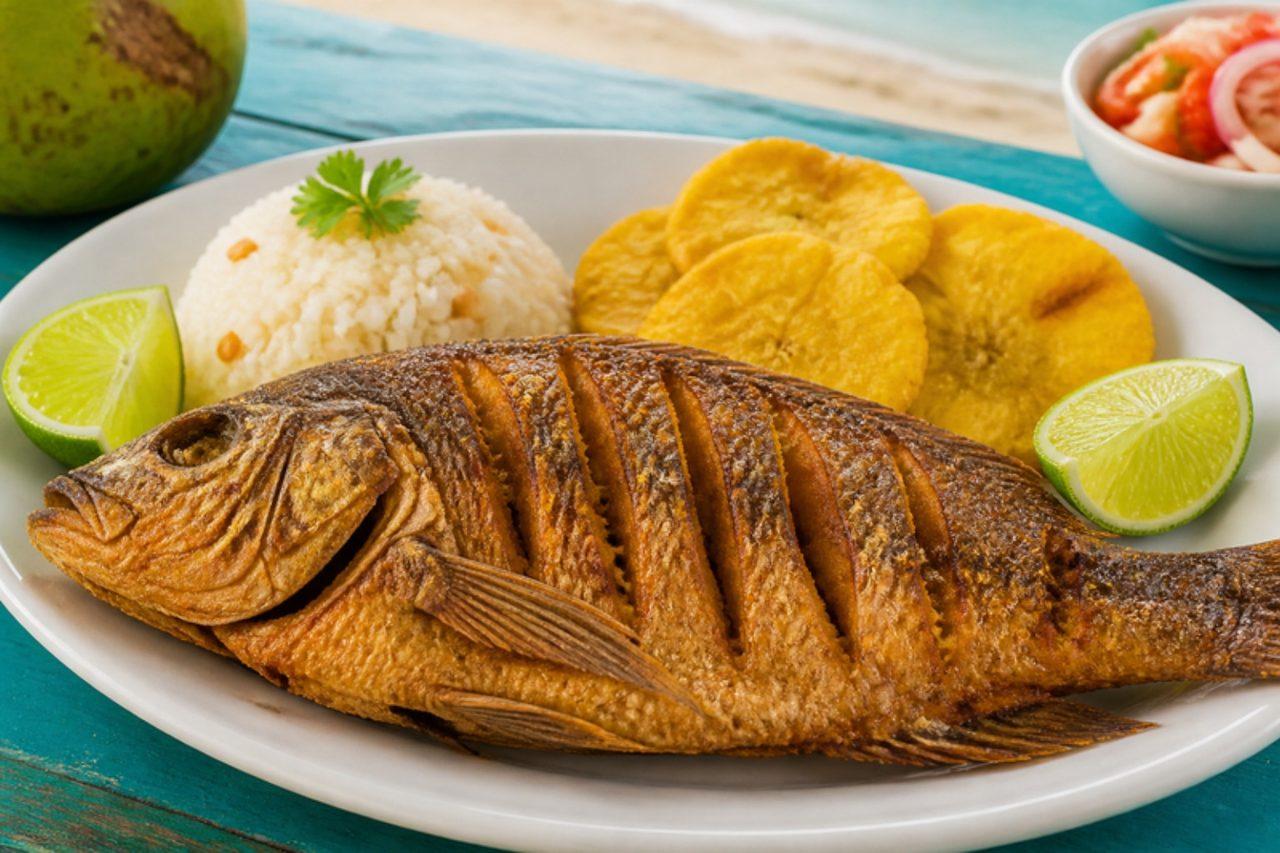
On the beaches of Bocagrande and in the open-air kitchens of La Boquilla outside Cartagena, the lunch plate is a whole mojarra (tilapia) fried until its fins crackle, served with coconut rice, smashed green plantain patacones and a tomato and onion salad with lime. The skin goes shatteringly crisp, the flesh stays sweet and moist, and you eat it with your fingers, pulling meat off the bone. Scoring the sides lets the heat and seasoning reach the thick part near the spine. The mistake to avoid is putting a wet fish into the oil, which spits dangerously and leaves the skin soggy: pat it very dry and dust it lightly. Chef's tip: fry one fish at a time in plenty of oil and don't move it for the first 4 minutes, so the skin sets before you turn it. Serve with arroz con coco for the full Caribbean plate.

by KrazyBadal 0 views

Butifarra soledeña

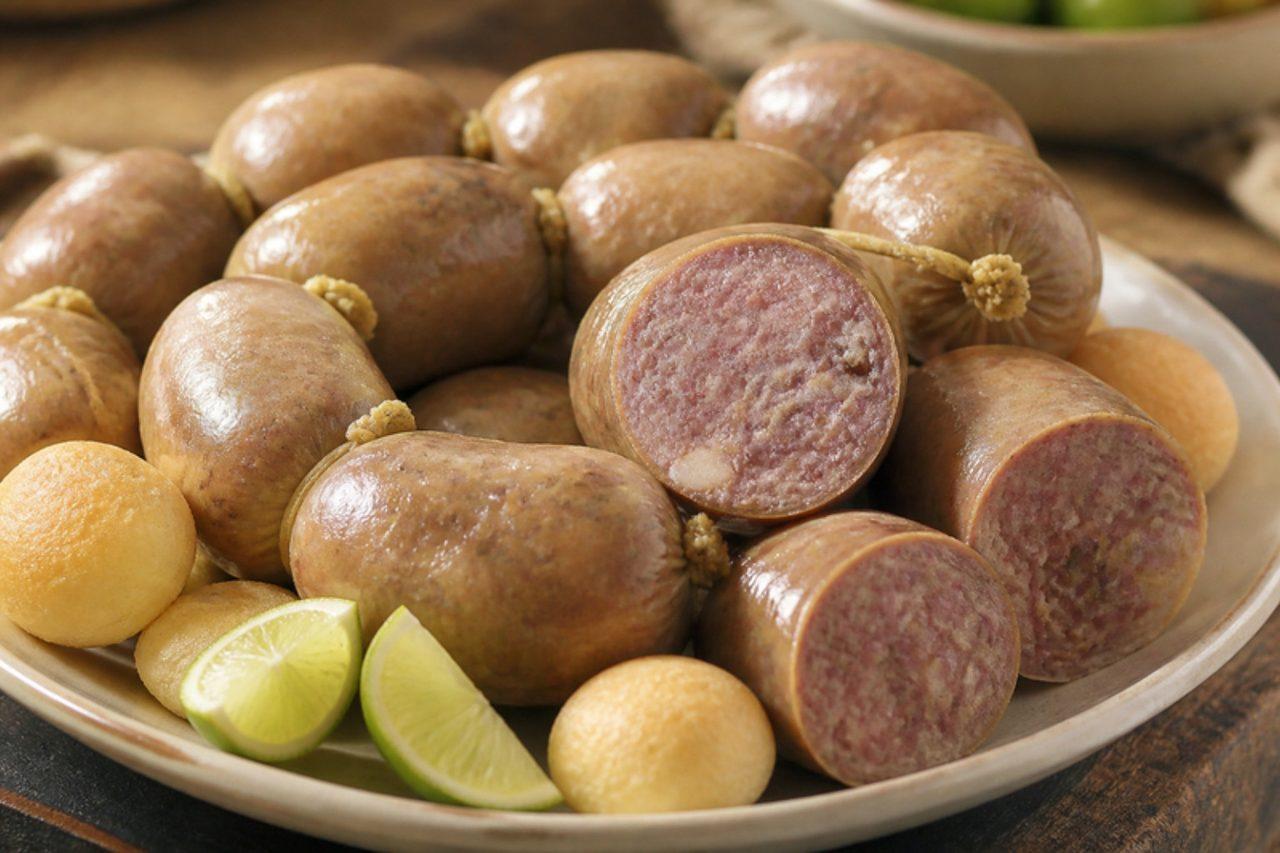
Around Barranquilla, the street call of 'butifarra, butifarra' comes from vendors pushing carts out of Soledad, the town that made these little sausages famous; there's even a festival for them every July. They are small, round links of beef and pork seasoned with nothing more than salt and plenty of black pepper, boiled rather than grilled, so they stay tender, juicy and pale. Sellers squeeze lime over them and hand them out with a bollo de yuca, a firm steamed cassava roll. They are simple, peppery and a little sour from the lime. Using lean meat is the usual mistake: without the pork fat they turn dry and grainy. Chef's tip: tie the links into small, round balls about 4 cm across and boil them gently; a rolling boil splits the casings.

by KrazyBadal 0 views

Marranitas

Breakfast stalls along Cali's busy streets and the bakeries of the Valle del Cauca fry marranitas all morning: green plantain, half-fried, pounded while hot and shaped around a nugget of crunchy pork chicharrón, then fried again until crisp and golden. The name means 'little piglets', after the pork inside. The outside shatters, the plantain layer is dense and starchy and the crackling gives a salty, porky crunch in the middle. Eat them hot with a mug of coffee or hot chocolate, or as a snack with ají and hogao for dipping. The plantains must be truly green and hard; yellowing ones turn sweet and sticky and won't hold a crisp shell. Chef's tip: pound the plantain the moment it comes out of the first fry, using a little warm salted water on your hands; once it cools it stiffens and cracks when you shape it.

by KrazyBadal 0 views

Arroz de lisa

Carnival in Barranquilla isn't complete without a plate of arroz de lisa, and the market at Barranquillita and the old neighbourhoods around it sell it every day: salted, dried mullet from the Ciénaga Grande, soaked, shredded and cooked into rice with sweet peppers, onion, tomato and achiote. The rice comes out loose, orange and deeply savoury, with flakes of fish all the way through. It is served with bollo de yuca, fried ripe plantain or a simple tomato and onion salad. Plan ahead: the salted fish needs a day's soaking in the fridge. Skipping enough soaking is the usual downfall; the rice ends up far too salty, so taste a flake of the fish before you cook and keep soaking if it is still sharp. Chef's tip: if you can't find salted mullet, salt cod from any fishmonger works well, and use the poaching water for the rice only after tasting it.

by KrazyBadal 1 views

Arroz atollado

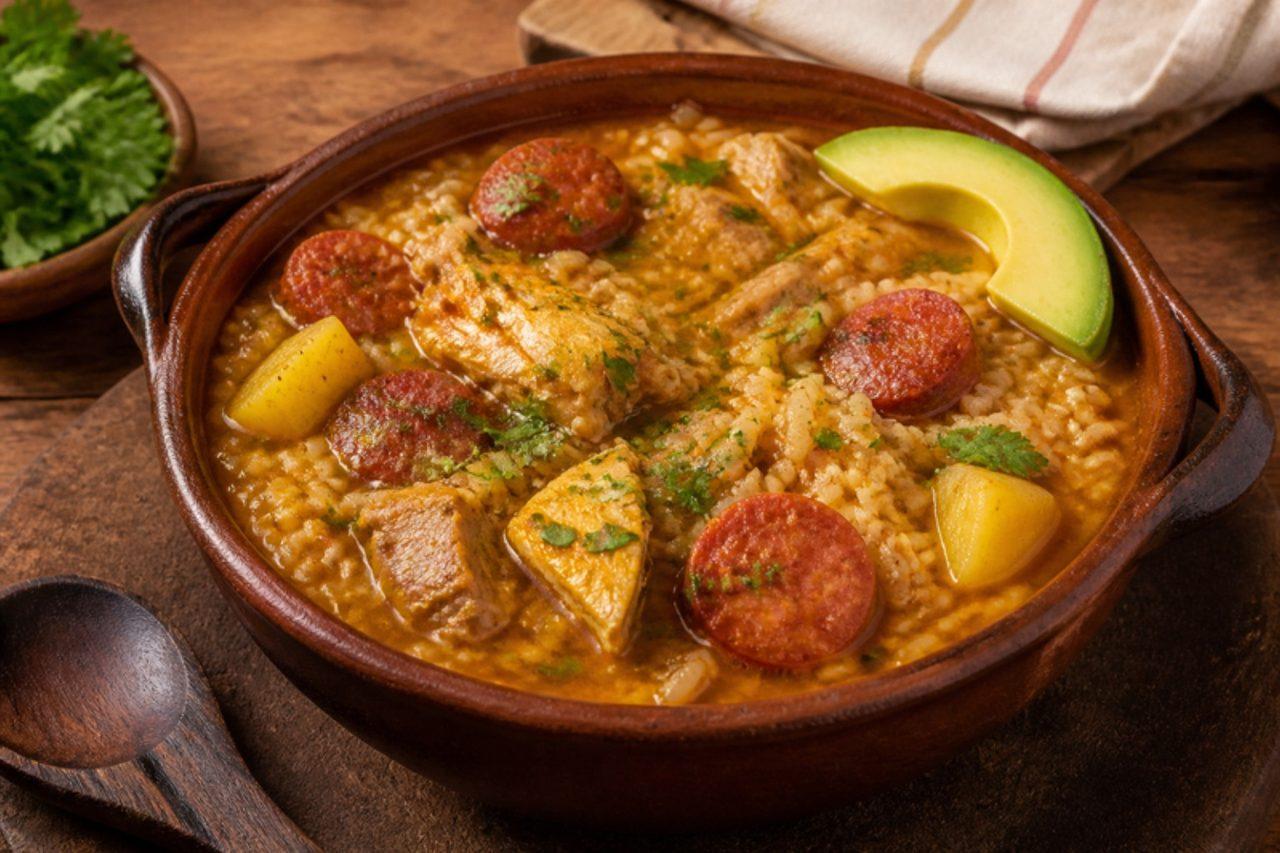
Cali's cooks say the rice should be 'atollado', stuck in the mud: wet, creamy and spoonable, somewhere between a risotto and a thick soup. It is the Valle del Cauca's Sunday and paseo dish, cooked in a big pot by the river or for a crowd at home, with chicken, pork, Colombian chorizo and two kinds of potato all simmered into the rice, the whole thing coloured orange-gold with achiote. The papa criolla melts and gives the body; the meats give a deep, porky savour. Serve it straight from the pot with ripe avocado, fried plantain and a squeeze of lime, and don't wait: it keeps thickening as it stands. People often rinse the rice or use long-grain, which gives separate grains; medium-grain, unrinsed, keeps it creamy. Chef's tip: hold back a ladle of hot stock and stir it in just before serving to bring the rice back to that loose, muddy consistency.

by KrazyBadal 0 views

Cajeta de Celaya

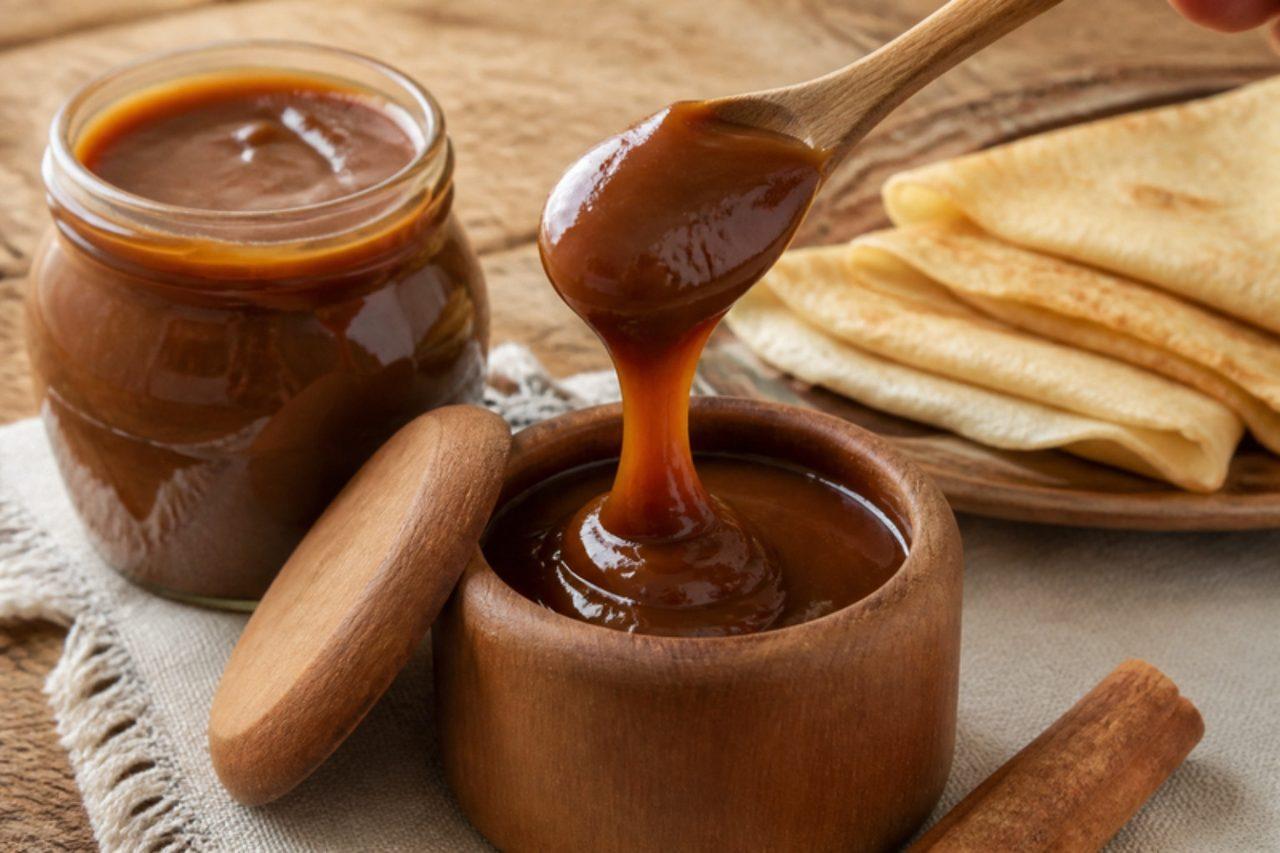
Celaya, in the Bajío of Guanajuato, has made cajeta for centuries, once packing it into little wooden boxes (cajetes) that gave it its name. It is caramel cooked from goat's milk, so it is looser and has a gentle tang compared with the cow's-milk dulce de leche of Argentina. Mexicans spread it on crêpes and churros, pour it over ice cream, sandwich it between obleas (wafers) and turn it into glorias. A splash of rum-flavoured 'envinada' cajeta exists, but this one is plain and alcohol-free. Chef's tip: use a pan at least three times the volume of the milk; it foams high when the bicarbonate goes in.

by KrazyBadal 0 views

Showing 45 of 7,762 recipes

Show more recipes

Page 382 of 863