


Skip to content
Cream cheese
Featured recipe

Cream cheese

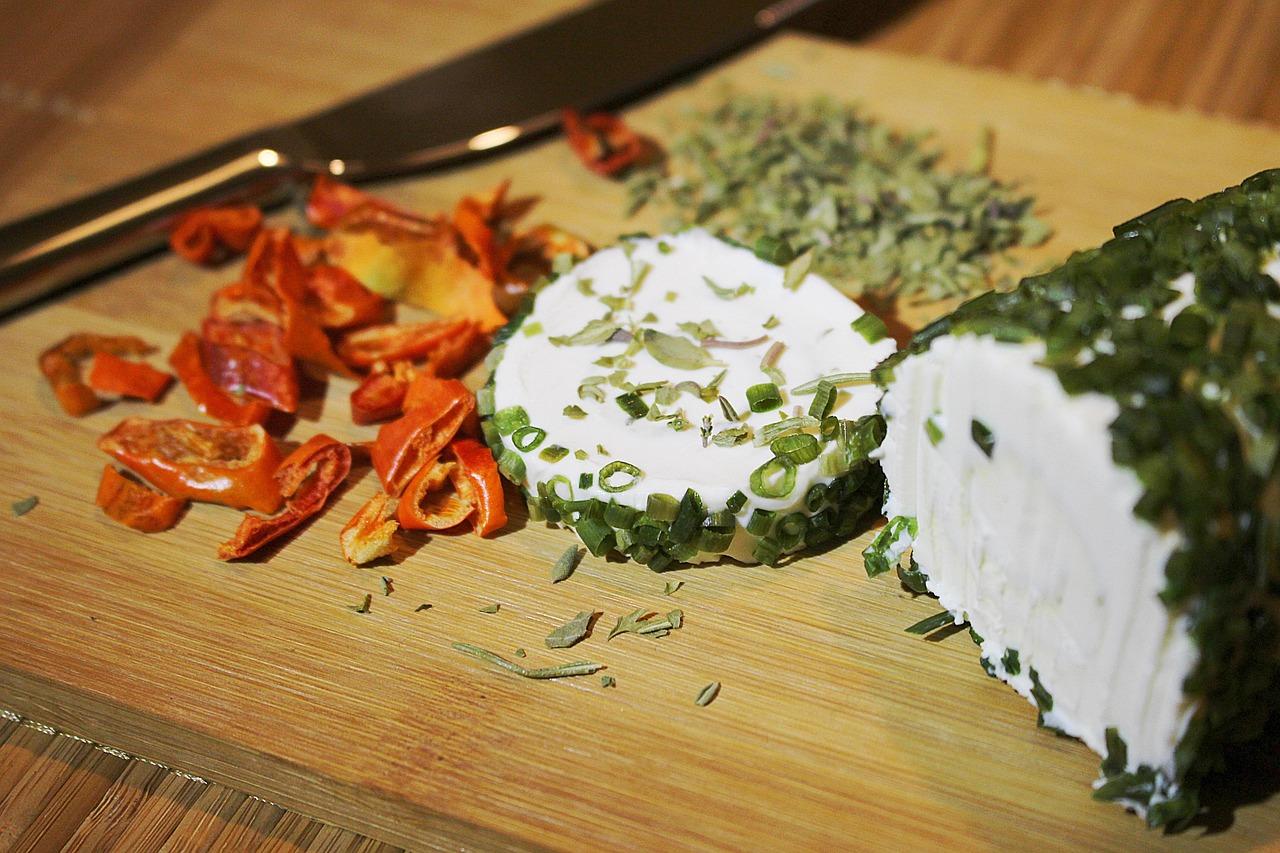
A soft, spreadable fresh cheese made the same way as paneer, but blended until creamy instead of pressed. Spread it on crackers, or use it in dips, cheesecakes and the eggless mayonnaise.

Read more 0 views

What to eat today?

Around the world

Today's trip: Moroccan

A new country every day, from every cuisine on the site.

This week's collection

Make-ahead meals
1569 recipes · a new collection every Monday

Latest recipes

Zwetschgendatschi

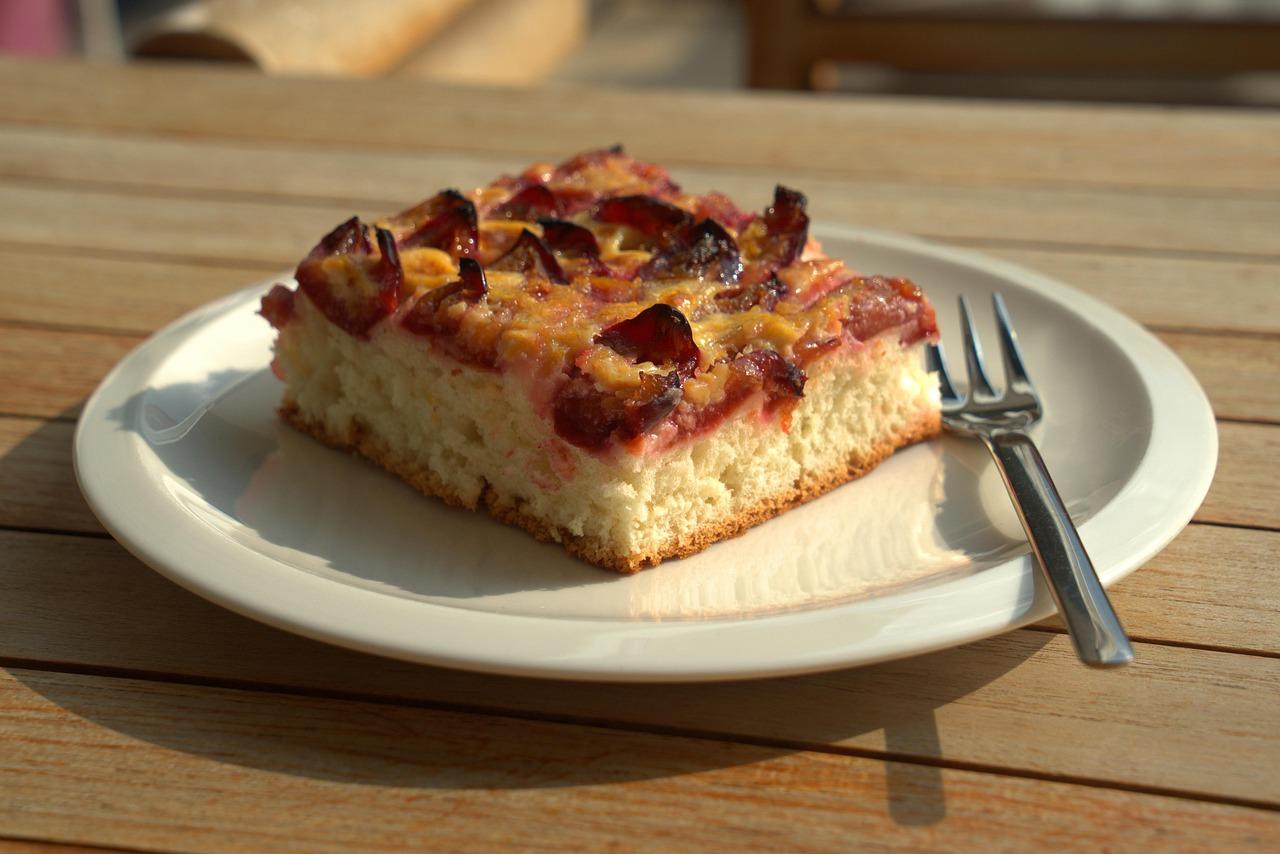
When the late-summer Zwetschgen (small, oval damson-type plums) arrive at the markets of Augsburg and Munich, every Bavarian and Swabian kitchen bakes a Datschi on the biggest tray it owns. A thin, soft yeast dough is covered edge to edge with plum halves stood upright in tight, overlapping rows, so the juices run and caramelise as it bakes. It is eaten in the afternoon, cut in squares, with a big spoon of whipped cream. A common mistake is using large round plums, which flood the dough with juice and leave it soggy; the firm, oval Zwetschgen hold their shape. Chef's tip: scatter a thin layer of fine breadcrumbs or ground almonds over the dough before the plums go on to catch the juice.

115 minGermanBaking
by KrazyBadal 0 views

Silesian Streuselkuchen

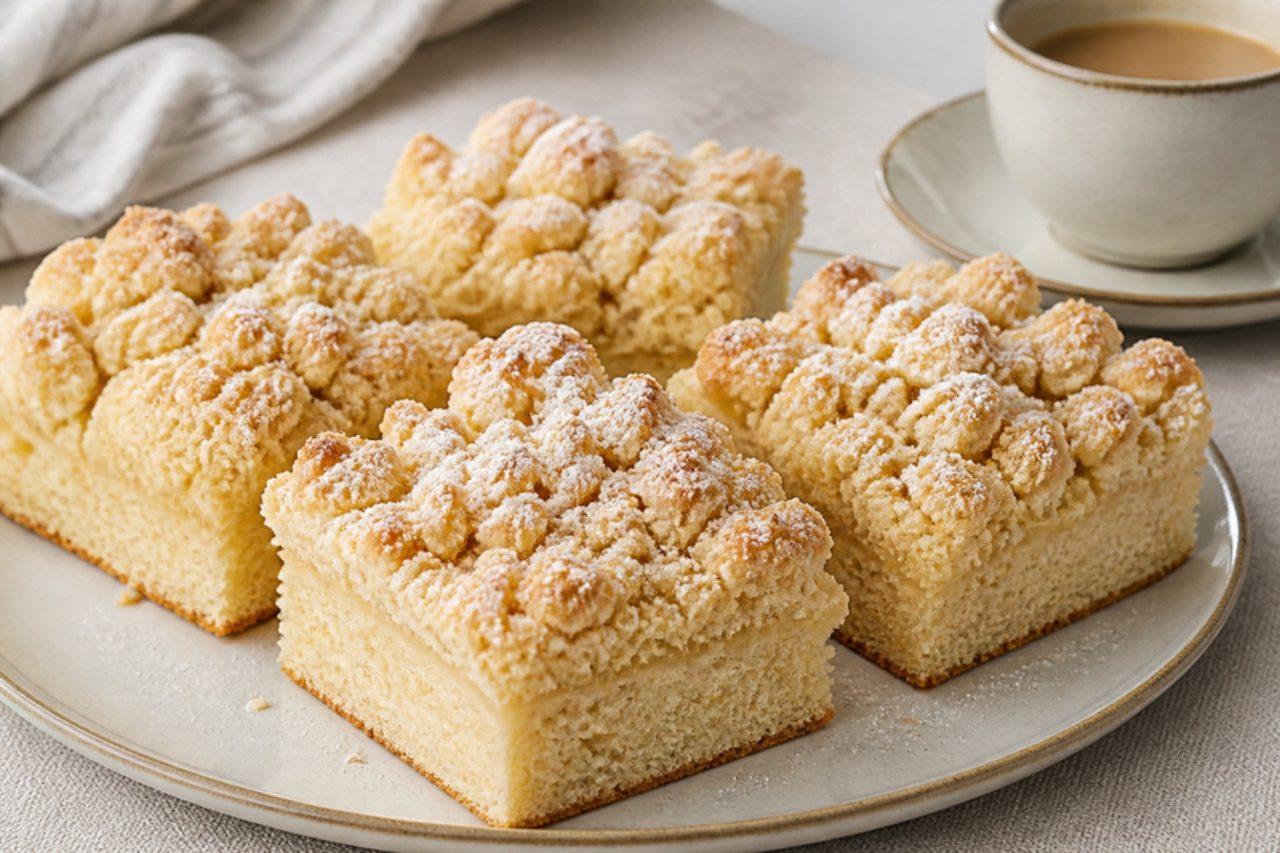
Streuselkuchen came west with families from Silesia, where a tray of it was baked for every wedding and church fair, and it is now sold in every German bakery. The point is the crumble: big, buttery, vanilla-scented lumps sitting almost as thick as the soft yeast base underneath. It is served plain with coffee in the afternoon, often a day old, when the streusel has gone crisp and the base slightly chewy. A common mistake is rubbing the streusel to fine sand; it should be squeezed into clumps the size of hazelnuts. Chef's tip: use cold, cubed butter and chill the finished streusel for 20 minutes before scattering it, so the lumps keep their shape in the oven.

120 minGermanBaking
by KrazyBadal 0 views

Kolompeh

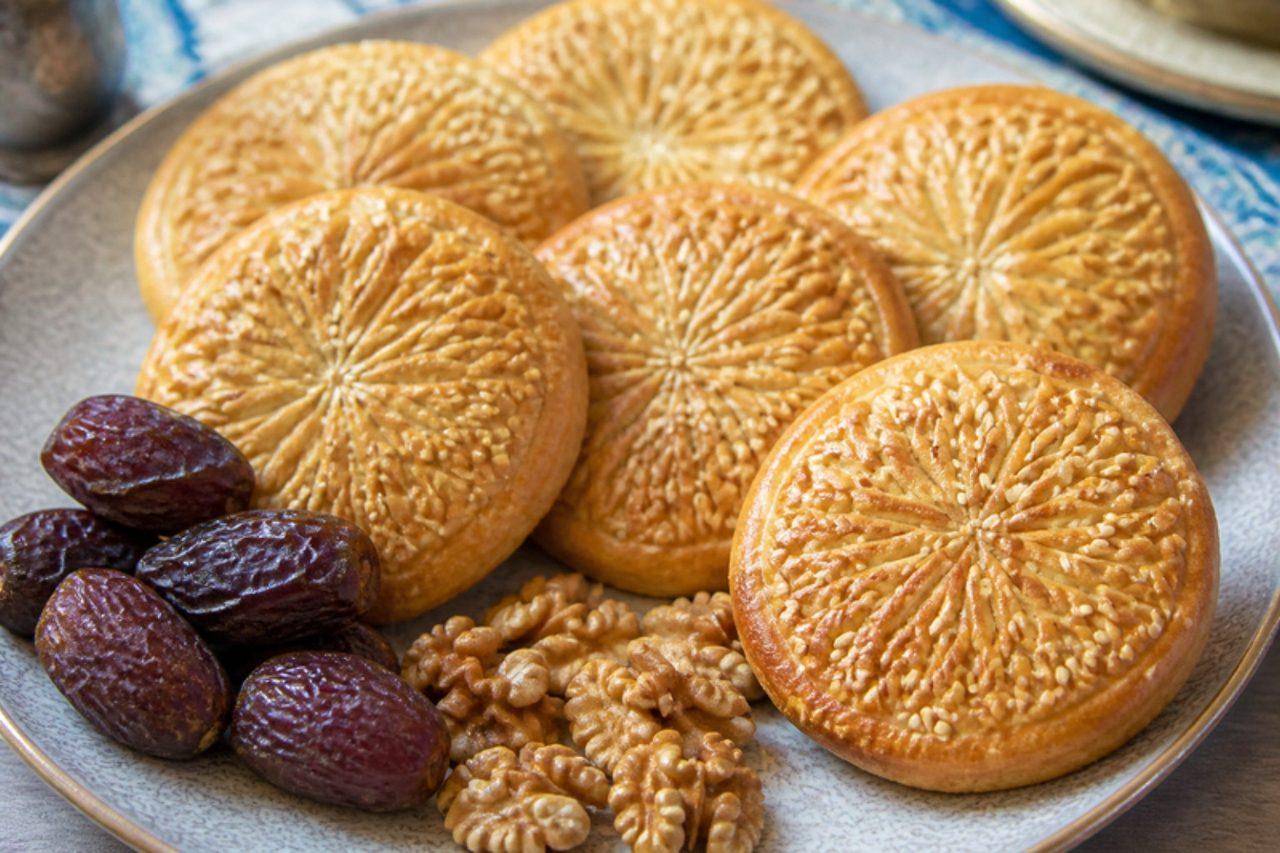
Kolompeh is the pride of Kerman, a flat, round pastry stamped with a pattern on top and filled with date paste spiced with cardamom, cinnamon and a little fennel seed. Kermanis bake it for Nowruz and for guests, and it keeps well enough to travel, which is why tins of it go home with every visitor. The pastry is short and tender with a hint of sweetness. A common mistake is making the date filling too wet, which seeps through the pastry; it should be a stiff paste you can roll into a ball. Chef's tip: warm the dates for a few seconds before mashing, and they turn into a smooth paste in moments.

by KrazyBadal 0 views

Grüne Soße

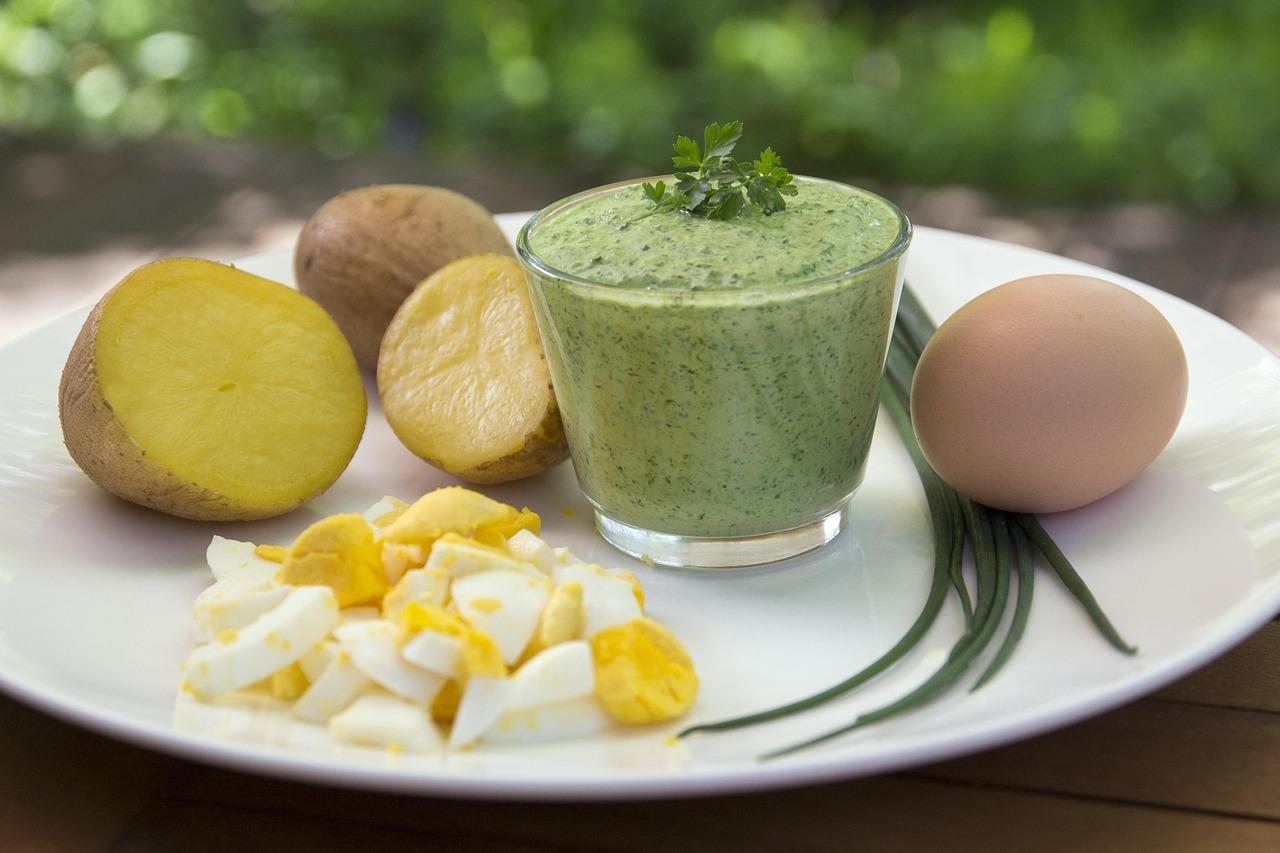
Grüne Soße, or Grie Soß in Frankfurt dialect, arrives in spring when market stalls in Hesse sell paper bundles of exactly seven herbs: borage, chervil, cress, parsley, burnet, sorrel and chives. Blended into sour cream and yoghurt, they make a cold, bright, grassy sauce that is eaten with halved boiled eggs and new potatoes, traditionally on Maundy Thursday. It is a whole meal, light but filling. If you can't find the herb bundle, any mix of soft herbs with some sorrel for sourness works. A common mistake is blending the herbs to a smooth purée in a hot blender, which turns them dull and bitter; chop or pulse briefly. Chef's tip: make the sauce an hour ahead and chill it so the herbs flavour the cream fully.

by KrazyBadal 0 views

Doce de caju

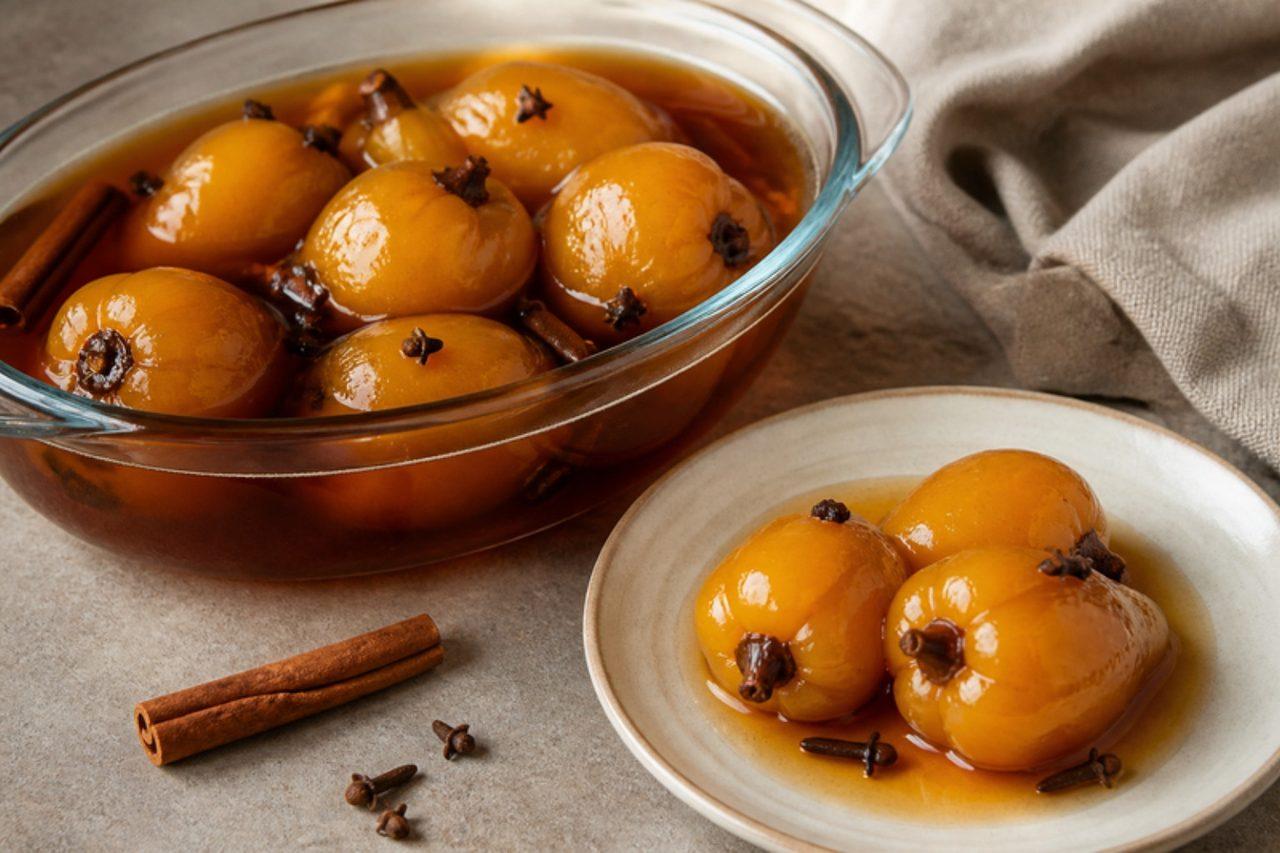
Ceará grows more cashews than anywhere in Brazil, and in the season from September to December the soft, fragrant cashew apples are everywhere: pressed for juice, sold at roadside stalls and preserved whole in syrup like this. The fruit is pricked, squeezed of its astringent juice, blanched and then cooked slowly with sugar and cloves until it turns amber, glossy and tender with a chewy bite. Fortaleza families keep jars for Christmas and serve the fruit with a slice of white cheese or simply on a saucer with its syrup. Outside Brazil look for whole frozen cajus in Brazilian shops. Twist off and discard the grey nut before cooking: its raw shell holds a caustic oil and should not be cut, burnt or eaten at home. Skipping the squeezing and blanching is where it goes wrong; the sweet ends up rough and furry in the mouth. Chef's tip: let the fruit rest overnight in the syrup halfway through; it plumps up and soaks in the sugar evenly.

by KrazyBadal 0 views

Mousse de cupuaçu

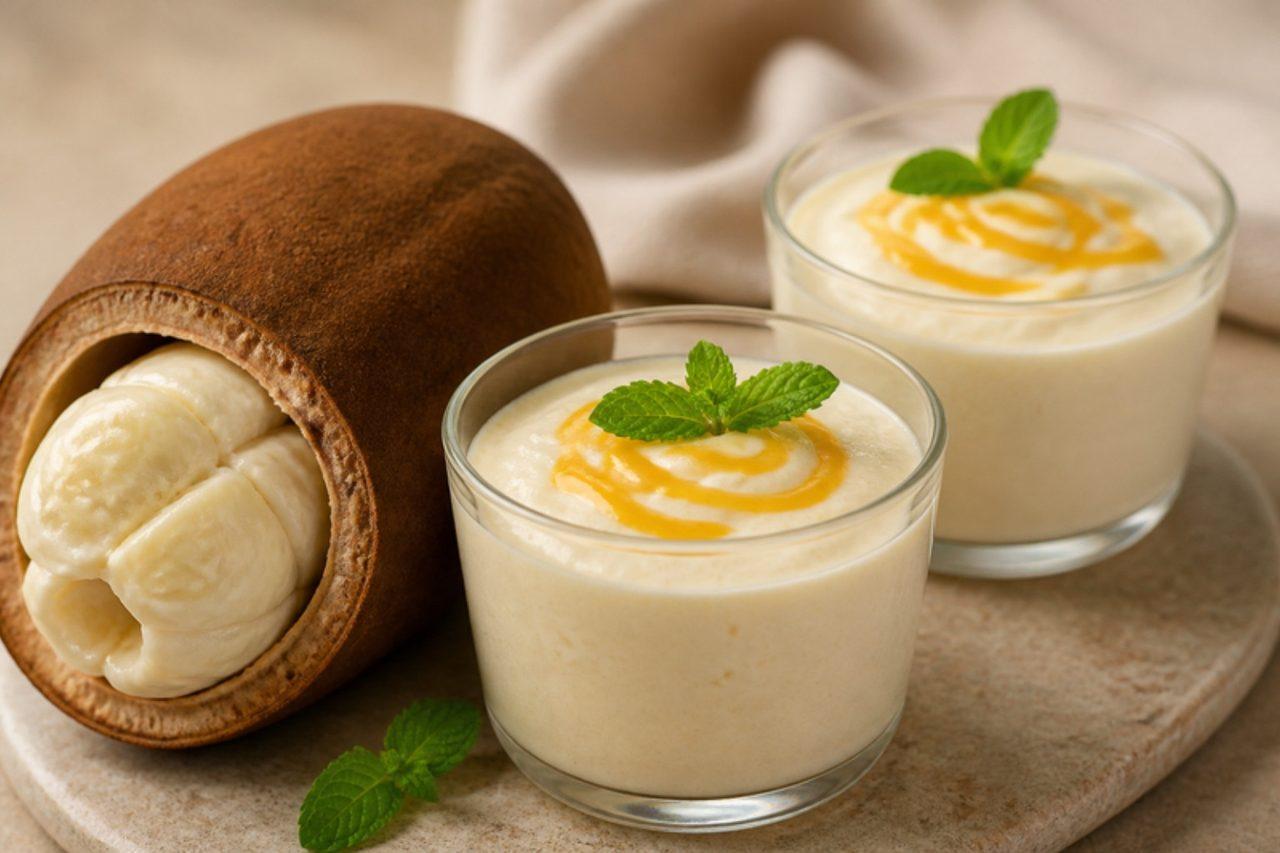
Cupuaçu, a cousin of cacao with a velvety white pulp, smells of pineapple, banana and chocolate at once and is one of the great flavours of Pará. Belém's ice-cream parlours and lunch restaurants turn it into this light, sharp-sweet mousse, and home cooks make it the night before a birthday or Sunday lunch because it is just whipped and chilled. Condensed milk and cream soften the fruit's sourness; a spoon of cupuaçu syrup on top adds colour and bite. Outside Brazil, buy frozen unsweetened cupuaçu pulp from Brazilian or Latin shops. Many cooks blend the cream with everything else, which leaves the mousse runny; whip it separately and fold it in. Chef's tip: thaw the pulp in the fridge rather than in hot water, so it keeps its perfume, and chill the mousse for at least 4 hours.

by KrazyBadal 0 views

Pupunha cozida

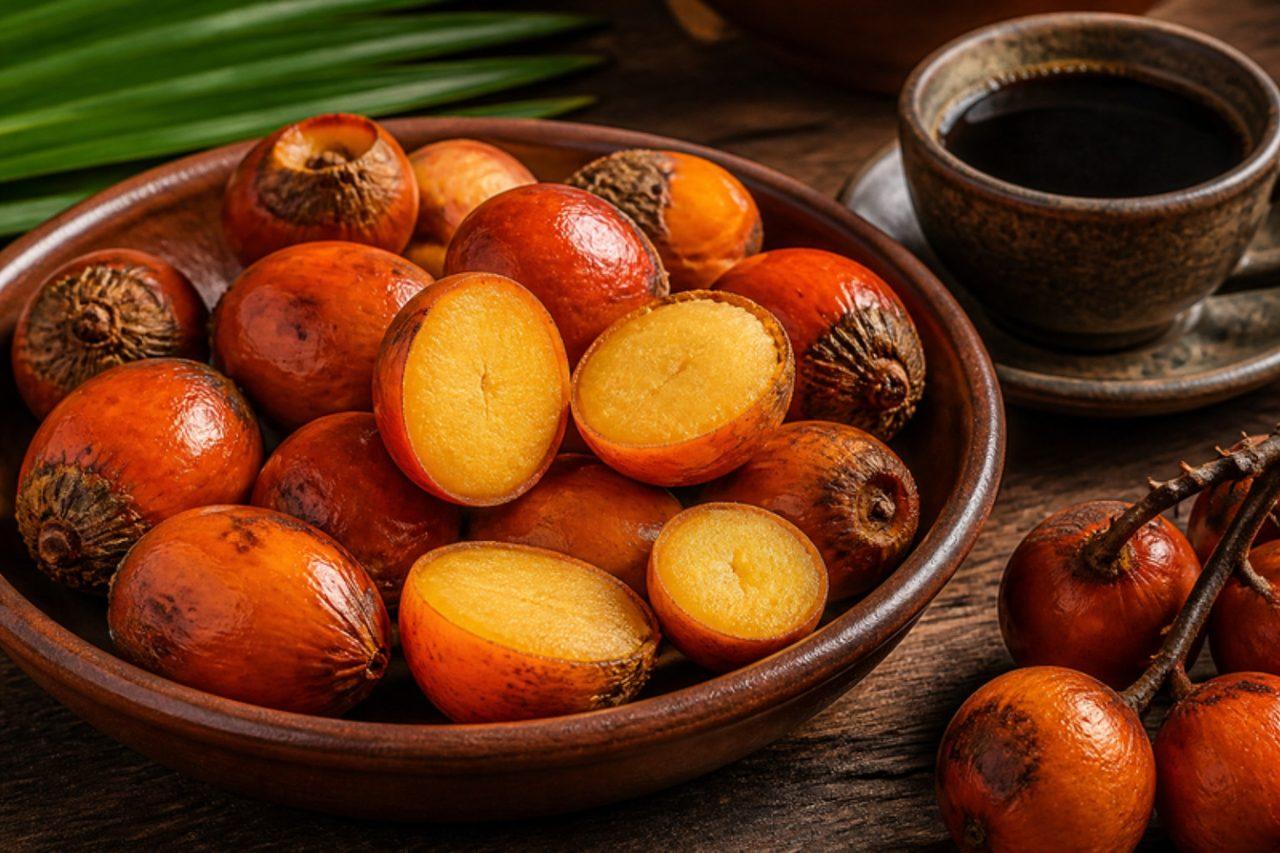
From Belém to Manaus, the breakfast table in pupunha season (roughly December to April) holds a bowl of these orange and red palm fruits, boiled in salted water and peeled at the table. Their flesh is dense, starchy and slightly oily, somewhere between chestnut, sweet potato and egg yolk, and it is eaten with black coffee or café com leite, sometimes with a smear of butter or a drizzle of honey. Street sellers and markets sell them cooked in bunches. Look for fresh or frozen pupunha (chontaduro) in Brazilian and Colombian shops. The fruit must be cooked; raw it irritates the mouth. The common misstep is cooking it too briefly, which leaves the flesh hard and astringent; it needs a long boil until a knife meets no resistance. Chef's tip: cook more than you need and slice the leftovers into salads or fry them in oil like chips the next day.

by KrazyBadal 0 views

Angu

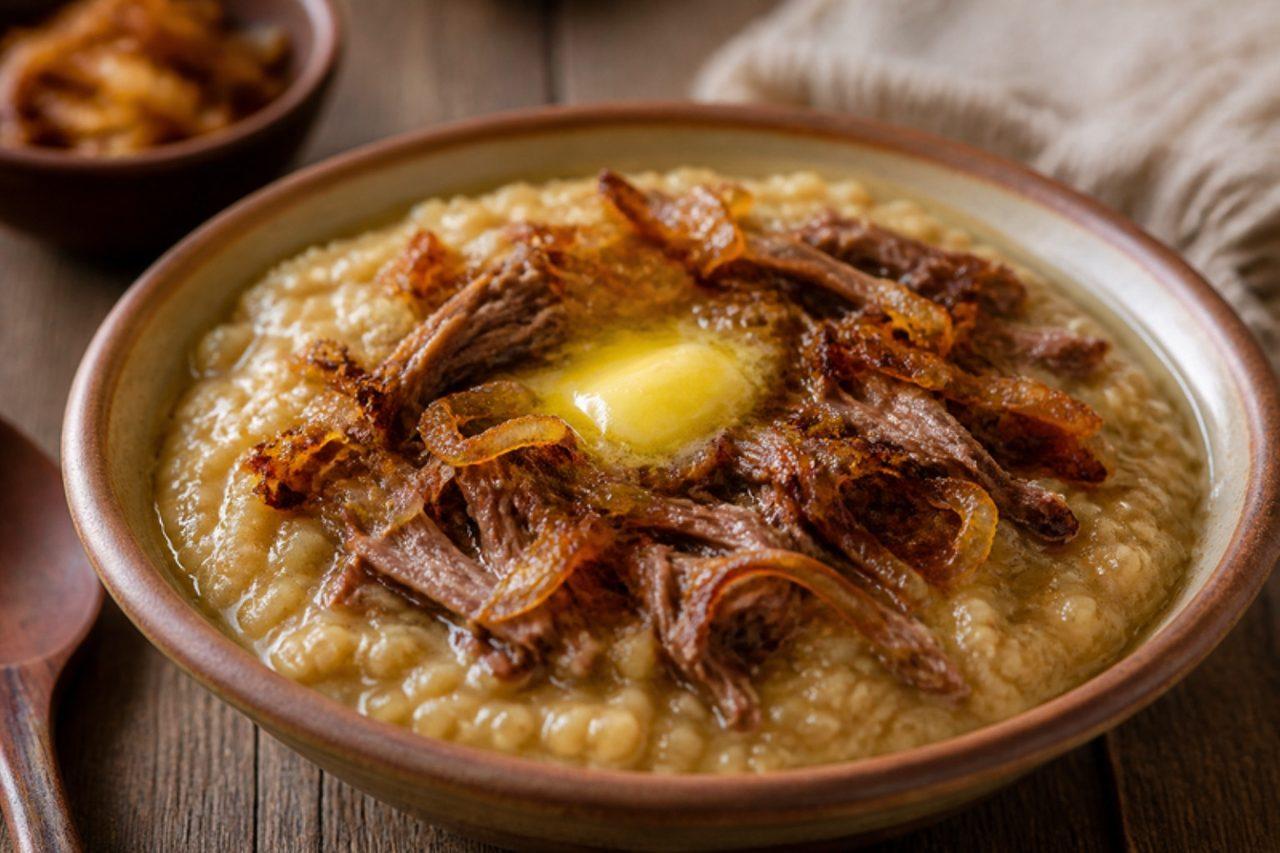
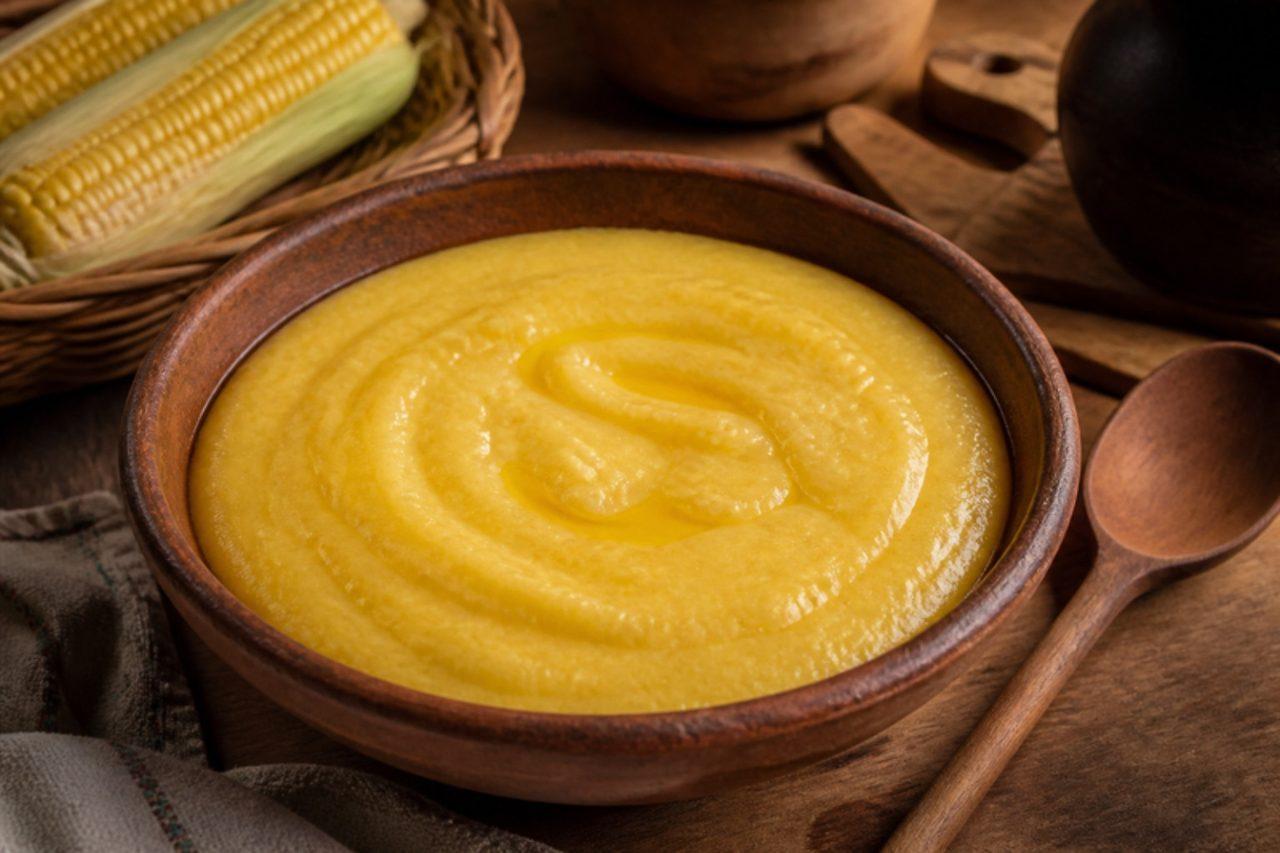
Angu is to a mineiro kitchen what bread is elsewhere: a pot of fine yellow fubá cooked with water into a smooth, soft mush, traditionally without salt, to sit under saucy dishes. In Minas Gerais and Rio it is spooned beside frango com quiabo, braised greens, mushroom ragouts and anything with a gravy, and the old roadside restaurants bring it in clay bowls. Plain angu tastes clean and gently sweet of corn, which is why it suits strongly seasoned food. The classic mistake is pouring dry cornmeal into boiling water, which creates lumps that never cook out; start it in cold water instead. Chef's tip: keep the heat low and give it the full 20 minutes even when it looks thick already; raw cornmeal tastes gritty and bitter, while cooked angu is silky and comes away from the sides of the pan.

by KrazyBadal 0 views

Biscoito de polvilho

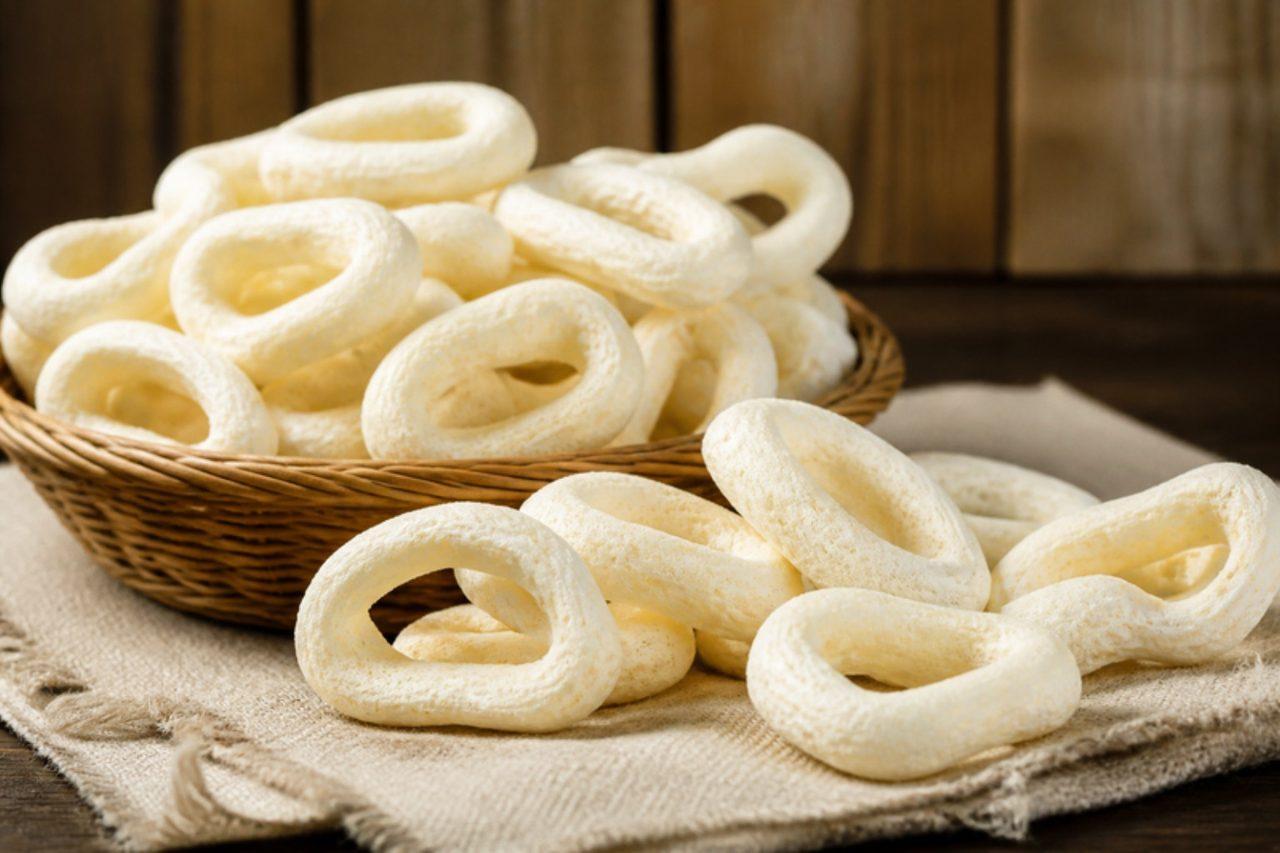
Light enough to float off the plate, these rings are sold by the bagful at bus stations, beaches and football grounds all over Brazil, but they belong to Minas Gerais, where sour cassava starch (polvilho azedo) has been made for centuries. Scalding the starch with hot milk, water and oil and then beating in eggs gives a sticky paste that puffs in a hot oven into crisp, airy, slightly tangy shells. Mineiros eat them with coffee in the afternoon or nibble them all day. Bake them in a hot oven and do not open the door: the rings collapse into flat, hard discs if the heat drops in the first 20 minutes. Chef's tip: the paste should pipe like thick mayonnaise; add a spoon of water if it is too stiff, because a soft dough is what makes the biscuits hollow.

by KrazyBadal 0 views

Showing 9 of 6,261 recipes

Show more recipes

Page 390 of 696