Skip to content
Lekváros bukta
Featured recipe

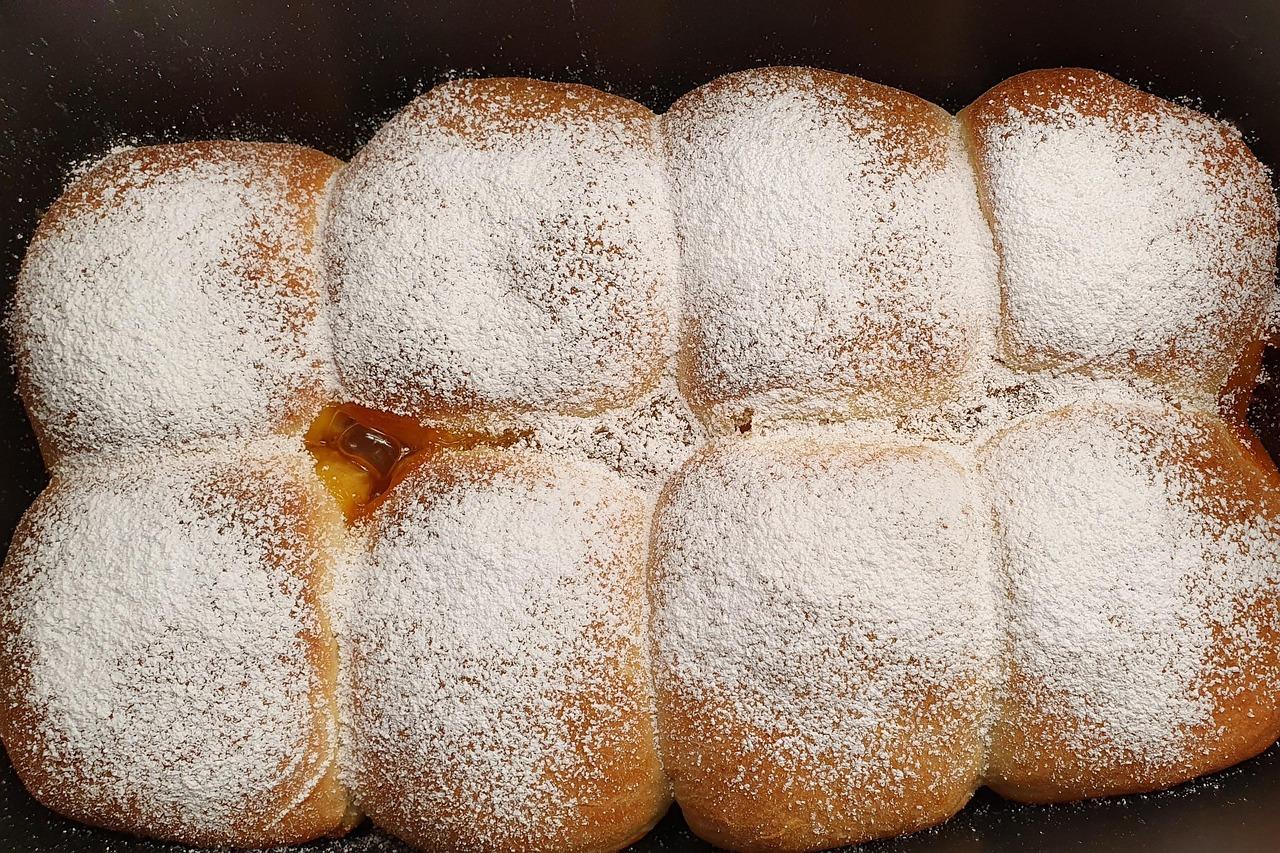
Lekváros bukta

Grandmothers across Hungary bake a tray of bukta on a Sunday afternoon, and school bakeries sell them for the walk home: soft, milky yeast buns, each folded around a spoon of thick plum butter and baked so close together that they rise into one another. Pulled apart, the sides stay tender and pale while the tops shine golden, and the dark, tart plum filling balances the sweet dough. Serve them warm with a glass of cold milk or cocoa. The usual slip is using runny jam, which bubbles out and burns on the tray; it must be a thick lekvár that holds its shape on a spoon. Chef's tip: brush each bun with melted butter before it goes into the tin, so the buns rise together but still pull apart neatly.

Read more 0 views
Can't decide?

What to eat today?

Spin the randomizer, search with what's already in your fridge, or browse recipes from our chefs.

Latest recipes

Noghl

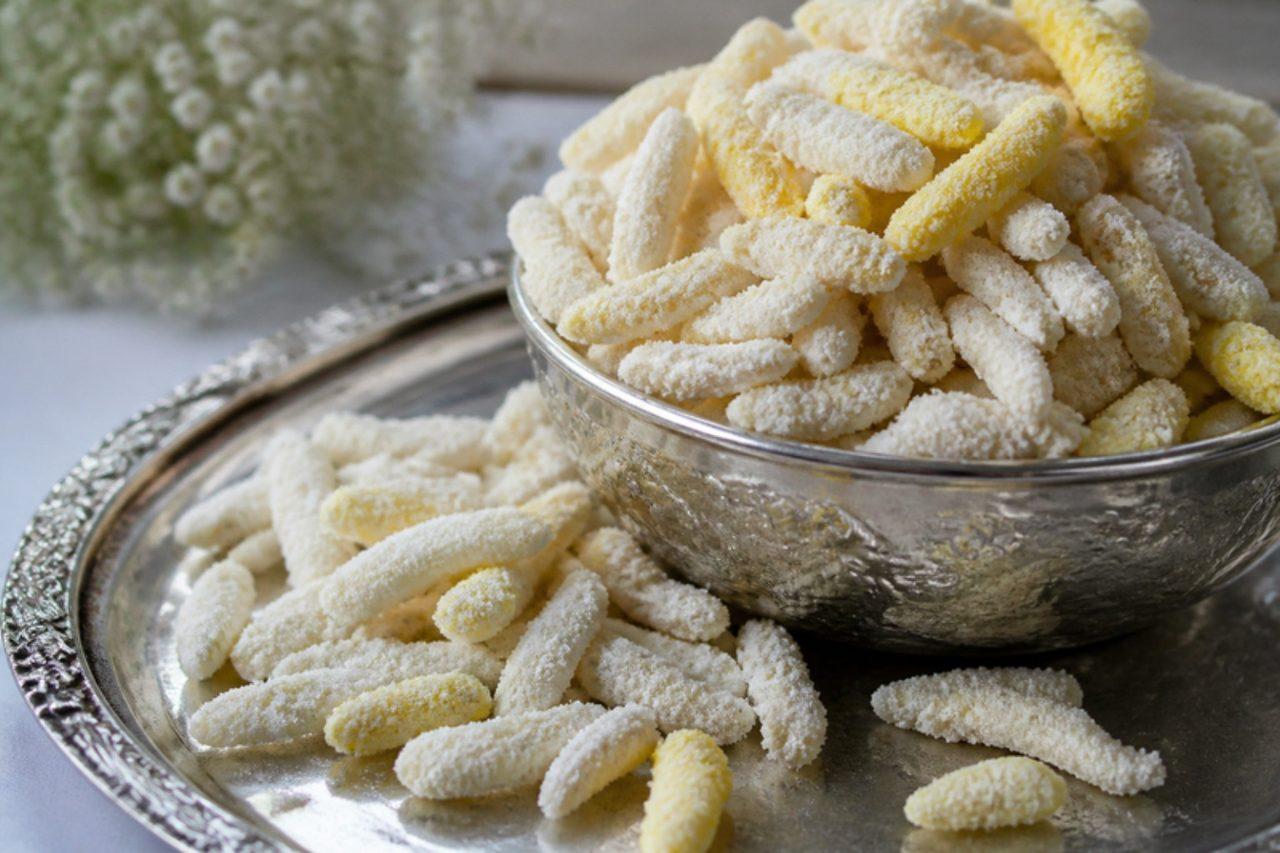
Noghl, the craggy white sugar-coated slivers of almond, is the confection of celebration in Iran, and the town of Urmia in West Azerbaijan is its home. It is showered over newlyweds at weddings, offered to guests at Nowruz and set beside tea on special days. Professionals build the spiky coat in a rotating copper pan over many hours; this home version does the same job in a wide pan, adding the rosewater syrup a little at a time. The usual mistake is adding too much syrup at once, which glues the almonds into a lump instead of building the knobbly crust. Chef's tip: keep the almonds moving constantly and wait until each coat is completely dry before the next.

by KrazyBadal 0 views

Yatimcheh

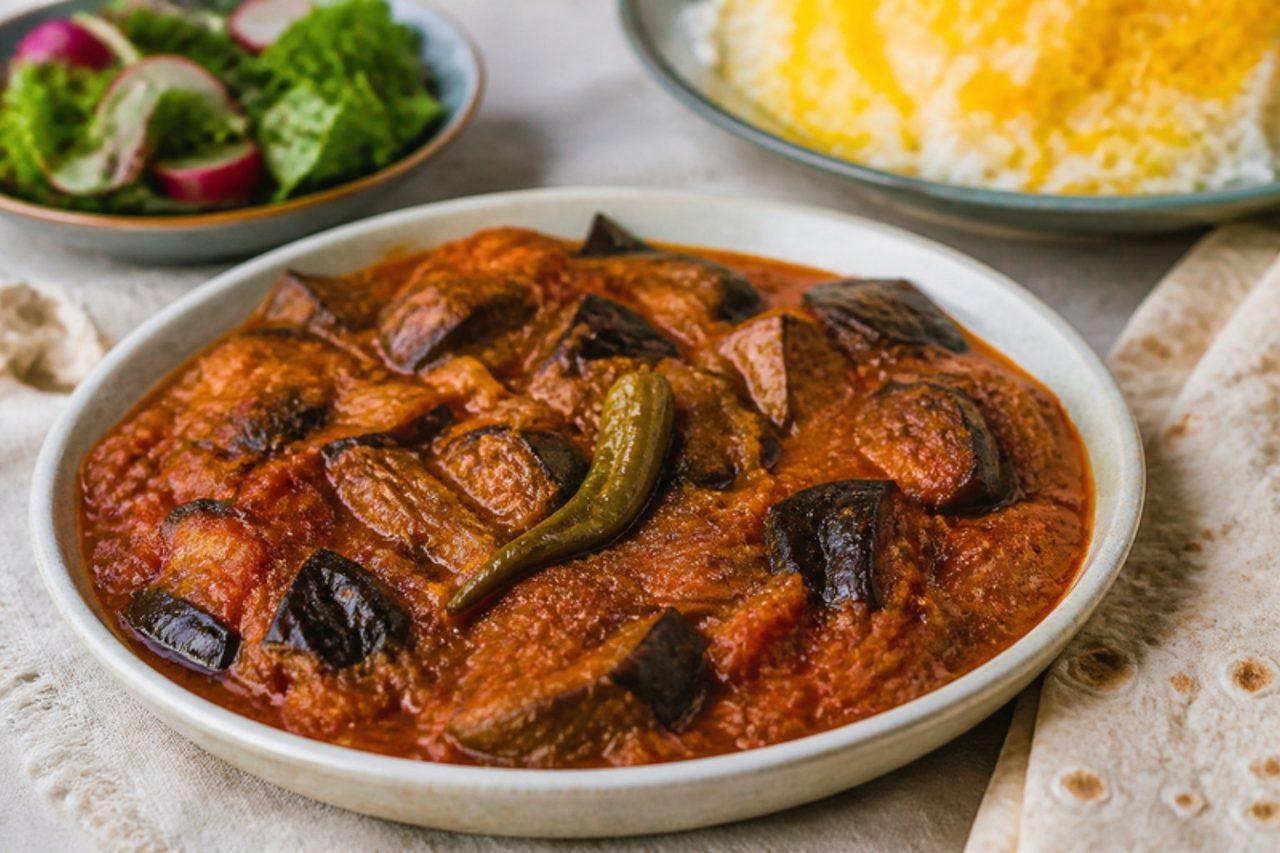
Yatimcheh means 'little orphan', the joke being that this Isfahan stew has no meat to look after it. Cooks in Isfahan and the towns around Kashan make it in late summer when aubergines are glossy and cheap, frying them until silky and then letting them collapse into onion, garlic, turmeric and ripe tomato. It is eaten warm with plain rice or torn lavash, with a bowl of yogurt and a plate of herbs on the side. A common mistake is frying the aubergine pale: it needs a deep golden colour or the stew tastes flat and spongy. Chef's tip: a spoon of verjuice or lemon juice stirred in at the very end lifts the sweetness of the tomato.

by KrazyBadal 0 views

Halim bademjan

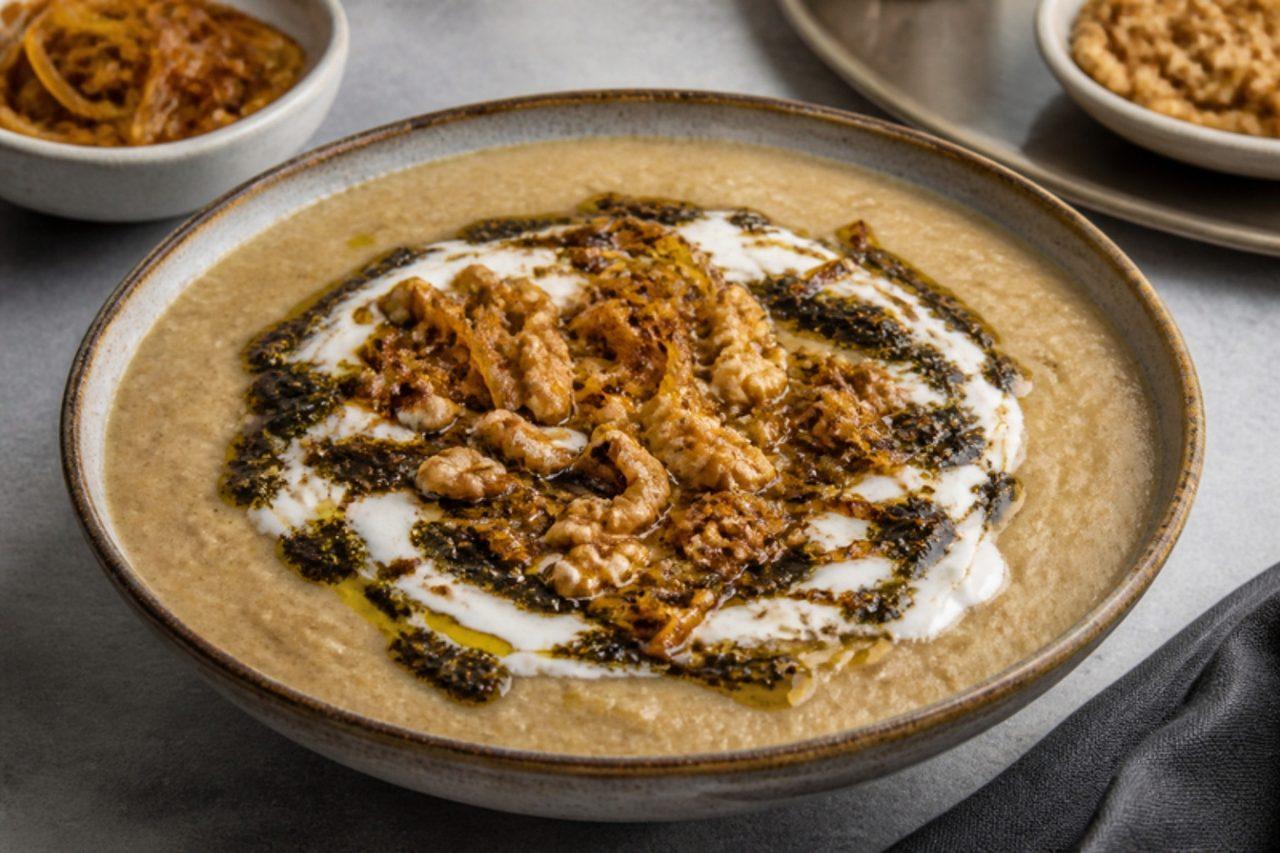
In Kashan and Isfahan, halim bademjan is the thick, savoury porridge served at religious vows and at long family lunches in autumn, ladled onto a platter and drawn over with patterns of kashk, fried mint and crisp onion. Usually it is cooked with lamb that is pounded into the grains; this vegetarian version keeps the soaked wheat and green lentils, which give the same velvety body. The texture should be smooth enough to spread but still hold a spoon line. Kashk is a fermented whey product made without rennet, so the dish is vegetarian; sour cream thinned with lemon is the nearest swap. A common mistake is not soaking the wheat overnight, which leaves the halim gritty. Chef's tip: mash the aubergine into the grains with a wooden pestle rather than a blender, so you keep some threads of texture.

by KrazyBadal 0 views

Gaz

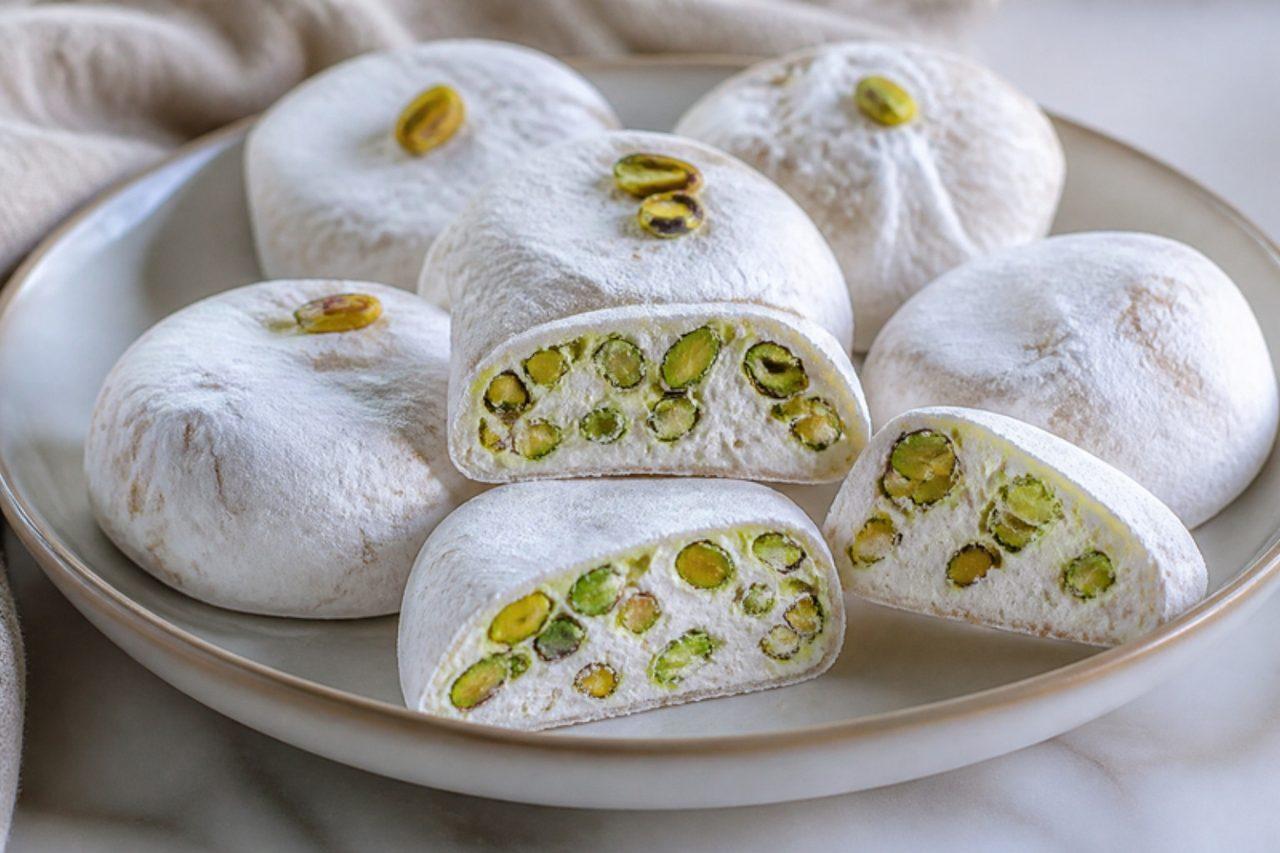
Gaz is the sweet every visitor carries home from Isfahan, sold in round tins of floury, pistachio-studded pieces at the bazaar near Naqsh-e Jahan square and handed round with tea at Nowruz. Isfahan's confectioners make it with angebin, a sap gathered from tamarisk shrubs, which is hard to find abroad; this home version whips egg white into a hot sugar and glucose syrup to get the same soft, chewy, white nougat, scented with rosewater. A common mistake is pulling the syrup off the heat too soon: below 140 °C the gaz stays sticky and never sets. Chef's tip: cut it with a knife dipped in hot water and toss the pieces straight into flour so they don't stick to each other.

by KrazyBadal 0 views

Poulaki

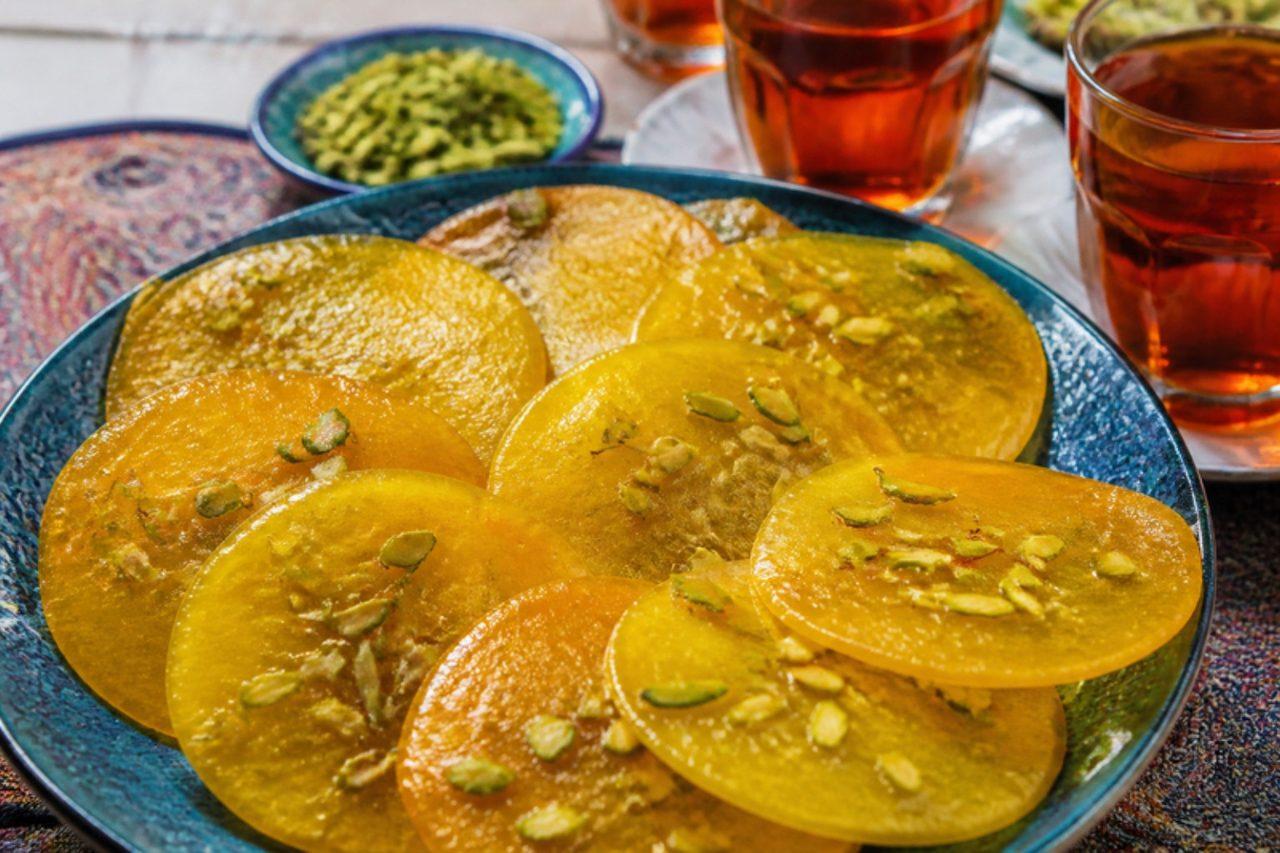
Poulaki are the paper-thin golden sugar coins sold by weight in Isfahan's sweet shops, meant to be held between the teeth while you sip strong black tea. The name comes from 'poul', the old word for coin, and Isfahanis serve them with tea to guests at any hour, flavoured with saffron, cardamom or sesame. Only sugar, a little vinegar and spice are needed, but timing matters. A common mistake is pouring the drops too big: they should spread no wider than 4 cm or they stay chewy in the middle. Chef's tip: work on a cold, lightly oiled marble or steel tray, which sets the coins in seconds and keeps them glassy.

by KrazyBadal 0 views

Golab (home-distilled rosewater)

Every May the valleys around Kashan and Qamsar fill with pickers gathering Damask roses at dawn for golabgiri, the rose-water festival, when copper stills bubble in village courtyards. Golab is the backbone of Persian sweets, sharbat and rice, and a small batch can be made at home with a stockpot, an upturned lid and a bowl of ice. You need fragrant roses that have never been sprayed: florist roses are not safe to use in food. A common mistake is boiling hard, which cooks the petals and gives a grassy, dull water; the pot should only simmer. Chef's tip: pick the roses early in the morning, when their scent is strongest, and distil the same day.

by KrazyBadal 0 views

Moraba-ye bahar narenj

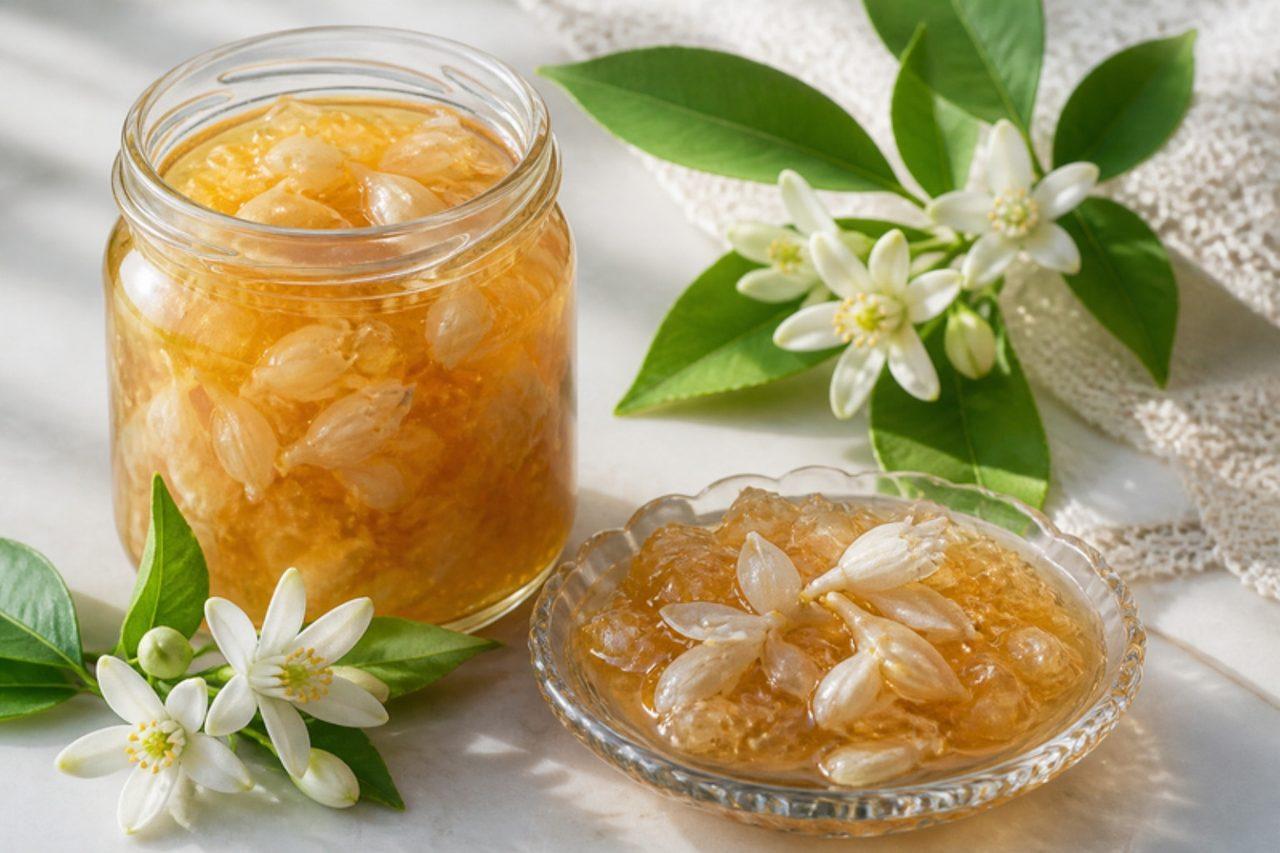
When the bitter orange trees lining Shiraz's streets bloom in April, the whole city smells of blossom, and households gather the fallen petals to make this pale golden jam for the year ahead. It is spooned onto bread with fresh cheese at breakfast, or stirred into tea. The petals are bitter, so they are blanched and soaked several times before they meet the syrup. A common mistake is cutting the soaking short, which leaves the jam harsh. Chef's tip: add the lemon juice only at the end; it keeps the petals bright and stops the syrup from crystallising.

by KrazyBadal 0 views

Ranginak

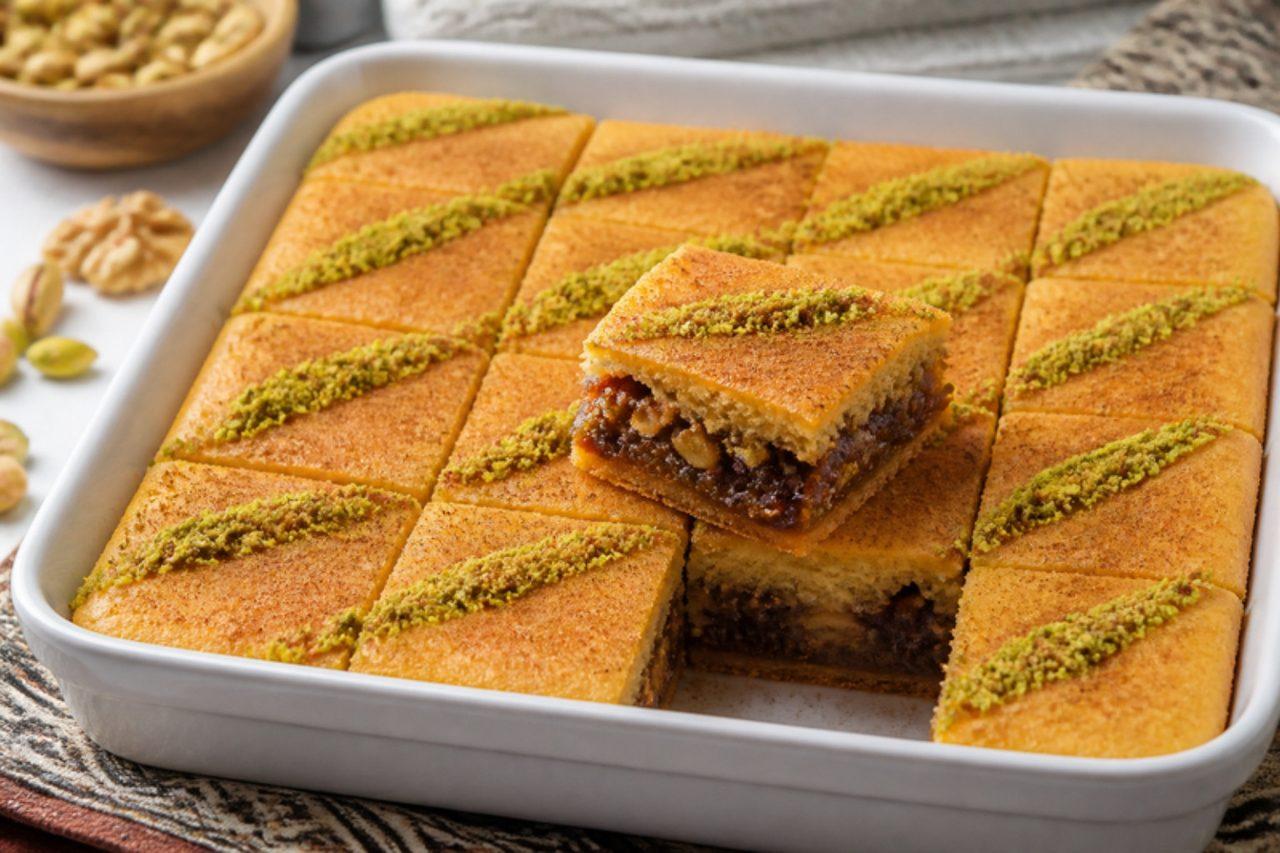
Ranginak is the date sweet of the south, made in Shiraz, Bushehr and Kerman in late summer when the new dates arrive and served in squares with bitter tea, and also at mourning gatherings and Ramadan iftar. Soft dates are stuffed with walnuts, packed into a dish and covered with flour slowly toasted in butter until it smells of biscuits, then dusted with cinnamon and pistachio. A common mistake is toasting the flour on too high a heat: it scorches before it turns nutty, so stir it patiently over a low flame. Chef's tip: use soft, moist dates such as Kabkab or Medjool; dry dates go hard once the butter sets.

by KrazyBadal 0 views

Rosinenstuten

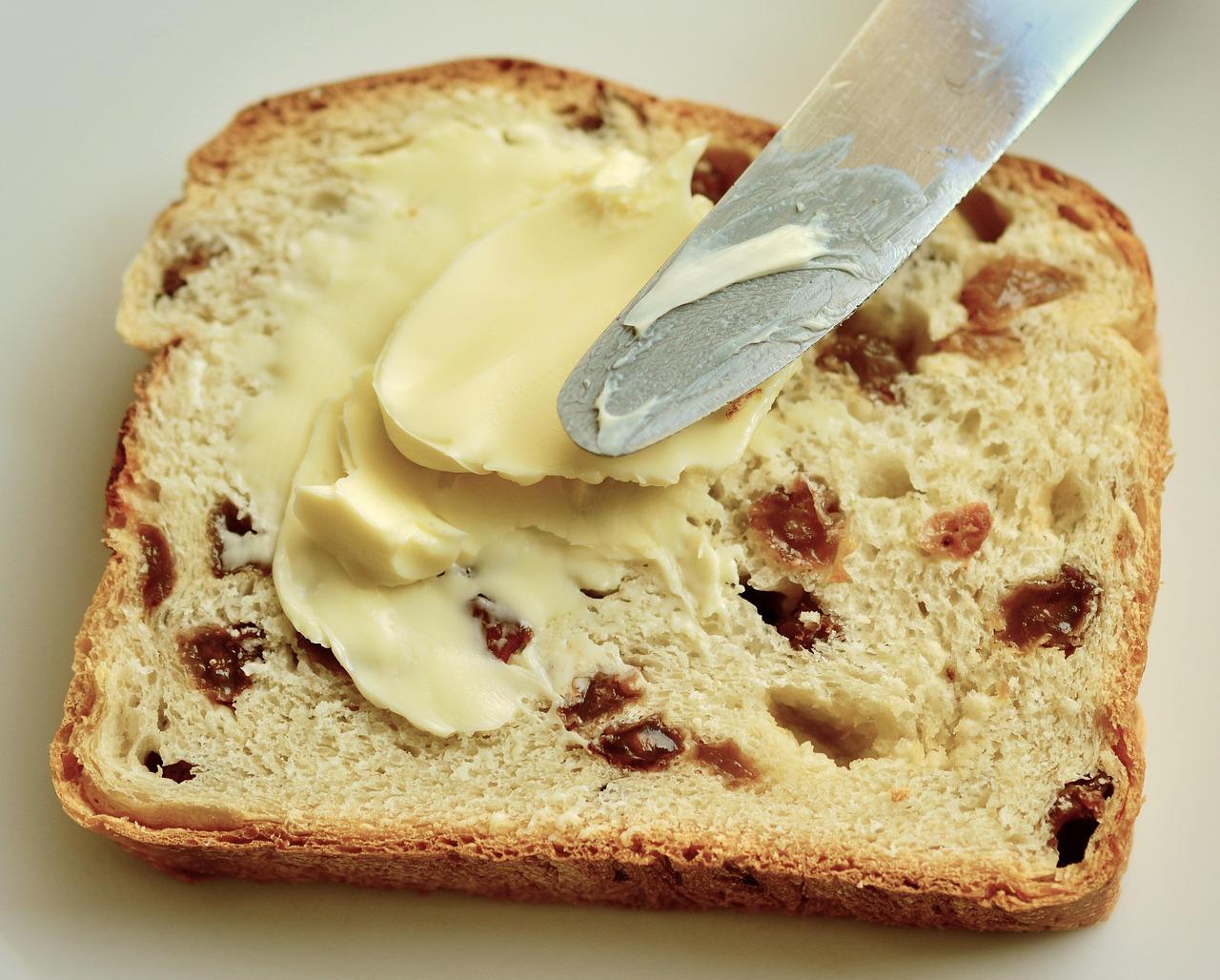
Rosinenstuten is the soft, slightly sweet raisin loaf that Westphalian and Rhineland families buy for Sunday breakfast and for christenings, where a giant one was once the traditional gift. It is baked in a long tin, sliced thick and spread with good butter, sometimes with a layer of cheese on top, which sounds odd and works beautifully. The crumb is fine and fluffy and the crust soft and shiny. A common mistake is adding dry raisins straight to the dough; they burn on the crust and steal moisture. Chef's tip: soak the raisins in hot water for 15 minutes, pat them dry and knead them in only at the very end, gently, so the dough stays light.

190 minGermanBaking
by KrazyBadal 0 views

Showing 9 of 6,261 recipes

Show more recipes

Page 389 of 696