


Skip to content
Bak chor mee
Featured recipe

Bak chor mee

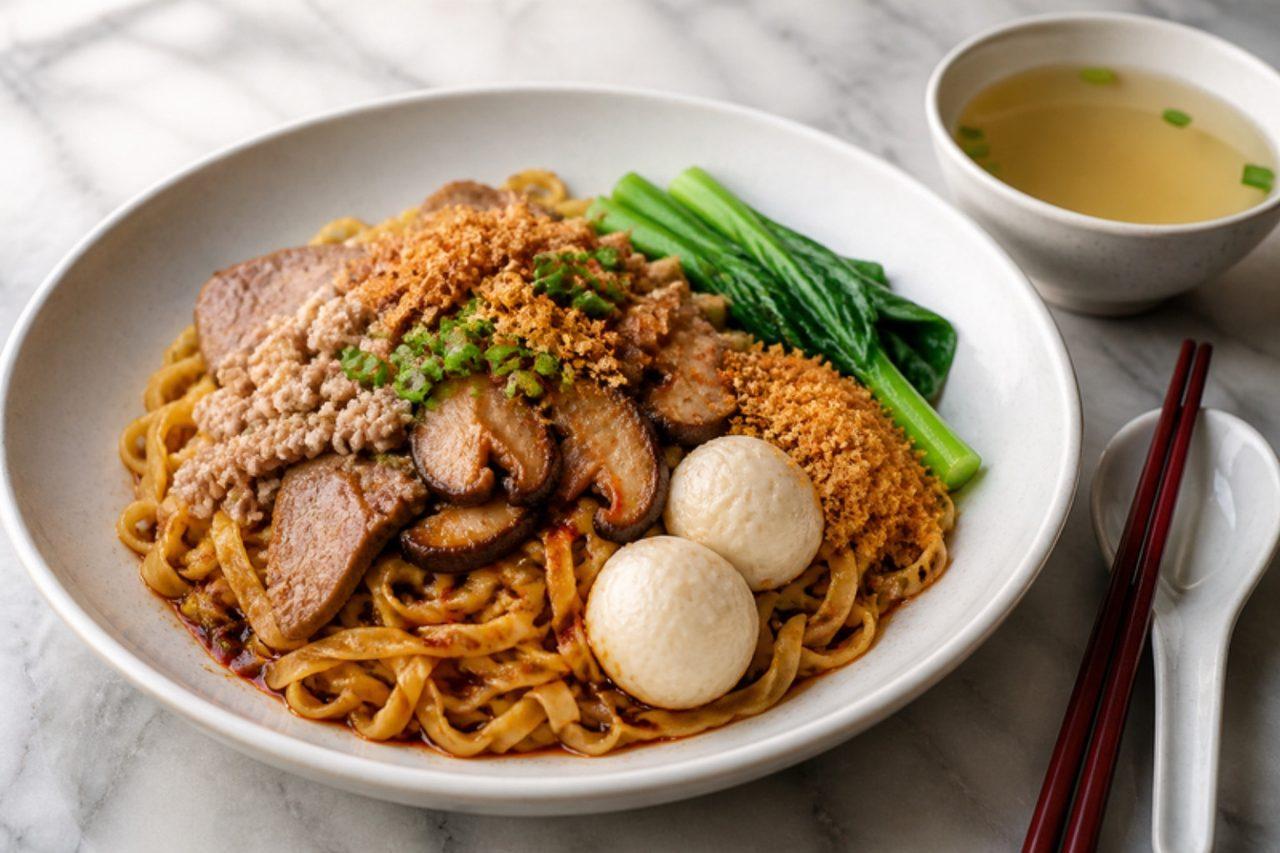
Minced pork noodles

Queue at almost any Teochew noodle stall in a Singapore kopitiam before work and the order you hear most is a bowl of bak chor mee, dry, with extra vinegar. Springy flat mee pok is tossed at the bottom of the bowl in black vinegar, chilli paste, soy and a spoon of pork lard, then crowned with loosely poached minced pork, slices of pork liver, fish balls and sweet braised mushrooms, with a small bowl of clear pork soup on the side. It should taste sour first, then hot, then rich, and the noodles must stay bouncy rather than soft. Where most home cooks go wrong is cooking the noodles in one long boil: they turn limp and soak up the sauce instead of carrying it. Chef's tip: blanch the noodles twice, plunging them into cold water in between, which is how the hawkers get that al dente snap.

Read more 0 views

What to eat today?

Around the world

Today's trip: Paraguayan

A new country every day, from every cuisine on the site.

Paraguayan

Chipa

Cheese bread rings 50 minMore from Paraguayan (27) →

This week's collection

Kid-friendly dinners
537 recipes · a new collection every Monday

Latest recipes

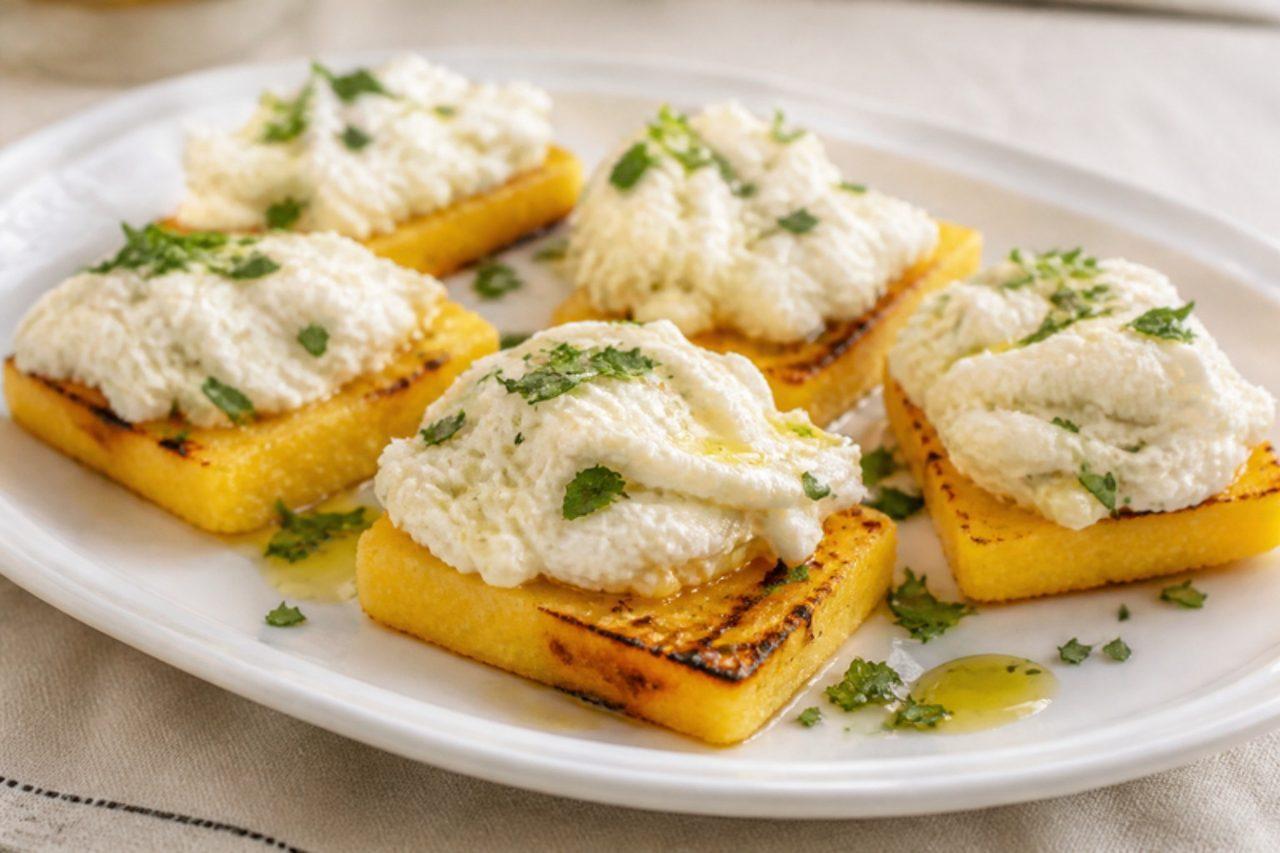
Baccalà mantecatoWhipped salt cod

No cicchetti bar in Venice is without a bowl of baccalà mantecato: dried salt cod soaked, poached and beaten with olive oil until it turns pale, fluffy and spreadable, then piled on squares of grilled polenta or toasted bread to eat standing at the counter with a glass of something. It is mild, creamy and gently garlicky, despite containing no cream at all. Venetians traditionally use stockfish (air-dried cod), which is hard to find elsewhere, so this version uses salted cod, which is easier to buy and behaves the same way. The cod needs two days of soaking in the fridge, so start early. Chef's tip: beat the oil in a thin trickle, the way you would make mayonnaise; it is the slow addition that gives the light, creamy texture.

by KrazyBadal 0 views
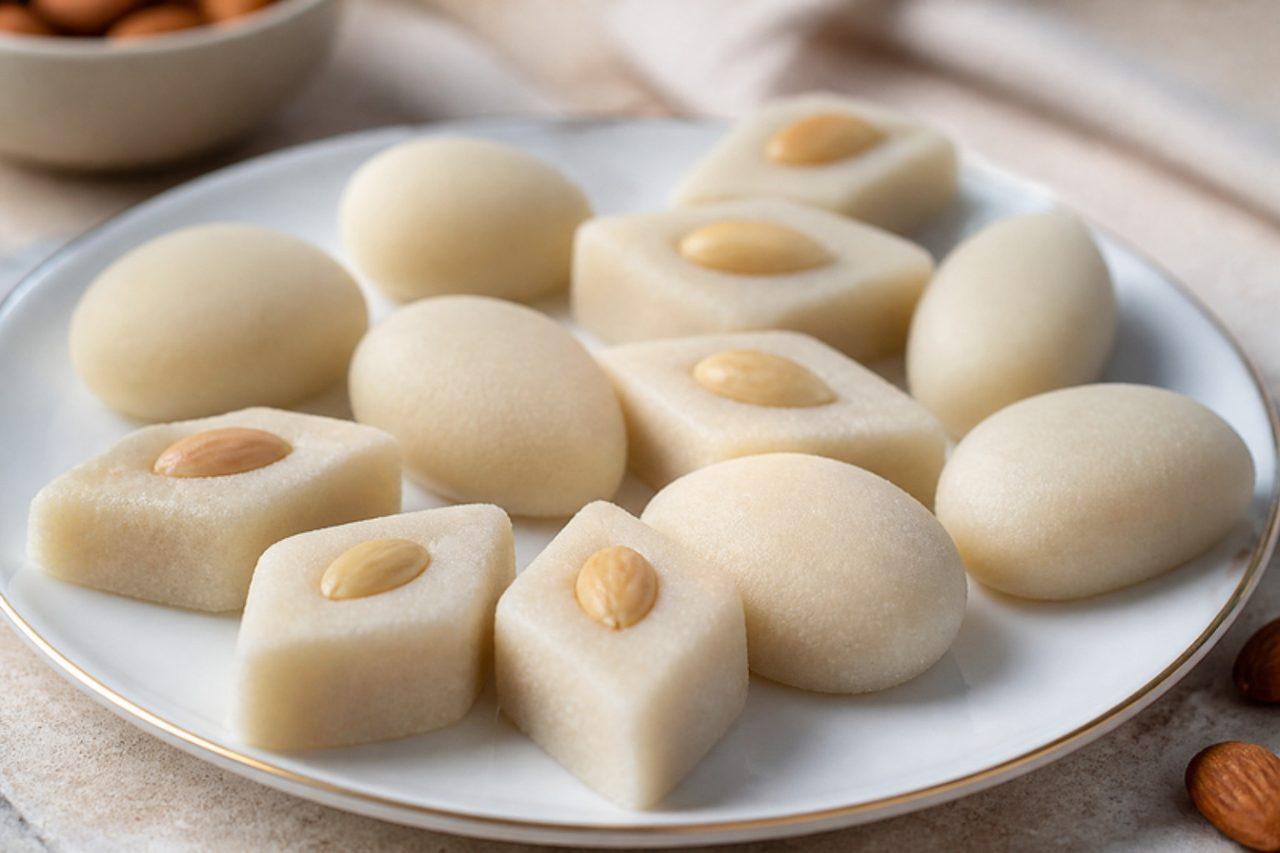

Badem ezmesiAlmond paste sweets

Edirne, on the Thracian border with Greece and Bulgaria, is famous for its badem ezmesi: pale, soft almond paste rolled into logs and sliced, or pressed into little shapes, sold beside the city's fruit-shaped soaps. It is less sugary than northern European marzipan, with blanched almonds ground fine and cooked briefly with syrup, so it stays moist and tastes of fresh nuts. It is served with Turkish coffee and given at bayram. Chef's tip: grind the almonds in short pulses with a spoonful of the sugar; long blending turns them oily and the paste goes greasy.

by KrazyBadal 0 views

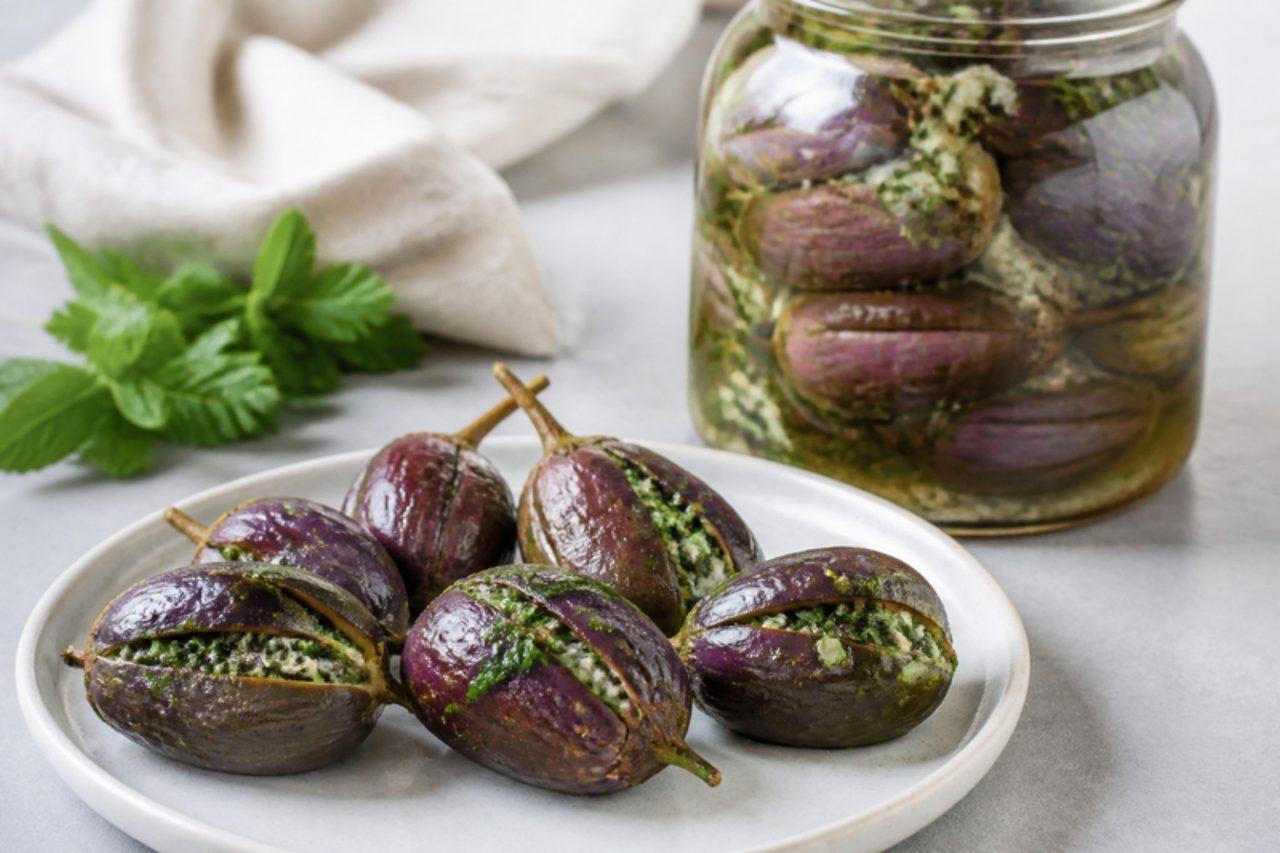
Stuffed baby aubergine torshiStuffed baby aubergine pickle

This is the showpiece of the torshi shelf, made in late summer in homes from Isfahan to Mashhad and brought out for guests in the cold months. Finger-length aubergines are steamed until just tender, slit along one side, filled with a paste of garlic, mint, parsley, coriander and chilli, then tied and sunk in vinegar. After a month each one is soft, tangy and stained with herbs; they are served whole beside rice, kabab or a bowl of ash. Chef's tip: steam rather than boil the aubergines, so they don't soak up water that later thins the vinegar.

by KrazyBadal 0 views

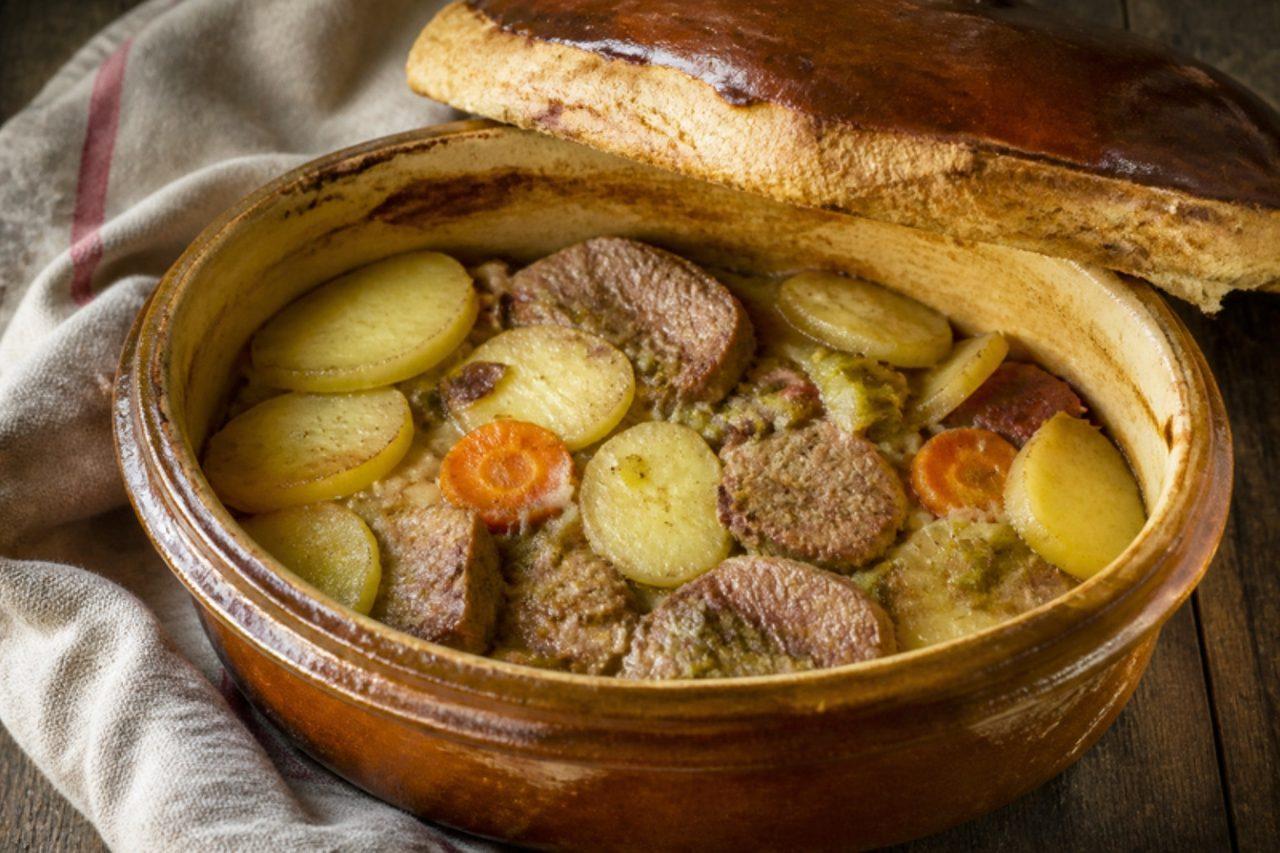
BaeckeoffeThree-meat and potato bake

Baeckeoffe means "baker's oven" in Alsatian, and in villages around Strasbourg and Colmar the dish was once carried to the baker's dying oven on a Monday to cook slowly while the week's washing was done. Pork shoulder, lamb and beef are marinated overnight in dry Alsace white wine with onion, garlic and herbs, then layered with potatoes in a lidded earthenware dish whose rim is sealed with a strip of flour-and-water dough. After three hours the potatoes have drunk up the wine and meat juices and the three meats fall apart under a spoon. The dish uses wine, but an alcohol-free version with stock is given in the ingredient notes; serve it straight from the pot with a green salad. Chef's tip: break the dough seal at the table, because the burst of steam and the smell of wine and thyme are half the pleasure.

950 minFrenchMeat
by KrazyBadal 0 views

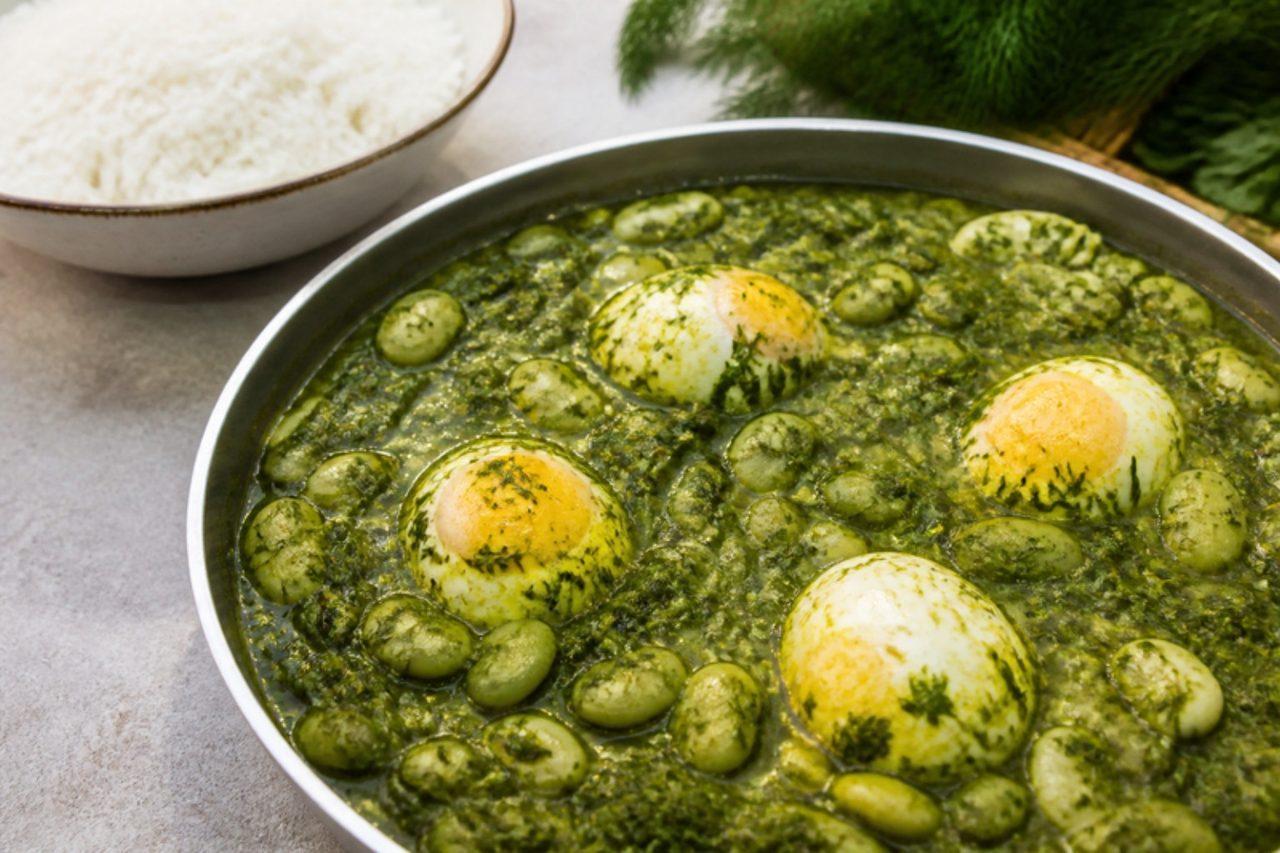
Baghala ghatoghDill and broad bean stew

In Rasht and the villages of Gilan, baghala ghatogh is cooked in late spring when the slender local broad beans called pach baghala are in the markets, and later in the year with frozen ones. The beans are simmered in their thin skins with a great deal of garlic and dill, then eggs are cracked on top and left to set softly, and the whole pan is eaten with plain kateh rice and a few pickled garlic cloves. It is humble, green and fragrant. A common mistake is stirring the eggs right in, which turns the stew grey; leave them whole so the yolks stay just runny. Chef's tip: cook the dill in butter or oil before the water goes in; it blooms and tastes far deeper than dill added at the end.

by KrazyBadal 0 views

Baghali pokhteBoiled broad beans with vinegar

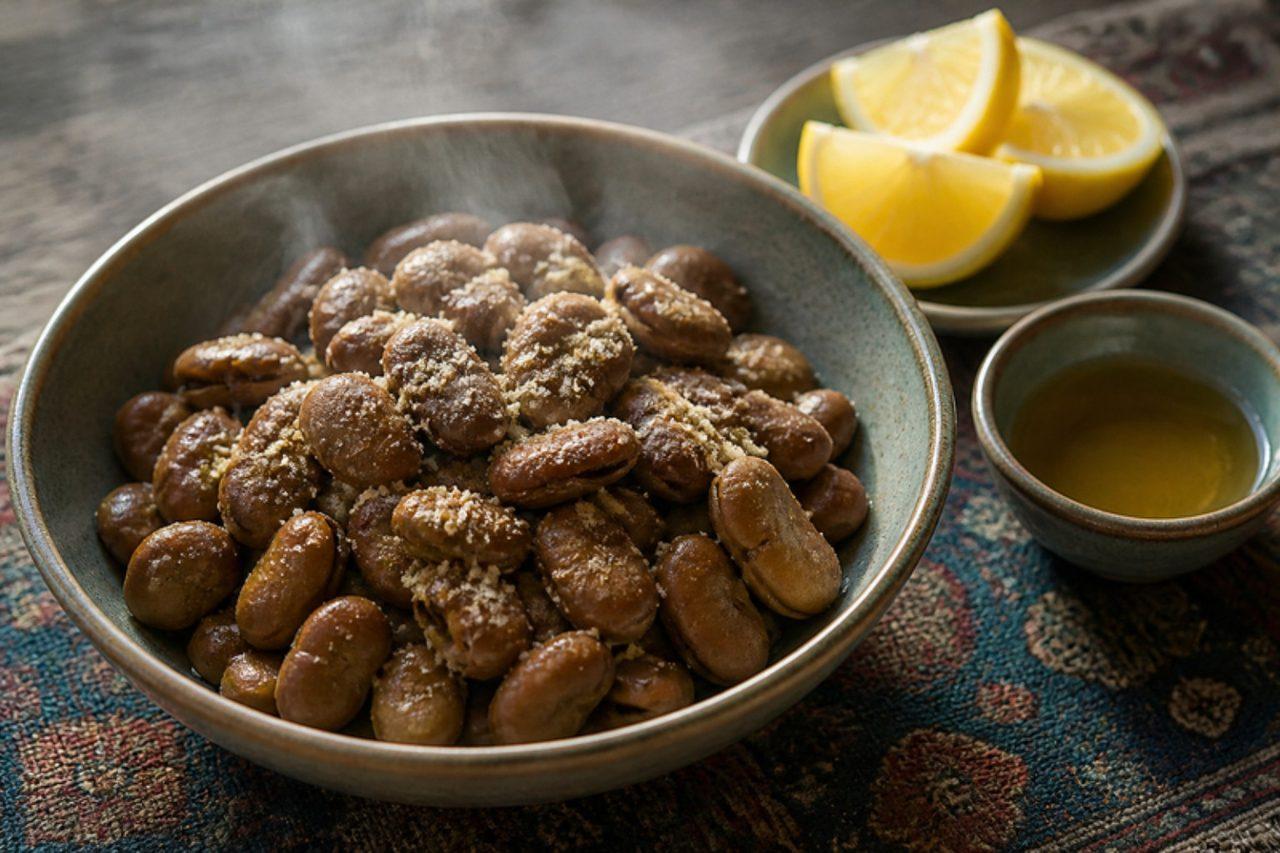
When autumn rain sets in over Rasht, and through the winter on Tehran street corners, sellers ladle steaming broad beans in their skins from giant pots into paper cones. The beans are soaked overnight and boiled slowly until creamy, then each bowlful is sprinkled with sharp golpar (ground Persian hogweed seed), salt and a splash of vinegar. You pinch the beans out of their skins as you eat. A common mistake is salting the cooking water early, which keeps the skins tough. Chef's tip: golpar is strong and smells a little like celery and citrus; start with a light dusting and add more at the table.

by KrazyBadal 0 views

FlaóFresh cheese and mint pie

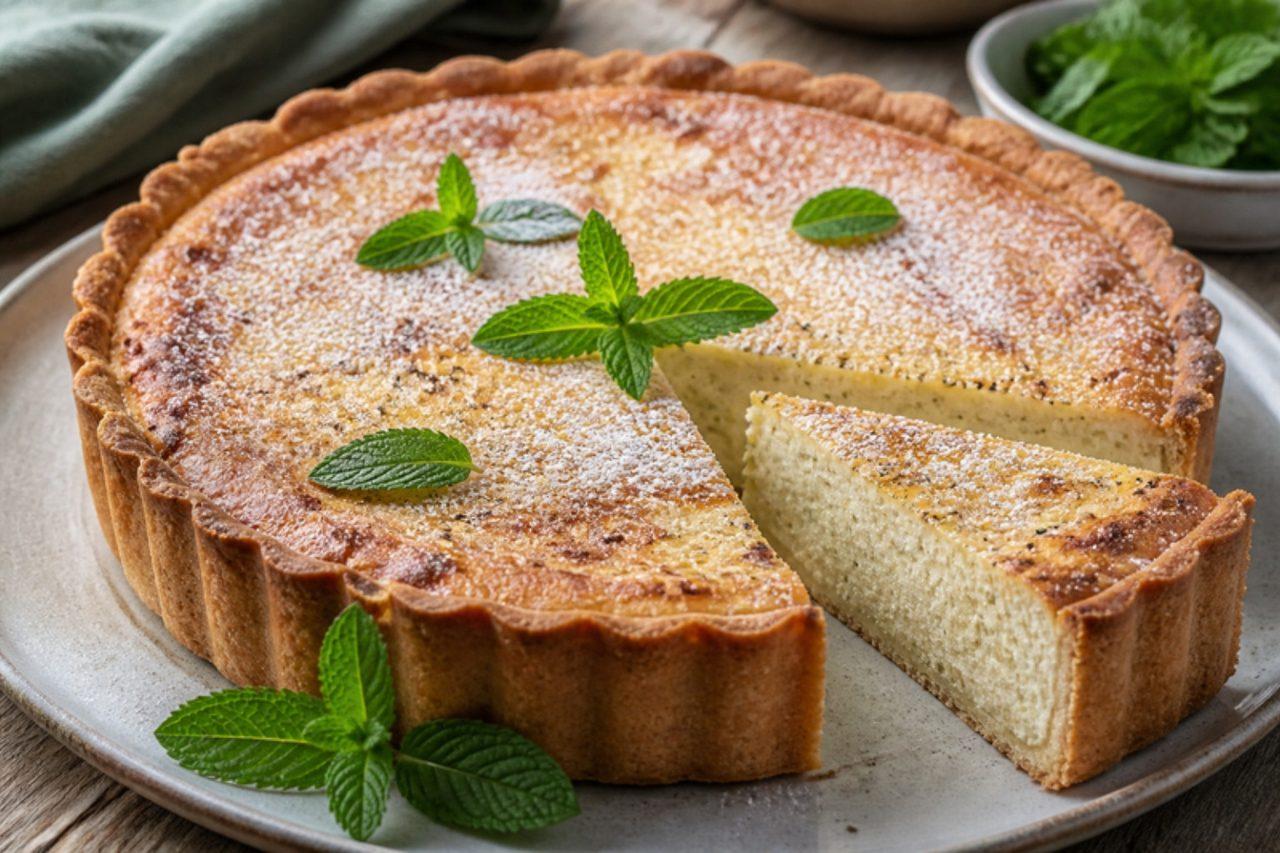
Flaó is what Ibiza and Formentera bake for Easter Sunday: a shallow pie whose filling of fresh sheep's or goat's cheese, eggs and sugar is perfumed with spearmint (hierbabuena), set in a crust flavoured with anise. Families still take theirs to the village baker to be fired, and it appears on café counters in Sant Antoni and Eivissa town through spring. Traditional island fresh cheese is made with animal rennet; look for a vegetarian fresh goat's cheese or use ricotta made with a vegetarian coagulant. Many cooks add a splash of anise liqueur to the dough; this version uses crushed anise seed and water, so it has no alcohol. Chef's tip: tear the mint leaves rather than chop them, and press half into the filling and lay half on top, so every bite gets it.

by KrazyBadal 0 views

Halve HahnRye roll with Gouda and mustard

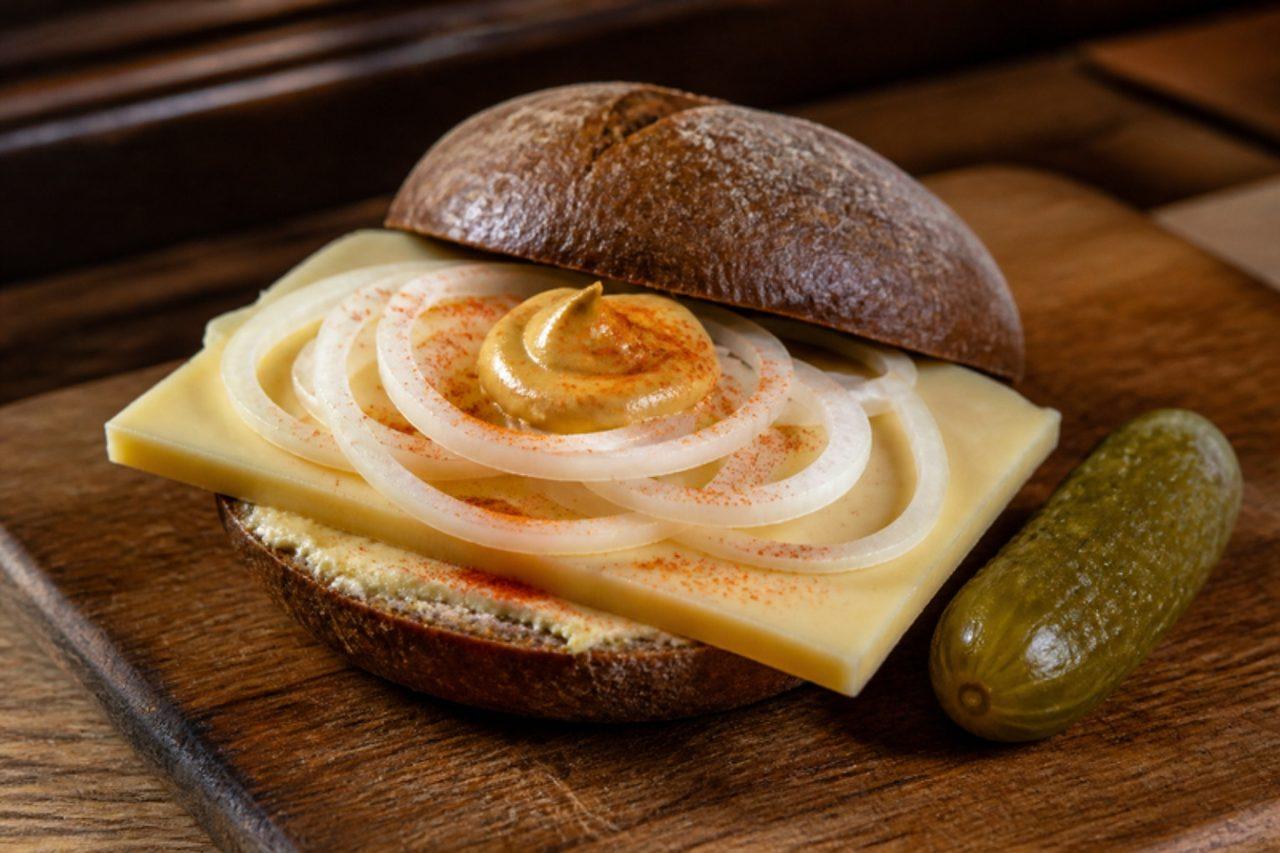
Order a Halve Hahn in a Cologne brewpub and you will not get half a chicken, whatever the name says: you get a buttered rye roll, a slab of aged Gouda, sharp mustard and raw onion rings. It is the standard snack on the long wooden tables of the Altstadt, eaten with a small glass of the local beer, though it is just as good with apple juice spritzer. The point is the contrast of crusty rye, nutty crystalline cheese and the bite of onion and mustard. Aged Gouda is usually made with animal rennet, so look for one labelled vegetarian or made with microbial rennet. A common mistake is slicing the cheese thin like a sandwich; the Cologne way is a slice as thick as your finger. Chef's tip: take the cheese out of the fridge 30 minutes ahead so its flavour opens up.

by KrazyBadal 0 views

Halim bademjanAubergine, wheat and lentil porridge

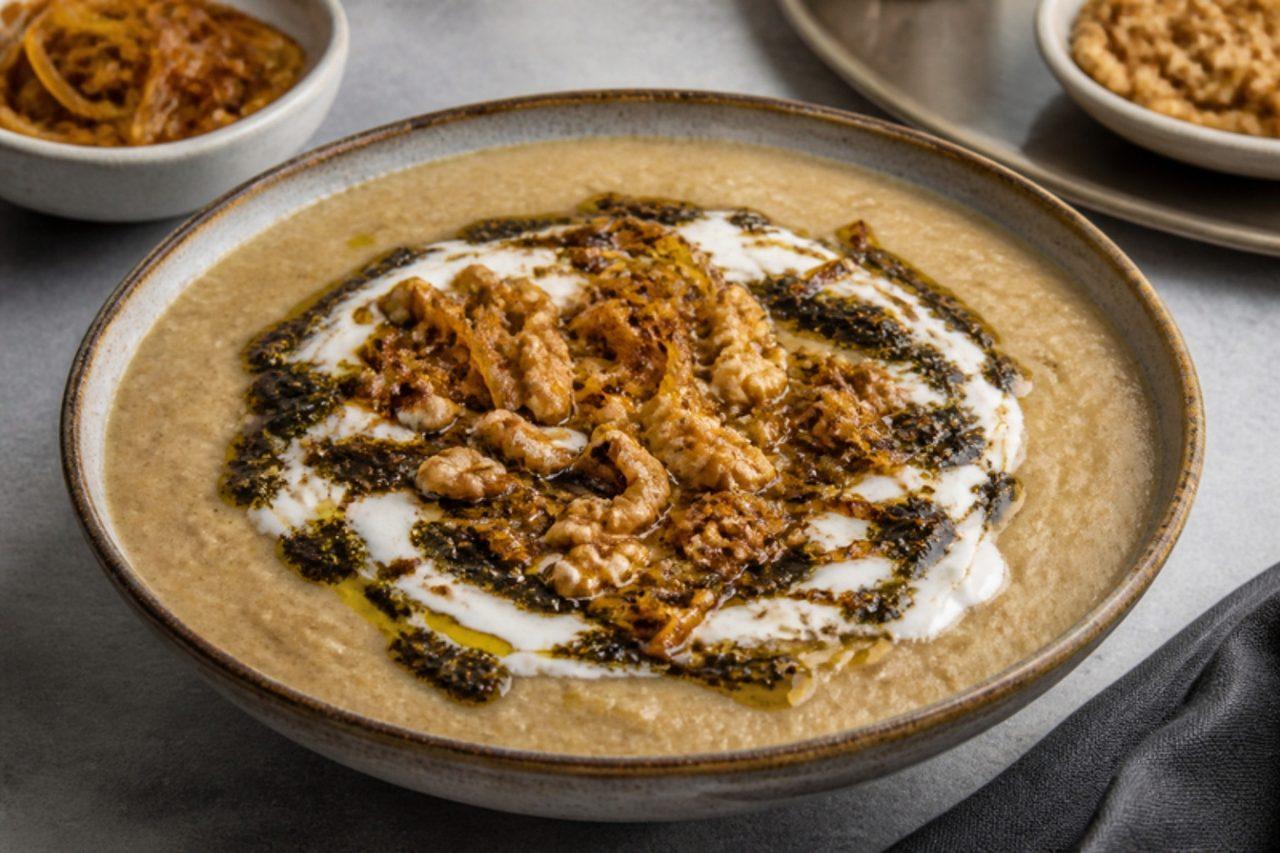
In Kashan and Isfahan, halim bademjan is the thick, savoury porridge served at religious vows and at long family lunches in autumn, ladled onto a platter and drawn over with patterns of kashk, fried mint and crisp onion. Usually it is cooked with lamb that is pounded into the grains; this vegetarian version keeps the soaked wheat and green lentils, which give the same velvety body. The texture should be smooth enough to spread but still hold a spoon line. Kashk is a fermented whey product made without rennet, so the dish is vegetarian; sour cream thinned with lemon is the nearest swap. A common mistake is not soaking the wheat overnight, which leaves the halim gritty. Chef's tip: mash the aubergine into the grains with a wooden pestle rather than a blender, so you keep some threads of texture.

by KrazyBadal 0 views

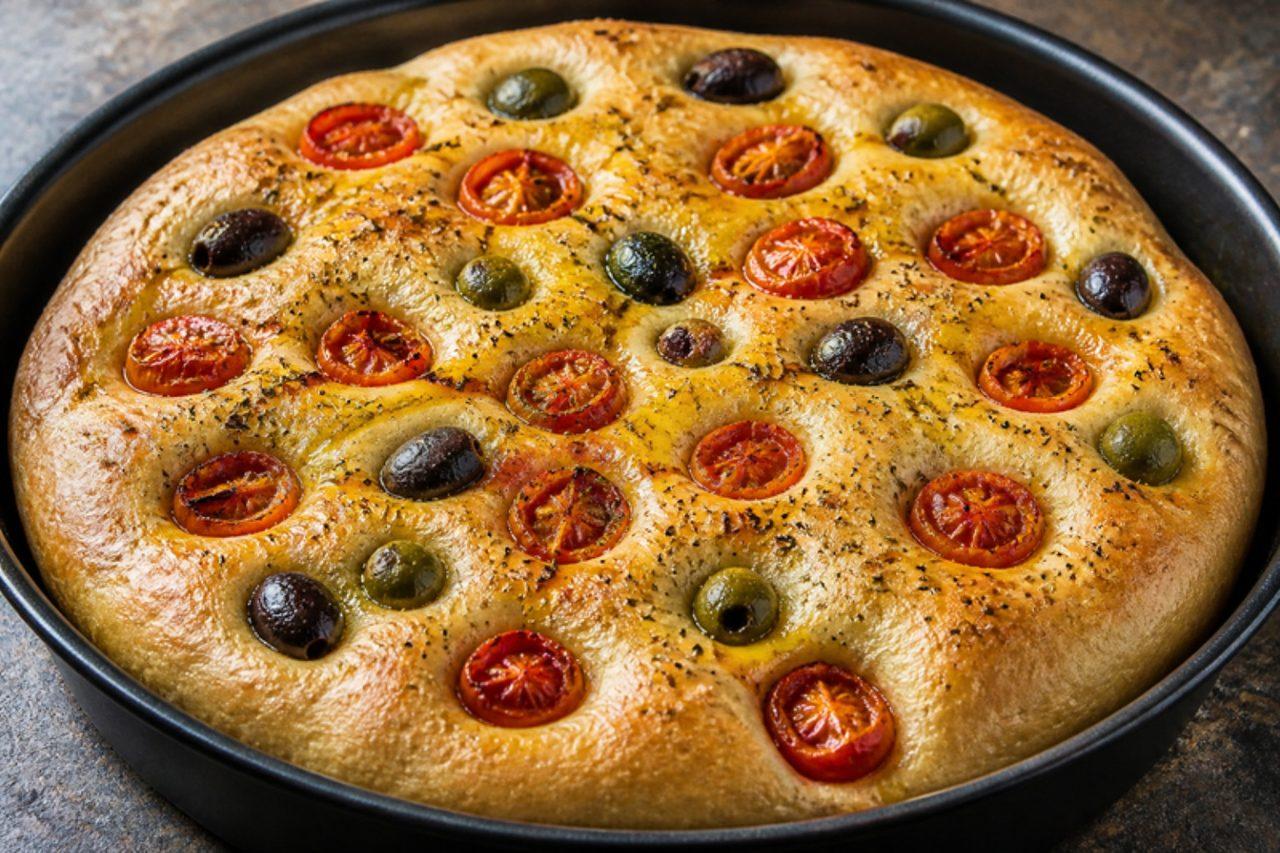
Focaccia baresePotato focaccia with tomatoes

Bari's focaccia is made with boiled potato and durum semolina in the dough, which gives it a tender, almost creamy crumb under a base that fries in olive oil until crisp. It is baked in round iron pans, studded with squashed cherry tomatoes and olives, and sold by the slice at every bakery in the city from mid-morning, warm, folded in paper. On the beach in summer it goes round in squares with a cold drink. This is the Bari version, quite different from a plain herb focaccia or the cheese-filled focaccia of Recco. Chef's tip: be generous with oil in the pan; that layer is what turns the underside golden and crunchy.

by KrazyBadal 0 views

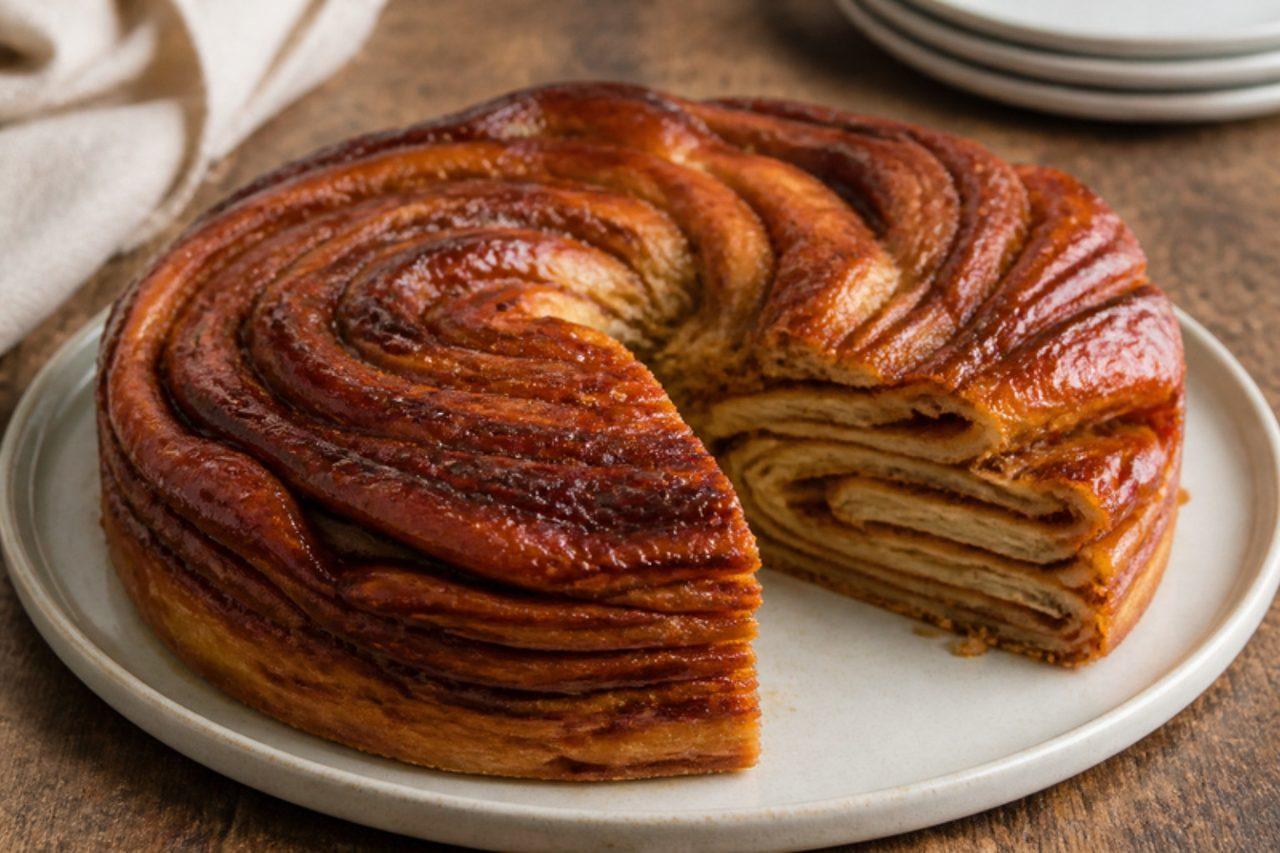
Folar de OlhãoCaramelised layered Easter bread

In the fishing town of Olhão, Easter means folar, and it looks nothing like the egg-topped breads of the north: here a soft, cinnamon dough is rolled up in layers of brown sugar and fat, sliced, packed into a tin and baked until the sugar runs into a dark, sticky caramel. Turned out upside down, it pulls apart in sweet, glossy spirals. Families bake it on Holy Thursday so it is ready for the long weekend, and godparents give one to their godchildren. Many bakeries use some lard; this version uses butter only. Chef's tip: roll the dough as thin as you dare, as the more layers you get, the more caramel edges there are.

by KrazyBadal 0 views

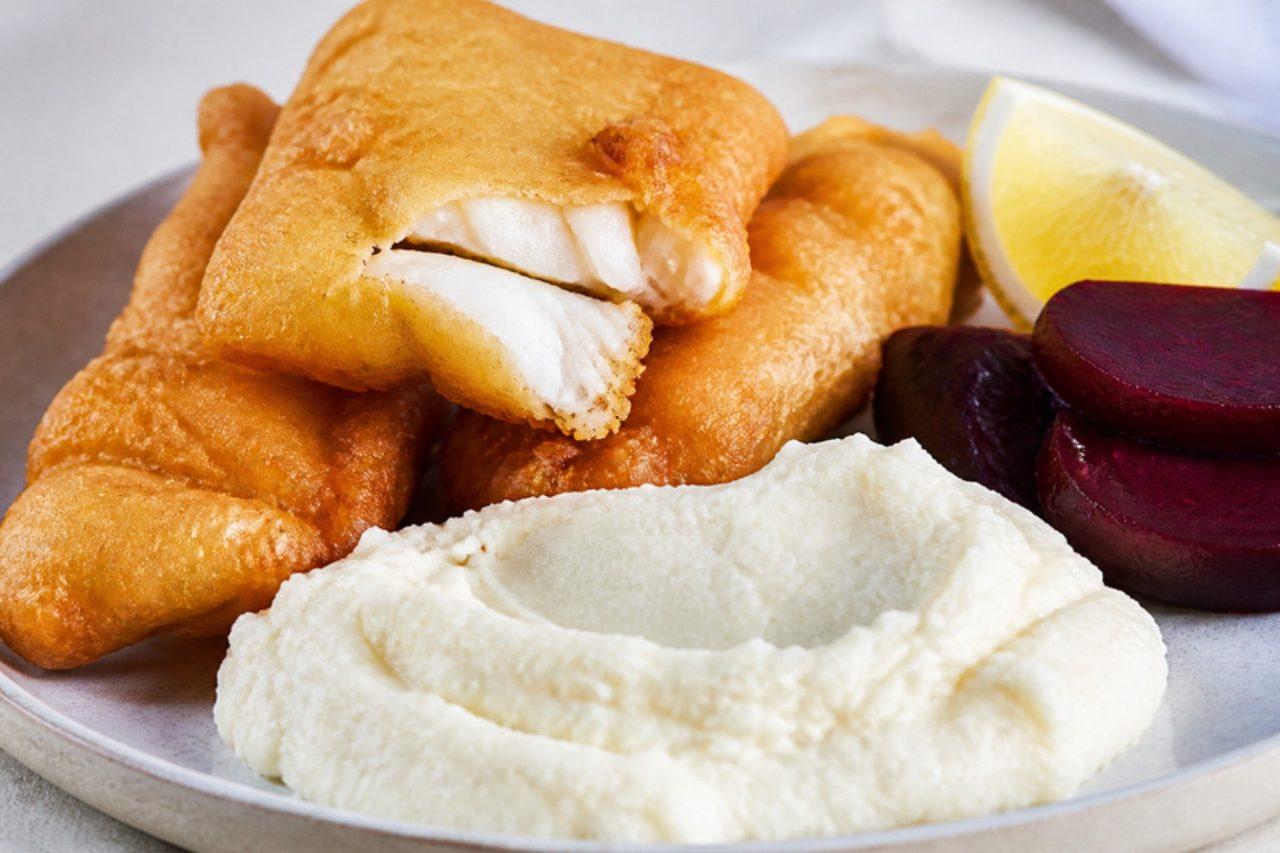
Bakaliaros skordaliaBattered salt cod with garlic dip

On 25 March, Greek Independence Day and the Annunciation, the Lenten fast is relaxed for fish, and families from Nafplio to Patras sit down to golden fritters of salt cod with a sharp, garlicky potato skordalia and a beetroot salad. Salt cod is soaked for a day or two to draw out the salt, then dipped in a light sparkling-water batter and fried until puffed and crackly. Common mistake: not soaking long enough — taste a flake; it should be pleasantly seasoned, not salty. Chef's tip: make the skordalia while the potatoes are hot, and pound or mash by hand; a blender turns it to glue.

75 minGreekFish
by KrazyBadal 0 views

Forfar bridiesBeef and onion pastries

The bridie is the pride of Forfar in Angus, a horseshoe-shaped pastry stuffed with chopped beef steak and onion, sold hot from the town's bakers and eaten on market days and at weddings. Unlike a Cornish pasty there is no potato, just peppery beef, onion and beef suet in shortcrust. The holes on top tell you the filling: one hole for plain, two for onion. Chef's tip: chop the steak by hand into small pieces rather than using mince; it keeps the filling juicy.

by KrazyBadal 0 views

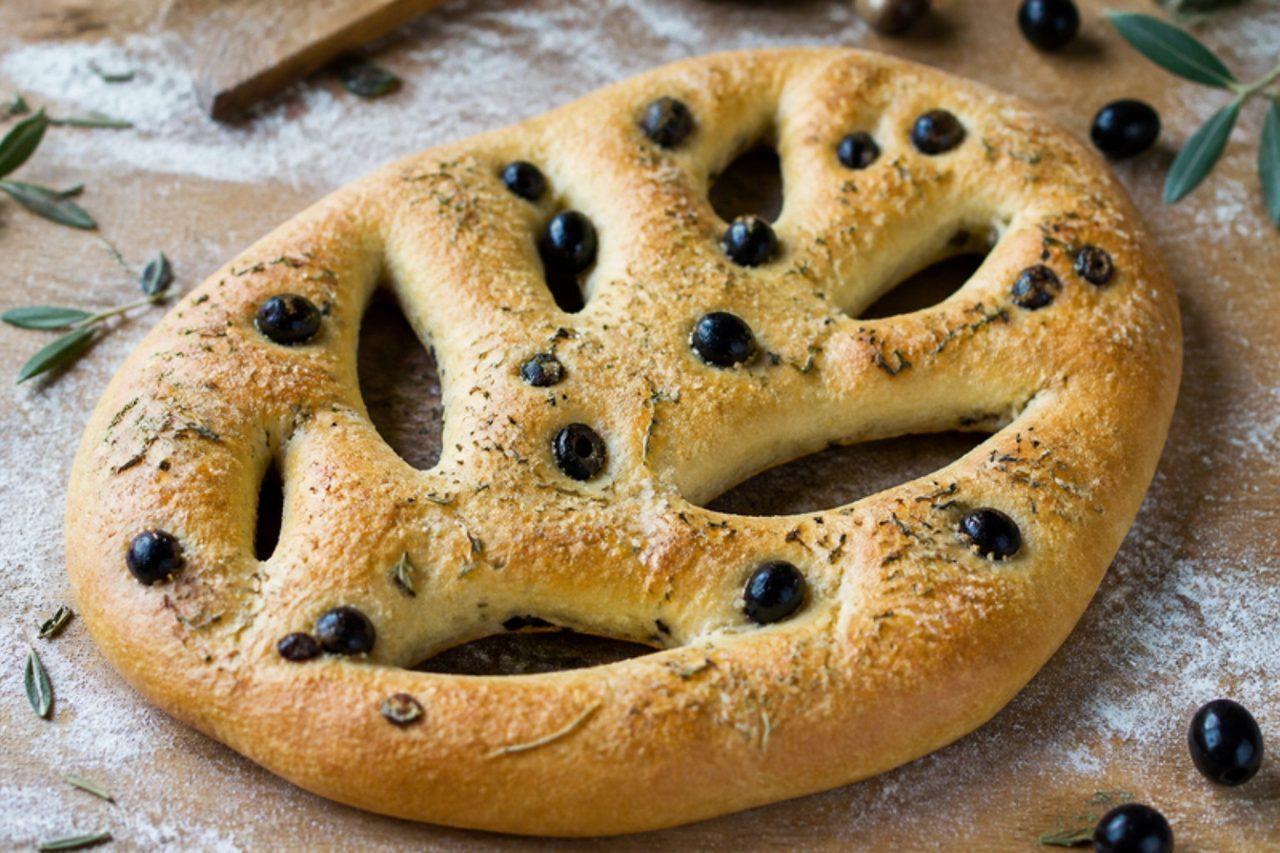
Fougasse aux olivesOlive and herb bread

Bakers in Provence once slid a fougasse into the wood oven first, to test the heat before the big loaves went in; the open, leaf-like shape bakes in minutes and is mostly crust. Today every boulangerie from Avignon to Apt sells it, plain or studded with olives, and families tear it apart on picnics and at market lunches. A sweet cousin flavoured with orange blossom is one of the thirteen desserts of a Provençal Christmas. This is the savoury everyday one, with black olives and herbes de Provence. Chef's tip: bake it on the hottest tray you can, near the top of the oven, so the thin bridges of dough blister and crisp before the thick edges dry out.

148 minFrenchBakingVegan
by KrazyBadal 0 views

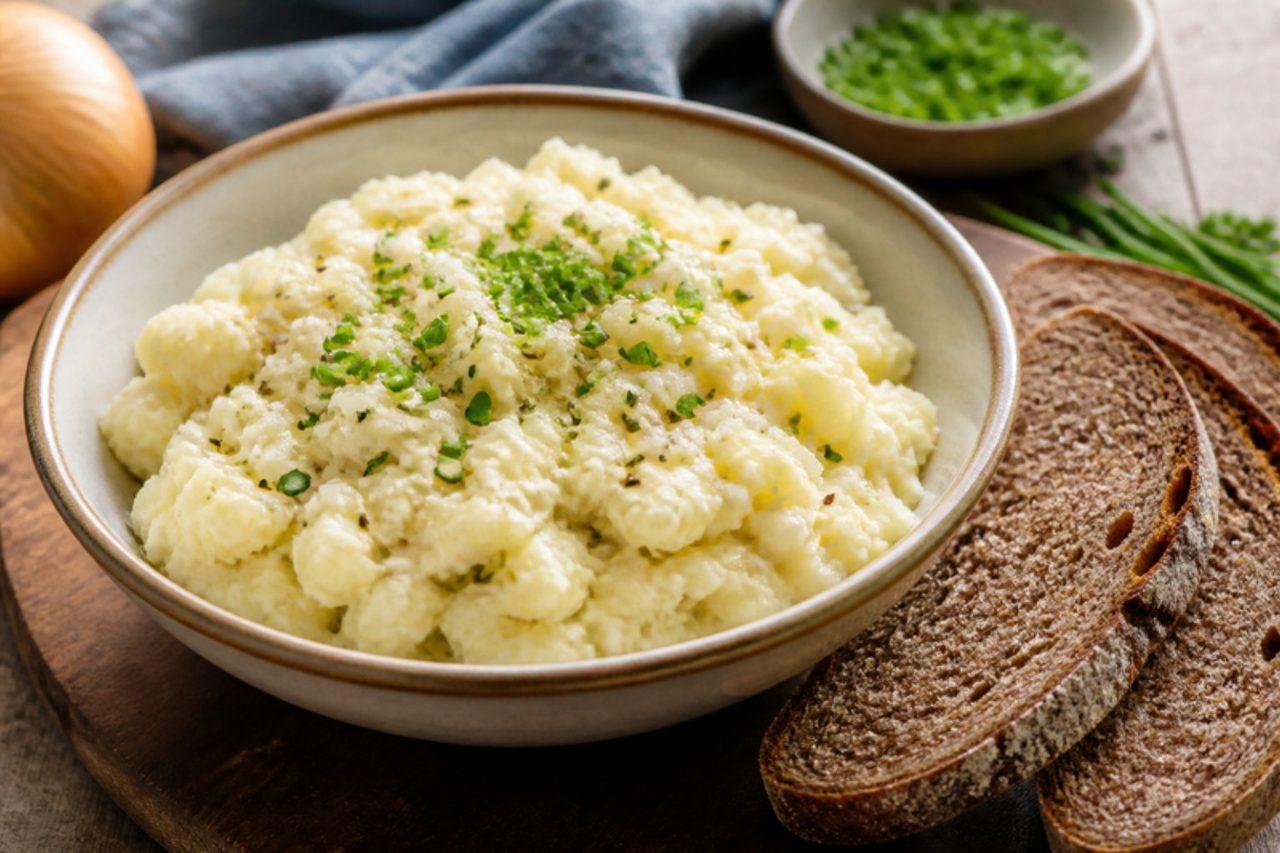
KartoffelkäsePotato and sour cream spread

Despite its name, Franconian Kartoffelkäs contains no cheese at all: it is a soft spread of riced potato, sour cream, onion and caraway that farm families around Bamberg and Nuremberg put on the table for Brotzeit, the cold evening supper. It goes on thick slices of rye bread with chives and sliced radish, and it was a way to turn a few leftover potatoes into something rich enough to stand in for cheese. A common mistake is using waxy potatoes, which go gluey; floury ones make it light. Chef's tip: rice the potatoes while hot, but stir in the sour cream only when they are cool, so the spread stays fresh-tasting rather than heavy.

by KrazyBadal 0 views

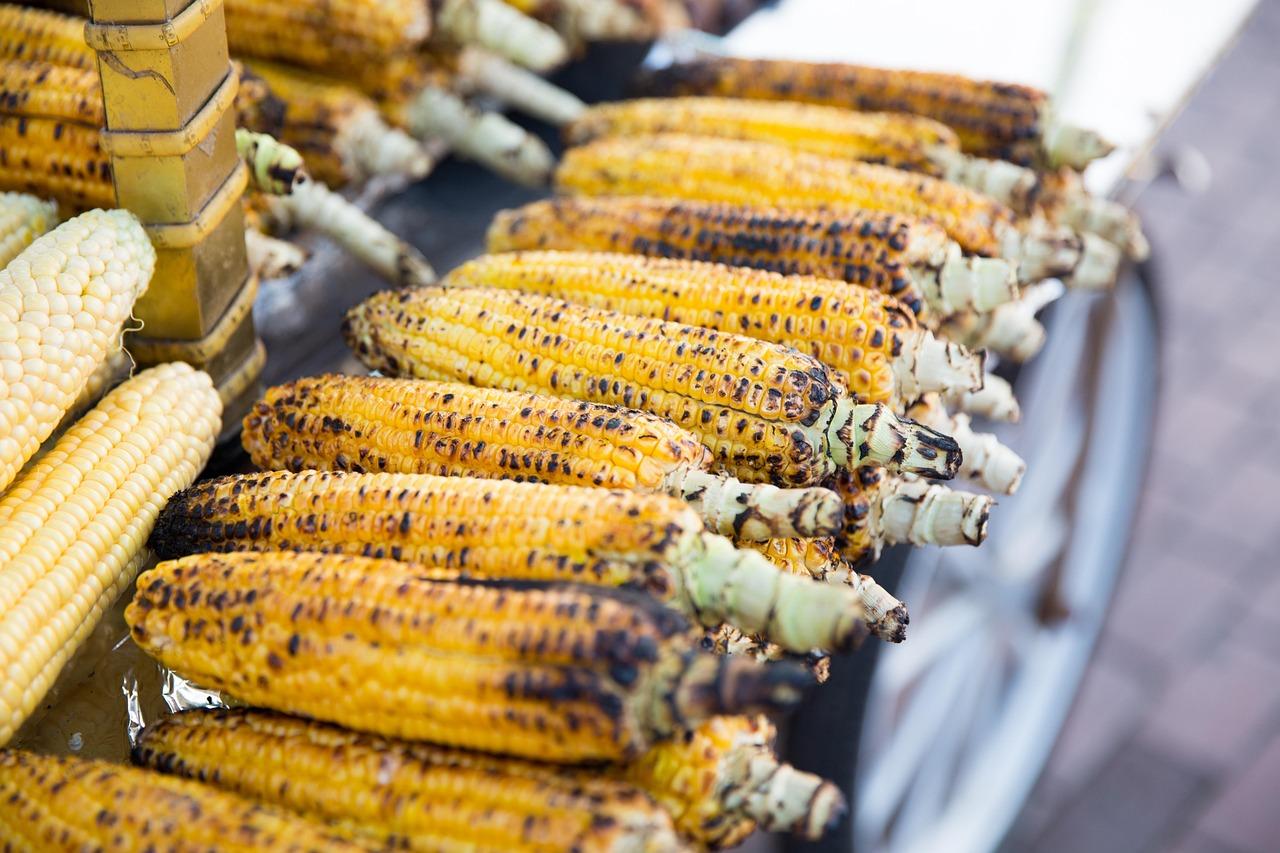
BalalCharcoal-grilled corn

Walk up the stepped lanes of Darband in the north of Tehran on a summer night and the air is smoky with balal: corn cobs fanned over charcoal until blistered, then dunked straight into a bucket of salty water so they hiss and steam. The quick dip seasons every kernel and softens the charred skin, so the corn is smoky, juicy and salty all at once. It is eaten standing up, between a walk and a cup of tea. The mistake people make is grilling over flames rather than glowing coals, which blackens the outside before the kernels are cooked. Chef's tip: keep the salted water warm by the grill so the corn doesn't cool down when you dip it.

by KrazyBadal 0 views

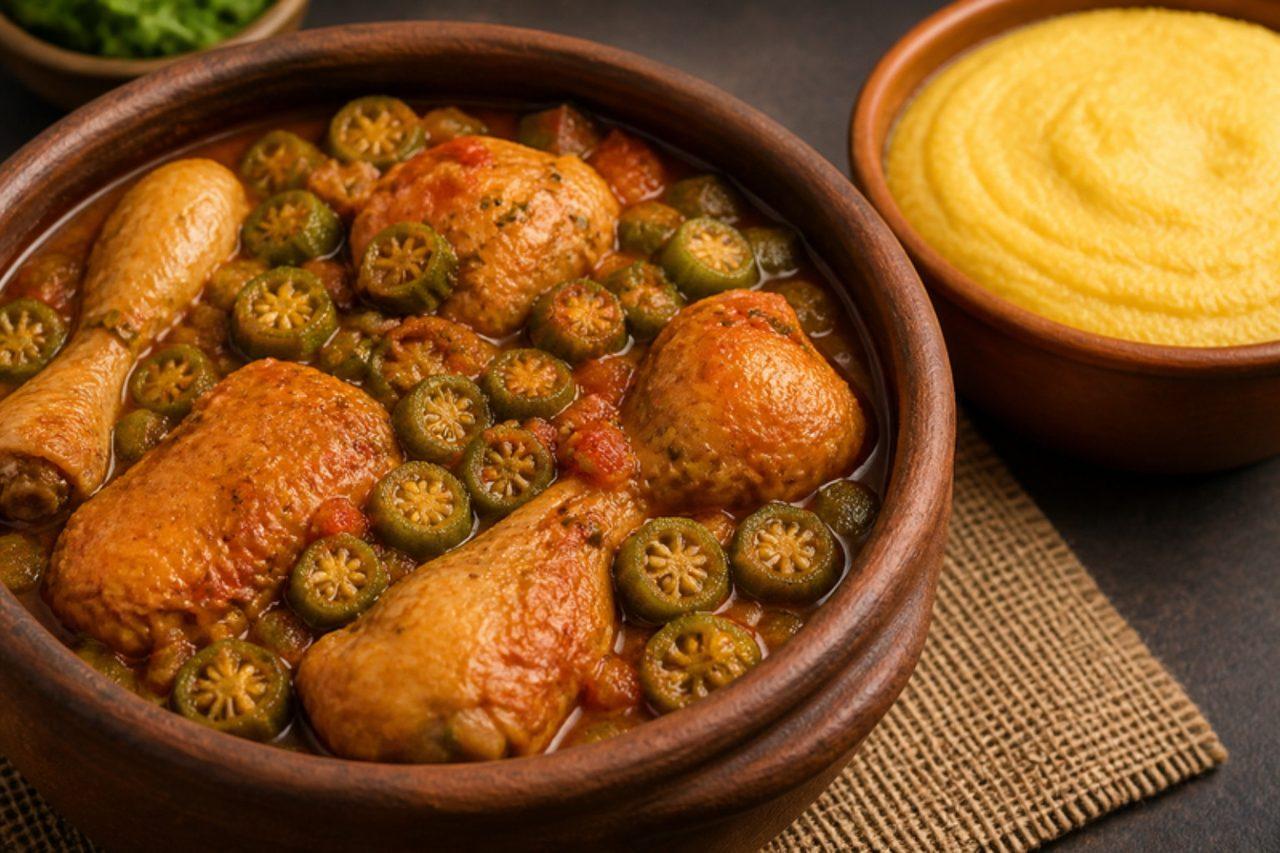
Frango com quiaboChicken with okra

Countryside Minas Gerais, especially around Belo Horizonte and the historic towns, cooks frango com quiabo for Sunday lunch: chicken pieces braised in a garlicky tomato sauce coloured with annatto, with okra fried separately and folded in at the end so it stays green and barely sticky. It is served over angu, a soft, unseasoned cornmeal porridge, with rice and a pot of hot pepper on the side. The sauce is savoury and homely, the okra tender with a little bite. People often add the raw okra straight to the pot, which makes the sauce slimy; frying it first in hot oil seals it. Chef's tip: stir the angu with a whisk as you pour in the cornmeal, then switch to a wooden spoon, and it will never go lumpy.

by KrazyBadal 0 views

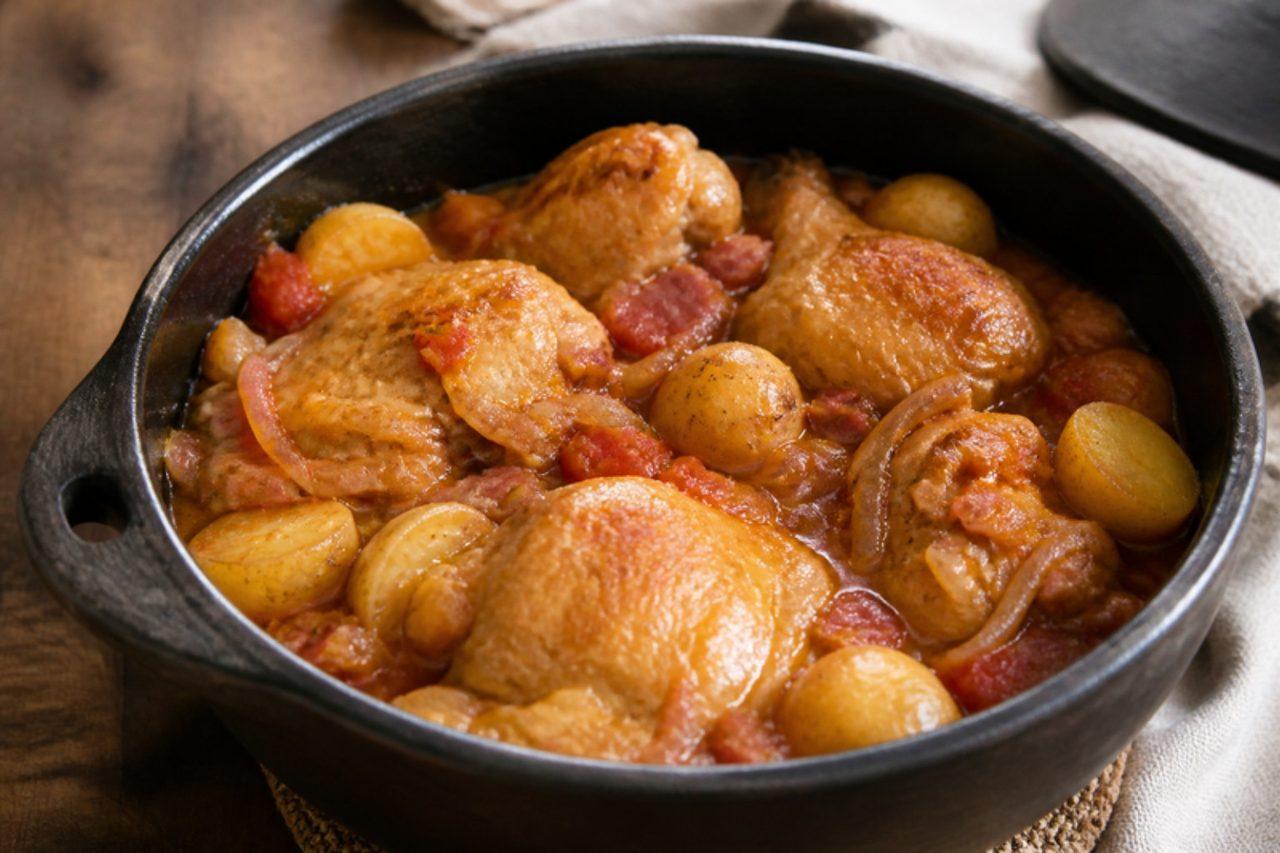
Frango no púcaroClay-pot chicken with port and ham

The monks of the great abbey at Alcobaça, on the edge of the Beira Litoral, are credited with this dish of chicken slow-cooked in a púcaro, a lidded clay pot, with onions, tomatoes, garlic, cured ham and bacon, a splash of port and white wine. Local restaurants still serve it bubbling in the pot with fried or boiled potatoes. This contains pork (presunto and smoked bacon), and it uses port and white wine; an alcohol-free version is given in the ingredient notes. Chef's tip: brown the chicken well before it goes into the pot, as the sealed lid keeps the colour from developing later.

by KrazyBadal 0 views

FrangolloCornmeal and milk pudding

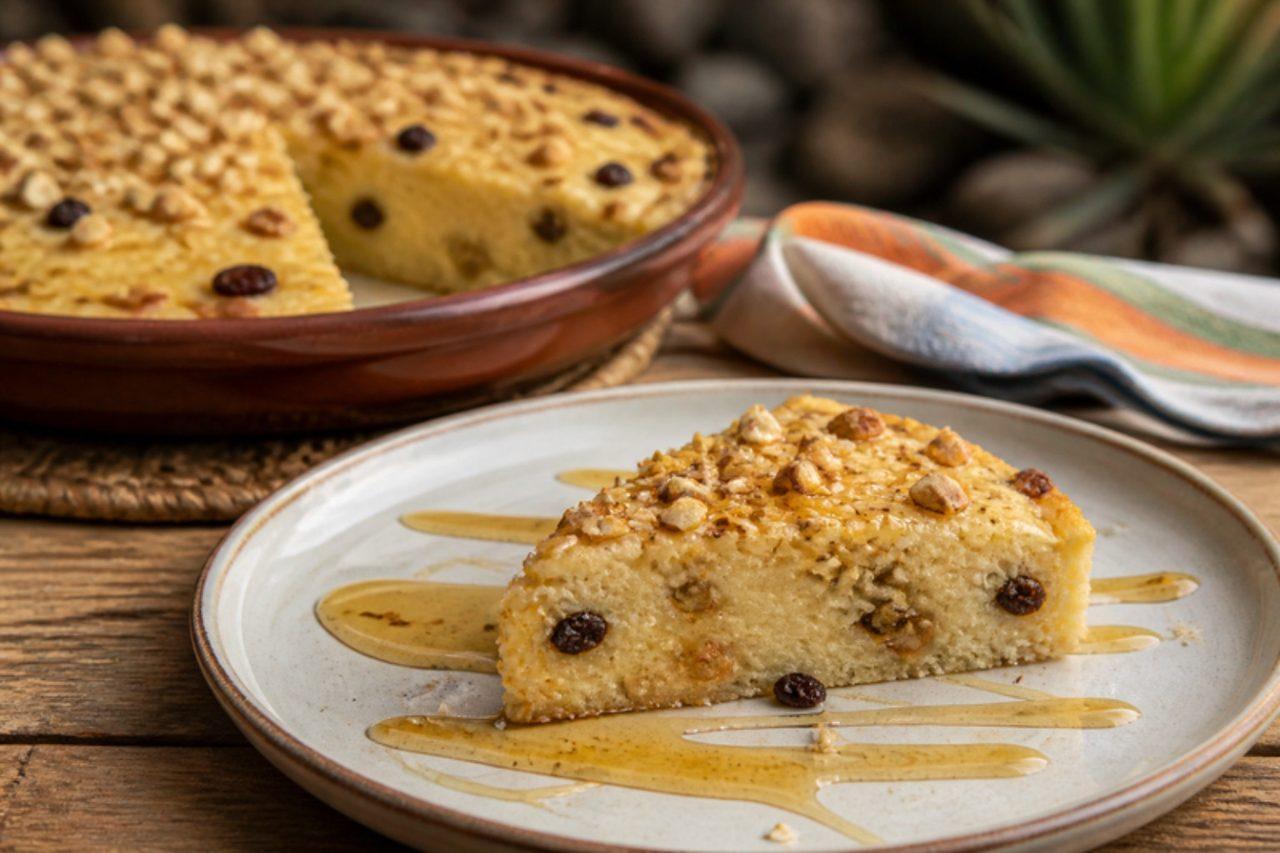
Frangollo was once poor people's food on Lanzarote and La Palma, coarse cornmeal (millo) cooked in milk to stretch a meal; now it is the pudding grandmothers make for Carnival and Christmas, sold in slabs at village fiestas. The cornmeal is cooked slowly with milk, sugar, lemon peel and cinnamon, then enriched with butter, egg, raisins and almonds, left to set and cut into squares. It is often finished with a drizzle of palm honey from La Gomera. Chef's tip: stir constantly and use a heavy pan, because thick cornmeal catches on the bottom in seconds.

by KrazyBadal 0 views

Balık ekmekGrilled mackerel sandwich

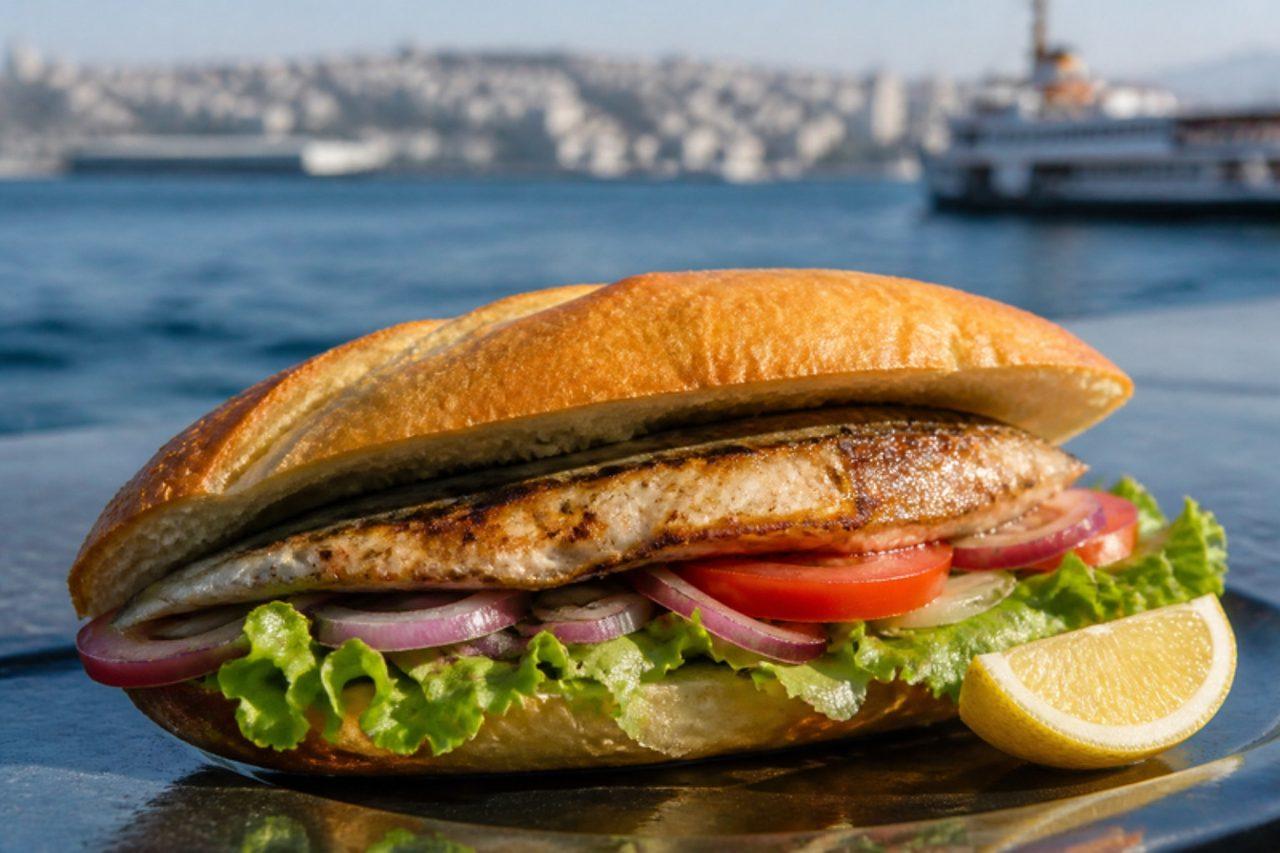
At Eminönü, by the Galata Bridge, boats rocking at the quay grill mackerel fillets over charcoal and pass them up in half a loaf with raw onion, lettuce and a squeeze of lemon; you eat it on a low stool with a cup of pickle juice. It is the simplest fish sandwich imaginable and depends entirely on fresh, oily fish and a hot pan. Serve with turşu (pickles) and a salgam or ayran. Chef's tip: grill the fillets skin side down for most of the cooking time; the skin crisps and protects the soft flesh so it doesn't stick and tear.

by KrazyBadal 0 views

BalilaWarm chickpeas with garlic and lemon

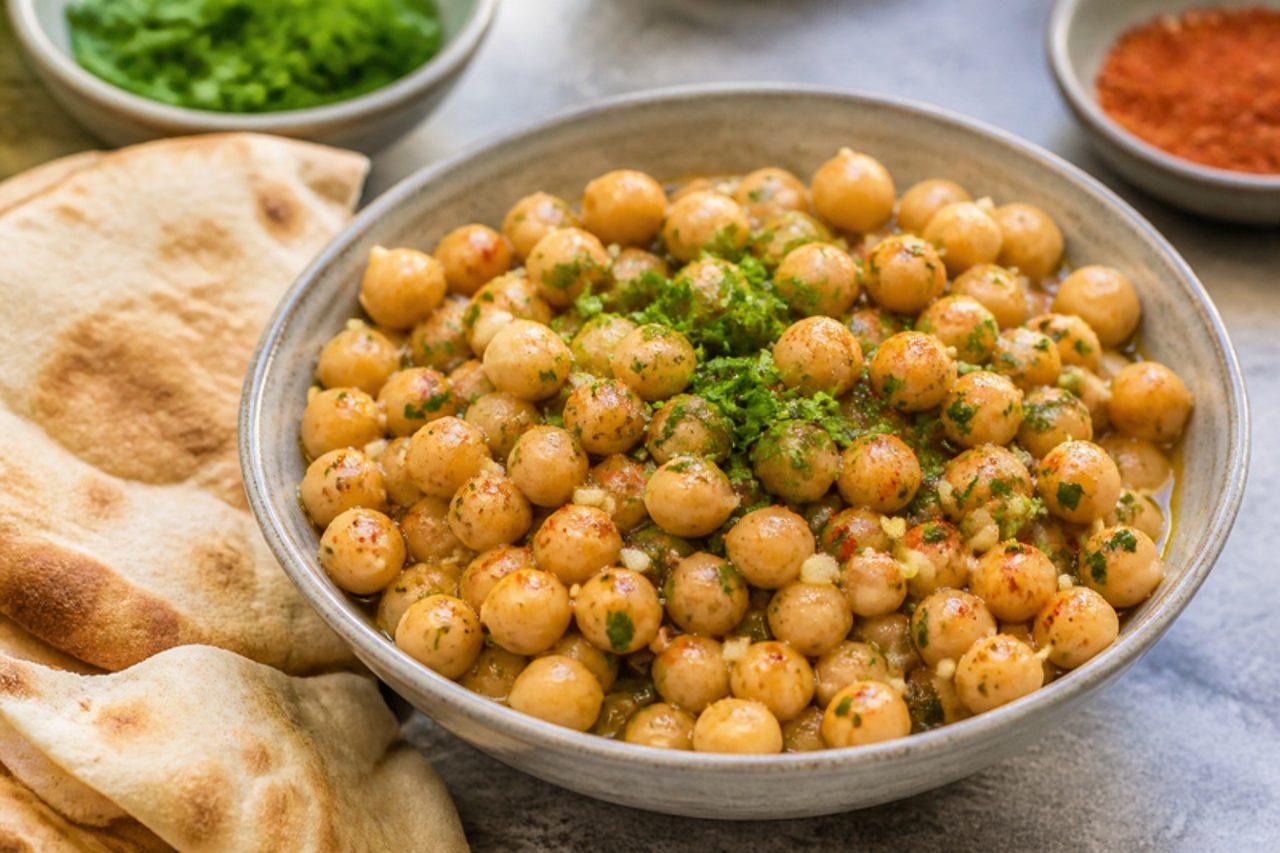
On winter mornings in Damascus, handcarts with steaming pots of chickpeas park outside schools and offices, and vendors ladle balila into paper cups with a squeeze of lemon and a shake of cumin. In Beirut it is a mezze dish and a light Sunday breakfast, served warm in a shallow bowl with pine nuts and parsley and bread on the side. It is simply chickpeas, cooked until creamy inside, dressed while hot so they soak up the garlic and oil. The usual mistake is dressing cold chickpeas from the fridge; they stay waxy and the flavours sit on the surface. Chef's tip: keep a ladle of the hot cooking water and add it to the dressing; it turns the oil and lemon into a light, clinging sauce.

by KrazyBadal 0 views

Frankfurter KranzButtercream ring cake with nut brittle

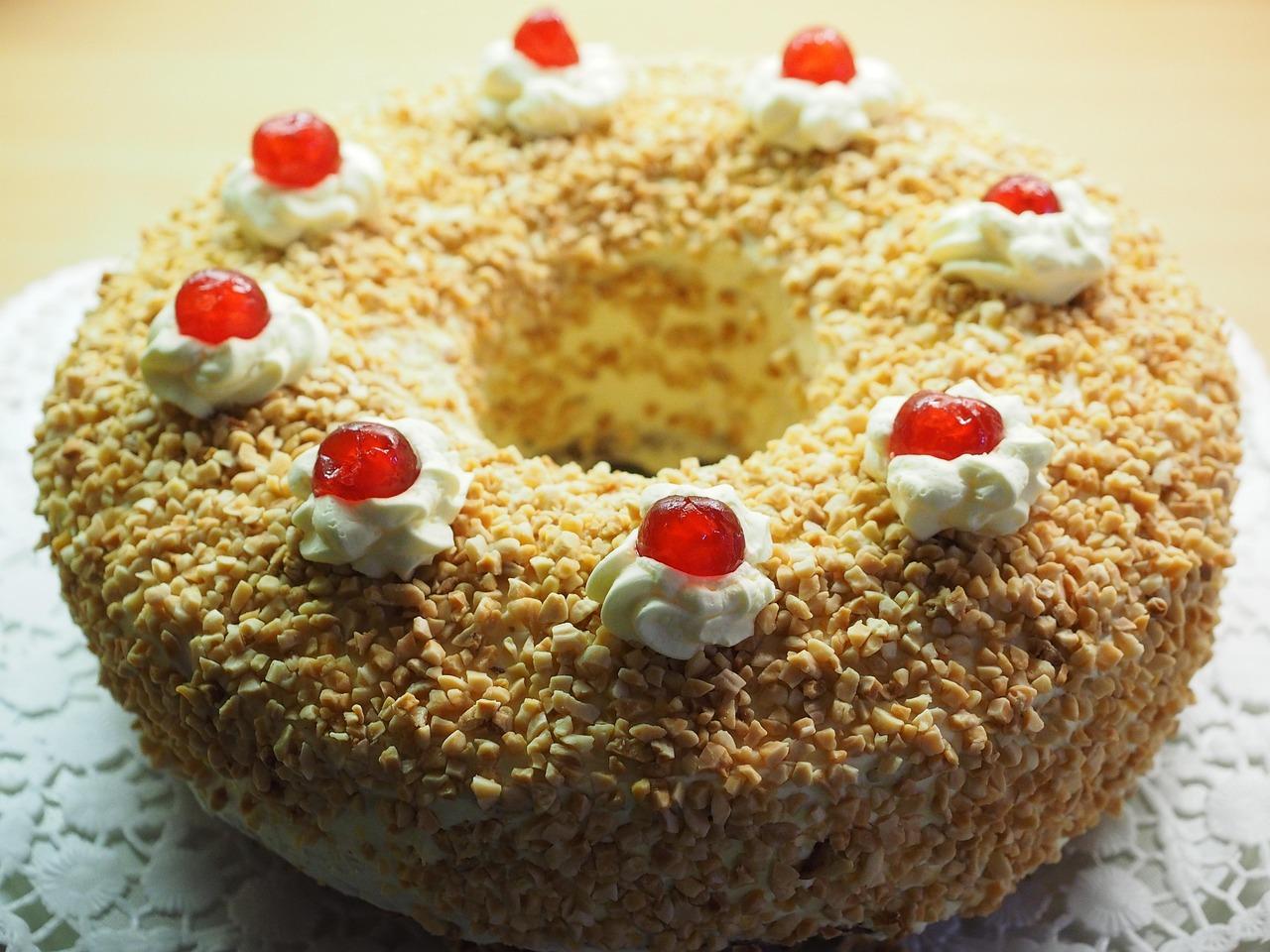
Frankfurter Kranz is the crown of Frankfurt's coffee tables, shaped like the crowns of the emperors once crowned in the city's cathedral and still made for birthdays and Sunday visits all over Hesse. A buttery ring cake is cut into three layers, filled with redcurrant jam and vanilla buttercream, then coated all over with golden almond brittle, the jewels being little rosettes topped with red cherries. Older recipes splash the layers with kirsch; this one is made without alcohol. A common mistake is spreading the buttercream when the custard and butter are at different temperatures, which makes it curdle; both must be at room temperature. Chef's tip: bake the cake a day ahead and chill it; cold layers cut cleanly and don't crumble into the cream.

150 minGermanBaking
by KrazyBadal 0 views

Frankfurter WürstchenFrankfurter sausages with potato salad

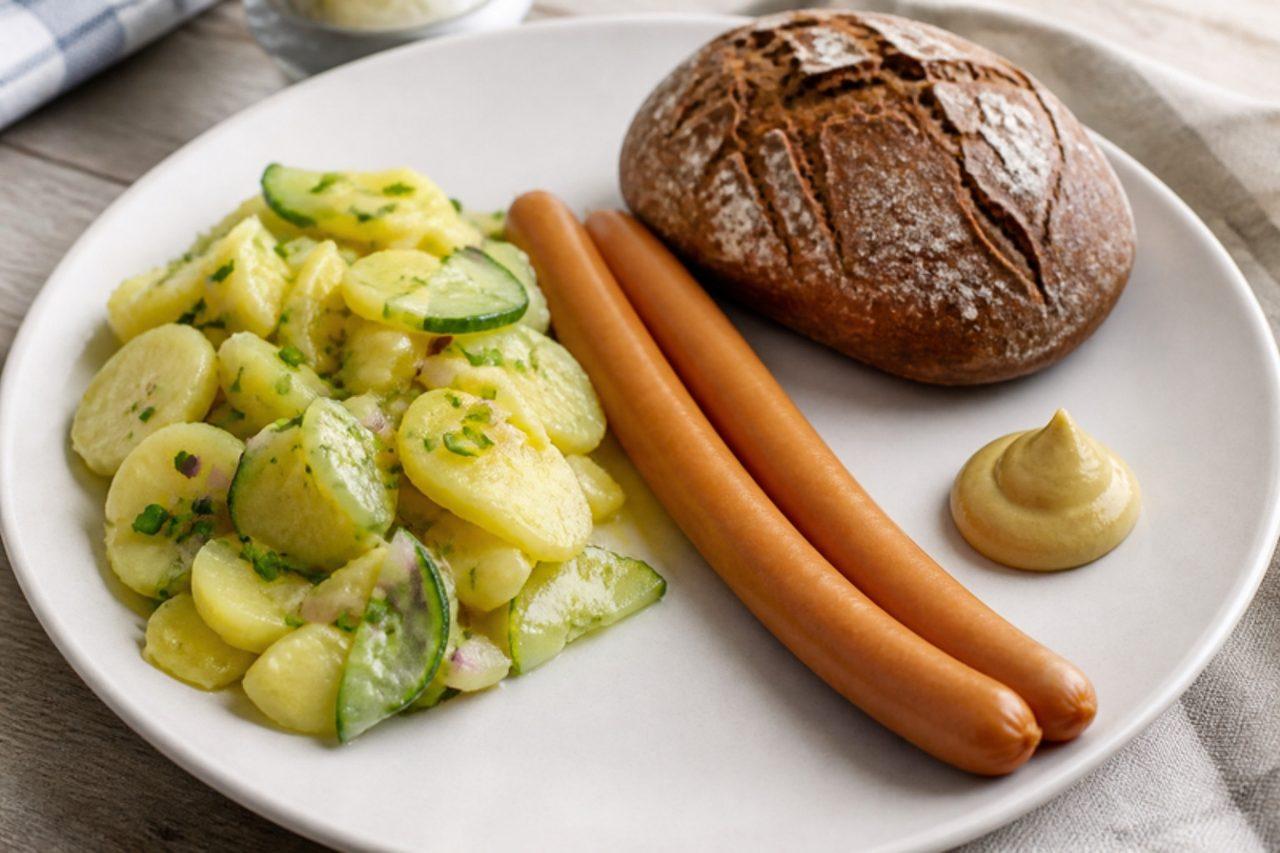
Real Frankfurter Würstchen are slim, delicately smoked pure-pork sausages from the Frankfurt region, sold in pairs and eaten at Christmas markets, family suppers and Christmas Eve, when many Hessian families have them with potato salad. They come ready-cooked, so the only skill is warming them gently until they are hot without bursting. Here they go with a warm Hessian potato salad dressed with stock, vinegar, onion and chives, plus mustard and rye bread. Vegetarians can warm vegetarian sausages the same way and keep the salad. Chef's tip: dress the potatoes while they are still warm; they drink up the dressing and turn silky instead of sitting in it.

45 minGermanMeat
by KrazyBadal 0 views

Freekeh bil djajChicken with smoked green wheat

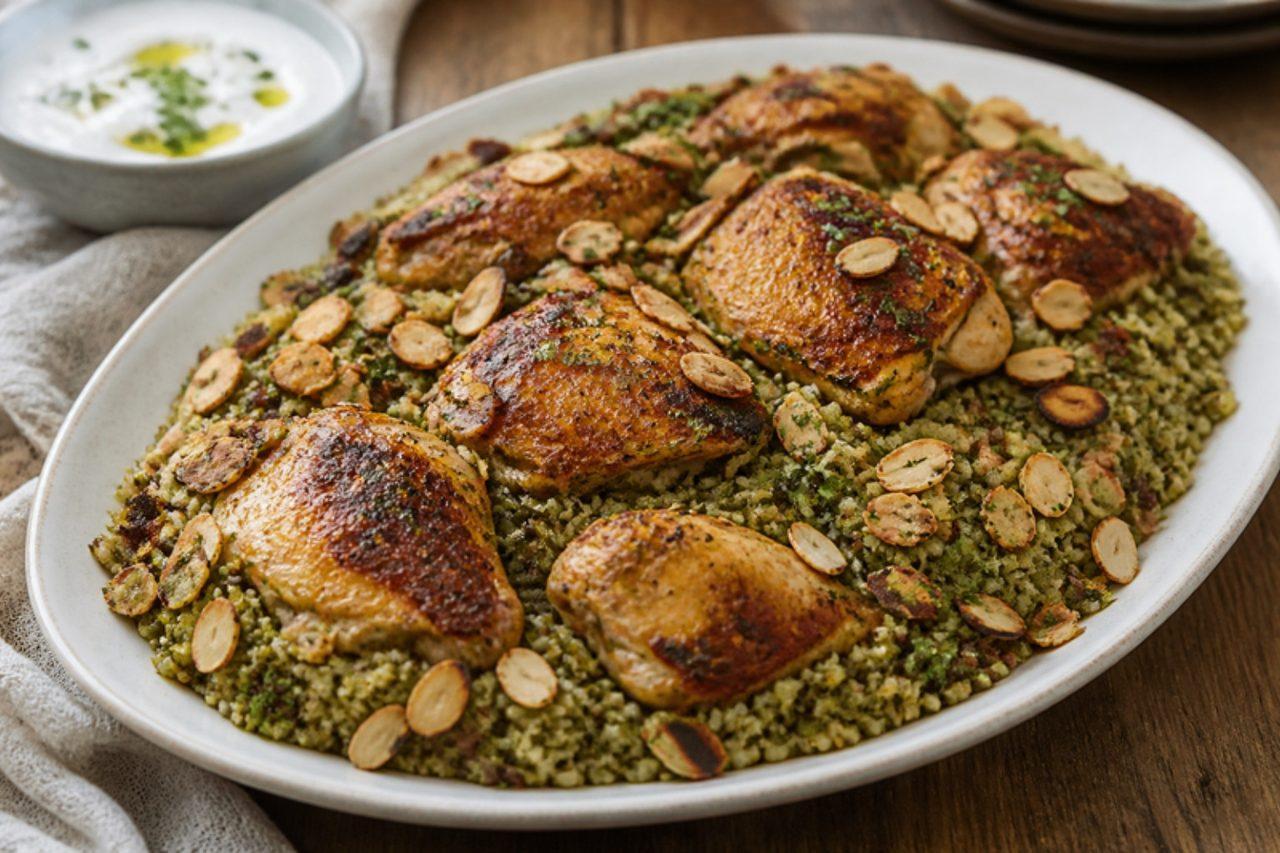
Freekeh — young green wheat harvested and roasted over fire in the fields of Hauran and the Syrian countryside — has a smoky, nutty taste that makes this dish special. Chicken is poached with whole spices, and its broth is used to cook the freekeh into a fluffy pilaf, then everything is topped with the browned chicken and toasted almonds. It is a dish for Sunday gatherings and Eid, served with yoghurt and cucumber. Common mistake: not picking over the freekeh; it often has tiny stones and husks, so spread it on a tray and check. Chef's tip: brown the poached chicken in butter or under the grill before serving for colour and crisp skin.

by KrazyBadal 0 views

Ballycastle yellowmanHoneycomb toffee

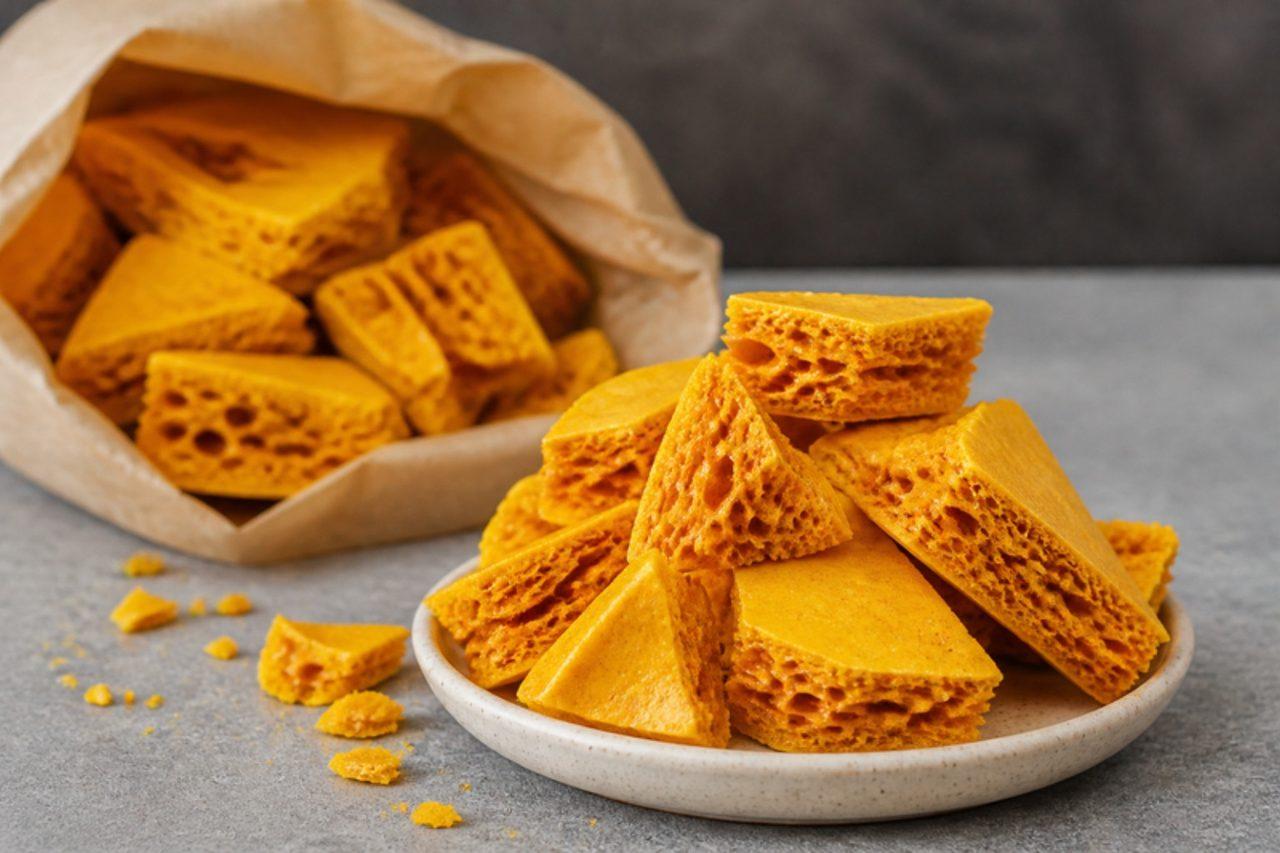
Yellowman is the bright yellow, brittle honeycomb toffee hacked from great slabs at the Ould Lammas Fair in Ballycastle, County Antrim, at the end of every August, often eaten with dulse. Golden syrup, sugar and butter are boiled to the hard-crack stage and then foamed with bicarbonate of soda into a crunchy, airy toffee. Chef's tip: have the tin and the soda ready before you start; once it reaches temperature you have seconds.

by KrazyBadal 0 views

Fregola con arselleToasted pasta pearls with clams

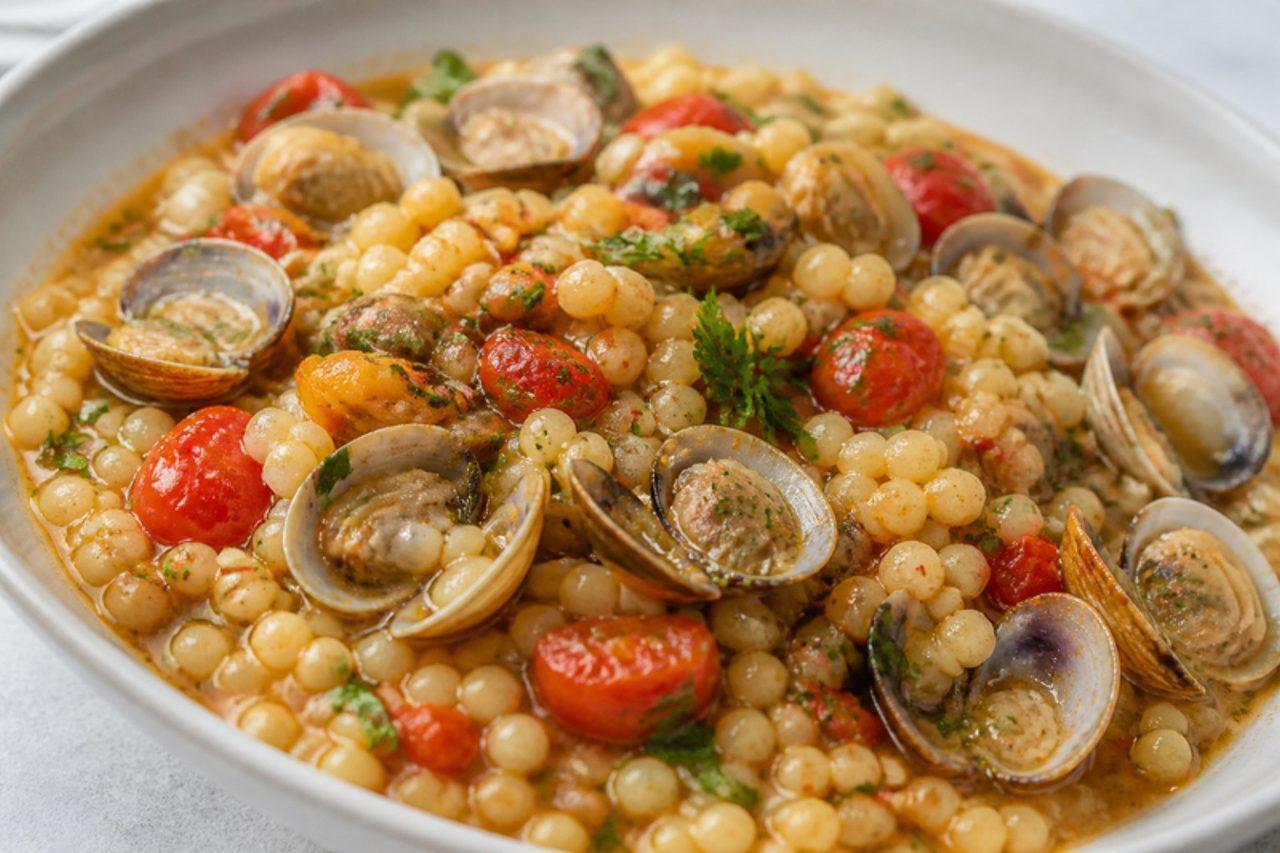
Along the Poetto, Cagliari's long city beach, arselle are small clams once raked from the sand, and fregola con arselle is the dish every seaside trattoria in the city serves. Fregola is a Sardinian semolina pasta rolled into rough little beads and toasted, so it has a nutty taste and a slightly chewy bite; here it simmers like risotto in the clams' own juice with tomato, garlic and parsley until loose and soupy. Eat it with a spoon, straight away. Any small clams work if you can't find arselle. Chef's tip: toss the fregola in a dry pan for a couple of minutes before cooking; it deepens the toasted flavour.

by KrazyBadal 0 views

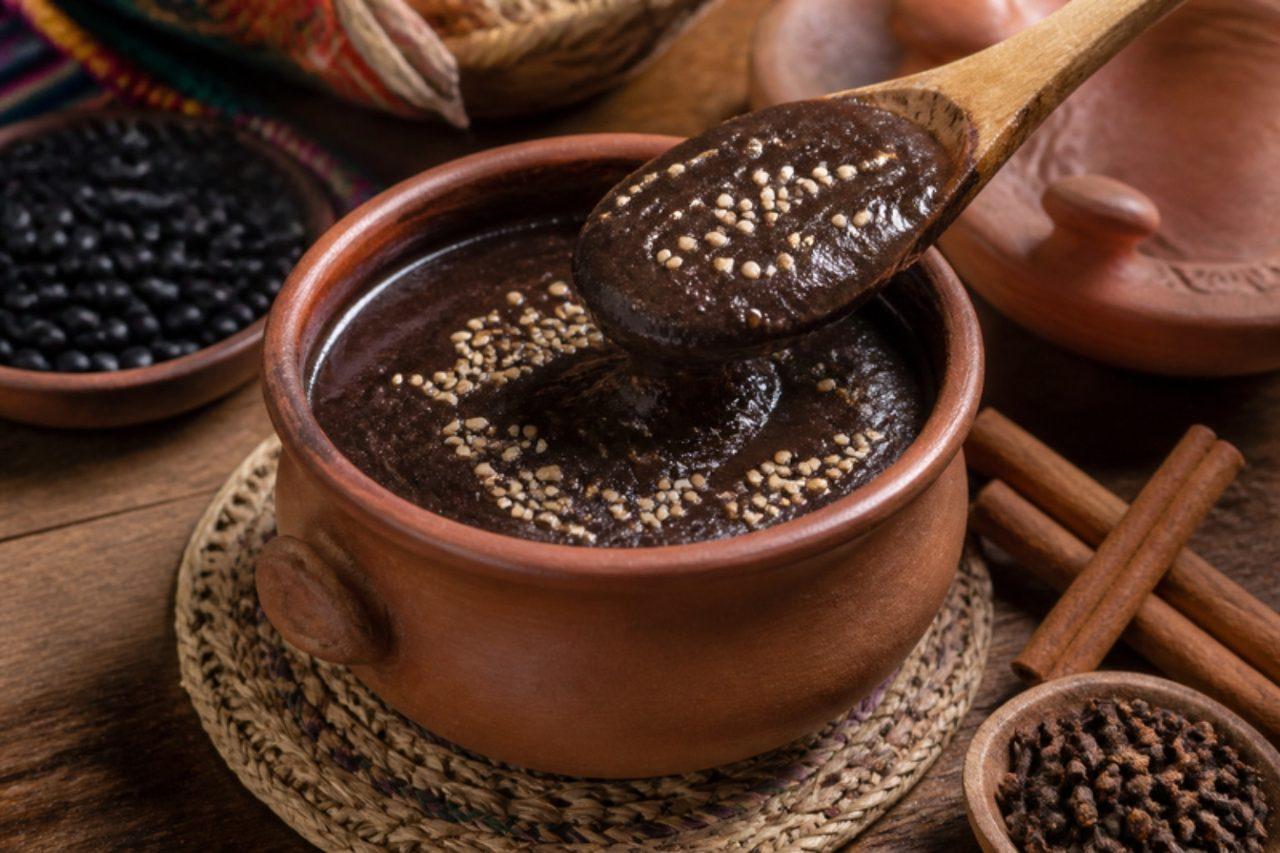
Frejol coladoSweet black bean paste

Chincha, south of Lima, is the heart of Afro-Peruvian culture, and its signature sweet is frejol colado: black beans cooked, pushed through a sieve (colado means strained) and then stirred for a long time with sugar and spices until the paste is dark, glossy and thick enough to stand a spoon in. It is traditionally served in little gourd bowls called potos, sprinkled with toasted sesame, and sold in Chincha's square and at festivals in El Carmen. The taste is deep and molasses-like, with clove and cinnamon, and nobody guesses it's beans. The beans need an overnight soak, which isn't counted in the time. Most people give up stirring too early; under-cooked frejol colado is runny and tastes of beans, so keep going until it pulls away from the pan in one mass. Some cooks add milk; this version is dairy free. Chef's tip: use a wide, heavy pan and a long wooden spoon, and wear an oven glove, because the thick paste spits as it reduces.

by KrazyBadal 0 views

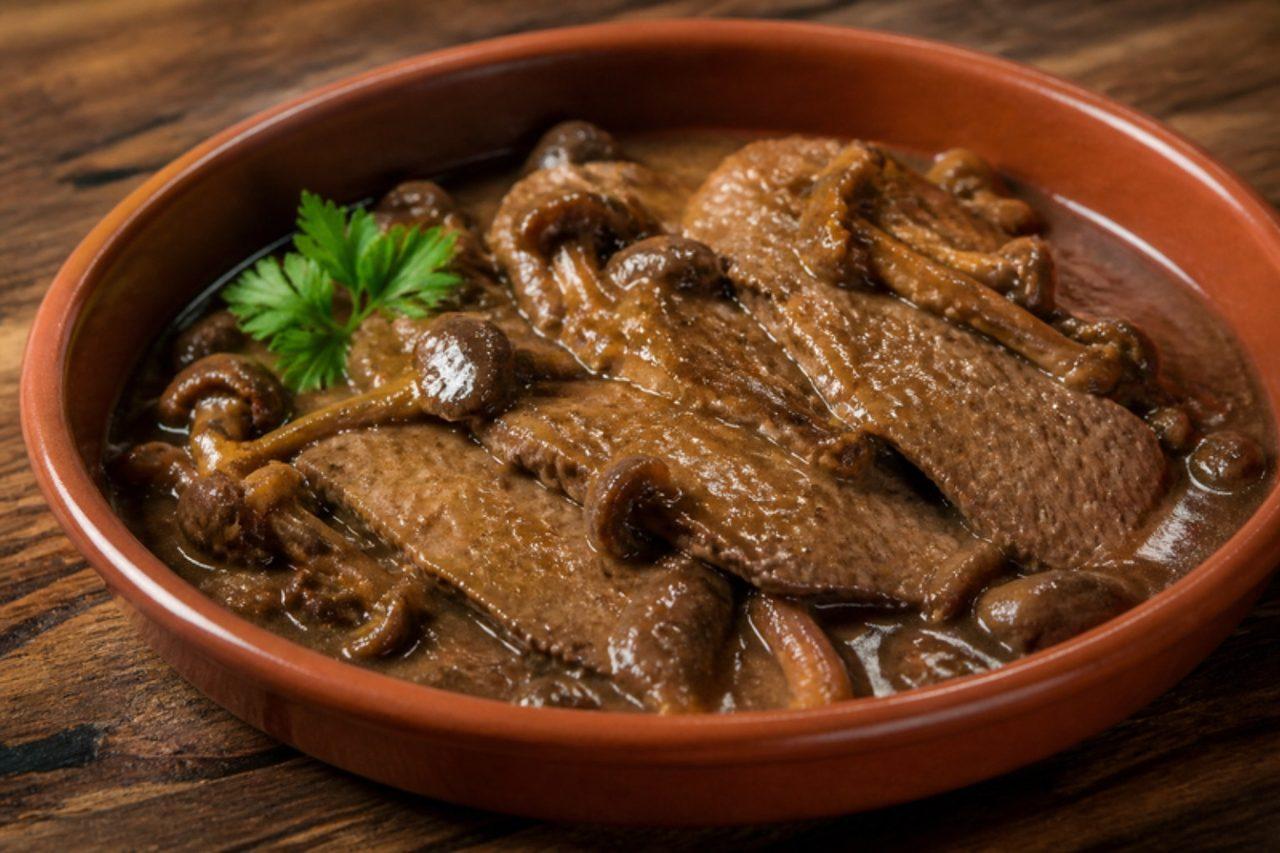
FricandóBraised veal with mushrooms

Fricandó is the dish that Barcelona grandmothers cook for a family Sunday or a saint's day: thin slices of veal, floured and browned, then braised slowly in a dark sofrito with dried moixernons, the spring St George's mushroom, and finished with a picada of almonds and hazelnuts. It is better reheated the next day. Dried porcini or mixed wild mushrooms work if you cannot find moixernons. The recipe uses wine; the alcohol-free option is in the ingredient list. Chef's tip: cook the onions until truly dark, almost jammy; that deep brown sofrito is where the sauce gets its colour and sweetness.

130 minSpanishMeat
by KrazyBadal 0 views

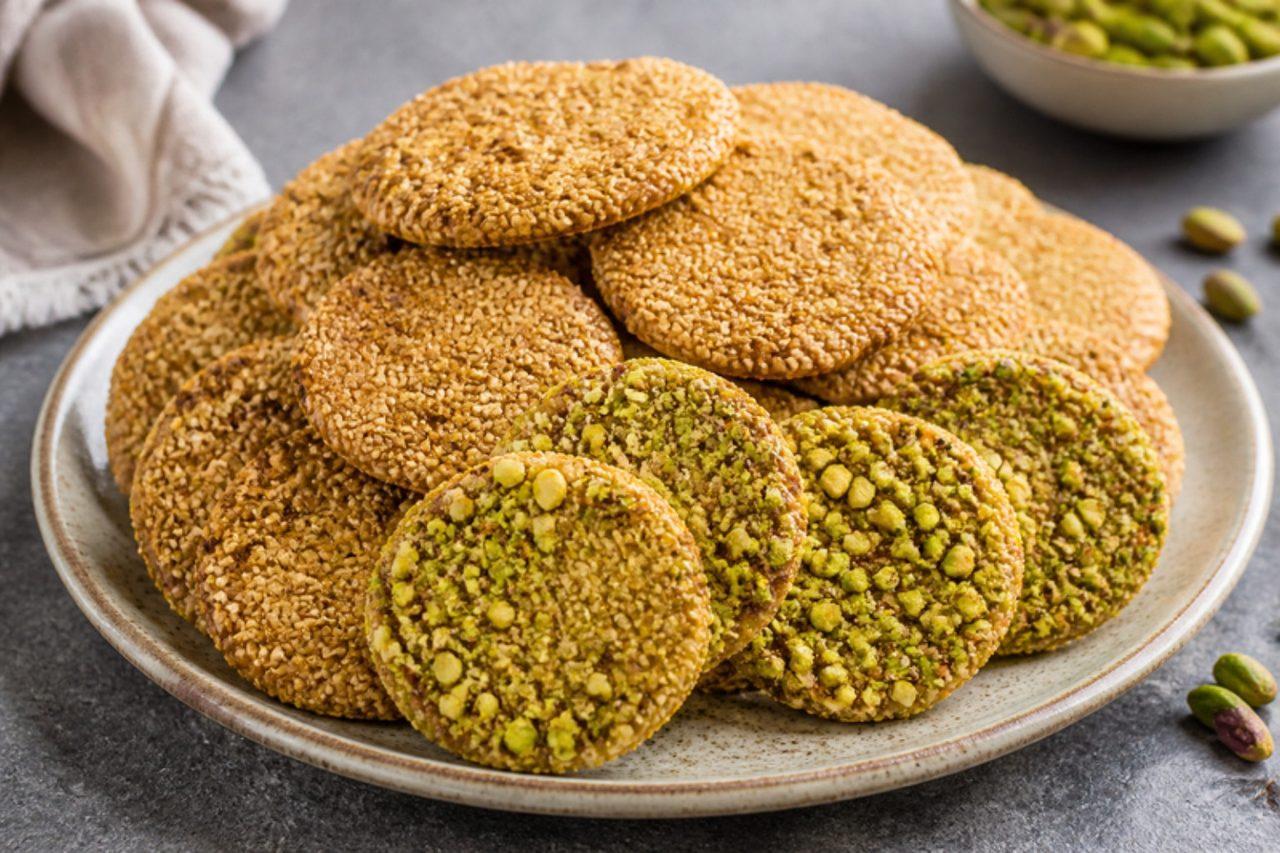
BarazekSesame and pistachio cookies

Barazek are the cookies Damascene families bring out for Eid and to go with an afternoon glass of tea: thin, crisp and buttery, with a glassy crust of sesame seeds held on with honey on top and a scattering of chopped pistachios pressed into the bottom. They are made by the tin-load in Damascus sweet shops and keep for weeks. Common mistake: using untoasted sesame — they should be lightly toasted before going on, or the cookies taste raw. Chef's tip: dip the sesame side into the honey syrup and then the seeds, not the other way round; you get an even, shiny layer that bakes to amber.

by KrazyBadal 0 views

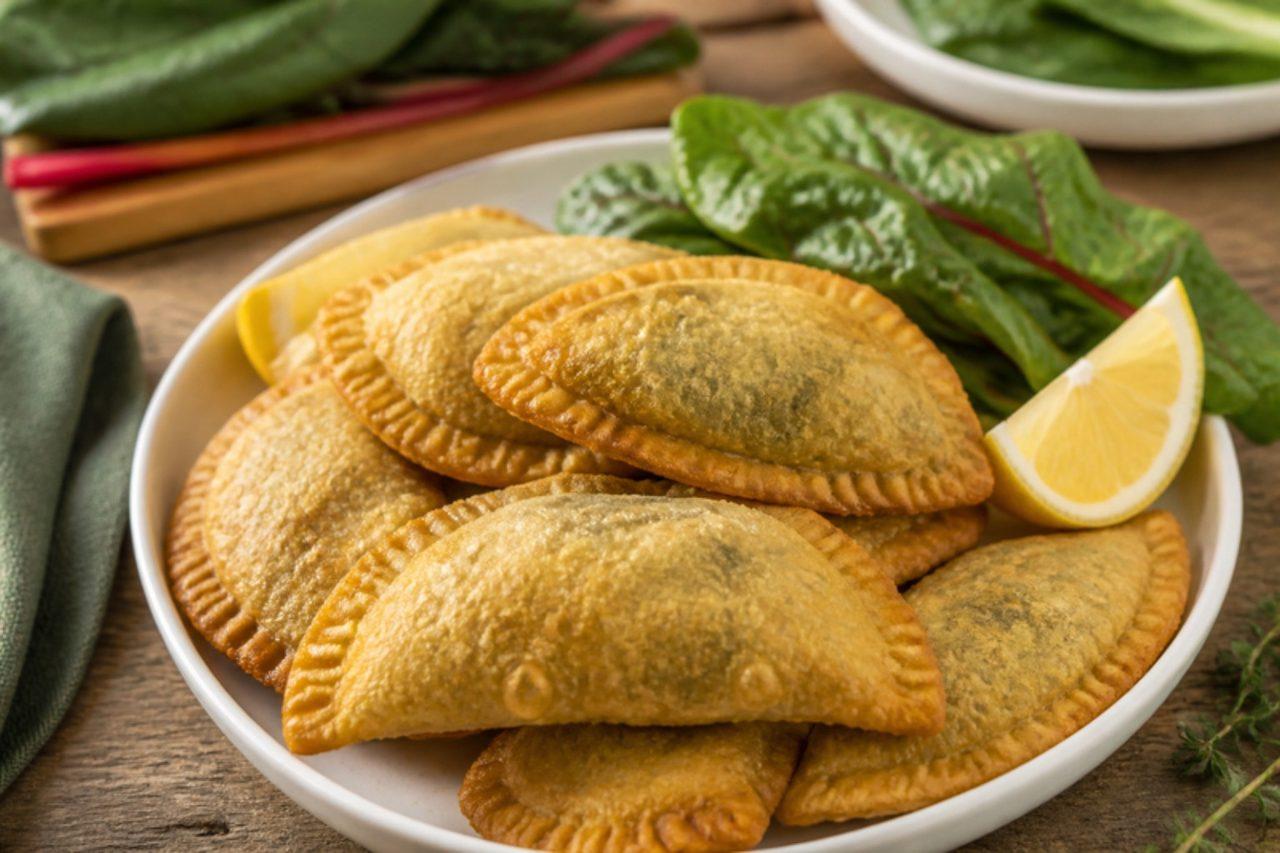
BarbajuansFried chard and ricotta pastries

Barbajuans are Monaco's national snack, little fried pastry pockets of chard, leek and ricotta that come out at every apéritif, and by the hundred on 19 November, the principality's National Day. The name is said to mean 'Uncle John' in the Monegasque dialect, after the cook who first made them. You will also find them in bakeries in Menton and along the Riviera towards Nice. Parmesan usually contains animal rennet; a vegetarian hard cheese works just as well. Chef's tip: roll the dough so thin you can almost see the worktop through it; thick pastry turns chewy instead of crisp.

by KrazyBadal 0 views

Barbounia tiganitaFried red mullet

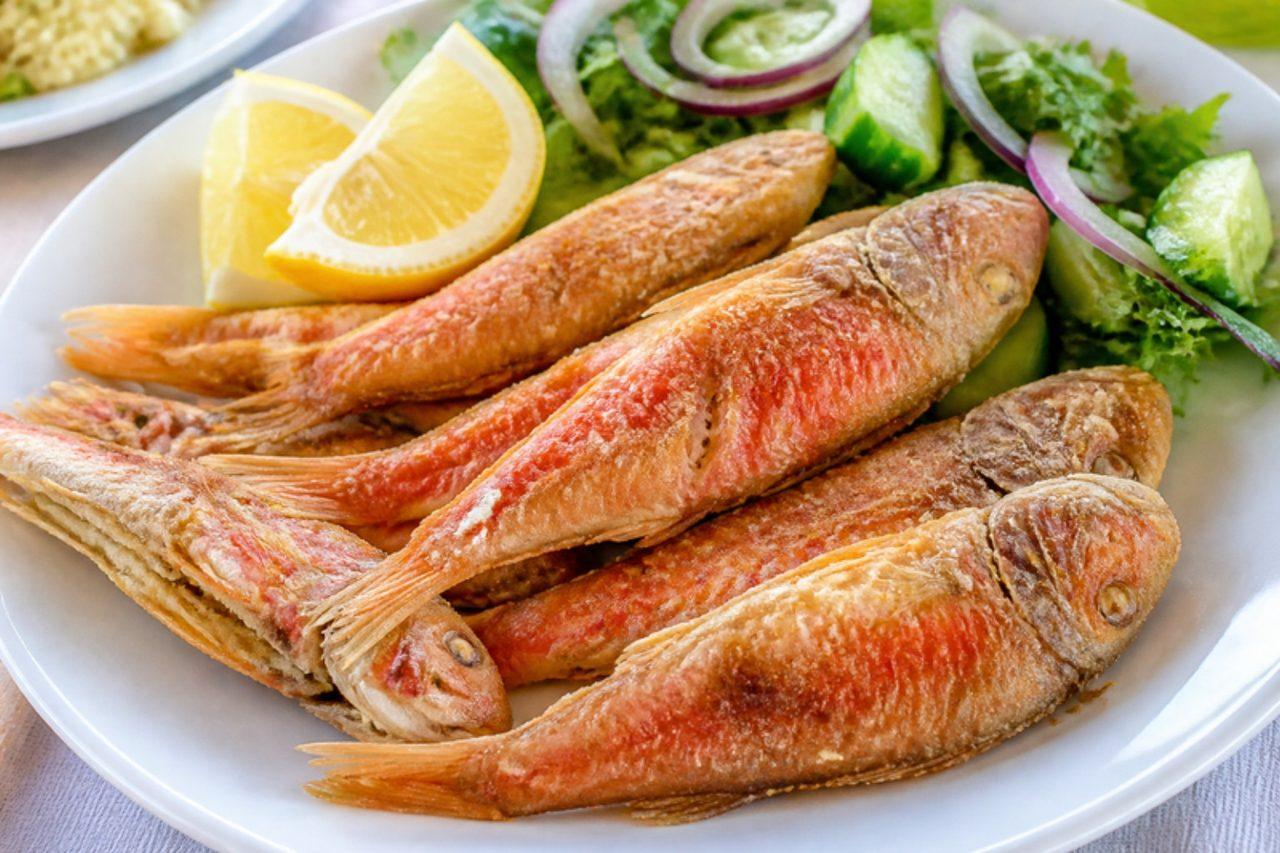
In summer, harbour tavernas from Naxos to Paros fry small red mullet whole, dusted in flour and crackling in olive oil, and bring them to the table with lemon, a horiatiki salad and bread. The skin turns crisp and rosy-gold while the flesh stays sweet and delicate, and islanders eat the little ones bones and all. Common mistake: crowding the pan, which drops the oil temperature so the fish soaks up oil and goes soggy. Chef's tip: ask the fishmonger to scale and gut the mullet but leave the heads on; they hold the fish together and are the tastiest part for many Greeks.

25 minGreekFish
by KrazyBadal 0 views

BarmbrackTea-soaked fruit loaf

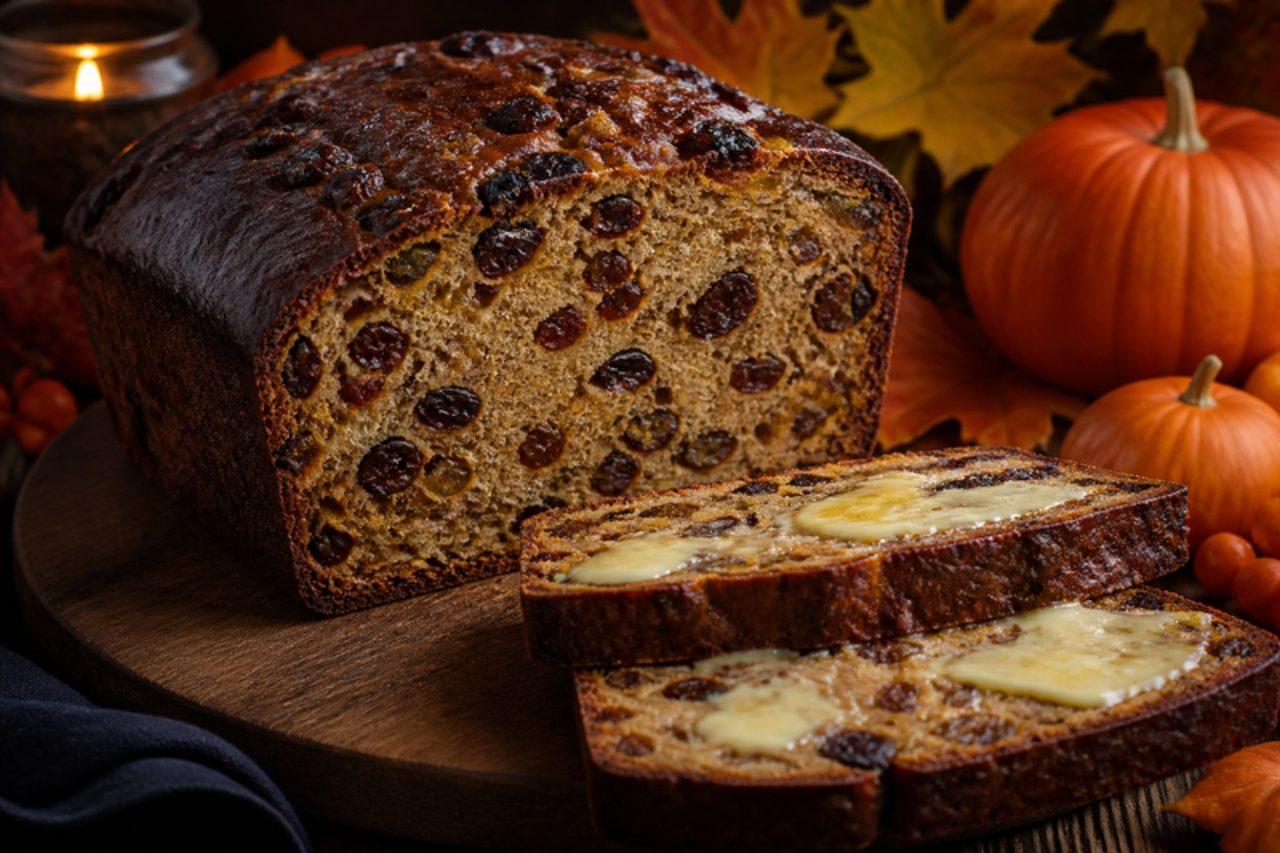
Barmbrack is the speckled fruit loaf eaten in Ireland at Halloween, when a ring wrapped in baking paper is baked inside, and whoever finds it is said to marry within the year. This is the quick tea brack version made all over Connacht and Munster, with the dried fruit soaked overnight in strong tea so the loaf is dark, moist and fragrant with mixed spice. Serve sliced and buttered with a cup of tea. Chef's tip: soak the fruit for a full night; short soaking gives dry, chewy fruit.

by KrazyBadal 0 views

BarraquitoLayered coffee with condensed milk

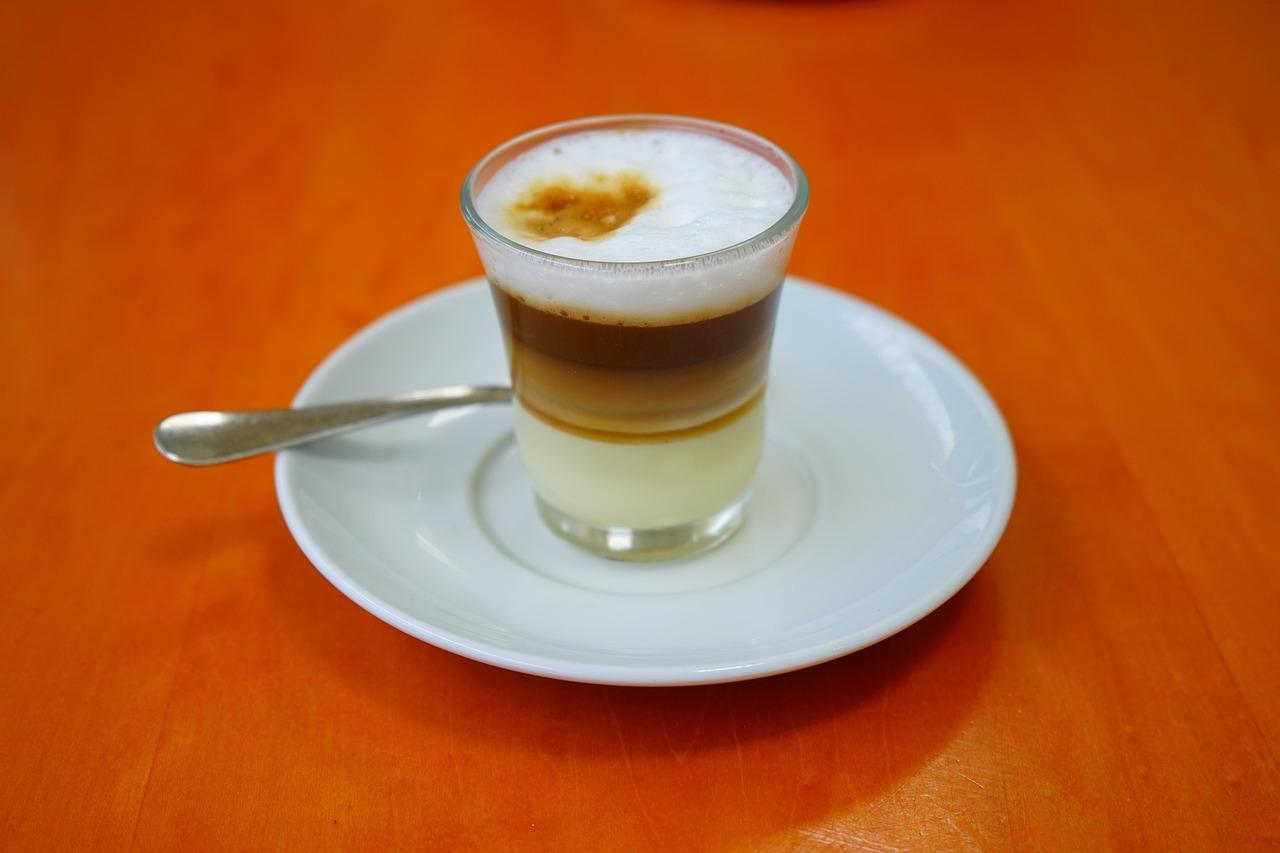
Order a barraquito in any café in Santa Cruz de Tenerife or La Laguna and it comes in a small glass showing neat stripes: sweet condensed milk at the bottom, then espresso, then foamed milk, perfumed with lemon peel and cinnamon. The bar classic adds a measure of a vanilla-citrus Spanish liqueur between the layers, which makes it contain alcohol; this recipe leaves it optional, and without it the drink is often called a zaperoco or barraquito sin licor. Chef's tip: pour each layer slowly over the back of a spoon, so the layers sit on top of each other instead of mixing.

by KrazyBadal 0 views

BarreadoSlow-cooked beef in clay pot

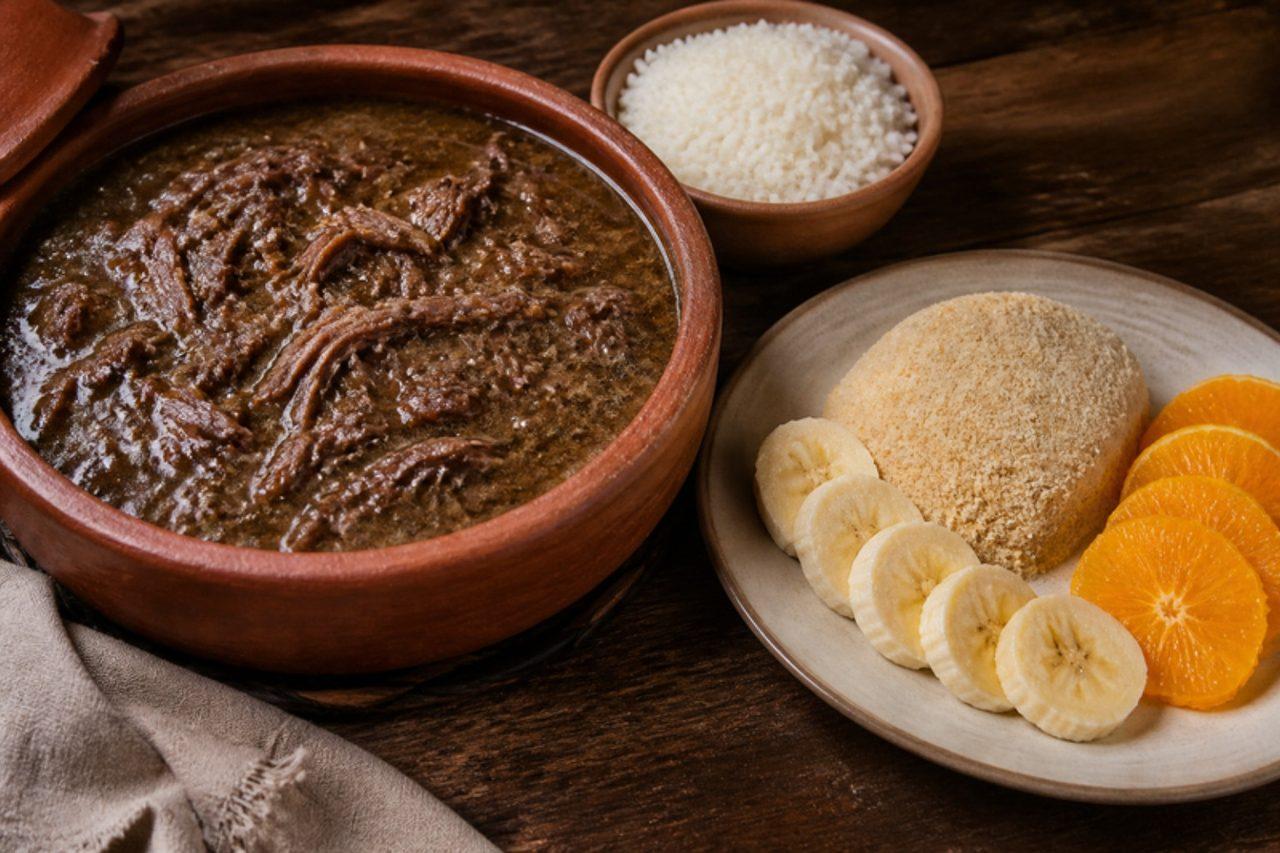
Morretes and Antonina, the little colonial towns at the foot of Paraná's Serra do Mar, are famous for barreado: beef layered with smoked bacon, onion, garlic, cumin and bay in a clay pot, sealed with a paste of cassava flour and water, and cooked for many hours until it falls into soft, dark strands in a rich broth. It was a Carnival dish, left on the fire so revellers could eat without cooking, and today the restaurants along the Rio Nhundiaquara serve it every day. This recipe contains pork, in the bacon that gives the broth its smokiness. At the table you put cassava flour on your plate, ladle over hot broth and stir it into a soft pirão, then add the meat and slices of banana. The common mistake is opening the pot to check, which lets the steam out and toughens the meat; trust the seal and the oven. A heavy cast-iron casserole works if you have no clay pot. Chef's tip: use two cuts, a lean one and a gelatinous one like shin, for broth with real body.

by KrazyBadal 0 views

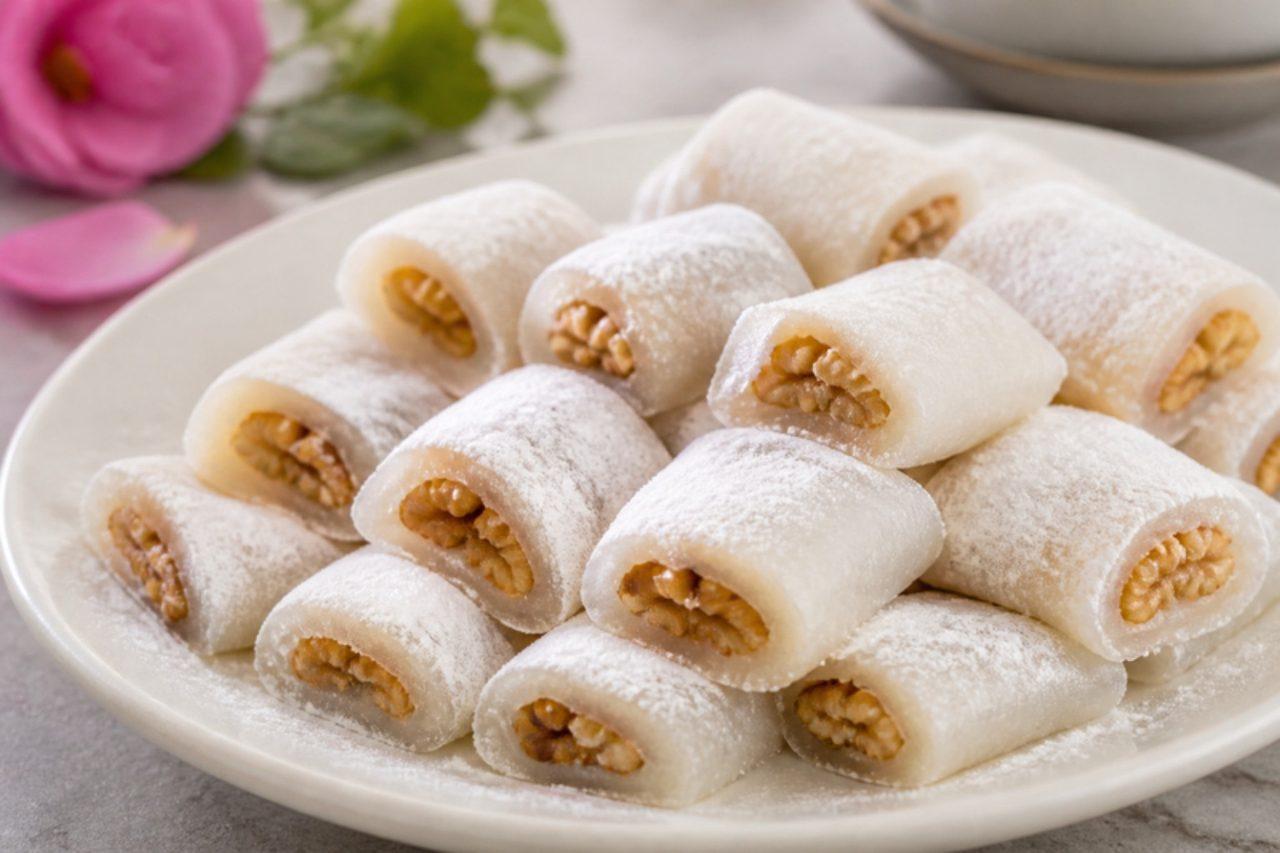
BasloghRosewater starch sweet with walnuts

Baslogh is one of the soft confections that fill the sweet shops of Tabriz's covered bazaar, especially before Nowruz and at Ramadan: a pale, wobbly slab of starch cooked in rose-scented syrup, studded with walnuts, cut into squares and dusted so it does not stick. It is related to Turkish lokum but softer and less sweet, eaten with tea in the afternoon. A common mistake is stopping the cooking too early; undercooked baslogh never sets and weeps syrup. Chef's tip: cook until the paste turns translucent and pulls away from the pan in one mass, which takes longer than you expect.

by KrazyBadal 0 views

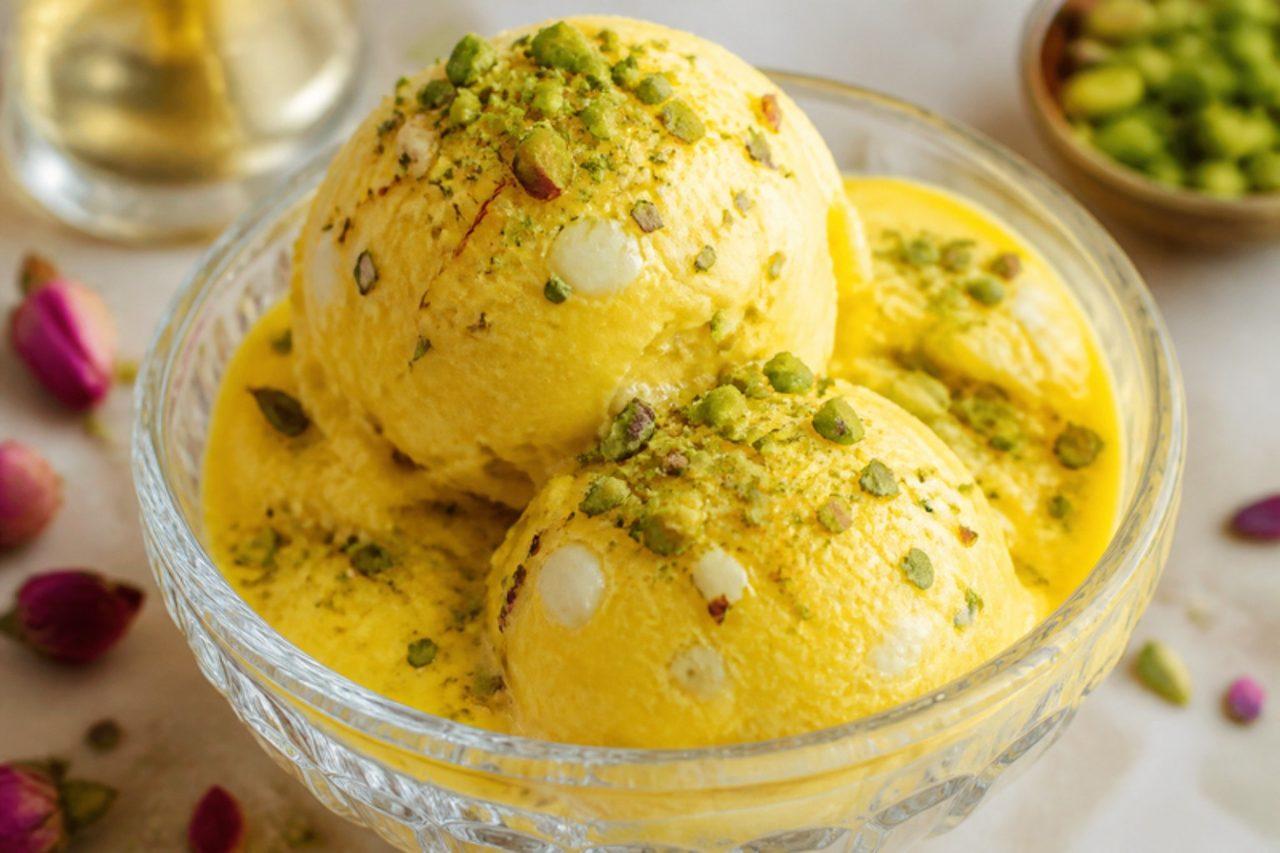
Bastani sonnatiSaffron rosewater ice cream

On summer evenings in Tehran, queues form outside old ice-cream shops for bastani sonnati, scooped between two thin wafers or into a glass beside faloodeh. The custard is rich with egg yolks and coloured deep gold with saffron, perfumed with rosewater and studded with pistachios and little shards of frozen cream that melt on the tongue. This home version uses an ice-cream machine or a fork-and-freezer method. Chef's tip: freeze the cream chips in a thin sheet the day before, so they are hard enough to stay as separate shards when folded in.

by KrazyBadal 0 views

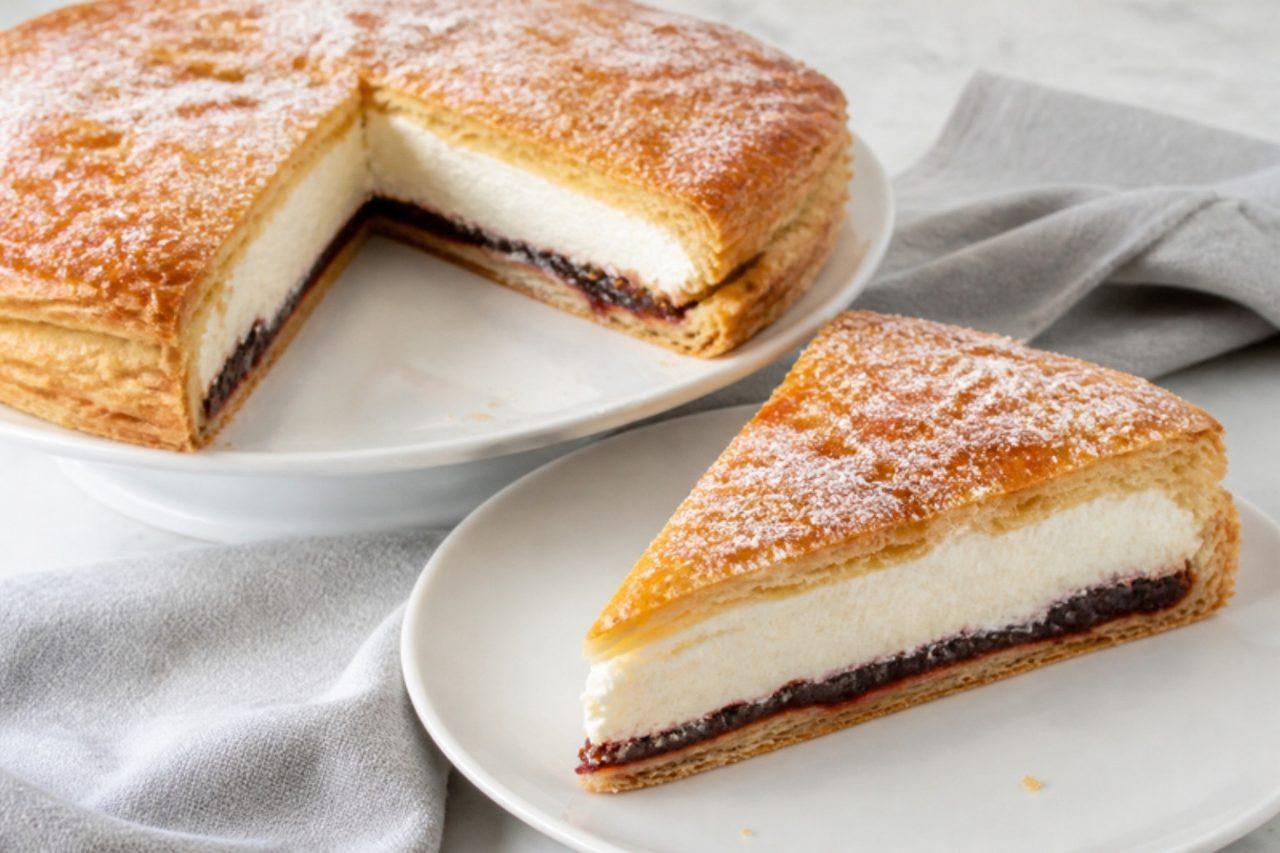
FriesentortePuff pastry torte with plum butter

On the coasts of East and North Frisia, from Norden to the island of Föhr, Friesentorte is what the tea room serves after a windy walk on the dykes, usually with a pot of strong black tea taken with rock sugar and cream. Three crisp rounds of puff pastry are layered with dark plum butter (Pflaumenmus) and a thick band of whipped cream; the top layer is cut into wedges before baking and glazed with sugar, so every slice gets its own shiny lid. Some versions add rum to the plums; this one is alcohol-free. A common mistake is assembling it hours ahead, which turns the pastry soft. Chef's tip: assemble no more than an hour before serving and keep it cold; the contrast of crackly pastry and cream is the whole point.

by KrazyBadal 0 views

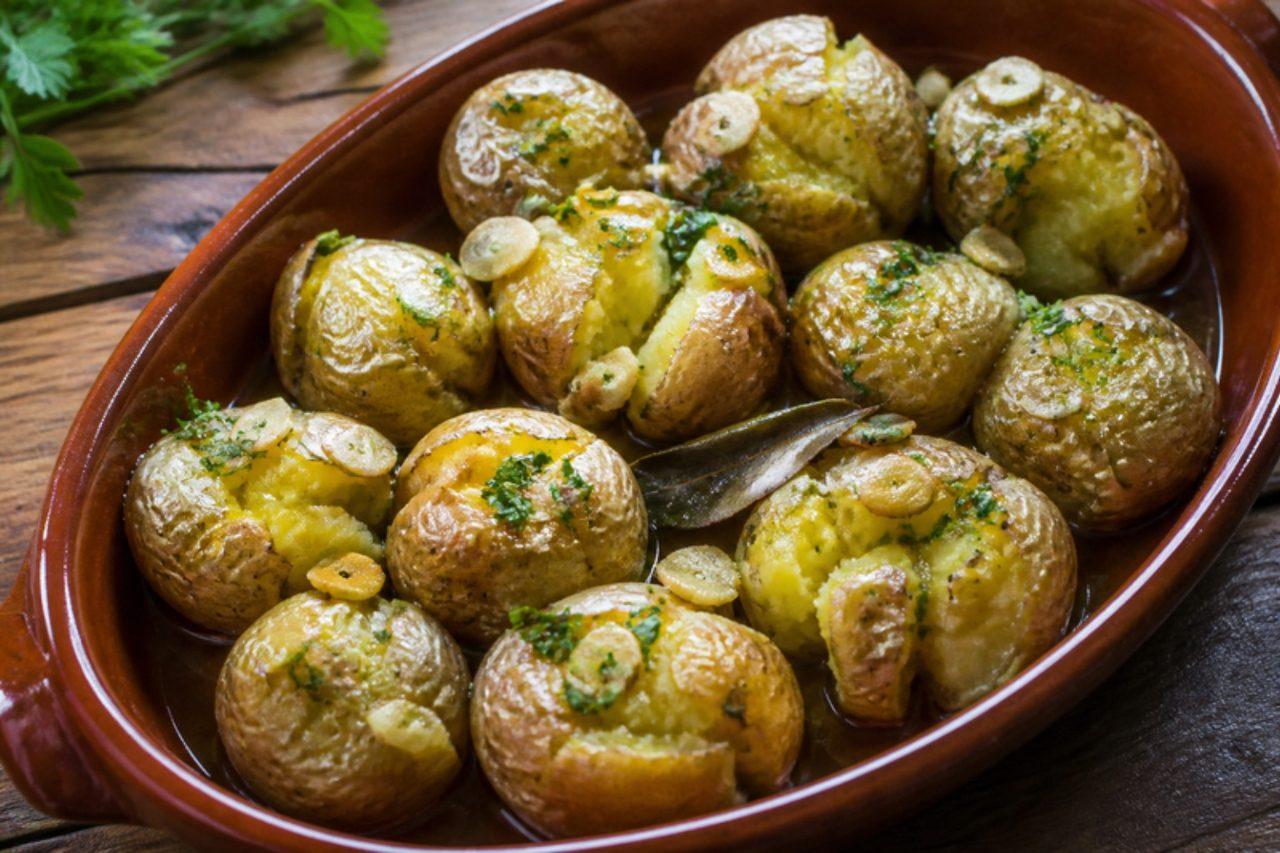
Batatas a murroPunched roast potatoes with garlic oil

Order bacalhau na brasa in a Minho tasca and it arrives with these: small potatoes roasted in their skins on a bed of coarse salt, given a sharp punch to split them, then soaked in hot olive oil and garlic. The skins go crisp and salty while the flesh turns fluffy and drinks up the oil. They are just as good next to grilled sardines in June or a roast chicken on Sunday. Chef's tip: pick potatoes the size of a hen's egg so they cook through before the skins burn.

by KrazyBadal 0 views

Batatas al rescoldoEmber-roasted sweet potatoes

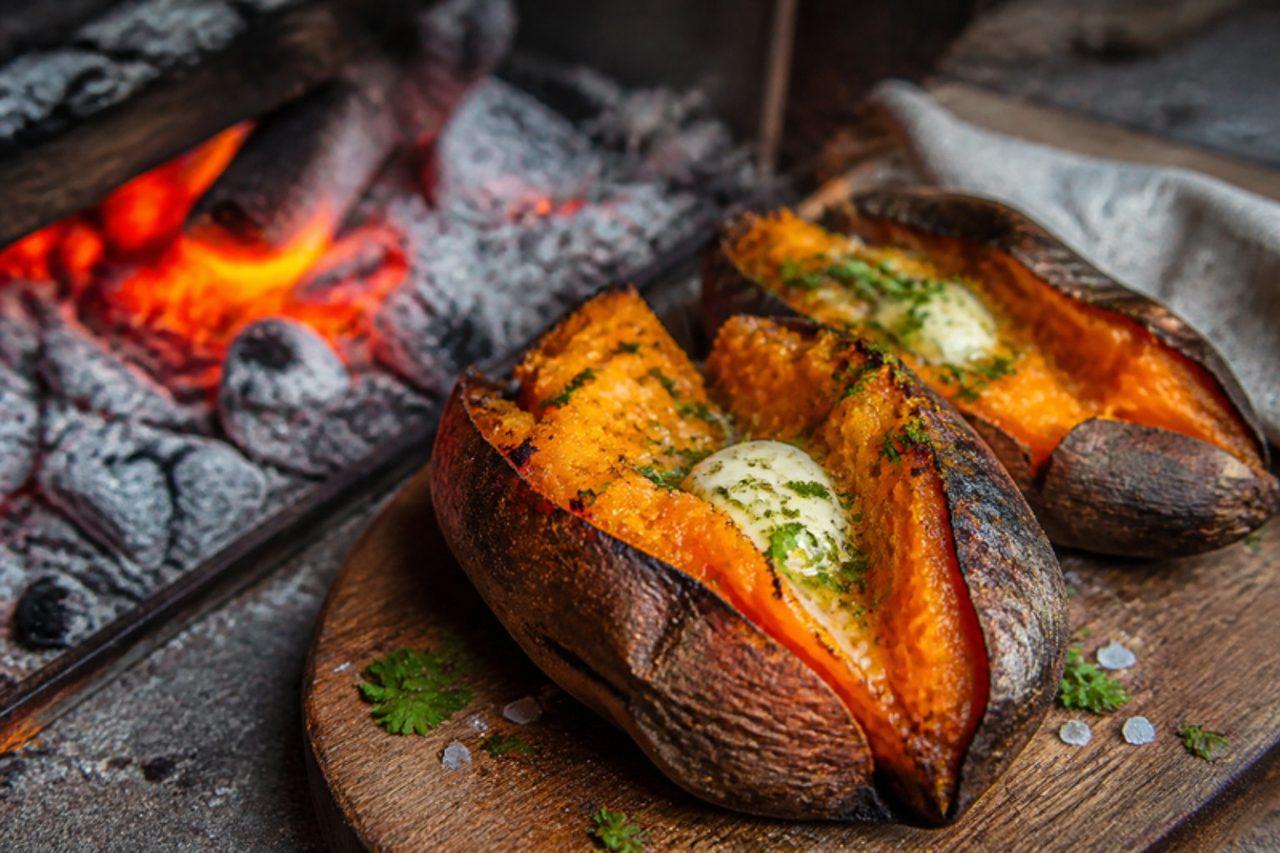
Long after the meat comes off, the fire of an Argentine asado still has work to do. Sweet potatoes pushed into the glowing embers (el rescoldo) at the start of the cook come out an hour later with charred, papery skins and flesh that is soft, sticky and almost caramelised, with a smoky edge. They are split open at the table, filled with butter and coarse salt and eaten as a side to the asado or as supper by the fire on a camping trip. Burying them in live flames is the trap: the skin blackens right through while the inside stays hard, so wait for a bed of settled embers and ash. Wrapping them in foil gives softer skins and less risk if you are new to it, and an oven at 200 °C does a fine job indoors. Chef's tip: choose sweet potatoes of the same thickness, around 250 g each, so they cook evenly together.

by KrazyBadal 0 views

BatzinaCourgette and feta cornmeal pie

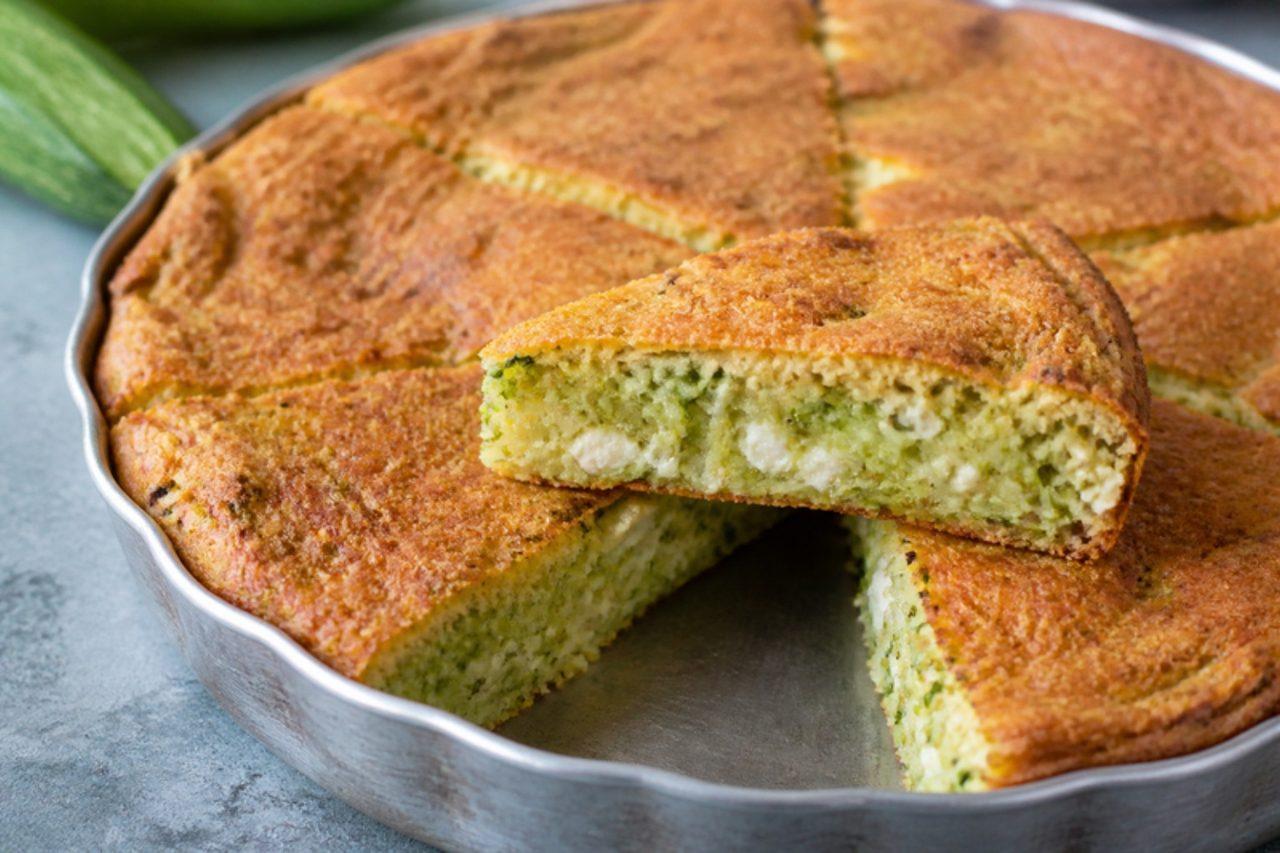
Batzina is the lazy pie of Thessaly and the Pelion villages, the one you make in summer when courgettes are taking over the garden and nobody wants to roll filo. Grated courgette and feta are mixed with a thin batter of flour, cornmeal, milk and eggs, poured into an oiled tin and baked until the top is cracked and golden and the inside soft and savoury, like a crustless quiche. It travels well to the beach. Feta is usually made with animal rennet; choose a vegetarian feta-style cheese if needed. Common mistake: skipping the squeezing — watery courgettes make a soggy pie. Chef's tip: sprinkle cornmeal over the oiled tin before pouring in; it gives a crisp base.

by KrazyBadal 0 views

BauernbrotFarmhouse rye and wheat sourdough

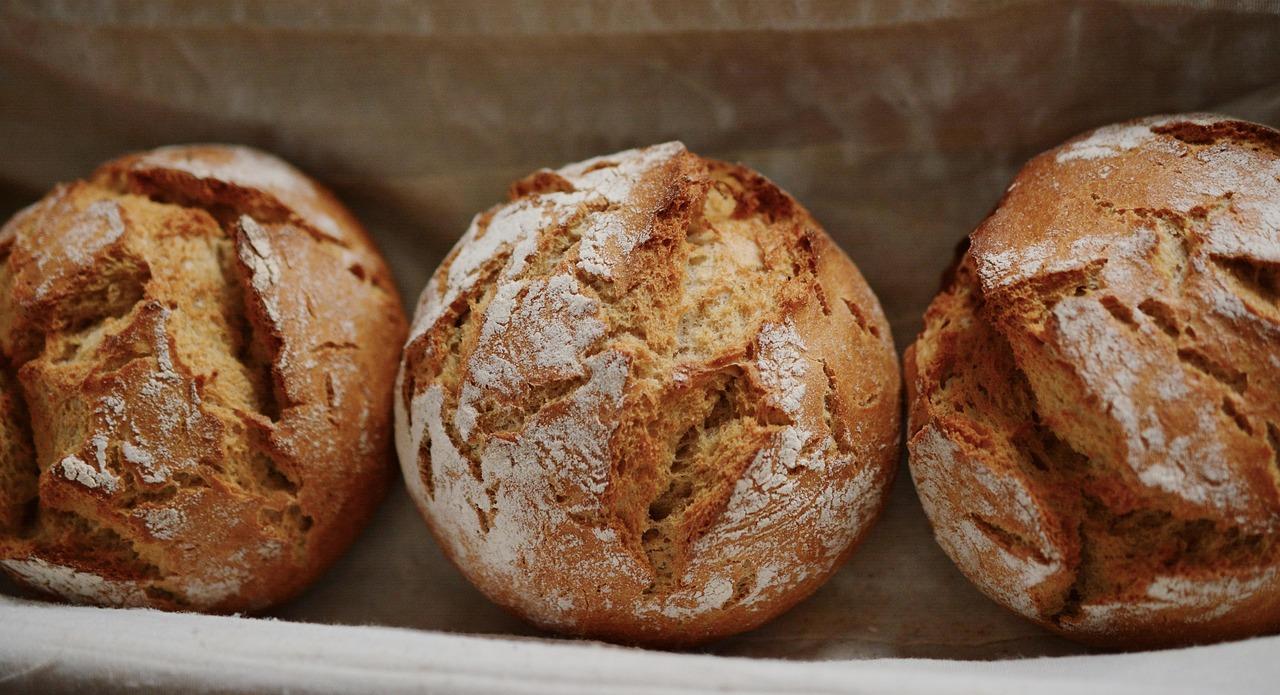
Bauernbrot, the farmer's loaf, is the everyday bread of village bakeries from the Black Forest to Lower Saxony, carried home in a paper bag every Saturday and eaten all week for Abendbrot, the cold evening meal of bread, cheese and pickles. It mixes rye and wheat roughly half and half, so the crumb is moist and tangy but still springy, under a thick, crackled crust dusted with flour. The flavour deepens over two or three days. A common mistake is baking at too low a heat, which gives a pale, soft crust; the oven should be properly hot at the start. Chef's tip: prove the loaf upside down in a floured basket or bowl lined with a floured cloth, so the top cracks into the classic crazy-paving pattern when you tip it out.

by KrazyBadal 0 views

BaumkuchenLayered tree cake

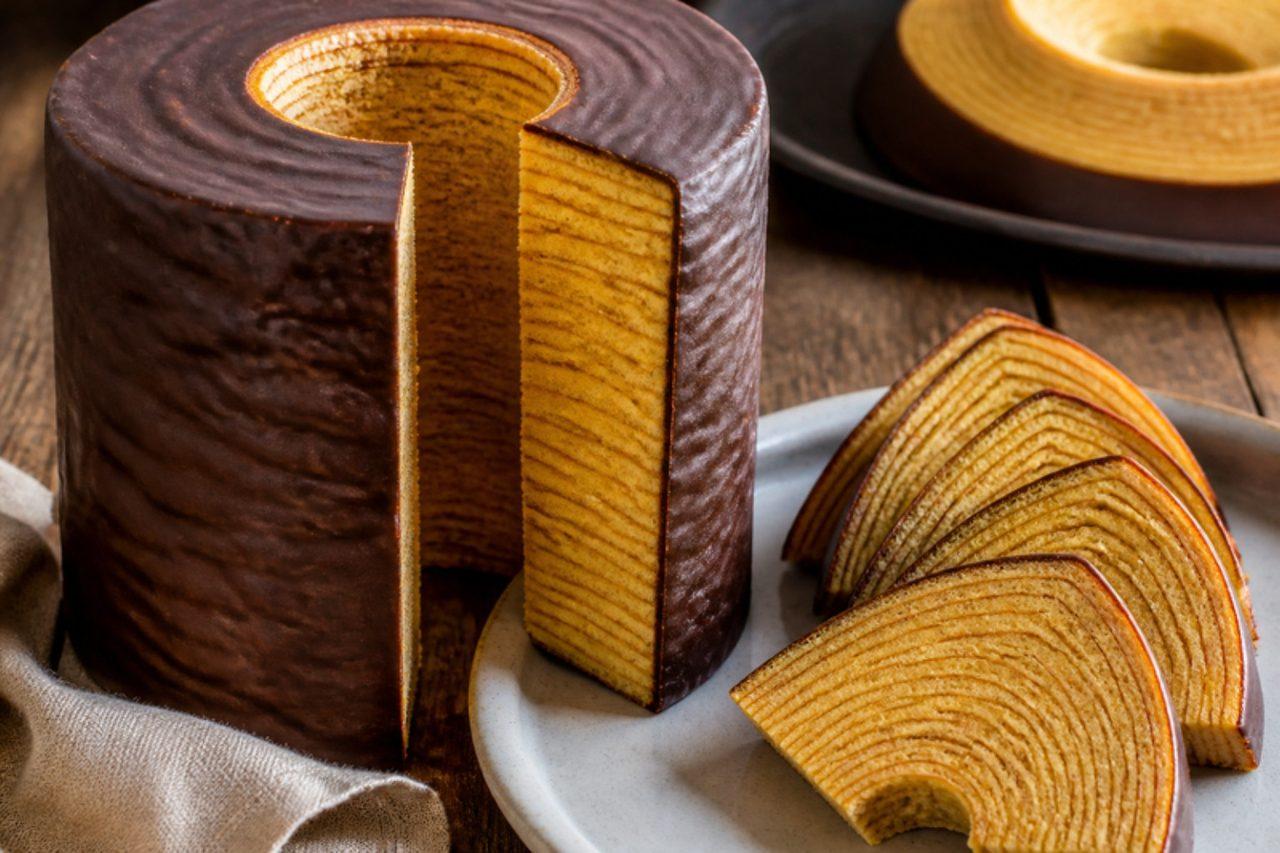
Baumkuchen is the king of German cakes, and the little town of Salzwedel in Saxony-Anhalt has baked it on a turning spit over an open flame for two centuries; in December, Baumkuchenspitzen, chocolate-dipped triangles of it, fill the shelves before Christmas. Without a spit you can build it at home in a tin under the grill, one thin layer at a time, and each slice shows the golden rings of a tree. The mistake people make is spreading the batter too thickly, which gives fewer, stodgy layers that cook unevenly; aim for 2 tablespoons at a time. Chef's tip: stand by the oven; each layer turns from pale to burnt within a minute once it browns.

110 minGermanBaking
by KrazyBadal 0 views

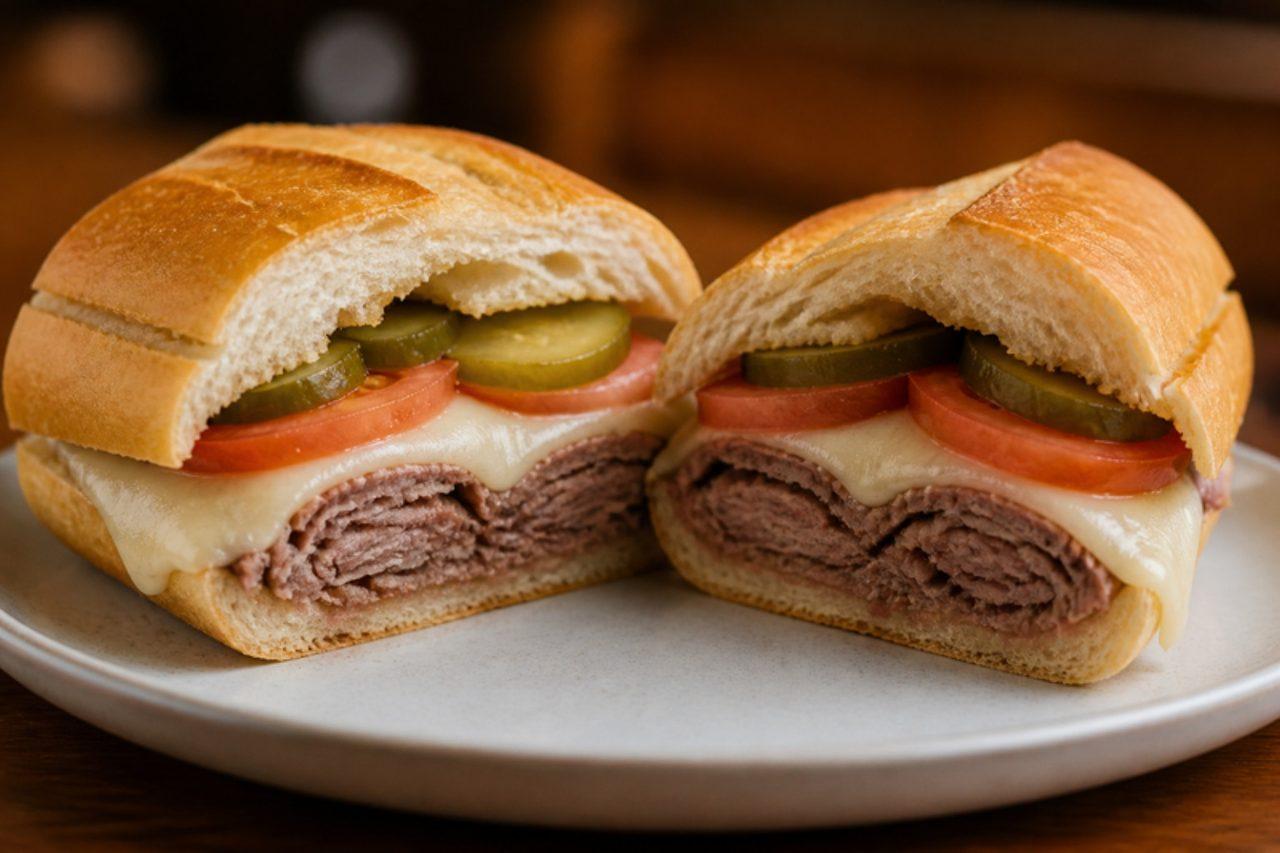
BauruRoast beef and cheese hot sandwich

Late-night students at Largo do Paissandu in São Paulo invented the Bauru in the 1930s, named after the nickname of the friend who ordered it, and the bar where it was born still makes it the original way. A French roll has its crumb pulled out so it is all crust, then it is stuffed with thin warm roast beef, a pool of cheese melted in a bain-marie until it stretches, slices of tomato and pickled cucumber, with a pinch of oregano. It is hot, tangy, juicy and stringy. Plenty of snack bars around the country use ham instead, but beef is the classic. The thing that ruins it is cheese melted straight in a dry pan, which goes oily; melting it slowly over water with a splash of milk keeps it smooth and elastic. Chef's tip: warm the roast beef in a little of its own juices or stock, just until hot, so it stays pink and tender.

by KrazyBadal 0 views

Bayerische CremeVanilla cream with raspberry sauce

Bayerische Creme is the light, wobbling vanilla cream that Munich coffee houses and Bavarian wedding buffets have served for generations: a cooked egg custard folded with whipped cream and set in moulds, then turned out onto a pool of berry sauce. It is traditionally set with gelatine, which is made from animal bones and skin; this version uses agar so it stays vegetarian. A common mistake with agar is adding it to a cool custard: it only sets after it has boiled, so it is simmered in milk first and then whisked into the warm custard. Chef's tip: fold in the cream when the custard has cooled to just warm and is starting to thicken, so the cream stays airy and doesn't melt into it.

by KrazyBadal 0 views

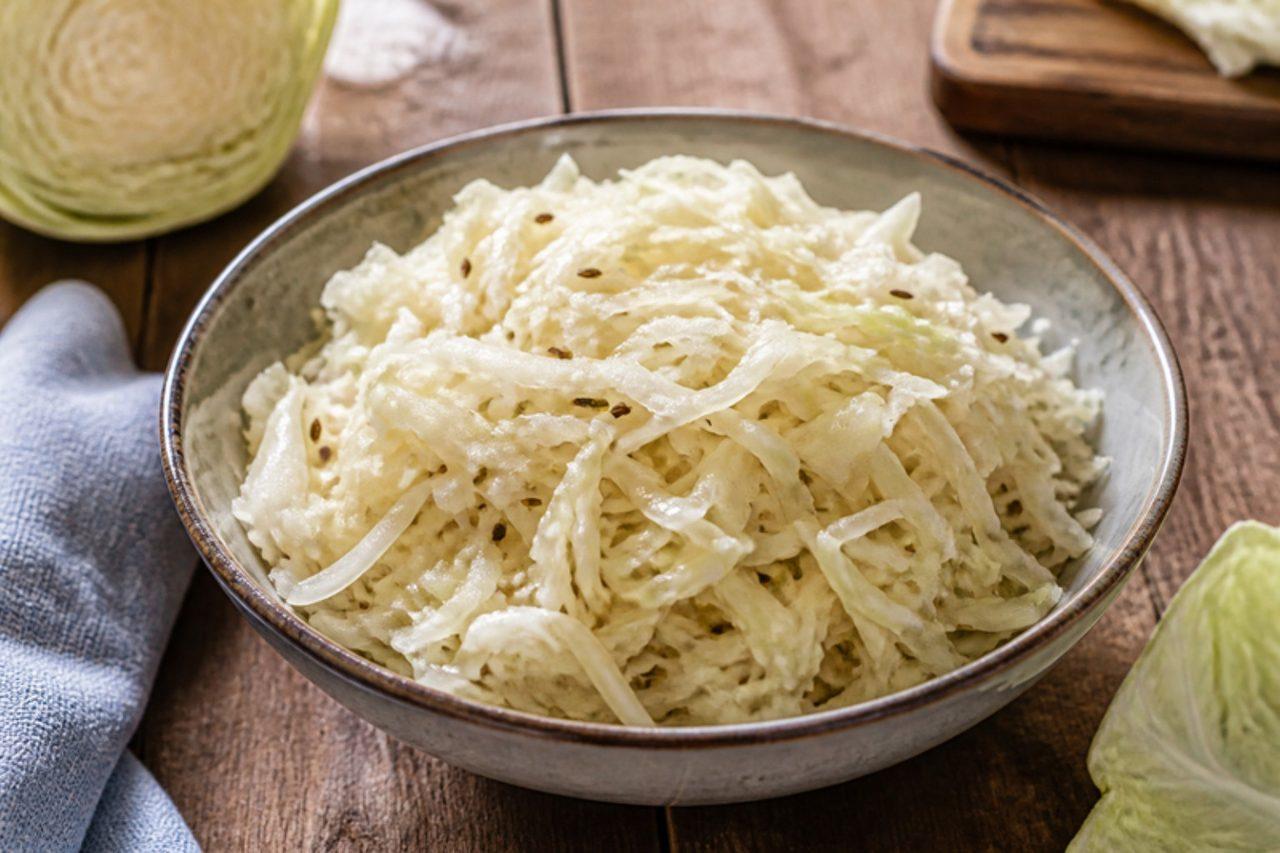
Bayerischer KrautsalatWarm-dressed cabbage salad

Every Bavarian inn serves this pale, glossy cabbage salad beside roast pork and dumplings, and it is just as good on its own at a summer barbecue. The white cabbage is shaved very finely, salted and kneaded, then dressed with hot vinegar, oil and caraway so it softens while keeping a crunch. Many cooks finish it with crisp bacon bits; this version leaves them out and is vegan. The common mistake is dressing it cold and serving it at once: it needs the warm dressing and at least half an hour to turn silky. Chef's tip: shave the cabbage as thin as paper; thick shreds never soak up the dressing properly.

by KrazyBadal 0 views

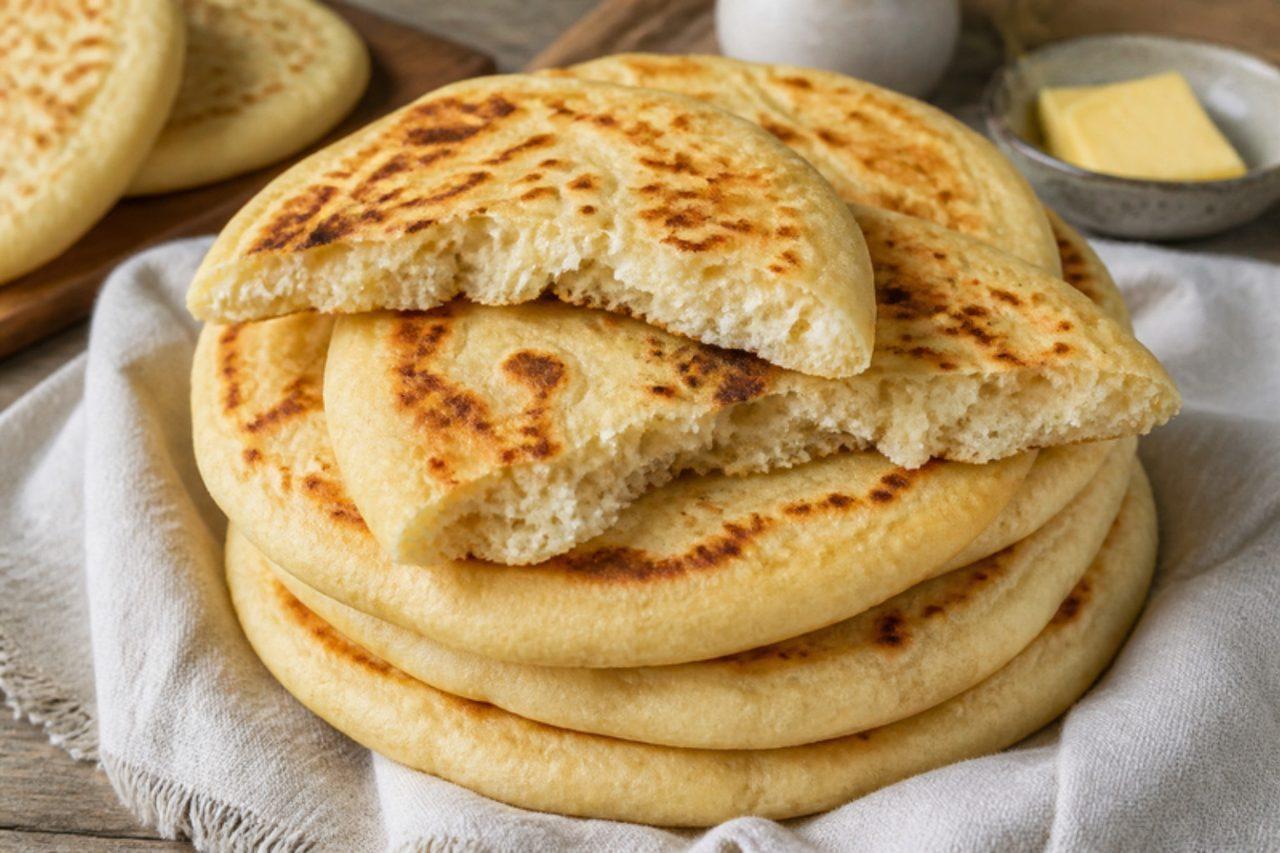
BazlamaPuffy griddle flatbread

Drive through the villages around Konya or Sivas and you'll see bazlama cooking on a domed sac over a fire: thick rounds of yeasted dough that puff up like pillows and come off freckled brown. A heavy frying pan does the job at home. Warm bazlama is torn and dunked into soups, spread with butter and honey for breakfast, or folded round grilled köfte. Common mistake: rolling the dough too thin; it should be about 1 cm, or it turns into a cracker. Chef's tip: a spoon of yoghurt in the dough keeps the bread soft for a day, and covering the cooked rounds with a cloth traps steam so they stay tender.

by KrazyBadal 0 views

Bedfordshire clangerMeat and jam suet roll

The Bedfordshire clanger is a long suet-crust roll that held a whole working lunch for farm labourers and the lace and straw-hat workers of Bedfordshire: savoury pork and potato at one end and sweet jam or apple at the other, marked by slashes so you knew which end to start with. Bakeries in Luton and Bedford still sell them. Chef's tip: build a pastry wall between the two fillings so the jam doesn't run into the meat.

by KrazyBadal 0 views

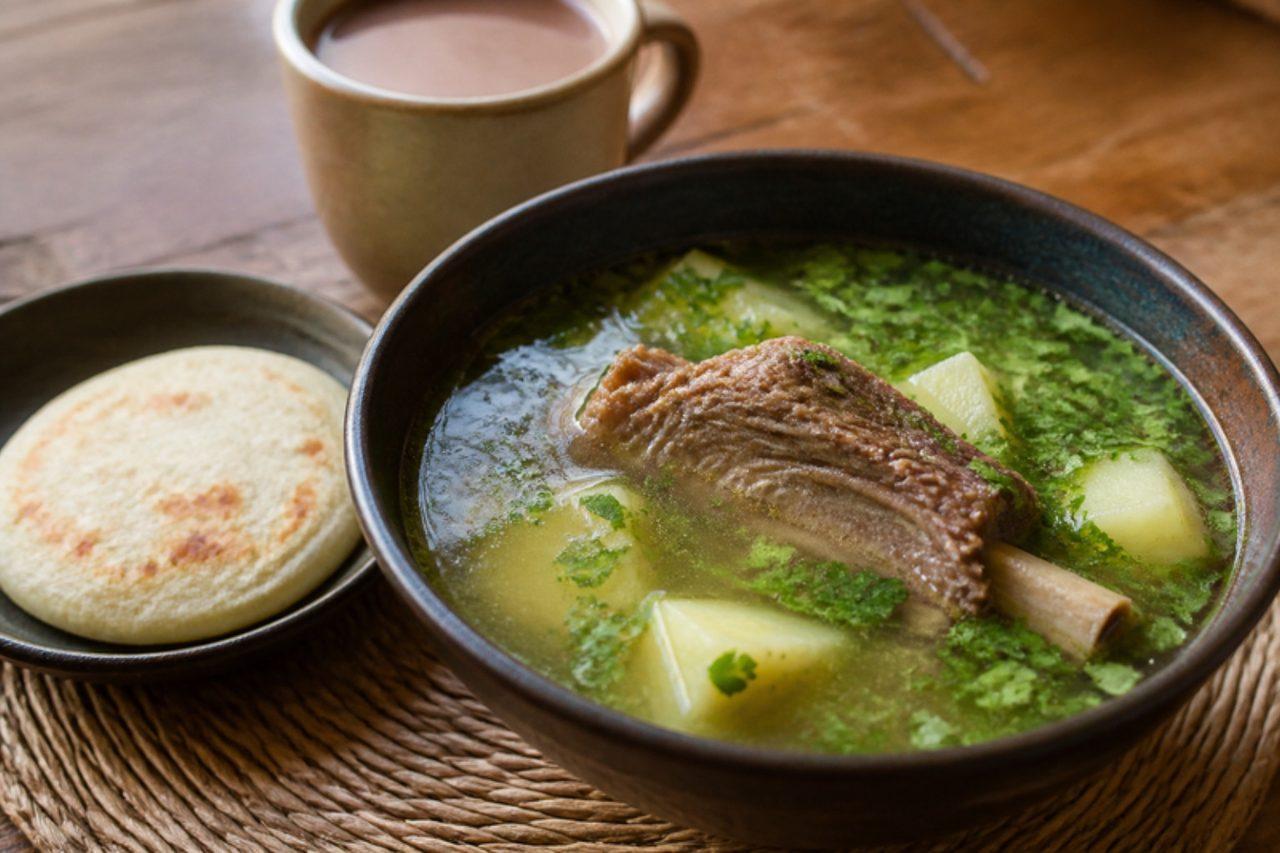
Caldo de costillaBeef rib broth

Bogotá wakes up to caldo de costilla. Cafeterías near markets and bus terminals ladle it out from early morning, and it is the city's famous cure after a late night: beef short ribs simmered until tender in a clear, golden broth with potatoes, onion, garlic and a big handful of coriander. It's simple, beefy and restoring, served with an arepa, a cup of hot chocolate or coffee and maybe a slice of bread. People are tempted to boil it hard to save time; the broth turns cloudy and greasy and the meat tightens, so give it a slow, steady simmer. Chef's tip: make the broth the night before and chill it; you can lift off the solid fat in the morning and simply reheat with the potatoes for a fast, clean breakfast.

by KrazyBadal 0 views

Bem-casadoSponge discs with caramel filling

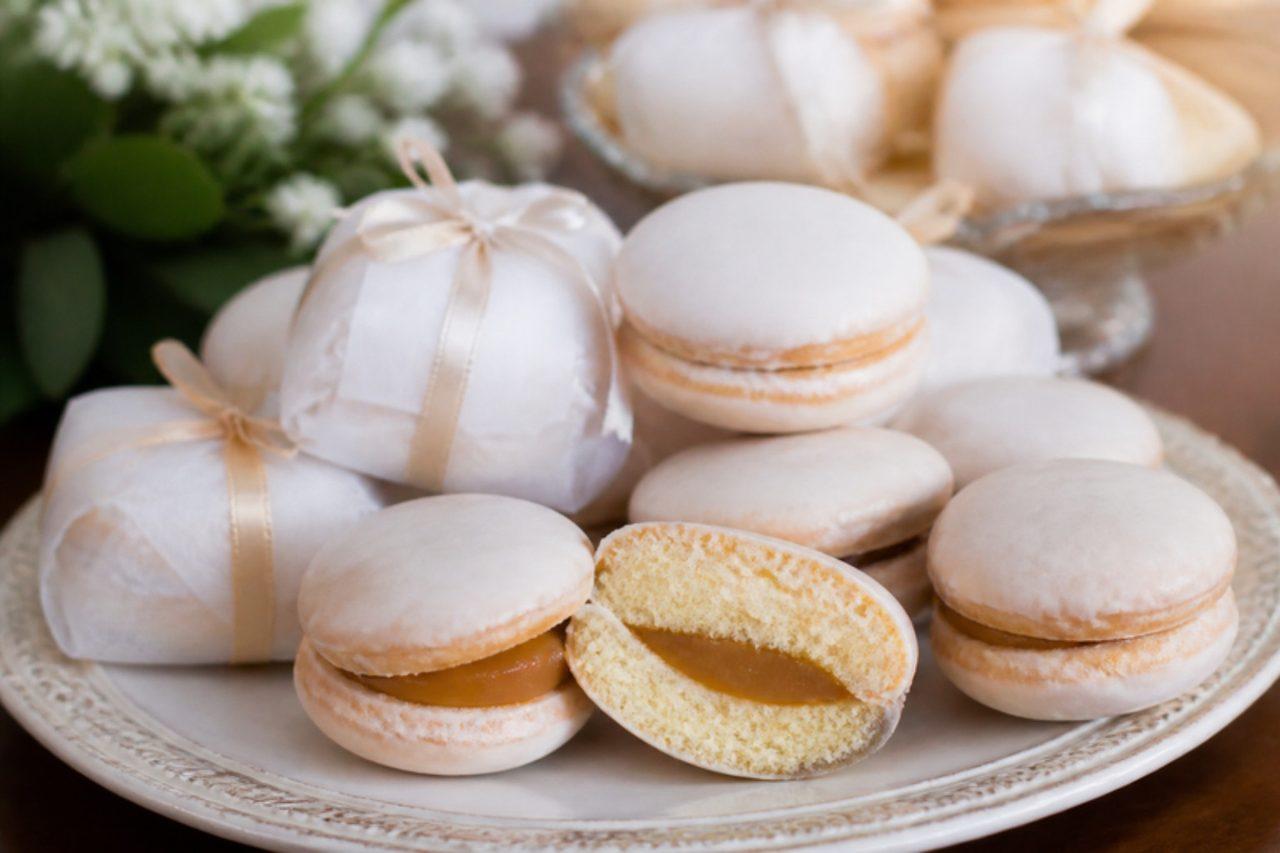
Guests leaving a Brazilian wedding are handed a bem-casado, 'well married', wrapped in crepe paper and tied with ribbon, as a wish for the couple's happiness. The sweet is said to have taken its modern shape in Campos dos Goytacazes, in the north of Rio de Janeiro state, where confectioners still make it by the thousand. Two thin, airy sponge rounds hold a layer of doce de leite and are dipped in a thin sugar glaze that sets matt white and slightly crisp, so the inside stays soft for days. Doce de leite is sold in jars in Latin shops; use a thick, spoonable one. Over-baking the discs is where most batches fail: they turn dry and crack when sandwiched. Chef's tip: pipe the batter in small rounds and pull them from the oven as soon as they spring back and the edges barely colour; pale is right.

by KrazyBadal 0 views

Berenjenas de AlmagroPickled baby aubergines

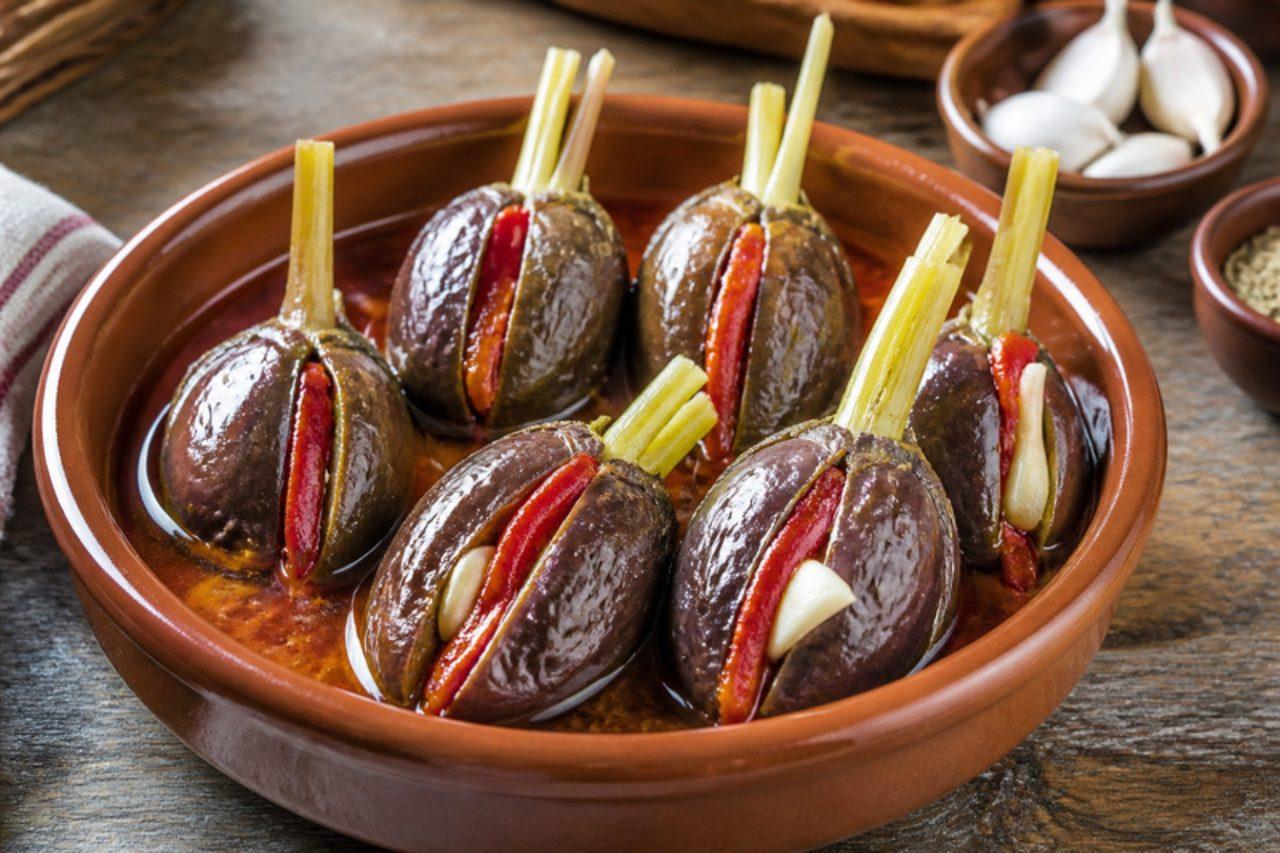
In the arcaded Plaza Mayor of Almagro, in the province of Ciudad Real, shops sell these little aubergines from barrels, each one split, stuffed with a strip of red pepper and pinned with a fennel stalk. They are eaten as a tapa with a cold drink, or bought by the jar during the town's summer theatre festival. The tangy dressing of vinegar, cumin, garlic and paprika soaks in over a few days in the fridge. Chef's tip: use the smallest, firmest aubergines you can find, no bigger than an egg; large ones go mushy.

by KrazyBadal 0 views

Berenjenas en escabechePickled aubergine in oil

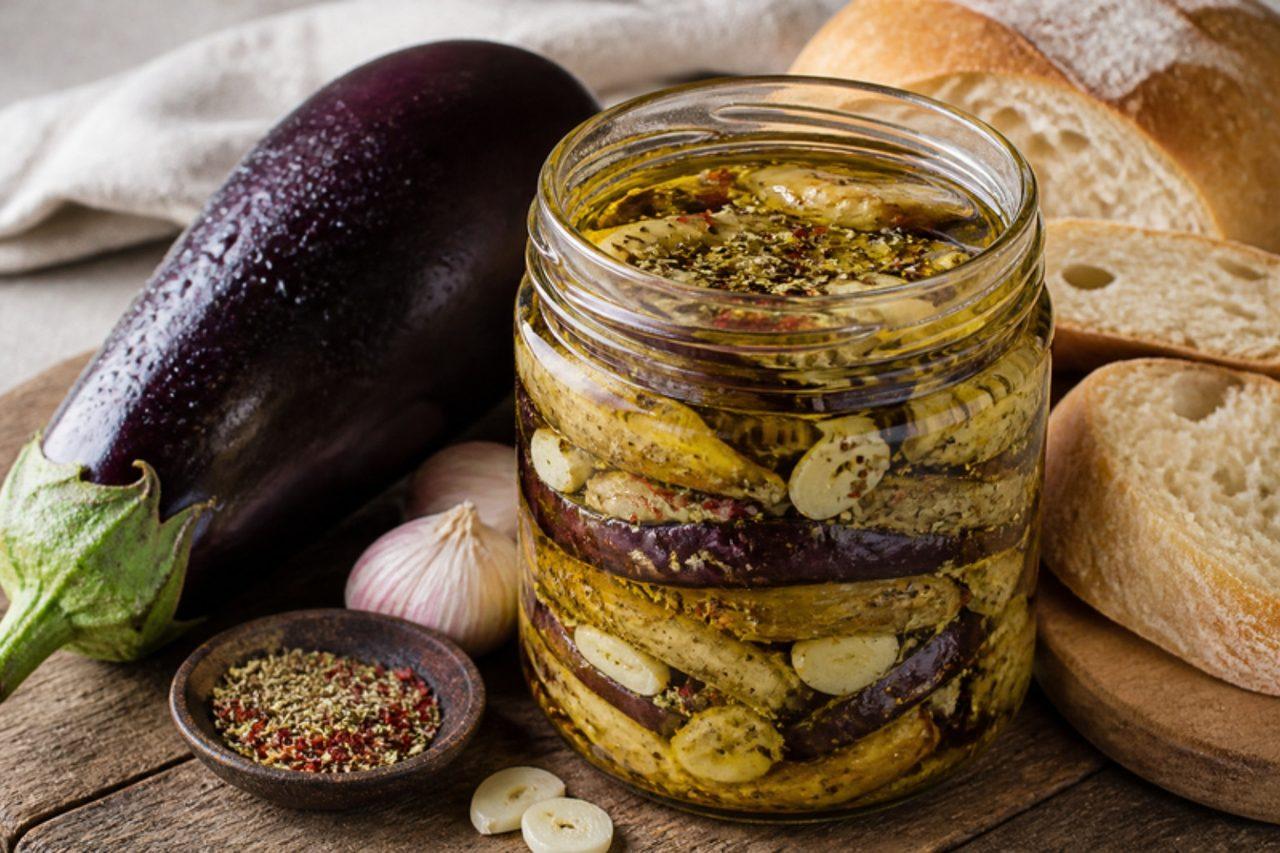
Jars of these marinated aubergines sit in every Argentine grandmother's fridge, a legacy of Italian and Spanish immigrants, and they come out for the picada before the asado, alongside salami, cheese and bread, or to fill a sandwich. Strips of aubergine are salted, blanched briefly in vinegar and water, then layered with garlic, chilli flakes, oregano and plenty of oil. They turn soft, silky and sharp, with a slow heat from the chilli. Overboiling is the error: the strips should be just tender after 2–3 minutes, or they turn to mush in the jar. Allow 2 hours for salting before you start and a day in the fridge before eating. Garlic kept in oil can carry botulism, so keep the jar refrigerated and eat it within two weeks. Chef's tip: press the drained aubergine hard between tea towels before jarring; the drier the strips, the longer they stay firm.

by KrazyBadal 0 views

Berliner KartoffelsuppePotato and root vegetable soup

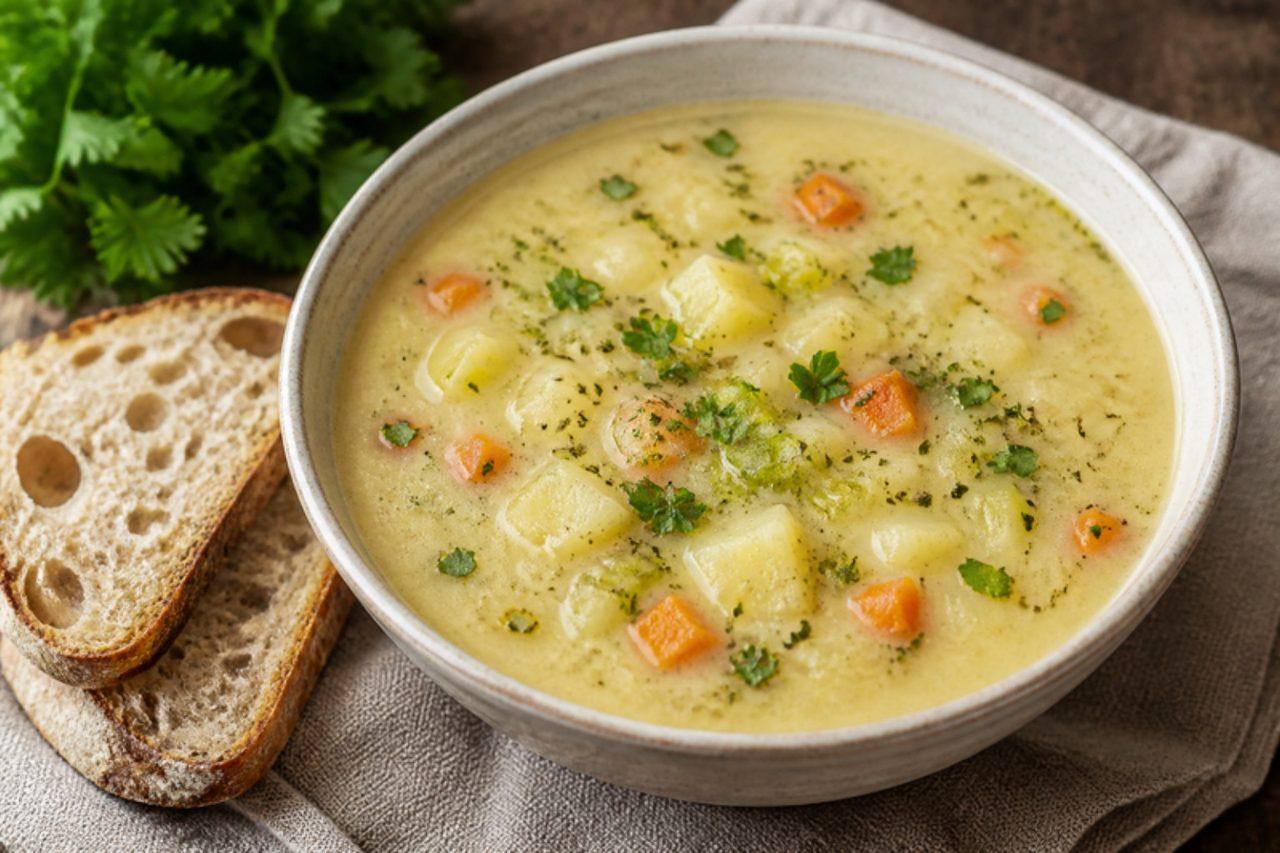
This is the soup of Berlin's cheap lunch counters and winter kitchens: potatoes and the 'Suppengrün' bundle of carrot, celeriac, leek and parsley root, simmered thick and seasoned with plenty of marjoram. In Berlin it usually comes with a sliced Wiener sausage floating on top; this vegetarian version is finished instead with crisp fried onions and croutons, which give the same savoury contrast. A common mistake is using waxy potatoes, which never thicken the soup; you want floury ones that collapse. Chef's tip: rub the dried marjoram between your palms as it goes in, which wakes up its sweet, piney scent.

by KrazyBadal 0 views

Berliner PfannkuchenJam-filled doughnuts

In Berlin a Pfannkuchen is not a pancake but a round, sugar-dusted yeast doughnut with a pale ring around its middle and a squirt of jam inside; most of Germany calls them Berliner. Bakeries pile them up for New Year's Eve and for Carnival in February, and the old joke is to slip one filled with mustard into the batch. Good ones are light and springy, never greasy. A common mistake is frying in oil that is too hot, which browns the outside before the middle cooks; keep it at 170 °C. Chef's tip: let the shaped dough rise uncovered for the last 10 minutes so a thin skin forms; that is what gives the classic white band round the middle.

by KrazyBadal 0 views

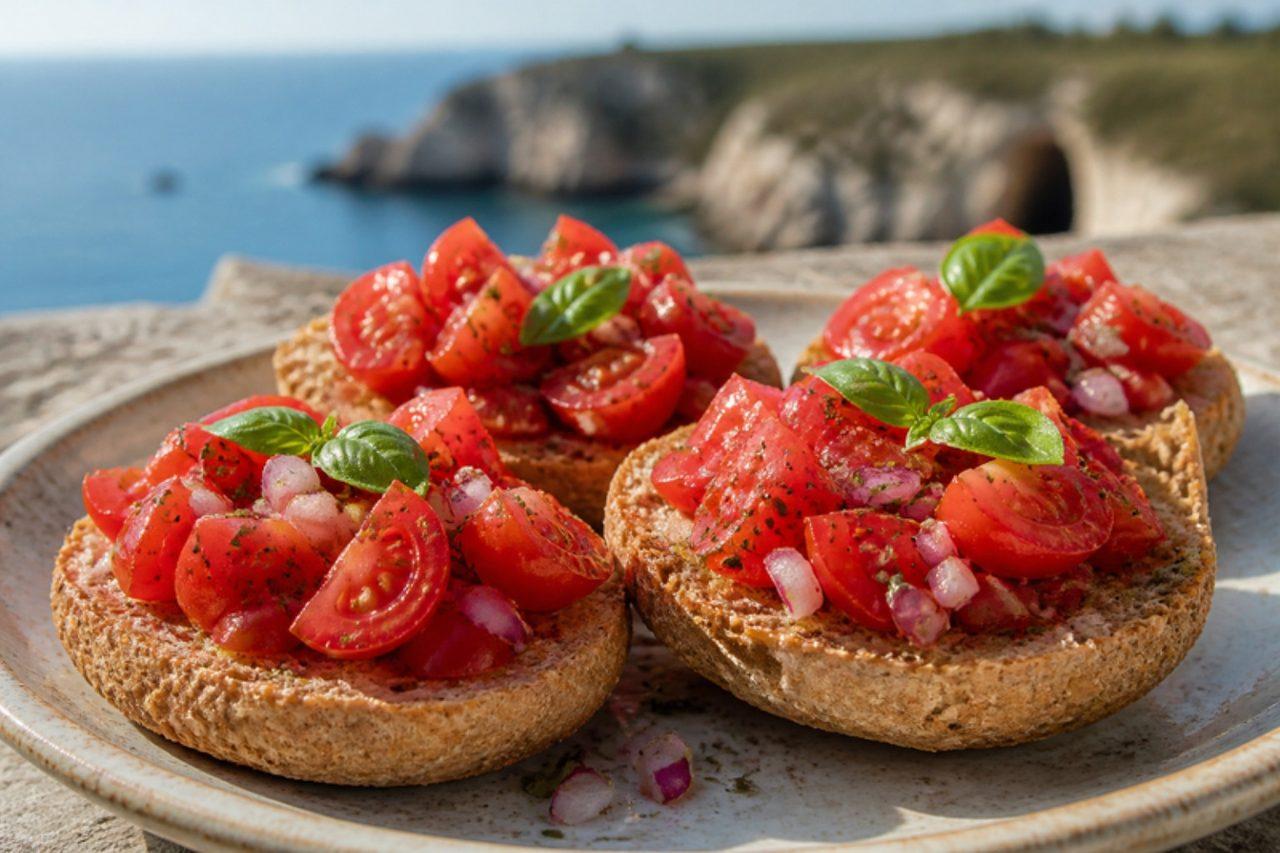
FriselleTwice-baked bread with tomato

Friselle are rings of bread split in half and baked a second time until rock hard, so they kept for months on fishing boats and in farmhouses across the Salento. To eat them you dip them briefly in cold water, then pile on crushed ripe tomatoes, oregano and plenty of olive oil; the bread softens just enough while keeping a crunch in the middle. On August evenings in Lecce and along the coast they are the easiest supper there is. Every Puglian bakery sells them and Italian delis stock them, so this recipe uses bought friselle, made from wheat or the darker, nuttier barley. Chef's tip: dip, don't soak; a few seconds is enough, and the tomato juice finishes the job.

by KrazyBadal 0 views

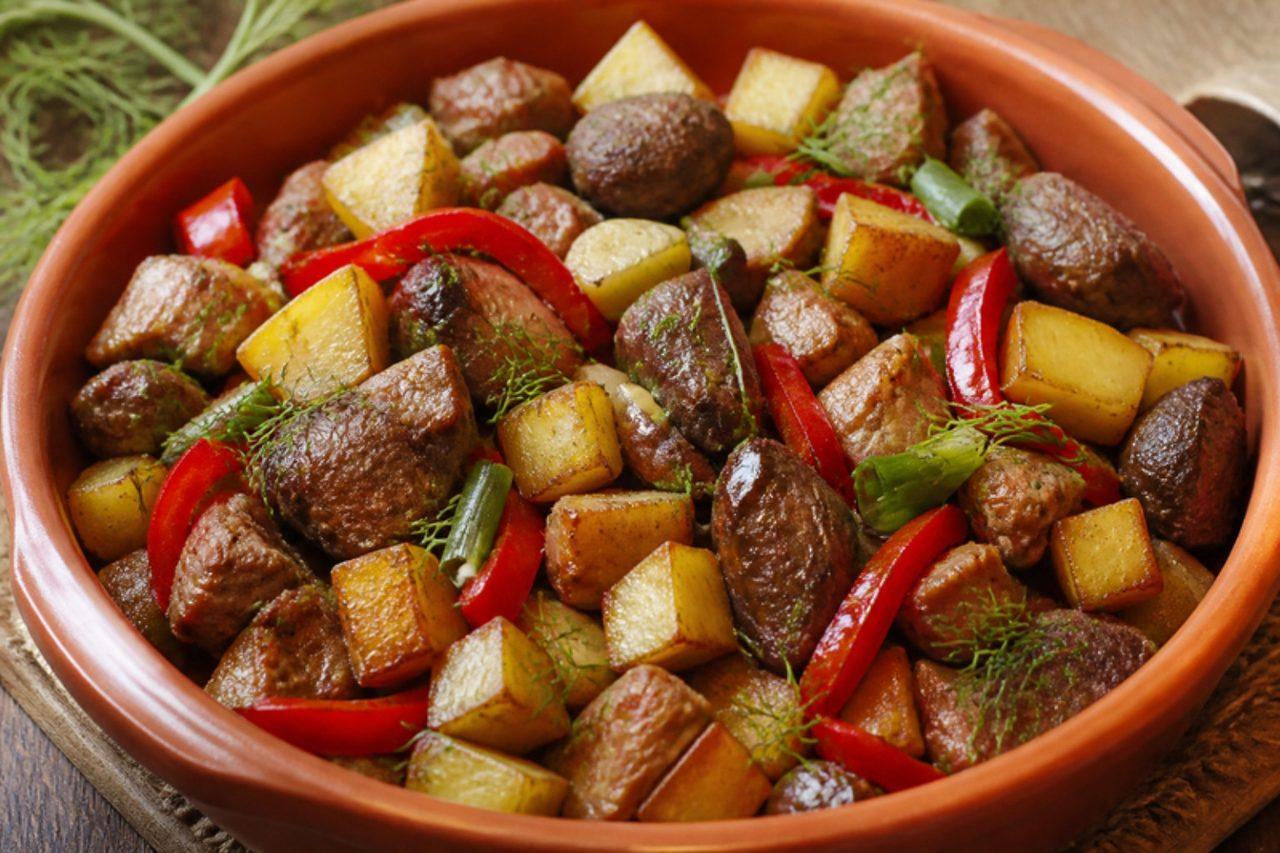
Frit mallorquíLamb, liver and potato fry-up

Frit is the hearty dish of Mallorcan country festivals and pig-killing days, and the version made at Easter uses young lamb: diced meat and liver fried with tiny cubes of potato, red pepper, spring onion and wild fennel, all in one big pan. Bars in Inca and Sóller serve it as a tapa on market mornings. This recipe uses lamb shoulder and lamb's liver; the pork version, frit de porc, follows the same method. Chef's tip: fry the potatoes, peppers and meat separately and combine them at the end, or the potatoes stew and lose their crisp edges.

by KrazyBadal 0 views

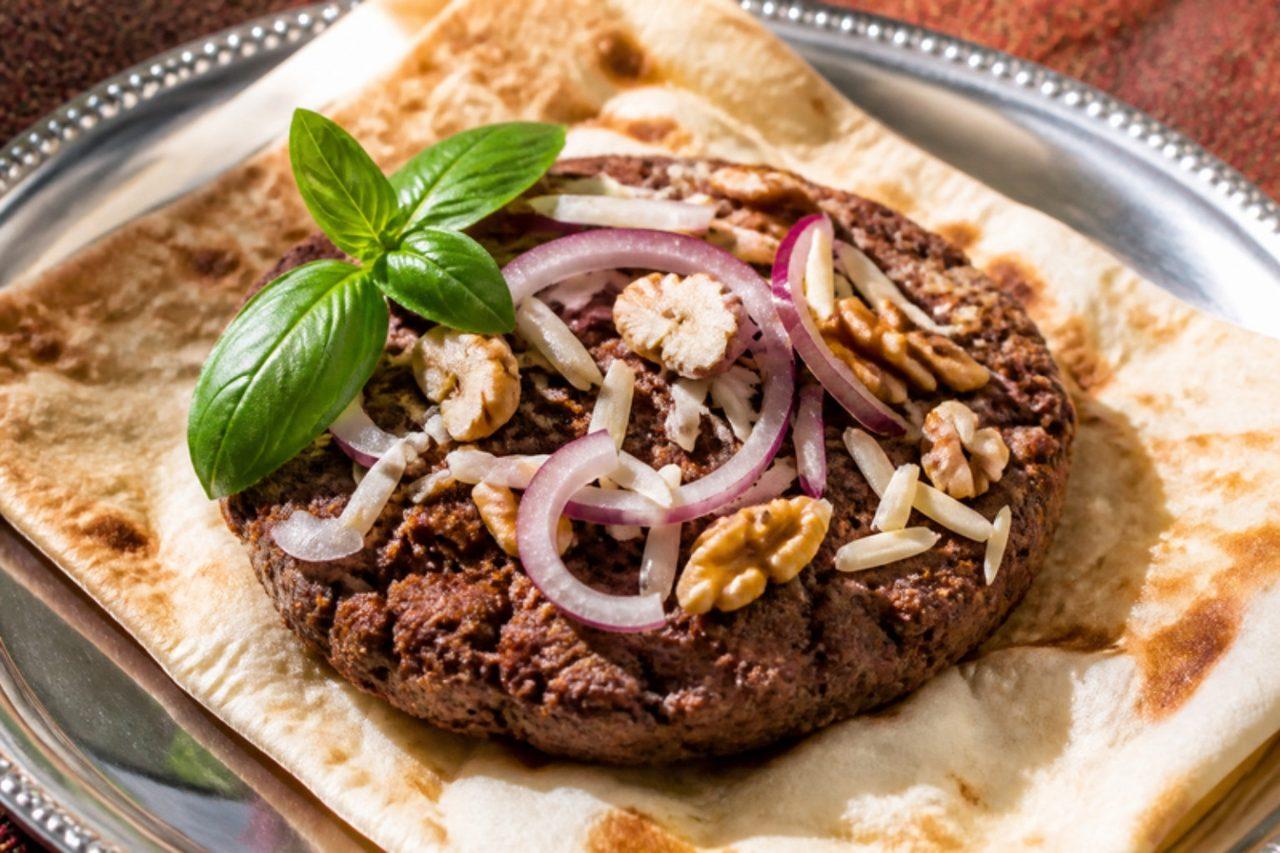
BeryaniSpiced lamb on flatbread with basil

Beryani is Isfahan's signature lunch, eaten in old bazaar eateries near Naqsh-e Jahan Square for more than a century, and nothing like the rice biryanis of South Asia. Lamb shoulder and, traditionally, lamb lung are simmered, minced, seasoned with cinnamon and fried on a small round pan with the fat from the pot, then turned out onto soft sangak or taftoon bread and eaten with fresh basil, raw onion and walnuts. Lung is hard to buy outside Iran, so this home version uses lamb shoulder and a little lamb mince for the same soft texture. A common mistake is draining away the cooking fat; Isfahanis spoon it over the bread for flavour, so keep it. Chef's tip: press the meat into a small frying pan to make a neat round patty, the way the bazaar cooks do.

120 minPersianMeat
by KrazyBadal 0 views

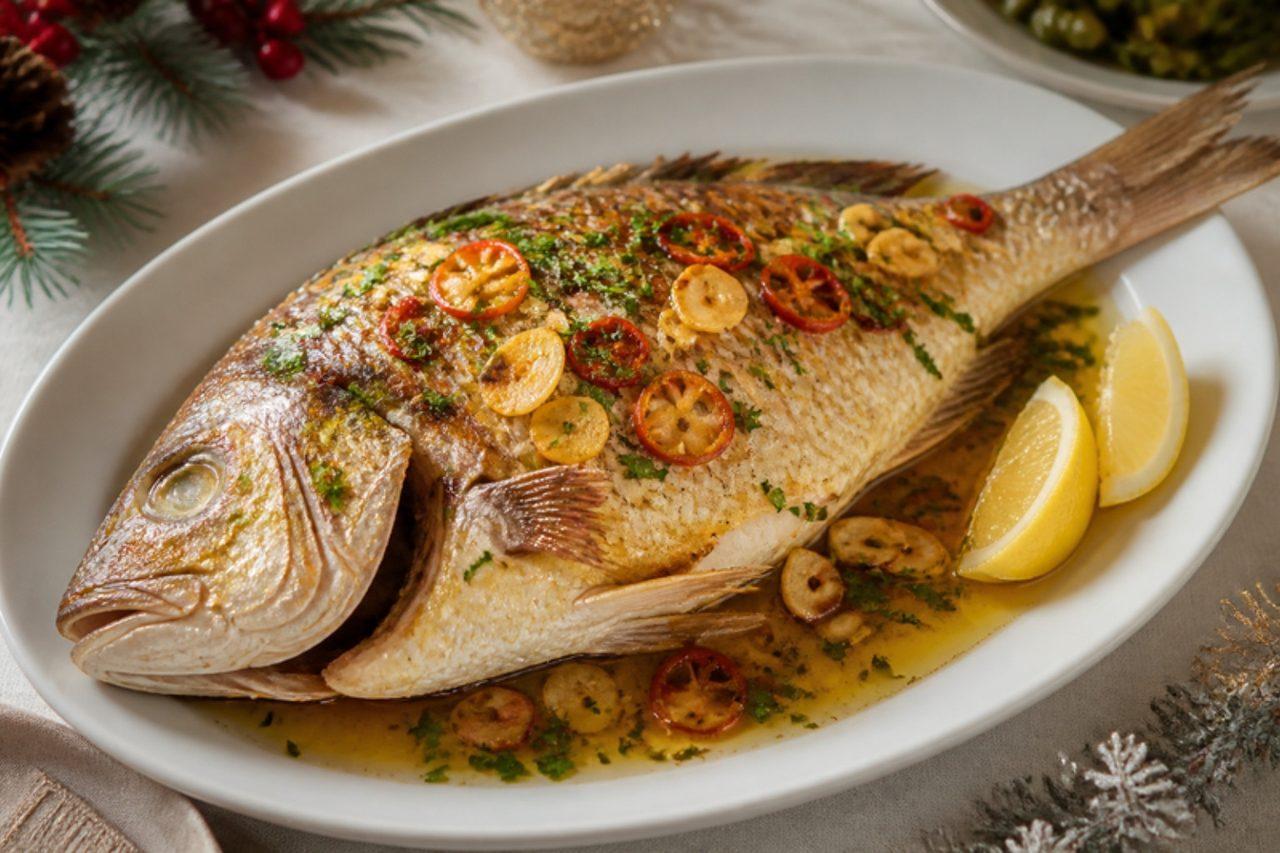
Besugo a la donostiarraSea bream with garlic vinegar dressing

For many San Sebastián families, Christmas Eve dinner isn't complete without a whole sea bream, roasted or grilled and finished with a refrito: hot olive oil with sliced garlic, dried chilli and a splash of vinegar poured over at the table. The traditional fish is red sea bream (besugo), but gilt-head bream works well. A common mistake is letting the garlic go dark brown, which makes the dressing bitter; take it off when it is pale gold. Chef's tip: cut a few slashes into the thick part of the fish so it cooks evenly and the dressing soaks in.

by KrazyBadal 0 views

Bici biciRosewater starch jelly with ice

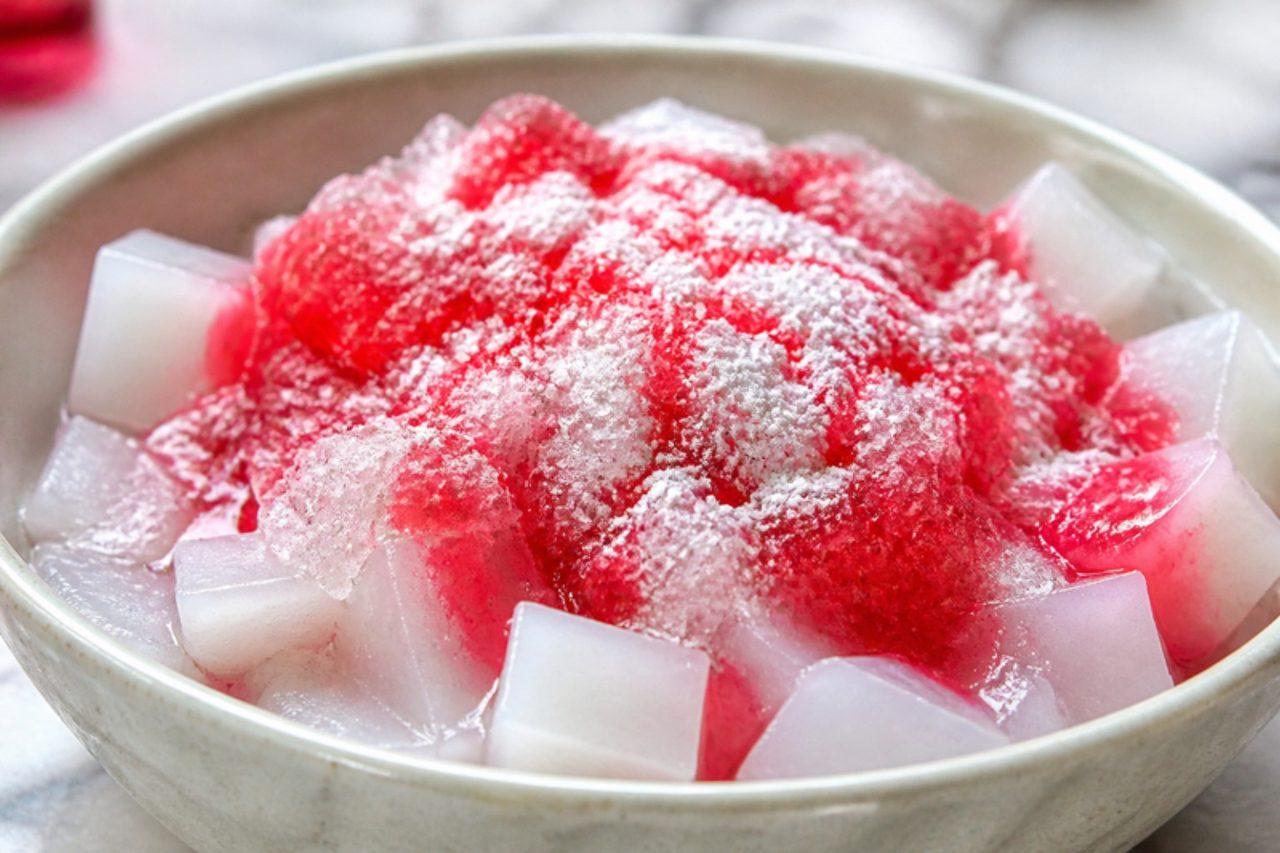
When Adana's July heat pushes past 40 °C, handcarts on every corner serve bici bici: cubes of wobbly starch jelly piled with shaved ice, splashed with rose syrup and dusted with icing sugar. Children eat it in the shade of the clock tower; grown-ups claim it is the only thing that works in that heat. The jelly is just cornflour, water and a little sugar, set and cut into cubes. The usual mistake is undercooking it, which leaves a cloudy, floury jelly that won't hold a cut. Chef's tip: freeze water in a shallow tray and scrape it with a fork for snowy ice if you have no ice shaver.

by KrazyBadal 0 views

Frite extremeñoFried lamb with garlic and paprika

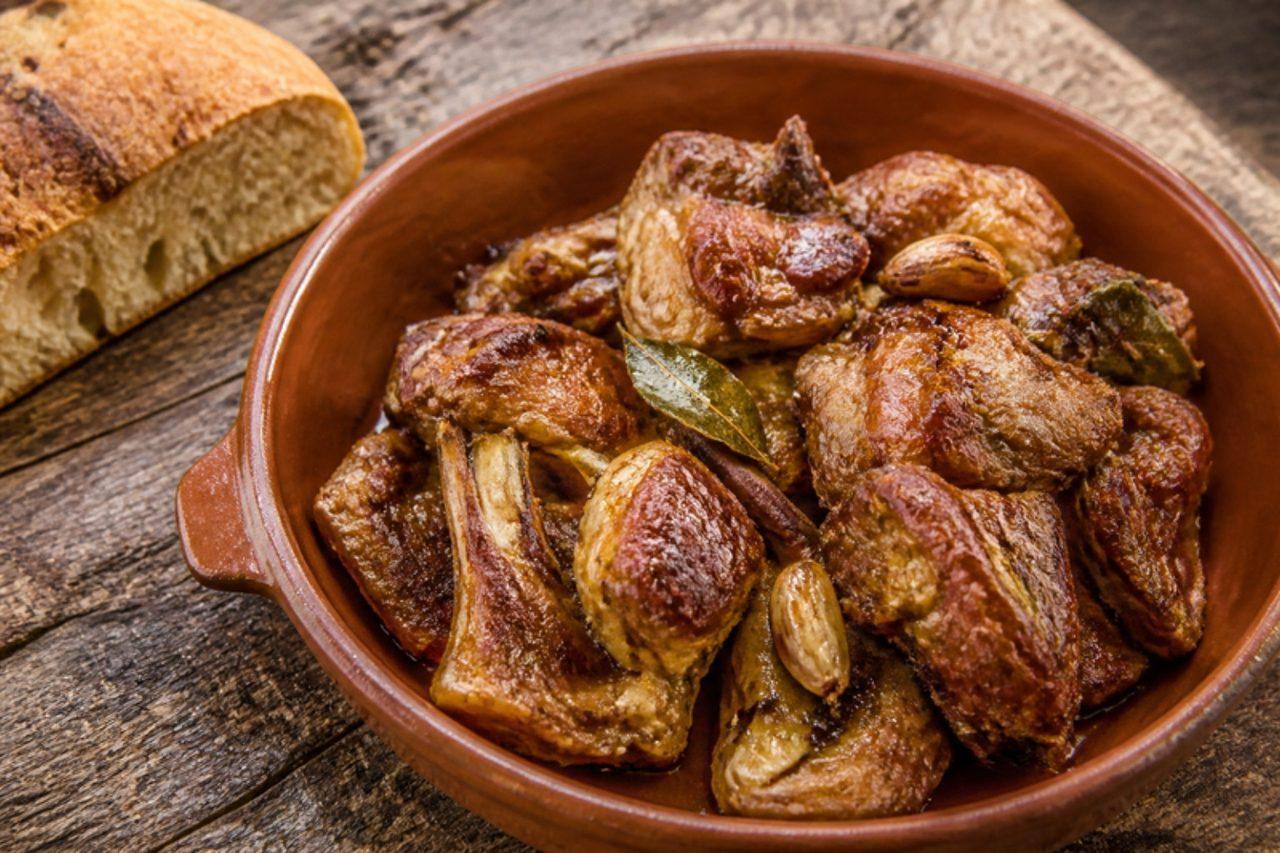
Frite is the simpler, drier cousin of caldereta and is especially loved around the sheep country of the Sierra de Gata and the Cáceres plains. Small pieces of lamb are fried in olive oil with lots of garlic, then cooked with bay, pimentón and a splash of vinegar until tender and coated in a dark red, clinging sauce. It is the dish people cook outdoors at the spring romerías and eat with bread straight from the pan. Chef's tip: ask the butcher to chop the lamb small, bones and all, so every piece gets crisp edges.

by KrazyBadal 0 views

Biber salçasıRed pepper paste

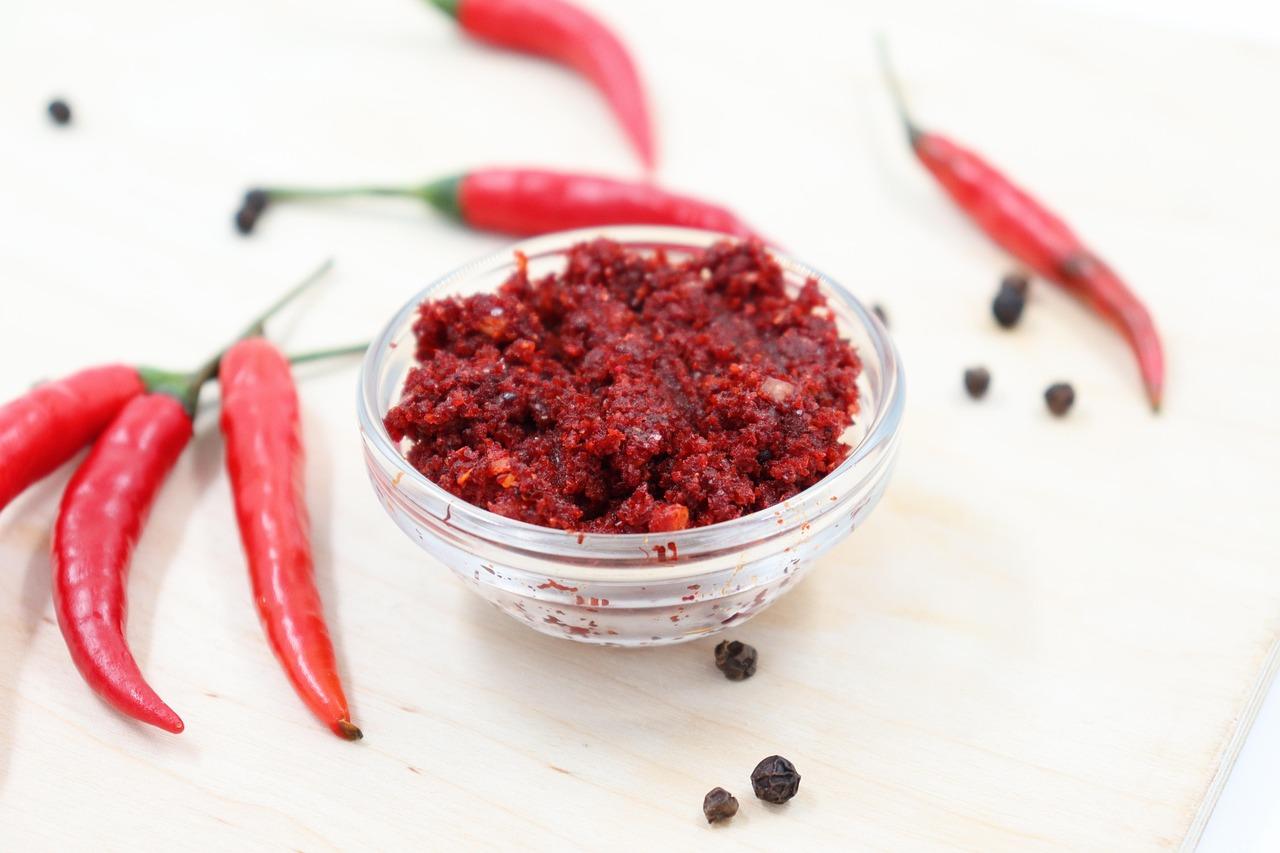
Late every summer, rooftops in Gaziantep, Kilis and Hatay turn red with trays of puréed peppers drying in the sun, and families fill jars that will season soups, köfte, bulgur and lahmacun through the winter. This oven method makes a smaller batch with the same deep, sweet and slightly smoky flavour; use some hot peppers if you like it acı (spicy). Store it under a film of oil in the fridge. The common mistake is a too-hot oven: the edges scorch and turn bitter before the middle thickens. Chef's tip: stir every 20 minutes and scrape the dried rim back in; the paste is ready when a spoon drawn through it leaves a clean trench.

by KrazyBadal 0 views

FrixuelosThin crêpes with sugar or honey

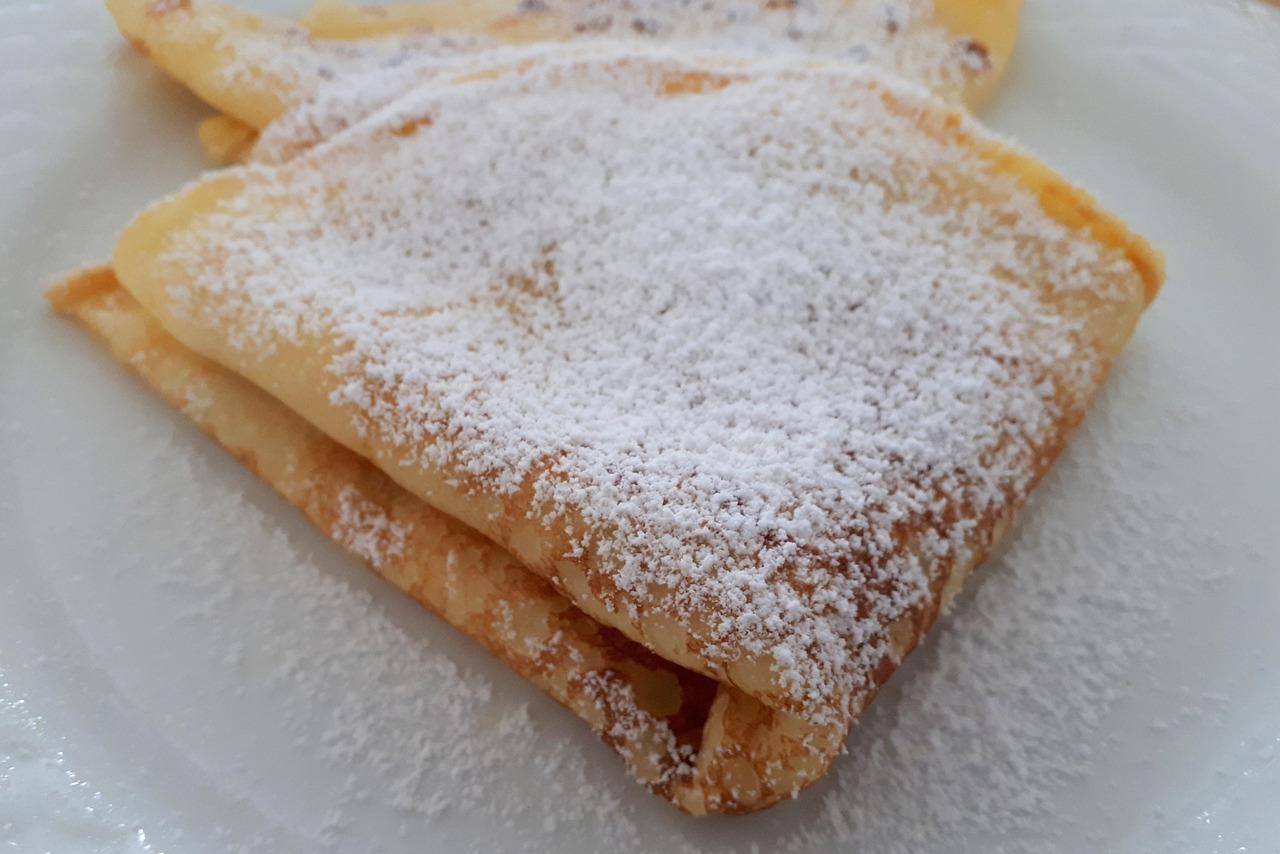
When Antroxu, the Asturian Carnival, comes round in February, kitchens from Avilés to the Oriente villages fill with the smell of butter and batter, and plates of frixuelos stack up for anyone who calls in. They are thinner and lighter than a pancake, flavoured with lemon zest, and are rolled or folded while warm with a dusting of sugar, a drizzle of honey or a spoon of rice-pudding cream. Grandmothers also make them on cold Sunday afternoons, so they are hardly kept for Carnival alone. Chef's tip: rest the batter for at least 30 minutes so the flour softens and the frixuelos turn out lacy and tender instead of rubbery.

by KrazyBadal 0 views

Bicho-de-péStrawberry brigadeiro balls

Pink balls of fudge in a paper cup, sitting in a row between the chocolate brigadeiros: that is bicho-de-pé, a fixture of children's parties in São Paulo and Rio. The odd name comes from a tiny burrowing flea, which the speckled pink sweet supposedly resembles, but it tastes nothing but fruity and creamy. Brazilian cooks usually flavour it with strawberry gelatin powder, which is not vegetarian; this version uses freeze-dried strawberry powder, which gives a brighter, real-fruit flavour and a natural pink. Find freeze-dried strawberries in supermarket baking aisles and crush them yourself. Over-thickening is the commonest mistake: cooked too long, the brigadeiro turns hard and sugary once cold. Chef's tip: take the pan off the heat as soon as the mixture slides away from the base as one piece; it firms more as it cools.

by KrazyBadal 0 views

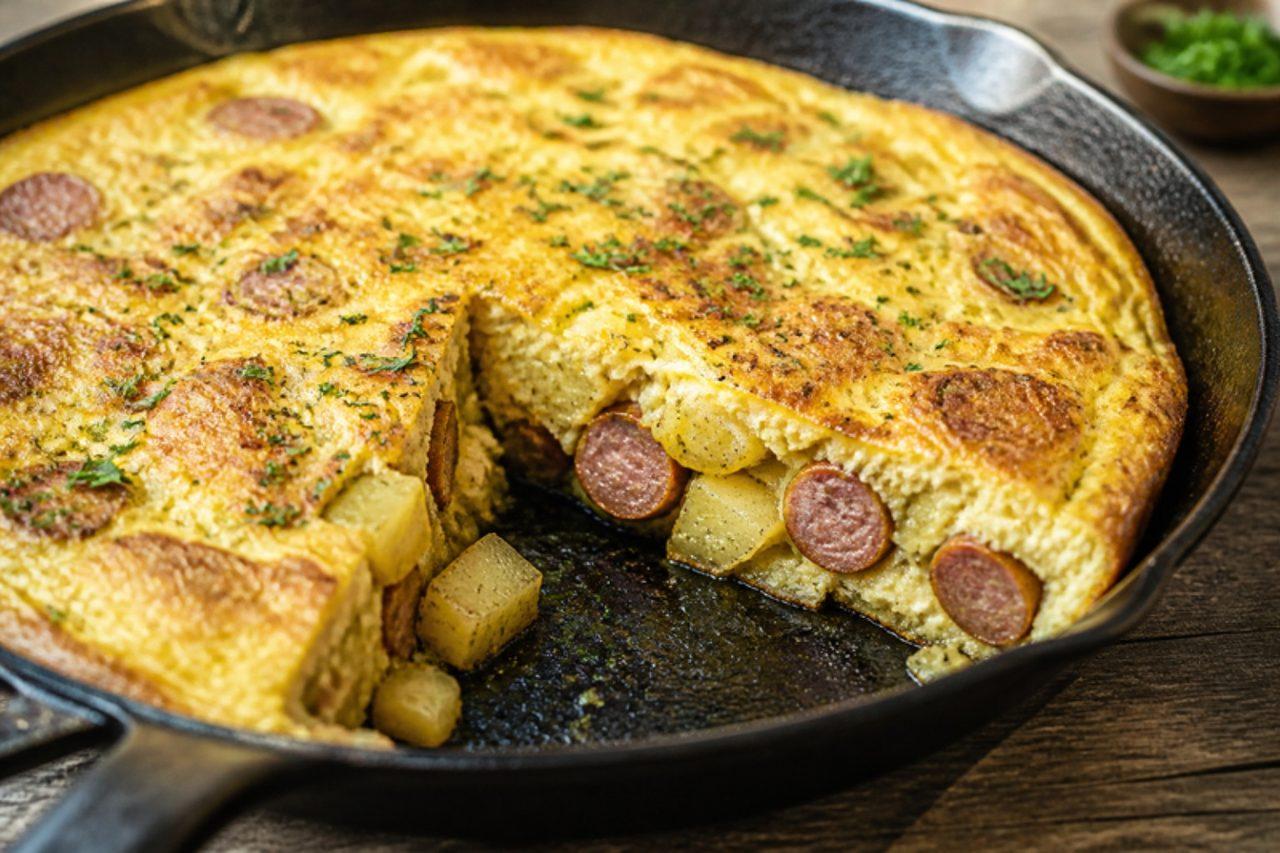
FroutaliaOmelette with potatoes and sausage

On Andros and Tinos, froutalia is the thick, golden omelette farm families ate after a morning in the fields: potatoes and local pork sausage fried in a deep pan, then bound with eggs and a little cheese and cooked until set right through. It is cut in wedges like a Spanish tortilla and eaten hot or cold, with bread and a tomato and cucumber salad, at any time of day. On the island it is made with louza or a smoked pork sausage seasoned with fennel; any good coarse pork sausage works. Common mistake: adding the eggs while the potatoes are still hard; they never soften once the eggs set. Chef's tip: flip it onto a plate halfway so both sides brown evenly.

by KrazyBadal 0 views

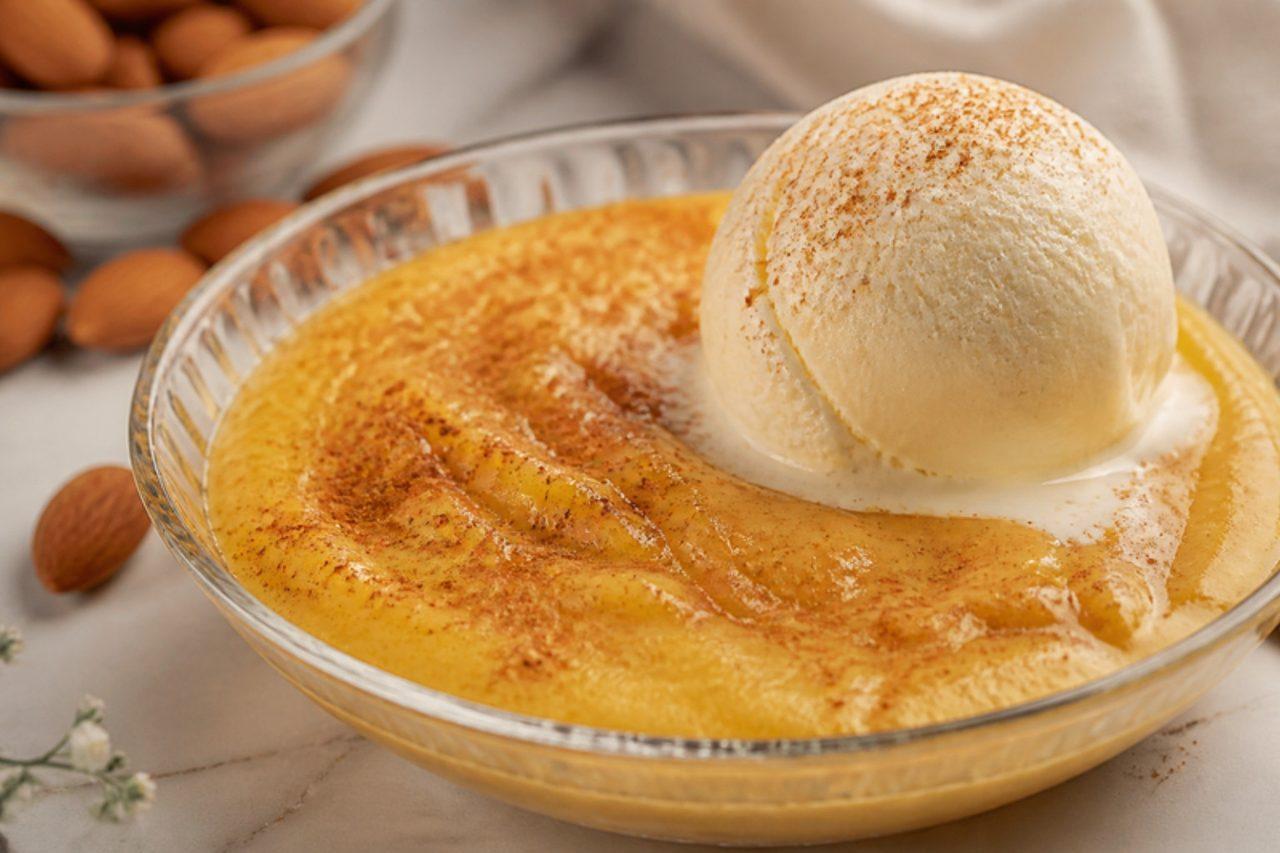
Bienmesabe canarioAlmond and egg-yolk cream

High in the mountains of Gran Canaria, the village of Tejeda is ringed by almond trees, and its pastry shops are famous for bienmesabe, 'it tastes good to me'. Finely ground almonds are cooked in a sugar syrup with lemon zest and cinnamon, then enriched with egg yolks into a thick, golden cream. Islanders eat it by the spoonful, over vanilla ice cream or layered on sponge; it is the dessert brought out in late January and February, when the Almond Blossom Festival fills the village. Chef's tip: temper the yolks with a little hot syrup before adding them, so they thicken the cream smoothly instead of scrambling.

by KrazyBadal 0 views

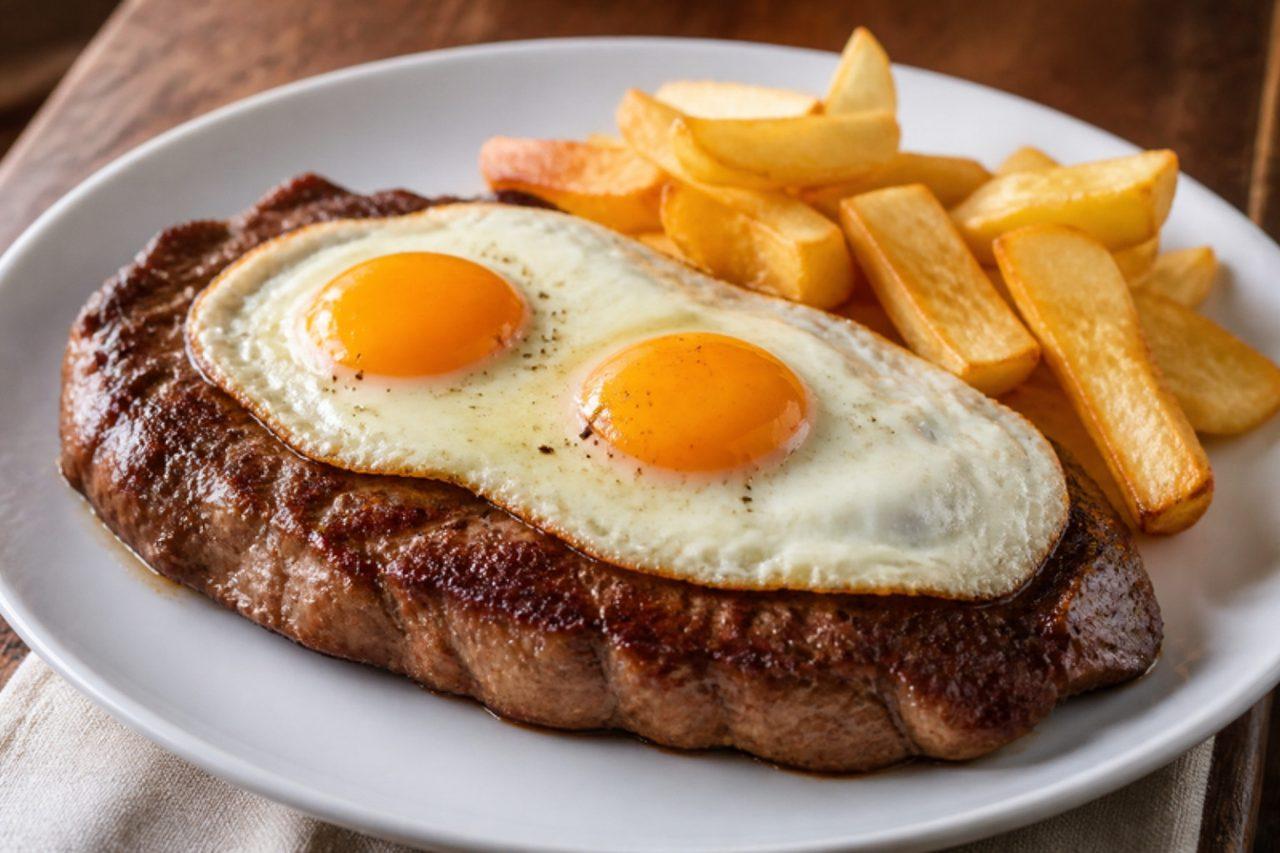
Bife a caballoSteak with fried eggs

On the chalkboard of any neighbourhood bodegón in Buenos Aires you will find bife a caballo, steak "on horseback": a thick bife de chorizo (sirloin) or rump seared hard in a hot pan, crowned with two fried eggs whose yolks run into the meat juices, and served with a pile of chips. It is the plate for hungry taxi drivers at lunch and for anyone recovering from a long night. Cook the steak to your taste; Argentines usually ask for it jugoso (medium rare, about 55 °C in the centre) or a punto (medium, about 60 °C). Use eggs fried until the whites are fully set, and cook the yolks firm for anyone vulnerable. Crowding a pan that isn't hot enough is the classic mistake, which stews the steak grey, so let the pan smoke first. Chef's tip: rest the steak while you fry the eggs in the same pan; the beef juices in the fat give the whites crisp, savoury edges.

by KrazyBadal 0 views

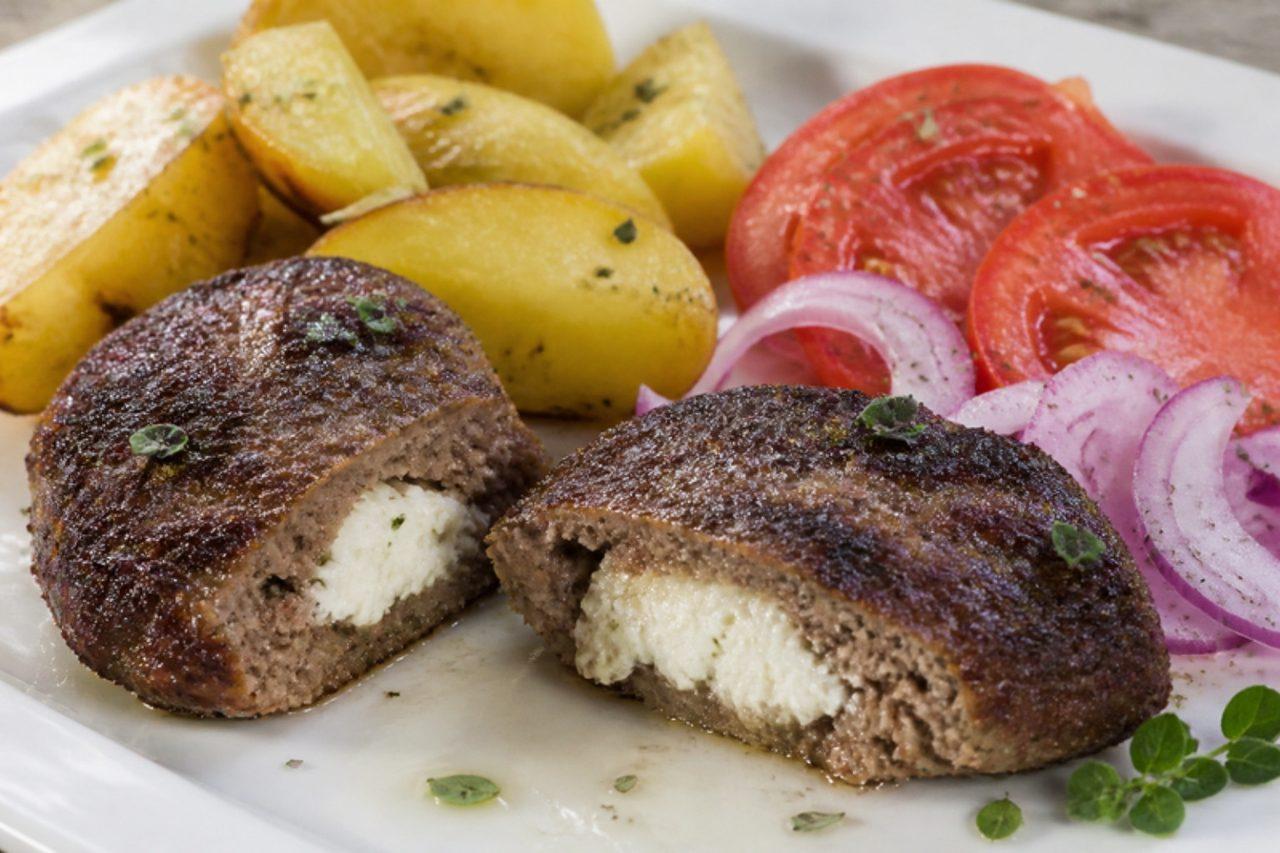
Bifteki gemistoFeta-stuffed beef patties

In Greek grill houses (psistaries) and in summer back gardens, bifteki are big, flattened patties of minced beef with grated onion, mint and oregano, and the stuffed version hides a slab of feta that melts as they cook. Serve with chips fried in olive oil, a village salad and tzatziki. Common mistake: using lean mince, which makes dry patties; 15–20 % fat keeps them juicy. Chef's tip: grate the onion and squeeze out its juice before mixing; you keep the flavour without making the mixture too wet to seal around the cheese.

35 minGreekMeat
by KrazyBadal 0 views

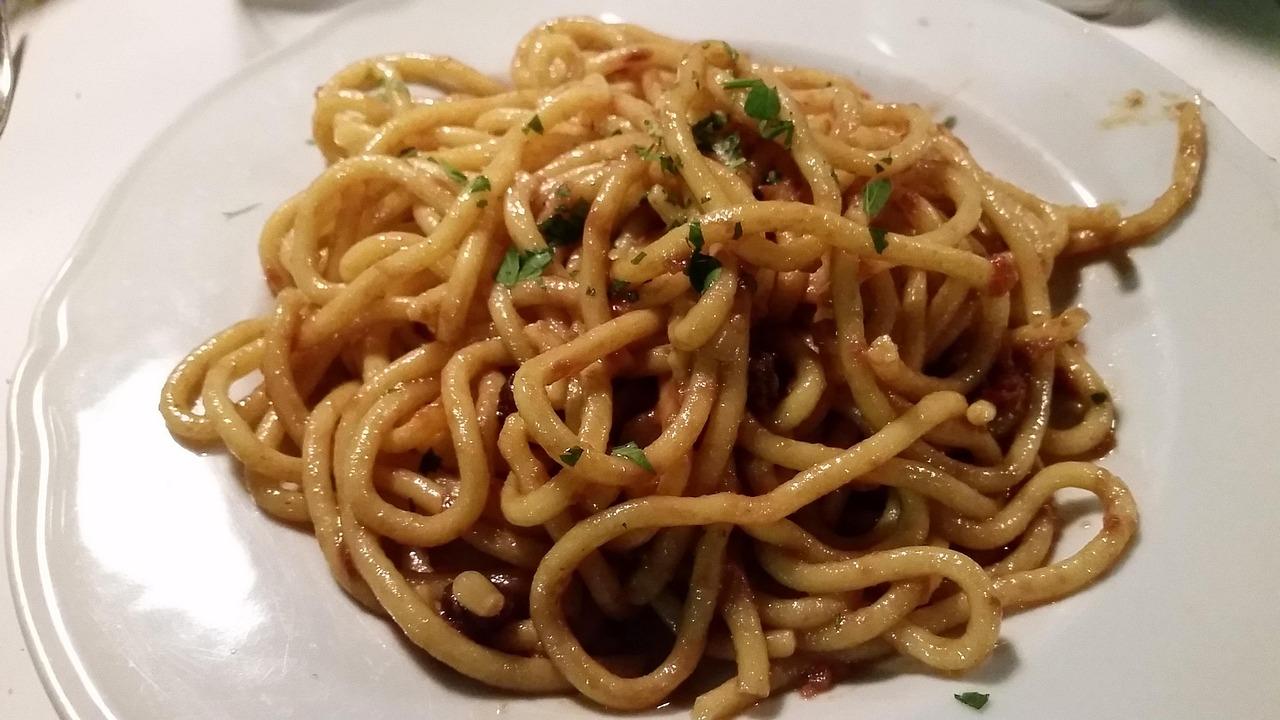
Bigoli in salsaWholewheat pasta with onion and anchovy

Bigoli in salsa is the dish of Venice's lean days, once eaten on Fridays, Christmas Eve and Ash Wednesday, and still served in the city's bacari and osterie today. Thick, rough wholewheat strands are tossed in a sauce of onions cooked slowly in olive oil until sweet and almost creamy, with salted anchovies melted through. It is salty, sweet and deeply savoury, with no cheese. If you can't find bigoli, thick wholewheat spaghetti or bucatini work well. Serve with a bitter leaf salad such as radicchio. Chef's tip: add the anchovies off the heat and let them dissolve in the warm oil; fried hard, they turn bitter.

by KrazyBadal 0 views

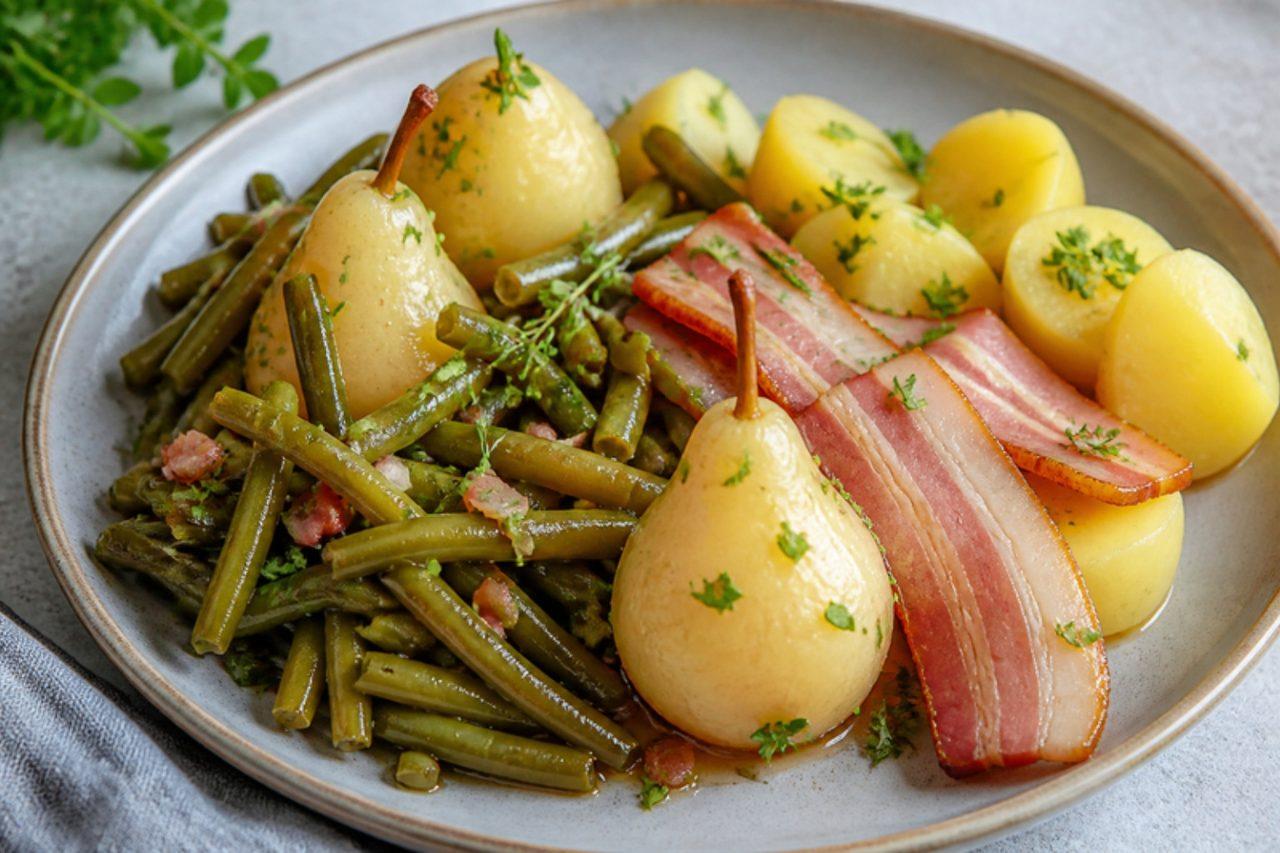
Birnen, Bohnen und SpeckGreen beans, pears and smoked bacon

Birnen, Bohnen und Speck is late-summer cooking from Hamburg and Schleswig-Holstein, made in August when green beans and small, firm cooking pears ripen at the same time in the Vierlande market gardens. A piece of smoked pork belly bacon is simmered until tender, and its smoky broth then cooks the beans, whole pears and potatoes, with summer savory to tie the sweet and salty together. It is one pot, served straight from the stove with the bacon sliced on top. Chef's tip: choose pears that are still hard; ripe dessert pears collapse into the beans.

90 minGermanMeatGluten free
by KrazyBadal 0 views

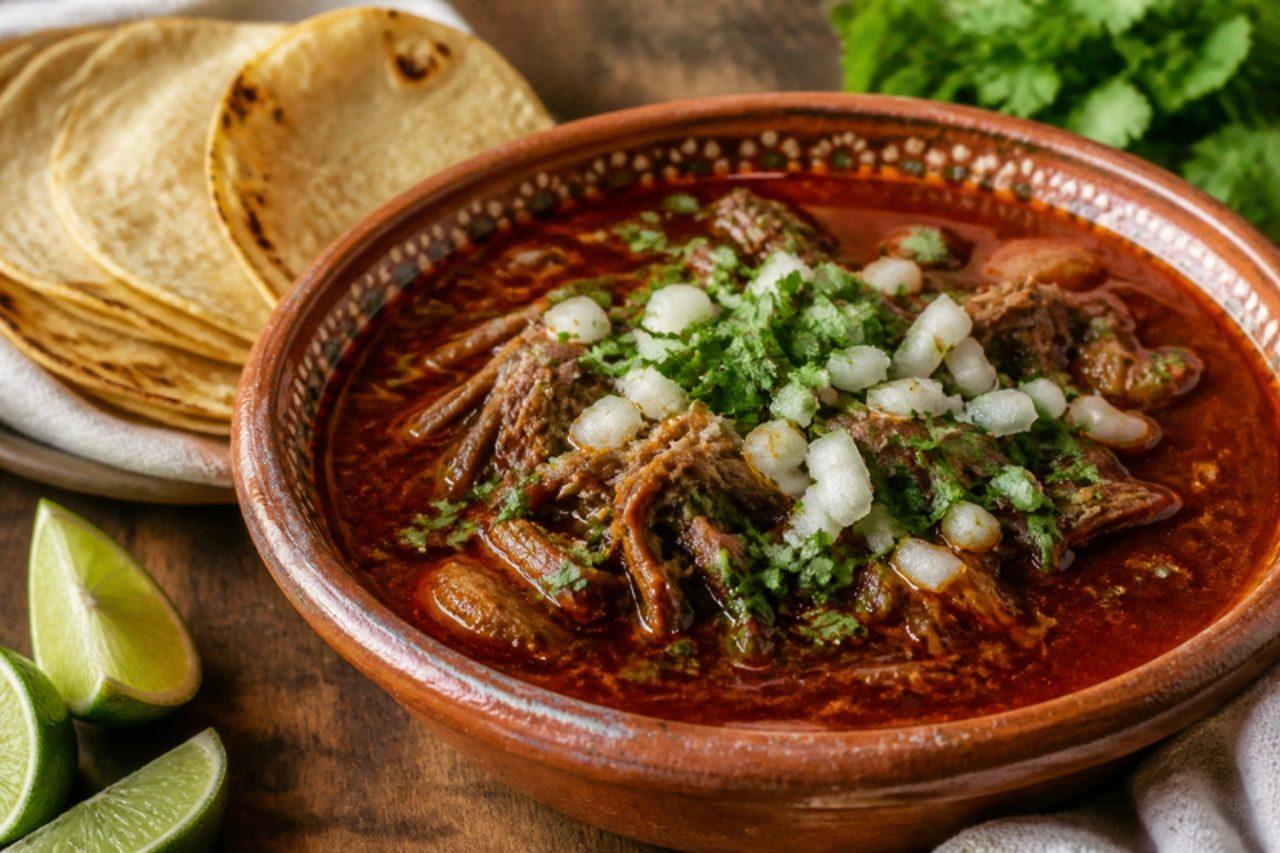
Birria de resChilli-braised beef

Birria comes from Jalisco, where it is the dish of weddings, baptisms and Sunday mornings after a long night, ladled out at market stalls in Guadalajara from dawn. Beef on the bone is rubbed with a paste of guajillo and ancho chillies, vinegar, garlic and warm spices, left overnight in the fridge, then braised for hours until it falls into soft, glossy strands. The cooking liquid becomes the consommé: sip it from a cup, spoon it over the meat in a bowl, or dip tortillas in its red fat and fry them with the beef and a little cheese for crisp-edged tacos. Serve with chopped onion, coriander, lime and a fiery chile de árbol salsa. Chef's tip: skim the red fat off the top of the finished consommé and keep it for frying the tortillas; it gives the tacos their colour and crunch.

285 minMexicanMeatGluten freeSpicy
by KrazyBadal 0 views

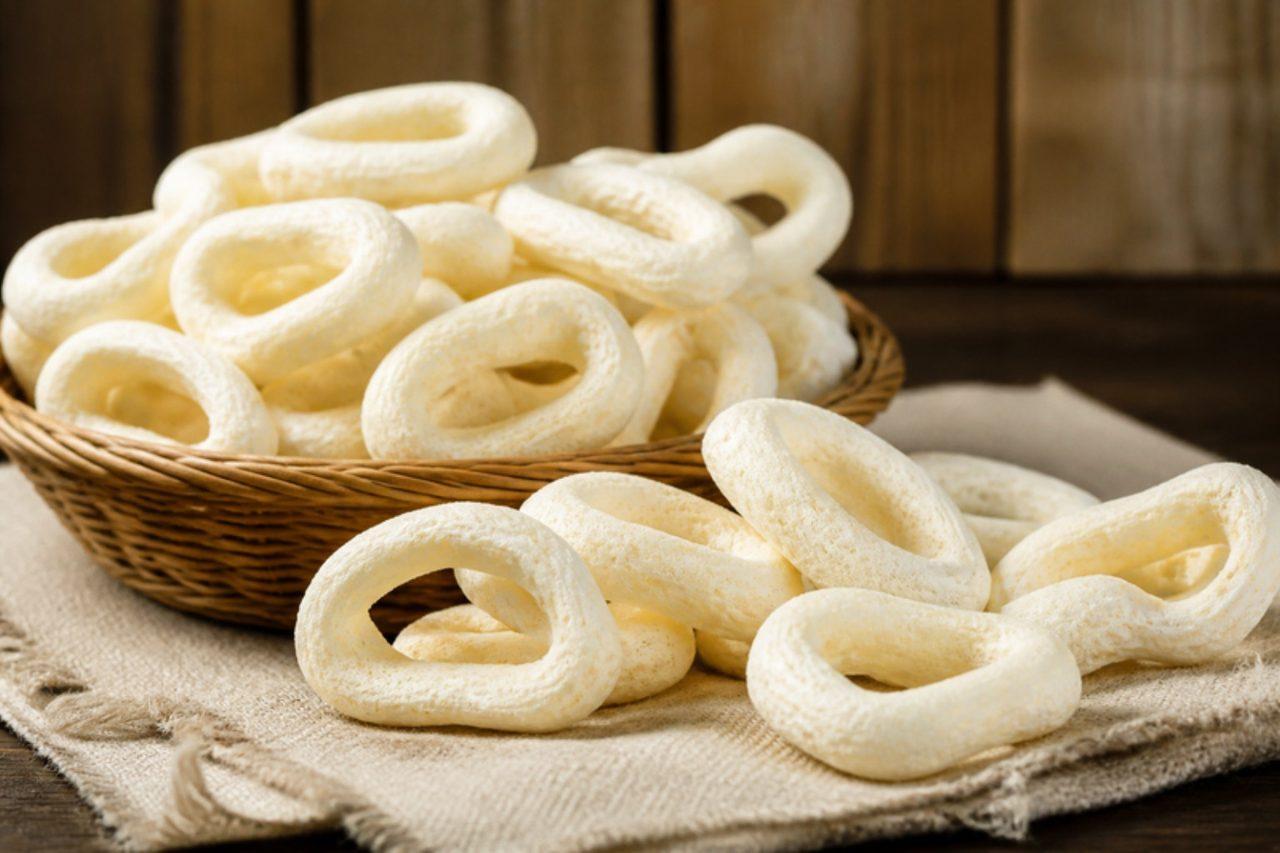
Biscoito de polvilhoCrunchy cassava starch rings

Light enough to float off the plate, these rings are sold by the bagful at bus stations, beaches and football grounds all over Brazil, but they belong to Minas Gerais, where sour cassava starch (polvilho azedo) has been made for centuries. Scalding the starch with hot milk, water and oil and then beating in eggs gives a sticky paste that puffs in a hot oven into crisp, airy, slightly tangy shells. Mineiros eat them with coffee in the afternoon or nibble them all day. Bake them in a hot oven and do not open the door: the rings collapse into flat, hard discs if the heat drops in the first 20 minutes. Chef's tip: the paste should pipe like thick mayonnaise; add a spoon of water if it is too stiff, because a soft dough is what makes the biscuits hollow.

by KrazyBadal 0 views

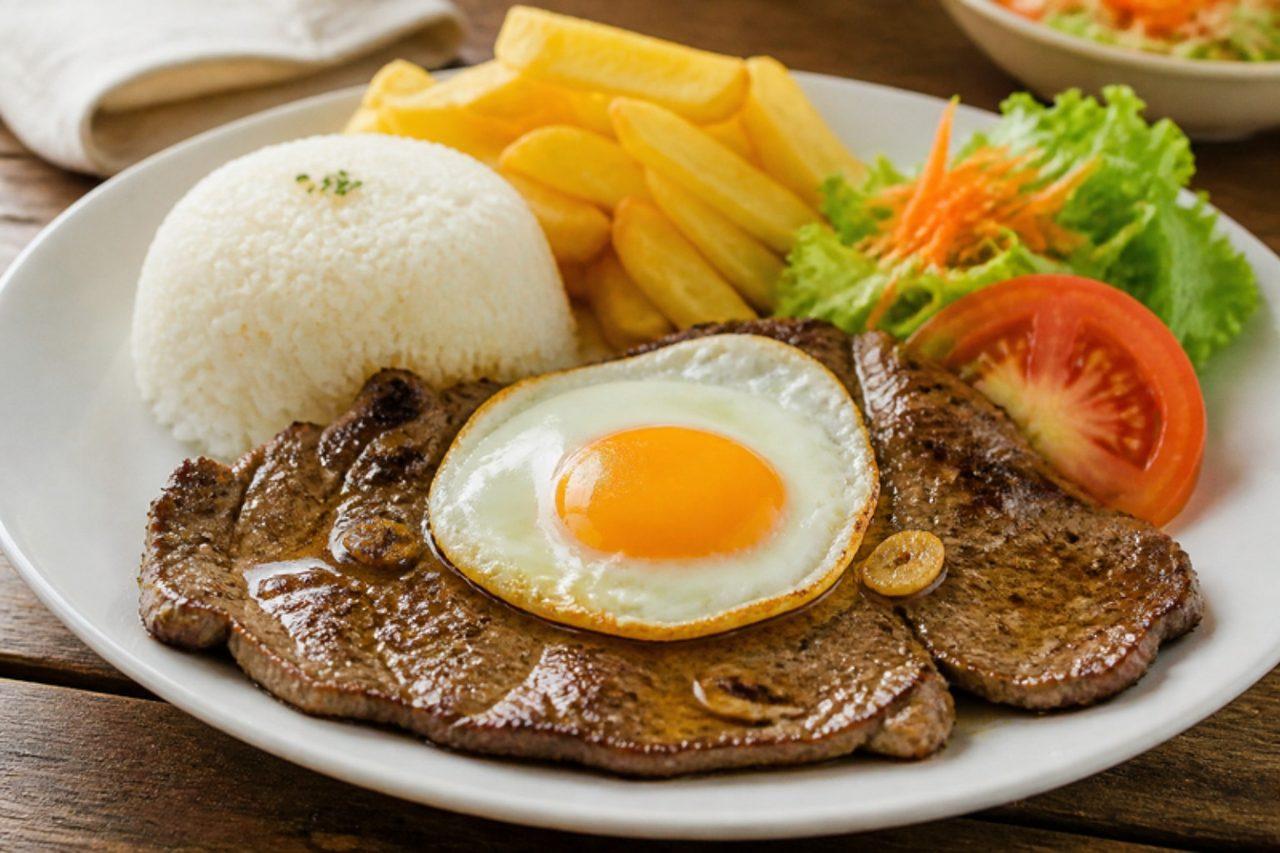
BitoqueSteak with fried egg and chips

Bitoque is the dish Portuguese office workers order when they can't decide: on every café lunch menu in Lisbon there is a thin steak in a garlicky pan sauce, a fried egg sliding over it, and chips, rice and a little salad heaped alongside. It is cheap, filling and quick, and a good one depends on a properly hot pan and a runny yolk that mixes into the sauce. Some cooks splash in beer; this version keeps it alcohol-free with stock. A common mistake is crowding the pan, which stews the steaks instead of searing them. Chef's tip: fry the eggs in the steak pan's garlicky fat so they pick up its flavour.

by KrazyBadal 0 views

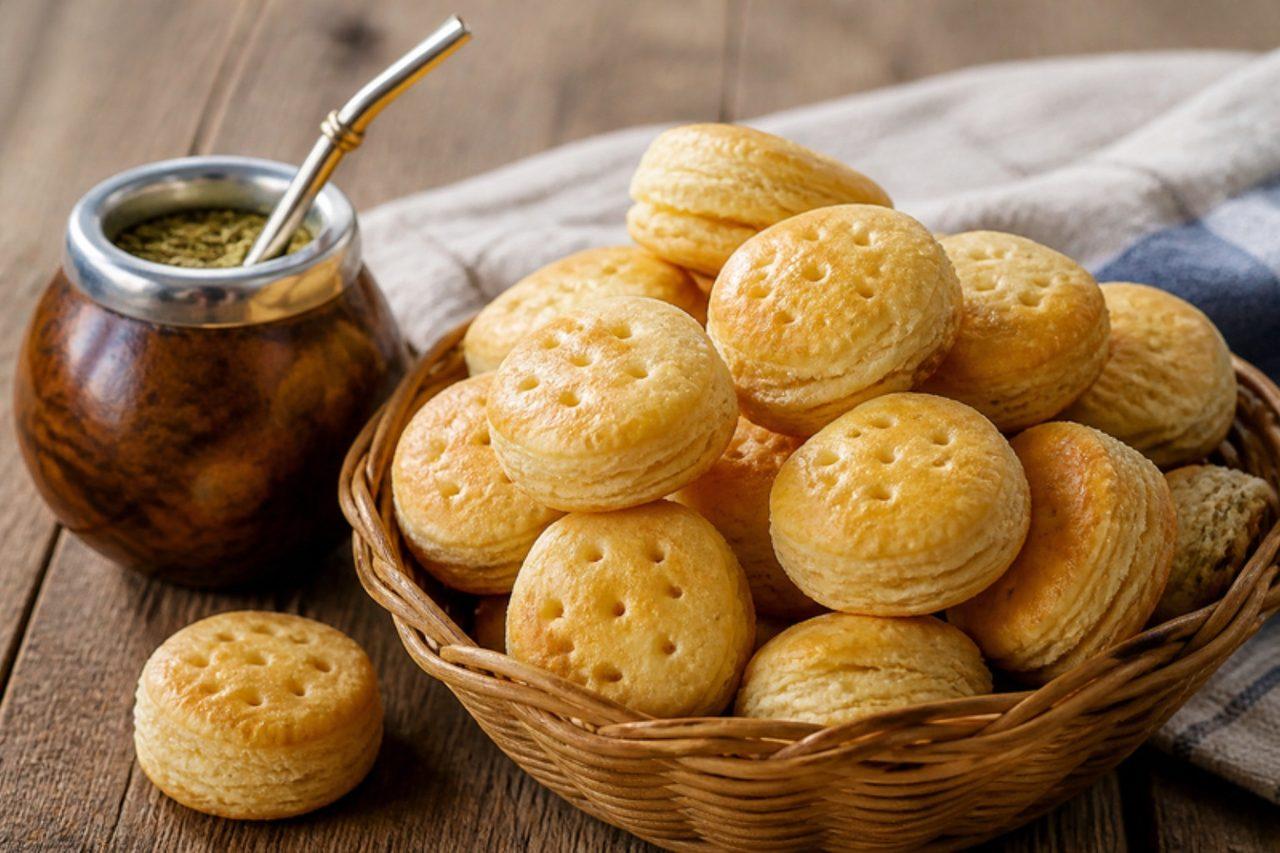
Bizcochitos de grasaSavoury beef fat biscuits

A paper bag of bizcochitos de grasa sits next to the mate gourd in kitchens, offices and roadside service stations across Argentina, from Buenos Aires to the Andes. These little rounds, a couple of bites each, are layered with beef fat, so they flake and crumble, salty and plain enough to eat by the dozen with bitter mate in the afternoon. The fat is rendered beef fat (grasa vacuna), so they are not vegetarian; ask your butcher for dripping or render suet yourself. A dough worked too warm is the mistake that robs them of their layers; the fat melts into it instead of staying in sheets. Chef's tip: chill the dough for 10 minutes between folds whenever it starts to feel greasy, and prick each round right through so it puffs in flakes rather than domes.

by KrazyBadal 0 views

Showing 72 of 7,762 recipes

Show more recipes

Page 408 of 863