Skip to content
Sabudana khichdi
Featured recipe

Sabudana khichdi

Sabudana khichdi is the dish that sees Maharashtra through every vrat (fast), from Navratri to Ekadashi, but it's so good that people eat it any day of the week. Soaked sago pearls are tossed in a pan with crushed roasted peanuts, cubes of potato, cumin and green chilli until each pearl turns glassy and separate, then finished with lemon and coriander. It's soft, chewy, nutty and gently hot. Fasting rules vary from family to family, so check yours; this version uses rock salt and no asafoetida, onion or garlic. Traditionally it's cooked in ghee; use ghee instead of oil if you aren't keeping it vegan. Chef's tip: soak the sago in just enough water to cover by the height of the pearls themselves, no more; too much water is the reason khichdi turns into one sticky lump.

Read more 2 views

What to eat today?

Around the world

Today's trip: Paraguayan

A new country every day, from every cuisine on the site.

This week's collection

Kid-friendly dinners
537 recipes · a new collection every Monday

Latest recipes

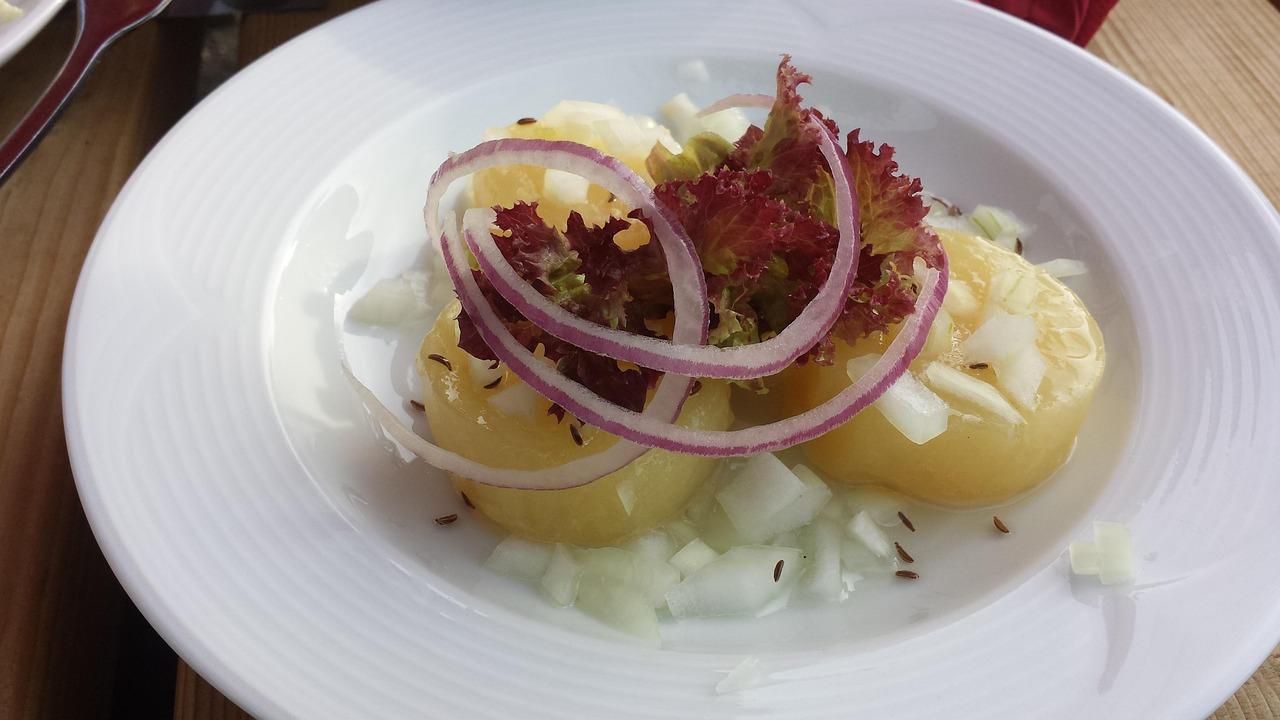
Handkäs mit Musik

Handkäs mit Musik is the bar snack of Frankfurt's Sachsenhausen cider taverns, where it is served on a small plate beside a glass of apple wine; apple juice or a sour apple spritzer is the alcohol-free match. Handkäse is a small, firm, low-fat sour-milk cheese, ripened until it turns glassy and translucent at the edge, and the 'music' is the marinade of onion, vinegar, oil and caraway it soaks in. It is eaten with a knife and fork on buttered rye bread. Most Handkäse is made without rennet, using acid alone, but check the label if you are strict. A common mistake is serving it straight away: the cheese needs at least an hour in the marinade. Chef's tip: choose a cheese that is still chalky white in the very middle, which gives a mix of creamy and fresh textures.

by KrazyBadal 0 views

Grumbeersupp mit Quetschekuche

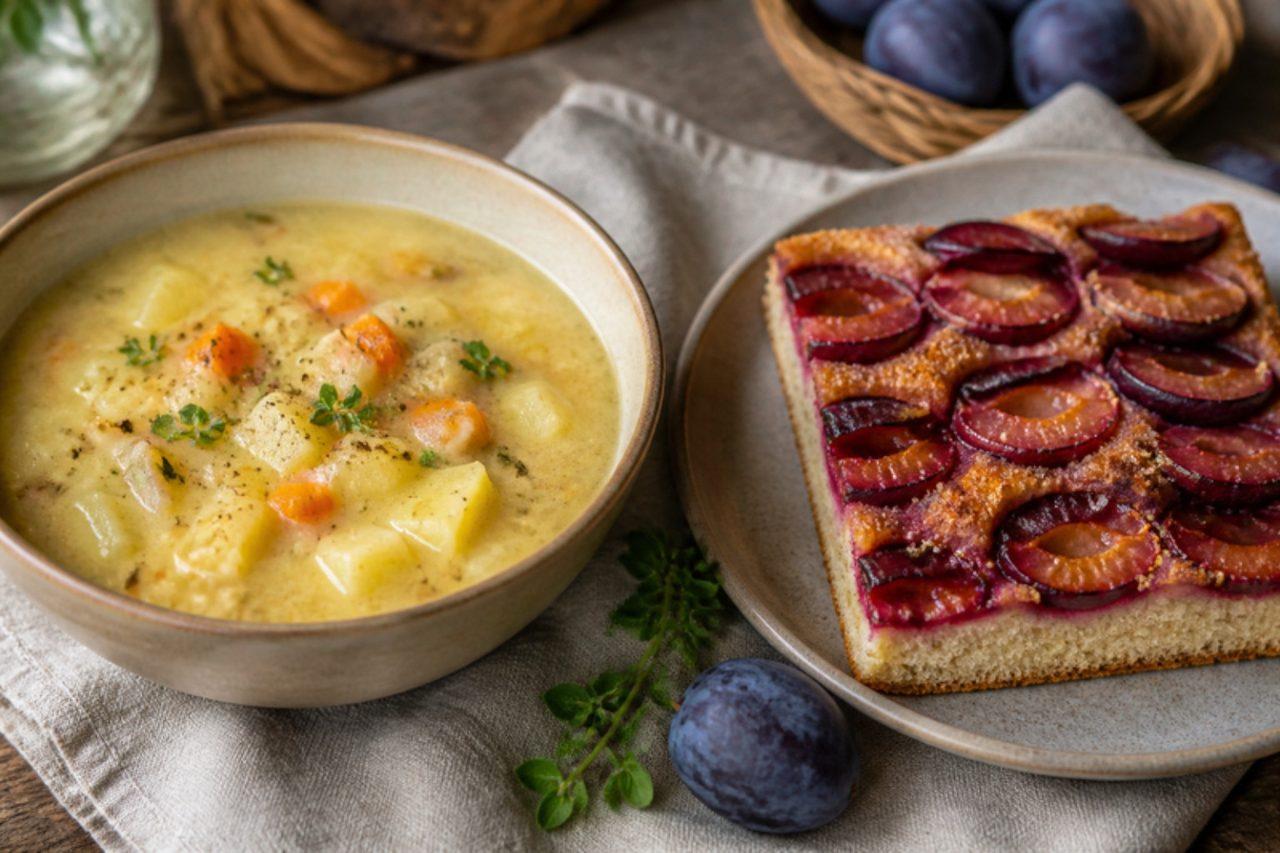
In the Palatinate, between the Rhine and the vineyards of the Weinstraße, September brings a pairing that puzzles outsiders: a bowl of creamy potato soup served with a slice of plum tray cake on the side, and you dip the cake as you go. It is a plain, cheap farmhouse supper for plum season, and the sweet-sour fruit against the soft, marjoram-scented soup is the whole joy. This version makes a small tray of yeasted plum cake while the soup simmers. A common mistake is sweetening the soup; it should stay savoury so the cake can do the sweet work. Chef's tip: use dark, oval Zwetschgen plums, which hold their shape; round dessert plums go watery.

by KrazyBadal 0 views

Viennese Gugelhupf

In Vienna the Gugelhupf is the Sunday cake of home bakers, set out on the table for afternoon Jause with coffee, and every family has its own fluted copper or ceramic mould. Unlike the yeasted ring cakes of Alsace and southern Germany, the everyday Viennese one is a Rührgugelhupf, a buttery sponge lifted with whisked egg whites, scented with lemon and studded with plump raisins. It is tender, light and keeps moist for several days under a cake dome. A common mistake is a badly greased mould; every ridge needs butter and flour or the cake tears as it comes out. Chef's tip: soak the raisins in hot water for 15 minutes, dry them and toss them in a spoon of flour so they don't sink.

by KrazyBadal 0 views

Donegal herring in oatmeal

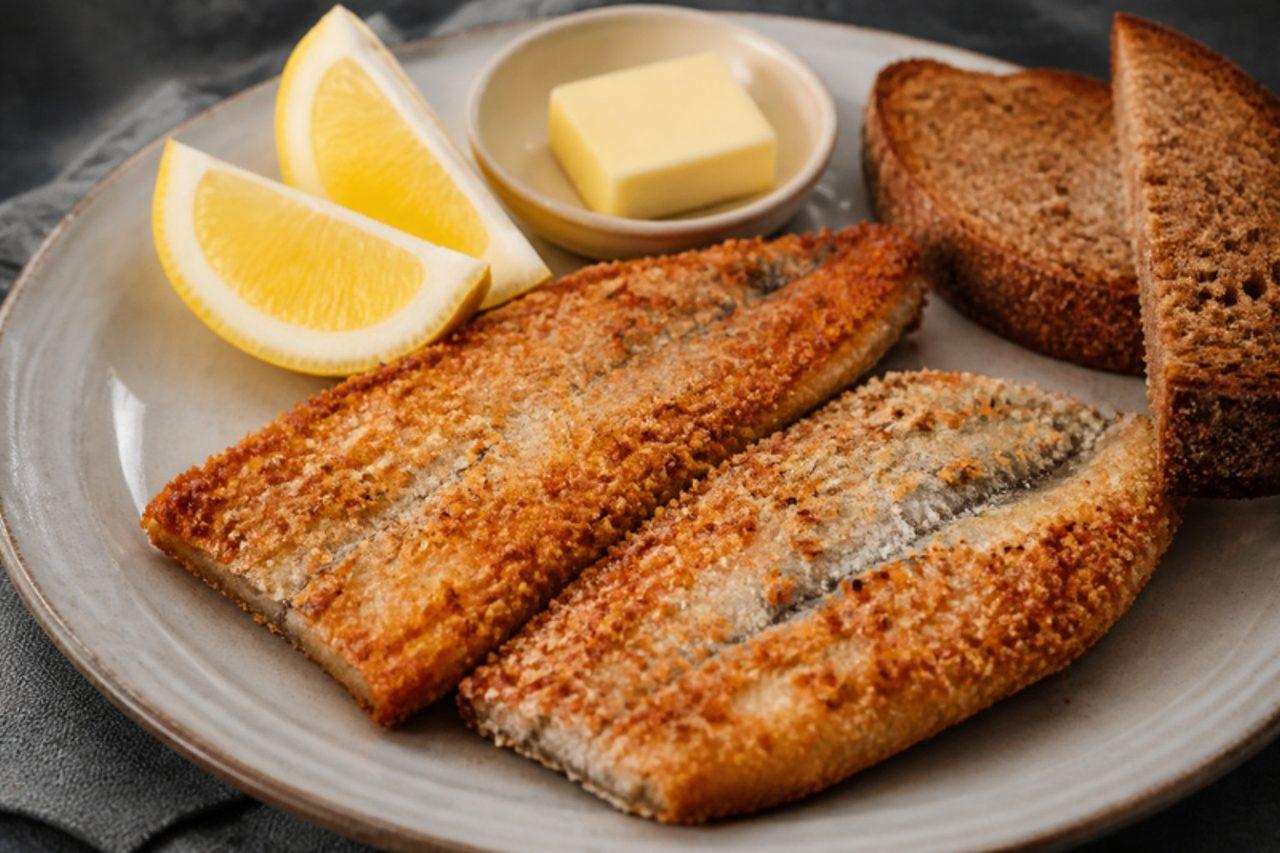
Herring was the silver fortune of Killybegs and the Donegal coast, when the boats came in loaded through the autumn, and the cheapest supper in every fishing village was fresh herring rolled in oatmeal and fried. The oats make a nutty, crunchy crust around the rich, soft fish. Serve with boiled potatoes and a wedge of lemon or a spoonful of mustard. Chef's tip: press the oats on firmly and let the fish sit for 5 minutes before frying, so the coating sticks.

25 minIrishFish
by KrazyBadal 0 views

Germknödel

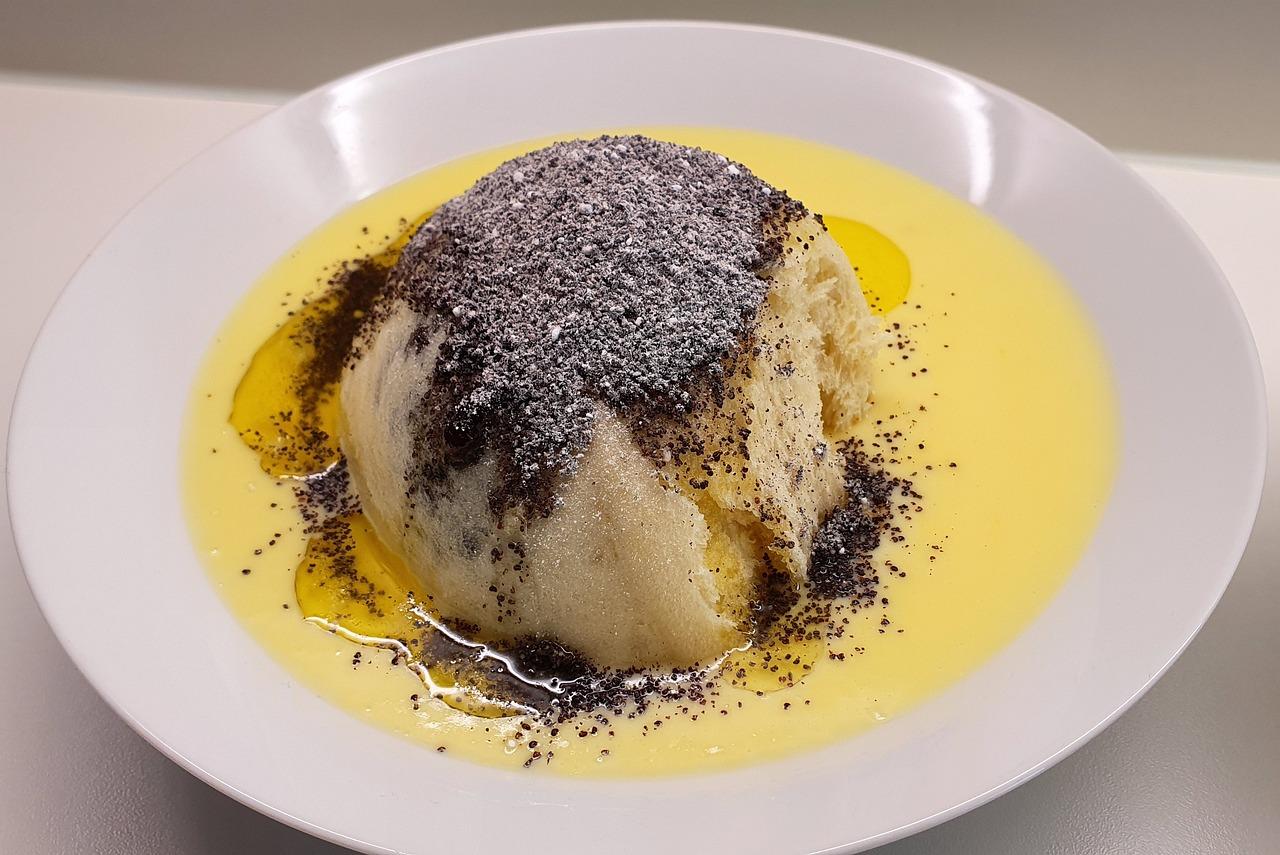
After a morning on the slopes, Austrians head into the mountain huts of Tyrol, Salzburg and Styria for one thing: a Germknödel the size of a fist, steamed until pillowy and split open to reveal dark plum butter. It comes drowned in melted butter, or in vanilla sauce, under a thick snow of ground poppy seeds and icing sugar, and it is eaten as a whole meal. The dough is soft and slightly sweet, and the powidl inside is tart and jammy. A common mistake is lifting the lid while they steam; the dumplings deflate and turn heavy. Chef's tip: seal each dumpling with the seam underneath and let them prove a second time on squares of baking paper, so you can move them without denting them.

by KrazyBadal 0 views

Kalimotxo

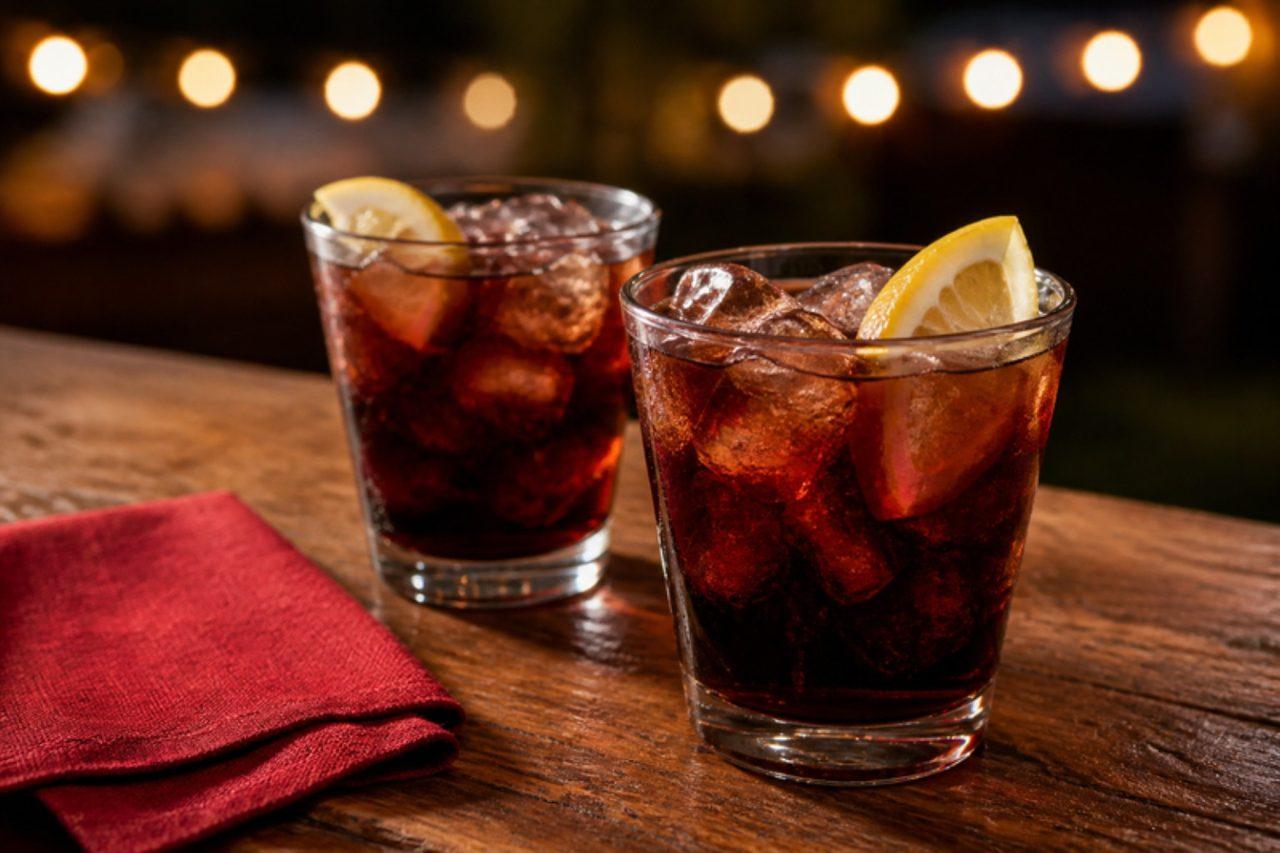
Kalimotxo contains alcohol (red wine), so the classic version is for adults only; an alcohol-free version is given below. The story goes that it was mixed in 1972 at a fiesta in Algorta, near Bilbao, when the wine bought for the stall turned out to be poor and cola was added to save it. Today it is the drink of every Basque summer fiesta, from Bilbao's Aste Nagusia to village squares, poured into big plastic cups. A common mistake is mixing warm wine and flat cola, which tastes heavy and sweet: both should be fridge-cold and the cola freshly opened. Chef's tip: pour the cola slowly down the side of the glass so it keeps its fizz.

by KrazyBadal 0 views

Leitão à Bairrada

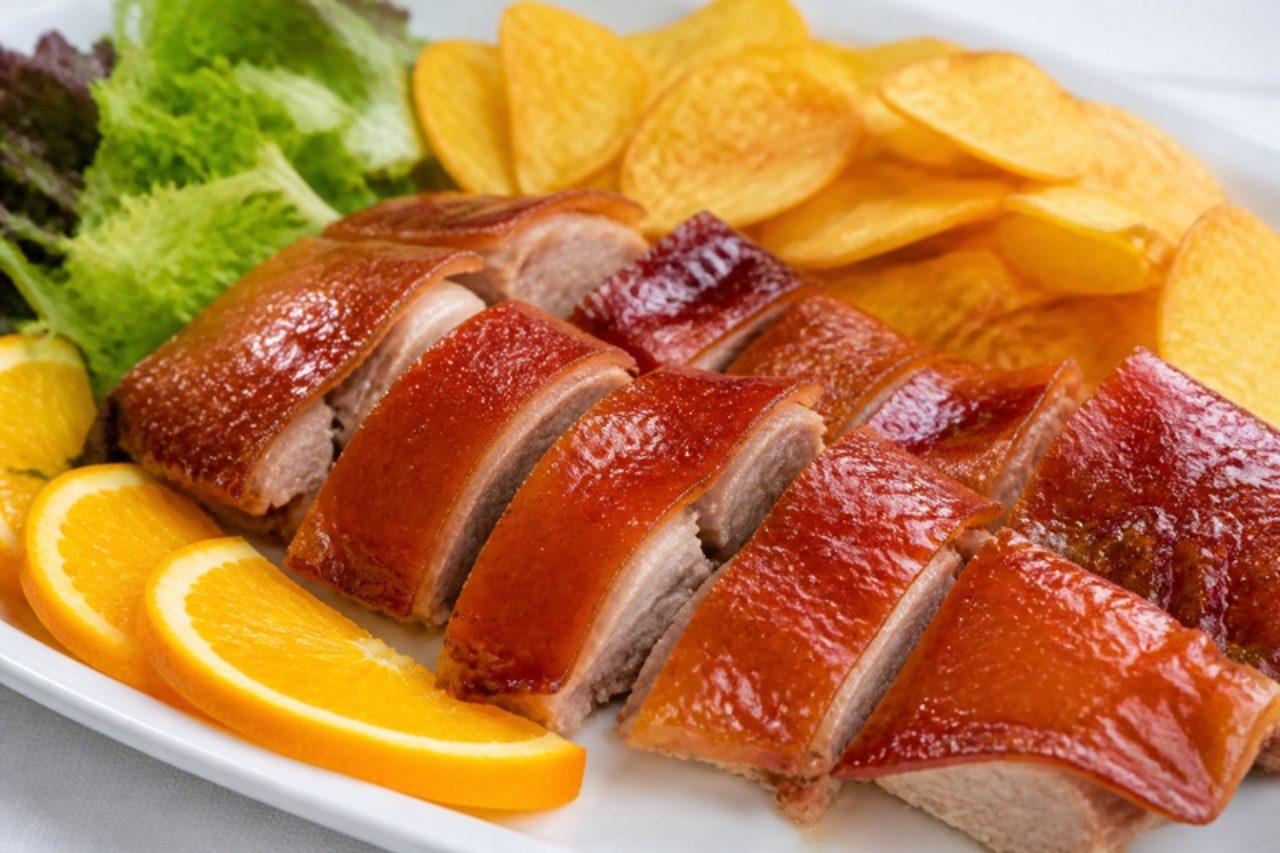
Along the old Lisbon–Porto road through the Bairrada, around Mealhada, restaurant after restaurant roasts suckling pigs whole in wood ovens, and people drive for hours for a Sunday lunch of it. This contains pork (suckling pig and lard). The inside is rubbed with a fierce paste of lard, garlic, black pepper and bay, while the skin roasts to a glassy, crackling sheet. It is served cold or warm with sliced oranges, crisp potato chips and a green salad. A half or quarter pig from a specialist butcher fits a home oven. Chef's tip: keep the skin completely dry and paste only the inside, as any fat or water on the skin stops it crackling.

by KrazyBadal 0 views

Kabab barg

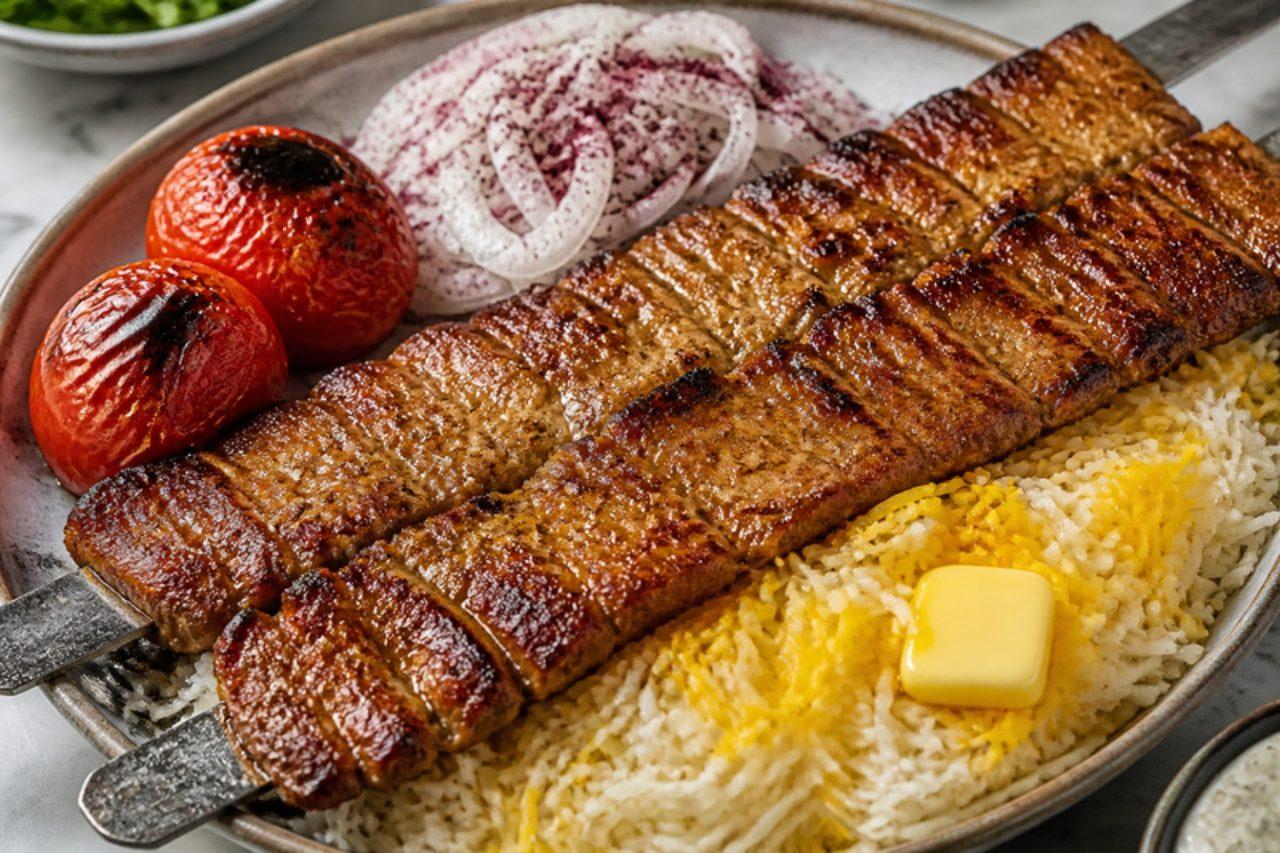
Kabab barg is the prized kebab of Tehran's old chelow-kababi restaurants, ordered for celebrations and served on a mound of buttery-looking saffron rice with grilled tomatoes and a raw egg yolk for those who like it. The name means 'leaf kebab': lamb loin or beef fillet is pounded into thin sheets, marinated overnight in onion juice and saffron, then threaded flat on wide sword skewers and grilled fast over hot charcoal. It is tender enough to cut with the edge of a spoon. A common mistake is leaving onion pieces in the marinade; they burn on the grill, so use only the juice. Chef's tip: score the meat lightly in a criss-cross with the back of a knife; it stops the strips curling and lets the marinade in.

by KrazyBadal 0 views

Gondi

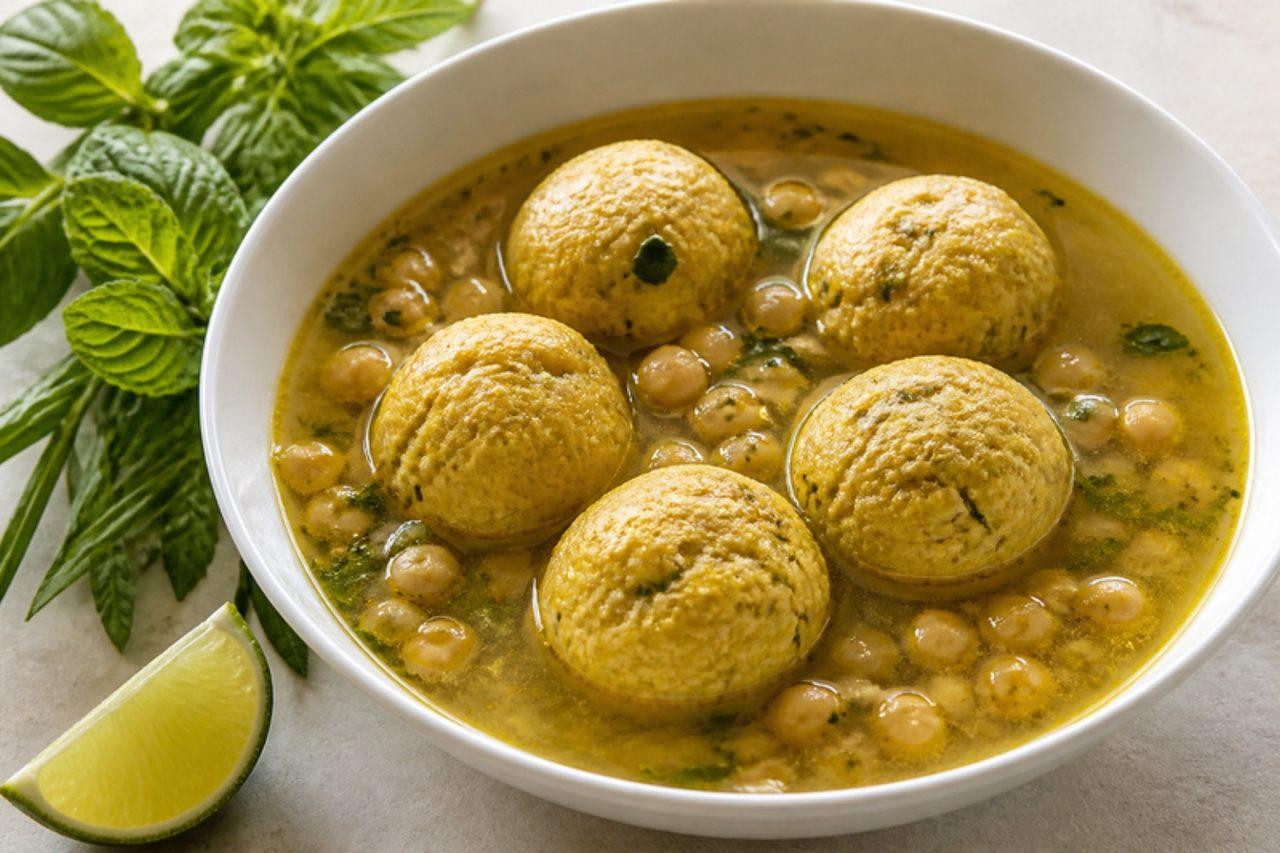
Gondi is the Friday-night dish of Tehran's Persian Jewish families, served at the Shabbat table before the main course or as a light lunch after. Big, soft dumplings of minced chicken, grated onion and roasted chickpea flour, scented with cardamom, are poached in a clear turmeric broth with chickpeas, and each bowl gets one or two with plenty of broth, fresh herbs and flatbread. The texture should be tender and slightly crumbly, a little like a dense matzo ball. A common mistake is using raw chickpea flour; buy roasted chickpea flour (nokhodchi flour) or dry-toast plain gram flour first, or the dumplings taste raw. Chef's tip: chill the mixture for 30 minutes before shaping so the dumplings hold their shape in the broth.

by KrazyBadal 0 views

Kabab torsh

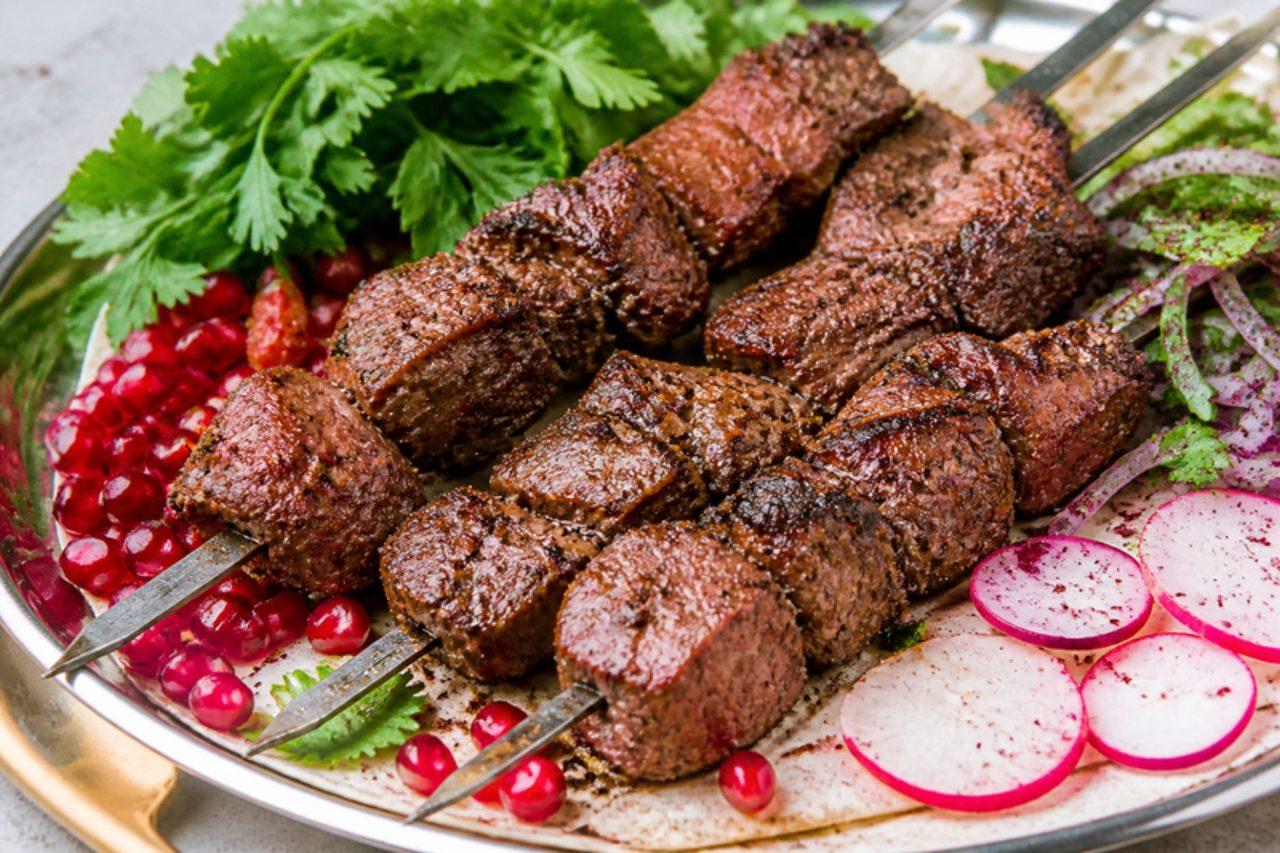
Kabab torsh, the 'sour kebab', comes from the green, rainy province of Gilan on the Caspian, where roadside grills around Rasht and Fuman sell it with smoky kateh rice and fresh herbs. Cubes of beef are rubbed with a thick paste of ground walnuts, pomegranate molasses, garlic and crushed dried mint or wild herbs, left overnight, then grilled until the paste turns into a dark, sticky crust. It is tangy, nutty and quite unlike the saffron kebabs of Tehran. A common mistake is grilling over fierce flames; the walnut paste scorches before the meat is done, so use steady medium coals. Chef's tip: keep back a few spoons of the paste and brush it on in the last minute for a fresh, glossy finish.

by KrazyBadal 0 views

Morgh-e torsh

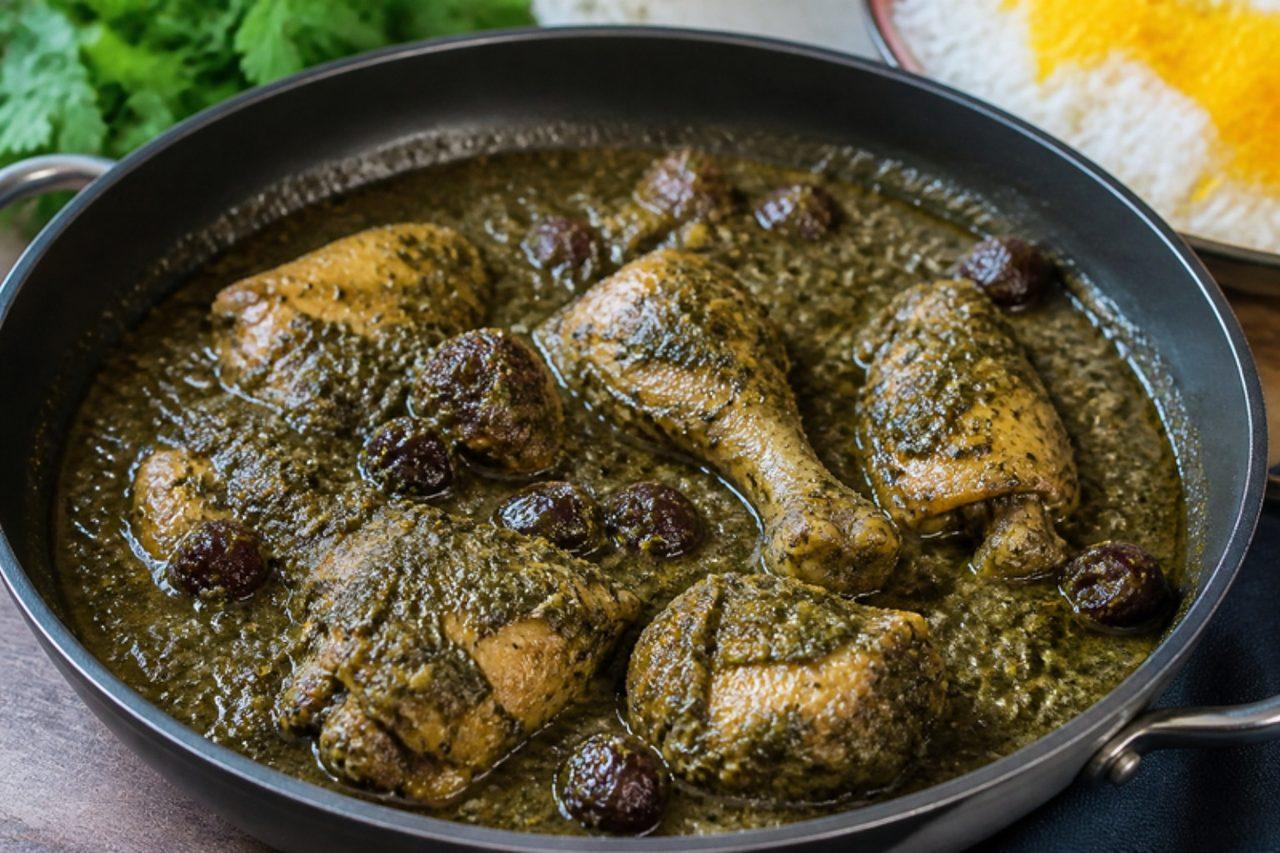
Morgh-e torsh is everyday Sunday cooking in Rasht and the villages of Gilan, where gardens overflow with herbs and the cooking leans sour rather than sweet. Chicken pieces are browned, then braised with a mountain of chopped coriander, parsley, mint and garlic chives, ground walnuts and sour plums, finished with verjuice or lemon until the sauce turns a deep olive green. It is eaten with kateh, the simple Caspian rice. A common mistake is adding the herbs raw to the pot; fry them first until dark and fragrant, or the sauce tastes grassy. Chef's tip: a beaten egg stirred in at the very end is how many Gilani grandmothers thicken and enrich the sauce.

by KrazyBadal 0 views

Koofteh Tabrizi

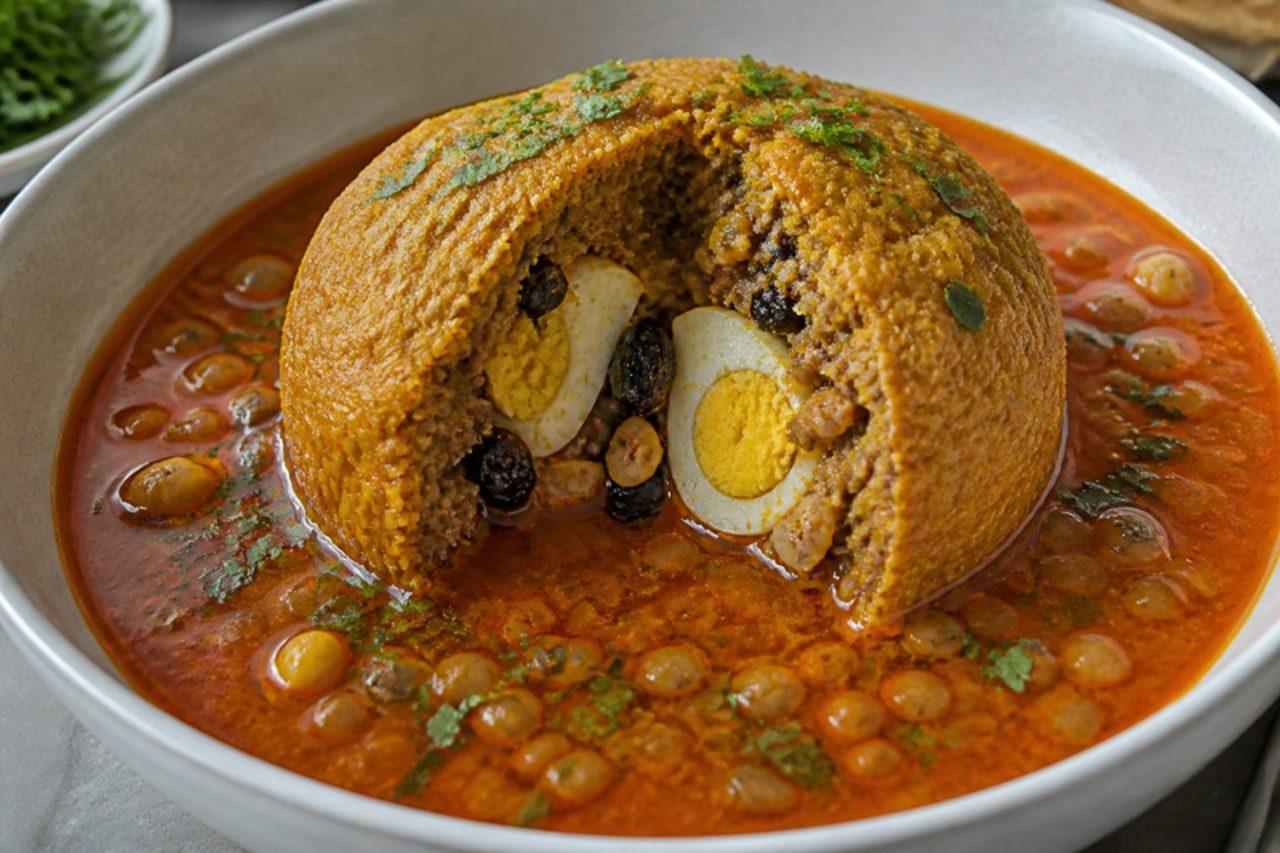
Koofteh Tabrizi is the pride of Tabriz in Iranian Azerbaijan, a meatball so big that one feeds a person, made for guests and for cold winter evenings in the north-west. Lamb or beef mince is kneaded with rice, yellow split peas and lots of herbs, then wrapped around a hidden heart of hard-boiled egg, prunes, walnuts and barberries and simmered in a tomato-saffron broth. At the table the broth is ladled over bread first, then the koofteh is cut open. A common mistake is under-kneading: the mixture must be worked until sticky, or the ball splits in the pot. Chef's tip: lower the meatballs into broth that is barely trembling, not boiling, and don't touch them for the first 20 minutes while they firm up.

150 minPersianMeatGluten free
by KrazyBadal 0 views

Dolmeh-ye beh

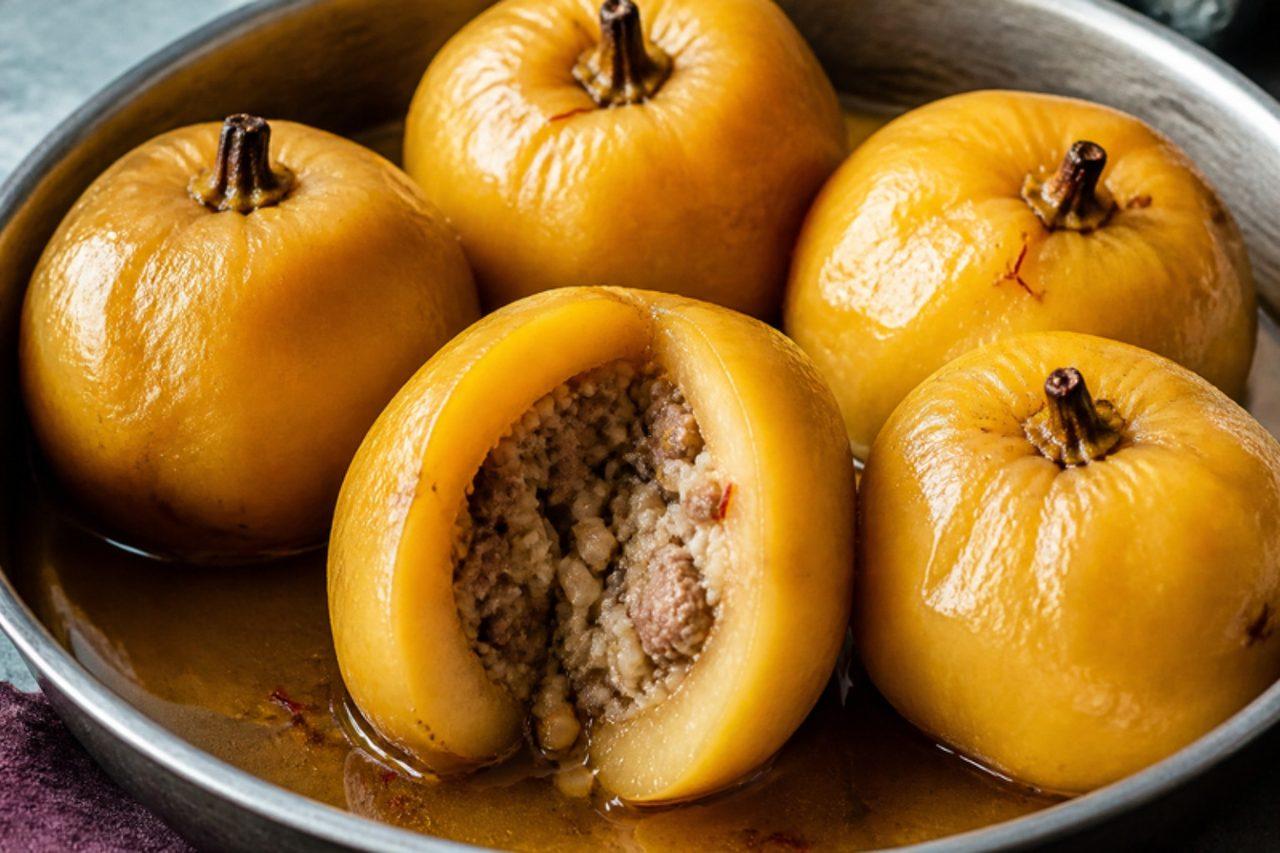
Dolmeh-ye beh is autumn food in Tabriz and across Iranian Azerbaijan, made in October and November when golden quinces pile up on market stalls. The quinces are hollowed and filled with lamb or beef mince, rice, yellow split peas and cinnamon, then baked in a syrup of sugar, vinegar and saffron until the fruit is soft enough to cut with a spoon and its flesh turns pink. Each person gets a whole quince with bread and yogurt on the side. A common mistake is cooking the shells for too long before stuffing; they should only soften slightly or they collapse in the oven. Chef's tip: rub the cut quinces with lemon at once, as they brown within minutes.

120 minPersianMeatGluten free
by KrazyBadal 0 views

Clootie dumpling

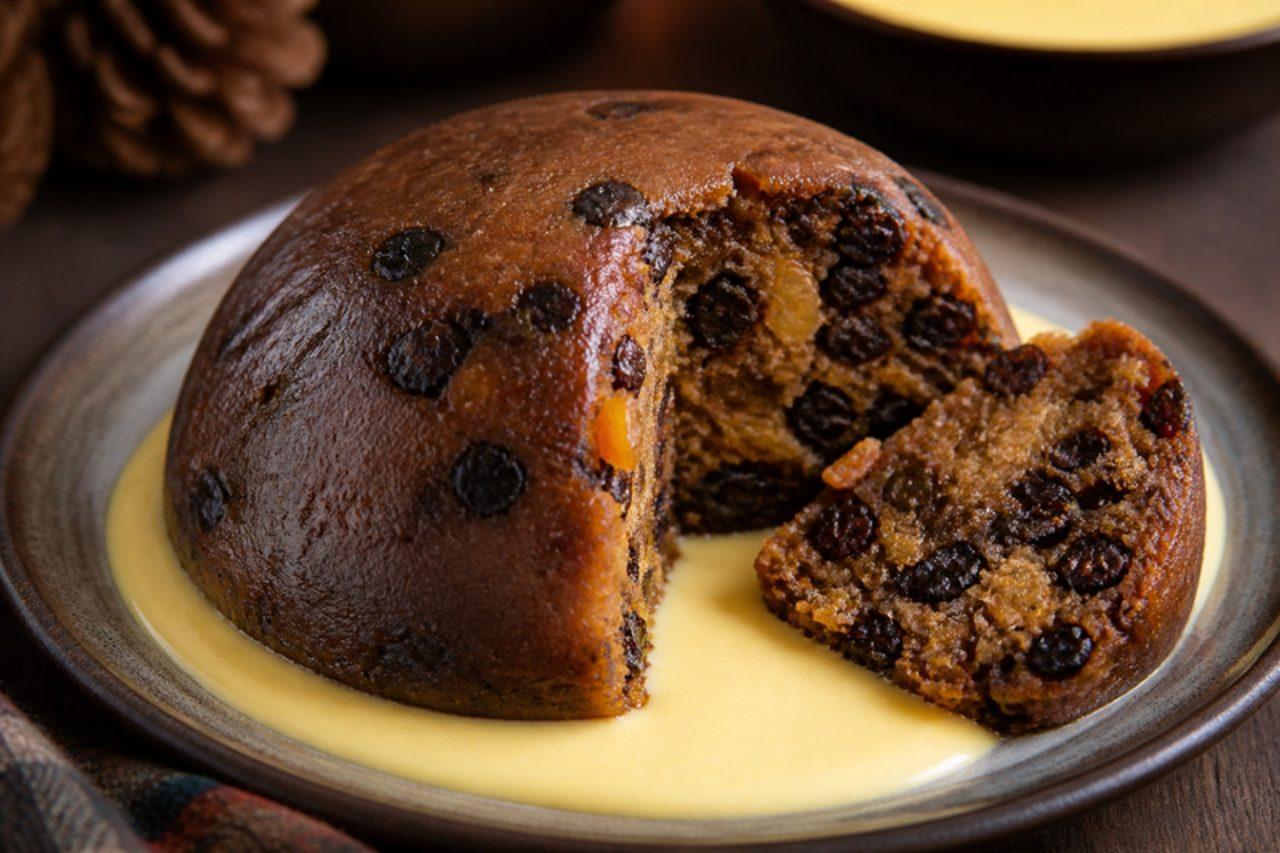
The clootie dumpling takes its name from the cloot, the cotton cloth it is boiled in, and it is the birthday and Hogmanay pudding of Scottish grannies from Fife to the Borders. It is a dense, dark, spiced fruit pudding with a sticky skin that forms when the floured cloth is dried in front of the oven. Leftover slices are fried for breakfast. Traditional recipes use beef suet; this one uses vegetable suet so it stays vegetarian. Chef's tip: dust the scalded cloth thickly with flour before filling it; that flour is what forms the famous skin.

by KrazyBadal 0 views

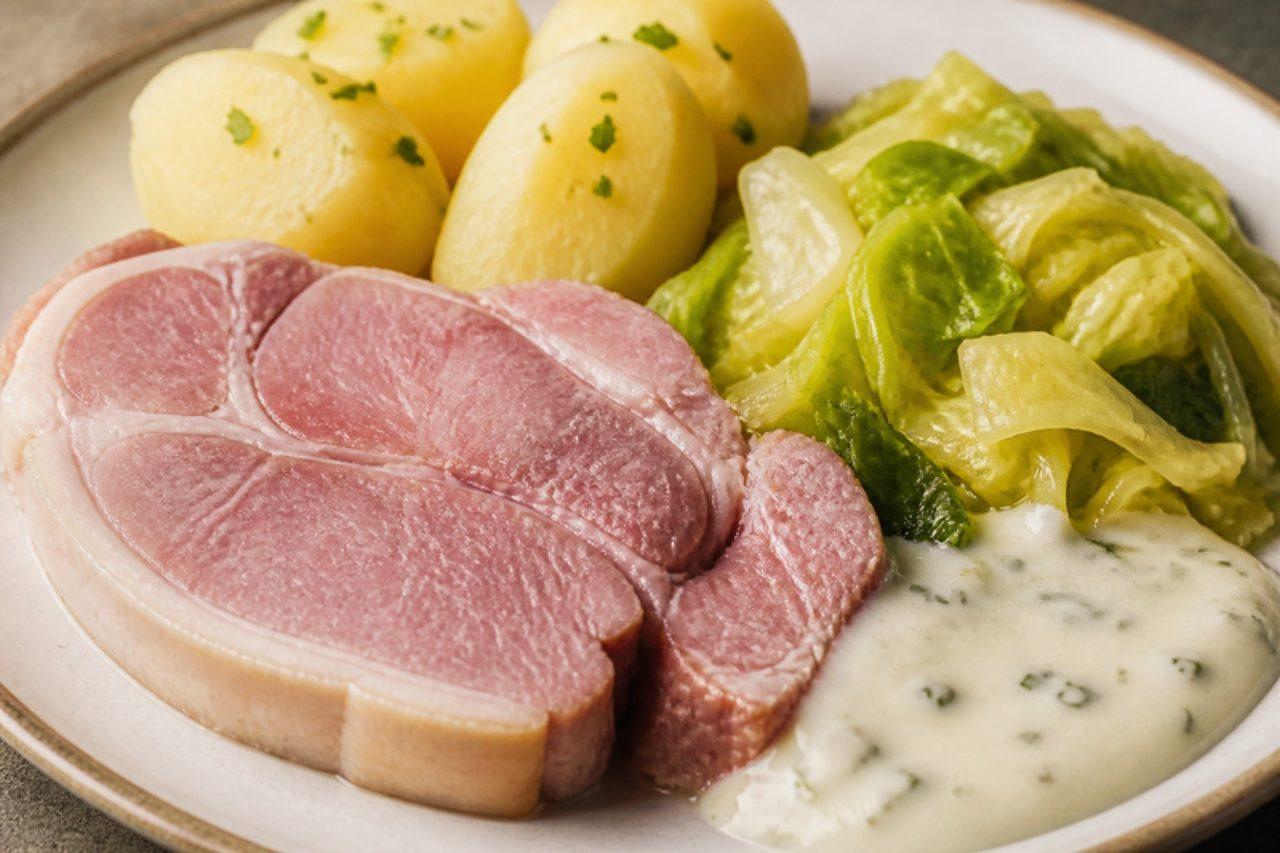
Bacon and cabbage

Bacon and cabbage is the Sunday dinner and the everyday dinner of rural Ireland, cooked in farmhouses from Tipperary to Mayo long before corned beef became the emigrants' version. A joint of cured pork, usually collar or loin bacon, is simmered gently, then the cabbage is cooked in the same salty, porky water, and both are served with floury potatoes and a white parsley sauce. Chef's tip: soak the bacon joint overnight in cold water if it is very salty; ask your butcher, as some cures are milder.

135 minIrishMeatGluten free
by KrazyBadal 0 views

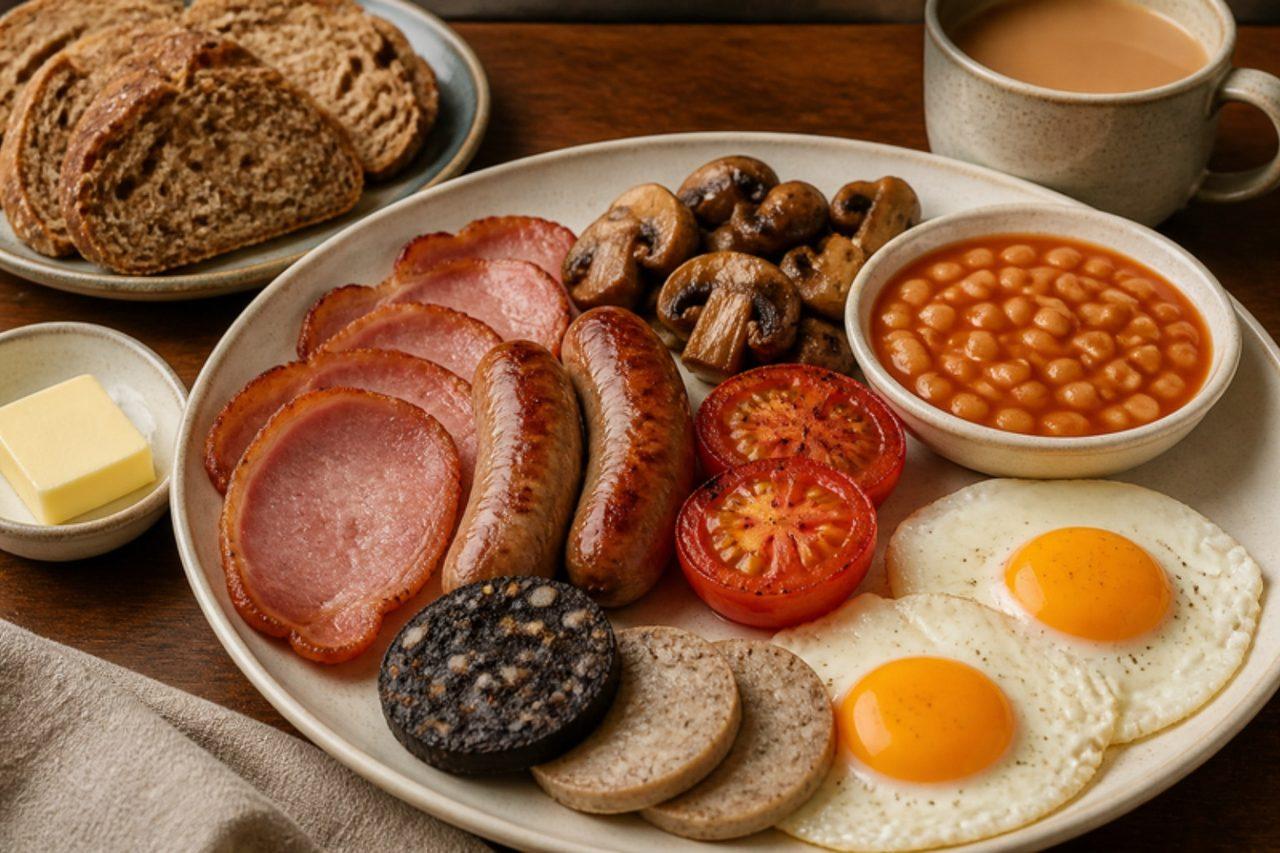
Full Irish breakfast

The full Irish, or simply 'the fry', is the big weekend breakfast served in B&Bs from Donegal to Kerry and in Dublin cafés before the match. It differs from the English breakfast in its back rashers, black and white pudding, and fried soda bread or potato bread to mop up. It contains pork: sausages, rashers and puddings. Chef's tip: cook in stages in one large pan and keep each item warm in a low oven, so everything reaches the plate hot together.

by KrazyBadal 0 views

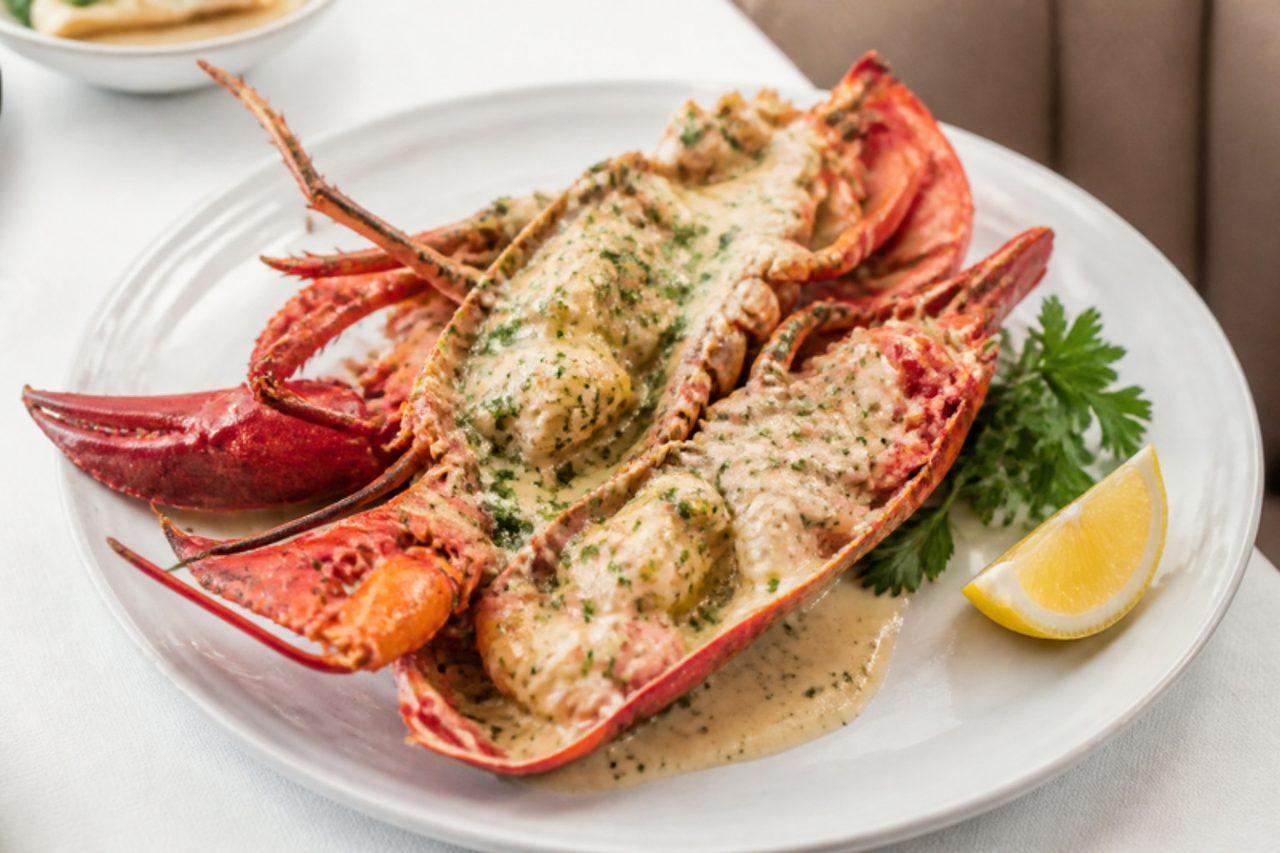
Dublin lawyer

Dublin lawyer is an old Dublin restaurant dish, said to be named because lawyers were rich and fond of drink: lobster meat is cooked in butter, flamed with Irish whiskey and finished with cream, then served back in the shell. It is a special-occasion dish for anniversaries and birthdays. This recipe contains alcohol; for an alcohol-free version replace the whiskey with 2 tablespoons of apple juice and a squeeze of lemon. Chef's tip: buy cooked lobster from a fishmonger if you are unsure about preparing a live one, and add it to the sauce only to heat through.

50 minIrishFishGluten free
by KrazyBadal 0 views

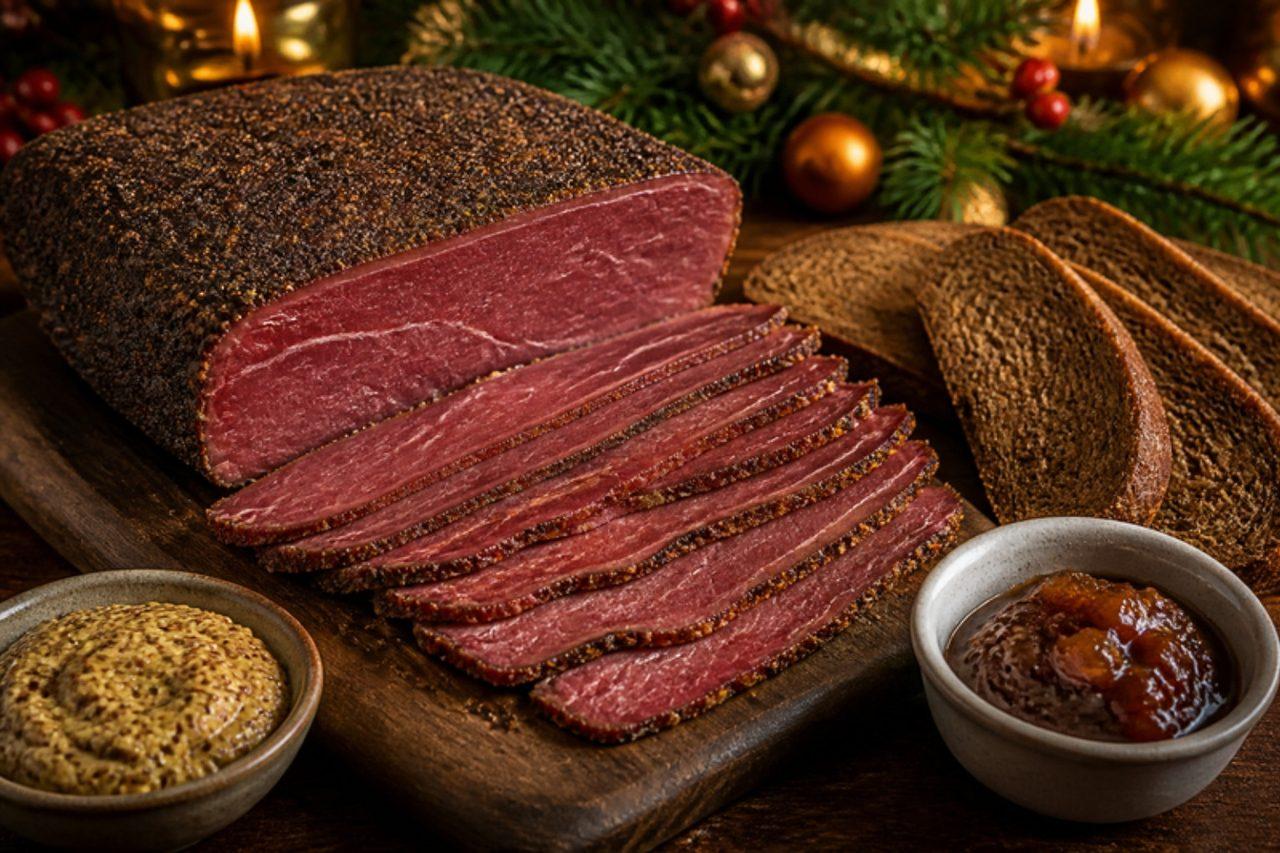
Cork spiced beef

Spiced beef is the Christmas meat of Cork city, sold in the English Market in December and served cold in thin slices on St Stephen's Day with brown bread and chutney. A piece of brisket or silverside is rubbed with salt, brown sugar, allspice, cloves and juniper and turned in the fridge for a week, then simmered slowly and pressed. The meat comes out deep pink, tender and fragrant. Chef's tip: keep it in the fridge the whole week of curing and turn it every day so the cure reaches every side.

270 minIrishMeatGluten free
by KrazyBadal 0 views

Crubeens

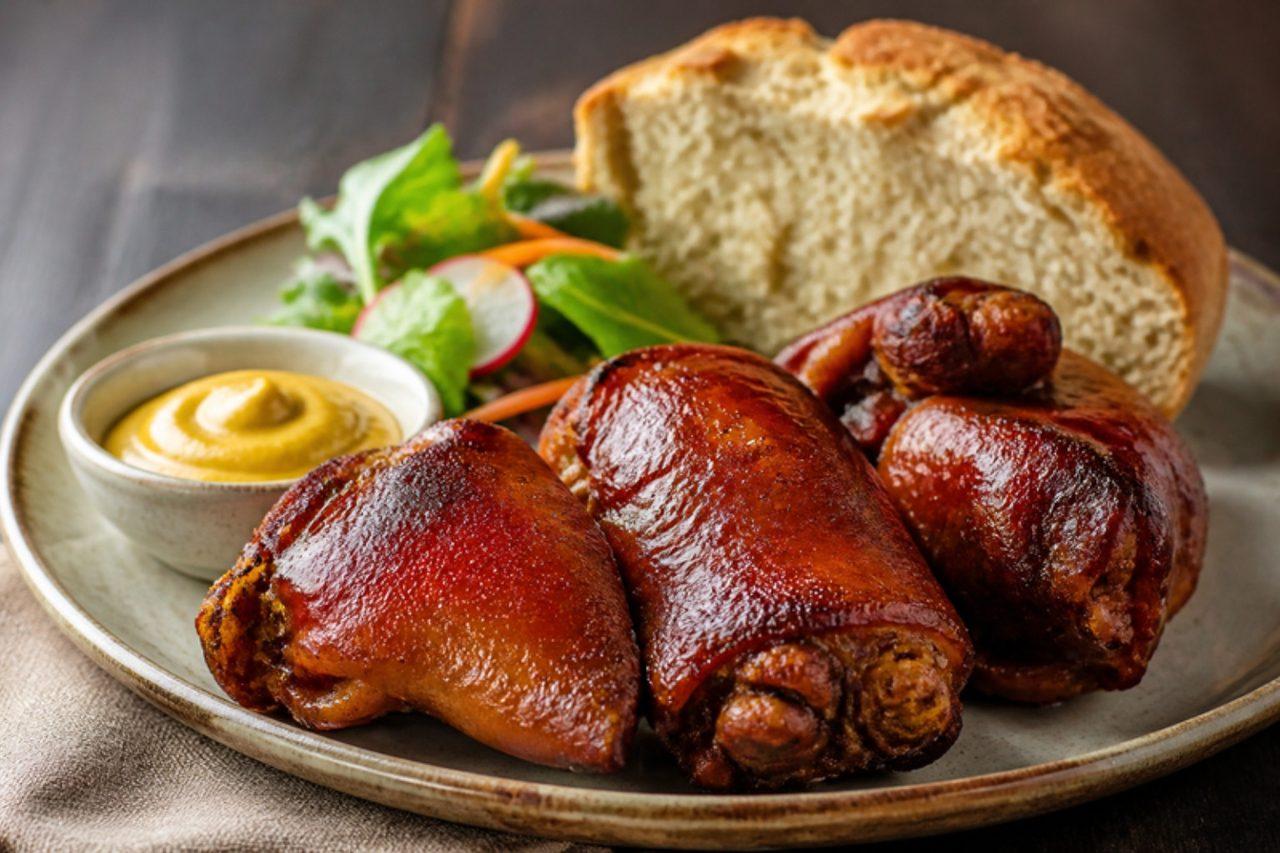
Crubeens are boiled pig's trotters, once sold hot from stalls at fairs and in Cork and Dublin pubs as a salty, sticky snack to go with a pint. They are pork, and very gelatinous: simmered for hours until the meat almost falls from the bone, then crisped in the oven with a mustard and breadcrumb coating, which is how many cooks finish them today. Eat them with your fingers, with brown bread and pickles. Chef's tip: ask your butcher for split, cleaned trotters, and singe off any stray hairs with a kitchen blowtorch before cooking.

220 minIrishMeat
by KrazyBadal 0 views

Kerry Dingle pies

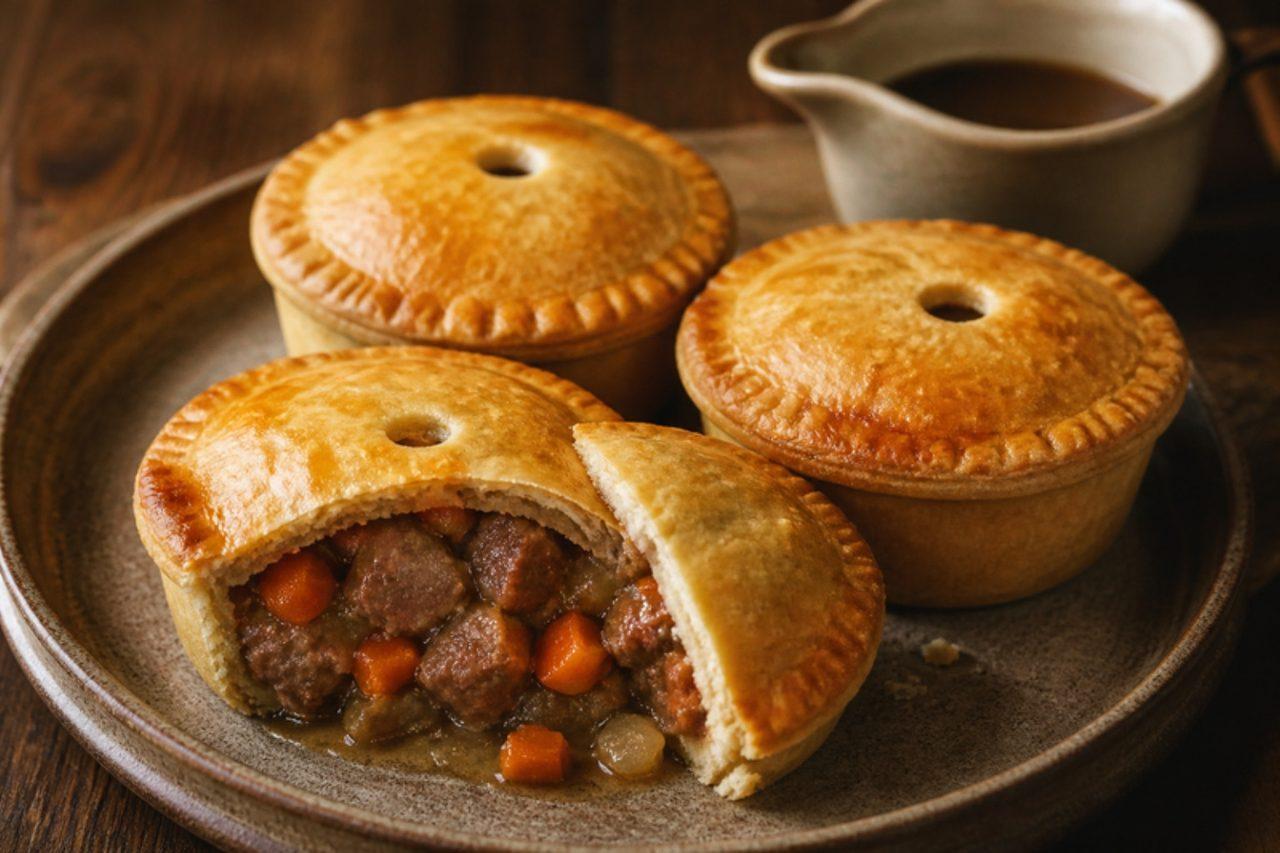
Dingle pies are small, round mutton pies made in west Kerry for the Puck Fair in Killorglin, for fishermen going to sea, and for farmers at the mart, often reheated in a bowl of the mutton broth. A firm hot-water-crust pastry holds a peppery filling of lamb or mutton, onion and carrot, so they travel well and are eaten by hand or with gravy. Chef's tip: shape the pastry while it is still warm; hot-water crust cracks and won't mould once it cools.

120 minIrishMeat
by KrazyBadal 0 views

Dublin Bay prawns in garlic butter

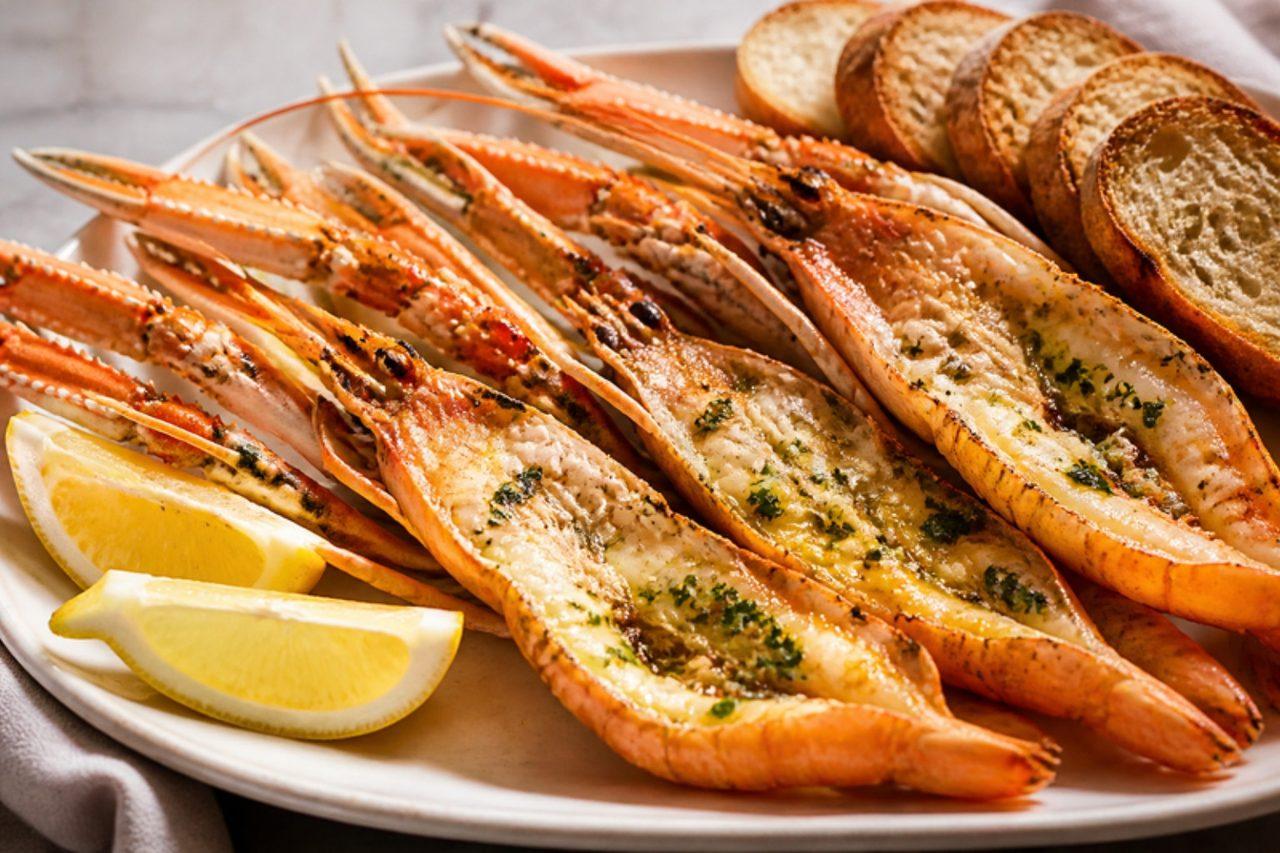
Dublin Bay prawns are not prawns at all but langoustines, the small orange lobsters landed at Howth and Clogherhead and once sold off the boats along the north Dublin coast. Seafood bars in Howth serve them split and grilled under a sizzling garlic, lemon and parsley butter, with brown bread to mop the plate. Chef's tip: they cook in minutes, so take them out as soon as the flesh turns from translucent to white.

25 minIrishFishGluten free
by KrazyBadal 0 views

Bantry Bay mussels in cider

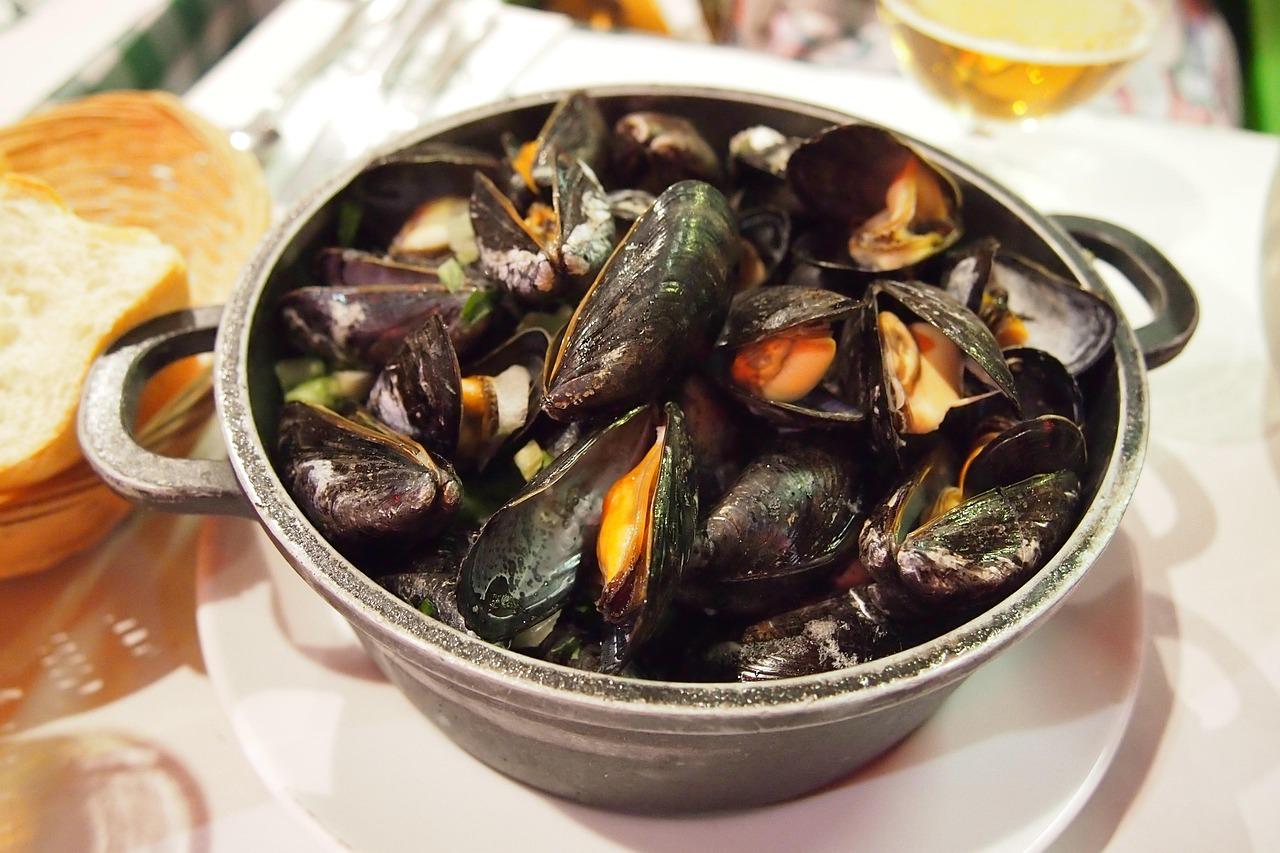
The sheltered waters of Bantry Bay in West Cork grow rope mussels that end up in pots in every harbour pub from Glengarriff to Kinsale. Here they are steamed in Irish dry cider with leek, garlic and thyme, then finished with a spoonful of cream, giving a sweet-sour, apple-scented broth for dipping brown bread. The cider contains alcohol, which mostly cooks off; for an alcohol-free version use cloudy apple juice with a teaspoon of cider vinegar. Chef's tip: the mussels must be alive when cooked, so check every one before they go in.

30 minIrishFishGluten free
by KrazyBadal 0 views

Welsh rarebit

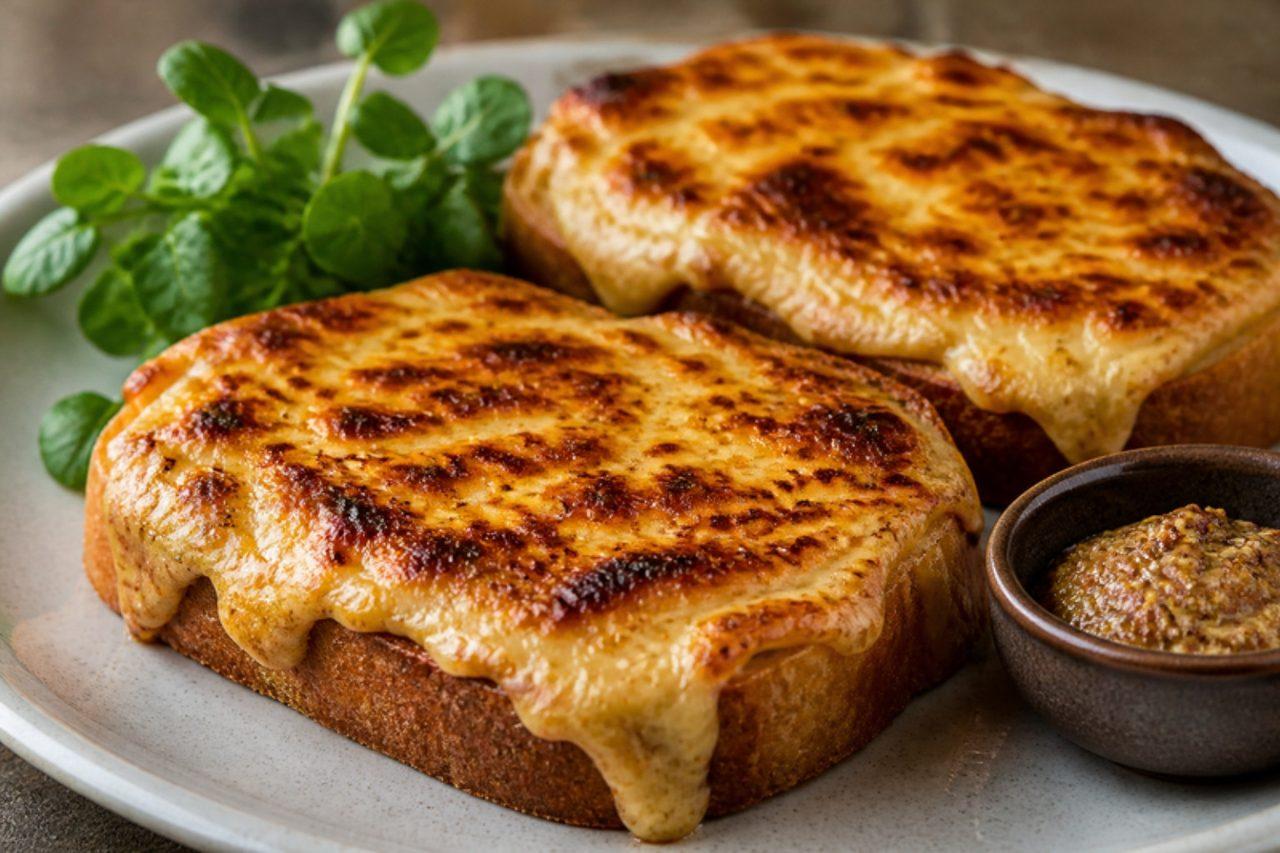
Welsh rarebit, caws pobi in Welsh, is far more than cheese on toast: a thick sauce of strong cheese, mustard, Worcestershire-style sauce and ale is spread on toast and grilled until bubbling and blistered. It has been a tavern supper in Wales and across Britain for three hundred years. The ale contains alcohol, so use milk for an alcohol-free version. Many traditional cheddars use animal rennet, and Worcestershire sauce usually contains anchovy, so choose a vegetarian cheese and a vegetarian brown sauce. Chef's tip: take the sauce off the heat as soon as the cheese melts; boiling makes it stringy and oily.

by KrazyBadal 0 views

Glamorgan sausages

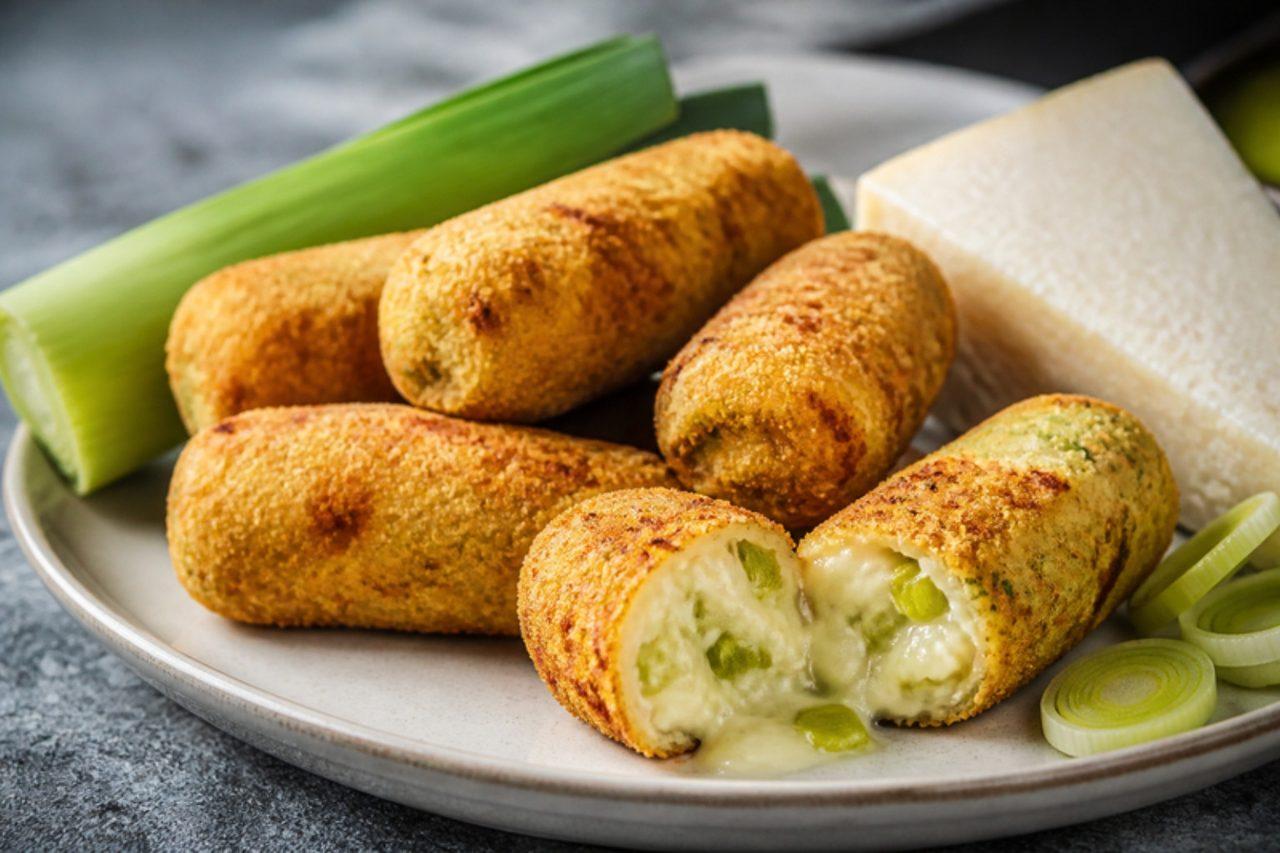
Glamorgan sausages, selsig Morgannwg, are a meat-free Welsh classic from the old county of Glamorgan in South Wales, made since at least the 1800s and praised by George Borrow on his tour of Wales. Crumbly Caerphilly cheese, leek and fresh breadcrumbs are bound with egg, rolled into sausages, crumbed and fried until crisp and golden. Traditional Caerphilly is often made with animal rennet; look for a vegetarian one. Chef's tip: chill the shaped sausages for 30 minutes before frying so they hold together.

by KrazyBadal 0 views

Anglesey eggs

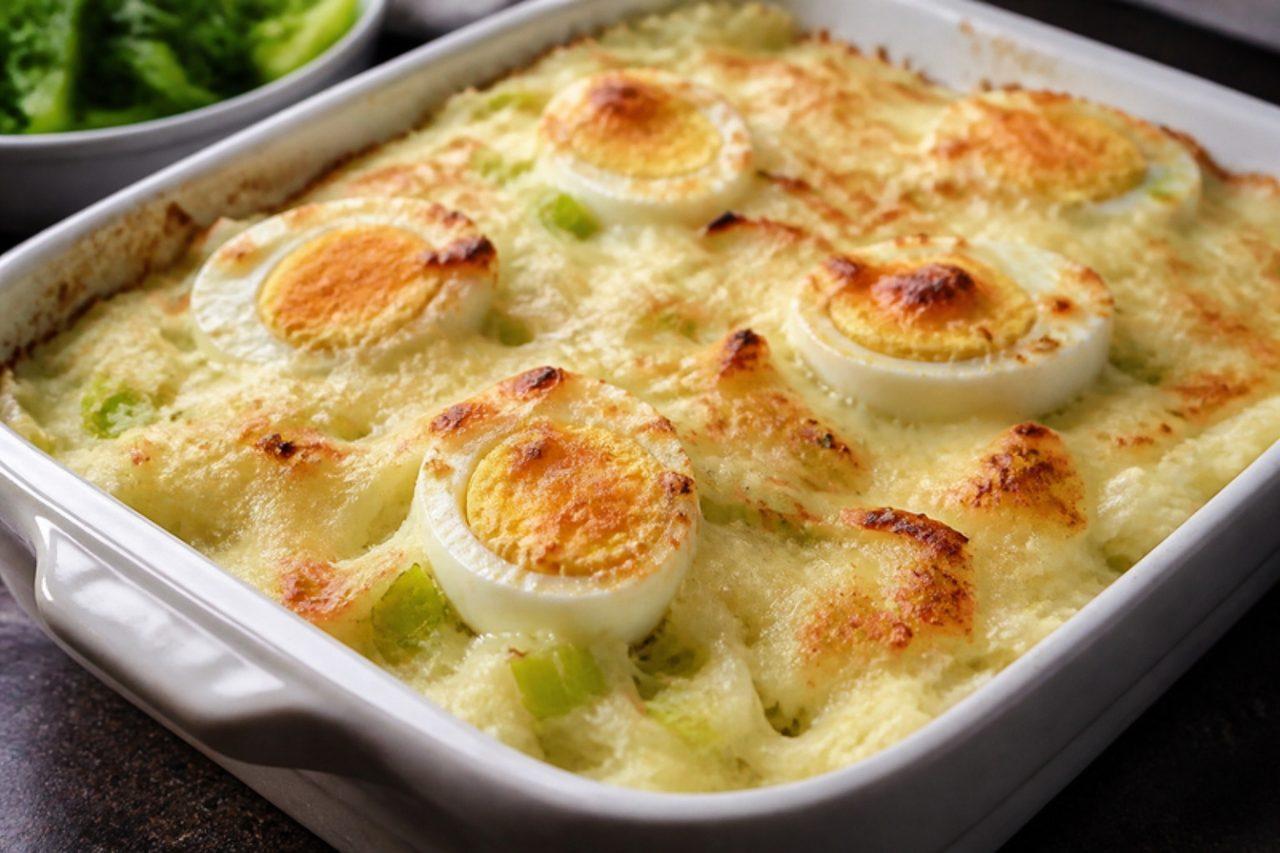
Anglesey eggs, wyau Ynys Môn, is a farmhouse supper from the island of Anglesey off North Wales: leeky mashed potato piped round halved hard-boiled eggs, covered with cheese sauce and baked until golden. It is cheap, filling and comforting, the kind of dish made on a wet weeknight with what the farm had. Use a vegetarian hard cheese, as traditional cheddar can contain animal rennet. Chef's tip: cool the boiled eggs in cold water straight away so the yolks stay yellow without a grey ring.

by KrazyBadal 0 views

Ulster potato farls

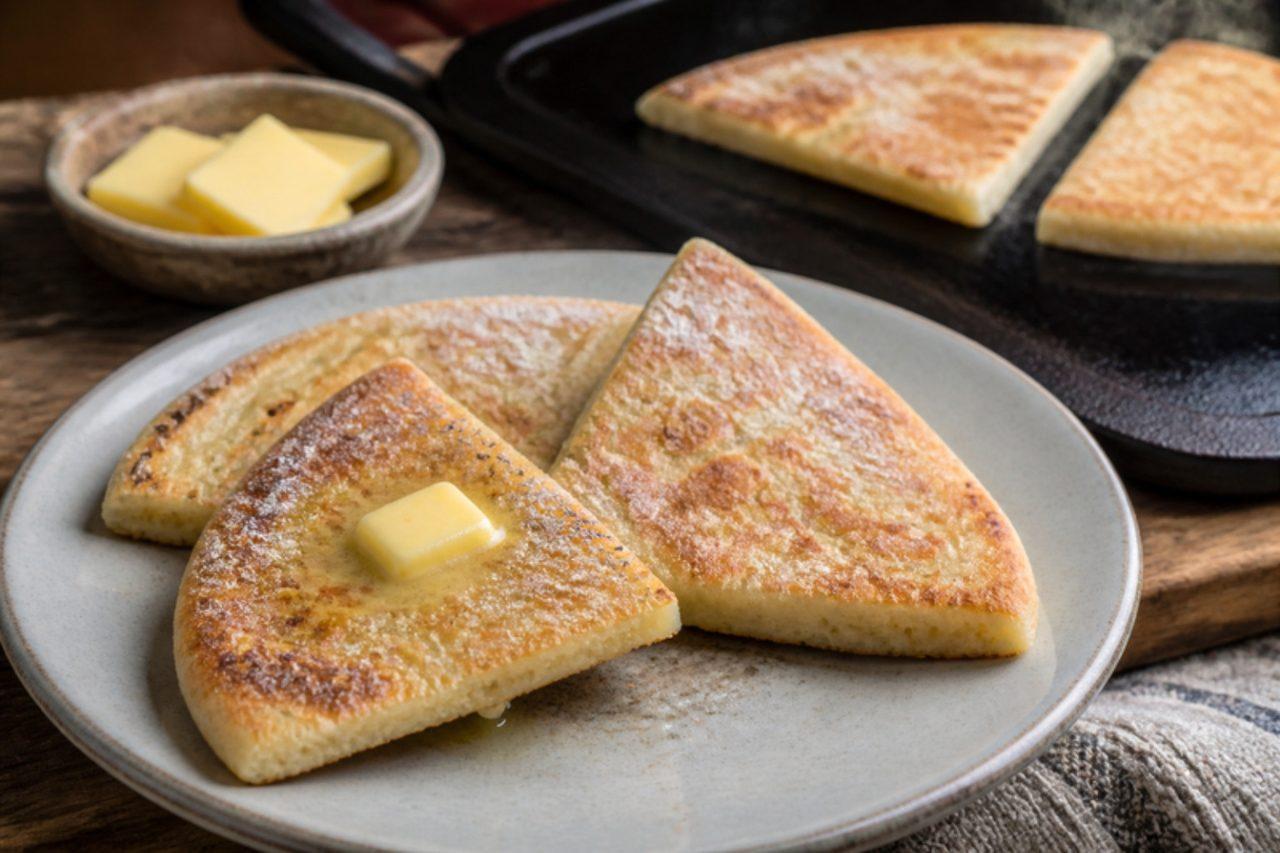
Potato bread, often just called fadge or tattie bread, is the soft, flat quarter-round that sits beside soda bread in every Ulster fry from Belfast to Derry. Warm mashed potato is worked with a little flour and butter, rolled into a round, cut into four farls and cooked on a dry griddle. It is thinner than a Scottish tattie scone and is always fried golden before serving. Chef's tip: use only enough flour to stop it sticking; the more potato, the better the farl.

by KrazyBadal 0 views

Soda farls

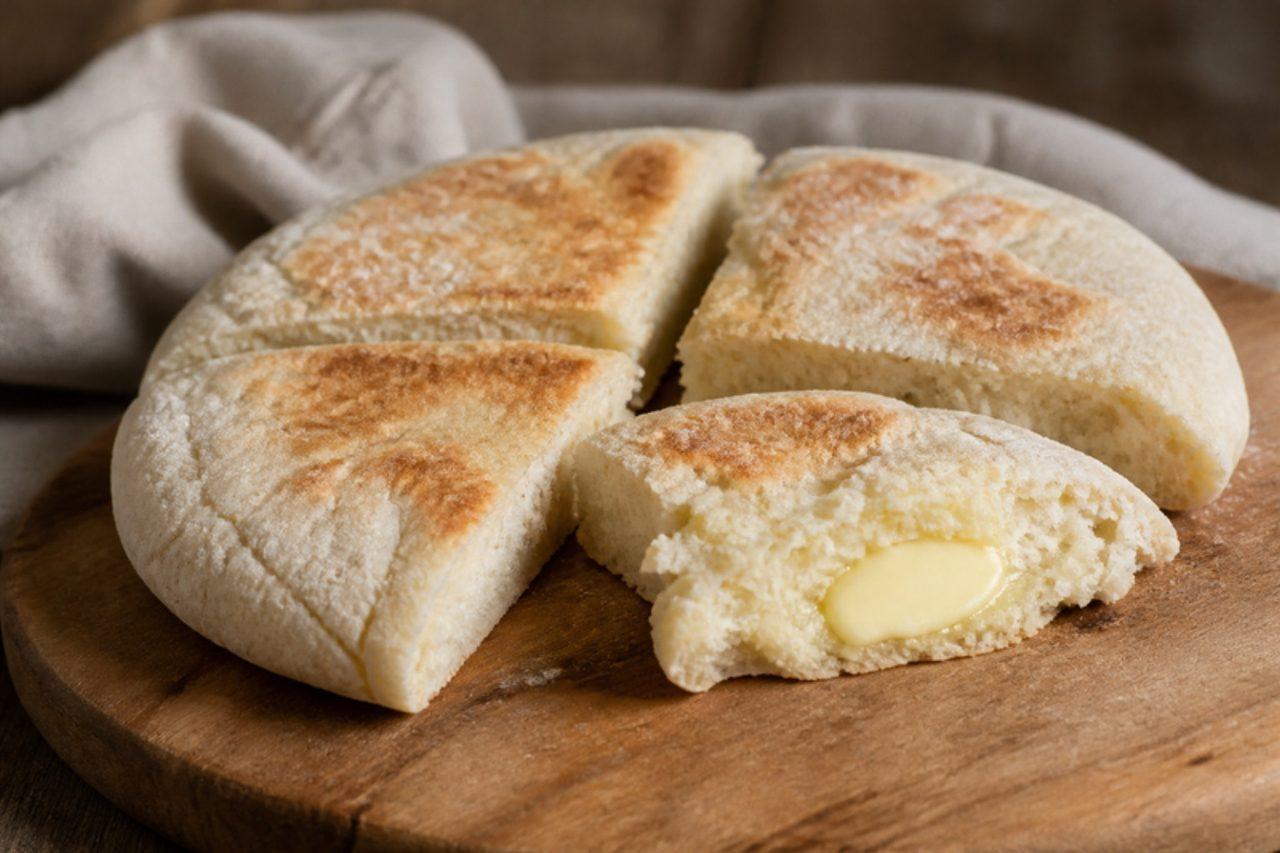
Soda farls are the griddle bread of Northern Ireland, cooked on a flat pan rather than baked, and split and fried in the Ulster fry or eaten warm with butter and jam. Plain flour, bicarbonate of soda and buttermilk make a quick, light dough that is shaped into a round and cut into four farls. Chef's tip: get the griddle hot before the dough is mixed; the soda starts working as soon as the buttermilk goes in.

by KrazyBadal 0 views

Ballycastle yellowman

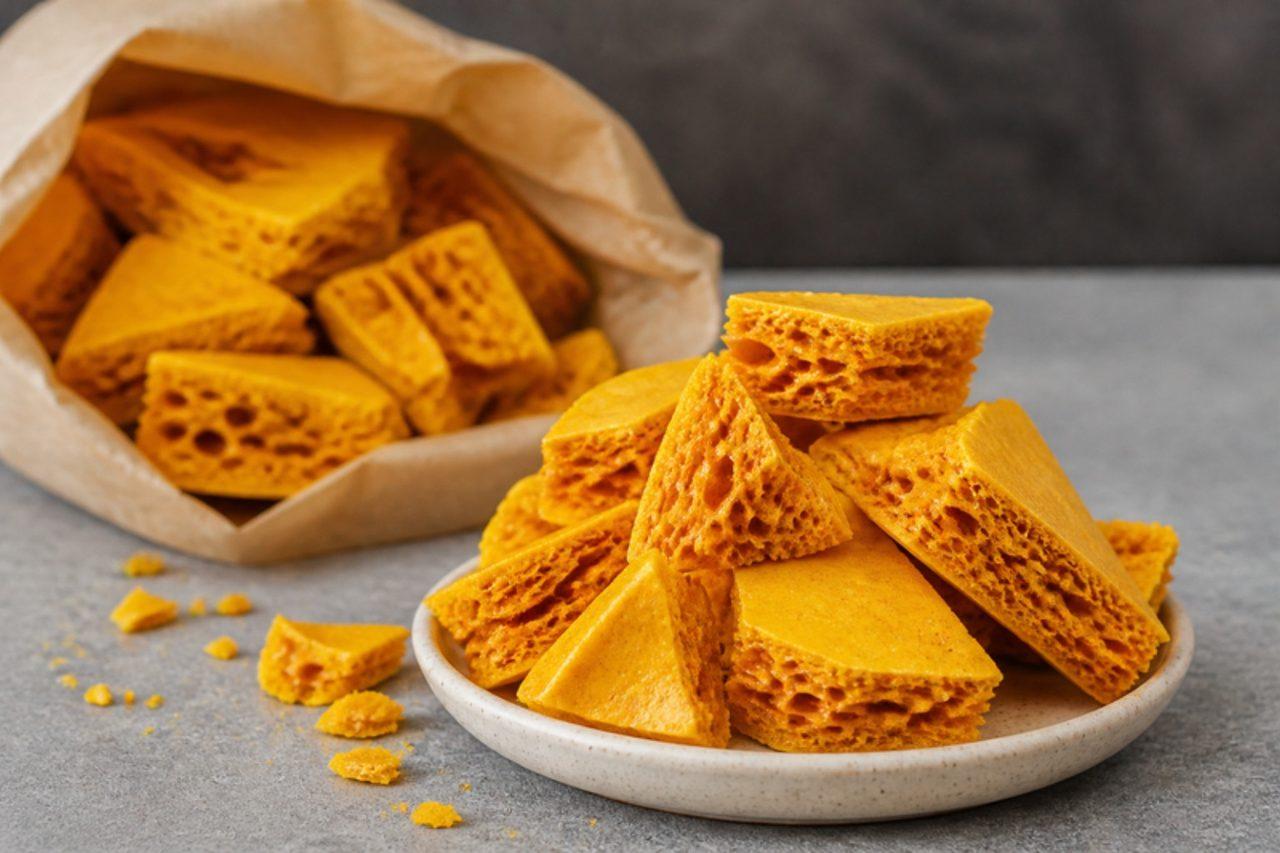
Yellowman is the bright yellow, brittle honeycomb toffee hacked from great slabs at the Ould Lammas Fair in Ballycastle, County Antrim, at the end of every August, often eaten with dulse. Golden syrup, sugar and butter are boiled to the hard-crack stage and then foamed with bicarbonate of soda into a crunchy, airy toffee. Chef's tip: have the tin and the soda ready before you start; once it reaches temperature you have seconds.

by KrazyBadal 0 views

Roast beef and gravy

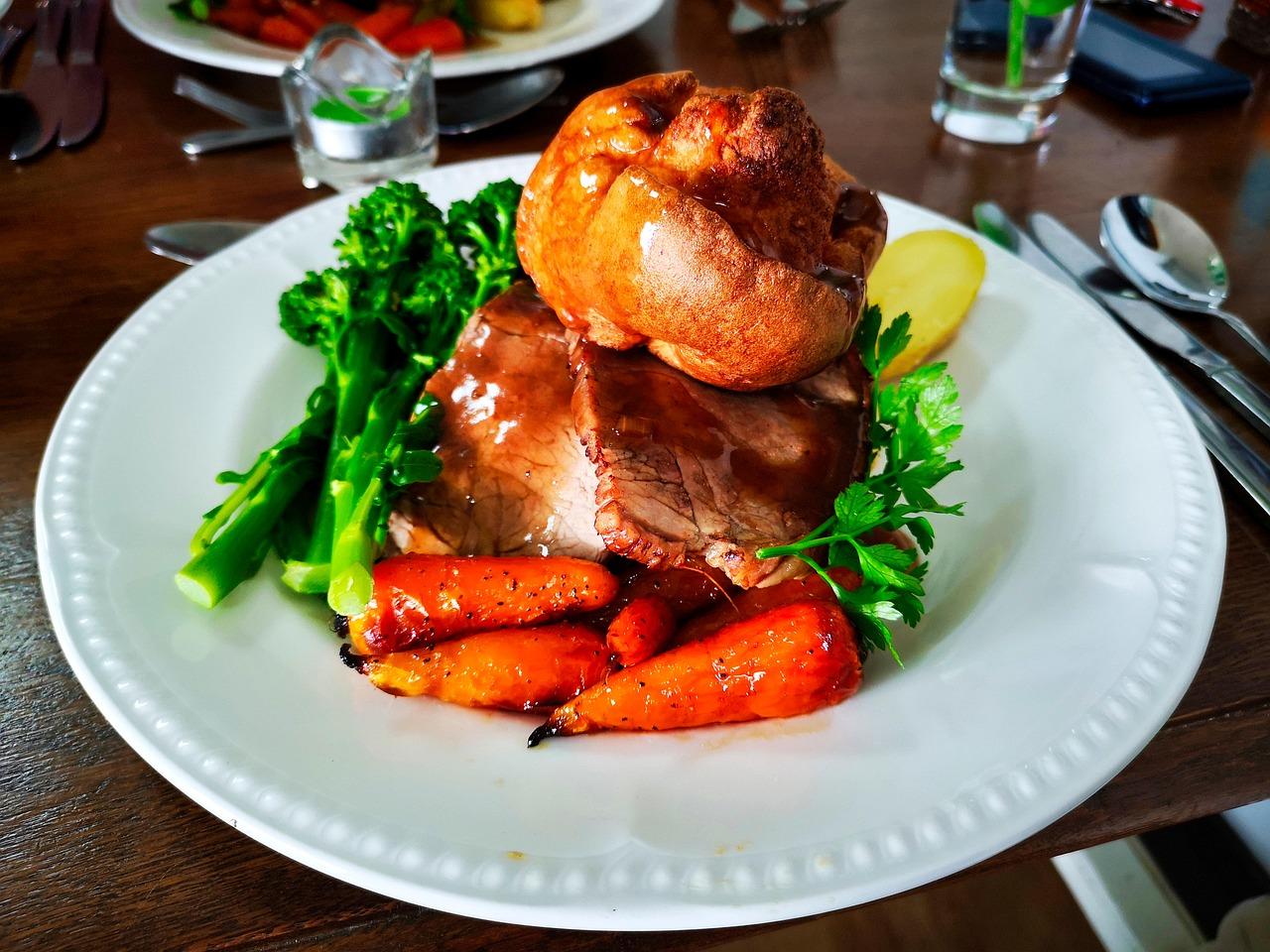
Roast beef is the heart of the English Sunday lunch, and in Yorkshire it comes with puddings, roast potatoes and a jug of gravy made from the pan juices. A beef joint is seared in a hot oven, then roasted more gently and rested so it slices juicy and pink, with crisp, well-seasoned edges. Serve with Yorkshire puddings, horseradish and greens. Chef's tip: rest the meat for at least 20 minutes under foil; carved straight away, its juices run all over the board.

110 minBritishMeat
by KrazyBadal 0 views

Liverpool scouse

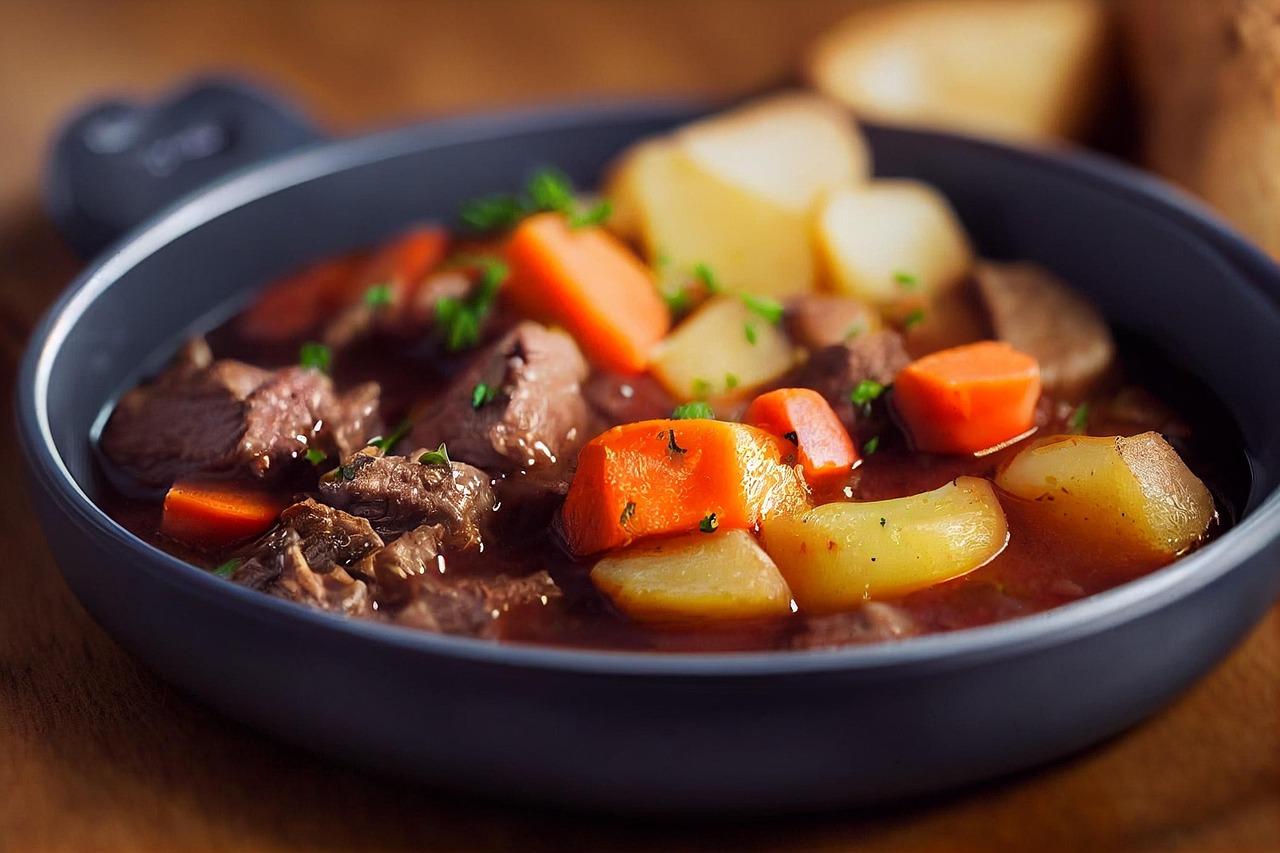
Scouse is so central to Liverpool that its people are named after it; the thick stew of meat, potatoes and onions was carried from the Baltic by sailors and cooked for dockers' families, and city restaurants still celebrate Global Scouse Day each February. Some of the potatoes cook down into the gravy, making it thick and hearty. Serve it with pickled red cabbage or beetroot and crusty bread. Chef's tip: cut half the potatoes small so they collapse and thicken the stew, and leave the rest in chunks.

170 minBritishMeat
by KrazyBadal 0 views

Raised pork pie

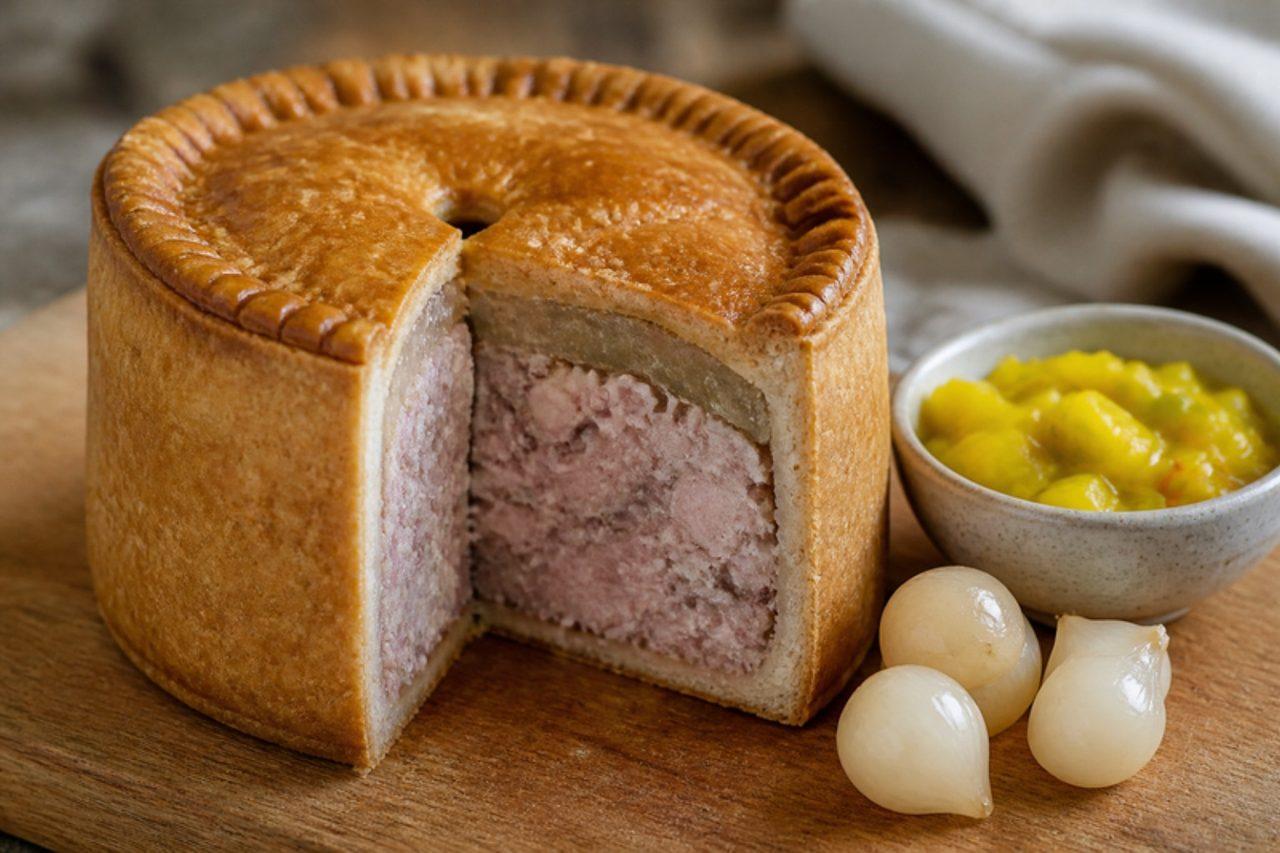
This is a raised pork pie in the style of Melton Mowbray in Leicestershire, the hunting town whose pies were carried in saddle bags; only pies made in the area may use the town's name, so this is our home version. Chopped, uncured pork shoulder and belly, peppered and spiced with mace, is packed into a crisp hot water crust made with lard, baked with bowed sides, then filled with a savoury jelly. Eat it cold with English mustard and pickle at picnics or on Boxing Day. Chef's tip: work the pastry while it is still warm; as it cools it cracks.

180 minBritishMeat
by KrazyBadal 0 views

Cumberland sausage and mash

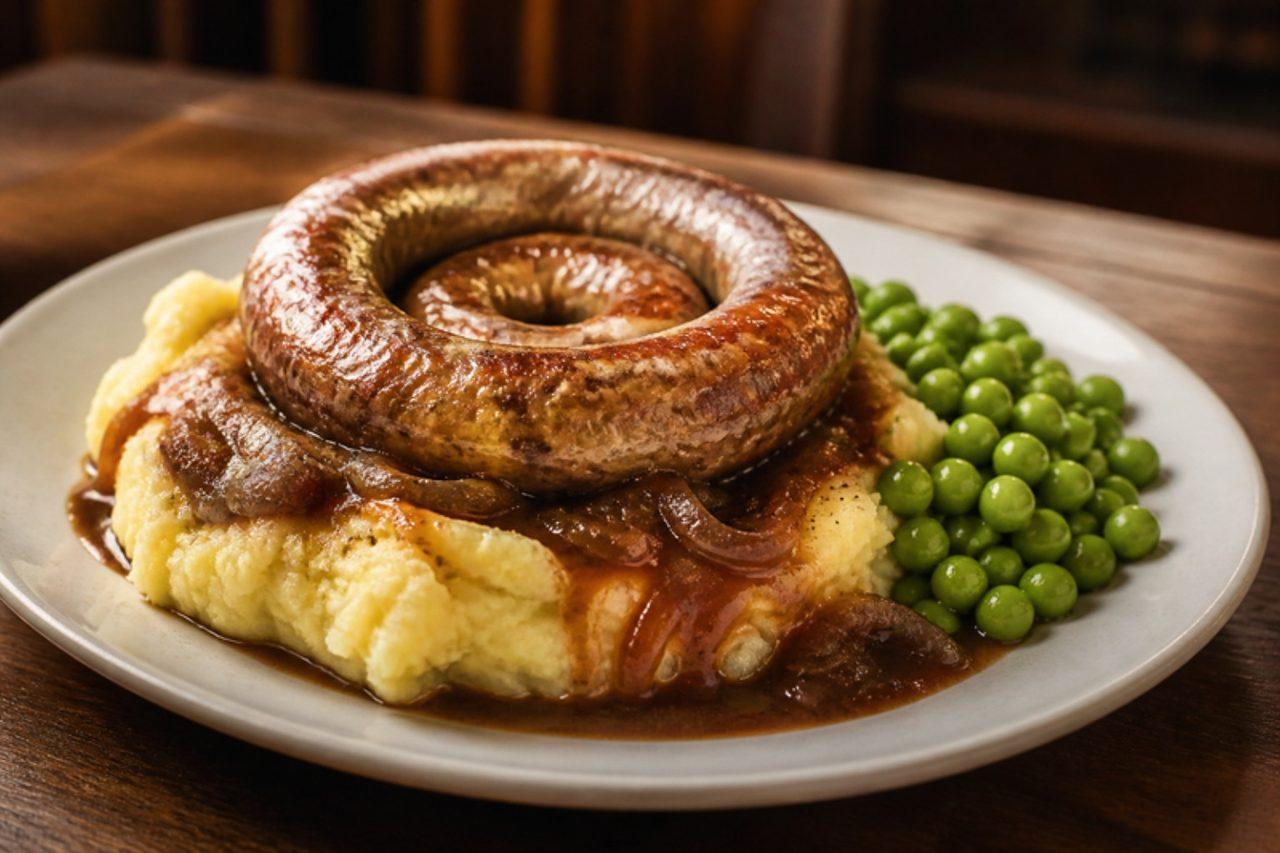
The Cumberland sausage is a long, unlinked coil of coarse, peppery pork sausage from the old county of Cumberland in the Lake District, cooked whole and cut at the table. With buttery mash and a slow onion gravy it's the pub and family supper of the North West. Chef's tip: cook the coil gently in the oven, held flat with skewers, so it doesn't split and stays juicy.

by KrazyBadal 0 views

Birmingham chicken balti

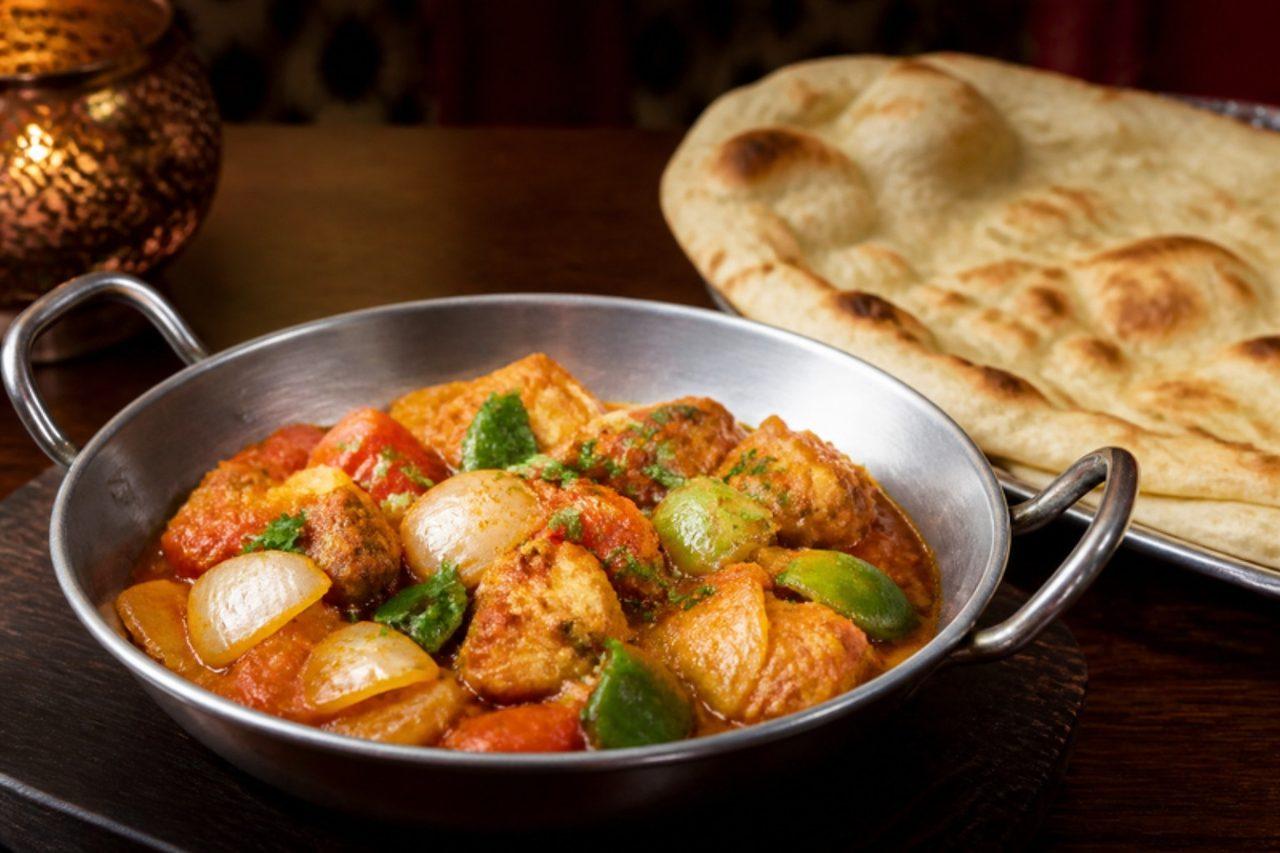
The balti was born in the 1970s in the Pakistani and Kashmiri restaurants of Sparkbrook and Balsall Heath in Birmingham, an area still called the Balti Triangle. It is cooked fast in a thin steel bowl over fierce heat, so the sauce is reduced and the peppers keep some bite, and it is served sizzling in the same bowl and scooped up with a huge naan. Chef's tip: make the base sauce first and keep the final cook hot and quick; slow simmering turns it into a stew.

by KrazyBadal 0 views

Morecambe Bay potted shrimps

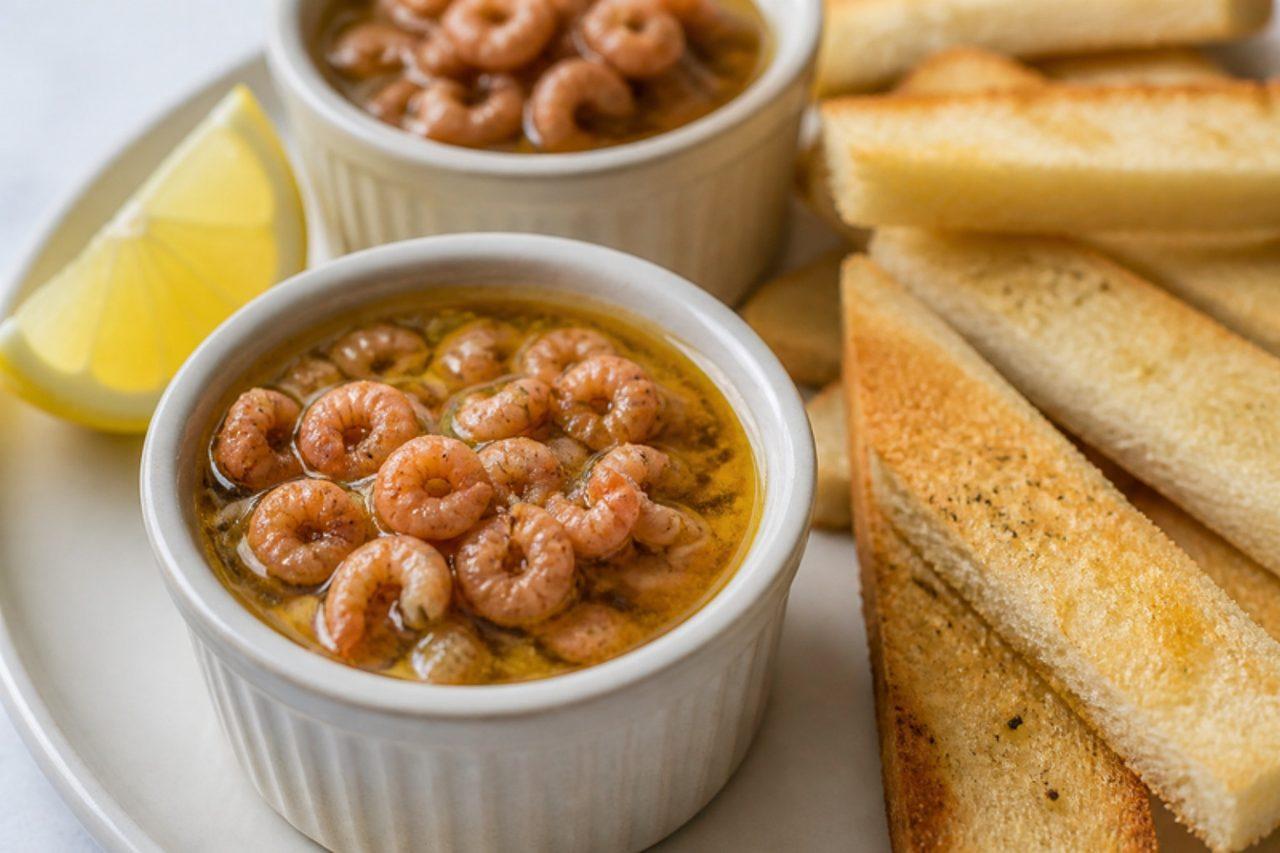
On the wide sands of Morecambe Bay in Lancashire, tiny brown shrimps have been caught by tractor and horse-drawn nets for centuries, boiled on the boats and picked by hand. Potted in butter flavoured with mace, nutmeg and cayenne, they are a classic English starter, served with hot toast so the butter melts. Buy shrimps ready cooked and peeled. Chef's tip: warm the shrimps in the butter only briefly; boiling them makes them tough and rubbery.

by KrazyBadal 0 views

Grilled kippers

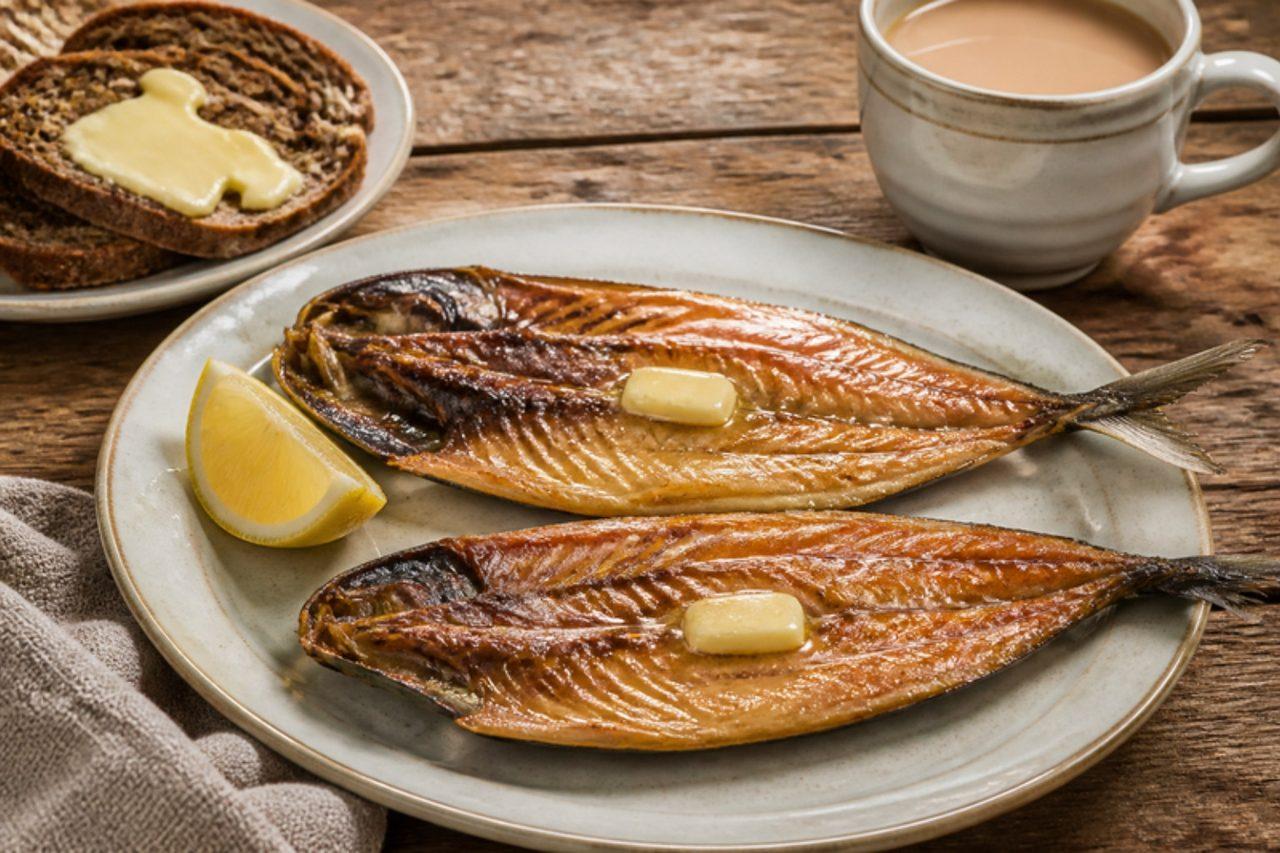
In the tiny harbour village of Craster on the Northumberland coast, herring have been split and oak-smoked in the same smokehouse for over a century, and kippers are the classic English breakfast fish in seaside hotels and on dining cars. A kipper is cold-smoked but not cooked, so it must be heated through; grilled with butter it turns rich, salty and smoky. Serve with brown bread and butter, a poached egg or a squeeze of lemon. Chef's tip: grill them skin-side up first so the skin crisps and the flesh stays juicy.

by KrazyBadal 0 views

Teesside chicken parmo

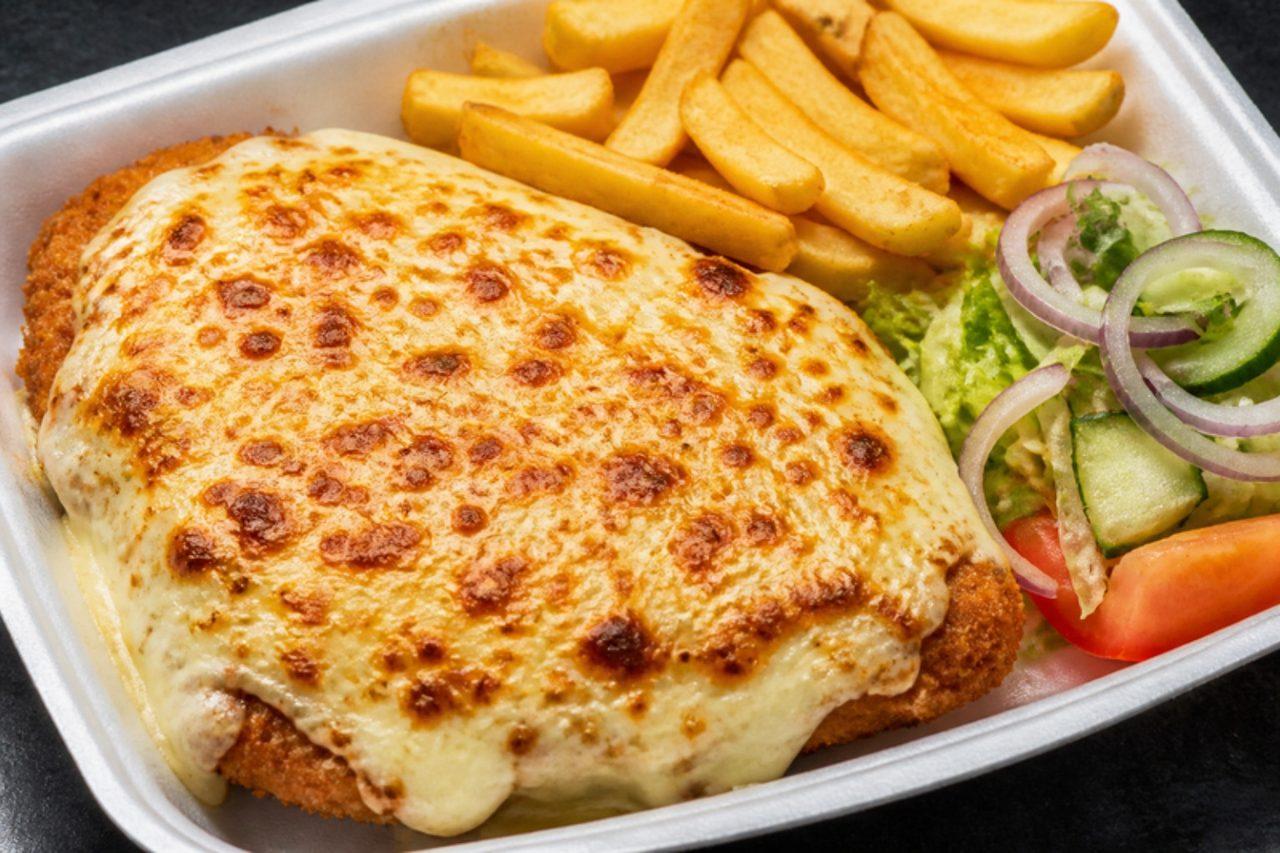
The parmo is Middlesbrough's own takeaway dish, said to have been created by an American soldier who settled on Teesside after the Second World War, and it's sold in boxes with chips across the town on a Friday night. A flattened, breaded chicken breast is fried, then covered with white sauce and a thick layer of cheese and grilled until bubbling. Chef's tip: bash the chicken to an even 1 cm, so it cooks through before the crumb burns.

by KrazyBadal 0 views

Steak and kidney pudding

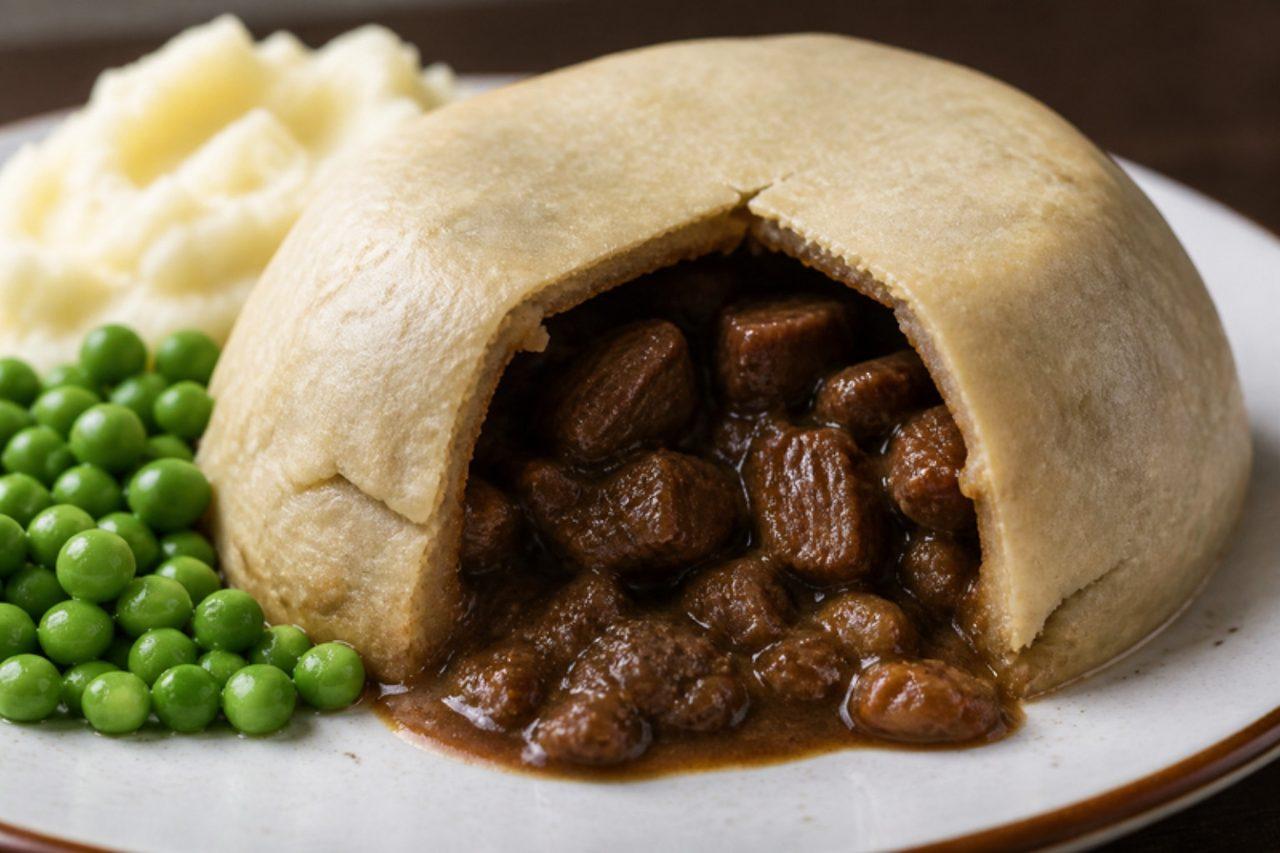
Steak and kidney pudding is the steamed suet pie of old English chop houses and Northern family kitchens, the kind of dish that filled up mill workers through Lancashire winters. Beef and lamb's kidney in rich gravy are sealed in a basin lined with suet pastry and steamed for hours until the crust is soft and the filling falls apart. Chef's tip: cook the filling first; it gives tender meat and a crust that isn't soggy.

340 minBritishMeat
by KrazyBadal 0 views

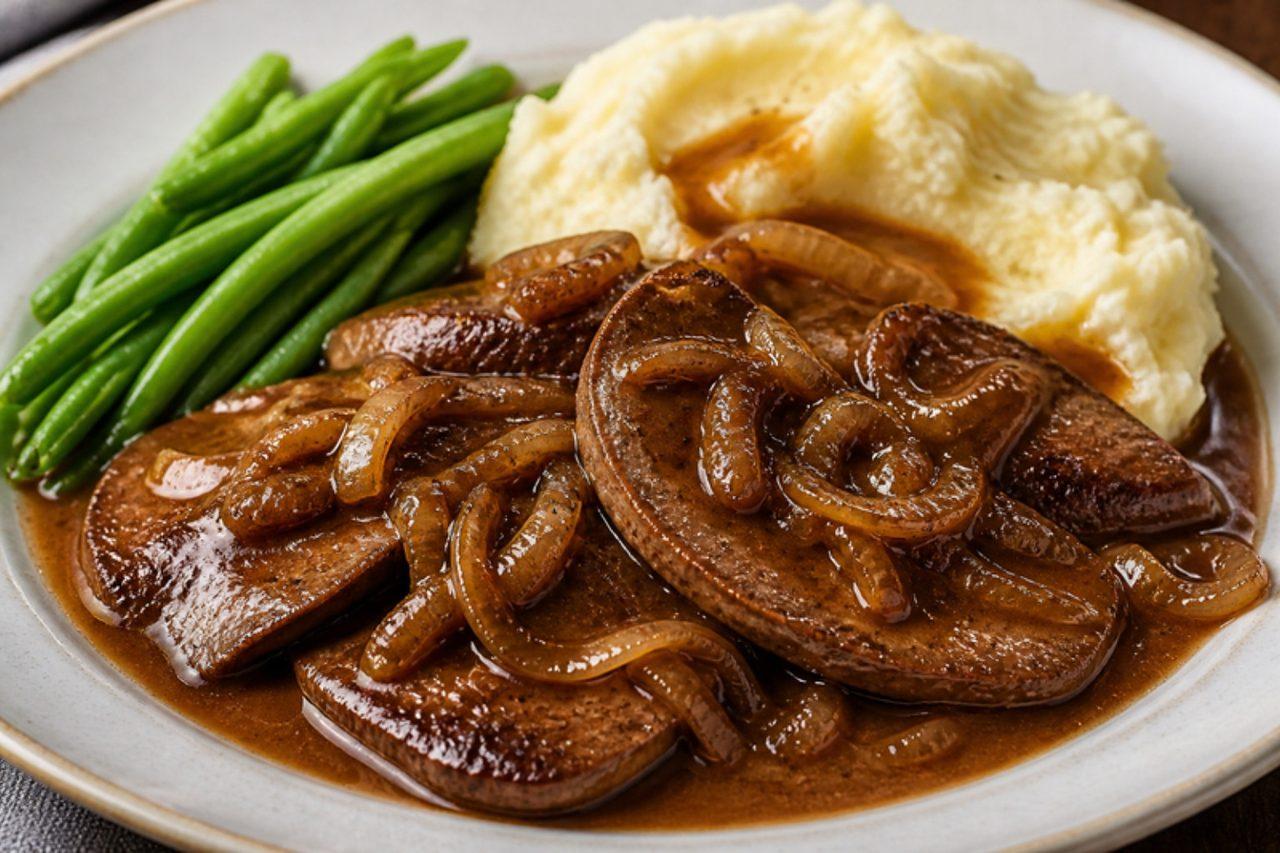
Liver and onions

Liver and onions is a café and works-canteen classic across the North and the Midlands, cheap, quick and full of iron, eaten with mash and a dollop of gravy. Thin slices of calf's or lamb's liver are fried briefly in butter after the onions have turned slow and sweet. Chef's tip: soak the liver in milk for 30 minutes if you find its flavour strong; it softens the taste.

by KrazyBadal 0 views

Beef and ale pie

Beef and ale pie is the pub supper of Yorkshire and the Midlands, where brewing towns like Burton upon Trent made a dark ale gravy part of the region's cooking. Chuck steak is braised slowly in ale with onions and mushrooms until tender, then topped with flaky pastry. This recipe contains alcohol, most of which cooks off; for an alcohol-free pie use the same amount of beef stock with 1 tablespoon of malt vinegar and a teaspoon of brown sugar. Chef's tip: let the filling cool before topping, so the pastry stays crisp and puffy.

210 minBritishMeat
by KrazyBadal 0 views

Huntingdon fidget pie

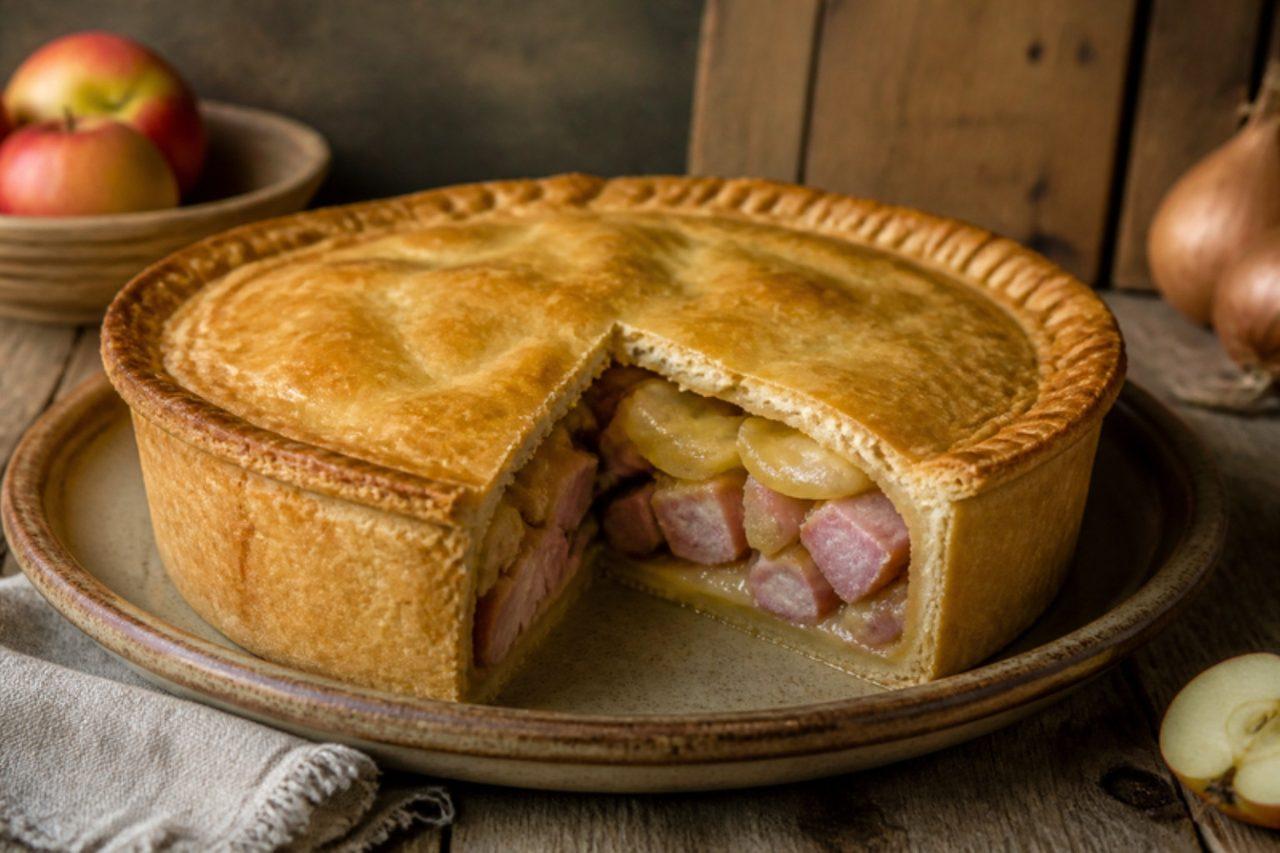
Fidget pie is a harvest pie from Huntingdonshire and the Fens around Cambridge, baked for farm workers bringing in the crops in autumn. It is a pork dish: chunks of gammon (cured pork) are layered with sharp cooking apples and onions in a cider gravy under shortcrust, so it is salty, sweet and fruity all at once. This recipe contains alcohol from the cider; for alcohol-free use cloudy apple juice with a teaspoon of cider vinegar. Chef's tip: soak salty gammon in cold water for an hour first, or the pie can be too salty.

by KrazyBadal 0 views

Pie and mash with liquor

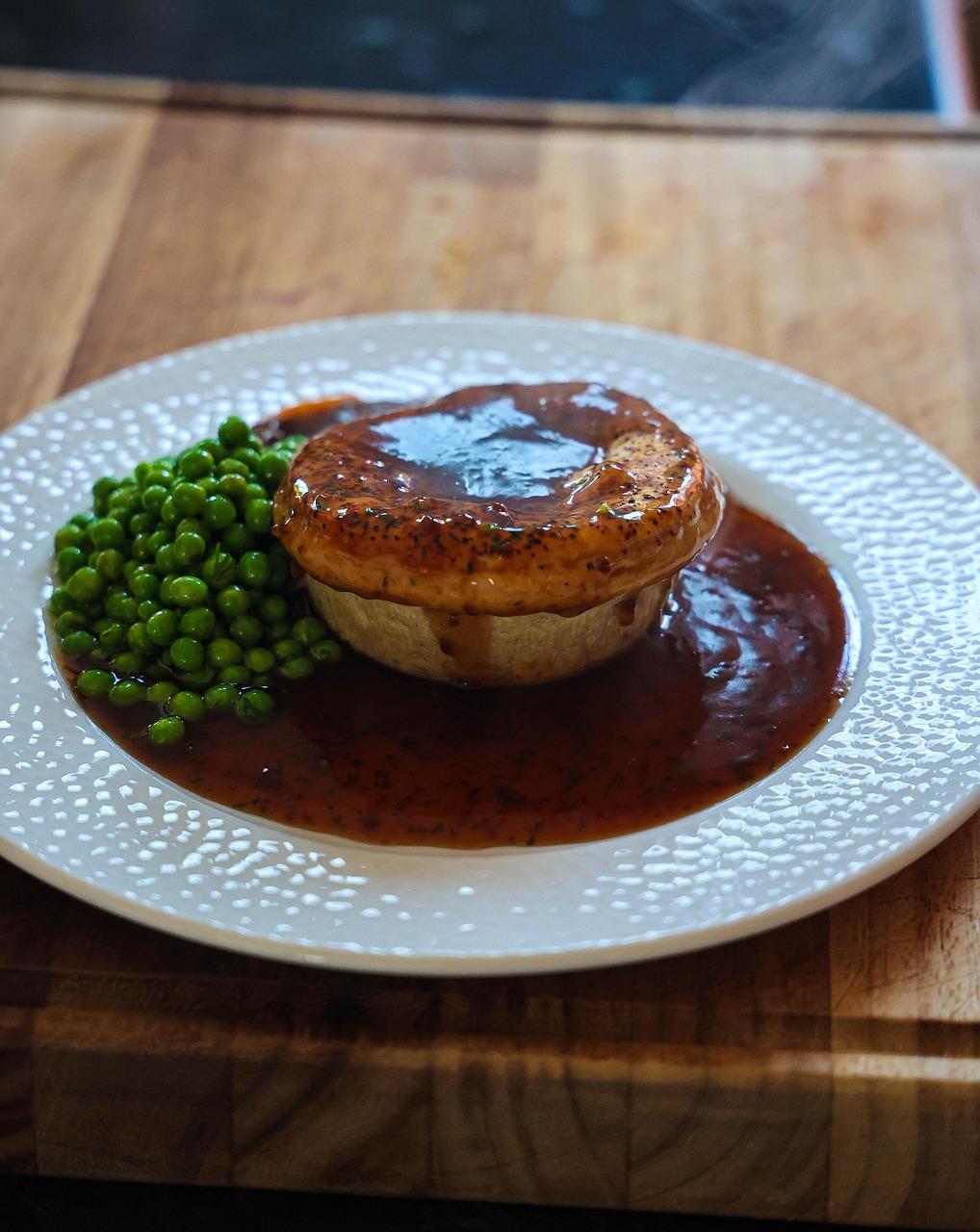
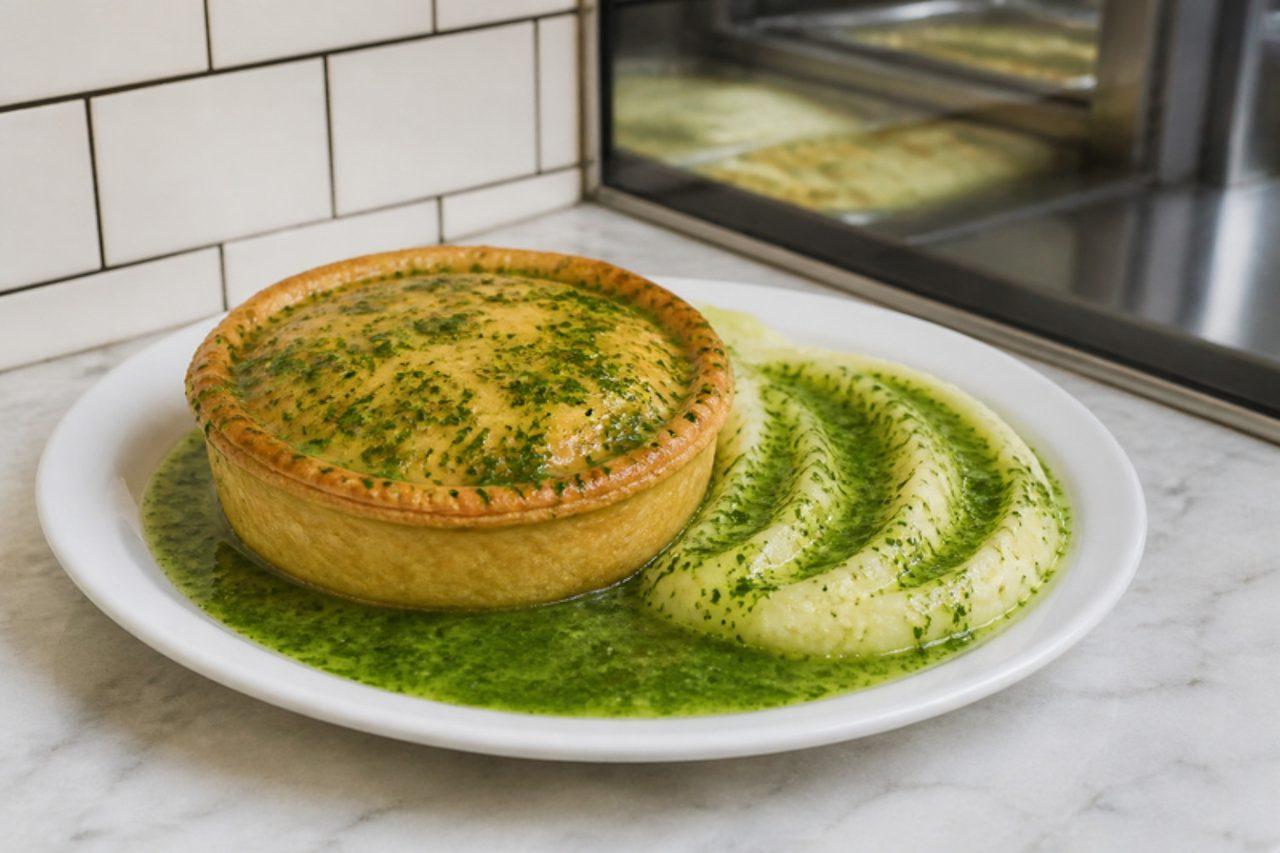
Pie, mash and liquor is the working-class lunch of the East End of London, served in tiled pie shops from Bethnal Green to Walthamstow since the 1800s. Small minced beef pies with a soft suet-style base and a crisp puff lid sit next to a scoop of smooth mash, all flooded with liquor, a thin, bright green parsley sauce. Pie shops make the liquor with the stock from stewed eels; this version uses fish or vegetable stock. Locals add chilli vinegar. Chef's tip: keep the liquor thin and pourable, like single cream, not thick like gravy.

by KrazyBadal 0 views

London particular

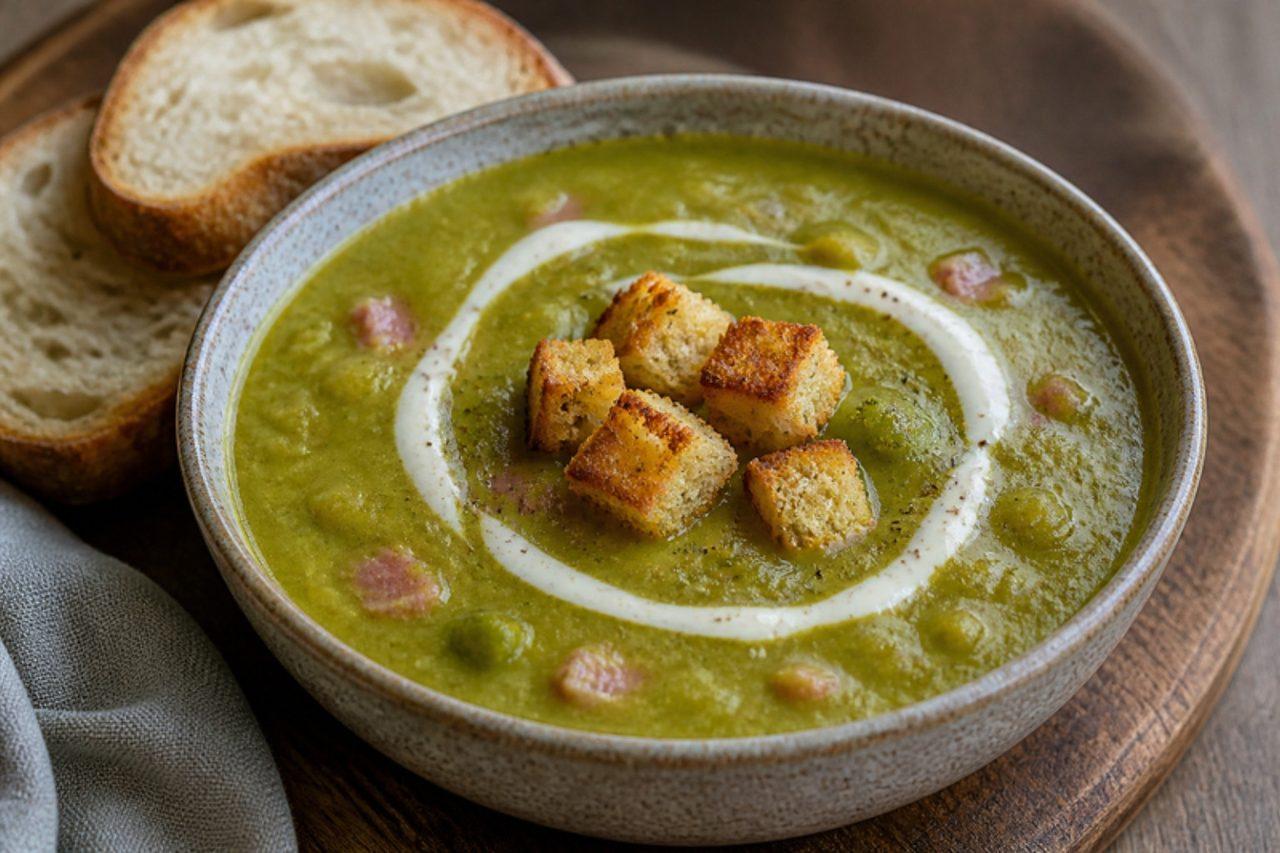
London particular is a thick, yellow-green soup of split peas and smoked pork ham hock, named after the pea-souper smogs that once smothered the city. It was a cheap winter warmer in Victorian London eating houses and is still on menus in pubs and cafés when the weather turns. The hock gives a deep smoky saltiness and shreds of soft meat. Chef's tip: skim the grey foam off as the water first boils, for a cleaner taste.

135 minBritishSoupsGluten free
by KrazyBadal 0 views

Roast lamb with mint sauce

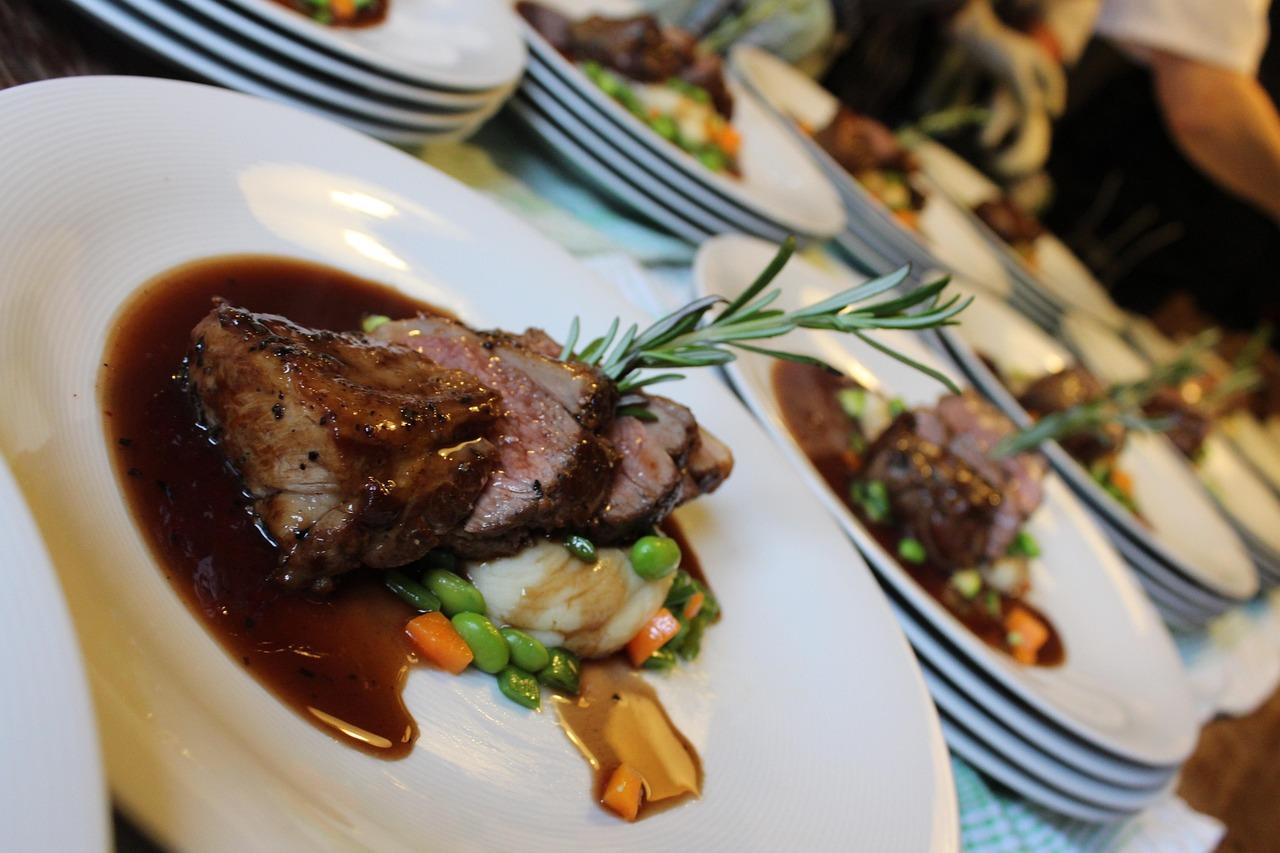
Roast leg of lamb is the Easter Sunday lunch of England, when spring lamb from the South Downs and the West Country comes in, served with roast potatoes, spring greens and a jug of mint sauce. The sauce is the English twist: chopped garden mint steeped in vinegar and a little sugar, sharp enough to cut the richness of the meat. Chef's tip: make the mint sauce an hour ahead so the vinegar mellows and the mint flavour comes out.

120 minBritishMeatGluten free
by KrazyBadal 0 views

Beef Wellington

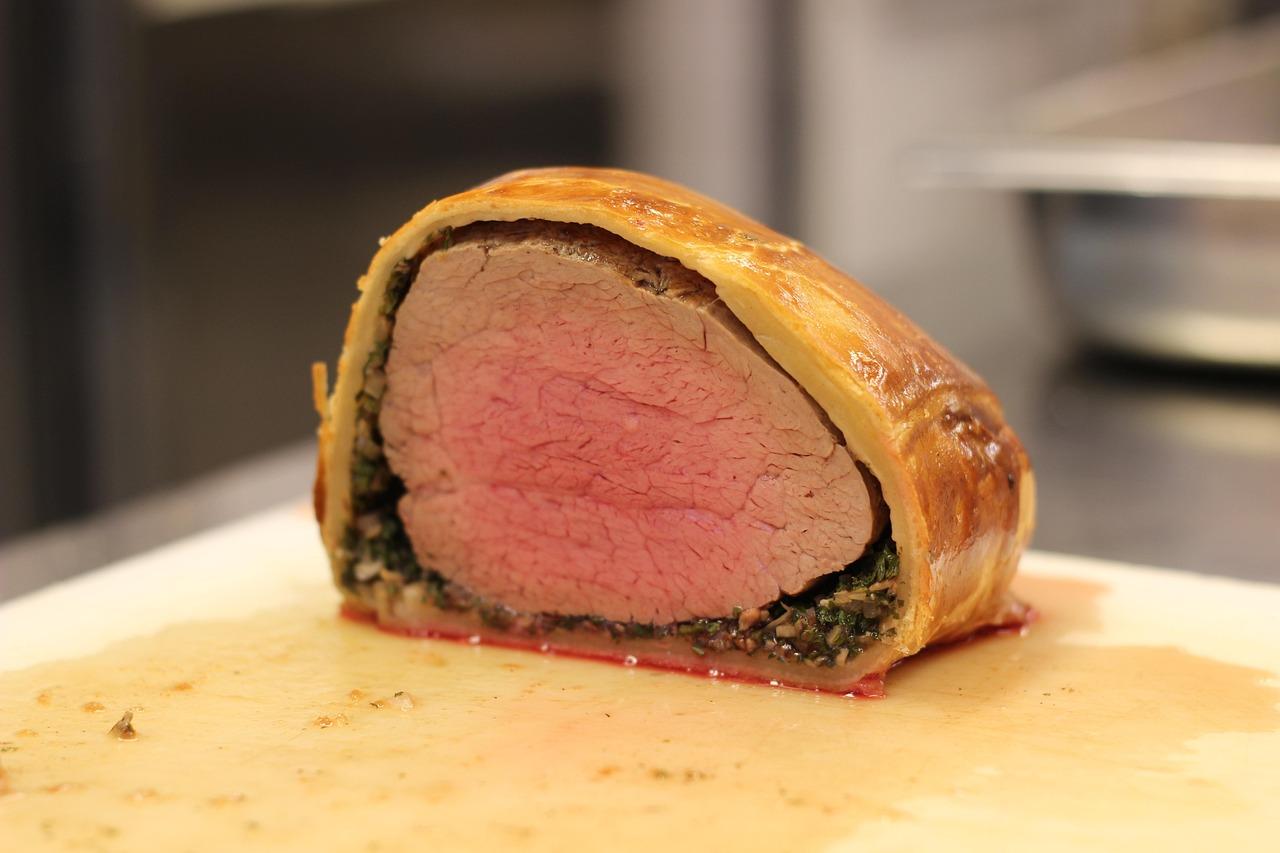
Beef Wellington is the grand centrepiece of British Christmas and celebration dinners, a whole beef fillet coated in finely chopped mushroom duxelles, wrapped in thin pancakes or ham and golden puff pastry, then sliced at the table to show a pink middle. It is linked, without much proof, to the Duke of Wellington. This version wraps the fillet in crêpes instead of the usual Parma ham. The duxelles is deglazed with a splash of white wine, which contains alcohol; use a little stock for an alcohol-free version. Chef's tip: chill the wrapped fillet before it goes in the pastry so everything stays tight and the base doesn't go soggy.
105 minBritishMeat
by KrazyBadal 0 views

Scotch eggs

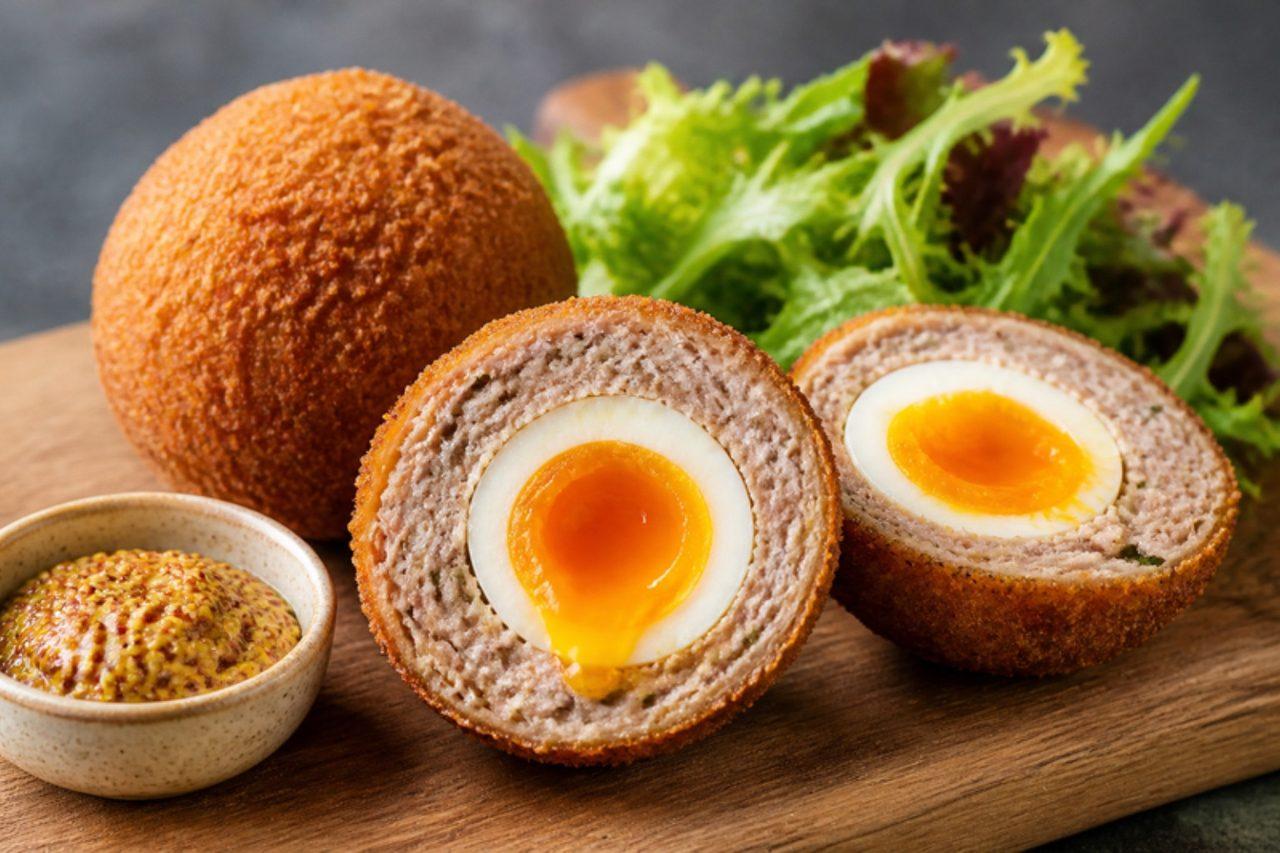
The Scotch egg was sold as a travelling snack by the London grocer Fortnum & Mason in the 1700s, and it is still the picnic and pub-counter favourite of England: a boiled egg wrapped in pork sausage meat, crumbed and fried. Modern pubs serve them with a runny yolk and a dollop of piccalilli or mustard. Chef's tip: boil the eggs for exactly 6½ minutes and plunge into iced water; that sets the white enough to peel but leaves the yolk soft.

by KrazyBadal 0 views

Bayerischer Krautsalat

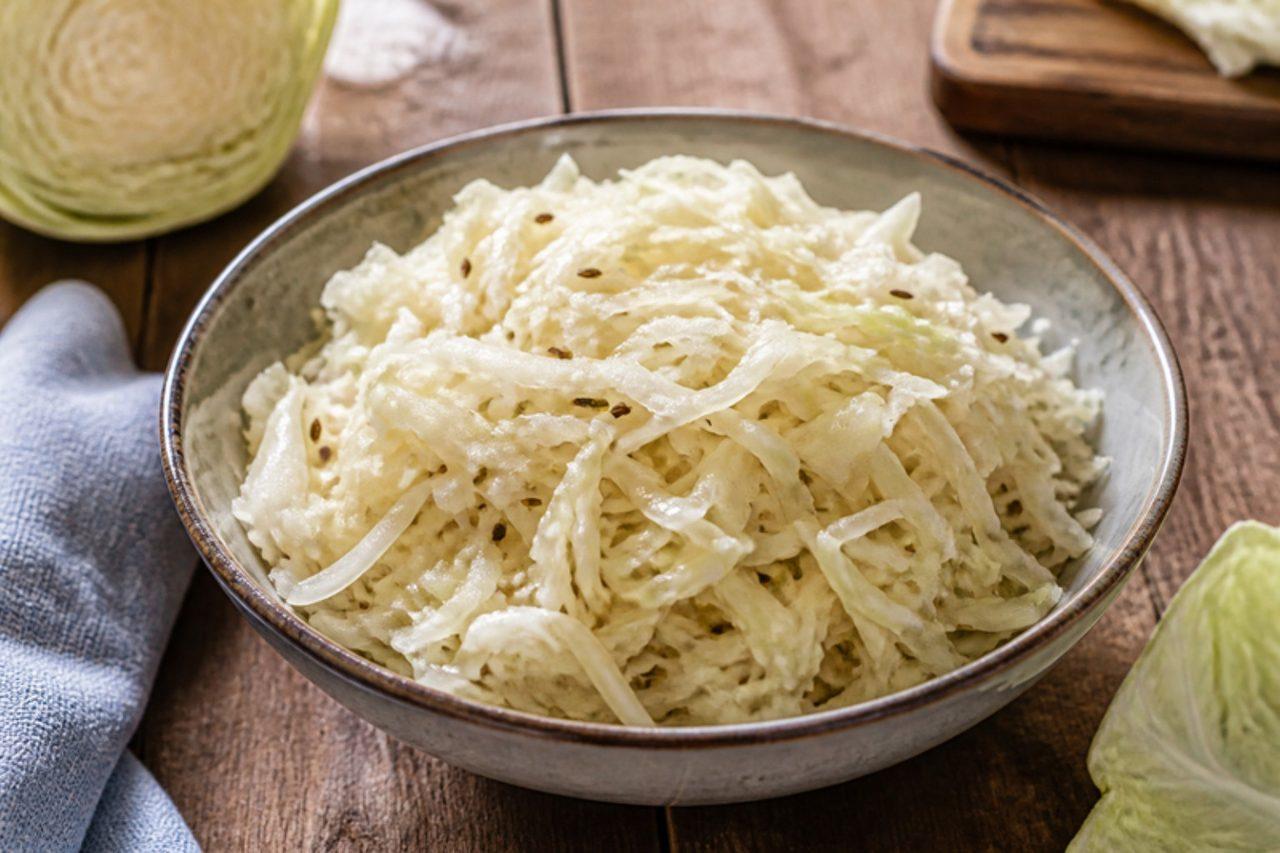
Every Bavarian inn serves this pale, glossy cabbage salad beside roast pork and dumplings, and it is just as good on its own at a summer barbecue. The white cabbage is shaved very finely, salted and kneaded, then dressed with hot vinegar, oil and caraway so it softens while keeping a crunch. Many cooks finish it with crisp bacon bits; this version leaves them out and is vegan. The common mistake is dressing it cold and serving it at once: it needs the warm dressing and at least half an hour to turn silky. Chef's tip: shave the cabbage as thin as paper; thick shreds never soak up the dressing properly.
by KrazyBadal 0 views

Dampfnudeln

Dampfnudeln are a Friday supper in Bavaria and the Palatinate, from the days when meatless Fridays meant a sweet main course. Soft yeast buns are packed into a heavy pan with milk, butter and a little sugar, the lid goes on, and they steam until fluffy on top while the liquid boils away and leaves a salty-sweet caramel crust underneath. They come to the table with warm vanilla sauce. The famous mistake is lifting the lid too early: the steam escapes and the buns collapse. Chef's tip: listen to the pan instead of looking; when the bubbling turns to a crackle, the crust is forming and you have about 3 minutes left.

by KrazyBadal 0 views

Bayerische Creme

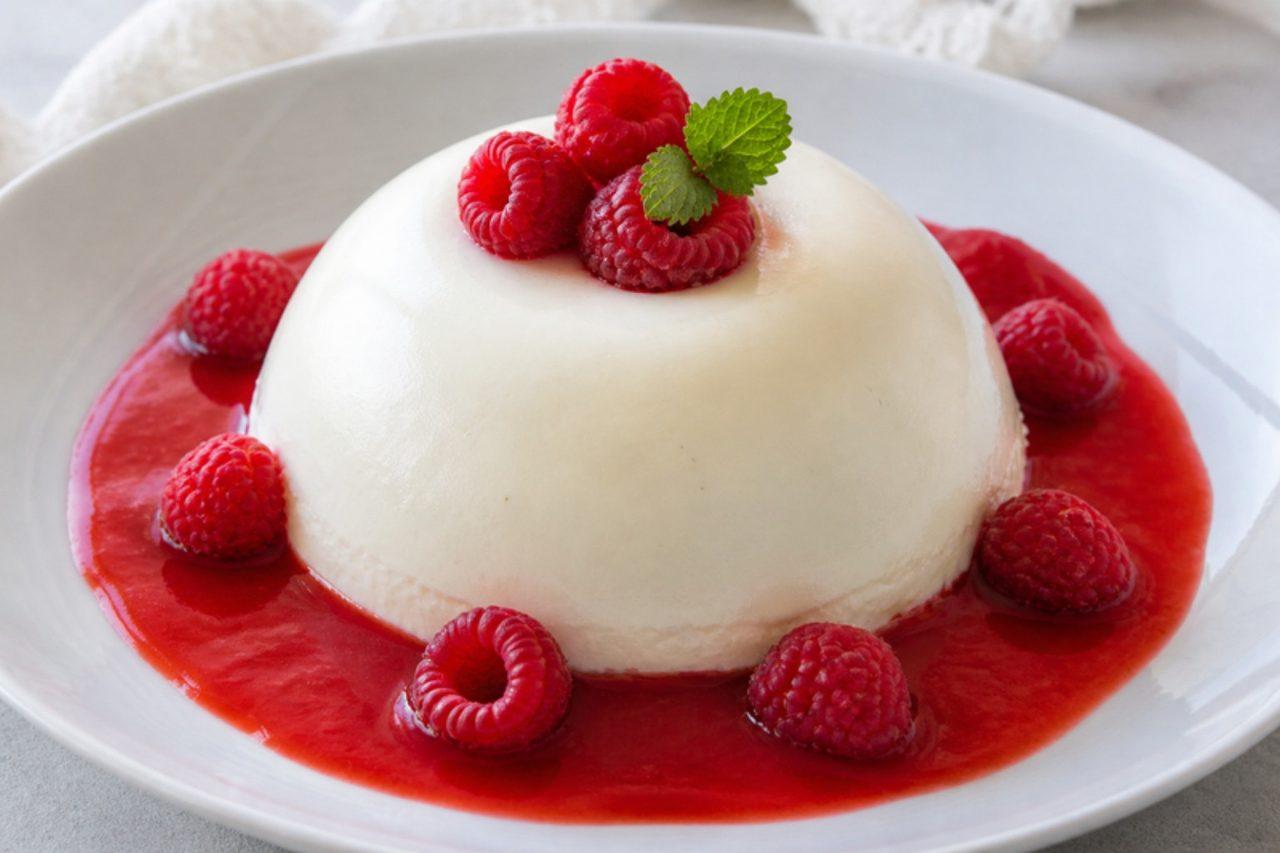
Bayerische Creme is the light, wobbling vanilla cream that Munich coffee houses and Bavarian wedding buffets have served for generations: a cooked egg custard folded with whipped cream and set in moulds, then turned out onto a pool of berry sauce. It is traditionally set with gelatine, which is made from animal bones and skin; this version uses agar so it stays vegetarian. A common mistake with agar is adding it to a cool custard: it only sets after it has boiled, so it is simmered in milk first and then whisked into the warm custard. Chef's tip: fold in the cream when the custard has cooled to just warm and is starting to thicken, so the cream stays airy and doesn't melt into it.

by KrazyBadal 0 views

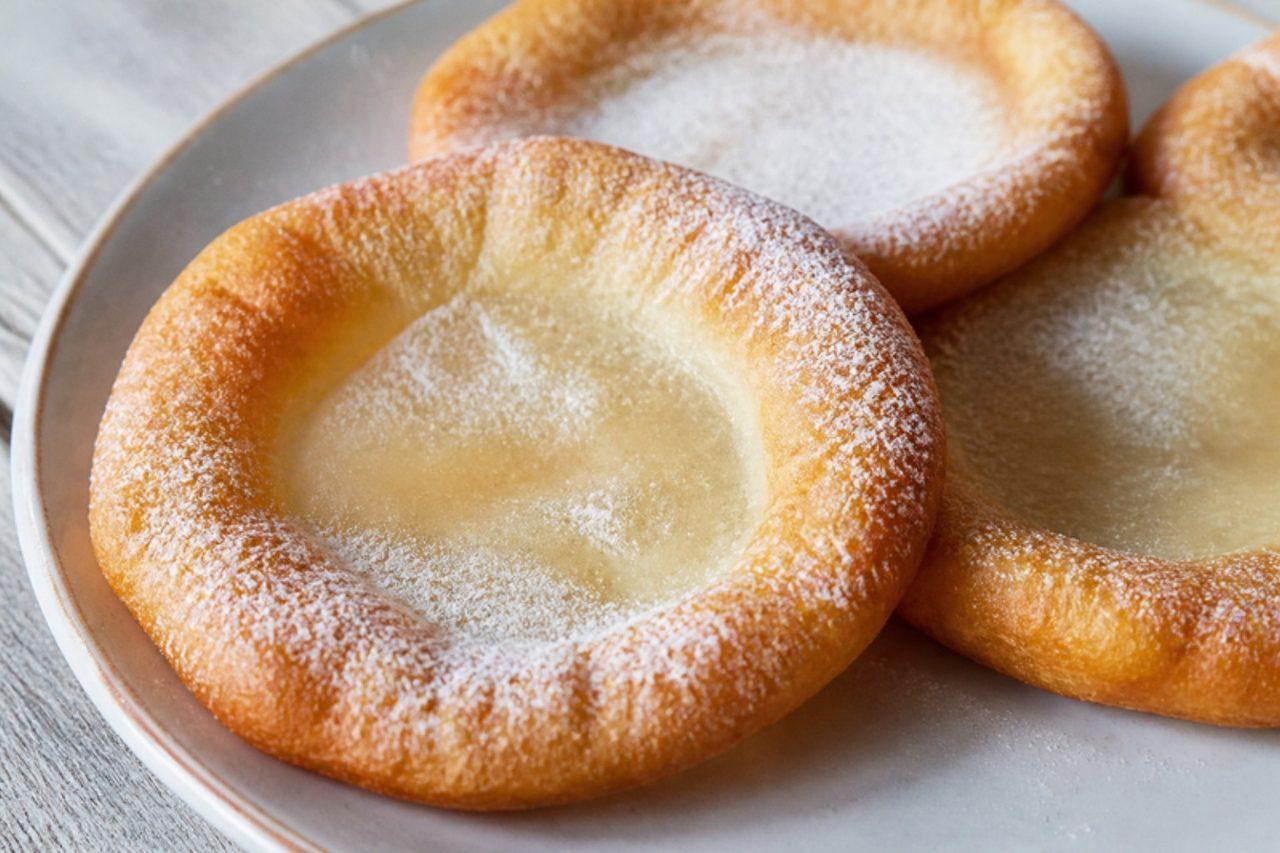
Auszogne

Auszogne are the doughnuts of the Bavarian countryside, fried for Kirchweih, the village church fair in autumn, and for Carnival. Each ball of rich yeast dough is pulled over the knees or the backs of the hands so the middle goes almost see-through while a thick, puffy ring stays round the edge; the centre fries crisp, the rim soft and fluffy. They are eaten warm with icing sugar and a cup of coffee. A common mistake is pulling the dough cold: it tears. Let the stretched rounds rest, and keep the oil at a steady 170 °C so the rims cook through before they brown. Chef's tip: stretch them on lightly buttered fingertips, not floured ones, so the dough slides without sticking.

by KrazyBadal 0 views

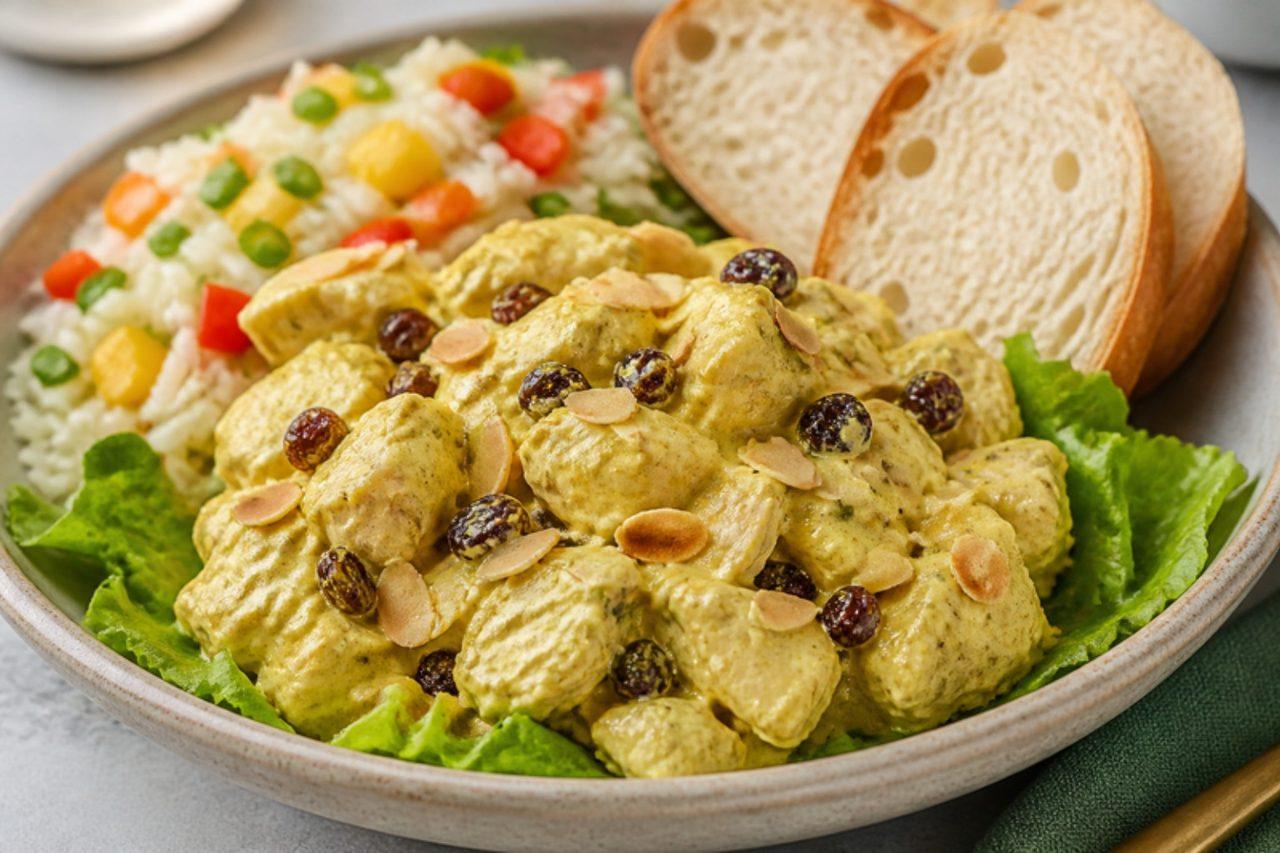
Coronation chicken

Coronation chicken was invented for the banquet of Queen Elizabeth II's coronation in 1953 by the Cordon Bleu school in London, and it became the filling of choice for jacket potatoes, wedding buffets and garden party sandwiches across England. Poached chicken is folded through a creamy, mildly spiced sauce of mayonnaise, curry paste, apricot and yoghurt. Chef's tip: poach the chicken very gently and cool it in its liquid so it stays juicy.

by KrazyBadal 0 views

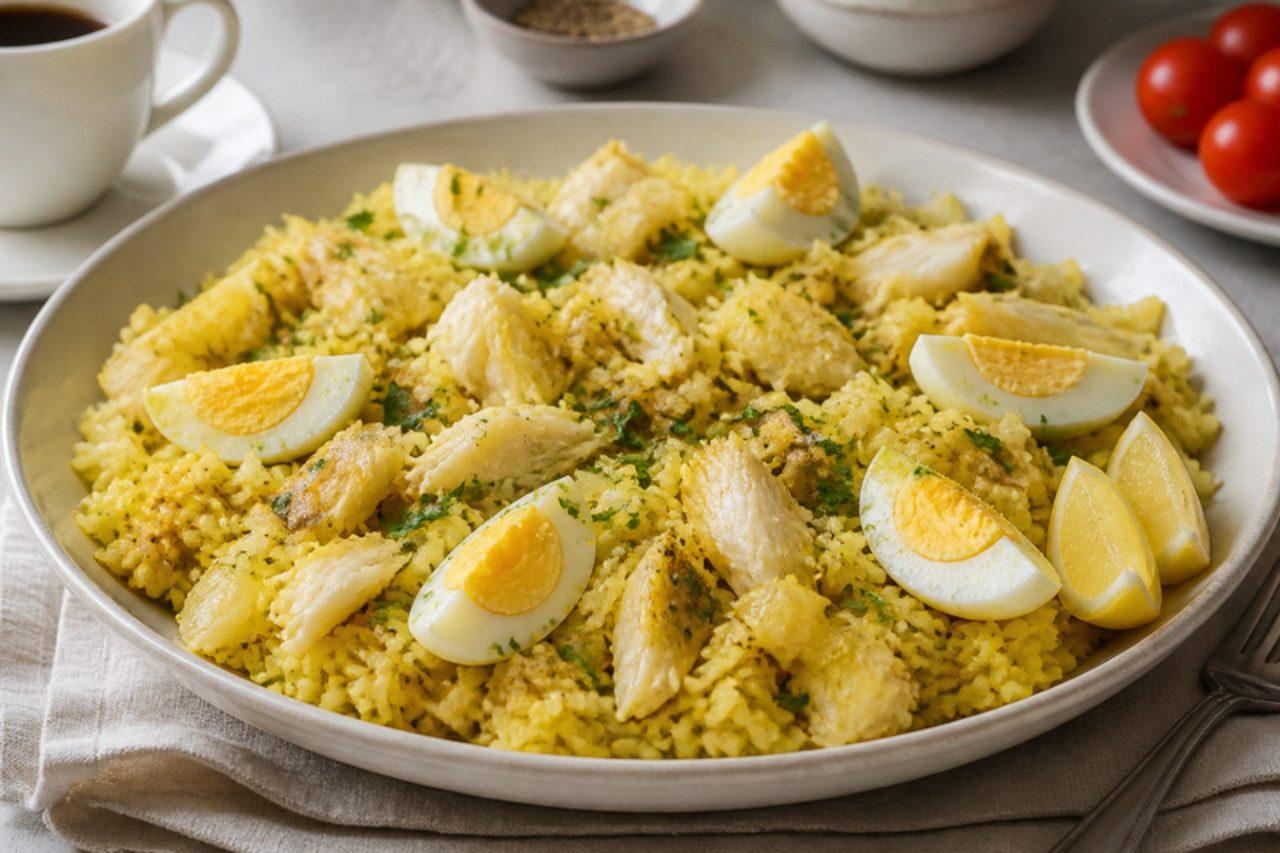
Kedgeree

Kedgeree came to Britain with families returning from colonial India, who adapted khichri into a breakfast of buttery curried rice, flaked smoked haddock and boiled eggs; it was served from silver dishes at Victorian country house breakfasts and is now a weekend brunch. It is gently spiced, smoky and soft. Chef's tip: poach the haddock in the milk you then use for nothing else, and cook the rice in the poaching water for more smoky flavour.

by KrazyBadal 0 views

English fish pie
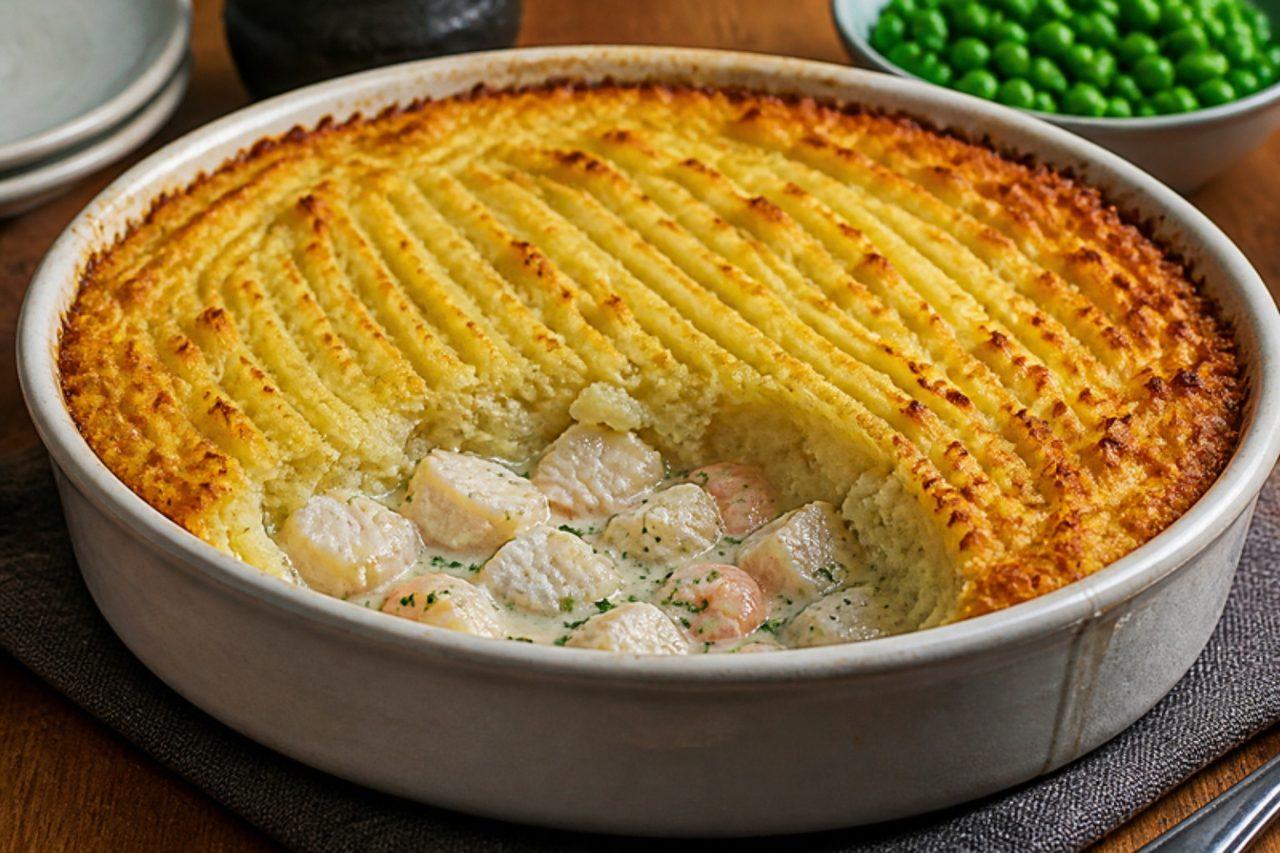
Fish pie is a Friday supper and a family favourite from the Kent coast to Devon, where fishmongers sell a ready-cut 'fish pie mix' for it. Chunks of white fish, smoked haddock and prawns are baked in a creamy parsley sauce under a thick crust of buttery mash, so it is mild, comforting and very filling. Chef's tip: don't pre-cook the fish; it finishes in the oven and stays in big, juicy flakes.

by KrazyBadal 0 views

Gammon, egg and chips

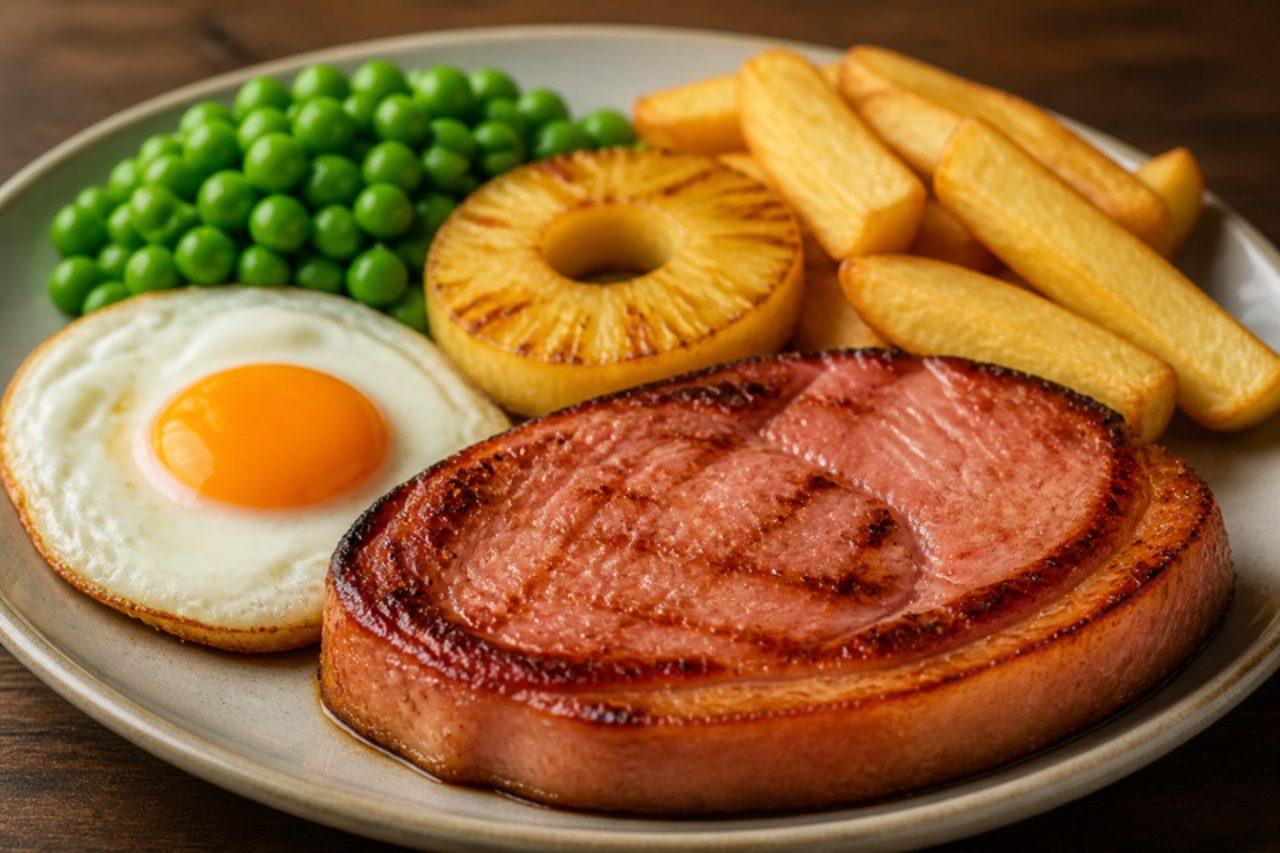
Gammon, egg and chips is the great English pub and transport-café dinner, on the menu from roadside diners on the A1 to Devon seaside pubs. A thick steak of cured pork gammon is grilled until the fat crisps, then topped with a fried egg or a ring of pineapple (or both), next to chunky chips and peas. Chef's tip: snip the fat around the edge every 2 cm before cooking so the steak stays flat.

by KrazyBadal 0 views

Abghooreh (verjuice)

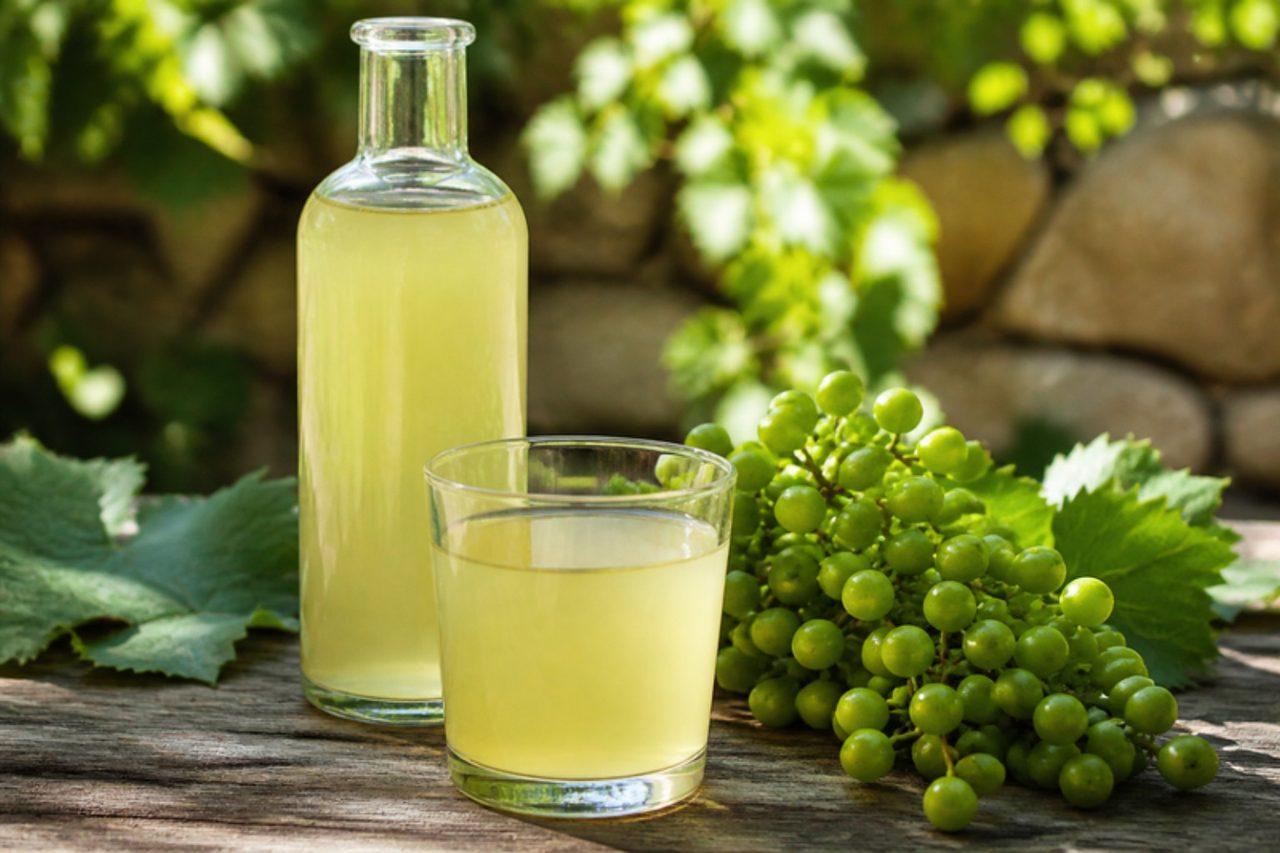
In early summer, families across Shiraz and the vineyards of Fars thin their vines and press the hard green grapes into abghooreh, a sharp, clean sour juice stored in bottles for the whole year. It sours khoresh, brightens salad shirazi and is splashed over kebabs and rice in place of lemon. The grapes must be truly unripe, hard and mouth-puckering; once they soften the juice turns sweet. A common mistake is skipping the boil and salt, which lets the juice ferment in the bottle. Chef's tip: let the boiled juice settle overnight and pour it off the sediment for a clear, bright abghooreh.

by KrazyBadal 0 views

Showing 54 of 7,762 recipes

Show more recipes

Page 408 of 863