Skip to content
Apple almond pudding
Featured recipe

Apple almond pudding

A homely baked pudding of julienned cooking apples tossed with breadcrumbs and cinnamon, topped with a buttery almond mixture and baked until golden. The apples turn soft and tangy under a crisp, nutty crust. Serve it warm with ice cream or custard sauce.

Read more 0 views

What to eat today?

Around the world

Today's trip: Paraguayan

A new country every day, from every cuisine on the site.

Paraguayan

Chipa

Cheese bread rings 50 minMore from Paraguayan (27) →

This week's collection

Kid-friendly dinners
537 recipes · a new collection every Monday

Latest recipes

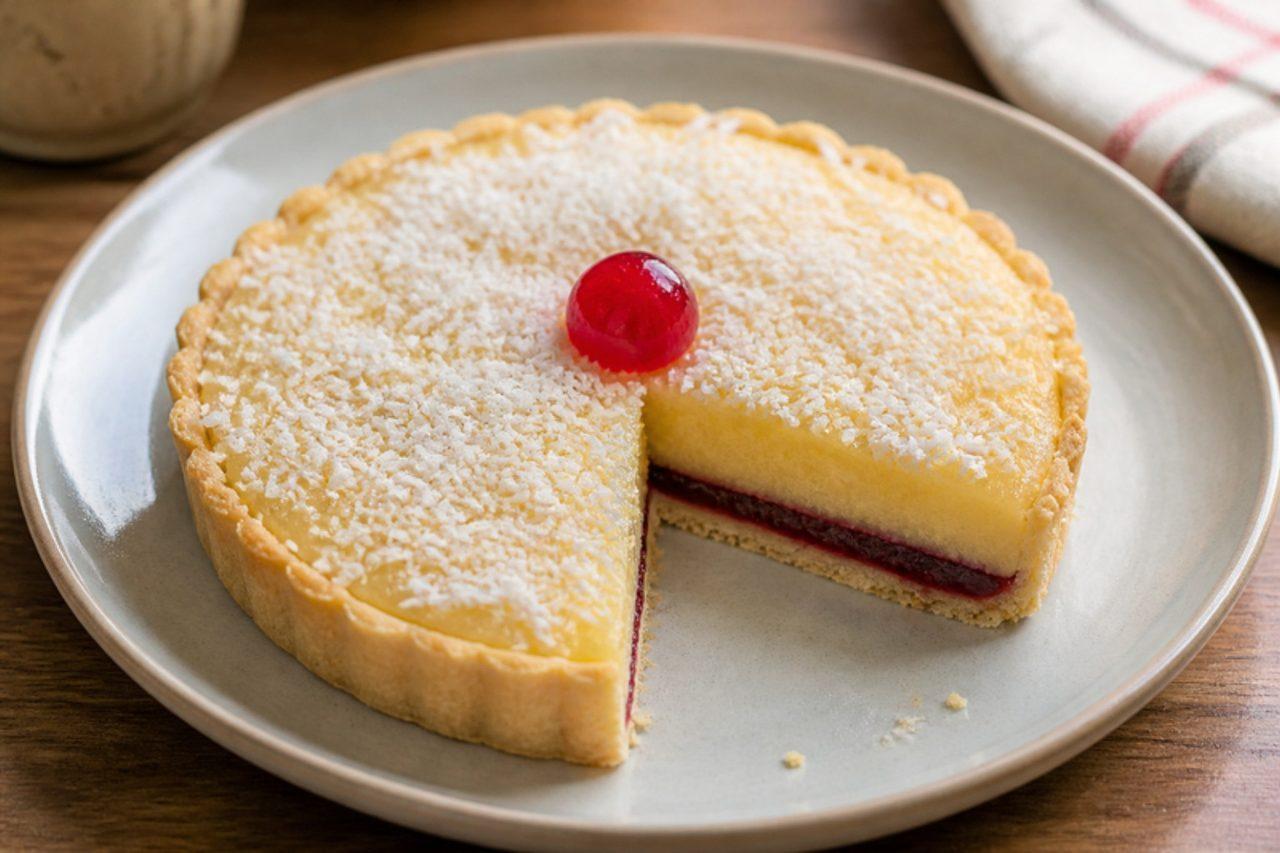
Manchester tart

Manchester tart is the school-dinner pudding generations of Mancunians remember: a shortcrust case spread with raspberry jam, filled with thick, cold vanilla custard and covered in desiccated coconut, sometimes with a glacé cherry on top. It is a nostalgic Northern bake for birthdays and school reunions. Chef's tip: make the custard really thick and cool it a little before pouring, so it sets in clean slices.

by KrazyBadal 0 views

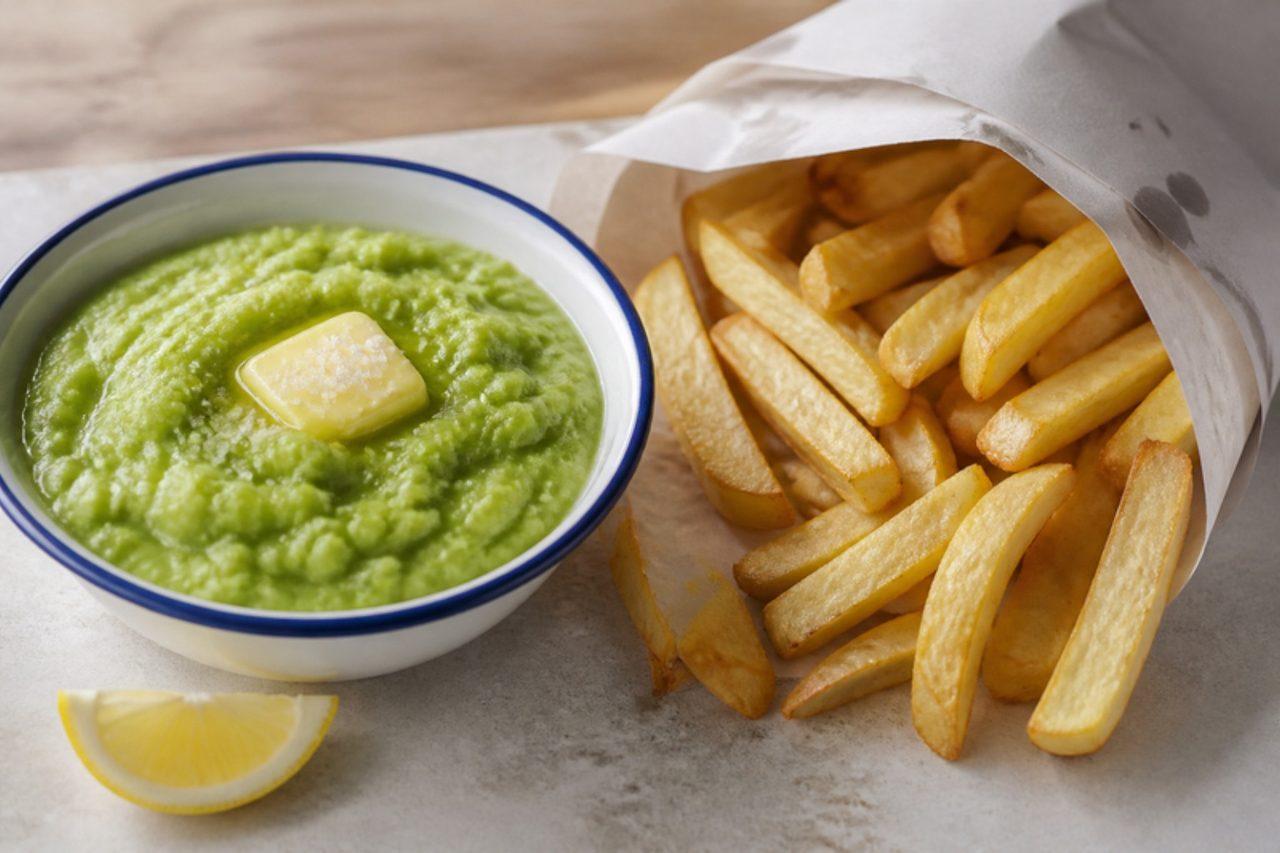
Mushy peas

No fish and chip shop in the North of England is complete without a tub of mushy peas, and in Nottingham and Leeds they are sold with mint sauce from pea stalls at fairs. Dried marrowfat peas are soaked overnight with a little bicarbonate of soda, which softens their skins, and then simmered until they break down into a thick, savoury green mash. Chef's tip: rinse the soaked peas very well, or the bicarbonate leaves a soapy taste.

by KrazyBadal 0 views

Moroccan spiced coffee

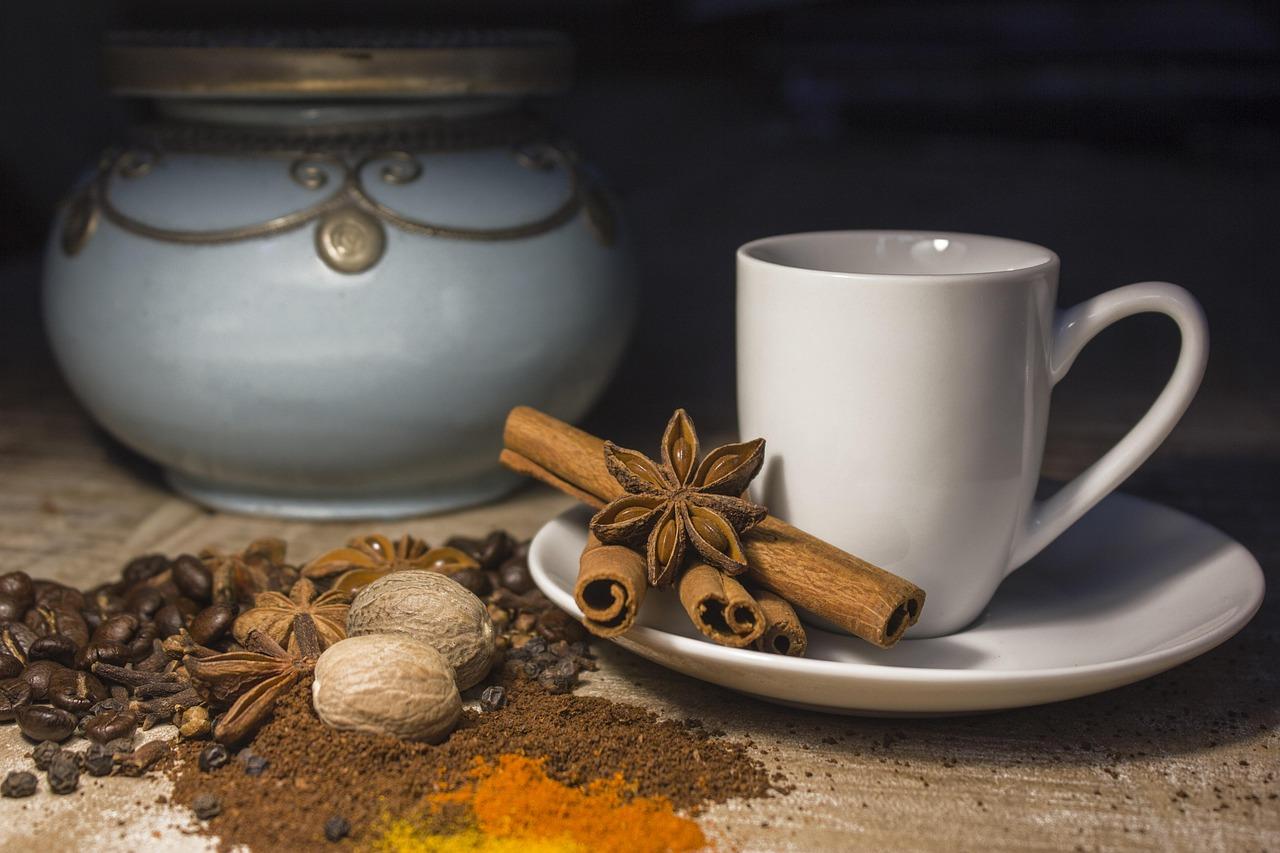
In many Moroccan homes, coffee is bought ready-mixed from the roaster with a spoonful of 'attria', a warm blend of ground spices such as cinnamon, ginger, nutmeg, cardamom, black pepper and toasted sesame, that gives it a rounded, gently peppery aroma. It is brewed in a pan or a pot and sipped black and sweet, or with a splash of milk, after lunch, with pastries for guests, or on cold mornings. The spices soften the bitterness and make the whole kitchen smell wonderful. This home version mixes the spices into ordinary ground coffee. Chef's tip: keep the coffee at a bare simmer and never let it boil hard; vigorous boiling, the usual mistake, extracts bitterness from both coffee and spices.

by KrazyBadal 0 views

Simnel cake

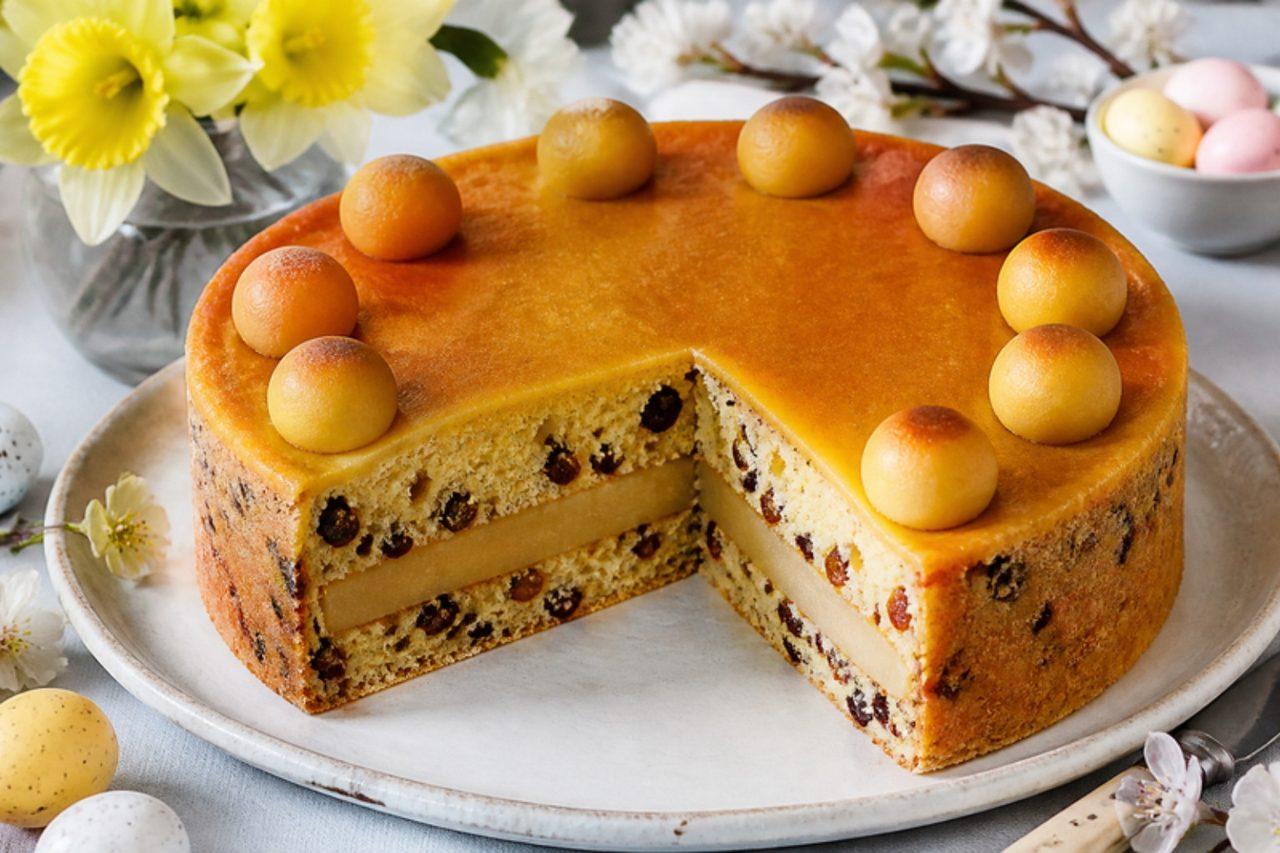
Simnel cake is England's Easter fruit cake, once baked by girls in service to take home on Mothering Sunday and now the centrepiece of Easter tea. A light fruit cake has a layer of marzipan baked through the middle and more on top, decorated with eleven marzipan balls for the apostles, leaving out Judas. Chef's tip: wrap a band of baking paper round the outside of the tin; it stops the edges drying out during the long, slow bake.

by KrazyBadal 0 views

Chupe de camaronesPrawn chowder

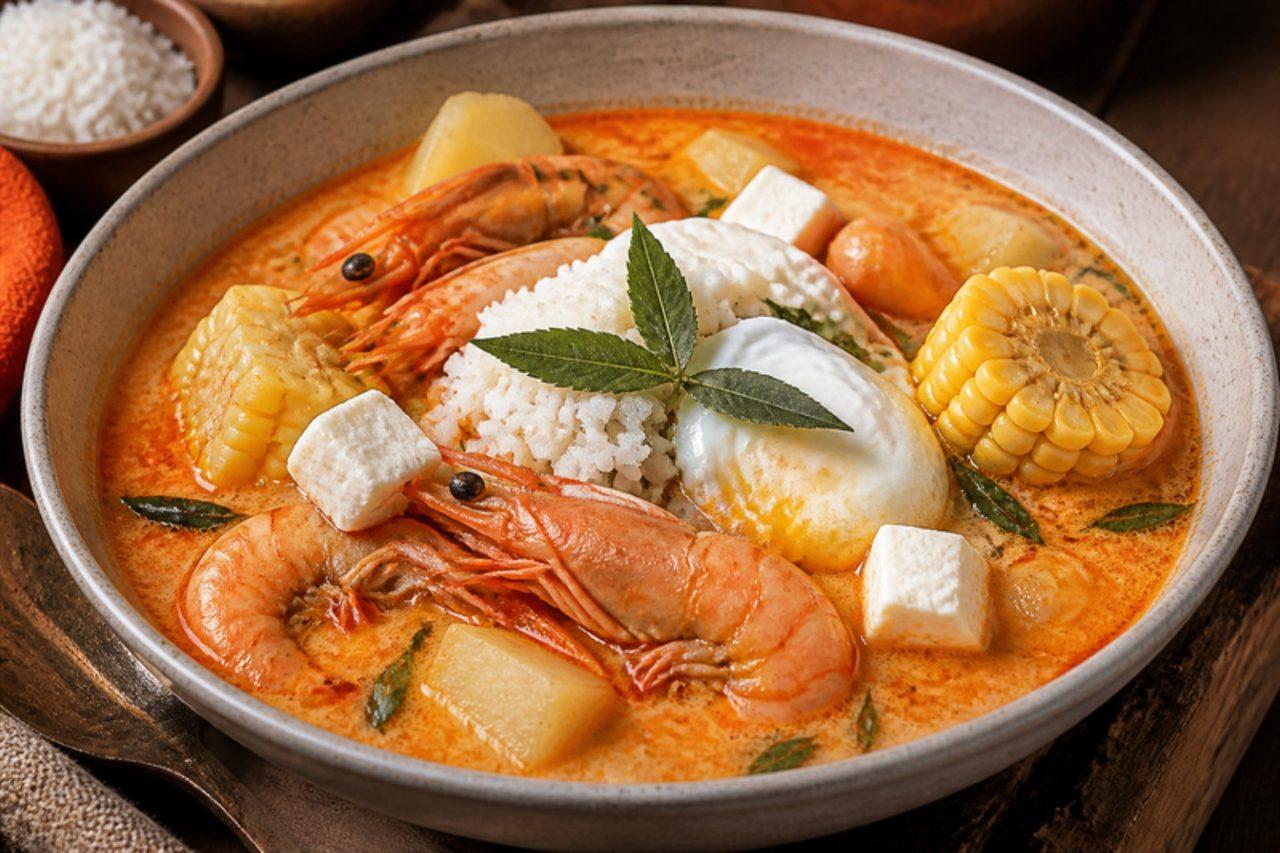
Arequipa's picanterías serve one chupe on each day of the week, and the prawn one, made with crayfish-like camarones from the Majes and Ocoña rivers, is the grandest, especially on Fridays in Lent. It is a big orange chowder: a broth made from the prawn shells and heads, coloured with ají panca, filled with potatoes, corn, broad beans and a little rice, then softened with evaporated milk and fresh cheese, with an egg poached in each bowl. Rich, sweet and gently spicy, it needs nothing but bread. Large shell-on prawns stand in well for river prawns. Many cooks boil the prawns from the start and they turn to rubber; add them at the end and cook only until pink and opaque. Chef's tip: fry the heads and shells in the oil first and press them hard; the orange fat that comes out is what gives chupe its colour and depth.

by KrazyBadal 0 views

Cau cauTripe and potato stew

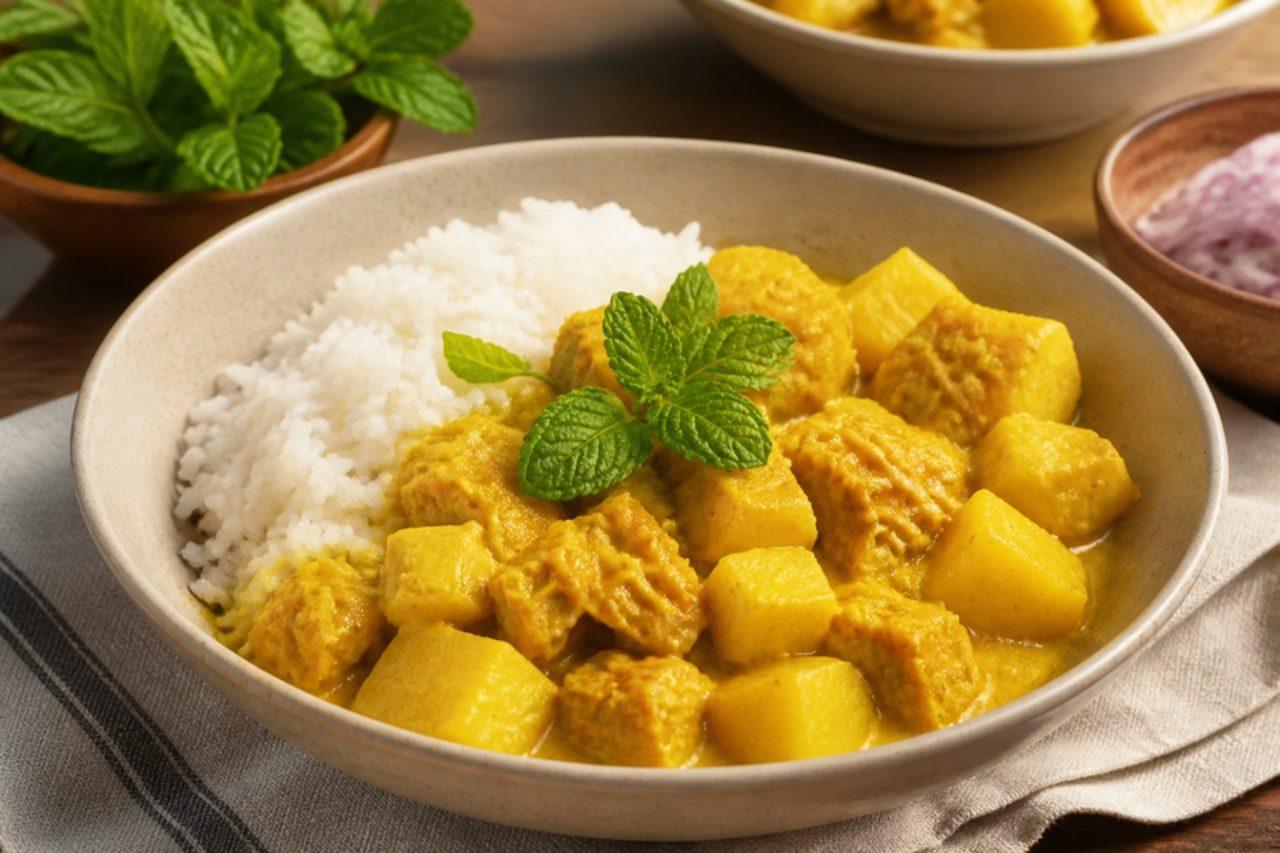
Cheap, filling and deeply loved, cau cau is a lunchtime staple at Lima's menú restaurants and market comedores, served with white rice. Pieces of honeycomb tripe are simmered until soft, then stewed with diced potato in a golden sauce of ají amarillo, garlic and turmeric, finished with a fistful of mint (hierbabuena) that freshens the richness. The texture is soft and slightly springy, the sauce mild, warm and herby. Buy tripe from a butcher or Latin, Asian or halal shop already cleaned and blanched (white honeycomb); it must be simmered until fully tender and cooked through. The common mistake is undercooking the tripe: if it squeaks between your teeth it needs longer. Chef's tip: cut the potatoes small and let some of them break up at the end; they thicken the sauce naturally.

by KrazyBadal 0 views

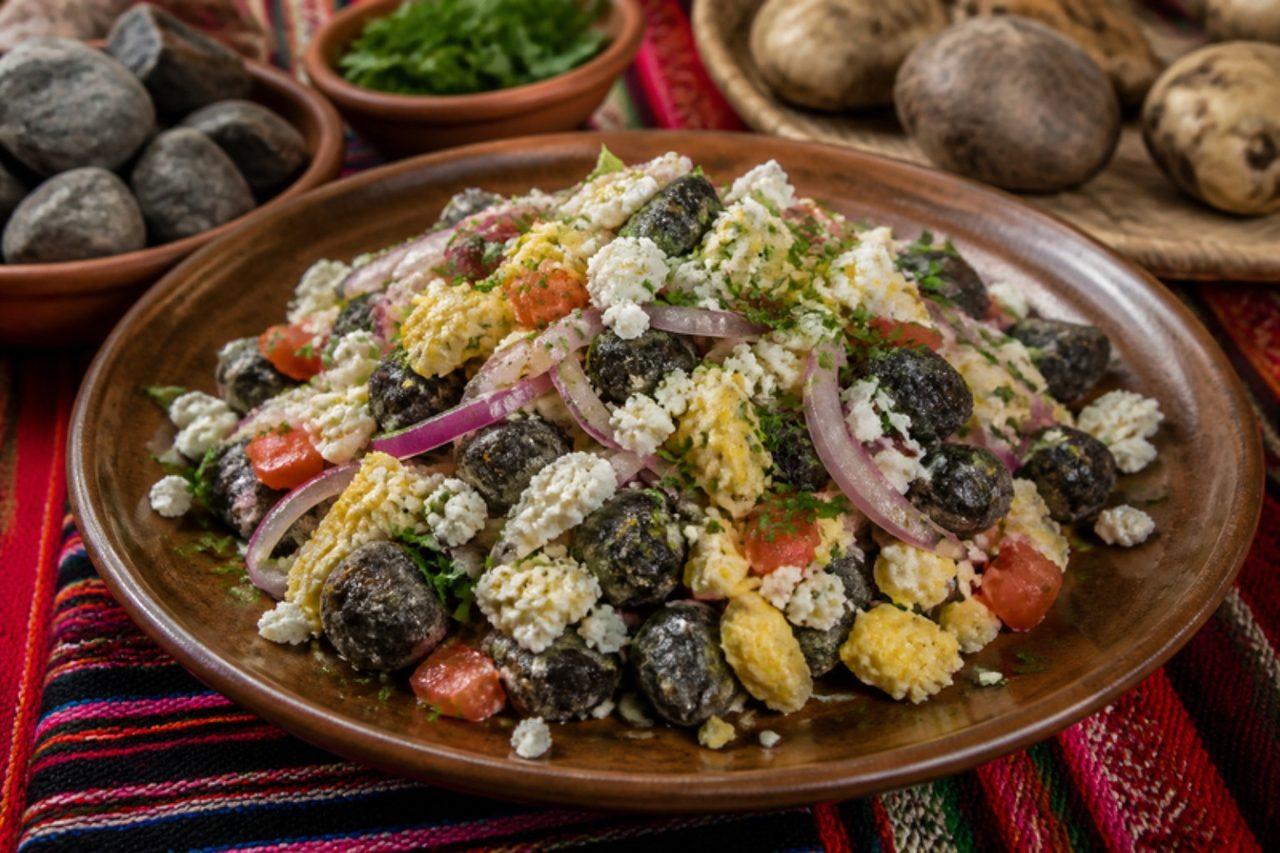
Chuño phutiFreeze-dried potatoes with egg and cheese

Chuño are potatoes freeze-dried the ancient way on the Altiplano: left out on frosty nights, trampled to squeeze out the water and dried in the high sun, so they keep for years. In Puno and across the border in Bolivia, they are soaked, crumbled and fried with onion, then scrambled with egg and fresh cheese to make phuti, a hearty breakfast or supper eaten with a hot tea. The texture is dense and slightly chewy, and the flavour earthy and a little tangy. Chuño is sold dried in Andean shops; it must soak overnight (ideally 24 hours, with the water changed) and then be peeled, which adds time before you start. The mistake is not soaking or rinsing enough: under-soaked chuño smells strong and stays hard in the middle. Serve with a fresh tomato salsa or uchucuta. Fresh cheese is usually made with animal rennet, so use a vegetarian one if needed. Chef's tip: squeeze the soaked chuño hard between your palms before crumbling; the drier it is, the better it fries.

by KrazyBadal 0 views

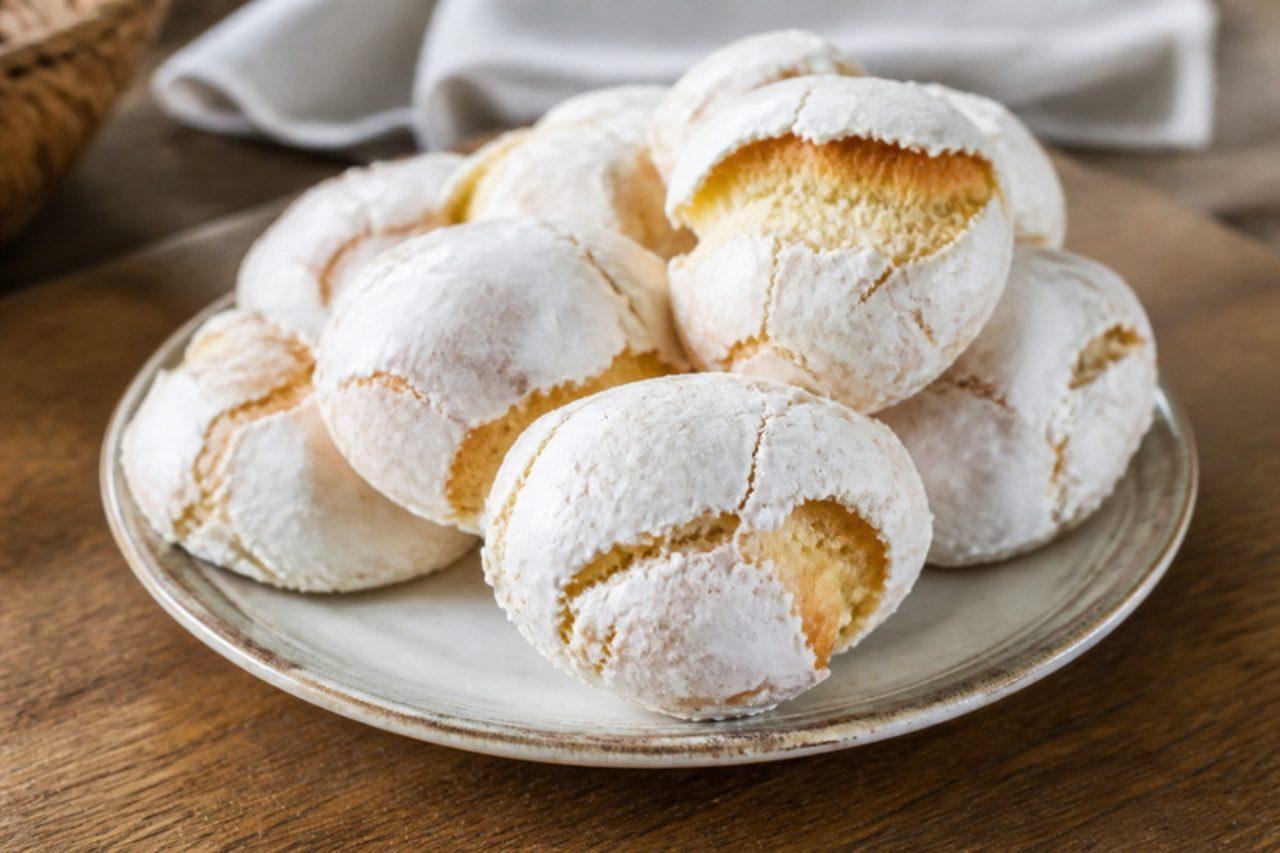
Cavacas de ResendeGlazed hollow egg biscuits

Resende, a town of cherry orchards above the Douro, has made cavacas for centuries, and stalls at its fairs and the Festa de São Pedro sell them by the bag. They are a curious and lovely thing: a simple batter of eggs, flour and oil puffs up in the oven into a hollow, crisp shell, which is then brushed with a boiled sugar glaze that dries brilliant white. A common mistake is opening the oven early, which makes the puffed biscuits sink before their crust sets. Chef's tip: keep the oven door shut for the first 20 minutes, because opening it early makes the cavacas collapse.

by KrazyBadal 0 views

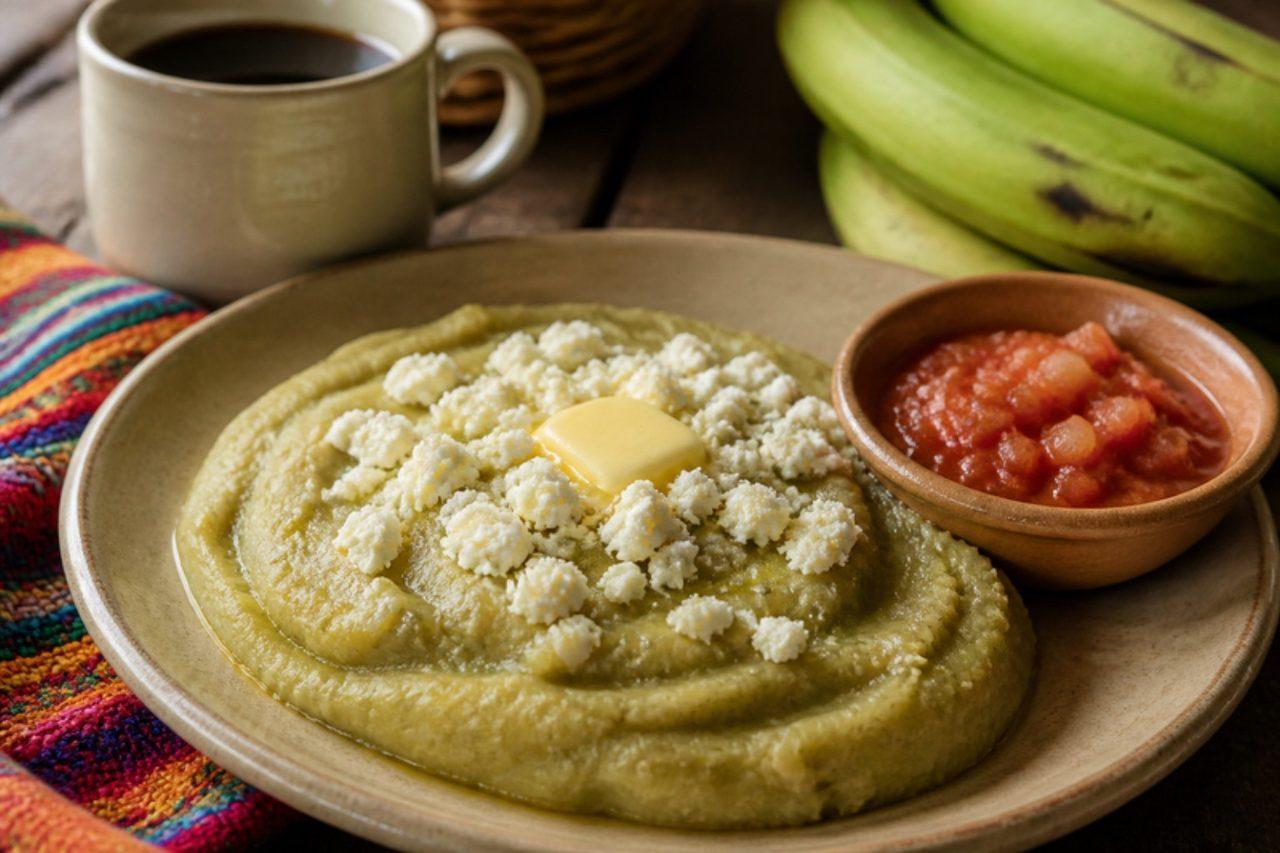
CayeyeGreen banana mash with cheese

Ask anyone from Santa Marta or Ciénaga what they ate growing up and cayeye will come up quickly. Unripe green bananas, the small cooking kind rather than plantains, are boiled and mashed with butter and grated salty cheese into a soft, slightly sticky purée, then topped with hogao, the tomato and spring onion sauce of Colombian kitchens. Breakfast is its moment, often with a fried egg or a slice of fried cheese and a strong black coffee, and it is filling enough to last until lunch. The cheese on the coast is queso costeño; a firm feta-style cheese works, and since both are usually set with animal rennet, look for a vegetarian microbial-rennet version. Mashing the bananas once they have cooled is the misstep to avoid, because they set into a gluey lump; mash them straight from the pot with a splash of the hot cooking water. Chef's tip: rub your hands with oil before peeling green bananas, as the sap stains skin and boards.

by KrazyBadal 0 views

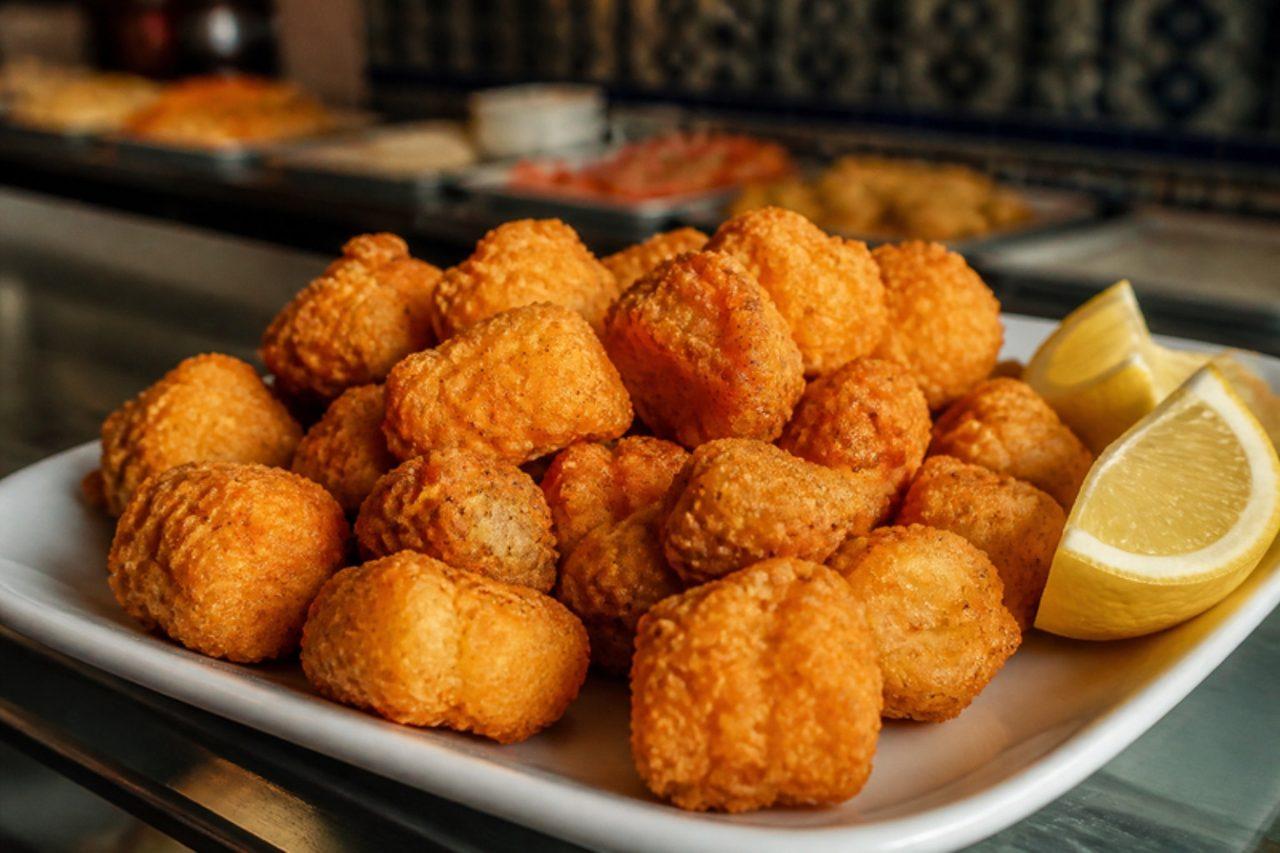
Cazón en adoboMarinated fried dogfish

In Cádiz, the tapa that sells out first in the fried-fish shops around La Viña is cazón en adobo: bite-sized cubes of dogfish soaked overnight in a sharp marinade of vinegar, garlic, cumin, oregano and paprika, then floured and fried. The marinade seasons the fish right through and gives it a tang that needs no sauce. If you cannot find dogfish, monkfish or any firm white fish works. A common mistake is a short marinade; the fish needs at least 8 hours in the fridge, for the vinegar and cumin to soak in. Chef's tip: marinate for at least 8 hours but no more than 24; past that, the vinegar starts to firm and 'cook' the fish and it goes dry.

by KrazyBadal 0 views

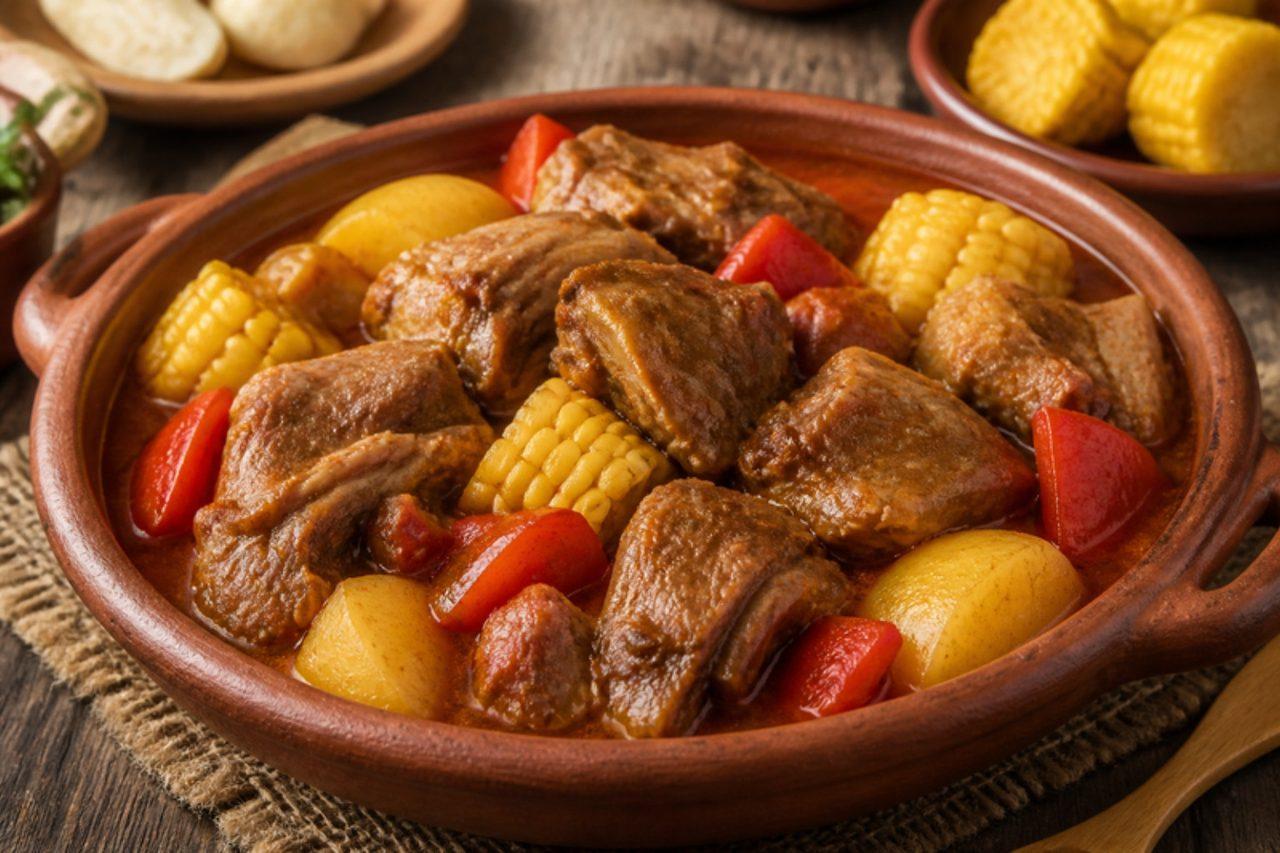
Cazuela de cabritoKid goat stew

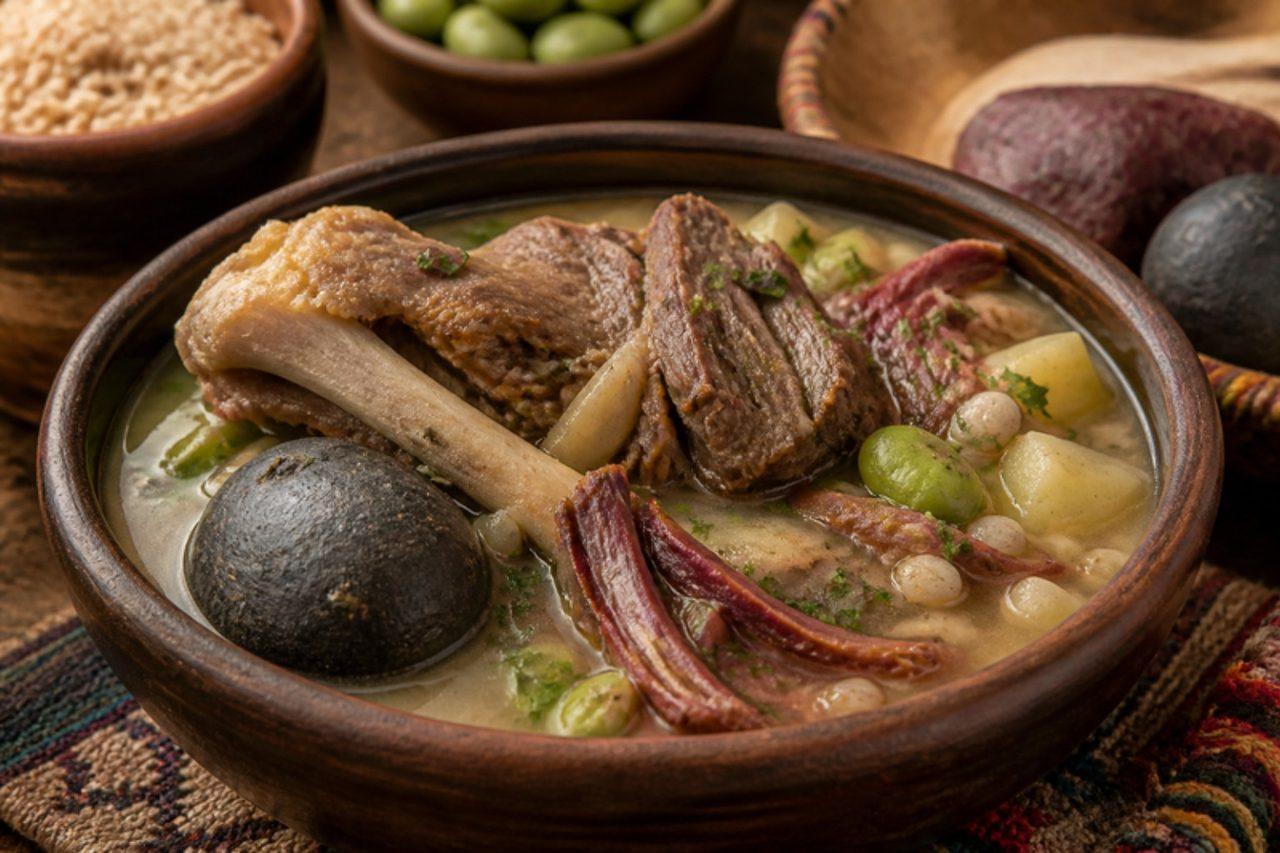
Up in the Calchaquí valleys of Salta, where goats graze between the vineyards and the cardón cactus, cabrito ends up in a heavy clay cazuela on Sunday or feast days. The meat simmers with onion, red pepper, cumin and ají molido until it slides off the bone, and the potatoes and thick rounds of corn on the cob drink up a brick-red, gently spiced broth. Bring it to the table in the pot with bread or a simple tomato and onion salad. Kid goat can be ordered from halal butchers and some farm shops; lamb shoulder works too. People often boil it hard to save time, which squeezes the lean meat dry and stringy; it wants the barest simmer. Chef's tip: brown the pieces in two or three batches so they colour properly instead of stewing in their own juices; that browning is where most of the flavour comes from.

by KrazyBadal 0 views

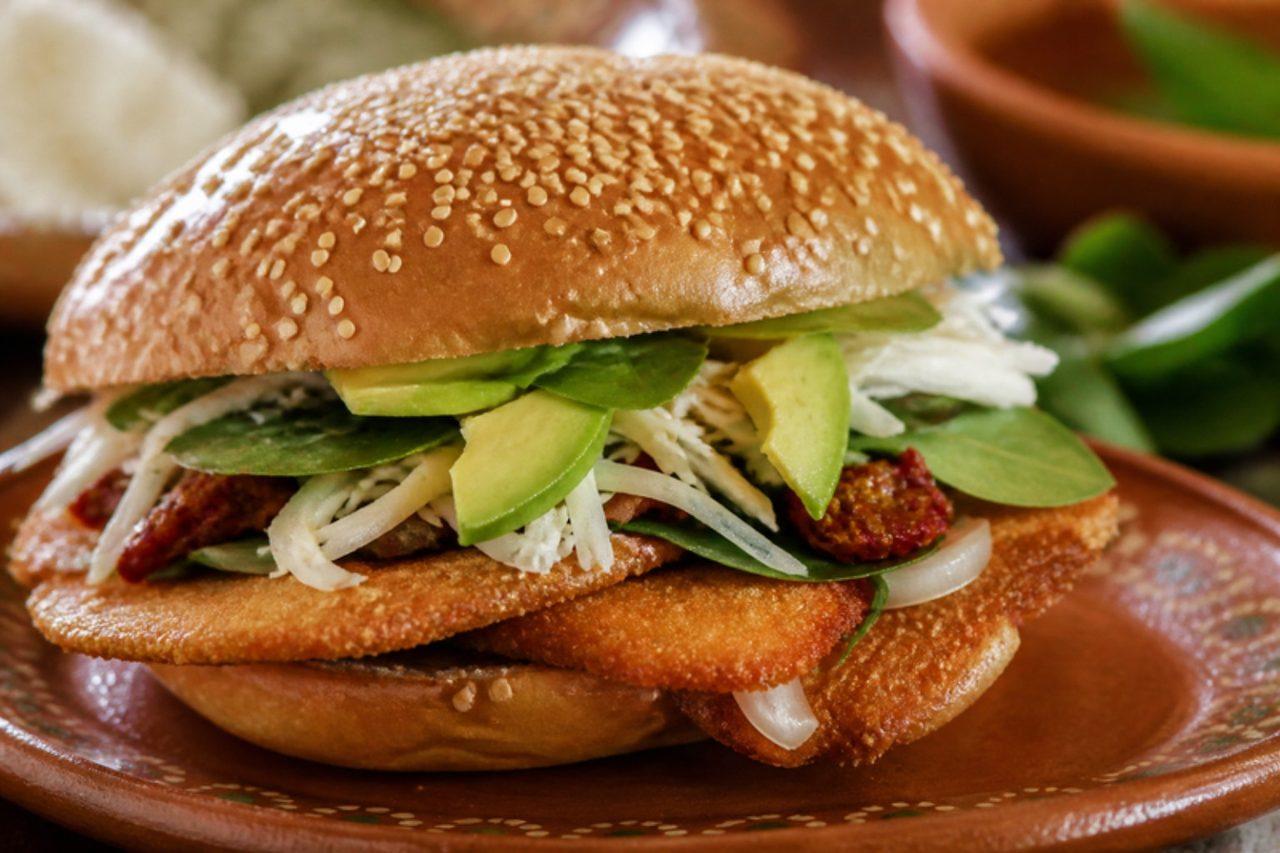
Cemita poblanaPork milanesa sandwich

Puebla's markets have whole aisles of cemita stalls, where a domed, sesame-crusted roll is split and piled with a thin, crisp milanesa, sliced avocado, a nest of stringy quesillo, smoky chipotle in adobo and leaves of pápalo, a pungent herb that tastes somewhere between rocket and coriander. This version uses pork loin for the milanesa, the most common choice alongside beef; thin beef steak works the same way. Pápalo is rarely sold outside Mexico, so coriander stands in for it here. It is a meal in itself, eaten with both hands at midday. Chef's tip: pull the quesillo into fine strands rather than slicing it, so it melts into the warm cutlet and holds the sandwich together.

by KrazyBadal 0 views

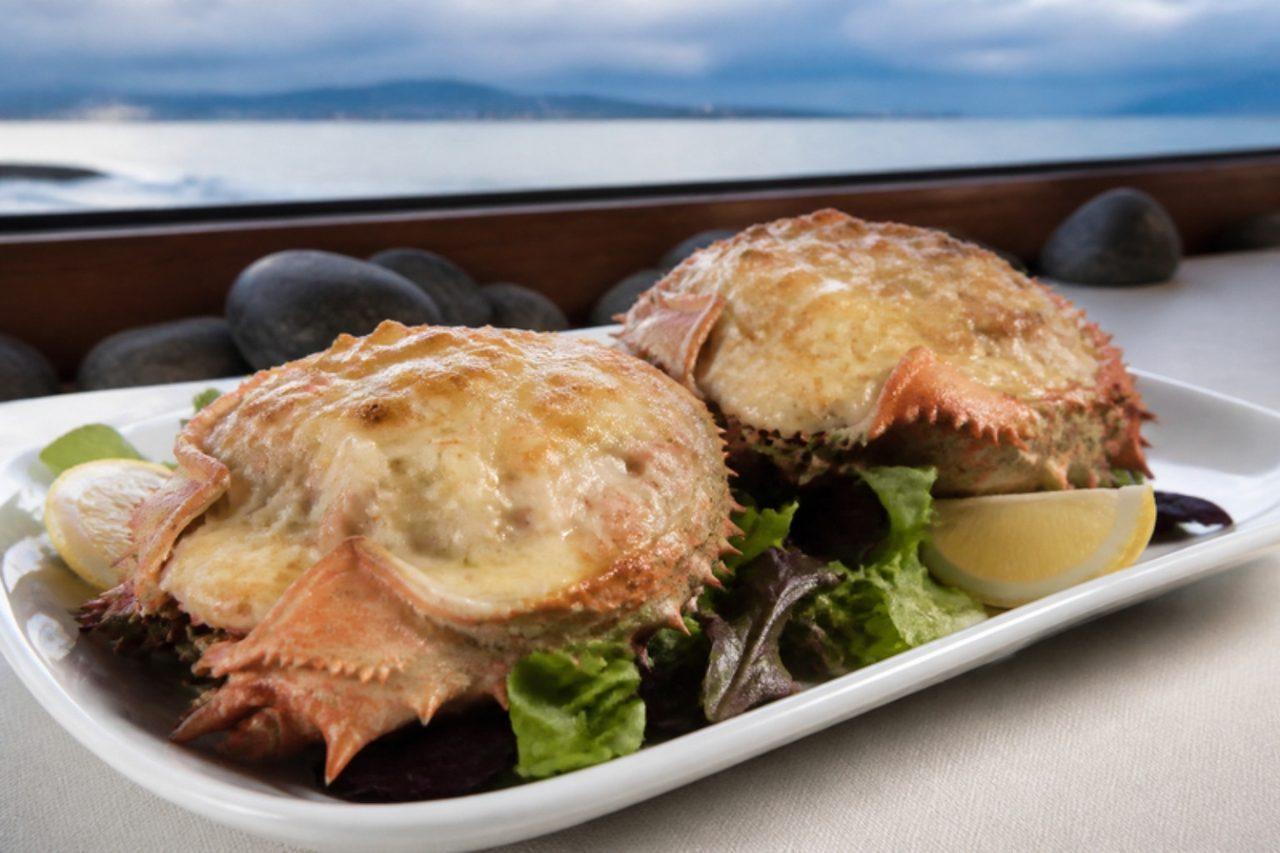
Centolla gratinadaBaked king crab with cheese

Centolla, the southern king crab hauled from the cold waters of the Beagle Channel, is Ushuaia's pride, and seafood restaurants along the harbour serve it gratinada: sweet chunks of leg meat in a light white sauce, crowned with cheese and browned under a fierce grill. It is rich, so serve it in small dishes as a starter with lemon and a green salad, plus crusty bread for anyone who can eat gluten. Buy cooked, frozen king crab legs or meat and thaw them in the fridge overnight; if you ever cook crab yourself, it must be alive when it goes into the pot. A frequent mistake is a sauce so thick and cheesy that the delicate crab disappears; keep it pourable and the cheese thin. Chef's tip: fold the crab in gently at the end, in big pieces, and let the oven only heat it; it is already cooked and turns stringy if it boils.

by KrazyBadal 0 views

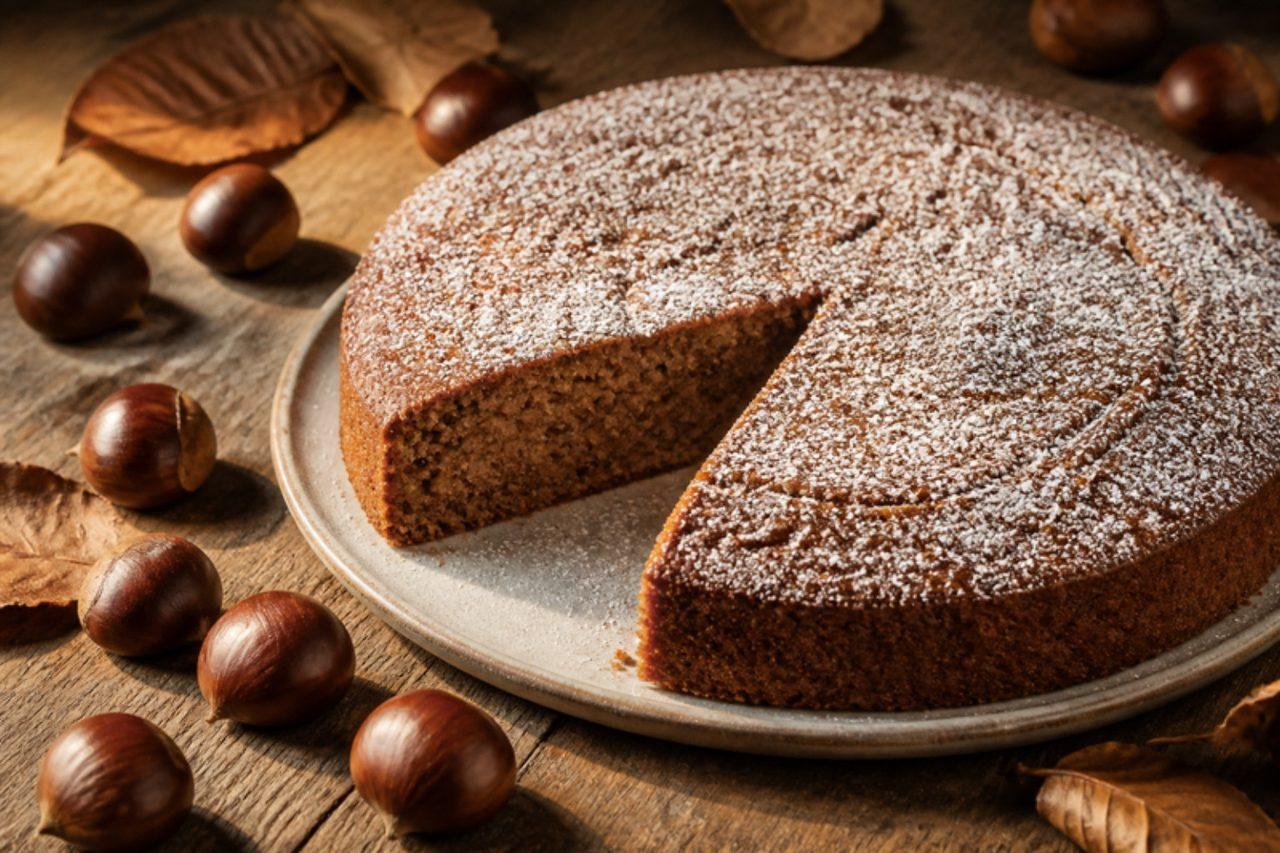
Gâteau à la farine de châtaigneChestnut flour cake

In the Castagniccia, the chestnut forests of north-east Corsica, the chestnut was called the bread tree, and its sweet, smoky flour went into polenta, fritters and cakes. Every December the village of Bocognano holds a chestnut fair where this simple cake is sold by the slice. Made only with chestnut flour, it is dense and moist, with no wheat at all (check the flour packet if you avoid gluten), and has a flavour somewhere between cocoa and toasted nuts. Serve it with fresh cheese, a spoon of jam or a cup of coffee. Chef's tip: sift chestnut flour twice; it clumps in the bag, and lumps stay as dry pockets in the cake.

by KrazyBadal 0 views

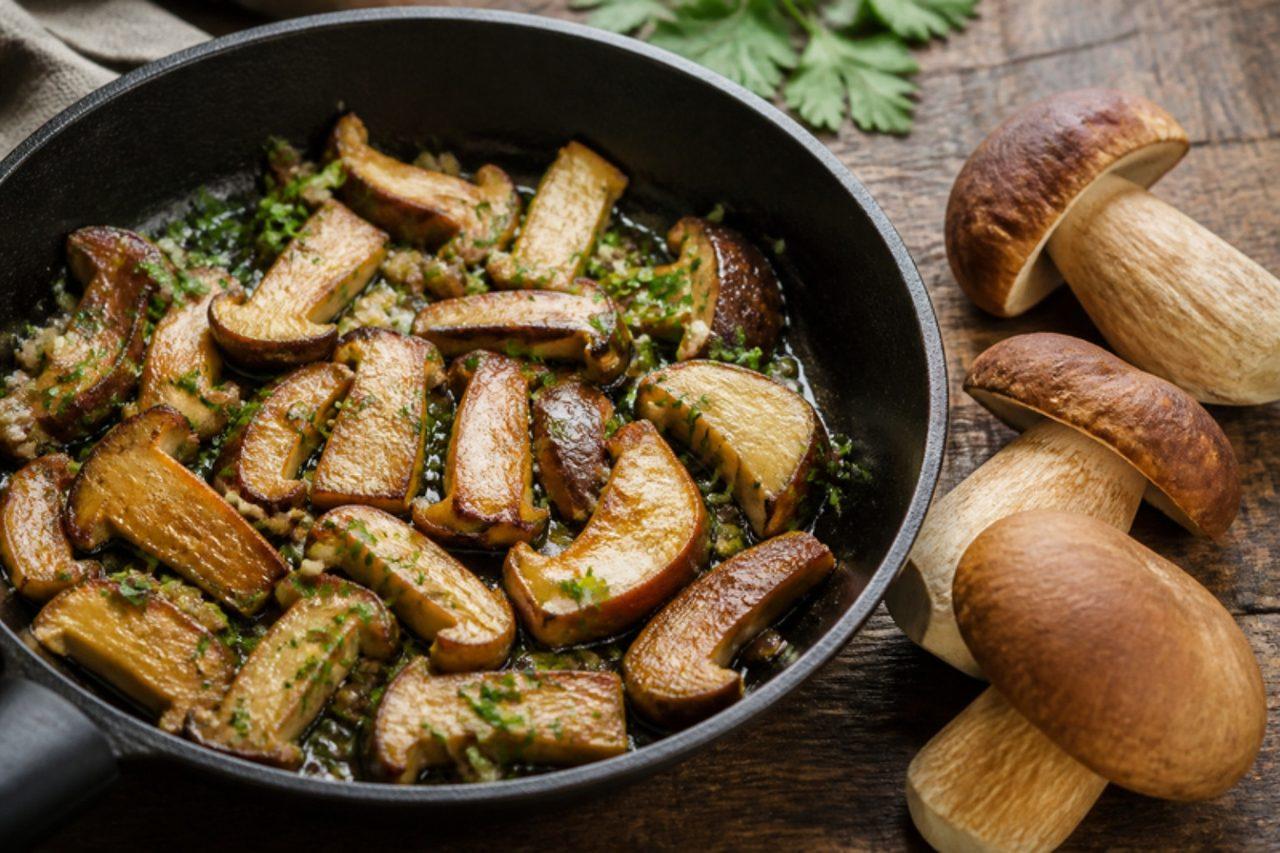
Cèpes à la bordelaisePorcini with garlic and parsley

In autumn, when cèpes push up through the pine forests of the Landes and the oak woods of the Gironde, Bordeaux families fry them the local way: thick slices browned hard in a hot pan, then tossed with shallot, garlic and plenty of parsley. They come to the table as a side for Sunday lunch, piled on toast for a starter, or beside an omelette for supper. Many cooks use duck fat; this version uses olive oil, so it is vegan. Out of season, use chestnut mushrooms with a few soaked dried porcini for flavour. Chef's tip: wipe the cèpes with a damp cloth instead of washing them; wet mushrooms steam instead of browning.

by KrazyBadal 0 views

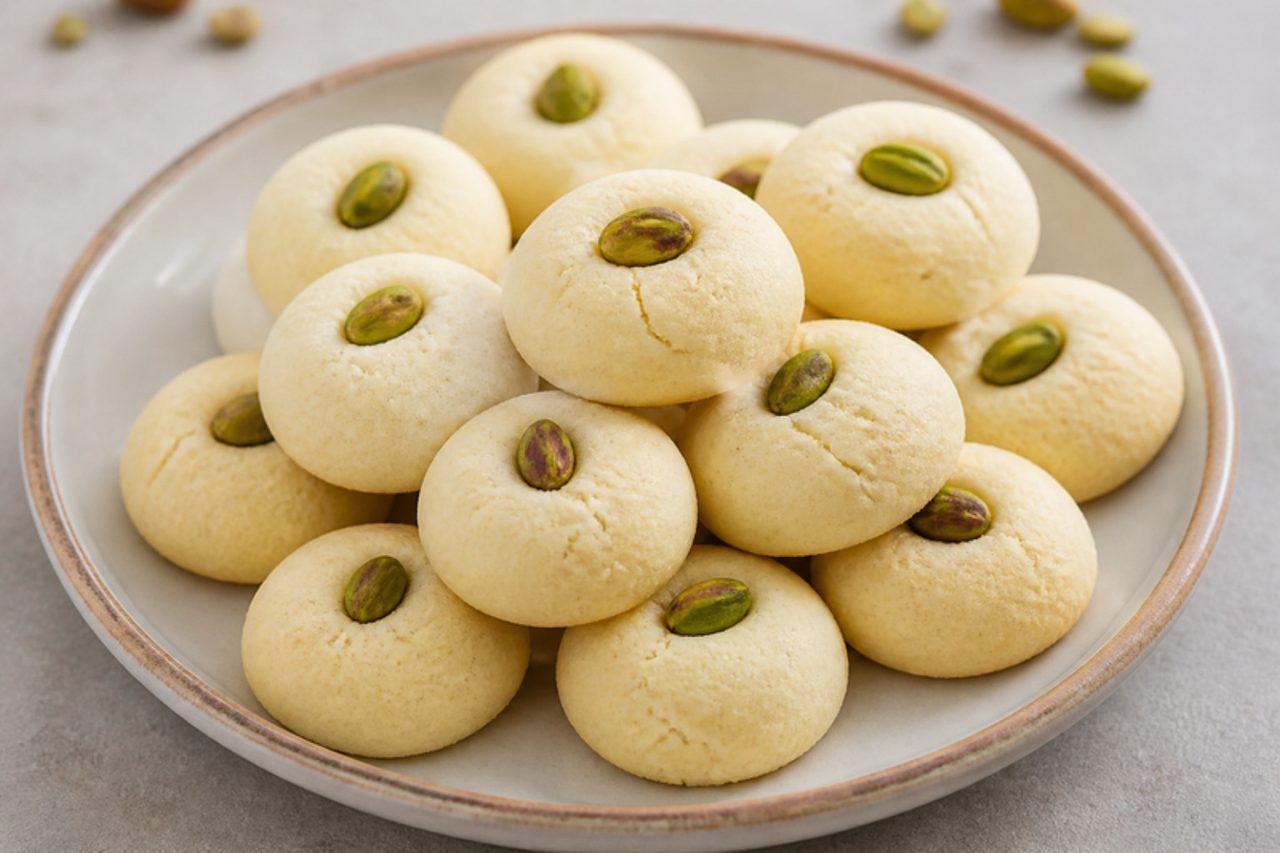
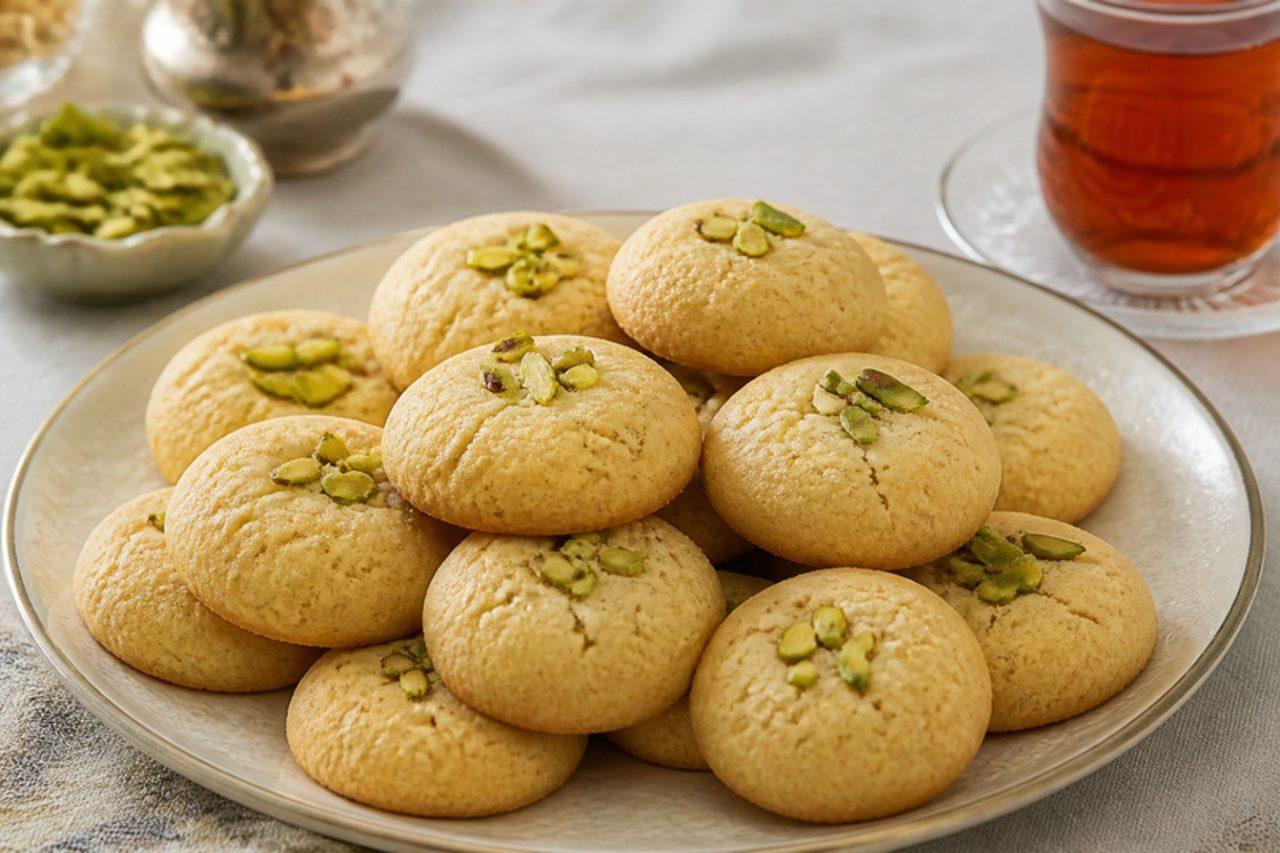
GhraybehPistachio shortbread

Across Syria, Lebanon and Palestine, trays of ghraybeh appear for Eid and weddings next to ma'amoul; in Aleppo they are often shaped into little bracelets with a pistachio at the join. Made from just ghee, icing sugar and flour, they are so tender they crumble as soon as you bite, and they should stay ivory-white, never brown. Serve with strong coffee or mint tea. Common mistake: baking until golden — they should come out pale and still soft, and firm up as they cool. Chef's tip: whip the ghee and sugar for a full 10 minutes until white and fluffy; that is what gives the melting texture.

by KrazyBadal 0 views

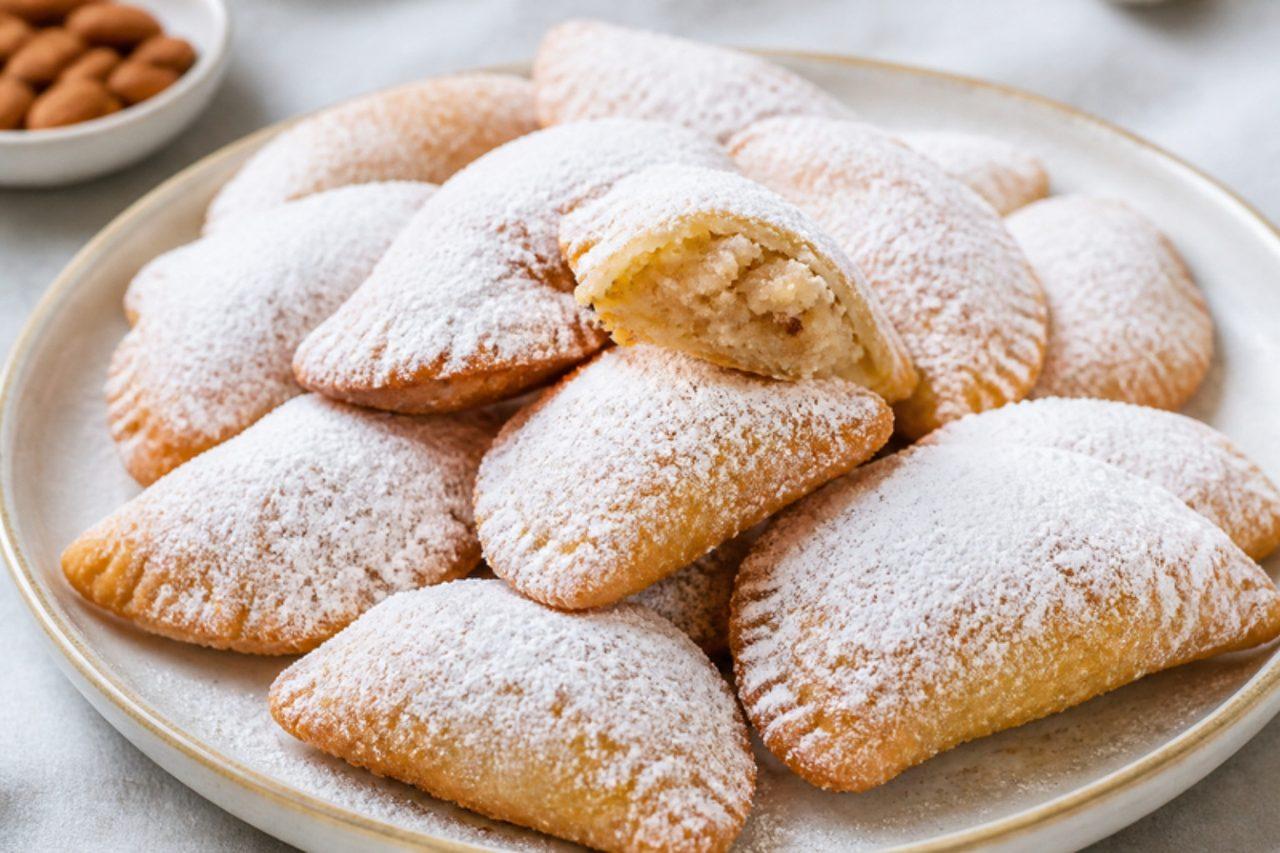
GhotabFried almond crescents

Ghotab are the little fried crescents that Yazd's confectioners have been making for generations, packed into boxes for Nowruz and carried as gifts by anyone travelling from the city. A tender yogurt dough is wrapped around ground almonds, sugar and plenty of cardamom, fried until blond and crisp, then buried in icing sugar. A common mistake is frying too hot, which browns the outside before the dough inside the fold cooks through, leaving it doughy. Chef's tip: roll the ghotab in icing sugar while still warm, then again once cold, for a thick snowy coat.

by KrazyBadal 0 views

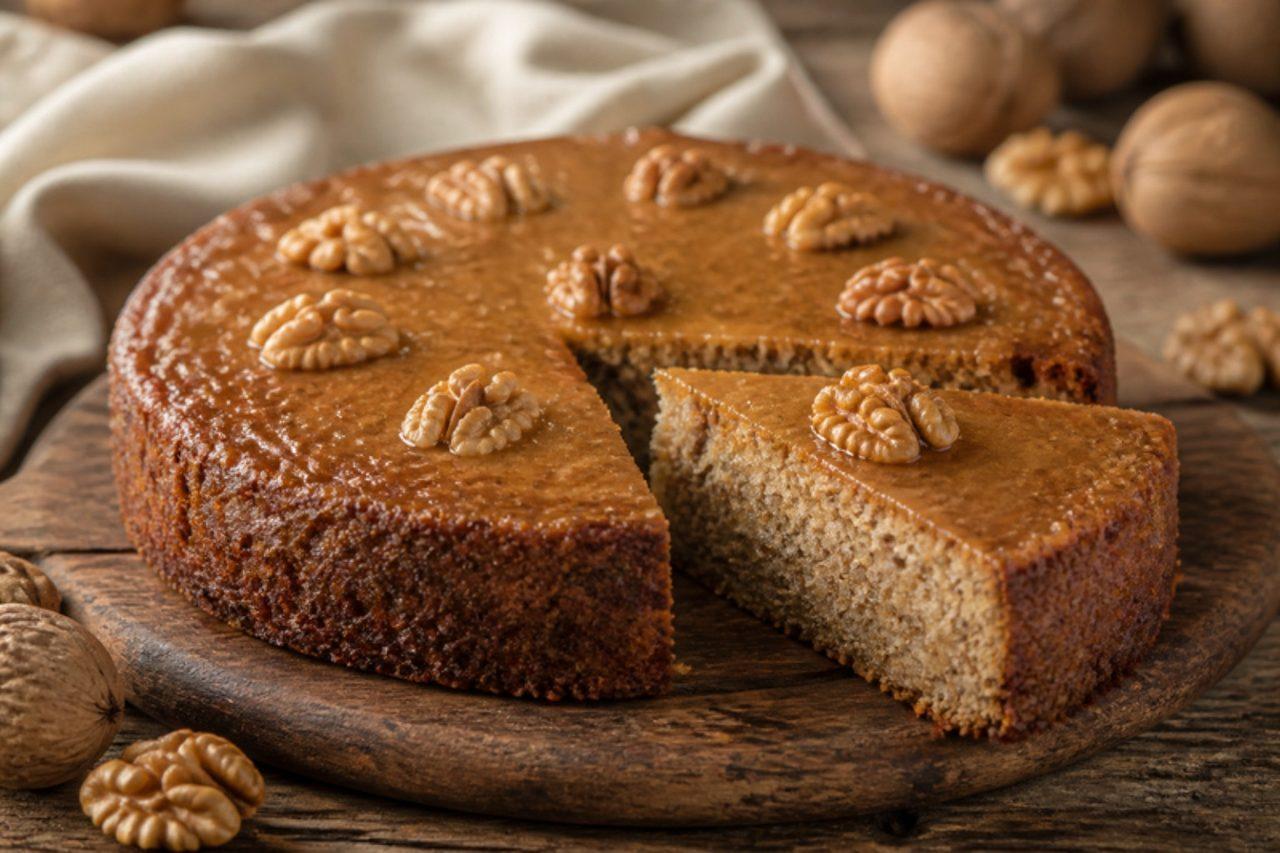
Gâteau aux noix du PérigordWalnut cake

Walnut orchards line the Dordogne valley around Sarlat and Périgueux, and after the autumn harvest every farmhouse and market bakery turns the new nuts into this dense, moist cake. It is sold by the slice at Sarlat's Saturday market and eaten in the afternoon with coffee or a glass of walnut-leaf syrup and water, or after Sunday lunch with a spoon of crème fraîche. Ground walnuts replace most of the flour, so it is nutty, slightly bitter and very tender. Chef's tip: toast the walnuts first for 6 minutes; it softens the bitterness of the skins and deepens the flavour.

by KrazyBadal 0 views

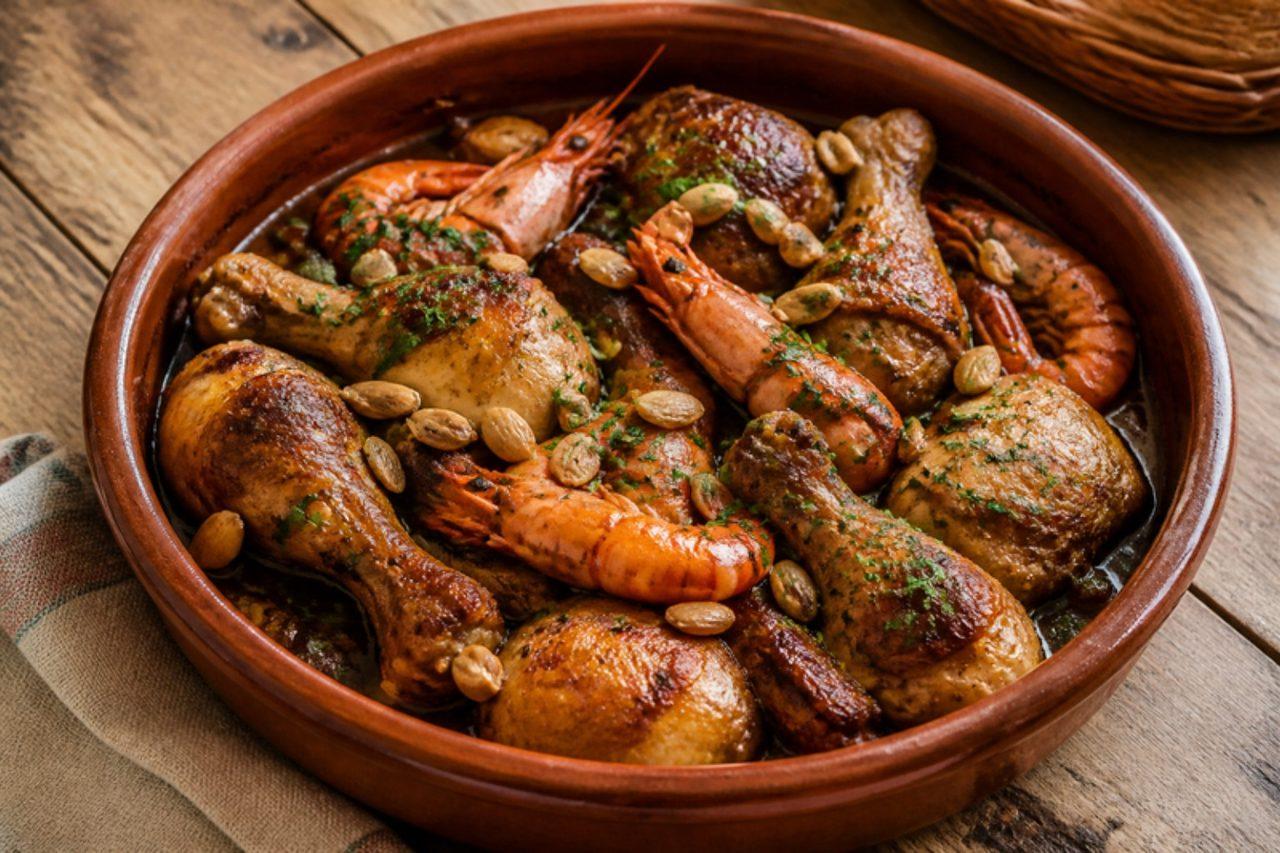
Mar i muntanyaChicken and prawn casserole

Sea and mountain: the cooks of the Empordà, between the Pyrenees and the Costa Brava, have long put chicken and seafood in one pot, and this version with prawns is the one most families make for a celebration lunch. The sauce is a dark sofrito finished with a picada of almonds, hazelnuts, garlic and a little dark chocolate, which adds depth rather than sweetness. It uses wine; the alcohol-free option is in the ingredient list. Chef's tip: cook the prawns only briefly at the start and return them at the end, so they stay juicy while the chicken braises.

by KrazyBadal 0 views

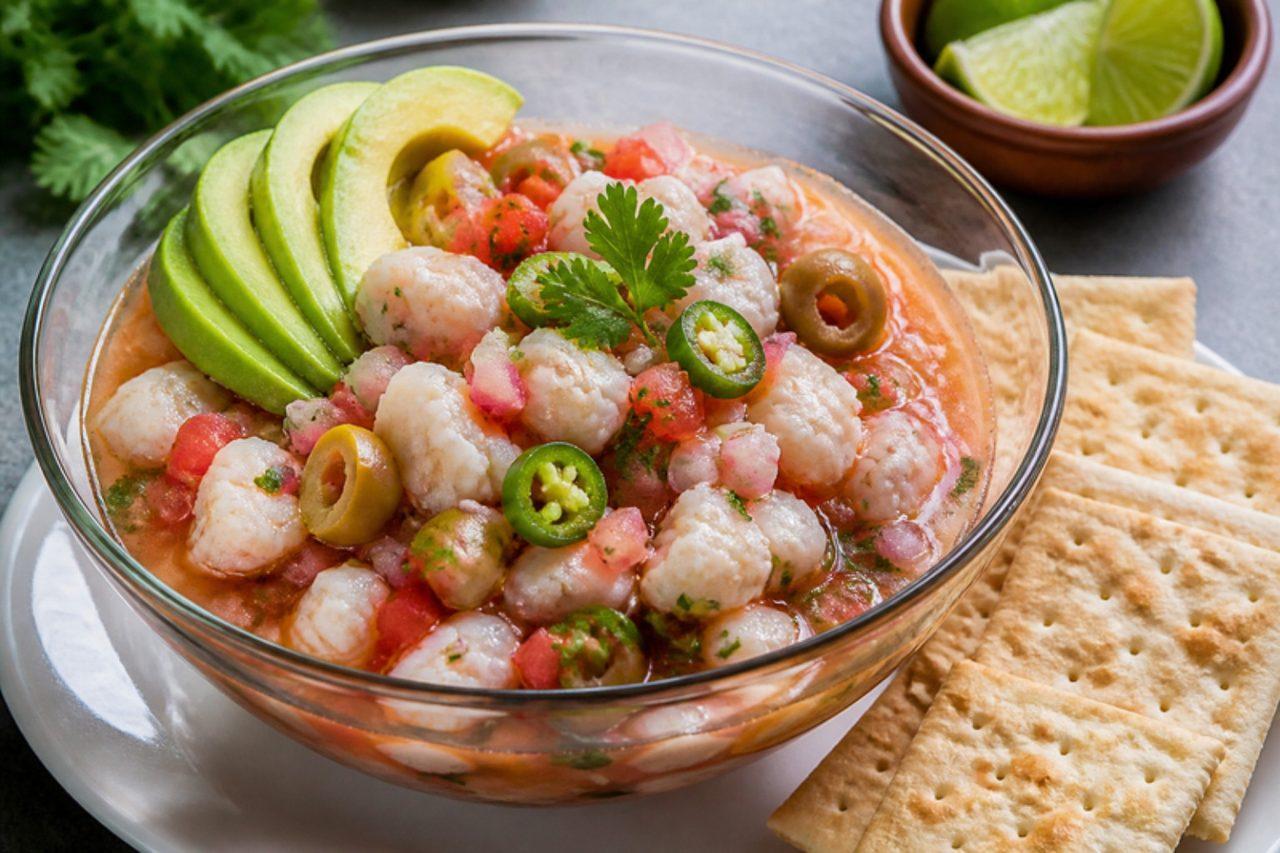
Ceviche acapulqueñoLime-marinated fish with tomato and orange

On the beaches of Acapulco, vendors sell ceviche in tall glasses with saltine crackers and tostadas: small cubes of white fish in lime with tomato, onion, green olives, chilli, a sweet streak of ketchup and fresh orange juice, eaten cold on a hot afternoon. The classic version is raw fish 'cooked' only by lime, which does not kill bacteria or parasites, so that version is not for pregnant women, young children or anyone with a weakened immune system. This safer recipe gently poaches the fish until just opaque, then chills it and dresses it in the same tangy, sweet-sharp mixture, so it keeps the firm, fresh texture. Serve with tostadas, crackers and slices of avocado. Chef's tip: dice the vegetables very small and the same size as the fish, so every spoonful has a bit of everything.

by KrazyBadal 0 views

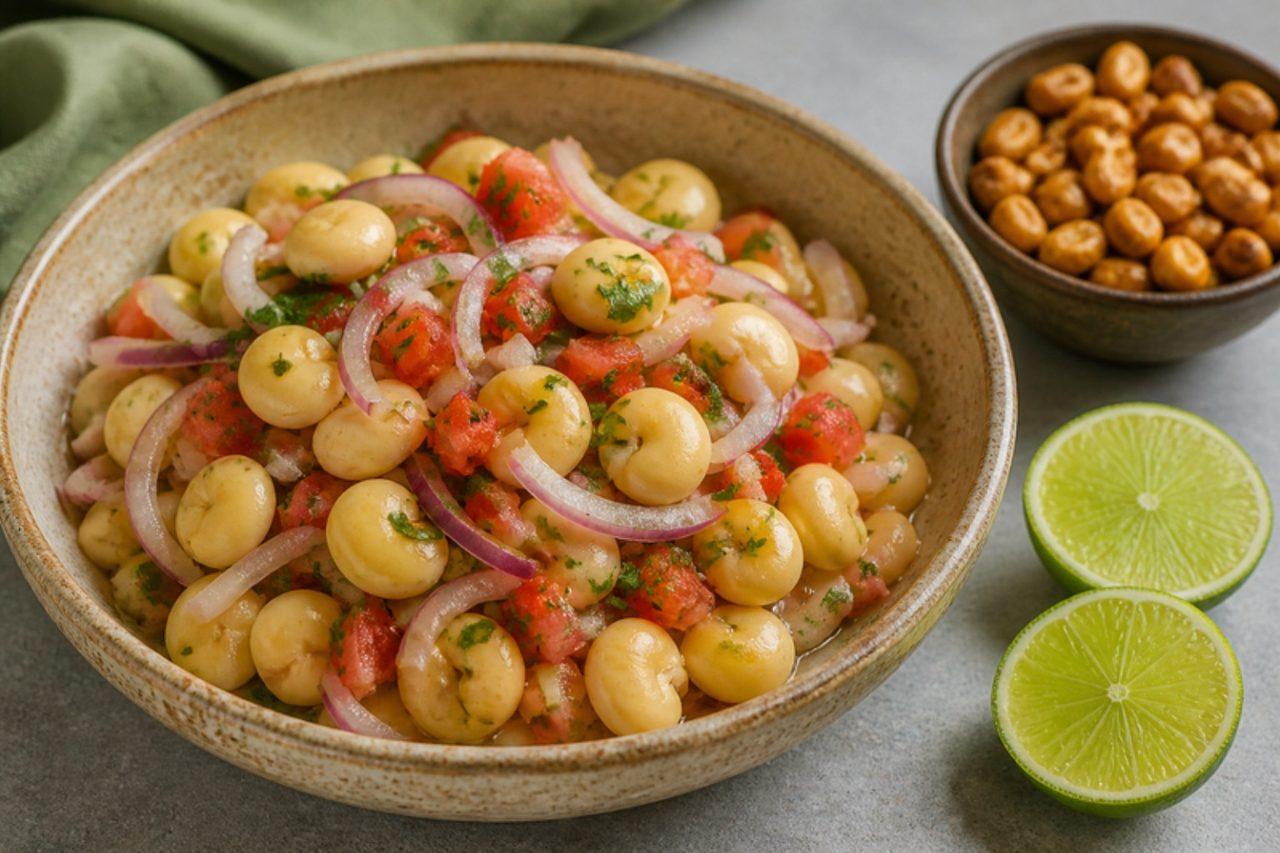
Ceviche de chochoLupin bean ceviche

Chocho, or tarwi, is the Andean lupin bean, a protein-packed legume grown high around Huaraz, Cajamarca and Puno, and street carts in the highlands sell it in plastic cups dressed like a ceviche: lime, red onion, tomato, coriander and a little ají, sometimes with toasted corn for crunch. It is fresh, sour and pleasantly firm, a vegan stand-in for fish ceviche that works as a starter or a light lunch. Food safety matters here: raw or bitter lupins contain toxic alkaloids and must never be eaten as they are. Use only ready-debittered, cooked chochos, sold in jars, vacuum packs or chilled tubs in Latin shops; if they taste bitter, rinse and soak them longer or throw them away. Lupin is also a common allergen and may affect people allergic to peanuts. The usual mistake is to drown everything in lime and leave it, which makes the onion limp; mix the dressing just before serving. Chef's tip: squeeze the limes gently by hand rather than with a press, so the juice doesn't turn bitter.

by KrazyBadal 0 views

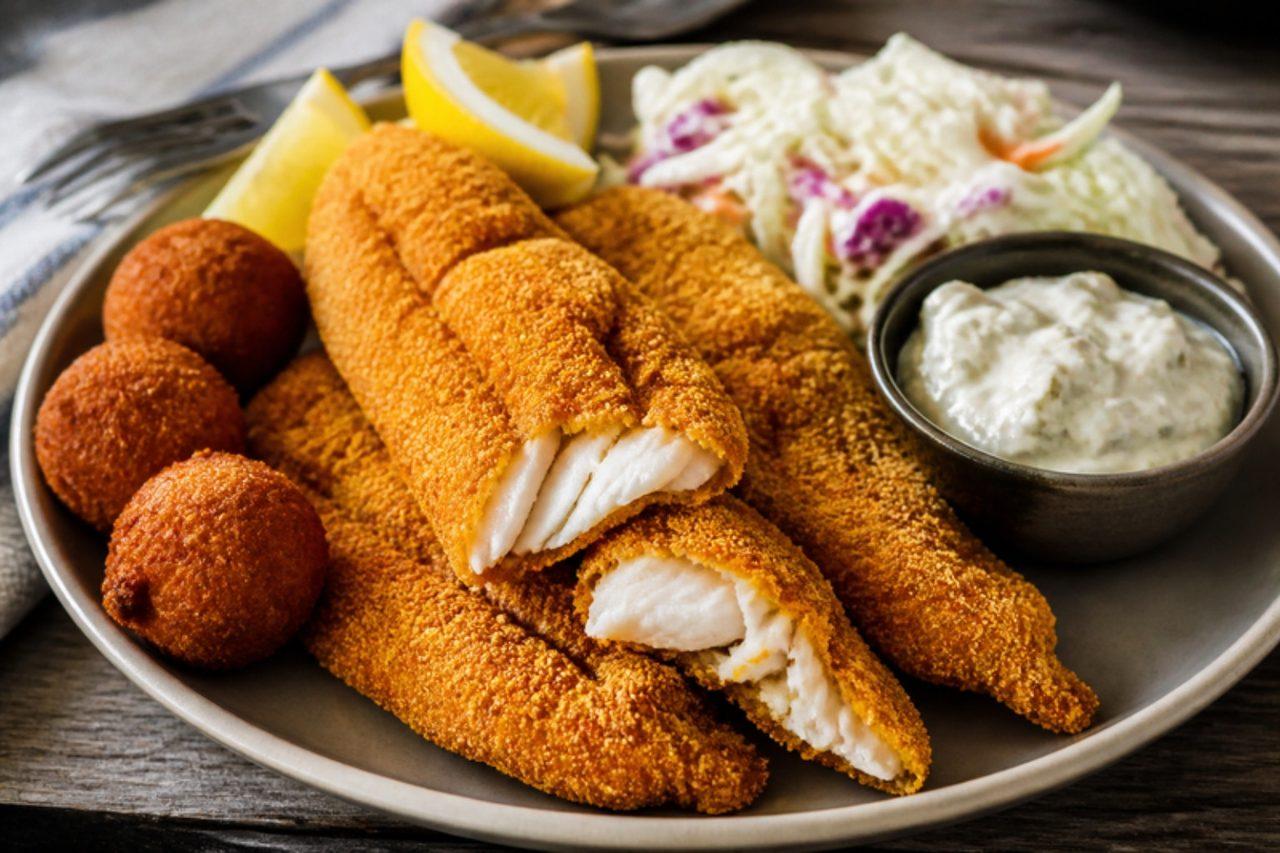
Southern fried catfish

Fried catfish is the Friday night fish-fry and Delta church supper of Mississippi and Arkansas, where much of America's catfish is farmed. Fillets are soaked in seasoned milk or buttermilk, rolled in cornmeal and fried until the crust crackles and the mild, sweet fish inside flakes apart. Serve with hushpuppies, slaw and lemon. Chef's tip: cut thick fillets in half lengthways so they cook in the same time as the crust browns.

by KrazyBadal 0 views

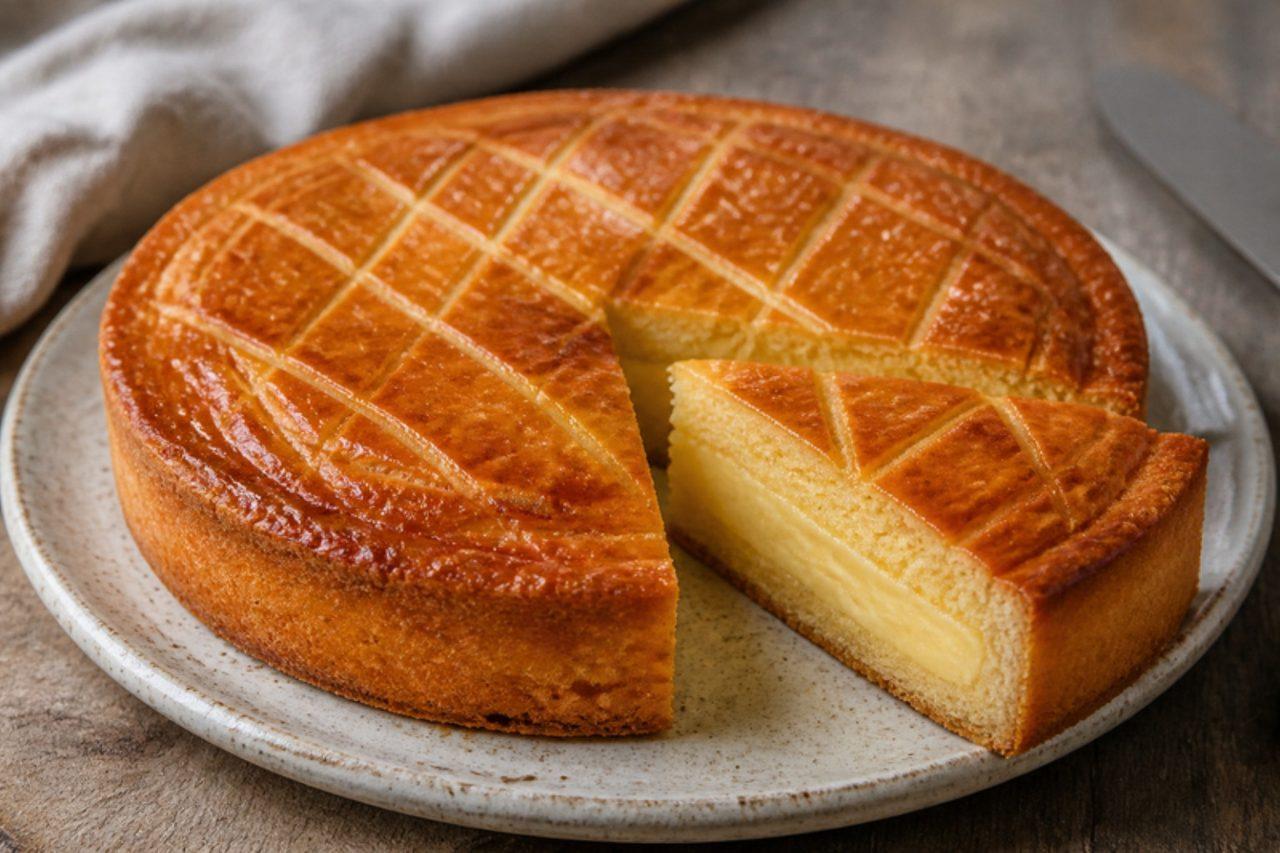
Gâteau basqueCream-filled butter cake

Cambo-les-Bains and the inland villages of the Labourd claim the gâteau basque, and bakeries across the Basque Country sell it in two versions, filled with black cherry jam from Itxassou or with thick pastry cream, marked with a criss-cross or a Basque cross on top. Families buy one for Sunday lunch and cut it at room temperature with coffee. Its crust is halfway between shortbread and cake, golden and crumbly, wrapped round a soft vanilla centre. Some bakers flavour the cream with rum; this one uses vanilla and almond extract and is alcohol-free. For the cherry version, swap the cream for 300 g thick black cherry jam. Chef's tip: chill the dough well before rolling; it is soft and buttery and tears when warm.

105 minFrenchBaking
by KrazyBadal 0 views

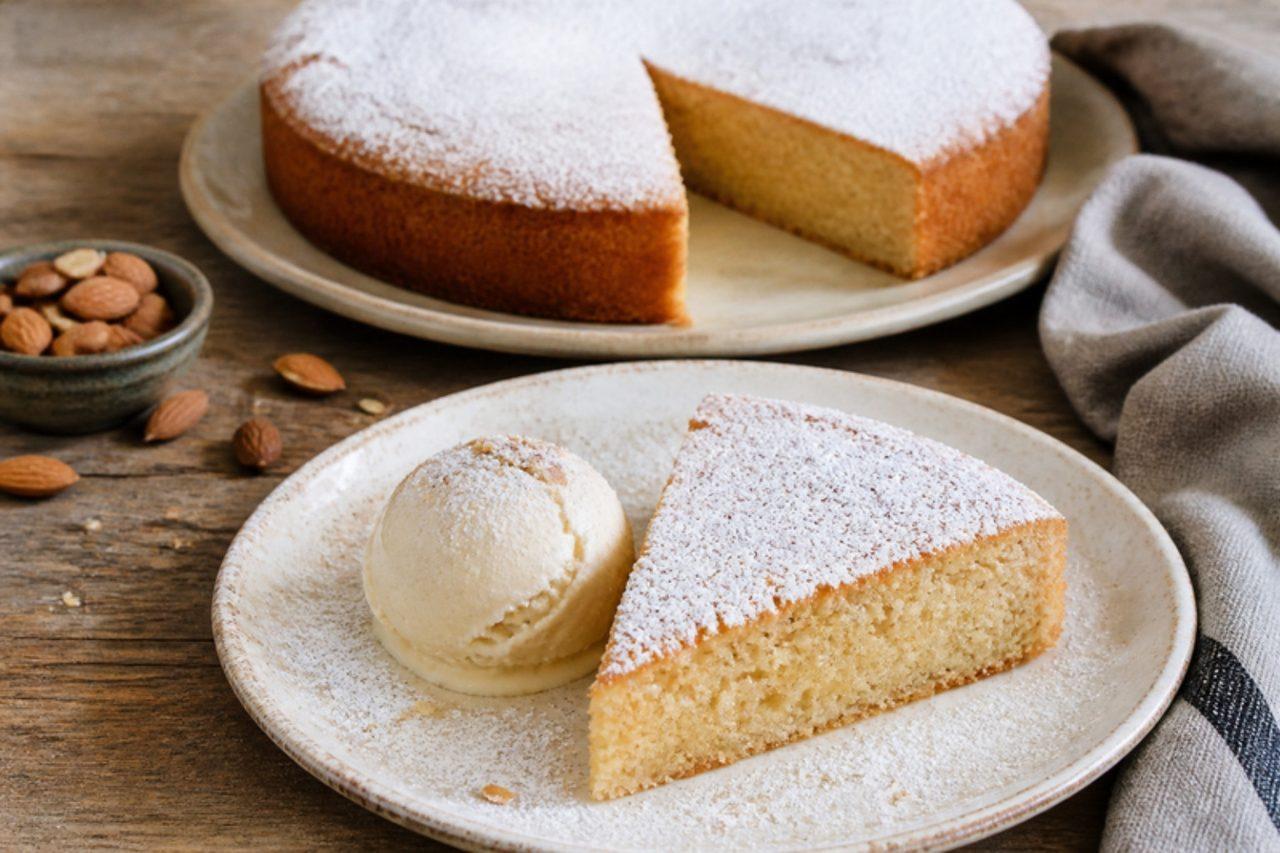
Gató d'ametllaFlourless almond sponge cake

Every Mallorcan pastry shop sells gató, a light, moist sponge made with ground almonds instead of flour, and the classic way to eat it is a wedge beside a scoop of gelat d'ametlla, the island's almond ice. The almond groves that bloom white across the island in February give both. It is the cake for saint's days and Sunday visits, and it happens to be gluten free. The ice here is made the old way, with almonds, sugar, water and lemon peel, no cream. Chef's tip: fold the whipped egg whites in with a big metal spoon and stop as soon as no white streaks remain, because the air is all that lifts the cake.

by KrazyBadal 0 views

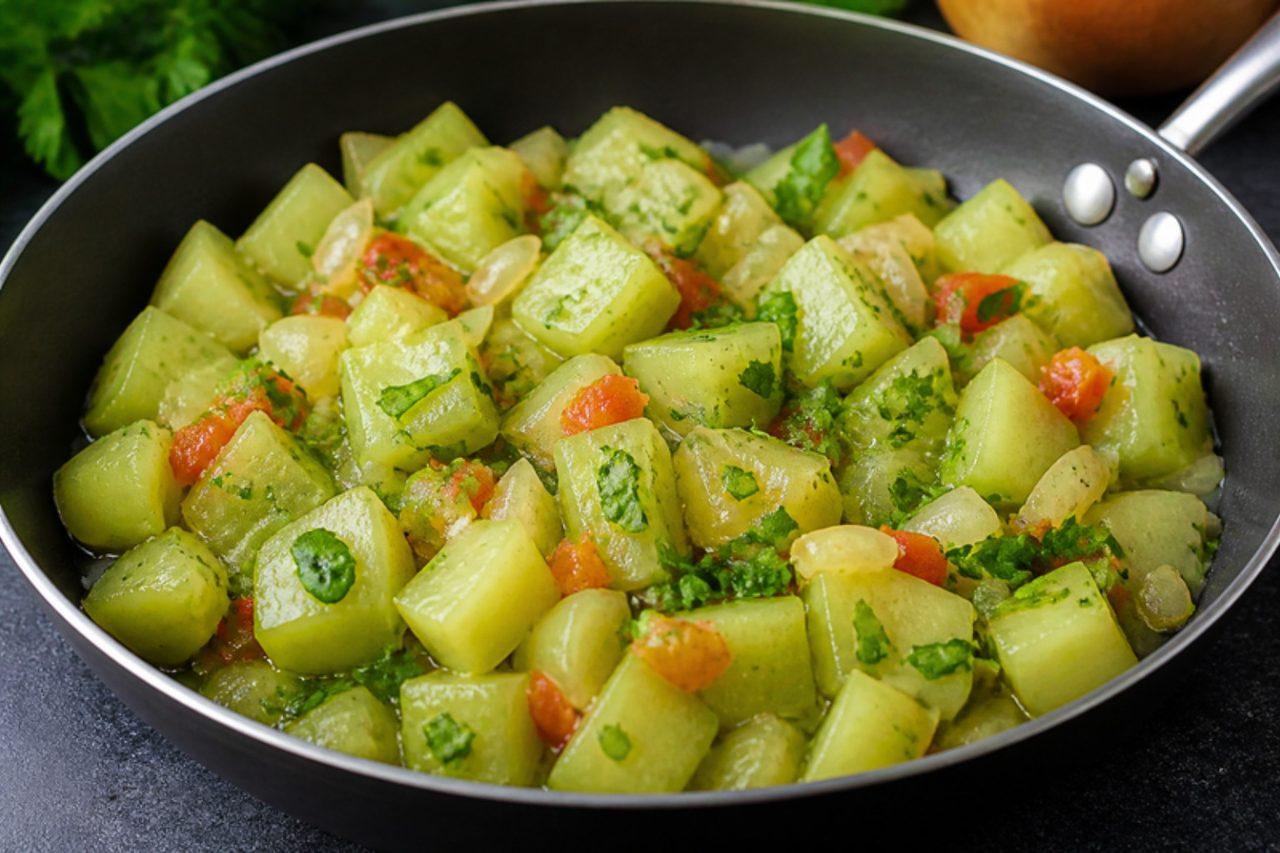
Chuchu refogadoSautéed chayote

Chayote is so cheap and common in Minas Gerais that Brazilians joke it tastes of nothing; this everyday refogado proves the point wrong. Peeled and diced, it is softened in garlic, onion and a little tomato with its own juices until it turns tender, pale green and silky, picking up all the flavour of the base. It is the side you find at every self-service lunch in Belo Horizonte, alongside rice, beans and couve, and works with grilled tofu, eggs or a bean stew. Adding water is the most common error: chuchu releases plenty of liquid, and extra water makes it bland and soupy. Chef's tip: rub a little oil on your hands, or wear gloves, before peeling; the cut fruit releases a sticky sap that leaves your skin tight and dry.

by KrazyBadal 0 views

Ghorabieh TabriziAlmond and egg-white cookies

Every traveller to Tabriz is expected to bring back a box of ghorabieh from the bazaar confectioners: pale, domed almond cookies with a thin crackled shell and a soft, chewy middle, scented with vanilla and sometimes topped with a sliver of pistachio. They are a Nowruz favourite in Azerbaijan province and keep well, so families bake them a week ahead. A common mistake is baking them too hot, which browns the outside before the inside sets and leaves them hollow. Chef's tip: let the piped cookies sit for 20 minutes before baking so a skin forms; that skin gives the classic crackled top.

by KrazyBadal 0 views

Choucroute garnieSauerkraut with smoked pork and sausages

From the winstubs of Strasbourg to the brasseries near Paris's Gare de l'Est, choucroute garnie is the dish that announces autumn, when the new season's sauerkraut arrives. It is a pork feast: smoked pork belly and smoked pork loin braised on a bed of sauerkraut softened with white wine, juniper and onion, then crowned with Strasbourg and smoked sausages and boiled potatoes. The cabbage turns mellow and silky rather than sharp, and soaks up the smoky fat. The braise uses dry white wine; the ingredient notes give an alcohol-free swap. Serve it with strong Dijon mustard and a little horseradish on the side. Chef's tip: rinse the sauerkraut only once and squeeze it well, so it keeps a little tang but doesn't make the whole dish sour.

130 minFrenchMeat
by KrazyBadal 0 views

Chairo puneñoLamb, chuño and wheat soup

High on the Altiplano, where nights freeze even in summer, chairo is the soup that gets Puno's market workers and farmers through the day. It is thick and brothy at once: lamb on the bone and a little charqui (dried meat) simmered with crushed chuño, peeled wheat, broad beans, potatoes and squash, scented with cumin, oregano and huacatay or mint. Expect a deep, meaty, slightly smoky bowl with lots of chew. Soak the chuño and the wheat overnight. A common error is adding the potatoes with the meat, so they dissolve before the lamb is tender; they go in for the last 25 minutes. Chef's tip: crush the soaked chuño into small pieces by hand; they thicken the broth as it cooks.

by KrazyBadal 0 views

Bakewell tart

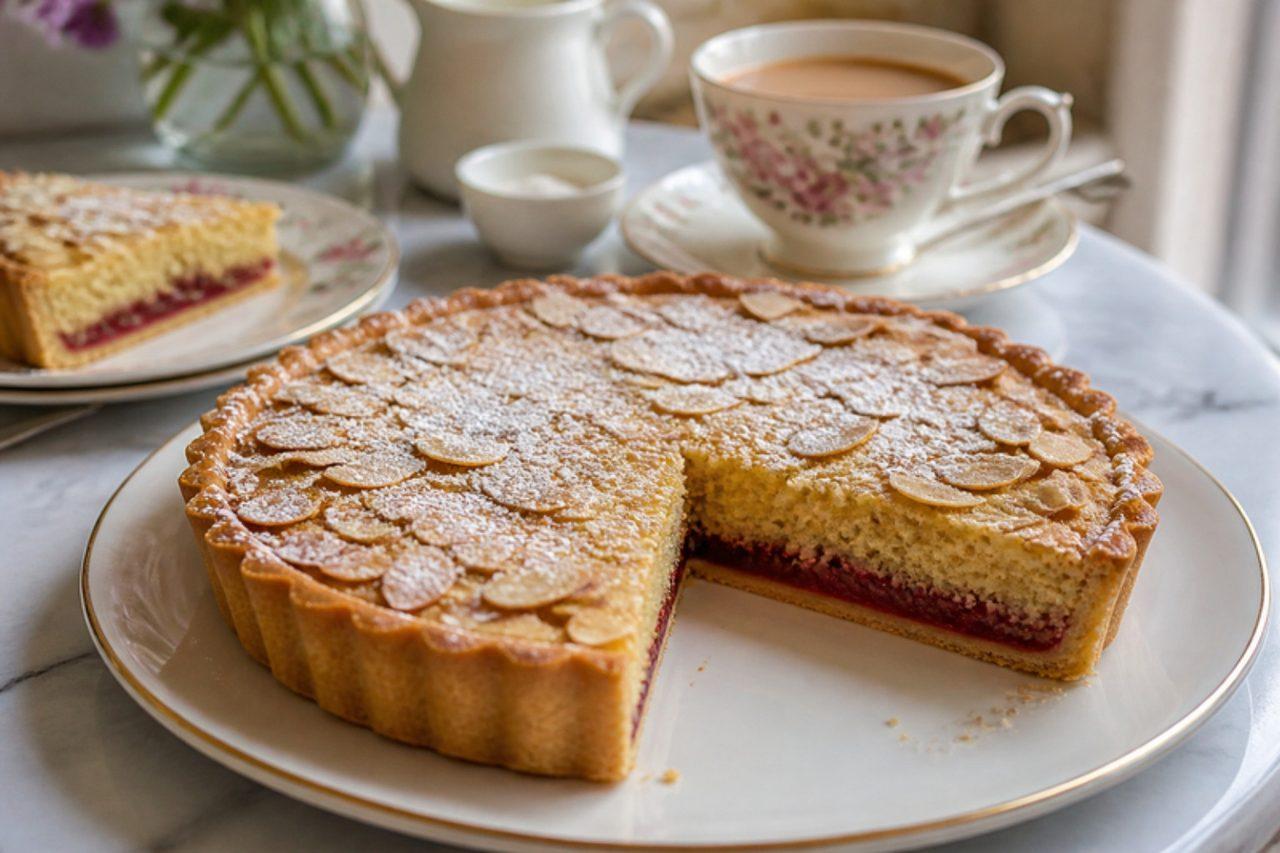
The Derbyshire market town of Bakewell in the Peak District is home to the Bakewell pudding, and its descendant, the Bakewell tart, is the one baked in every English home and village tea shop. Shortcrust is spread with raspberry jam and filled with a soft almond frangipane, then scattered with flaked almonds. Chef's tip: spread the jam thinly and leave a 1 cm border, or it boils up through the frangipane.

by KrazyBadal 0 views

Gachas dulcesSweet aniseed flour porridge

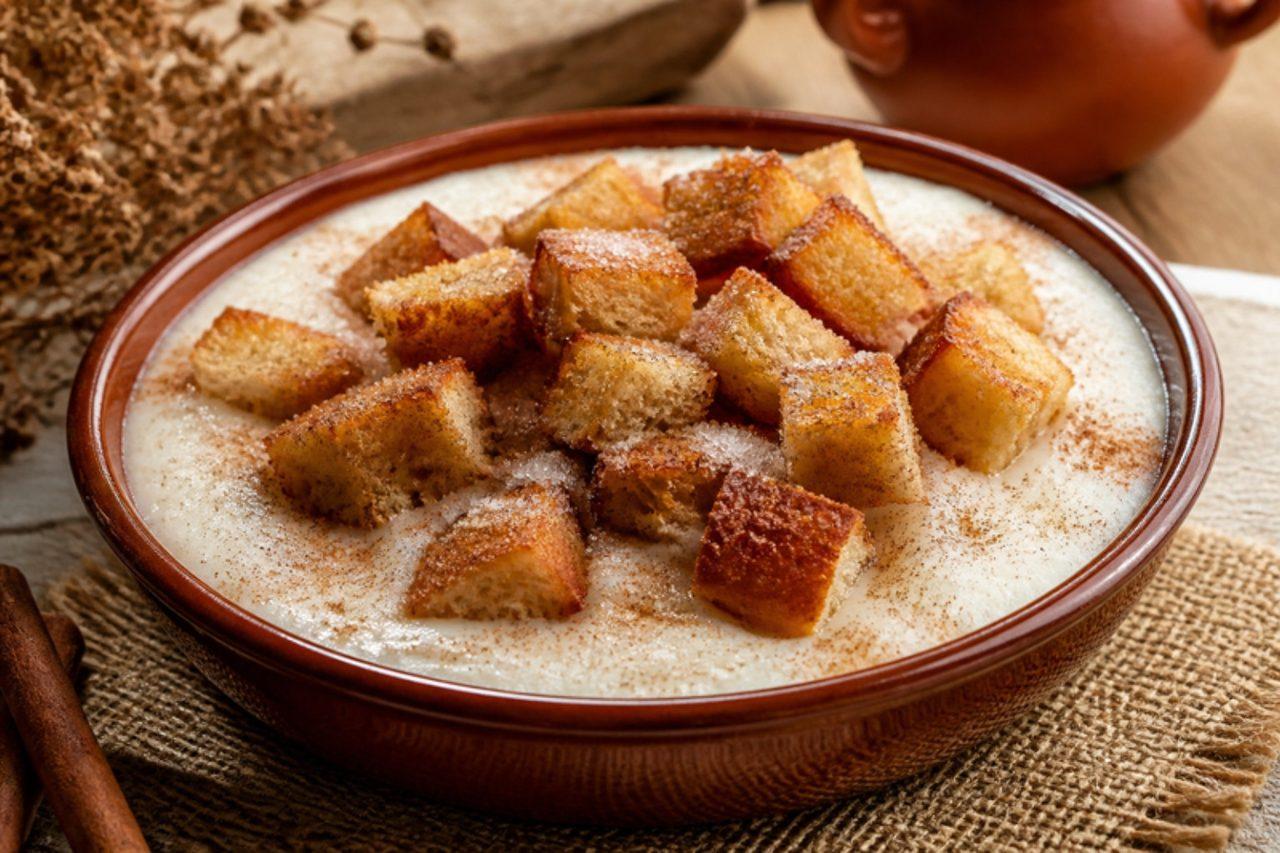
On the night of 31 October and on All Saints' Day, families across La Mancha make sweet gachas: flour toasted in olive oil with aniseed, loosened with milk and sugar into a soft cream, and topped with crisp cubes of fried bread. Each person dips a spoon into the communal dish while the season's first cold nights settle in. Chef's tip: toast the flour in the oil until it smells nutty before adding any milk; raw flour tastes pasty.

by KrazyBadal 0 views

Rosquillas de San IsidroAniseed doughnut rings

Every 15 May, crowds head to the Pradera de San Isidro on Madrid's southern edge for the patron saint's festival, and stalls sell rosquillas by the dozen: plain "tontas" (silly ones) and iced "listas" (clever ones). Many families now bake them at home that week. Old recipes ice the listas with raw egg white; this one uses a lemon and icing-sugar glaze, which is safer and sets just as white. Chef's tip: oil your hands to shape the rings; the dough is soft and sticky by design.

by KrazyBadal 0 views

Gavurdağı salatasıTomato, pepper and walnut salad

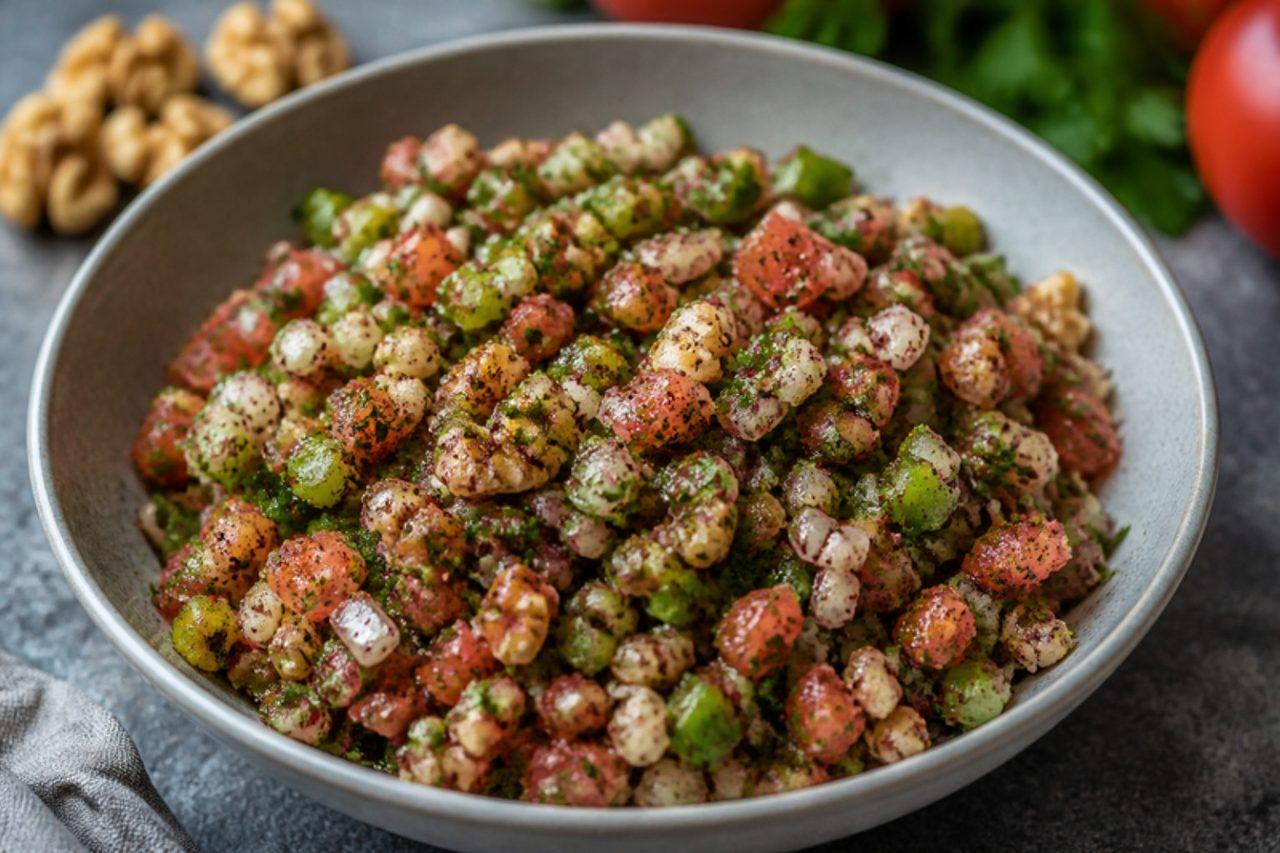
Named after the mountains east of Gaziantep, this is the salad that lands on every kebab-house table in the city, chopped so fine it is almost a relish. Tomatoes, onion, green pepper and parsley meet toasted walnuts, sumac and a sour-sweet dressing of pomegranate molasses and olive oil. It cuts through rich grilled meat or bulgur, and is just as good scooped up with flatbread as a meze. Dress it just before serving; if it sits, the salt pulls water from the tomatoes and it swims. Chef's tip: deseed the tomatoes and dice everything to the size of a lentil so each spoonful has a bit of all of it.

by KrazyBadal 0 views

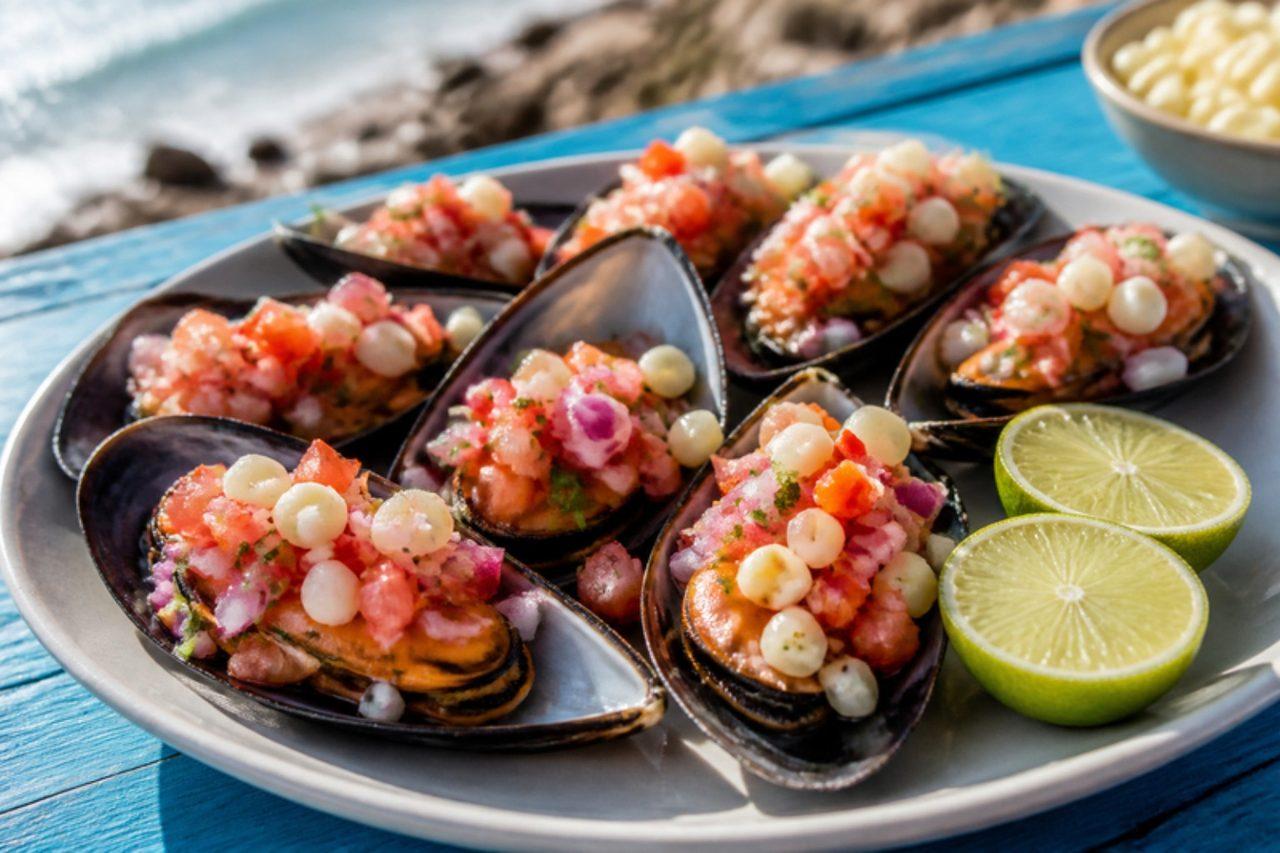
Choros a la chalacaCold mussels with corn salsa

Named for the people of Callao, Lima's port, choros a la chalaca are what you order with friends at a seafront cevichería on a hot afternoon: steamed mussels, chilled, each on its half shell under a bright, wet salsa of red onion, tomato, Andean corn, rocoto and lime. Cool, sweet, briny and sharp, they are eaten with your fingers in two bites, often before a ceviche or a jalea. Here the mussels are fully steamed open first, so nothing is served raw. People often overcook them while waiting for the last stubborn shells, which leaves the rest rubbery; lift them out as soon as each one opens. Chef's tip: dress the salsa no more than 15 minutes ahead, and spoon a little of the juice onto every mussel; that juice is the whole point of the dish.

by KrazyBadal 0 views

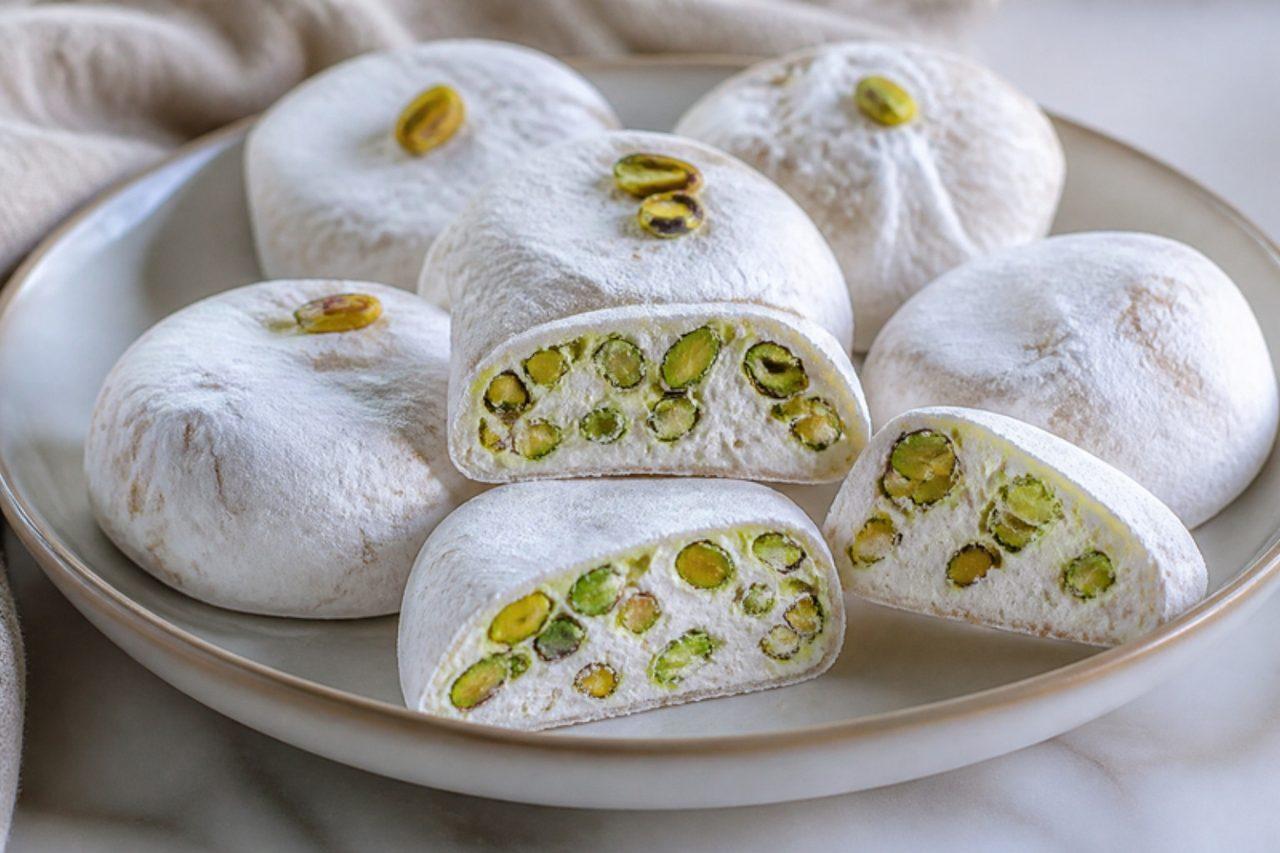
GazPistachio nougat

Gaz is the sweet every visitor carries home from Isfahan, sold in round tins of floury, pistachio-studded pieces at the bazaar near Naqsh-e Jahan square and handed round with tea at Nowruz. Isfahan's confectioners make it with angebin, a sap gathered from tamarisk shrubs, which is hard to find abroad; this home version whips egg white into a hot sugar and glucose syrup to get the same soft, chewy, white nougat, scented with rosewater. A common mistake is pulling the syrup off the heat too soon: below 140 °C the gaz stays sticky and never sets. Chef's tip: cut it with a knife dipped in hot water and toss the pieces straight into flour so they don't stick to each other.

by KrazyBadal 0 views

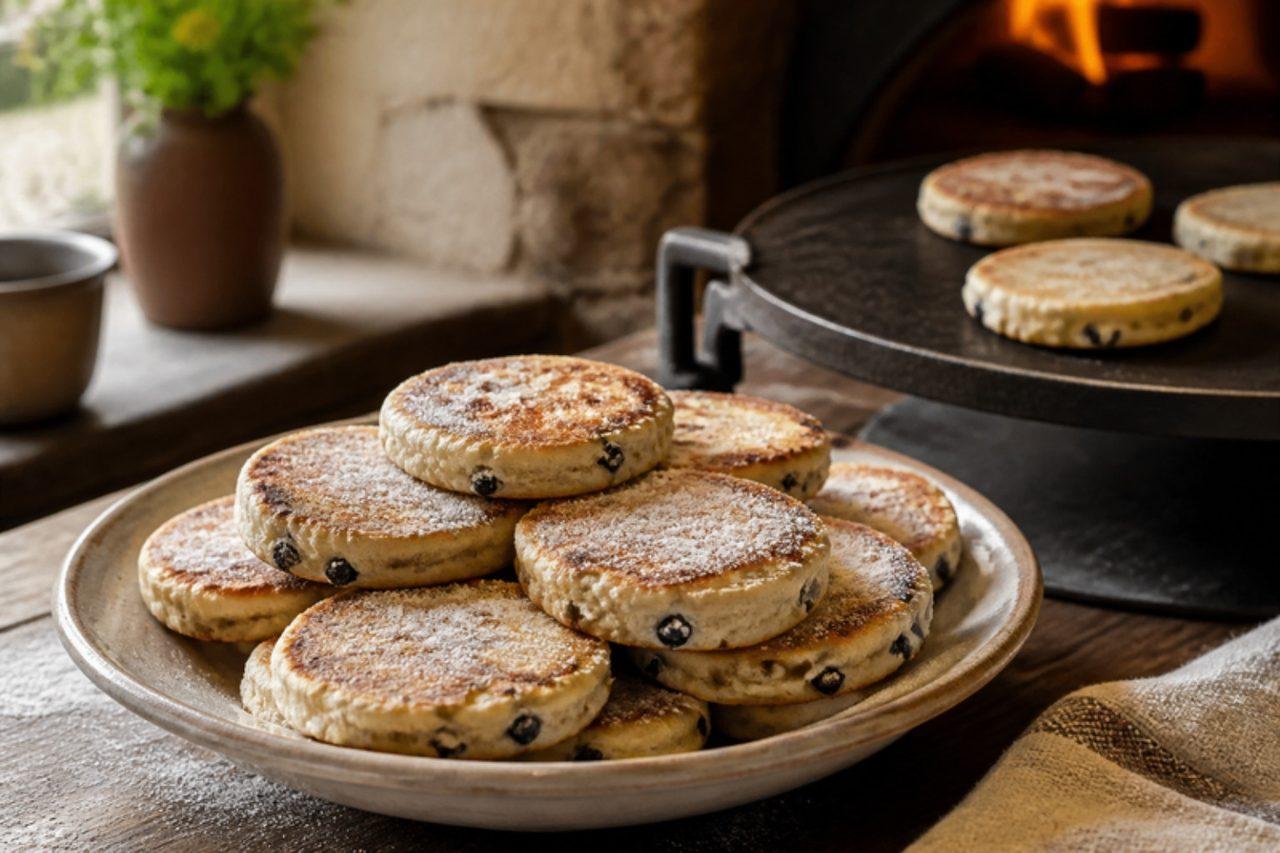
Welsh cakes

Welsh cakes, picau ar y maen or 'cakes on the stone', are cooked on a cast-iron bakestone in kitchens across Wales and sold warm at markets and rugby matches, and they are a must on St David's Day, 1 March. The dough is like a rich scone with currants and mixed spice, and they are dusted with sugar while hot. Chef's tip: keep the heat medium-low; they need time for the middle to cook before the outside darkens.

by KrazyBadal 0 views

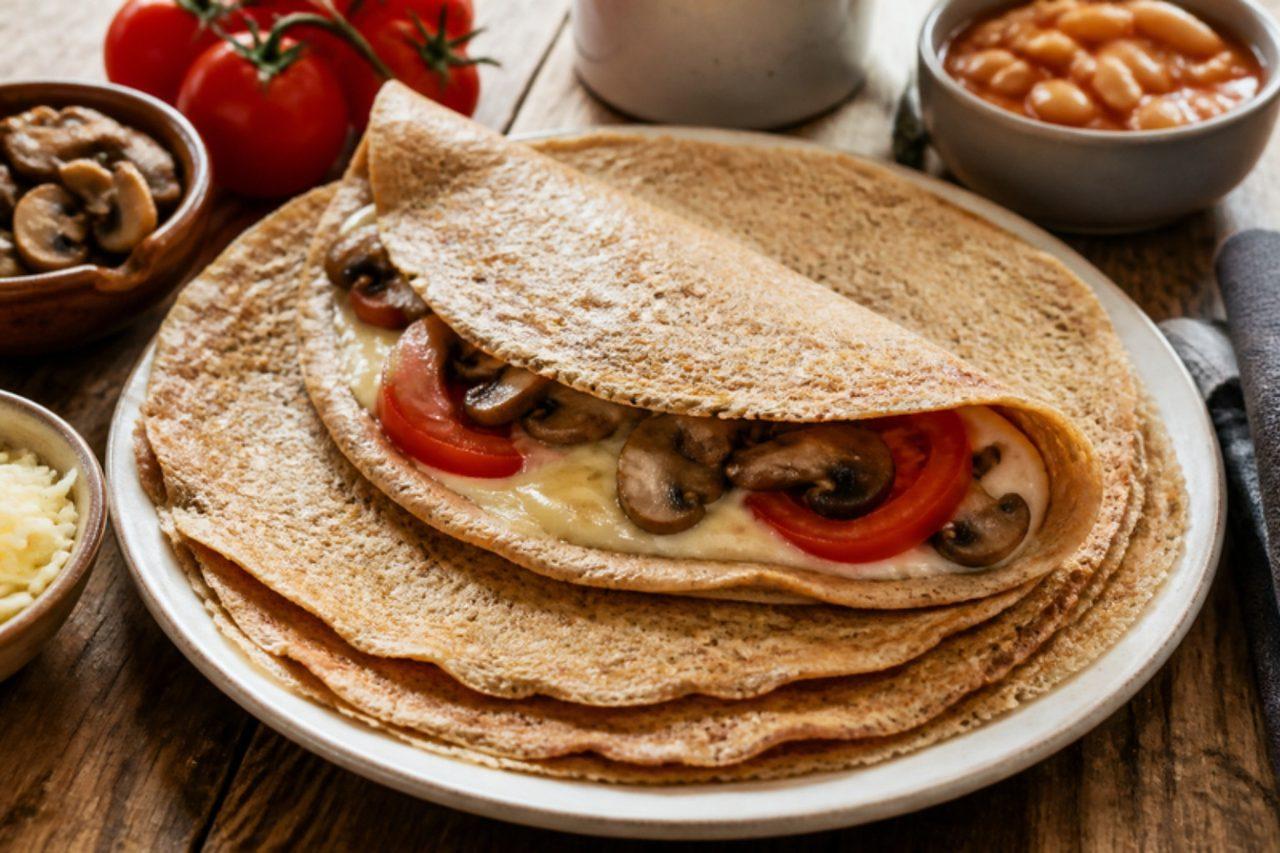
Staffordshire oatcakes

In Stoke-on-Trent and the Potteries towns, oatcakes are not crisp biscuits but large, soft, holey pancakes made from a yeasted oat and wheat batter, sold warm from shop hatches in the morning. They are rolled around fillings of melted cheese, tomato and mushroom, or folded up with beans. Chef's tip: the batter should be thin like single cream; if it is thick the oatcakes come out stodgy instead of lacy.

by KrazyBadal 0 views

Showing 36 of 7,762 recipes

Show more recipes

Page 417 of 863