Skip to content
Patay
Featured recipe

Patay

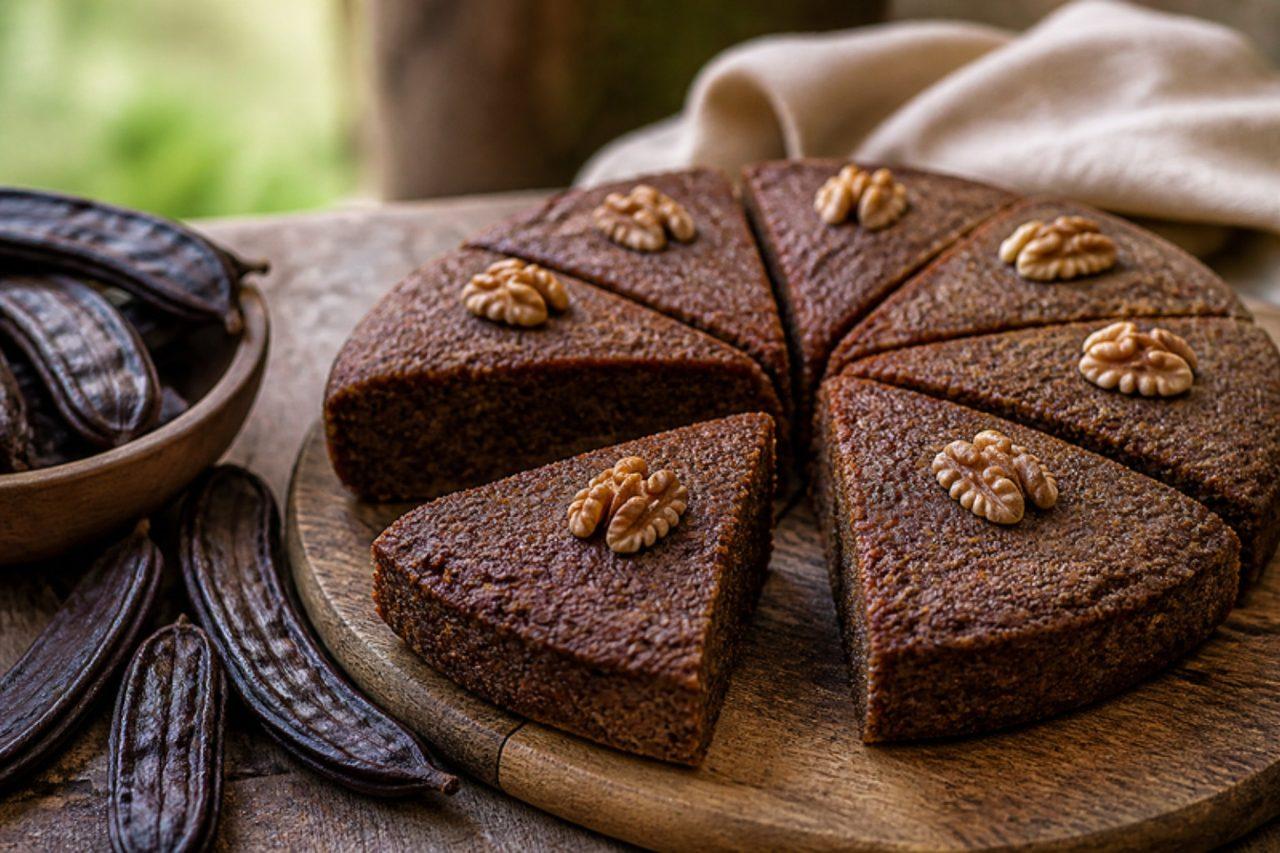
Algarroba pod cake

Long before sugar reached the dry northwest, the pods of the algarrobo tree were the region's sweetness, and patay is the oldest way of keeping them: the pods are ground, the flour is moistened and pressed into a cake that dries into something dense, fudgy and naturally sweet, with notes of cocoa, coffee and caramel. In Santiago del Estero you still buy it in round slabs at markets and roadside stalls, to eat with mate or to crumble into milk. Harina de algarroba comes from the South American Prosopis tree; look for it in health-food shops or online, and mesquite flour is the same family and works well. Mediterranean carob flour is different and tastes more bitter. Too much water is the way most first attempts go wrong: the cake should be pressed from a damp, crumbly mix, not a batter, or it bakes up gummy. Chef's tip: sieve the flour twice; algarroba flour clumps, and lumps stay as hard grains.

Read more 0 views

What to eat today?

Around the world

Today's trip: Paraguayan

A new country every day, from every cuisine on the site.

Paraguayan

Chipa

Cheese bread rings 50 minMore from Paraguayan (27) →

This week's collection

Kid-friendly dinners
537 recipes · a new collection every Monday

Latest recipes

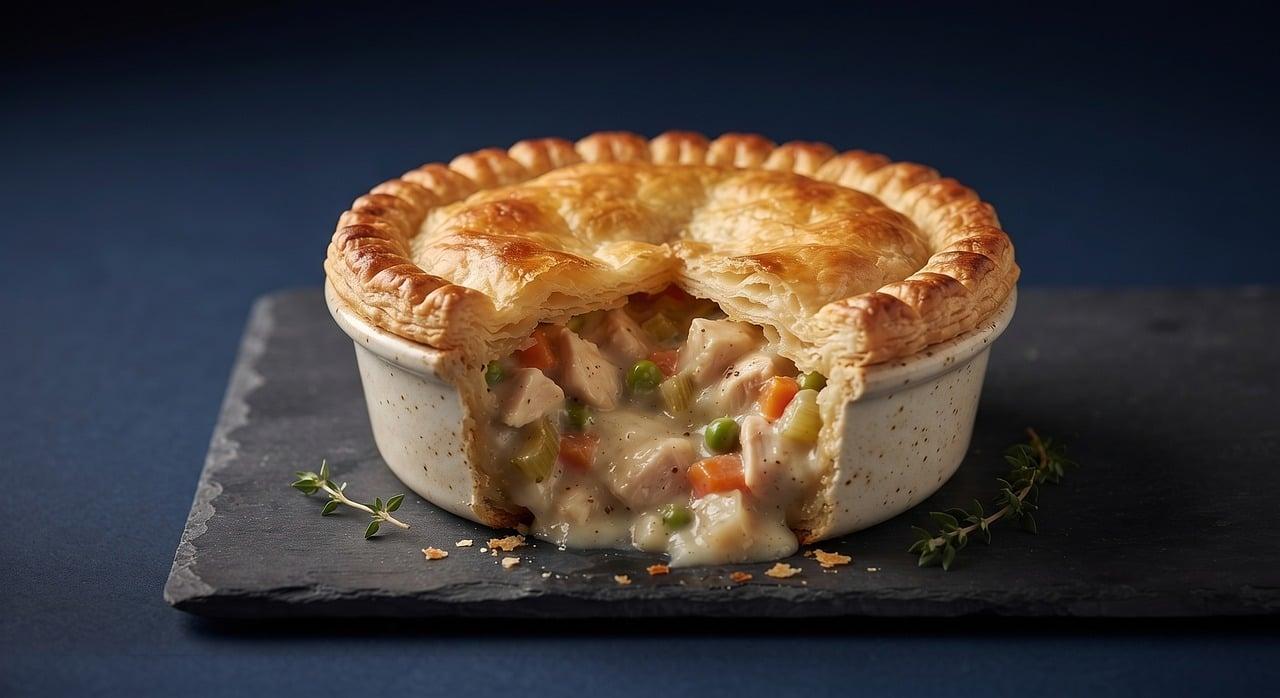
Irish chicken and ham pie

Chicken and ham pie is the family supper of Irish homes from Westmeath to Wicklow, the way to stretch a roast chicken and a piece of cooked ham into another meal, and a staple of hotel carveries. The ham is pork. Both meats sit in a creamy leek and mushroom sauce under a puff pastry lid. Chef's tip: let the filling cool before putting on the pastry, or the butter in the puff melts and it won't rise.

by KrazyBadal 0 views

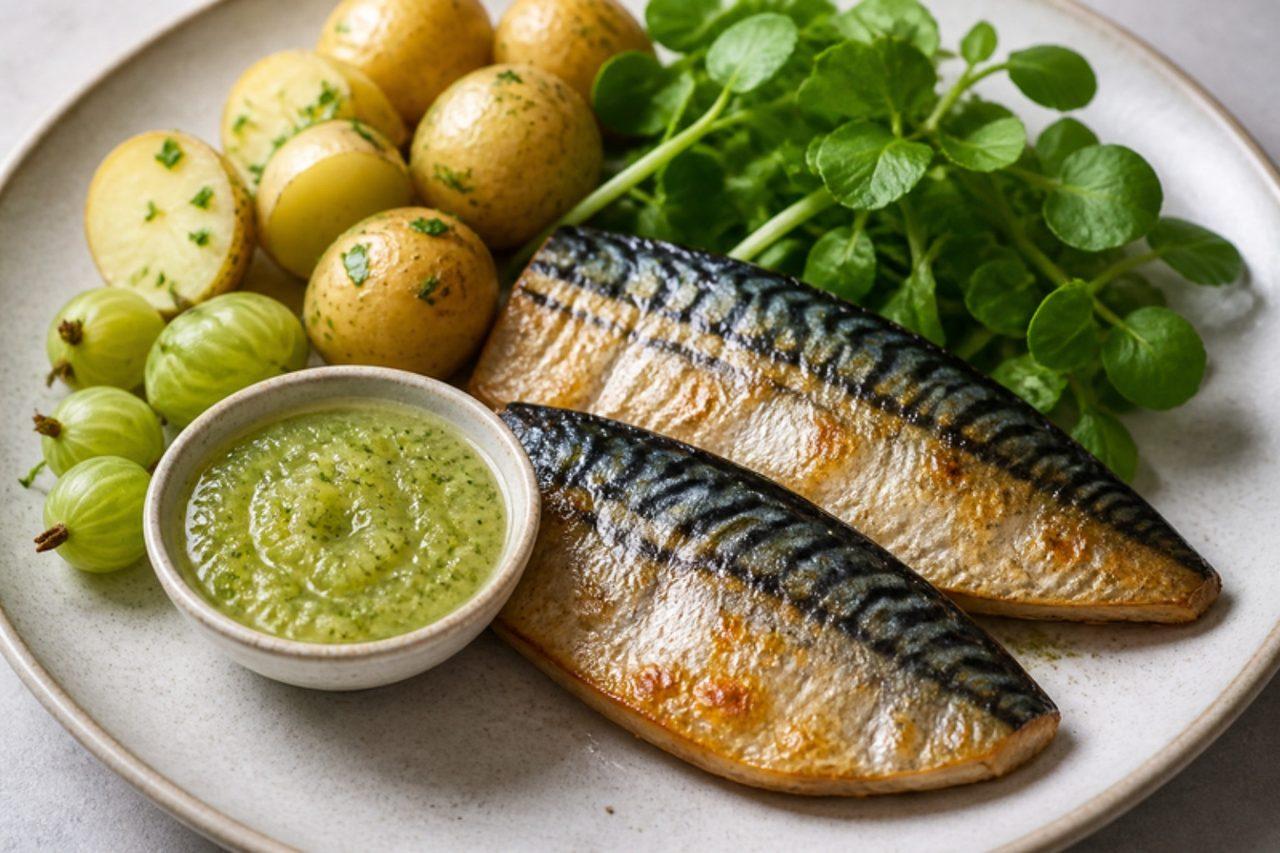
Mackerel with gooseberry sauce

In July and August shoals of mackerel come close to the piers from Kilmore Quay to Killybegs, and children catch them on hand lines for the evening pan. The old Irish partner for the oily fish is a sharp sauce of the gooseberries ripening in the garden at the same time, which cuts through the richness. Serve with new potatoes. Chef's tip: cook the fillets skin-side down almost all the way, so the skin crisps and the delicate flesh stays moist.

25 minIrishFishGluten free
by KrazyBadal 0 views

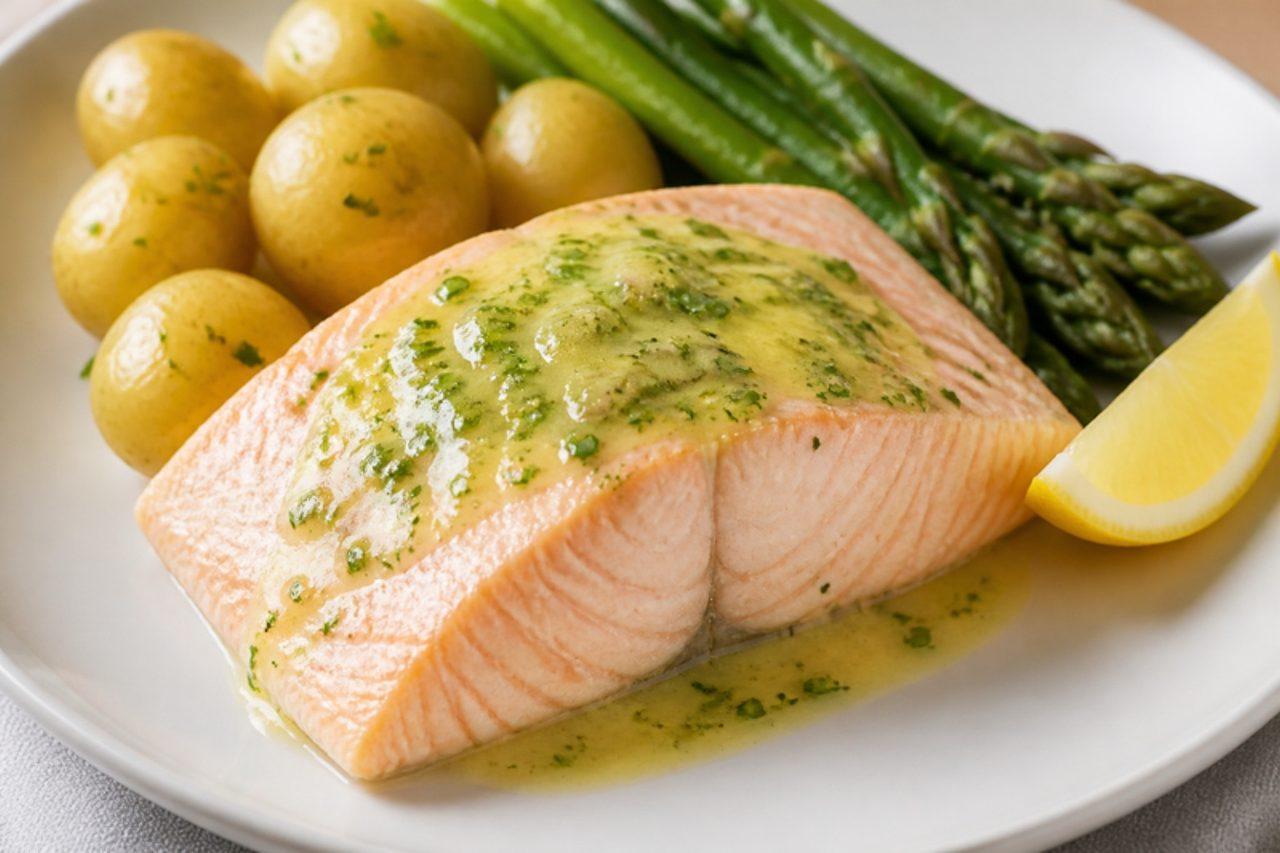
Poached Irish salmon with herb butter

A side of poached salmon is the centrepiece of Irish wedding buffets, First Communion lunches and summer gatherings along the Moy and the Blackwater, where wild salmon once ran thick. Poached gently in a court bouillon, it stays silky and moist, and here it is served warm with a simple chive and lemon butter sauce, new potatoes and peas. Chef's tip: never let the poaching liquid boil; it should barely shiver, or the salmon tightens and leaks white curds.

30 minIrishFishGluten free
by KrazyBadal 0 views

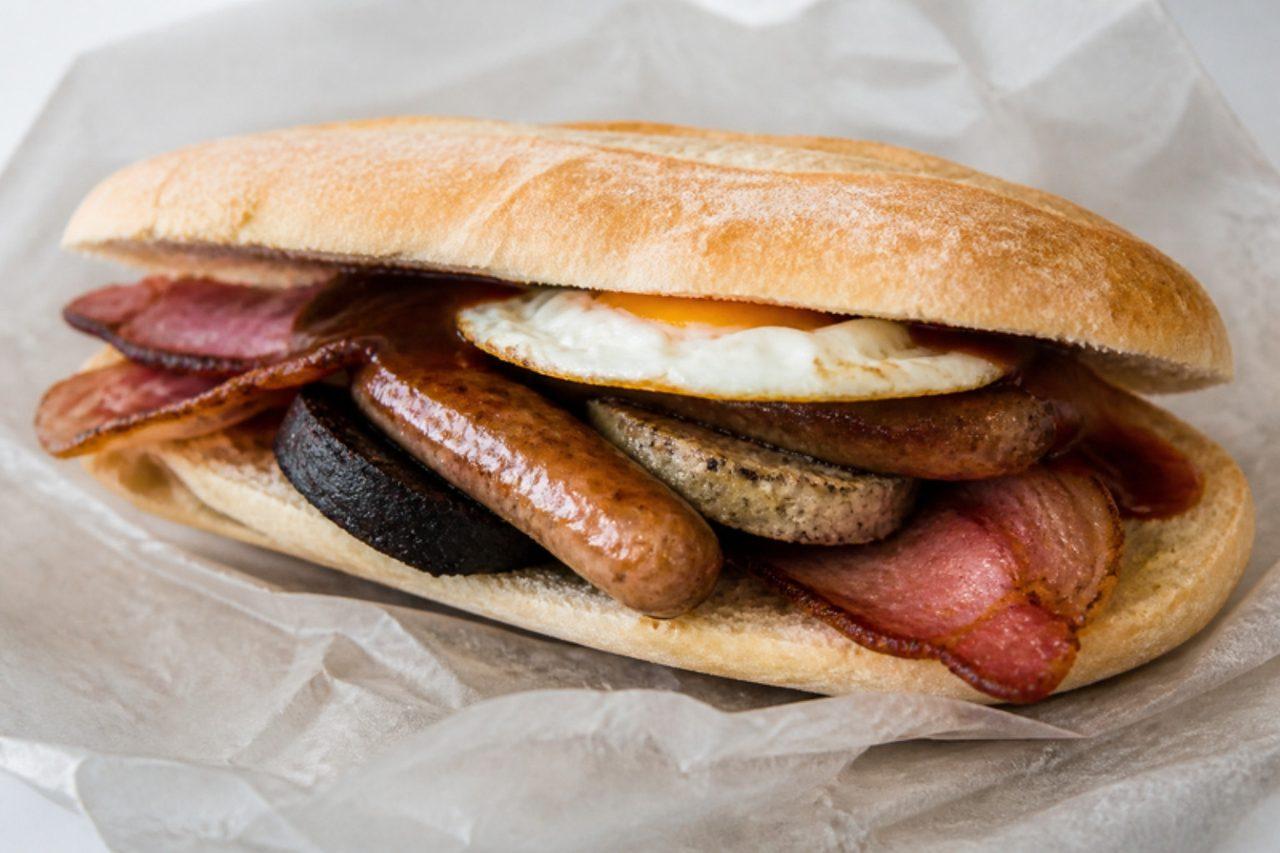
Irish breakfast roll

The breakfast roll is the hot deli sandwich of Irish petrol stations and corner shops, eaten from its paper bag by builders, commuters and students all over the country from early morning. A long, crusty baguette-style roll is packed with what is in a fry: pork sausages, rashers, black and white pudding and a fried egg, with butter and brown sauce or ketchup. Chef's tip: warm the roll in the oven so it is crisp outside and soft within before you load it.

by KrazyBadal 0 views

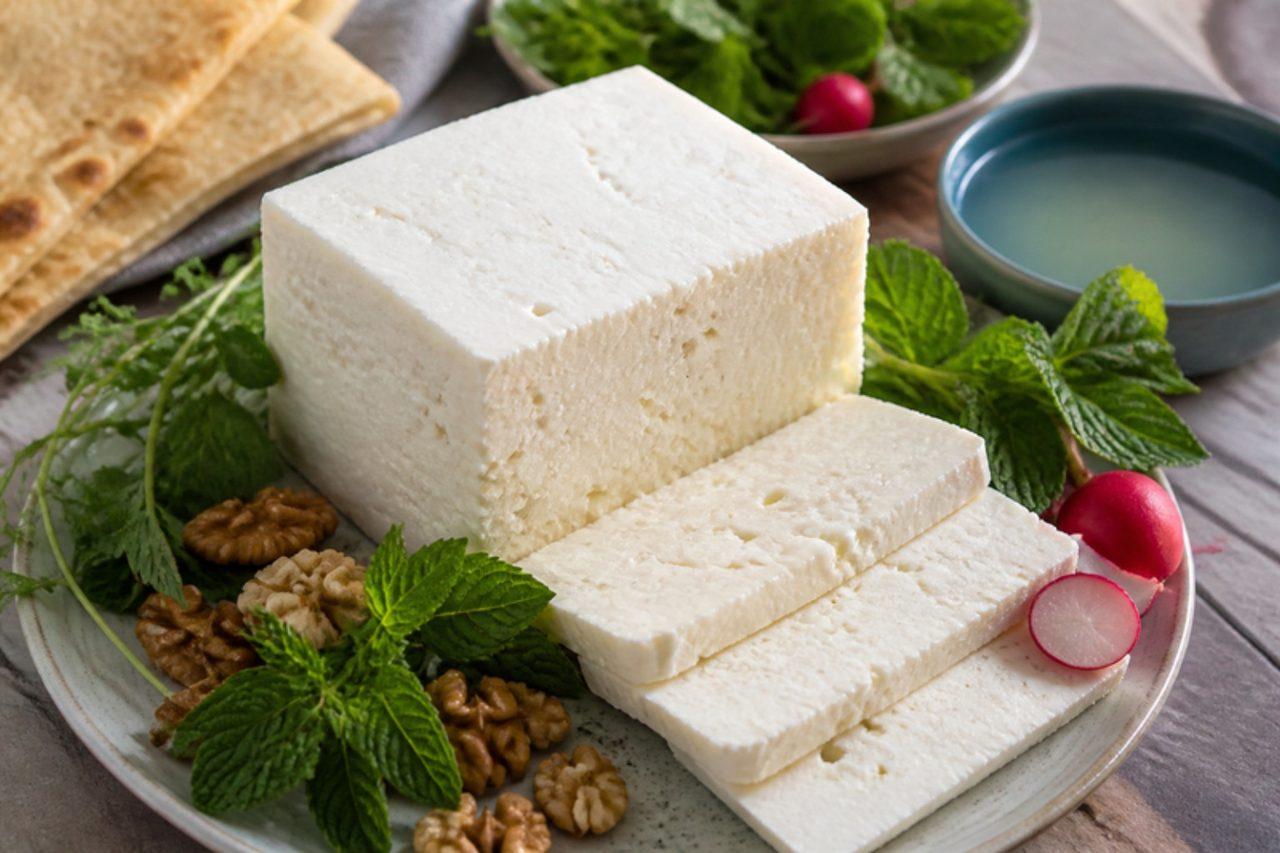
Lighvan-style brined cheese

The village of Lighvan, on the slopes of Mount Sahand south of Tabriz, gives its name to Iran's most loved breakfast cheese: a white, holey, tangy sheep's milk cheese matured in brine, traditionally in goatskins or tins in mountain caves. Across Azerbaijan province it is eaten every morning with warm bread, walnuts, fresh herbs and sweet tea. This home version uses pasteurised sheep's milk (or a mix with goat's milk) so it is safe to make in your kitchen. Village Lighvan is set with animal rennet; use a vegetarian (microbial) rennet to keep it vegetarian. The commonest mistake is cutting the curd before it gives a clean break, which loses yield and makes a crumbly cheese. Chef's tip: let the cheese firm in the fridge for a full week in the brine; it develops its classic tang and little holes as it matures.

1500 minPersianBasicsGluten free
by KrazyBadal 0 views

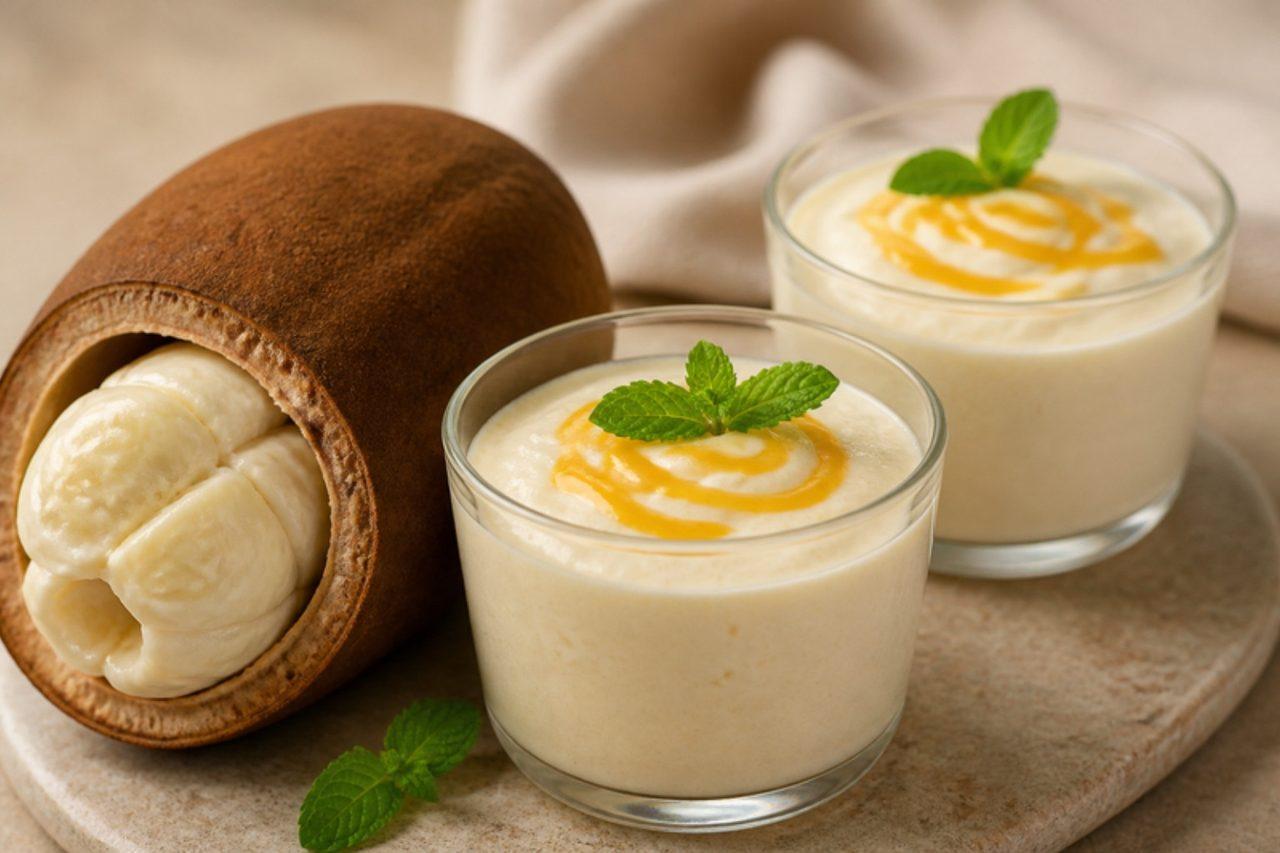
Mousse de cupuaçu

Cupuaçu, a cousin of cacao with a velvety white pulp, smells of pineapple, banana and chocolate at once and is one of the great flavours of Pará. Belém's ice-cream parlours and lunch restaurants turn it into this light, sharp-sweet mousse, and home cooks make it the night before a birthday or Sunday lunch because it is just whipped and chilled. Condensed milk and cream soften the fruit's sourness; a spoon of cupuaçu syrup on top adds colour and bite. Outside Brazil, buy frozen unsweetened cupuaçu pulp from Brazilian or Latin shops. Many cooks blend the cream with everything else, which leaves the mousse runny; whip it separately and fold it in. Chef's tip: thaw the pulp in the fridge rather than in hot water, so it keeps its perfume, and chill the mousse for at least 4 hours.

by KrazyBadal 0 views

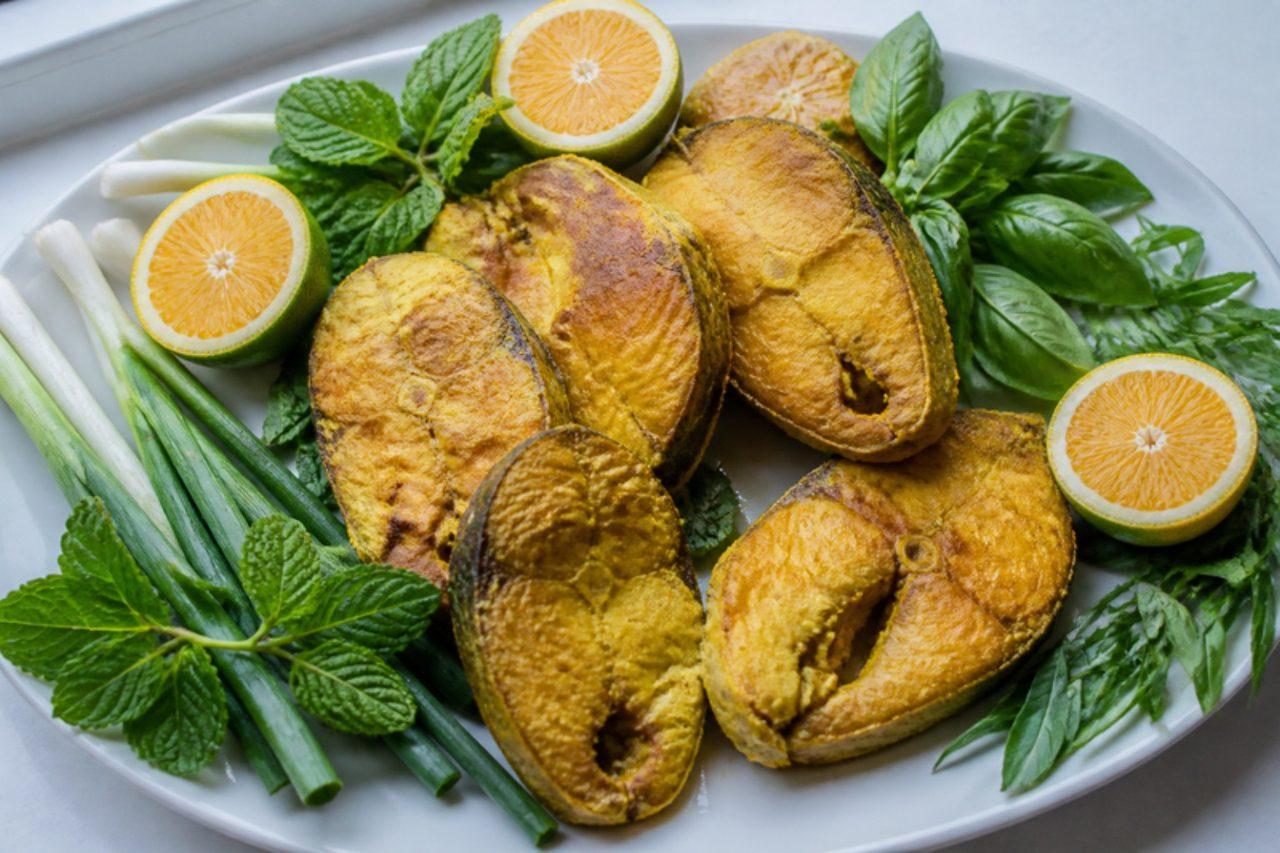
Fried mahi sefid with bitter orange

Along the Caspian shore from Bandar Anzali to Babolsar, the silvery kutum (mahi sefid) arrives in late winter, and families fry thick steaks of it for weekday lunches and for the Nowruz table. The coating is nothing more than flour, turmeric, salt and pepper, so the sweet, firm flesh does the talking; it comes to the table with wedges of bitter orange (narenj), rice and a plate of fresh herbs. Any firm white fish with skin works if you can't find kutum: sea bass, hake or cod steaks. A common mistake is crowding the pan, which drops the oil temperature and leaves the crust pale and greasy. Chef's tip: dry the fish properly and flour it only at the last moment, so the turmeric crust fries to a crisp golden shell instead of turning pasty.

by KrazyBadal 0 views

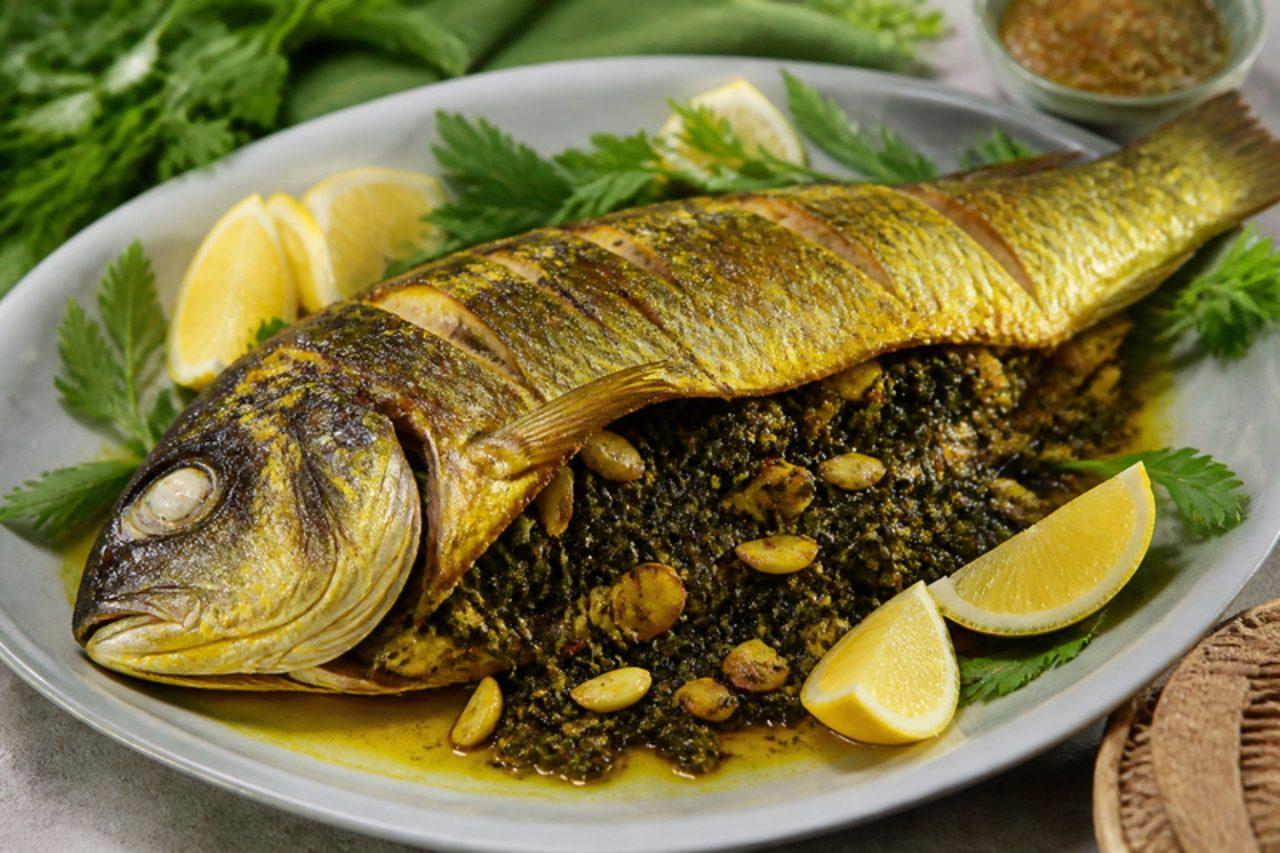
Mahi sobour stuffed with herbs and tamarind

Each spring the shad (sobour) swims up the Karun and Arvand rivers, and in Ahvaz and Khorramshahr the season is marked by whole fish split open, packed with a sour paste of herbs, garlic and tamarind and cooked over coals or in a hot oven. The rich, oily flesh is a perfect match for the sharp filling. Shad is very bony, so most home cooks outside Khuzestan use sea bass, sea bream or mackerel, which take the same filling beautifully. A common mistake is overfilling the fish so it bursts open and the stuffing burns; pack it firmly but leave a finger's width at the edges. Chef's tip: cut three shallow slashes in each side and rub a little filling into them, so the sourness reaches the whole fish.

by KrazyBadal 0 views

Mahyaveh-style anchovy and spice spread

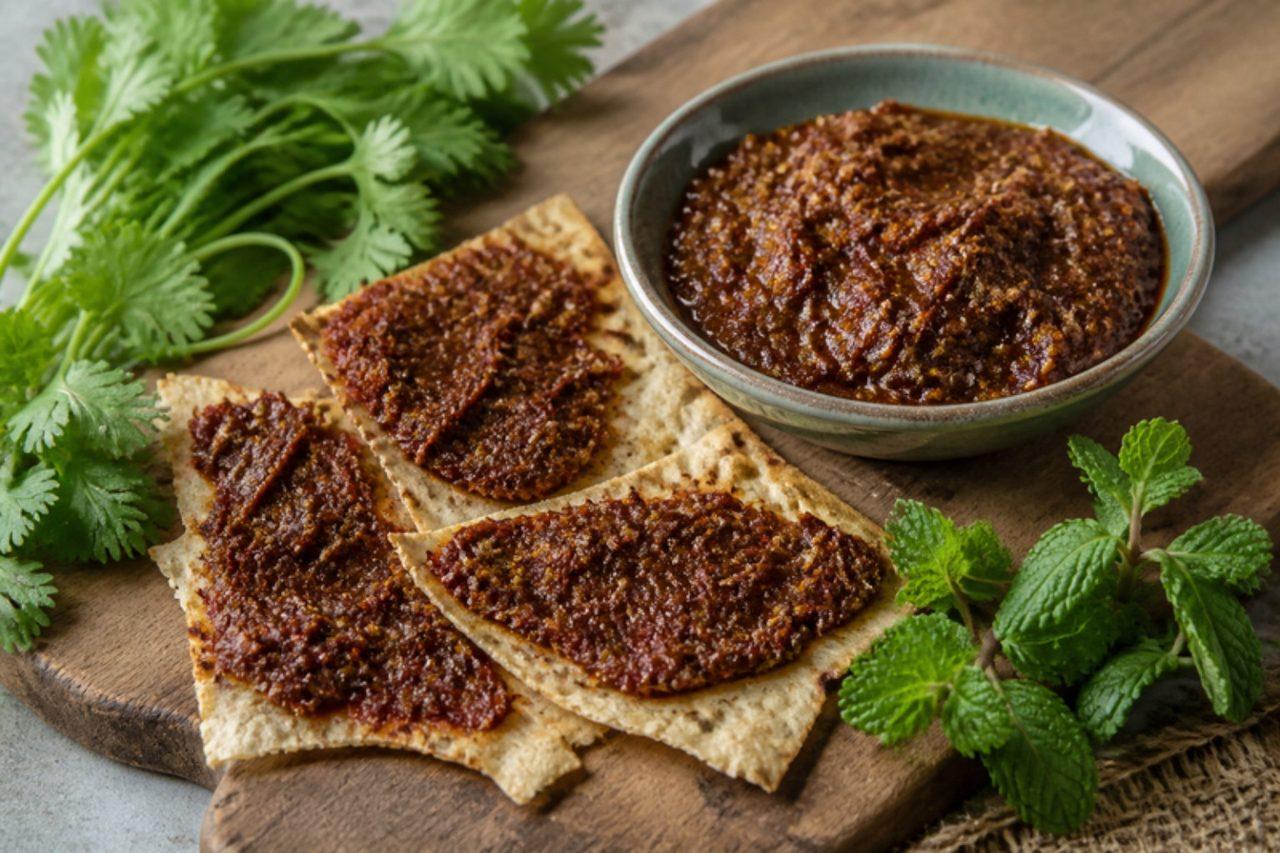
In Bandar Abbas, Lar and the villages of Hormozgan, mahyaveh is a dark, pungent sauce made by leaving tiny fish with salt, mustard seed and spices to ferment in the sun for weeks; it is smeared on hot flatbread for breakfast or with eggs. That open-air fermentation is hard to control safely at home, so this version gets the same deep, salty flavour from ready-cured anchovy fillets blended with toasted mustard seed, cumin, coriander seed, fennel and a little vinegar, and it lives in the fridge from the start. It is still a cured-fish product: not for pregnant women, young children or anyone with a weakened immune system. A common mistake is spreading it thickly like a pâté; it is a seasoning, so a thin smear is enough. Chef's tip: toast the spices until the mustard seeds just start to pop, which takes the raw bitterness out and gives the spread its roasted edge.

by KrazyBadal 0 views

Mahi doodi with sabzi polo

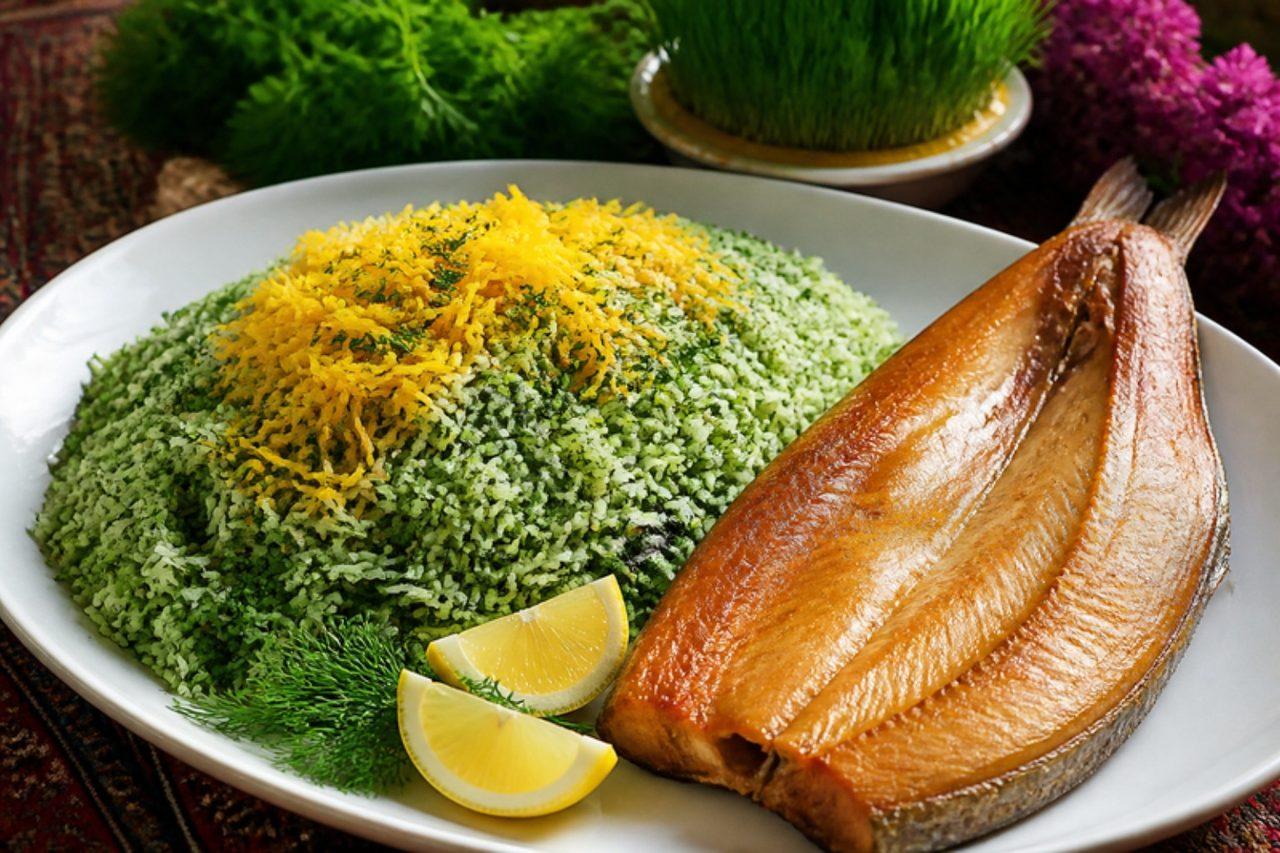
On the first day of the Persian new year, from Rasht to Tehran, the classic lunch is sabzi polo, a green herb rice, with fish, and on the Caspian side that fish is often golden hot-smoked white fish (mahi doodi). Fresh herbs stand for spring and the fish for life, so the plate is full of meaning as well as flavour. Most cooks buy the smoked fish ready made and simply warm it with a little garlic and saffron butter, which is what this recipe does; the rice is steamed with dill, parsley, coriander and chives until it forms a crisp tahdig. Hot-smoked fish is already cooked; heat it until piping hot, at least 70 °C in the middle. A common mistake is warming the fish dry in a hot oven, which makes it tough and salty; wrap it with a splash of water so it steams. Chef's tip: soak the smoked fish in warm water for 10 minutes first to draw out some of the salt.

by KrazyBadal 0 views

Sachertorte

This dense, dark chocolate torte is Vienna's most famous cake, eaten in coffee houses all over the city with a cup of Melange and, always, a cloud of unsweetened whipped cream on the side. The sponge is made with melted chocolate and whisked egg whites, so it is fine-crumbed and slightly dry by design; a thin layer of sharp apricot jam runs through the middle and over the top, under a shiny, snappy chocolate glaze. A common mistake is pouring the glaze too hot or too cold; too hot and it runs off thin, too cold and it sets dull and lumpy. It is a cake for birthdays and Sunday visits, and it keeps well for days. Chef's tip: bake it the day before and let it rest overnight wrapped; it cuts far more neatly and the crumb softens.

by KrazyBadal 0 views

Linzer Torte

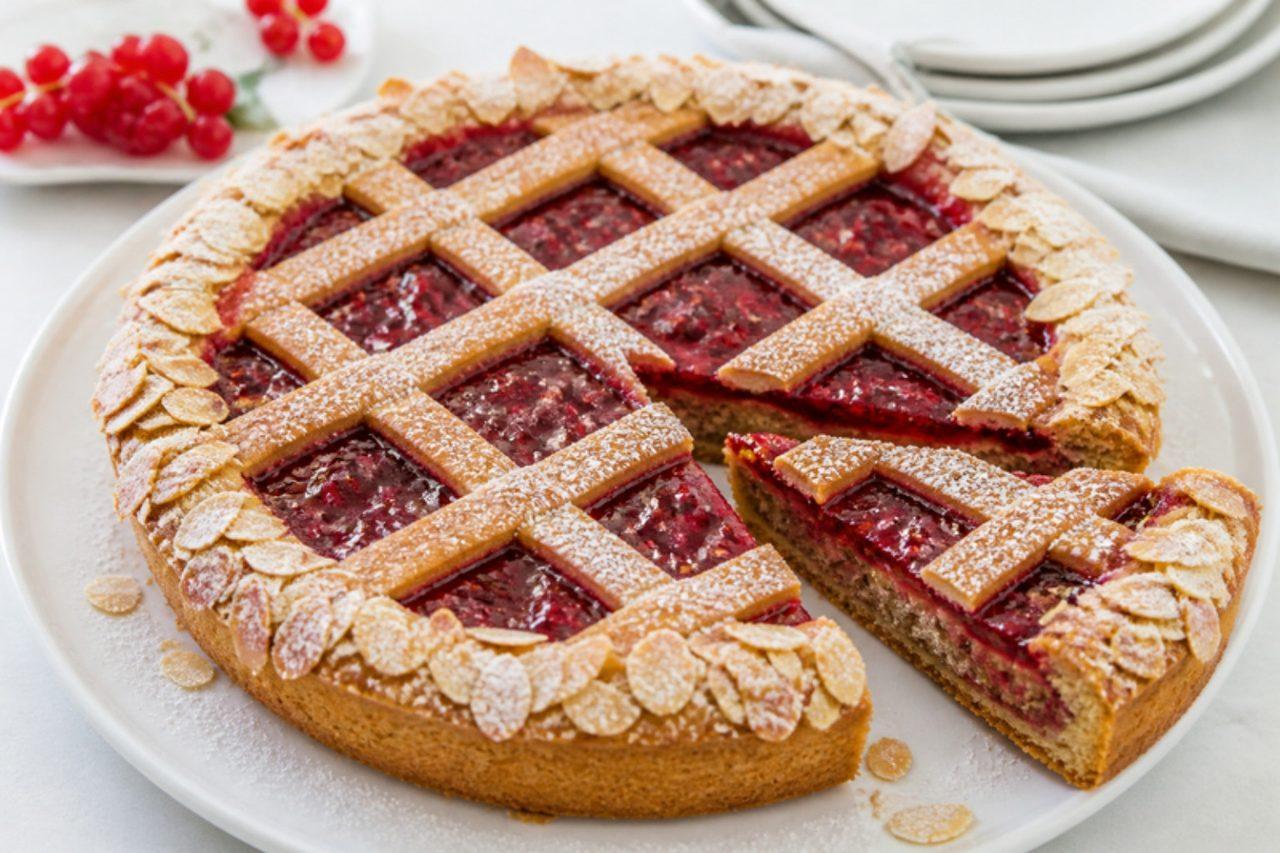
Linz, the Danube city in Upper Austria, has baked this tart for centuries, and it still fills bakery windows there all year, with extra demand in Advent. It is closer to a soft, crumbly nut biscuit than a pastry: ground hazelnuts, butter, cinnamon and cloves are pressed into the tin, filled with tart redcurrant jam and topped with a lattice. Serve a thin slice with coffee or tea. A common mistake is eating it on the day it is baked; it is much better after two or three days, when the jam soaks into the crumb. Chef's tip: chill the lattice strips on a tray before lifting them on, and they will not tear.

by KrazyBadal 0 views

Westphalian pumpernickel

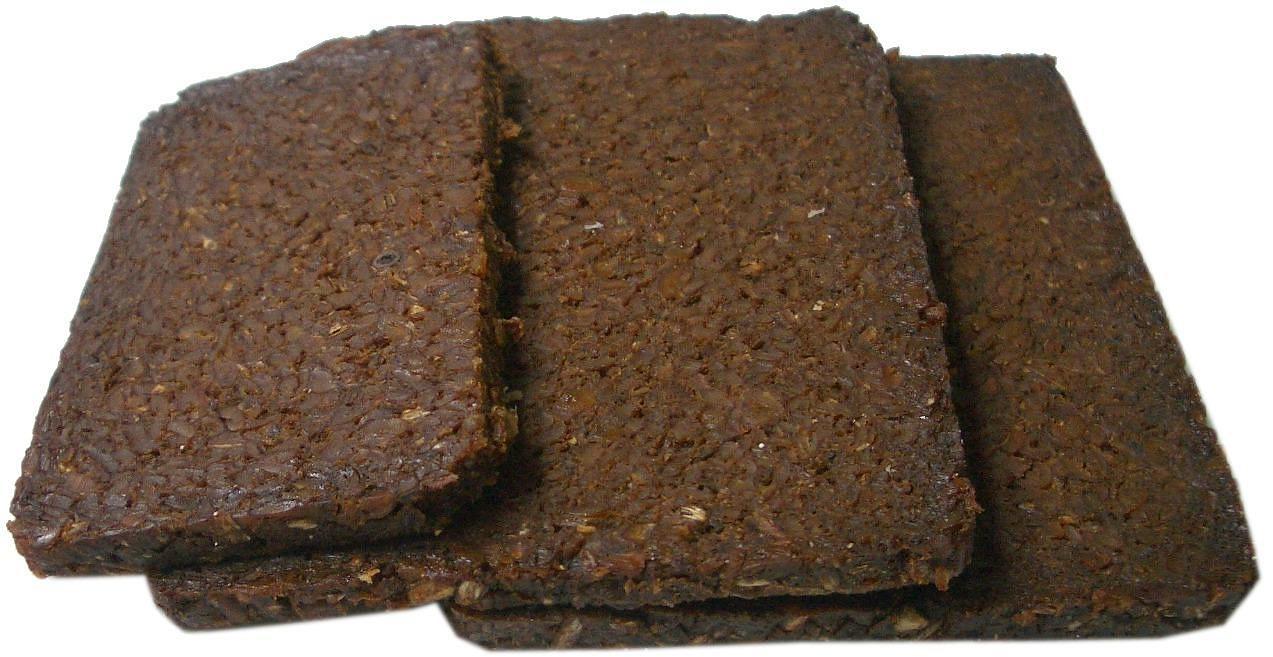
Real pumpernickel comes from Westphalia, where bakers in towns like Soest once left loaves in the cooling bread oven overnight, and it is still sliced paper-thin for breakfast with butter, quark and radishes or with a sharp cheese. There is no colouring and no molasses here: the near-black colour and the malty sweetness come only from cracked rye cooked for many hours in steam at a low heat. The crumb is moist, dense and slightly sticky, and the loaf keeps for over a week wrapped in cloth. A common mistake is slicing it on the day it comes out of the tin; it needs a full day to settle or it tears into gummy crumbs. Chef's tip: wrap the tin tightly in two layers of foil and stand it in a roasting tray of hot water, because a dry loaf turns hard instead of dark and sweet.

by KrazyBadal 0 views

Sweet-sour pickled pumpkin

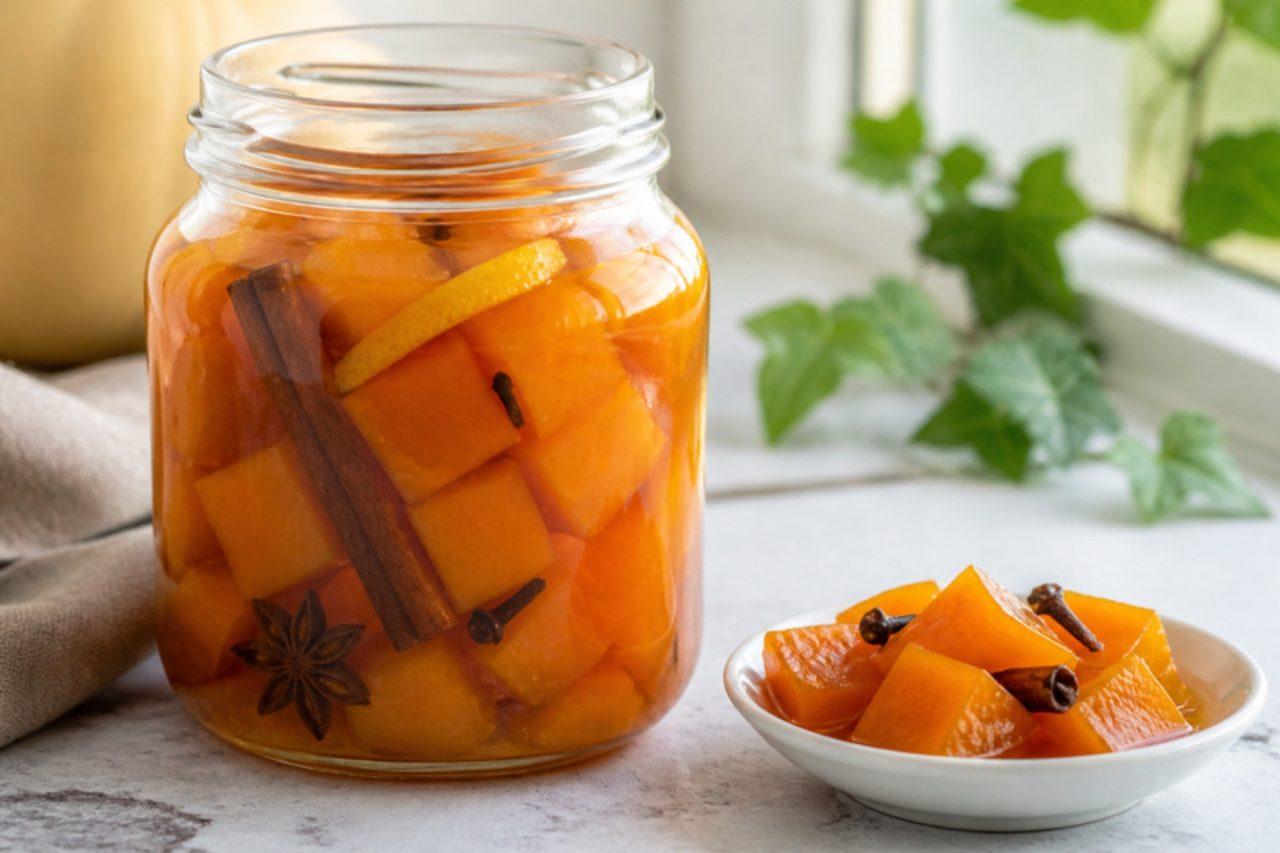
When the pumpkin harvest peaks in October, from the Rhineland to Saxony, German kitchens turn the firm orange flesh into Süß-sauer eingelegter Kürbis, golden cubes preserved in sweet spiced vinegar. Through the winter they come out of the cellar to sit beside roast dinners, game, cheese boards and cold cuts, or a simple plate of potatoes and quark. Cinnamon, cloves, ginger and a little lemon peel make them taste of Christmas. The mistake is using a watery carving pumpkin, which falls apart; choose a dense one such as Hokkaido or butternut. Chef's tip: steep the raw cubes in the cold vinegar overnight before cooking; it firms them so they stay in neat, glassy cubes.

by KrazyBadal 0 views

EisbeinCured pork knuckle

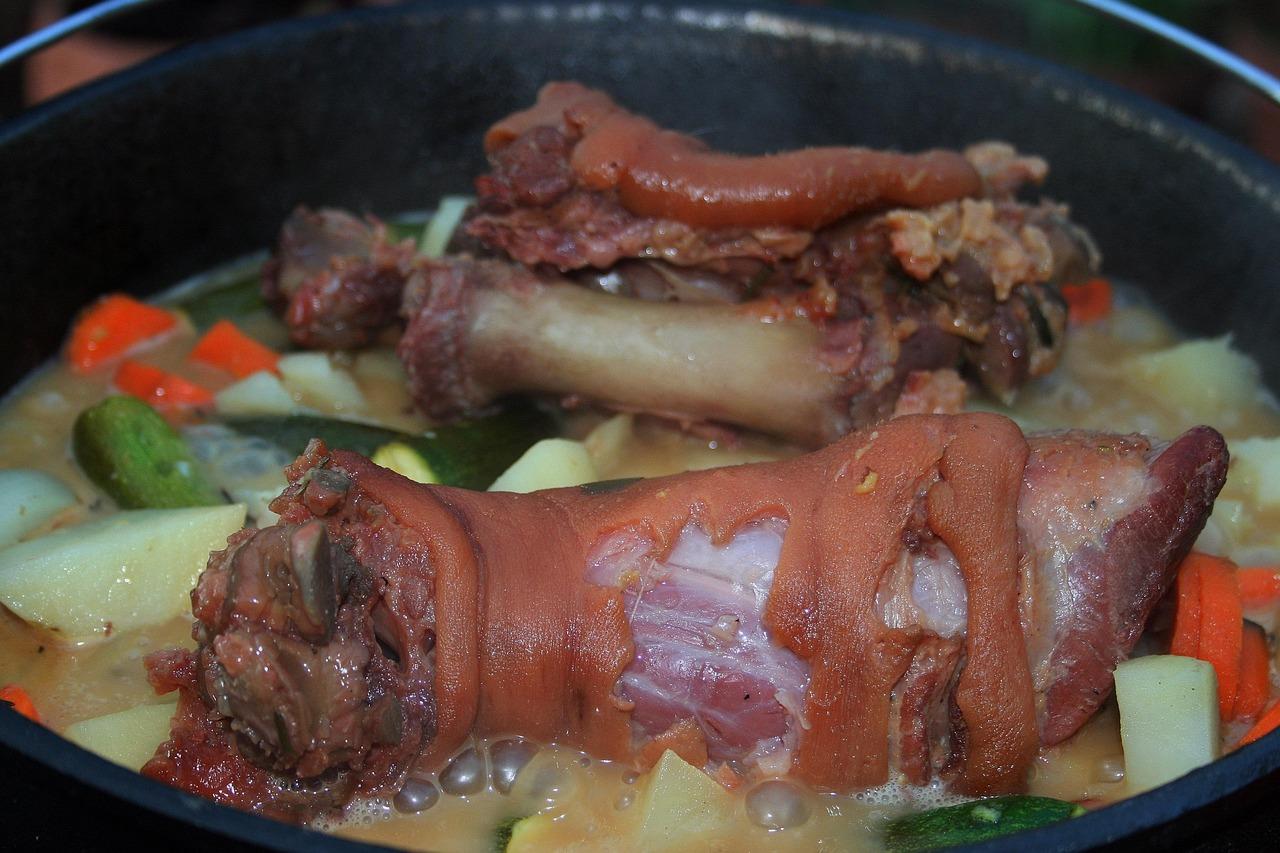
Eisbein is old Berlin pub food, the cured pork knuckle served in Kneipen across the city with a mound of yellow pease pudding (Erbspüree) and sauerkraut, and it is especially popular in the cold months. Unlike the Bavarian roast Haxe, this pork knuckle is pickled in brine by the butcher and then simmered slowly, so the meat turns pink, tender and gently salty and the rind stays soft. Order a cured ("gepökelt") knuckle from a German or Polish butcher. Chef's tip: soak the knuckle in cold water for a few hours first if your butcher's cure is strong; taste a little of the simmering water after 30 minutes and change it if it is very salty.

180 minGermanMeatGluten free
by KrazyBadal 0 views

AbaráSteamed black-eyed pea parcels

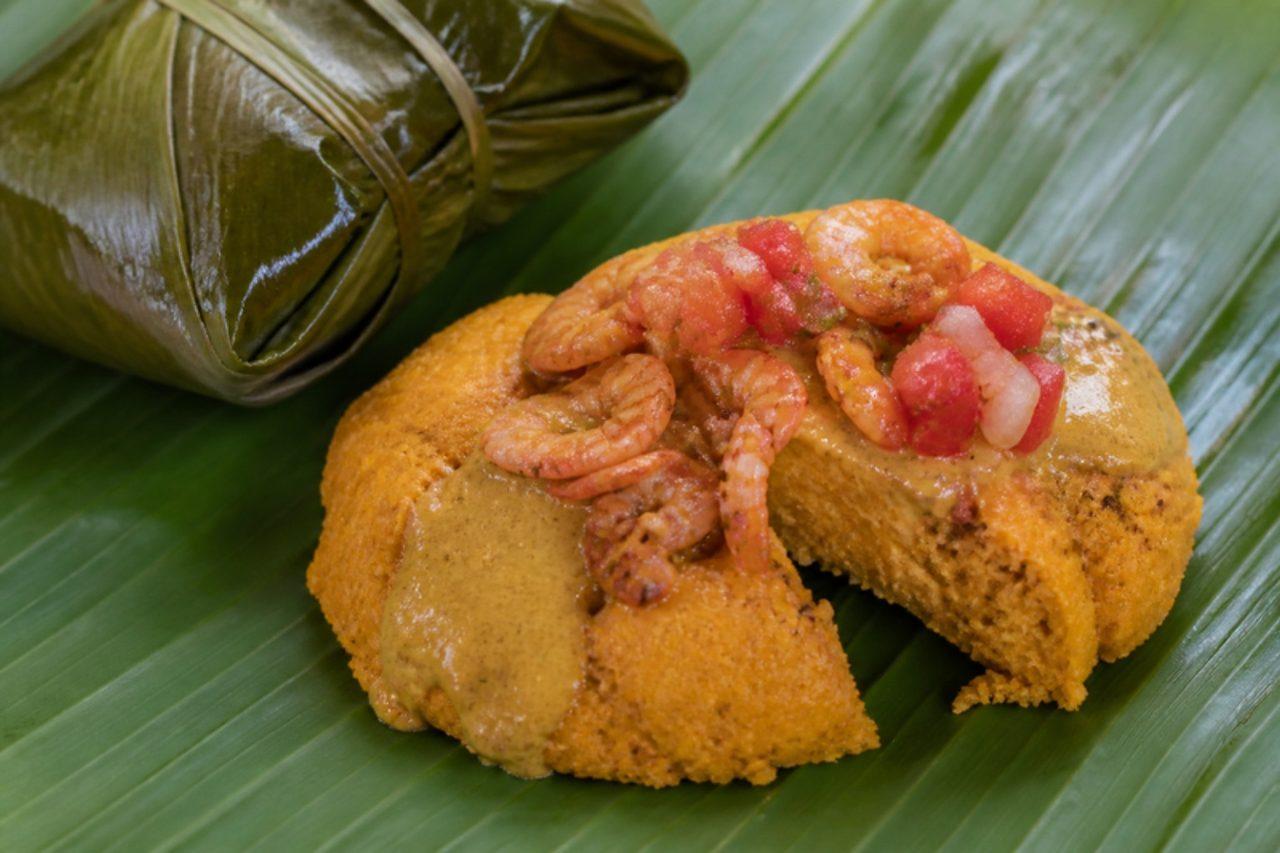
Abará is the steamed sister of acarajé, sold from the same wooden trays by the baianas in white lace who set up on the corners of Salvador's Pelourinho, Rio Vermelho and the Barra seafront. The batter is identical, black-eyed peas skinned and ground with onion and dried shrimp, but instead of hitting hot dendê it is wrapped in banana leaf and steamed, so it comes out soft, dense and sunset-orange, tasting of palm oil, sea and pulses. Baianas split it open and fill it with vatapá, caruru, vinagrete and a few whole shrimp; at home it is lovely with just a spoonful of pepper sauce. Plan ahead: the peas need soaking overnight. The usual mistake is leaving the skins on, which makes the parcels grey, gritty and heavy. For a vegetarian version, leave out the shrimp and add a pinch more salt. Chef's tip: beat the paste hard with a wooden spoon for a few minutes before wrapping; the air you work in is what keeps abará light rather than rubbery.

by KrazyBadal 0 views

Mingau de tapiocaTapioca and coconut porridge

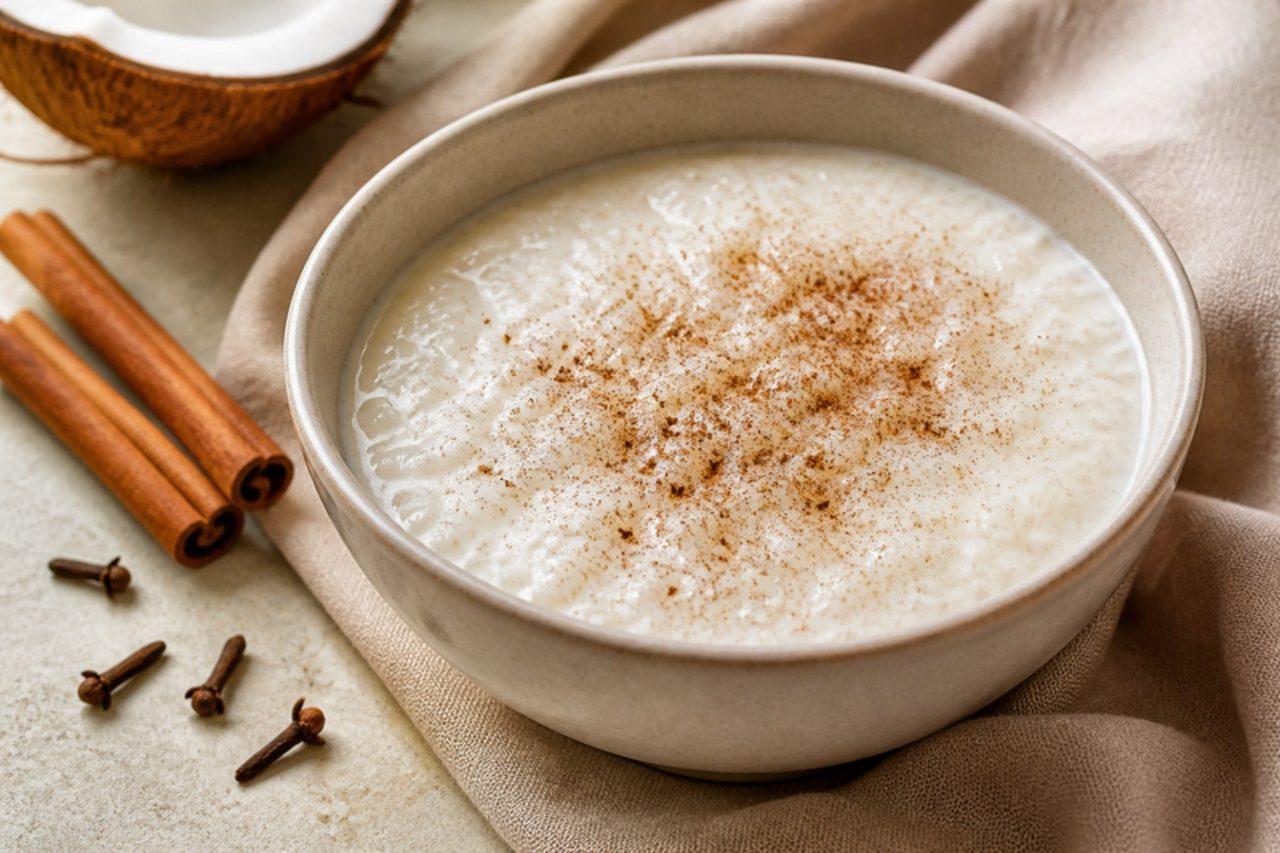
Before the buses fill up, mingau sellers set out tall aluminium pots on Salvador's street corners and ladle out tapioca porridge into plastic cups for workers on the way in. It is thick, spoon-coating and gently sweet, made with granulated tapioca or small pearls cooked in milk and coconut milk with cinnamon and clove, and finished with a dusting of cinnamon. At home it is a quick breakfast, a soothing supper for children and the classic thing to give someone who is unwell. Many vendors also sell mingau de milho and de puba from neighbouring pots. Where people go wrong is adding the tapioca to boiling milk without soaking it first; it clumps and stays chalky in the middle. Chef's tip: take the pan off the heat while it still looks a little loose, because the tapioca keeps drinking up liquid and the porridge sets thicker within minutes.

by KrazyBadal 0 views

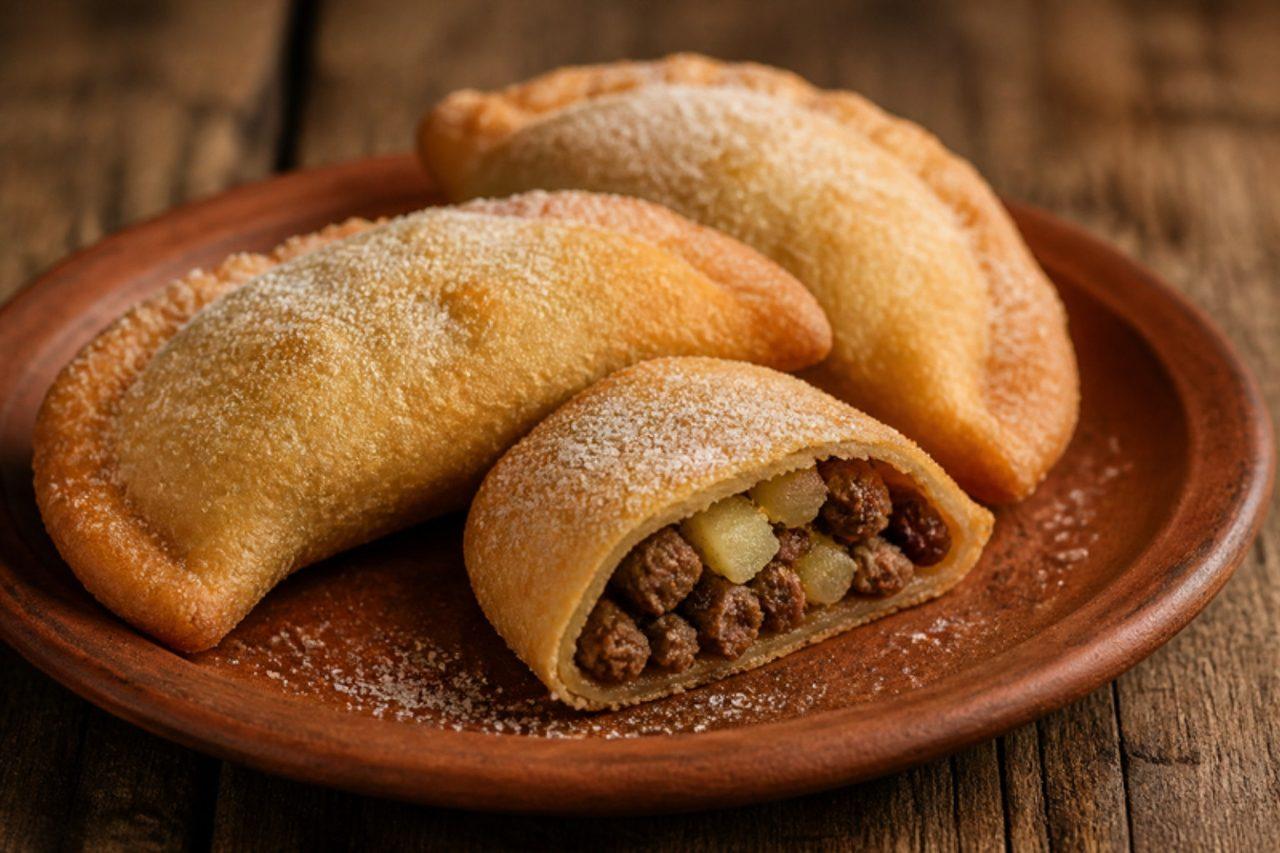
Empanadas cordobesas

Sweet and salty is the whole point here. Córdoba's empanadas hold a filling of beef, onion, a little potato, raisins and olives, and the moment they come out of the fryer they get a sprinkle of sugar that melts into the crackly crust. They turn up at birthday parties, school fundraisers and the patriotic holidays of 25 May and 9 July, often next to a bowl of locro. If the sugar on top sounds odd, try one: the contrast with the cumin and paprika is the local hallmark. The error that ruins them is frying in oil that isn't hot enough, which leaves them pale and greasy; keep it at 175 °C. Chef's tip: dust with sugar within seconds of draining, while the surface is still glistening, or it won't stick.

by KrazyBadal 0 views

Empanadas de pescado

Along the coast of Santa Fe, especially during Lent and Holy Week, fishmongers' stalls and riverside kiosks sell fried empanadas filled with sábalo or surubí. The fish is poached, flaked and folded through soft onion and sweet pepper, then sealed in a thin oil-based dough and fried until blistered and crisp. Squeeze lemon over them and eat them warm, with a green salad or just a paper napkin. Any firm white fish works: hake, cod or a farmed catfish. The mistake people make most is skipping the bone check; river fish such as sábalo hide fine bones, so run your fingers through every flake. Chef's tip: keep the filling quite dry and cold before you fill the discs; extra liquid turns to steam in the hot oil and bursts the seams.

by KrazyBadal 0 views

Empanadas mendocinas

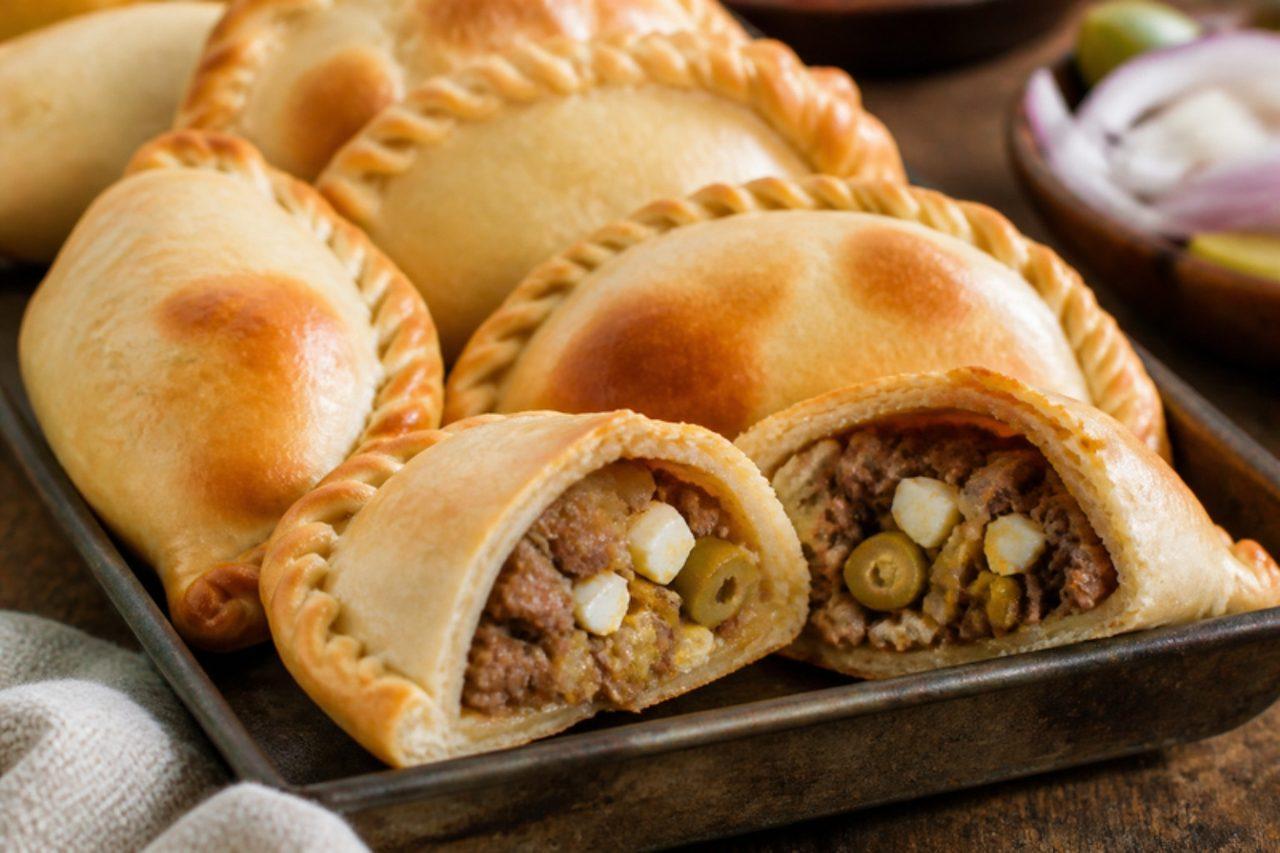
Mendoza's empanadas are all about juice. The filling uses roughly as much onion as beef, cooked only briefly so it stays sweet and wet, then gets folded with hard-boiled egg and a whole green olive in every pastry; the dough is a tender one made with beef fat. They come out of wood ovens across the province for Sundays, family gatherings and the grape harvest, and are eaten by hand, leaning forward, with a tomato and onion salad on the side. The classic error is filling the dough while the meat is still warm: the fat melts, the pastry turns soggy and the seal splits in the oven. Cool the filling completely, ideally overnight. Chef's tip: cut the beef into small cubes with a knife instead of buying mince; it stays juicier and gives the bite a Mendoza cook expects.

by KrazyBadal 0 views

Empanadas tucumanas

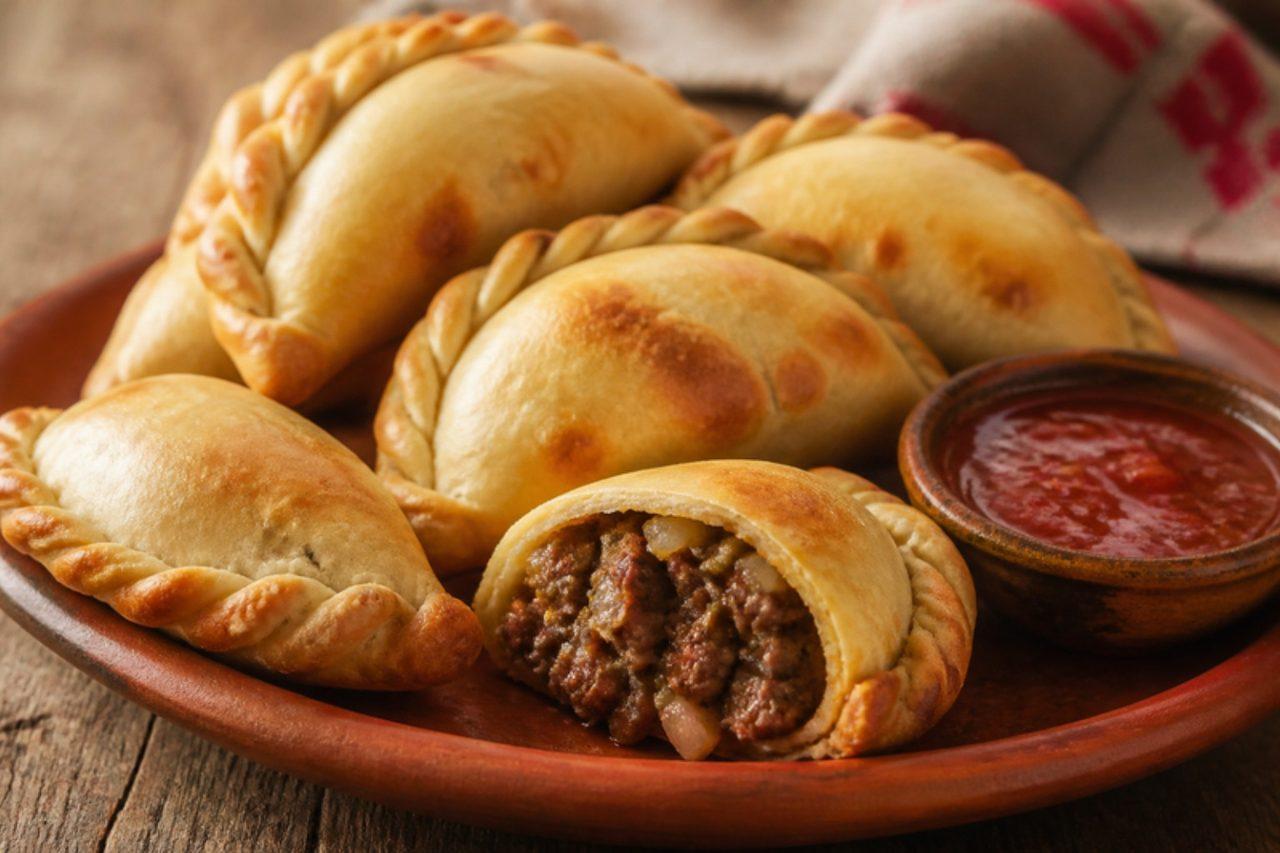
Tucumán takes its empanadas so seriously that the town of Famaillá holds a national empanada festival every September, and judges count the pleats. The local style is small and juicy, filled with beef cut by hand with a knife (never minced), lots of white onion and spring onion, cumin, paprika and hard-boiled egg, and the dough is made with beef fat. They are baked very hot, traditionally in a clay oven, until blistered, and eaten standing up at peñas, football matches or family lunches, a drop of lemon squeezed in. The beef filling must reach 71 °C; it cooks first in the pan and again in the oven. A dry filling is the mistake to avoid: cook the onion slowly and let the filling cool so the fat sets, which turns to juice in the oven. Chef's tip: chill the filling overnight if you can; cold filling is easier to spoon and the empanadas come out juicier.

by KrazyBadal 0 views

Crespillos de borrajaSugared borage leaf fritters

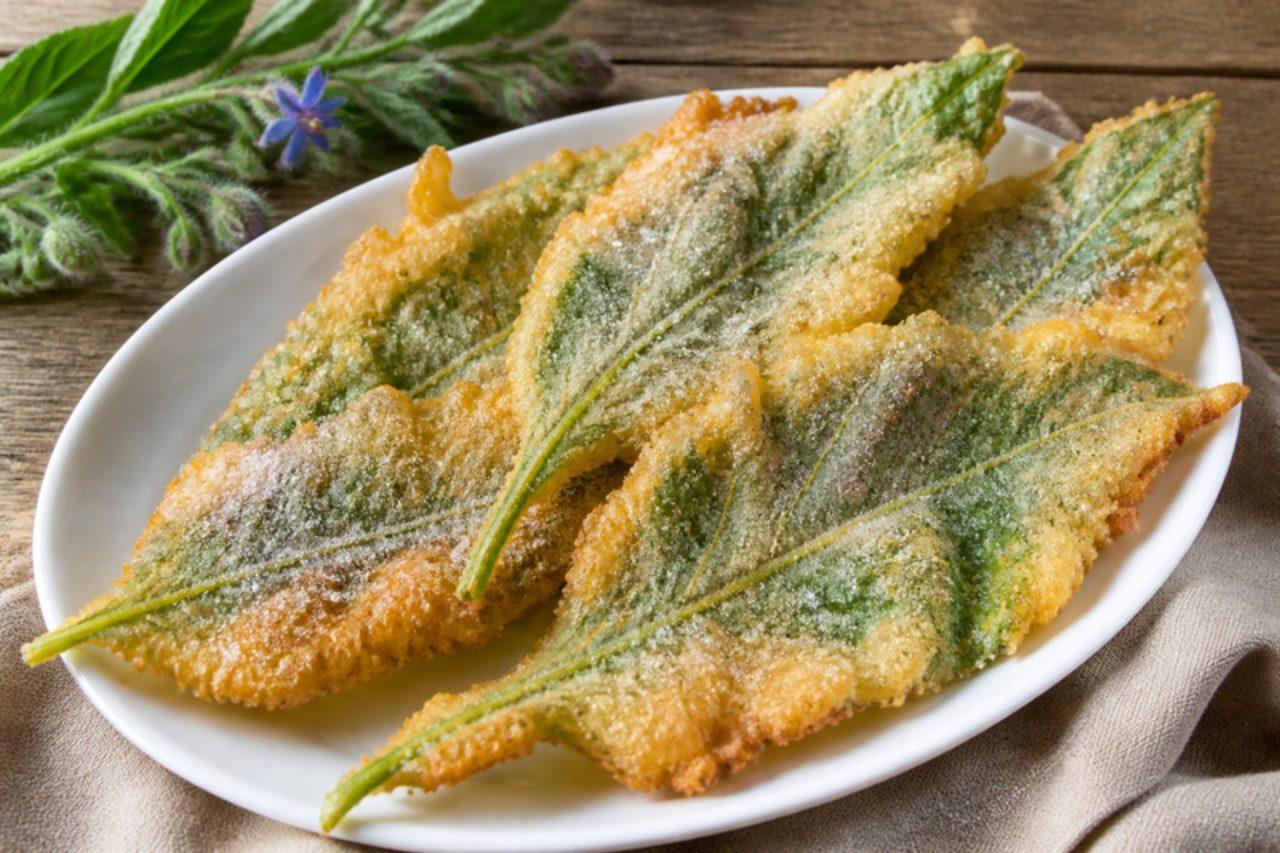
In the villages around Zaragoza and Huesca, the large, soft leaves of the borage plant become a sweet in spring: each leaf is dipped in a light batter, fried until it puffs and crackles, and dusted with sugar and cinnamon. Crespillos are made for Holy Week and for the Easter Monday picnics, and the leaf inside stays green and tender, with a fresh taste that cuts the richness of the frying. Some families add a splash of anise liqueur to the batter; this version leaves it out and uses lemon zest and a pinch of ground anise instead. A common mistake is using wet leaves, which make the oil spit and the batter slide off. Spinach or chard leaves work if borage isn't available. Chef's tip: hold each leaf by its stalk and let the extra batter drip off for a few seconds; a thin coat fries lacier and crisper.

by KrazyBadal 0 views

Bem-casadoSponge discs with caramel filling

Guests leaving a Brazilian wedding are handed a bem-casado, 'well married', wrapped in crepe paper and tied with ribbon, as a wish for the couple's happiness. The sweet is said to have taken its modern shape in Campos dos Goytacazes, in the north of Rio de Janeiro state, where confectioners still make it by the thousand. Two thin, airy sponge rounds hold a layer of doce de leite and are dipped in a thin sugar glaze that sets matt white and slightly crisp, so the inside stays soft for days. Doce de leite is sold in jars in Latin shops; use a thick, spoonable one. Over-baking the discs is where most batches fail: they turn dry and crack when sandwiched. Chef's tip: pipe the batter in small rounds and pull them from the oven as soon as they spring back and the edges barely colour; pale is right.

by KrazyBadal 0 views

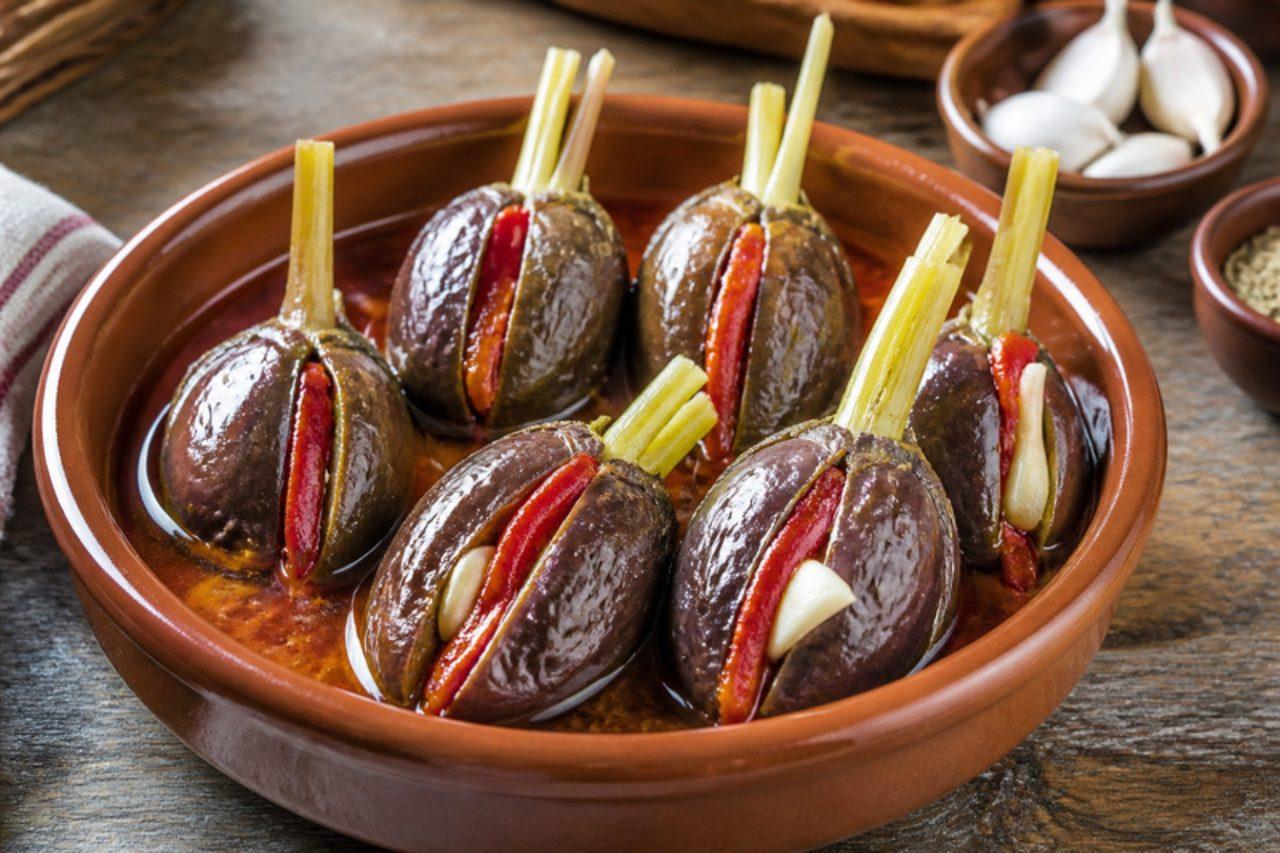
Berenjenas de AlmagroPickled baby aubergines

In the arcaded Plaza Mayor of Almagro, in the province of Ciudad Real, shops sell these little aubergines from barrels, each one split, stuffed with a strip of red pepper and pinned with a fennel stalk. They are eaten as a tapa with a cold drink, or bought by the jar during the town's summer theatre festival. The tangy dressing of vinegar, cumin, garlic and paprika soaks in over a few days in the fridge. Chef's tip: use the smallest, firmest aubergines you can find, no bigger than an egg; large ones go mushy.

by KrazyBadal 0 views

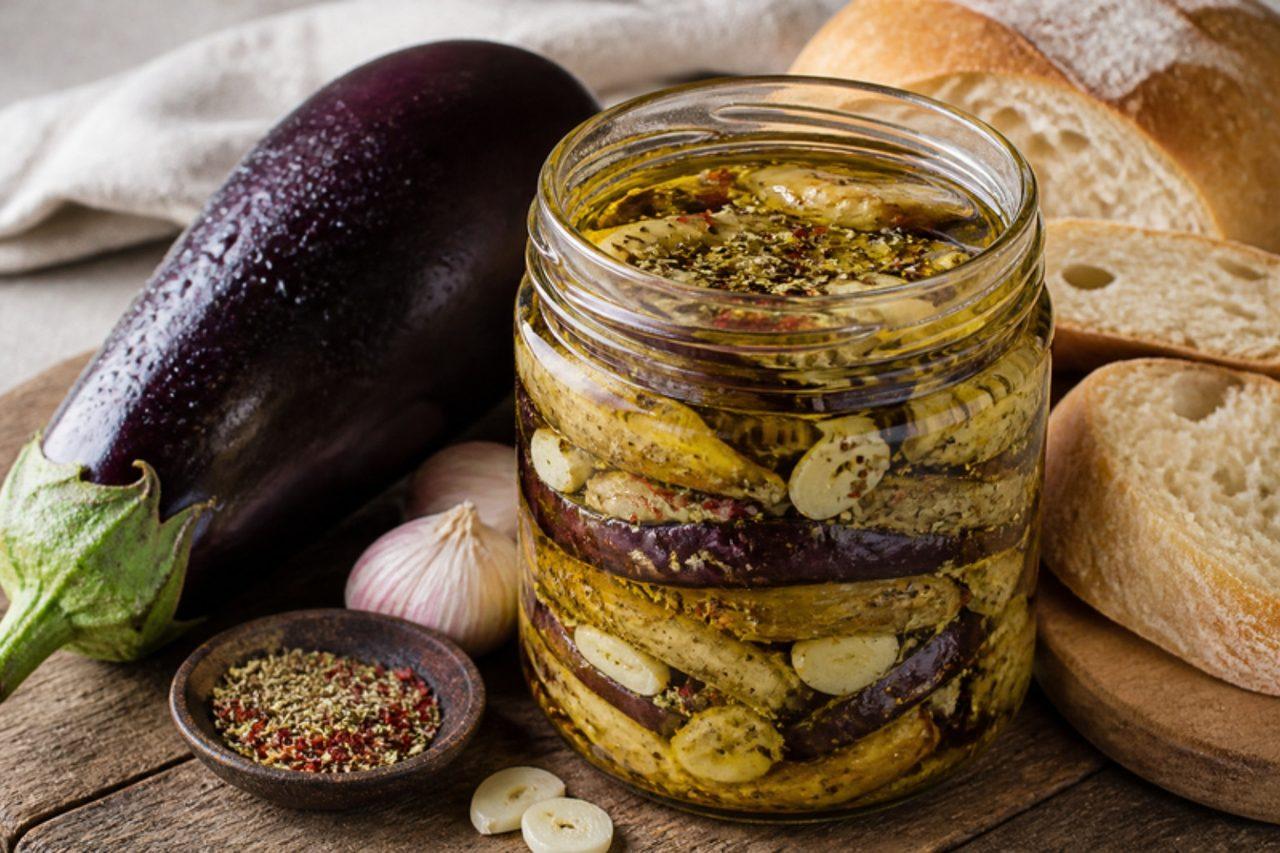
Berenjenas en escabechePickled aubergine in oil

Jars of these marinated aubergines sit in every Argentine grandmother's fridge, a legacy of Italian and Spanish immigrants, and they come out for the picada before the asado, alongside salami, cheese and bread, or to fill a sandwich. Strips of aubergine are salted, blanched briefly in vinegar and water, then layered with garlic, chilli flakes, oregano and plenty of oil. They turn soft, silky and sharp, with a slow heat from the chilli. Overboiling is the error: the strips should be just tender after 2–3 minutes, or they turn to mush in the jar. Allow 2 hours for salting before you start and a day in the fridge before eating. Garlic kept in oil can carry botulism, so keep the jar refrigerated and eat it within two weeks. Chef's tip: press the drained aubergine hard between tea towels before jarring; the drier the strips, the longer they stay firm.

by KrazyBadal 0 views

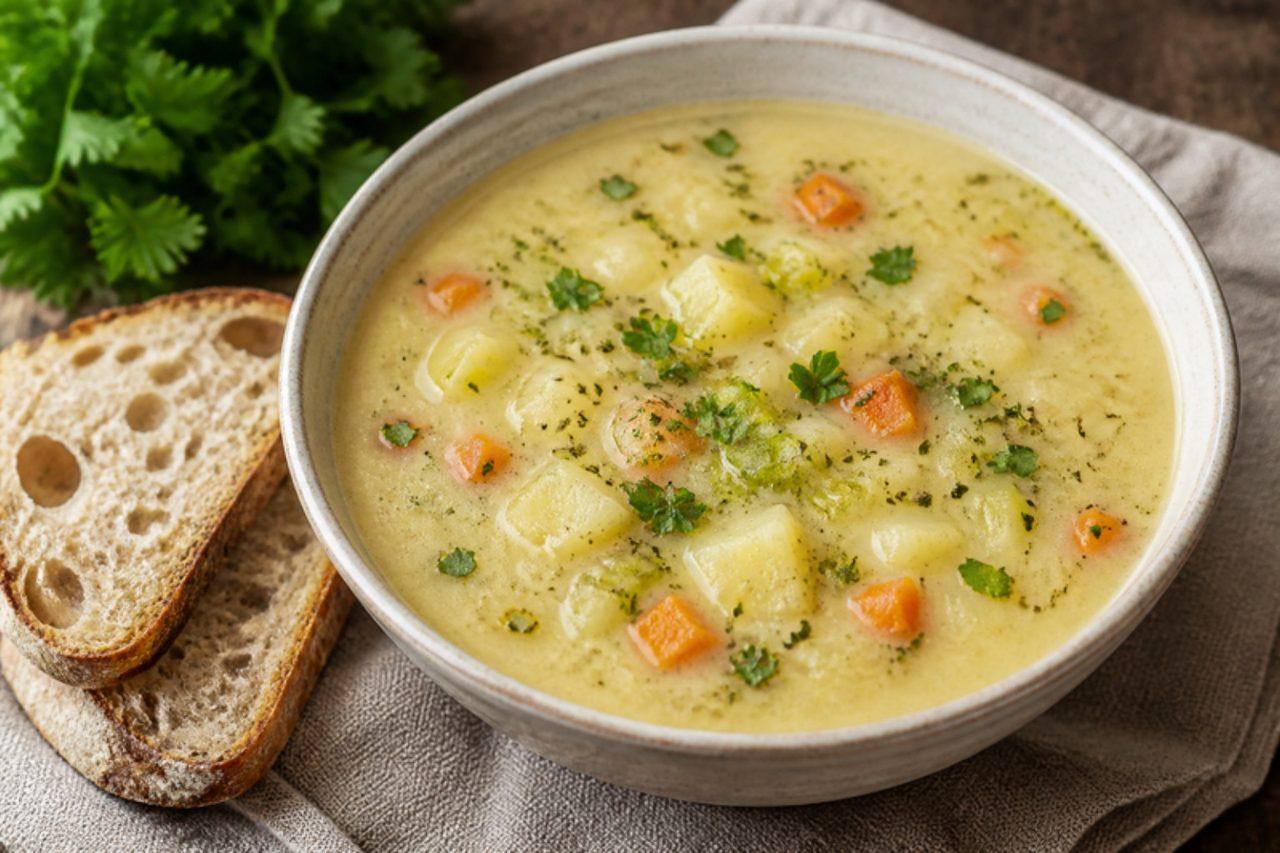
Berliner KartoffelsuppePotato and root vegetable soup

This is the soup of Berlin's cheap lunch counters and winter kitchens: potatoes and the 'Suppengrün' bundle of carrot, celeriac, leek and parsley root, simmered thick and seasoned with plenty of marjoram. In Berlin it usually comes with a sliced Wiener sausage floating on top; this vegetarian version is finished instead with crisp fried onions and croutons, which give the same savoury contrast. A common mistake is using waxy potatoes, which never thicken the soup; you want floury ones that collapse. Chef's tip: rub the dried marjoram between your palms as it goes in, which wakes up its sweet, piney scent.

by KrazyBadal 0 views

Berliner PfannkuchenJam-filled doughnuts

In Berlin a Pfannkuchen is not a pancake but a round, sugar-dusted yeast doughnut with a pale ring around its middle and a squirt of jam inside; most of Germany calls them Berliner. Bakeries pile them up for New Year's Eve and for Carnival in February, and the old joke is to slip one filled with mustard into the batch. Good ones are light and springy, never greasy. A common mistake is frying in oil that is too hot, which browns the outside before the middle cooks; keep it at 170 °C. Chef's tip: let the shaped dough rise uncovered for the last 10 minutes so a thin skin forms; that is what gives the classic white band round the middle.

by KrazyBadal 0 views

Showing 27 of 7,762 recipes

Show more recipes

Page 420 of 863