


Skip to content
Sopa de pan
Featured recipe

Sopa de pan

Layered bread soup

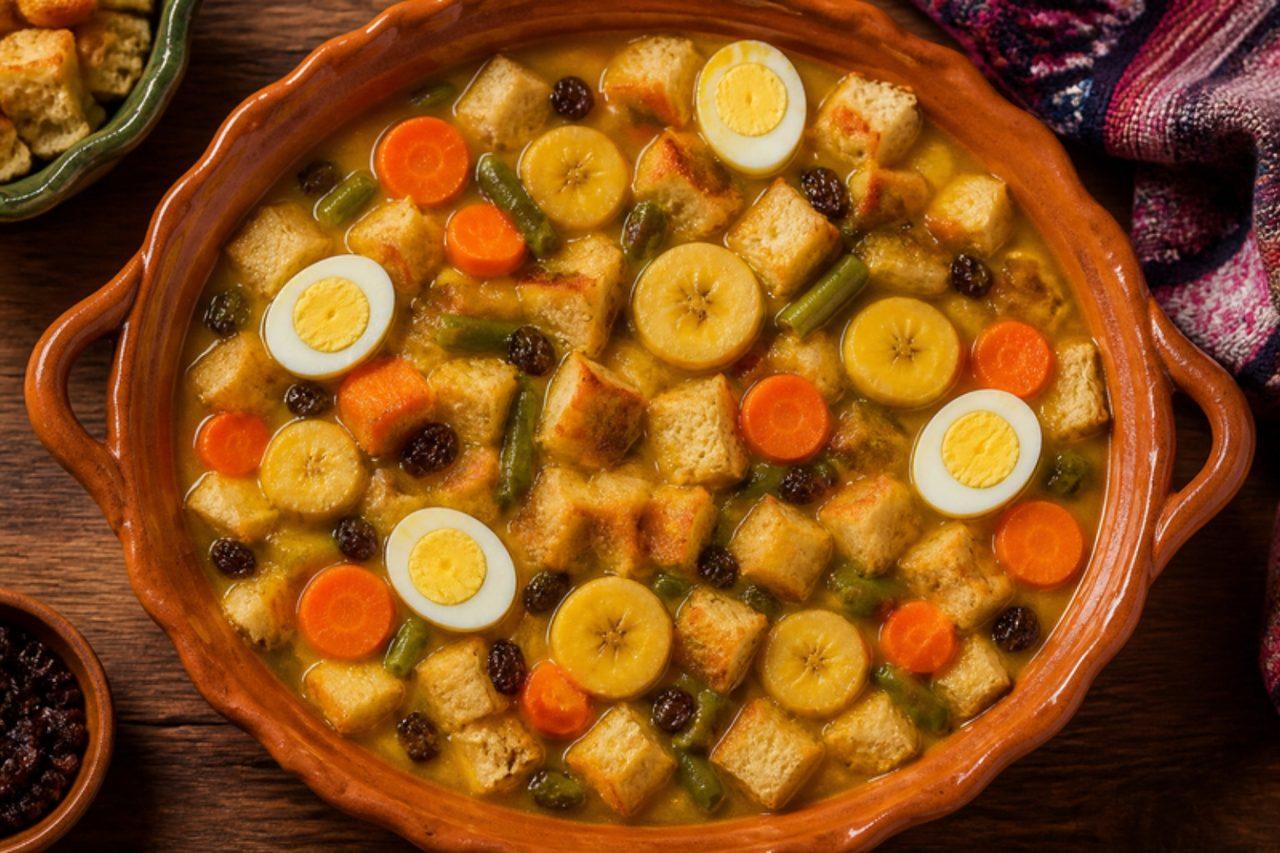
This is not a thin soup but a 'dry' one, baked in layers in a deep dish, and in San Cristóbal de las Casas it belongs to fiestas, weddings and the meatless days of Holy Week. Toasted bread is stacked with fried ripe plantain, green beans, carrot, potato, boiled egg and a tomato sauce, then soaked with a saffron and thyme broth until the bread swells into something like a savoury bread pudding. It is served in deep plates with a spoon. Families in the highlands use chicken stock; a good vegetable stock keeps it vegetarian. Chef's tip: dry the bread hard in the oven first; fresh bread dissolves into mush when the broth goes in.

Read more 0 views

What to eat today?

Around the world

Today's trip: Persian

A new country every day, from every cuisine on the site.

Persian

Nazkhatoon

Smoky aubergine with pomegranate 40 minMore from Persian (131) →

This week's collection

Kid-friendly dinners
578 recipes · a new collection every Monday

Latest recipes

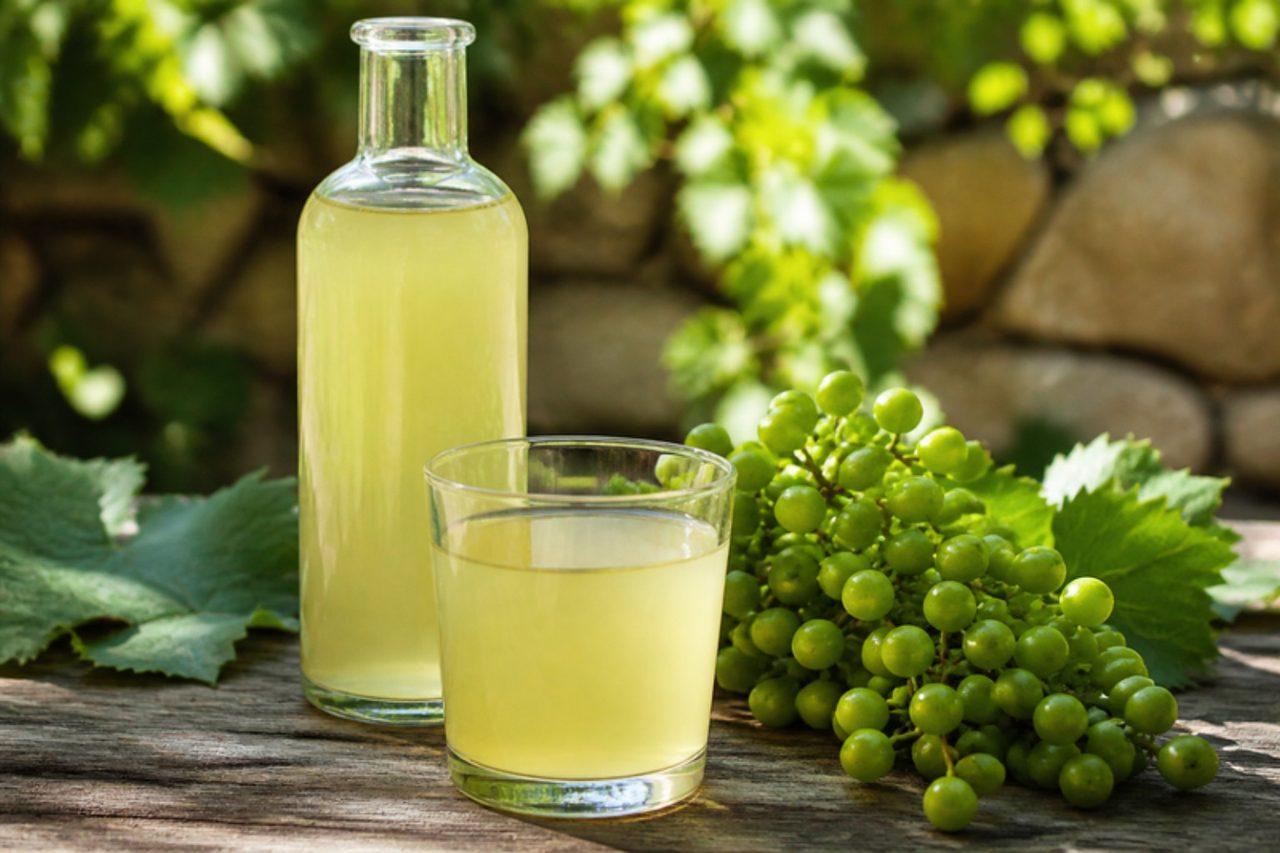
Abghooreh (verjuice)

In early summer, families across Shiraz and the vineyards of Fars thin their vines and press the hard green grapes into abghooreh, a sharp, clean sour juice stored in bottles for the whole year. It sours khoresh, brightens salad shirazi and is splashed over kebabs and rice in place of lemon. The grapes must be truly unripe, hard and mouth-puckering; once they soften the juice turns sweet. A common mistake is skipping the boil and salt, which lets the juice ferment in the bottle. Chef's tip: let the boiled juice settle overnight and pour it off the sediment for a clear, bright abghooreh.

by KrazyBadal 0 views
Biberli ekmekPepper paste flatbread

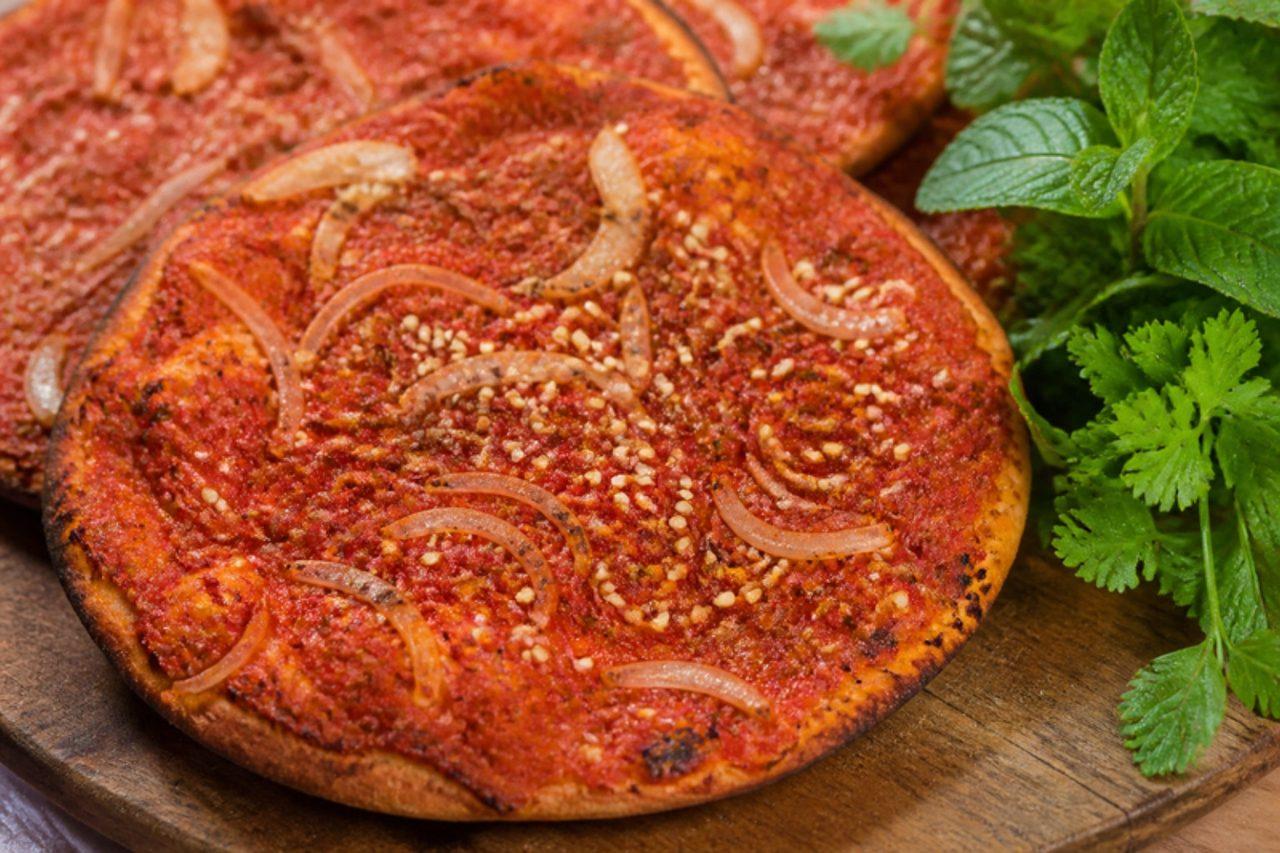
Antakya's neighbourhood bakeries take trays of topping from customers each morning and bake biberli ekmek in the wood oven to order: soft flatbreads smeared with a spiced paste of red pepper, onion, parsley, cumin and sesame. It is breakfast, a school snack and a picnic bread all in one, often eaten with a glass of tea and a few olives. Some families add a little crumbled cheese, but the classic is meat-free and dairy-free. Spread the topping thin; a thick layer stays raw and wet in the middle. Chef's tip: bake on the hottest preheated tray you have so the base blisters before the topping dries out.

by KrazyBadal 0 views

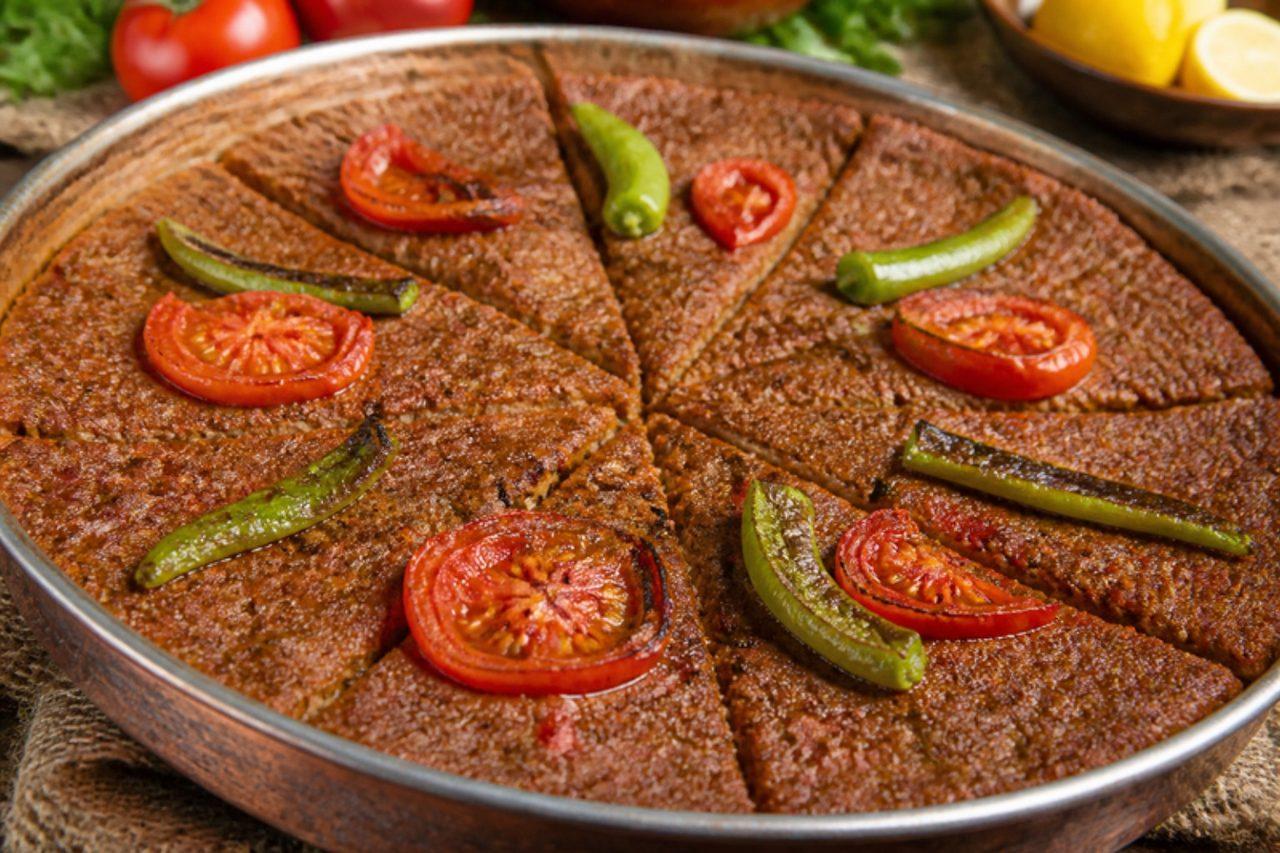
Tepsi kebabıBaked spiced lamb tray

In Antakya people still carry their tepsi kebabı to the neighbourhood bakery: a round copper tray of spiced lamb mince spread thin, scored into wedges and covered with sliced tomatoes, peppers and onions. The bread oven turns it juicy and crusty, and it comes home with a stack of hot flatbread. It is weekend lunch for the family, eaten with a parsley and onion salad and a bowl of yoghurt. Common mistake: pressing the meat more than 2 cm thick; it stews instead of roasting. Chef's tip: add a ladle of tomato water halfway through baking so the juices around the edges turn into a glossy sauce for dipping bread.

by KrazyBadal 0 views

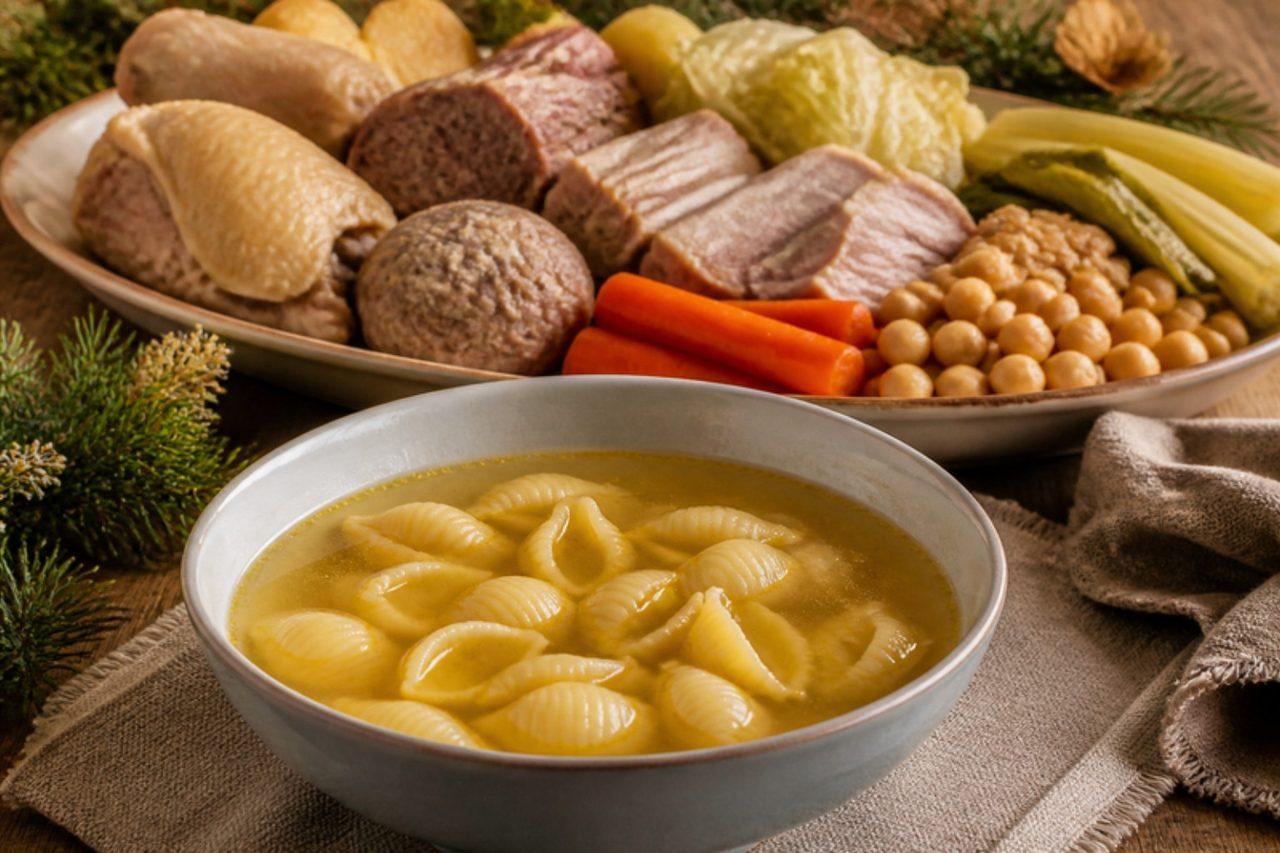
Escudella i carn d'ollaChristmas soup with giant pasta

This contains pork (pork belly and pork mince). On Christmas Day, Catalan families sit down to escudella i carn d'olla, served in two courses: first the broth with giant snail-shaped galets pasta, then the carn d'olla, a platter of the meats, chickpeas and vegetables that made it, including the pilota, a large herby meatball. The pot simmers for hours, and the leftovers become the next day's canelons. Chef's tip: start the meats in cold water and skim patiently as it comes to the boil; it is the only way to a clear, golden broth.

255 minSpanishSoups
by KrazyBadal 1 views

Hatay zeytin salatasıGreen olive and walnut salad

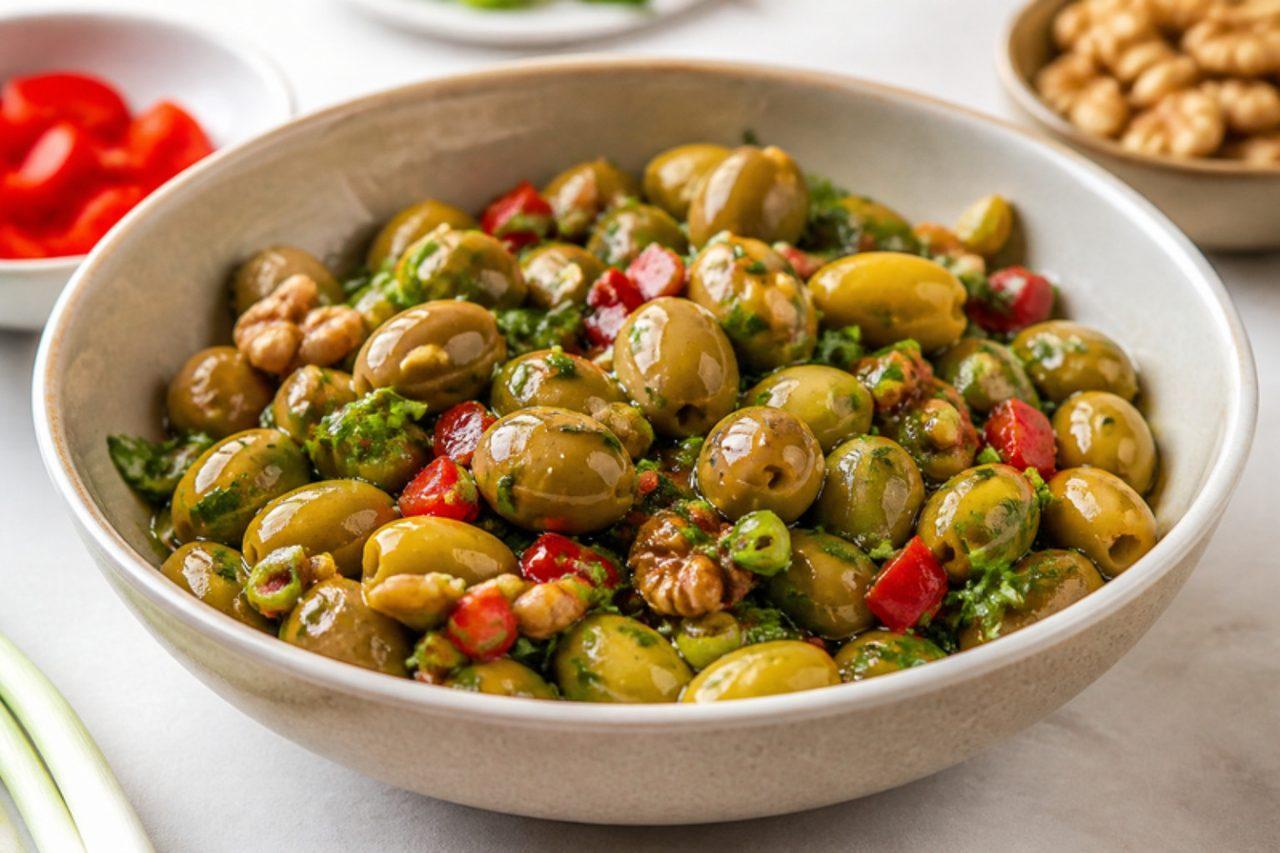
Hatay grows olives on every hillside towards the Syrian border, and its meyhanes and breakfast tables always have a bowl of this salad: green olives tossed with walnuts, spring onion, tomato, parsley, pepper paste and pomegranate molasses. It is salty, sour and sweet at once, and sits happily next to cheese, eggs and flatbread in the morning or as a meze in the evening. Pit and chop the olives yourself; jarred sliced olives are too soft. Rinse very salty olives first, or the salad is overwhelming. Chef's tip: dress it an hour ahead so the olives soak up the molasses, but add the tomatoes and herbs just before serving.

by KrazyBadal 0 views

Halal cart chicken over rice

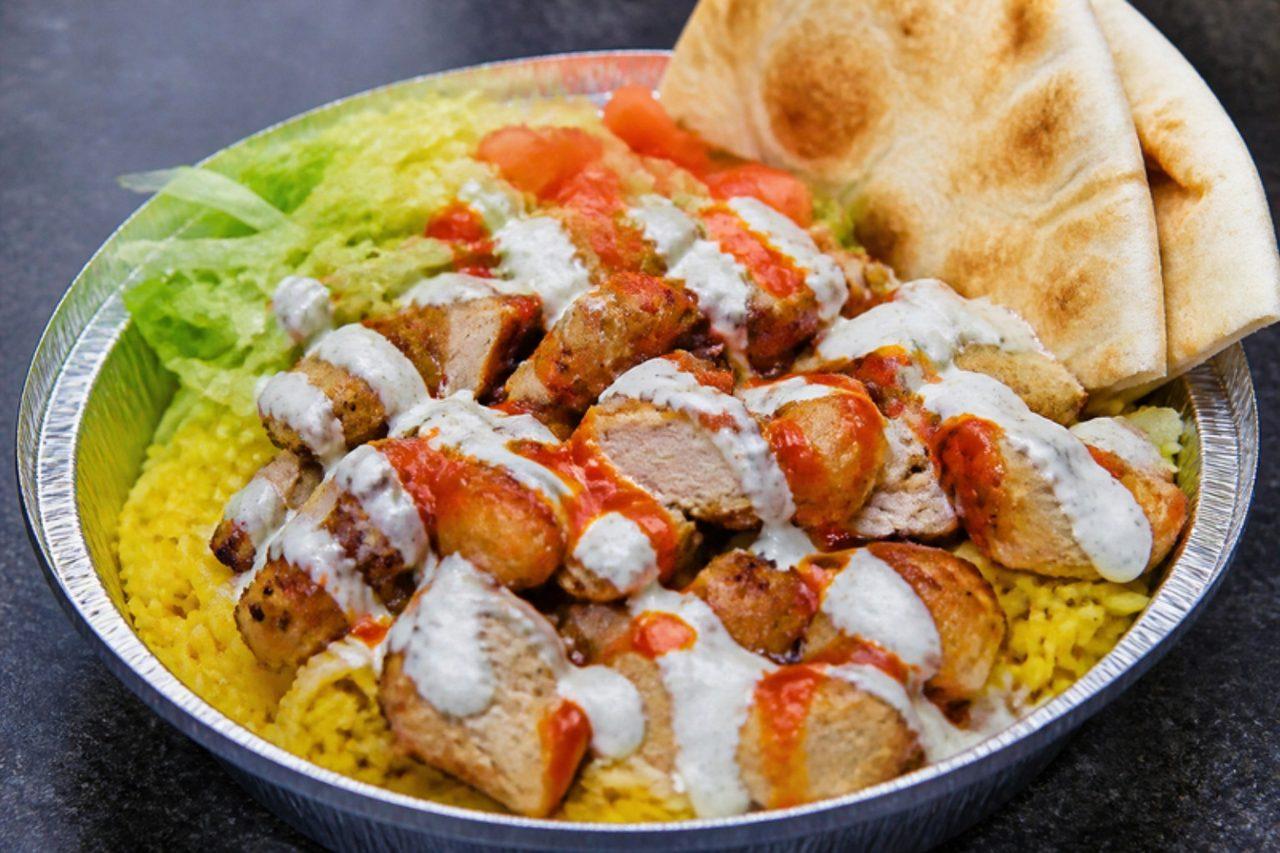
From the silver carts on Midtown corners, often run by Egyptian and Afghan cooks, comes New York's favourite cheap late-night meal: chopped spiced chicken thighs on turmeric rice with shredded lettuce, a tangy white sauce and a fiery red chilli sauce. Office workers and taxi drivers queue for it at 2 a.m. Chef's tip: marinate the chicken in the fridge overnight; the lemon and spices soak right in.

by KrazyBadal 0 views

Ash-e anarPomegranate soup with herbs and rice

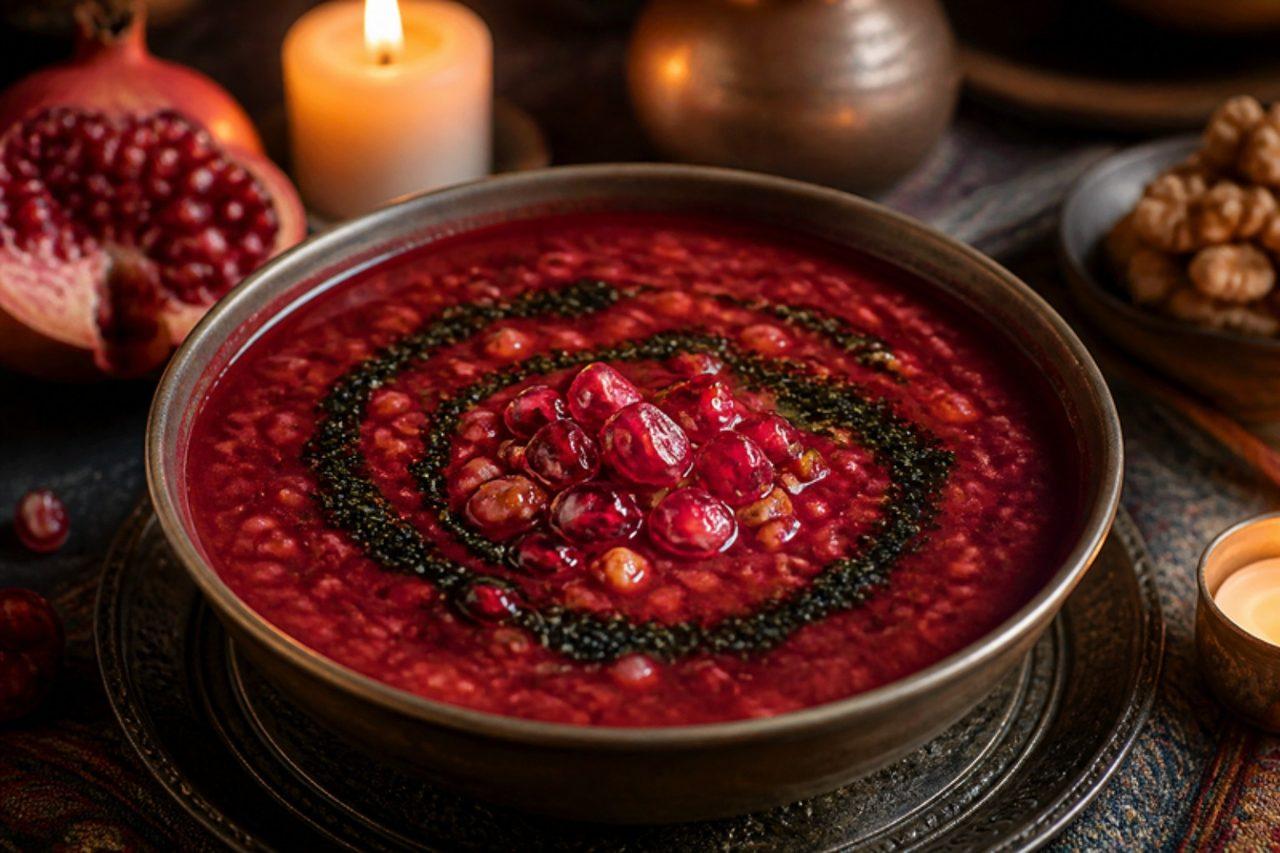
Ash-e anar is a soup for Yalda, the long December night when families across Tehran, Tabriz and Mashhad stay up late with pomegranates, watermelon and poetry. Fresh pomegranate juice and molasses give the broth a sour-sweet ruby colour, thick with split peas, rice and a mass of parsley, coriander, mint and spring onion. Many families drop in small meatballs; this version leaves them out and finishes with a sizzling garnish of dried mint in oil (nana dagh) for depth. The common mistake is adding the pomegranate too early, which dulls the colour to brown; it goes in for the last half hour. Chef's tip: taste and balance at the end with sugar or more molasses; the soup should make your mouth water, sour first and sweet after.

100 minPersianSoupsVeganGluten free
by KrazyBadal 0 views

Ash-e kashkWheat, bean and herb soup

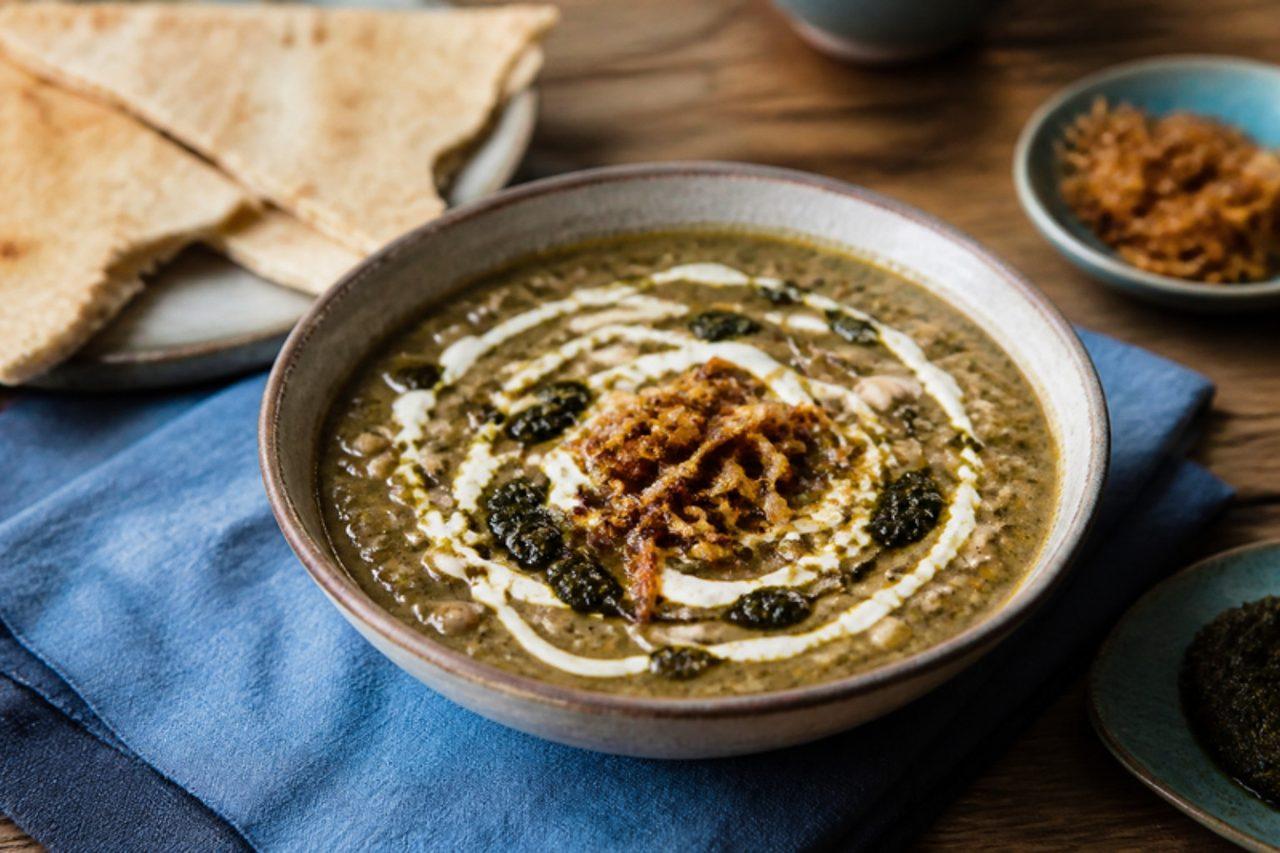
Ash-e kashk is the winter ash of Khorasan and the central plateau, simmered in big pots in Mashhad and Neyshabur homes and served from the pot for long Friday lunches. Cracked wheat, chickpeas, beans and lentils cook down with a mountain of herbs until creamy and thick, then each bowl gets a swirl of kashk, crisp fried onion and sizzling mint oil. Kashk is fermented dried whey, made without rennet, so it is vegetarian. A common mistake is adding the herbs too early, which turns them grey and muddy; stir them in for the last 30 minutes only. Chef's tip: stir the kashk in a little hot broth before swirling, so it blends smoothly rather than splitting.

125 minPersianSoups
by KrazyBadal 0 views

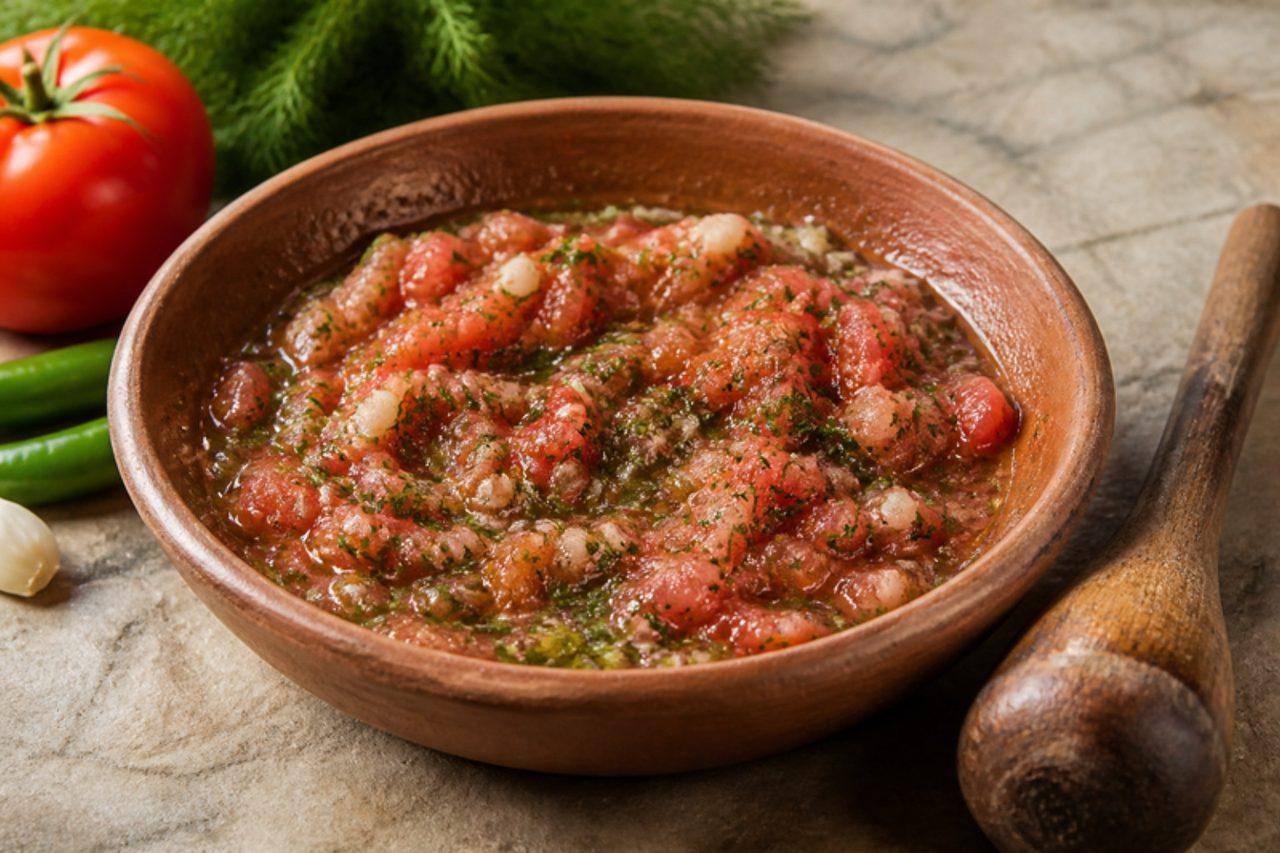
DaggaPounded tomato, dill and chilli salad

Dagga, sometimes called salata ghazawiyya, is the salad that sits on every table in Gaza, pounded in a clay bowl (zibdiya) with a wooden pestle until the tomatoes collapse into a juicy, chunky relish. Fresh dill, green chilli, garlic and lemon make it sharper and hotter than any salad in the north, and it is spooned over fish, rice and grilled meat or scooped up with bread. Common mistake: using a blender, which turns it into a smooth sauce; you want broken pieces in their own juice. Chef's tip: pound the garlic, chilli and salt to a paste first, then add the dill, so its oils bloom before the tomatoes go in.

by KrazyBadal 0 views

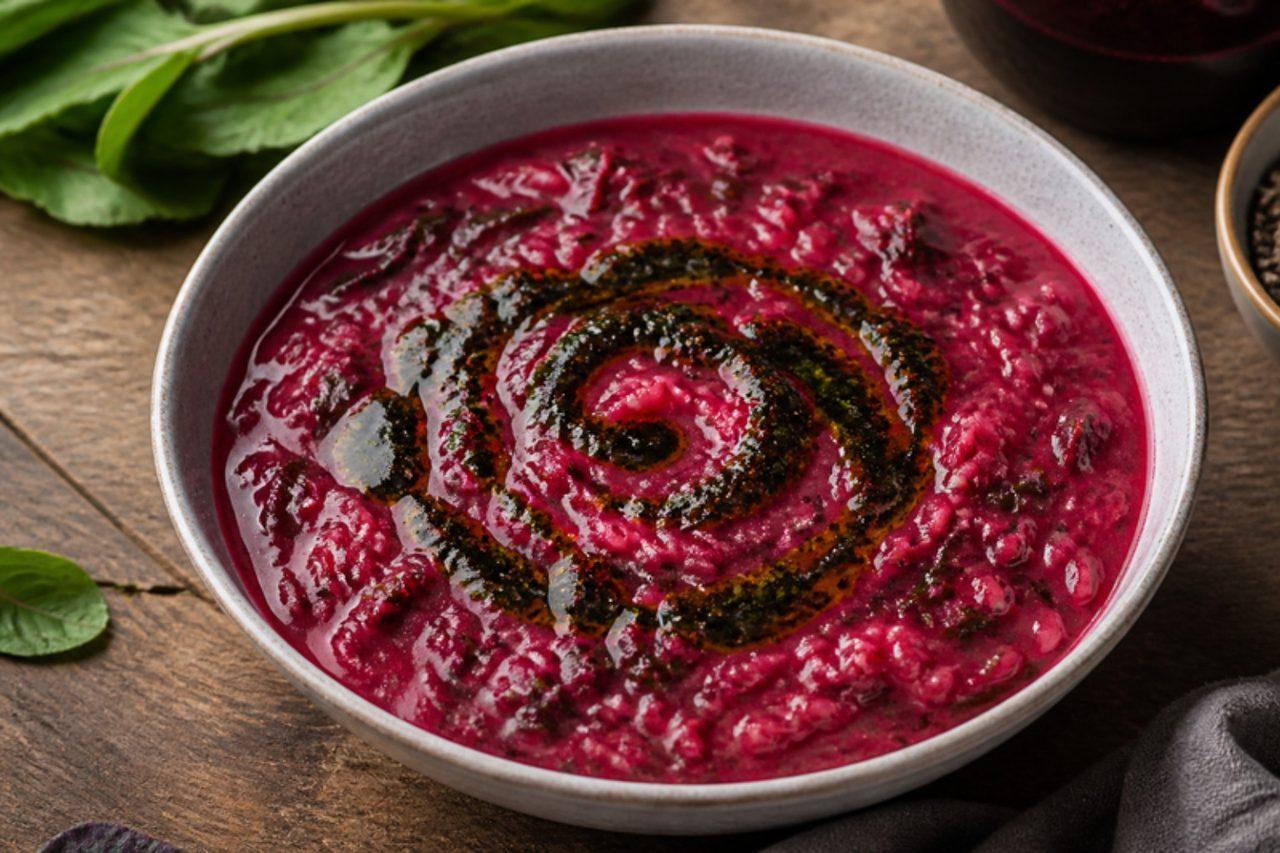
Ash-e shooliBeetroot, spinach and herb soup

In the desert city of Yazd, ash-e shooli is what grandmothers cook on the first cold nights of autumn and through winter, and what they bring to anyone with a cold. It is a thick, deep-red soup of beetroot, spinach and green herbs, thickened with a little flour and balanced between vinegar and a touch of sugar or date syrup, finished with fried mint. Nothing else in Iran tastes quite like it. A common mistake is adding the vinegar early, which keeps the beetroot hard; put it in once everything is tender. Chef's tip: taste and adjust at the very end, adding sour and sweet a spoon at a time until neither one wins.

by KrazyBadal 0 views

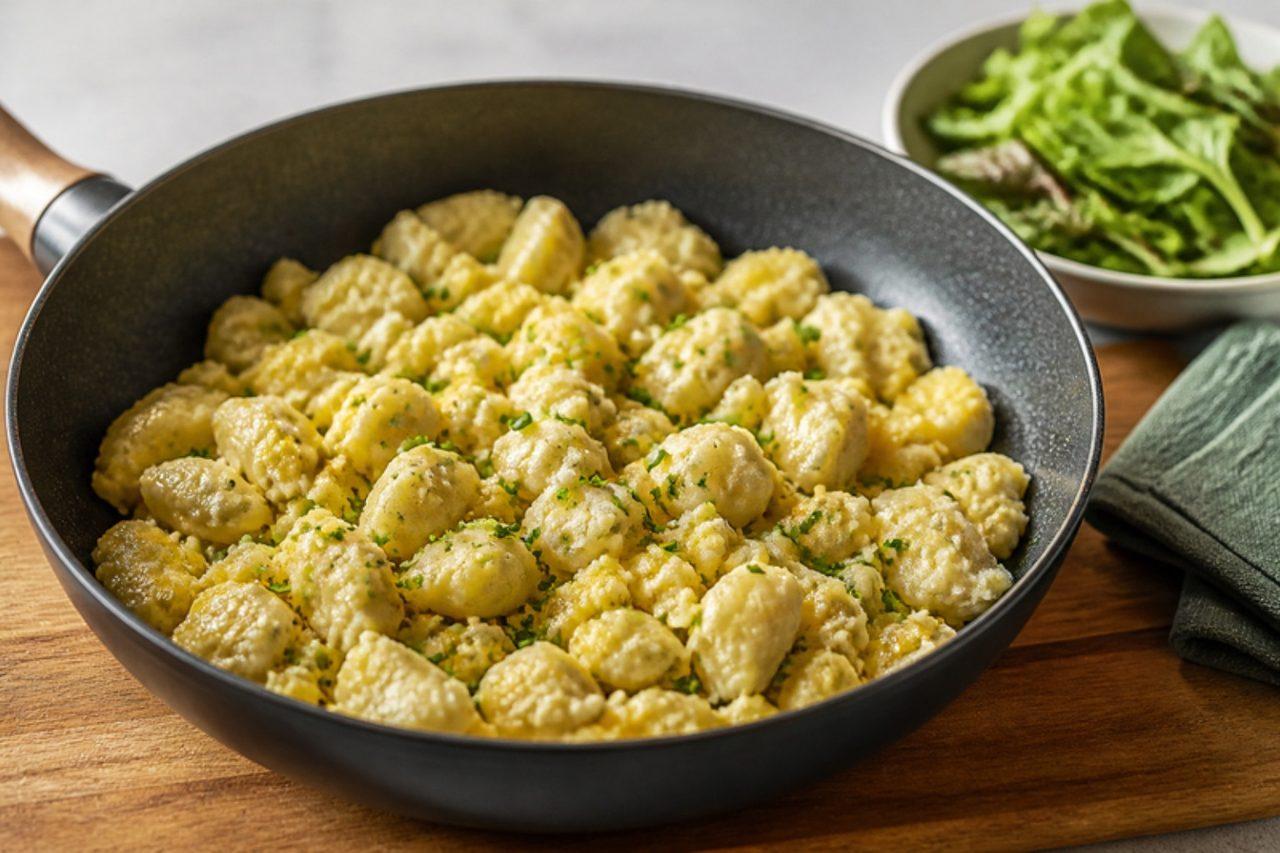
EiernockerlSoft dumplings with scrambled eggs

Eiernockerl is what Viennese grandmothers cook when the larder is nearly bare: a loose flour batter is scraped in little nubs into boiling water, then tossed in foaming butter and set with beaten eggs. In Vienna it turns up on weekday lunch tables and in old-fashioned Beisln, usually with a green salad in a sharp vinegar dressing on the side. The nockerl should be soft and slightly chewy, the egg just set and glossy, with lots of chives. A common mistake is cooking the eggs until dry and grainy; take the pan off the heat while they still look a little wet. Chef's tip: let the batter rest for 10 minutes before you cut it into the water, so the flour swells and the nockerl hold their shape.

by KrazyBadal 0 views

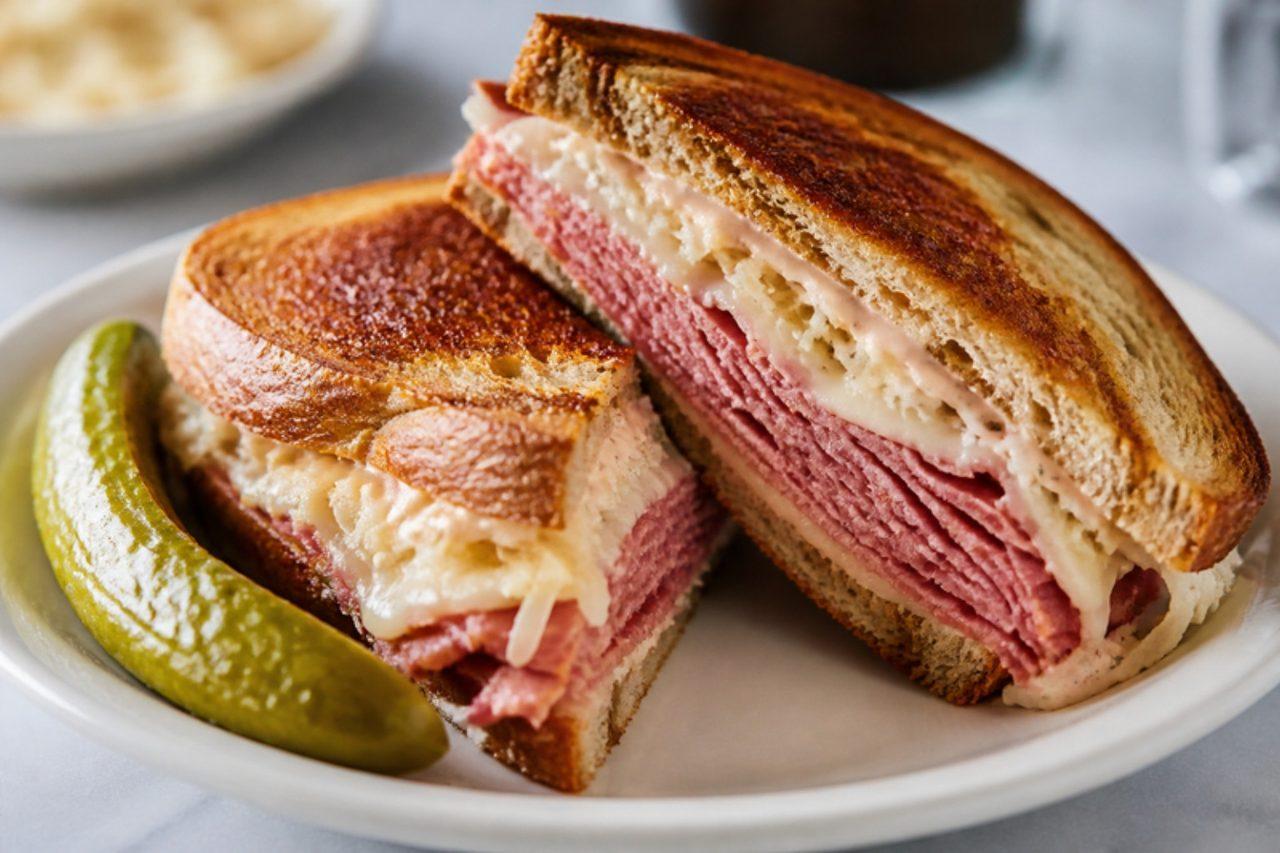
Reuben sandwich

The Reuben is a New York deli classic, claimed by both a Manhattan delicatessen and a poker game in Omaha, and now on every Jewish-style deli menu in the city: rye bread layered with thin corned beef, sauerkraut, Swiss cheese and Russian dressing, then fried in butter until the cheese melts. It is a big, salty, tangy lunch. Chef's tip: squeeze the sauerkraut hard in your fist; wet kraut makes soggy toast.

by KrazyBadal 0 views

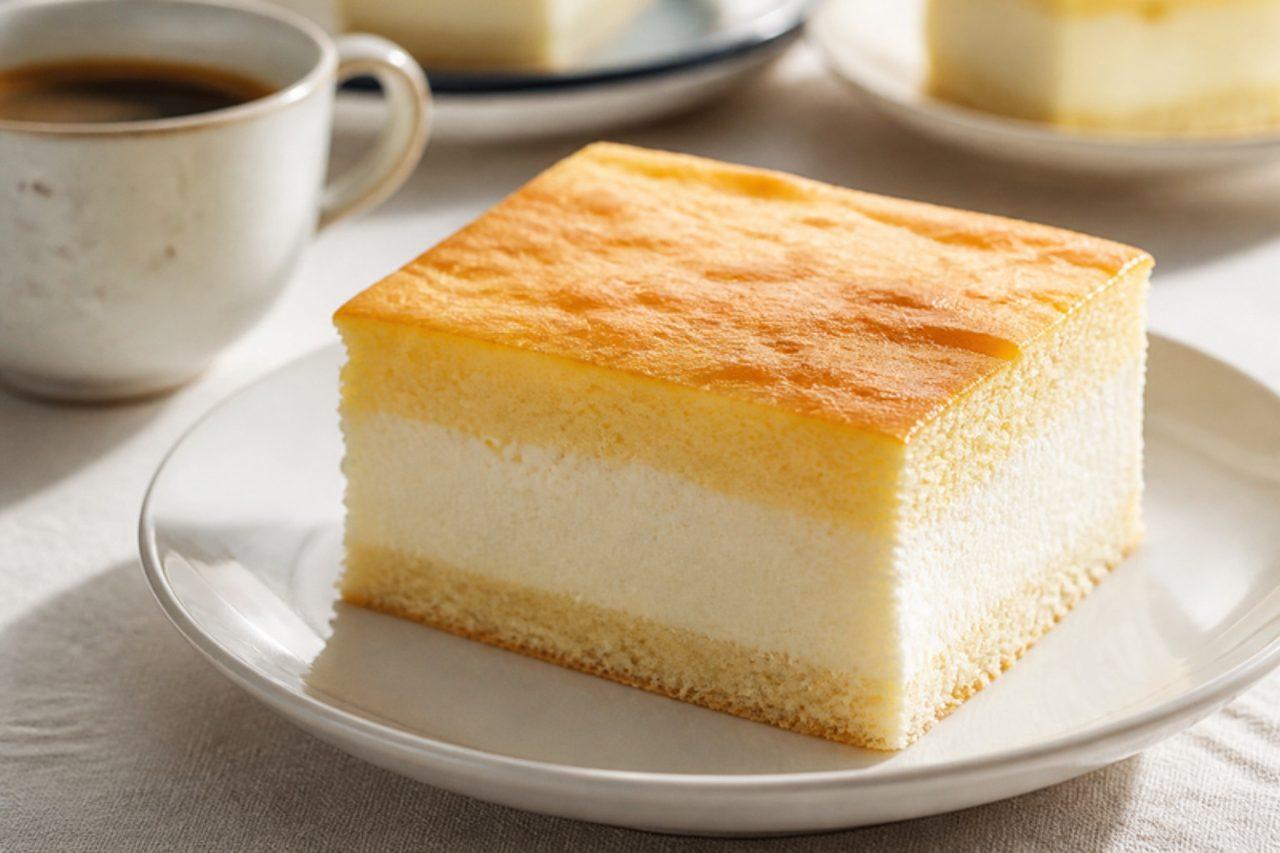
EierscheckeThree-layer quark custard cake

Eierschecke is Dresden's café cake, cut in squares from a big tray in every Saxon bakery: a thin yeasted base, a thick layer of vanilla quark, and on top the 'Schecke', a wobbly, golden egg-and-butter custard that bakes into a soft, almost soufflé-like crust. It is eaten on Sunday afternoons with strong filter coffee, and Saxons argue about whether raisins belong in the quark. A common mistake is pouring the custard on too thickly or baking too hot, so it puffs and cracks; bake it low and slow. Chef's tip: the cake cuts neatly only when completely cold, so make it the day before.

105 minGermanBaking
by KrazyBadal 0 views

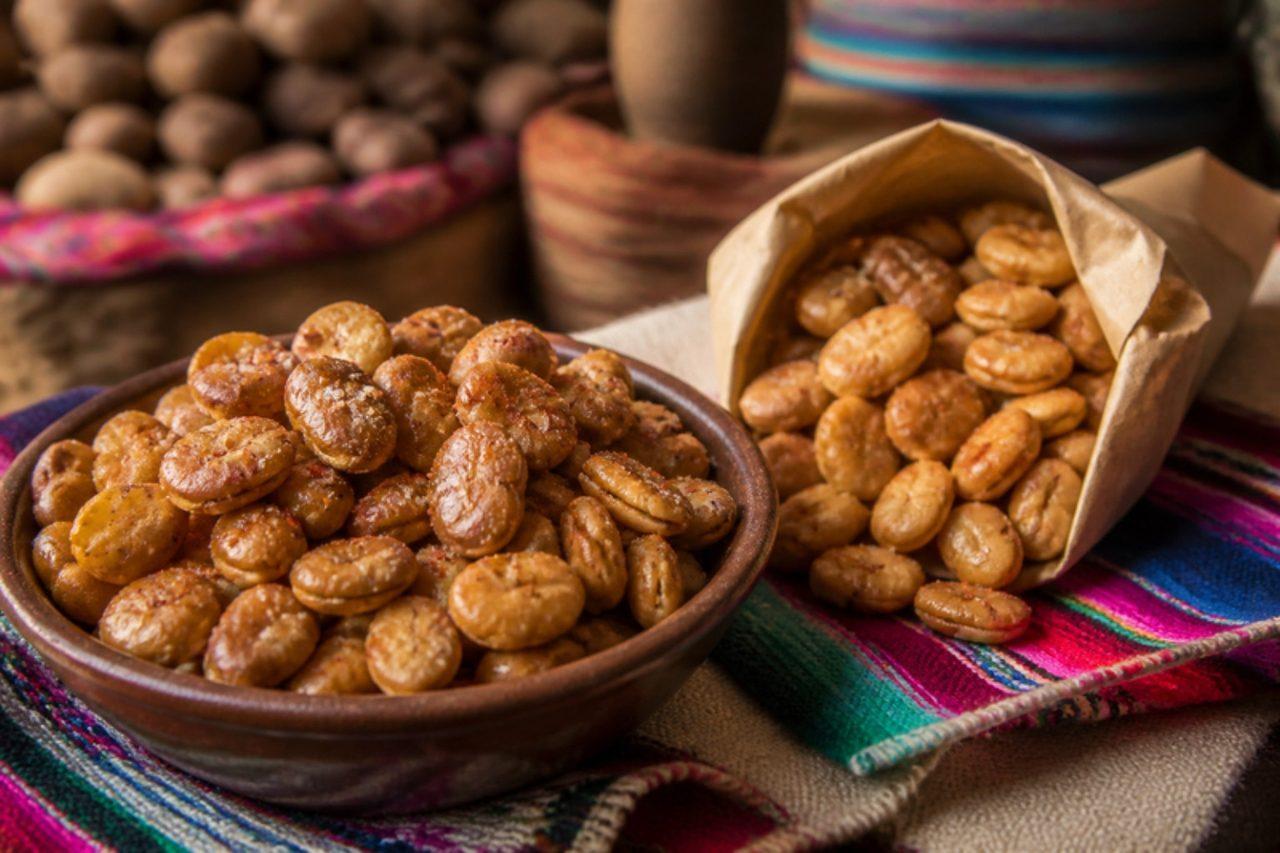
Habas tostadasFried dried broad beans

Paper cones of habas tostadas are sold by the scoop at markets from Huancayo to Puno, piled next to cancha and roasted peanuts, and they disappear by the handful at football matches, on long bus rides and with a cold drink in the evening. Dried broad beans are soaked, dried and fried until they crack open, turning golden and crisp outside with a slightly mealy, nutty centre. Most sellers leave the skins on, which gives them their bite. The beans need an overnight soak before you start, so plan a day ahead. The mistake to avoid is frying them still wet from the soak: the oil spits dangerously and the beans steam instead of crisping, so dry them thoroughly on a towel. Eat them on their own or put a bowl out with olives and pickled onions. Chef's tip: fry them twice, first at a lower heat to cook the centre, then hotter for the crunch, and salt them the moment they come out of the oil.

by KrazyBadal 0 views

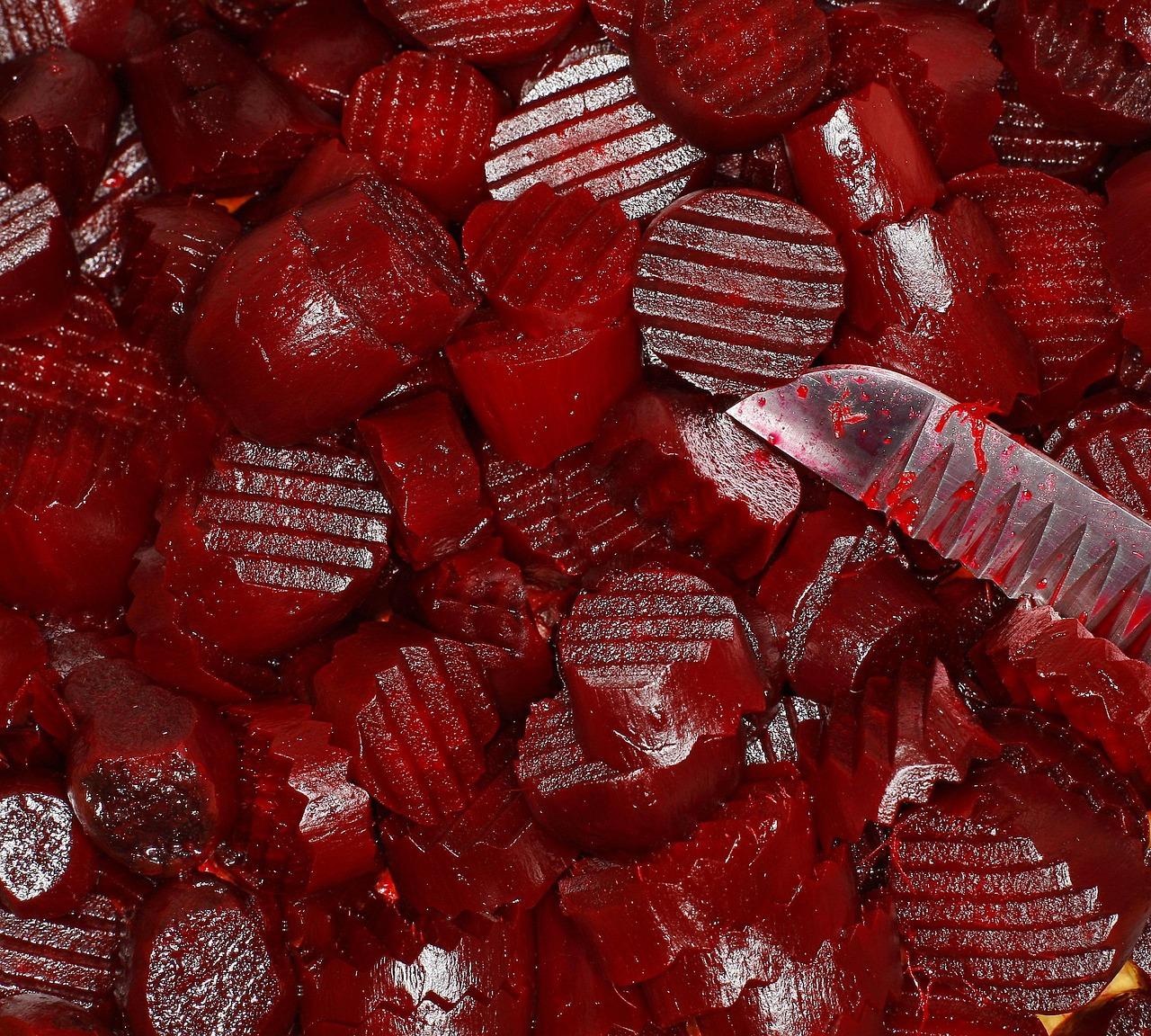
Eingelegte Rote BetePickled beetroot

In Hamburg, Bremen and across Schleswig-Holstein a jar of pickled beetroot sits on the table whenever there is Labskaus, herring or a cold meat platter, and many households still make their own each autumn when the beets come in from the fields. Earthy cooked beetroot is sliced and steeped in sweet-sour vinegar with onion, cloves and a little horseradish, turning gently spiced and jewel red. The mistake people often make is peeling or trimming beets before boiling, which lets the colour and flavour bleed into the water. Chef's tip: wear gloves and use a plastic board when slicing, and slice evenly at about 5 mm so every piece pickles at the same rate.

by KrazyBadal 0 views

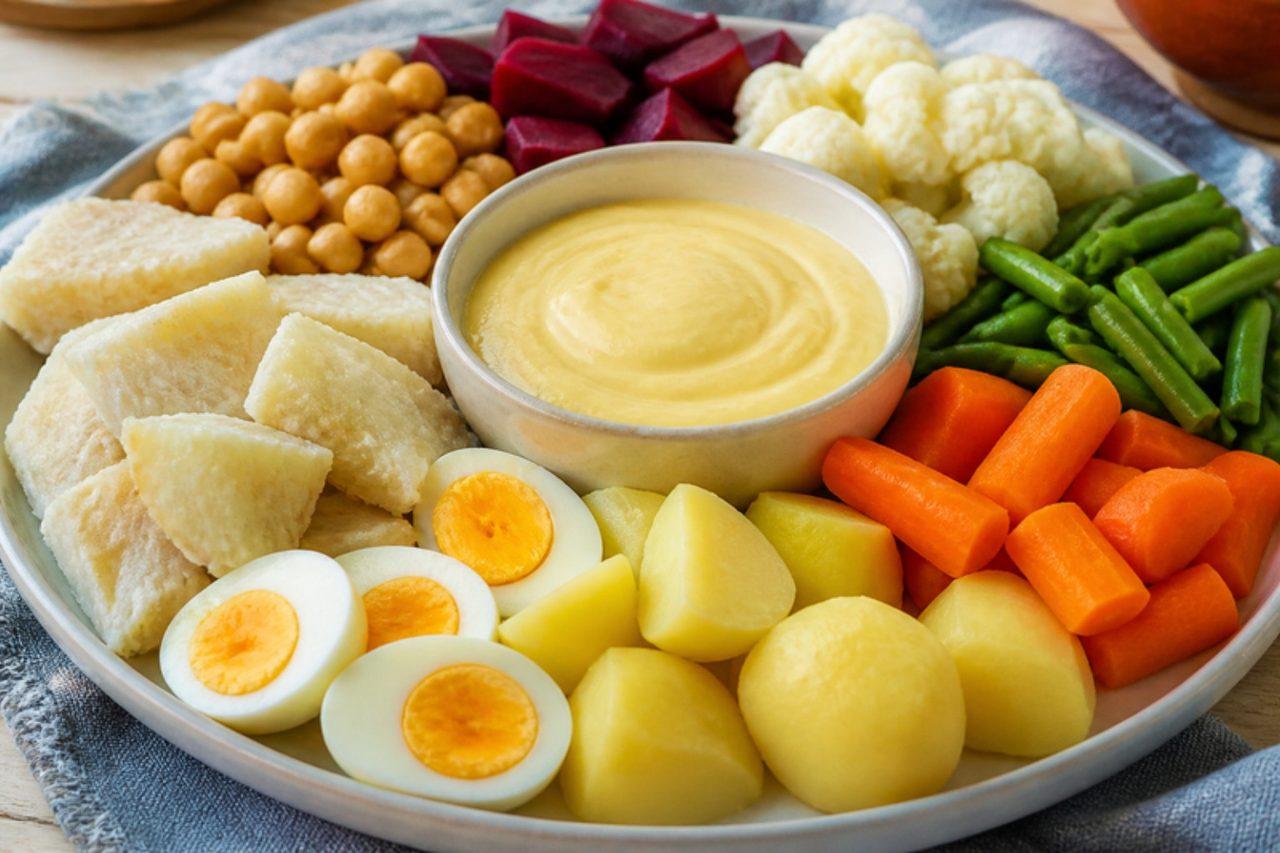
Grand aïoliSalt cod and vegetables with aioli

Across Provence, a grand aïoli is the lunch for Fridays, the meatless day, and for summer village fêtes, when long tables are laid under the plane trees and the platters go round. Poached salt cod, boiled potatoes, carrots, green beans, beetroot and hard-boiled eggs are piled up around a bowl of aïoli, the pungent, golden garlic mayonnaise that gives the meal its name. It is plain food made thrilling by that sauce, so use your best olive oil. The salt cod needs 24–36 hours soaking in the fridge, so start early. Because the aïoli is made with raw egg yolk, use pasteurised egg yolks if you are serving pregnant women, young children, older people or anyone with a weakened immune system. Chef's tip: start the aïoli with a pinch of salt and pounded garlic, and add the oil drop by drop until it thickens.

85 minFrenchFishGluten free
by KrazyBadal 0 views

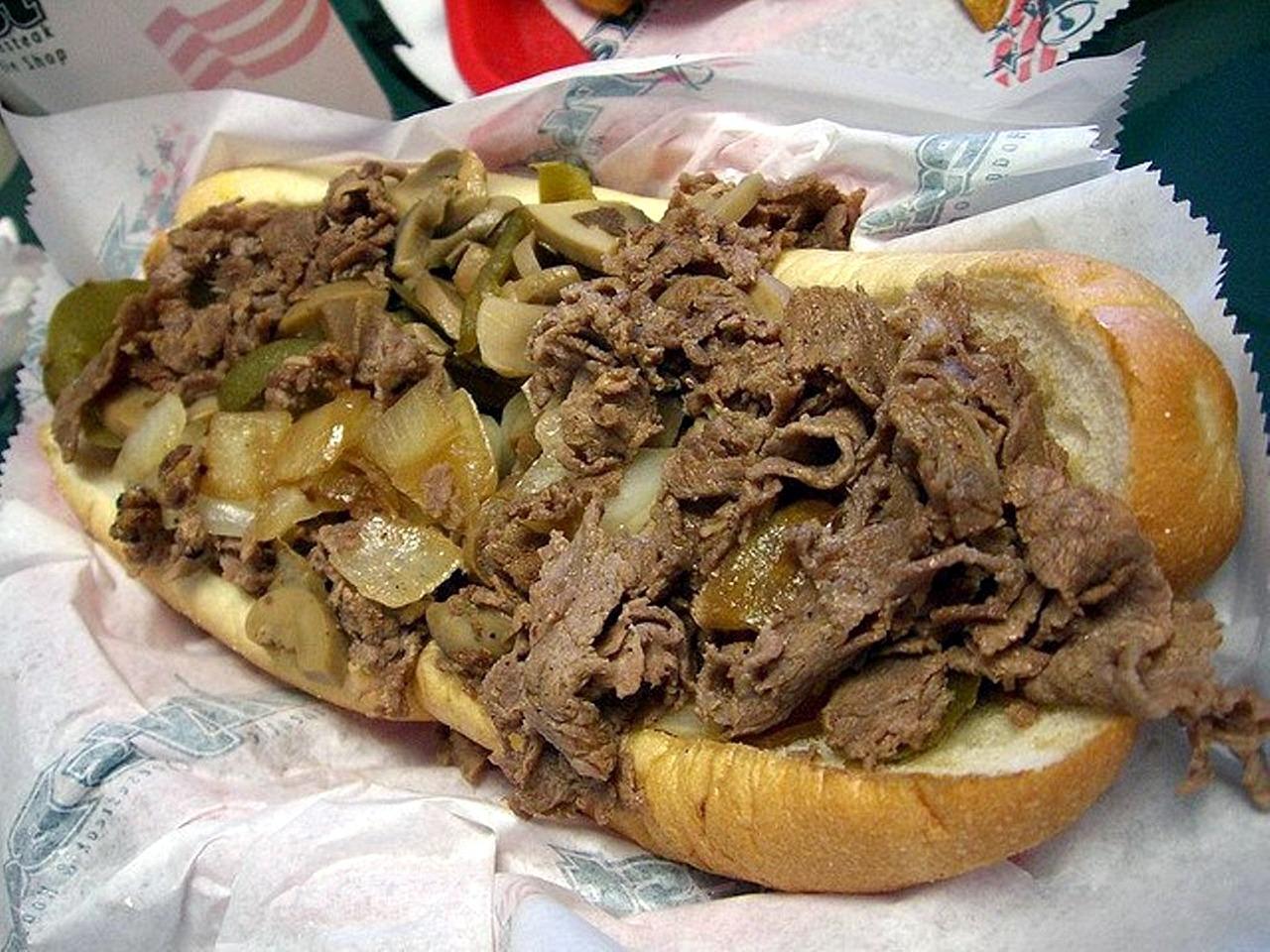
Philly cheesesteak

The cheesesteak was born in South Philadelphia in the 1930s, and the rival stands on Passyunk Avenue still keep the city arguing over whether it should come with melted cheese sauce, provolone or American cheese, and 'wit' or 'witout' fried onions. Paper-thin ribeye is chopped on a hot griddle, cheese is melted over it and the lot is scooped into a soft, crusty hoagie roll. Chef's tip: freeze the beef for 40 minutes before slicing; it firms up so you can cut it almost see-through.

by KrazyBadal 0 views

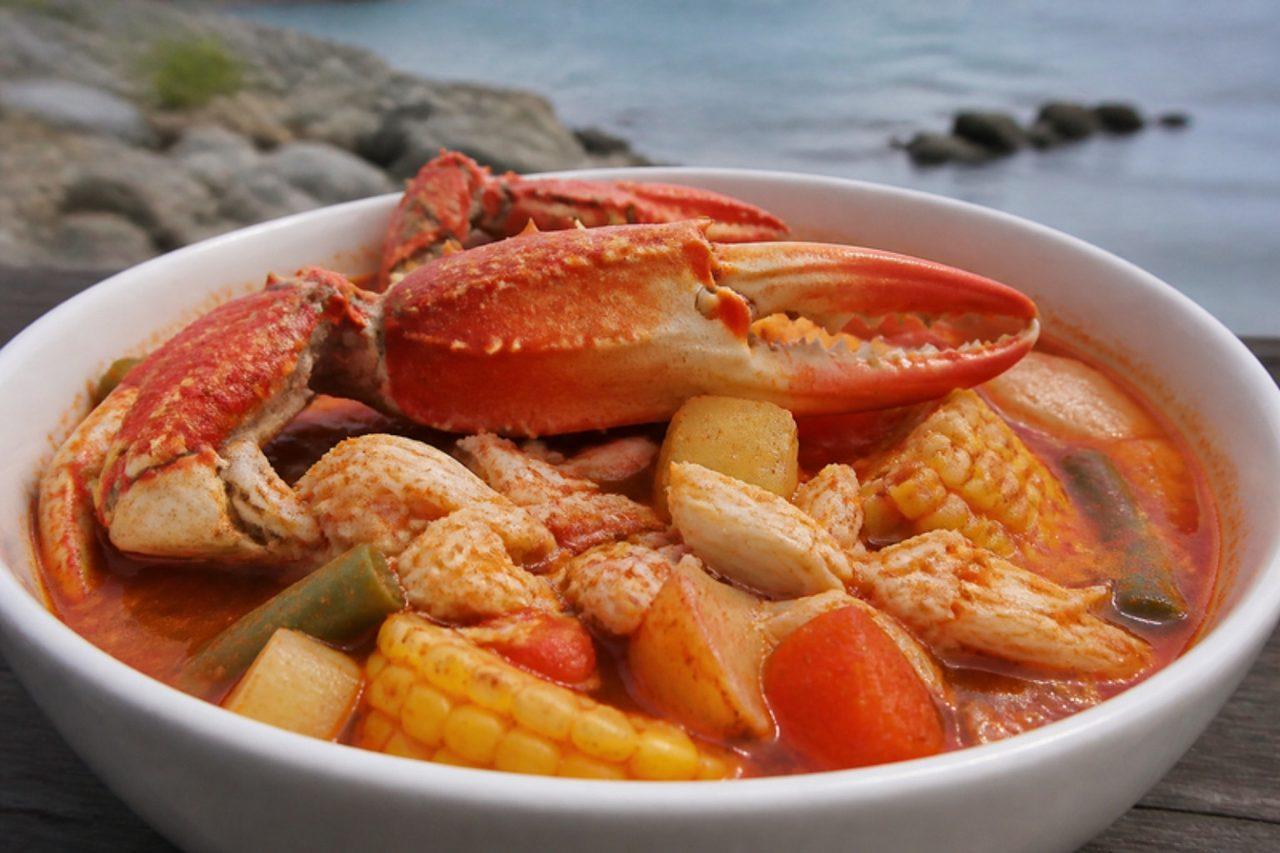
Maryland crab soup

Maryland crab soup is the red, vegetable-packed soup of Baltimore crab houses and Eastern Shore church fundraisers, simmered in a beef broth with tomatoes, corn, beans and lots of crab seasoning, with blue crab meat stirred in at the end. Locals eat a cup before a tray of steamed crabs. Chef's tip: let the vegetables cook fully before the crab goes in; crab meat only needs warming, and stirring too much shreds it.

by KrazyBadal 0 views

Iowa Dutch lettersAlmond pastry S-shapes

Every May the small town of Pella, Iowa, celebrates its Dutch settlers with the Tulip Time festival, and the bakeries on the square sell these flaky pastry 'letters', traditionally shaped as an S for Sinterklaas. A log of sweet almond paste is rolled in rough puff pastry, curved into an S, brushed with egg and sugar and baked until crackly. Chef's tip: seal the pastry seam well and bake seam-side down, or the almond filling bubbles out.

by KrazyBadal 0 views

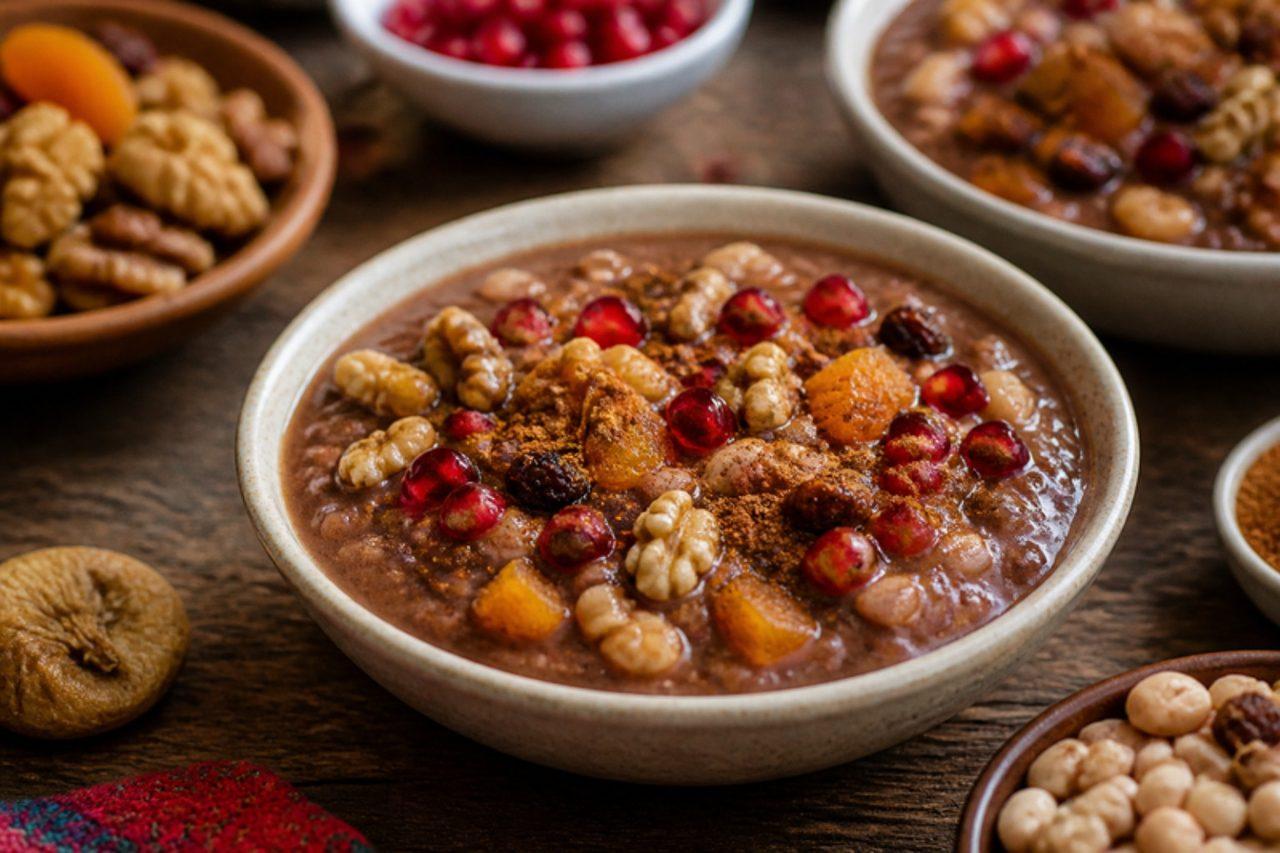
AşureWheat, bean and dried fruit pudding

In the month of Muharram, kitchens all over Anatolia, especially in conservative Konya and Sivas, boil great pots of aşure and send bowls to every neighbour, regardless of faith, so the sweet is as much about sharing as eating. Legend says it was cooked on Noah's ark from the last of the stores, which is why it combines whole wheat, chickpeas, white beans, dried apricots, figs and raisins in a thick, gently sweet pudding. It's topped with walnuts, pomegranate and cinnamon. Common mistake: adding sugar before the wheat is fully tender; sugar firms the grains and they never soften. Chef's tip: soak the wheat and pulses overnight and cook the wheat in its soaking water for the creamiest result.

by KrazyBadal 0 views

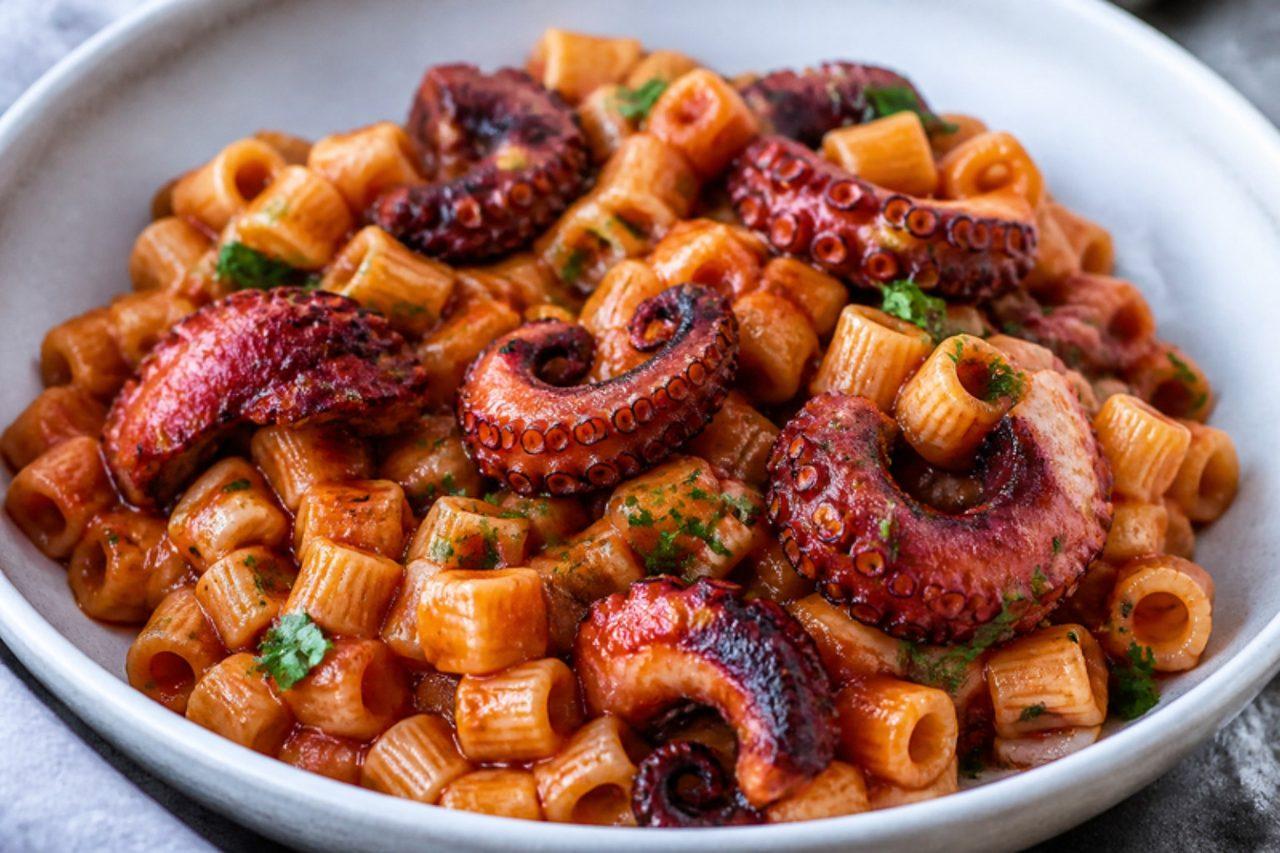
Htapodi me kofto makaronakiOctopus and pasta in tomato

During Lent and on fasting days, coastal families in Crete and the islands turn to octopus, which the church counts as fasting food. In this one-pot dish it is first stewed in its own juices until tender, then simmered in tomato with cinnamon and allspice, and finally the little cut pasta tubes cook right in the sauce, soaking up the deep red, faintly sweet liquid. It is served hot with a squeeze of lemon and a green salad. Common mistake: salting the octopus at the start, which tightens it; season only once it is tender. Chef's tip: buy frozen octopus or freeze fresh for a day; freezing breaks down the tough fibres and saves you the traditional beating on the rocks.

110 minGreekFish
by KrazyBadal 0 views

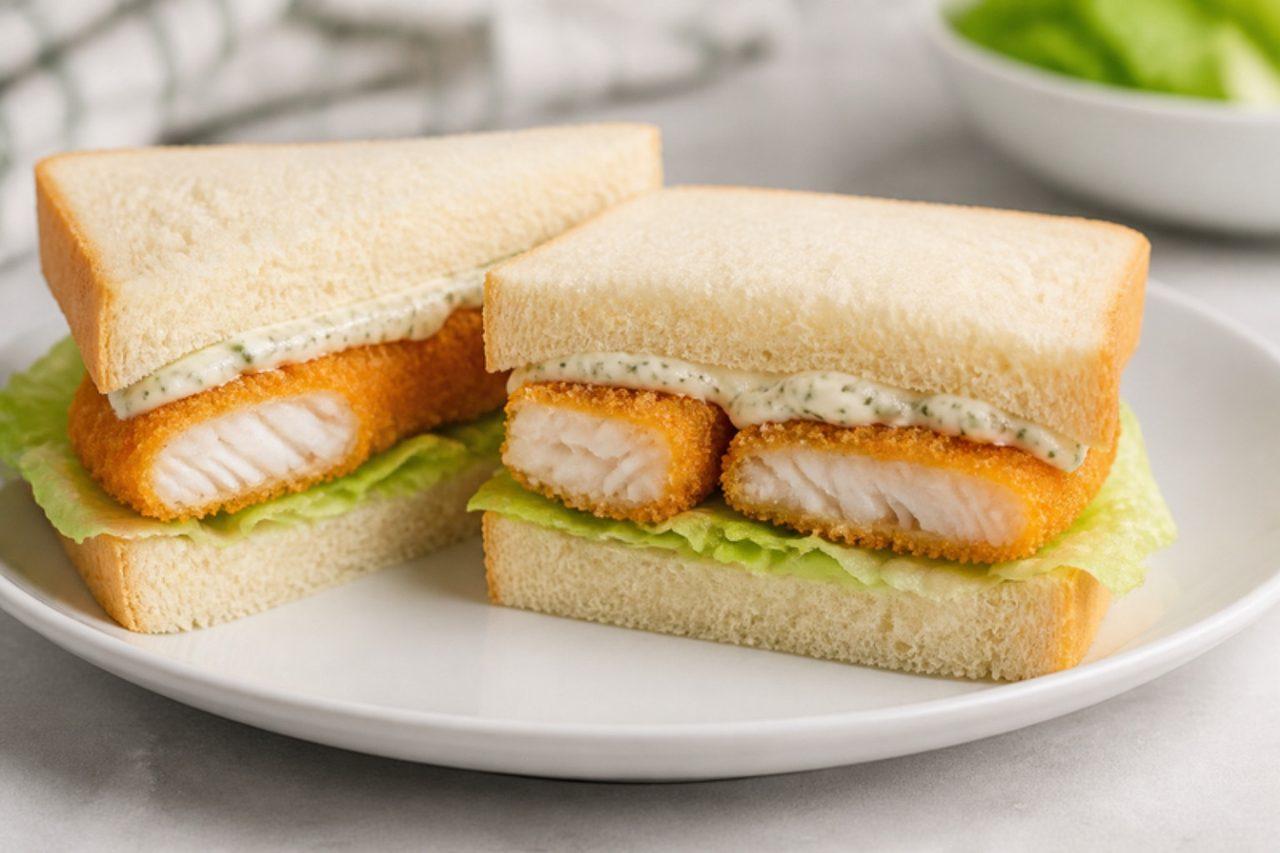
Fish finger sandwich

The fish finger sandwich is a beach-café and pub-lunch classic around the English coast from Whitstable to Brighton, and the ultimate home comfort food for anyone who grew up in Britain. Here the fingers are made from fresh cod in crunchy crumbs, piled into buttered white bread with tartare sauce and crisp lettuce. Chef's tip: cut the fish into even fingers so they all cook in the same time.

by KrazyBadal 0 views

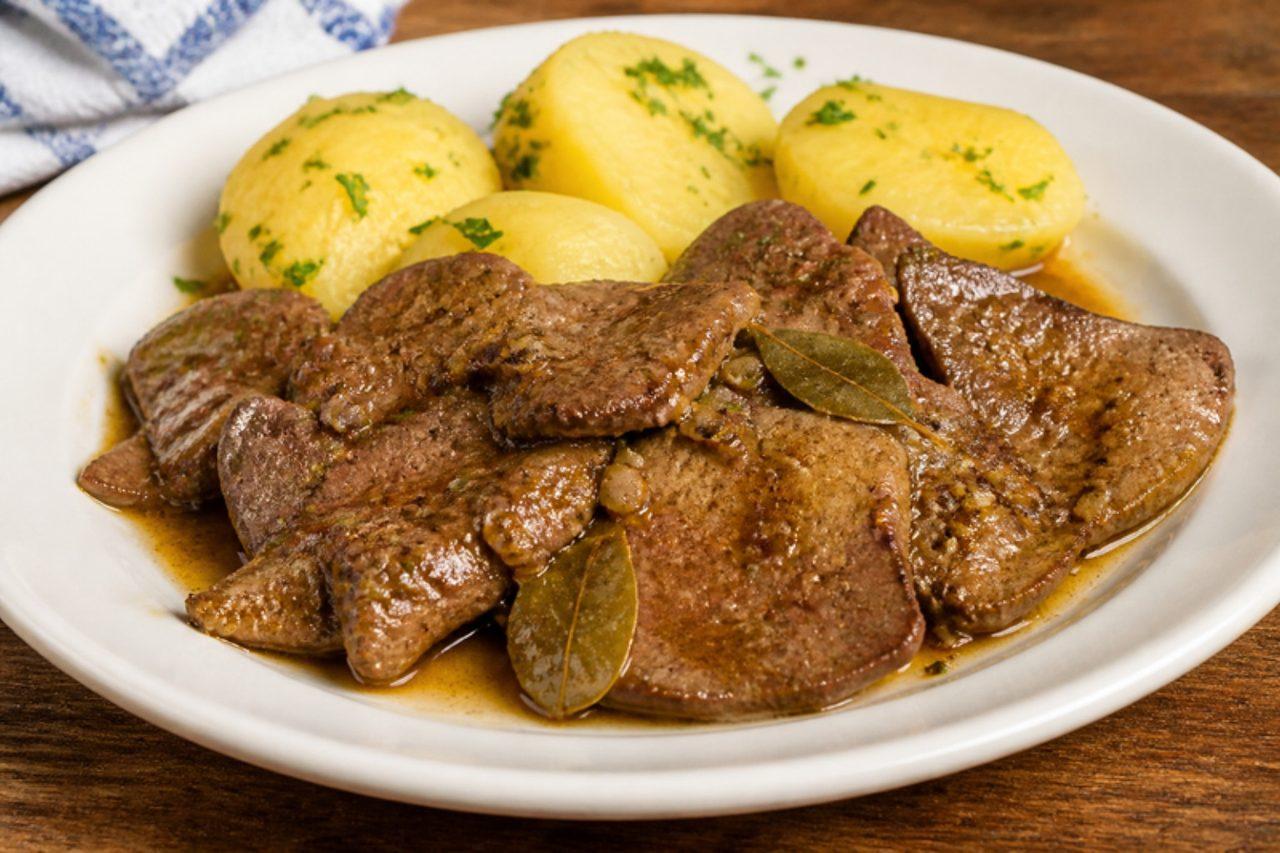
Iscas com elasFried marinated liver with potatoes

In the old tascas of Lisbon's Baixa and Alfama, iscas com elas was cheap, filling food for workers: thin slivers of liver marinated overnight in white wine, vinegar, garlic and bay, flash-fried and served 'with them', the boiled potatoes that soak up the sauce. This contains pork (pig's liver); calf's liver works too. The marinade uses white wine, which contains alcohol; stock with an extra spoon of vinegar is a good alcohol-free option. A common mistake is slicing the liver thick: it must be thin so it cooks through fast without turning hard. Chef's tip: dry the slices well before frying so they sear instead of boiling.

by KrazyBadal 0 views

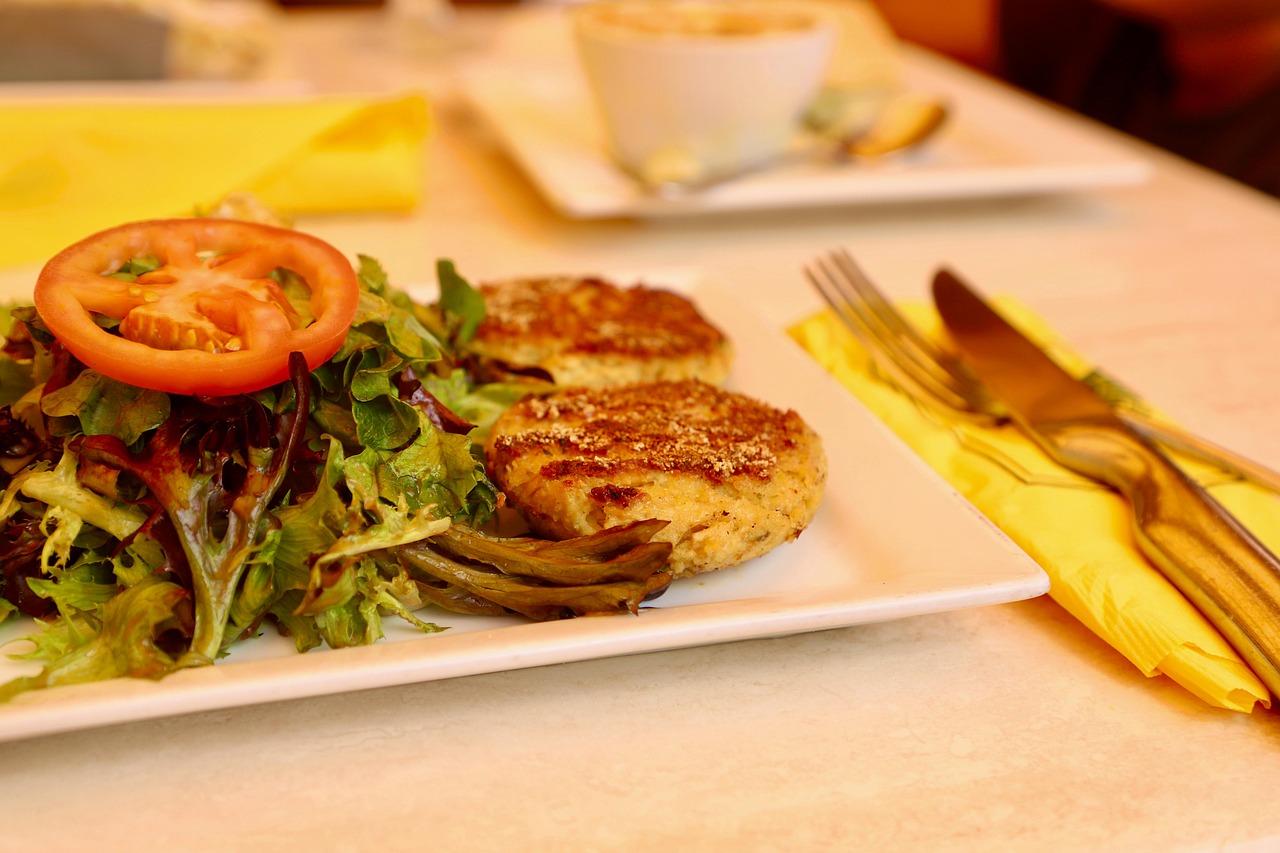
Maryland crab cakes

Around Chesapeake Bay, from Baltimore's crab houses to the docks of the Eastern Shore, a proper crab cake is judged by how little holds it together: sweet lump blue crab, a spoon of mayonnaise and mustard, a little seasoning and just enough crumbs to bind. They are eaten as a platter with coleslaw or in a soft roll with tartare sauce through the summer crab season. Chef's tip: chill the shaped cakes for an hour; it firms them so they don't fall apart in the pan.

by KrazyBadal 0 views

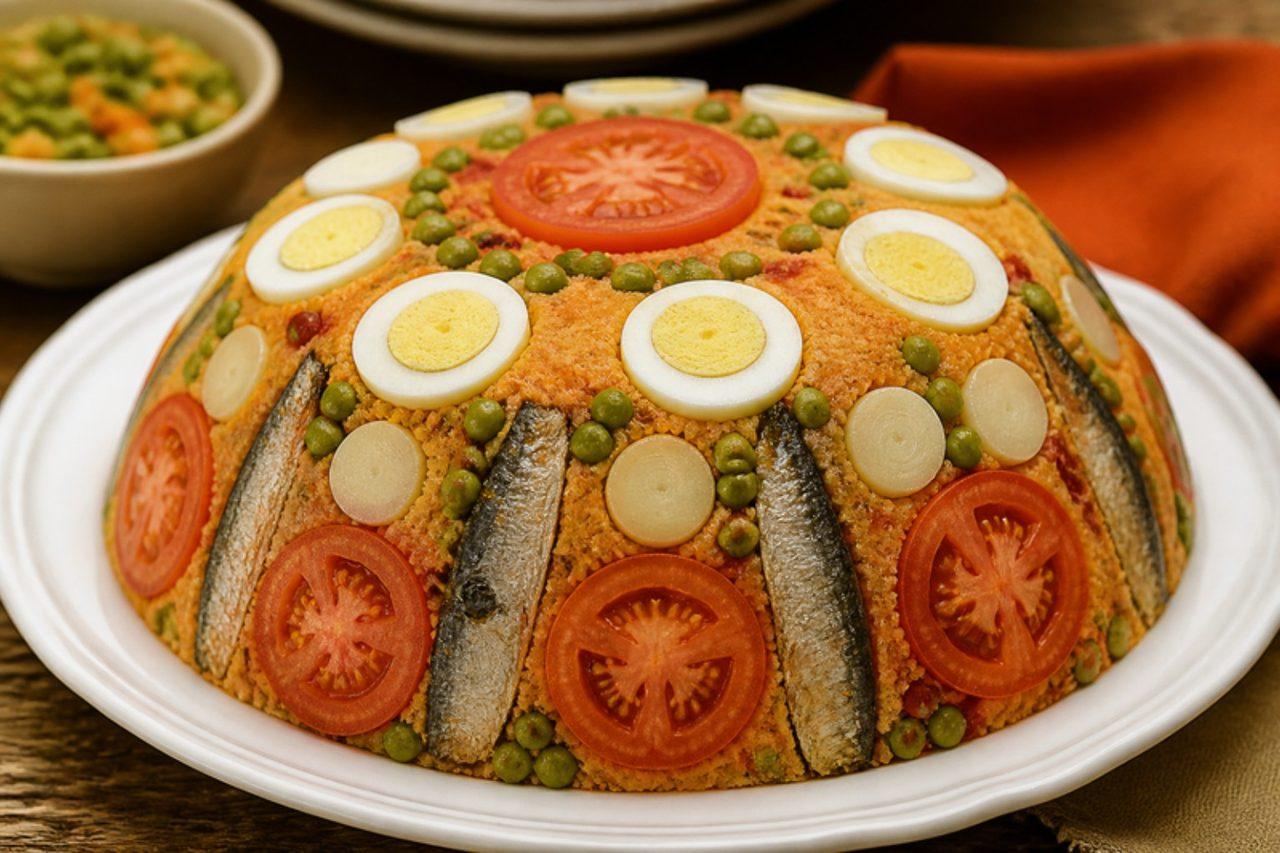
Cuscuz paulistaCornmeal with palm heart and sardines

Nothing like North African couscous, cuscuz paulista is a moulded cake of corn flakes cooked in a rich tomato sauce, packed into a ring mould decorated with sardines, sliced egg, tomato, palm hearts and peas, then turned out so the pattern shows. São Paulo bakeries and family lunches serve it cold or at room temperature, in slices, for birthdays, Easter and Sunday tables. It is moist, savoury and tangy, with bursts of olive and fish. It needs at least an hour to set in the fridge, so it is perfect to make the day before. The thing that most often goes wrong is a mixture that is too dry, which crumbles when turned out; it should look like soft, wet polenta before it goes into the mould. For a vegetarian version, skip the sardines and add extra palm hearts. Chef's tip: oil the mould generously and press the decoration against the sides firmly, so it sticks to the cuscuz and not the tin.

by KrazyBadal 0 views

LaulauSteamed pork and fish bundles

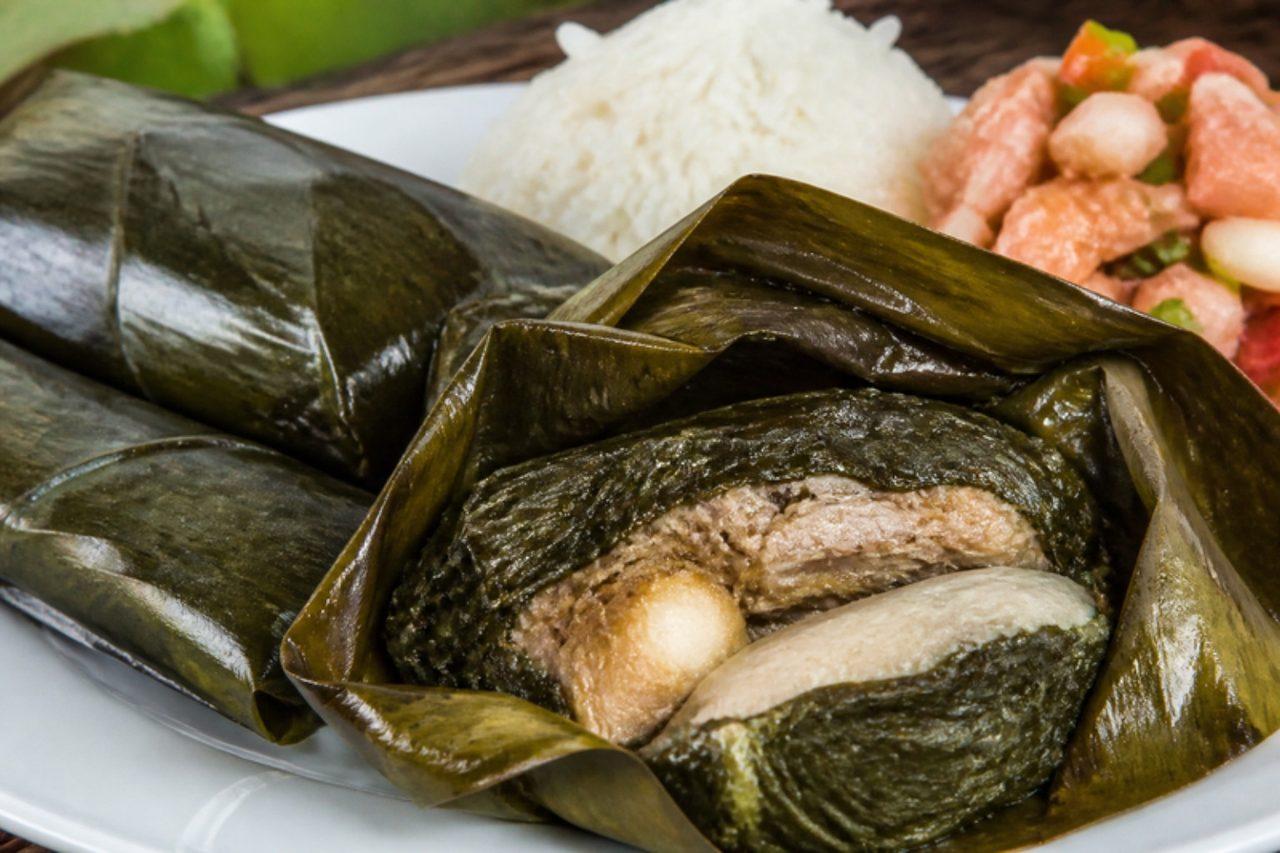
Laulau is one of the oldest dishes of Native Hawaiian cooking: fatty pork and salted butterfish are wrapped in young taro (lūʻau) leaves, tied in a ti-leaf parcel and steamed for hours until the leaves turn soft as cooked spinach and the pork is meltingly tender. It is the centrepiece of a plate with poi, lomi lomi salmon and haupia at lūʻau and family celebrations. Taro leaves must be cooked a long time, as they irritate the throat when undercooked; if you can't find them, use large spinach leaves and wrap in banana leaves or foil. Chef's tip: steam the bundles for the full four hours; shortcutting leaves the taro leaves scratchy.

by KrazyBadal 0 views

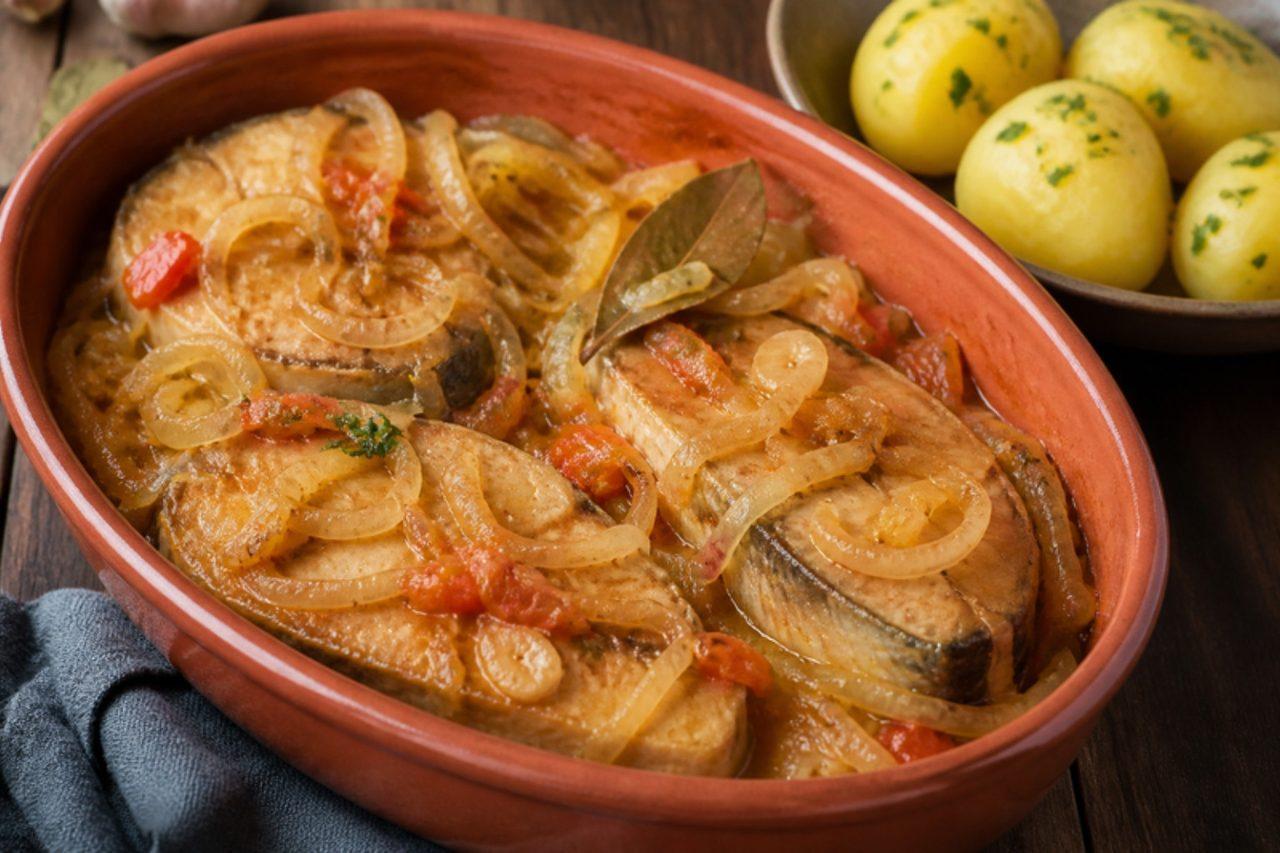
Atum de ceboladaTuna in onion sauce

From Vila Real de Santo António to Tavira, cebolada means a deep pan of onions cooked slowly in olive oil with garlic, bay and tomato, finished with a splash of vinegar, and tuna steaks laid in it to braise. Fishing families made it with the cheaper cuts from the tuna traps; restaurants still serve it on weekday lunch menus with boiled potatoes. Chef's tip: give the onions their full 25 minutes, so they turn sweet and jammy before the tuna goes in.

by KrazyBadal 0 views

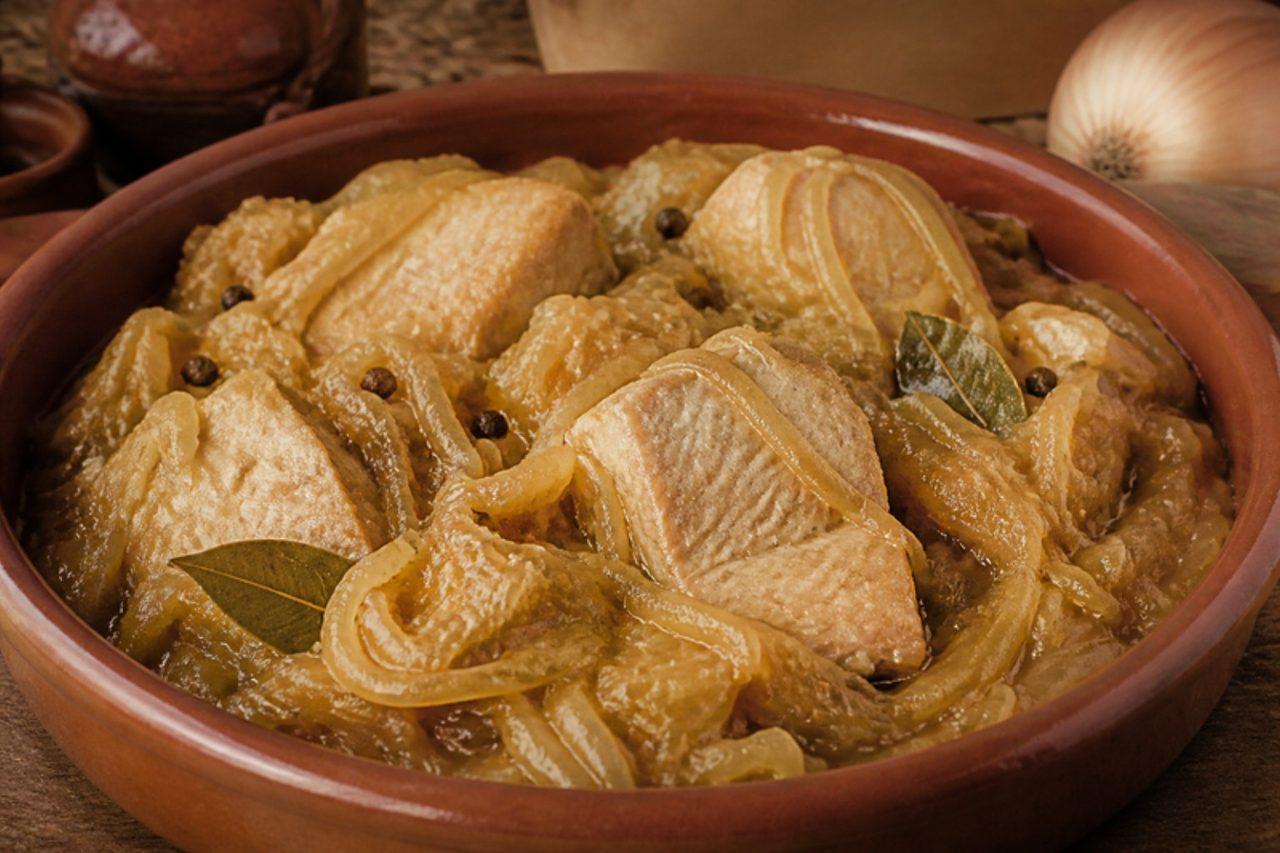
Atún encebolladoTuna stewed with onions

When the almadraba nets bring bluefin tuna ashore in Barbate and Zahara de los Atunes in May and June, households along the Cádiz coast make atún encebollado: chunks of tuna braised in a mountain of onions cooked down until sweet and golden, with bay, pepper and a splash of fino. Any good tuna steak works the rest of the year. This recipe uses wine; the alcohol-free option is in the ingredient note. Chef's tip: the onions take the time, the tuna does not; add it only for the last few minutes, or it turns dry and grey.

by KrazyBadal 0 views

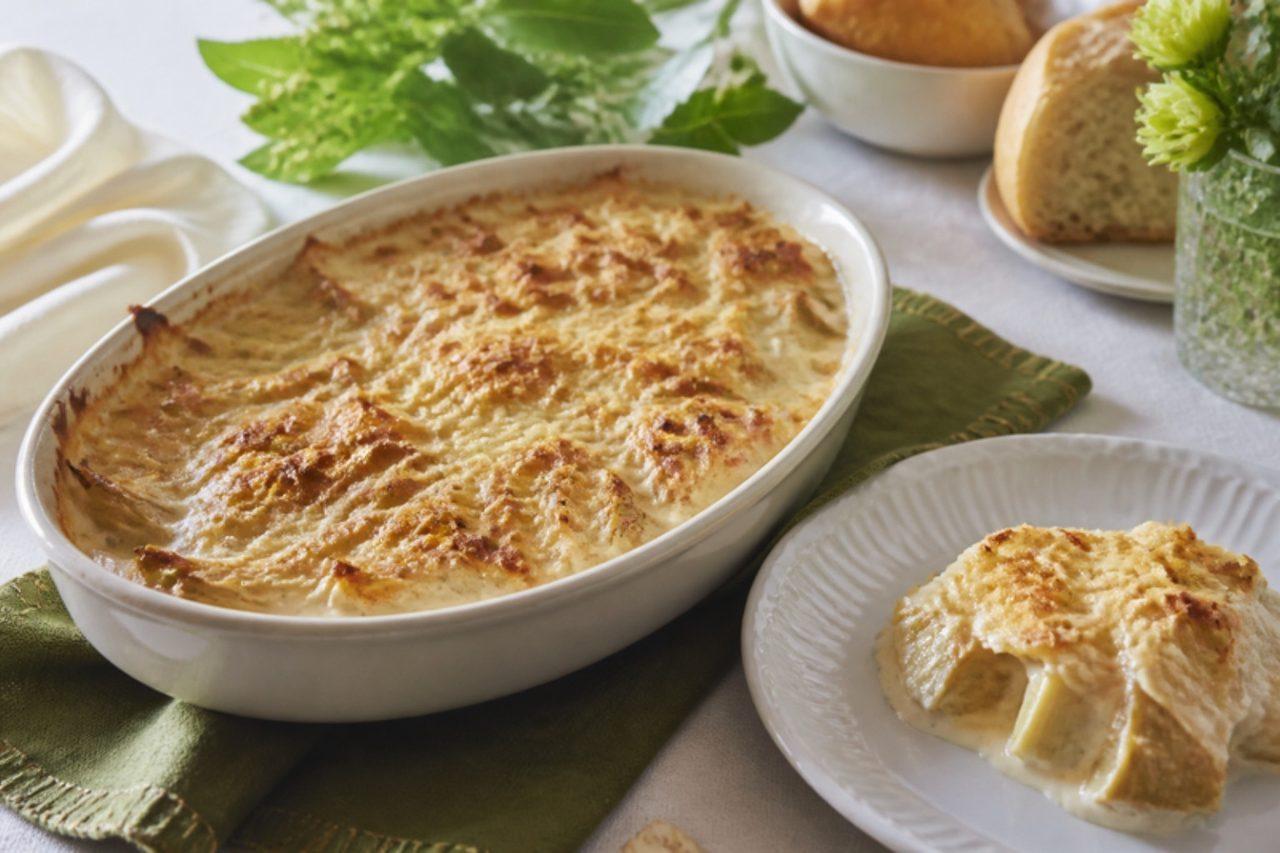
Gratin de cardonsCardoon gratin

Cardoons, the tall silvery cousin of the artichoke, are a Christmas vegetable in Lyon and the Dauphiné; market stalls on the Quai Saint-Antoine sell them in December, and the gratin goes on the table at the réveillon dinner. The stalks taste gently of artichoke and celery and turn meltingly soft under a nutmeg béchamel. Lyon cooks often add bone marrow; this version leaves it out and uses vegetable stock in the sauce. Gruyère is usually made with animal rennet, so choose a vegetarian alternative if needed. If you cannot find cardoons, celery hearts work, though they cook faster. Chef's tip: drop each peeled stalk straight into lemon water; cardoons blacken within minutes in the air.

105 minFrenchSides
by KrazyBadal 0 views

Cuscuz de tapiocaTapioca and coconut cake

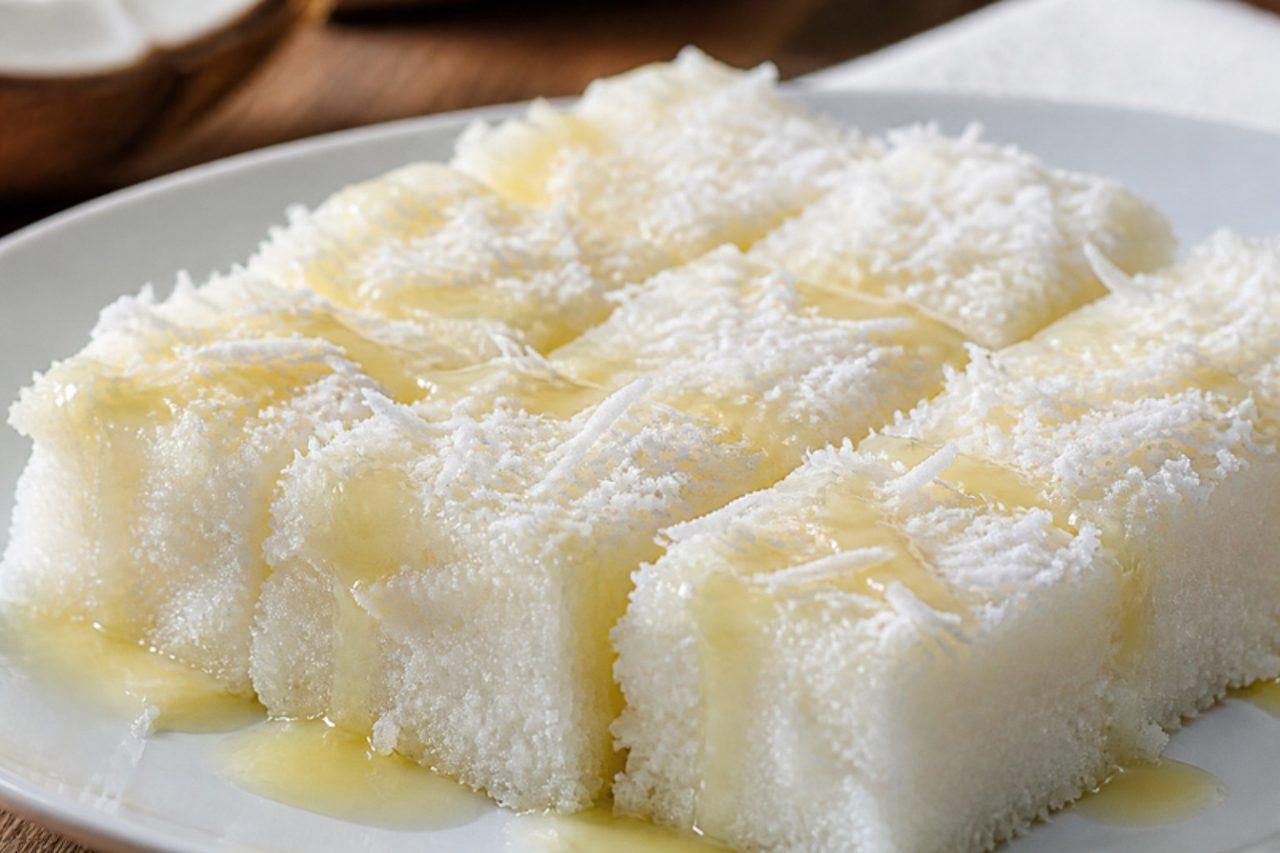
Breakfast stalls in Salvador and the street markets of Recife and Fortaleza sell cuscuz de tapioca by the slice from a big round tray, often with a drizzle of condensed milk on top. It needs no cooking at all: granulated tapioca (tapioca granulada) soaks up hot sweetened milk and coconut milk and swells into a firm, white, bouncy cake with a chewy, pearly texture and a gentle coconut taste. It is eaten cold, at breakfast or as an afternoon sweet with coffee. Granulated tapioca is a Brazilian product made of small irregular crumbs, not pearls; Brazilian shops sell it in bags. Cutting it too early is the usual mistake, and the slices crumble because the granules are still dry at the centre. Chef's tip: pour the liquid in while it is steaming hot and cover the dish straight away; the trapped steam swells the granules evenly.

by KrazyBadal 0 views

Curau de milhoFresh corn pudding

São Paulo and Minas call it curau; in parts of the Northeast the same thing is canjica, which can confuse anyone travelling for the June festivals. Whatever the name, it is fresh sweetcorn blended with milk, strained and stirred over the heat until it sets into a soft, pale yellow pudding, served cold in little bowls with a dusting of cinnamon. You find it at every arraial in the interior of São Paulo and Goiás and at corn shops beside the pamonha. It tastes of milky fresh corn, gently sweet, and the texture should be silky, never grainy. A frequent slip is to stop stirring: corn starch catches on the base within seconds and gives the whole pot a burnt taste. Chef's tip: cook it in a heavy pan and use a flat wooden spatula so you can scrape every corner of the base.

by KrazyBadal 0 views

AuszogneStretched doughnuts

Auszogne are the doughnuts of the Bavarian countryside, fried for Kirchweih, the village church fair in autumn, and for Carnival. Each ball of rich yeast dough is pulled over the knees or the backs of the hands so the middle goes almost see-through while a thick, puffy ring stays round the edge; the centre fries crisp, the rim soft and fluffy. They are eaten warm with icing sugar and a cup of coffee. A common mistake is pulling the dough cold: it tears. Let the stretched rounds rest, and keep the oil at a steady 170 °C so the rims cook through before they brown. Chef's tip: stretch them on lightly buttered fingertips, not floured ones, so the dough slides without sticking.

by KrazyBadal 0 views

EliopsomoOlive bread

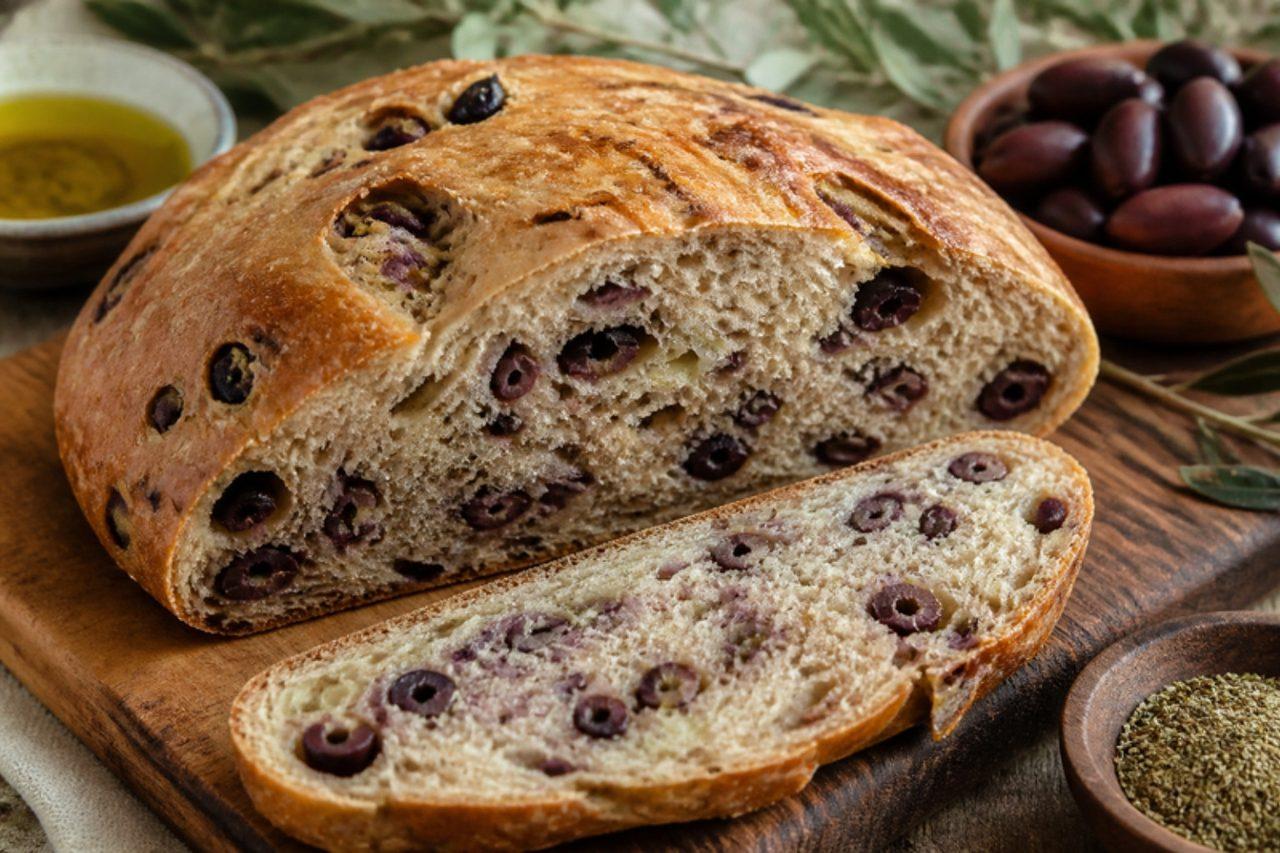
Around Kalamata, where the almond-shaped black olives ripen in groves running down to the Messinian gulf, bakers make eliopsomo for the long fasting weeks of Lent, when bread, olives and oil are lunch. The dough is rich with olive oil and folded with a generous handful of chopped Kalamata olives, soft-fried onion and dried oregano, then baked into a crusty round with a soft, purple-flecked crumb. Slice it with tomatoes and cucumber or dip into soups. Common mistake: adding wet, brined olives straight from the jar — drain and pat them dry, or the dough turns sticky and grey. Chef's tip: fold the olives in after the first rise so they don't break up while kneading.

by KrazyBadal 0 views

CulurgionesPotato and pecorino dumplings

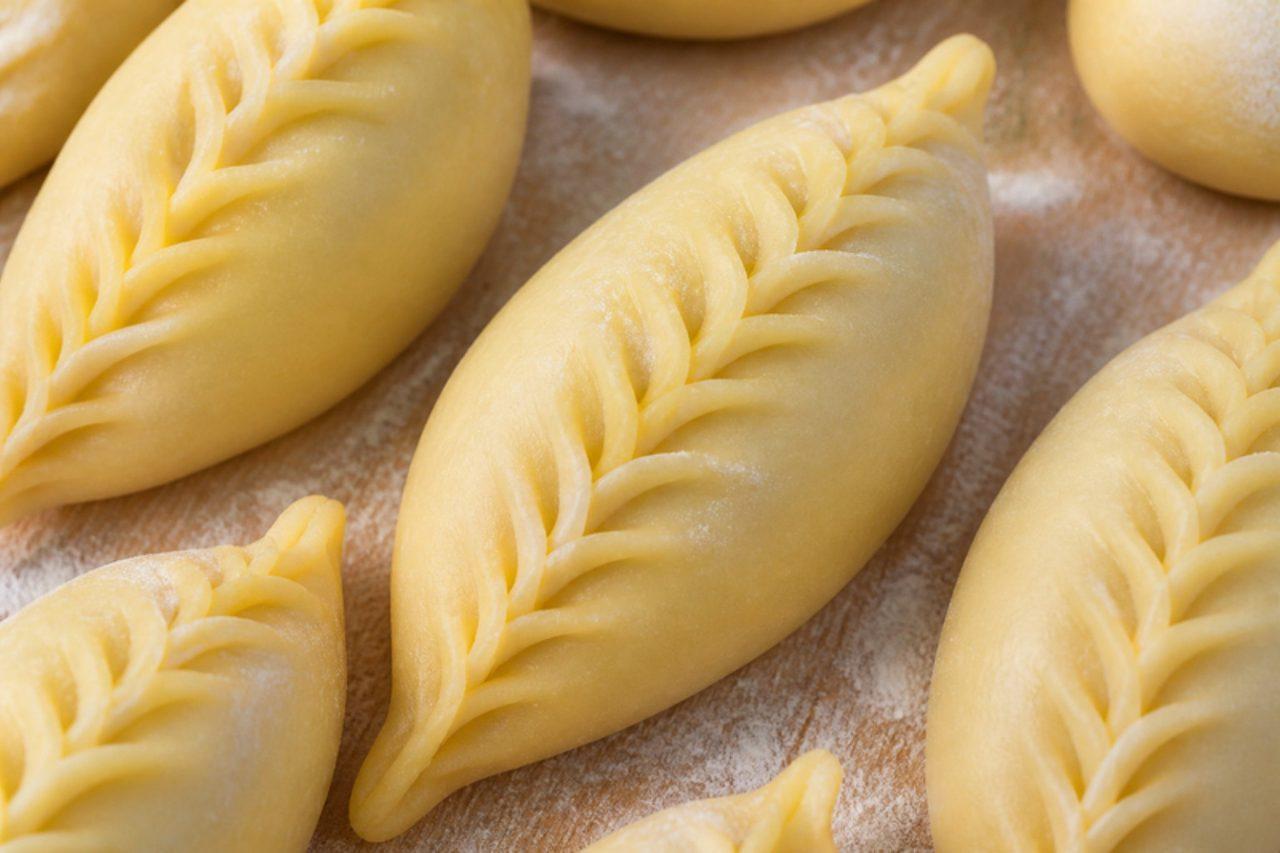
Culurgiones come from Ogliastra, on Sardinia's rugged eastern coast, where women seal each dumpling with a row of tiny pinches that look like an ear of wheat. Inside is a soft, warm filling of potato, aged pecorino, garlic and fresh mint. In villages such as Ulassai and Lanusei they are made for the end of the harvest and for 2 November, All Souls' Day, as a token of good luck and protection. Some families work a little lard into the dough; here it is olive oil. Chef's tip: chill the filling; firm, cold filling is far easier to pleat and won't tear the thin dough.

by KrazyBadal 0 views

Htapodi sti skaraCharcoal-grilled octopus

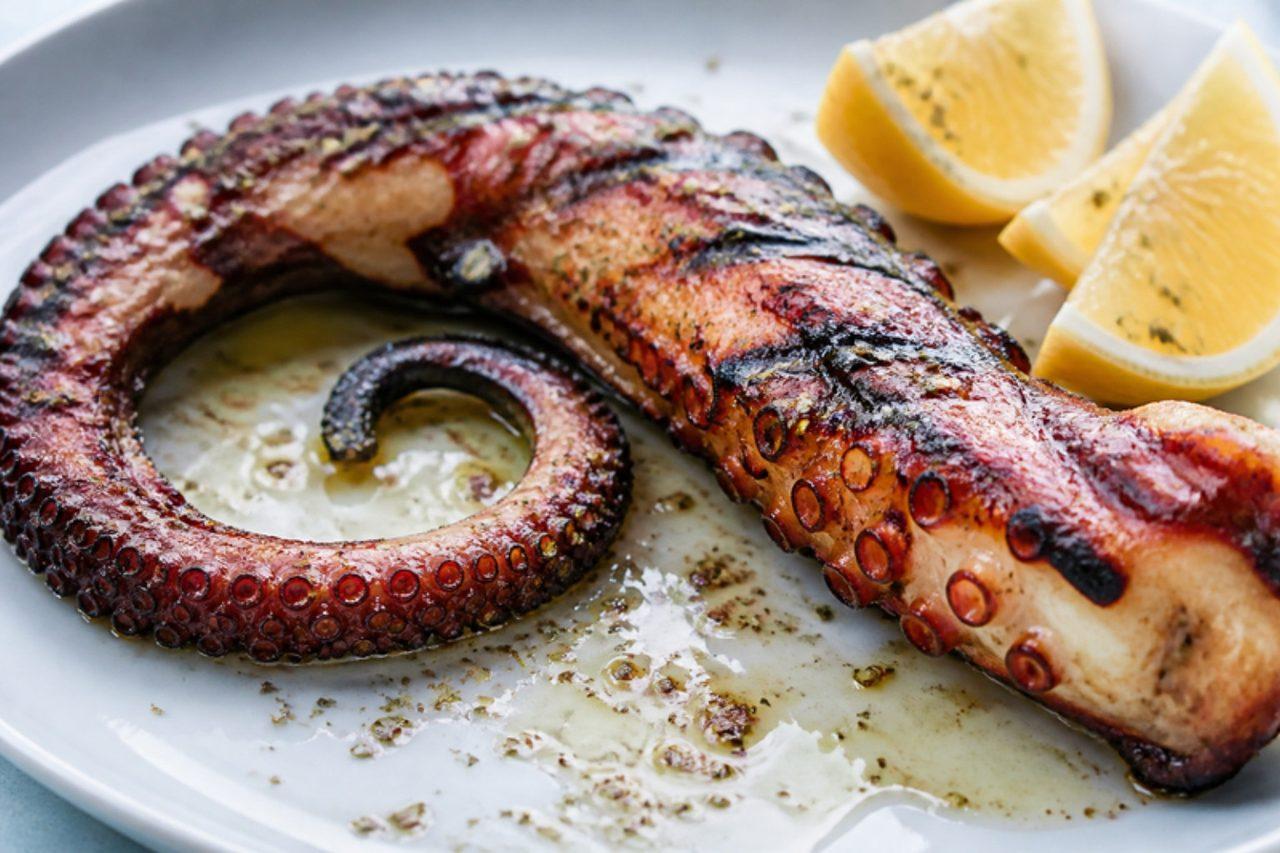
Octopus tentacles hanging to dry on a line outside a harbour taverna are a summer sight across the Greek islands, and they end up on the grill as one of the great ouzo mezedes, though they are just as good with a cold lemonade. Simmering first makes the octopus tender; the grill adds smoky, crisp tips. It is also a favourite Lenten dish, since shellfish and octopus are allowed on fasting days. Common mistake: grilling raw octopus straight away, which leaves it rubbery. Chef's tip: cook it in its own juices without added water; it gives off plenty of liquid and stays more flavourful.

90 minGreekFishGluten free
by KrazyBadal 0 views

Avena colombianaChilled oat drink

Bakeries all over Colombia keep a fridge of avena in plastic cups, ready to pair with a warm pandebono, buñuelo or almojábana. It is a thick, sweet oat drink cooked in milk with cinnamon and cloves, then blended smooth and chilled until it is creamy and spoonable, somewhere between a milkshake and rice pudding. Children drink it after school, and it is a common mid-morning snack with something baked. Home versions are less sweet and more spiced than shop ones. The thing to watch is texture: if you skip blending or straining, you end up with slimy flecks of oats, so blend thoroughly once it is cooked. It thickens a lot as it chills, so loosen it with cold milk before serving. Chef's tip: toast the oats in the dry pan for 2 minutes first; it gives a nutty, biscuity flavour.

by KrazyBadal 0 views

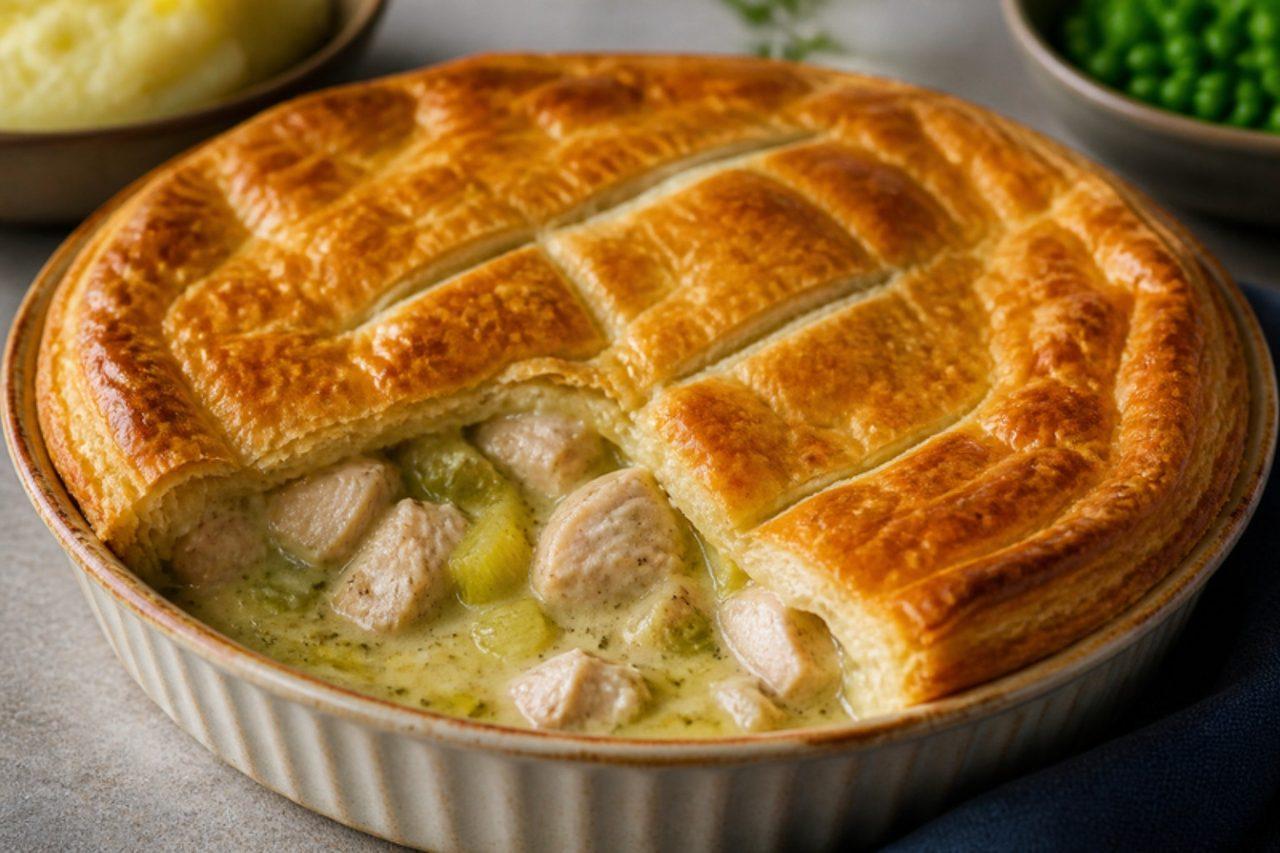
Chicken and leek pie

Chicken and leek pie is the Sunday-night and pub supper of southern England, made with leftover roast chicken or fresh thighs simmered in a creamy sauce with soft leeks and a little tarragon, then topped with buttery puff pastry. It is gentle, savoury and best with mash and greens. Chef's tip: let the filling cool before the pastry goes on, or the lid will sink and stay raw underneath.

by KrazyBadal 0 views

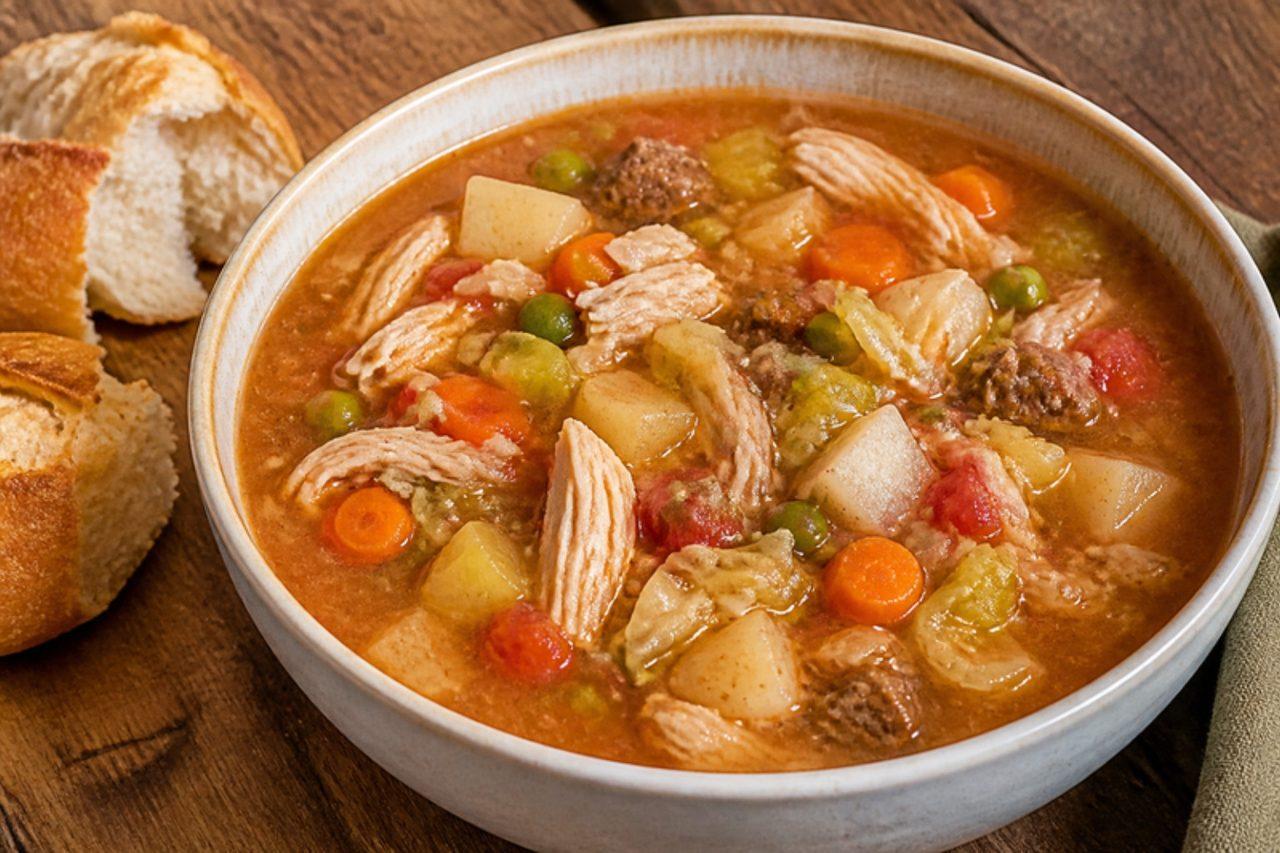
Green Bay chicken booyahChicken and vegetable stew

Booyah is the great community stew of north-east Wisconsin, brought by Belgian and French-Canadian settlers around Green Bay; church picnics and fire stations cook it in huge kettles over wood fires all day and sell it by the quart at fall festivals and Packers tailgates. It is a thick, peppery stew of chicken, a little beef and lots of vegetables, cooked until the chicken falls apart. Chef's tip: cook it long and slow and stir it often; a good booyah is thick enough that the spoon nearly stands up.

by KrazyBadal 0 views

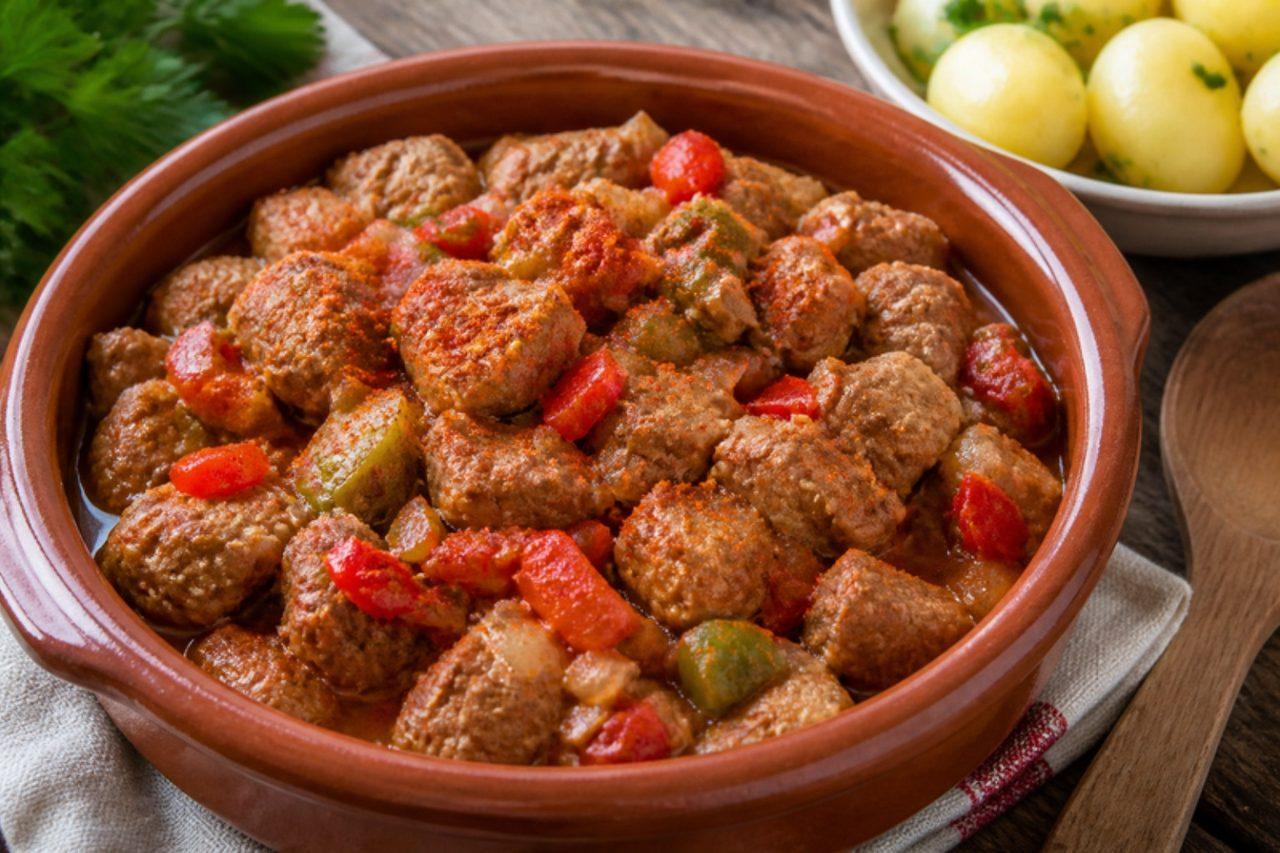
Axoa de veauMinced veal and pepper stew

Axoa (say 'ash-o-a') comes from Espelette, the Basque village whose house fronts are hung with strings of drying red peppers every autumn, and it is still the dish of the October pepper fair and of market-day lunches in Cambo and Bayonne. Veal shoulder is cut into small dice, then stewed with onions, mild green peppers and a good spoonful of ground Espelette pepper, which brings warmth and a fruity, smoky perfume rather than real fire. The result is soft, juicy and brick-red at the edges, best spooned over boiled potatoes or with crusty bread. Chef's tip: stir most of the Espelette pepper in at the end of cooking; long simmering dulls its fragrance.

70 minFrenchMeatGluten free
by KrazyBadal 0 views

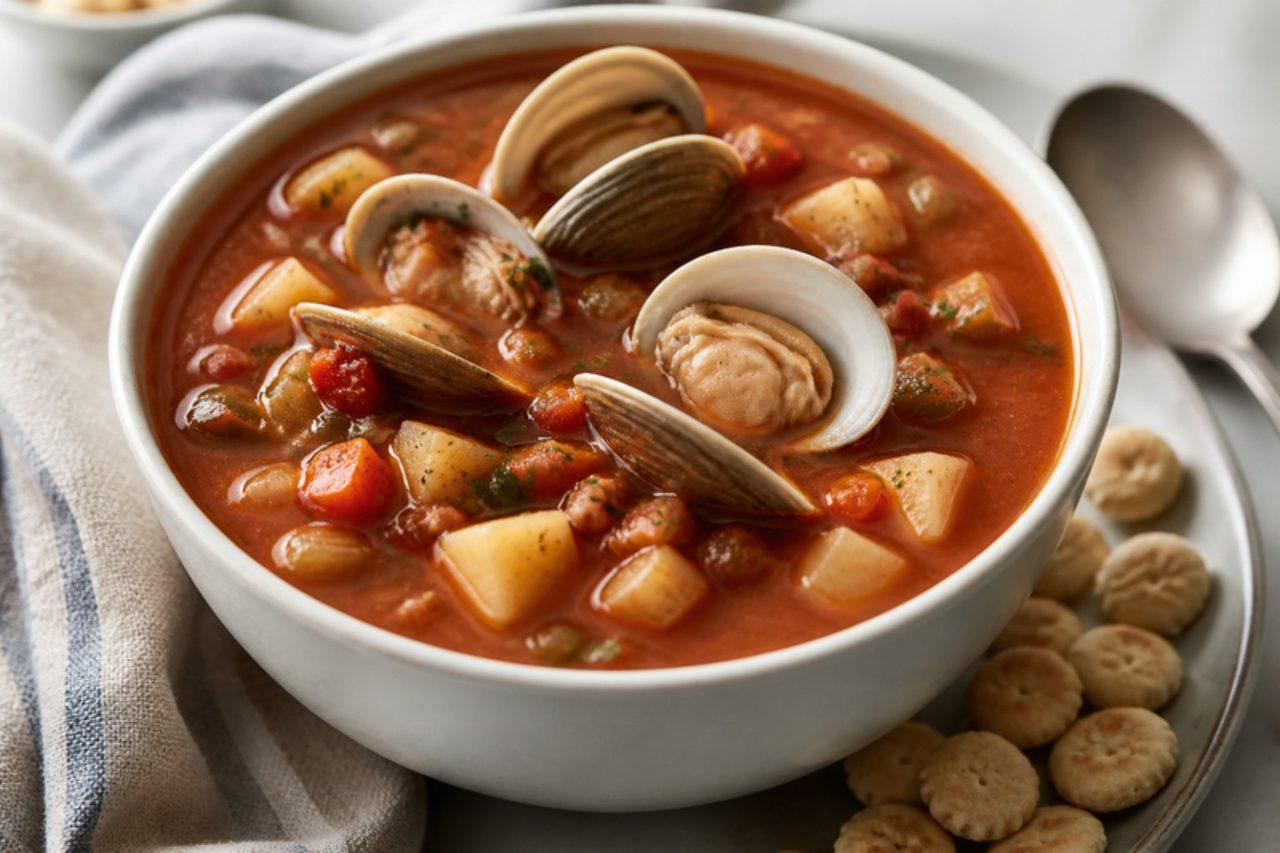
Manhattan clam chowder

Manhattan clam chowder swaps New England's cream for tomatoes, a style that grew up in the Portuguese and Italian fish restaurants of New York and Coney Island and is still ladled out in Fulton Street lunch counters. It is a brothy red soup with clams, potato, carrot, celery and a little bacon (pork), lighter than the white kind and peppery with thyme. Chef's tip: add the chopped clams only for the last few minutes; long boiling turns them to rubber.

by KrazyBadal 0 views

Cornish crab sandwich

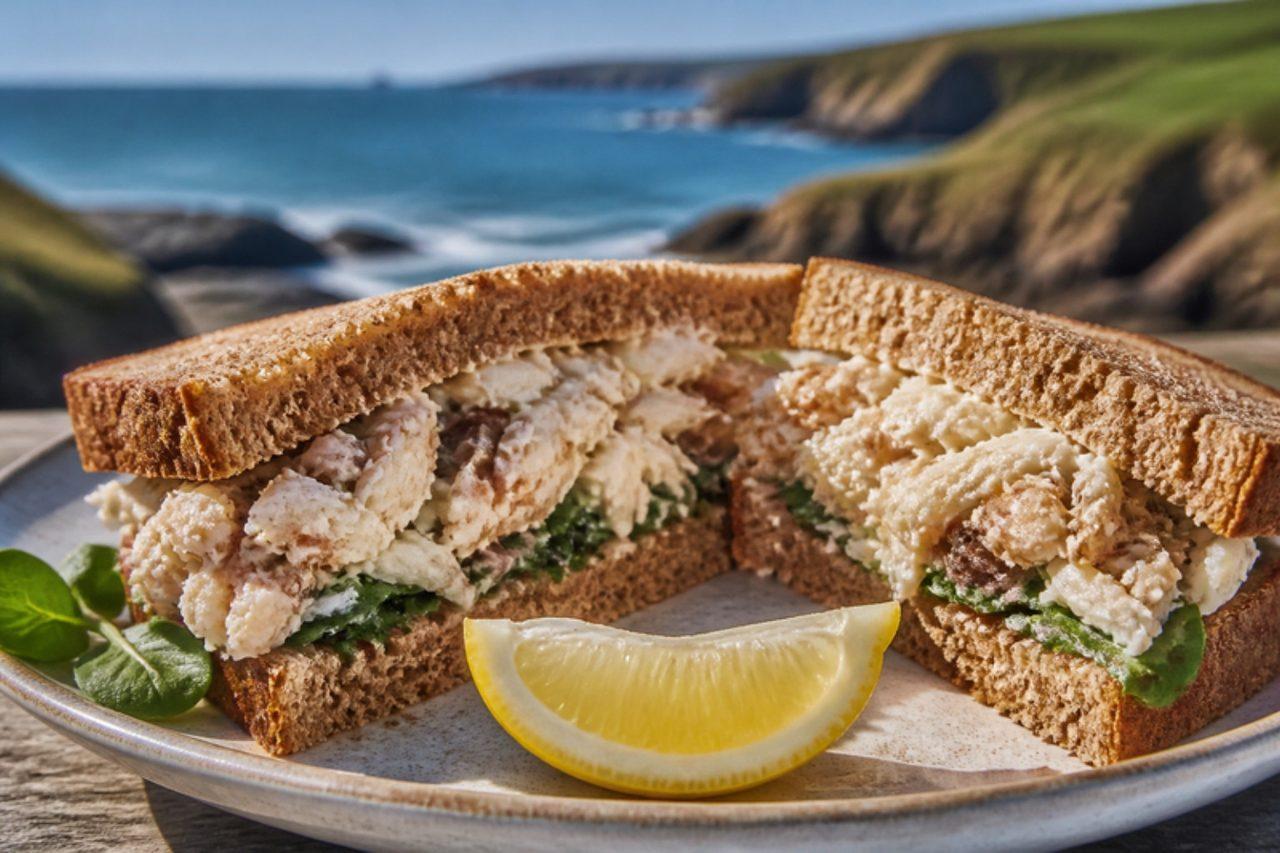
In Newlyn, Padstow and St Ives, harbourside kiosks sell crab sandwiches made with the morning's catch: sweet white claw meat and rich brown body meat on buttered brown bread with a little lemony mayonnaise. It is a summer lunch for eating on the harbour wall. Buy fresh, cooked and picked crab from a fishmonger, keep it in the fridge and use it the same day. Chef's tip: keep the white and brown meat separate and use both; the brown meat gives the flavour.

by KrazyBadal 0 views

Haggis, neeps and tatties

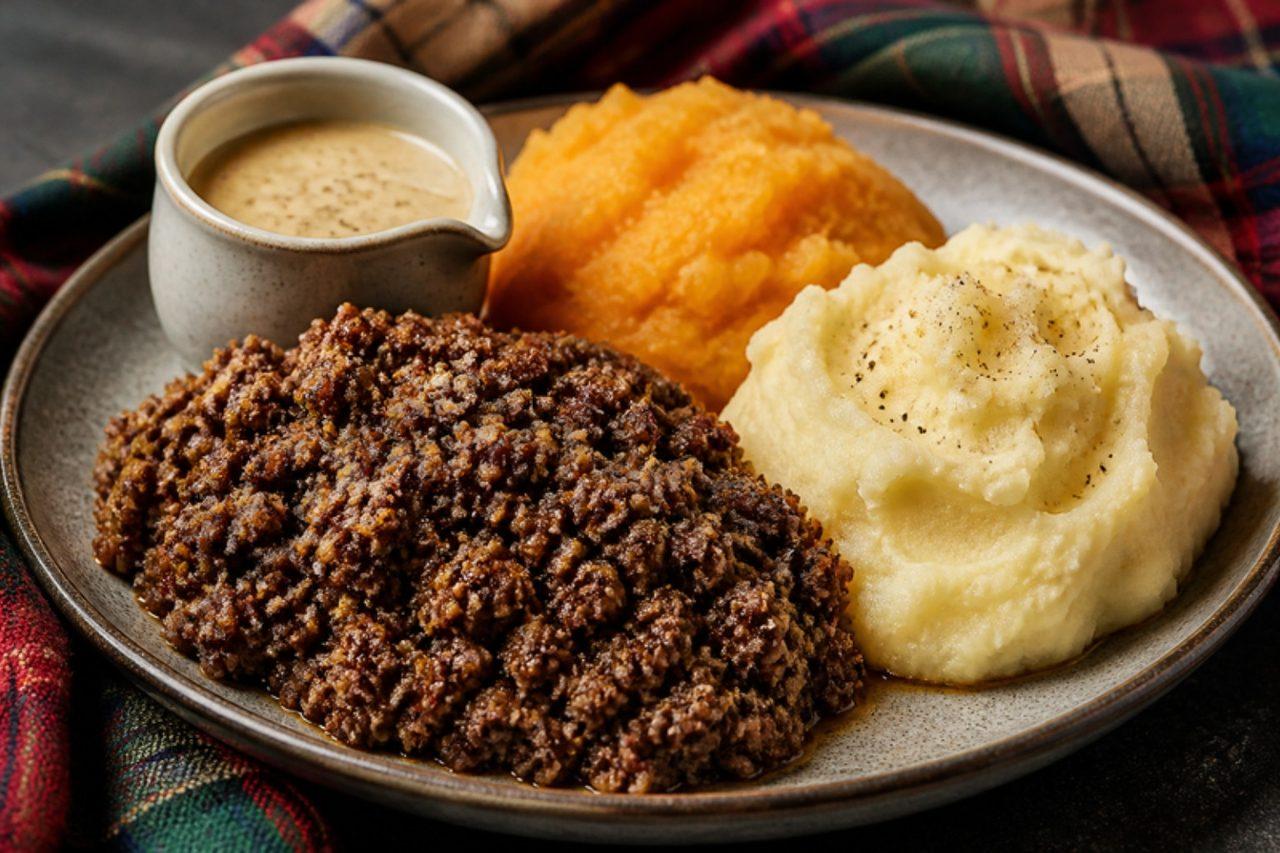
Haggis, neeps and tatties is the centre of every Burns Supper on 25 January, when the haggis is piped in, addressed with Robert Burns's poem and cut open with a flourish. Haggis is a peppery, oaty pudding of minced lamb's offal, onion and spice; nearly everyone in Scotland buys it from a butcher, then simply heats it and serves it with mashed swede (neeps) and potatoes (tatties). The cream sauce has a splash of whisky, which contains alcohol; leave it out and add a teaspoon of mustard for an alcohol-free sauce. Chef's tip: wrap the haggis tightly in foil before it goes in the water so the casing doesn't burst.

by KrazyBadal 0 views

Scotch pies

The Scotch pie is the straight-sided, double-crust mutton pie eaten at half time on football terraces and bought from butchers' counters in every Scottish town, with an open rim at the top for adding gravy, beans or mash. The pastry is a hot water crust made with lard (an animal fat) and the filling is peppery minced mutton or lamb. Chef's tip: shape the pastry while it is still warm; cold hot-water pastry cracks.

by KrazyBadal 0 views

EmolienteBarley and flaxseed herbal drink

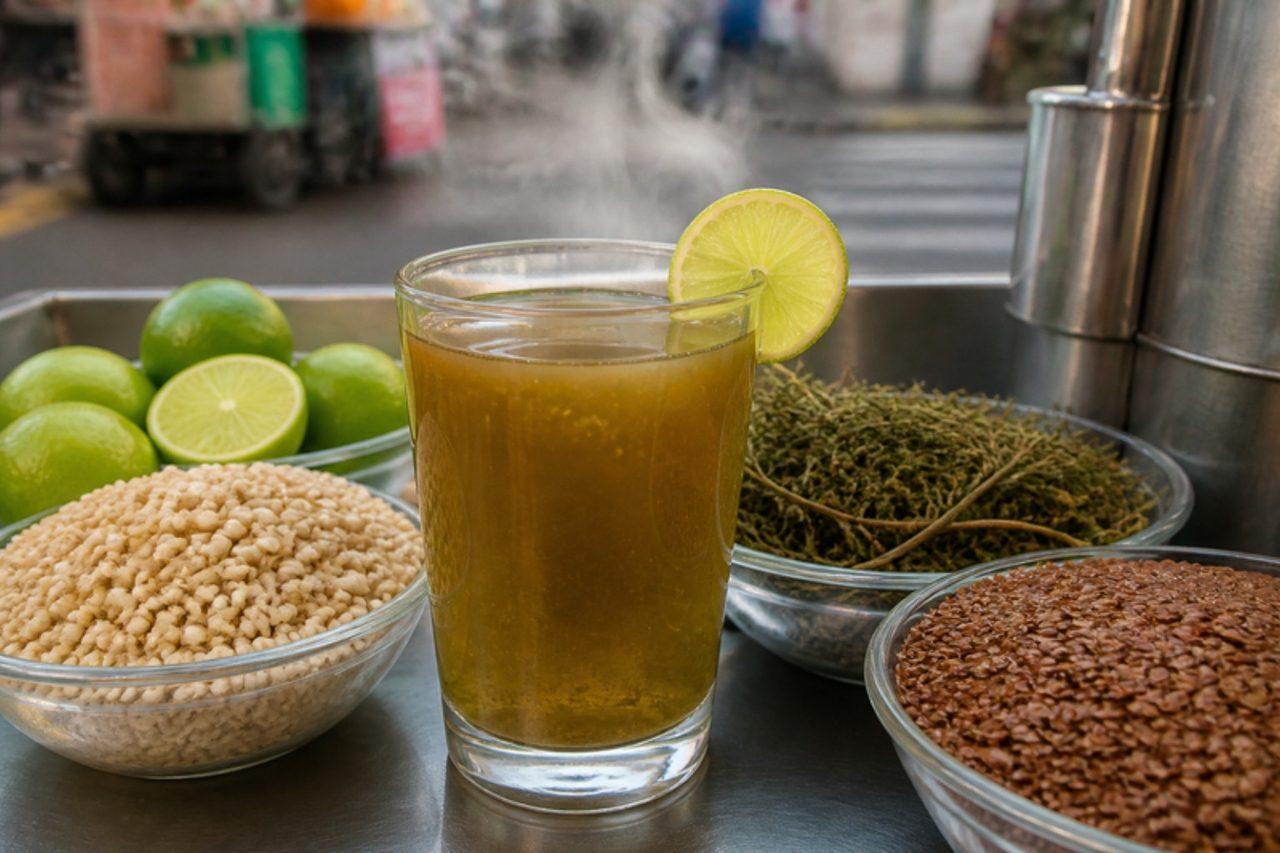
Before dawn, all over Peru, emolienteros set up their carts with a row of steaming kettles and jars of herbs, and commuters stop for a glass of emoliente on the way to work. It's a hot infusion of toasted barley, flaxseed and herbs, with lime juice and sugar added to order, and it is drunk for comfort and digestion, especially in Lima's damp winter. The flaxseed gives it a slippery, soothing body; the barley a toasty, almost coffee-like note. Street versions use horsetail, alfalfa, boldo and other herbs; this home version keeps it simple, with horsetail as an option (leave it out if you are pregnant or have kidney problems). The usual error is boiling the flax too long, which makes the drink gloopy; add it for the last 10 minutes only. Serve very hot in glasses, with pan con queso or a sandwich. Barley contains gluten. Chef's tip: toast the barley yourself until it is deep brown; it's what gives emoliente its colour and its roasted flavour.

by KrazyBadal 0 views

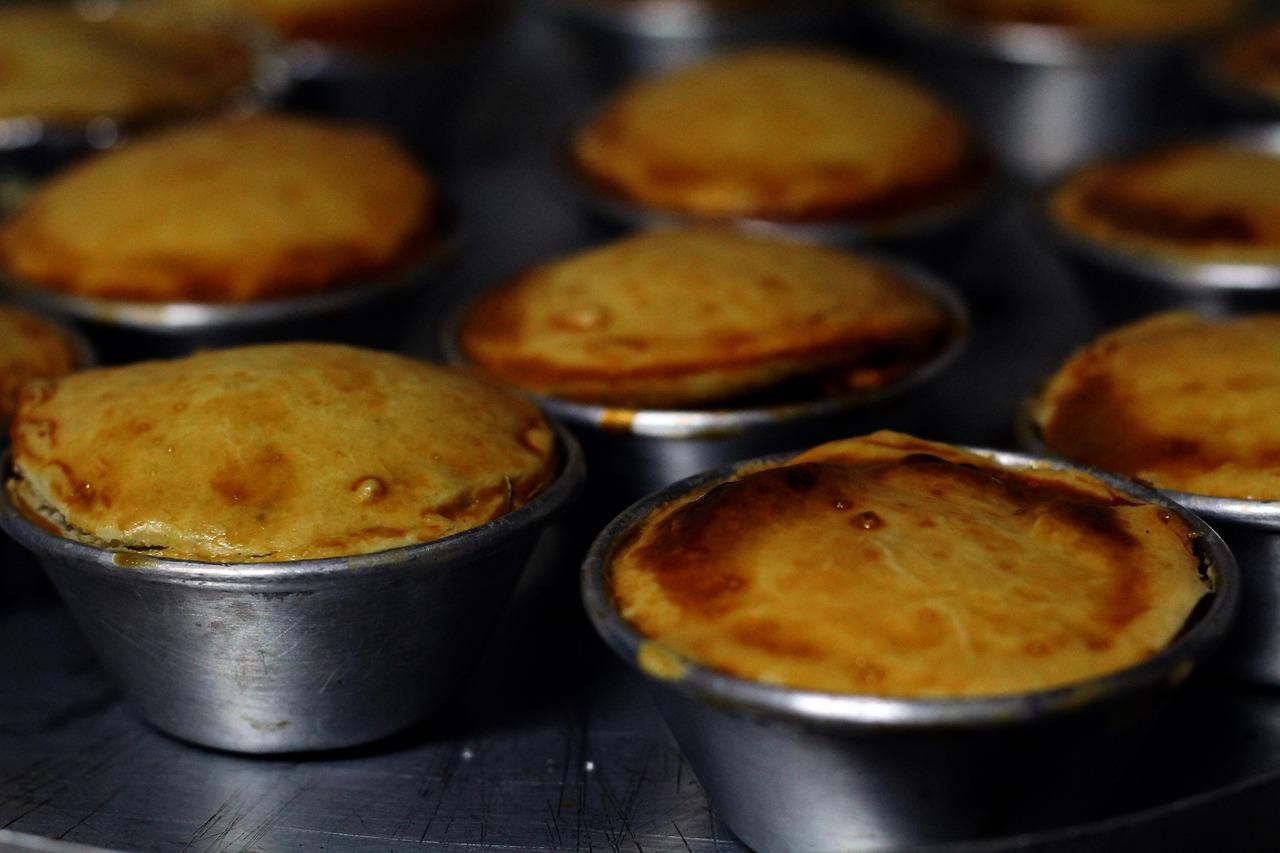
Empadão goianoChicken, pork and cheese pie

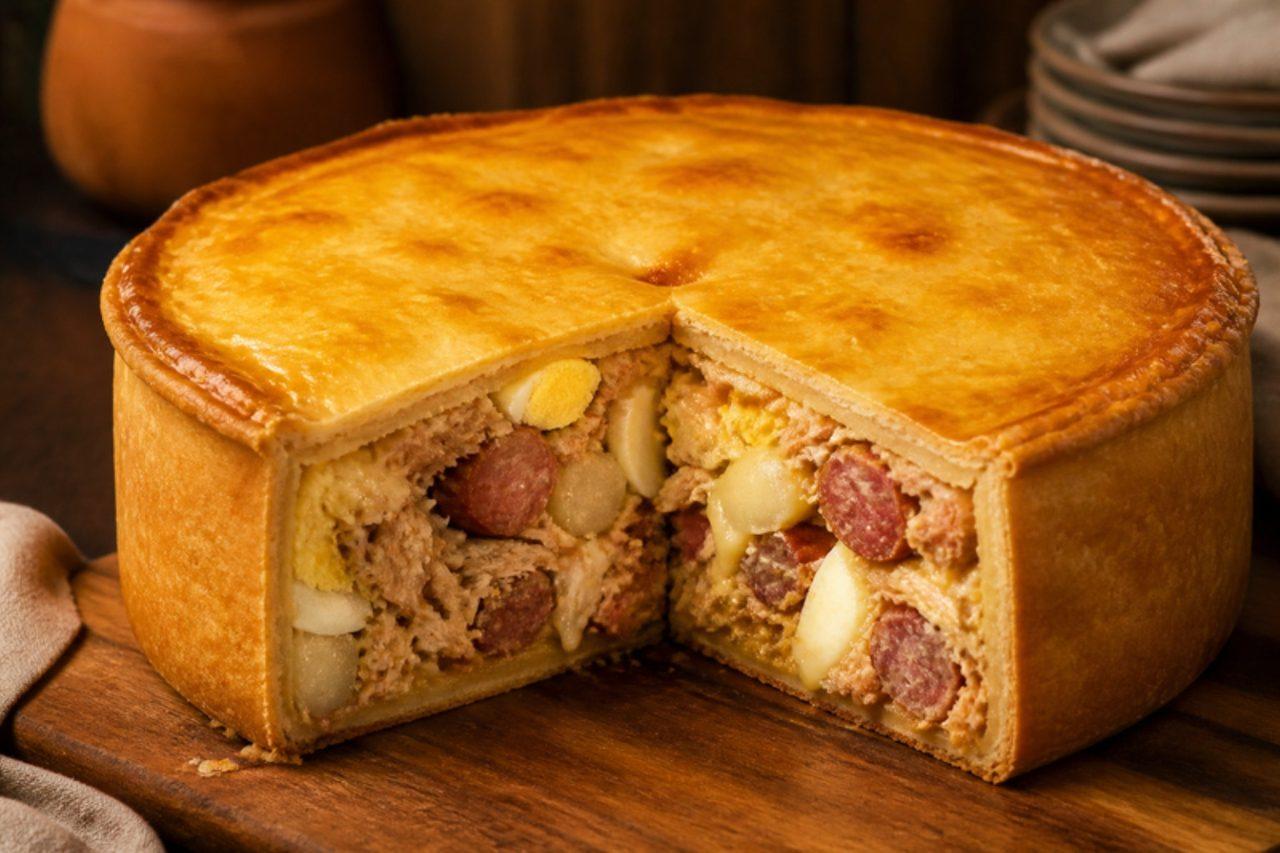
In Goiás, the empadão goiano is the pride of padarias and lanchonetes, and families bake it for festas and Sundays in individual clay dishes or one deep tin. Under a short, crumbly lard pastry sits a juicy filling of shredded chicken, cubes of pork loin and pork sausage in a tomato sauce, with slices of fresh cheese, boiled egg and guariroba, a bitter palm heart from the cerrado. It is savoury, rich and slightly bitter, best eaten warm with a tomato salad. Guariroba is sold in jars in Brazilian shops; ordinary palm hearts work but are milder. The pitfall is a filling that is too wet, which makes a soggy base; it should be thick and juicy, not soupy. The chicken must reach 74 °C and the pork 71 °C before it goes into the pie. Chef's tip: chill the pastry-lined dish for 15 minutes before filling so the lard firms up and the pastry stays short.

by KrazyBadal 0 views

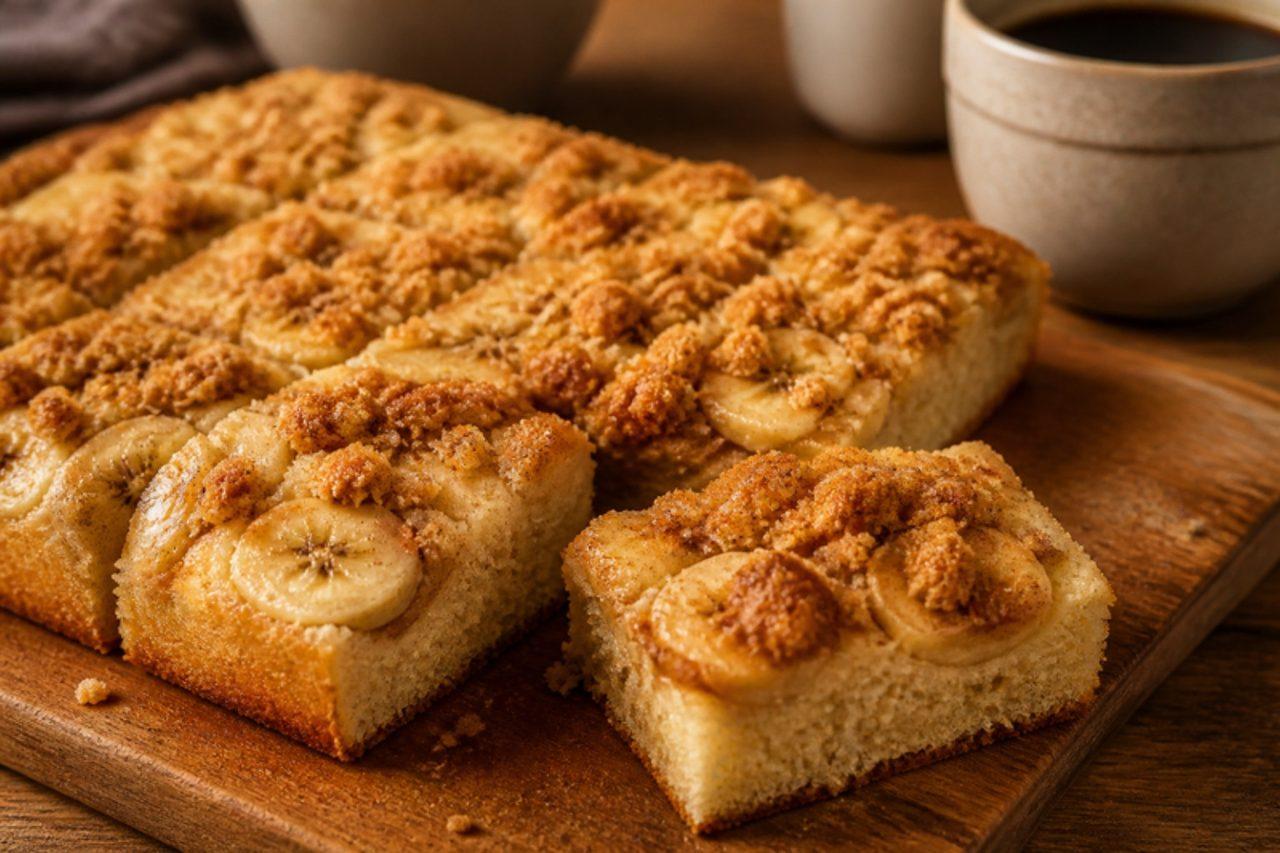
CucaBanana crumble yeast cake

German settlers in Rio Grande do Sul and Santa Catarina brought the Streuselkuchen, and their descendants call it cuca: a soft, enriched yeast dough baked under a layer of fruit and a thick, buttery crumble called farofa. In Blumenau, Pomerode and the serra gaúcha it is sold in colonial bakeries and roadside cafés and served at the long afternoon café colonial with coffee, jams and cheeses. Banana with cinnamon is the classic, but grape, apple and guava versions are common. The usual misstep is letting the dough rise in a cold kitchen and then baking it anyway: it stays heavy and dense, so wait until it really has doubled. Chef's tip: rub the crumble together and chill it in the freezer while the dough rises, so it stays in big, crunchy clusters in the oven.

by KrazyBadal 0 views

Empadinha de palmitoHeart of palm pies

Rio's padarias and lanchonetes stack trays of empadinhas on their counters, and the heart-of-palm one is the meat-free favourite: a short, buttery crust that melts in the mouth around a creamy, savoury filling of palmito, tomato and olives. They are snack food eaten standing at the counter with a guaraná, party food passed round at birthdays, and something to pack for the beach. The pastry is very rich and almost crumbles at a touch, so press it into tins rather than rolling it. Buy palm hearts from cultivated pupunha or açaí palms rather than wild juçara. Many bakers make the filling too runny, and it boils over and soaks the crust; it should be thick enough to hold a spoon upright. Chef's tip: chill the lined tins for 15 minutes before filling, so the pastry keeps its shape and bakes crisp.

by KrazyBadal 0 views

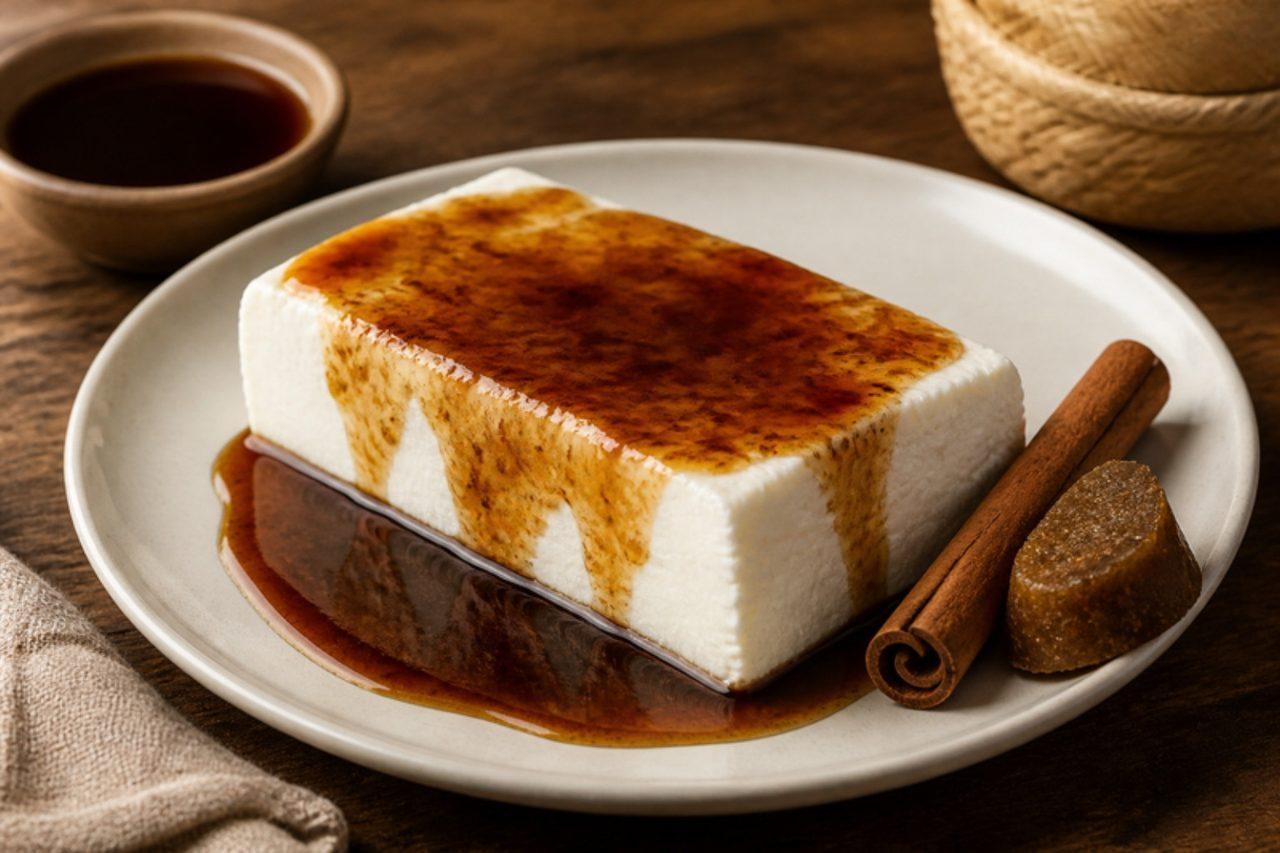
Cuajada con melaoCurd cheese with panela syrup

Simplicity is the charm of this Andean dessert: a slab of fresh, milky cuajada, barely salted, with a dark syrup of panela poured over it, still warm. Highland fondas between Bogotá and Boyacá serve it after a lunch of ajiaco or sancocho, and the contrast of cool, squeaky curd with molasses-deep, spiced syrup is the point. Cuajada is set with rennet, traditionally animal; buy a vegetarian curd or fresh ricotta-style cheese, or make cuajada at home with microbial rennet. Panela is unrefined cane sugar; dark muscovado is the closest swap. The mistake is boiling the syrup too long: it turns to toffee as soon as it meets the cold cheese. Take it off when it coats a spoon thinly. Chef's tip: a strip of lime zest in the syrup cuts the sweetness beautifully.

by KrazyBadal 0 views

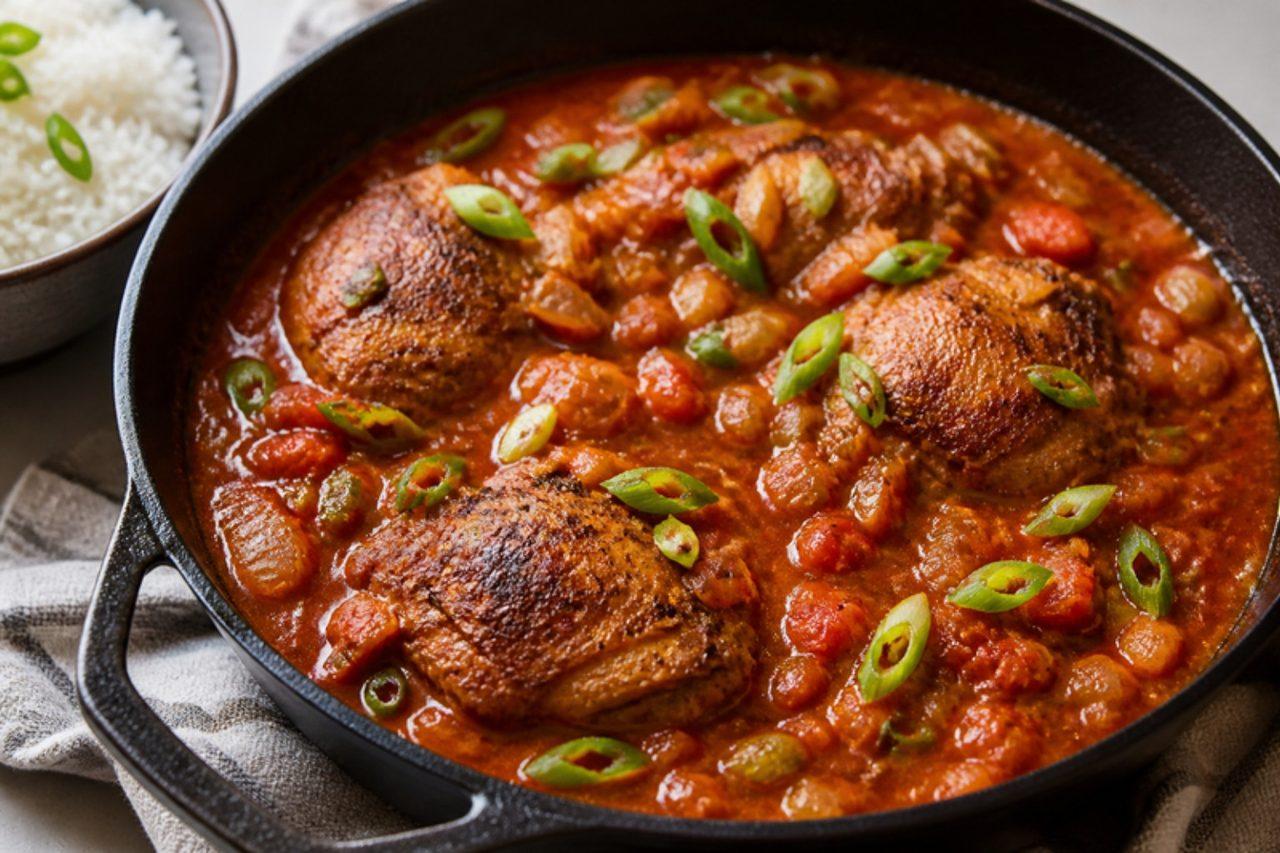
Chicken sauce piquante

Sauce piquante is the fiery tomato-and-roux braise of the Cajun parishes, cooked in big black pots for family reunions and the Raceland sauce piquante festival, with chicken, rabbit, alligator or turtle. This chicken version simmers until falling off the bone in a sauce sharp with chilli, vinegar and plenty of black pepper. Serve over rice. Chef's tip: let it sit for 20 minutes off the heat before serving; the heat and sharpness mellow and blend.

by KrazyBadal 0 views

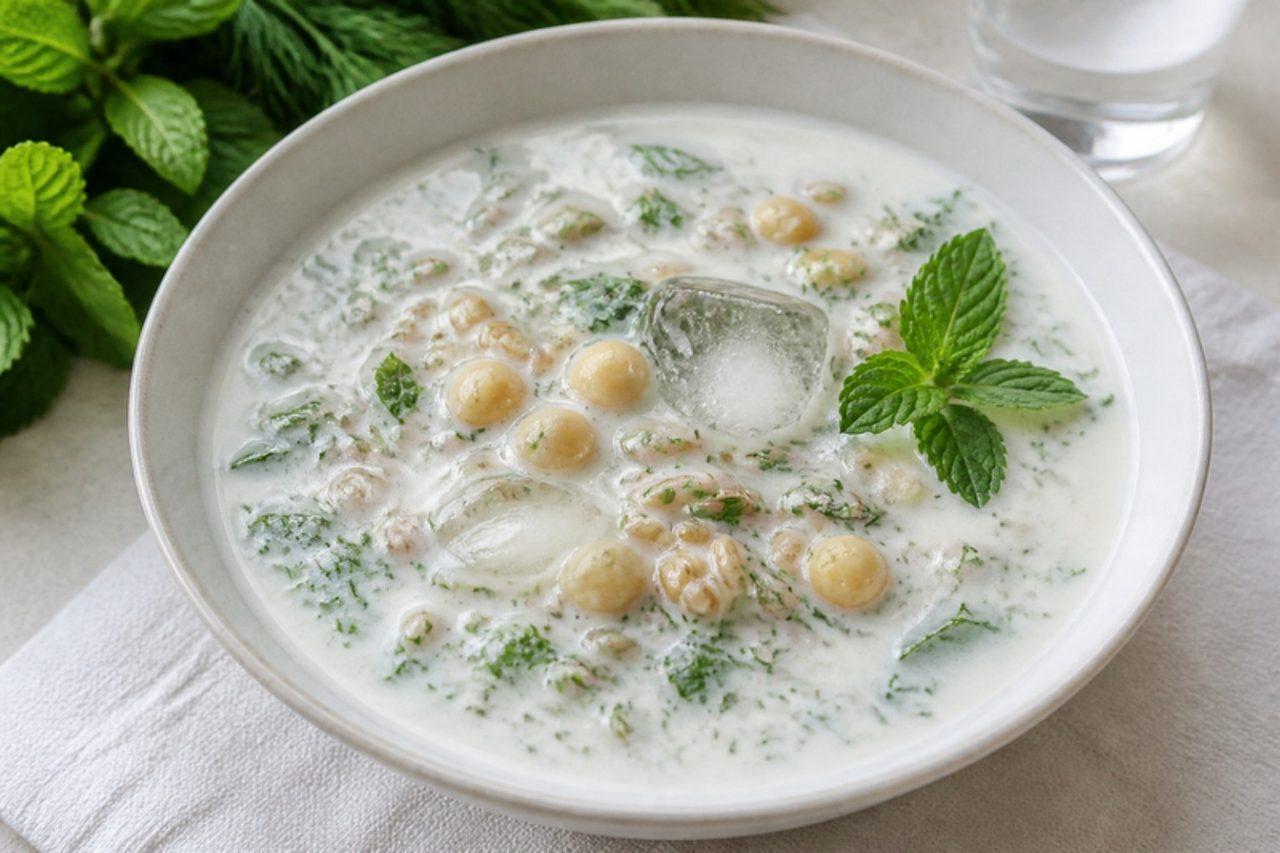
Ayran aşıChilled yoghurt and wheat soup

When the summer heat hits the eastern plateau around Erzurum, Erzincan and Sivas, families switch from hot soups to ayran aşı, a cold soup of thinned yoghurt with cooked whole wheat, chickpeas and handfuls of mint, dill and purslane or cucumber. It's ladled from a big bowl at lunch with flatbread, and it's as refreshing as a drink but filling as a meal. Common mistake: adding the grains while still hot, which makes the yoghurt split and turn sour-tasting; cool them completely first. Chef's tip: make it a few hours before serving and chill; the wheat soaks up the yoghurt and the herbs perfume the whole bowl.

by KrazyBadal 0 views

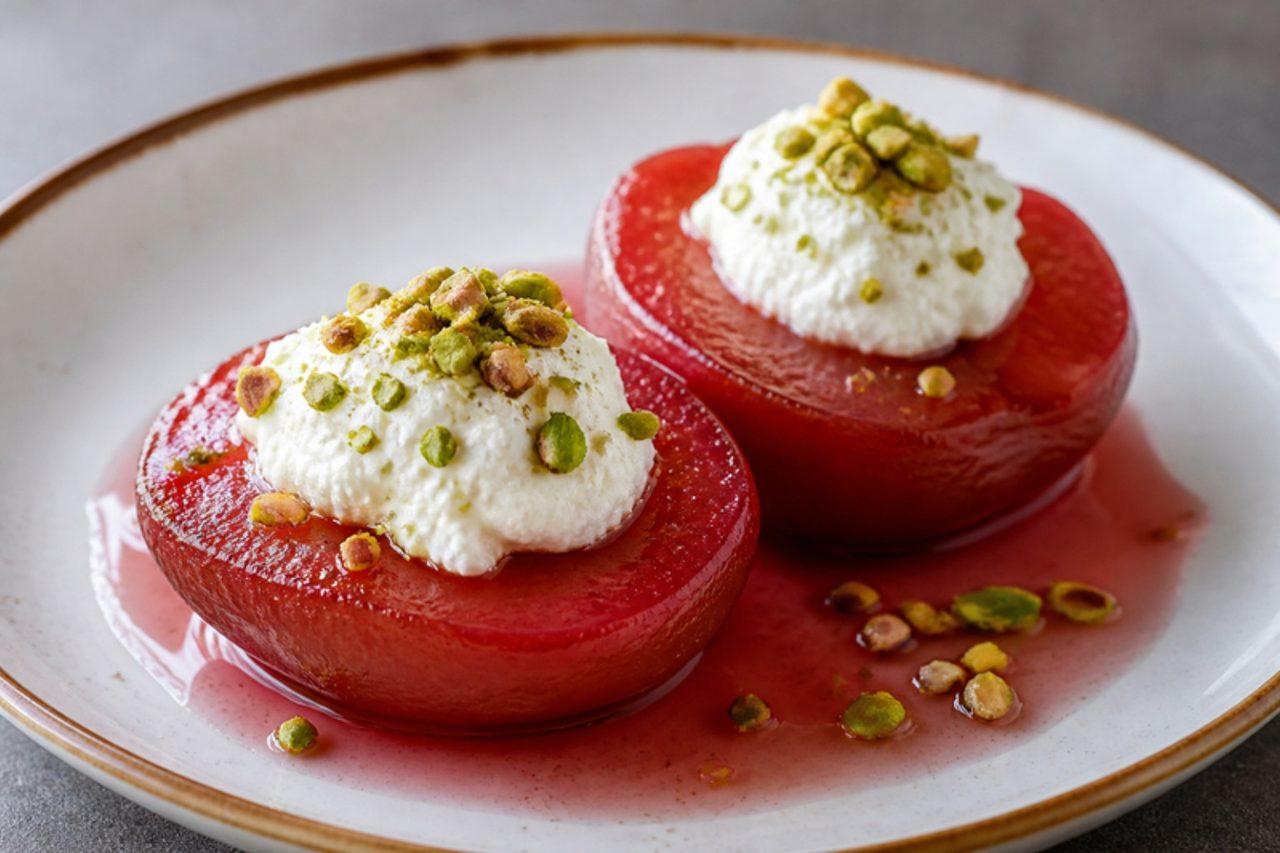
Ayva tatlısıPoached quince with clotted cream

In autumn the market stalls of Ankara and Kayseri are piled with knobbly yellow quinces, and the best-loved thing to make with them is ayva tatlısı: halves poached slowly in syrup with their own seeds and a few cloves until they turn translucent and a deep garnet colour. Each half is filled with thick kaymak or clotted cream and topped with pistachio. Common mistake: rushing it on a high heat; the red colour only comes with long, gentle cooking. Chef's tip: tie the cores and seeds in a little muslin bag and cook them with the fruit; their natural pectin and tannins give the syrup body and that ruby glow.

by KrazyBadal 0 views

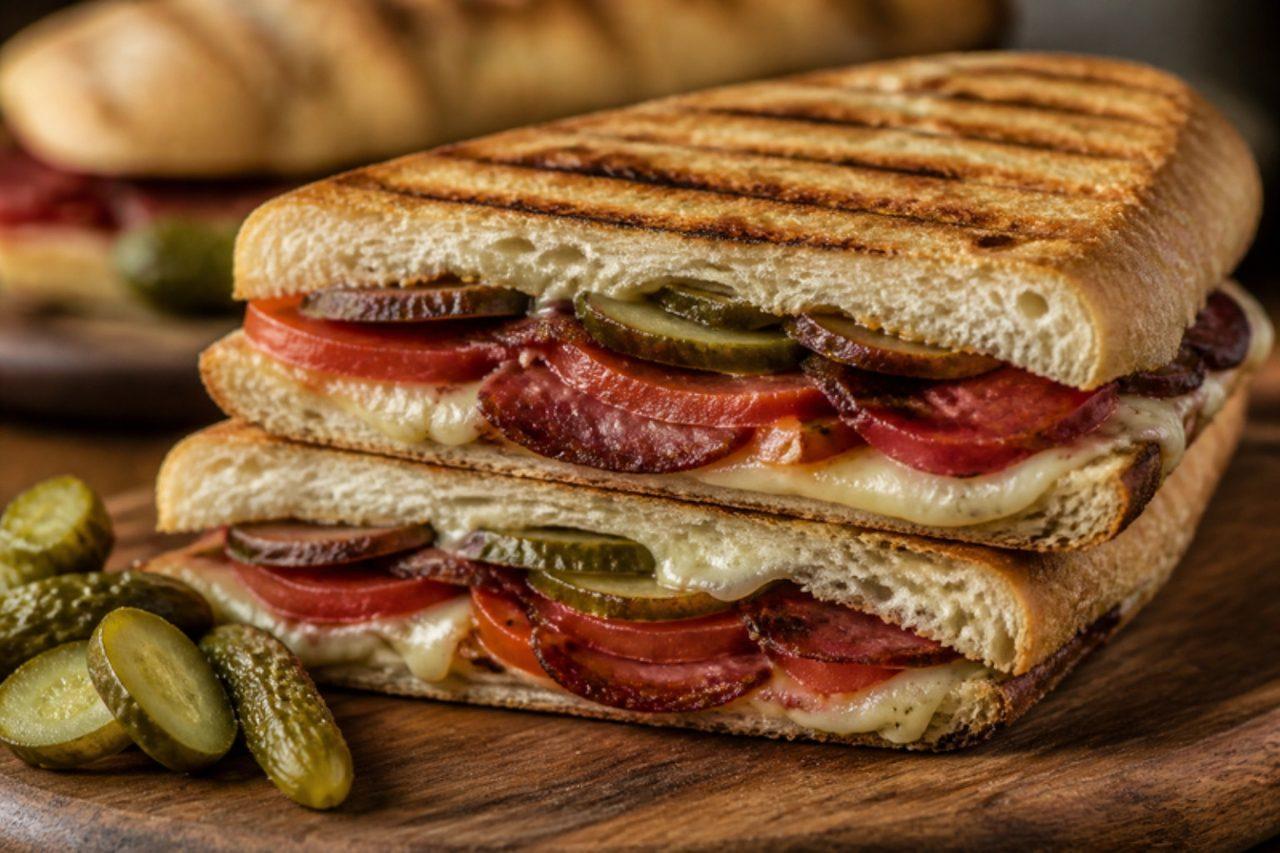
Ayvalık tostuSausage, cheese and pickle toastie

Ayvalık, the olive-oil town on the north Aegean, turned the humble cheese toastie into a feast: a long, soft loaf split and stuffed with kaşar, beef sucuk, beef salami, tomatoes and pickles, pressed hot, then opened up again to be piled with ketchup, mayonnaise and Russian salad. It is eaten for breakfast or as a late snack after a swim. This one has beef sausage and salami, so check the label if you avoid pork. Chef's tip: press it twice, once with the cheese and meats, then again after opening it to add the cold toppings, so the bread stays crisp.

by KrazyBadal 0 views

Azevias de grãoSweet chickpea fried pastries

Come December, Alentejo kitchens fill with the smell of these: thin, crisp pastries folded around a sweet chickpea paste flavoured with orange and cinnamon, fried until blistered and rolled in cinnamon sugar. Families make them by the hundred and share them with neighbours over Christmas. Many recipes add a splash of aguardente, a grape spirit containing alcohol, to the dough for crispness; it is optional here, and orange juice alone works. This version contains no egg or dairy. A common mistake is rolling the dough too thick; it should be thin enough to see light through, so it bubbles and crisps. Chef's tip: make the filling the day before; cold, firm filling is far easier to wrap.

by KrazyBadal 0 views

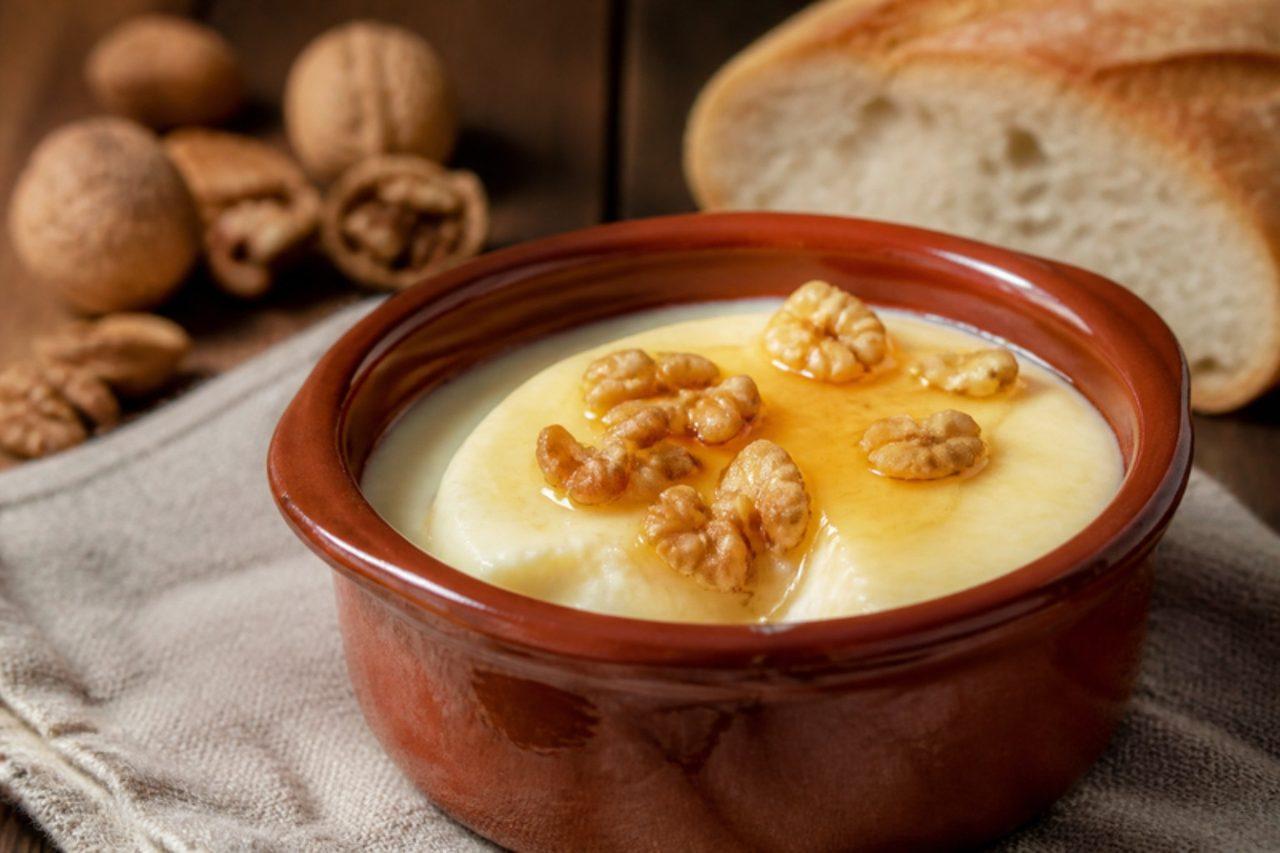
CuajadaSheep's milk junket with honey

In the green valleys of northern Navarre, Ultzama and Roncal above all, sheep's milk is set into cuajada, a wobbly, faintly tangy junket that is eaten as dessert in village restaurants and sold in little clay pots at Pamplona's markets. Shepherds once warmed the milk by dropping a red-hot stone into a wooden pot, which is why some cuajadas taste lightly smoky. It is always eaten cold, with honey and walnuts. Most rennet is made from calves' stomachs; for a vegetarian cuajada use a microbial or vegetable rennet. Chef's tip: once the rennet is in, don't move the pots at all until they have set, or they turn grainy and weep.

by KrazyBadal 0 views

Showing 54 of 8,120 recipes

Show more recipes

Page 425 of 903