


Skip to content
Ndizi nyama
Featured recipe

Ndizi nyama

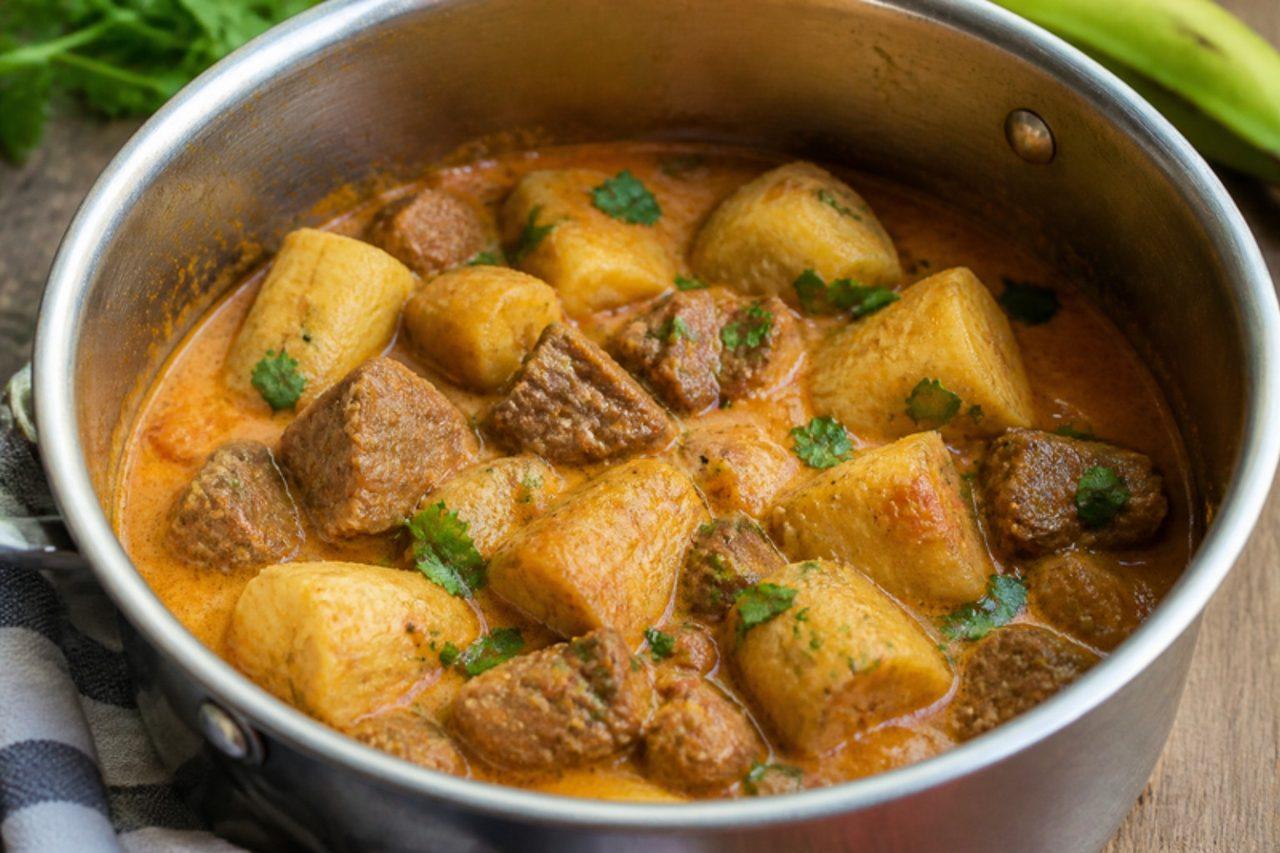
Green banana and beef stew

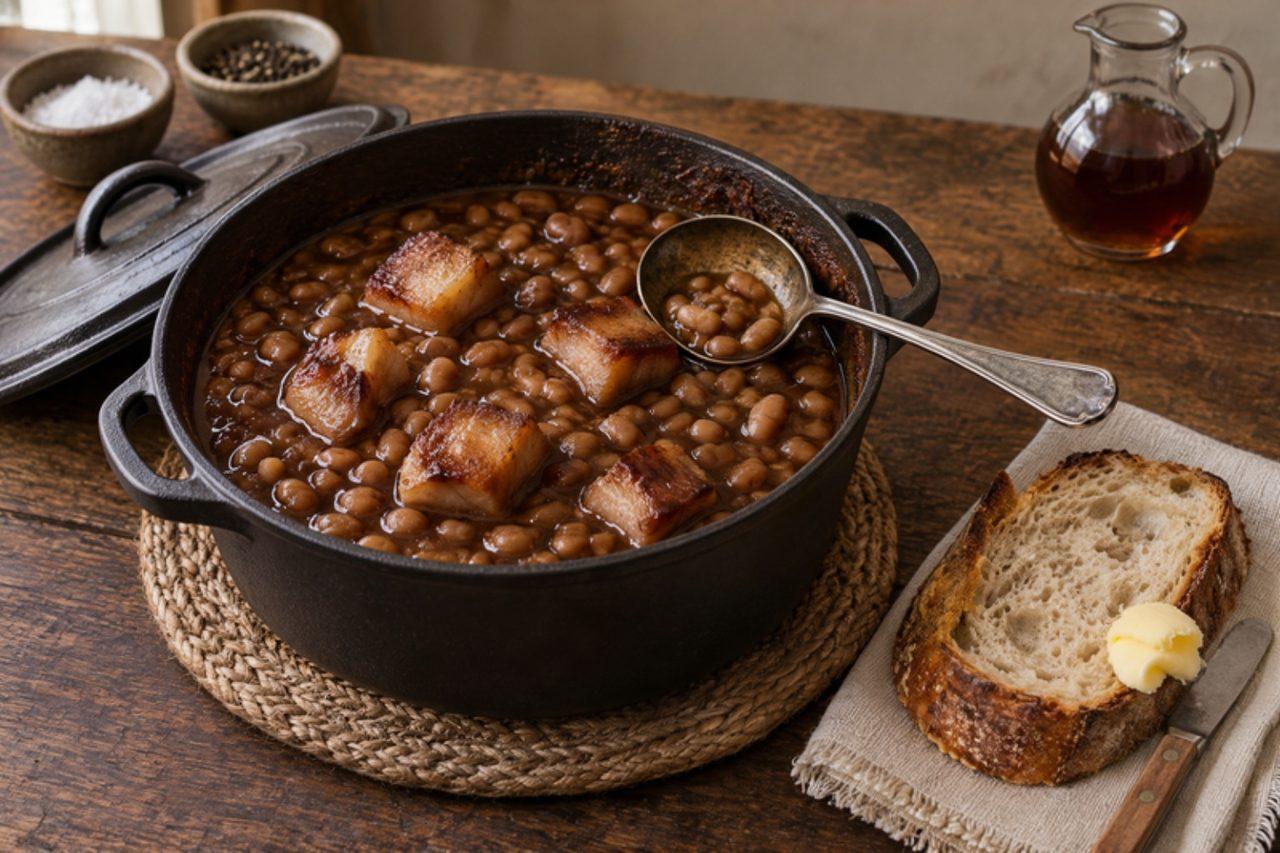
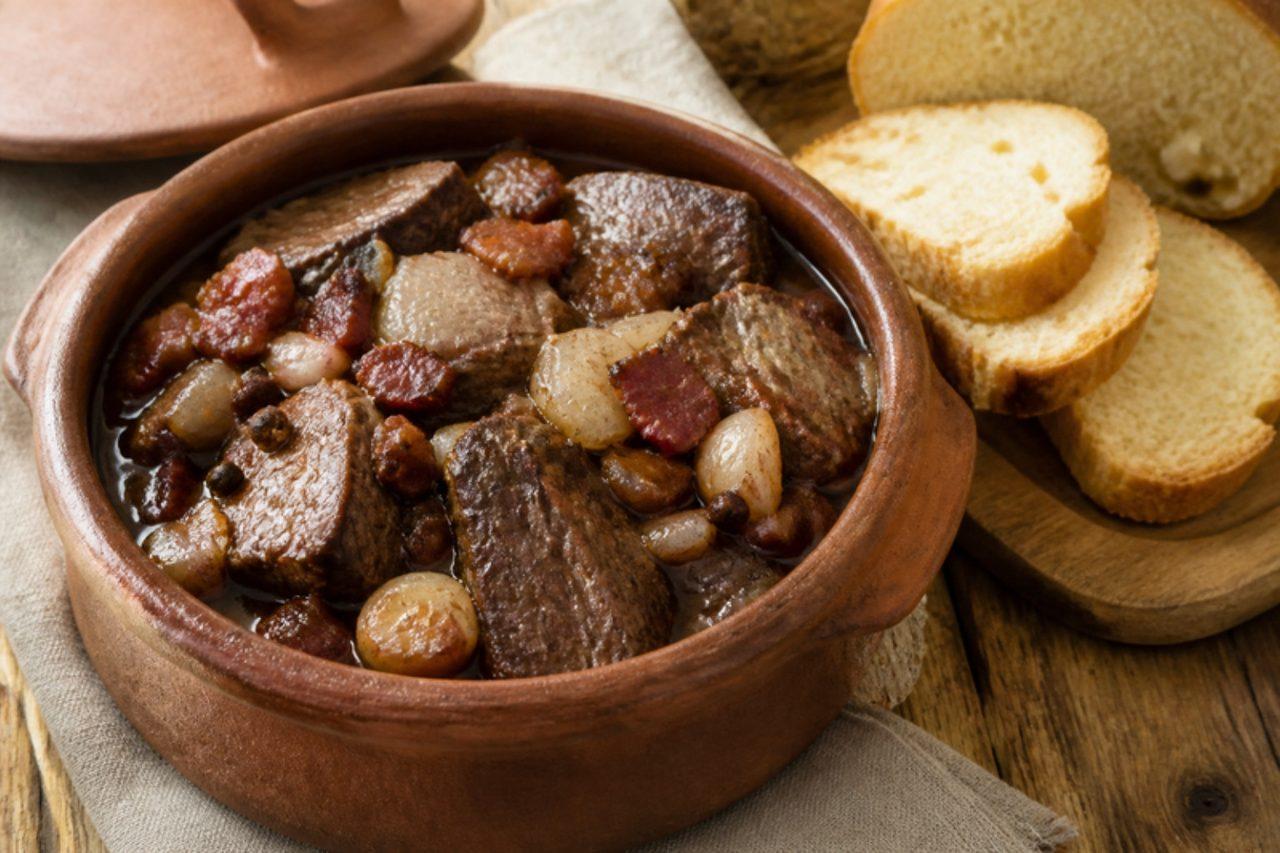
Ask someone from Arusha or Moshi for their favourite home dish and ndizi nyama comes up again and again: green cooking bananas and chunks of beef stewed together in one pot with onion and tomato until the bananas soak up the meaty juices. The bananas soften to something between potato and plantain, a few break down and thicken the sauce naturally, and a little coconut milk at the end, common in Dar and on the coast, rounds it off. It is a complete meal in a bowl, though a side of mchicha or kachumbari is welcome. The usual mistake is adding the bananas too early, so they turn to mush before the beef is tender. Chef's tip: cook the beef almost all the way first, then give the bananas the last 20 minutes only.

Read more 0 views

What to eat today?

Around the world

Today's trip: Paraguayan

A new country every day, from every cuisine on the site.

Paraguayan

Buñuelos de algas

Sea lettuce fritters 35 minMore from Paraguayan (27) →

This week's collection

Kid-friendly dinners
537 recipes · a new collection every Monday

Latest recipes

KotopitaChicken and leek pie

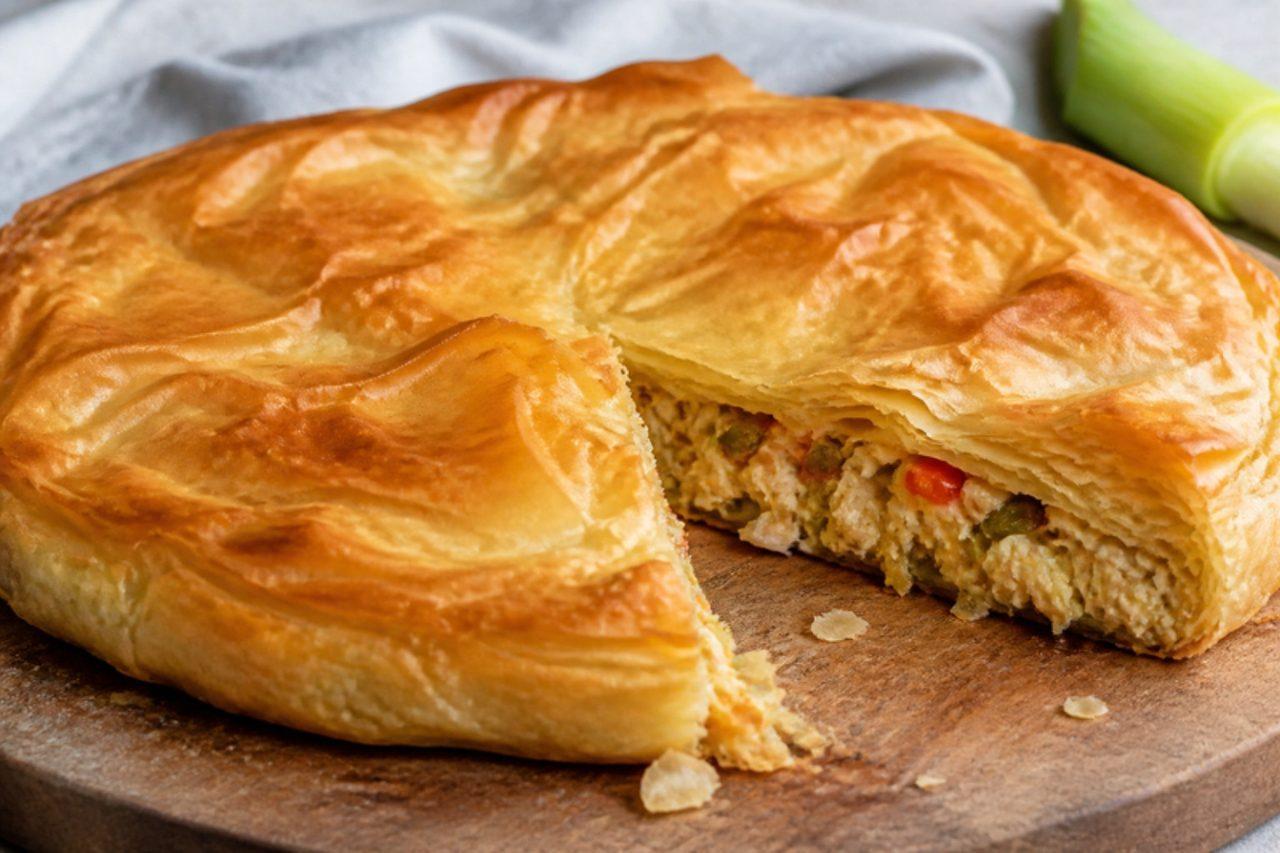
Epirus is Greece's pie country, and kotopita is the one served at Sunday lunch and family celebrations in Ioannina, cut into deep golden squares. Chicken is poached until tender, shredded and folded into a filling of soft leeks, peppers, eggs and two cheeses, then baked between layers of buttered filo. A salad is all you need alongside. Common mistake: adding the eggs to hot filling, which scrambles them — cool it first. Chef's tip: cook the poaching stock down by half and stir a few spoons into the filling; it keeps the chicken moist without making the pastry wet.

140 minGreekChicken
by KrazyBadal 0 views

Roast lamb with mint sauce

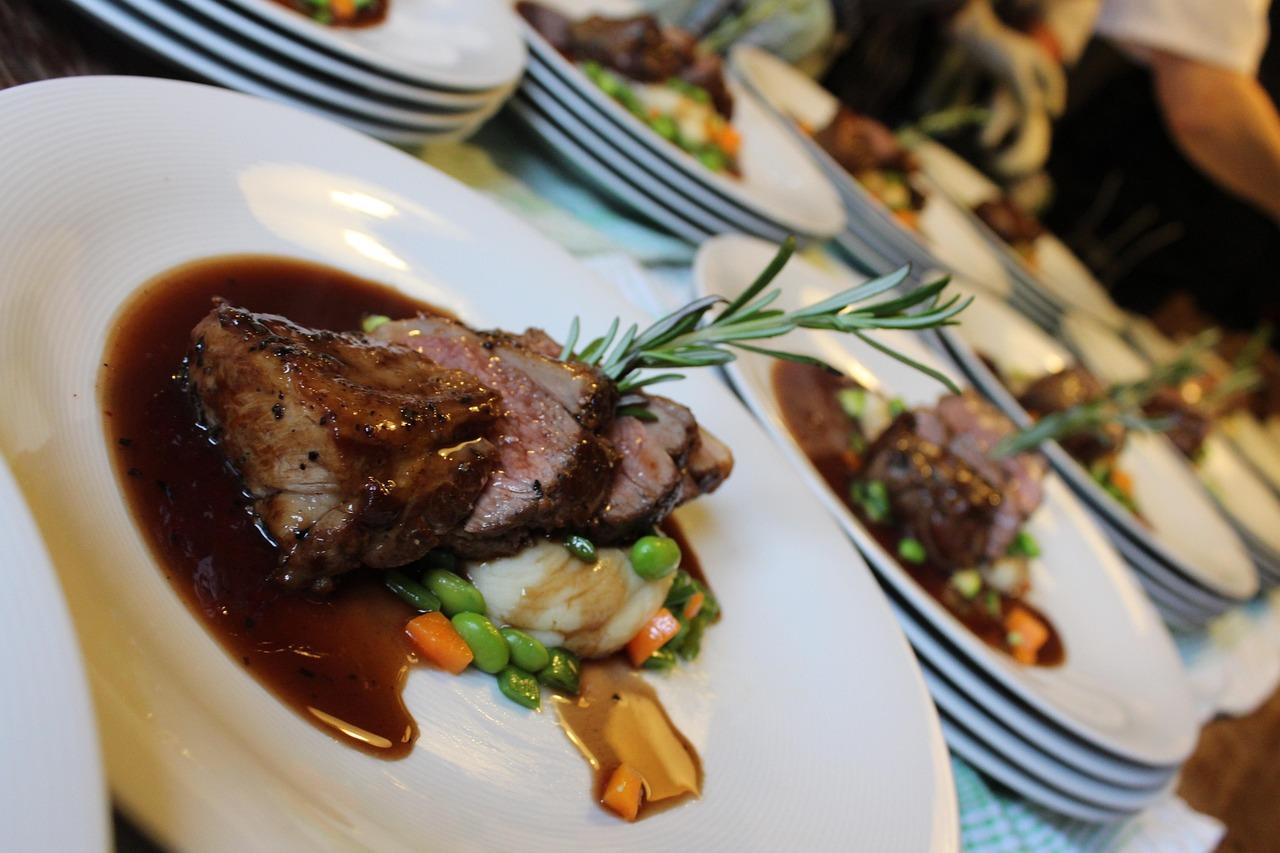
Roast leg of lamb is the Easter Sunday lunch of England, when spring lamb from the South Downs and the West Country comes in, served with roast potatoes, spring greens and a jug of mint sauce. The sauce is the English twist: chopped garden mint steeped in vinegar and a little sugar, sharp enough to cut the richness of the meat. Chef's tip: make the mint sauce an hour ahead so the vinegar mellows and the mint flavour comes out.

120 minBritishMeatGluten free
by KrazyBadal 0 views

Oeufs en meurettePoached eggs in red wine sauce

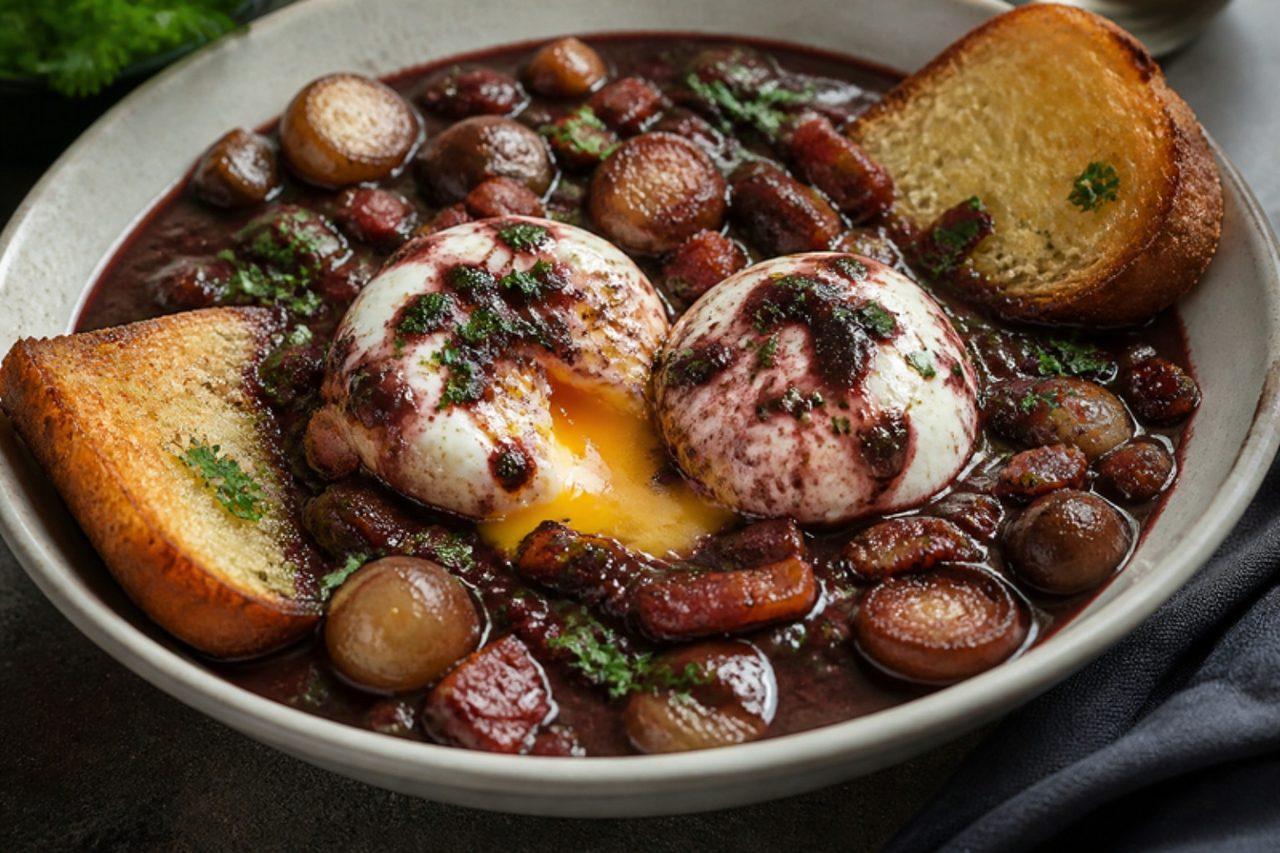
In Burgundy, between Dijon and Beaune, a meurette is any dish cooked in red wine sauce, and oeufs en meurette is the one served as a starter in village restaurants and at weekend lunches. Eggs are poached in a reduced, glossy sauce of red wine, shallots and stock, then served with crisp smoked pork lardons, button mushrooms and garlic-rubbed croutons to dip into the yolks. The sauce is deep, winey and savoury; the eggs make it rich. The dish uses red wine, and an alcohol-free version is in the notes. The yolks stay runny, so use pasteurised eggs for pregnant women, young children, older people or anyone with a weakened immune system, or poach the eggs until the yolks are set. Chef's tip: poach the eggs in water with a dash of vinegar rather than in the wine itself, so the whites stay white.

by KrazyBadal 0 views

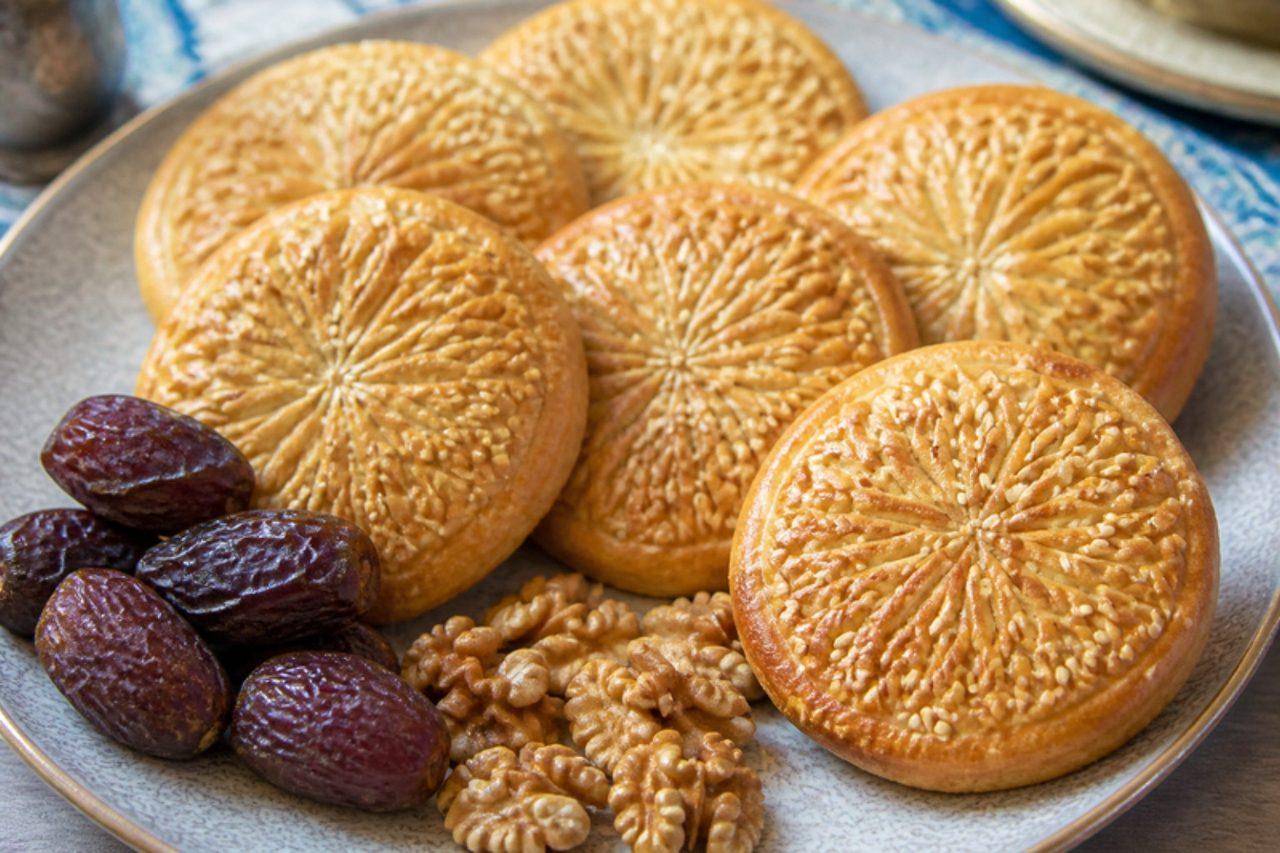
KolompehDate and walnut pastries

Kolompeh is the pride of Kerman, a flat, round pastry stamped with a pattern on top and filled with date paste spiced with cardamom, cinnamon and a little fennel seed. Kermanis bake it for Nowruz and for guests, and it keeps well enough to travel, which is why tins of it go home with every visitor. The pastry is short and tender with a hint of sweetness. A common mistake is making the date filling too wet, which seeps through the pastry; it should be a stiff paste you can roll into a ball. Chef's tip: warm the dates for a few seconds before mashing, and they turn into a smooth paste in moments.

by KrazyBadal 0 views

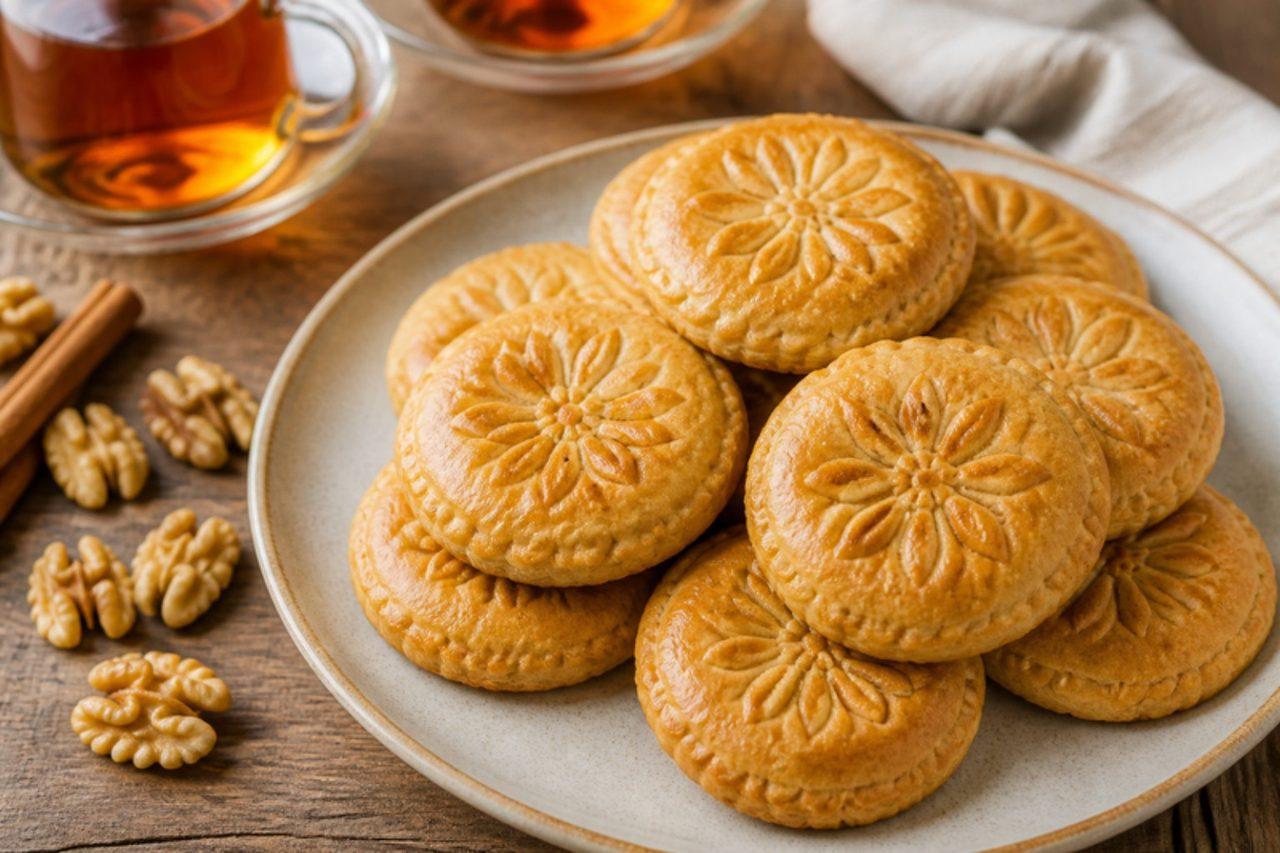
Koloocheh FumanWalnut-filled cookies

On the road from Rasht up to the hill village of Masuleh, the little town of Fuman is lined with bakeries selling koloocheh: thick round cookies, crisp outside and cake-like inside, filled with ground walnut, sugar and cardamom and stamped with a pattern on top. Travellers buy them by the box for tea, and they are a favourite gift at Nowruz. A common mistake is overworking the dough, which makes them tough rather than tender and crumbly. Chef's tip: chill the filled discs for 15 minutes before stamping and baking, so the pattern stays sharp and the walnut filling does not burst through.

by KrazyBadal 0 views

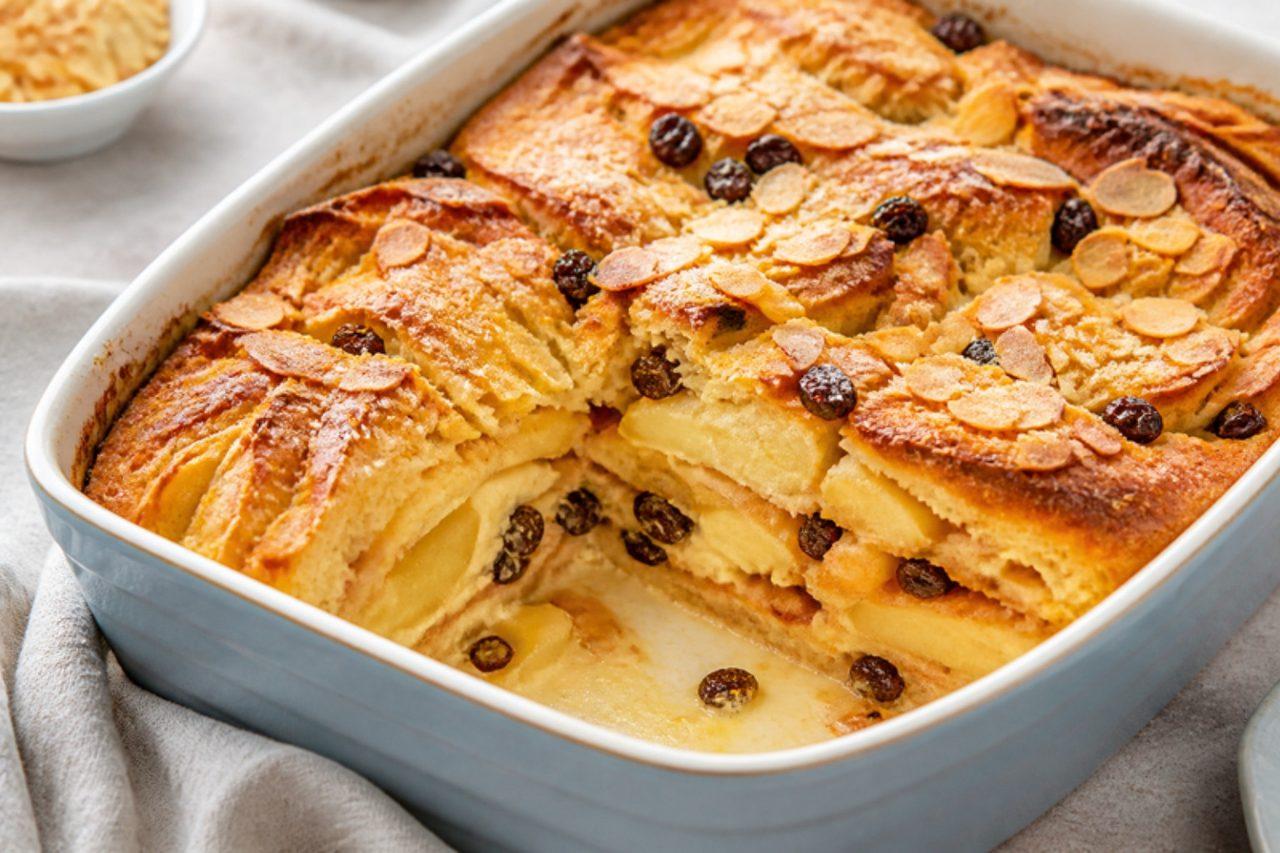
OfenschlupferBaked bread pudding with apples

Ofenschlupfer, literally 'oven-crawler', is how Swabian farmhouse kitchens used up stale rolls on a Friday: slices of bread layered with apples, raisins and a little cinnamon in a deep dish, soaked in vanilla egg milk and baked until puffed and golden. Some families pour in a splash of rum; this version doesn't. It was once eaten as a sweet main course after a bowl of soup and is still served warm with vanilla sauce in Stuttgart cafés. A common mistake is baking it straight after pouring in the custard, which leaves dry patches on top; let it soak for 20 minutes. Chef's tip: dot the top with butter and a spoon of sugar for a crackly, caramelised crust.

by KrazyBadal 0 views

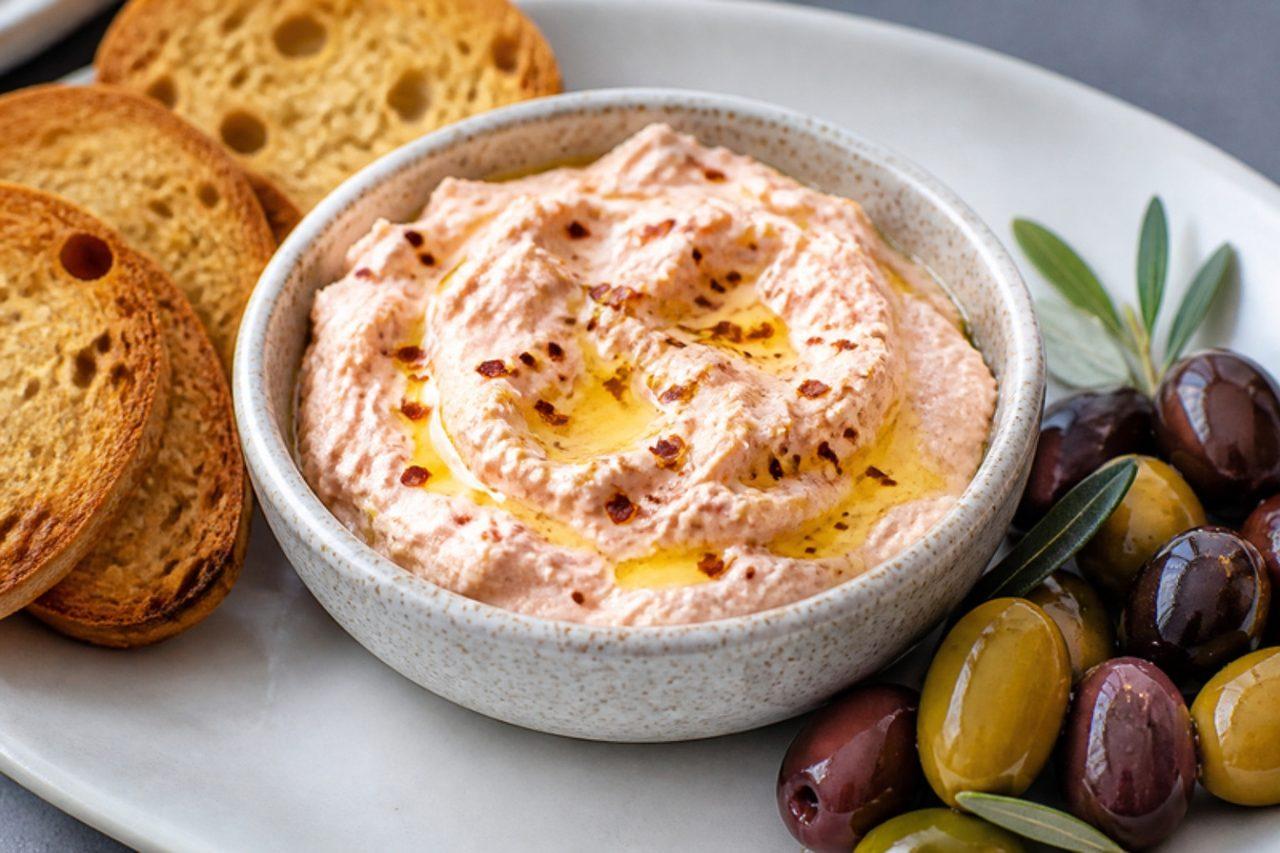
KopanistiPeppery whipped cheese spread

On Mykonos and its neighbouring islands, cheesemakers once worked soft cheese by hand for weeks until it ripened into kopanisti, sharp, salty and peppery enough to prickle the tongue. On the island it is spread on barley rusks with a drizzle of oil as a meze with drinks before dinner. This home version beats feta with a little soft cheese, chilli and pepper, then leaves it in the fridge for two days to mellow and sharpen. Feta is traditionally made with animal rennet; choose a vegetarian feta if you need to. Common mistake: blending it to a smooth purée; it should stay a little rough. Chef's tip: cover the surface with a thin layer of olive oil while it rests, so it doesn't dry out or pick up fridge flavours.

by KrazyBadal 0 views

Koofteh TabriziGiant stuffed meatballs in tomato broth

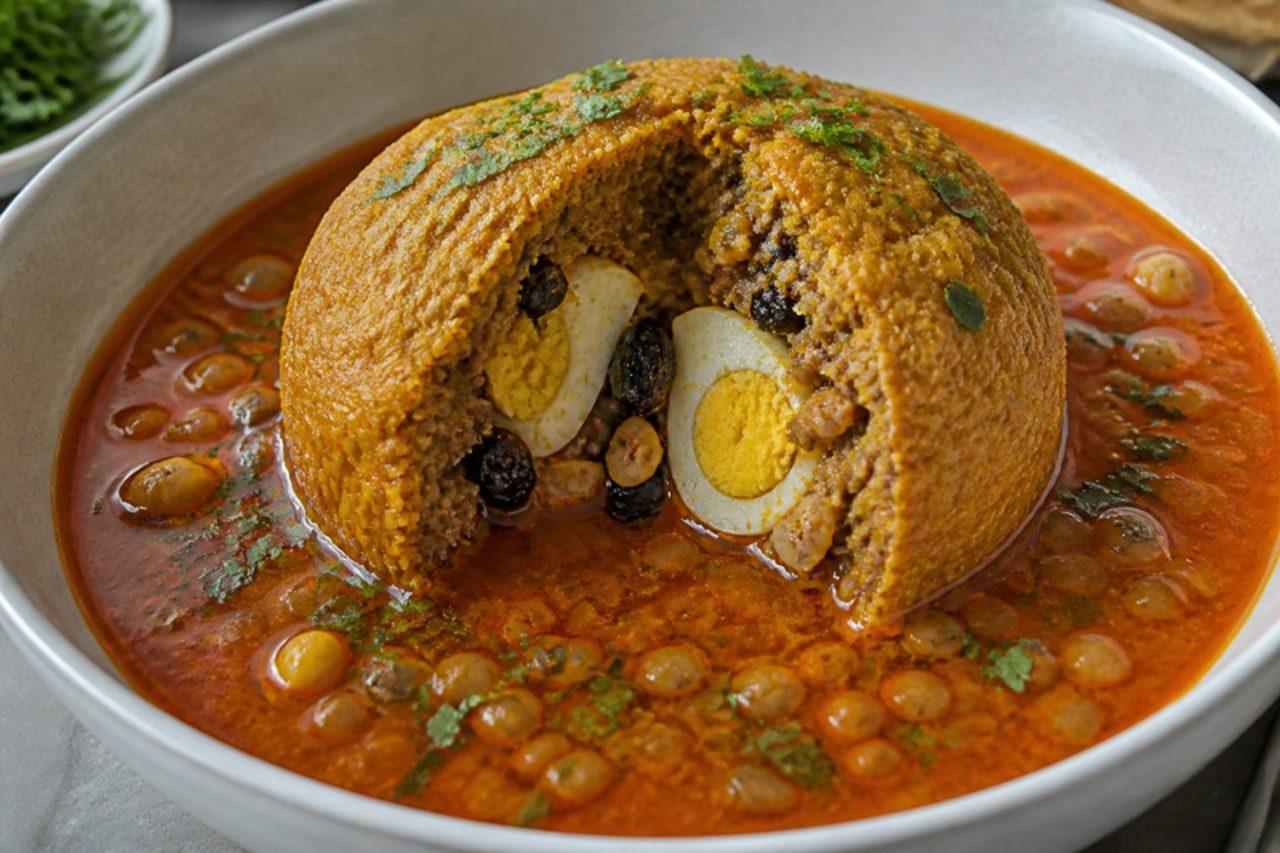
Koofteh Tabrizi is the pride of Tabriz in Iranian Azerbaijan, a meatball so big that one feeds a person, made for guests and for cold winter evenings in the north-west. Lamb or beef mince is kneaded with rice, yellow split peas and lots of herbs, then wrapped around a hidden heart of hard-boiled egg, prunes, walnuts and barberries and simmered in a tomato-saffron broth. At the table the broth is ladled over bread first, then the koofteh is cut open. A common mistake is under-kneading: the mixture must be worked until sticky, or the ball splits in the pot. Chef's tip: lower the meatballs into broth that is barely trembling, not boiling, and don't touch them for the first 20 minutes while they firm up.

150 minPersianMeatGluten free
by KrazyBadal 0 views

KontosouvliRoast marinated pork chunks

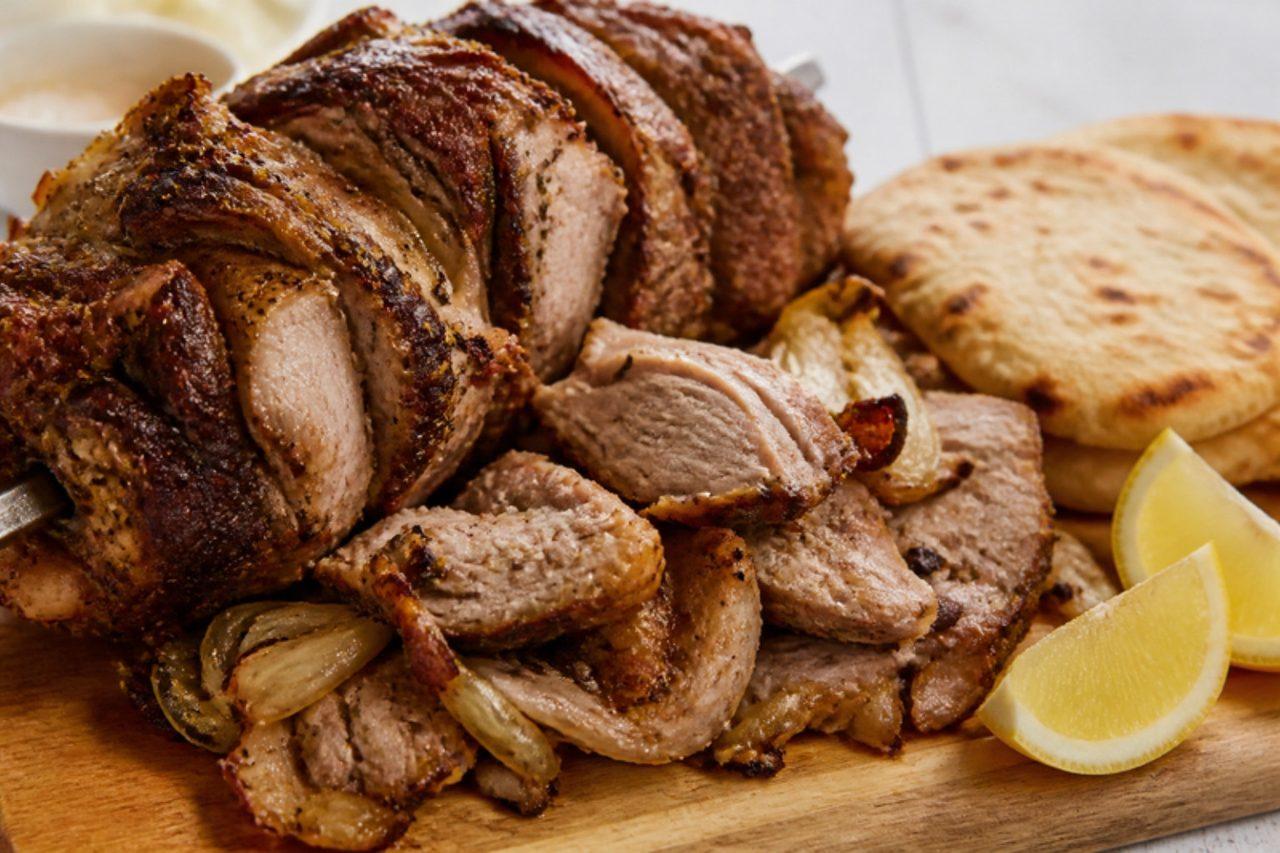
On Easter Sunday and at village saints'-day fairs across Epirus, a long spit of fat pork chunks threaded with onion and peppers turns for hours over embers, and slices are handed out with bread and salad. This oven version gives the same smoky-edged, juicy pork shoulder: chunks marinated overnight in the fridge with lemon, garlic, oregano and paprika, then threaded on skewers and roasted low before a fierce finish. Serve with pitta, tzatziki and roast potatoes. Common mistake: using lean pork loin, which dries out — shoulder or neck with its fat is essential. Chef's tip: sit the skewers across a deep tin so the fat drips away and the meat browns all round.

145 minGreekMeatGluten free
by KrazyBadal 0 views

Maki acevichadoPrawn tempura rolls with ceviche sauce

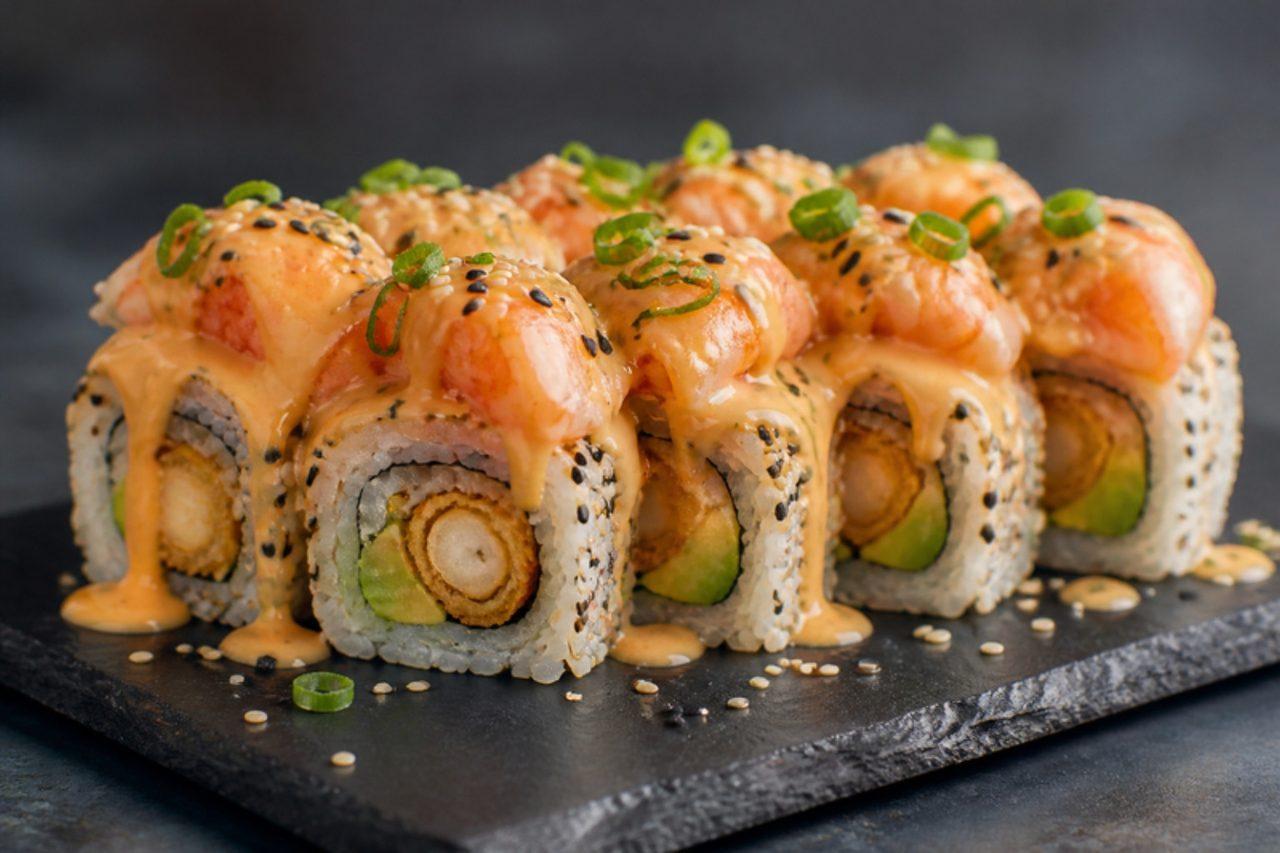
Lima's Nikkei sushi bars invented the acevichado and it has become the roll every Peruvian orders: prawn tempura and avocado rolled in rice, topped with thin slices of fish and drenched in a creamy, lime-sharp sauce built from leche de tigre, ají amarillo and mayonnaise. Crisp, warm, cold and tangy in one bite, it is party food and Friday-night takeaway alike. For a safer topping, use sashimi-grade fish frozen at −20 °C for 24 hours first, keep it cold and eat the rolls at once; you can also sear the slices with a blowtorch or use cooked prawns instead. Even so, the raw-fish topping is not for pregnant women, young children or anyone with a weakened immune system. Overfilling is the usual mistake: the roll won't close and the rice splits. Chef's tip: use a pasteurised-egg mayonnaise and wet your hands with vinegared water so the rice doesn't stick.

by KrazyBadal 0 views

Pie and mash with liquor

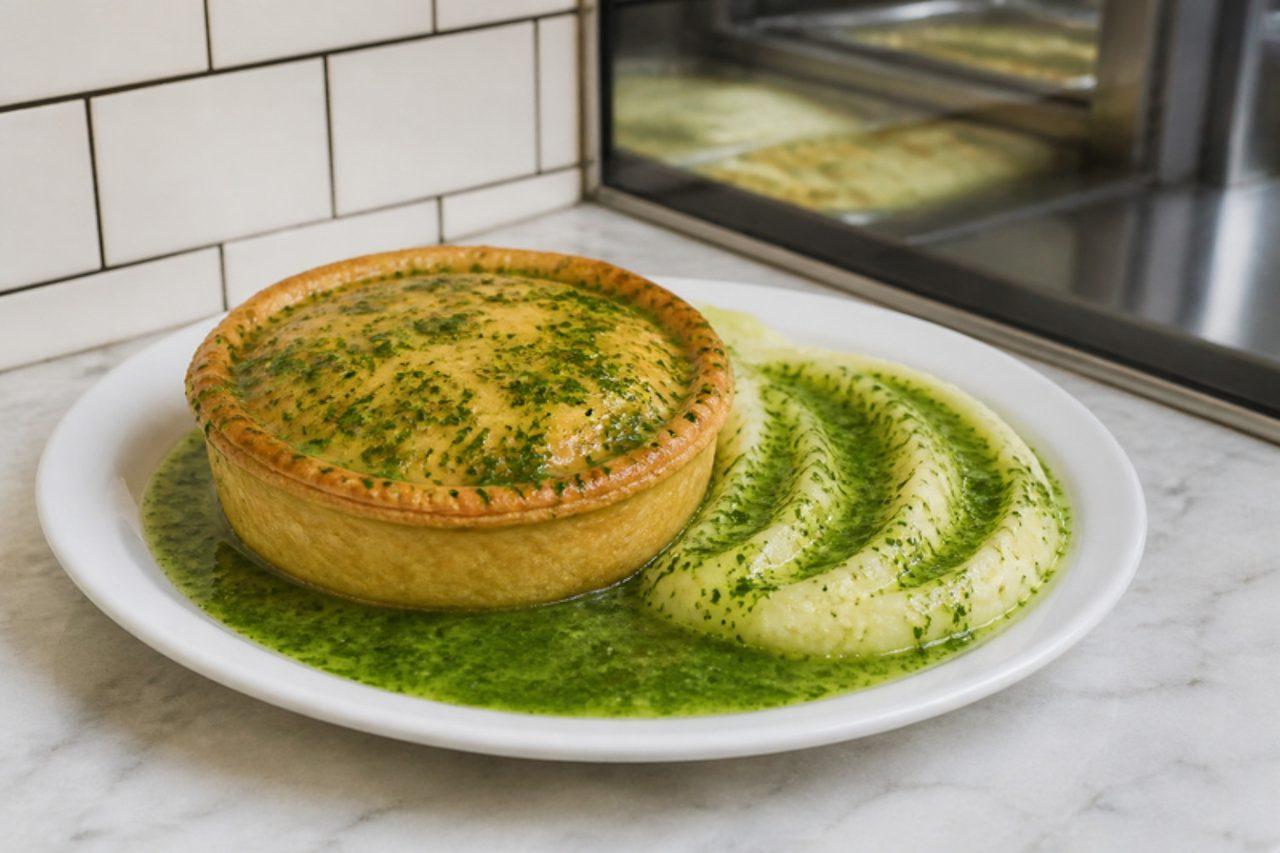
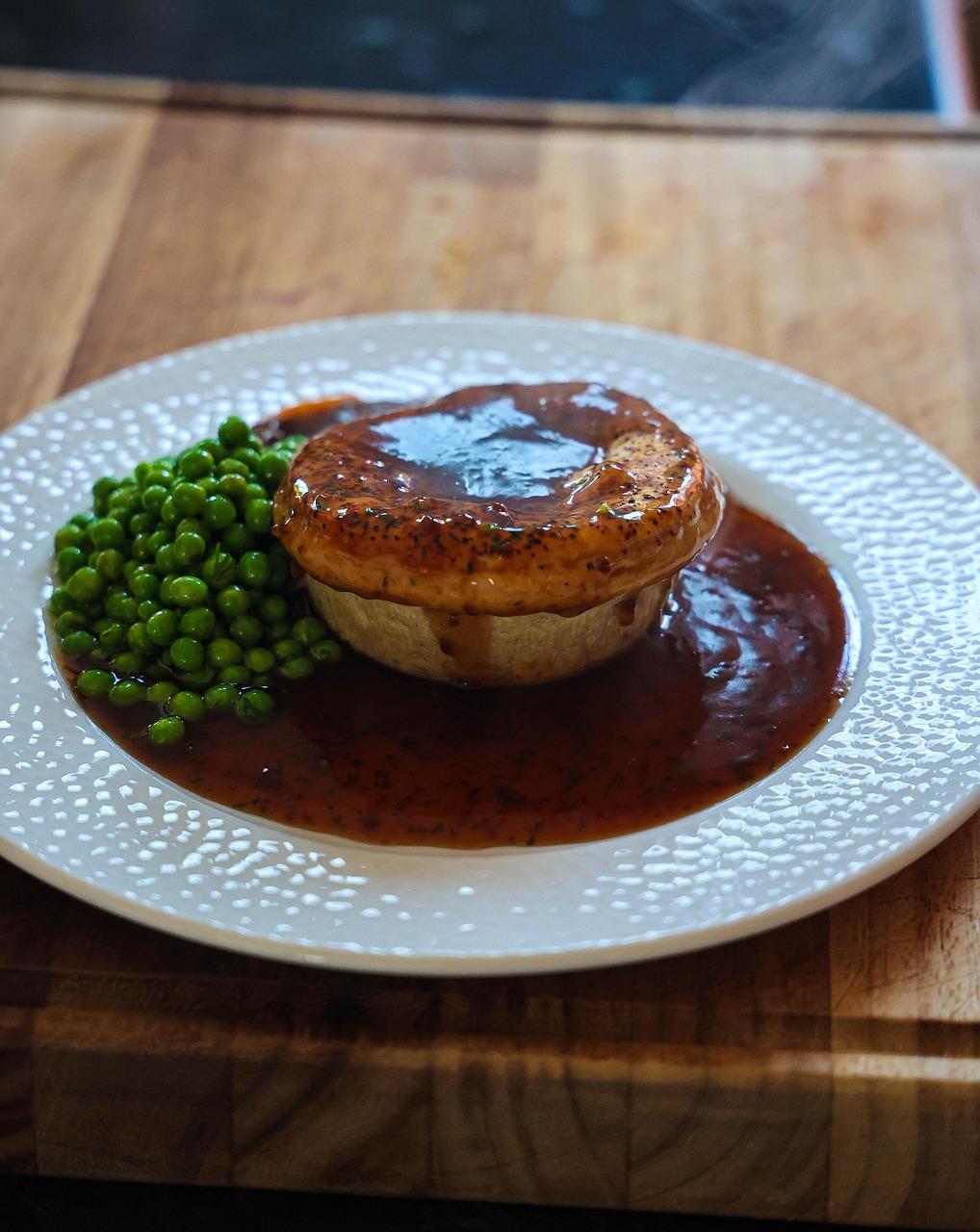
Pie, mash and liquor is the working-class lunch of the East End of London, served in tiled pie shops from Bethnal Green to Walthamstow since the 1800s. Small minced beef pies with a soft suet-style base and a crisp puff lid sit next to a scoop of smooth mash, all flooded with liquor, a thin, bright green parsley sauce. Pie shops make the liquor with the stock from stewed eels; this version uses fish or vegetable stock. Locals add chilli vinegar. Chef's tip: keep the liquor thin and pourable, like single cream, not thick like gravy.

by KrazyBadal 0 views

Agnolotti del plinSmall pinched meat pasta parcels

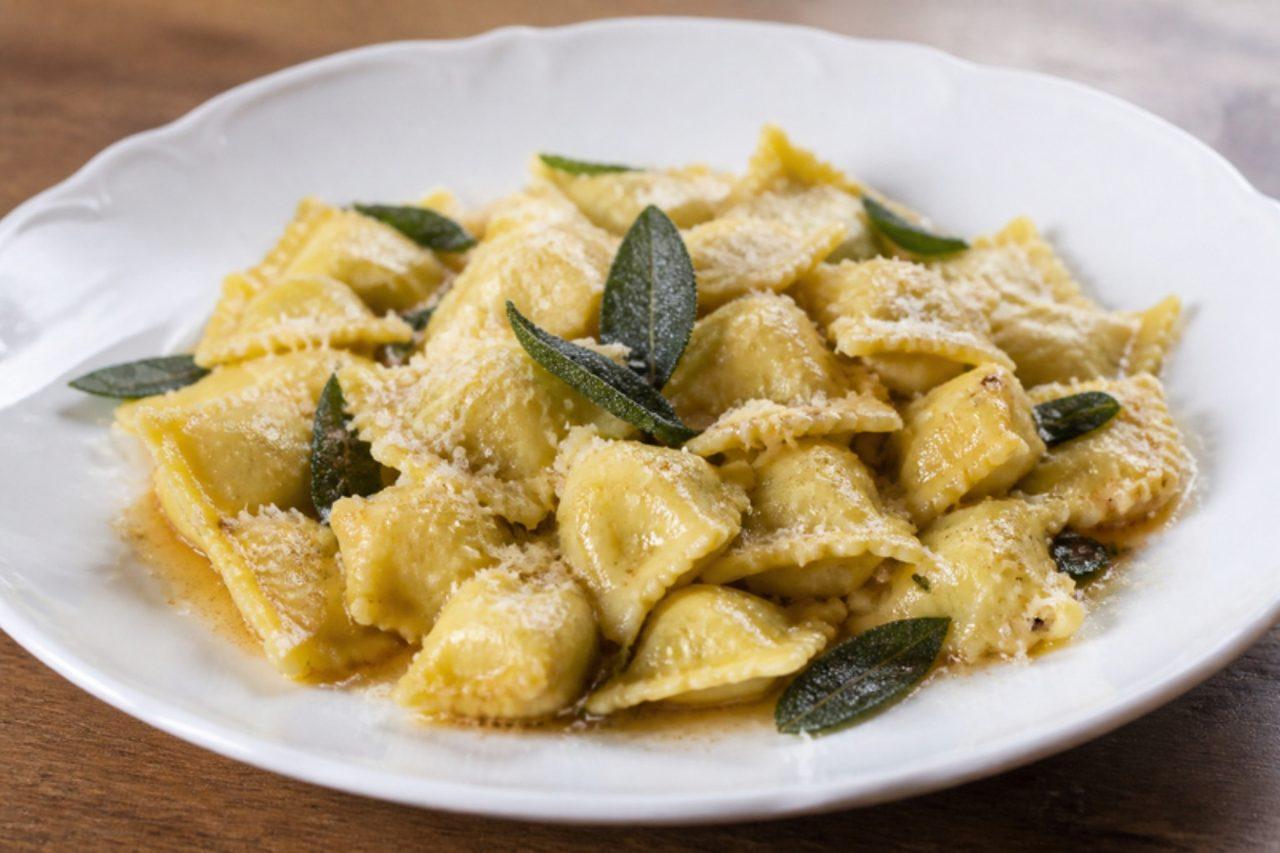
In the Langhe and Monferrato hills of Piedmont, agnolotti del plin are the Sunday and feast-day pasta, made from whatever roast was left from the day before and pinched shut with a quick twist of the fingers (plin means pinch in dialect). Each parcel is barely a mouthful of thin egg pasta around a savoury filling of roast veal, pork shoulder and beef with a little cabbage, egg and parmigiano, so this is a pork dish as well as a veal one. In the trattorie of Alba they arrive either glossed with butter and sage or simply dressed in the reduced roasting juices, sometimes with no plate at all, served in a napkin. They want nothing alongside except a green salad afterwards. Chef's tip: keep the filling quite firm and the blobs small, no bigger than a hazelnut, or the pasta will not seal tightly around them.

by KrazyBadal 0 views

Beef and ale pie

Beef and ale pie is the pub supper of Yorkshire and the Midlands, where brewing towns like Burton upon Trent made a dark ale gravy part of the region's cooking. Chuck steak is braised slowly in ale with onions and mushrooms until tender, then topped with flaky pastry. This recipe contains alcohol, most of which cooks off; for an alcohol-free pie use the same amount of beef stock with 1 tablespoon of malt vinegar and a teaspoon of brown sugar. Chef's tip: let the filling cool before topping, so the pastry stays crisp and puffy.

210 minBritishMeat
by KrazyBadal 0 views

PapadzulesEgg tortillas in pumpkin seed sauce

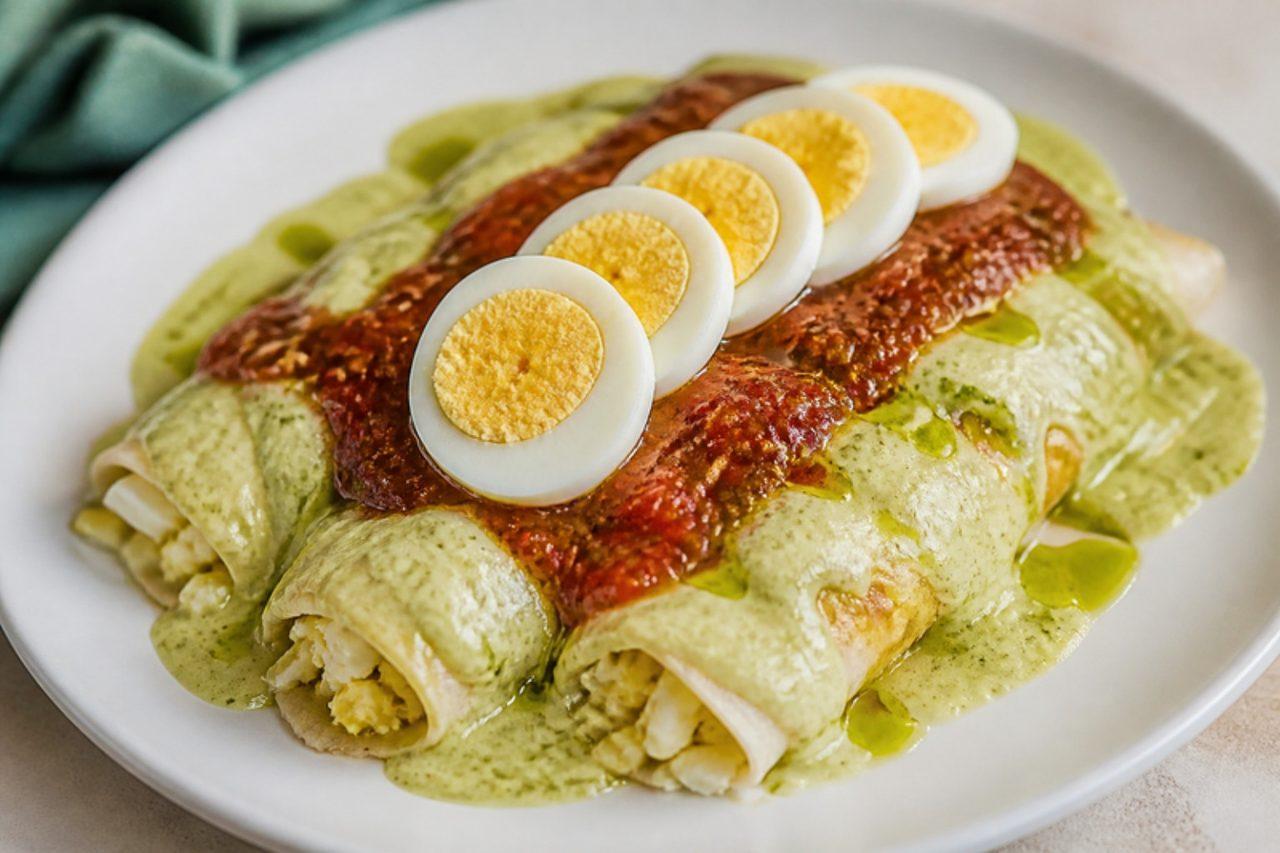
Papadzules may be the oldest dish still eaten in the Yucatán: Maya cooks were rolling tortillas in ground squash seeds long before the Spanish brought chickens and their eggs. Today they are a lunch and Lent dish in Mérida, Valladolid and Campeche. Corn tortillas are dipped in a pale green sauce of toasted pumpkin seeds and epazote, rolled around chopped hard-boiled egg, then topped with a cooked habanero-tomato sauce and a few drops of green pumpkin-seed oil squeezed from the paste. The flavours are nutty, herbal and gently hot. Chef's tip: keep the seed sauce warm, never boiling; heat makes it split and turn grainy, and the oil that separates is meant to be drizzled on top, not stirred back in.

by KrazyBadal 0 views

Liver and onions

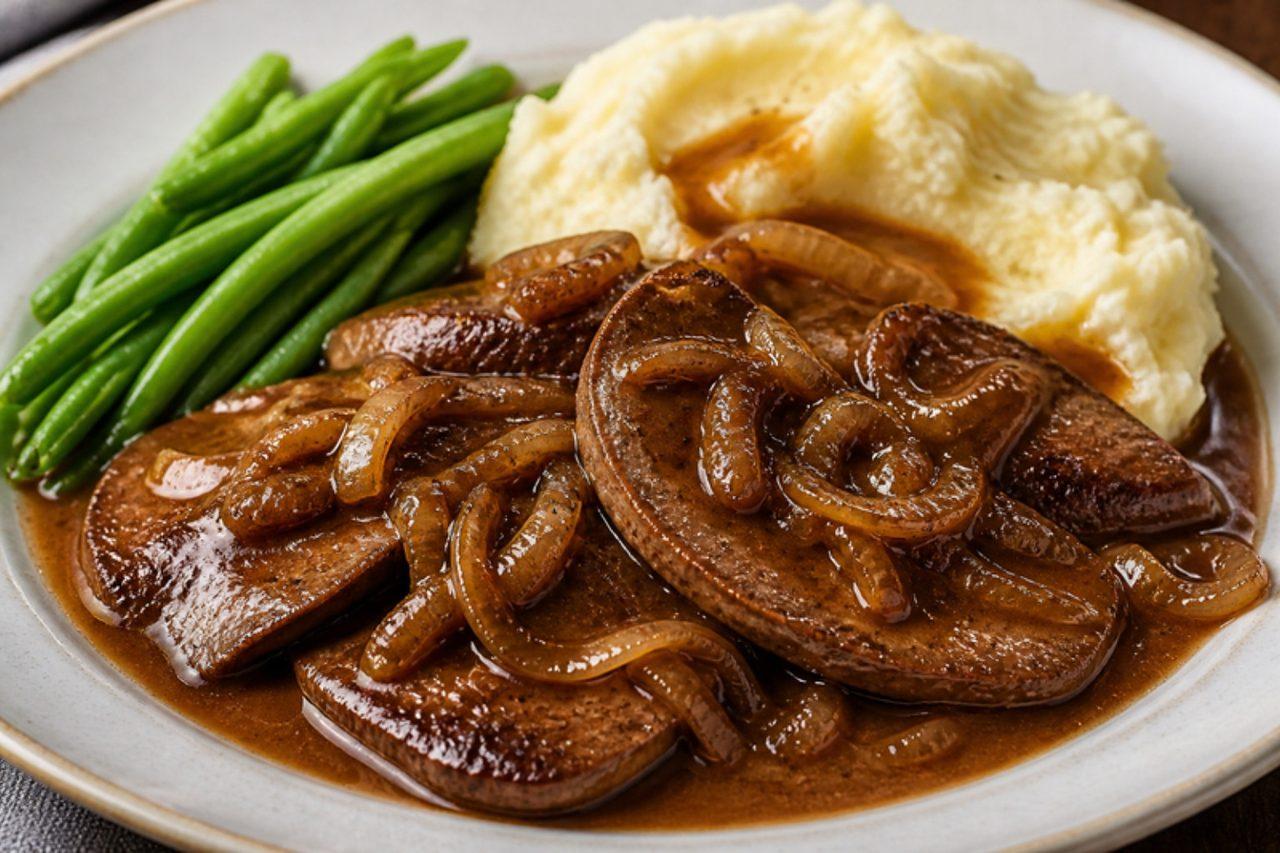
Liver and onions is a café and works-canteen classic across the North and the Midlands, cheap, quick and full of iron, eaten with mash and a dollop of gravy. Thin slices of calf's or lamb's liver are fried briefly in butter after the onions have turned slow and sweet. Chef's tip: soak the liver in milk for 30 minutes if you find its flavour strong; it softens the taste.

by KrazyBadal 0 views

MakmouraLayered chicken and onion bread bake

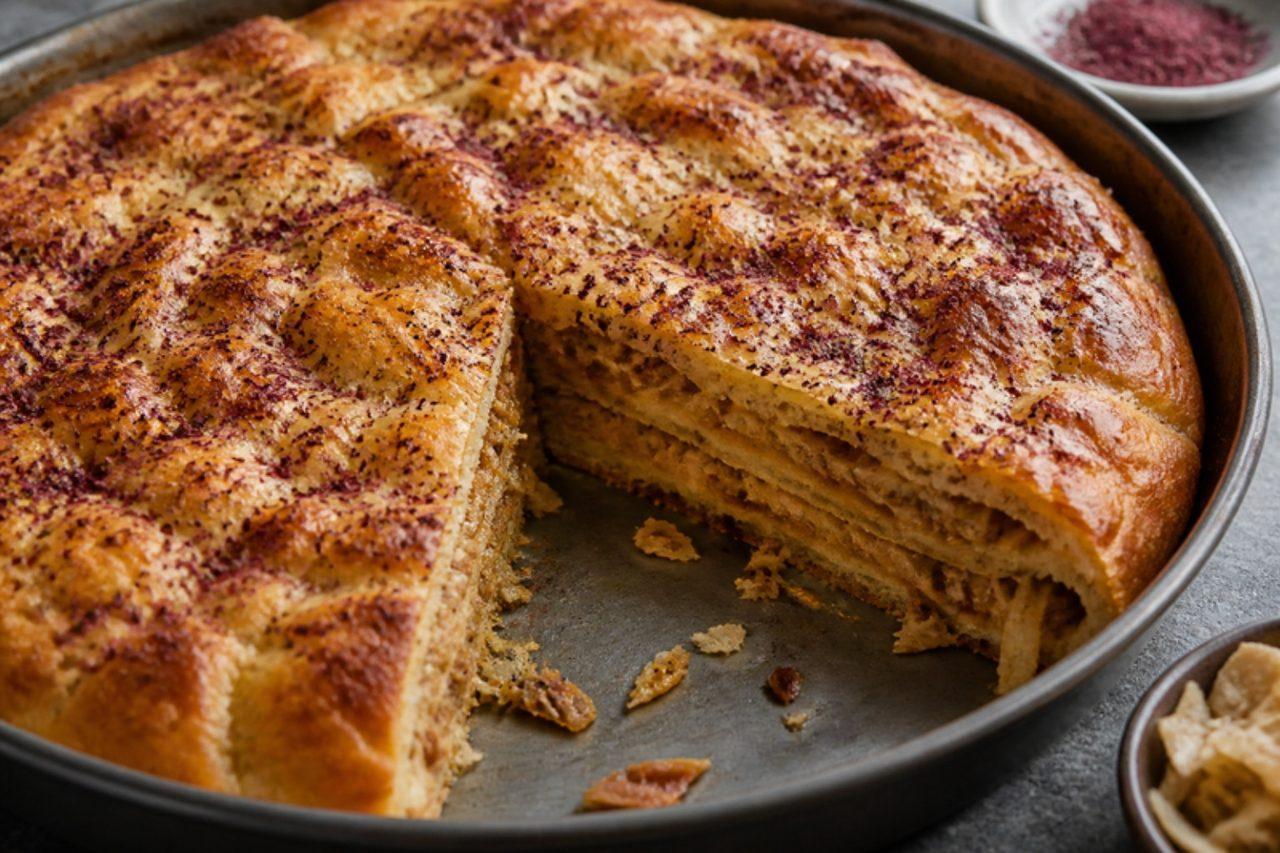
Makmoura (meaning 'buried') is a village dish from around Jenin in the northern West Bank, made in olive harvest season when there is fresh oil to spare: layers of thin bread dough are baked over chicken and a heap of onions slow-cooked in olive oil with sumac and spice, so the bottom soaks up the juices and the top turns crisp. Families tear it apart by hand and eat it with yoghurt and olives. Common mistake: rushing the onions; they need a full half hour to turn sweet and jammy. Chef's tip: use good, fruity olive oil and don't skimp — it is the soul of the dish.

by KrazyBadal 0 views

AguachilePrawns in lime and chilli water

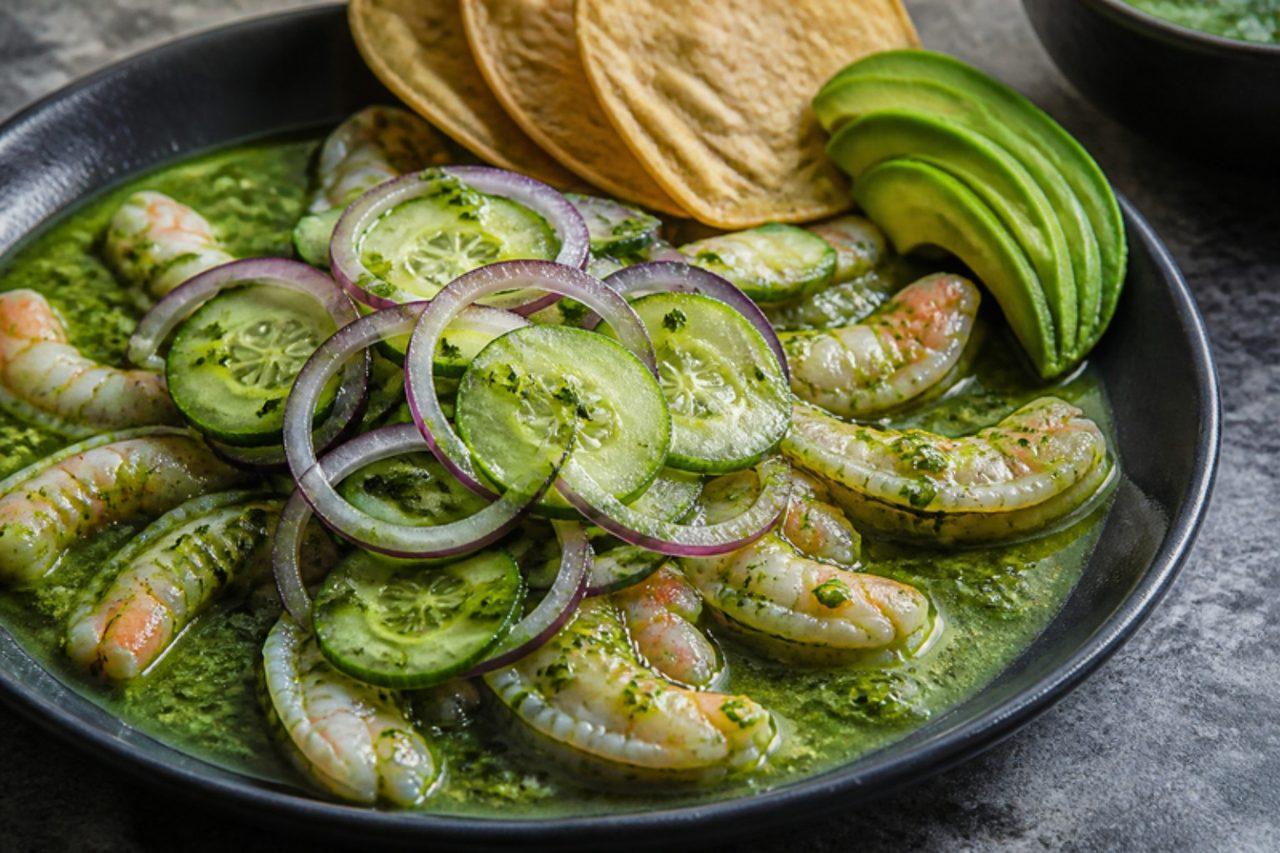
Along the Sinaloa coast, from Mazatlán to Culiacán, aguachile is the cold plate that starts a long seafood lunch at the beachside palapas, eaten straight from a stone molcajete with tostadas and a cold drink. The classic version is raw prawns cured only in lime, and that raw version is the risky one: lime juice does not kill bacteria or parasites the way heat does. This safer version poaches the prawns for a minute or two until just pink and opaque, chills them and then dresses them, so you keep the snap and the fierce, grassy chilli heat. Even so, treat any cold seafood dish with care: the raw classic is not for pregnant women, young children or anyone with a weakened immune system. Serve with crisp corn tostadas and slices of avocado. Chef's tip: blend the chilli water with ice-cold water and pour it on at the last minute, so it stays vivid green and the prawns stay crisp.

by KrazyBadal 0 views

AguajinaAguaje palm fruit drink

Aguaje is the scaly, chestnut-red fruit of the moriche palm that grows in the flooded forests around Iquitos, and its orange flesh ends up in ice lollies, ice cream and, above all, aguajina, the cold drink sold in plastic cups at every corner and in Belén market. The taste is unusual and loved locally: tangy, a little like apricot and carrot, with a rich, slightly oily body. Fresh aguaje must be softened in warm water for an hour before its thin layer of pulp can be scraped off; outside Peru, frozen aguaje pulp from Latin American shops is the realistic choice and gives a good result. A common slip is adding all the sugar before tasting: the pulp's sourness varies from pack to pack, so sweeten at the end. Serve very cold with lunch or on a hot afternoon. Chef's tip: blend the pulp with only part of the water first, so it breaks down fully, then stir in the rest.

by KrazyBadal 0 views

Sikil pakPumpkin seed dip

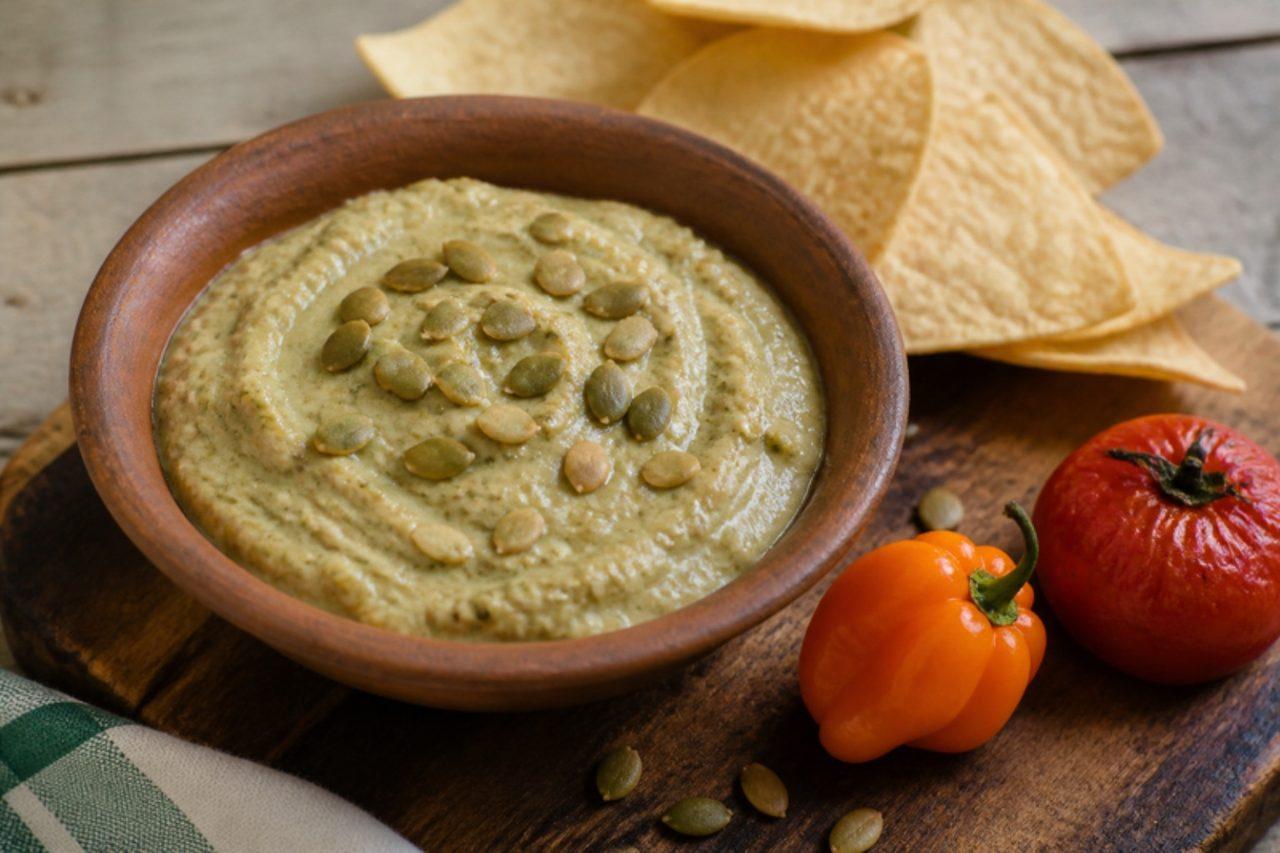
In Yucatec Maya, sikil means squash seed and p'aak means tomato, and that is almost all there is to this pale, coarse dip from the Yucatán Peninsula. Cooks in Mérida and the villages around it toast the seeds on a comal until they pop, grind them with charred tomato, chives and a little habanero, and serve the dip with tostadas or crisp tortilla chips before a meal. It tastes nutty, smoky and fresh at the same time, and is naturally vegan. Chef's tip: roast the habanero whole and add it a little at a time; you can always grind in more, but you can't take the heat back out.

by KrazyBadal 0 views

Leche de tigreCitrus ceviche marinade

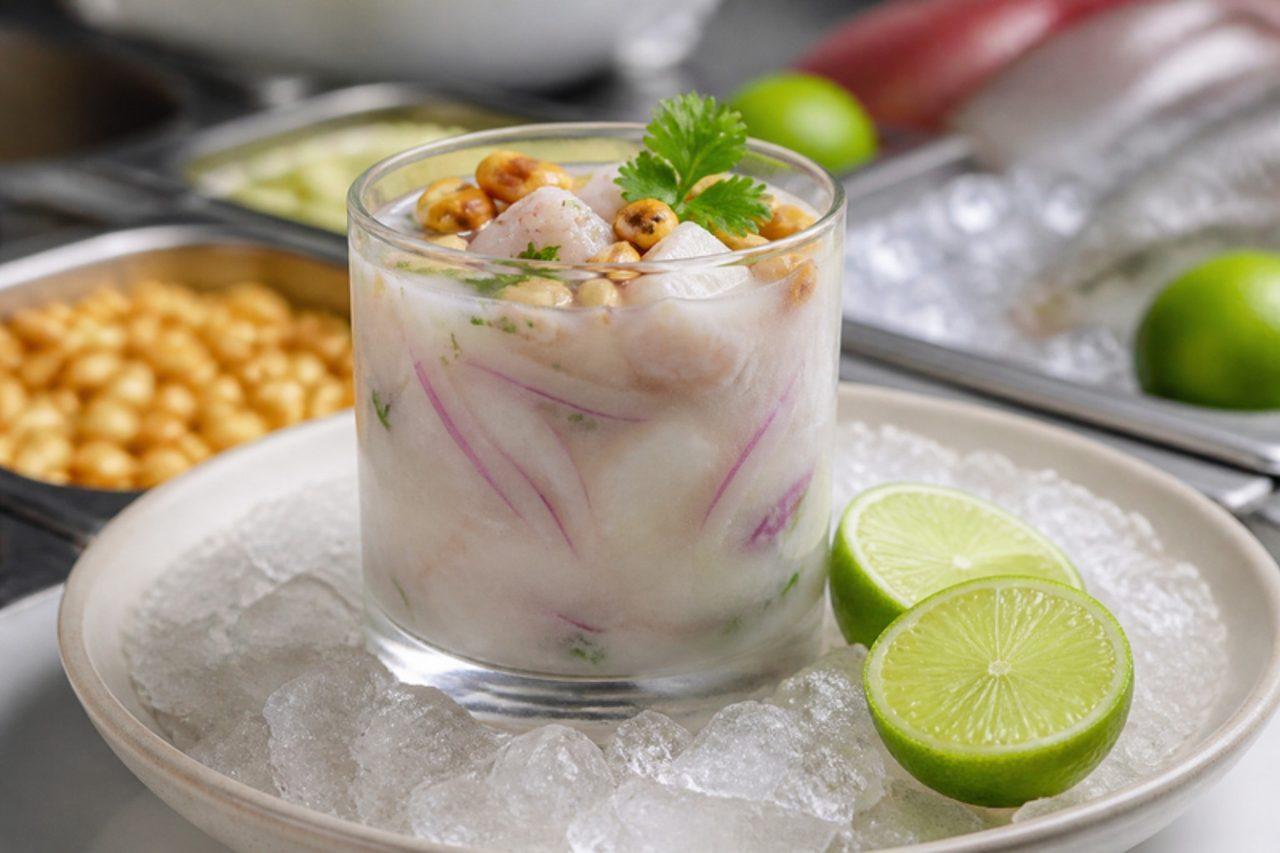
Every cevichería along Lima's coast, from Chorrillos to the market stalls of Surquillo, sells this as a pick-me-up before lunch: a small glass of milky, lime-sharp juice blitzed with fish, celery, ginger and ají limo, with a few cubes of fish and kernels of cancha floating on top. It is cold, salty, very sour and fiery, and people swear by it the morning after a long night. Because the fish is cured only by lime, this safer version uses very fresh white fish that has been frozen at −20 °C for 24 hours first, keeps everything ice cold and is drunk at once; it is not for pregnant women, young children or anyone with a weakened immune system. The common mistake is blending the lime with the fish for too long, which makes the juice bitter, so pulse only briefly. Chef's tip: squeeze the limes by hand, gently, without pressing the pith; the last hard squeeze is what turns leche de tigre bitter.

by KrazyBadal 0 views

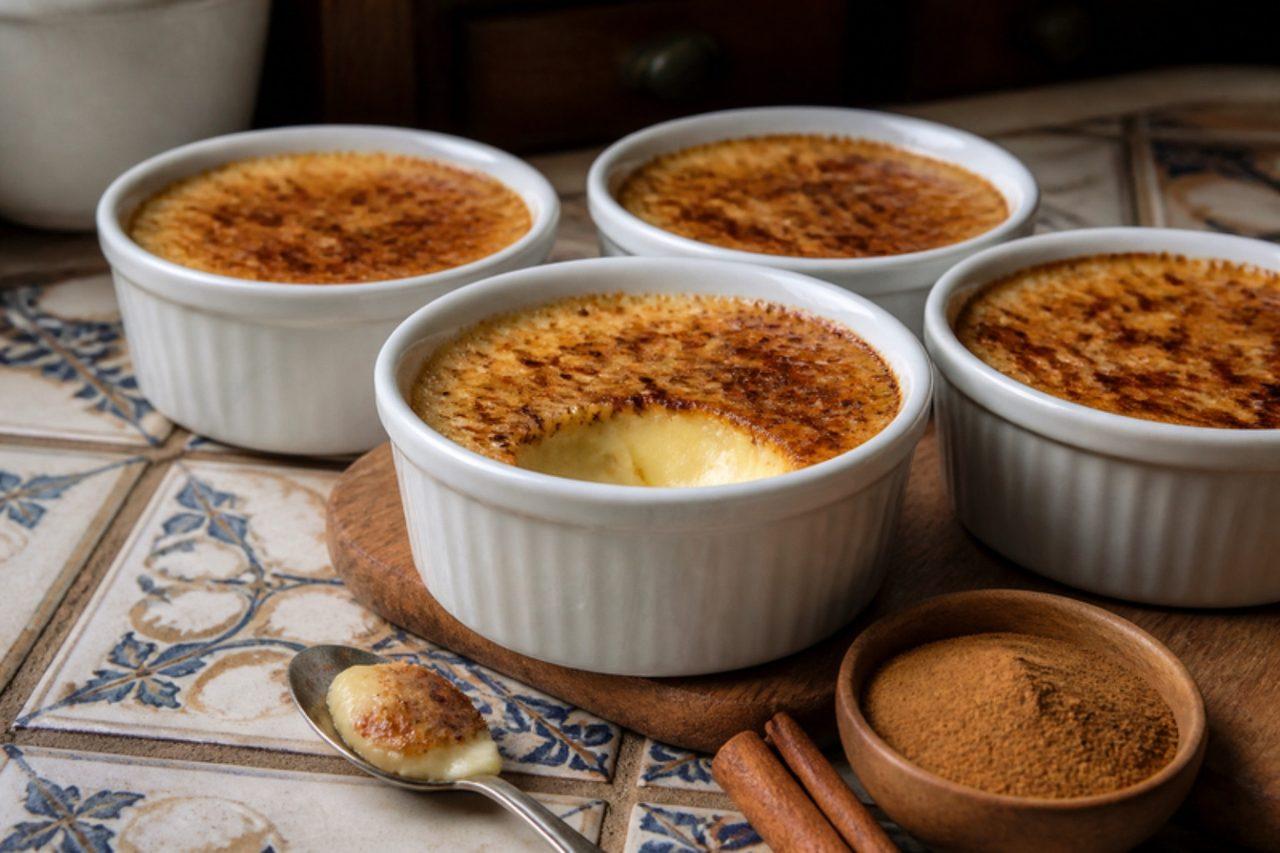
Leche asadaBaked milk custard

A fixture of Lima's set-lunch menus and school canteens, leche asada is the plainer sibling of flan: milk, eggs, sugar and vanilla baked in a dish until set, with no caramel layer, so the top browns into a freckled skin that's the best part. It is lighter and a little less smooth than crème caramel, faintly scented with cinnamon and lemon zest, and served cold in squares or straight from little ramekins. Many cooks rush it in a hot oven, which makes the custard bubble and weep watery holes; bake it low and in a water bath, and only brown the top at the end. It makes a gentle end to a heavy meal and keeps for three days in the fridge. Chef's tip: strain the custard and skim off the foam before baking for a smooth, even set.

by KrazyBadal 0 views

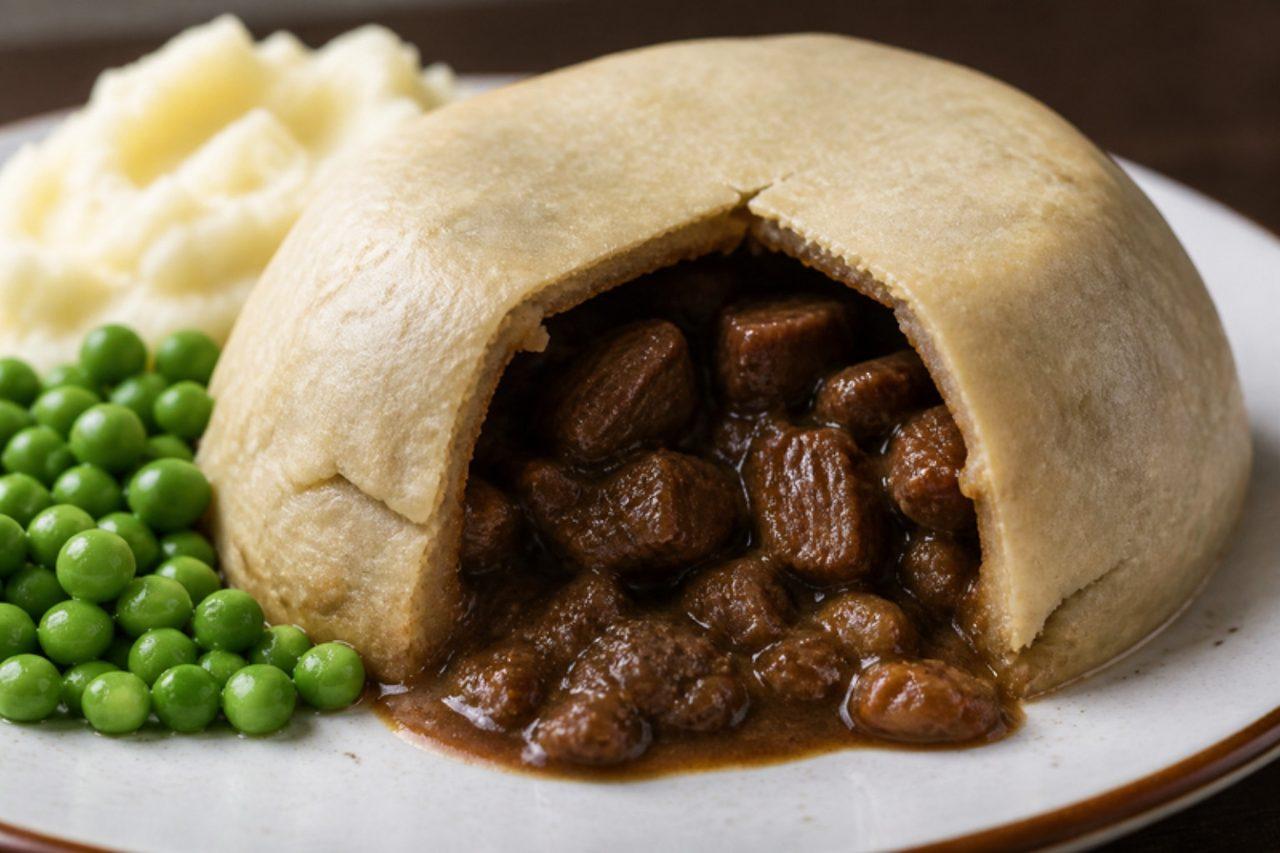
Steak and kidney pudding

Steak and kidney pudding is the steamed suet pie of old English chop houses and Northern family kitchens, the kind of dish that filled up mill workers through Lancashire winters. Beef and lamb's kidney in rich gravy are sealed in a basin lined with suet pastry and steamed for hours until the crust is soft and the filling falls apart. Chef's tip: cook the filling first; it gives tender meat and a crust that isn't soggy.

340 minBritishMeat
by KrazyBadal 0 views

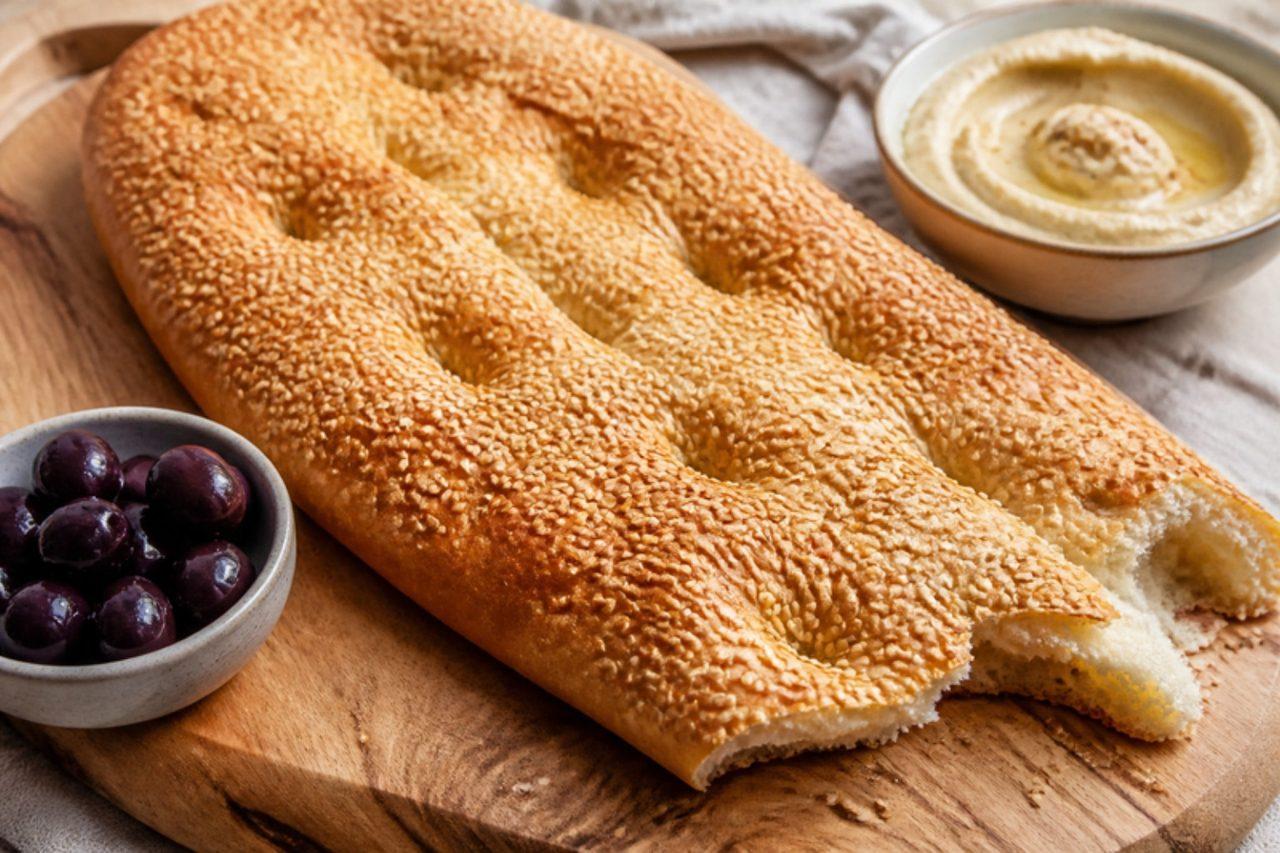
LaganaSesame flatbread

Lagana appears in Greek bakeries for a single day, Kathara Deftera (Clean Monday), when families head outdoors to fly kites and spread out a Lenten picnic of taramosalata, olives, pickles and halva. It is a long, oval, dimpled flatbread, chewy inside with a crust covered in toasted sesame, and since it is eaten on a fasting day it has no eggs, milk or butter. Common mistake: baking it on a cold tray, which gives a pale, bready base. Chef's tip: press deep dimples with oiled fingertips just before baking so the loaf stays flat instead of puffing up like a pitta.

by KrazyBadal 0 views

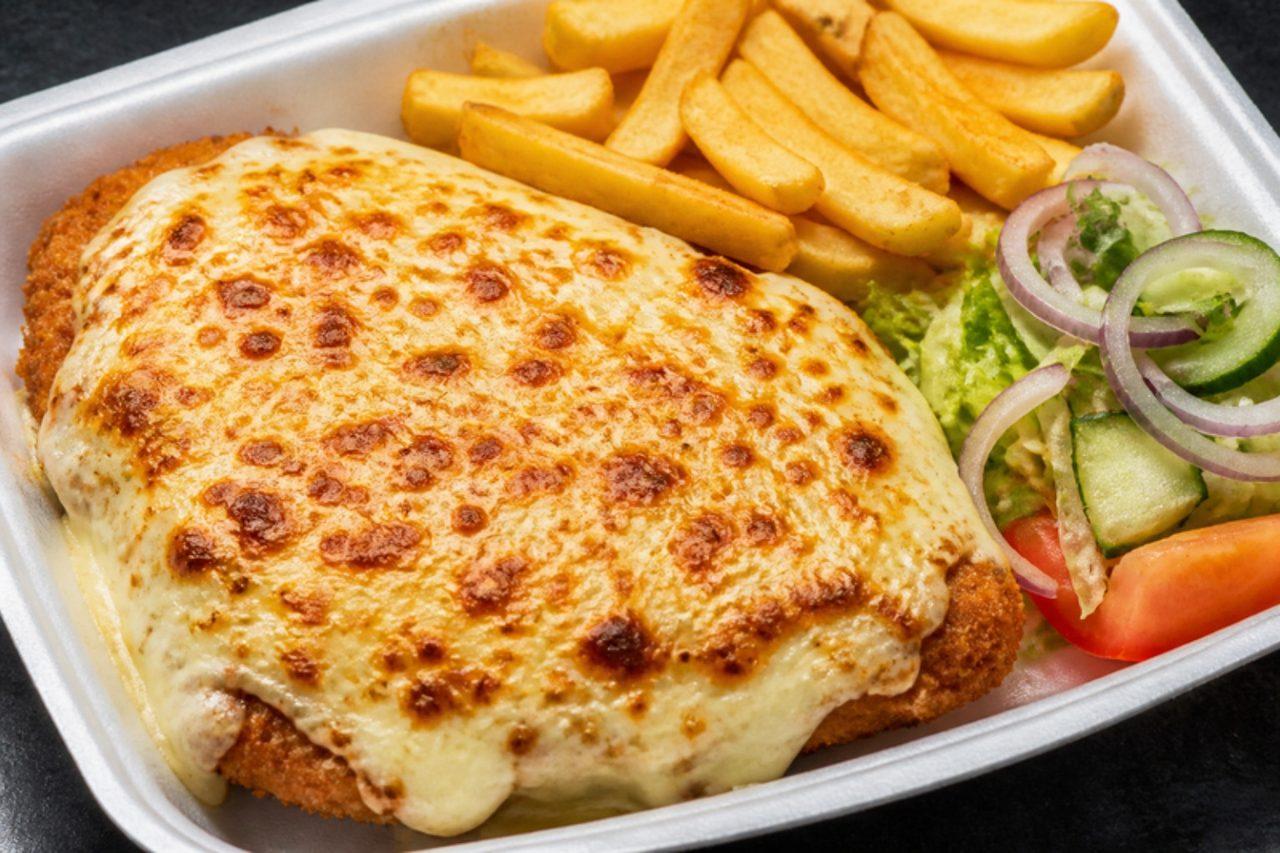
Teesside chicken parmo

The parmo is Middlesbrough's own takeaway dish, said to have been created by an American soldier who settled on Teesside after the Second World War, and it's sold in boxes with chips across the town on a Friday night. A flattened, breaded chicken breast is fried, then covered with white sauce and a thick layer of cheese and grilled until bubbling. Chef's tip: bash the chicken to an even 1 cm, so it cooks through before the crumb burns.

by KrazyBadal 0 views

Grilled kippers

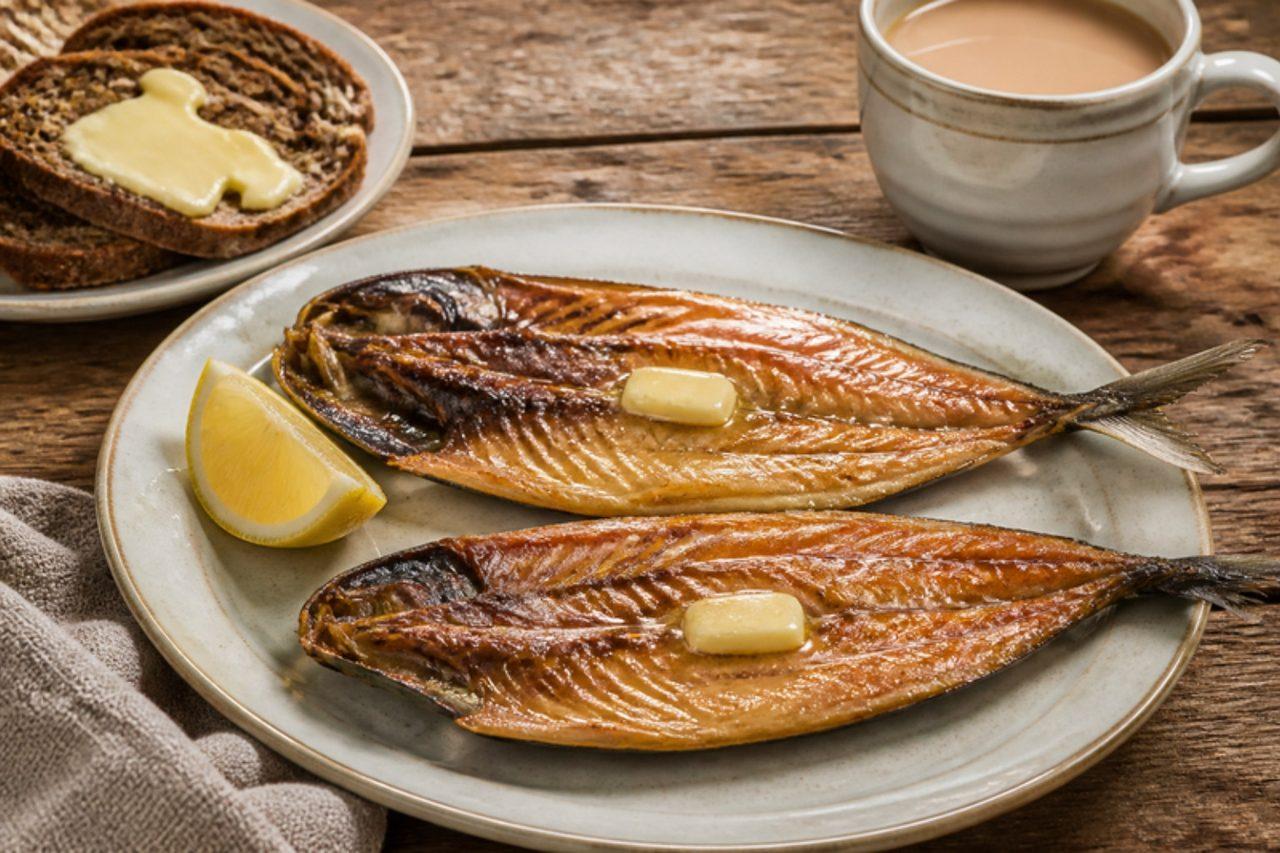
In the tiny harbour village of Craster on the Northumberland coast, herring have been split and oak-smoked in the same smokehouse for over a century, and kippers are the classic English breakfast fish in seaside hotels and on dining cars. A kipper is cold-smoked but not cooked, so it must be heated through; grilled with butter it turns rich, salty and smoky. Serve with brown bread and butter, a poached egg or a squeeze of lemon. Chef's tip: grill them skin-side up first so the skin crisps and the flesh stays juicy.

by KrazyBadal 0 views

Olho de sograCoconut-stuffed prunes

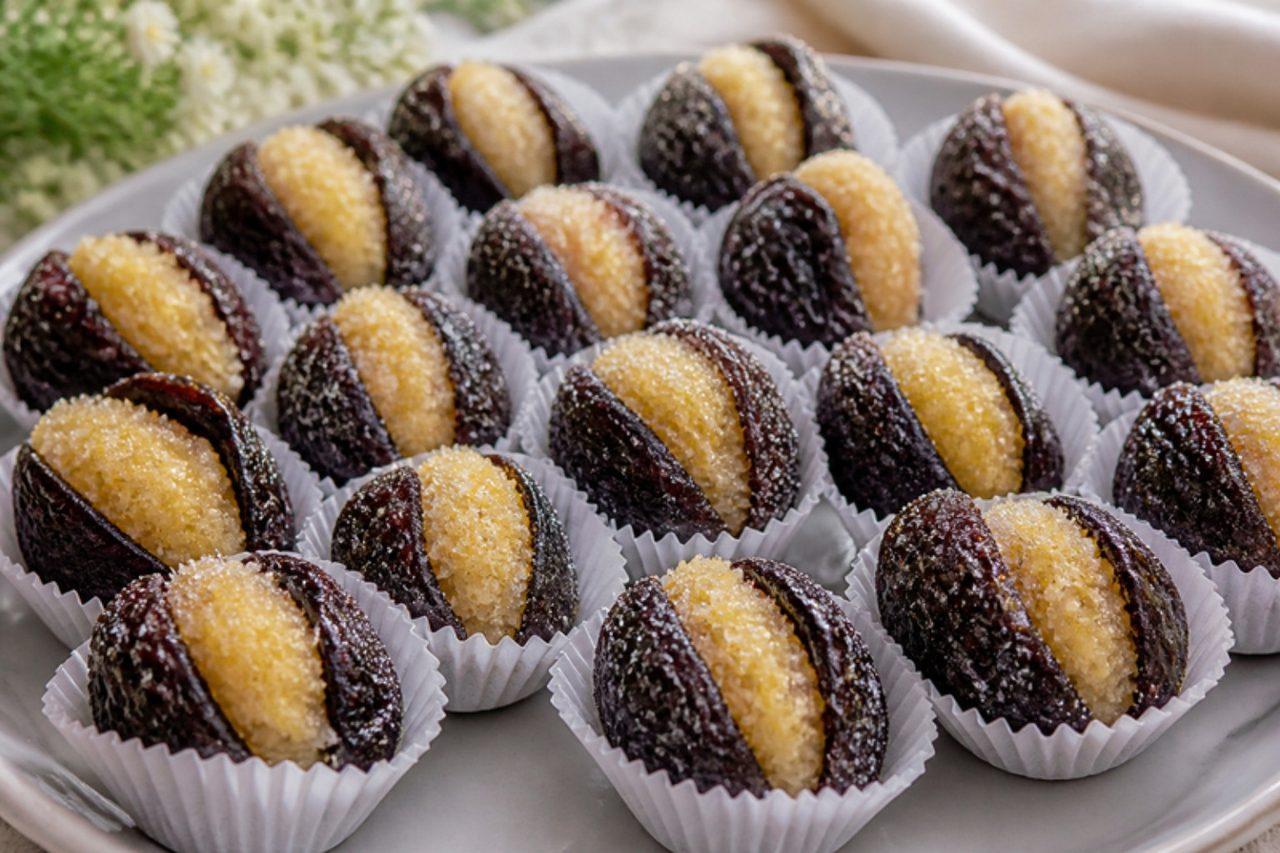
The 'mother-in-law's eye' is a slightly teasing party sweet from the docinhos tradition of weddings and birthdays: a prune slit open and filled with a pale coconut fudge, so it looks like a dark eyelid around a white eye. It shows up on Brazilian sweet tables from Rio to Porto Alegre, often finished with a single clove for the pupil and rolled in crystal sugar. Chewy, sticky prune against creamy, coconutty filling makes it less cloying than many docinhos. Older recipes add egg yolks to the filling; this one is egg free. Stuffing them while the filling is still warm is a frequent mistake; it smears and the shape is lost. Chef's tip: choose large, soft pitted prunes and open them like a book with a small knife, without cutting all the way through.

by KrazyBadal 0 views

LokumTurkish delight

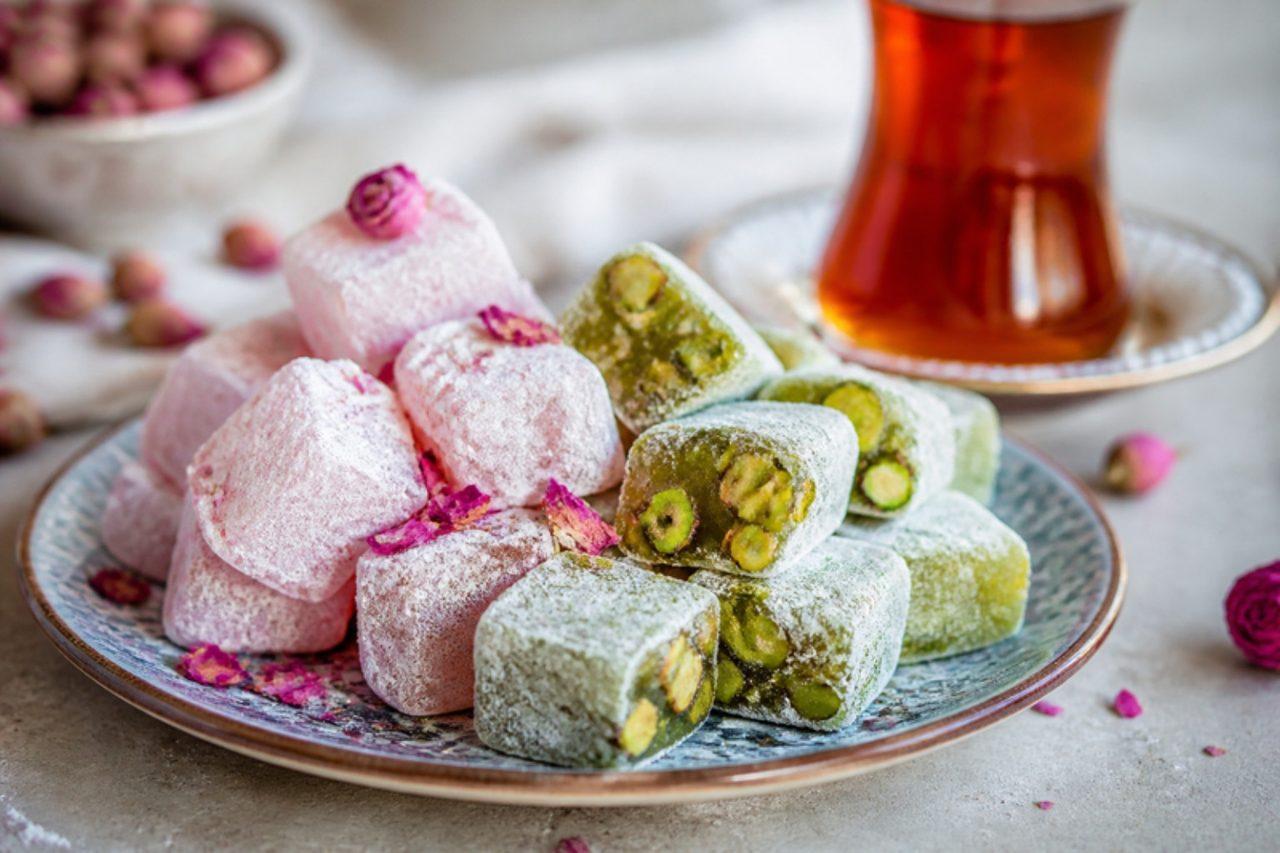
Istanbul's confectioners have been cooking lokum since the 18th century, and boxes of it still go to every host, office and family on holiday visits. Real lokum is nothing more than sugar syrup, lemon and cornflour, stirred for an hour until it turns translucent, firm and springy, then scented with rosewater and studded with pistachios. It is a test of patience, not skill. Common mistake: stopping too soon; undercooked lokum is sticky and never sets cleanly. Chef's tip: it is ready when a little dropped into cold water forms a soft, pliable ball and the mixture is the colour of pale honey.

by KrazyBadal 0 views

Ajil-e moshkel goshaMixed nuts and dried fruit

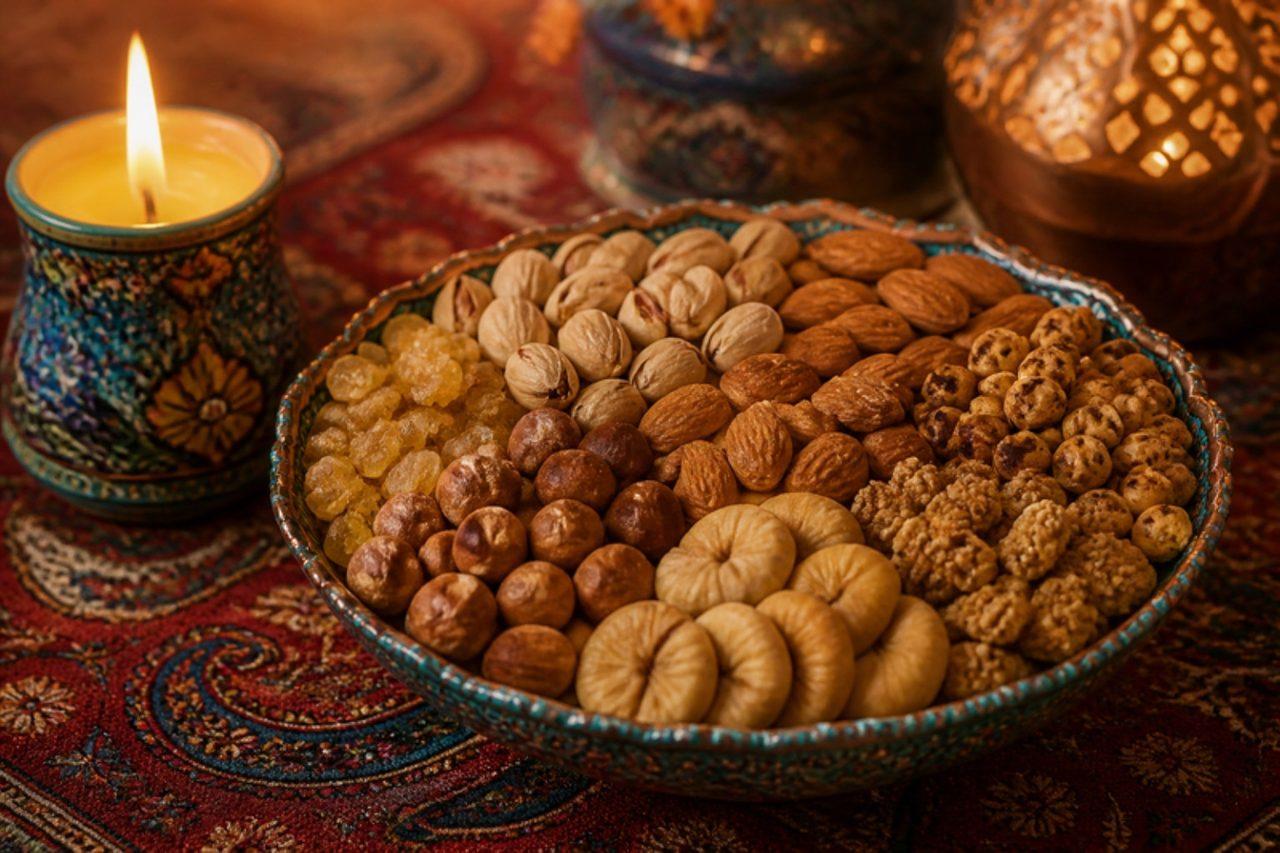
On Chaharshanbe Suri, the bonfire night on the last Tuesday evening before Nowruz, families across Iran jump over small fires in the street and then share a big bowl of ajil-e moshkel gosha, the 'nuts that untie problems', making a wish as they eat. The same mix comes out again on Yalda, the longest night of the year in December. It mixes salted roasted pistachios and almonds with roasted chickpeas, sweet dried figs, white mulberries, raisins and sugared almonds, so every handful is sweet, salty and crunchy. The common mistake is using raw nuts; the toasting is what makes it taste like the bazaar version. Chef's tip: toss the warm nuts with a little salted water and let them dry in the oven for a light salty coating that sticks.

by KrazyBadal 0 views

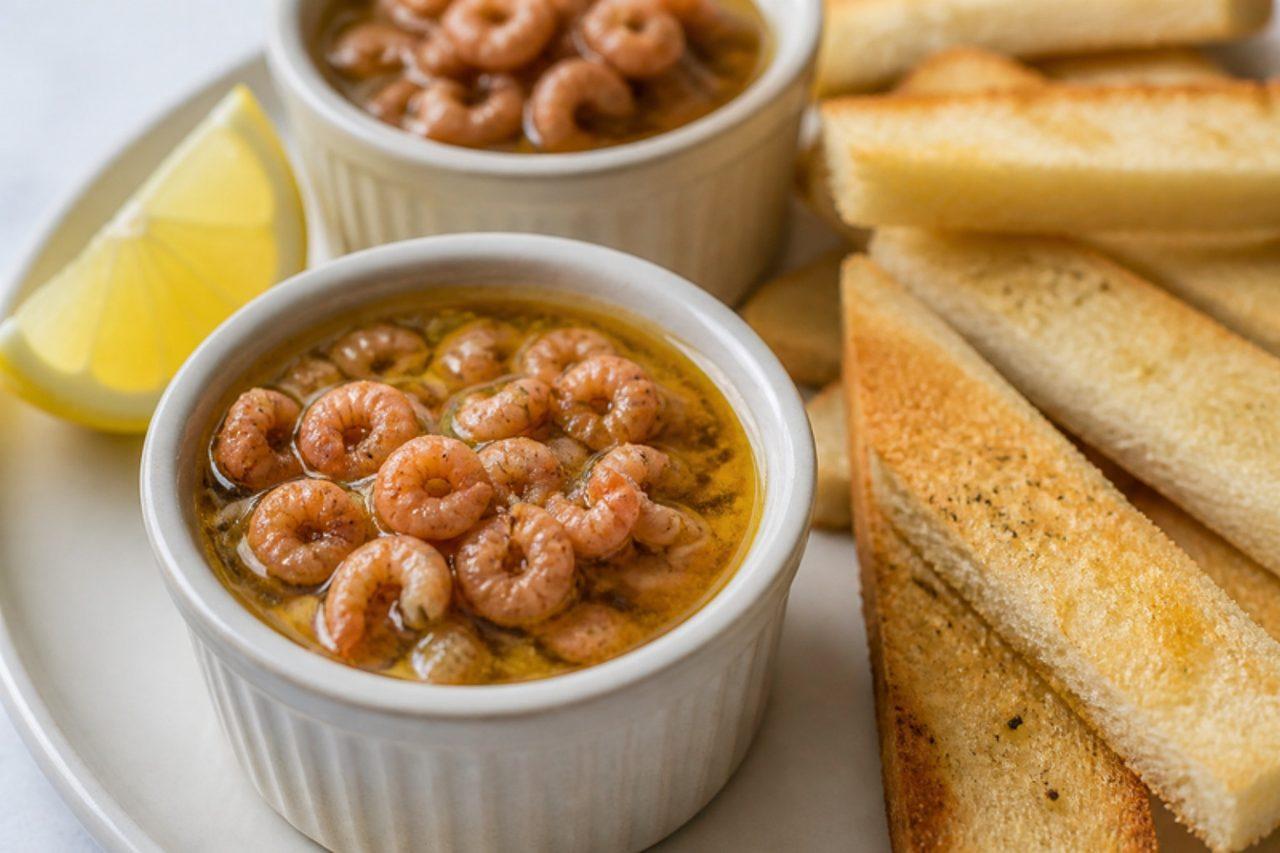
Morecambe Bay potted shrimps

On the wide sands of Morecambe Bay in Lancashire, tiny brown shrimps have been caught by tractor and horse-drawn nets for centuries, boiled on the boats and picked by hand. Potted in butter flavoured with mace, nutmeg and cayenne, they are a classic English starter, served with hot toast so the butter melts. Buy shrimps ready cooked and peeled. Chef's tip: warm the shrimps in the butter only briefly; boiling them makes them tough and rubbery.

by KrazyBadal 0 views

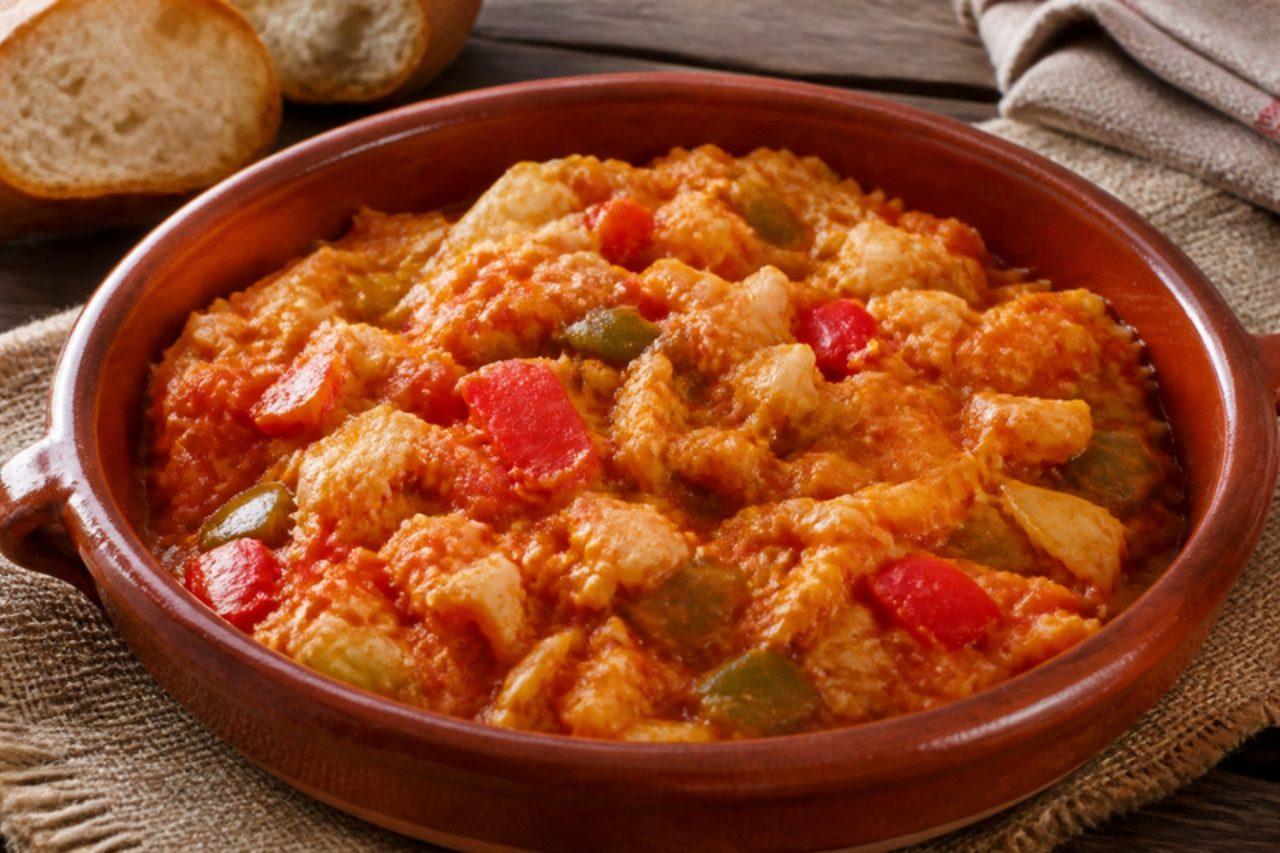
Bacalao al ajoarrieroSalt cod with garlic and pepper

The muleteers who carried goods over the mountain roads into Pamplona, the arrieros, lived on salt cod because it kept for weeks, and the garlicky way they cooked it took their name. Today ajoarriero is ordered in the bars around Pamplona's Plaza del Castillo, especially during San Fermín, and served in small earthenware dishes with bread. The Navarrese version is red with peppers, tomato and dried choricero pepper, and many cooks stir in egg at the end. Chef's tip: taste the cod after soaking and only salt the dish at the very end, if at all.

by KrazyBadal 0 views

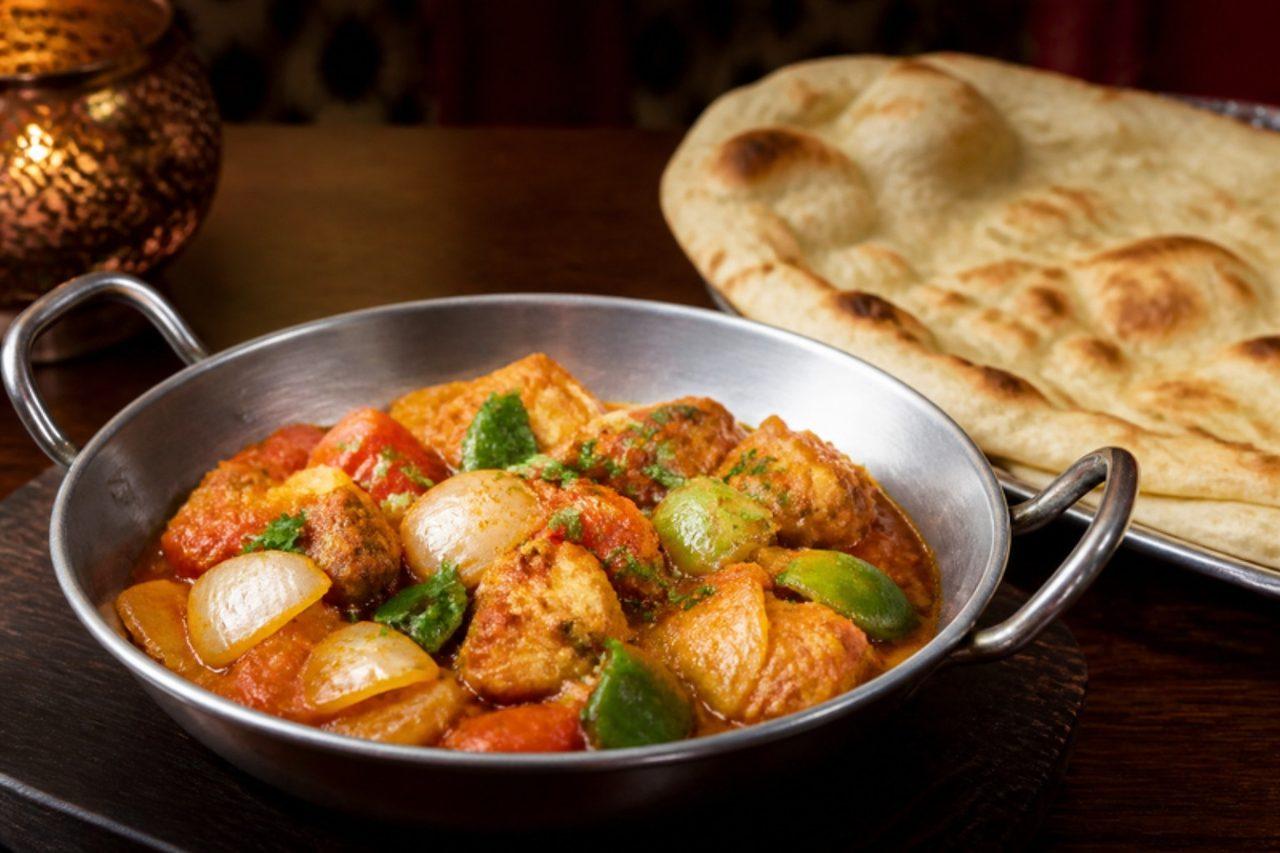
Birmingham chicken balti

The balti was born in the 1970s in the Pakistani and Kashmiri restaurants of Sparkbrook and Balsall Heath in Birmingham, an area still called the Balti Triangle. It is cooked fast in a thin steel bowl over fierce heat, so the sauce is reduced and the peppers keep some bite, and it is served sizzling in the same bowl and scooped up with a huge naan. Chef's tip: make the base sauce first and keep the final cook hot and quick; slow simmering turns it into a stew.

by KrazyBadal 0 views

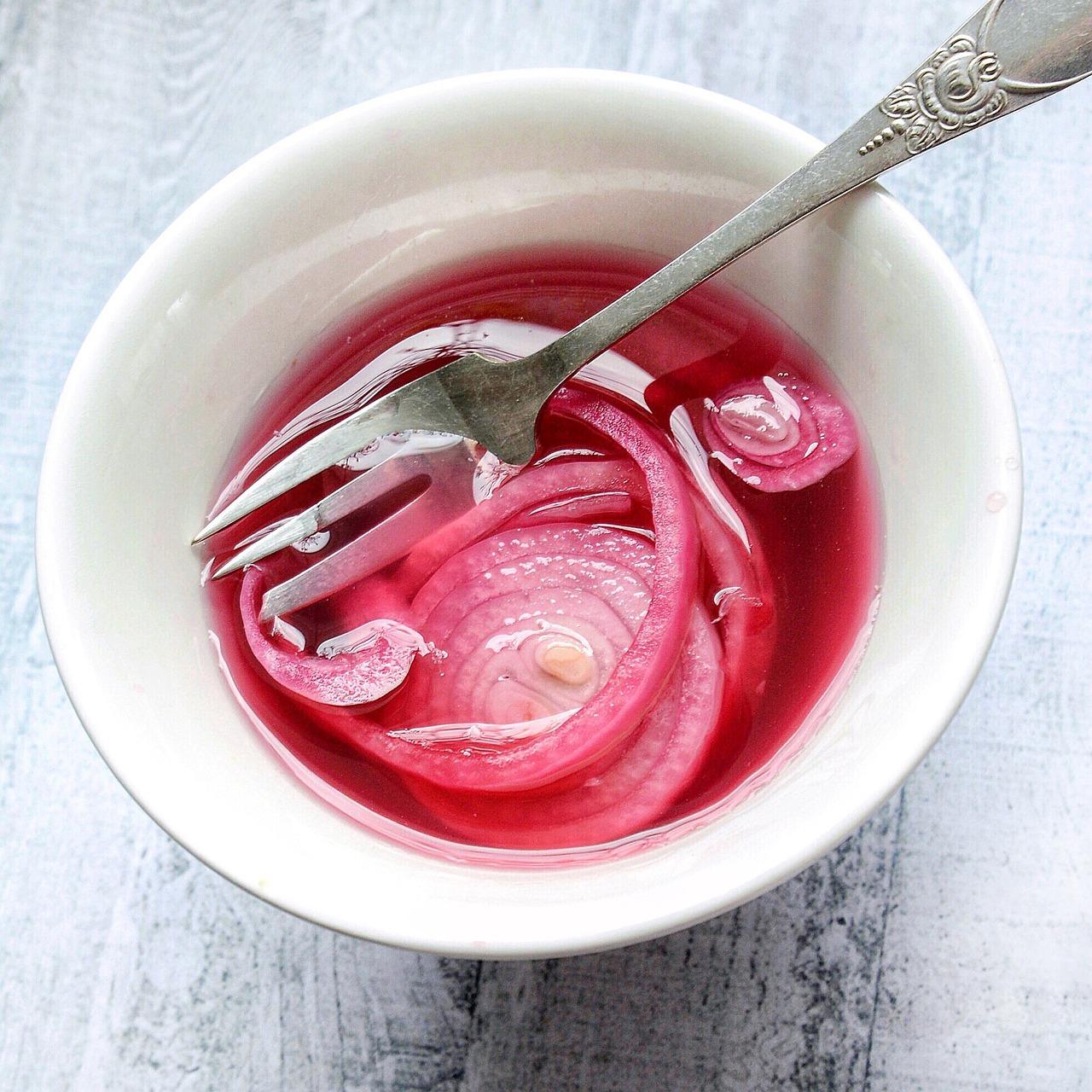
Yucatán pickled red onions

No table in Mérida is complete without a bowl of these bright pink onions. They go on almost everything in the Yucatán, from panuchos and salbutes to bean tacos, eggs and grilled vegetables, and their sharp crunch is what cuts through rich, earthy food. The traditional pickle uses naranja agria, the sour Seville-type orange that grows all over the peninsula, with a little habanero and dried oregano. Chef's tip: pour boiling water over the sliced onions for 10 seconds first; it softens their raw bite and makes them turn pink much faster.

by KrazyBadal 0 views

Akçaabat köftesiGarlicky beef meatballs

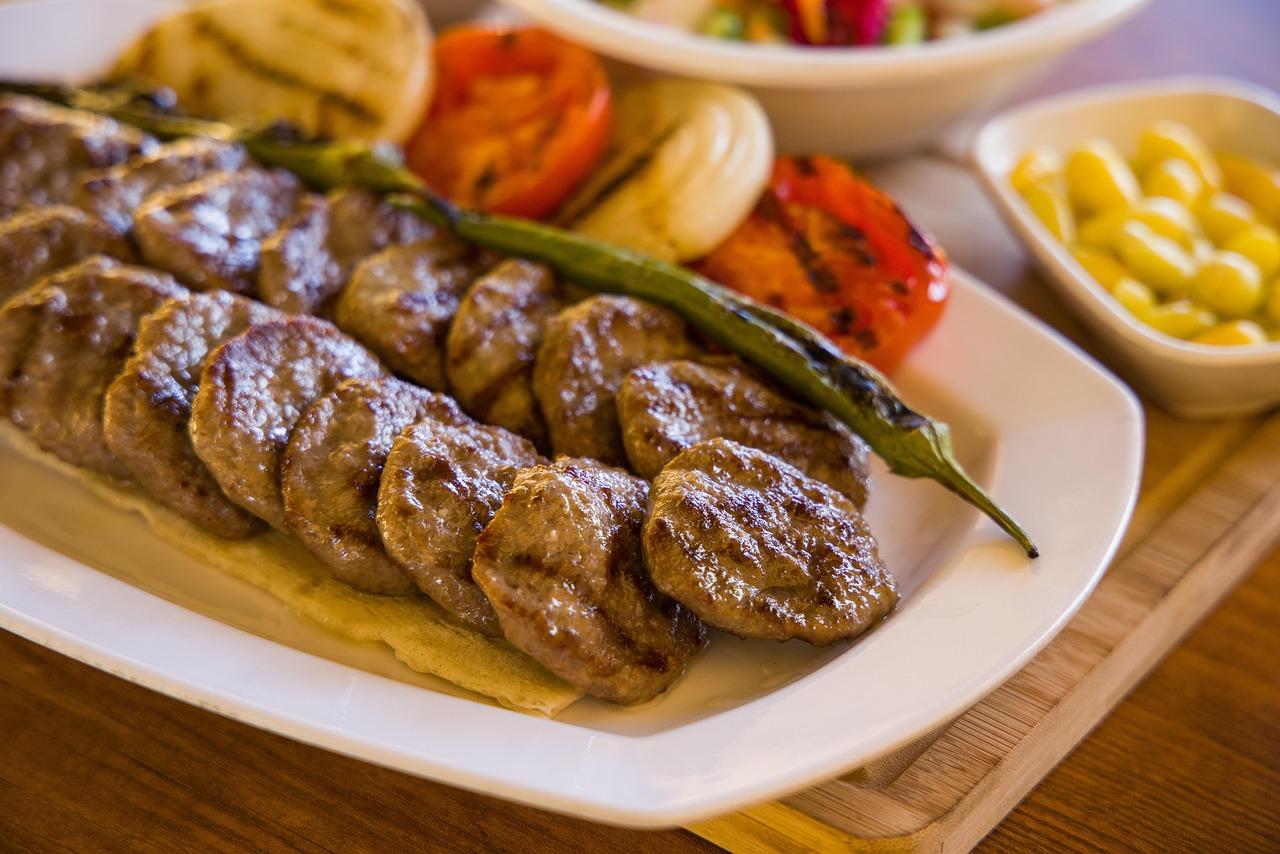
The town of Akçaabat, just west of Trabzon, is lined with köfte houses whose grills turn out small, oblong, firm meatballs that taste strongly of garlic. Made from beef mince bound with soaked stale bread, they are seared fast so the outside chars while the inside stays juicy, then served with grilled peppers, a pile of onion and parsley, and a white bean salad. Common mistake: overworking the meat with wet hands after the bread has gone in, which turns them dense; knead hard before adding bread, then mix gently. Cook until the centre reaches 71 °C. Chef's tip: rest the shaped köfte in the fridge overnight; they hold their shape on the grill and the garlic mellows into the meat.

by KrazyBadal 0 views

Cumberland sausage and mash

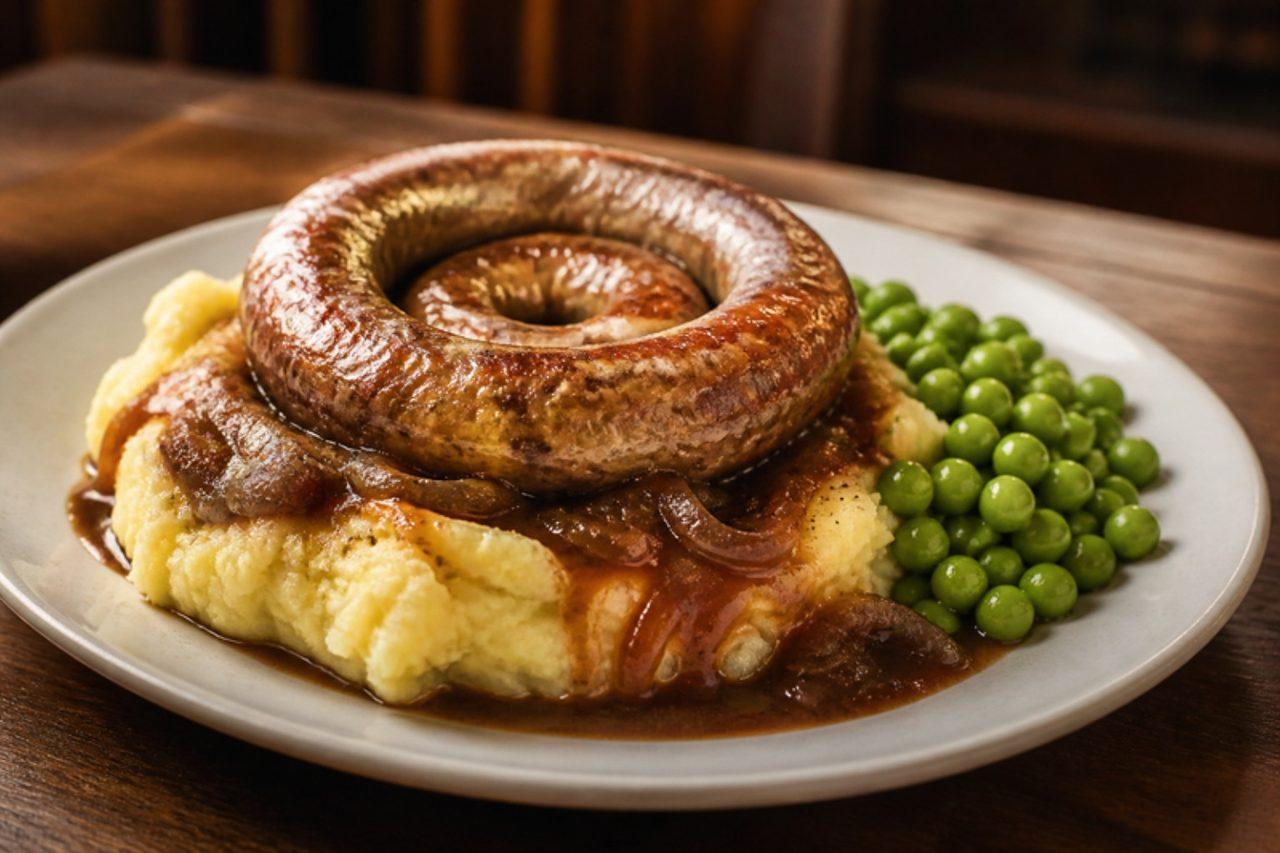
The Cumberland sausage is a long, unlinked coil of coarse, peppery pork sausage from the old county of Cumberland in the Lake District, cooked whole and cut at the table. With buttery mash and a slow onion gravy it's the pub and family supper of the North West. Chef's tip: cook the coil gently in the oven, held flat with skewers, so it doesn't split and stays juicy.

by KrazyBadal 0 views

Sudado de polloChicken stewed in its own juices

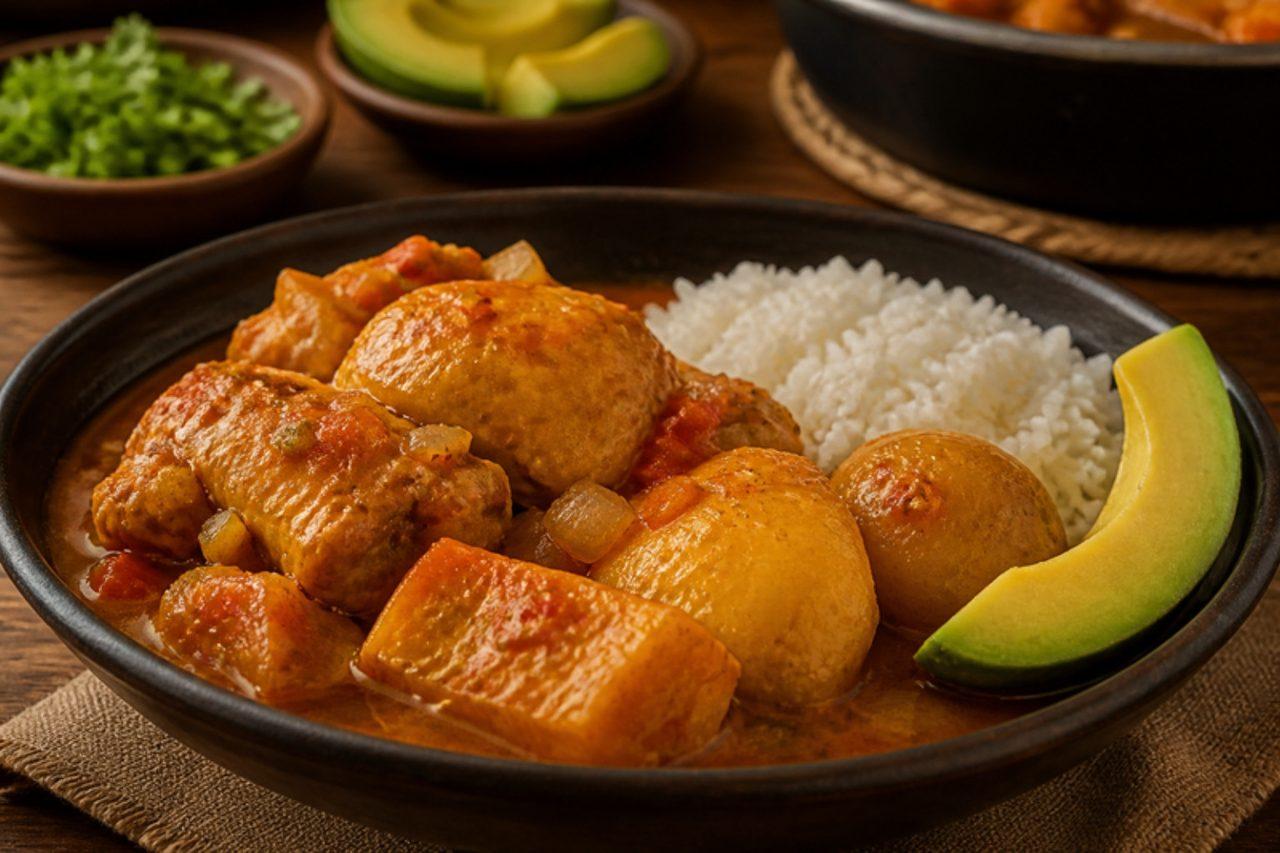
Any corrientazo (set-lunch place) in Medellín will have a sudado on the menu on weekdays, and it is just as common at home on a busy Tuesday: chicken pieces cooked in a closed pot with tomato, onion and potatoes until they release their own juices and turn into a thin, savoury, reddish sauce. No stock, no water to speak of, just patience and a tight lid. The meat goes tender and soaks up the cumin and garlic; the potatoes thicken the sauce at the end. It belongs next to white rice, a few slices of avocado and maybe a ripe plantain. The thing people get wrong is lifting the lid over and over: every look lets out the steam that does the cooking. Chef's tip: marinate the chicken with the garlic, cumin and salt in the fridge for 30 minutes to an hour first; the seasoning goes deeper and the sauce tastes richer.

by KrazyBadal 0 views

Raised pork pie

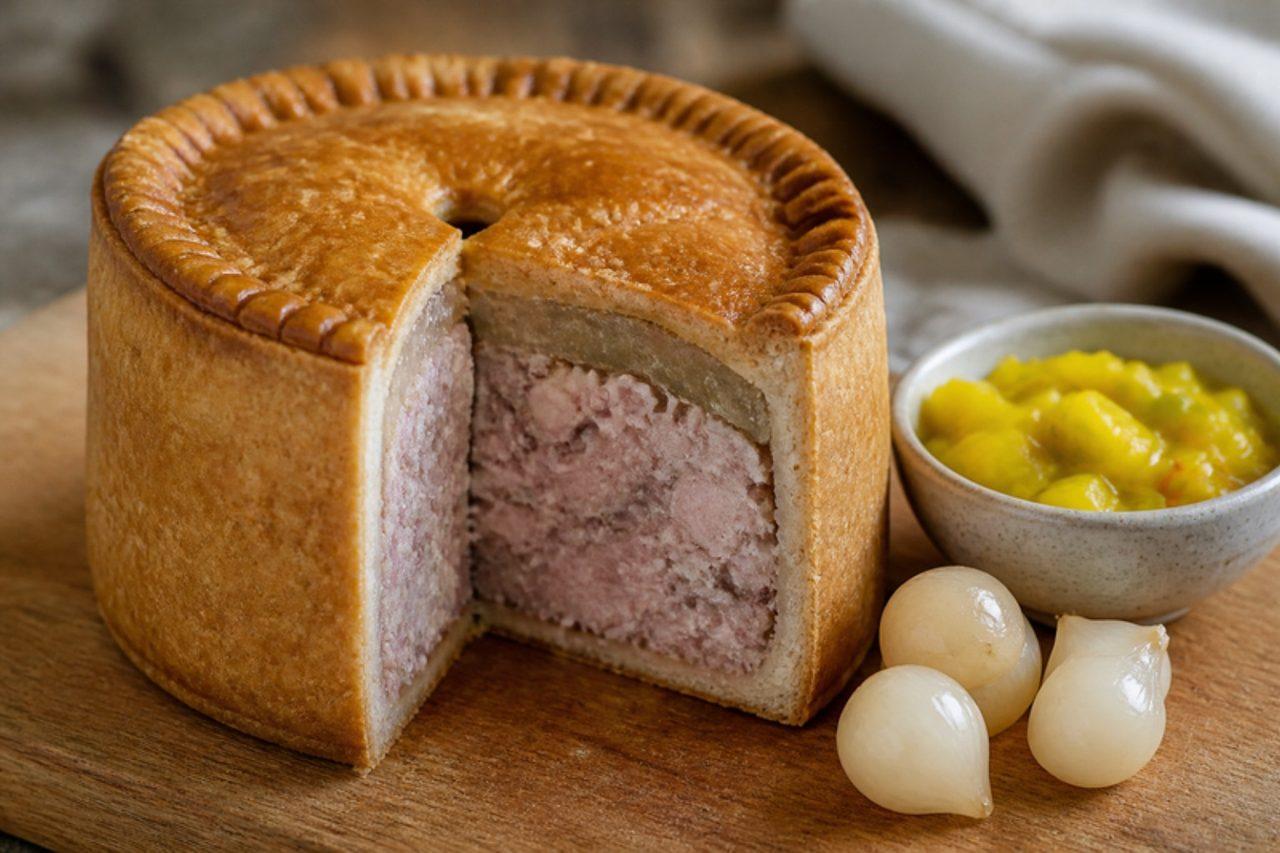
This is a raised pork pie in the style of Melton Mowbray in Leicestershire, the hunting town whose pies were carried in saddle bags; only pies made in the area may use the town's name, so this is our home version. Chopped, uncured pork shoulder and belly, peppered and spiced with mace, is packed into a crisp hot water crust made with lard, baked with bowed sides, then filled with a savoury jelly. Eat it cold with English mustard and pickle at picnics or on Boxing Day. Chef's tip: work the pastry while it is still warm; as it cools it cracks.

180 minBritishMeat
by KrazyBadal 0 views

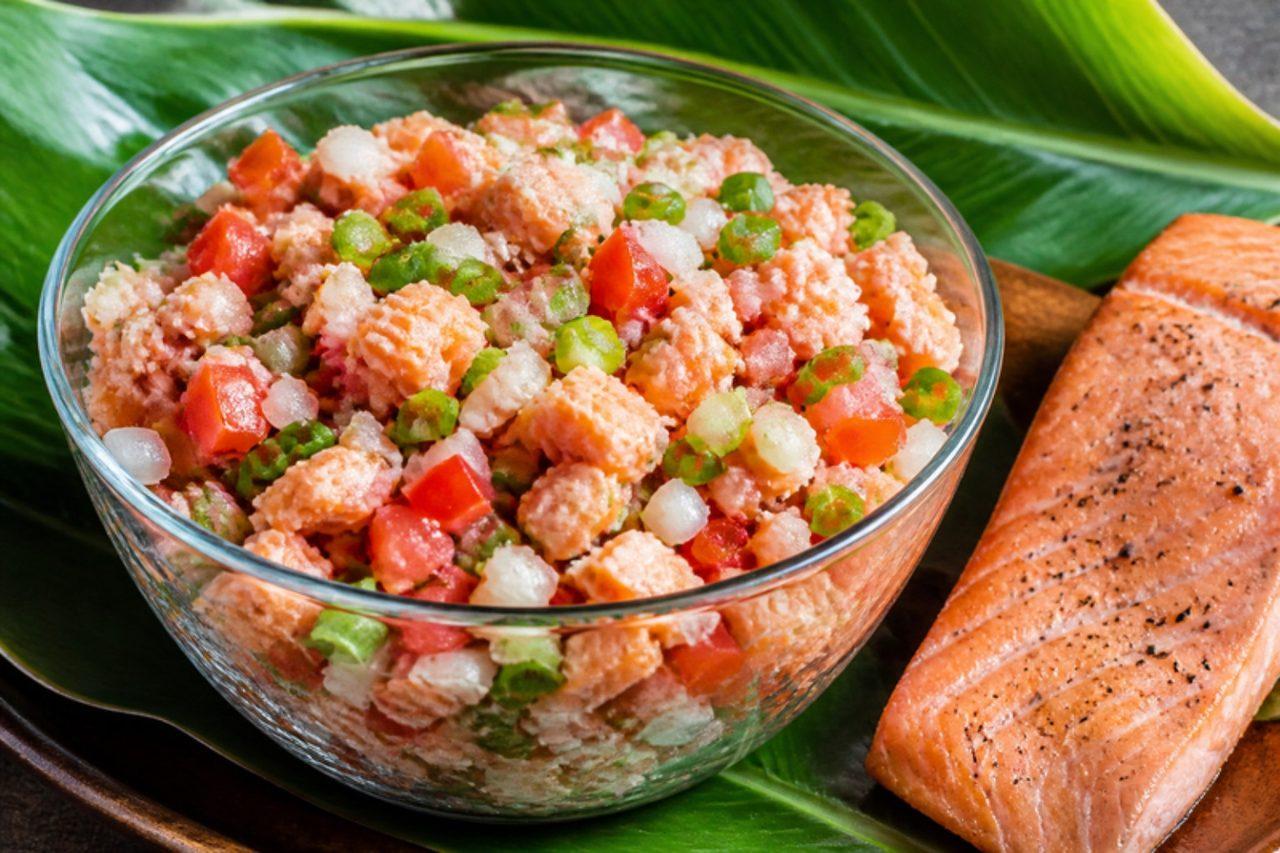
Lomi lomi salmonSalmon, tomato and onion relish

Lomi means to massage: at Hawaiian lūʻau and graduation parties, salted salmon is squeezed by hand with diced tomatoes, sweet onion and spring onions into a cold, juicy relish that cuts through rich kalua pig and poi. It arrived with salted salmon traded from the Pacific Northwest by nineteenth-century whalers. The traditional version uses raw salt-cured salmon, which is not for pregnant women, young children or anyone with a weakened immune system; this safer version gently poaches the salmon first. Chef's tip: chill everything well and drain the tomatoes, so the relish stays bright rather than watery.

by KrazyBadal 0 views

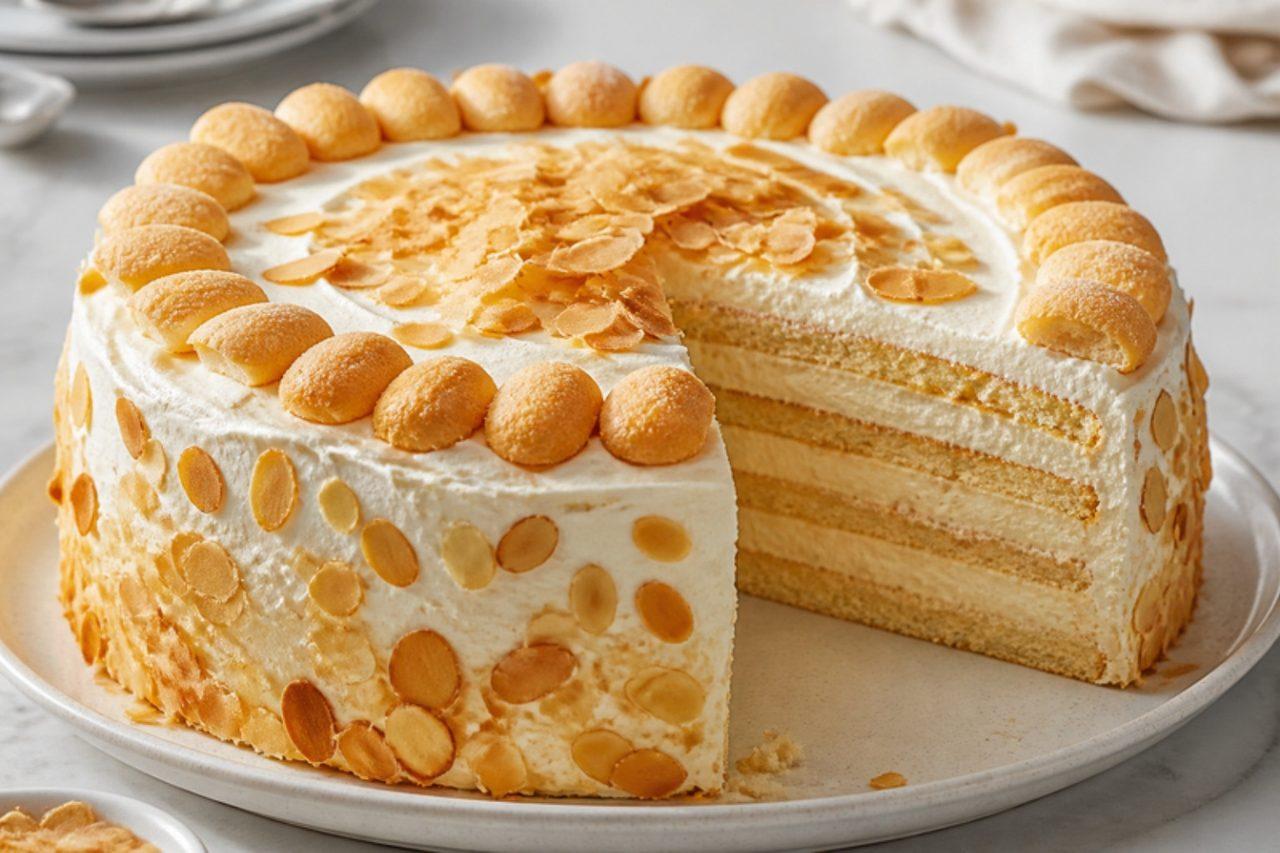
MalakofftorteNo-bake sponge finger torte

Malakofftorte is the cake Viennese families put together for name days and summer parties, because the oven stays off. Sponge fingers are dipped in milk and layered with a rich almond cream made from butter, cooked vanilla custard and whipped cream, then chilled until it slices like a soft mousse cake. In many Austrian homes the soaking milk is laced with rum or almond liqueur; this version is alcohol-free and uses vanilla milk, and you can add 2 tbsp dark rum to the milk if you want the traditional taste. A common mistake is soaking the biscuits too long, so they go soggy and the layers collapse; one quick dip is enough. Chef's tip: make it the day before; it needs at least 6 hours to set and tastes best the next day.

by KrazyBadal 0 views

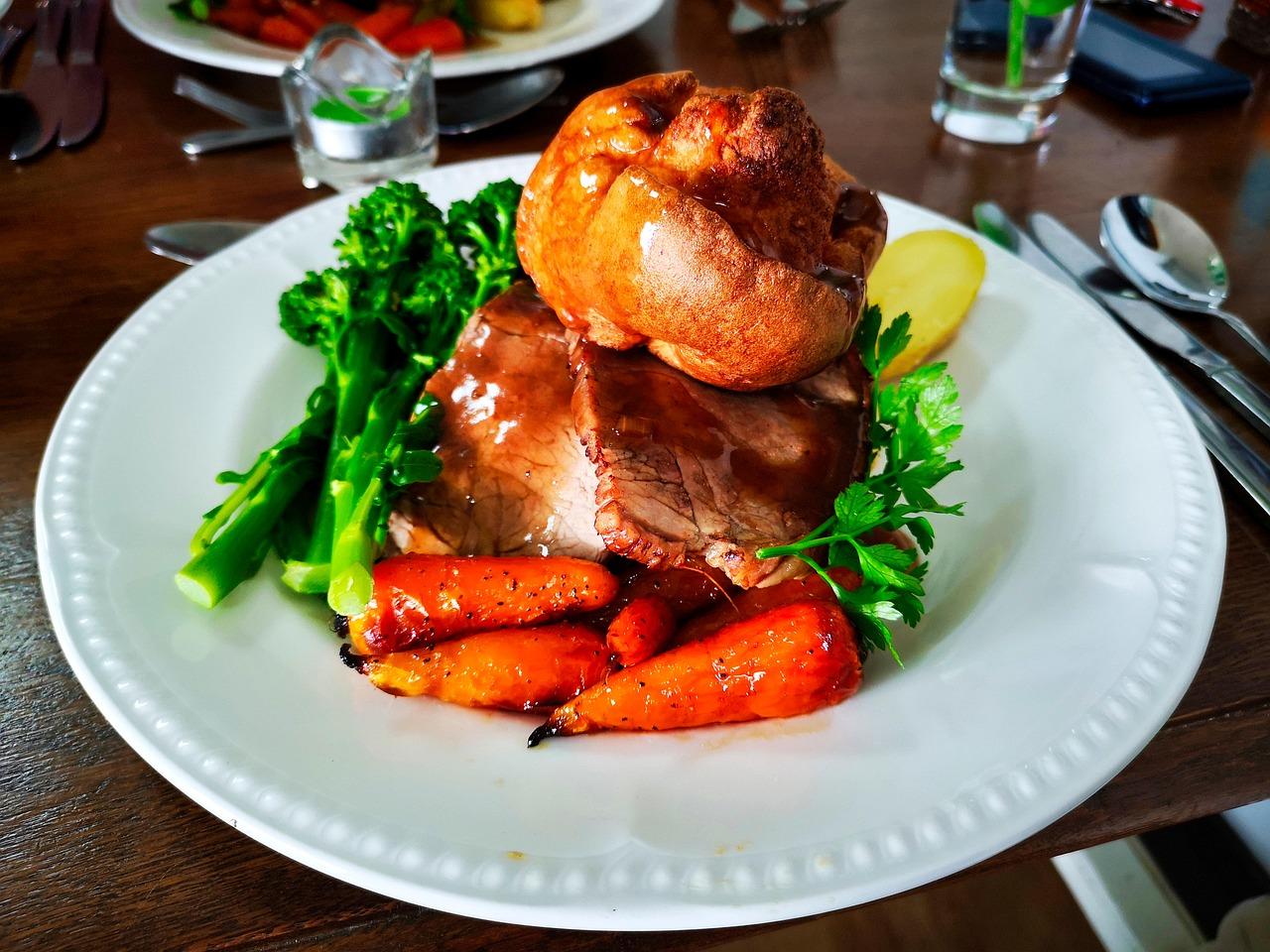
Roast beef and gravy

Roast beef is the heart of the English Sunday lunch, and in Yorkshire it comes with puddings, roast potatoes and a jug of gravy made from the pan juices. A beef joint is seared in a hot oven, then roasted more gently and rested so it slices juicy and pink, with crisp, well-seasoned edges. Serve with Yorkshire puddings, horseradish and greens. Chef's tip: rest the meat for at least 20 minutes under foil; carved straight away, its juices run all over the board.

110 minBritishMeat
by KrazyBadal 0 views

MalassadasFried yeast doughnuts

On Terça-feira Gorda, the last day before Lent, kitchens all over São Miguel smell of hot oil and sugar, as families fry malassadas to use up eggs and butter before the fast. Emigrants carried them to Hawaii and New England, but on the islands they are still a Carnival treat: irregular, puffy and light, with a crisp sugared outside. Eat them within an hour of frying. Chef's tip: stretch each piece thin in the middle with oiled fingers; it puffs up dramatically and stays airy.

by KrazyBadal 0 views

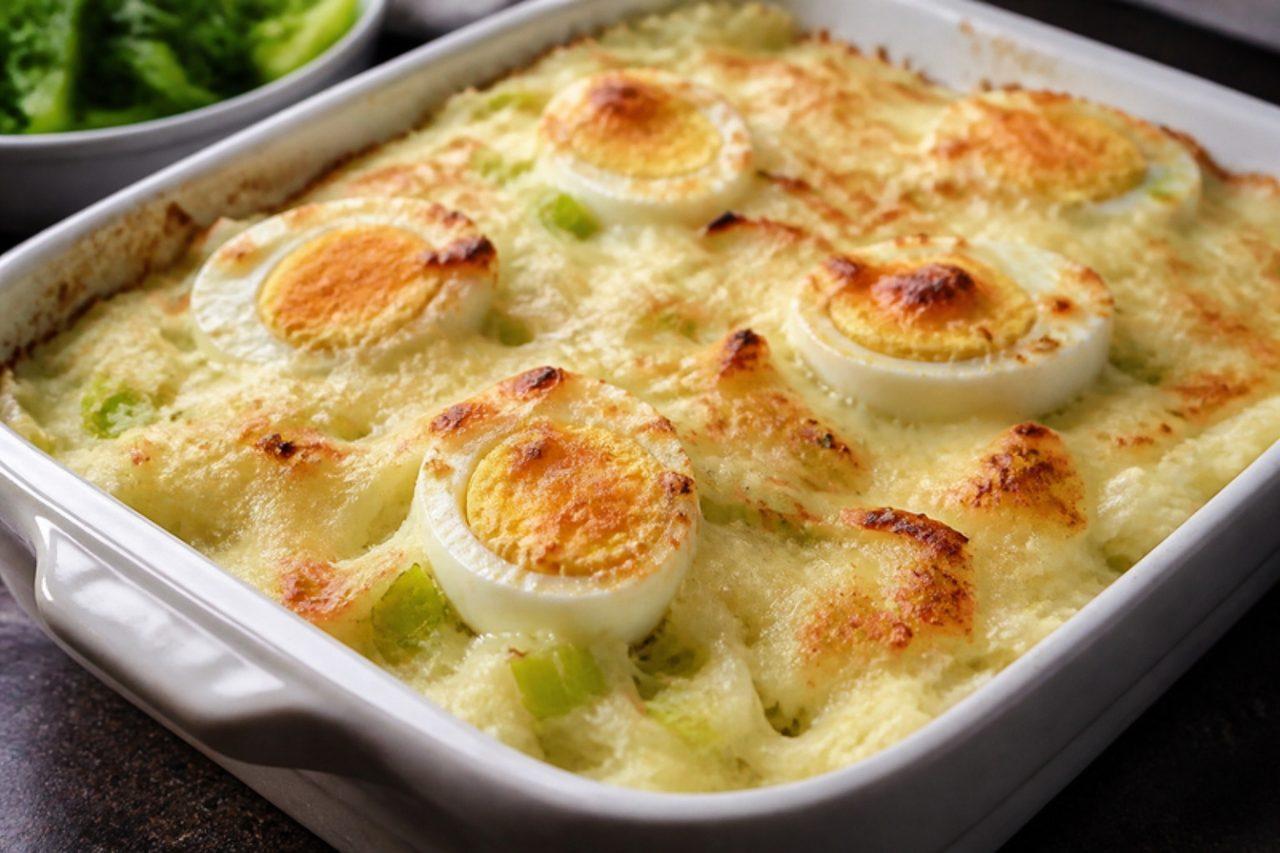
Anglesey eggs

Anglesey eggs, wyau Ynys Môn, is a farmhouse supper from the island of Anglesey off North Wales: leeky mashed potato piped round halved hard-boiled eggs, covered with cheese sauce and baked until golden. It is cheap, filling and comforting, the kind of dish made on a wet weeknight with what the farm had. Use a vegetarian hard cheese, as traditional cheddar can contain animal rennet. Chef's tip: cool the boiled eggs in cold water straight away so the yolks stay yellow without a grey ring.

by KrazyBadal 0 views

Glamorgan sausages

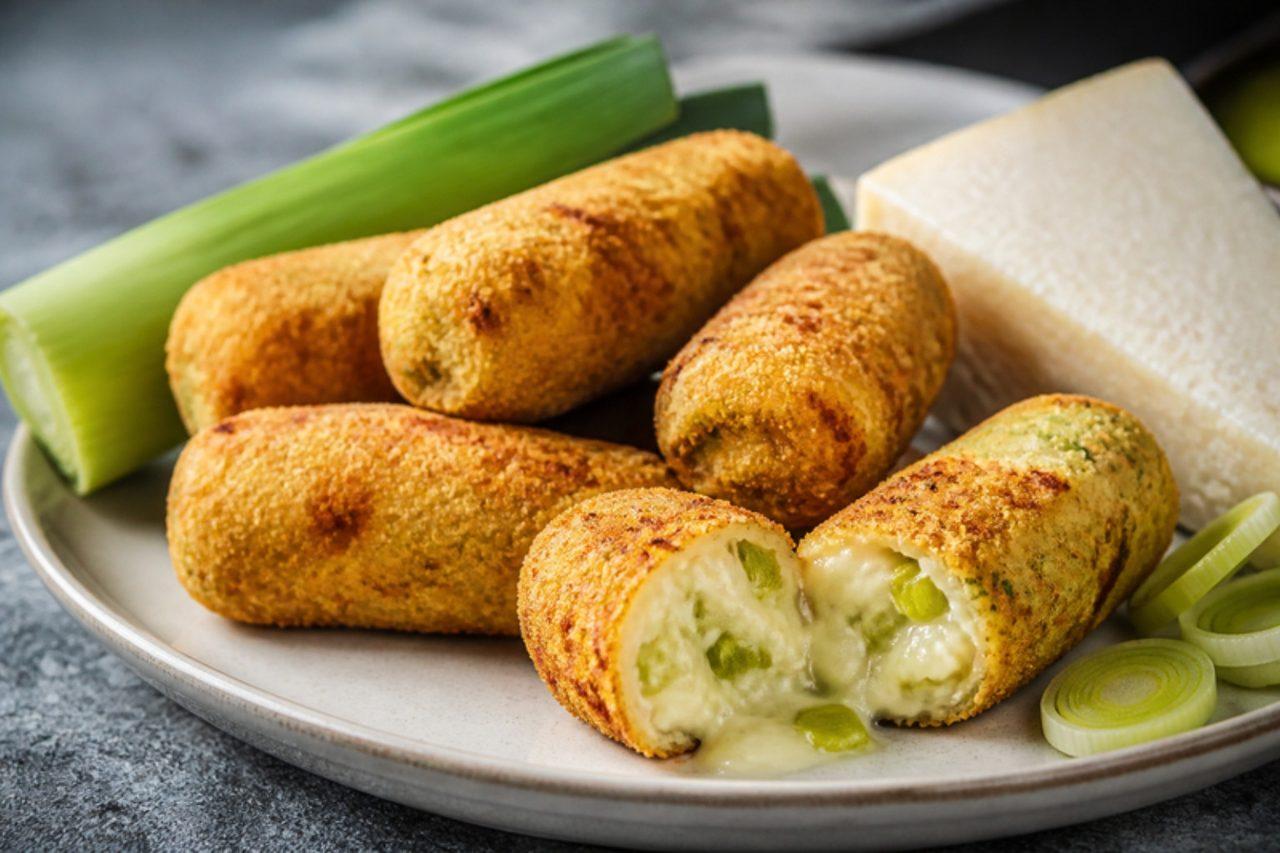
Glamorgan sausages, selsig Morgannwg, are a meat-free Welsh classic from the old county of Glamorgan in South Wales, made since at least the 1800s and praised by George Borrow on his tour of Wales. Crumbly Caerphilly cheese, leek and fresh breadcrumbs are bound with egg, rolled into sausages, crumbed and fried until crisp and golden. Traditional Caerphilly is often made with animal rennet; look for a vegetarian one. Chef's tip: chill the shaped sausages for 30 minutes before frying so they hold together.

by KrazyBadal 0 views

Lomito completoLoaded tenderloin sandwich

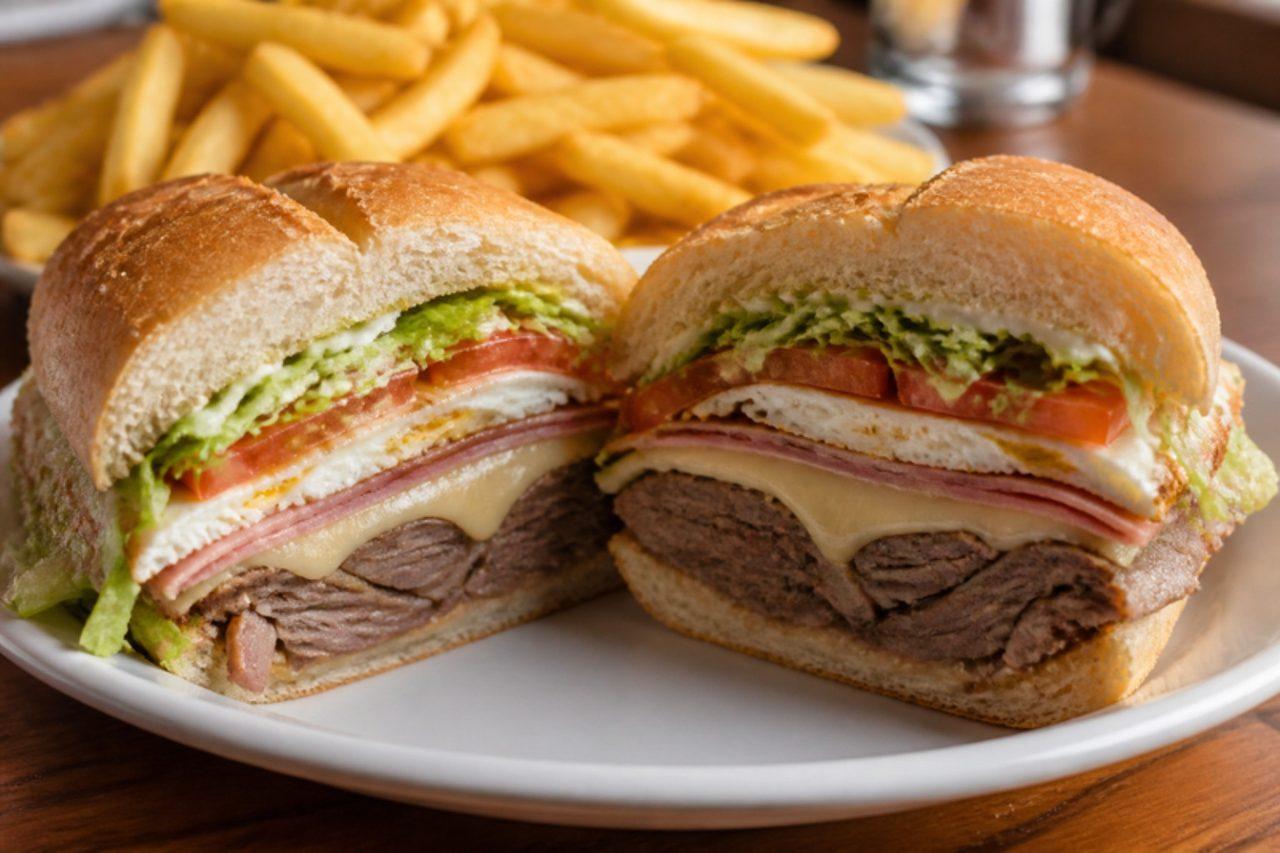
Córdoba claims the lomito as its own, and at lomiterías and late-night carts in the city it comes completo: thin, quick-seared slices of beef tenderloin piled into a big soft roll with cooked ham (pork), melting cheese, a fried egg, lettuce, tomato and mayonnaise. It is messy, juicy and filling, the classic end to a night out or a Saturday football match, usually with chips on the side. The meat is only a few millimetres thick, so it cooks in a minute; Córdoba grills cook it through, but as a whole steak you can leave it a little pink to taste. The big error is a lukewarm pan, which boils the thin beef grey instead of searing it. Chef's tip: lay the cheese on the ham in the hot pan to melt while the egg fries, so everything goes into the toasted roll hot at once.

by KrazyBadal 0 views

XnipecHabanero and sour orange salsa

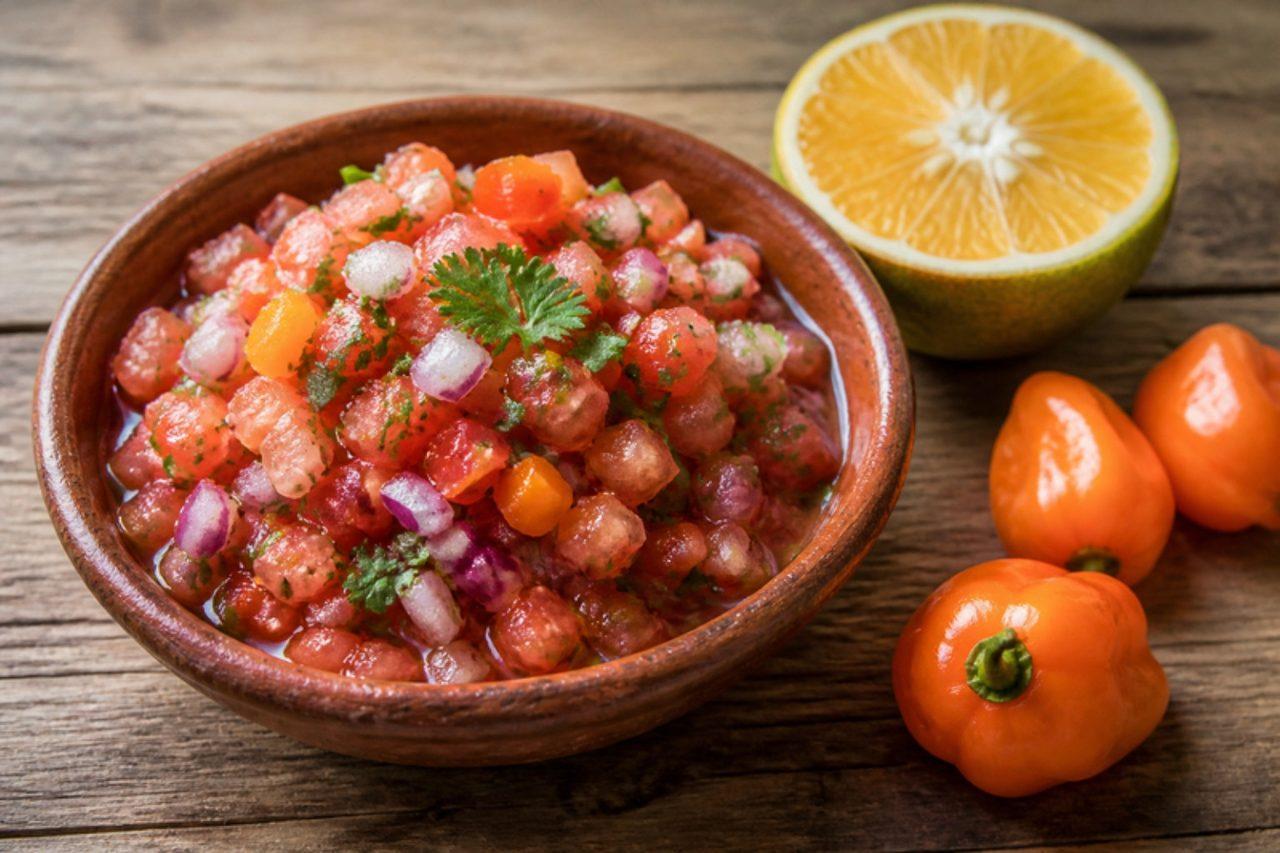
The name comes from Maya: xni' pek means 'dog's nose', because the salsa is hot enough to make your nose run and stay wet like a dog's. It is the raw table salsa of the Yucatán, made in minutes from tomato, red onion, coriander and plenty of habanero, all soaked in sour orange juice. In Mérida it is spooned over black-bean dishes, eggs and rice, and it brightens anything rich. It is best on the day it is made. Chef's tip: chop everything by hand into small, even dice; a blender makes it watery and the habanero turns bitter.

by KrazyBadal 0 views

MeghliSpiced rice pudding

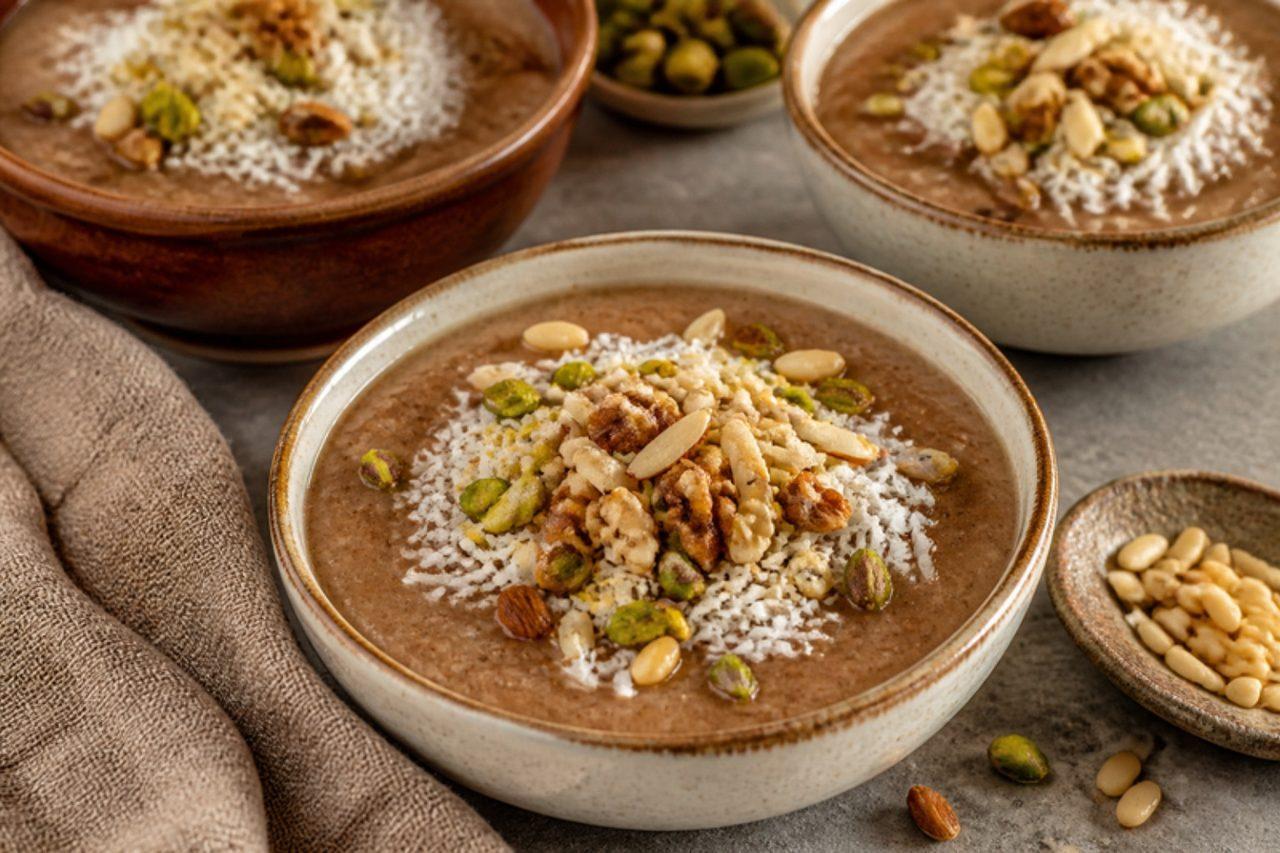
When a baby is born in Lebanon, the family cooks a big pot of meghli and hands out bowls to every visitor who comes to congratulate them; it also appears at Christmas in Christian homes. Ground rice is simmered with sugar and warm spices — caraway, cinnamon and anise — until it sets into a smooth, cocoa-brown pudding with no milk or eggs at all. Each bowl is topped with desiccated coconut and a generous pile of soaked walnuts, almonds, pistachios and pine nuts. Common mistake: walking away from the pot; ground rice catches and lumps fast, so it needs steady stirring. Chef's tip: soak the nuts in cold water overnight and peel the almonds; they turn plump and crisp, which is the hallmark of a good meghli.

by KrazyBadal 0 views

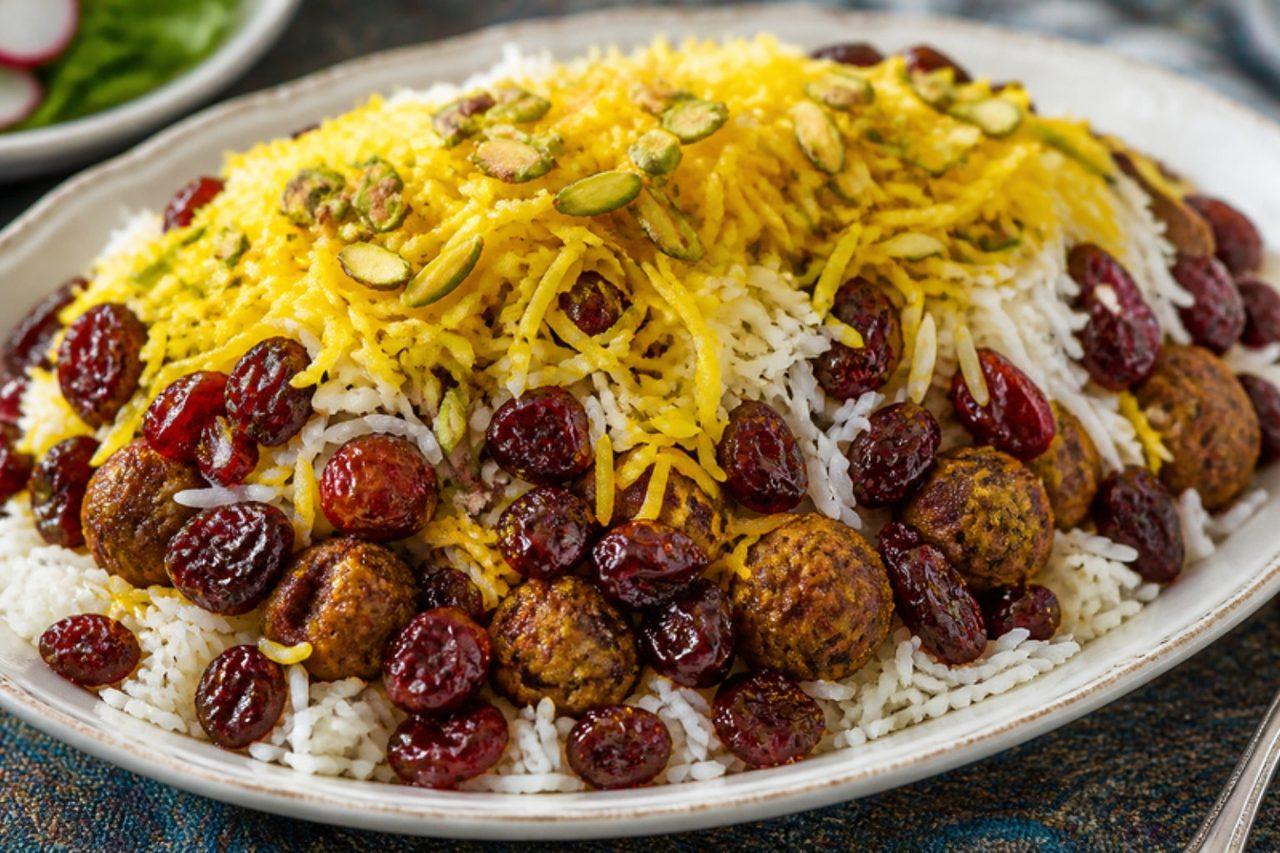
Albaloo poloSour cherry rice with meatballs

In early summer the markets of Tehran fill with dark sour cherries, and many families cook a pot of albaloo polo the same week, also bringing it out for weddings and Yalda night because the red-and-gold rice looks so festive. The cherries are simmered into a glossy syrup, then layered through basmati with marble-sized lamb meatballs (some cooks use shredded chicken instead), and the whole pot is steamed until the rice turns pink and fragrant. The taste is sweet, sharp and savoury at once. A common mistake is pouring in all the syrup; it makes the rice soggy, so keep some back to drizzle at the table. Chef's tip: frozen or jarred pitted sour cherries in light syrup work well out of season; drain them and use half the sugar.

by KrazyBadal 0 views

Smen (salted, herbed butter)

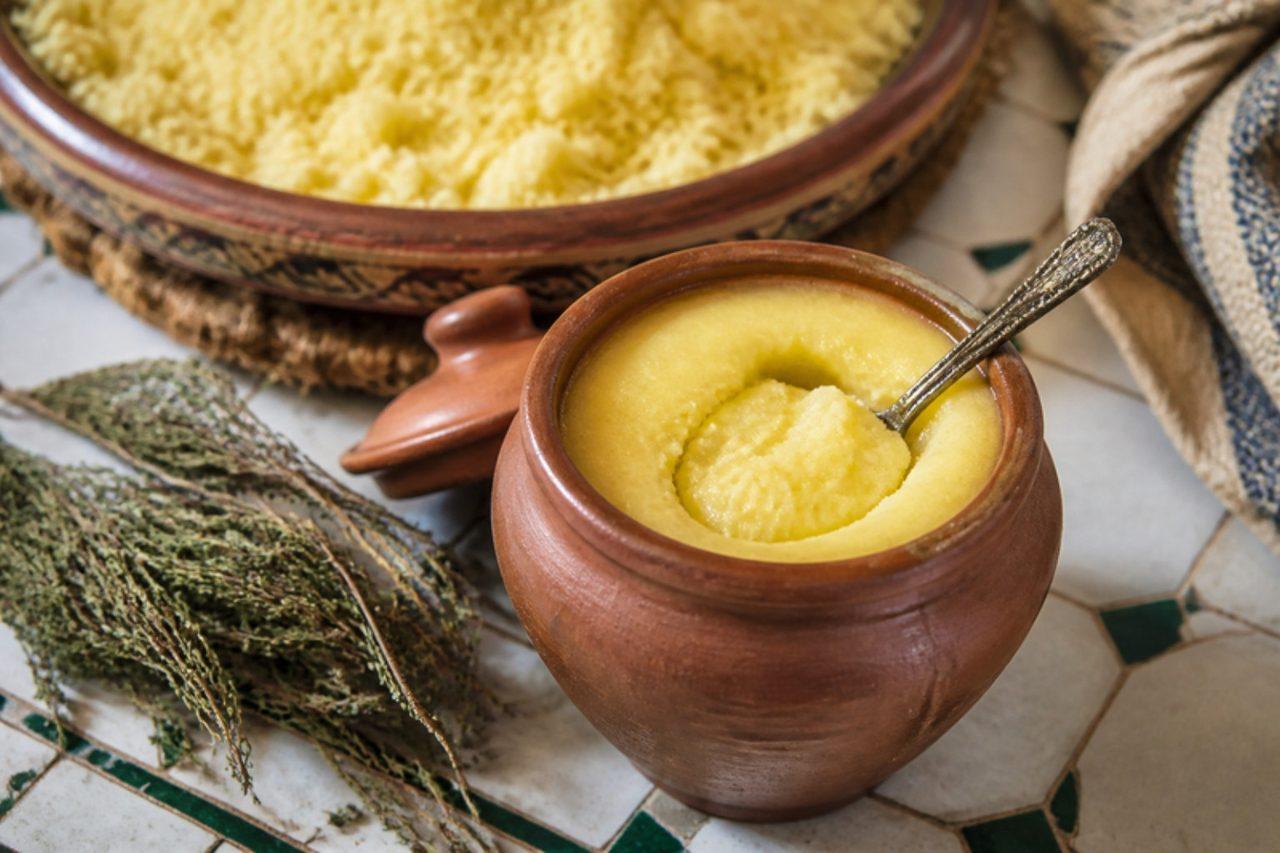
Atlas households once kept jars of smen for months, even years, until the salted butter developed a pungent, almost blue-cheese aroma; a spoonful stirred into couscous, harira or a chicken tagine gives a depth nothing else can. Long ageing at room temperature is risky at home, so this is a safer fridge version: pasteurised unsalted butter is simmered with dried za'atar or oregano, strained, salted and then matured in the fridge for 2–4 weeks, which gives a mellow, nutty, faintly tangy smen rather than the fiercely strong old kind. For the real long-aged flavour, buy smen from a reputable shop. Use it a teaspoon at a time; it is meant as a seasoning, not a cooking fat. The mistake to avoid is leaving any milk solids or water in the butter, as that is what turns it rancid or mouldy rather than pleasantly aged. Chef's tip: strain it through muslin until perfectly clear; any milky bits left in the jar are what turn butter rancid.

by KrazyBadal 0 views

AlboroníaAubergine, pumpkin and pepper stew

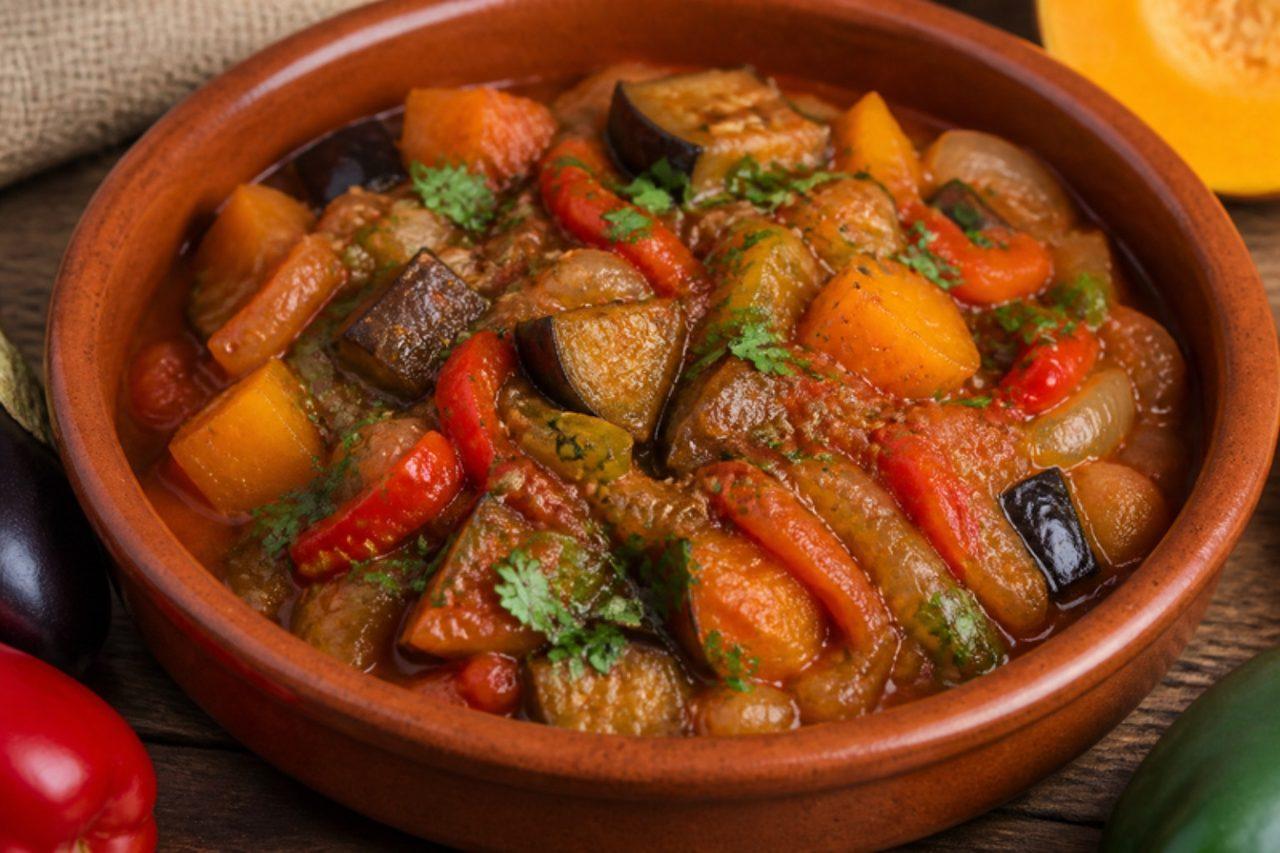
Alboronía is one of the oldest dishes in Andalusia; its name comes from the Arabic of al-Andalus, and cooks in Córdoba, Jaén and the villages of the Sierra Morena still make it in late summer, when aubergines, peppers and the first pumpkins share the market stalls. The vegetables cook down slowly with cumin, paprika and a little vinegar until they melt together into something between a stew and a jam-like sauté. Eat it warm with bread, or cold the next day as a tapa. A common mistake is stirring the pumpkin too often, which mashes it into the sauce instead of leaving soft chunks. Chef's tip: let the pumpkin go in only after the onion and peppers are soft, so it holds a few pieces among the purée instead of disappearing.

by KrazyBadal 0 views

Alcachofas a la montillanaArtichokes braised in wine with mint

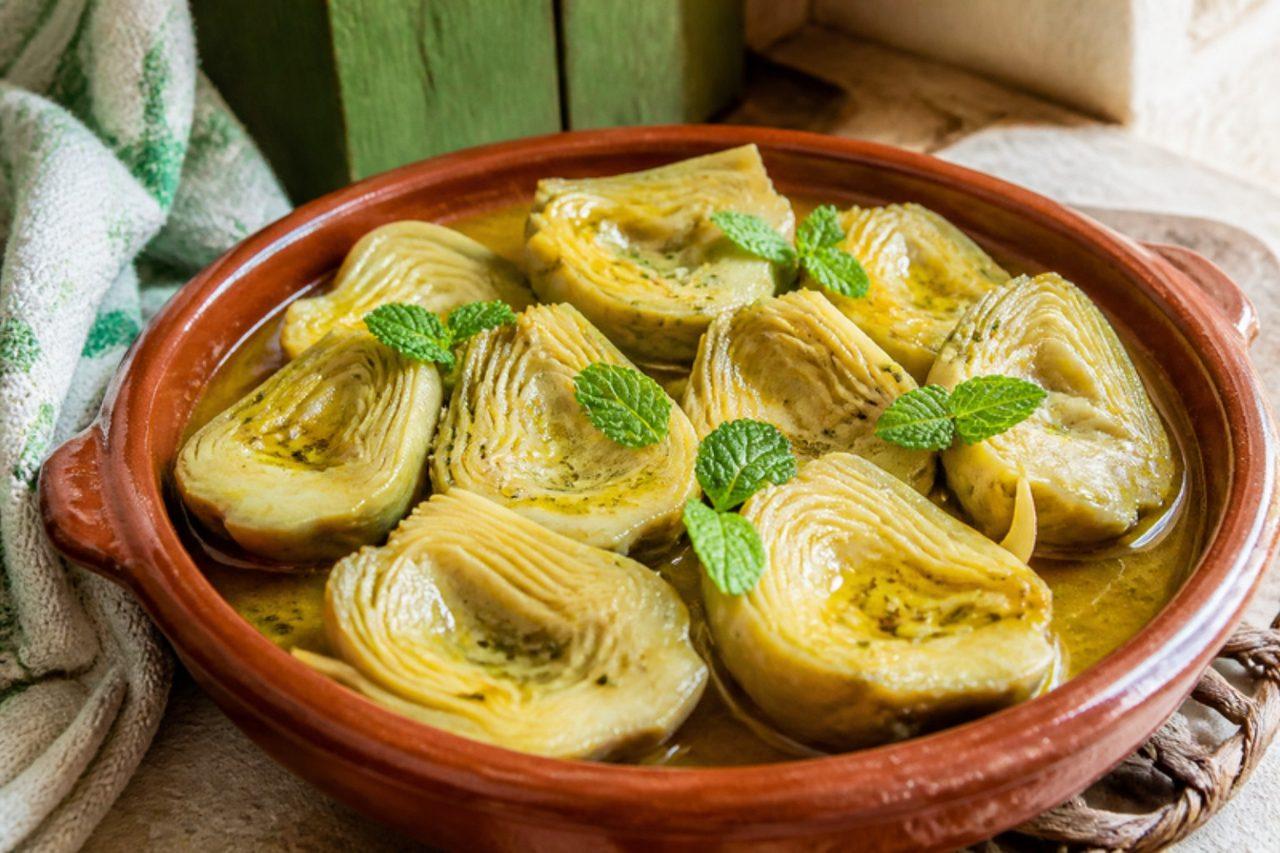
Montilla, south of Córdoba, makes a pale, dry wine from sun-dried Pedro Ximénez grapes, and in late winter and spring its kitchens braise young artichokes in it with a little saffron and fresh mint. Many cooks add cubes of cured ham; this version leaves it out and lets the artichokes, wine and mint carry the dish. It uses wine; the alcohol-free option is in the ingredient list. Serve it as a starter, or as a main with bread and a fried egg. A common mistake is trimming the artichokes without dropping them straight into lemon water, so they turn black before they reach the pan. Chef's tip: drop each trimmed artichoke straight into lemon water, because cut artichokes blacken within a minute in the air.

by KrazyBadal 0 views

Alcatra da TerceiraBeef pot roast in wine

Alcatra is the feast dish of Terceira, cooked for the Holy Spirit festivals of spring and summer in unglazed clay pots that go into the bread oven after the loaves come out. Big pieces of beef braise for hours in wine with onions, bacon, allspice and bay, until the meat falls apart and the sauce turns dark and spiced. It is served with slices of massa sovada to soak up every drop. This contains pork (streaky bacon) and uses red wine; for an alcohol-free version, use the same amount of beef stock with 2 tablespoons of red wine vinegar. Chef's tip: crush the allspice just before using; whole berries give the sauce its warm, clove-like scent.

by KrazyBadal 0 views

AlevropitaCrisp batter pie with feta

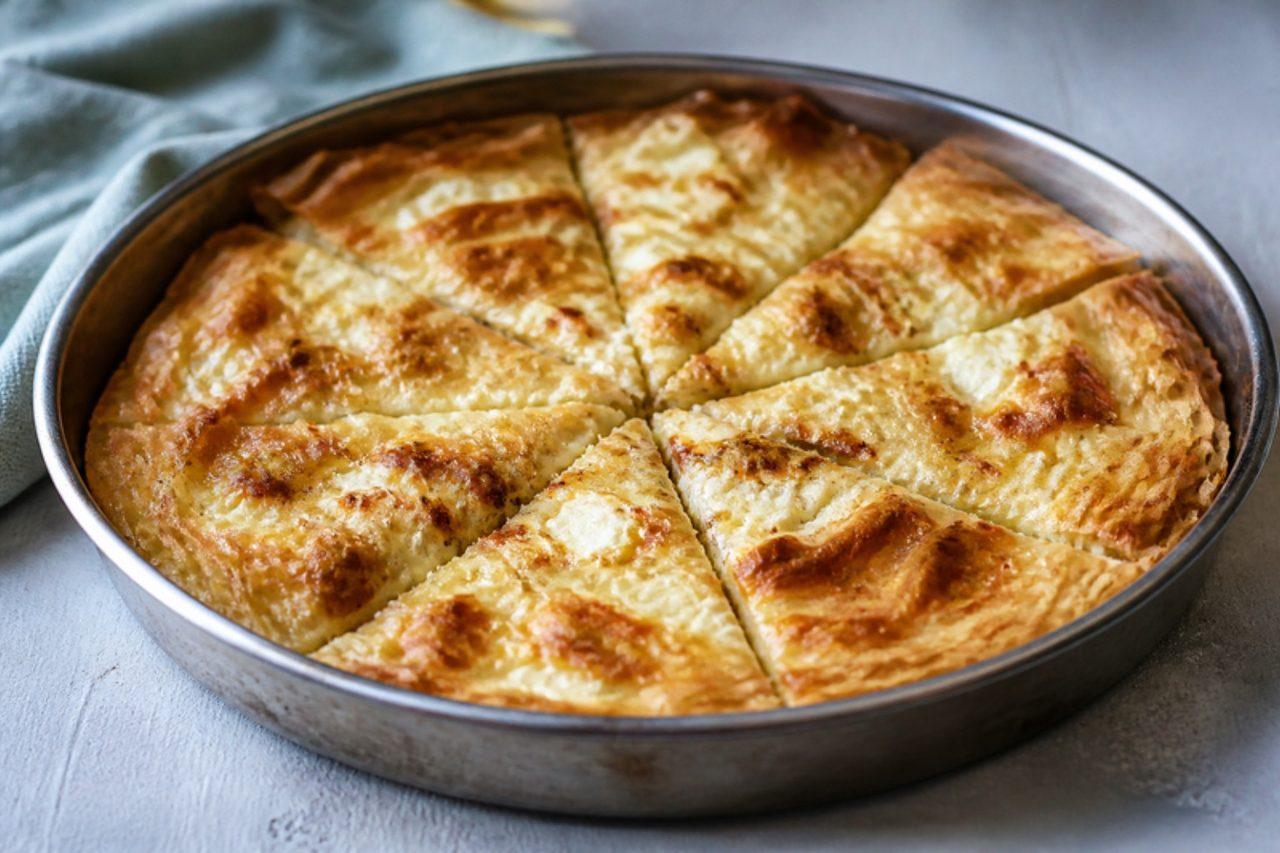
Shepherd families in the stone villages of Zagori, north of Ioannina, made alevropita when there was no time to roll pastry: a runny flour batter poured over sizzling oil in a very hot tin, dotted with feta and baked until crisp and lacy at the edges. It's now on every taverna table in Epirus, cut into rough squares and eaten warm with a bowl of thick yoghurt or a tomato salad. Feta is usually made with animal rennet; use a vegetarian feta-style cheese if you need to. Common mistake: pouring the batter into a cold tin — the oil must be smoking-hot, or the pie turns heavy instead of crunchy. Chef's tip: use a wide, shallow metal tray so the batter is only about 5 mm deep.

by KrazyBadal 0 views

Alfajor cordobésJam sandwich cakes with sugar glaze

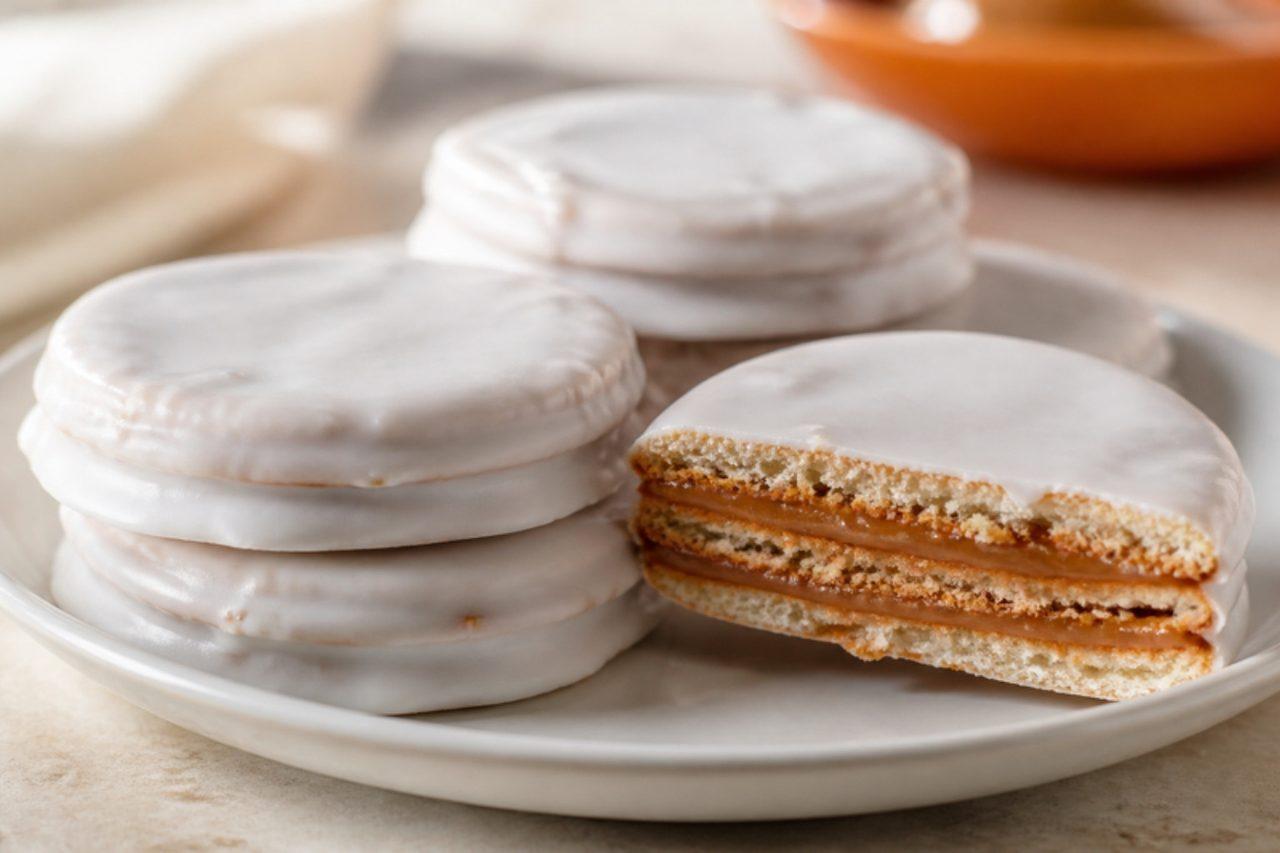
Córdoba's version of the alfajor is the soft one: two tender, slightly spongy honey-scented rounds sandwiched with fruit jam, usually quince or mixed fruit, and coated in a thin sugar glaze that dries to a crackly white shell. They are sold by the dozen in the sierras towns of Villa General Belgrano, La Falda and Capilla del Monte, where tourists buy boxes on the way home from holidays. Expect a gentle crunch, a cakey bite and a tart-sweet centre, best with a cup of coffee or mate. Overworking the dough is where they usually go wrong: knead it like bread and the rounds bake tough and flat, so mix only until it comes together. Quince paste (dulce de membrillo) loosened with water works well if you can't find a soft quince jam. Chef's tip: dry the glazed alfajores for 5 minutes in a barely warm oven; the glaze sets glassy and crackles when you bite.

by KrazyBadal 0 views

Alfajor santafesinoPastry discs with dulce de leche

Santa Fe's alfajor is a different animal from the soft cornflour kind sold everywhere else: three wafer-thin, crackly discs of yolk-rich pastry, stacked with dulce de leche, then dipped in a cooked sugar glaze that sets hard, white and shiny. Bakeries in Santa Fe city and along the Paraná river ship them all over the country in boxes, and travellers bring them home as the regional present. Bite through and the glaze shatters, the pastry flakes and the dulce de leche holds it all together. Thick pastry is the mistake that ruins the texture; it has to be rolled until you can almost see the worktop through it, or the alfajor turns bready. Some old recipes add a splash of cane spirit to the dough; this version uses only water and is alcohol-free. Use a thick, pastry-chef's dulce de leche (repostero) so it doesn't ooze. Chef's tip: bake the discs in batches and keep the rest of the dough covered; it dries out fast and then cracks when rolled.

by KrazyBadal 0 views

Chorizo santarrosanoThin garlicky pork sausages

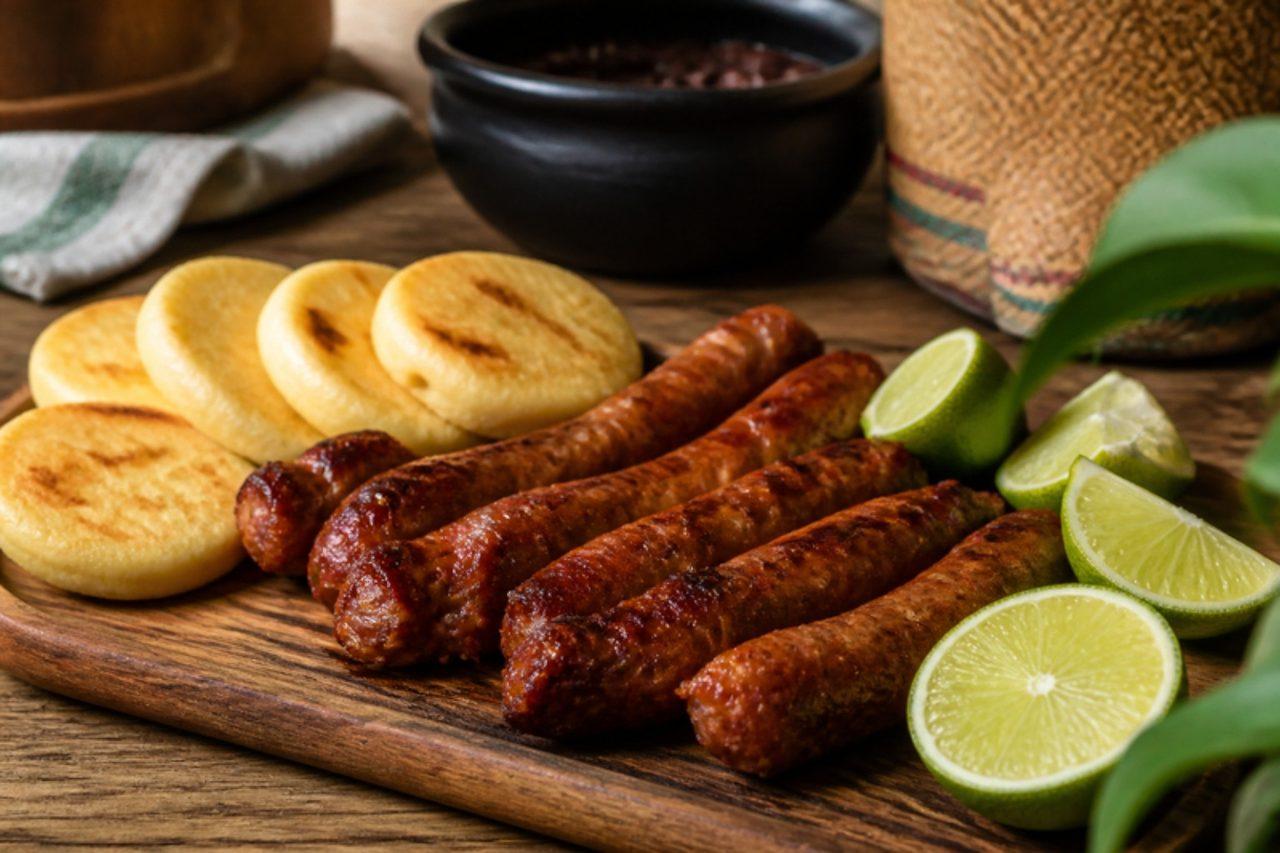
Santa Rosa de Cabal, on the road to the hot springs in Risaralda, is lined with grills where thin, tightly linked pork chorizos sizzle over charcoal and are sold with a small white arepa and half a lime. They are leaner and finer than Spanish chorizo, with no paprika: just pork, a little fat, spring onion, garlic, cumin and a touch of coriander, so they taste fresh and herby, with a smoky edge from the coals. Squeeze over the lime, wrap a piece in the arepa and eat it standing up. Making them at home needs natural casings and a sausage stuffer or a piping bag, and a night in the fridge for the flavours to settle. Overstuffing is the classic problem: tight casings burst on the grill, so fill them firmly but leave a little give. Chef's tip: keep the meat and fat very cold, even half-frozen, while you mince and mix; warm fat smears and the sausages turn crumbly instead of juicy.

by KrazyBadal 0 views

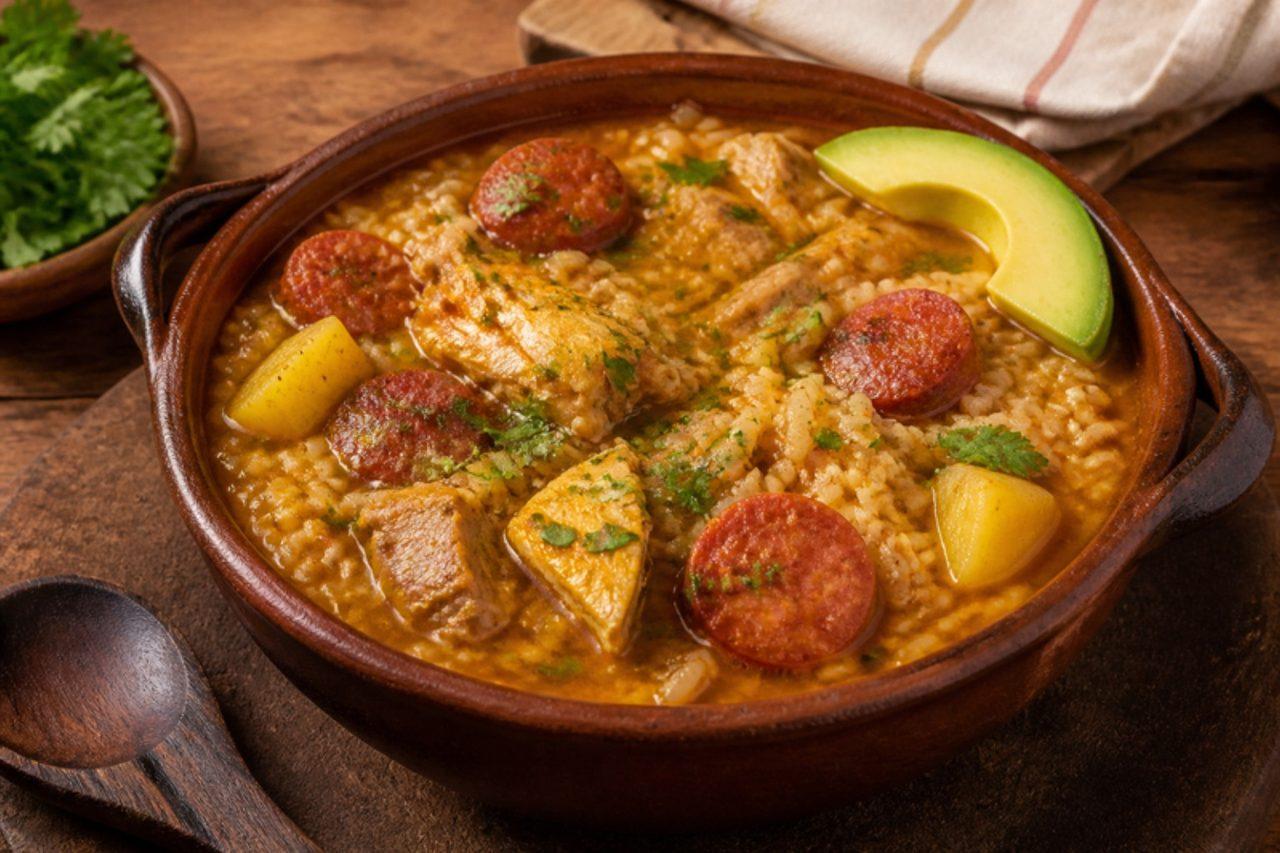
Arroz atolladoSoupy rice with chicken and pork

Cali's cooks say the rice should be 'atollado', stuck in the mud: wet, creamy and spoonable, somewhere between a risotto and a thick soup. It is the Valle del Cauca's Sunday and paseo dish, cooked in a big pot by the river or for a crowd at home, with chicken, pork, Colombian chorizo and two kinds of potato all simmered into the rice, the whole thing coloured orange-gold with achiote. The papa criolla melts and gives the body; the meats give a deep, porky savour. Serve it straight from the pot with ripe avocado, fried plantain and a squeeze of lime, and don't wait: it keeps thickening as it stands. People often rinse the rice or use long-grain, which gives separate grains; medium-grain, unrinsed, keeps it creamy. Chef's tip: hold back a ladle of hot stock and stir it in just before serving to bring the rice back to that loose, muddy consistency.

by KrazyBadal 0 views

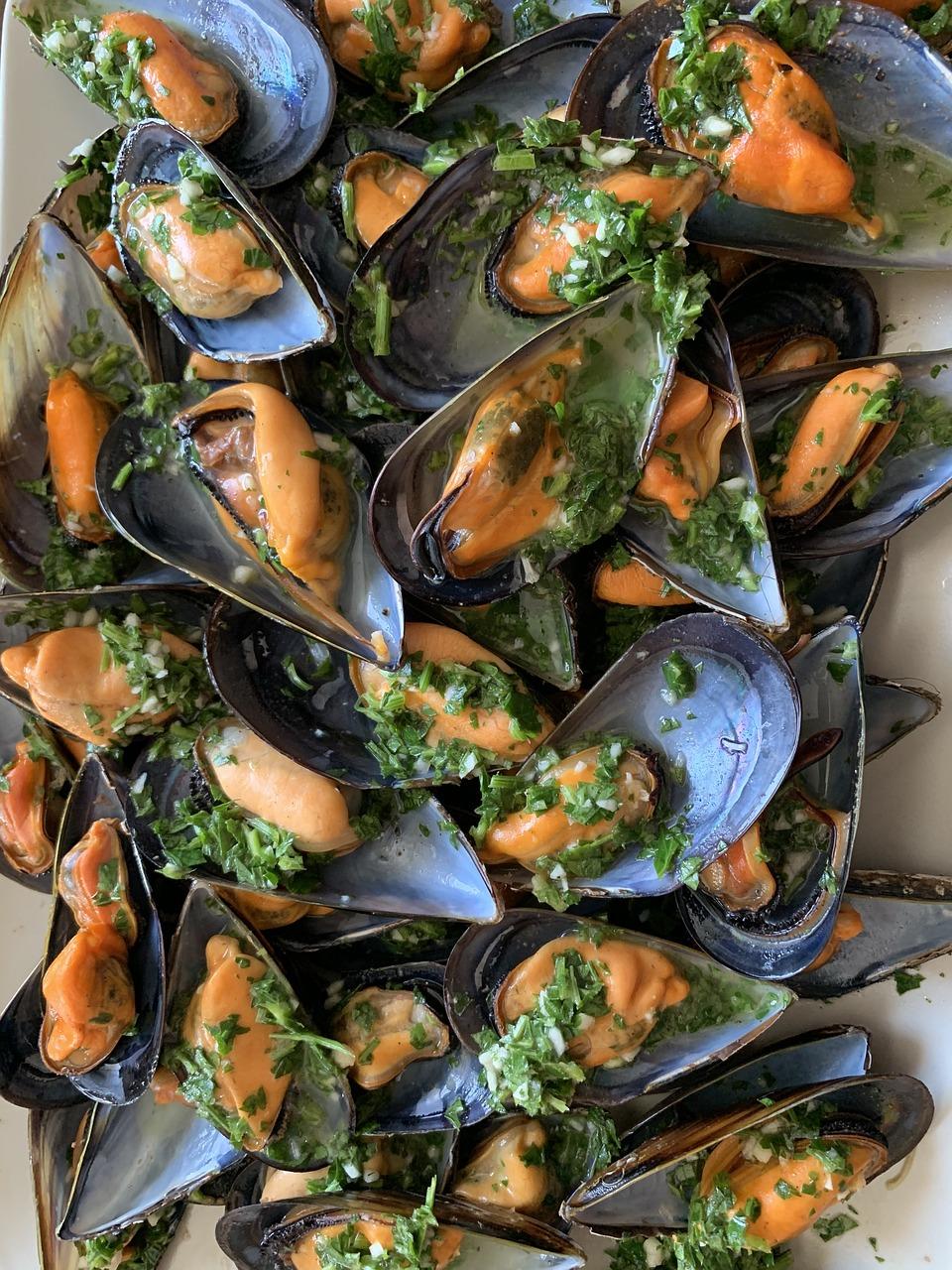
Mejillones a la provenzalMussels with garlic and parsley

On the Atlantic coast around Puerto Madryn and the Golfo Nuevo, mussels from cold Patagonian waters are farmed and gathered in quantity, and seafood places along the rambla steam them a la provenzal, which in Argentina means lots of garlic and parsley. A splash of dry white wine goes into the pot; the alcohol mostly cooks off, but you can swap it for fish stock with a little lemon for an alcohol-free pot that tastes just as good. Serve with bread or chips to mop up the briny juices. Cooking mussels too long is the usual slip: they shrink and turn rubbery, so lift the lid as soon as most have opened. Before cooking, throw away any mussel with a broken shell or one that stays open when tapped; after cooking, discard any that stay shut. Chef's tip: keep the garlic in gently warm oil until it just smells sweet; brown garlic turns bitter and dominates the mussels.

by KrazyBadal 0 views

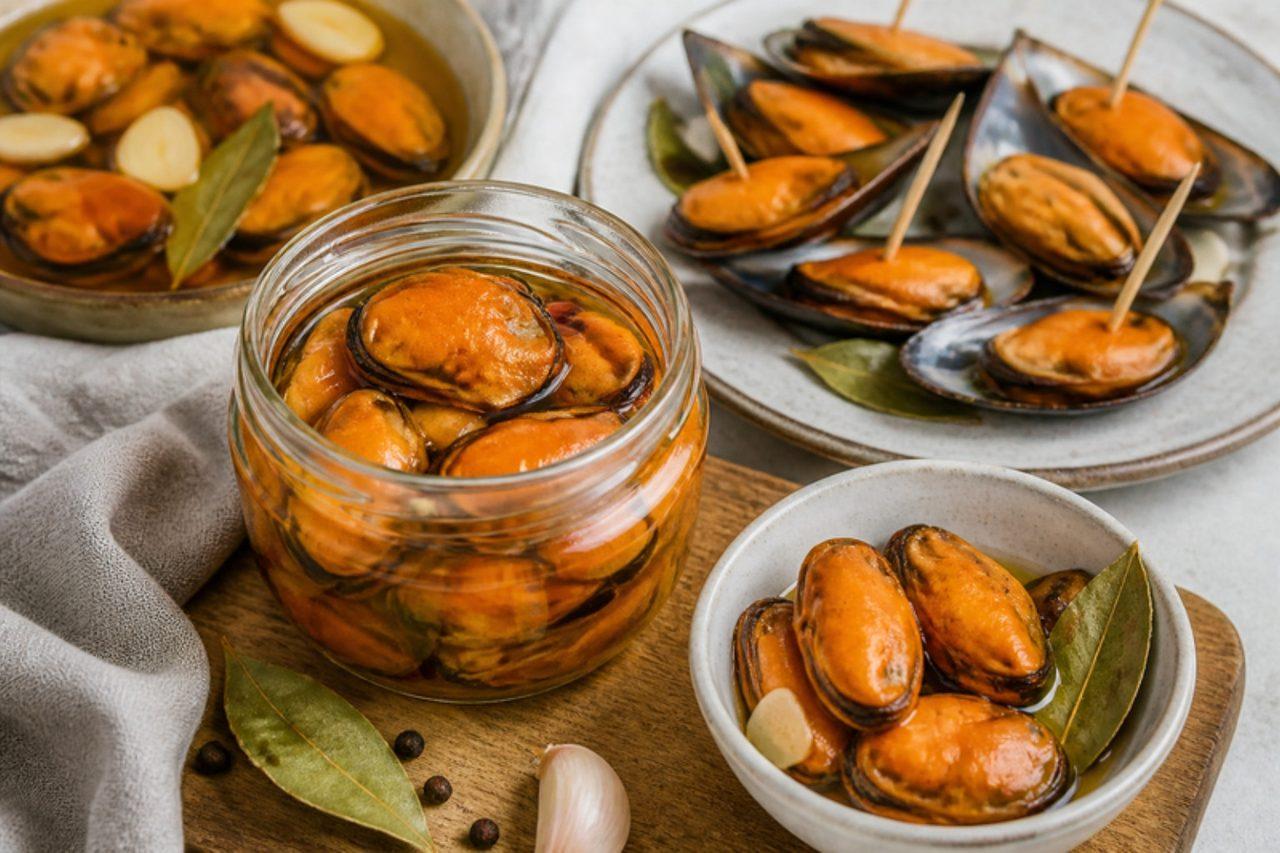
Mexillóns en escabechePickled mussels

Galicia's estuaries are lined with the wooden rafts (bateas) where mussels grow on ropes, and the region's canneries have long sold them in escabeche: steamed, shelled and kept in a warm-spiced marinade of oil, vinegar and paprika. Made at home, they're a tapa for an aperitif with crisps and cold drinks, and they keep for several days. Throw away any mussels with cracked shells, and any open ones that don't close when tapped, before cooking. A common mistake is pouring the marinade over cold mussels straight from the fridge: mix while both are warm so the flavours soak in, then chill. Chef's tip: they taste best after a full day in the fridge.

by KrazyBadal 0 views

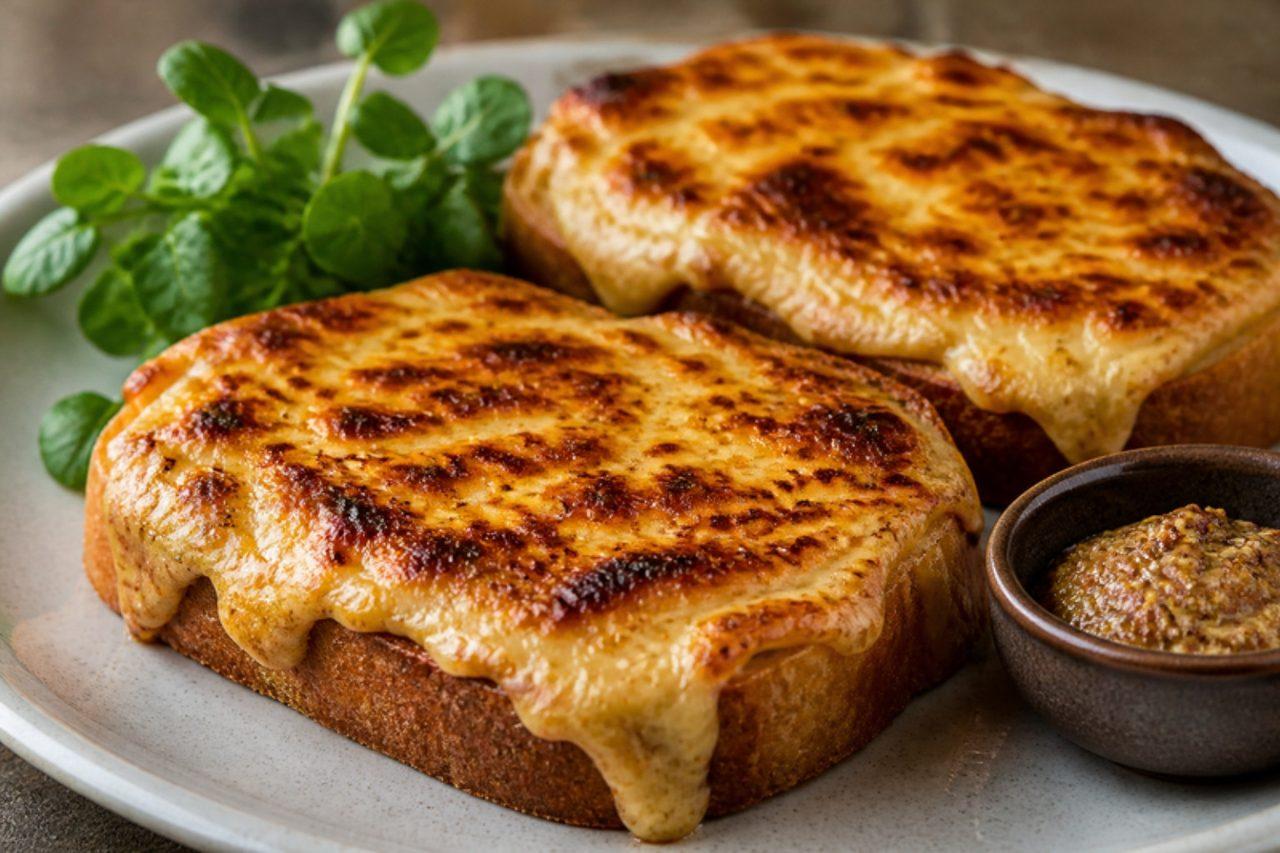
Welsh rarebit

Welsh rarebit, caws pobi in Welsh, is far more than cheese on toast: a thick sauce of strong cheese, mustard, Worcestershire-style sauce and ale is spread on toast and grilled until bubbling and blistered. It has been a tavern supper in Wales and across Britain for three hundred years. The ale contains alcohol, so use milk for an alcohol-free version. Many traditional cheddars use animal rennet, and Worcestershire sauce usually contains anchovy, so choose a vegetarian cheese and a vegetarian brown sauce. Chef's tip: take the sauce off the heat as soon as the cheese melts; boiling makes it stringy and oily.

by KrazyBadal 0 views

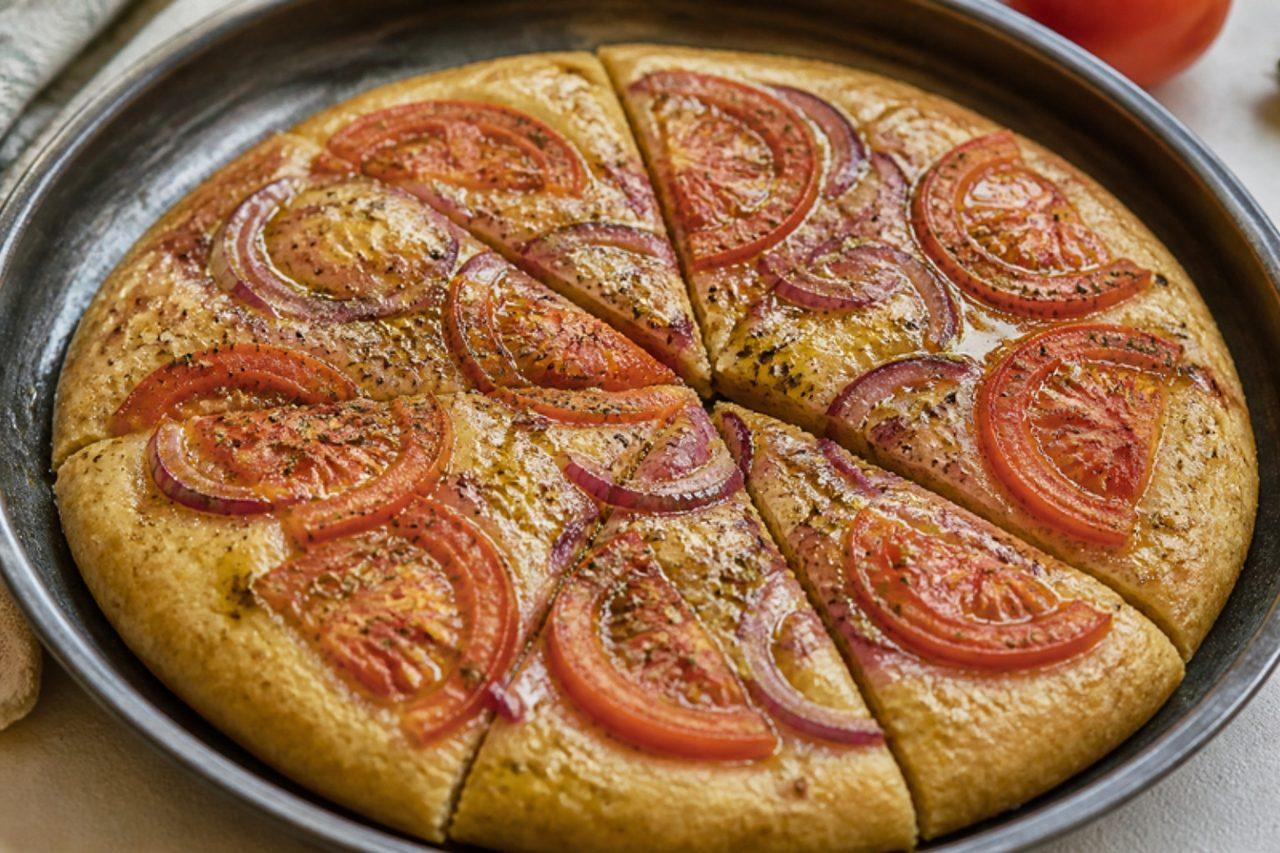
LadeniaTomato and onion olive-oil flatbread

On tiny Kimolos, a short boat ride from Milos, ladenia was the bread women baked in the village oven on bread-making day, pressing dough into a tray, covering it with tomato and onion and soaking it in olive oil. It is soft and airy inside with a crisp, oily base, a little like a focaccia, and is eaten warm or cold, cut into squares, with olives and cheese. Common mistake: piling on wet tomato, which sinks the dough; slice it thin and salt it first. Chef's tip: use your fingertips to press deep dimples into the risen dough so the oil and tomato juices pool and soak in.

by KrazyBadal 0 views

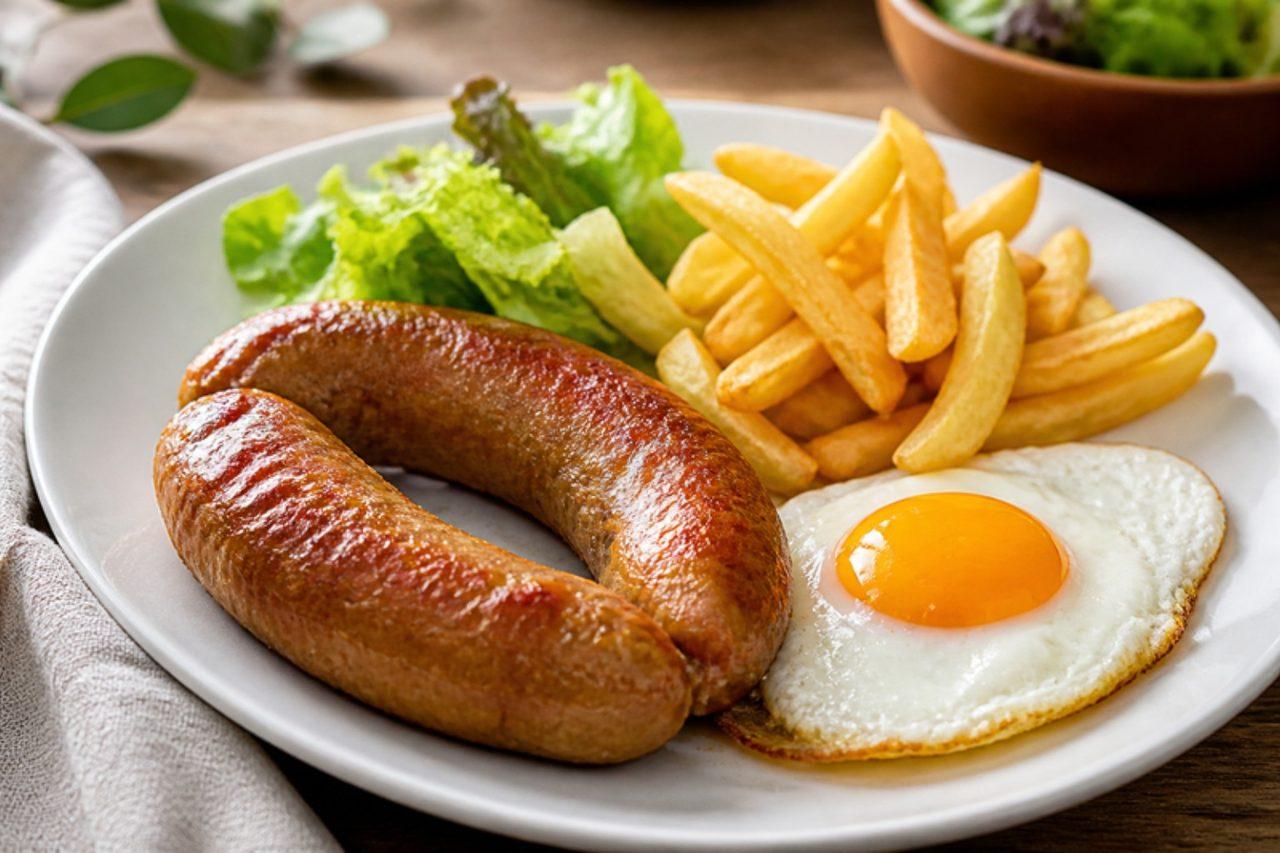
Alheira com ovo e batata fritaGarlic sausage with egg and chips

Mirandela, on the Tua river in Trás-os-Montes, is the home of alheira, a garlicky smoked sausage of bread and poultry, said to have been invented by Jewish families who needed something that looked like pork sausage. Today most alheiras contain pork, so this dish contains pork; look for the rare poultry-only kind if you avoid it. In every northern café it comes the same way: roasted until the skin crackles, with a fried egg, chips and sautéed greens. A common mistake is frying the alheira over a high heat, so the skin bursts and burns before the inside is hot. Chef's tip: prick the skin a few times and roast it in the oven rather than frying, so it stays whole and crisp.

by KrazyBadal 0 views

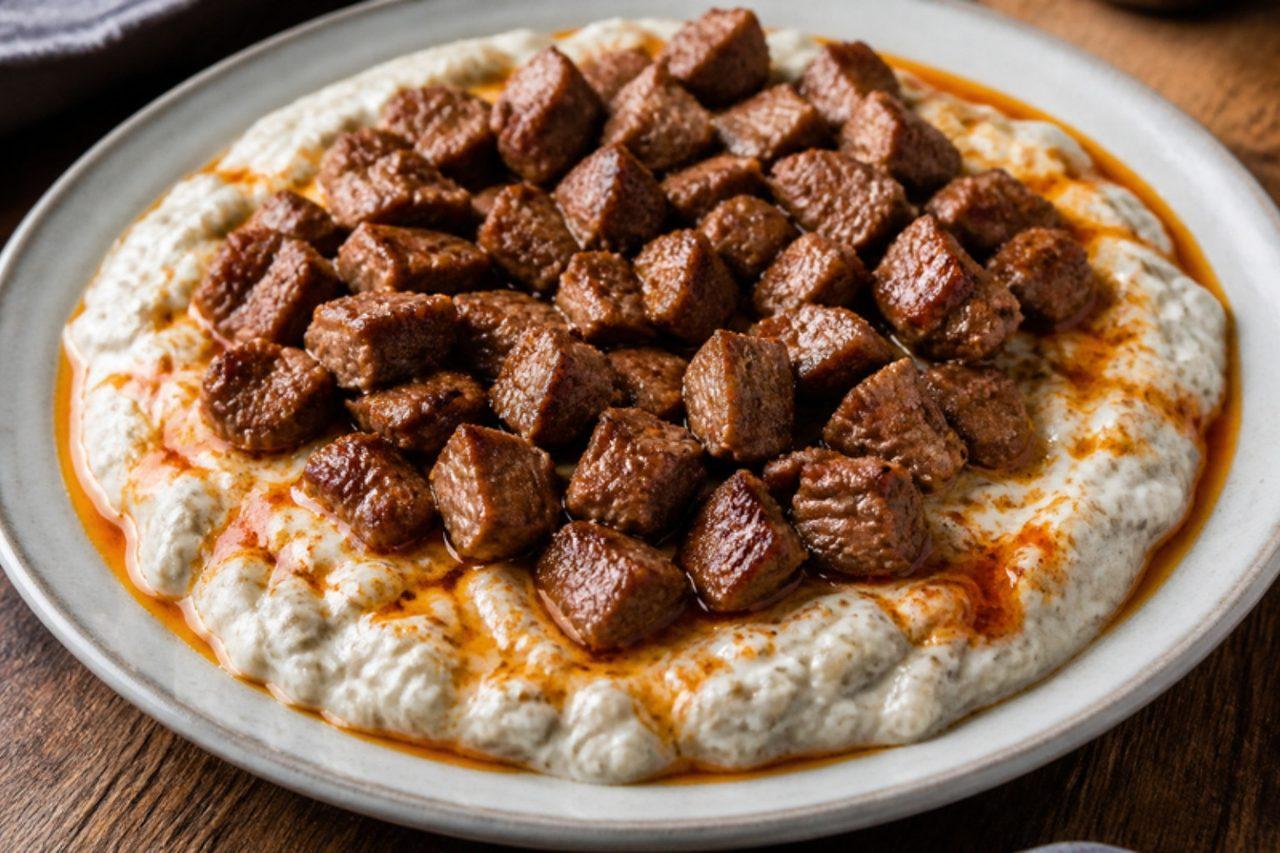
Ali nazikLamb on smoky aubergine and yoghurt

Gaziantep cooks char aubergines over coals until they collapse, mash the flesh with garlicky yoghurt and spoon pan-fried lamb with tomatoes and peppers on top: that is ali nazik, a lunchtime favourite in the city's lokantas. The cool, smoky base and the hot, buttery meat are the whole point, so assemble it just as you serve. A gas flame or a very hot grill gives the same smoky flesh at home. The usual mistake is not draining the aubergine, which makes the yoghurt runny and grey. Chef's tip: stir the yoghurt into the aubergine off the heat with a spoonful of butter; warm, not hot, keeps it from splitting.

by KrazyBadal 0 views

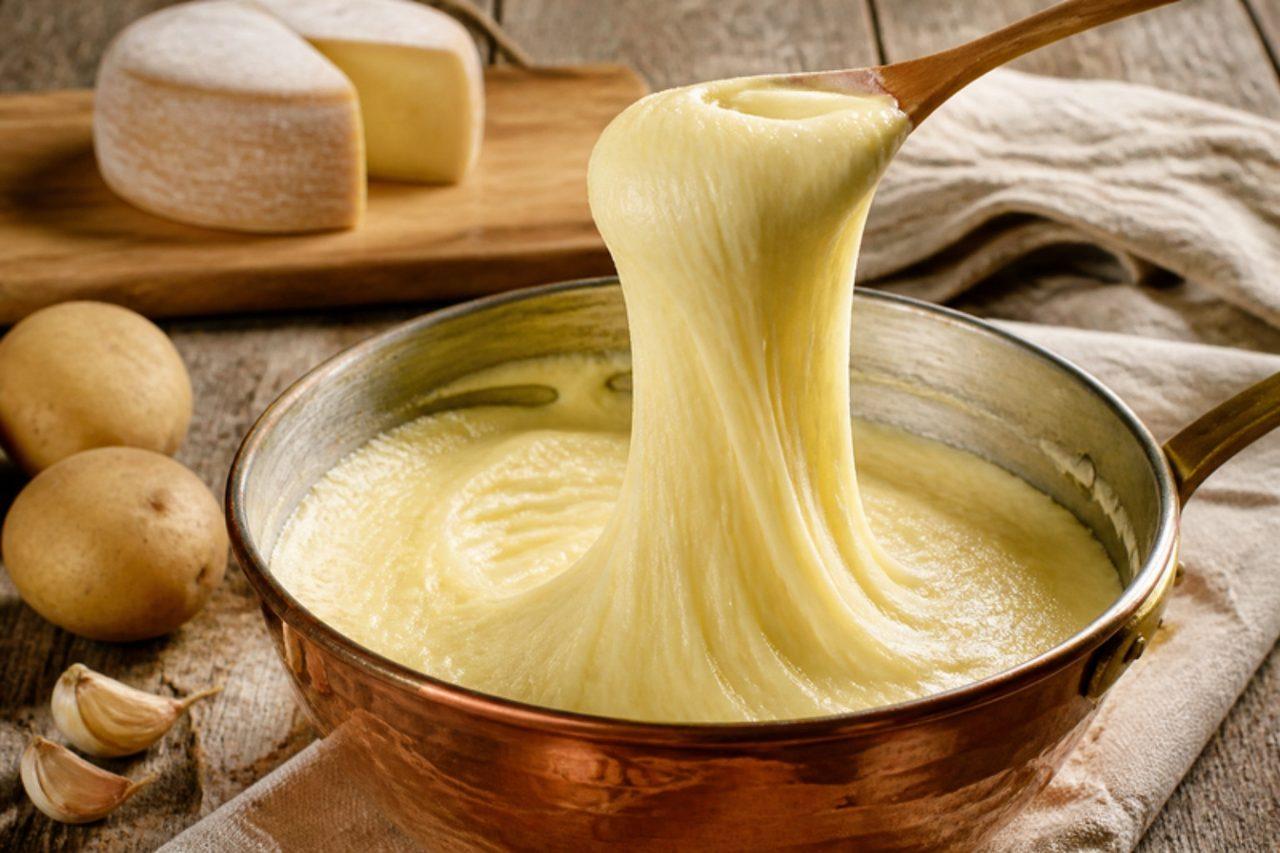
AligotCheesy garlic mashed potato

High on the Aubrac plateau, where Aveyron, Cantal and Lozère meet, aligot was once the meal monks gave to pilgrims on the road to Santiago. Today it is beaten in huge copper pans at village fêtes and buron farm restaurants around Laguiole, then lifted high on a wooden spoon in long, glossy ribbons before it is served beside sausages or, for a vegetarian table, a big green salad and roasted mushrooms. It is a mash of floury potato, butter, cream and garlic, worked with young tomme fraîche until it stretches like mozzarella. Tomme fraîche is made with animal rennet; a mix of vegetarian mozzarella and a vegetarian mild cheddar gives a similar stretch. Chef's tip: keep beating in a figure of eight once the cheese goes in; the stretch only comes with steady work.

by KrazyBadal 0 views

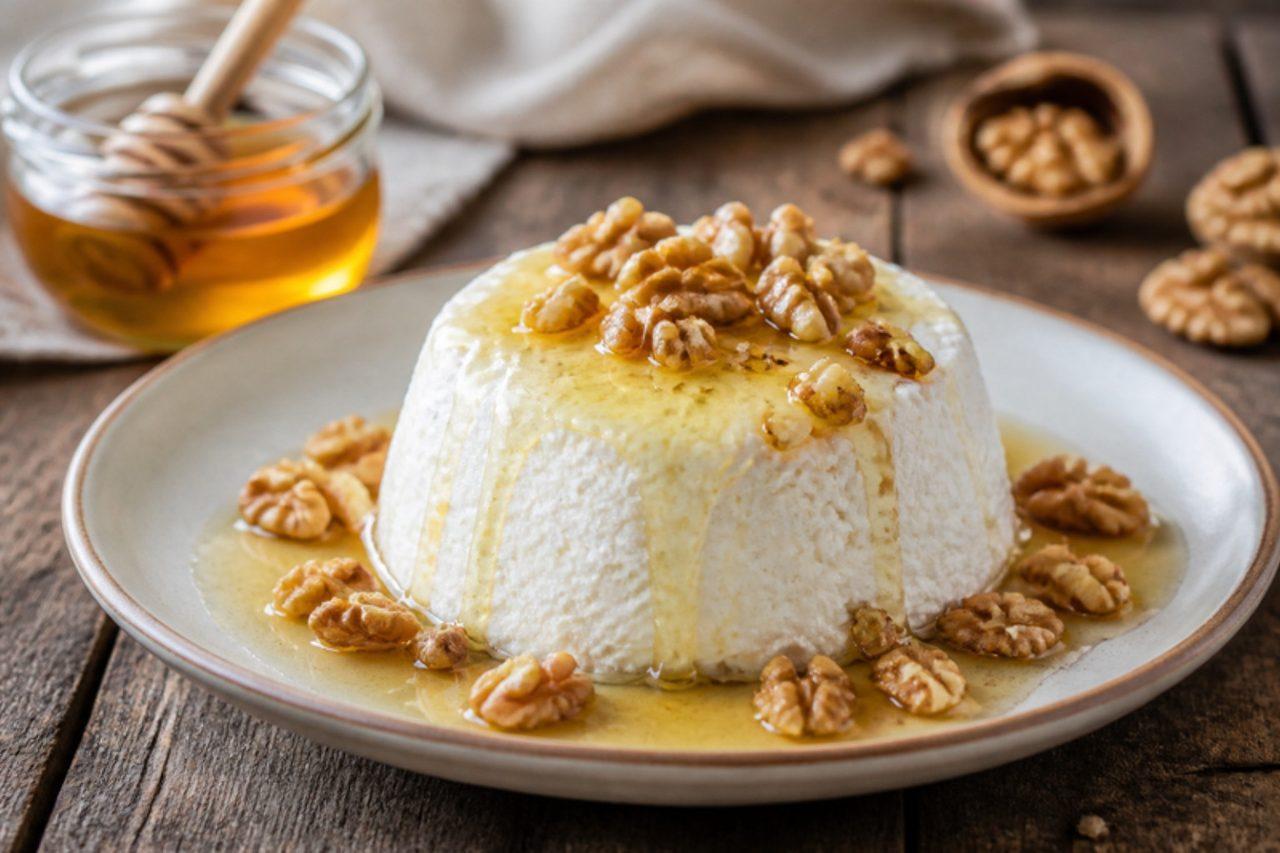
Mel i matóCurd cheese with honey and walnuts

On the road up to Montserrat, farm women once sat at stalls selling fresh mató, a soft, mild, unsalted curd cheese, and the dessert of mató drizzled with honey became a fixture of Catalan restaurants. It is as simple as dessert gets, and best with the freshest cheese. Shop-bought mató and some ricottas are set with animal rennet; this home version is set with lemon juice instead, so it is vegetarian. If you buy cheese, check the label for a vegetarian or microbial rennet. Chef's tip: heat the milk gently and stop at 90 °C; boiling makes the curds tough and grainy.

by KrazyBadal 0 views

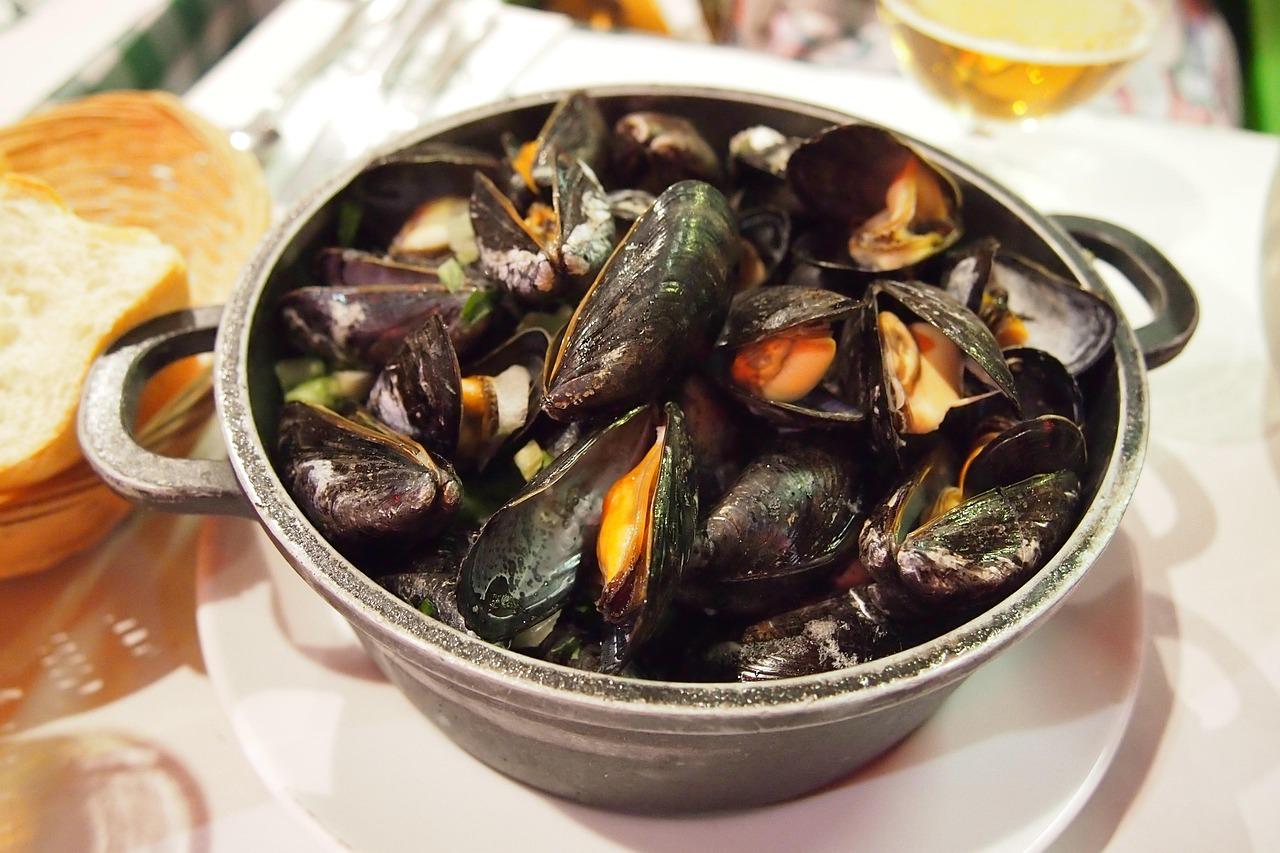
Bantry Bay mussels in cider

The sheltered waters of Bantry Bay in West Cork grow rope mussels that end up in pots in every harbour pub from Glengarriff to Kinsale. Here they are steamed in Irish dry cider with leek, garlic and thyme, then finished with a spoonful of cream, giving a sweet-sour, apple-scented broth for dipping brown bread. The cider contains alcohol, which mostly cooks off; for an alcohol-free version use cloudy apple juice with a teaspoon of cider vinegar. Chef's tip: the mussels must be alive when cooked, so check every one before they go in.

30 minIrishFishGluten free
by KrazyBadal 0 views

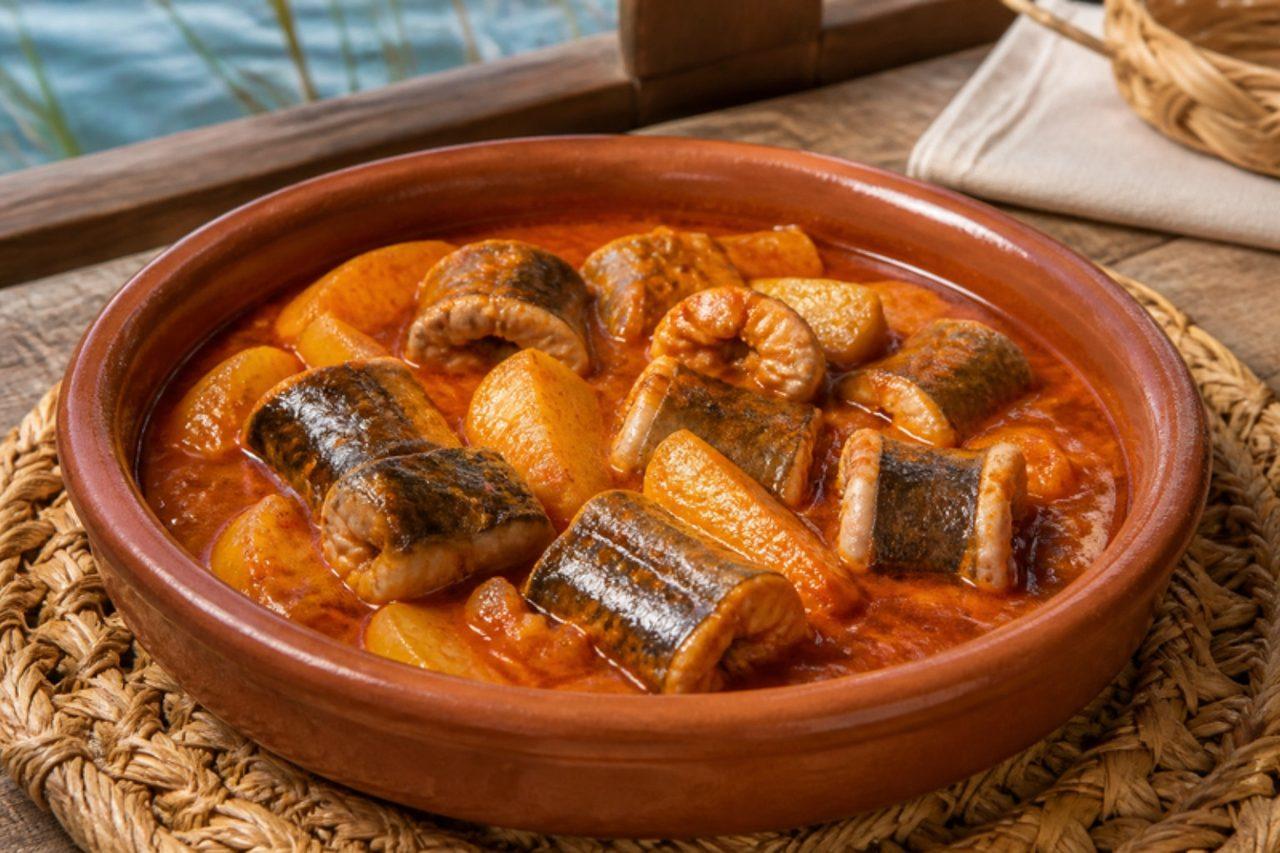
All i pebreEel and potato paprika stew

In El Palmar and the other villages around the Albufera lagoon south of Valencia, the restaurants that are famous for paella serve something older first: all i pebre, "garlic and pepper", a brick-red stew of lagoon eel and potatoes thickened with a pounded almond and fried-bread picada. It is rich, garlicky and gently hot, eaten with bread to mop up the sauce. Ask your fishmonger to skin and cut the eel, and handle it with gloves: raw eel blood is irritating, though harmless once cooked. If you can't find eel, monkfish or hake works well. A common mistake is letting the paprika burn; it turns bitter in seconds, so add it off the heat. Chef's tip: break the potatoes with a knife instead of cutting cleanly; the rough edges release starch and thicken the sauce.

by KrazyBadal 0 views

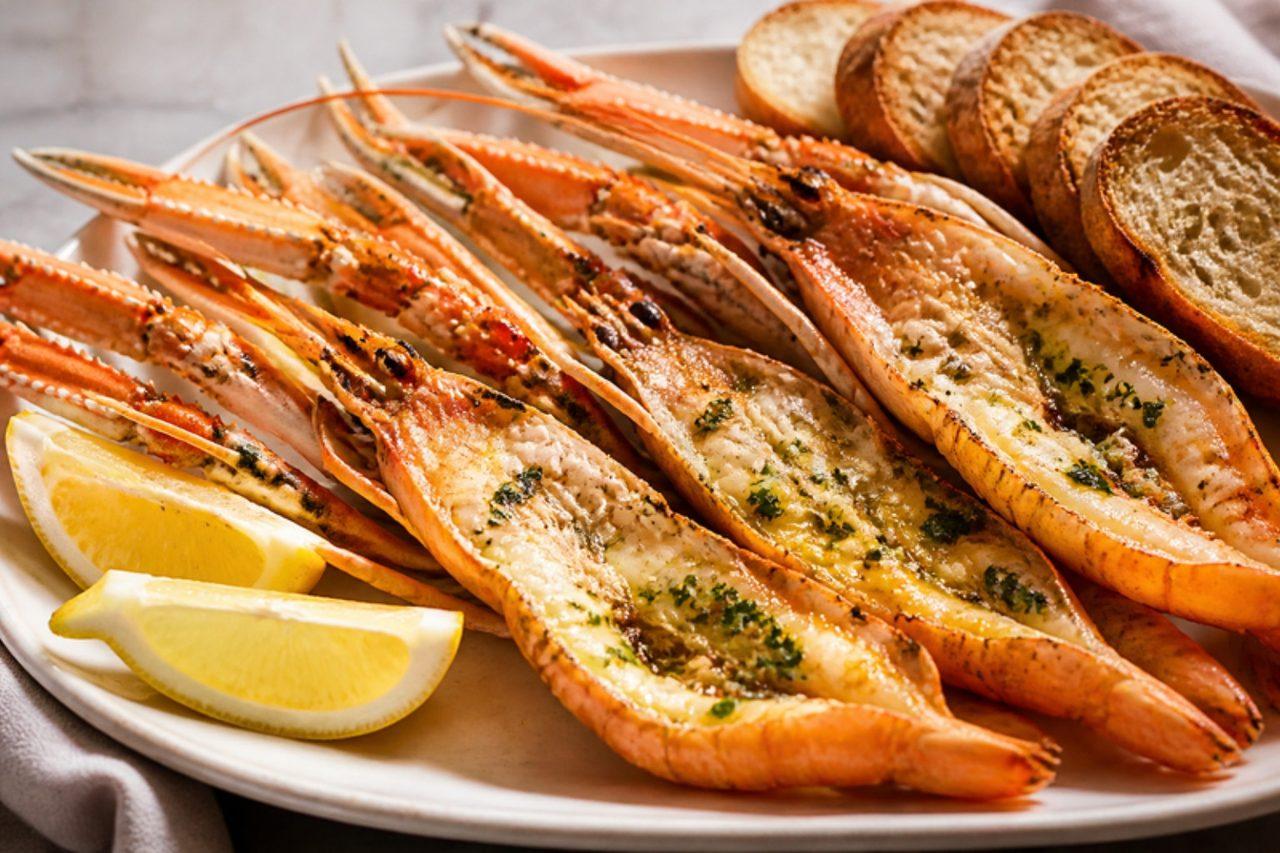
Dublin Bay prawns in garlic butter

Dublin Bay prawns are not prawns at all but langoustines, the small orange lobsters landed at Howth and Clogherhead and once sold off the boats along the north Dublin coast. Seafood bars in Howth serve them split and grilled under a sizzling garlic, lemon and parsley butter, with brown bread to mop the plate. Chef's tip: they cook in minutes, so take them out as soon as the flesh turns from translucent to white.

25 minIrishFishGluten free
by KrazyBadal 0 views

KrautkrapfenBraised sauerkraut dough rolls

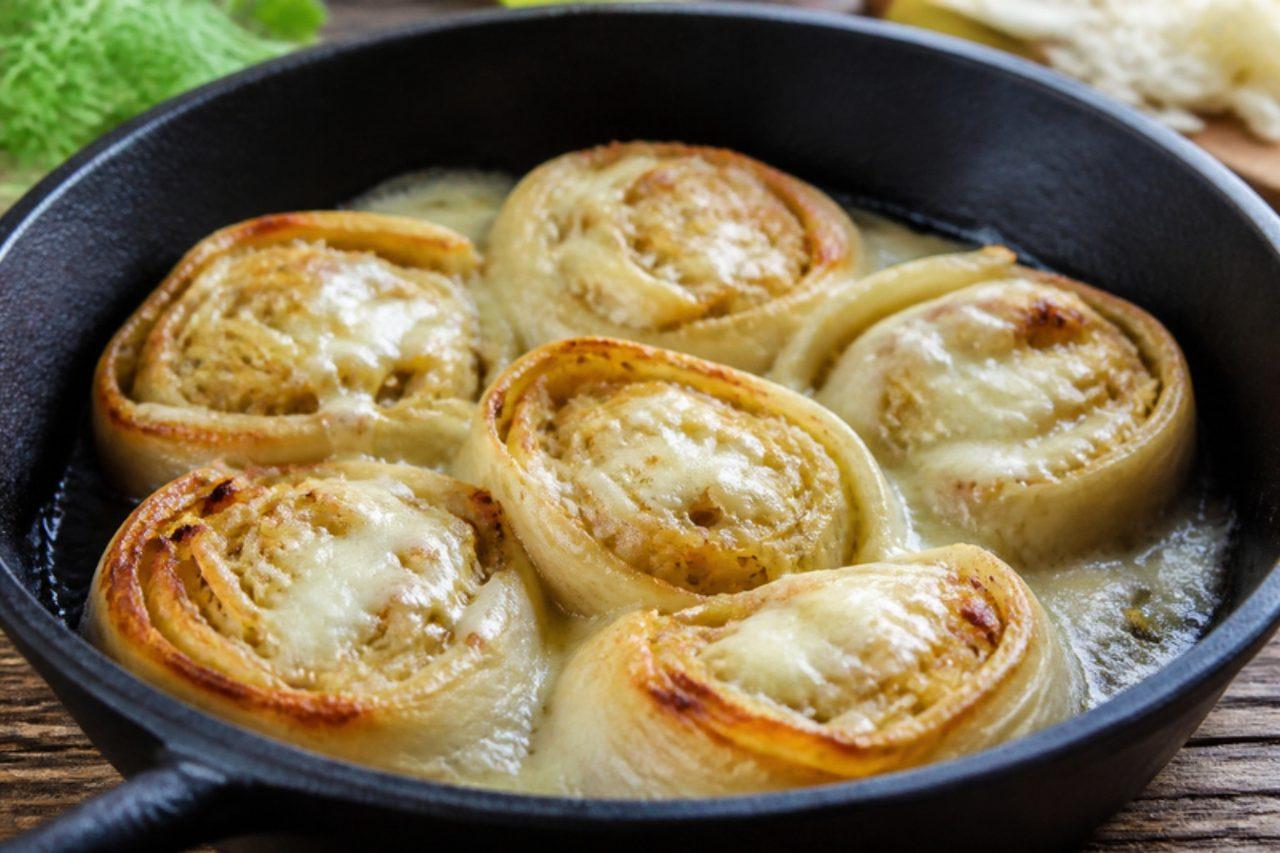
Krautkrapfen come from the Allgäu and the Swabian Alb, where farm cooks rolled noodle dough paper-thin, spread it with sauerkraut and fried onion, rolled it up like a strudel and sliced it into snails. The slices are packed upright in a buttered pan, fried until the bottoms crisp, then half-covered in stock and braised until the dough is tender. They are a Friday or winter supper with a green salad. A common mistake is pouring in too much stock: it should come only a third of the way up, or the crisp base turns soggy. Chef's tip: let the dough rest a full 30 minutes; relaxed dough rolls out thin without shrinking back.

by KrazyBadal 0 views

AllioliGarlic and olive oil sauce

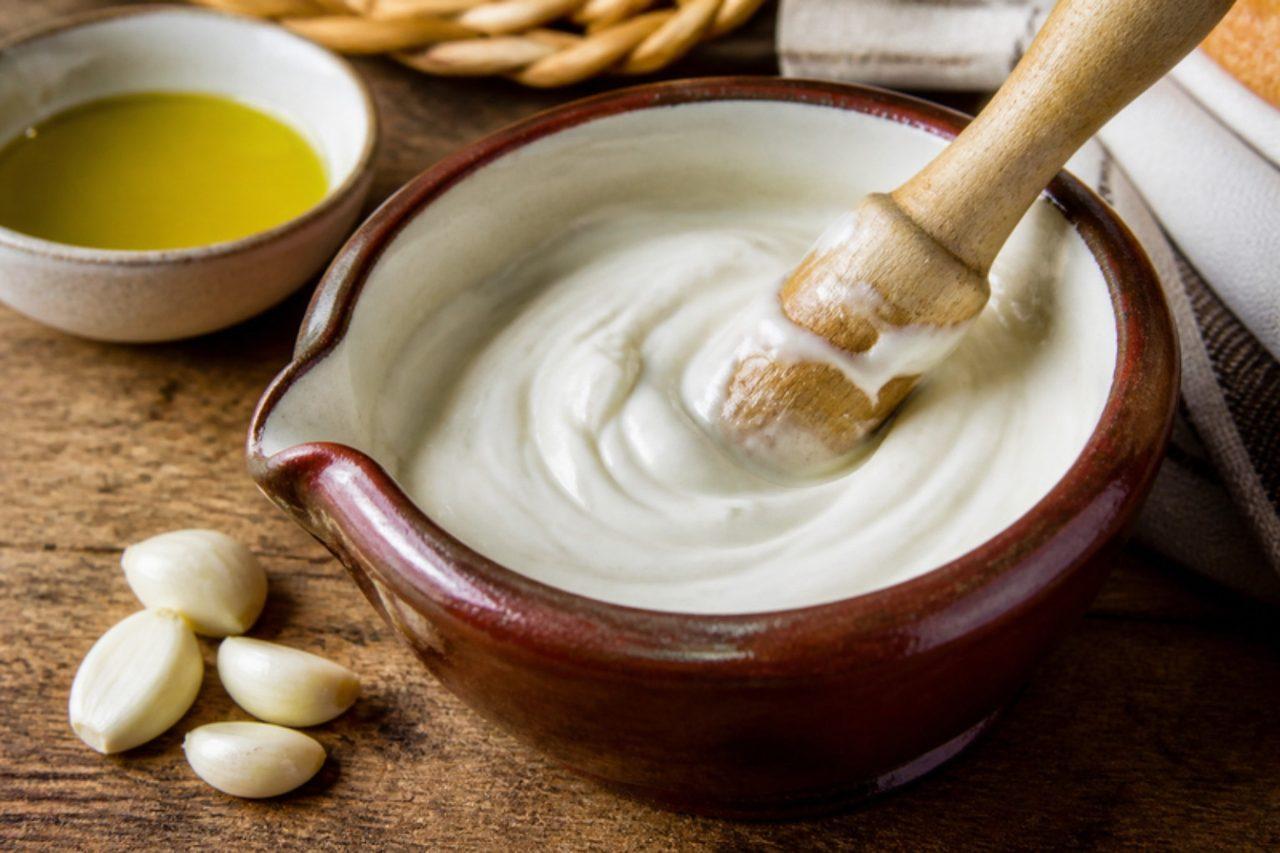
True Catalan allioli is just garlic, salt and oil, all ('garlic') i oli ('and oil'), worked slowly in a mortar until it becomes a stiff, pale emulsion with a fierce bite. Families serve it with grilled lamb, rice dishes, boiled potatoes and snails, and making it by hand is a small point of pride. It takes patience and steady arms, but no egg is needed. Chef's tip: if it splits, start a new paste with one crushed clove and a few drops of water, then work the broken sauce back in a spoonful at a time.

by KrazyBadal 0 views

London particularSplit pea and ham soup

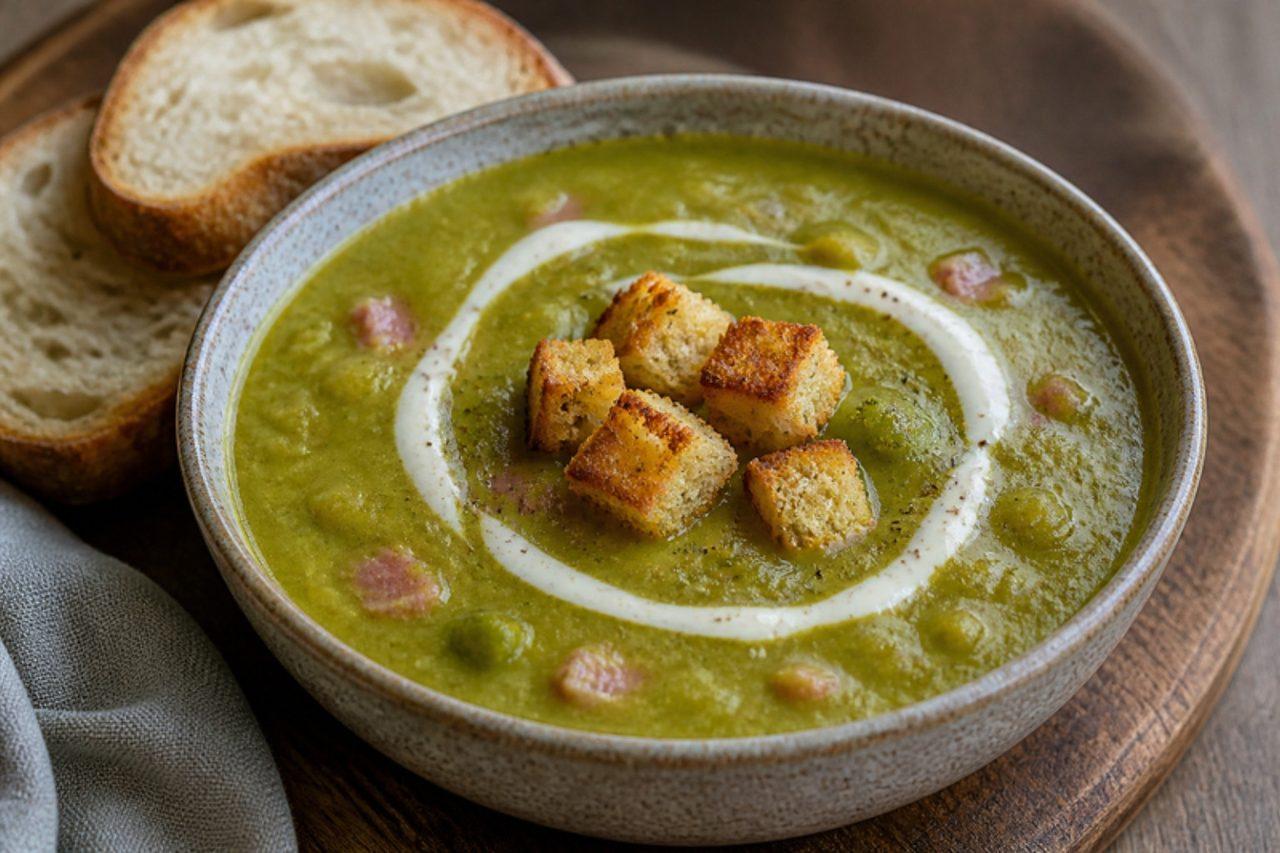
London particular is a thick, yellow-green soup of split peas and smoked pork ham hock, named after the pea-souper smogs that once smothered the city. It was a cheap winter warmer in Victorian London eating houses and is still on menus in pubs and cafés when the weather turns. The hock gives a deep smoky saltiness and shreds of soft meat. Chef's tip: skim the grey foam off as the water first boils, for a cleaner taste.

135 minBritishSoupsGluten free
by KrazyBadal 0 views

Almejas á mariñeiraClams in garlic and white wine

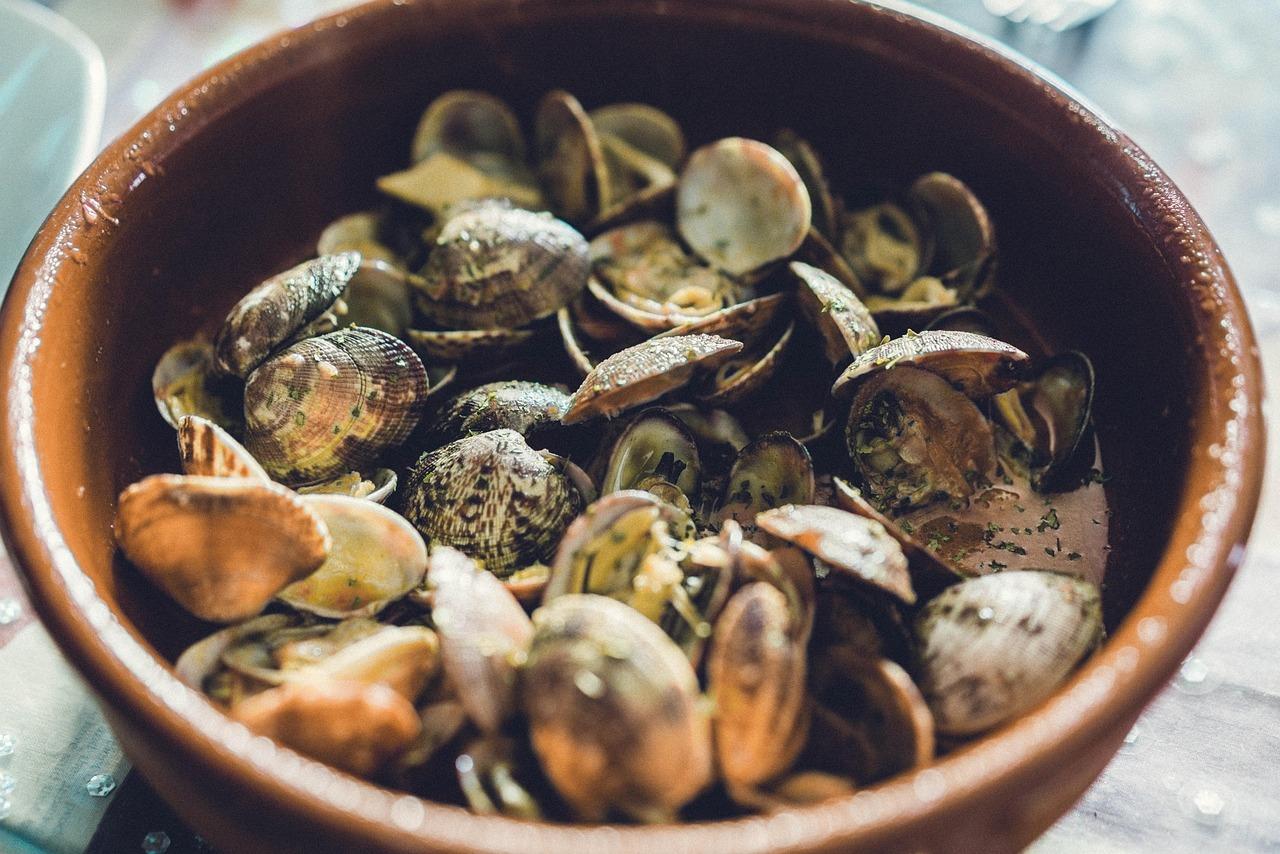
Carril, a fishing village on the Arousa estuary, is famous across Spain for its clams, and Galician bars serve them á mariñeira in small clay dishes with bread for the sauce. They are cooked with onion, garlic and a little paprika, and the sauce is lightly thickened with flour and loosened with white wine. This recipe contains alcohol (white wine); for an alcohol-free version, use fish stock with a squeeze of lemon. Throw away any clams with cracked shells, and any open ones that don't close when tapped, before cooking. A common mistake is overcooking: clams toughen once they open, so take them off the heat as soon as most are open. Chef's tip: soak the clams in salted water in the fridge for an hour so they spit out their sand.

by KrazyBadal 0 views

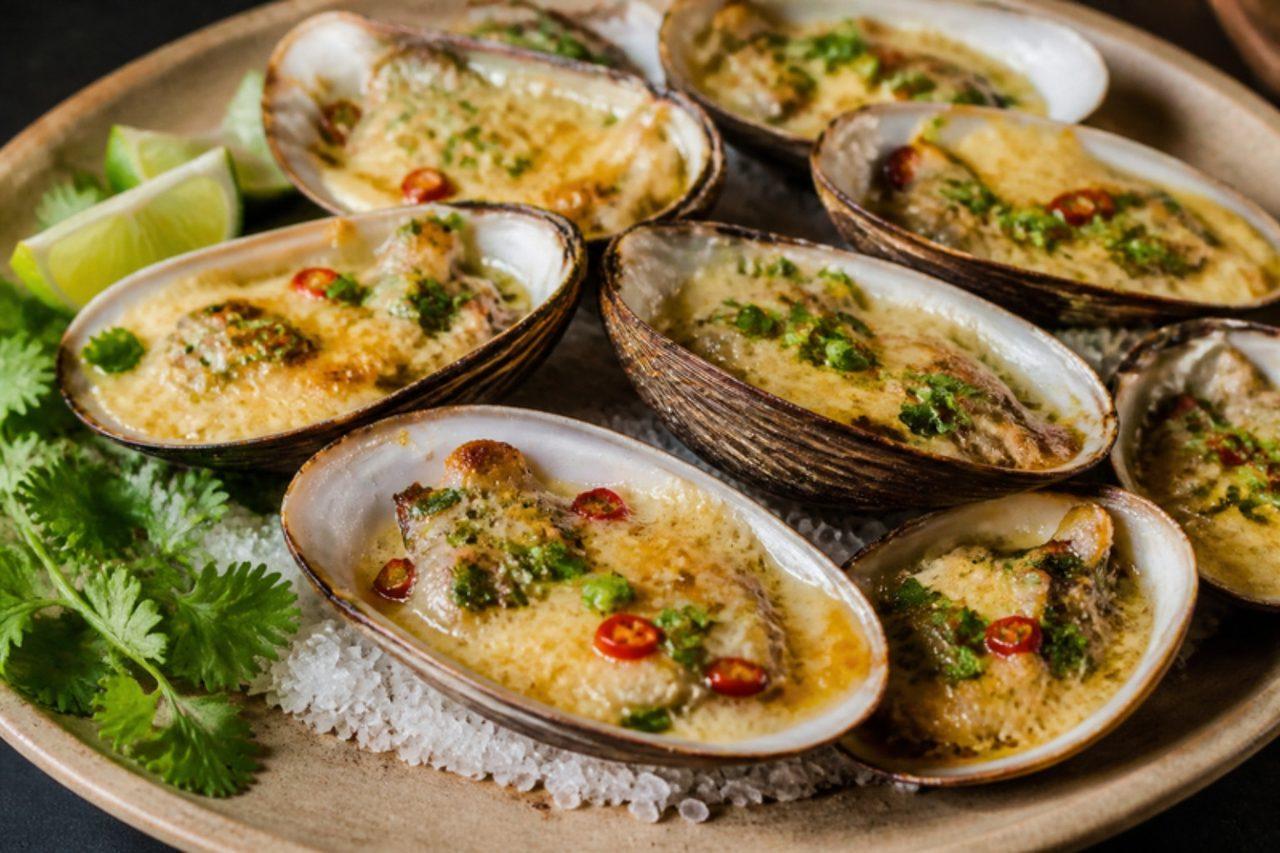
Almejas chocolatasBaked clams with garlic cheese

Loreto, on the Gulf of California side of Baja, is famous for its almejas chocolatas: large clams named for their glossy brown shells, sold by local divers and cooked at seafood stands along the bay. One popular way is to open them, top the meat with butter, garlic, chilli and melting cheese, and bake them until bubbling. Chocolate clams are rarely found elsewhere, so use the largest hard-shell clams you can buy, such as quahogs or cherrystones. Serve them hot as a starter with lime and cold drinks. Chef's tip: chop the clam meat before returning it to the shell, so every bite gets butter and cheese instead of one chewy mouthful.

by KrazyBadal 0 views

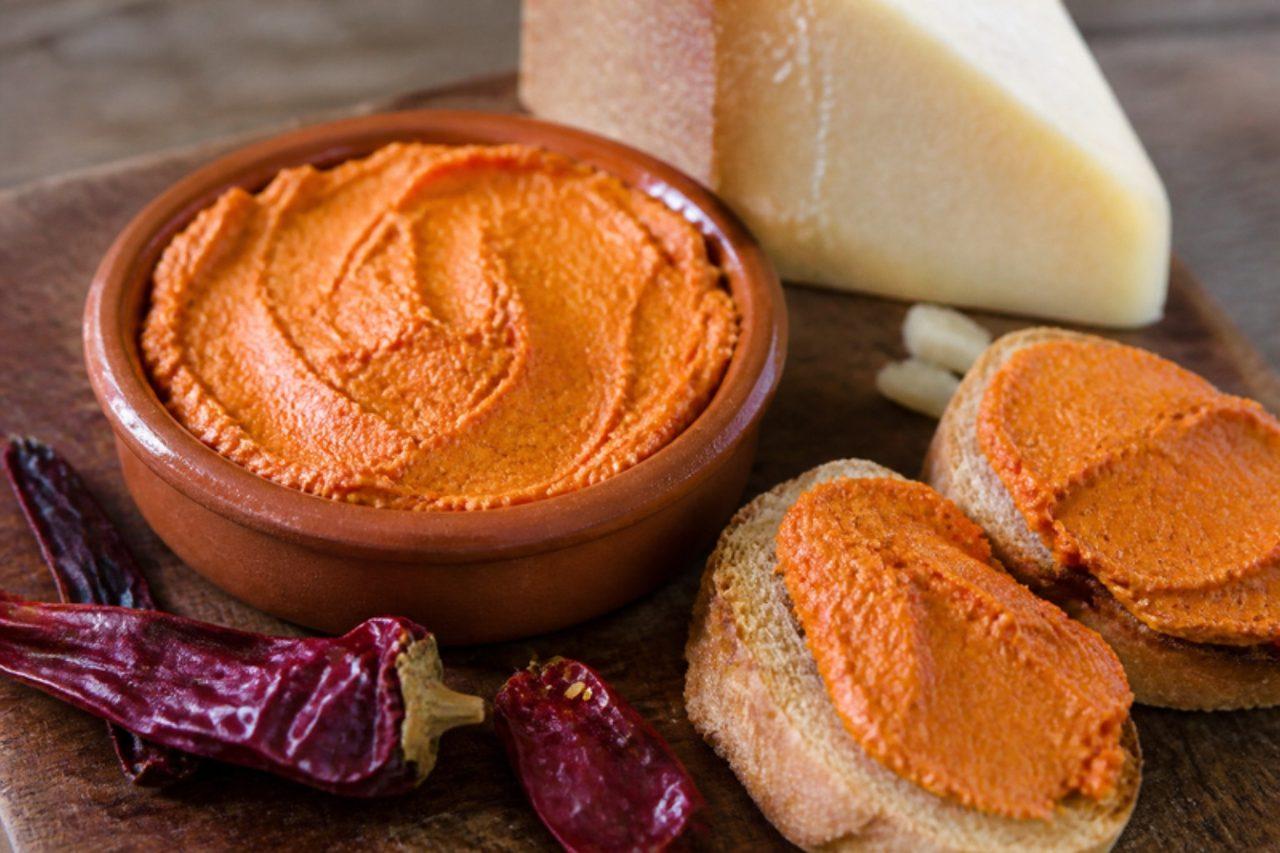
Almogrote gomeroGoat cheese and red pepper spread

On La Gomera, the small, steep island west of Tenerife, almogrote is the sharp, punchy paste you find spread on toast in every bar in San Sebastián and Valle Gran Rey, often with a glass of the island's wine. It was a thrifty way to use up hard, aged goat's cheese: grated, pounded with garlic, hot red pepper and a little tomato, and bound with olive oil. The result is salty, spicy and pungent. Traditional Gomeran cheese is made with animal rennet; use a vegetarian aged goat's or hard cheese if that matters to you. Chef's tip: grate the cheese very finely first, so it pounds smooth instead of staying gritty.

by KrazyBadal 0 views

Showing 72 of 7,762 recipes

Show more recipes

Page 428 of 863