


Skip to content
Pfälzer Saumagen
Featured recipe

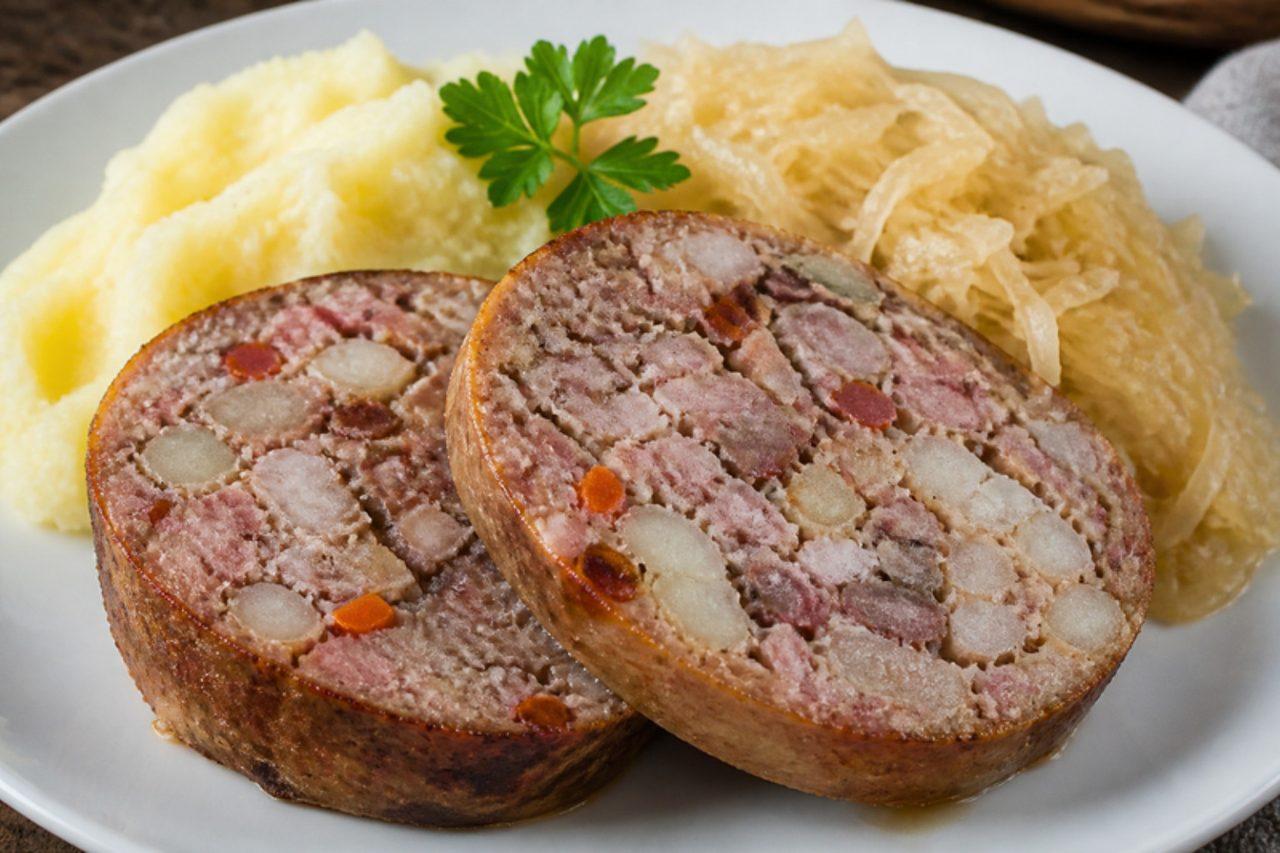
Pfälzer Saumagen

Stuffed pig's stomach

Saumagen is the pride of the Palatinate, served at wine-village festivals and family dinners from the Haardt hills to Ludwigshafen. A cleaned pig's stomach is stuffed with diced pork shoulder, pork sausage meat, potato and carrot seasoned with marjoram and nutmeg, poached slowly, then sliced thick and fried until crusty. The stomach works only as a casing and is ordered from a butcher; if you can't get one, bake the same filling in a covered terrine in a water bath. Serve with sauerkraut and mashed potato. Chef's tip: fill the stomach only three-quarters full, or it bursts as the potatoes swell.

Read more 1 views

What to eat today?

Around the world

Today's trip: Paraguayan

A new country every day, from every cuisine on the site.

Paraguayan

Chipa

Cheese bread rings 50 minMore from Paraguayan (27) →

This week's collection

Kid-friendly dinners
537 recipes · a new collection every Monday

Latest recipes

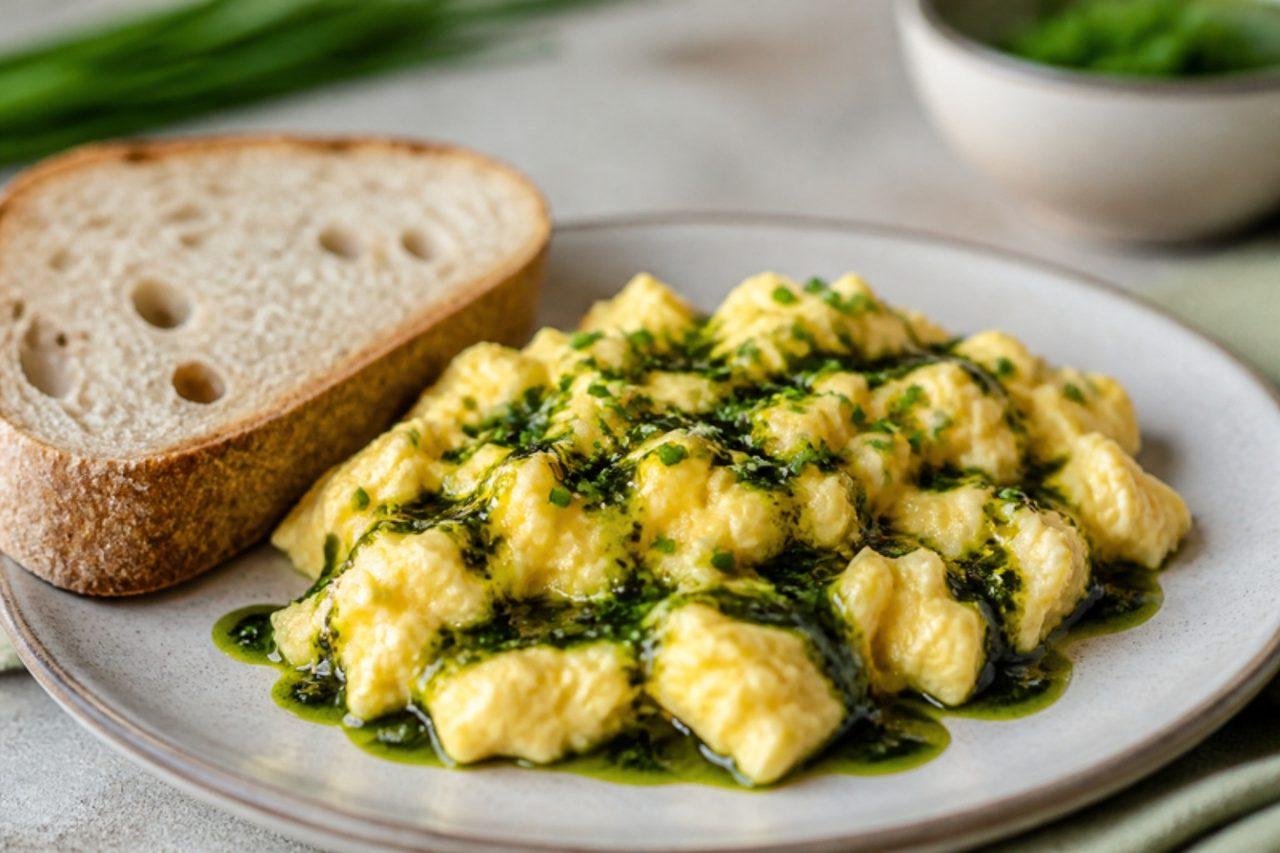
Steirische Kernöl-EierspeisScrambled eggs with pumpkin seed oil

Eierspeis is the Austrian word for scrambled eggs, and in Styria they get a final drizzle of the region's dark green pumpkin seed oil. It is a farmhouse breakfast or a late-night snack after a long evening in a Graz wine bar, eaten straight from the small pan it was cooked in with a slice of rye bread. The eggs are soft and creamy in big folds, and the oil adds a toasted, nutty depth that tastes almost like brown butter. A common mistake is stirring too fast on a high heat, which gives small dry crumbs instead of soft curds. Chef's tip: salt the eggs a few minutes before cooking; it helps them set more tenderly.

by KrazyBadal 0 views

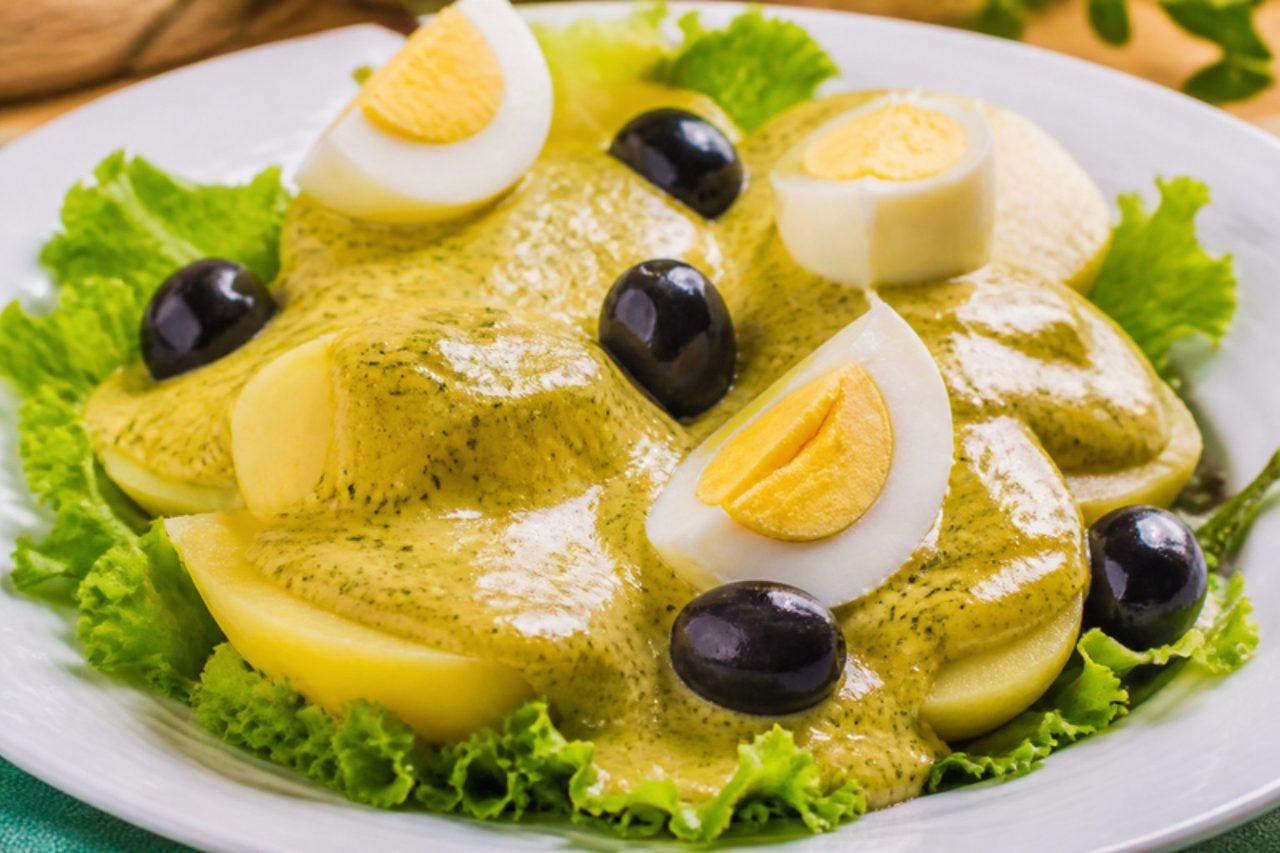
OcopaPeanut, huacatay and cheese sauce

Arequipa's picanterías put ocopa on the table as a starter, a pale olive sauce spooned thickly over sliced boiled potatoes, and the smell of toasted chillies and huacatay (black mint) is what sets it apart from Lima's huancaína. The chillies are dried ají mirasol, charred in a dry pan, which gives a smoky, raisin-like warmth rather than sharp heat, and toasted peanuts make the sauce nutty and almost velvety. Many cooks thicken it with crackers; this version uses only peanuts and cheese, so it stays gluten free. Serve it at room temperature with yellow potatoes, a black olive and a few lettuce leaves, plus a halved boiled egg for anyone who eats eggs. The mistake people make is toasting the onion and chillies black, which turns the sauce bitter; they should be blistered in spots only. Queso fresco is often made with animal rennet, so look for a vegetarian fresh cheese. Chef's tip: huacatay paste comes in jars from Latin shops; without it, use a small handful of mint plus a few tarragon leaves.

by KrazyBadal 0 views

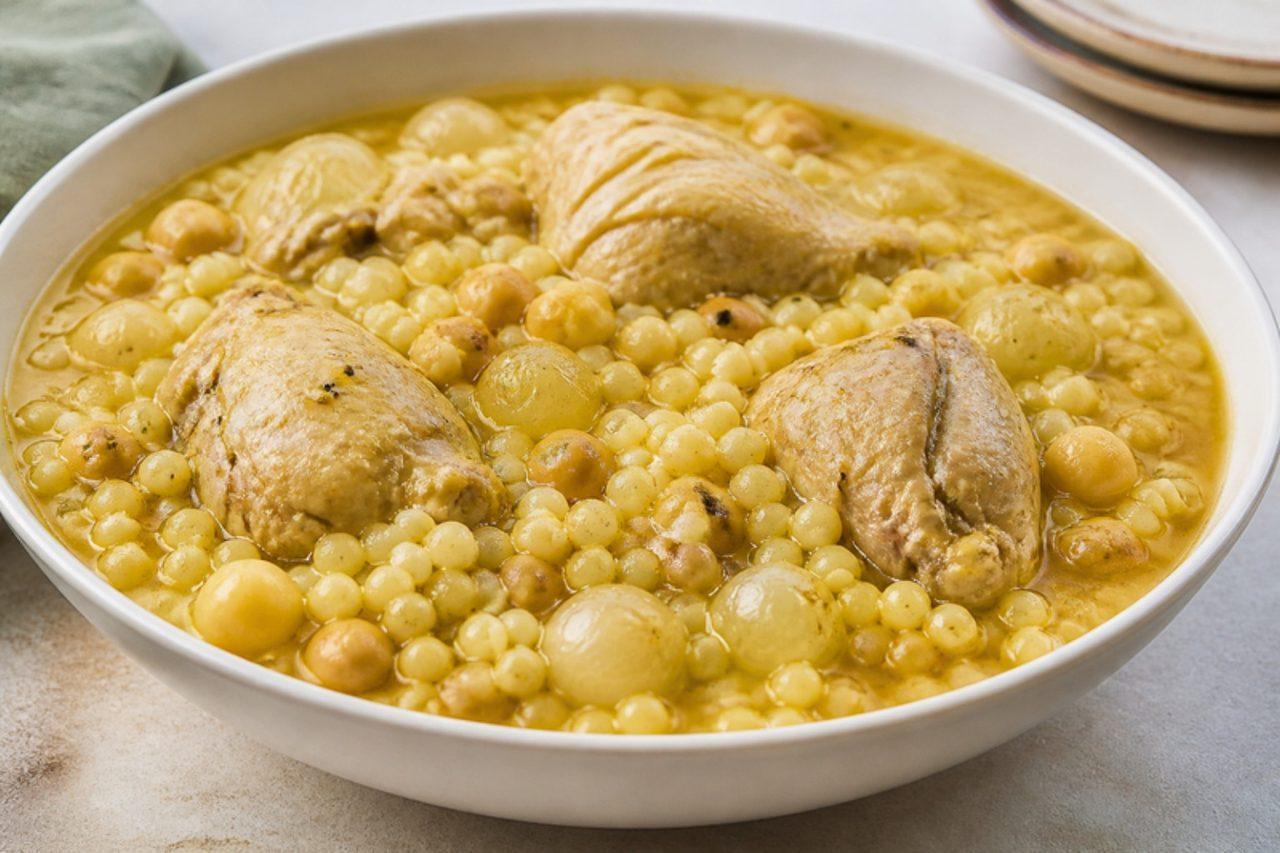
MoghrabiehPearl couscous with chicken and chickpeas

Despite its name, which nods to North Africa, moghrabieh is thoroughly Lebanese: big, chewy pearls of hand-rolled semolina cooked with chicken, baby onions and chickpeas in a broth scented with caraway and cinnamon. Families in Beirut and the mountains make it for Sunday lunch and especially on Christmas Eve in some villages. The pearls are served in a mound with the chicken and onions on top and a jug of broth to moisten each plate. Common mistake: boiling the pearls in the broth from the start; they turn gluey, so parboil them in water first. Chef's tip: toss the drained pearls in a little butter and caraway before mixing them with the onions — they stay separate and glossy.

by KrazyBadal 0 views

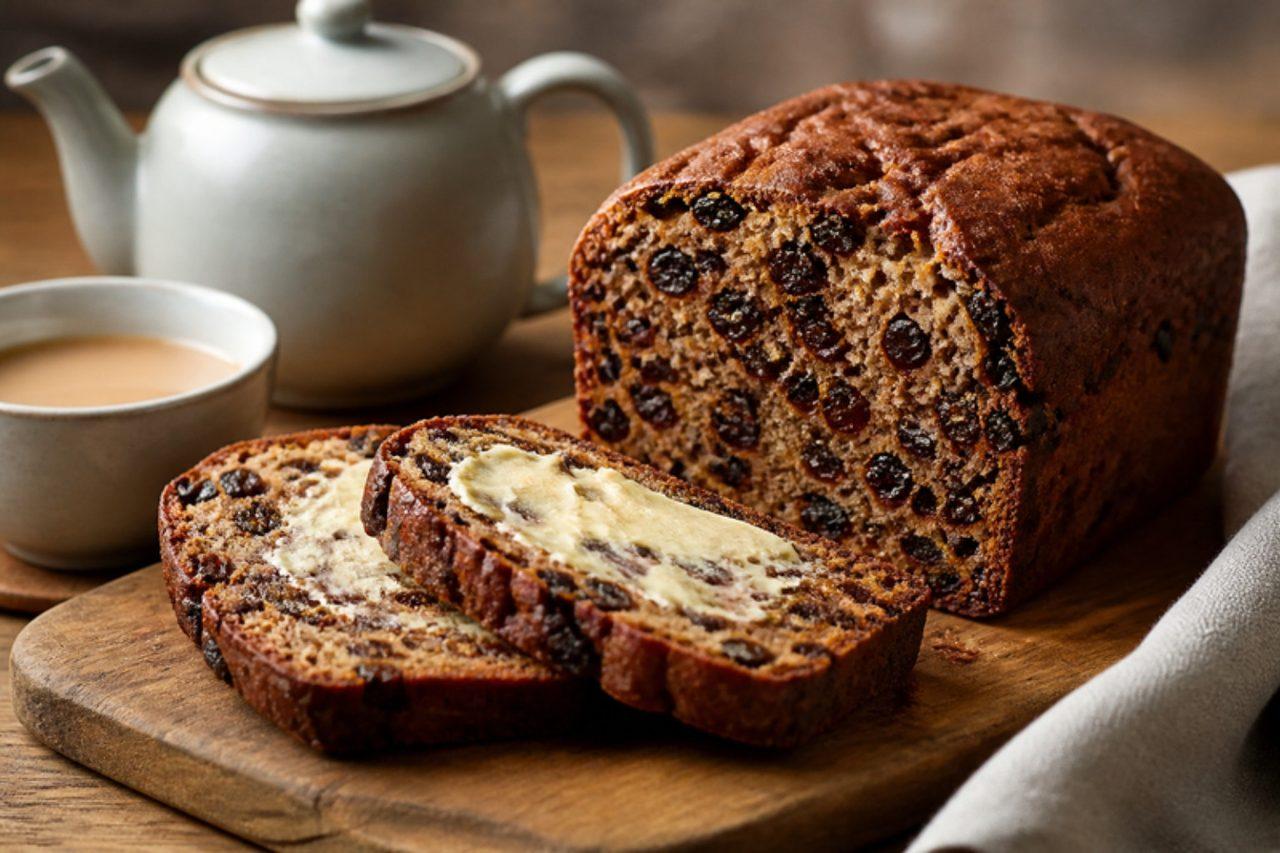
Bara brithTea-soaked fruit loaf

Bara brith means 'speckled bread', and this is the fruit loaf of Welsh farmhouses and tea rooms from Snowdonia to the Gower. Dried fruit is soaked overnight in strong black tea, then mixed with sugar, egg, flour and spice, so it is moist, dark and keeps well without any butter in the mix. Slice it thickly and spread with salted Welsh butter. Chef's tip: wrap it and wait a day before cutting; it gets stickier and slices cleaner.

by KrazyBadal 0 views

Oeufs en meurettePoached eggs in red wine sauce

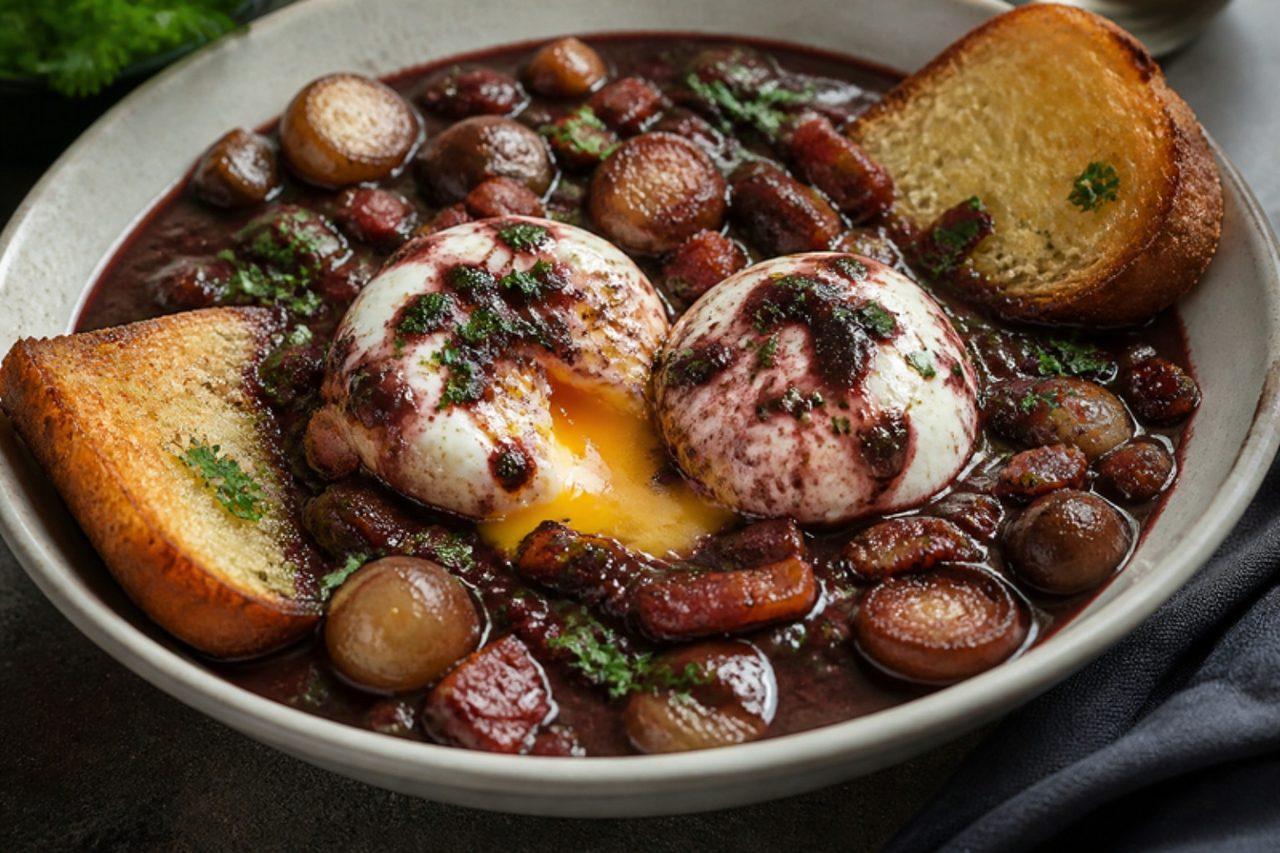
In Burgundy, between Dijon and Beaune, a meurette is any dish cooked in red wine sauce, and oeufs en meurette is the one served as a starter in village restaurants and at weekend lunches. Eggs are poached in a reduced, glossy sauce of red wine, shallots and stock, then served with crisp smoked pork lardons, button mushrooms and garlic-rubbed croutons to dip into the yolks. The sauce is deep, winey and savoury; the eggs make it rich. The dish uses red wine, and an alcohol-free version is in the notes. The yolks stay runny, so use pasteurised eggs for pregnant women, young children, older people or anyone with a weakened immune system, or poach the eggs until the yolks are set. Chef's tip: poach the eggs in water with a dash of vinegar rather than in the wine itself, so the whites stay white.

by KrazyBadal 0 views

Tacos de canastaSteamed basket tacos

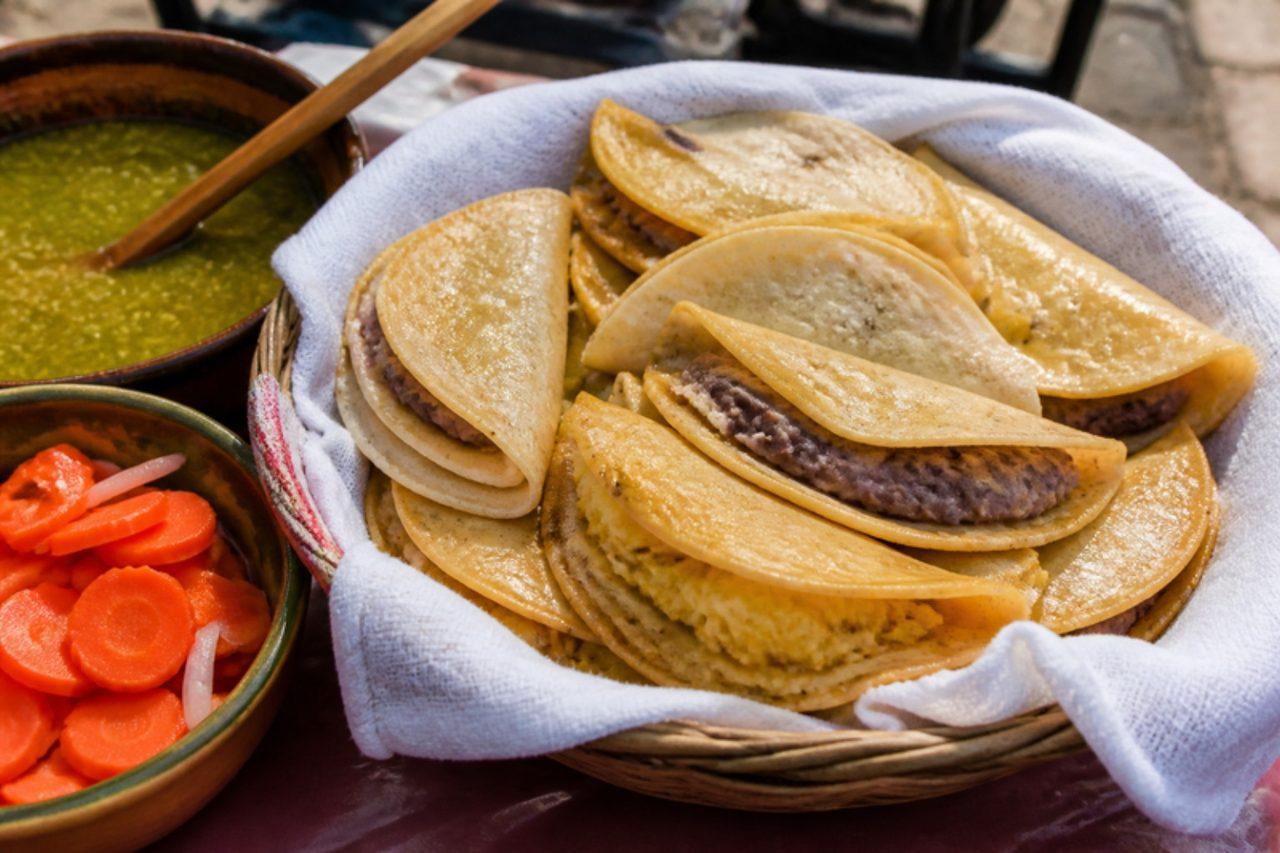
From about nine in the morning, bicycles with a wicker basket strapped behind the seat roll into Mexico City offices and street corners, and the cry of 'tacos de canasta' goes up. Inside the basket, wrapped in cloth and plastic, a hundred small tacos have steamed in their own heat for hours, so the tortillas turn soft, glossy and slightly sticky with chilli-red oil. They are cheap, sold by the handful, and eaten with green salsa from a jar on the bike. The usual fillings are potato, refried beans, adobo and chicharrón prensado (pressed pork rind); this recipe makes the two vegetarian ones and leaves out the pork. Chef's tip: an insulated cool box lined with a tea towel does the same job as the basket and keeps them hot for two hours.

by KrazyBadal 0 views

LiptauerPaprika curd cheese spread

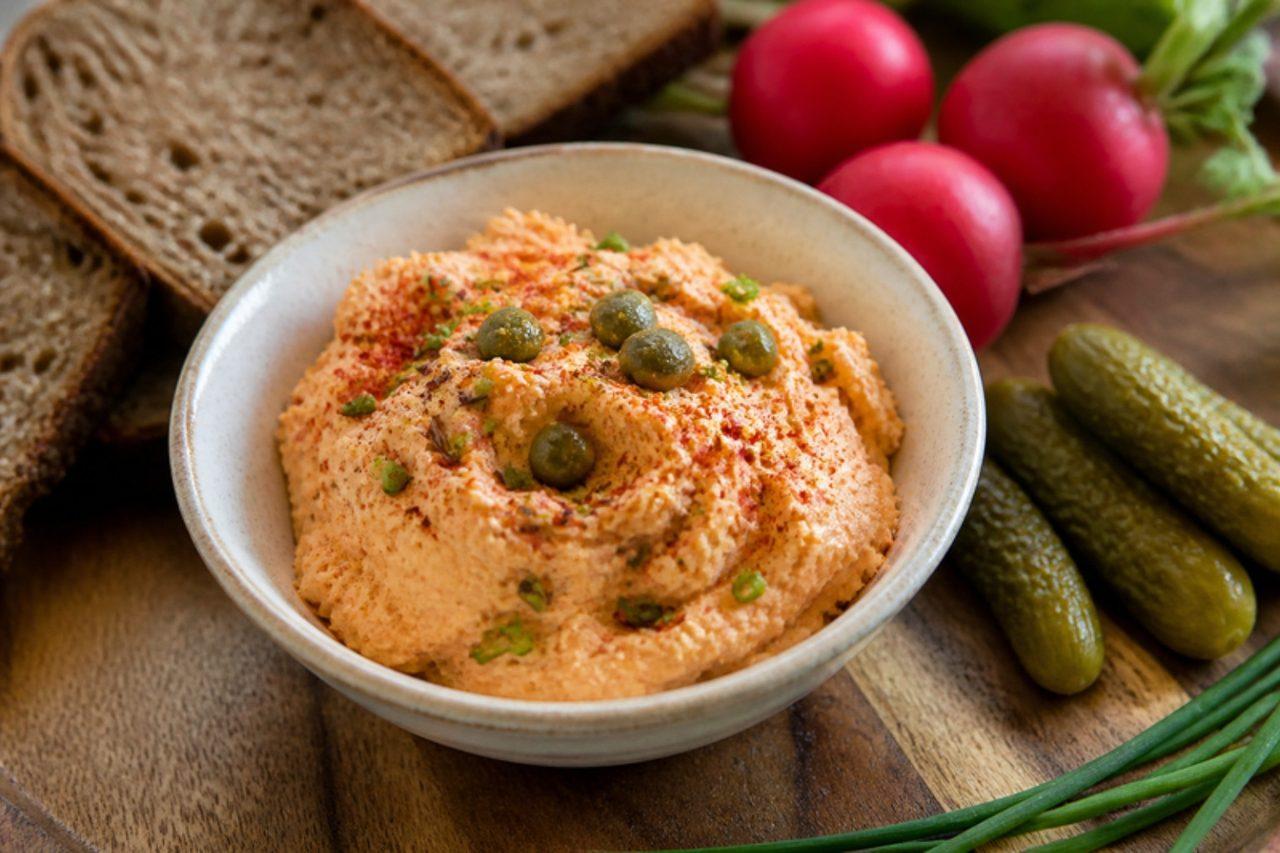
No Heuriger, the wine tavern on the vineyard slopes at the edge of Vienna, is complete without a bowl of rust-red Liptauer next to the bread basket. Quark and soft butter are beaten with sweet paprika, ground caraway, mustard, onion and capers into a spread that is creamy, tangy and gently warm. Spread it thick on dark rye bread with radishes and chives, or pipe it onto halved peppers for a snack board. A common mistake is using wet quark straight from the tub, which makes the spread runny; drain it in a sieve first. Most quark is set without rennet, but some brands use a little animal rennet, so pick one labelled vegetarian. Chef's tip: make it a few hours ahead; the paprika colour deepens and the caraway softens as it sits.

by KrazyBadal 0 views

OfenschlupferBaked bread pudding with apples

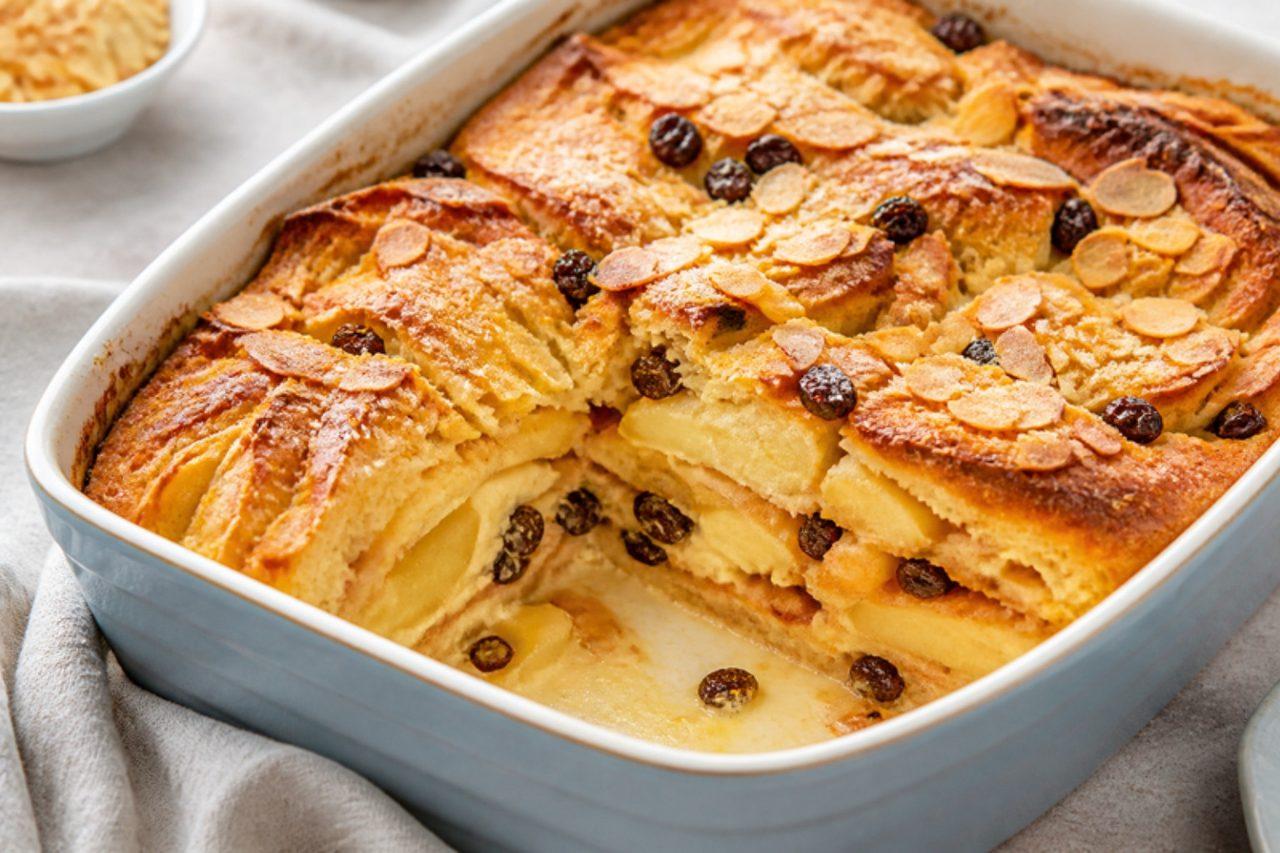
Ofenschlupfer, literally 'oven-crawler', is how Swabian farmhouse kitchens used up stale rolls on a Friday: slices of bread layered with apples, raisins and a little cinnamon in a deep dish, soaked in vanilla egg milk and baked until puffed and golden. Some families pour in a splash of rum; this version doesn't. It was once eaten as a sweet main course after a bowl of soup and is still served warm with vanilla sauce in Stuttgart cafés. A common mistake is baking it straight after pouring in the custard, which leaves dry patches on top; let it soak for 20 minutes. Chef's tip: dot the top with butter and a spoon of sugar for a crackly, caramelised crust.

by KrazyBadal 0 views

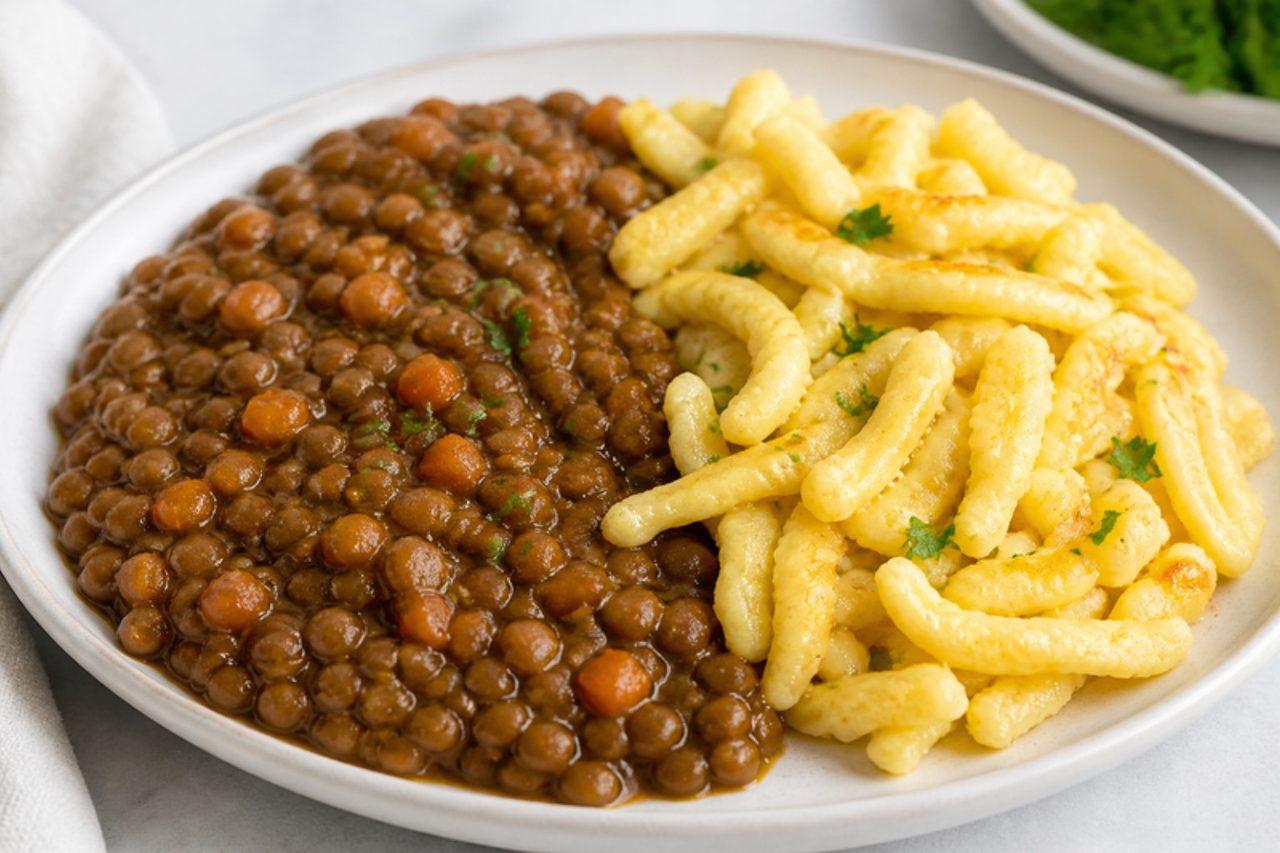
Linsen mit SpätzleSweet-sour lentils with egg noodles

Linsen mit Spätzle is Swabia's Saturday supper, eaten in kitchens from Stuttgart to Ulm when the week's cooking was done and something cheap and filling was needed. Small brown or green Alb lentils are stewed with root vegetables, then sharpened with vinegar and a little sugar, and ladled over freshly scraped Spätzle. Most families add a pair of thin smoked Saitenwürstle; this version skips them, and the smoked paprika keeps a hint of that flavour. A common mistake is adding the vinegar at the start, which stops the lentils softening, so it goes in at the end. Chef's tip: beat the Spätzle batter until bubbles pop on the surface; that air is what makes them springy.

by KrazyBadal 0 views

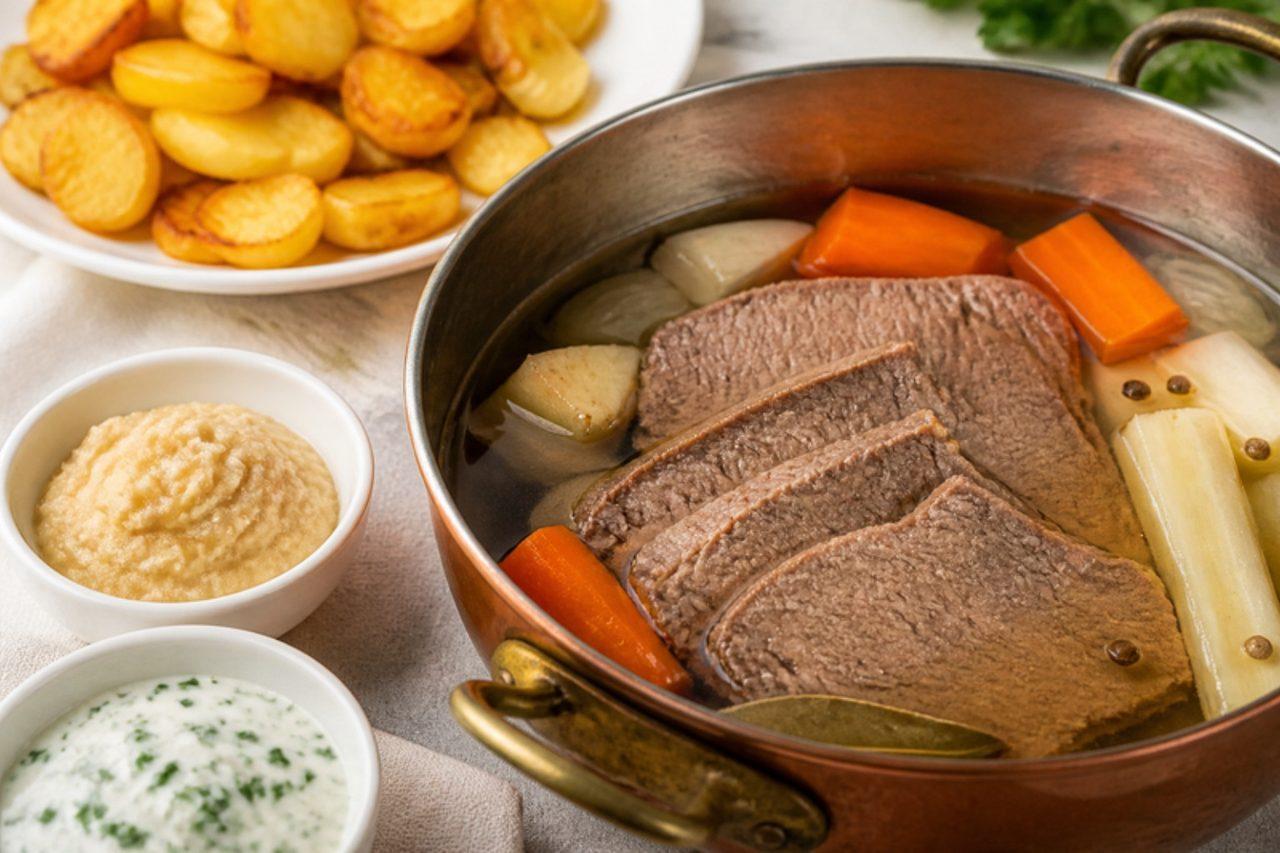
TafelspitzSimmered beef with apple horseradish

Tafelspitz is Vienna's grand Sunday lunch, the dish the old Beisl taverns and the city's famous beef restaurants built their names on. A whole piece of beef top rump is barely simmered with root vegetables for hours, then served in three acts: first the clear golden broth, then the sliced beef with crisp roast potatoes, sharp Apfelkren (grated apple and horseradish) and a cool chive sauce. Keep any leftover broth for Grießnockerlsuppe or Frittatensuppe. Chef's tip: never let the pot bubble; a slow tremble keeps the meat juicy and the broth clear.

210 minAustrianMeatGluten free
by KrazyBadal 0 views

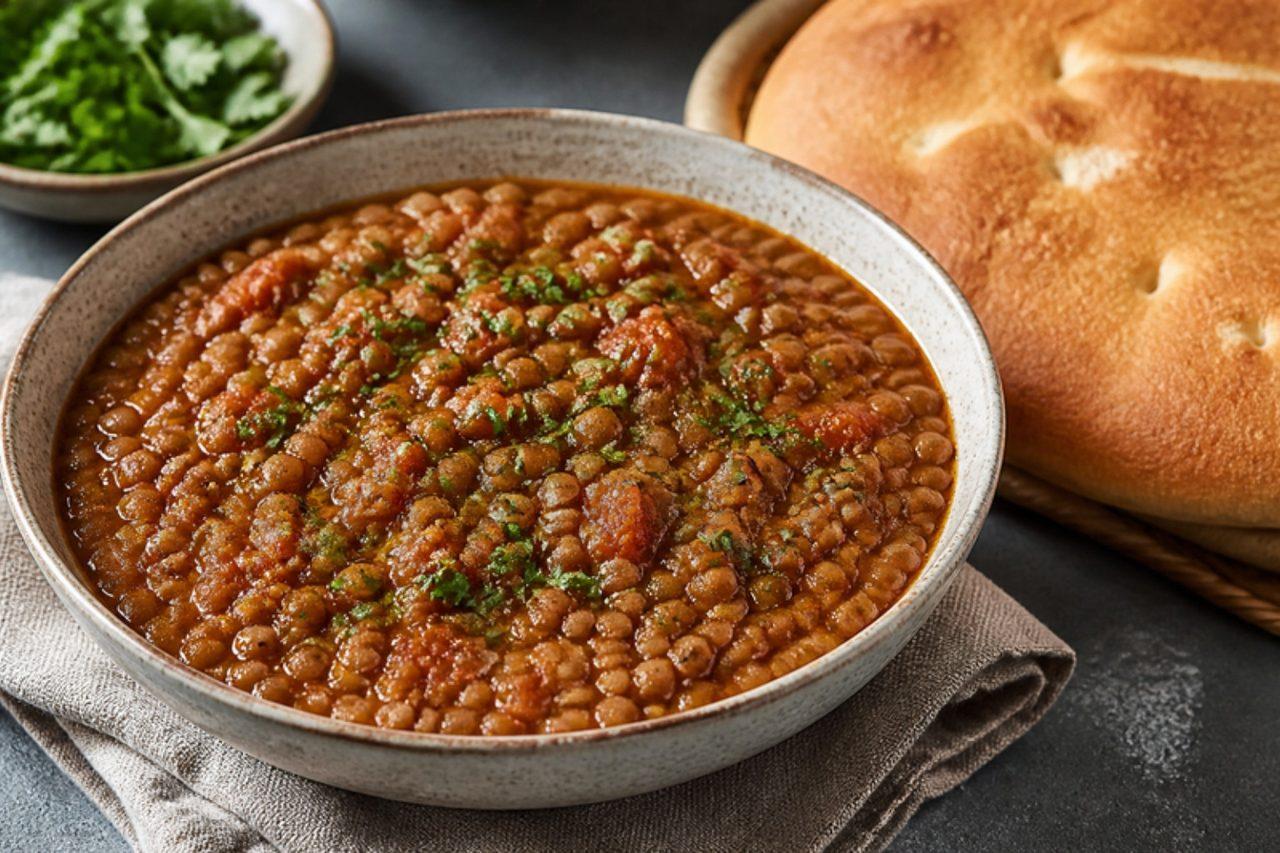
Moroccan lentils (aadess)

Cheap, filling and ready in under an hour, aadess turns up on home tables from Fez to Casablanca and in the clay bowls of small medina eateries that sell beans and lentils with bread to workers at lunchtime. The lentils stay whole but tender, sitting in a thick, brick-coloured sauce of grated tomato, garlic, cumin and paprika, finished with a generous slick of olive oil and fresh herbs. Scoop it up with crusty khobz; a dab of harissa or a few olives on the side is all it needs. Chef's tip: pick through the lentils on a plate before you rinse them, since small stones turn up even in good bags.

by KrazyBadal 0 views

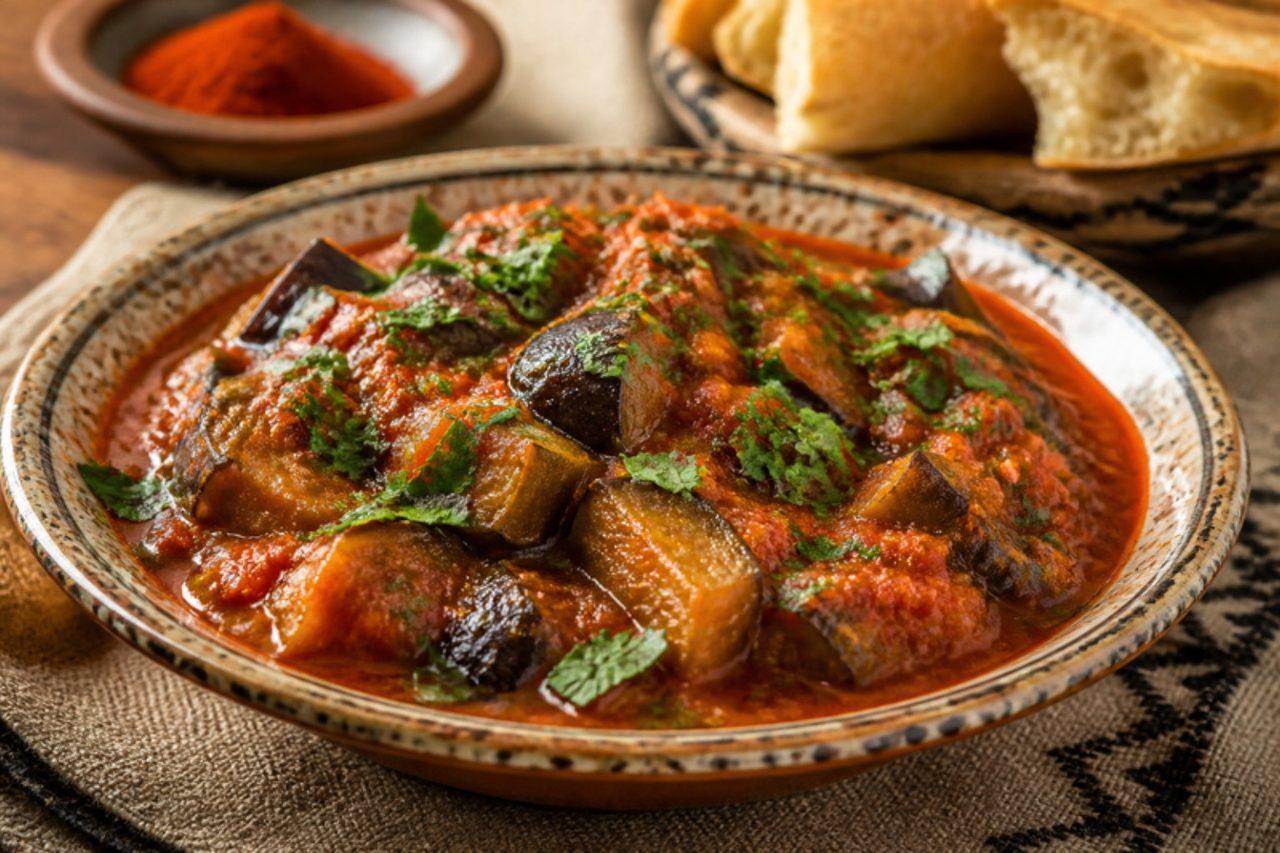
Mderbel (tangy aubergine relish)

Where zaalouk is a smoky mash, mderbel keeps its aubergine in soft, silky slices that have been fried first and then stewed down with garlic, sweet paprika, cumin and a sharp splash of vinegar. Old Fez families make it as one of the cooked salads that open a festive meal, and it keeps beautifully for a few days, so it is often made the day before. The flavour is rich from the oil, tangy, a little sweet and deeply garlicky; serve it at room temperature with bread, alongside other salads or next to grilled vegetables. The usual mistake is frying the aubergine in oil that isn't hot enough, so the slices drink it up and turn greasy. Chef's tip: salt the slices and leave them for 20 minutes, then pat them very dry; they drink far less oil and fry to a deep gold.

by KrazyBadal 0 views

Fouace aveyronnaiseOrange blossom brioche crown

Every village fête in the Aveyron, the old province of Rouergue, has a baker selling fouace: a big golden brioche ring scented with orange flower water and topped with crunchy sugar, carried home in a paper bag to be torn up at breakfast or after Sunday lunch. Laguiole and Rodez bakeries are famous for it, and families bake one for Easter, weddings and christenings. It is softer and less buttery than a Paris brioche, with a light, cottony crumb. Chef's tip: let the shaped crown rise until it is puffy and a fingertip leaves a dent that springs back slowly; underproved fouace tears in the oven.

240 minFrenchBaking
by KrazyBadal 0 views

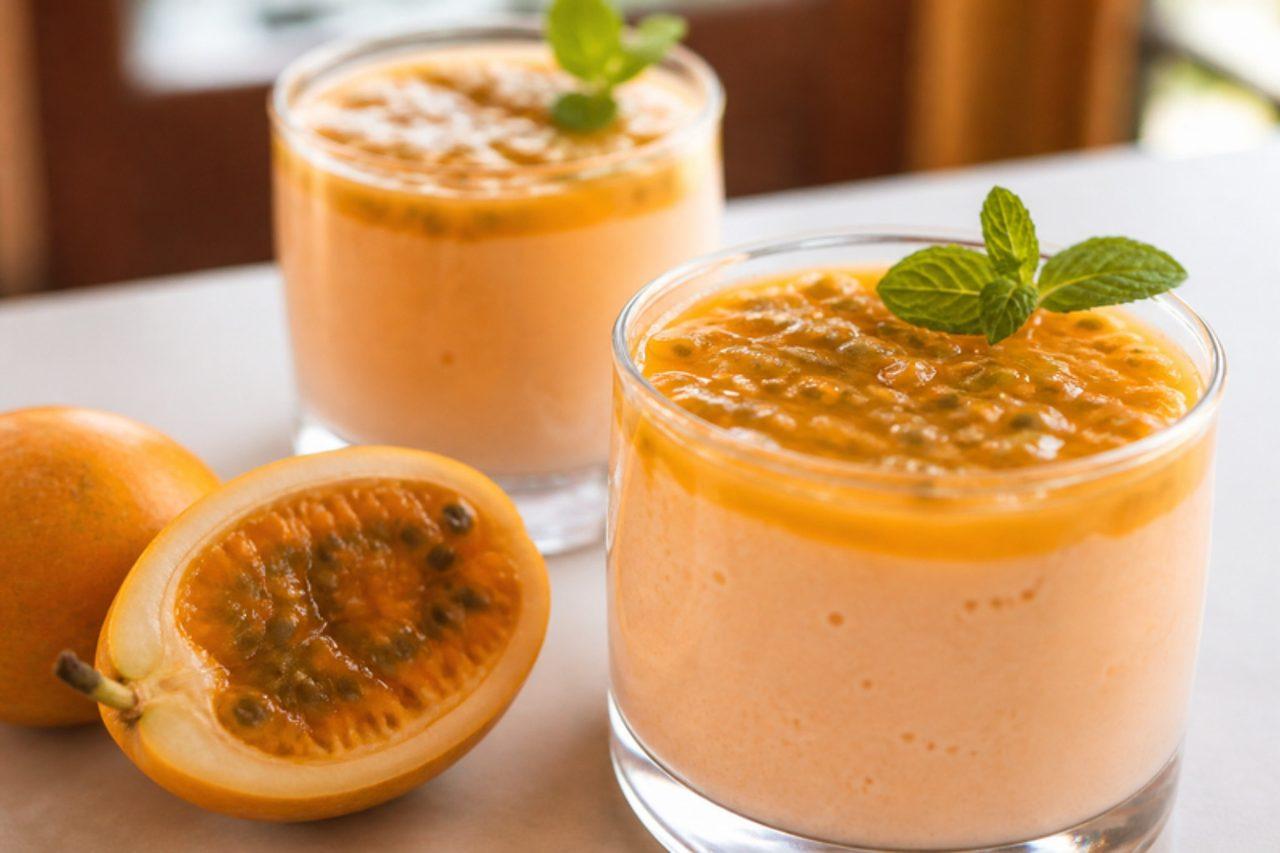
Esponjado de curubaBanana passionfruit mousse

Grandmothers' kitchens and old cafés of Bogotá and Boyacá have kept the esponjado alive: a pale, airy, sweet-sour mousse made with curuba, the long, soft-skinned banana passionfruit of the cold Andes, set with gelatin and sweetened with condensed milk. It is served chilled in glasses after Sunday lunch, light and tangy, perfumed like passionfruit but softer. Because it contains gelatin, it is not vegetarian; for a vegetarian version, set it with 2 tsp agar powder boiled for 2 minutes in the curuba juice. Older recipes fold in raw whipped egg whites; this one uses whipped cream instead, so there is no raw egg. The common problem is folding cream into gelatin that's too warm or too set: it should be cool and just thickening, like unbeaten egg white. Chef's tip: frozen curuba pulp is sold in Latin shops; if you can't find it, use passionfruit pulp with a squeeze of lime. Allow at least 4 hours for it to set.

by KrazyBadal 0 views

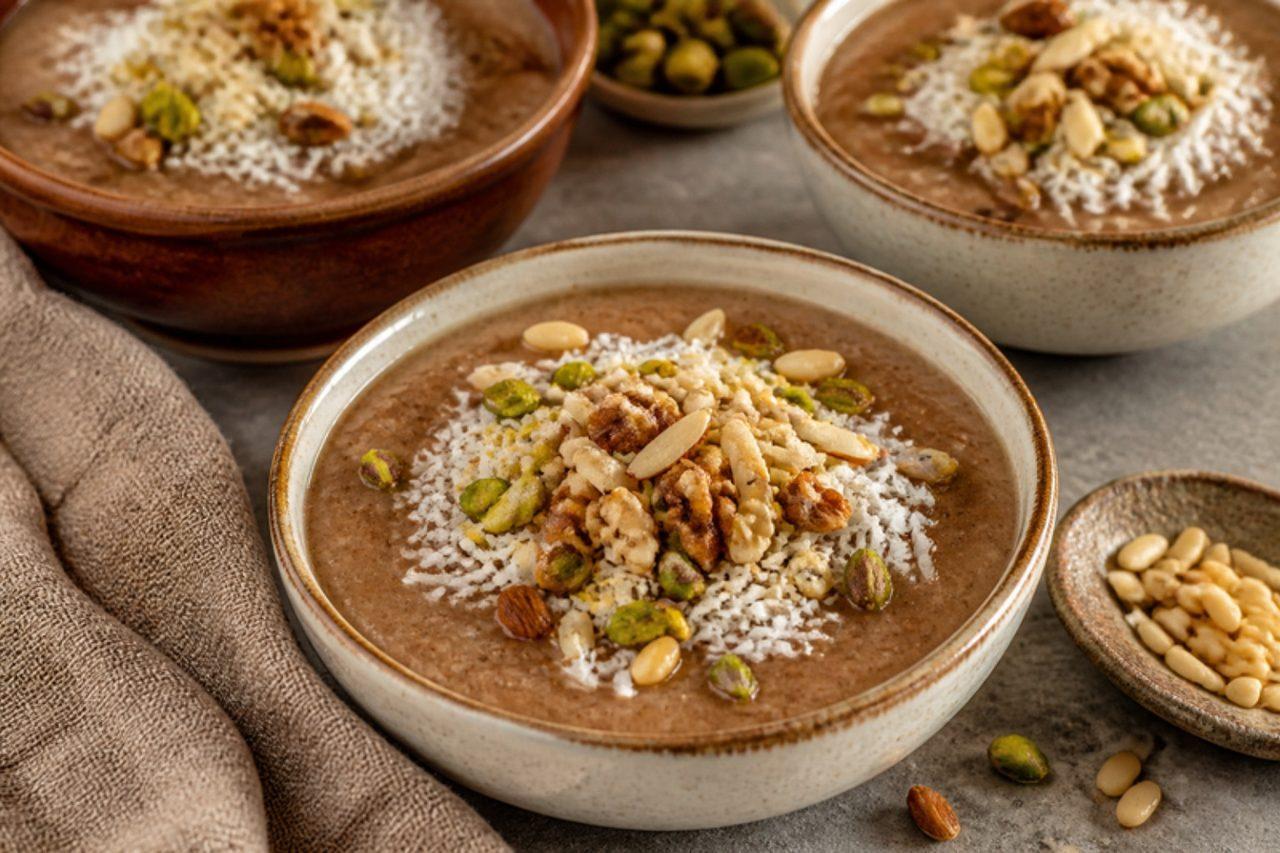
MeghliSpiced rice pudding

When a baby is born in Lebanon, the family cooks a big pot of meghli and hands out bowls to every visitor who comes to congratulate them; it also appears at Christmas in Christian homes. Ground rice is simmered with sugar and warm spices — caraway, cinnamon and anise — until it sets into a smooth, cocoa-brown pudding with no milk or eggs at all. Each bowl is topped with desiccated coconut and a generous pile of soaked walnuts, almonds, pistachios and pine nuts. Common mistake: walking away from the pot; ground rice catches and lumps fast, so it needs steady stirring. Chef's tip: soak the nuts in cold water overnight and peel the almonds; they turn plump and crisp, which is the hallmark of a good meghli.

by KrazyBadal 0 views

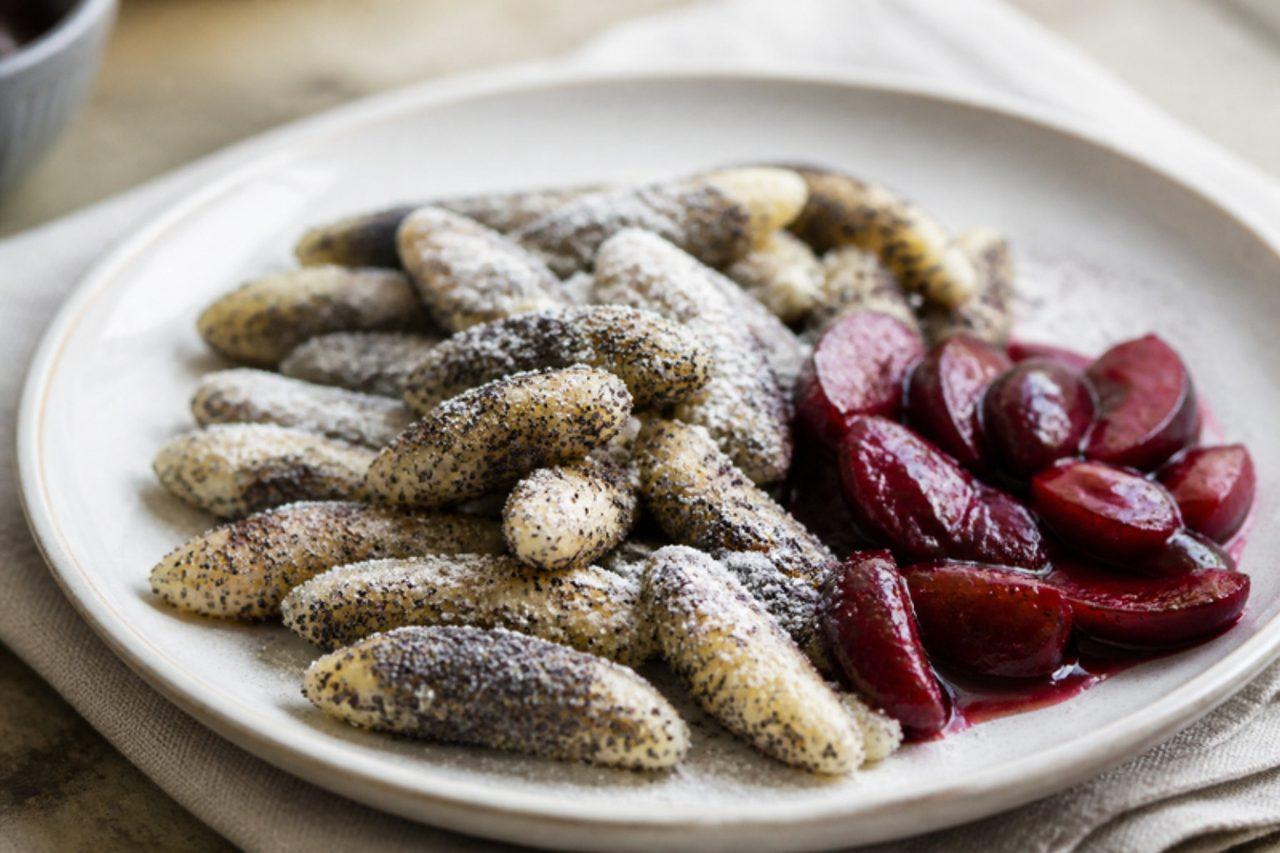
MohnnudelnPotato noodles with poppy seeds

The Waldviertel, the cool, forested uplands of Lower Austria, is poppy country: in July its fields bloom white, pink and violet, and the grey poppy seed grown there has a protected name. Mohnnudeln are its favourite sweet dish, served as a main meal on meatless days or as dessert. Soft potato dough is rolled into little tapered noodles, boiled, then tossed in foaming butter with a generous amount of freshly ground poppy seed and icing sugar, so they taste nutty, buttery and gently sweet. A common mistake is using whole or stale poppy seeds; whole seeds give no flavour and old ground ones taste bitter. Chef's tip: grind the poppy seed yourself in a spice grinder just before using, in short bursts so it doesn't turn to paste.

by KrazyBadal 0 views

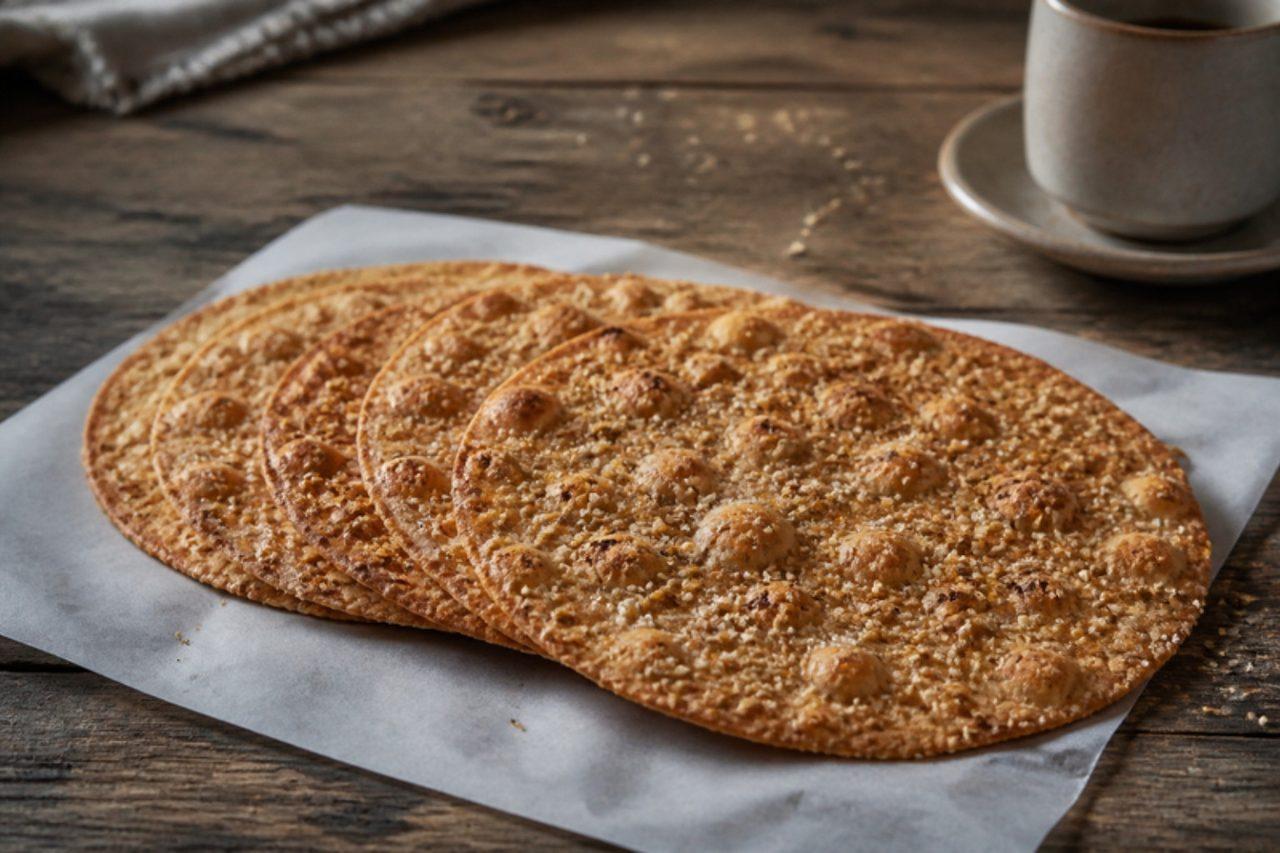
Tortas de aceite sevillanasCrisp olive-oil flatbreads with anise

Castilleja de la Cuesta, just west of Seville, has made these hand-pressed tortas for well over a century, and across Andalusia they are dunked into morning coffee or eaten as an afternoon snack. The dough is little more than flour, olive oil infused with anise and sesame, and a pinch of yeast, rolled until you can almost see through it and baked with a crust of sugar. Chef's tip: roll each torta directly on the baking paper you will bake it on; the dough is too thin to lift without tearing.

by KrazyBadal 0 views

Matesha mesla (sweet tomato jam)

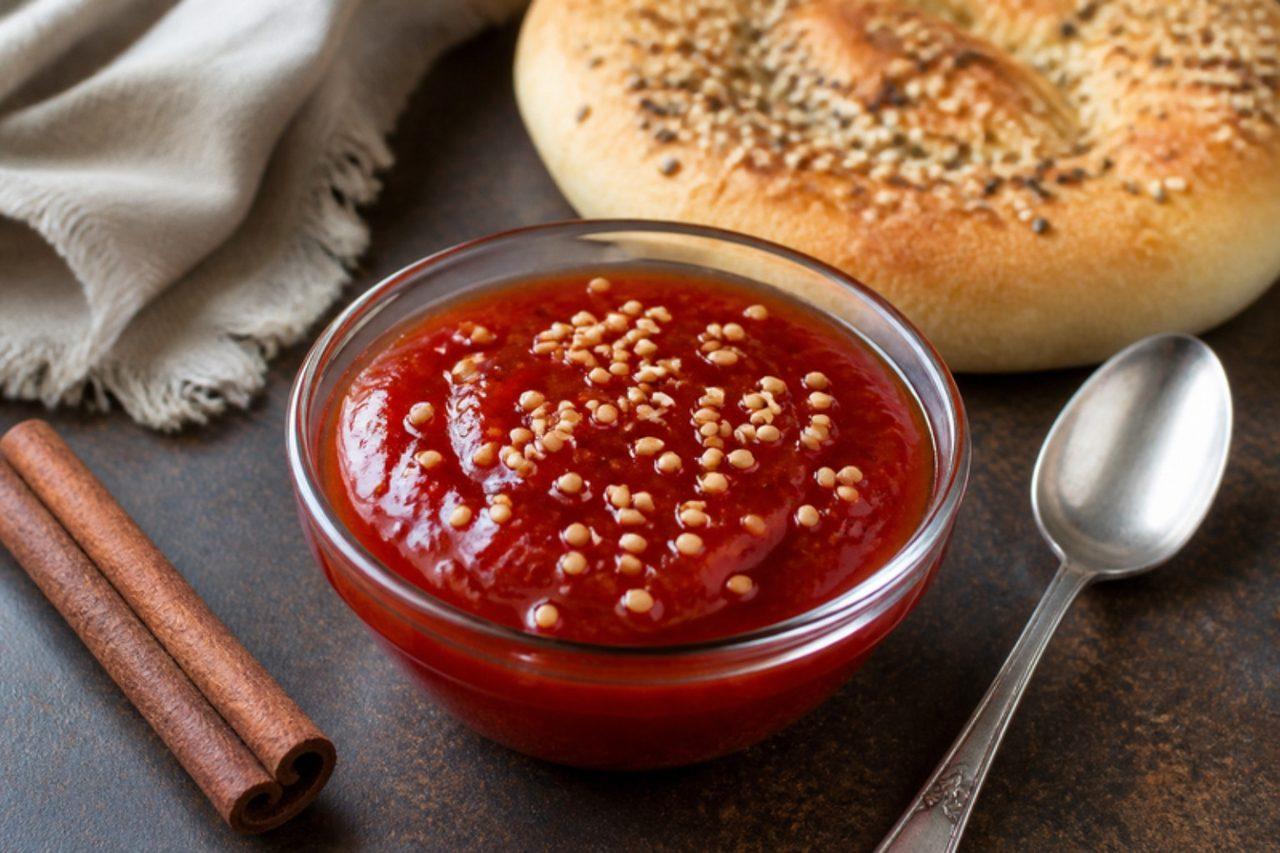
Fassi cooks reduce ripe tomatoes with honey and cinnamon until they turn into a glossy, brick-red jam that is sweet, faintly tart and perfumed with orange-flower water. It is set out among the small salads at weddings and family feasts, spooned beside a lamb or vegetable tagine, or simply scooped up with warm khobz at teatime. The texture should be thick enough to hold a ridge when you drag a spoon through it, with a scattering of toasted sesame and fried almonds on top. Kept in a clean jar in the fridge it lasts a week and only gets better. Chef's tip: grate the tomatoes on the coarse side of a box grater and throw away the skins; you get a smooth jam without the bother of blanching and peeling.

by KrazyBadal 0 views

Perro calienteLoaded hot dog with pineapple sauce

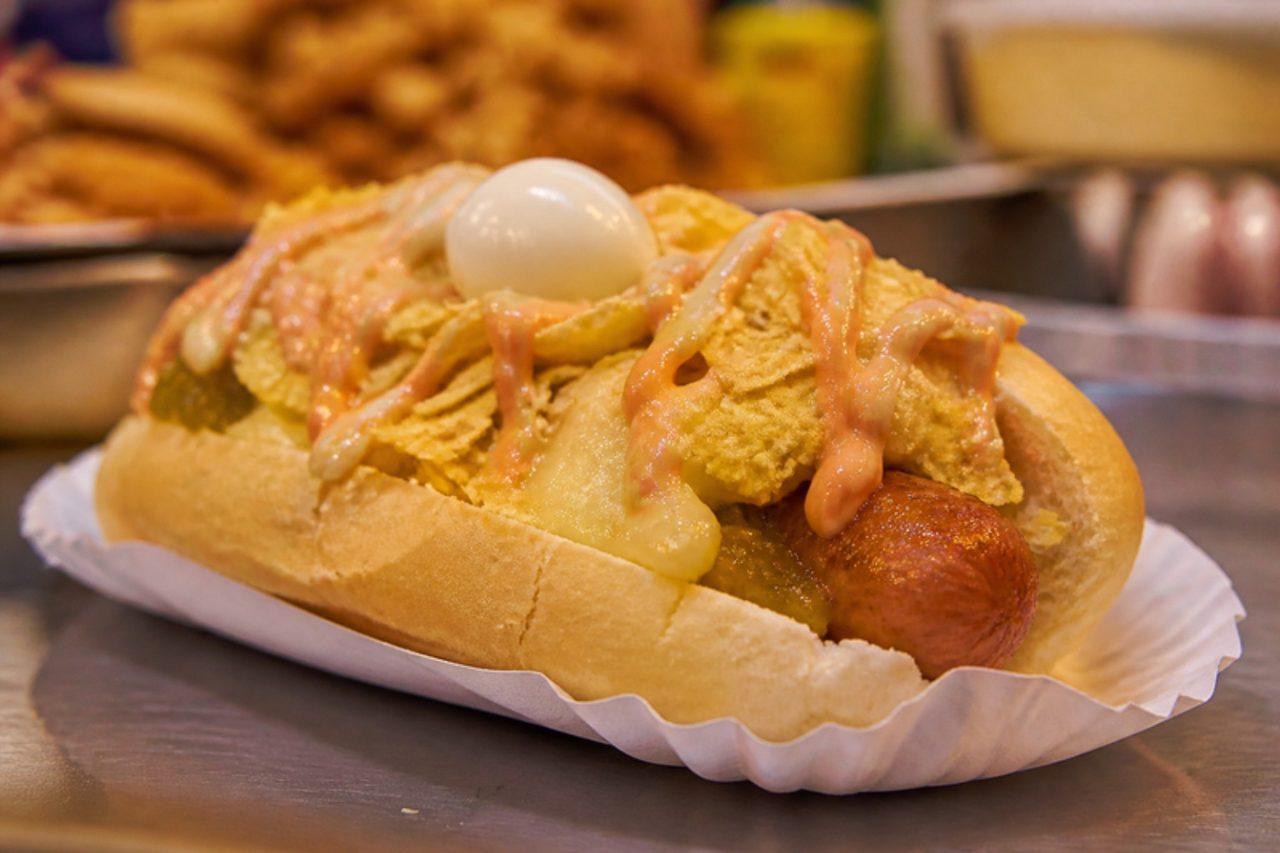
Bogotá's hot-dog stands near the universities and in the Zona Rosa take the frankfurter and keep going: melted cheese, a sticky pineapple sauce, salsa rosada, mustard, a mound of crushed potato crisps and, on top, a couple of boiled quail eggs on a toothpick. It's sweet, salty, creamy and crunchy in every bite, and it is very much a hold-it-over-the-napkin snack. Kids are usually the first in line. Adding the crisps too early is the classic mistake; they go soft under the sauces, so they are the very last thing on. Chef's tip: make the quick pineapple sauce while the eggs boil; fresh pineapple cooked down with a little sugar tastes much brighter than bottled.

by KrazyBadal 0 views

SpundekäsWhipped quark and cream cheese dip

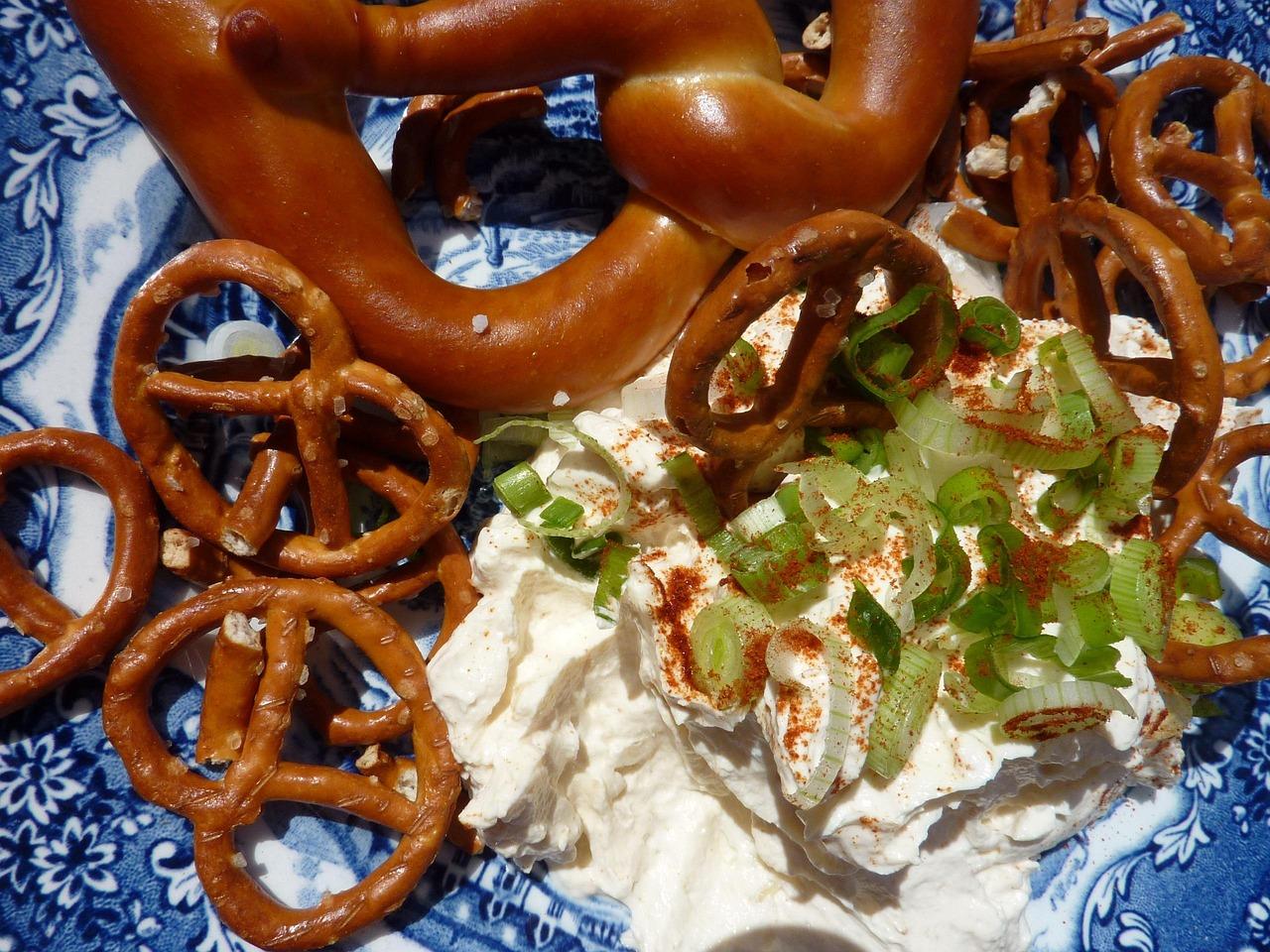
In Mainz and the wine villages of Rhine-Hesse, Spundekäs is what lands on the table at a wine festival or in a Straußwirtschaft, the pop-up taverns winemakers open in their courtyards in late summer. It is a light, airy whip of quark and cream cheese, sharpened with onion, garlic and plenty of sweet paprika, and it is scooped up with soft pretzels or Laugenbrezel. The name comes from the cone-shaped wooden 'Spund' it was once pressed into. A common mistake is using watery quark straight from the tub, which makes a runny dip; drain it first. Chef's tip: make it a couple of hours ahead so the onion softens into the cheese, then dust with fresh paprika just before serving.

by KrazyBadal 0 views

Frito pastusoFried pork with potatoes and mote

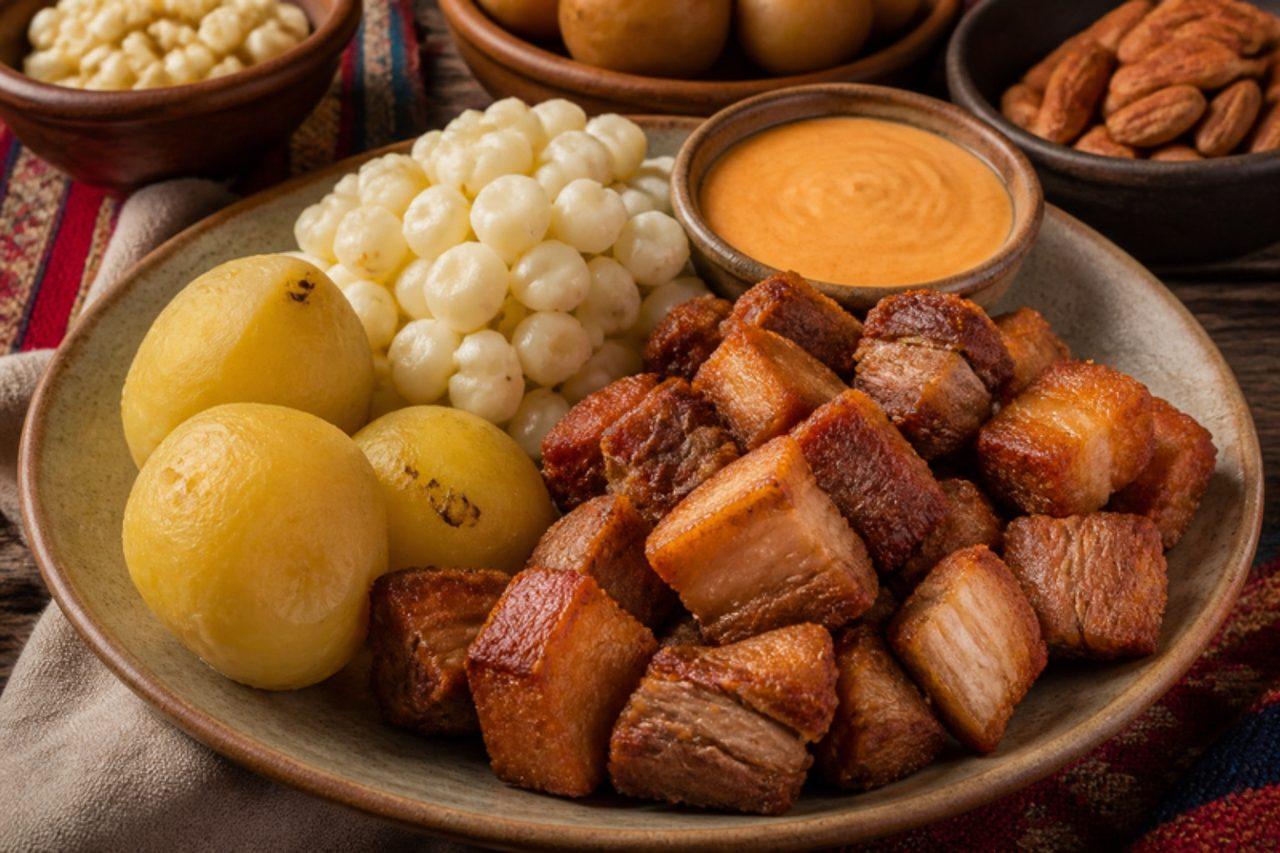
In Pasto and the high Nariño towns close to Ecuador, frito pastuso is a weekend plate found at market counters and family lunches: chunks of pork leg simmered with garlic and cumin until the water evaporates, then fried in their own fat until browned and crisp at the edges, served with small boiled yellow potatoes, mote (white hominy), toasted corn and a smooth ají de maní, the region's peanut and chilli sauce. The pork is salty and crusty, the potatoes soft, and the peanut sauce brings a gentle heat. Contains peanuts. The mistake people make is cutting the pork too small, so it dries out before it browns; keep the chunks generous, about 4 cm. Chef's tip: marinate the pork overnight in the fridge; the garlic and cumin get right into the meat and the fried edges caramelise better.

by KrazyBadal 0 views

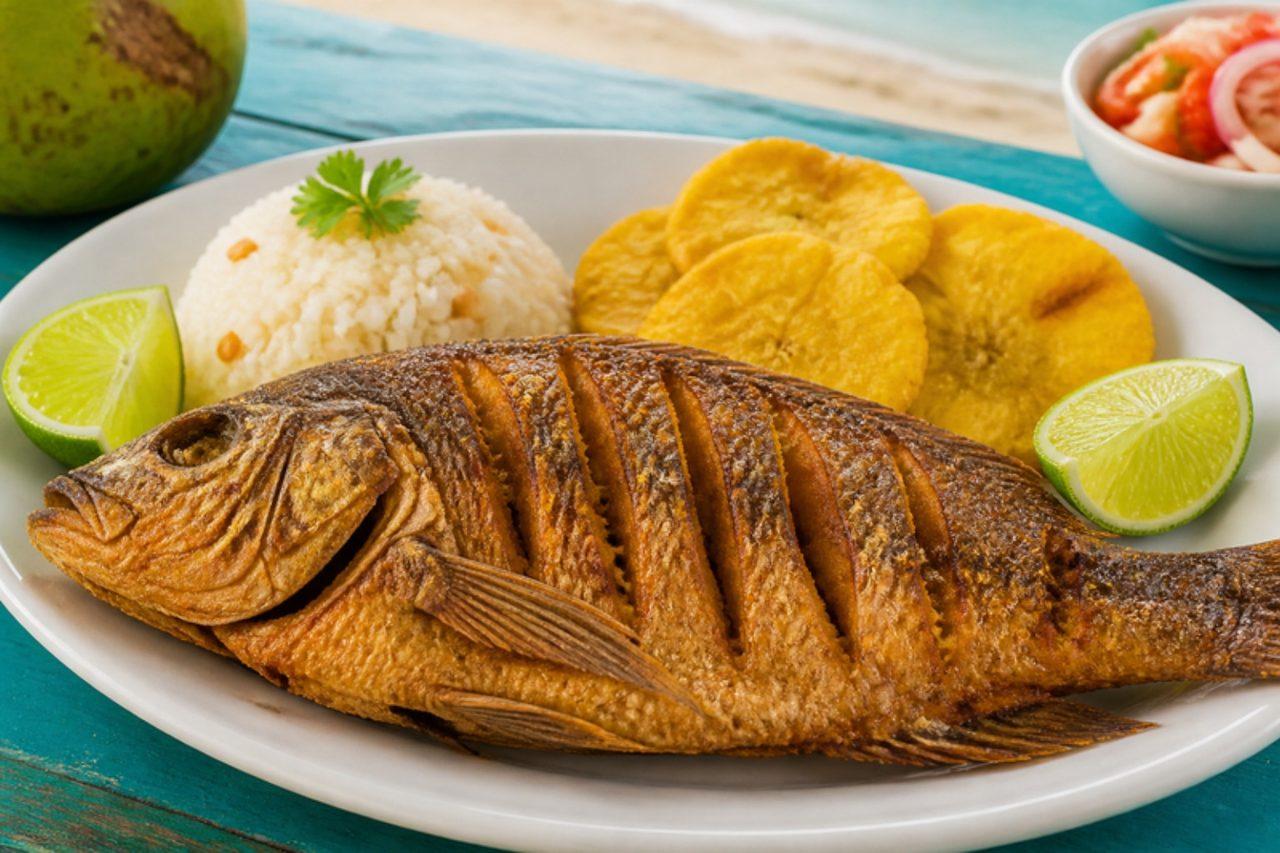
Mojarra fritaFried whole tilapia

On the beaches of Bocagrande and in the open-air kitchens of La Boquilla outside Cartagena, the lunch plate is a whole mojarra (tilapia) fried until its fins crackle, served with coconut rice, smashed green plantain patacones and a tomato and onion salad with lime. The skin goes shatteringly crisp, the flesh stays sweet and moist, and you eat it with your fingers, pulling meat off the bone. Scoring the sides lets the heat and seasoning reach the thick part near the spine. The mistake to avoid is putting a wet fish into the oil, which spits dangerously and leaves the skin soggy: pat it very dry and dust it lightly. Chef's tip: fry one fish at a time in plenty of oil and don't move it for the first 4 minutes, so the skin sets before you turn it. Serve with arroz con coco for the full Caribbean plate.

by KrazyBadal 0 views

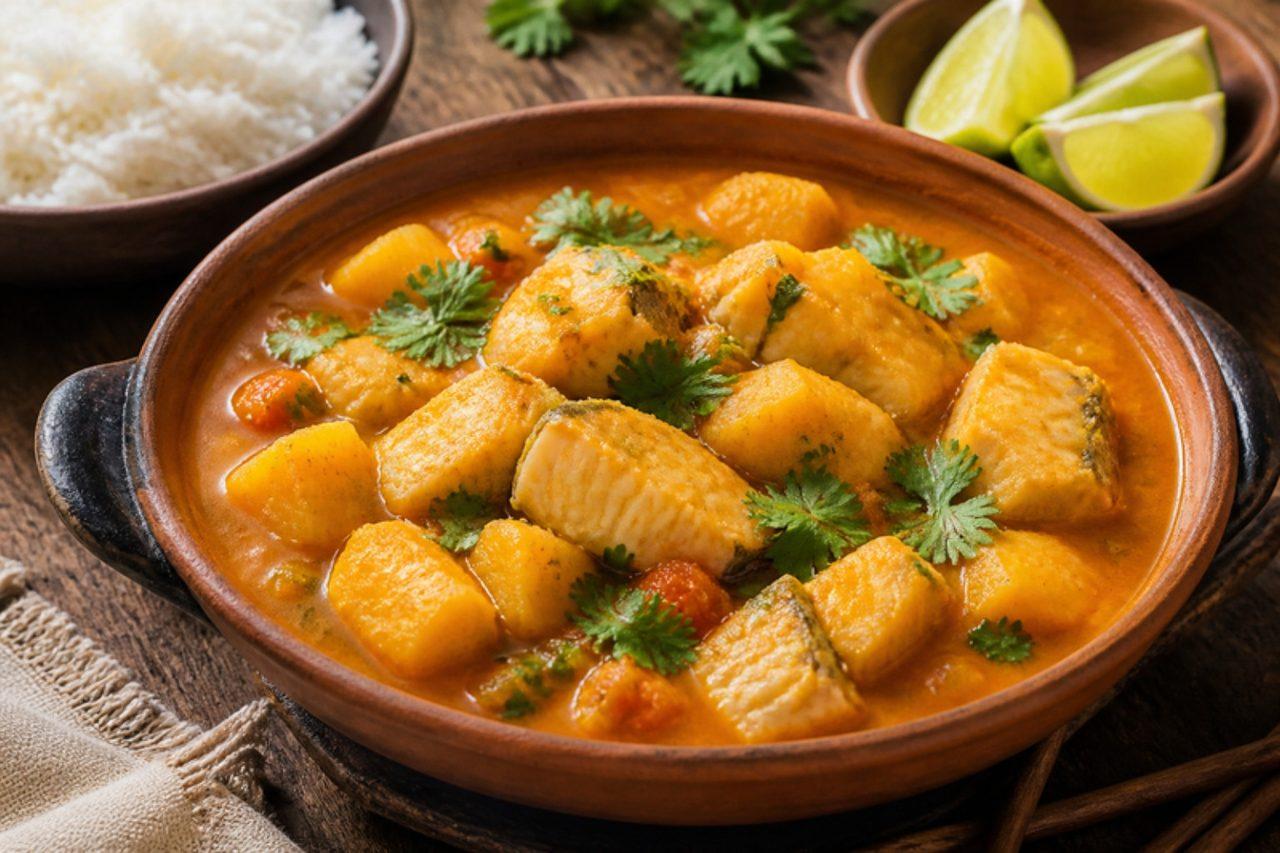
Mojica de pintadoCatfish and cassava stew

Thick, golden and soothing, mojica is the stew Cuiabá cooks with pintado, the big spotted catfish of the Pantanal rivers. Cassava simmers in a tomato and onion broth until it starts to break and thicken it, then cubes of firm fish poach gently on top, and the whole pot is finished with cheiro-verde and a squeeze of lime. It is eaten at family lunches and riverside restaurants in Mato Grosso, with white rice and a hot pepper sauce, and is known as a cure for a tired body. Outside Brazil, use catfish, monkfish or thick cod loin. People often stir the fish into the pot like a curry, which breaks it into shreds; lay it on top and let it steam. Cassava must always be cooked right through. Chef's tip: mash a few pieces of the cooked cassava against the side of the pot before adding the fish; it thickens the broth without any flour.

by KrazyBadal 0 views

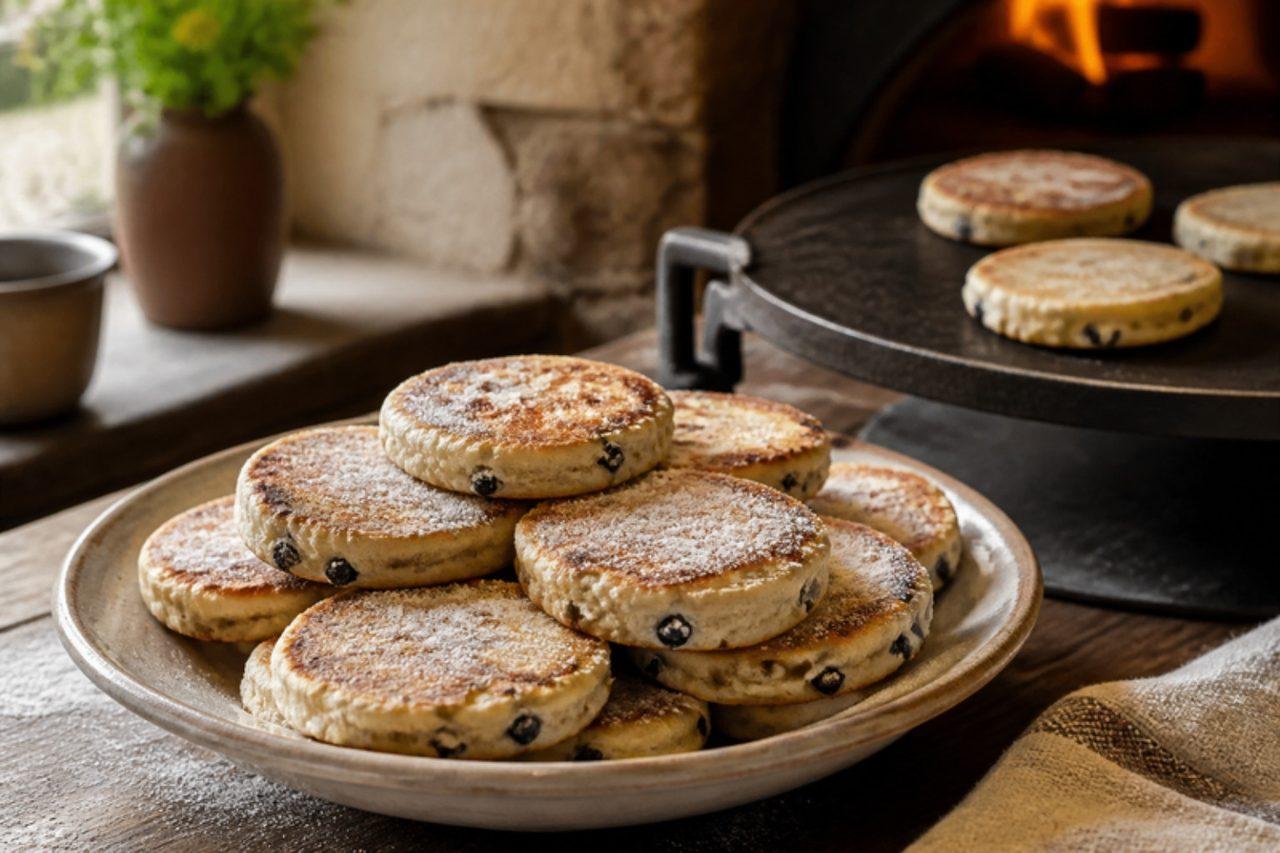
Welsh cakes

Welsh cakes, picau ar y maen or 'cakes on the stone', are cooked on a cast-iron bakestone in kitchens across Wales and sold warm at markets and rugby matches, and they are a must on St David's Day, 1 March. The dough is like a rich scone with currants and mixed spice, and they are dusted with sugar while hot. Chef's tip: keep the heat medium-low; they need time for the middle to cook before the outside darkens.

by KrazyBadal 0 views

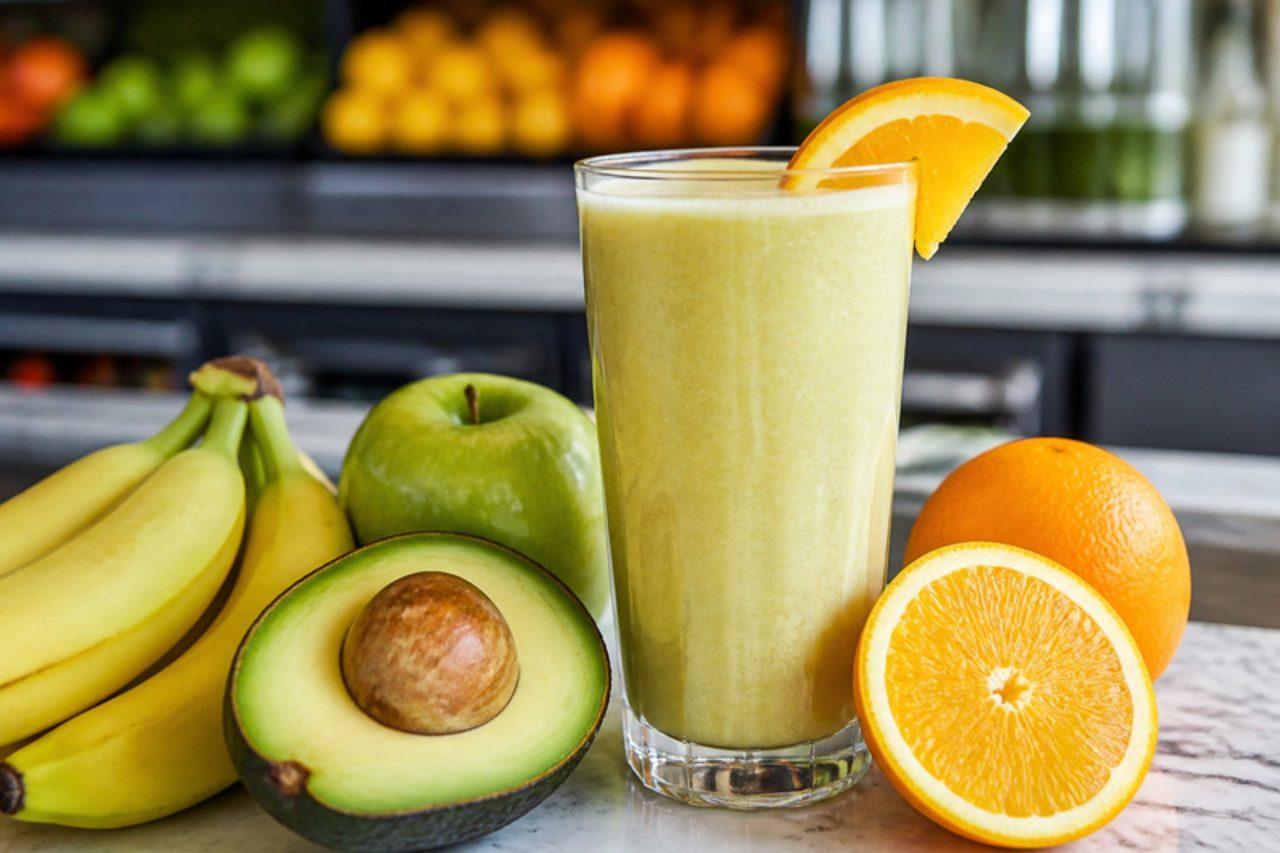
Panaché (Moroccan mixed fruit milkshake)

Juice bars from Tangier to Agadir list a 'panaché' on the board, which in Morocco means a thick milkshake blended from whatever mix of fruit is in season, most often banana, apple, avocado and orange, served in a tall glass and sometimes topped with chopped dried fruit and nuts. Avocado is used as a sweet fruit here, and it makes the drink extra creamy. It is a favourite after school, as a quick breakfast or after an afternoon in the medina. Make it just before drinking: the orange juice can make the milk turn slightly grainy and the avocado darkens if it stands, which is the usual mistake. Chef's tip: use a ripe, soft avocado and a banana with brown freckles for natural sweetness, so you need very little sugar.

by KrazyBadal 0 views

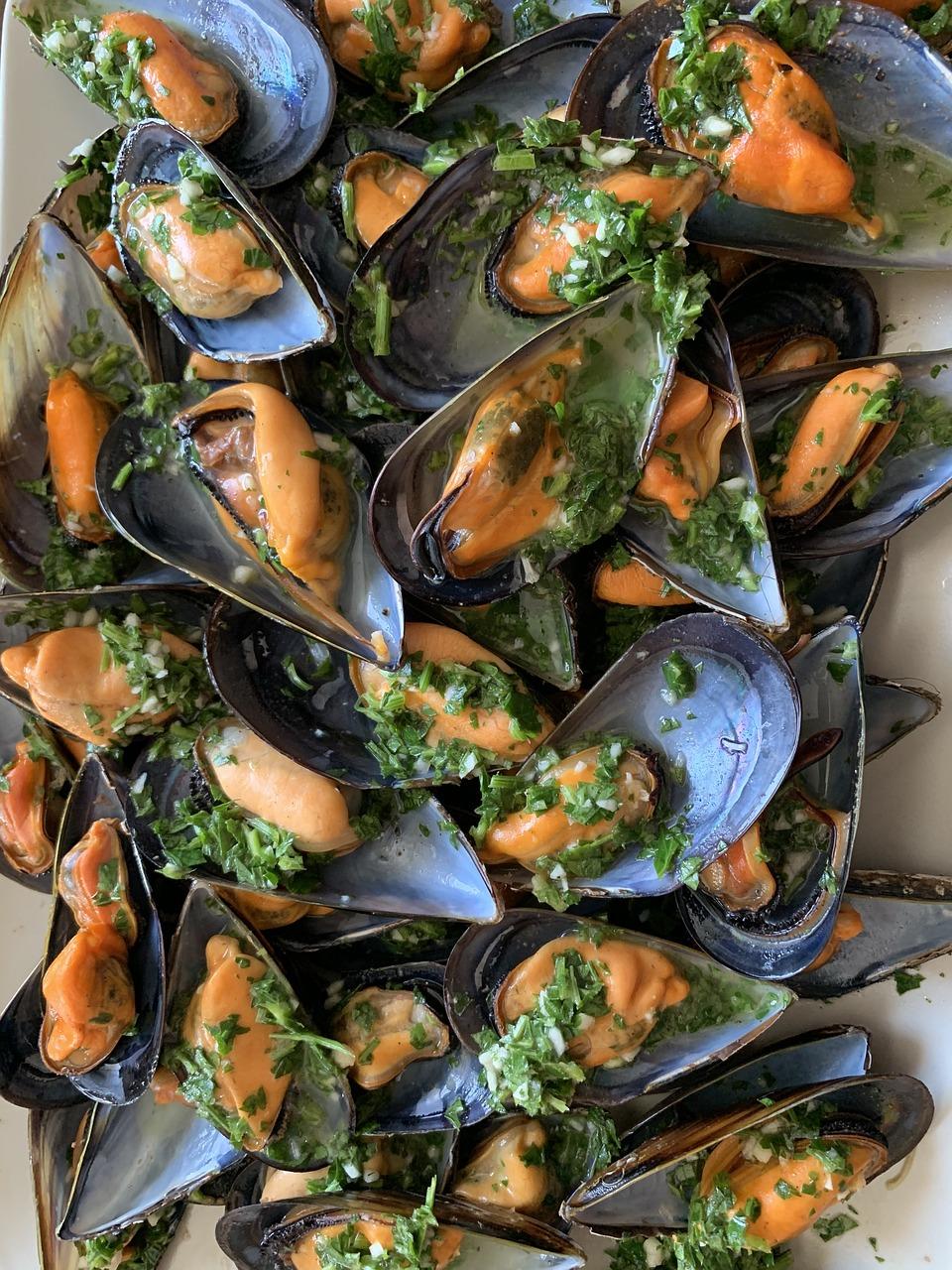
Mejillones a la provenzalMussels with garlic and parsley

On the Atlantic coast around Puerto Madryn and the Golfo Nuevo, mussels from cold Patagonian waters are farmed and gathered in quantity, and seafood places along the rambla steam them a la provenzal, which in Argentina means lots of garlic and parsley. A splash of dry white wine goes into the pot; the alcohol mostly cooks off, but you can swap it for fish stock with a little lemon for an alcohol-free pot that tastes just as good. Serve with bread or chips to mop up the briny juices. Cooking mussels too long is the usual slip: they shrink and turn rubbery, so lift the lid as soon as most have opened. Before cooking, throw away any mussel with a broken shell or one that stays open when tapped; after cooking, discard any that stay shut. Chef's tip: keep the garlic in gently warm oil until it just smells sweet; brown garlic turns bitter and dominates the mussels.

by KrazyBadal 0 views

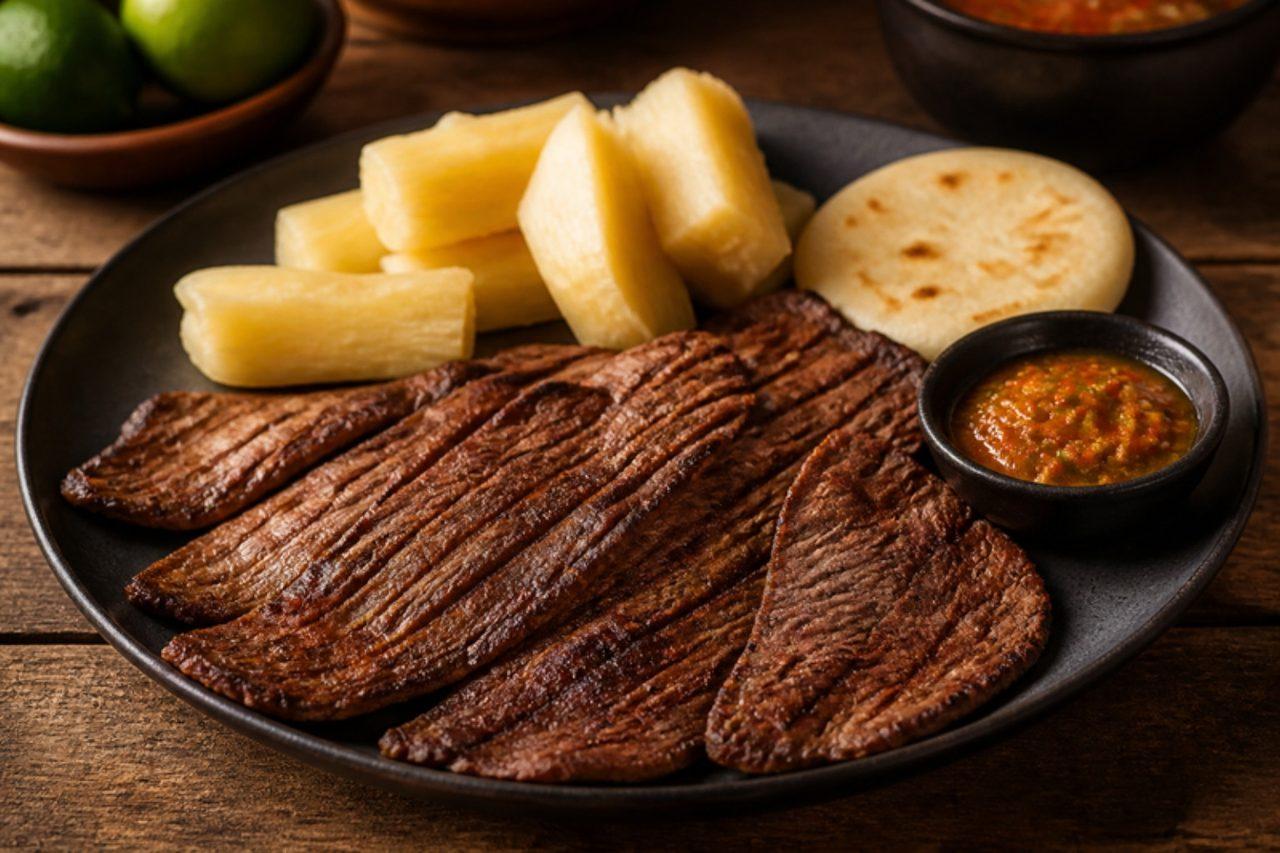
Carne oreadaAir-dried marinated beef

Before refrigerators, Santander cooks preserved beef by marinating thin sheets of it with panela, salt, garlic and cumin and hanging it in the sun and breeze until the surface dried. Carne oreada is still sold in the markets of Bucaramanga and San Gil, and grilled at home or in asaderos with arepa santandereana, cassava and guacamole. The meat comes out chewy-tender with a sweet, salty, caramelised edge and a concentrated, almost cured beef flavour. Sun-drying isn't safe in most home settings, so this version dries the meat on a rack uncovered in the fridge for 1–2 days, which gives the same firm, dark surface. Grilling it too long is the frequent fault, as the thin meat goes leathery; it needs only a few minutes a side over high heat. Chef's tip: some cooks splash a little beer into the marinade, but orange juice gives a similar tang without alcohol.

by KrazyBadal 0 views

Showing 27 of 7,762 recipes

Show more recipes

Page 424 of 863