


Skip to content
Cowheel soup
Featured recipe

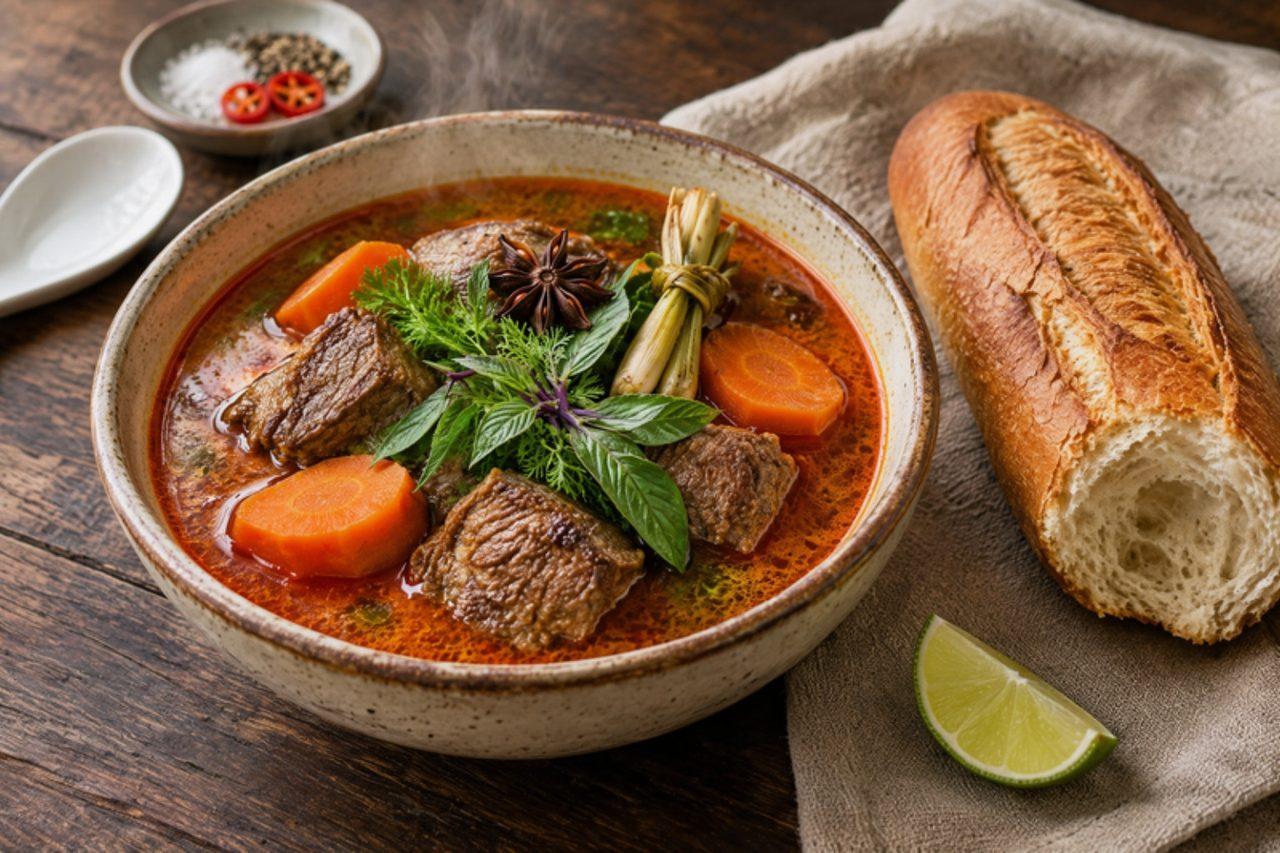
Cowheel soup

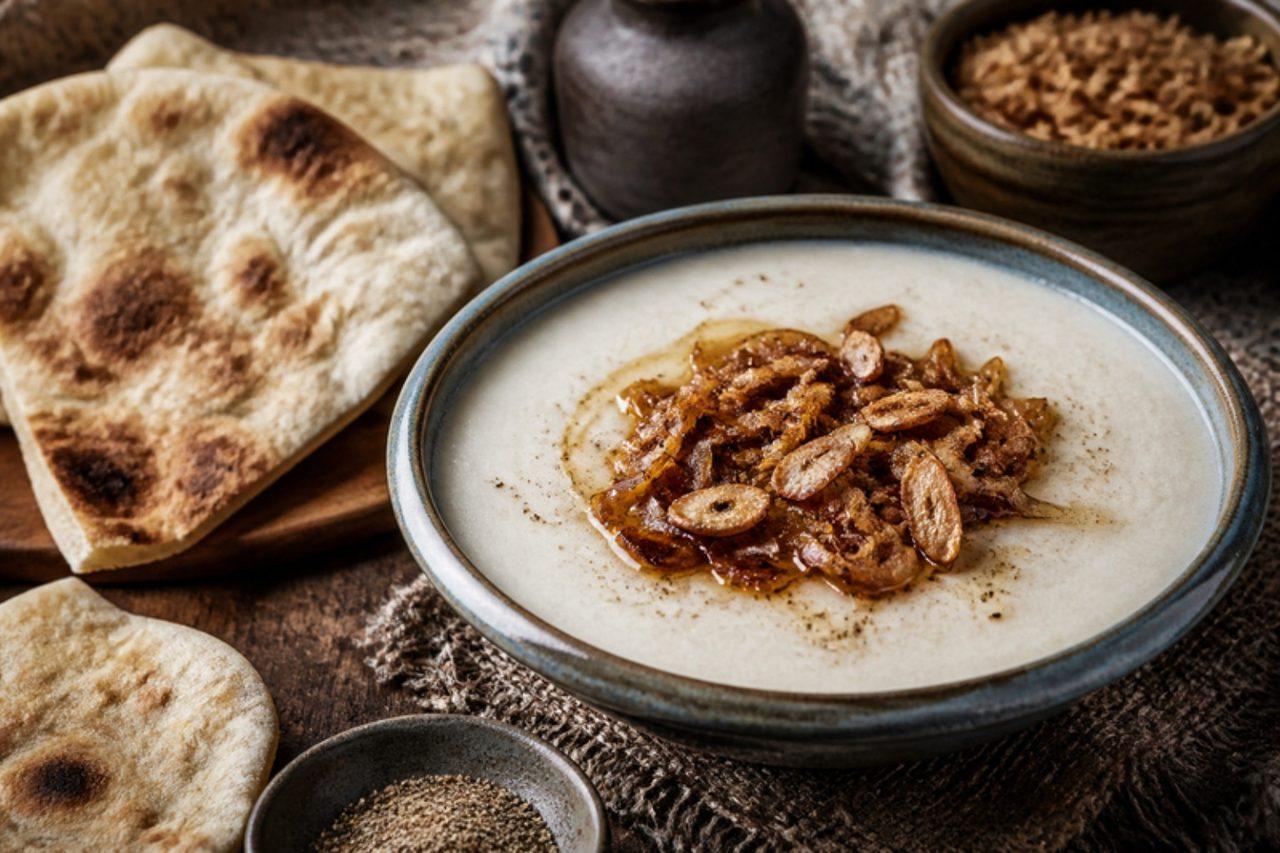
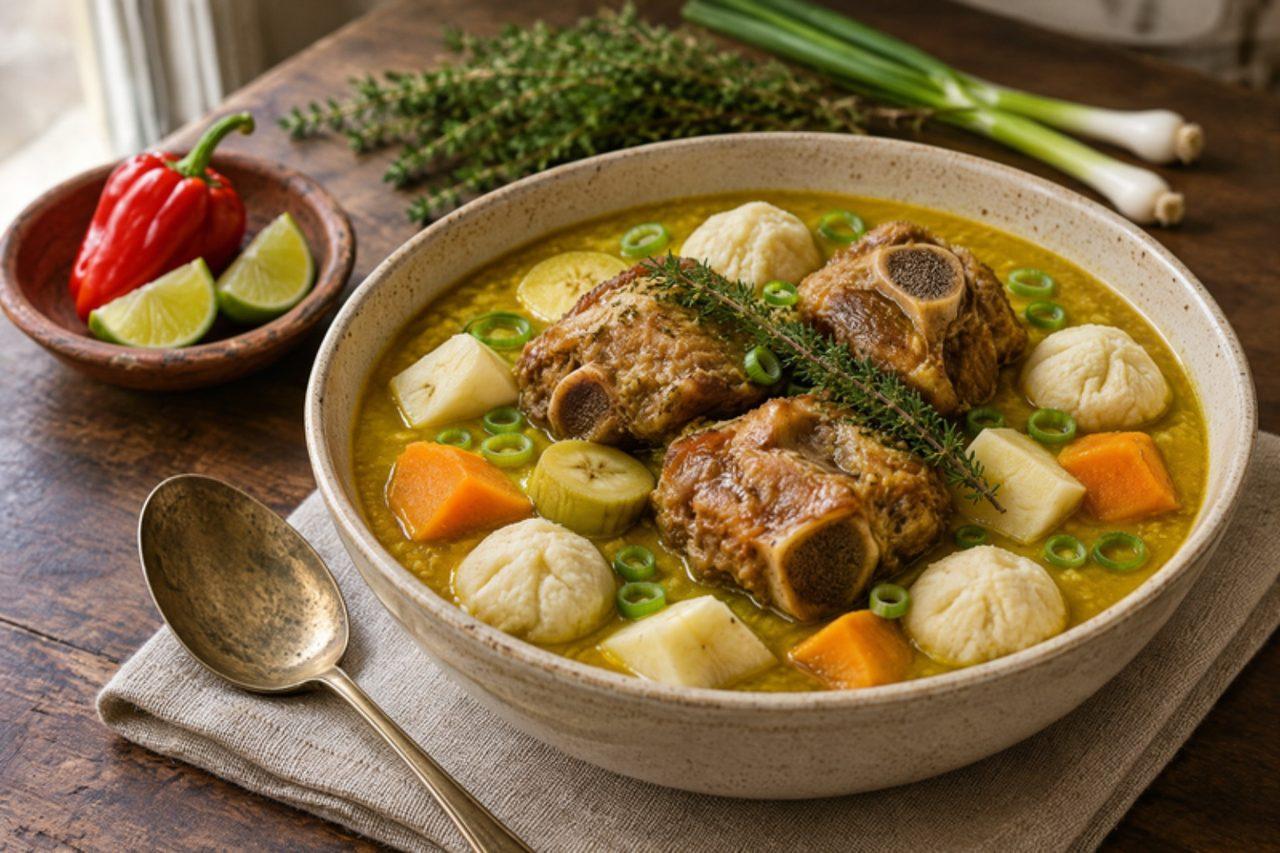
In Trinidad and Tobago, cowheel soup is Saturday soup: the big pot people make at home or buy from roadside soup vendors after a fete, believed to set you right again. Cow heel is simmered for hours until gelatinous, then yellow split peas, pumpkin and 'provisions' such as dasheen, cassava, eddoes and green bananas go in, with green seasoning, a whole scotch bonnet for perfume and soft flour dumplings dropped in at the end. The broth turns thick and silky from the collagen and split peas. The usual mistake is bursting the scotch bonnet, which makes the pot fiercely hot; leave it whole and lift it out. A pressure cooker gets the cow heel tender in 50 minutes. Chef's tip: buy cow heel already cut and scraped by the butcher, then scrub it with lime before cooking.

Read more 0 views

What to eat today?

Around the world

Today's trip: Persian

A new country every day, from every cuisine on the site.

This week's collection

Kid-friendly dinners
537 recipes · a new collection every Monday

Latest recipes

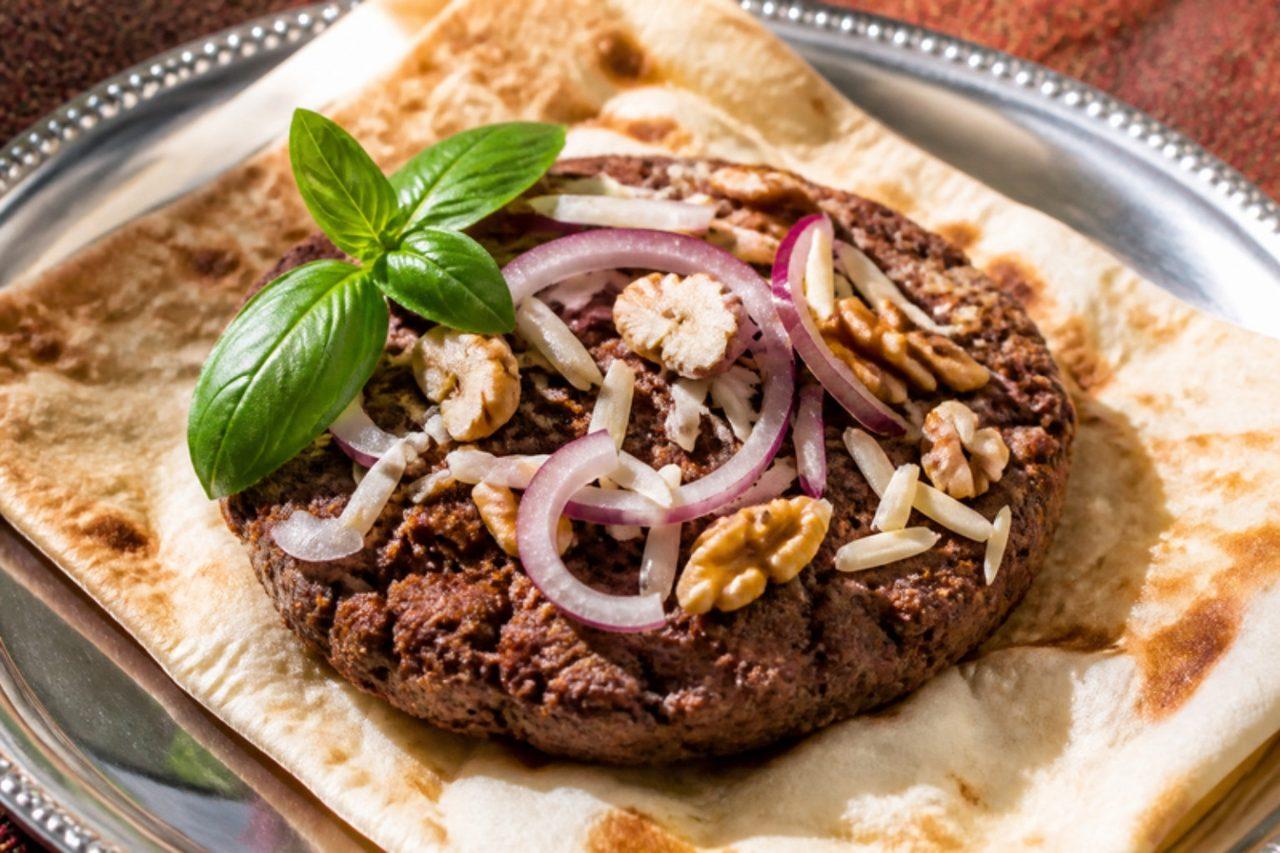
BeryaniSpiced lamb on flatbread with basil

Beryani is Isfahan's signature lunch, eaten in old bazaar eateries near Naqsh-e Jahan Square for more than a century, and nothing like the rice biryanis of South Asia. Lamb shoulder and, traditionally, lamb lung are simmered, minced, seasoned with cinnamon and fried on a small round pan with the fat from the pot, then turned out onto soft sangak or taftoon bread and eaten with fresh basil, raw onion and walnuts. Lung is hard to buy outside Iran, so this home version uses lamb shoulder and a little lamb mince for the same soft texture. A common mistake is draining away the cooking fat; Isfahanis spoon it over the bread for flavour, so keep it. Chef's tip: press the meat into a small frying pan to make a neat round patty, the way the bazaar cooks do.

120 minPersianMeat
by KrazyBadal 0 views

FroutaliaOmelette with potatoes and sausage

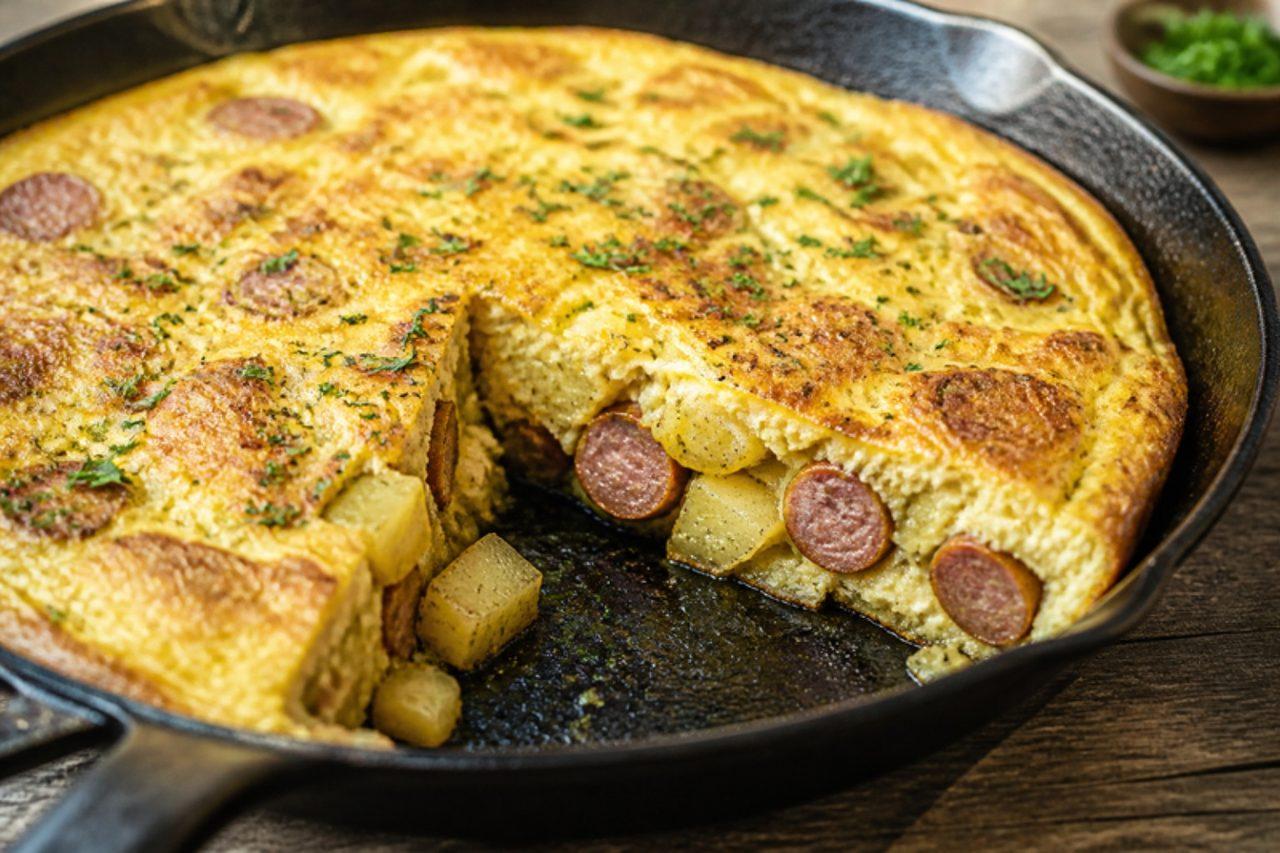
On Andros and Tinos, froutalia is the thick, golden omelette farm families ate after a morning in the fields: potatoes and local pork sausage fried in a deep pan, then bound with eggs and a little cheese and cooked until set right through. It is cut in wedges like a Spanish tortilla and eaten hot or cold, with bread and a tomato and cucumber salad, at any time of day. On the island it is made with louza or a smoked pork sausage seasoned with fennel; any good coarse pork sausage works. Common mistake: adding the eggs while the potatoes are still hard; they never soften once the eggs set. Chef's tip: flip it onto a plate halfway so both sides brown evenly.

by KrazyBadal 0 views

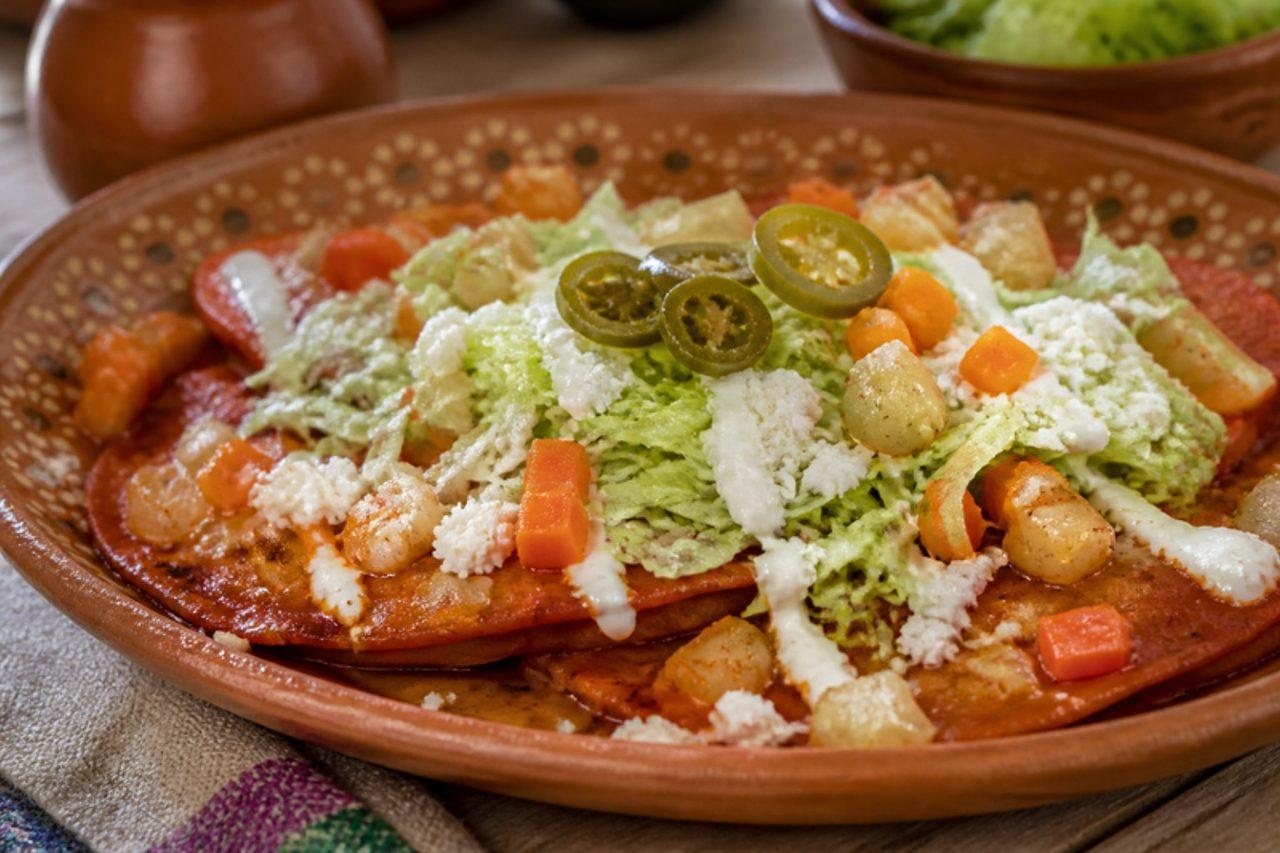
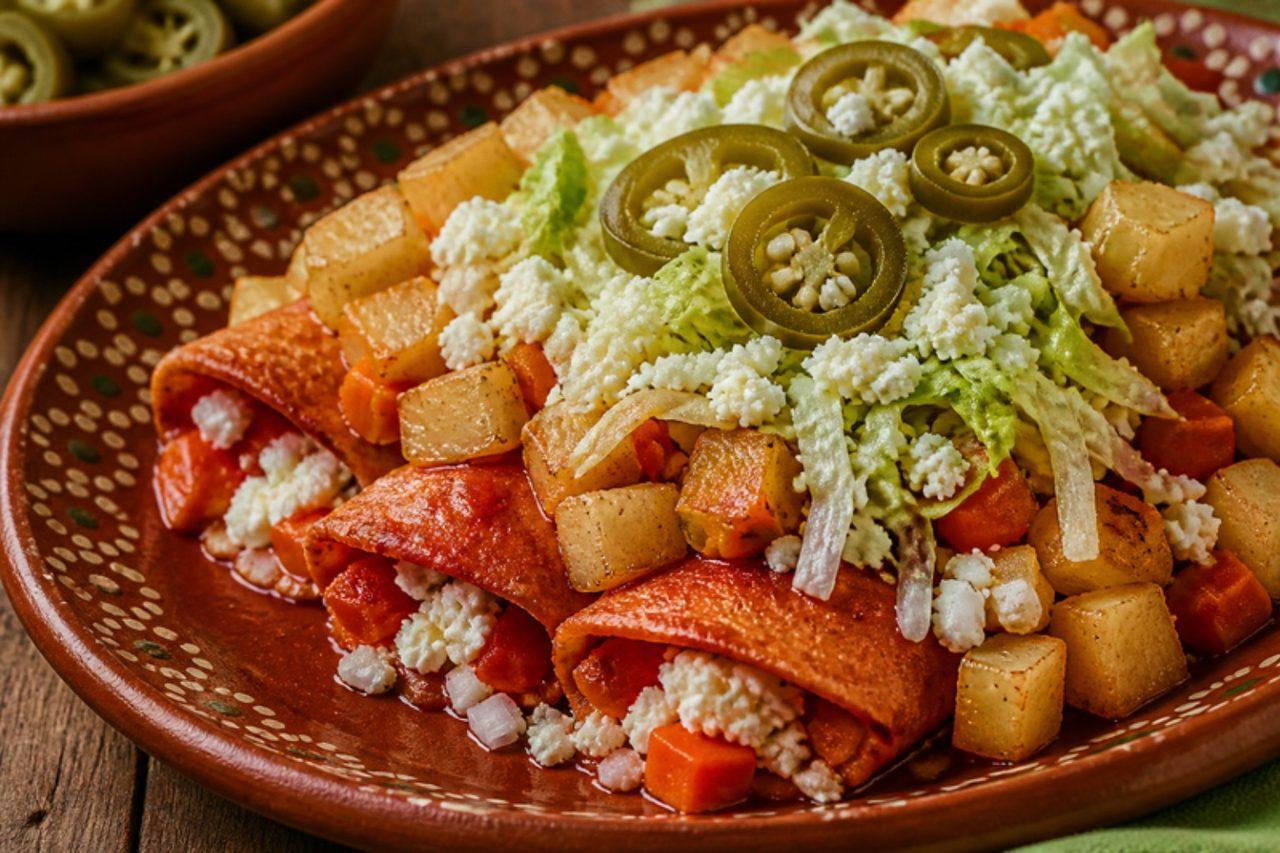
Enchiladas placeras with potato and carrot

Under the arcades around Morelia's plazas, cooks sell enchiladas placeras in the evenings: tortillas dipped in guajillo sauce, fried on a griddle, folded over crumbled cheese and onion, then buried under fried potato and carrot cubes, shredded lettuce and pickled chillies. In Michoacán they usually come with a piece of fried chicken on the side; we leave that out, as the potatoes and carrots fried in the chilli-stained oil are the part everyone fights over. Cheese may be made with animal rennet, so choose a vegetarian one if needed. Chef's tip: fry the potatoes and carrots in the same pan after the tortillas so they pick up the red chilli oil.

by KrazyBadal 0 views

FrixuelosThin crêpes with sugar or honey

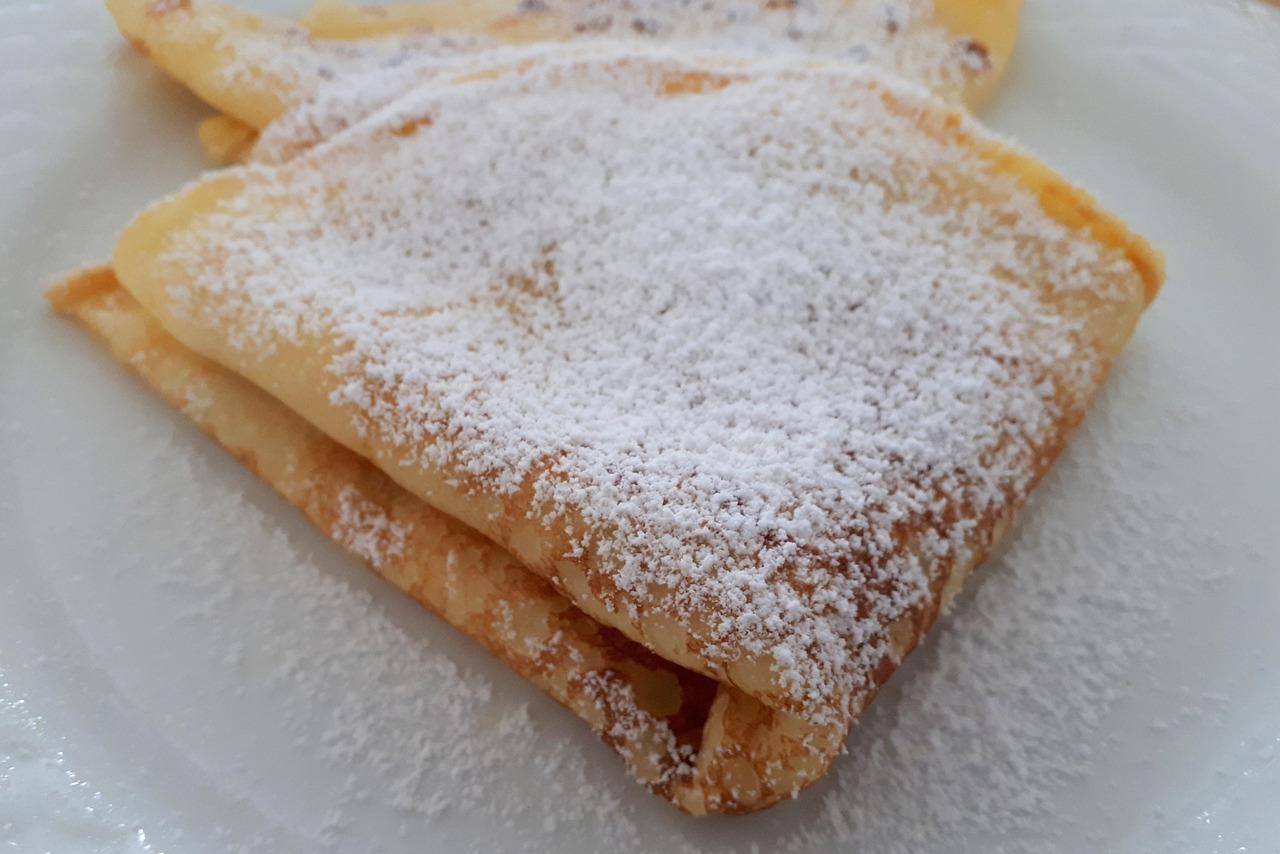
When Antroxu, the Asturian Carnival, comes round in February, kitchens from Avilés to the Oriente villages fill with the smell of butter and batter, and plates of frixuelos stack up for anyone who calls in. They are thinner and lighter than a pancake, flavoured with lemon zest, and are rolled or folded while warm with a dusting of sugar, a drizzle of honey or a spoon of rice-pudding cream. Grandmothers also make them on cold Sunday afternoons, so they are hardly kept for Carnival alone. Chef's tip: rest the batter for at least 30 minutes so the flour softens and the frixuelos turn out lacy and tender instead of rubbery.

by KrazyBadal 0 views

Chocolate egg cream

The egg cream contains neither egg nor cream: it is the old soda-fountain drink of Brooklyn and the Lower East Side, made of cold milk, chocolate syrup and a hard jet of seltzer that whips up a tall white foam. It was sold for pennies at candy stores and corner luncheonettes, and New Yorkers still argue about the right order to pour. Chef's tip: everything, glass included, must be ice-cold, or the foam collapses.

by KrazyBadal 0 views

Frite extremeñoFried lamb with garlic and paprika

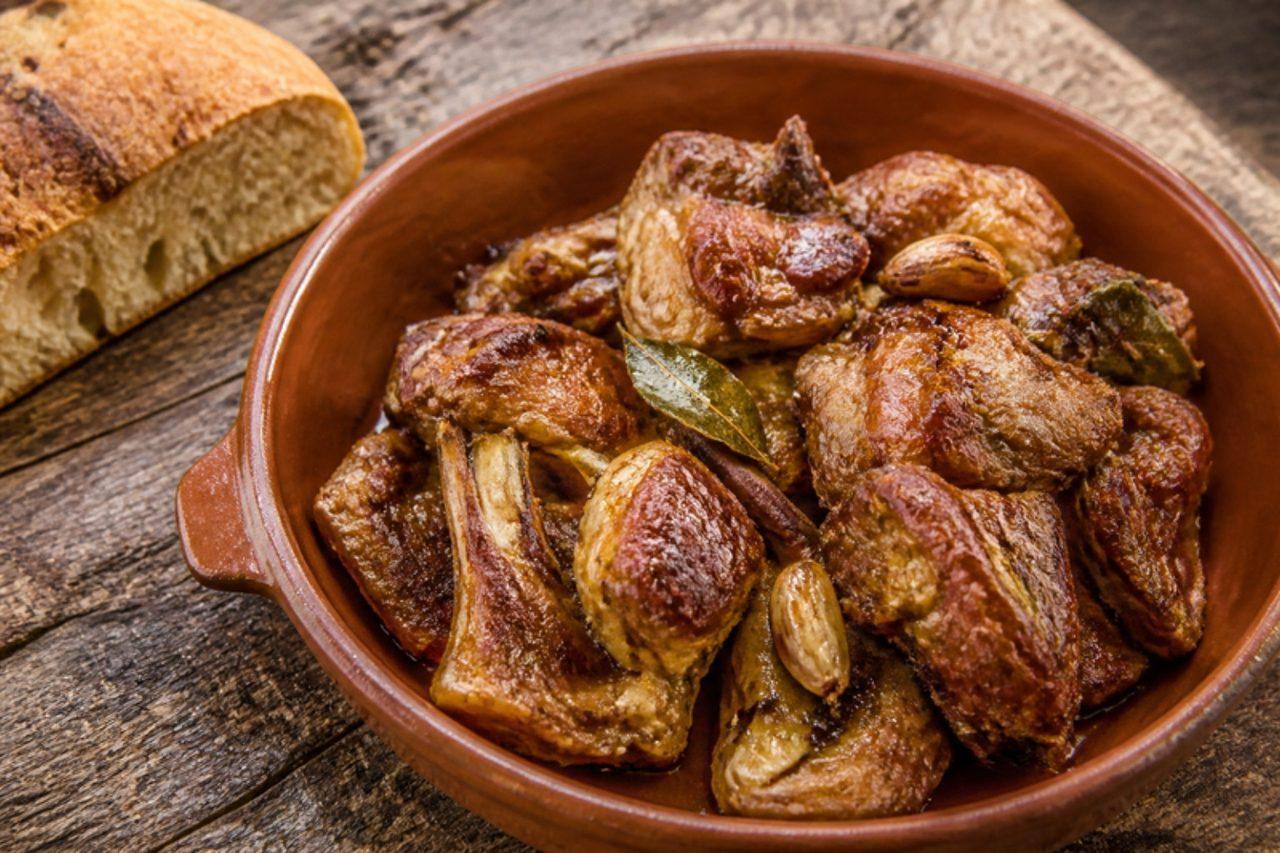
Frite is the simpler, drier cousin of caldereta and is especially loved around the sheep country of the Sierra de Gata and the Cáceres plains. Small pieces of lamb are fried in olive oil with lots of garlic, then cooked with bay, pimentón and a splash of vinegar until tender and coated in a dark red, clinging sauce. It is the dish people cook outdoors at the spring romerías and eat with bread straight from the pan. Chef's tip: ask the butcher to chop the lamb small, bones and all, so every piece gets crisp edges.

by KrazyBadal 0 views

Besugo a la donostiarraSea bream with garlic vinegar dressing

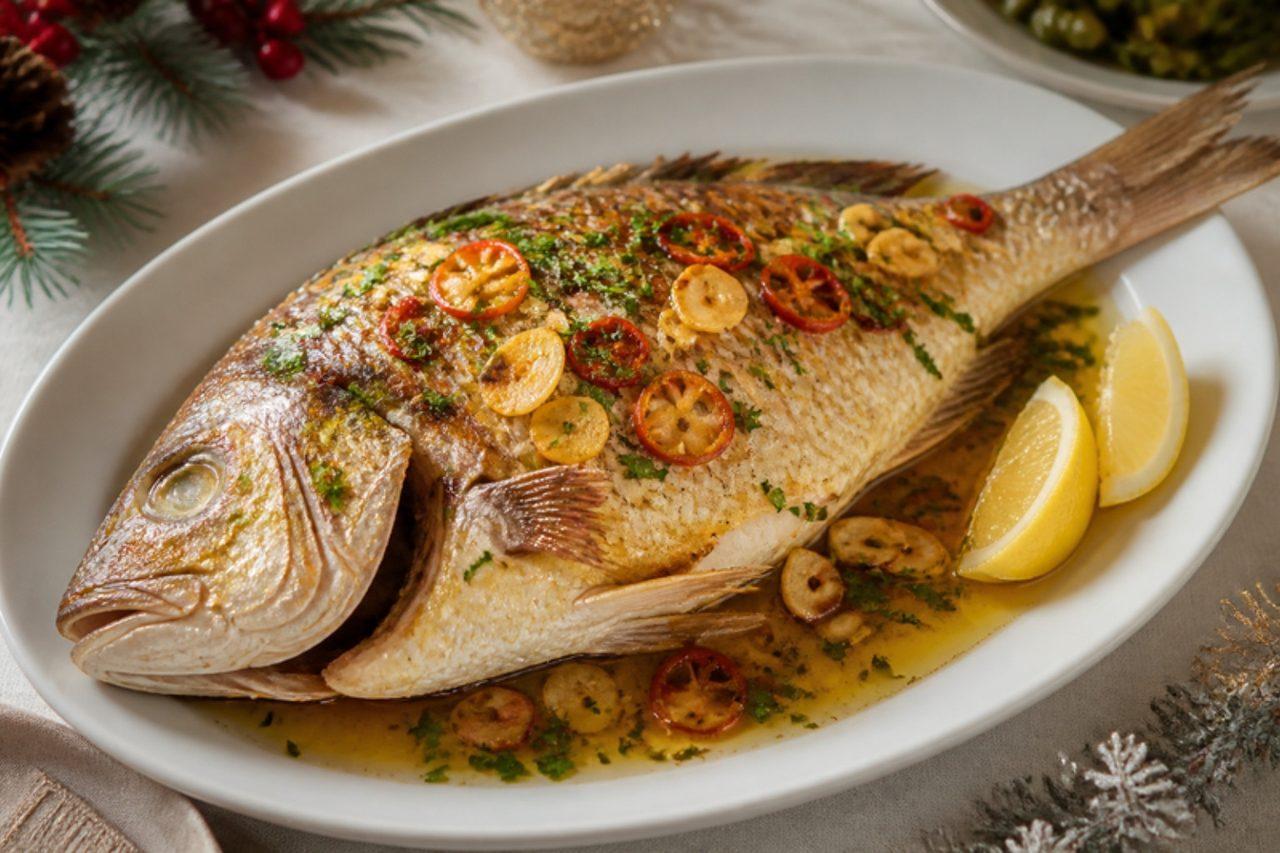
For many San Sebastián families, Christmas Eve dinner isn't complete without a whole sea bream, roasted or grilled and finished with a refrito: hot olive oil with sliced garlic, dried chilli and a splash of vinegar poured over at the table. The traditional fish is red sea bream (besugo), but gilt-head bream works well. A common mistake is letting the garlic go dark brown, which makes the dressing bitter; take it off when it is pale gold. Chef's tip: cut a few slashes into the thick part of the fish so it cooks evenly and the dressing soaks in.

by KrazyBadal 0 views

Cincinnati goettaPork, beef and oat slices

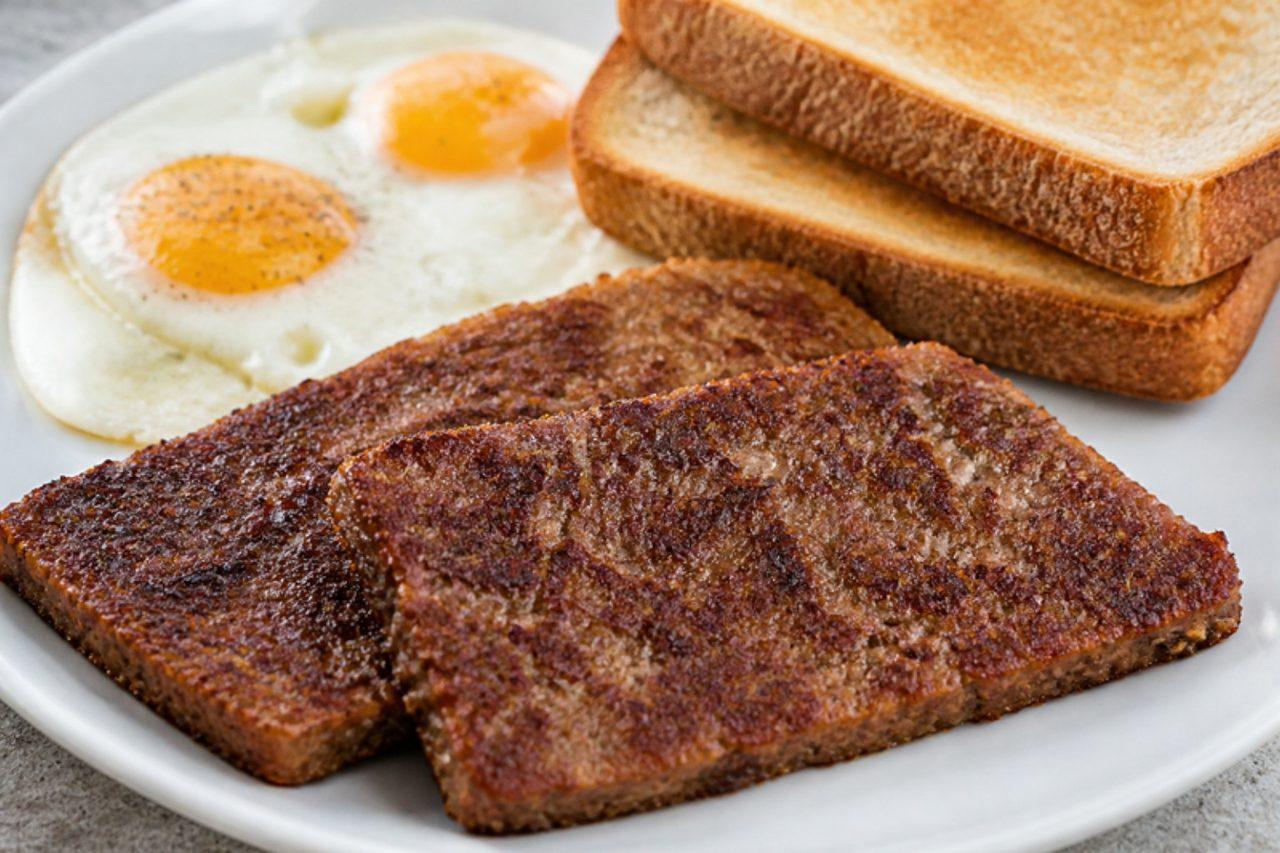
Goetta is Cincinnati's breakfast meat, brought by German immigrants who stretched a little pork and beef with steel-cut oats; the city even holds a summer Goettafest beside the Ohio River. Pork mince, beef mince and pinhead oats are simmered with onion and spices into a thick loaf, chilled, then sliced and fried until crisp and brown outside and soft within. Serve with eggs and toast. Chef's tip: fry the slices in a dry, hot non-stick pan and leave them alone for 5 minutes; turning too early makes them crumble.

by KrazyBadal 0 views

Bici biciRosewater starch jelly with ice

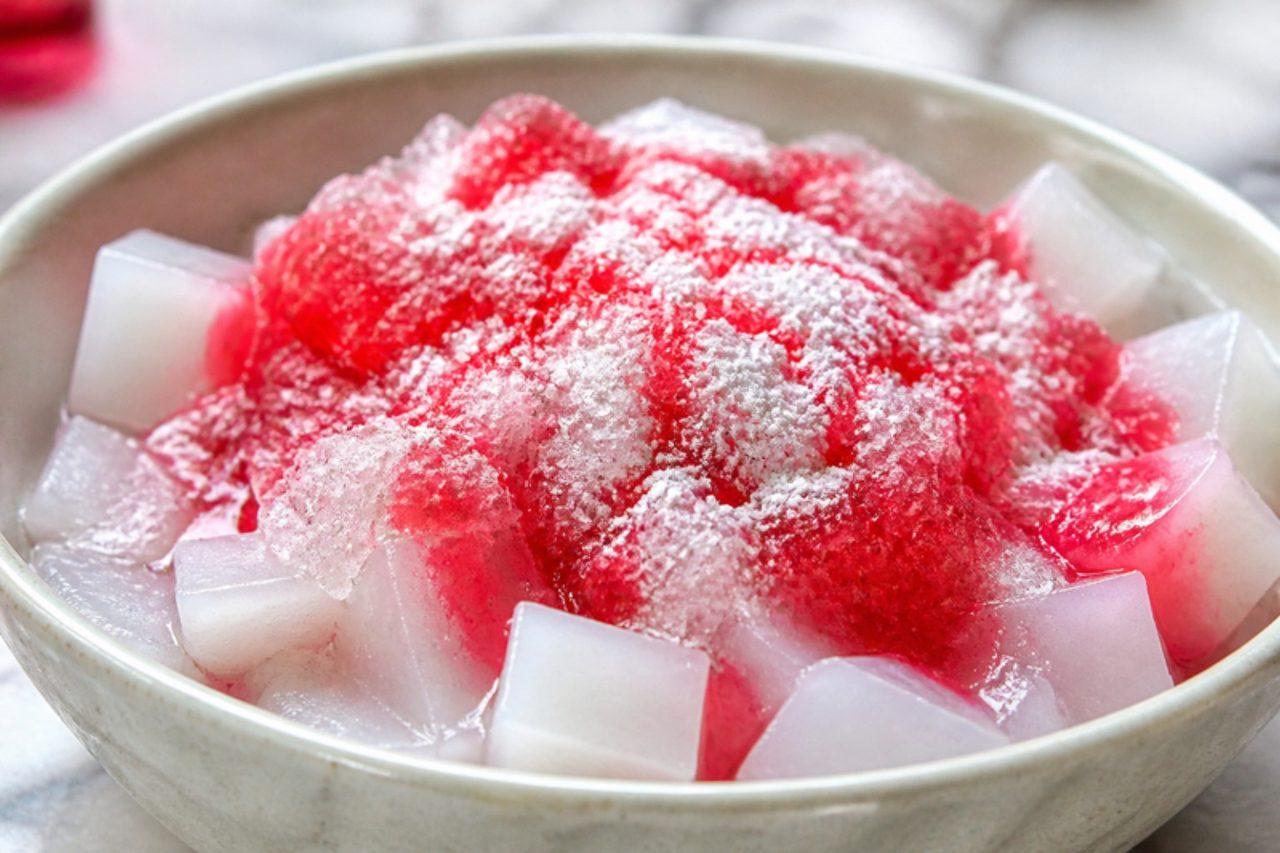
When Adana's July heat pushes past 40 °C, handcarts on every corner serve bici bici: cubes of wobbly starch jelly piled with shaved ice, splashed with rose syrup and dusted with icing sugar. Children eat it in the shade of the clock tower; grown-ups claim it is the only thing that works in that heat. The jelly is just cornflour, water and a little sugar, set and cut into cubes. The usual mistake is undercooking it, which leaves a cloudy, floury jelly that won't hold a cut. Chef's tip: freeze water in a shallow tray and scrape it with a fork for snowy ice if you have no ice shaver.

by KrazyBadal 0 views

Tepsi kebabıBaked spiced lamb tray

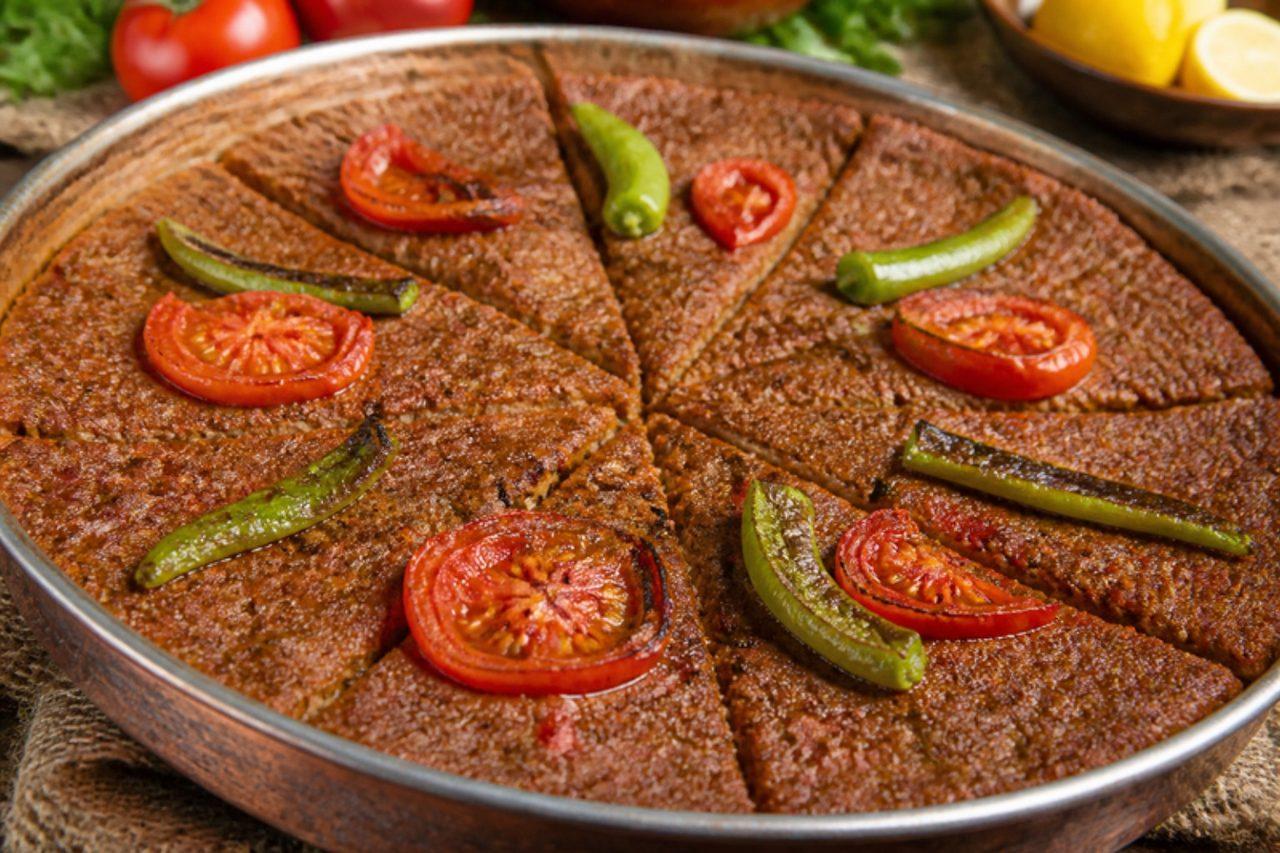
In Antakya people still carry their tepsi kebabı to the neighbourhood bakery: a round copper tray of spiced lamb mince spread thin, scored into wedges and covered with sliced tomatoes, peppers and onions. The bread oven turns it juicy and crusty, and it comes home with a stack of hot flatbread. It is weekend lunch for the family, eaten with a parsley and onion salad and a bowl of yoghurt. Common mistake: pressing the meat more than 2 cm thick; it stews instead of roasting. Chef's tip: add a ladle of tomato water halfway through baking so the juices around the edges turn into a glossy sauce for dipping bread.

by KrazyBadal 0 views

Frit mallorquíLamb, liver and potato fry-up

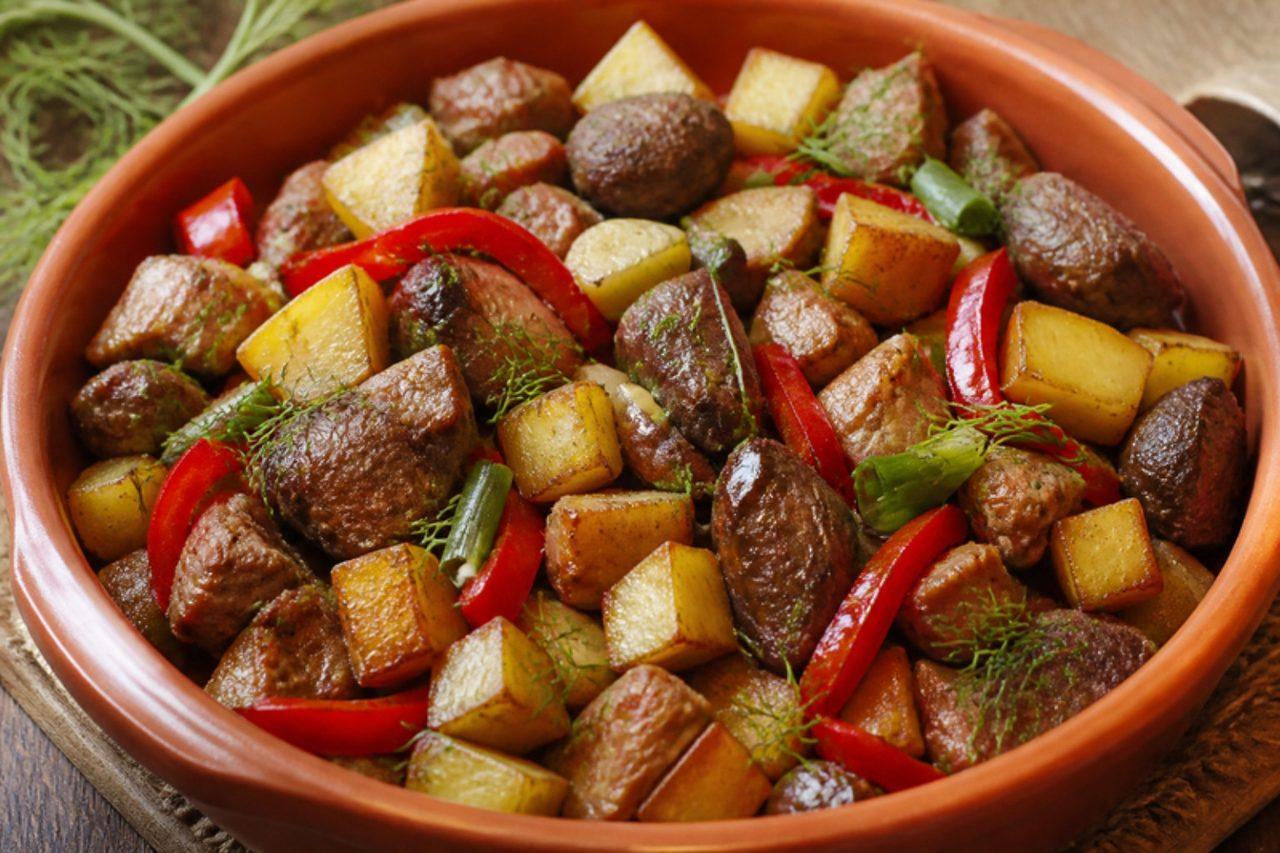
Frit is the hearty dish of Mallorcan country festivals and pig-killing days, and the version made at Easter uses young lamb: diced meat and liver fried with tiny cubes of potato, red pepper, spring onion and wild fennel, all in one big pan. Bars in Inca and Sóller serve it as a tapa on market mornings. This recipe uses lamb shoulder and lamb's liver; the pork version, frit de porc, follows the same method. Chef's tip: fry the potatoes, peppers and meat separately and combine them at the end, or the potatoes stew and lose their crisp edges.

by KrazyBadal 0 views

Dorada a la salSalt-baked sea bream

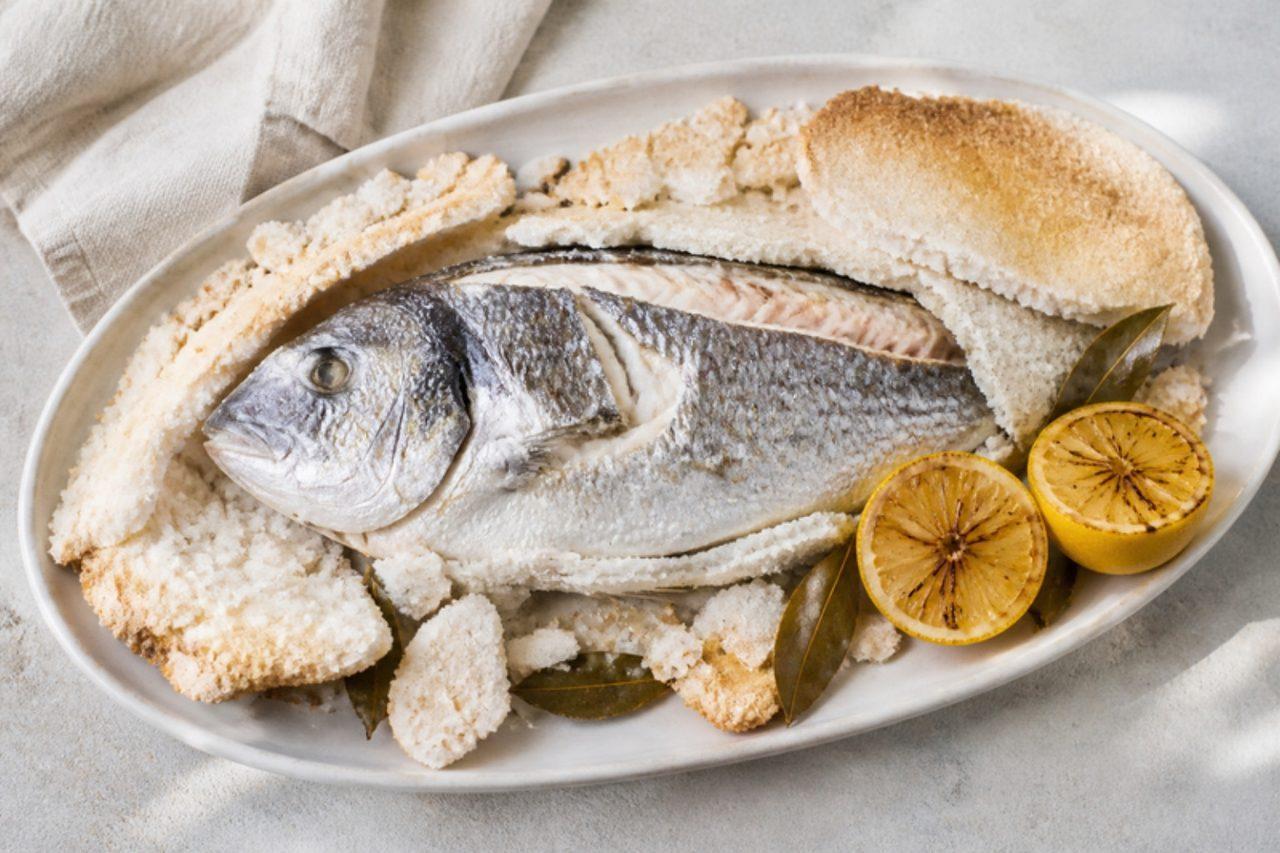
Around the salt flats of San Pedro del Pinatar, at the northern tip of the Mar Menor, baking fish under a crust of coarse salt is the obvious way to cook a fresh bream, and lagoon-side restaurants crack the crust open at the table for long summer lunches. The salt hardens into a shell that steams the fish in its own juices, so the flesh is moist and lightly seasoned rather than salty. Serve it with a drizzle of good olive oil, boiled potatoes or allioli. Chef's tip: leave the scales on; they stop the salt from reaching the flesh and make the skin peel away cleanly.

by KrazyBadal 0 views

FriselleTwice-baked bread with tomato

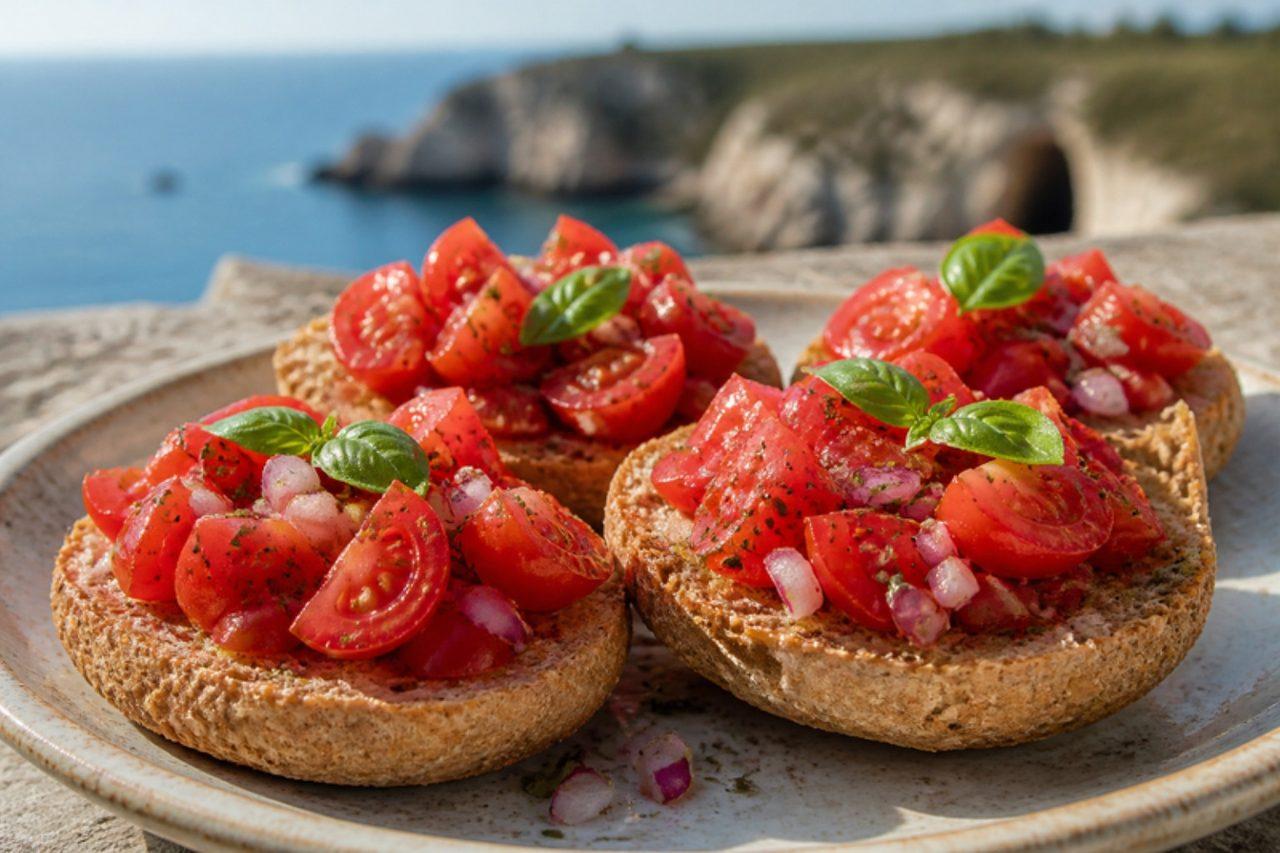
Friselle are rings of bread split in half and baked a second time until rock hard, so they kept for months on fishing boats and in farmhouses across the Salento. To eat them you dip them briefly in cold water, then pile on crushed ripe tomatoes, oregano and plenty of olive oil; the bread softens just enough while keeping a crunch in the middle. On August evenings in Lecce and along the coast they are the easiest supper there is. Every Puglian bakery sells them and Italian delis stock them, so this recipe uses bought friselle, made from wheat or the darker, nuttier barley. Chef's tip: dip, don't soak; a few seconds is enough, and the tomato juice finishes the job.

by KrazyBadal 0 views

Gâteau de SavoieAiry sponge cake

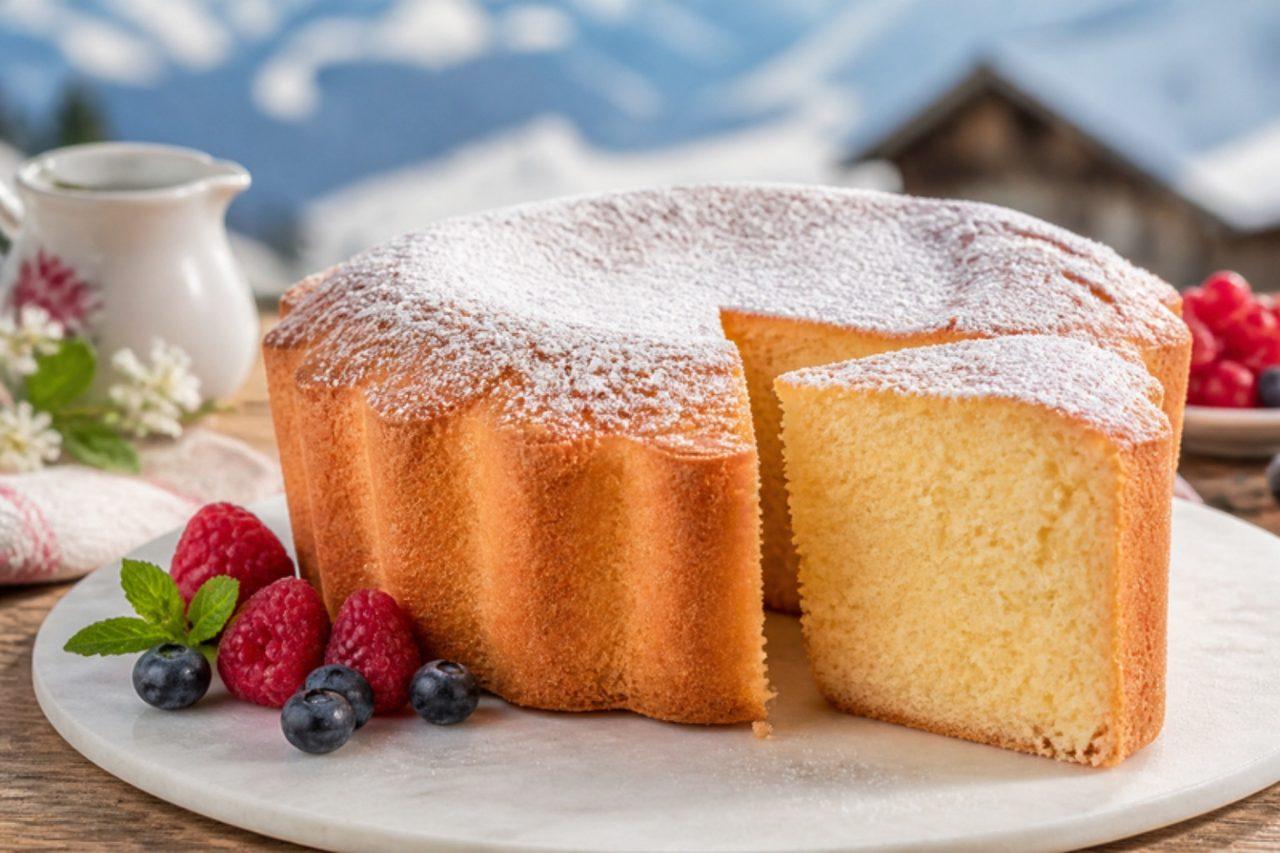
Legend says a cook at the court of the Counts of Savoy, in Chambéry, invented this sponge in the fourteenth century to impress a visiting emperor, and Savoyard families still bake it in a tall fluted mould for birthdays and Sunday tea. It has no butter and very little flour, using potato starch for a crumb so light it almost dissolves, and it is eaten plain with a dusting of icing sugar, or with jam, fruit compote or a cup of hot chocolate. Chef's tip: fold the whites in three goes with a large metal spoon, cutting down through the middle; you are keeping in the air that makes it rise.

by KrazyBadal 0 views

CancoillotteWarm runny cheese with garlic

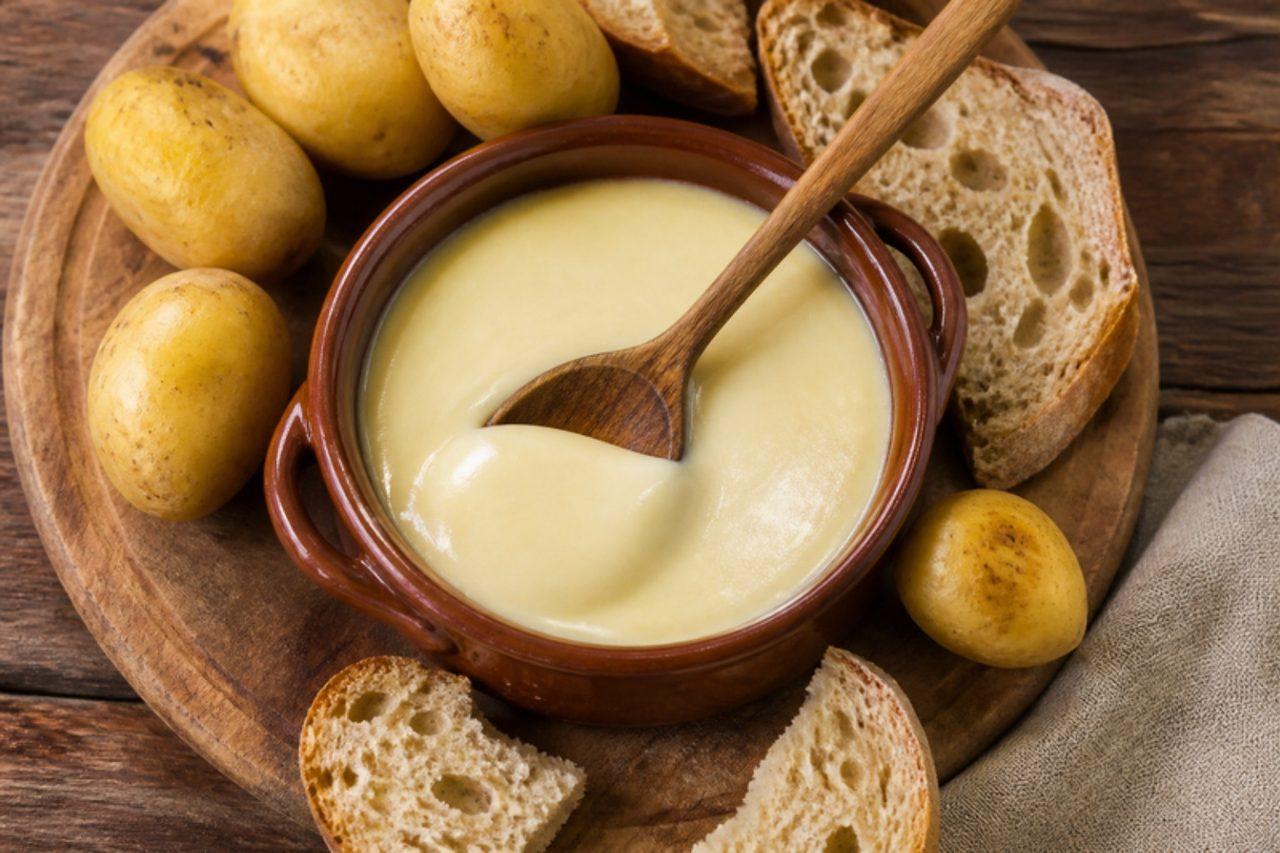
Cancoillotte is the loose, pale-gold melted cheese of Franche-Comté, the region around Besançon, Morteau and the Jura border. Families keep a pot of it in the fridge and warm it for Sunday supper, pouring it over boiled potatoes, dipping bread into it or spooning it over a baked potato. The real thing starts from metton, a ripened curd that is hard to find outside the region, so this home version uses quark and a pinch of bicarbonate of soda, the same trick German cooks use for Kochkäse: the soda turns the curd soft and melty, and butter, garlic and a little milk give the silky, slightly tangy finish. Most quark is made with little or no rennet, but check the label if that matters to you. Chef's tip: leave the quark and soda to rest for a full hour; it should turn translucent and gooey before it goes near the heat.

by KrazyBadal 0 views

DonauwelleMarbled cherry sheet cake

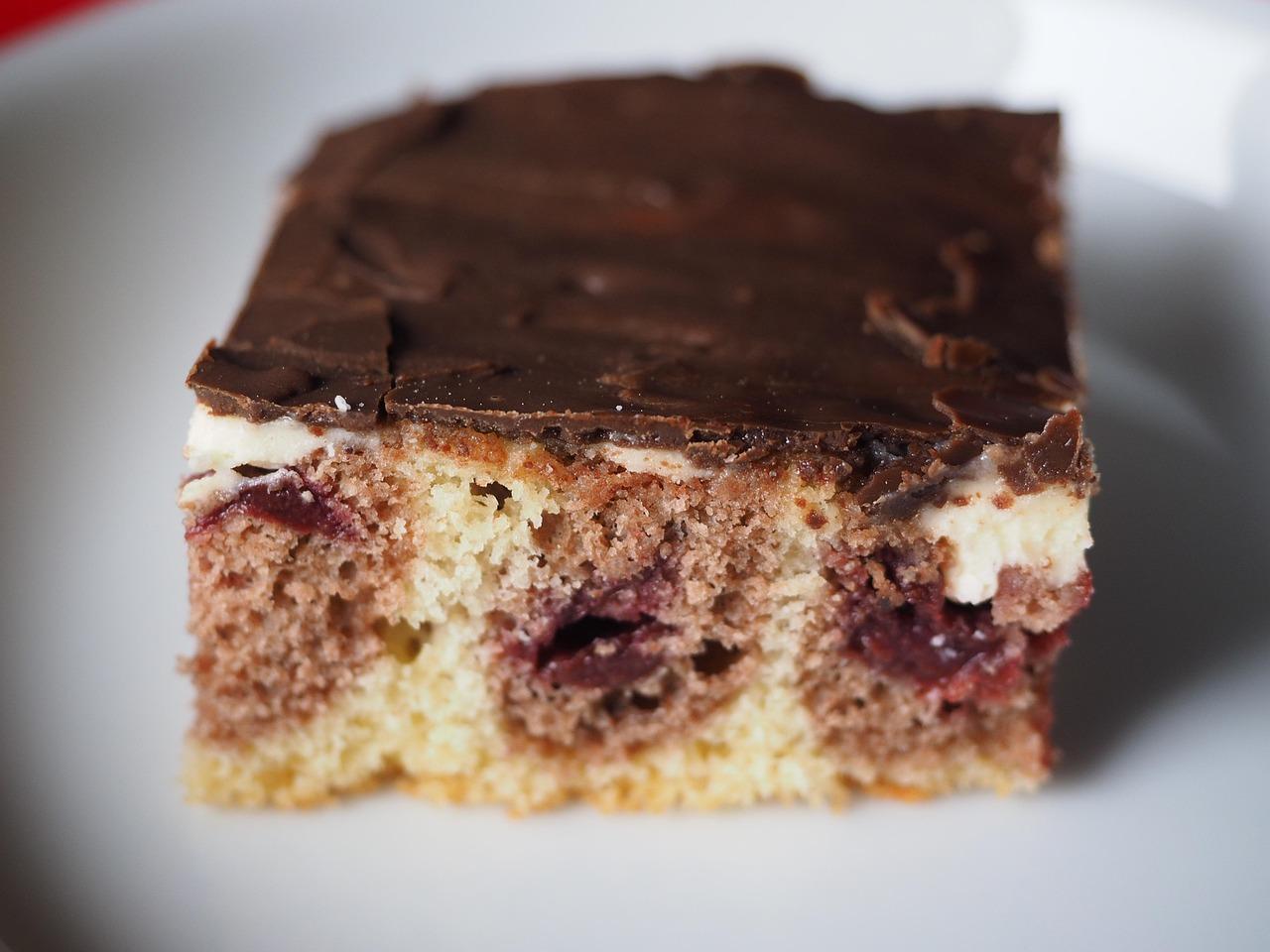
Donauwelle, the 'Danube wave', is a German home-baker's favourite from the 1970s onwards, made on a tray for school fairs, birthdays and the Sunday coffee table. Cut a slice and you see the river: vanilla and chocolate sponge swirled into waves by sour cherries pushed into the batter, then a thick layer of vanilla buttercream and a dark chocolate top combed into ripples. A common mistake is pouring on the chocolate while the buttercream is soft, which melts the layers together; chill the cake well first. Chef's tip: warm a serrated knife in hot water and wipe it between every cut so the chocolate cracks cleanly instead of shattering.

by KrazyBadal 0 views

KiveveSquash purée with cheese

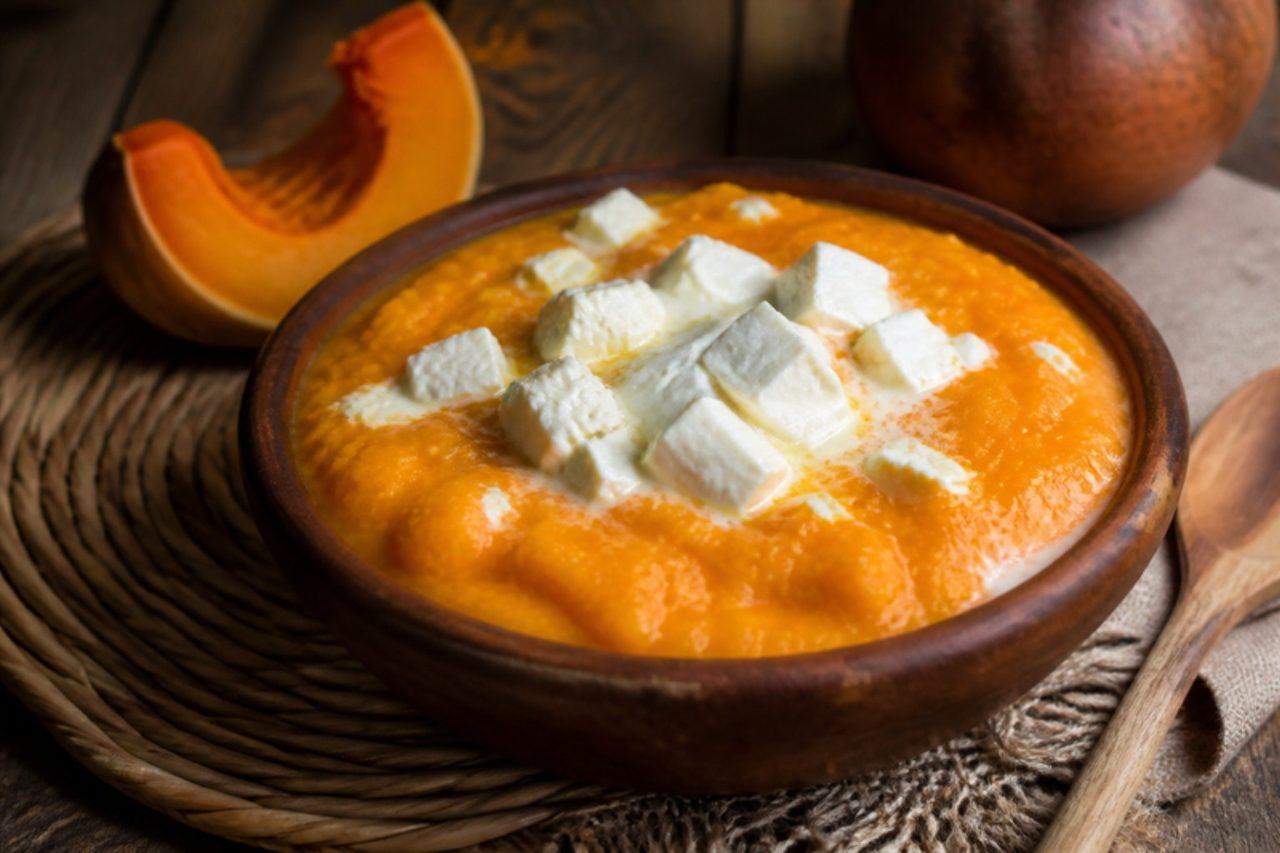
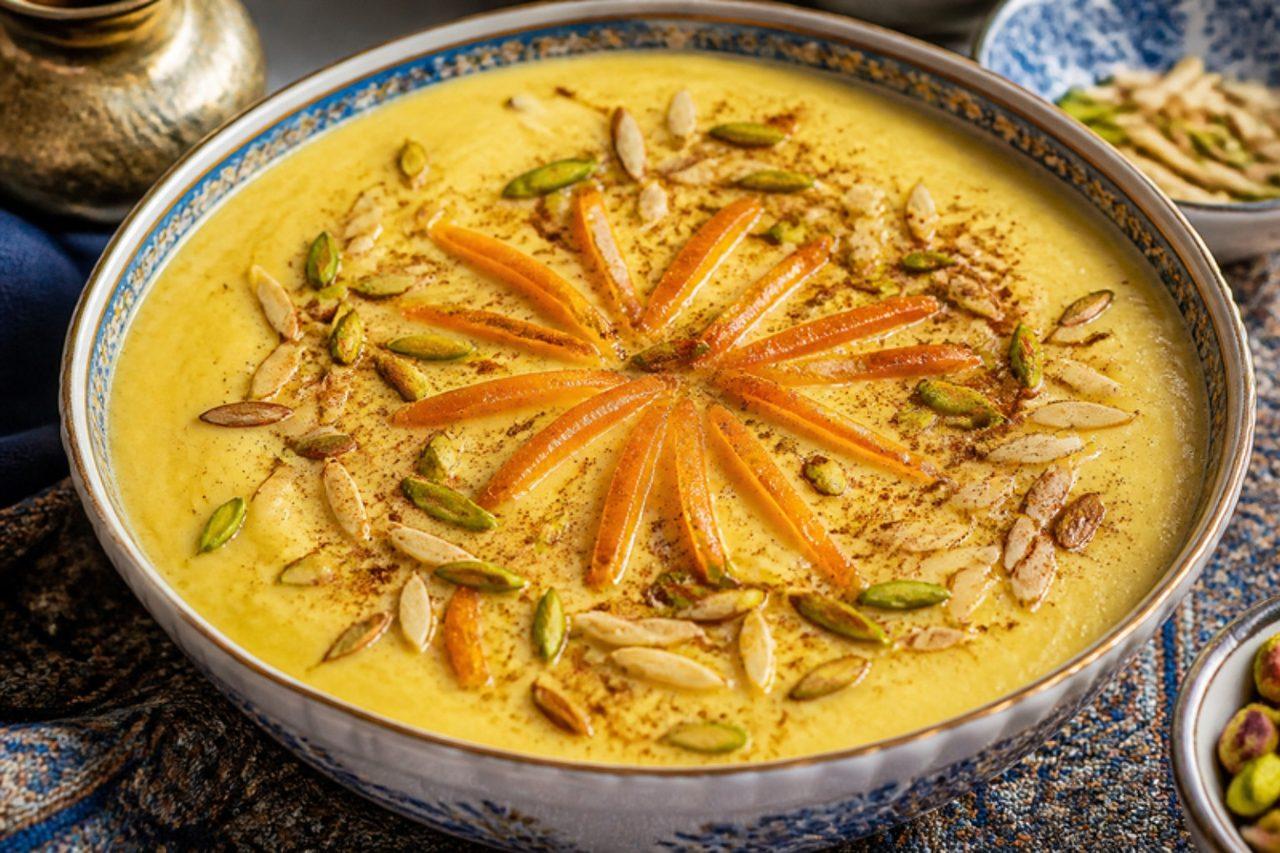
Kiveve (also written quibebe) is Guaraní food, cooked across Corrientes and Paraguay as a side for grilled meat or a supper on its own: ripe squash is simmered with onion until it falls apart, then thickened with a spoonful of cornmeal and enriched with milk and fresh cheese until it is smooth, orange and as soft as polenta, slightly sweet and slightly salty. Correntinos often serve it with chipá or sopa paraguaya on the side. The cornmeal is easy to get wrong: added all at once to a hot pot, it clumps into dry little lumps, so slake it first in cold milk and pour it in while stirring. Queso fresco or queso criollo is usually made with animal rennet; choose a vegetarian fresh cheese if needed. Chef's tip: use the deepest orange squash you can find, ideally a ripe Argentine anco or a kabocha; a pale squash gives a watery, bland kiveve.

by KrazyBadal 0 views

Cornish stargazy piePilchard pie

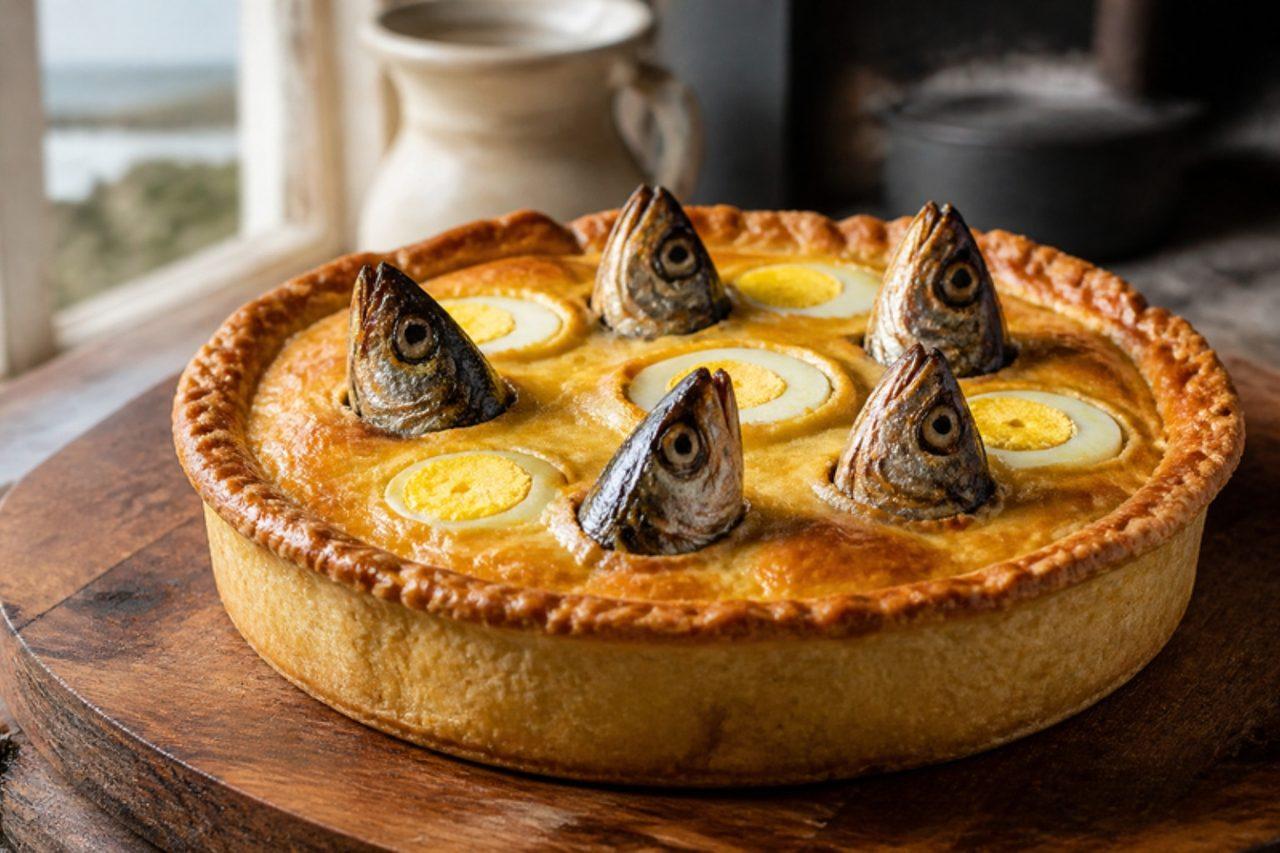
Stargazy pie is baked in the Cornish fishing village of Mousehole every 23 December for Tom Bawcock's Eve, celebrating the fisherman who is said to have sailed out in a storm and saved the village from famine. Whole pilchards or sardines are baked under pastry with egg, potato and bacon, their heads poking out so they gaze at the stars and their oil runs back into the filling. The bacon is smoked pork. Chef's tip: ask the fishmonger to bone the fish but leave the heads on; it makes the pie much easier to eat.

by KrazyBadal 0 views

Brevas con arequipeCandied figs with milk caramel

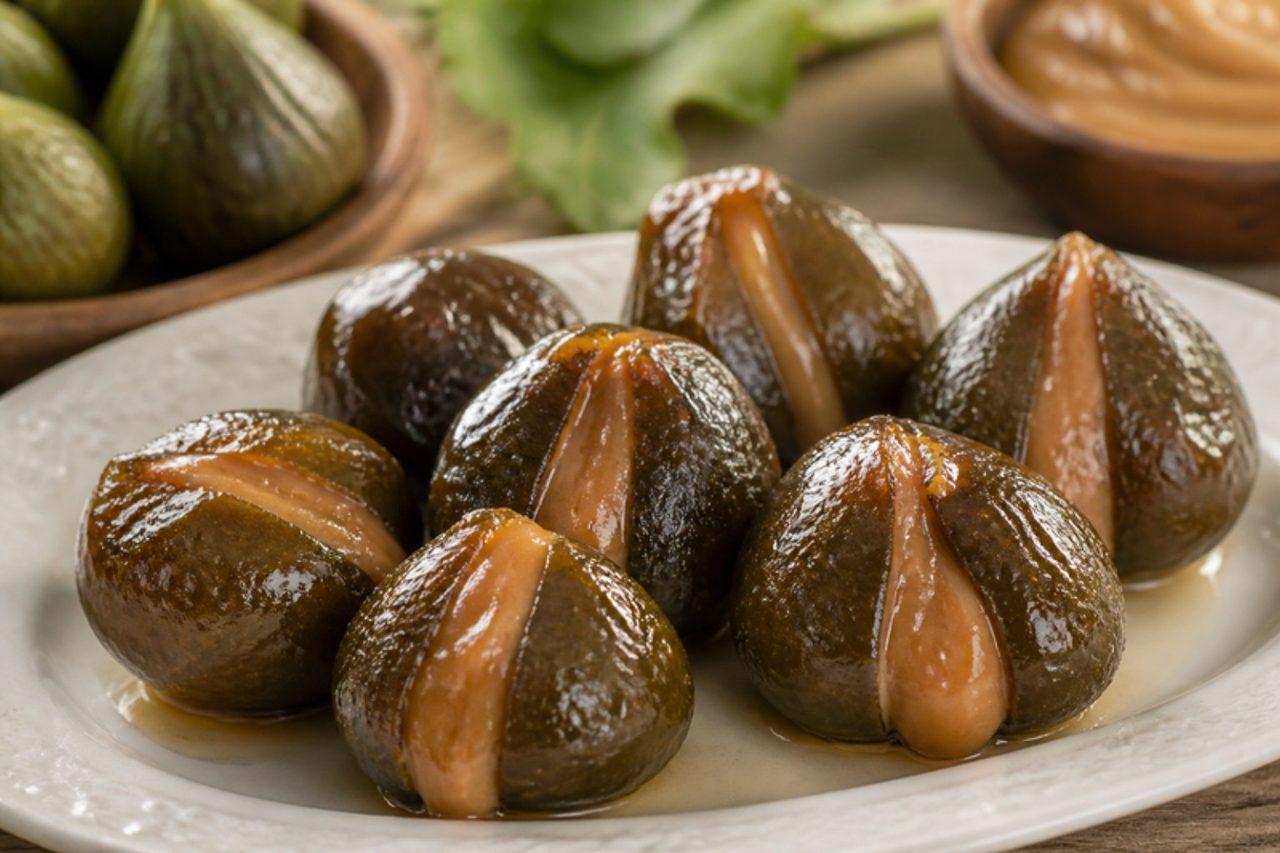
Bogotá's old sweet shops and the dessert counters of Cundinamarca sell brevas caladas, firm green figs cooked for hours in panela syrup until they turn dark, glossy and tender, then split and filled with arequipe. A slice of salty fresh cheese alongside balances all that sugar. They are a classic Christmas and Sunday treat and keep for a week in the fridge, so make them ahead. Use hard, unripe green figs from Middle Eastern or Latin shops; ripe figs fall apart. Arequipe is Colombian milk caramel, the same as dulce de leche. The fresh cheese is usually animal-rennet, so pick a vegetarian one. Skipping the first boils is the common error: the figs keep a bitter, milky sap that spoils the syrup. Chef's tip: cook the syrup slowly and keep the figs just covered; a hard boil splits the skins.

by KrazyBadal 0 views

Bakoula (warm mallow and herb salad)

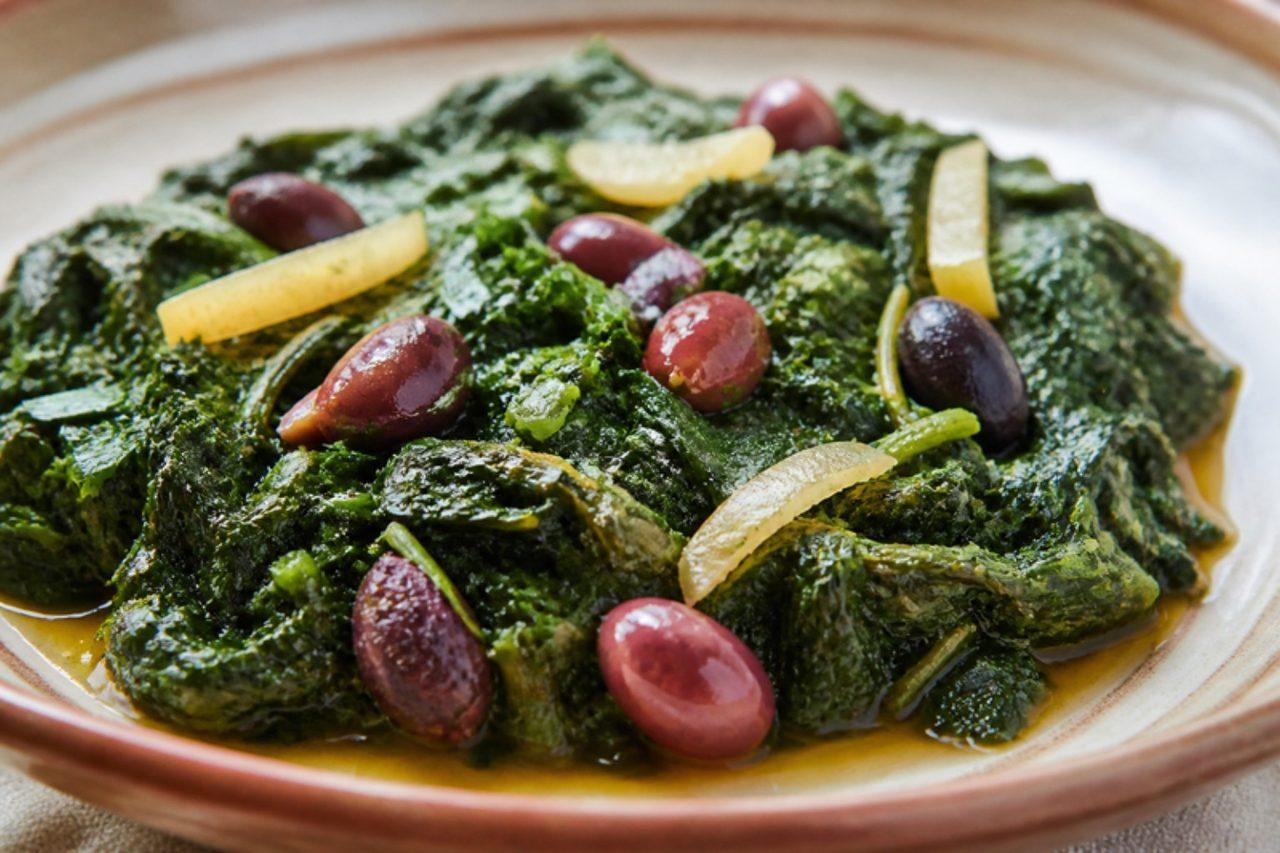
When the winter rains come, bunches of khobiza, wild mallow, are piled up at Marrakech market stalls, and households turn them into bakoula: the leaves are steamed, chopped and cooked down with garlic, parsley, coriander, paprika and cumin, then finished with violet olives and slivers of preserved lemon. The result is soft, dark green and savoury with a lemony lift, a little like a well-seasoned spinach dish with more character. It is eaten warm or at room temperature as one of the cooked salads, scooped up with bread. Outside Morocco, use spinach with a handful of chard or rocket for a bit more bite. Most people go wrong by not squeezing the steamed leaves dry, which leaves the salad watery and bland. Chef's tip: squeeze the steamed greens hard in your fists before chopping; leftover water makes bakoula sloppy and dilutes the spices.

by KrazyBadal 0 views

Preserved lemons (l'hamd marked)

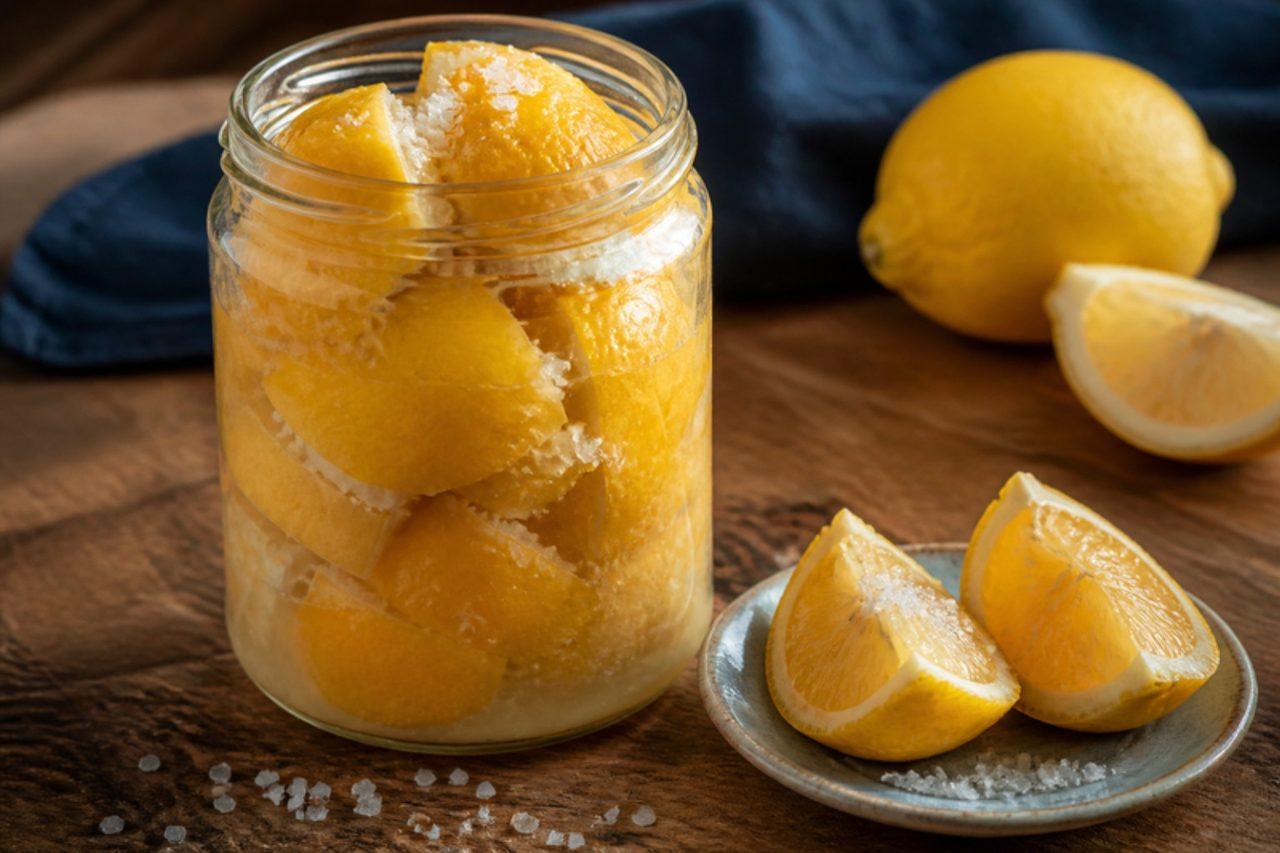
No Moroccan pantry is complete without a jar of l'hamd marked, lemons packed in salt and their own juice and left for about a month until the rind softens and takes on a mellow, floral, almost sweet flavour. The rind is what you use: finely chopped into salads, slivered over chicken with olives, added to fish tagines, chermoula and bean dishes. Fez cooks traditionally use small, thin-skinned doqq or beldi lemons, but any unwaxed lemon works. Hands-on work is only 20 minutes; the jar then needs 3–4 weeks in a cool, dark cupboard before it is ready. Chef's tip: press the lemons down hard every day for the first week; as they release juice they shrink, and you can squeeze one more lemon into the jar.

by KrazyBadal 0 views

KispiñoSteamed quinoa cakes

Pressed in a fist so each one carries the marks of the cook's fingers, kispiño are small, dense quinoa cakes from the Puno highlands, steamed and then left to dry so they keep for weeks on journeys, herding trips and pilgrimages. Traditional ones are bound with a little lime water (from cal, the mineral) and fat; this home version uses oil and a pinch of aniseed and sugar, so they're vegan and pleasantly savoury-sweet. They're firm and chewy, a little like a grain cake, and good with hot tea, coca tea or a soup on a cold day. The common mistake is making the dough too wet, so the cakes slump in the steamer; it should feel like damp sand that holds its shape when squeezed. Ground quinoa is quinoa flour; grind your own from rinsed, dried and toasted grain, or buy it ready ground. Chef's tip: toast the ground quinoa in a dry pan first until it smells nutty, which takes away any bitterness.

by KrazyBadal 0 views

Black and white cookies

The black and white is a New York bakery fixture, a saucer-sized, soft, lemony cookie that is closer to a sponge than a biscuit, iced half in vanilla and half in chocolate. Delis and Jewish bakeries from the Upper West Side to Brooklyn sell them by the till. Chef's tip: ice the flat underside, not the domed top, and do the vanilla half first so the chocolate doesn't bleed into it.

by KrazyBadal 0 views

Chocolate de aguaHot chocolate made with water

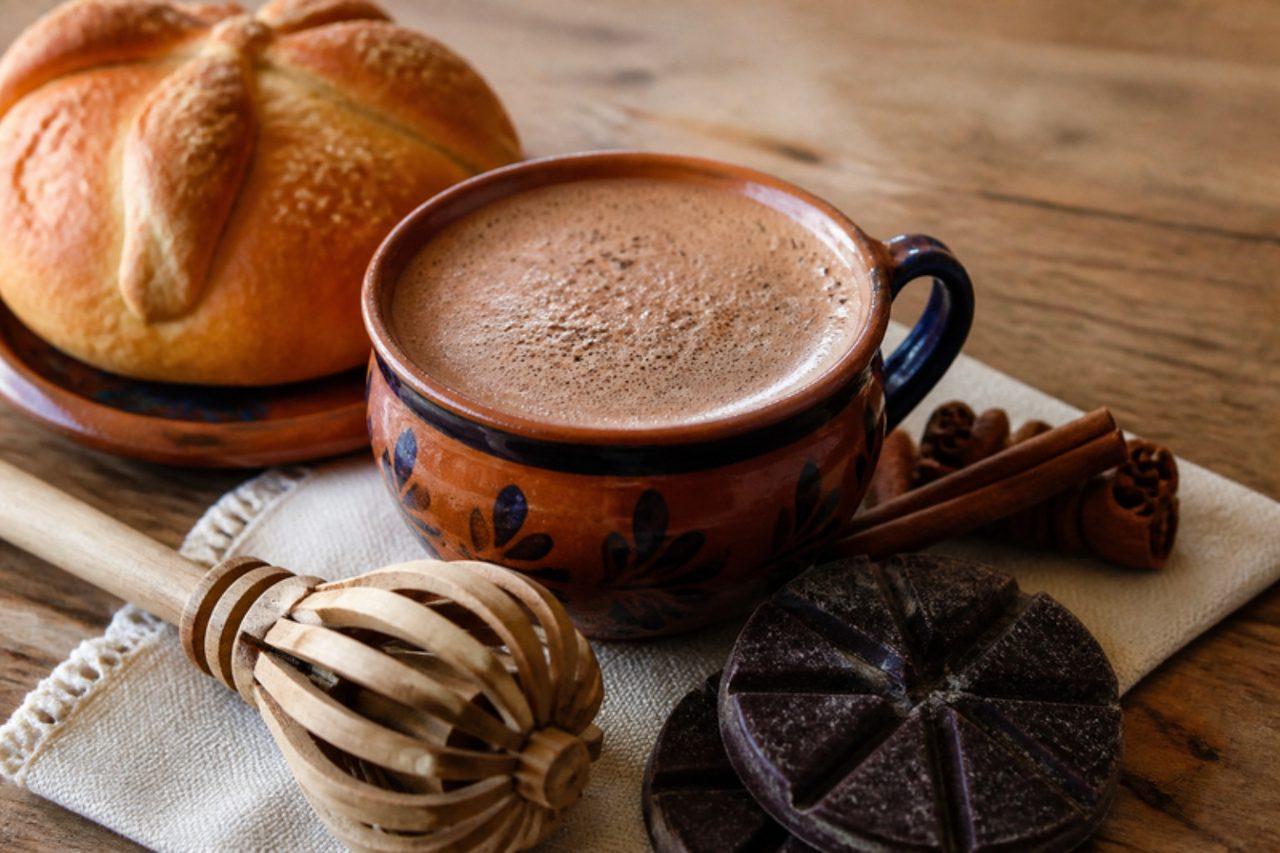
Walk down Calle Mina in Oaxaca City and the air smells of cacao, cinnamon and almonds, roasted and ground into chocolate in front of you at the mills. Most Oaxacans drink it made with water, not milk, so the taste of the cacao comes through clean and slightly bitter, with a thick head of foam raised with a wooden molinillo. It is drunk for breakfast with pan de yema and at every wedding and Day of the Dead altar. The tablets already hold sugar and cinnamon; we give a version with dark chocolate too. Chef's tip: the foam is the point, so whisk hard just before pouring and serve in wide cups.

by KrazyBadal 0 views

DominosteineGingerbread, jelly and marzipan cubes

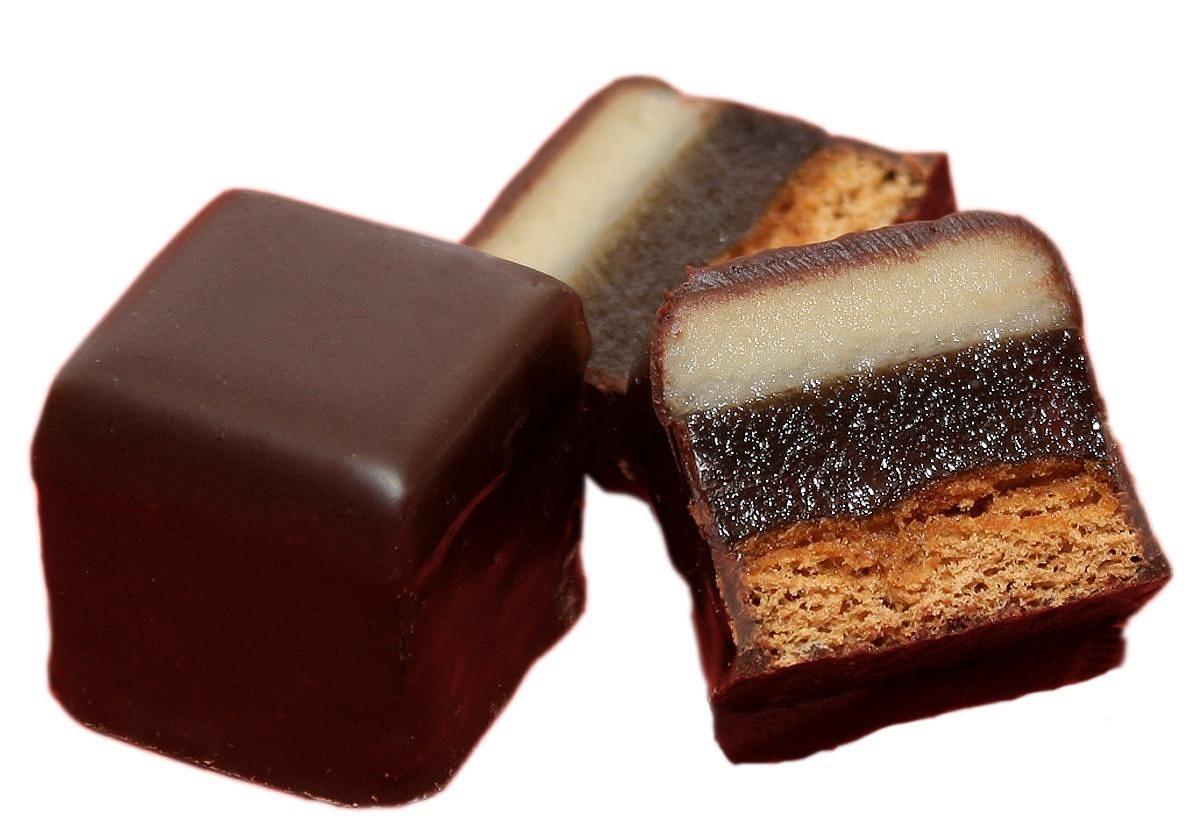
Dominosteine were invented in Dresden in the 1930s as an affordable Christmas treat and are still bought by the box across Germany through December: a cube of soft gingerbread, a layer of tart fruit jelly and a layer of marzipan, all coated in dark chocolate. Homemade ones are fresher and less sweet than the boxed kind and make a beautiful gift. The jelly is set with pectin, not gelatine, so they suit vegetarians. The mistake people often make is cutting the slab while the jelly is still soft, which smears the layers; leave it overnight. Chef's tip: trim the edges of the slab before cutting so every cube has three clean, sharp stripes.

by KrazyBadal 0 views

FriesentortePuff pastry torte with plum butter

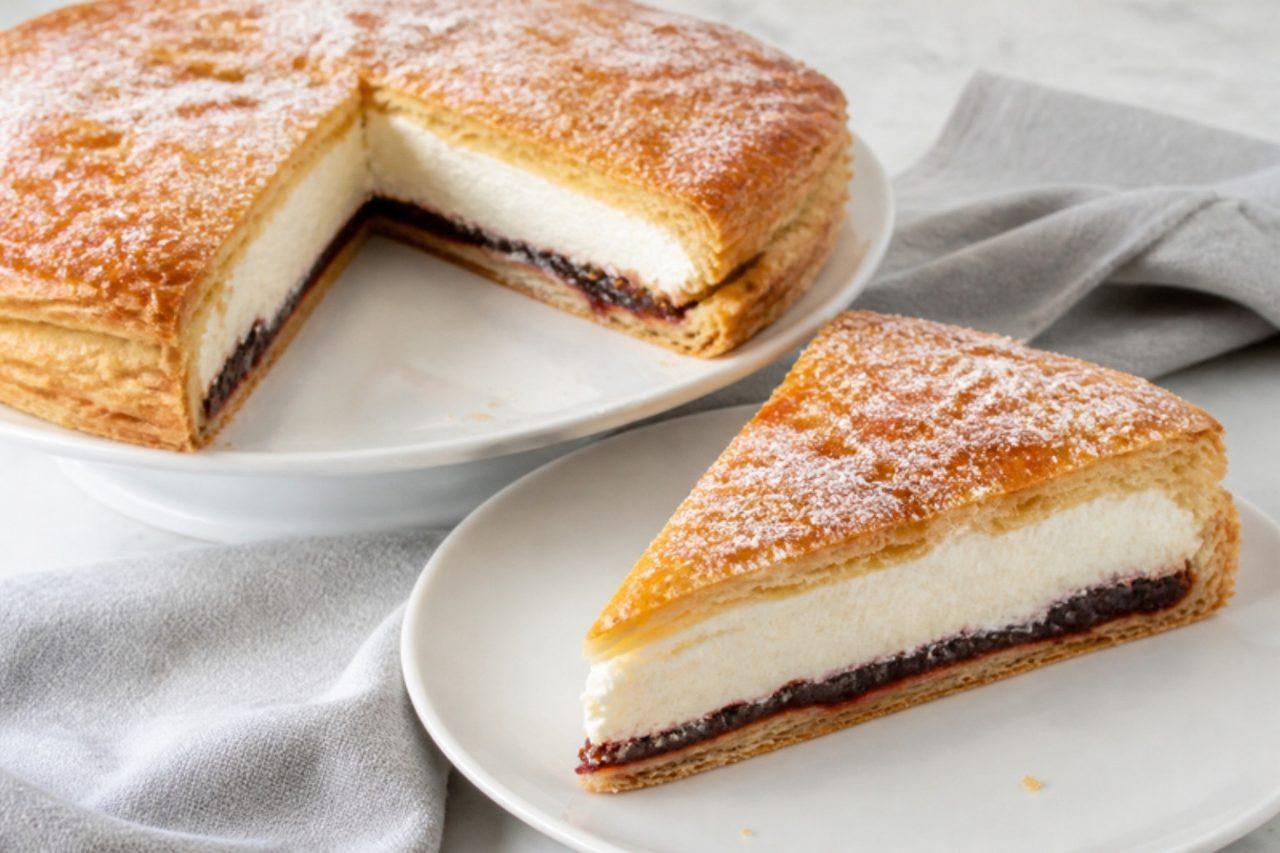
On the coasts of East and North Frisia, from Norden to the island of Föhr, Friesentorte is what the tea room serves after a windy walk on the dykes, usually with a pot of strong black tea taken with rock sugar and cream. Three crisp rounds of puff pastry are layered with dark plum butter (Pflaumenmus) and a thick band of whipped cream; the top layer is cut into wedges before baking and glazed with sugar, so every slice gets its own shiny lid. Some versions add rum to the plums; this one is alcohol-free. A common mistake is assembling it hours ahead, which turns the pastry soft. Chef's tip: assemble no more than an hour before serving and keep it cold; the contrast of crackly pastry and cream is the whole point.

by KrazyBadal 0 views

Shorbet kishkFermented yoghurt and wheat soup

In the Bekaa Valley, late summer means spreading bulgur fermented with yoghurt on rooftops to dry, then rubbing it into kishk powder that keeps the family through winter. On a cold morning that powder becomes shorbet kishk, a thick, tangy, porridge-like soup eaten for breakfast with radishes, spring onions and flatbread to scoop it up. Meat-eaters often add preserved lamb (awarma); this version keeps it vegetarian with plenty of garlic and onion fried in olive oil. Kishk powder is sold in Middle Eastern grocers. Common mistake: adding the powder to hot water; it clumps, so always whisk it into cold water first. Chef's tip: finish with a spoonful of garlic sizzled in oil and a pinch of dried mint poured over each bowl.

by KrazyBadal 0 views

HilbehFenugreek semolina cake

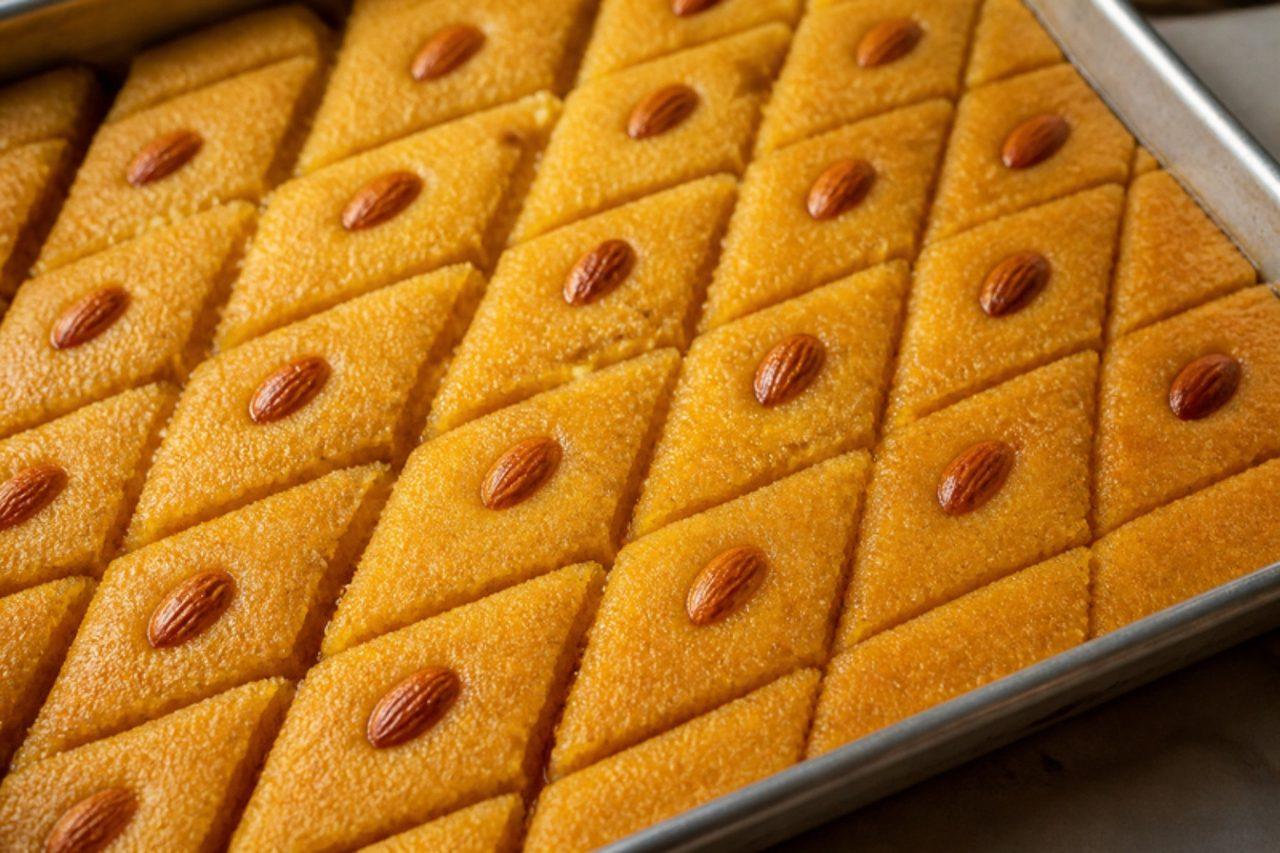
Hilbeh is the tray cake Jordanian grandmothers bake in winter and for visits after childbirth, when fenugreek is believed to warm and strengthen. Soaked fenugreek seeds swell into soft, jelly-coated beads that dot a dense semolina crumb, giving a gently bitter, maple-like scent that the hot syrup softens. Cut into diamonds, each topped with an almond, it sits on the coffee table beside Arabic coffee from Irbid to Aqaba. The mistake people make is using the seeds dry: they stay hard and bitter, so boil and soak them first. Chef's tip: pour cold syrup over the cake the moment it leaves the oven; hot-on-cold soaks in evenly and keeps the top from going soggy.

by KrazyBadal 0 views

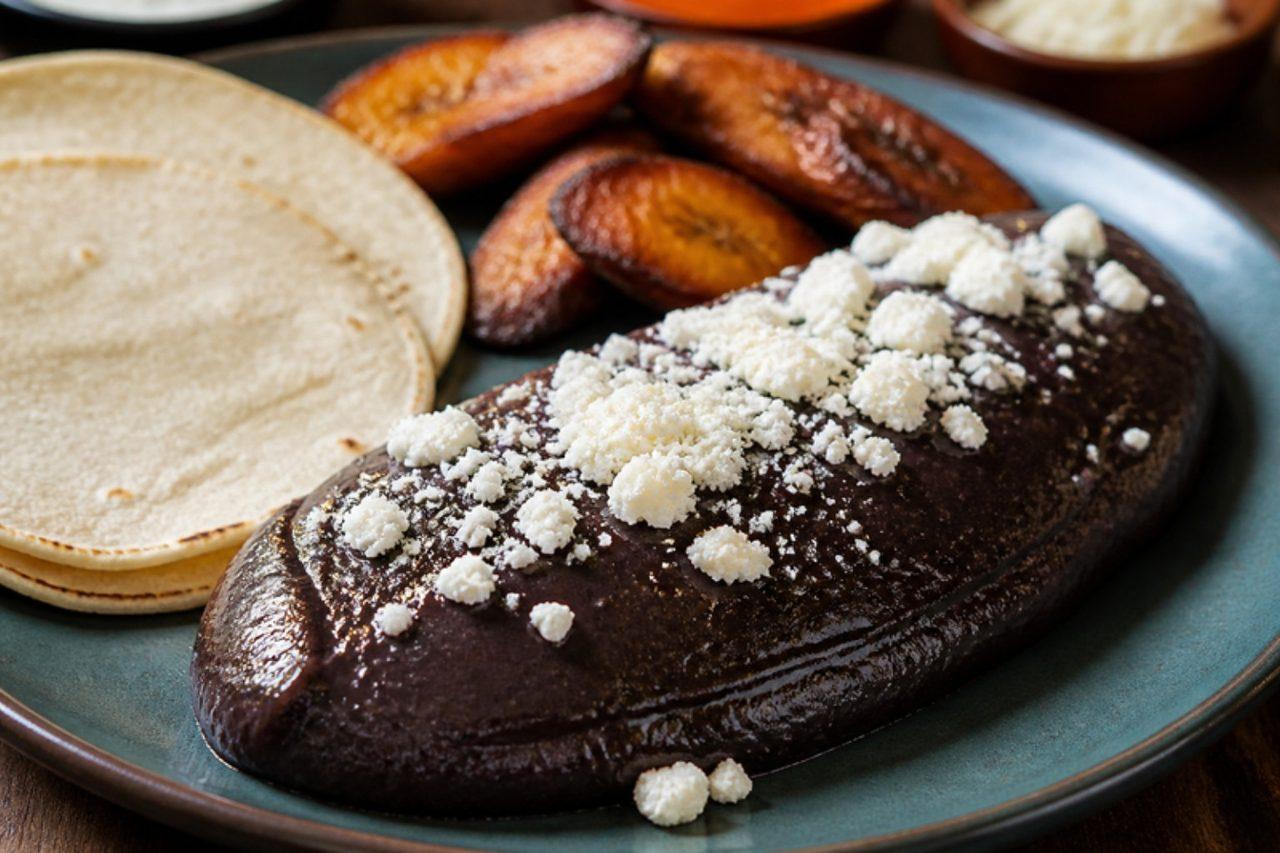
Memelas oaxaqueñasThick masa rounds with beans

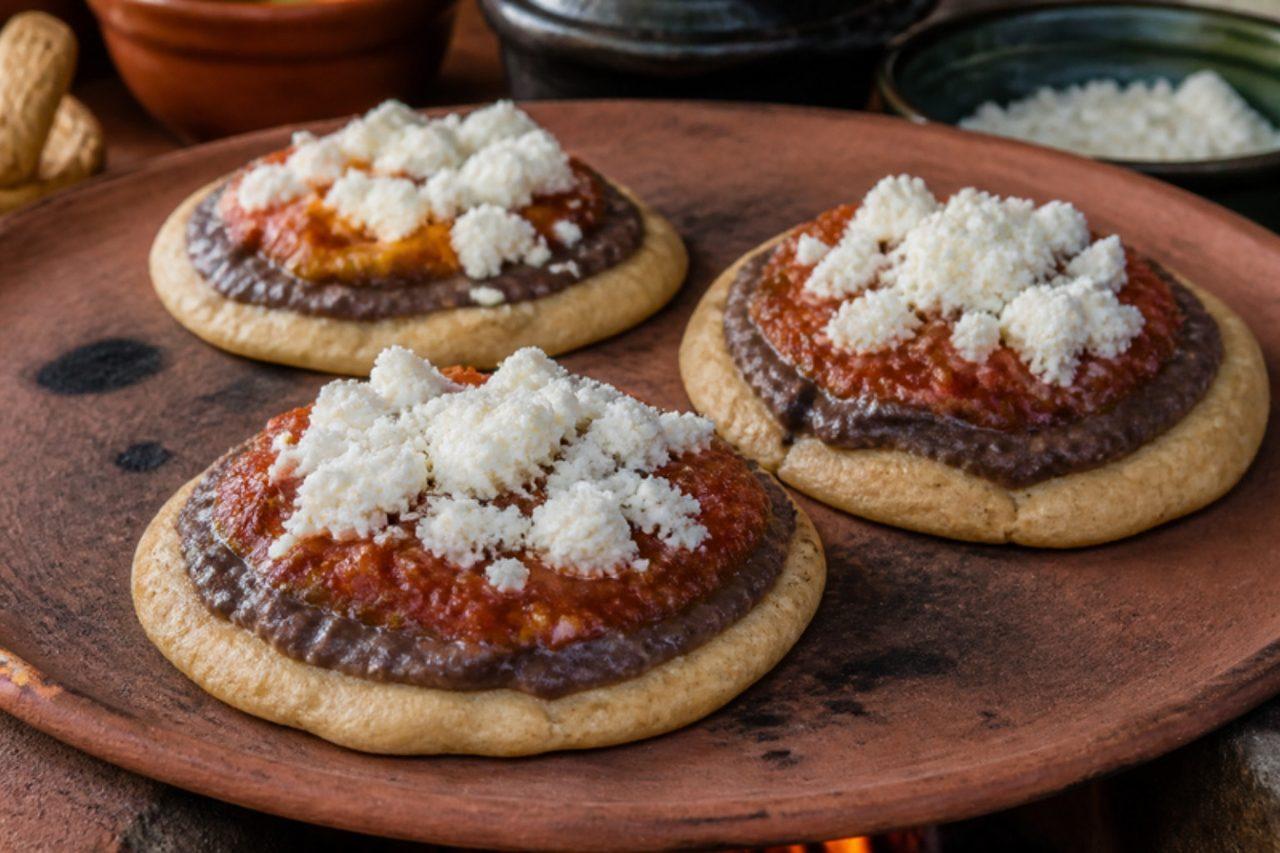
Early morning at the Oaxaca City markets, women press masa into thick ovals, bake them on clay comales and pinch up the edges while they are still hot: these are memelas, eaten standing at the stall with coffee. Each one is smeared with asiento, the toasty unrefined pork lard of Oaxaca, then black beans, salsa and crumbled cheese. For a vegetarian version we use browned butter (or vegetable shortening for a dairy-free base), which gives a similar nutty richness. The masa should be soft and slightly chewy, the base speckled brown. Queso fresco is often made with animal rennet, so choose a vegetarian fresh cheese if needed. Chef's tip: pinch the rim while the memela is too hot to handle comfortably (use a damp cloth); once it cools, the masa sets and cracks.

by KrazyBadal 0 views

New York potato knishes

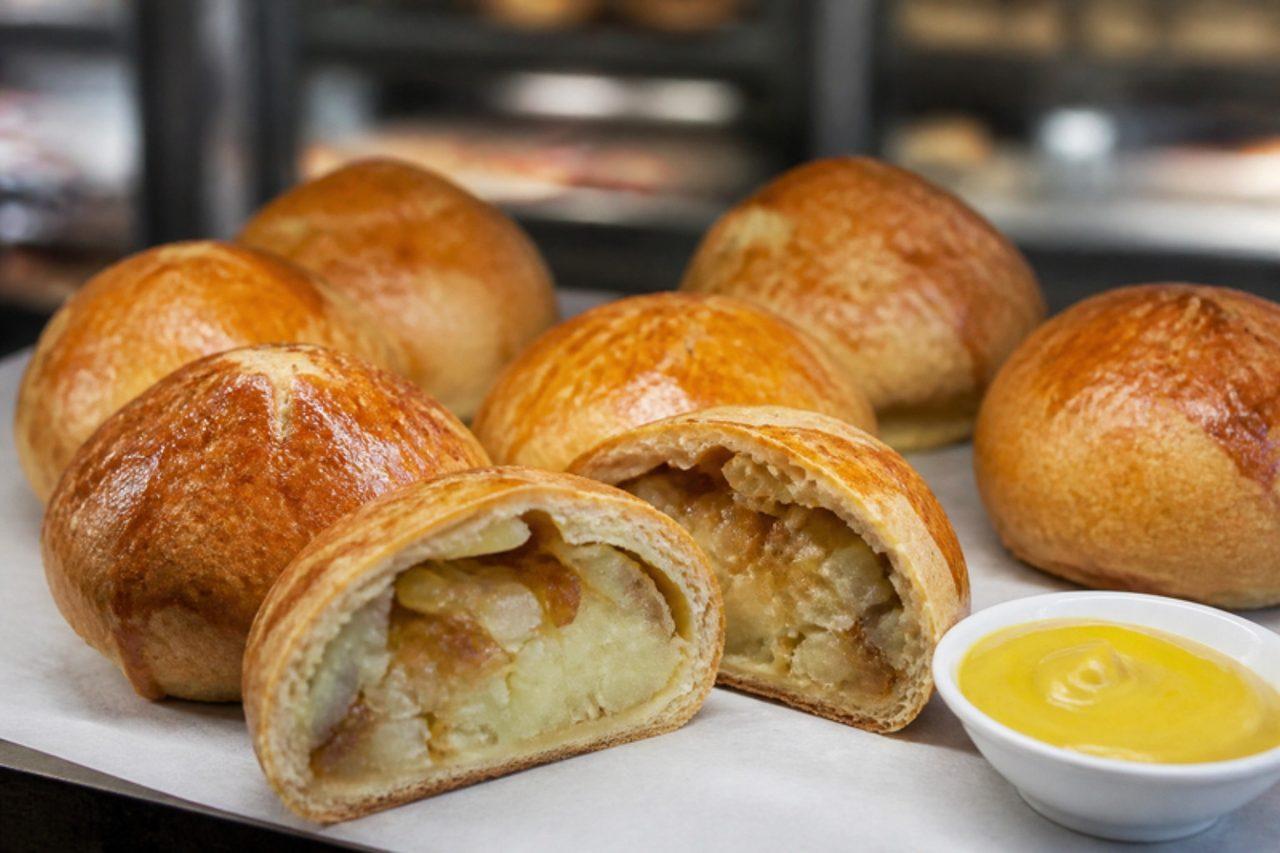
Knishes came from Eastern Europe with Jewish immigrants and became Lower East Side street food, sold from carts and the old knishery on Houston Street with a dab of brown mustard. A thin, stretchy oil dough is wrapped around a peppery filling of mashed potato and deeply browned onions, then baked golden. Chef's tip: cook the onions slowly until truly brown and sweet; pale onions make a bland filling.

by KrazyBadal 0 views

HingelPotato dumplings with browned butter

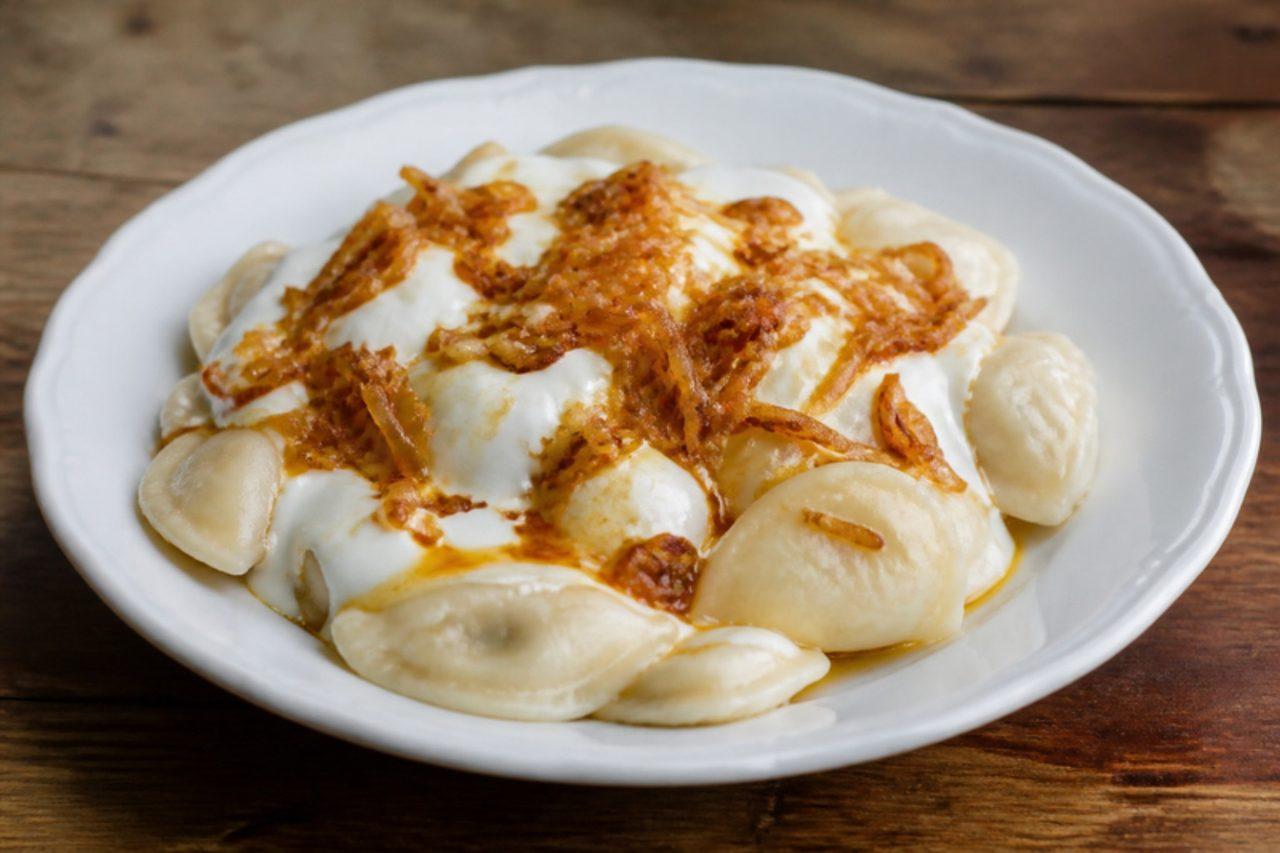
Hingel is the comfort food of Kars and Ardahan, on Turkey's high north-eastern border, where long winters made potatoes and butter everyday staples. Half-moon dumplings are filled with mashed potato and onion, boiled, then smothered in caramelised onions, garlic yoghurt and plenty of browned butter, much like manti but larger and softer. Common mistake: a wet potato filling that leaks through the seams; dry the boiled potatoes in the pan for a minute before mashing. Chef's tip: fry the onions slowly in the same butter you pour over at the end; it picks up their sweetness.

by KrazyBadal 0 views

Escudella i carn d'ollaChristmas soup with giant pasta

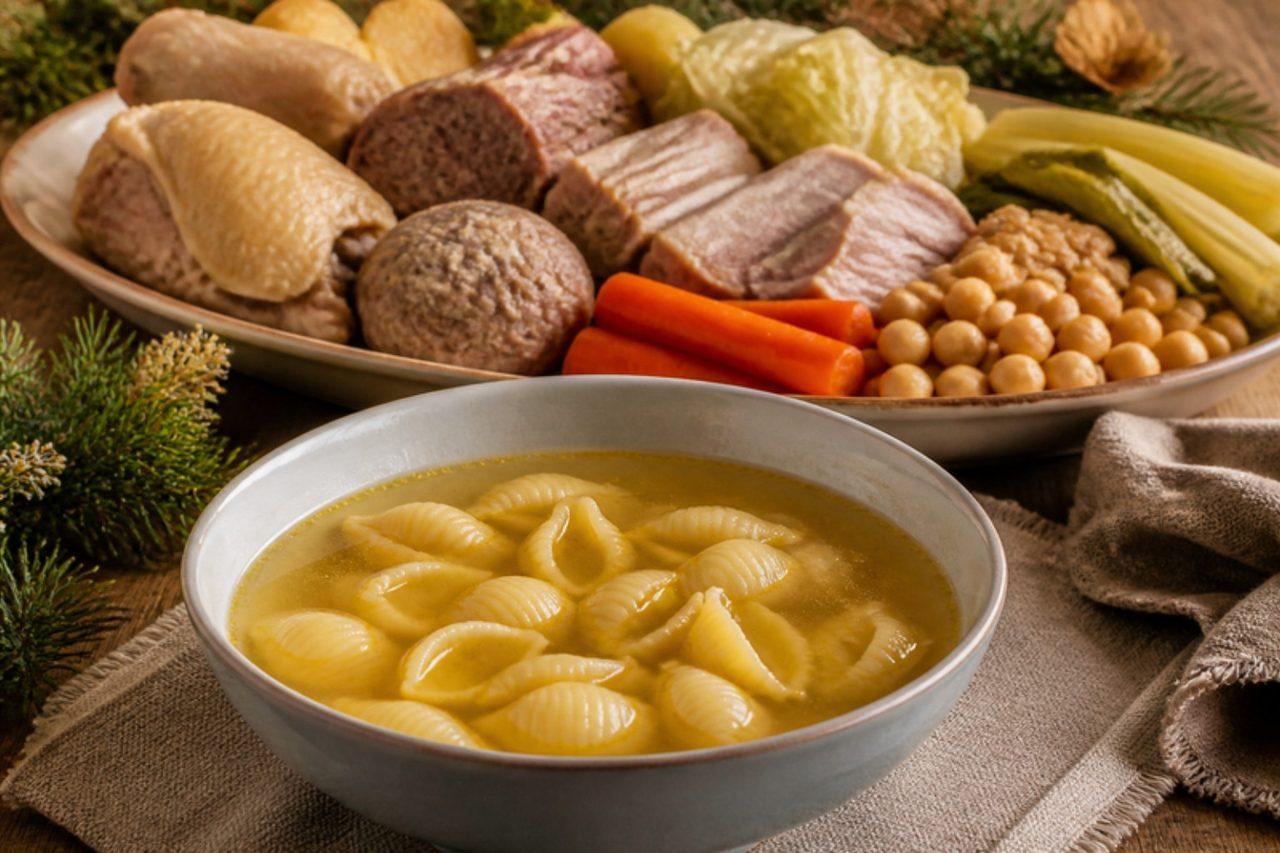
This contains pork (pork belly and pork mince). On Christmas Day, Catalan families sit down to escudella i carn d'olla, served in two courses: first the broth with giant snail-shaped galets pasta, then the carn d'olla, a platter of the meats, chickpeas and vegetables that made it, including the pilota, a large herby meatball. The pot simmers for hours, and the leftovers become the next day's canelons. Chef's tip: start the meats in cold water and skim patiently as it comes to the boil; it is the only way to a clear, golden broth.

255 minSpanishSoups
by KrazyBadal 1 views

Salsa de chile pasilla oaxaqueñoSmoky dried chilli salsa

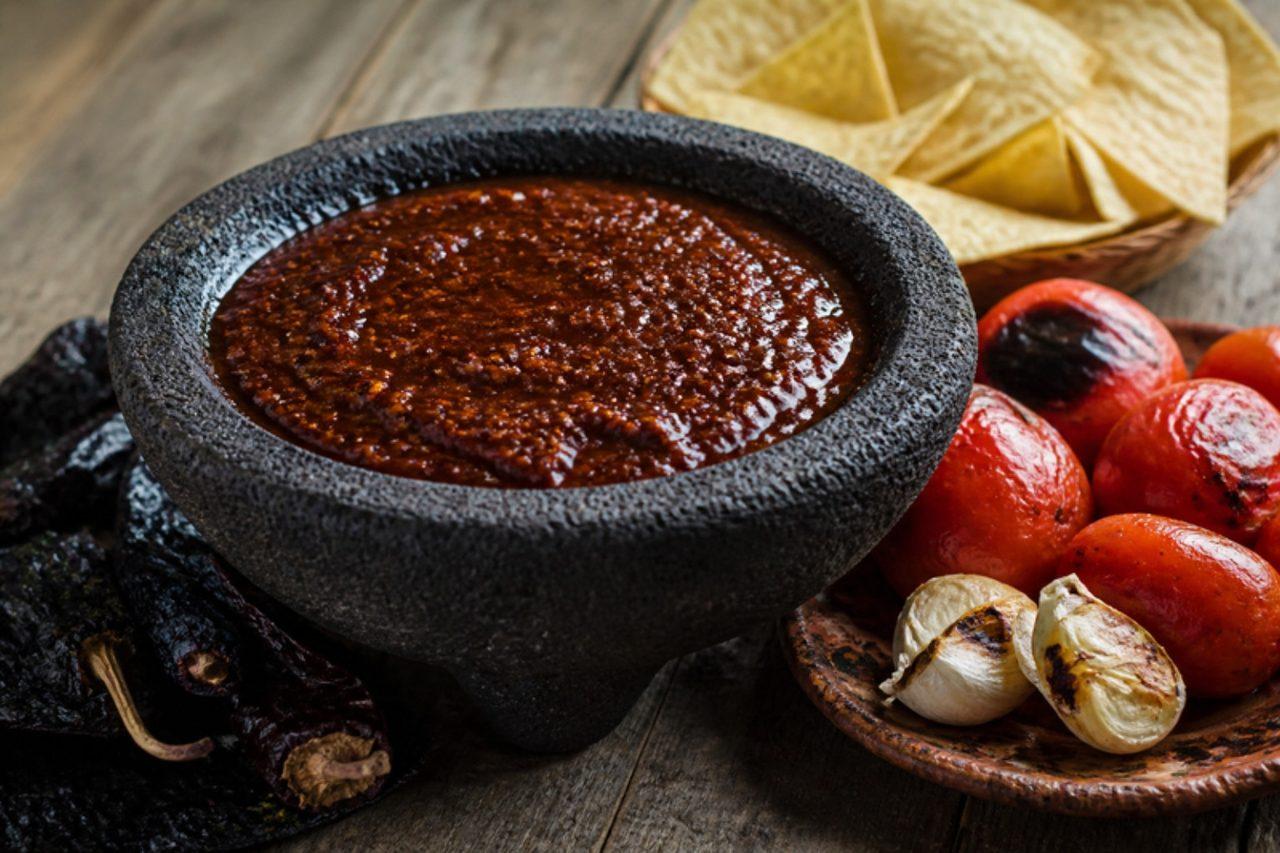
The pasilla mixe is a small, wrinkled, red-brown chilli smoked in the Sierra Mixe mountains east of Oaxaca City, and it tastes of campfire, tobacco and dried fruit. Ground in a molcajete with roasted tomato and garlic, it becomes the salsa that sits on every table in Oaxacan fondas, spooned over memelas, eggs, beans and grilled vegetables. It keeps a week in the fridge and improves after a day. If you cannot find pasilla mixe, use chipotle mora plus one ancho. Chef's tip: grind the garlic and salt first, then the chillies, then the tomato; working in that order gives a rough, clinging texture rather than a watery purée.

by KrazyBadal 1 views

King kongLayered biscuit with manjar blanco

Named, the story goes, after the giant ape because of its size when the film reached Peru, the king kong is Lambayeque's proudest sweet: thick, crumbly biscuit layers stacked with manjar blanco, a sticky pineapple jam and a peanut fudge, then cut into heavy slabs. Shops in Lambayeque and Chiclayo sell them by the kilo in boxes, and travellers carry them home as gifts. It is very sweet, buttery and dense, so a slice goes a long way with black coffee. This home version makes the manjar blanco from condensed and evaporated milk to save hours, then turns half of it into the peanut layer. The usual mistake is overbaking the biscuit until it is hard; take it out as soon as the edges are pale gold, as it firms up while it cools. It is a project, so make the fillings first and let them cool. Chef's tip: wrap the finished king kong and leave it overnight before cutting; the layers settle and soften into each other.

by KrazyBadal 0 views

Lucanica con peperoniFennel sausage with peppers

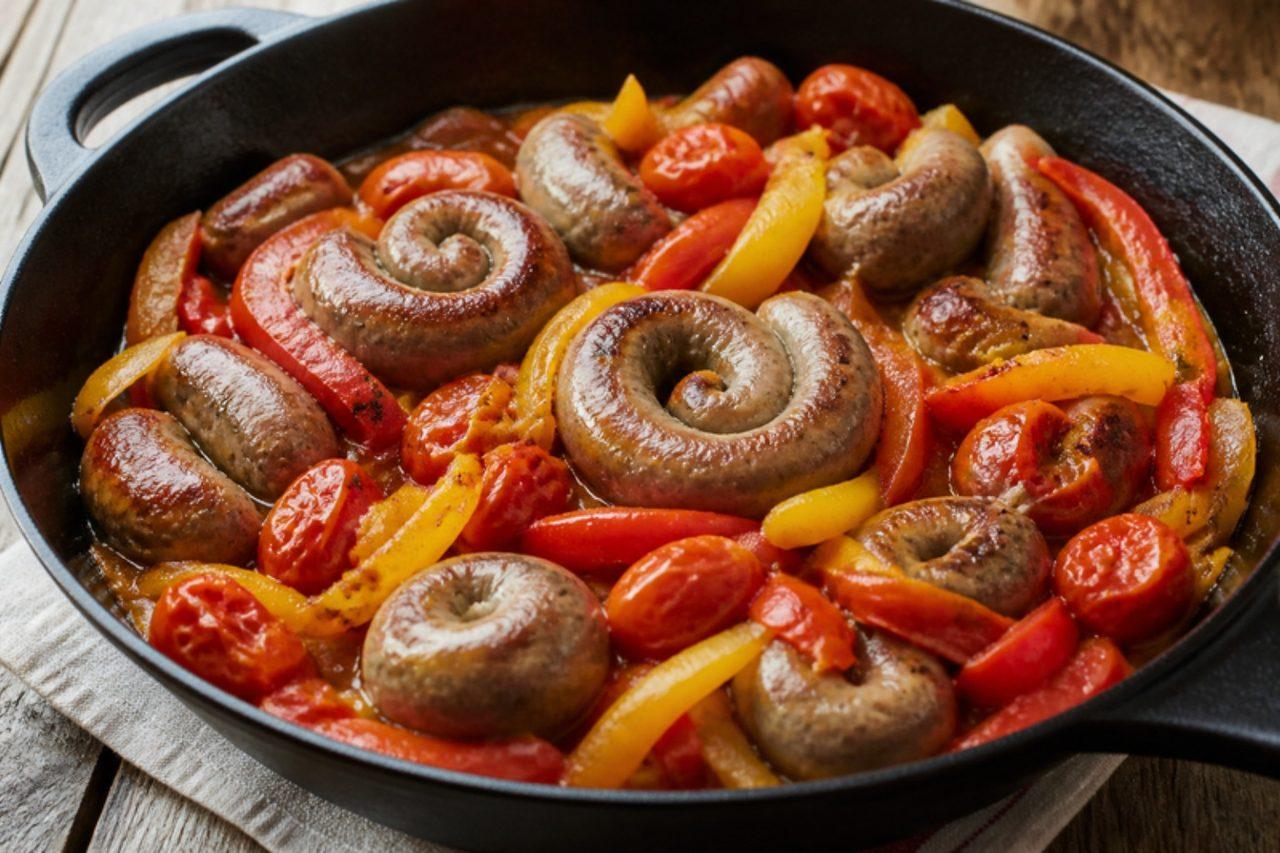
Lucanica, the coiled fennel-seed pork sausage of Basilicata, is so old that Roman writers named it after the region. At home it's often cooked the simplest way, braised with sweet peppers and a little tomato until the peppers turn silky and the sausage fat flavours everything. It's a pork dish for a weekday supper or a village festival, served with crusty bread or a pile of soft polenta. If you can't find lucanica, use any coarse Italian pork sausage with fennel. Chef's tip: prick the sausage only once or twice; too many holes let all the juices run out and the sausage dries.

by KrazyBadal 0 views

New York bagels

The New York bagel came with Jewish bakers from Poland to the Lower East Side, and it is still breakfast on the go across the five boroughs, split and spread thickly with cream cheese. The dough is stiff and rested overnight in the fridge, then each ring is boiled before baking, which gives the dense, chewy crumb and the glossy, crackly crust. Chef's tip: test one bagel before boiling them all; if it floats in a bowl of cold water, they are ready.

by KrazyBadal 0 views

FricandóBraised veal with mushrooms

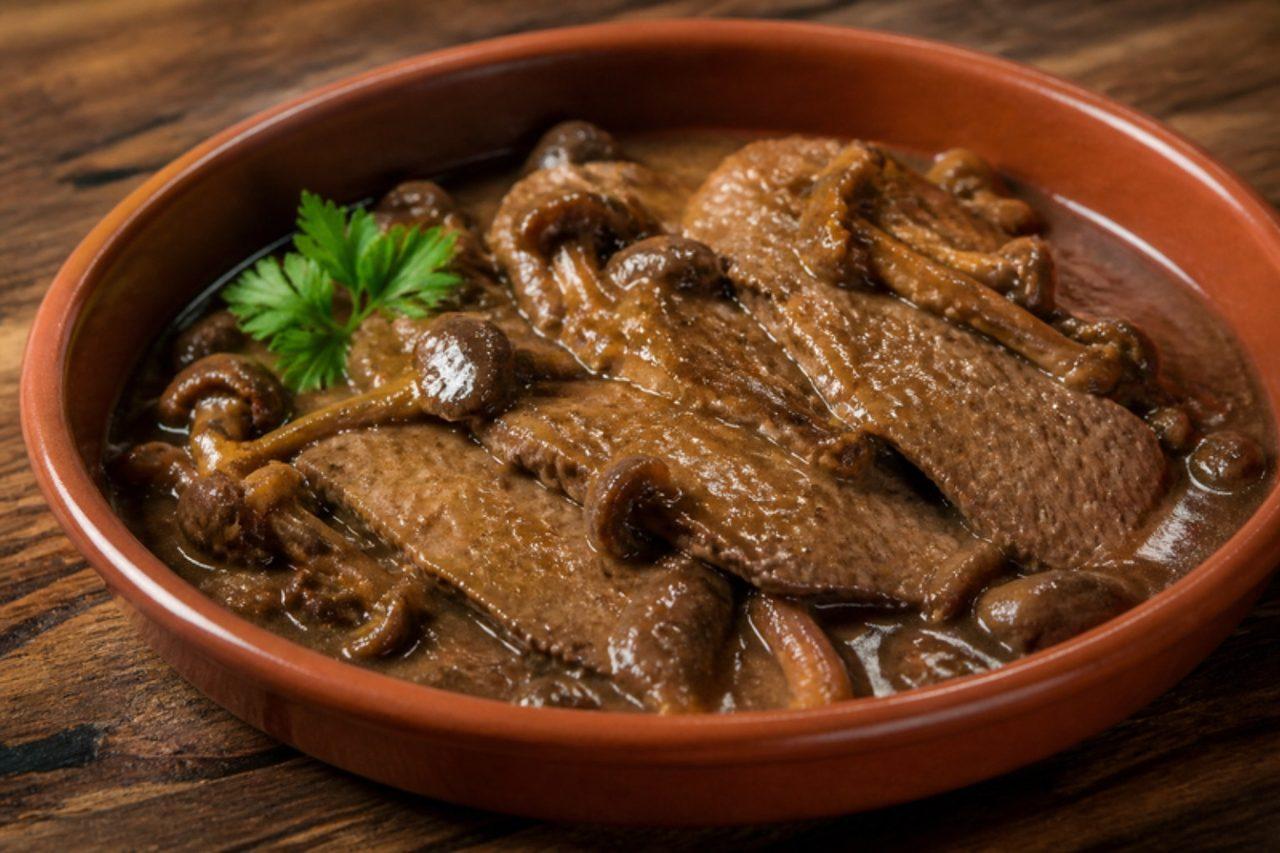
Fricandó is the dish that Barcelona grandmothers cook for a family Sunday or a saint's day: thin slices of veal, floured and browned, then braised slowly in a dark sofrito with dried moixernons, the spring St George's mushroom, and finished with a picada of almonds and hazelnuts. It is better reheated the next day. Dried porcini or mixed wild mushrooms work if you cannot find moixernons. The recipe uses wine; the alcohol-free option is in the ingredient list. Chef's tip: cook the onions until truly dark, almost jammy; that deep brown sofrito is where the sauce gets its colour and sweetness.

130 minSpanishMeat
by KrazyBadal 0 views

Idaho fry sauce

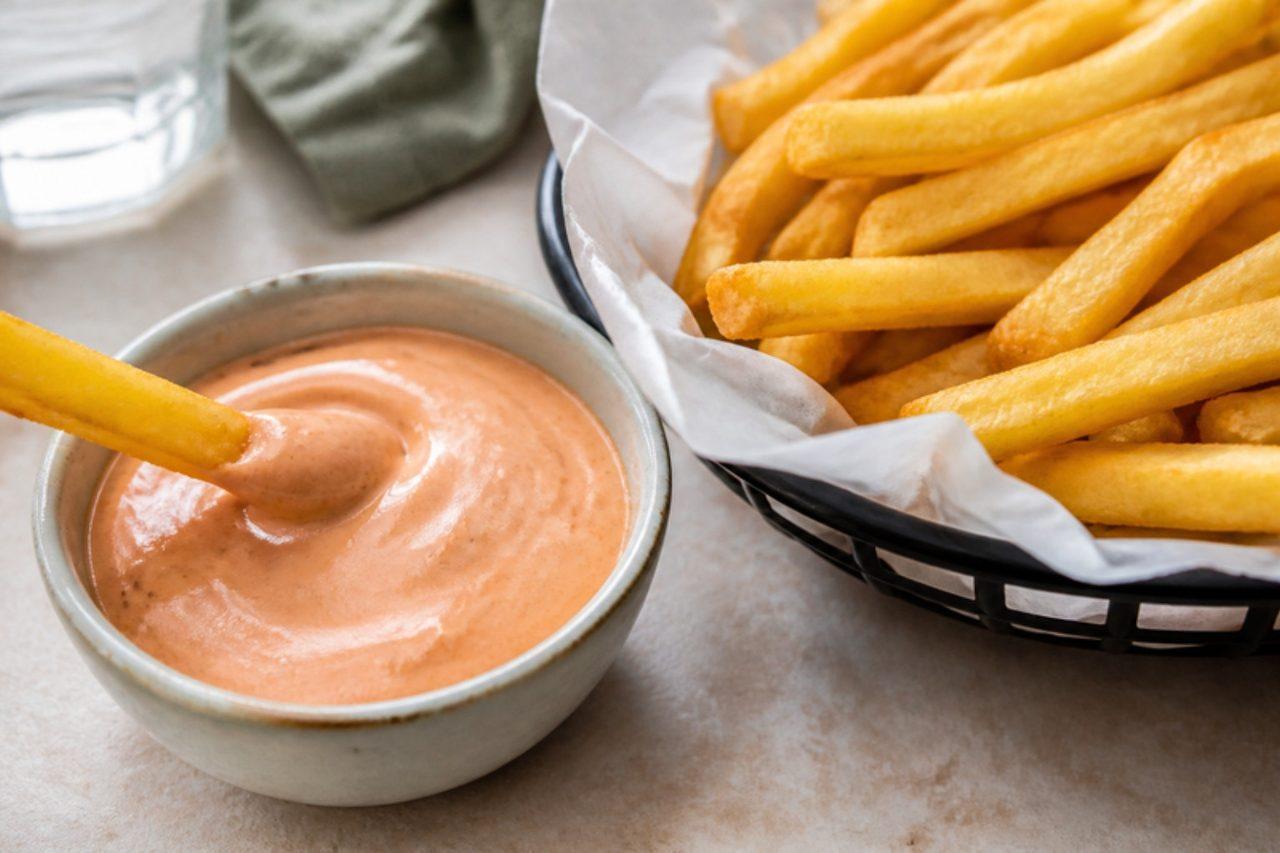
In Idaho and neighbouring Utah you don't get your fries without fry sauce, the pale pink dip that drive-ins and burger stands across the potato state put out in paper cups. It is mayonnaise and ketchup at heart, sharpened with a little pickle brine, garlic and smoked paprika, and it goes on chips, burgers and onion rings. Chef's tip: make it an hour ahead and chill it, so the garlic and paprika have time to bloom.

by KrazyBadal 0 views

Conejo en salmorejoMarinated rabbit with garlic and peppers

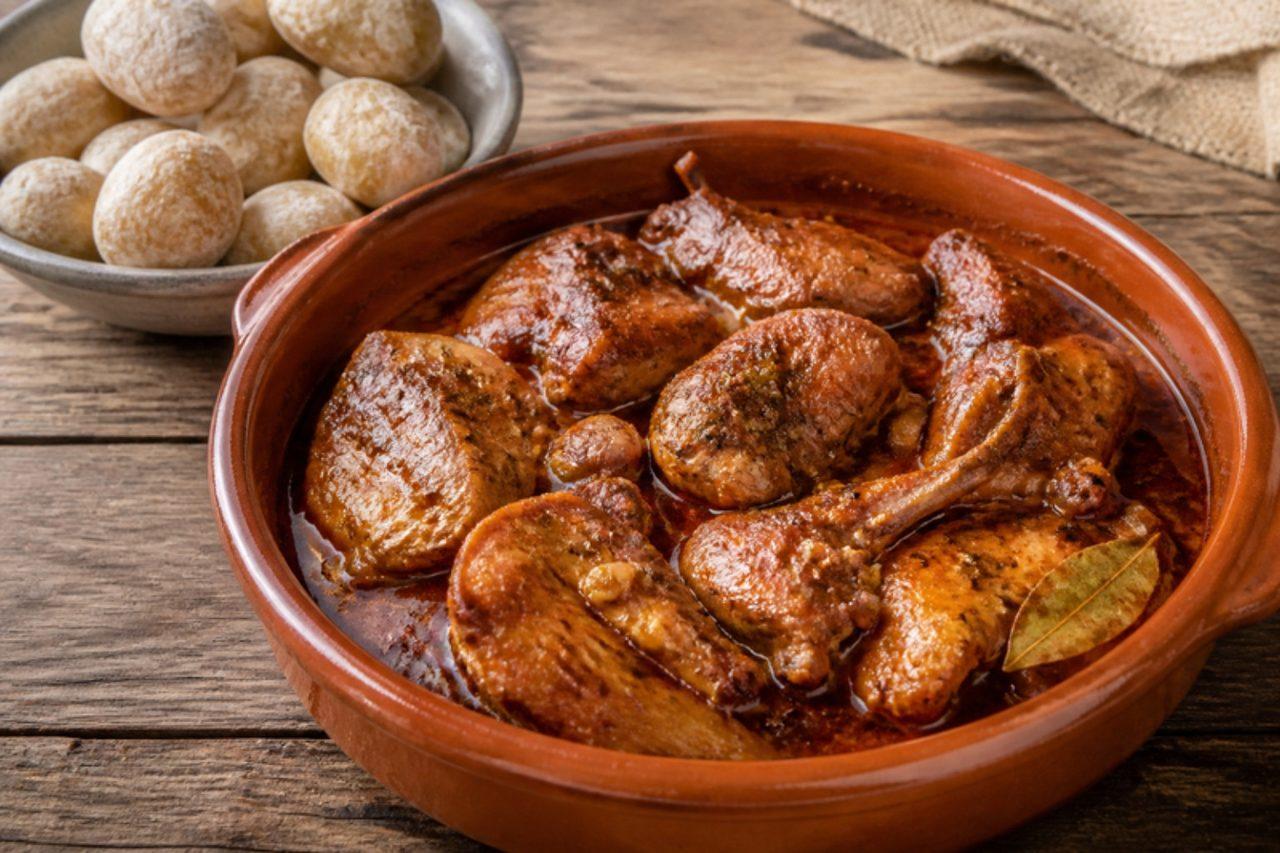
Nothing to do with the cold tomato soup of Córdoba: in the Canaries salmorejo is a punchy marinade of garlic, red pepper, paprika, thyme, oregano, vinegar and wine, and rabbit cooked in it is the star of Tenerife's hillside guachinches and Sunday family lunches. The rabbit soaks overnight, then is fried and simmered in the marinade until tender, and served with papas arrugadas to mop up the sauce. The marinade uses white wine; for an alcohol-free version, swap it for water with an extra spoon of vinegar. Chef's tip: dry the rabbit pieces well before frying, so they brown properly rather than stew grey in the marinade.

by KrazyBadal 0 views

Crémet d'AnjouLight cream dessert

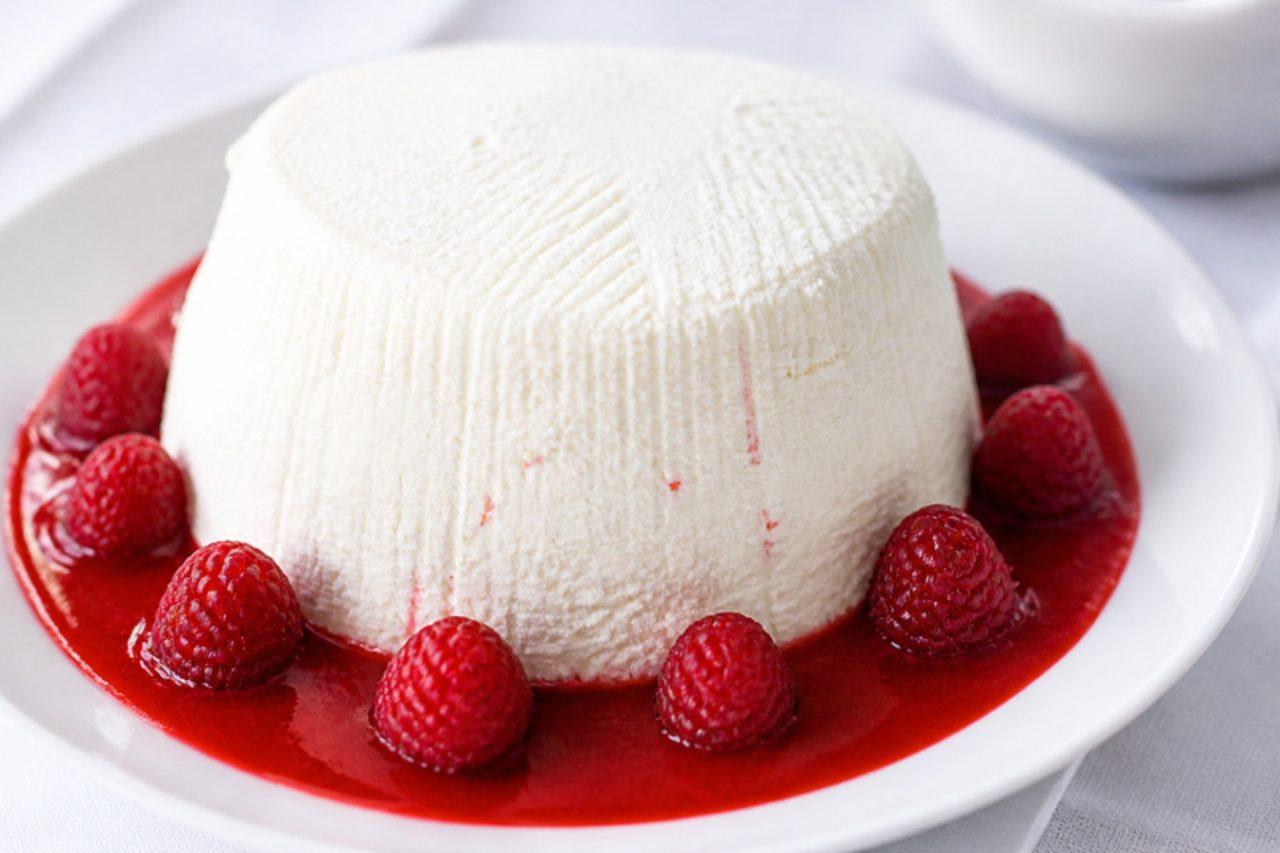
Angers and the Anjou countryside have served crémets since the 1800s: a mixture of fresh cheese, whipped cream and whisked egg white, drained in muslin until it holds its shape, then unwrapped onto a plate with berries or a red fruit coulis. It is soft, cool and barely sweet, and Angevin cheese shops sell it by the pot in spring and summer. This version swaps raw egg white for a little extra whipped cream, so it is safe for everyone. You need muslin or a clean J-cloth and small sieves or ramekins with holes. Chef's tip: give it a full 12 hours in the fridge; it firms up and turns light and mousse-like as the whey drips away.

by KrazyBadal 0 views

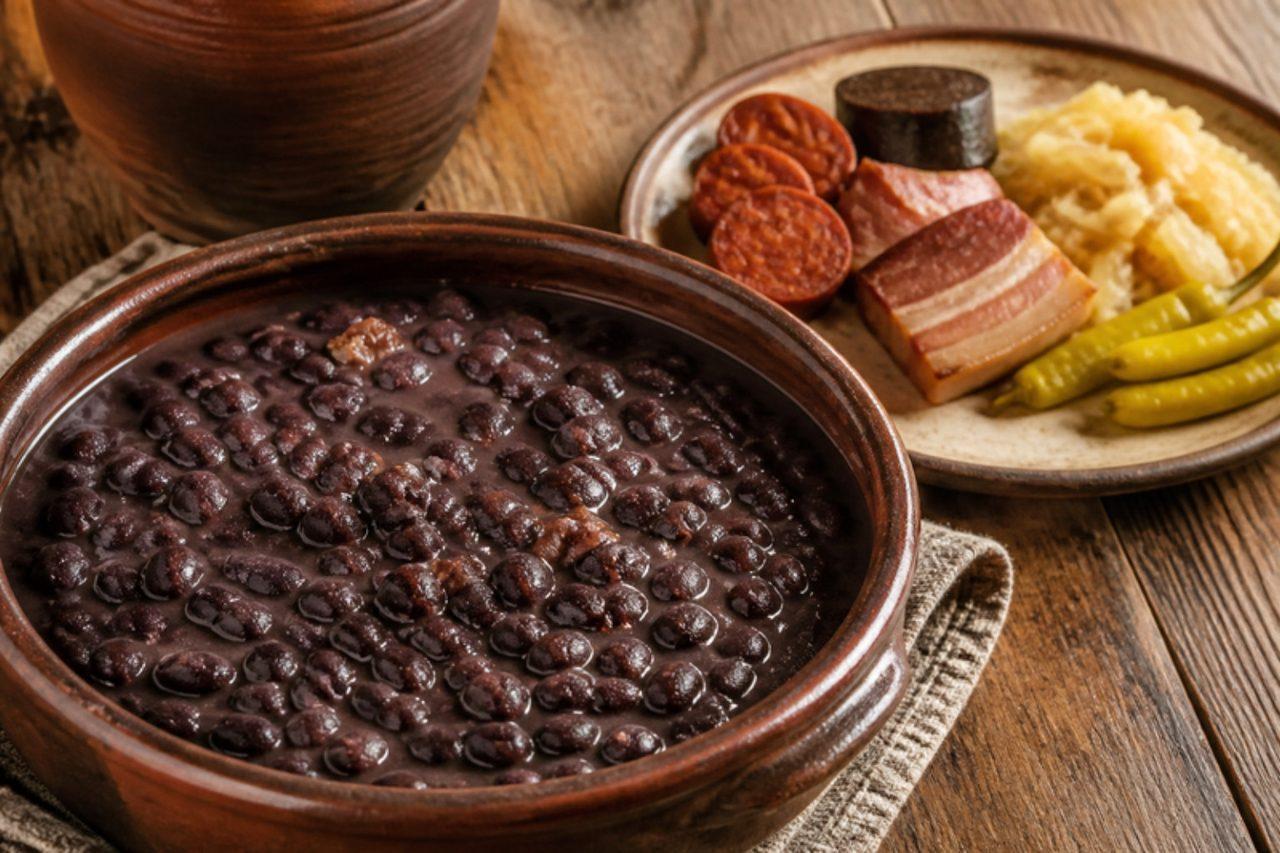
Alubias de TolosaBlack beans with chorizo and pork

Tolosa, in the Oria valley, celebrates its dark purple-black beans every autumn, and the town's restaurants serve them in clay pots with the 'sacramentos' on the side: chorizo, morcilla and pork belly, plus cabbage and pickled guindillas. This contains pork (chorizo, morcilla and pork belly). The beans are cooked very slowly with only onion and oil until creamy and the broth is thick and dark. A common mistake is boiling the beans hard, which splits their skins; they should barely tremble. Chef's tip: add a splash of cold water three times while they cook ('scaring' the beans), which keeps the skins tender and whole.

195 minSpanishMeat
by KrazyBadal 0 views

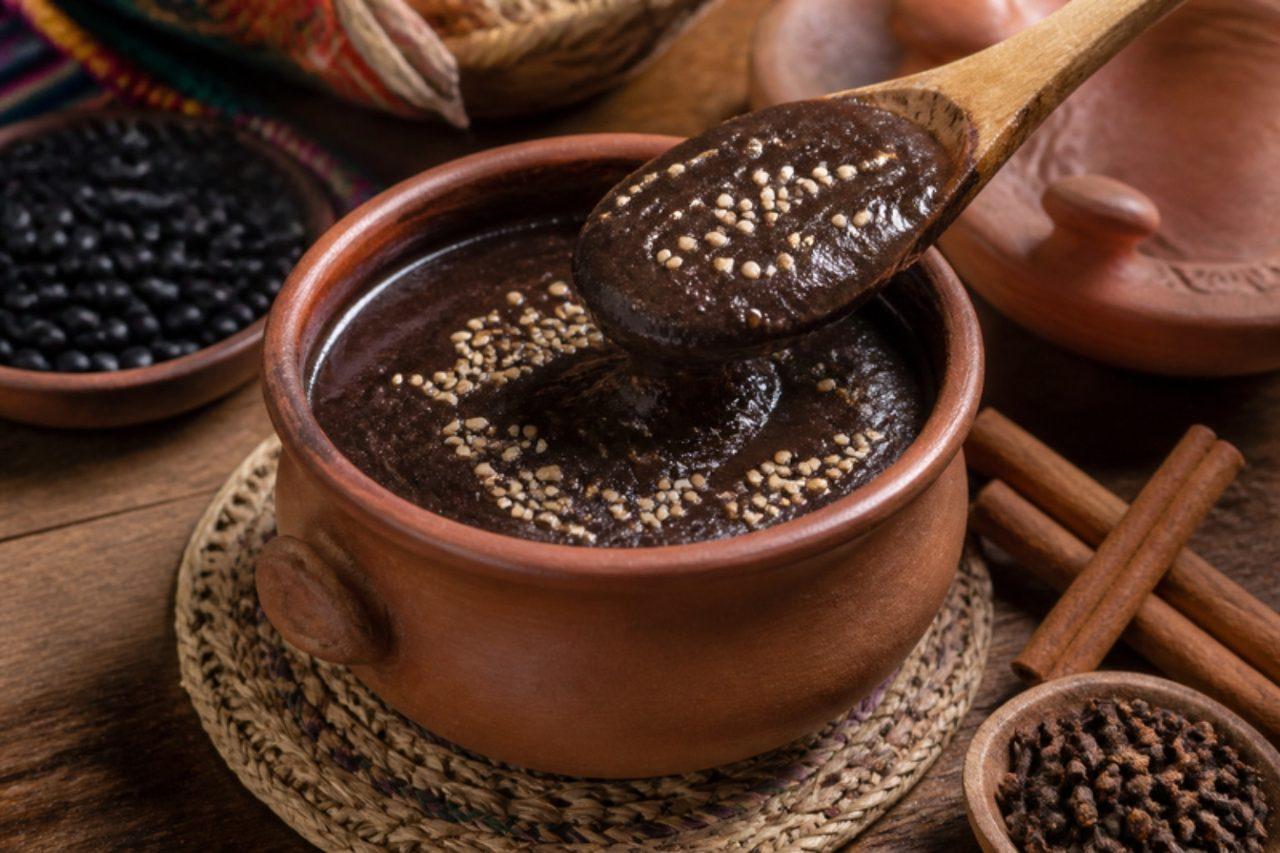
Frejol coladoSweet black bean paste

Chincha, south of Lima, is the heart of Afro-Peruvian culture, and its signature sweet is frejol colado: black beans cooked, pushed through a sieve (colado means strained) and then stirred for a long time with sugar and spices until the paste is dark, glossy and thick enough to stand a spoon in. It is traditionally served in little gourd bowls called potos, sprinkled with toasted sesame, and sold in Chincha's square and at festivals in El Carmen. The taste is deep and molasses-like, with clove and cinnamon, and nobody guesses it's beans. The beans need an overnight soak, which isn't counted in the time. Most people give up stirring too early; under-cooked frejol colado is runny and tastes of beans, so keep going until it pulls away from the pan in one mass. Some cooks add milk; this version is dairy free. Chef's tip: use a wide, heavy pan and a long wooden spoon, and wear an oven glove, because the thick paste spits as it reduces.

by KrazyBadal 0 views

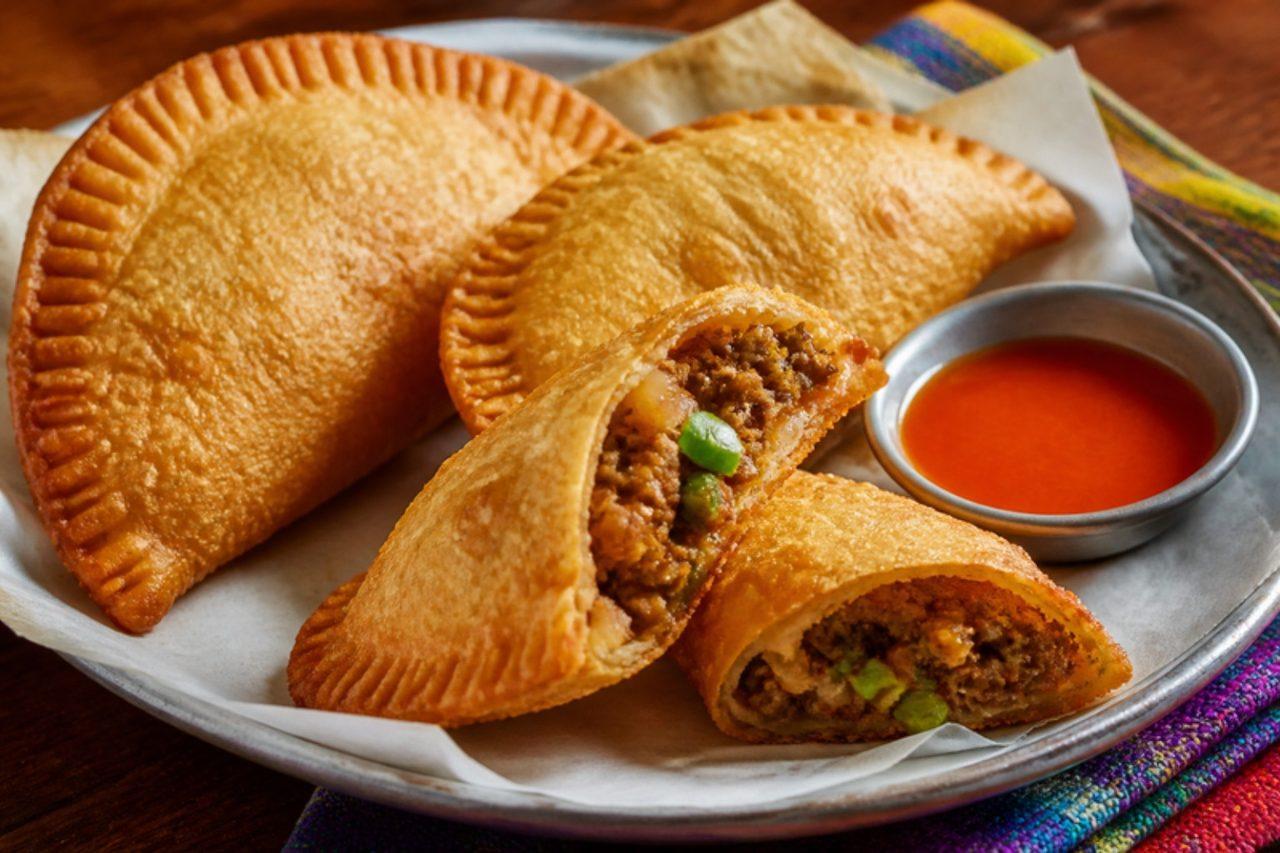
Natchitoches meat pies

Natchitoches, the oldest town in Louisiana, is famous for these crescent-shaped fried pies, sold at its Christmas Festival of Lights and from family pie shops on Front Street. The filling is minced beef and pork with onion, garlic and cayenne, wrapped in a short pastry and fried until blistered and crisp. It contains pork. Chef's tip: cool the filling completely before filling the pastry, or the dough softens and tears.

by KrazyBadal 0 views

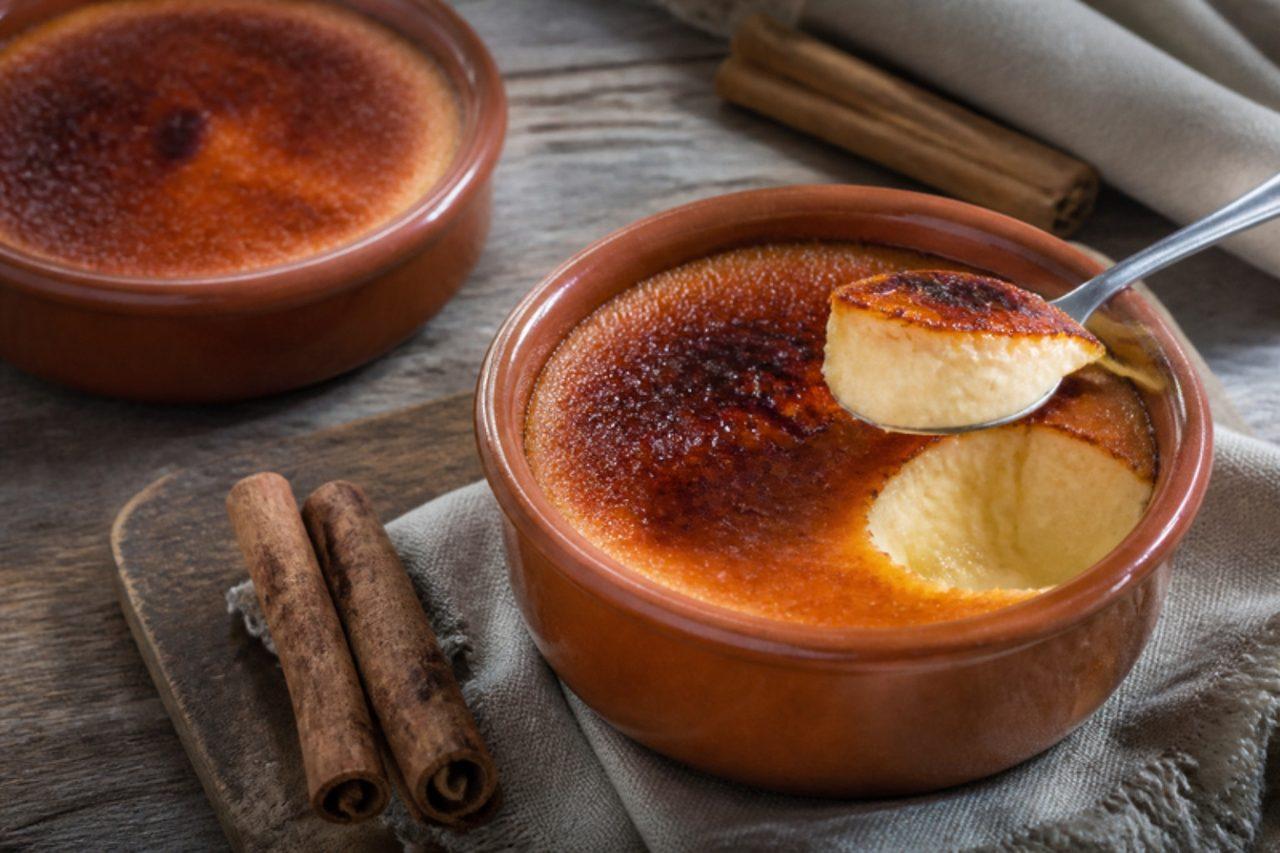
JericallaVanilla custard

Jericalla belongs to Guadalajara: legend says a nun at the city's Hospicio Cabañas orphanage made it in the 19th century to feed the children something nourishing. It is a firm baked custard of milk, eggs, sugar, vanilla and cinnamon, between a flan and a crème brûlée, with no caramel underneath; the top is left in a hot oven until it blisters and darkens in patches. Tapatíos buy it in little glass pots from street carts and in the markets of Jalisco. Chef's tip: let the top darken properly under the grill at the end; those scorched spots are what makes it a jericalla rather than a plain custard.

by KrazyBadal 0 views

Lancaster chicken corn soup

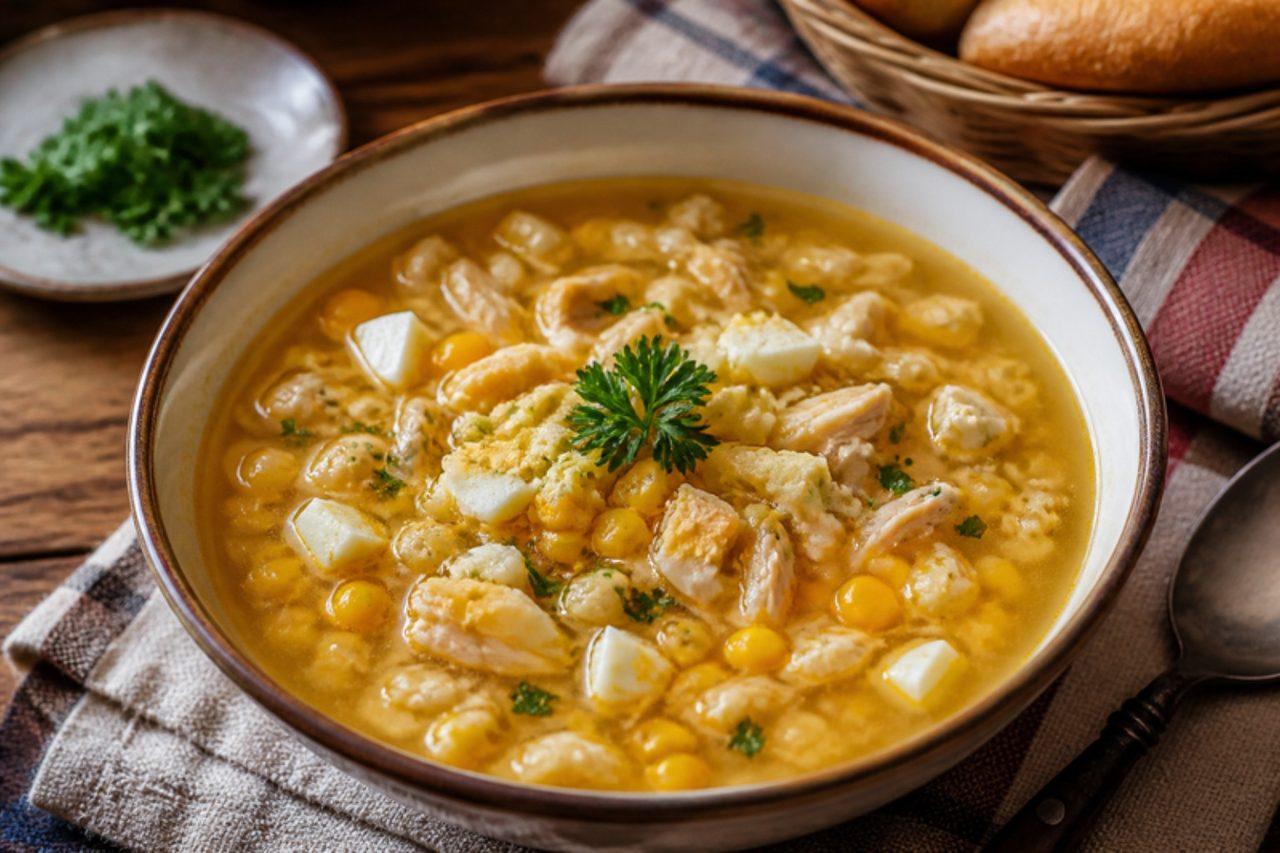
Every summer fire company picnic and church fair in Lancaster County sells this golden soup by the quart: chicken broth tinted with saffron, packed with sweetcorn and shredded chicken, and thickened with rivels, little rubbly dumplings rubbed between the fingers. Some cooks add chopped hard-boiled egg on top. Chef's tip: rub the rivel dough over the simmering soup through your fingers so the pieces fall in small, like grains of rice.

by KrazyBadal 0 views

Kig ha farzBeef and pork with buckwheat pudding

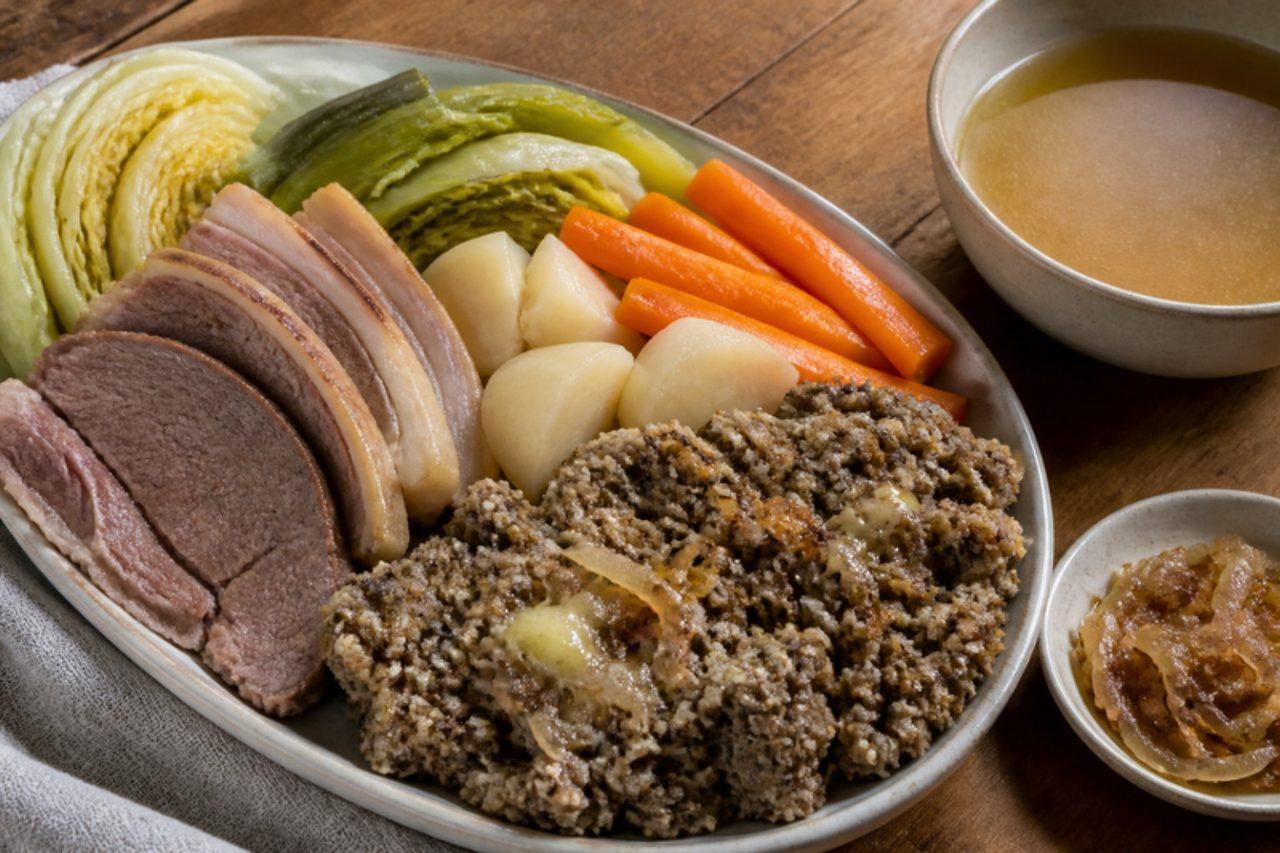
Kig ha farz, "meat and stuffing" in Breton, belongs to the Léon country of north Finistère, where it is still the big shared dish of village fêtes, rugby-club dinners and family gatherings. Beef shin and salt pork belly simmer for hours with cabbage, carrots, leeks and turnips, and in the same pot sits a cotton bag of buckwheat batter that cooks into a dense, nutty pudding. The pudding is crumbled and served with the meats and vegetables, often with lipig, a sauce of shallots melted in butter. Chef's tip: tie the cloth bag loosely, leaving room for the batter to double, or the pudding turns heavy and rubbery.

250 minFrenchMeat
by KrazyBadal 0 views

Fregola con arselleToasted pasta pearls with clams

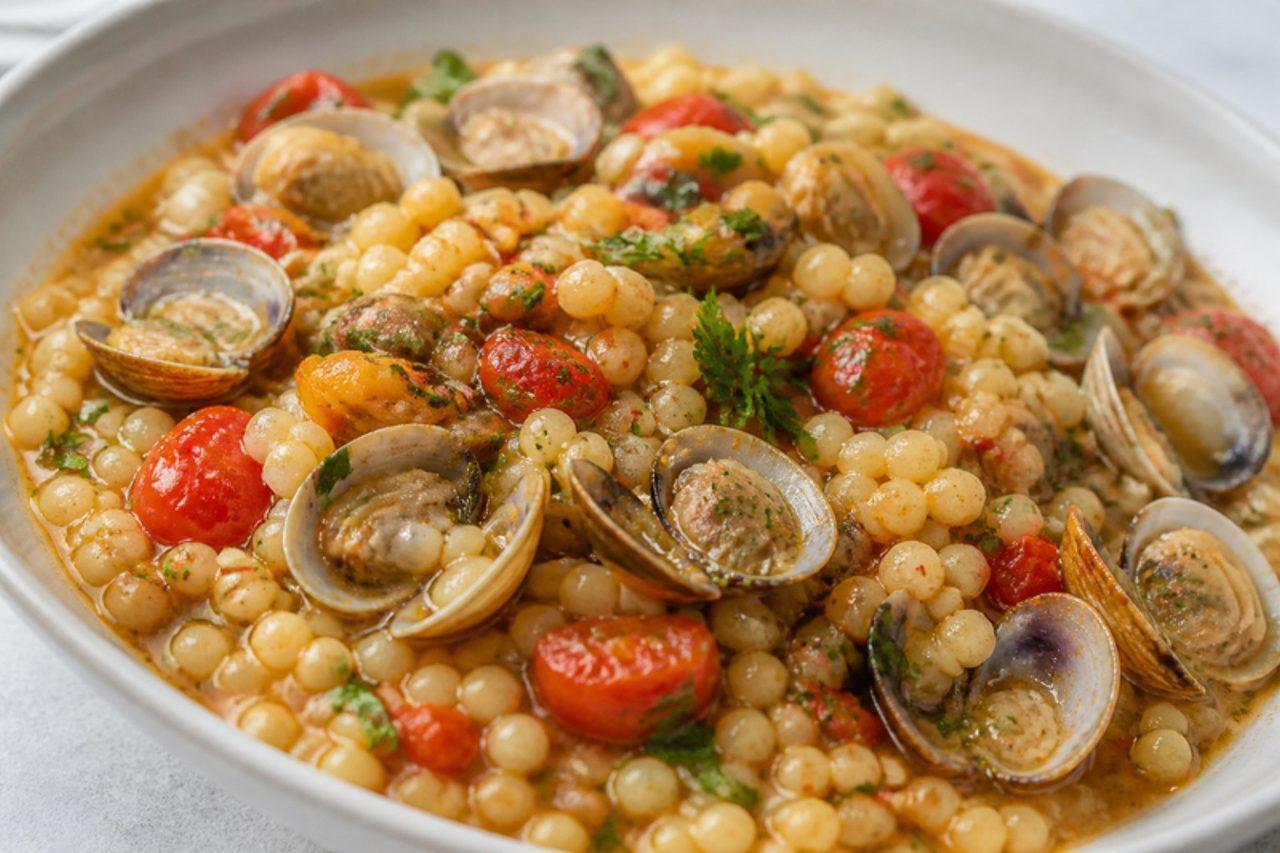
Along the Poetto, Cagliari's long city beach, arselle are small clams once raked from the sand, and fregola con arselle is the dish every seaside trattoria in the city serves. Fregola is a Sardinian semolina pasta rolled into rough little beads and toasted, so it has a nutty taste and a slightly chewy bite; here it simmers like risotto in the clams' own juice with tomato, garlic and parsley until loose and soupy. Eat it with a spoon, straight away. Any small clams work if you can't find arselle. Chef's tip: toss the fregola in a dry pan for a couple of minutes before cooking; it deepens the toasted flavour.

by KrazyBadal 0 views

Freekeh bil djajChicken with smoked green wheat

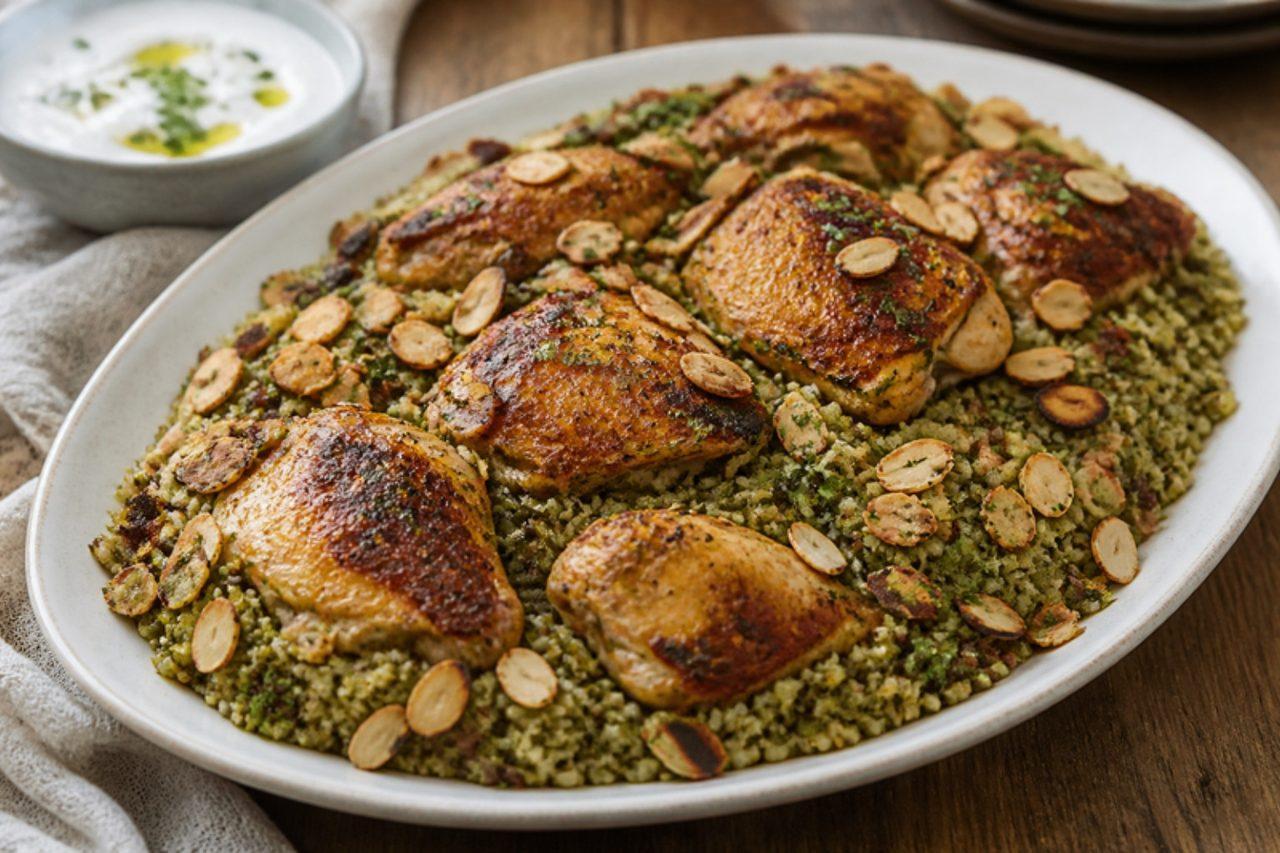
Freekeh — young green wheat harvested and roasted over fire in the fields of Hauran and the Syrian countryside — has a smoky, nutty taste that makes this dish special. Chicken is poached with whole spices, and its broth is used to cook the freekeh into a fluffy pilaf, then everything is topped with the browned chicken and toasted almonds. It is a dish for Sunday gatherings and Eid, served with yoghurt and cucumber. Common mistake: not picking over the freekeh; it often has tiny stones and husks, so spread it on a tray and check. Chef's tip: brown the poached chicken in butter or under the grill before serving for colour and crisp skin.

by KrazyBadal 0 views

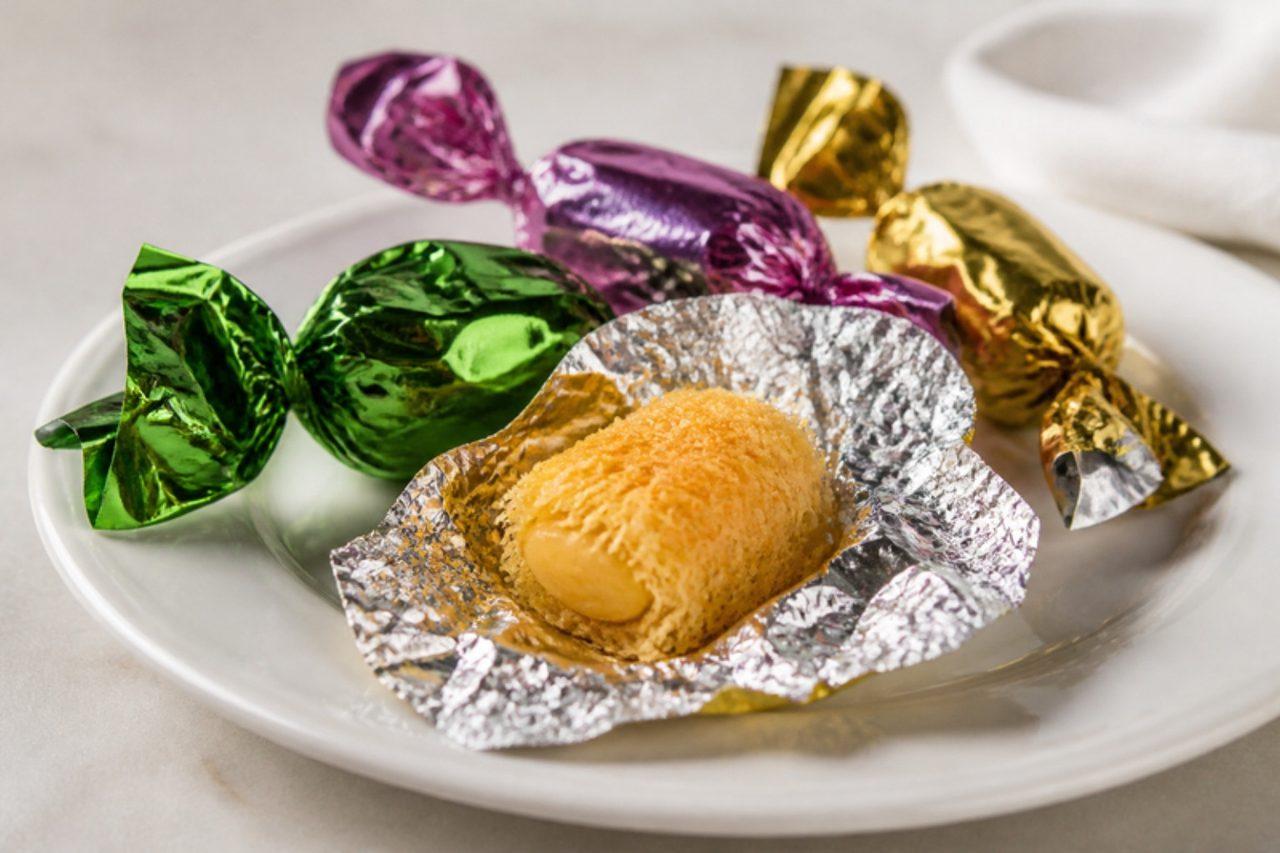
Dom RodrigosEgg-thread and almond sweets

Walk past any pastelaria in Lagos or Portimão and you will see little twists of bright foil piled in the window: each one hides a nest of golden egg threads bound with an almond and yolk cream, scented with cinnamon. They are eaten after Sunday lunch with a bica, bought by the half dozen to take home, and set out at Algarve weddings and christenings. The work is in the egg threads, drizzled into boiling syrup, but once you have the rhythm it goes quickly. Chef's tip: sieve the yolks twice, because any trace of white or the chalaza blocks the funnel and makes the threads break.

by KrazyBadal 0 views

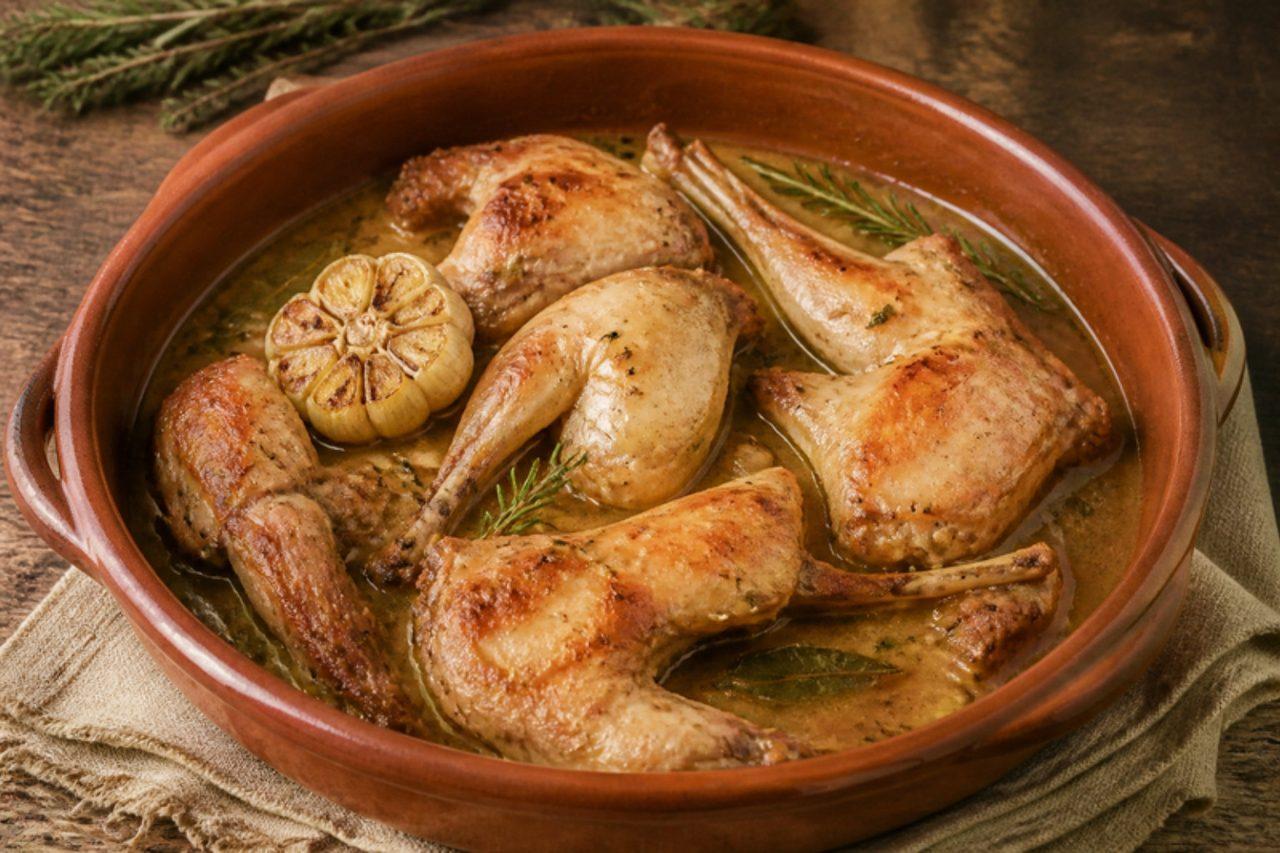
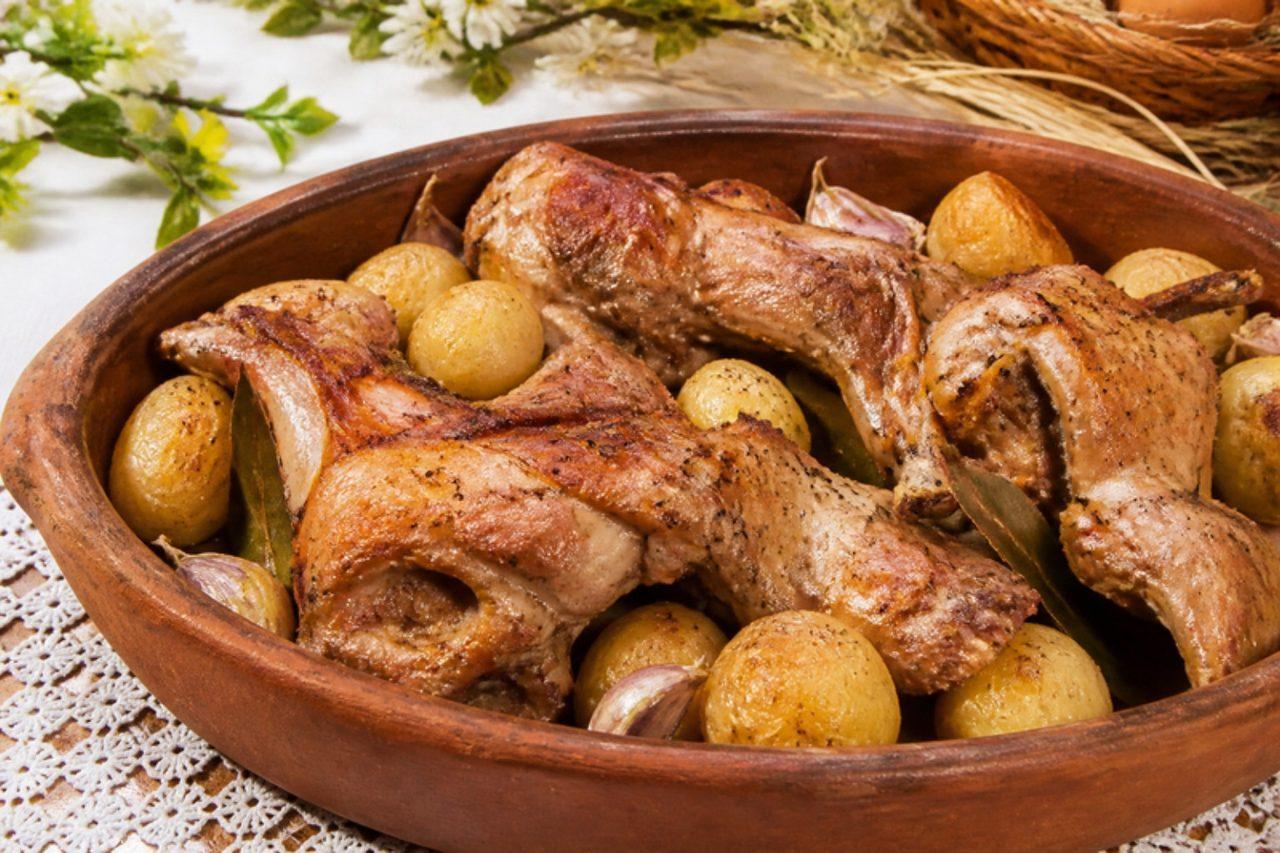
Conejo a la aragonesaRabbit braised with garlic and wine

Rabbit has always been the everyday meat of rural Aragon, and in the farmhouses of the Somontano and the Cinco Villas it is braised slowly in a clay pot with lots of garlic, thyme and rosemary from the hillside, and a glass of the local white wine. The result is lean, tender meat in a small amount of rich, garlicky sauce, served with fried potatoes or bread. The wine can be replaced with chicken stock and a spoonful of vinegar if you prefer no alcohol. A common mistake is boiling the rabbit hard; the lean meat tightens and goes stringy, so keep it at the gentlest simmer. Chef's tip: mash a few of the soft braised garlic cloves into the sauce at the end; they thicken it and make it sweeter.

by KrazyBadal 0 views

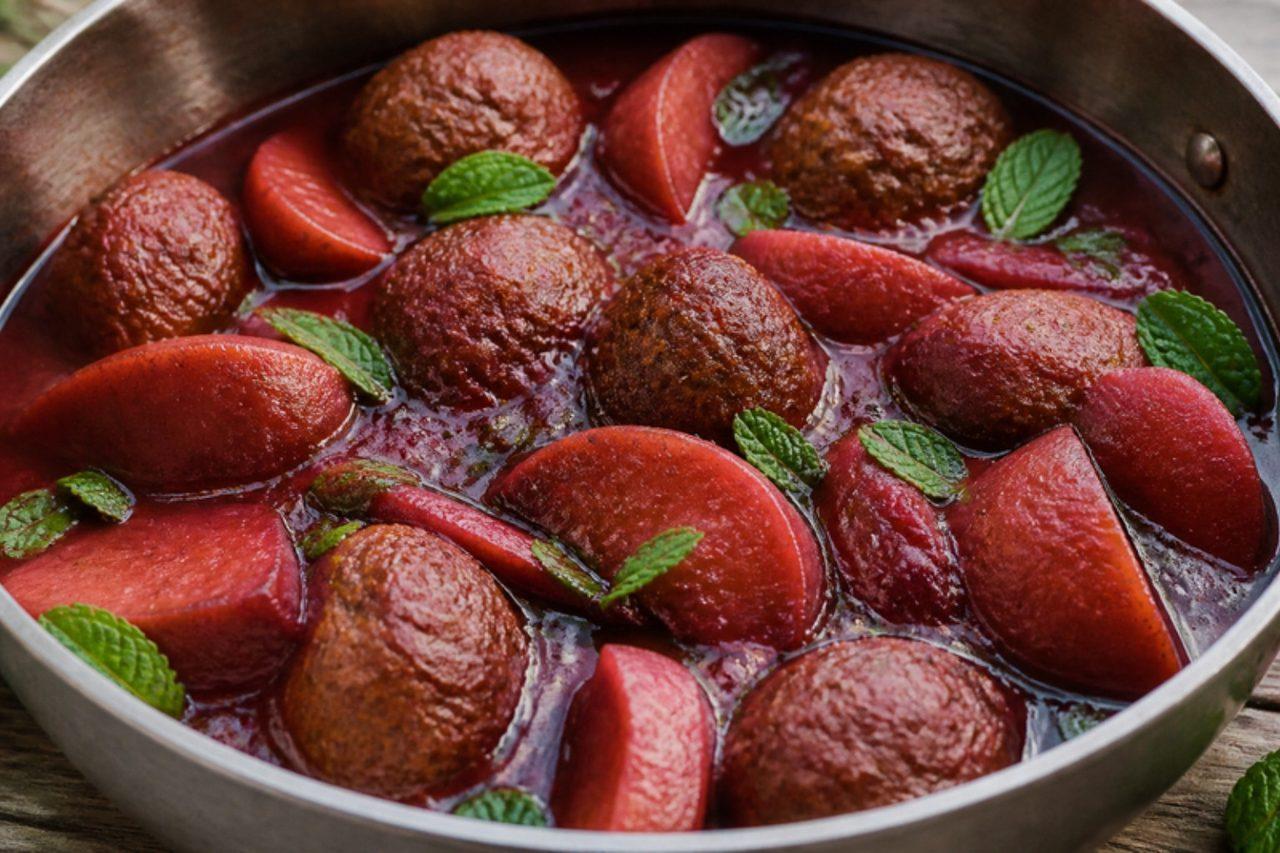
Kibbeh safarjaliehKibbeh with quince in pomegranate sauce

Aleppo is known as the city of a hundred kibbehs, and kibbeh safarjalieh is its autumn showpiece, made when quinces turn golden in the markets. Stuffed kibbeh are simmered with chunks of quince and a little lamb in a sauce sharpened with pomegranate molasses and lemon and scented with dried mint. The fruit softens and blushes pink, and the sauce is sweet, sour and fragrant all at once. Serve with plain rice or bread. Common mistake: cutting the quince too early; it browns fast, so drop each piece into lemon water as you go. Chef's tip: leave the quince skin on — it holds the pieces together and helps colour the sauce.

110 minSyrianMeat
by KrazyBadal 0 views

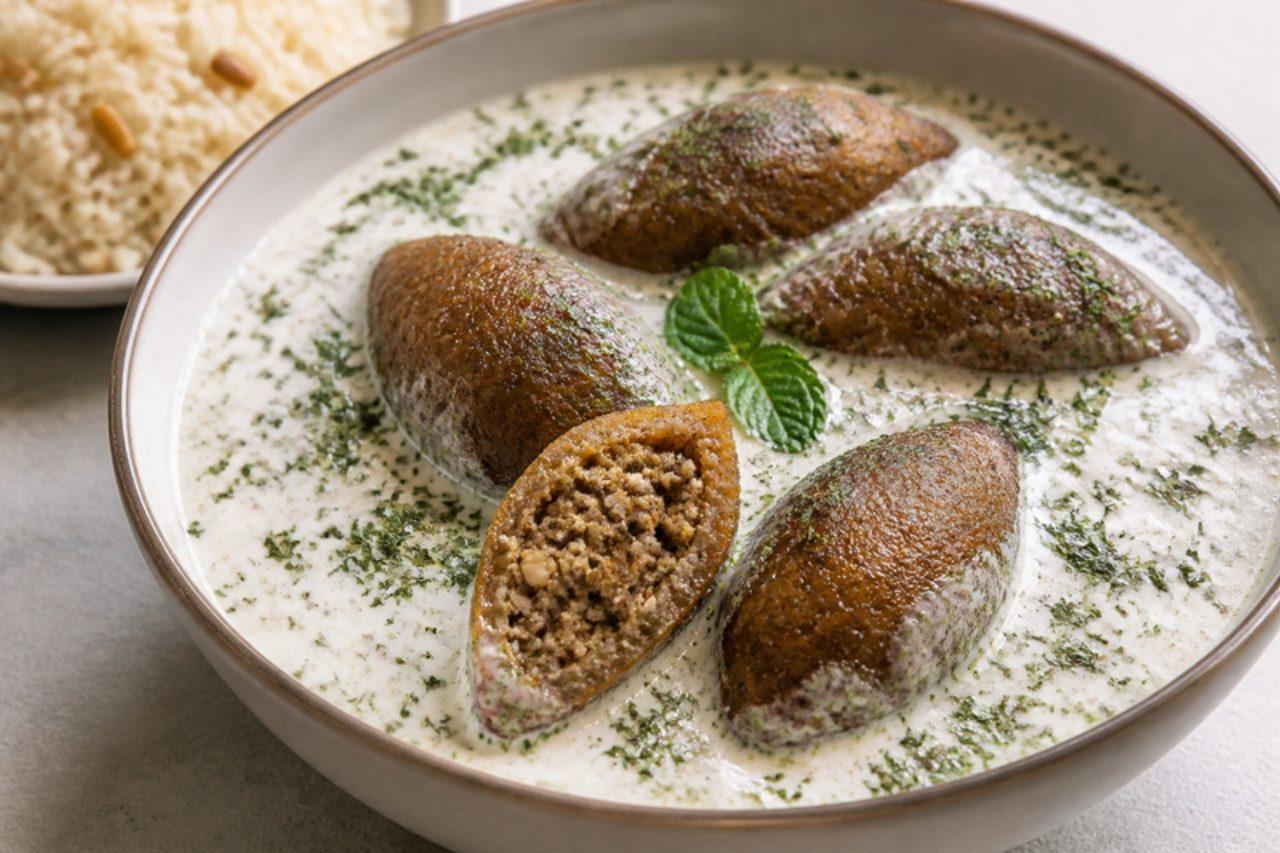
Kibbeh labaniehKibbeh in garlic yoghurt sauce

In Lebanese homes, kibbeh labanieh is the dish that turns a batch of stuffed kibbeh into a comforting winter supper: the little torpedo-shaped shells of bulgur and lamb, filled with spiced mince and pine nuts, are poached in a silky yoghurt sauce scented with garlic and dried mint. It is eaten hot, ladled over vermicelli rice. The yoghurt has to be stabilised with cornflour and stirred in one direction while it heats, or it splits. Common mistake: letting the sauce boil hard before it has thickened; it curdles instantly. Chef's tip: make the kibbeh balls a day ahead and freeze them on a tray — they hold their shape better in the sauce.

by KrazyBadal 0 views

Kibbeh bil saniehBaked tray kibbeh

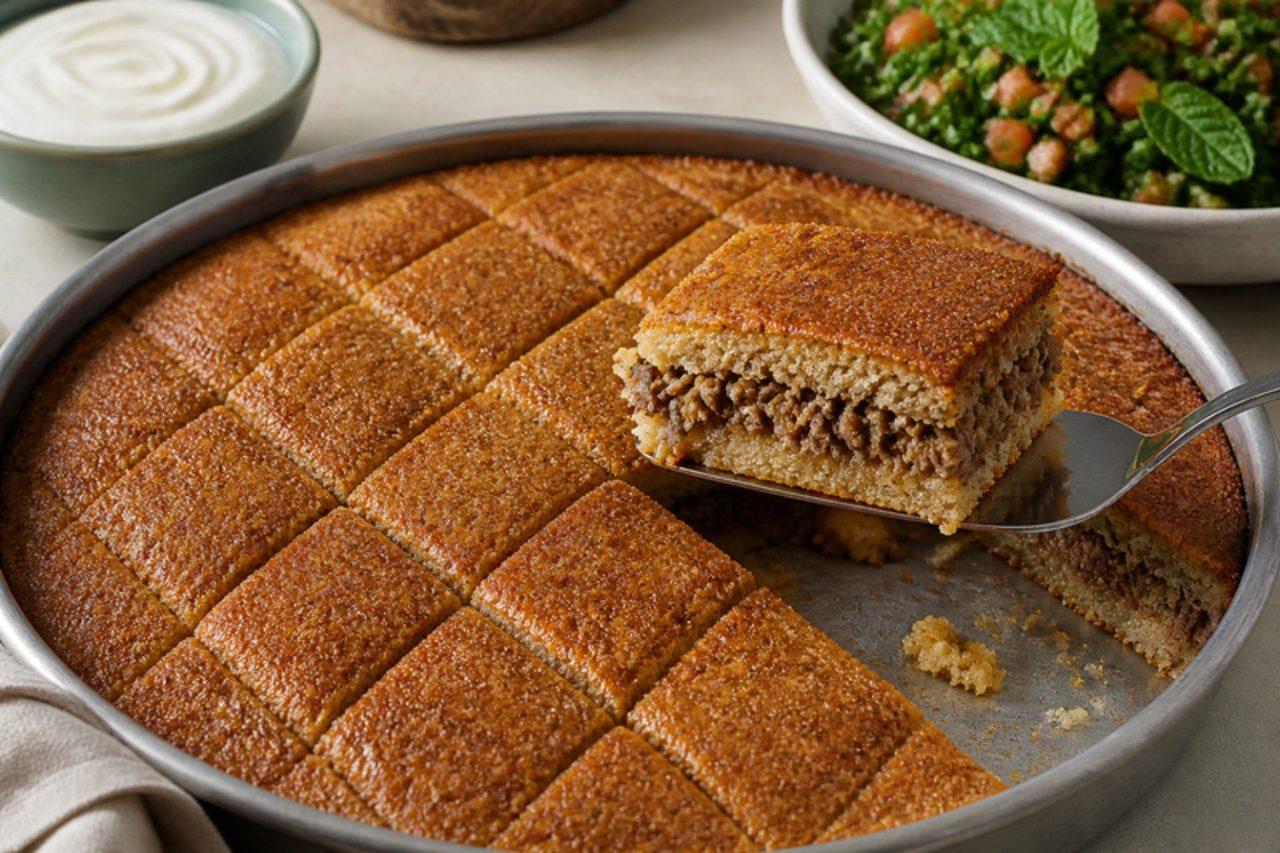
When a Lebanese family is expecting a crowd for Sunday lunch, out comes the round tray of kibbeh bil sanieh, cut into diamonds before baking so everyone can lift a neat piece. Two layers of lamb and fine bulgur kneaded with onion and spices sandwich a filling of minced lamb fried with onions and toasted pine nuts; the top bakes crisp and brown while the inside stays moist. Serve it warm or at room temperature with yoghurt, cucumber salad or fattoush. Common mistake: using coarse bulgur, which won't bind; you need fine bulgur (number 1). Chef's tip: dip your hands in iced water while you press the top layer — it smooths the surface and stops the mixture sticking.

by KrazyBadal 0 views

Mole amarillo with vegetablesYellow mole with vegetables

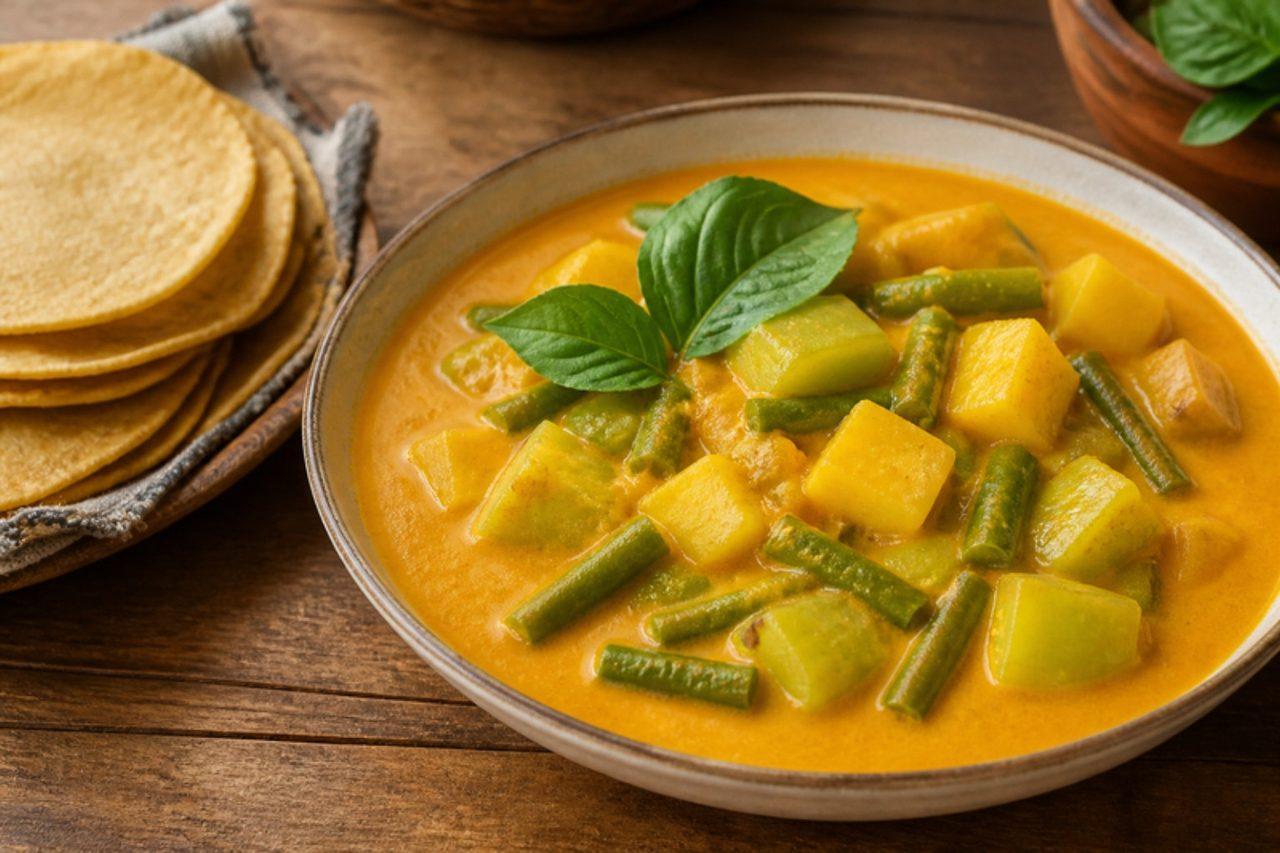
In Oaxaca's central valleys, the 'yellow' mole is the everyday one of the seven: lighter than mole negro, made on weekdays, sold at market fondas in Tlacolula and Ocotlán and folded into empanadas on the comal. Guajillo and costeño chillies give it a brick-orange colour, a few tomatillos make it tangy, and masa stirred in at the end thickens it to a soft, velvety sauce. Oaxacan cooks use chicken or beef broth; this version uses vegetable stock with chayote, green beans and potatoes, which is also how many homes make it during Lent. Serve it in deep bowls with corn tortillas. Chef's tip: the fresh hoja santa leaf (or a few fennel fronds) is what makes it taste Oaxacan, so add it for the last few minutes only.

by KrazyBadal 0 views

SeadasFried cheese pastries with honey

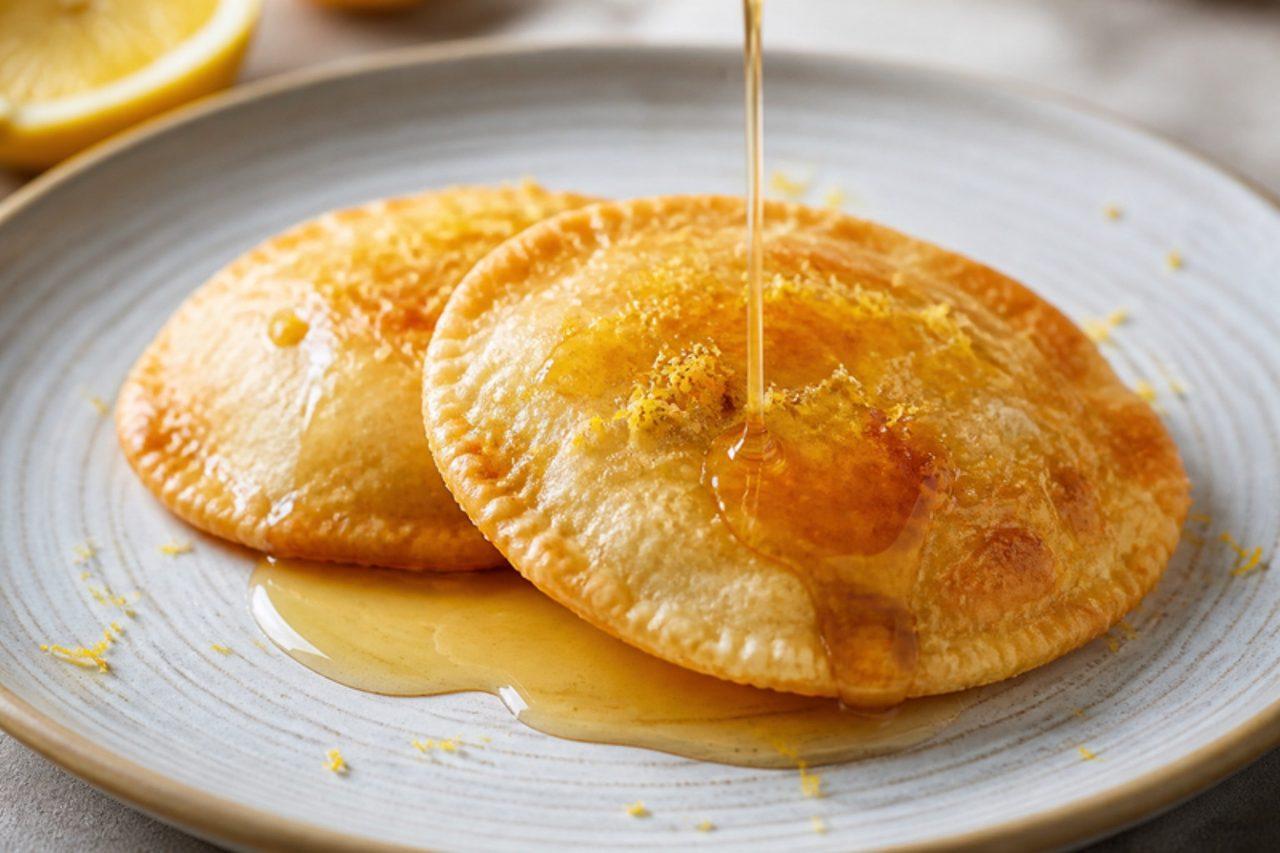
Seadas (or sebadas) are Sardinia's festive dessert: large discs of thin pastry wrapped around fresh, tangy cheese and lemon zest, fried until blistered and golden, then drizzled with warm honey, ideally the bitter strawberry-tree honey of the island's hills. The cheese melts into soft, stretchy strings, so they are a sweet-salty, crisp-gooey surprise. Shepherd families once made them at the end of a festa or for Carnival; today every Sardinian restaurant offers them. The pastry is traditionally made with lard, and here it is butter. Chef's tip: melt the cheese into discs first, so it sets flat and is easy to seal inside the pastry.

by KrazyBadal 0 views

Hatay zeytin salatasıGreen olive and walnut salad

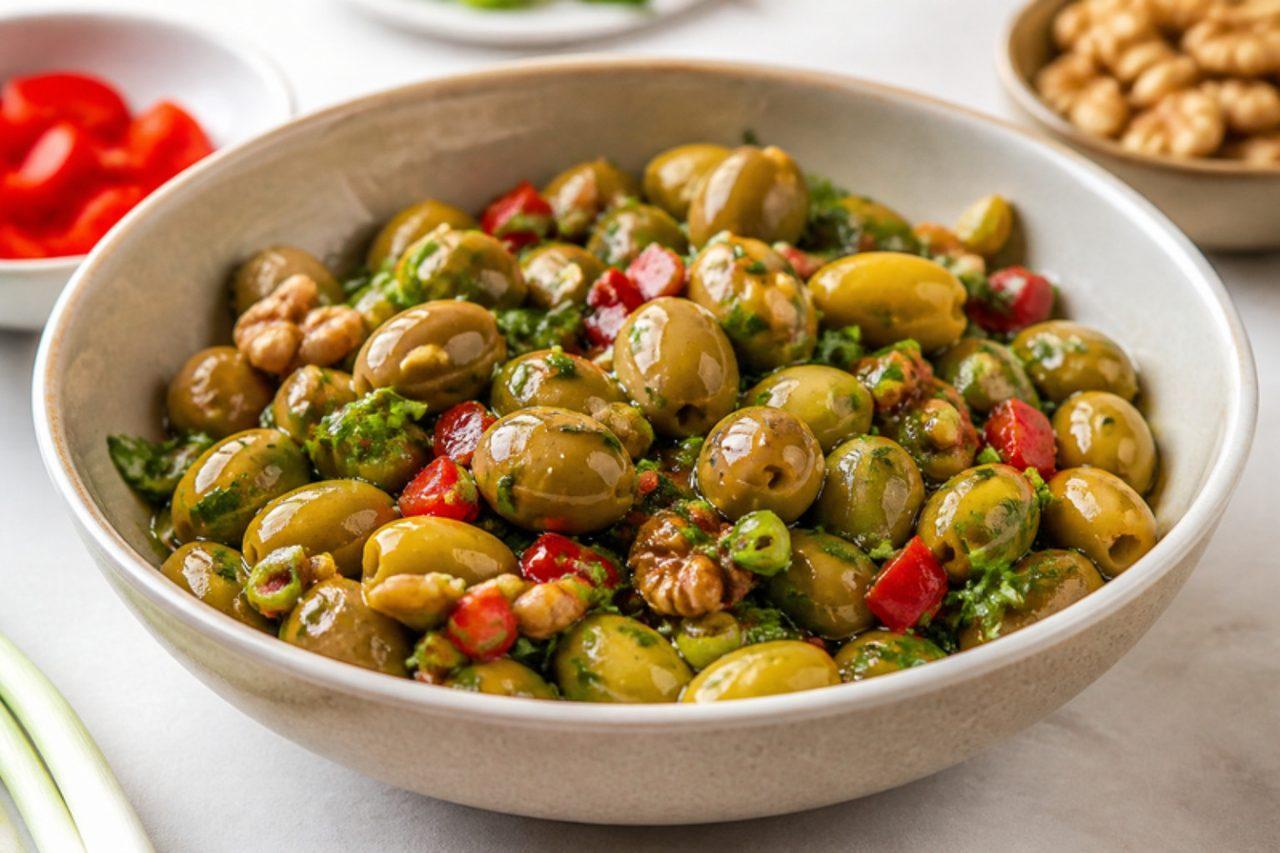
Hatay grows olives on every hillside towards the Syrian border, and its meyhanes and breakfast tables always have a bowl of this salad: green olives tossed with walnuts, spring onion, tomato, parsley, pepper paste and pomegranate molasses. It is salty, sour and sweet at once, and sits happily next to cheese, eggs and flatbread in the morning or as a meze in the evening. Pit and chop the olives yourself; jarred sliced olives are too soft. Rinse very salty olives first, or the salad is overwhelming. Chef's tip: dress it an hour ahead so the olives soak up the molasses, but add the tomatoes and herbs just before serving.

by KrazyBadal 0 views

Khubz taboonDimpled flatbread

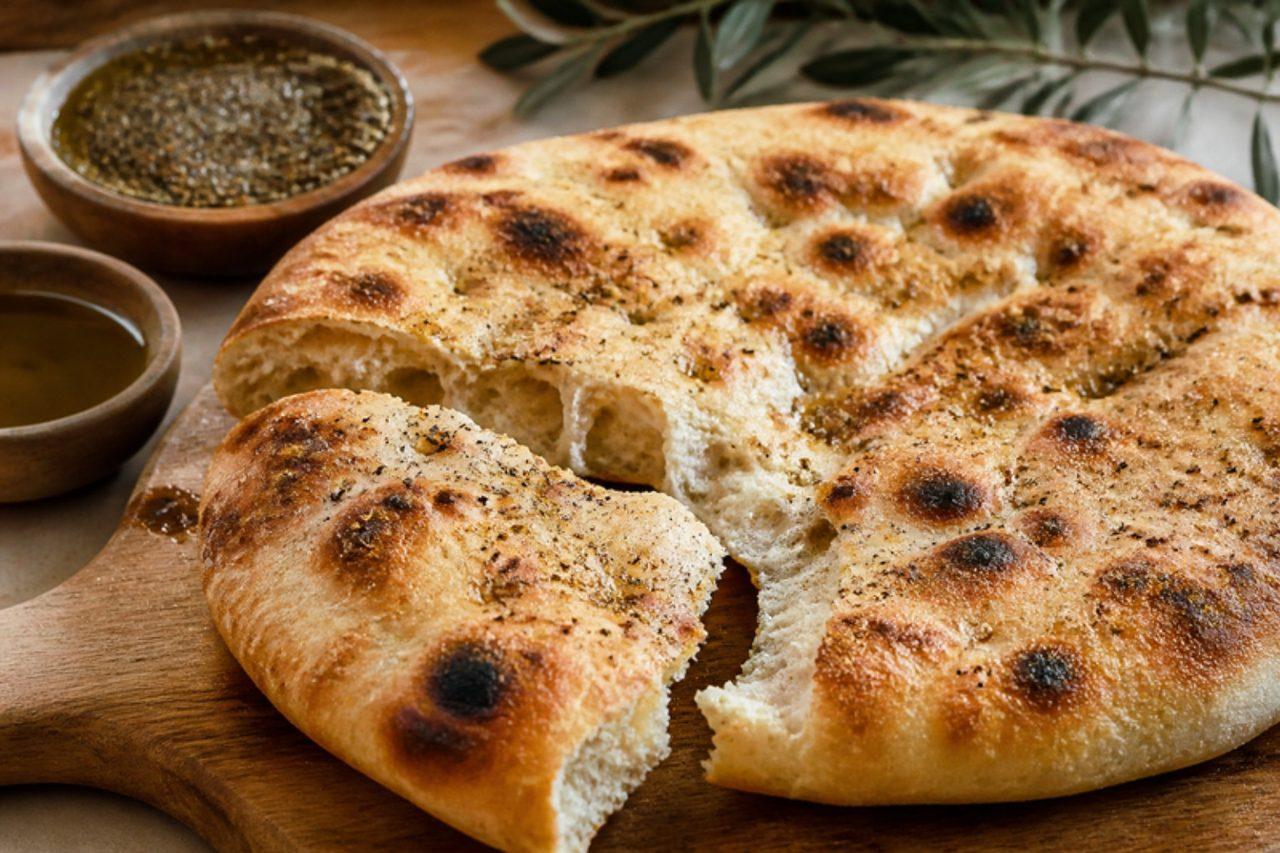
In Palestinian villages the taboon is a small clay oven lined with hot pebbles, and the bread baked on them comes out round, chewy and pocked with dimples where the stones pressed in. Women still bake it at dawn in the Galilee and around Nablus, and it is the bread that wraps musakhan, gets dipped in olive oil and za'atar, and is torn for breakfast with labneh. At home, a tray of clean pebbles or a very hot baking steel gets you close. Common mistake: rolling it too thin, which makes a cracker; it should be about 1 cm thick. Chef's tip: a little wholemeal flour and an overnight rest in the fridge give the nutty, slightly sour taste of village bread.

by KrazyBadal 0 views

Dublin gur cakeSpiced fruit and pastry slice

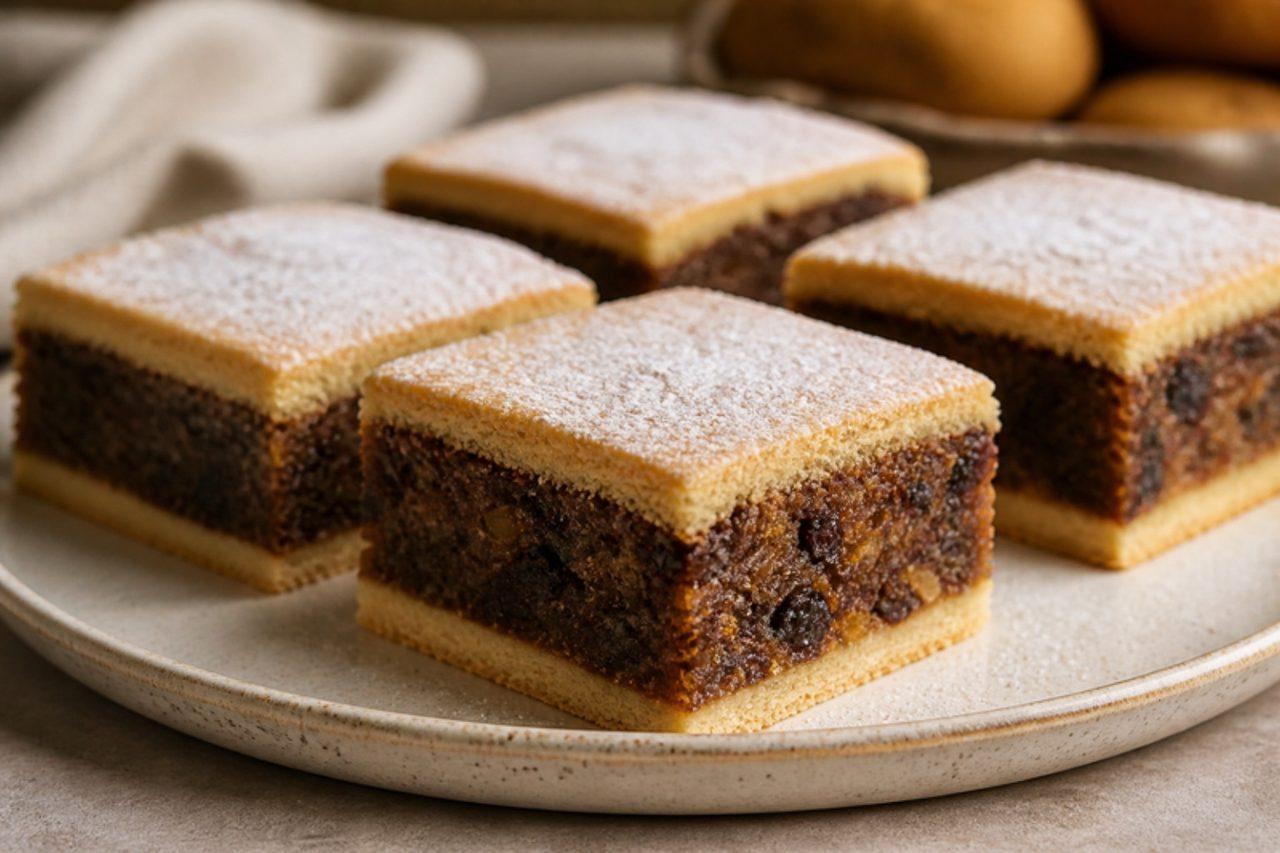
Gur cake was the cheapest treat in Dublin bakeries, made from the day's leftover bread and cake soaked with tea, dried fruit and spice and baked between two sheets of pastry. It gave its name to the 'gurriers', the kids who mitched school and bought slices for a ha'penny, and you still find it in the bakeries of the inner city, where it is also called Chester cake. It is dense, sticky and spiced. Chef's tip: let the filling soak for a good half hour so the bread breaks down completely into a smooth paste.

by KrazyBadal 0 views

KhubeizehSautéed mallow greens

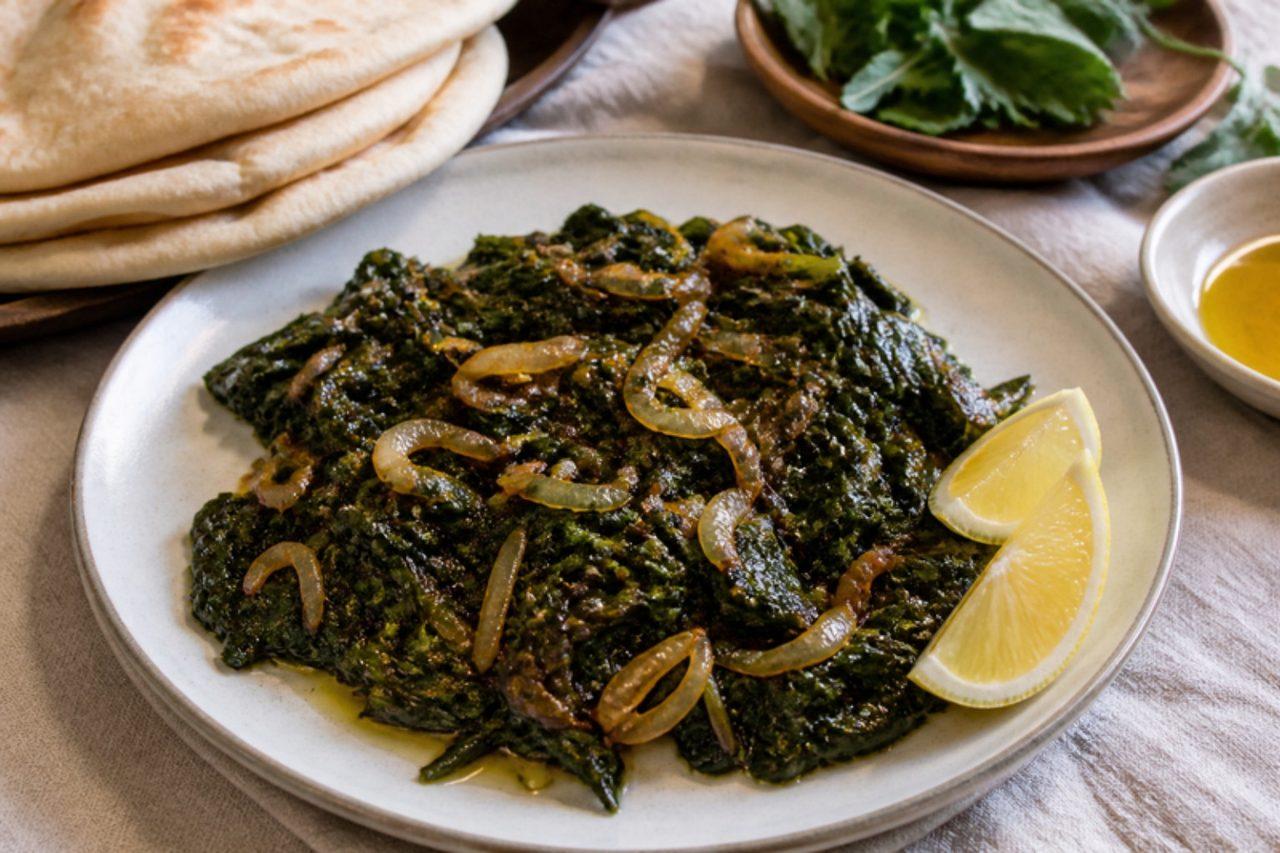
After the winter rains, mallow (khubeizeh) springs up along field edges and roadsides in Palestine, and families gather bags of it for a humble, much-loved dish: the leaves chopped and wilted with lots of onion fried in olive oil, sometimes with a handful of bulgur or rice to stretch it. It is eaten warm with bread and lemon, soft and earthy like spinach with a slightly silky texture. If you can't forage mallow, use chard or spinach with a little baby kale. Common mistake: drowning the greens in water; they release their own and only need a splash. Chef's tip: brown half the onions deeply and keep the rest soft; you get sweetness and crunch together.

by KrazyBadal 0 views

Pane frattauFlatbread with tomato and egg

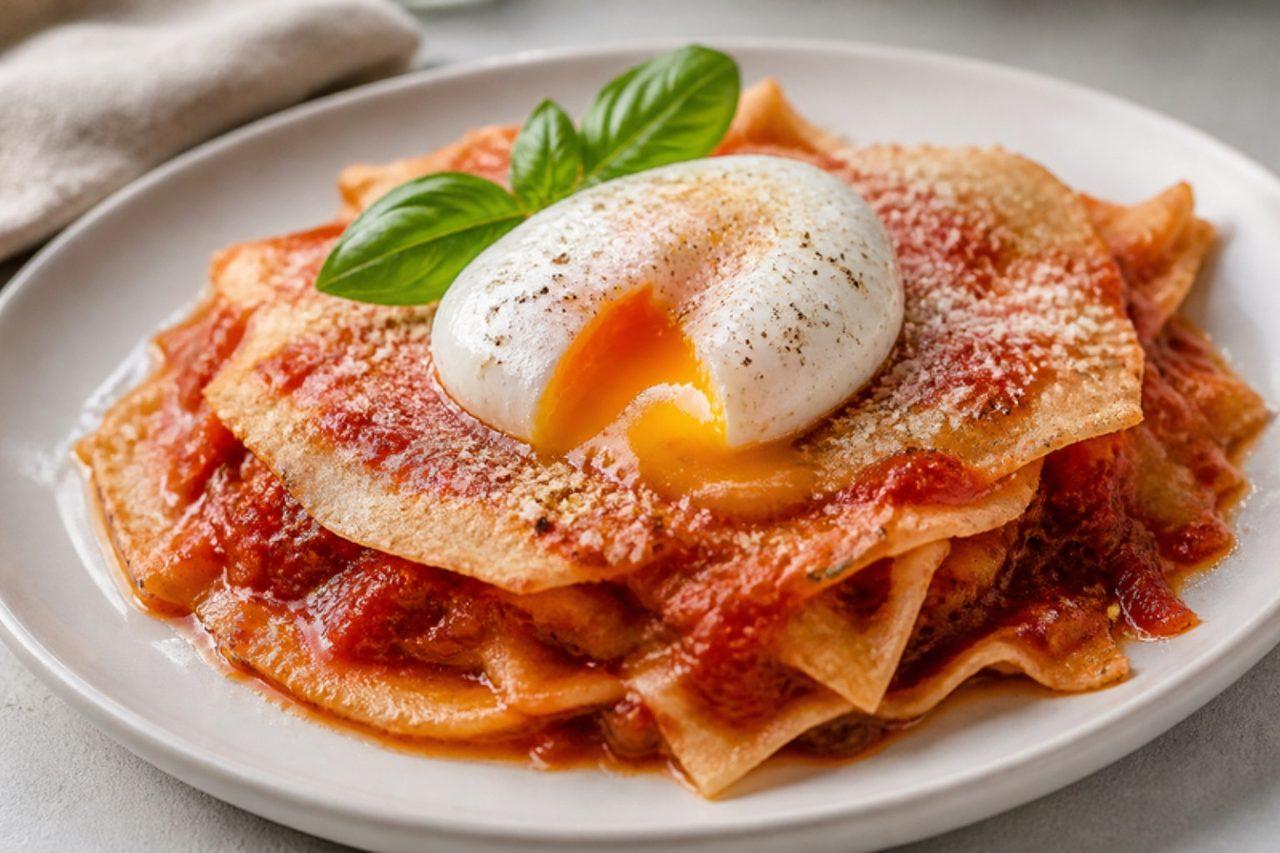
Pane frattau turns dry pane carasau into a hearty plate in twenty minutes: sheets of the crisp bread are dipped in hot broth until just supple, layered with tomato sauce and grated pecorino, and topped with a poached egg whose yolk runs into everything. It is said to have been first served in Orgosolo or Nuoro for a royal visit, and it is now a staple of Barbagia agriturismi and family suppers. Traditionally the broth is made from mutton or meat; this version uses vegetable stock, which works beautifully. Chef's tip: dip each sheet for no more than 2–3 seconds; it keeps softening on the plate.

by KrazyBadal 0 views

Khoresh mastChilled saffron yoghurt with lamb

Khoresh mast is one of the strangest and most loved dishes of Isfahan: despite the name 'yogurt stew', it is served cold as a sweet side dish or dessert at weddings, funerals and Ramadan iftars. Lamb neck is cooked until it shreds into fine threads, then stirred into thick yogurt with egg yolk, sugar, saffron and orange-peel strips over a low heat until it sets into a golden, spoonable pudding that tastes of saffron and rosewater with a faint savoury depth. A common mistake is letting the yogurt boil; it splits into curds, so keep it below a simmer and stir constantly. Chef's tip: pound the cooked meat in a mortar until it is as fine as wool; you should feel the texture but not see pieces of meat.

by KrazyBadal 0 views

Dolmeh-ye behStuffed quinces in sweet-sour syrup

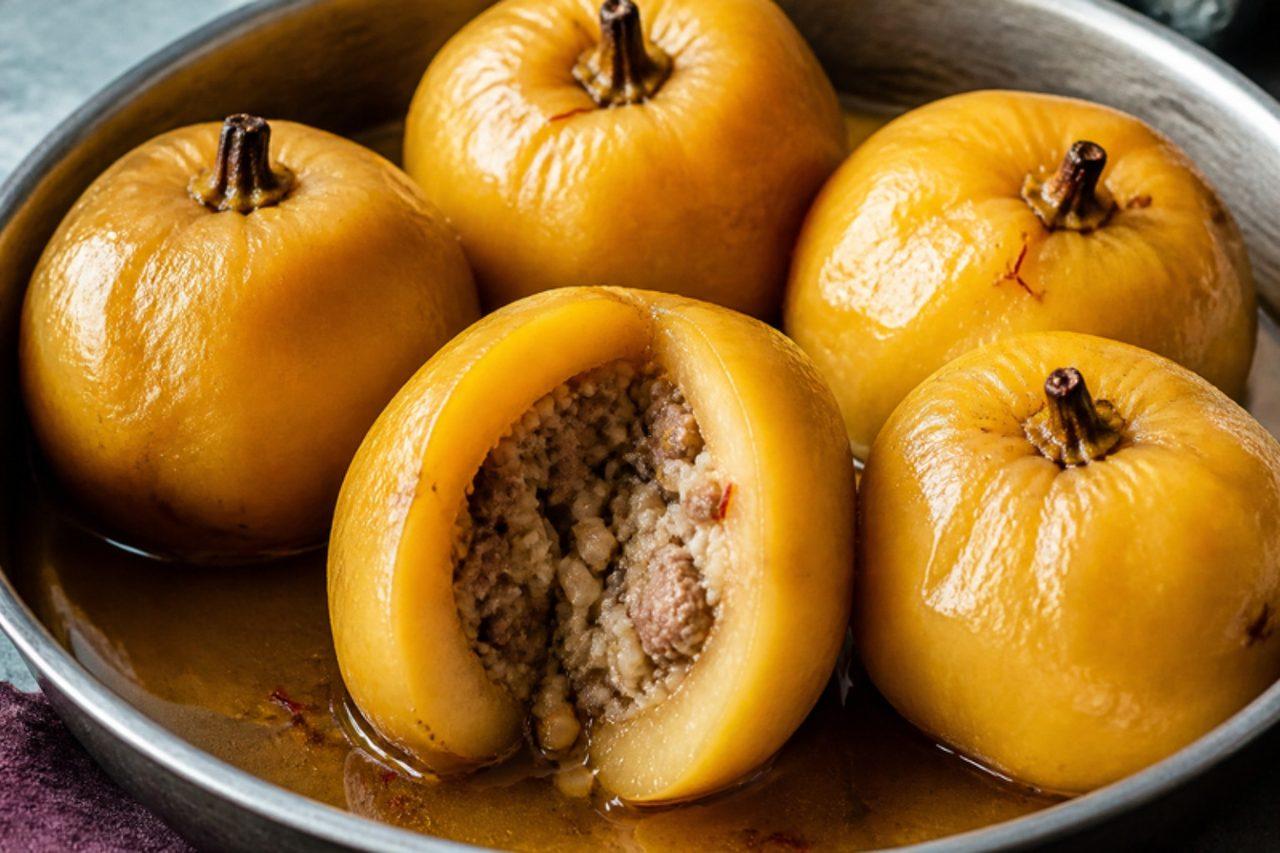
Dolmeh-ye beh is autumn food in Tabriz and across Iranian Azerbaijan, made in October and November when golden quinces pile up on market stalls. The quinces are hollowed and filled with lamb or beef mince, rice, yellow split peas and cinnamon, then baked in a syrup of sugar, vinegar and saffron until the fruit is soft enough to cut with a spoon and its flesh turns pink. Each person gets a whole quince with bread and yogurt on the side. A common mistake is cooking the shells for too long before stuffing; they should only soften slightly or they collapse in the oven. Chef's tip: rub the cut quinces with lemon at once, as they brown within minutes.

120 minPersianMeatGluten free
by KrazyBadal 0 views

Biber salçasıRed pepper paste

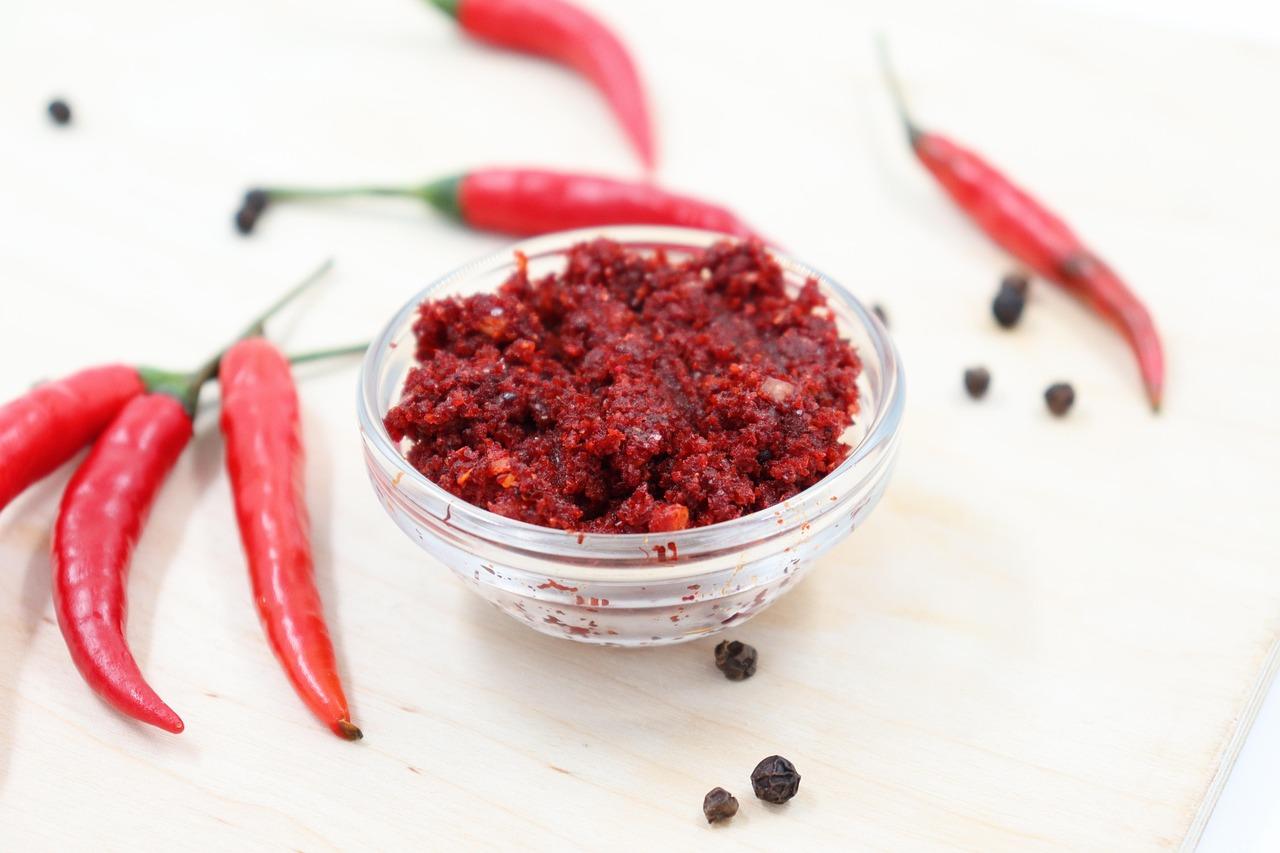
Late every summer, rooftops in Gaziantep, Kilis and Hatay turn red with trays of puréed peppers drying in the sun, and families fill jars that will season soups, köfte, bulgur and lahmacun through the winter. This oven method makes a smaller batch with the same deep, sweet and slightly smoky flavour; use some hot peppers if you like it acı (spicy). Store it under a film of oil in the fridge. The common mistake is a too-hot oven: the edges scorch and turn bitter before the middle thickens. Chef's tip: stir every 20 minutes and scrape the dried rim back in; the paste is ready when a spoon drawn through it leaves a clean trench.

by KrazyBadal 0 views

DöppekuchenGrated potato bake with bacon

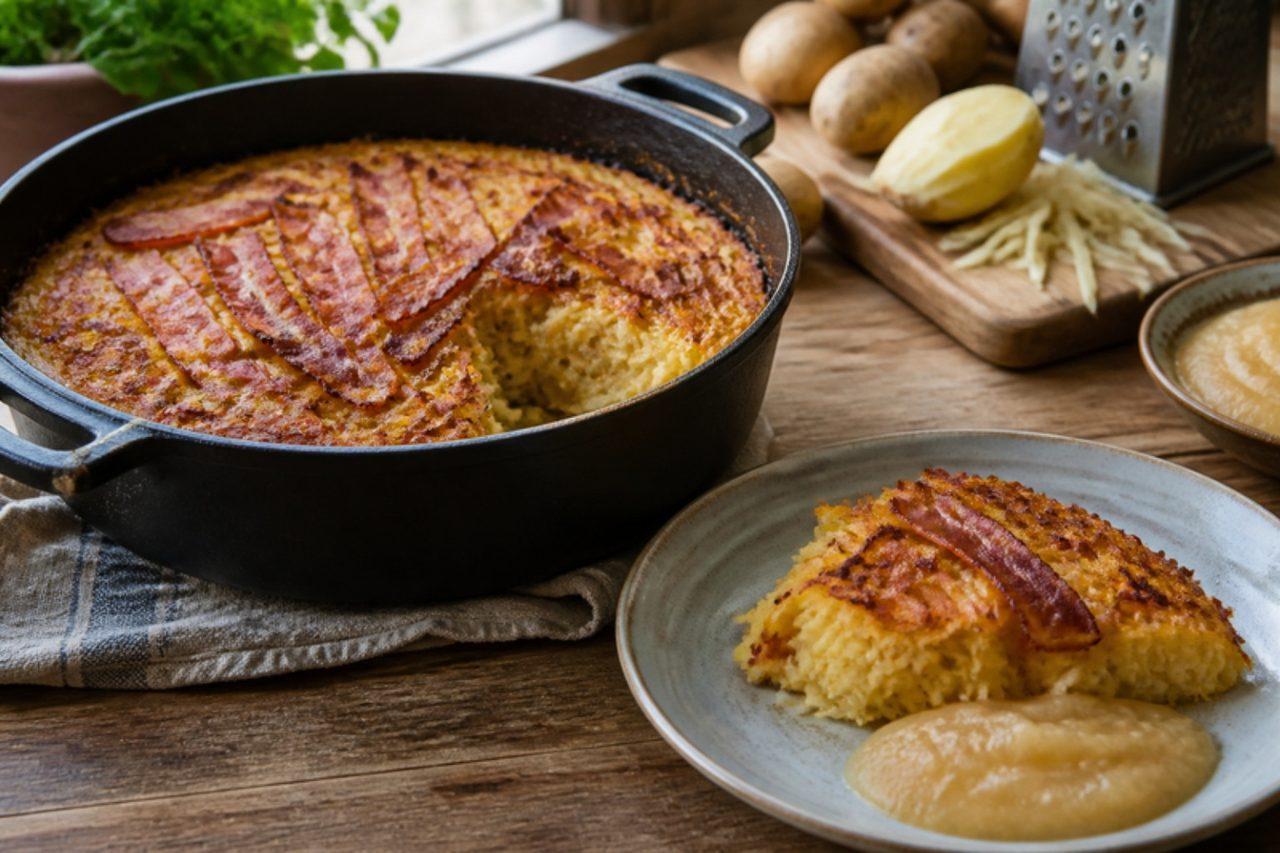
Döppekuchen (also Dippekuchen or Knüles) is the Rhineland and Westerwald answer to a cold November evening, traditionally baked on St Martin's Day and at village fairs. Raw grated potatoes, onion, egg and smoked bacon are baked slowly in a cast-iron pot, the Döppe, until the outside is a thick dark-brown crust and the inside is soft and steamy. It is eaten with apple sauce and a green salad. For a meat-free pot, bake it with extra onions and two sliced leeks instead of the bacon. Chef's tip: squeeze the grated potato really dry; the less water, the crisper the crust.

180 minGermanMeatGluten free
by KrazyBadal 0 views

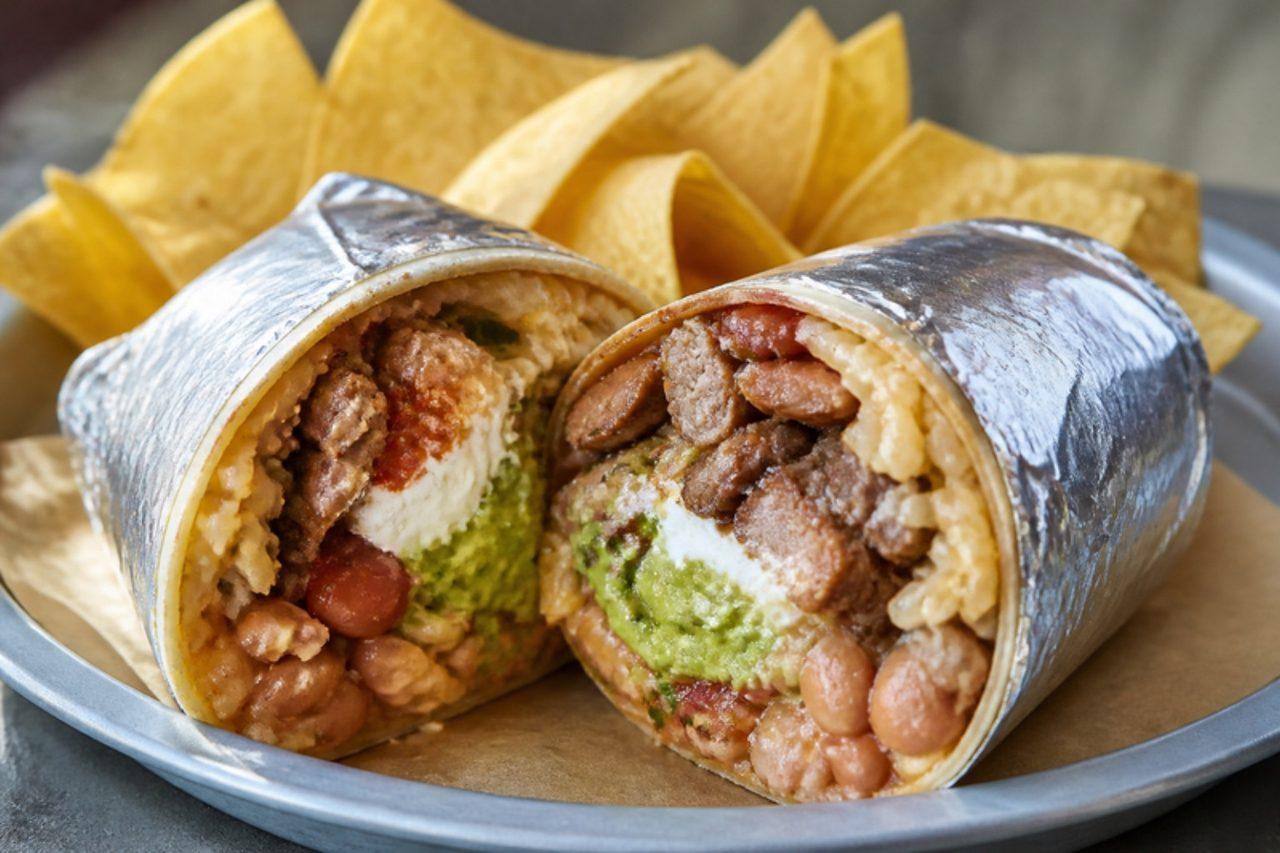
Mission burrito

The Mission burrito comes from the taquerias of San Francisco's Mission District, where in the 1960s and 70s cooks began steaming huge flour tortillas and packing them with grilled meat, rice, beans, salsa, cheese and guacamole, then rolling the whole lot tight in foil. One is lunch and dinner for a student. Chef's tip: steam the tortilla until it is soft and stretchy; a cold tortilla splits as you roll it.

by KrazyBadal 0 views

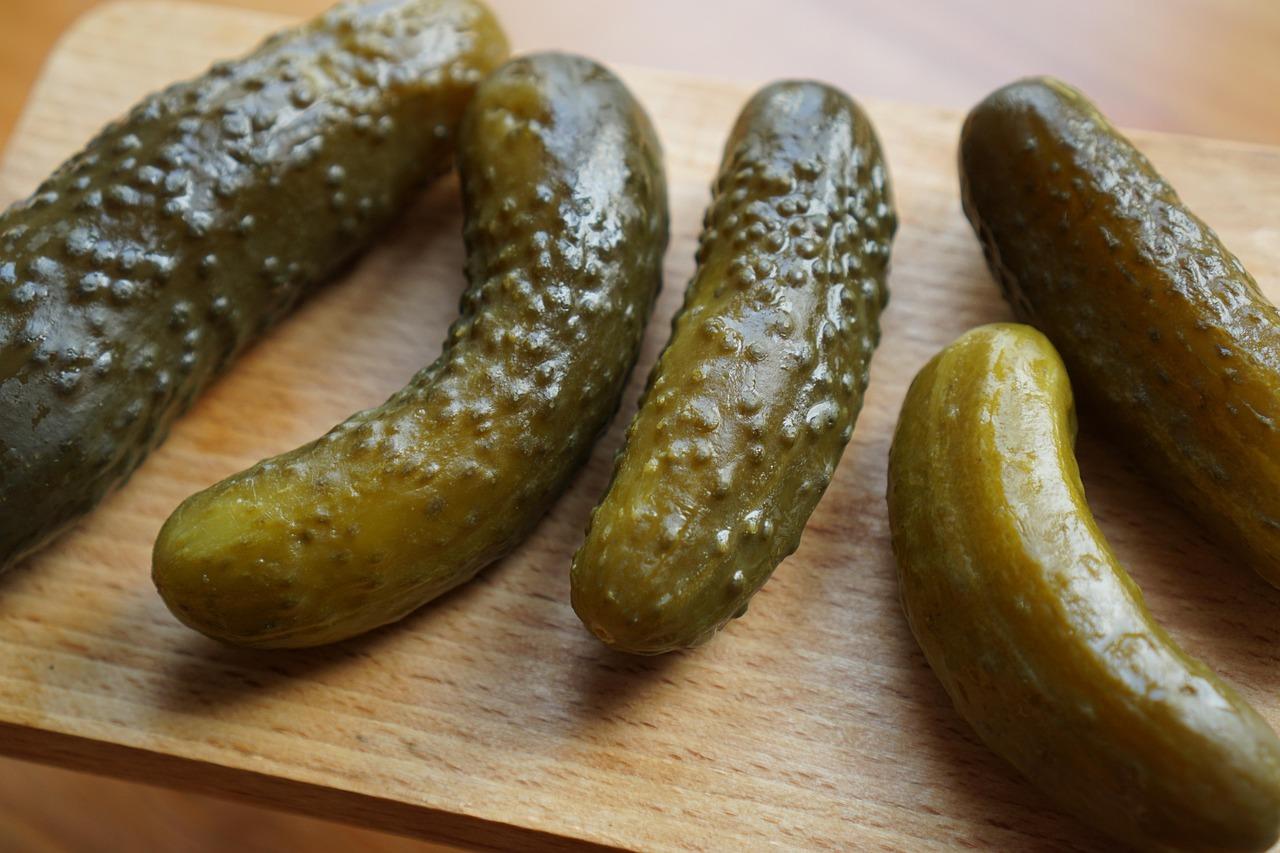
Khiar shoorBrined cucumber pickles

Khiar shoor, salty cucumber, is the pickle that turns up in every Iranian sandwich shop: sliced into olivieh and kalbas rolls in Tehran, eaten whole beside a plate of polo, or offered from a jar with bread and cheese. Small, firm Persian cucumbers are packed upright with garlic, dill, tarragon and chilli, then covered with a vinegar-sharpened brine. They are ready in about ten days and stay snappy for months. Chef's tip: pickle the cucumbers within a day of buying them; even a few days in the fridge makes them hollow inside.

by KrazyBadal 0 views

Enchiladas minerasGuajillo enchiladas with potatoes

Enchiladas mineras were the supper of Guanajuato's silver miners and are still sold every evening under the arches of the city's plazas and at the Mercado Hidalgo: tortillas dipped in guajillo sauce, fried briefly, rolled around fresh cheese and onion, and buried under fried diced potato and carrot, shredded lettuce, pickled jalapeños and crema. Stalls often add a piece of chicken on the side; this recipe leaves it out and the vegetables make it a full plate. Chef's tip: dip each tortilla in the sauce before frying, not after; that's what gives the slightly crisp, chilli-coated finish.

by KrazyBadal 0 views

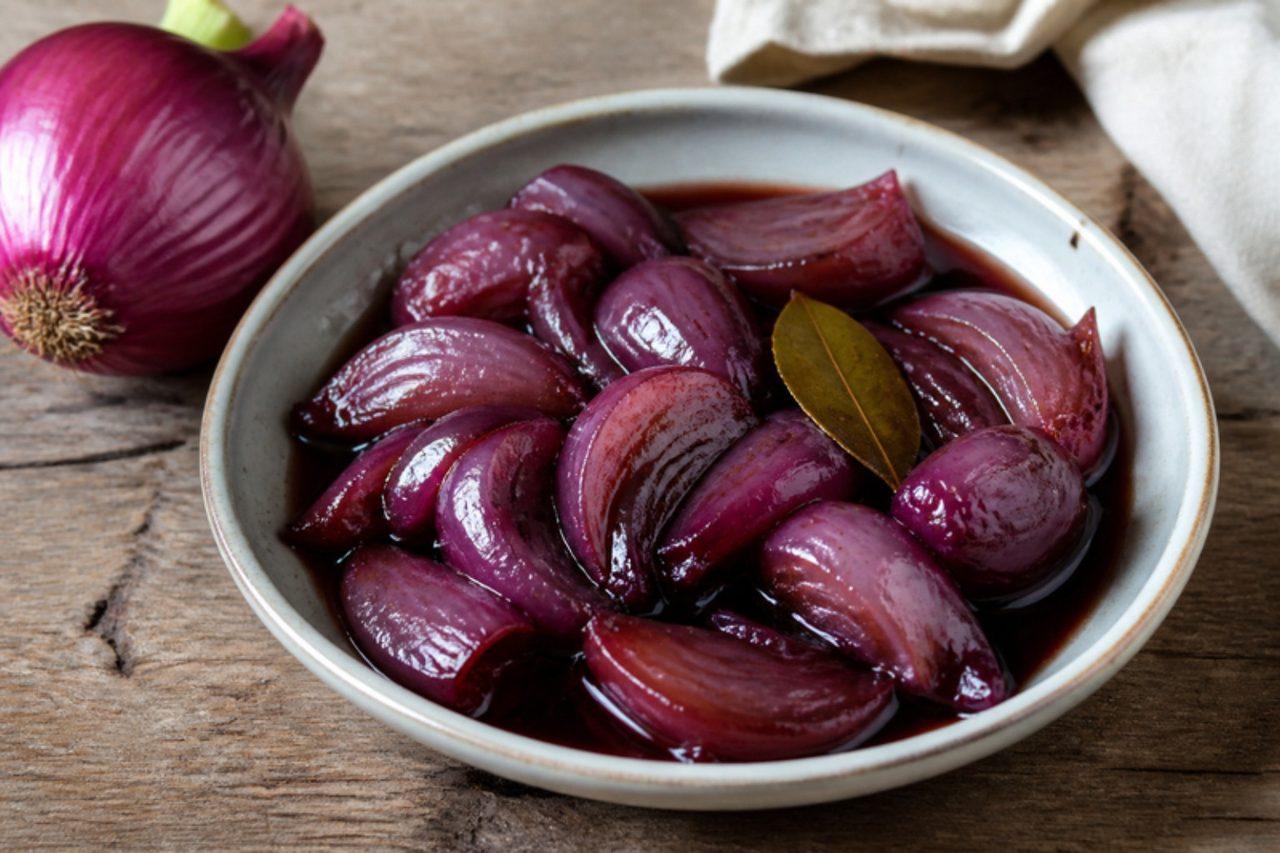
Cipolle di Tropea in agrodolceSweet-sour red onions

The red onions grown in the sandy fields along the coast near Tropea are so sweet that Calabrians eat them raw like fruit, and cooked slowly in agrodolce they become soft, jammy and glossy, sharp from the vinegar and mellow from the sugar. They sit on every Calabrian antipasto table, beside cheese and bread, and they are a fine side for grilled vegetables or a frittata. There is no wine in it, only wine vinegar. A jar keeps all week in the fridge. Chef's tip: cut the onions into thick wedges through the root so they hold together while they soften.

by KrazyBadal 0 views

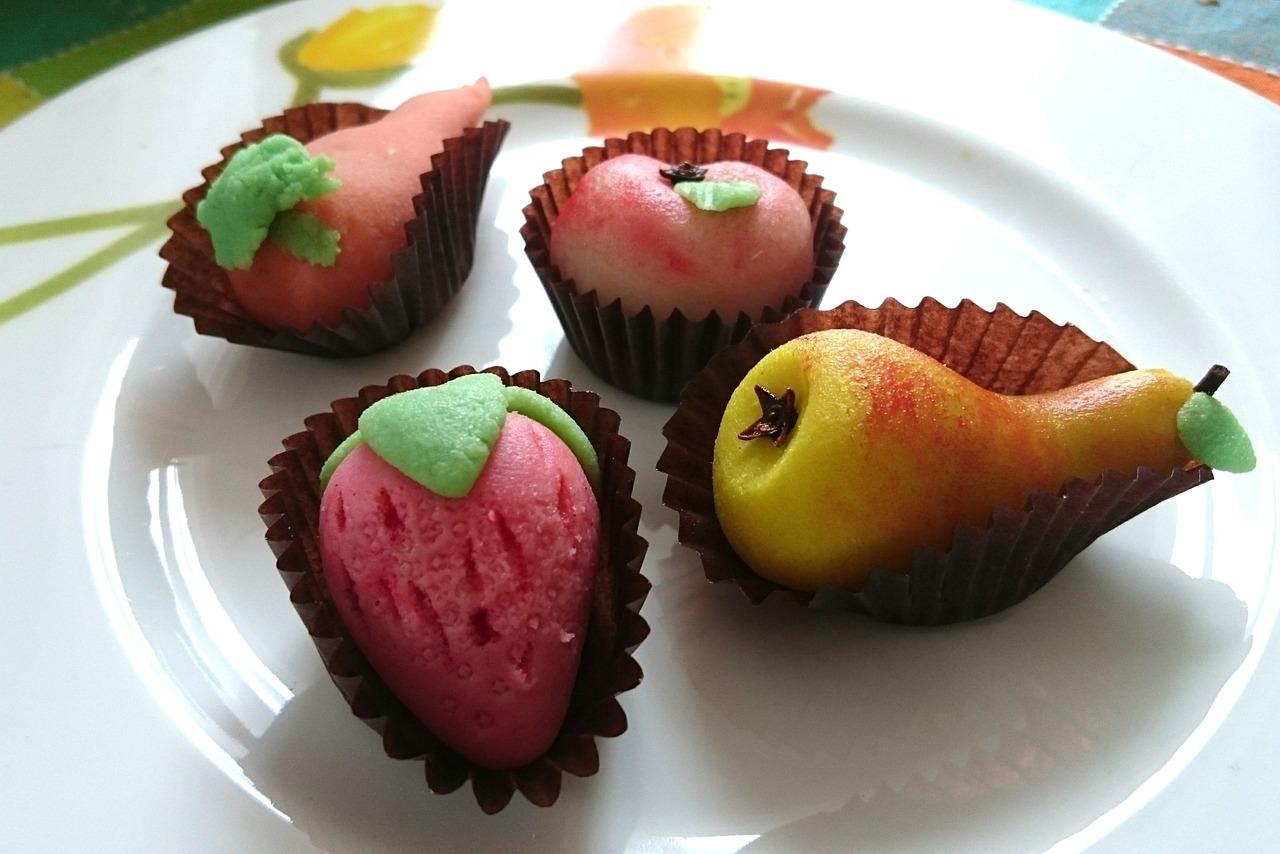
Doces finos do AlgarveMarzipan fruits with egg-yolk cream

Tiny pears, oranges, strawberries and even fish, all made of almond paste and painted by hand: these are the sweets Algarve families order for Christmas, Easter and weddings, and that every January market in Loulé shows off. Inside each one sits a spoonful of doce de ovos, the sunny yolk cream found all over Portuguese convent baking. The almond paste here is cooked in syrup, which makes it smooth and easy to model. Chef's tip: dust your hands and the work surface with icing sugar, never flour, or the shapes go chalky.

by KrazyBadal 0 views

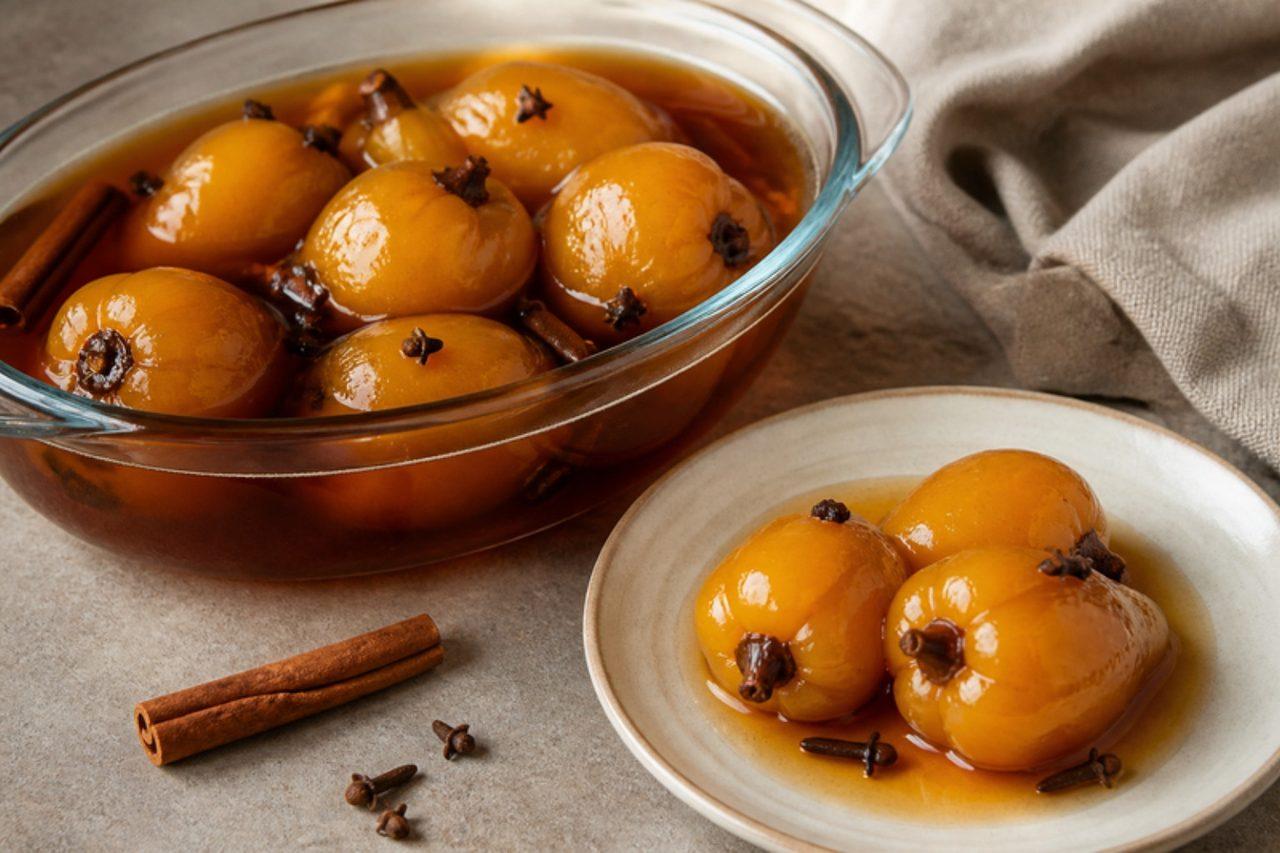
Doce de cajuCashew apples in clove syrup

Ceará grows more cashews than anywhere in Brazil, and in the season from September to December the soft, fragrant cashew apples are everywhere: pressed for juice, sold at roadside stalls and preserved whole in syrup like this. The fruit is pricked, squeezed of its astringent juice, blanched and then cooked slowly with sugar and cloves until it turns amber, glossy and tender with a chewy bite. Fortaleza families keep jars for Christmas and serve the fruit with a slice of white cheese or simply on a saucer with its syrup. Outside Brazil look for whole frozen cajus in Brazilian shops. Twist off and discard the grey nut before cooking: its raw shell holds a caustic oil and should not be cut, burnt or eaten at home. Skipping the squeezing and blanching is where it goes wrong; the sweet ends up rough and furry in the mouth. Chef's tip: let the fruit rest overnight in the syrup halfway through; it plumps up and soaks in the sugar evenly.

by KrazyBadal 0 views

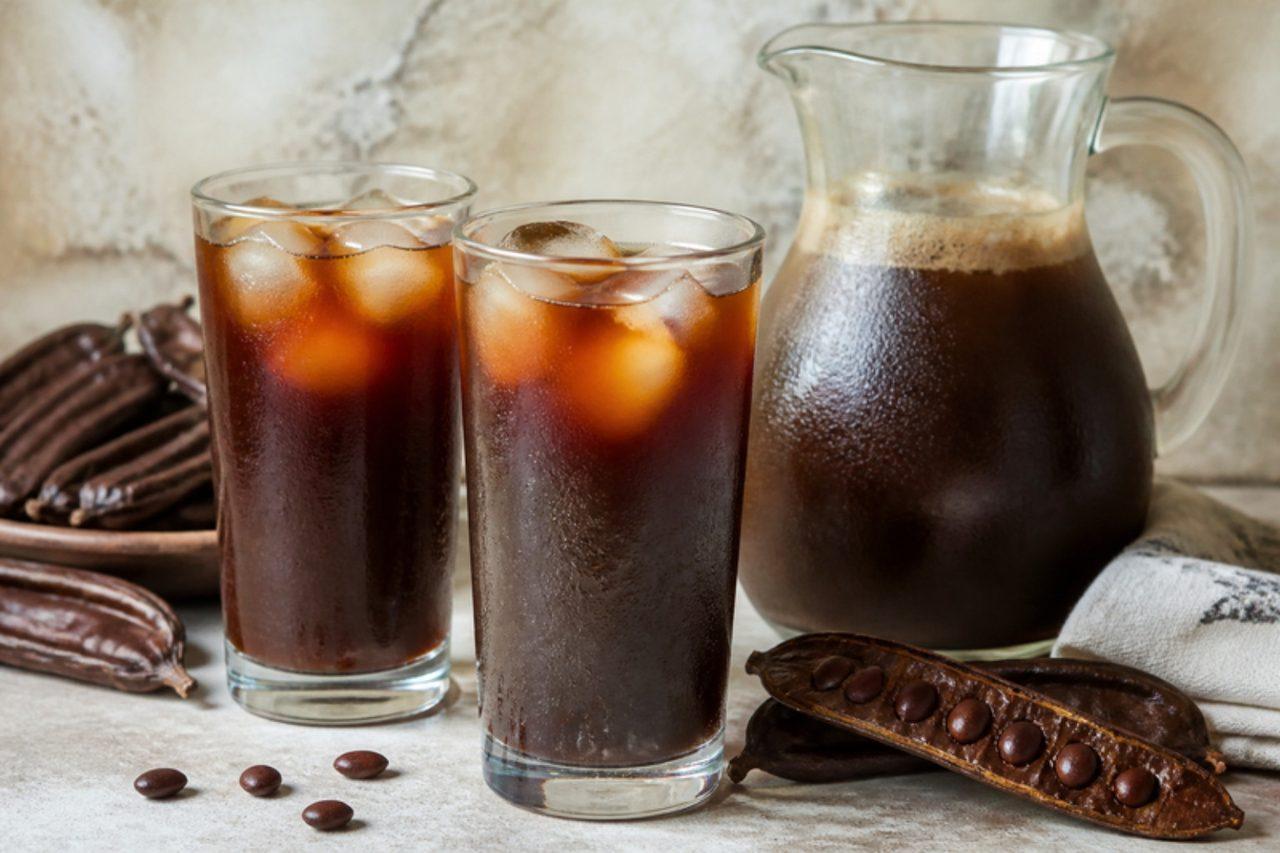
KharroubCarob drink

Through Ramadan, street vendors in Jerusalem's Old City and in Nablus walk the alleys with brass urns of kharroub on their backs, clacking cups to announce the cold carob drink that breaks the fast. Made by soaking crushed carob pods (or more easily from carob molasses), it is dark, chocolatey-caramel in taste, lightly sweet and very refreshing over ice. Common mistake: boiling the pods hard, which makes the drink bitter and cloudy; soak and simmer gently. Chef's tip: a few drops of orange-blossom water just before serving lifts the earthy carob flavour.

by KrazyBadal 0 views

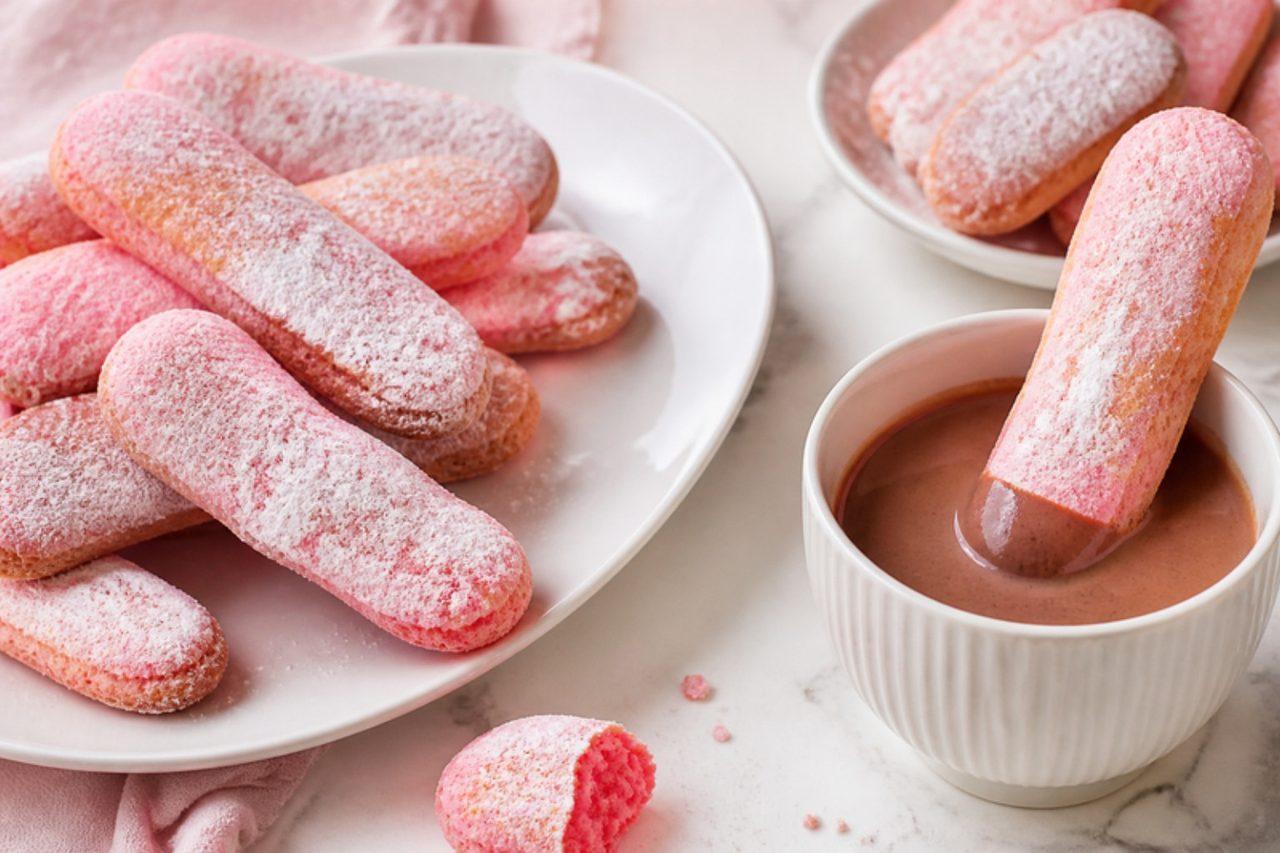
Biscuits roses de ReimsPink dipping biscuits

Bakers in Reims created these pale-pink, sugar-dusted finger biscuits in the late 1600s, baking the dough twice so it would keep, and they are still the city's signature treat. In Champagne it is the custom to dip them into a glass of Champagne, which they soak up without falling apart; at home they are just as good dipped in tea, hot chocolate or a fruit coulis, or layered into a charlotte. The pink colour is from a little food colouring and the vanilla scent fills the kitchen. Chef's tip: dust the piped fingers with icing sugar twice, a few minutes apart; that gives them their fine, crackled crust.

by KrazyBadal 0 views

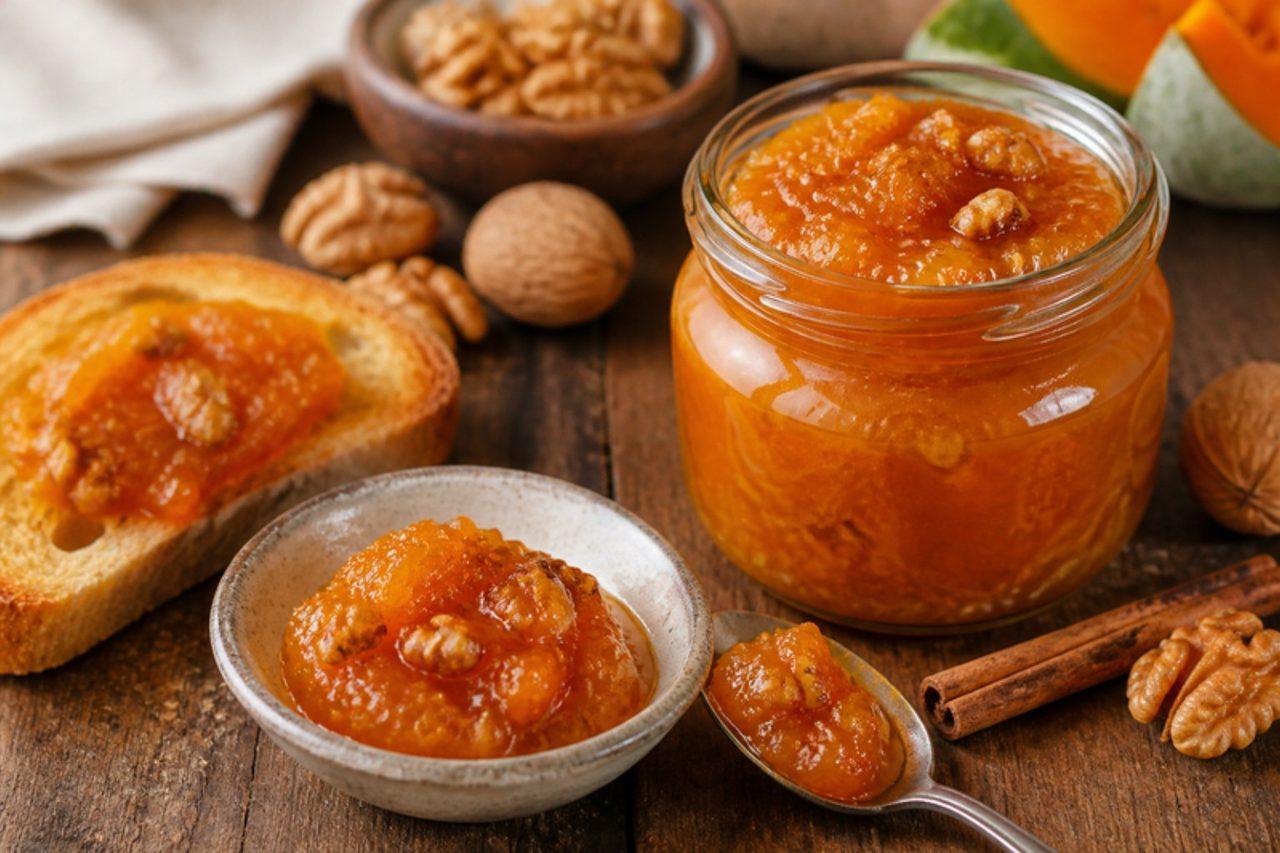
Doce de abóbora com nozesPumpkin and walnut jam

When the big squashes are harvested in late autumn in Trás-os-Montes, every pantry gets a row of these jars. The pumpkin cooks down with sugar, lemon peel and cinnamon to a thick amber jam, and toasted walnuts are stirred in at the end. Locals spoon it over fresh requeijão or a slice of sheep's cheese after dinner, or onto toast at breakfast. Chef's tip: salt the cut pumpkin with the sugar overnight; it releases its water so the jam cooks faster and keeps its colour.

by KrazyBadal 0 views

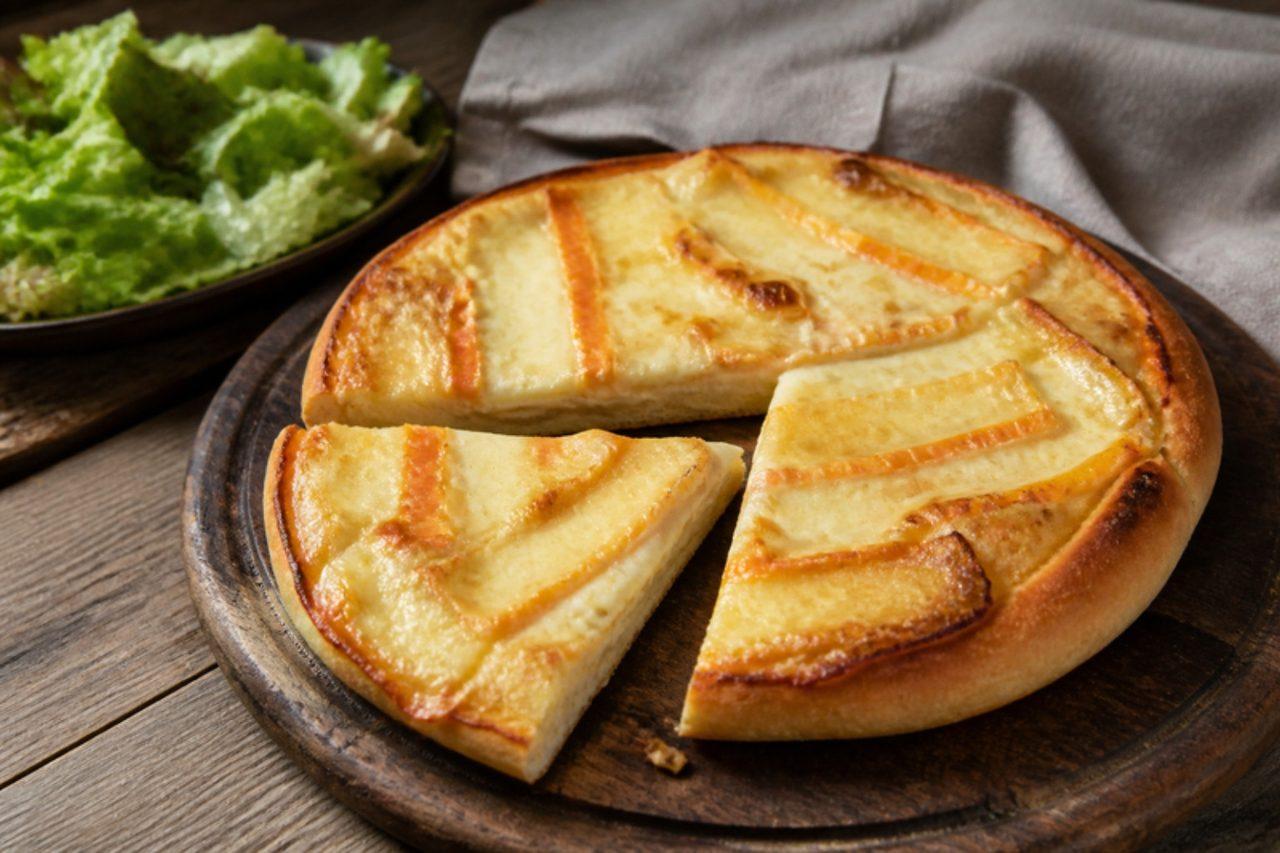
Maroilles tart

The Avesnois, the green, hedged corner of northern France near the Belgian border, makes Maroilles, a square, orange-rinded cheese with a powerful smell and a surprisingly gentle, creamy taste. Its most famous use is this tart, sold hot in slices at markets and fairs in Maubeuge and Avesnes-sur-Helpe and eaten with a salad and a cold drink. A yeasted bread-dough base is topped with slices of Maroilles and a little crème fraîche and baked until bubbling. Maroilles is made with animal rennet; a vegetarian washed-rind cheese gives the same melting richness. Chef's tip: leave the rind on; it carries much of the flavour and turns golden in the oven.

by KrazyBadal 0 views

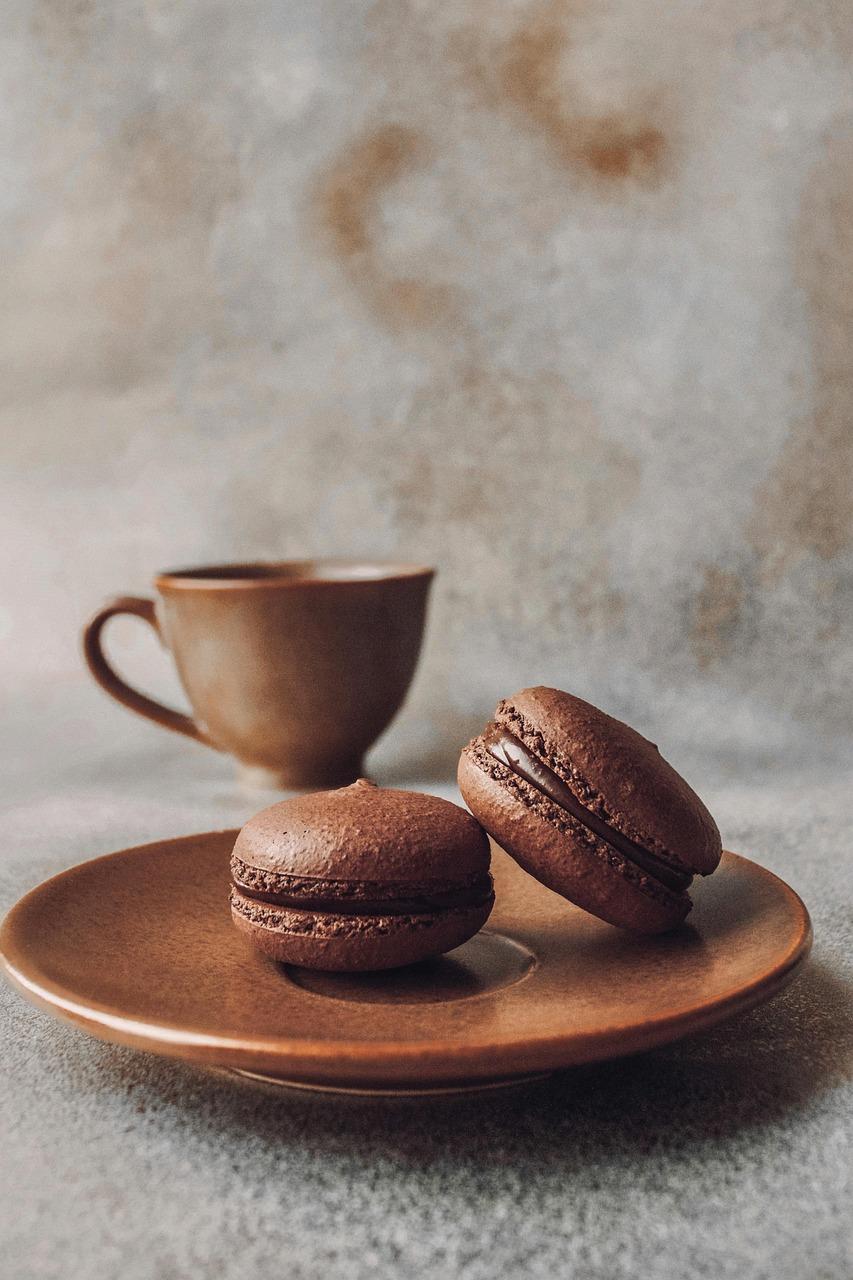
Macarons parisiensChocolate ganache macarons

The smooth, round macaron with its ruffled 'foot', sandwiched around a ganache, is a Paris creation of the early 1900s, and the city's tearooms still sell them in pastel rows for gifts, weddings and afternoon tea. They are made from just ground almonds, icing sugar and egg whites, but they reward care: weigh everything, age the whites if you can, and rest the piped shells until a skin forms. This recipe uses a simple dark chocolate ganache; once you have the method, change the filling to raspberry jam or lemon curd. Chef's tip: bang the tray firmly on the worktop three times after piping; it knocks out air bubbles that would crack the tops.

by KrazyBadal 0 views

Cabrito assado à minhotaRoast kid with potatoes

Easter Sunday in the Minho means cabrito: young goat rubbed with garlic, paprika and lard, soaked overnight in white wine and roasted until the meat falls from the bone. Families in Arcos de Valdevez and Monção serve it with roast potatoes and a tray of rice baked in the meat juices. This contains pork (lard and smoked bacon) and uses wine; an alcohol-free option is in the ingredient note. Chef's tip: baste every 20 minutes, as kid is lean and dries out quickly without it.

by KrazyBadal 0 views

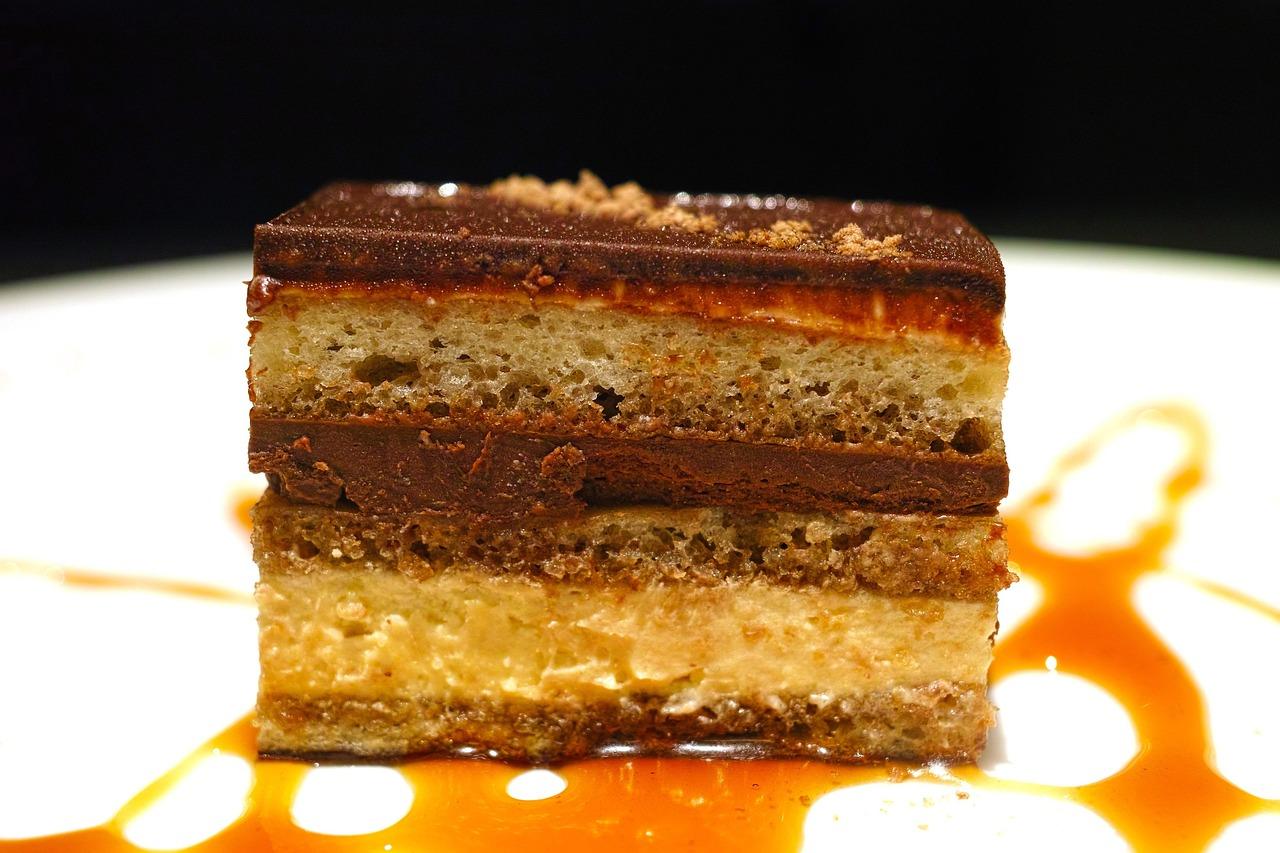
Opéra cakeAlmond coffee chocolate layer cake

Named after the Palais Garnier opera house, the opéra is the elegant rectangle in the window of every grand Paris pâtisserie: thin layers of almond joconde sponge soaked in coffee syrup, coffee buttercream and dark chocolate ganache, finished with a mirror-smooth chocolate glaze. Parisians buy it for birthdays and dinner parties, cut into neat slices. It takes an afternoon but each part is simple, and it is easier made a day ahead. You need a 30 × 40 cm baking tray. The coffee gives a grown-up flavour, so use decaf for children. Chef's tip: trim the sides with a hot, dry knife after chilling; wiping the blade between cuts gives the clean stripes that make an opéra.

110 minFrenchBaking
by KrazyBadal 0 views

Bicho-de-péStrawberry brigadeiro balls

Pink balls of fudge in a paper cup, sitting in a row between the chocolate brigadeiros: that is bicho-de-pé, a fixture of children's parties in São Paulo and Rio. The odd name comes from a tiny burrowing flea, which the speckled pink sweet supposedly resembles, but it tastes nothing but fruity and creamy. Brazilian cooks usually flavour it with strawberry gelatin powder, which is not vegetarian; this version uses freeze-dried strawberry powder, which gives a brighter, real-fruit flavour and a natural pink. Find freeze-dried strawberries in supermarket baking aisles and crush them yourself. Over-thickening is the commonest mistake: cooked too long, the brigadeiro turns hard and sugary once cold. Chef's tip: take the pan off the heat as soon as the mixture slides away from the base as one piece; it firms more as it cools.

by KrazyBadal 0 views

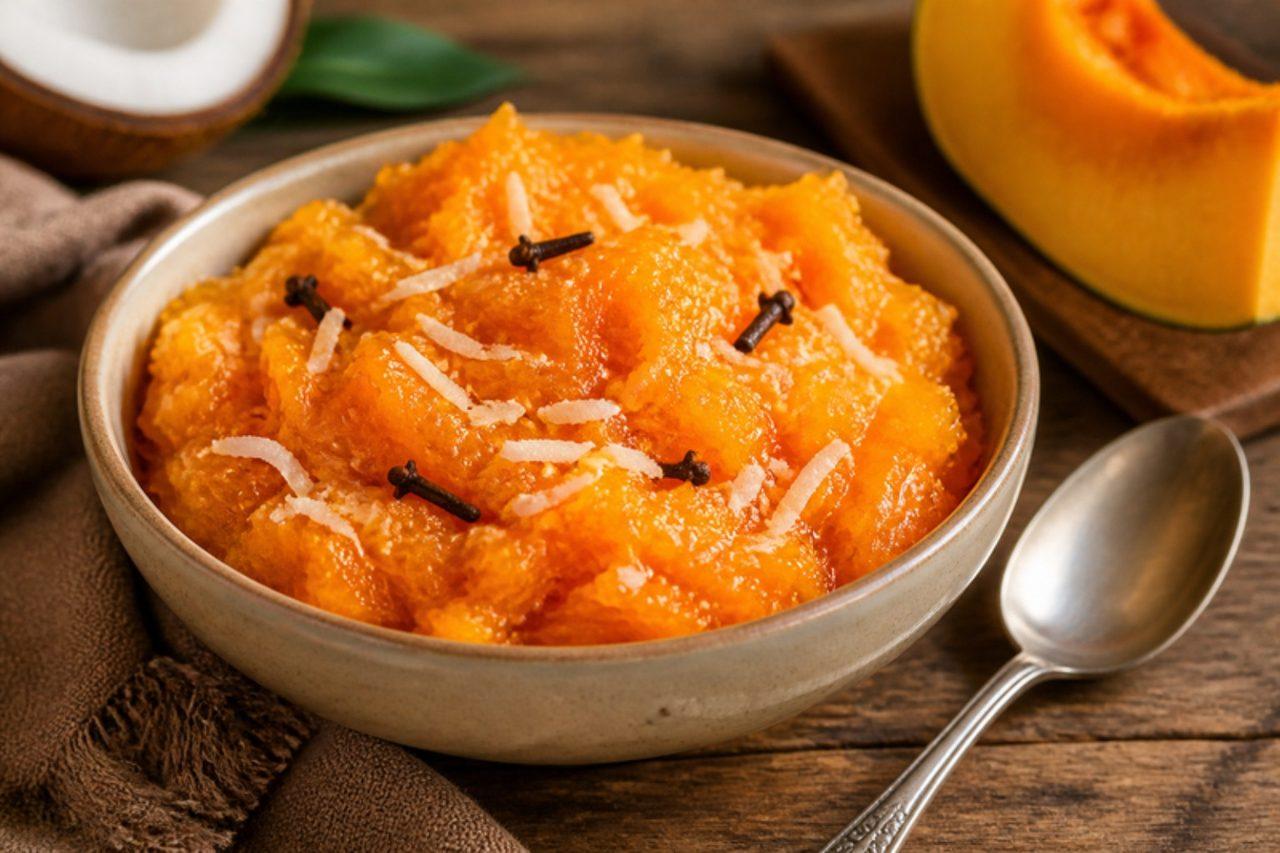
Doce de abóbora com cocoPumpkin and coconut sweet

Mineiro farm kitchens and the June festivals of the interior both lean on doce de abóbora, a deep orange spoon sweet of pumpkin cooked with sugar and cloves until thick, here finished with fresh grated coconut. It is eaten cold, by the spoonful from little bowls, or with a slice of fresh white cheese, the Brazilian way of pairing sweet and salty (pick a microbial-rennet cheese if you are vegetarian). The flavour is caramel-sweet and spiced, with the soft chew of coconut. Use a dry, dense pumpkin such as kabocha or butternut; watery pumpkins take forever to reduce. Adding the sugar before the pumpkin softens is a common misstep; the sugar firms the pieces and they never break down. Chef's tip: stop cooking when you see the base of the pan for a second as you drag the spoon through, as the sweet thickens further as it cools.

by KrazyBadal 0 views

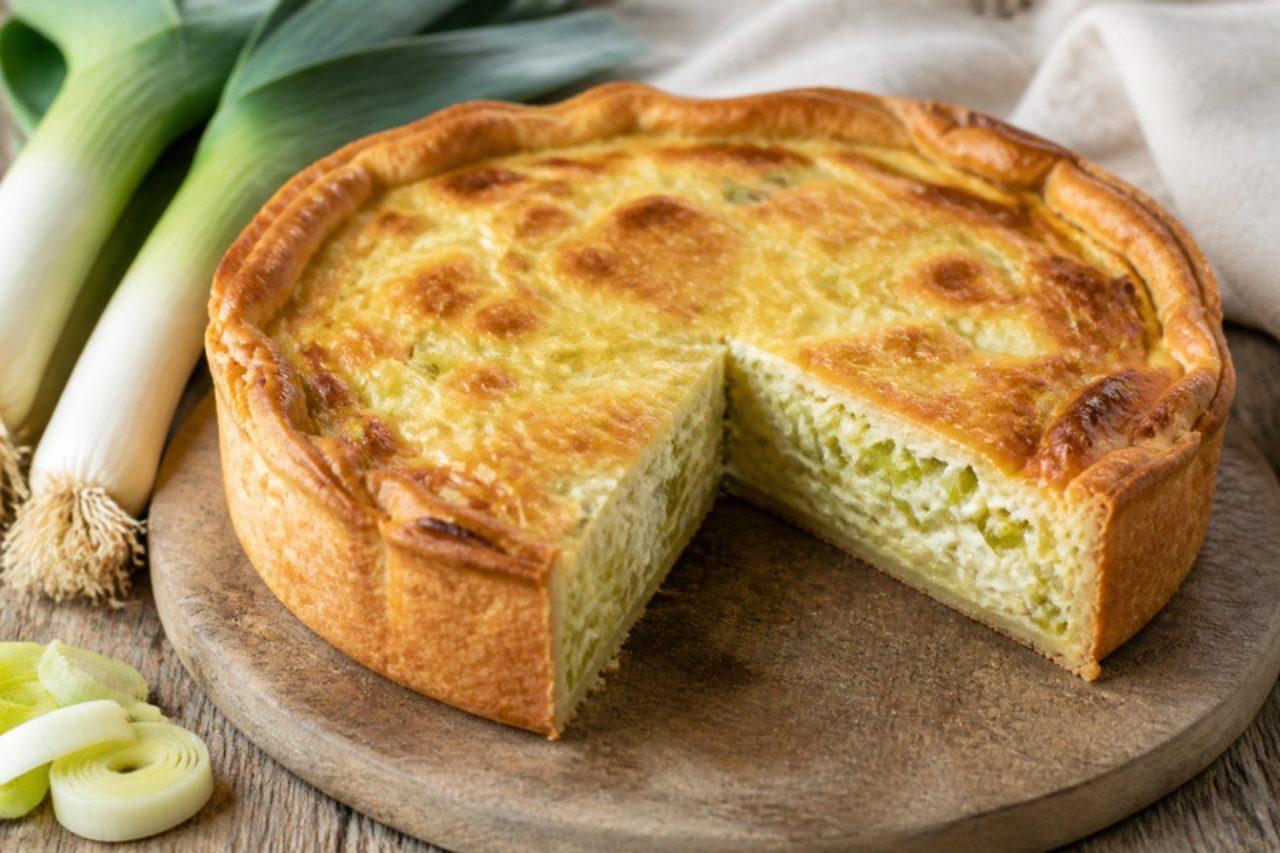
Flamiche aux poireauxLeek and cream tart

Flamiche means 'cake' in old Flemish, and in Picardy, around Amiens and Abbeville, it is a tart of leeks melted slowly in butter and set in eggs and cream, baked in a crisp pastry case and sometimes covered with a pastry lid. The leeks from the market gardens (hortillonnages) of Amiens are famous, and flamiche is served warm as a starter or as a supper with green salad, especially from autumn to spring. The leeks must be cooked until soft and sweet, never browned. Chef's tip: squeeze the cooked leeks in a sieve before adding the custard; any water left in them stops the filling from setting and soaks the pastry.

by KrazyBadal 0 views

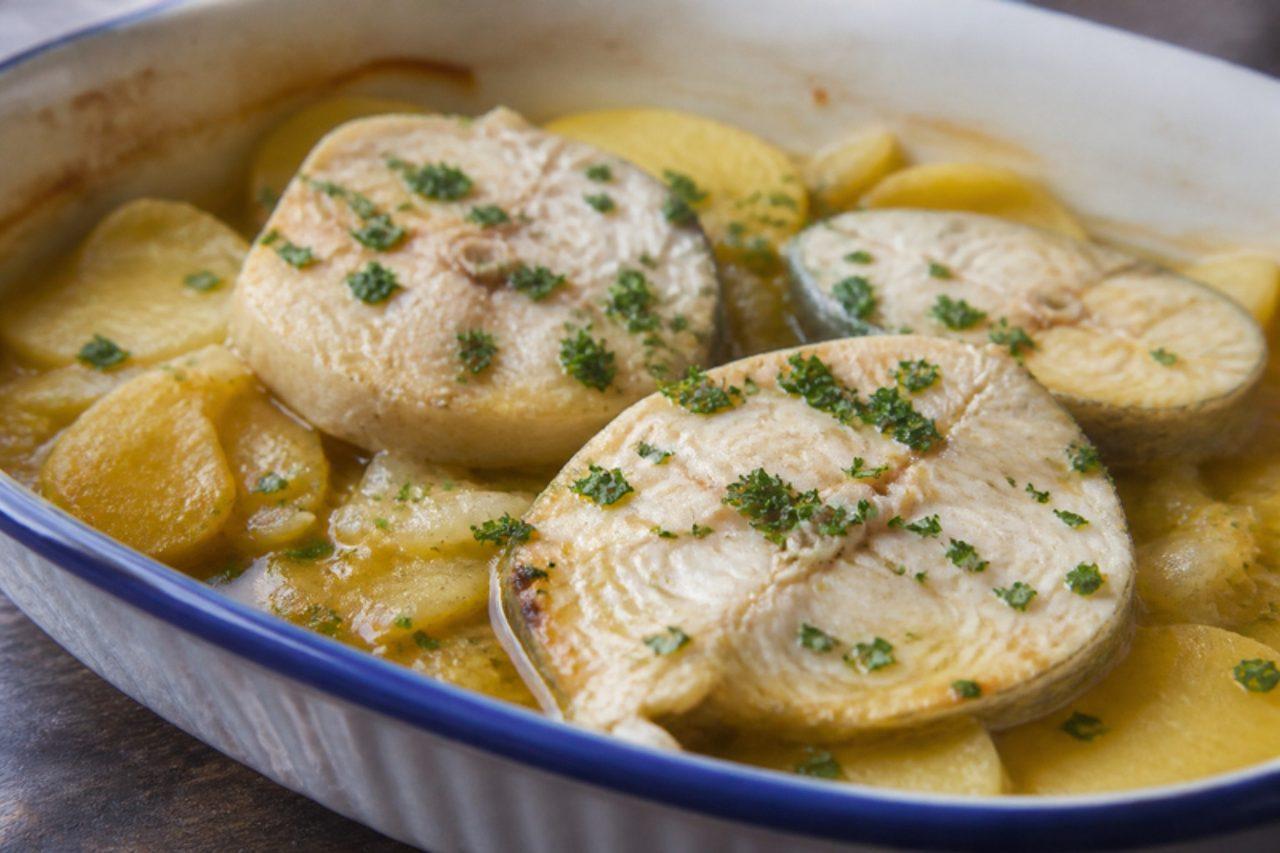
Merluza a la sidraHake baked in cider

Asturias has two great loves at table, the fish landed at ports like Cudillero and Avilés and the cider pressed from its orchards, and merluza a la sidra brings them together. Families cook it for Sunday lunch, the hake settled on a bed of soft onion and potato with cider poured over, until the sauce turns sweet-sharp. The cider is alcoholic; cloudy apple juice with a little cider vinegar makes a good alcohol-free swap. Chef's tip: add the hake only when the potatoes are nearly tender, so the fish stays juicy.

by KrazyBadal 0 views

Showing 81 of 7,762 recipes

Show more recipes

Page 430 of 863