Skip to content
Rasabali
Featured recipe

Rasabali

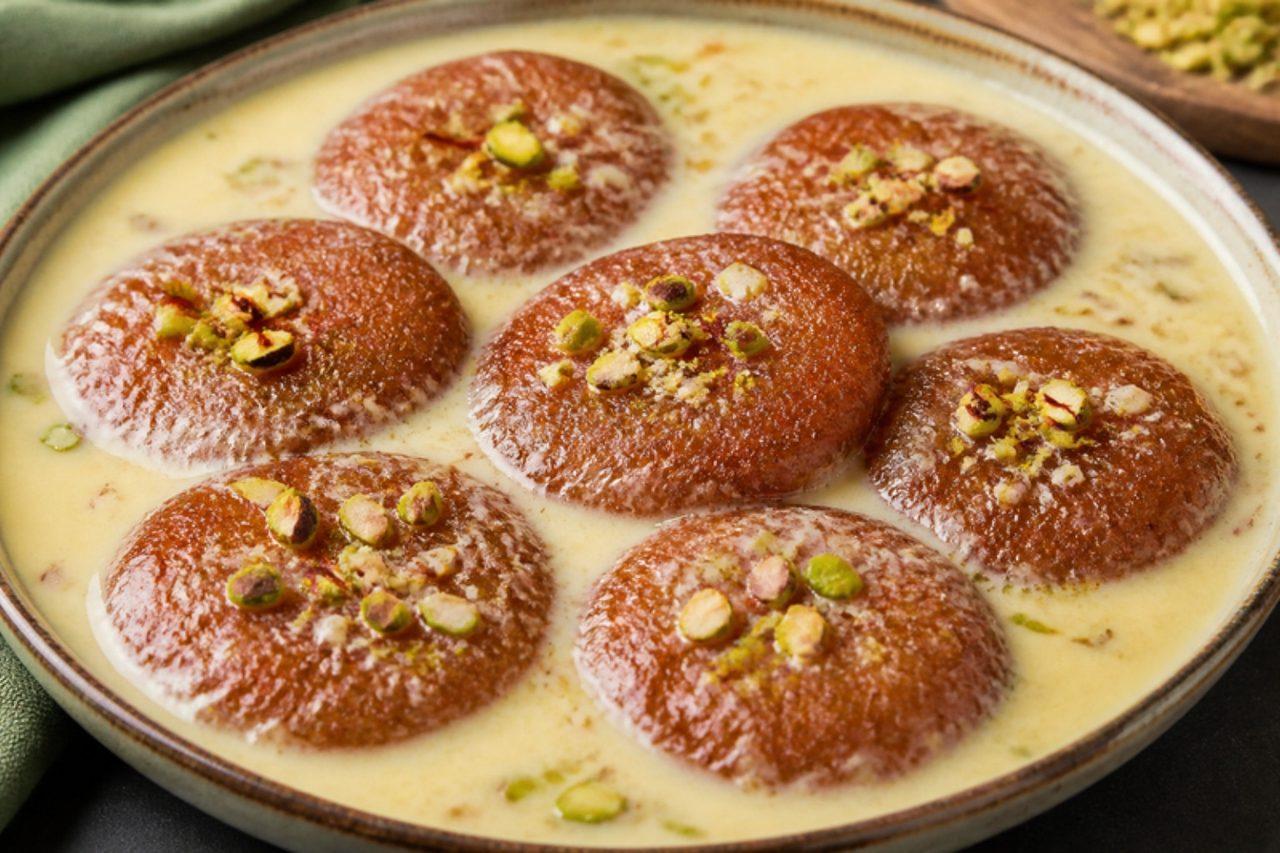
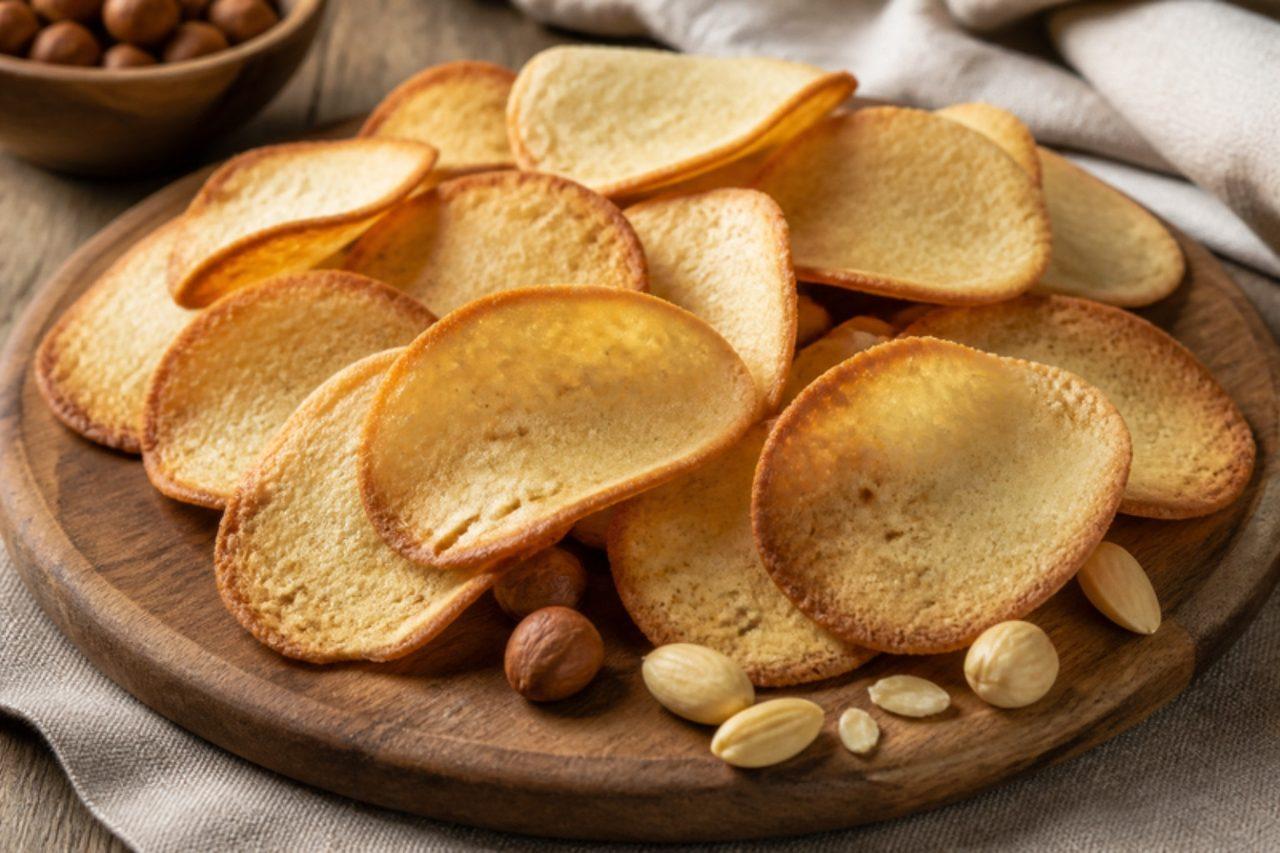
Rasabali comes from the Baladevjew temple in Kendrapara and is one of the 56 offerings of Puri's Jagannath temple. Flattened discs of chhena are deep-fried until reddish-brown, then soaked in milk that has been simmered down until thick and sweet with cardamom. Unlike rasmalai, whose discs are poached in syrup, rasabali's are fried, so they keep a chewy, slightly caramelised skin under the milk. It is eaten chilled at festivals and weddings in Odisha. Chef's tip: press a dimple into the centre of each disc before frying, so it fries evenly and holds more milk.

Read more 0 views
Can't decide?

What to eat today?

Spin the randomizer, search with what's already in your fridge, or browse recipes from our chefs.

Latest recipes

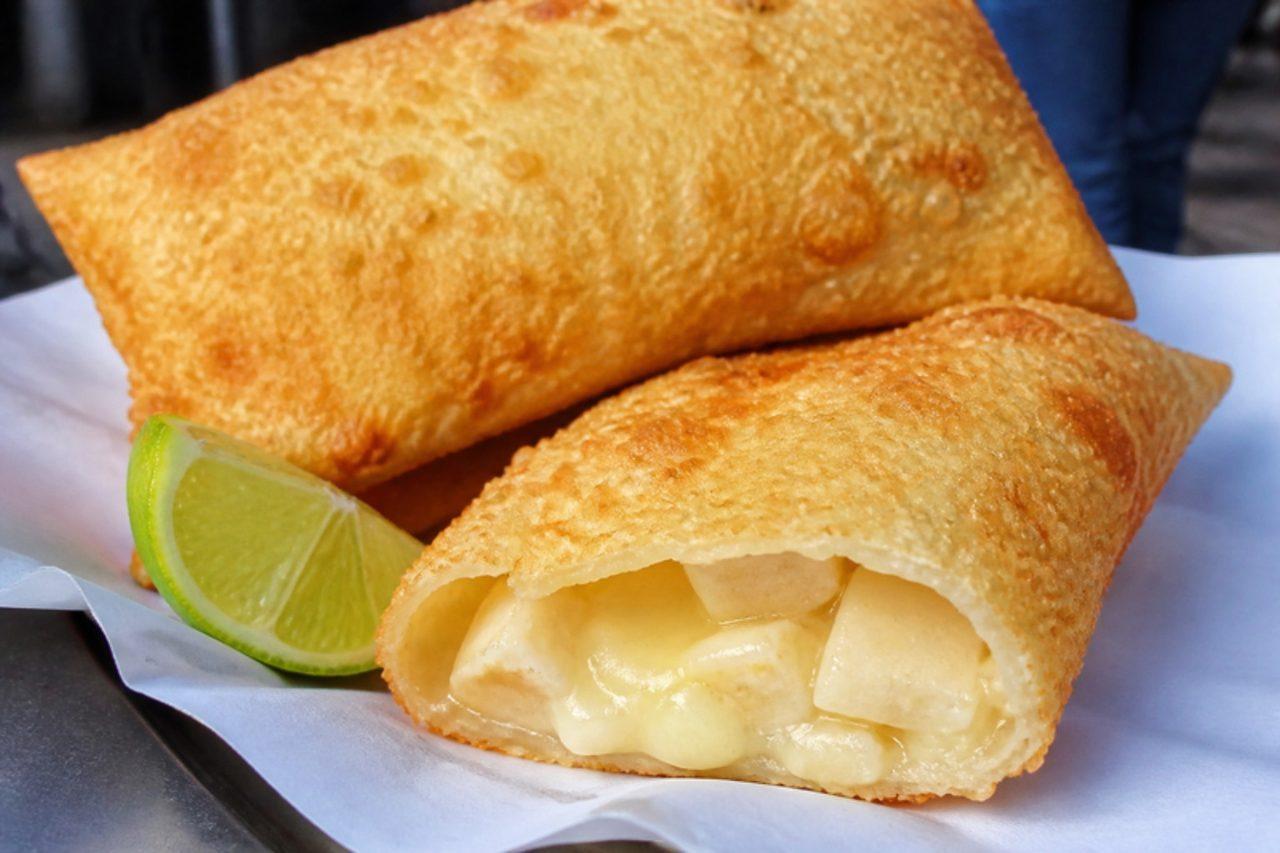
Cheese and heart of palm pastel

Pastel is the taste of the São Paulo street market: big rectangles of thin dough fried to order until they blister and puff, eaten hot from paper with a glass of caldo de cana (sugar-cane juice). Cheese and palmito (heart of palm) are two of the most popular meat-free fillings. Chef's tip: add a spoon of cachaça (or vodka) to the dough and fry in properly hot oil. The alcohol evaporates fast and makes the crust puff into the light, bubbly blisters that market pastel is famous for.

by KrazyBadal 0 views

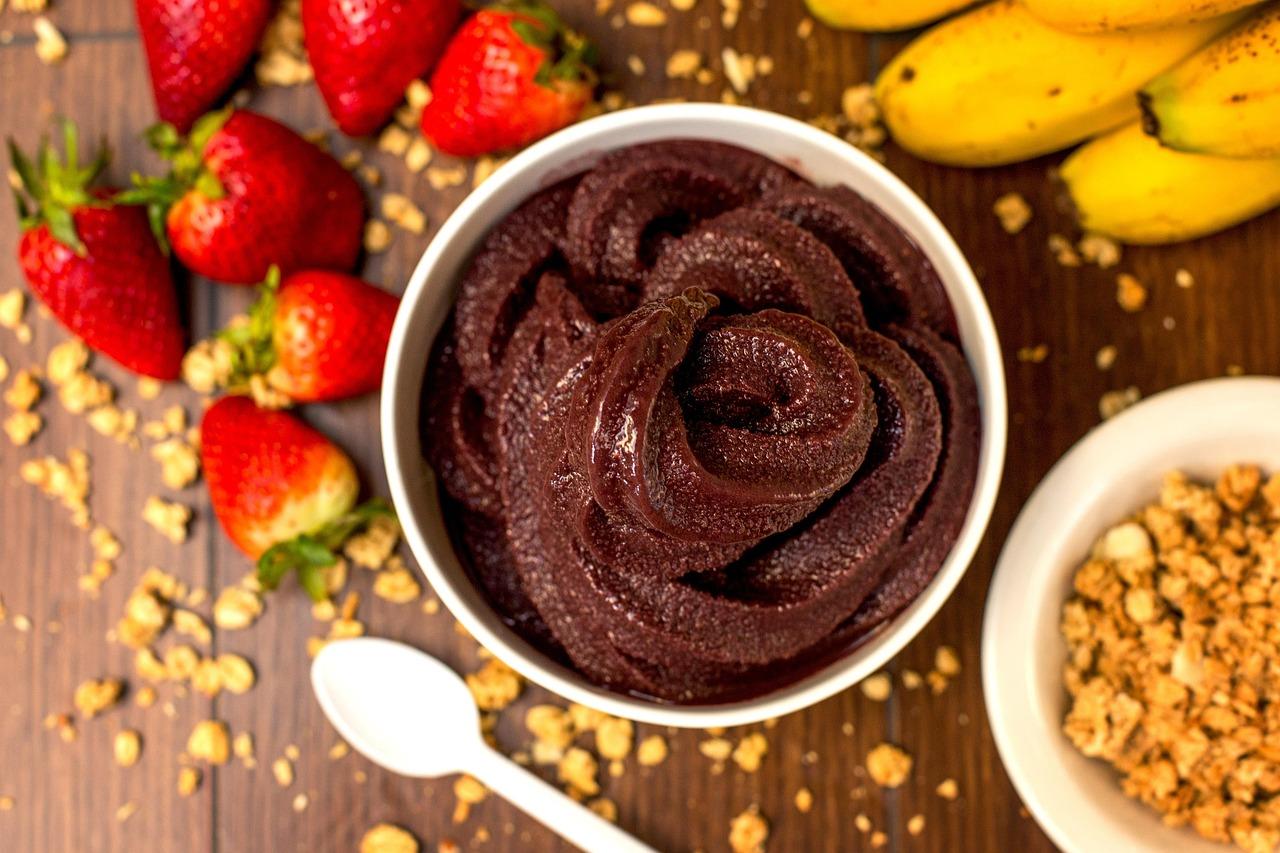
Açaí bowl

Açaí is a deep purple palm berry from Pará, in the Amazon, where people in Belém eat it as a thick, unsweetened purée with manioc meal alongside savoury food. The sweet, frozen açaí na tigela ('açaí in a bowl') was born on the beaches of Rio de Janeiro and became a Brazilian breakfast and post-surf favourite: thick as soft-serve ice cream, topped with crunchy granola, banana and strawberries. Chef's tip: use as little liquid as possible and blend in short pulses, scraping down the sides. Real açaí na tigela is spooned, not drunk; too much juice turns it into a smoothie.

by KrazyBadal 0 views

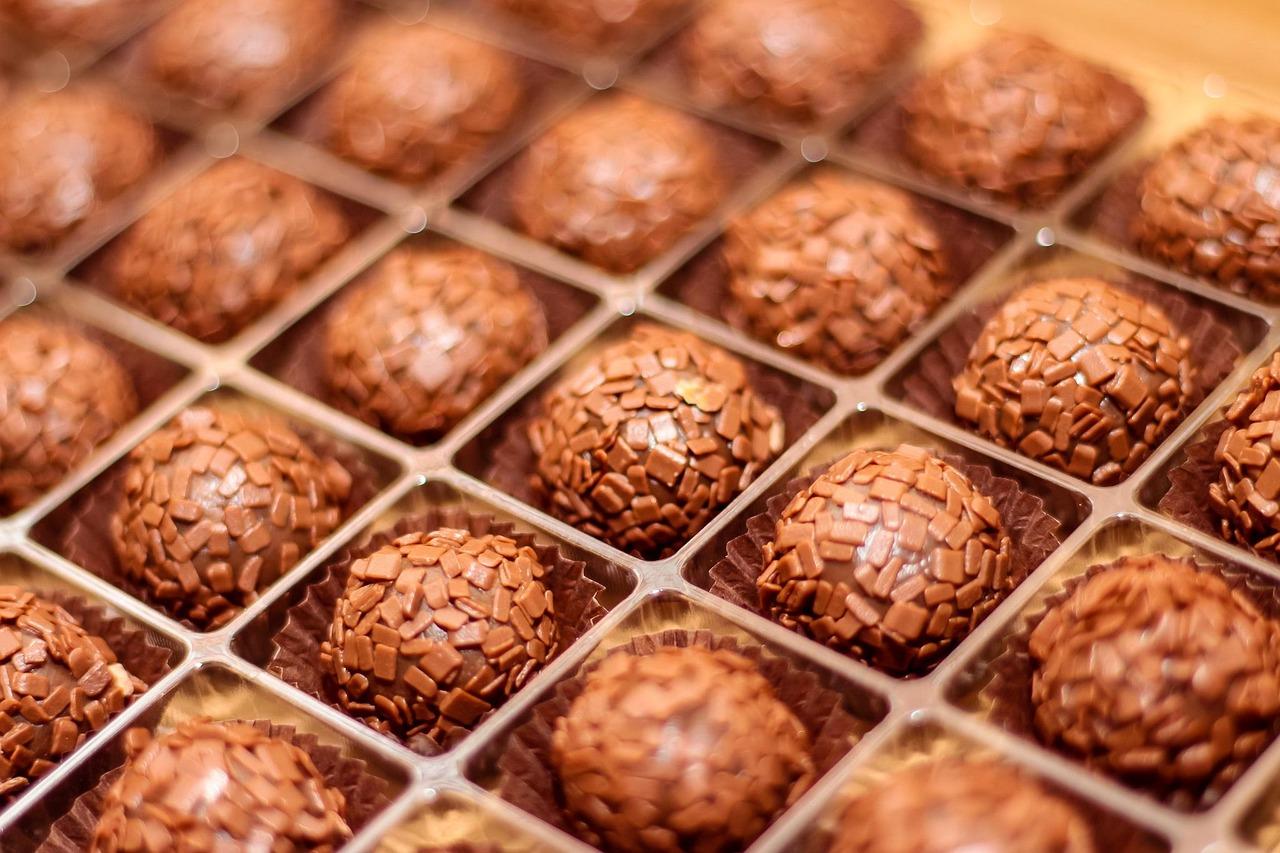
Brigadeiro

Brigadeiro is Brazil's favourite sweet: no birthday party anywhere in the country is complete without trays of them in little paper cases. Condensed milk, cocoa and butter are stirred in a pan until thick, then rolled into soft, fudgy balls and coated in chocolate sprinkles. It's said to be named after Brigadeiro Eduardo Gomes, an air force officer who ran for president in 1945. Chef's tip: learn the ponto (the doneness point). Tilt the pan and drag your spatula through the mixture: when it slides as one mass and you can see the pan base for 2–3 seconds before it closes up, it's ready. Undercooked brigadeiros won't hold a shape; overcooked ones turn chewy.

by KrazyBadal 0 views

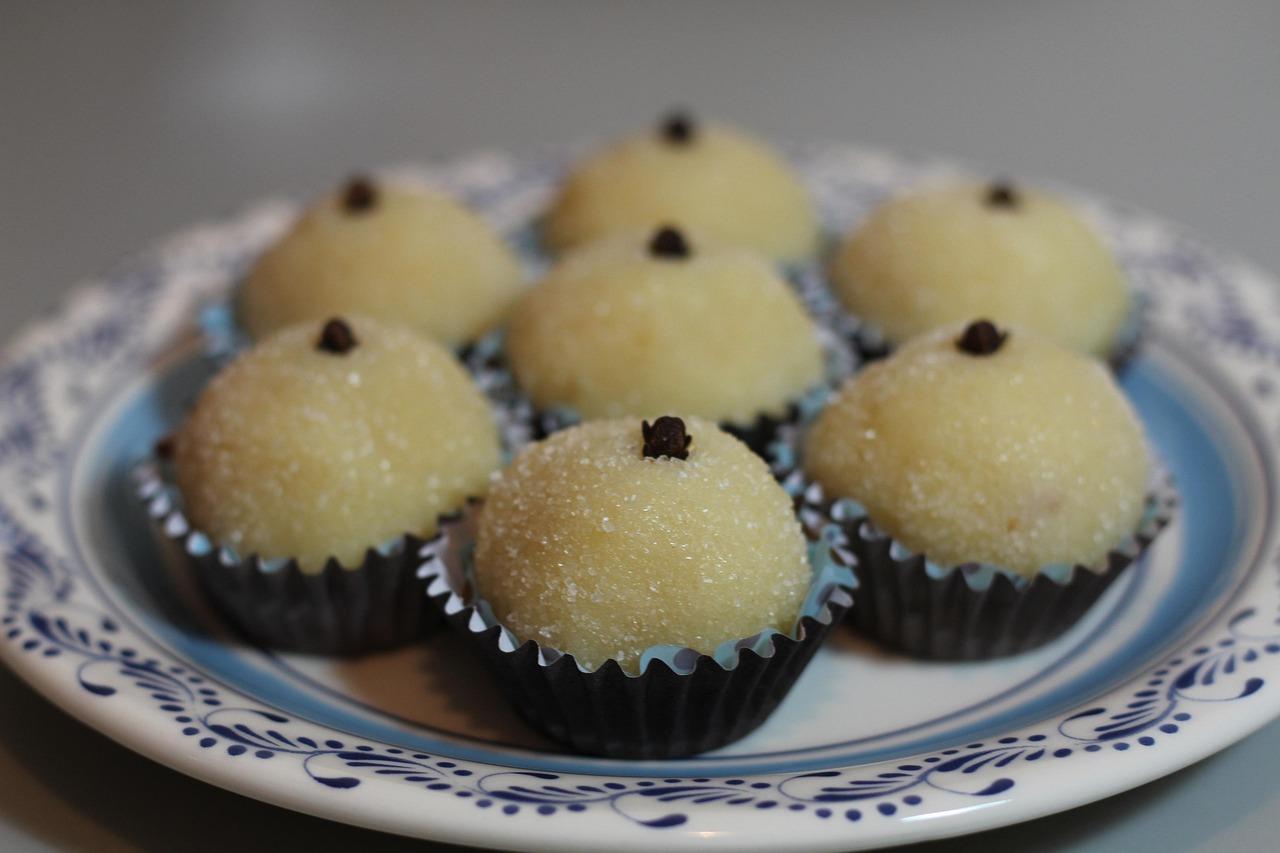
Beijinho

Beijinho ('little kiss') is the white twin of brigadeiro, and the two always appear side by side at Brazilian birthday parties all over the country. Condensed milk is cooked with butter and coconut until thick, then rolled into small balls, coated in sugar or coconut and topped with a single clove. Chef's tip: don't skip the clove. It's the signature of a proper beijinho, giving a little warm, spicy perfume that balances all that sweetness (it's for decoration and aroma; take it out before eating).

by KrazyBadal 0 views

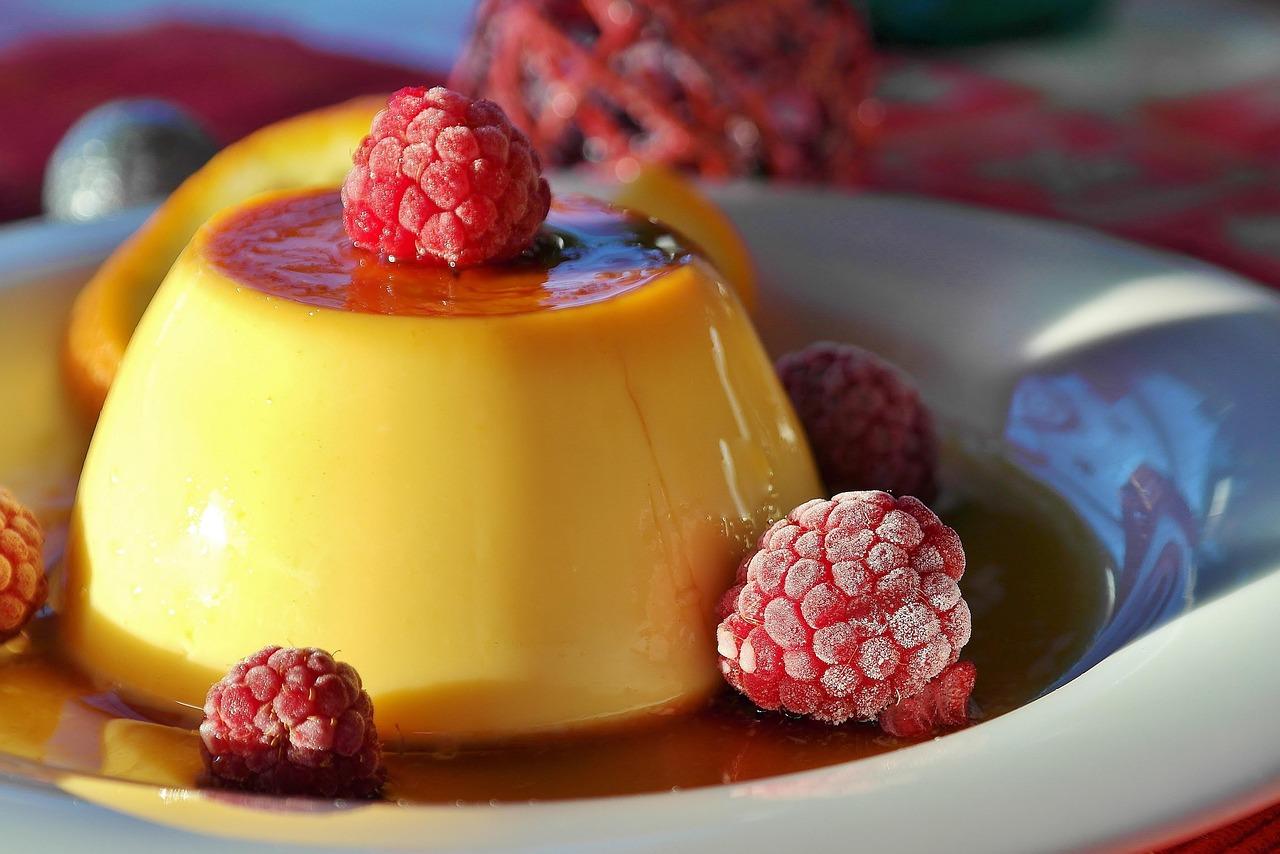
Pudim de leite condensado

Pudim de leite condensado is the dessert of Brazilian Sunday lunch, served in every home and por-quilo restaurant from north to south. It's richer and denser than a French crème caramel: condensed milk, milk and eggs baked in a water bath in a ring tin, then turned out under a glossy layer of dark caramel. Chef's tip: bake it gently in a water bath and keep the water just below a simmer. Too much heat makes the bubbles that leave the pudim full of little holes; Brazilians prize a smooth, silky pudim lisinho.

by KrazyBadal 0 views

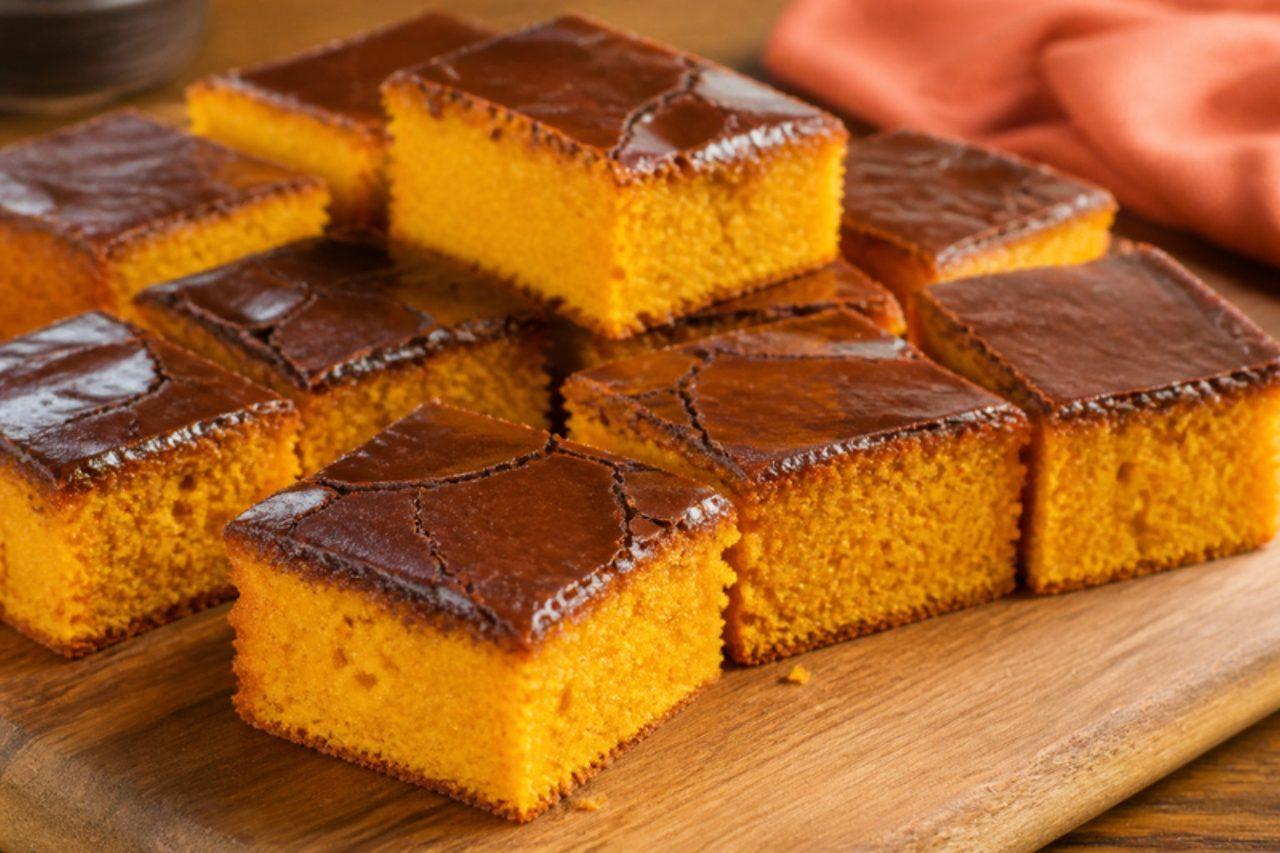
Bolo de cenoura com cobertura de chocolate

Bolo de cenoura is the most loved homemade cake in Brazil, served with coffee at the afternoon lanche all over the country. It's nothing like the spiced, nutty carrot cake of the UK and US: raw carrots are blended smooth with eggs and oil, giving a bright orange, light and moist sponge, finished with a thick chocolate topping that sets with a thin crust. Chef's tip: blend the carrots with the eggs and oil until completely smooth, with no visible bits, and pour the chocolate topping over while the cake is still warm. The topping soaks in a little and sets with the shiny, crackly casquinha (crust) Brazilians love.

by KrazyBadal 0 views

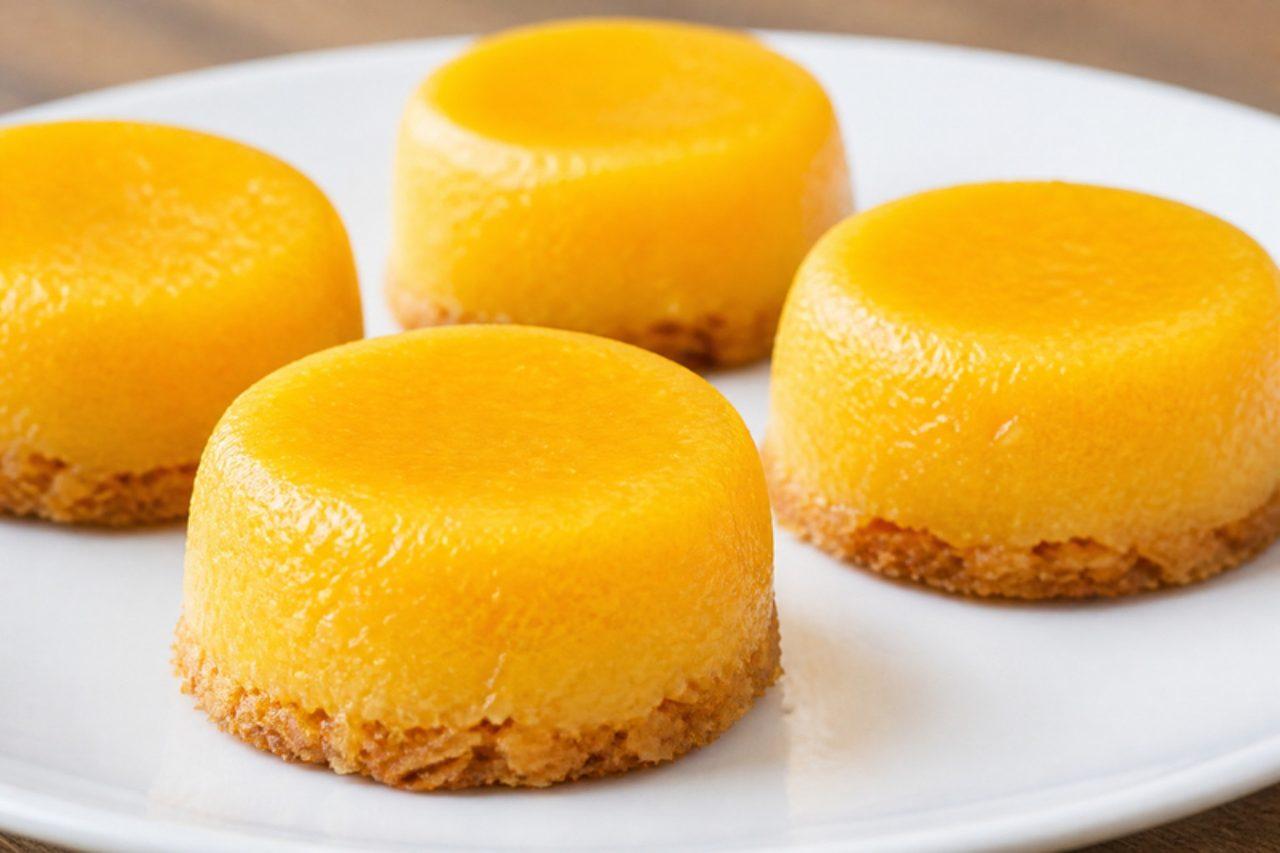
Quindim

Quindim is a jewel of Bahian sweets: small, shiny, intensely yellow custards made from egg yolks, sugar and grated coconut. It goes back to Portugal's convent sweets, rich in yolks, which cooks in colonial Bahia combined with the coconut of the Brazilian coast. When baked, the coconut sinks to form a chewy base and the yolks set into a silky, translucent top that becomes the shining crown when unmoulded. Chef's tip: strain the yolks so there are no traces of white or the chalazae (the stringy bits). Egg white makes quindim pale and rubbery instead of glossy, deep gold and smooth.

by KrazyBadal 0 views

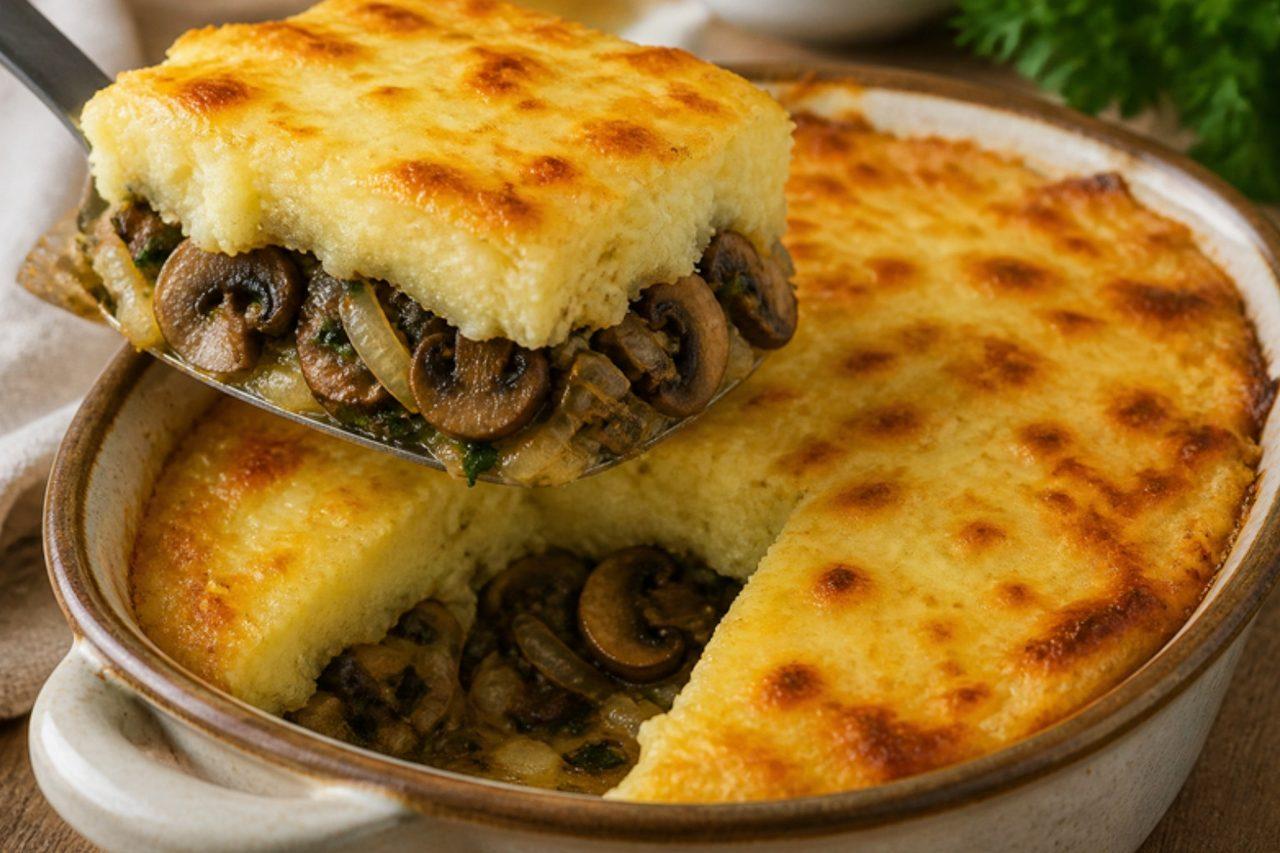
Mushroom and cassava escondidinho

Escondidinho ('little hidden one') is a homely baked dish from the Northeast: a savoury filling hidden under a layer of creamy mashed cassava (mandioca or aipim), topped with cheese and baked until golden. The classic is made with carne de sol, the Northeast's sun-dried beef; this vegetarian escondidinho uses mushrooms browned hard with onion, tomato and smoked paprika for the same savoury depth. Serve it with a green salad or couve à mineira. Chef's tip: mash the cassava while it's piping hot and remove the woody core first. Cold cassava turns gluey, and the stringy core spoils the silky texture.

by KrazyBadal 0 views

Bammy

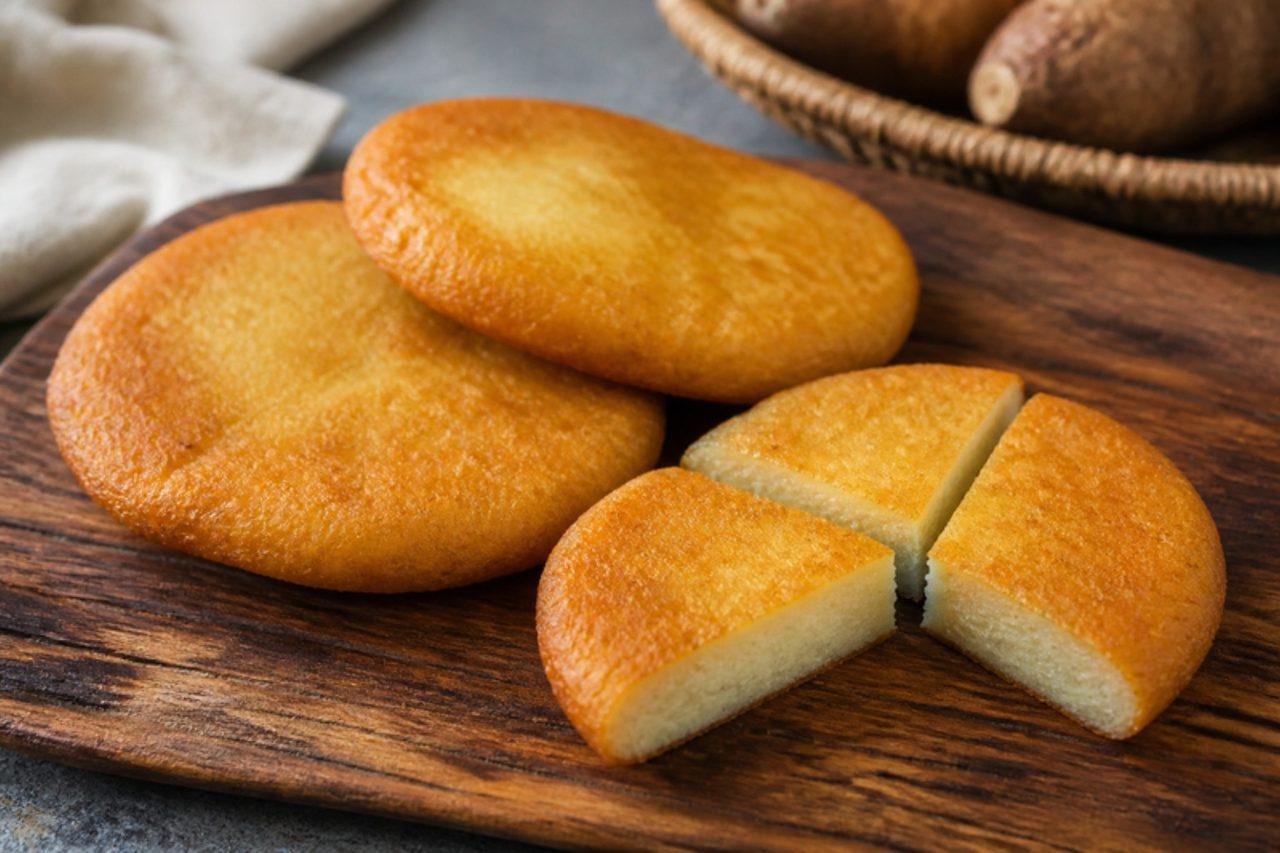
Bammy is one of Jamaica's oldest foods, a flatbread of grated cassava handed down from the Taíno people and still made by family producers in St Elizabeth, especially around Treasure Beach and the south coast. The cassava is grated, squeezed dry and pressed into firm rounds that keep for days. Before eating, they're soaked in coconut milk and fried, so they turn crisp outside and soft and chewy within, with a gentle nutty flavour. Serve with steamed callaloo, Ital stew or escovitch vegetables. Chef's tip: squeeze the grated cassava really, truly dry in a cloth, wringing it hard. Wet cassava steams into a gummy cake instead of setting into a firm bammy.

by KrazyBadal 0 views

Fried ripe plantain

Fried ripe plantain is on almost every Jamaican plate, from breakfast with ackee and callaloo to Sunday dinner beside rice and peas. When plantains are fully ripe their starch turns to sugar, so the slices fry up soft and custardy inside with dark, sticky, caramelised edges, sweet with a little salt. Chef's tip: wait until the skin is mostly black. A yellow plantain fries up firm and starchy; a black one gives that melting, toffee-sweet result, and medium heat lets the sugars caramelise without burning.

by KrazyBadal 0 views

Cornmeal porridge

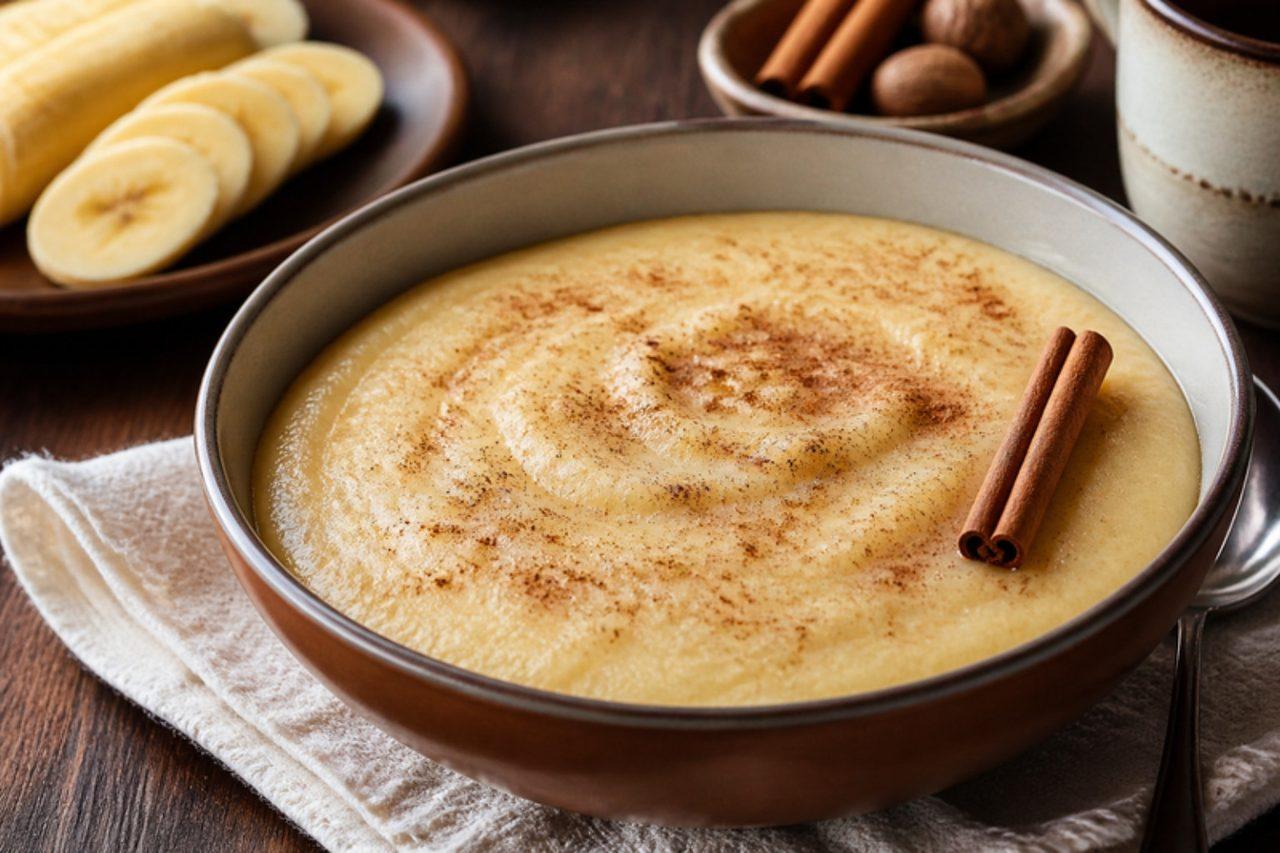
Cornmeal porridge is the breakfast many Jamaicans grew up on, cooked in homes across the island before school and work. Fine cornmeal is simmered slowly with milk and water until thick and velvety, then spiced with cinnamon, nutmeg and vanilla and sweetened with condensed milk. It's warm, filling and gently sweet. Chef's tip: whisk the cornmeal into cold water first to make a smooth slurry before it meets any heat. Adding dry cornmeal to hot liquid is how porridge goes lumpy.

by KrazyBadal 0 views

Gizzada

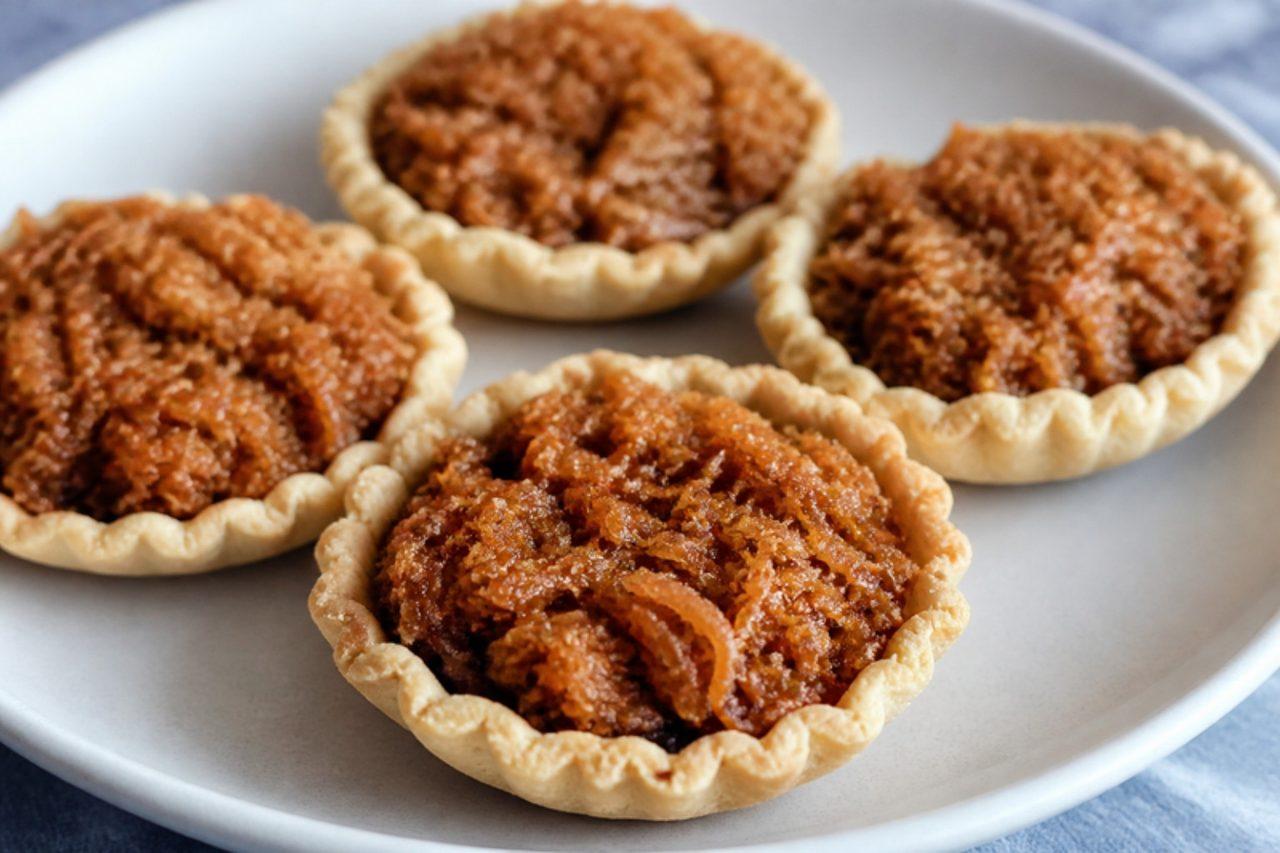
Gizzada (also called 'pinch-me-round') is a little Jamaican tart with a crisp, crimped crust and a chewy filling of grated coconut cooked with brown sugar, nutmeg and ginger. It's sold in bakeries and roadside stalls across Jamaica; the name is thought to come from the Portuguese 'queijada', brought by Portuguese Jewish settlers. Eat it with a cup of tea or as an afternoon treat. Chef's tip: cook the coconut filling until it's sticky and almost dry, with no syrup pooling in the pan. A wet filling soaks into the pastry and the crust goes soft instead of crisp.

by KrazyBadal 0 views

Toto

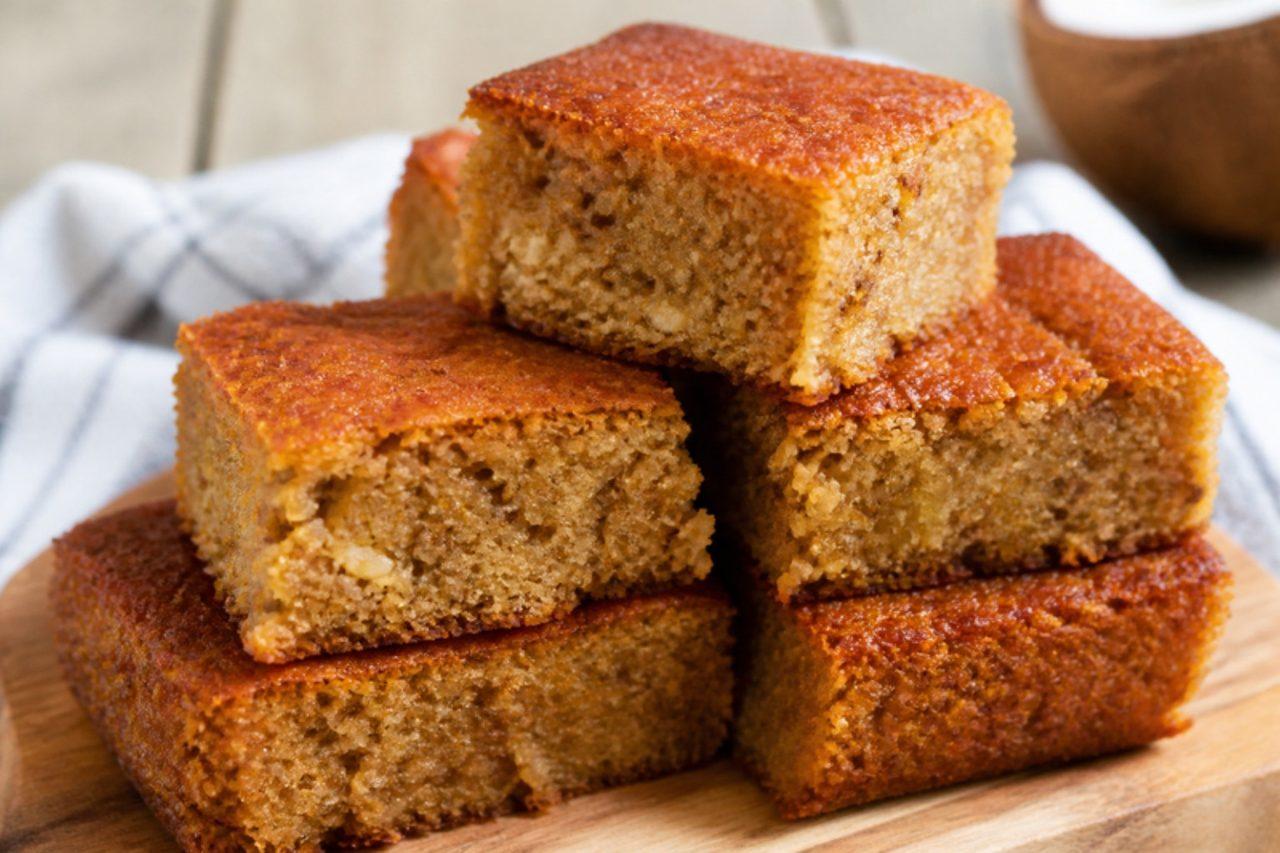
Toto is an old-time Jamaican country cake, the kind baked in a 'dutchie' over coals in rural St Mary and St Ann and sold in squares at bakeries and school tuck shops. It's dense and moist rather than light, packed with grated coconut, darkened with brown sugar and fragrant with nutmeg, cinnamon and vanilla. Lovely with a cup of tea, still slightly warm. Chef's tip: use fresh grated coconut if you can, or soak desiccated coconut in the warm coconut milk for 15 minutes first. Dry coconut steals moisture from the batter and leaves the cake crumbly instead of chewy.

by KrazyBadal 0 views

Sorrel drink

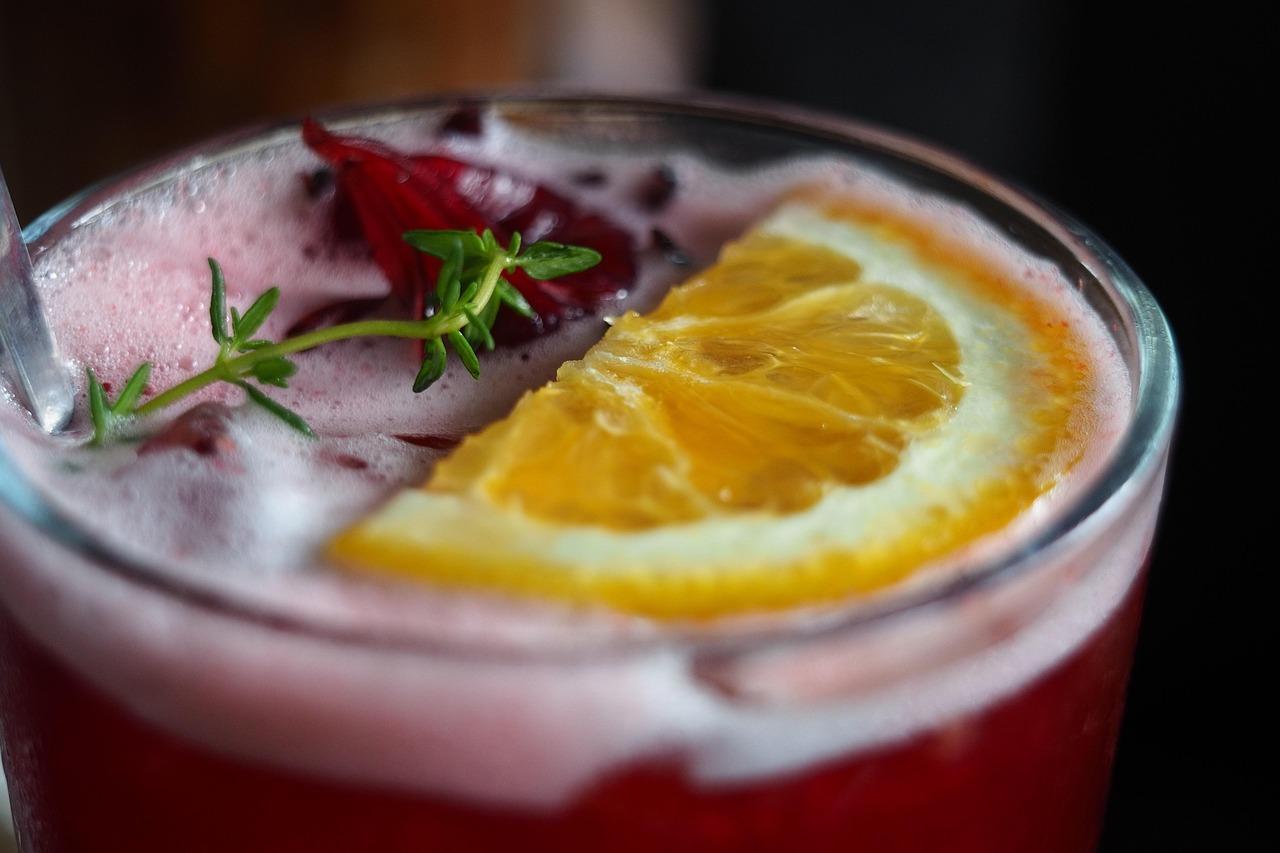
Sorrel is the drink of a Jamaican Christmas: in December the markets fill with the red flowers (the calyces of a hibiscus), and every home brews a big batch to share. They're steeped with lots of fresh ginger, pimento and cloves, then sweetened, giving a deep ruby drink that's tart, spicy and refreshing over ice. Many families add a splash of white or dark rum for the adults. Chef's tip: be generous with the ginger and let it steep overnight. A long, cool steep pulls out the colour and a fiery ginger bite without the bitterness of over-boiling.

by KrazyBadal 0 views

Jamaican carrot juice
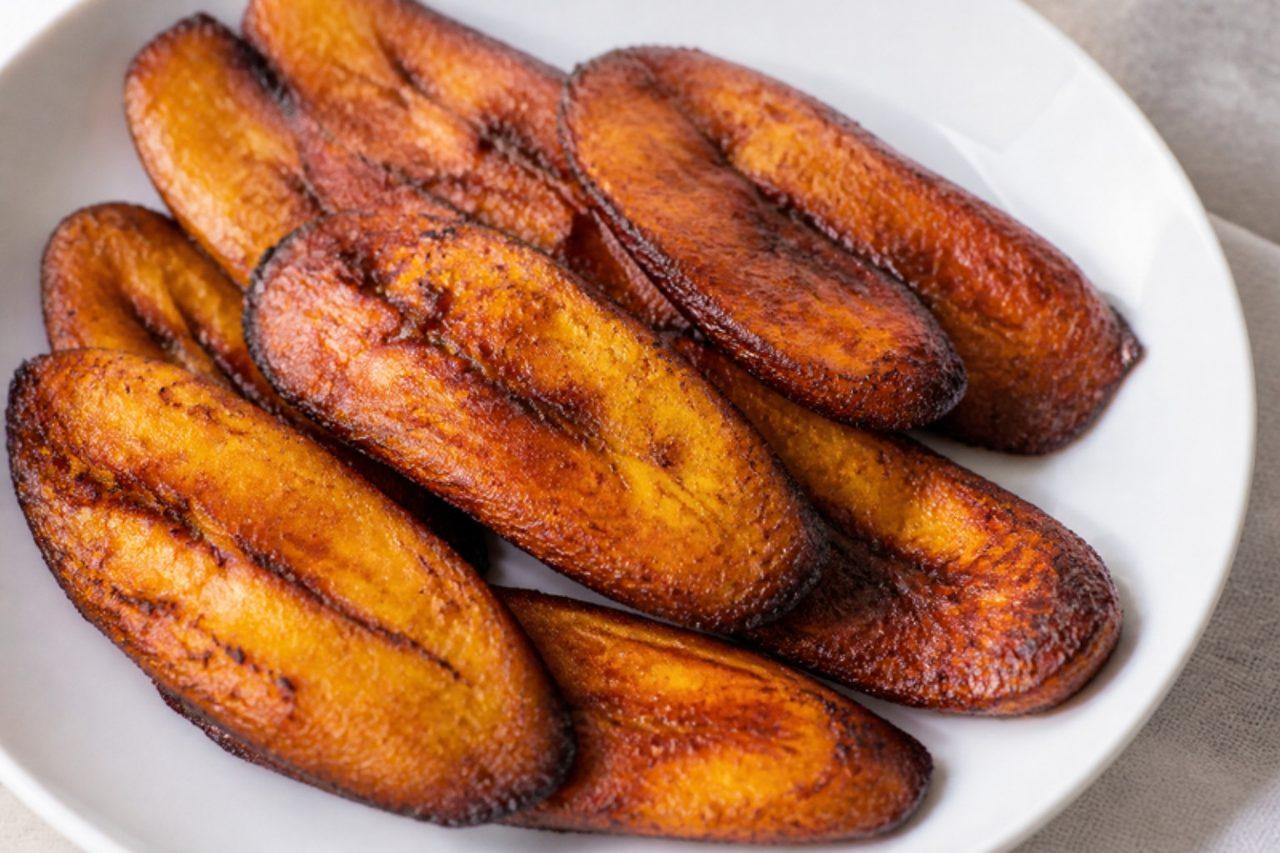
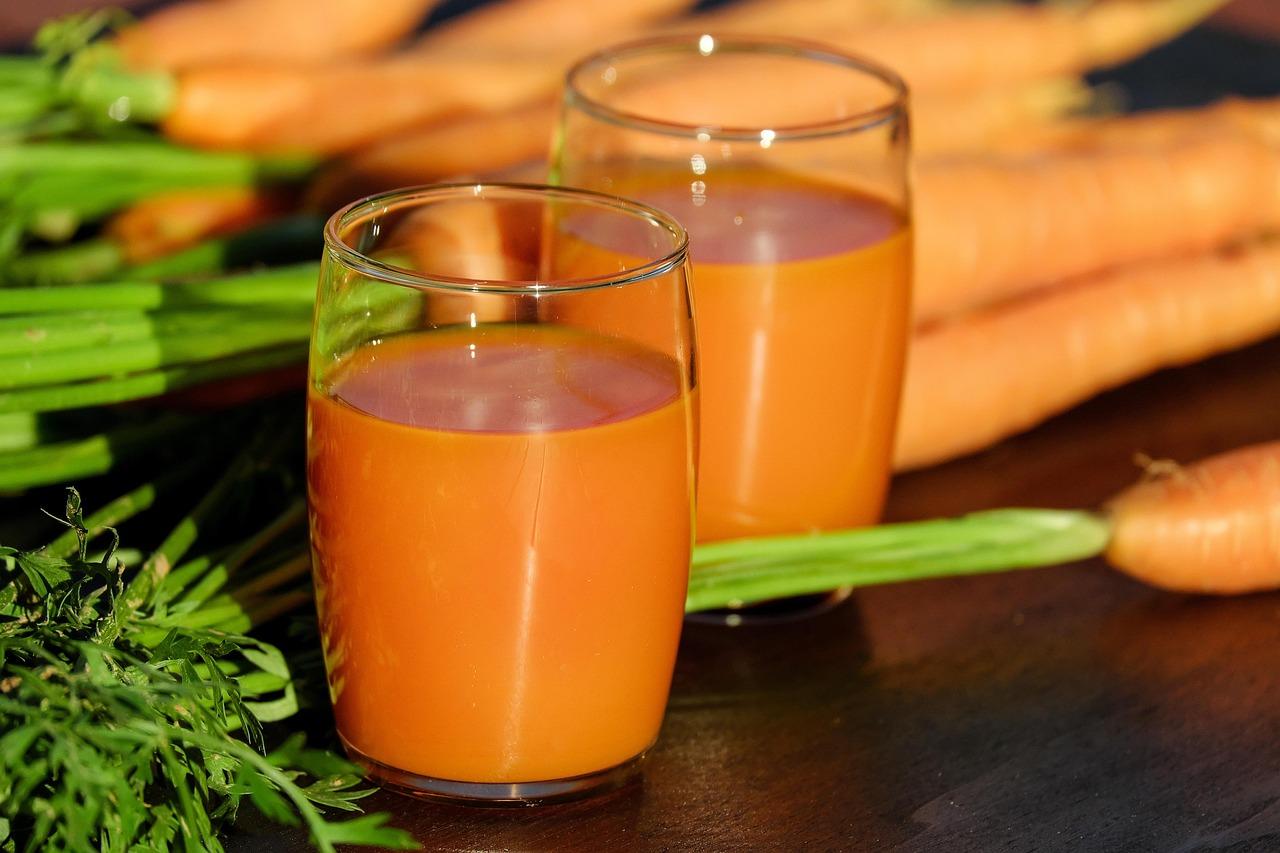
Jamaican carrot juice isn't a thin health drink but a creamy, sweet treat, blended fresh in homes and sold cold in bottles at markets and juice stands across the island, especially on Sundays and at Christmas. Grated carrots are blended with water and strained, then sweetened with condensed milk and spiced with nutmeg, vanilla and a squeeze of lime. Chef's tip: add a squeeze of lime and a little fresh ginger. The sharpness cuts through the sweetness and stops the drink tasting flat, the way Jamaican cooks make it.

by KrazyBadal 0 views

Doubles

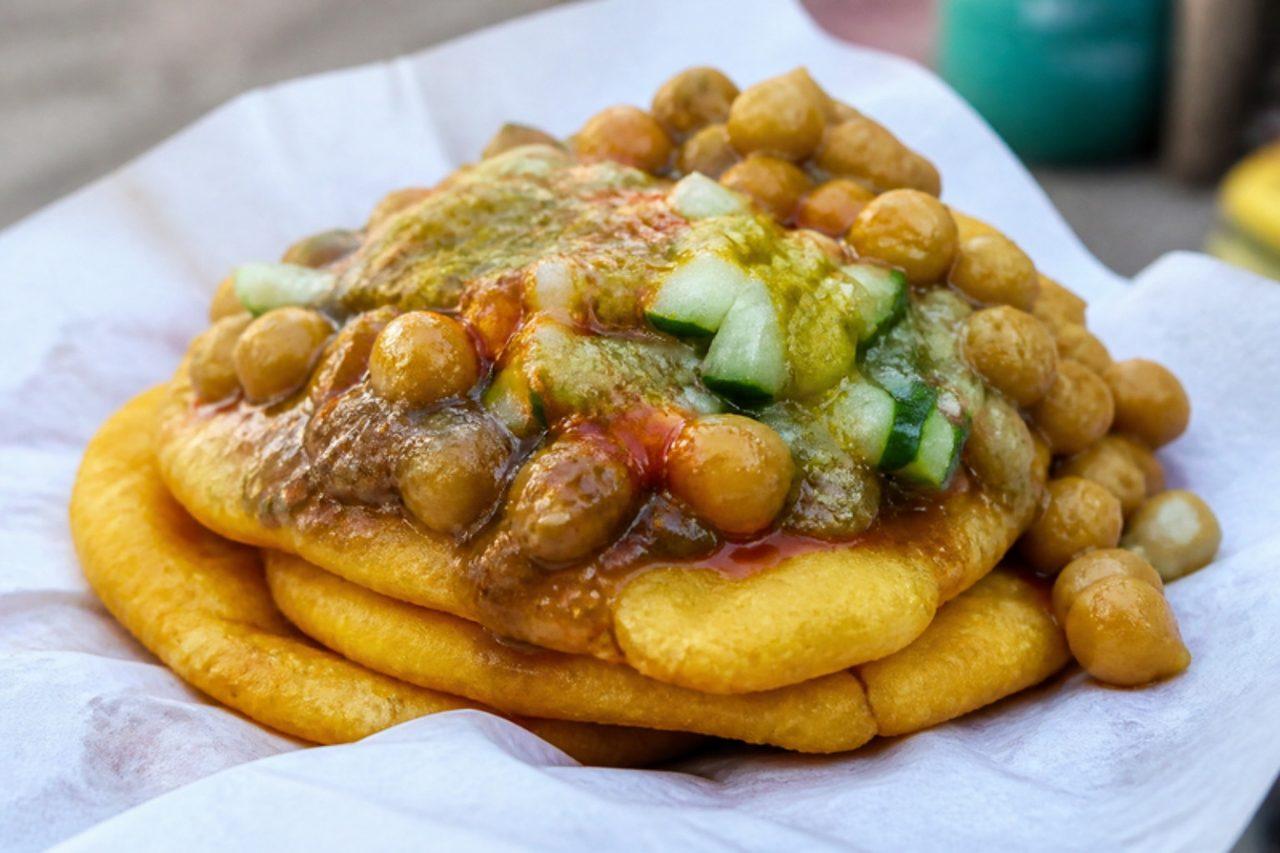
Doubles are Trinidad's favourite street food, sold from carts at dawn on corners from Curepe to San Fernando and said to have started in Princes Town in the 1930s. Two pieces of bara, a soft, puffy fried flatbread coloured with turmeric, are piled with soft curried chickpeas (channa), then spooned with sweet tamarind sauce, cool cucumber chutney, shado beni sauce and as much pepper sauce as you dare ('slight' or 'heavy'). They're messy, cheap and wonderful, eaten standing up from a square of paper. These are different from Indian chole bhature: the bara is light and yeasty, the channa is cooked very soft in Caribbean curry, and the toppings are sweet, sour and fiery all at once. Chef's tip: keep the bara dough very soft and wet, and handle it only with oiled hands. Stretch each ball thin over your fingers and slide it straight into the hot oil, so it puffs light and stays soft instead of turning into a crisp puri.

by KrazyBadal 0 views

Dhalpuri roti

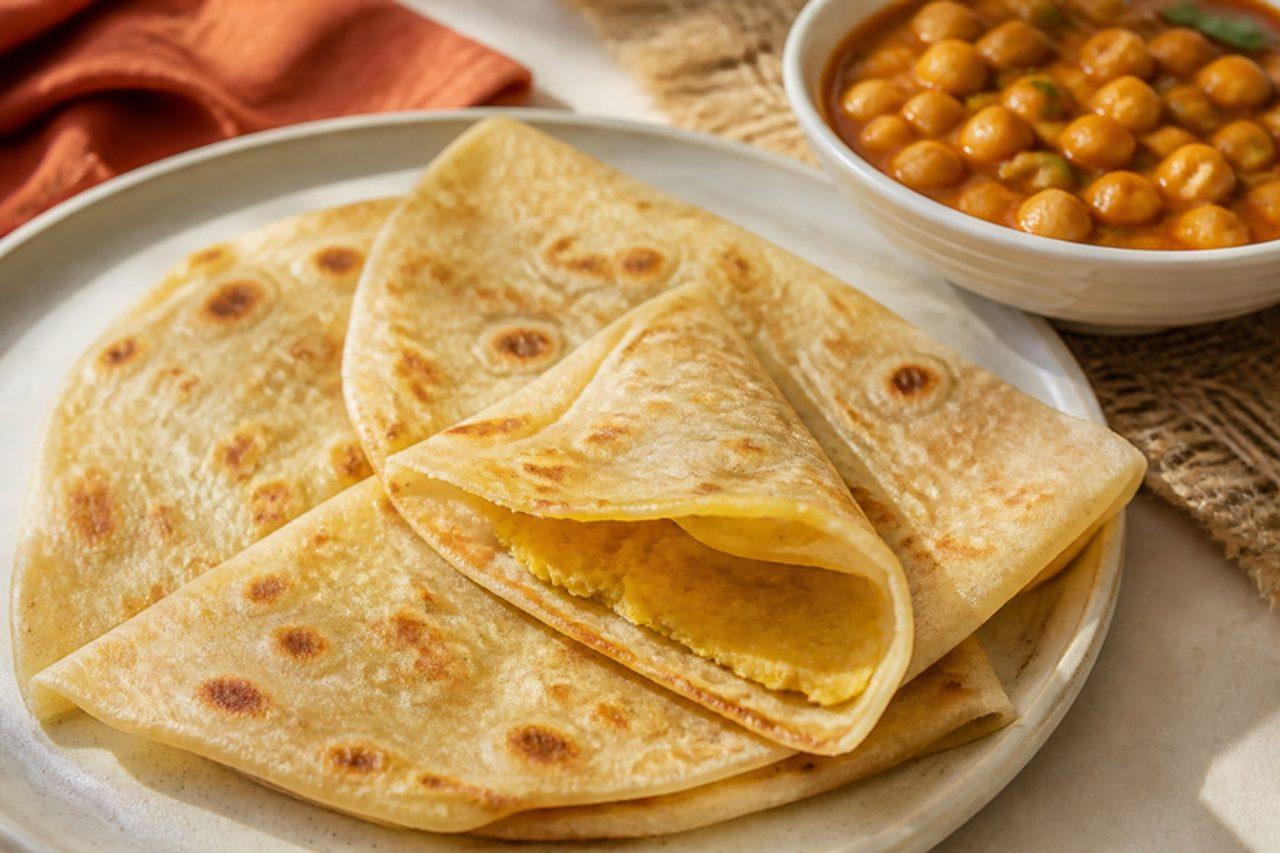
Dhalpuri is the pride of Trinidad's Indo-Caribbean kitchens and roti shops, from Chaguanas to San Fernando: a large, soft, thin roti with a hidden layer of finely ground, seasoned yellow split peas. It's wrapped around curry channa and aloo, curry pumpkin or curry mango to make a 'roti', or torn and eaten alongside. It came with Indian indentured workers in the 1800s and became something distinctly Trini: thinner and softer than an Indian dal paratha, cooked on a flat iron 'tawa'. Chef's tip: the split peas must be boiled only until just tender, drained, then dried and ground into a fine, dry powder. Any dampness and the roti will burst when you roll it out.

by KrazyBadal 0 views

Buss-up-shut

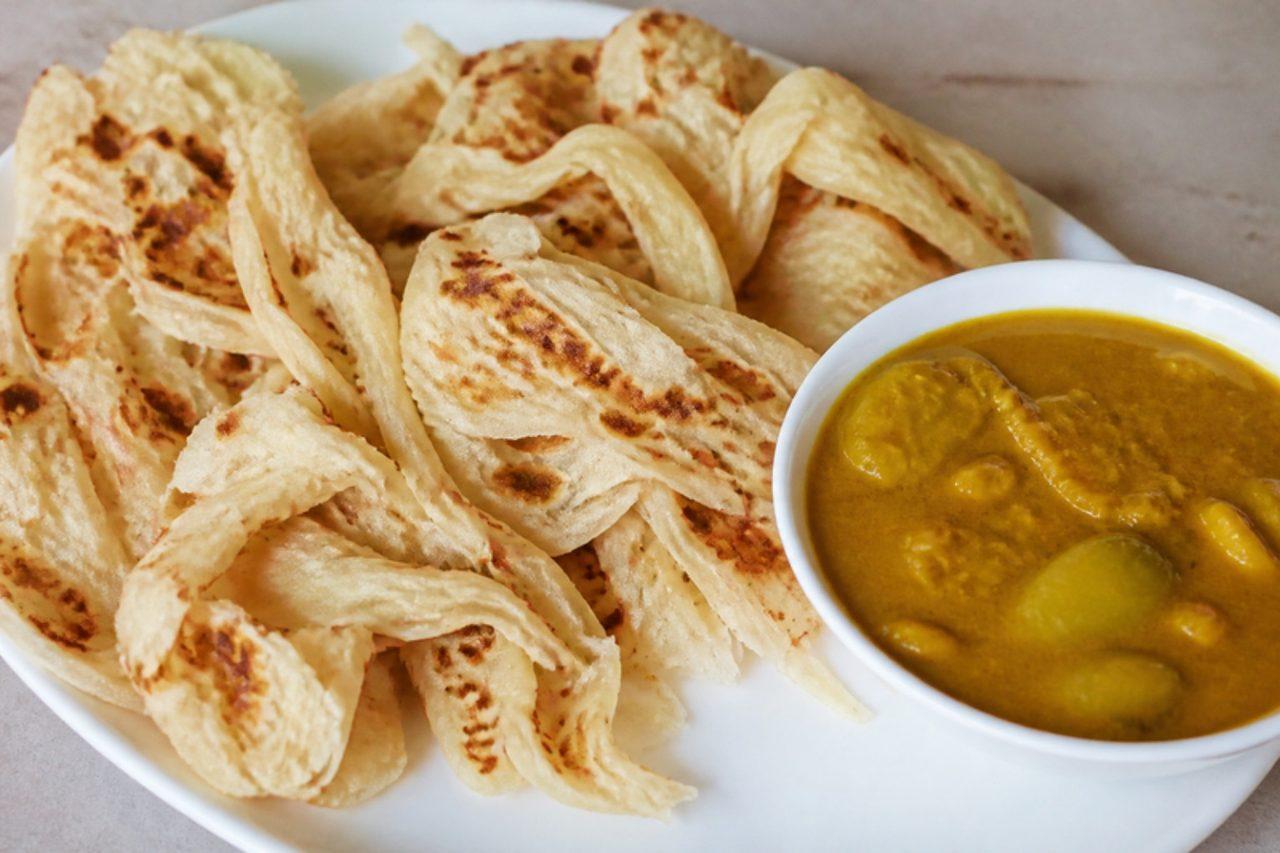
Buss-up-shut is the paratha roti of Trinidad, so called because the torn, flaky pieces look like a 'burst-up shirt'. A soft dough is spread with butter and oil, rolled into a coil to build layers, cooked on a hot tawa, then clapped and beaten with wooden paddles until it breaks into soft, buttery, flaky shreds. It's served in roti shops across Trinidad for scooping up curries, and is always at Hindu weddings and Divali feasts. Chef's tip: beat the roti while it's still scalding hot. The steam inside is what separates the layers, so the moment it leaves the tawa, clap it between your hands (in clean oven gloves) or bash it with two wooden spatulas until it shreds.

by KrazyBadal 0 views

Showing 18 of 4,484 recipes

Show more recipes

Page 425 of 499