


Skip to content
Oksusu-cha
Featured recipe

Oksusu-cha

Roasted corn tea

Oksusu-cha is the tea Korean households boil by the kettleful and keep in the fridge in old glass bottles, drunk instead of water with meals from Seoul apartments to Gangwon farmhouses, chilled in summer and hot in winter. Dried corn kernels are roasted until dark golden, then simmered to make a pale amber tea that tastes gently sweet and toasty, though nothing is added at all. About 0.0 g salt per glass. The usual mistake is boiling the kernels too long, which makes the tea cloudy and starchy; 15 minutes is plenty. Ready-roasted corn kernels are sold in Korean shops; if roasting your own, use dried corn, not fresh or tinned. Chef's tip: mix in a spoon of roasted barley for the classic boricha blend, rounder and more nutty, though no longer gluten free.

Read more 0 views

What to eat today?

Around the world

Today's trip: Persian

A new country every day, from every cuisine on the site.

Persian

Dizi

Lamb and chickpea stew 245 minMore from Persian (131) →

This week's collection

Kid-friendly dinners
578 recipes · a new collection every Monday

Latest recipes

Adobo arequipeñoMarinated slow-cooked pork

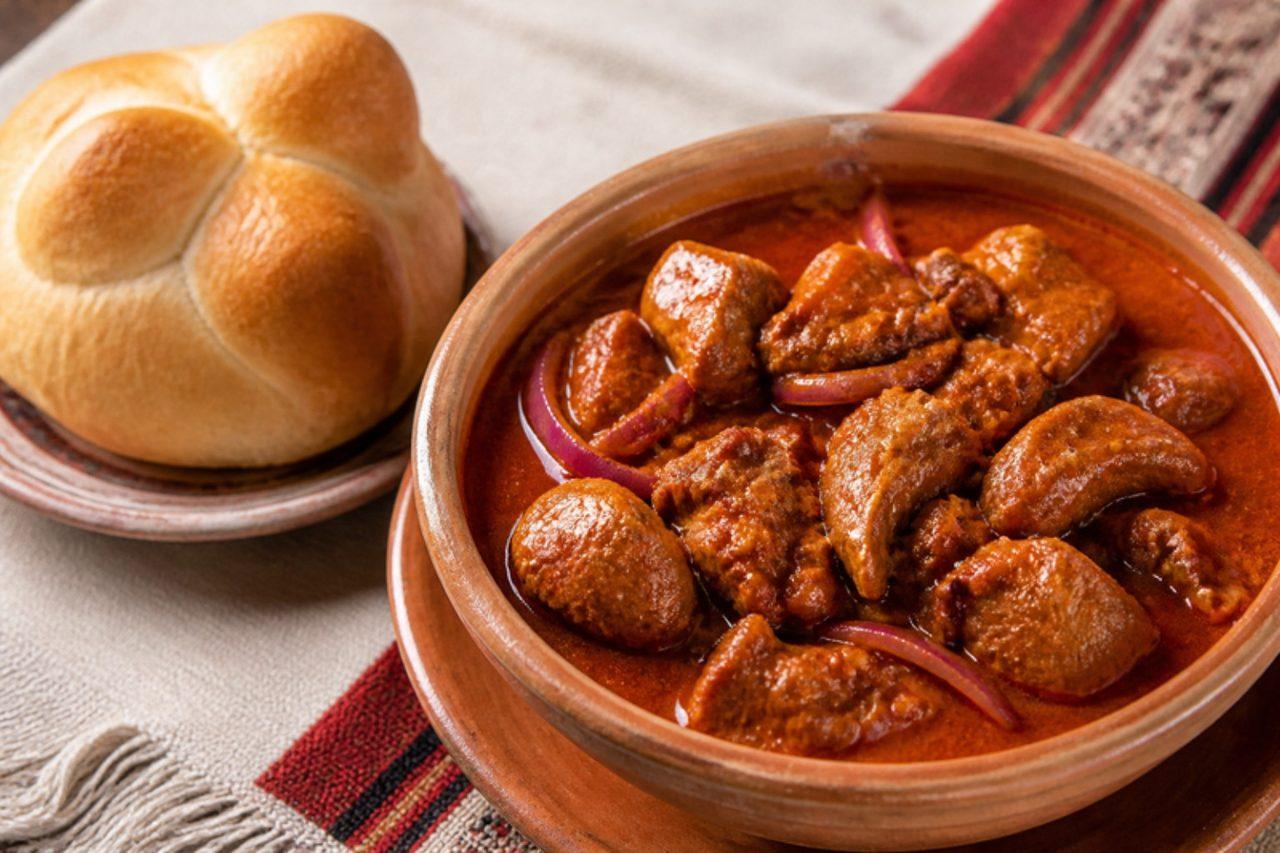
On Sunday mornings in Arequipa, families head to picanterías in Cayma and Yanahuara for a steaming bowl of adobo, chunks of pork that have marinated overnight in chicha de jora (fermented maize beer), ají panca, garlic and cumin, then cooked slowly in a clay pot with thick wedges of red onion. The sauce is dark red, tangy and garlicky rather than hot, and you mop it up with pan de tres puntas, the city's triangular bread; a mug of anise tea follows. Chicha de jora contains alcohol; for an alcohol-free adobo, use the vinegar and water swap in the ingredient list, which gives the same sour edge. Boiling it hard is the classic error, as it toughens the pork; it should barely tremble under the lid. Chef's tip: marinate the pork the evening before, always in the fridge, and cook it the next morning in its marinade.

by KrazyBadal 0 views

AeropuertoFried rice and noodles with omelette

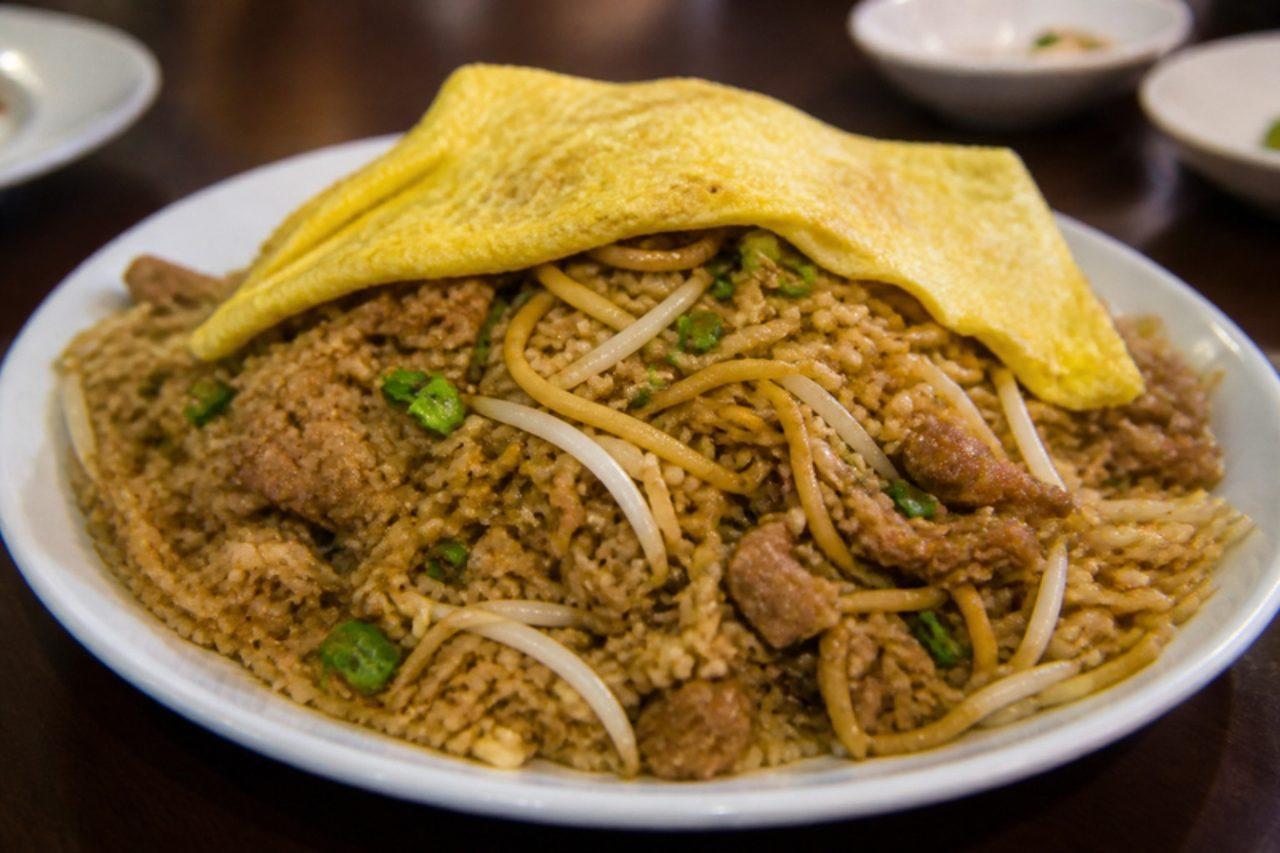
Nobody agrees why Lima's chifas call it 'airport', though the favourite story is that everything 'lands' on one plate: arroz chaufa and fried noodles stir-fried together in a smoking wok with roast pork, bean sprouts, snow peas and spring onion, then crowned with a thin egg omelette, sometimes with a few fried wontons alongside. It is hearty, smoky and salty from soy and oyster sauce, a late-night and lunchtime favourite to share. The main mistake is using freshly cooked rice, which goes mushy; use rice cooked the day before and kept in the fridge. Chef's tip: for a veg version, swap the pork for firm tofu and extra vegetables, and use a mushroom-based 'oyster' sauce.

by KrazyBadal 0 views

Mona de PascuaEaster brioche with egg

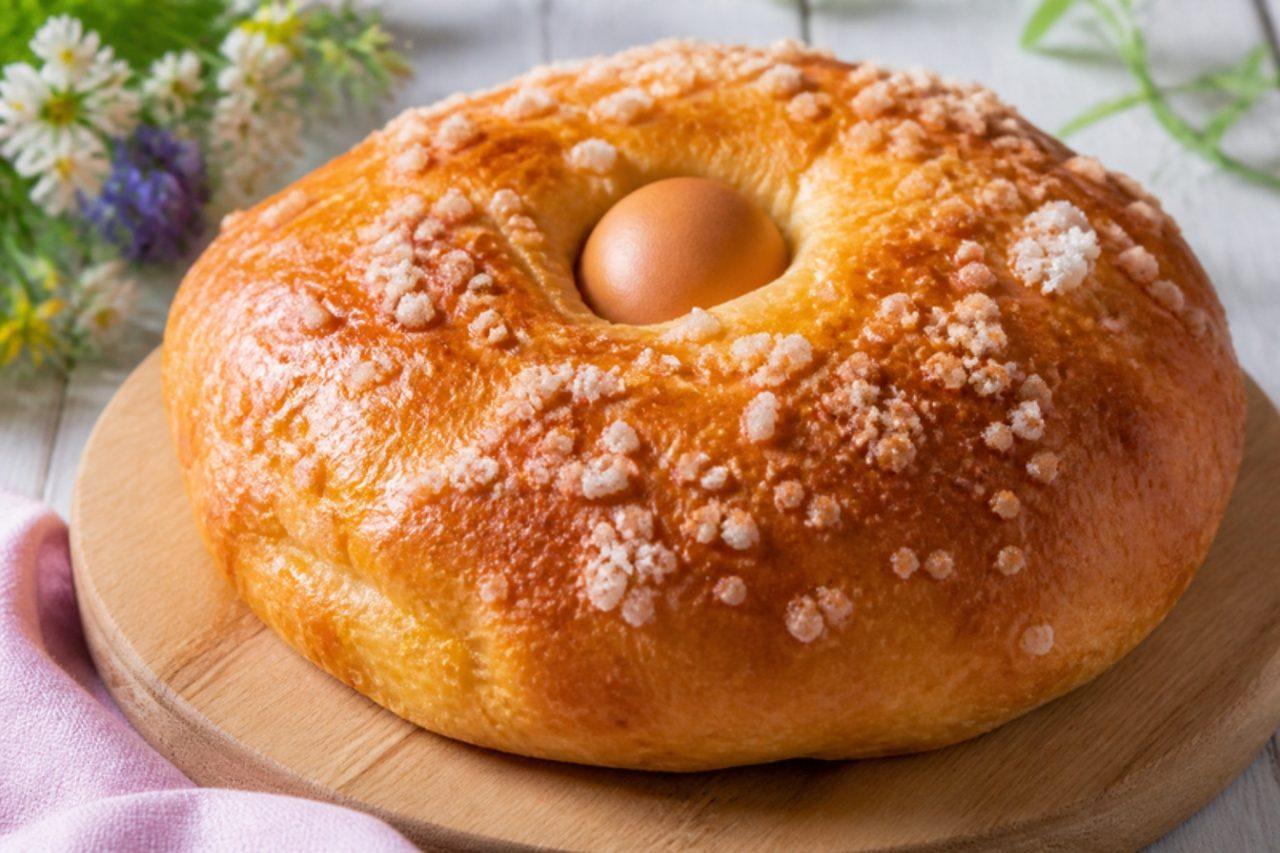
On Easter Monday, families across the Valencian Community head out to the countryside or the beach to "menjar-se la mona": they eat an orange-scented sweet brioche, often with a whole egg baked on top, and children crack the egg on a friend's forehead. The bun is soft and fluffy, glazed and sprinkled with sugar or coloured aniseed sprinkles. Here the eggs are hard-boiled first, so they are cooked through whatever the size of your bun. A common mistake is adding all the flour at once to a sticky dough; it softens as you knead, so hold back the last 50 g until you've kneaded for a few minutes. Chef's tip: make the starter the evening before and the dough on the day; the slow start gives a lighter crumb that stays soft for two days.

by KrazyBadal 0 views

MondeghiliFried beef and mortadella meatballs

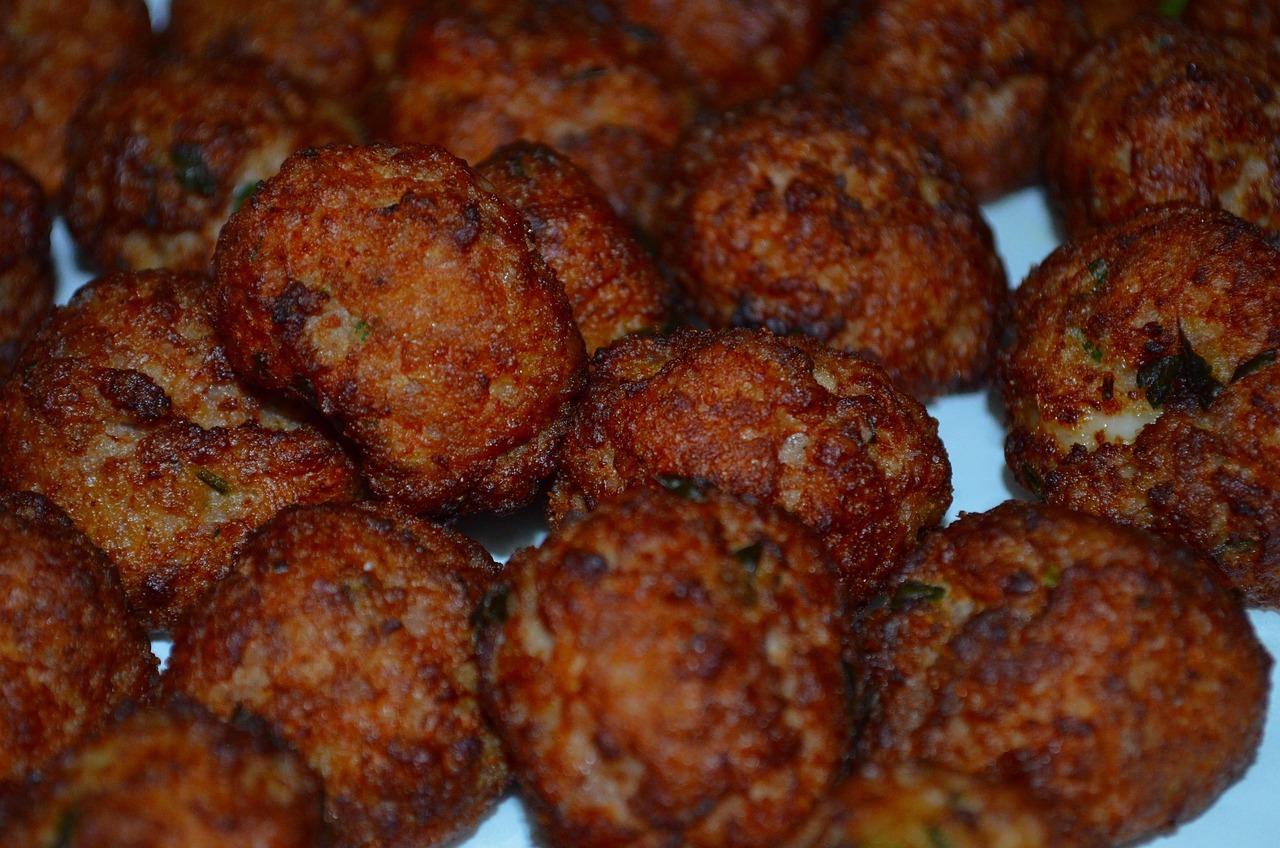
Mondeghili are the thrifty meatballs of Milan, invented to use up the beef left from a pot of bollito misto and now a fixture on the aperitivo counters of the city's bars. The cooked beef is minced with mortadella, a soft pork sausage, then bound with milk-soaked bread, egg, grana and lemon zest, flattened slightly and fried in butter until crisp and brown. They are best warm, with a squeeze of lemon, a spoonful of green sauce or simply a cold drink before dinner. Leftover roast beef or veal works just as well as boiled meat. Chef's tip: flatten each ball a little before frying; they cook through evenly and get more of that crunchy crust.

by KrazyBadal 0 views

Bubble and squeak

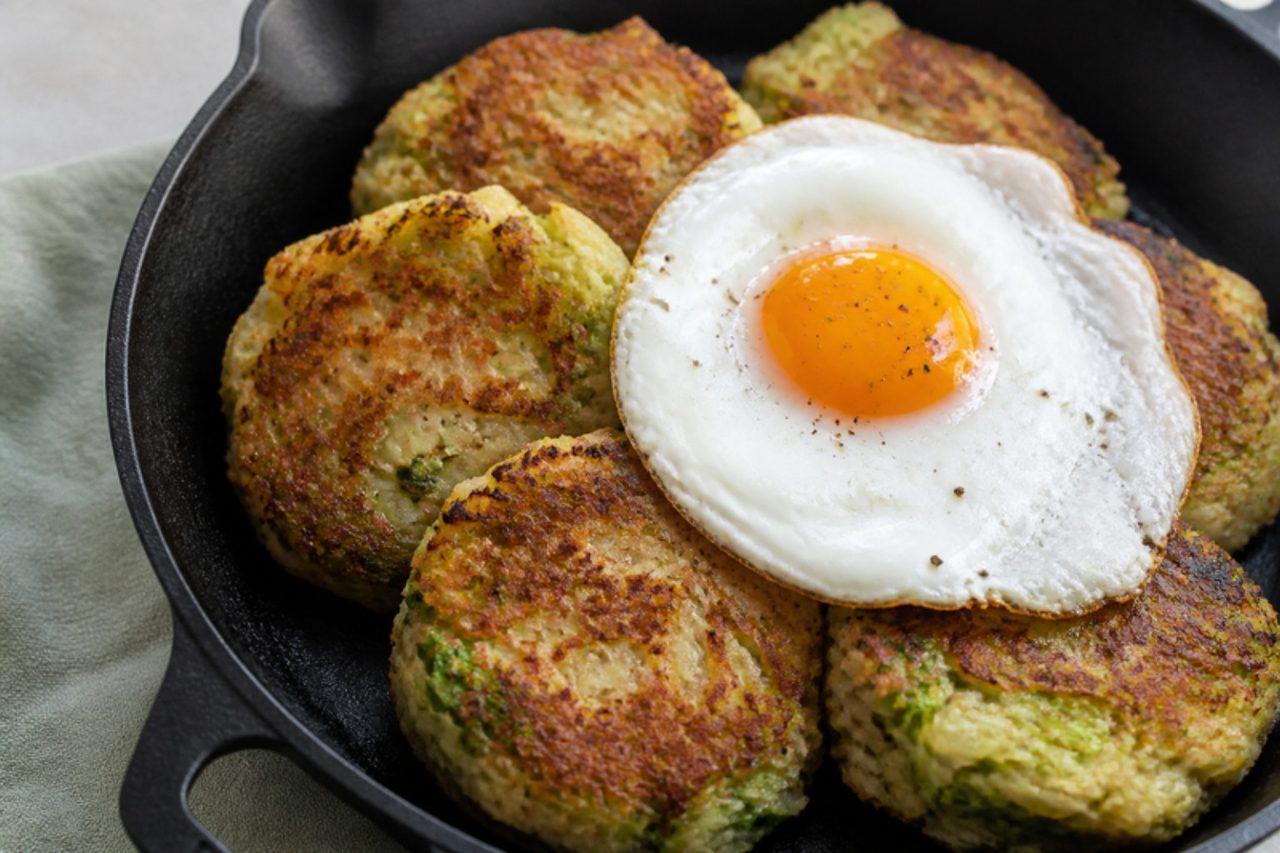
Bubble and squeak is what English households, especially in London, make on Boxing Day and Monday mornings from the Sunday roast's leftover potatoes and greens. It's named for the noise it makes in the pan. The mash and cabbage or sprouts are fried until a deep brown crust forms, then turned and crisped again. Serve with a fried egg and brown sauce. Chef's tip: press it flat and leave it alone in the pan; the crust only forms if you don't keep stirring.

by KrazyBadal 0 views

Agnolotti del plinSmall pinched meat pasta parcels

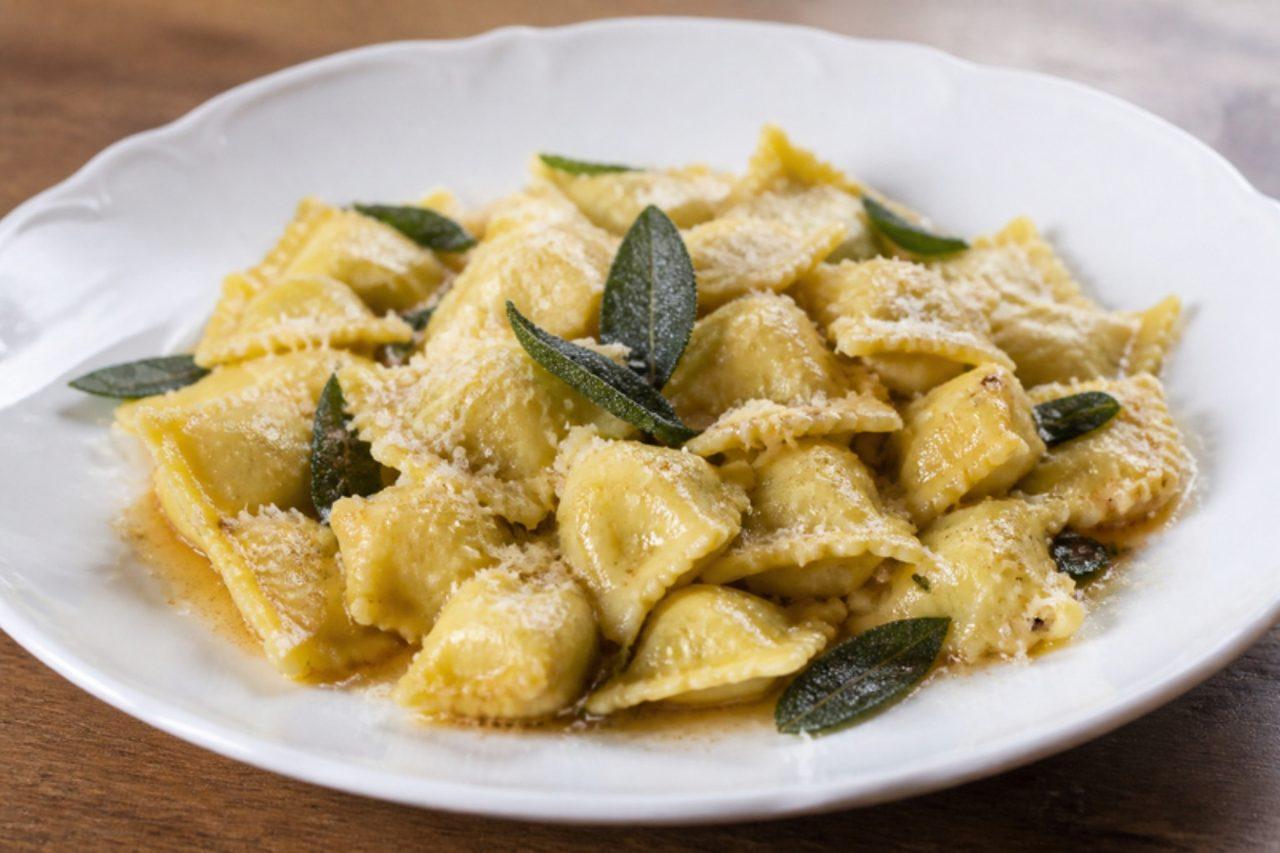
In the Langhe and Monferrato hills of Piedmont, agnolotti del plin are the Sunday and feast-day pasta, made from whatever roast was left from the day before and pinched shut with a quick twist of the fingers (plin means pinch in dialect). Each parcel is barely a mouthful of thin egg pasta around a savoury filling of roast veal, pork shoulder and beef with a little cabbage, egg and parmigiano, so this is a pork dish as well as a veal one. In the trattorie of Alba they arrive either glossed with butter and sage or simply dressed in the reduced roasting juices, sometimes with no plate at all, served in a napkin. They want nothing alongside except a green salad afterwards. Chef's tip: keep the filling quite firm and the blobs small, no bigger than a hazelnut, or the pasta will not seal tightly around them.

by KrazyBadal 0 views

AguachilePrawns in lime and chilli water

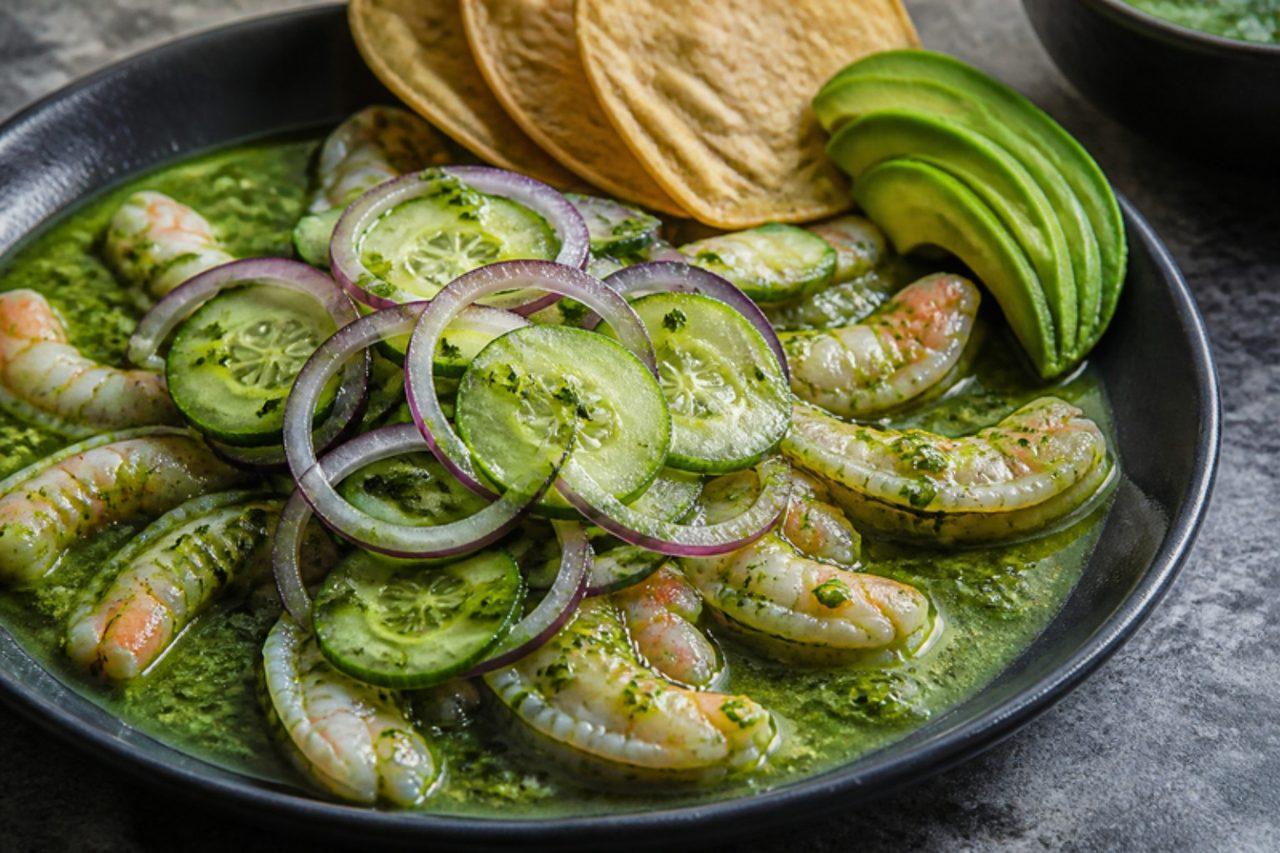
Along the Sinaloa coast, from Mazatlán to Culiacán, aguachile is the cold plate that starts a long seafood lunch at the beachside palapas, eaten straight from a stone molcajete with tostadas and a cold drink. The classic version is raw prawns cured only in lime, and that raw version is the risky one: lime juice does not kill bacteria or parasites the way heat does. This safer version poaches the prawns for a minute or two until just pink and opaque, chills them and then dresses them, so you keep the snap and the fierce, grassy chilli heat. Even so, treat any cold seafood dish with care: the raw classic is not for pregnant women, young children or anyone with a weakened immune system. Serve with crisp corn tostadas and slices of avocado. Chef's tip: blend the chilli water with ice-cold water and pour it on at the last minute, so it stays vivid green and the prawns stay crisp.

by KrazyBadal 0 views

AguajinaAguaje palm fruit drink

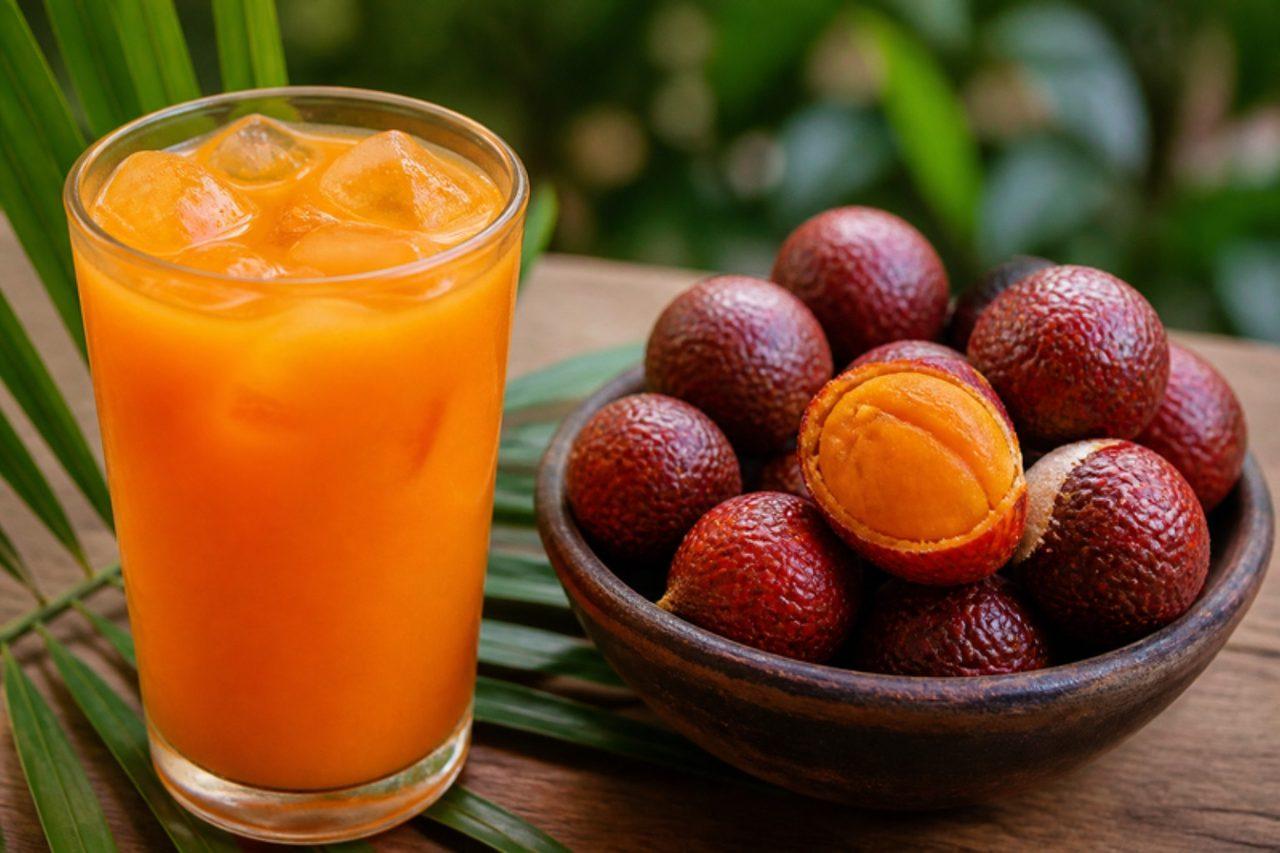
Aguaje is the scaly, chestnut-red fruit of the moriche palm that grows in the flooded forests around Iquitos, and its orange flesh ends up in ice lollies, ice cream and, above all, aguajina, the cold drink sold in plastic cups at every corner and in Belén market. The taste is unusual and loved locally: tangy, a little like apricot and carrot, with a rich, slightly oily body. Fresh aguaje must be softened in warm water for an hour before its thin layer of pulp can be scraped off; outside Peru, frozen aguaje pulp from Latin American shops is the realistic choice and gives a good result. A common slip is adding all the sugar before tasting: the pulp's sourness varies from pack to pack, so sweeten at the end. Serve very cold with lunch or on a hot afternoon. Chef's tip: blend the pulp with only part of the water first, so it breaks down fully, then stir in the rest.

by KrazyBadal 0 views

Ajil-e moshkel goshaMixed nuts and dried fruit

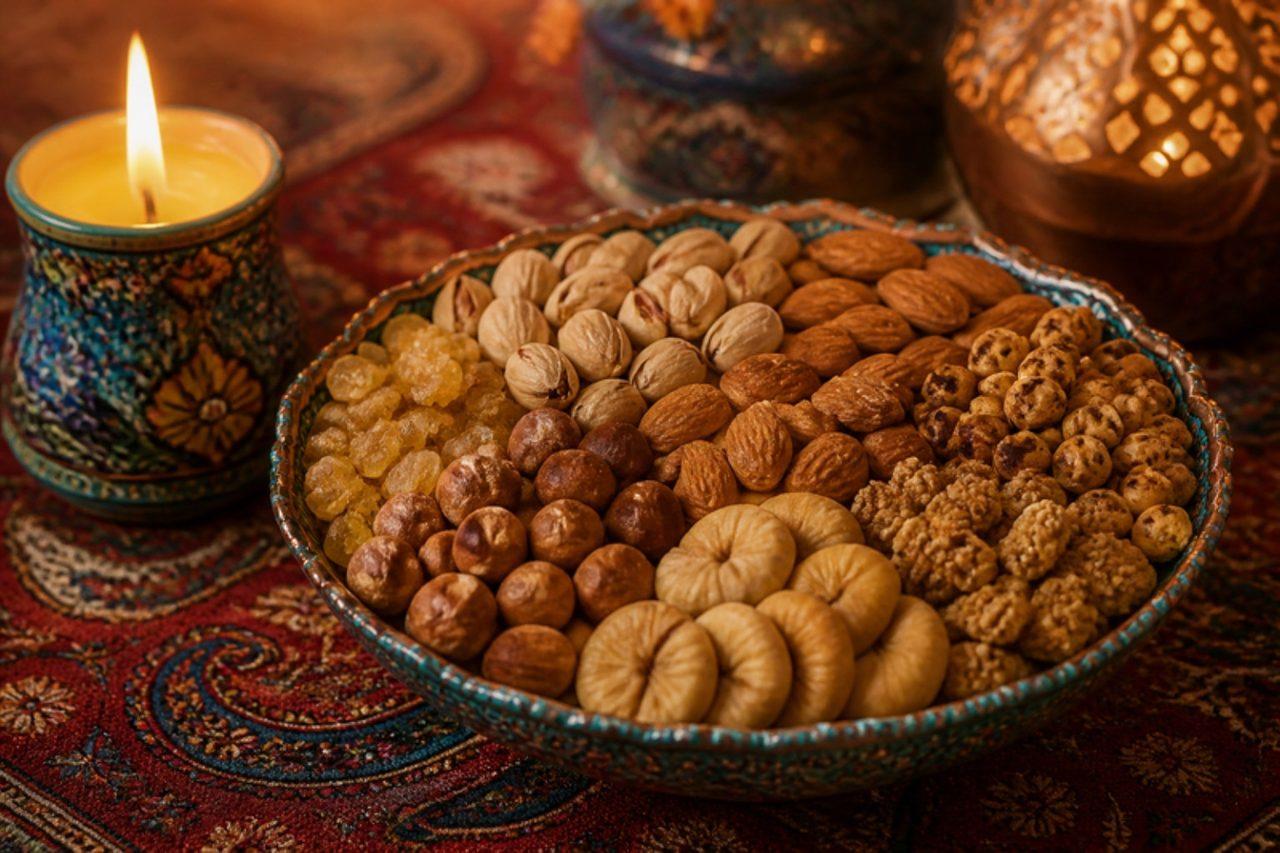
On Chaharshanbe Suri, the bonfire night on the last Tuesday evening before Nowruz, families across Iran jump over small fires in the street and then share a big bowl of ajil-e moshkel gosha, the 'nuts that untie problems', making a wish as they eat. The same mix comes out again on Yalda, the longest night of the year in December. It mixes salted roasted pistachios and almonds with roasted chickpeas, sweet dried figs, white mulberries, raisins and sugared almonds, so every handful is sweet, salty and crunchy. The common mistake is using raw nuts; the toasting is what makes it taste like the bazaar version. Chef's tip: toss the warm nuts with a little salted water and let them dry in the oven for a light salty coating that sticks.

by KrazyBadal 0 views

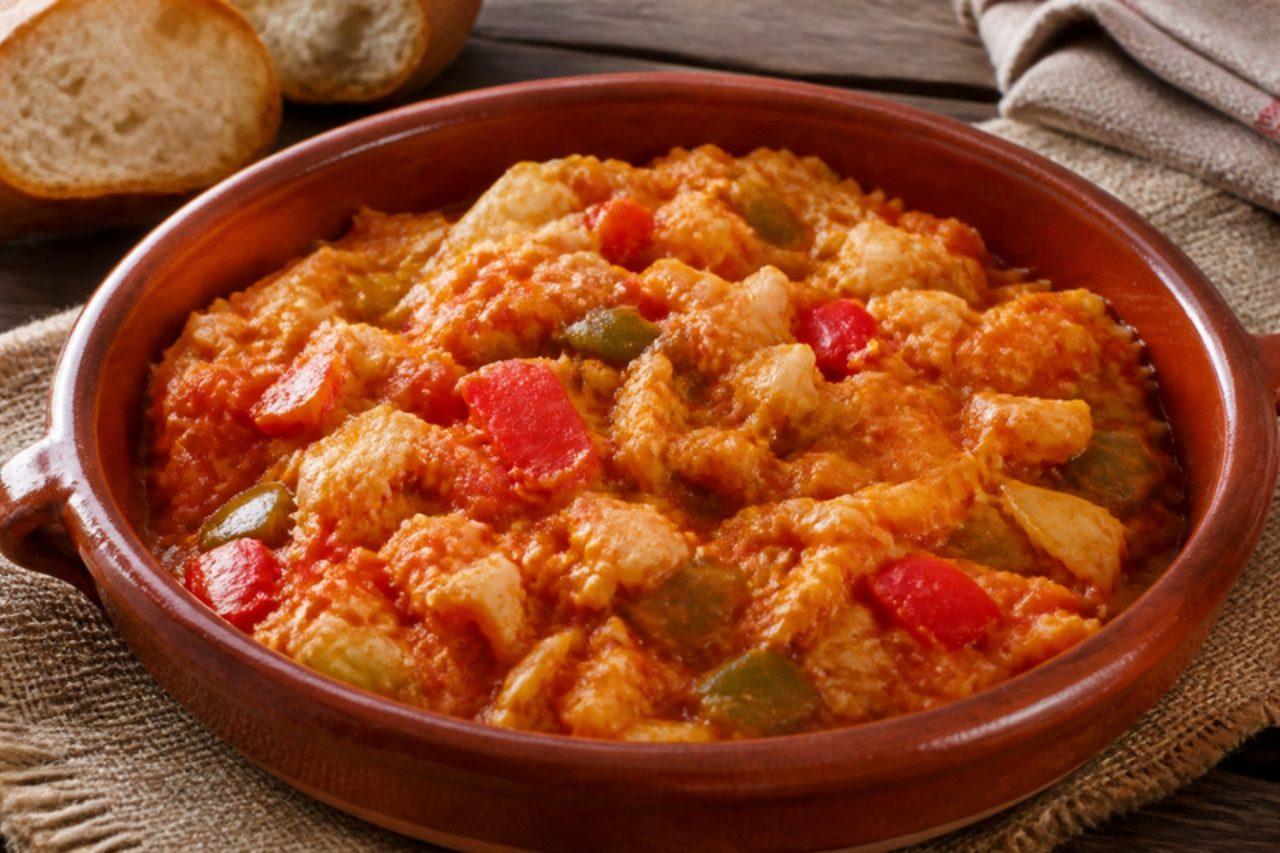
Bacalao al ajoarrieroSalt cod with garlic and pepper

The muleteers who carried goods over the mountain roads into Pamplona, the arrieros, lived on salt cod because it kept for weeks, and the garlicky way they cooked it took their name. Today ajoarriero is ordered in the bars around Pamplona's Plaza del Castillo, especially during San Fermín, and served in small earthenware dishes with bread. The Navarrese version is red with peppers, tomato and dried choricero pepper, and many cooks stir in egg at the end. Chef's tip: taste the cod after soaking and only salt the dish at the very end, if at all.

by KrazyBadal 0 views

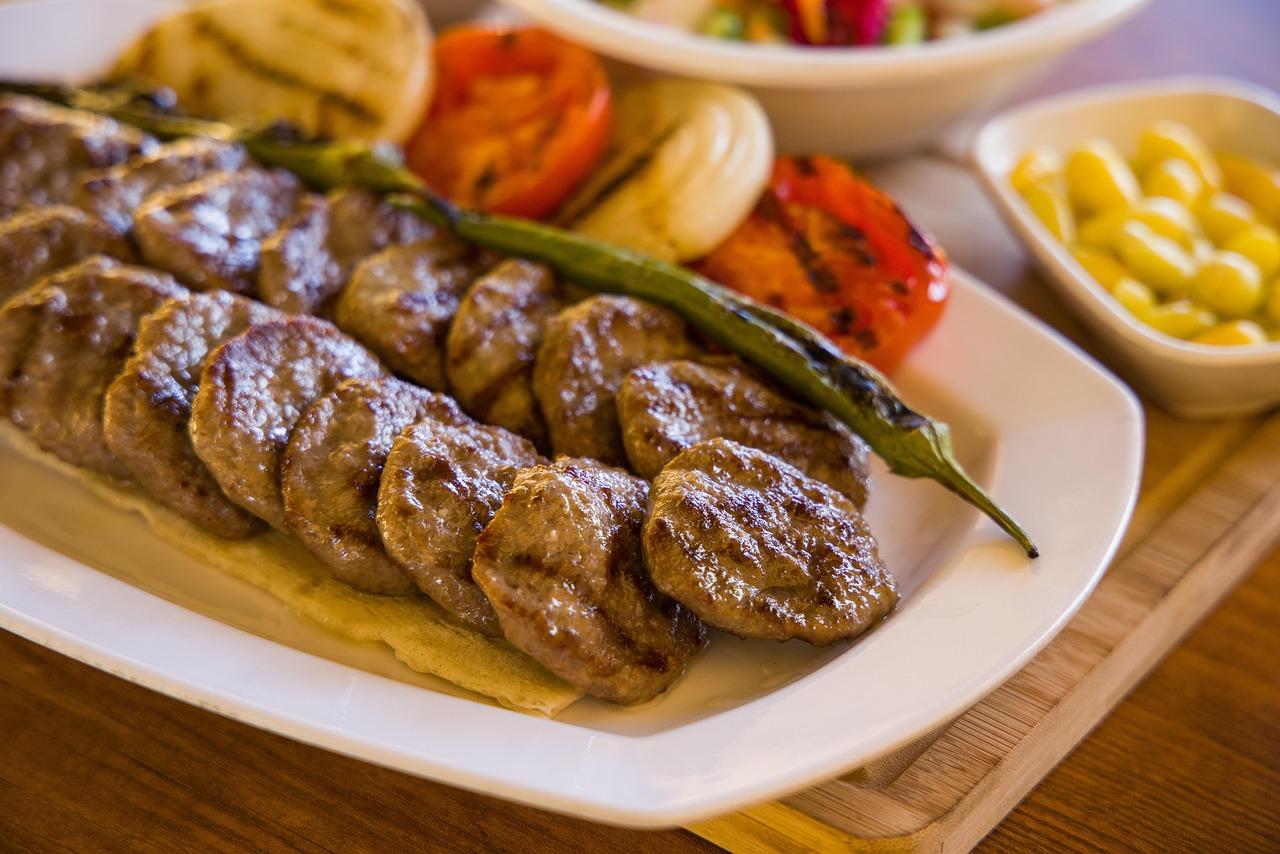
Akçaabat köftesiGarlicky beef meatballs

The town of Akçaabat, just west of Trabzon, is lined with köfte houses whose grills turn out small, oblong, firm meatballs that taste strongly of garlic. Made from beef mince bound with soaked stale bread, they are seared fast so the outside chars while the inside stays juicy, then served with grilled peppers, a pile of onion and parsley, and a white bean salad. Common mistake: overworking the meat with wet hands after the bread has gone in, which turns them dense; knead hard before adding bread, then mix gently. Cook until the centre reaches 71 °C. Chef's tip: rest the shaped köfte in the fridge overnight; they hold their shape on the grill and the garlic mellows into the meat.

by KrazyBadal 0 views

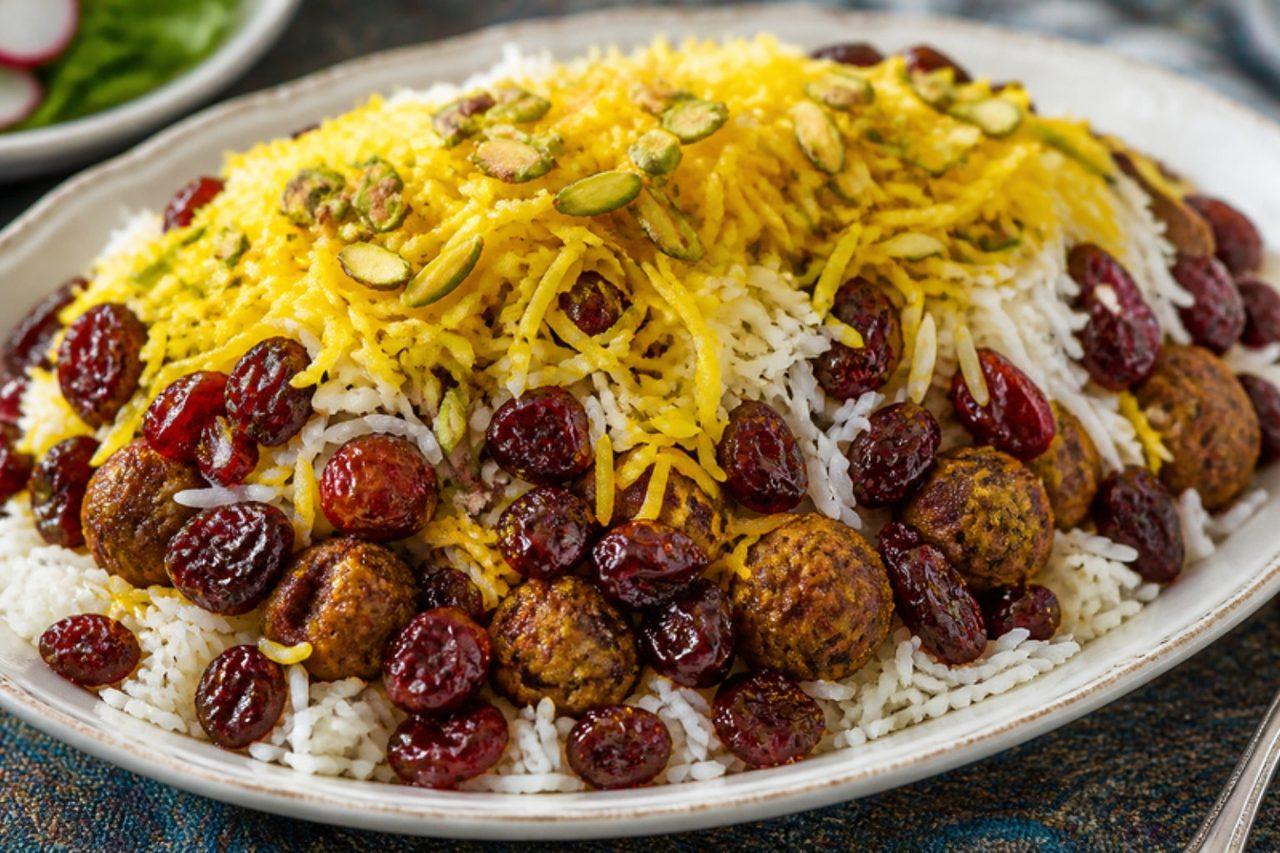
Albaloo poloSour cherry rice with meatballs

In early summer the markets of Tehran fill with dark sour cherries, and many families cook a pot of albaloo polo the same week, also bringing it out for weddings and Yalda night because the red-and-gold rice looks so festive. The cherries are simmered into a glossy syrup, then layered through basmati with marble-sized lamb meatballs (some cooks use shredded chicken instead), and the whole pot is steamed until the rice turns pink and fragrant. The taste is sweet, sharp and savoury at once. A common mistake is pouring in all the syrup; it makes the rice soggy, so keep some back to drizzle at the table. Chef's tip: frozen or jarred pitted sour cherries in light syrup work well out of season; drain them and use half the sugar.

by KrazyBadal 0 views

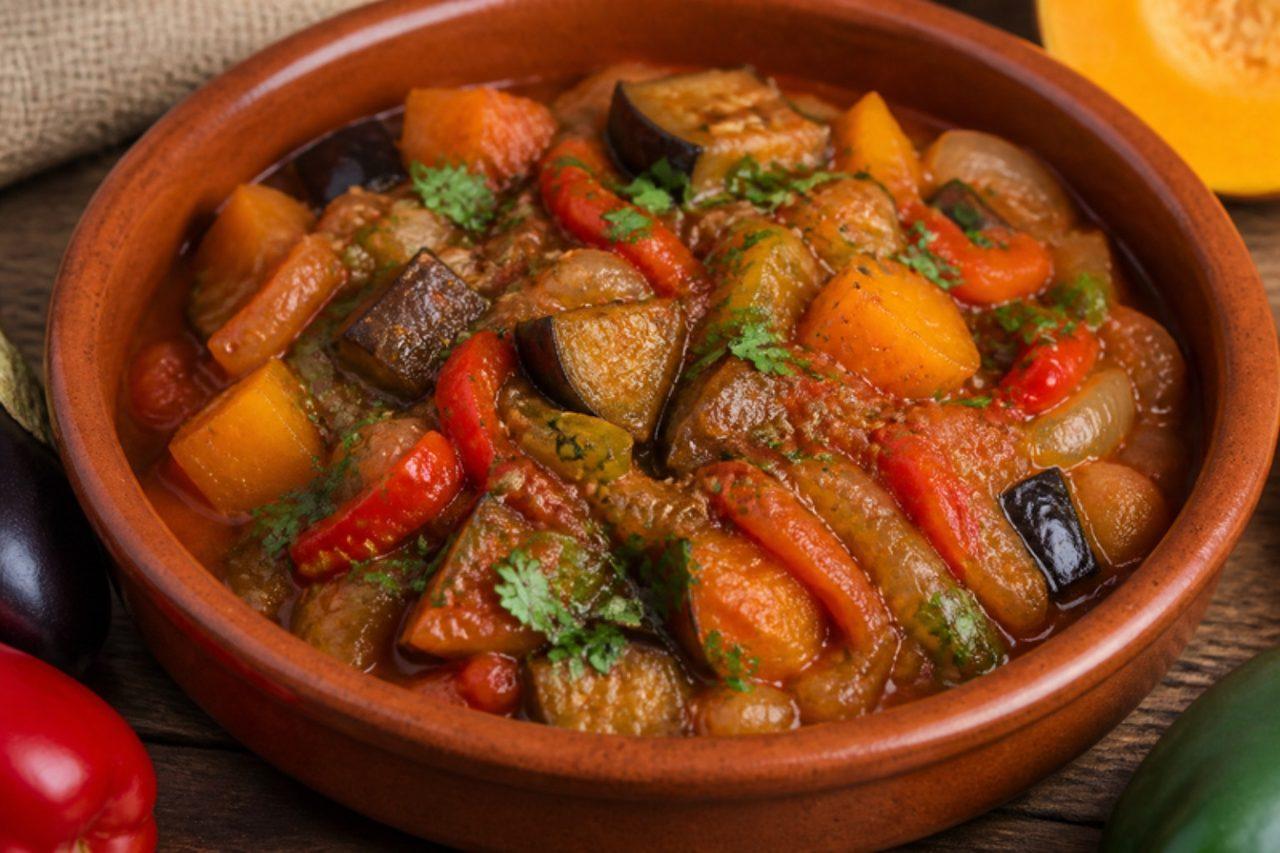
AlboroníaAubergine, pumpkin and pepper stew

Alboronía is one of the oldest dishes in Andalusia; its name comes from the Arabic of al-Andalus, and cooks in Córdoba, Jaén and the villages of the Sierra Morena still make it in late summer, when aubergines, peppers and the first pumpkins share the market stalls. The vegetables cook down slowly with cumin, paprika and a little vinegar until they melt together into something between a stew and a jam-like sauté. Eat it warm with bread, or cold the next day as a tapa. A common mistake is stirring the pumpkin too often, which mashes it into the sauce instead of leaving soft chunks. Chef's tip: let the pumpkin go in only after the onion and peppers are soft, so it holds a few pieces among the purée instead of disappearing.

by KrazyBadal 0 views

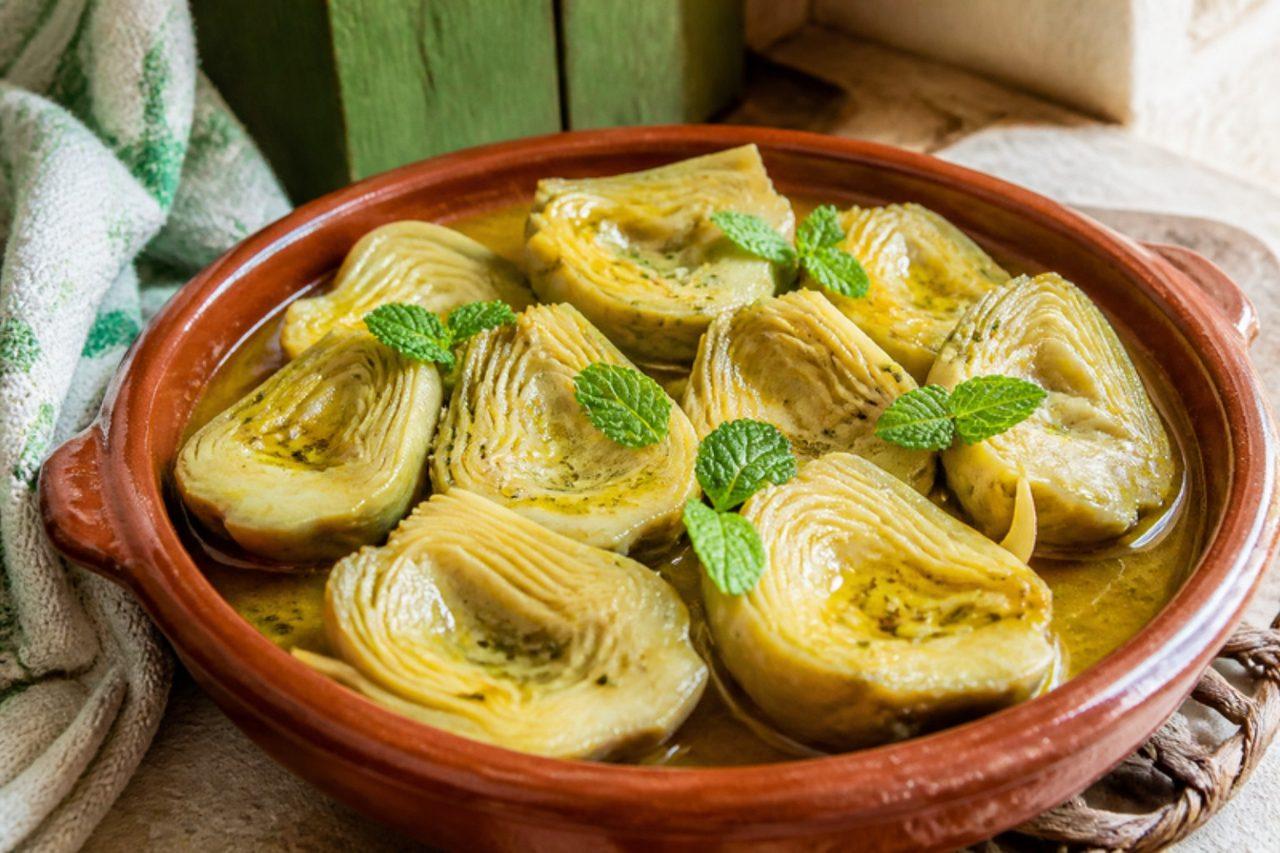
Alcachofas a la montillanaArtichokes braised in wine with mint

Montilla, south of Córdoba, makes a pale, dry wine from sun-dried Pedro Ximénez grapes, and in late winter and spring its kitchens braise young artichokes in it with a little saffron and fresh mint. Many cooks add cubes of cured ham; this version leaves it out and lets the artichokes, wine and mint carry the dish. It uses wine; the alcohol-free option is in the ingredient list. Serve it as a starter, or as a main with bread and a fried egg. A common mistake is trimming the artichokes without dropping them straight into lemon water, so they turn black before they reach the pan. Chef's tip: drop each trimmed artichoke straight into lemon water, because cut artichokes blacken within a minute in the air.

by KrazyBadal 0 views

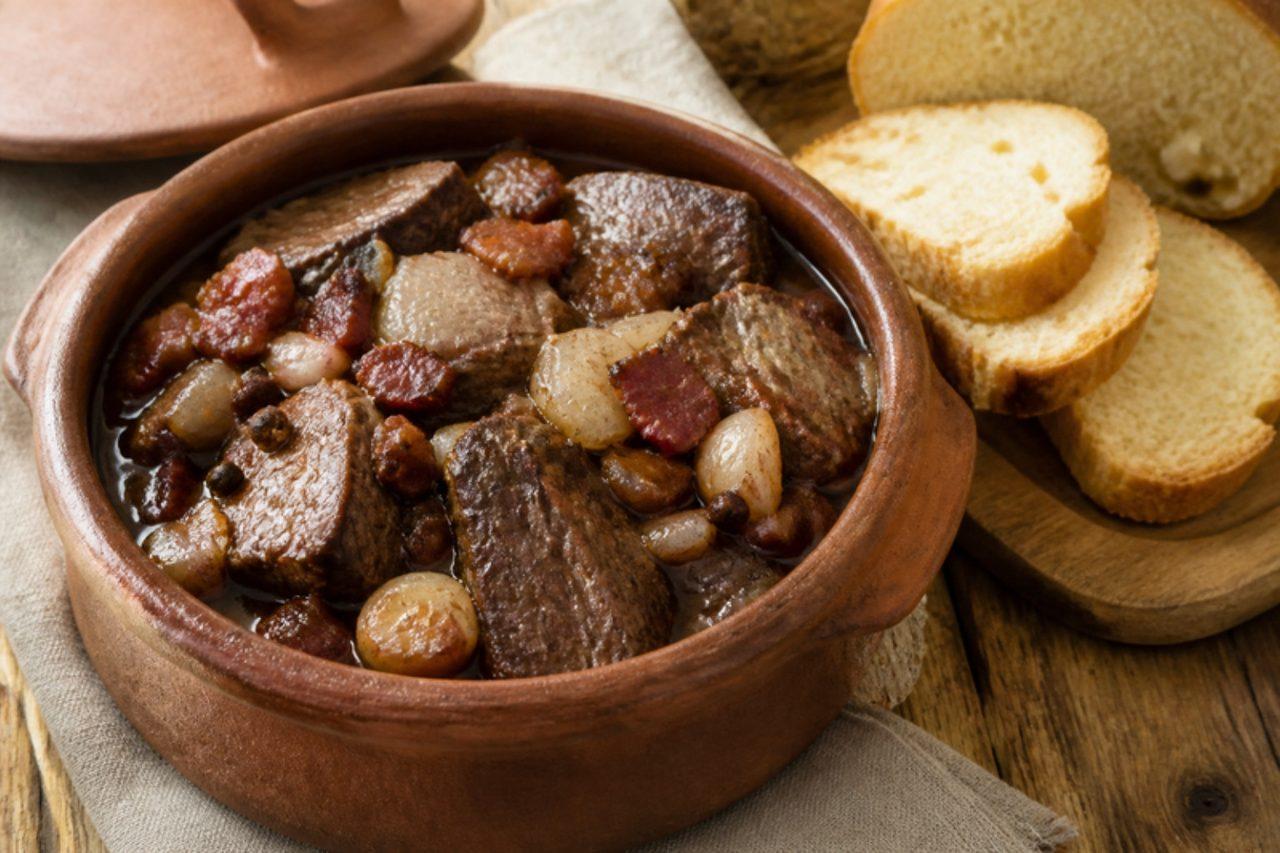
Alcatra da TerceiraBeef pot roast in wine

Alcatra is the feast dish of Terceira, cooked for the Holy Spirit festivals of spring and summer in unglazed clay pots that go into the bread oven after the loaves come out. Big pieces of beef braise for hours in wine with onions, bacon, allspice and bay, until the meat falls apart and the sauce turns dark and spiced. It is served with slices of massa sovada to soak up every drop. This contains pork (streaky bacon) and uses red wine; for an alcohol-free version, use the same amount of beef stock with 2 tablespoons of red wine vinegar. Chef's tip: crush the allspice just before using; whole berries give the sauce its warm, clove-like scent.

by KrazyBadal 0 views

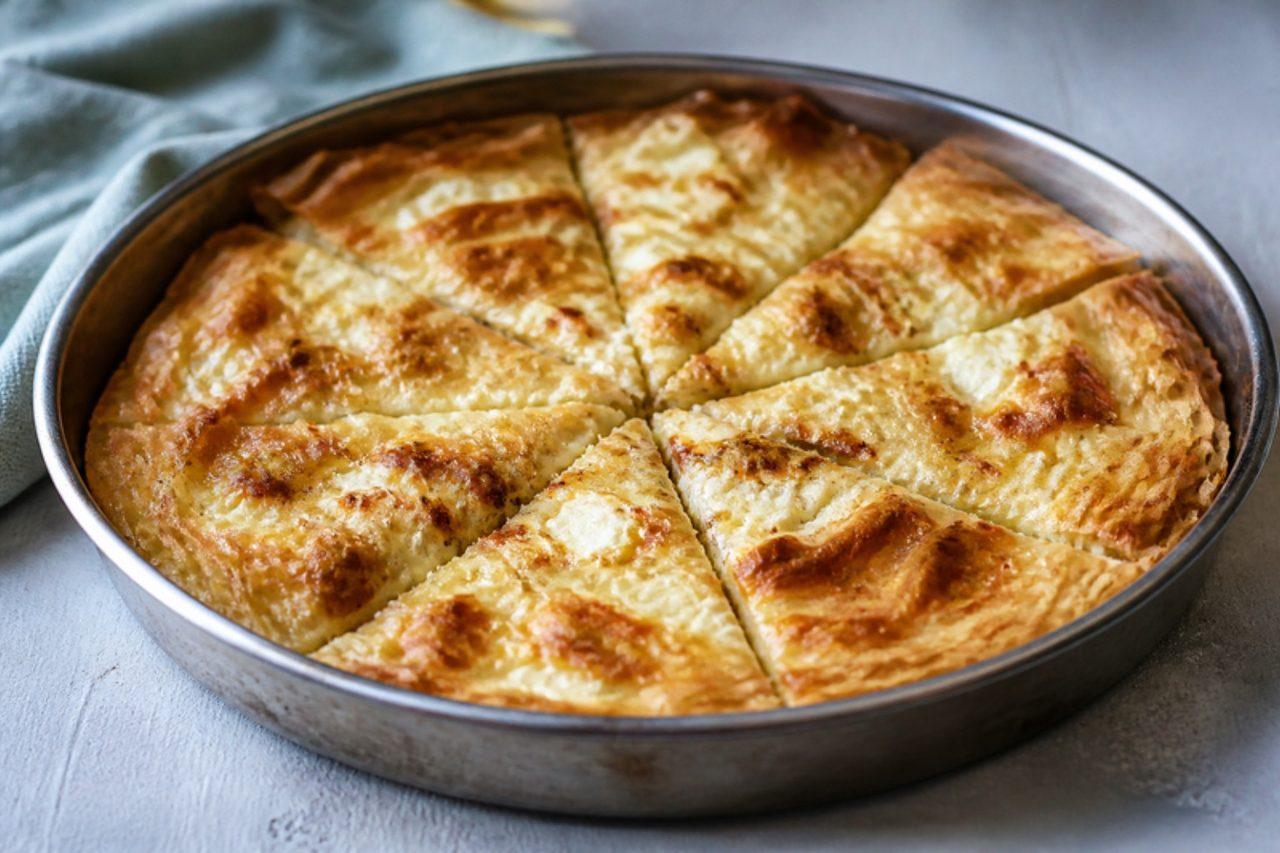
AlevropitaCrisp batter pie with feta

Shepherd families in the stone villages of Zagori, north of Ioannina, made alevropita when there was no time to roll pastry: a runny flour batter poured over sizzling oil in a very hot tin, dotted with feta and baked until crisp and lacy at the edges. It's now on every taverna table in Epirus, cut into rough squares and eaten warm with a bowl of thick yoghurt or a tomato salad. Feta is usually made with animal rennet; use a vegetarian feta-style cheese if you need to. Common mistake: pouring the batter into a cold tin — the oil must be smoking-hot, or the pie turns heavy instead of crunchy. Chef's tip: use a wide, shallow metal tray so the batter is only about 5 mm deep.

by KrazyBadal 0 views

Alfajor cordobésJam sandwich cakes with sugar glaze

Córdoba's version of the alfajor is the soft one: two tender, slightly spongy honey-scented rounds sandwiched with fruit jam, usually quince or mixed fruit, and coated in a thin sugar glaze that dries to a crackly white shell. They are sold by the dozen in the sierras towns of Villa General Belgrano, La Falda and Capilla del Monte, where tourists buy boxes on the way home from holidays. Expect a gentle crunch, a cakey bite and a tart-sweet centre, best with a cup of coffee or mate. Overworking the dough is where they usually go wrong: knead it like bread and the rounds bake tough and flat, so mix only until it comes together. Quince paste (dulce de membrillo) loosened with water works well if you can't find a soft quince jam. Chef's tip: dry the glazed alfajores for 5 minutes in a barely warm oven; the glaze sets glassy and crackles when you bite.

by KrazyBadal 0 views

Alfajor santafesinoPastry discs with dulce de leche

Santa Fe's alfajor is a different animal from the soft cornflour kind sold everywhere else: three wafer-thin, crackly discs of yolk-rich pastry, stacked with dulce de leche, then dipped in a cooked sugar glaze that sets hard, white and shiny. Bakeries in Santa Fe city and along the Paraná river ship them all over the country in boxes, and travellers bring them home as the regional present. Bite through and the glaze shatters, the pastry flakes and the dulce de leche holds it all together. Thick pastry is the mistake that ruins the texture; it has to be rolled until you can almost see the worktop through it, or the alfajor turns bready. Some old recipes add a splash of cane spirit to the dough; this version uses only water and is alcohol-free. Use a thick, pastry-chef's dulce de leche (repostero) so it doesn't ooze. Chef's tip: bake the discs in batches and keep the rest of the dough covered; it dries out fast and then cracks when rolled.

by KrazyBadal 0 views

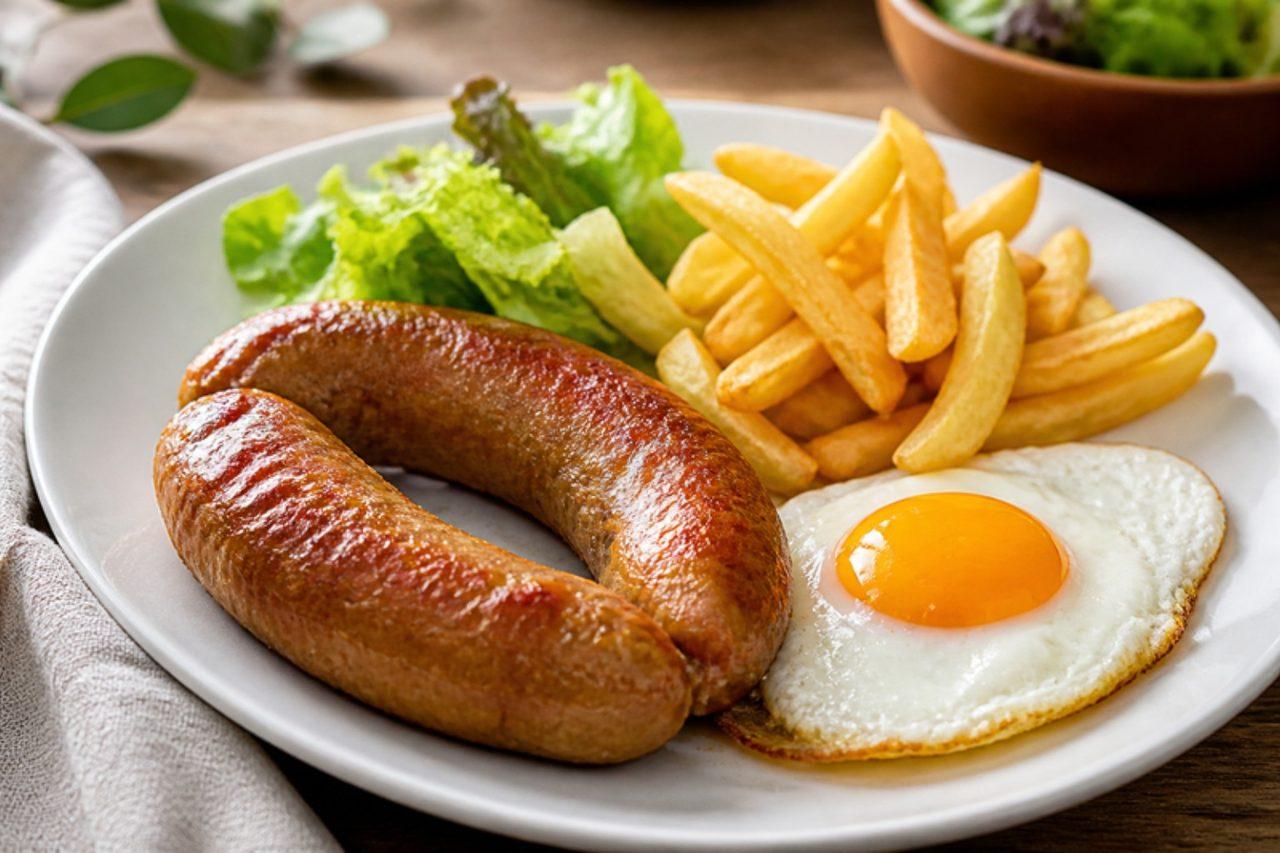
Alheira com ovo e batata fritaGarlic sausage with egg and chips

Mirandela, on the Tua river in Trás-os-Montes, is the home of alheira, a garlicky smoked sausage of bread and poultry, said to have been invented by Jewish families who needed something that looked like pork sausage. Today most alheiras contain pork, so this dish contains pork; look for the rare poultry-only kind if you avoid it. In every northern café it comes the same way: roasted until the skin crackles, with a fried egg, chips and sautéed greens. A common mistake is frying the alheira over a high heat, so the skin bursts and burns before the inside is hot. Chef's tip: prick the skin a few times and roast it in the oven rather than frying, so it stays whole and crisp.

by KrazyBadal 0 views

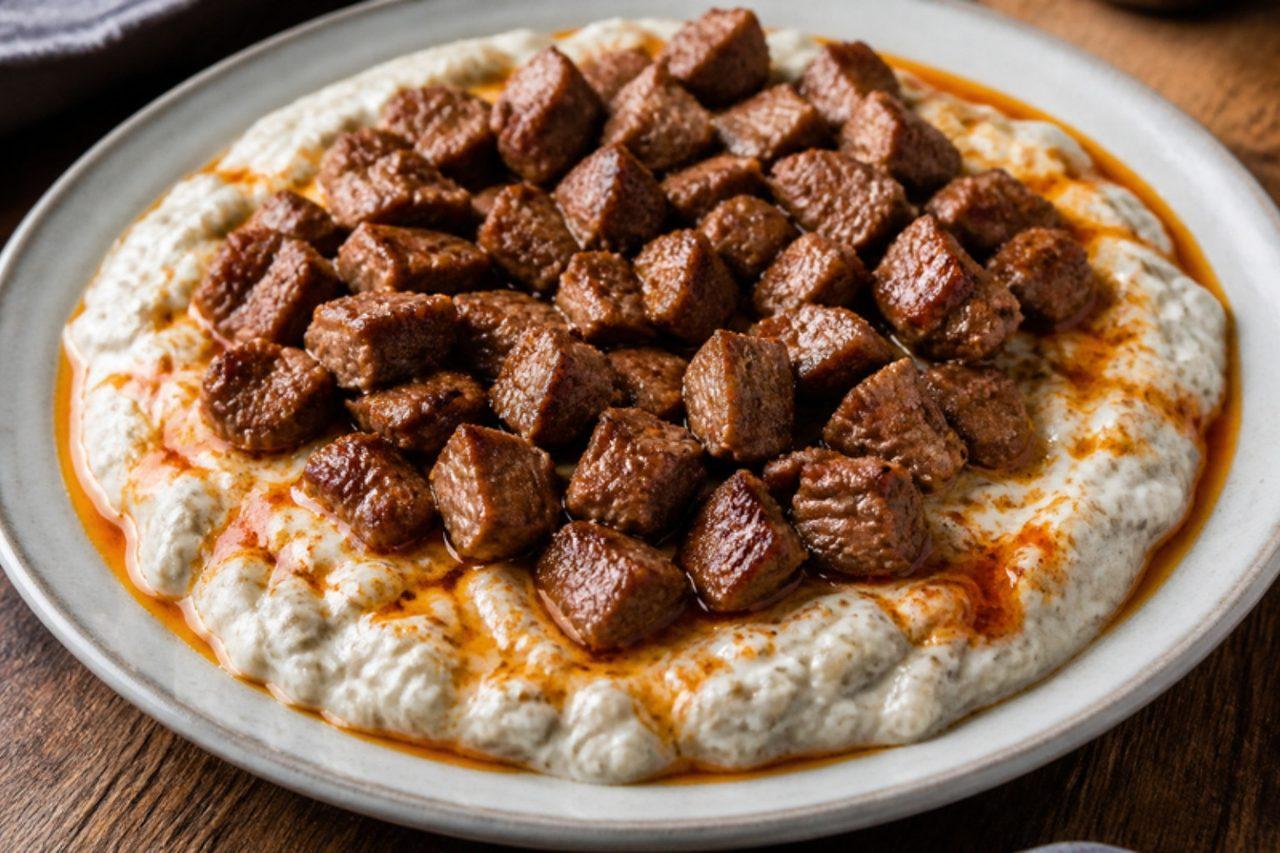
Ali nazikLamb on smoky aubergine and yoghurt

Gaziantep cooks char aubergines over coals until they collapse, mash the flesh with garlicky yoghurt and spoon pan-fried lamb with tomatoes and peppers on top: that is ali nazik, a lunchtime favourite in the city's lokantas. The cool, smoky base and the hot, buttery meat are the whole point, so assemble it just as you serve. A gas flame or a very hot grill gives the same smoky flesh at home. The usual mistake is not draining the aubergine, which makes the yoghurt runny and grey. Chef's tip: stir the yoghurt into the aubergine off the heat with a spoonful of butter; warm, not hot, keeps it from splitting.

by KrazyBadal 0 views

AligotCheesy garlic mashed potato

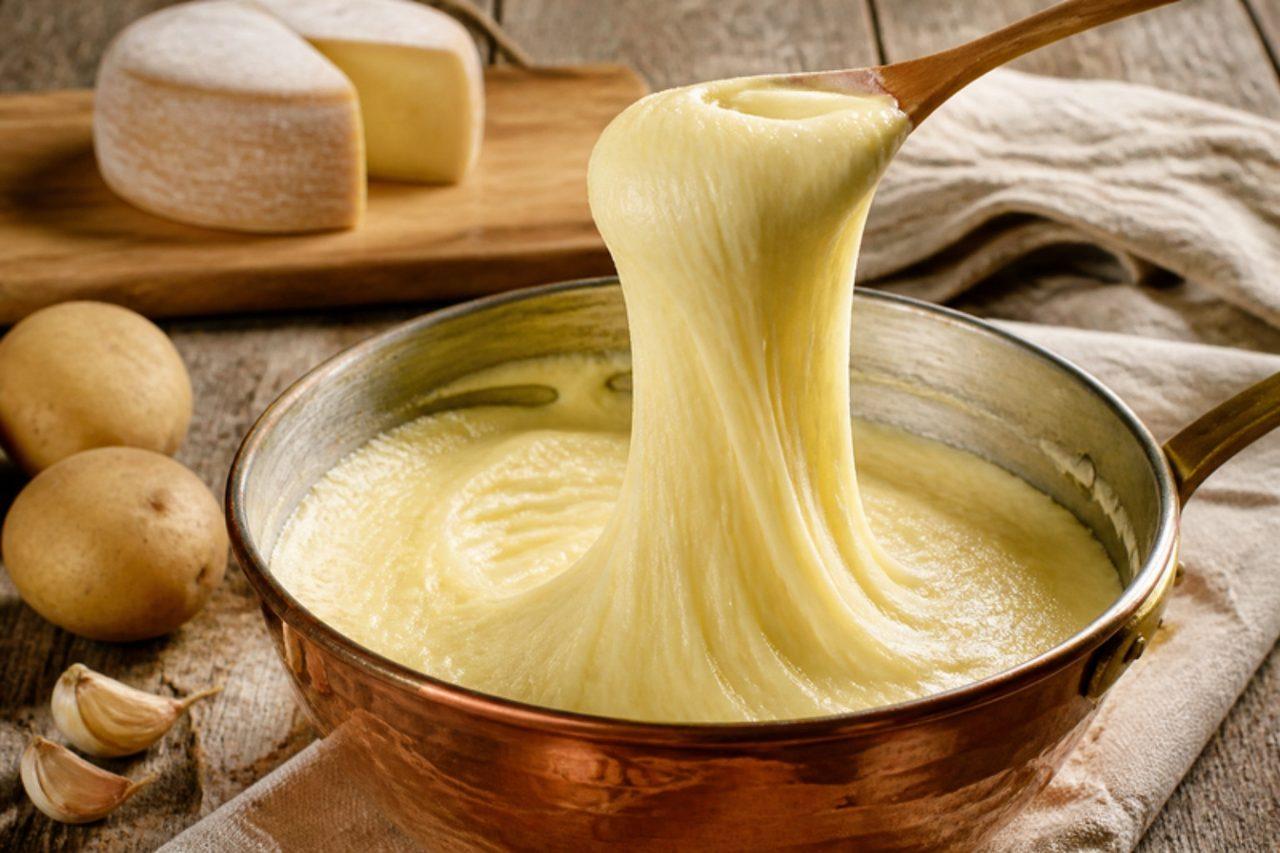
High on the Aubrac plateau, where Aveyron, Cantal and Lozère meet, aligot was once the meal monks gave to pilgrims on the road to Santiago. Today it is beaten in huge copper pans at village fêtes and buron farm restaurants around Laguiole, then lifted high on a wooden spoon in long, glossy ribbons before it is served beside sausages or, for a vegetarian table, a big green salad and roasted mushrooms. It is a mash of floury potato, butter, cream and garlic, worked with young tomme fraîche until it stretches like mozzarella. Tomme fraîche is made with animal rennet; a mix of vegetarian mozzarella and a vegetarian mild cheddar gives a similar stretch. Chef's tip: keep beating in a figure of eight once the cheese goes in; the stretch only comes with steady work.

by KrazyBadal 0 views

KrautkrapfenBraised sauerkraut dough rolls

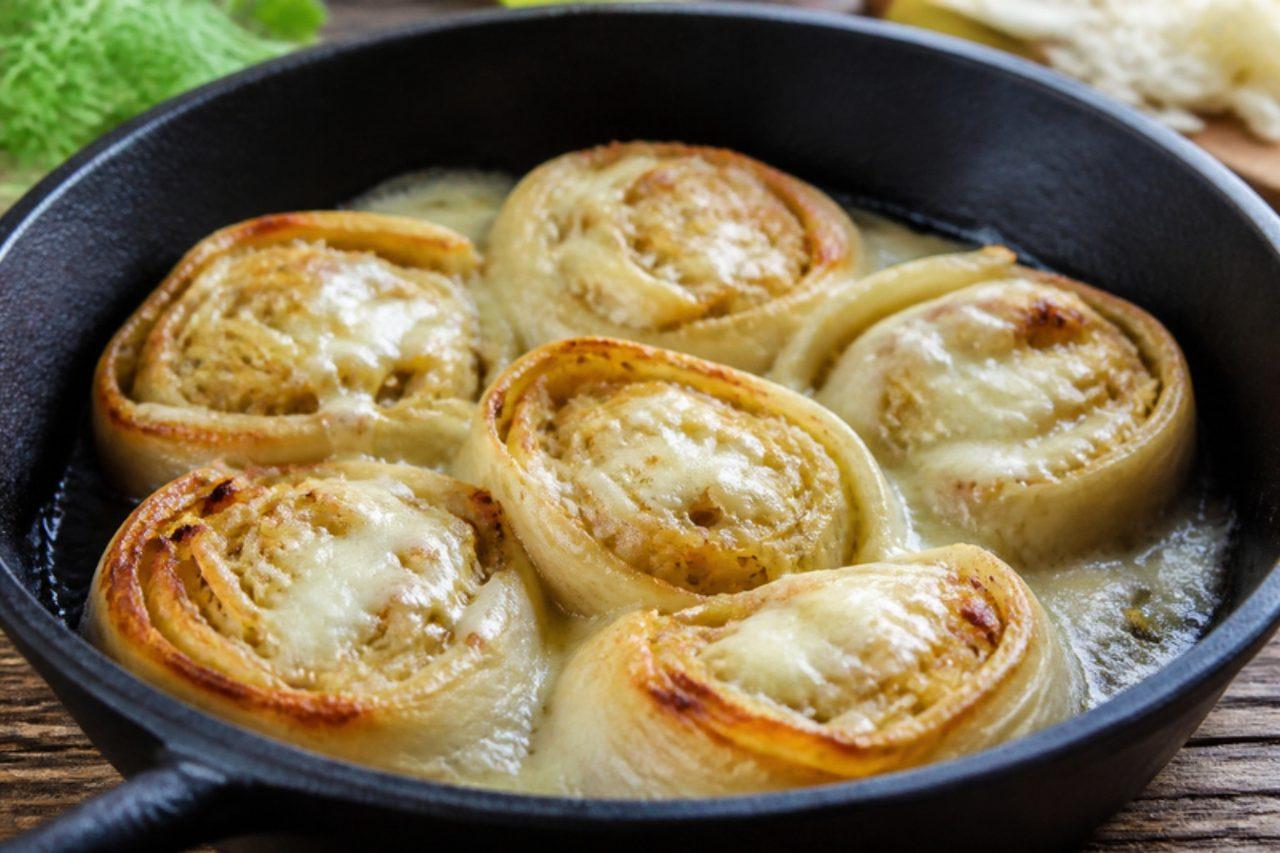
Krautkrapfen come from the Allgäu and the Swabian Alb, where farm cooks rolled noodle dough paper-thin, spread it with sauerkraut and fried onion, rolled it up like a strudel and sliced it into snails. The slices are packed upright in a buttered pan, fried until the bottoms crisp, then half-covered in stock and braised until the dough is tender. They are a Friday or winter supper with a green salad. A common mistake is pouring in too much stock: it should come only a third of the way up, or the crisp base turns soggy. Chef's tip: let the dough rest a full 30 minutes; relaxed dough rolls out thin without shrinking back.

by KrazyBadal 0 views

AllioliGarlic and olive oil sauce

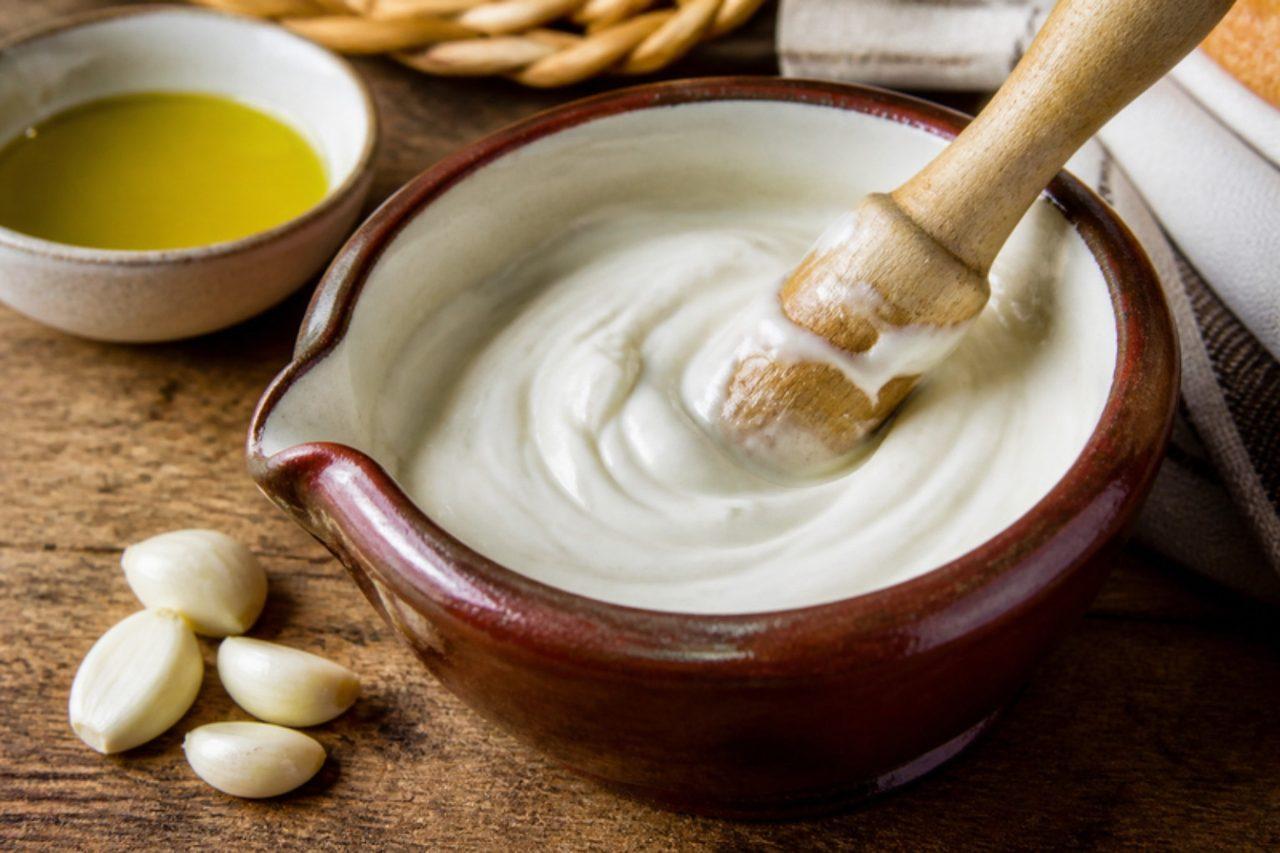
True Catalan allioli is just garlic, salt and oil, all ('garlic') i oli ('and oil'), worked slowly in a mortar until it becomes a stiff, pale emulsion with a fierce bite. Families serve it with grilled lamb, rice dishes, boiled potatoes and snails, and making it by hand is a small point of pride. It takes patience and steady arms, but no egg is needed. Chef's tip: if it splits, start a new paste with one crushed clove and a few drops of water, then work the broken sauce back in a spoonful at a time.

by KrazyBadal 0 views

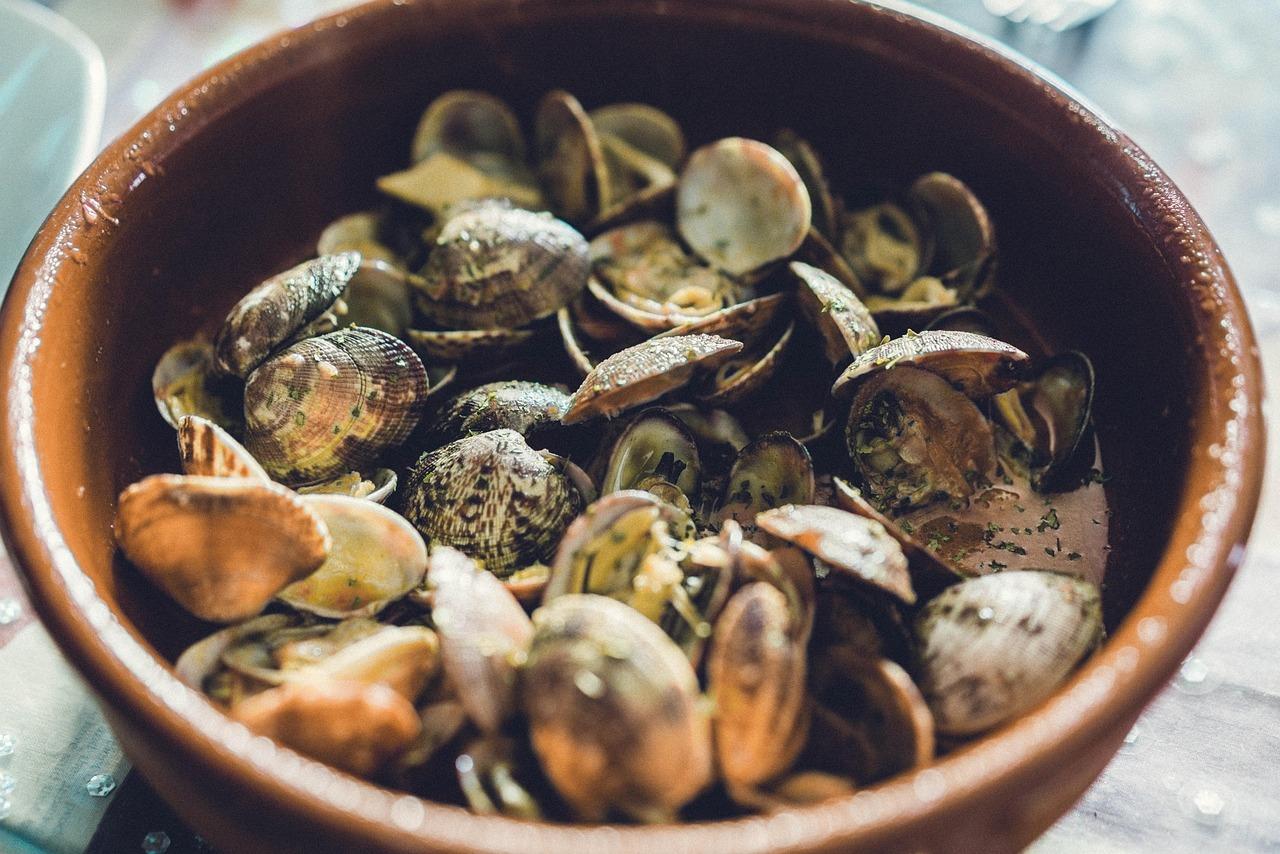
Almejas á mariñeiraClams in garlic and white wine

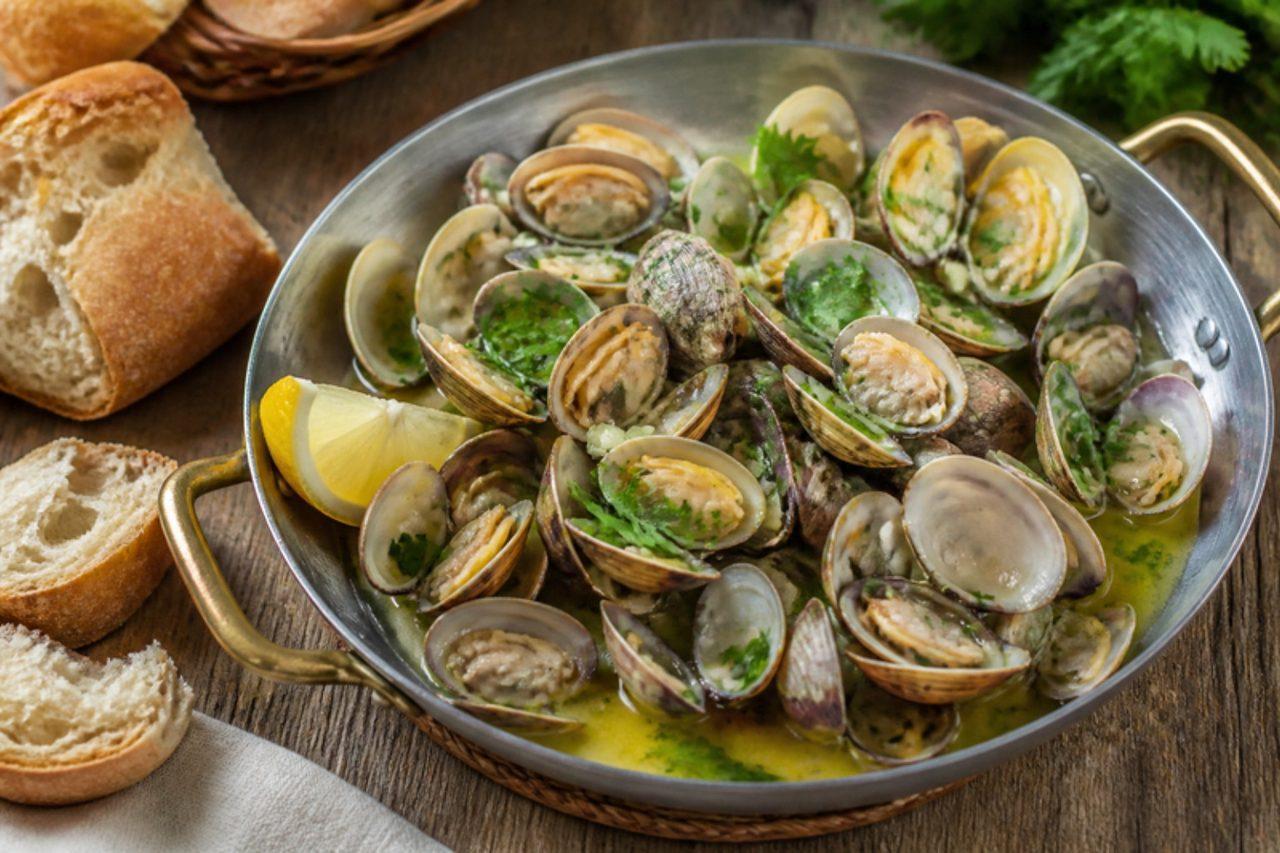
Carril, a fishing village on the Arousa estuary, is famous across Spain for its clams, and Galician bars serve them á mariñeira in small clay dishes with bread for the sauce. They are cooked with onion, garlic and a little paprika, and the sauce is lightly thickened with flour and loosened with white wine. This recipe contains alcohol (white wine); for an alcohol-free version, use fish stock with a squeeze of lemon. Throw away any clams with cracked shells, and any open ones that don't close when tapped, before cooking. A common mistake is overcooking: clams toughen once they open, so take them off the heat as soon as most are open. Chef's tip: soak the clams in salted water in the fridge for an hour so they spit out their sand.

by KrazyBadal 0 views

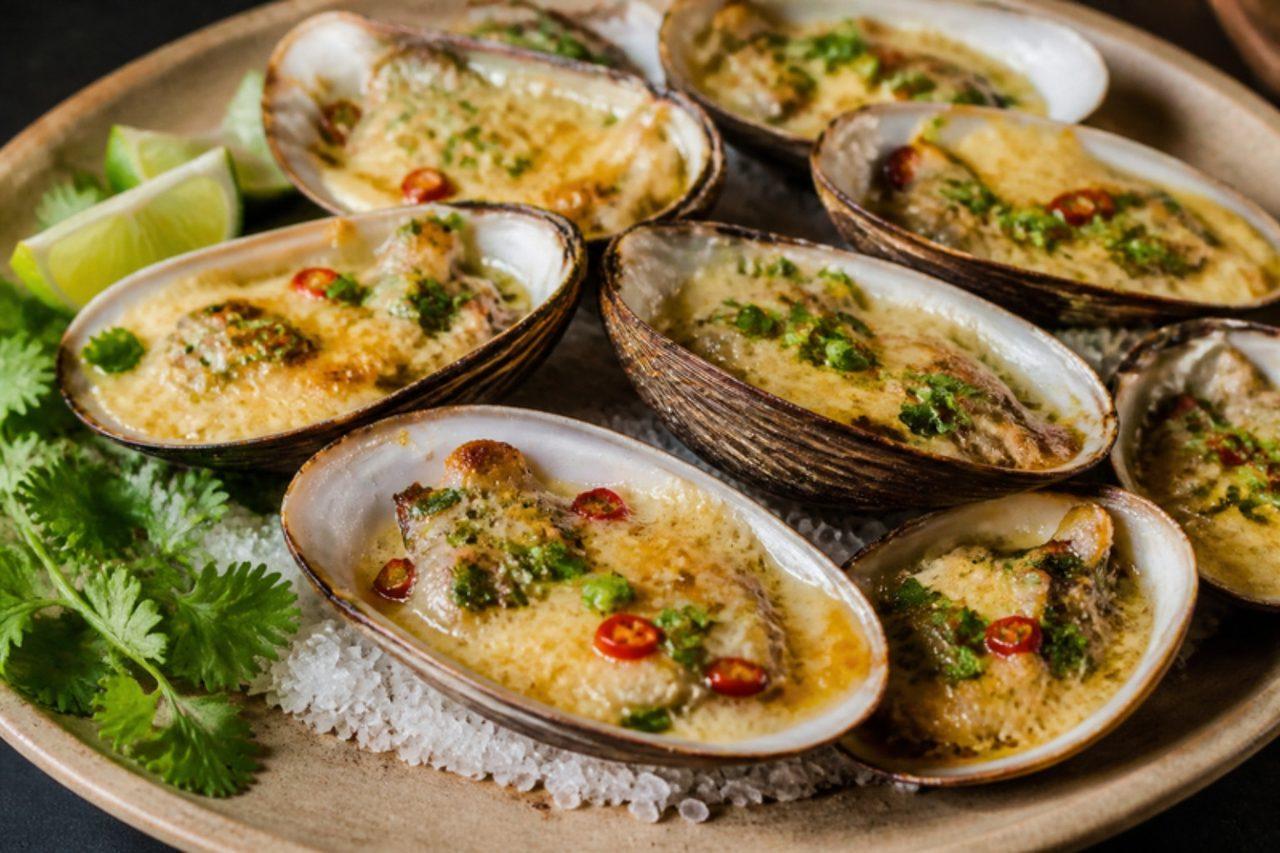
Almejas chocolatasBaked clams with garlic cheese

Loreto, on the Gulf of California side of Baja, is famous for its almejas chocolatas: large clams named for their glossy brown shells, sold by local divers and cooked at seafood stands along the bay. One popular way is to open them, top the meat with butter, garlic, chilli and melting cheese, and bake them until bubbling. Chocolate clams are rarely found elsewhere, so use the largest hard-shell clams you can buy, such as quahogs or cherrystones. Serve them hot as a starter with lime and cold drinks. Chef's tip: chop the clam meat before returning it to the shell, so every bite gets butter and cheese instead of one chewy mouthful.

by KrazyBadal 0 views

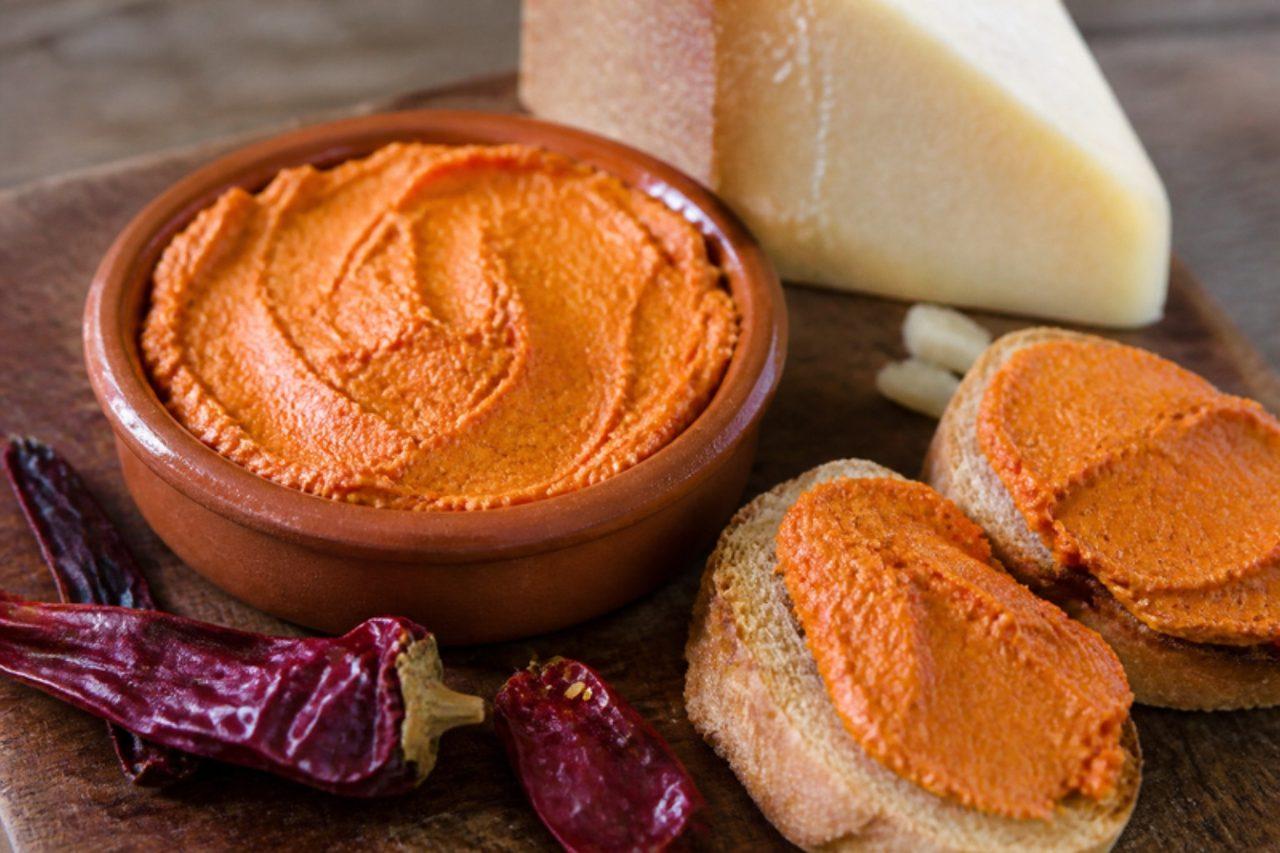
Almogrote gomeroGoat cheese and red pepper spread

On La Gomera, the small, steep island west of Tenerife, almogrote is the sharp, punchy paste you find spread on toast in every bar in San Sebastián and Valle Gran Rey, often with a glass of the island's wine. It was a thrifty way to use up hard, aged goat's cheese: grated, pounded with garlic, hot red pepper and a little tomato, and bound with olive oil. The result is salty, spicy and pungent. Traditional Gomeran cheese is made with animal rennet; use a vegetarian aged goat's or hard cheese if that matters to you. Chef's tip: grate the cheese very finely first, so it pounds smooth instead of staying gritty.

by KrazyBadal 0 views

AlmojábanasGlazed choux rings

In Aragonese bakeries, almojábanas are the rings stacked by the till at Easter and for local fiestas: rings of choux-like dough that puff up hollow and airy in the oven and are then brushed with a white sugar glaze that cracks as you bite. The name comes from Arabic, and versions are found from Teruel to the Ribagorza, some flavoured with lemon and others with anise. They are best the day they are made, with a coffee or a glass of cold milk. A common mistake is opening the oven early: choux collapses if the steam escapes before the shells have set. Chef's tip: beat the eggs in one at a time and stop when the paste falls from the spoon in a thick, glossy V; you may not need the last egg.

by KrazyBadal 0 views

Colombian almojábanasCheese bread rolls

Few Bogotá breakfasts beat a warm almojábana torn open next to a cup of hot chocolate. Bakeries across Cundinamarca and Boyacá, and especially roadside stops near Chía and Sopó, bake these pale, puffy rolls from fresh cuajada and fine corn meal, so they are springy, moist and salty-sweet inside with a thin, lightly browned crust. They are gluten free by nature. Cuajada is curd set with rennet, usually animal-derived; use vegetarian curd or ricotta drained very well. Too much corn meal is the mistake most people make: the almojábanas come out dry and heavy. The dough should feel soft and slightly tacky. Chef's tip: they are best within an hour of baking; reheat leftovers briefly in a hot oven, never the microwave, which makes them rubbery.
by KrazyBadal 0 views

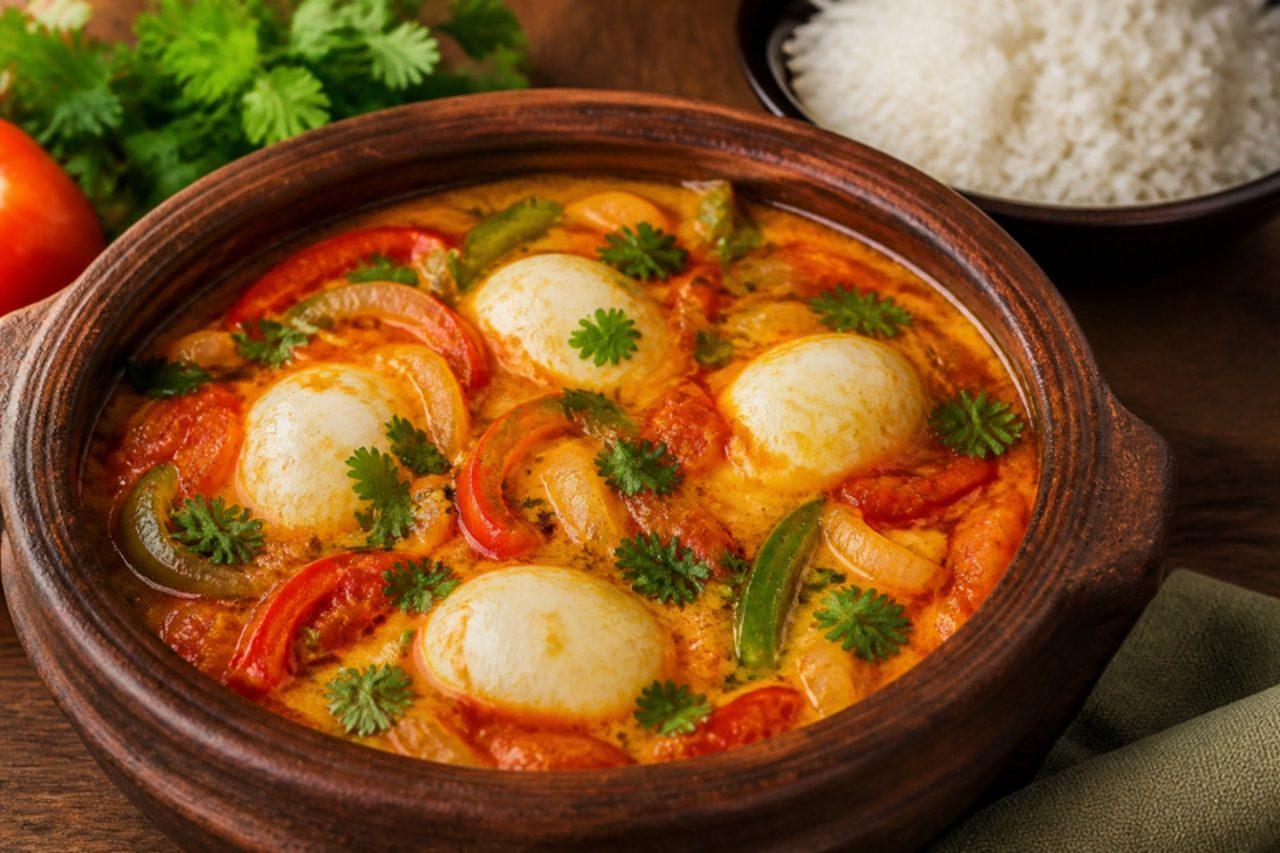
Moqueca de ovosEggs in coconut and tomato sauce

When fish money runs short or it is a meatless Friday, Bahian kitchens make moqueca with eggs instead: the same orange sauce of coconut milk, tomato, peppers, coriander and dendê palm oil, with whole eggs poached right in it until the whites set and the yolks stay soft. It is everyday food in Salvador and the Recôncavo, cooked in a clay pan and carried straight to the table with white rice, farofa de dendê and a spoon of pimenta sauce for those who want heat. The sauce is mellow, slightly sweet from the peppers and rich from the coconut, and the runny yolks thicken it on the plate. The usual mistake is stirring after the eggs go in; they break and turn the sauce cloudy, so cover the pan and leave it alone. Chef's tip: add half the dendê at the start and the rest just before the eggs; heated too long it loses its nutty, floral perfume and only the colour remains.

by KrazyBadal 0 views

Moraba-ye bahar narenjBitter orange blossom jam

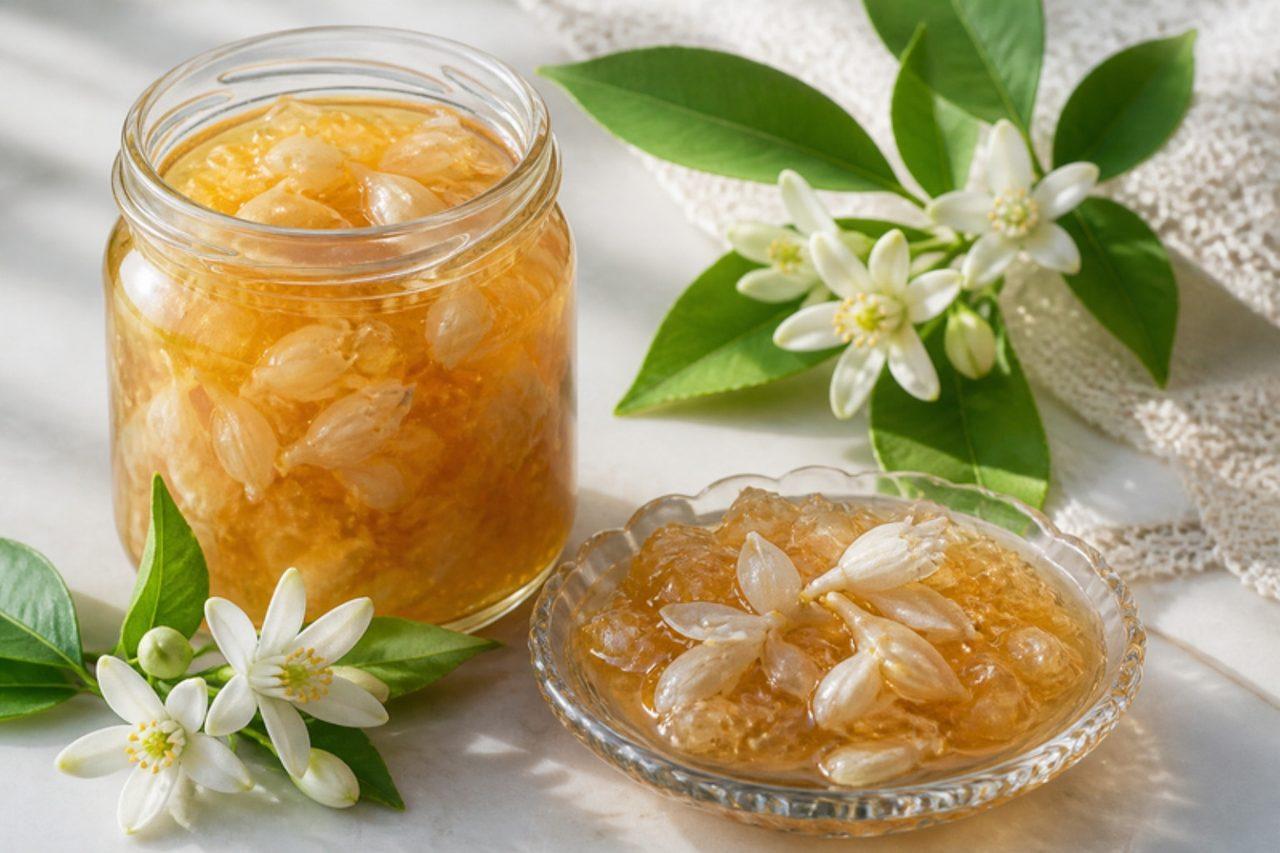
When the bitter orange trees lining Shiraz's streets bloom in April, the whole city smells of blossom, and households gather the fallen petals to make this pale golden jam for the year ahead. It is spooned onto bread with fresh cheese at breakfast, or stirred into tea. The petals are bitter, so they are blanched and soaked several times before they meet the syrup. A common mistake is cutting the soaking short, which leaves the jam harsh. Chef's tip: add the lemon juice only at the end; it keeps the petals bright and stops the syrup from crystallising.

by KrazyBadal 0 views

Moraba-ye haveejCarrot jam with cardamom and almonds

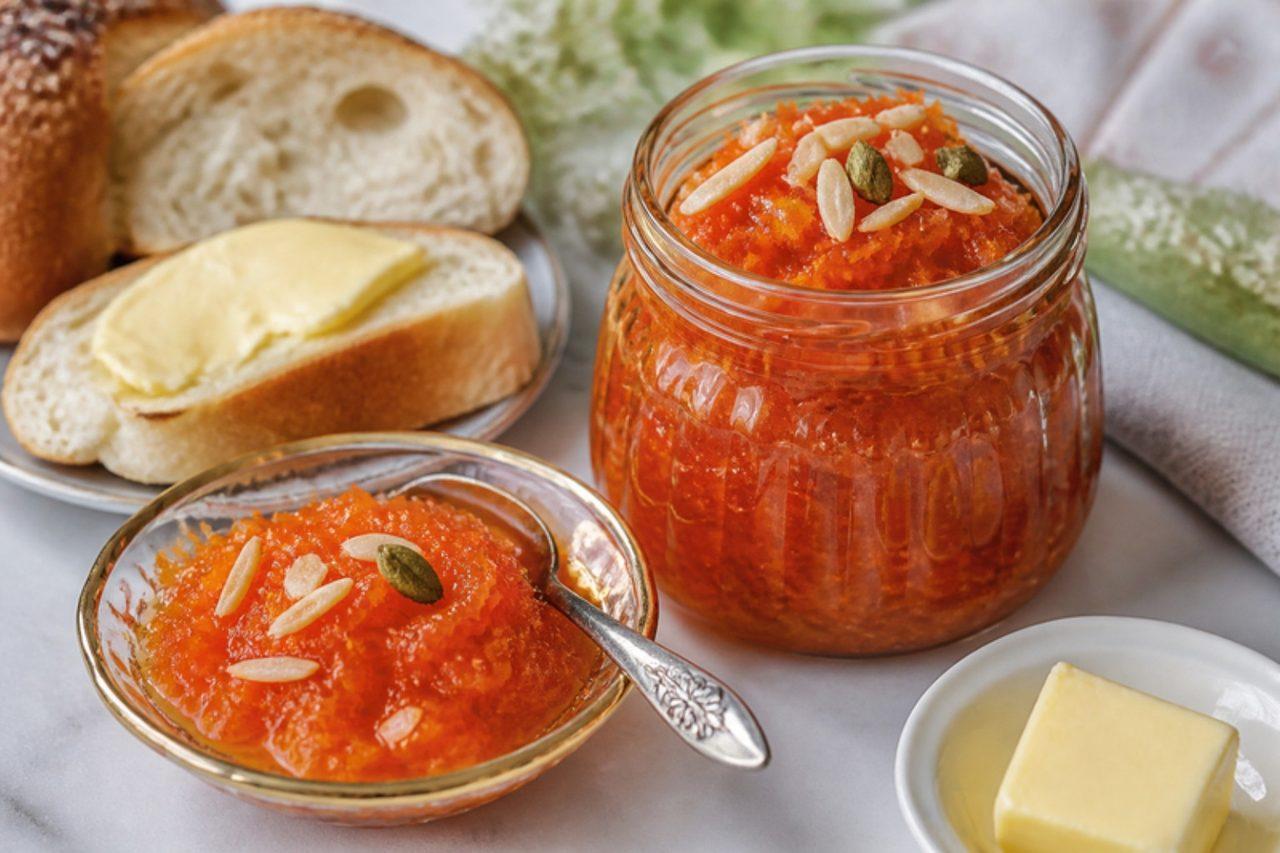
Moraba-ye havij is the bright orange jam on Iranian breakfast tables, spread on warm barbari or sangak with butter or a slice of white cheese, especially in winter when carrots are at their sweetest. Thin shreds of carrot are candied in a light syrup with cardamom and orange peel, then finished with rosewater and slivered almonds, so every spoonful is chewy, glossy and fragrant. It is made in every region, and families argue over how thick the syrup should be. Chef's tip: cut the carrots into fine matchsticks rather than grating them; grated carrot turns to mush and clouds the syrup.

by KrazyBadal 0 views

AmbrosiaSweet milk and egg curds

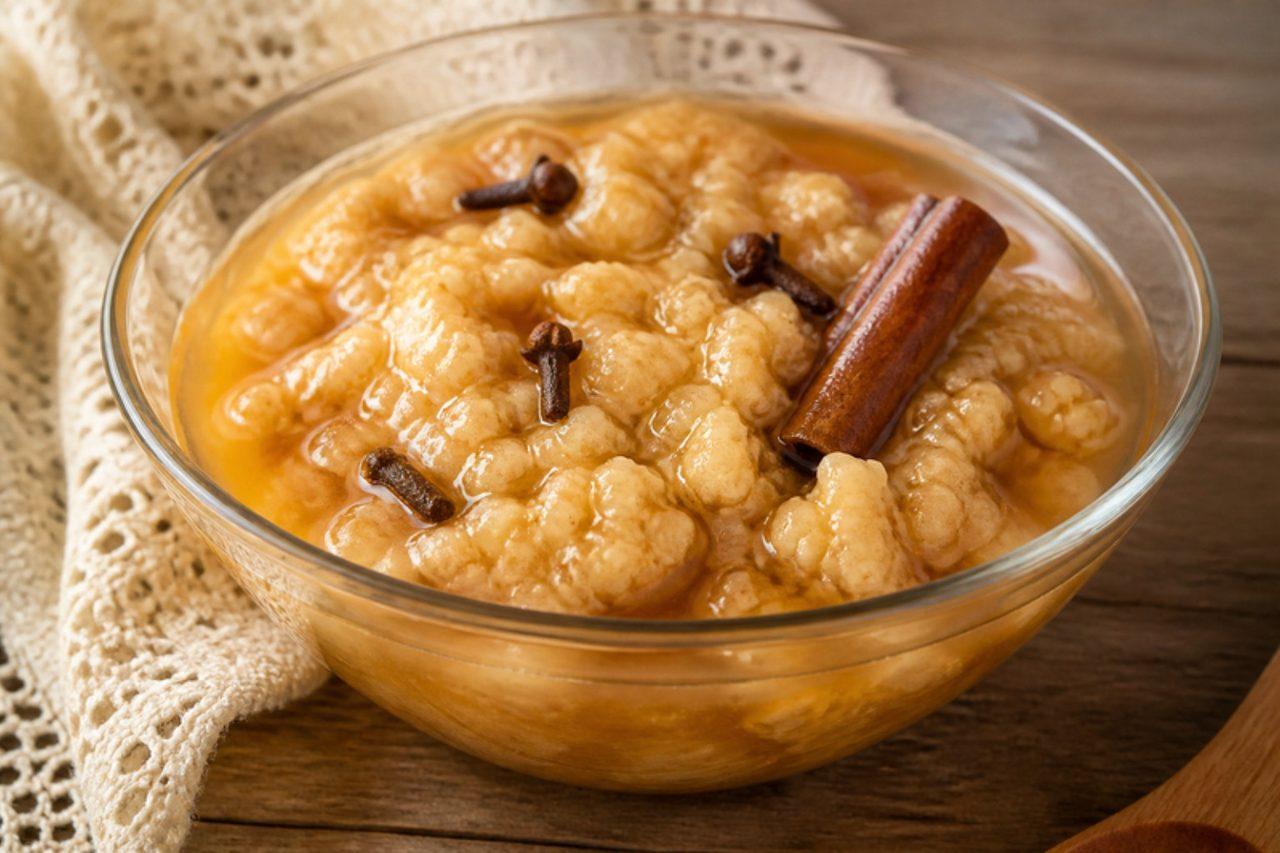
Found in glass jars at farm-shop counters in Minas Gerais and on the dessert tables of gaúcho family lunches, ambrosia is an old Portuguese-rooted sweet that turns milk, eggs and sugar into soft, golden curds bathed in a caramel-coloured syrup. The eggs are poured into the sweet milk and then left to set and simmer for an hour with clove and cinnamon, so the curds form large and tender rather than scrambled. Cold from the fridge it is creamy, eggy and fragrant, rather like a rustic crème caramel broken into pieces. Serve small bowls with a slice of fresh cheese or nothing at all. Where most people go wrong is stirring as soon as the eggs go in; that breaks the curd into grainy crumbs, so wait until it has set before moving it gently. Chef's tip: a squeeze of lemon juice into the milk before the eggs helps the curds form quickly and keeps them in large, tender clouds.

by KrazyBadal 0 views

Amêijoas à Bulhão PatoClams with garlic and coriander

A Lisbon seafood beer hall wouldn't be one without a steaming bowl of these on every other table, with bread for the juices that pool in the bottom. The dish is named after the nineteenth-century poet Raimundo Bulhão Pato, a keen cook and hunter who is said to have loved it. It is only clams, olive oil, a lot of garlic, fresh coriander and lemon, so the shellfish must be lively and well cleaned. Many cooks add a splash of white wine, which contains alcohol; water or a little extra lemon juice works fine. Chef's tip: add the coriander at the very end, off the heat, so it stays bright and fragrant.

by KrazyBadal 0 views

Amendoim cozidoBoiled peanuts

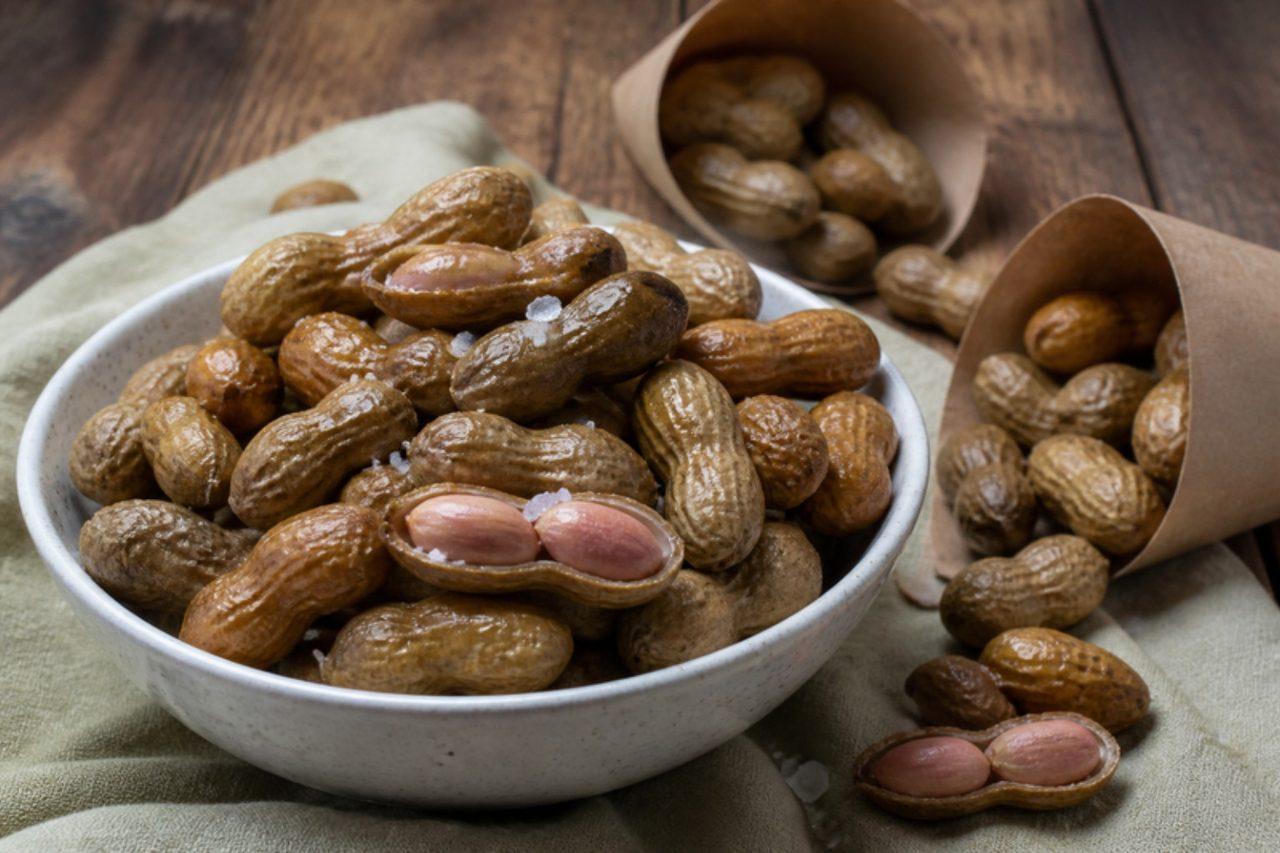
Steaming paper bags of boiled peanuts are sold in São João squares from Campina Grande to the interior of São Paulo, and families cook pots of them at home when the fresh peanut harvest comes in around June. Boiled in the shell in well-salted water, the peanuts turn soft, juicy and almost bean-like, with a savoury, slightly sweet taste quite different from roasted peanuts. You crack them open with your fingers and slurp the salty water out with the nut. You need raw peanuts in the shell, either fresh (green) or dried; roasted ones never soften. Under-salting is the beginner's slip: the shell blocks a lot of salt, so the water should taste like the sea. Chef's tip: let the peanuts sit in their cooking water for 30 minutes off the heat before draining, so the salt soaks through to the nut.

by KrazyBadal 0 views

AmygdalopitaAlmond syrup cake

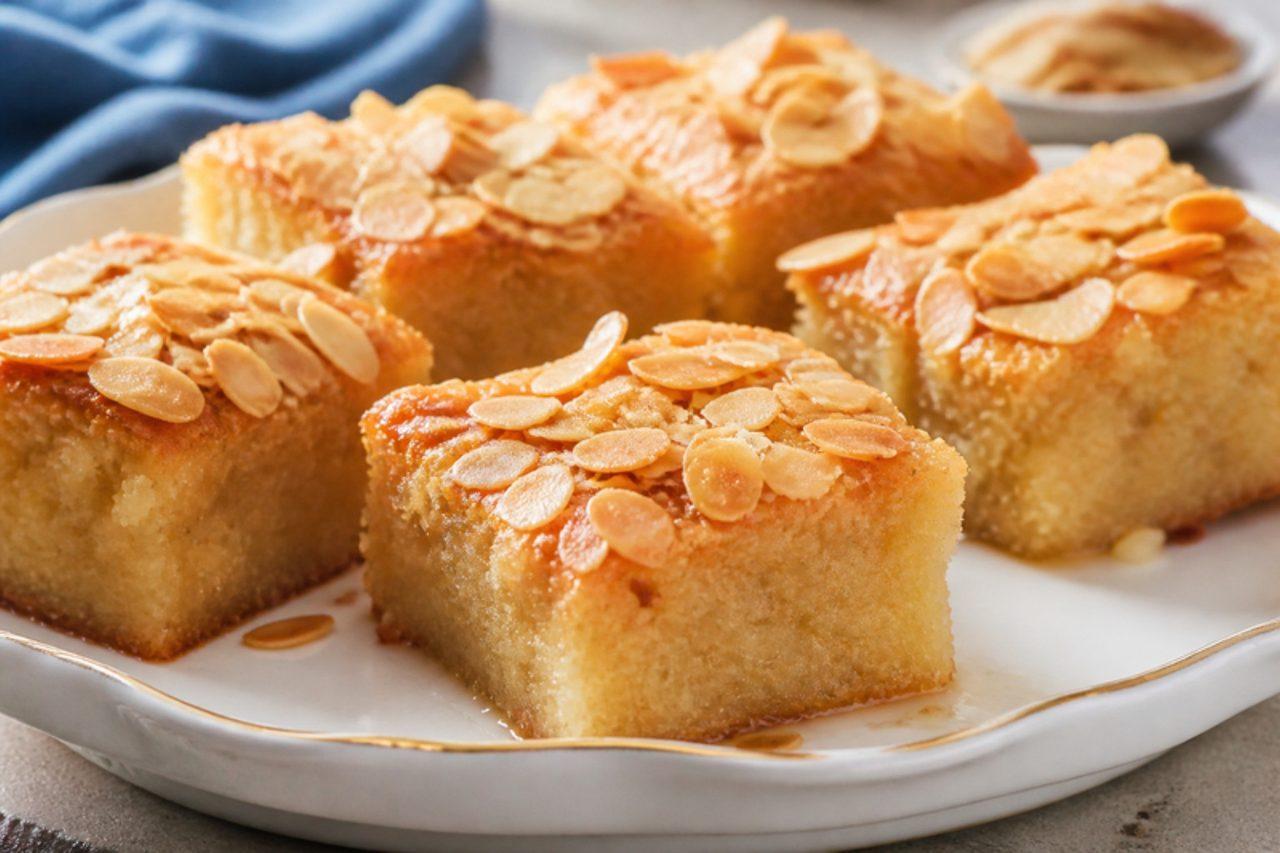
Kefalonia is almond country, and amygdalopita is what islanders bake for the feast of Agios Gerasimos in August and for guests all year round: a moist, flourless-leaning cake of ground almonds, eggs and breadcrumbs, soaked in light lemon syrup until it's dense and fragrant. Serve a small square with coffee or a spoon of thick yoghurt. Common mistake: grinding the almonds too long, so they turn oily and the cake heavy — pulse them until just sandy. Chef's tip: toast half the almonds before grinding for a deeper, nuttier flavour.

by KrazyBadal 0 views

AmygdalotaAlmond sweets

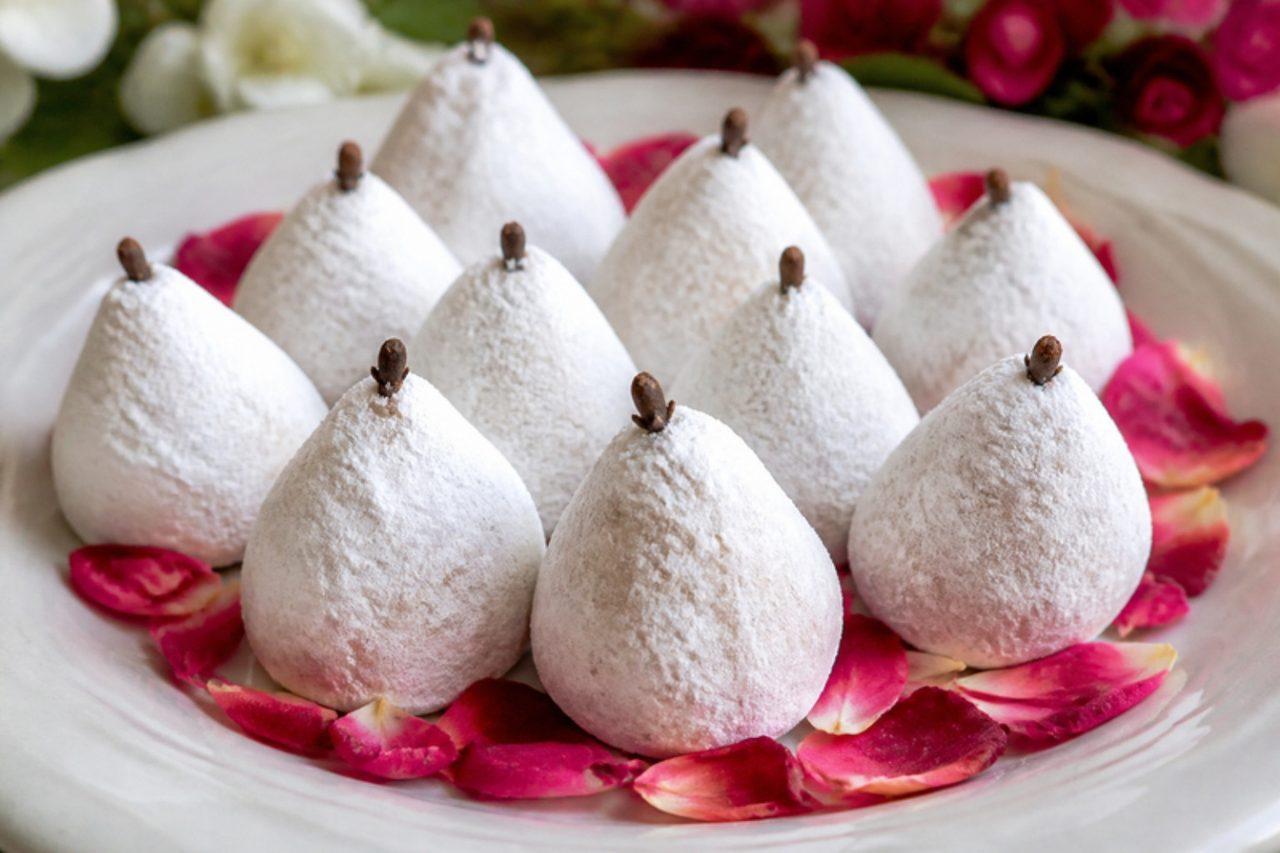
Andros is famous for its almonds, and the island's amygdalota are handed round at weddings, baptisms and Easter: little pear-shaped sweets of ground almond and sugar, baked just long enough to set, then splashed with rosewater and buried in icing sugar. They are soft and chewy inside, perfumed and pure white, and they go with a small cup of Greek coffee. Common mistake: baking them until golden, which turns them dry and hard; they should stay pale. Chef's tip: grind the almonds with some of the sugar so they release less oil and the paste stays light.

by KrazyBadal 0 views

Anar ba golparPomegranate seeds with golpar

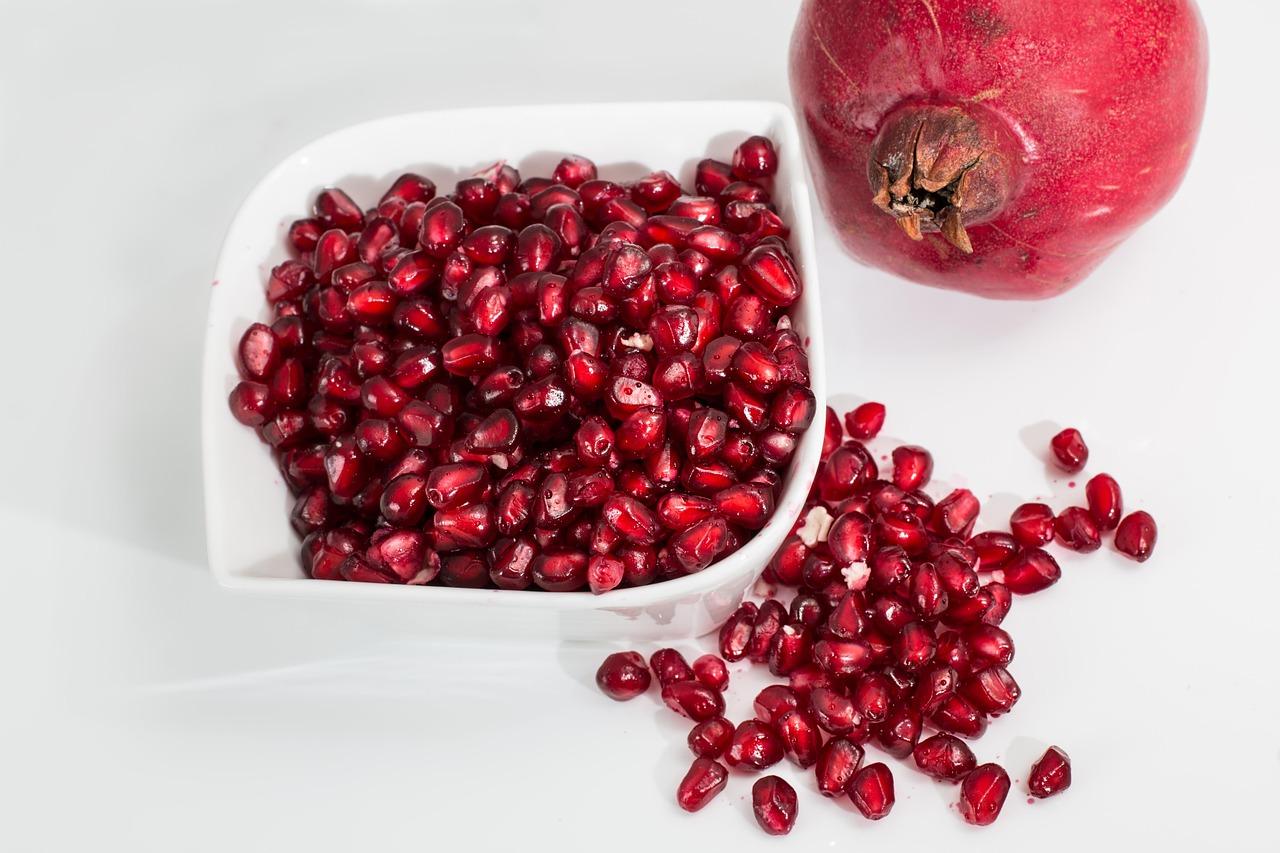
On Yalda night, the longest night of the year in late December, a bowl of jewel-red pomegranate seeds sits at the centre of the korsi in homes from Tehran to Shiraz, symbolising the dawn and the return of light. Many families sprinkle the seeds with golpar (ground Persian hogweed) and a little salt, which makes the sweet-sour fruit taste brighter and more savoury, almost like a salad. A common mistake is bashing the fruit too hard to free the seeds, which bursts them and leaves a puddle of juice. Chef's tip: seed the pomegranates under a bowl of water; the seeds sink, the white pith floats and the juice doesn't stain the kitchen.

by KrazyBadal 0 views

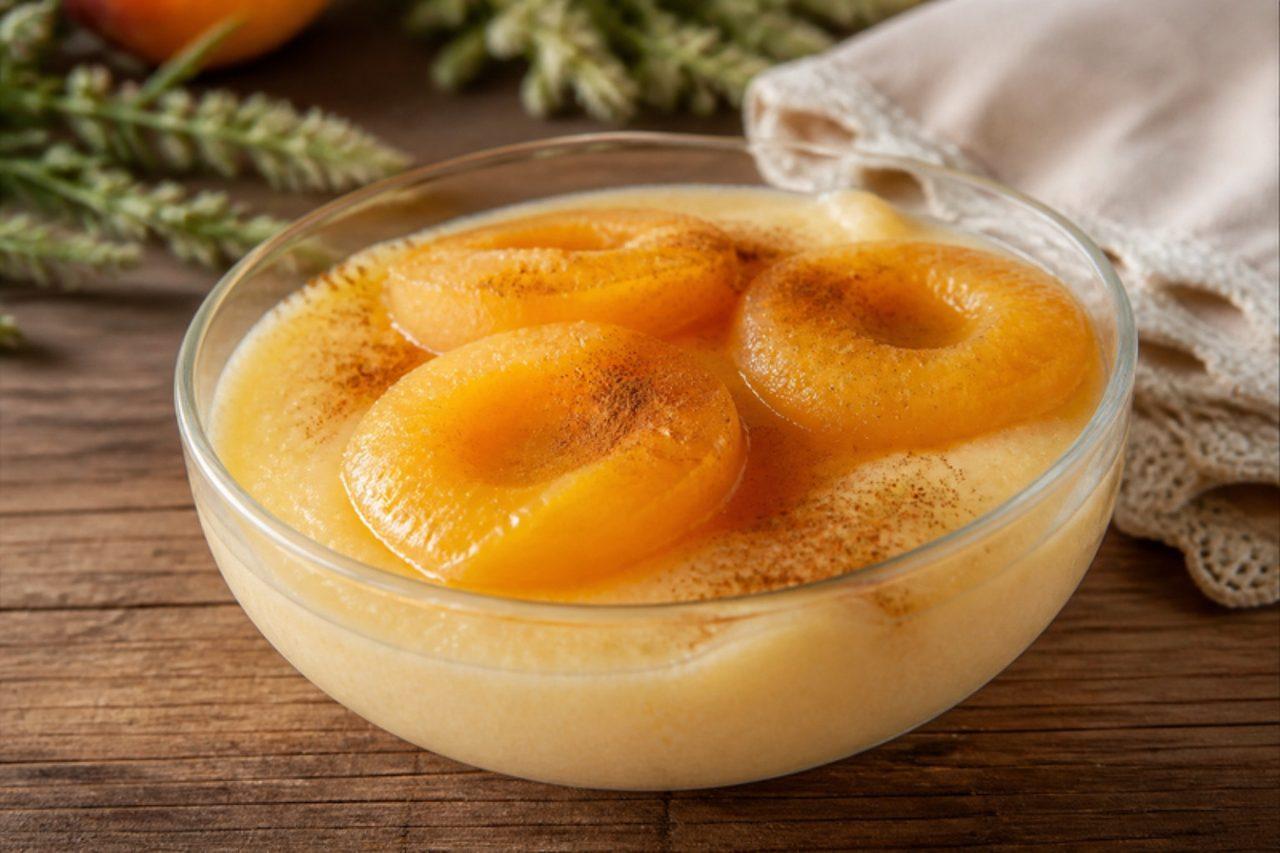
AnchiCorn semolina pudding with peaches

Sold in plastic cups from coolers at Salta's Mercado San Miguel and on village plazas at the end of a hot afternoon, anchi is a thin, sweet pudding of fine maize semolina cooked with water, sugar and plenty of lemon. It sets only softly, so it is half eaten and half drunk, cold and refreshing, often with slices of poached peach or a few rehydrated orejones (dried peaches) on top, and sometimes a dusting of cinnamon. There's no milk or egg in it, which is what keeps it light. Too much semolina is the easy error: anchi should pour slowly from the spoon when cold, not slice like polenta, so stick to the ratio and remember it thickens as it cools. Fine maize semolina is the Salta choice; fine wheat semolina works too. Chef's tip: add the lemon juice off the heat at the end; boiled lemon loses its fresh sharpness.

by KrazyBadal 0 views

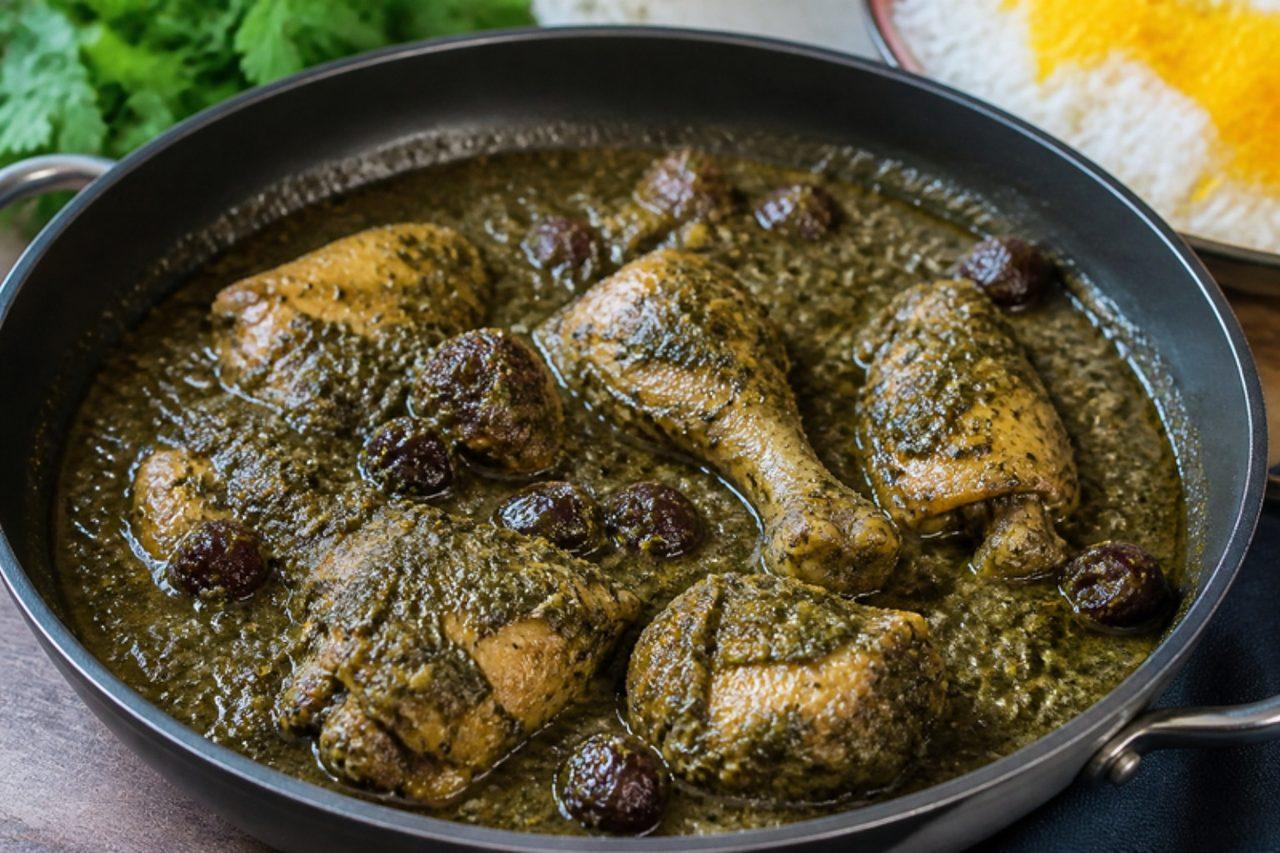
Morgh-e torshChicken with walnuts and sour plums

Morgh-e torsh is everyday Sunday cooking in Rasht and the villages of Gilan, where gardens overflow with herbs and the cooking leans sour rather than sweet. Chicken pieces are browned, then braised with a mountain of chopped coriander, parsley, mint and garlic chives, ground walnuts and sour plums, finished with verjuice or lemon until the sauce turns a deep olive green. It is eaten with kateh, the simple Caspian rice. A common mistake is adding the herbs raw to the pot; fry them first until dark and fragrant, or the sauce tastes grassy. Chef's tip: a beaten egg stirred in at the very end is how many Gilani grandmothers thicken and enrich the sauce.

by KrazyBadal 0 views

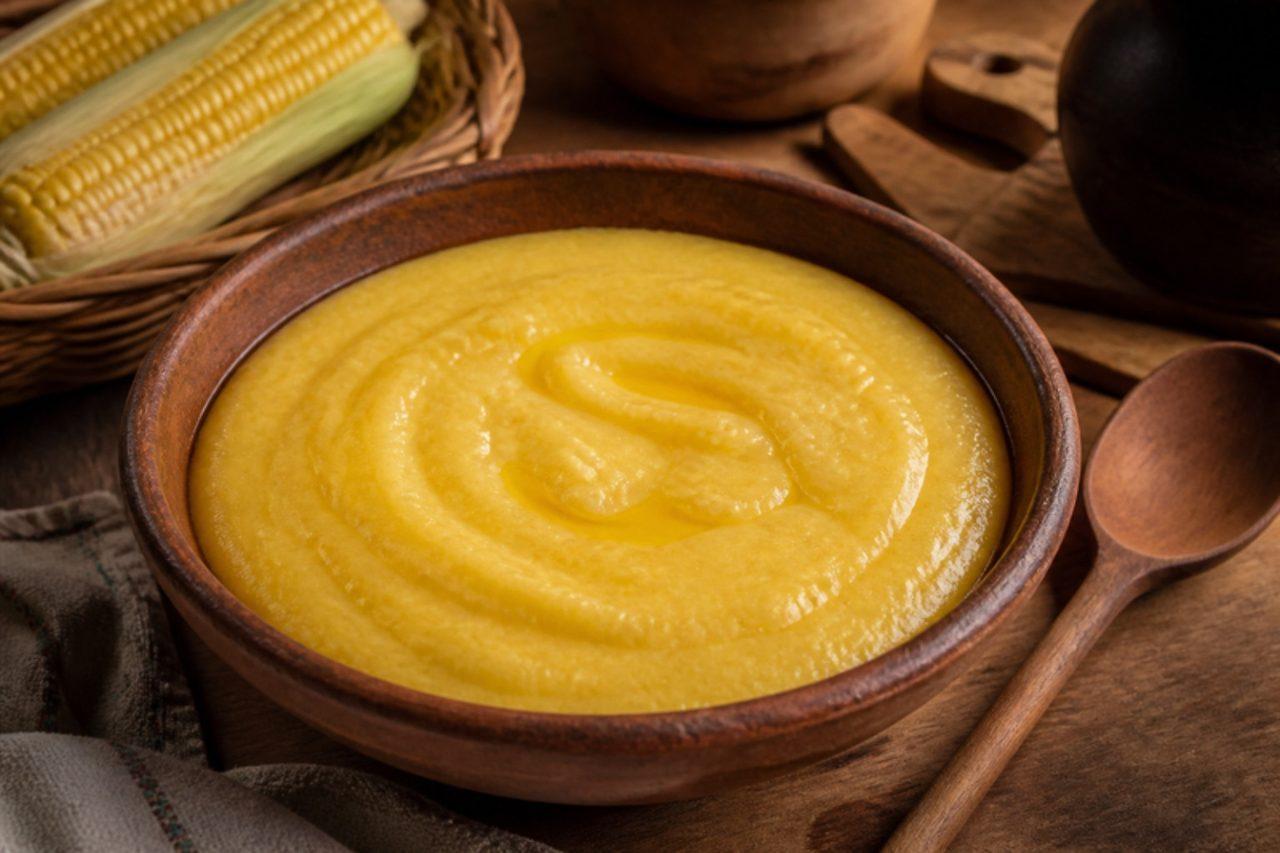
AnguSoft cornmeal mush

Angu is to a mineiro kitchen what bread is elsewhere: a pot of fine yellow fubá cooked with water into a smooth, soft mush, traditionally without salt, to sit under saucy dishes. In Minas Gerais and Rio it is spooned beside frango com quiabo, braised greens, mushroom ragouts and anything with a gravy, and the old roadside restaurants bring it in clay bowls. Plain angu tastes clean and gently sweet of corn, which is why it suits strongly seasoned food. The classic mistake is pouring dry cornmeal into boiling water, which creates lumps that never cook out; start it in cold water instead. Chef's tip: keep the heat low and give it the full 20 minutes even when it looks thick already; raw cornmeal tastes gritty and bitter, while cooked angu is silky and comes away from the sides of the pan.

by KrazyBadal 0 views

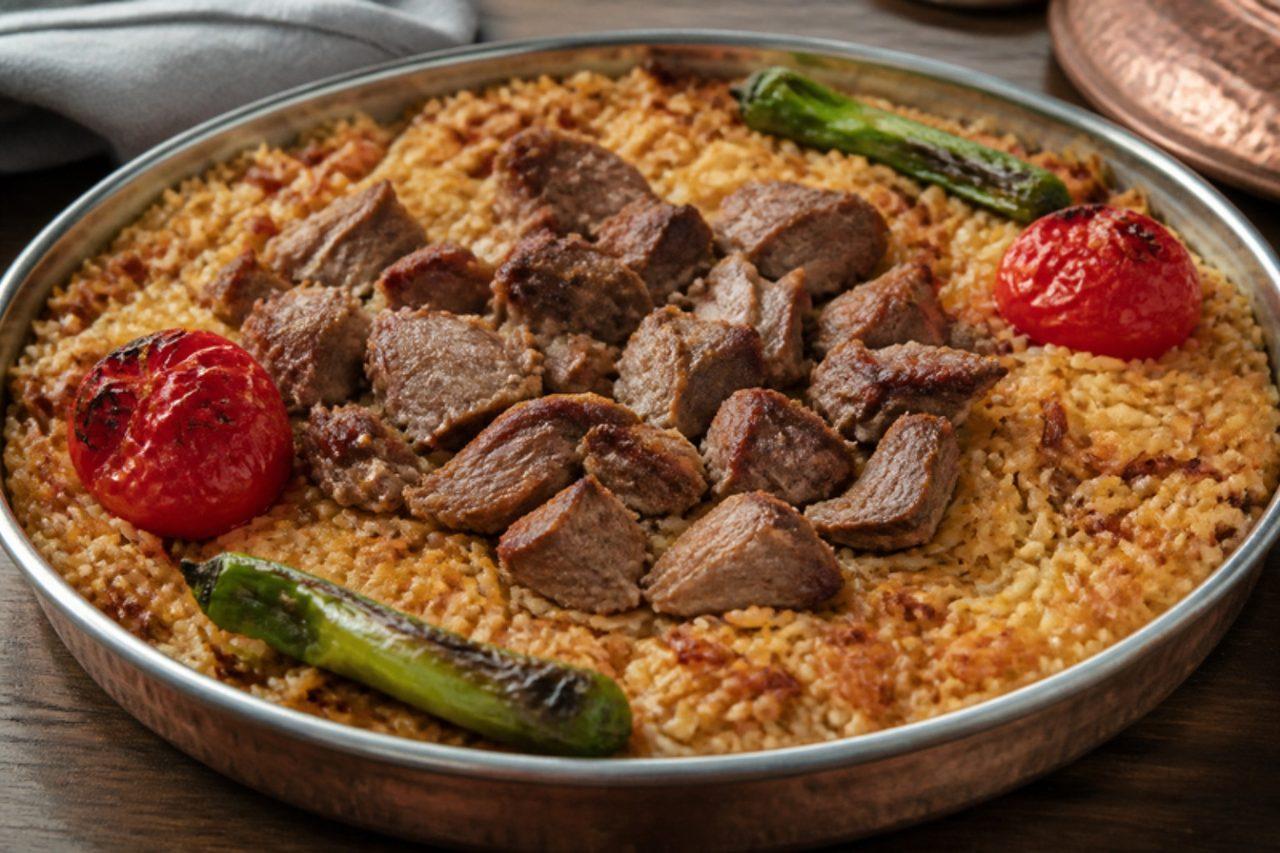
Ankara tavasıBraised lamb on orzo pilaf

Ankara's signature dish is a tava, a baking pan, in which tender braised lamb is laid over a pilaf of rice and orzo and finished in the oven so the top grains go crisp and the meat juices soak right through. Old Ankara families serve it for guests and at festival lunches, with a bowl of cacık and pickles. Common mistake: using fully cooked pilaf, which dries out and turns hard in the oven; cook the rice only halfway. Chef's tip: save every spoon of the lamb's braising liquid; it's what flavours and finishes cooking the rice underneath.

150 minTurkishMeat
by KrazyBadal 0 views

AntikristoSlow-roasted lamb

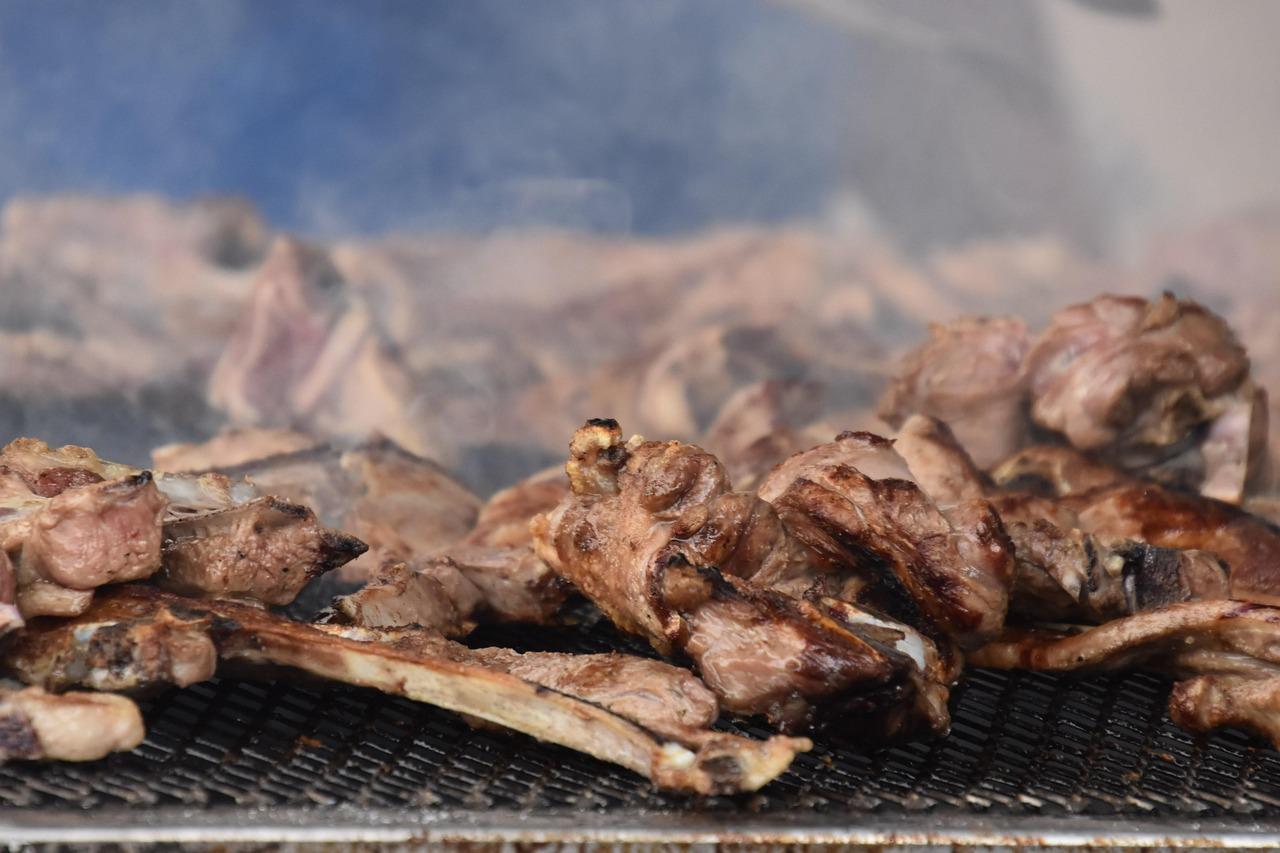
Antikristo means 'facing each other', and in the Psiloritis mountain villages above Anogeia it describes big pieces of lamb on long skewers set upright round a wood fire, turned now and then for four or five hours until the fat has dripped away and the meat is smoky and crisp. At village feasts and saint's-day fairs it is carved straight from the skewer onto paper with nothing more than salt and a squeeze of lemon. This home version roasts salted lamb shoulder and ribs slowly in the oven, then finishes them hot for crackling edges. Common mistake: adding herbs and marinades; the Cretan way is only coarse salt, so the lamb's own flavour comes through. Chef's tip: salt the meat the night before and leave it uncovered in the fridge so the surface dries and crisps.

255 minGreekMeatGluten free
by KrazyBadal 0 views

Arabaşı çorbasıSpicy chicken soup with dough cubes

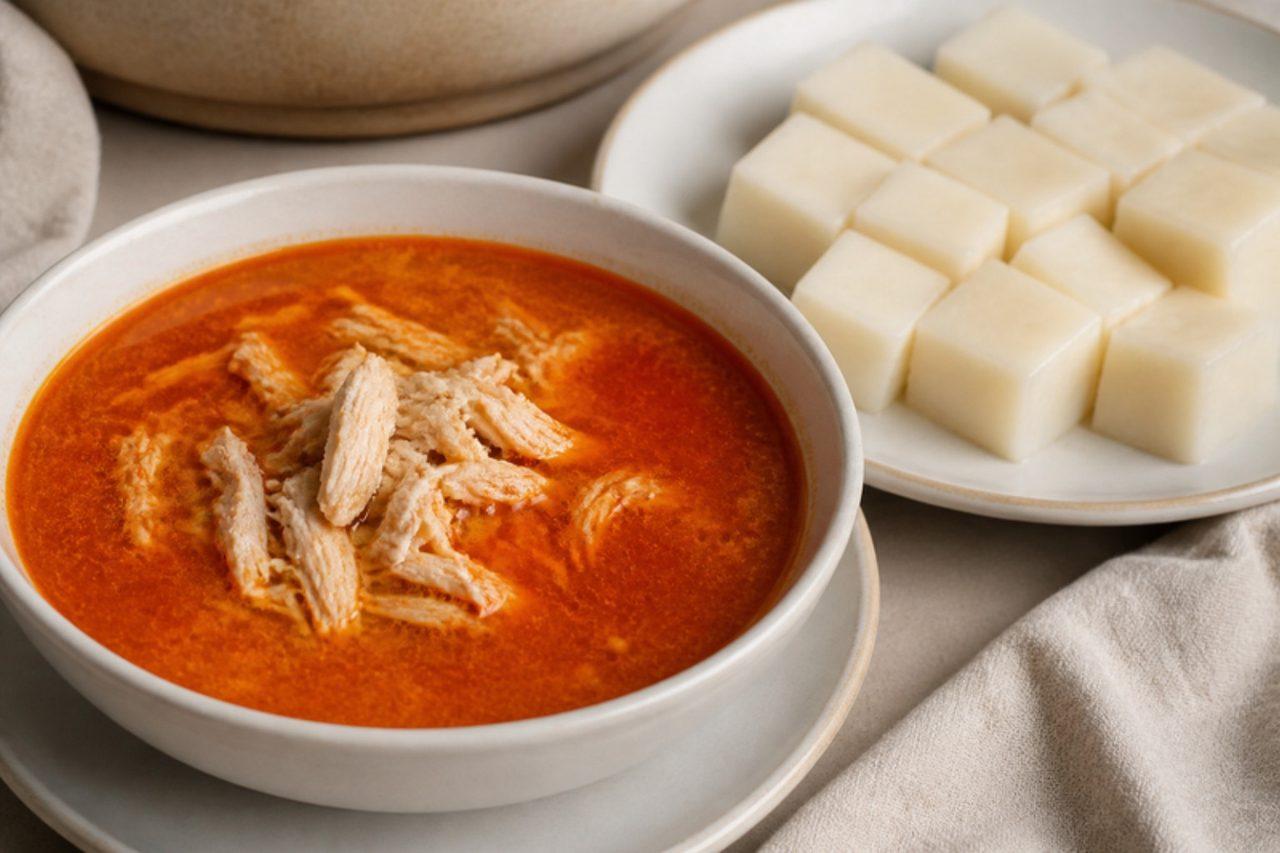
On winter evenings in Kayseri, Konya and Yozgat, friends gather for arabaşı nights: a big pot of fiery, tomatoey chicken soup and a tray of plain set dough cut into cubes. Each person drops a cube of cold dough into a spoonful of hot soup and swallows it whole, without chewing, and the hot-cold contrast is the whole fun. Common mistake: making the dough too soft; it should set firm enough to slice cleanly once chilled. Cook the chicken until its juices run clear and it reaches 74 °C before shredding. Chef's tip: make the dough the morning before, or even the day before, so it is properly cold and firm.

by KrazyBadal 0 views

Arakas laderosPeas braised in olive oil

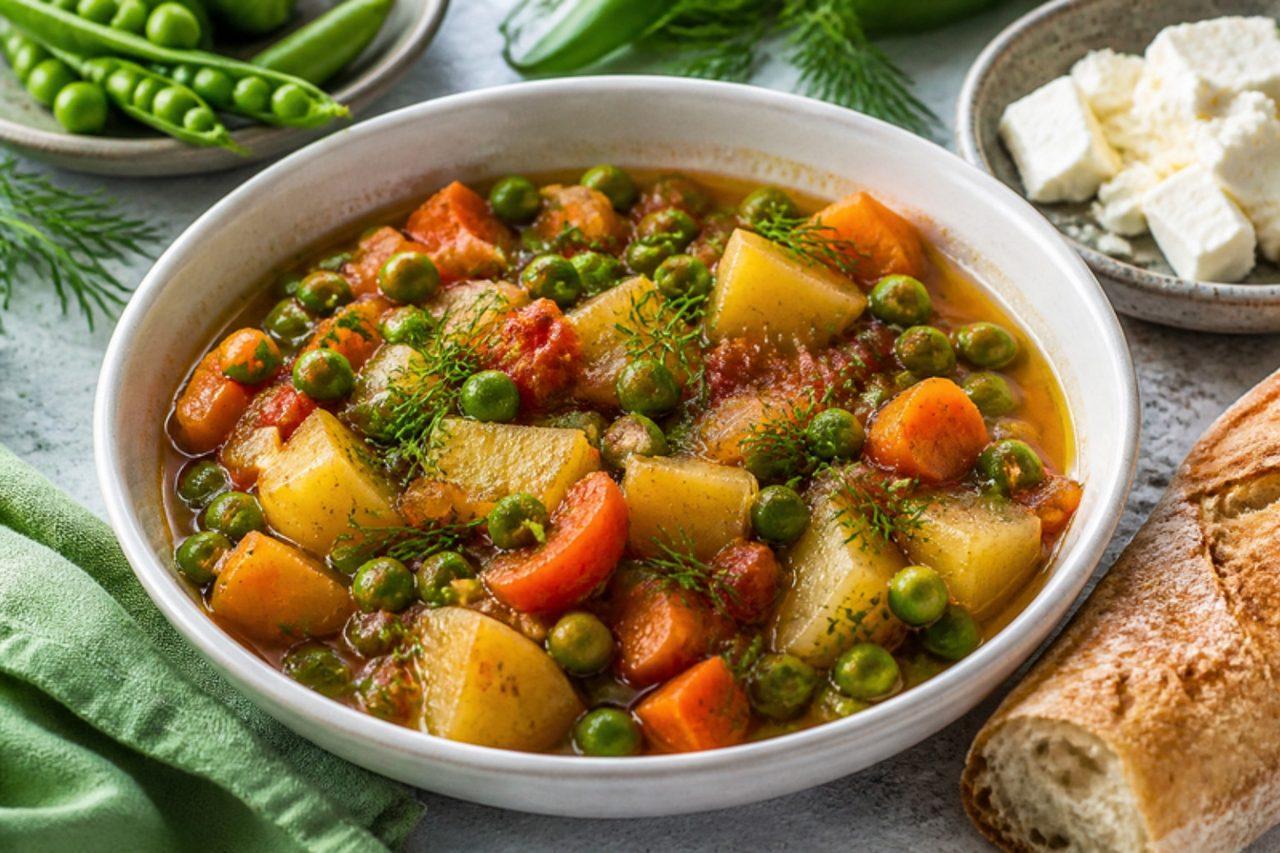
In Peloponnese villages from Argos to Messinia, the first sweet peas of April become this humble ladero, the olive-oil stew that fills the table during Lent and on any meatless Wednesday or Friday. Peas, potato and carrot simmer slowly in tomato and plenty of oil until the sauce is thick and the peas are soft and almost creamy. It's eaten warm with feta (or vegan cheese), olives and crusty bread to mop the oil. Common mistake: cooking for only 10 minutes as if the peas were a side; laderá need time for the oil and vegetables to come together. Chef's tip: frozen petits pois work perfectly — add them after the potatoes have had 10 minutes.

by KrazyBadal 0 views

ArayesKafta-stuffed grilled pitta

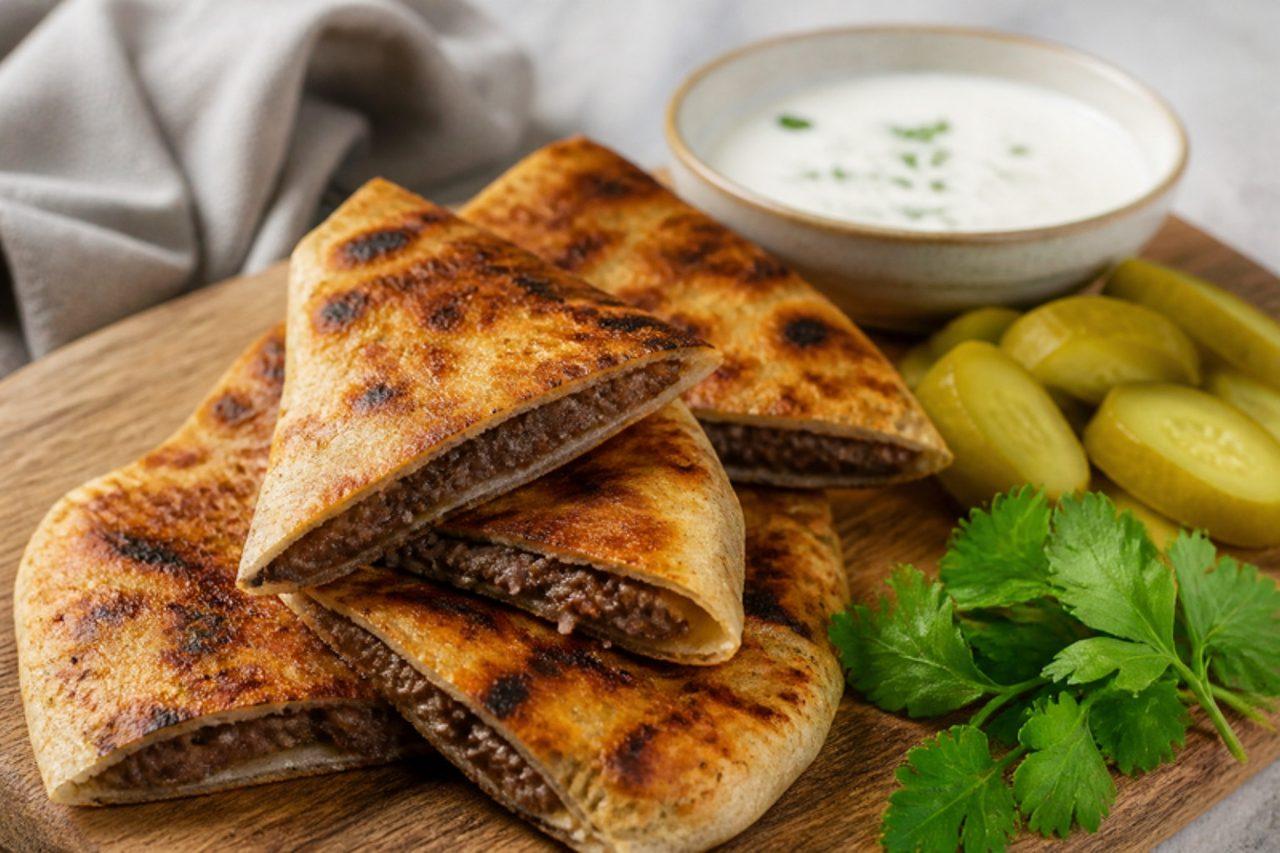
Arayes are what Beirut grill houses and family barbecues do with kafta when they want something you can eat with your hands: pitta breads split and filled with a thin layer of lamb or beef mince mixed with onion, parsley and spices, then pressed and grilled until the bread is shatteringly crisp and the meat juices soak in. Cut into wedges, they come with tahini sauce, pickles and a tomato salad. Common mistake: spreading the meat too thickly — the bread burns before the centre is cooked; keep it about 5 mm. Chef's tip: brush the outside of the bread with the fat from the mince bowl or a little olive oil; it fries the pitta to a perfect crunch.

by KrazyBadal 0 views

Pfälzer SaumagenStuffed pig's stomach

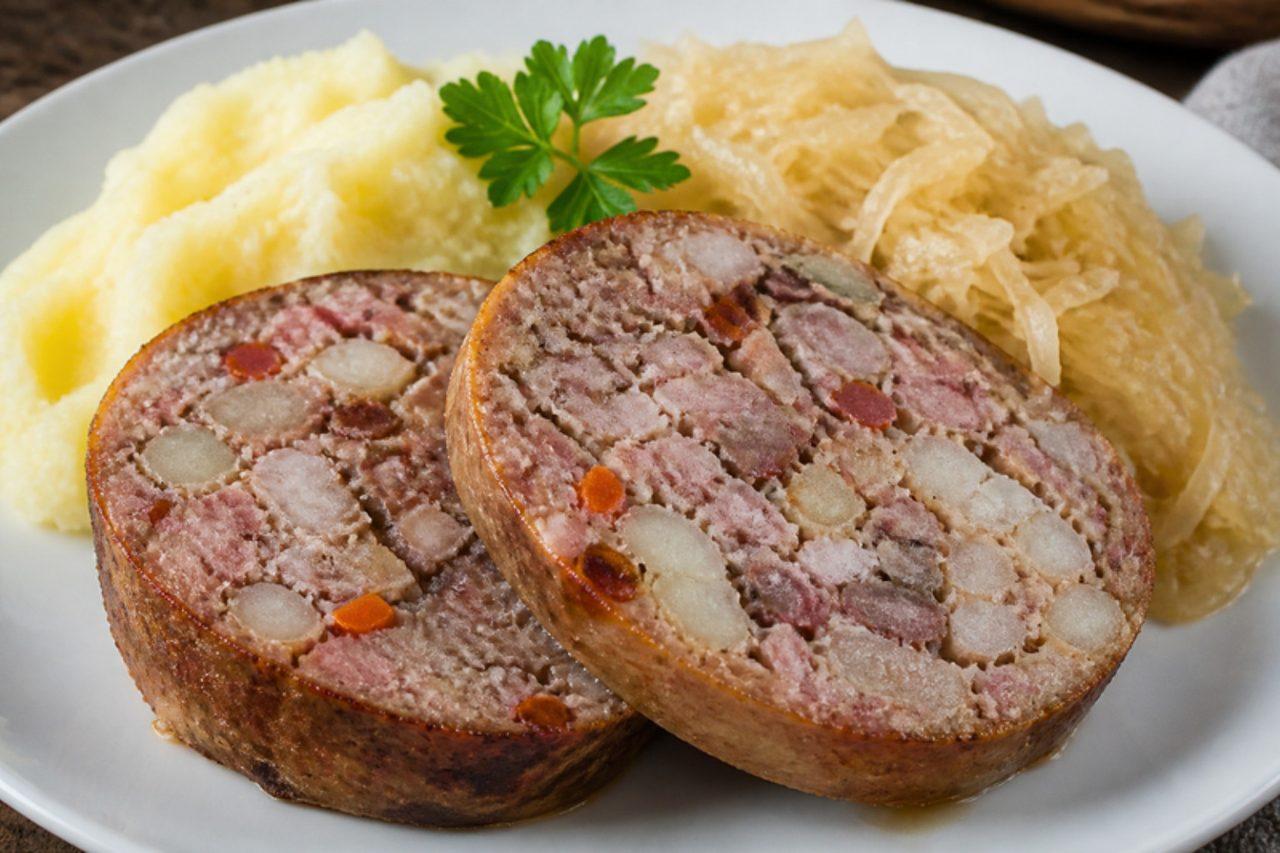
Saumagen is the pride of the Palatinate, served at wine-village festivals and family dinners from the Haardt hills to Ludwigshafen. A cleaned pig's stomach is stuffed with diced pork shoulder, pork sausage meat, potato and carrot seasoned with marjoram and nutmeg, poached slowly, then sliced thick and fried until crusty. The stomach works only as a casing and is ordered from a butcher; if you can't get one, bake the same filling in a covered terrine in a water bath. Serve with sauerkraut and mashed potato. Chef's tip: fill the stomach only three-quarters full, or it bursts as the potatoes swell.

225 minGermanMeatGluten free
by KrazyBadal 1 views

ArnadíPumpkin, sweet potato and almond sweet

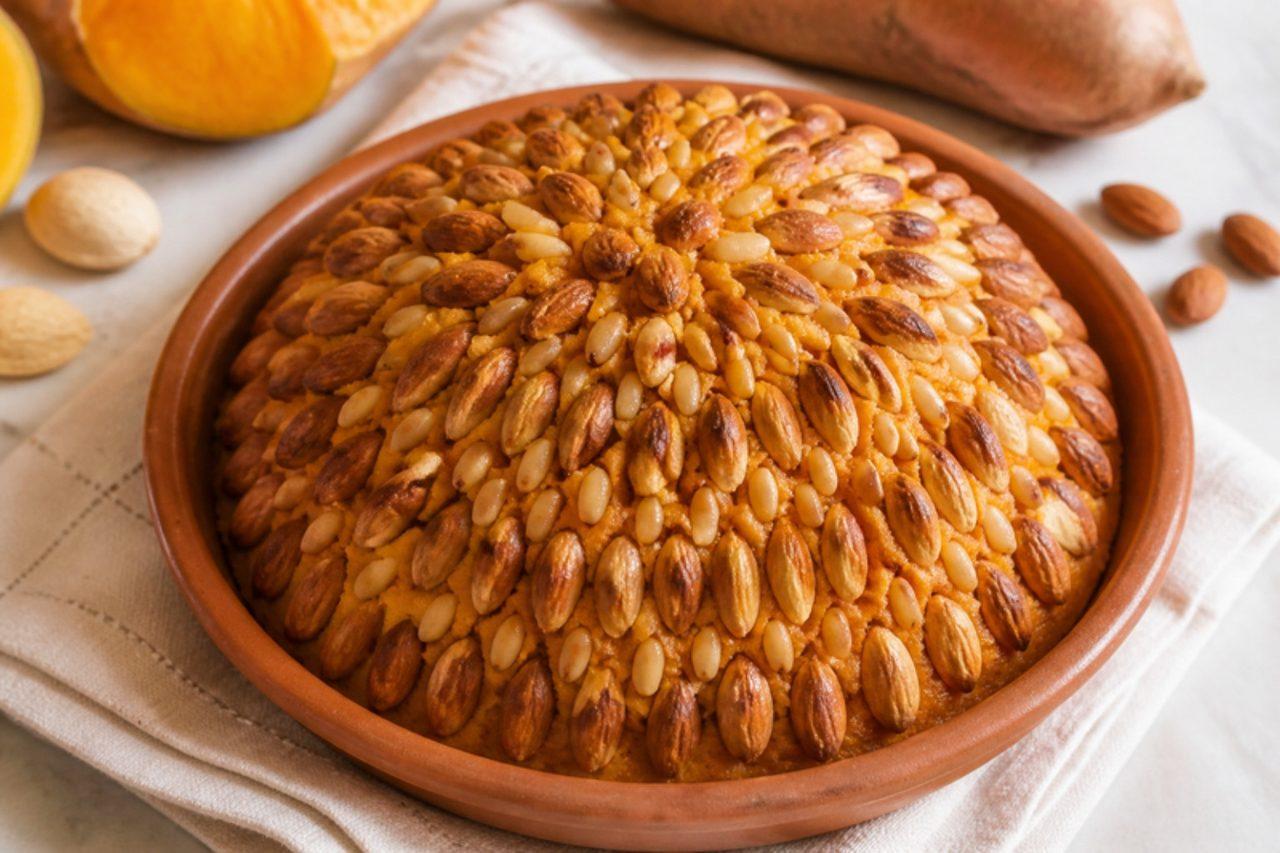
In Xàtiva and the villages of La Costera, arnadí is made for Holy Week and given as a gift between neighbours, its golden peaks spiked with almonds and pine nuts like a little fortress. The recipe is a legacy of the region's Moorish centuries: roast pumpkin and sweet potato cooked down with sugar and ground almonds until thick, then shaped by hand in an earthenware dish and browned in the oven. Texture-wise it sits between a fudge and a very dense pudding, fragrant with lemon and cinnamon. A common mistake is using boiled pumpkin; it holds too much water and the arnadí never firms up. Chef's tip: roast the vegetables until the edges caramelise, then leave the purée to drain in a sieve overnight for the best, densest result.

by KrazyBadal 0 views

Arnavut ciğeriCrisp fried liver with sumac onions

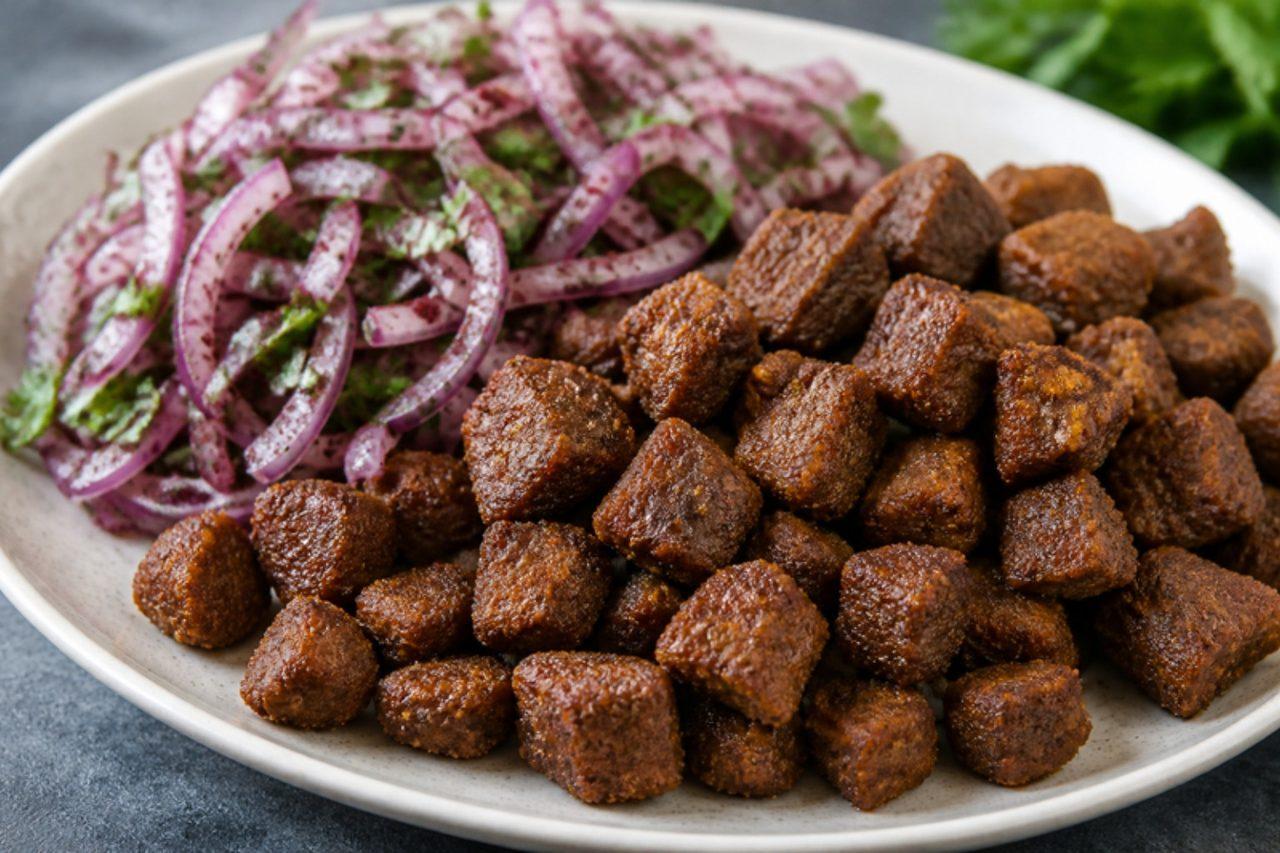
No Istanbul meyhane table in Beyoğlu or Kumkapı is complete without a plate of Arnavut ciğeri: small cubes of lamb's liver dusted in paprika flour and flash-fried until crisp outside and just set within, piled on red onion, parsley and sumac. It is served hot among the cold meze, with toasted bread and a glass of something cold; ayran or şalgam work perfectly. Liver is quick to cook and quick to ruin. Chef's tip: shake off every bit of excess flour and fry in small batches in very hot oil, so the cubes crisp instantly instead of stewing.

by KrazyBadal 0 views

Arni fricasseeLamb and lettuce stew with egg-lemon

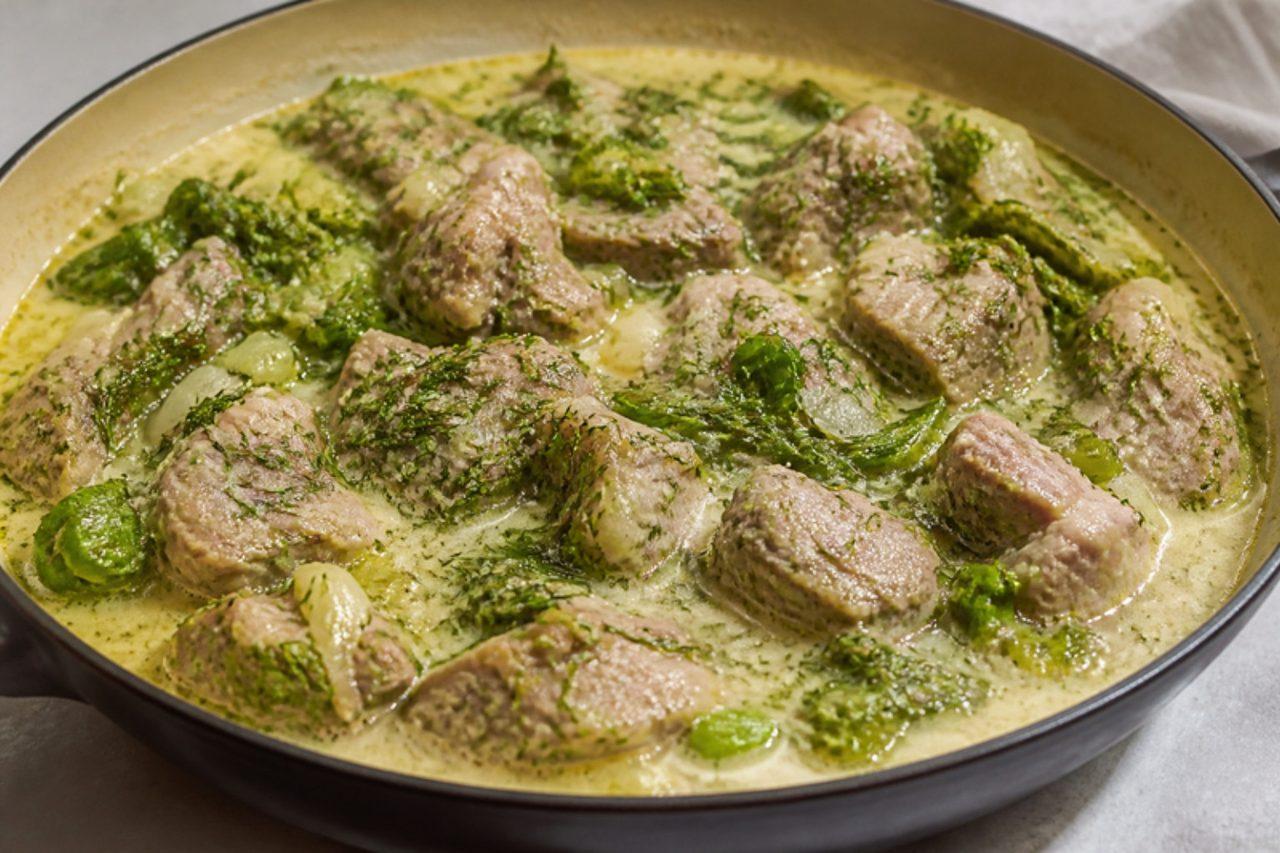
When cos lettuces and spring onions flood the markets around Easter, Greek cooks make arni fricassee: lamb braised slowly with mountains of greens and dill, then thickened at the last moment with avgolemono, the frothy egg and lemon sauce. The result is tender, tangy and fresh, a lighter alternative to the roast lamb of Easter Sunday, served with crusty bread to mop up the sauce. Common mistake: pouring the eggs straight into the bubbling pot, which scrambles them; temper them with hot broth first and keep the pot off the heat. Chef's tip: shake the pot to swirl the sauce in rather than stirring, so the lamb and greens stay whole.

125 minGreekMeatGluten free
by KrazyBadal 0 views

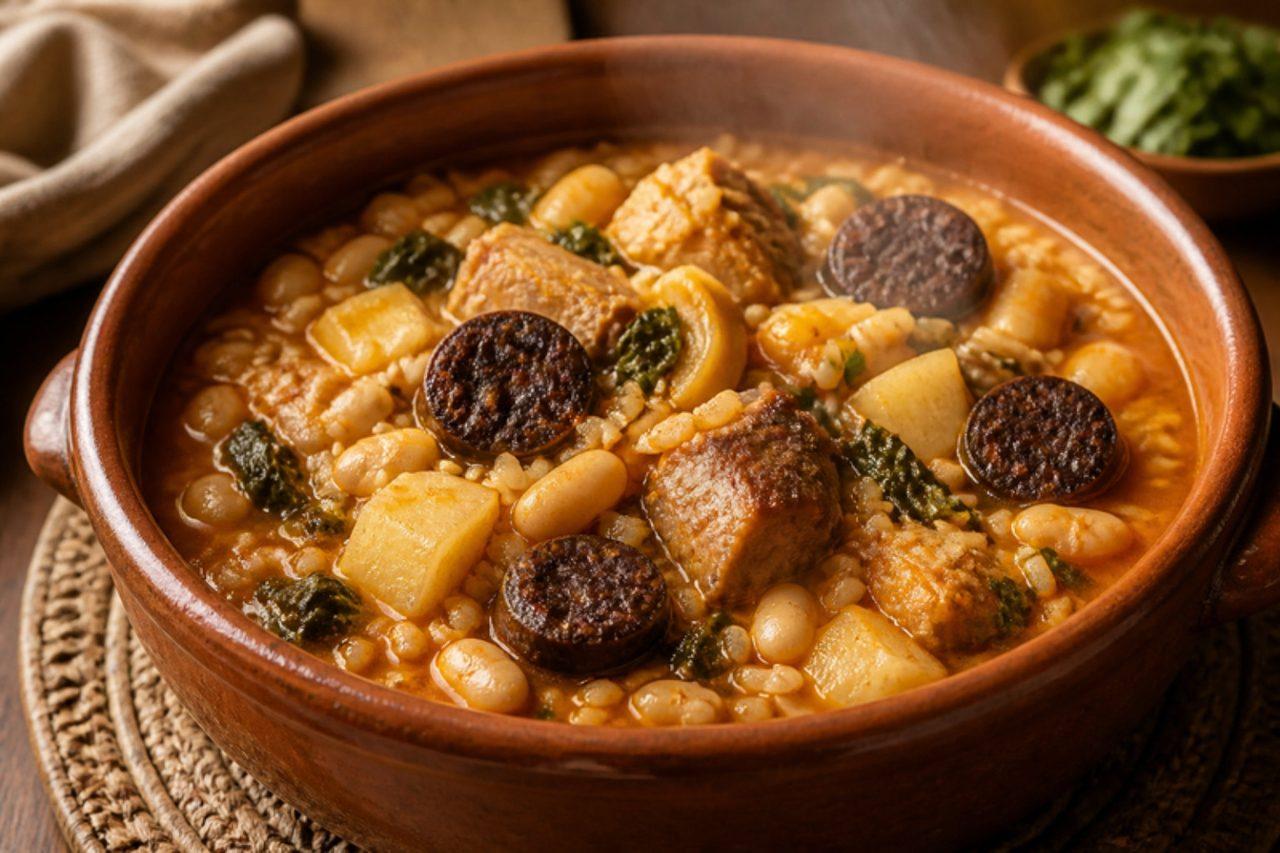
Arròs amb fesols i napsWhite bean and turnip rice stew

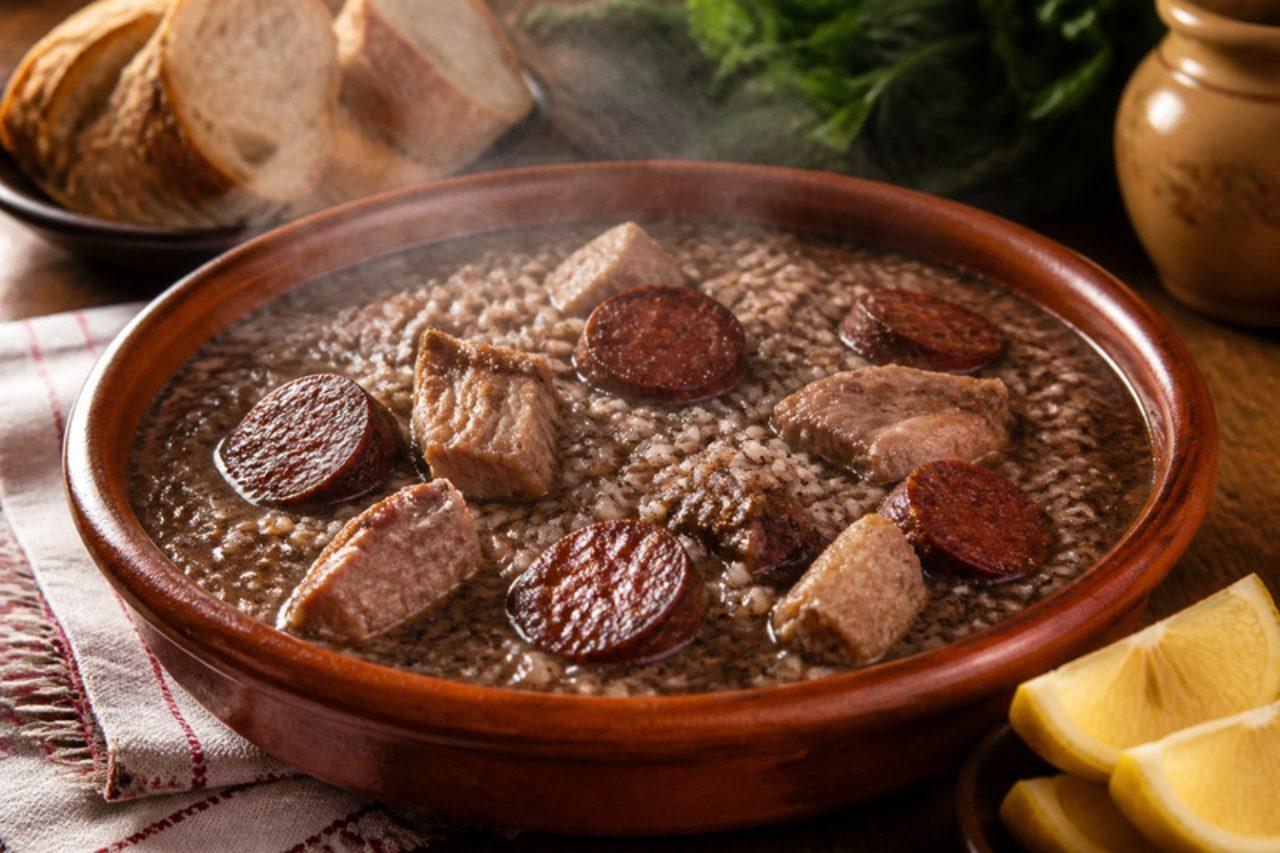
When the Valencian huerta turns cold in January, this brothy rice is what simmers on the stove for Sunday lunch: white beans, sweet turnips, chard and different cuts of pork cooked slowly with saffron, then rice added to the pot at the end, so it is a spoon dish rather than a dry paella. Each family has its own mix of meats; this version uses pork ribs, pork belly and onion morcilla. This contains pork (ribs, belly and black pudding). A common mistake is adding the rice too early; it should go in only once the beans are completely soft, and the pot should be served the moment it is done or the rice swells and drinks up the broth. Chef's tip: soak the beans with a pinch of bicarbonate of soda and start them in cold water; they cook more evenly and their skins stay on.

by KrazyBadal 0 views

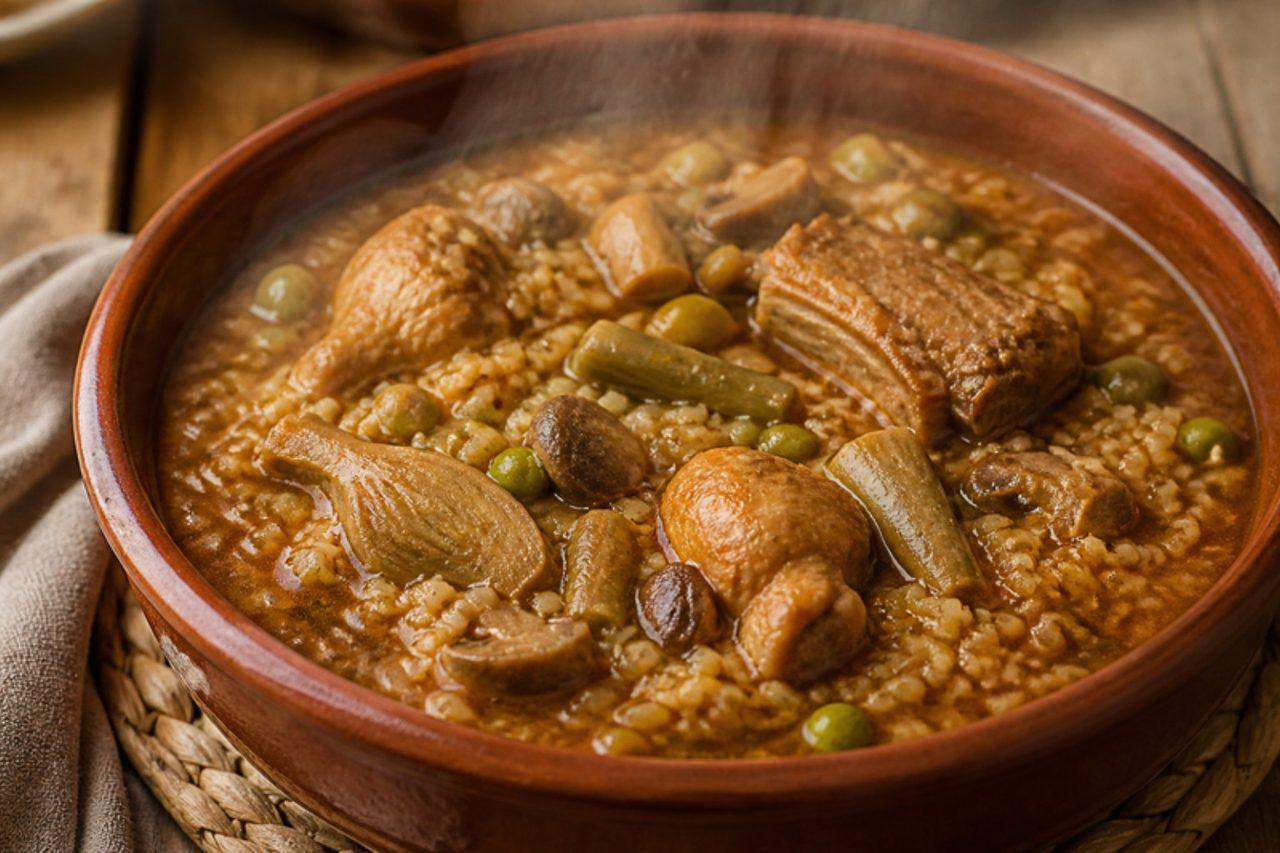
Arròs brutSoupy rice with chicken and pork

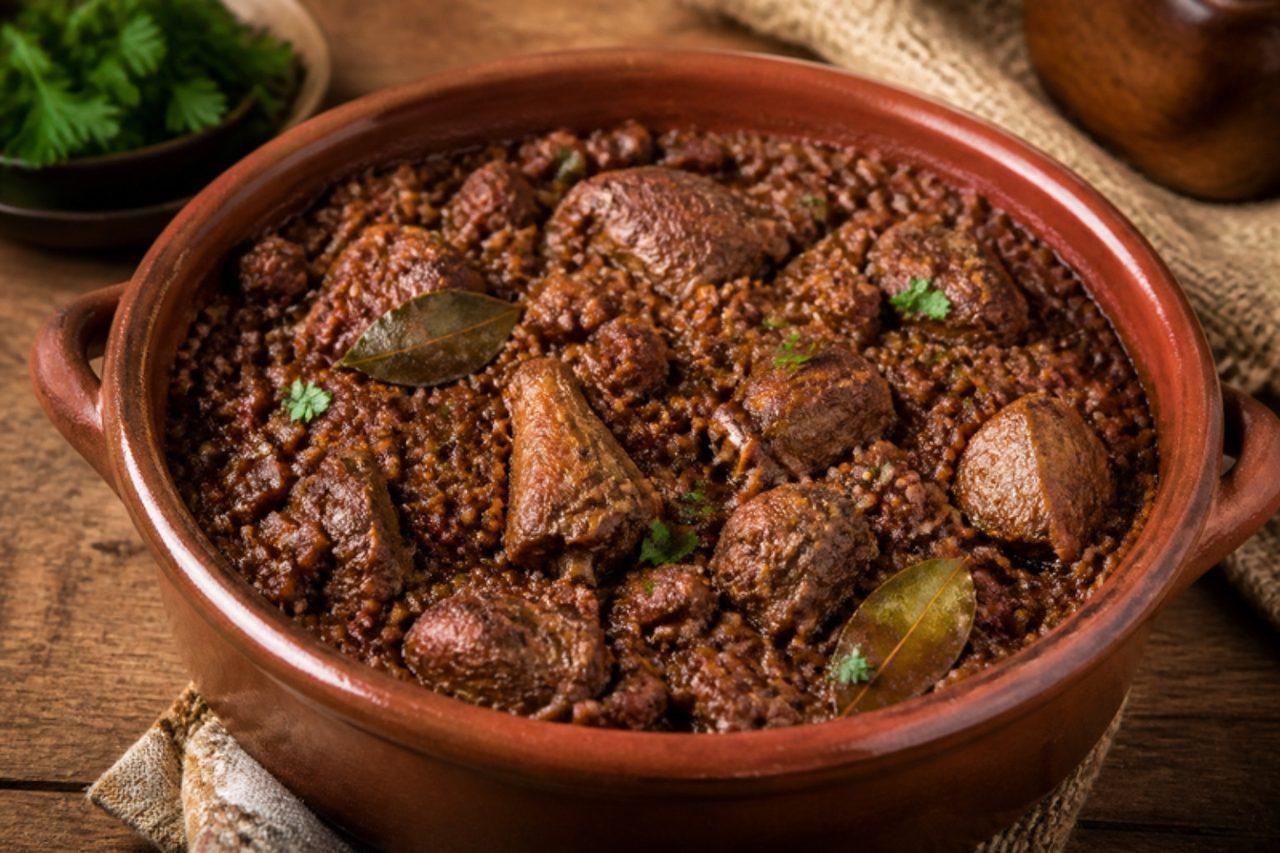
The 'dirty' in arròs brut is the colour the broth takes from cinnamon, cloves, nutmeg and saffron, a spice mix that goes back to the island's medieval kitchens. Inland Mallorca cooks it on autumn and winter Sundays and at hunting lunches, with chicken, pork ribs, rabbit or small game, plus mushrooms, artichoke, green beans and peas, and serves it soupy, eaten with a spoon. This contains pork (pork ribs). Chef's tip: toast the ground spices for only a few seconds in the oil, then add the tomato at once, because burnt cloves and cinnamon make the whole pot bitter.

by KrazyBadal 0 views

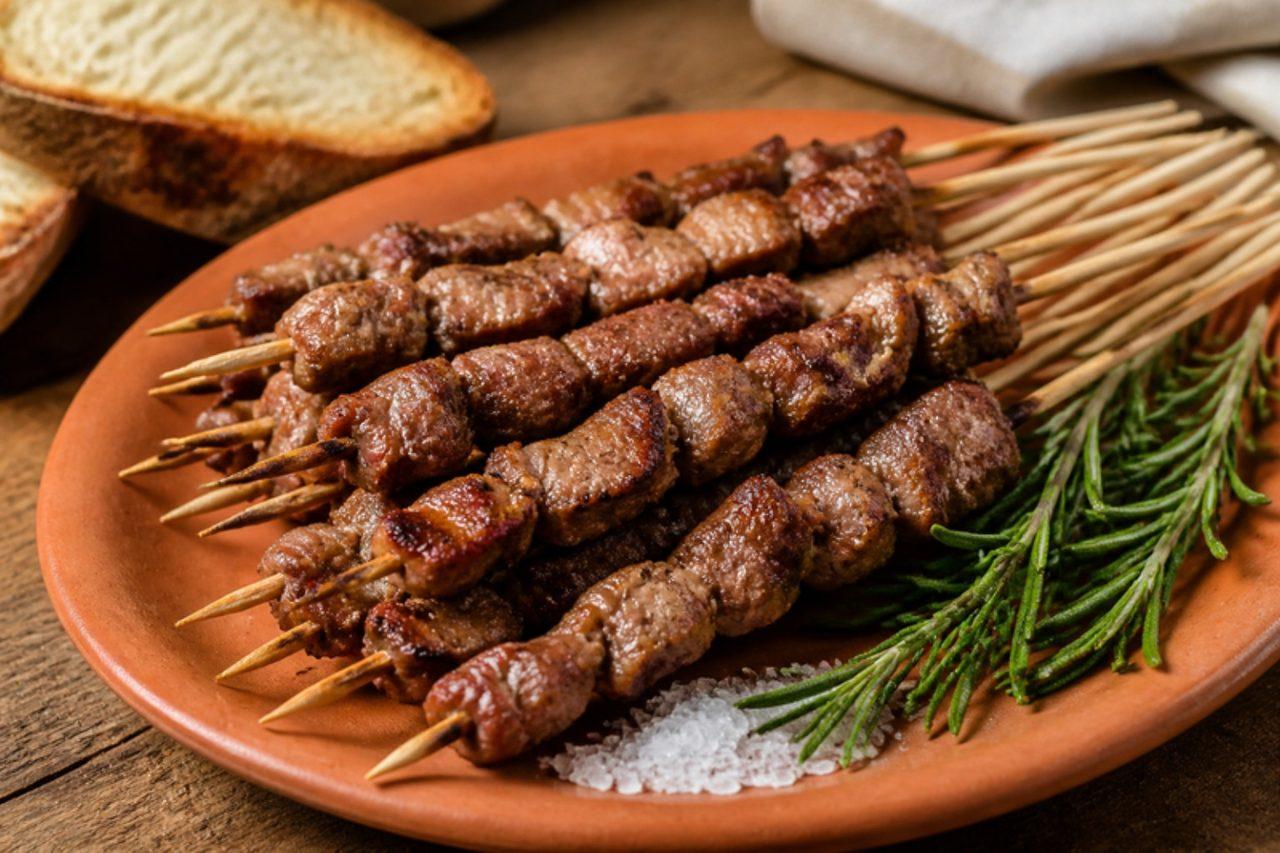
ArrosticiniGrilled lamb skewers

Drive through the hills of Abruzzo on a summer evening and you'll smell arrosticini: tiny cubes of sheep's meat threaded onto thin skewers and grilled by the dozen on a long, narrow charcoal brazier called a canala. Traditionally they're made with mutton from the region's flocks; lamb shoulder is easier to find and works beautifully. They are seasoned only with salt and olive oil, eaten straight off the stick by the handful, with bread drizzled in oil and a glass of something cold. A ridged grill pan works when you can't light charcoal. Chef's tip: leave a little fat on the meat and alternate fatty and lean pieces on each skewer, so they baste themselves as they cook.

by KrazyBadal 0 views

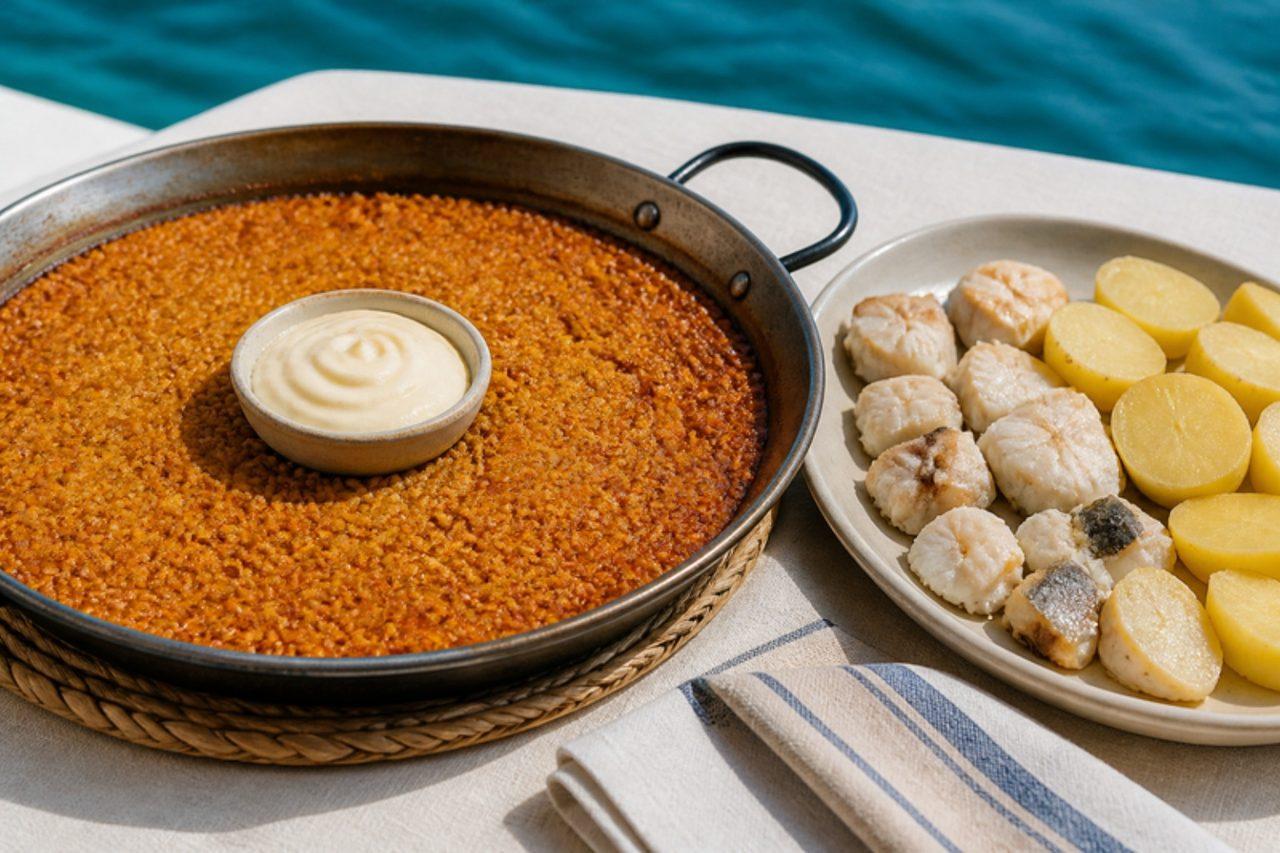
Arroz a bandaRice cooked in fish stock

Along the Alicante coast, from Santa Pola to Dénia, arroz a banda began as a fishermen's meal: the small, bony fish that wouldn't sell were simmered into a deep, rust-coloured stock, rice was cooked in it, and the fish was eaten "a banda", on the side. Today the rice comes first, thin, golden and intensely savoury, with a spoonful of allioli, and the poached fish and potatoes follow. A common mistake is a weak stock; the rice tastes of nothing more than what it cooks in, so use plenty of fish and reduce it well. The allioli here uses pasteurised egg; raw-egg allioli is not for pregnant women, young children or anyone with a weakened immune system. Chef's tip: let the rice catch slightly on the base in the last minute to form socarrat, the toasty crust everyone fights over.

115 minSpanishFishGluten free
by KrazyBadal 0 views

Arroz à gregaRice with carrot, peas and raisins

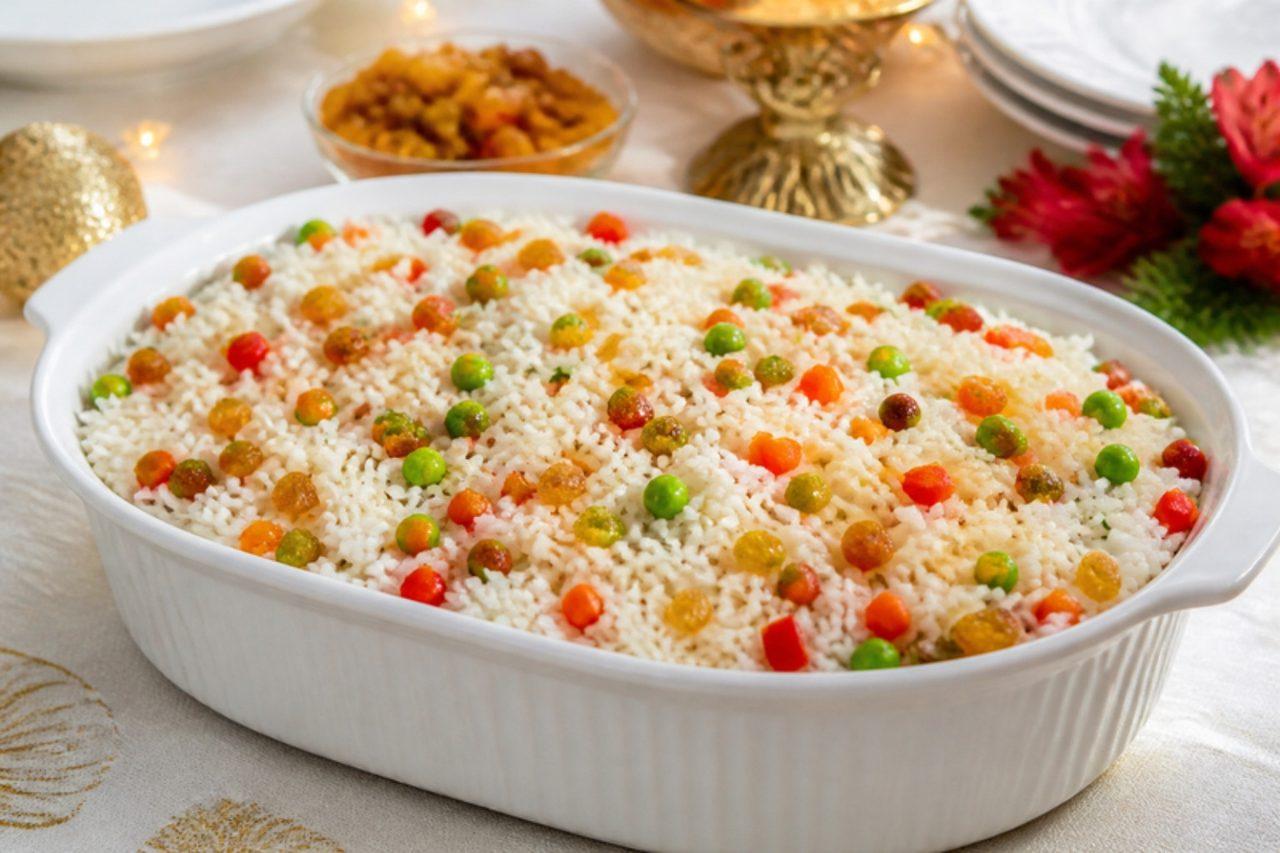
Nothing Greek about it: the name is pure Brazilian whimsy, and every carioca Christmas and New Year's Eve table has a big platter of this colourful rice next to the roast. Long-grain rice is cooked with onion and garlic and then tossed with diced carrot, peas, red pepper, raisins and spring onion, so each spoonful is savoury, a little sweet and full of colour. It also turns up at weekend lunches and as a side with grilled vegetables or bean dishes. Most people overload the pan and steam everything together, which turns the vegetables dull and soft. Cook the rice and the vegetables separately and fold them together at the end. Chef's tip: soak the raisins in a little hot water for 10 minutes; they plump up and don't pull moisture out of the rice.

by KrazyBadal 0 views

Arroz a la tumbadaSoupy seafood rice

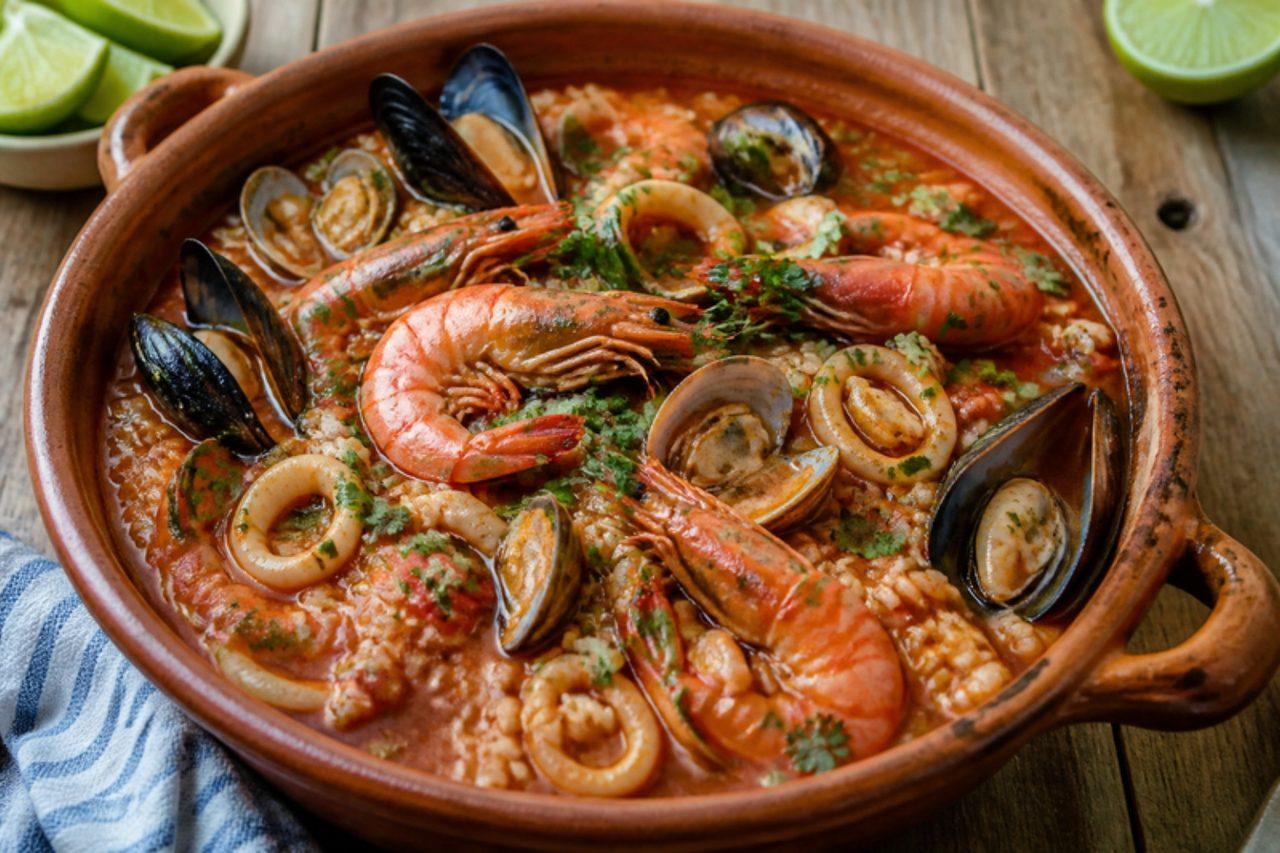
Along the Veracruz coast, from Alvarado to the port itself, fishermen's families make arroz a la tumbada: a loose, soupy red rice cooked in tomato and fish stock and loaded with prawns, squid, clams and mussels. It sits between a paella and a seafood soup, eaten with a spoon at long Sunday lunches in beachside palapas, with lime wedges and hot sauce on the table. Epazote gives it its local scent; parsley with a pinch of oregano will do if you can't find it. Chef's tip: take it off the heat while it still looks too wet; the rice keeps drinking the broth on the way to the table.

by KrazyBadal 0 views

Arroz clavadoCoconut rice with cheese

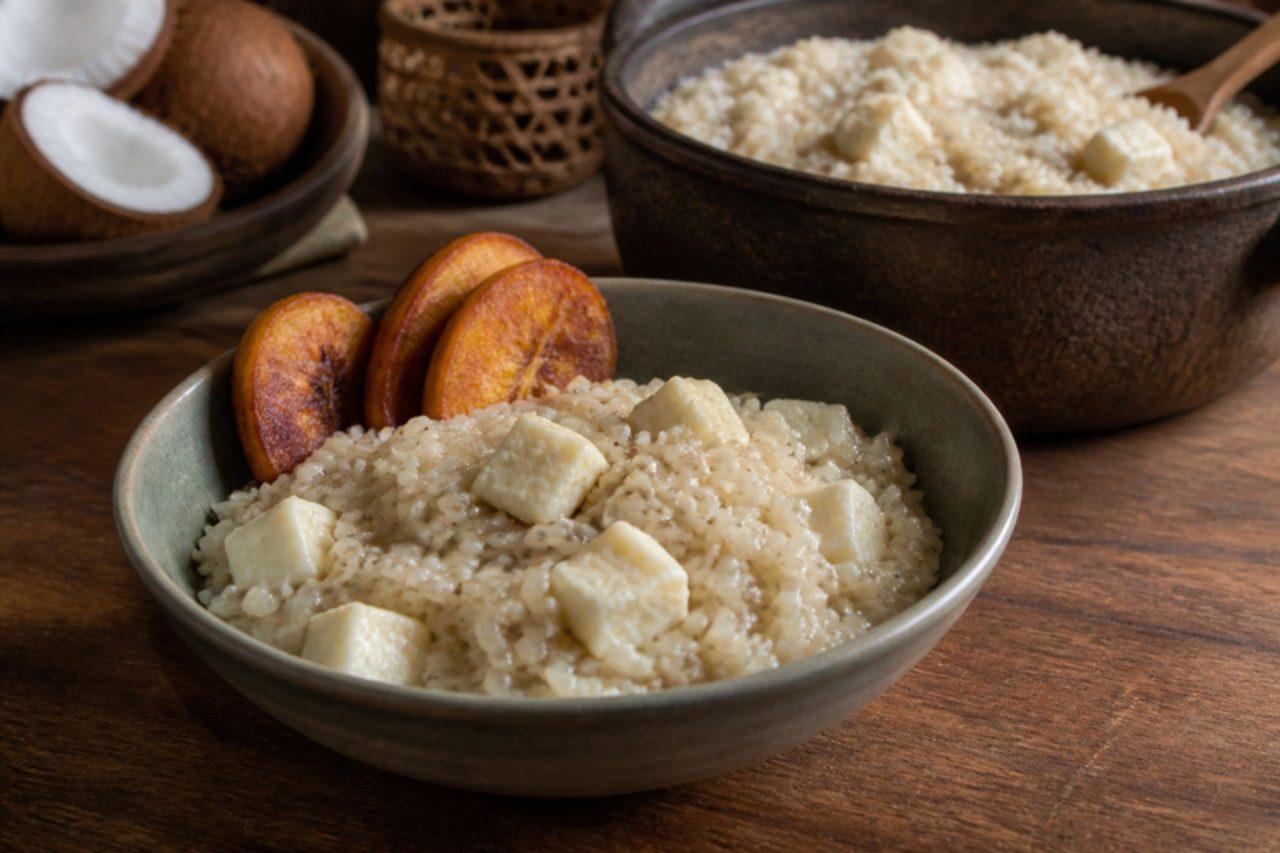
From Quibdó and the river towns of the Chocó comes a rice dish built on coconut, where cubes of white cheese are pushed into the pot near the end and left to melt into sticky, golden pockets; clavado means nailed in. The coconut milk, ideally pressed from freshly grated coconut, gives the rice a creamy, gently sweet base, and the Pacific herbs of the azotea, the raised kitchen garden, add a sharp green note. It is a weekday lunch at home, eaten with fried plantain, avocado or alongside fried fish for those who eat it. White cheese in Colombia is usually set with animal rennet, so use a vegetarian (microbial-rennet) halloumi or mozzarella-style cheese if needed. Stirring after the cheese goes in is the slip that turns it to mush, so poke the cheese into the rice and then leave the lid on. Chef's tip: culantro (long-leaf coriander) from Asian or Caribbean shops is close to the Chocó herbs; use ordinary coriander stems if not.

by KrazyBadal 0 views

Arroz com pequiRice with pequi fruit

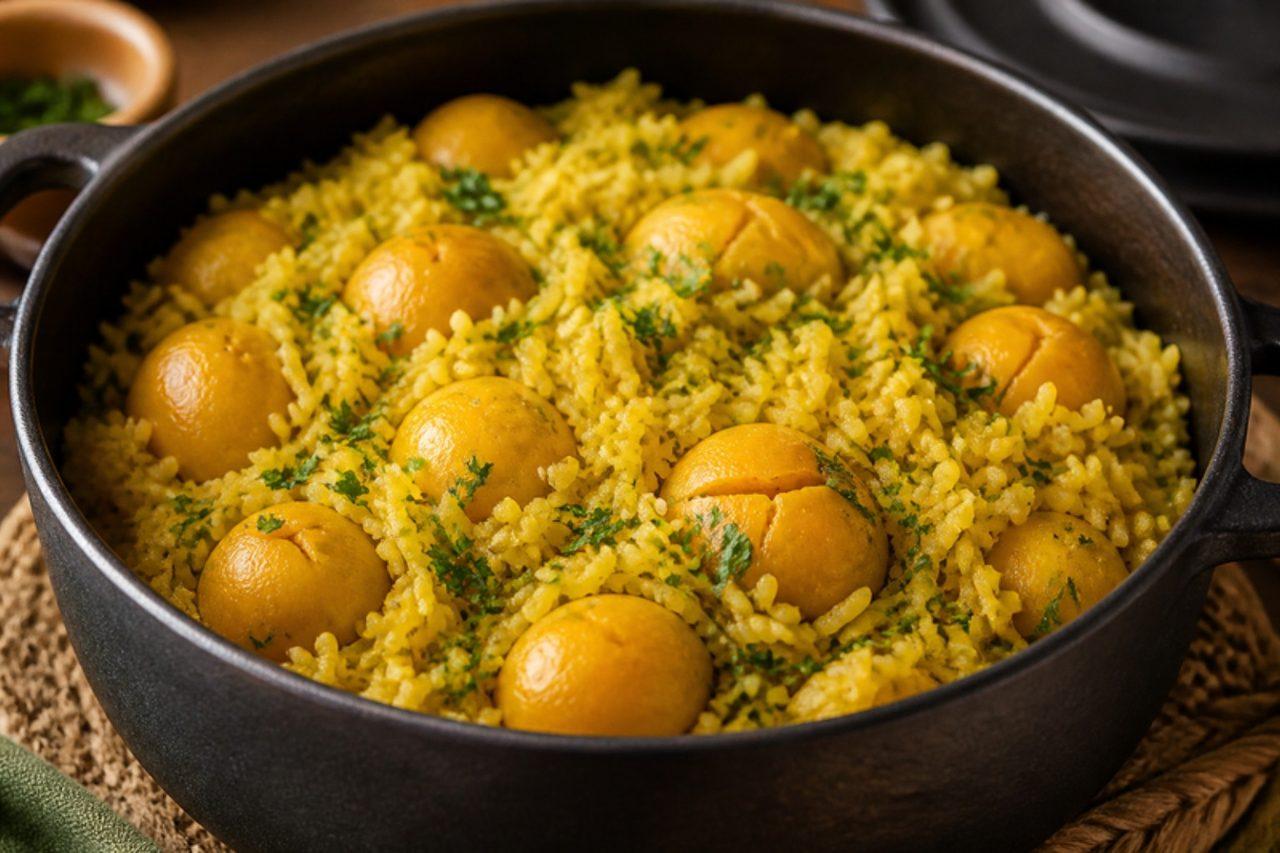
Pequi is the taste of the cerrado: a yellow-orange fruit with a powerful perfume, somewhere between cheese, apricot and petrol, that goianos love and newcomers need time to get used to. In Goiânia and around Brasília, rice cooked with pequi turns golden and absorbs that aroma; it is often made with chicken, but this meatless version is everyday food in the November-to-February season. Pequi is sold fresh in cerrado markets and frozen or jarred in brine in Brazilian shops elsewhere. Important: the stone inside the flesh is covered in fine, sharp spines. Never bite into a pequi; gnaw the flesh off gently with your teeth, and warn your guests. The usual slip is stirring the rice too much after the water goes in, which breaks the soft fruit apart. Chef's tip: fry the pequi in the oil first until it colours, because that flavoured oil is what tints and scents every grain.

by KrazyBadal 0 views

Arroz con conejoRabbit and rosemary rice

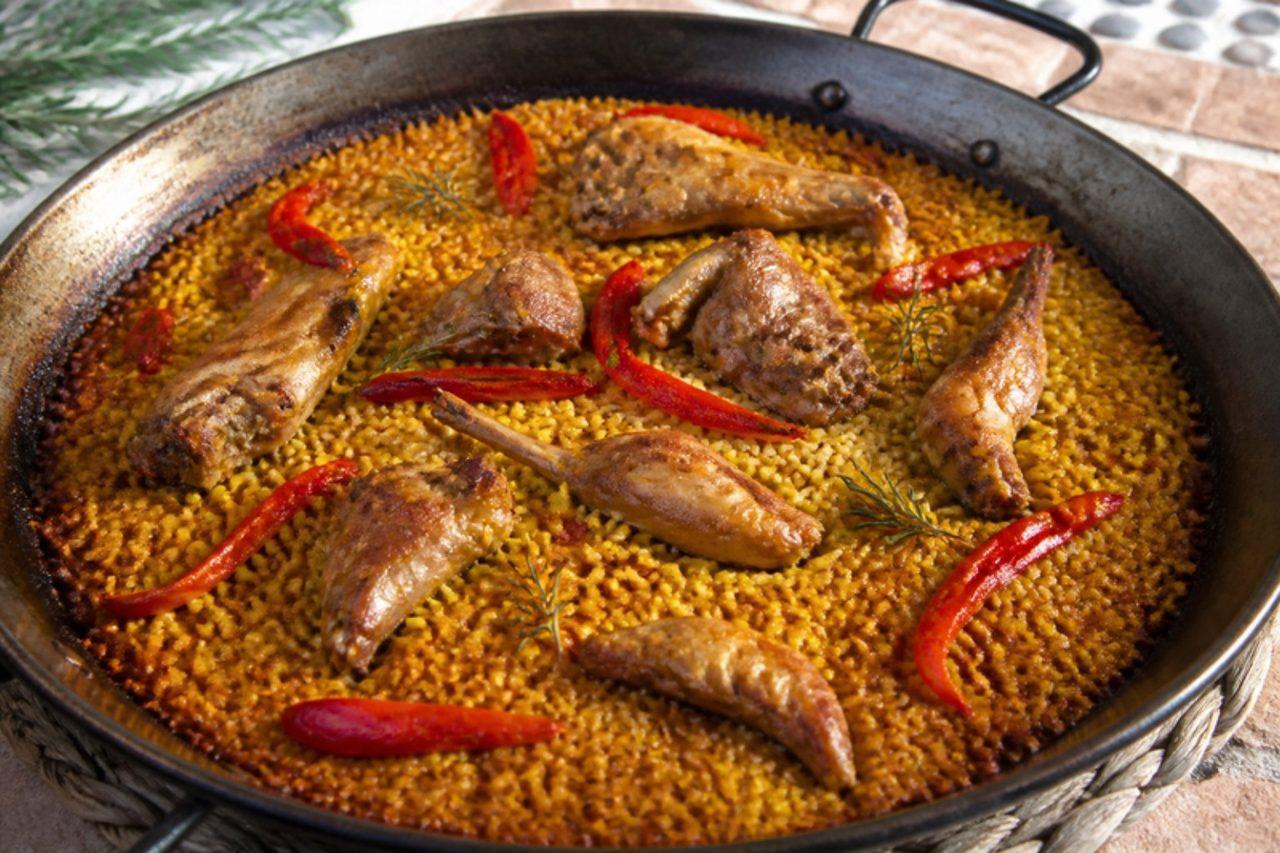
On Sundays in the Murcian countryside, rice with rabbit is cooked in a wide, flat pan over a fire of vine shoots, and the whole family eats straight from the edges. The rice is Calasparra, grown along the Segura river in the north of the region, and the flavour comes from rabbit browned slowly in olive oil, dried ñora pepper, saffron and a sprig of mountain rosemary laid on top at the end. Many cooks add snails too. Chef's tip: brown the rabbit really well, until golden and sticky, because that crust is where the flavour of the broth comes from.

by KrazyBadal 0 views

Arroz con costraOven-baked rice with chicken and sausage

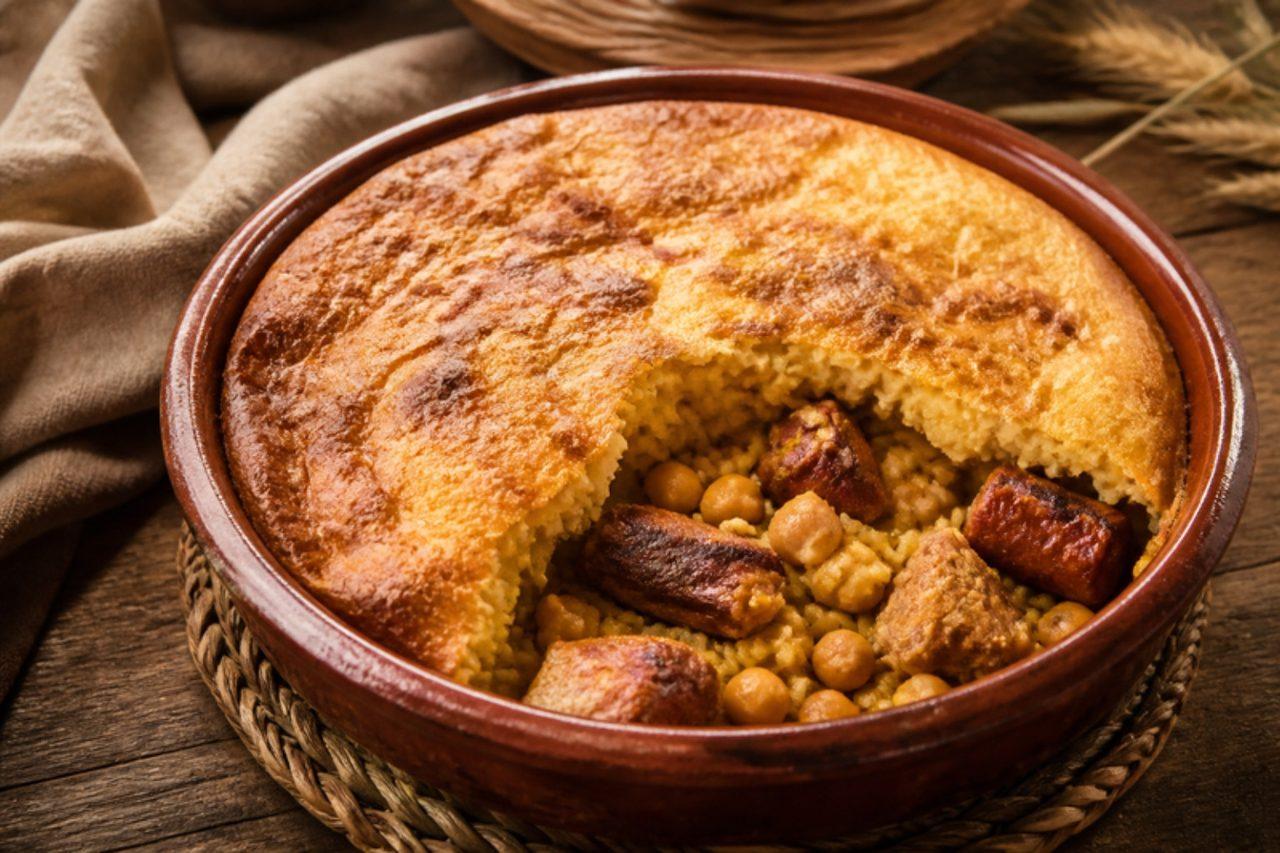
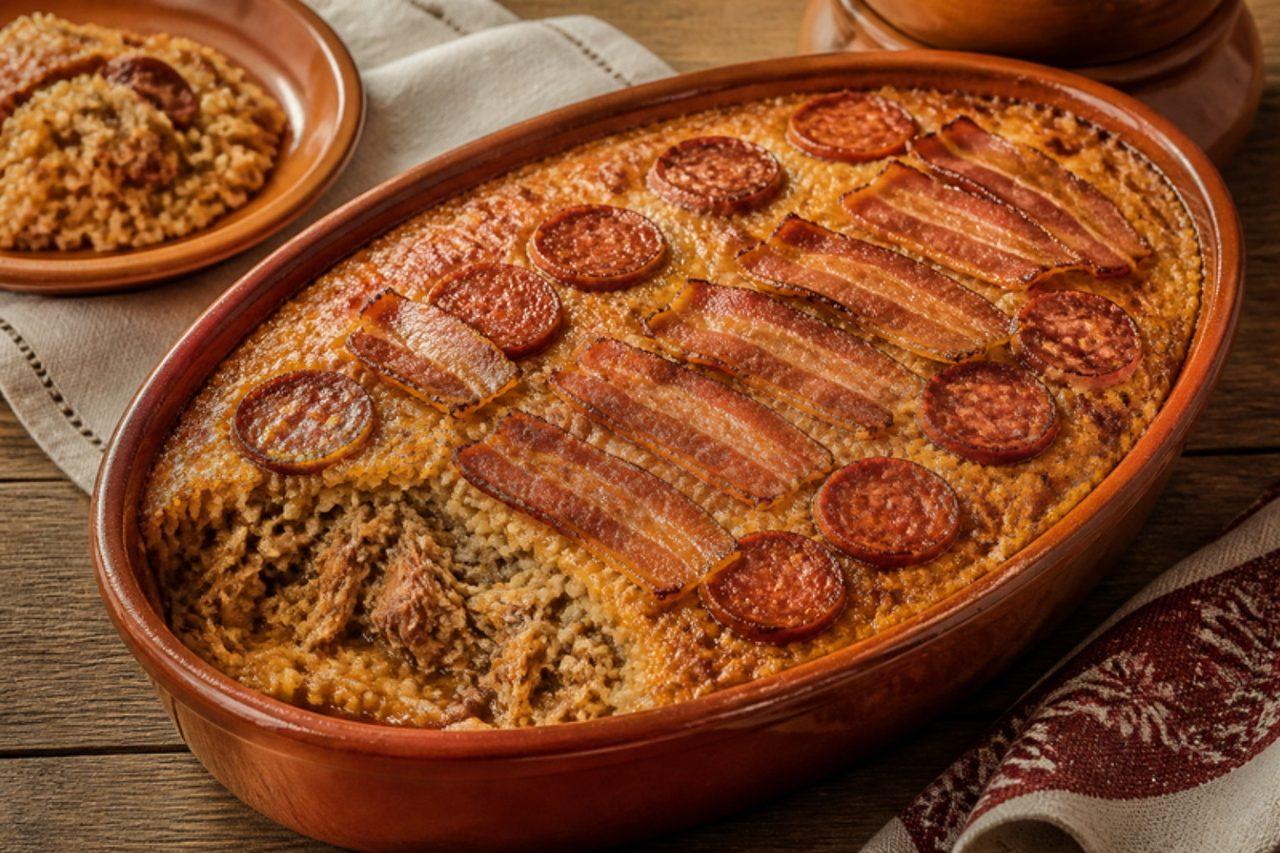
Elche and Orihuela, in the south of Alicante, finish their Sunday rice in a way no other Spanish rice is finished: a thick layer of beaten egg is poured over the cooked rice, chicken, chickpeas and sausages, and the earthenware dish goes into a hot oven until the egg puffs into a golden lid. Families argue about whether the costra should be cracked at the table or cut into wedges. This contains pork (white sausages and morcilla). A common mistake is pouring the egg over rice that is still soupy; the egg sinks in and goes rubbery, so wait until the liquid has almost all gone. Chef's tip: bake it in a wide earthenware cazuela if you have one, which holds the heat and gives the crust its traditional dome.

by KrazyBadal 0 views

Morrones con huevo a la parrillaGrilled peppers with egg and cheese

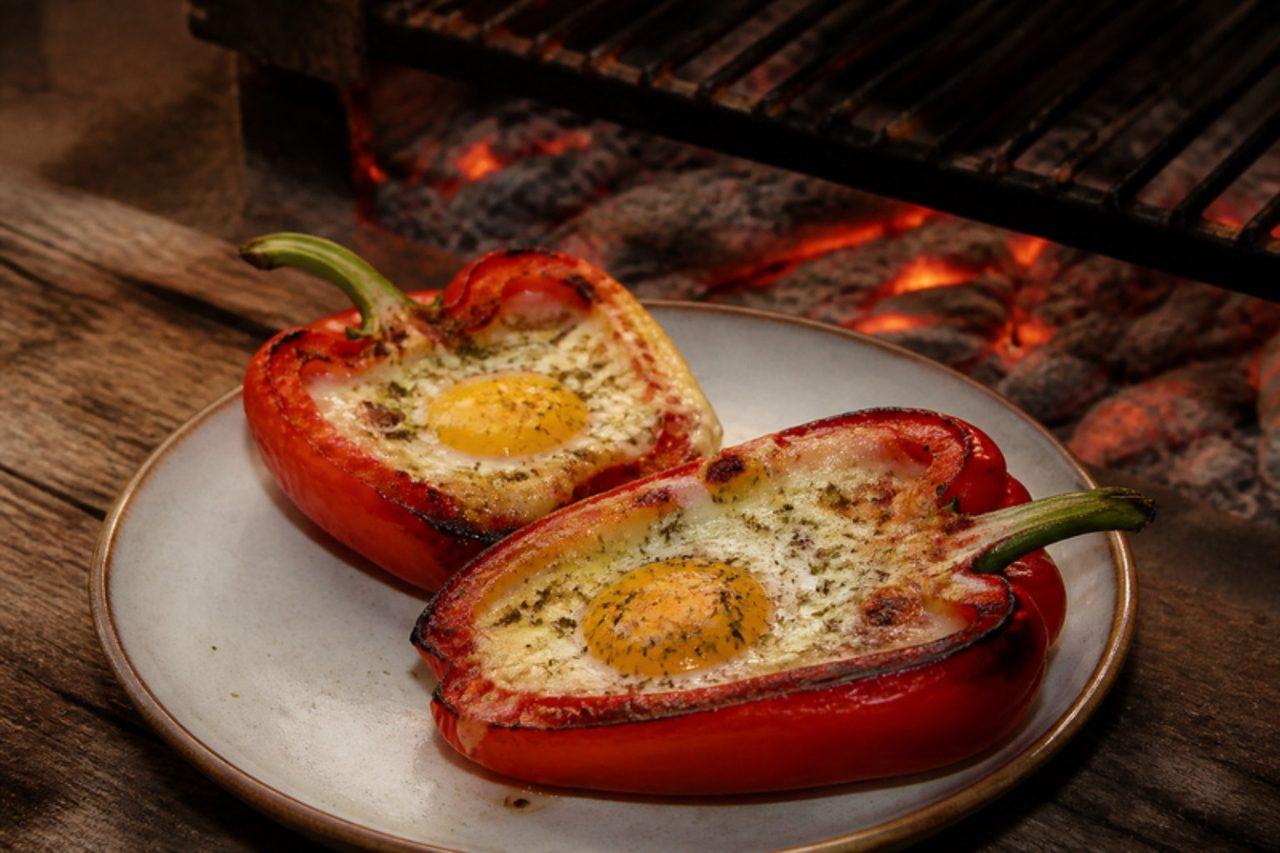
While the meat rests on the cooler side of the parrilla, many asadores put halved red peppers cut side up over the coals, let them soften and char, then crack an egg into each one with a piece of cheese and a pinch of oregano. The pepper becomes a little dish: sweet, smoky and juicy, with a just-set egg and molten cheese in the middle. It is one of the classic starters at an Argentine asado, eaten with bread before the steak arrives, and it makes a good vegetarian main for anyone who skips the meat. The mistake is cracking the egg into a raw pepper: the egg overcooks before the pepper softens, so grill the shells first. Cook until the white is completely set. Queso cremoso or mozzarella is usually made with animal rennet; pick a vegetarian one if needed. Chef's tip: cover the peppers with a foil tent or a lid once the egg goes in; the trapped heat sets the top of the egg without burning the base.

by KrazyBadal 0 views

Arroz con patoDuck and coriander rice

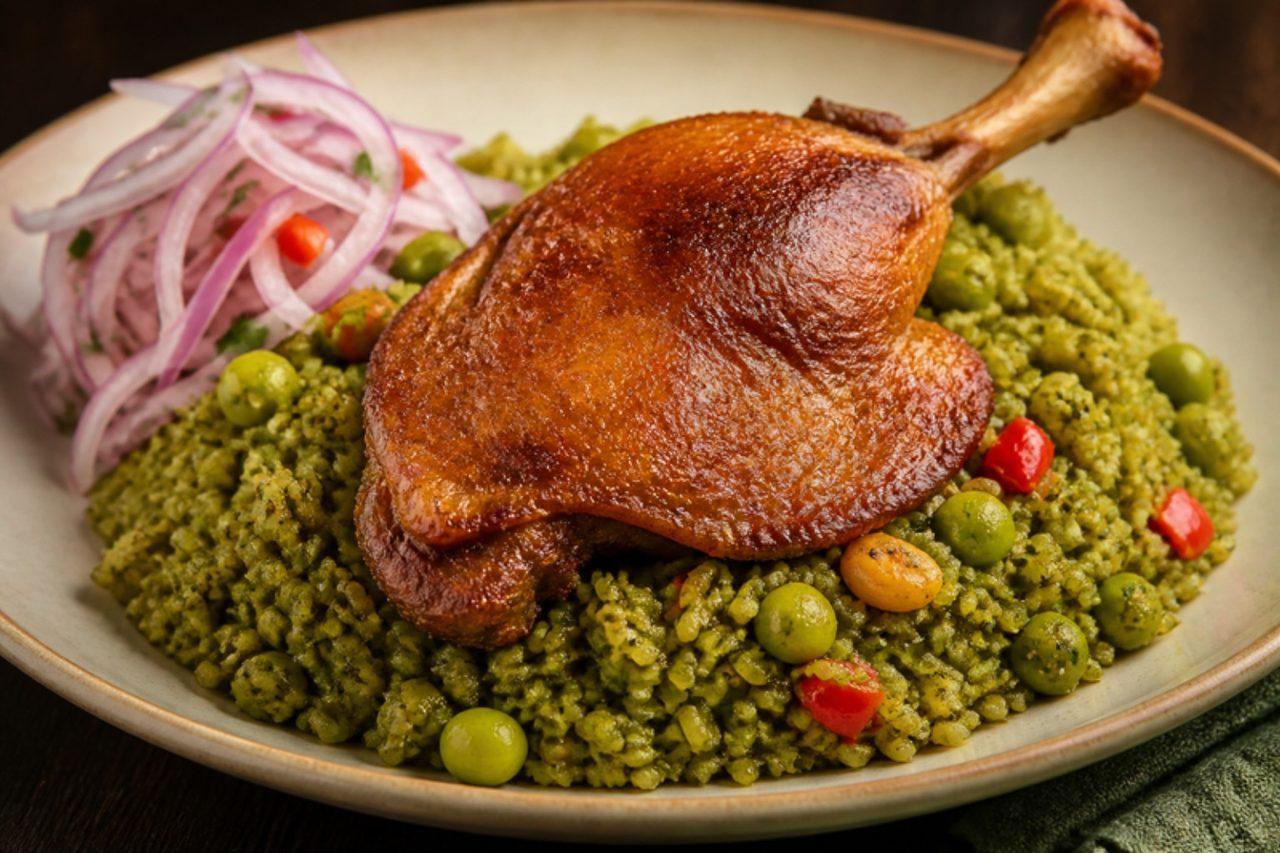
Chiclayo and the northern coast claim arroz con pato as their own, and family lunches and big Sunday gatherings there often centre on a deep pot of it: duck legs browned and simmered in dark beer and a purée of coriander and spinach, then rice cooked in the same green, duck-rich liquid with peas, red pepper and ají amarillo. The rice is moist and loose, the duck tender with crisp edges, and it is served with salsa criolla and, often, papa a la huancaína. The beer contains alcohol, and not all of it cooks off; for an alcohol-free pot use alcohol-free beer or the stock swap in the ingredients. A common mistake is skipping the browning, which leaves flabby skin and a pale, fatty rice; render the duck slowly first and pour off excess fat. Chef's tip: let the cooked rice rest under the lid off the heat for 10 minutes before fluffing.

by KrazyBadal 0 views

Arroz de cuxáRice with roselle leaves and shrimp

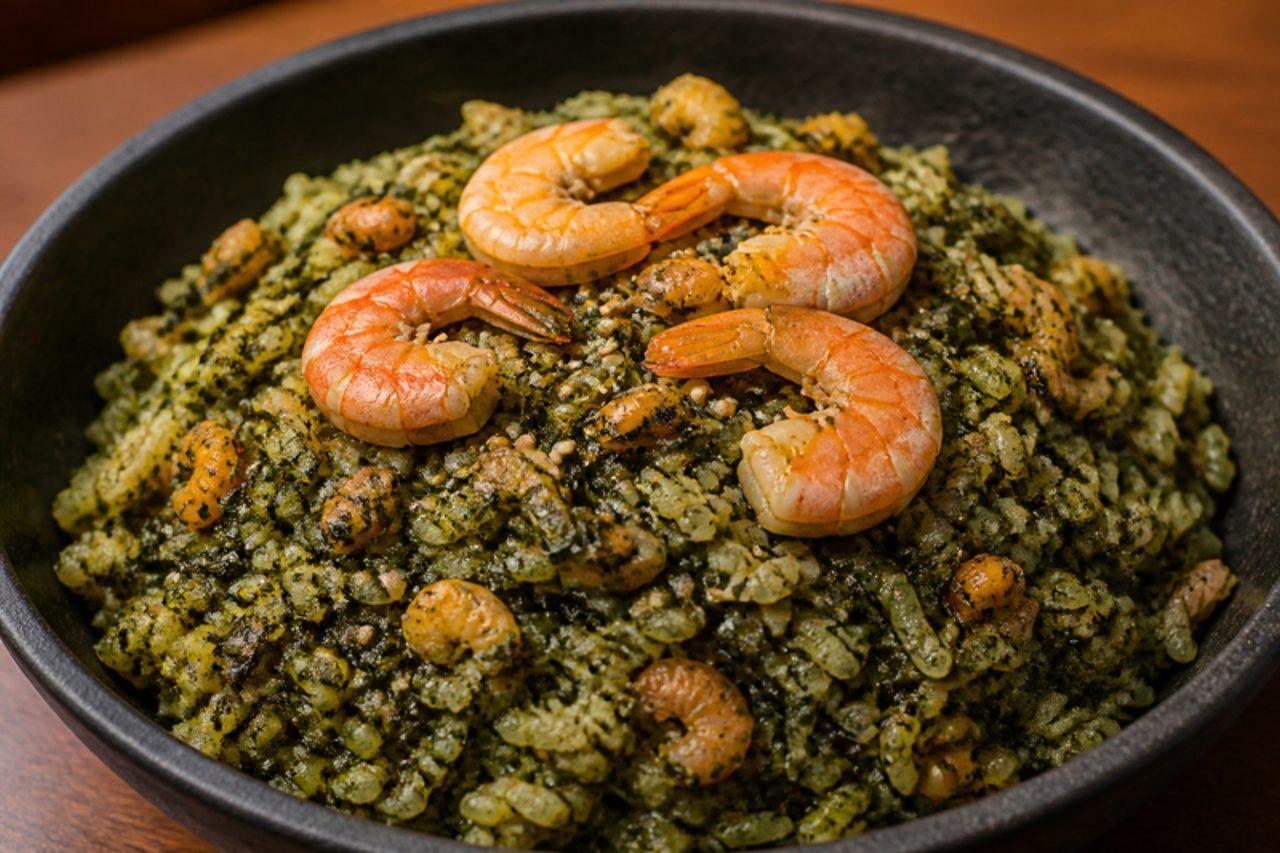
Green-flecked, sharp and nutty, arroz de cuxá is the signature rice of São Luís, served in Maranhão homes and seafood restaurants with fried fish, torta de camarão or a simple fried egg. The sourness comes from vinagreira, the leaves of the roselle hibiscus, cooked down into a thick cuxá sauce with dried shrimp, toasted sesame and a little cassava flour, then stirred into fluffy white rice. Roselle leaves are sold as gongura in Indian grocers and as sorrel leaves in Caribbean shops; spinach with lime juice is a mild stand-in. The common error is under-cooking the leaves, which leaves them stringy; they should collapse into a dark, soft purée. For a vegetarian version, leave out the shrimp and add a spoonful more sesame. Chef's tip: toast the sesame until it just turns gold and starts to pop, then grind it while warm so it releases its oil into the sauce.

by KrazyBadal 0 views

Arroz de lingueirãoRazor clam rice

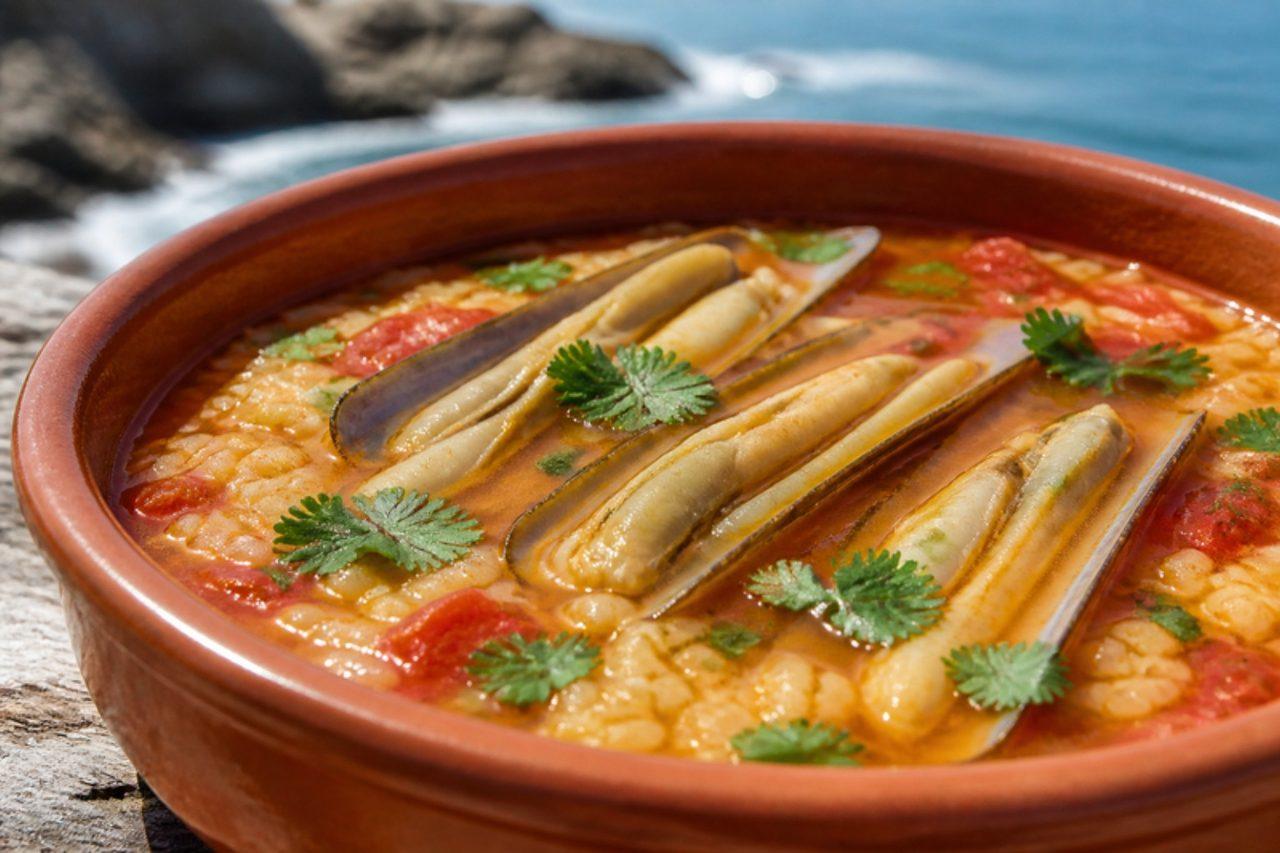
When the tide drops on the Ria Formosa near Fuzeta, pickers dig razor clams from the mud, and by lunchtime the riverside tascas are serving them in this loose, brothy rice, called malandrinho because it should still ripple in the bowl. Tomato, garlic and a big handful of coriander carry the sweet, briny clam flavour. The recipe uses a little white wine; for an alcohol-free version use the same amount of water with a teaspoon of lemon juice. Chef's tip: add the razor clams for the last 2 minutes only, or they turn rubbery.

by KrazyBadal 0 views

Arroz de mariscoSoupy seafood rice

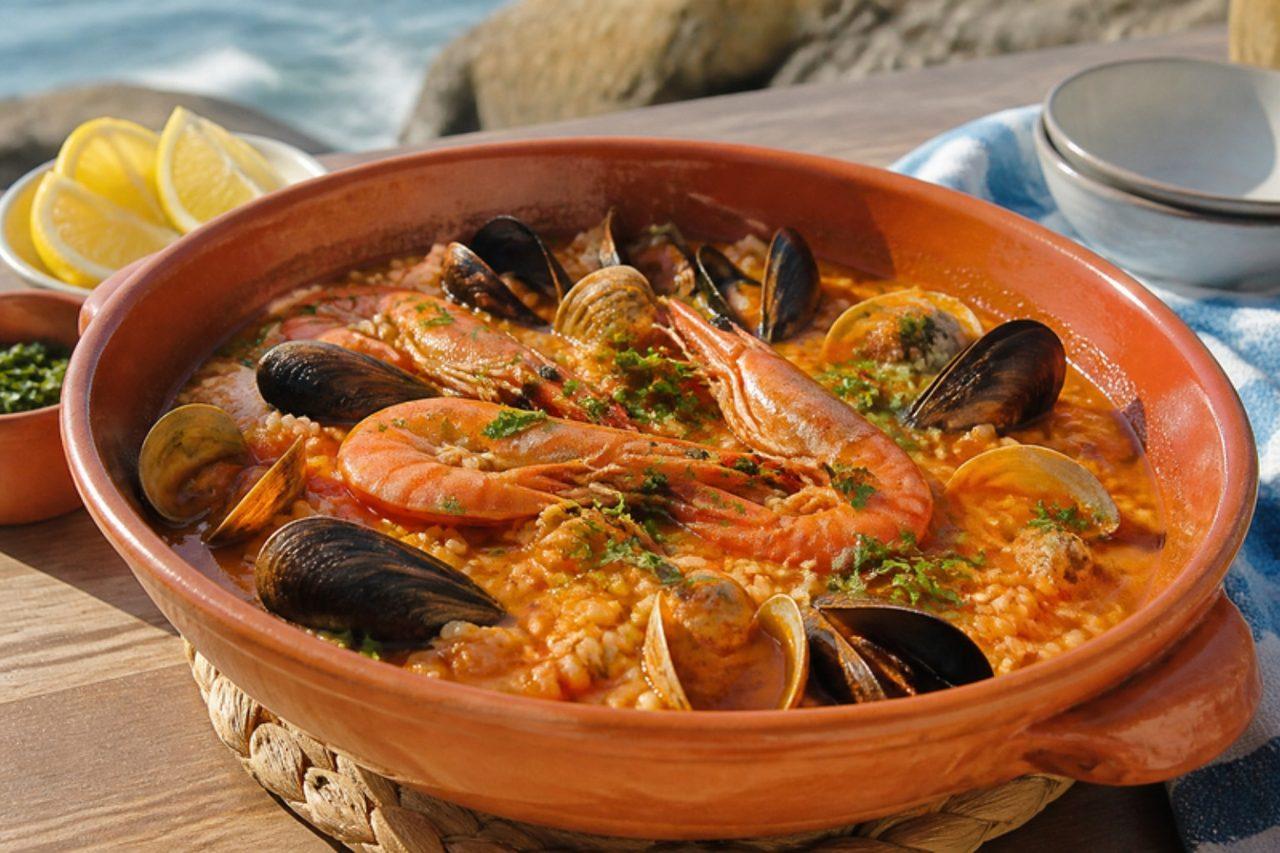
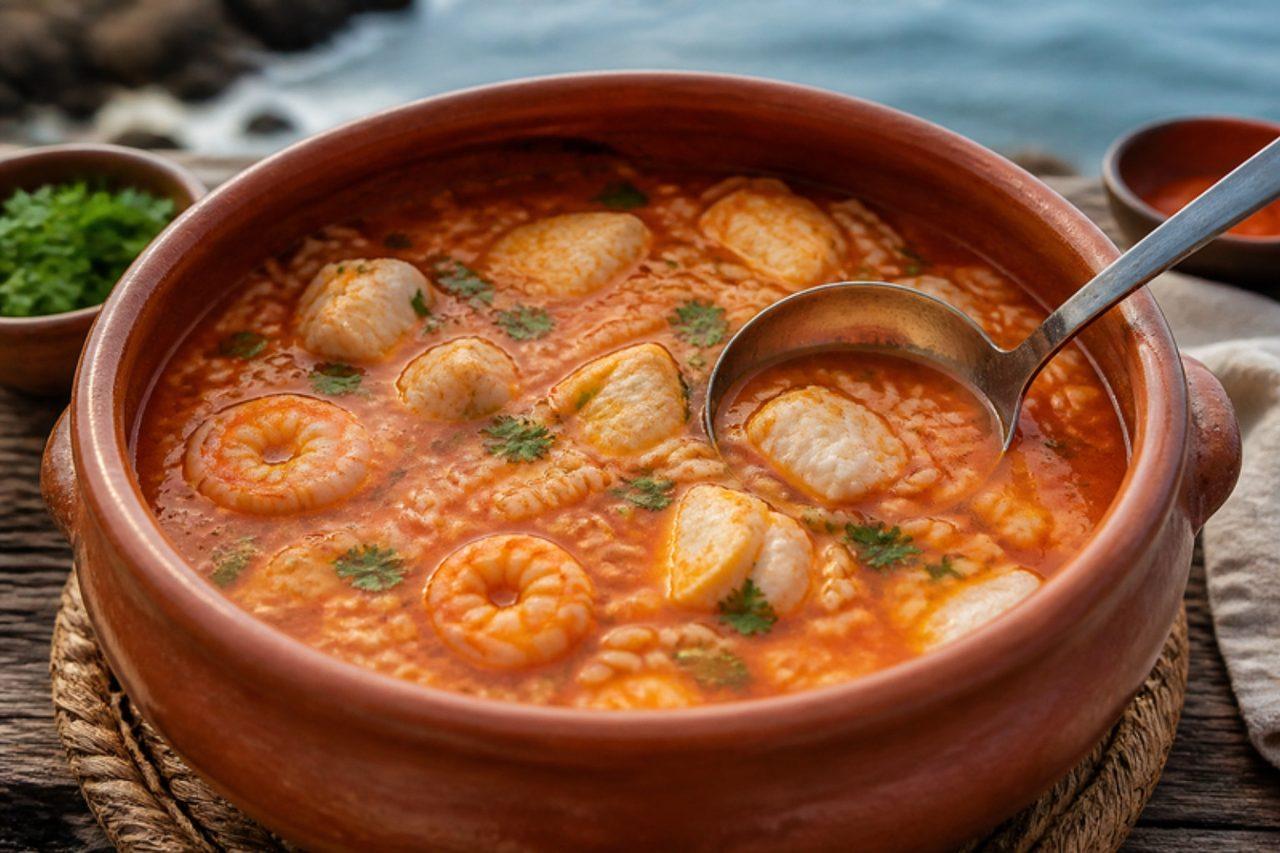
This is not paella. Portuguese arroz de marisco is wet and soupy, eaten with a spoon straight from the pot, and Lisbon families order a big one to share at seafood restaurants on a Sunday, waiting while it is made fresh. The rice simmers in a rich tomato and shellfish broth, then prawns, clams and mussels go in at the end so they stay tender. White wine is traditional and contains alcohol; use more stock instead. A common mistake is letting it stand: the rice keeps drinking the broth, so serve it the moment it is ready. Chef's tip: make the broth from the prawn heads and shells; it is where most of the flavour comes from.

by KrazyBadal 0 views

Arroz de pato à moda de BragaDuck rice with chouriço

In Braga, duck rice is moister than the crisp-topped versions elsewhere: the rice is cooked in a deep duck broth, layered with shredded meat and slices of chouriço, then given a short spell in a hot oven so the top just colours. It is a festive dish for christenings, weddings and Sunday lunches. This contains pork (chouriço and smoked bacon). Chef's tip: make the broth the day before and chill it, so you can lift off the duck fat and use a spoonful of it to fry the onion.

by KrazyBadal 0 views

Arroz de pica no chãoChicken and blood rice

'Pica no chão' means 'pecks the ground', the Minho name for a free-range farmyard hen, and this soupy rice is how it is cooked for a family gathering in Barcelos or Vila Verde. Traditionally the bird's blood is stirred in at the end with vinegar, cabidela style, giving a dark, tangy, velvety sauce; without it you get a lighter but equally good chicken rice. Use a free-range bird or thighs for proper flavour. A common mistake is letting the rice sit before serving; this is a loose, soupy rice and it thickens fast, so bring it to the table at once. Chef's tip: the rice must be served the moment it is ready, still swimming in broth, because it keeps absorbing liquid.

by KrazyBadal 0 views

Arroz de sarrabulhoRice with mixed meats and blood

Ponte de Lima, the old market town on the river Lima, is the capital of sarrabulho, and on market Mondays its restaurants serve this dark, soupy rice from enormous pots. This contains pork (pork shoulder, belly and chouriço) and cooked pig's blood. Several meats are simmered together for a rich broth, then shredded and cooked with rice, cumin and blood until it turns deep brown and creamy. It is usually served next to rojões, with lemon to cut the richness. Chef's tip: add the blood at the very end and stir constantly, so it thickens the rice smoothly instead of forming lumps.

by KrazyBadal 0 views

Arroz de tamborilMonkfish and tomato rice

Fish restaurants in Aveiro, Figueira da Foz and the fishing town of Praia de Mira serve this rice in the pot it was cooked in, steaming and loose, with chunks of firm monkfish and a broth coloured by tomato and peppers. It is a lunch for the weekend, eaten slowly near the beach. Monkfish holds its shape well, and its head and bones make a fine stock. You can add prawns if you like. Chef's tip: it should be 'malandrinho', loose and soupy, so take it off the heat while the rice is still slightly firm; it carries on softening at the table.

by KrazyBadal 0 views

Arroz del senyoretPeeled seafood rice

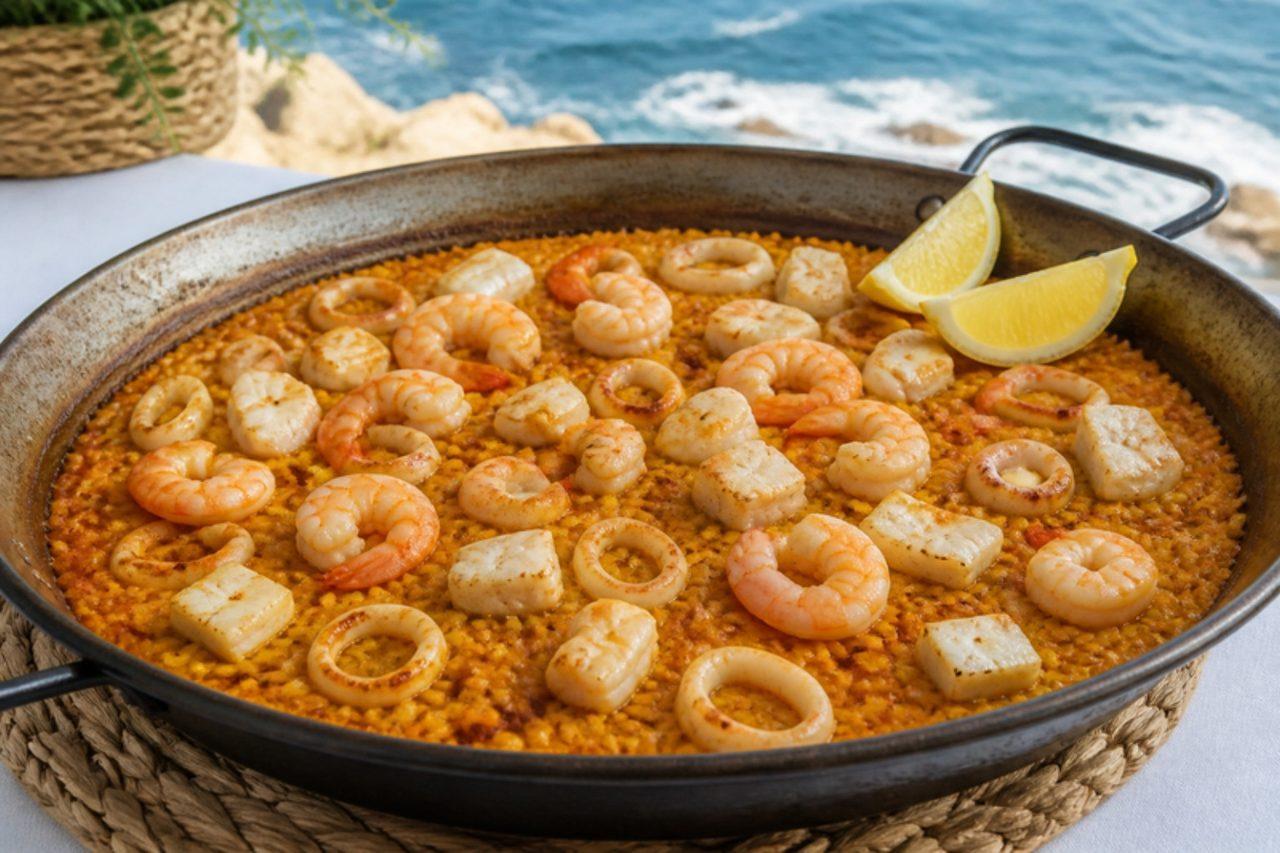
The name means "the little gentleman's rice", after the well-to-do diners at Valencia's beach restaurants in Las Arenas and El Saler who refused to get their hands dirty peeling prawns. So every piece of seafood goes into the pan already peeled and cut to fork size, while the shells are fried into the stock to keep all their flavour. The result is a thin layer of saffron-gold rice dotted with sweet prawn, squid and monkfish, eaten straight from the pan on a summer Sunday. A common mistake is throwing the prawn shells away; they give the stock its depth. Chef's tip: grate the tomato rather than chopping it; the pulp melts into the sofrito and lets it darken quickly.

by KrazyBadal 0 views

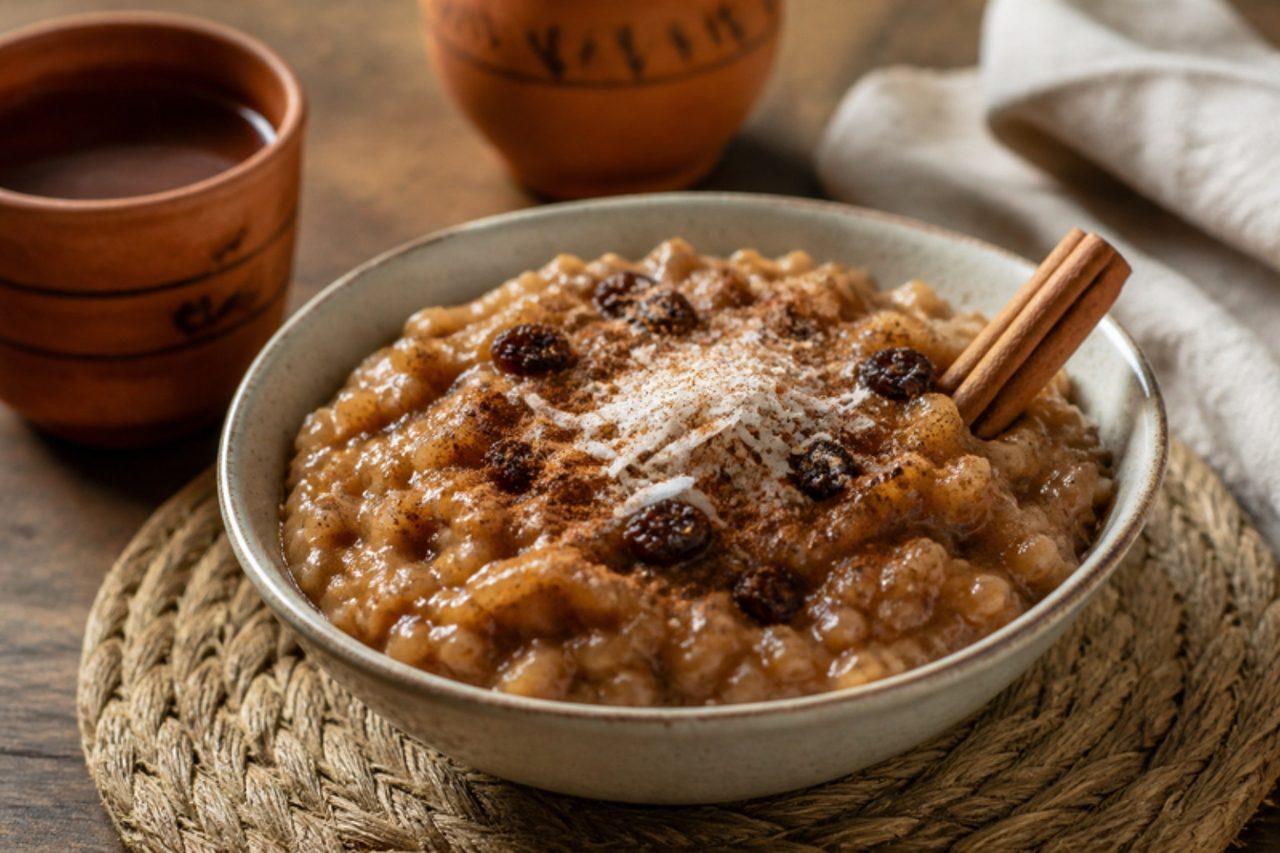
Arroz zambitoRice pudding with chancaca and raisins

Lima's Afro-Peruvian kitchens gave the city arroz zambito, the dark cousin of arroz con leche: rice simmered with cloves and cinnamon, sweetened with chancaca instead of white sugar, and enriched with milk, coconut and raisins. The name refers to its deep brown colour, and it is sold in cups at markets and from carts alongside mazamorra morada, often half and half in the same cup. It tastes of molasses and spice, soft and creamy with chewy raisins and nuggets of coconut. The way it usually goes wrong is adding the chancaca too soon, before the rice is tender; the sugar firms the grains and they never soften. Serve warm or at room temperature, dusted with cinnamon. Chancaca can be swapped for panela or dark muscovado. Chef's tip: melt the chancaca in a little water first and strain it, as the blocks often contain bits of cane fibre.

by KrazyBadal 0 views

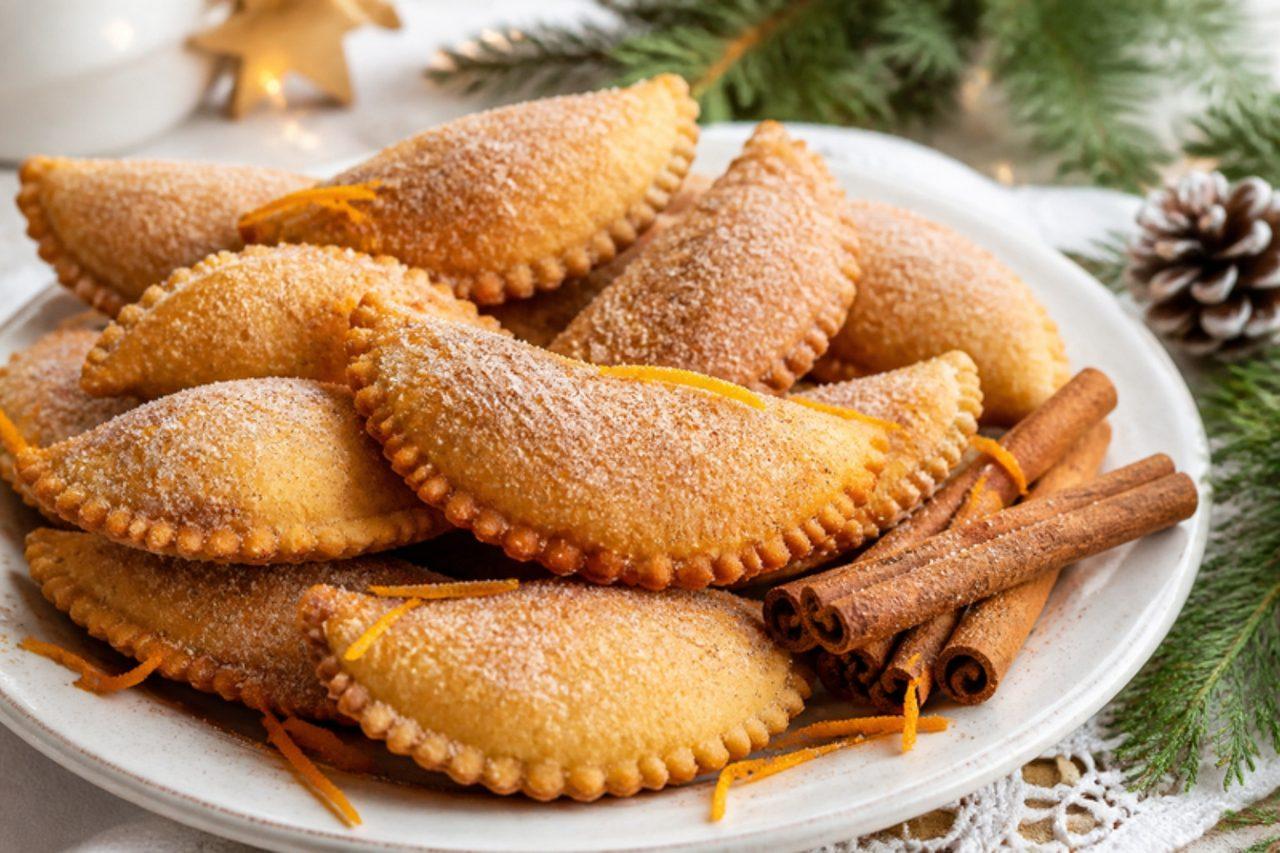
Arrufadas de CoimbraCinnamon sweet rolls

Coimbra's bakeries have sold arrufadas since convent times, and generations of university students have taken them to class wrapped in paper. They are small, pillowy sweet breads enriched with eggs and butter, flavoured with lemon and cinnamon and shaped into neat rounds with a sugary top. They are best on the day, torn open with coffee or a glass of milk. A common mistake is adding too much flour to a sticky dough, which gives dry, tight rolls instead of soft ones. Chef's tip: the dough should feel very soft and tacky; resist adding extra flour, or the rolls turn dense.

by KrazyBadal 0 views

Orellas de EntroidoCrisp sugared carnival pastries

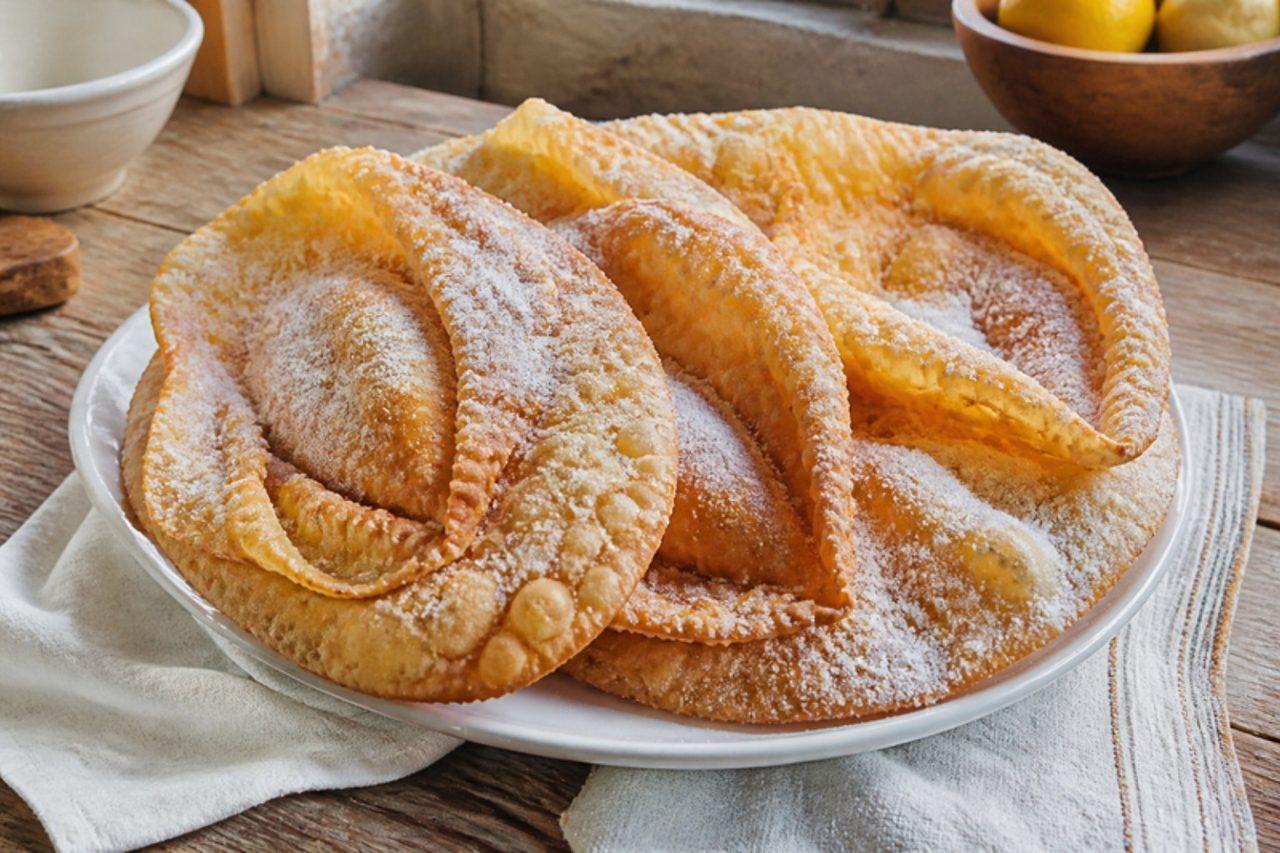
Orellas, 'ears' in Galician, are fried for Entroido in villages across Ourense and Lugo, from Laza to Xinzo de Limia, and handed round in big baskets during the carnival days. The thin dough blisters and turns crisp in hot oil, and the pastries are finished with sugar or honey. This version uses a little aniseed spirit (aguardiente), as is traditional, so it contains alcohol; for an alcohol-free version use orange juice with a pinch of ground anise. Old recipes use pork fat; this one uses butter, so it is vegetarian. A common mistake is rolling the dough too thick, which gives chewy, greasy pastries instead of crisp ones. Chef's tip: roll until you can almost see the worktop through the dough.

by KrazyBadal 0 views

Asadillo manchegoRoasted pepper and tomato salad

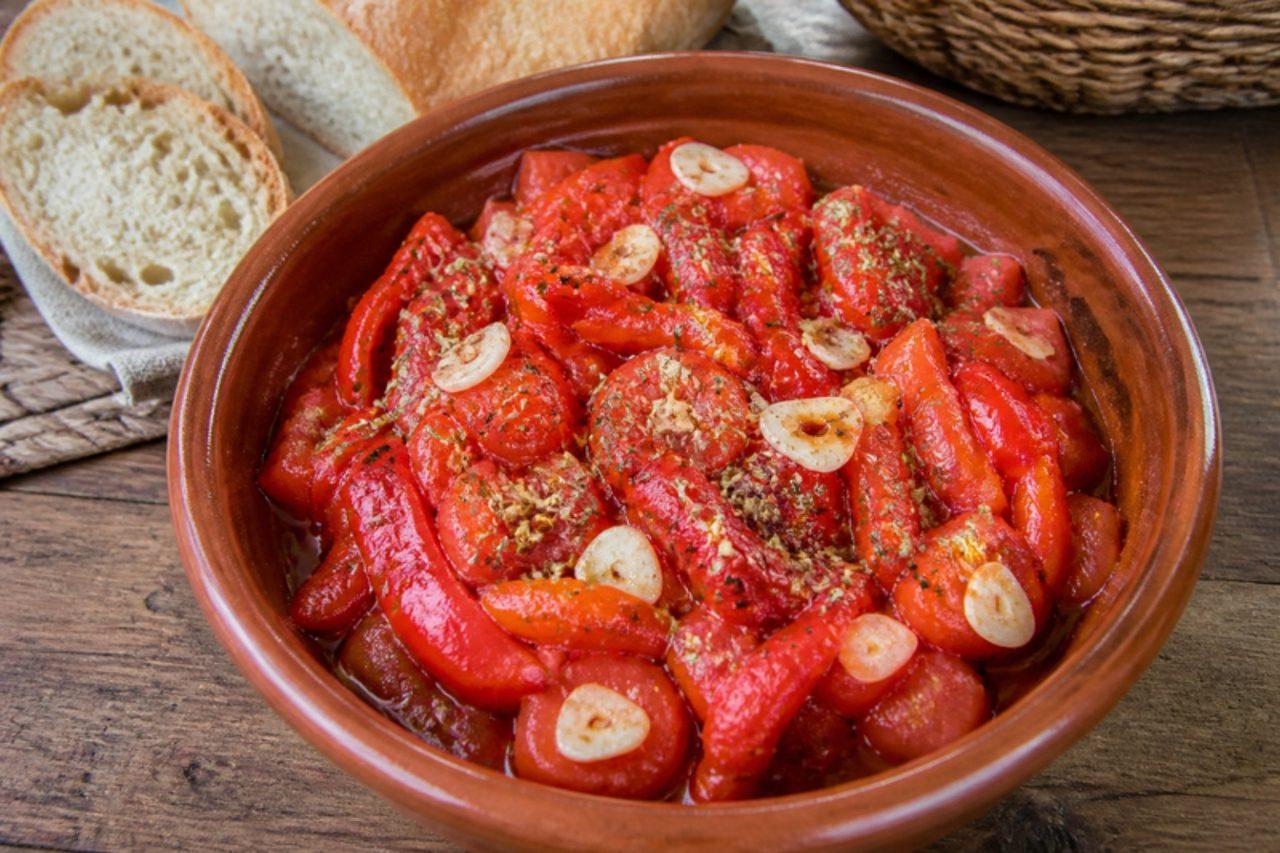
Late summer in La Mancha brings a glut of fleshy red peppers, and around Ciudad Real and Albacete they are roasted with tomatoes, then torn into strips and dressed with garlic, cumin and the local olive oil. Asadillo is served at room temperature as a starter, beside grilled meat or simply with bread at an evening meal on the patio, and it tastes even better the next day. Chef's tip: let the peppers sweat under a cloth after roasting; the skins then slip off in one piece.

by KrazyBadal 0 views

Ash-e anarPomegranate soup with herbs and rice

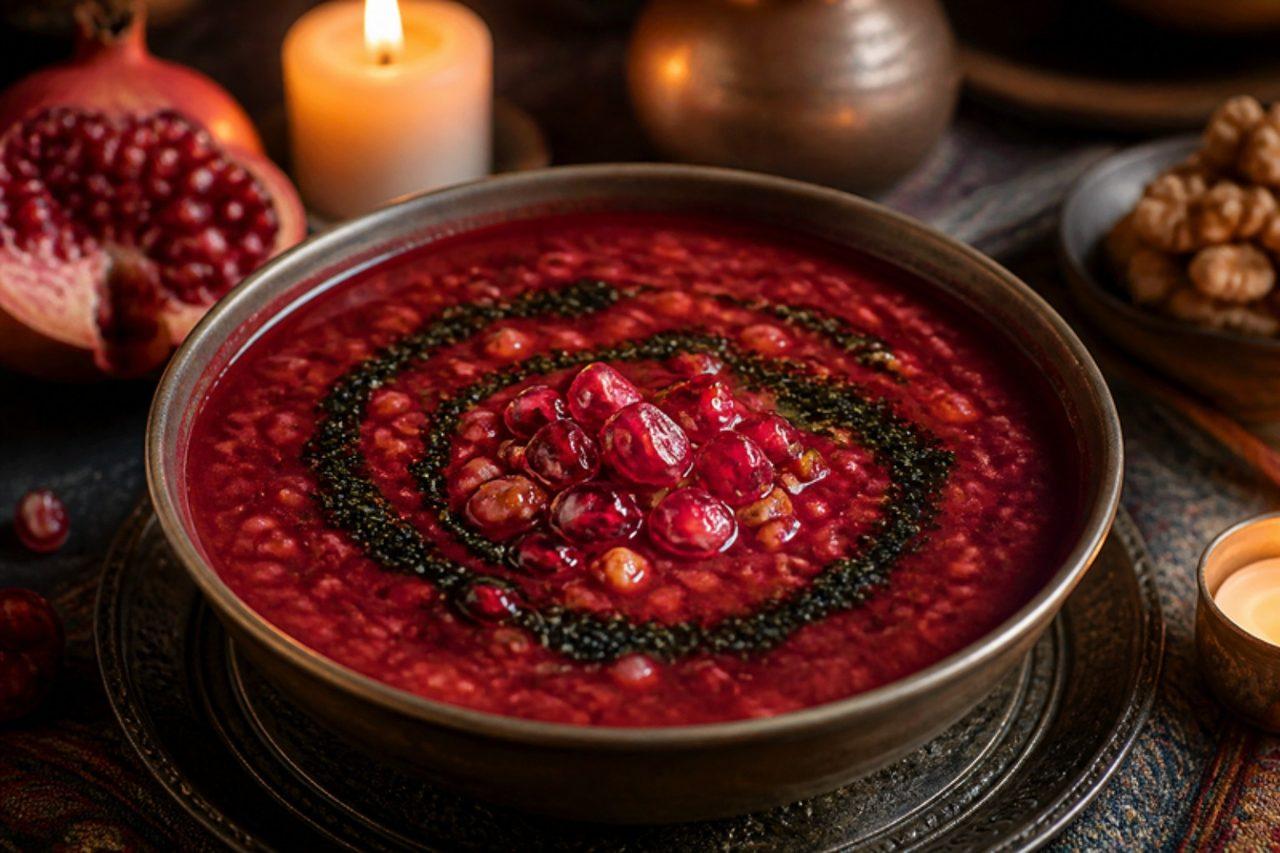
Ash-e anar is a soup for Yalda, the long December night when families across Tehran, Tabriz and Mashhad stay up late with pomegranates, watermelon and poetry. Fresh pomegranate juice and molasses give the broth a sour-sweet ruby colour, thick with split peas, rice and a mass of parsley, coriander, mint and spring onion. Many families drop in small meatballs; this version leaves them out and finishes with a sizzling garnish of dried mint in oil (nana dagh) for depth. The common mistake is adding the pomegranate too early, which dulls the colour to brown; it goes in for the last half hour. Chef's tip: taste and balance at the end with sugar or more molasses; the soup should make your mouth water, sour first and sweet after.

100 minPersianSoupsVeganGluten free
by KrazyBadal 0 views

Ash-e kashkWheat, bean and herb soup

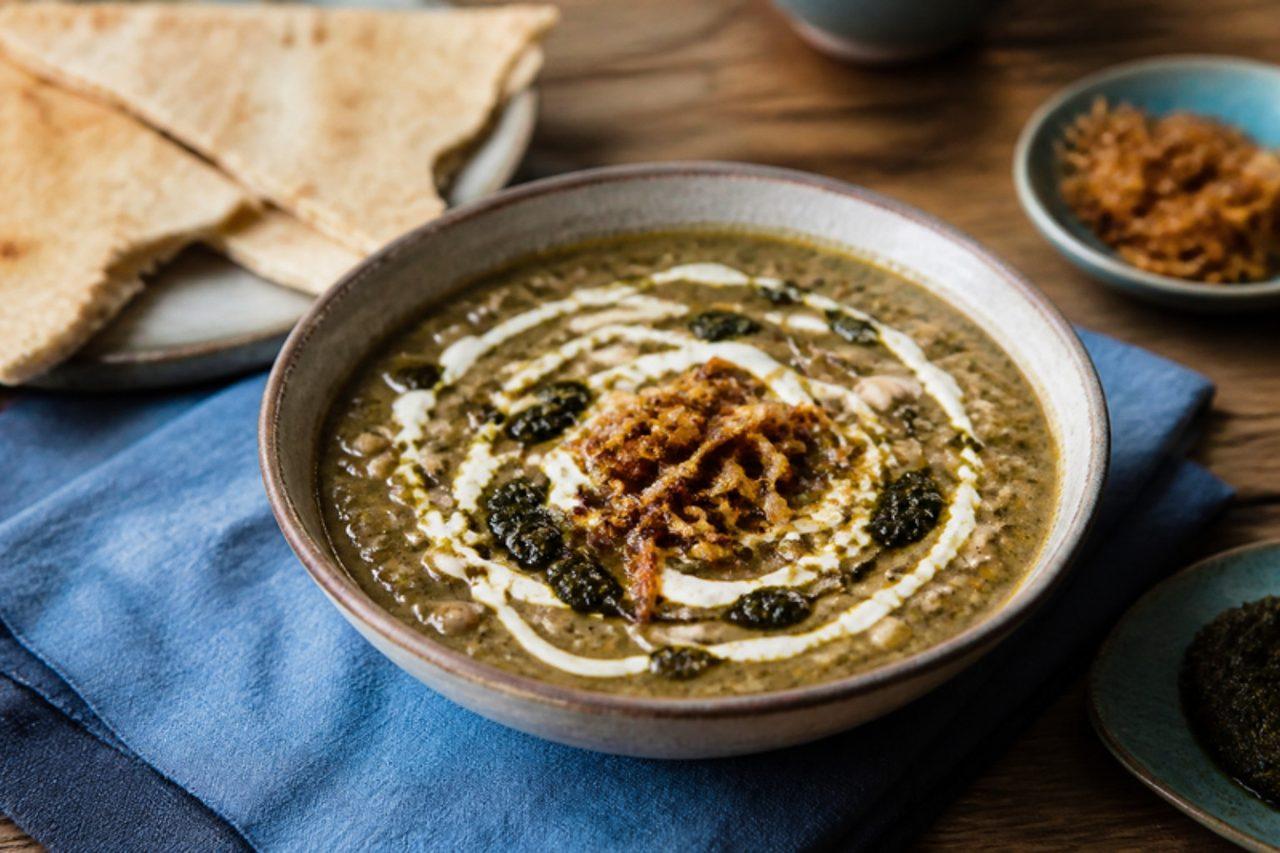
Ash-e kashk is the winter ash of Khorasan and the central plateau, simmered in big pots in Mashhad and Neyshabur homes and served from the pot for long Friday lunches. Cracked wheat, chickpeas, beans and lentils cook down with a mountain of herbs until creamy and thick, then each bowl gets a swirl of kashk, crisp fried onion and sizzling mint oil. Kashk is fermented dried whey, made without rennet, so it is vegetarian. A common mistake is adding the herbs too early, which turns them grey and muddy; stir them in for the last 30 minutes only. Chef's tip: stir the kashk in a little hot broth before swirling, so it blends smoothly rather than splitting.

125 minPersianSoups
by KrazyBadal 0 views

Ash-e shooliBeetroot, spinach and herb soup

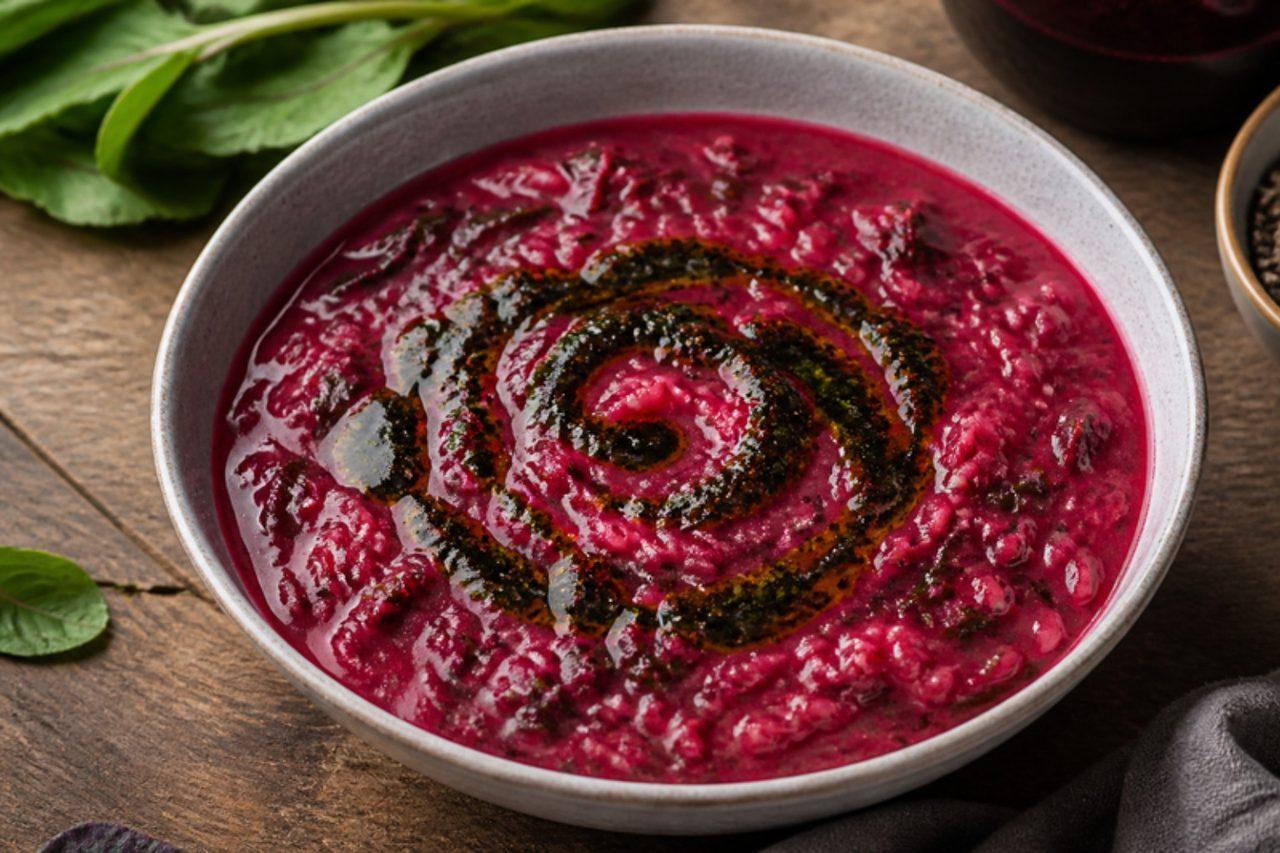
In the desert city of Yazd, ash-e shooli is what grandmothers cook on the first cold nights of autumn and through winter, and what they bring to anyone with a cold. It is a thick, deep-red soup of beetroot, spinach and green herbs, thickened with a little flour and balanced between vinegar and a touch of sugar or date syrup, finished with fried mint. Nothing else in Iran tastes quite like it. A common mistake is adding the vinegar early, which keeps the beetroot hard; put it in once everything is tender. Chef's tip: taste and adjust at the very end, adding sour and sweet a spoon at a time until neither one wins.

by KrazyBadal 0 views

AşureWheat, bean and dried fruit pudding

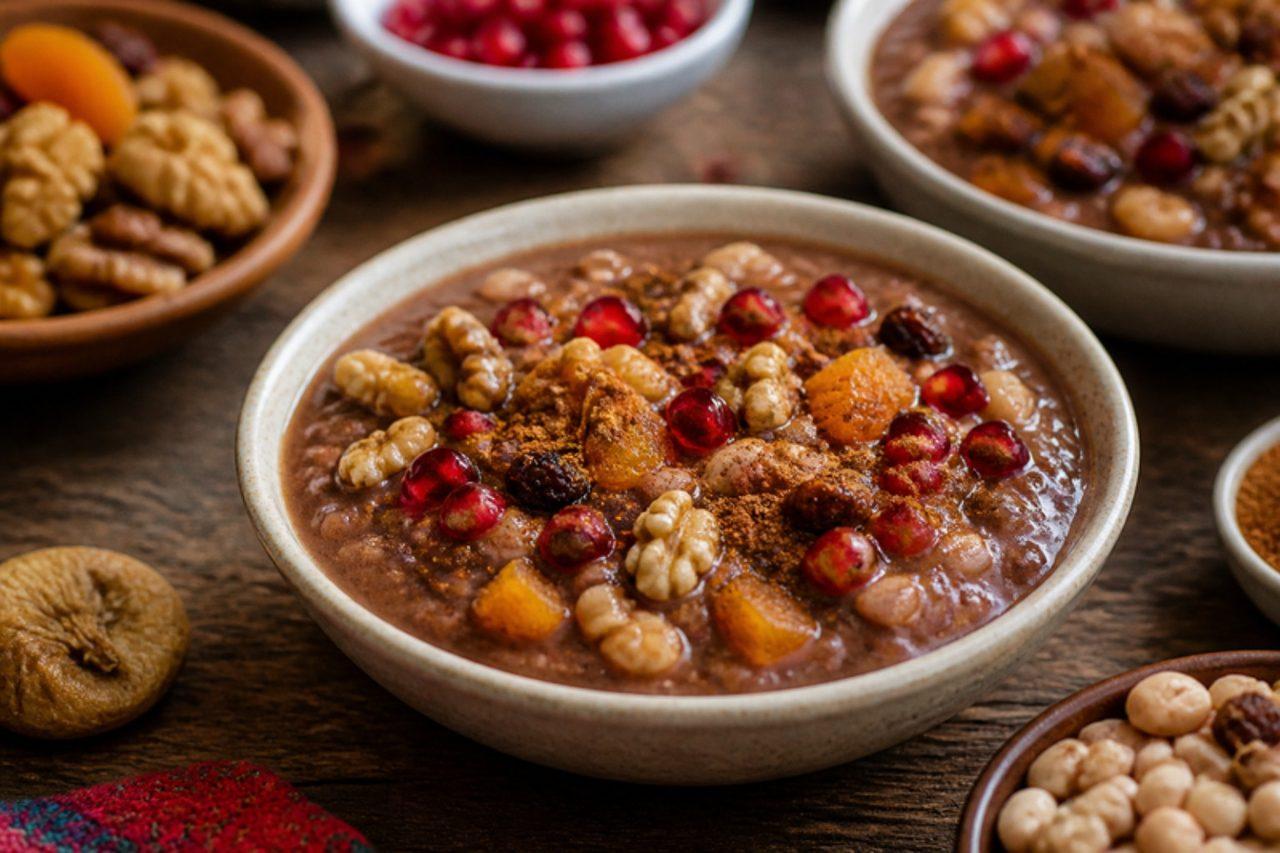
In the month of Muharram, kitchens all over Anatolia, especially in conservative Konya and Sivas, boil great pots of aşure and send bowls to every neighbour, regardless of faith, so the sweet is as much about sharing as eating. Legend says it was cooked on Noah's ark from the last of the stores, which is why it combines whole wheat, chickpeas, white beans, dried apricots, figs and raisins in a thick, gently sweet pudding. It's topped with walnuts, pomegranate and cinnamon. Common mistake: adding sugar before the wheat is fully tender; sugar firms the grains and they never soften. Chef's tip: soak the wheat and pulses overnight and cook the wheat in its soaking water for the creamiest result.

by KrazyBadal 0 views

Atum de ceboladaTuna in onion sauce

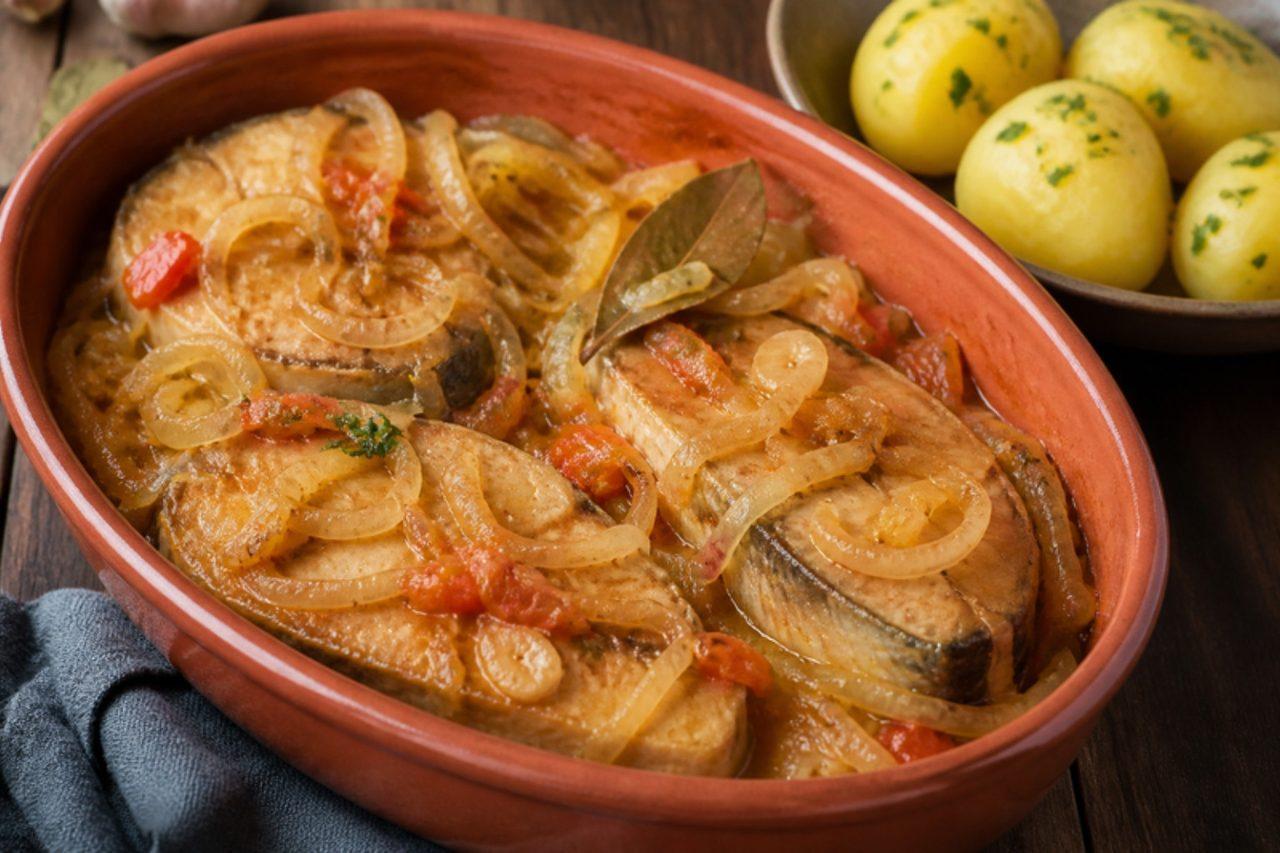
From Vila Real de Santo António to Tavira, cebolada means a deep pan of onions cooked slowly in olive oil with garlic, bay and tomato, finished with a splash of vinegar, and tuna steaks laid in it to braise. Fishing families made it with the cheaper cuts from the tuna traps; restaurants still serve it on weekday lunch menus with boiled potatoes. Chef's tip: give the onions their full 25 minutes, so they turn sweet and jammy before the tuna goes in.

by KrazyBadal 0 views

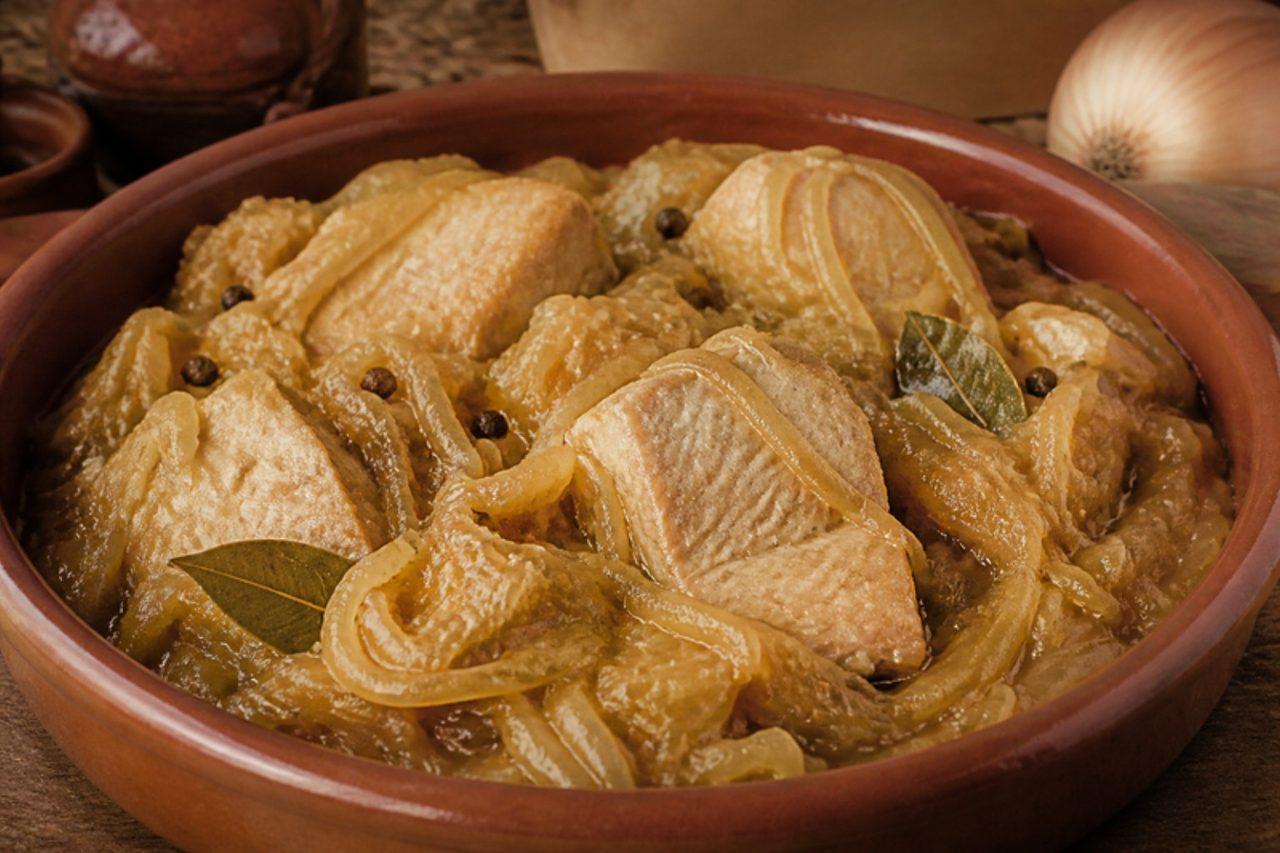
Atún encebolladoTuna stewed with onions

When the almadraba nets bring bluefin tuna ashore in Barbate and Zahara de los Atunes in May and June, households along the Cádiz coast make atún encebollado: chunks of tuna braised in a mountain of onions cooked down until sweet and golden, with bay, pepper and a splash of fino. Any good tuna steak works the rest of the year. This recipe uses wine; the alcohol-free option is in the ingredient note. Chef's tip: the onions take the time, the tuna does not; add it only for the last few minutes, or it turns dry and grey.

by KrazyBadal 0 views

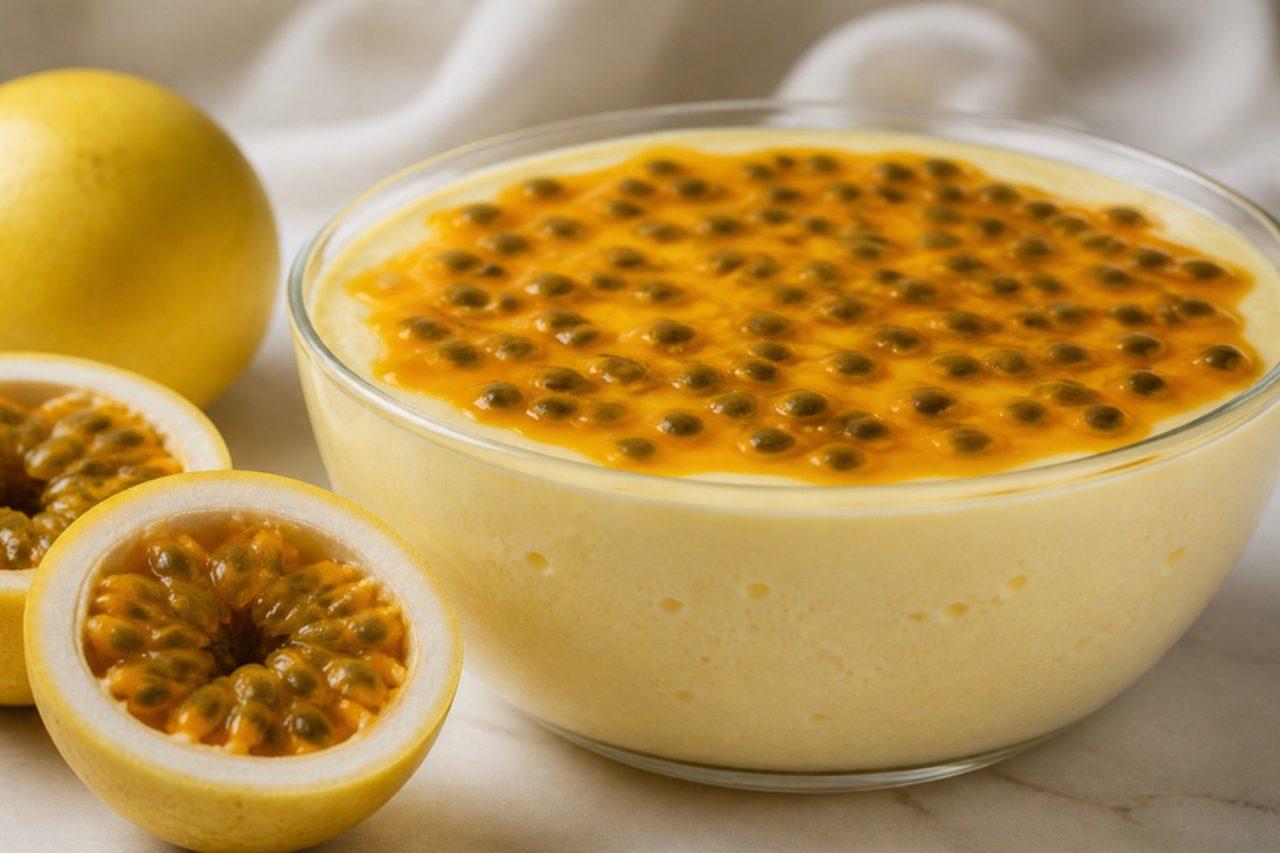
Mousse de maracujáPassion fruit mousse

Three ingredients, a blender and a fridge: Brazilian home cooks from Recife to Curitiba lean on mousse de maracujá for Sunday lunch dessert because it takes ten minutes and nobody ever refuses it. The acid in passion-fruit juice thickens condensed milk and cream almost instantly, so it sets into a light, tangy, pale yellow mousse without gelatin, topped with the glossy black seeds and pulp. Sharp and sweet at once, it is perfect after a feijoada or a barbecue. Buy wrinkly, heavy passion fruit, which are the ripest and juiciest; frozen unsweetened pulp works too. The trap is diluting the juice: any added water stops the mousse setting, so use pure strained juice. Chef's tip: keep back the pulp of one fruit, warm it for a minute with a spoonful of sugar, and pour it over the mousse just before serving for shine.

by KrazyBadal 0 views

AuszogneStretched doughnuts

Auszogne are the doughnuts of the Bavarian countryside, fried for Kirchweih, the village church fair in autumn, and for Carnival. Each ball of rich yeast dough is pulled over the knees or the backs of the hands so the middle goes almost see-through while a thick, puffy ring stays round the edge; the centre fries crisp, the rim soft and fluffy. They are eaten warm with icing sugar and a cup of coffee. A common mistake is pulling the dough cold: it tears. Let the stretched rounds rest, and keep the oil at a steady 170 °C so the rims cook through before they brown. Chef's tip: stretch them on lightly buttered fingertips, not floured ones, so the dough slides without sticking.

by KrazyBadal 0 views

Avena colombianaChilled oat drink

Bakeries all over Colombia keep a fridge of avena in plastic cups, ready to pair with a warm pandebono, buñuelo or almojábana. It is a thick, sweet oat drink cooked in milk with cinnamon and cloves, then blended smooth and chilled until it is creamy and spoonable, somewhere between a milkshake and rice pudding. Children drink it after school, and it is a common mid-morning snack with something baked. Home versions are less sweet and more spiced than shop ones. The thing to watch is texture: if you skip blending or straining, you end up with slimy flecks of oats, so blend thoroughly once it is cooked. It thickens a lot as it chills, so loosen it with cold milk before serving. Chef's tip: toast the oats in the dry pan for 2 minutes first; it gives a nutty, biscuity flavour.

by KrazyBadal 0 views

Axoa de veauMinced veal and pepper stew

Axoa (say 'ash-o-a') comes from Espelette, the Basque village whose house fronts are hung with strings of drying red peppers every autumn, and it is still the dish of the October pepper fair and of market-day lunches in Cambo and Bayonne. Veal shoulder is cut into small dice, then stewed with onions, mild green peppers and a good spoonful of ground Espelette pepper, which brings warmth and a fruity, smoky perfume rather than real fire. The result is soft, juicy and brick-red at the edges, best spooned over boiled potatoes or with crusty bread. Chef's tip: stir most of the Espelette pepper in at the end of cooking; long simmering dulls its fragrance.

70 minFrenchMeatGluten free
by KrazyBadal 0 views

Ayran aşıChilled yoghurt and wheat soup

When the summer heat hits the eastern plateau around Erzurum, Erzincan and Sivas, families switch from hot soups to ayran aşı, a cold soup of thinned yoghurt with cooked whole wheat, chickpeas and handfuls of mint, dill and purslane or cucumber. It's ladled from a big bowl at lunch with flatbread, and it's as refreshing as a drink but filling as a meal. Common mistake: adding the grains while still hot, which makes the yoghurt split and turn sour-tasting; cool them completely first. Chef's tip: make it a few hours before serving and chill; the wheat soaks up the yoghurt and the herbs perfume the whole bowl.

by KrazyBadal 0 views

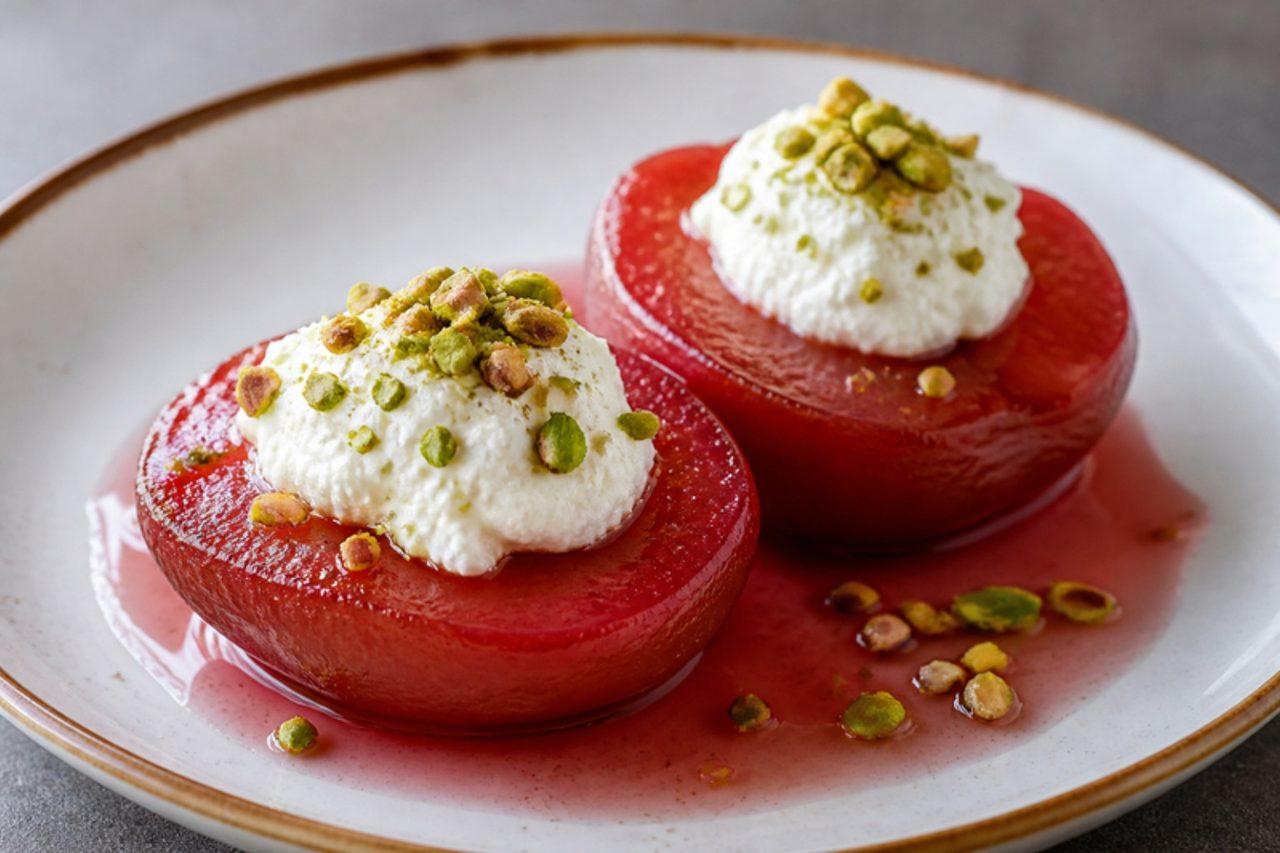
Ayva tatlısıPoached quince with clotted cream

In autumn the market stalls of Ankara and Kayseri are piled with knobbly yellow quinces, and the best-loved thing to make with them is ayva tatlısı: halves poached slowly in syrup with their own seeds and a few cloves until they turn translucent and a deep garnet colour. Each half is filled with thick kaymak or clotted cream and topped with pistachio. Common mistake: rushing it on a high heat; the red colour only comes with long, gentle cooking. Chef's tip: tie the cores and seeds in a little muslin bag and cook them with the fruit; their natural pectin and tannins give the syrup body and that ruby glow.

by KrazyBadal 0 views

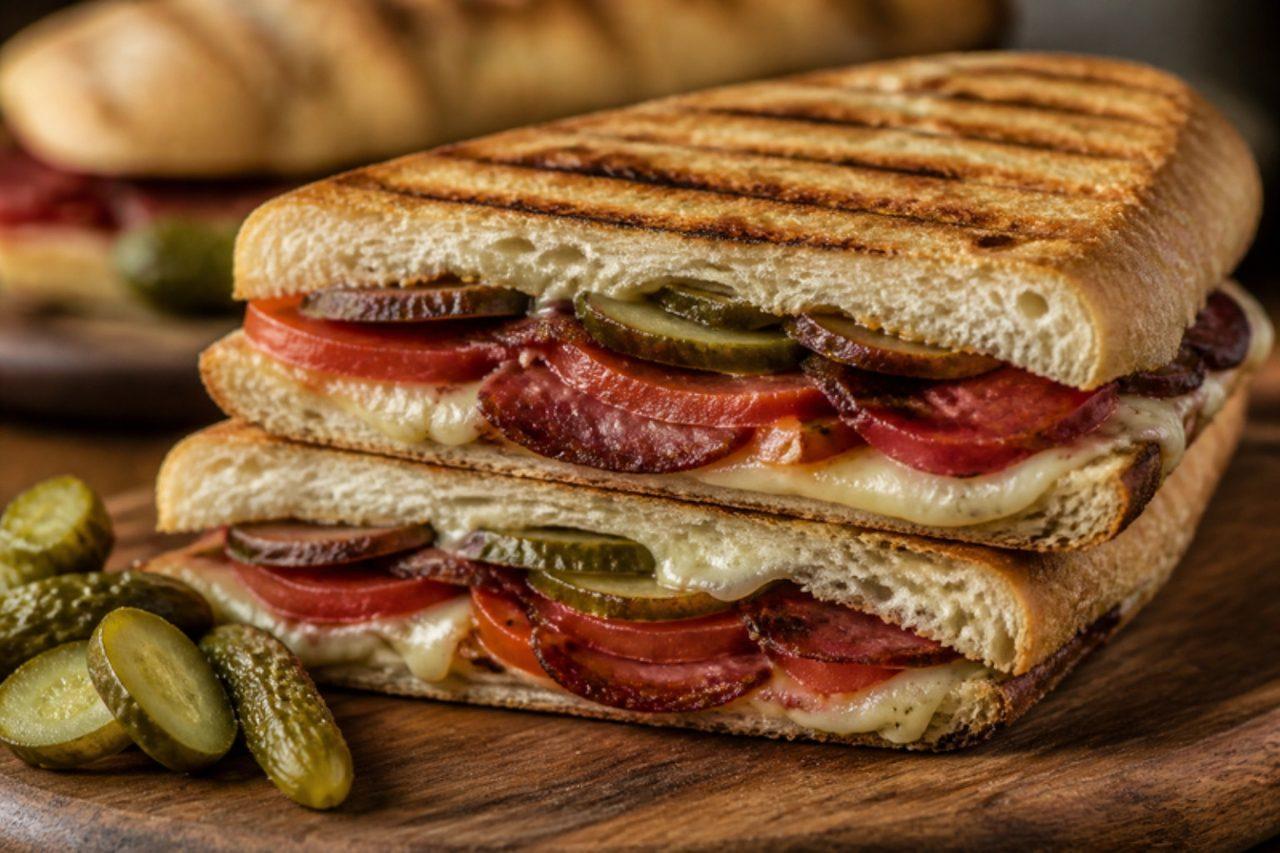
Ayvalık tostuSausage, cheese and pickle toastie

Ayvalık, the olive-oil town on the north Aegean, turned the humble cheese toastie into a feast: a long, soft loaf split and stuffed with kaşar, beef sucuk, beef salami, tomatoes and pickles, pressed hot, then opened up again to be piled with ketchup, mayonnaise and Russian salad. It is eaten for breakfast or as a late snack after a swim. This one has beef sausage and salami, so check the label if you avoid pork. Chef's tip: press it twice, once with the cheese and meats, then again after opening it to add the cold toppings, so the bread stays crisp.

by KrazyBadal 0 views

Azevias de grãoSweet chickpea fried pastries

Come December, Alentejo kitchens fill with the smell of these: thin, crisp pastries folded around a sweet chickpea paste flavoured with orange and cinnamon, fried until blistered and rolled in cinnamon sugar. Families make them by the hundred and share them with neighbours over Christmas. Many recipes add a splash of aguardente, a grape spirit containing alcohol, to the dough for crispness; it is optional here, and orange juice alone works. This version contains no egg or dairy. A common mistake is rolling the dough too thick; it should be thin enough to see light through, so it bubbles and crisps. Chef's tip: make the filling the day before; cold, firm filling is far easier to wrap.

by KrazyBadal 0 views

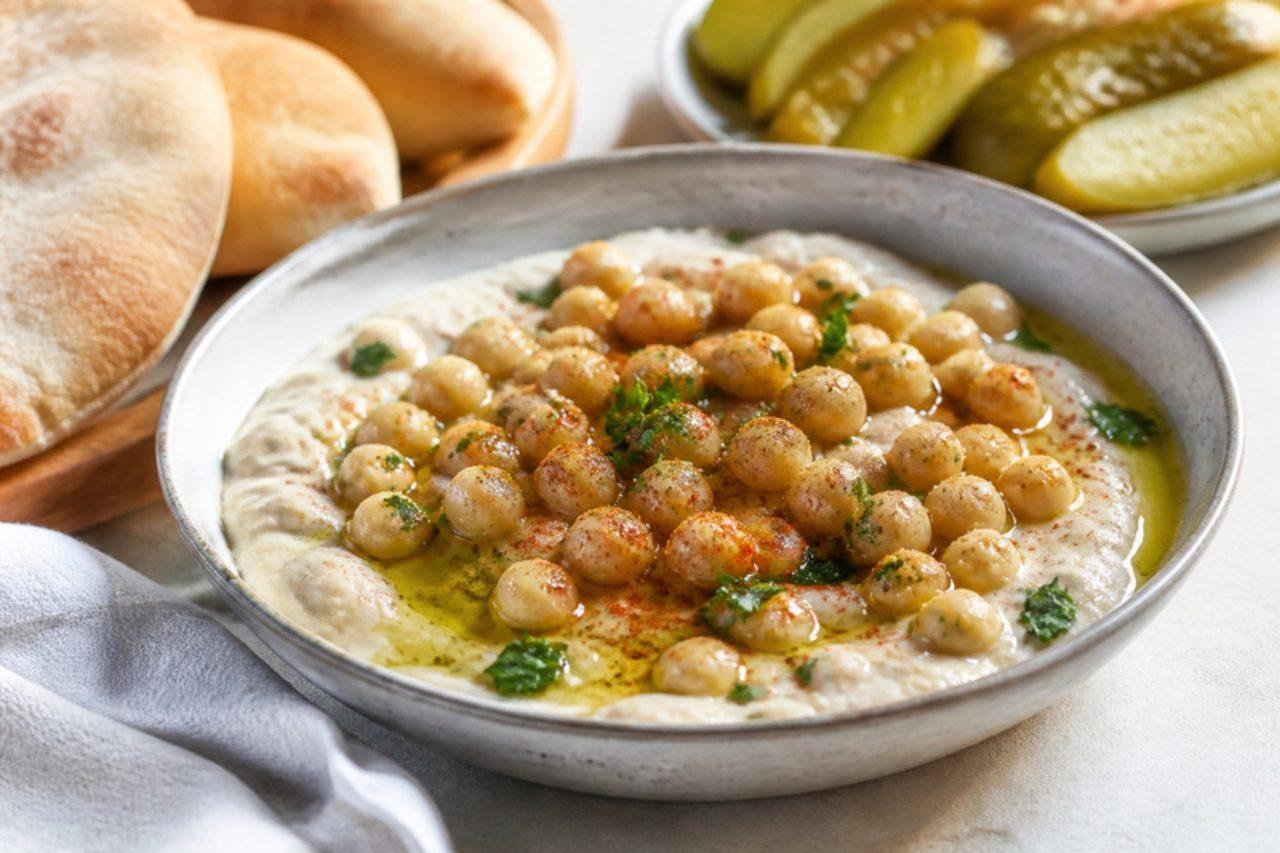
MsabbahaWhole chickpeas in tahini sauce

Hummus shops in Jerusalem's Old City and in Nablus open before dawn, and alongside the smooth hummus they ladle out msabbaha: whole, just-cooked chickpeas bathed in a loose, garlicky tahini and lemon sauce, still warm. It is a working breakfast, eaten with raw onion wedges, green chilli and plenty of bread, and it is just as popular in south Lebanon. The texture is the point, soft chickpeas in a creamy pool rather than a purée. The common mistake is making the tahini sauce too thick; it should pour like double cream so it seeps around every chickpea. Chef's tip: crush a handful of the hot chickpeas into the sauce before you spoon it over; it makes the msabbaha richer and creamier.

by KrazyBadal 0 views

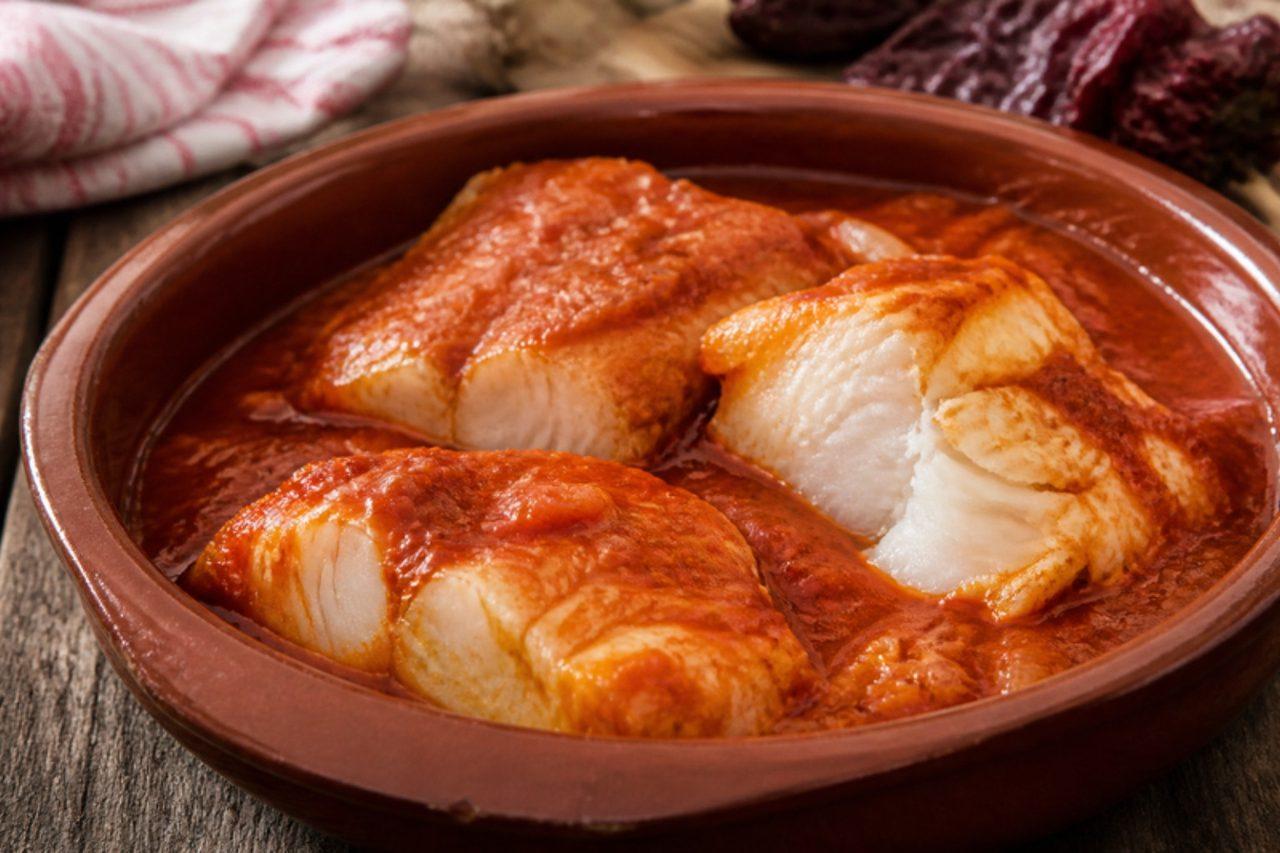
Bacalao a la vizcaínaSalt cod in red pepper sauce

Bilbao's great salt cod dish shows up every Lent and on Good Friday, and in the city's old taverns its sauce is judged as fiercely as the fish. The sauce is made only from onions cooked for a long time and the flesh of dried choricero peppers, with no tomato, which gives it its deep red colour and gentle sweetness. Salt cod needs 36–48 hours of soaking in the fridge, so start two days ahead. A common mistake is hurrying the onions: they need at least 40 minutes on a low heat to turn soft and sweet. Chef's tip: taste a flake of the soaked cod before cooking, and if it's still salty, soak it a few hours more.

105 minSpanishFishGluten free
by KrazyBadal 0 views

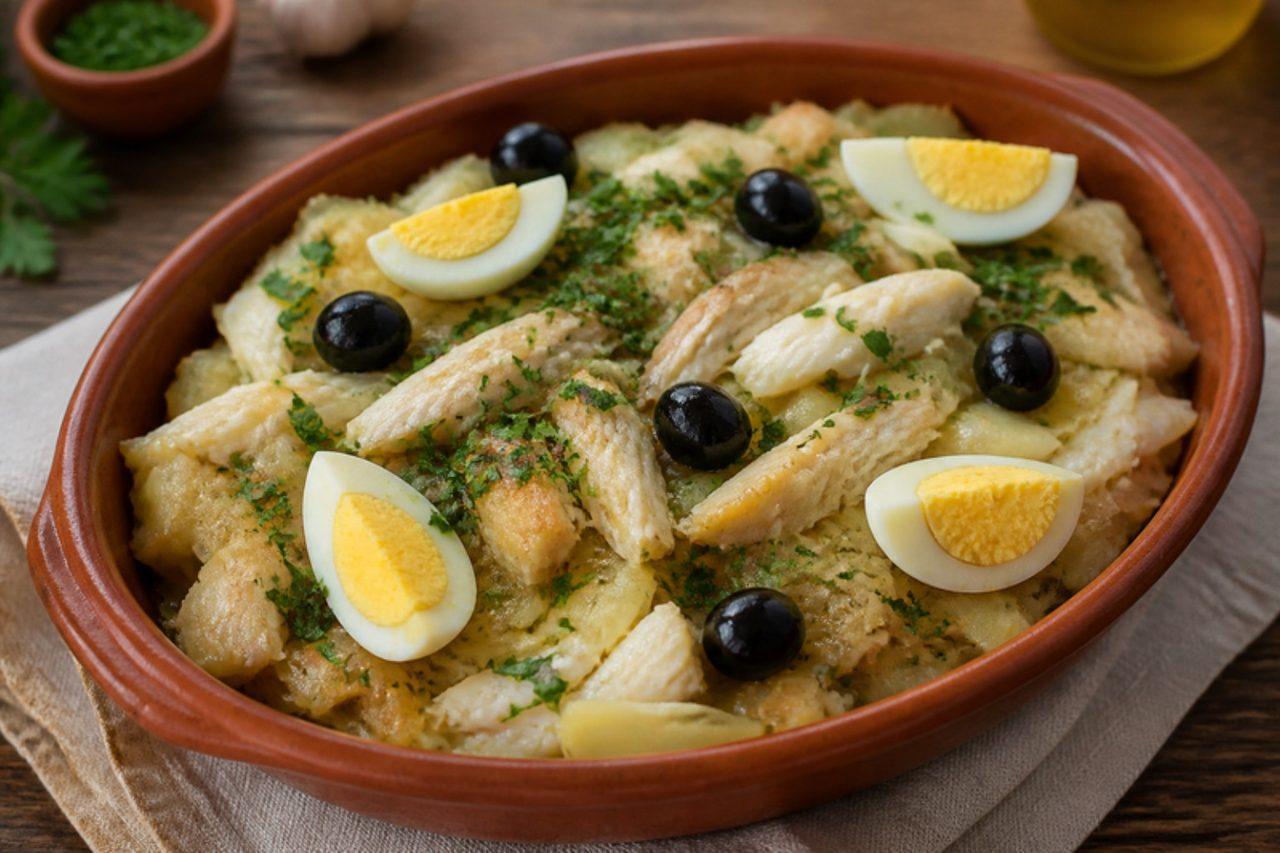
Bacalhau à Gomes de SáBaked salt cod and potatoes

Named after the Porto cod merchant who is said to have created it in the late nineteenth century, this is the city's most loved salt cod dish and a fixture of Christmas Eve and family gatherings across the north. Cod is soaked, warmed in milk, flaked and baked with sliced potatoes and plenty of onions softened in olive oil, then crowned with hard-boiled eggs and black olives. Chef's tip: steep the cod in hot milk rather than boiling it, so the flakes stay moist and come apart in big, glossy pieces.

by KrazyBadal 0 views

Showing 90 of 8,120 recipes

Page 440 of 903