


Skip to content
Sha phaley with cabbage and cheese
Featured recipe

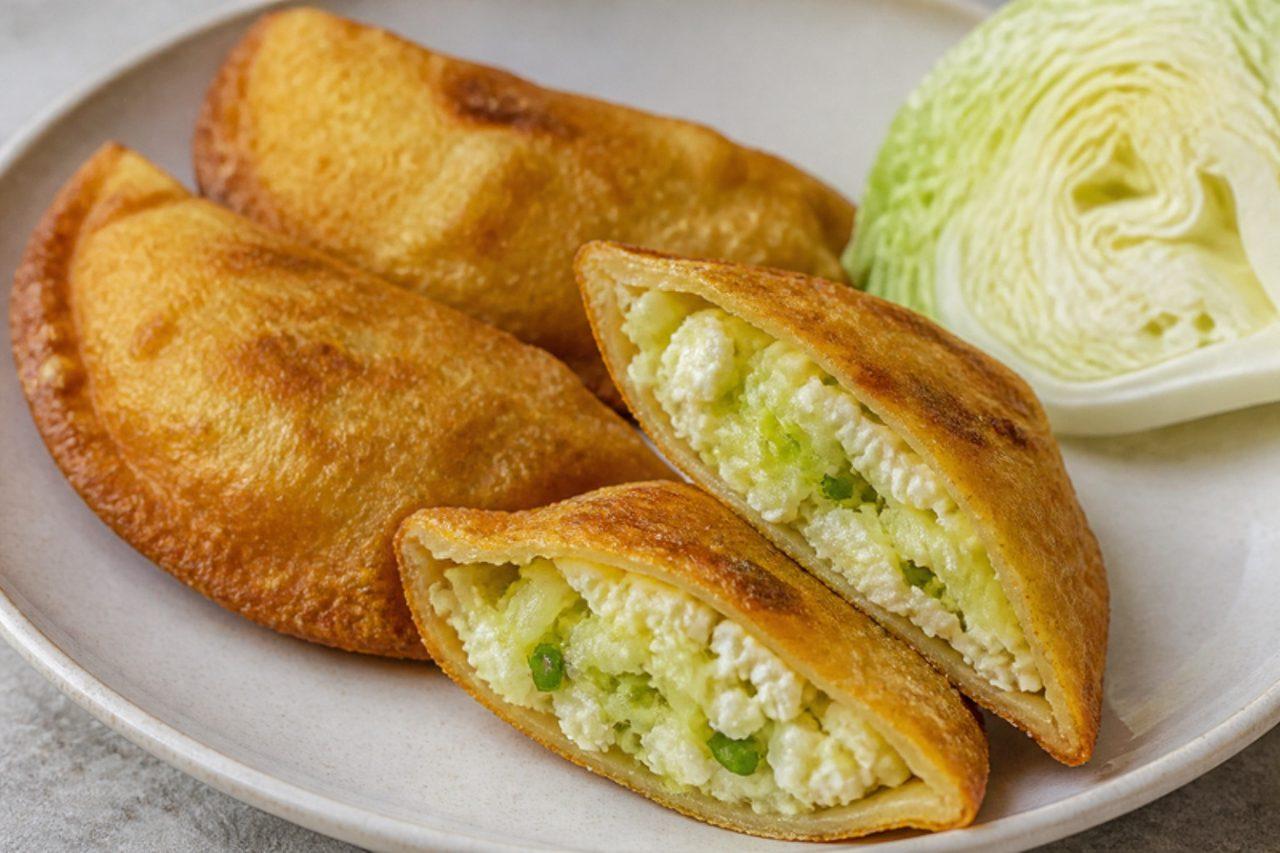
Sha phaley with cabbage and cheese

Fried cabbage and cheese pockets

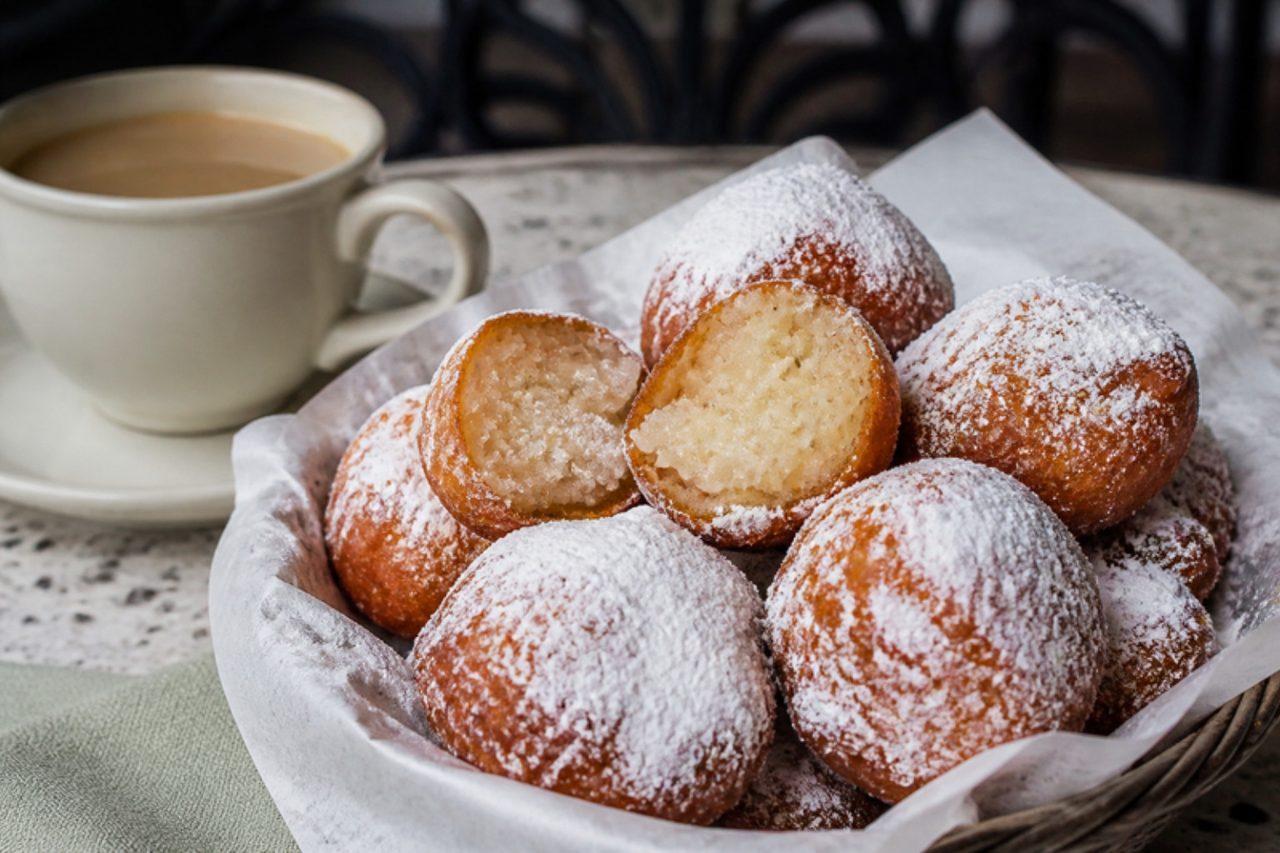
Sha phaley comes from Sikkim's Bhutia and Tibetan communities: rounds of dough are filled, sealed into half-moons and fried until golden and blistered, like a fat, crisp pie. In Gangtok's MG Marg cafés and home kitchens the classic filling is minced meat, but a vegetarian version with cabbage, spring onion, ginger and cheese (paneer or soft churpi) is common and very good. Eat them hot with dalle chutney and a bowl of thukpa or tea. Chef's tip: squeeze the salted cabbage hard before filling; any loose water steams inside and makes the dough soggy.

Read more 0 views

What to eat today?

Around the world

Today's trip: Paraguayan

A new country every day, from every cuisine on the site.

Paraguayan

Cocido quemado

Burnt sugar mate drink 14 minMore from Paraguayan (27) →

This week's collection

Kid-friendly dinners
537 recipes · a new collection every Monday

Latest recipes

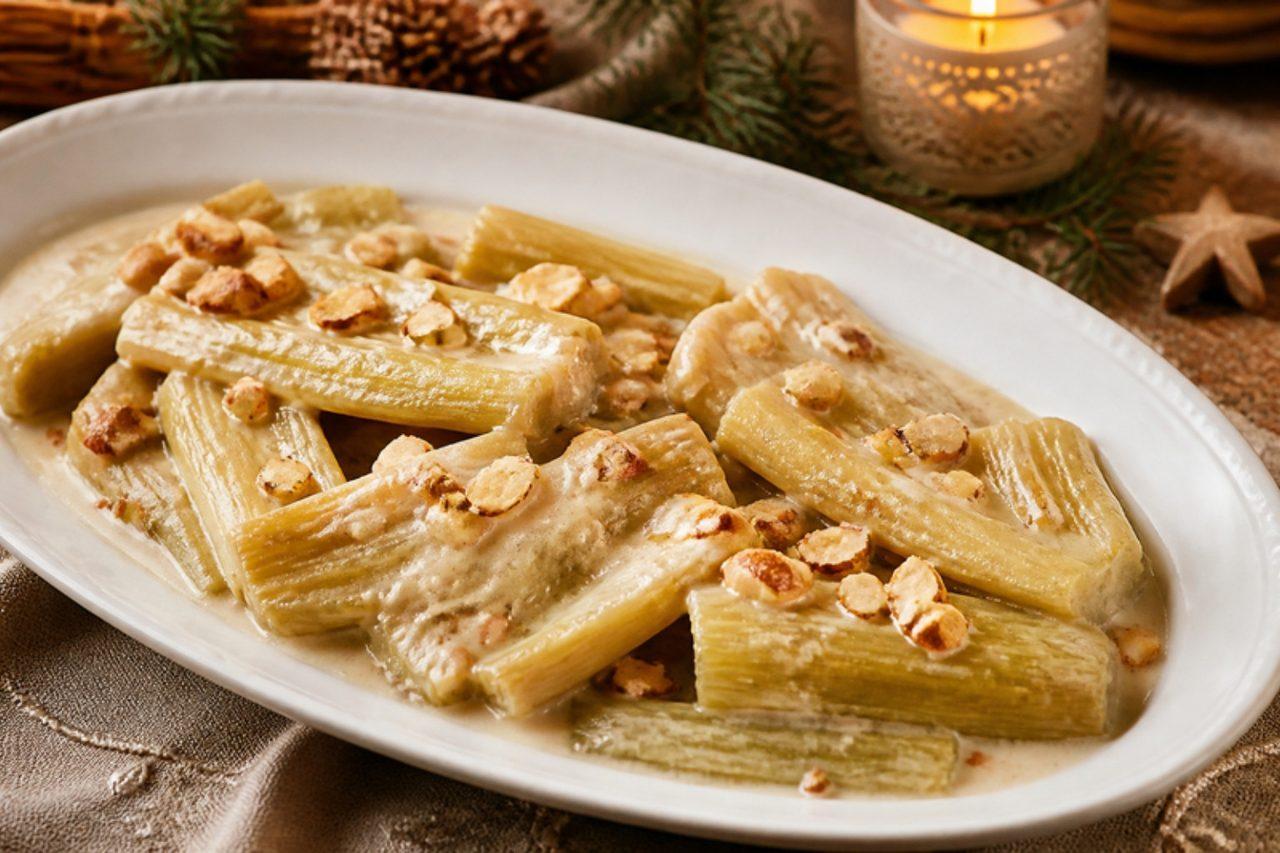
Cardo con almendrasCardoon in almond sauce

On Christmas Eve in Aragon and neighbouring Navarre, a dish of cardoon is as certain as turrón: the long, pale stalks are boiled until tender and served in a velvety sauce of ground almonds, garlic and the cooking water, often as the first course before fish or lamb. The flavour is like artichoke, gentle and slightly bitter, softened by the nutty sauce. It contains no animal products. A common mistake is leaving cut cardoon in the air; it blackens within minutes, so drop each piece into lemon water as you go. Ready-cleaned jars of cardoon are sold in Spain and work well if you skip the first two steps. Chef's tip: whisk a spoonful of flour into the cooking water; it keeps the stalks white and gives you a ready-thickened broth for the sauce.

by KrazyBadal 0 views

Cari de légumesVegetable curry

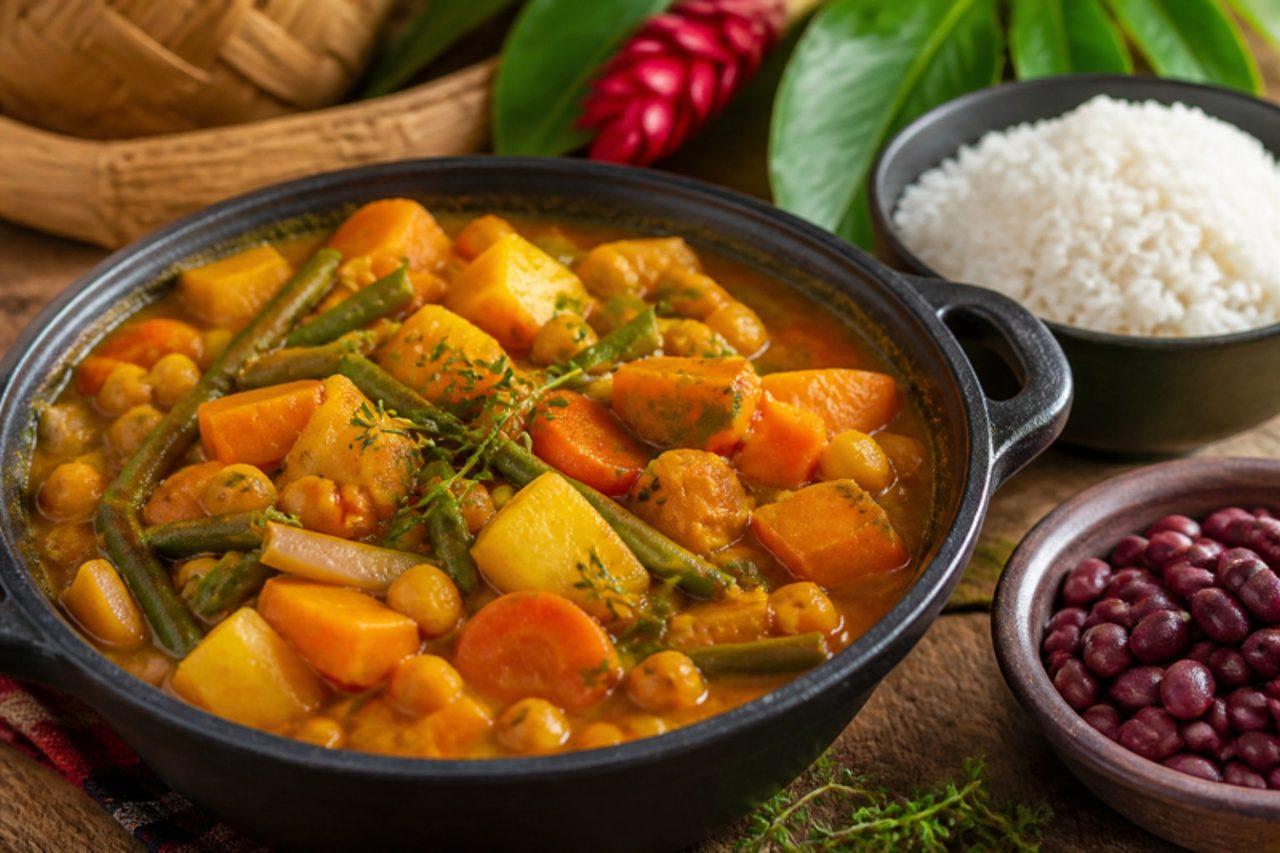
On Réunion, the French island in the Indian Ocean, cari is simply lunch: a pot of something gently spiced with onion, garlic, ginger, thyme and the island's turmeric, which locals call safran péi. It arrives at the table with white rice, a bowl of lentils from Cilaos or red beans, and a sharp tomato rougail, and this vegetable version uses chayote (chouchou) from the green Salazie valley, potatoes, carrots and green beans. The heat comes from the chilli in the rougail, not the cari itself, so it suits children too. Chef's tip: let the onions take real colour before the spices go in; that golden base gives a cari its depth.

by KrazyBadal 0 views

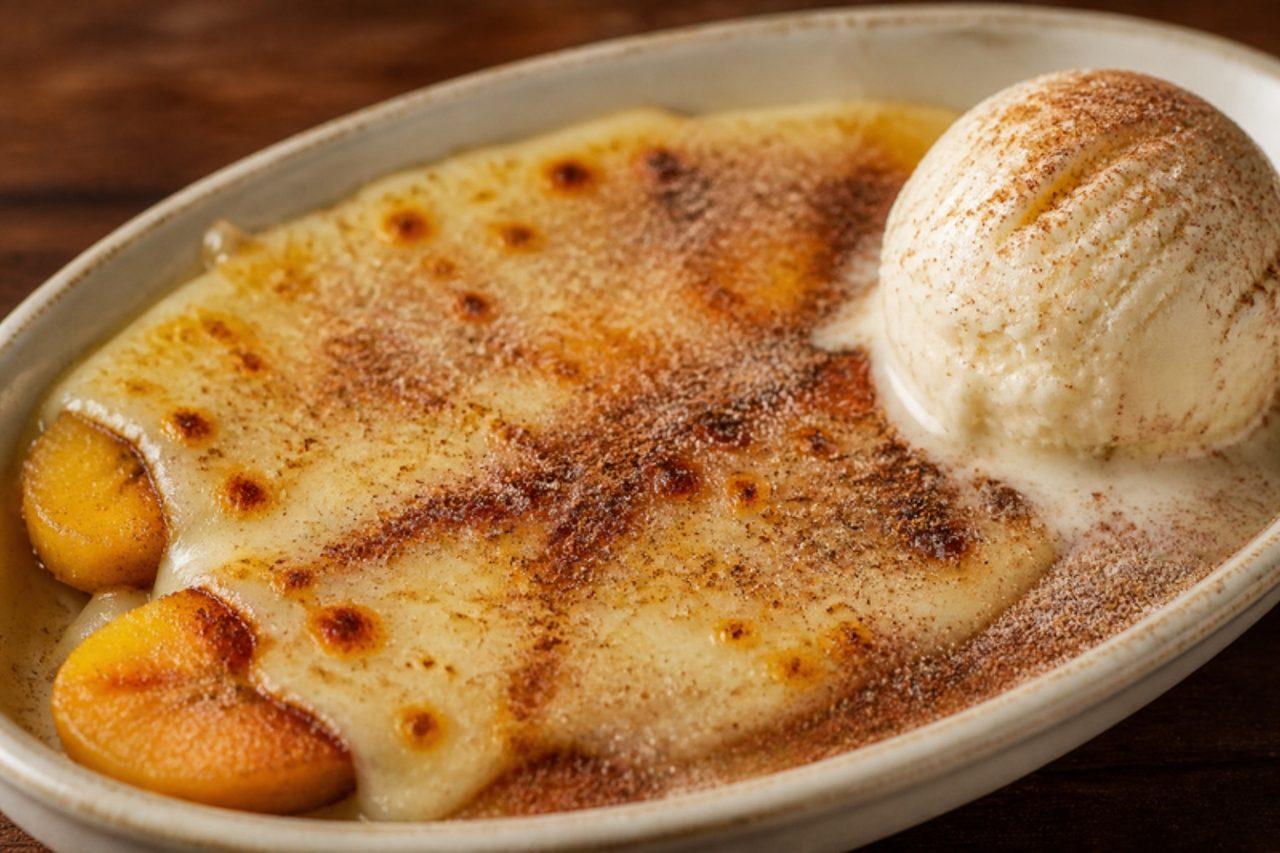
CartolaFried banana with cheese and cinnamon

Sweet, salty and hot all at once, cartola ('top hat') is a Pernambuco dessert that sounds odd and tastes like it was always meant to be. Bananas are fried in butter until caramel-edged, covered with slices of coalho or queijo manteiga that melt into a blanket, then showered with cinnamon sugar. It turns up on Recife lunch menus, in hotel buffets and in home kitchens after Sunday lunch, and needs nothing else, though a scoop of vanilla ice cream is welcome. Bananas-prata or ripe plantains are used locally; firm, just-ripe bananas are the nearest swap. Coalho is often made with animal rennet, so choose a vegetarian version or a vegetarian halloumi. Avoid overripe fruit; it collapses in the pan and the cheese slides off. Chef's tip: finish under a hot grill for a minute so the cinnamon sugar bubbles into a thin, crackly crust.

by KrazyBadal 0 views

CaruruOkra and dried shrimp stew

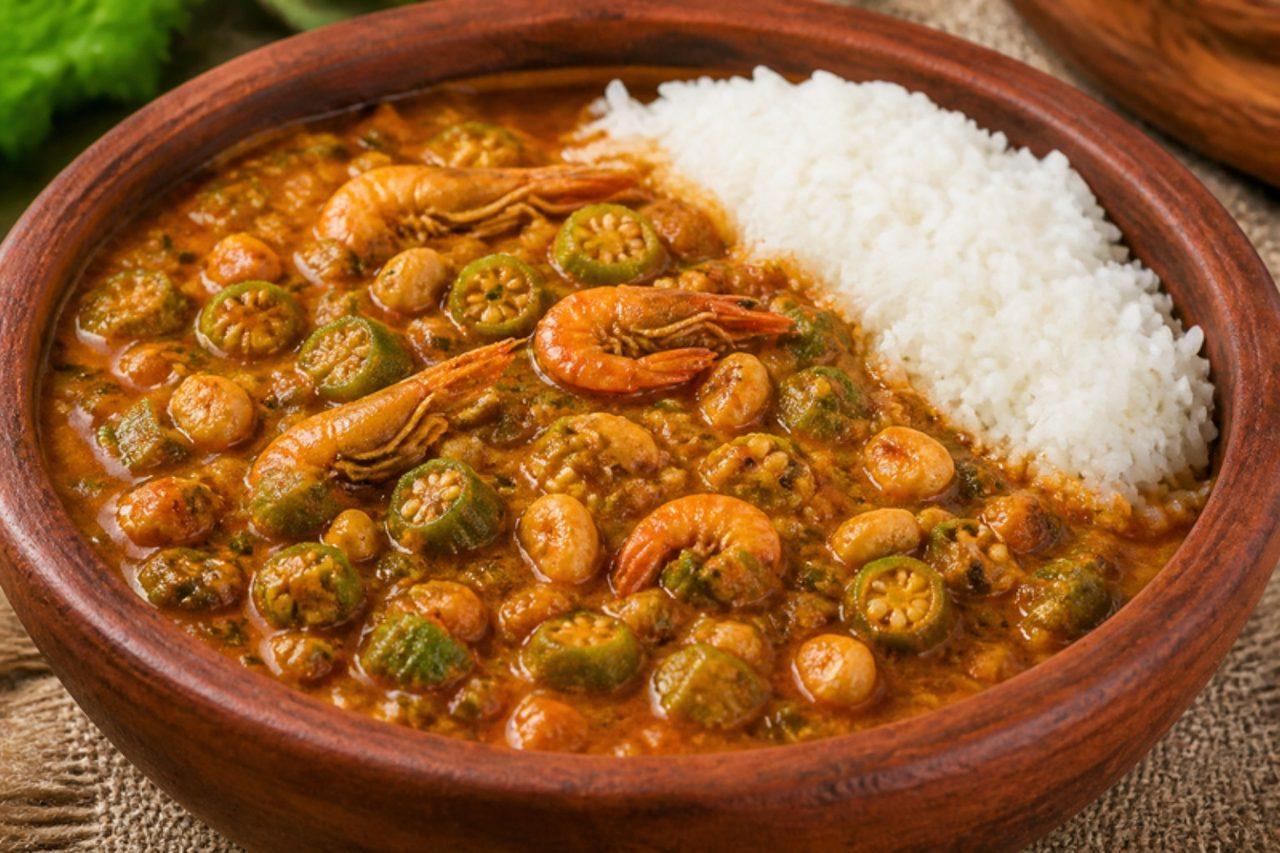
Every 27 September, homes across Salvador and the Recôncavo cook huge pots of caruru for the feast of Saints Cosmas and Damian, and children are fed first; the rest of the year it turns up at acarajé stalls and on Bahian Sunday tables next to vatapá, rice and xinxim. Okra is chopped very small and cooked down with a paste of dried shrimp, toasted cashews and peanuts, ginger and onion, then finished with dendê oil until it is thick, glossy and gently sticky, nutty and faintly of the sea. Serve it with white rice, farofa de dendê and acarajé or abará. Most people make the mistake of slicing the okra into big rounds; cut tiny it melts into the sauce instead of sitting in slimy chunks. For a vegetarian caruru, skip the shrimp and use 40 g more of each nut. Chef's tip: toast the cashews and peanuts in a dry pan until they smell of popcorn before grinding them; it makes the stew taste deeper and less green.

by KrazyBadal 0 views

CasadiellesWalnut-filled fried pastries

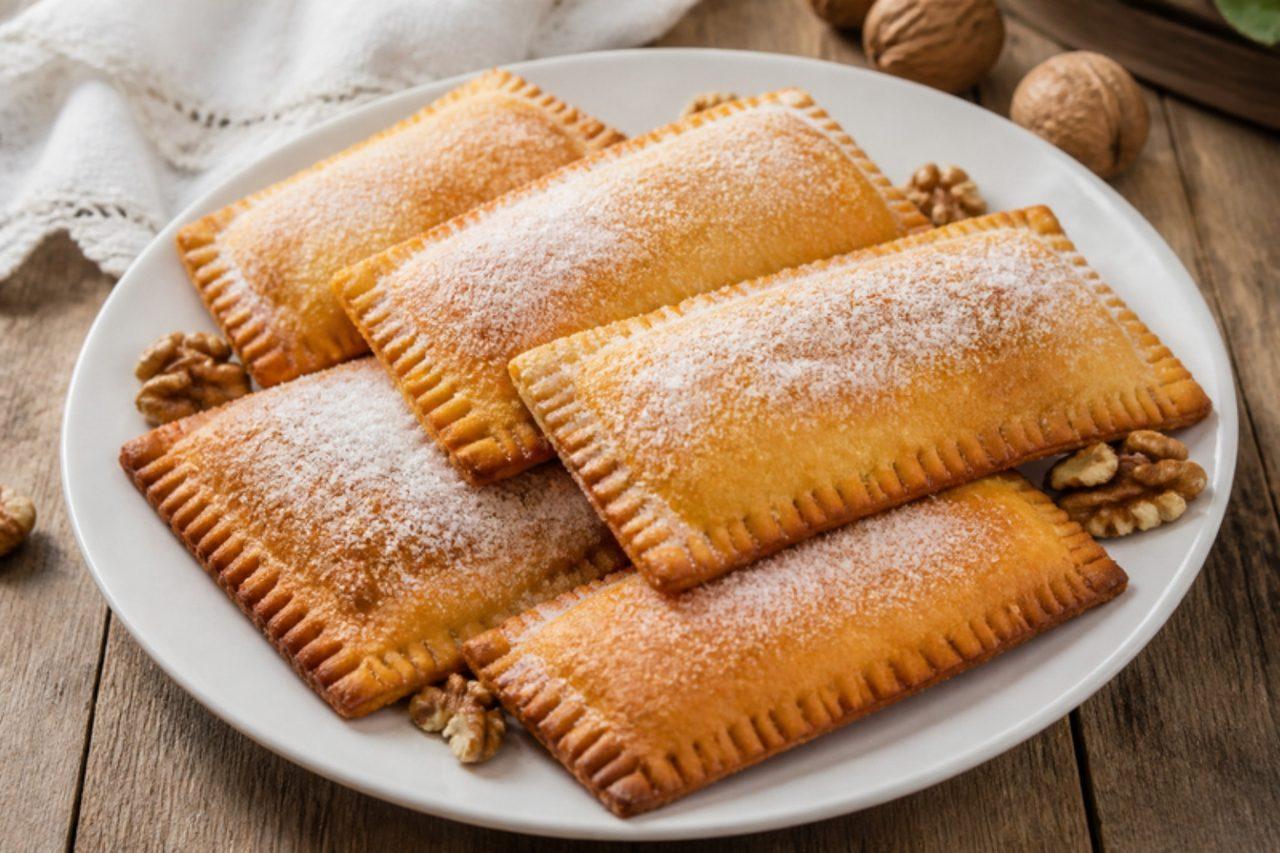
Look in the window of any confitería in Oviedo or Gijón and you will find casadielles, plump little pastry rolls stuffed with ground walnuts and sugar, fried until blistered and rolled in more sugar. Village bakers turn out trays of them for patron-saint fiestas and for Antroxu, and they keep for days in a tin. The traditional dough is moistened with dry white wine and the filling scented with anise liqueur; both are given alcohol-free swaps below. Chef's tip: roll the dough very thin, about 2 mm, because thick dough stays doughy inside before the outside browns.

by KrazyBadal 0 views

Casoncelli alla bergamascaFilled pasta in sage butter

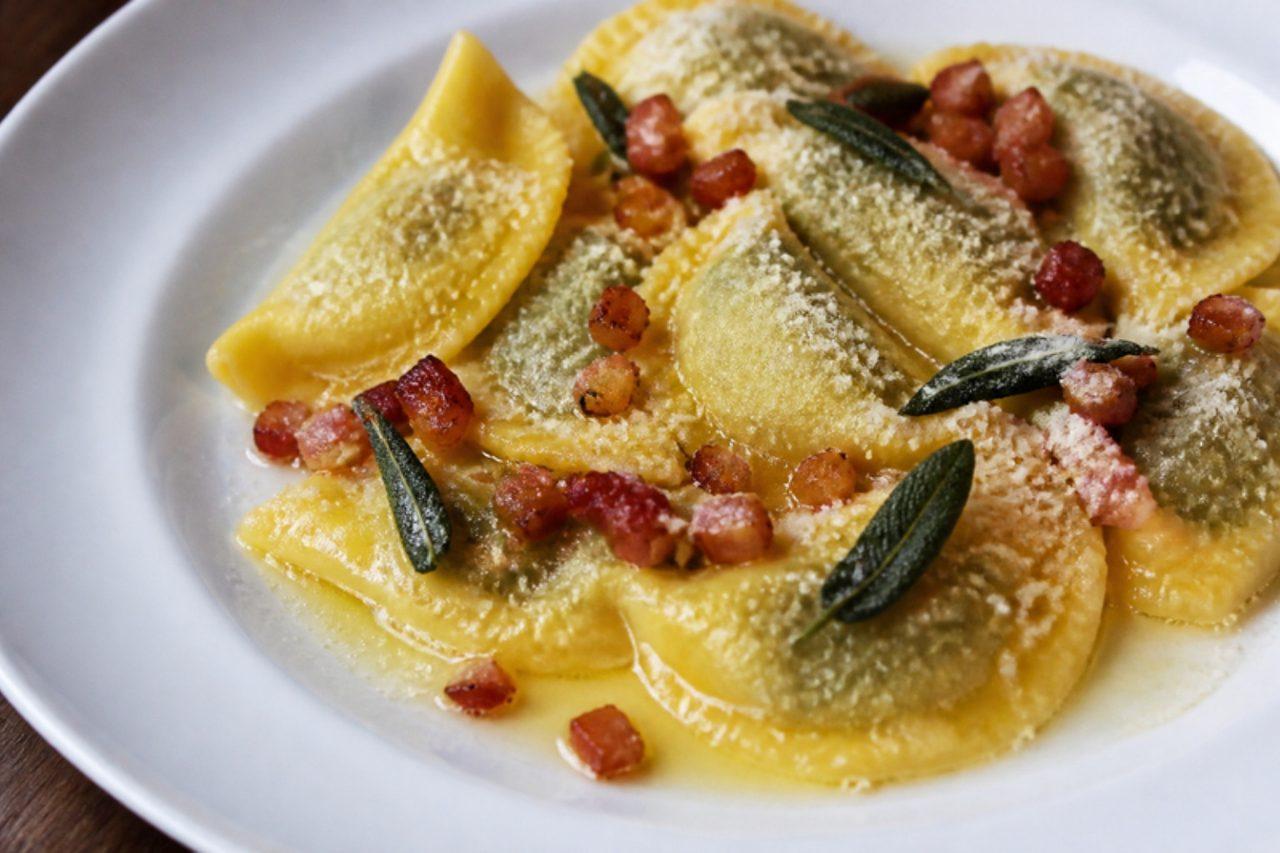
Casoncelli (casonsei in Bergamo dialect) are the pride of the old upper town of Bergamo and of nearby Brescia, eaten at weddings, village festivals and Sunday lunch. The filling is a thrifty mix of pork sausage, leftover beef, breadcrumbs and grana, perfumed with a crushed amaretto biscuit, a few raisins and a little pear, so it tastes faintly sweet and savoury at once. The folded half-moons are pressed into a little saddle shape and served in plenty of butter with sage and crisp cubes of pancetta, which makes this a pork dish twice over. A green salad is all they need afterwards. Chef's tip: cook the sausage filling first and let it cool completely; warm filling makes the pasta soggy and hard to seal.

by KrazyBadal 0 views

Cazuela de cabritoKid goat stew

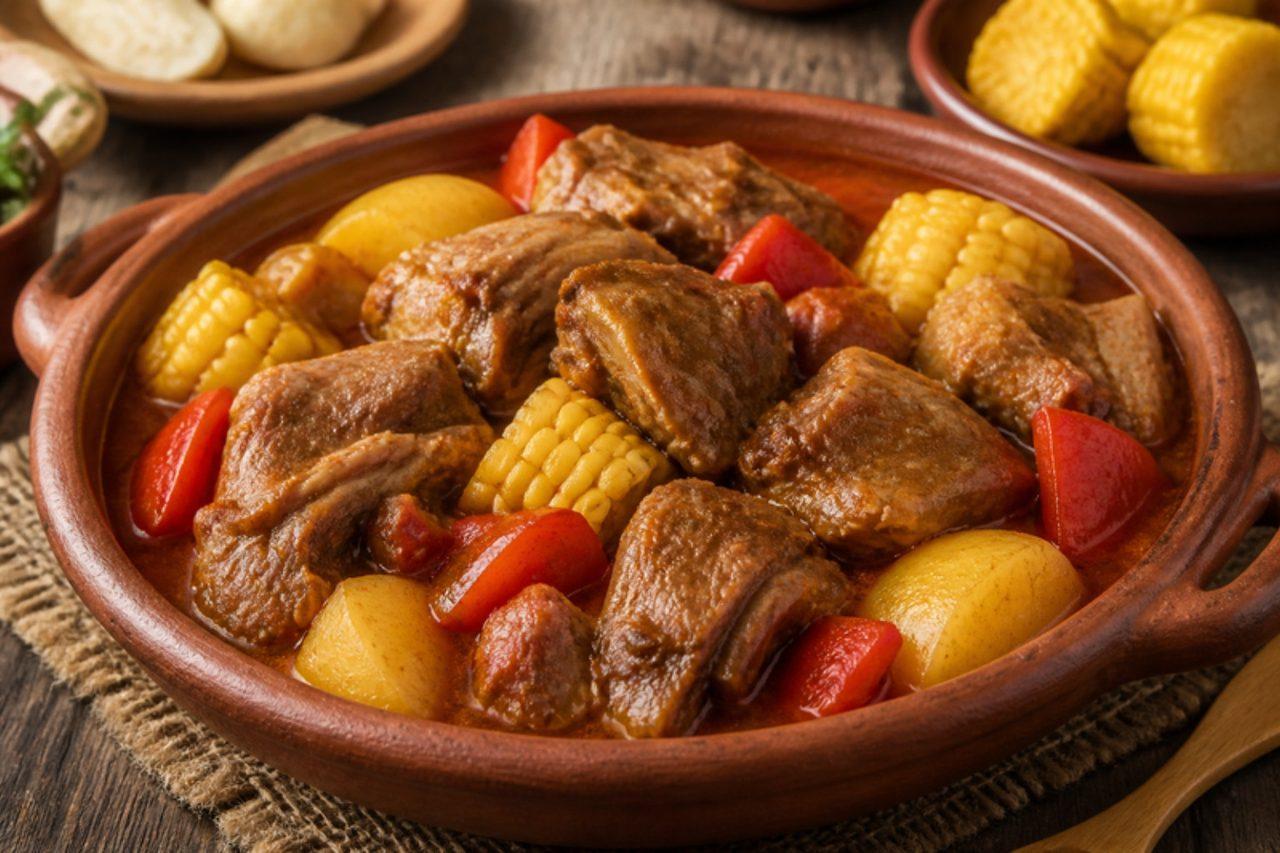
Up in the Calchaquí valleys of Salta, where goats graze between the vineyards and the cardón cactus, cabrito ends up in a heavy clay cazuela on Sunday or feast days. The meat simmers with onion, red pepper, cumin and ají molido until it slides off the bone, and the potatoes and thick rounds of corn on the cob drink up a brick-red, gently spiced broth. Bring it to the table in the pot with bread or a simple tomato and onion salad. Kid goat can be ordered from halal butchers and some farm shops; lamb shoulder works too. People often boil it hard to save time, which squeezes the lean meat dry and stringy; it wants the barest simmer. Chef's tip: brown the pieces in two or three batches so they colour properly instead of stewing in their own juices; that browning is where most of the flavour comes from.

by KrazyBadal 0 views

Cemita poblanaPork milanesa sandwich

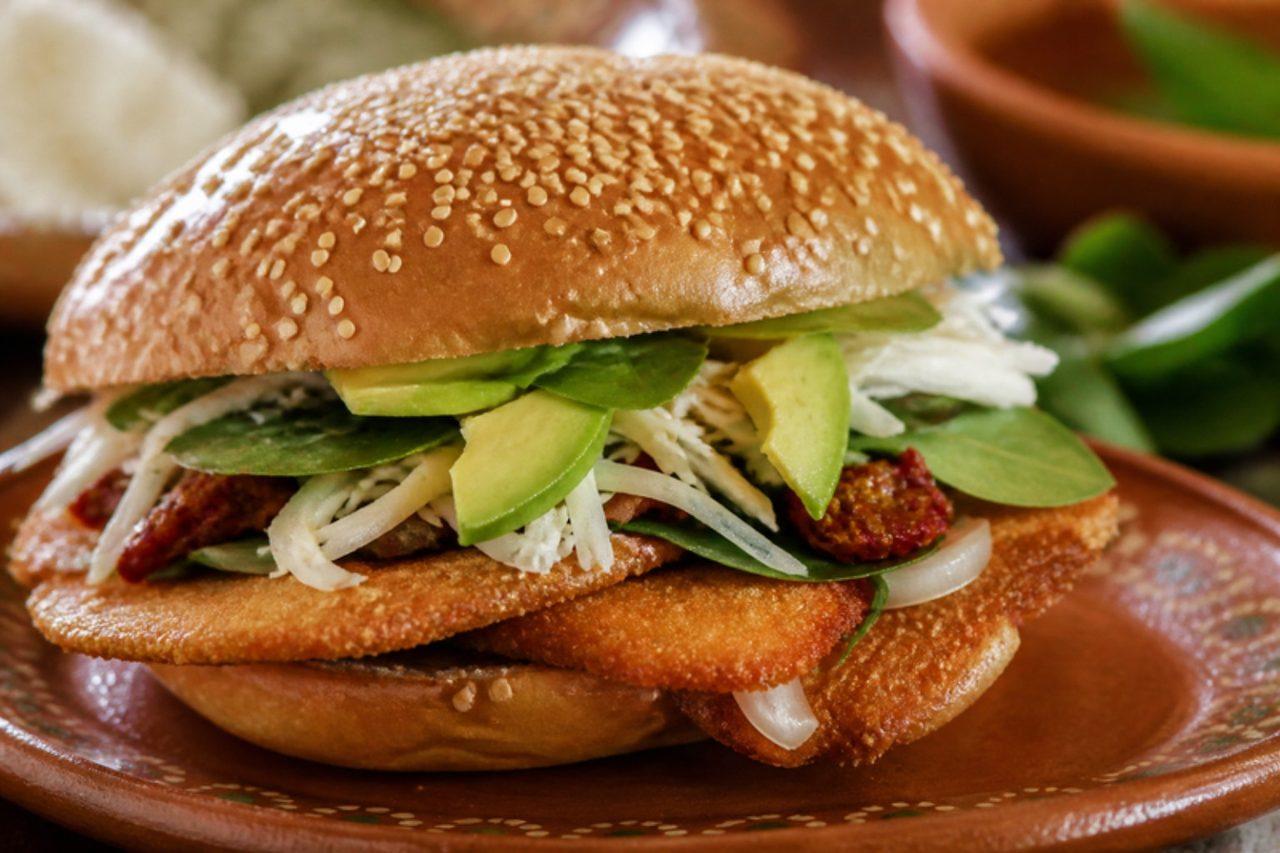
Puebla's markets have whole aisles of cemita stalls, where a domed, sesame-crusted roll is split and piled with a thin, crisp milanesa, sliced avocado, a nest of stringy quesillo, smoky chipotle in adobo and leaves of pápalo, a pungent herb that tastes somewhere between rocket and coriander. This version uses pork loin for the milanesa, the most common choice alongside beef; thin beef steak works the same way. Pápalo is rarely sold outside Mexico, so coriander stands in for it here. It is a meal in itself, eaten with both hands at midday. Chef's tip: pull the quesillo into fine strands rather than slicing it, so it melts into the warm cutlet and holds the sandwich together.

by KrazyBadal 0 views

Centolla gratinadaBaked king crab with cheese

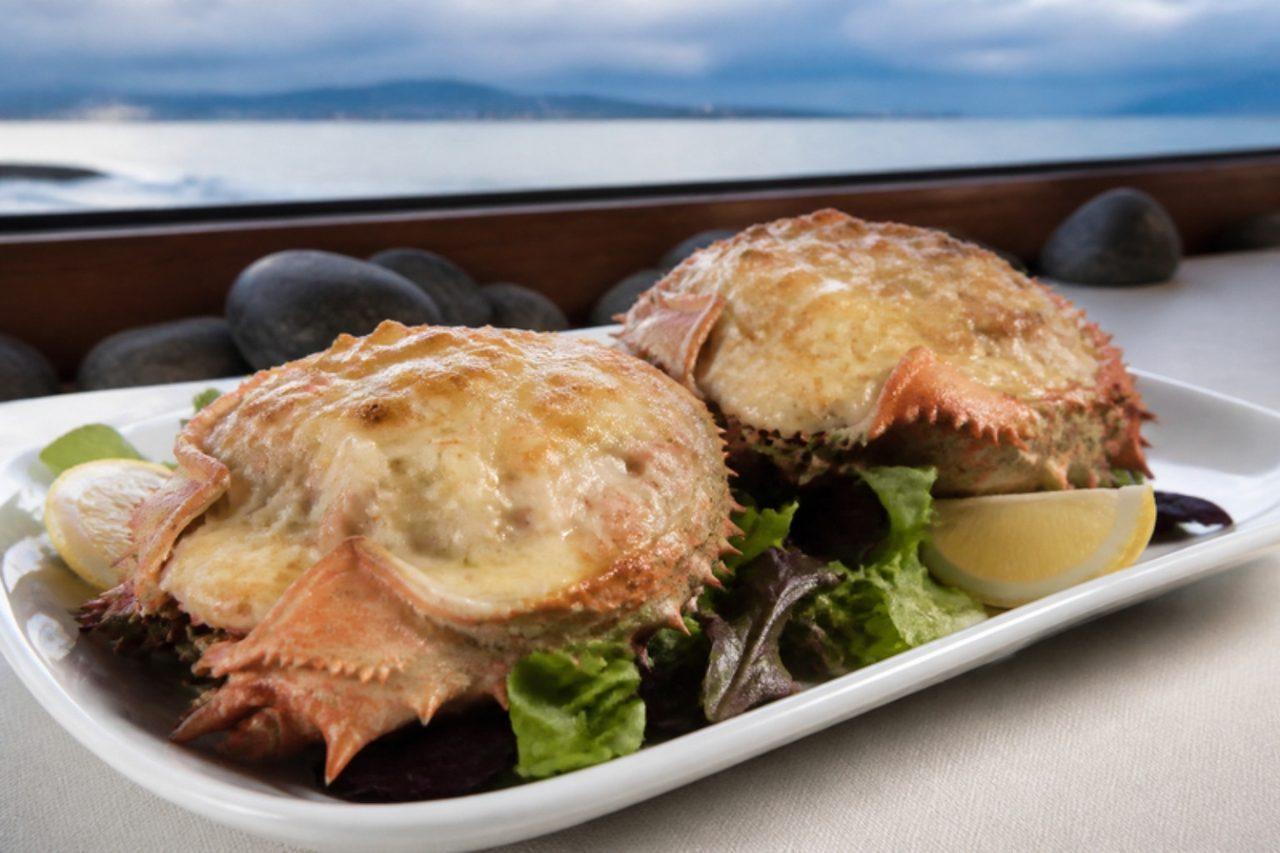
Centolla, the southern king crab hauled from the cold waters of the Beagle Channel, is Ushuaia's pride, and seafood restaurants along the harbour serve it gratinada: sweet chunks of leg meat in a light white sauce, crowned with cheese and browned under a fierce grill. It is rich, so serve it in small dishes as a starter with lemon and a green salad, plus crusty bread for anyone who can eat gluten. Buy cooked, frozen king crab legs or meat and thaw them in the fridge overnight; if you ever cook crab yourself, it must be alive when it goes into the pot. A frequent mistake is a sauce so thick and cheesy that the delicate crab disappears; keep it pourable and the cheese thin. Chef's tip: fold the crab in gently at the end, in big pieces, and let the oven only heat it; it is already cooked and turns stringy if it boils.

by KrazyBadal 0 views

Cèpes à la bordelaisePorcini with garlic and parsley

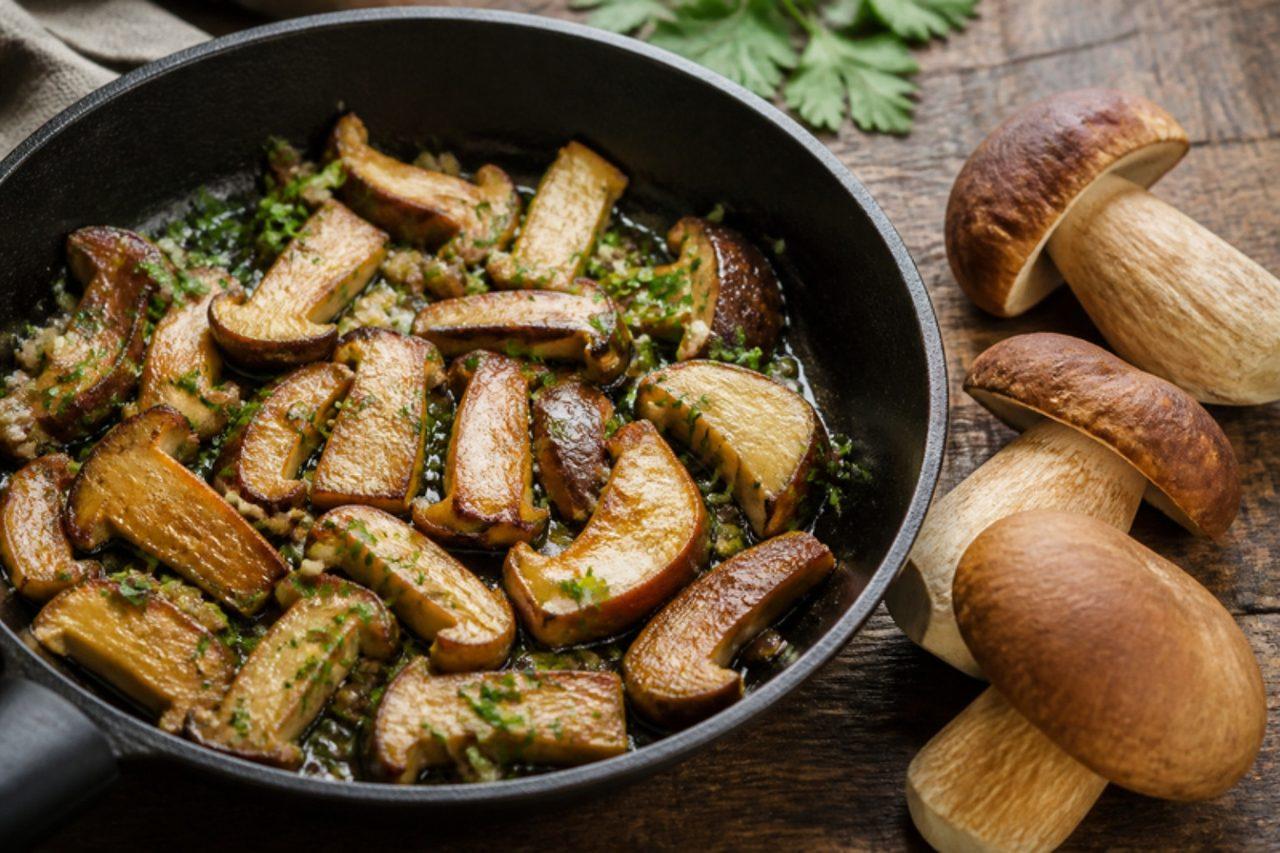
In autumn, when cèpes push up through the pine forests of the Landes and the oak woods of the Gironde, Bordeaux families fry them the local way: thick slices browned hard in a hot pan, then tossed with shallot, garlic and plenty of parsley. They come to the table as a side for Sunday lunch, piled on toast for a starter, or beside an omelette for supper. Many cooks use duck fat; this version uses olive oil, so it is vegan. Out of season, use chestnut mushrooms with a few soaked dried porcini for flavour. Chef's tip: wipe the cèpes with a damp cloth instead of washing them; wet mushrooms steam instead of browning.

by KrazyBadal 0 views

ChanfanaGoat braised in red wine

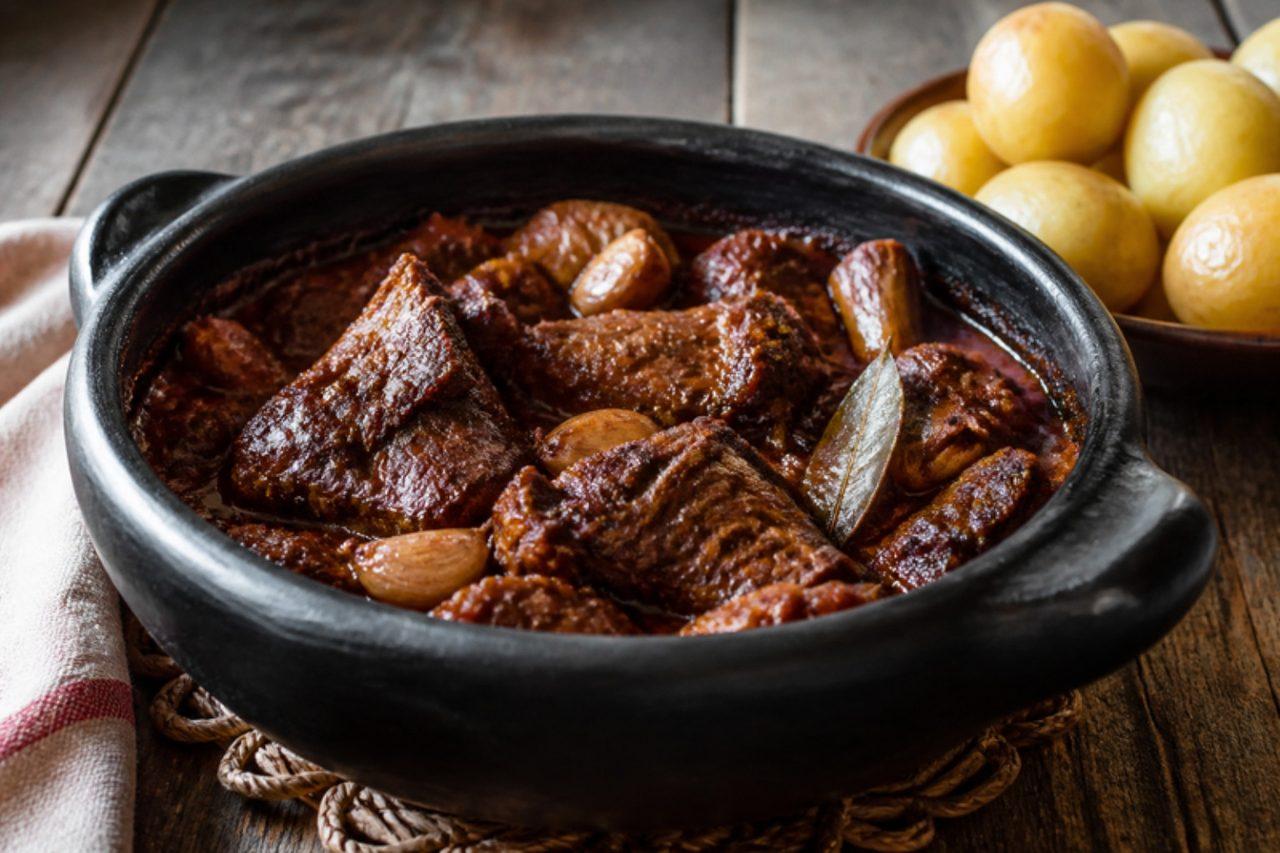
Chanfana belongs to the hill towns south of Coimbra, Miranda do Corvo and Lousã above all, where older goats were once cooked for village feasts in black clay pots sealed and left overnight in the bread oven. The meat braises in red wine with garlic, paprika, bay and cloves until it falls apart in a dark, rich sauce. It is a weekend and festival dish, served with boiled potatoes. The dish is cooked in red wine and not all of the alcohol cooks off; for an alcohol-free version use the substitute in the ingredient note. Chef's tip: marinate it for a full day; the long soak both flavours and tenderises the goat.

by KrazyBadal 0 views

Chaniotiko bourekiCourgette, potato and cheese bake

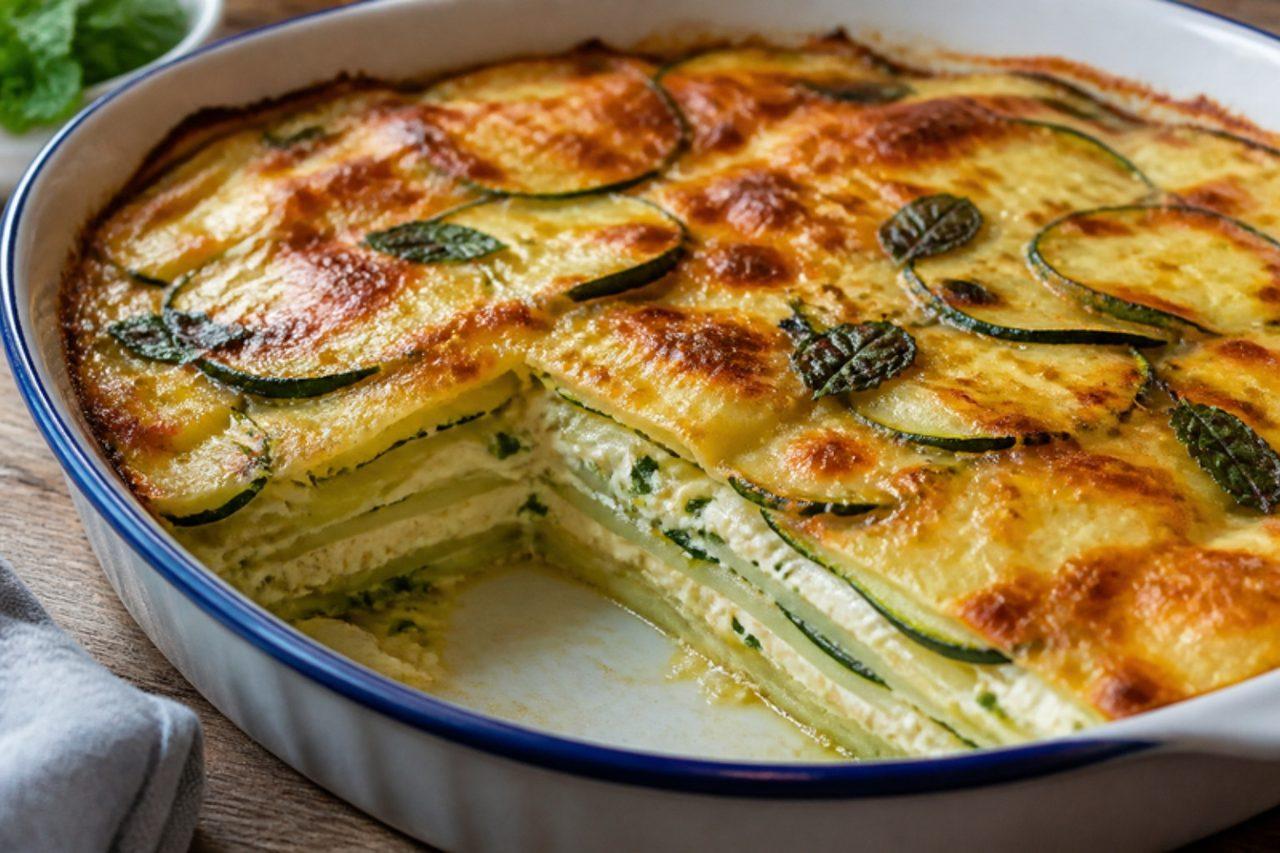
In Chania, western Crete, boureki is what happens to the courgette glut in July: thin slices of courgette and potato layered with crumbled soft cheese, mint and plenty of olive oil, then baked slowly until the top is golden and the inside is meltingly soft. Families bake a big tin for Sunday and eat it warm or at room temperature over the next two days with bread, olives and a tomato salad. The traditional cheese is fresh mizithra plus a little graviera; graviera is made with animal rennet, so use a vegetarian hard cheese if that matters to you. Common mistake: skipping the salting of the courgettes, which leaves a pool of water in the tin. Chef's tip: slice the potatoes paper-thin, no thicker than 3 mm, so they cook through in the same time as the courgettes.

by KrazyBadal 0 views

ChiflesPlantain chips

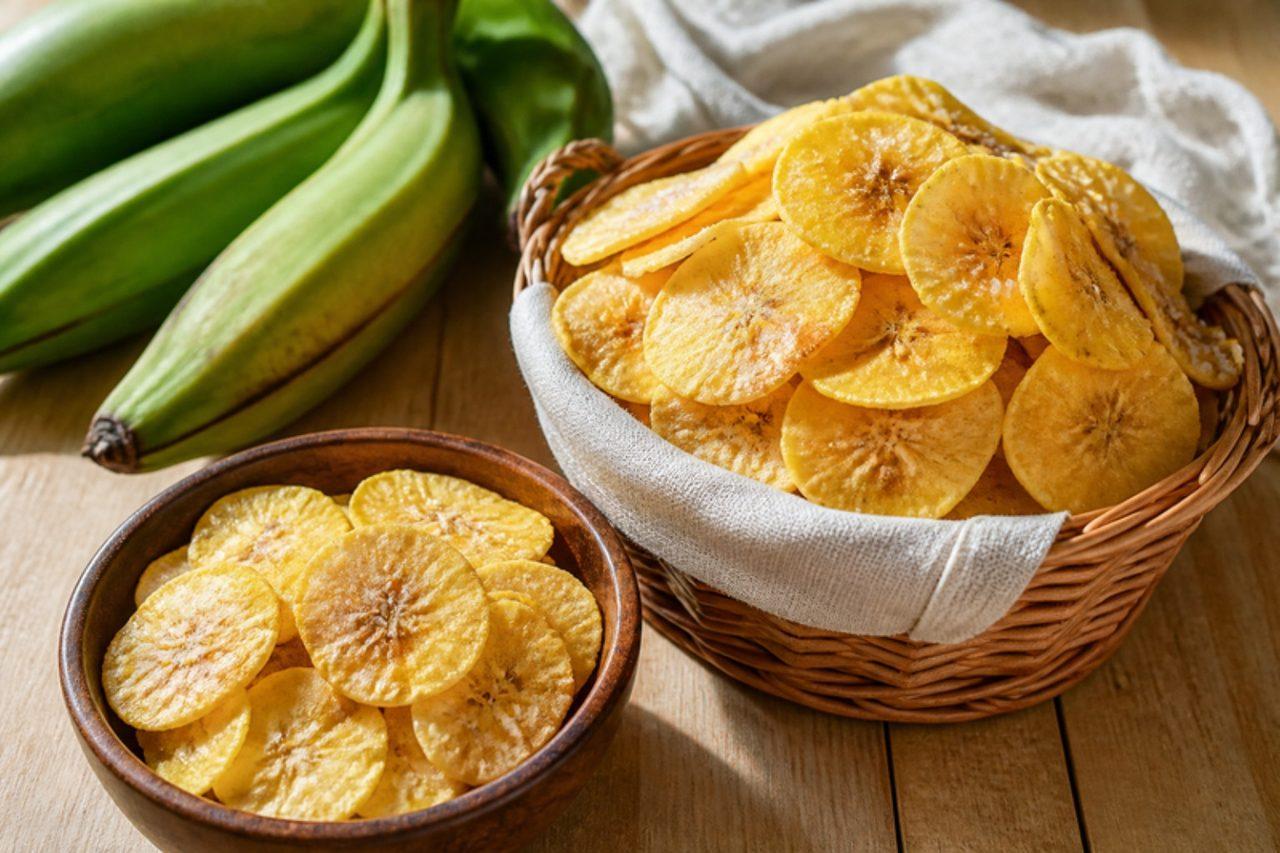
Bags of chifles hang from every shop door in Piura and Sullana, and on the northern coast they come alongside almost everything: ceviche, seco, a cold drink at the beach. They are green plantains sliced paper-thin, lengthwise or in rounds, fried until glassy and crisp, then salted. The flavour is starchy and lightly nutty, the crunch is louder than a potato crisp, and they keep for days in a tin. Getting the slices even is what matters most: thick and thin slices fry at different speeds, and the thick ones end up leathery while the thin ones burn, so use a mandoline set to 1–2 mm. Use firm, fully green plantains; any yellow means sugar, which browns too fast. Chef's tip: soak the slices in salted water for 10 minutes, then dry them completely before frying; they crisp more evenly and stay pale gold.

by KrazyBadal 0 views

ChilorioShredded pork in chilli paste

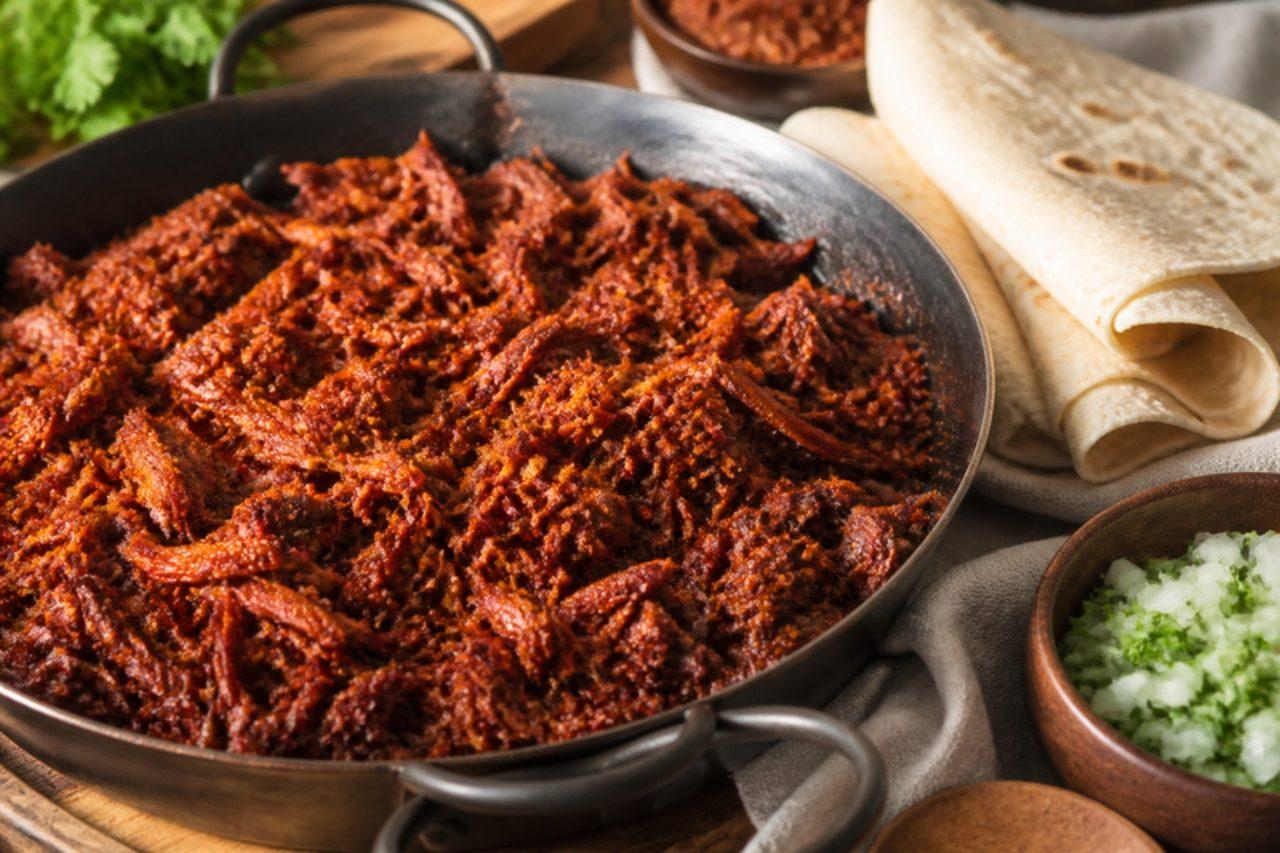
Chilorio is Sinaloa's great pork dish: pork shoulder simmered until it falls apart, shredded and then fried in pork lard with a vinegary paste of ancho and guajillo chillies until almost dry and deeply brick-red. Ranch cooks around Culiacán made it to keep, and it is still packed into jars and sold in markets across the north. It is rich, tangy and gently spicy rather than fiery, and it fills flour tortillas for burritos, tops scrambled eggs at breakfast or goes into tortas with refried beans. Chef's tip: fry the shredded pork in the lard for a few minutes before the chilli goes in, so the edges crisp and the paste clings instead of stewing.

175 minMexicanMeatGluten free
by KrazyBadal 0 views

Chilpachole de jaibaSpicy crab soup

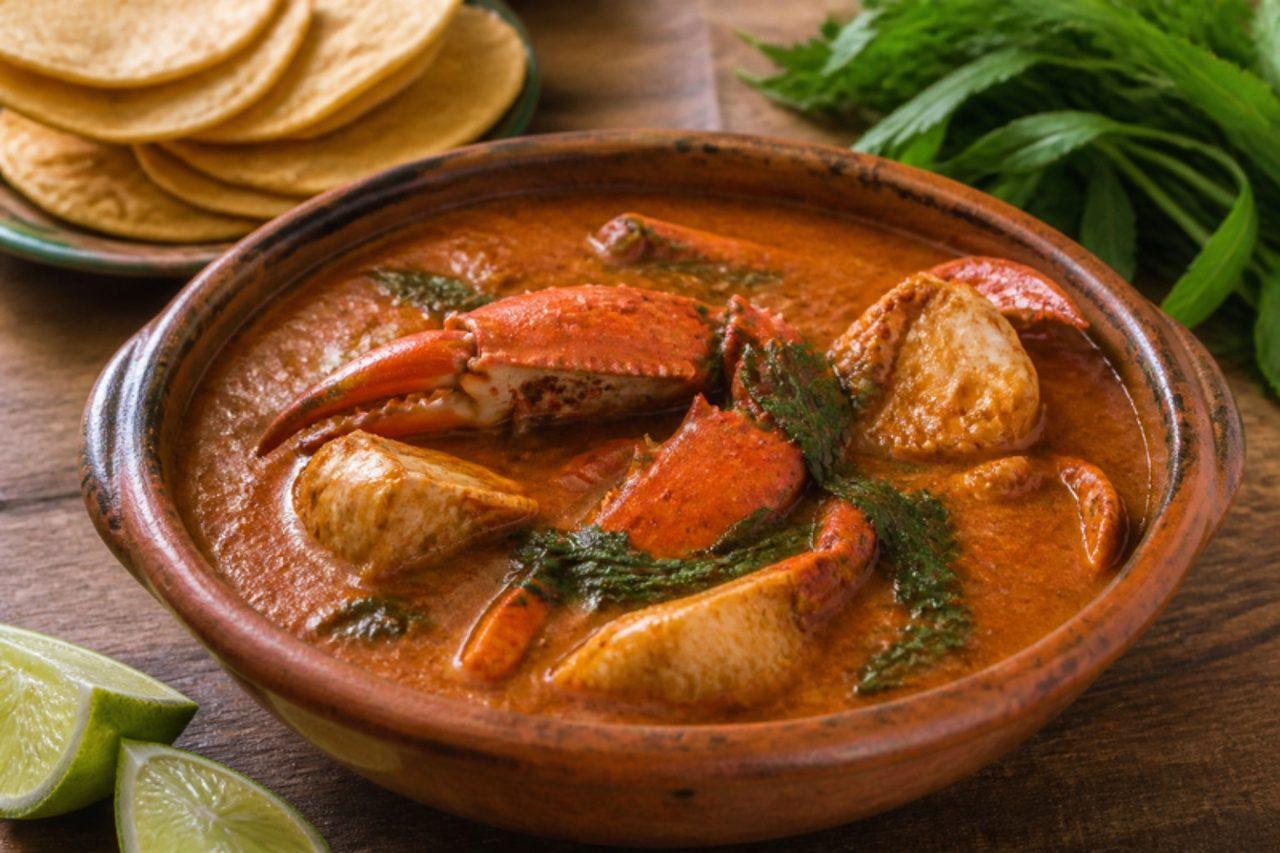
Chilpachole de jaiba is the restorative crab soup of the Veracruz coast, served in seafood cantinas and market stalls from Boca del Río to Alvarado, often with lime and tostadas on the side. The broth is brick-red and thick enough to coat a spoon, built from roasted tomato, garlic and smoky chipotle, thickened with a little masa and scented with epazote, a pungent Mexican herb; coriander with a pinch of oregano is a reasonable substitute. Buy crabs live or freshly cooked from a fishmonger and keep them cold until you cook them. Chef's tip: crack the claws before they go into the soup, so the broth seeps in and they are easy to pick at the table.

by KrazyBadal 0 views

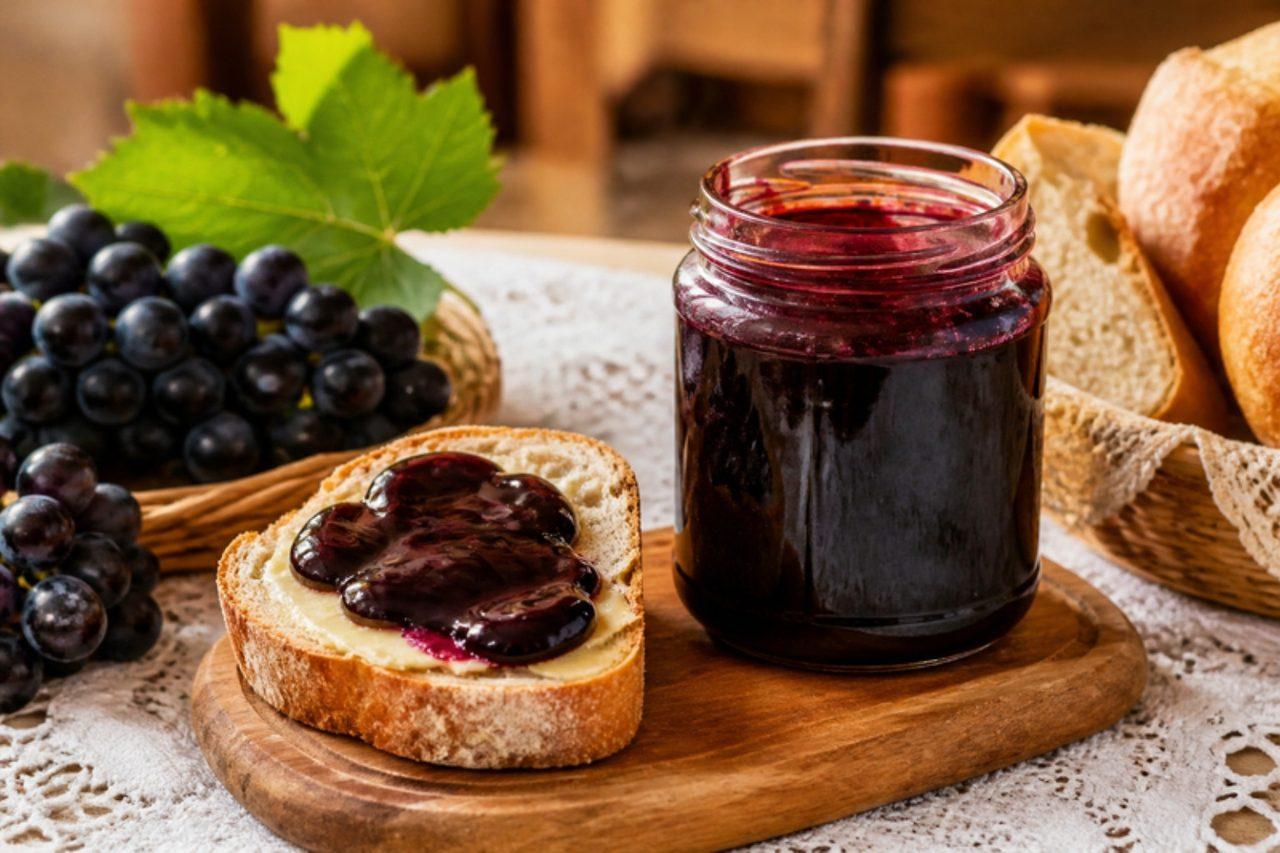
Chimia de uvaThick grape spread

German immigrants who settled the valleys around Santa Cruz do Sul and São Leopoldo in the 1800s brought their Schmier, and the word slowly turned Portuguese as chimia. It is a dark, thick fruit spread cooked down from whatever the backyard gives: grapes, figs, plums, pumpkin or banana. Colonial cafés in the Vale do Rio Pardo set out a pot of it beside cuca, cheese and cold meats at the café colonial, and at home it goes on thick slices of pão caseiro, often with a smear of nata (thick cream) underneath. This version uses dark grapes, cooked whole and sieved, so it keeps the deep colour of the skins. People often stop cooking too soon; a runny chimia soaks straight into the bread instead of sitting on top. Chef's tip: test it on a cold saucer from the freezer; when a line drawn through it stays open, it is ready.

by KrazyBadal 0 views

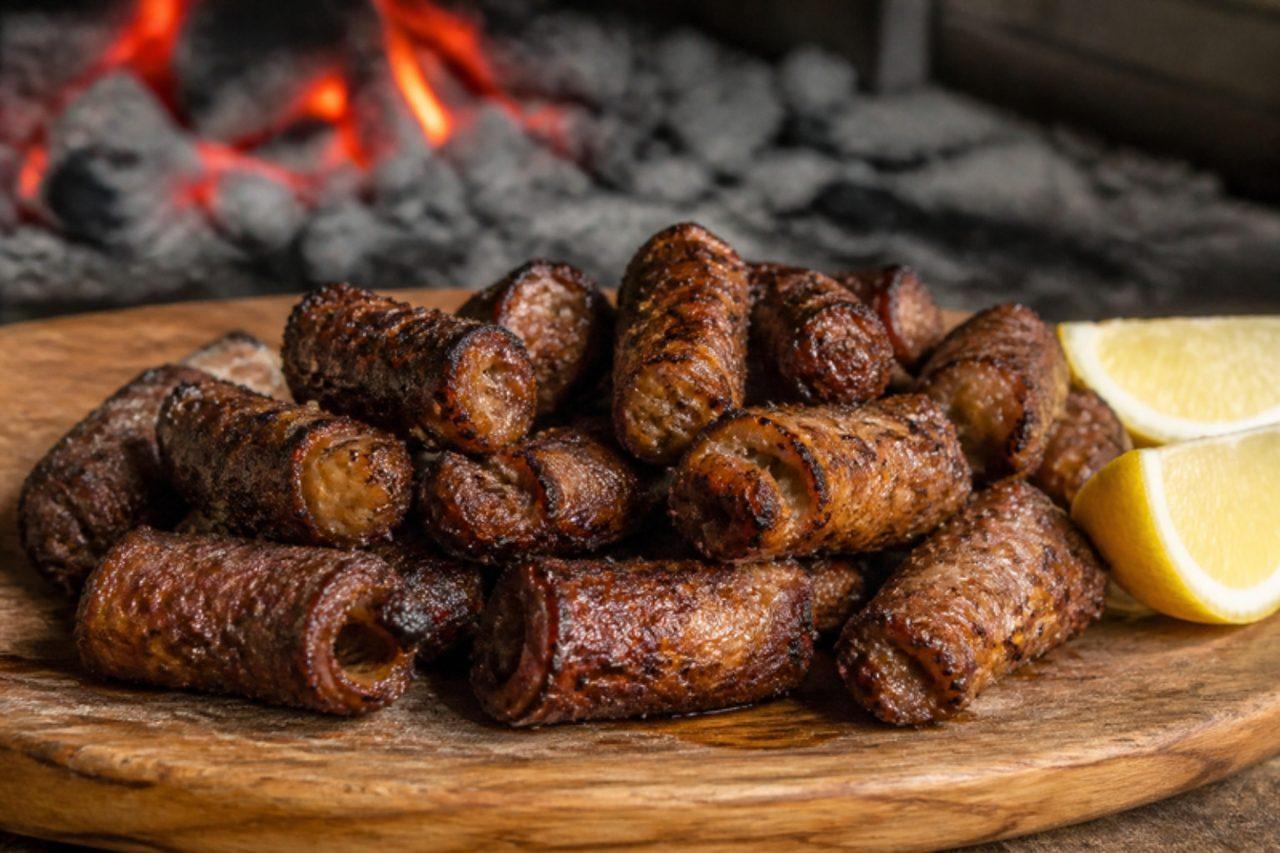
ChinchulinesGrilled beef intestines

No proper Sunday asado in Buenos Aires province or the interior is complete without a round of achuras, and chinchulines are the boldest of them: beef small intestine, coiled on the grill and cooked slowly until the outside crackles like pork scratchings and the inside stays soft and rich with its own fat. Pass them round on a board with lemon and bread as a starter while the bigger cuts cook. Buy them already cleaned from a butcher or a Latin American meat counter, and rinse them again well at home. The usual mistake is too much heat: the outside burns long before the inside cooks. Offal must be cooked right through, with no soft, raw-looking parts. Chef's tip: simmer them briefly before grilling; it cleans them further, shortens the time on the coals and gives you a much more even crunch.

by KrazyBadal 0 views

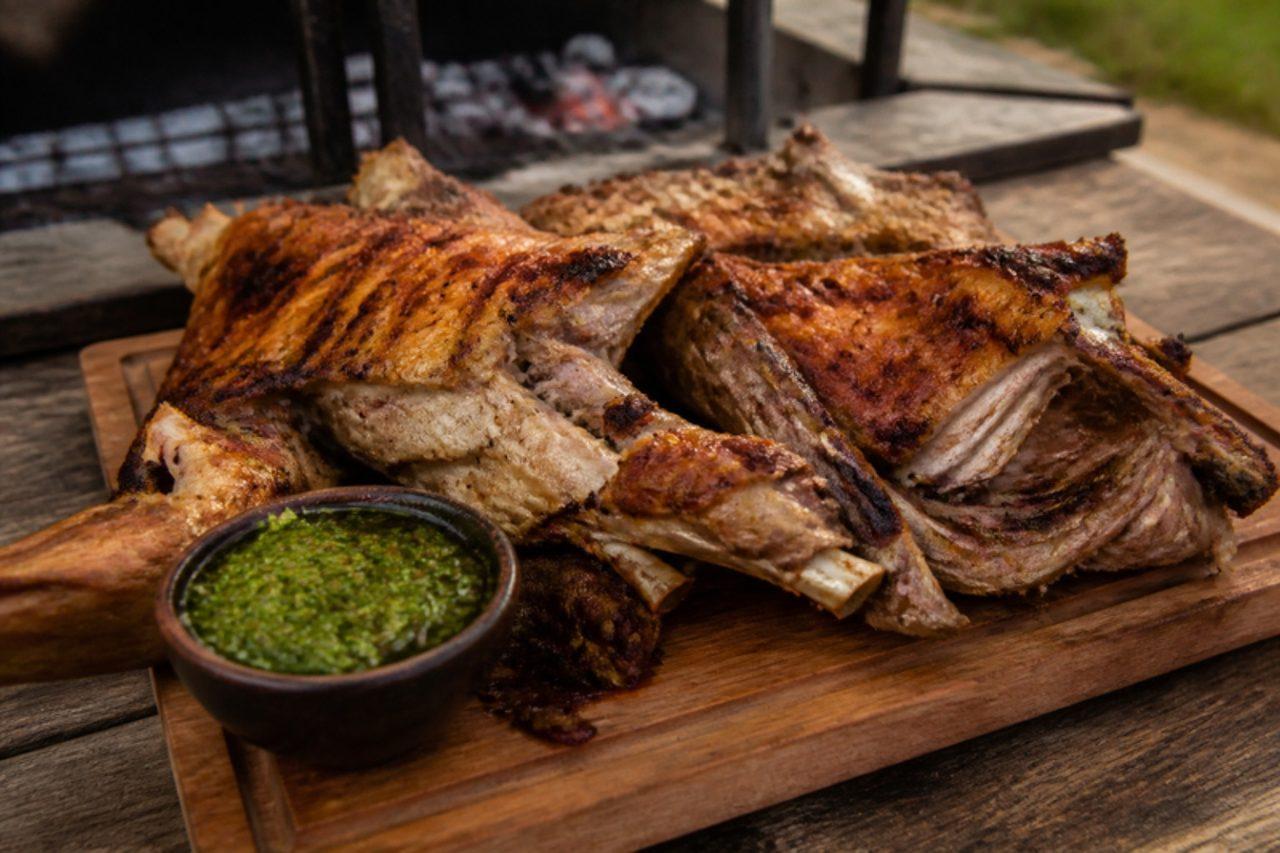
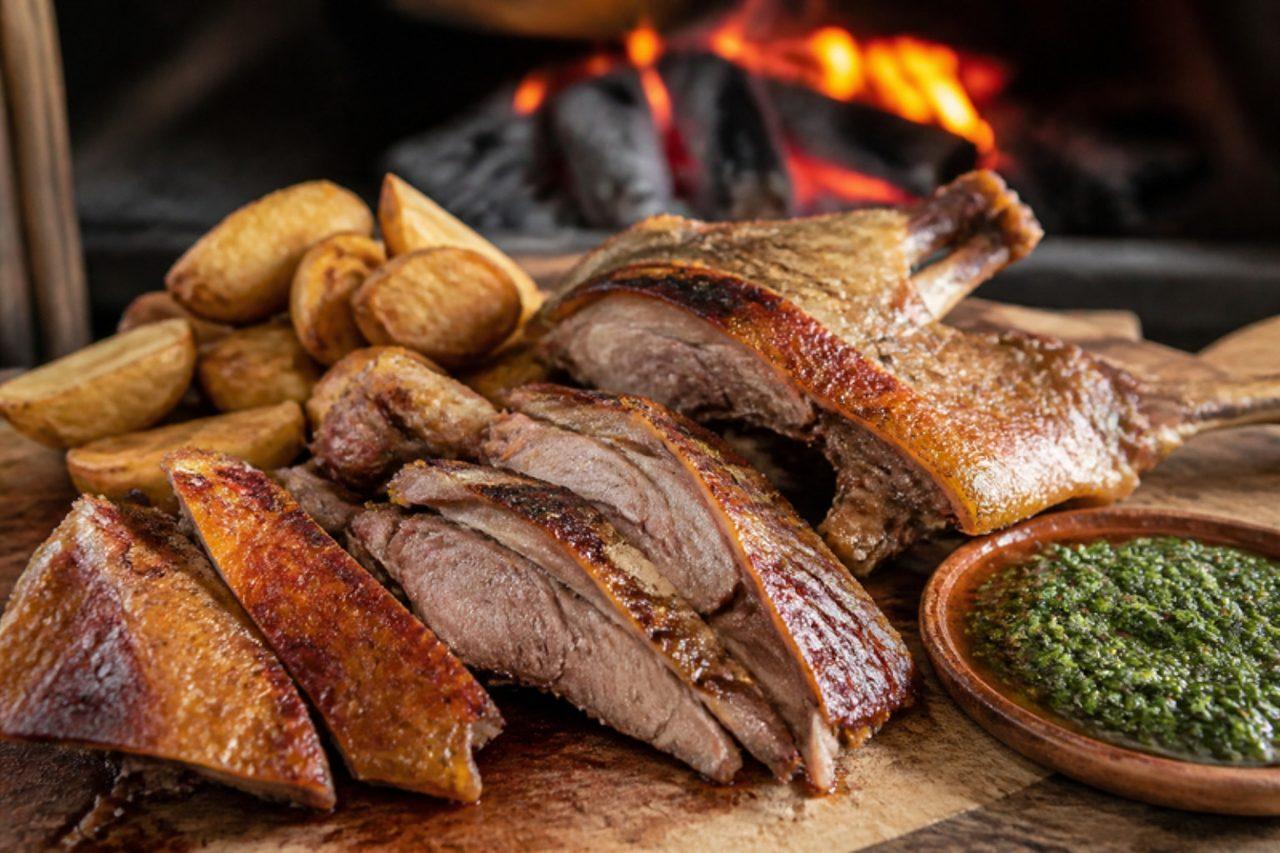
Chivito al asadorSpit-roasted whole goat

Malargüe, in the dry south of Mendoza, holds a goat festival every summer, and the star is the chivito: a milk-fed kid opened flat, wired to an iron cross and planted at an angle beside a fire of jarilla or other hardwood. It cooks from the side, never over the flames, basted with a garlicky salmuera until the skin turns glassy and crackling and the meat pulls apart. Serve it straight from the cross with salad, bread and chimichurri. Order a whole kid of 5–7 kg dressed weight from a specialist or halal butcher, and check the cross fits it before the day. Most failures come from setting it too close to the fire, which burns the outside while the thick legs stay raw. Kid is lean, so cook it right through, as in Mendoza: the thickest part of the leg should reach at least 70 °C. Chef's tip: cook bone side to the fire for two-thirds of the time; the ribs protect the meat, and the skin goes on last so it crisps instead of scorching.

by KrazyBadal 0 views

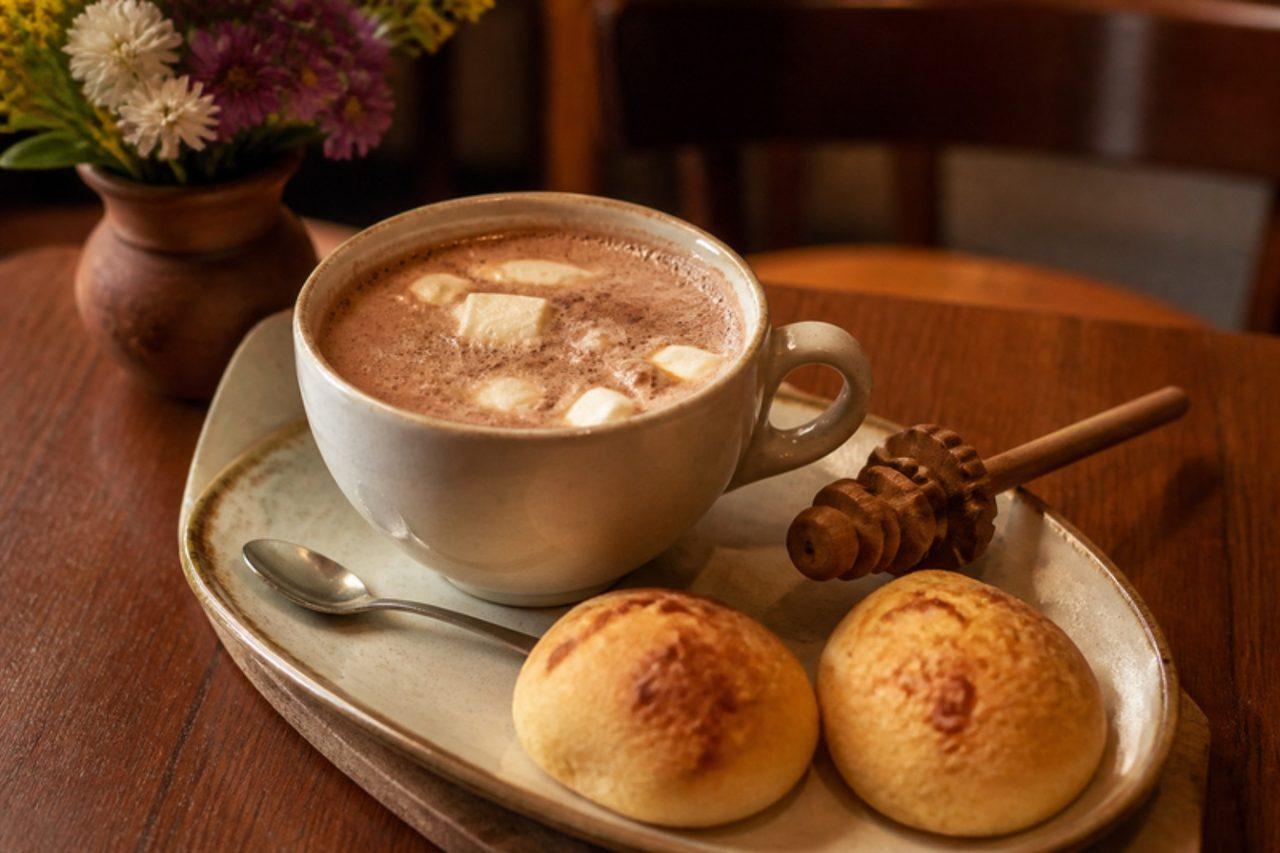
Chocolate santafereñoHot chocolate with cheese

Old Bogotá, once Santafé, built an afternoon ritual around hot chocolate. In the café-restaurants of La Candelaria it comes in a big cup, frothed with a wooden molinillo, with a plate of white cheese, almojábanas and buttered bread on the side. The surprise for visitors is the cheese: cubes go straight into the hot chocolate, softening into stretchy strings that are fished out with a spoon, a salty contrast to the sweet, spiced drink. Colombian table chocolate comes in bars already sweetened and often flavoured with cinnamon and clove; dark chocolate plus sugar and spice is a fair swap. The usual cheese, queso campesino or doble crema, is normally set with animal rennet, so choose a vegetarian (microbial-rennet) mozzarella-style cheese. Boiling the chocolate hard is the misstep that makes it grainy and scorched; keep it at a gentle simmer. Chef's tip: no molinillo? Whisk briskly with a balloon whisk or a milk frother until there's a thick foam.

by KrazyBadal 0 views

ChocotortaNo-bake chocolate biscuit cake

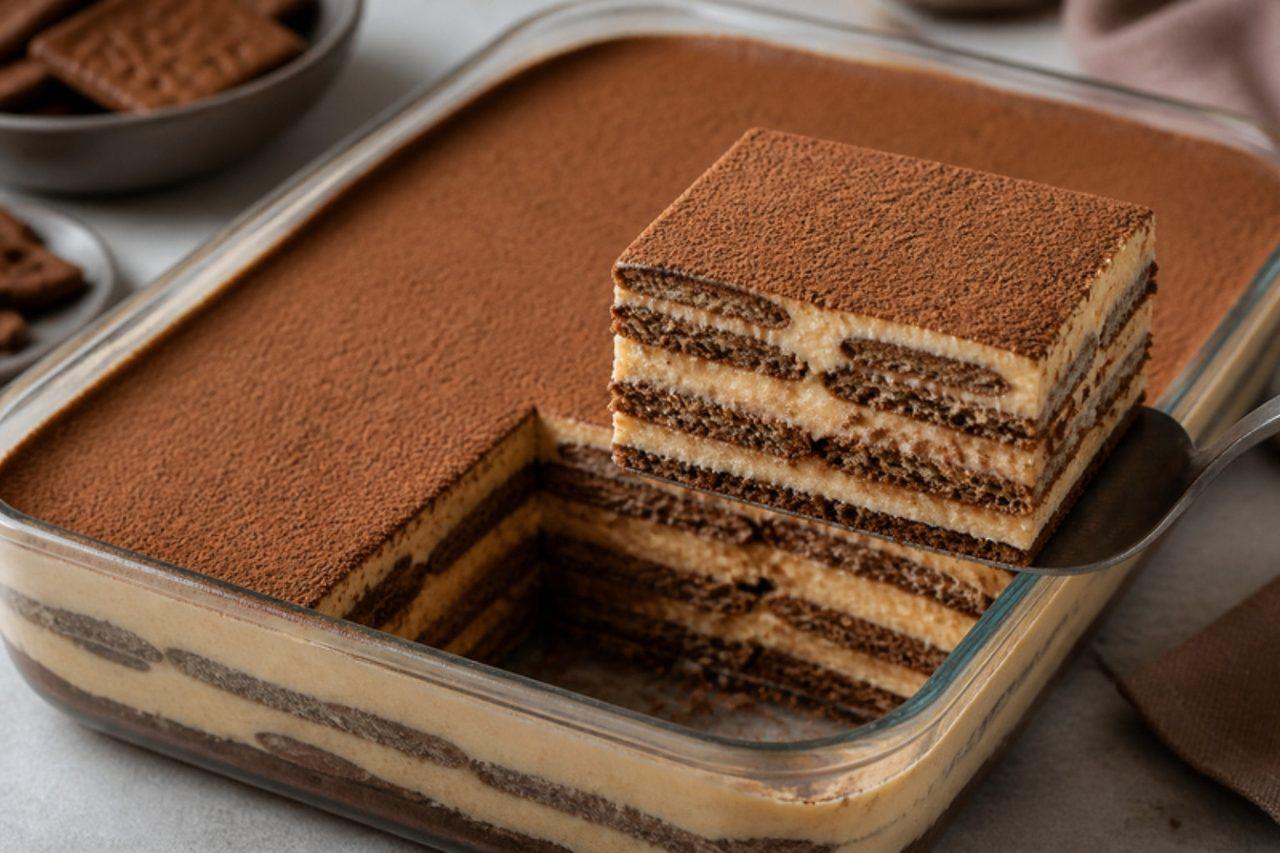
Born in 1980s Buenos Aires as an advertising idea and adopted by the whole country, chocotorta is the cake children ask for at every birthday and the easiest dessert in the Argentine repertoire. Chocolate biscuits are dipped briefly in milk (adults often use coffee), layered with a cream of dulce de leche beaten with cream cheese, and left overnight until the biscuits turn soft and cake-like. It is rich, sweet and a little tangy, and slices cleanly straight from the fridge. Any plain crisp chocolate biscuit works; rectangular ones make the neatest layers. The mistake to avoid is soaking the biscuits too long: a one-second dip is plenty, or they collapse into mush before you can lay them down. Chef's tip: assemble it a day ahead in a loaf tin lined with cling film; overnight chilling is what turns it from biscuits and cream into cake.

by KrazyBadal 0 views

Choucroute garnieSauerkraut with smoked pork and sausages

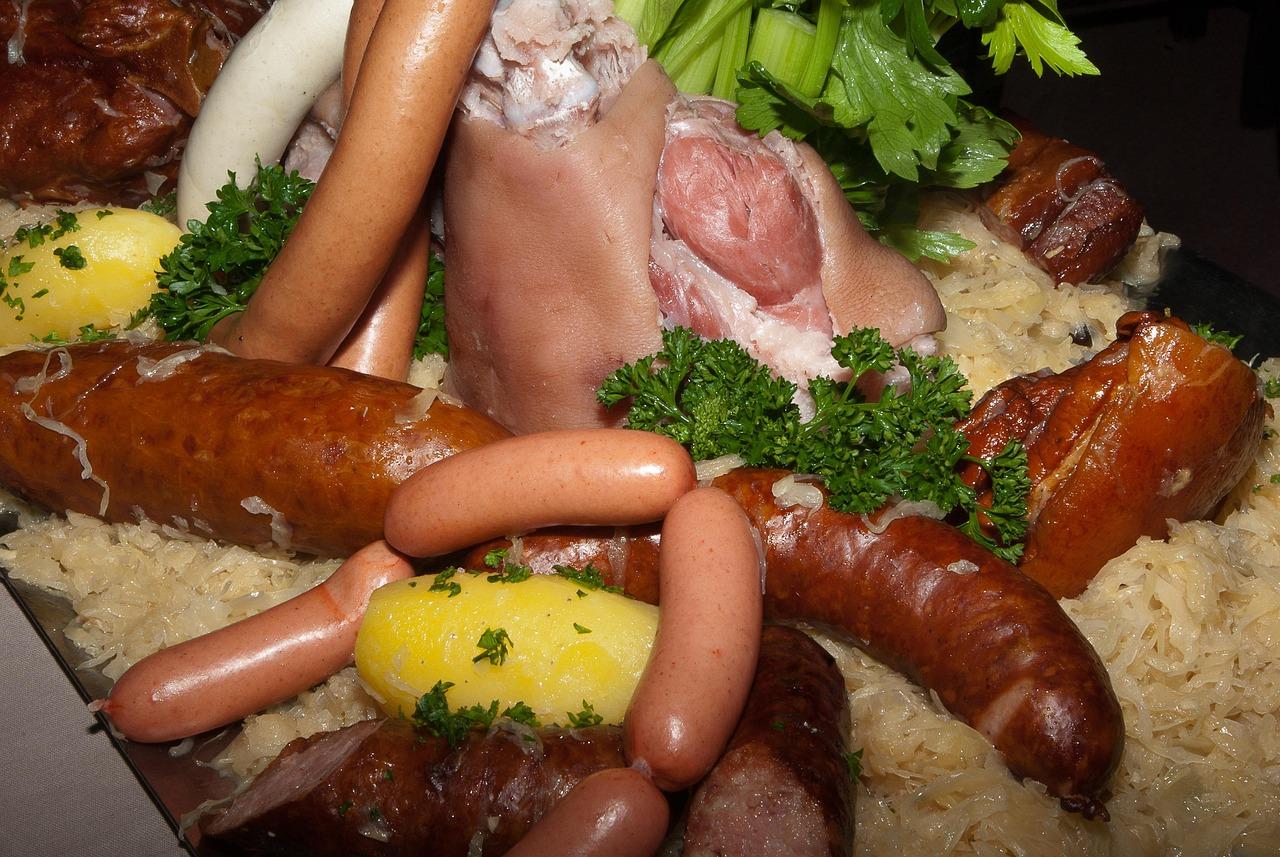
From the winstubs of Strasbourg to the brasseries near Paris's Gare de l'Est, choucroute garnie is the dish that announces autumn, when the new season's sauerkraut arrives. It is a pork feast: smoked pork belly and smoked pork loin braised on a bed of sauerkraut softened with white wine, juniper and onion, then crowned with Strasbourg and smoked sausages and boiled potatoes. The cabbage turns mellow and silky rather than sharp, and soaks up the smoky fat. The braise uses dry white wine; the ingredient notes give an alcohol-free swap. Serve it with strong Dijon mustard and a little horseradish on the side. Chef's tip: rinse the sauerkraut only once and squeeze it well, so it keeps a little tang but doesn't make the whole dish sour.

130 minFrenchMeat
by KrazyBadal 0 views

Coca de llandaLemon and olive oil sponge

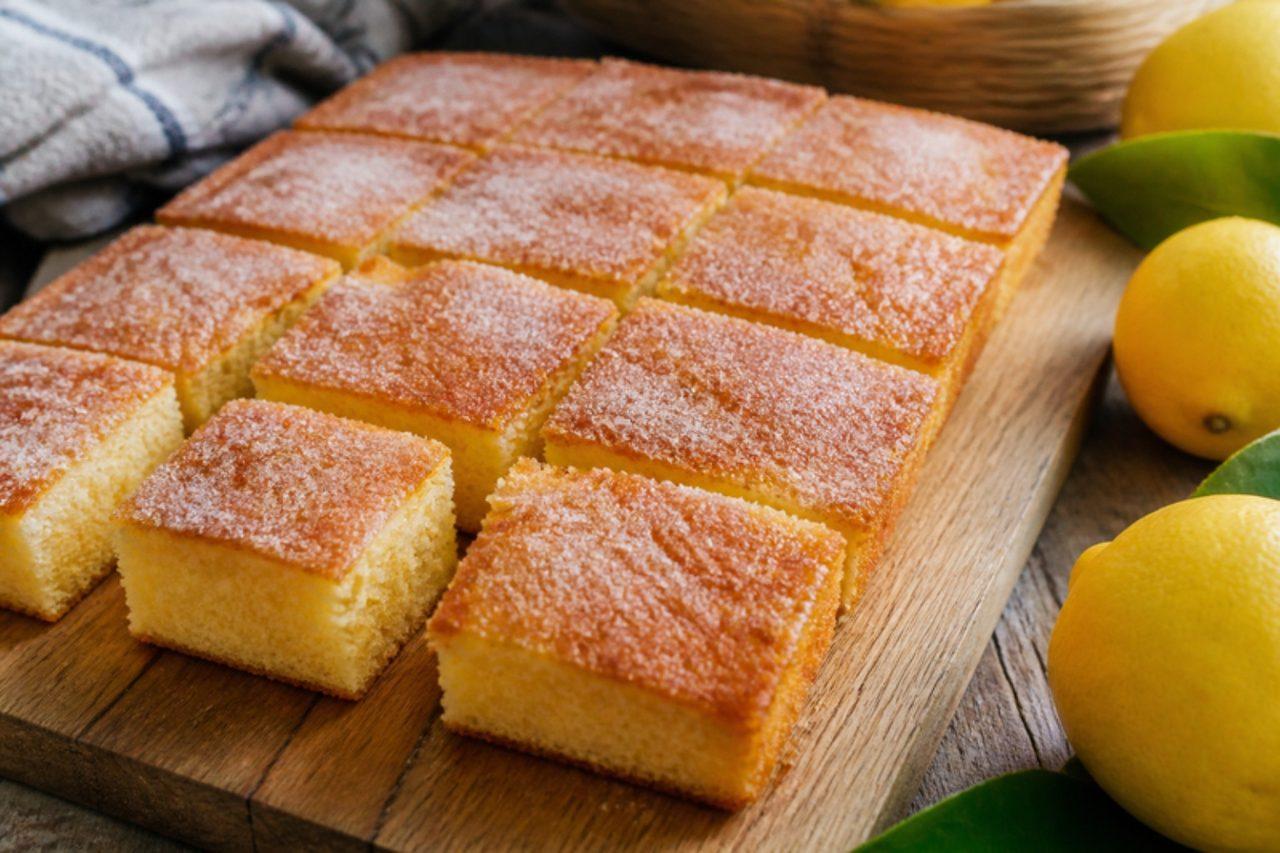
Every Valencian grandmother has a coca de llanda, a plain, fluffy sponge named after the shallow metal tray (llanda) it is baked in, and it turns up at breakfast, at afternoon merienda and in lunchboxes all over the Comunitat Valenciana. Sunflower oil and milk keep it moist for days, lemon zest perfumes it, and a sprinkle of cinnamon sugar on top bakes into a crackly crust. A common mistake is opening the oven in the first 25 minutes, which makes the middle sink. Chef's tip: let the batter rest for 10 minutes in the tin before it goes into the oven; the cinnamon sugar then sits on the surface instead of sinking in.

by KrazyBadal 0 views

Coca de recapteFlatbread with roasted vegetables

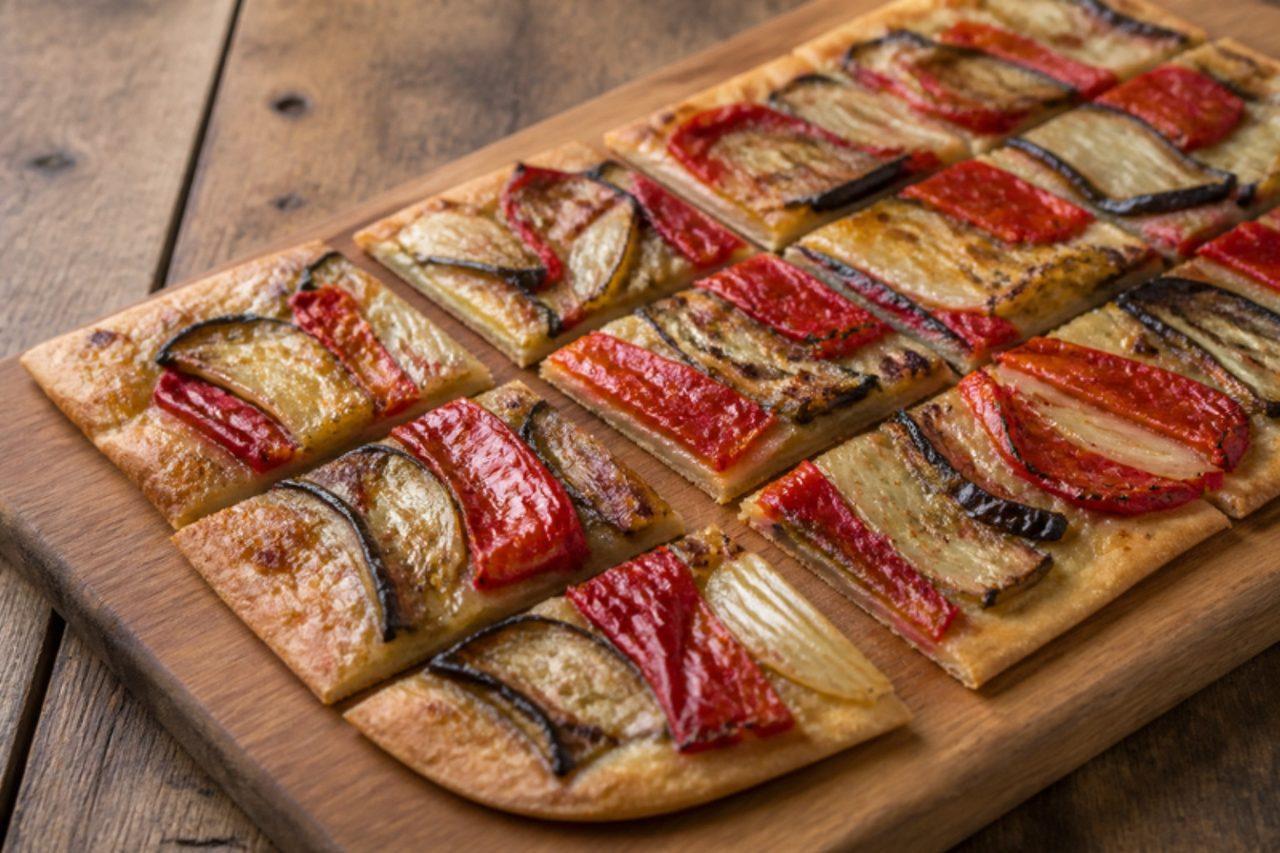
In Lleida and the farmland of inland Catalonia, the coca de recapte was once baked in the village oven on bread day, topped with whatever was in the larder; recapte means provisions. Today bakeries sell long trays of it, and families take slices on Sunday outings. The topping is essentially escalivada: aubergine, red pepper and onion, roasted then laid raw-side-up on the dough. Bakeries often add salted sardines or anchovies; this version is vegetarian. Chef's tip: roast the vegetables only until soft, not falling apart; they cook a second time on the coca.

by KrazyBadal 0 views

Coca de Sant JoanCandied fruit and pine nut brioche

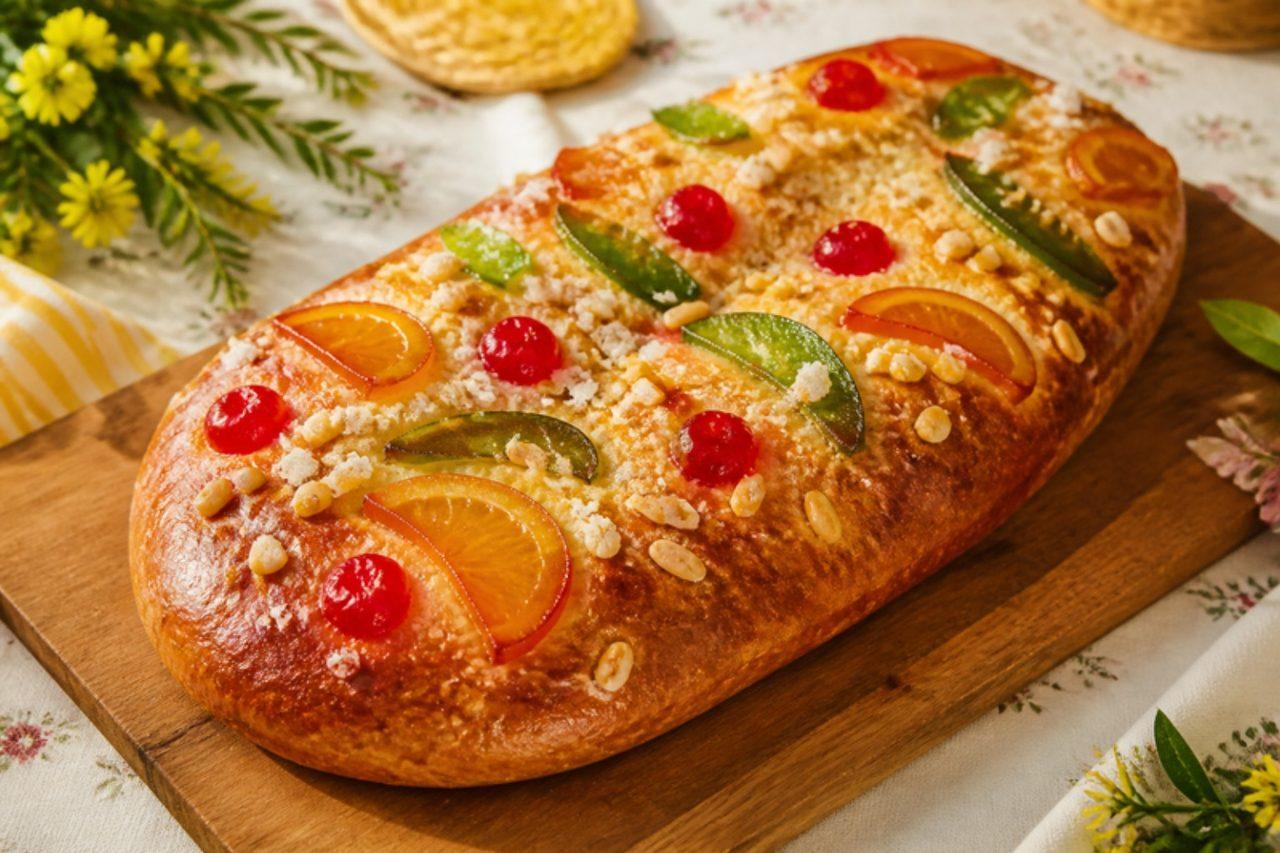
On the night of 23 June, the Revetlla de Sant Joan, Catalonia lights bonfires, sets off firecrackers on every beach and street, and shares a long oval coca: a soft, lemony brioche topped with candied fruit, pine nuts and crunchy sugar. Bakeries sell thousands, but a homemade one, still slightly warm, is something else. Some recipes add a splash of anise liqueur; this one uses aniseed instead. Chef's tip: give the shaped dough a long, slow second rise; a well-proved coca bakes up light, an under-proved one dense.

by KrazyBadal 0 views

Coca de tomacaRoasted tomato and pepper flatbread

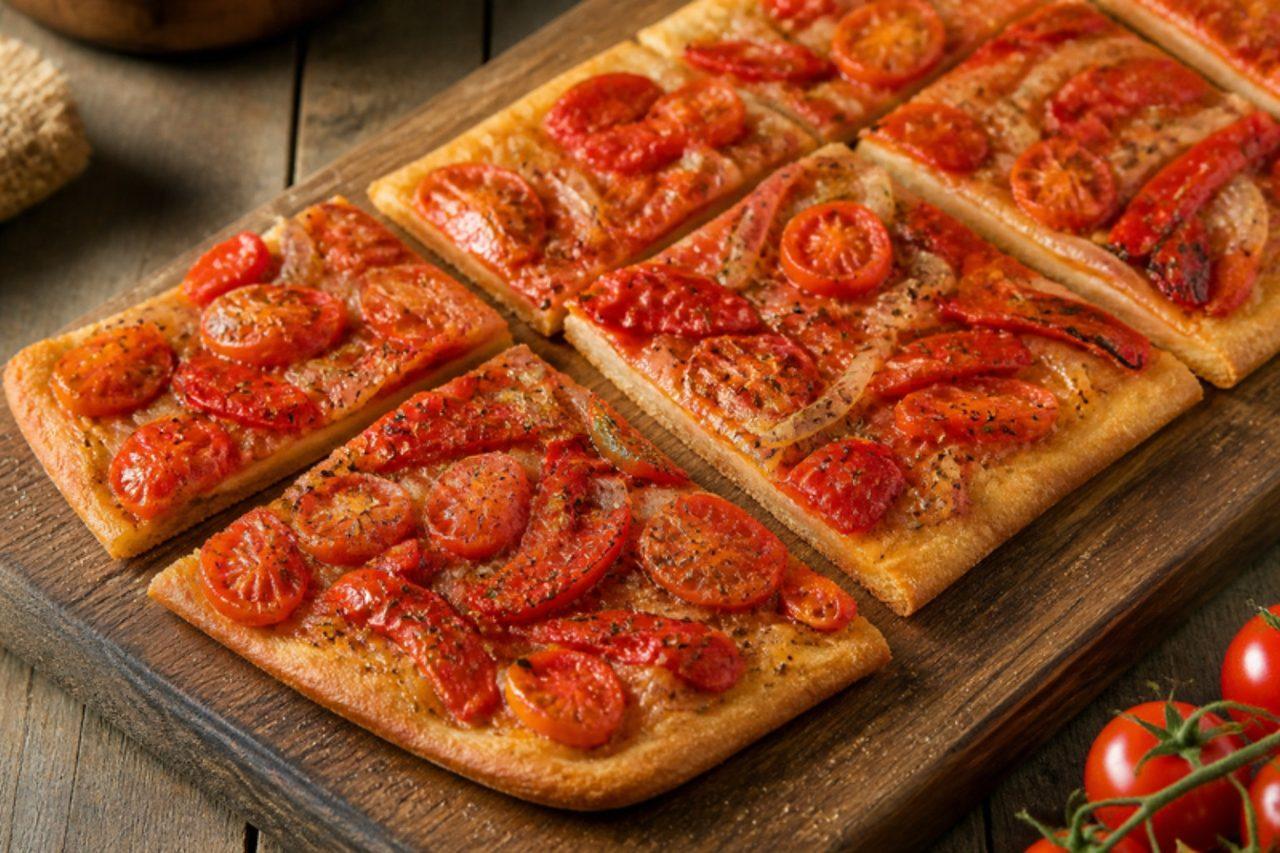
On the night of Sant Joan in late June, Alicante's beaches fill with people eating cocas while the bonfires burn, and coca de tomaca is the plainest and best loved: a thin, olive-oil dough baked under a layer of tomato, red pepper and onion that roasts down to something sweet and jammy. Bakeries in towns like Alcoy and Elche sell it by the slab all year round, and it is just as good cold the next day at a picnic. Many versions add tinned tuna or sardines; this one keeps it vegetable-only, so it is vegan. A common mistake is piling the vegetables on raw and wet, which leaves the base soggy; salt and drain the tomato first. Chef's tip: bake on the lowest shelf so the base crisps before the topping colours.

by KrazyBadal 0 views

Coca de trempóPepper, tomato and onion flatbread

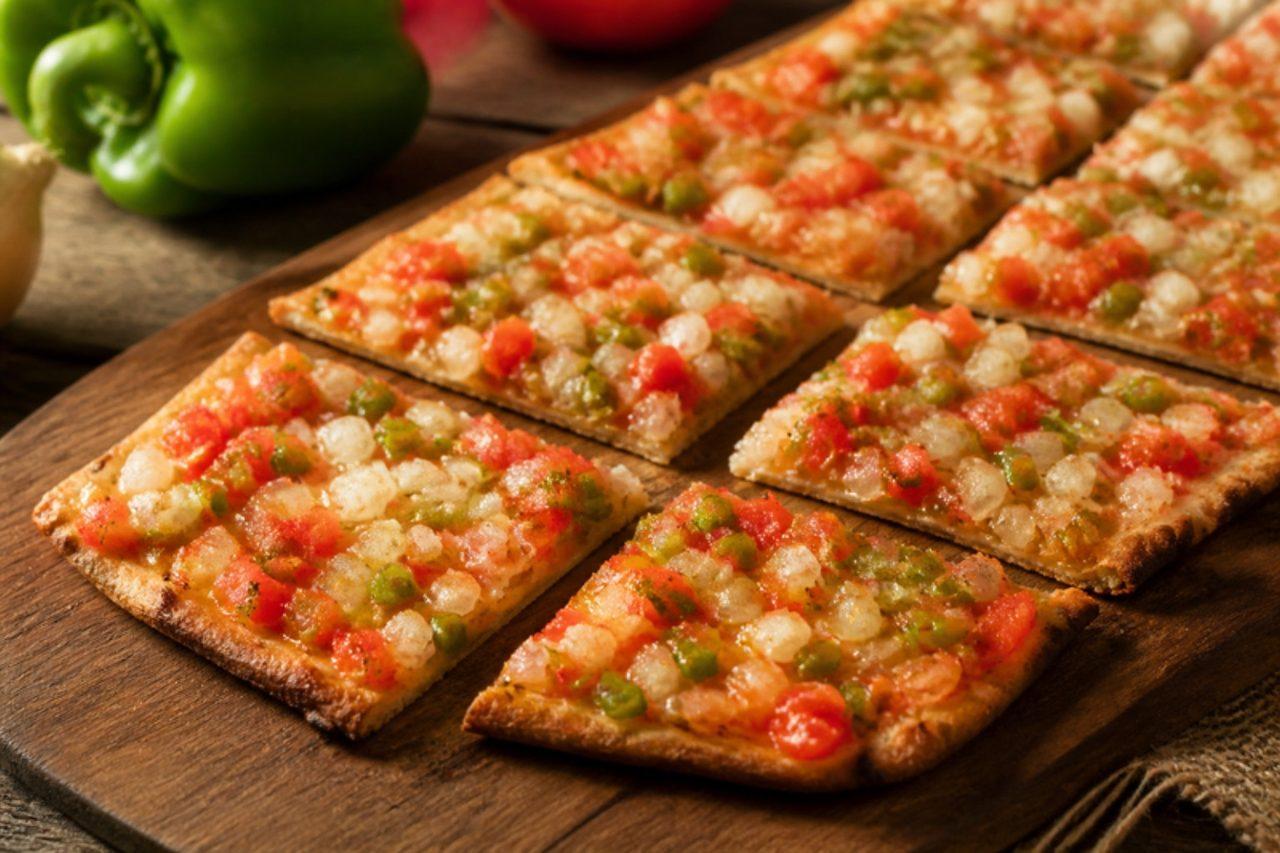
Bakeries across Mallorca sell coca de trempó by the slab from June to September, and it travels to every beach and village fiesta wrapped in paper. Trempó is the island's summer salad of green pepper, tomato and sweet onion; here it is chopped, drained and baked over a thin, crisp olive-oil dough until the edges of the vegetables just catch. Some bakers work lard into the dough; this version uses olive oil only, so it is vegan. Cut it into squares and eat it warm or cold. Chef's tip: salt and drain the chopped vegetables for 20 minutes before topping, so the base bakes crisp instead of soggy.

by KrazyBadal 0 views

CocadaChewy coconut sweet

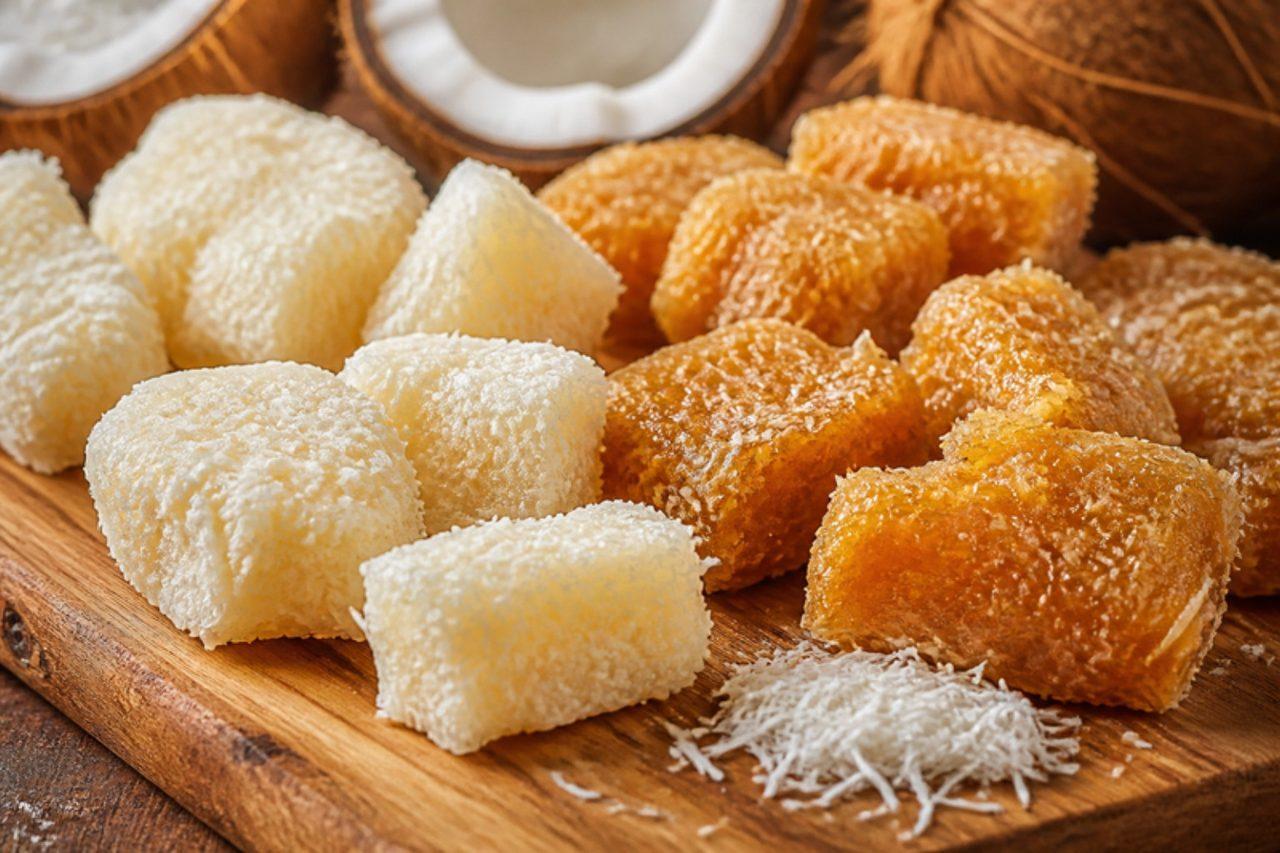
Baianas in long white skirts sell cocada from glass-fronted trays in the Pelourinho and on the beaches of Salvador, alongside acarajé, in shades from snow-white to dark caramel. It is the simplest of sweets: fresh coconut cooked in sugar syrup until it binds into chewy, glossy clusters, crisp on the edges and soft inside. Cocada branca keeps the sugar pale; cocada queimada takes the sugar to caramel first, which gives a deeper, slightly bitter edge (see the last step). Freshly grated coconut makes the best texture; frozen grated coconut from Asian or Latin shops is a good second choice. Dropping the mixture too soon is the usual mistake, because it stays sticky and spreads into a flat puddle. Chef's tip: a spoonful should hold its shape on a cold plate before you start dropping the rest.

by KrazyBadal 0 views

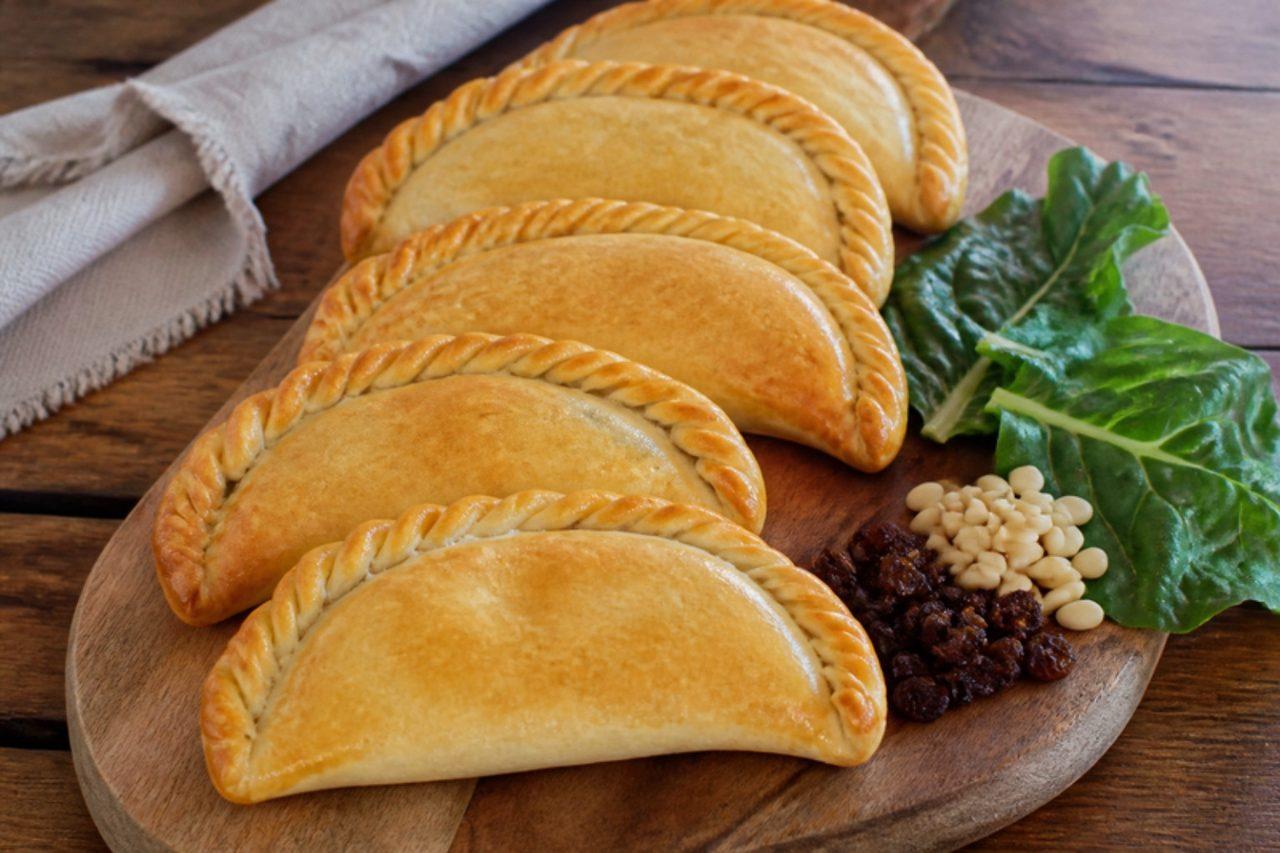
CocarroisVegetable, raisin and pine nut pasties

Cocarrois are the half-moon pasties that fill Mallorcan bakery windows in the weeks of Lent, when bakers in Palma and the inland towns made a meatless filling from what the garden gave: chard or spinach, cauliflower, spring onion, raisins and pine nuts, spiced with paprika. The crimped crust, made with olive oil and a little orange juice, bakes crisp and flaky. Many bakeries still use lard; this version is olive oil only and vegan. They are eaten warm or cold, as a snack or a light lunch. Chef's tip: squeeze the raw greens hard after salting, because dry filling is what keeps the bottom crust crisp.

by KrazyBadal 0 views

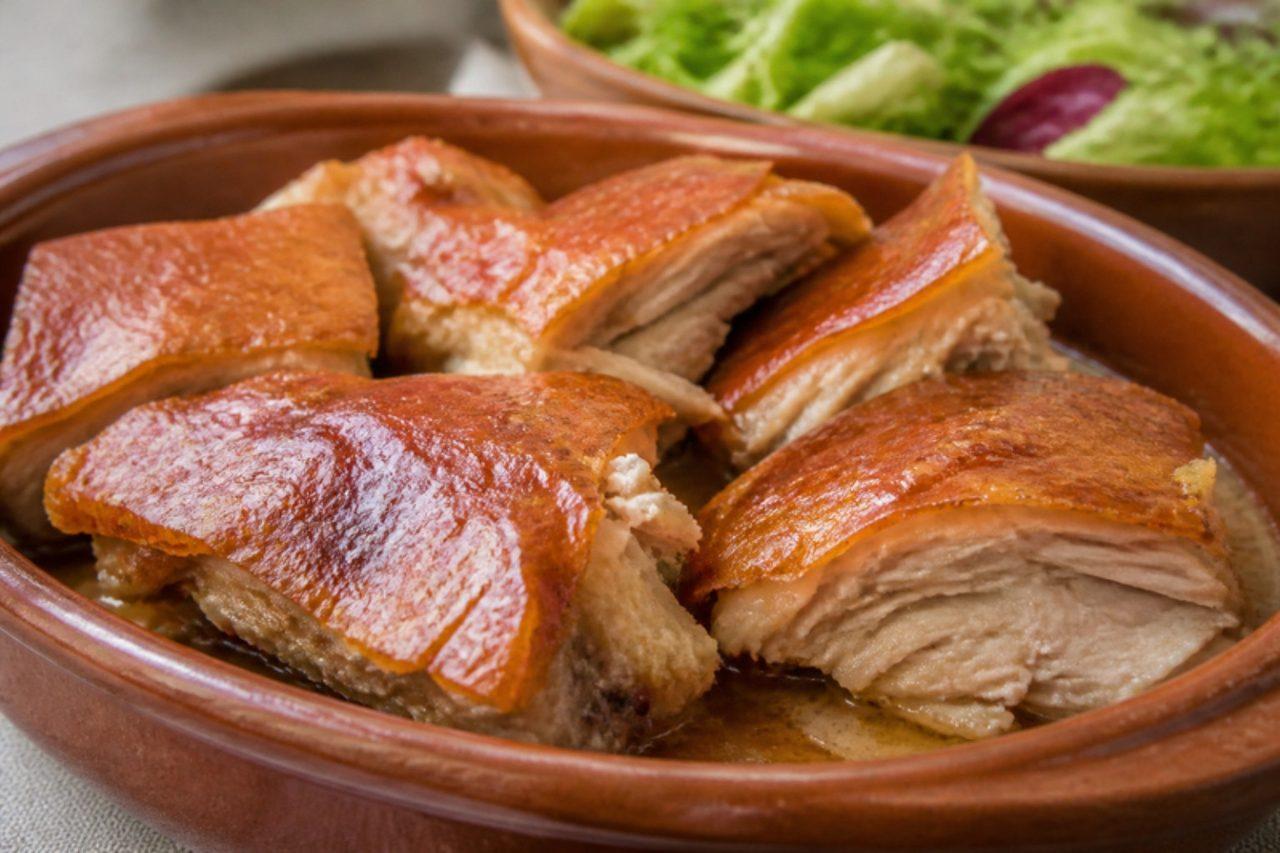
Cochinillo asadoRoast suckling pig

In Segovia, in the shadow of the Roman aqueduct, restaurants bring out the roast suckling pig whole and carve it with the edge of a plate to show how tender it is, then smash the plate for luck. It is the great Castilian Sunday and celebration lunch, served with a plain lettuce salad and nothing else. This contains pork (suckling pig and lard). At home, half a pig fits in most ovens; ask your butcher to split it. Chef's tip: roast it skin-side down in water first, then flip it, so the meat steams tender before the skin turns to glass.

170 minSpanishMeatGluten free
by KrazyBadal 0 views

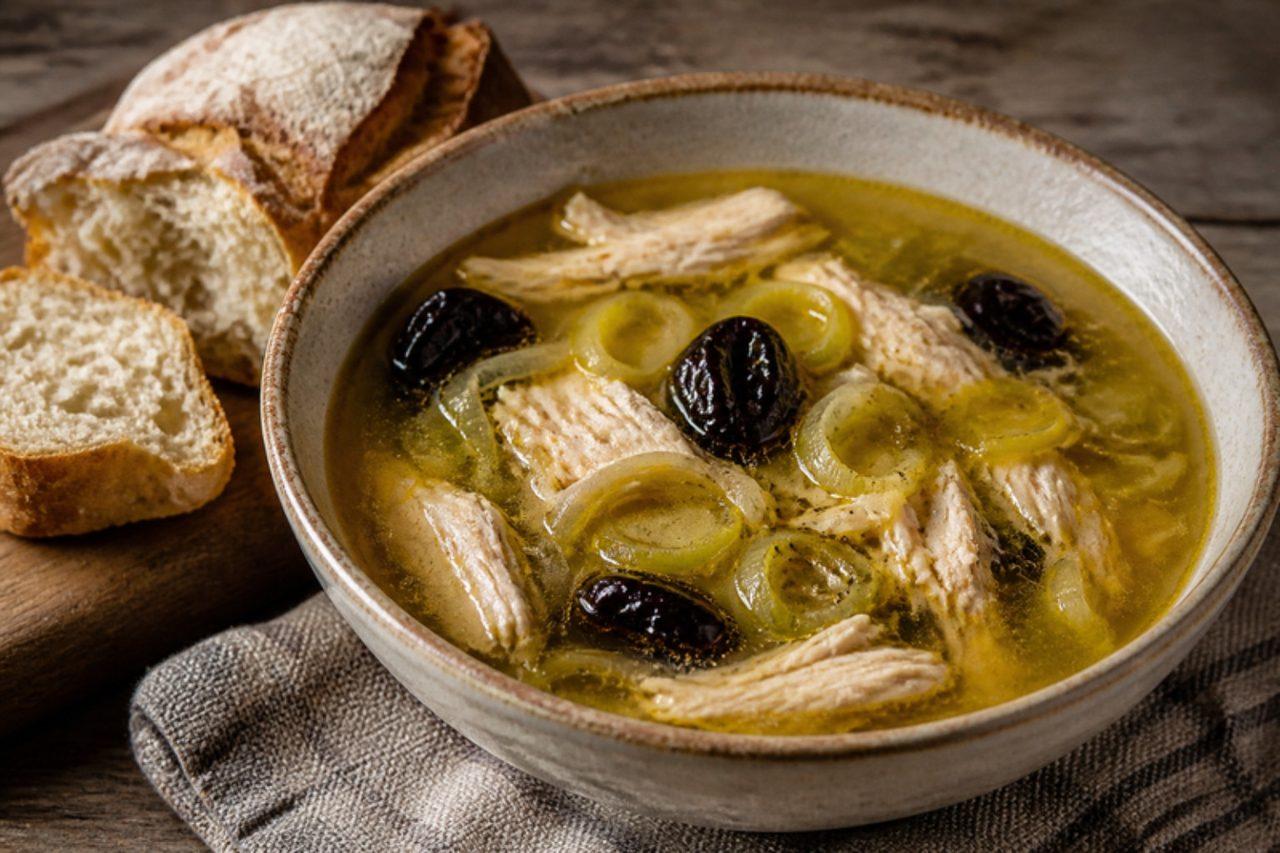
Cock-a-leekieChicken and leek soup

Cock-a-leekie is Scotland's national soup, a clear broth of chicken and plenty of leeks, traditionally served on Burns Night and St Andrew's Day. A few prunes go in at the end, which sounds odd but gives little bursts of sweetness against the peppery broth. Some families thicken it with a handful of rice or barley. Chef's tip: add most of the leeks only for the last 15 minutes, so they stay green and silky instead of turning grey.

105 minBritishSoupsGluten free
by KrazyBadal 0 views

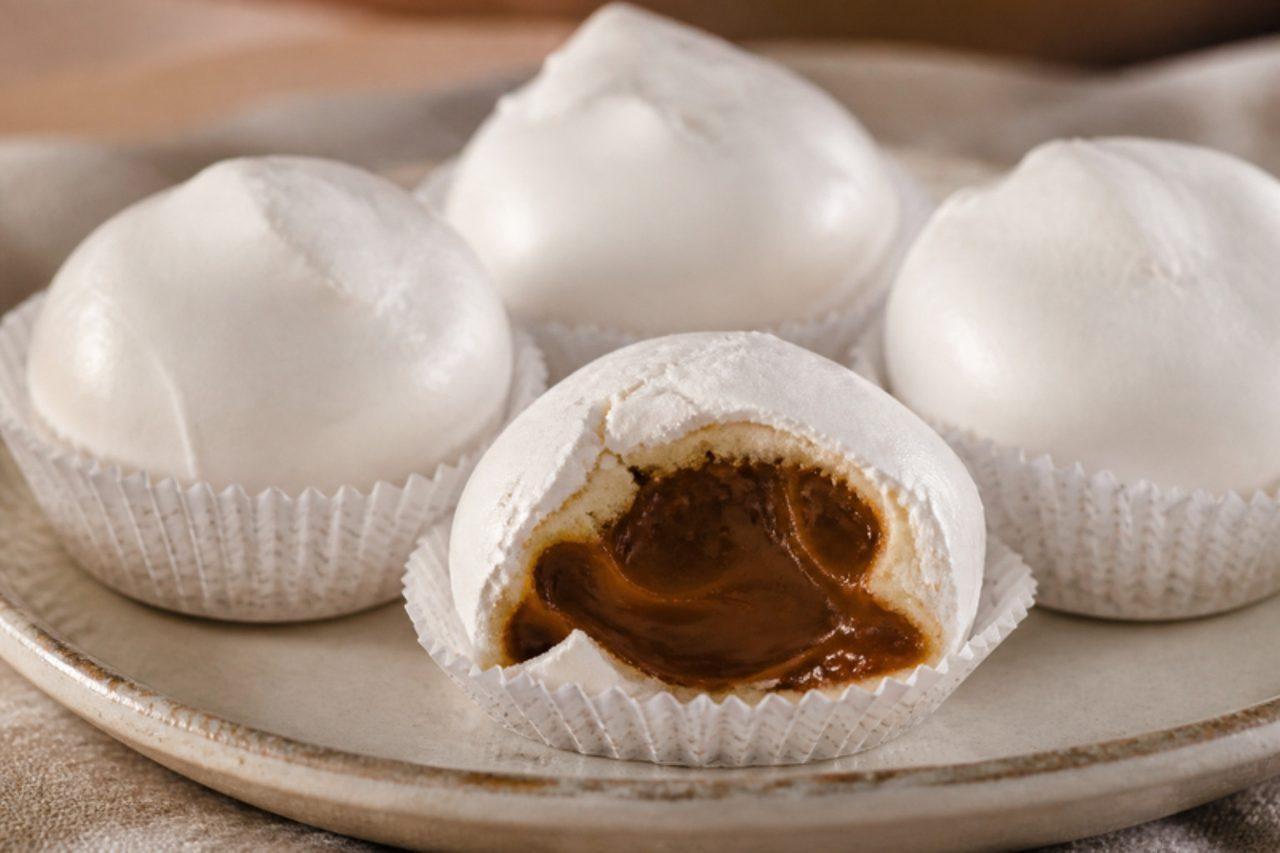
ColacionesDulce de leche meringue pastries

Small enough to eat in two bites, colaciones have been Córdoba's sweet gift since colonial times, when they were made in the city's convents; today confiterías in the old centre still sell them stacked in paper trays, and visitors carry them home with the alfajores. A crumbly short pastry encloses a spoon of dulce de leche, shaped into a little dome, baked pale and then dipped in a glossy white glaze that hardens into a crisp sugary shell. They are lovely with coffee or mate after lunch. The usual problem is leaking: too much filling, or edges that aren't sealed, and the dulce de leche boils out in the oven, so use a level teaspoon and press the rims firmly. The glaze is a light Italian meringue, where hot syrup cooks the egg white. Chef's tip: chill the filled colaciones for 15 minutes before baking; cold pastry keeps its shape and seals better.

by KrazyBadal 0 views

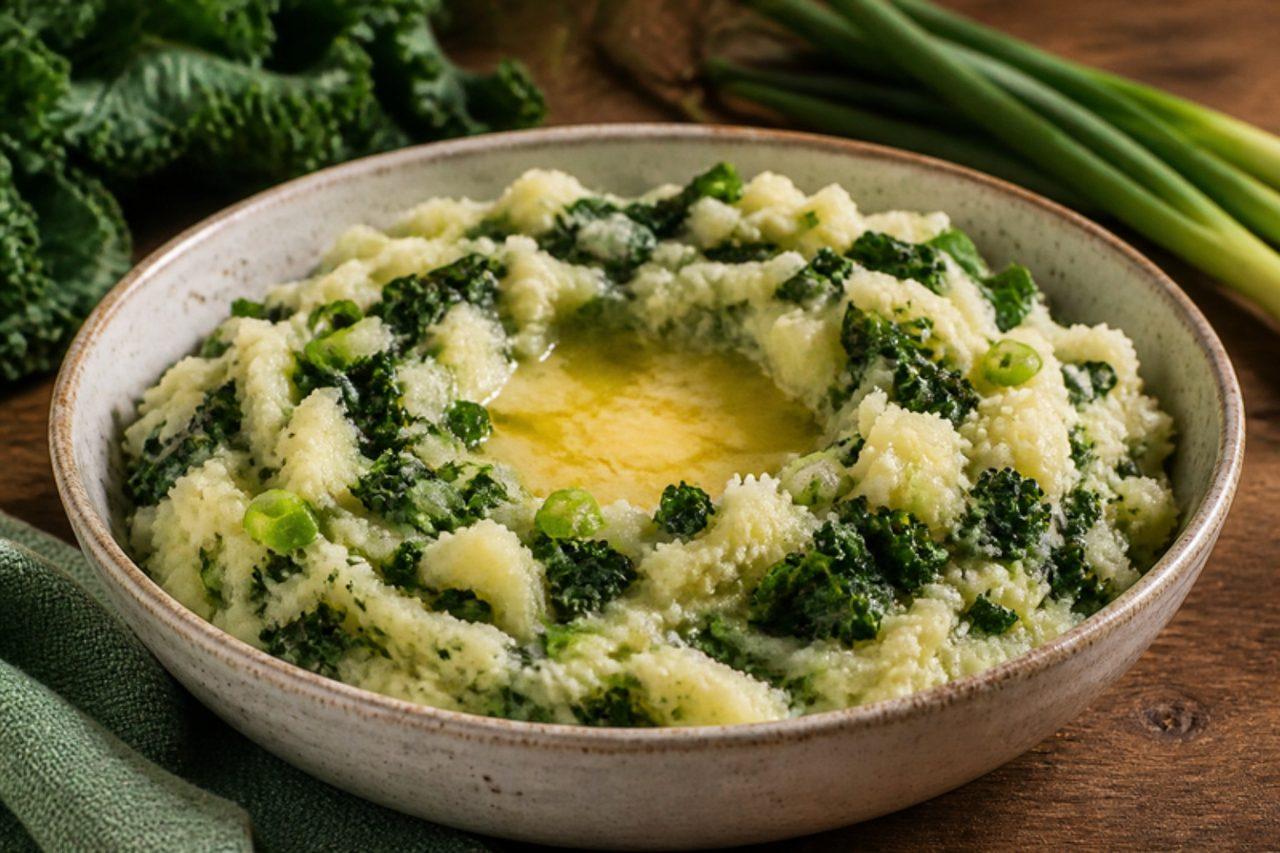
ColcannonMashed potato with kale

Colcannon is the Halloween potato dish of Ireland, from Munster farmhouses to Dublin kitchens, where a ring or a coin was once hidden in the bowl to tell fortunes. Floury potatoes are mashed with hot milk, a lot of butter and dark leafy kale or green cabbage, so it is creamy, green-flecked and savoury. Serve it with a well of melted butter in the middle, alongside sausages or a nut roast. Chef's tip: warm the milk with the spring onions before mashing; cold milk makes the mash gluey and tastes flat.

40 minIrishSidesGluten free
by KrazyBadal 0 views

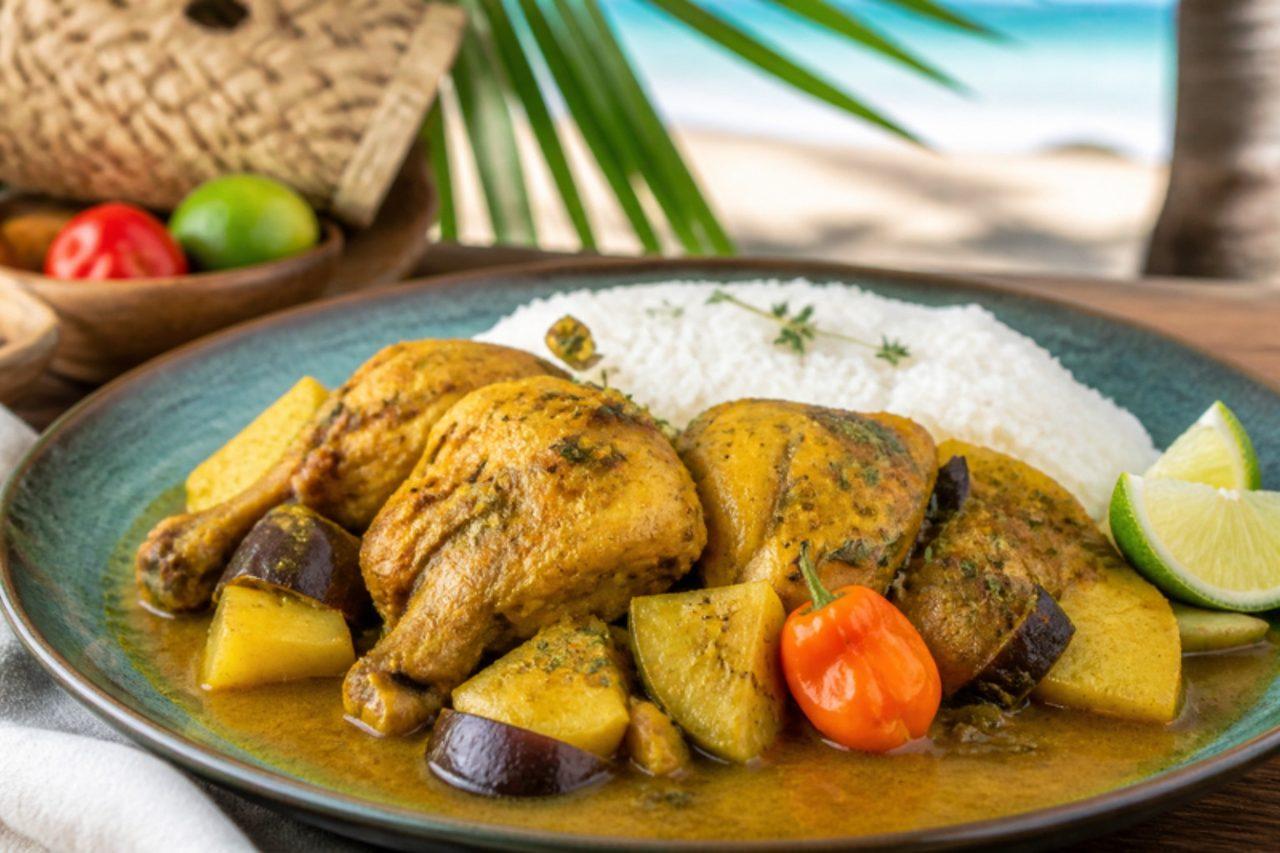
Colombo de pouletChicken curry with aubergine and chayote

In Guadeloupe and Martinique, colombo is the curry brought by Tamil workers in the nineteenth century and now a fixture of Sunday lunches, christenings and Carnival feasts. Its spice blend, also called colombo, mixes toasted coriander, cumin, fenugreek, mustard seed and turmeric with a little toasted rice that thickens the sauce. Chicken is marinated in lime and garlic in the fridge, then simmered with aubergine, chayote (christophine) or courgette and potato into a golden, earthy, gently tangy stew, with a whole Scotch bonnet for perfume. Serve with white rice and a wedge of lime. Chef's tip: leave the Scotch bonnet whole and lift it out at the end for flavour without fierce heat; prick it only if you want it hot.

by KrazyBadal 0 views

Cordero al asadorSpit-roasted lamb

Southern Patagonia raises sheep on vast estancias, and when the shearing ends or a fiesta comes round in Santa Cruz or Chubut, a whole lamb goes on the asador: an iron cross pushed into the ground beside a fire of lenga or ñire wood. Lambs fed on wild steppe grasses taste clean and faintly herbal, so the seasoning is only salt and a brine to baste, and the result is crackling skin over meat that falls into juicy strands. Serve with chimichurri, a simple salad and bread. Order a whole lamb of 10–12 kg dressed weight from a butcher. Rushing it with a big flame near the meat is the commonest error; the heat must be steady and gentle. Chef's tip: give it about three hours with the ribs to the fire and only the last hour or so skin side, then check the thickest part of the leg reads at least 63 °C (Patagonian cooks take it to about 70 °C, cooked through).

by KrazyBadal 0 views

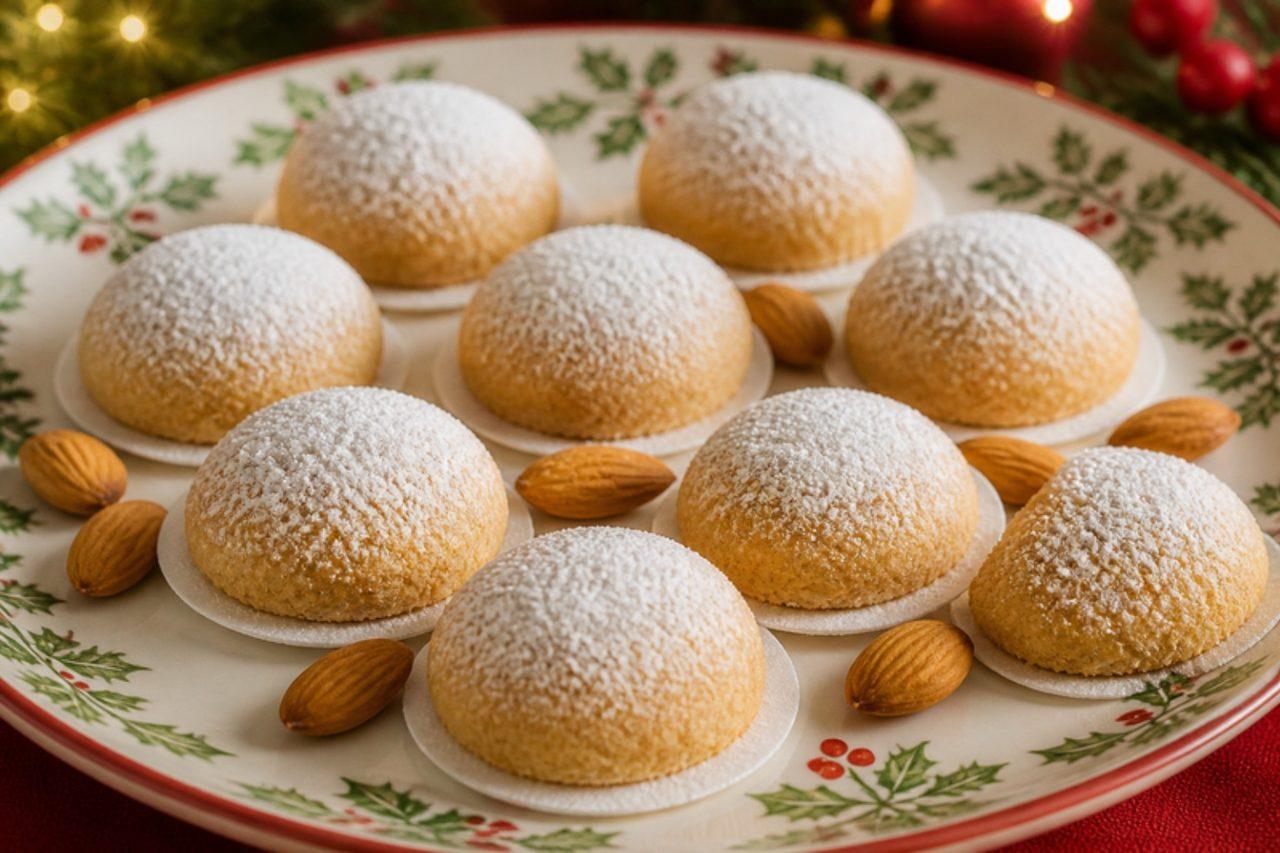
CordialesAlmond and candied pumpkin cakes

Murcian Christmas tables always have a plate of cordiales, small domed cakes of ground almond and egg with a spoonful of cabello de ángel, the stringy candied squash jam, hidden in the middle. They are sold in every pastry shop in Murcia from December and baked at home in the weeks before Christmas, traditionally on a round of edible wafer so they lift cleanly off the tray. They should be crisp at the very tips and soft and moist inside. Chef's tip: make them a day ahead; the almond paste firms up and the flavour deepens.

by KrazyBadal 0 views

Cork spiced beefSpiced pressed brisket

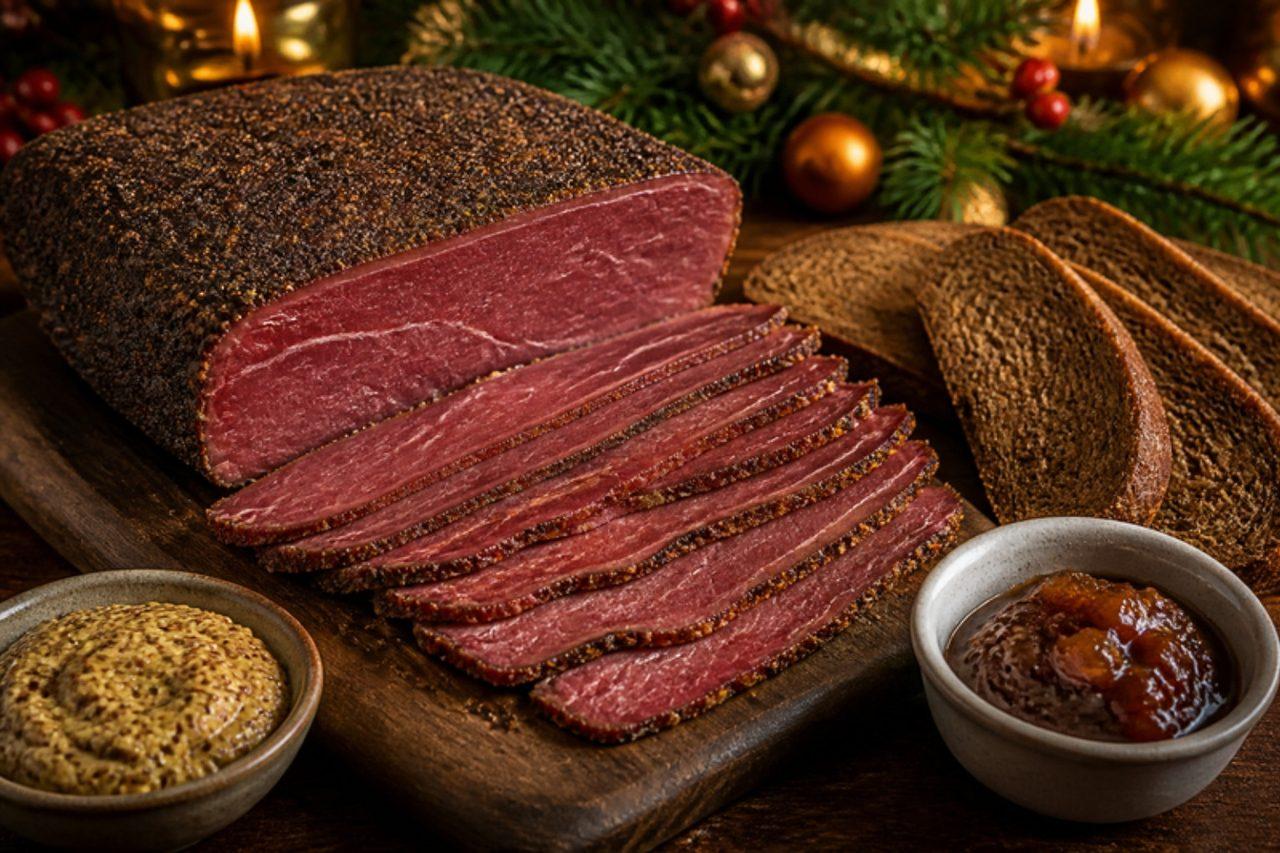
Spiced beef is the Christmas meat of Cork city, sold in the English Market in December and served cold in thin slices on St Stephen's Day with brown bread and chutney. A piece of brisket or silverside is rubbed with salt, brown sugar, allspice, cloves and juniper and turned in the fridge for a week, then simmered slowly and pressed. The meat comes out deep pink, tender and fragrant. Chef's tip: keep it in the fridge the whole week of curing and turn it every day so the cure reaches every side.

270 minIrishMeatGluten free
by KrazyBadal 0 views

Cortado de lecheCurdled milk in panela syrup

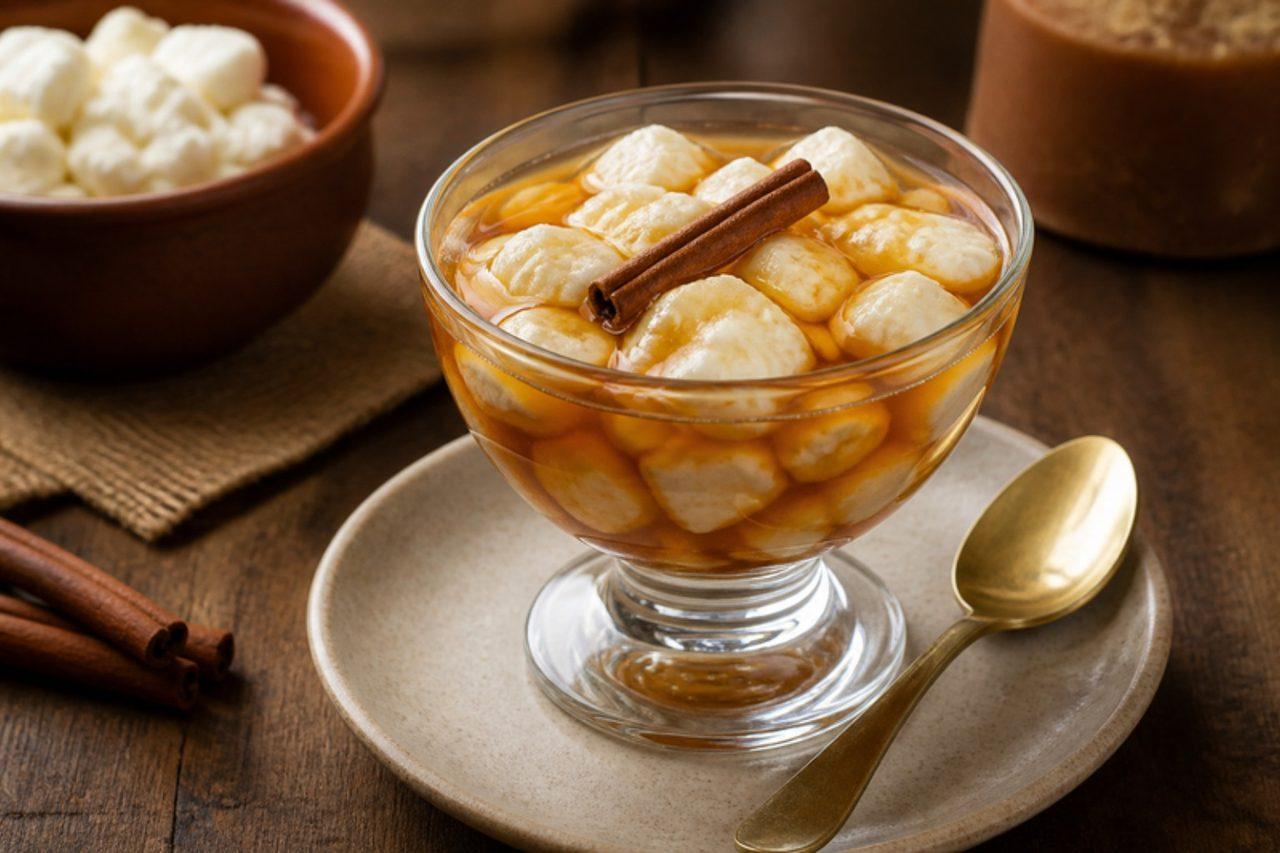
On farms in Antioquia and Santander, when there was more milk than anyone could drink, it became cortado: milk deliberately split with lime juice, then simmered slowly with panela and spices until the curds turn tender and tan and the whey reduces into a thin, molasses-flavoured syrup. It is a country dessert, served warm or cold in small bowls after Sunday lunch, sometimes with a piece of white cheese on the side. The texture is somewhere between a soft ricotta and baked custard, sweet and lightly spiced with cinnamon and clove. Because lime does the curdling, there is no rennet involved. Stirring hard as soon as the lime goes in is the usual mistake; it breaks the curds into grainy specks, so let them form undisturbed and then move the pan gently. Chef's tip: use full-fat milk that is not ultra-heat-treated; UHT milk gives smaller, softer curds.

by KrazyBadal 0 views

CorundasTriangular corn tamales

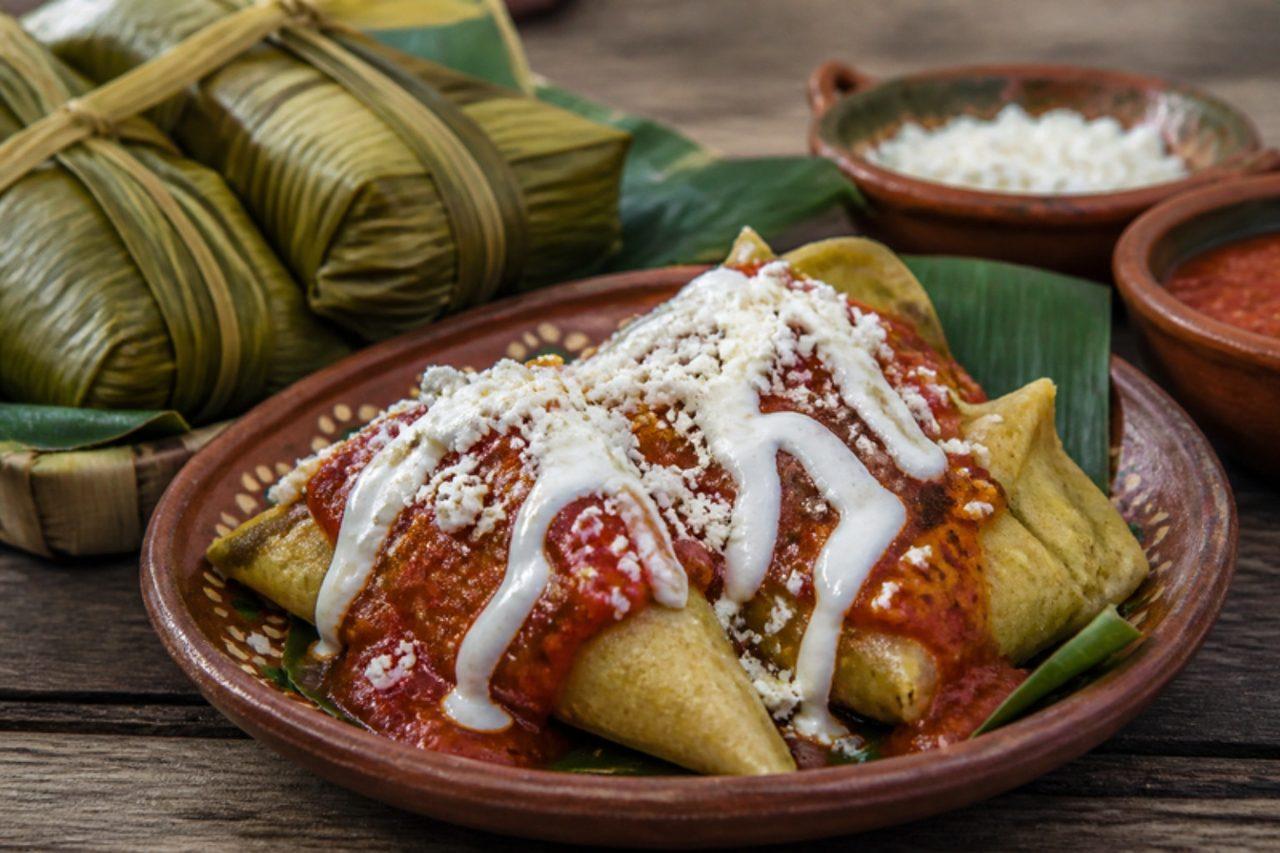
Corundas come from the Purépecha people of Michoacán, around Lake Pátzcuaro and Morelia, and they look nothing like a usual tamal: small, plump and triangular or star-shaped, wrapped in the long green leaves of the corn plant rather than dried husks. The masa is soft and fluffy, usually plain or with a little cheese and poblano inside, and corundas are eaten with crema, salsa roja and crumbled cheese, often for breakfast or at fiestas. Traditional dough uses pork lard; we use vegetable shortening or butter. Cheese may be made with animal rennet, so use a vegetarian one if needed. Chef's tip: beat the fat until it is white and fluffy before adding the masa; a spoonful of dough should float in water when it is light enough.

by KrazyBadal 0 views

Cotoletta alla milaneseBreaded veal cutlet

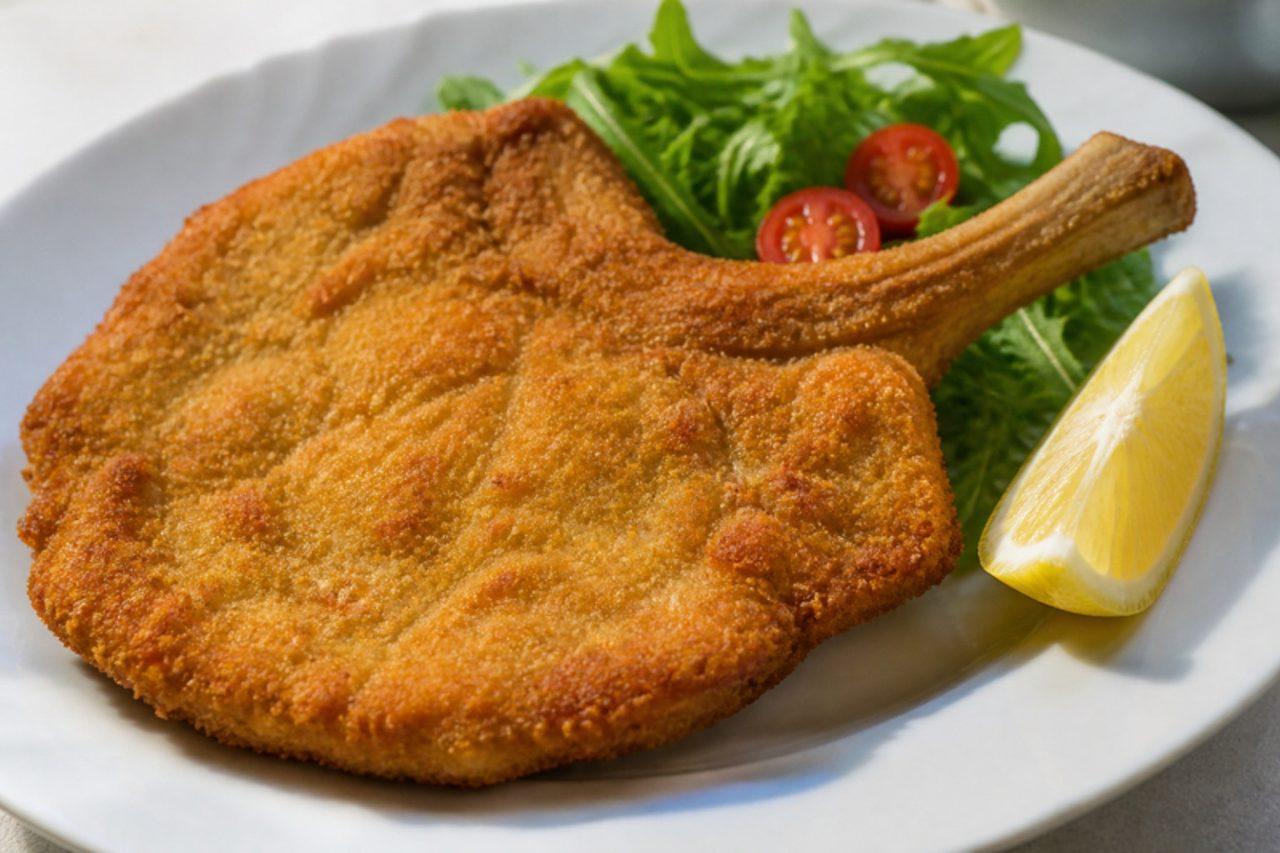
The Milanese cotoletta is a thick, bone-in veal rib chop, dipped in egg and breadcrumbs and fried slowly in clarified butter until the crust is deep gold and the meat inside is still juicy and faintly pink. It is the standard Sunday and celebration dish in Milan's old trattorie, served with just a lemon wedge and perhaps a rocket and tomato salad or a few roast potatoes. Unlike the thin, beaten schnitzel, the true cotoletta keeps its bone and is only lightly flattened, so it stays tender. Chef's tip: clarify the butter yourself or use ghee; ordinary butter burns at frying heat and leaves bitter black specks on the crumb.

by KrazyBadal 0 views

Creole calasSweet rice fritters

Calas are little fritters of cooked rice, egg and nutmeg that were once sold hot in the early mornings of the French Quarter by free and enslaved Black women calling 'Belle cala, tout chaud!'. Many saved the earnings to buy their freedom. Today they appear at Creole brunches and on Mardi Gras mornings, dusted with sugar or drizzled with cane syrup. Chef's tip: use cold, day-old rice, which holds the batter together; fresh warm rice makes the fritters fall apart.

by KrazyBadal 0 views

Crespillos de borrajaSugared borage leaf fritters

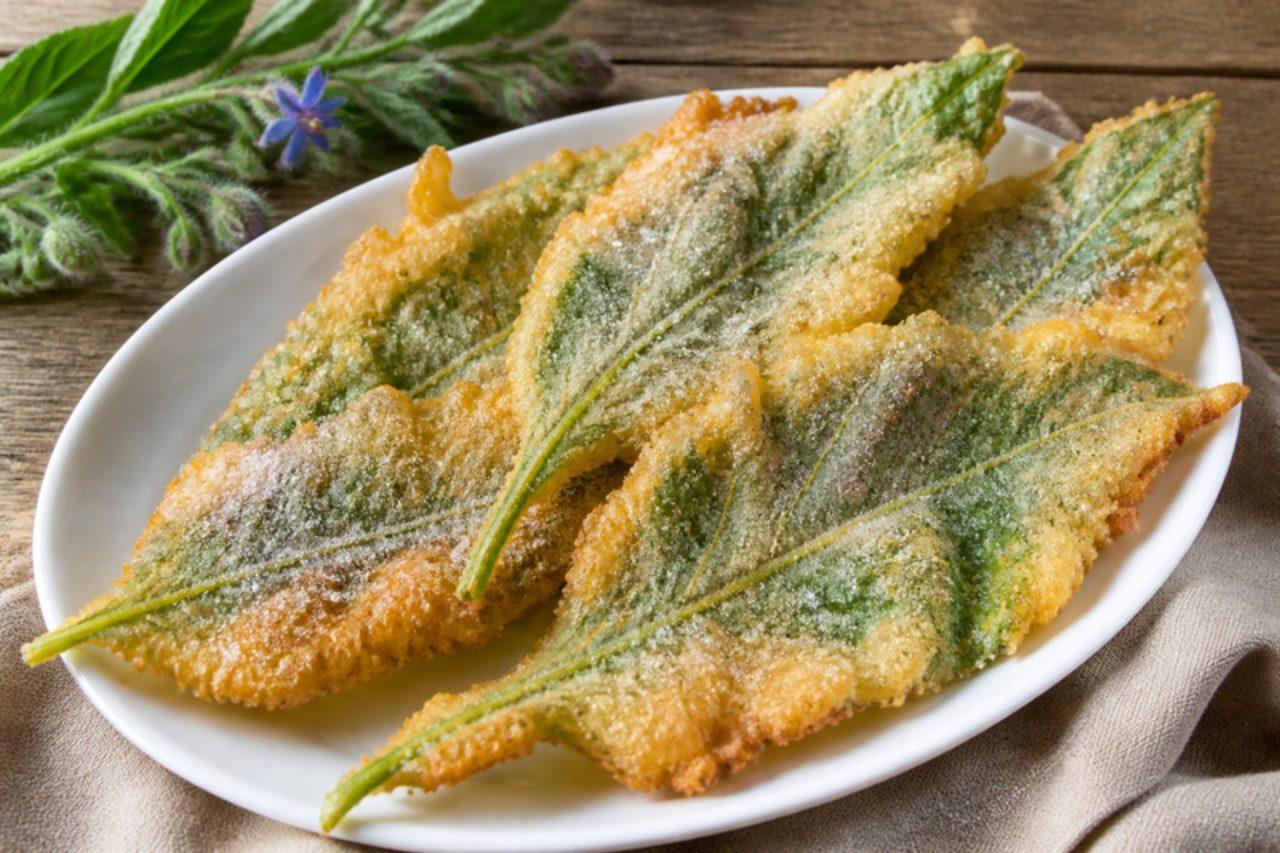
In the villages around Zaragoza and Huesca, the large, soft leaves of the borage plant become a sweet in spring: each leaf is dipped in a light batter, fried until it puffs and crackles, and dusted with sugar and cinnamon. Crespillos are made for Holy Week and for the Easter Monday picnics, and the leaf inside stays green and tender, with a fresh taste that cuts the richness of the frying. Some families add a splash of anise liqueur to the batter; this version leaves it out and uses lemon zest and a pinch of ground anise instead. A common mistake is using wet leaves, which make the oil spit and the batter slide off. Spinach or chard leaves work if borage isn't available. Chef's tip: hold each leaf by its stalk and let the extra batter drip off for a few seconds; a thin coat fries lacier and crisper.

by KrazyBadal 0 views

Kritika paximadiaTwice-baked barley rusks

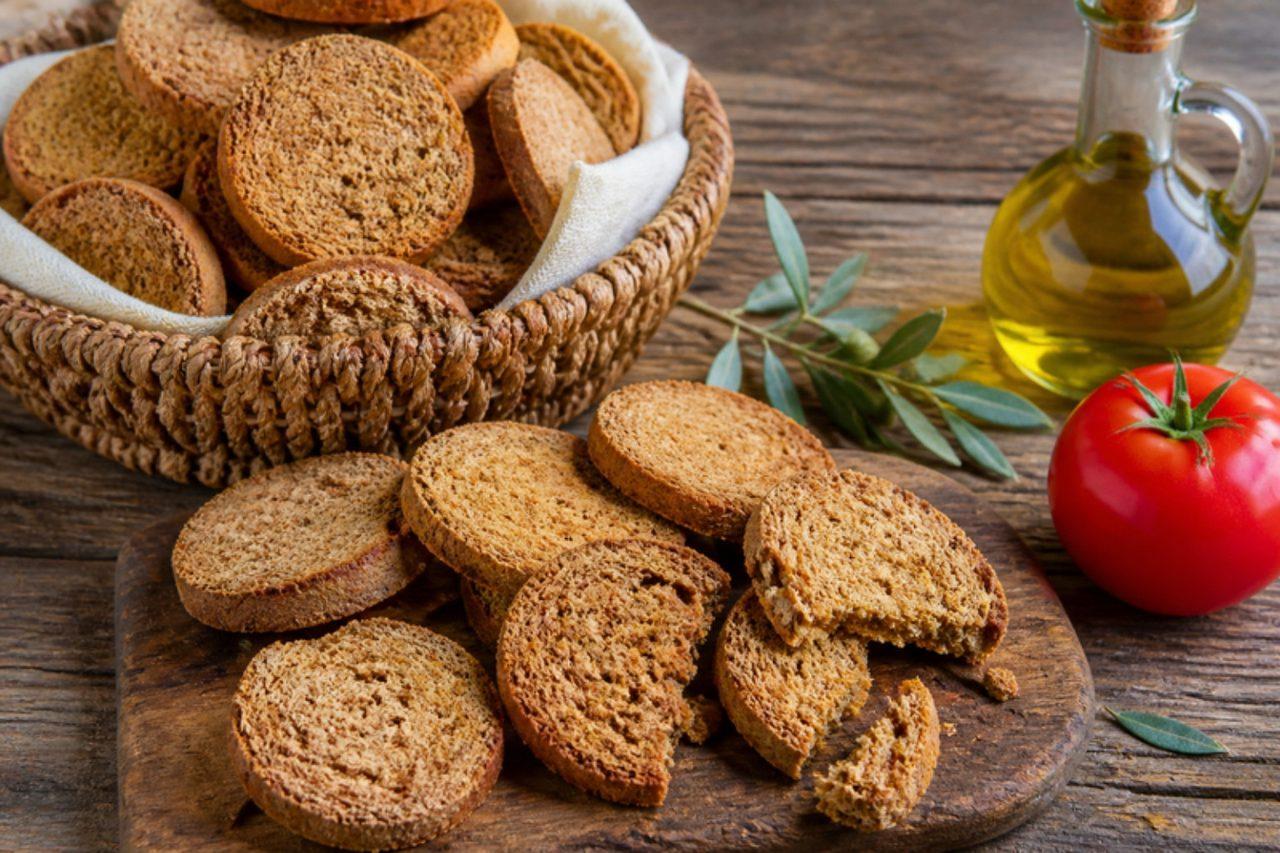
Every Cretan bakery stacks bags of dark, rock-hard paximadia, and every Cretan home keeps a tin: barley bread baked once, sliced, then dried slowly until it will keep for months. Farmers carried them to the fields, and they are still the base for dakos, softened with a splash of water and piled with grated tomato and soft cheese, or broken into salads and dunked into coffee. They taste nutty and faintly sweet, with a crunch that softens to chewiness when moistened. Common mistake: drying them too hot, which browns the outside while the centre stays soft and goes mouldy in the tin. Chef's tip: dry the slices at the lowest oven setting with the door slightly ajar; they are ready when one snaps cleanly and sounds hollow.

by KrazyBadal 0 views

CrubeensCrisped pig's trotters

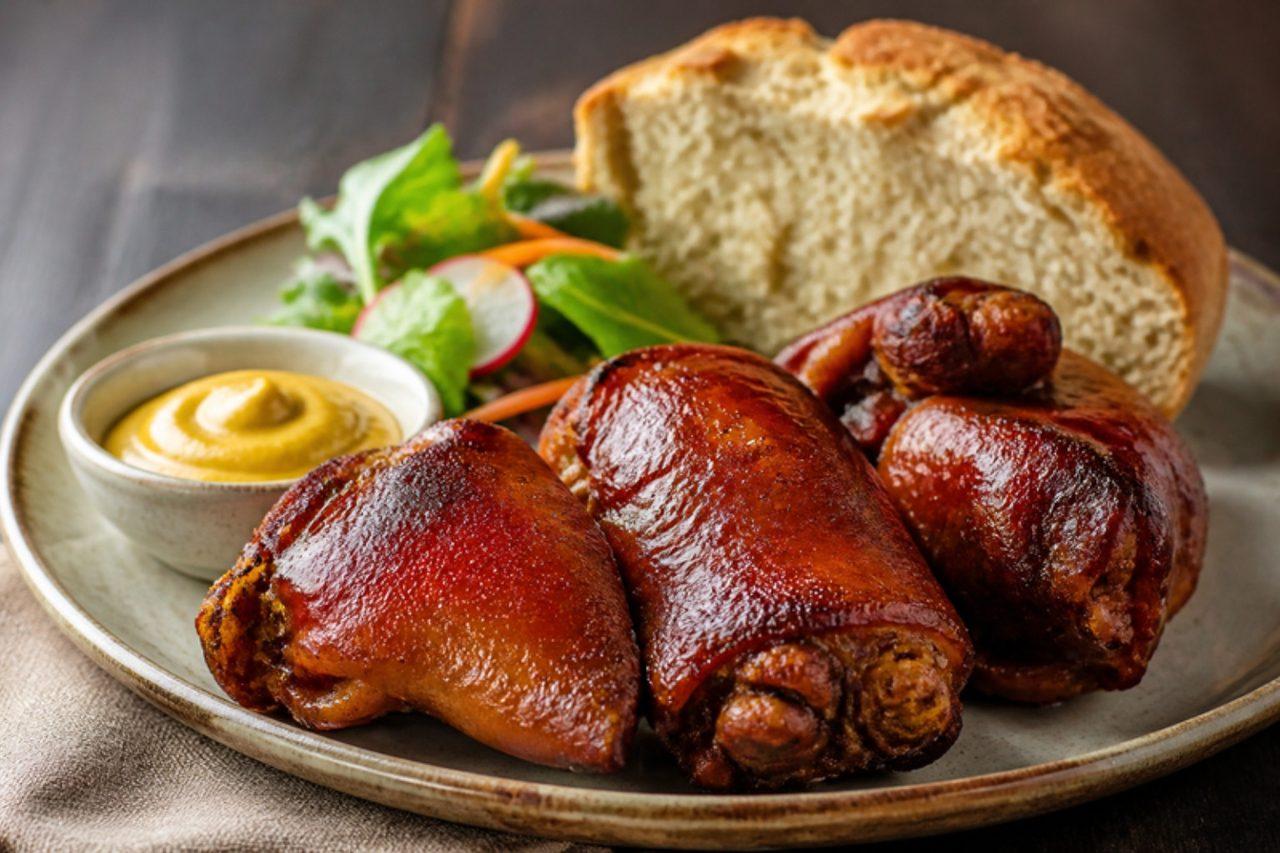
Crubeens are boiled pig's trotters, once sold hot from stalls at fairs and in Cork and Dublin pubs as a salty, sticky snack to go with a pint. They are pork, and very gelatinous: simmered for hours until the meat almost falls from the bone, then crisped in the oven with a mustard and breadcrumb coating, which is how many cooks finish them today. Eat them with your fingers, with brown bread and pickles. Chef's tip: ask your butcher for split, cleaned trotters, and singe off any stray hairs with a kitchen blowtorch before cooking.

220 minIrishMeat
by KrazyBadal 0 views

Curau de milhoFresh corn pudding

São Paulo and Minas call it curau; in parts of the Northeast the same thing is canjica, which can confuse anyone travelling for the June festivals. Whatever the name, it is fresh sweetcorn blended with milk, strained and stirred over the heat until it sets into a soft, pale yellow pudding, served cold in little bowls with a dusting of cinnamon. You find it at every arraial in the interior of São Paulo and Goiás and at corn shops beside the pamonha. It tastes of milky fresh corn, gently sweet, and the texture should be silky, never grainy. A frequent slip is to stop stirring: corn starch catches on the base within seconds and gives the whole pot a burnt taste. Chef's tip: cook it in a heavy pan and use a flat wooden spatula so you can scrape every corner of the base.

by KrazyBadal 0 views

DaggaPounded tomato, dill and chilli salad

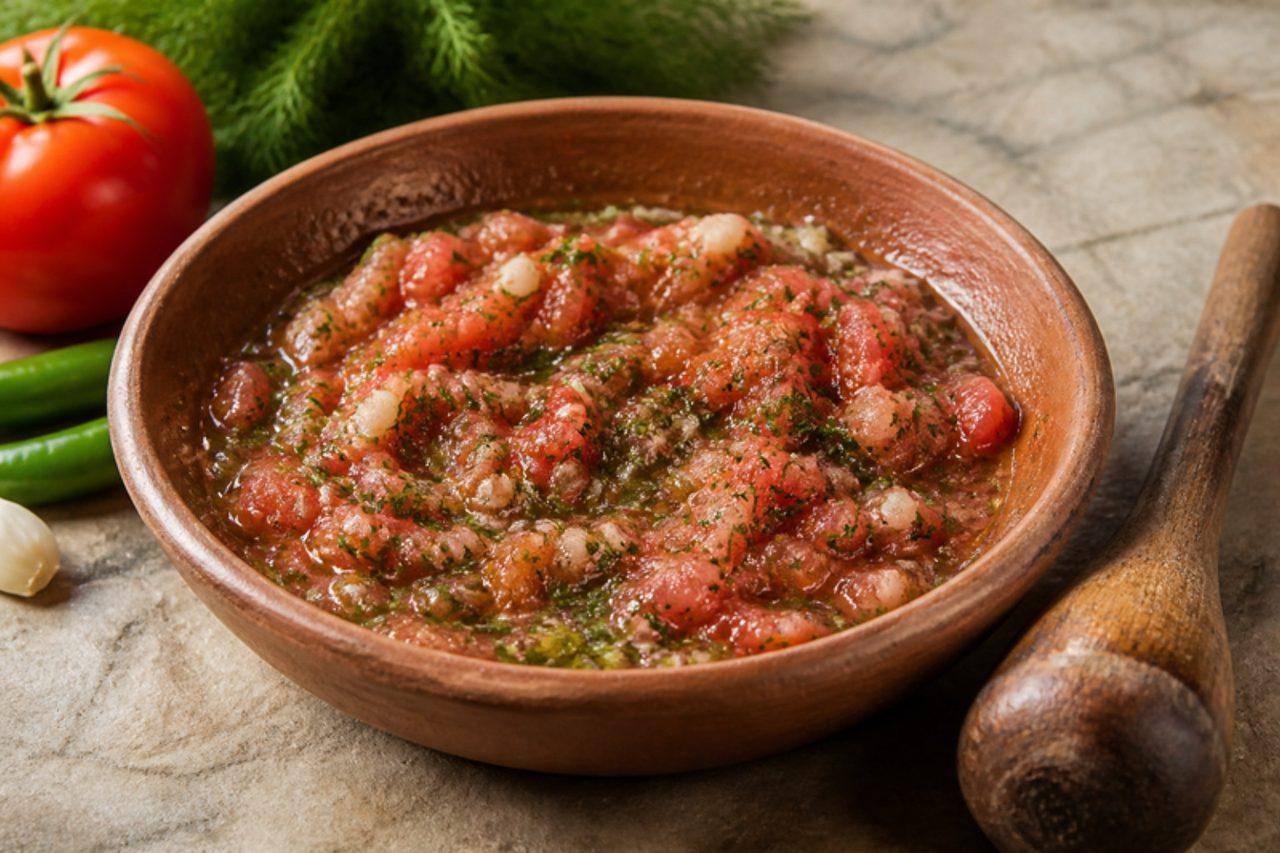
Dagga, sometimes called salata ghazawiyya, is the salad that sits on every table in Gaza, pounded in a clay bowl (zibdiya) with a wooden pestle until the tomatoes collapse into a juicy, chunky relish. Fresh dill, green chilli, garlic and lemon make it sharper and hotter than any salad in the north, and it is spooned over fish, rice and grilled meat or scooped up with bread. Common mistake: using a blender, which turns it into a smooth sauce; you want broken pieces in their own juice. Chef's tip: pound the garlic, chilli and salt to a paste first, then add the dill, so its oils bloom before the tomatoes go in.

by KrazyBadal 0 views

Dawood bashaMeatballs in tomato sauce

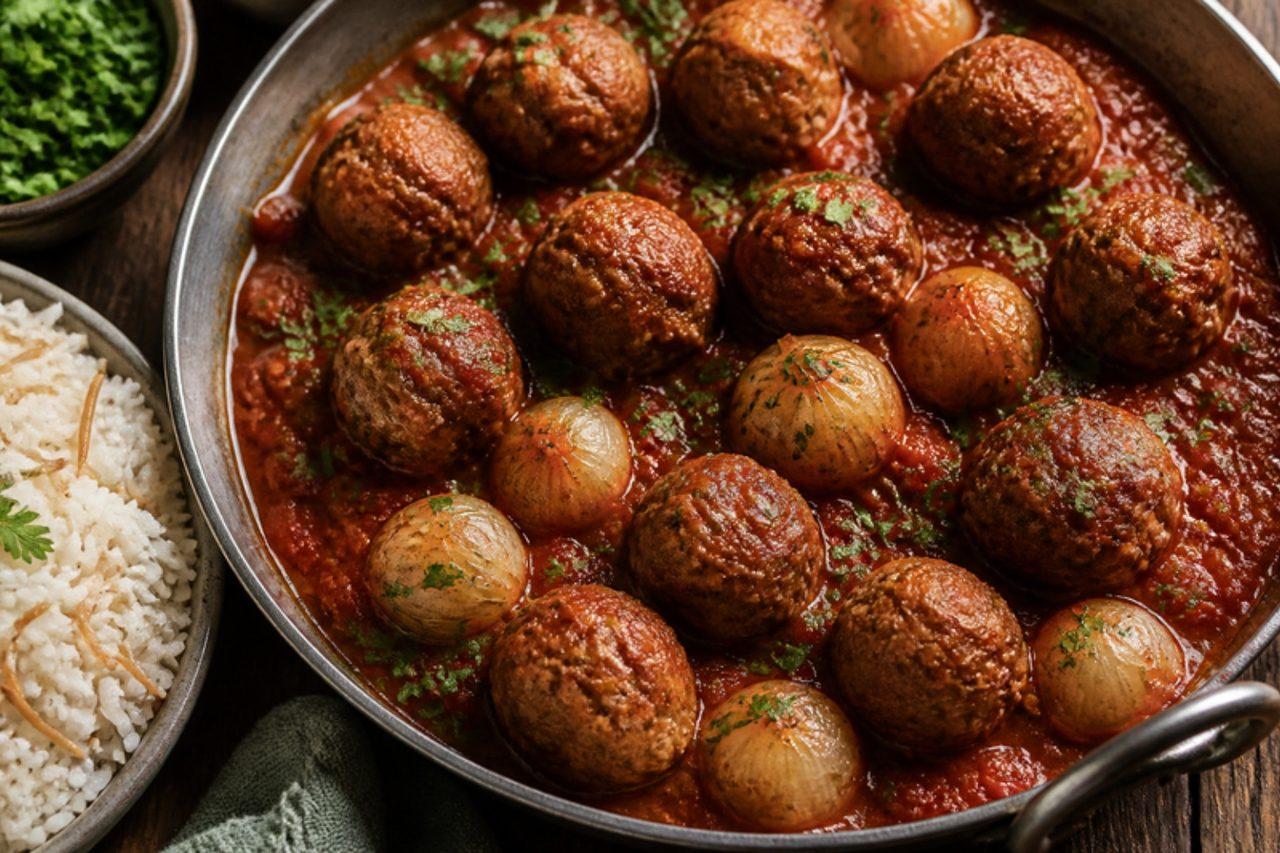
Named, so the story goes, after an Ottoman governor who loved it, dawood basha is a homely Damascus and Beirut supper of small spiced meatballs simmered with baby onions in tomato sauce, finished with pine nuts. Families serve it ladled over vermicelli rice, and it is one of the first dishes Syrian children learn to love. The sauce is lightly tangy from pomegranate molasses and fragrant with allspice and cinnamon. Common mistake: crowding the meatballs when browning — they steam instead of colouring; fry in batches. Chef's tip: grate a little onion into the meat and squeeze out the juice first; the meatballs stay tender without falling apart.

65 minSyrianMeatGluten free
by KrazyBadal 0 views

Diots au vin blancSausages braised in white wine

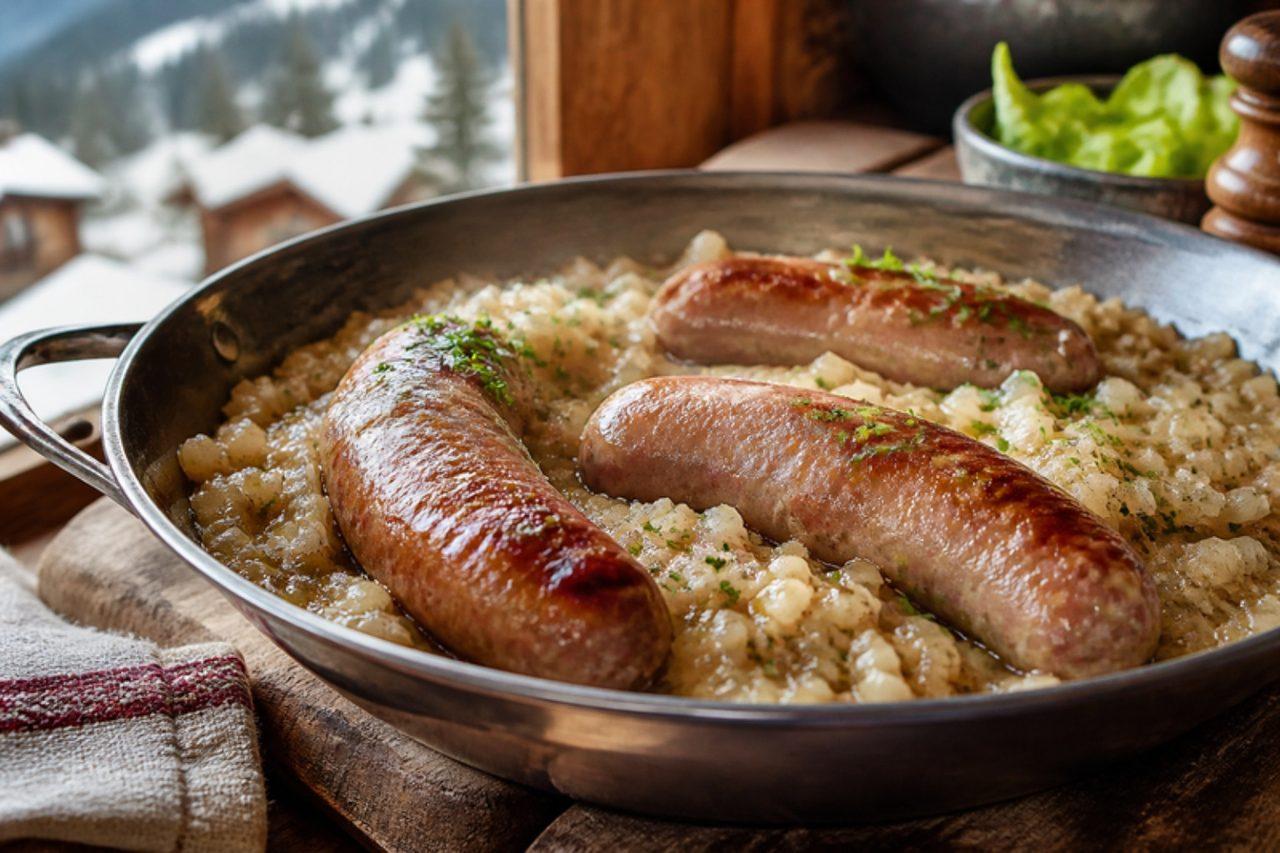
Diots are the small pork sausages of Savoie, sold in every butcher's from Chambéry to Annecy and eaten at ski-resort tables and village fêtes all winter. They are browned, then braised slowly with plenty of onions in dry Savoie white wine with a bay leaf, until the onions melt into a sweet, winey sauce around the plump sausages. The traditional partner is crozets, tiny square buckwheat or wheat pasta, or a soft polenta. The braise uses white wine; an alcohol-free version is in the notes. If you can't find diots, use any coarse, garlicky pork sausage. Chef's tip: brown the sausages slowly over a medium heat rather than fiercely, so the skins colour without bursting.

70 minFrenchMeat
by KrazyBadal 0 views

DiplesFried pastry rolls in honey

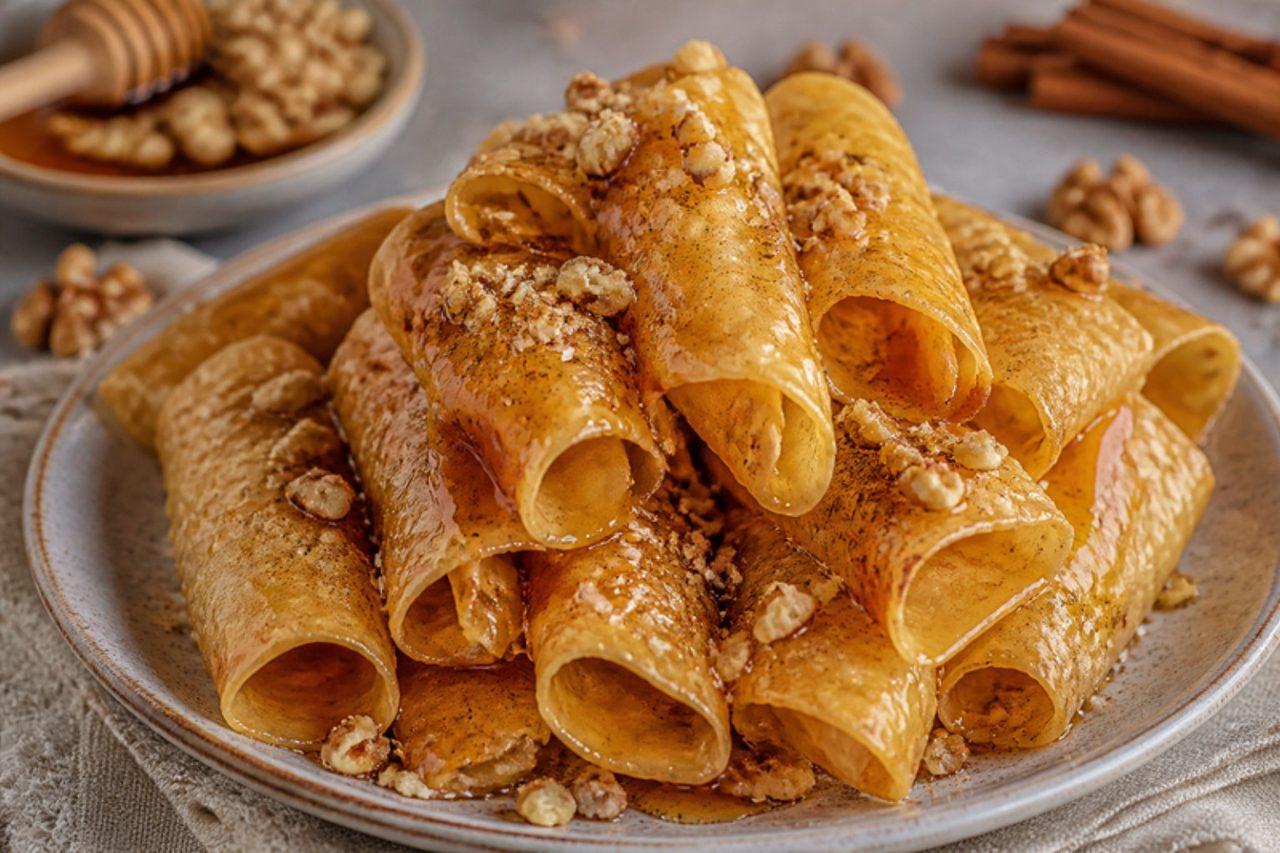
In the tower villages of the Mani, no wedding, christening or New Year passes without trays of diples: paper-thin egg dough fried in a rolling twist, so each strip curls into a crisp, bubbled scroll, then drenched in warm thyme honey and showered with walnuts and cinnamon. They shatter when you bite and stay crunchy for days in a tin. Common mistake: rolling the dough too thick, which gives chewy, oily diples — you should almost see your hand through it. Chef's tip: hold the end of each strip in the oil with two forks and roll it as it puffs; the first few are practice, so don't worry about shape.

by KrazyBadal 0 views

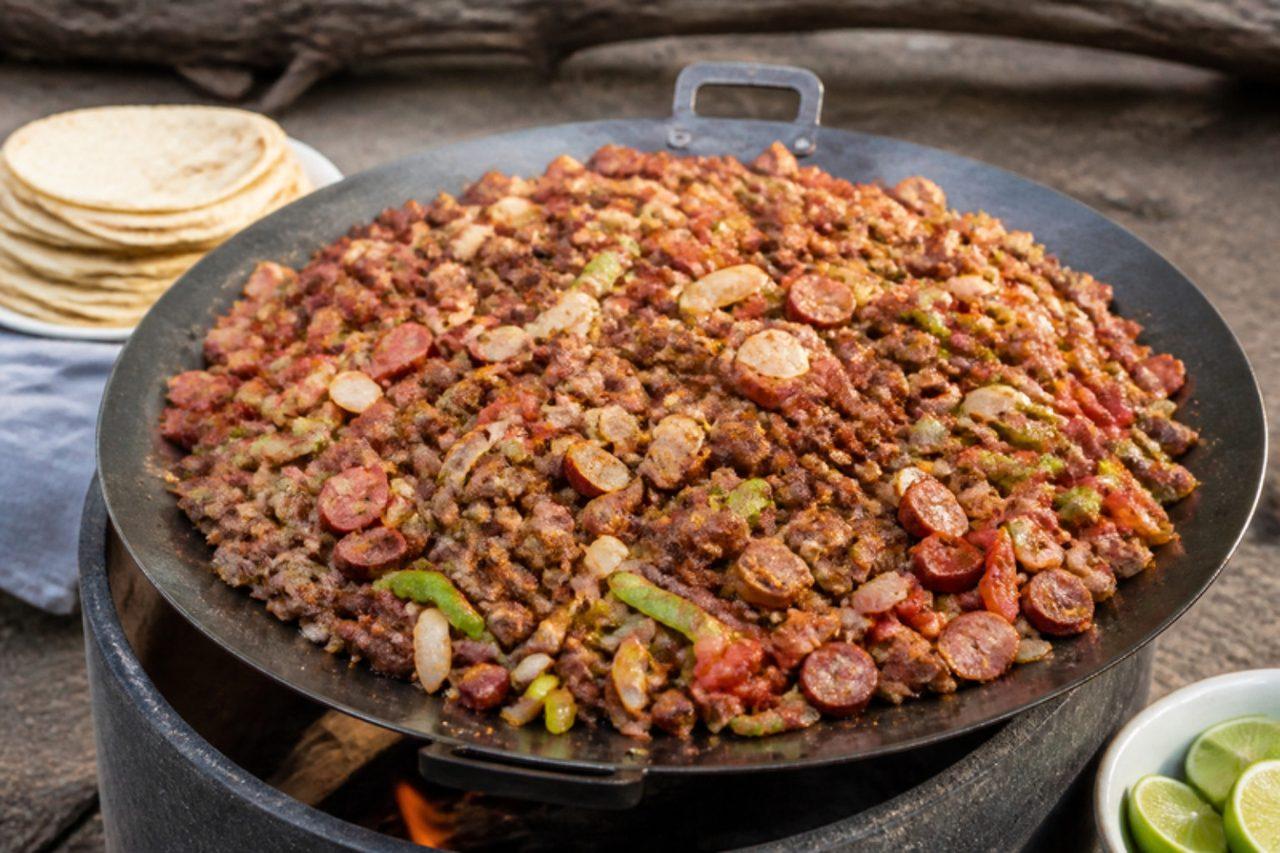
Discada norteñaMixed-meat skillet with peppers and onions

In Chihuahua and across the northern ranchlands, discada is party food: a worn-out plough disc is set over a wood fire and filled, one by one, with bacon, pork chorizo, beef, ham and sausages, then peppers, onions and tomatoes, while everyone stands around with tortillas. It is a big, smoky, pork-heavy dish, made with pork bacon, pork chorizo and ham, and many cooks splash in beer near the end, for which stock is a fine alcohol-free swap. At home, a large wok or your widest heavy skillet does the job. Serve it straight from the pan with corn tortillas, salsa and lime. Chef's tip: add the meats in order, fattiest first, so each one browns in the fat of the last.

by KrazyBadal 0 views

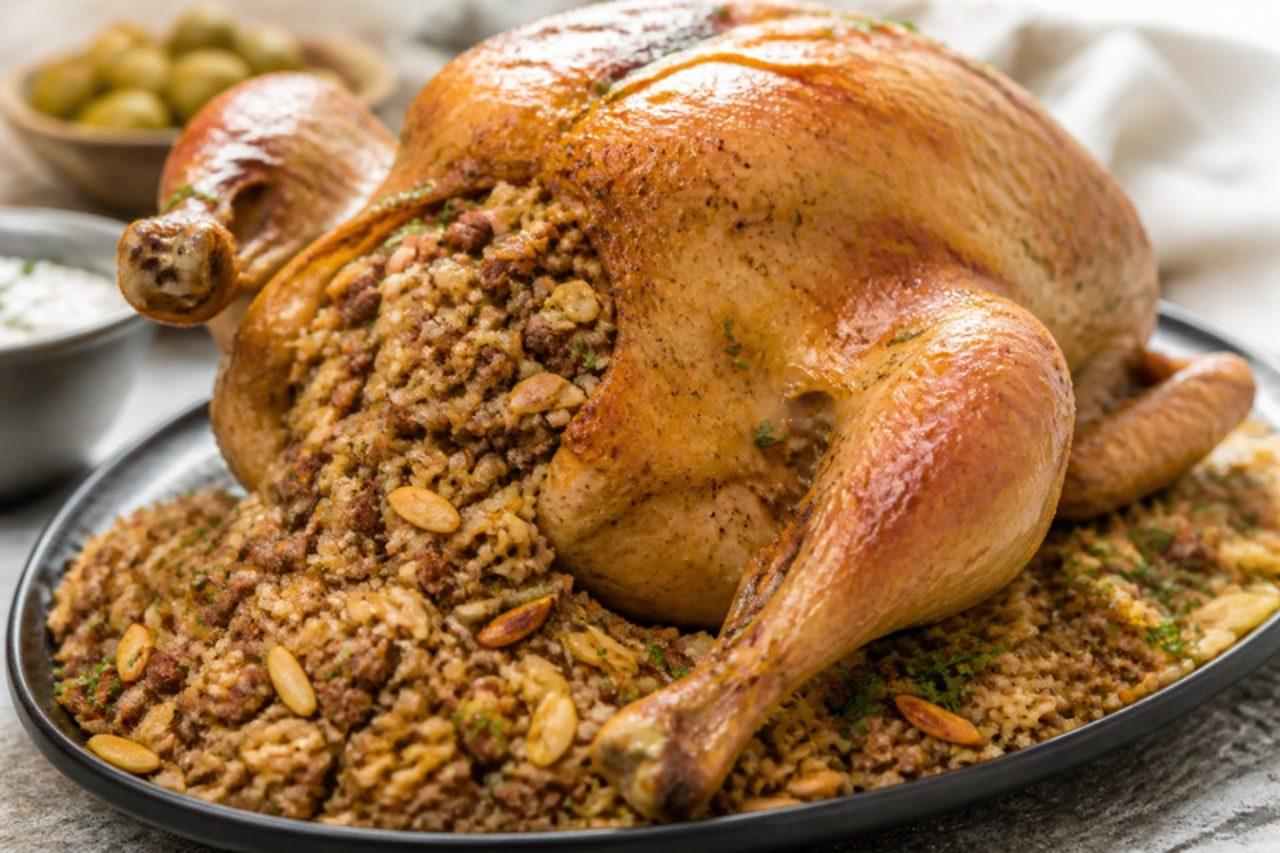
Djaj mahshiRoast chicken stuffed with spiced rice

For Eid, Christmas or a wedding lunch in Palestine, a whole chicken stuffed with spiced rice is the centrepiece: the rice cooked with a little minced lamb, seven-spice and cardamom, packed into the bird and roasted until the skin is lacquered brown, then piled on a platter under handfuls of fried almonds and pine nuts. Serve with yoghurt and a chopped salad. Common mistake: packing the cavity tightly with raw rice, which leaves the centre undercooked; part-cook the rice first and stuff loosely. Chef's tip: simmer the chicken briefly in spiced water before roasting, as many Palestinian cooks do; it seasons the meat and keeps it moist.

by KrazyBadal 0 views

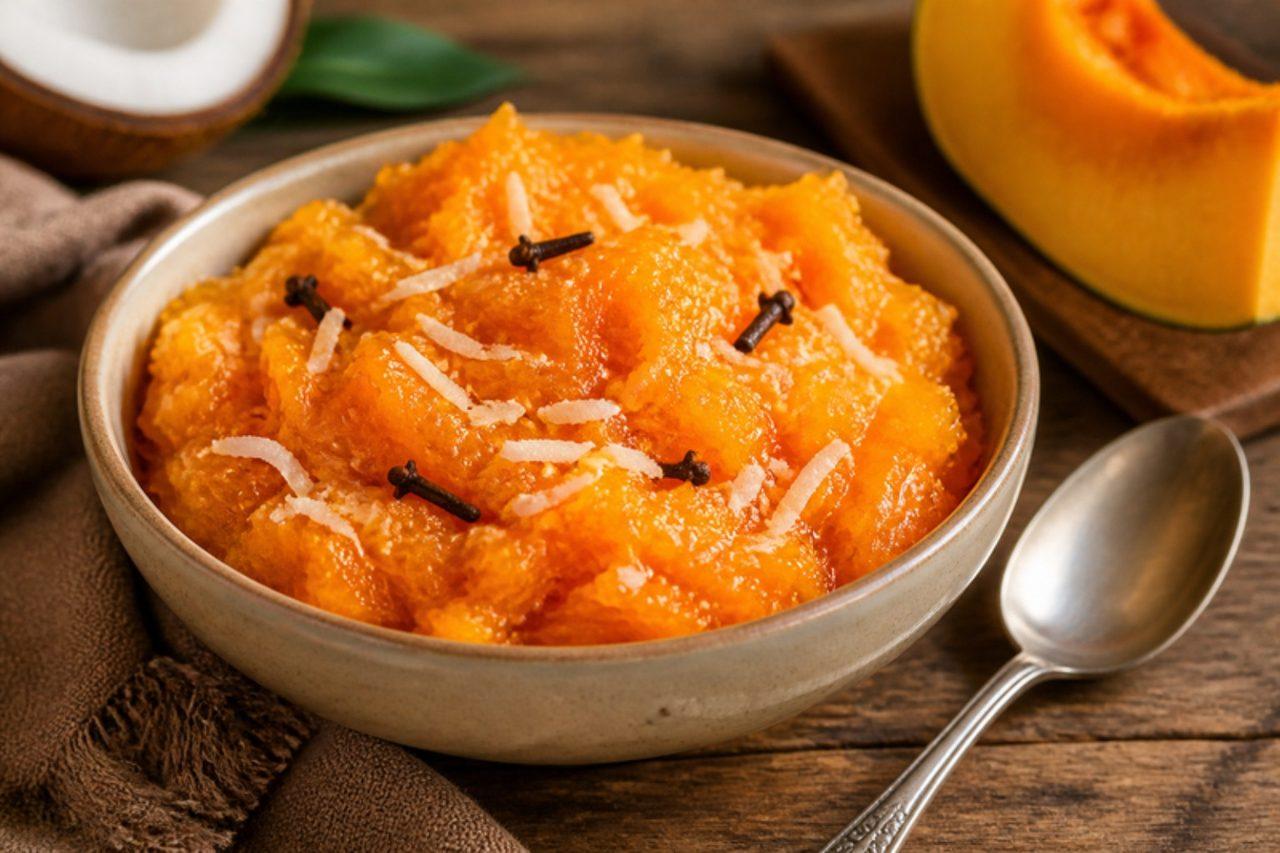
Doce de abóbora com cocoPumpkin and coconut sweet

Mineiro farm kitchens and the June festivals of the interior both lean on doce de abóbora, a deep orange spoon sweet of pumpkin cooked with sugar and cloves until thick, here finished with fresh grated coconut. It is eaten cold, by the spoonful from little bowls, or with a slice of fresh white cheese, the Brazilian way of pairing sweet and salty (pick a microbial-rennet cheese if you are vegetarian). The flavour is caramel-sweet and spiced, with the soft chew of coconut. Use a dry, dense pumpkin such as kabocha or butternut; watery pumpkins take forever to reduce. Adding the sugar before the pumpkin softens is a common misstep; the sugar firms the pieces and they never break down. Chef's tip: stop cooking when you see the base of the pan for a second as you drag the spoon through, as the sweet thickens further as it cools.

by KrazyBadal 0 views

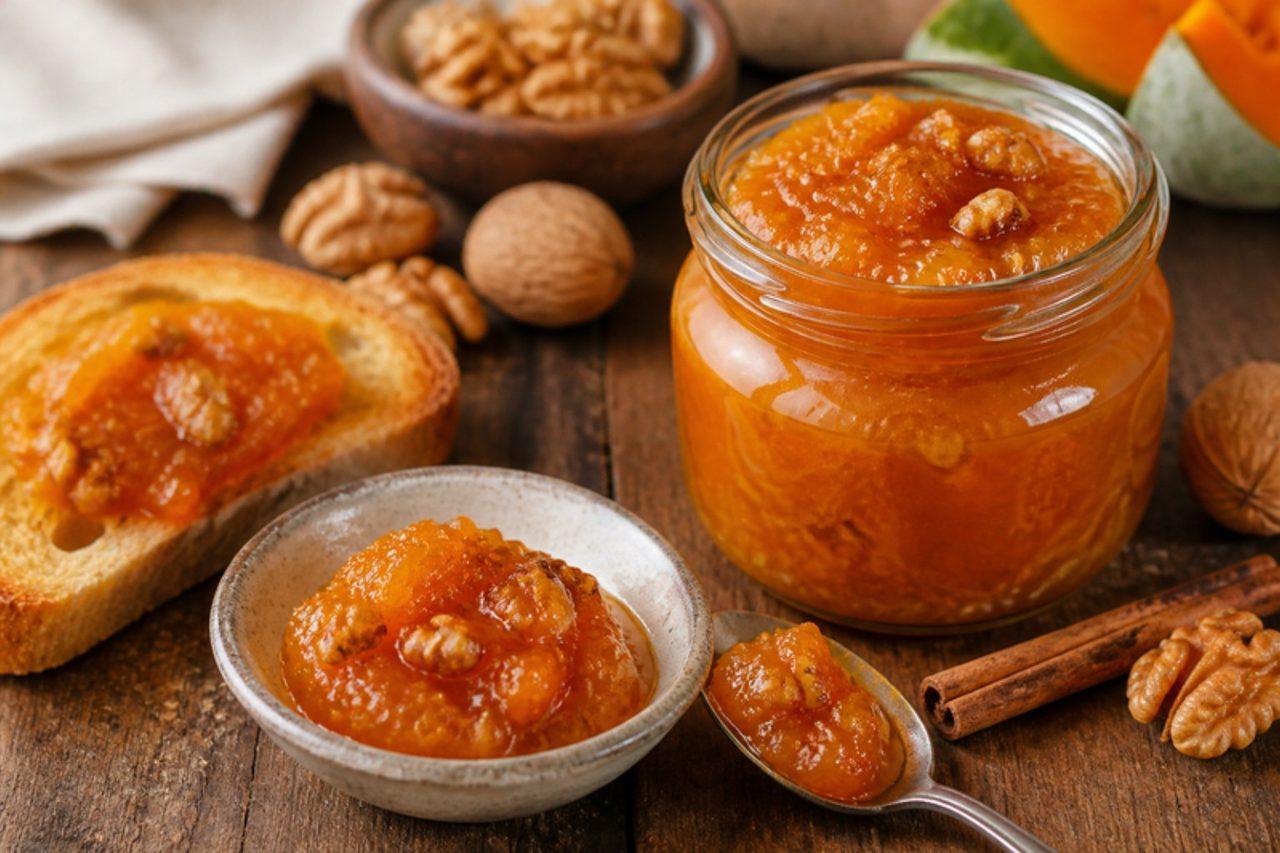
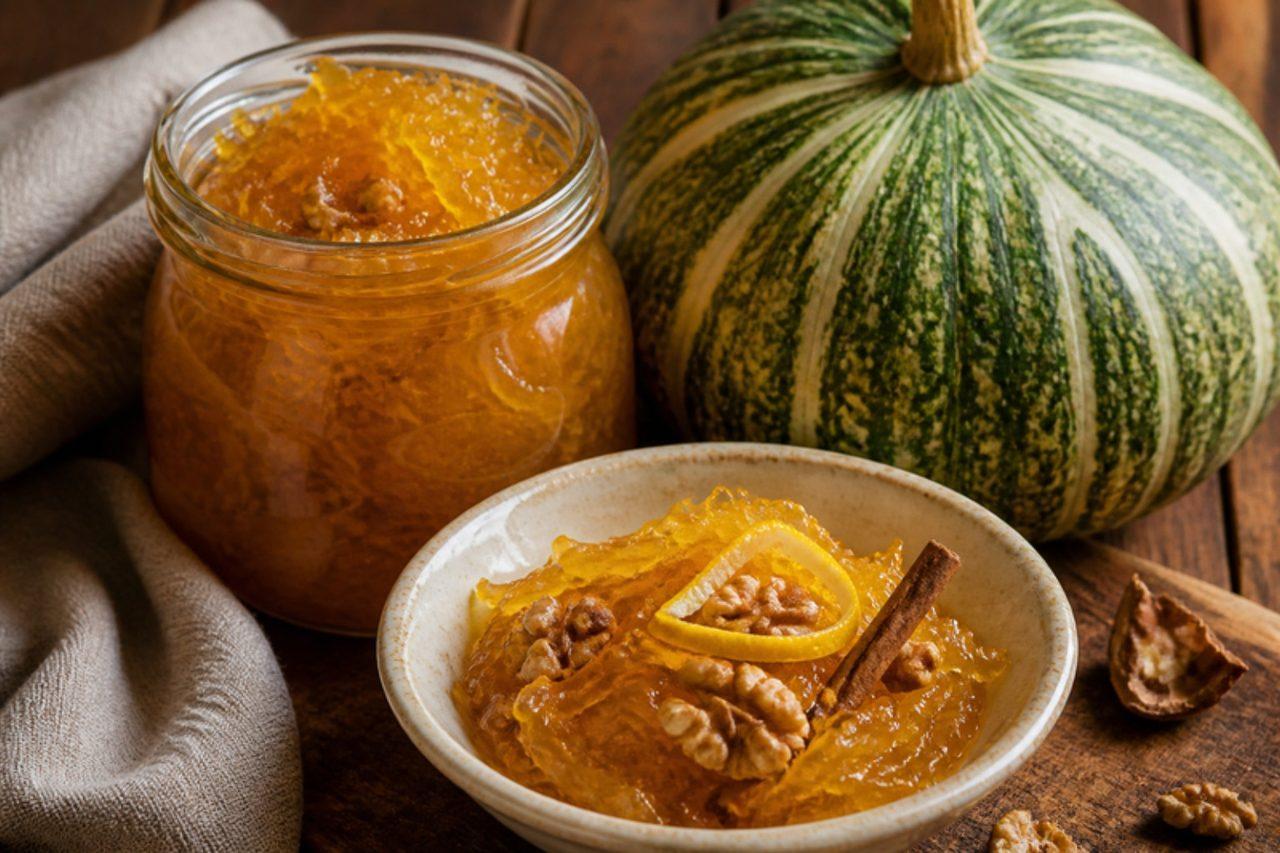
Doce de abóbora com nozesPumpkin and walnut jam

When the big squashes are harvested in late autumn in Trás-os-Montes, every pantry gets a row of these jars. The pumpkin cooks down with sugar, lemon peel and cinnamon to a thick amber jam, and toasted walnuts are stirred in at the end. Locals spoon it over fresh requeijão or a slice of sheep's cheese after dinner, or onto toast at breakfast. Chef's tip: salt the cut pumpkin with the sugar overnight; it releases its water so the jam cooks faster and keeps its colour.

by KrazyBadal 0 views

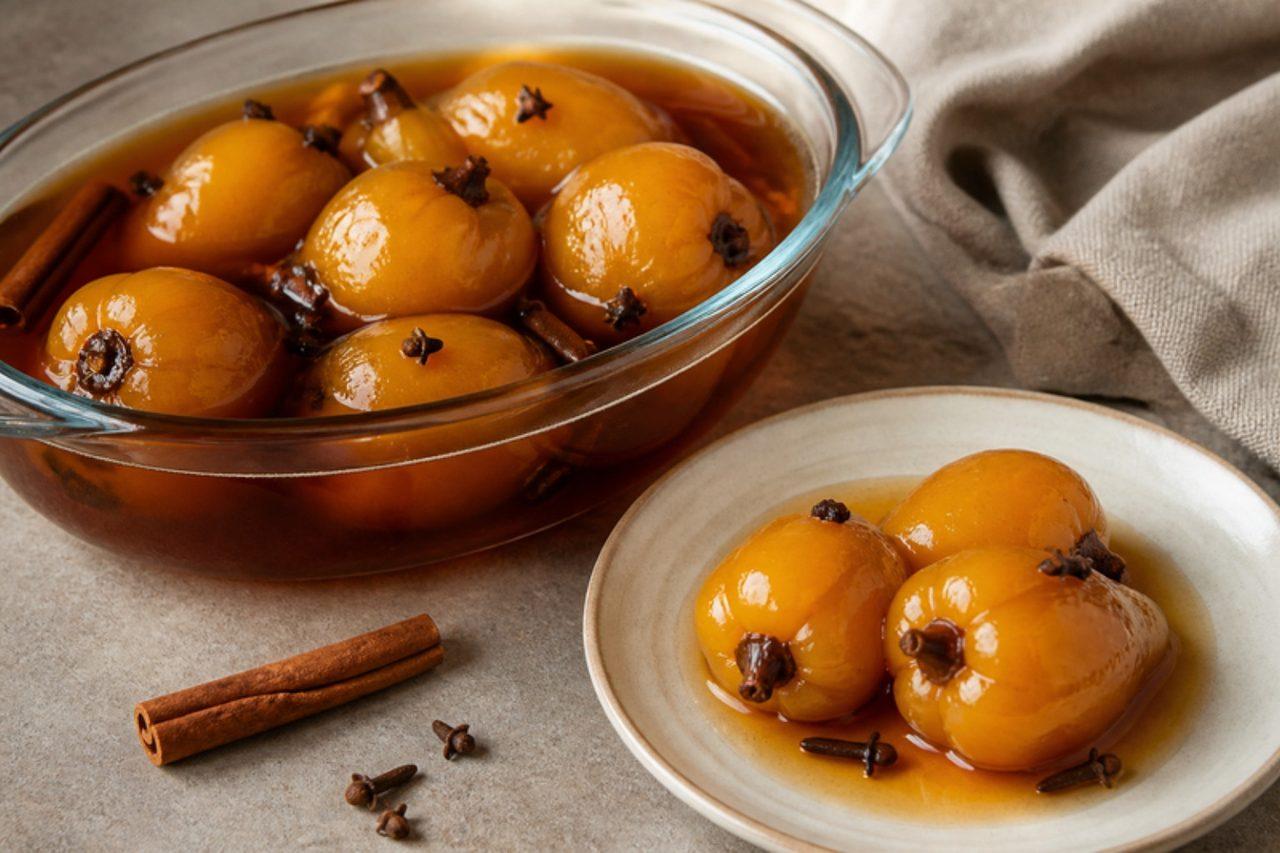
Doce de cajuCashew apples in clove syrup

Ceará grows more cashews than anywhere in Brazil, and in the season from September to December the soft, fragrant cashew apples are everywhere: pressed for juice, sold at roadside stalls and preserved whole in syrup like this. The fruit is pricked, squeezed of its astringent juice, blanched and then cooked slowly with sugar and cloves until it turns amber, glossy and tender with a chewy bite. Fortaleza families keep jars for Christmas and serve the fruit with a slice of white cheese or simply on a saucer with its syrup. Outside Brazil look for whole frozen cajus in Brazilian shops. Twist off and discard the grey nut before cooking: its raw shell holds a caustic oil and should not be cut, burnt or eaten at home. Skipping the squeezing and blanching is where it goes wrong; the sweet ends up rough and furry in the mouth. Chef's tip: let the fruit rest overnight in the syrup halfway through; it plumps up and soaks in the sugar evenly.

by KrazyBadal 0 views

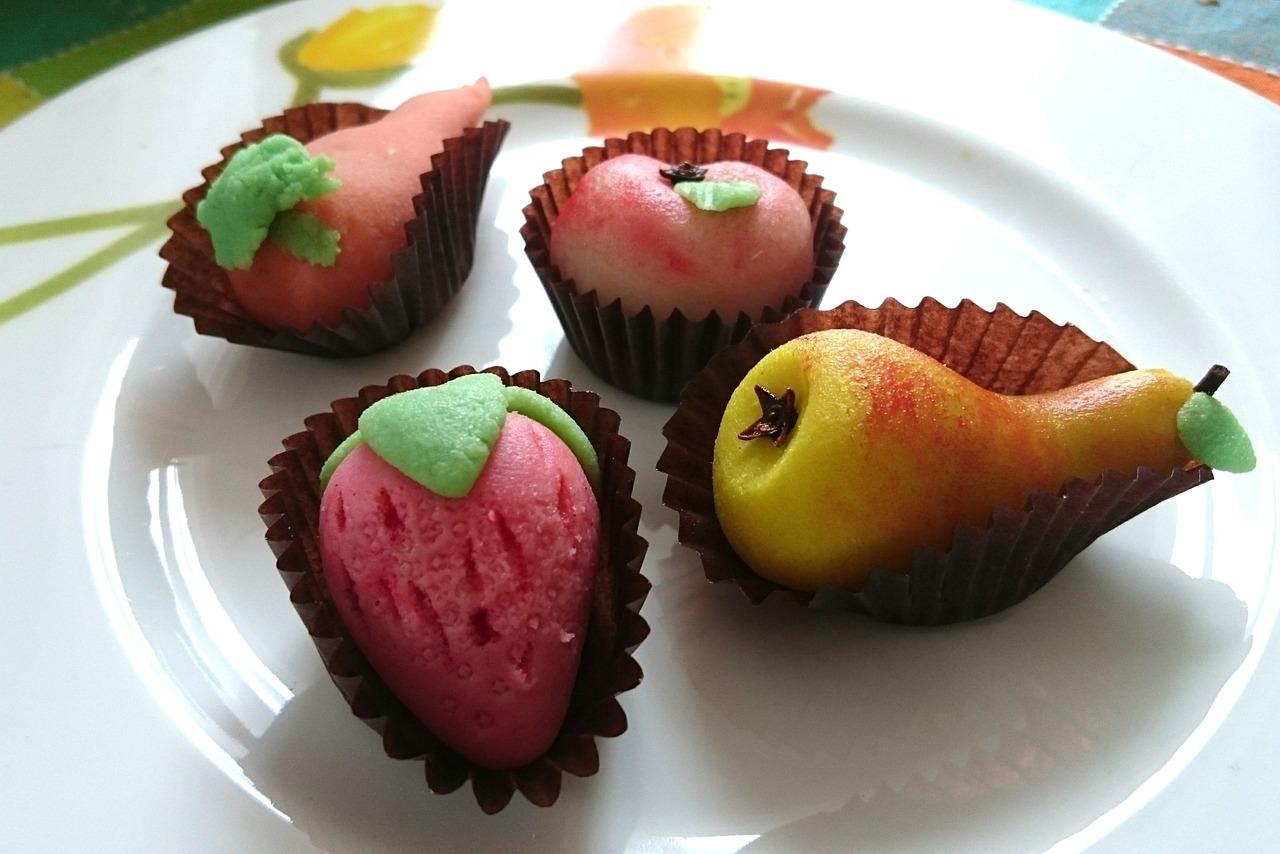
Doces finos do AlgarveMarzipan fruits with egg-yolk cream

Tiny pears, oranges, strawberries and even fish, all made of almond paste and painted by hand: these are the sweets Algarve families order for Christmas, Easter and weddings, and that every January market in Loulé shows off. Inside each one sits a spoonful of doce de ovos, the sunny yolk cream found all over Portuguese convent baking. The almond paste here is cooked in syrup, which makes it smooth and easy to model. Chef's tip: dust your hands and the work surface with icing sugar, never flour, or the shapes go chalky.

by KrazyBadal 0 views

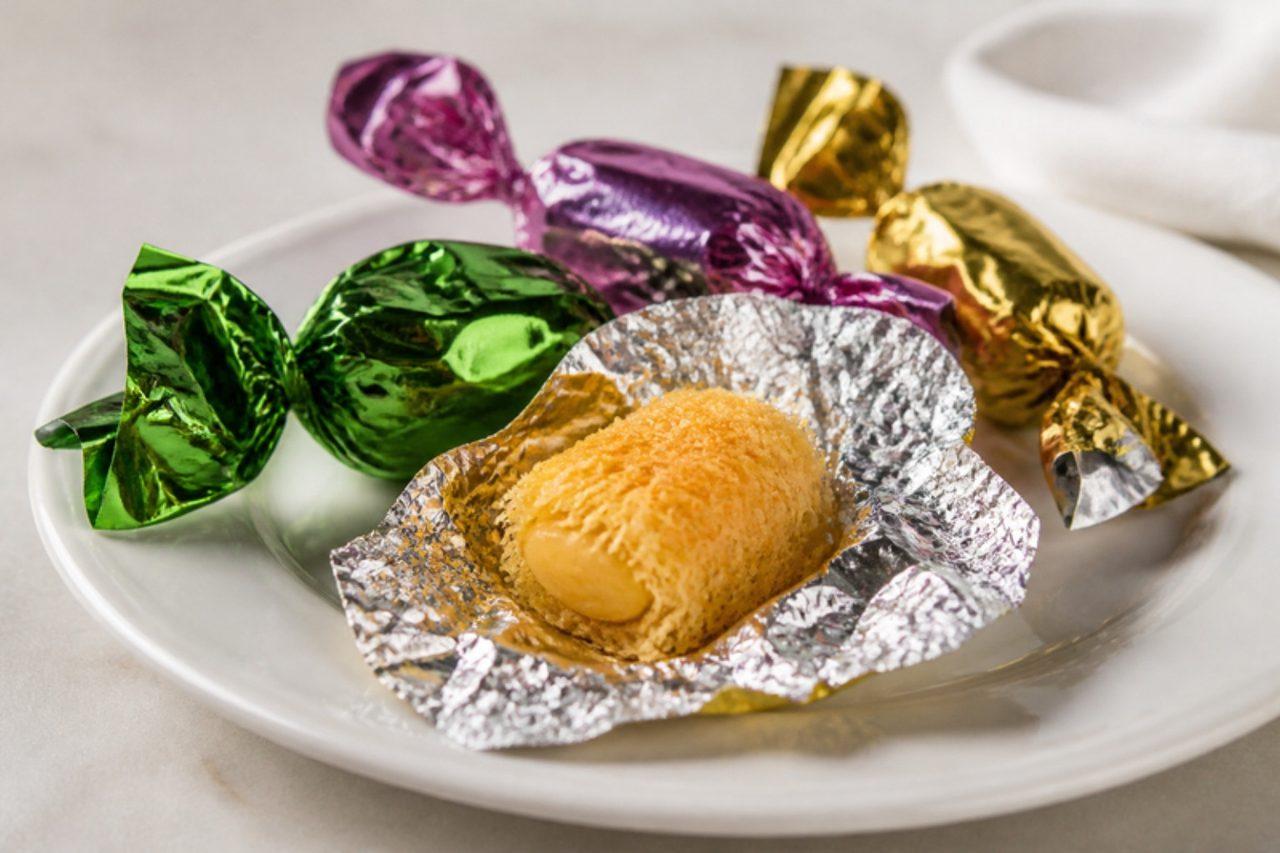
Dom RodrigosEgg-thread and almond sweets

Walk past any pastelaria in Lagos or Portimão and you will see little twists of bright foil piled in the window: each one hides a nest of golden egg threads bound with an almond and yolk cream, scented with cinnamon. They are eaten after Sunday lunch with a bica, bought by the half dozen to take home, and set out at Algarve weddings and christenings. The work is in the egg threads, drizzled into boiling syrup, but once you have the rhythm it goes quickly. Chef's tip: sieve the yolks twice, because any trace of white or the chalaza blocks the funnel and makes the threads break.

by KrazyBadal 0 views

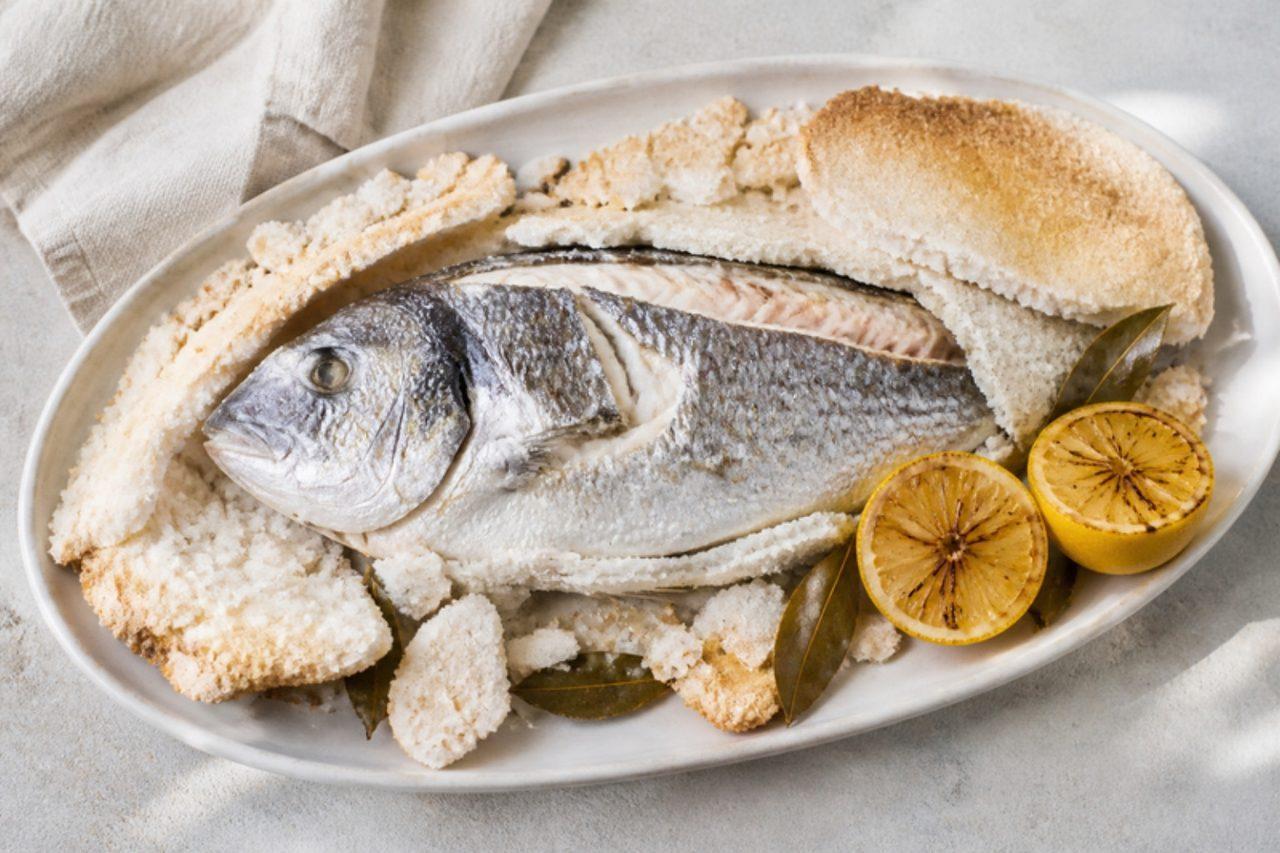
Dorada a la salSalt-baked sea bream

Around the salt flats of San Pedro del Pinatar, at the northern tip of the Mar Menor, baking fish under a crust of coarse salt is the obvious way to cook a fresh bream, and lagoon-side restaurants crack the crust open at the table for long summer lunches. The salt hardens into a shell that steams the fish in its own juices, so the flesh is moist and lightly seasoned rather than salty. Serve it with a drizzle of good olive oil, boiled potatoes or allioli. Chef's tip: leave the scales on; they stop the salt from reaching the flesh and make the skin peel away cleanly.

by KrazyBadal 0 views

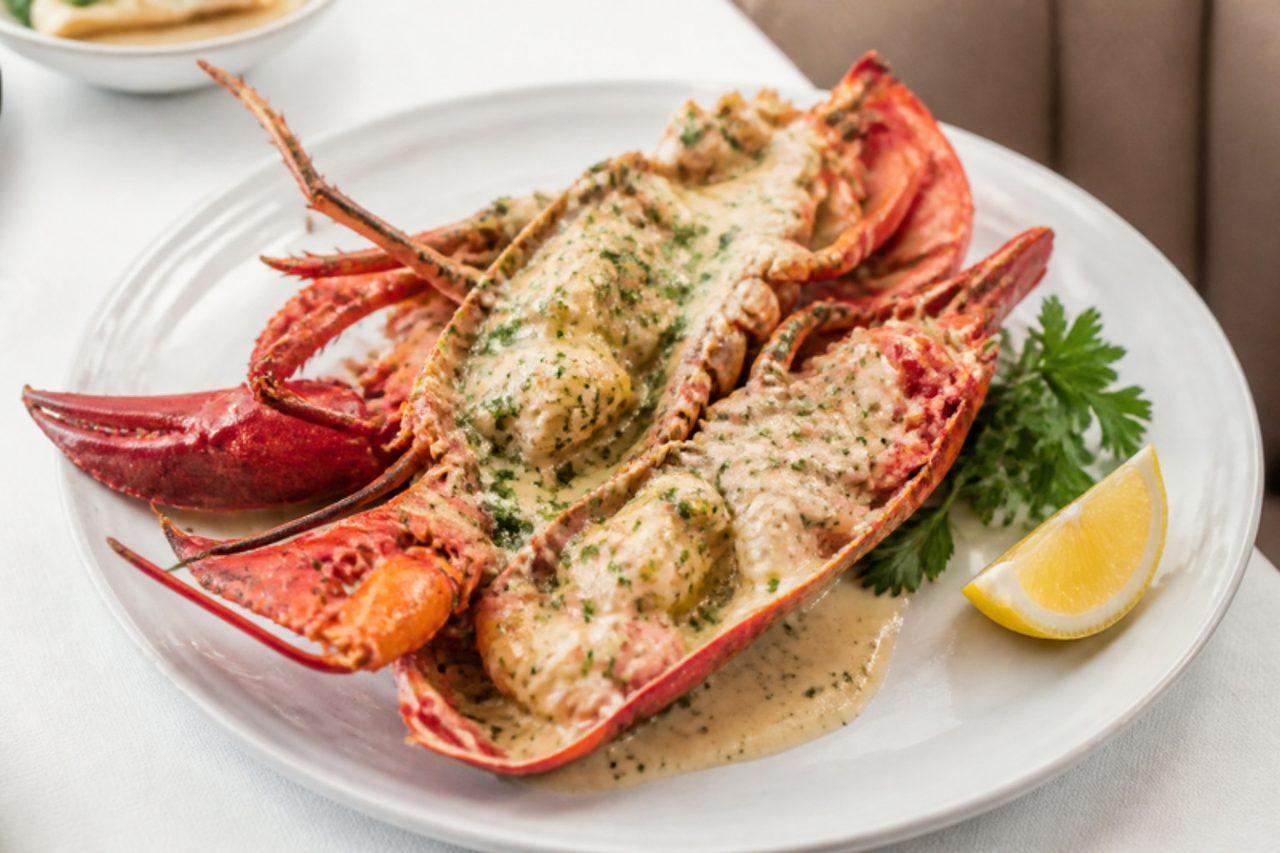
Dublin lawyerLobster in whiskey cream

Dublin lawyer is an old Dublin restaurant dish, said to be named because lawyers were rich and fond of drink: lobster meat is cooked in butter, flamed with Irish whiskey and finished with cream, then served back in the shell. It is a special-occasion dish for anniversaries and birthdays. This recipe contains alcohol; for an alcohol-free version replace the whiskey with 2 tablespoons of apple juice and a squeeze of lemon. Chef's tip: buy cooked lobster from a fishmonger if you are unsure about preparing a live one, and add it to the sauce only to heat through.

50 minIrishFishGluten free
by KrazyBadal 0 views

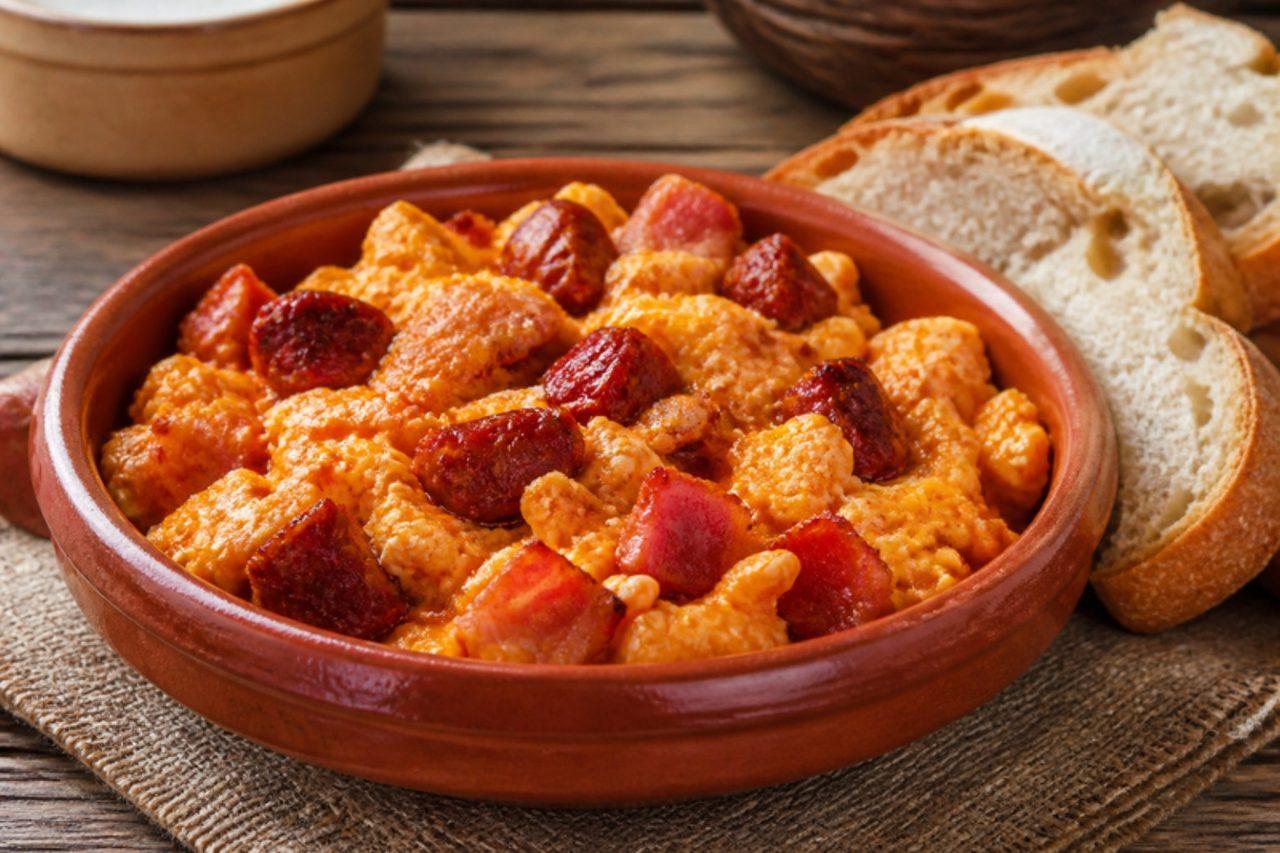
Duelos y quebrantosScrambled eggs with chorizo and bacon

Cervantes names this dish in the first lines of Don Quixote as the knight's Saturday supper, and in La Mancha it is still a quick, filling plate of soft eggs scrambled into fried chorizo and streaky bacon. It turns up for a late breakfast in roadside inns near Campo de Criptana, or for supper on a busy weeknight with bread and a salad. This contains pork (chorizo and bacon). Chef's tip: take the pan off the heat while the eggs still look slightly wet; they finish cooking on the plate.

by KrazyBadal 0 views

Dulce de alcayotaFig-leaf gourd preserve

Late autumn in San Juan and Mendoza, the huge striped alcayotas (fig-leaf gourds, Cucurbita ficifolia) are left to cure in the sun, then split open for this preserve: the white flesh separates into long strands like angel hair, which cook in syrup until golden, glossy and translucent, with walnuts and a hint of cinnamon and clove. It is spooned onto bread, eaten with fresh cheese, and used to fill empanadas and pastries. Look for alcayota at Latin American grocers (sometimes sold as chilacayote or cidra); spaghetti squash makes a respectable stand-in. Cooking the syrup too hard is the trap: it caramelises and turns the preserve dark and bitter, so keep it at a gentle bubble. For safe storage, jars must be sterilised and sealed hot. Chef's tip: rinse the cooked strands in cold water before they go into the syrup; it washes off the starch and keeps the threads separate and clear.

by KrazyBadal 0 views

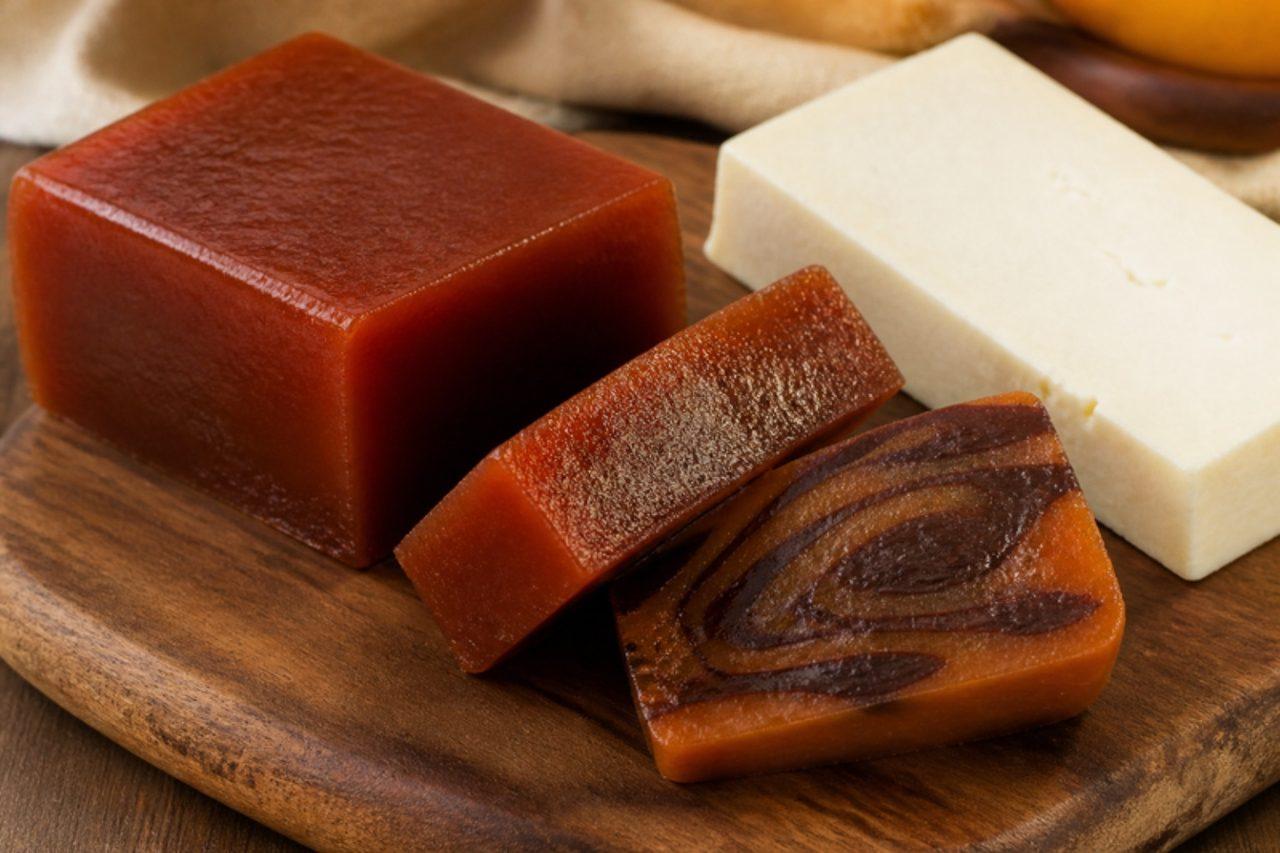
Dulce de batataSweet potato paste

Deep orange and firm enough to slice, dulce de batata is the sweet potato paste Argentines eat with cheese, bake into pastelitos and pasta frola, and pack into school lunch boxes; the classic commercial block often hides a ribbon of chocolate in the centre. Making it at home takes patience at the stove, but the result tastes of real roasted sweet potato and vanilla. Traditional recipes simply cook the purée down for a long time; some factory versions set it with gelatin. This one uses a little agar, a seaweed-based setting agent, so it is reliably firm and stays vegan. Choose pale-fleshed sweet potato (batata) if you can, which gives the classic colour and dense texture; orange-fleshed ones work but set softer. The usual problem is too little cooking, which gives a paste that weeps; it is ready when a spoon drawn through it leaves a clean line. Chef's tip: cover your hand with a tea towel while you stir, because the thick paste spits like lava.

by KrazyBadal 0 views

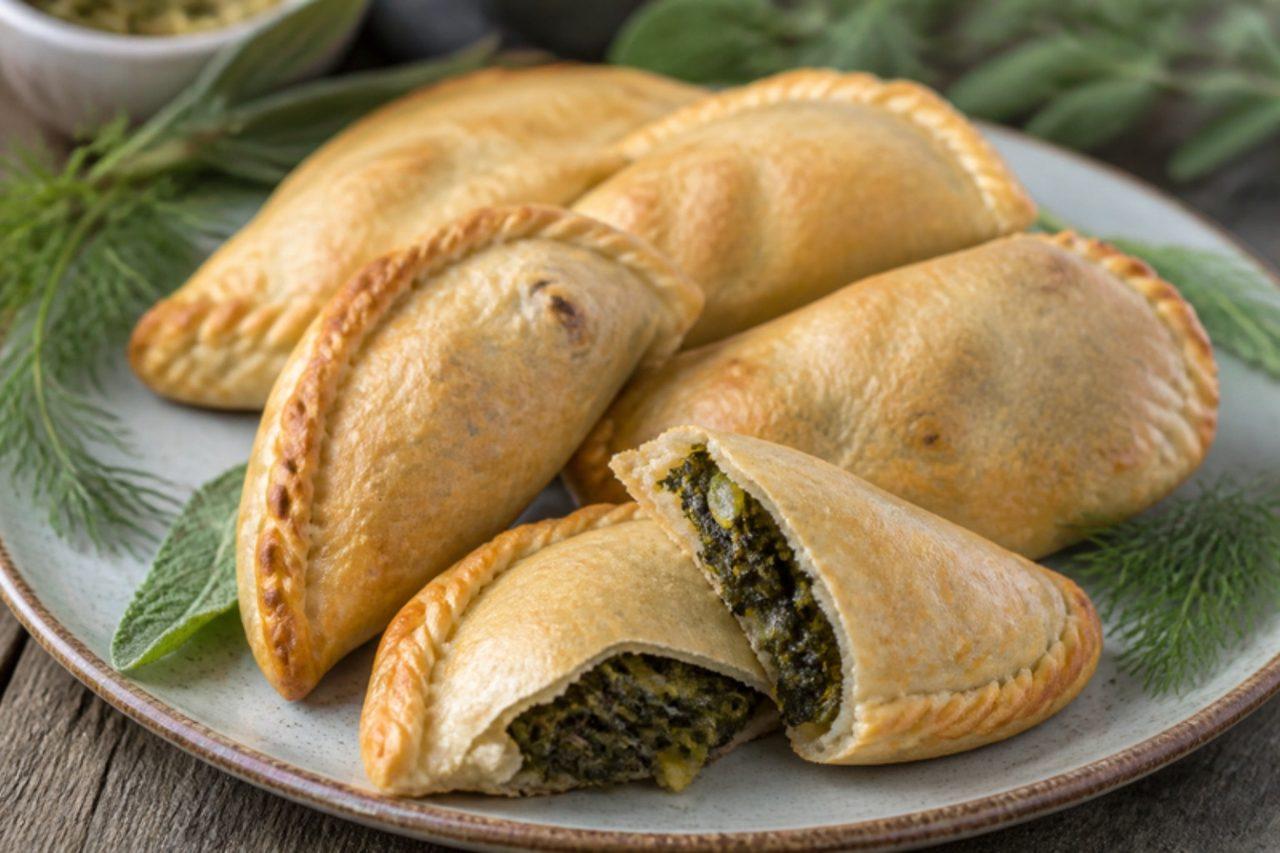
Ege ot böreğiWild greens hand pies

In spring, Aegean women around Urla and Ayvalık forage for wild greens (radika, mallow, wild fennel, chard and sorrel) and fold them into little half-moon pies, fried or baked, for the Hıdırellez spring festival and village picnics. Spinach and chard with lots of dill and mint make a good shop-bought substitute. They are herby, a little sour, and lovely warm or cold with yoghurt. Chef's tip: wilt and squeeze the greens thoroughly; any water left in the filling turns the pastry soggy and makes it burst.

by KrazyBadal 0 views

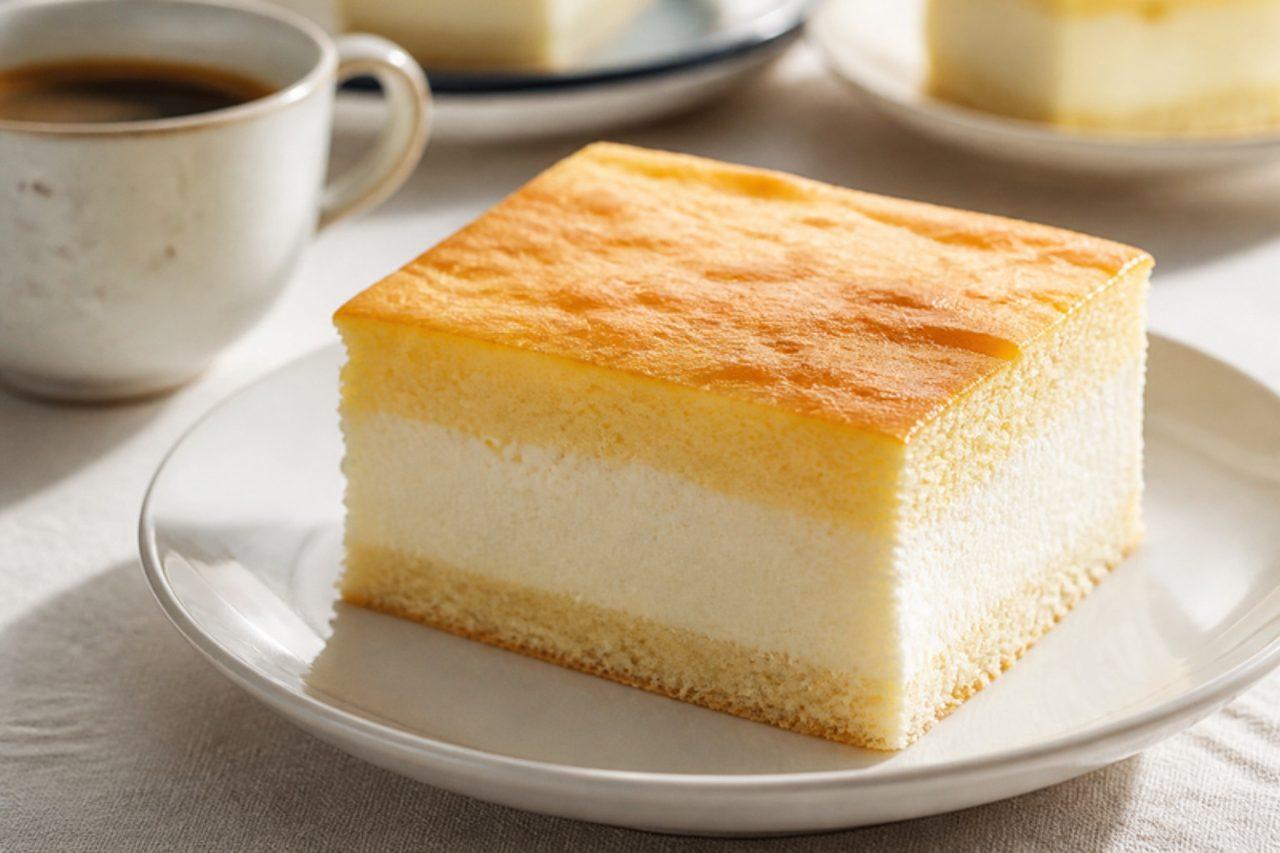
EierscheckeThree-layer quark custard cake

Eierschecke is Dresden's café cake, cut in squares from a big tray in every Saxon bakery: a thin yeasted base, a thick layer of vanilla quark, and on top the 'Schecke', a wobbly, golden egg-and-butter custard that bakes into a soft, almost soufflé-like crust. It is eaten on Sunday afternoons with strong filter coffee, and Saxons argue about whether raisins belong in the quark. A common mistake is pouring the custard on too thickly or baking too hot, so it puffs and cracks; bake it low and slow. Chef's tip: the cake cuts neatly only when completely cold, so make it the day before.

105 minGermanBaking
by KrazyBadal 0 views

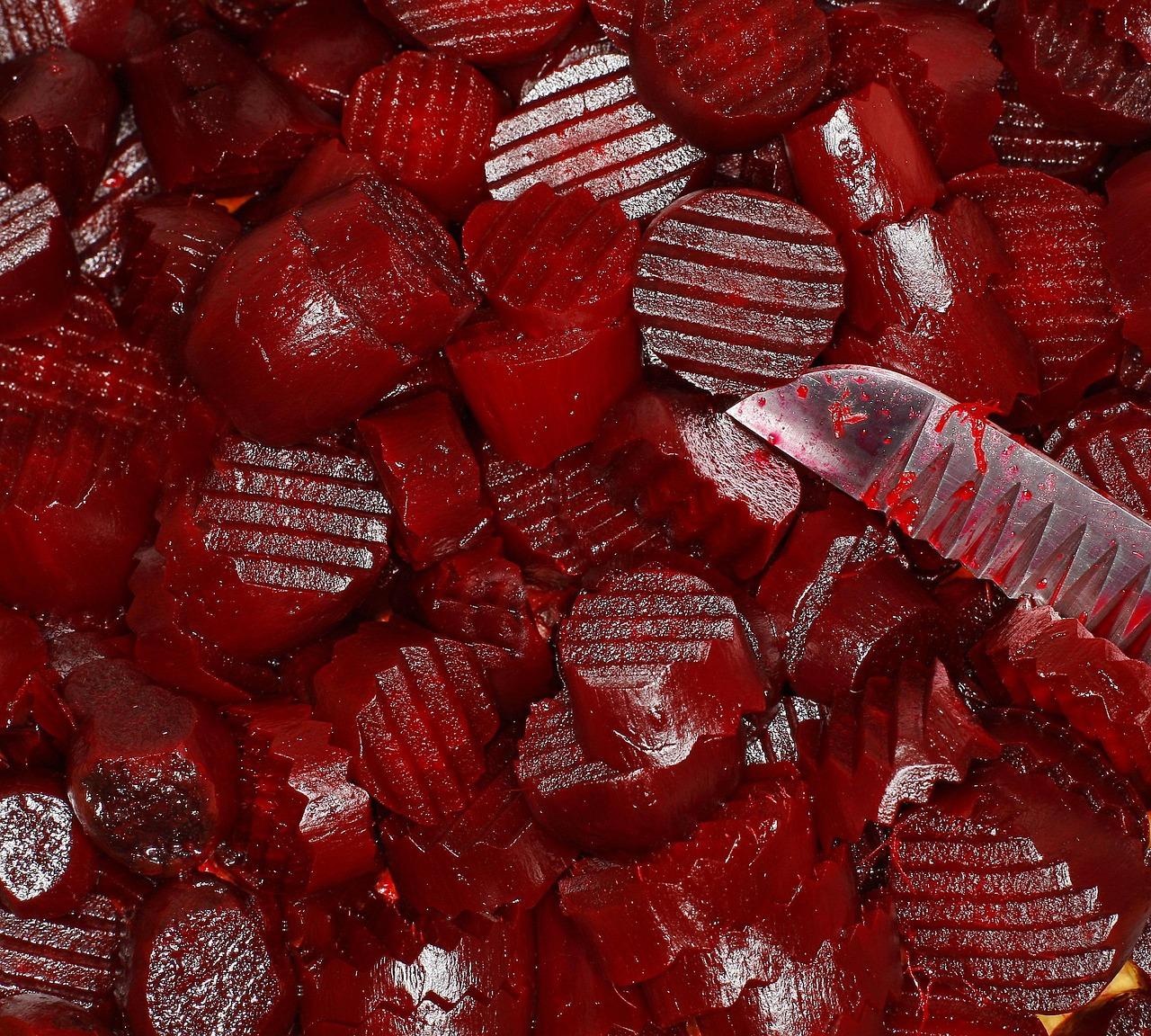
Eingelegte Rote BetePickled beetroot

In Hamburg, Bremen and across Schleswig-Holstein a jar of pickled beetroot sits on the table whenever there is Labskaus, herring or a cold meat platter, and many households still make their own each autumn when the beets come in from the fields. Earthy cooked beetroot is sliced and steeped in sweet-sour vinegar with onion, cloves and a little horseradish, turning gently spiced and jewel red. The mistake people often make is peeling or trimming beets before boiling, which lets the colour and flavour bleed into the water. Chef's tip: wear gloves and use a plastic board when slicing, and slice evenly at about 5 mm so every piece pickles at the same rate.

by KrazyBadal 0 views

Showing 63 of 7,762 recipes

Show more recipes

Page 439 of 863