


Skip to content
Guinean tamarind juice
Featured recipe

Guinean tamarind juice

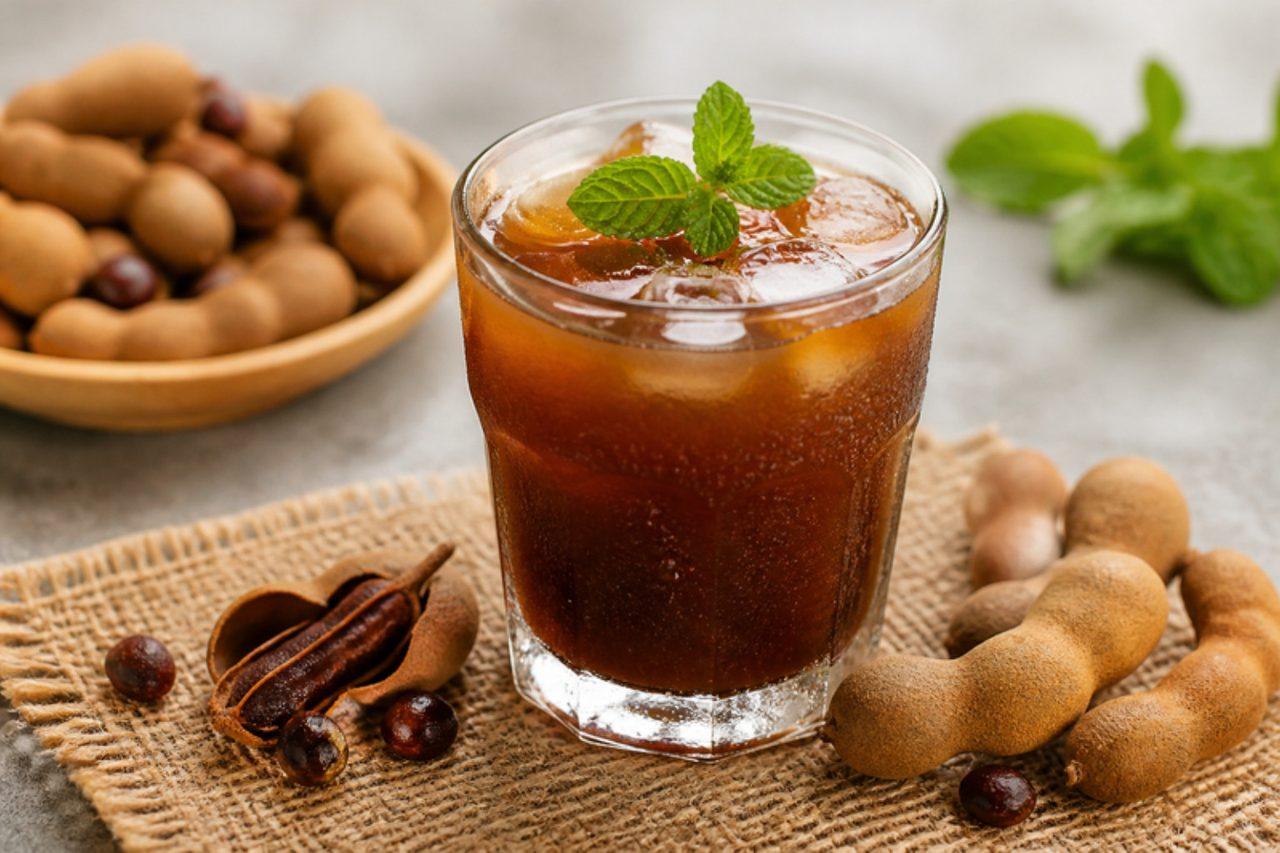
Tomi is the name for tamarind in Guinea, and in Conakry its juice is poured from plastic bottles kept on ice at markets, bus stops and family celebrations alongside bissap and ginger juice. The sticky brown pulp is soaked in hot water, kneaded and strained into a drink that is brown-gold, fruity and pleasantly sour, sweetened with sugar and lifted with a little ginger and vanilla. It is especially welcome at sunset during Ramadan. Chef's tip: soak the pulp in hot, not boiling, water and knead it well; boiling the tamarind is a common mistake that pulls out bitterness from the seeds and skins.

Read more 0 views

What to eat today?

Around the world

Today's trip: Persian

A new country every day, from every cuisine on the site.

Persian

Nazkhatoon

Smoky aubergine with pomegranate 40 minMore from Persian (131) →

This week's collection

Kid-friendly dinners
578 recipes · a new collection every Monday

Latest recipes

Nan-e panjerehFried rosette pastries

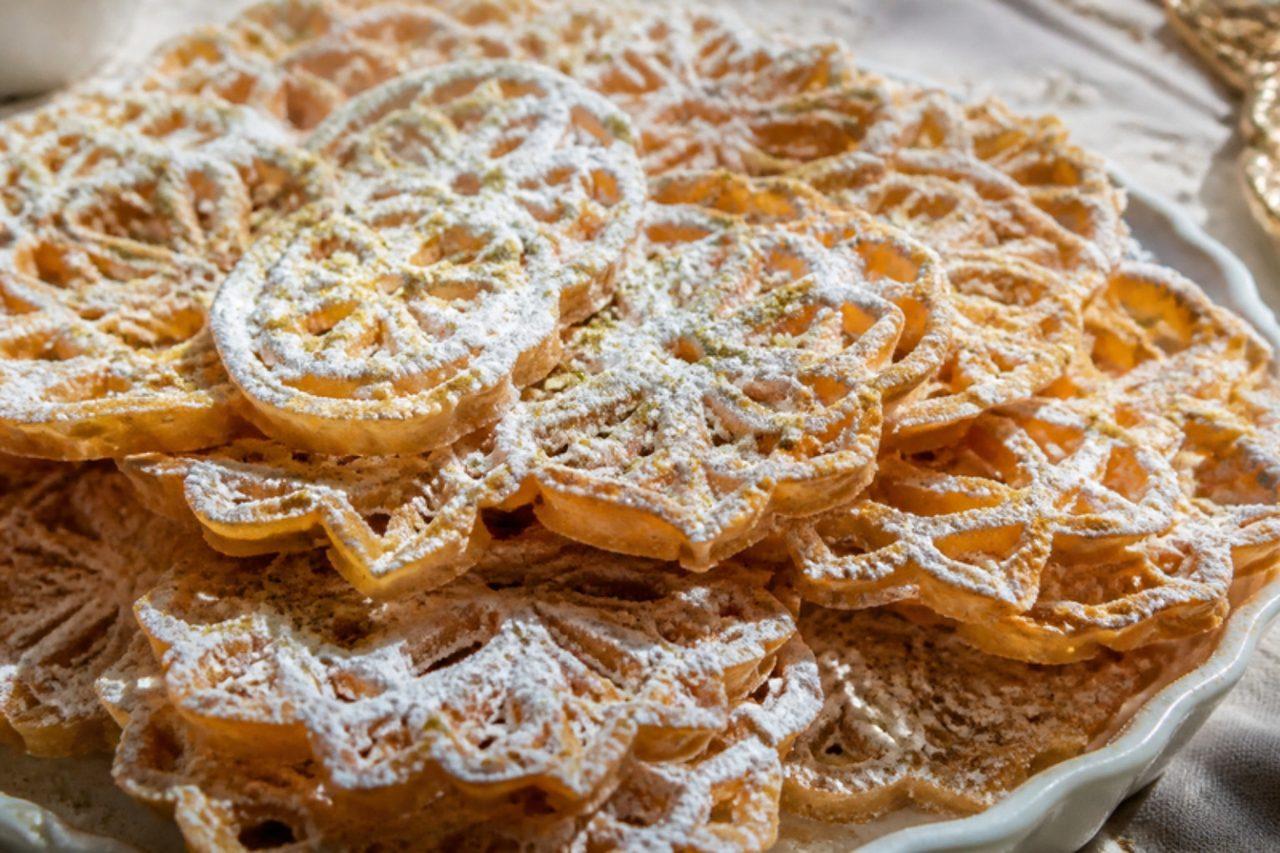
Nan-e panjereh, 'window bread', is the most delicate pastry on a Nowruz table, and in Tehran and Isfahan it is usually made at home with a flower-shaped iron passed down through the family. A thin batter of egg, milk and flour flavoured with rosewater clings to the hot iron, then drops off into the oil as a crisp, lacy rosette that shatters at the first bite. The usual mistake is dipping the iron too deep; the batter must come only to the top edge, or the rosette won't release. Chef's tip: dip the iron back into the hot oil for 30 seconds before every rosette so the batter sets the moment it touches the metal.

by KrazyBadal 0 views

Camu camuCamu camu berry juice

Camu camu are small purple-red berries that grow on bushes along the flooded riverbanks of the Peruvian Amazon, and in Iquitos and Pucallpa they are sold as frozen pulp and blended into a sharp, pink refresco at juice bars and lunch places. The flavour is intensely sour, more than lime, with a faint cherry note, and the berries are famous for containing far more vitamin C than oranges. It is the drink people order with a heavy plate of tacacho or rice. Never boil camu camu or make the juice hours ahead: heat and air quickly fade its colour and much of the vitamin C, so blend it cold and drink it soon. Frozen pulp or freeze-dried powder from health-food and Latin shops are the forms you'll find abroad. Chef's tip: start with half the pulp and add more to taste; it's strong enough that a little goes a long way.

by KrazyBadal 0 views

Nan-e nokhodchiChickpea flour cookies

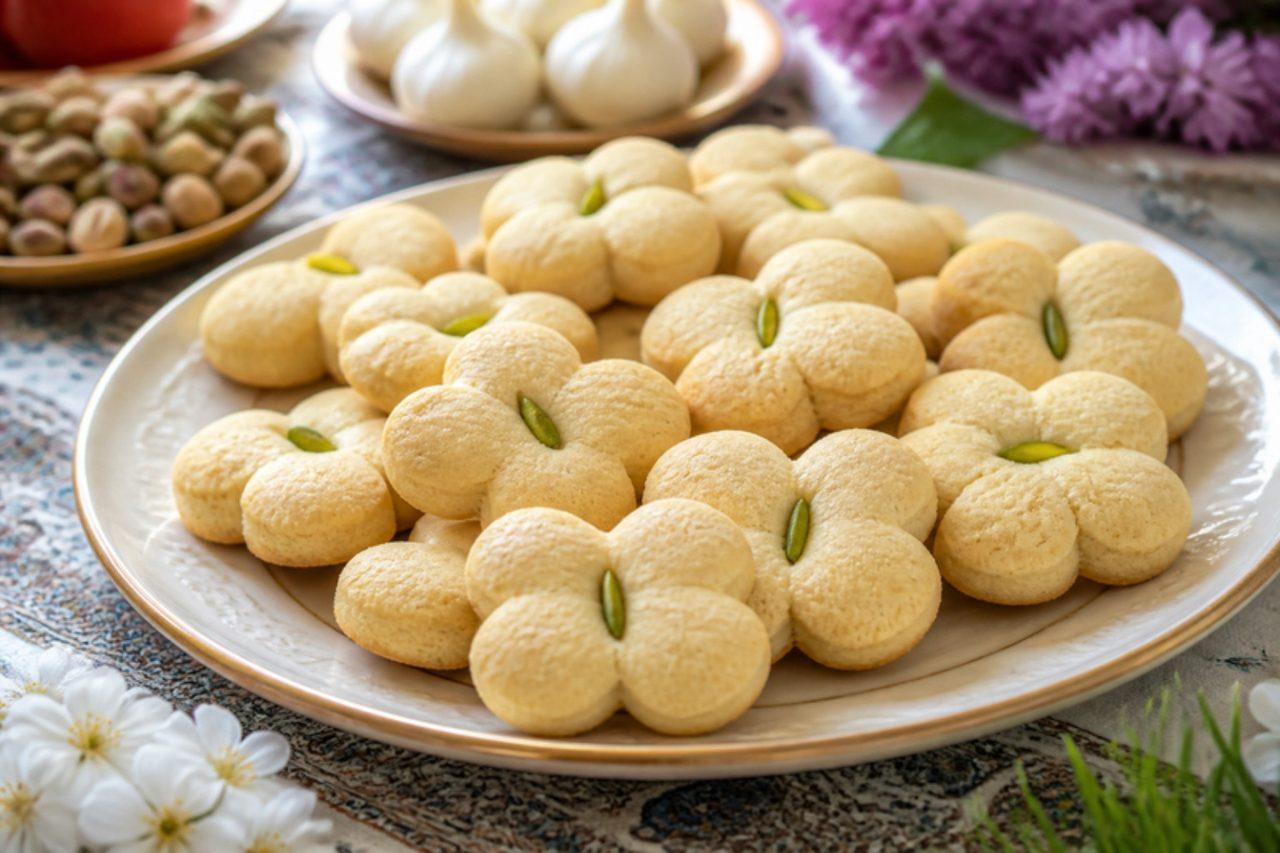
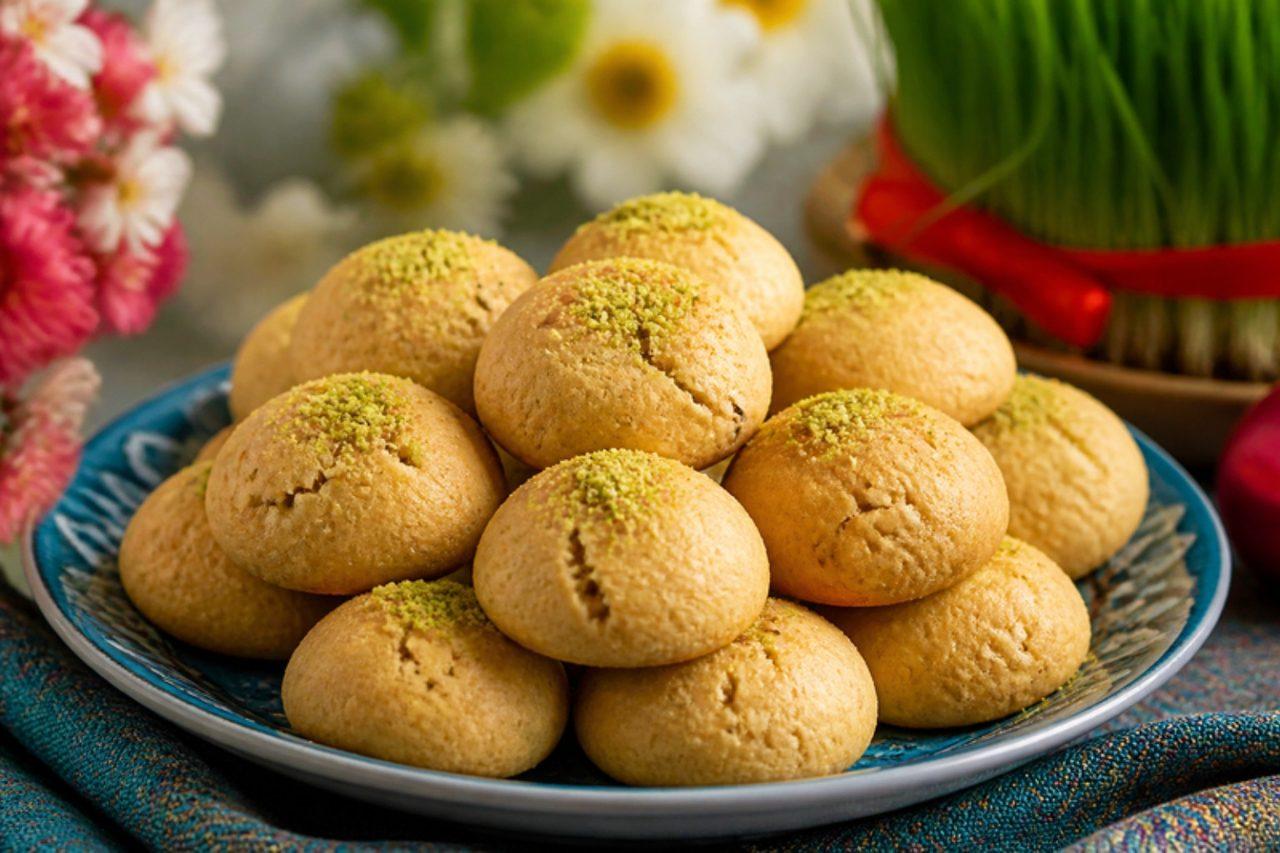
No Nowruz tea tray in Tehran or Qazvin looks complete without a pile of tiny four-leafed nan-e nokhodchi, each topped with a sliver of pistachio. They are made from flour of roasted chickpeas, so they taste nutty and slightly savoury under the sugar, and they dissolve almost instantly on the tongue. Bakers make them by the thousand in March, but they are simple at home with a small clover cutter. The common mistake is using raw gram flour, which tastes beany and bitter; the flour must be from roasted chickpeas, or toasted first. Chef's tip: knead the dough longer than you think, 8–10 minutes, until it turns smooth and pale; that is what gives the melting texture.

by KrazyBadal 0 views

Nan-e komajSweet date-filled bread

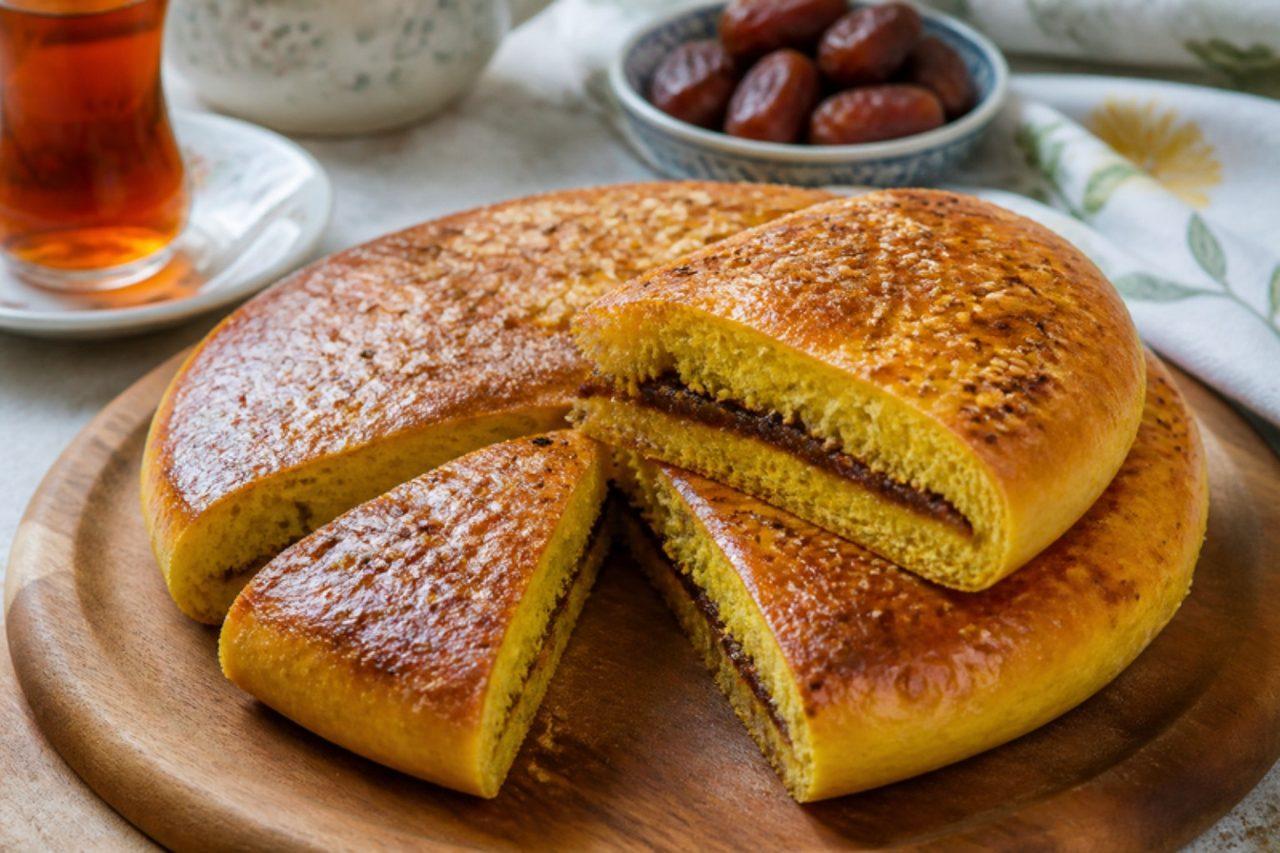
In Khorasan and Kerman, nan-e komaj is the bread of guests and holidays: thick, soft, golden with turmeric, scented with cumin and layered with a ribbon of date paste and cinnamon. In villages around Mashhad it is baked in big rounds for Nowruz and religious feasts and cut into wedges with tea. It is sweet but not cake-like, sitting somewhere between bread and pastry. A common mistake is spreading the date paste right to the edge, which lets it leak and burn on the tray. Chef's tip: soften the dates with a spoon of hot water and a little butter before spreading; stiff date paste tears the dough.

by KrazyBadal 0 views

Polvo à lagareiroRoast octopus with garlic oil

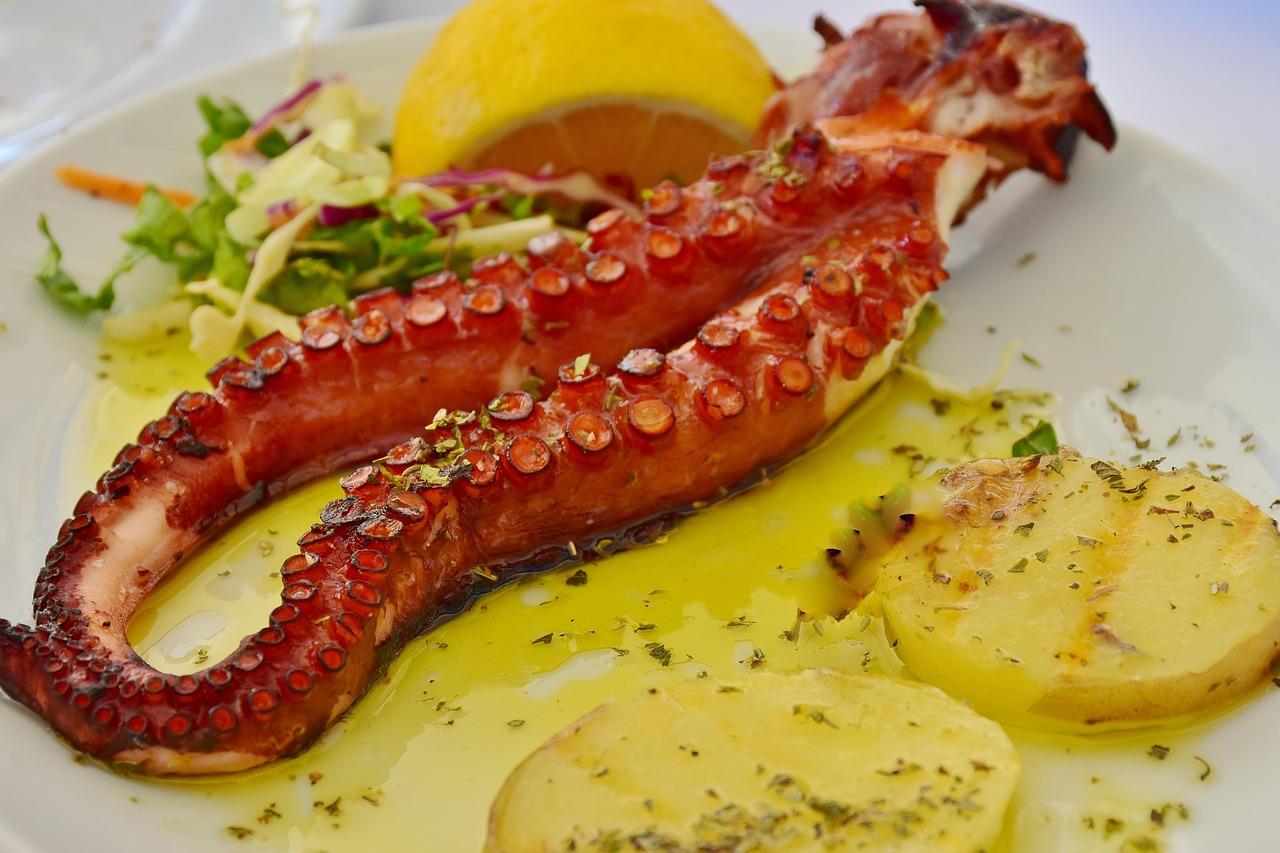
The name honours the lagareiros, the men who worked the olive presses, and the dish is about as generous with olive oil as you'd expect: octopus first simmered until tender, then roasted hot with garlic and oil until the tentacles crisp at the tips. It is a Christmas Eve favourite in many Lisbon homes and a Friday treat in restaurants, always with batatas a murro, small potatoes roasted in their skins then punched open. A common mistake is a rolling boil, which turns octopus tough and peels the skin; keep the water at a lazy simmer. Chef's tip: buy frozen octopus, or freeze fresh for a day; freezing breaks the fibres and makes it far more tender.

by KrazyBadal 0 views

Polvo guisado à açorianaOctopus stewed in red wine

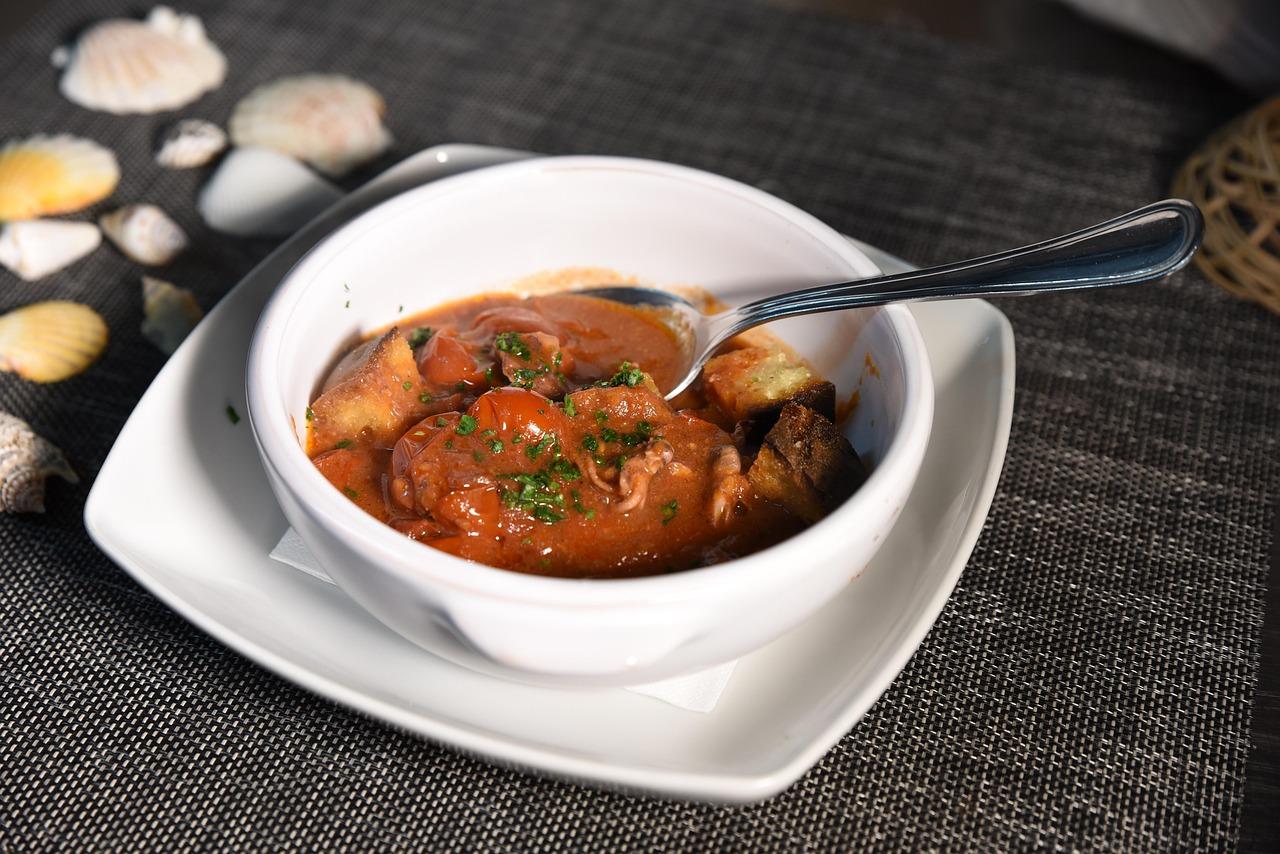
On Pico and Terceira, octopus caught among the black volcanic rocks is stewed slowly in red wine with onions, garlic, allspice and a spoonful of pimenta da terra, until the pieces are tender and the sauce is dark and rich. It is a dish for village festas and cold winter Sundays, ladled over potatoes with bread on the side. The recipe uses red wine; for an alcohol-free version, use water with a tablespoon of red wine vinegar. Chef's tip: buy frozen octopus, or freeze fresh octopus for a day; freezing breaks down its fibres and makes it far more tender.

by KrazyBadal 0 views

Nan-e gerdooyiWalnut cookies

In the run-up to Nowruz, when Tabriz, Tehran and Qazvin families are spring-cleaning and baking for the round of holiday visits, nan-e gerdooyi are among the first cookies to go into the tin. They are made with chopped walnuts held together by egg yolks and sugar, no flour at all, so they bake crisp at the edge and soft and chewy in the middle. A common mistake is grinding the walnuts to a paste; they should be chopped into small pieces so the cookies have texture and don't turn oily. Chef's tip: leave a good gap between them on the tray; they spread to about twice their size.

by KrazyBadal 0 views

Nan-e berenjiRice-flour cookies

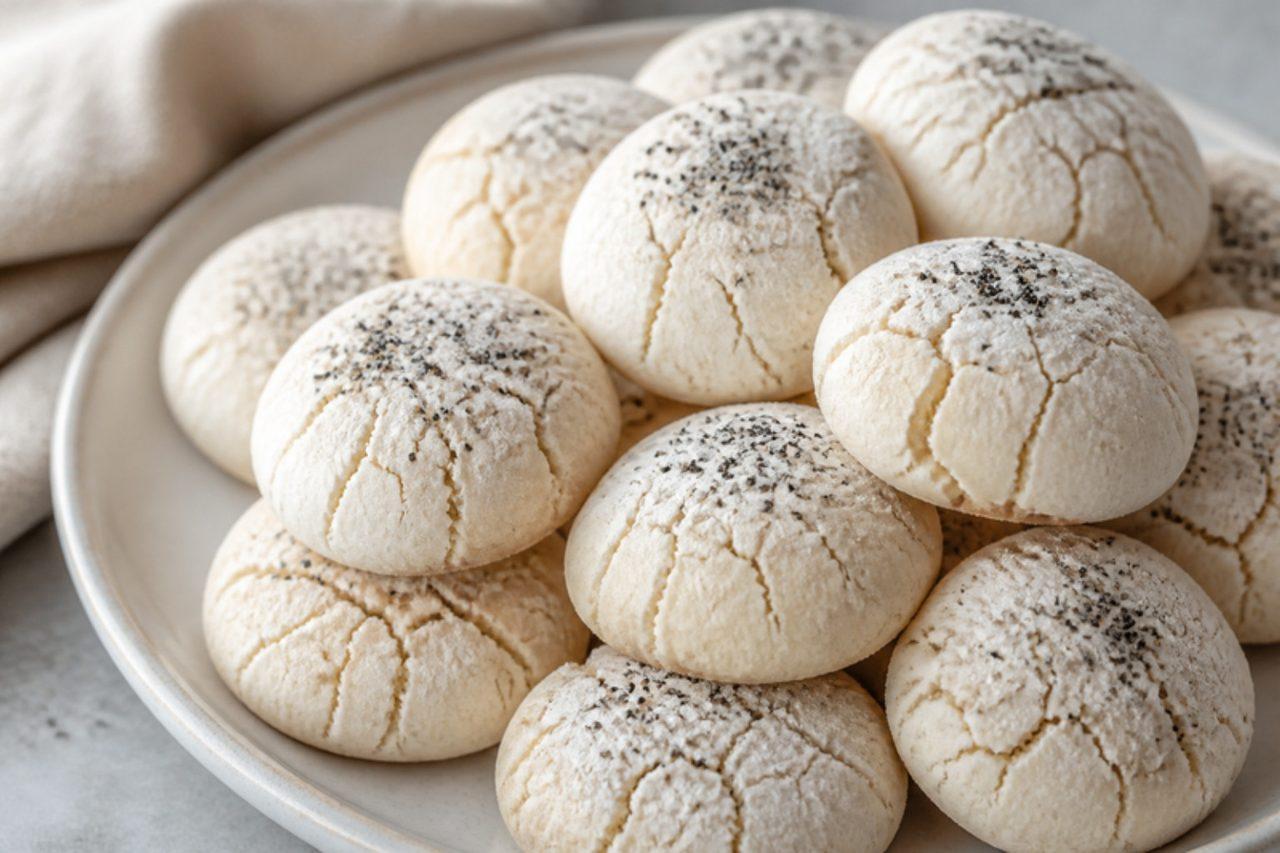
Kermanshah in western Iran is famous for its nan-e berenji, and in the weeks before Nowruz bakeries there pack them by the boxful for guests who come visiting through the holiday. Made with rice flour, they are pale, crumbly and melt on the tongue, scented with cardamom and rosewater and sprinkled with a few poppy seeds. Many families make the dough a day ahead. The common mistake is letting them colour in the oven; they should come out white with only the faintest gold underneath. Chef's tip: rest the dough in the fridge for at least an hour so the rice flour hydrates; otherwise the cookies crack and spread.

by KrazyBadal 0 views

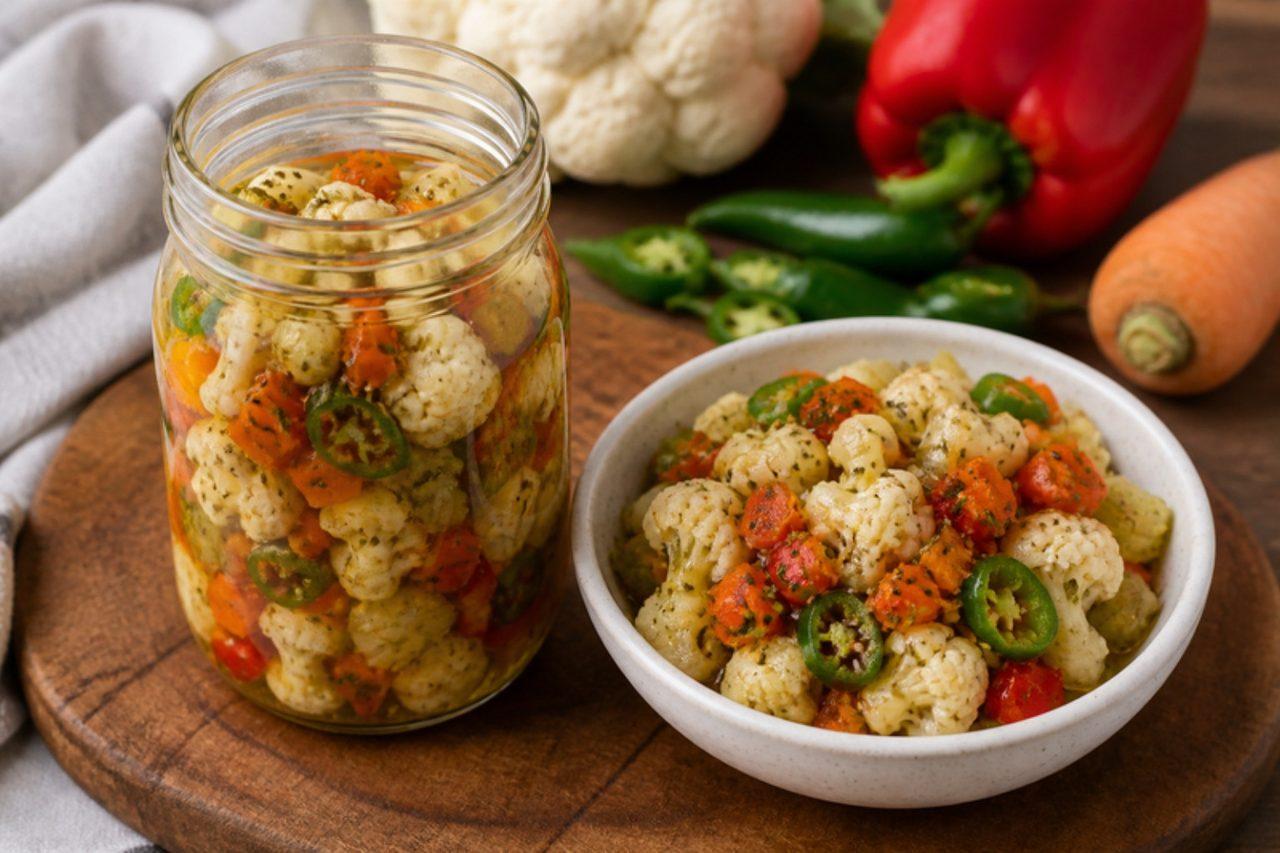
Chicago giardiniera

Giardiniera came to Chicago with Italian immigrants, and the city made it its own: a hot mix of chopped chillies, celery, carrot and cauliflower, brined overnight then packed in vinegar and oil. It is what Chicagoans pile on an Italian beef sandwich, a pizza or a sausage, and every deli has its own heat level. Chef's tip: don't skip the overnight salt brine; it draws out water so the vegetables stay crunchy for weeks.

by KrazyBadal 0 views

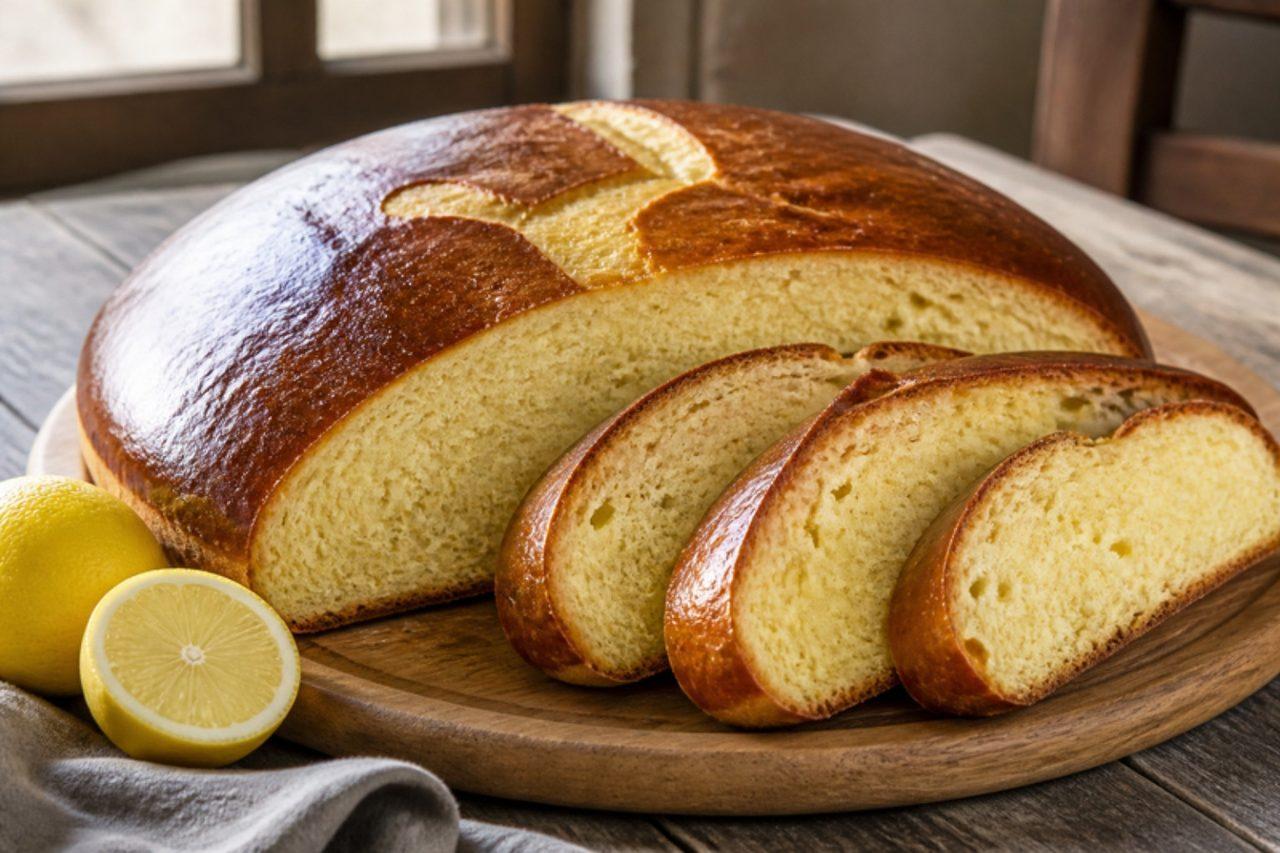
Massa sovadaSweet lemon bread

Sovar means to knead hard, and Azorean women once kneaded this rich bread dough for an hour by hand before Easter and the Holy Spirit feasts of early summer, when loaves are blessed and shared with the whole parish. The crumb is soft, golden and feathery, with a tight, dark shiny crust. Slices are eaten plain with coffee, toasted with butter, or used to soak up the juices of alcatra on Terceira. A common mistake is baking before the loaf has doubled, which gives a dense, cakey crumb. Chef's tip: give it a slow, full rise, which is what gives the bread its fine, cotton-soft crumb.

by KrazyBadal 0 views

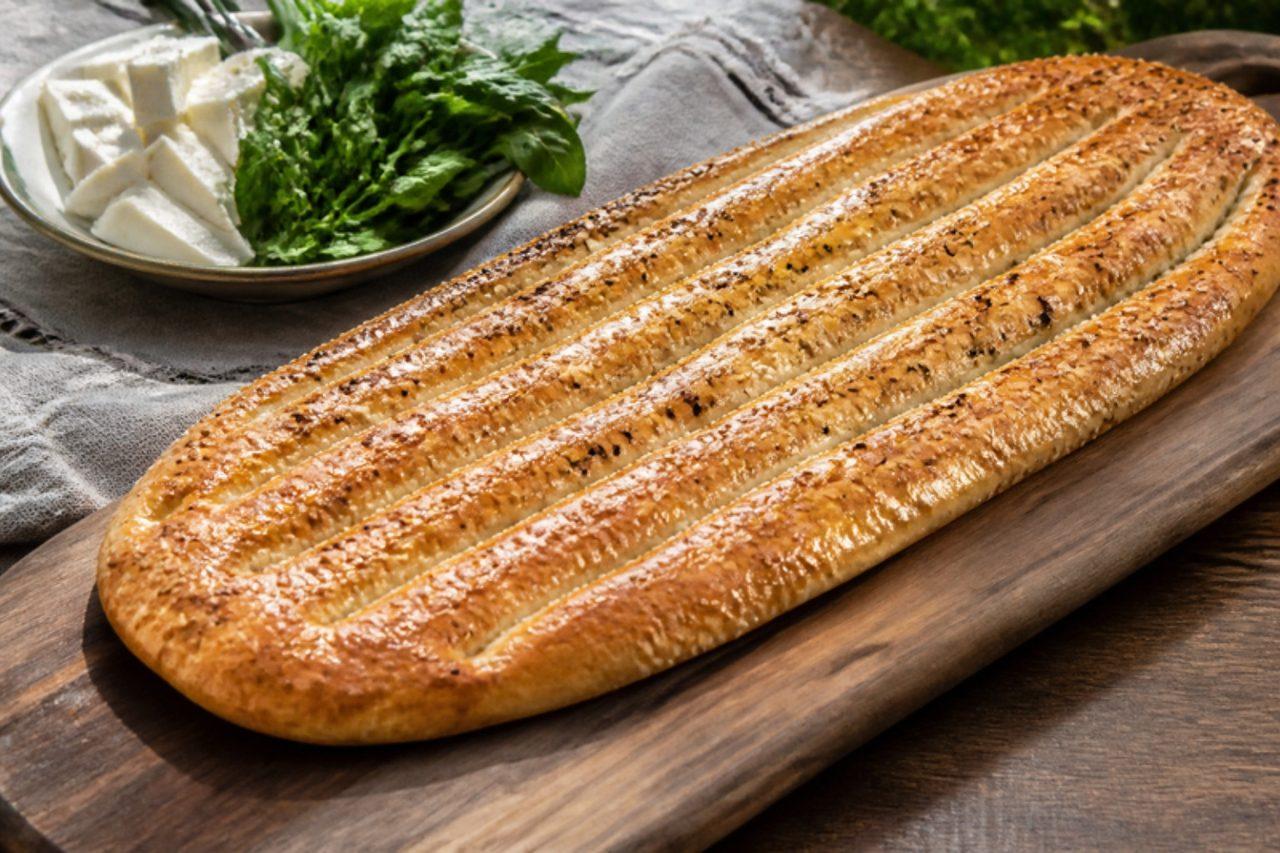
Nan-e barbariThick grooved flatbread

Barbari is Tehran and Tabriz's breakfast bread: a long, thick oval with deep lengthwise grooves, its top glazed golden-brown and scattered with sesame and nigella. Bakeries sell it hot from early morning, and it goes home to be torn and eaten with feta, walnuts, herbs, butter and jam or a glass of sweet tea. Its secret is the roomal, a quick paste of flour, baking soda and water brushed on before baking, which gives the shiny, crackly crust. The usual mistake is pressing the grooves too shallow, so they puff out in the oven and the bread loses its shape. Chef's tip: press your fingertips right down to the work surface when making the grooves, and don't worry if it looks too flat; it rises in the oven.

by KrazyBadal 0 views

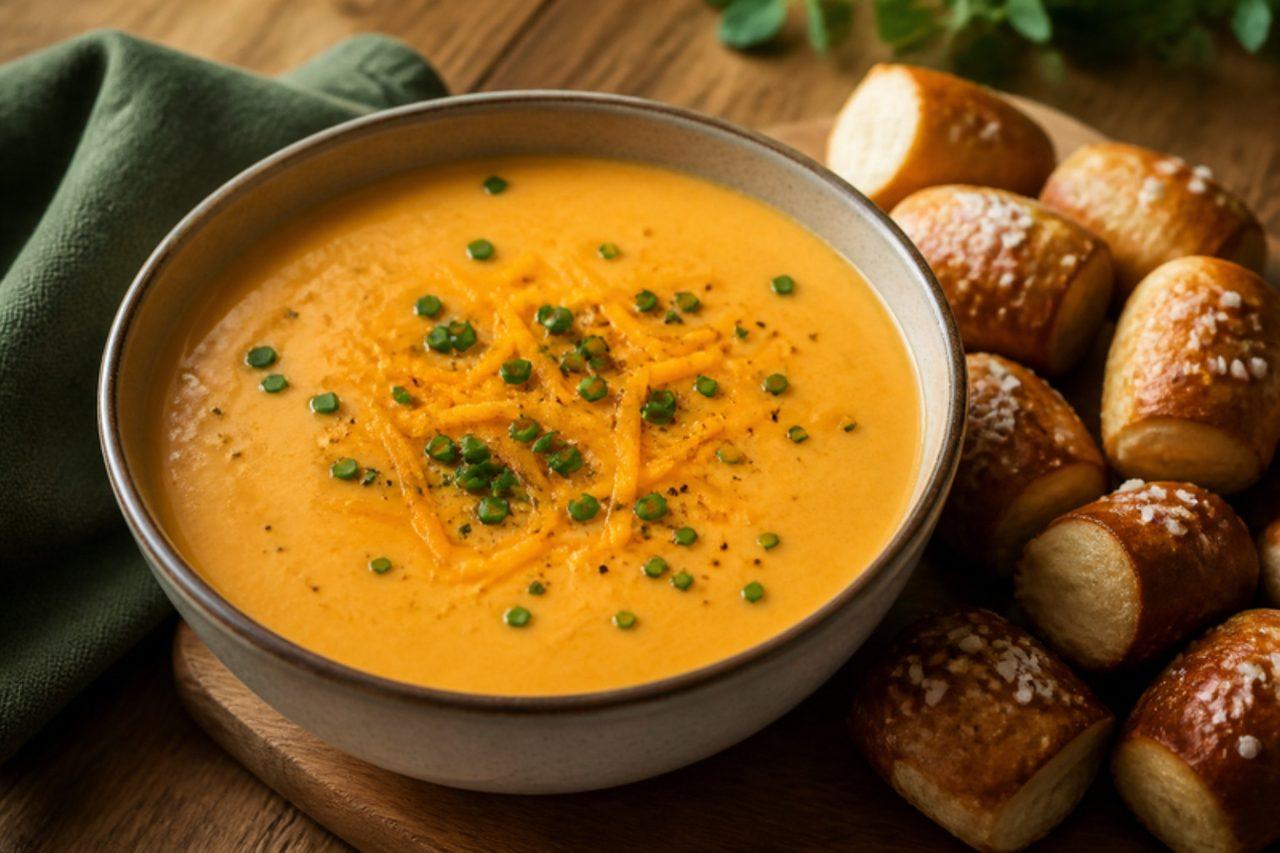
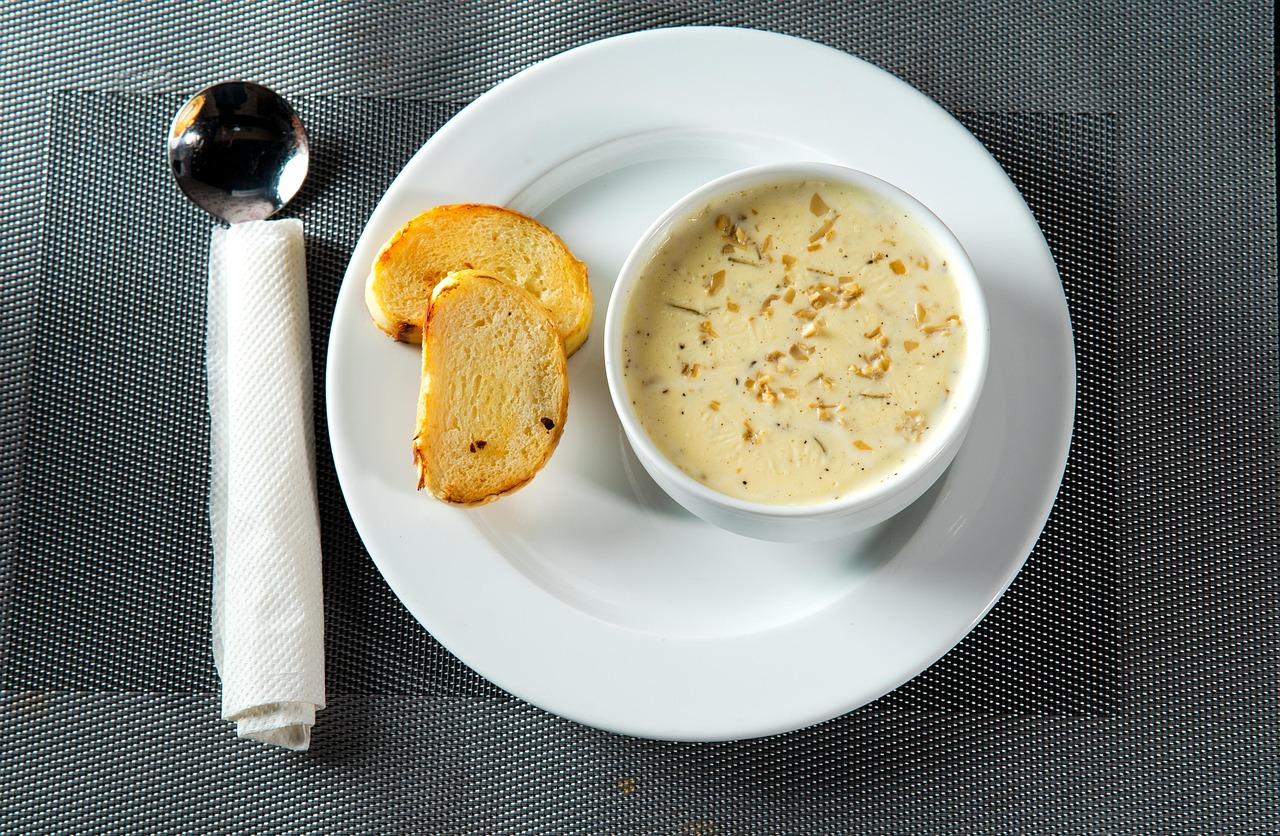
Wisconsin beer cheese soup

Beer cheese soup is a Wisconsin tavern and Packers game-day classic, made with the state's sharp cheddar and a local lager and served with soft pretzels or popcorn on top. It is thick, silky and tangy, with a little mustard and smoked paprika. It contains beer; most of the alcohol cooks off but not all, so for an alcohol-free version use alcohol-free lager or extra stock with 1 tsp cider vinegar. Aged cheddar is often made with animal rennet, so use a vegetarian cheddar. Chef's tip: add the cheese off the heat, a handful at a time, or it turns grainy.

by KrazyBadal 0 views

Mast-o musirYoghurt with wild shallots

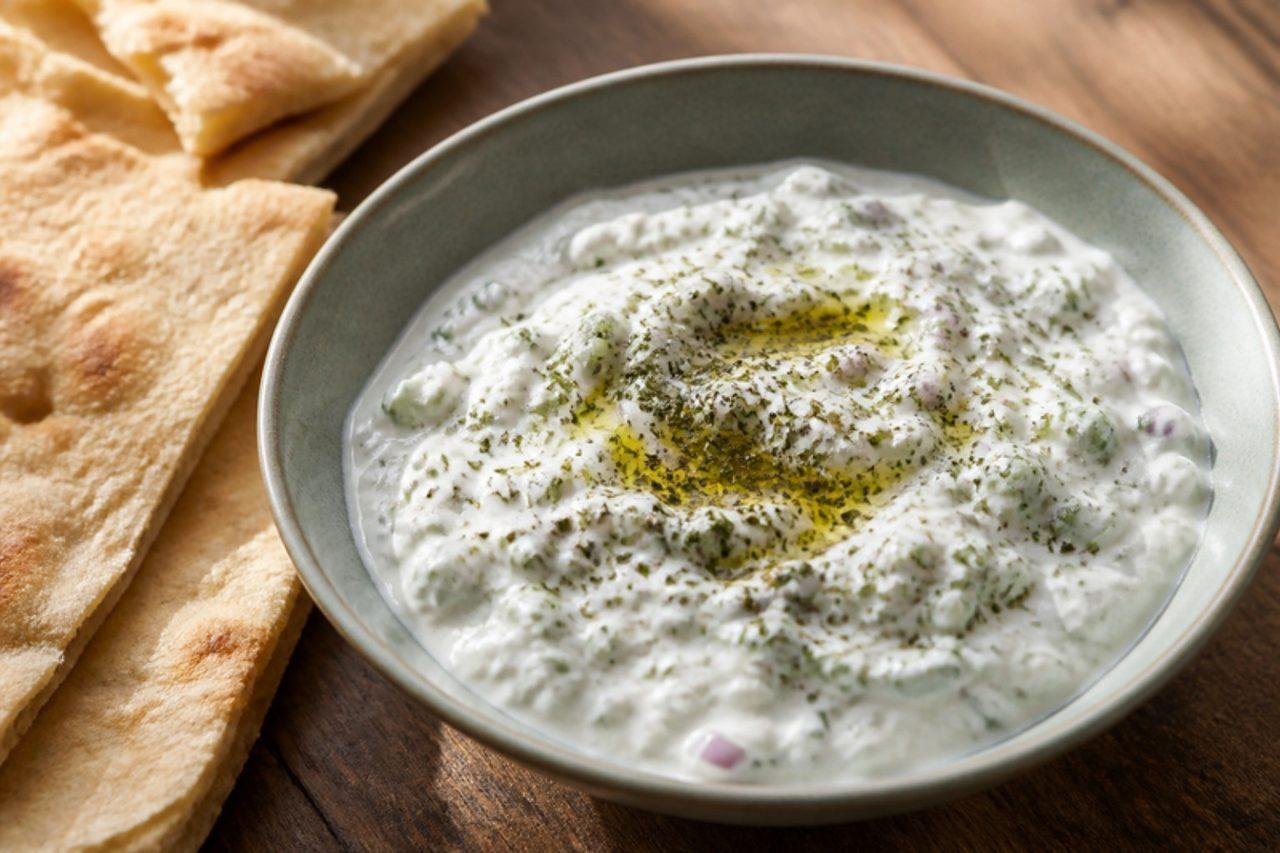
Every kebab house in Tehran puts a little bowl of mast-o musir on the table beside the chelow, and at home it sits next to Friday lunch the same way. Musir is a wild mountain shallot from the Zagros, sold dried in slices; once soaked it is mild, garlicky and faintly sweet, and it gives thick yogurt a sharp bite. The one mistake to avoid is skipping the long soak, which leaves the shallots tough and bitter. If you cannot find musir, see the swap in the steps. Chef's tip: make it a few hours ahead; the shallot flavour deepens as it sits in the fridge.

by KrazyBadal 0 views

MasteloClay-pot Easter lamb with dill

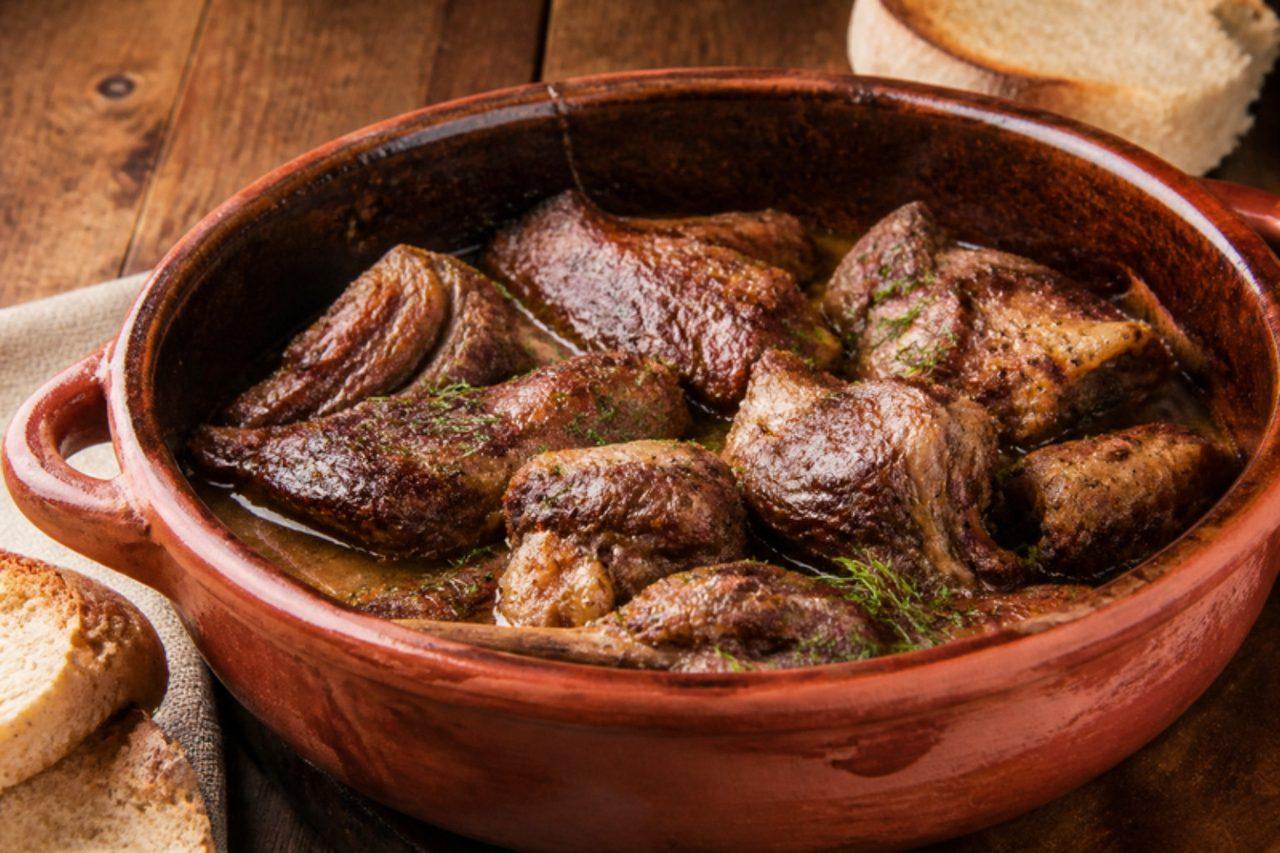
Sifnos is an island of potters, and its Easter dish is named after the deep clay pot it is cooked in: lamb or kid laid on a bed of vine prunings, splashed with red wine, scattered with dill and sealed in the baker's oven overnight. The meat steams in the wine and its own juices until it falls from the bone, smelling of dill and woodsmoke, and is served on Easter Sunday with potatoes and bread. This recipe uses red wine; for an alcohol-free version use red grape juice with 2 tablespoons of red wine vinegar. Common mistake: opening the pot to check, which lets the steam escape and dries the lamb. Chef's tip: if you can't get vine twigs, a few thick slices of onion or a small rack under the meat stops it sitting in the liquid.

230 minGreekMeatGluten free
by KrazyBadal 0 views

Texas potato and egg breakfast tacos

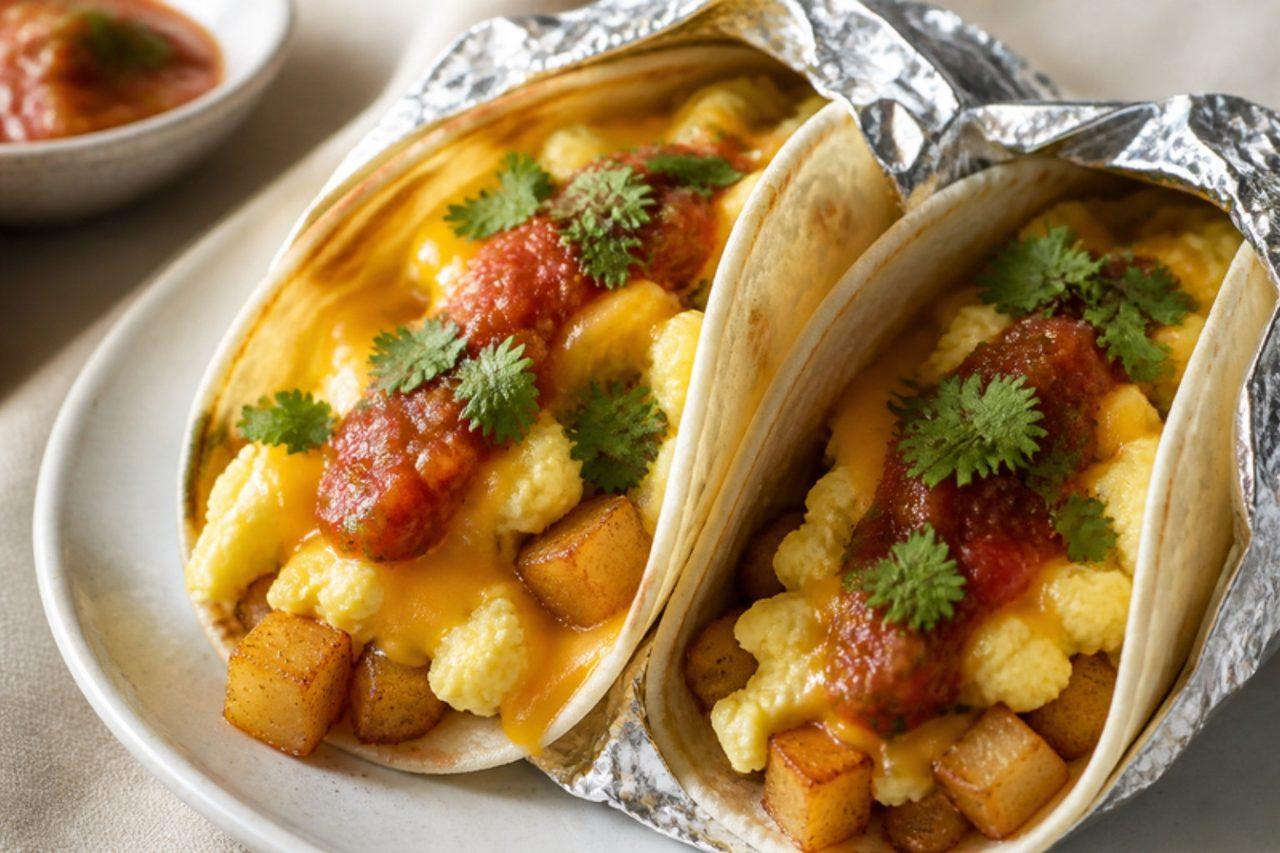
In Austin and San Antonio the breakfast taco is the morning commute: soft flour tortillas wrapped around fillings like crispy potato, scrambled egg and cheese, bought in foil from taquerías and petrol stations and eaten with salsa. Potato and egg is the classic meatless pairing. Chef's tip: fry the diced potatoes in one layer without stirring for the first few minutes so they get a real crust.

by KrazyBadal 0 views

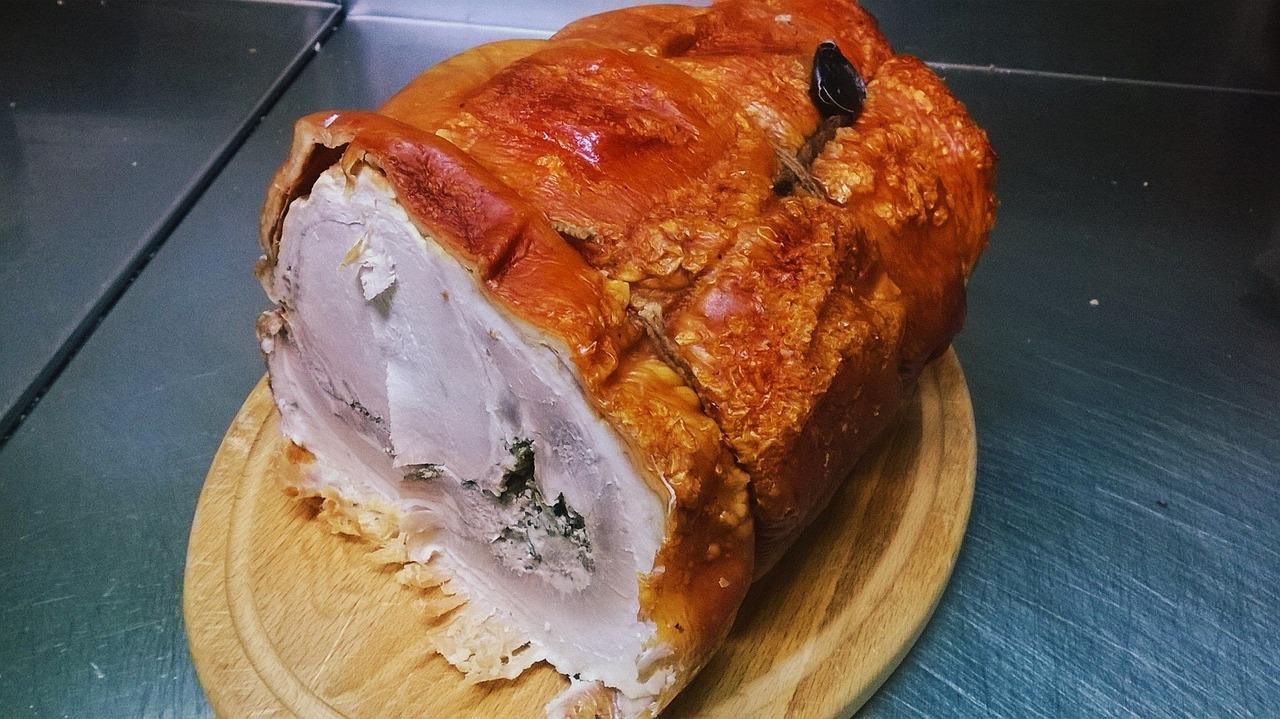
Mecklenburger RippenbratenApple and prune stuffed pork belly

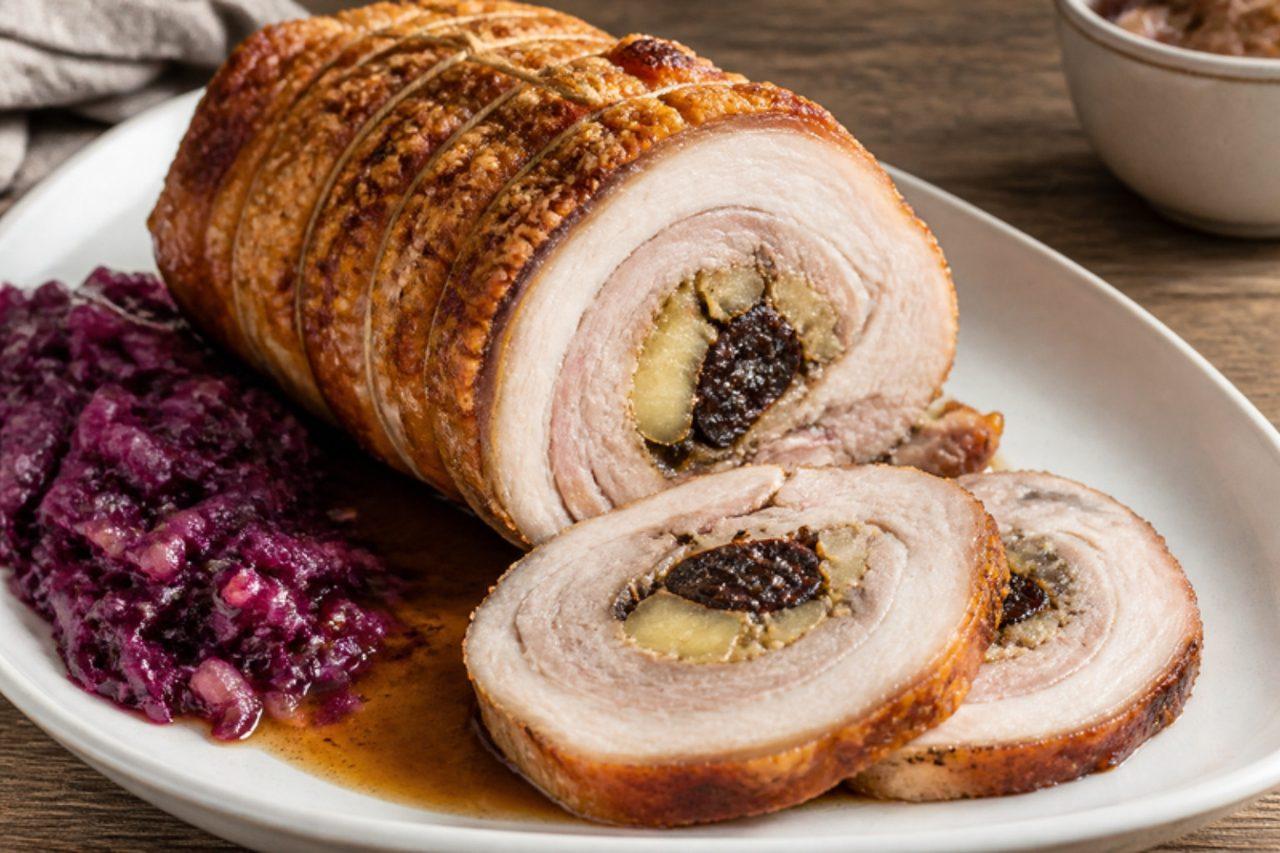
Mecklenburger Rippenbraten is the Christmas and Sunday roast of Mecklenburg on the Baltic coast, a flat piece of pork belly spread with apple and prunes, rolled, tied and roasted until the skin crackles. The fruit melts into the meat and turns the pan juices into a sweet, dark gravy, served with red cabbage and boiled potatoes. The prunes are sometimes soaked in rum; here they are soaked in apple juice, so the dish is alcohol-free. Chef's tip: dry the scored skin uncovered in the fridge overnight; dry skin is what puffs into crackling.

180 minGermanMeatGluten free
by KrazyBadal 0 views

MatafanThick potato pancake

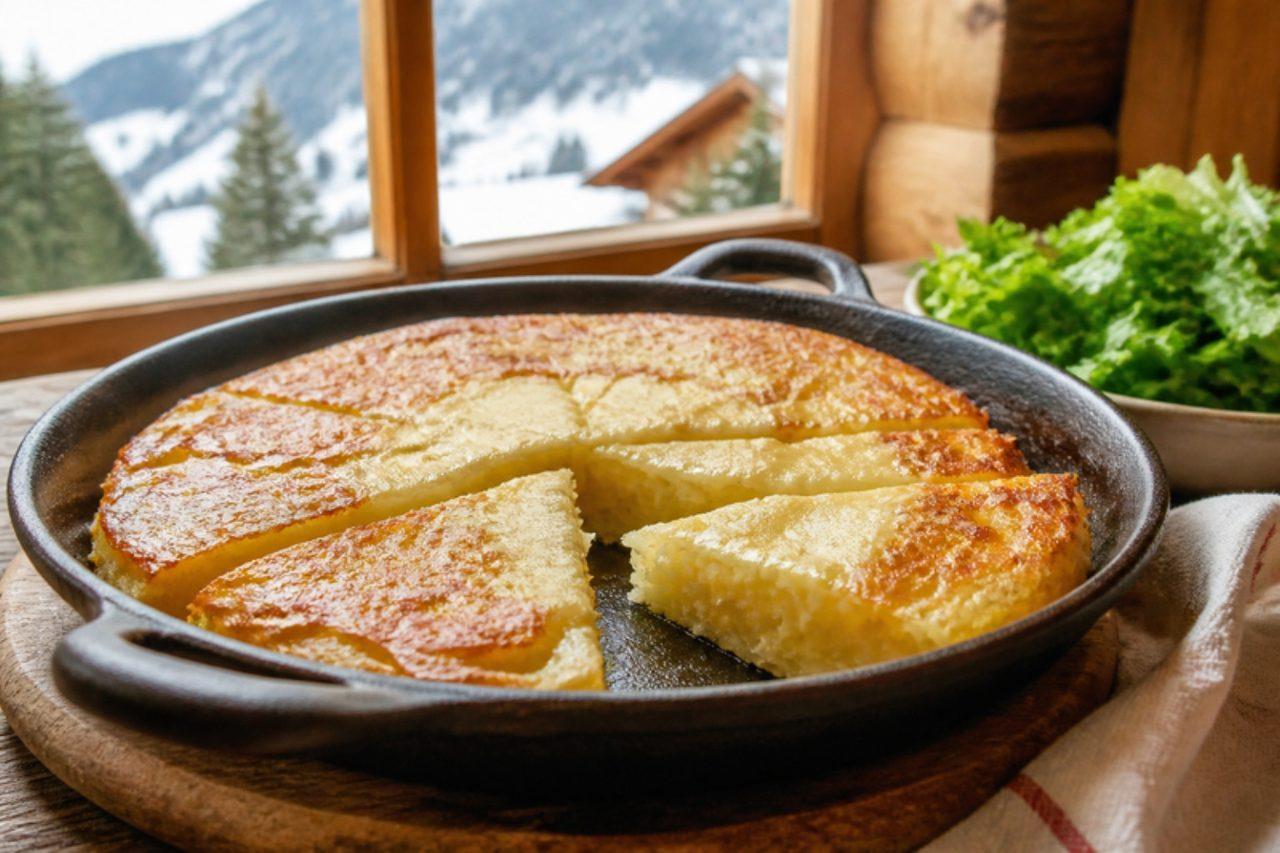
The name is said to come from 'mate faim', 'kills hunger', and that is what this thick pancake did for farmers in the Savoie and Bauges mountains, who ate it for breakfast before a day in the fields or the high pastures. Every valley makes it differently; this version is a golden cake of grated potato, egg and a little milk, cooked slowly in butter and finished with Beaufort, served cut into wedges with a green salad or a fried egg. Beaufort is made with animal rennet; a vegetarian mountain-style cheese works too, or leave it out and serve the matafan with jam for a sweet version. Chef's tip: squeeze the grated potato really hard in a tea towel; the drier it is, the crisper the crust.

by KrazyBadal 0 views

Matambre a la pizzaFlank steak with tomato and mozzarella

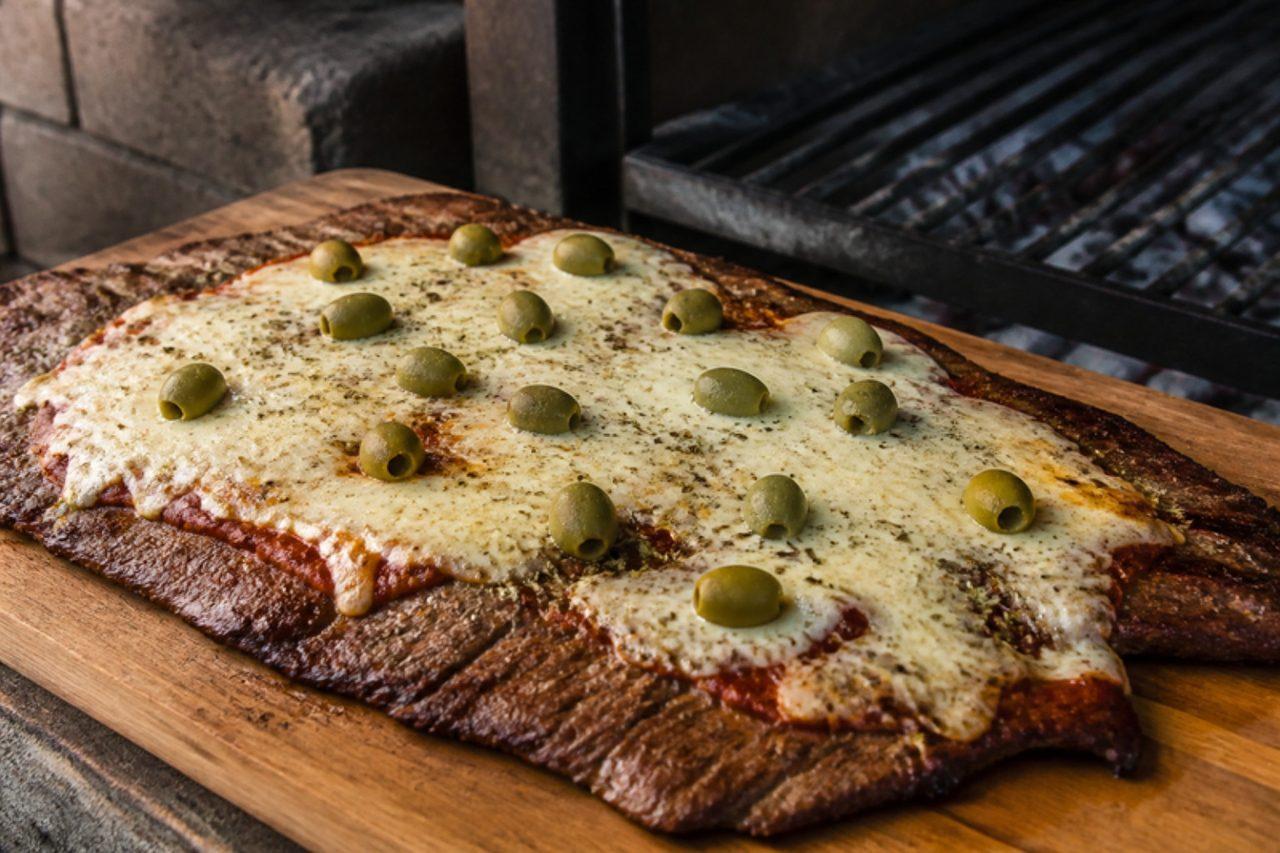
Weekend asados around Buenos Aires usually end with a show-off dish from the grill, and matambre a la pizza is the one that makes children cheer: a whole sheet of matambre (the thin flank cut that sits under the skin) cooked slowly until tender, flipped, then spread with tomato sauce, oregano and mozzarella and left on the grill until the cheese bubbles. Parrillas in the suburbs sell it cut into squares. Many cooks first simmer the meat in milk, which keeps the lean cut juicy and soft; that is the method here, finished under a hot grill or in the oven if you have no barbecue. Matambre is eaten well done and tender rather than pink. The usual mistake is grilling it straight away like a steak, which leaves it leathery: slow cooking first is what makes it tender. Chef's tip: score the membrane on the fatty side in a criss-cross before cooking, so the sheet stays flat instead of curling up when it hits the heat.

by KrazyBadal 0 views

Matambre arrolladoRolled stuffed flank steak

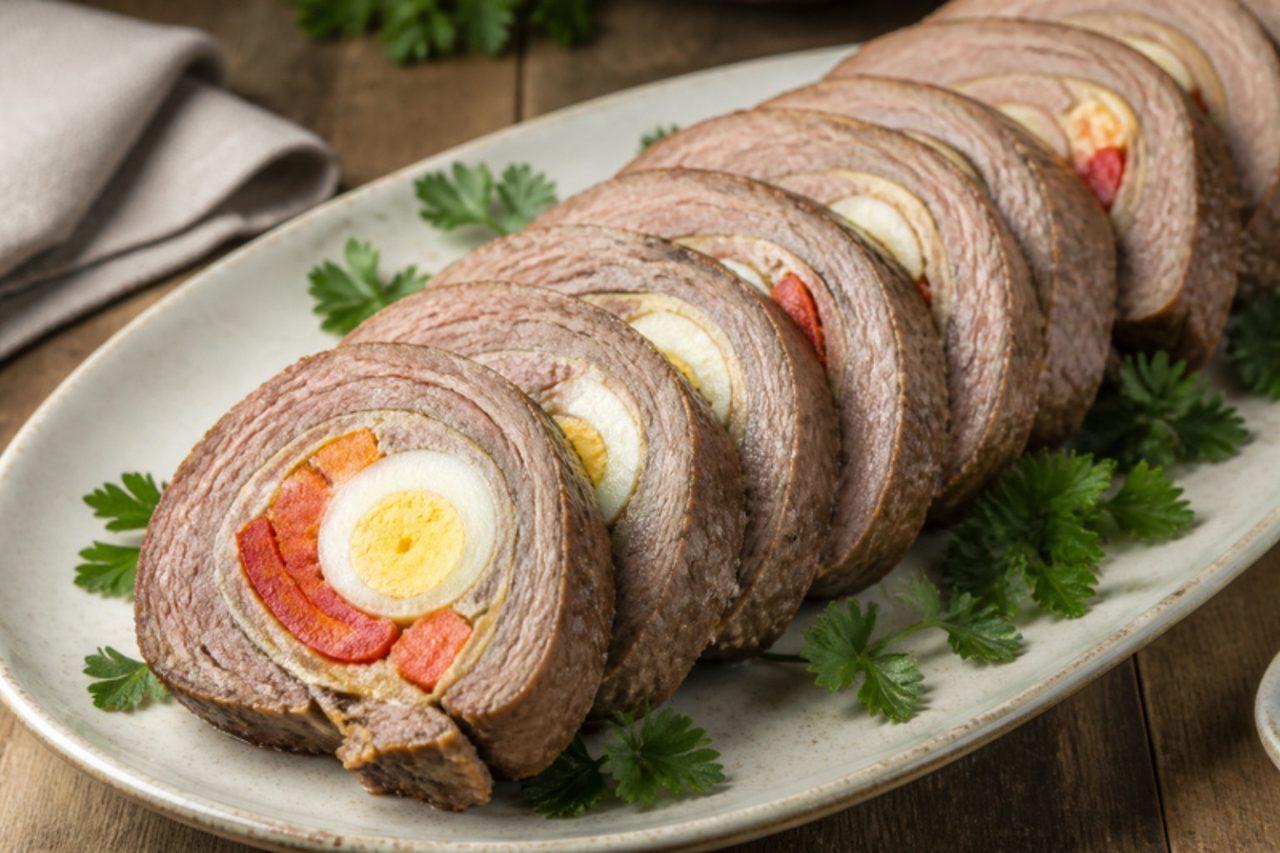
Christmas and New Year in Argentina fall in high summer, so the festive table is crowded with cold dishes, and matambre arrollado is the one that draws a crowd: a thin sheet of beef from between the ribs and skin (matambre, the rose or flank cut), spread with garlic and parsley, layered with hard-boiled egg, carrot and red pepper, rolled into a fat sausage, poached and pressed. Rotiserías in the Buenos Aires suburbs sell it by the slice, and each round shows a mosaic of colours. Served cold with Russian salad and a sharp chimichurri, it is tender and savoury. Because the outside of the meat ends up rolled inside, cook it to a core temperature of 71 °C, as for minced meat. The usual mistake is slicing it warm: it falls apart, so press it under a weight in the fridge overnight. If you can't find matambre, ask the butcher for a thin flank steak butterflied to 1 cm. Chef's tip: lay the meat with the grain running along the roll, so each slice cuts across the fibres and stays tender.

by KrazyBadal 0 views

Pan de arrozRice flour cheese rings

Coffee in Arauca or Casanare rarely comes alone: there is usually a basket of pan de arroz, small golden rings made from rice flour and grated salty cheese, sold at roadside stalls, bakeries and village fiestas across the plains. They bake crisp on the outside and soft, slightly chewy and cheesy within, a cousin of pandebono but lighter and more crumbly. Eat them warm with a cup of tinto or hot chocolate in the afternoon. The cheese on the plains is queso llanero, a firm, salty farm cheese; mix feta-style cheese with a little mozzarella if you cannot find it, and as both are usually made with animal rennet, choose vegetarian (microbial-rennet) ones. The mistake that causes trouble is coarse, lumpy cheese, which makes the dough crack as you shape it; crumble or grate it very finely. Chef's tip: rest the dough for 10 minutes before shaping so the rice flour hydrates and the rings close without splitting.

by KrazyBadal 0 views

RanfañoteToasted bread dessert in spiced syrup

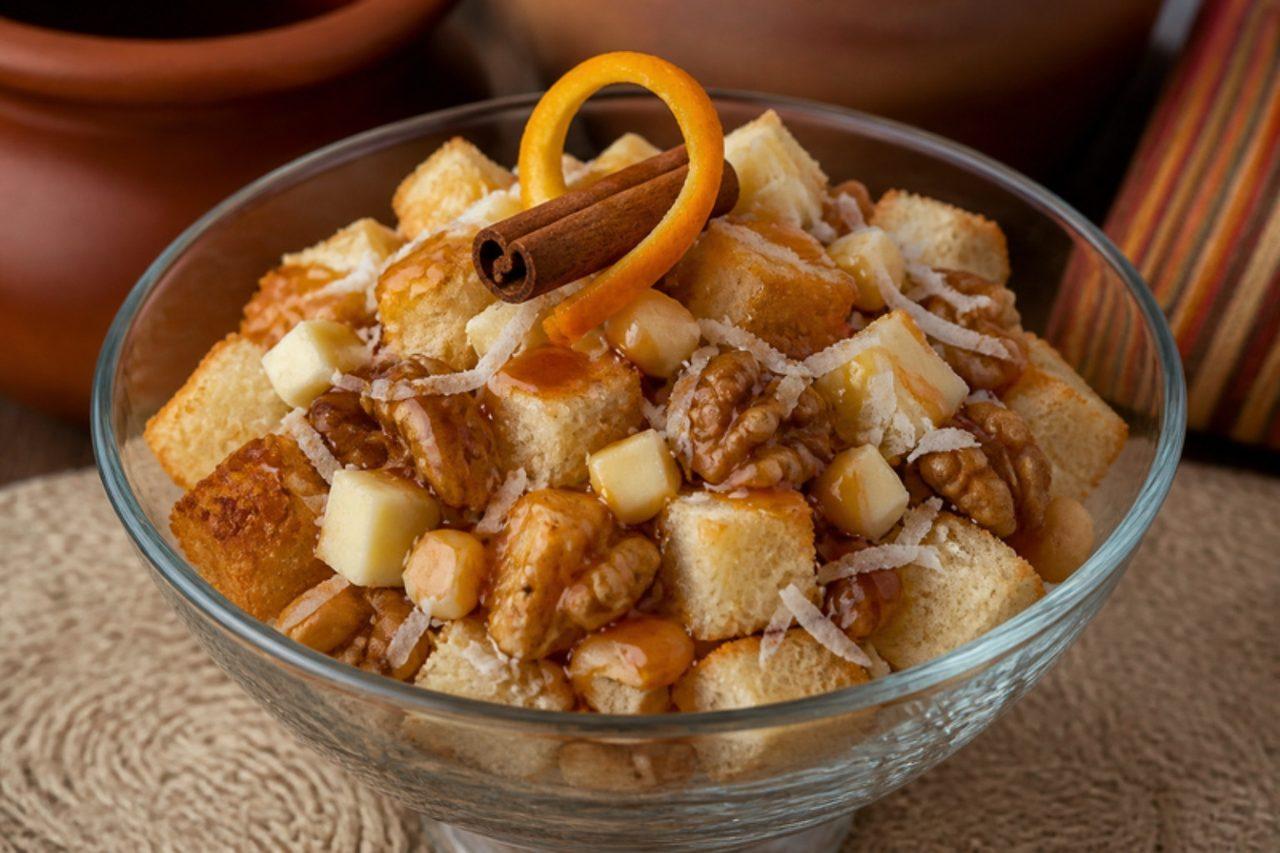
Made from leftovers in colonial Lima by Afro-Peruvian cooks, ranfañote is one of the city's oldest sweets and turns up today at criollo food fairs and at old-style dessert stalls in Barrios Altos. Cubes of day-old bread are toasted crisp, then layered with walnuts, coconut, raisins and little cubes of fresh cheese and drenched in a thick chancaca syrup scented with cinnamon, clove and orange peel. The cheese is not a typo: its saltiness cuts the syrup, and the contrast of crunchy bread, chewy fruit and soft cheese is the point. It is eaten warm or at room temperature on its own. The common error is pouring thin syrup over the bread, which drowns it; the syrup should be thick like honey. Queso fresco is generally made with animal rennet, so choose a vegetarian fresh cheese if you need to. Chef's tip: toast the bread in the oven rather than frying it; it stays crisp longer under the syrup and is less greasy.

by KrazyBadal 0 views

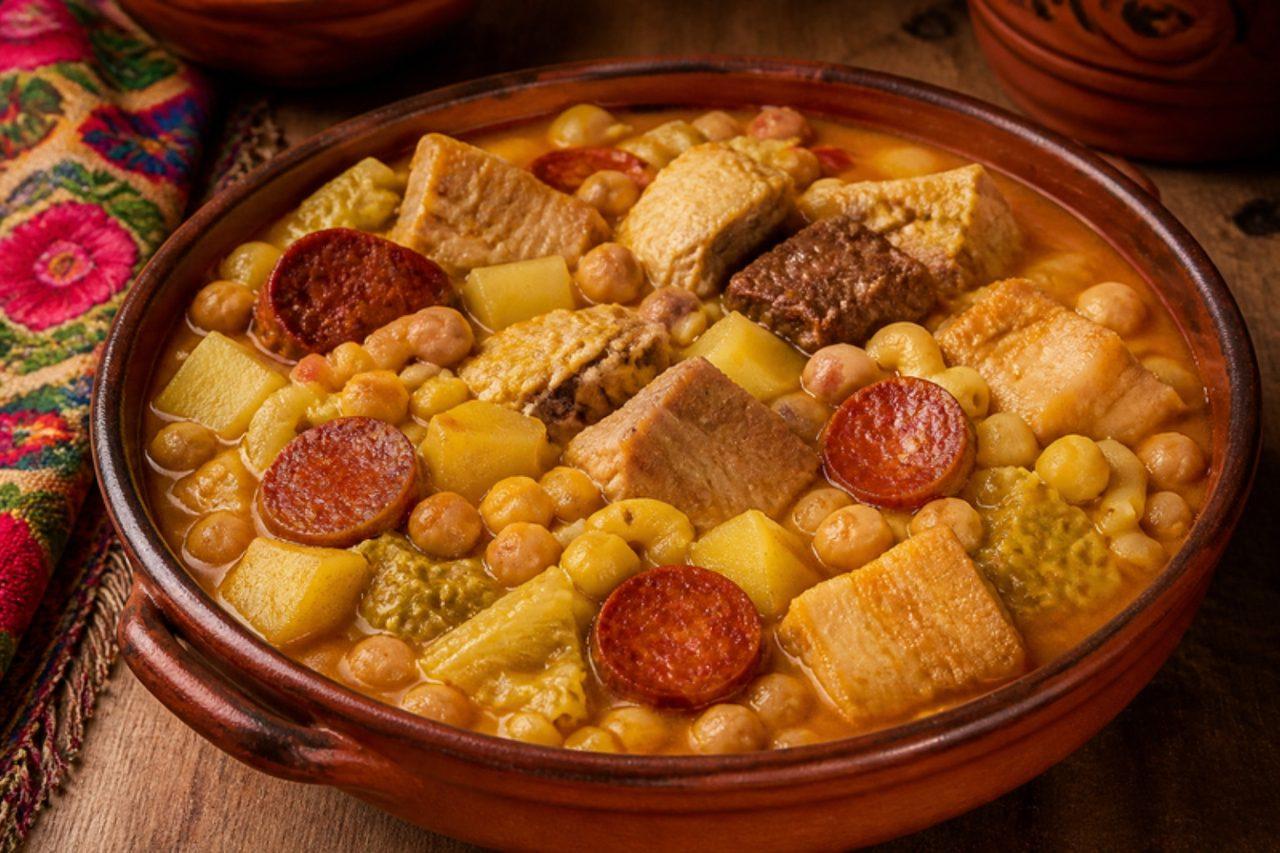
Rancho à minhotaChickpea, meat and macaroni stew

Rancho was the food of farmhands at harvest time around Viana do Castelo: one huge pot of chickpeas, beef, pork, chicken and chouriço, with cabbage, potatoes and short macaroni cooked in the broth to stretch it further. It is now a winter favourite in family restaurants, eaten from deep plates with plenty of the cooking liquid. This contains pork (pork belly and chouriço). Chef's tip: add the pasta only ten minutes before serving and keep the stew loose, as the macaroni soaks up broth fast.

by KrazyBadal 0 views

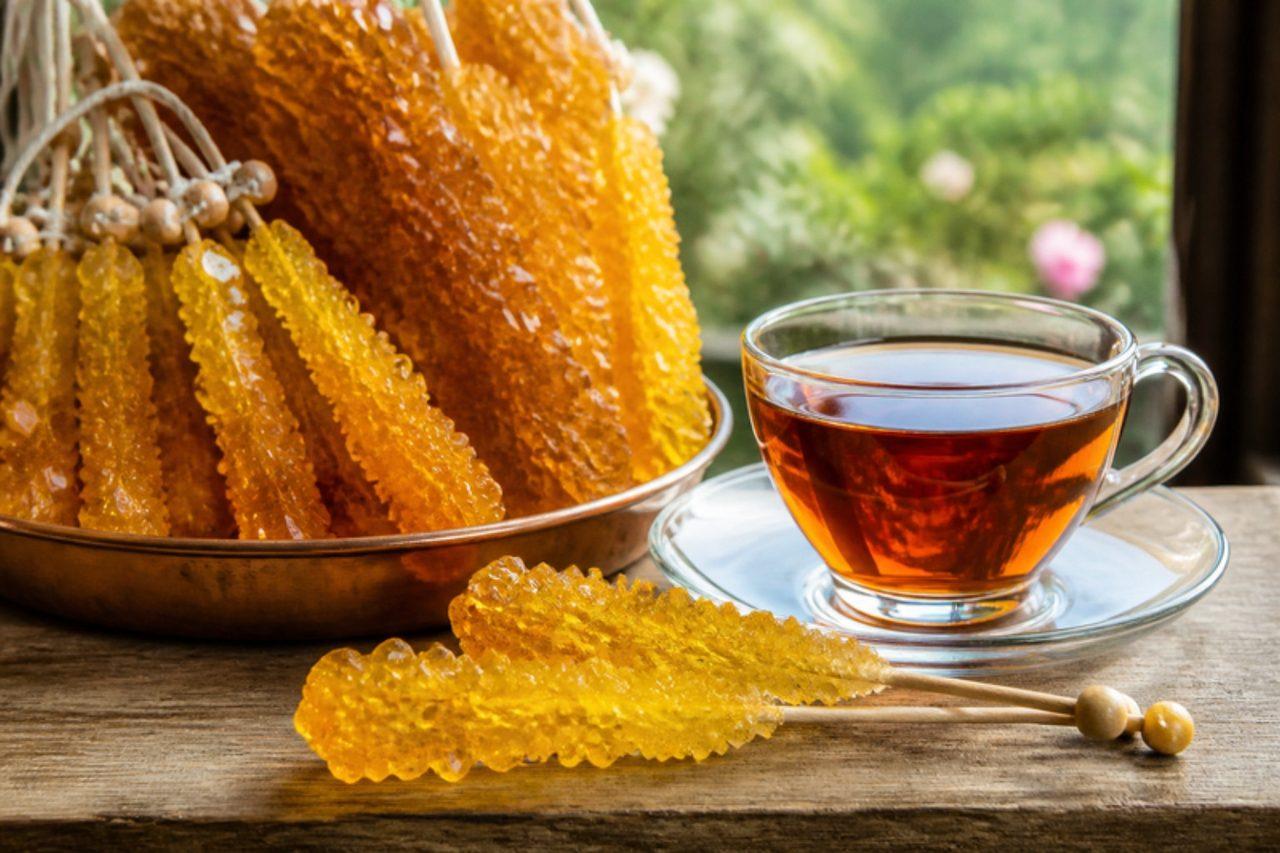
NabatSaffron rock sugar crystals

Golden saffron nabat on a stick is the souvenir pilgrims bring back from Mashhad, and across Iran a stick of it is stirred into hot tea for an upset stomach, after a fright or simply instead of a sugar cube. The crystals grow slowly on cotton strings in a saturated syrup over two or three days, and making it at home is a pleasant, slow kitchen project. A common mistake is moving or knocking the jar: every jolt sets off fine sugar grit instead of big crystals. Chef's tip: roll the wet strings in a little sugar and let them dry before hanging them; the seed crystals give the new ones something to grow on.

by KrazyBadal 0 views

Mate com limãoIced mate with lime

On Copacabana and Ipanema, vendors in orange uniforms trudge across the hot sand carrying two metal barrels, one of iced mate tea and one of limonada, shouting 'mate, limão!' and mixing the two in a plastic cup for each customer. The tea is chá mate tostado, roasted yerba mate leaves brewed like ordinary tea, with a smoky, toasty taste; with sweet lime lemonade it becomes the definitive carioca beach drink, cold, tangy and gently caffeinated. Toasted mate is sold loose or in tea bags in Brazilian shops; green yerba mate gives a grassier result. Squeezing the limes too hard, or blending them whole, is the usual pitfall, because the white pith turns the lemonade bitter. Chef's tip: brew the tea strong and chill it completely before mixing, so the ice does not dilute it.

by KrazyBadal 0 views

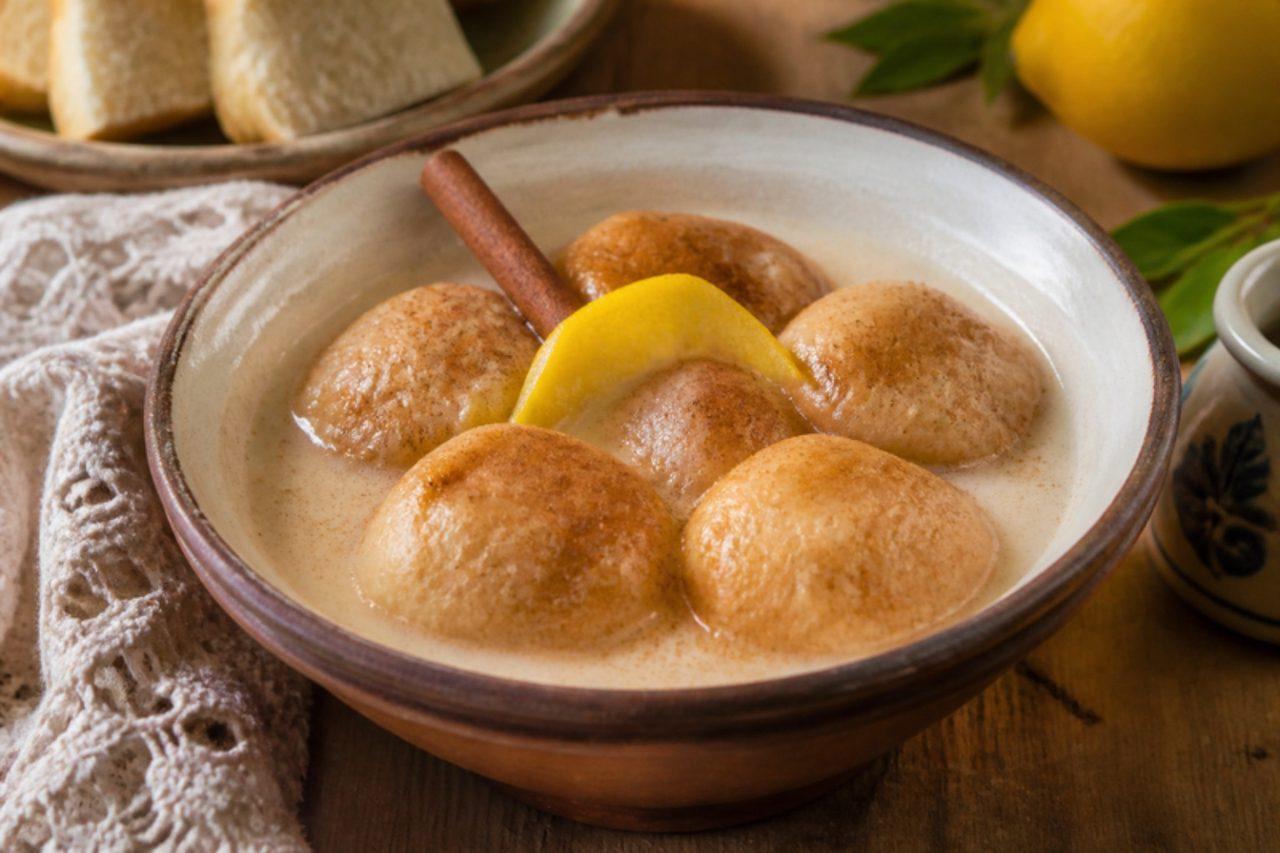
RepápalosBread fritters in sweet milk

Repápalos belong to the kitchens of Extremaduran villages, where nothing was wasted: stale bread crumbs are mixed with egg into small dumplings, fried until golden, then simmered in milk scented with cinnamon and lemon until they swell and soften. They turn up at Easter and in Lent, and on winter afternoons when there was bread to use up, and they are eaten warm or cold from a deep dish with plenty of the sweet milk. Chef's tip: use bread that is at least two days old; fresh bread makes heavy, doughy fritters.

by KrazyBadal 0 views

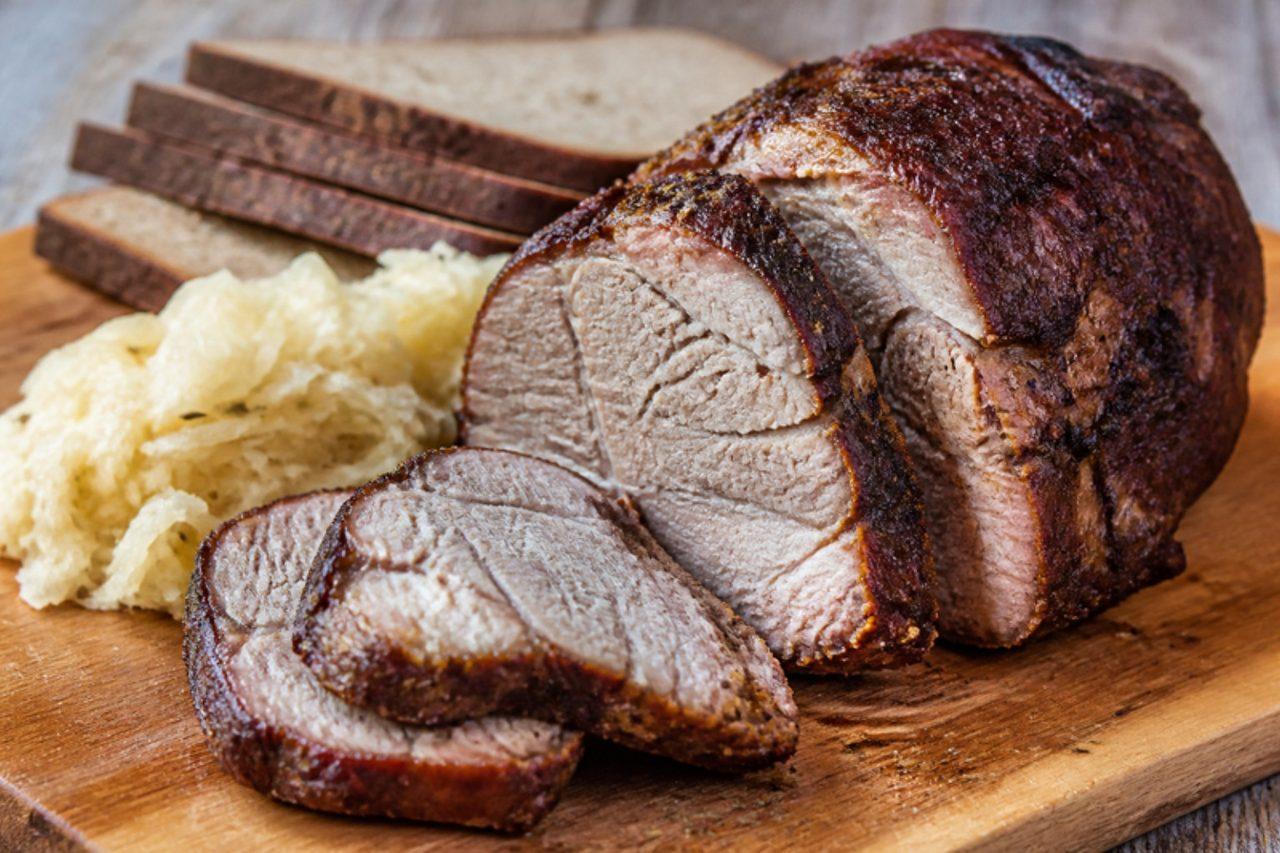
MutzbratenMarjoram roast pork shoulder

Mutzbraten is the fairground roast of eastern Thuringia, from Schmölln and the Altenburg area, where big chunks of pork shoulder are rubbed with salt, pepper and lots of marjoram, threaded on skewers and hung in an iron cage over a birch-wood fire. It is sold sliced with sauerkraut and a slice of rye bread at markets and village festivals. At home a lidded kettle barbecue with birch or other mild wood chips gives a close result; an oven version is in the steps. Chef's tip: marinate overnight, as the marjoram needs time to work its way into the meat.

170 minGermanMeatGluten free
by KrazyBadal 0 views

PonchaSugarcane spirit with honey and lemon

In the fishing village of Câmara de Lobos, poncha is made to order at the bar counter: sugarcane spirit, honey and freshly squeezed lemon, whipped together with a wooden stick called a mexelote until frothy. Fishermen once drank it to keep warm at sea; now it goes round at every Madeiran festa. The traditional drink contains alcohol and is strong, so it is for adults only; the alcohol-free version swaps the spirit for chilled water, which turns it into a sharp, honeyed lemonade anyone can drink. Chef's tip: dissolve the honey in the lemon juice before adding the spirit or water, or it sinks to the bottom in a sticky lump.

by KrazyBadal 0 views

New England corn chowder

When the sweetcorn stands in late summer at farm stands from Maine to Connecticut, corn chowder is what goes on the stove. It is a milky, chunky soup of corn, potato and onion, thickened by simmering the stripped cobs in the stock. Many cooks start it with salt pork; this vegetarian version gets its depth from butter, smoked paprika and the cob stock instead. Chef's tip: scrape the bare cobs with the back of a knife to get the sweet corn 'milk' into the pot.

by KrazyBadal 0 views

Fried apple hand pies

Fried pies are a staple of Appalachian bake sales, country stores and Grand Ole Opry-era lunch pails across Tennessee, Kentucky and north Georgia, made from apples dried on the porch roof in autumn. The rich filling of stewed dried apple is folded into rounds of tender pastry, crimped with a fork and fried crisp in a skillet. Chef's tip: let the filling go completely cold and use only a heaped tablespoon; overfilled pies burst in the pan.

by KrazyBadal 0 views

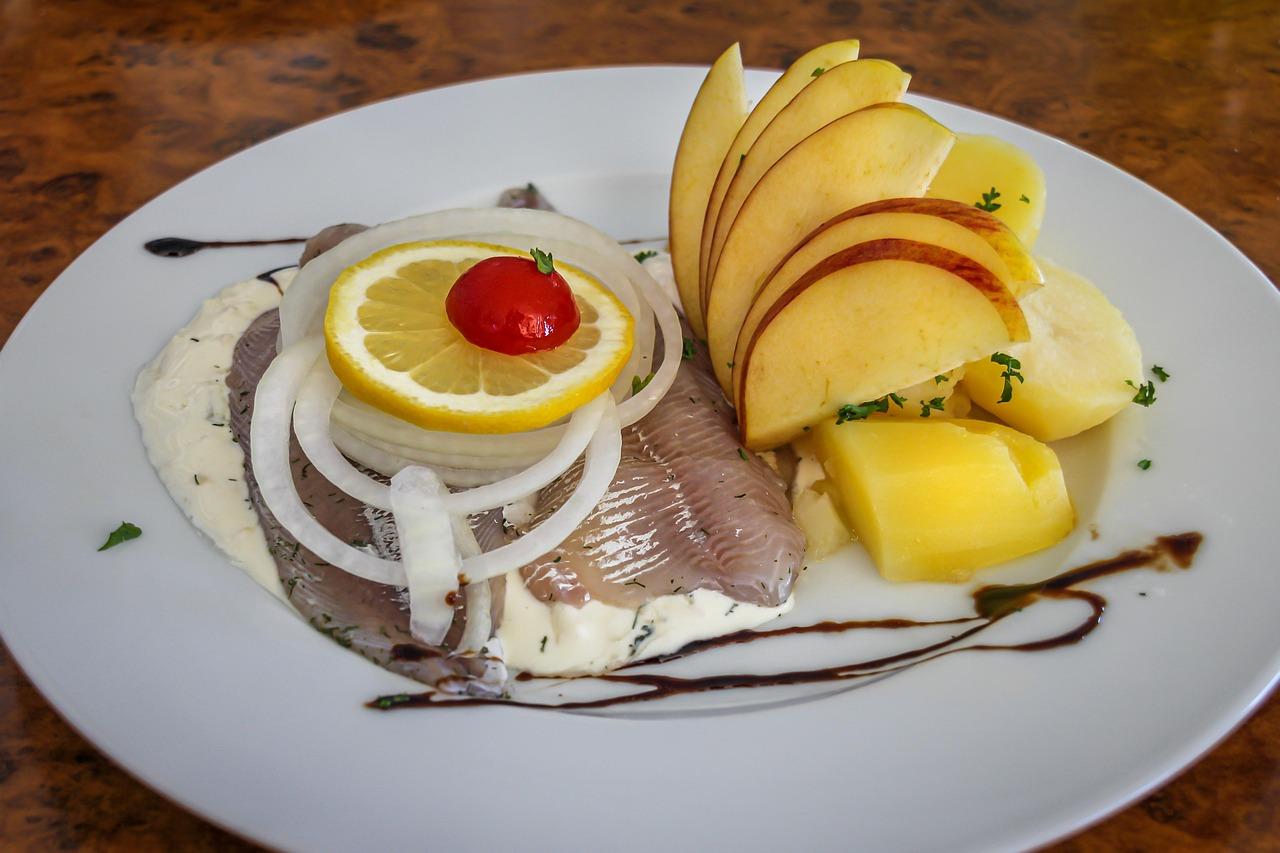
Matjes HausfrauenartHerring in apple cream sauce

Matjes nach Hausfrauenart, 'housewife's matjes', is the early-summer plate of northern Germany, eaten when the new season's young herring arrives in June, from Glückstadt on the Elbe to the cafés of Emden. Mild, buttery matjes fillets are covered in a cool sauce of sour cream and yoghurt with crisp apple, onion and gherkin, and served with hot boiled new potatoes in their skins and sometimes green beans. Matjes is cured raw herring, so buy commercially prepared, previously frozen fillets from the chilled counter and keep them cold; it is not for pregnant women, young children or anyone with a weakened immune system. Chef's tip: make the sauce first and let it chill for 20 minutes so the apple and onion flavour it before the fish goes in.

30 minGermanFishGluten free
by KrazyBadal 0 views

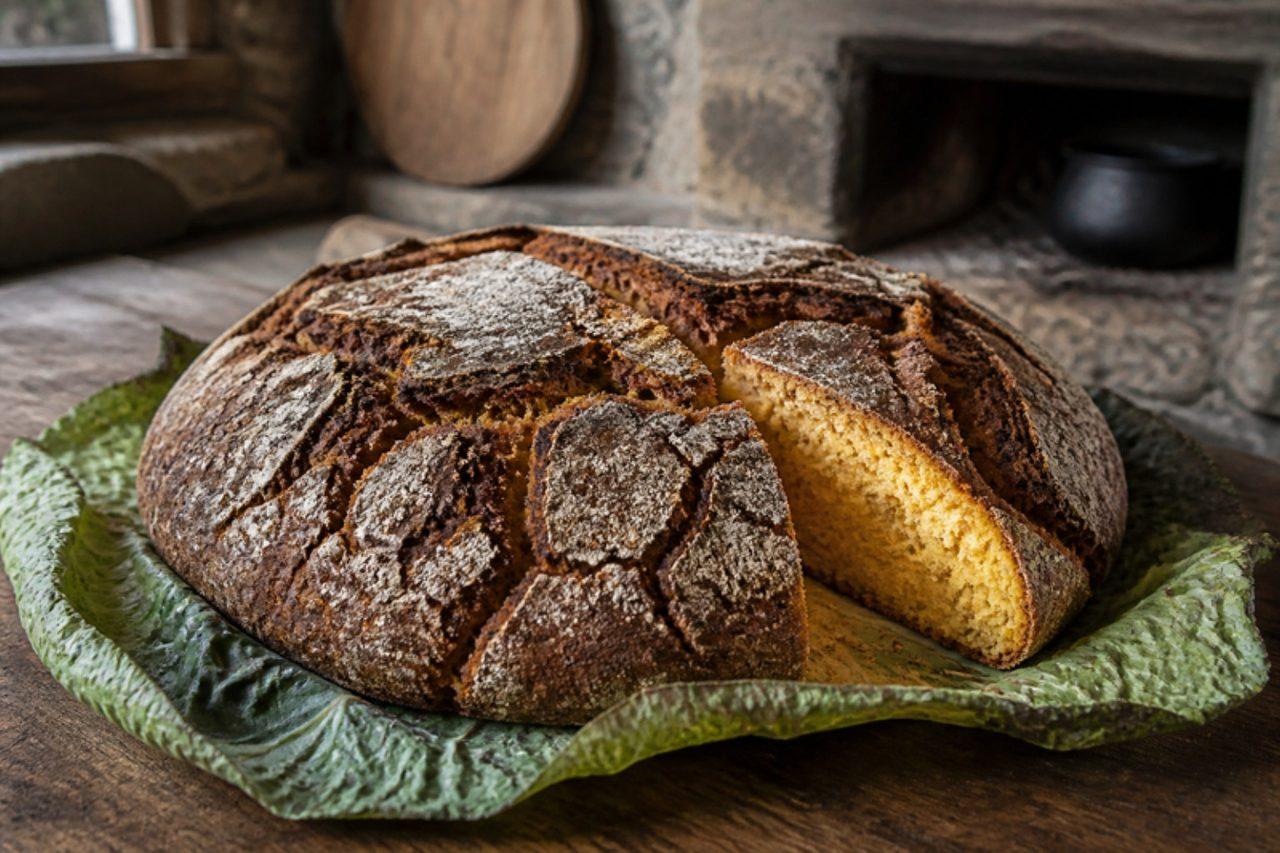
Pan de milloGalician cornbread

In the inland villages of Lugo and Ourense, and in the Deza area of Pontevedra, pan de millo, also called broa, was the everyday bread before wheat became common, baked in wood ovens and sometimes on a cabbage leaf. It is heavy, moist and slightly sweet inside, with a thick, cracked crust, and it is eaten with caldo, cheese or simply olive oil. Maize flour has no gluten of its own, so this version mixes in some wheat flour to help it rise; it is vegan. A common mistake is expecting a light loaf: it should feel heavy and close-textured. Chef's tip: scald the maize flour with boiling water first, which makes the crumb tender and stops it crumbling.

by KrazyBadal 0 views

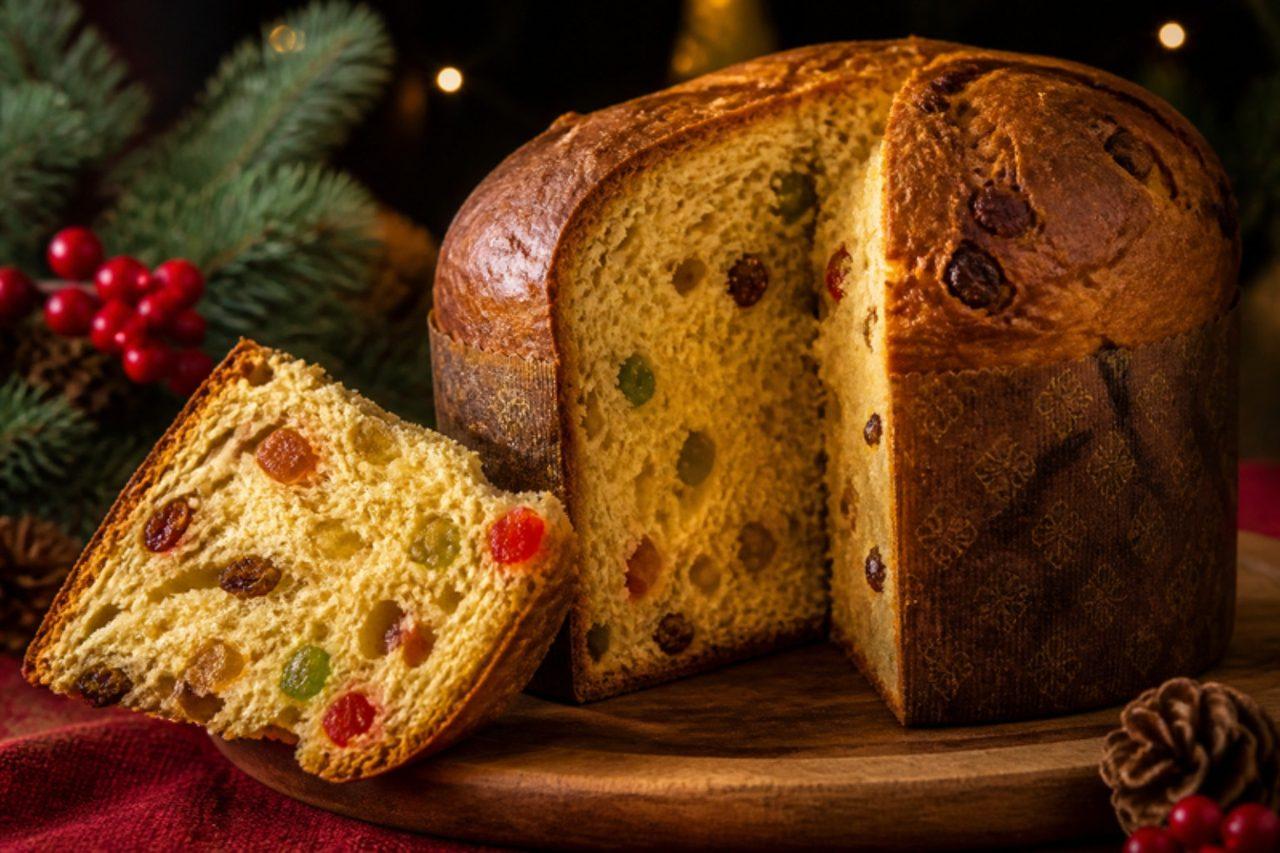
Pan dulceChristmas fruit bread

No Argentine Christmas Eve table is complete without a pan dulce, set out at midnight with turrón, nuts and a cold cider for the adults. The bread is the River Plate take on Genoese pandolce and Milanese panettone: a tall, buttery yeast dough scented with orange blossom and lemon, packed with candied fruit, raisins and walnuts. The crumb is closer and moister than panettone, and it keeps for a week wrapped in a cloth. Allow a long day, as the dough has a sponge and two rises. Some bakers soak the fruit in rum or sweet wine; here it is soaked in orange juice, so the bread is alcohol-free. People often add the fruit at the start of kneading, which shreds the gluten and gives a heavy, sunken loaf; work it in only once the dough is silky. Chef's tip: bake it in a tall paper mould or a 16 cm tin lined with a collar of baking paper, and turn it upside down onto a rack for the first 20 minutes of cooling so the top does not sink.

by KrazyBadal 0 views

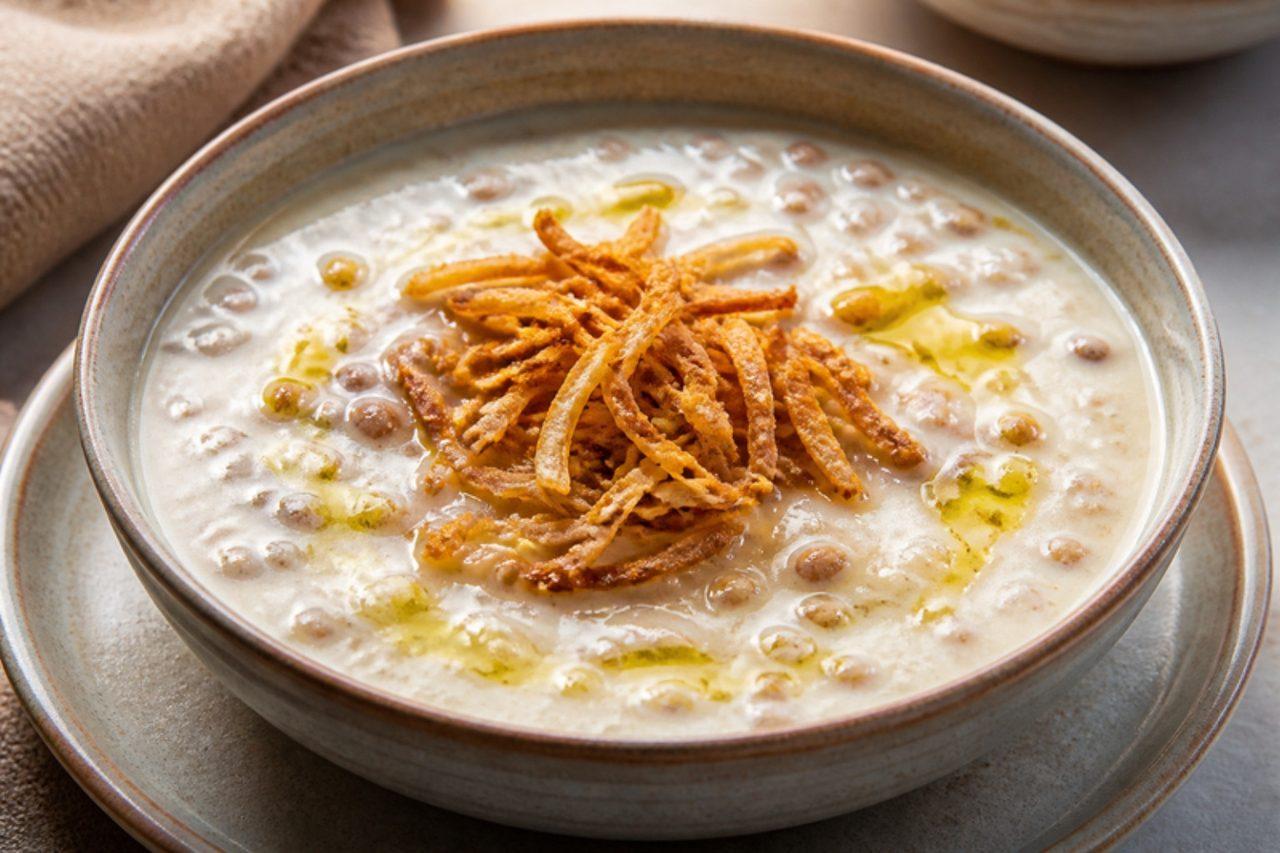
RashoofLentil and cracked wheat yoghurt soup

In the stone villages around Karak and Tafileh, rashoof is what simmers on cold, wet evenings: brown lentils and coarse bulgur cooked soft, then enriched with jameed, the dried salted yoghurt that is also the soul of mansaf. The result is thick, sour and comforting, almost a porridge, finished with a heap of onions fried golden in samneh. Jameed is sold in hard balls or as a liquid in Middle Eastern shops; thick strained yoghurt with a little extra salt makes a fine stand-in. The classic mistake is letting the soup boil hard once the yoghurt goes in, which makes it split into grainy curds. Chef's tip: temper the yoghurt with a ladle of hot soup first and stir in one direction over a low heat; it stays silky.

by KrazyBadal 0 views

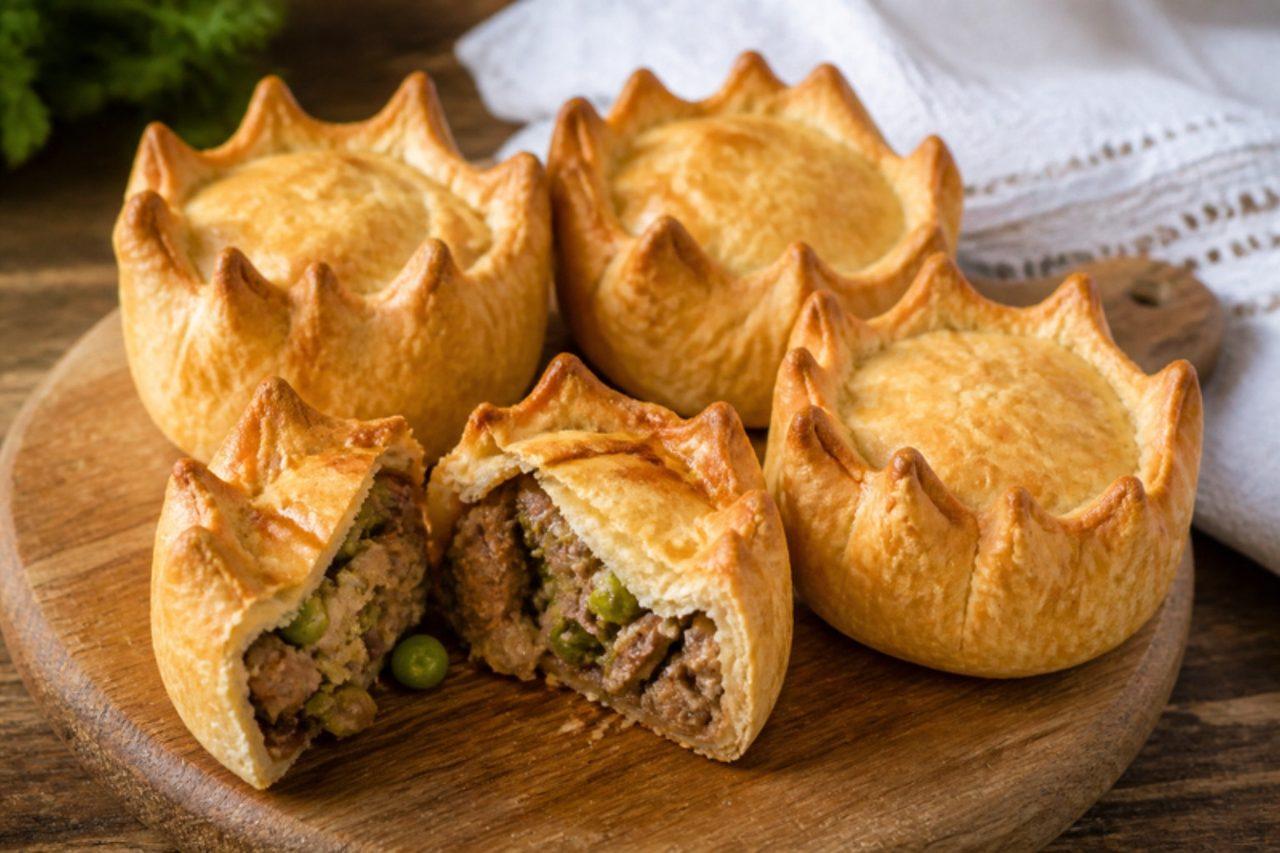
PanadesLamb and pea pies

On Easter Saturday, Mallorcan kitchens turn into pie workshops: whole families shape panades, small upright pies with pinched rims and a pastry lid, filled with raw diced lamb, peas and a little pork belly, then bake them to eat on Easter Sunday and the picnics of the days after. This contains pork (lard in the pastry and pork belly in the filling); butter can replace the lard and the belly can be left out. The meat cooks inside the pastry, staying juicy. Chef's tip: cut the lamb small, no bigger than 1.5 cm, so it cooks right through in the time the pastry takes to brown.

120 minSpanishMeat
by KrazyBadal 0 views

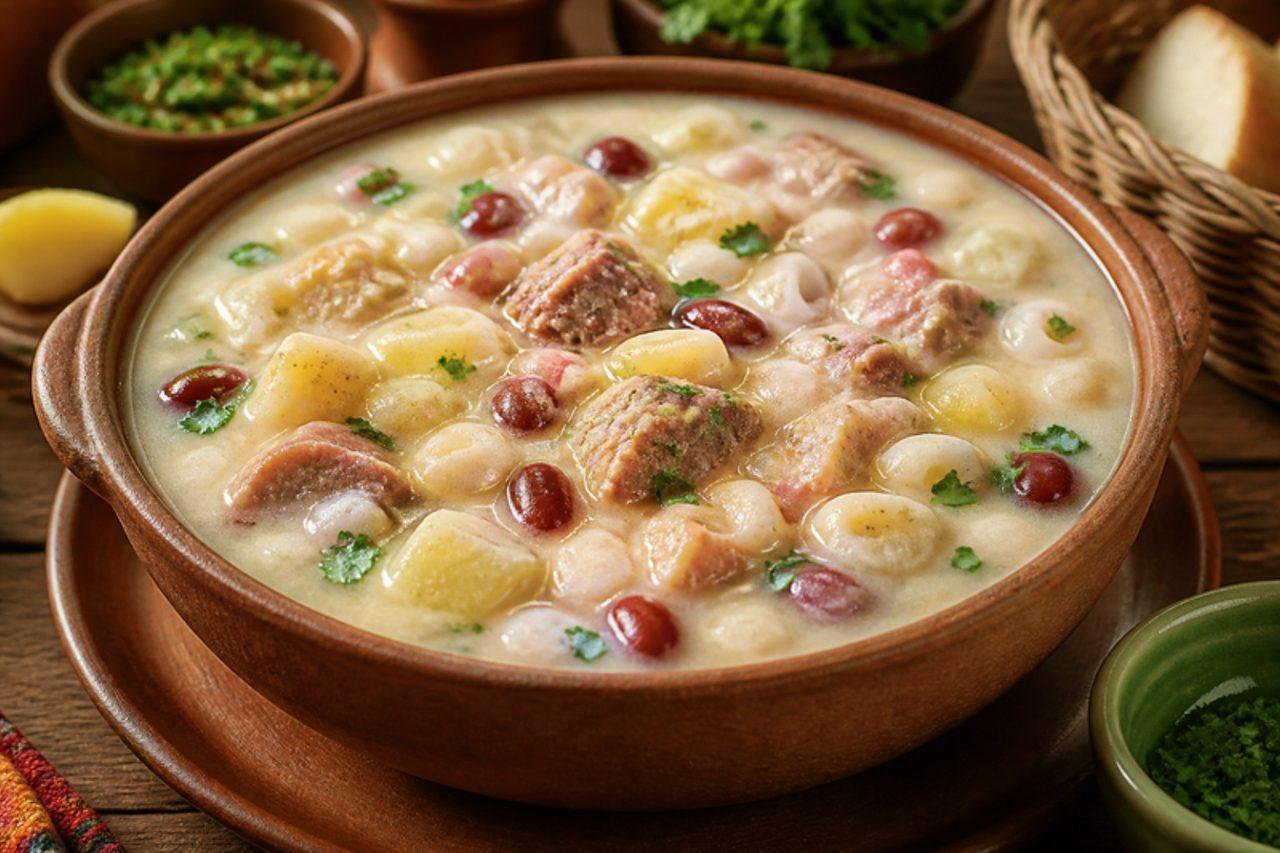
Mute santandereanoHominy and tripe soup

Bucaramanga's Mercado Central and the Sunday family tables of Santander serve mute, a big, thick soup that takes most of a day: hominy corn, honeycomb beef tripe and pork ribs, plus red beans, potatoes, pumpkin, cabbage and a handful of short pasta, all simmered until thick, rich and savoury. It is filling enough to be lunch on its own, eaten with avocado, ají and a piece of arepa. The tripe must be bought cleaned and bleached from the butcher and then simmered for two hours until tender; undercooked tripe is the most common complaint, as it stays chewy and tastes strong. This version uses cooked or tinned hominy and beans to save the overnight soaking. Chef's tip: rub the tripe with lime and salt and rinse it twice before cooking; it removes any farmyard smell and keeps the broth clean-tasting.

by KrazyBadal 0 views

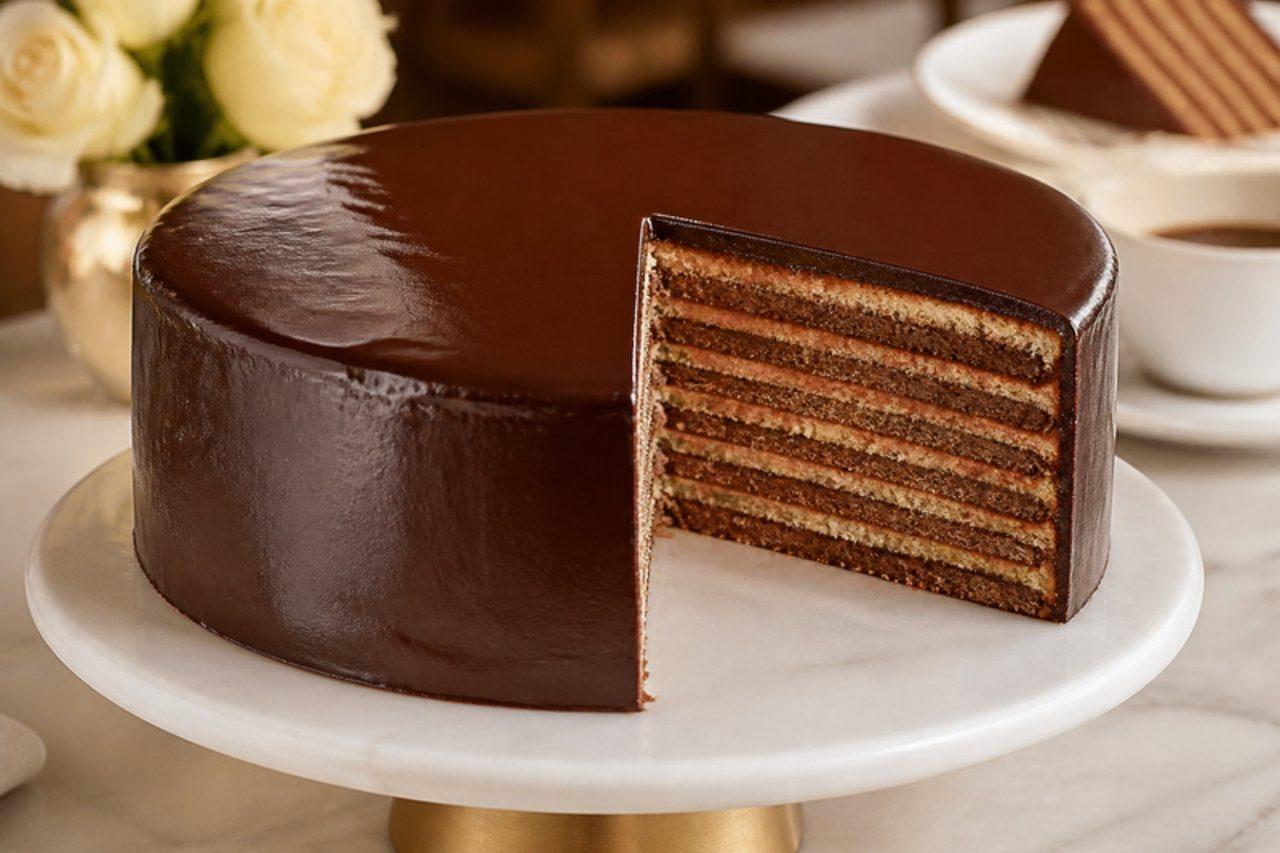
PrinzregententorteSeven-layer chocolate buttercream torte

Prinzregententorte was created in Munich for Prince Regent Luitpold, who ruled Bavaria from 1886, and it is still the cake Munich cafés and families bring out for name days and big birthdays. Seven very thin sponge layers, one for each of the old Bavarian districts, are stacked with chocolate buttercream, brushed with apricot jam and sealed under a shiny dark chocolate glaze. The slices show neat stripes and taste rich but not heavy. A common mistake is baking the sponge as one thick cake and slicing it; it is far easier and neater to spread each layer thinly on a tin base and bake it for a few minutes. Chef's tip: trace a 26 cm circle on seven sheets of baking paper before you start, then bake two layers at once on separate trays.

150 minGermanBaking
by KrazyBadal 0 views

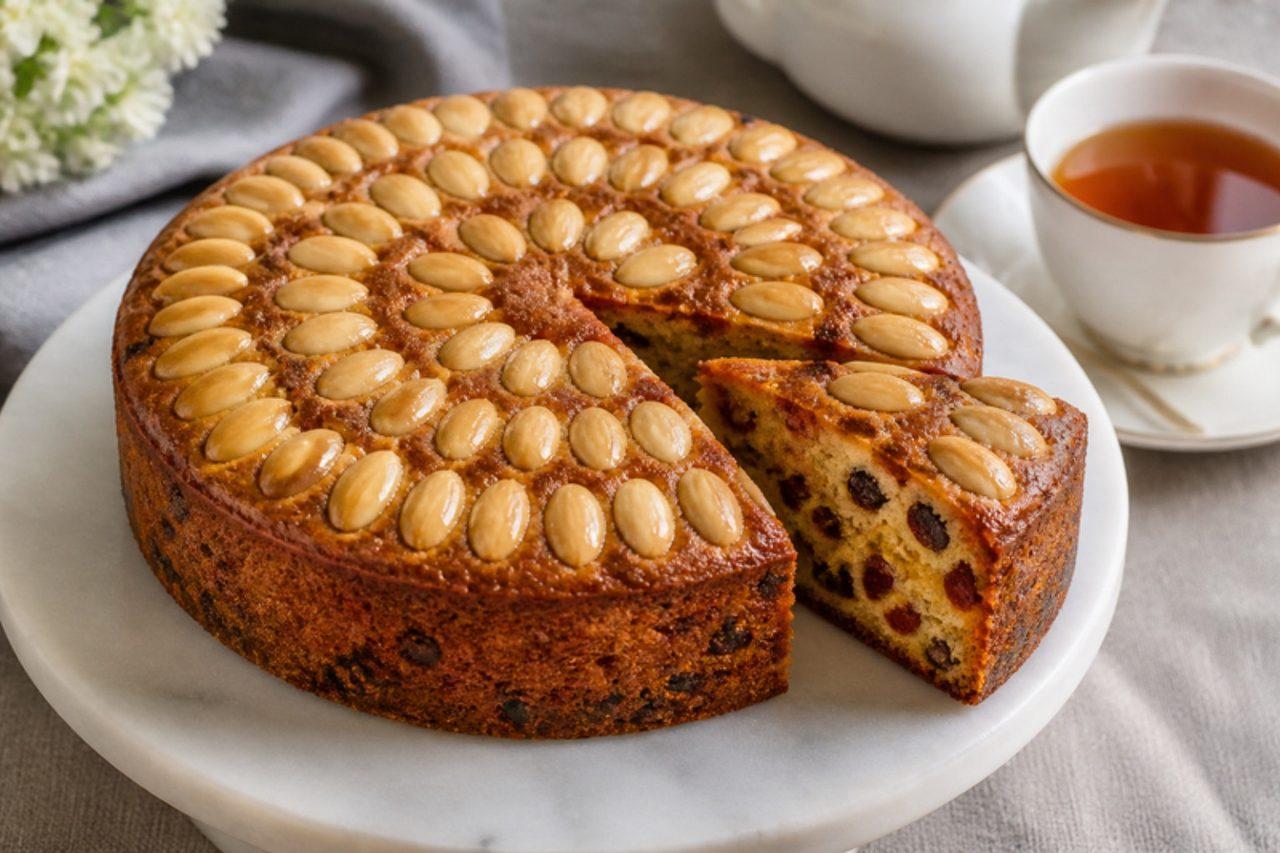
Dundee cake

Dundee cake is the light, buttery fruit cake from the city of marmalade and jute, said to have been created by the Keiller family to use up their orange peel. Instead of marzipan and icing it is topped with concentric circles of whole blanched almonds, and it is eaten at Christmas and with afternoon tea. Chef's tip: lay the almonds on gently without pressing; if they sink they burn and the pattern is lost.

by KrazyBadal 0 views

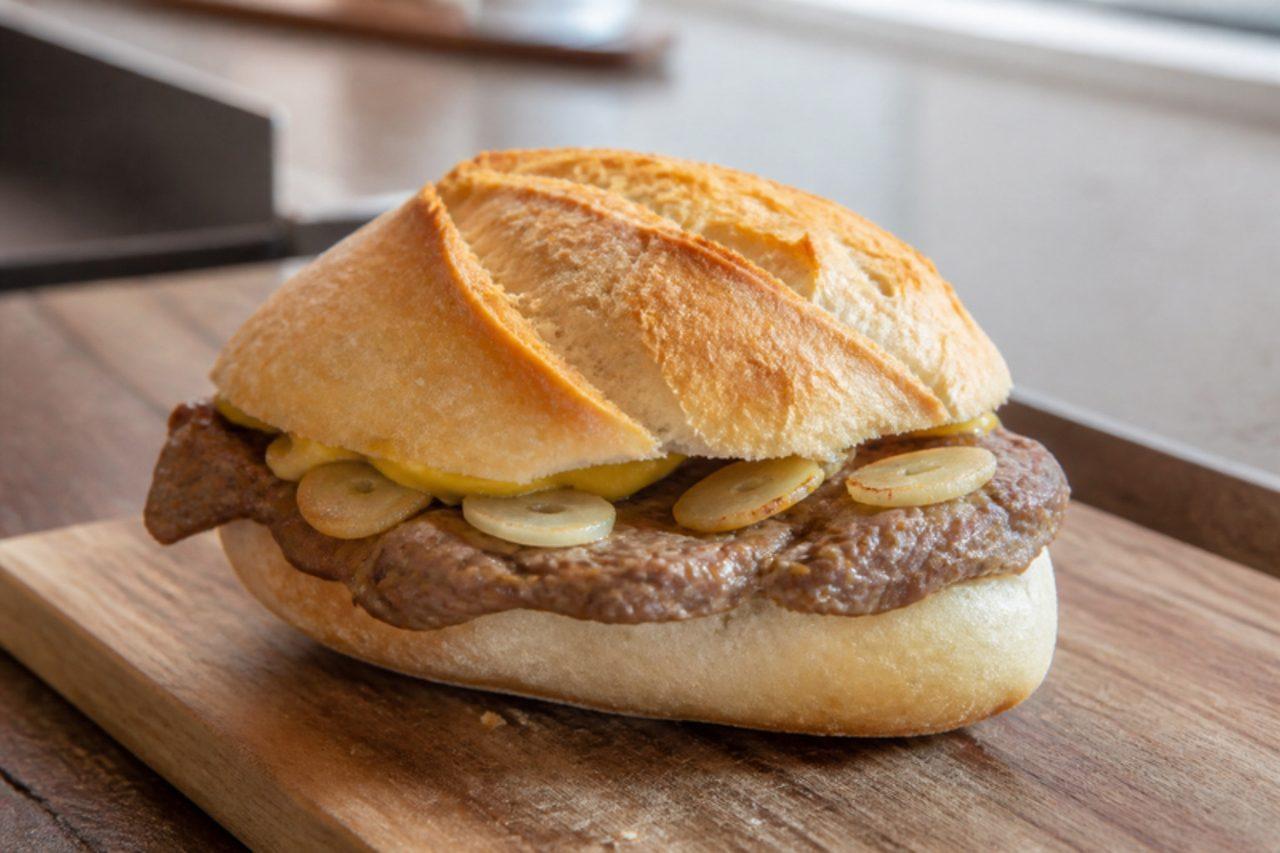
Prego no pãoGarlic steak roll

Lisbon diners order a prego at the end of a long seafood lunch, at football matches and after midnight from a beach-bar hatch: a thin slice of beef, beaten flat, fried hard in garlic and bay and stuffed into a crusty papo-seco roll. The name means 'nail', perhaps for the garlic that is hammered into the meat. Mustard or a dash of piri-piri is all it needs. A common mistake is a thick steak; it must be thin enough to cook in a minute a side or it steams and turns grey. Chef's tip: dip the cut side of the roll in the hot pan juices just before you close it.

by KrazyBadal 0 views

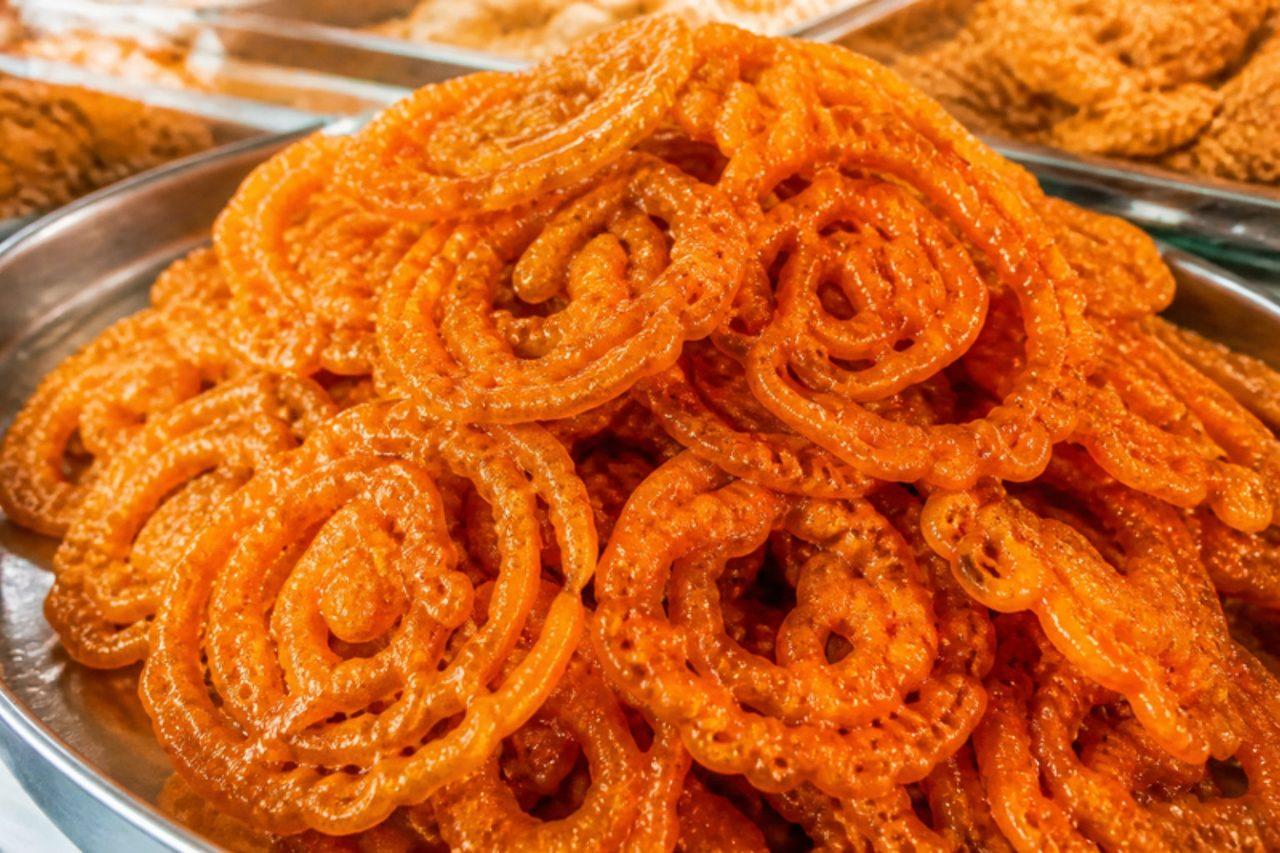
MushabbakFried batter spirals in syrup

Glass counters in the souks of Nablus and Damascus are stacked with mushabbak, crisp latticed spirals of fried batter dunked in syrup until they glisten. They are bought by the bag for Christian and Muslim feast days, for Ramadan evenings and for no reason at all, and are best eaten within hours while the shells still crack. A lightly fermented batter piped into hot oil gives the hollow, crunchy rings. The mistake to avoid is oil that is not hot enough: the batter soaks up fat and the spirals turn heavy and limp. Chef's tip: the syrup must be cold and the mushabbak hot; dip, count to three and lift, and they stay crisp for hours.

by KrazyBadal 0 views

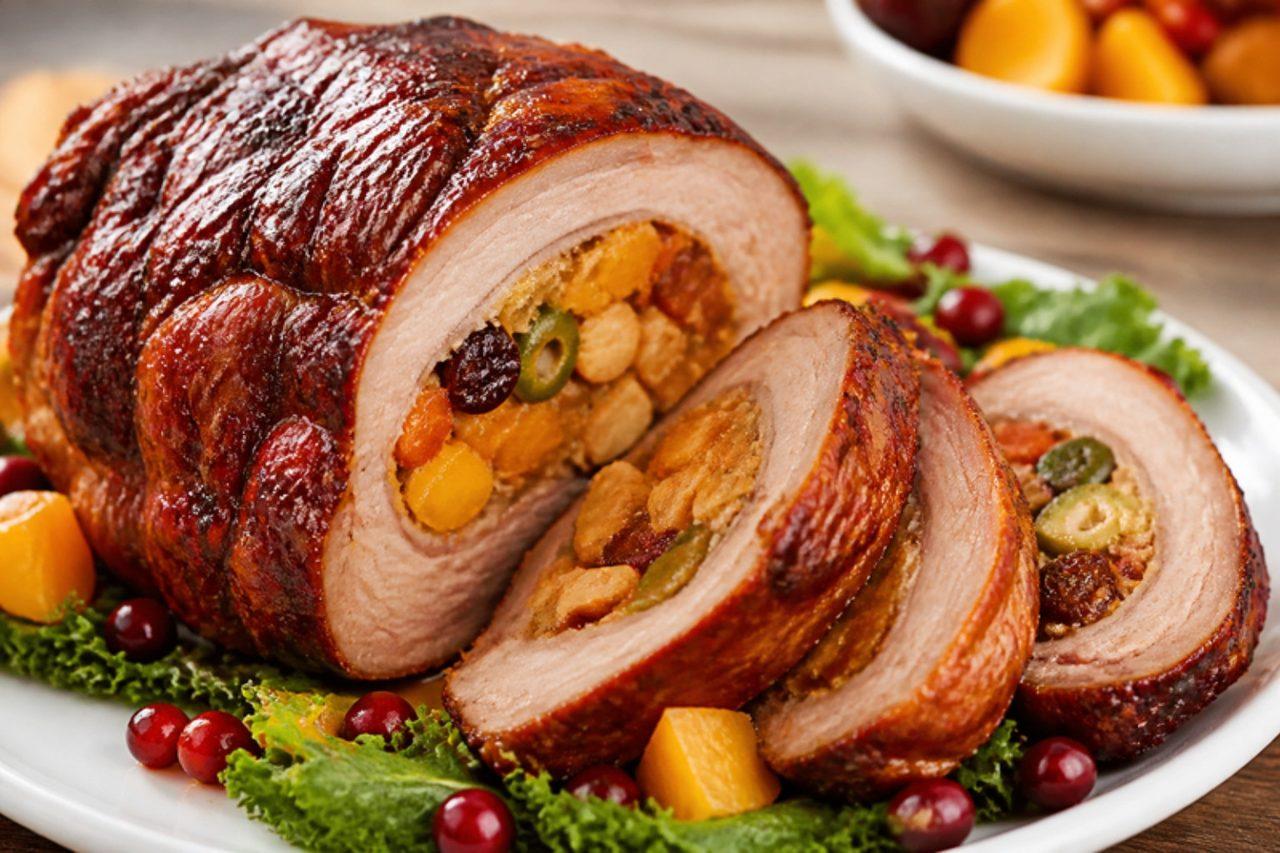
Relleno de cerdoStuffed pork shoulder with plantain

In Guerrero's Tierra Caliente, around Ciudad Altamirano, relleno de cerdo is the centrepiece of weddings and saints' days: a whole pig is stuffed with fruit, vegetables and its own chopped meat, rubbed with chilli and roasted for hours, then served in tortas or tacos. This home version is a pork dish for an ordinary oven, using a boned pork shoulder rubbed with a guajillo adobo and rolled around a stuffing of ripe plantain, potato, carrot, olives, raisins and almonds, so you get the same sweet, salty and spicy mix. Slice it thickly with its juices, warm tortillas, rice and pickled jalapeños. Chef's tip: ask the butcher to butterfly the shoulder evenly to about 3 cm thick; an even slab rolls neatly and cooks at the same rate all through.

300 minMexicanMeatGluten free
by KrazyBadal 0 views

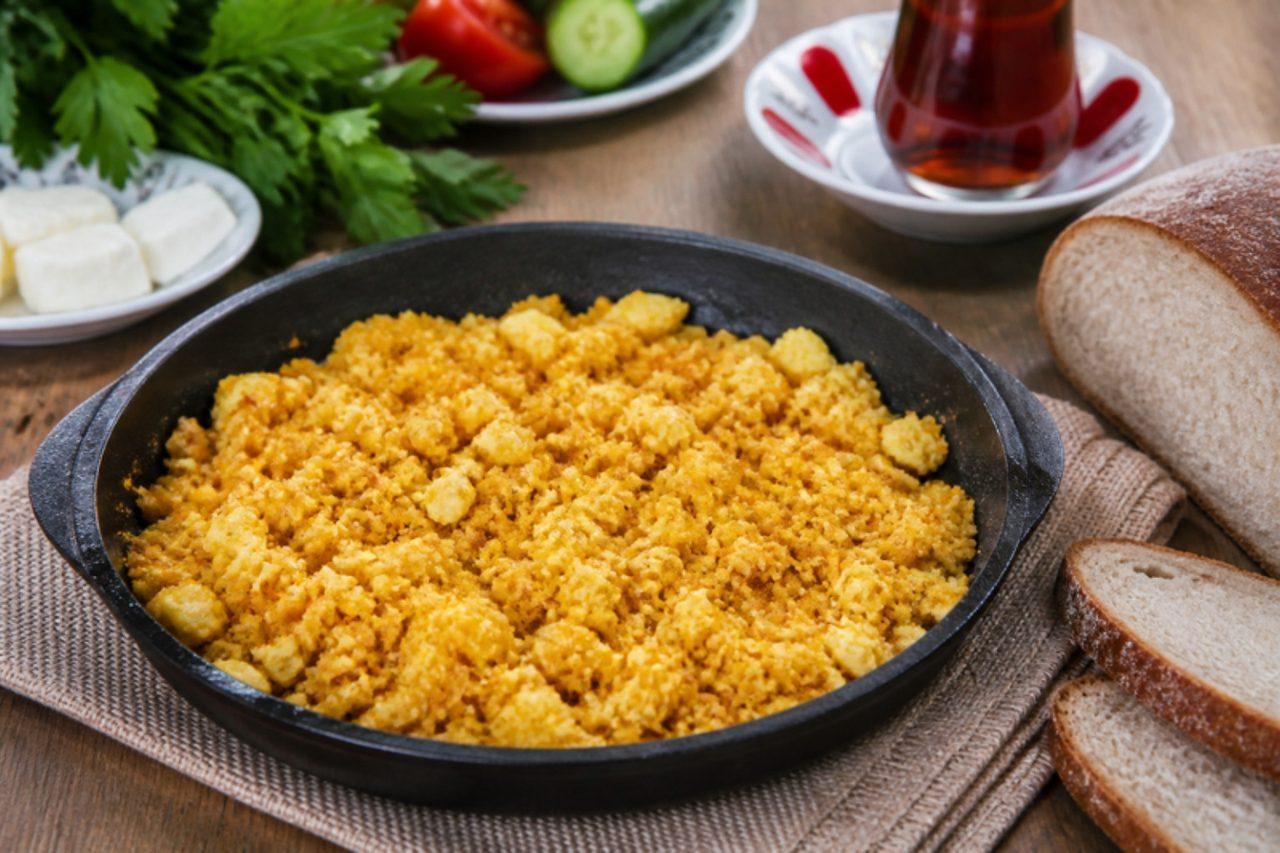
MurtuğaButter-toasted flour with egg

A Van breakfast is famously huge, with herb cheese, honey, kaymak and olives, and in winter it often includes a pan of murtuğa: flour slowly toasted in plenty of butter until golden, then scrambled together with eggs into rich, crumbly nuggets. It's a dish from cold mountain homes where a filling breakfast had to last until evening, eaten hot with bread or on its own with tea. Common mistake: rushing the flour on a high heat so it scorches before it cooks through; keep it low and keep stirring. Chef's tip: beat the eggs with a splash of water before adding them; they spread through the flour more evenly and stay softer.

by KrazyBadal 0 views

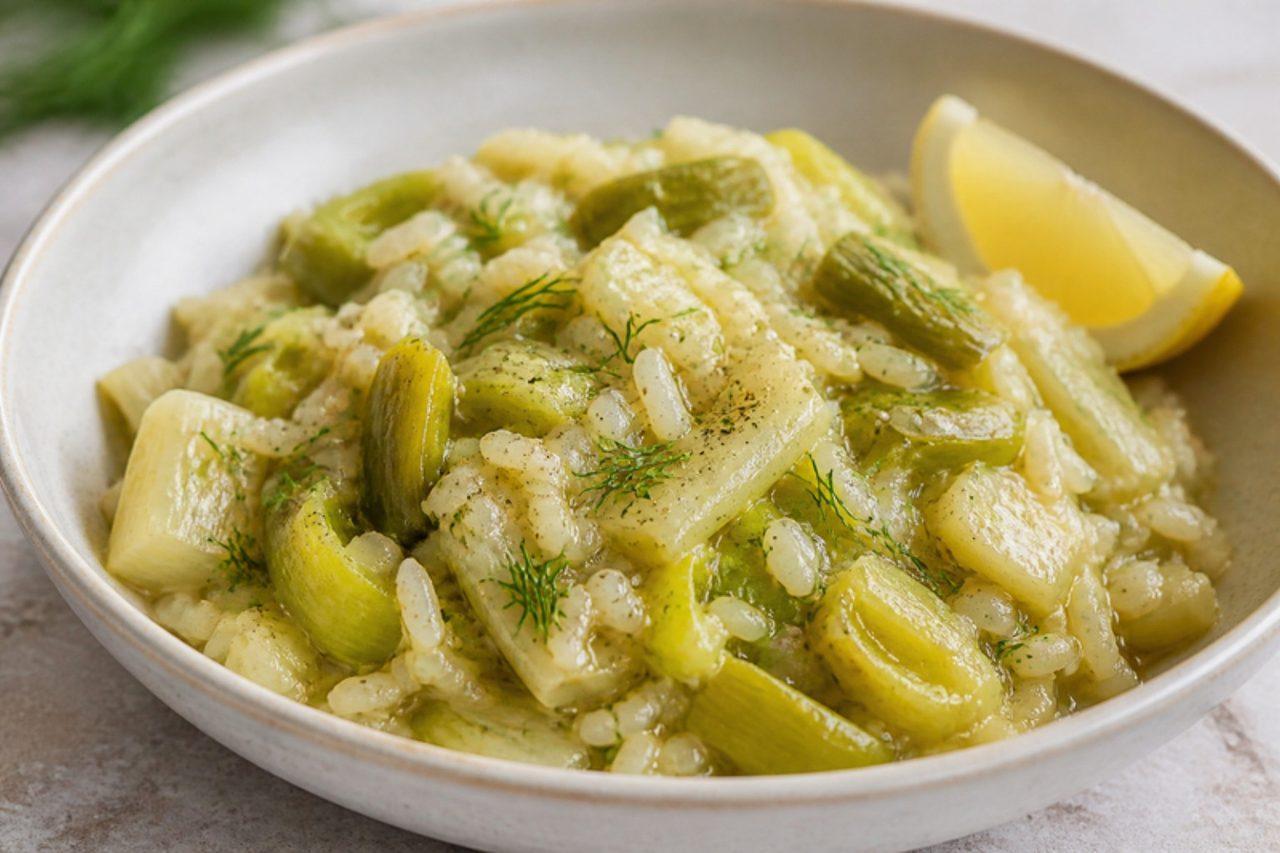
PrasorizoLeek and rice with lemon

Prasorizo is the cheap, comforting pot that northern Greek kitchens turn to through the Lenten weeks and the cold months, when leeks are at their best and meat is off the table. Leeks are stewed in plenty of olive oil until meltingly soft, then rice simmers in the same pot until creamy and loose, finished with dill and a sharp squeeze of lemon. It is eaten warm, never piping hot, with feta (or a vegan alternative) and olives on the side. Common mistake: stirring like risotto, which turns it gluey — stir once or twice and let it bubble. Chef's tip: be generous with the oil; in a ladera dish the olive oil is the sauce.

by KrazyBadal 0 views

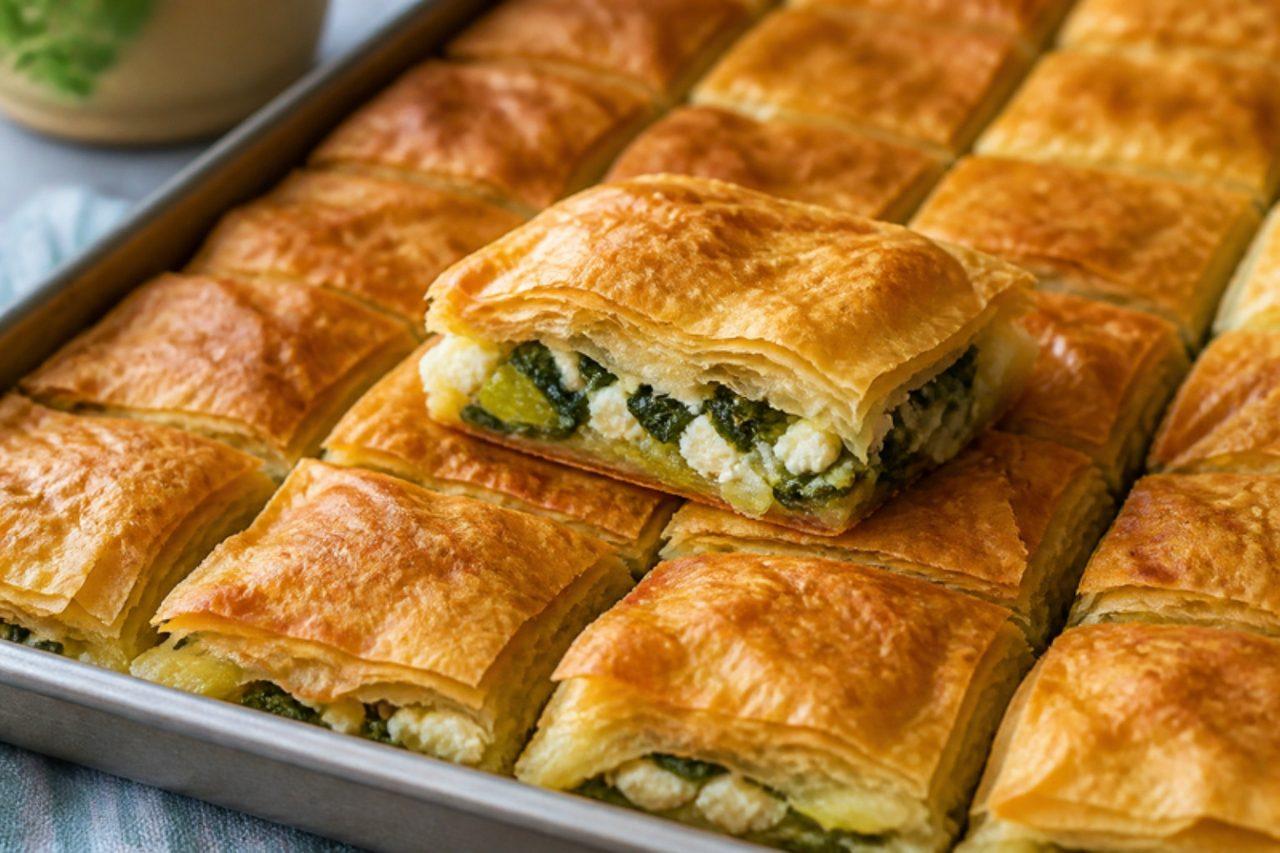
PrasopitaLeek and feta pie

In the villages around Kozani and Kastoria, winter leeks pulled from frozen ground go into this pie, made on Sundays and taken to the fields in slabs wrapped in paper. The leeks are sweated slowly in butter and olive oil until silky and sweet, bound with eggs, feta and a little semolina, then baked between buttery sheets of filo. It is softer and gentler than spinach pie, and just as good cold the next day. Feta and kefalotyri usually use animal rennet; choose vegetarian versions if needed. Common mistake: leaving grit in the leeks — split and wash them under the tap before slicing. Chef's tip: cook the leeks until all their liquid has gone, or the bottom pastry turns soggy.

by KrazyBadal 0 views

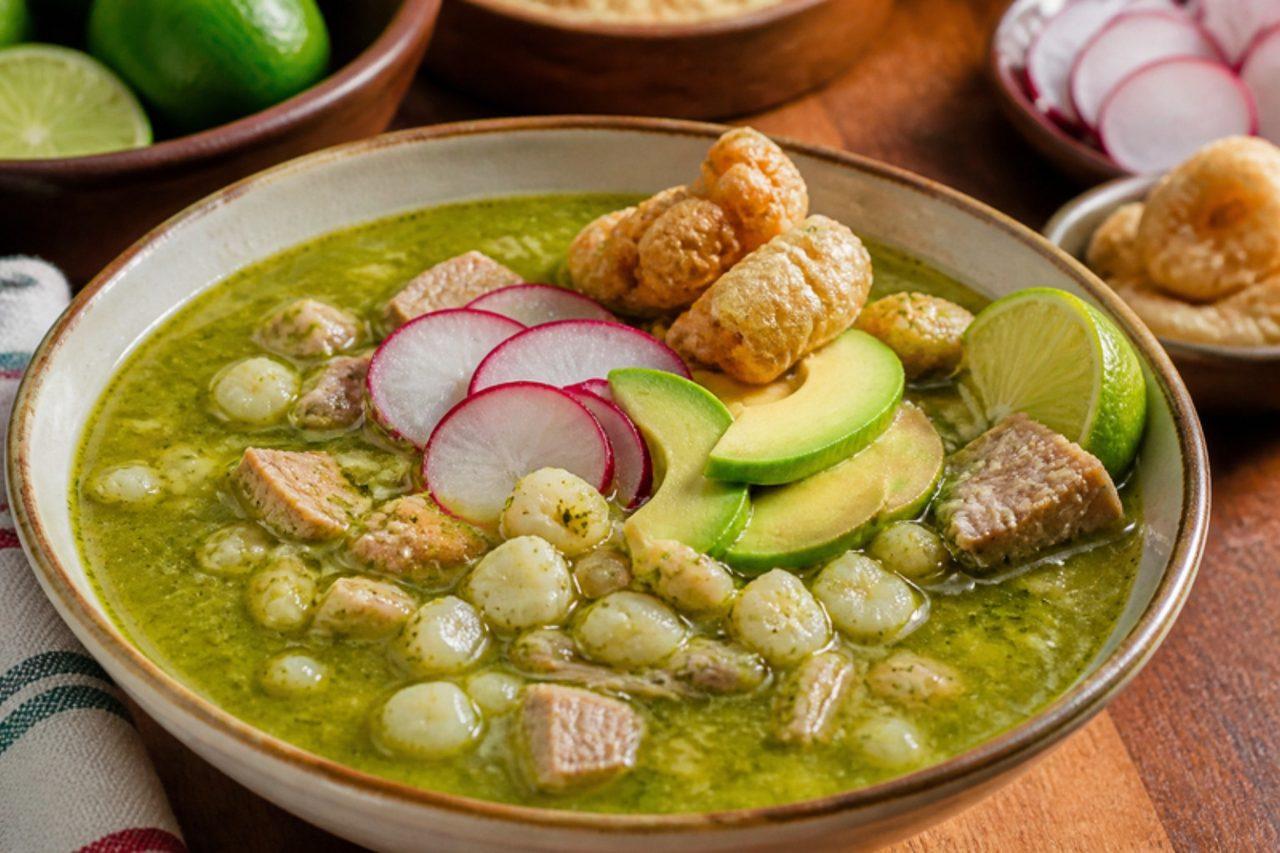
Pozole verde de GuerreroGreen pumpkin-seed pozole

In Chilpancingo and Chilapa, Thursday is jueves pozolero, and families and office crowds fill the pozolerías for this green version. Unlike our vegetarian pozole verde, this is a pork dish with chicken too: pork shoulder and chicken thighs simmer with hominy, then the broth is thickened with a sauce of toasted pumpkin seeds, tomatillos, chilli and epazote, so it turns creamy, nutty and bright green. Bowls go to the table with avocado, crisp pork chicharrón, onion, oregano, lime and tostadas. Epazote can be hard to find: use fresh oregano plus a few coriander stalks instead. Chef's tip: toast the pumpkin seeds only until they puff and start to pop; darker seeds make the broth brown and bitter.

185 minMexicanSoupsGluten free
by KrazyBadal 0 views

Pozole blancoPork and hominy soup

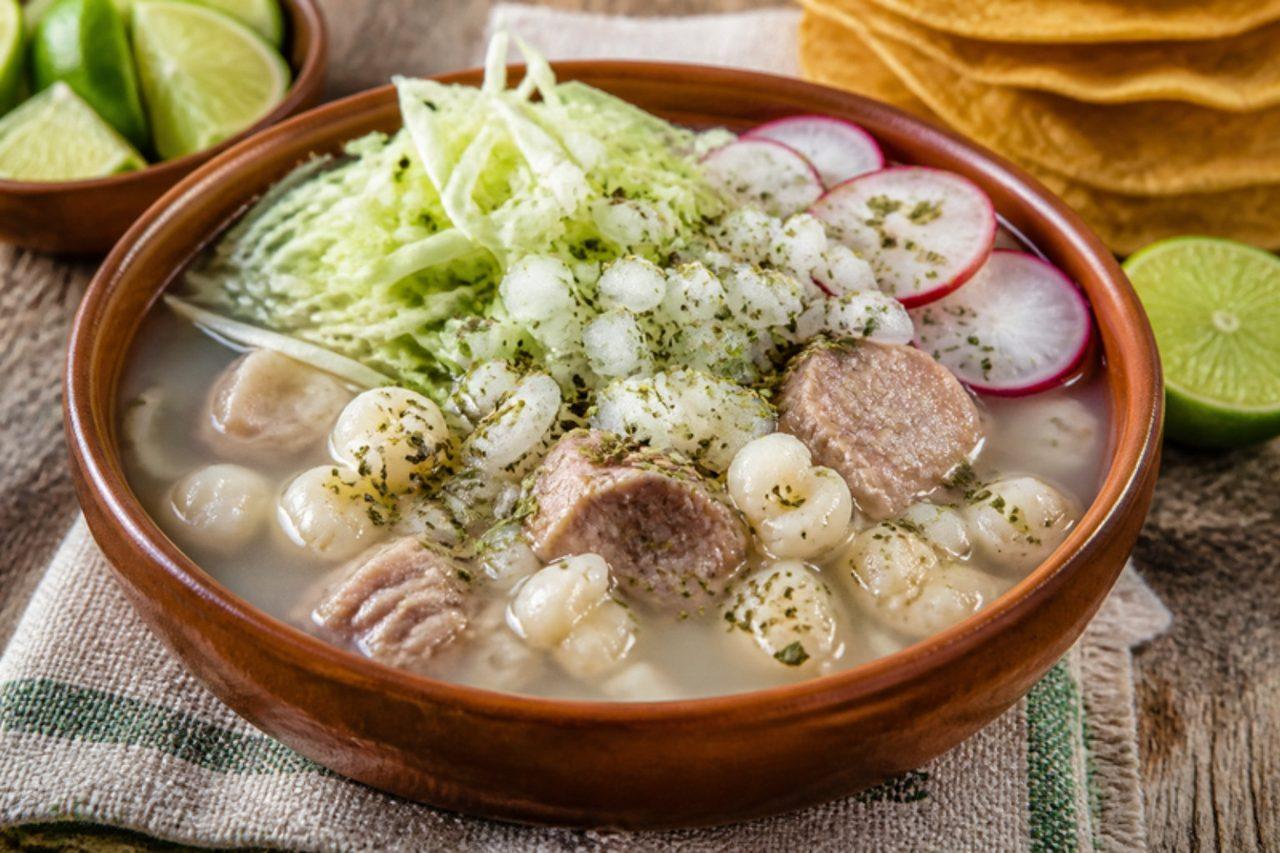
Before any chilli goes in, this is what pozole tastes like: the white version eaten across Jalisco and in Guadalajara's pozolerías, especially on Independence night and at family gatherings. It is a pork dish, made with pork shoulder and a pig's trotter that gives the clear broth a silky body, simmered with big, chewy kernels of hominy until everything is tender. All the colour and fire are added at the table, where each person piles on shredded cabbage, radish, onion, crumbled oregano, ground dried chilli and a good squeeze of lime. Tostadas spread with crema are the usual side. Chef's tip: cook the meat a day ahead and chill the broth; the fat sets on top and lifts off in one sheet, leaving the broth beautifully clean.

205 minMexicanSoupsGluten free
by KrazyBadal 0 views

Rajas con cremaPoblano strips in cream

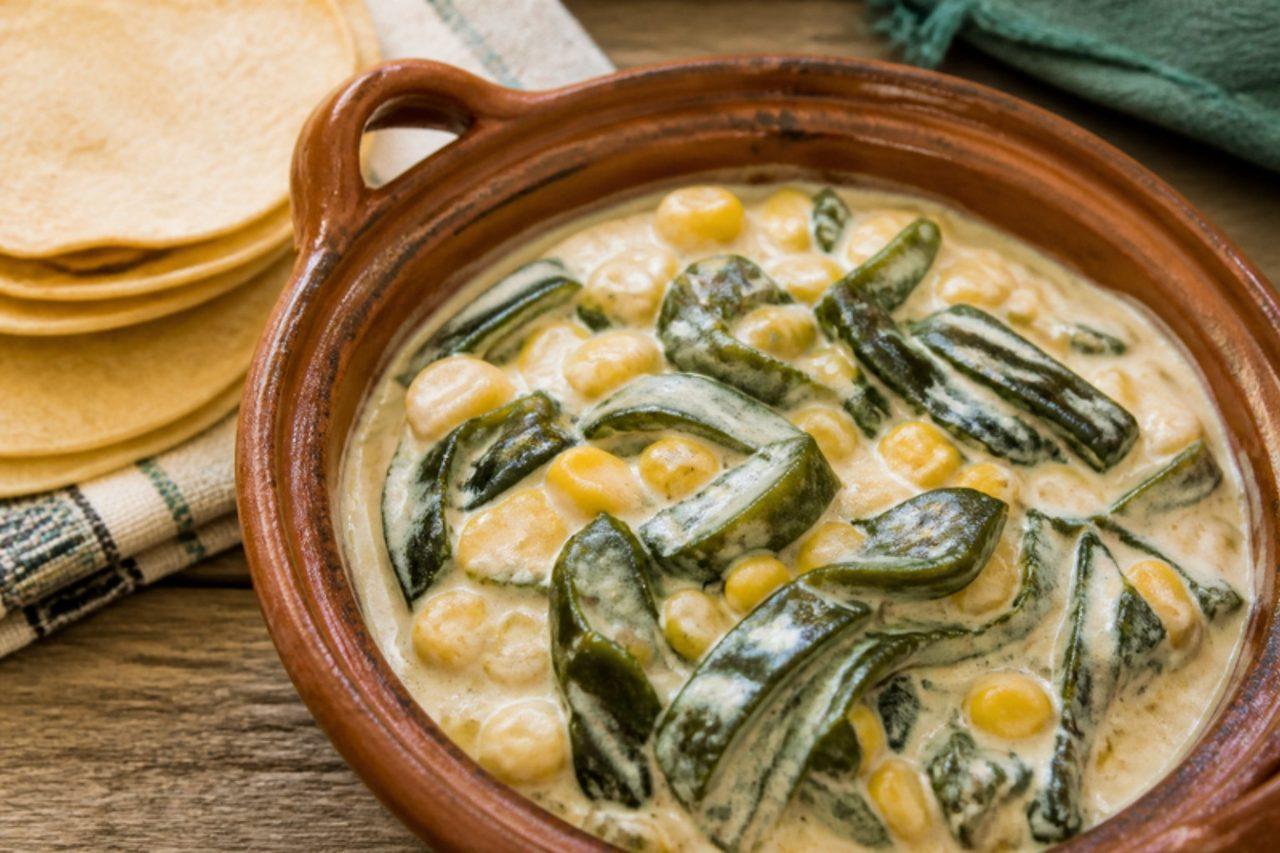
Rajas means strips, and in Puebla they mean poblano chillies, the dark green pepper the state is named after, charred, peeled and sliced, then simmered with onion, sweetcorn and cream. Poblanos are mild with a grassy, gently smoky bite, so the dish is rich rather than fiery. It turns up on Puebla tables as a side for rice, as a taco filling at fondas, or in a tamal for breakfast. Some cooks melt in Chihuahua or Oaxaca cheese, which may be made with animal rennet; use a vegetarian melting cheese if needed. Chef's tip: sweat the peeled chillies in a covered bowl for 10 minutes; the steam lifts the skins off cleanly without rinsing away the smoky flavour.

by KrazyBadal 0 views

Pozol de cacaoCold corn and cacao drink

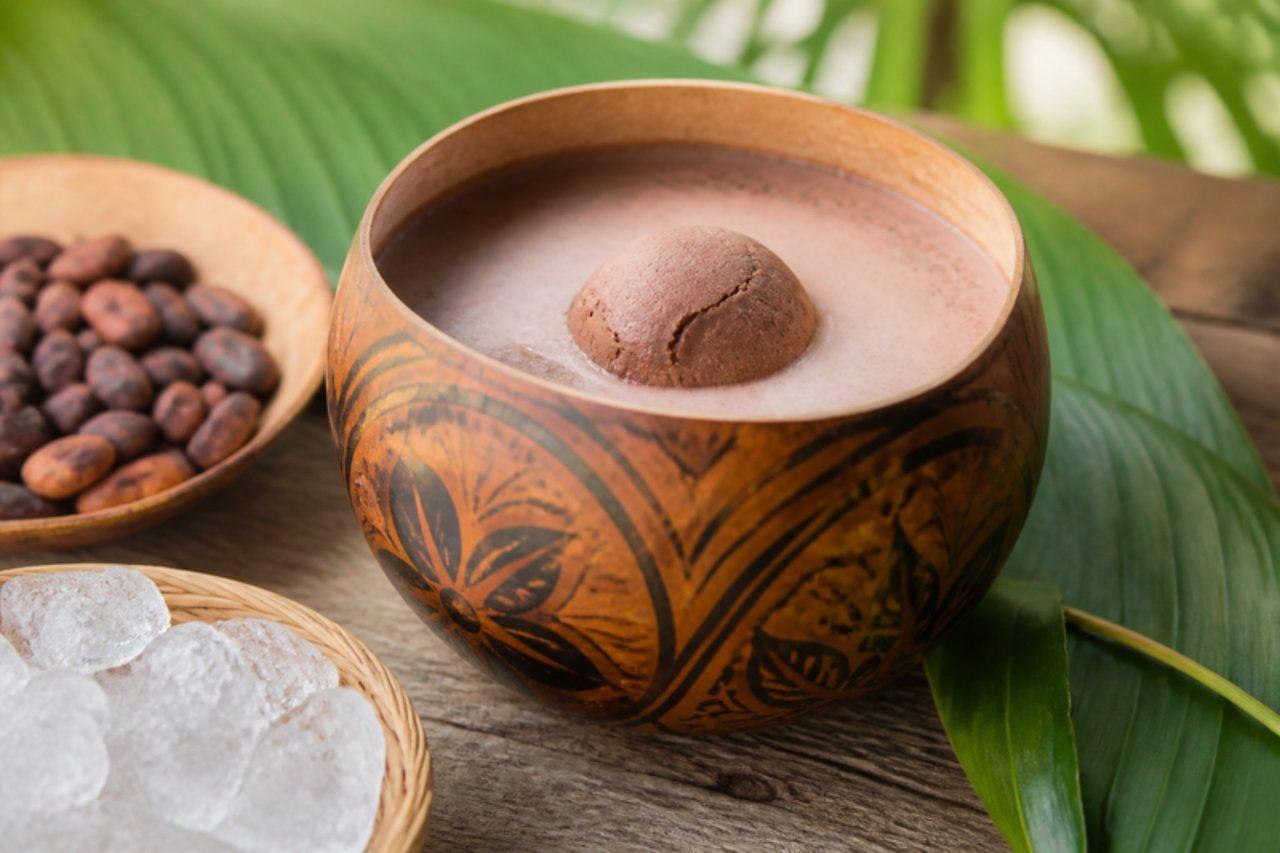
In the heat of Villahermosa and the Chiapas lowlands, farmers carry a ball of corn dough in a banana leaf and mix it with water in a jícara (a gourd bowl) at midday: that is pozol, a cold, thick, filling drink that has been made since Maya times. The cacao version is the favourite, sold from big clay pots at market stalls with ice, sometimes slightly fermented so it turns pleasantly sour. This home version uses masa harina and cocoa nibs, so it is ready in minutes; leave it to ferment if you want the tang. Chef's tip: stir it every time before pouring, as the corn settles to the bottom fast.

by KrazyBadal 0 views

White asparagus with hollandaise

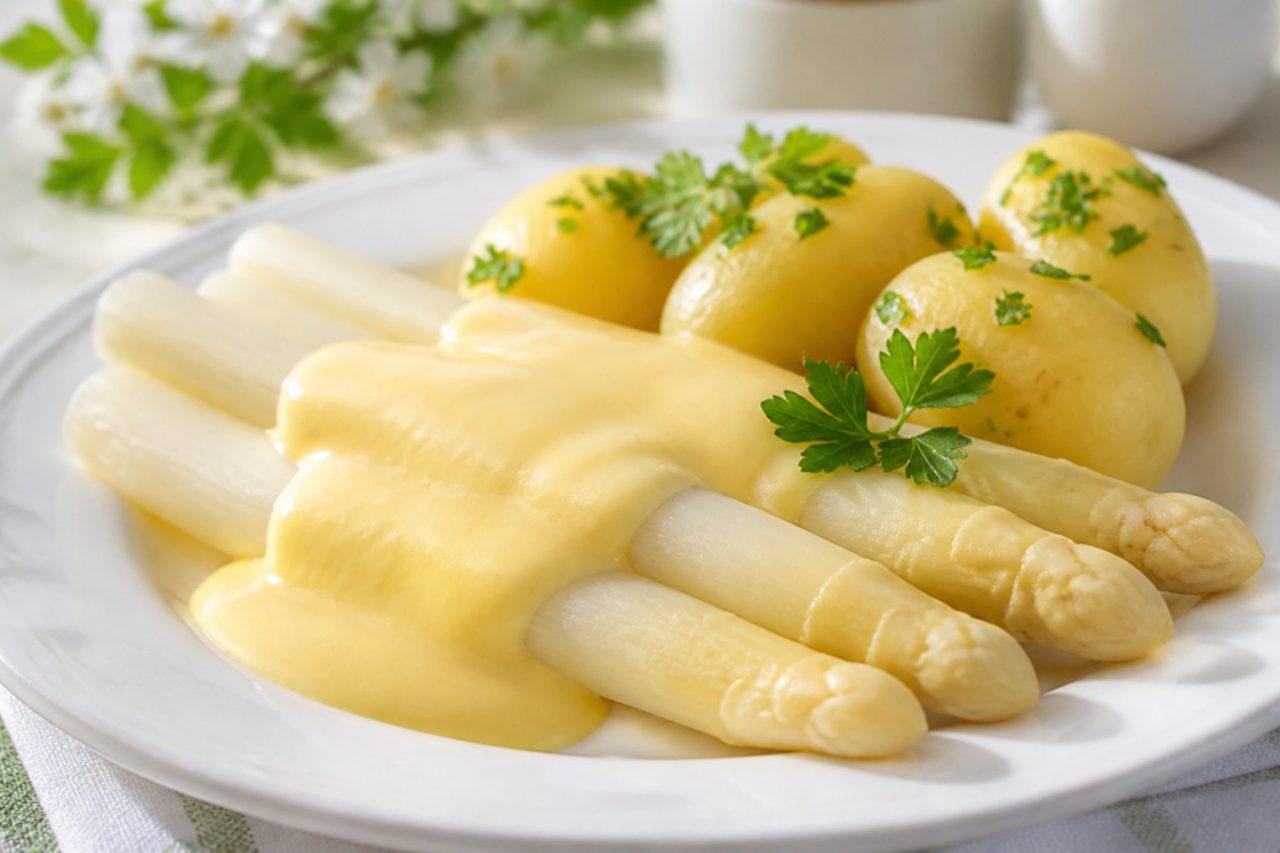
From mid-April until 24 June, Spargelzeit takes over Baden, and the little town of Schwetzingen near Heidelberg holds its asparagus market in front of the palace. The thick white spears are peeled, simmered with a pinch of sugar and a knob of butter, and served on a warm platter with new potatoes and a jug of hollandaise, often as a meal on its own. The sauce is thickened with egg yolks warmed gently to about 70 °C, which also takes them past the safe point. The common mistake is peeling too lightly: the woody outer layer stays stringy, so peel generously from just under the tip. Chef's tip: save the peelings and ends to simmer in the cooking water first; it makes the spears taste far more of asparagus.

by KrazyBadal 0 views

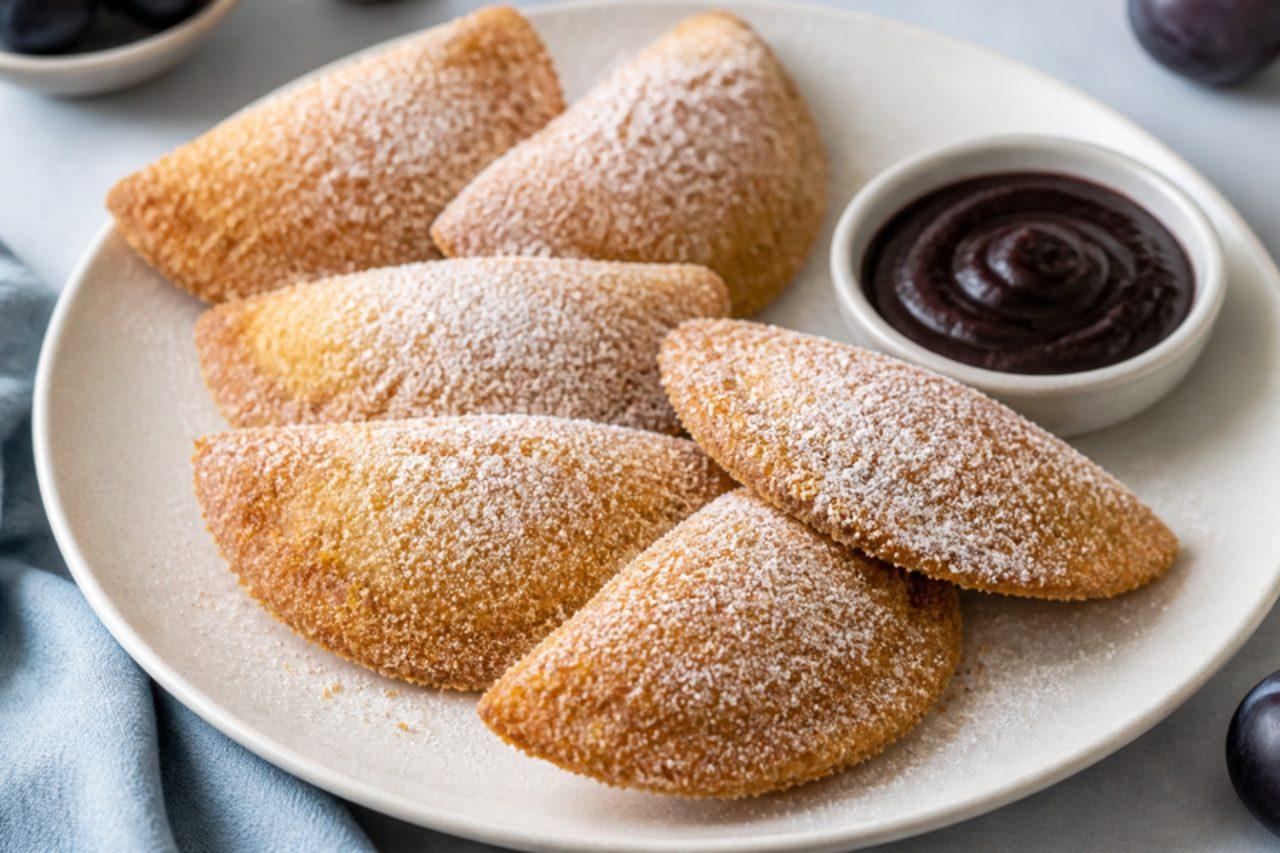
PowidltascherlPlum butter potato dough pockets

Powidl, a thick, dark plum butter cooked for hours without added sugar, came to Vienna from Bohemia, and these little pockets are one of its best uses. In Austrian homes they are a sweet lunch in late summer, when the new season's plums arrive, or a pudding after a bowl of soup. A tender potato dough is cut into squares, folded around a spoonful of spiced powidl, simmered, then tossed in golden butter crumbs and dusted with icing sugar. A common mistake is overworking the dough, which makes it tough and sticky; mix the potato and flour only until it comes together. Chef's tip: rice the potatoes while hot and spread them out to steam dry, so you need less flour and the dough stays light.

by KrazyBadal 0 views

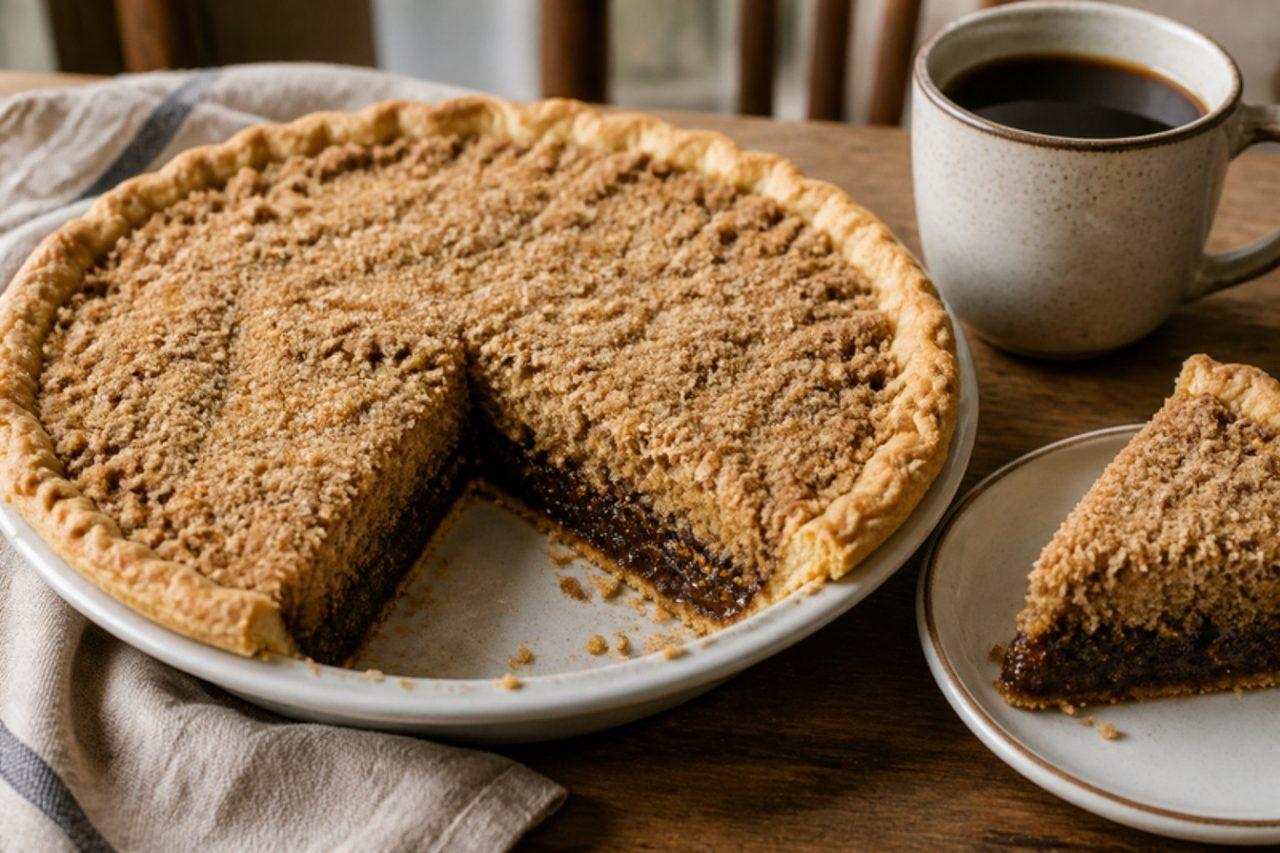
Shoofly pie

Shoofly pie is the signature sweet of the Amish and Mennonite farms around Lancaster, Pennsylvania, sold at roadside stands and farmers' markets and eaten for breakfast with strong coffee as often as for dessert. This is the 'wet-bottom' kind: a gooey layer of molasses custard under a cakey middle and a buttery brown-sugar crumb. Chef's tip: use mild, light molasses; strong blackstrap makes it bitter.

by KrazyBadal 0 views

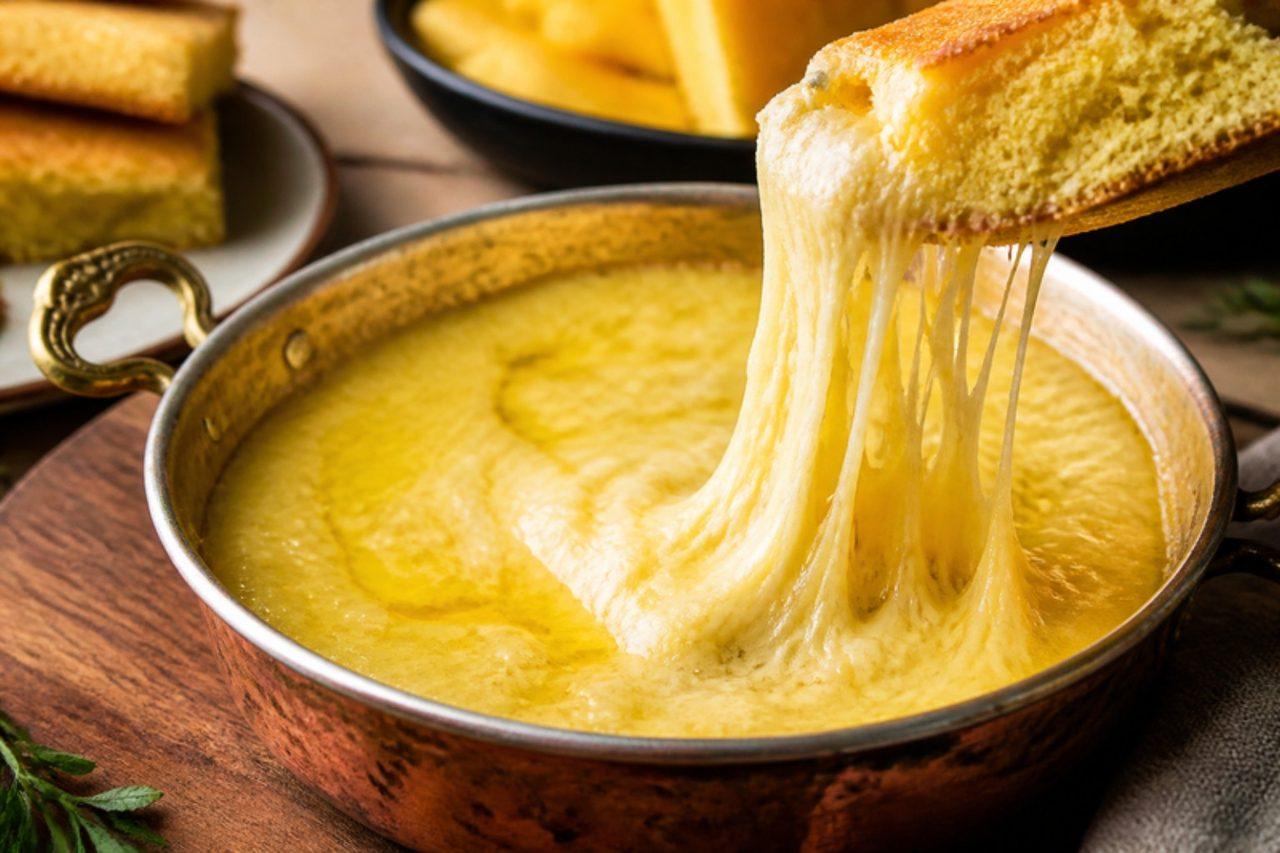
MuhlamaCornmeal, butter and melted cheese

Up in the yayla summer pastures above Trabzon and Rize, breakfast often arrives as one blackened pan set in the middle of the table, with everyone tearing bread and dragging it through. Muhlama is butter, coarse cornmeal and a young stringy cheese stirred together until the cheese melts into long, glossy threads and a pool of golden butter rises to the top. Eat it straight from the pan with cornbread or crusty bread, black tea and a plate of tomatoes and cucumbers. Common mistake: adding the cheese before the cornmeal has toasted in the butter, which leaves a raw, gritty taste and stops the oil separating. The Black Sea cheese (Trabzon or Kolot) and kaşar are usually made with animal rennet; a vegetarian mozzarella-style cheese works well. Chef's tip: don't stir once the cheese has gone in until it has fully melted, then stir in one direction only; that is what gives the long, elastic strands.

by KrazyBadal 0 views

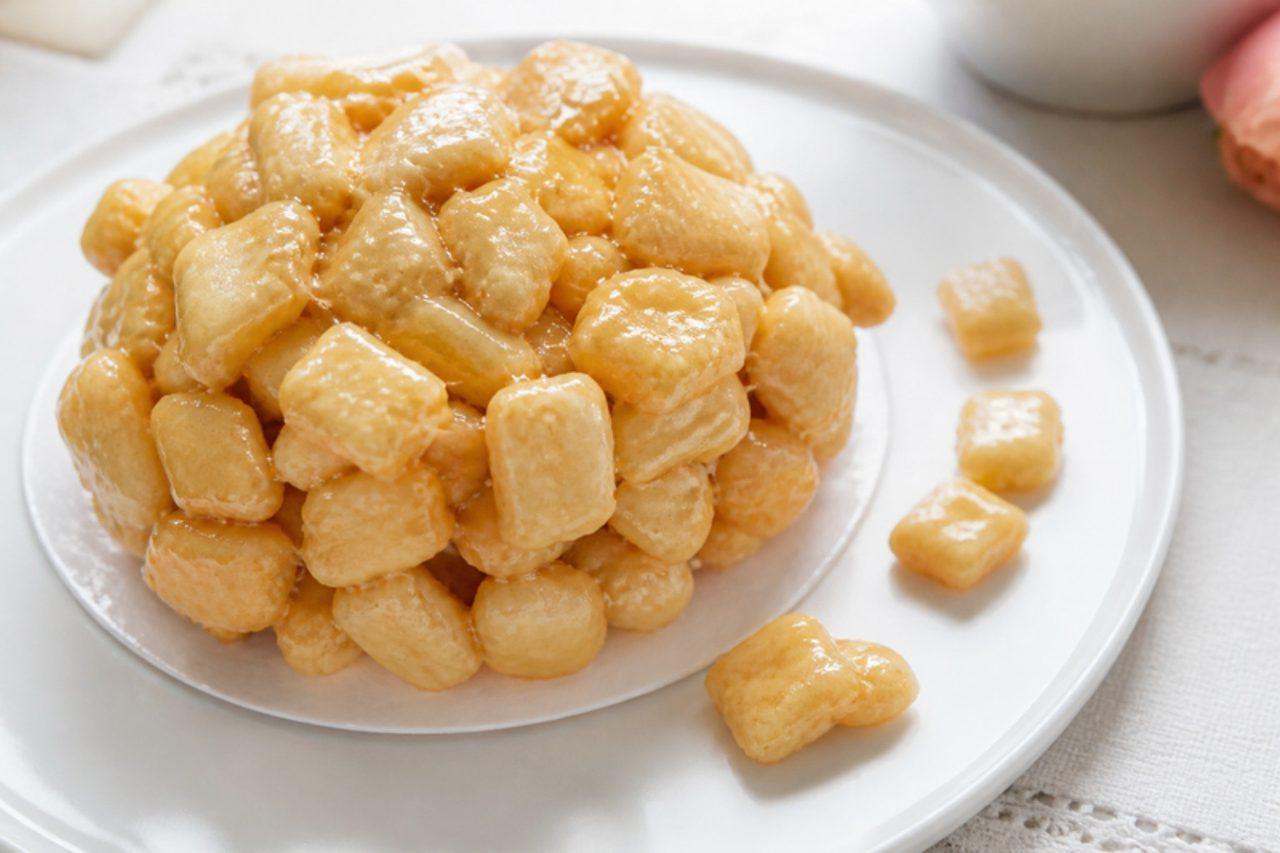
Muéganos de HuamantlaFried dough in piloncillo syrup

Huamantla, in Tlaxcala, is known for its August fair, when the streets are carpeted with coloured sawdust and flowers, and for muéganos: little cubes of fried dough glued together with dark piloncillo syrup into a sticky cluster, often pressed onto a round wafer. Visitors buy them in stacks from sweet shops around the main square. The dough is crisp and light, the syrup spiced with cinnamon and clove. Chef's tip: cut the dough into small, even cubes so they all fry golden at the same time.

by KrazyBadal 0 views

PorcedduRoast suckling pig

Porceddu is Sardinia's feast: a whole suckling pig spit-roasted for hours beside an open wood fire at weddings, village saints' days and Ferragosto, then laid on a bed of myrtle branches so the hot meat soaks up their scent. The skin turns glass-crisp and the pork underneath is soft and juicy. Suckling pig and fresh myrtle are hard to find outside Sardinia, so this home-oven version uses a skin-on piece of pork belly or shoulder, with bay leaves and rosemary standing in for myrtle. Serve with bread, roast potatoes and a salad. Chef's tip: salt the dried skin and leave it uncovered in the fridge overnight; dry skin is the secret to real crackling.

200 minItalianMeatGluten free
by KrazyBadal 0 views

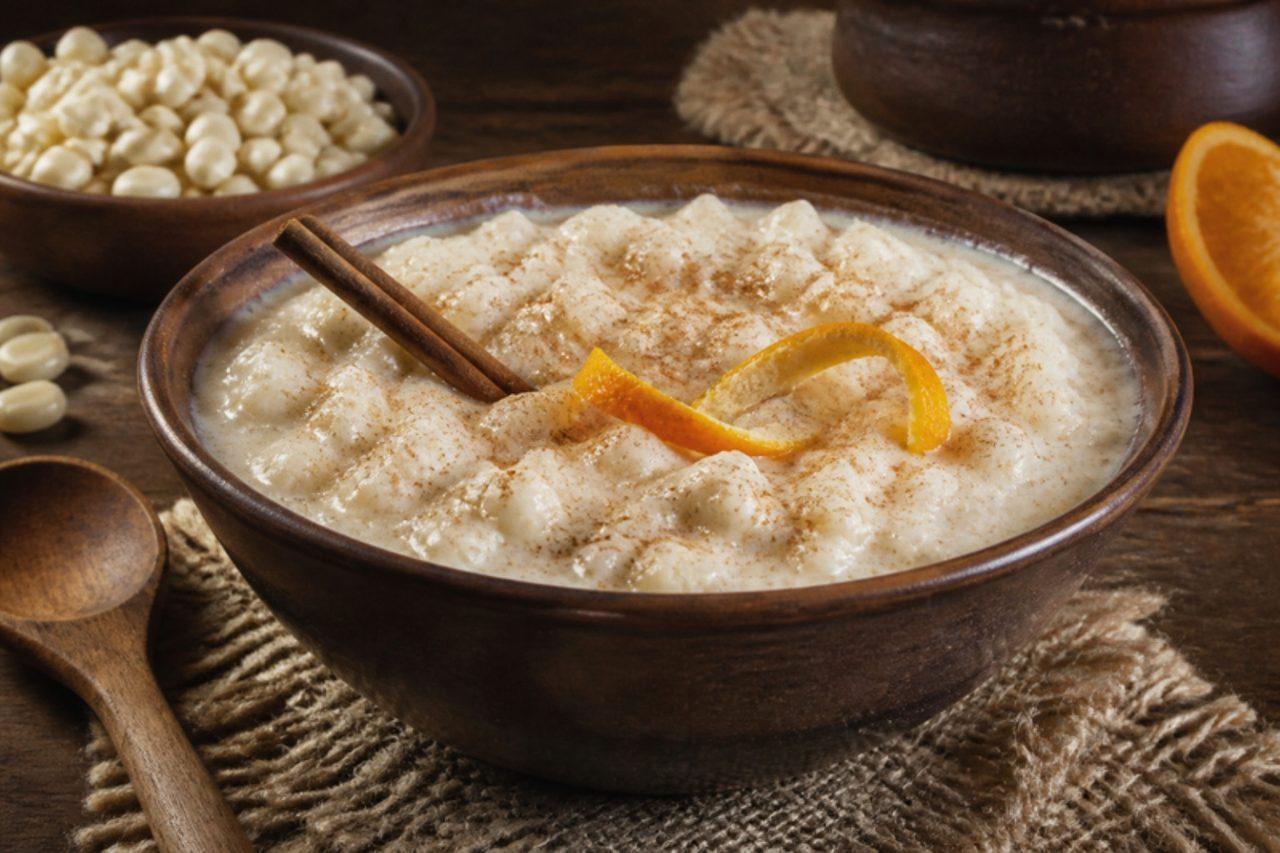
MazamorraHominy milk pudding

Long before cake, there was mazamorra: dried white maize, soaked and simmered with water until the kernels burst, then finished with milk, sugar and cinnamon. In colonial Buenos Aires mazamorreras sold it from clay pots on the street, and it still turns up at school and town-hall celebrations every 25 May and on cold evenings in the interior, eaten warm or cold from a bowl. The kernels stay pleasantly chewy in a creamy, gently sweet milk, a bit like rice pudding with more bite. Look for maíz blanco pisado (cracked white hominy) in Latin American shops; dried white pozole corn is the closest substitute. Plan ahead: the corn needs soaking overnight. Adding the milk too early is the main mistake, because the corn will not soften in milk and the pot catches on the bottom, so cook it in water first. Chef's tip: stir in a little of the hot liquid with the sugar before you add the rest of the milk, and serve it with a dusting of cinnamon or a spoonful of honey.

by KrazyBadal 0 views

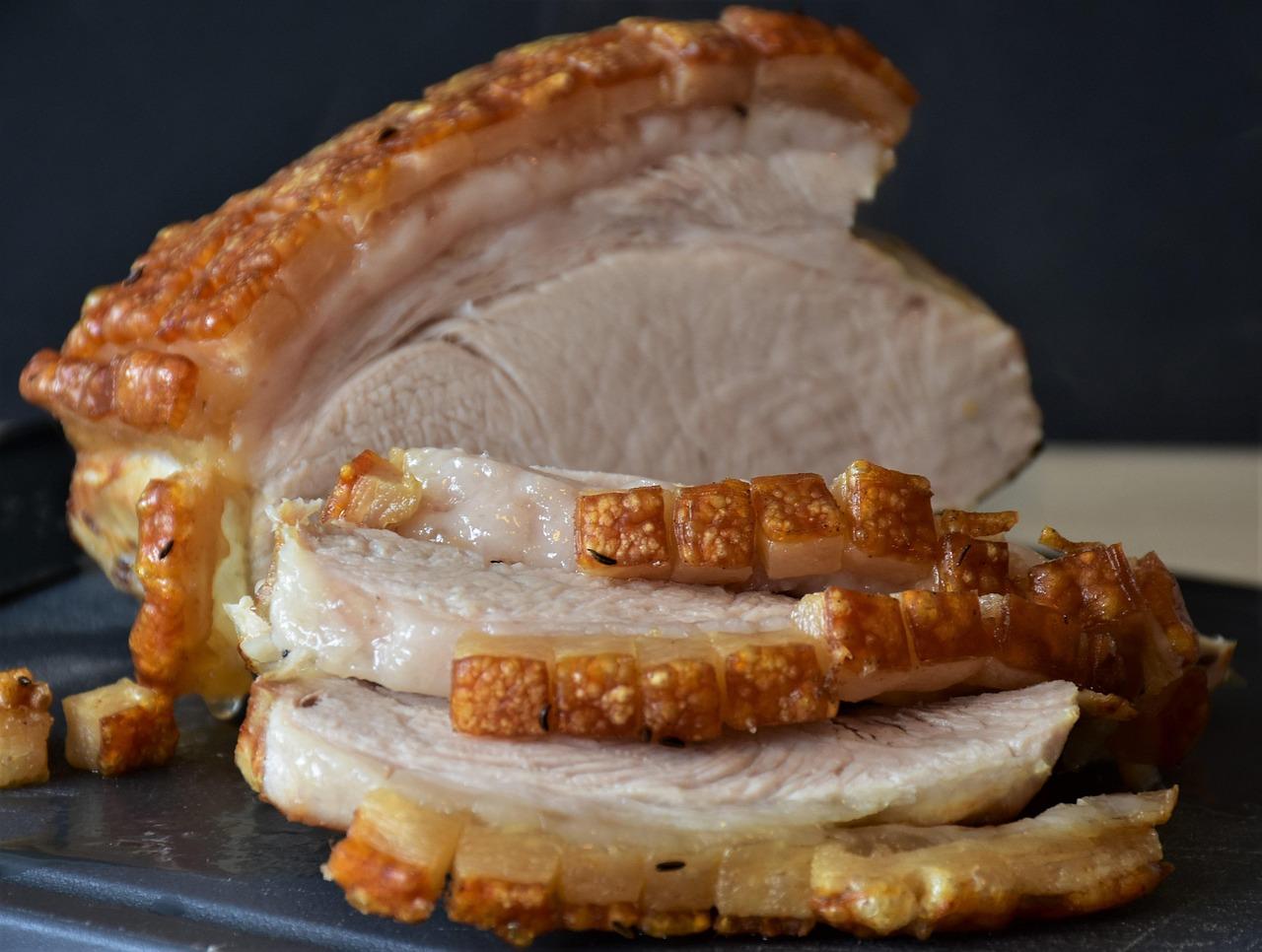
PorchettaHerb-stuffed roast pork belly

Porchetta is the street food of central Italy: in Ariccia, in the hills south of Rome, and across Umbria, vans at markets and village festivals carve thick slices of this slow-roasted pork, stuffed with garlic, rosemary, fennel and pepper, straight into crusty rolls. Whole pigs are used there; at home, a piece of pork belly rolled around the loin gives the same juicy meat, herby centre and shatteringly crisp crackling. Serve it in rolls, or hot in slices with roast potatoes and greens, and the leftovers are just as good cold. Chef's tip: leave the tied roll uncovered in the fridge overnight; a dry skin is what turns into blistered crackling.

280 minItalianMeat
by KrazyBadal 0 views

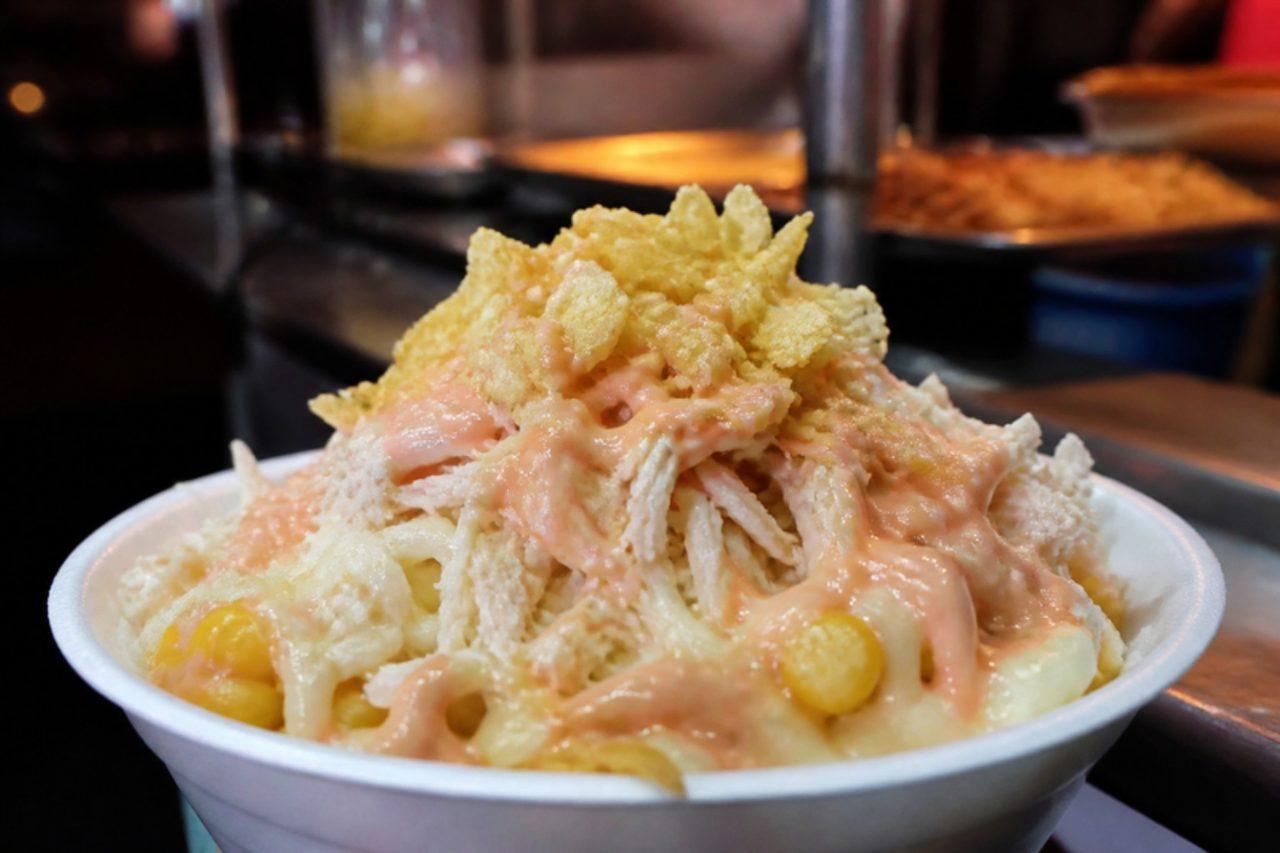
Mazorca desgranadaSweetcorn with chicken and cheese

Food trucks and street corners in Bogotá and Medellín sell mazorca desgranada in plastic tubs, late into the evening: sweet corn kernels cut off the cob, fried in butter and layered with shredded chicken, melted cheese, crunchy potato sticks, pineapple sauce and salsa rosada. Some stands add bacon, beef or quail eggs; this version keeps to chicken. It is sweet, salty and gooey, and a hit with teenagers. Using tinned corn without draining it well is a common error: the water dilutes the sauces and the tub gets soggy. Chef's tip: fry the corn until a few kernels brown and pop; that caramelised edge stands up to all the sweet sauces. For a vegetarian tub, skip the chicken and use a cheese made with microbial rennet.

by KrazyBadal 0 views

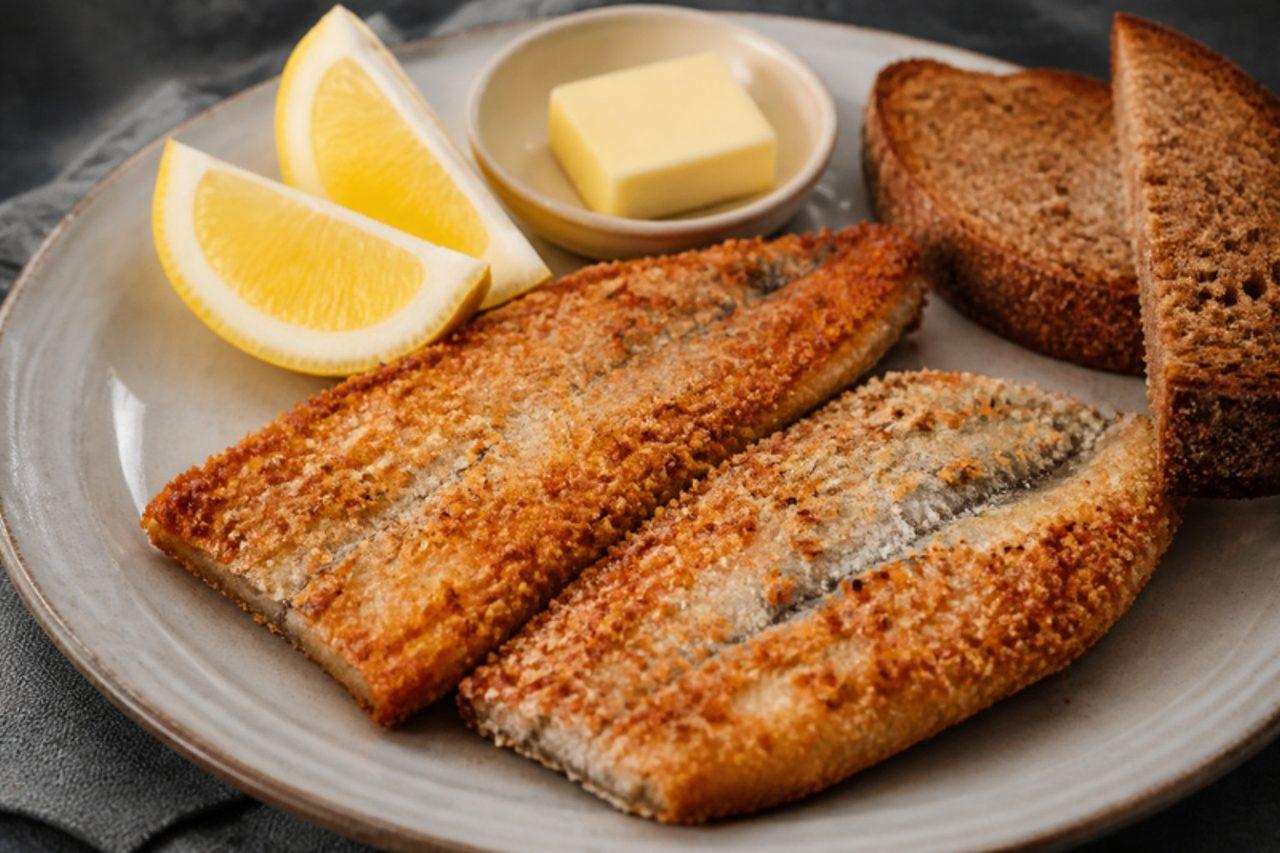
Donegal herring in oatmeal

Herring was the silver fortune of Killybegs and the Donegal coast, when the boats came in loaded through the autumn, and the cheapest supper in every fishing village was fresh herring rolled in oatmeal and fried. The oats make a nutty, crunchy crust around the rich, soft fish. Serve with boiled potatoes and a wedge of lemon or a spoonful of mustard. Chef's tip: press the oats on firmly and let the fish sit for 5 minutes before frying, so the coating sticks.

25 minIrishFish
by KrazyBadal 0 views

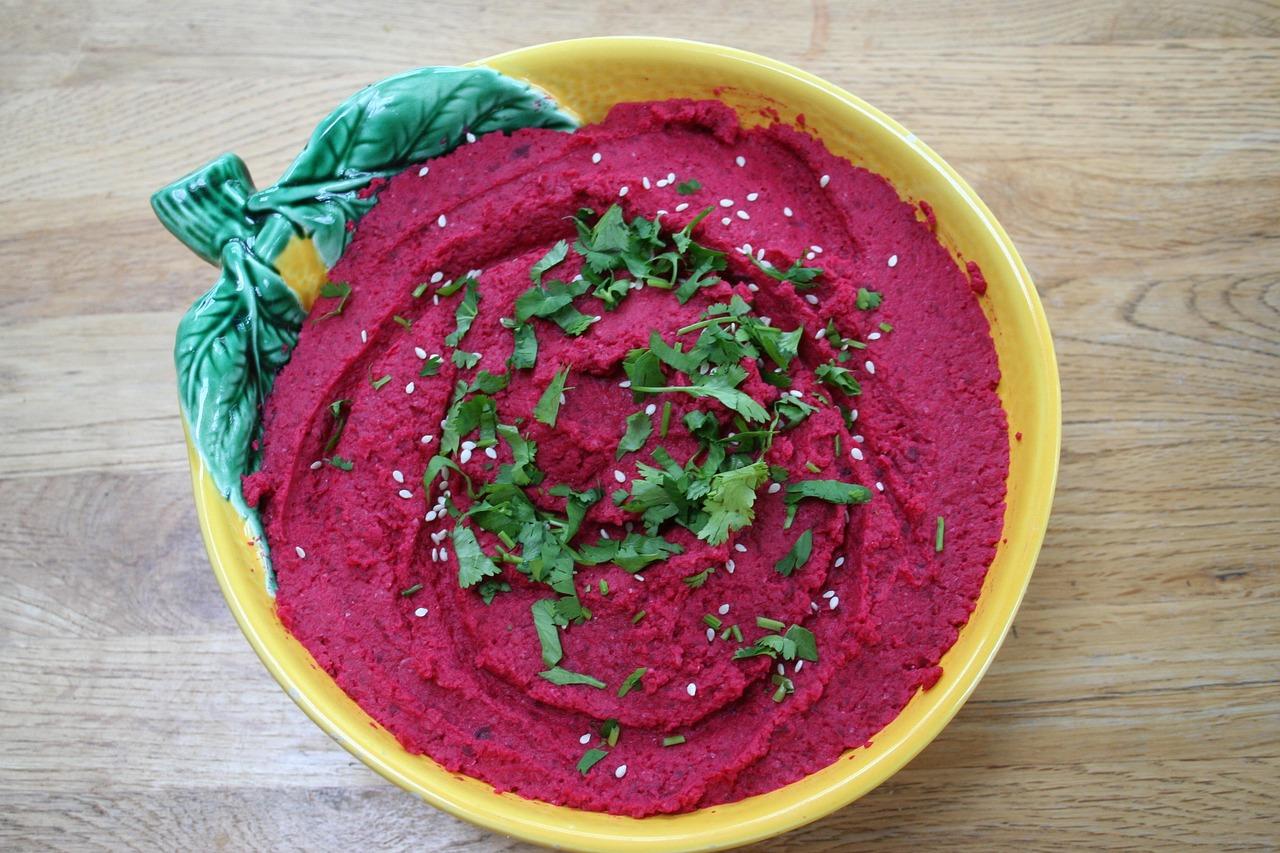
Mtabbal shamandarBeetroot and tahini dip

Beirut's modern mezze bars made mtabbal shamandar a fixture next to hummus and moutabal: roasted beetroot blended with tahini, garlic, lemon and a little yoghurt into a magenta dip that is earthy, nutty and bright. It is quick to make and keeps well, so it is good for a weekend spread with warm flatbread, crisp cucumbers and radishes. Common mistake: boiling the beetroot, which waters it down; roasting in foil concentrates the sweetness. Chef's tip: add the lemon a little at a time and taste — beetroot varies a lot in sweetness, and the dip should taste lively, not sugary. Use plant yoghurt to make it vegan.

by KrazyBadal 0 views

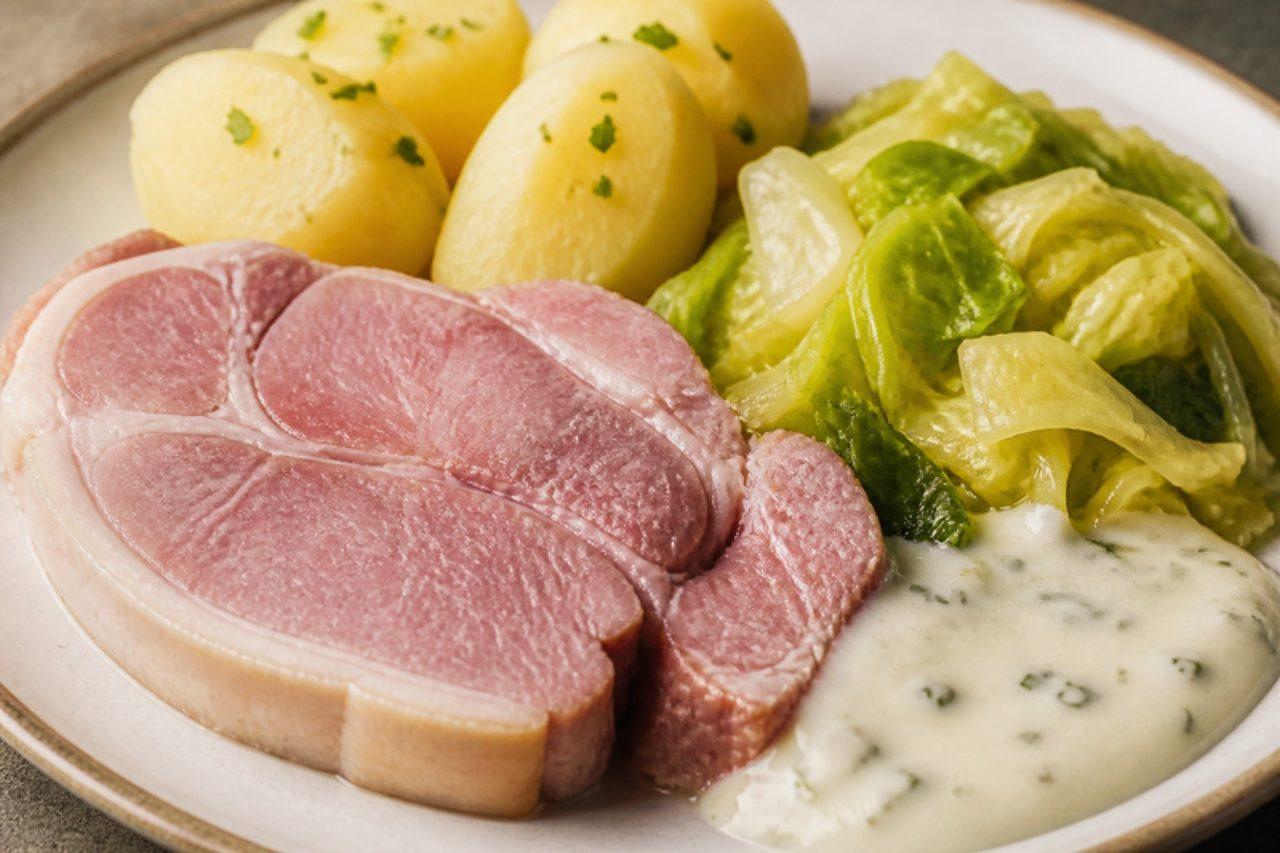
Bacon and cabbage

Bacon and cabbage is the Sunday dinner and the everyday dinner of rural Ireland, cooked in farmhouses from Tipperary to Mayo long before corned beef became the emigrants' version. A joint of cured pork, usually collar or loin bacon, is simmered gently, then the cabbage is cooked in the same salty, porky water, and both are served with floury potatoes and a white parsley sauce. Chef's tip: soak the bacon joint overnight in cold water if it is very salty; ask your butcher, as some cures are milder.

135 minIrishMeatGluten free
by KrazyBadal 0 views

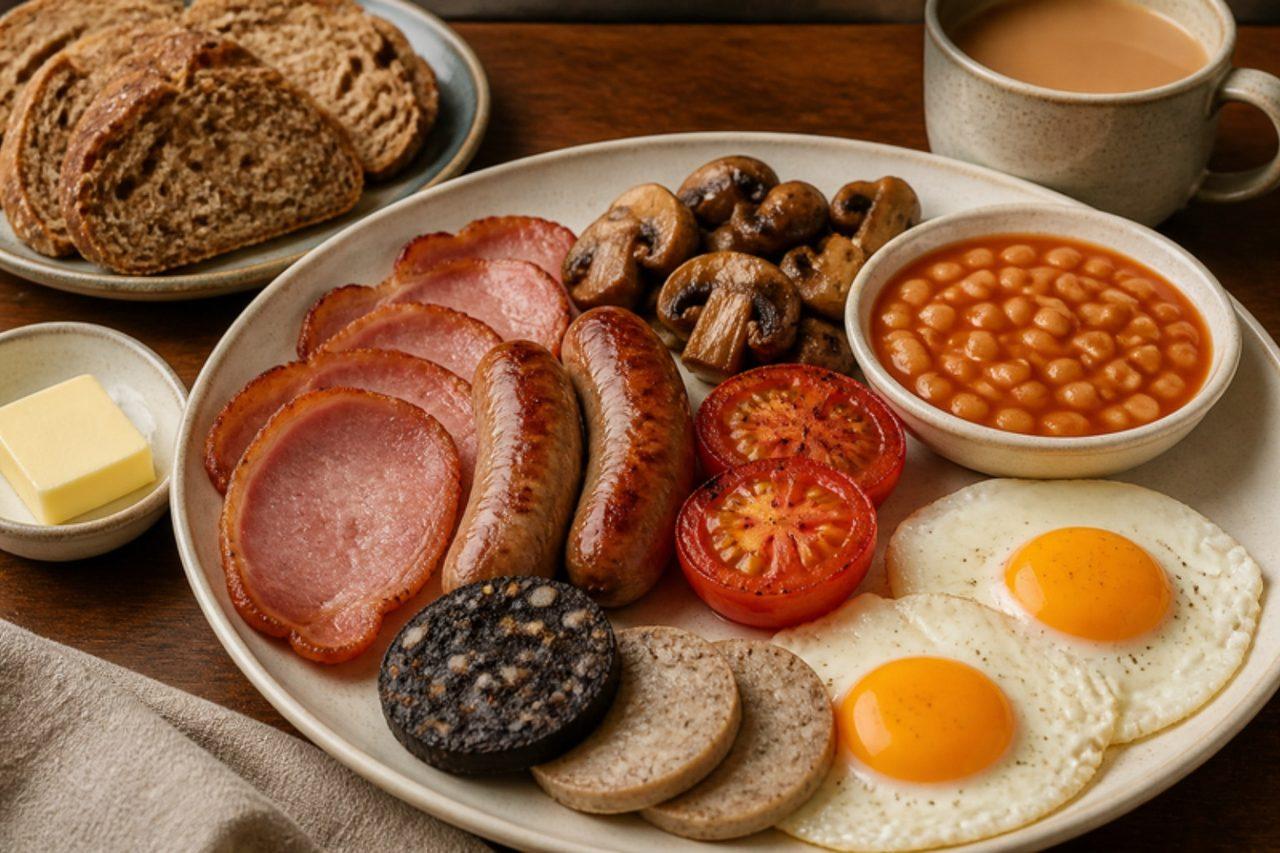
Full Irish breakfast

The full Irish, or simply 'the fry', is the big weekend breakfast served in B&Bs from Donegal to Kerry and in Dublin cafés before the match. It differs from the English breakfast in its back rashers, black and white pudding, and fried soda bread or potato bread to mop up. It contains pork: sausages, rashers and puddings. Chef's tip: cook in stages in one large pan and keep each item warm in a low oven, so everything reaches the plate hot together.

by KrazyBadal 0 views

Dublin Bay prawns in garlic butter

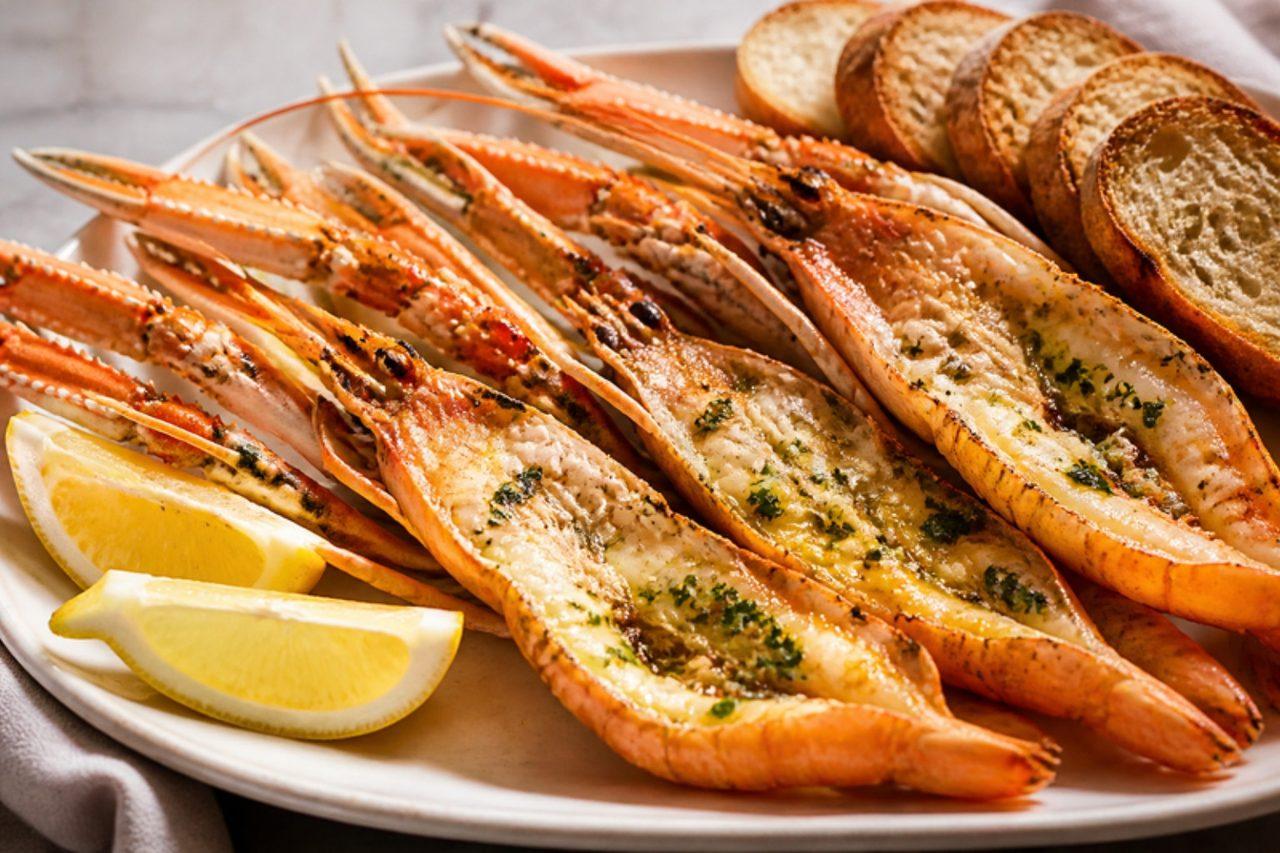
Dublin Bay prawns are not prawns at all but langoustines, the small orange lobsters landed at Howth and Clogherhead and once sold off the boats along the north Dublin coast. Seafood bars in Howth serve them split and grilled under a sizzling garlic, lemon and parsley butter, with brown bread to mop the plate. Chef's tip: they cook in minutes, so take them out as soon as the flesh turns from translucent to white.

25 minIrishFishGluten free
by KrazyBadal 0 views

Pan de yucaCassava starch cheese rolls

Cali bakeries sell pandeyucas warm in paper bags from early morning, often in a horseshoe shape, to go with a glass of kumis yoghurt drink or a café con leche. Made only from cassava starch, cheese, egg and a little butter, they are gluten free, puff up in the oven and stay hollow and stretchy inside with a thin crisp skin. Unlike pandebono, there is no corn flour, so they are lighter and chewier. Use tapioca (cassava) starch, sold in Asian and Latin shops; the cheese is typically a salty queso costeño made with animal rennet, so mix a vegetarian feta-style cheese with vegetarian mozzarella. Dough that is too wet makes them spread flat; it should feel like soft play dough. Chef's tip: they are at their best within 30 minutes of baking, so shape them ahead and bake just before eating.

by KrazyBadal 0 views

Blackened redfish

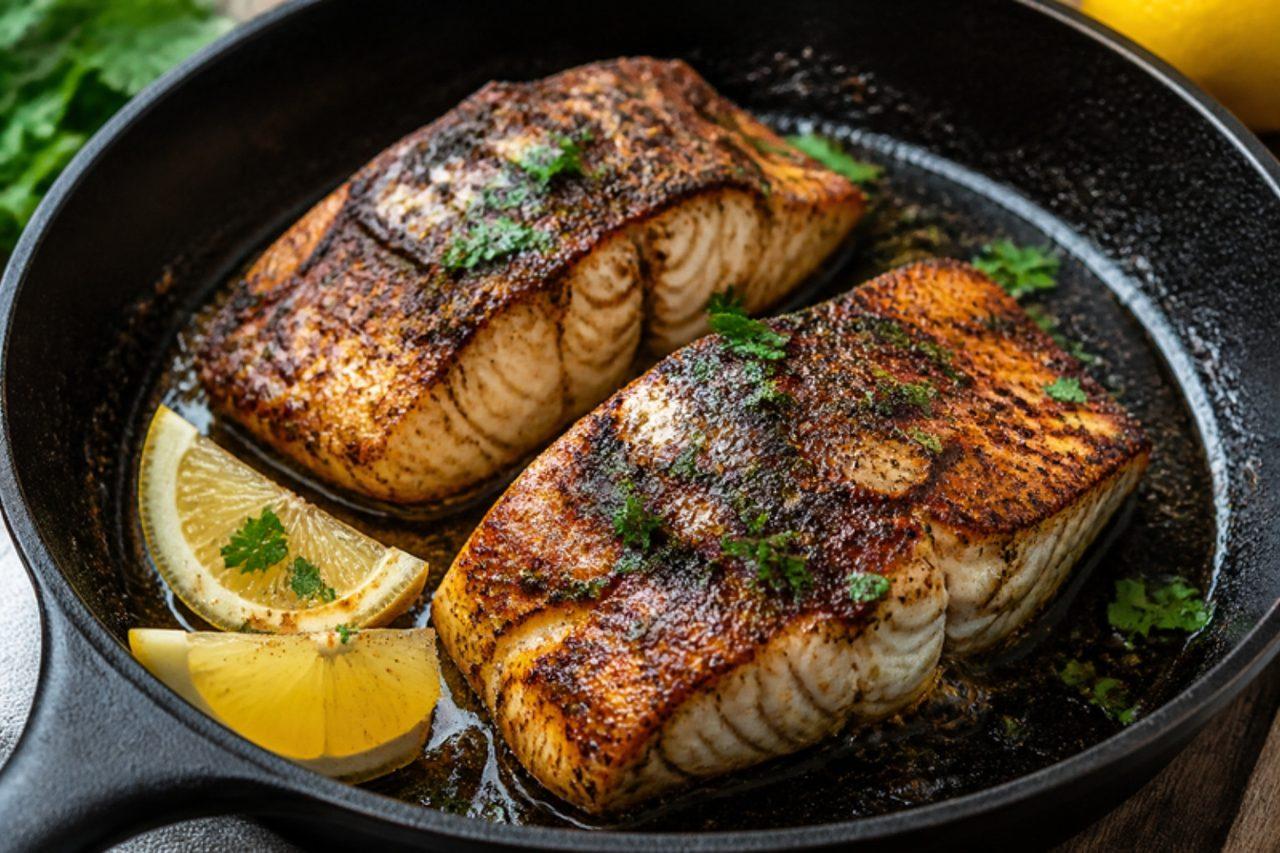
Blackened redfish was the dish that made Cajun cooking famous across America in the 1980s, created in a New Orleans restaurant by a chef from Opelousas. Fillets are dipped in butter, coated thickly in paprika, cayenne, thyme and pepper and seared in a white-hot cast-iron pan, so the spices char into a dark, smoky crust while the fish stays moist. It produces a lot of smoke, so open the windows or cook it outside. Chef's tip: the pan must be heated empty for a full 5 minutes; a lukewarm pan steams the fish instead of blackening it.

by KrazyBadal 0 views

PountiChard and prune loaf

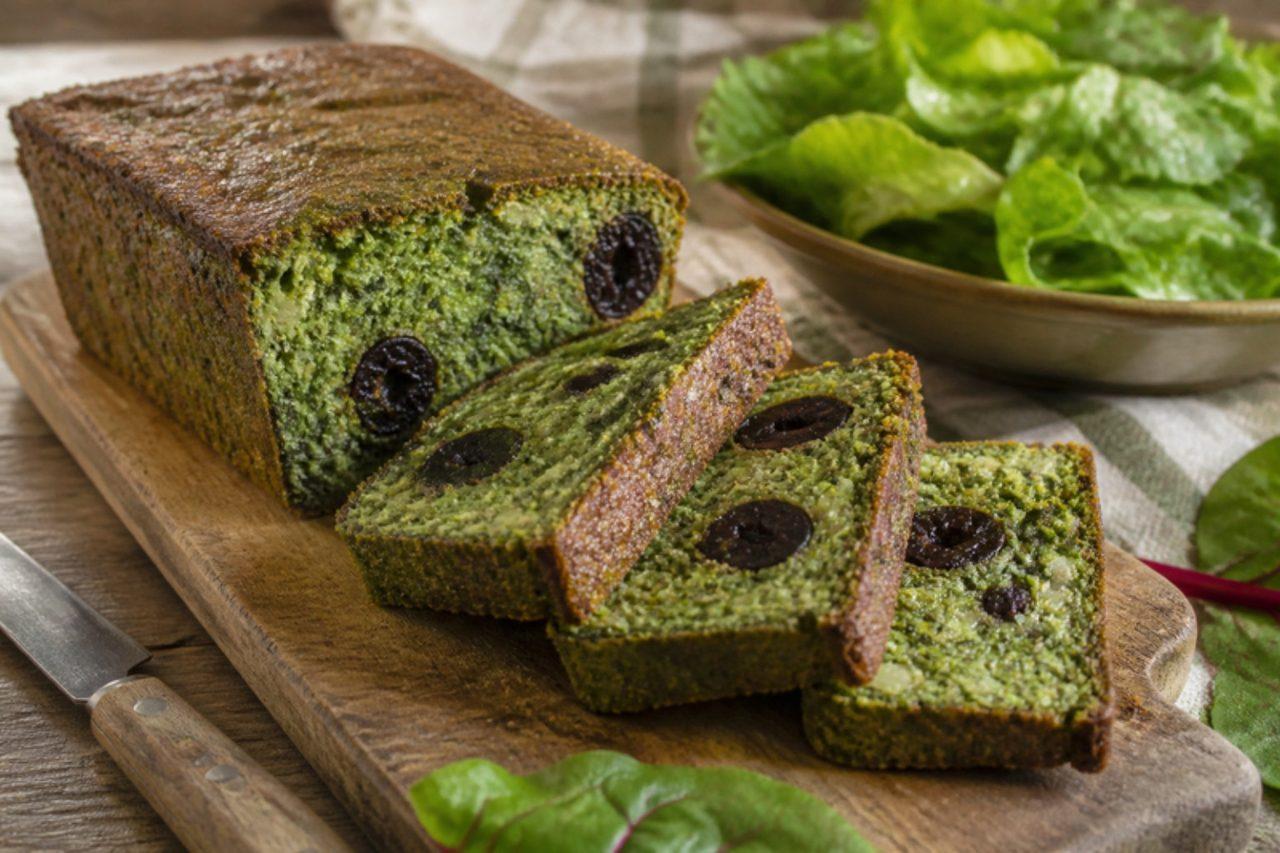
Farm kitchens in the Cantal and the Aveyron uplands bake pounti as a way to use the garden's chard and a few prunes from the cupboard: a soft savoury loaf, green-flecked and studded with dark sweet fruit, served warm with a salad for supper or cold in slices for a picnic. It is traditionally made with bacon or ham; this version leaves the meat out and adds a little smoked paprika for the same savoury edge. Chef's tip: wring the blanched chard really dry, or the loaf will be soggy in the middle.

by KrazyBadal 0 views

MsabbahaWhole chickpeas in tahini sauce

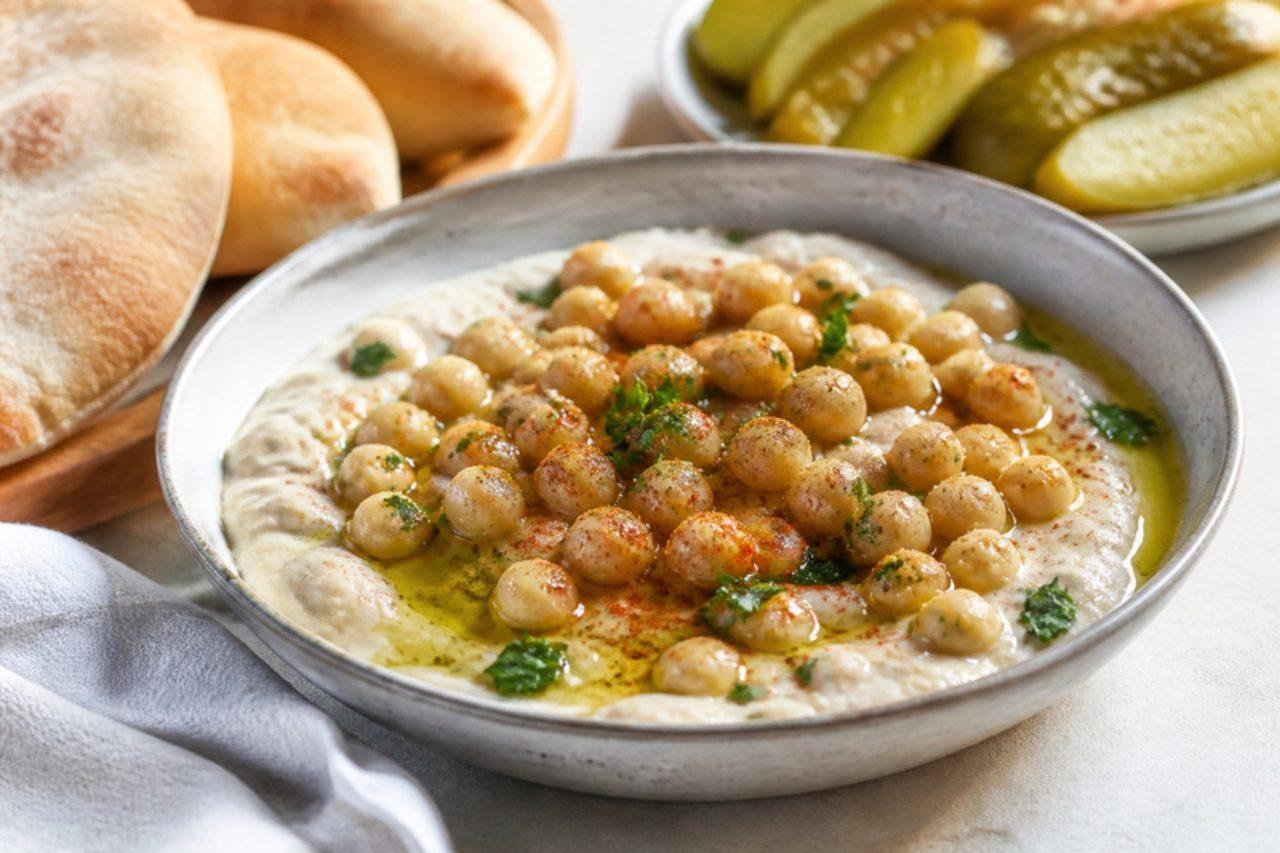
Hummus shops in Jerusalem's Old City and in Nablus open before dawn, and alongside the smooth hummus they ladle out msabbaha: whole, just-cooked chickpeas bathed in a loose, garlicky tahini and lemon sauce, still warm. It is a working breakfast, eaten with raw onion wedges, green chilli and plenty of bread, and it is just as popular in south Lebanon. The texture is the point, soft chickpeas in a creamy pool rather than a purée. The common mistake is making the tahini sauce too thick; it should pour like double cream so it seeps around every chickpea. Chef's tip: crush a handful of the hot chickpeas into the sauce before you spoon it over; it makes the msabbaha richer and creamier.

by KrazyBadal 0 views

Pane carasauThin crisp flatbread

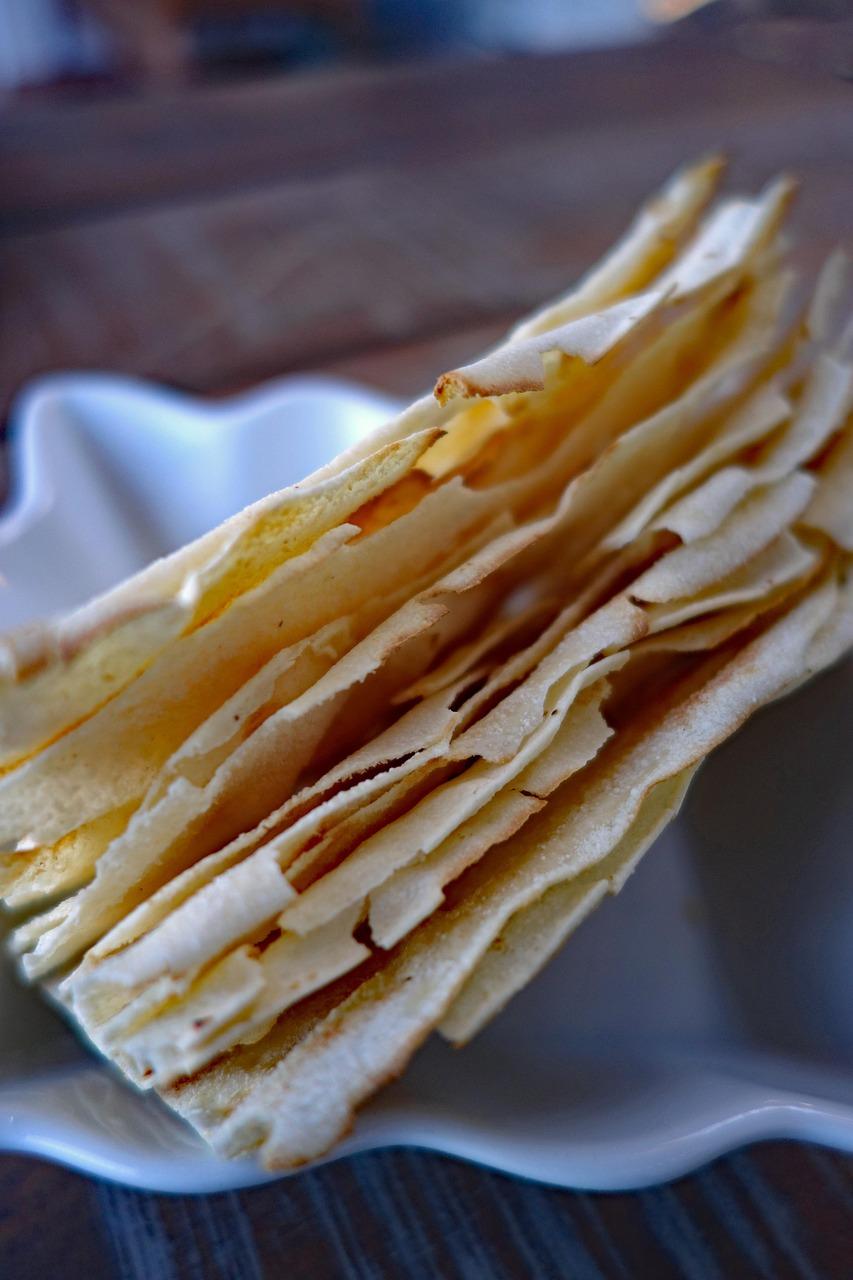
Shepherds in Barbagia, the mountainous heart of Sardinia, took stacks of pane carasau with them for weeks on the high pastures, because this dry, glass-thin flatbread never goes stale. Each disc is baked until it balloons, split in two while hot, then baked again until crisp and golden; Italians call it carta da musica, music paper, for how thin and crackly it is. Sardinians eat it with olive oil and salt as a snack, break it into soups and layer it into pane frattau. Making it at home takes patience and a very hot oven. Chef's tip: split each puffed disc the moment it comes out of the oven; once it cools, the two layers fuse together.

by KrazyBadal 0 views

MeghliSpiced rice pudding

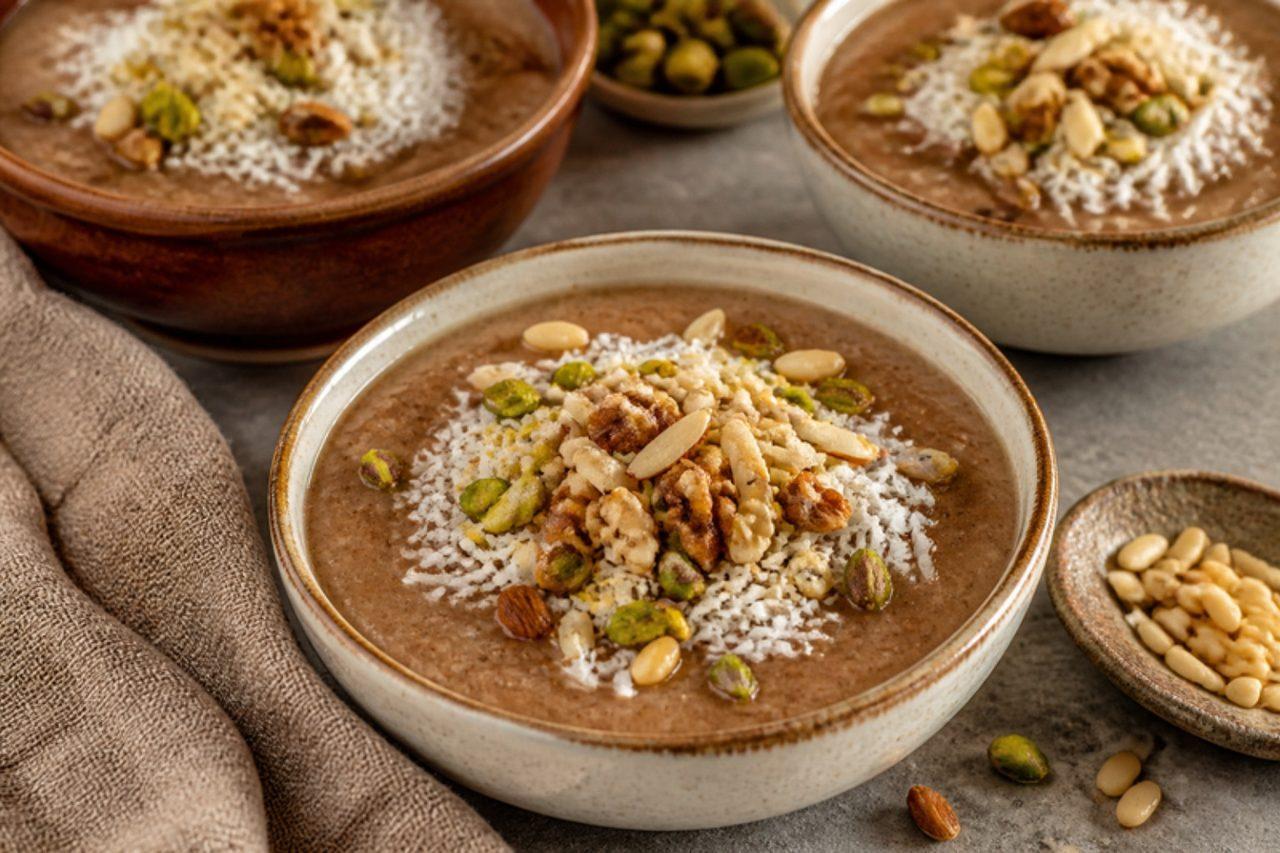
When a baby is born in Lebanon, the family cooks a big pot of meghli and hands out bowls to every visitor who comes to congratulate them; it also appears at Christmas in Christian homes. Ground rice is simmered with sugar and warm spices — caraway, cinnamon and anise — until it sets into a smooth, cocoa-brown pudding with no milk or eggs at all. Each bowl is topped with desiccated coconut and a generous pile of soaked walnuts, almonds, pistachios and pine nuts. Common mistake: walking away from the pot; ground rice catches and lumps fast, so it needs steady stirring. Chef's tip: soak the nuts in cold water overnight and peel the almonds; they turn plump and crisp, which is the hallmark of a good meghli.

by KrazyBadal 0 views

Pane di MateraDurum wheat sourdough bread

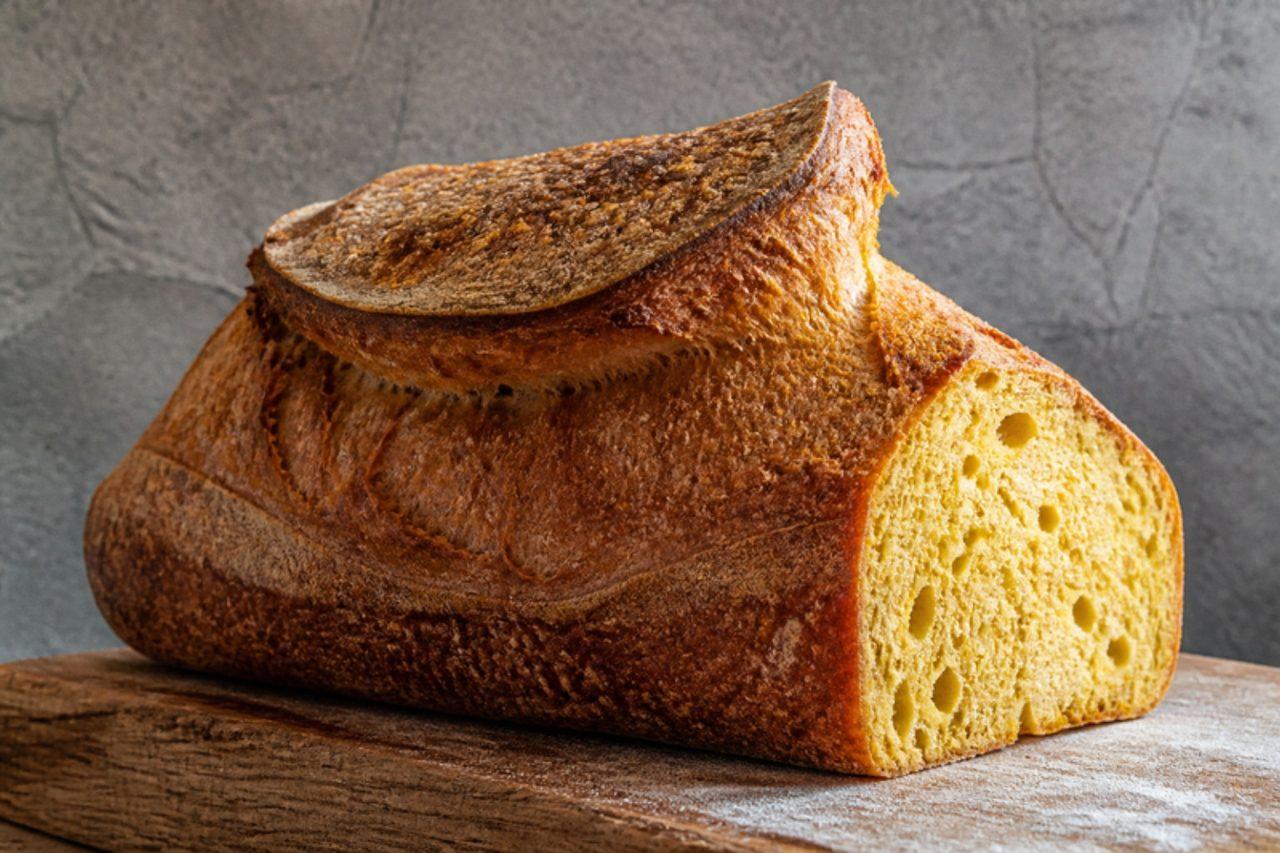
Matera's bread is a big golden loaf of durum-wheat semolina and sourdough, with a thick crackling crust and a crumb the colour of straw that stays moist for a week. It is shaped into a horned cornetto or a high-backed loaf, and until the 1950s families in the Sassi took their dough to the communal oven, each loaf marked with a carved wooden stamp so it came back to the right house. It is still eaten every day in the city, sliced thickly with olive oil and tomato or soaked in soups. Plan over two days, with a cold rise overnight. Chef's tip: feed your starter with semolina the day before, so its flavour matches the dough.

1440 minItalianBakingVegan
by KrazyBadal 0 views

Mejillones a la provenzalMussels with garlic and parsley

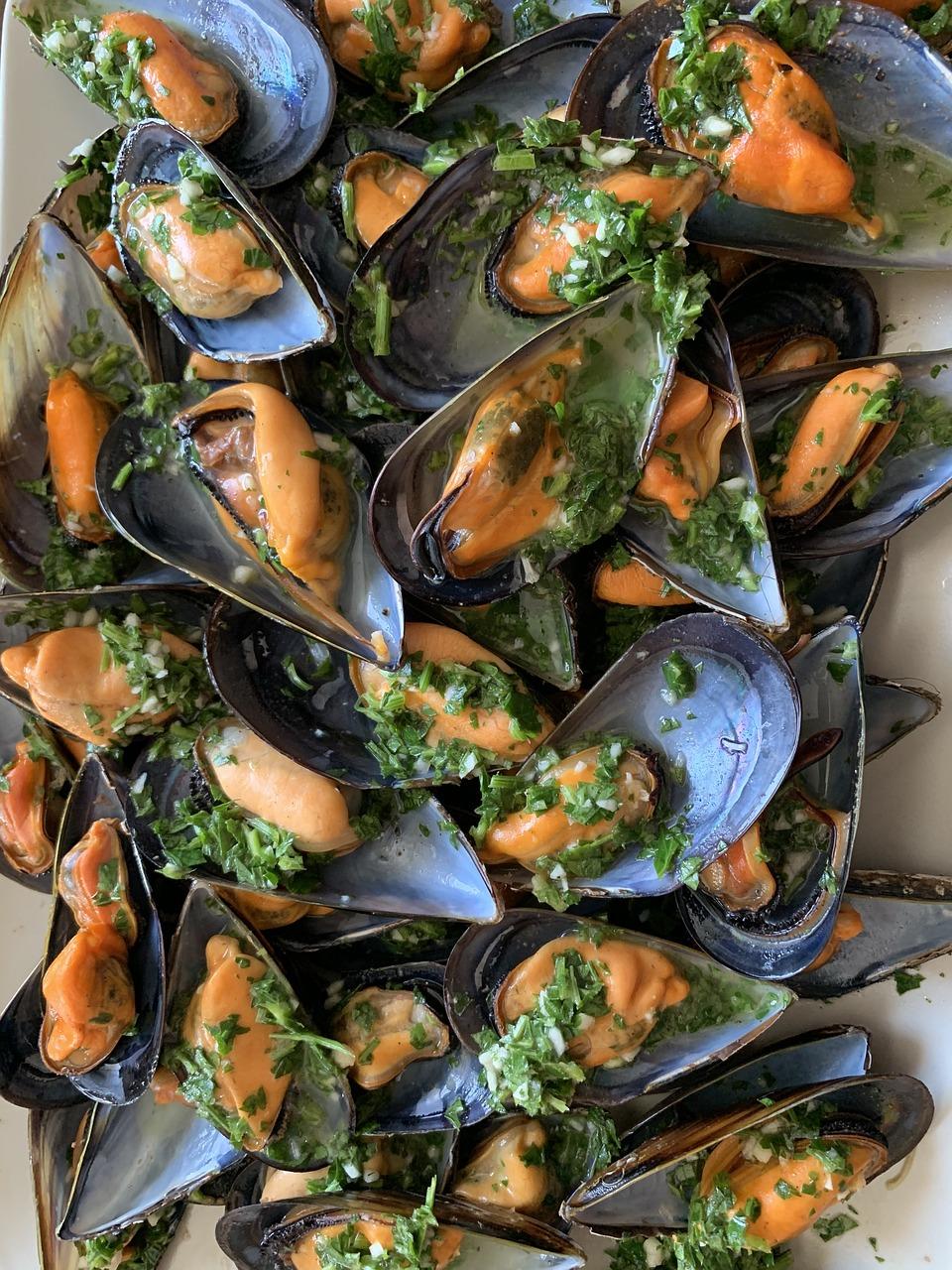
On the Atlantic coast around Puerto Madryn and the Golfo Nuevo, mussels from cold Patagonian waters are farmed and gathered in quantity, and seafood places along the rambla steam them a la provenzal, which in Argentina means lots of garlic and parsley. A splash of dry white wine goes into the pot; the alcohol mostly cooks off, but you can swap it for fish stock with a little lemon for an alcohol-free pot that tastes just as good. Serve with bread or chips to mop up the briny juices. Cooking mussels too long is the usual slip: they shrink and turn rubbery, so lift the lid as soon as most have opened. Before cooking, throw away any mussel with a broken shell or one that stays open when tapped; after cooking, discard any that stay shut. Chef's tip: keep the garlic in gently warm oil until it just smells sweet; brown garlic turns bitter and dominates the mussels.

by KrazyBadal 0 views

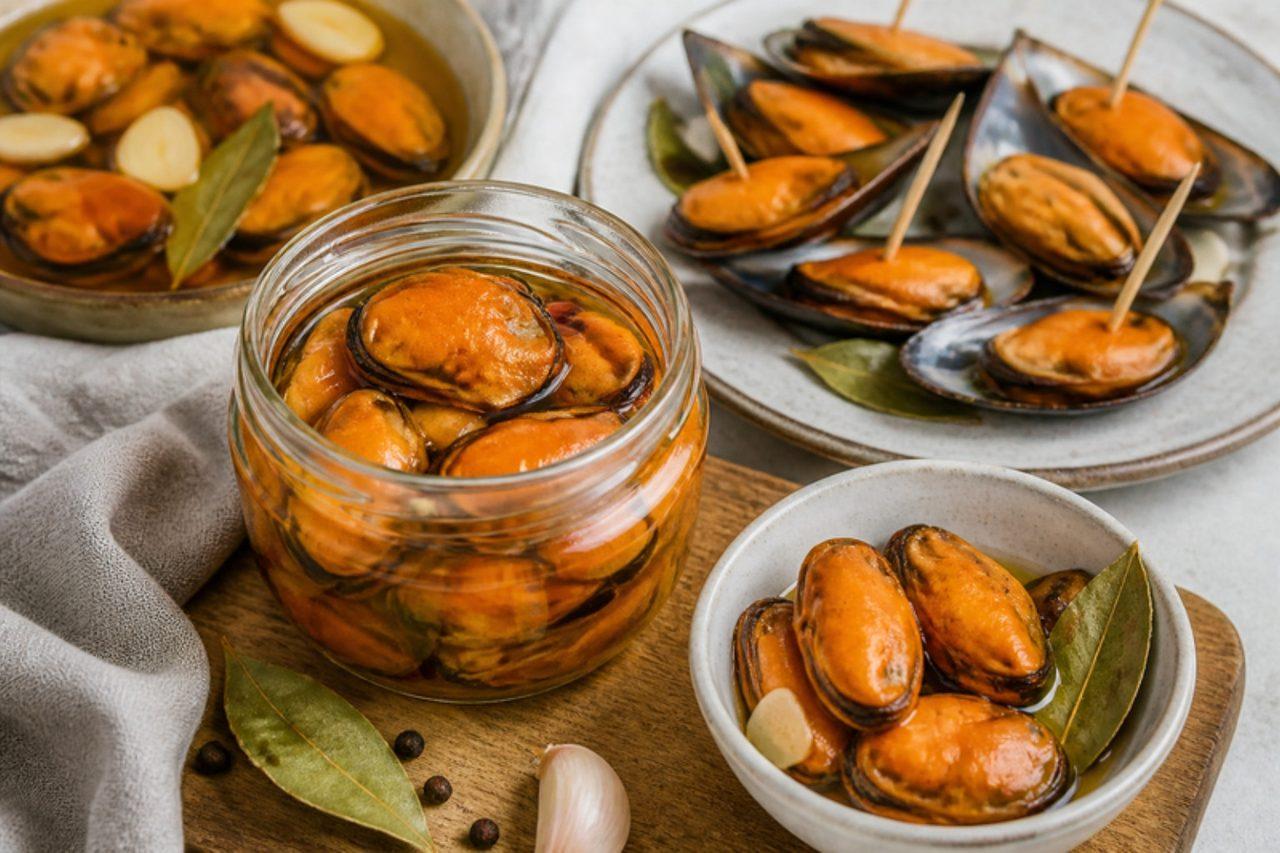
Mexillóns en escabechePickled mussels

Galicia's estuaries are lined with the wooden rafts (bateas) where mussels grow on ropes, and the region's canneries have long sold them in escabeche: steamed, shelled and kept in a warm-spiced marinade of oil, vinegar and paprika. Made at home, they're a tapa for an aperitif with crisps and cold drinks, and they keep for several days. Throw away any mussels with cracked shells, and any open ones that don't close when tapped, before cooking. A common mistake is pouring the marinade over cold mussels straight from the fridge: mix while both are warm so the flavours soak in, then chill. Chef's tip: they taste best after a full day in the fridge.

by KrazyBadal 0 views

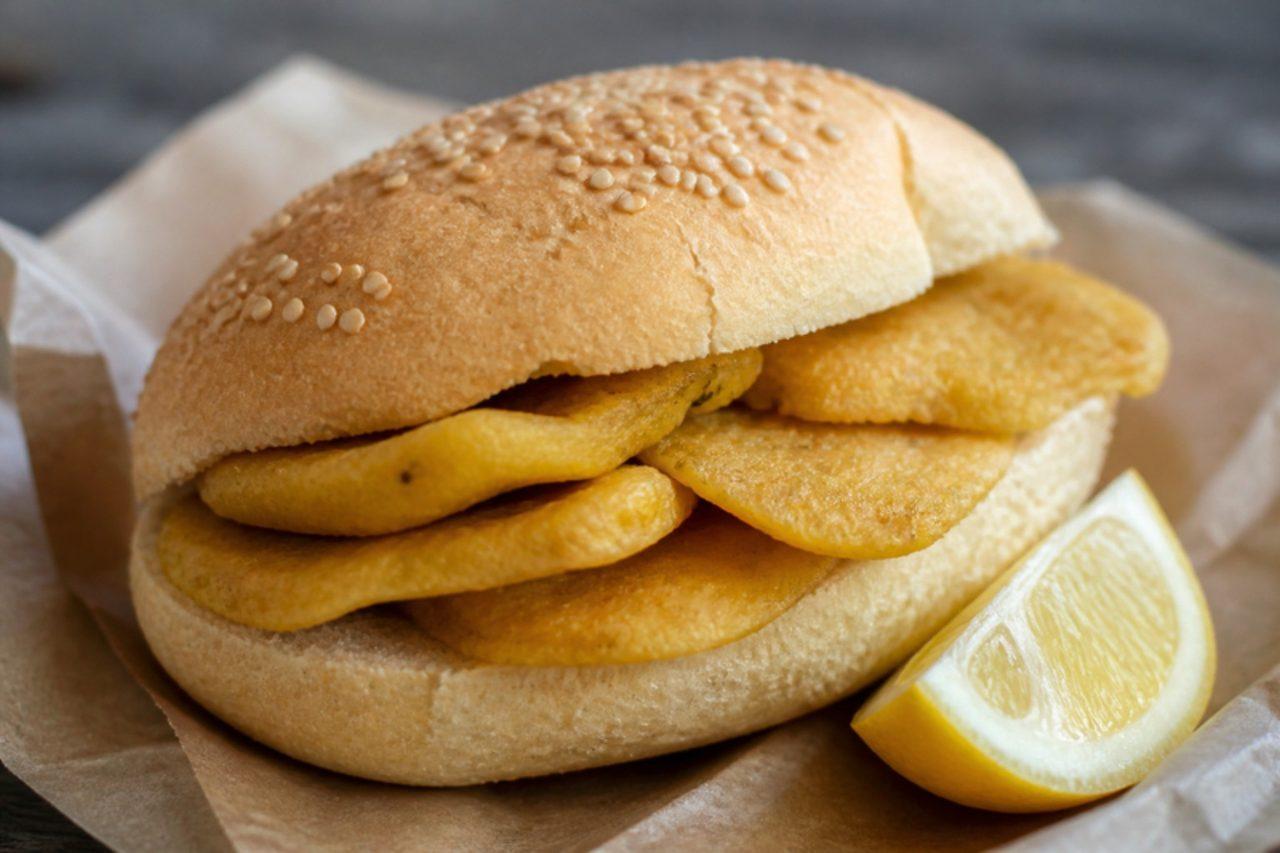
Pane e panelleChickpea fritters in a bun

Pane e panelle is Palermo's breakfast on the run: wafer-thin squares of chickpea batter fried until puffed and crisp at the edges, stuffed five or six at a time into a soft sesame roll and squeezed with lemon. Friggitorie at the Vucciria and Ballarò markets sell them from early morning, often alongside potato crocchè, and the city eats them standing at the counter. The panelle are creamy inside and nutty with a little parsley. Chef's tip: whisk the chickpea flour into cold water, never hot, and you will have no lumps.

by KrazyBadal 0 views

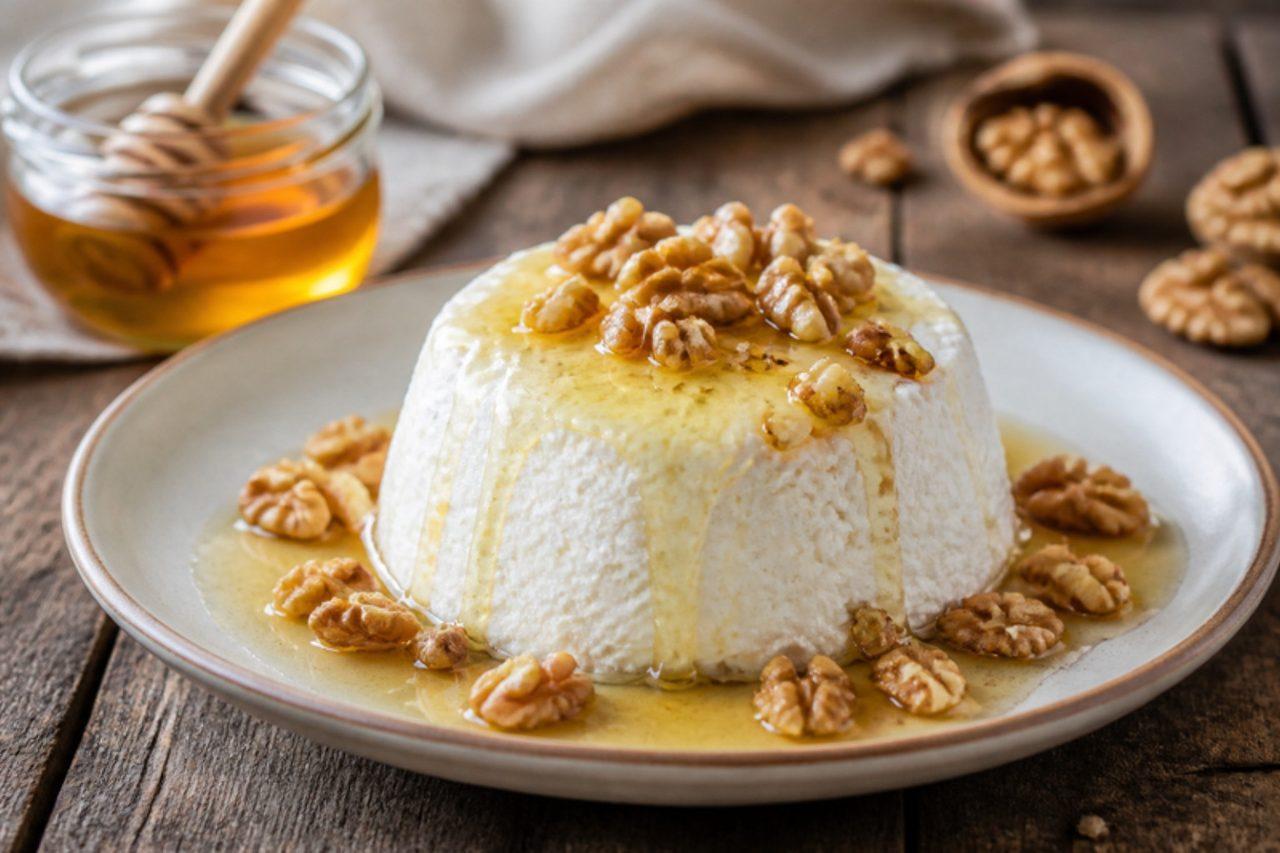
Mel i matóCurd cheese with honey and walnuts

On the road up to Montserrat, farm women once sat at stalls selling fresh mató, a soft, mild, unsalted curd cheese, and the dessert of mató drizzled with honey became a fixture of Catalan restaurants. It is as simple as dessert gets, and best with the freshest cheese. Shop-bought mató and some ricottas are set with animal rennet; this home version is set with lemon juice instead, so it is vegetarian. If you buy cheese, check the label for a vegetarian or microbial rennet. Chef's tip: heat the milk gently and stop at 90 °C; boiling makes the curds tough and grainy.

by KrazyBadal 0 views

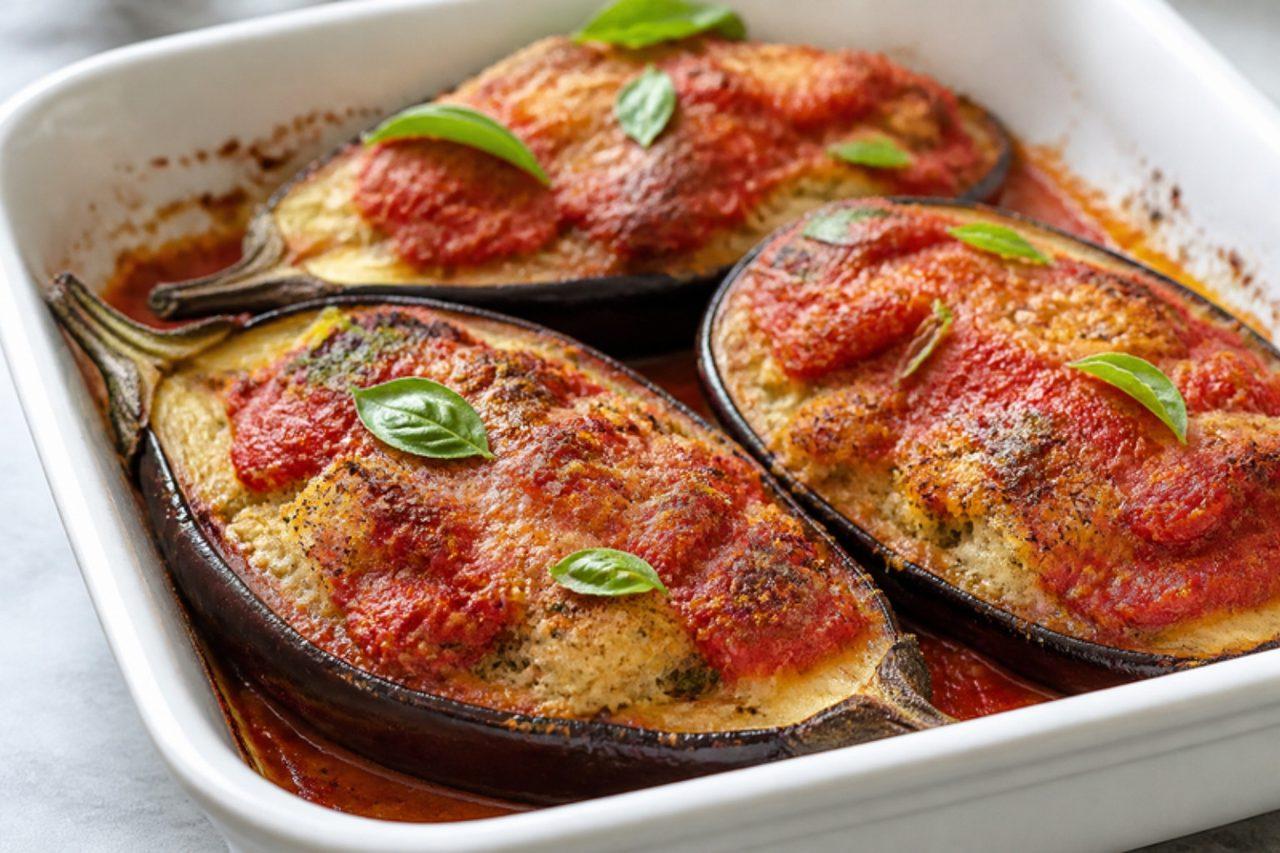
Mulinciani chiniStuffed aubergines

Mulinciani chini, 'full aubergines' in Calabrian dialect, are what summer gardens across Calabria turn into in August: halved aubergines hollowed out, their pulp fried and mixed with soaked bread, pecorino, egg, garlic and basil, then piled back into the shells and baked in a light tomato sauce. They are made in big trays for family lunches and taken cold to the beach the next day. The filling turns soft and savoury, the shells silky. Chef's tip: they taste best after resting for an hour, so they are perfect to make ahead.

by KrazyBadal 0 views

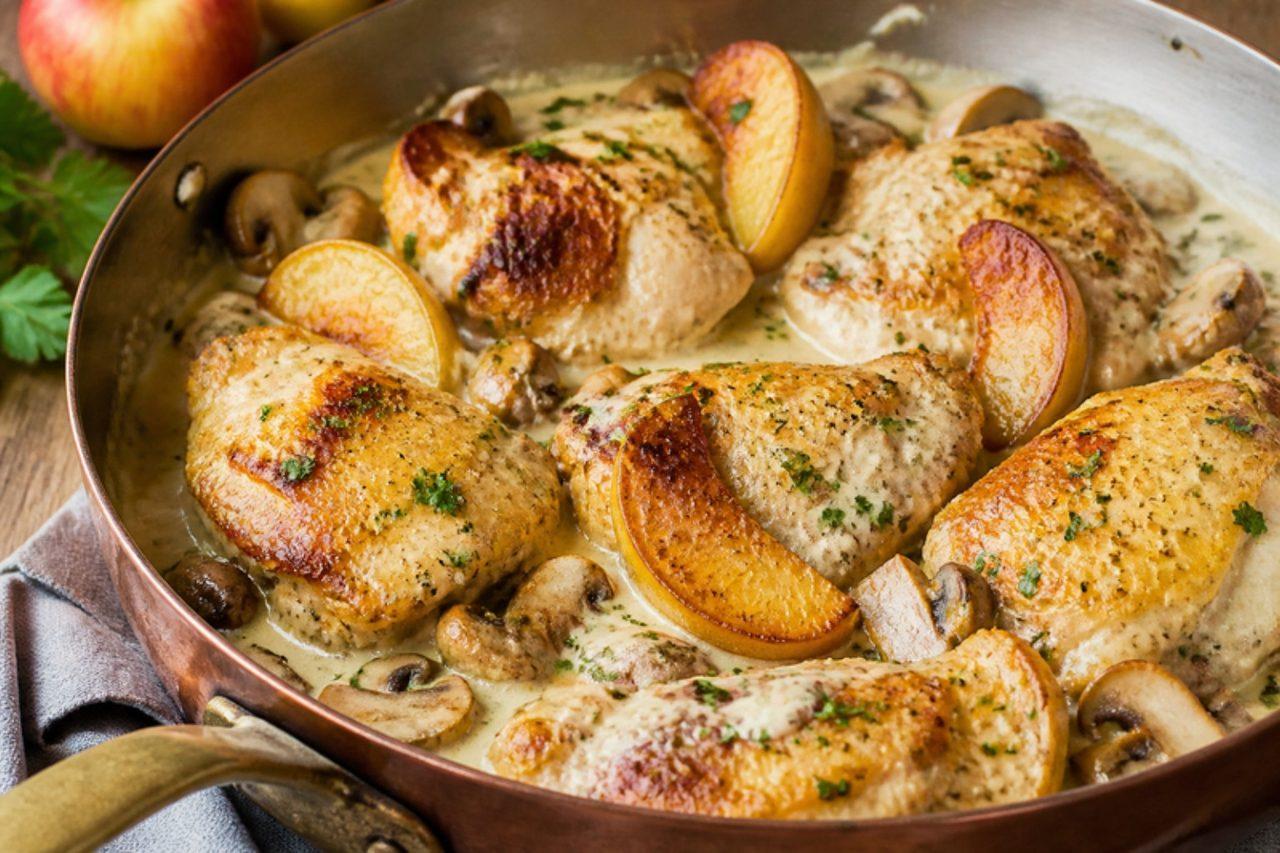
Poulet vallée d'AugeChicken in cider and cream sauce

The Pays d'Auge, the green orchard country around Lisieux and Pont-l'Évêque, puts its three great products into one pan here: apples, cider and thick Normandy cream. Chicken pieces are browned in butter, flamed with a splash of Calvados if you like, braised in dry cider with mushrooms and finished with crème fraîche, so the sauce is tangy, gently sweet and pale gold. It is a Sunday lunch dish, served with rice or steamed potatoes and wedges of apple caramelised in butter. The recipe uses cider and optional Calvados; alcohol-free swaps are in the ingredient notes. Chef's tip: choose a dry cider, because a sweet one makes the sauce cloying once it reduces.

by KrazyBadal 0 views

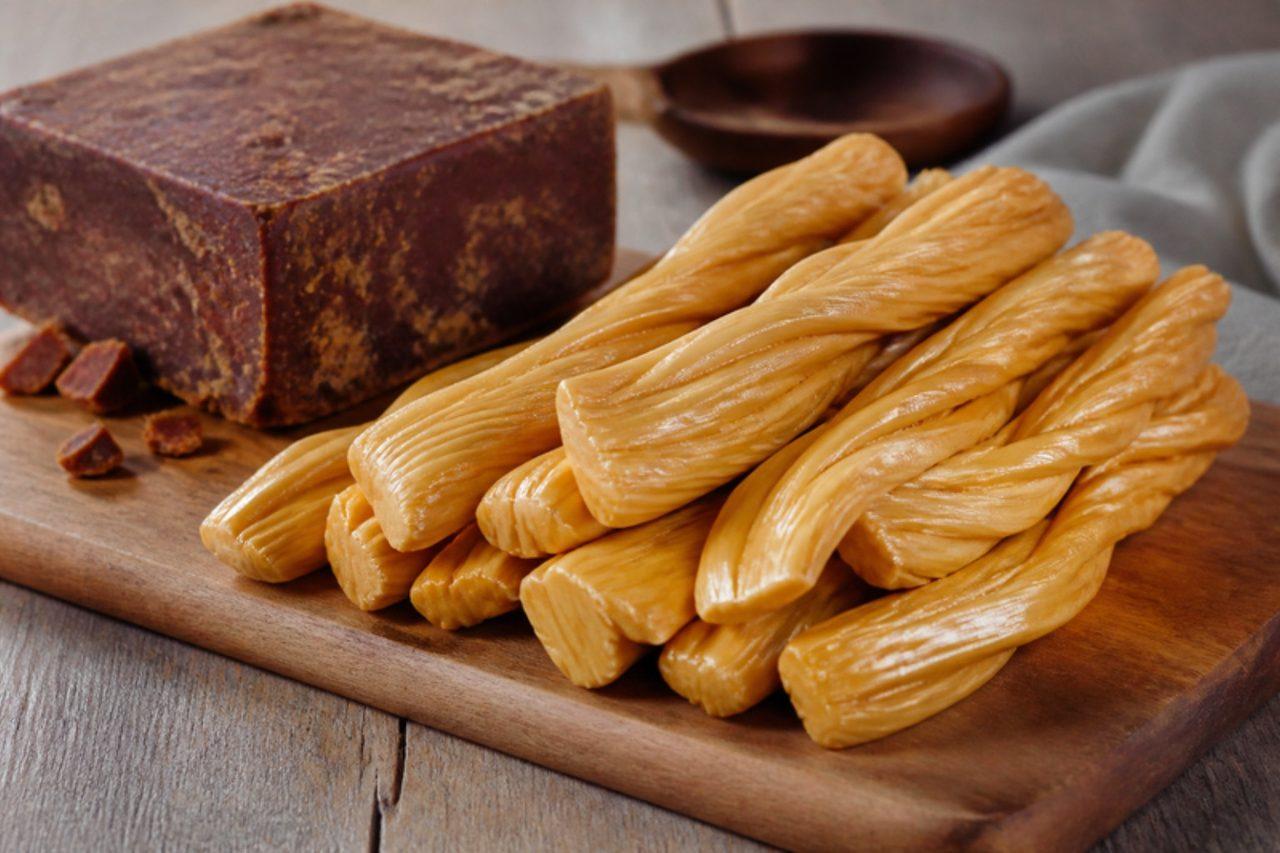
MelcochasPulled panela taffy

Pulling melcocha is a spectacle at roadside stalls in panela country, around Villeta in Cundinamarca and the Santander highlands. A syrup of panela is boiled until thick, cooled just enough to handle, then stretched, folded and stretched again until it turns from dark brown to a pale, satiny gold and becomes chewy. It is twisted into ropes and cut into pieces that taste of caramel and molasses. Kids and adults both buy it in little bags, and it makes a fun kitchen project for a group. Getting the timing wrong is the usual mistake: too hot and it burns your hands and sticks, too cold and it snaps instead of stretching. Work when it feels like warm putty. The syrup is dangerously hot, so keep children well back until it has cooled. Chef's tip: a sugar thermometer takes the guesswork out; take the syrup off at 125 °C for a chewy result.

by KrazyBadal 0 views

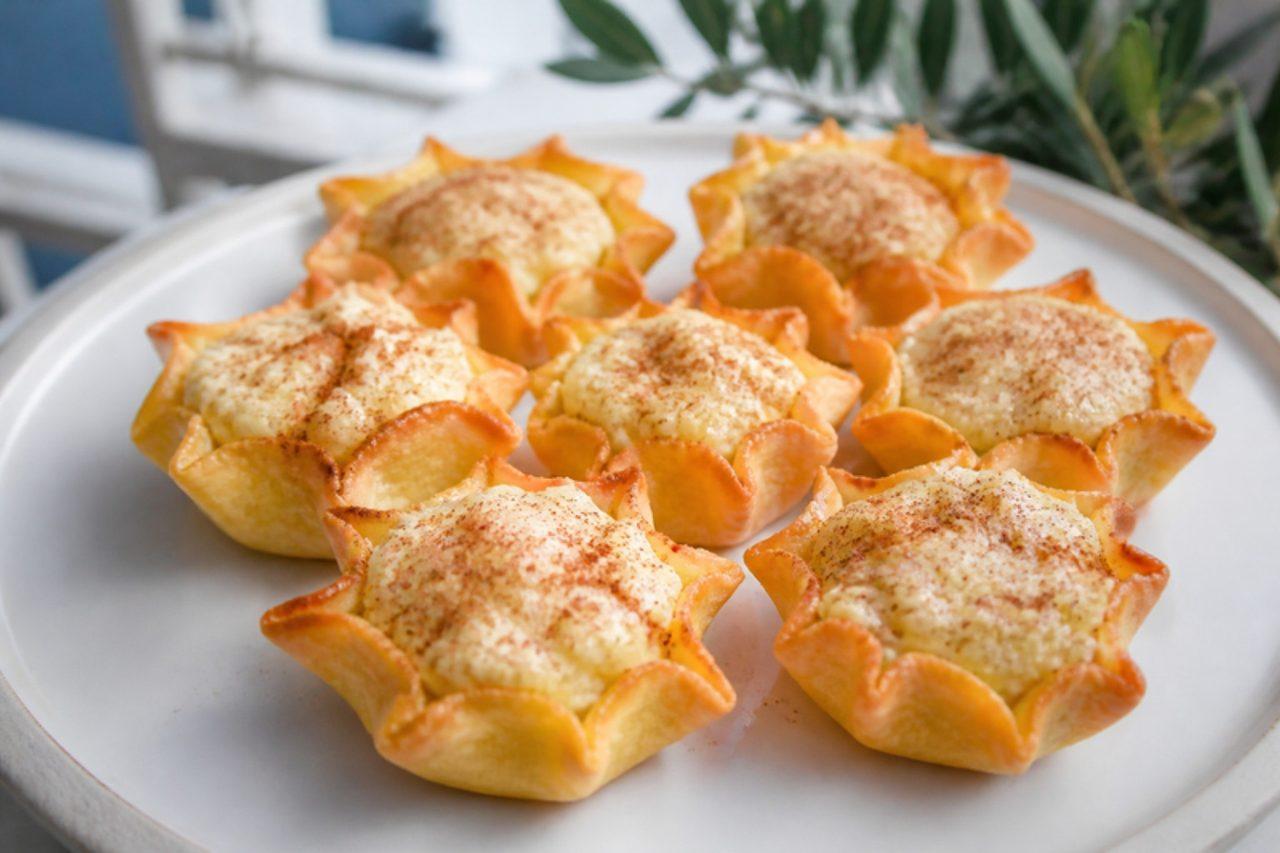
MelitiniaSweet cheese cups with mastic

Santorini's Easter sweet is melitinia: small, thin pastry cups pinched around a soft filling of fresh cheese, sugar and mastic, baked until the tops crack and turn golden. Islanders bake trays of them on Holy Saturday and offer them on Easter Sunday with coffee, and their resinous, piney mastic perfume sets them apart from cheese pastries elsewhere in Greece. Fresh mizithra is the island cheese; ricotta, usually rennet-free, is a good substitute. Common mistake: grinding mastic on its own, which makes it gum up; always crush it with a spoon of sugar. Chef's tip: roll the pastry very thin, about 2 mm, so it bakes crisp around the creamy filling.

by KrazyBadal 0 views

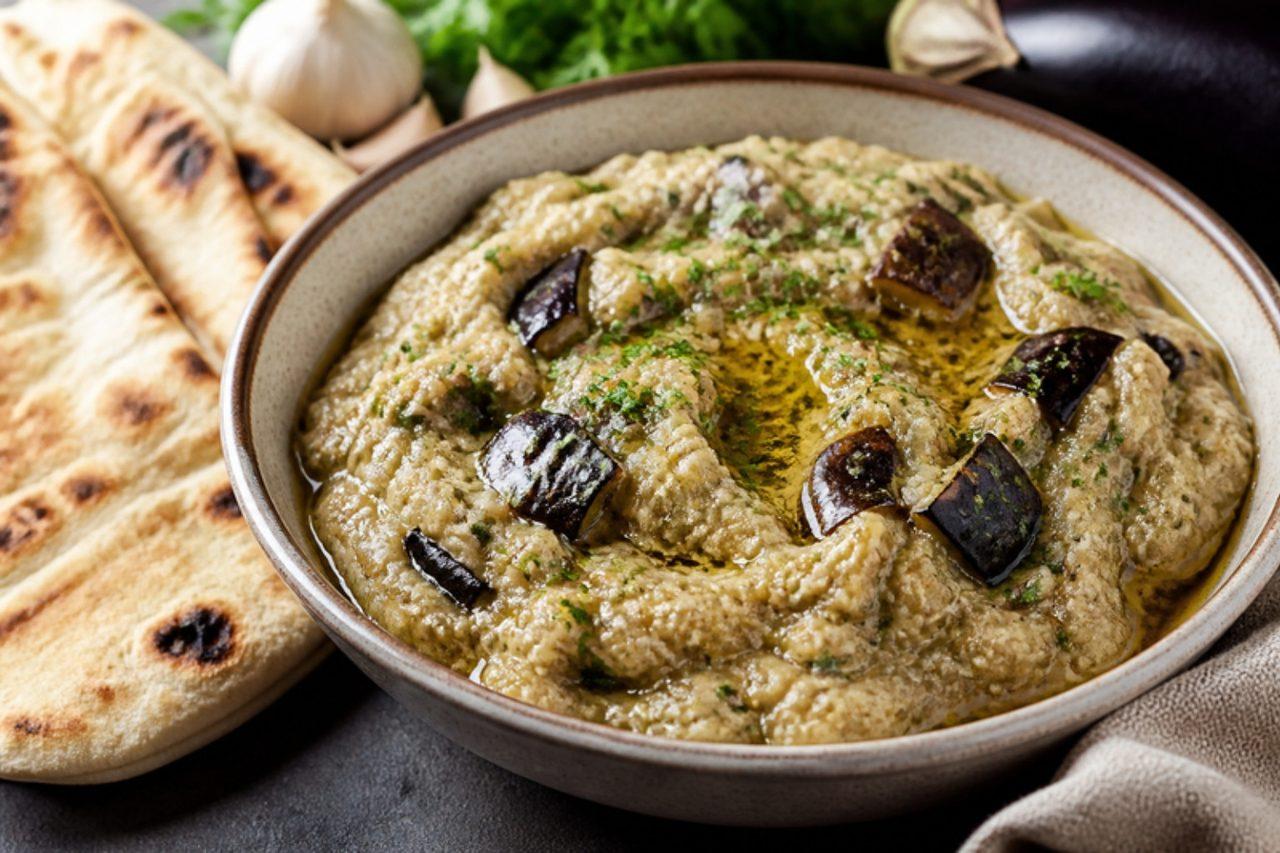
MelitzanosalataSmoky aubergine dip

Every Greek taverna puts melitzanosalata on the meze table, especially in summer when aubergines are charred over the same coals as the souvlaki. Unlike Levantine dips it has no tahini: the smoky flesh is chopped with a knife, not puréed, and sharpened with red wine vinegar, raw garlic, parsley and plenty of fruity olive oil, so it stays rough-textured and bright. Serve with warm pitta, grilled bread or alongside fried fish. Common mistake: leaving the bitter juices in; drain the cooked flesh in a sieve for 10 minutes. Chef's tip: char the aubergines directly on a gas flame or barbecue until they collapse; the oven alone will not give the smoky taste.

by KrazyBadal 0 views

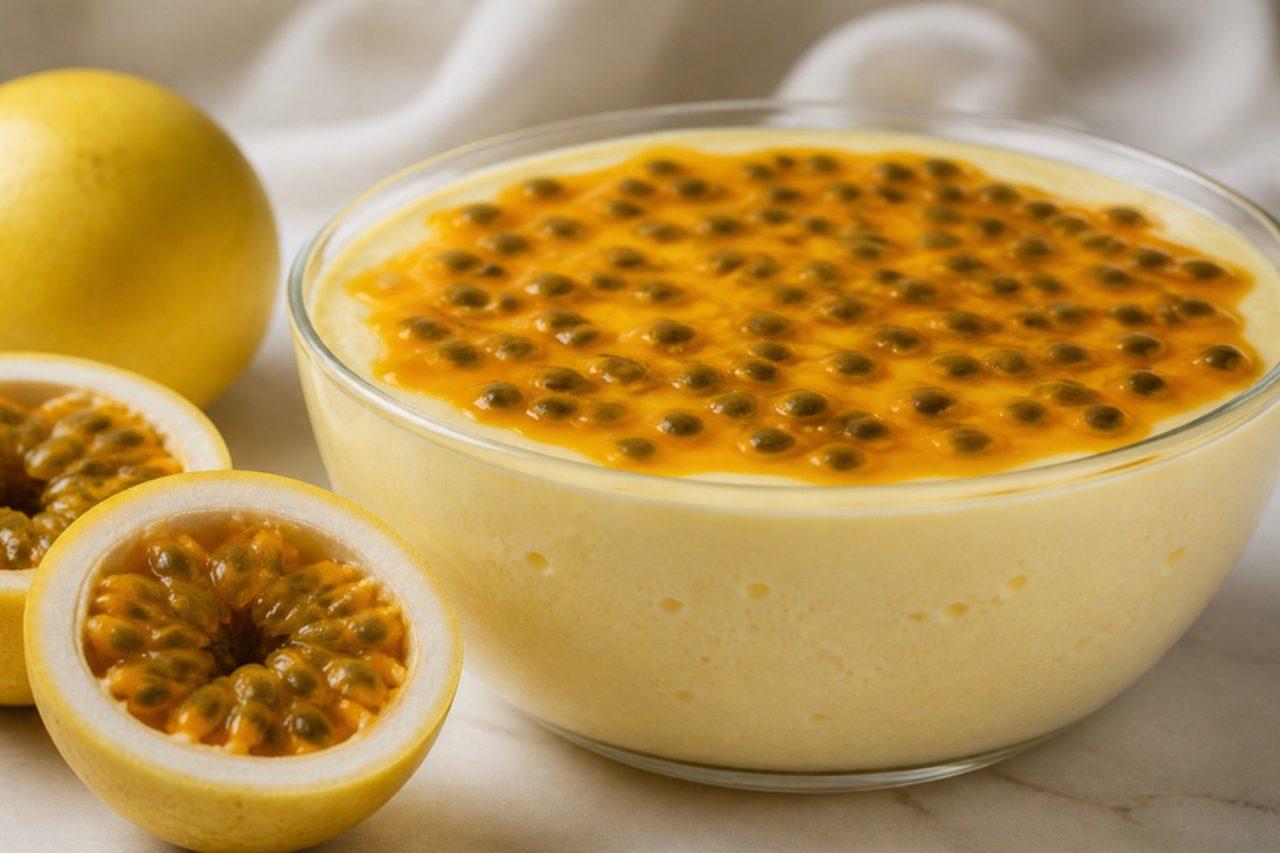
Mousse de maracujáPassion fruit mousse

Three ingredients, a blender and a fridge: Brazilian home cooks from Recife to Curitiba lean on mousse de maracujá for Sunday lunch dessert because it takes ten minutes and nobody ever refuses it. The acid in passion-fruit juice thickens condensed milk and cream almost instantly, so it sets into a light, tangy, pale yellow mousse without gelatin, topped with the glossy black seeds and pulp. Sharp and sweet at once, it is perfect after a feijoada or a barbecue. Buy wrinkly, heavy passion fruit, which are the ripest and juiciest; frozen unsweetened pulp works too. The trap is diluting the juice: any added water stops the mousse setting, so use pure strained juice. Chef's tip: keep back the pulp of one fruit, warm it for a minute with a spoonful of sugar, and pour it over the mousse just before serving for shine.

by KrazyBadal 0 views

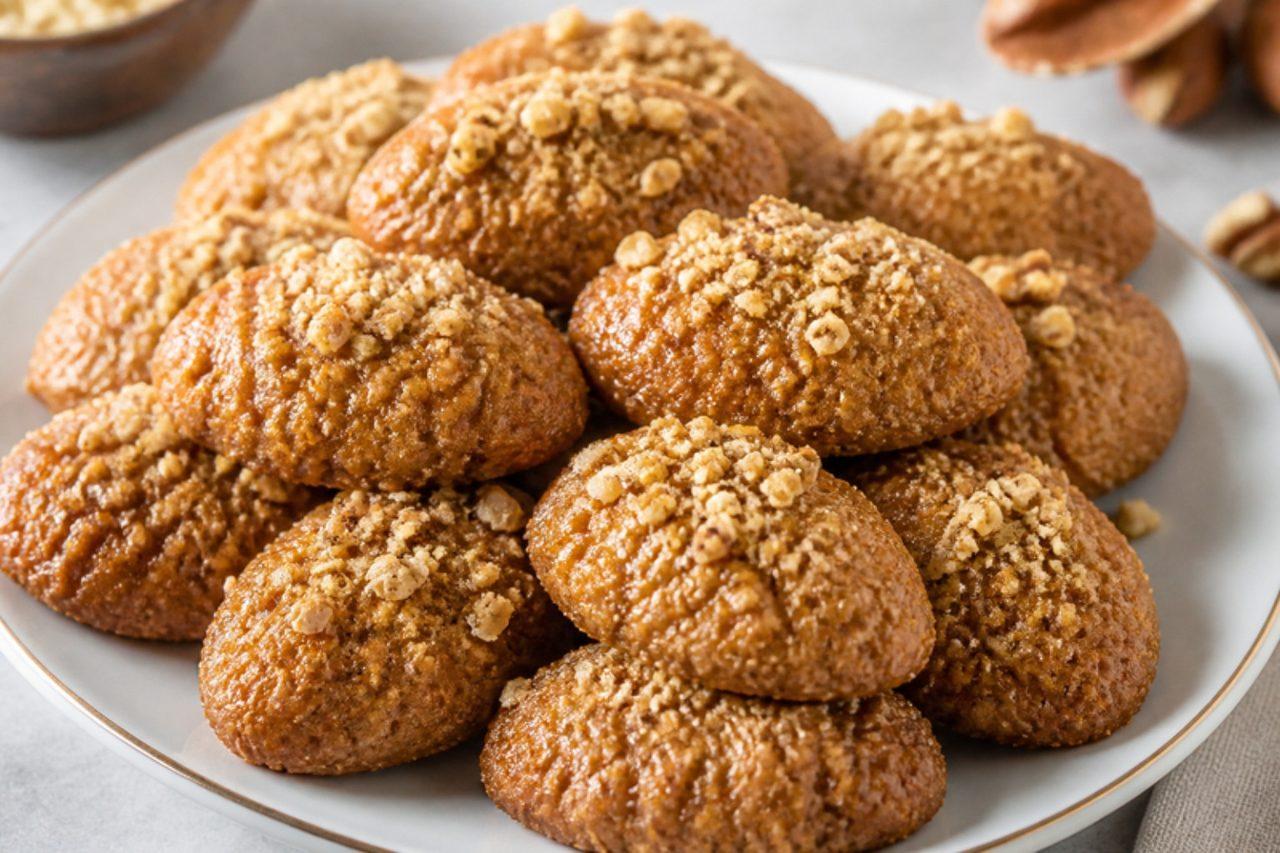
MelomakaronaHoney-dipped spice cookies

From early December, bakeries and kitchens all over Greece fill tins with melomakarona, the oval cookies that sit beside kourabiedes on every Christmas table and get handed to visitors with coffee. The dough is made with olive oil and orange juice rather than butter, scented with cinnamon and clove, then baked and plunged into warm honey syrup so the inside turns soft and sticky while the edges stay crisp. Common mistake: dipping hot cookies into hot syrup, which turns them to mush; one of the two must be cool. Chef's tip: mix the dough only until it comes together; overworking it squeezes out the oil and the cookies bake hard and greasy.

by KrazyBadal 0 views

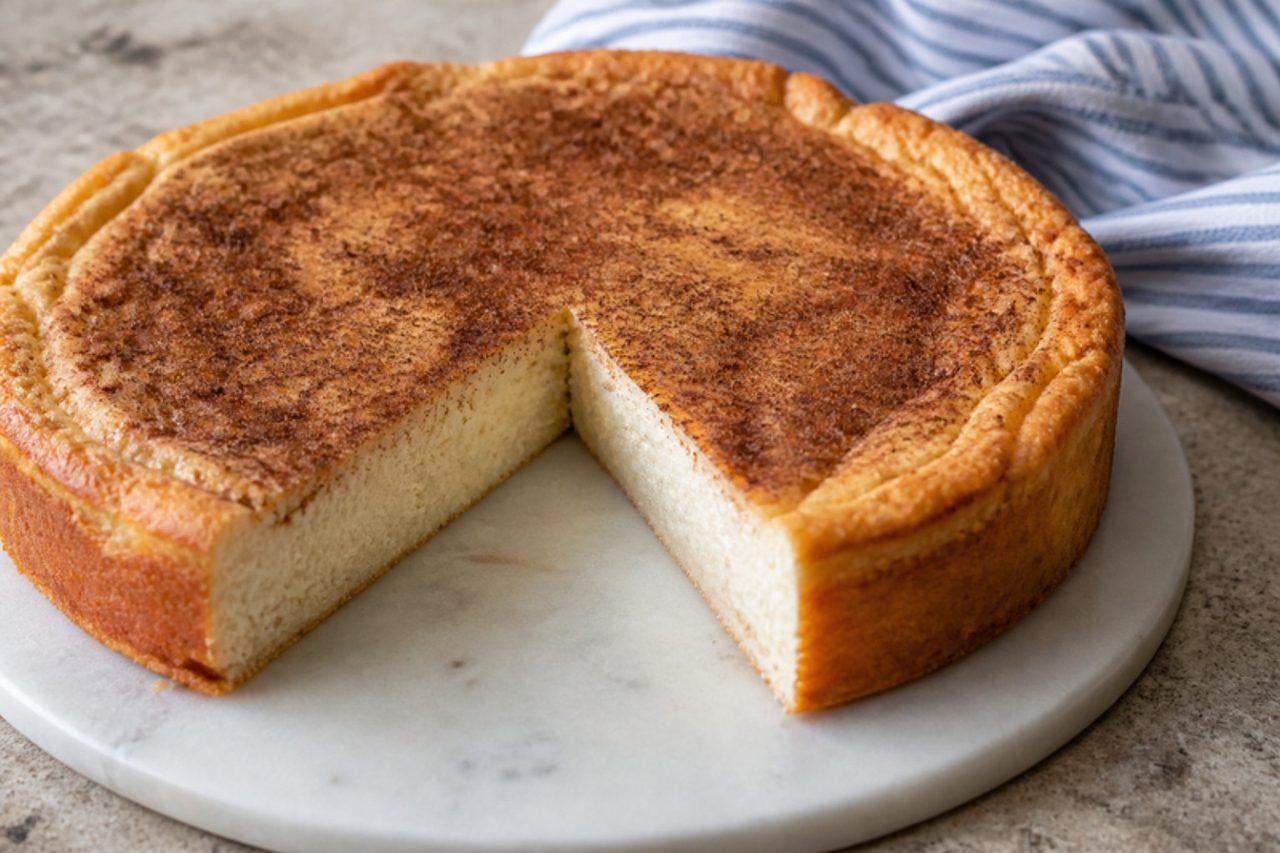
MelopitaHoney and fresh cheese pie

On Sifnos, the Easter table always has a melopita, a crustless pie of fresh cheese, eggs and thyme honey baked until just set and dusted heavily with cinnamon. It is lighter than a cheesecake, gently sweet and floral from the honey, and tastes best a day after baking, cut into squares with coffee. The island cheese is fresh mizithra; ricotta works well and is usually made without animal rennet. Common mistake: baking it too hot, which makes it puff up and crack, then sink and weep. Chef's tip: let it cool slowly in the switched-off oven with the door ajar for a smooth, silky set.

by KrazyBadal 0 views

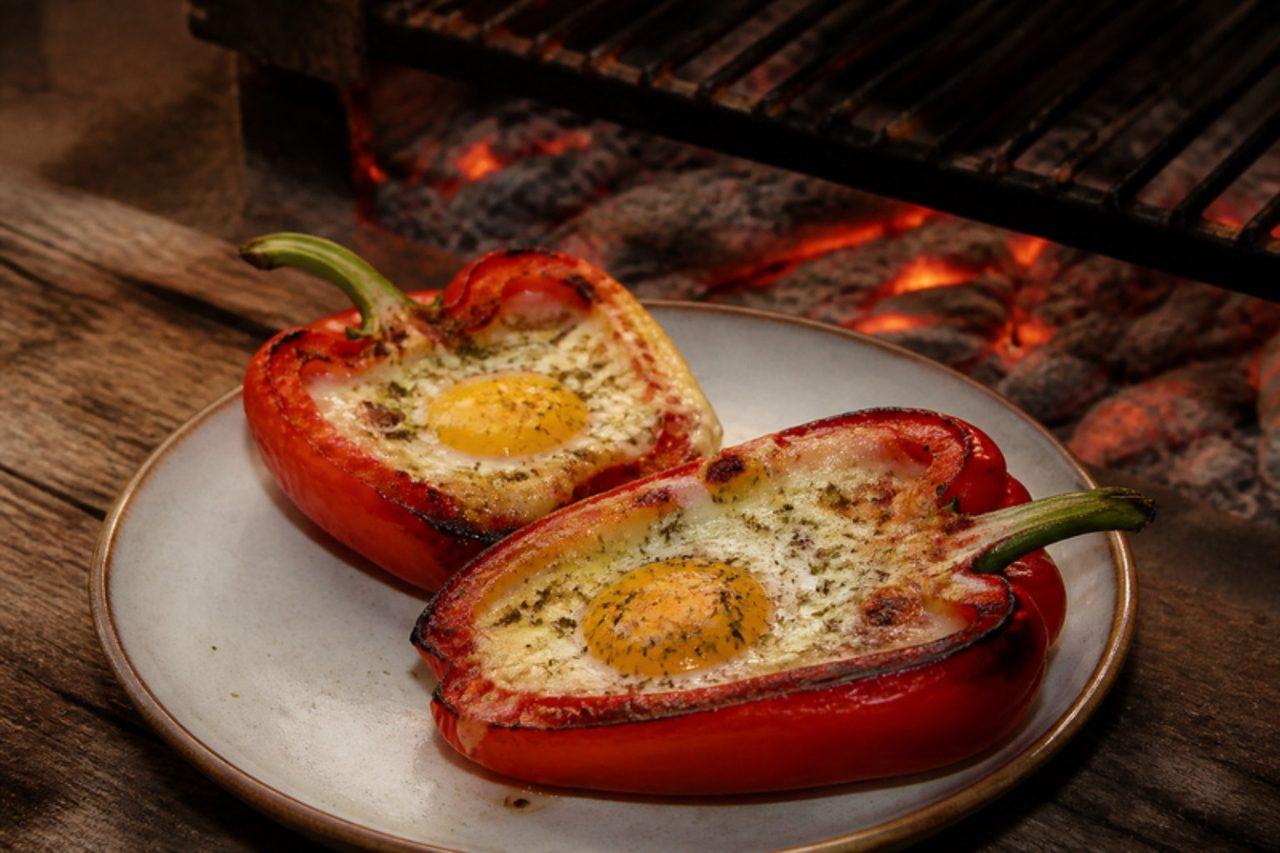
Morrones con huevo a la parrillaGrilled peppers with egg and cheese

While the meat rests on the cooler side of the parrilla, many asadores put halved red peppers cut side up over the coals, let them soften and char, then crack an egg into each one with a piece of cheese and a pinch of oregano. The pepper becomes a little dish: sweet, smoky and juicy, with a just-set egg and molten cheese in the middle. It is one of the classic starters at an Argentine asado, eaten with bread before the steak arrives, and it makes a good vegetarian main for anyone who skips the meat. The mistake is cracking the egg into a raw pepper: the egg overcooks before the pepper softens, so grill the shells first. Cook until the white is completely set. Queso cremoso or mozzarella is usually made with animal rennet; pick a vegetarian one if needed. Chef's tip: cover the peppers with a foil tent or a lid once the egg goes in; the trapped heat sets the top of the egg without burning the base.

by KrazyBadal 0 views

New Orleans barbecue shrimp

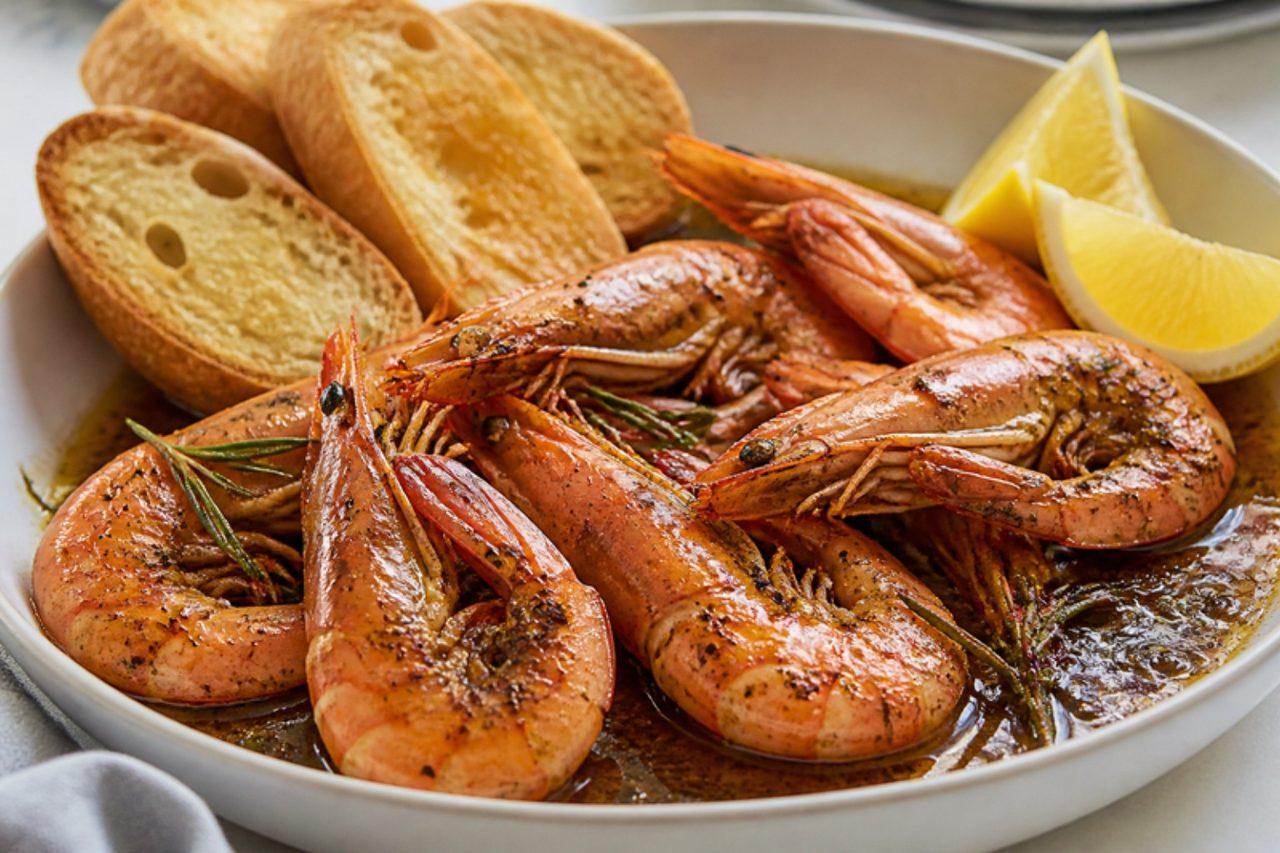
New Orleans barbecue shrimp never touch a grill or a barbecue sauce: they are big head-on Gulf prawns baked or pan-cooked in an outrageous amount of butter, black pepper, garlic, Worcestershire sauce and lemon, made famous in an Uptown restaurant in the 1950s. You peel them at the table and mop up the sauce with French bread. Some cooks add a splash of beer, which contains alcohol; this version uses stock, so it is alcohol-free. Worcestershire sauce contains anchovy. Chef's tip: keep the heads on; they hold the juices that make the sauce.

by KrazyBadal 0 views

Bantry Bay mussels in cider

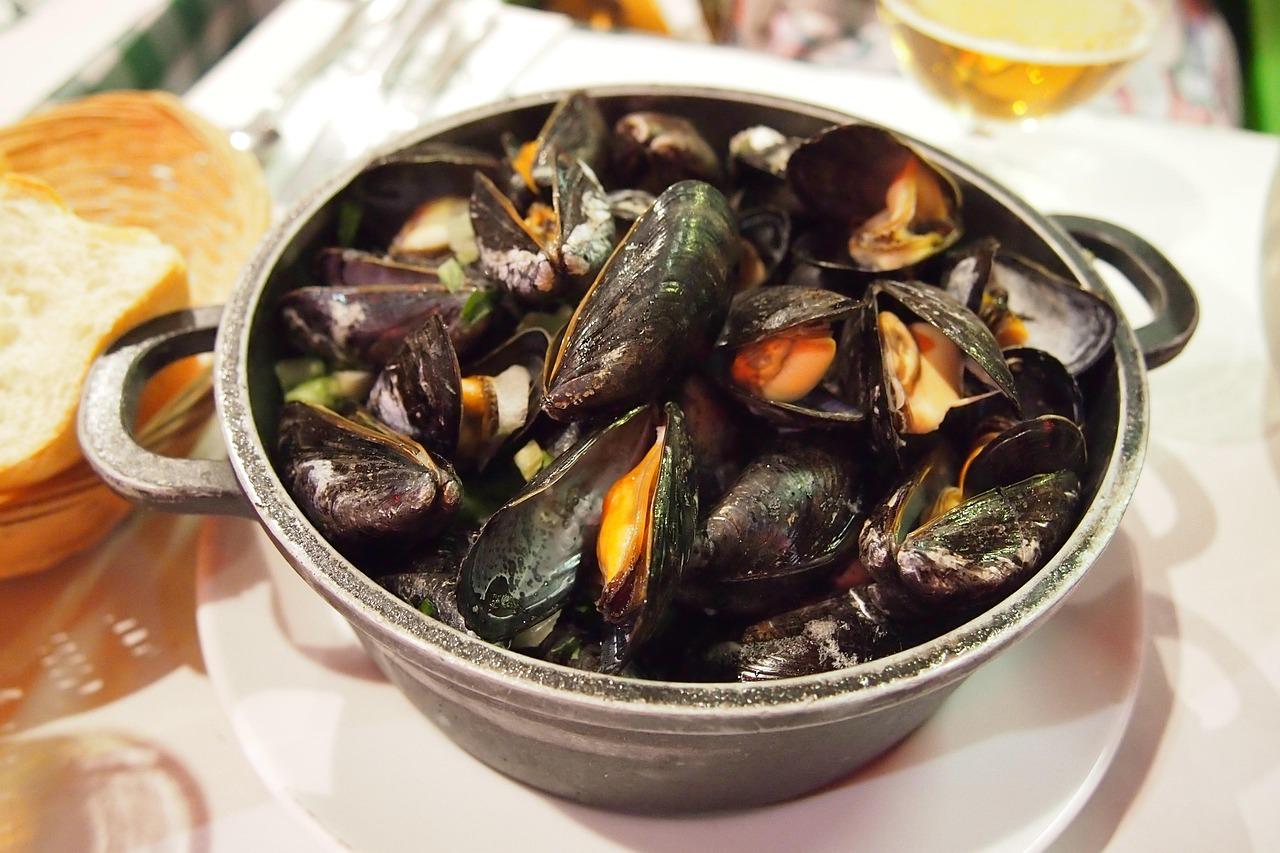
The sheltered waters of Bantry Bay in West Cork grow rope mussels that end up in pots in every harbour pub from Glengarriff to Kinsale. Here they are steamed in Irish dry cider with leek, garlic and thyme, then finished with a spoonful of cream, giving a sweet-sour, apple-scented broth for dipping brown bread. The cider contains alcohol, which mostly cooks off; for an alcohol-free version use cloudy apple juice with a teaspoon of cider vinegar. Chef's tip: the mussels must be alive when cooked, so check every one before they go in.

30 minIrishFishGluten free
by KrazyBadal 0 views

Menestra de TudelaSpring vegetable stew

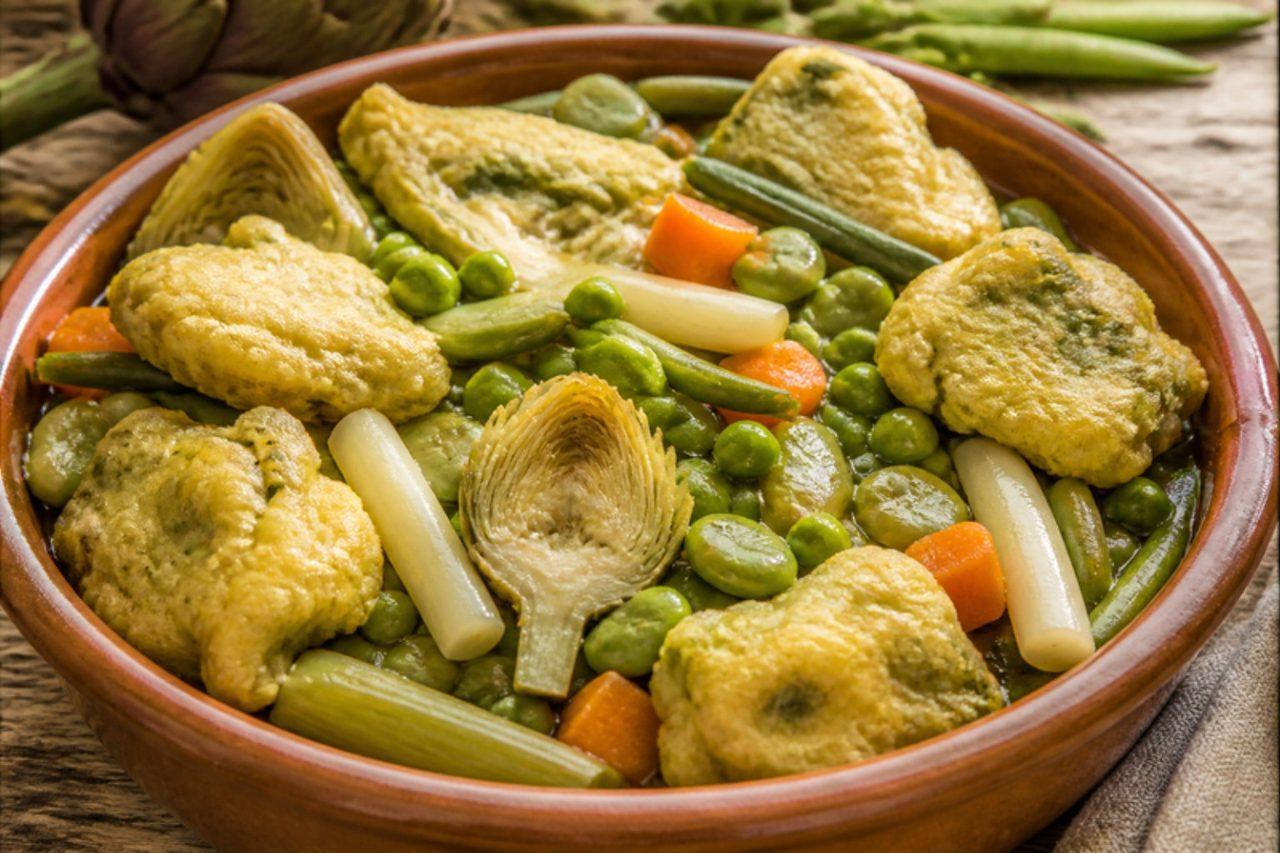
In Tudela, at the southern tip of Navarre, the market gardens along the Ebro send out artichokes, peas, broad beans and asparagus all at once in April and May, and the town celebrates with its Jornadas de Exaltación de la Verdura. Menestra is how those vegetables reach the table: every one is cooked on its own, the artichokes and chard stalks are dipped in flour and egg and fried, and everything is brought together at the end in a little garlic and onion sauce. Local cooks often add cured ham; this version leaves it out and is fully vegetarian. Chef's tip: save a cupful of the water the vegetables were boiled in, because it gives the final sauce far more flavour than plain water or stock.

by KrazyBadal 0 views

MenestrónBeef, bean and pasta soup

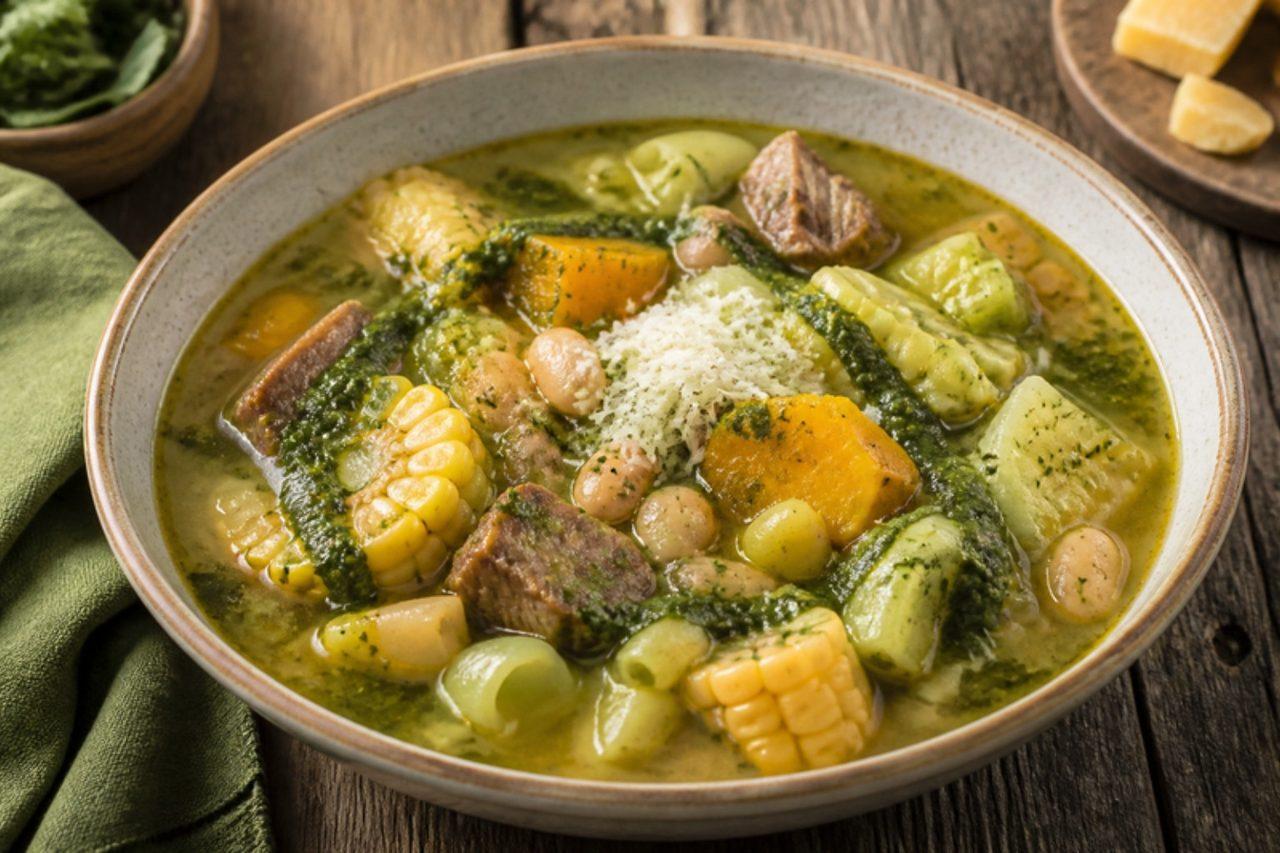
Think of the Italian minestrone after a century of Lima kitchens: menestrón is thicker, heartier and greener, a weekday soup that families and menú restaurants make in huge pots. Beef shin simmers into a rich broth with potatoes, squash, corn, cabbage, green beans and white beans, then short pasta goes in, and finally a purée of basil, spinach, garlic and fresh cheese turns the whole pot pale green and fragrant. It is a meal in a bowl, best with bread and a squeeze of lime or a spoon of ají. People tend to add the basil purée too early; boiled, it loses its colour and its scent, so stir it in off the heat. Chef's tip: for a vegetarian menestrón, skip the beef and use vegetable stock, with a cheese made with microbial (vegetarian) rennet.

by KrazyBadal 0 views

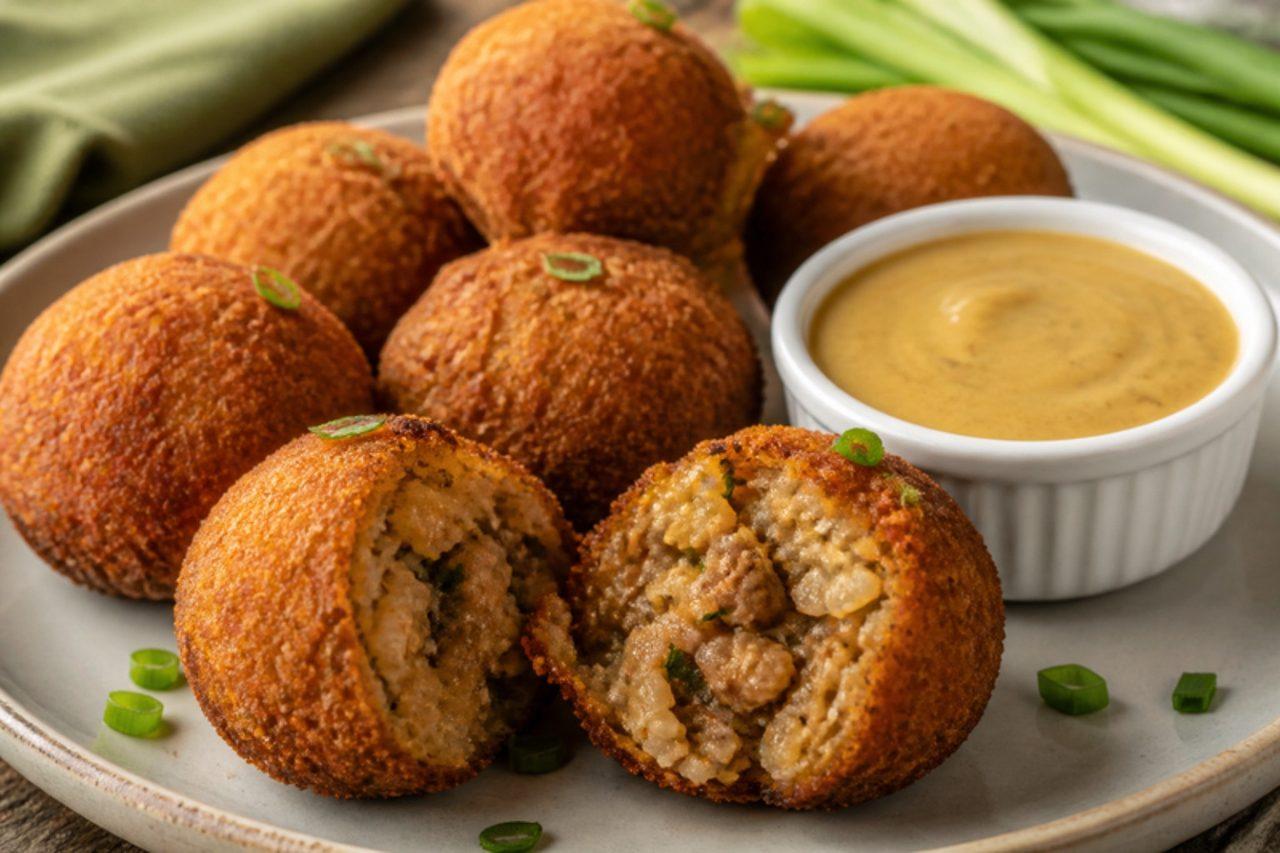
Boudin balls

Boudin is a soft Cajun sausage of pork, pork liver, rice and the holy trinity sold hot from the counters of meat markets and petrol stations along Interstate 10 between Lake Charles and Lafayette. Boudin balls take the same filling, roll it in breadcrumbs and fry it, and they are the snack of LSU tailgates and crawfish boils. This recipe uses pork shoulder and pork liver. Chef's tip: chill the rolled balls for 30 minutes before frying so they keep their shape.

by KrazyBadal 0 views

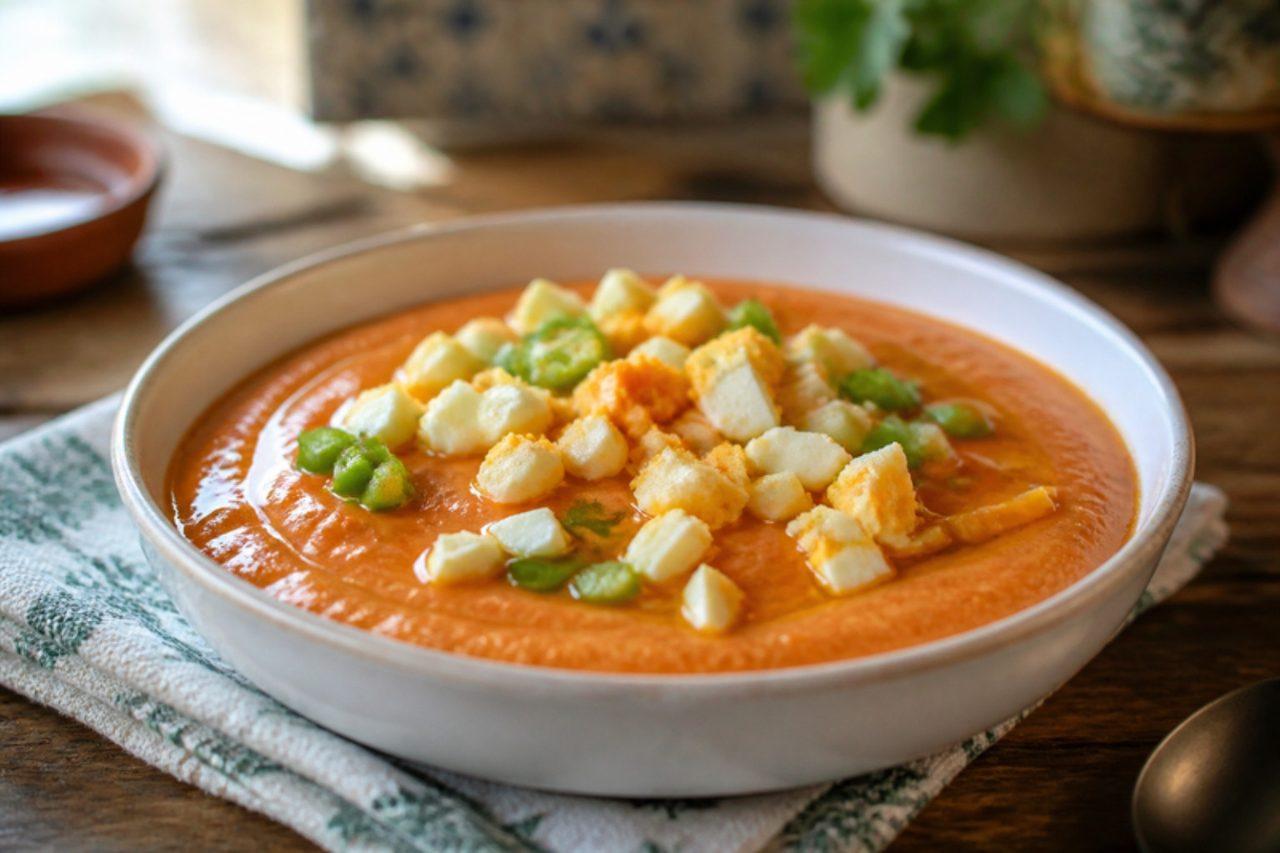
Porra antequeranaThick chilled tomato and bread soup

In Antequera, north of Málaga, porra comes to the table so thick that a spoon stands up in it, and bars in the old town serve it from May until the first autumn rains as a starter or a light supper. It is a cousin of salmorejo, but with green pepper and more garlic, and the town tops it with chopped egg and a thread of oil. Locally the garnish also includes tuna and cured ham; this version keeps it vegetarian with egg and diced pepper. A common mistake is thinning it with water to make it go further: porra should be spooned, never sipped. Chef's tip: use only the reddest, softest tomatoes of the summer, because a pale tomato makes a pink, flat-tasting porra however much oil you add.

by KrazyBadal 0 views

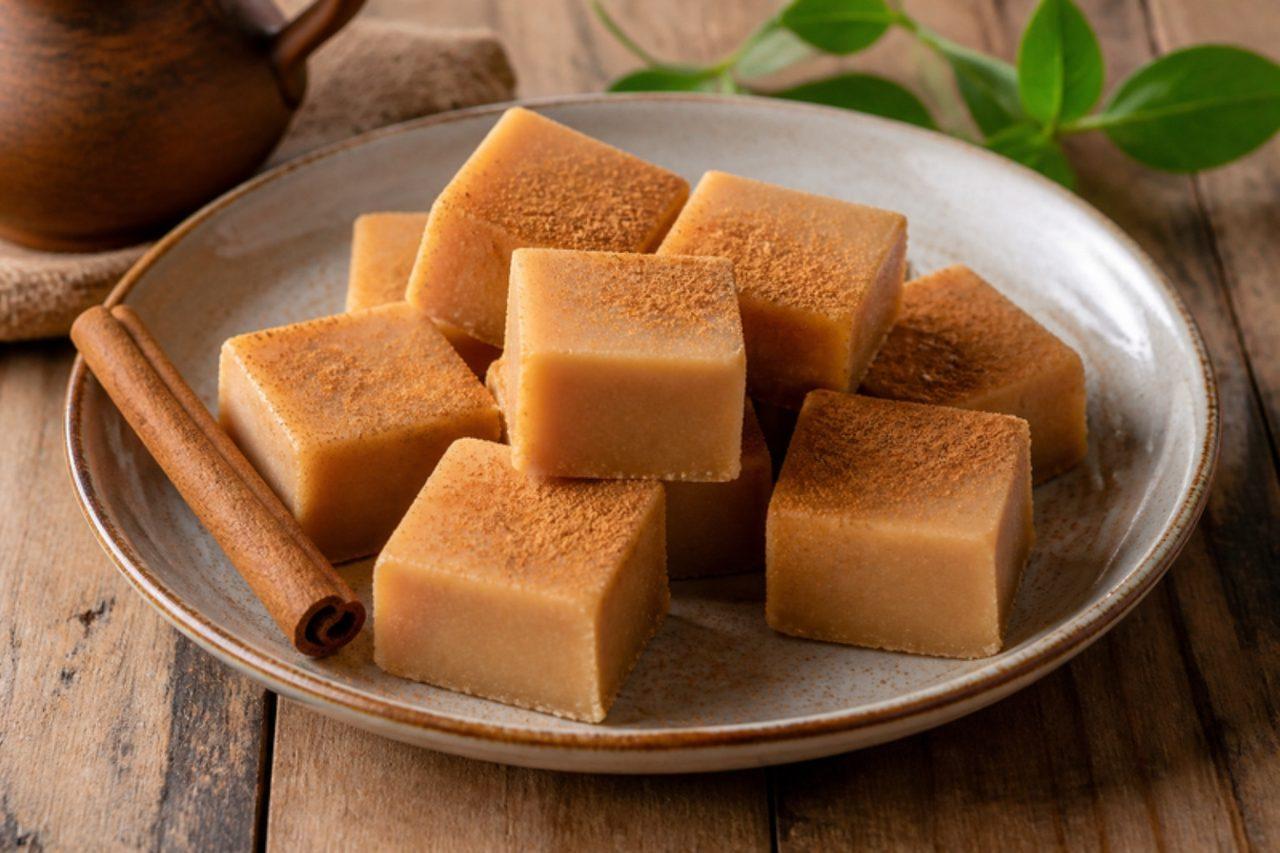
PanelitasMilk fudge squares

Small paper-wrapped panelitas are sold by the bagful at roadside sweet stalls through Santander, often next to obleas and bocadillo. They are milk boiled with sugar and panela until it becomes a thick caramel, then beaten off the heat until it loses its shine and sets into a soft, crumbly fudge with a warm cinnamon and molasses taste. Kids and grandparents both reach for them after lunch with a coffee. The batch here makes a tray of bite-sized squares that keep for a week. Most failures come from beating too little: the mixture stays glossy and never sets beyond soft arequipe, so keep going until it turns matte and starts to hold its shape. A pinch of bicarbonate of soda stops the milk from curdling as the panela heats. Chef's tip: lightly score the squares while the fudge is still warm, then cut through once cold, for neat edges.

by KrazyBadal 0 views

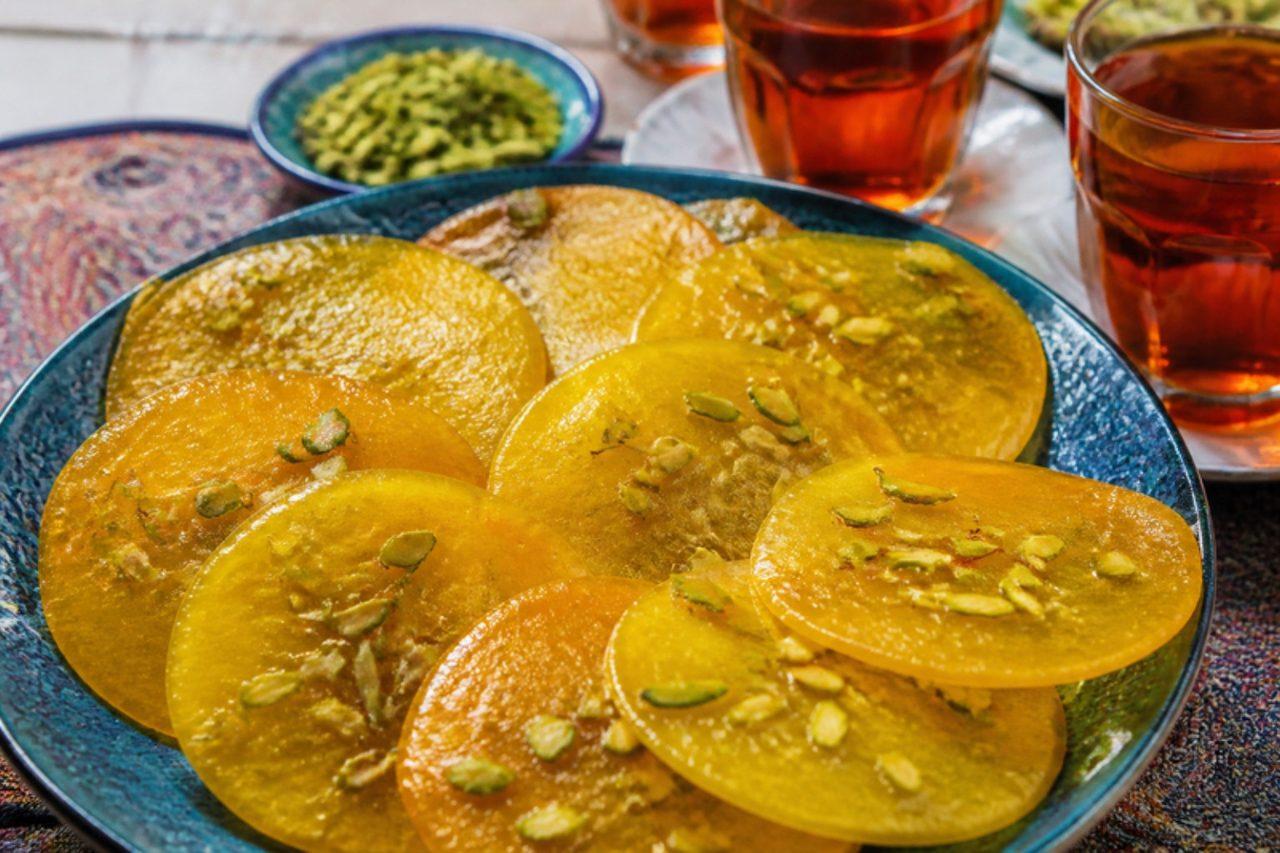
PoulakiThin saffron sugar candy

Poulaki are the paper-thin golden sugar coins sold by weight in Isfahan's sweet shops, meant to be held between the teeth while you sip strong black tea. The name comes from 'poul', the old word for coin, and Isfahanis serve them with tea to guests at any hour, flavoured with saffron, cardamom or sesame. Only sugar, a little vinegar and spice are needed, but timing matters. A common mistake is pouring the drops too big: they should spread no wider than 4 cm or they stay chewy in the middle. Chef's tip: work on a cold, lightly oiled marble or steel tray, which sets the coins in seconds and keeps them glassy.

by KrazyBadal 0 views

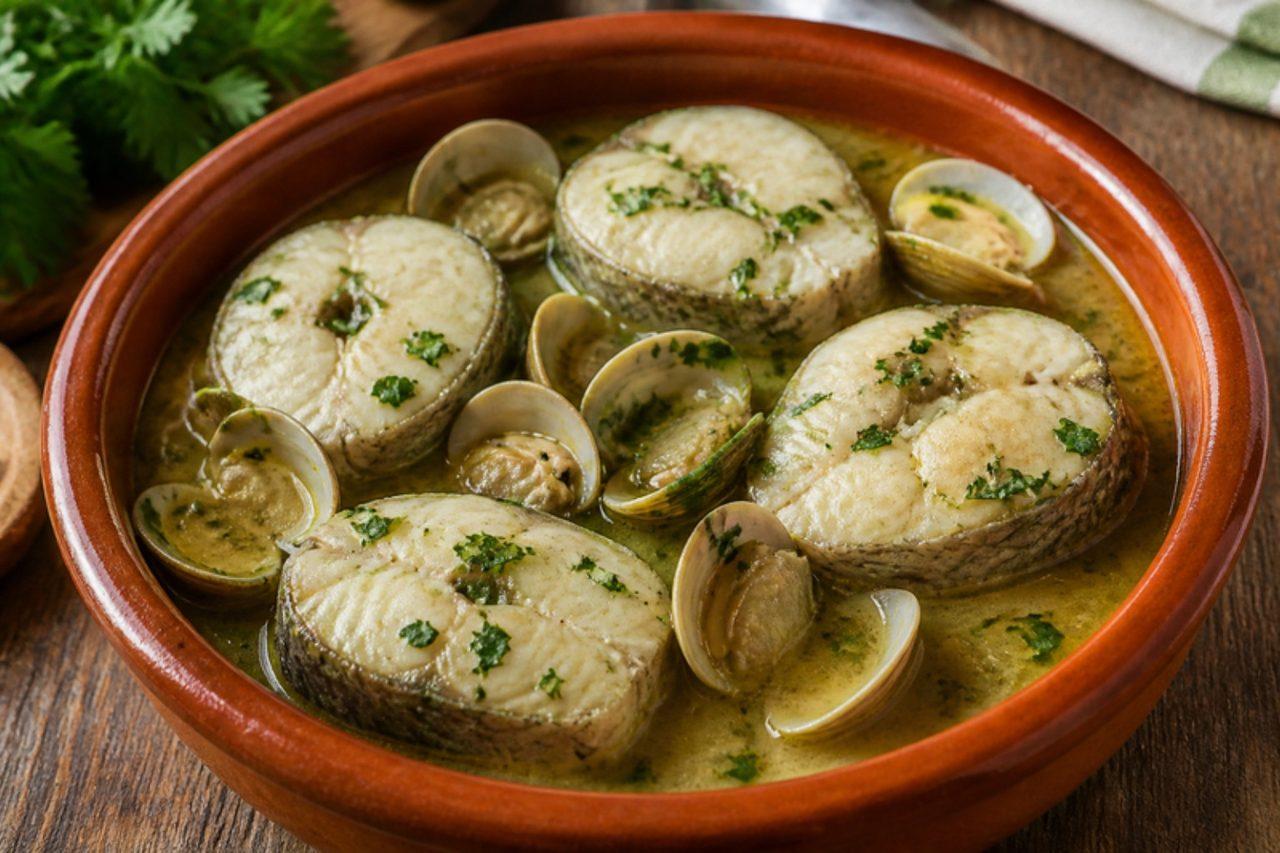
Merluza en salsa verdeHake and clams in parsley sauce

Bilbao families have cooked merluza en salsa verde in a shallow clay cazuela for generations, and it still turns up at Sunday lunch and on Christmas Eve. The sauce is just olive oil, garlic, parsley and the fish's own juices, thickened by gently shaking the dish so the gelatine from the hake binds it, much like a pil-pil. Clams open on top at the end. A common mistake is stirring with a spoon, which breaks the fish; swirl the dish instead. Chef's tip: keep the heat low once the hake goes in, because the sauce only comes together when it barely simmers.

by KrazyBadal 0 views

Showing 90 of 8,120 recipes

Page 449 of 903