


Skip to content
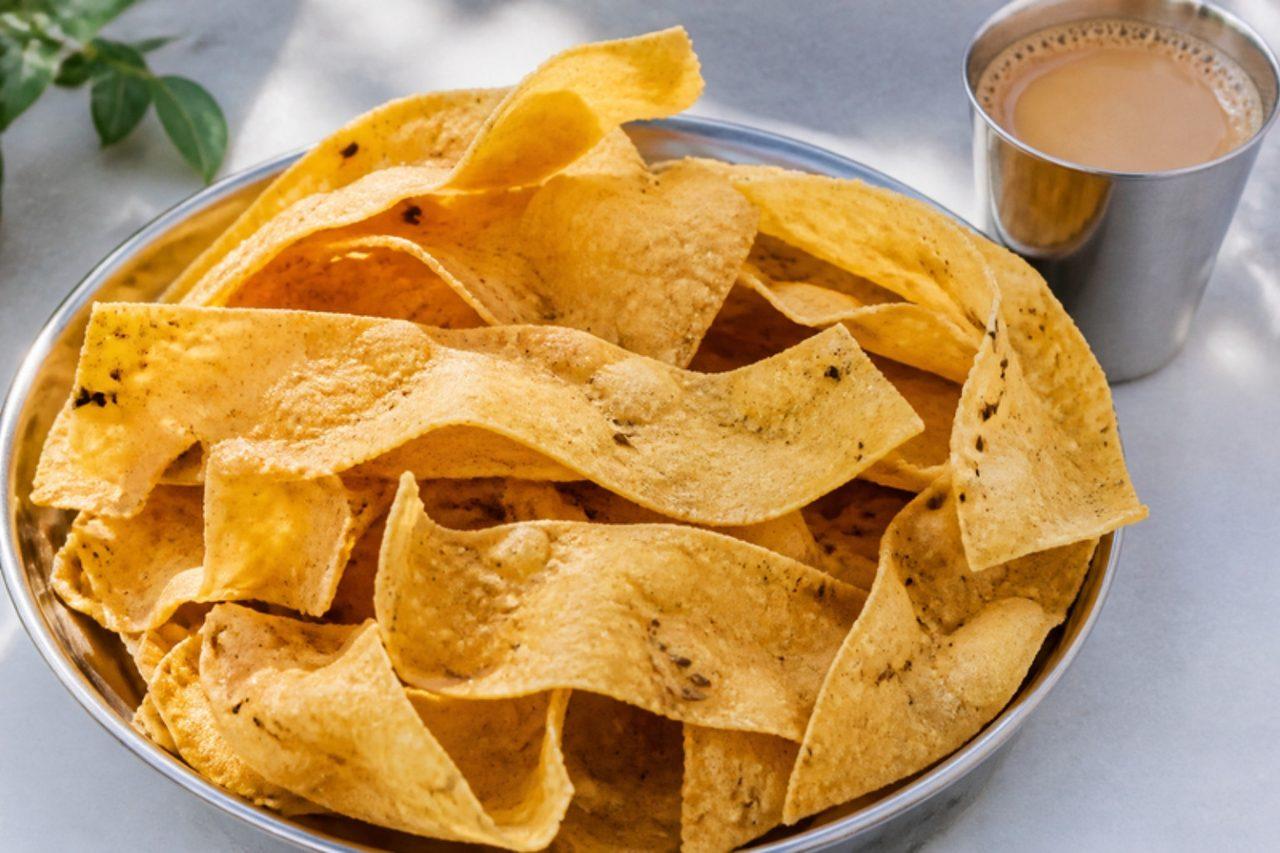
Patta gathia
Featured recipe

Patta gathia

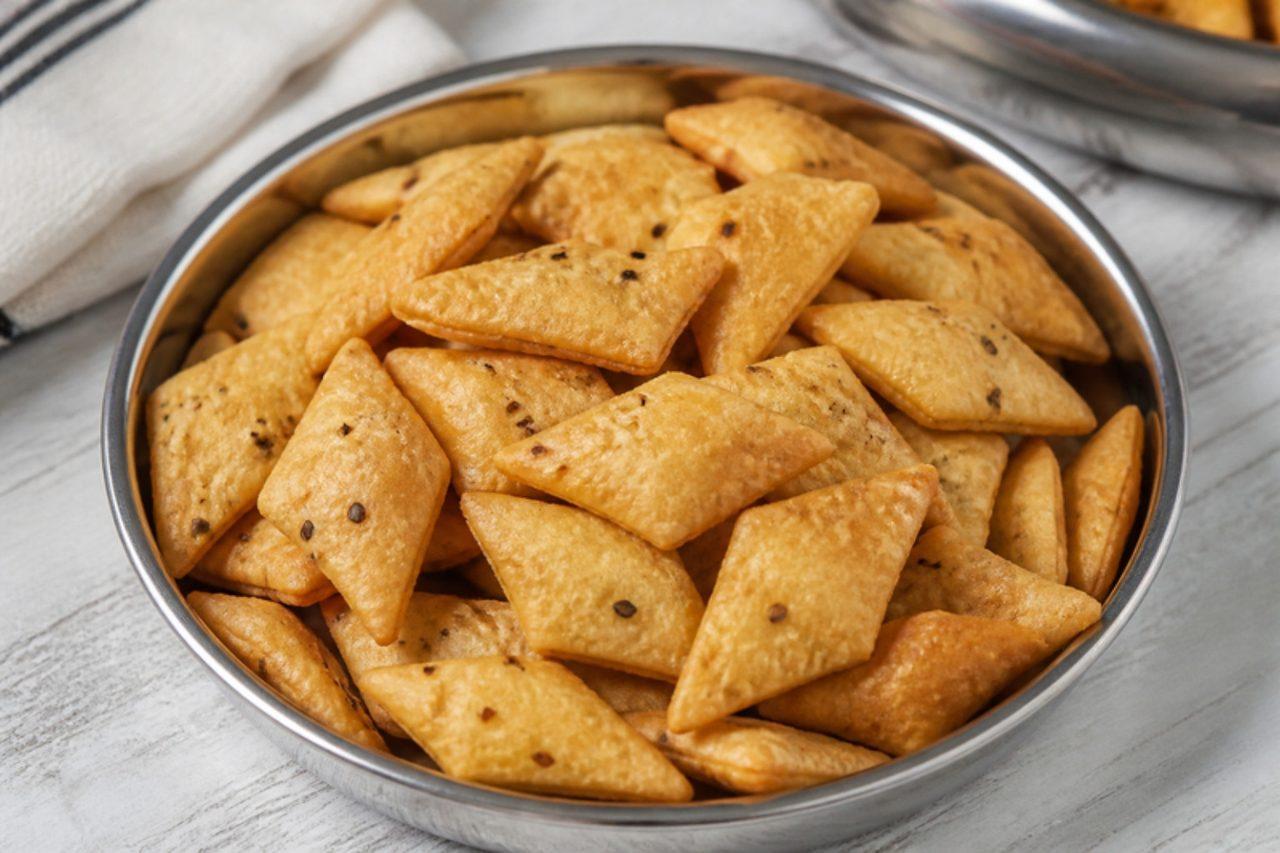
Thin gram flour ribbons

Patta gathia are flat, ribbon-like strips of gram flour dough, rolled paper-thin under the palm on a wooden board and fried until crisp. Black pepper and ajwain give them their flavour. They are a classic Gujarati tea-time snack and are great with fried chillies and papaya sambharo.

Read more 1 views

What to eat today?

Around the world

Today's trip: Persian

A new country every day, from every cuisine on the site.

This week's collection

Kid-friendly dinners
739 recipes · a new collection every Monday

Coming up

All occasions →

Latest recipes

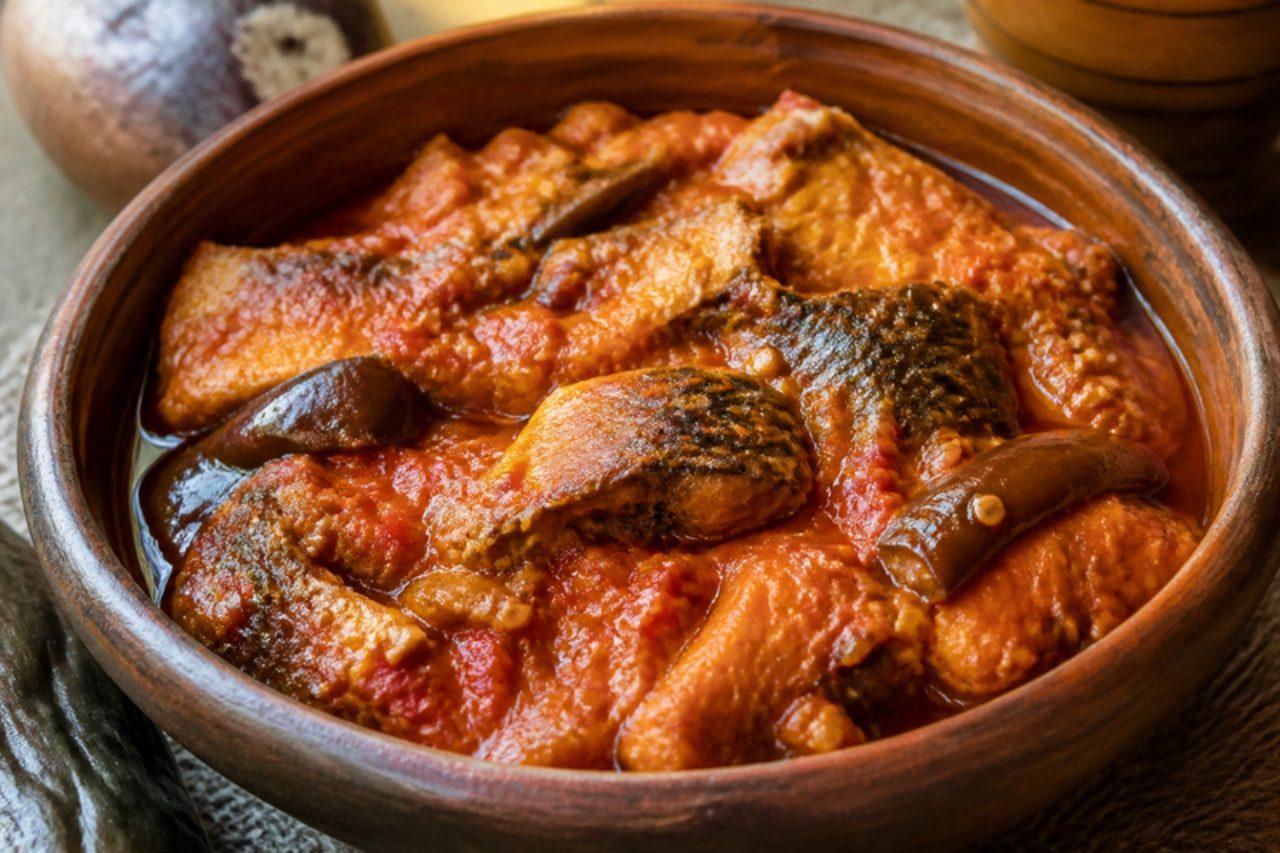
Sauce gouagouassouAubergine and smoked fish sauce

Bété country around Gagnoa and Daloa in western Côte d'Ivoire is known for sauces with plenty of chilli, and gouagouassou is one of the most loved: tomatoes, garden eggs and hot peppers boiled whole, then crushed by hand in a mortar and simmered with smoked fish. There is little or no oil, so the sauce tastes fresh, smoky and bright, with real heat and a rough, rustic texture. Spoon it over white rice or eat it with foutou at a weekday lunch. Use fewer chillies if you prefer, but keep at least one for the character. Chef's tip: soak the smoked fish in hot water for ten minutes first; it softens, rinses off ash and grit, and gives its flavour to the sauce more quickly.

by KrazyBadal 0 views

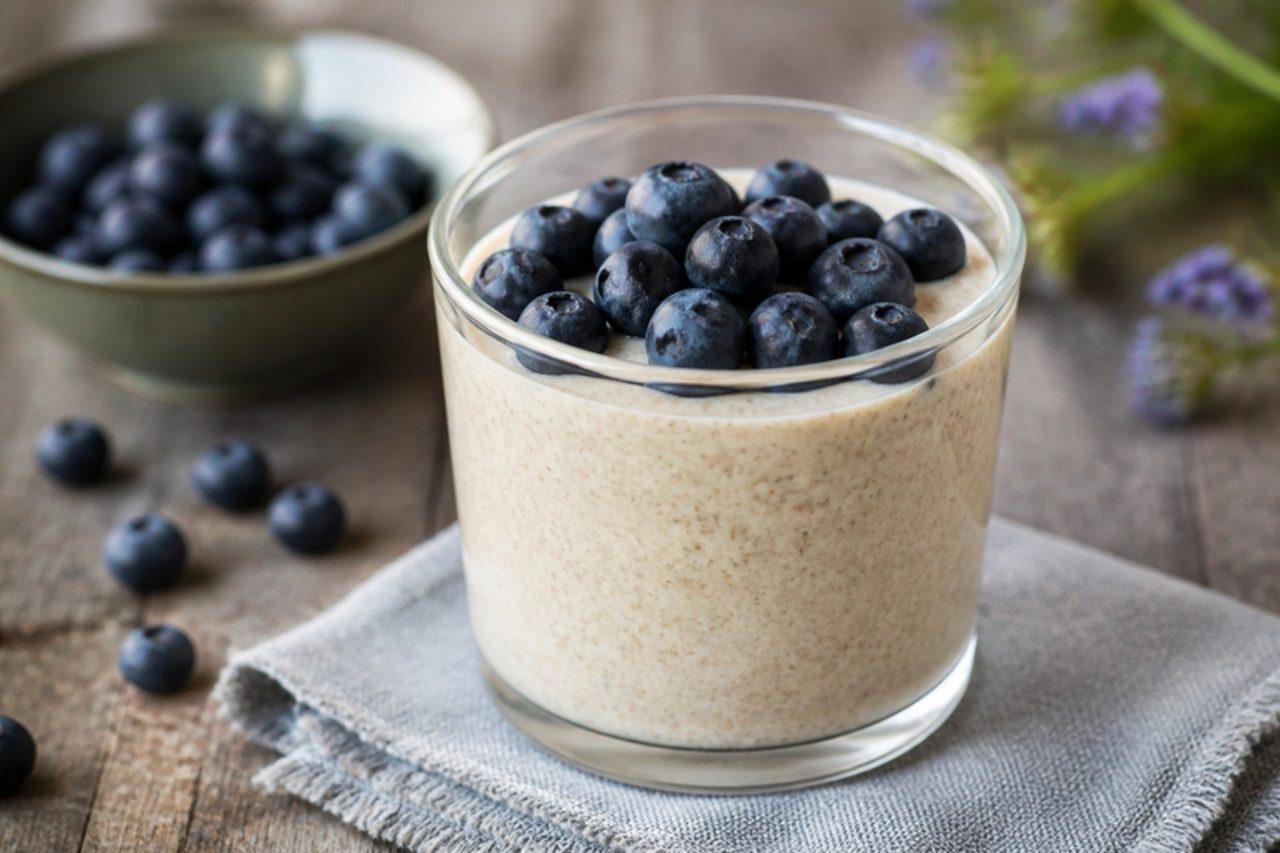
KamaRoasted grain flour with kefir

Kama is a uniquely Estonian food: a fine flour of roasted barley, rye, oats and peas, sold in every Tallinn supermarket, stirred into kefir, buttermilk or yogurt with a little sugar or honey and berries. It was once farmers' food for the fields; today it is a fast, filling breakfast and the flavour of Estonian ice creams and sweets. If you can't find kama, roast equal parts barley, rye and oat flour with a little pea flour in a dry pan until nutty. A common mistake is eating it at once; give it a few minutes to thicken. Chef's tip: stir in the kama, leave for 5 minutes, then add the berries, so it thickens like a mousse.

by KrazyBadal 0 views

KnyshiPotato-filled yeast buns

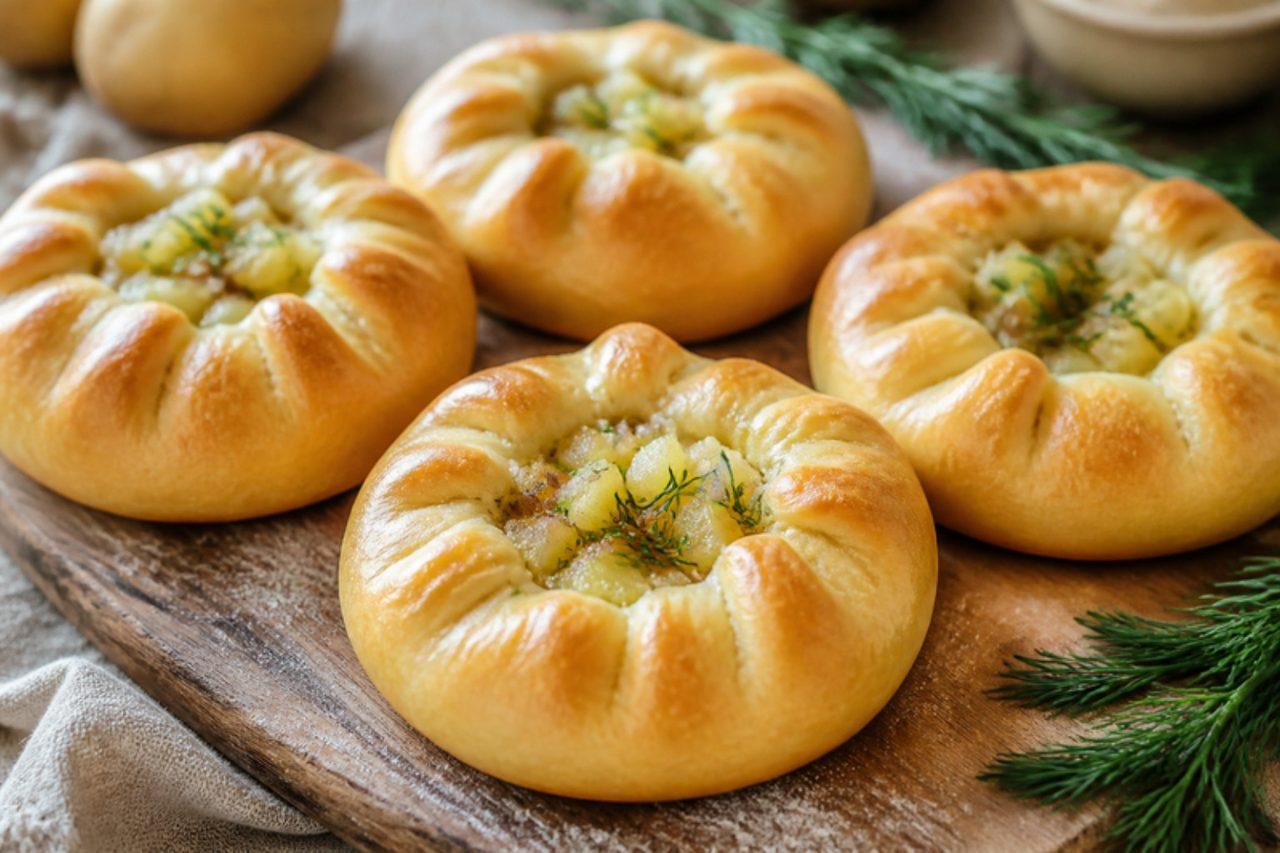
On Poltava farms knyshi came out of the stove alongside the bread on baking day: rounds of soft milk dough with their edges pinched up like a little open basket, so the filling shows in the middle. Potato mashed with plenty of onion fried in sunflower oil and a handful of dill is the everyday version, and the buns are eaten warm with a bowl of soup or cold on the way to the fields. Some cooks fill them with curd cheese or poppy seed instead, especially for Christmas Eve. The dough should be pillowy and the potato soft and peppery. Most people go wrong by spooning in warm, wet mash, which steams the dough from inside and makes it soggy; let the filling cool fully. Chef's tip: brush the baked buns with melted butter the moment they come out of the oven, then cover with a towel for 10 minutes so the crust turns soft and silky.

by KrazyBadal 0 views

Check riceJute leaf and okra rice

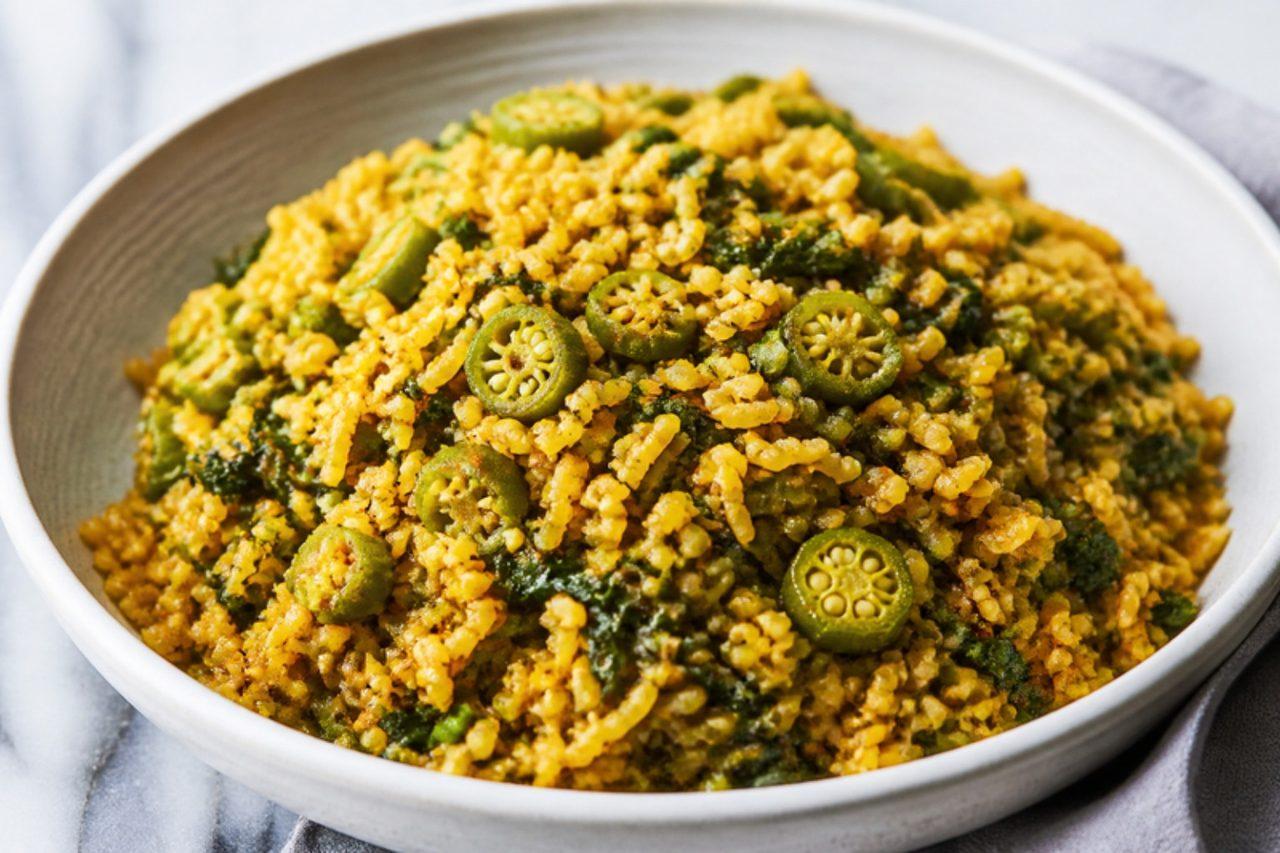
Liberians call it check rice because the grains come out flecked green with chopped jute leaves and okra, a checked pattern on a white field. It is a Monrovia home favourite, cooked in one pot so the rice absorbs the palm oil, onion and pepper while the greens soften into the grains and give them a gentle silkiness. Dried fish or meat often goes in; this version stays meat-free and is good alongside a pepper sauce, fried plantain or a simple bean stew. Chef's tip: lay the jute leaves on top of the rice instead of stirring them in; they steam gently, and you fold them through only at the end, which keeps the grains separate.

by KrazyBadal 0 views

Cha traop dotCharred aubergine with minced pork

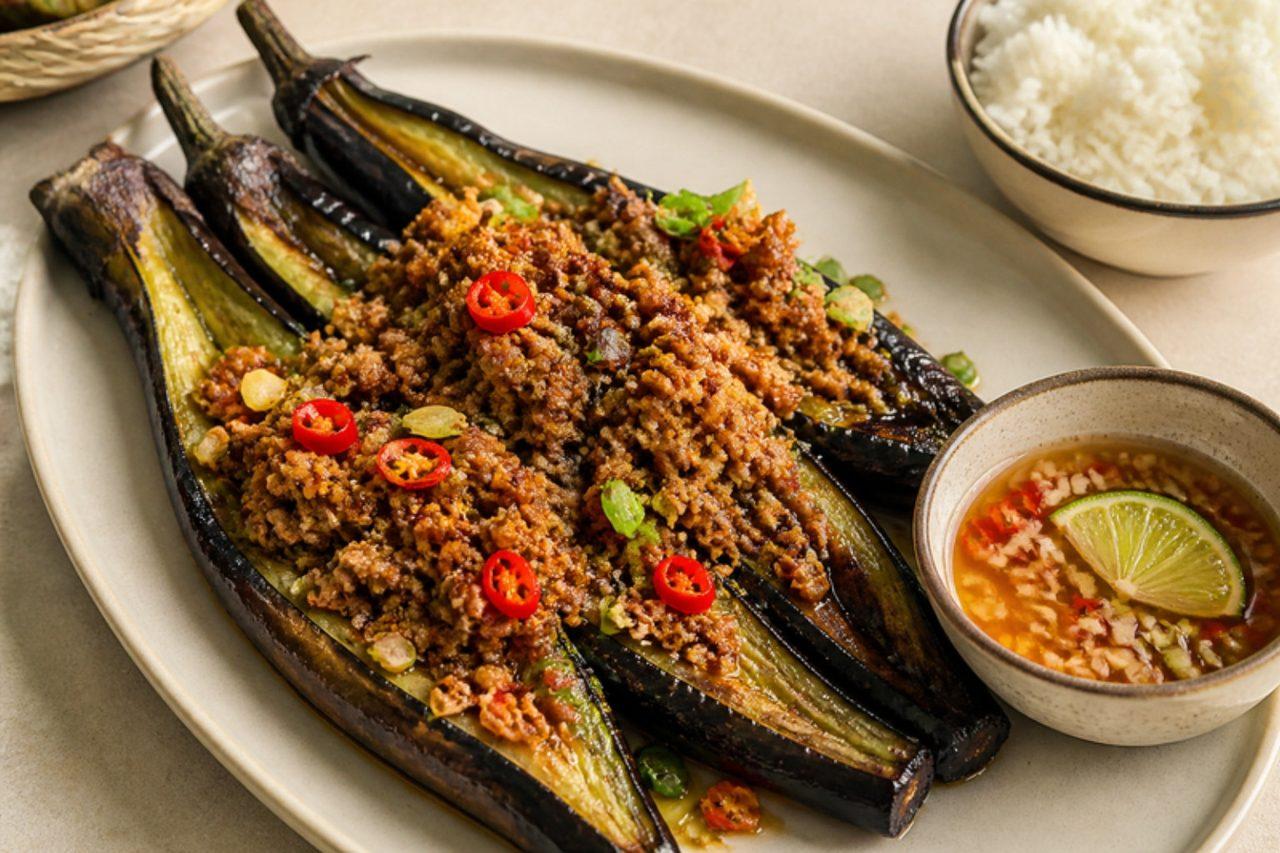
Long purple aubergines blackened right on the coals or gas flame are a weeknight staple in Phnom Penh homes and in the rice-and-curry shops where office workers eat lunch from a row of pots. Once peeled, the flesh is soft, silky and deeply smoky; it is laid on a plate, topped with minced pork fried with garlic and fish sauce, then drizzled with hot spring onion oil and a sweet-salty lime dressing. Eaten with plenty of jasmine rice, it is gentle enough for children and rich enough to feel like a treat. A typical mistake is pulling the aubergines off the heat when the skin is only scorched in patches, which leaves hard, bland flesh inside. Chef's tip: char them until they slump completely flat and the skin cracks all over, then rest them in a covered bowl for 5 minutes so the skin slips off in one go.

by KrazyBadal 0 views

Chadon beni chutneyCulantro chutney

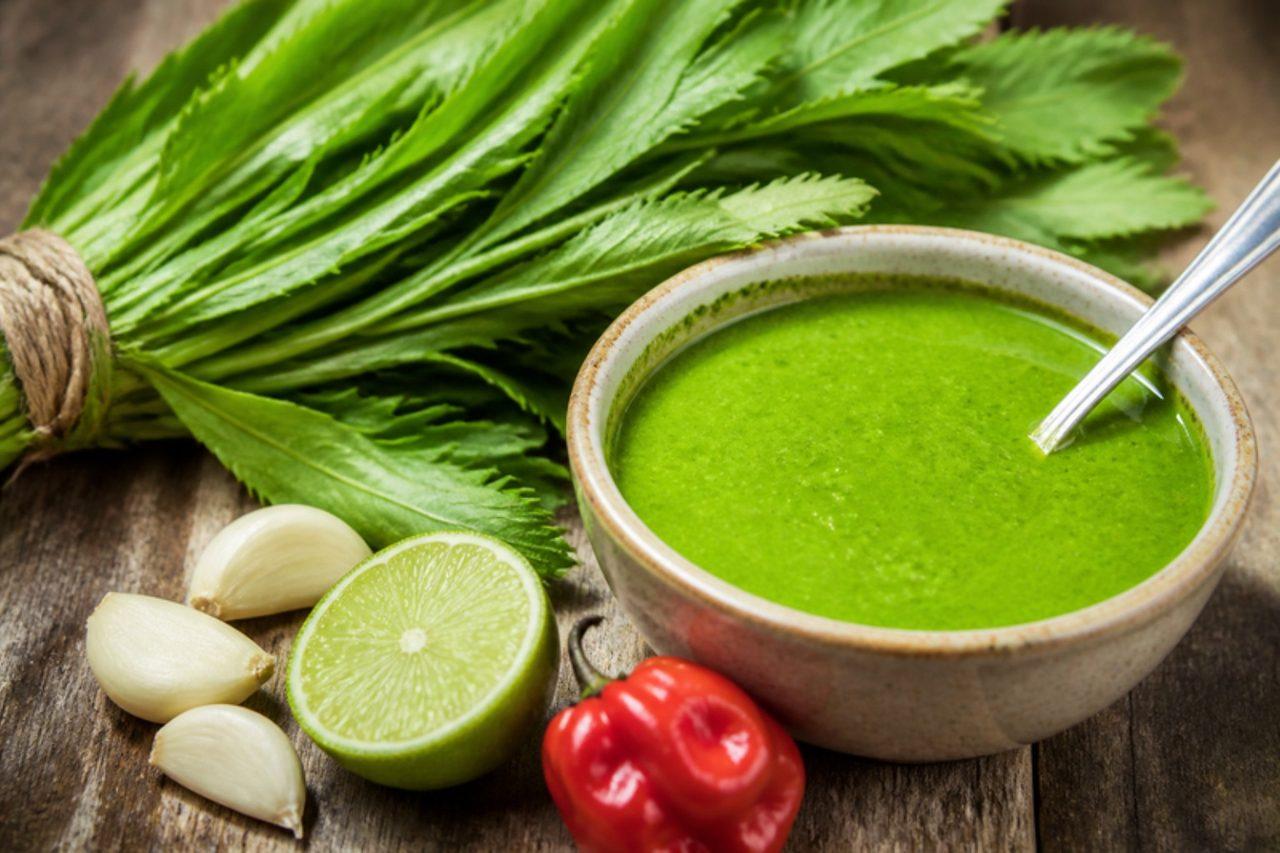
Every doubles man on the Curepe corner and every pholourie stall at a south Trinidad fair has a bottle of this bright green sauce, made from chadon beni (culantro), garlic, hot pepper and lime. It is thin, sharp and grassy, and goes on doubles, pholourie, saheena and fried fish. The common mistake is blending it too far ahead without enough acid, so it turns dull khaki within hours. Coriander can stand in, though the flavour is softer. Chef's tip: blend with ice-cold water and add the lime last; the cold keeps the green vivid.

by KrazyBadal 0 views

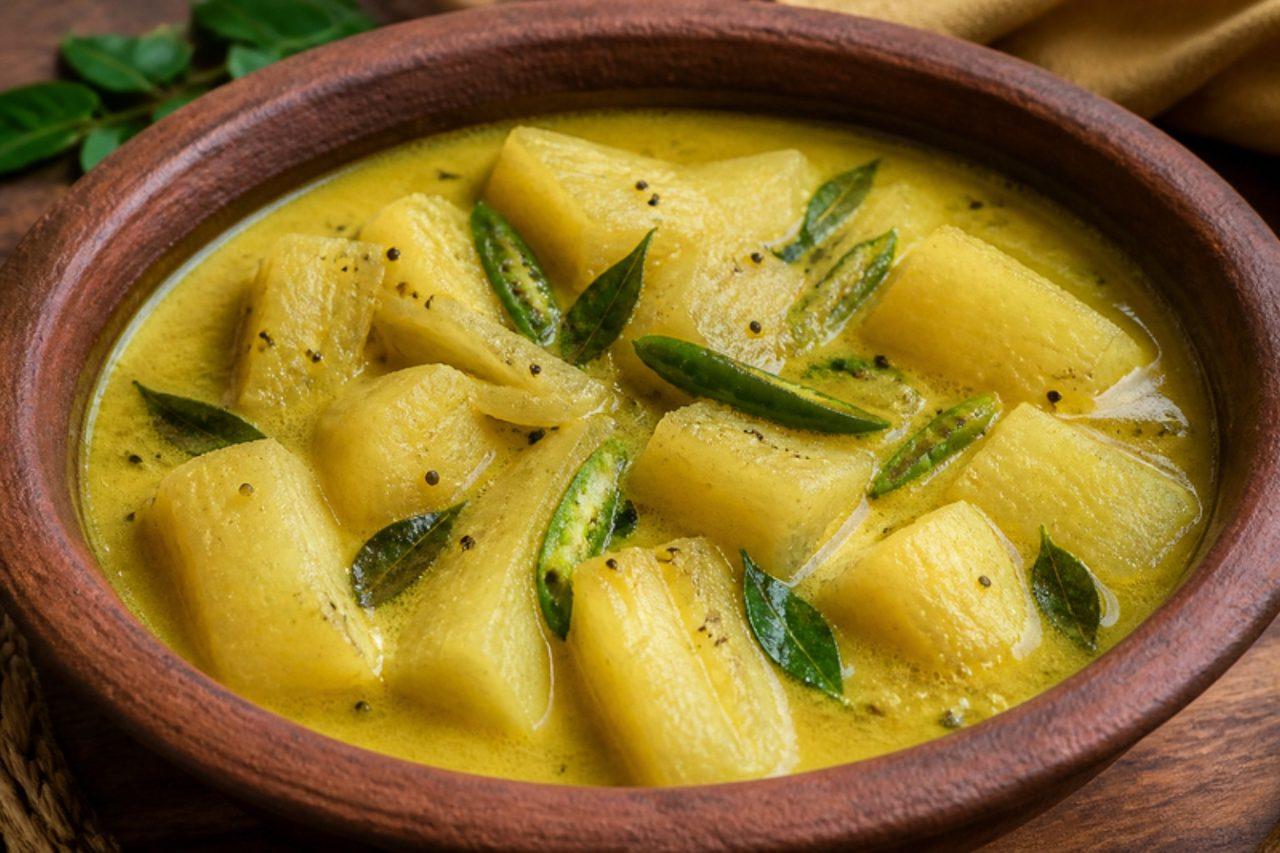
Manioc curryCassava coconut curry

For generations, manioc has been the filling, cheap breakfast of tea-estate lines and rural kitchens in the hills around Kandy, and a plate of it with a red heap of lunu miris and a cup of plain tea is still a working person's favourite. Cassava roots are boiled until floury, then simmered in coconut milk with turmeric, mustard seed, fenugreek and curry leaves until the edges crumble into a thick golden gravy. It also appears at dinner with a fiery sambol and, in some homes, beside a fish curry. Cassava must always be peeled, boiled thoroughly in plenty of water and the water thrown away, because the raw root contains natural compounds that are harmful; never eat it raw or half-cooked. Overboiling is the other pitfall, since the pieces then dissolve completely into the milk. Chef's tip: take out the woody string that runs down the centre of each piece after boiling, when it pulls out easily.

by KrazyBadal 0 views

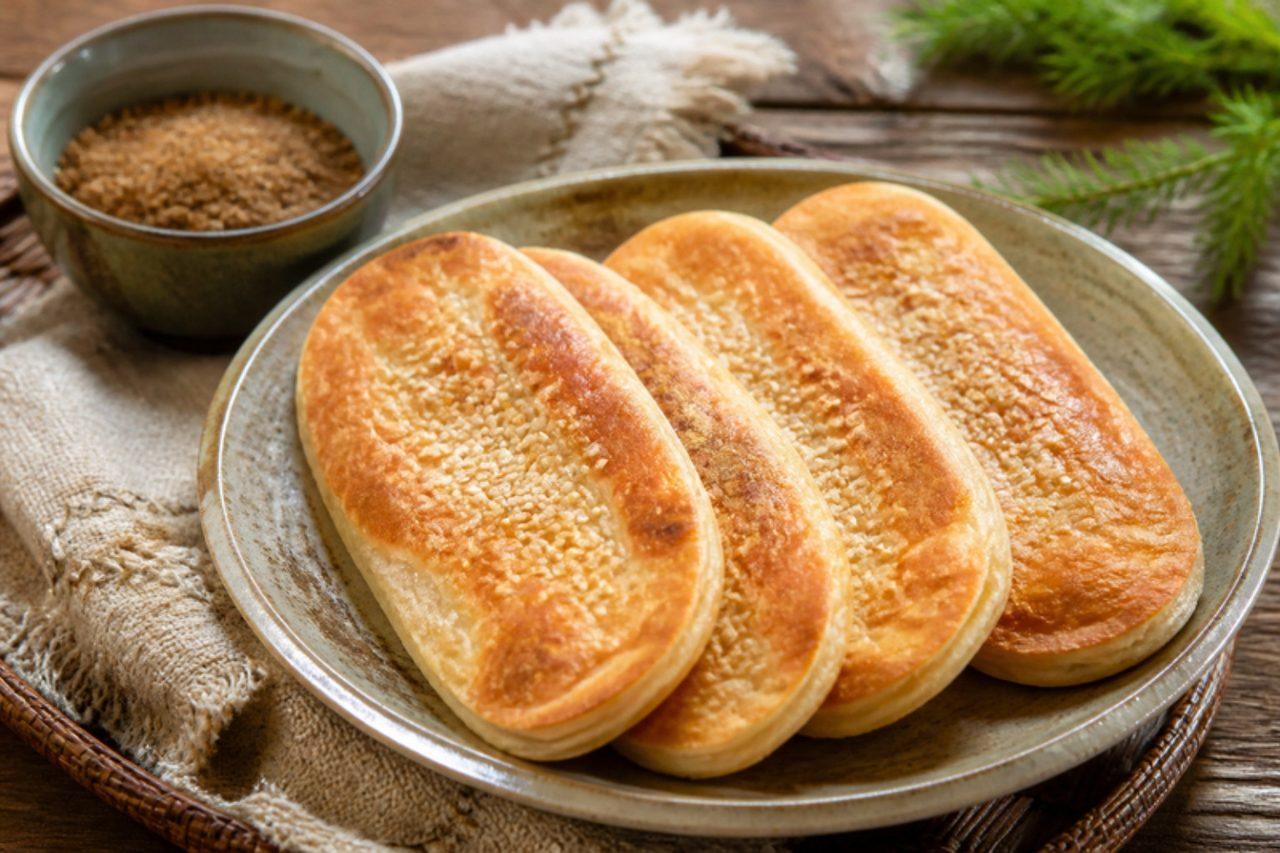
Lukang ox tongue cakesSesame maltose flat pastries

Their name comes from the shape, long and flat like a tongue, not from any meat: in the old port town of Lukang, Changhua, these pastries are pressed on hot griddles along the lanes near Tianhou Temple and handed out warm in paper bags. Lukang's style is thicker and chewier than the cracker-crisp Yilan version, with a crisp, blistered shell and a sticky brown-sugar centre that pulls like soft toffee. Bakeries there use lard, so this vegetarian recipe uses vegetable shortening in the pastry and a little butter in the filling. A frequent mishap is rolling the filled dough with heavy hands, which bursts the skin and lets the syrup scorch in the pan. Chef's tip: cook them over a low heat and be patient; slow griddling lets the centre turn molten before the outside darkens.

by KrazyBadal 0 views

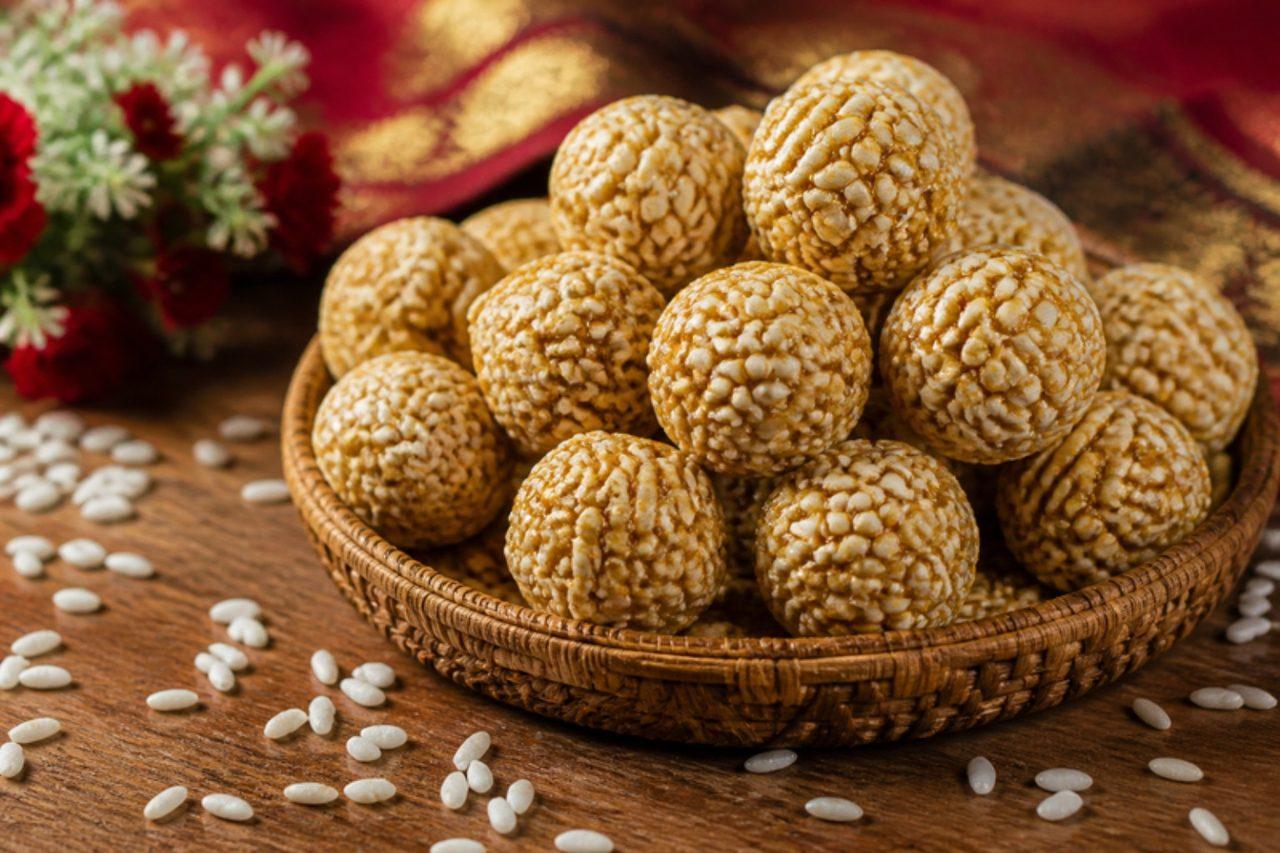
KasarPuffed rice and jaggery balls

Kasar is a sweet of good fortune: Bahun and Chhetri families in the hills make it by the basketful to send with a bride to her new home, to hand out at bratabandha thread ceremonies and to fill the Tihar plates. It is the simplest of sweets, puffed rice stirred into bubbling jaggery syrup flavoured with cardamom and pressed into balls while warm, sometimes with sesame, coconut or peanuts added, and it is crunchy, light and caramel-sweet. Children love making it because it is all about quick hands and a bowl of cold water. The pitfall is syrup that is not cooked far enough, which gives soft, sticky balls that collapse in a day. Chef's tip: test the syrup by dropping a little into cold water; when it sets into a firm ball that cracks if you squeeze it, it is ready.

by KrazyBadal 0 views

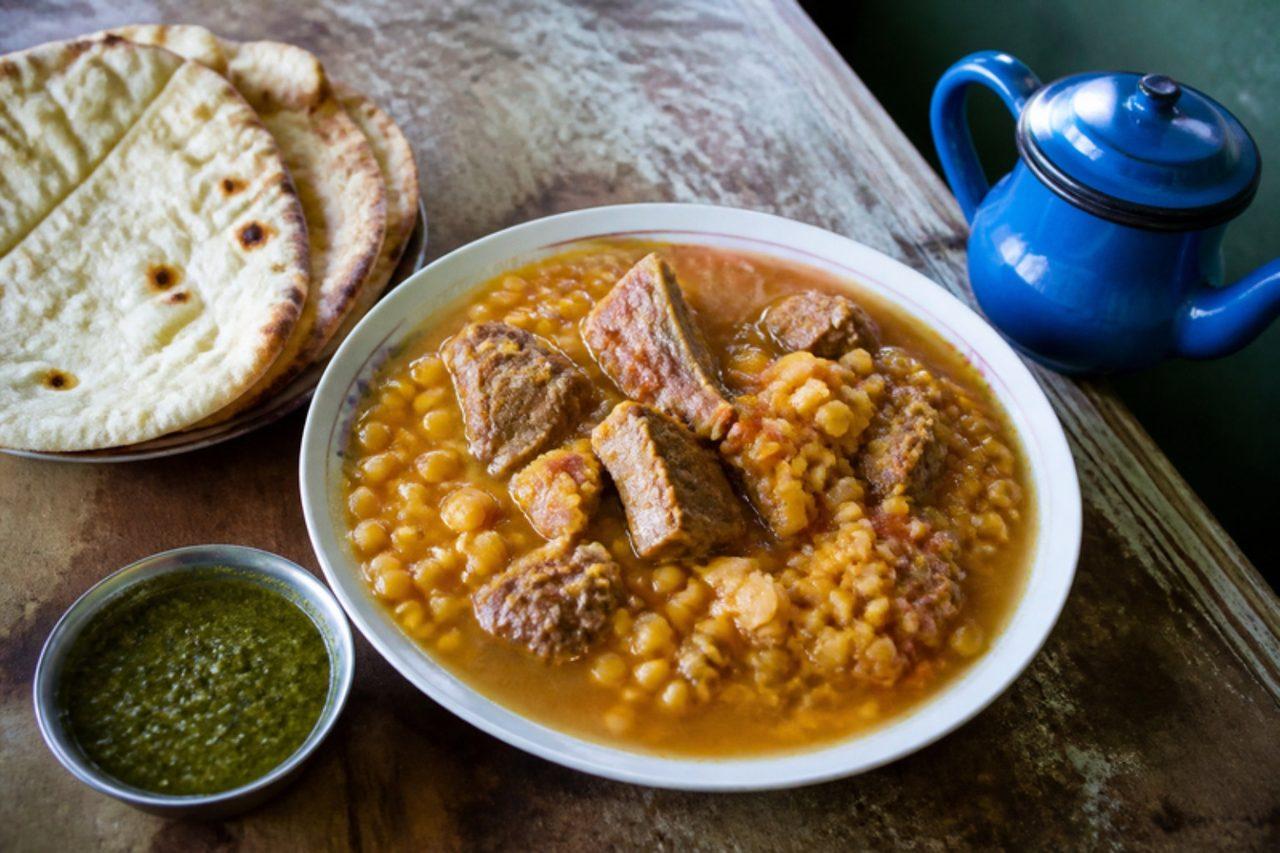
ChainakiTeapot lamb with split peas

In the teahouses of northern and central Afghanistan, from Mazar to the Salang road, every traveller who orders chainaki gets his own small metal teapot packed with lamb, onion, split peas and water, set in the embers beside the samovar from morning until lunch. When it is ready, the broth is poured off over torn naan in a bowl and the soft meat eaten after, with raw onion and green chilli. The taste is simple and pure: clean lamb, sweet onion, a little turmeric and pepper. Rushing it on a high flame toughens the meat and boils the broth cloudy, so the heat should be so low that the liquid only trembles. Chef's tip: a small heavy lidded casserole in a low oven gives exactly the same result as the teapot, with no risk of it boiling dry.

165 minAfghanMeatGluten free
by KrazyBadal 0 views

Kaha bathTurmeric coconut rice

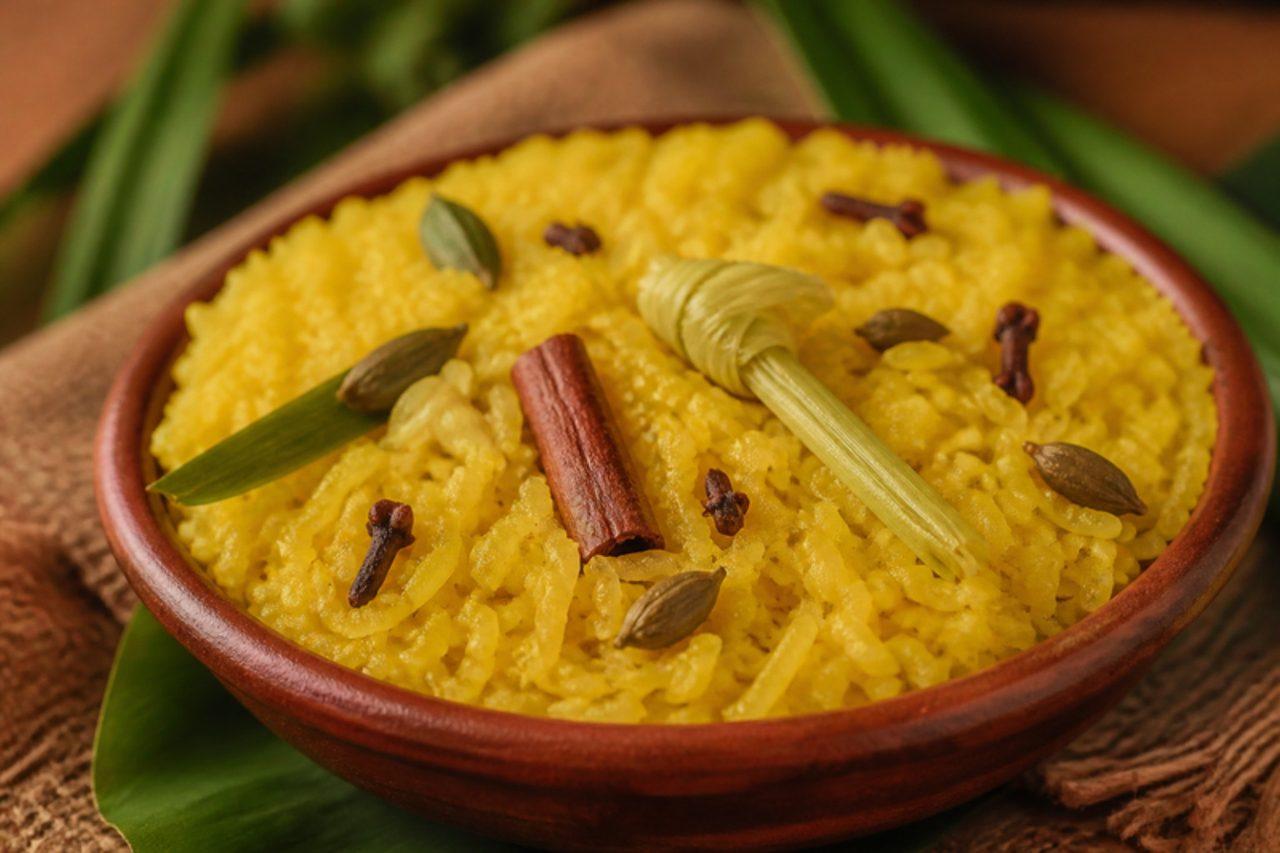
Burgher Sunday lunches, Christmas tables and Colombo wedding buffets share one thing: a heap of fragrant, saffron-coloured kaha bath, the yellow rice that also forms the base of lamprais. Long-grain or samba rice is fried with onion, cinnamon, cardamom, cloves and curry leaves, then cooked in coconut milk with turmeric, lemongrass and pandan until every grain is separate, glossy and perfumed. It is served with chicken or beef curry, brinjal moju and a sharp achcharu, and is often scattered with fried cashews and raisins. Burgher cooks usually use ghee or butter and chicken stock; this version is vegan, with coconut oil and coconut milk carrying the richness. Lifting the lid to stir while it cooks is the slip that turns it mushy, so seal the pot and leave it alone. Chef's tip: rinse the rice until the water runs clear and drain it well; dry grains toast better in the oil and stay fluffy.

by KrazyBadal 0 views

KnäckebrödRye crispbread

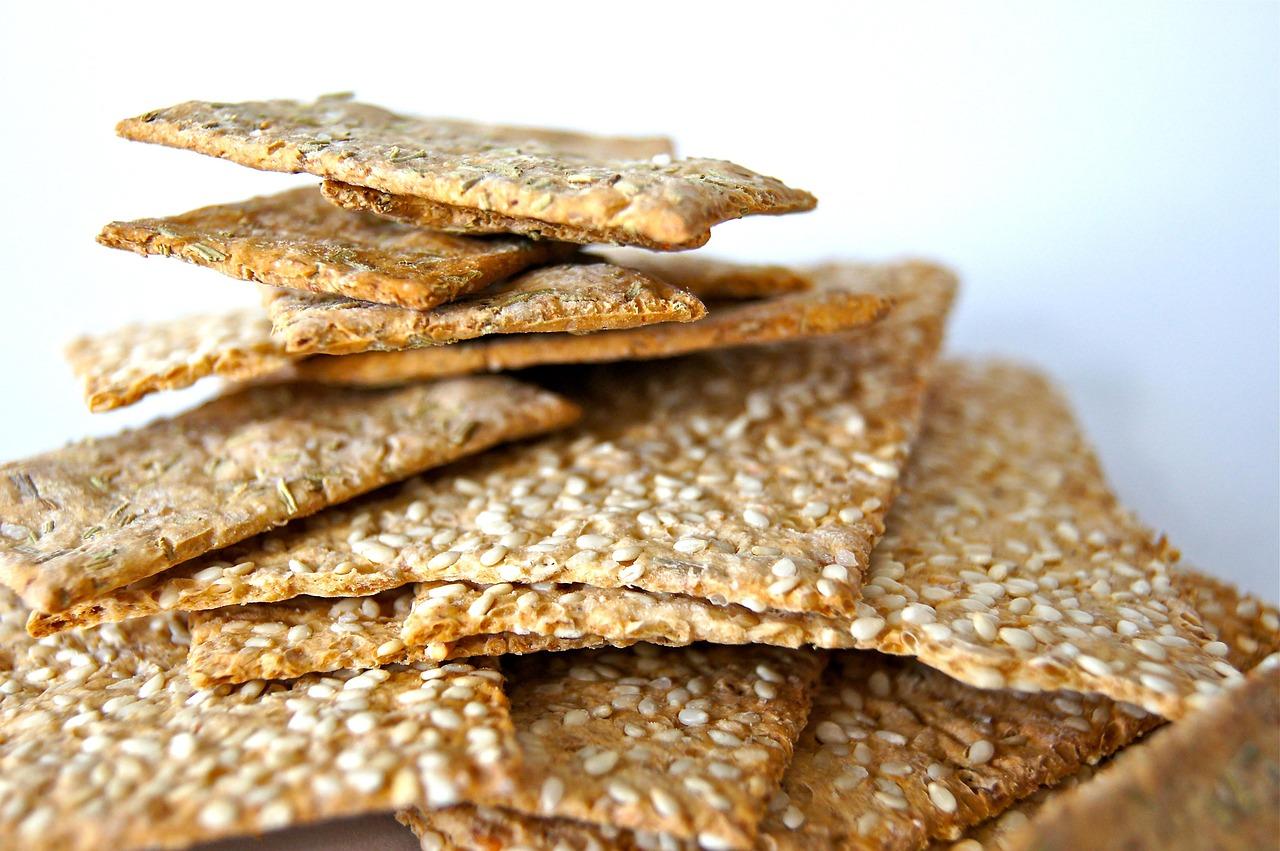
Knäckebröd is the crispbread that Swedes have baked since the Vikings: rye flour and seeds rolled thin, pricked all over and baked until bone-dry, so it keeps for weeks; once it was baked with a hole in the middle and hung on poles under the kitchen ceiling. Today it is eaten at breakfast with butter, cheese and cucumber in every Swedish home. A common mistake is rolling unevenly, which leaves soft patches that go stale. Chef's tip: roll the dough directly on baking paper with a knobbled rolling pin or prick it heavily with a fork, then bake twice, the second time low, until completely dry.

by KrazyBadal 0 views

KahiFlaky pastry with date syrup

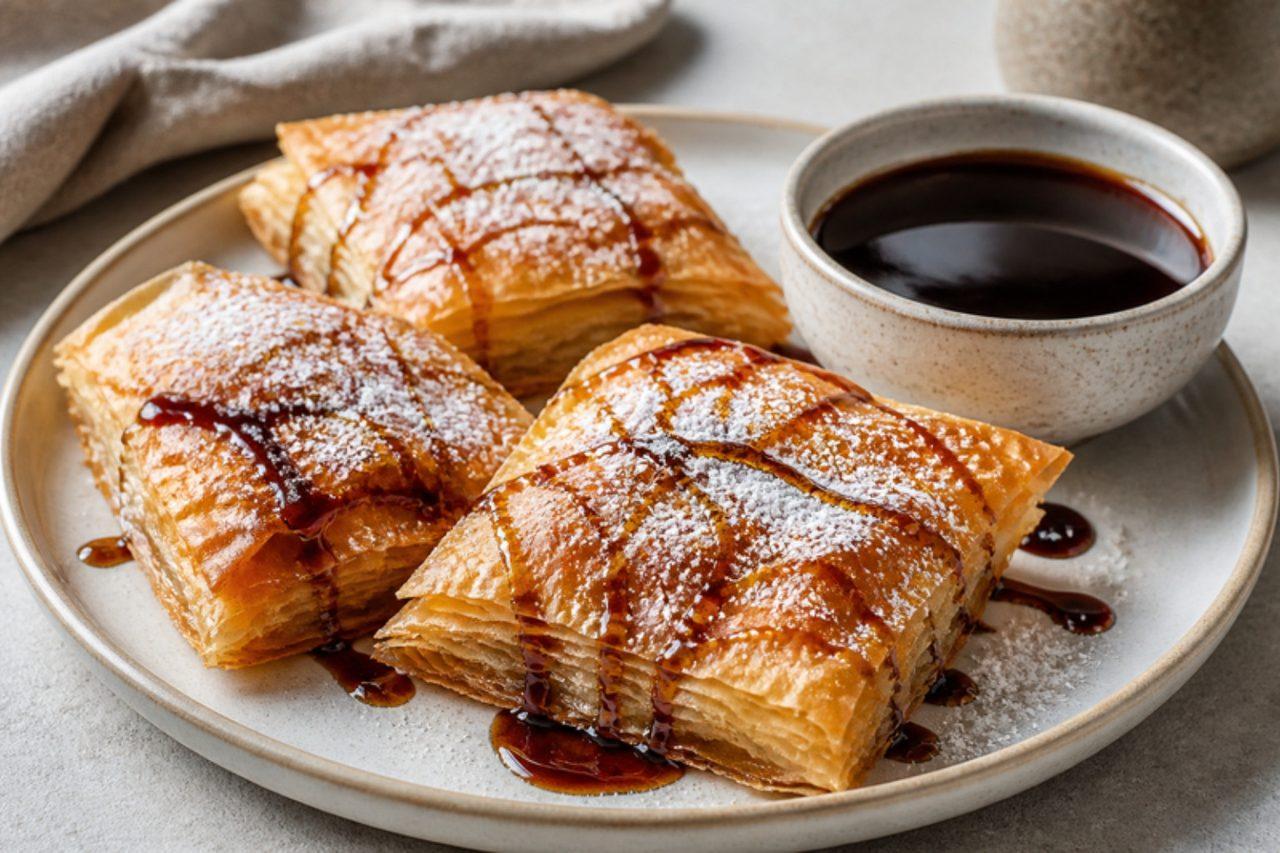
Kahi is what Baghdadi families in Ramat Gan and Or Yehuda make on Shavuot and festival mornings: squares of dough folded with butter into many layers, baked until flaky, then doused with silan (date syrup) or sugar and eaten with tea or a little yogurt. Outside it shatters; inside the layers stay soft and buttery. The common mistake is letting the butter melt into the dough while folding, which leaves you with a flat, bready square. Chef's tip: chill the folded dough for 20 minutes between rolls if your kitchen is warm, and bake in a really hot oven so the layers puff.

by KrazyBadal 0 views

MitrailletteBaguette with burger and fries

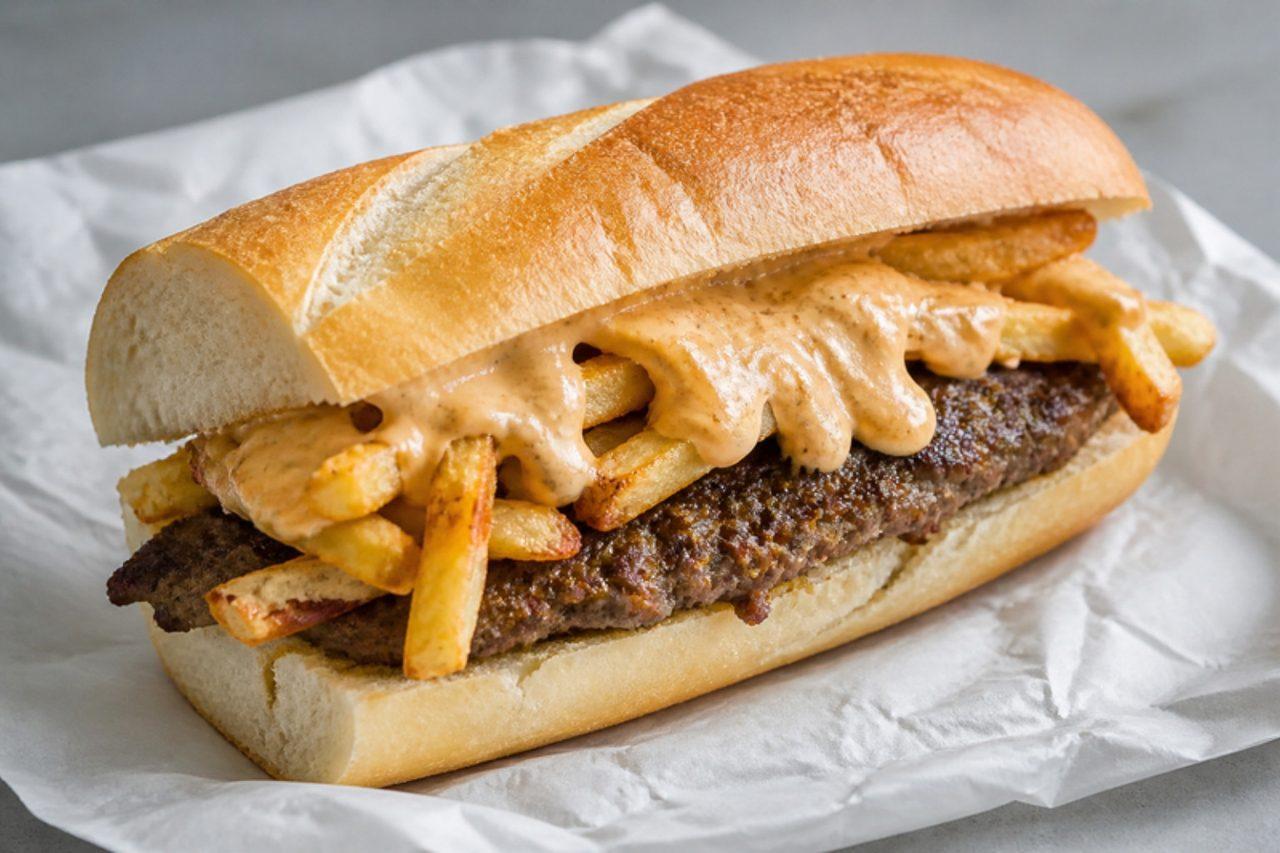
The mitraillette, 'submachine gun', is the overloaded sandwich of Brussels friteries, eaten after football or a night out: half a baguette split and stuffed with a hot meat patty or sausage, a heap of double-fried Belgian fries, lettuce and tomato, and a generous squeeze of sauce, usually andalouse, samurai or mayonnaise. It is messy and huge. This version uses a homemade beef burger. A common mistake is fries that are not crisp, which go soggy in the bread. Chef's tip: fry the chips twice, first at 160 °C until soft, then at 180 °C until golden, the Belgian way. Beef burgers must reach 71 °C in the middle.

by KrazyBadal 0 views

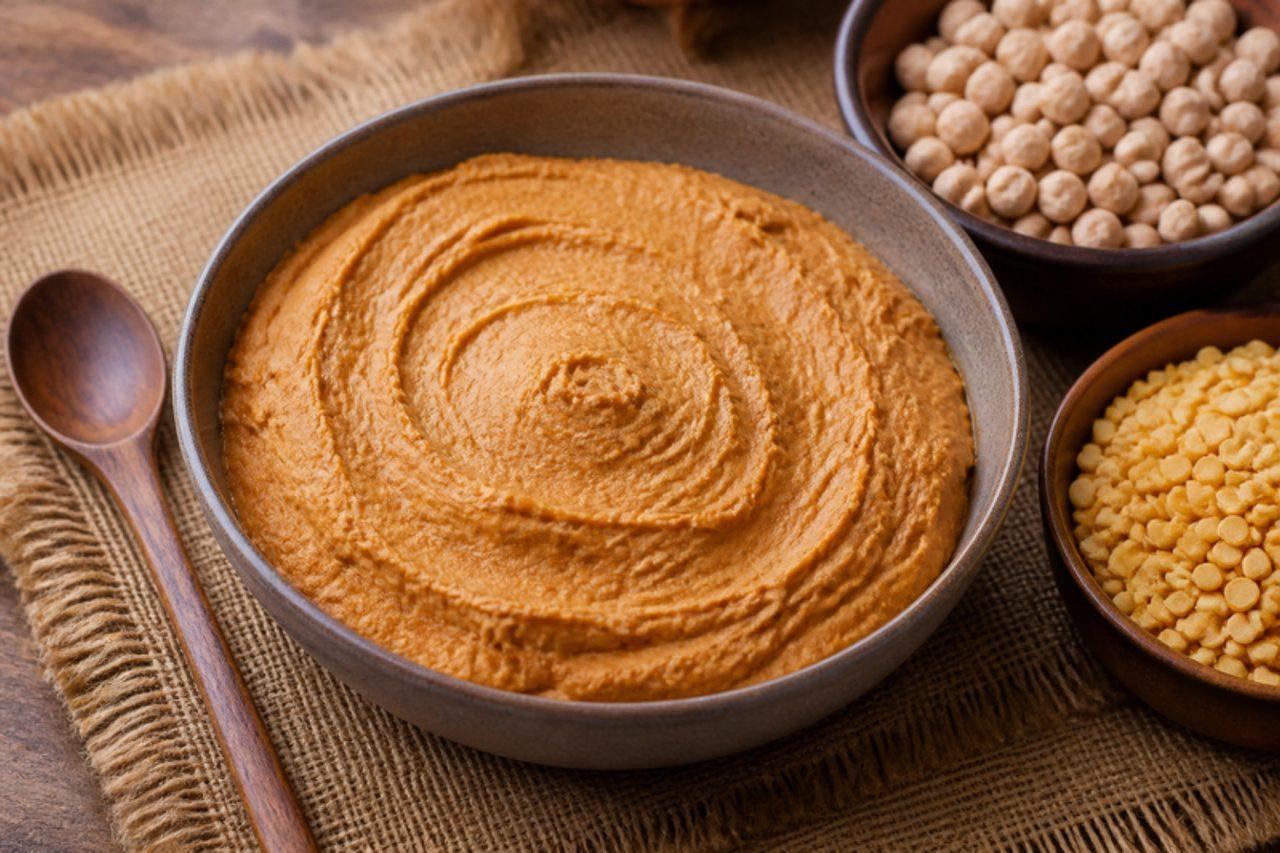
Mitin shiroRoasted chickpea and pea spice flour

Every pot of shiro wat starts with a few spoons of mitin shiro, and in Ethiopia most households either buy it by the kilo at the market or roast and grind a big batch a few times a year, especially before the fasting seasons when shiro is eaten almost daily. It is not a spice blend like berbere or mekelesha but a seasoned flour: dried chickpeas and split peas roasted until nutty, then milled with garlic, ginger, onion and chilli into a fine, orange-red powder. Whisked into simmering water with onions and oil it becomes a smooth stew in minutes. A home spice mill or strong blender does the grinding well. Chef's tip: roast the legumes until they are evenly golden and smell like toasted nuts; underdone, the shiro tastes raw and beany however long you simmer it.

by KrazyBadal 0 views

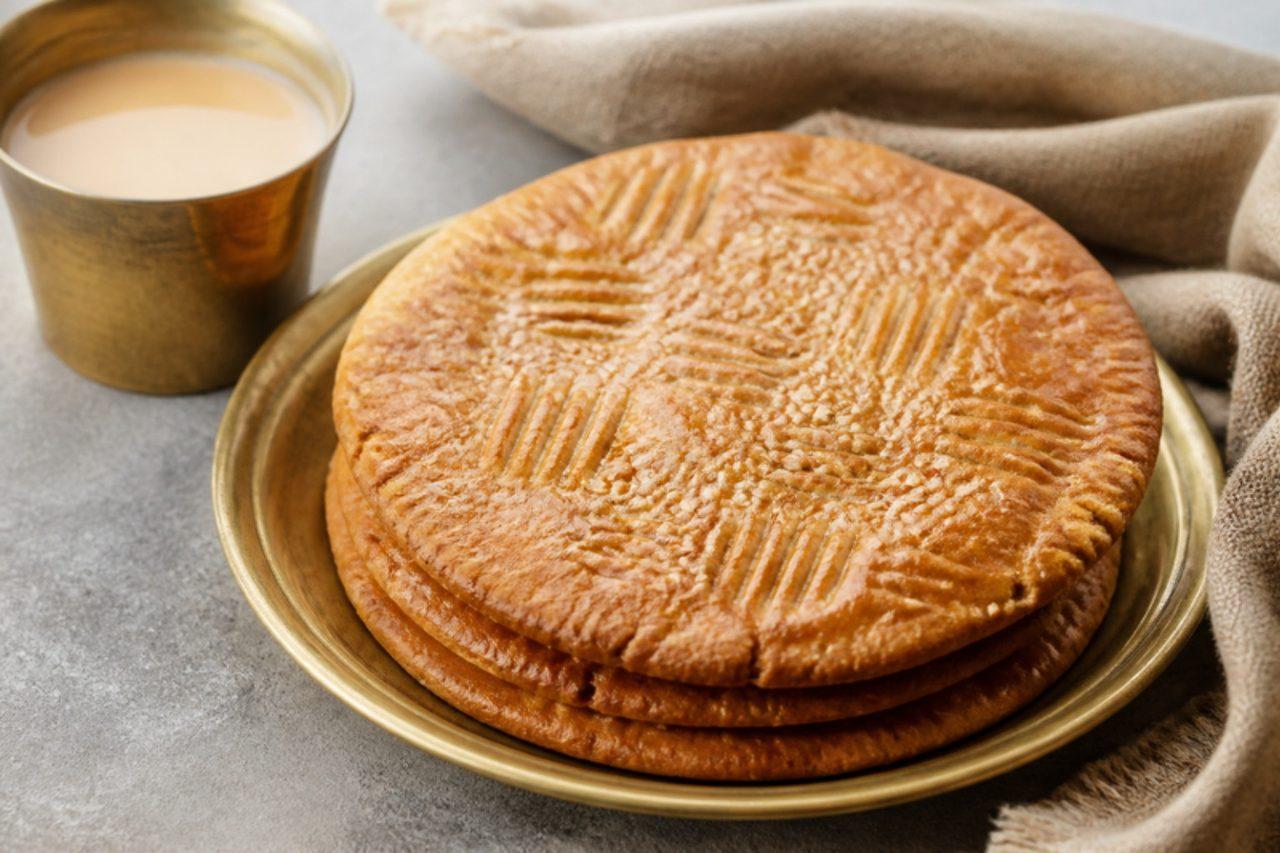
Mitho loloSweet jaggery flatbread

Thick, crumbly and caramel-sweet, mitho lolo is the Sindhi tea-time bread, made in batches in Karachi and Hyderabad homes and kept in a tin for a week of breakfasts, and Sindhi Hindu families bake it for Thadri, the summer festival when only food cooked the day before is eaten. Wholewheat flour is kneaded with jaggery dissolved in warm water and a generous amount of ghee, pressed into thick rounds, patterned with a fork and cooked slowly on a tawa until crisp outside and short and biscuity inside, fragrant with cardamom. It is dunked into milky tea or eaten with a little white butter. Too much heat is the downfall: the sugar scorches long before the middle cooks through. Chef's tip: keep the flame low and turn the lolo often, and let them cool on a rack, because they crisp up only as they cool.

by KrazyBadal 0 views

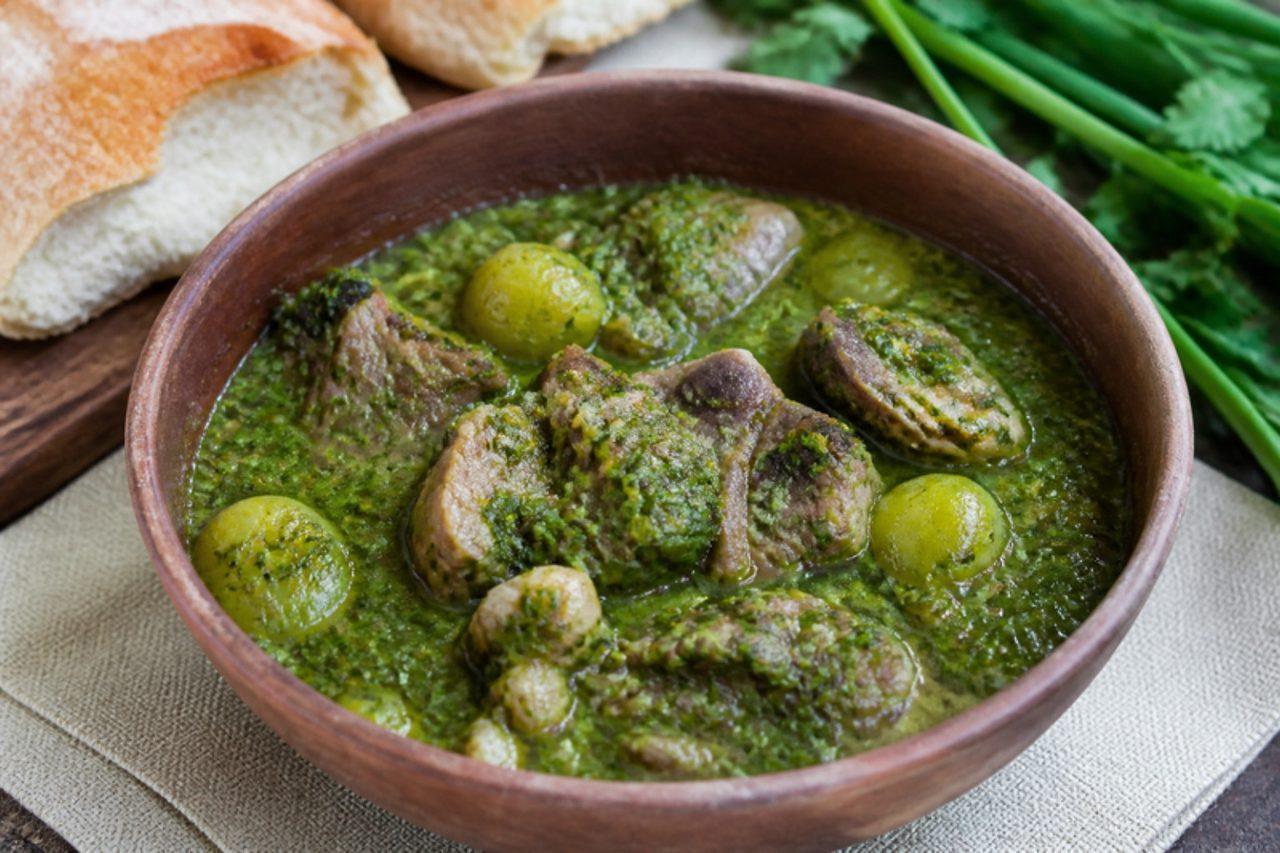
ChakapuliLamb with tarragon and sour plums

Chakapuli is the Easter dish of Kakheti, cooked when the first tarragon shoots and hard green tkemali plums appear in April: young lamb is stewed in Kakhetian white wine with heaps of tarragon, spring onion and coriander until the broth turns bright green and sour. It is eaten from deep bowls with shoti bread to soak up the juices. The recipe uses white wine, as it is traditionally made; for an alcohol-free pot, use the swap in the ingredient note. A common mistake is putting in all the herbs at the start, which turns them grey; half go in at the end for freshness. Chef's tip: if you can't find sour green plums, a squeeze of lemon and a spoon of tkemali sauce give the same tartness.

120 minGeorgianMeatGluten free
by KrazyBadal 0 views

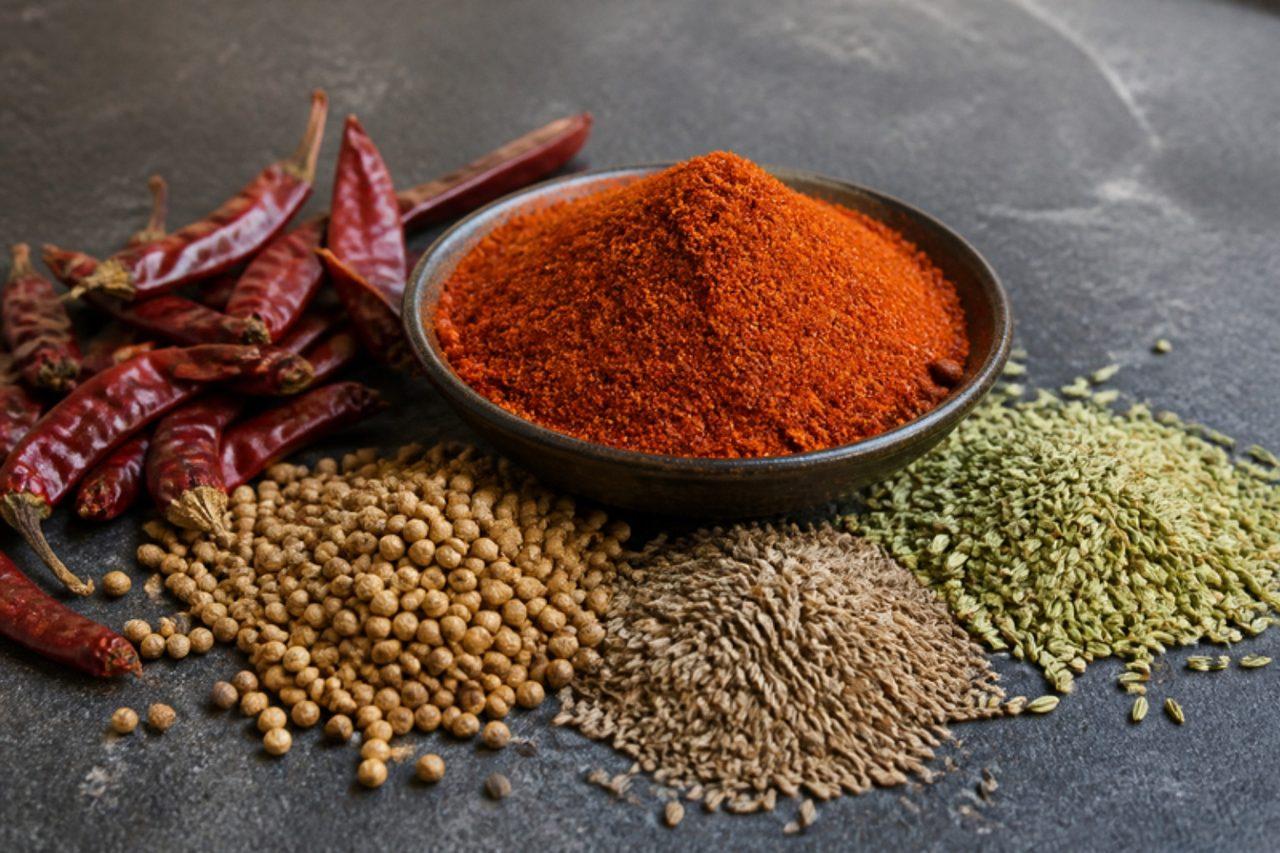
Jaffna curry powderRoasted chilli curry powder

Jaffna families once made their year's supply of curry powder in one go, drying the spices on mats in the hard northern sun before carrying them to the local mill, and many Tamil households abroad still have a jar sent from home. It is far hotter and redder than the dark roasted curry powder of the Sinhala south, built on a big weight of dried red chillies with coriander, cumin, fennel, black pepper and a little fenugreek, plus crisp curry leaves and turmeric. This is what gives Jaffna crab curry, aubergine kulambu and odiyal kool their brick-red colour and their kick. Grinding the spices while they are still warm is the common error; the steam makes the powder clump and spoil quickly, so let everything cool on a plate first. Chef's tip: roast each spice separately, because the chillies and coriander need several minutes but fenugreek burns and goes bitter in under one.

by KrazyBadal 0 views

MandelbrotTwice-baked almond cookies

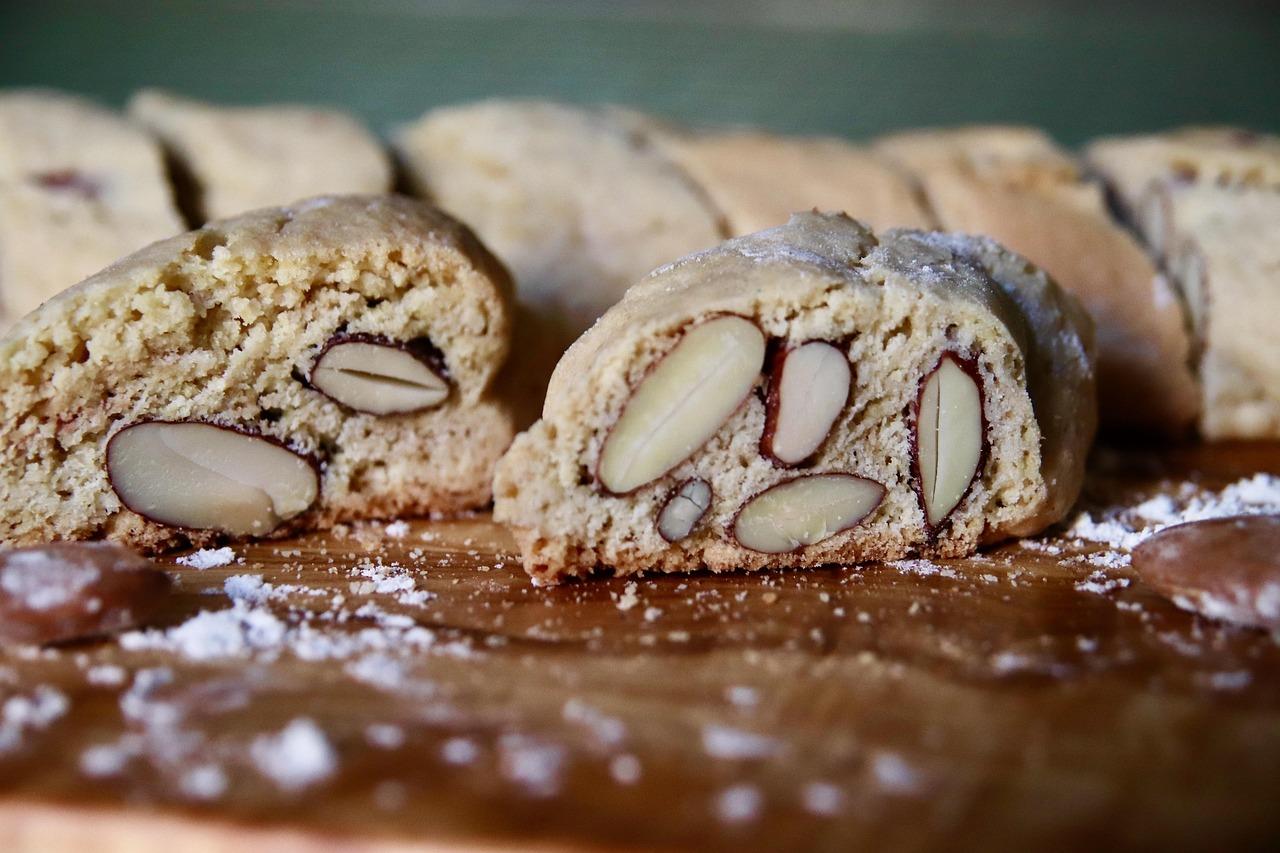
Mandelbrot, 'almond bread' in Yiddish, is the biscuit jar staple in Ashkenazi grandmothers' kitchens from Ramat Gan to Netanya, set out with tea after Shabbat lunch and packed for long journeys because it keeps for weeks. Unlike Italian biscotti it is made with oil, so it is tender and crumbly rather than rock-hard, and this version is flavoured with orange zest and dusted with cinnamon sugar. Dip it in hot tea or coffee. Because there is no butter, it can follow a meat meal. The usual mistake is slicing the logs straight out of the oven, which crumbles them; let them cool for 15 minutes first. Chef's tip: use a serrated knife and one firm downward saw, rather than pressing, for clean slices.

by KrazyBadal 0 views

Missi rotiGram flour and wheat flatbread

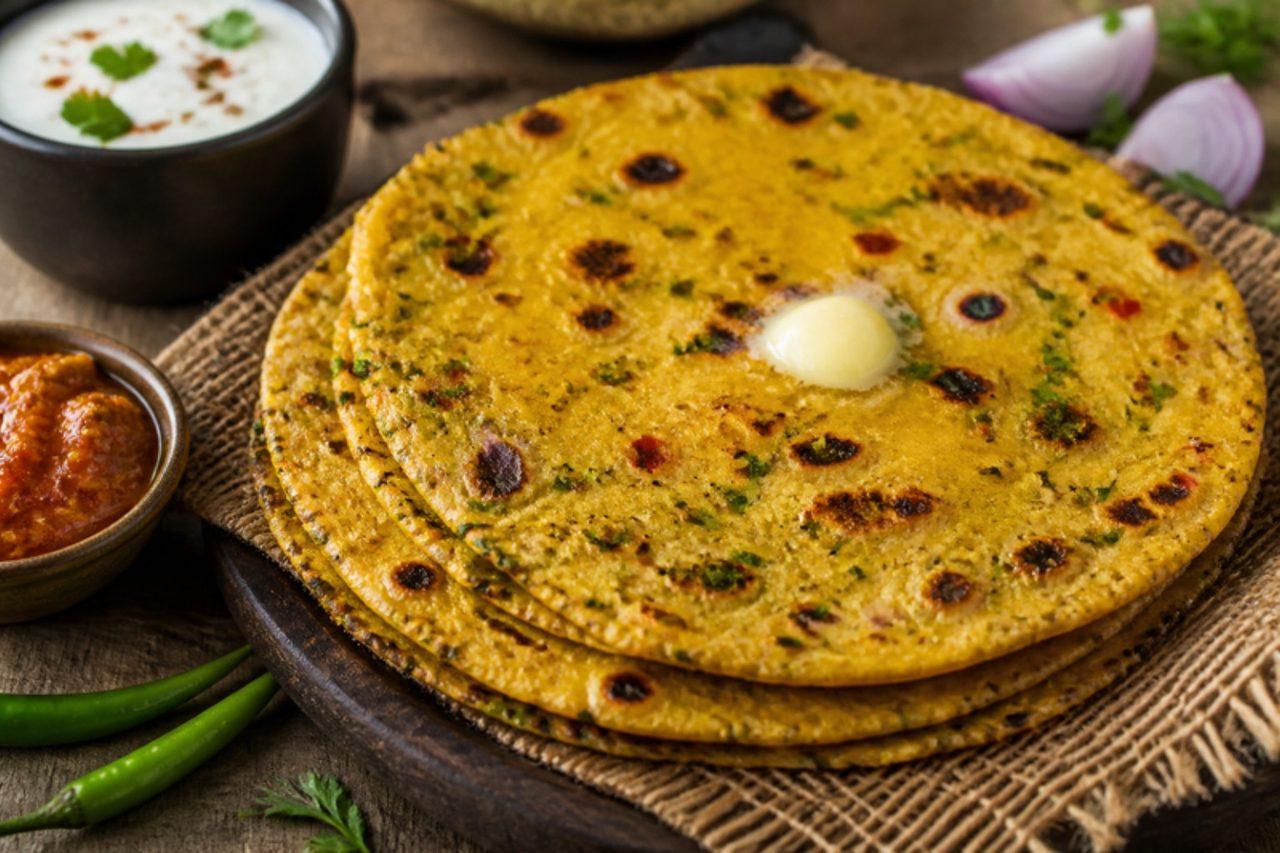
Golden-yellow from the besan and freckled with onion and coriander, missi roti is a village bread of central Punjab, made on cold mornings around Gujranwala and Sheikhupura and eaten with a lump of white butter, a glass of lassi and a little mango or lemon pickle. The gram flour gives it a nutty, savoury depth and a denser, more crumbly texture than a plain chapati, while ajwain, crushed anardana and green chilli give every bite a bit of sharpness. Because the besan makes the dough short, it is also a winter favourite paired with sarson ka saag in place of makai ki roti. A frequent problem is leaving out the wheat flour or using too little, and then the roti cracks and falls apart on the tawa. Chef's tip: grate the onion rather than chopping it, so its juice helps bind the dough and the roti rolls out without tearing.

by KrazyBadal 0 views

ChakuMolasses toffee with nuts

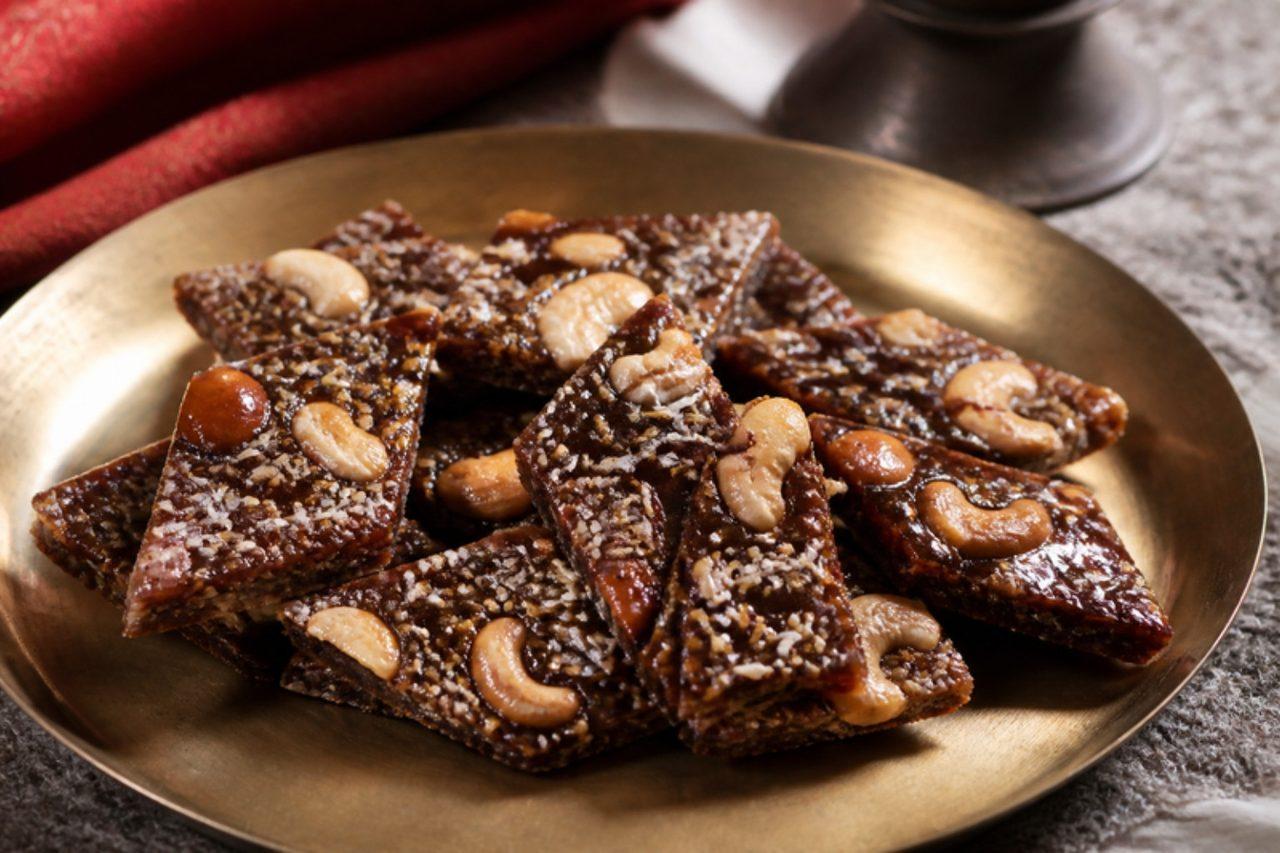
The towns of the Kathmandu Valley smell of hot molasses in early January, as Newar confectioners in Bhaktapur, Thimi and Patan boil sugarcane syrup down into chaku, a dark, glossy toffee that is pulled until it turns light and chewy and then mixed with ghee, cashews, coconut and sesame. On Ghyo Chaku Sanlhu, the Newar name for Maghe Sankranti, it is eaten with ghee and boiled yams to warm the body, and pieces are wrapped and sent to married daughters. At home it is easiest to start from good jaggery. Pulling it off the heat too early is the classic failure, leaving a runny mess that will never set. Chef's tip: once it reaches the hard-ball stage, let the toffee cool on a greased tray just until you can handle it, then stretch and fold it with greased hands for a few minutes until it turns from dark brown to golden and chewy.

by KrazyBadal 0 views

Mandalay mont diRice noodles with chicken curry

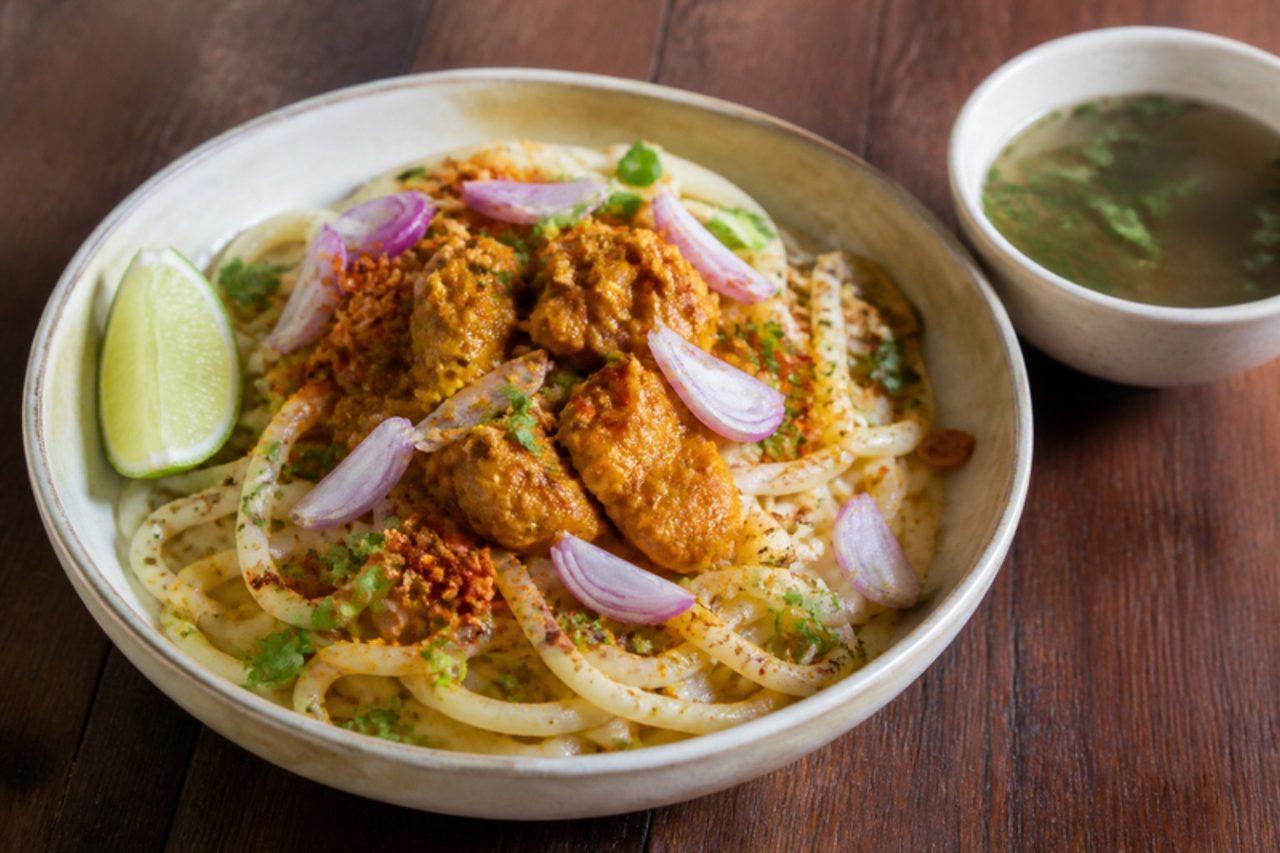
Mornings in Mandalay begin at low plastic tables near Zegyo market, where vendors toss mont di to order for students, monks' helpers and traders before the heat sets in. Round rice noodles, a little thicker than spaghetti, are mixed with a spoonful of lemongrass-scented chicken curry, toasted chickpea flour and a drizzle of 'fish oil': garlic fried in oil and sharpened with fish sauce. The result is slick, nutty and savoury, brightened by raw shallot, lime and coriander, with a small bowl of clear broth alongside. A common slip is dressing the noodles while they are wet; water dilutes the oil and the flavour slides off, so drain them really well first. Chef's tip: toast the chickpea flour slowly until it smells like roasted nuts; raw flour tastes chalky and clumps when you toss.

by KrazyBadal 0 views

KartofdzhynPotato and cheese pie

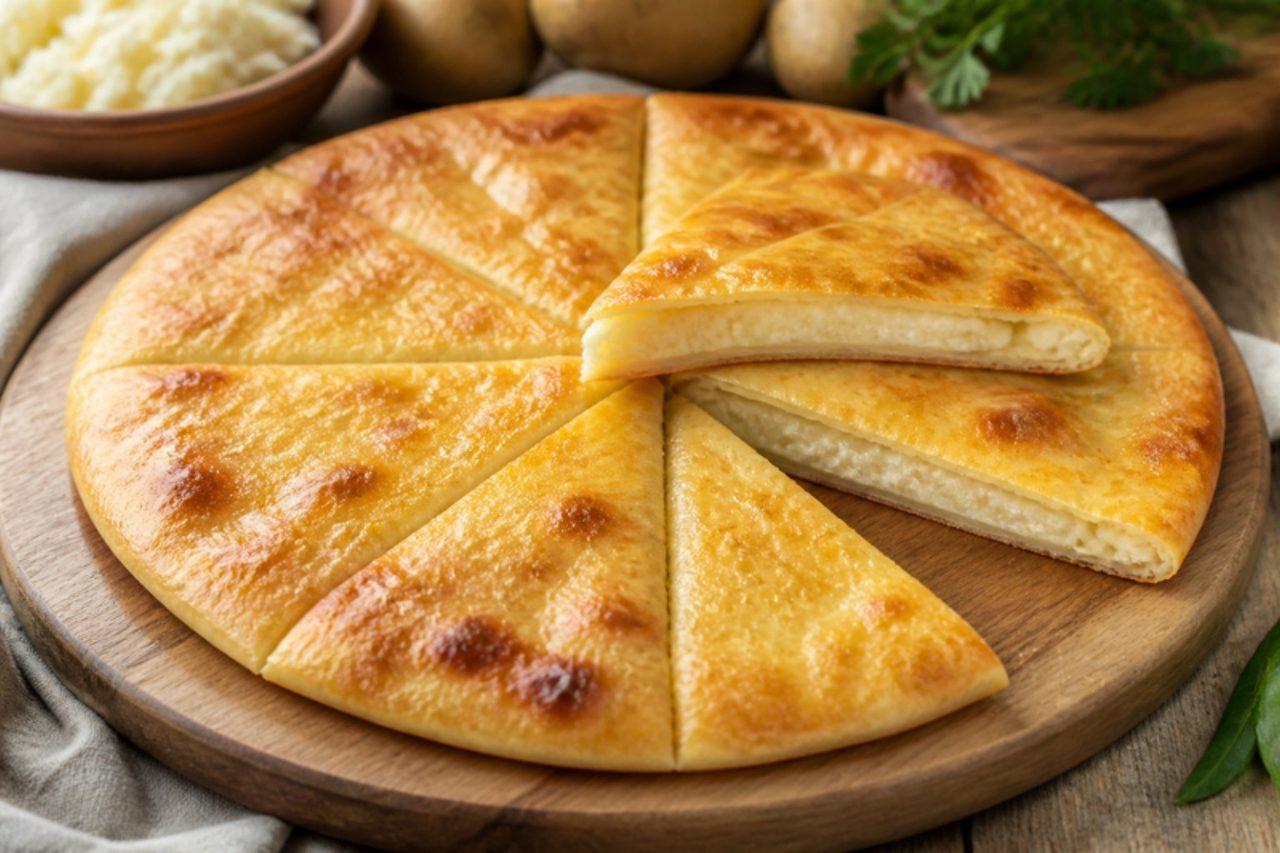
Ossetian pies come in threes at every celebration in Vladikavkaz, stacked on one plate for the sun, earth and water, and kartofdzhyn, with potato and cheese, is the everyday family favourite of North Ossetia. Soft kefir-yeast dough is wrapped around a ball of filling and patted flat by hand into a wide, thin round, so dough and filling are each barely a centimetre thick, then baked hot and soaked with butter. Ossetian cheese is a fresh brined cheese made with animal rennet; for a vegetarian pie use a feta-style or young brined cheese labelled vegetarian. The usual slip is overfilling, which makes the pie burst as you flatten it; aim for about the same weight of dough and filling. Chef's tip: stack the hot pies and butter each one, so the butter soaks through and they stay supple.

by KrazyBadal 0 views

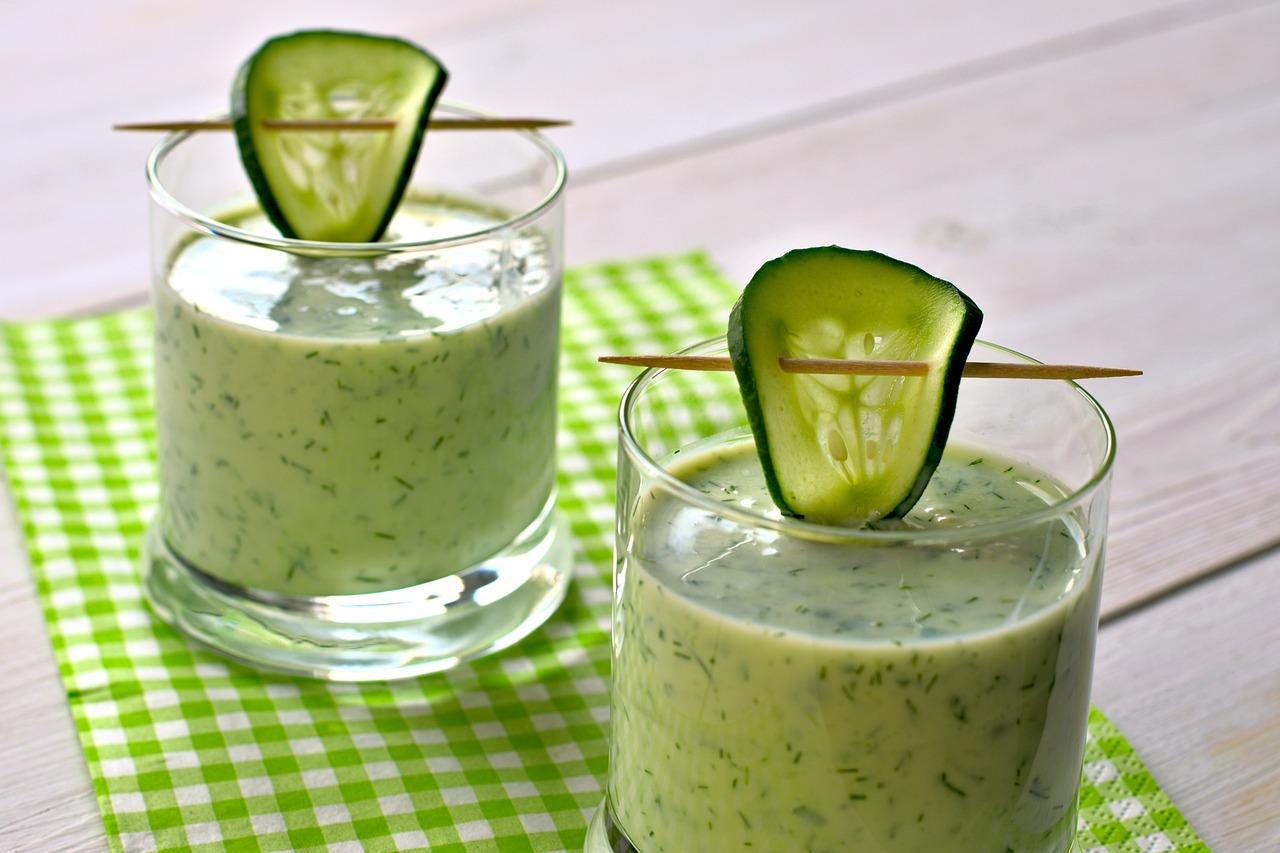
ChalopCold yogurt and cucumber soup

When Tashkent summers reach 40 °C, families eat chalop: chilled katyk or suzma loosened with cold water and filled with diced cucumber, radish and a pile of fresh dill, coriander, basil and spring onion. It is served in bowls with torn non bread, alongside plov or grilled shashlik, and some like a little ice in it. A common mistake is using thin, runny yogurt, which makes the soup watery; start with a thick yogurt and thin it to taste. Chef's tip: salt the cucumbers lightly and leave for 5 minutes before adding them, so they season through and stay crisp.

15 minUzbekSoupsGluten free
by KrazyBadal 0 views

Palm butterPalm nut stew

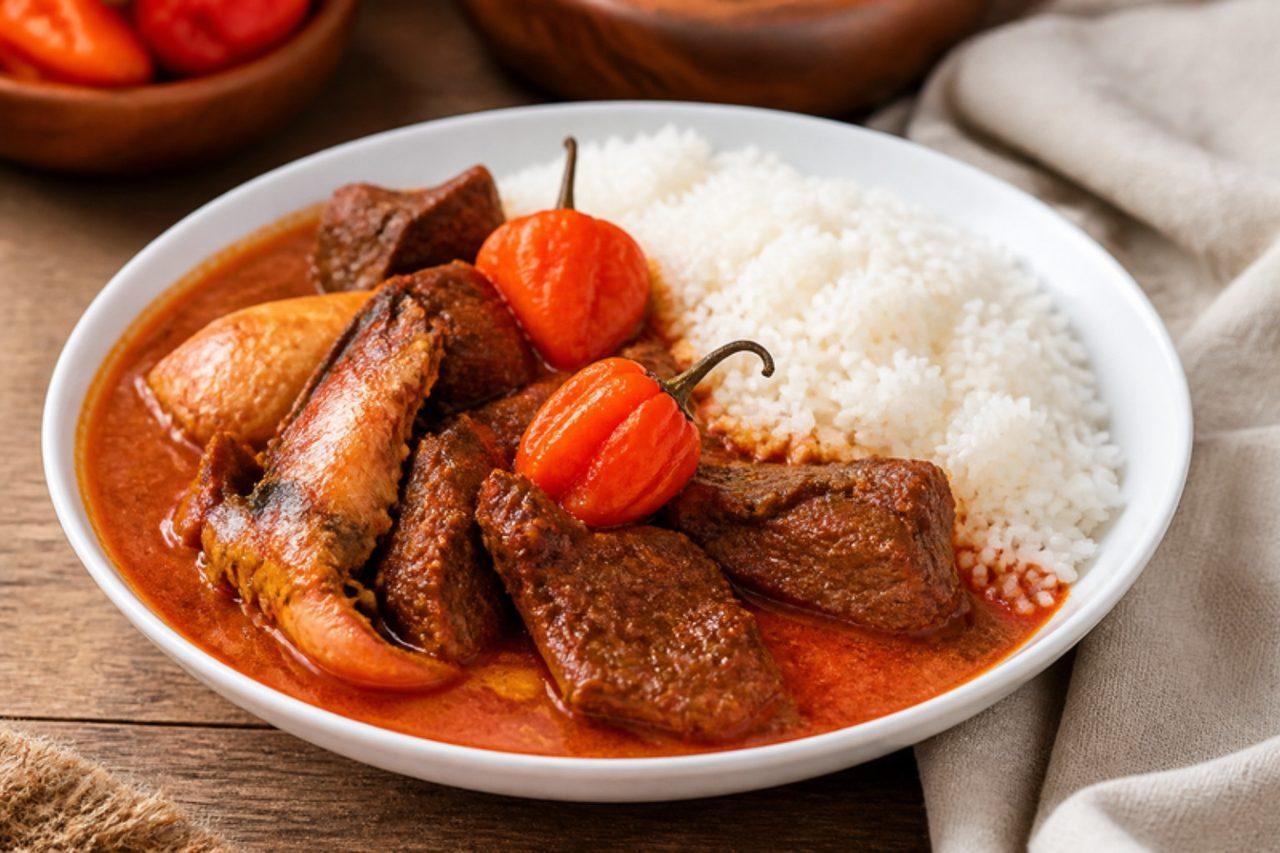
Sunday and holiday tables in Liberia often centre on palm butter, a thick, velvety, orange-red stew made from the pulp of boiled palm nuts and cooked down with beef, smoked fish and whole hot peppers. In Monrovia it is spooned over rice, while families upcountry often pair it with fufu or dumboy. The taste is rich, nutty and gently sweet, with smoke from the fish and slowly building heat. Canned palm nut concentrate from African grocers makes it practical at home; pounding fresh nuts is the village way. A frequent slip is boiling hard once the palm cream goes in, which splits the oil out and makes it greasy. Chef's tip: drop the peppers in whole and pierce them once; you get flavour and warmth without the stew turning fiercely hot, and you can lift them out before serving.

125 minAfricanMeatGluten free
by KrazyBadal 0 views

Kmínová polévkaCaraway soup

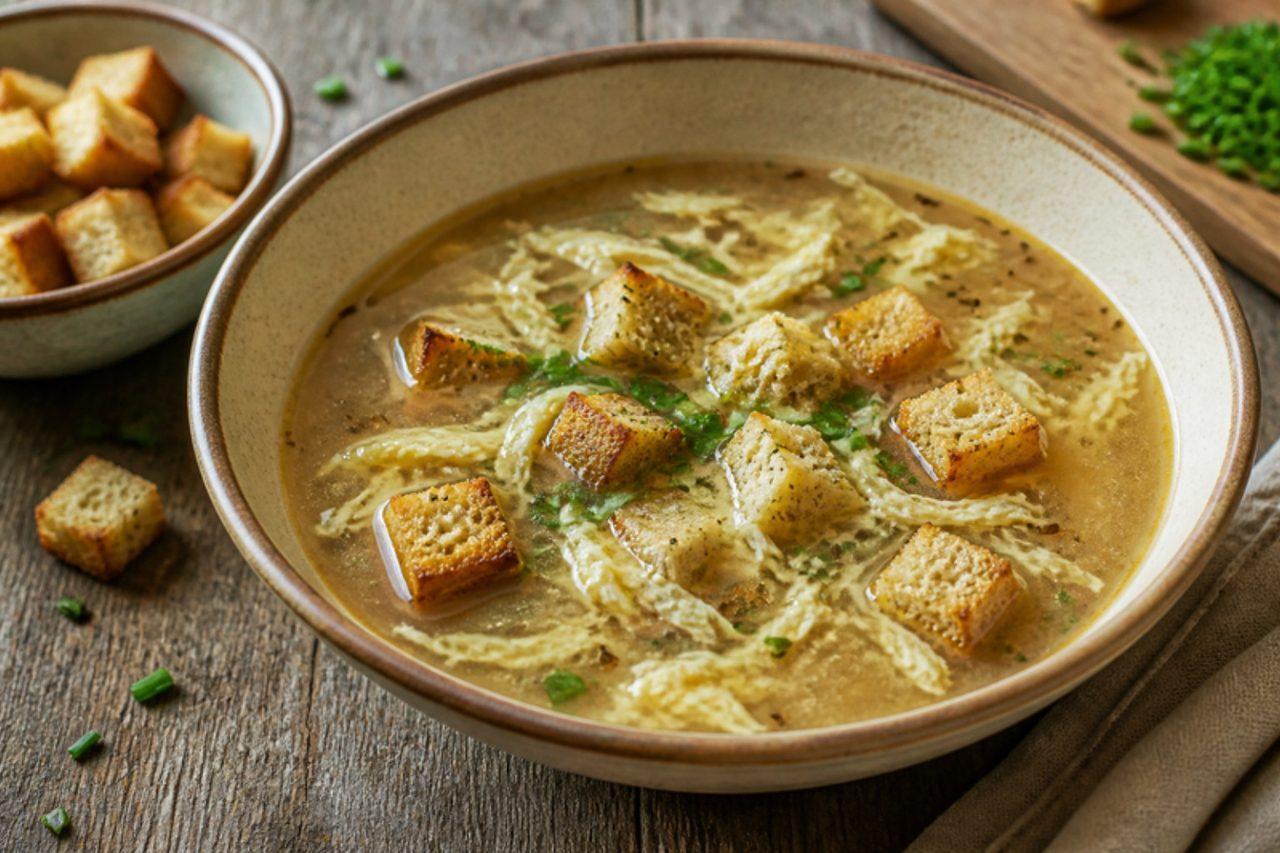
Few soups are as cheap or as old as this one. Kmínová polévka was the Bohemian peasant's breakfast long before coffee arrived, and Czech mothers still make it for an upset stomach or a hangover. The roux is cooked until it smells of toasted hazelnuts, the caraway is fried in butter until it pops, and the hot soup is poured straight onto crunchy toasted bread so it softens at the edges. Where most people go wrong is taking the roux off the heat while it is still pale: you get a floury, raw-tasting soup instead of a nutty one. A beaten egg trickled in at the end makes it more filling. Chef's tip: crush half the caraway in a mortar first, so the flavour spreads through the broth while the whole seeds give little bursts.

25 minCzechSoups
by KrazyBadal 0 views

Kluski z makiemNoodles with sweet poppy seed

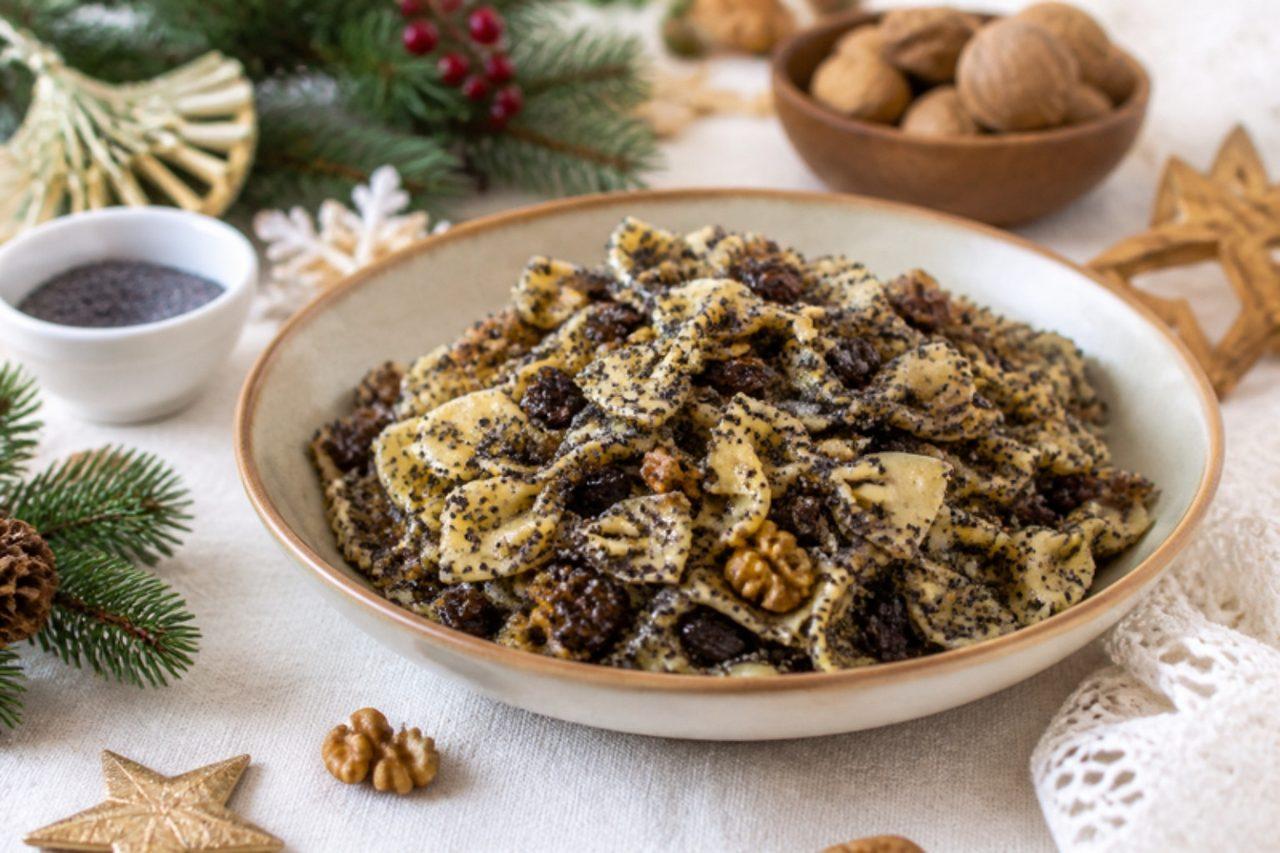
Poppy seed is the taste of a Polish Christmas Eve, and in central and eastern Poland it often reaches the table as a bowl of wide noodles in a sweet, dark poppy mixture with honey, walnuts and raisins. It sounds strange to anyone who expects pasta to be savoury, but it is closer to a pudding: nutty, slightly bitter, sticky with honey, eaten at room temperature as the last dish of the night. Where most people go wrong is using whole poppy seeds straight from the packet; they must be scalded and ground, or the dish is gritty and bland. Chef's tip: buy ready-ground poppy seed or grind scalded seeds twice in a spice grinder until they turn grey and buttery.

by KrazyBadal 0 views

MishkakTamarind garlic meat skewers

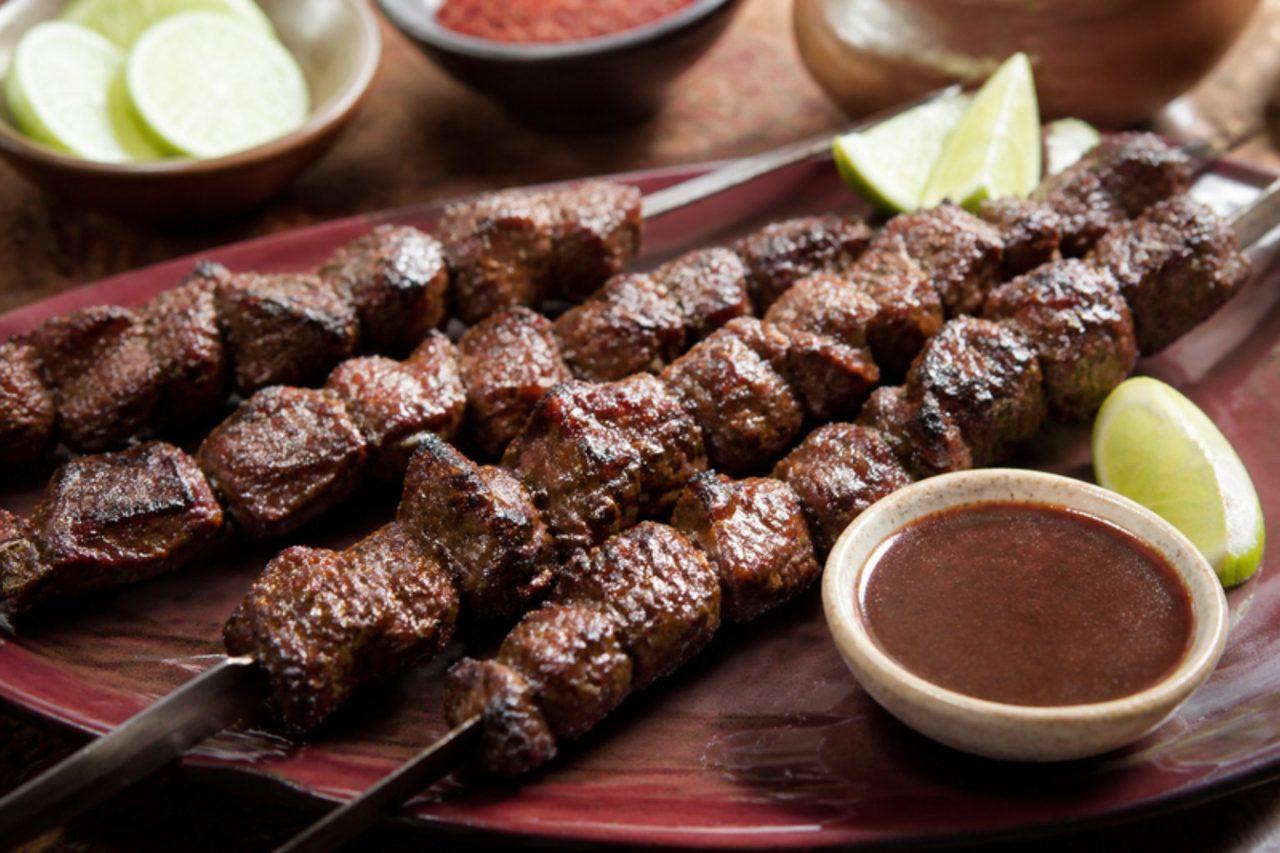
After sunset on the beach at Qurum and around the souq in Muttrah, Muscat, mishkak sellers fan their charcoal and the smell of tamarind and garlic drifts across the crowd; at Eid every family grills them at home too. Small pieces of beef or lamb are soaked in a sour-hot marinade, threaded tightly on skewers and charred quickly, then eaten with a squeeze of lime, a hot chilli sauce and Omani bread. The meat is tangy, smoky and juicy. The common mistake is cutting the pieces too big, so the outside burns before the middle cooks. Chef's tip: thread the meat closely without squashing it; the pieces protect each other and stay juicy.

by KrazyBadal 0 views

Lunu mirisPounded onion and chilli relish

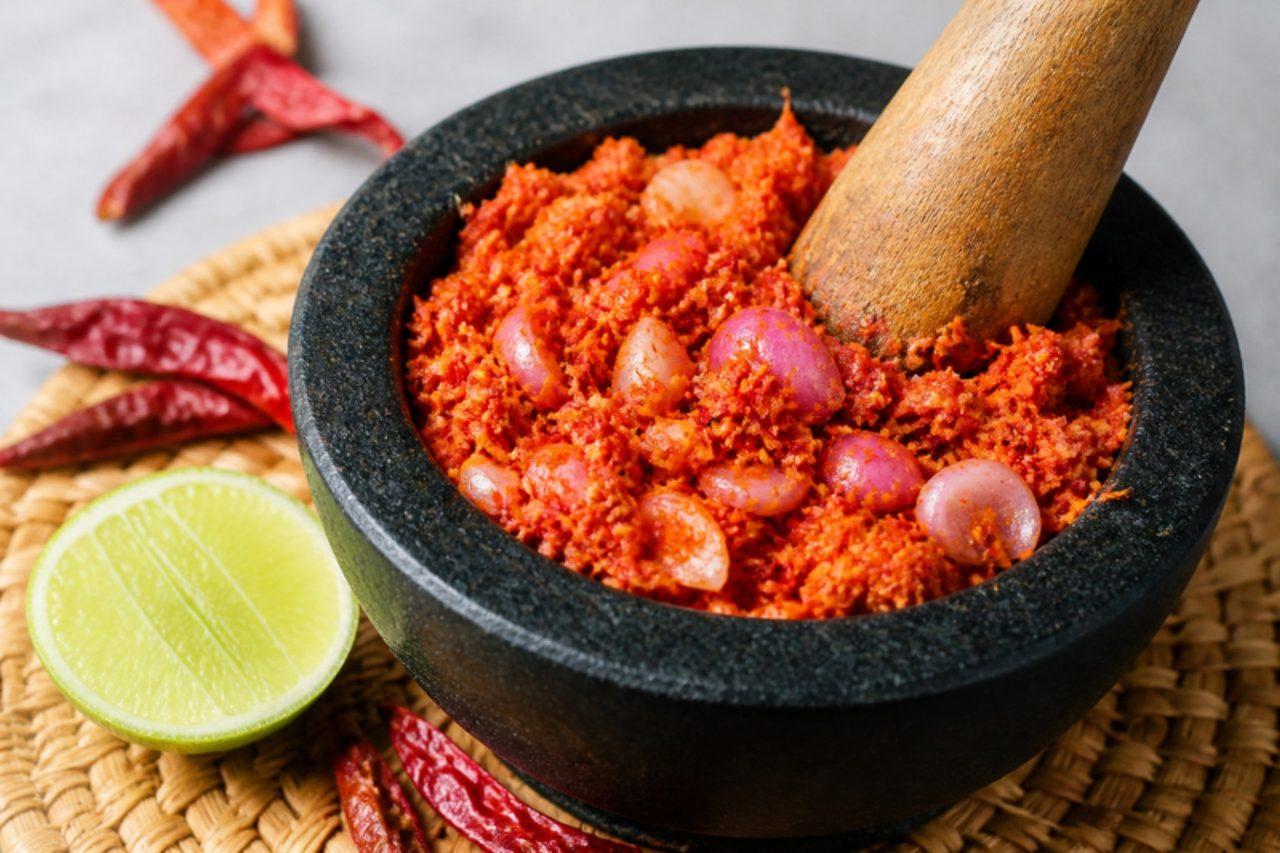
Two words, salt and chilli, describe the bluntest relish on the Sri Lankan table, and that is exactly the point: a spoonful of this rough red paste wakes up the plainest starch. It is the classic partner for kiri bath on Sinhala and Tamil New Year mornings, for boiled manioc, for kurakkan roti in village kitchens and for a stack of plain hoppers at a roadside boutique. Red onion, dried chilli and salt are crushed on a grinding stone or in a mortar, then sharpened with lime; many cooks also pound in a spoon of Maldive fish, which is left out here to keep it vegan. Do not reach for the food processor, which chops everything into a wet slurry instead of bruising it into a coarse, juicy paste. Chef's tip: pound the chilli and salt together first, before the onion goes in, because the salt acts like grit and breaks the flakes down far faster.

by KrazyBadal 0 views

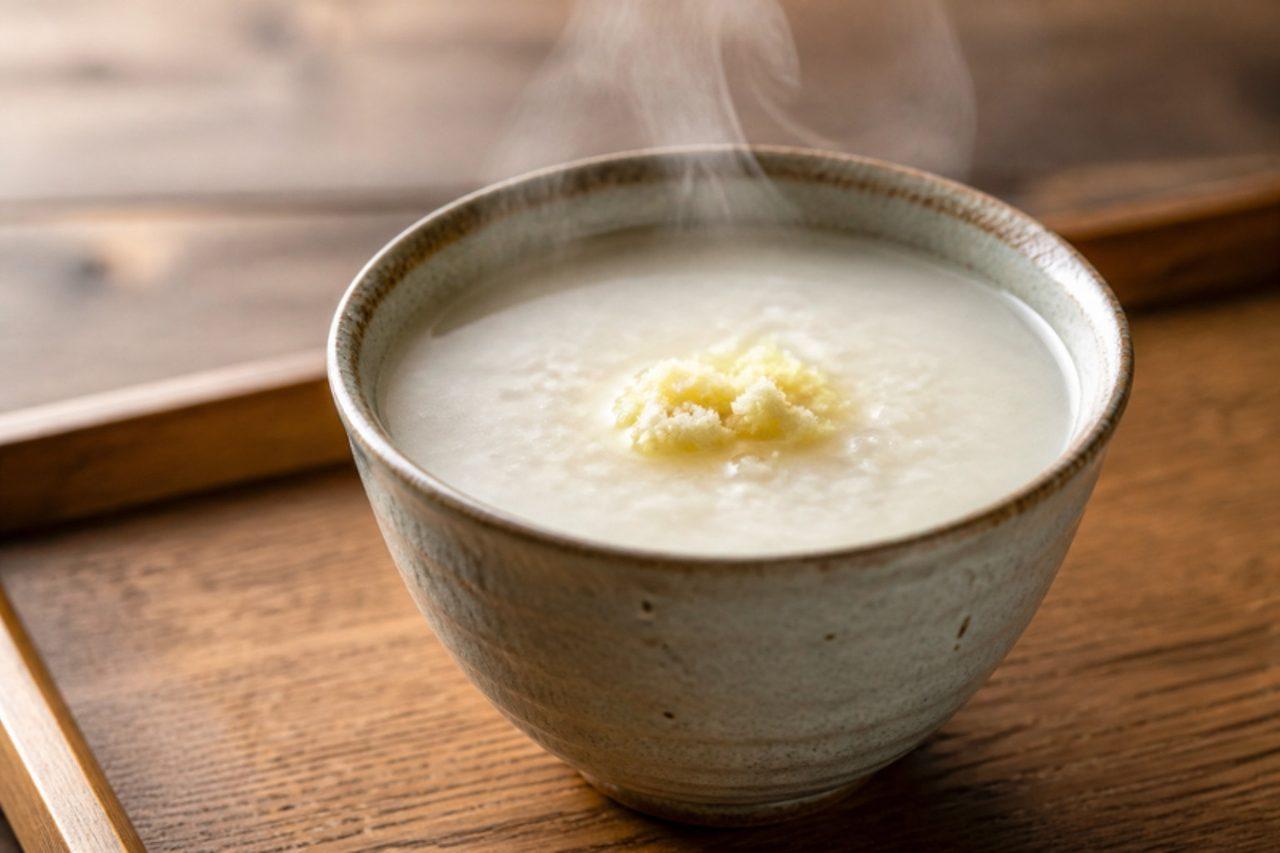
ChamiFresh curd cheese

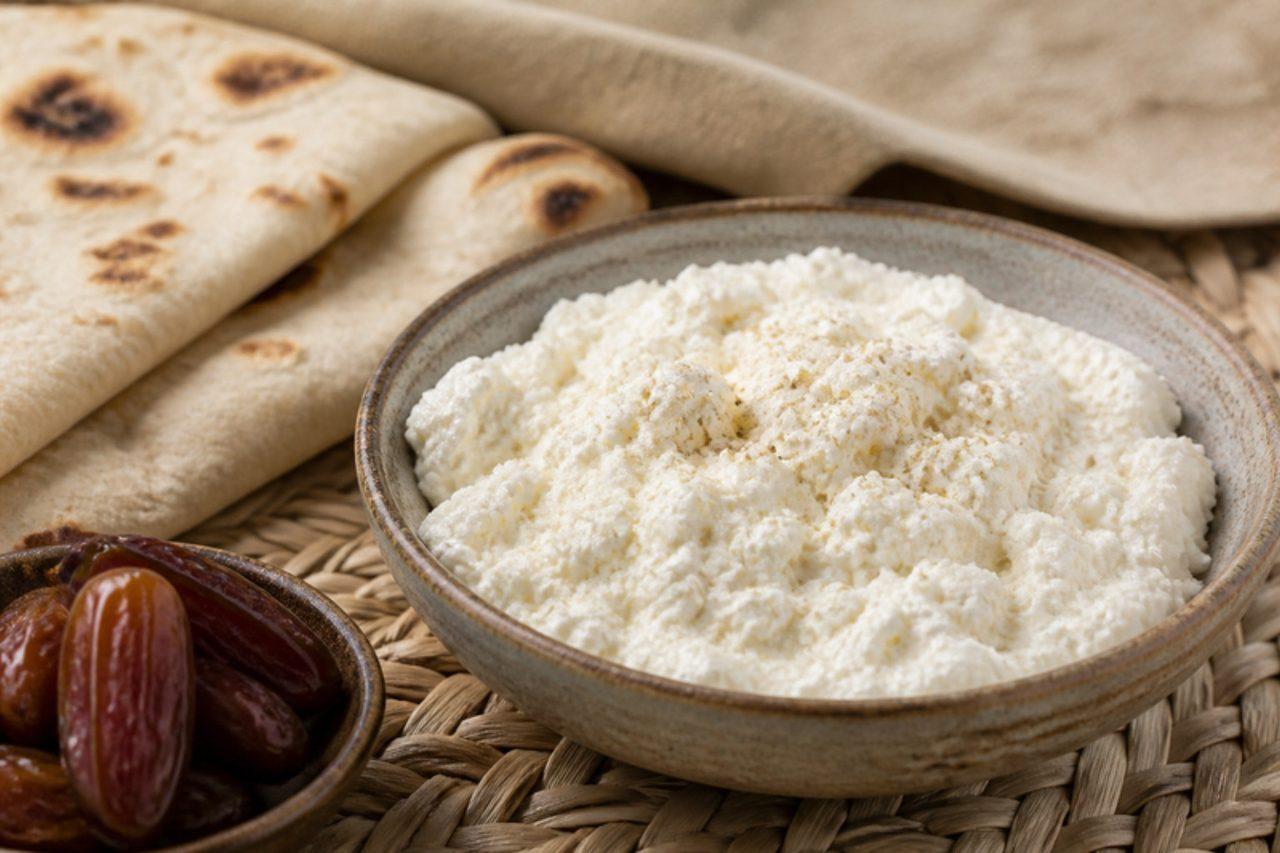
Chami was once made in Emirati desert and coastal homes from the laban left after churning butter, heated until it split into soft, tangy curds. It is still the cheese of a traditional UAE breakfast, spooned next to chebab, dates and a cup of sweet tea, and it tastes like a mild, slightly sour cottage cheese with a crumbly-creamy texture. Because the curds form from the natural acidity of the cultured milk and gentle heat, no rennet is used, so it suits vegetarians. Boiling it hard is the mistake to avoid: the curds turn rubbery and squeaky instead of soft. Chef's tip: stir in a pinch of turmeric or cardamom at the end, as some families do, for a golden colour and a faint perfume.

by KrazyBadal 0 views

Jamaican bullaMolasses ginger spice cakes

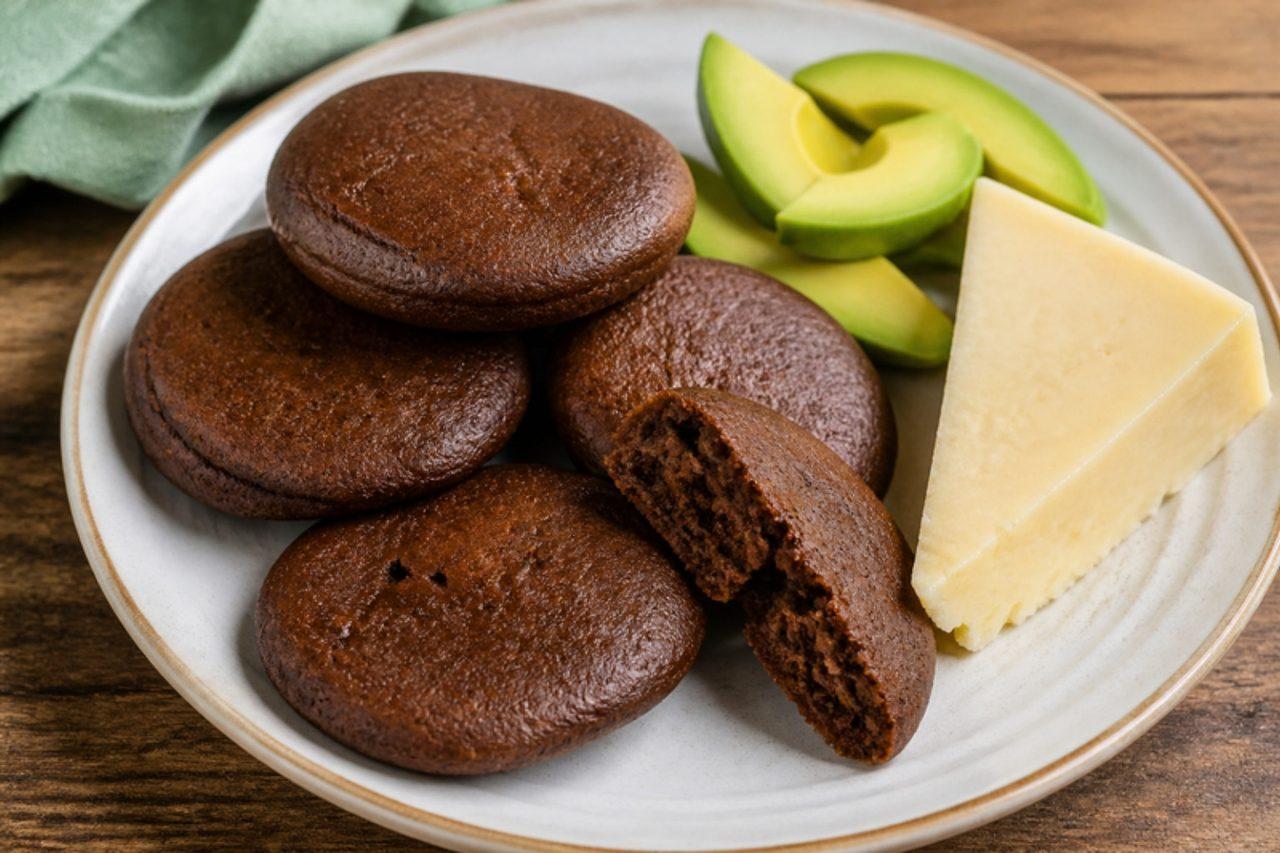
Wrapped in paper at every Jamaican corner shop and school tuck shop, bulla is the cheap, dense little round cake that children take for lunch and grown-ups eat with a slice of cheese or ripe avocado. It is dark with molasses and brown sugar, warm with ginger and nutmeg, and has a slightly chewy crumb rather than a light sponge. This version uses oil, so it is vegan. The common mistake is overworking the dough, which makes bulla tough; mix only until the flour disappears. Chef's tip: leave the baked bulla in a tin overnight; the crumb softens and the spice deepens by the next day.

by KrazyBadal 0 views

Jamaican coco breadCoconut milk bread rolls

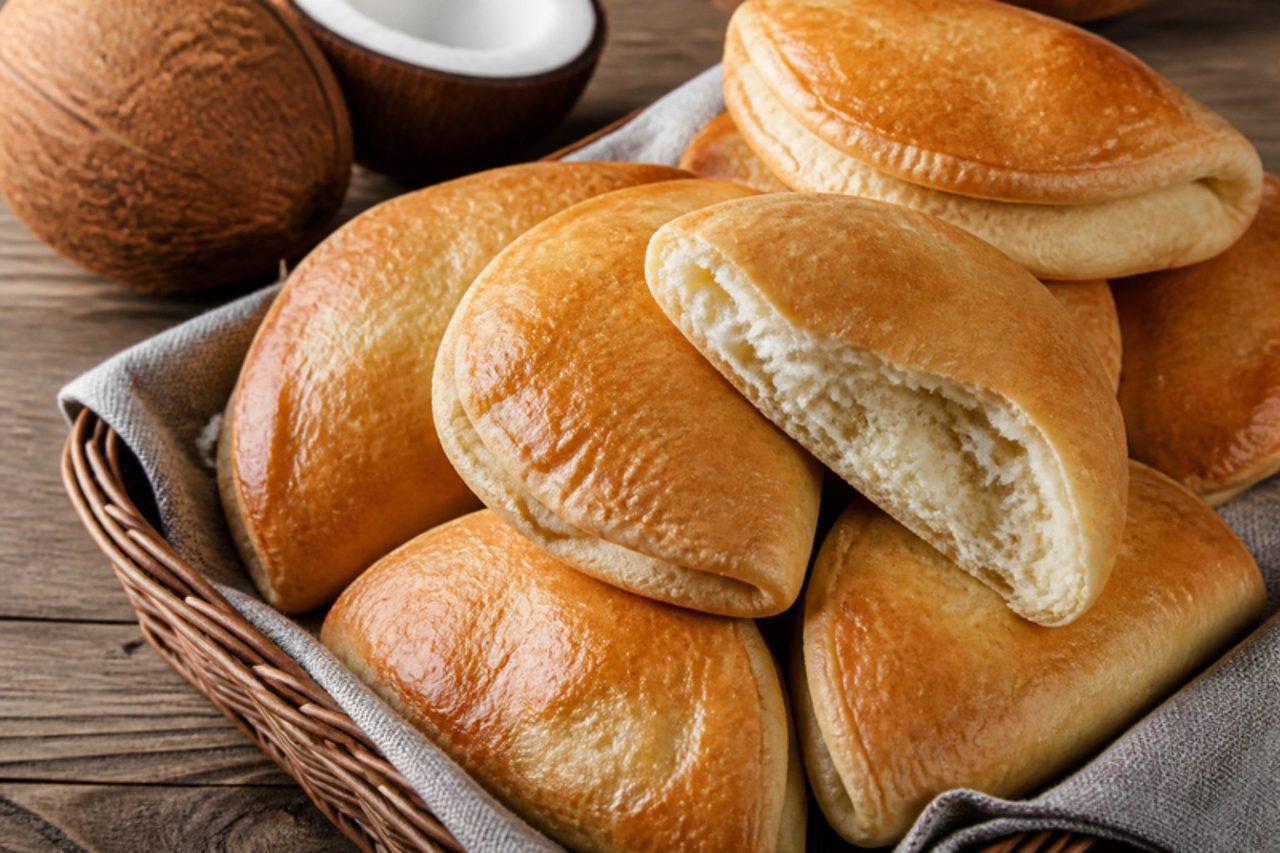
Every patty shop in Kingston keeps a stack of coco bread by the till, because the classic lunch is a hot beef or vegetable patty tucked inside one of these soft, buttery folds. The rolls are rich with coconut milk and brushed with melted butter before folding, so they pull apart into two neat halves after baking. The common mistake is baking them too long; they should be pale golden and pillowy, not crusty. Allow about 1 hour 30 minutes of rising on top of the working time. Chef's tip: brush the tops with more butter the moment they leave the oven and cover them with a cloth, which keeps the crust soft.

by KrazyBadal 0 views

Jamaican coconut dropsGinger coconut clusters

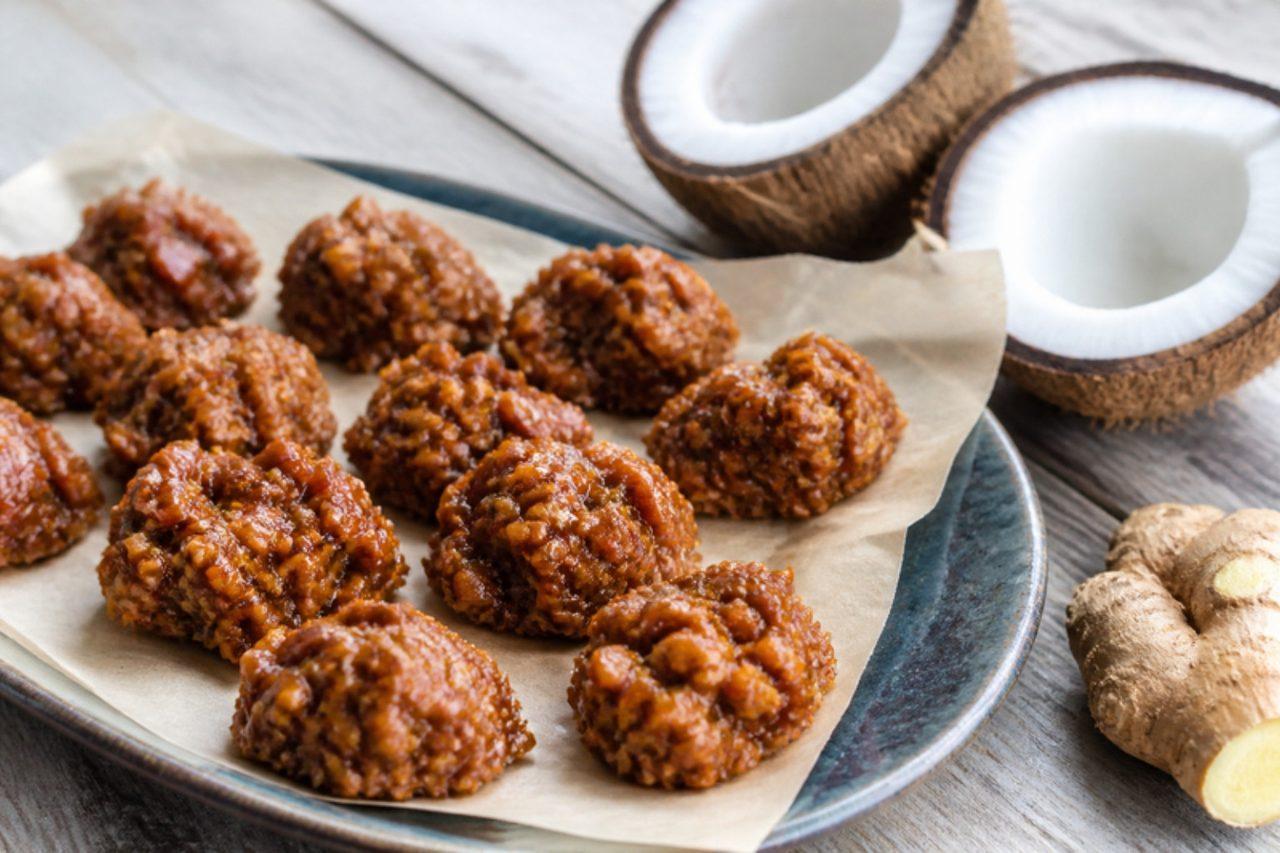
Coconut drops are the lumpy brown clusters sold beside grater cake at Jamaican roadside stalls and markets from Ocho Rios to Mandeville, made with coconut cut into small dice rather than grated, so every bite is chewy. Brown sugar and fresh ginger boil down around the coconut into a sticky, toffee-like glaze. The most common mistake is stopping before the syrup is thick enough, which leaves the drops wet and runny; it must coat the spoon heavily. Chef's tip: dice the coconut very small and even, about 5 mm, so the drops hold together.

by KrazyBadal 0 views

Jamaican Easter bunSpiced Easter loaf

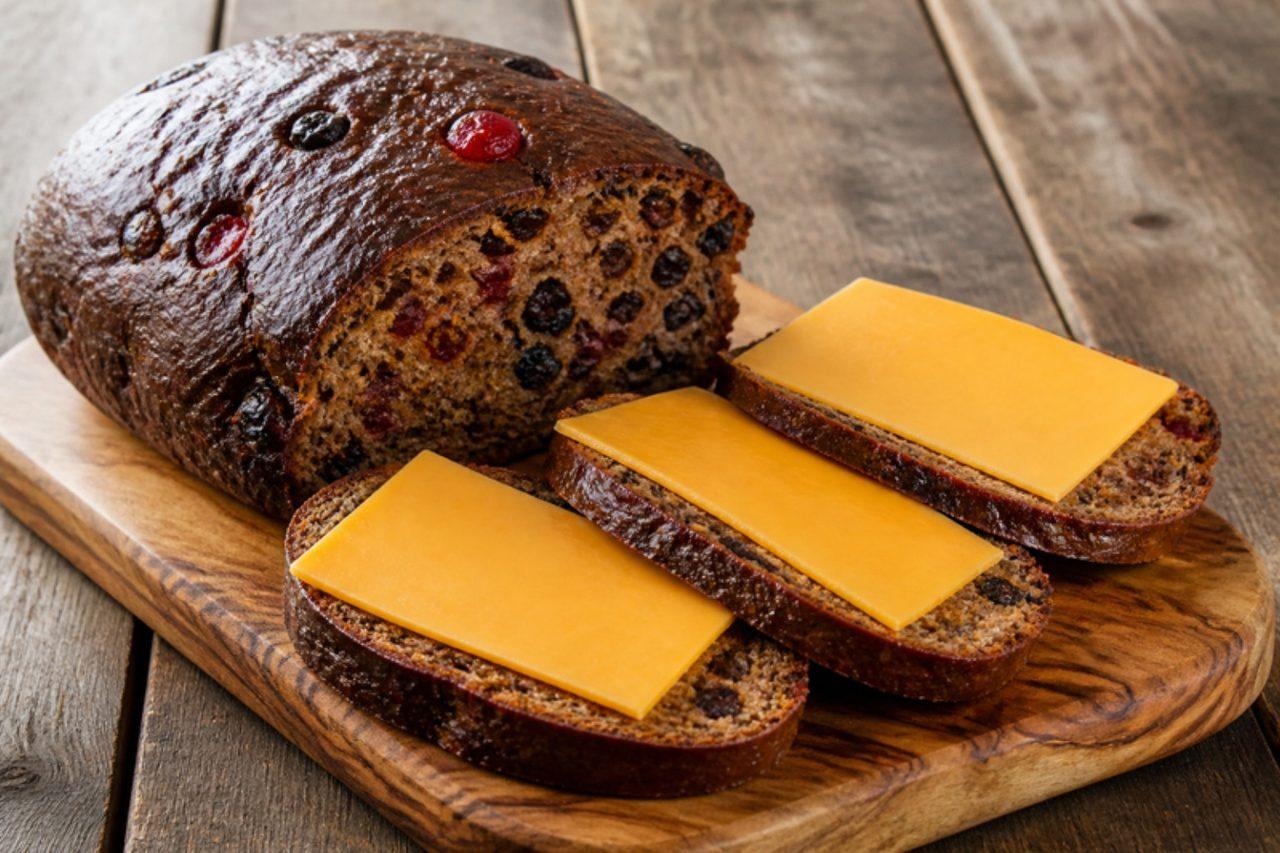
Every Good Friday, Jamaicans from Kingston to London buy or bake a dark, glossy spiced bun to slice and eat with processed cheese, a tradition that grew out of the British hot cross bun. This quick-bread version is moist and dense with dried fruit, molasses and warm spice; it traditionally uses stout, which contains alcohol, so for an alcohol-free bun use the same amount of malt drink. The commonest mistake is slicing the bun warm, when it is still sticky and crumbles; it needs a day to firm and mellow. Chef's tip: brush the hot loaf with a honey or sugar syrup glaze straight from the oven for the shiny top.

by KrazyBadal 0 views

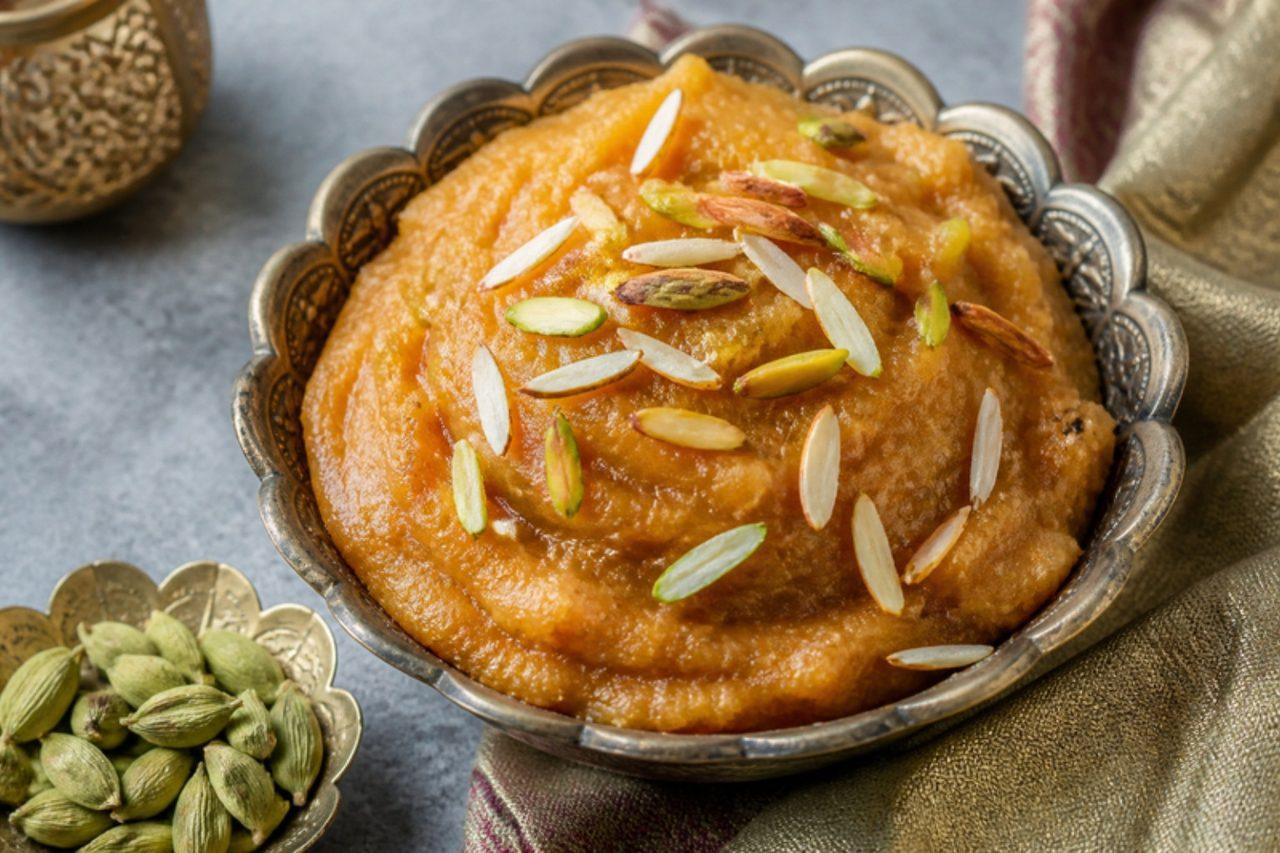
Chana daal halwaSplit chickpea halwa

This is the halwa of family gatherings on cold winter evenings and of Shab-e-Barat, when households in Karachi, Lahore and Multan cook trays of sweets to share with neighbours, and among them all it is the one that rewards hard work most. Split chickpeas are soaked overnight, simmered soft in milk, ground to a paste and then fried in ghee for the best part of an hour, until the raw beany taste is replaced by a deep, toasty, almost caramel flavour and a soft, slightly grainy texture. Cardamom, a little khoya and plenty of almonds and pistachios finish it, and it is eaten warm, or pressed into a tray and cut. It keeps well, so many families make a large pot. The fault that most often spoils it is adding the sugar before the dal paste has been fried long enough, which leaves it pasty and heavy. Chef's tip: stir until the paste turns golden and smells like roasted nuts and the ghee begins to seep out again, and only then add the sugar.

by KrazyBadal 0 views

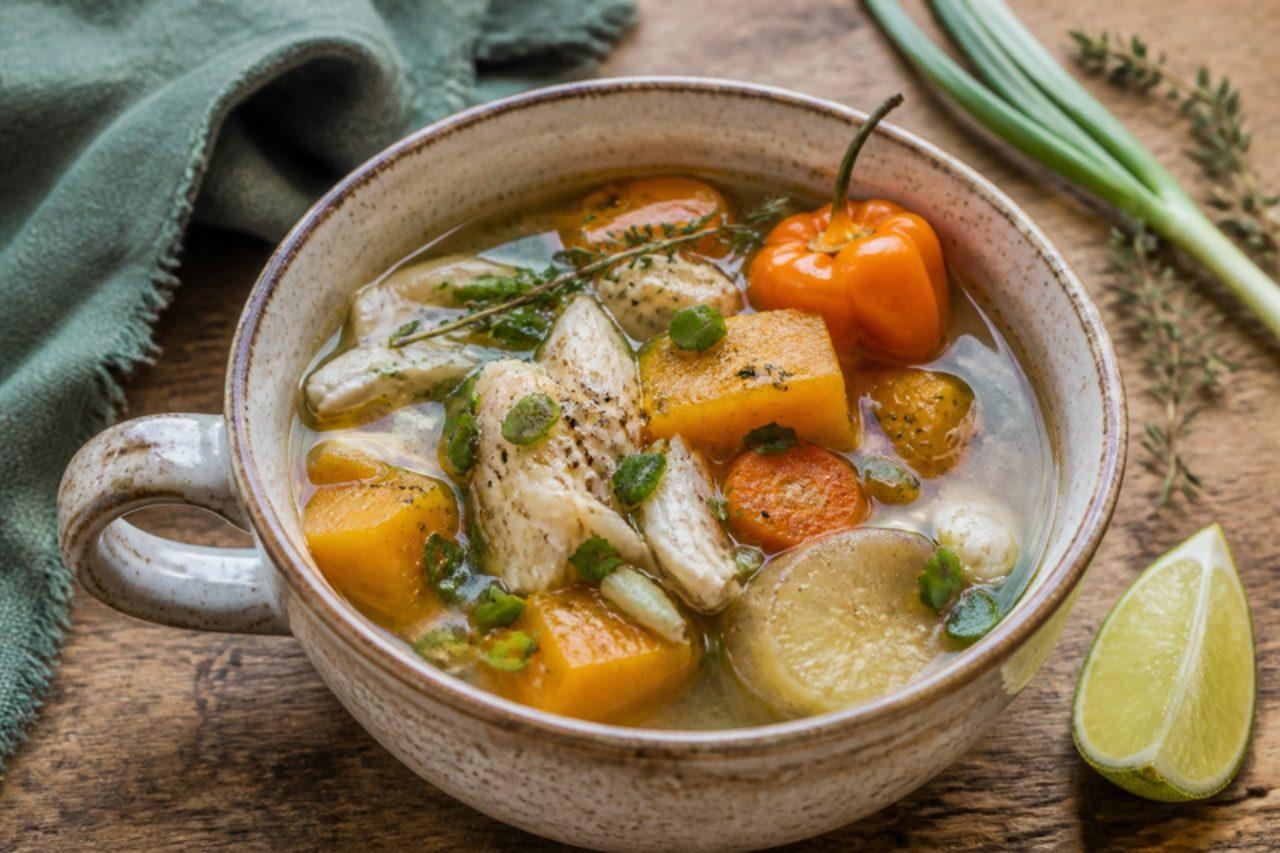
Jamaican fish teaPeppery fish broth

Fish tea is what Jamaicans along the coast from Kingston to Old Harbour sip from a cup when they feel run down, and it is ladled out at beach fish shacks and dances to steady late-night appetites. It is a thin, peppery broth made from fish heads and bones or cheap small fish, with green banana, pumpkin, thyme and a hint of scotch bonnet, light but full of flavour. The mistake to avoid is boiling it hard for a long time, which makes it cloudy and bitter; simmer gently and strain. Chef's tip: mash a few pieces of the soft pumpkin into the broth for body without any flour.

by KrazyBadal 0 views

Jamaican fried dumplingsFried flour dumplings

A Jamaican Sunday breakfast plate nearly always has fried dumplings on it, golden rounds with a crisp shell and a soft, slightly chewy centre, served beside ackee and saltfish, callaloo, or simply split with butter and a cup of cocoa tea. Many families still call them johnny cakes. The dough is just flour, a little baking powder, salt and water, and the mistake people make is overworking it, which gives tough, heavy dumplings; knead only until smooth. Fry them over medium heat, not high, so the middle cooks before the outside browns. Chef's tip: press a thumb into the centre of each ball before frying, which helps it cook evenly and stops it puffing into a hollow ball.

by KrazyBadal 0 views

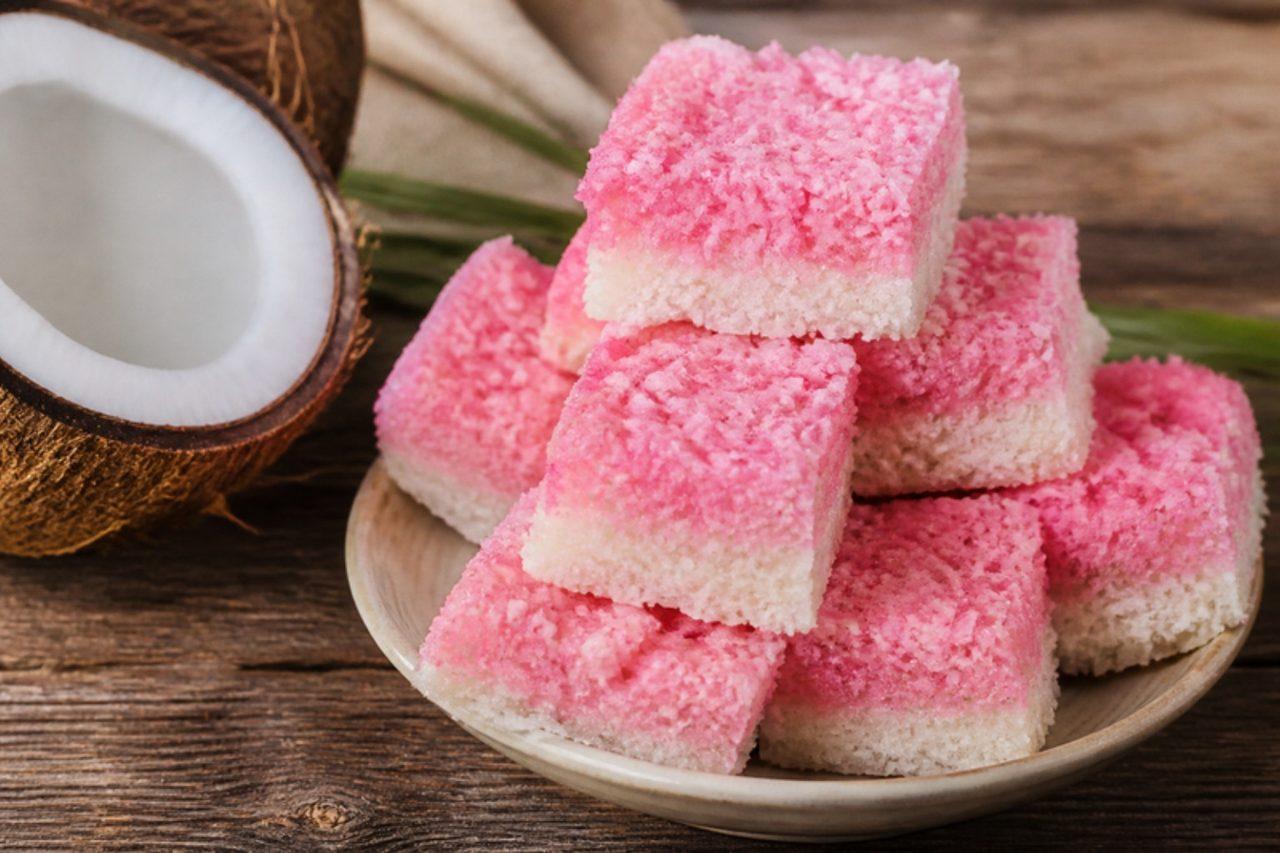
Jamaican grater cakeCoconut sugar squares

Grater cake is the pink-topped coconut sweet sold in glass cases by higglers at Jamaican bus parks and on school gates, named for the hand grater that shreds the coconut. It is chewy and very sweet, with the fresh, milky taste of coconut and a breath of ginger, and the classic look is a white layer under a pink one. The mistake most people make is taking the pan off too soon: undercooked syrup never sets and the squares slump. Chef's tip: test a little on a cold saucer; if it holds a soft ball when pushed together after a minute, it is ready.

by KrazyBadal 0 views

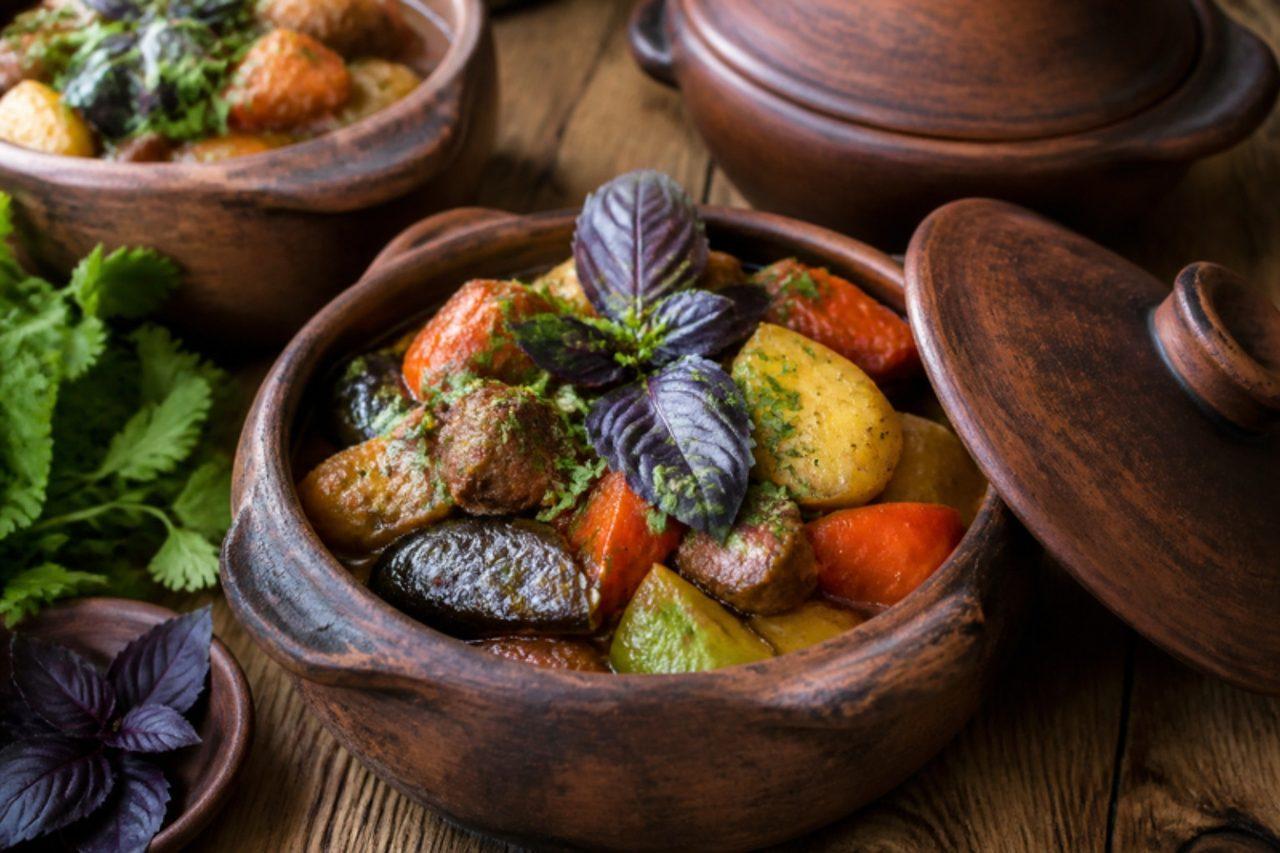
ChanakhiLamb and aubergine clay pot

In Tbilisi homes and restaurants chanakhi arrives in its own small clay pot, the lid lifted at the table to release a cloud of steam smelling of lamb, tomato, basil and garlic. Lamb, potato, aubergine, onion and tomato are layered raw with herbs and left to cook slowly in their own juices, so the vegetables soak up the lamb fat and the meat goes spoon-soft. A common mistake is adding too much water; the vegetables release plenty, and a watery pot tastes flat. Chef's tip: put a tomato slice on top of each pot as a lid of its own, which bastes everything below as it melts.

150 minGeorgianMeatGluten free
by KrazyBadal 0 views

Jamaican hard dough breadDense sweet sandwich loaf

Chinese-Jamaican bakers gave the island hard dough bread, and today a sliced "hardo" loaf is in every shop from Montego Bay to Morant Bay, toasted with butter for breakfast, wrapped around fried fish or dipped in soup. The crumb is close, smooth and faintly sweet, firm enough to hold its own against ackee or bun and cheese. The usual mistake is making the dough too soft; it should be stiff and need hard kneading, which is where the name comes from. Allow around 2 hours for rising on top of the working time. Chef's tip: roll the dough into a tight Swiss roll before it goes into the tin, which gives the even, layered crumb that peels off in sheets.

by KrazyBadal 0 views

LihapiirakkaFried meat and rice pastry

Lihapiirakka is the late-night kiosk snack of Finland, sold from grills in Helsinki and Tampere and at summer markets: a soft yeasted dough wrapped around minced beef and rice, deep-fried until golden, then split and filled with sausages, egg or pickles if you ask for the 'atomic' version. This recipe uses beef mince and keeps it plain. A common mistake is a wet filling, which makes the dough soggy and burst. Chef's tip: cook the filling until all the liquid has gone, cool it completely and fry the pies at 175 °C so they puff and stay light. Mince must be cooked to 71 °C.

by KrazyBadal 0 views

Jamaican hard foodBoiled banana, yam and dumplings

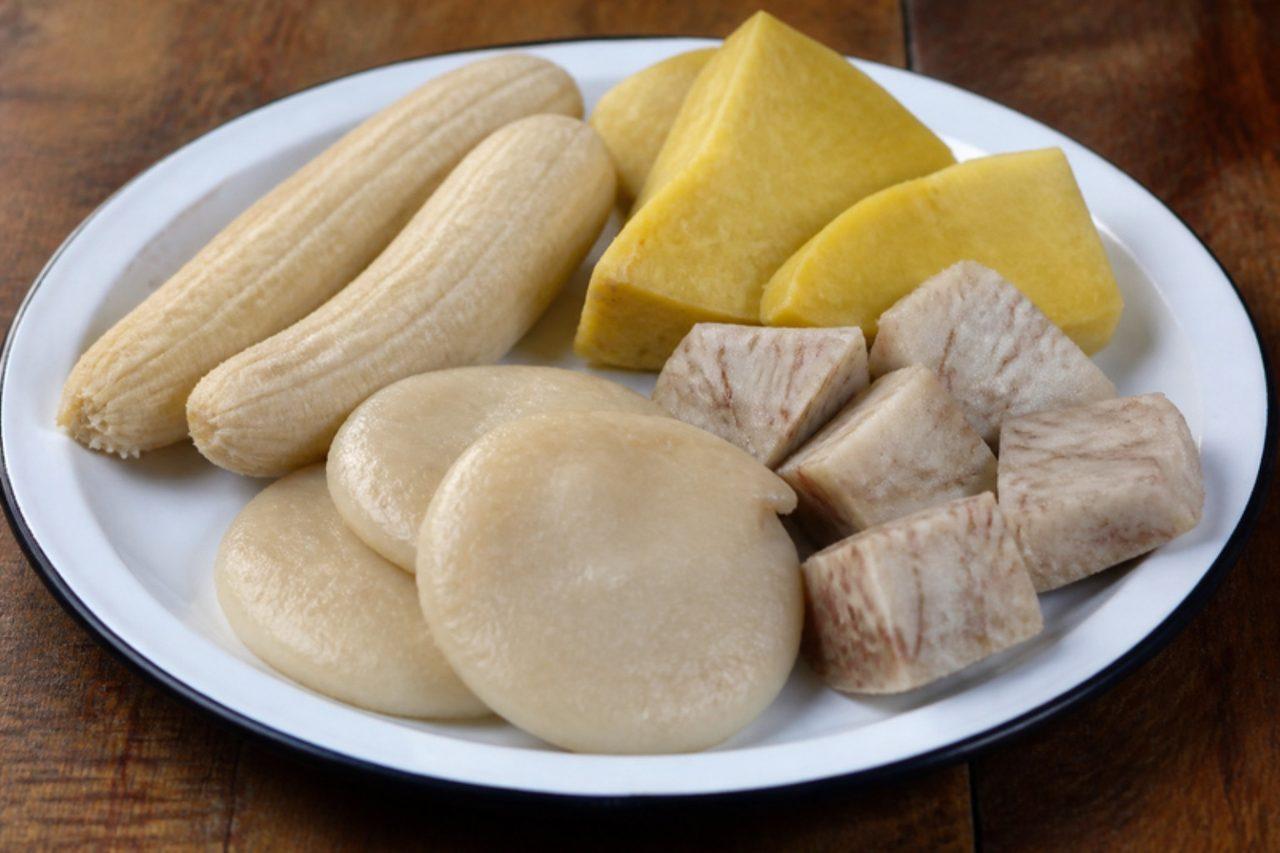
From Kingston cookshops to farm kitchens in the hills, "hard food" is the plain boiled base that sits under ackee, callaloo, stew peas or a fried egg: green bananas, a wedge of yellow yam, dasheen and chewy flour dumplings, all from one big pot. Each piece keeps its own character, from the banana's firm, faintly tangy bite to the yam's floury softness, so nothing is mashed. The usual mistake is dropping everything in at once; the roots cook at different speeds, so they go in stages. Peel green bananas with oiled hands or gloves, as the sap stains. Chef's tip: if the bananas fight you, boil them in their scored skins for 2 minutes first and the peel slips straight off.

by KrazyBadal 0 views

Kluski śląskieSilesian potato dumplings

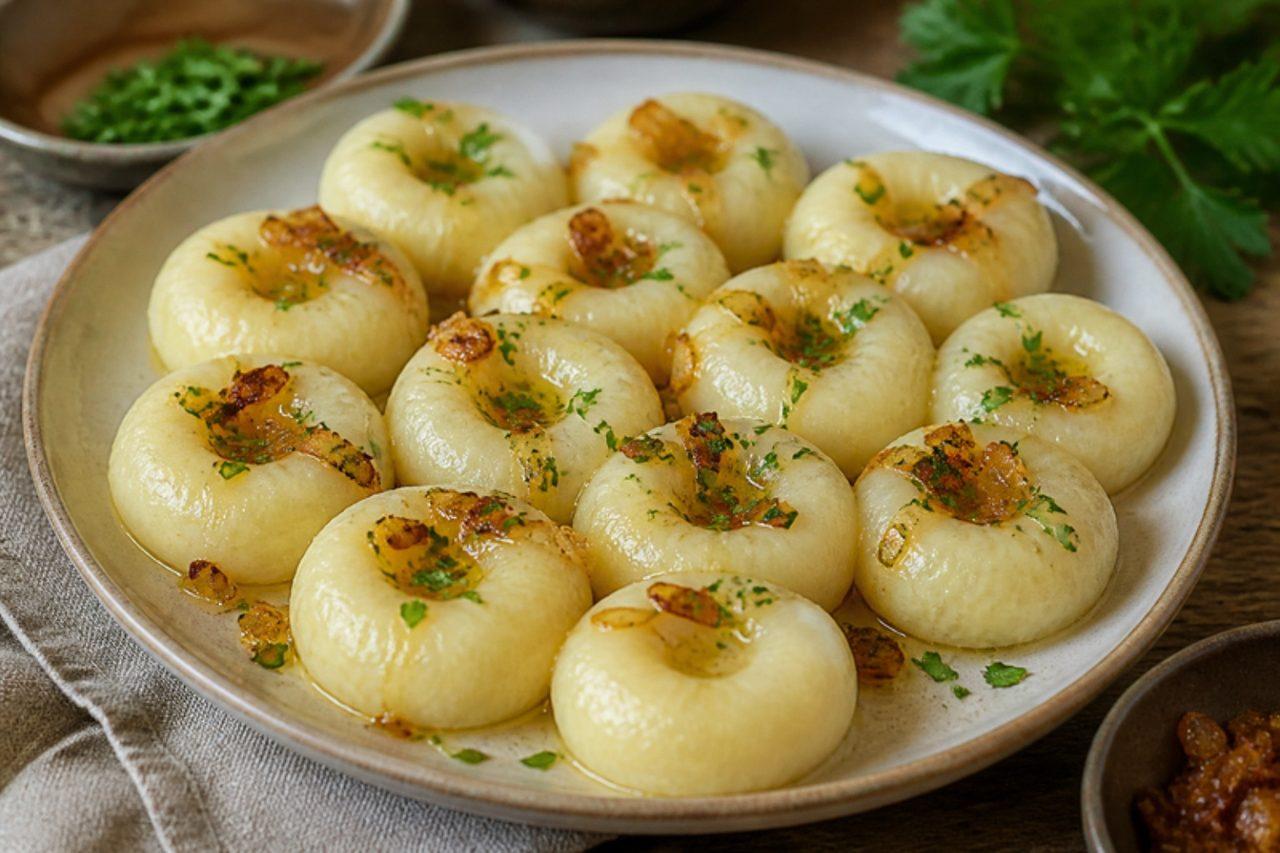
No Sunday dinner in Katowice, Gliwice or Opole feels complete without a heap of these pale, bouncy dumplings, traditionally next to roulade and red cabbage. Here they are served the meatless way, with browned butter and fried onion, or with a mushroom sauce poured into the little dent each one gets from your thumb. They are made from boiled, riced potato and potato starch, so the texture is springy and smooth, almost elastic, with a clean potato taste. The classic error is guessing the starch: Silesian cooks press the cooled potatoes flat, cut out a quarter and fill the gap with starch, which gives the right ratio every time. Chef's tip: rice the potatoes while hot but let them cool completely before mixing, or the dough turns gluey.

by KrazyBadal 0 views

Changhua ba-wanPork-filled starch dumplings

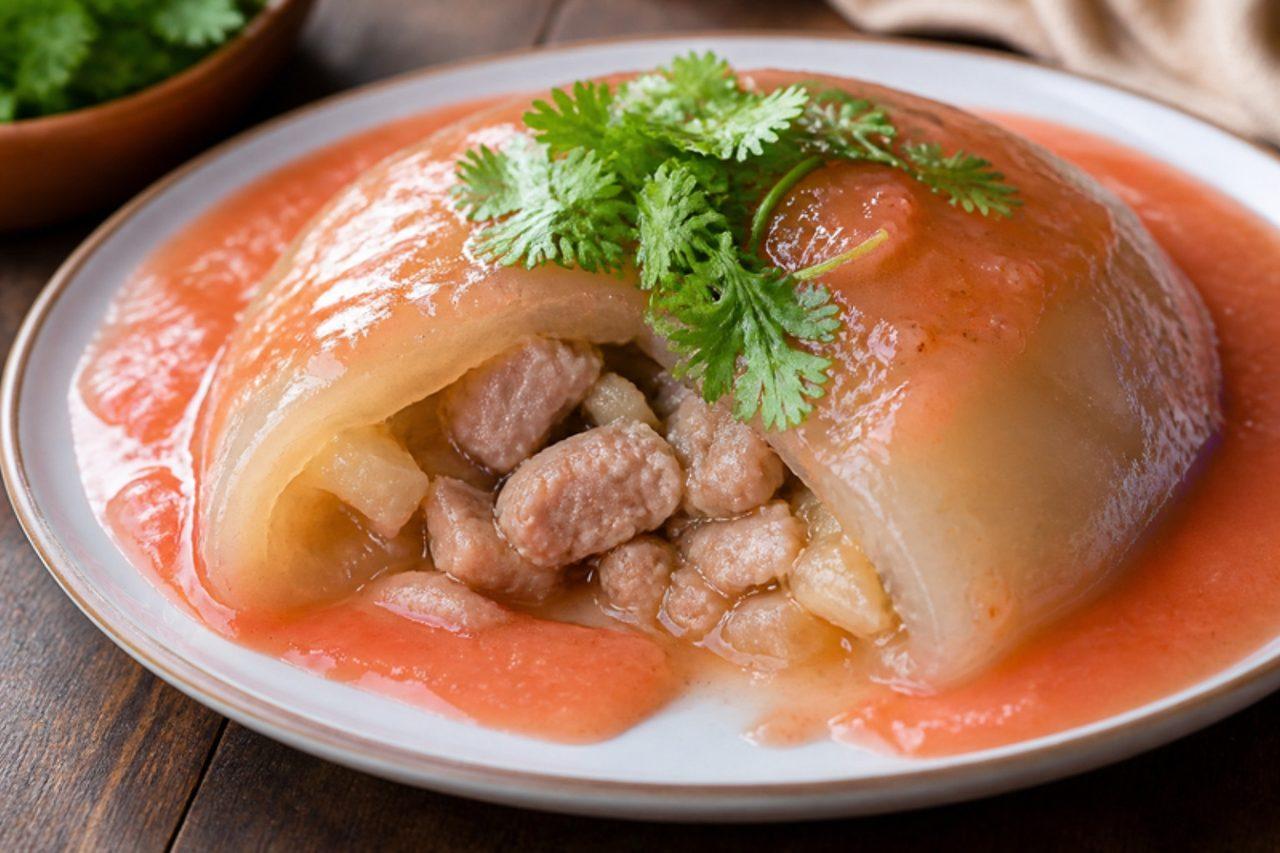
Changhua's old market streets are lined with shops whose woks are full of these dumplings sitting in warm oil, ready to be split open, sauced and eaten as a mid-morning or afternoon snack. The wobbly, translucent skin of sweet potato starch is chewy and slightly sticky, wrapped around a savoury filling of marinated pork, bamboo shoot and shiitake, and the whole thing is drenched in a sweet pink-brown sauce with garlic and coriander. The trickiest part is the wrapper: a dough made only of raw starch cracks and turns gluey, so cook part of it into a paste first. Make it gluten-free by using tamari or gluten-free soy sauce, as here. Chef's tip: oil the saucers well and keep your fingers wet when shaping; the starch dough is sticky, and water lets you smooth it into neat domes.

by KrazyBadal 0 views

Jamaican Irish moss drinkSea moss drink

Sold chilled in bottles by roadside vendors and in Kingston juice bars, Jamaican Irish moss is a thick, creamy drink made from dried sea moss boiled down until it releases its natural jelly. Blended with milk, nutmeg, cinnamon and vanilla, it tastes like a cool, spiced milkshake and is often drunk as a pick-me-up. The usual mistake is skipping the soak and rinse, which leaves a sandy, fishy taste. Chef's tip: the gel thickens a lot in the fridge, so blend it a little thinner than you want and chill it before judging.

by KrazyBadal 0 views

Showing 45 of 10,046 recipes

Show more recipes

Page 455 of 1,117