


Skip to content
Longjing shrimp
Featured recipe

Longjing shrimp

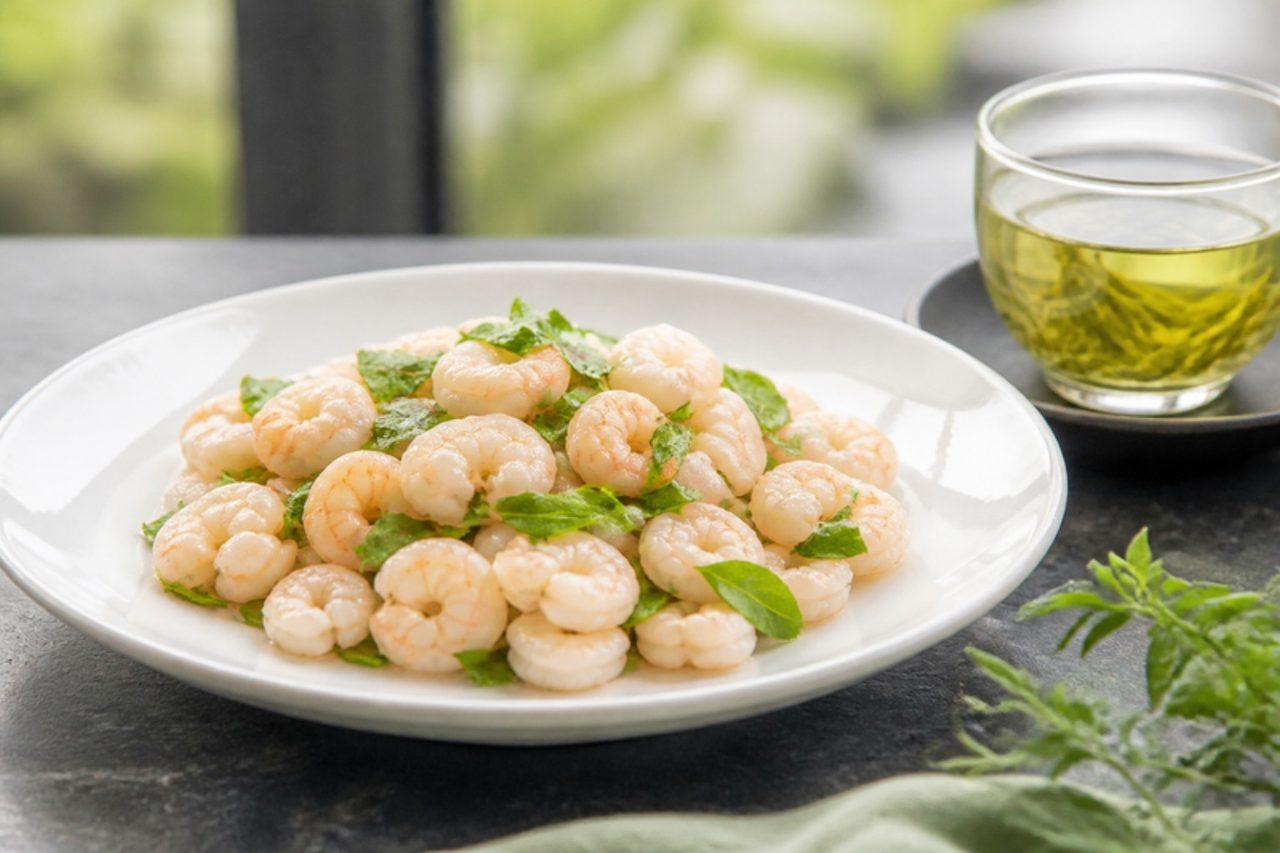
Spring in Hangzhou means new-season Longjing tea from the hills west of the city, and restaurants celebrate it by tossing tiny, pearly river shrimp with the tender tea leaves and a splash of their brew. The result is very delicate: sweet, springy shrimp, a faint grassy and chestnut aroma from the tea, and no heavy sauce at all. It is usually one dish among several at a family meal, eaten with rice. Small raw prawns are the easiest home swap for river shrimp. Chef's tip: brew the tea with water at about 80 °C, never straight from the boil, which makes the leaves bitter.

Read more 0 views

What to eat today?

Around the world

Today's trip: Persian

A new country every day, from every cuisine on the site.

Persian

Ash-e shalgham

Turnip and rice soup 65 minMore from Persian (131) →

This week's collection

Kid-friendly dinners
537 recipes · a new collection every Monday

Latest recipes

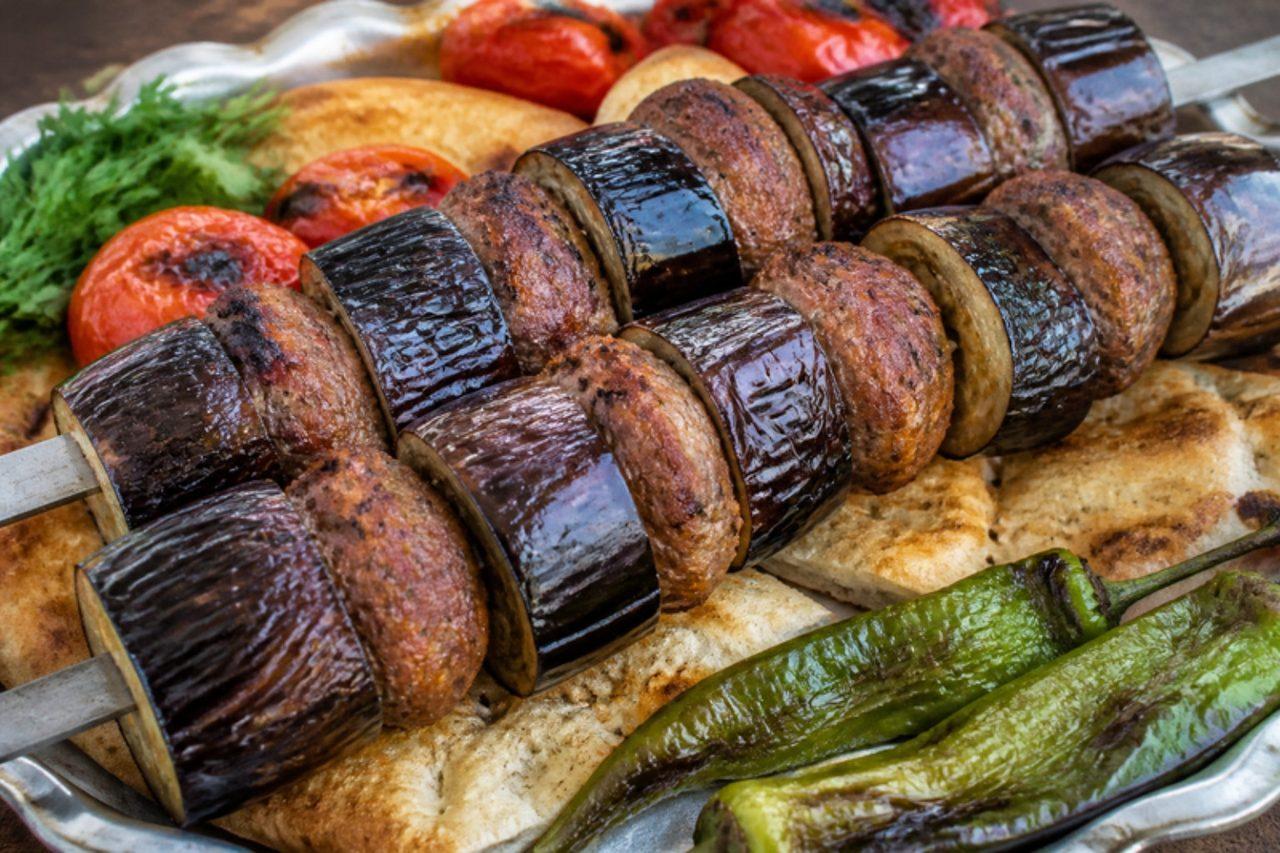
Patlıcan kebabıAubergine and meatball skewers

Late summer in southeastern Turkey, from Urfa to Gaziantep, means patlıcan kebabı: thick rounds of unpeeled aubergine threaded between small patties of spiced lamb, so the fat from the meat bastes the aubergine as it chars. Served on lavaş, the aubergine is pressed with a spoon into the bread and the whole thing is eaten with onions and green chillies. Use small, firm aubergines that won't split on the skewer. Common mistake: cutting the aubergine thinner than the meat; it burns before the köfte is cooked. Chef's tip: peel the charred aubergine skin off on the plate, but leave it on while grilling.

by KrazyBadal 0 views

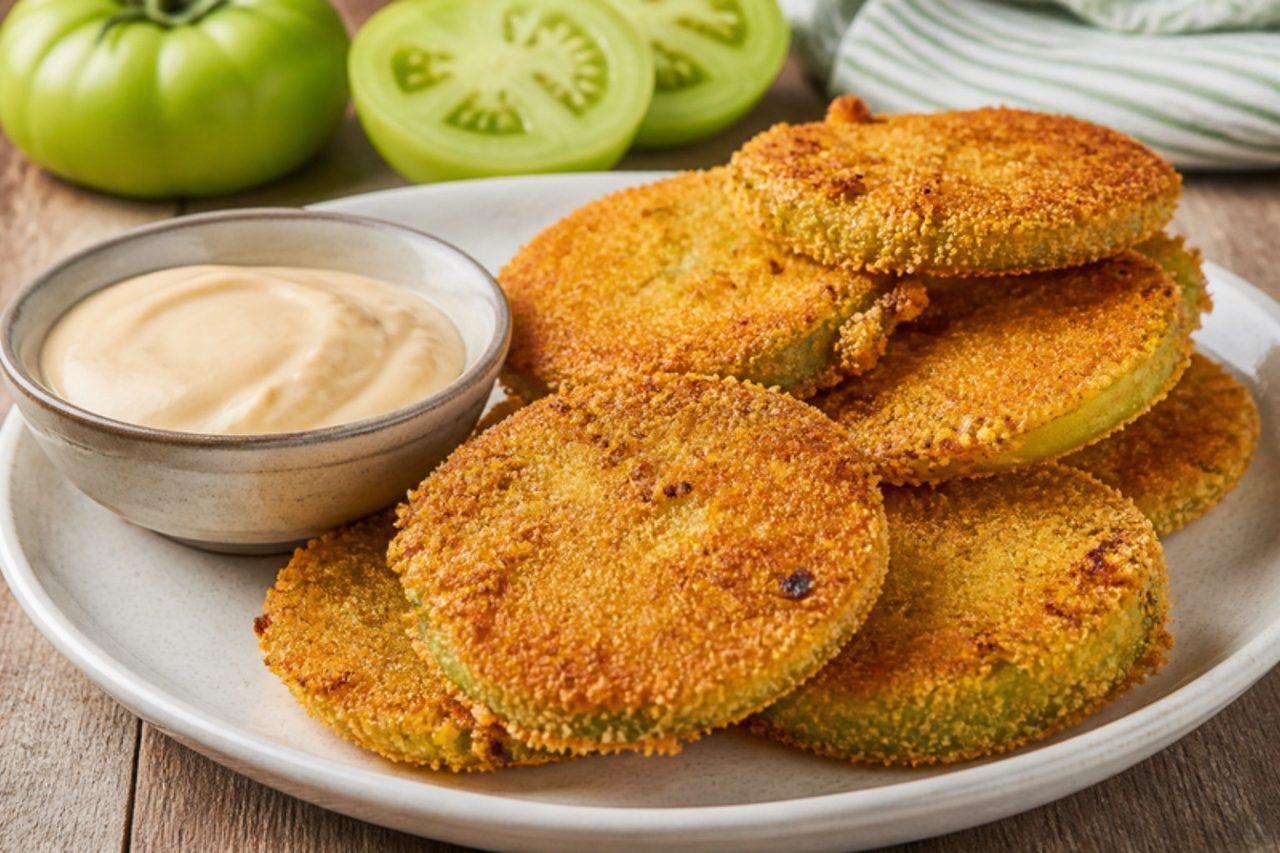
Fried green tomatoes

Fried green tomatoes are the early-summer and end-of-season treat of Alabama and Georgia kitchens, when the garden is full of firm, unripe fruit. Thick slices are dipped in buttermilk and a cornmeal crust and fried until crisp outside, while the inside softens and stays tangy. Serve them hot with a spoonful of pimento cheese or a dab of remoulade. Chef's tip: salt the slices and let them drain for 10 minutes so the crust doesn't go soggy.

by KrazyBadal 0 views

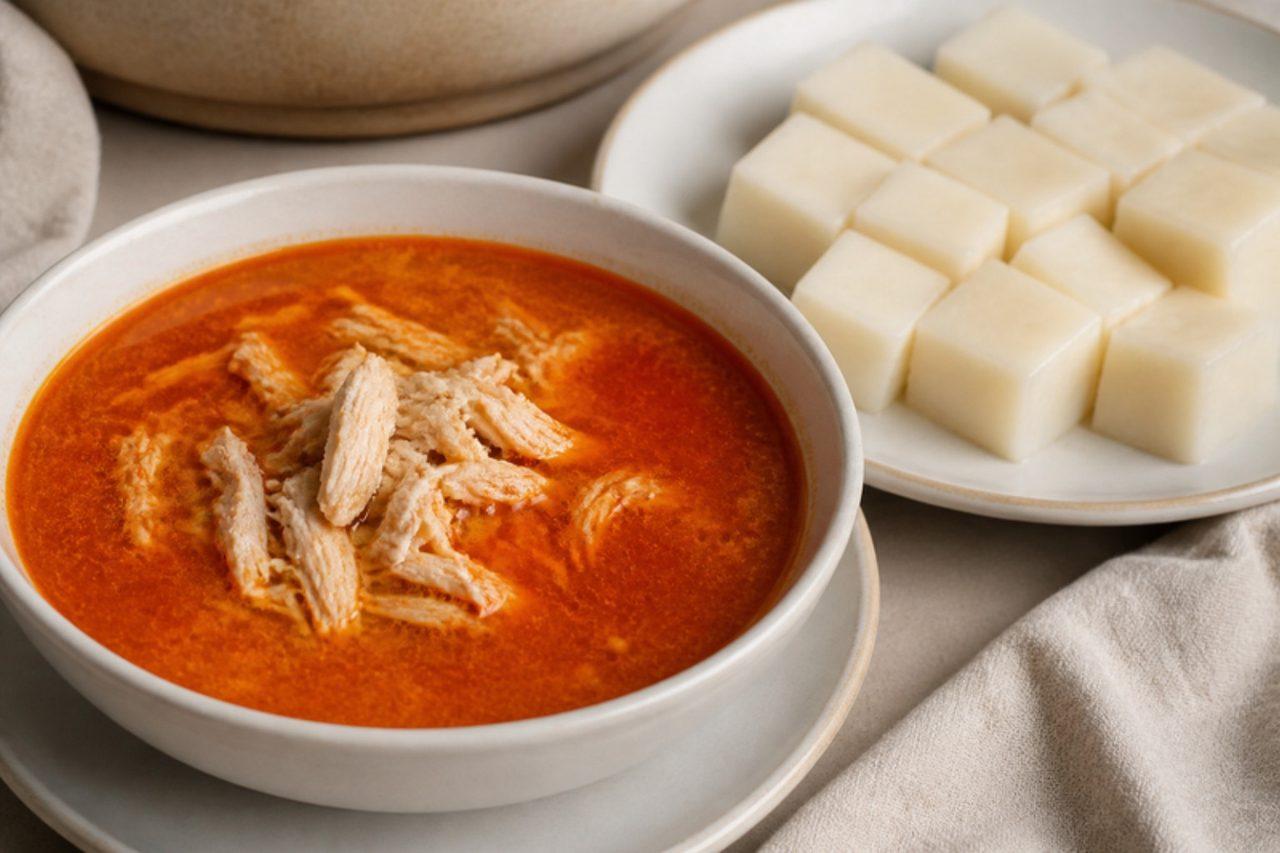
Arabaşı çorbasıSpicy chicken soup with dough cubes

On winter evenings in Kayseri, Konya and Yozgat, friends gather for arabaşı nights: a big pot of fiery, tomatoey chicken soup and a tray of plain set dough cut into cubes. Each person drops a cube of cold dough into a spoonful of hot soup and swallows it whole, without chewing, and the hot-cold contrast is the whole fun. Common mistake: making the dough too soft; it should set firm enough to slice cleanly once chilled. Cook the chicken until its juices run clear and it reaches 74 °C before shredding. Chef's tip: make the dough the morning before, or even the day before, so it is properly cold and firm.

by KrazyBadal 0 views

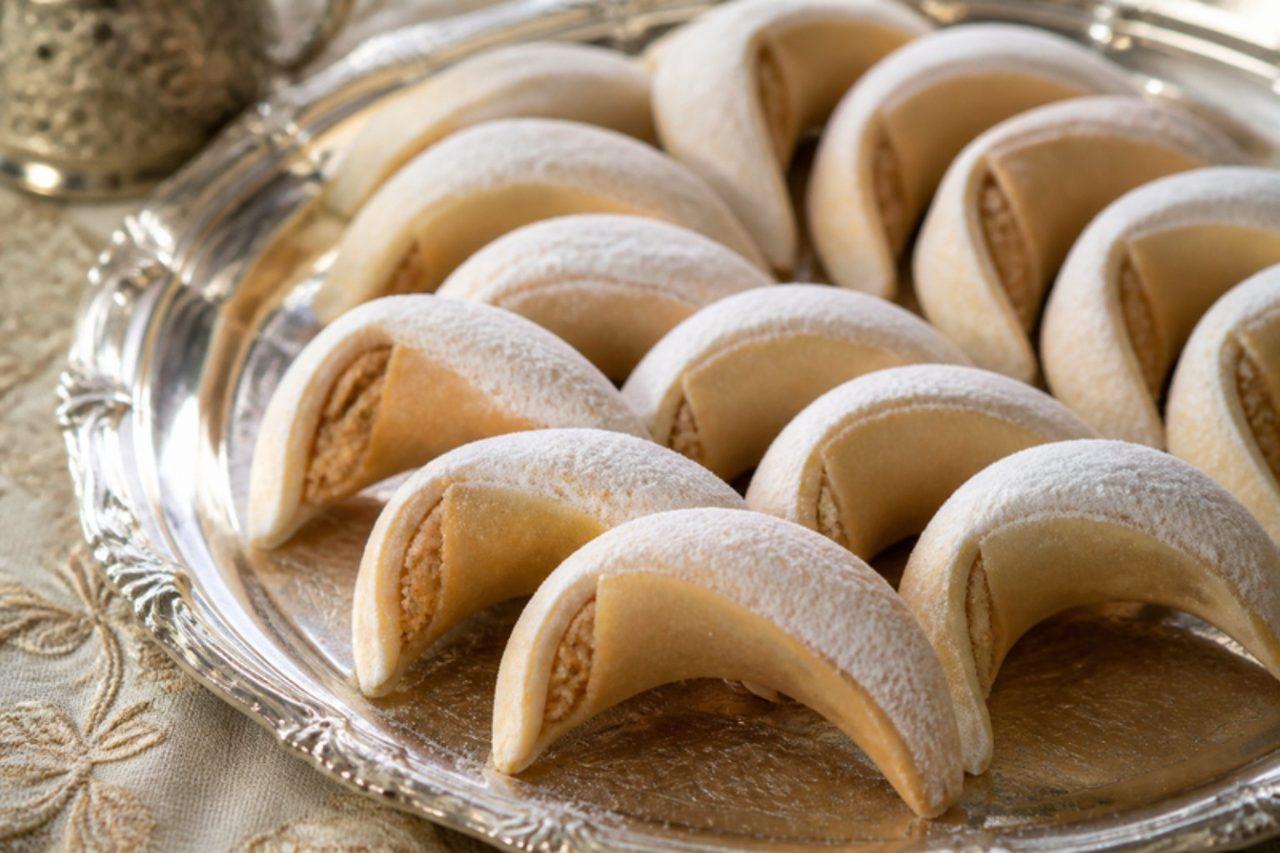
Kaab el ghzal (gazelle horns)

Kaab el ghzal, 'gazelle ankles' or horns, are the most elegant of Moroccan biscuits: a slim crescent of fragrant almond paste flavoured with orange-flower water, wrapped in a pastry rolled so thin it is almost transparent, then baked only until it sets and stays pale. They are made for weddings, Eid, engagements and any visit that deserves honour, and are served with mint tea. The filling is soft and marzipan-like, the pastry delicate and barely crisp. They take time, so make a full batch and freeze half. Chef's tip: bake them until just firm and barely coloured; browning is the common mistake and makes the pastry hard.

by KrazyBadal 0 views

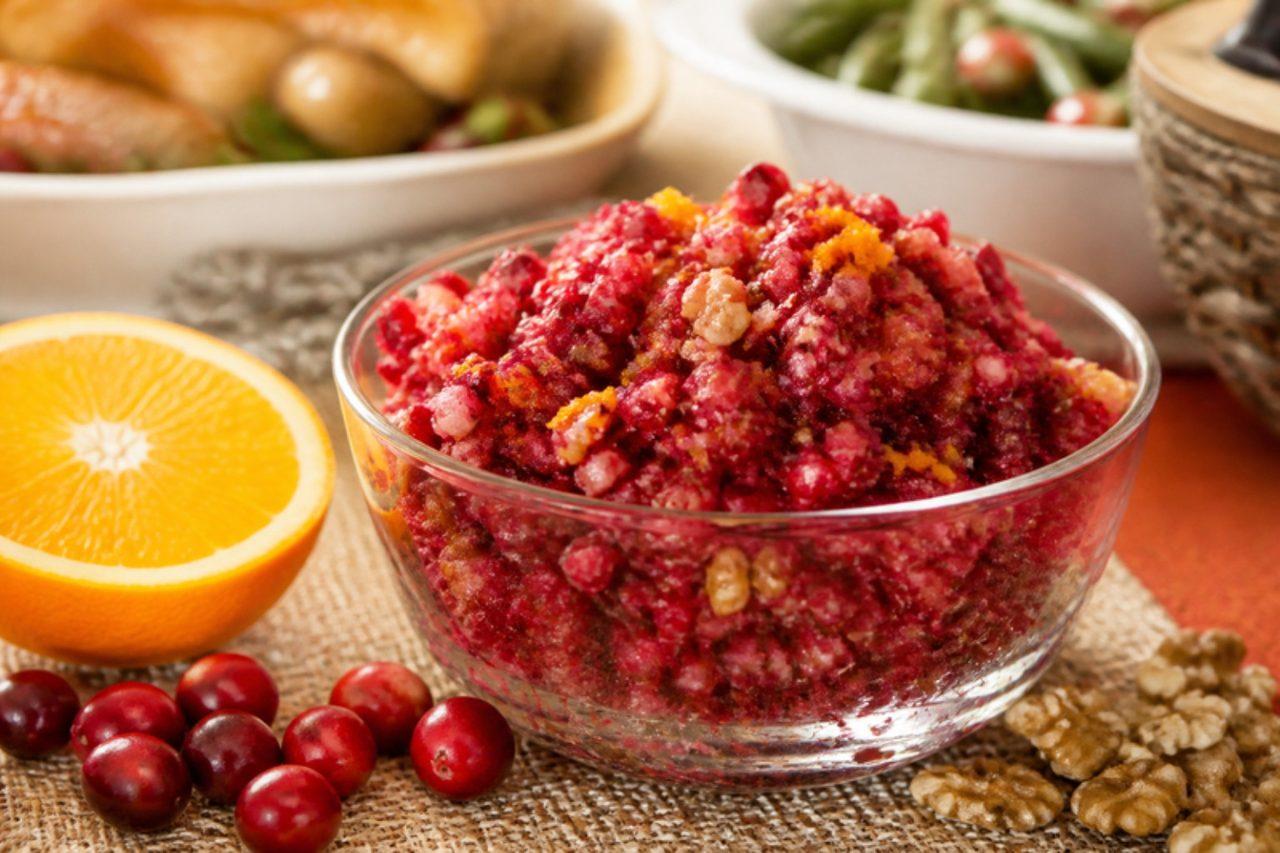
Cranberry orange relish

Cape Cod and the bogs of south-eastern Massachusetts grow much of America's cranberry crop, and this uncooked relish is the sharp, bright alternative to cooked cranberry sauce on many New England Thanksgiving tables. Fresh cranberries are chopped with a whole orange, peel and all, then sweetened, so it is crunchy, tart and fragrant, lovely with roast vegetables, nut roasts or cheese. Chef's tip: make it a day ahead; the sugar draws out the juices and softens the bitterness of the peel overnight.

by KrazyBadal 0 views

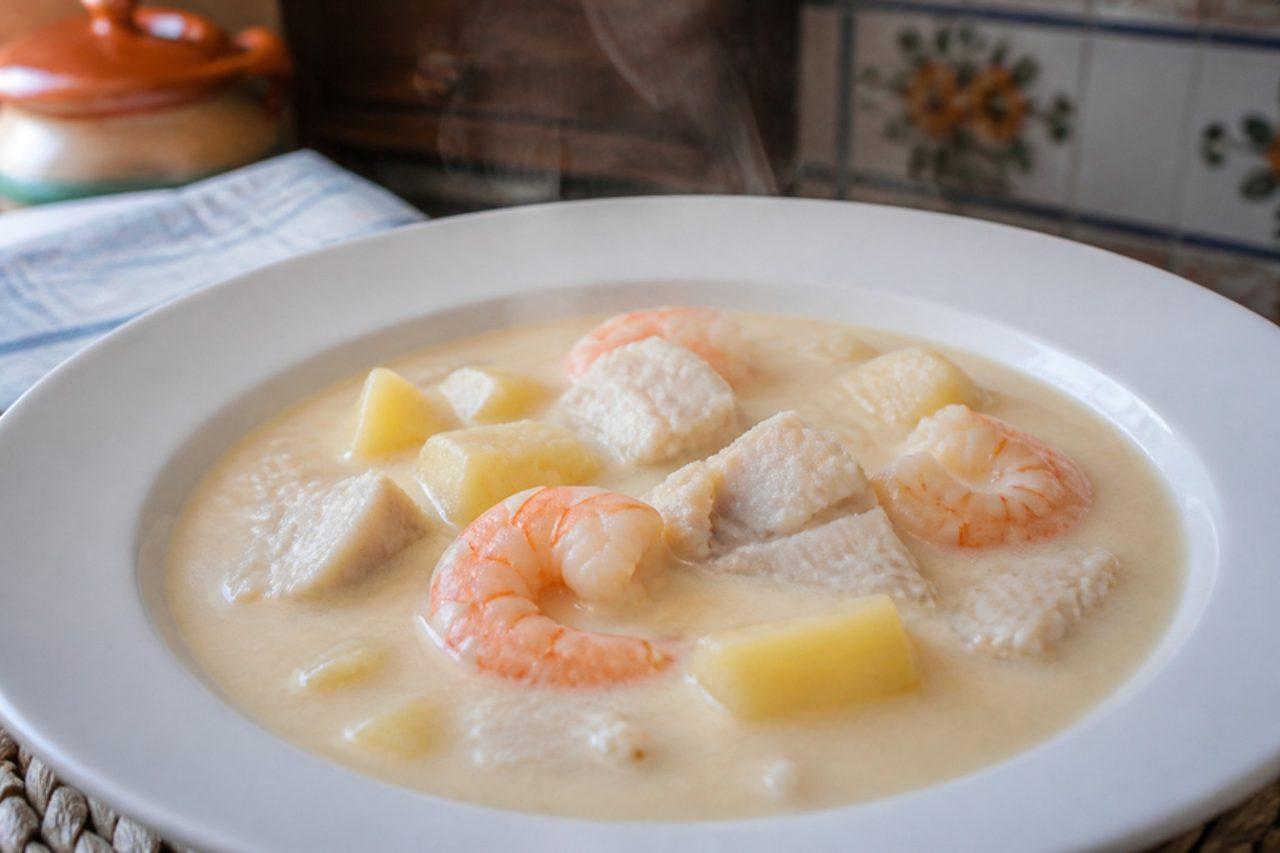
Gazpachuelo malagueñoHot fish soup with mayonnaise

Málaga's fishermen once made gazpachuelo on the beach with whatever the nets brought in, and today it is a winter comfort soup in the city's homes and old-style taverns: a clear broth with potatoes, hake and prawns, slowly poured over a homemade mayonnaise until it turns pale and creamy. Done right it is silky, lemony and light. The eggs in the mayonnaise must be heated through properly, so this method brings the soup to 72 °C at the end without boiling it. Chef's tip: add the broth to the mayonnaise, never the other way round, and at first only a ladle at a time.

by KrazyBadal 0 views

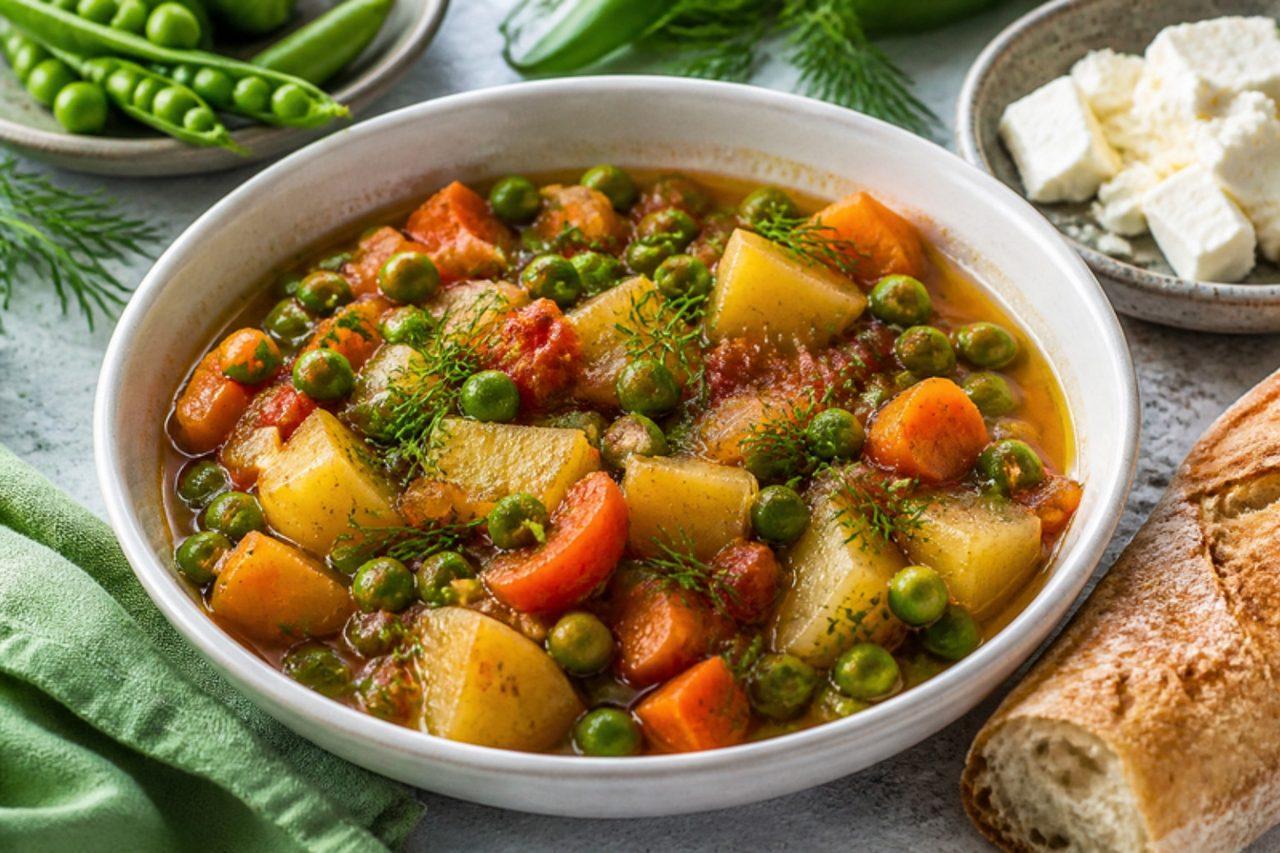
Arakas laderosPeas braised in olive oil

In Peloponnese villages from Argos to Messinia, the first sweet peas of April become this humble ladero, the olive-oil stew that fills the table during Lent and on any meatless Wednesday or Friday. Peas, potato and carrot simmer slowly in tomato and plenty of oil until the sauce is thick and the peas are soft and almost creamy. It's eaten warm with feta (or vegan cheese), olives and crusty bread to mop the oil. Common mistake: cooking for only 10 minutes as if the peas were a side; laderá need time for the oil and vegetables to come together. Chef's tip: frozen petits pois work perfectly — add them after the potatoes have had 10 minutes.

by KrazyBadal 0 views

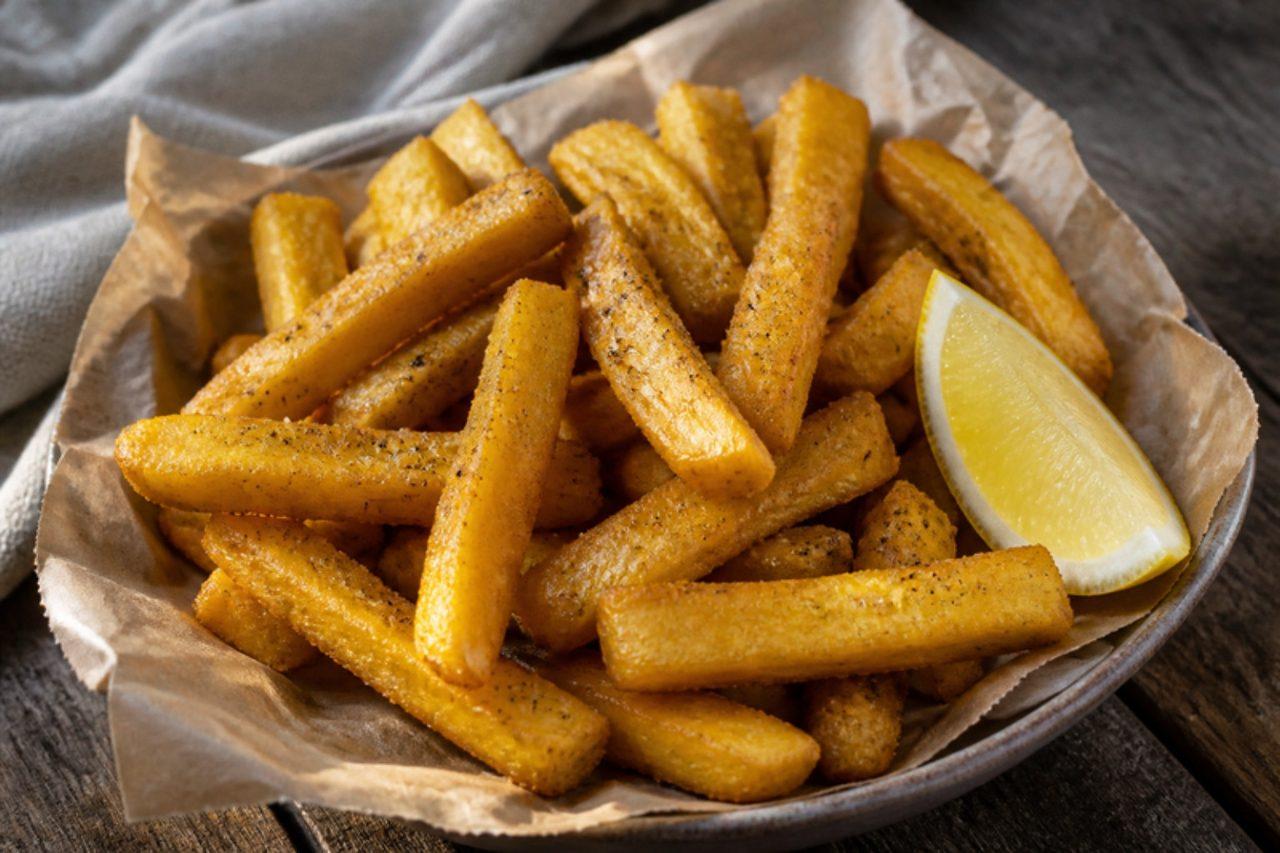
PanissesFried chickpea fingers

In L'Estaque, the old fishing quarter on the western edge of Marseille, panisses are sold hot in paper cones from seafront kiosks on summer evenings. They start as a thick chickpea-flour porridge, set in a tray, then cut into fingers and fried until the outside is crisp and the middle is soft and creamy, like a chickpea chip. Along the coast in Nice the same flour becomes socca, a thin baked pancake. Serve panisses with a squeeze of lemon and lots of pepper. Chef's tip: make the base the day before; a night in the fridge firms it up, and the fingers keep their shape in the oil.

by KrazyBadal 0 views

Fekkas (twice-baked almond biscuits)

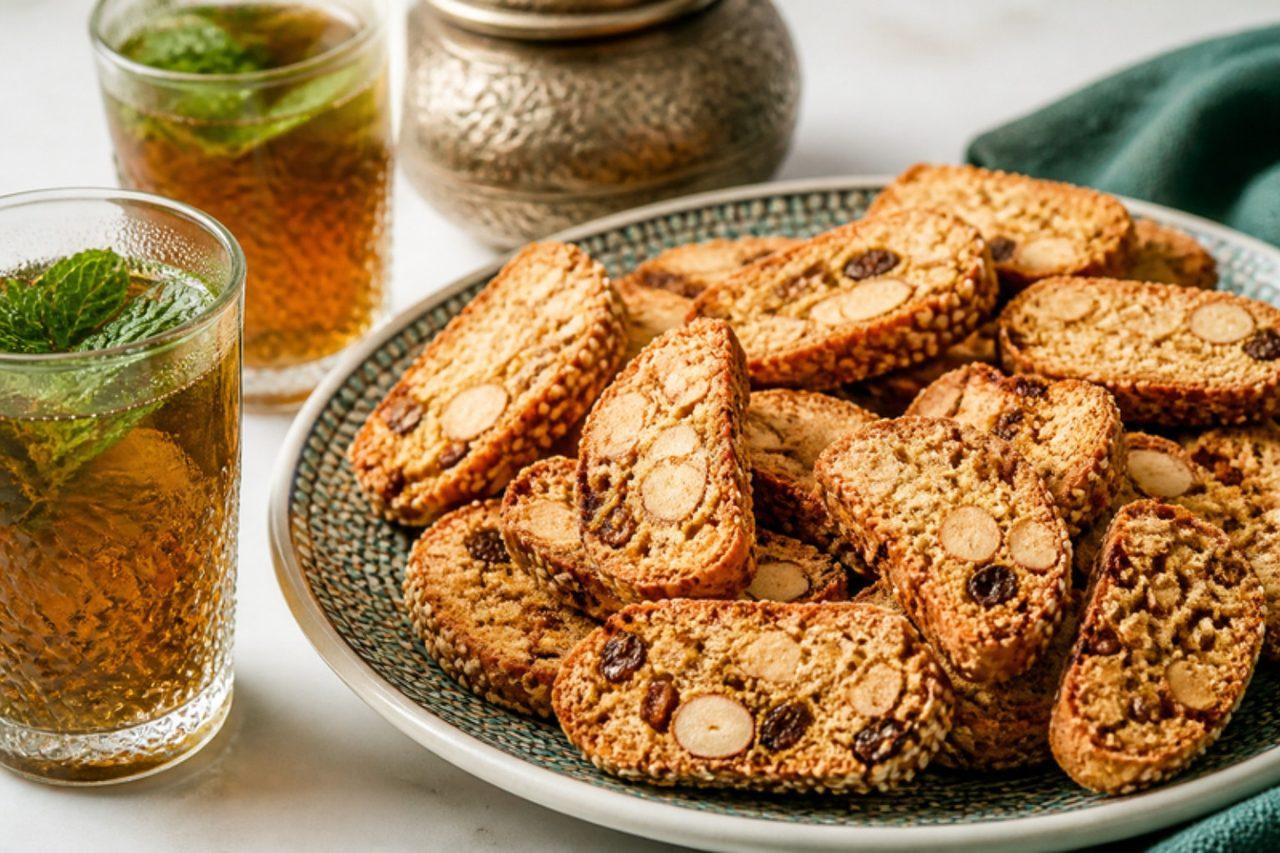
Before Eid and during Ramadan, Moroccan kitchens fill with the scent of fekkas: logs of a soft, eggy dough studded with almonds, raisins, aniseed and sesame are baked, cooled, sliced thin and baked again until dry, golden and very crunchy. They are offered to guests on trays with ghriba and other biscuits and dunked into mint tea or milky coffee, and they keep for weeks in a tin, so they are perfect to make ahead. The flavour is gently sweet, with liquorice notes from the anise and a little lemon. Avoid slicing the logs while they are still hot from the first bake; they crumble. Let them firm up first. Chef's tip: let the baked logs cool completely, ideally overnight, before slicing; warm logs crumble under the knife.

by KrazyBadal 0 views

ArayesKafta-stuffed grilled pitta

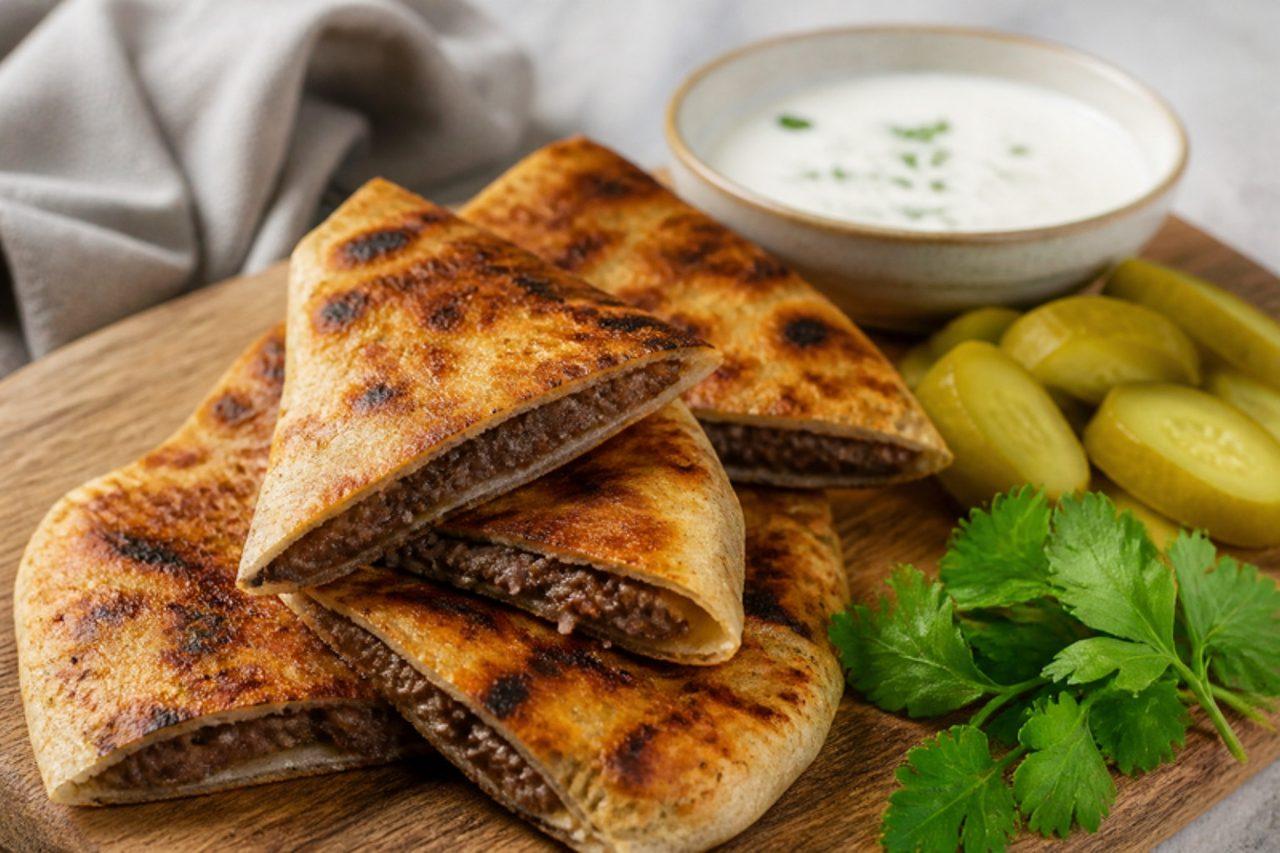
Arayes are what Beirut grill houses and family barbecues do with kafta when they want something you can eat with your hands: pitta breads split and filled with a thin layer of lamb or beef mince mixed with onion, parsley and spices, then pressed and grilled until the bread is shatteringly crisp and the meat juices soak in. Cut into wedges, they come with tahini sauce, pickles and a tomato salad. Common mistake: spreading the meat too thickly — the bread burns before the centre is cooked; keep it about 5 mm. Chef's tip: brush the outside of the bread with the fat from the mince bowl or a little olive oil; it fries the pitta to a perfect crunch.

by KrazyBadal 0 views

Mufleta (Mimouna stacked crêpes)

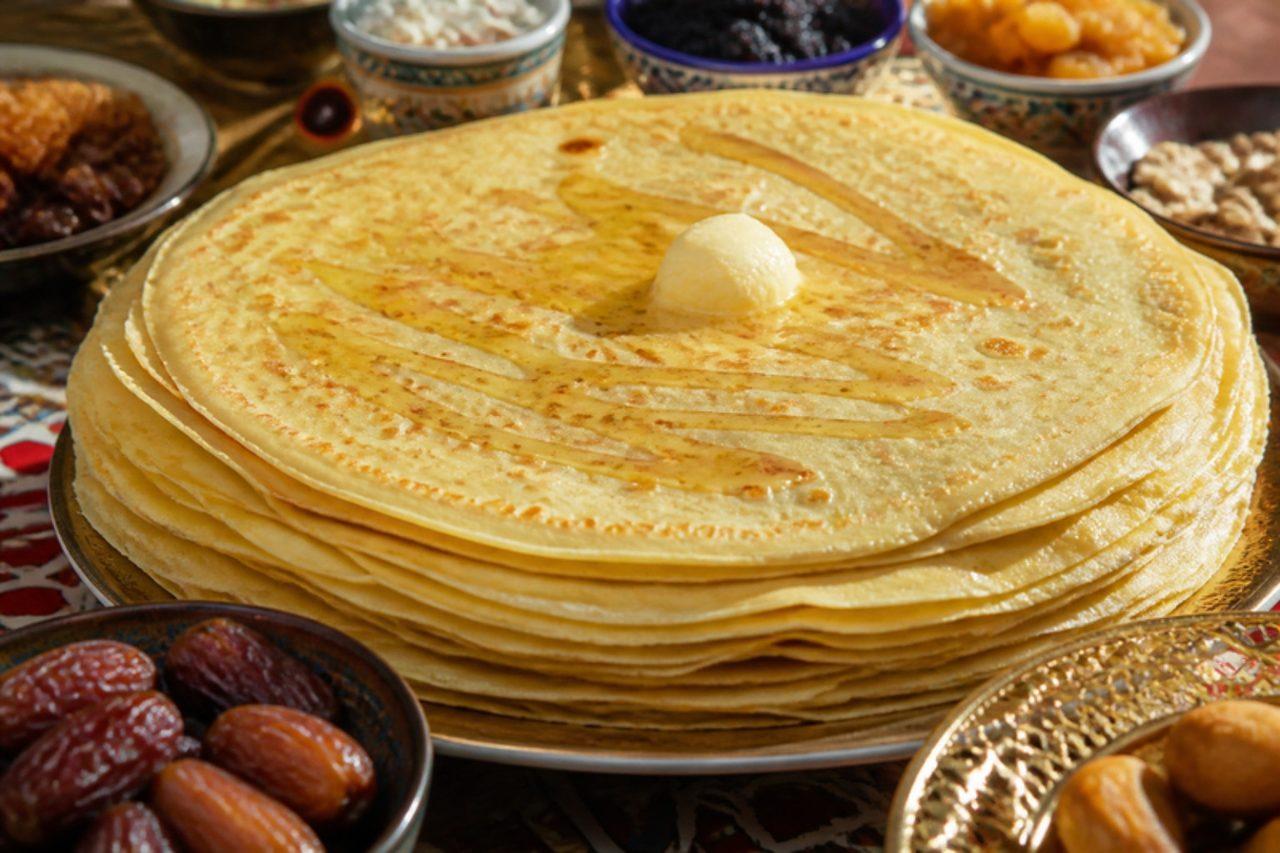
On the evening Passover ends, Moroccan Jewish families celebrate Mimouna by opening their doors to neighbours and friends, and the star of the table is mufleta: paper-thin rounds of unleavened dough stretched by hand and cooked one on top of another in a single pan, so a whole warm stack comes out at once. Each layer is peeled off, spread with butter and drizzled with honey, and rolled up to eat with mint tea, among sweets, dried fruits and flowers. They are soft, a little chewy and lightly crisp at the edges. The dough has no yeast, fitting for the night bread returns. The usual mistake is stretching the dough with too little oil on the board, so the sheets tear and stick together in the stack. Chef's tip: cook over a medium-low heat; a pan that is too hot scorches the bottom layer before the stack is built.

by KrazyBadal 0 views

PlastosWild greens and feta cornmeal pie

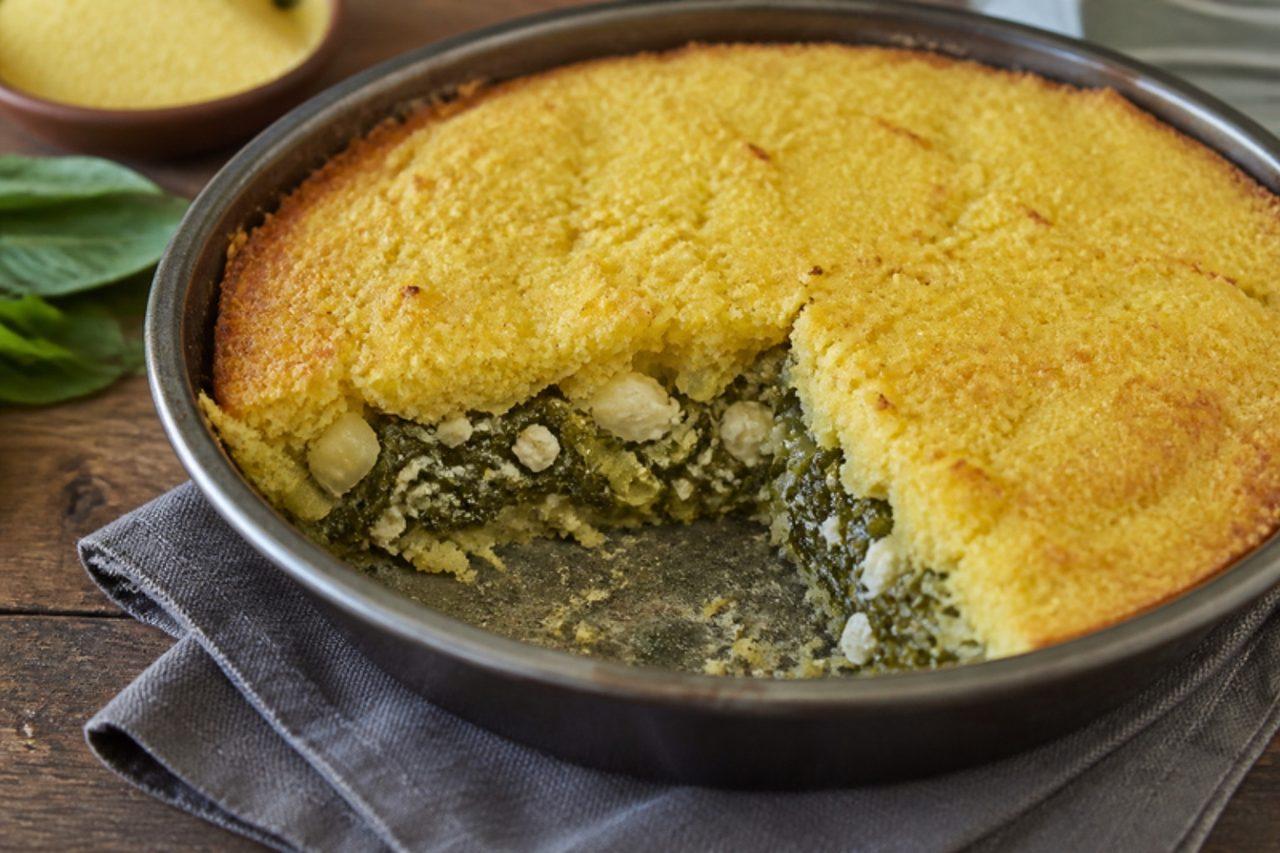
Plastos comes from the hill villages of Thesprotia and Ioannina, where women patted (plastó, 'shaped') a pie together from what the garden and hillside gave: wild greens, leeks, herbs and cheese, held between layers of coarse cornmeal instead of filo. It bakes into a crusty, rustic slab, green and savoury inside, eaten warm with yoghurt or as a lunch to carry to the fields. Feta is usually made with animal rennet; a vegetarian feta-style cheese works. Common mistake: leaving the greens wet — squeeze them hard after salting, or the cornmeal turns to paste. Chef's tip: a mix of spinach and chard with plenty of dill and fennel tops comes close to the wild greens of Epirus.

by KrazyBadal 0 views

Rziza (coiled thread pancakes)

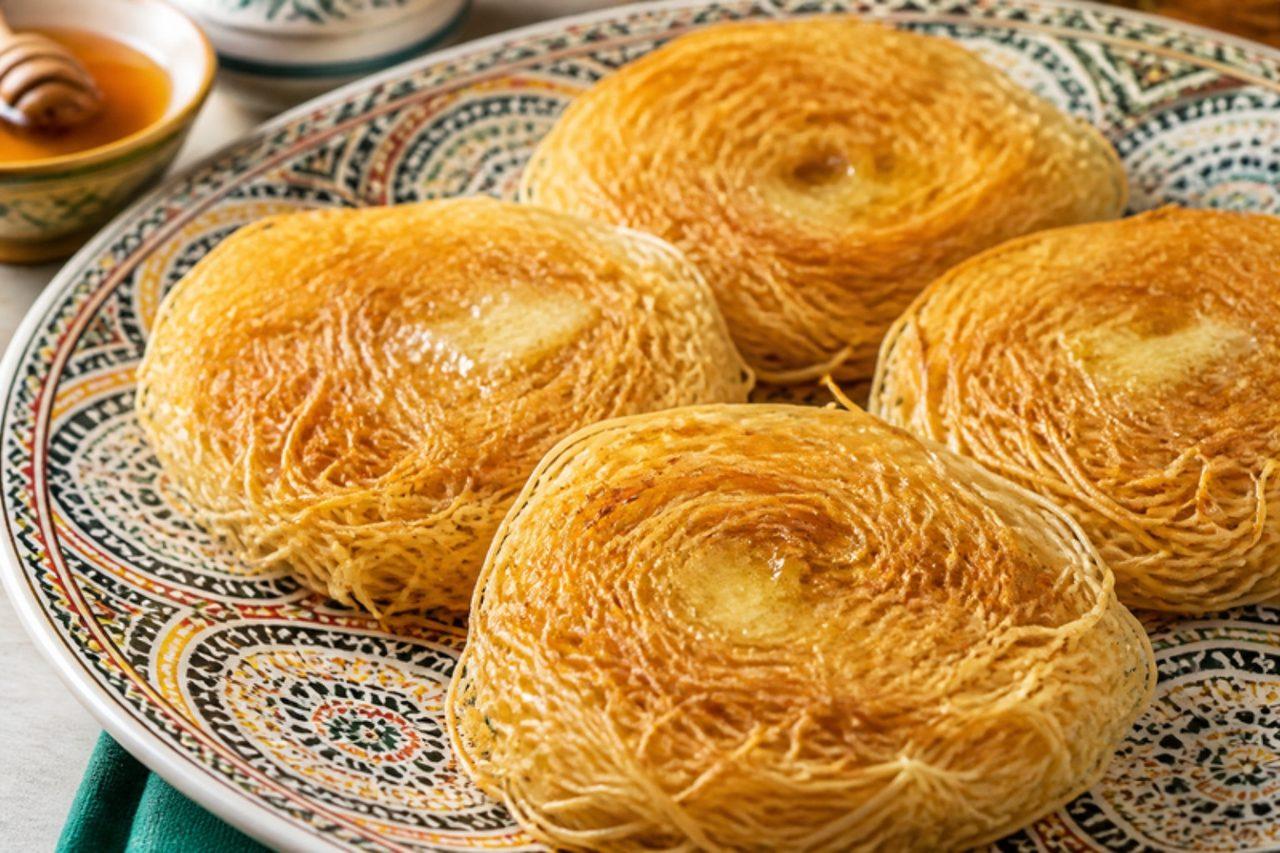
Rziza is one of the showpieces of the Ramadan table in the old imperial cities: a soft dough is stretched into a sheet, rolled up and pulled into a long, thin cord, then wound around the fingers into a skein, flattened into a nest and griddled until crisp outside and tender within. At iftar the nests are pulled apart into their fine strands and drenched in warm honey and melted butter, to eat with harira, dates and mint tea. Making it takes patience and practice; the first one or two may tear, and that is fine. Chef's tip: keep everything well oiled, your hands, the board and the dough balls; too little oil is the common mistake, and the dough then tears instead of stretching.

by KrazyBadal 0 views

Rajas con cremaPoblano strips in cream

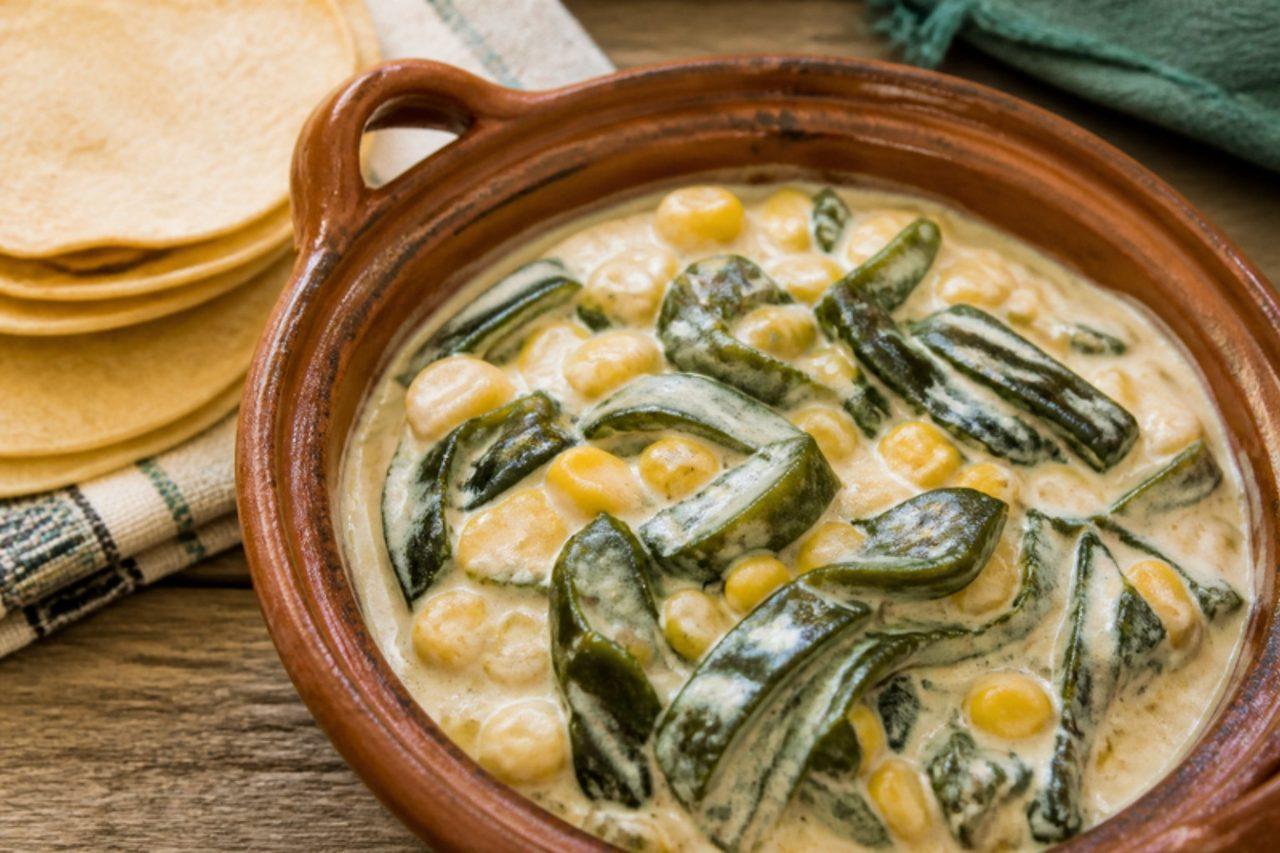
Rajas means strips, and in Puebla they mean poblano chillies, the dark green pepper the state is named after, charred, peeled and sliced, then simmered with onion, sweetcorn and cream. Poblanos are mild with a grassy, gently smoky bite, so the dish is rich rather than fiery. It turns up on Puebla tables as a side for rice, as a taco filling at fondas, or in a tamal for breakfast. Some cooks melt in Chihuahua or Oaxaca cheese, which may be made with animal rennet; use a vegetarian melting cheese if needed. Chef's tip: sweat the peeled chillies in a covered bowl for 10 minutes; the steam lifts the skins off cleanly without rinsing away the smoky flavour.

by KrazyBadal 0 views

Tatws pum munudBacon and potato stew

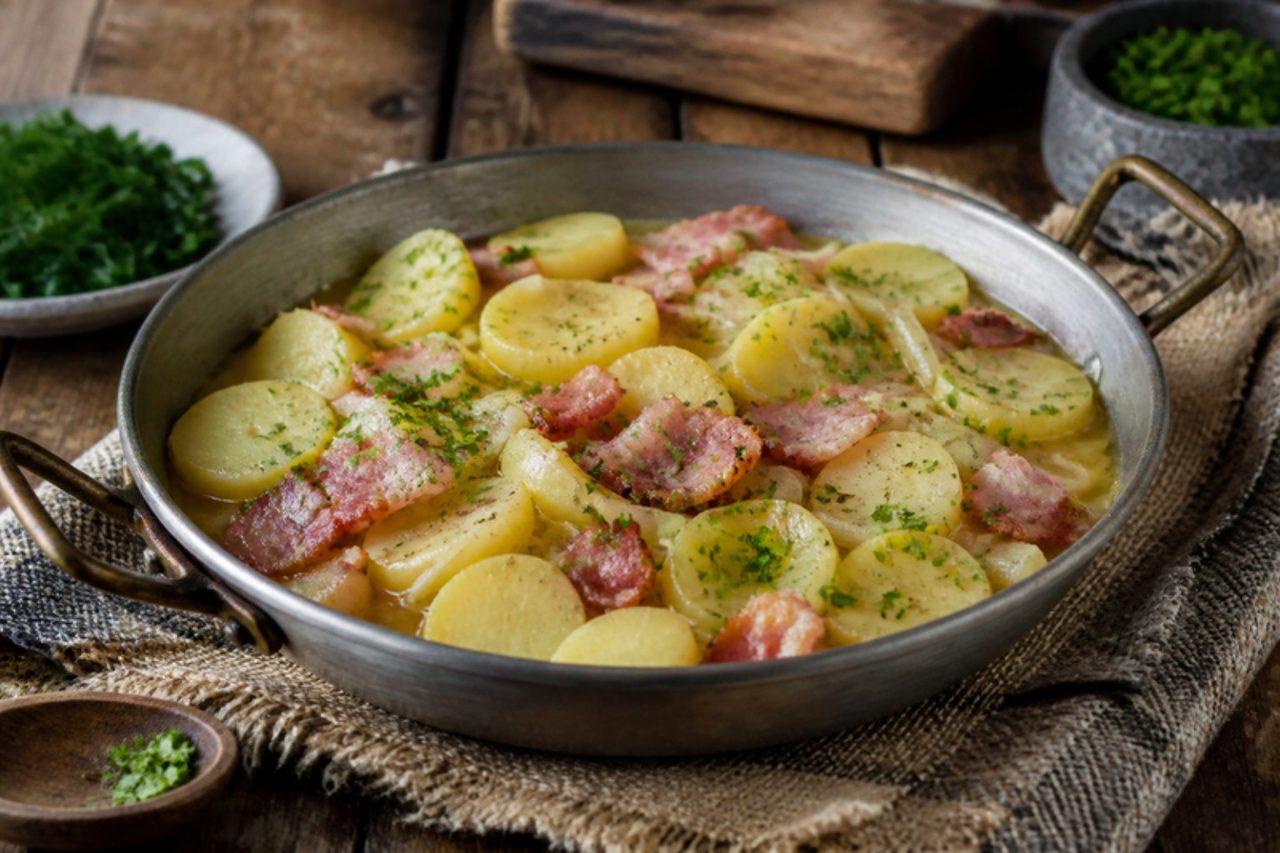
Tatws pum munud means 'five-minute potatoes' in Welsh, a joke, since it takes half an hour, but it was the quick, cheap one-pot supper of North Wales quarry and farm families. Sliced potatoes and onions are simmered on a bed of smoked bacon (pork) in stock until the potatoes are soft and the bottom layer catches and turns golden. Chef's tip: don't stir; shake the pan instead so the layers stay intact and the bottom crisps.

by KrazyBadal 0 views

ChampMashed potato with spring onion

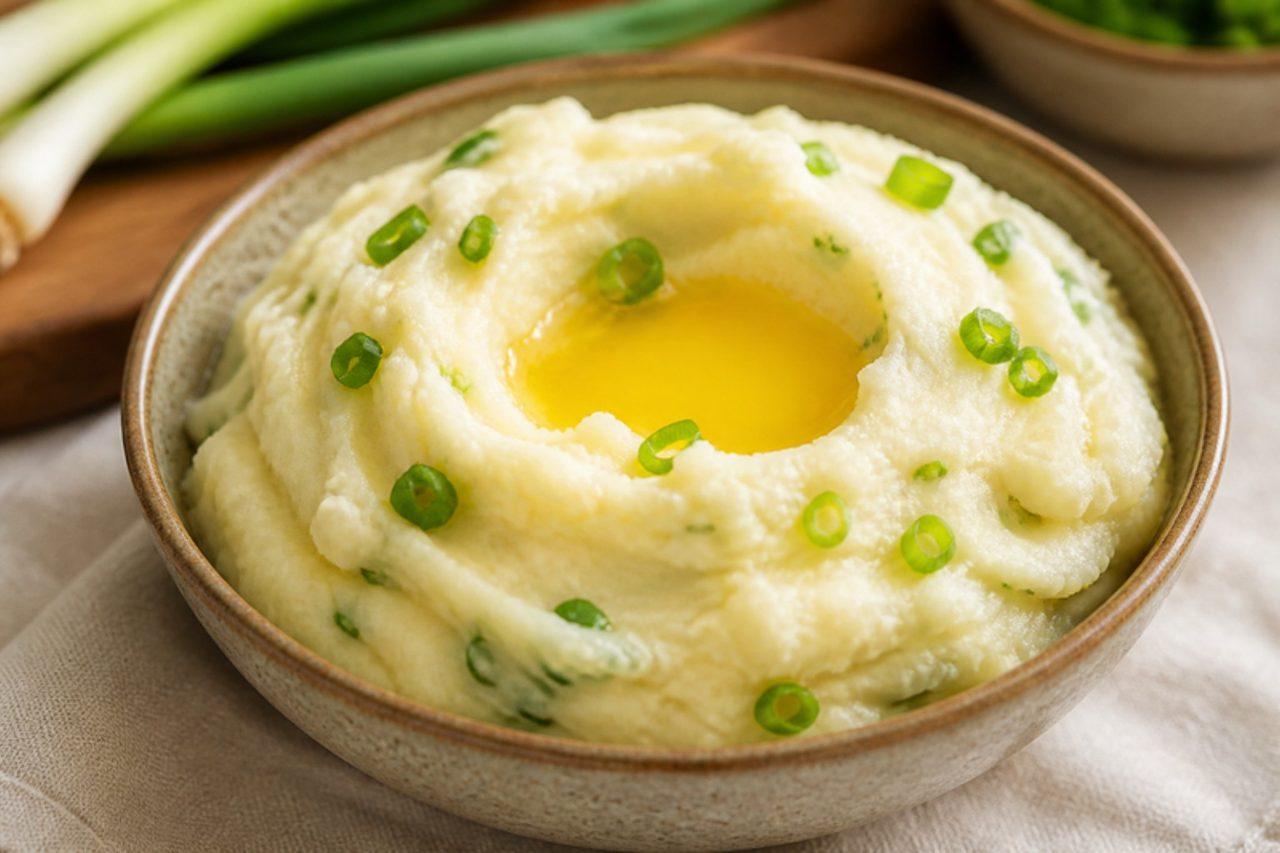
Champ is the creamy mashed potato of Ulster, eaten in farmhouse kitchens from Tyrone to Monaghan, and once pounded in a big pot with a wooden beetle for the whole family. Scallions are steeped in hot milk, then beaten into floury potatoes with salt, pepper and butter, so it is soft, green-flecked and gently oniony. Serve in a mound with a pool of butter in the centre, next to sausages or a pie. Chef's tip: dip each forkful into the butter well, as is done at home; don't stir the butter through.

35 minIrishSidesGluten free
by KrazyBadal 0 views

Plátanos fritos con cremaFried plantain with cream

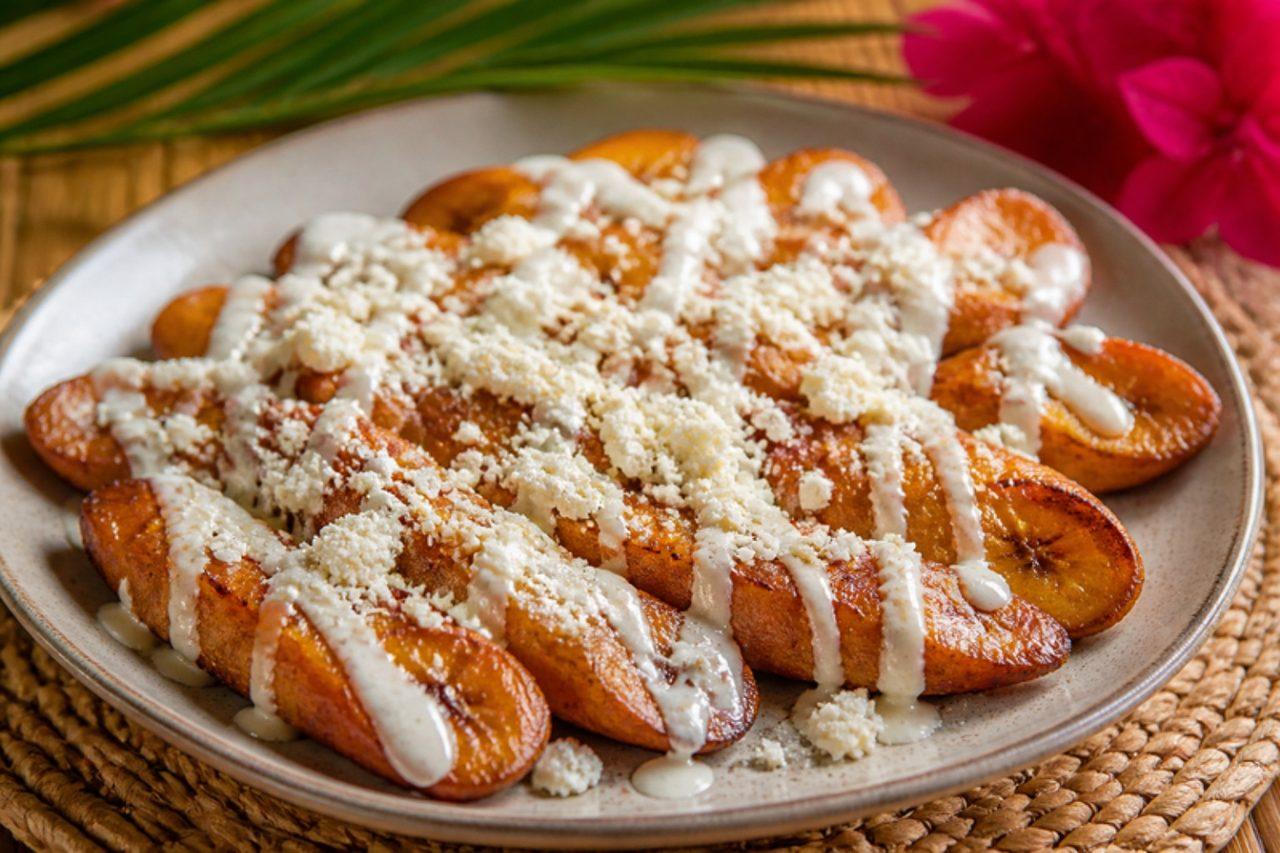
Tabasco grows more plantain than almost anywhere in Mexico, and in Villahermosa homes fried ripe plantain arrives with breakfast eggs, alongside rice and black beans at lunch, or on its own as a sweet-savoury supper. The local touch is to finish the hot, caramelised slices with a spoon of tangy crema and a snow of crumbled fresh cheese, so you get sweet, salty and sour in one bite. Chef's tip: wait until the skins are almost black; yellow plantains taste starchy and never caramelise.

by KrazyBadal 0 views

Coda alla vaccinaraBraised oxtail

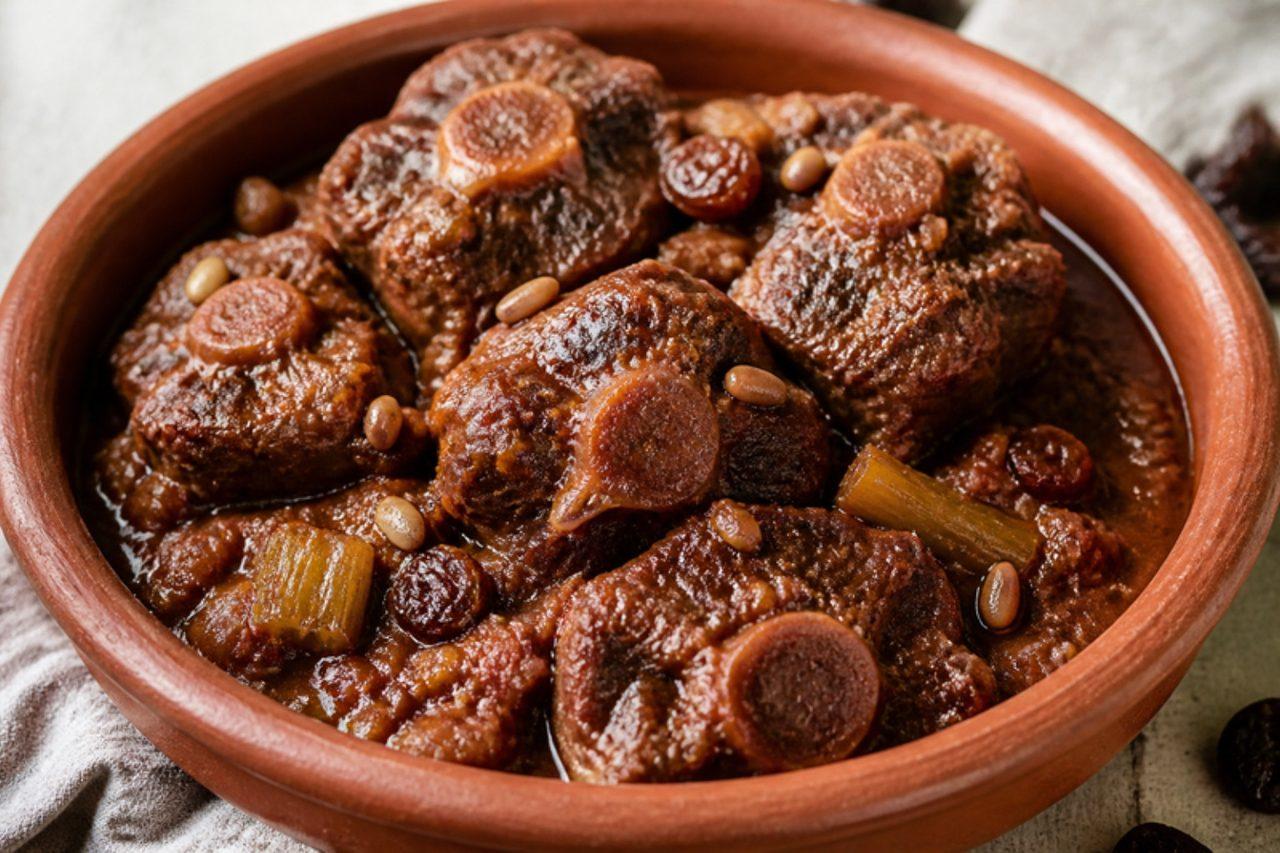
Testaccio was home to Rome's slaughterhouse, and the vaccinari who skinned the cattle were partly paid in offcuts, among them the tail. The trattorie of the quarter still serve coda alla vaccinara as their signature dish: oxtail braised for hours in tomato with a mountain of celery until the meat slides off the bone, the sauce finished with a hint of bitter cocoa, pine nuts and raisins for a sweet-sour depth. A splash of red wine goes in early, with an alcohol-free option in the ingredients. Eat the meat with bread, and toss any leftover sauce with rigatoni the next day. Chef's tip: braise it a day ahead, chill it and lift off the hard layer of fat before reheating; the sauce will be cleaner and the flavour deeper.

265 minItalianMeat
by KrazyBadal 0 views

Chermoula

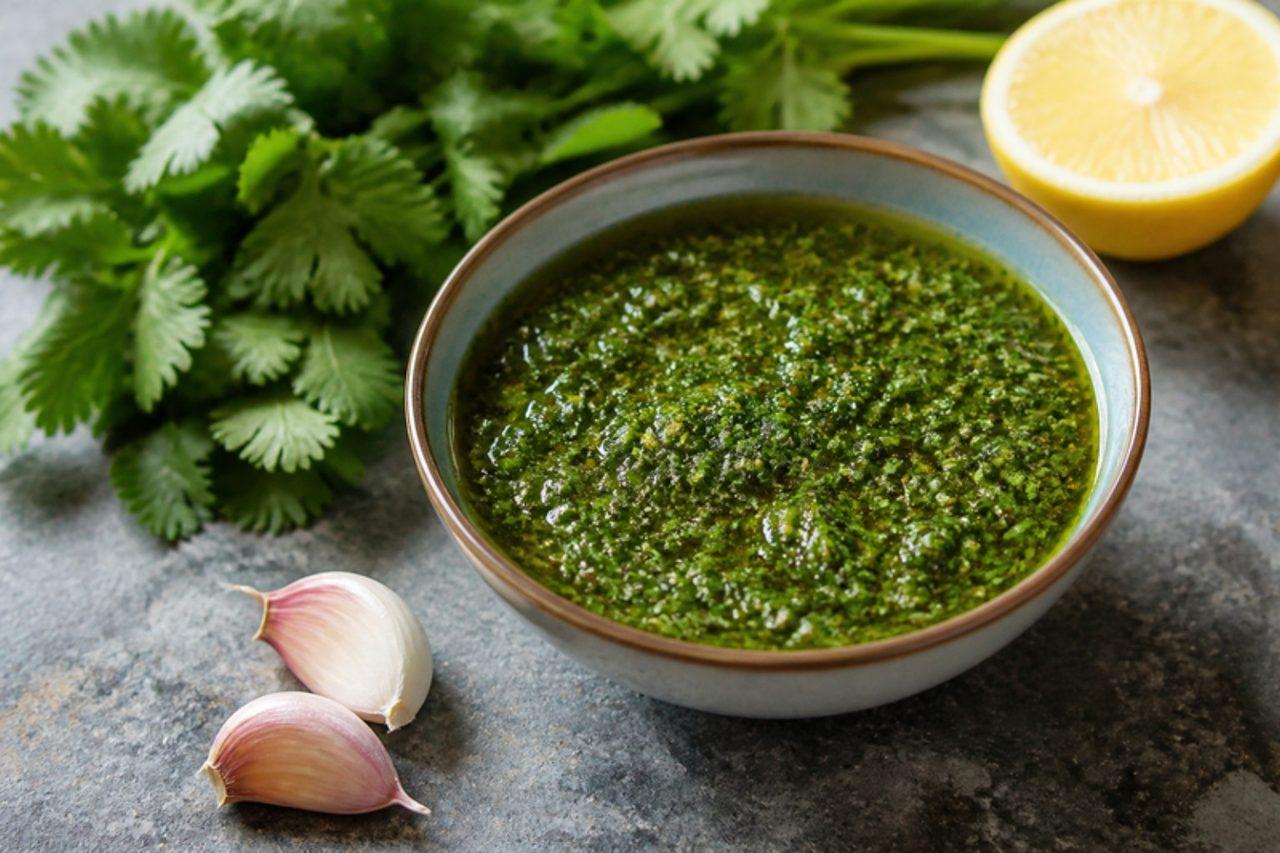
Along the Atlantic coast, in the fish stalls by Essaouira harbour and in home kitchens up and down the coast, chermoula is the green, garlicky paste that seasons almost everything from the sea: whole fish for the oven, sardines for the grill and fish tagines with potatoes and peppers. It works just as well on vegetables: toss it with potatoes, aubergine or carrots before roasting, spoon it over chickpeas, or stir it into a vegetable tagine. Bright, herby and tangy, it is warm with cumin and paprika and has a little chilli heat. When you use it on fish, marinate in the fridge, never on the counter, and for no more than 2 hours, or the lemon starts to cook the flesh and turns it mushy. Chef's tip: chop by hand or pulse only briefly; blended to a smooth purée, the herbs bruise and taste grassy.

by KrazyBadal 0 views

Fortune cookies

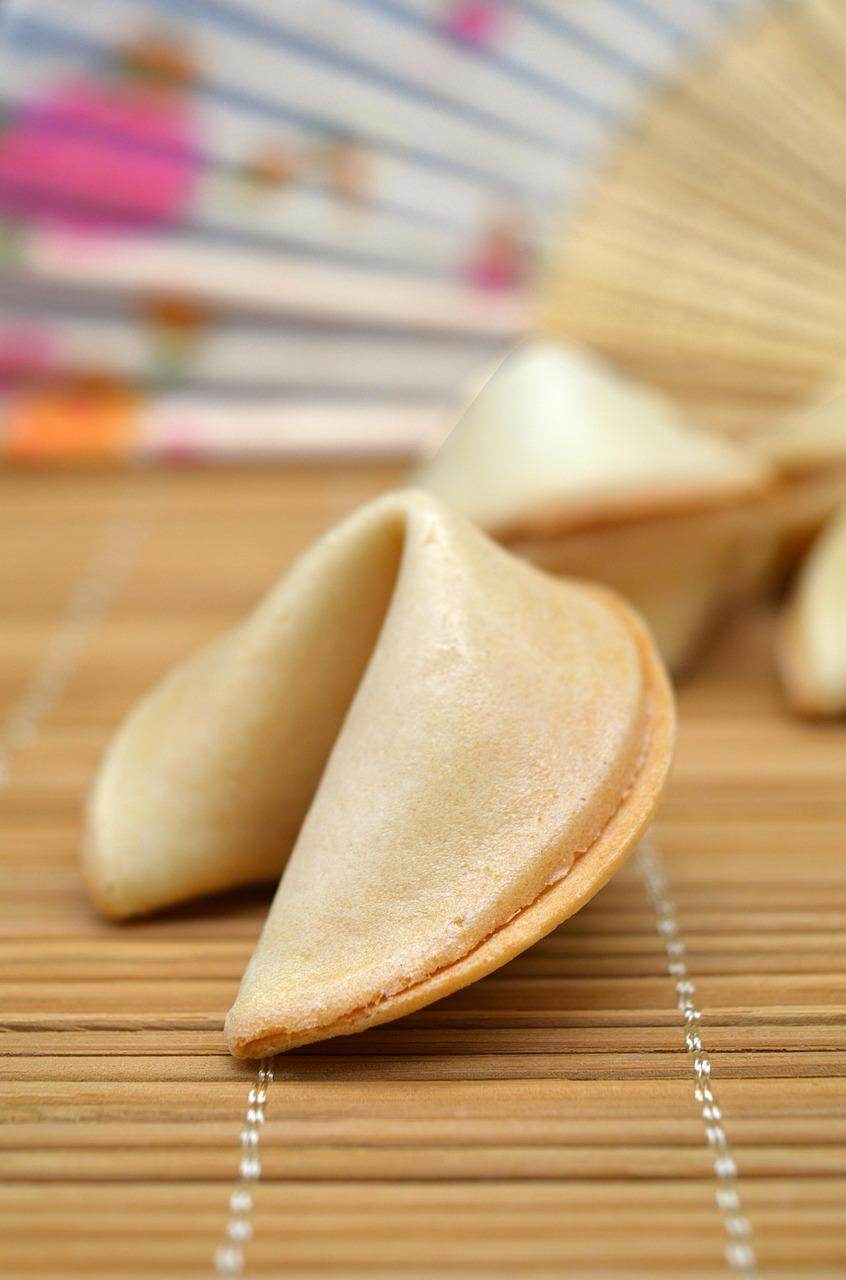
Fortune cookies are not from China at all: they were first sold in San Francisco and Los Angeles in the early 1900s, probably from a Japanese tea garden recipe, and Chinese-American restaurants made them famous. A thin vanilla and almond batter is baked into a wafer, then folded while hot around a paper message. Write your own fortunes for a party. Chef's tip: bake only two or three at a time; the wafers set in seconds and crack if you can't fold them fast enough.

by KrazyBadal 0 views

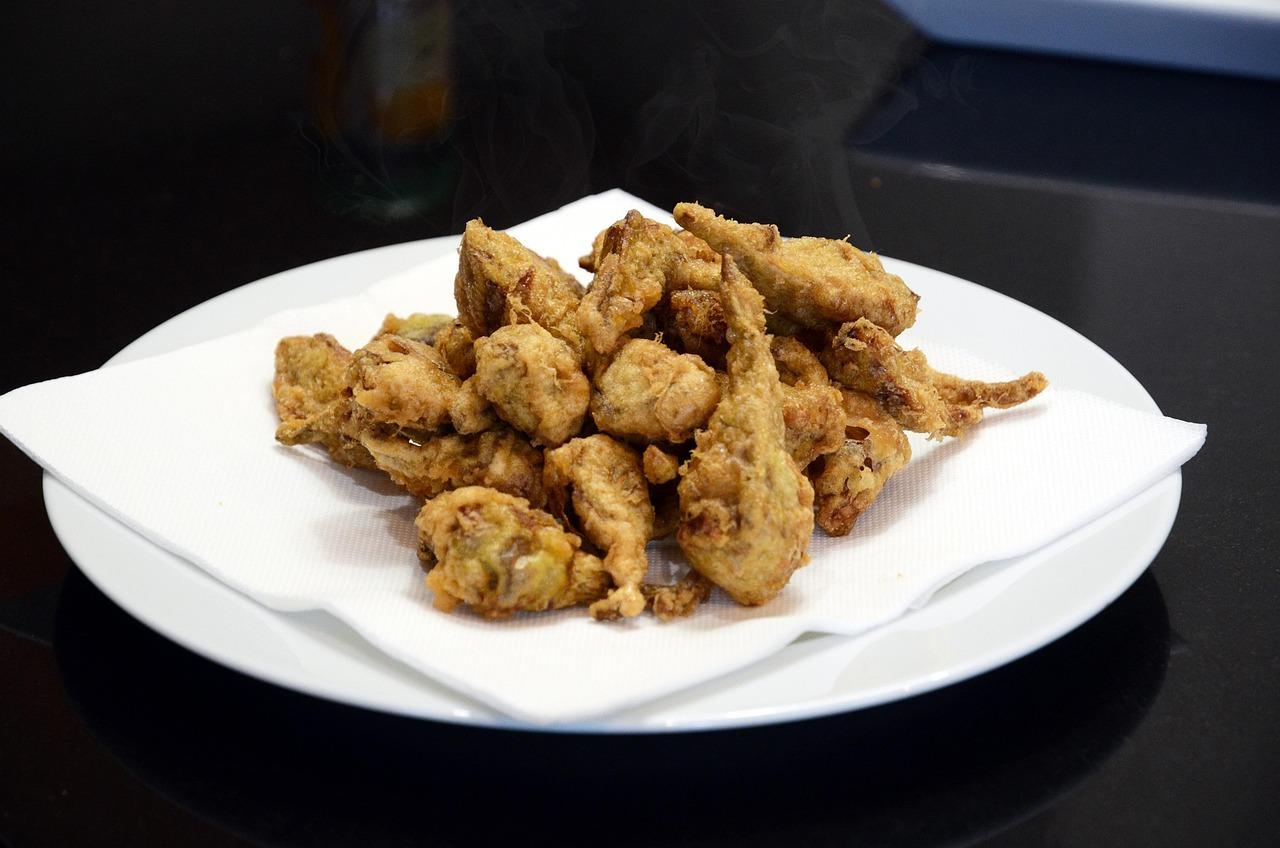
Castroville fried artichokes

Castroville, near Monterey on California's central coast, grows most of America's artichokes and calls itself the artichoke centre of the world. Roadside stands and the annual artichoke festival sell them crisp-fried, the tender hearts dipped in a light batter and served with lemon and garlic mayonnaise. Small 'baby' artichokes are best, as they have almost no choke. Chef's tip: drop each trimmed artichoke straight into lemon water; cut artichokes turn brown within minutes.

by KrazyBadal 0 views

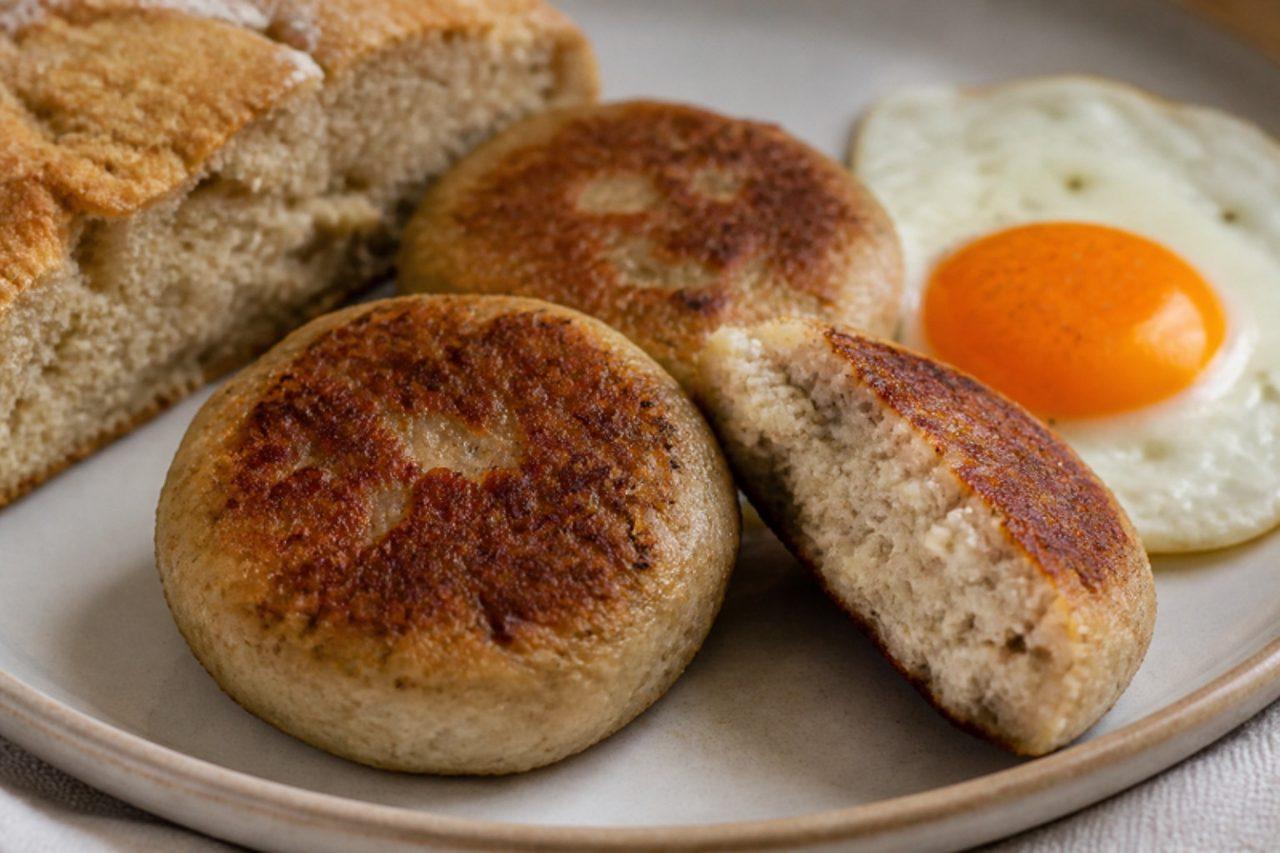
Irish white pudding patties

White pudding is the pale partner to black pudding on the Irish breakfast plate, made in butchers' shops from West Cork to Sligo with pork, pork fat, oatmeal, onion and a secret blend of spices. Making it at home in casings is fiddly, so this version shapes the same mix into patties to fry for the full Irish or a breakfast roll. Chef's tip: toast the oats in a dry pan first; it gives the nutty flavour that good shop-bought white pudding has.

by KrazyBadal 0 views

Green bean casserole from scratch

Green bean casserole was invented in a test kitchen in the 1950s and spread across the Midwest via church cookbooks; today it is on most American Thanksgiving tables. This version skips the tins: fresh beans in a homemade mushroom cream sauce, topped with crisp shallots you fry yourself. Chef's tip: blanch the beans only until bright green and still squeaky, because they cook again in the oven.

by KrazyBadal 0 views

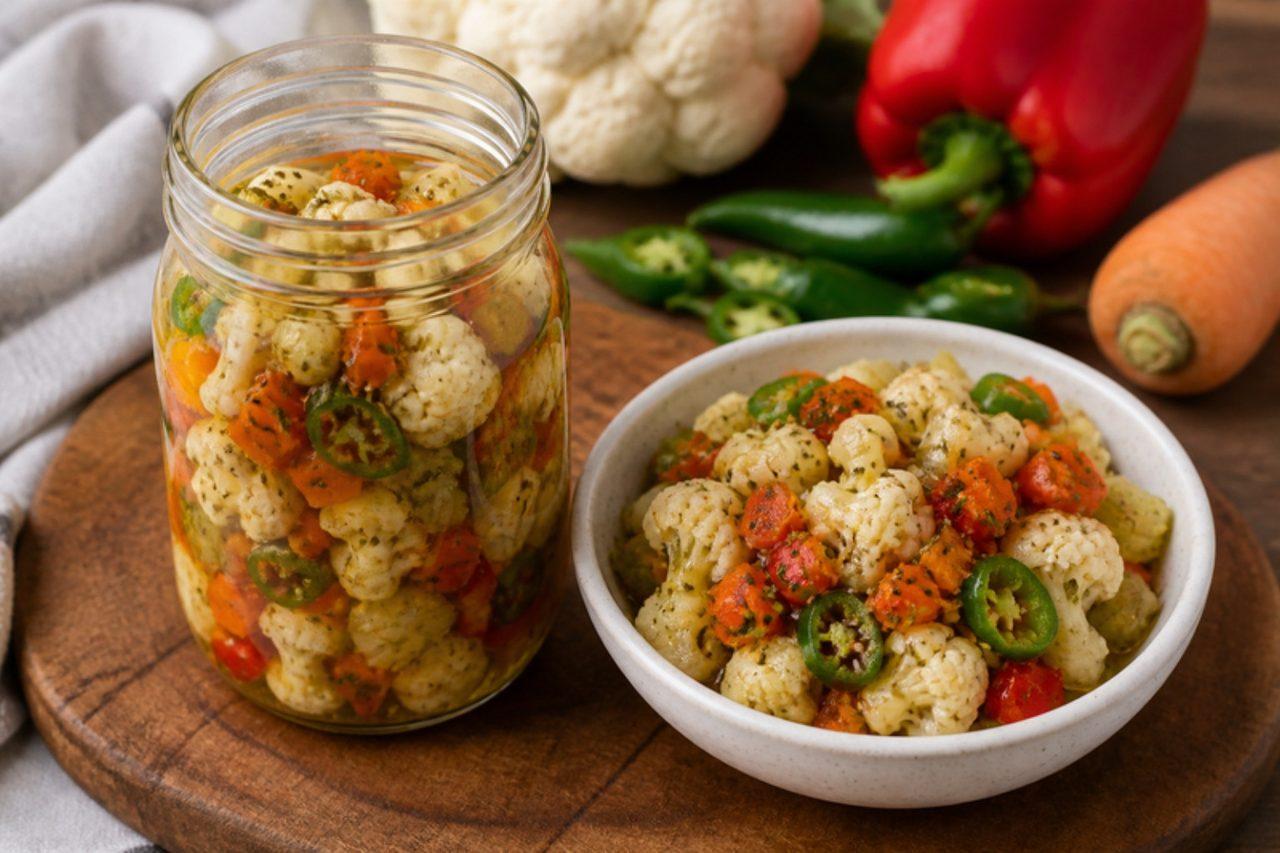
Chicago giardiniera

Giardiniera came to Chicago with Italian immigrants, and the city made it its own: a hot mix of chopped chillies, celery, carrot and cauliflower, brined overnight then packed in vinegar and oil. It is what Chicagoans pile on an Italian beef sandwich, a pizza or a sausage, and every deli has its own heat level. Chef's tip: don't skip the overnight salt brine; it draws out water so the vegetables stay crunchy for weeks.

by KrazyBadal 0 views

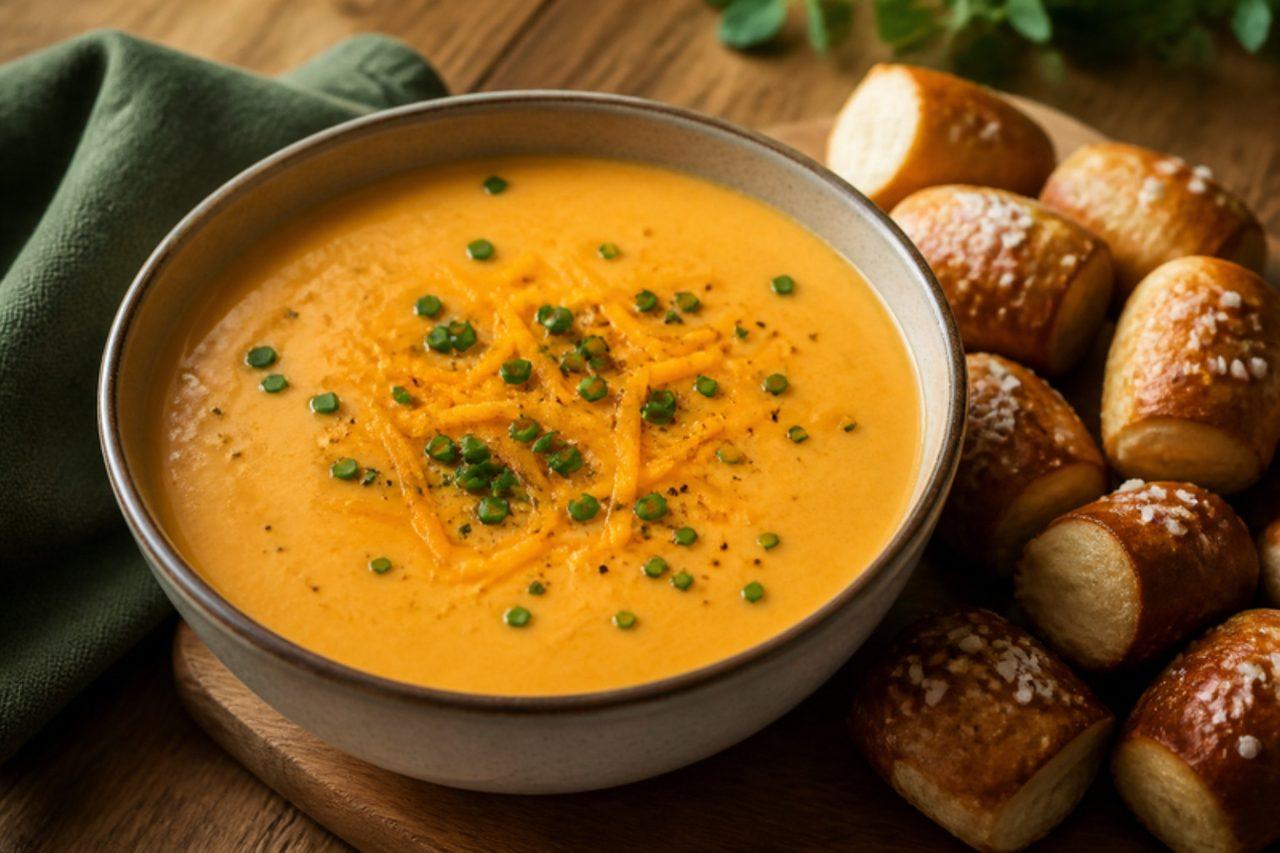
Wisconsin beer cheese soup

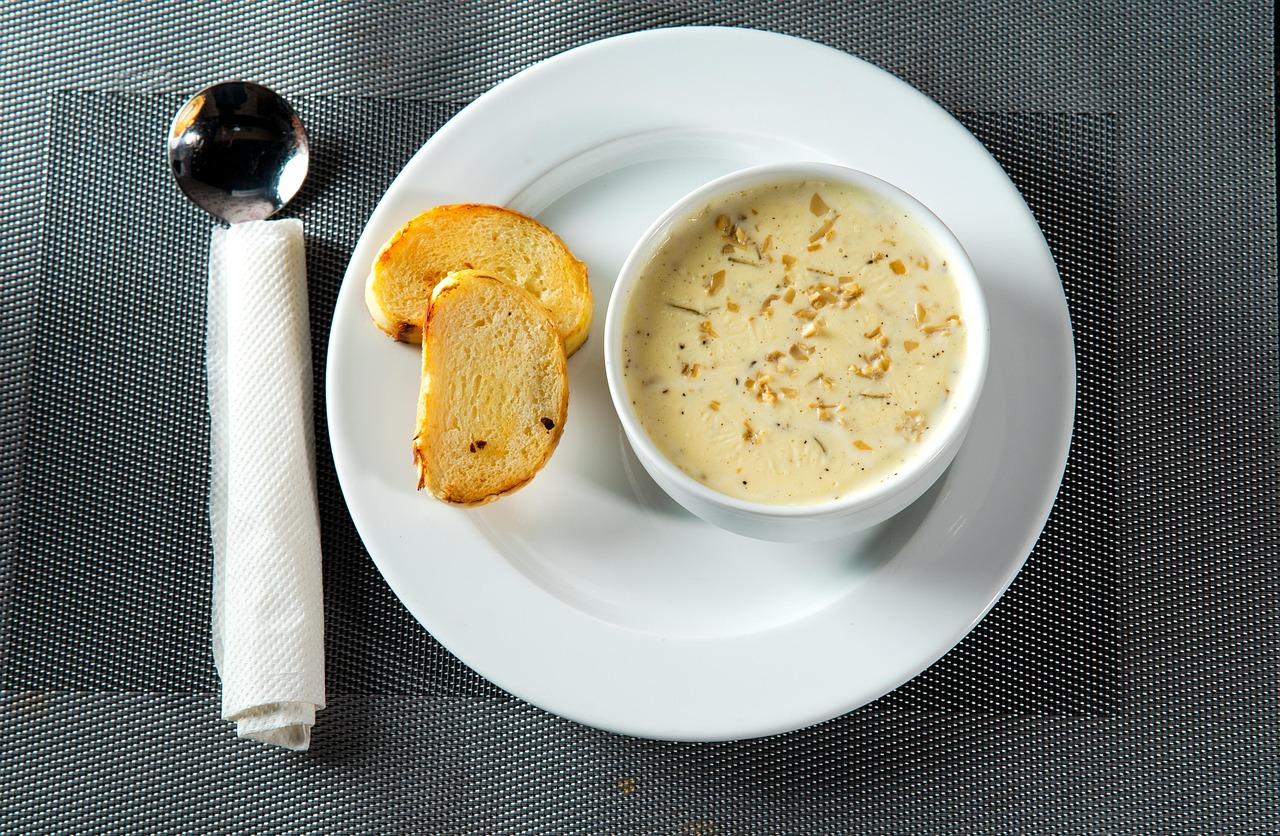
Beer cheese soup is a Wisconsin tavern and Packers game-day classic, made with the state's sharp cheddar and a local lager and served with soft pretzels or popcorn on top. It is thick, silky and tangy, with a little mustard and smoked paprika. It contains beer; most of the alcohol cooks off but not all, so for an alcohol-free version use alcohol-free lager or extra stock with 1 tsp cider vinegar. Aged cheddar is often made with animal rennet, so use a vegetarian cheddar. Chef's tip: add the cheese off the heat, a handful at a time, or it turns grainy.

by KrazyBadal 0 views

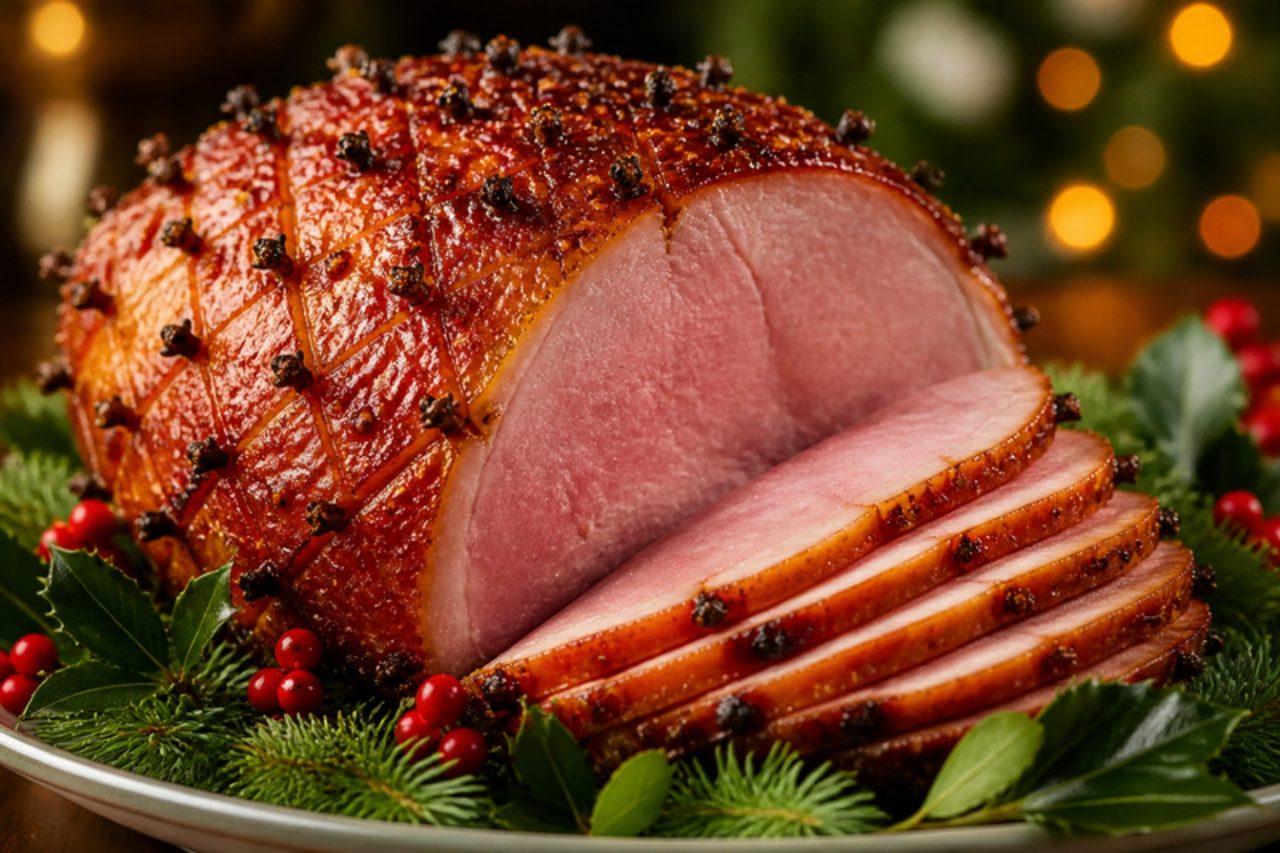
Limerick ham with cider glaze

Limerick was once famous across Europe for its hams, cured in the city's bacon factories, and a glazed ham is still the centrepiece of the Irish Christmas table next to the turkey. This is a gammon joint, which is pork: simmered gently in cider with an onion and spices, then studded with cloves and glazed in a hot oven until sticky and dark. Serve hot with mash and parsley sauce, or cold for St Stephen's Day sandwiches. The cider contains alcohol, which mostly cooks off; for an alcohol-free version use cloudy apple juice. Chef's tip: score the fat in a neat diamond pattern only through the fat, not the meat, so the glaze grips without the meat drying.

200 minIrishMeatGluten free
by KrazyBadal 0 views

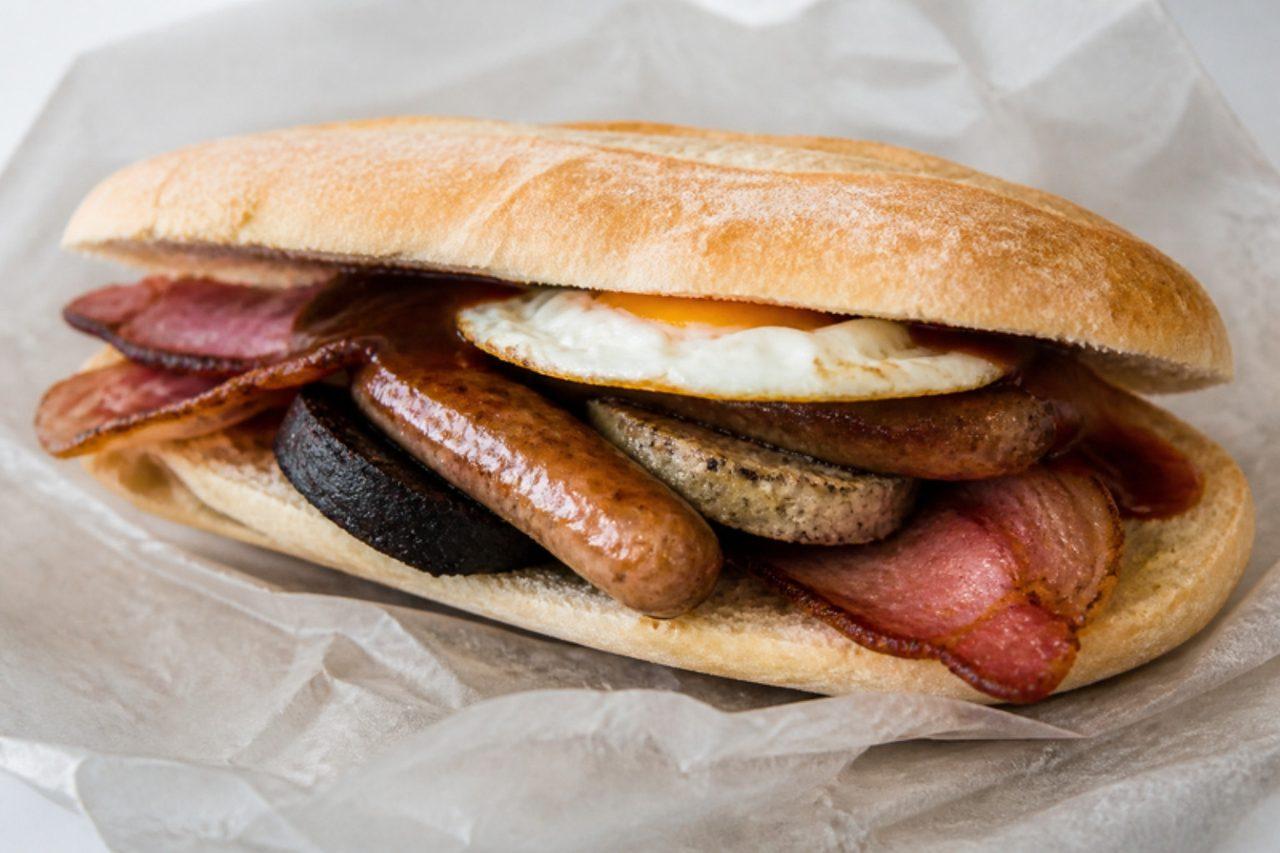
Irish breakfast roll

The breakfast roll is the hot deli sandwich of Irish petrol stations and corner shops, eaten from its paper bag by builders, commuters and students all over the country from early morning. A long, crusty baguette-style roll is packed with what is in a fry: pork sausages, rashers, black and white pudding and a fried egg, with butter and brown sauce or ketchup. Chef's tip: warm the roll in the oven so it is crisp outside and soft within before you load it.

by KrazyBadal 0 views

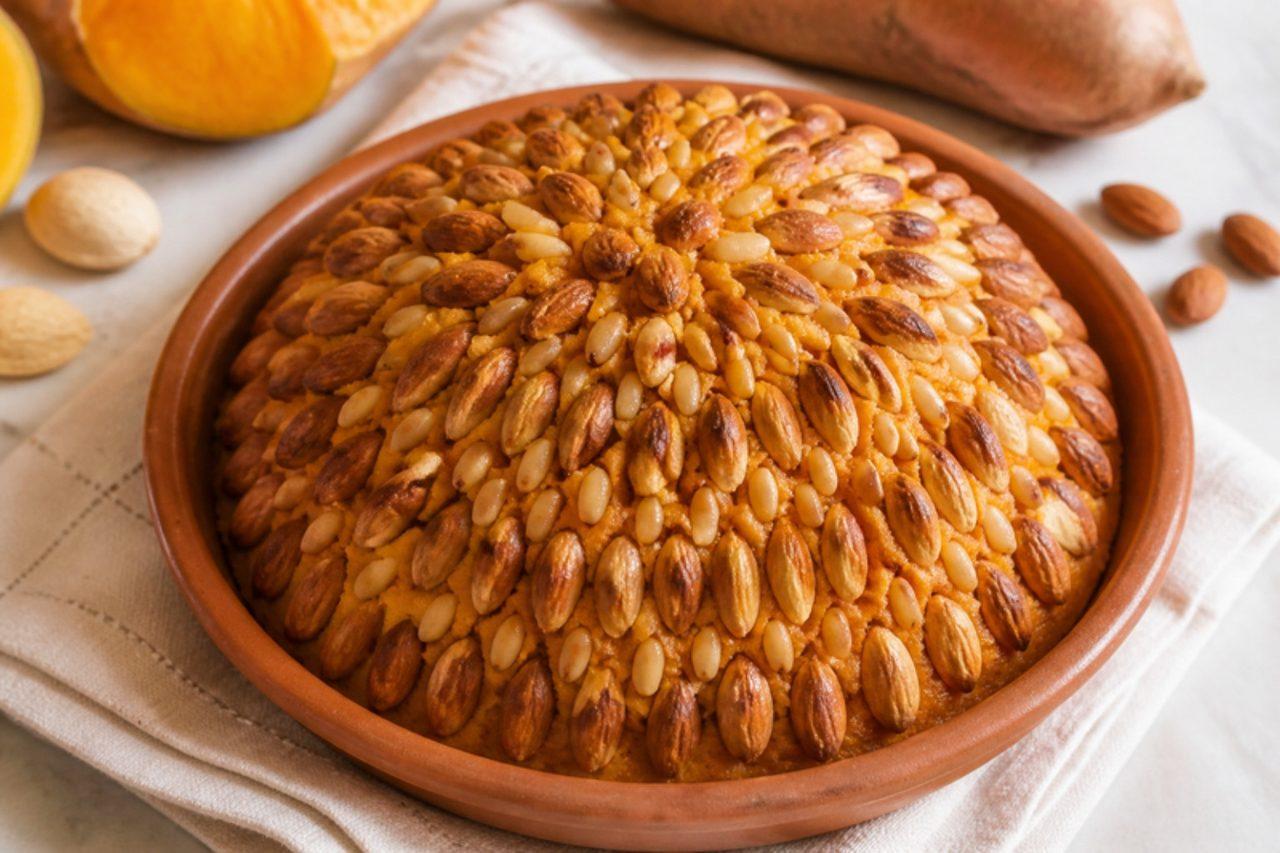
ArnadíPumpkin, sweet potato and almond sweet

In Xàtiva and the villages of La Costera, arnadí is made for Holy Week and given as a gift between neighbours, its golden peaks spiked with almonds and pine nuts like a little fortress. The recipe is a legacy of the region's Moorish centuries: roast pumpkin and sweet potato cooked down with sugar and ground almonds until thick, then shaped by hand in an earthenware dish and browned in the oven. Texture-wise it sits between a fudge and a very dense pudding, fragrant with lemon and cinnamon. A common mistake is using boiled pumpkin; it holds too much water and the arnadí never firms up. Chef's tip: roast the vegetables until the edges caramelise, then leave the purée to drain in a sieve overnight for the best, densest result.

by KrazyBadal 0 views

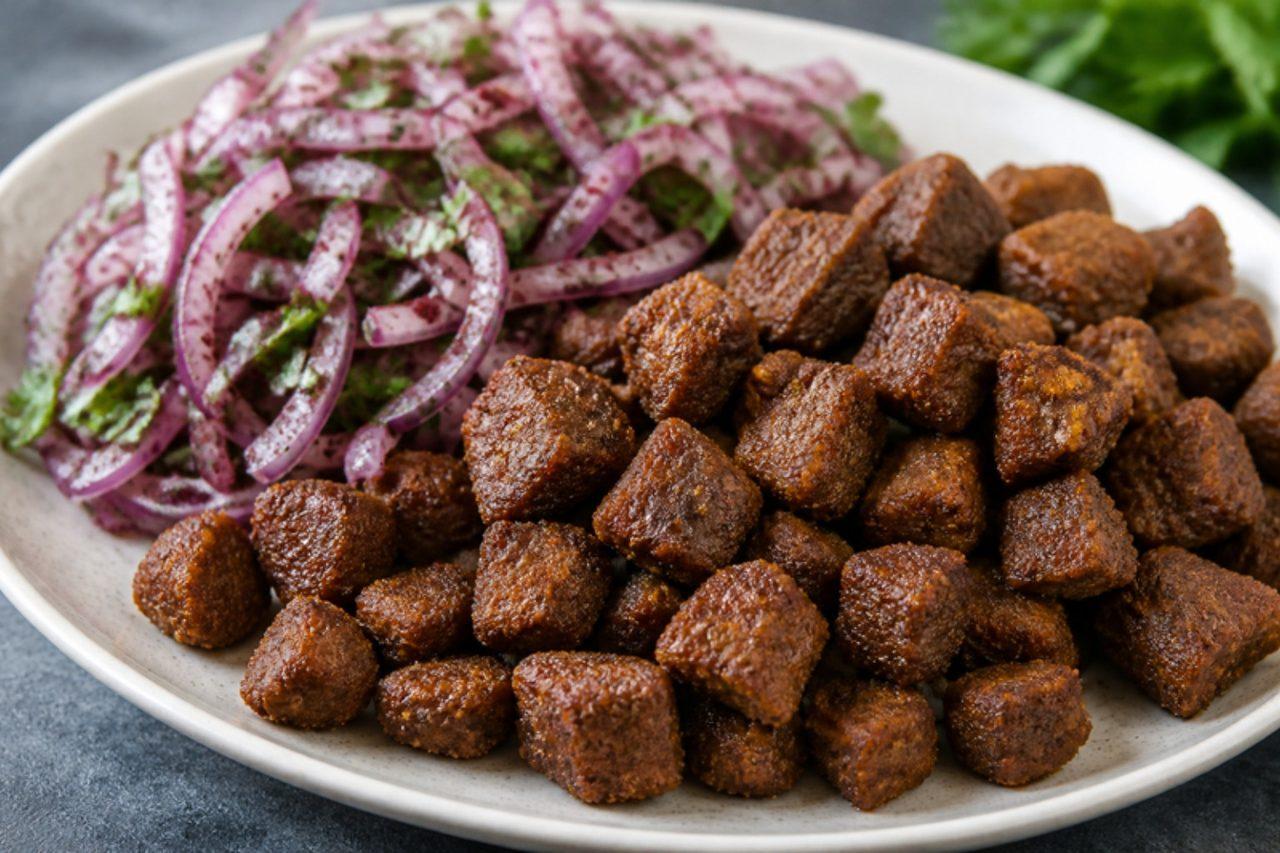
Arnavut ciğeriCrisp fried liver with sumac onions

No Istanbul meyhane table in Beyoğlu or Kumkapı is complete without a plate of Arnavut ciğeri: small cubes of lamb's liver dusted in paprika flour and flash-fried until crisp outside and just set within, piled on red onion, parsley and sumac. It is served hot among the cold meze, with toasted bread and a glass of something cold; ayran or şalgam work perfectly. Liver is quick to cook and quick to ruin. Chef's tip: shake off every bit of excess flour and fry in small batches in very hot oil, so the cubes crisp instantly instead of stewing.

by KrazyBadal 0 views

Arni fricasseeLamb and lettuce stew with egg-lemon

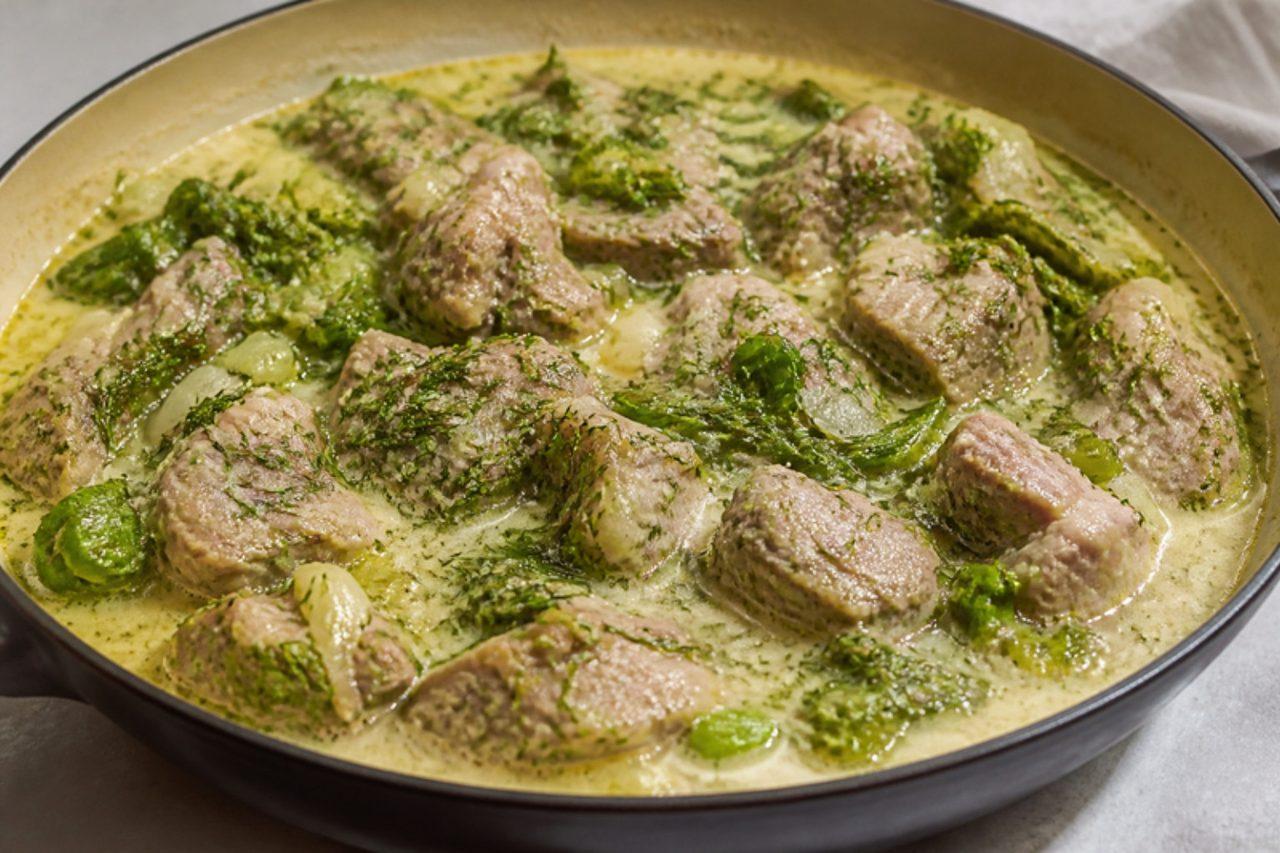
When cos lettuces and spring onions flood the markets around Easter, Greek cooks make arni fricassee: lamb braised slowly with mountains of greens and dill, then thickened at the last moment with avgolemono, the frothy egg and lemon sauce. The result is tender, tangy and fresh, a lighter alternative to the roast lamb of Easter Sunday, served with crusty bread to mop up the sauce. Common mistake: pouring the eggs straight into the bubbling pot, which scrambles them; temper them with hot broth first and keep the pot off the heat. Chef's tip: shake the pot to swirl the sauce in rather than stirring, so the lamb and greens stay whole.

125 minGreekMeatGluten free
by KrazyBadal 0 views

Texas potato and egg breakfast tacos

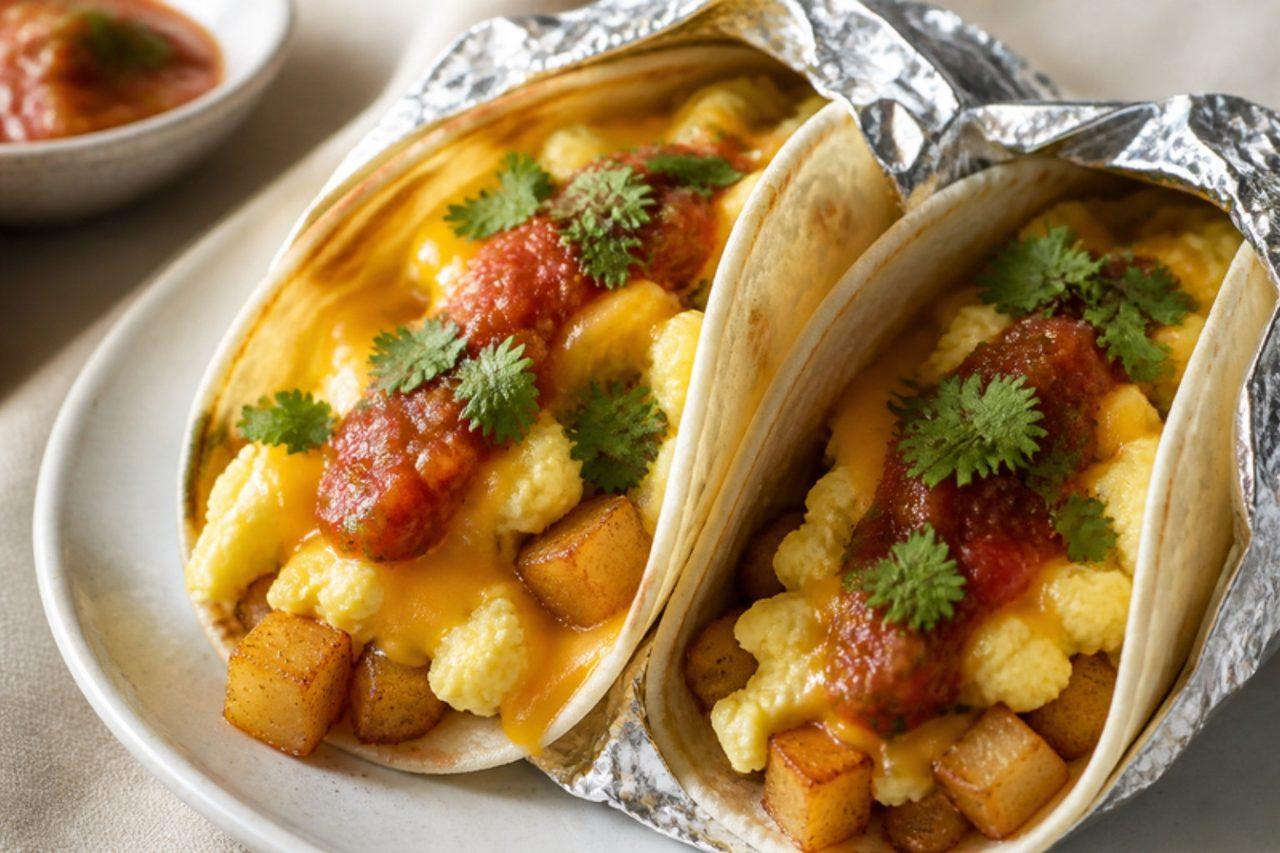
In Austin and San Antonio the breakfast taco is the morning commute: soft flour tortillas wrapped around fillings like crispy potato, scrambled egg and cheese, bought in foil from taquerías and petrol stations and eaten with salsa. Potato and egg is the classic meatless pairing. Chef's tip: fry the diced potatoes in one layer without stirring for the first few minutes so they get a real crust.

by KrazyBadal 0 views

New England corn chowder

When the sweetcorn stands in late summer at farm stands from Maine to Connecticut, corn chowder is what goes on the stove. It is a milky, chunky soup of corn, potato and onion, thickened by simmering the stripped cobs in the stock. Many cooks start it with salt pork; this vegetarian version gets its depth from butter, smoked paprika and the cob stock instead. Chef's tip: scrape the bare cobs with the back of a knife to get the sweet corn 'milk' into the pot.

by KrazyBadal 0 views

Arròs amb fesols i napsWhite bean and turnip rice stew

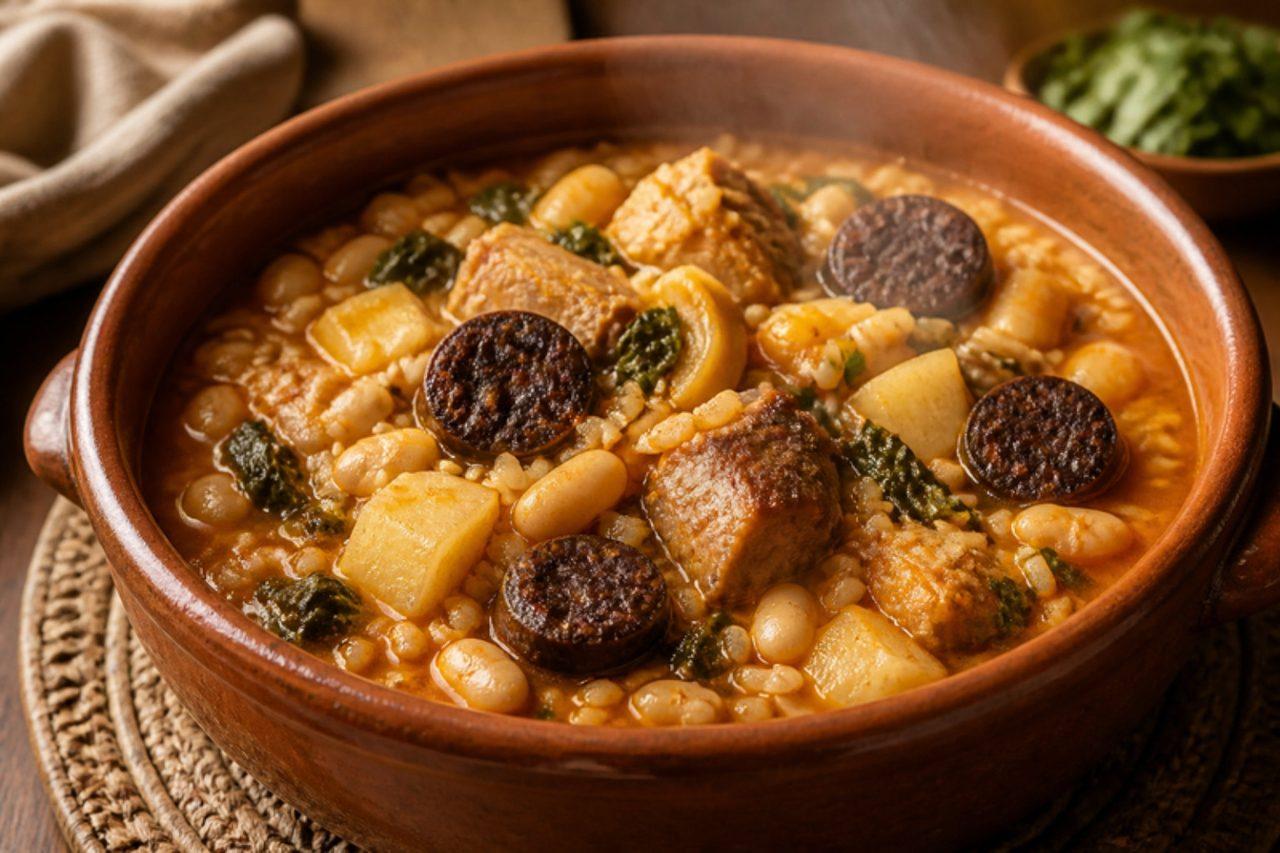
When the Valencian huerta turns cold in January, this brothy rice is what simmers on the stove for Sunday lunch: white beans, sweet turnips, chard and different cuts of pork cooked slowly with saffron, then rice added to the pot at the end, so it is a spoon dish rather than a dry paella. Each family has its own mix of meats; this version uses pork ribs, pork belly and onion morcilla. This contains pork (ribs, belly and black pudding). A common mistake is adding the rice too early; it should go in only once the beans are completely soft, and the pot should be served the moment it is done or the rice swells and drinks up the broth. Chef's tip: soak the beans with a pinch of bicarbonate of soda and start them in cold water; they cook more evenly and their skins stay on.

by KrazyBadal 0 views

Arròs brutSoupy rice with chicken and pork

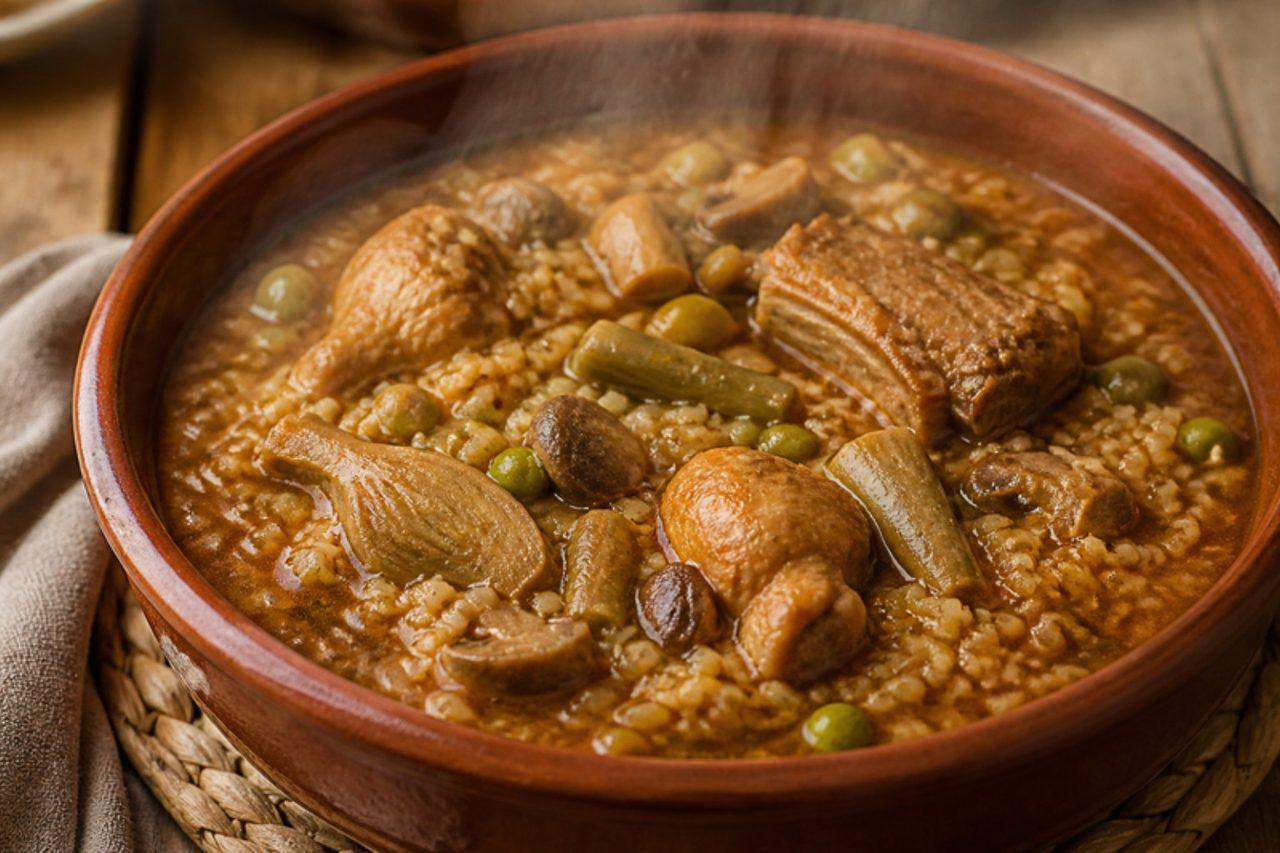
The 'dirty' in arròs brut is the colour the broth takes from cinnamon, cloves, nutmeg and saffron, a spice mix that goes back to the island's medieval kitchens. Inland Mallorca cooks it on autumn and winter Sundays and at hunting lunches, with chicken, pork ribs, rabbit or small game, plus mushrooms, artichoke, green beans and peas, and serves it soupy, eaten with a spoon. This contains pork (pork ribs). Chef's tip: toast the ground spices for only a few seconds in the oil, then add the tomato at once, because burnt cloves and cinnamon make the whole pot bitter.

by KrazyBadal 0 views

ArrosticiniGrilled lamb skewers

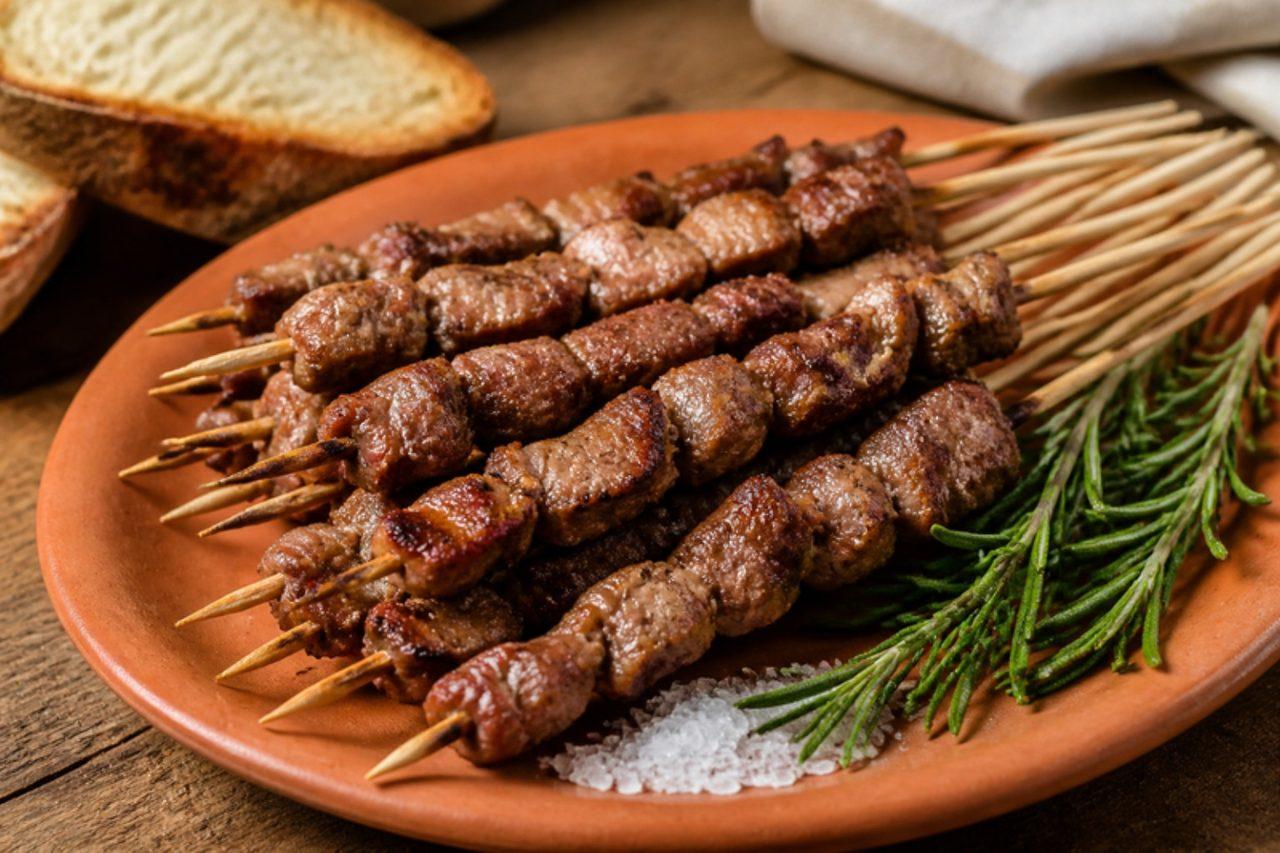
Drive through the hills of Abruzzo on a summer evening and you'll smell arrosticini: tiny cubes of sheep's meat threaded onto thin skewers and grilled by the dozen on a long, narrow charcoal brazier called a canala. Traditionally they're made with mutton from the region's flocks; lamb shoulder is easier to find and works beautifully. They are seasoned only with salt and olive oil, eaten straight off the stick by the handful, with bread drizzled in oil and a glass of something cold. A ridged grill pan works when you can't light charcoal. Chef's tip: leave a little fat on the meat and alternate fatty and lean pieces on each skewer, so they baste themselves as they cook.

by KrazyBadal 0 views

Arroz a bandaRice cooked in fish stock

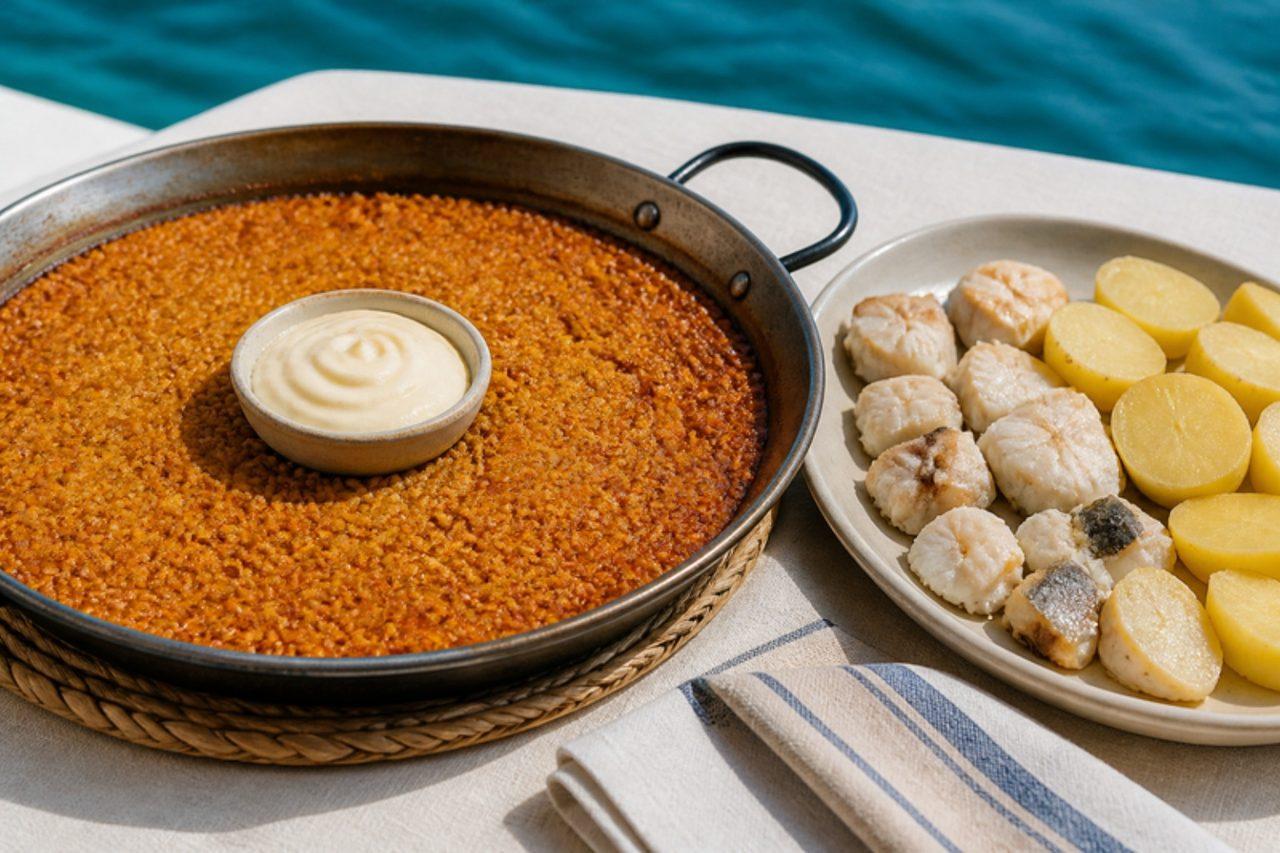
Along the Alicante coast, from Santa Pola to Dénia, arroz a banda began as a fishermen's meal: the small, bony fish that wouldn't sell were simmered into a deep, rust-coloured stock, rice was cooked in it, and the fish was eaten "a banda", on the side. Today the rice comes first, thin, golden and intensely savoury, with a spoonful of allioli, and the poached fish and potatoes follow. A common mistake is a weak stock; the rice tastes of nothing more than what it cooks in, so use plenty of fish and reduce it well. The allioli here uses pasteurised egg; raw-egg allioli is not for pregnant women, young children or anyone with a weakened immune system. Chef's tip: let the rice catch slightly on the base in the last minute to form socarrat, the toasty crust everyone fights over.

115 minSpanishFishGluten free
by KrazyBadal 0 views

Showing 36 of 7,762 recipes

Show more recipes

Page 459 of 863