


Skip to content
Arepa pelúa
Featured recipe

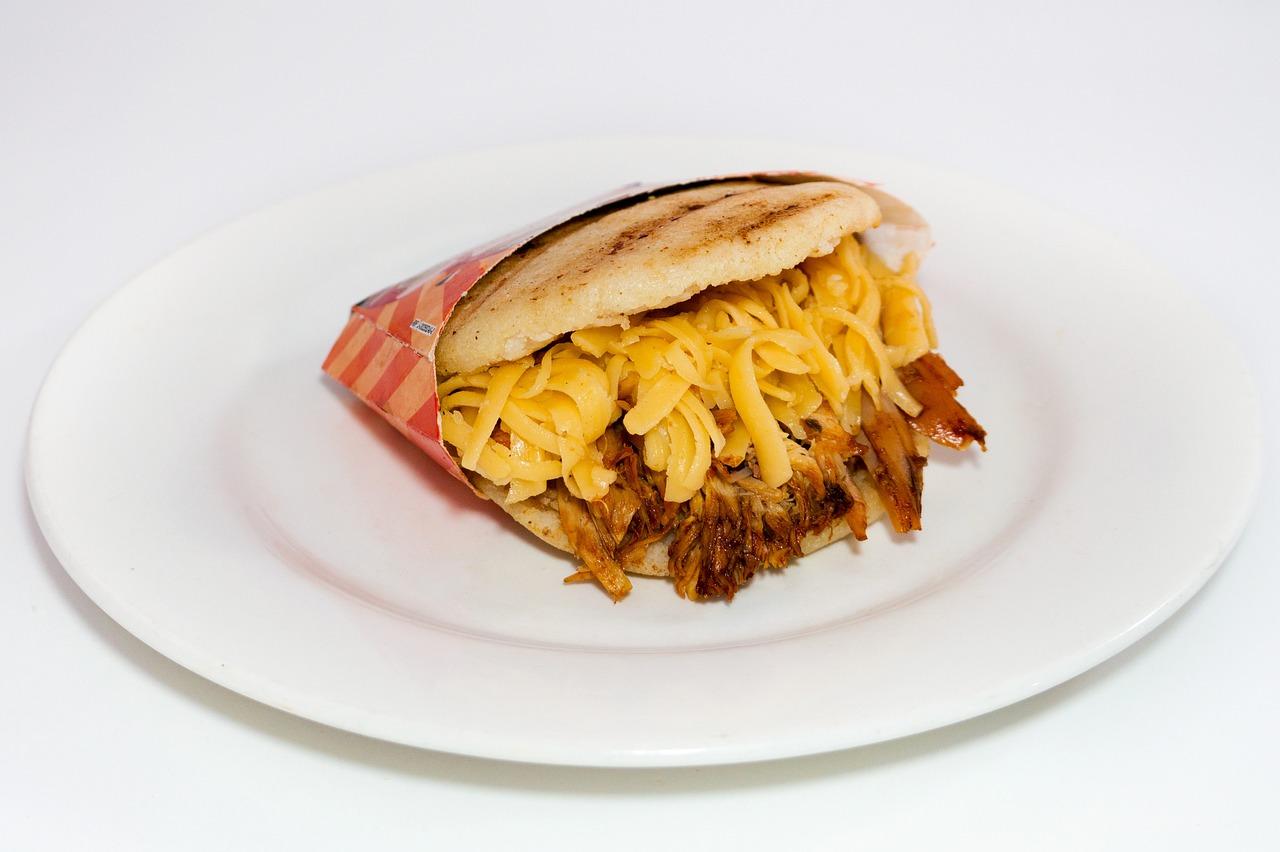
Arepa pelúa

Arepa with shredded beef and cheese

Late at night in the areperas of Caracas, the pelúa is the order for the hungry: a split corn arepa packed with carne mechada (slow-cooked shredded beef in sofrito) and a heap of grated yellow cheese that melts into 'hairy' strands, which is what pelúa means. The beef can be made a day ahead, and many families cook a big pot to fill arepas all week. The common mistake is a dry arepa dough that cracks on the griddle. Chef's tip: the dough should feel like soft play-dough and leave your palms just damp; add water a spoonful at a time until it does.

Read more 0 views

What to eat today?

Around the world

Today's trip: Paraguayan

A new country every day, from every cuisine on the site.

Paraguayan

Chipa

Cheese bread rings 50 minMore from Paraguayan (27) →

This week's collection

Kid-friendly dinners
537 recipes · a new collection every Monday

Latest recipes

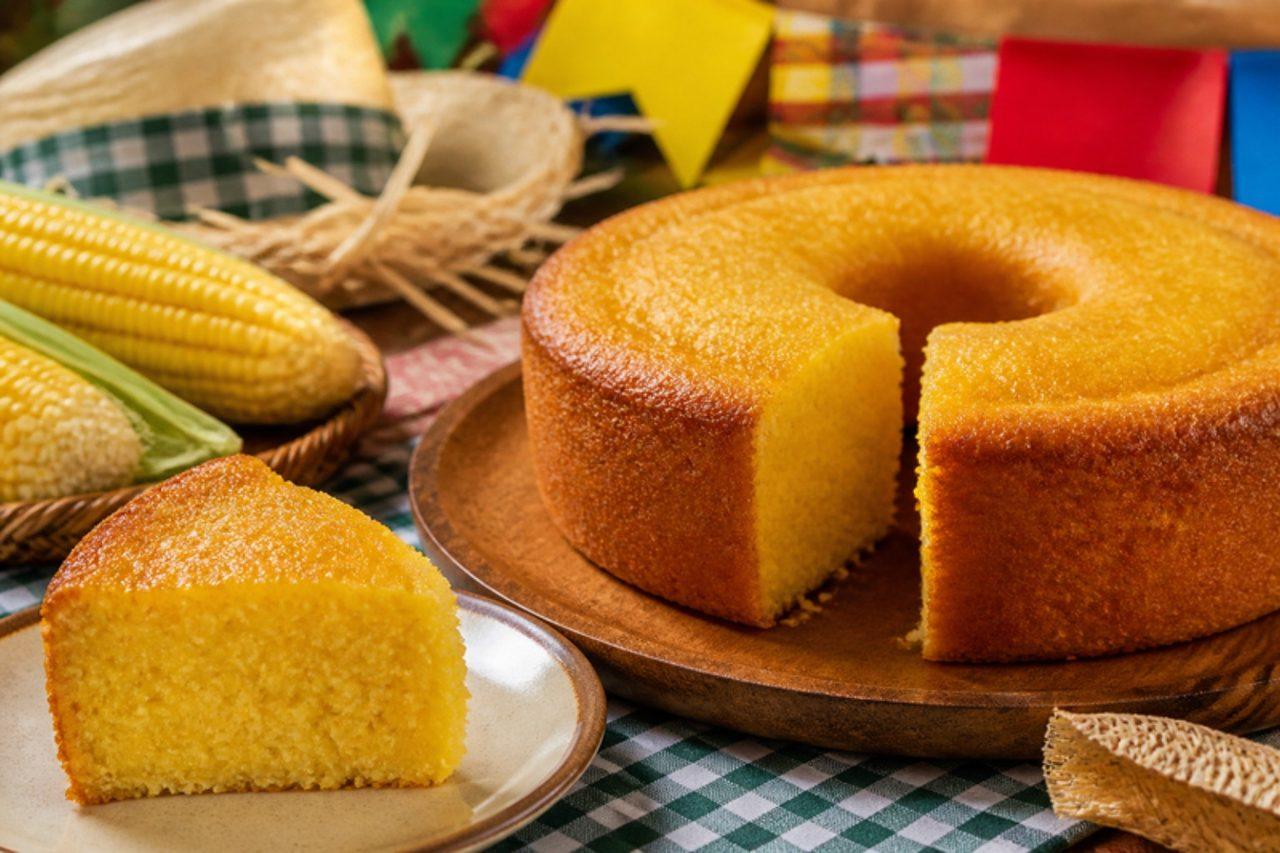
Bolo de milho verdeSweetcorn cake

Almost every Brazilian padaria keeps a tray of bolo de milho verde by the till, and in June it multiplies across festa junina stalls, sliced into squares and wrapped in napkins. Everything goes into a blender: sweetcorn kernels, eggs, milk, oil, sugar and a little fine cornmeal, so the cake comes out yellow, dense and moist, almost custardy in the middle, with real corn flavour. It is made without wheat flour, which keeps it gluten free as long as your baking powder is. Eat it with afternoon coffee or warm from the tin. Opening the oven early is where it usually goes wrong; this batter is heavy and sinks if the door opens before 35 minutes. Chef's tip: leave the cake in the tin for 20 minutes after baking; it finishes setting as it cools and comes out in clean slices.


by KrazyBadal 0 views

Wisconsin kringle

Kringle came to Racine, Wisconsin, with Danish bakers in the 1800s, and the town's bakeries still ship thousands of these flat oval pastry rings at Christmas. Thin layers of buttery laminated dough wrap a pecan and brown sugar filling, and the top is glazed with white icing. It is the official state pastry, eaten with coffee at breakfast. Chef's tip: keep the dough and butter cold at every fold; if the butter melts into the dough you lose the flaky layers.

by KrazyBadal 0 views

Bolo de roloGuava paste roll cake

Cut a slice of bolo de rolo and you see a tight spiral of a dozen hair-thin layers, alternating pale butter sponge and dark red guava. It is Pernambuco's proudest cake, protected as a cultural heritage of the state, sold in Recife's bakeries and airport shops in long boxes and served at birthdays and with coffee in the afternoon. The batter is rich with butter and eggs, spread so thinly it bakes in minutes; each sheet is brushed with melted guava paste and rolled around the last. It takes patience rather than skill. The classic slip is spreading the batter too thick, which gives a fat swiss roll instead of fine stripes; you should almost see the paper through it. Chef's tip: roll each layer while it is still hot from the oven, on a clean cloth dusted with sugar, because the thin sponge cracks as soon as it cools.

by KrazyBadal 0 views

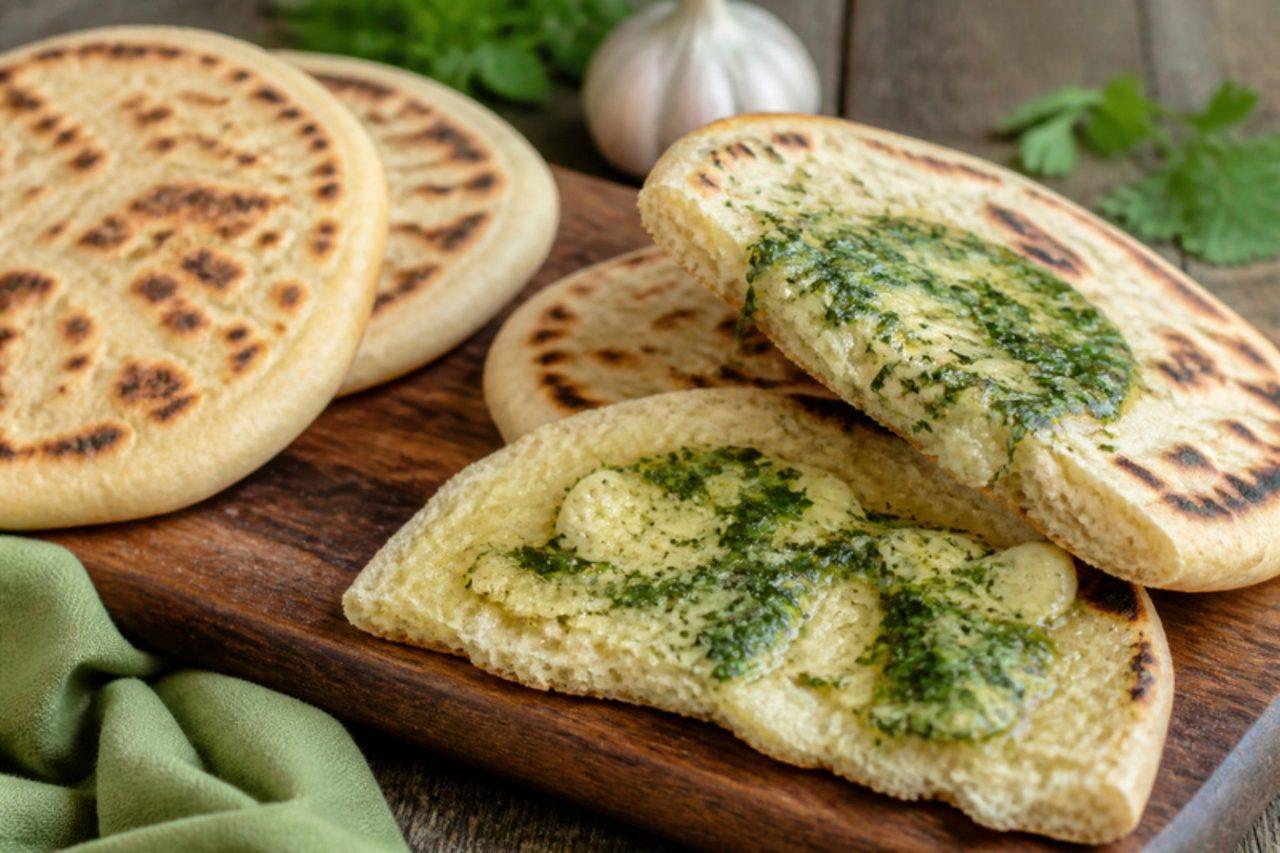
Bolo do cacoSweet potato flatbread with garlic butter

Every street stall at the Funchal flower festival and every village arraial on Madeira has a hot stone griddle going, turning out these flat, chewy rounds of bread made with sweet potato. They are split while hot, spread with garlic and parsley butter and eaten on their own, or stuffed with a skewer's worth of espetada. The name comes from the caco, the basalt slab they were first baked on, but a heavy frying pan does the job at home. Chef's tip: cook them low and slow; a hot pan burns the crust before the thick middle is done.

by KrazyBadal 0 views

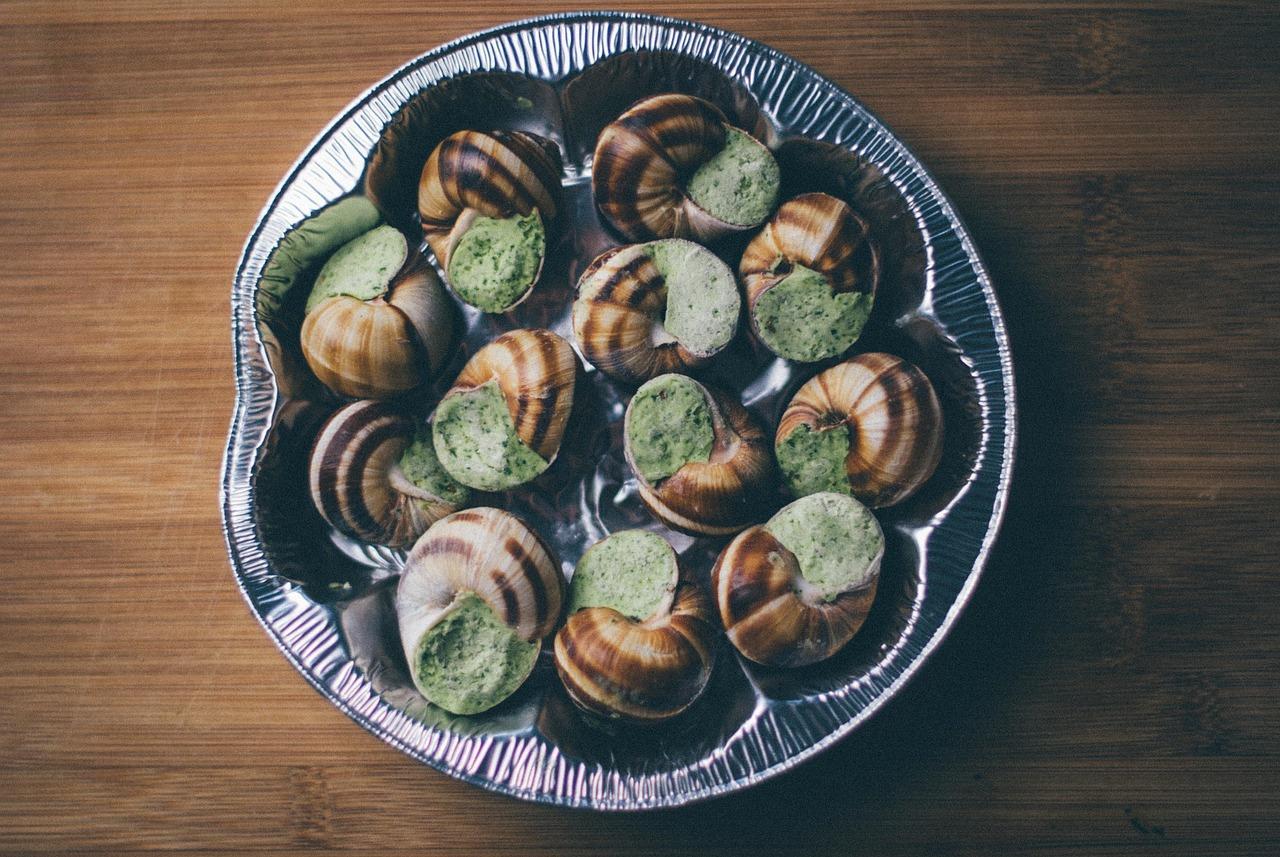
Escargots de BourgogneSnails in garlic parsley butter

Burgundy snails in green garlic butter are the festive starter of the Côte-d'Or, eaten at Christmas and New Year all over France and in Paris brasseries year round, served by the dozen in dimpled dishes. The snails themselves taste mild and earthy and have a pleasantly firm bite; the real attraction is the sizzling butter packed with garlic, shallot and parsley, mopped up with bread. Live snails need days of preparation, so this recipe uses ready-prepared tinned or jarred snails, with clean shells or snail dishes bought separately. Chef's tip: make the butter a day ahead so the garlic flavour deepens, and pack the shells well so the butter seals the snail in.

by KrazyBadal 0 views

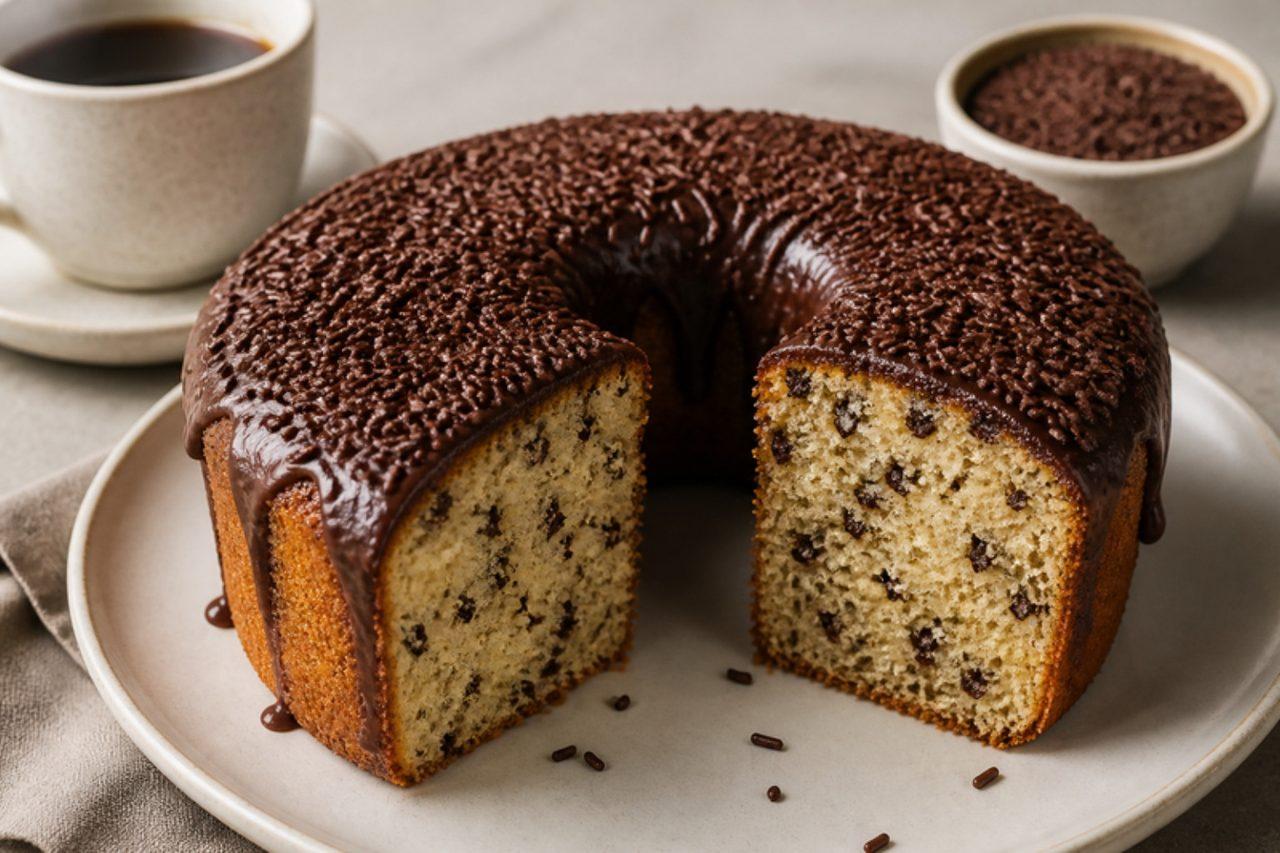
Bolo formigueiroVanilla sponge with chocolate sprinkles

Slice into a bolo formigueiro and the crumb is dotted with dark specks, like ants on a sandy anthill, which is where the name comes from. This is the cake a Brazilian kid would want at merenda time: a soft, buttery vanilla sponge with chocolate sprinkles (granulado) folded through, often finished with a simple chocolate glaze and more sprinkles on top. Padarias and lanchonetes from São Paulo to Belo Horizonte sell it by the slice with a coffee. The cake contains wheat flour, eggs and milk. People often stir the sprinkles into the batter at the start, so they melt and turn the cake muddy grey. Chef's tip: fold the sprinkles in last, with a light hand, and use the chocolate kind (not candy-coloured), which hold their shape in the oven.

by KrazyBadal 0 views

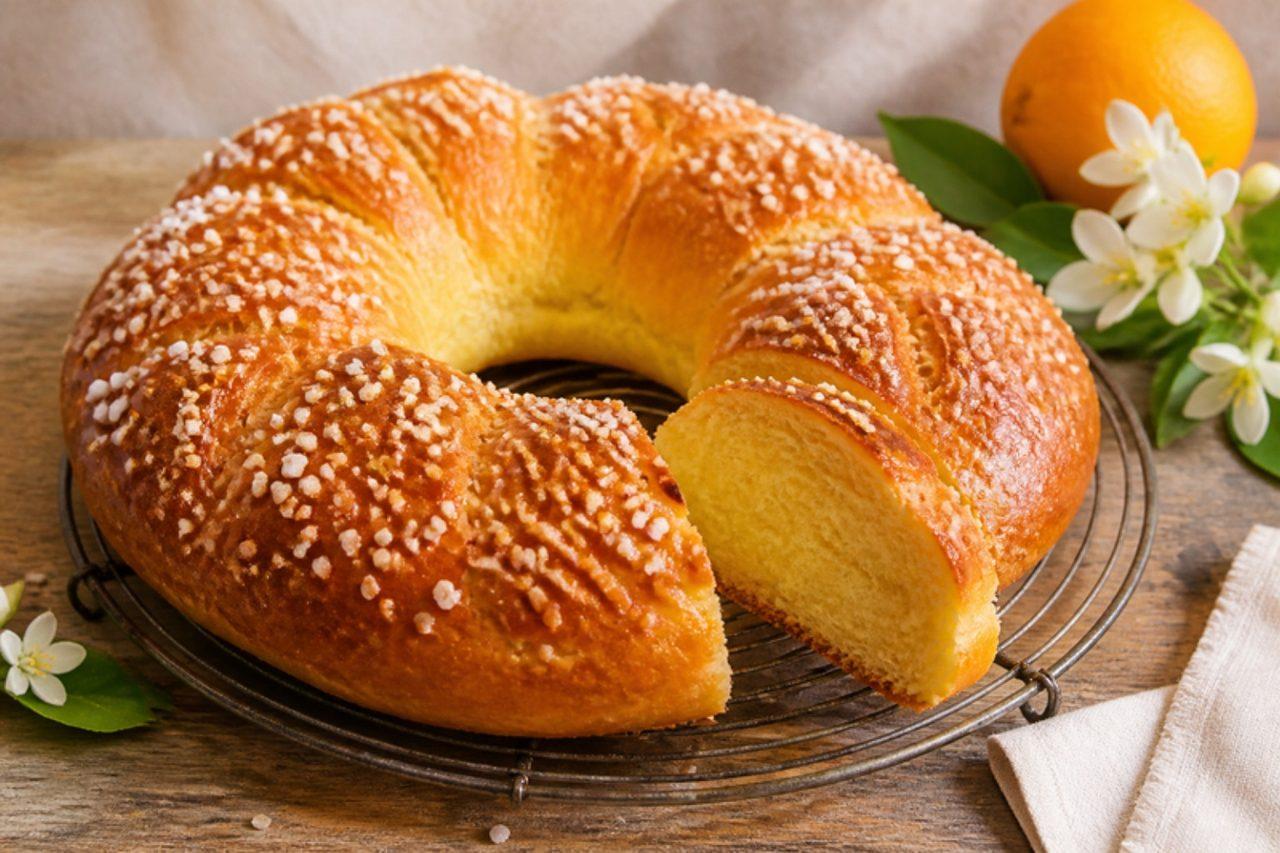
Fouace aveyronnaiseOrange blossom brioche crown

Every village fête in the Aveyron, the old province of Rouergue, has a baker selling fouace: a big golden brioche ring scented with orange flower water and topped with crunchy sugar, carried home in a paper bag to be torn up at breakfast or after Sunday lunch. Laguiole and Rodez bakeries are famous for it, and families bake one for Easter, weddings and christenings. It is softer and less buttery than a Paris brioche, with a light, cottony crumb. Chef's tip: let the shaped crown rise until it is puffy and a fingertip leaves a dent that springs back slowly; underproved fouace tears in the oven.

240 minFrenchBaking
by KrazyBadal 0 views

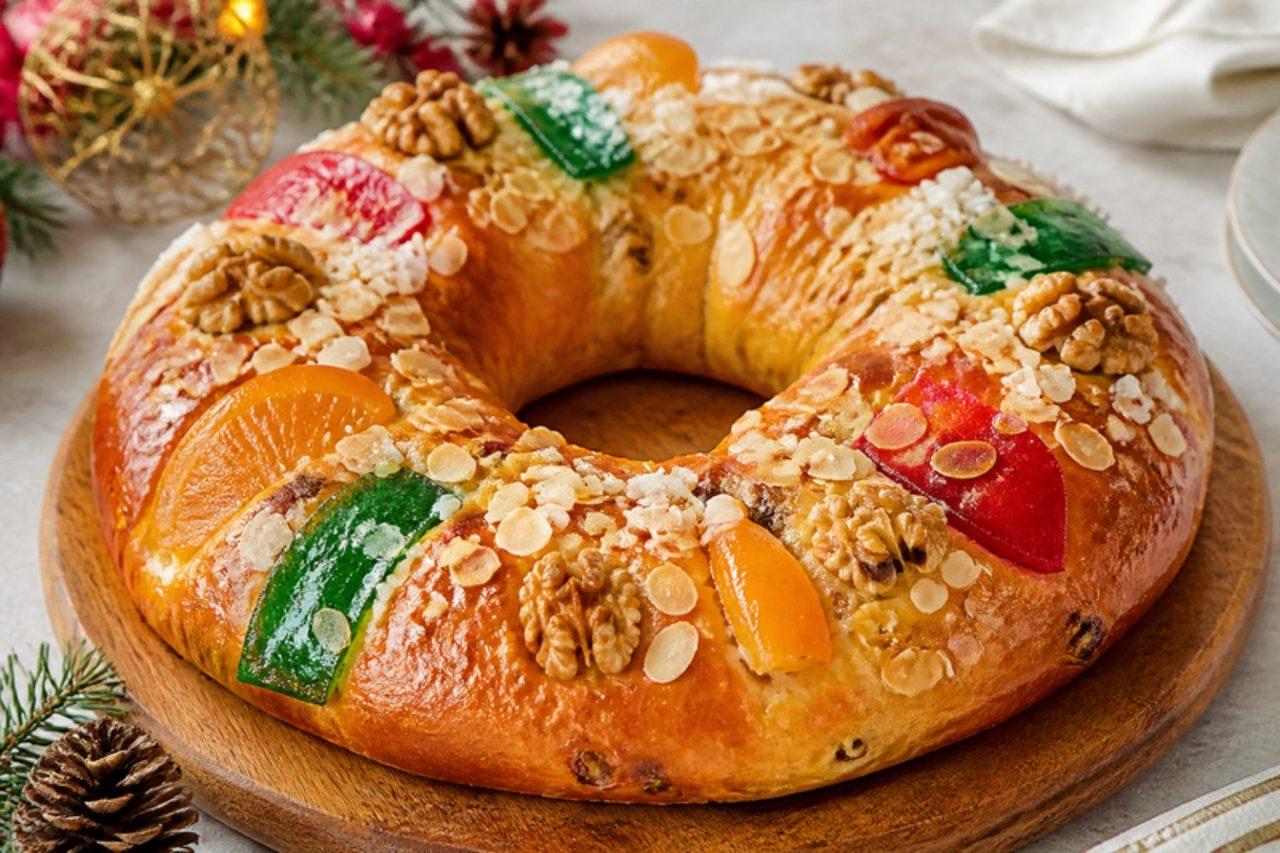
Bolo-reiCandied fruit and nut king cake

From early December to Twelfth Night every Lisbon pastelaria stacks its counter with these glossy rings, crowned with candied fruit and sugar, and families buy one for Christmas Eve and another for the Day of the Kings. A Lisbon confectioner brought the idea from France in the nineteenth century and it became the centre of the Portuguese Christmas table. Traditionally the raisins are soaked in port wine, which contains alcohol; orange juice works just as well. Old recipes hid a dried broad bean inside, and whoever found it bought next year's cake; we leave it out, as it is a choking hazard for children. Chef's tip: let the dough rise slowly in a cool place, even overnight in the fridge; the rich, buttery dough needs time to taste of anything.

by KrazyBadal 0 views

Bolo Souza LeãoCassava and coconut cake

Named after a sugar-planter family of nineteenth-century Pernambuco, this cake is closer to a set pudding than a sponge: fresh grated cassava, coconut milk, a clove-scented syrup, butter and a generous number of egg yolks, baked slowly in a water bath until glossy and firm. In Recife it is a centrepiece at weddings, christenings and Christmas, sliced thin and eaten at room temperature with coffee. The texture is smooth, slightly sticky and very rich, so a small piece is enough. Use only sweet cassava (aipim/macaxeira) and bake it fully; cassava must never be eaten raw. The mistake people make is not squeezing the grated cassava dry, which leaves the cake watery and grey in the centre. Chef's tip: strain the batter through a fine sieve before baking; it removes the fibres and gives that silky, flan-like slice.

by KrazyBadal 0 views

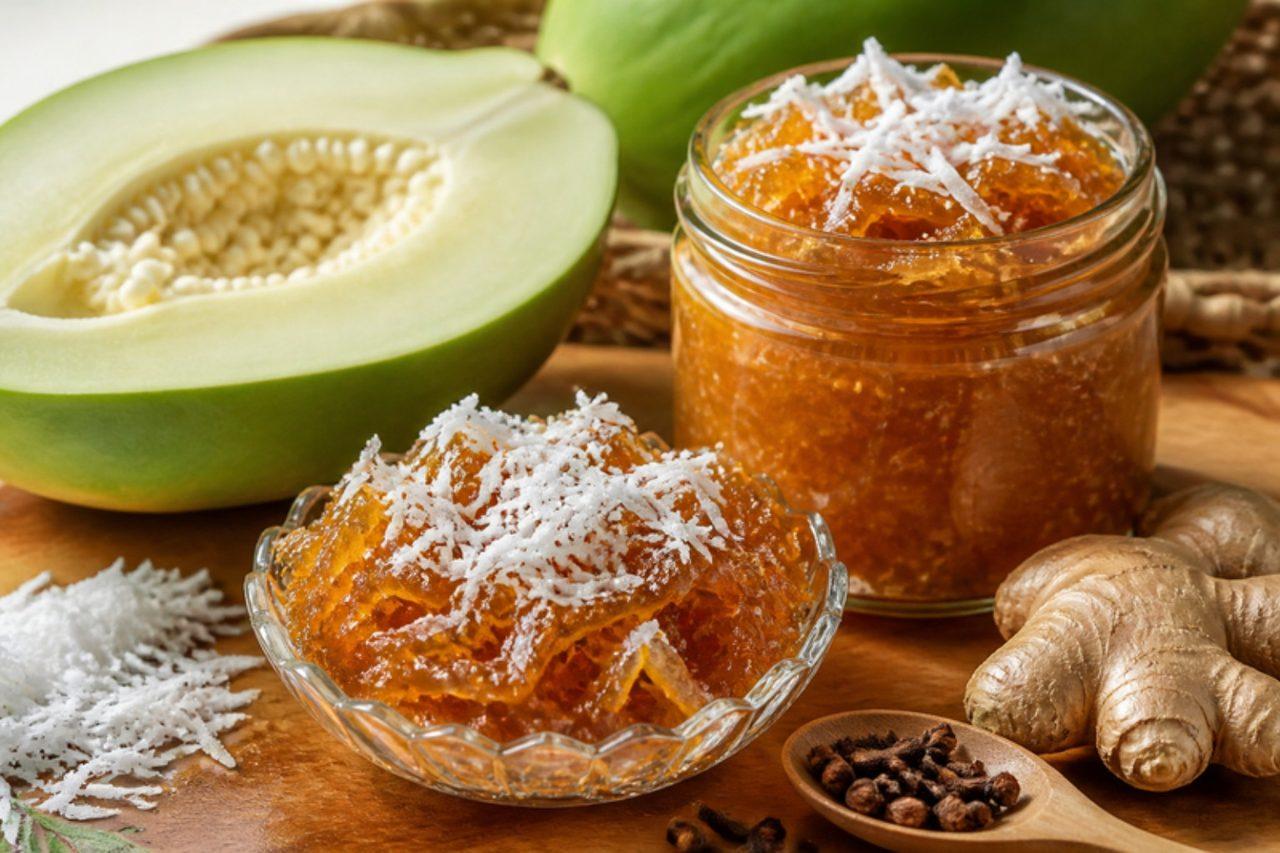
FurrunduGreen papaya and cane sugar sweet

Cuiabá's grandmothers have a sweet for every fruit, and furrundu is the one that turns an unripe papaya into something special. The green fruit is grated, squeezed and cooked slowly with rapadura (dark unrefined cane sugar), fresh ginger, cloves and cinnamon until it is dark brown, sticky and chewy, with a warm spice that lingers. It is sold in small pots at Cuiabá's Mercado do Porto and at festas de santo in Mato Grosso, eaten by the spoonful with a slice of fresh cheese or on its own. The mistake to avoid is skipping the rinse: green papaya oozes a milky latex that tastes bitter and can irritate the skin, so wear gloves and wash the grated fruit well. Chef's tip: stop cooking when you can drag a spoon across the bottom of the pan and see the base for a second; it firms up a lot as it cools.

by KrazyBadal 0 views

Bolos lêvedosSweet griddle muffins

In the steamy valley of Furnas, on São Miguel, bakers have been cooking these slightly sweet, lemon-scented muffins on flat griddles for generations, and visitors queue for them warm on the way to the hot springs. Thick, soft and pale with golden tops and bottoms, they are split and toasted for breakfast with butter, or used as buns for a sandwich. Chef's tip: the dough is very soft and sticky, so use oiled hands rather than more flour when shaping, or they turn dense.

by KrazyBadal 0 views

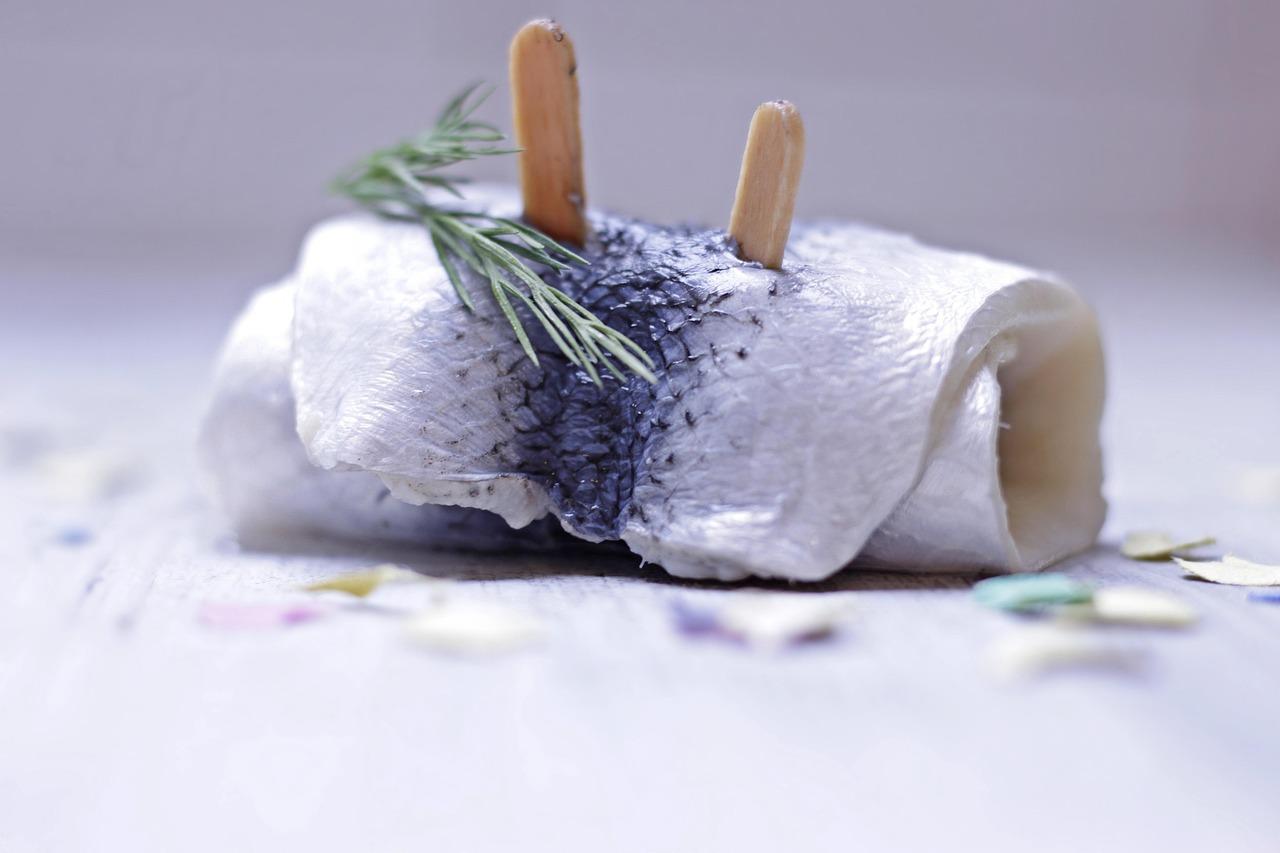
Rollmops

Rollmops are the pickled herring rolls of the North Sea and Baltic coasts, pinned with a wooden pick around gherkin and onion and kept in a jar of spiced vinegar; in Berlin and Hamburg they are the classic morning-after breakfast and a fixture of New Year's Day tables. Making them at home takes a week of fridge time but very little work. Because the fish is never cooked, use herring that has been frozen at −20 °C for at least 24 hours (most fresh 'sashimi-grade' or commercially frozen fillets qualify; ask your fishmonger), and keep everything chilled. Rollmops are not for pregnant women, young children or anyone with a weakened immune system. Chef's tip: let the jars rest a full five days; the vinegar needs that long to firm the flesh and soften the tiny bones.

60 minGermanFishGluten free
by KrazyBadal 0 views

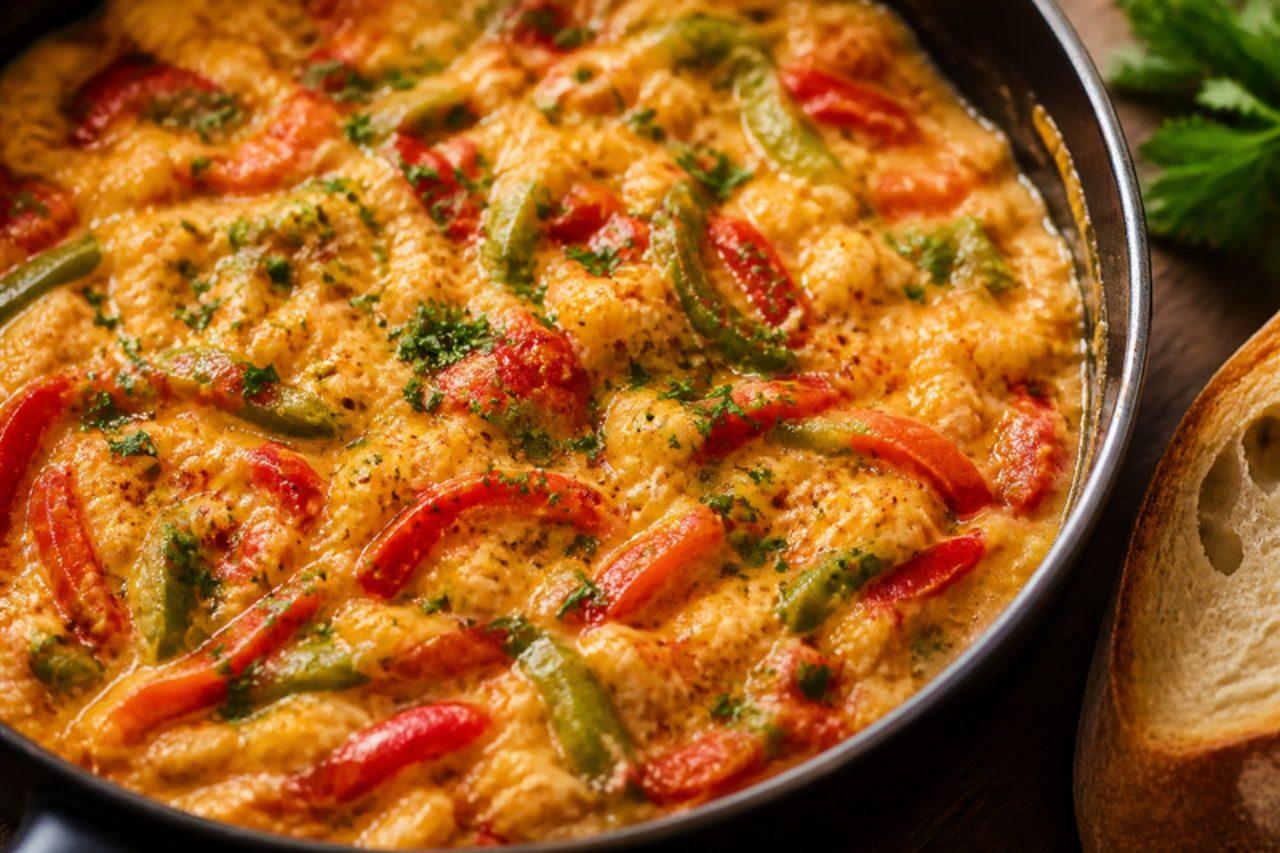
PiperadePepper and tomato stew

Red, white and green, the colours of the Basque flag, sit in one pan in piperade, the summer dish of Bayonne, Espelette and the villages of the French Basque Country. Green peppers, onions and ripe tomatoes are stewed in olive oil until soft and sweet, then warmed with the region's mild, fruity Espelette pepper. Basque families eat it at lunch with crusty bread, spooned beside rice, or with eggs softly scrambled into it; restaurants often add a slice of Bayonne ham, which this version leaves out. Chef's tip: cook it slowly and let the liquid reduce; a good piperade is jammy, not watery.

by KrazyBadal 0 views

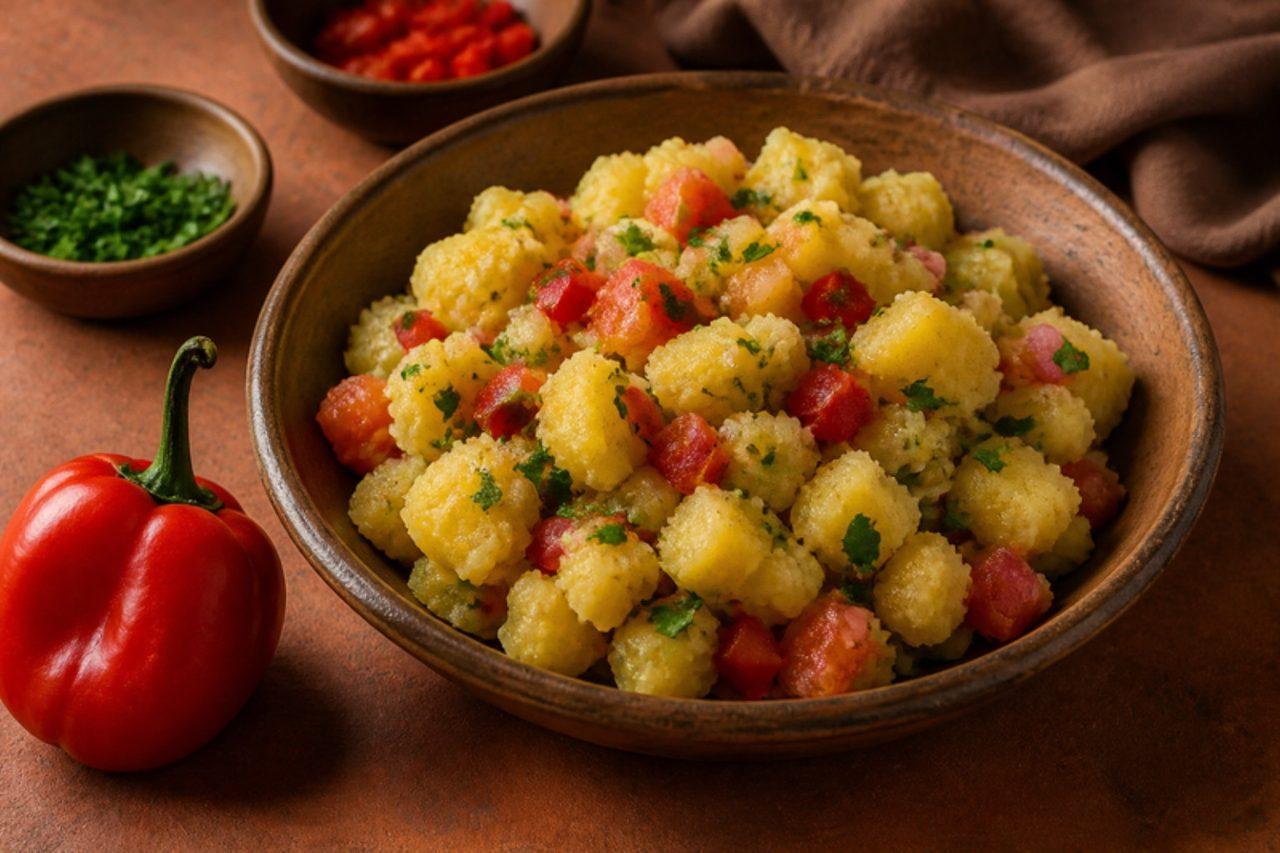
EscribanoCrushed potato salad with rocoto

Mid-morning in Arequipa's traditional picanterías, before the big plates come out, regulars order escribano: a bowl of warm yellow potato crushed with a fork and drenched in rocoto, ripe tomato, vinegar and oil. Local lore says it was a snack for the court clerks (escribanos) who worked nearby, and it is still eaten as a sharp, spicy wake-up with a glass of chicha or a soft drink. The texture should be rough and juicy, somewhere between a salad and a mash, with the red chilli bright against the potato. Don't purée it: overworked potato goes gluey and loses the chunks that hold the dressing. Rocoto is fiercely hot, so start with half and taste. Serve it alone with crusty bread, or beside fried cheese or grilled vegetables. Chef's tip: dress the potatoes the moment they are drained and peeled, while they are steaming, so they drink in the vinegar.

by KrazyBadal 0 views

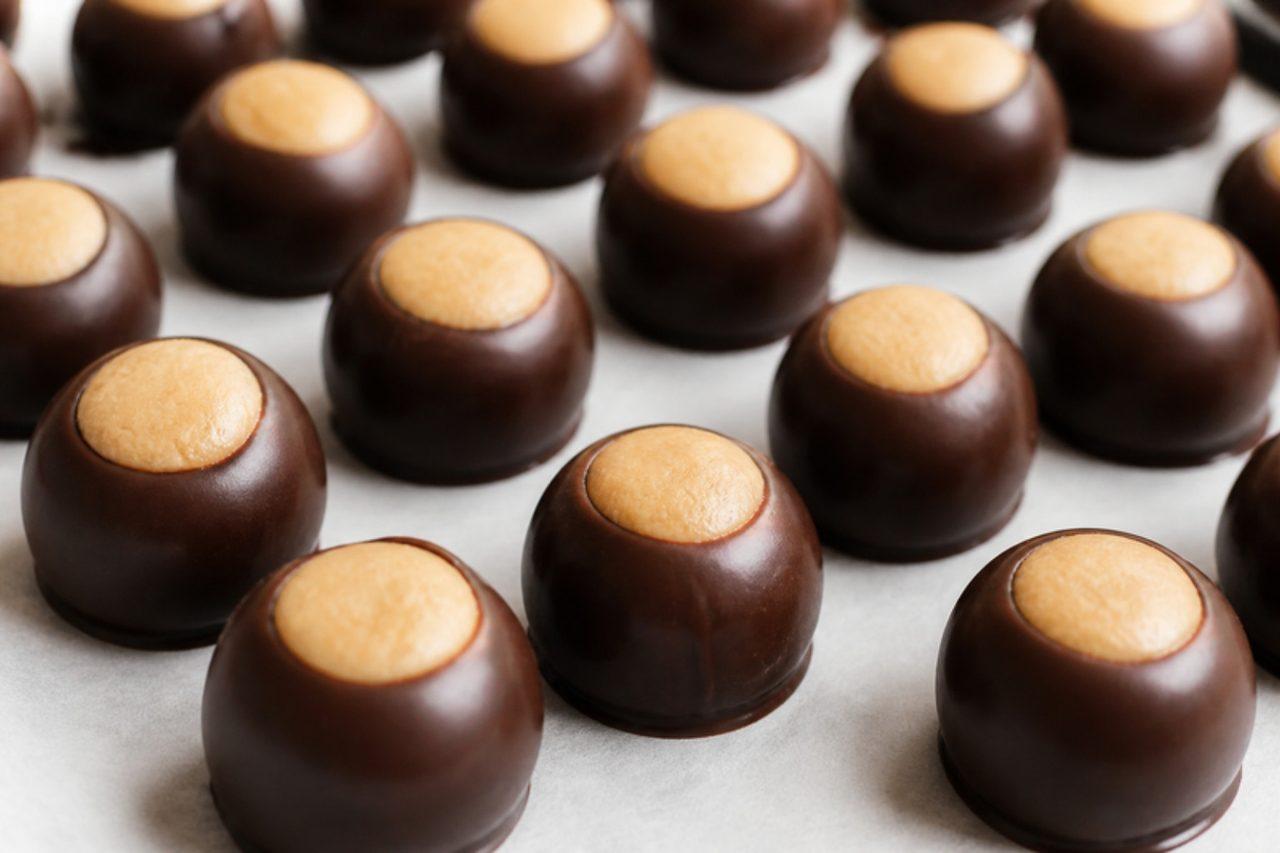
Ohio buckeyes

Buckeyes are the sweet of Ohio, made by the tray for Christmas cookie swaps and for Ohio State football parties, because they look like the glossy brown nuts of the state's buckeye tree. A firm, sweet peanut butter fondant is rolled into balls and dipped in chocolate, leaving a pale circle on top. Chef's tip: freeze the balls for 20 minutes before dipping; warm ones slide off the stick and muddy the chocolate.

by KrazyBadal 0 views

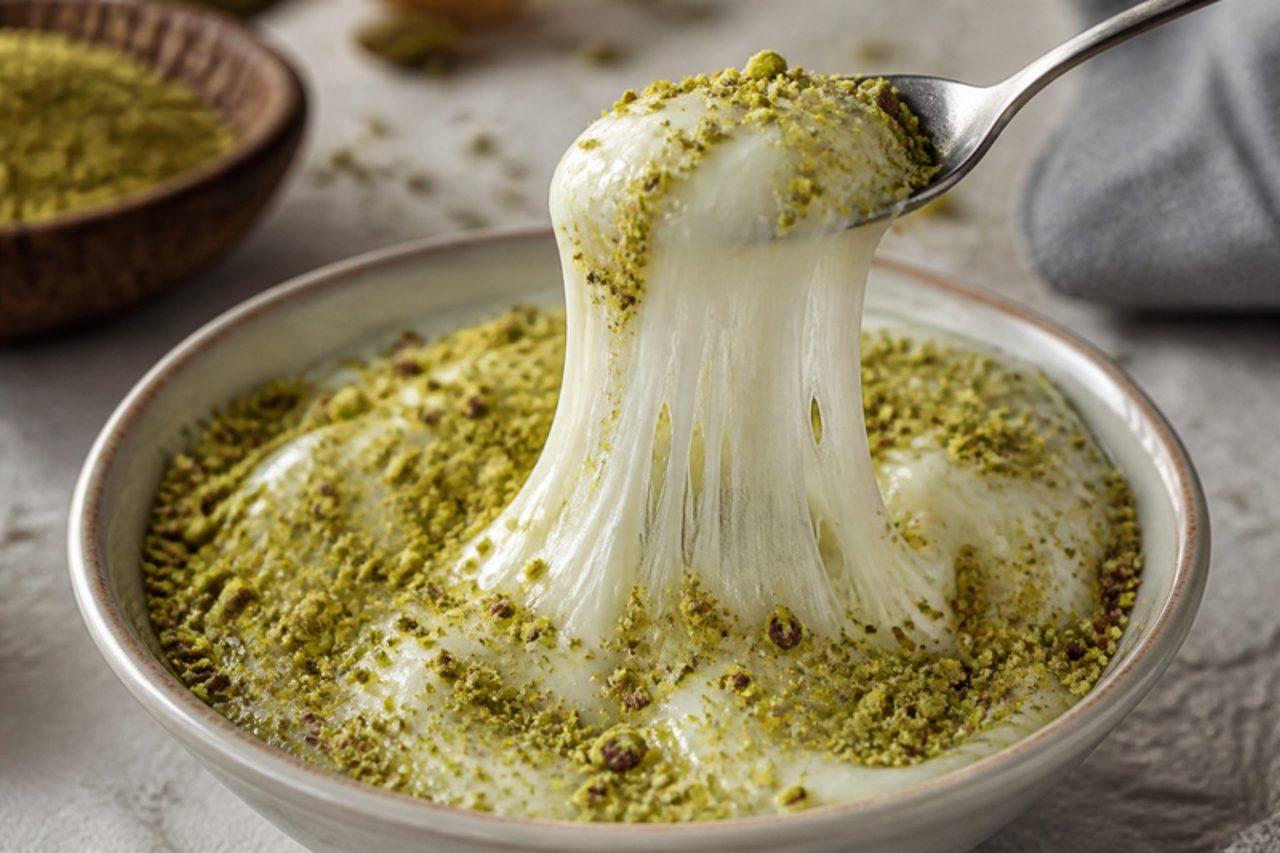
BoozaStretchy mastic ice cream

In the covered Hamidiyeh souk in Damascus, men pound booza in frozen metal drums with long wooden pestles, and the thump of the mallets is part of the show. The ice cream is milky, chewy and elastic, thanks to sahlab (orchid-root flour) and mastic, then rolled in crushed pistachios. This home version thickens the milk with sahlab powder or cornflour and beats it as it freezes to get that stretch. Serve in scoops or slices, plain or with a spoon of rose syrup. Common mistake: grinding the mastic alone, which turns gummy; always pound it with a spoonful of sugar. Chef's tip: real sahlab gives the true chew, but a mix of cornflour and a pinch of guar gum gets very close.

by KrazyBadal 0 views

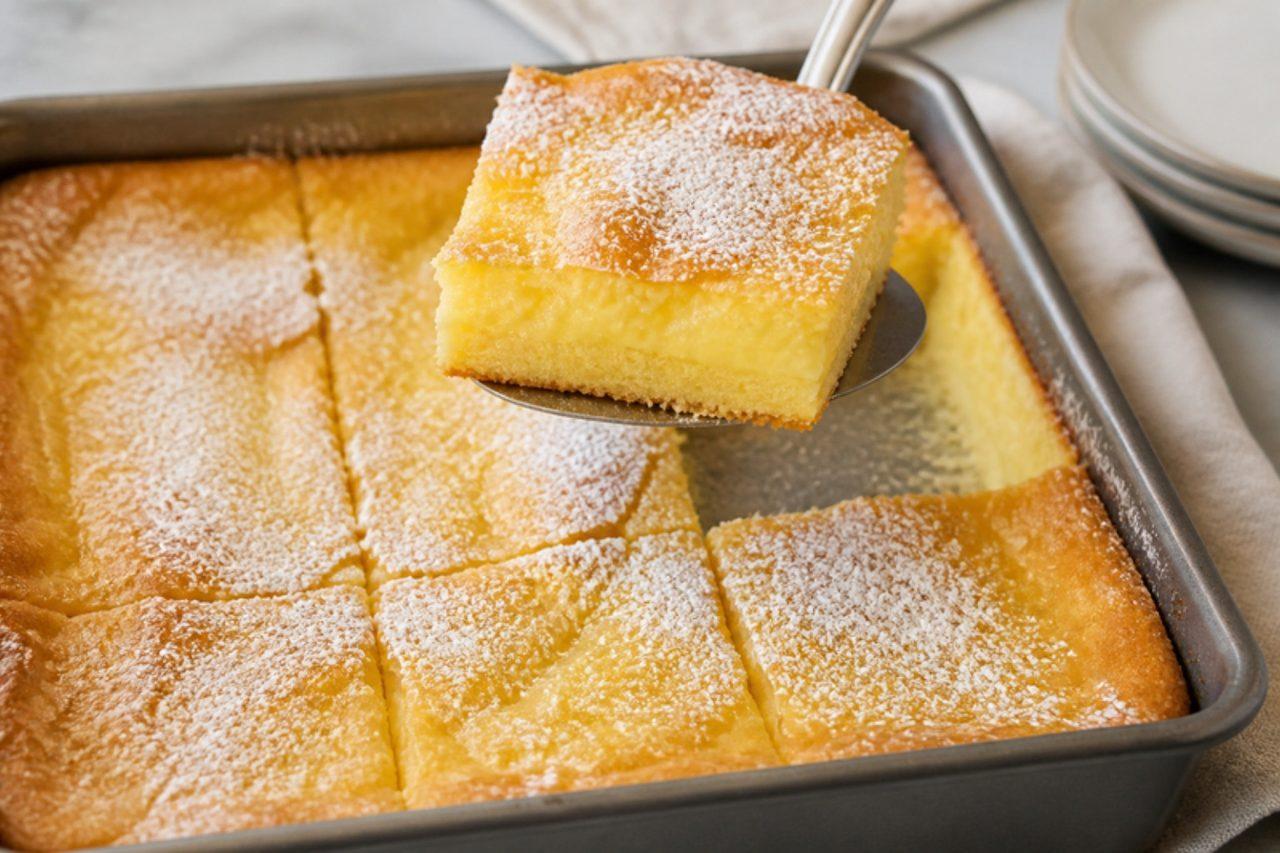
St. Louis gooey butter cake

Gooey butter cake is a St. Louis institution, sold in squares at south-side German bakeries and baked for church coffee hours and Christmas mornings. Legend says a baker in the 1930s got his proportions wrong and the mistake sold out. A thin, chewy yeast-free cake base is covered with a sweet cream cheese and butter layer that bakes into a crackly, shiny top over a gooey middle. Chef's tip: take it out while the centre still jiggles; the goo is the point, and an overbaked one is just a sweet sponge.

by KrazyBadal 0 views

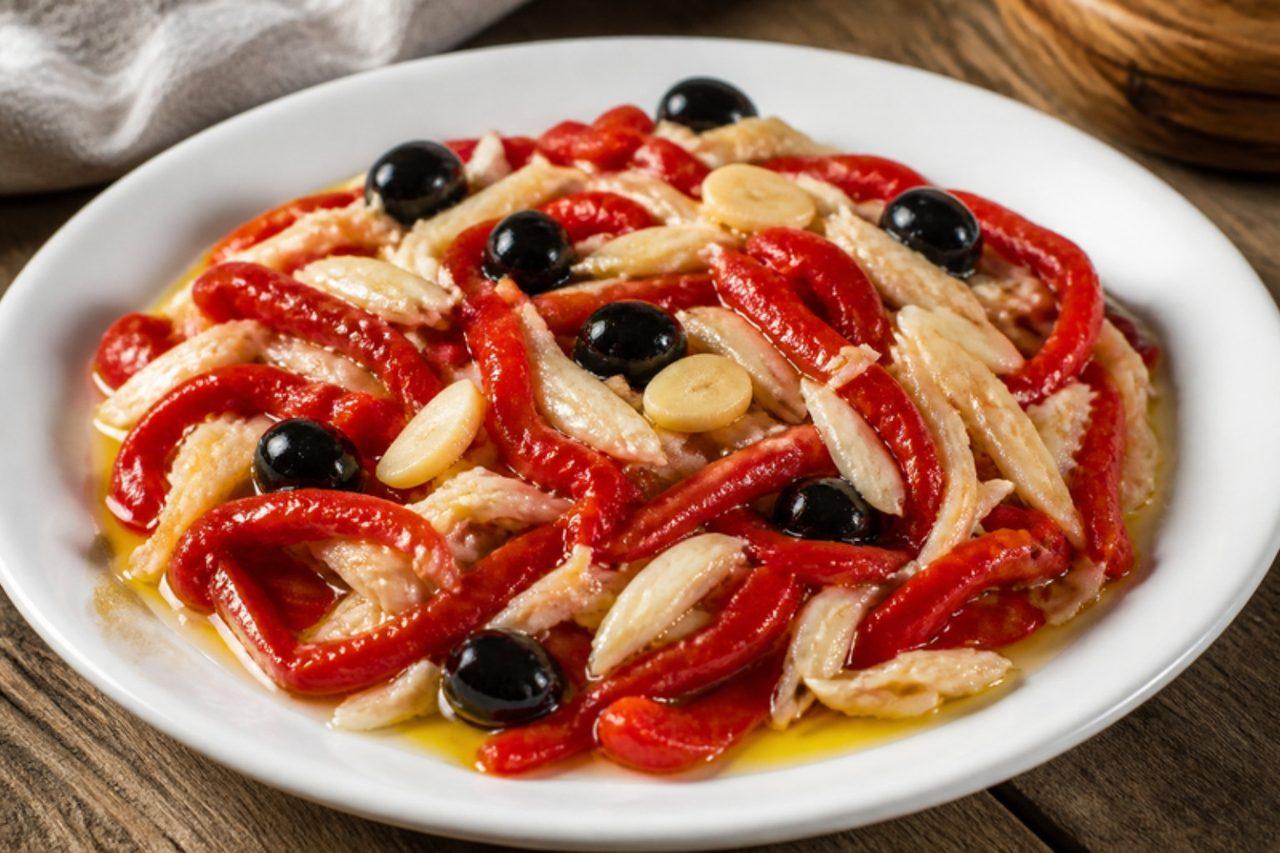
EsgarraetRoast pepper and salt cod salad

Esgarraet means "torn", and that is the whole technique: red peppers are roasted until soft and sweet, then pulled into strips by hand and layered with shredded salt cod, garlic and plenty of olive oil. Valencia's bars put it out as a tapa with crusty bread, and families make a big dish of it to pick at before a summer paella. Traditionally the cod is only desalted, not cooked, which means it is raw cured fish. That version is not for pregnant women, young children or anyone with a weakened immune system; this recipe gently poaches the cod first, which keeps it tender and makes it safe for everyone. A common mistake is rinsing the roast peppers under the tap to peel them; you wash away the sweet juices. Chef's tip: make it a day ahead; the peppers and cod drink up the garlicky oil overnight.

by KrazyBadal 0 views

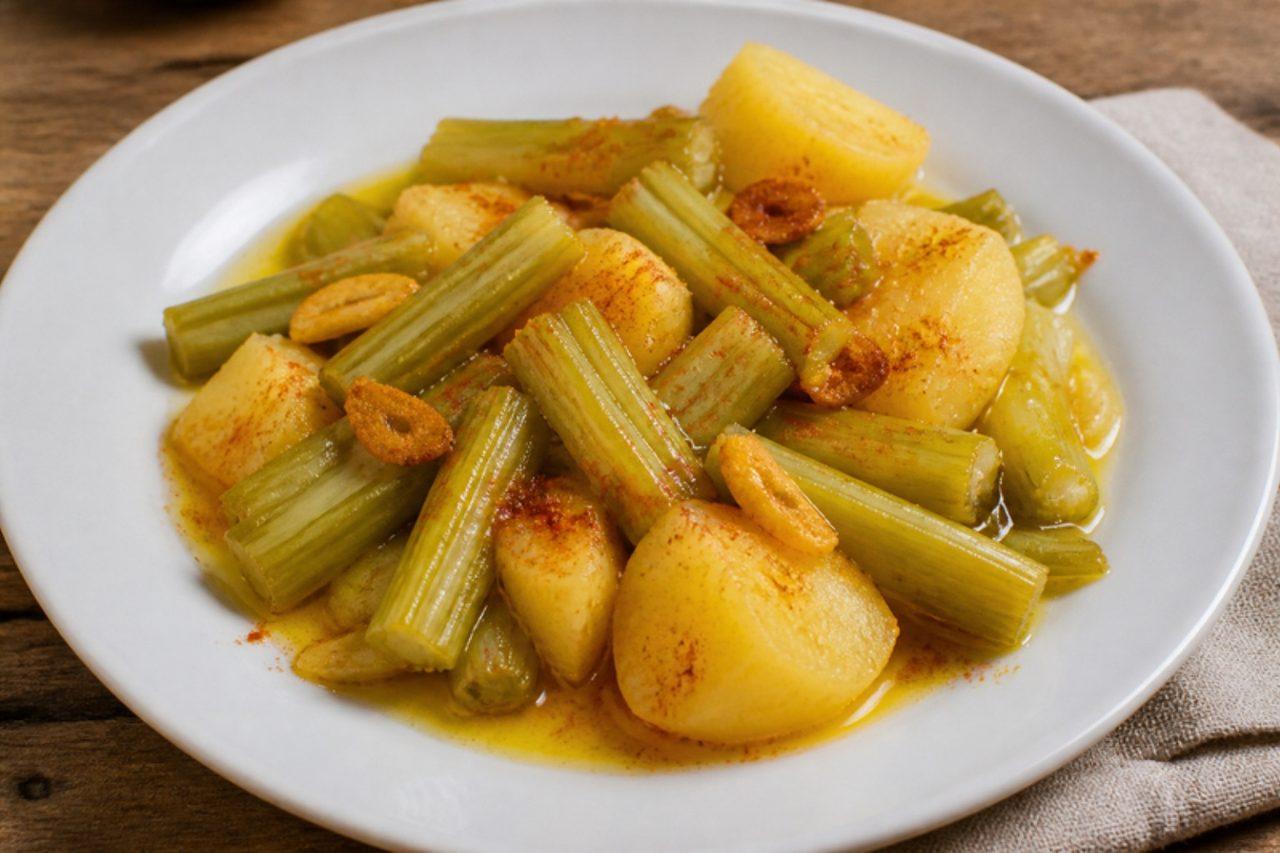
Borraja con patatasBorage and potatoes with garlic oil

Borage grows all along the Ebro valley, and in Zaragoza it is almost a point of pride: markets sell bundles of the thick, hairy stalks from autumn to spring, and borraja con patatas is a weeknight supper in thousands of Aragonese homes. Boiled until tender, the stalks taste mild and green, a little like a cross between cucumber and chard, and the floury potatoes soak up a simple dressing of olive oil and fried garlic. It is vegan and gluten free. A common mistake is skipping the cleaning: the fine hairs and stringy outer fibres must come off, or the dish feels prickly. If you can't get borage, chard stalks are the closest stand-in. Chef's tip: fry the garlic in the oil slowly, off a high flame, and pour it over sizzling hot so it sings when it hits the vegetables.

by KrazyBadal 0 views

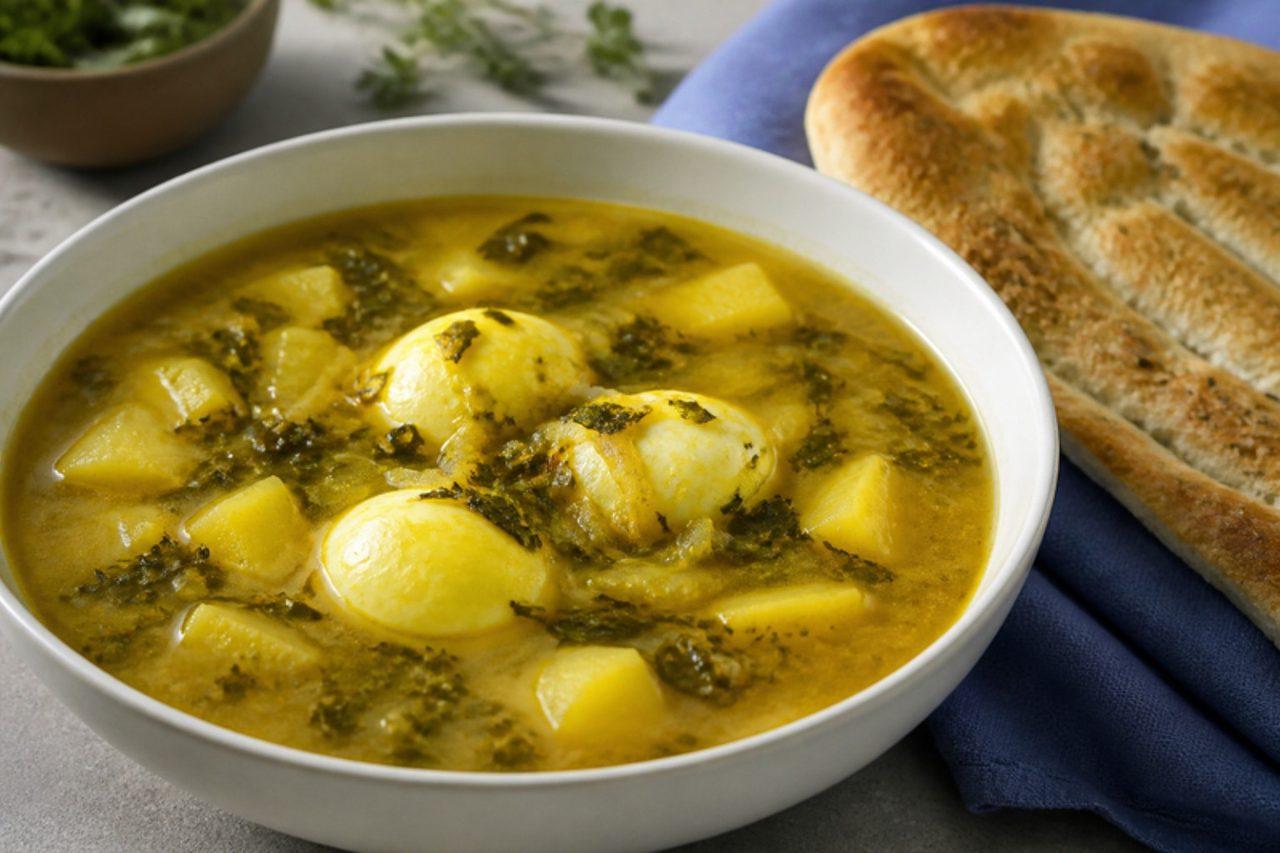
EshkenehOnion, fenugreek and egg soup

Eshkeneh is the soup of the cold north-west, cooked in Tabriz kitchens on winter evenings when there is little in the house but onions, eggs and dried fenugreek. The onions are fried very slowly until sweet and brown, a spoon of flour and turmeric thickens the broth, and eggs are dropped in to poach at the end; a little sour from lemon or dried sour cherries balances it. Azerbaijani families crumble barbari or lavash into their bowls so the bread soaks up the broth. A common mistake is rushing the onions, which leaves the soup thin and harsh rather than mellow and golden. Chef's tip: add the dried fenugreek with the flour, not before, because it scorches quickly and turns bitter.

by KrazyBadal 0 views

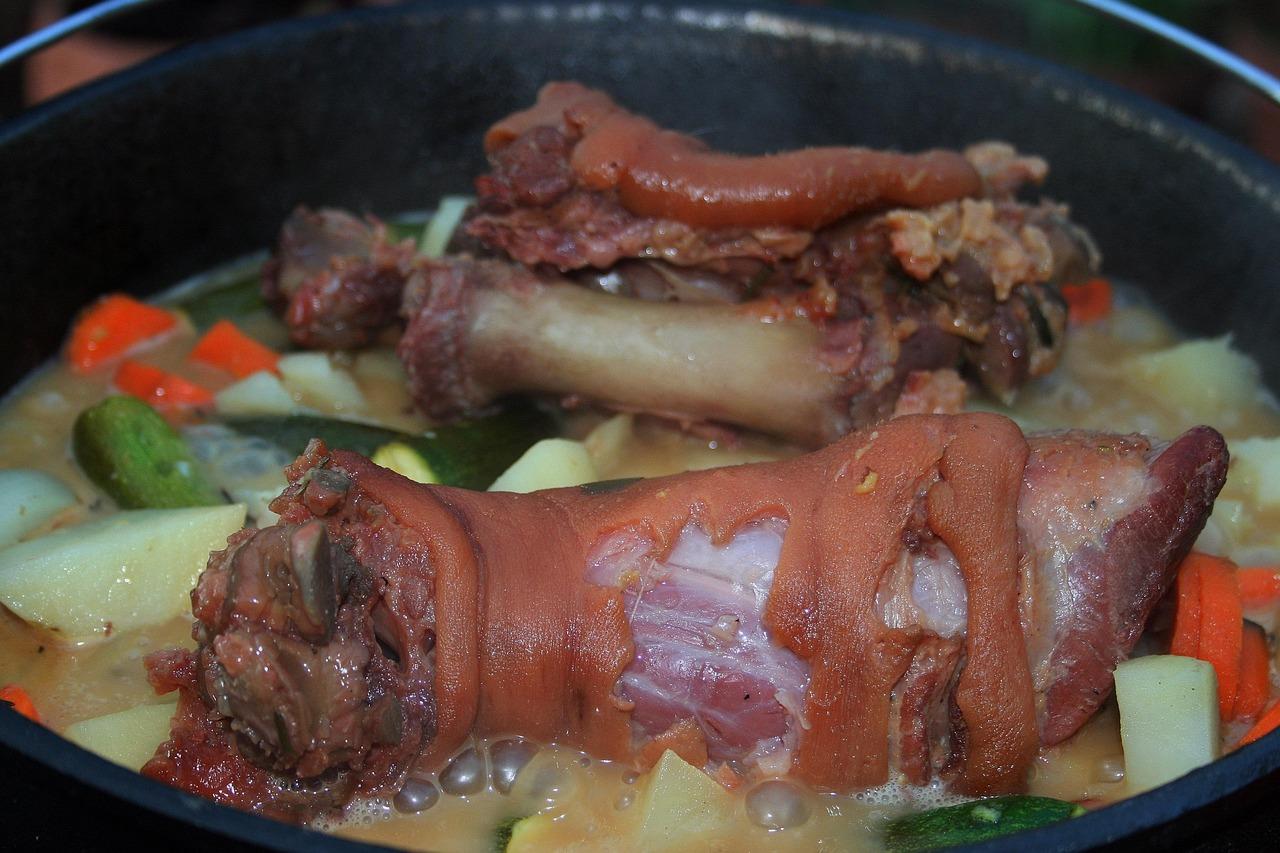
EisbeinCured pork knuckle

Eisbein is old Berlin pub food, the cured pork knuckle served in Kneipen across the city with a mound of yellow pease pudding (Erbspüree) and sauerkraut, and it is especially popular in the cold months. Unlike the Bavarian roast Haxe, this pork knuckle is pickled in brine by the butcher and then simmered slowly, so the meat turns pink, tender and gently salty and the rind stays soft. Order a cured ("gepökelt") knuckle from a German or Polish butcher. Chef's tip: soak the knuckle in cold water for a few hours first if your butcher's cure is strong; taste a little of the simmering water after 30 minutes and change it if it is very salty.

180 minGermanMeatGluten free
by KrazyBadal 0 views

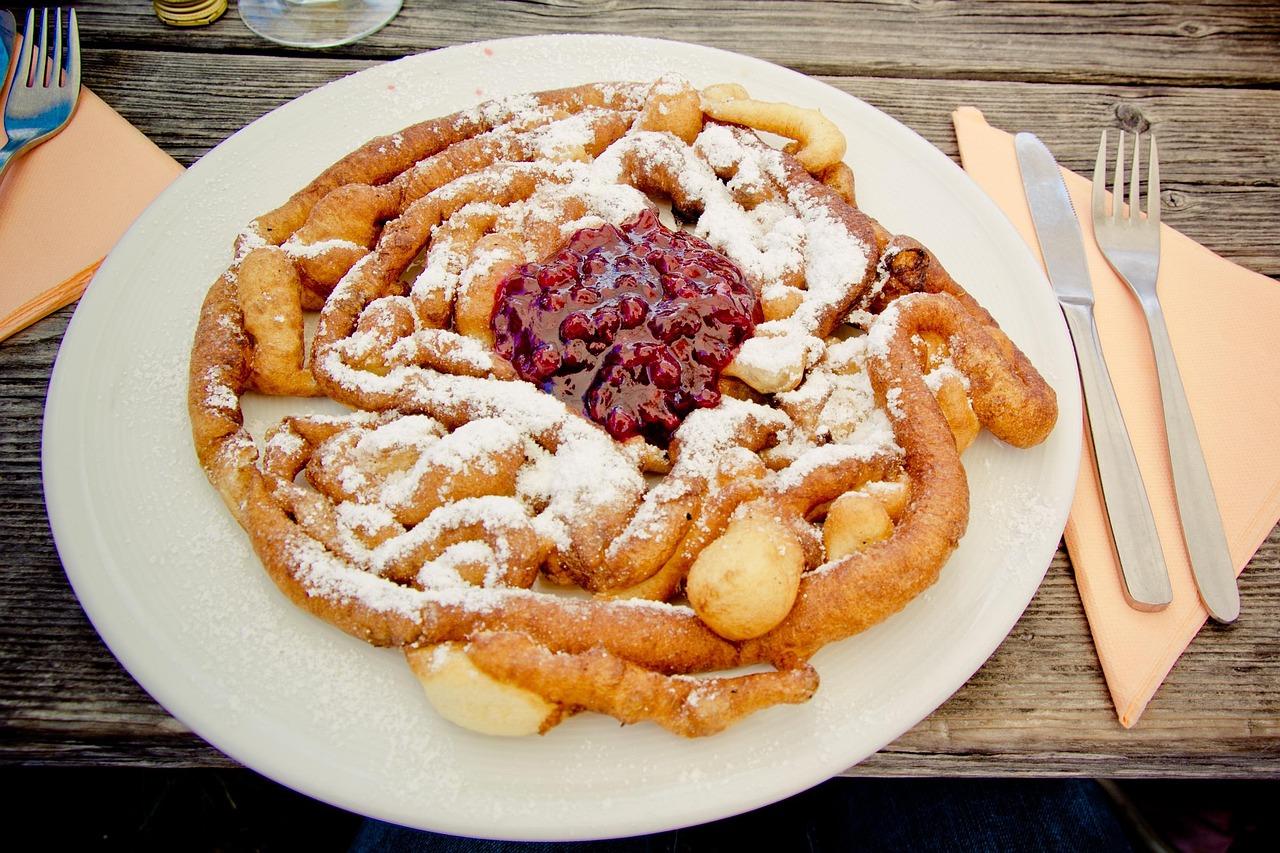
Funnel cake

Funnel cake started in Pennsylvania Dutch kitchens and became the smell of every American county fair and boardwalk, from the Kutztown Folk Festival to the Jersey shore. A thin batter is poured through a funnel in loops into hot oil, so it fries into a crisp, lacy, golden nest that you tear apart with your fingers under a snowfall of icing sugar. Chef's tip: keep your finger over the funnel until it is right over the oil, then move in quick overlapping circles from the centre out.

by KrazyBadal 0 views

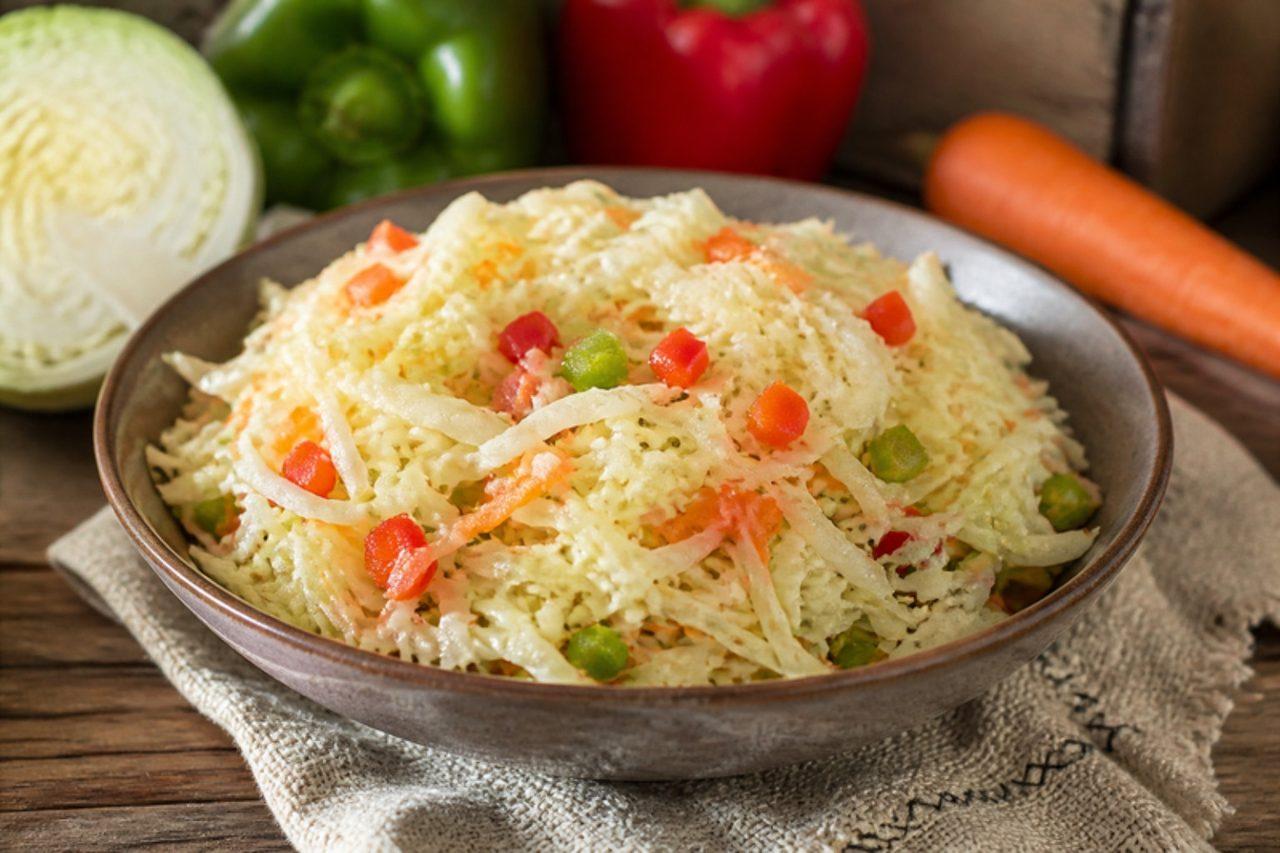
Pepper cabbage

Pepper cabbage is the oil-free, vinegar-dressed slaw served alongside chicken pot pie and roast pork dinners in Berks and Lancaster counties, and at fire-hall suppers all over south-eastern Pennsylvania. Finely shredded cabbage is tossed with sweet peppers, celery seed, sugar and vinegar, so it is crisp, cold and sweet-sharp. Chef's tip: shred the cabbage as fine as you can; thick ribbons never soak up the dressing.

by KrazyBadal 0 views

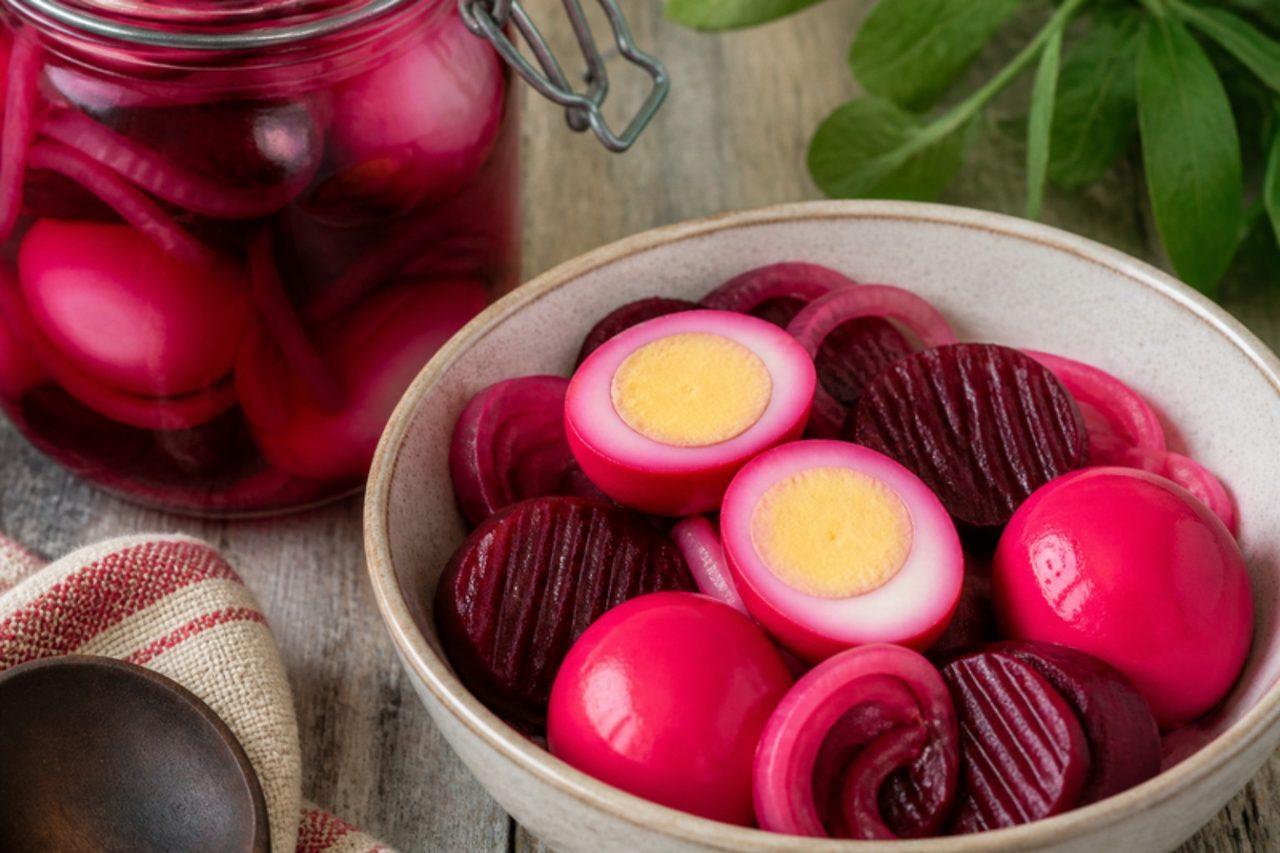
Pickled red beet eggs

Red beet eggs are on the table at every Pennsylvania Dutch church picnic and Easter lunch, a jar of shocking-pink eggs sitting in the same sweet-sour brine as the pickled beets. The whites take on colour and tang from the outside in, while the yolks stay creamy. Slice them on a salad or eat them whole with a pinch of salt. Chef's tip: two days in the brine gives a thin pink ring; leave them four days for colour almost to the yolk.

by KrazyBadal 0 views

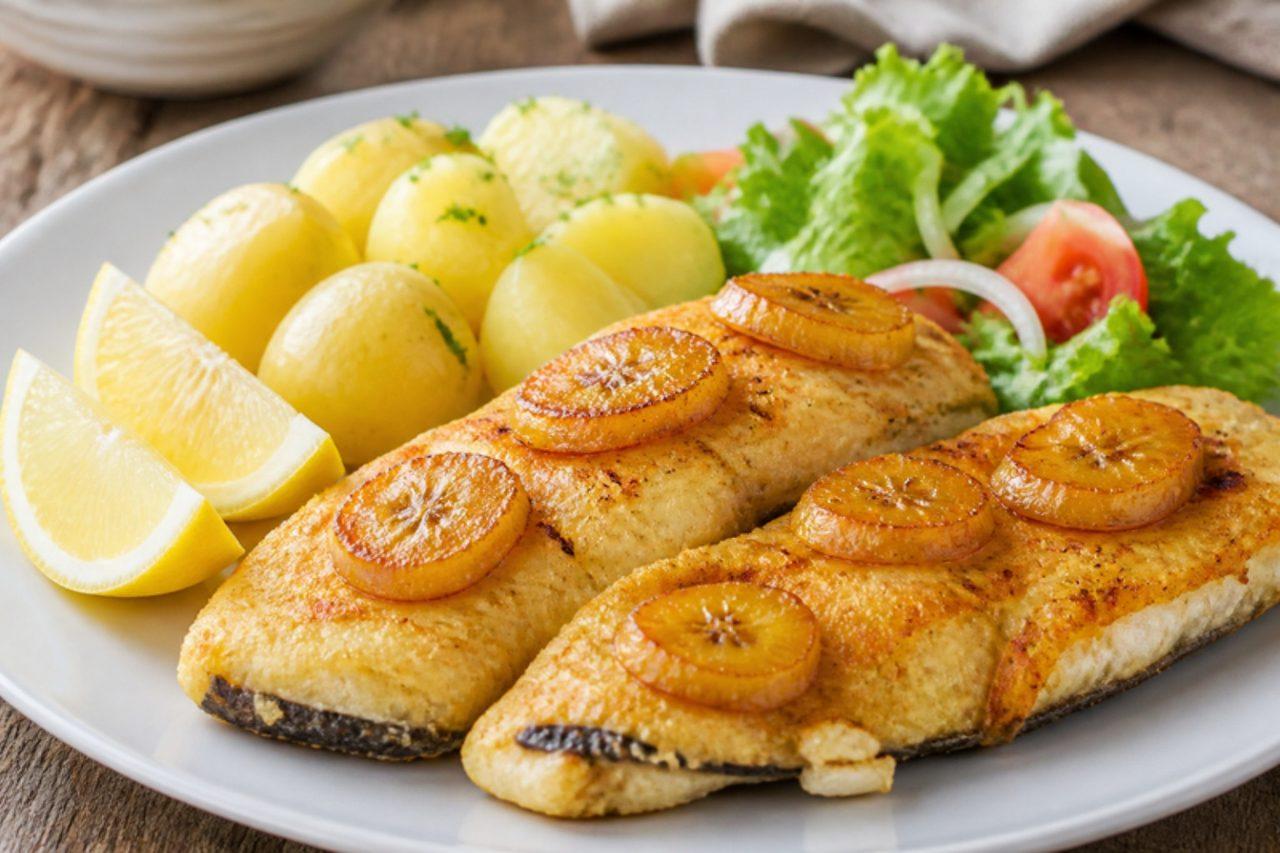
Espada com bananaFried scabbardfish with banana

The long, black, sharp-toothed espada is caught at great depth off Madeira at night, and the Funchal fish market sells it every morning. Its white, tender fillets are eaten everywhere on the island, most famously dipped in egg and fried, then crowned with slices of the small, sweet local banana fried in butter. Black scabbardfish is hard to find elsewhere; hake, ling or cod fillets work well. Chef's tip: pat the fish completely dry before flouring it, so the egg coating clings and fries crisp.

by KrazyBadal 0 views

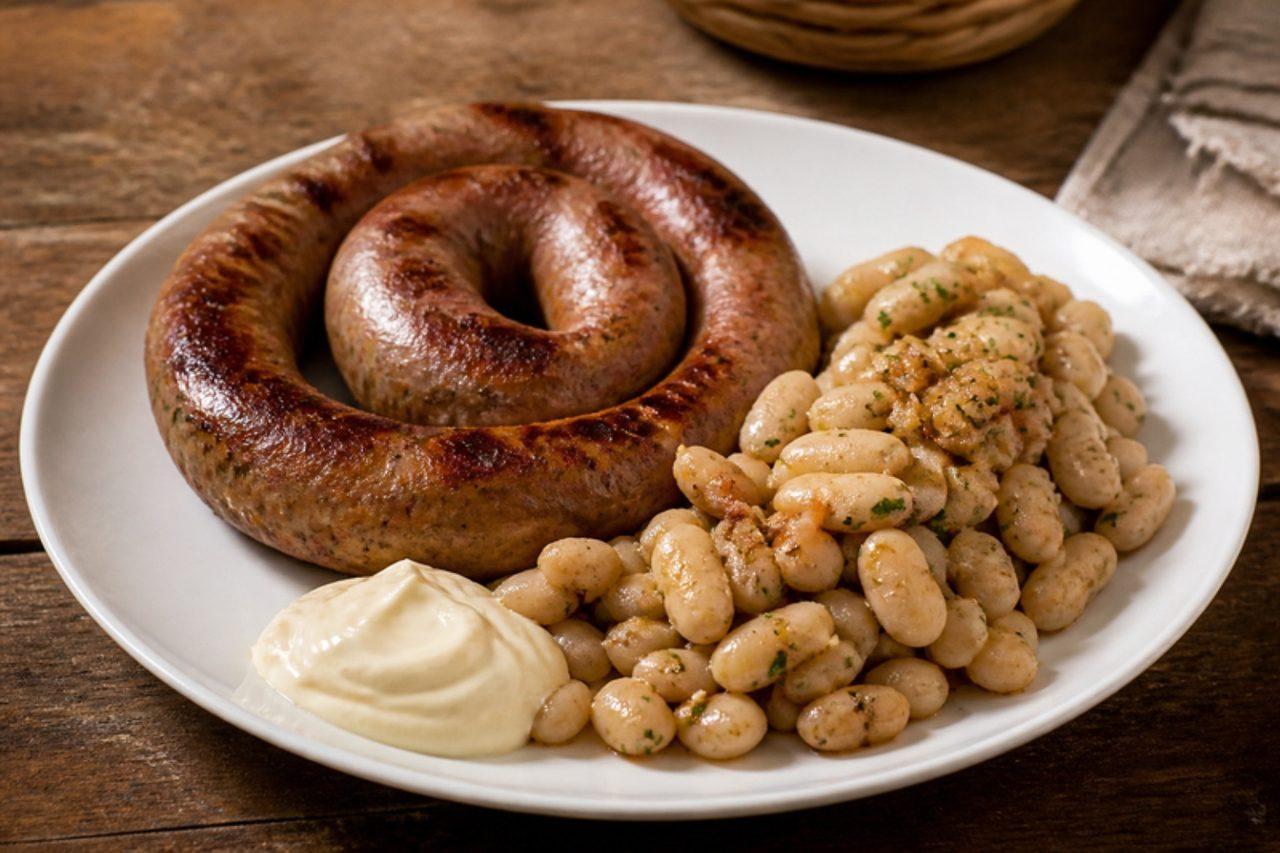
Botifarra amb mongetesPork sausage with white beans

This contains pork (botifarra sausage). Ask in any Barcelona neighbourhood restaurant for the most Catalan plate on the menu and you will probably get this: a coil of grilled botifarra, a fresh pork sausage seasoned with little more than salt and pepper, beside white beans sautéed with garlic and parsley until crisp at the edges. It is everyday lunch food, and often comes with allioli. If you cannot find botifarra, use coarse, plain fresh pork sausages. Chef's tip: let the beans sit untouched in the hot pan for a minute between stirs, so some of them catch and crisp.

by KrazyBadal 0 views

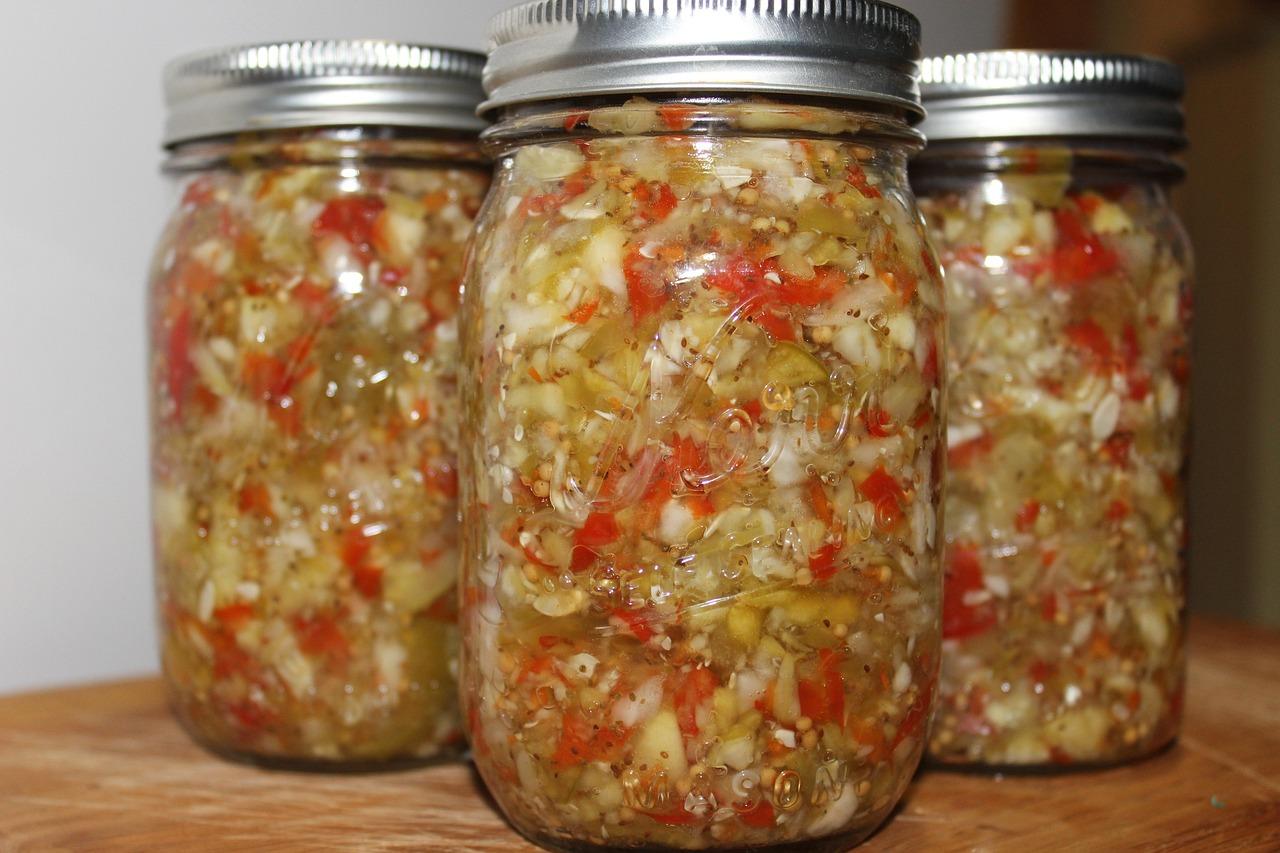
Pennsylvania Dutch chow-chow

Chow-chow is the end-of-summer pickle of Pennsylvania Dutch kitchens, a way of using up the last beans, peppers, cauliflower and green tomatoes before the frost. It is one of the 'seven sweets and seven sours' set out on Lancaster farm tables, bright with mustard seed and turmeric, sweet and sharp, and good with cheese, bean dishes and sandwiches. Chef's tip: cut every vegetable to roughly the size of a kidney bean so it cooks evenly and looks right in the jar.

by KrazyBadal 0 views

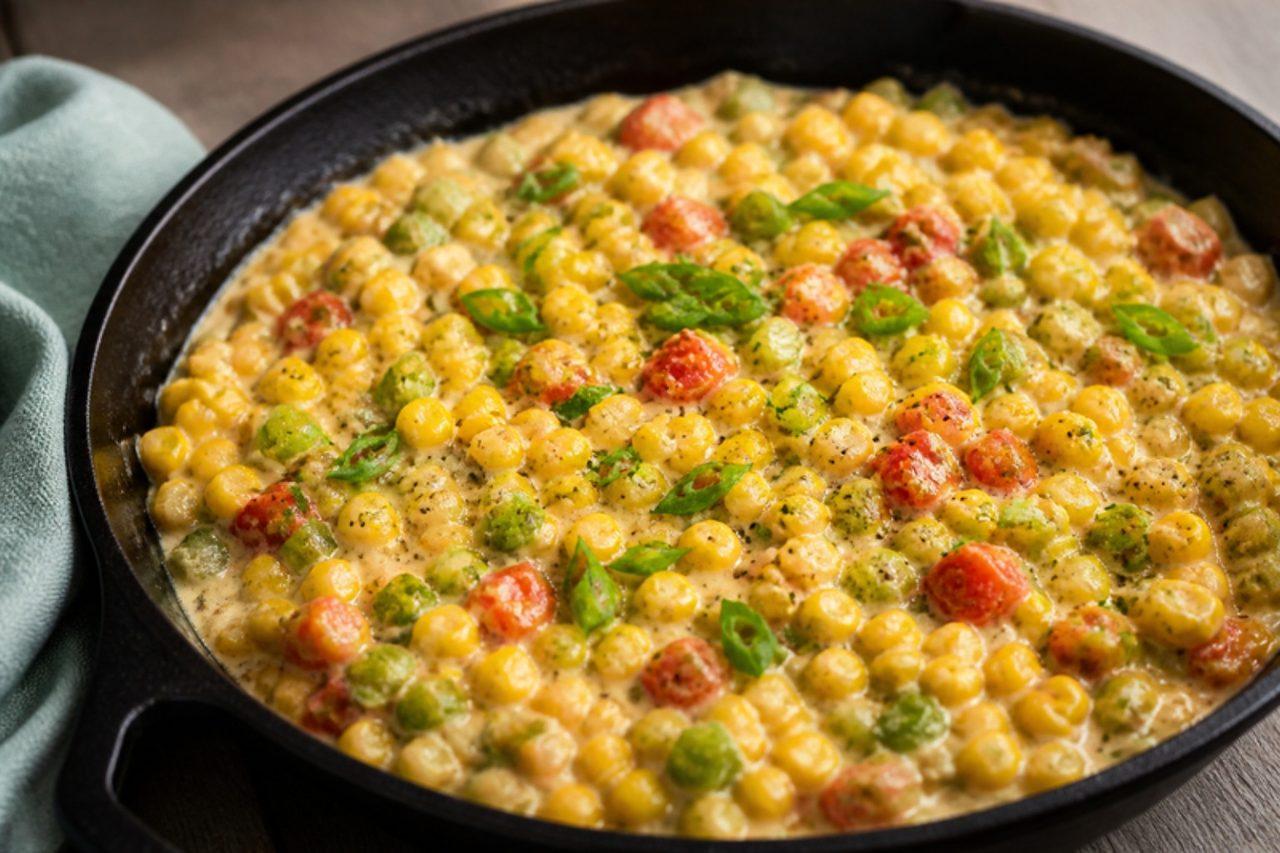
Cajun maque choux

Maque choux (say 'mock shoe') is a Cajun side of fresh corn smothered with the 'holy trinity' of onion, celery and green pepper, made in the bayou country of south-west Louisiana when the corn comes in during June and July. Cooks scrape the cobs for their milk and simmer everything with butter and a splash of cream until sweet and silky. Many add bacon; this version is meat-free. Serve with rice and beans or grilled vegetables. Chef's tip: let the corn catch slightly on the bottom of the pan before stirring; those browned bits are the flavour.

by KrazyBadal 0 views

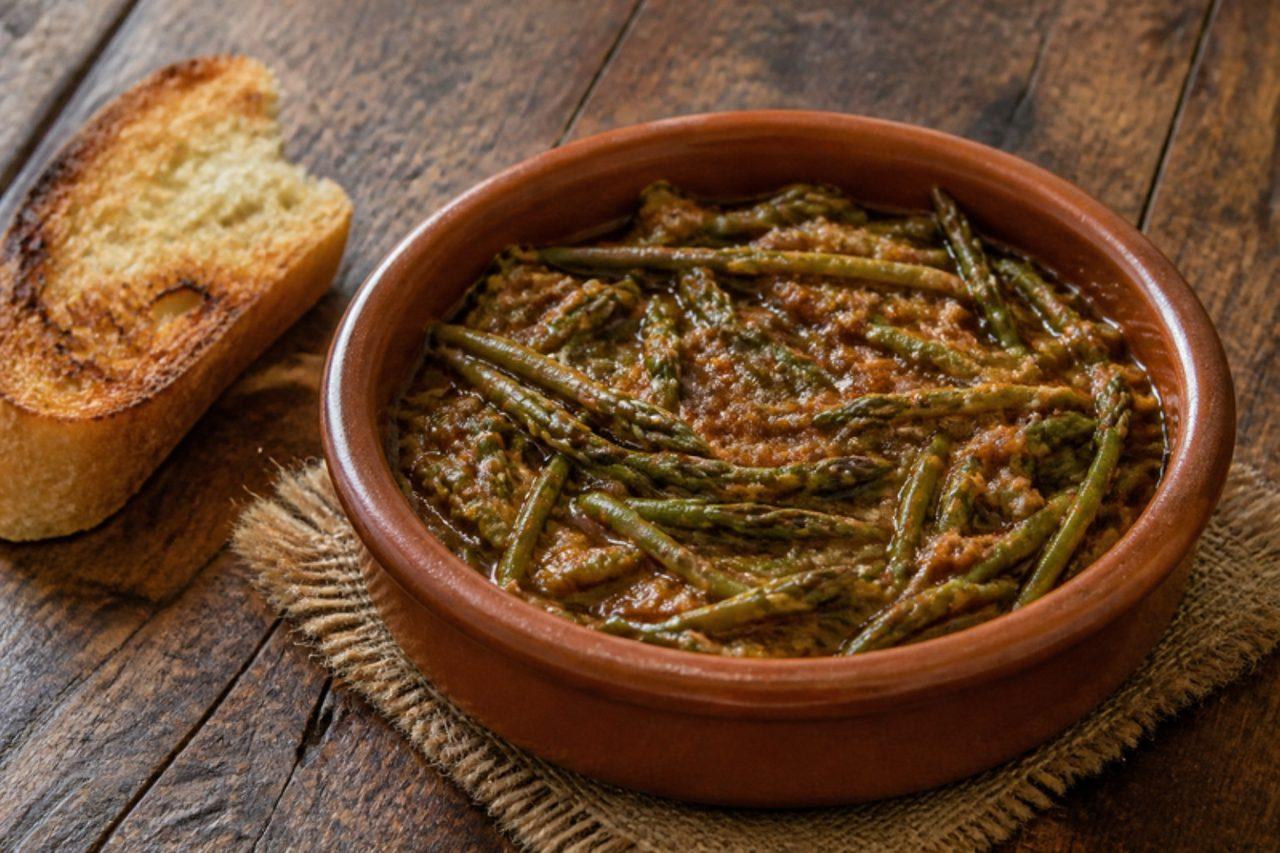
Espárragos trigueros esparragadosWild asparagus with fried bread

From March to May, families around Granada and Córdoba walk the field edges gathering thin, bitter wild asparagus, and the classic way to cook the haul is esparragados: simmered in a sauce of pounded fried bread, garlic, cumin and paprika, with an egg poached on top. Thin green asparagus from the shop works well too. The sauce should be thick enough to hold the egg. Chef's tip: pound the bread and garlic while still warm from the pan; they break down into a smooth paste far more easily.

by KrazyBadal 0 views

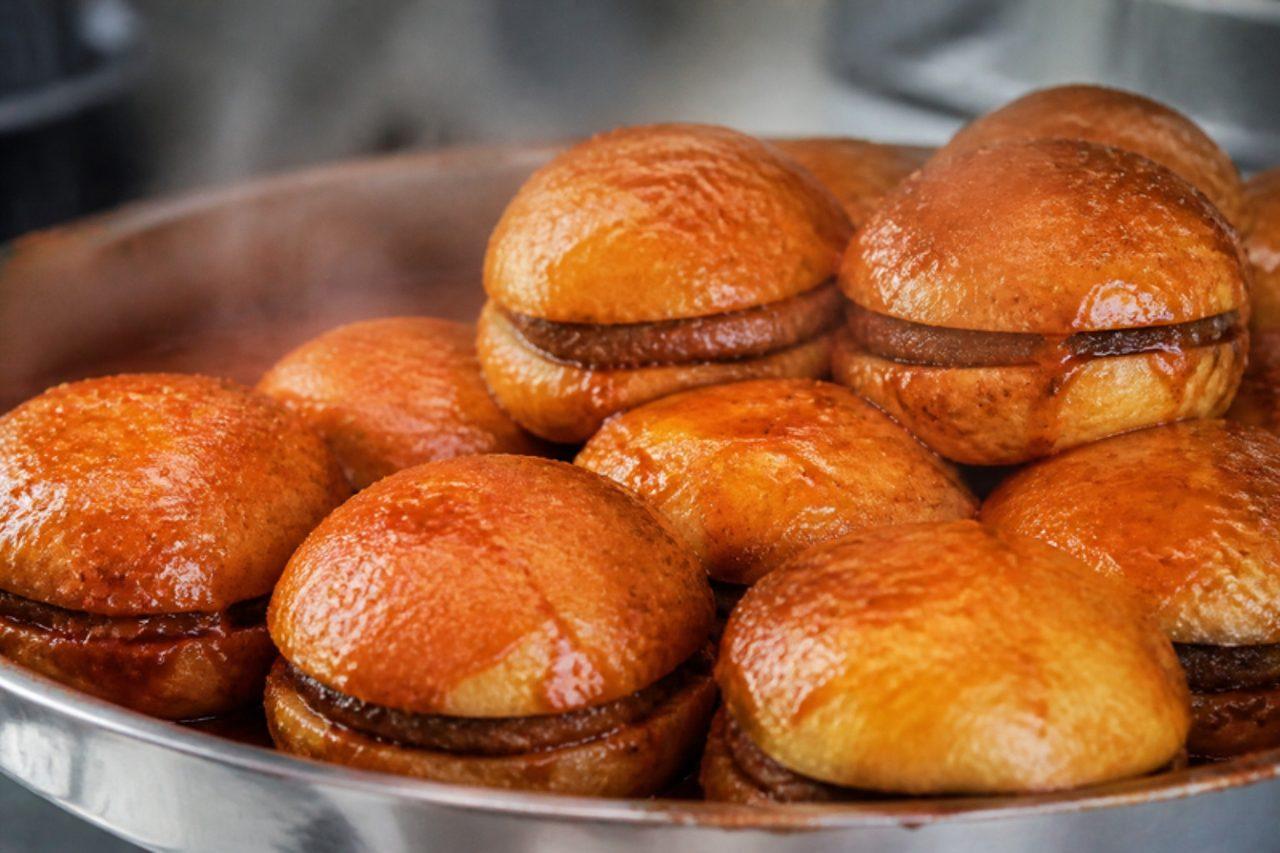
Islak burgerSteamed garlic tomato burger

In the windows of the snack bars on Taksim Square, little burgers sit in a steaming glass box, their buns soaked in a garlic and tomato sauce: the ıslak, or 'wet', burger, eaten by the half-dozen at 3 a.m. after a night out on İstiklal. The beef patty is thin and spiced, the bun turns soft and juicy, and the whole thing is gone in four bites. At home a covered pan does the job of the steam box. Chef's tip: use a soft, slightly sweet bun; crusty rolls stay hard and just get soggy at the edges.

by KrazyBadal 0 views

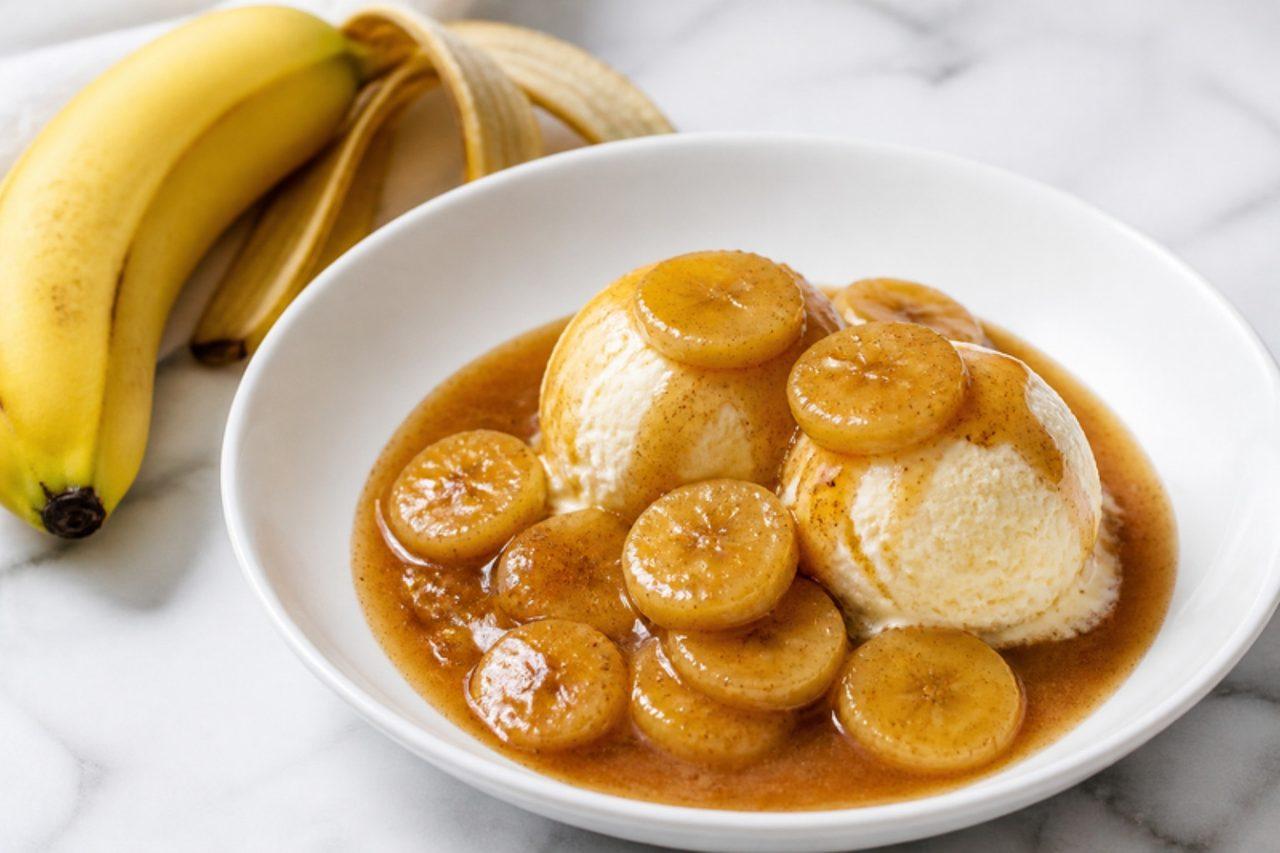
Bananas Foster

Bananas Foster was invented in the 1950s at a family restaurant in the French Quarter, when New Orleans was the main port for bananas from Central America, and it is still flamed at the table there for birthday dinners. Bananas are cooked in butter, brown sugar and cinnamon, then flambéed with dark rum and banana liqueur and spooned over vanilla ice cream. It contains alcohol; for an alcohol-free version replace the rum and liqueur with 4 tbsp orange juice and a few drops of rum flavouring and skip the flaming. Chef's tip: use bananas that are ripe but still firm, or they turn to mush.

by KrazyBadal 0 views

Philadelphia soft pretzels

Philadelphians eat more soft pretzels than anyone in America, bought by the dozen from corner bakeries in the morning and from street vendors with yellow mustard. The Philly pretzel is shaped like a figure eight and baked touching its neighbours, so you tear them apart in a row with soft sides. A bath in a bicarbonate solution gives the brown, chewy skin. Chef's tip: bake the bicarbonate of soda first; it makes it more alkaline and gives a darker, more pretzel-like crust.

by KrazyBadal 0 views

Parker House rolls

These soft, folded rolls come from the Parker House hotel in Boston, where bakers in the 1870s brushed rounds of milk dough with butter and folded them in half like a pocket book. They are the bread basket at New England Thanksgiving tables, pulling apart in tender layers. Chef's tip: fold each round slightly off centre, so the top half overhangs a little; it keeps them from springing open in the oven.

by KrazyBadal 0 views

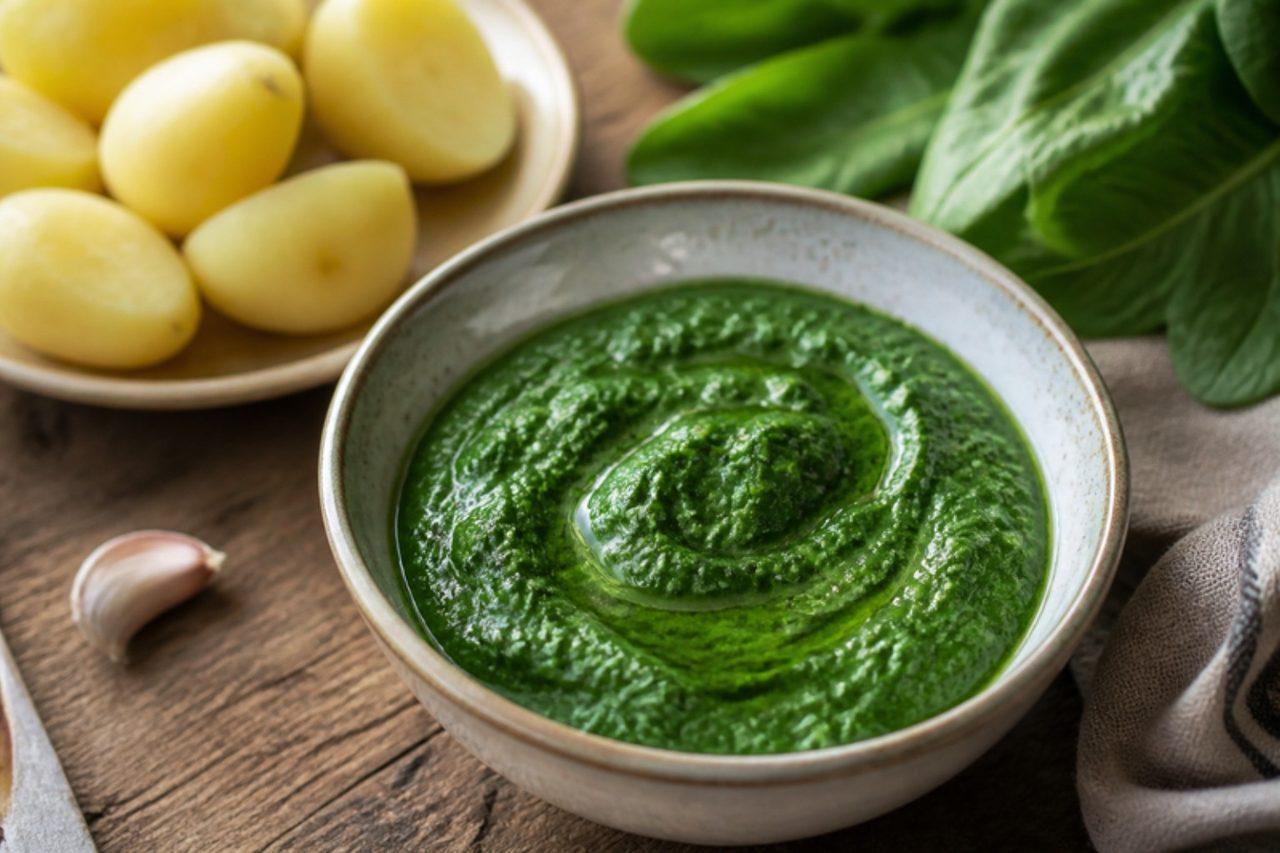
EsparregadoGarlic puréed greens

Fried fish in a Lisbon casa de pasto often comes with a spoonful of soft, dark green esparregado on the side, and the roast lamb at Easter lunch in the Ribatejo does too. Cooks use whatever leaves are in season: turnip tops in winter, spinach the rest of the year, sometimes a handful of wild asparagus. The greens are cooked, chopped very fine and stirred into garlic-scented olive oil with a little flour until creamy, then lifted with a dash of vinegar. It is good with fried cuttlefish, grilled sardines or a fried egg. A common mistake is skipping the squeeze; wet greens make a watery purée, so press out as much water as you can. Chef's tip: squeeze the cooked greens really hard before chopping; watery greens give a thin, grey purée.

by KrazyBadal 0 views

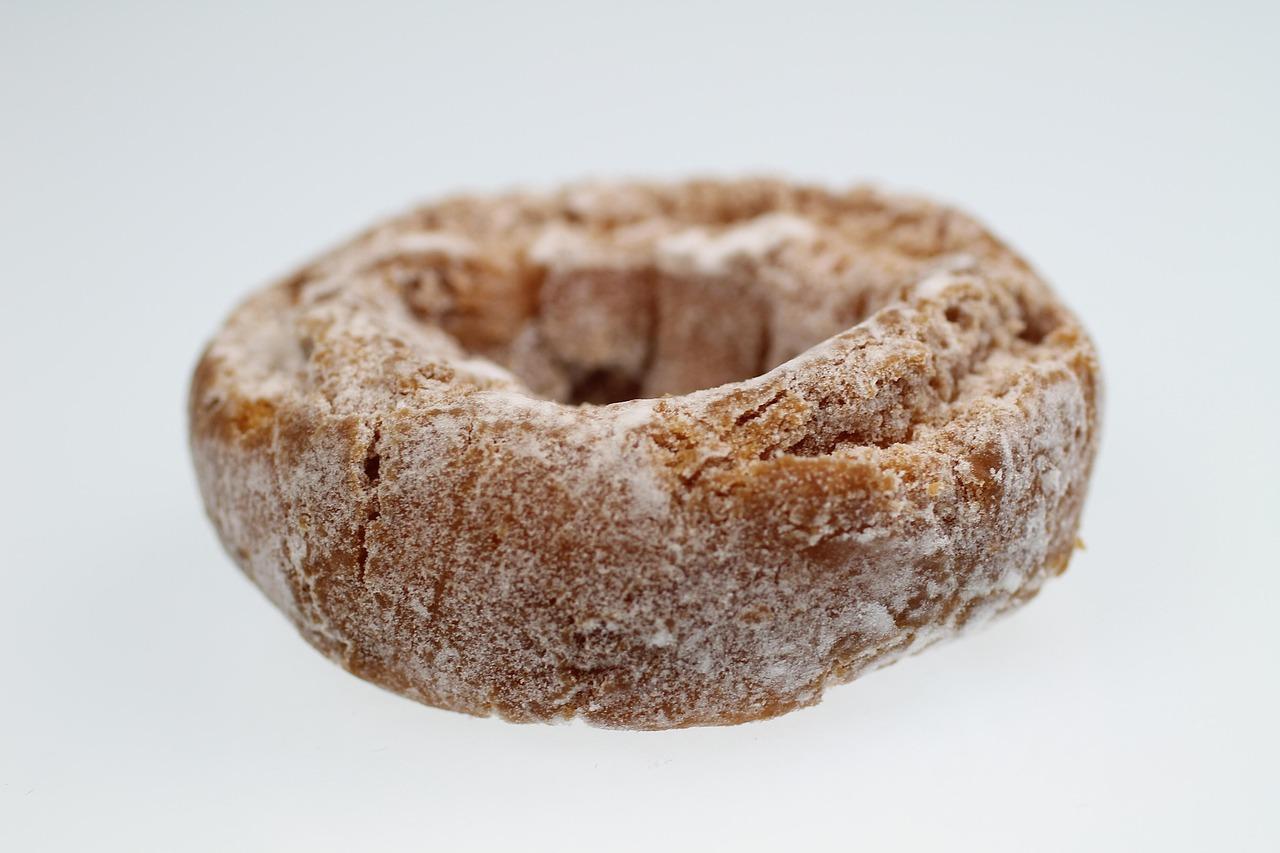
Apple cider doughnuts

On autumn weekends the orchards of Vermont, New Hampshire and the Hudson Valley fry cider doughnuts by the hundred for families who come to pick apples. Fresh, cloudy apple cider (unfiltered apple juice, not the alcoholic kind) is boiled down to a syrup so the tender cake doughnut tastes of apple, then rolled hot in cinnamon sugar. Chef's tip: keep the oil at 180 °C with a thermometer; cooler oil makes greasy doughnuts and hotter oil burns them before the middle cooks.

by KrazyBadal 0 views

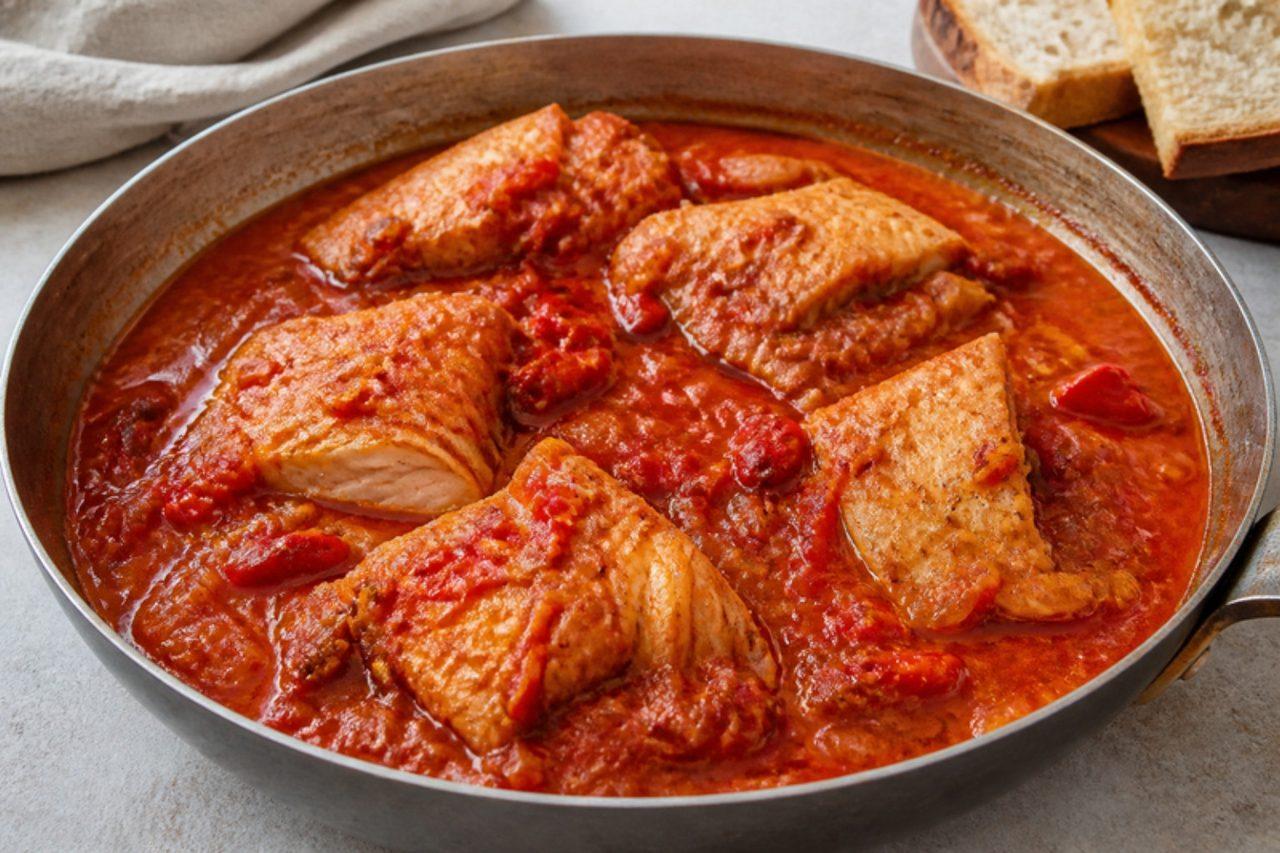
BourdetoSpicy red pepper fish stew

Bourdeto, from the Venetian 'brodetto', is the fishermen's dish of Corfu: chunks of firm white fish (scorpion fish in the tavernas of Kassiopi and Paleokastritsa) poached in a fierce sauce of onions, olive oil, a little tomato and a lot of hot red pepper. It's eaten with bread for the oily, scarlet juices and a cool salad alongside. Common mistake: stirring once the fish is in, which breaks it up — shake the pan instead. Chef's tip: use fish on the bone, cut into steaks; the bones give the sauce body and the flesh stays moist.

50 minGreekFishGluten freeSpicy
by KrazyBadal 0 views

Showing 36 of 7,762 recipes

Show more recipes

Page 465 of 863