Skip to content
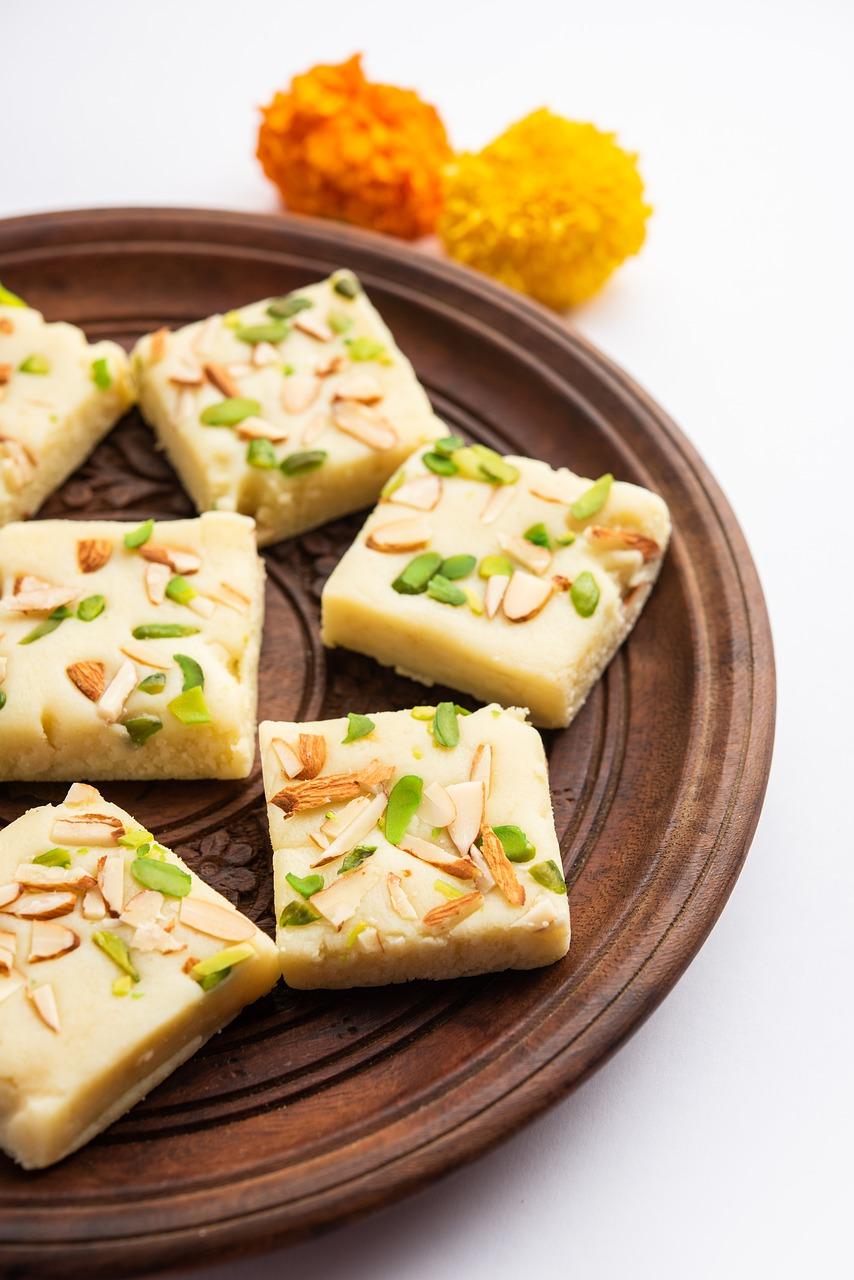
Cashew-coconut halwa
Featured recipe

Cashew-coconut halwa

Coconut and cashew fudge

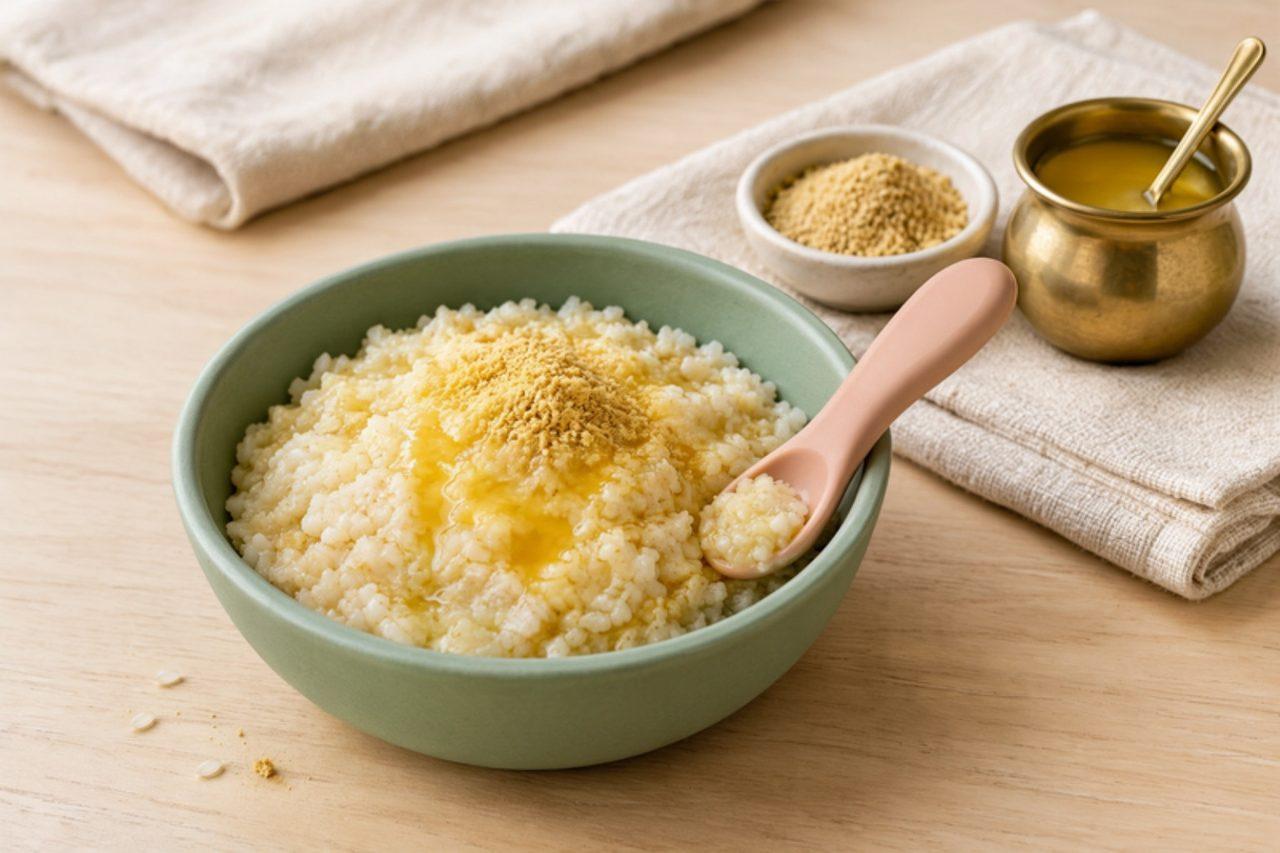
A soft, fudgy halwa of fresh coconut and cashews cooked in sweetened milk with cardamom and a little ghee, rolled out thin and topped with almond and pistachio flakes. It's creamy, nutty and melt-in-the-mouth. Makes about 30 squares for festivals or a gift box.

Read more 0 views

What to eat today?

Around the world

Today's trip: Paraguayan

A new country every day, from every cuisine on the site.

Paraguayan

Cocido quemado

Burnt sugar mate drink 14 minMore from Paraguayan (27) →

This week's collection

Kid-friendly dinners
537 recipes · a new collection every Monday

Latest recipes

Fried green tomatoes

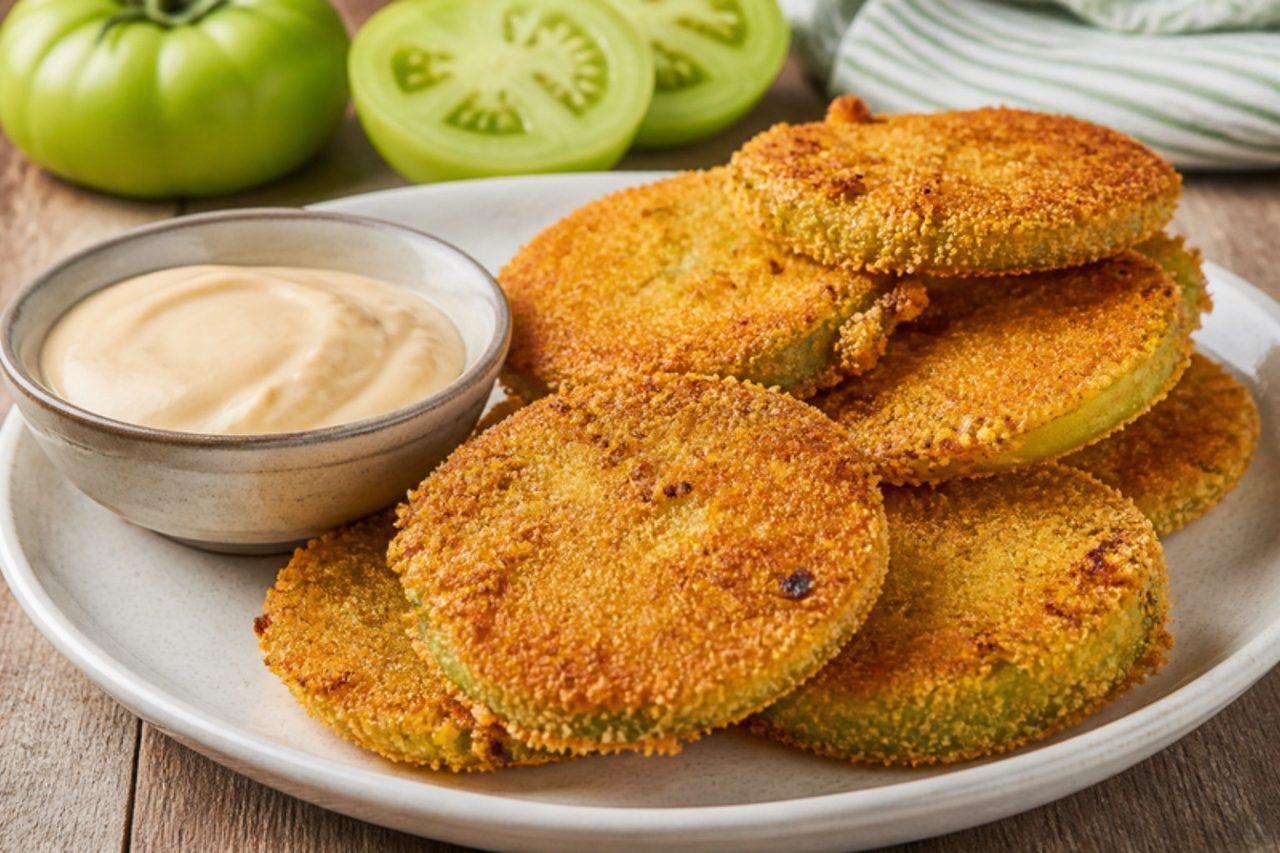
Fried green tomatoes are the early-summer and end-of-season treat of Alabama and Georgia kitchens, when the garden is full of firm, unripe fruit. Thick slices are dipped in buttermilk and a cornmeal crust and fried until crisp outside, while the inside softens and stays tangy. Serve them hot with a spoonful of pimento cheese or a dab of remoulade. Chef's tip: salt the slices and let them drain for 10 minutes so the crust doesn't go soggy.

by KrazyBadal 0 views

ŞöbiyetSemolina cream and pistachio filo

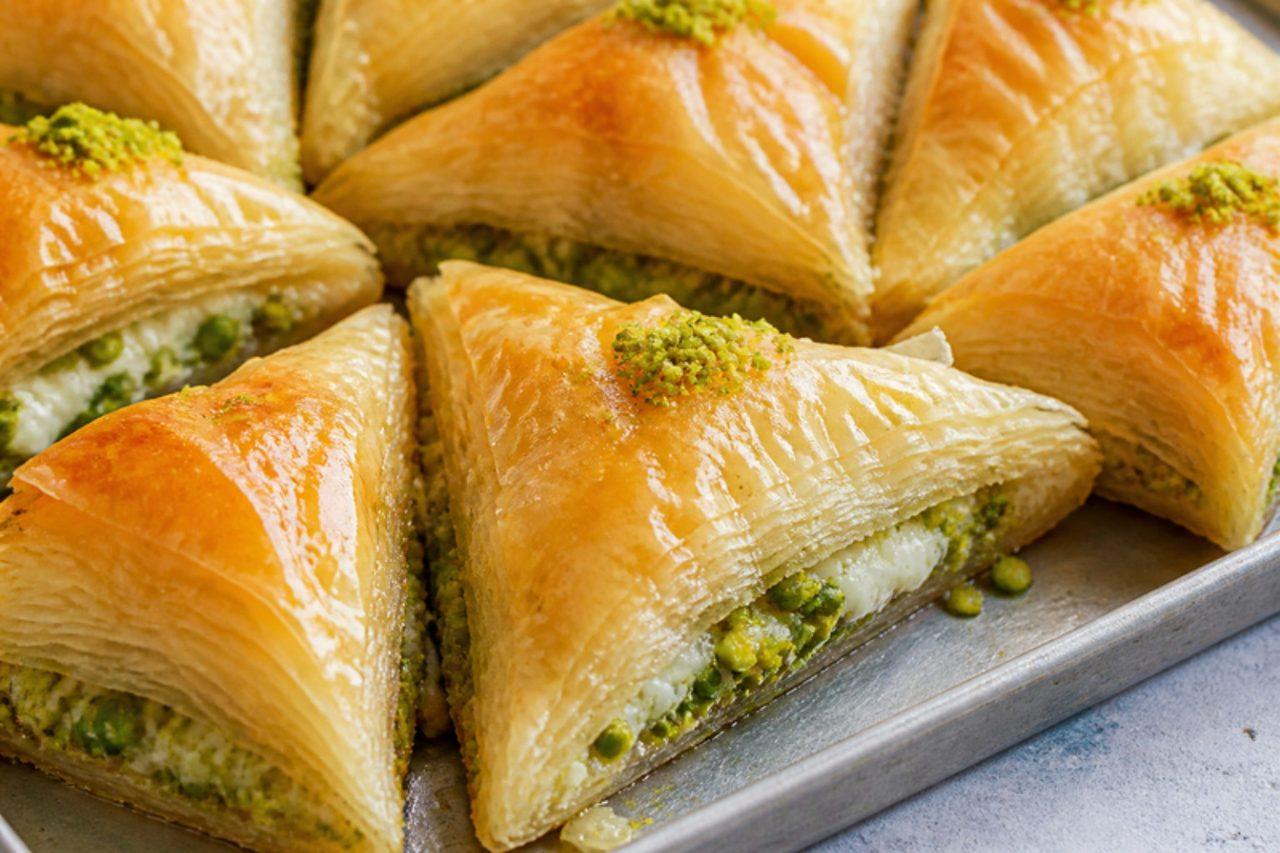
Gaziantep's baklava shops lay out trays of şöbiyet beside the classic squares: buttery filo triangles hiding a soft semolina cream and a thick seam of pistachio, soaked in cool syrup. Families buy them by the kilo for bayram visits and engagement days, and they are best eaten the day they are made, while the top layers still crackle. Home versions use shop filo and a quick milk cream instead of the clotted cream the masters fold in. Pour cold syrup over hot pastry, never hot over hot, or the layers turn soggy. Chef's tip: chill the cream until it is firm enough to slice; a soft filling oozes out as you fold the triangles.

by KrazyBadal 0 views

MajariscoPlantain mash with seafood

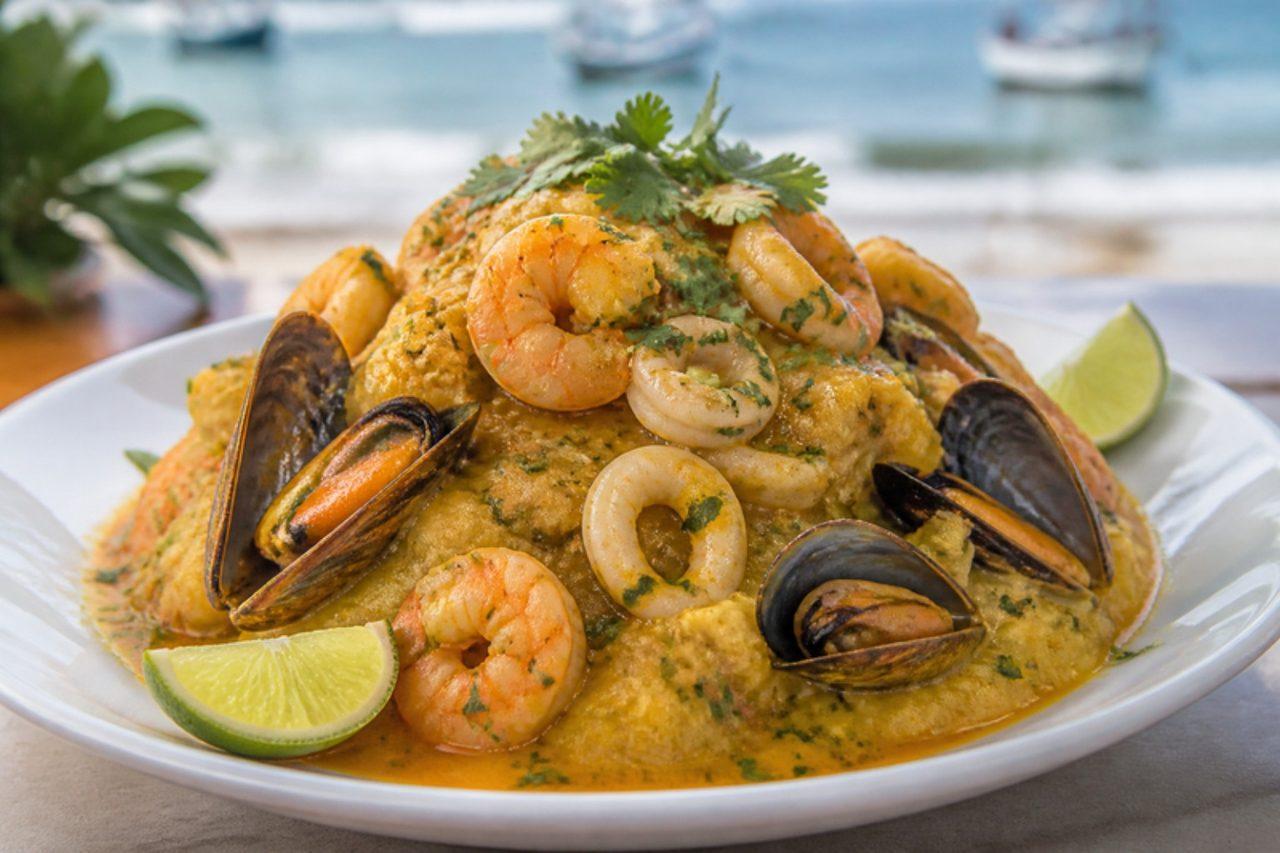
Its name blends 'majado' (mashed plantain) and 'marisco' (seafood), and along the coast of Piura and Tumbes, near the Ecuadorian border, it's what cevicherías and beach restaurants serve when you want something hot and filling. Mashed green plantain is folded into a sauce of garlic, onion, ají and seafood juices, with prawns, squid and mussels running through it, so every forkful is creamy, garlicky and briny. Serve it with lime and salsa criolla. Mussels must be alive: tap any open ones and discard those that don't close, and discard any that stay shut after cooking. Overcooking the seafood is the most frequent mistake; it goes in at the end, just until pink and opaque. Chef's tip: keep the mussel cooking liquid and use it to loosen the mash; it's pure seafood flavour.

by KrazyBadal 0 views

Loobia poloGreen bean rice with spiced lamb

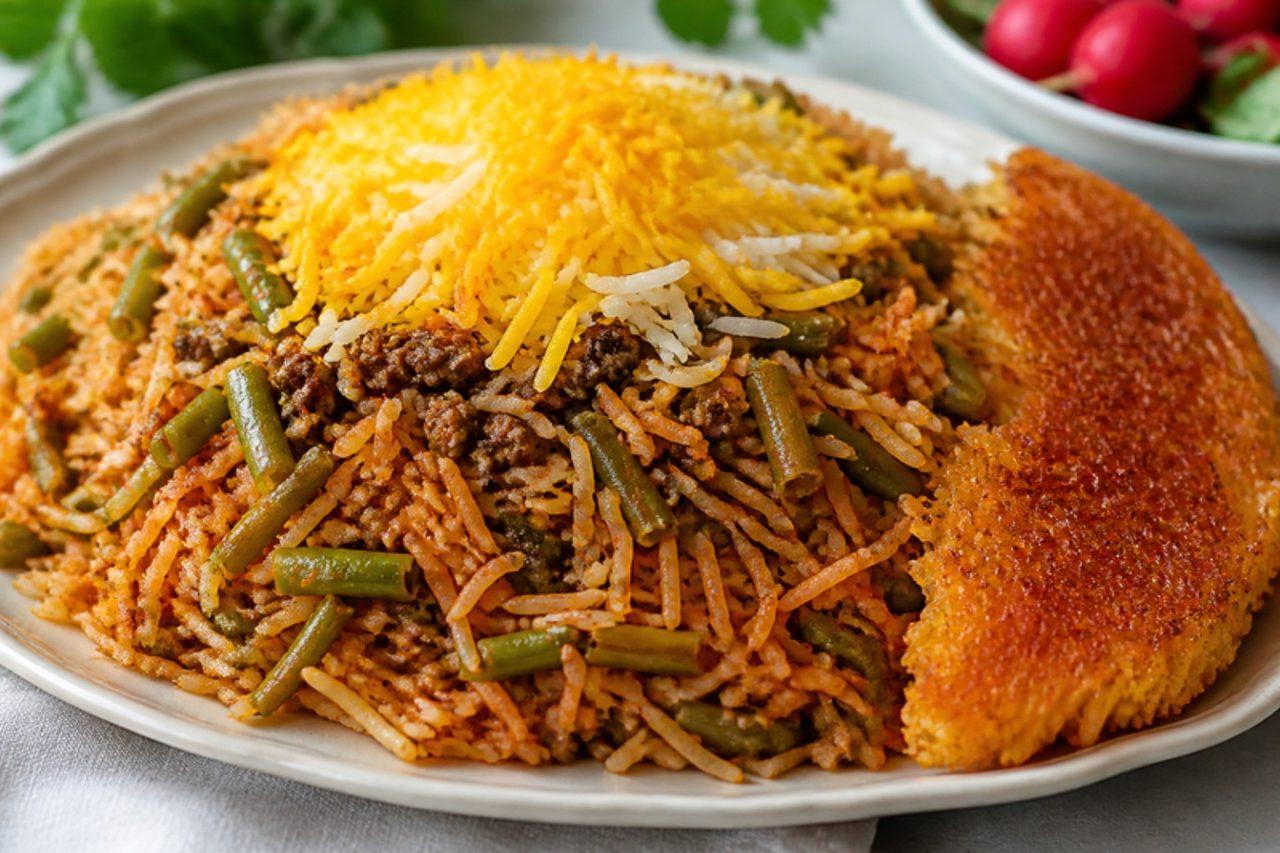
Loobia polo is a weeknight favourite in Tehran homes, the rice dish children ask for when they come home from school and the one packed for picnics on the slopes of Darband. Parboiled basmati is layered with a sauce of minced lamb or beef, short pieces of green bean, tomato paste and a warm hint of cinnamon, then steamed slowly until every grain is stained a soft orange and a crisp tahdig forms underneath. For a meat-free pot, swap the mince for diced potato and keep everything else the same. Serve with mast-o khiar, salad shirazi and torshi. A common mistake is adding the beans raw to the rice layers: brown them in the sauce first or they stay squeaky and pale. Chef's tip: let the tomato paste fry in the oil until it turns brick red before adding water; that is where the deep, sweet flavour comes from.

by KrazyBadal 0 views

Judiones de La GranjaButter beans with chorizo and pork

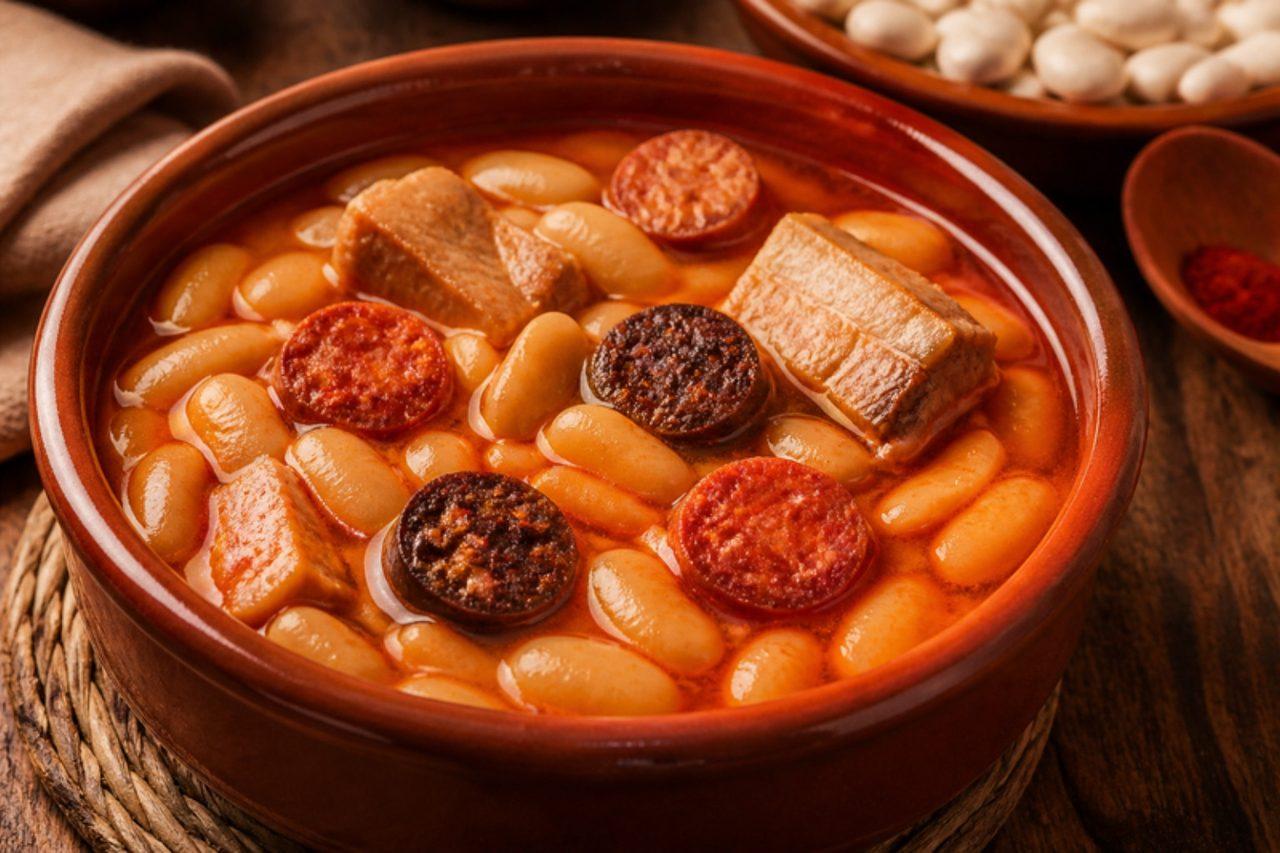
In La Granja de San Ildefonso, the royal summer palace in the hills above Segovia, local farmers grow judiones, enormous flat white beans with skin so thin they melt on the tongue. Restaurants in the town and in Segovia stew them with chorizo, morcilla and pork for cold-weather lunches, followed by a roast. This contains pork (chorizo, morcilla and pork rib or ear). Large butter beans or Greek gigantes work well elsewhere. Chef's tip: never stir the beans; shake the pot instead, so they stay whole.

170 minSpanishMeat
by KrazyBadal 0 views

ŞalgamFermented purple carrot drink

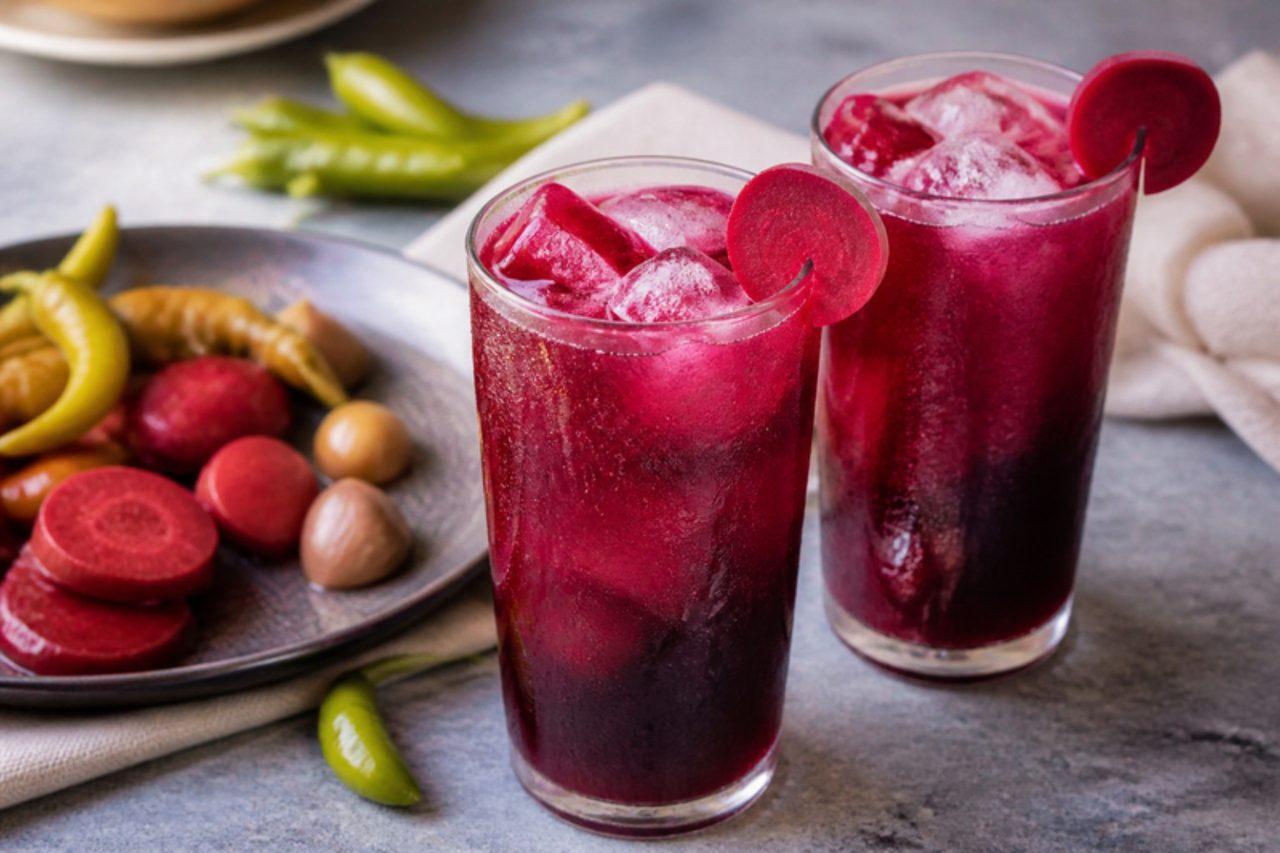
Order an Adana kebab in its home city and a tall glass of şalgam arrives with it, deep purple, salty, sour and often fiery. It is made by fermenting black carrots with a little bulgur and salt for a week or more, and the sharpness clears the palate between bites of lamb and grilled onion. Street carts in Adana sell it by the glass in summer. This home version skips the separate bulgur-sour-dough stage the big producers use. Use non-iodised salt: iodised salt can stall the ferment. Chef's tip: taste from day 5; when it is sour enough to make you blink, strain and chill it, because it keeps fermenting at room temperature.

by KrazyBadal 1 views

Kaab el ghzal (gazelle horns)

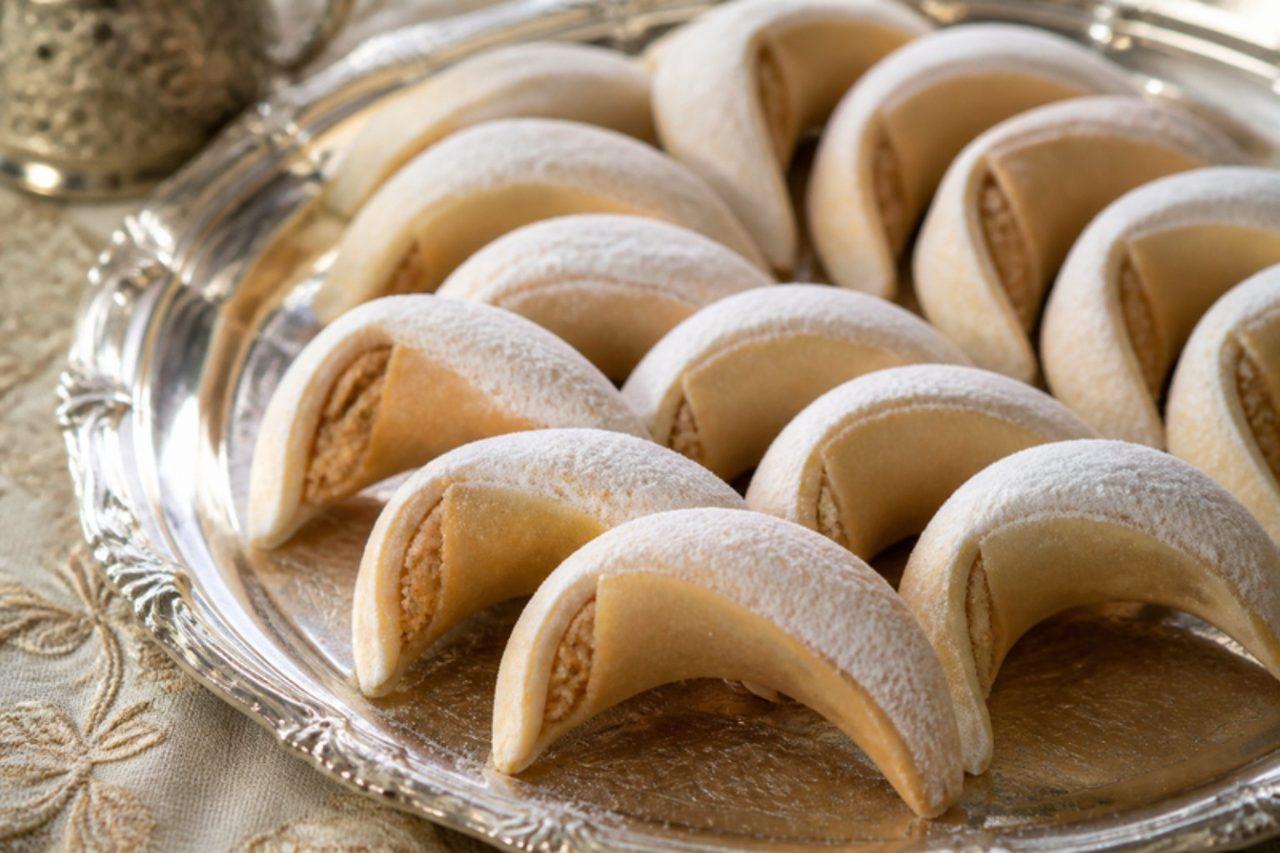
Kaab el ghzal, 'gazelle ankles' or horns, are the most elegant of Moroccan biscuits: a slim crescent of fragrant almond paste flavoured with orange-flower water, wrapped in a pastry rolled so thin it is almost transparent, then baked only until it sets and stays pale. They are made for weddings, Eid, engagements and any visit that deserves honour, and are served with mint tea. The filling is soft and marzipan-like, the pastry delicate and barely crisp. They take time, so make a full batch and freeze half. Chef's tip: bake them until just firm and barely coloured; browning is the common mistake and makes the pastry hard.

by KrazyBadal 0 views

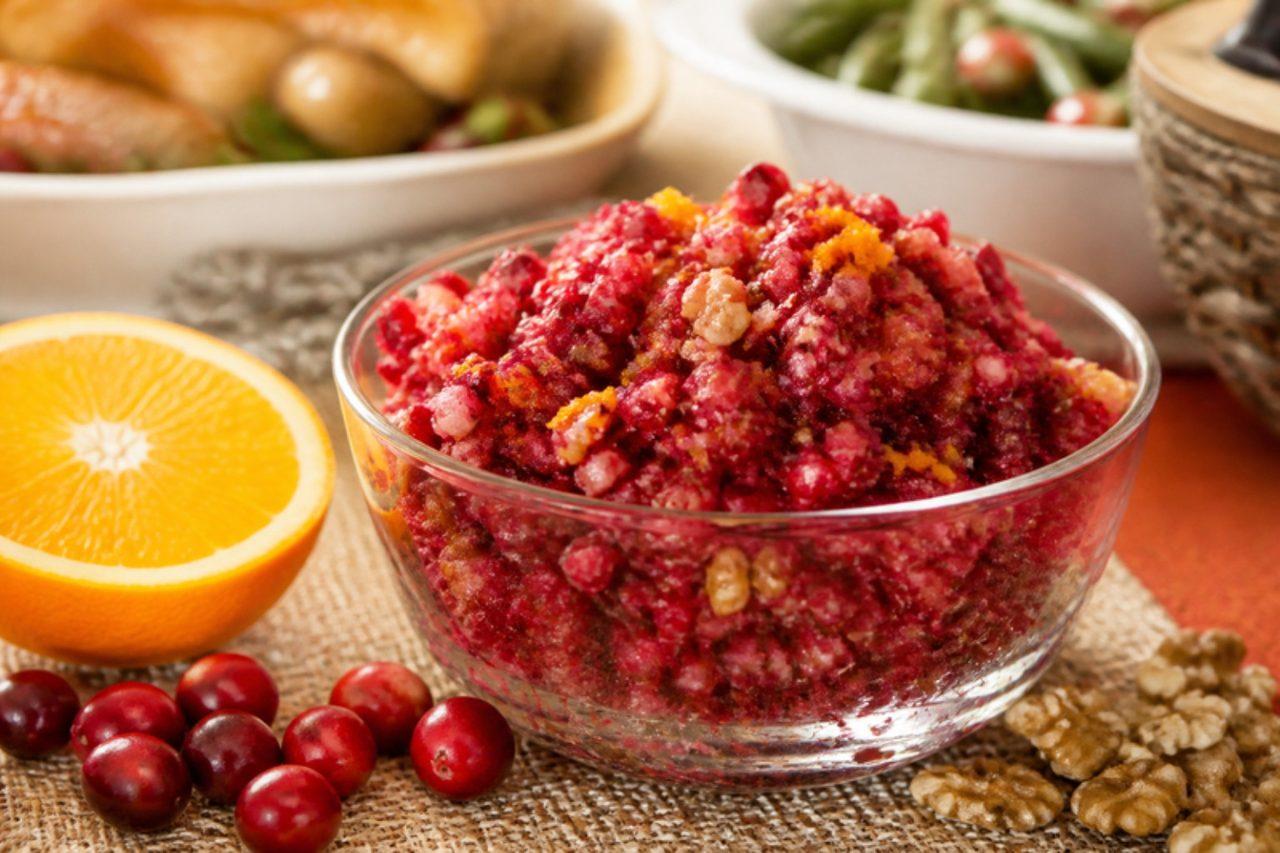
Cranberry orange relish

Cape Cod and the bogs of south-eastern Massachusetts grow much of America's cranberry crop, and this uncooked relish is the sharp, bright alternative to cooked cranberry sauce on many New England Thanksgiving tables. Fresh cranberries are chopped with a whole orange, peel and all, then sweetened, so it is crunchy, tart and fragrant, lovely with roast vegetables, nut roasts or cheese. Chef's tip: make it a day ahead; the sugar draws out the juices and softens the bitterness of the peel overnight.

by KrazyBadal 0 views

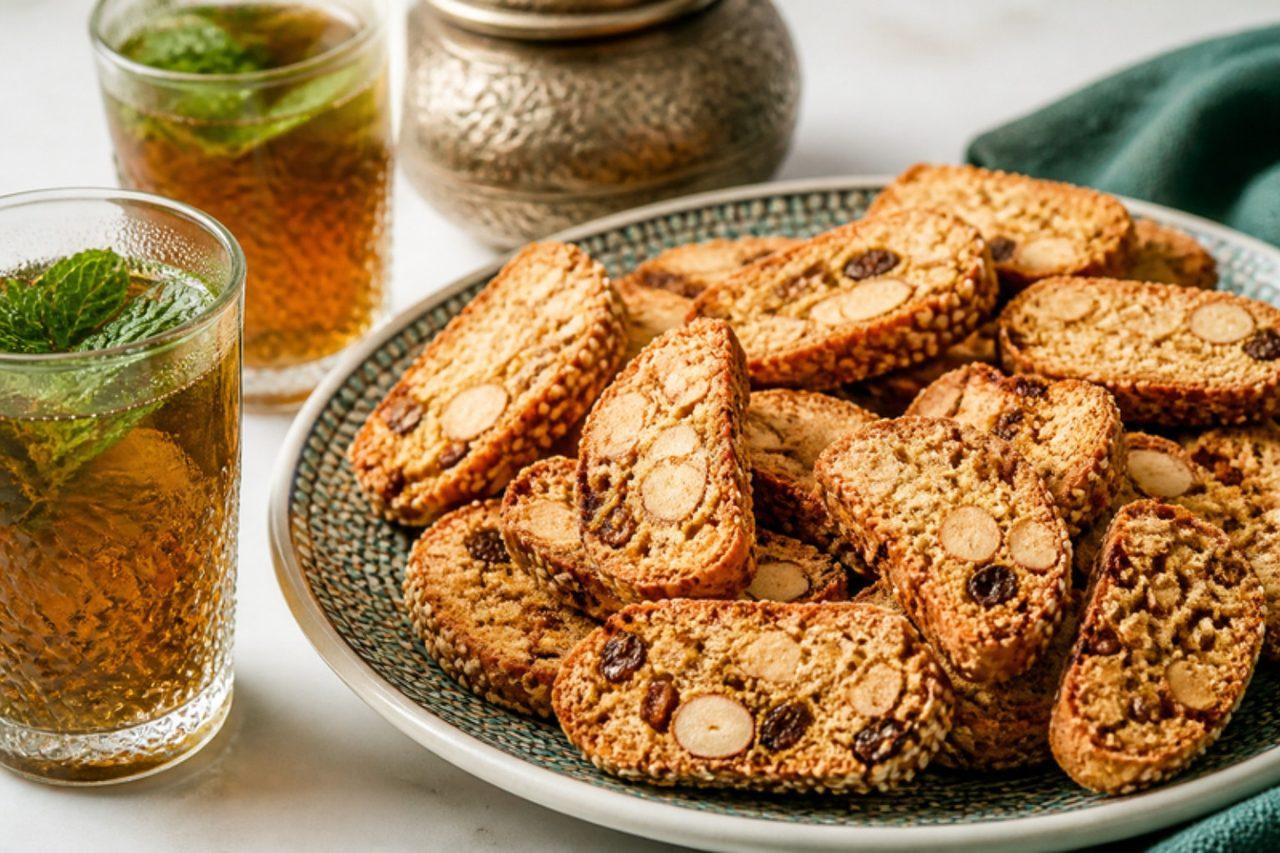
Fekkas (twice-baked almond biscuits)

Before Eid and during Ramadan, Moroccan kitchens fill with the scent of fekkas: logs of a soft, eggy dough studded with almonds, raisins, aniseed and sesame are baked, cooled, sliced thin and baked again until dry, golden and very crunchy. They are offered to guests on trays with ghriba and other biscuits and dunked into mint tea or milky coffee, and they keep for weeks in a tin, so they are perfect to make ahead. The flavour is gently sweet, with liquorice notes from the anise and a little lemon. Avoid slicing the logs while they are still hot from the first bake; they crumble. Let them firm up first. Chef's tip: let the baked logs cool completely, ideally overnight, before slicing; warm logs crumble under the knife.

by KrazyBadal 0 views

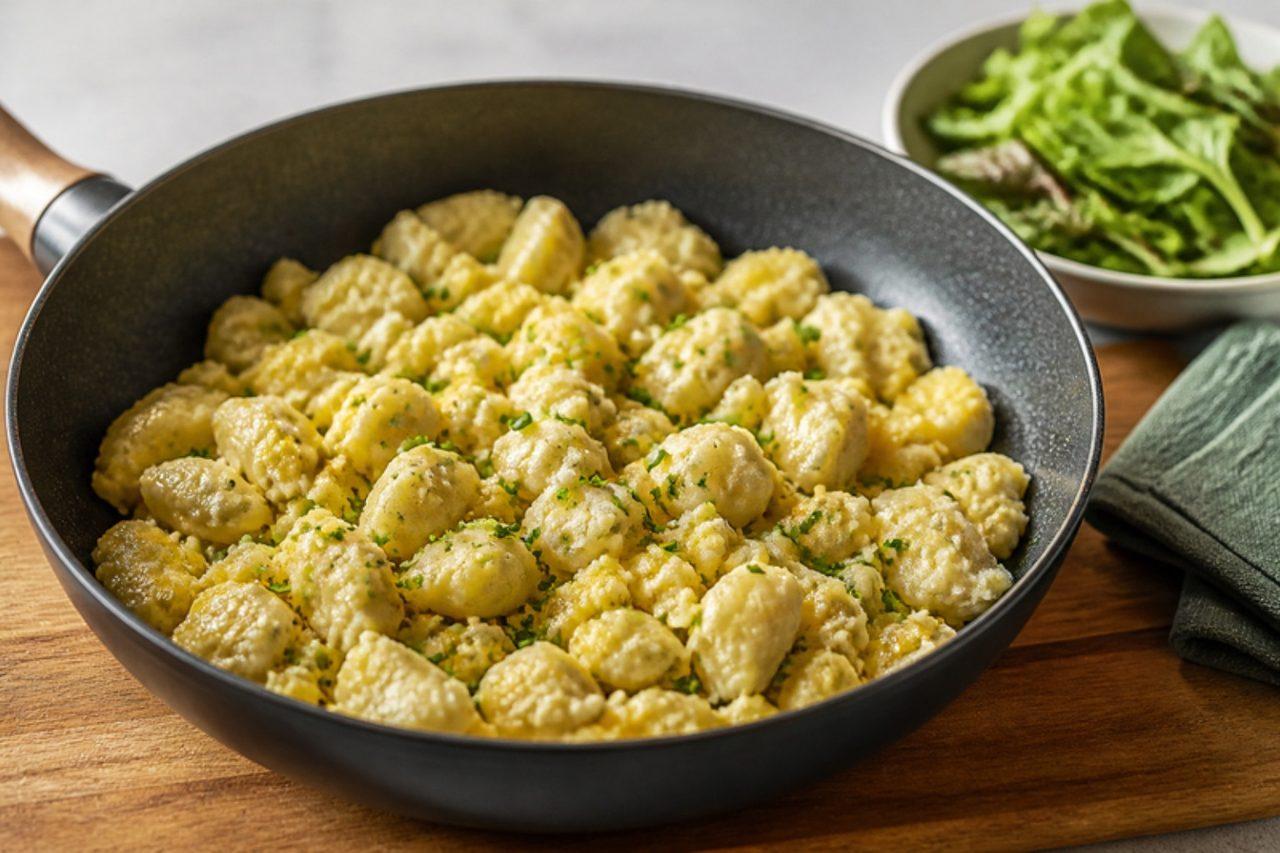
EiernockerlSoft dumplings with scrambled eggs

Eiernockerl is what Viennese grandmothers cook when the larder is nearly bare: a loose flour batter is scraped in little nubs into boiling water, then tossed in foaming butter and set with beaten eggs. In Vienna it turns up on weekday lunch tables and in old-fashioned Beisln, usually with a green salad in a sharp vinegar dressing on the side. The nockerl should be soft and slightly chewy, the egg just set and glossy, with lots of chives. A common mistake is cooking the eggs until dry and grainy; take the pan off the heat while they still look a little wet. Chef's tip: let the batter rest for 10 minutes before you cut it into the water, so the flour swells and the nockerl hold their shape.

by KrazyBadal 0 views

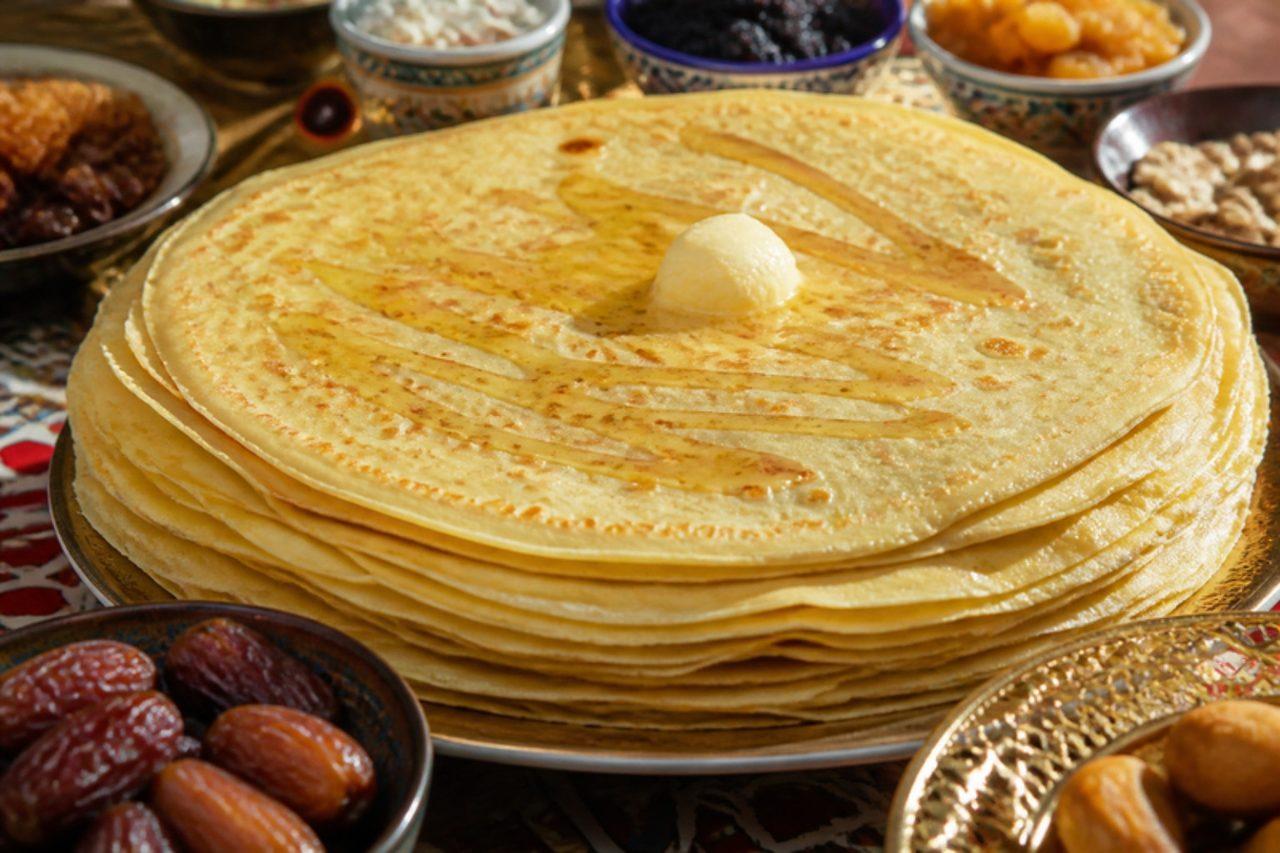
Mufleta (Mimouna stacked crêpes)

On the evening Passover ends, Moroccan Jewish families celebrate Mimouna by opening their doors to neighbours and friends, and the star of the table is mufleta: paper-thin rounds of unleavened dough stretched by hand and cooked one on top of another in a single pan, so a whole warm stack comes out at once. Each layer is peeled off, spread with butter and drizzled with honey, and rolled up to eat with mint tea, among sweets, dried fruits and flowers. They are soft, a little chewy and lightly crisp at the edges. The dough has no yeast, fitting for the night bread returns. The usual mistake is stretching the dough with too little oil on the board, so the sheets tear and stick together in the stack. Chef's tip: cook over a medium-low heat; a pan that is too hot scorches the bottom layer before the stack is built.

by KrazyBadal 0 views

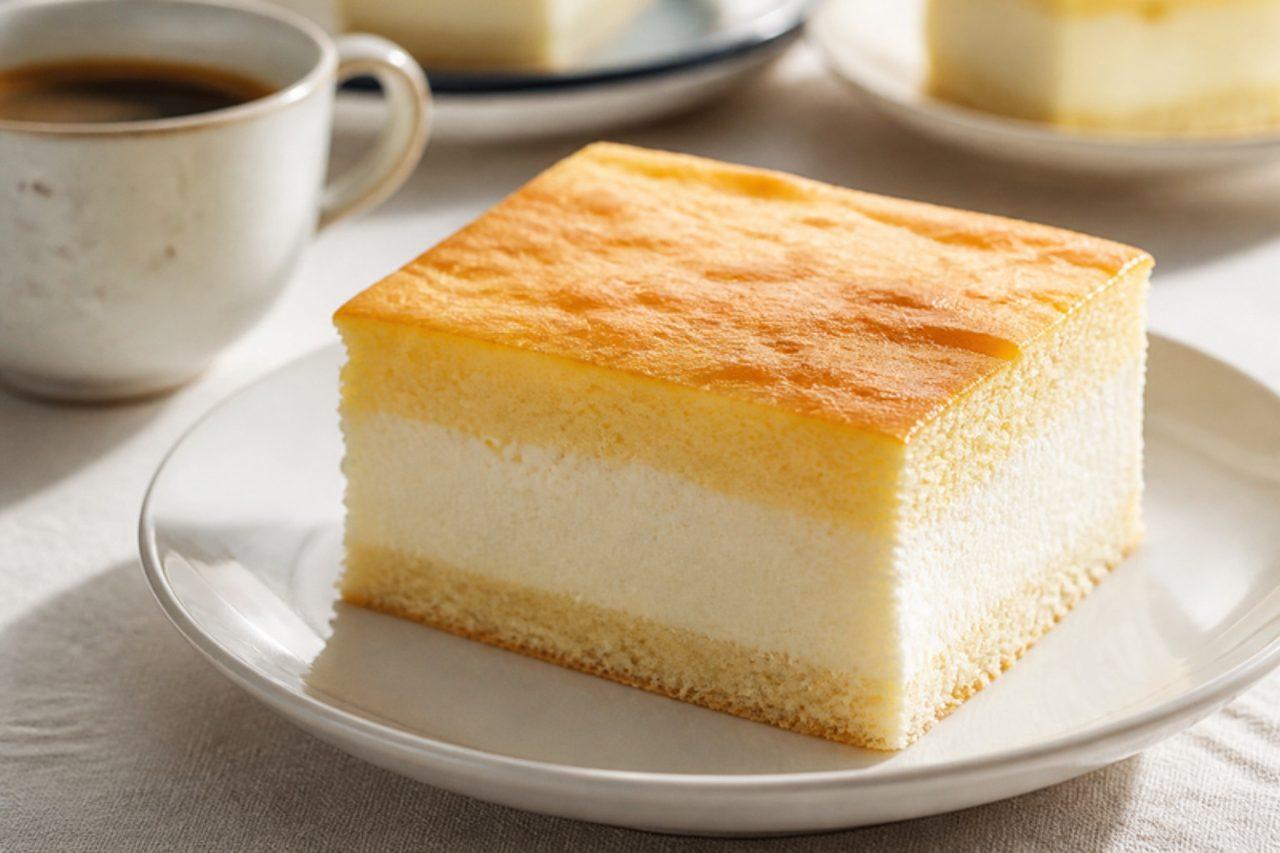
EierscheckeThree-layer quark custard cake

Eierschecke is Dresden's café cake, cut in squares from a big tray in every Saxon bakery: a thin yeasted base, a thick layer of vanilla quark, and on top the 'Schecke', a wobbly, golden egg-and-butter custard that bakes into a soft, almost soufflé-like crust. It is eaten on Sunday afternoons with strong filter coffee, and Saxons argue about whether raisins belong in the quark. A common mistake is pouring the custard on too thickly or baking too hot, so it puffs and cracks; bake it low and slow. Chef's tip: the cake cuts neatly only when completely cold, so make it the day before.

105 minGermanBaking
by KrazyBadal 0 views

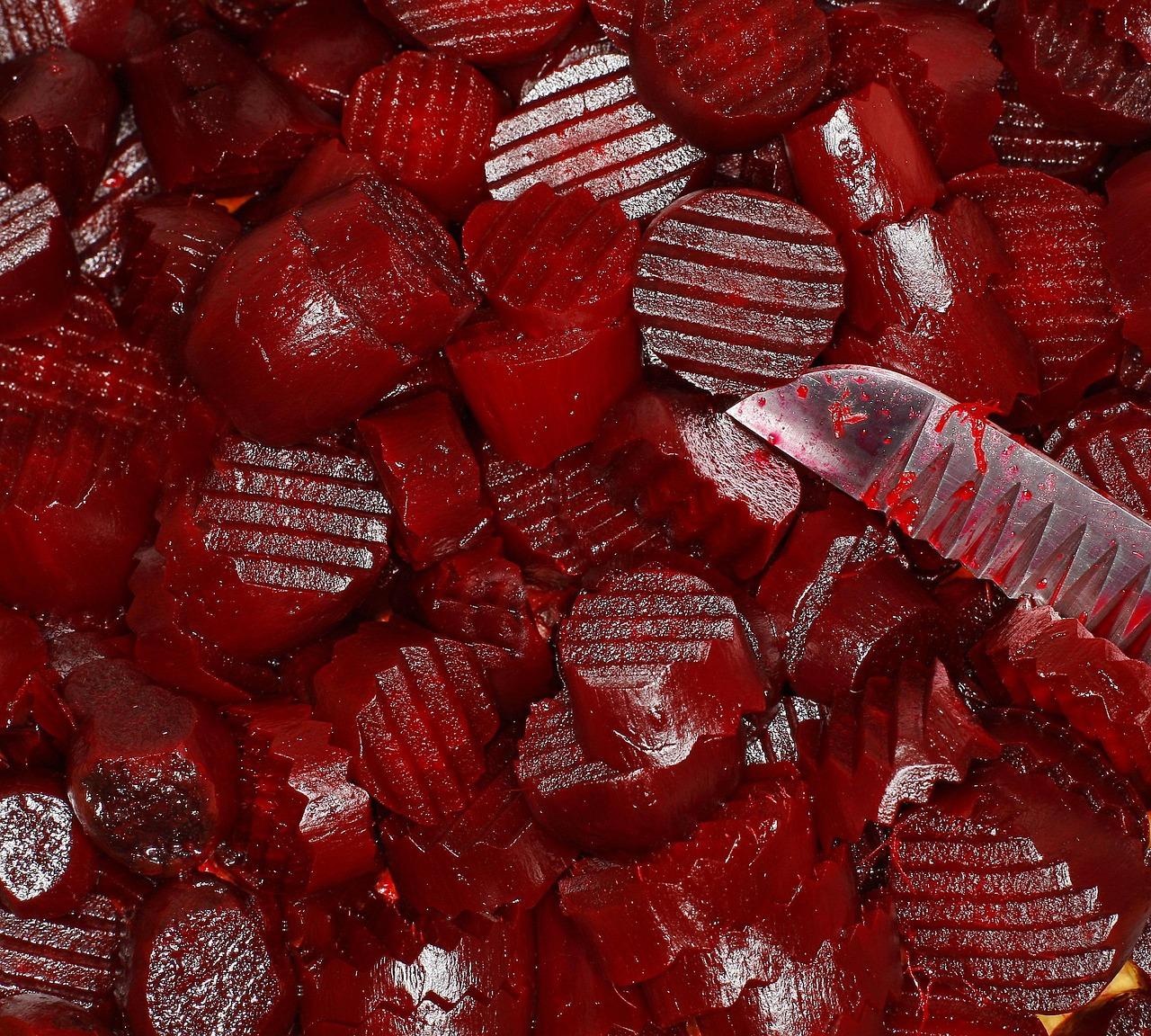
Eingelegte Rote BetePickled beetroot

In Hamburg, Bremen and across Schleswig-Holstein a jar of pickled beetroot sits on the table whenever there is Labskaus, herring or a cold meat platter, and many households still make their own each autumn when the beets come in from the fields. Earthy cooked beetroot is sliced and steeped in sweet-sour vinegar with onion, cloves and a little horseradish, turning gently spiced and jewel red. The mistake people often make is peeling or trimming beets before boiling, which lets the colour and flavour bleed into the water. Chef's tip: wear gloves and use a plastic board when slicing, and slice evenly at about 5 mm so every piece pickles at the same rate.

by KrazyBadal 0 views

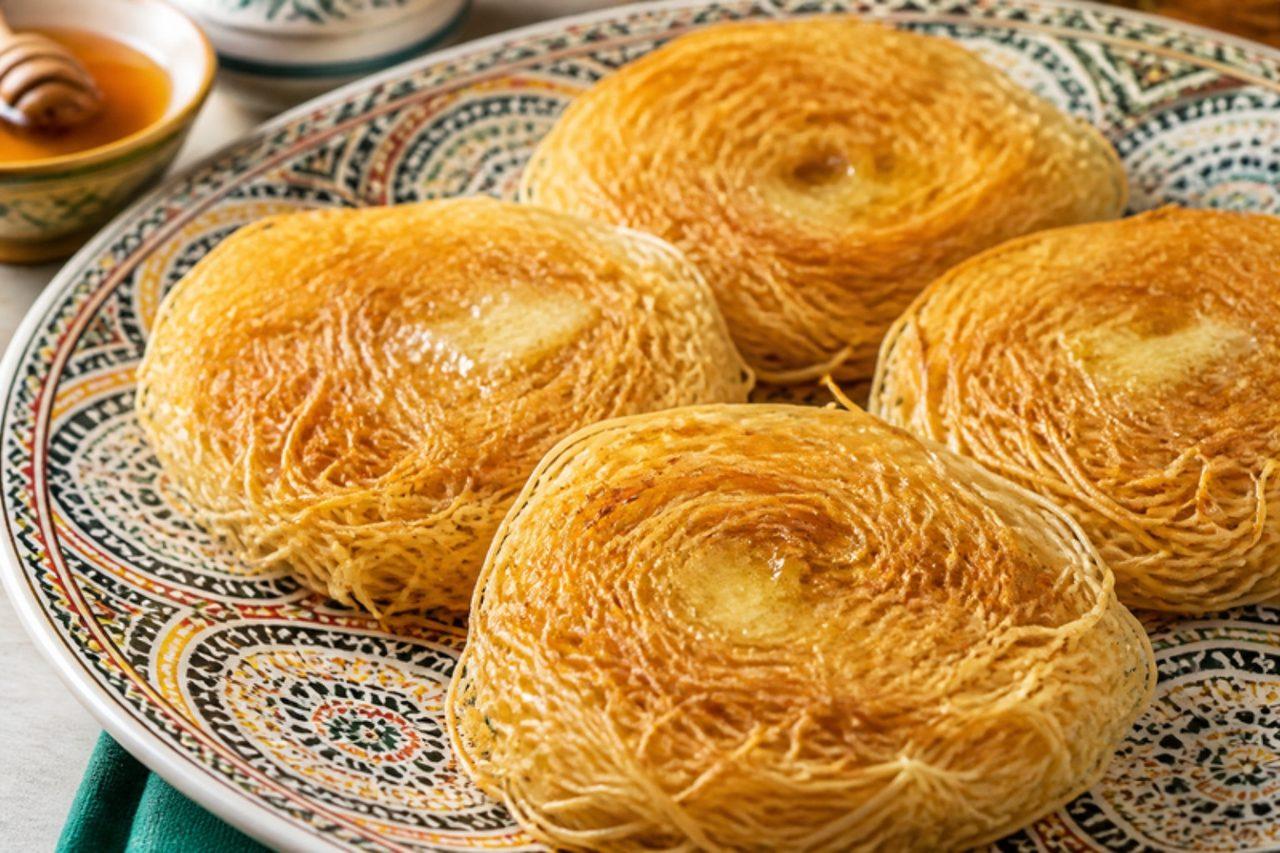
Rziza (coiled thread pancakes)

Rziza is one of the showpieces of the Ramadan table in the old imperial cities: a soft dough is stretched into a sheet, rolled up and pulled into a long, thin cord, then wound around the fingers into a skein, flattened into a nest and griddled until crisp outside and tender within. At iftar the nests are pulled apart into their fine strands and drenched in warm honey and melted butter, to eat with harira, dates and mint tea. Making it takes patience and practice; the first one or two may tear, and that is fine. Chef's tip: keep everything well oiled, your hands, the board and the dough balls; too little oil is the common mistake, and the dough then tears instead of stretching.

by KrazyBadal 0 views

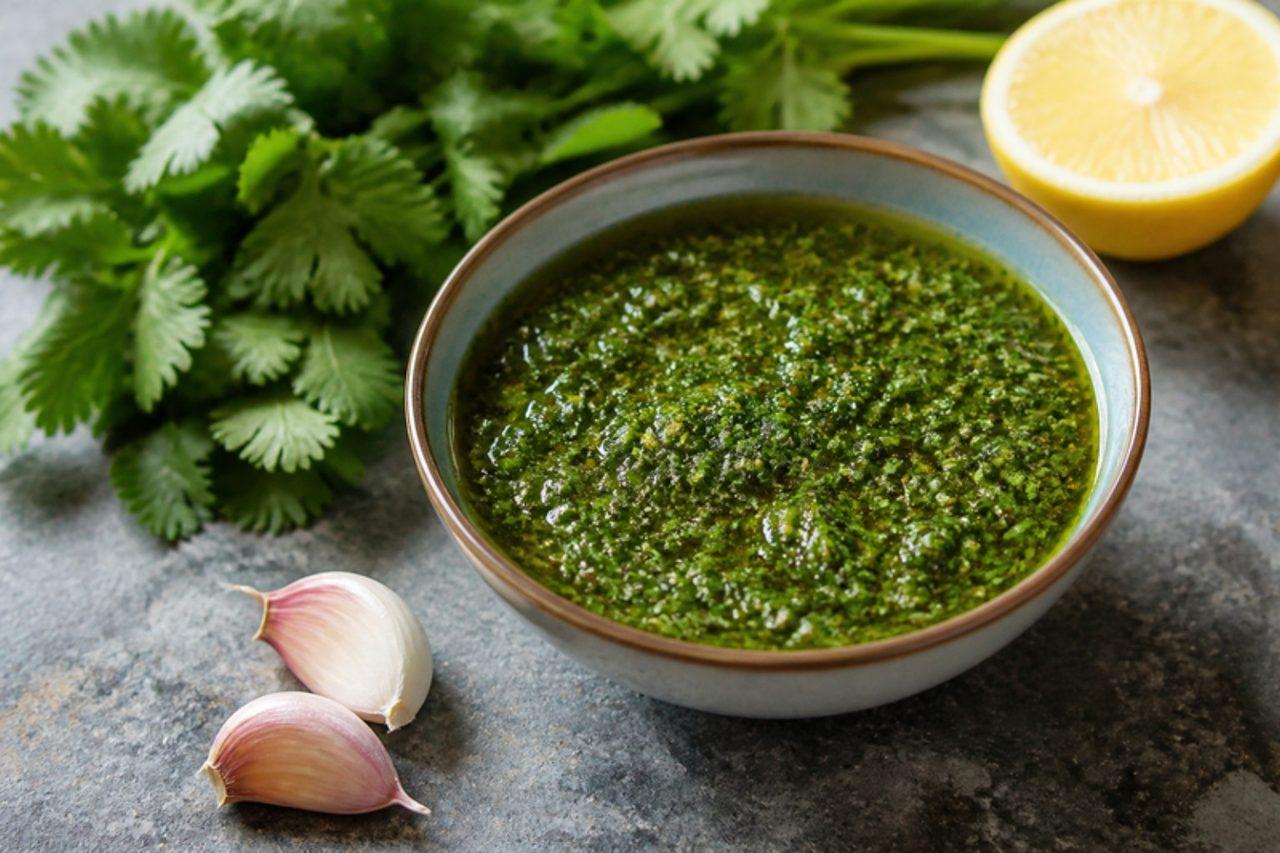
Chermoula

Along the Atlantic coast, in the fish stalls by Essaouira harbour and in home kitchens up and down the coast, chermoula is the green, garlicky paste that seasons almost everything from the sea: whole fish for the oven, sardines for the grill and fish tagines with potatoes and peppers. It works just as well on vegetables: toss it with potatoes, aubergine or carrots before roasting, spoon it over chickpeas, or stir it into a vegetable tagine. Bright, herby and tangy, it is warm with cumin and paprika and has a little chilli heat. When you use it on fish, marinate in the fridge, never on the counter, and for no more than 2 hours, or the lemon starts to cook the flesh and turns it mushy. Chef's tip: chop by hand or pulse only briefly; blended to a smooth purée, the herbs bruise and taste grassy.

by KrazyBadal 0 views

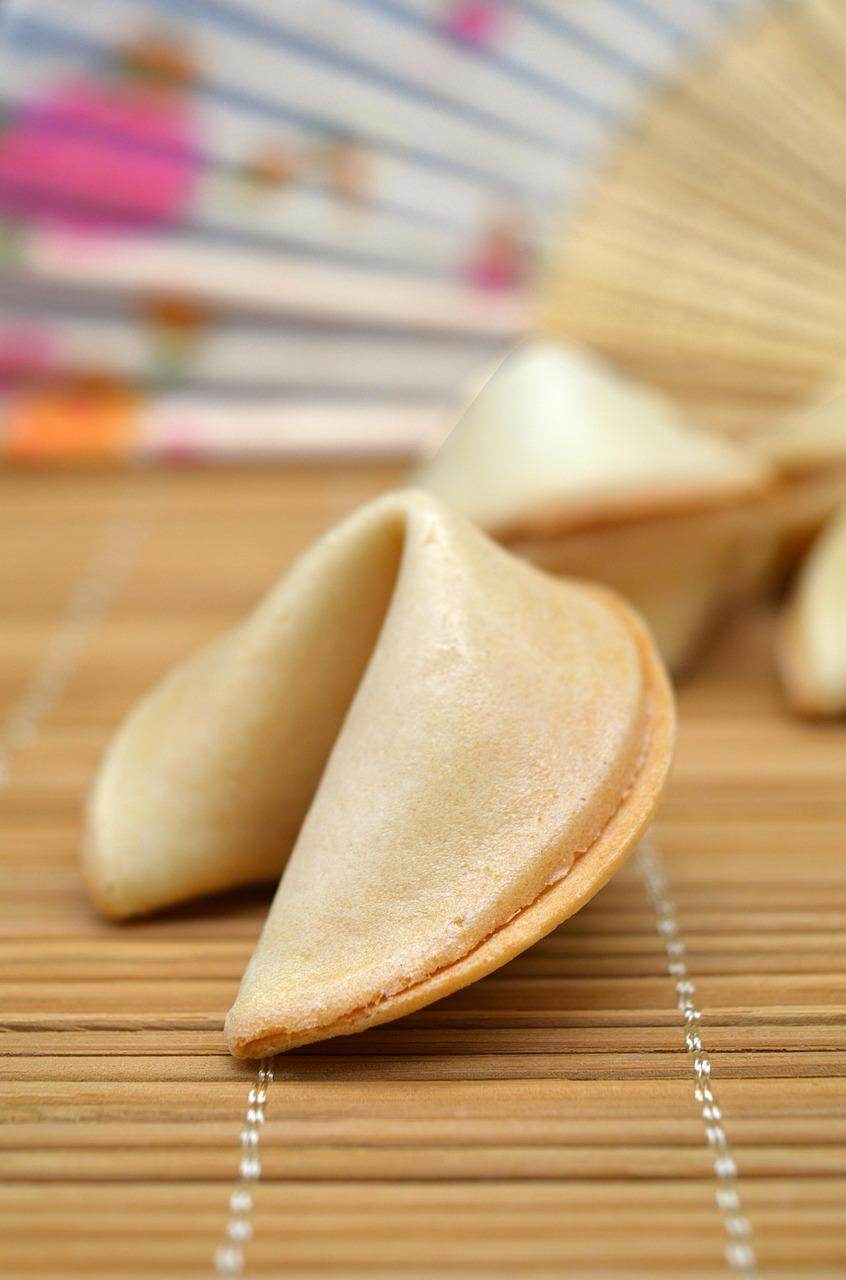
Fortune cookies

Fortune cookies are not from China at all: they were first sold in San Francisco and Los Angeles in the early 1900s, probably from a Japanese tea garden recipe, and Chinese-American restaurants made them famous. A thin vanilla and almond batter is baked into a wafer, then folded while hot around a paper message. Write your own fortunes for a party. Chef's tip: bake only two or three at a time; the wafers set in seconds and crack if you can't fold them fast enough.

by KrazyBadal 0 views

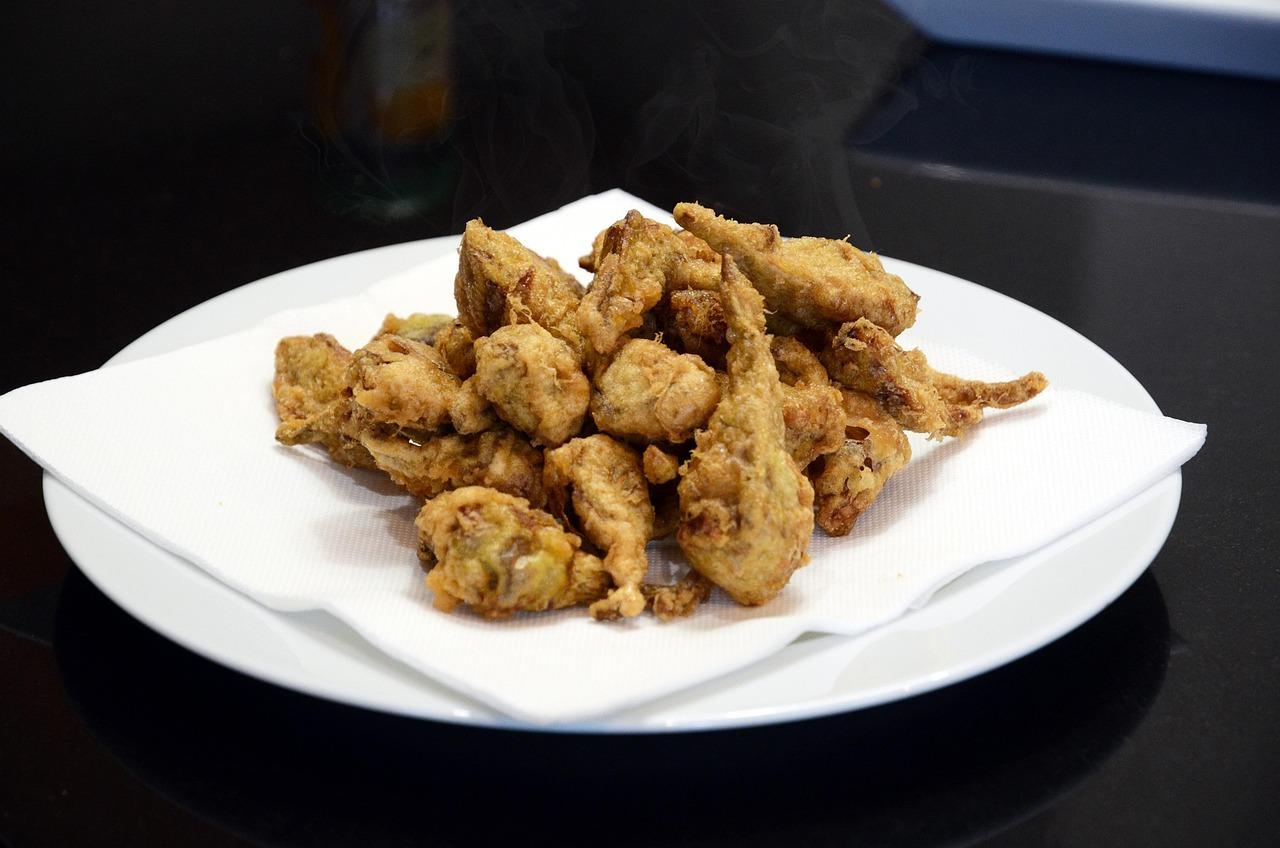
Castroville fried artichokes

Castroville, near Monterey on California's central coast, grows most of America's artichokes and calls itself the artichoke centre of the world. Roadside stands and the annual artichoke festival sell them crisp-fried, the tender hearts dipped in a light batter and served with lemon and garlic mayonnaise. Small 'baby' artichokes are best, as they have almost no choke. Chef's tip: drop each trimmed artichoke straight into lemon water; cut artichokes turn brown within minutes.

by KrazyBadal 0 views

Green bean casserole from scratch

Green bean casserole was invented in a test kitchen in the 1950s and spread across the Midwest via church cookbooks; today it is on most American Thanksgiving tables. This version skips the tins: fresh beans in a homemade mushroom cream sauce, topped with crisp shallots you fry yourself. Chef's tip: blanch the beans only until bright green and still squeaky, because they cook again in the oven.

by KrazyBadal 0 views

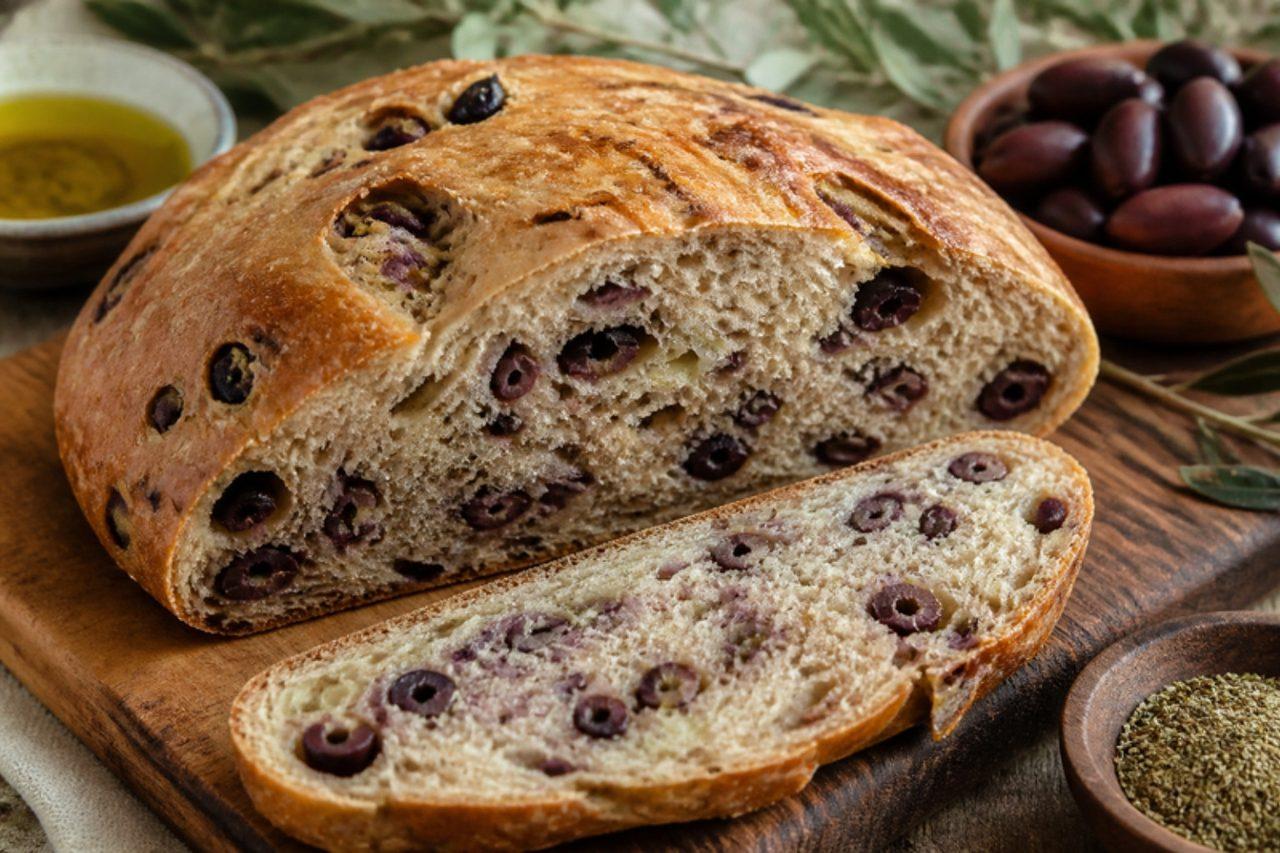
EliopsomoOlive bread

Around Kalamata, where the almond-shaped black olives ripen in groves running down to the Messinian gulf, bakers make eliopsomo for the long fasting weeks of Lent, when bread, olives and oil are lunch. The dough is rich with olive oil and folded with a generous handful of chopped Kalamata olives, soft-fried onion and dried oregano, then baked into a crusty round with a soft, purple-flecked crumb. Slice it with tomatoes and cucumber or dip into soups. Common mistake: adding wet, brined olives straight from the jar — drain and pat them dry, or the dough turns sticky and grey. Chef's tip: fold the olives in after the first rise so they don't break up while kneading.

by KrazyBadal 0 views

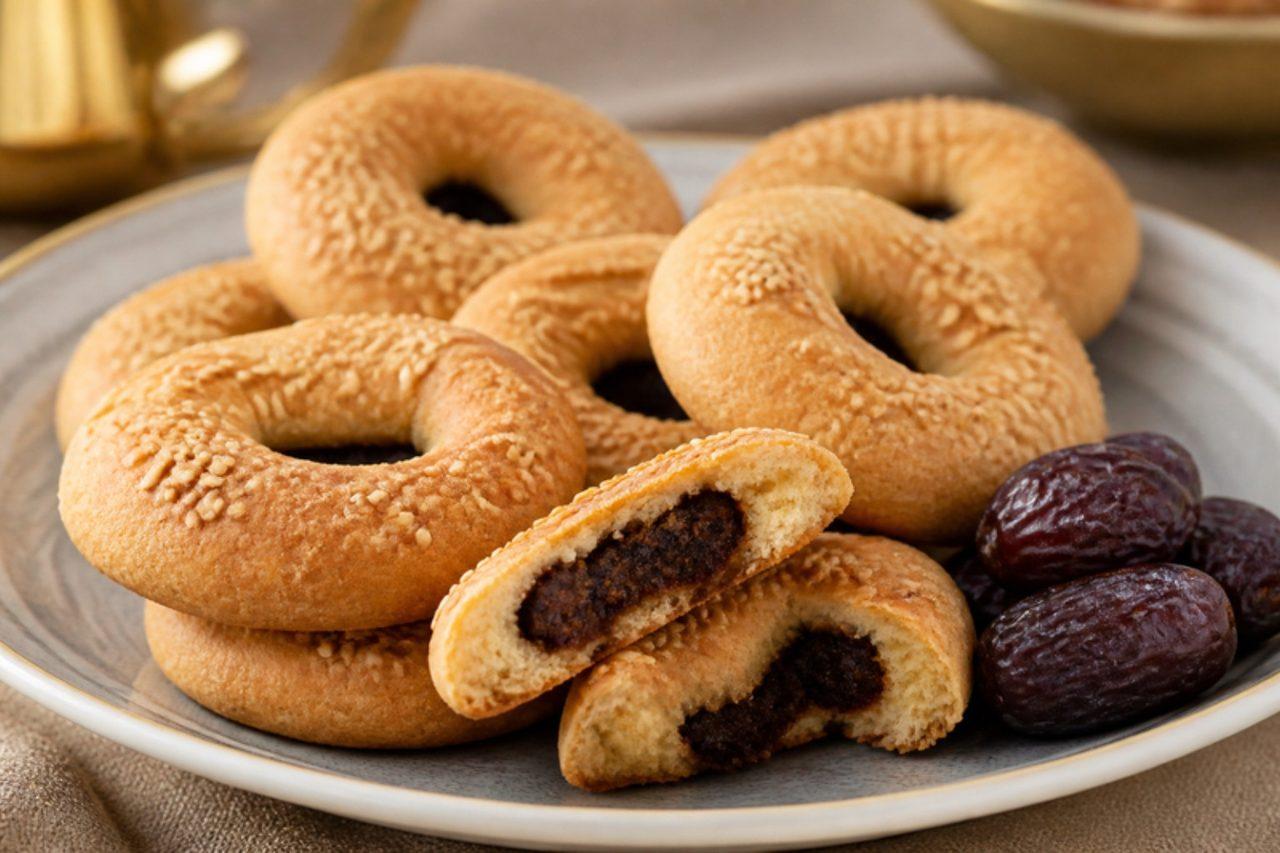
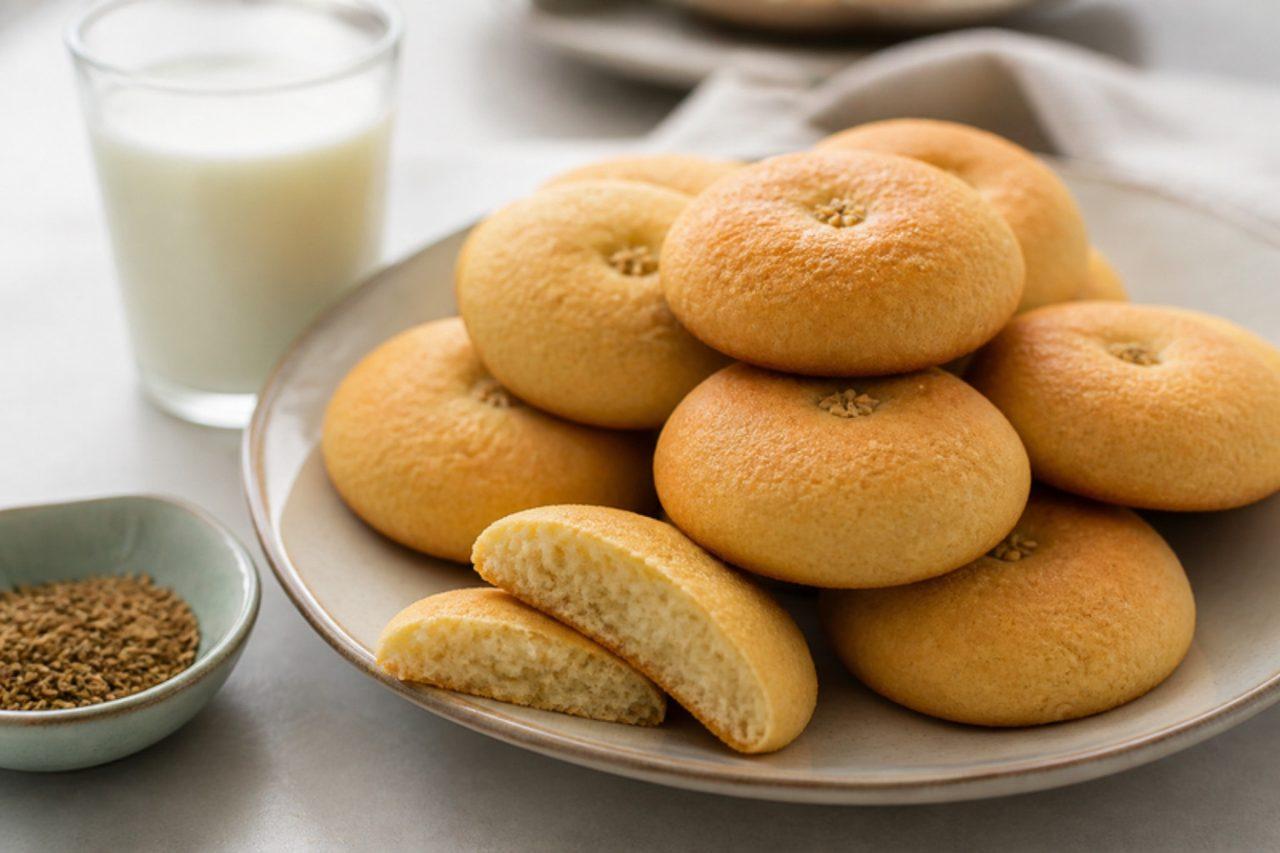
Ka'ak bi ajwaDate-filled cookie rings

In the last nights of Ramadan, Jordanian kitchens turn into small bakeries, and trays of ka'ak bi ajwa go into neighbourhood ovens ready for Eid morning. A crumbly semolina pastry scented with anise and mahlab is wrapped round a rope of date paste, closed into rings and baked pale gold, then offered to every visitor with bitter Arabic coffee. Children usually do the rolling. The common mistake is overworking the dough after the butter goes in, which makes the cookies hard rather than sandy. Chef's tip: rest the semolina and butter mixture overnight before adding the liquid; the grains drink the fat and the ka'ak melt in the mouth.

by KrazyBadal 0 views

KayganaHerb egg pancake

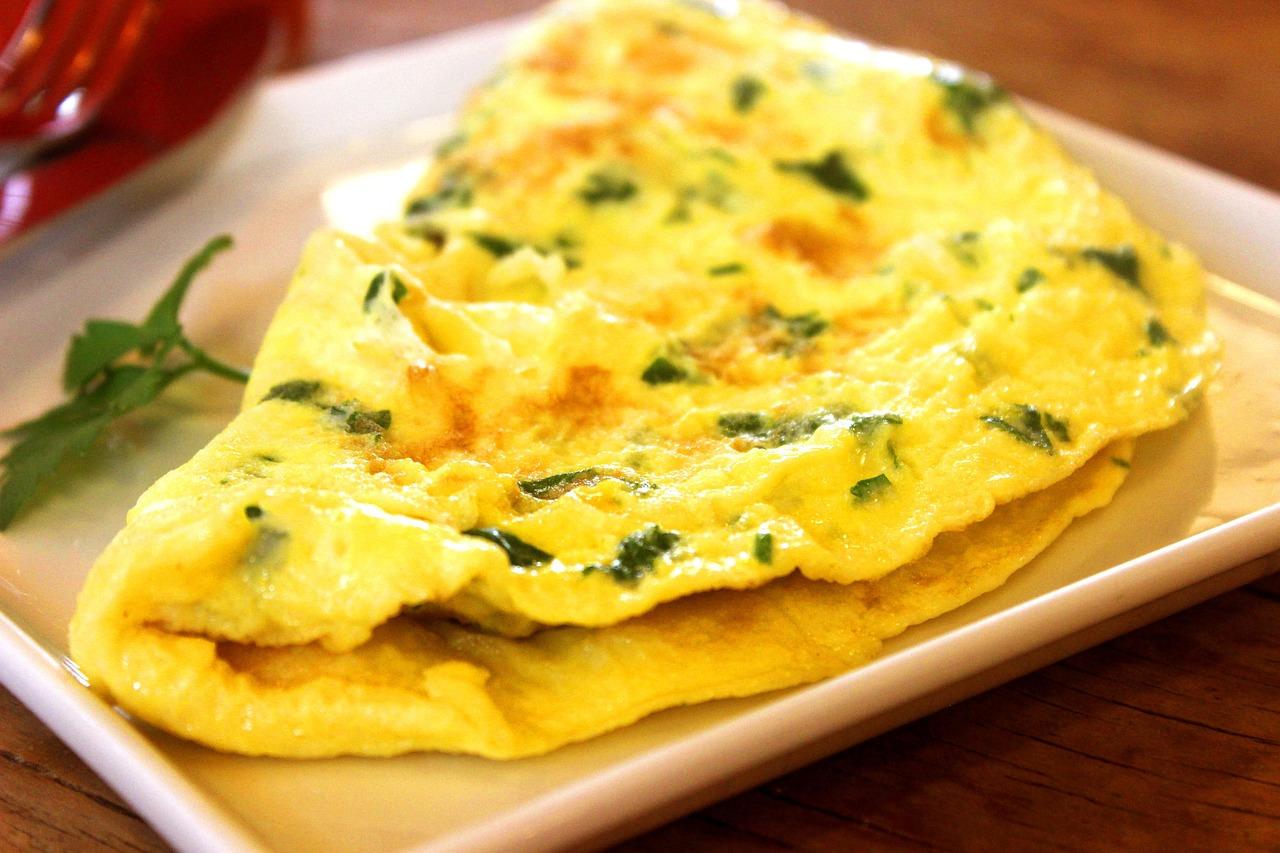
In Trabzon and Rize homes, kaygana is what appears when breakfast needs stretching: eggs beaten with a little flour and milk and a big handful of spring onion, dill and parsley, then poured thin into a buttered pan. It sits halfway between an omelette and a crêpe, soft in the middle with lacy, browned edges. Fold it onto a plate with cheese, olives, tomatoes and tea, or roll it up for a packed lunch. Common mistake: a pan that isn't hot enough, so the batter soaks up butter and turns leathery instead of puffing. Chef's tip: let the batter rest for 10 minutes; the flour hydrates and the kaygana flips without tearing.

by KrazyBadal 0 views

Lorne sausageSquare beef and pork sausage

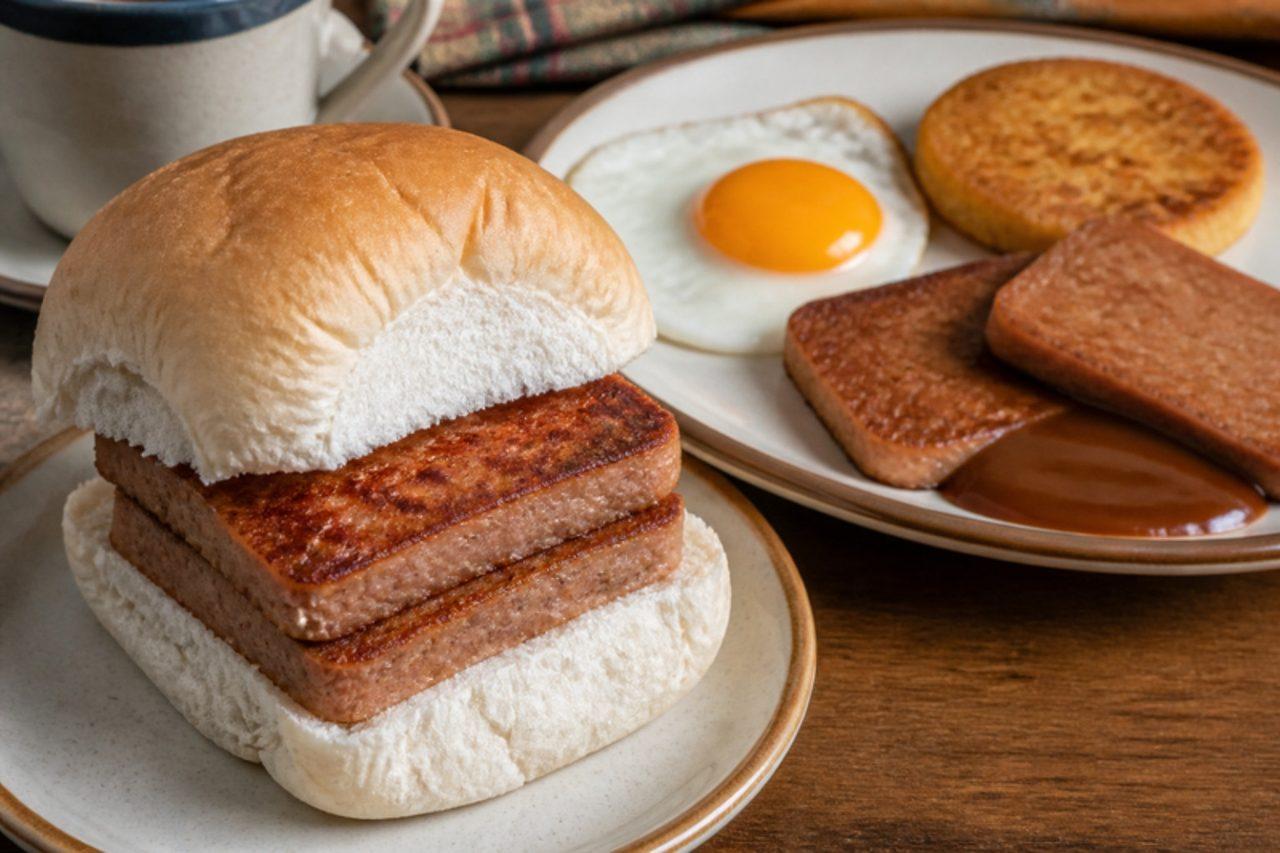
Lorne sausage, better known in Scotland simply as square sausage or slice, is a skinless loaf of seasoned beef and pork mince that is cut into squares and fried for the full Scottish breakfast, or slapped in a morning roll with brown sauce. It is easy to make at home and freezes well. Chef's tip: freeze the shaped block for an hour before slicing; it cuts into neat, thin squares.

by KrazyBadal 0 views

Chicago giardiniera

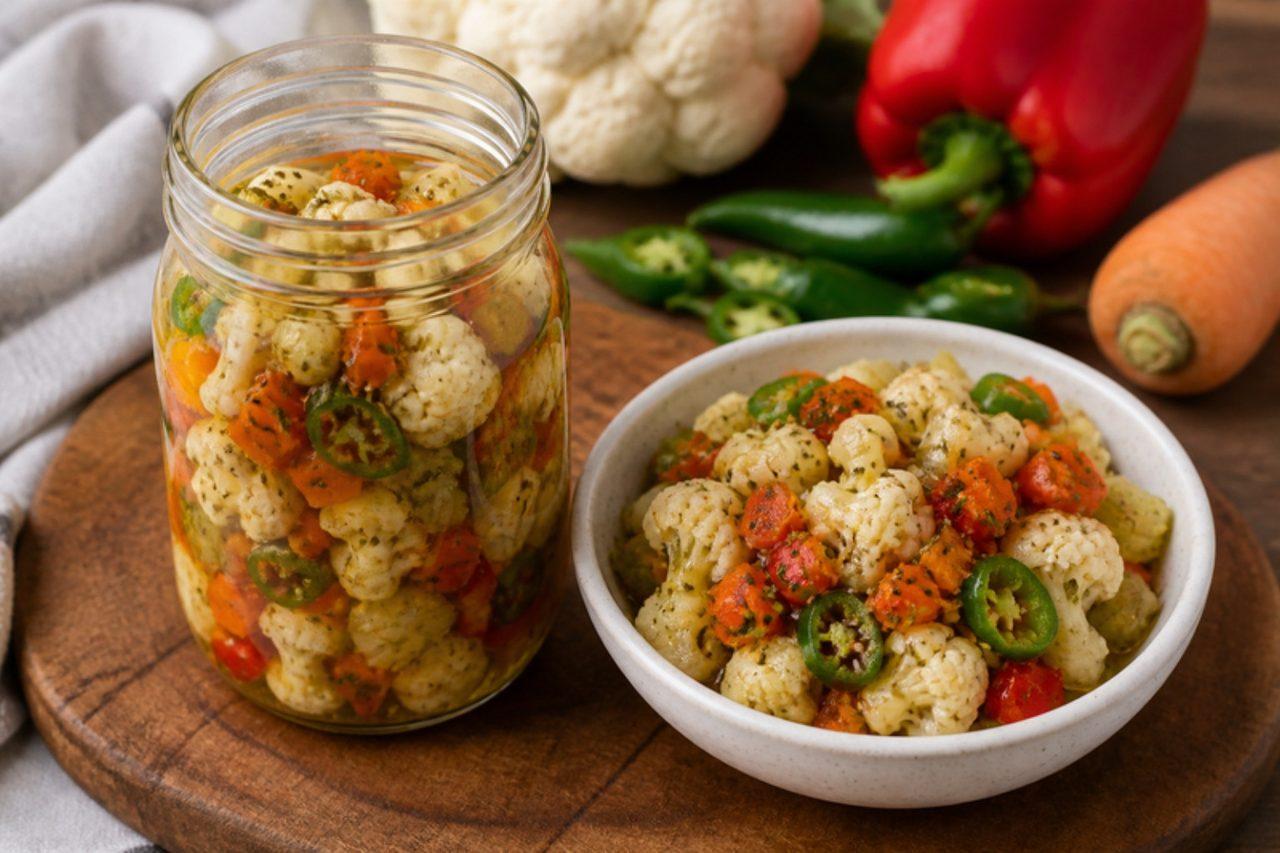
Giardiniera came to Chicago with Italian immigrants, and the city made it its own: a hot mix of chopped chillies, celery, carrot and cauliflower, brined overnight then packed in vinegar and oil. It is what Chicagoans pile on an Italian beef sandwich, a pizza or a sausage, and every deli has its own heat level. Chef's tip: don't skip the overnight salt brine; it draws out water so the vegetables stay crunchy for weeks.

by KrazyBadal 0 views

Kayısı tatlısıCream-filled poached apricots

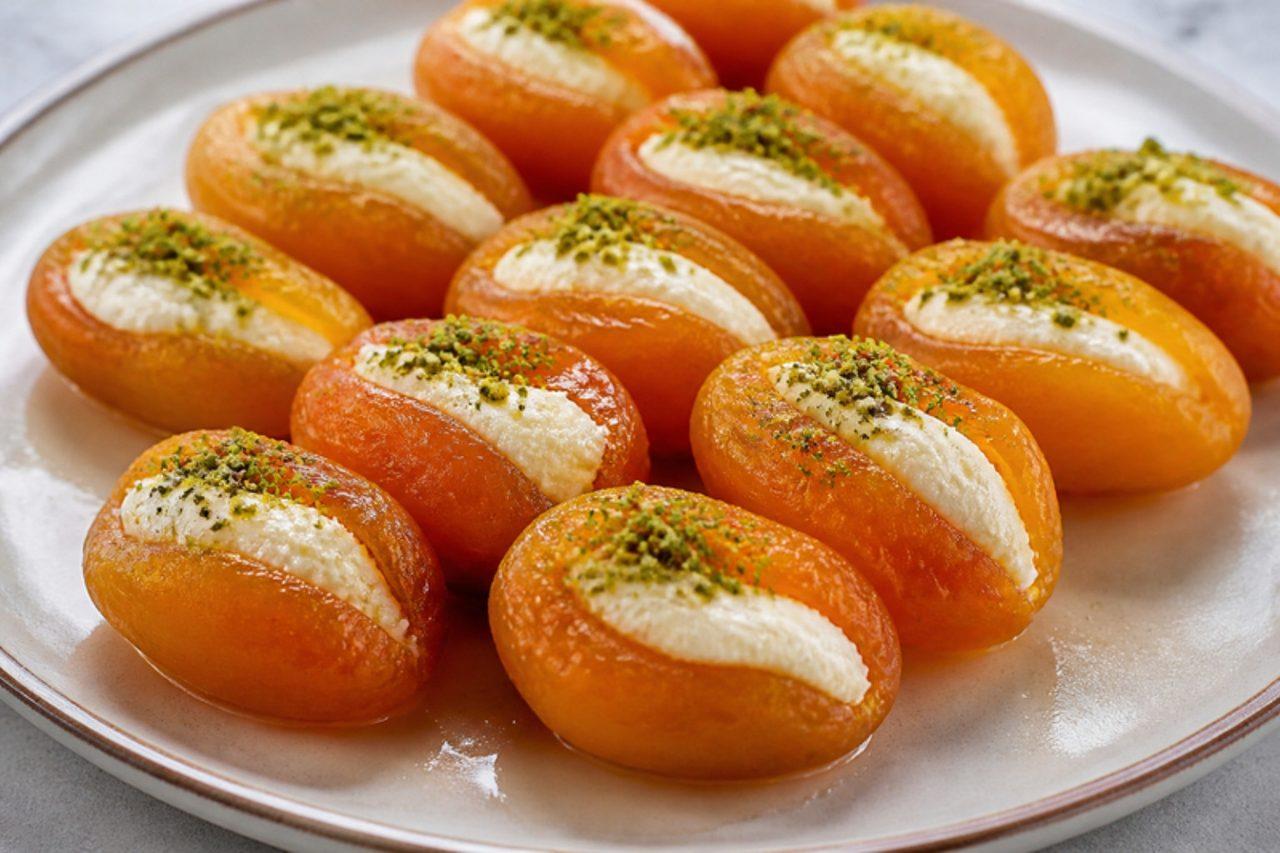
Malatya grows more apricots than anywhere else on earth, and its sweet shops make the most of the sun-dried fruit with kayısı tatlısı: plump dried apricots soaked, poached in a light syrup until glossy, then split and filled with thick kaymak and topped with bright green pistachio. They're served chilled in small dishes at the end of a meal or with coffee. Common mistake: boiling them hard, which bursts the skins; they need only a gentle simmer. Chef's tip: choose the soft, pale, whole dried apricots rather than the sulphured orange halves; they fill neatly and taste of honey.

by KrazyBadal 0 views

EmolienteBarley and flaxseed herbal drink

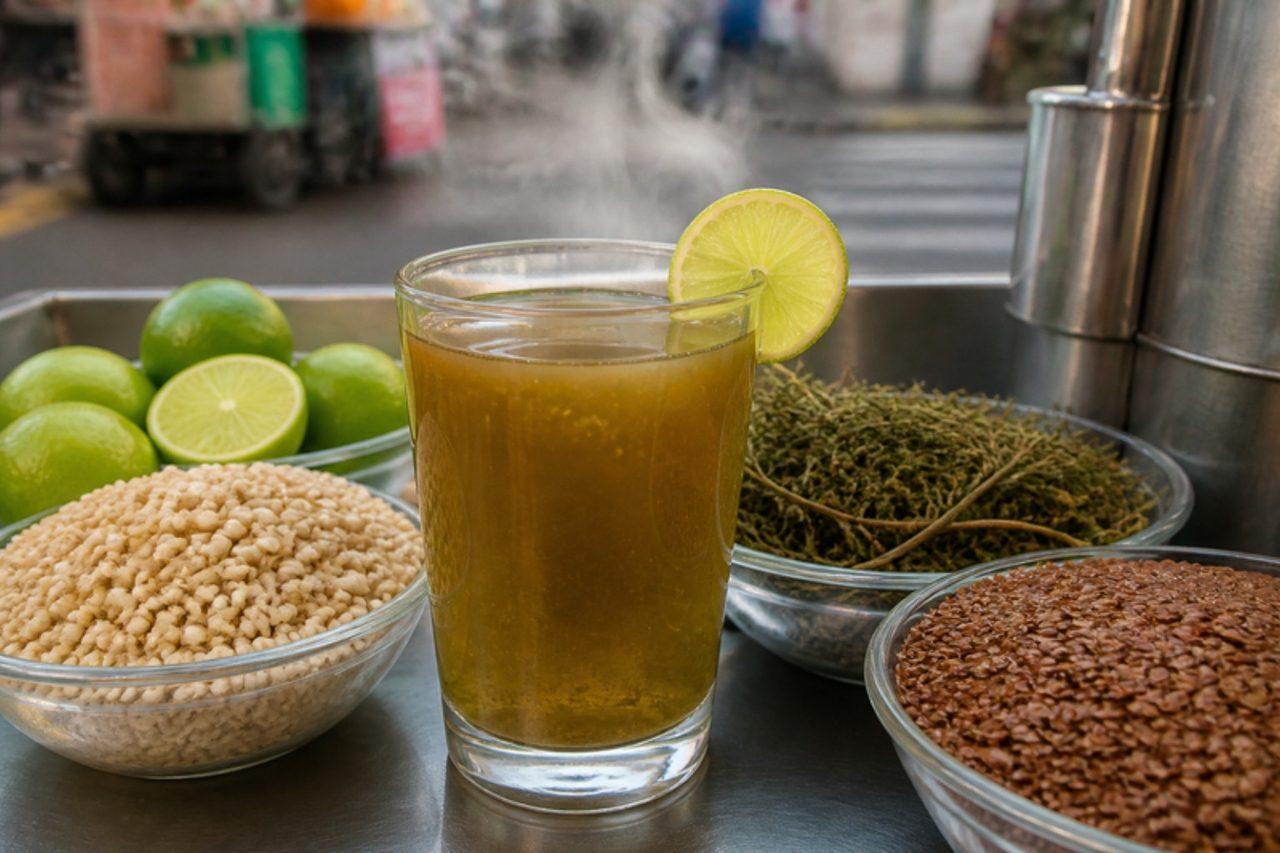
Before dawn, all over Peru, emolienteros set up their carts with a row of steaming kettles and jars of herbs, and commuters stop for a glass of emoliente on the way to work. It's a hot infusion of toasted barley, flaxseed and herbs, with lime juice and sugar added to order, and it is drunk for comfort and digestion, especially in Lima's damp winter. The flaxseed gives it a slippery, soothing body; the barley a toasty, almost coffee-like note. Street versions use horsetail, alfalfa, boldo and other herbs; this home version keeps it simple, with horsetail as an option (leave it out if you are pregnant or have kidney problems). The usual error is boiling the flax too long, which makes the drink gloopy; add it for the last 10 minutes only. Serve very hot in glasses, with pan con queso or a sandwich. Barley contains gluten. Chef's tip: toast the barley yourself until it is deep brown; it's what gives emoliente its colour and its roasted flavour.

by KrazyBadal 0 views

Empadão goianoChicken, pork and cheese pie

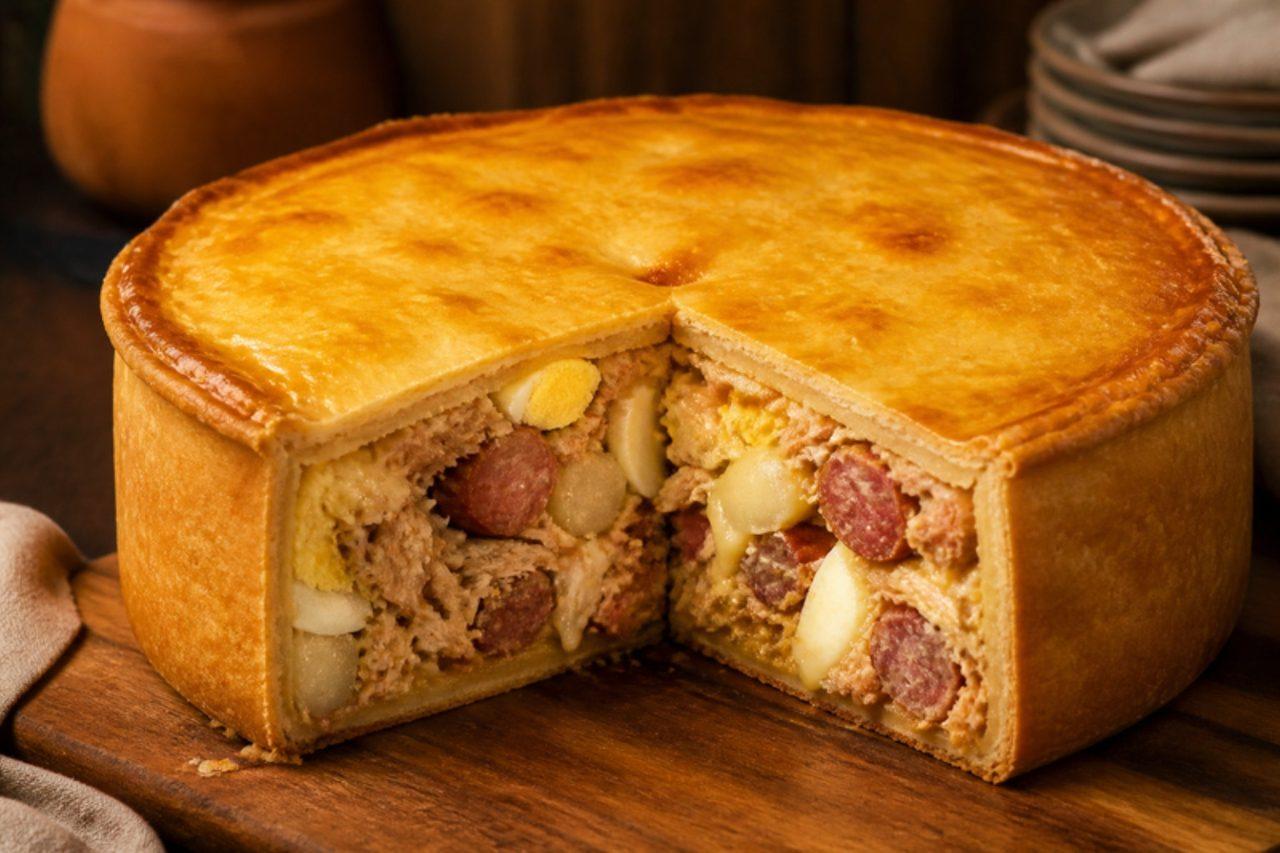
In Goiás, the empadão goiano is the pride of padarias and lanchonetes, and families bake it for festas and Sundays in individual clay dishes or one deep tin. Under a short, crumbly lard pastry sits a juicy filling of shredded chicken, cubes of pork loin and pork sausage in a tomato sauce, with slices of fresh cheese, boiled egg and guariroba, a bitter palm heart from the cerrado. It is savoury, rich and slightly bitter, best eaten warm with a tomato salad. Guariroba is sold in jars in Brazilian shops; ordinary palm hearts work but are milder. The pitfall is a filling that is too wet, which makes a soggy base; it should be thick and juicy, not soupy. The chicken must reach 74 °C and the pork 71 °C before it goes into the pie. Chef's tip: chill the pastry-lined dish for 15 minutes before filling so the lard firms up and the pastry stays short.

by KrazyBadal 0 views

Empadinha de palmitoHeart of palm pies

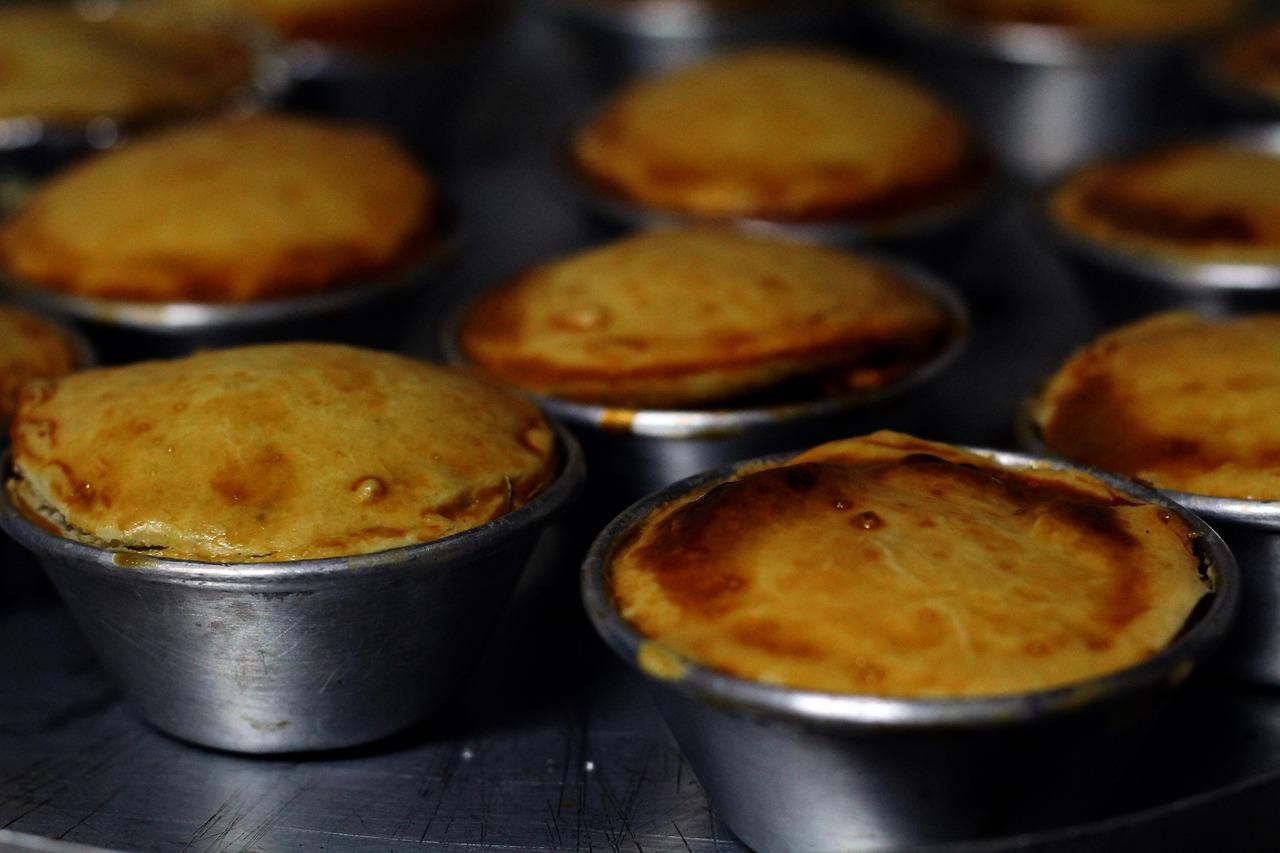
Rio's padarias and lanchonetes stack trays of empadinhas on their counters, and the heart-of-palm one is the meat-free favourite: a short, buttery crust that melts in the mouth around a creamy, savoury filling of palmito, tomato and olives. They are snack food eaten standing at the counter with a guaraná, party food passed round at birthdays, and something to pack for the beach. The pastry is very rich and almost crumbles at a touch, so press it into tins rather than rolling it. Buy palm hearts from cultivated pupunha or açaí palms rather than wild juçara. Many bakers make the filling too runny, and it boils over and soaks the crust; it should be thick enough to hold a spoon upright. Chef's tip: chill the lined tins for 15 minutes before filling, so the pastry keeps its shape and bakes crisp.

by KrazyBadal 0 views

Wisconsin beer cheese soup

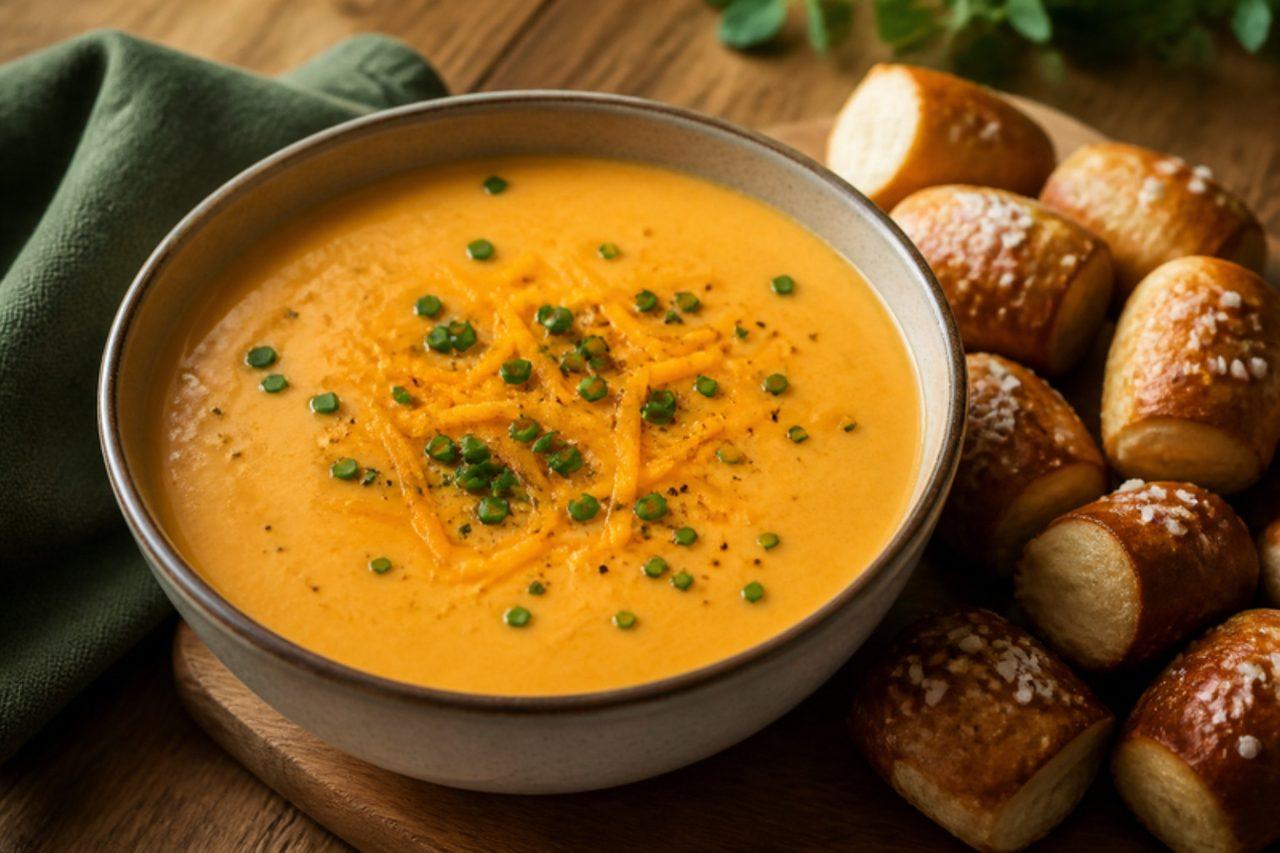
Beer cheese soup is a Wisconsin tavern and Packers game-day classic, made with the state's sharp cheddar and a local lager and served with soft pretzels or popcorn on top. It is thick, silky and tangy, with a little mustard and smoked paprika. It contains beer; most of the alcohol cooks off but not all, so for an alcohol-free version use alcohol-free lager or extra stock with 1 tsp cider vinegar. Aged cheddar is often made with animal rennet, so use a vegetarian cheddar. Chef's tip: add the cheese off the heat, a handful at a time, or it turns grainy.

by KrazyBadal 0 views

Kayseri yağlamasıLayered flatbread with mince

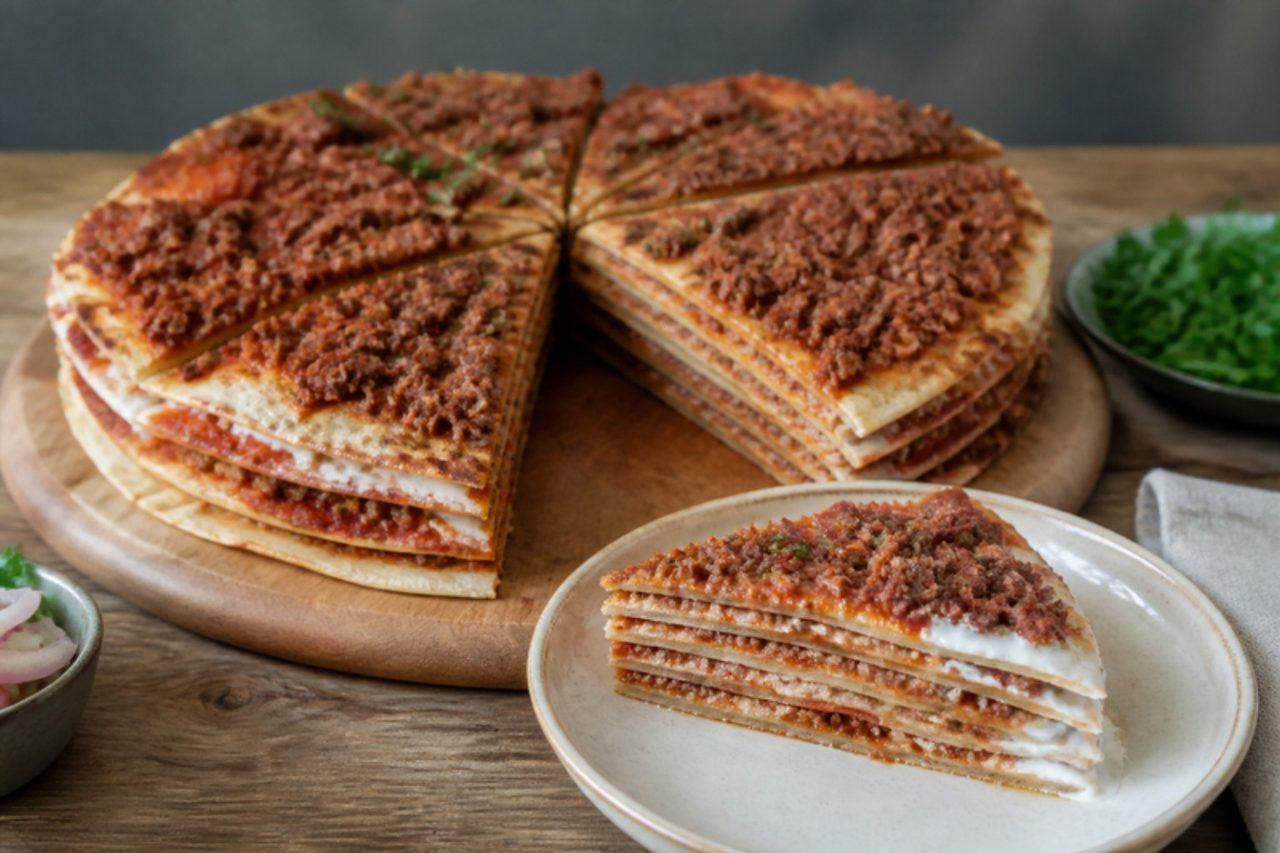
Kayseri families make yağlama for big gatherings and festival days: a tower of soft, thin flatbreads cooked on a griddle, each layer spread with a tomatoey beef mince sauce and garlic yoghurt, then cut into wedges like a cake. It sits somewhere between a lasagne and a stack of pancakes, and everyone eats it warm with ayran and pickles. Common mistake: letting the breads dry out while you cook the rest; keep them under a damp cloth so they stay pliable. The mince should be simmered until cooked through to 71 °C. Chef's tip: build the stack quickly while everything is hot, then rest it five minutes so the layers settle and cut cleanly.

by KrazyBadal 0 views

Empanadas de añejoFried corn potato and cheese empanadas

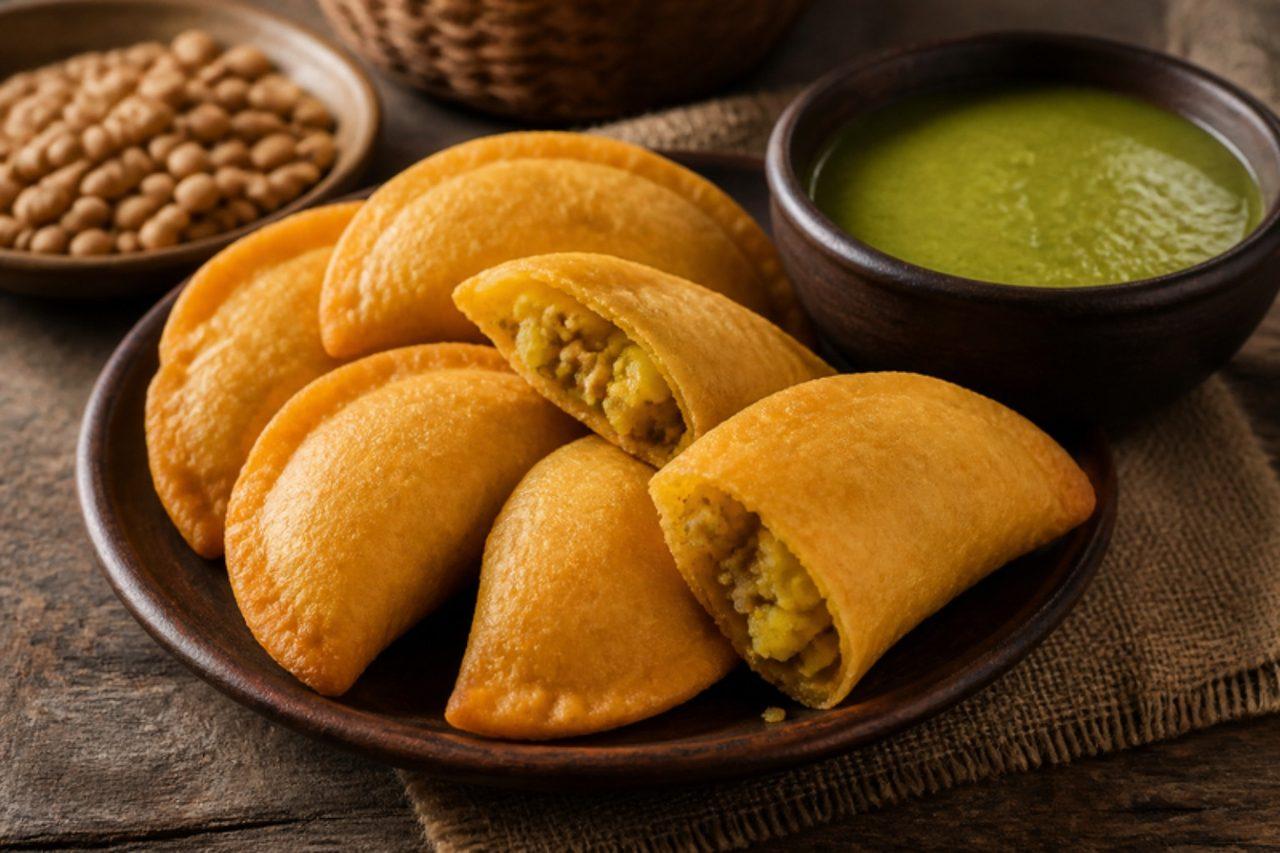
Pasto cafés and street stalls fry empanadas de añejo all morning, and the name gives away the secret: añejo means aged, and the corn dough is left to sour slightly before shaping. That gentle fermentation gives a light, crackly shell with a faint tang that sets them apart from the empanadas of the rest of Colombia. The filling here is the meat-free version Nariño cooks also make, potato stewed with spring onion and achiote and mixed with fresh cheese, and they go to the table with a peanut ají and a coffee. Plan for 24 hours of fermenting. Queso fresco is usually set with animal rennet, so use a vegetarian (microbial-rennet) cheese if needed. Thick dough is the misstep that makes them heavy and greasy; press it thin enough to see light through. Chef's tip: ferment in a cool spot (no warmer than 22 °C), covered, for no more than 24 hours, then chill the dough until you shape it.

by KrazyBadal 0 views

Empanadas de calabazaSweet pumpkin turnovers

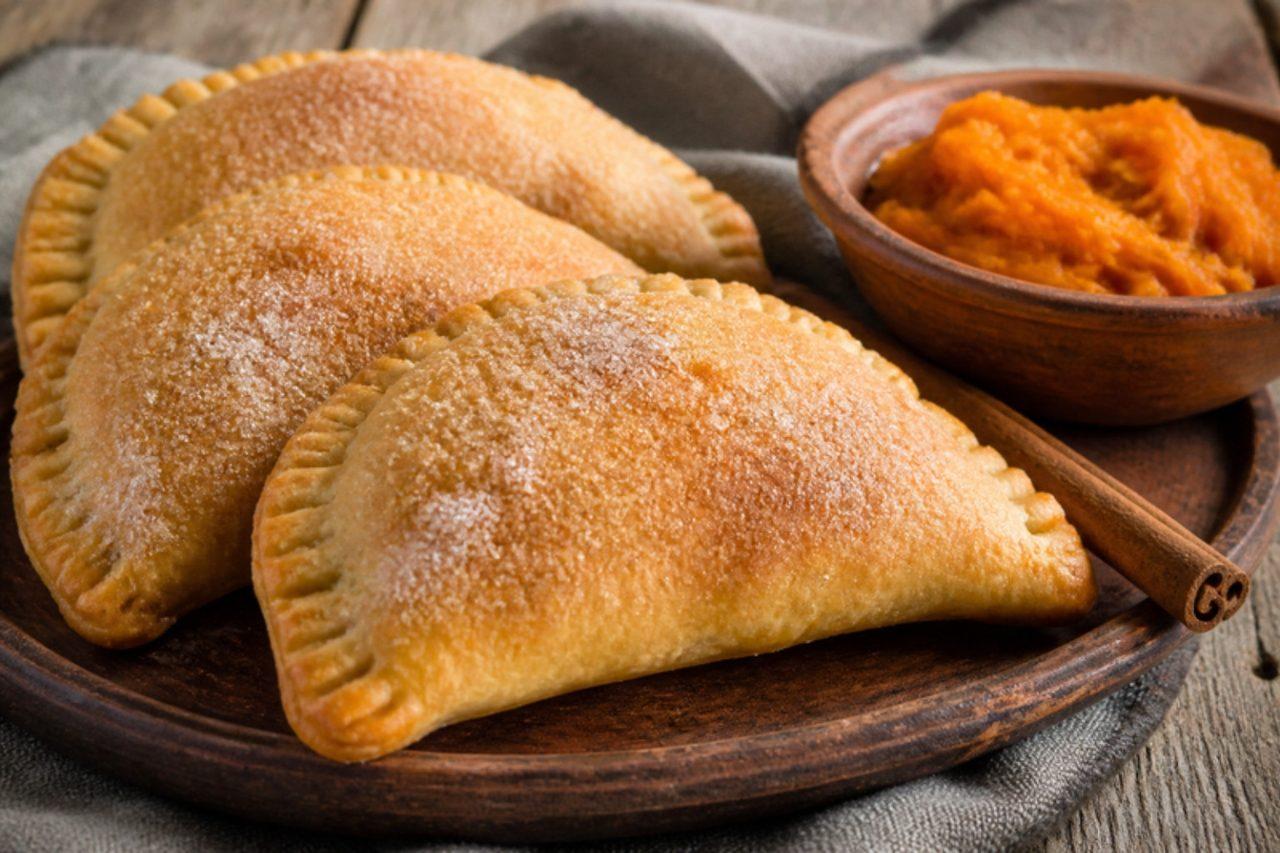
When the cold fronts reach Monterrey in November, panaderías start stacking trays of empanadas de calabaza next to the conchas, and families bake them at home for Day of the Dead and Christmas. A tender, lightly sweet pastry is folded around a thick purée of pumpkin cooked with piloncillo, cinnamon and anise, so each half-moon tastes like a spiced pumpkin pie you can hold. They are eaten with café de olla or a glass of milk. Chef's tip: cook the filling until a spoon leaves a trail across the pan; watery pumpkin turns the pastry soggy.

by KrazyBadal 0 views

Empanadas de pipiánFried corn potato-peanut empanadas

Popayán, the white colonial city of the Cauca, is proud of its tiny empanadas de pipián, fried by the dozen at market stalls and around the Holy Week processions. The filling, pipián, is a stew of small potatoes coloured with achiote and enriched with ground roasted peanuts, so each bite is crisp corn shell, then soft, nutty, savoury potato. They always come with ají de maní, a loose peanut and chilli sauce spooned into the open end. Many households add chopped hard-boiled egg to the pipián; this version leaves it out and is fully vegan. A wet filling is the classic error, as it steams inside and bursts the dough in the oil, so cook the pipián until thick and let it cool before filling. Chef's tip: shape the empanadas on a sheet of plastic cut from a freezer bag; the thin corn dough lifts off cleanly and seals without cracking.

by KrazyBadal 0 views

Texas potato and egg breakfast tacos

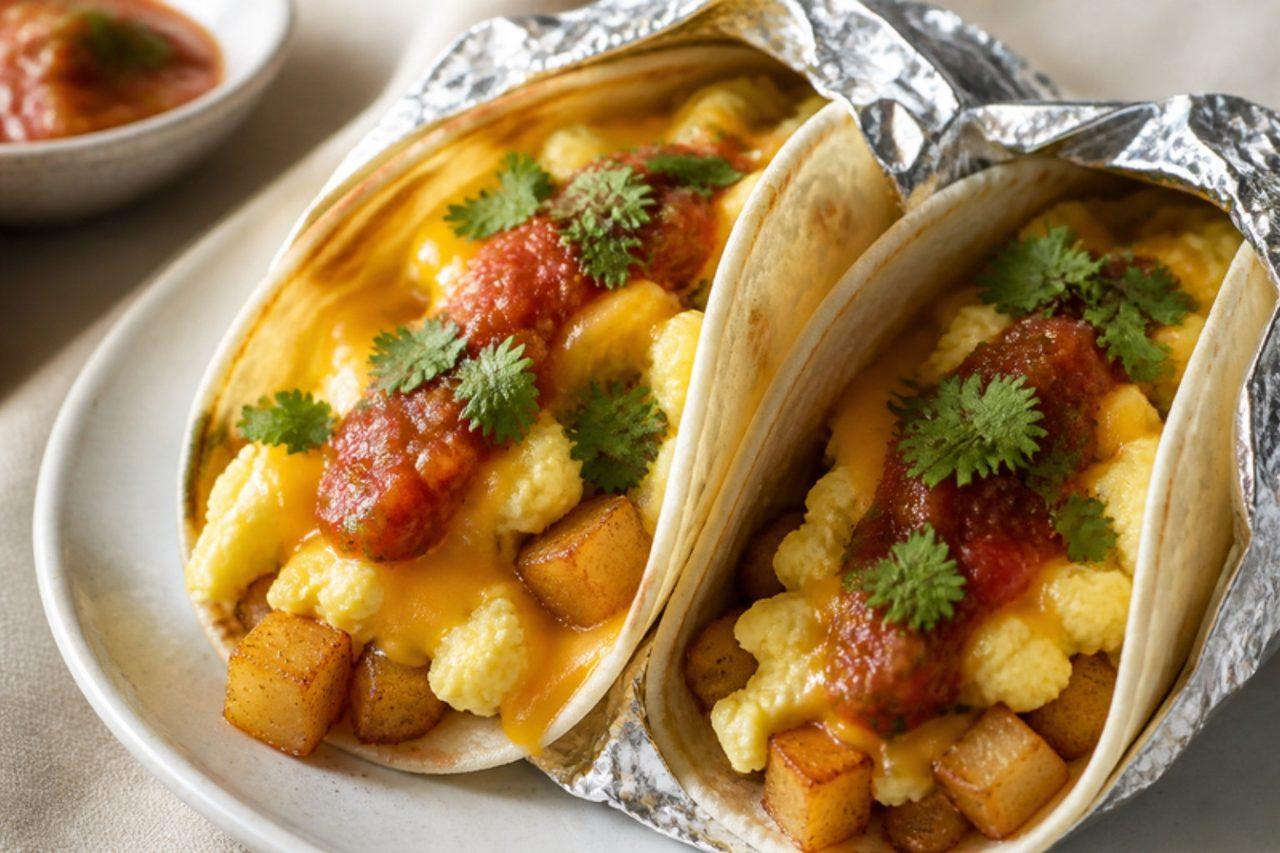
In Austin and San Antonio the breakfast taco is the morning commute: soft flour tortillas wrapped around fillings like crispy potato, scrambled egg and cheese, bought in foil from taquerías and petrol stations and eaten with salsa. Potato and egg is the classic meatless pairing. Chef's tip: fry the diced potatoes in one layer without stirring for the first few minutes so they get a real crust.

by KrazyBadal 0 views

Ka'ak bi haleebSoft milk cookies

Lebanese families bake ka'ak bi haleeb by the tray before Eid and Easter alike, stamping each round with a carved wooden mould so it comes out patterned like a little rosette. They are soft rather than crisp, gently sweet, perfumed with mahlab (ground cherry kernels), anise and orange blossom water, and dusted with sesame or left plain. Children dunk them in milk, grown-ups in tea. The common mistake is adding too much flour to make the dough easier to handle, which gives dry, bready cookies. Chef's tip: let the shaped cookies rise for 30 minutes before baking; the yeast makes them pillowy and keeps the stamped pattern sharp.

by KrazyBadal 0 views

KazandibiCaramelised milk pudding

Kazandibi means 'bottom of the cauldron', and in the old pudding shops of Istanbul's Beyoğlu and Fatih it is cut from a big tray whose base was caramelised on purpose over a flame. The square is rolled up so the burnished, faintly bitter top hides a soft, cool vanilla pudding inside. Serve it chilled with a dusting of cinnamon and a glass of tea. The traditional palace version had shredded chicken in it; this everyday version is purely milk, rice flour and sugar. Chef's tip: use a heavy-based, non-stick pan or tin and give the sugar a full deep amber before the pudding goes in, because pale caramel just tastes sweet rather than toasty.

by KrazyBadal 0 views

Empire biscuitsJam-filled iced shortbreads

Empire biscuits sit in the window of every Scottish high-street bakery: two rounds of crisp shortcake stuck together with raspberry jam, topped with white icing and a jelly sweet or half a glacé cherry. They were called Linzer or German biscuits until the First World War. Chef's tip: let the biscuits cool completely before sandwiching, or the jam soaks in and they go soft.

by KrazyBadal 0 views

LemonanaFrozen mint lemonade

From café terraces in Ramallah and Jaffa to juice bars along Hamra Street in Beirut, summer means tall glasses of lemonana: lemons and fistfuls of fresh mint blended with ice into a sharp, sweet, electric-green slush. It is the drink handed to you after a walk through the market at noon, and it cools a mezze lunch like nothing else. Everything goes in a blender, but the mint must be fresh and plentiful. The common mistake is blending the mint for too long, which bruises it and turns the drink murky and grassy. Chef's tip: make a lemon-sugar syrup first and chill it; dissolved sugar sweetens evenly and lets you blend for only a few seconds.

by KrazyBadal 0 views

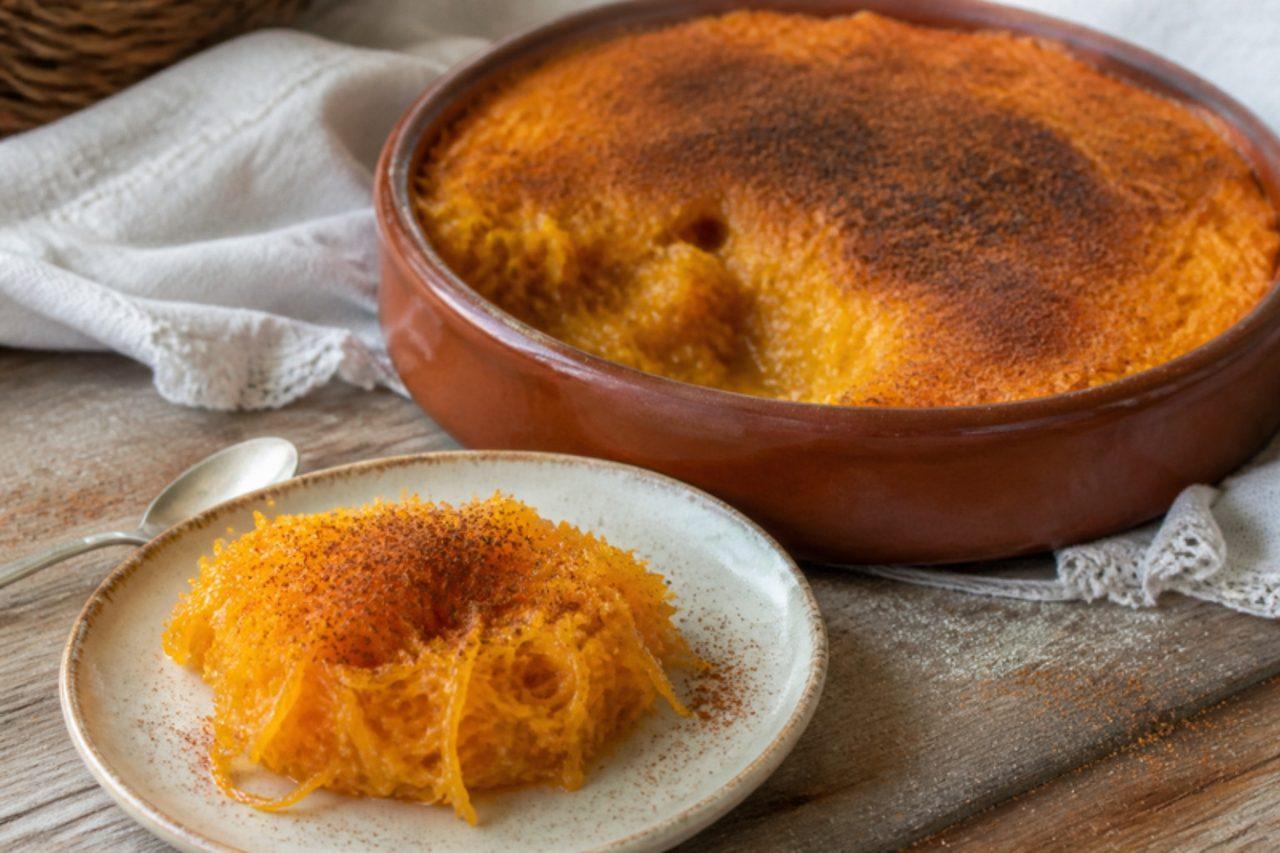
EncharcadaEgg-yolk threads in syrup

Alentejo convents, Évora's among them, used the yolks left over from egg whites used to starch linen and clarify wine, and encharcada, 'drenched', is one of their richest creations. Egg yolks are poured into boiling syrup, where they set into soft, golden threads and curds, then everything is dusted with cinnamon and browned under a hot grill. It is very sweet, so serve small portions in little dishes, at Christmas or a family celebration. A common mistake is stirring the yolks as they hit the syrup, which turns them into scrambled bits; let them set for a few seconds first, then lift them gently. Chef's tip: strain the yolks first, so no stringy white clings to them.

by KrazyBadal 0 views

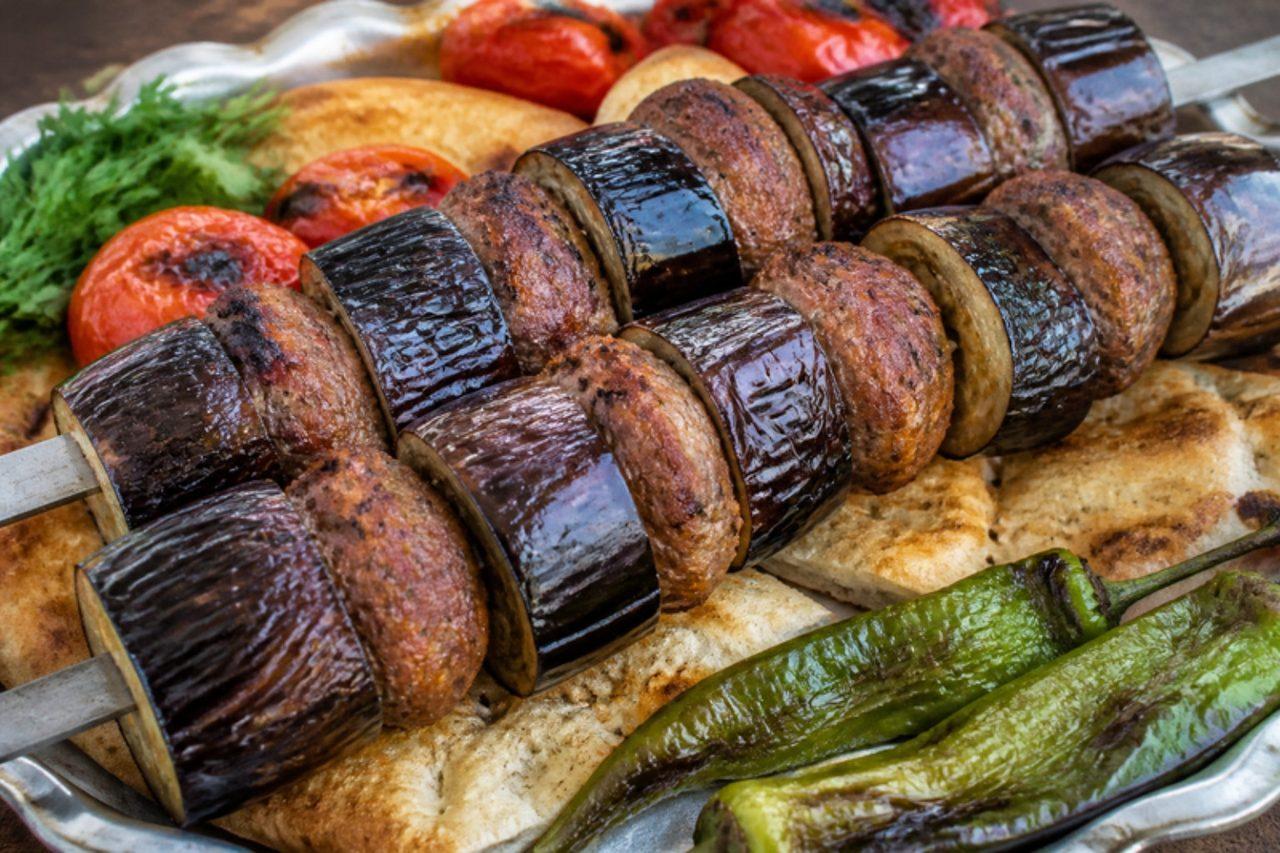
Patlıcan kebabıAubergine and meatball skewers

Late summer in southeastern Turkey, from Urfa to Gaziantep, means patlıcan kebabı: thick rounds of unpeeled aubergine threaded between small patties of spiced lamb, so the fat from the meat bastes the aubergine as it chars. Served on lavaş, the aubergine is pressed with a spoon into the bread and the whole thing is eaten with onions and green chillies. Use small, firm aubergines that won't split on the skewer. Common mistake: cutting the aubergine thinner than the meat; it burns before the köfte is cooked. Chef's tip: peel the charred aubergine skin off on the plate, but leave it on while grilling.

by KrazyBadal 0 views

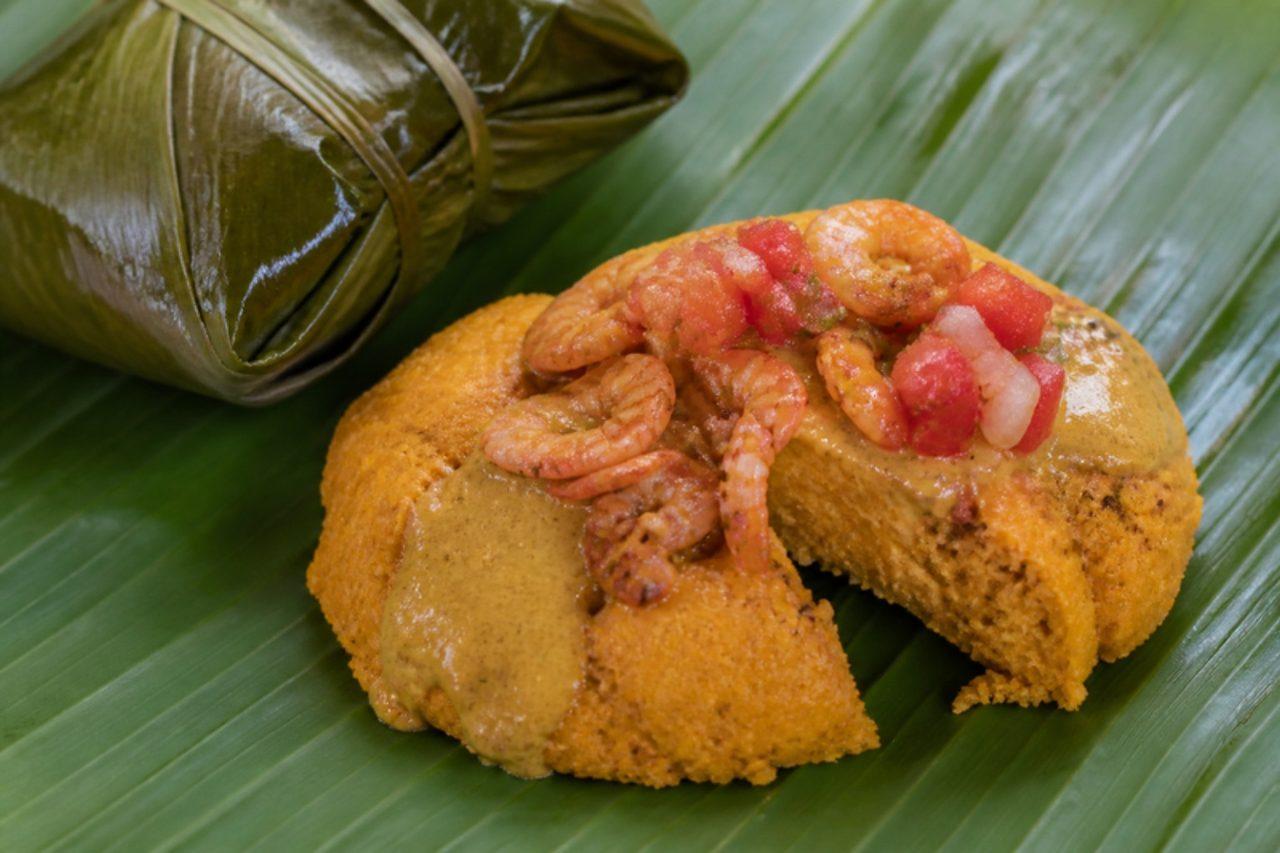
AbaráSteamed black-eyed pea parcels

Abará is the steamed sister of acarajé, sold from the same wooden trays by the baianas in white lace who set up on the corners of Salvador's Pelourinho, Rio Vermelho and the Barra seafront. The batter is identical, black-eyed peas skinned and ground with onion and dried shrimp, but instead of hitting hot dendê it is wrapped in banana leaf and steamed, so it comes out soft, dense and sunset-orange, tasting of palm oil, sea and pulses. Baianas split it open and fill it with vatapá, caruru, vinagrete and a few whole shrimp; at home it is lovely with just a spoonful of pepper sauce. Plan ahead: the peas need soaking overnight. The usual mistake is leaving the skins on, which makes the parcels grey, gritty and heavy. For a vegetarian version, leave out the shrimp and add a pinch more salt. Chef's tip: beat the paste hard with a wooden spoon for a few minutes before wrapping; the air you work in is what keeps abará light rather than rubbery.

by KrazyBadal 0 views

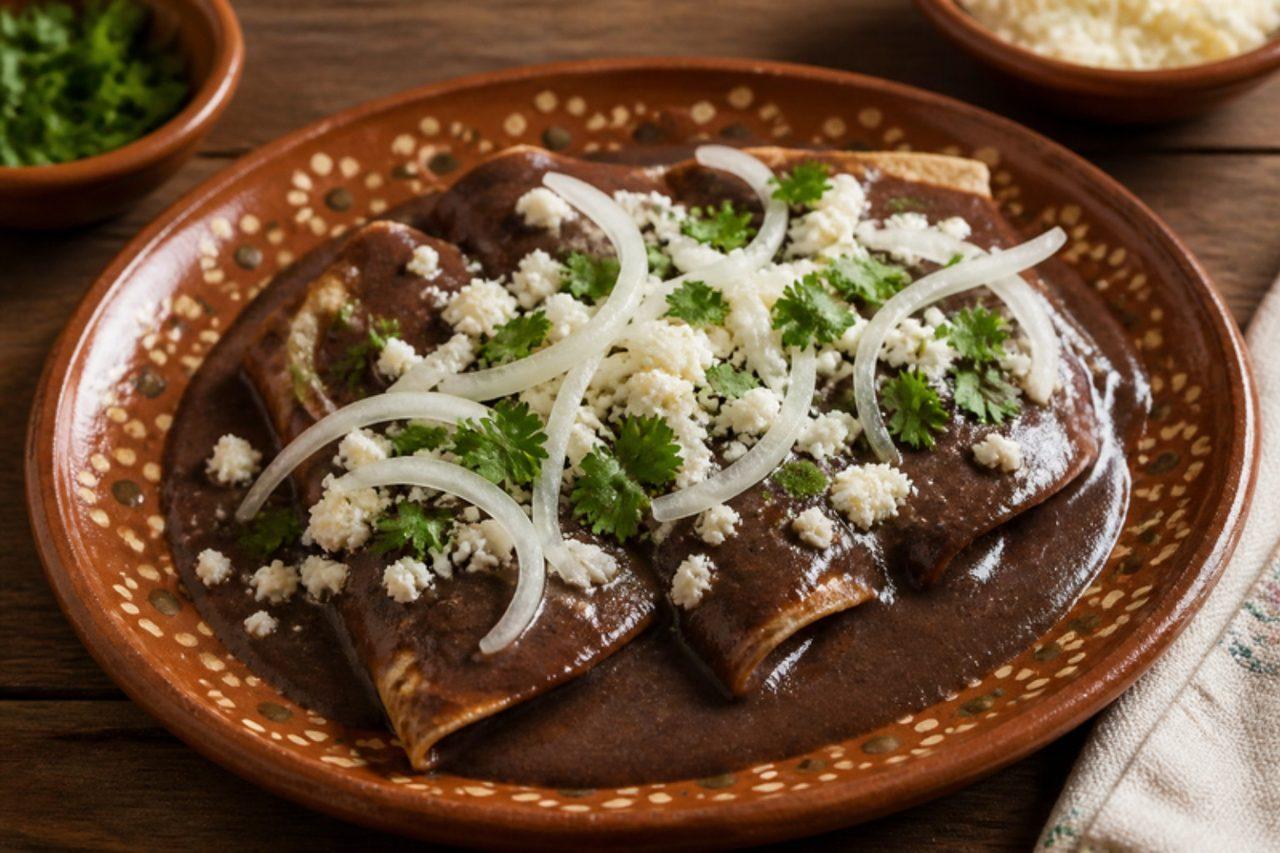
EnfrijoladasTortillas in black bean sauce

Think of enfrijoladas as enchiladas that swap chilli sauce for beans: warm tortillas dipped in a silky black-bean purée, folded into quarters and scattered with fresh cheese and raw onion. In Oaxaca they are a breakfast and supper dish, made from yesterday's pot of beans, and the purée is perfumed with toasted avocado leaves, which taste faintly of anise. Serve two or three per person with a fried egg or a spoonful of salsa. Queso fresco is often made with animal rennet; use a vegetarian feta or paneer-style fresh cheese if that matters to you. Chef's tip: keep the bean sauce loose, like double cream; it thickens on the plate and a stiff sauce tears the tortillas.

by KrazyBadal 0 views

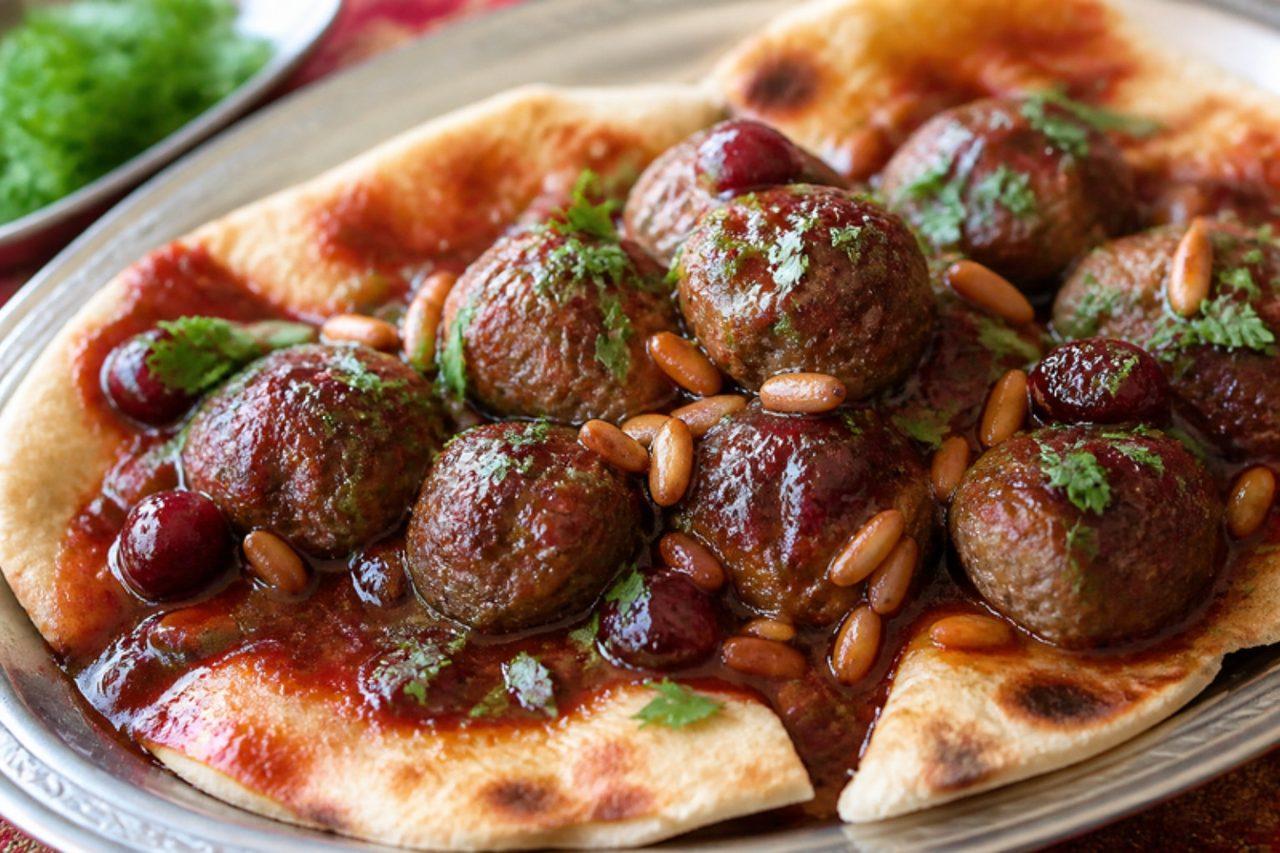
Kebab karazLamb meatballs in sour cherry sauce

Kebab karaz is Aleppo's most celebrated dish, cooked in early summer when the small, sour cherries (wild mahaleb cherries in the old days) come into season. Little grilled or fried lamb meatballs are simmered briefly in a deep red, sweet-sour cherry sauce, then served on pieces of flatbread that soak up the juices, scattered with parsley and pine nuts. It is rich, fruity and quite unlike anything else in the Levant. Common mistake: using sweet cherries alone — the sauce turns jammy; you need sour cherries, or sweet ones sharpened with lemon and pomegranate molasses. Chef's tip: frozen pitted sour cherries work perfectly all year round.

60 minSyrianMeat
by KrazyBadal 0 views

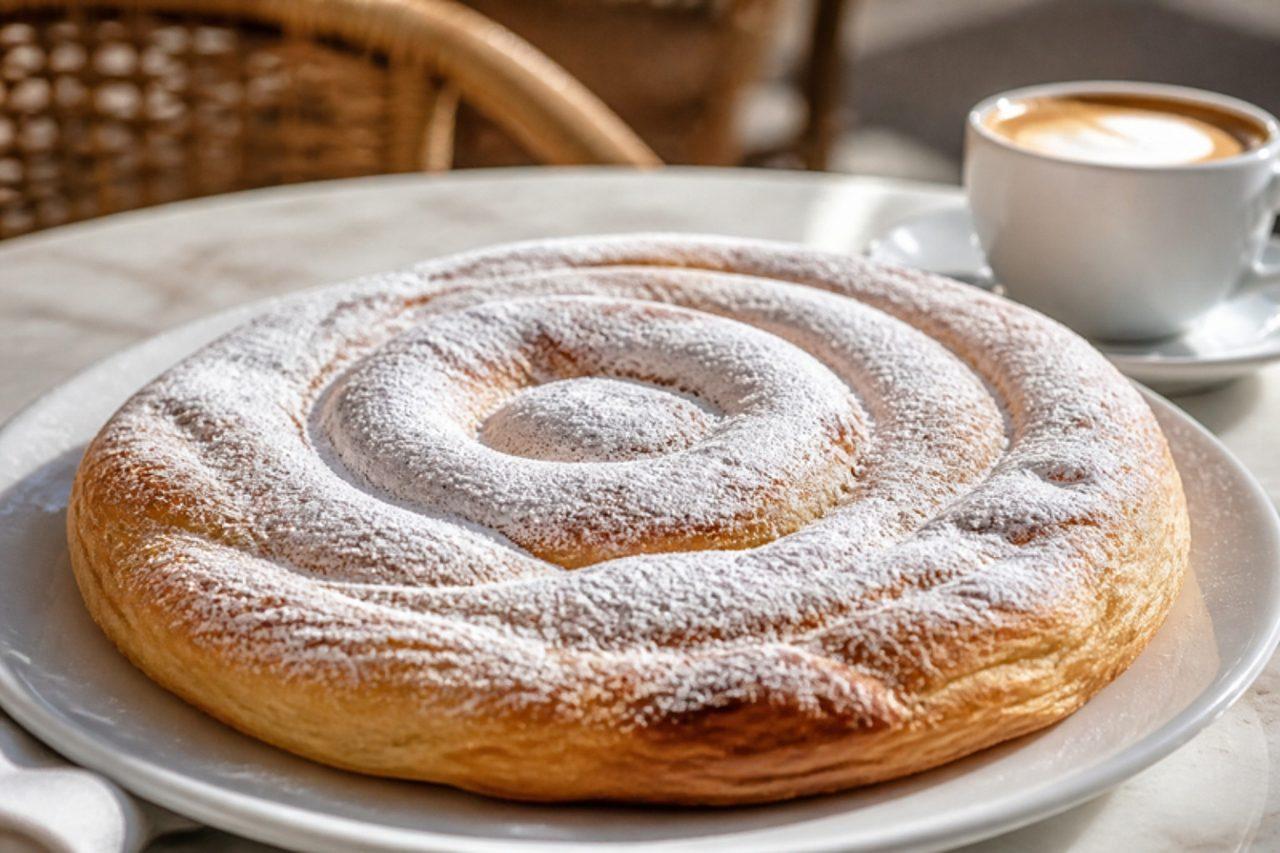
EnsaïmadaSpiral sweet breakfast pastry

This contains pork: the name comes from saïm, the pork lard brushed over the dough before it is coiled, and it is what gives an ensaïmada its shattering, flaky layers. Mallorcans eat them for breakfast with hot chocolate or coffee, and at Palma airport you will see travellers carrying flat hexagonal boxes of large ones home as gifts. The dough is enriched with egg and sugar, stretched until thin enough to see through, rolled into a rope and wound into a loose spiral, then proved overnight. Chef's tip: oil your hands and the worktop generously before stretching, so the dough slides rather than sticks and tears.

by KrazyBadal 0 views

New England corn chowder

When the sweetcorn stands in late summer at farm stands from Maine to Connecticut, corn chowder is what goes on the stove. It is a milky, chunky soup of corn, potato and onion, thickened by simmering the stripped cobs in the stock. Many cooks start it with salt pork; this vegetarian version gets its depth from butter, smoked paprika and the cob stock instead. Chef's tip: scrape the bare cobs with the back of a knife to get the sweet corn 'milk' into the pot.

by KrazyBadal 0 views

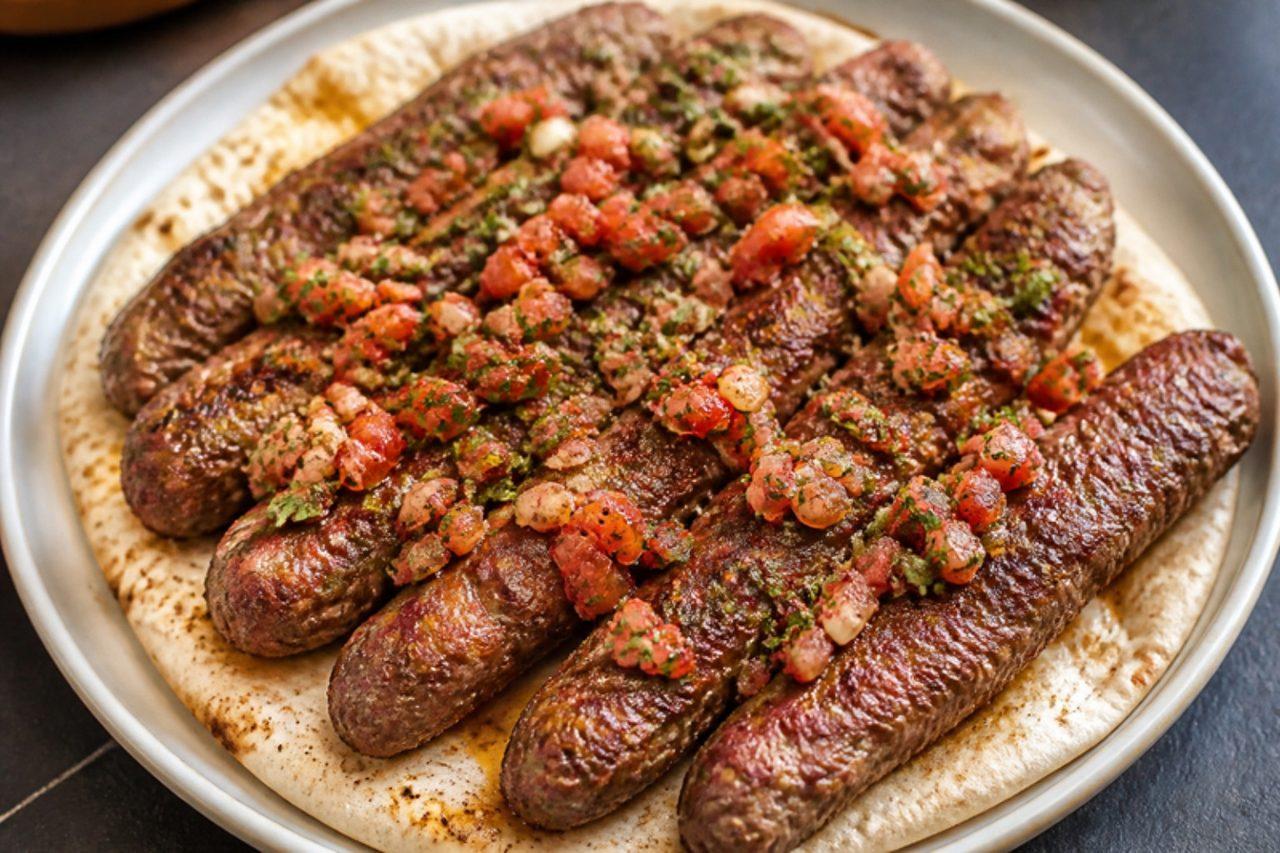
Kebab khashkhashLamb kebabs with spicy tomato topping

In Aleppo's grill houses, kebab khashkhash comes to the table sizzling: long, juicy skewers of lamb mince with pepper paste and chilli, laid over flatbread and covered with a hot, chunky sauce of tomatoes, garlic, chilli and parsley that soaks into the bread. It is bold and fiery, eaten with grilled tomatoes and green chillies and a cold glass of ayran. Common mistake: using lean mince — kebabs need around 20% fat to stay juicy on the grill. Chef's tip: chill the shaped skewers for 30 minutes before grilling so the meat clings and doesn't slip off.

45 minSyrianMeatSpicy
by KrazyBadal 0 views

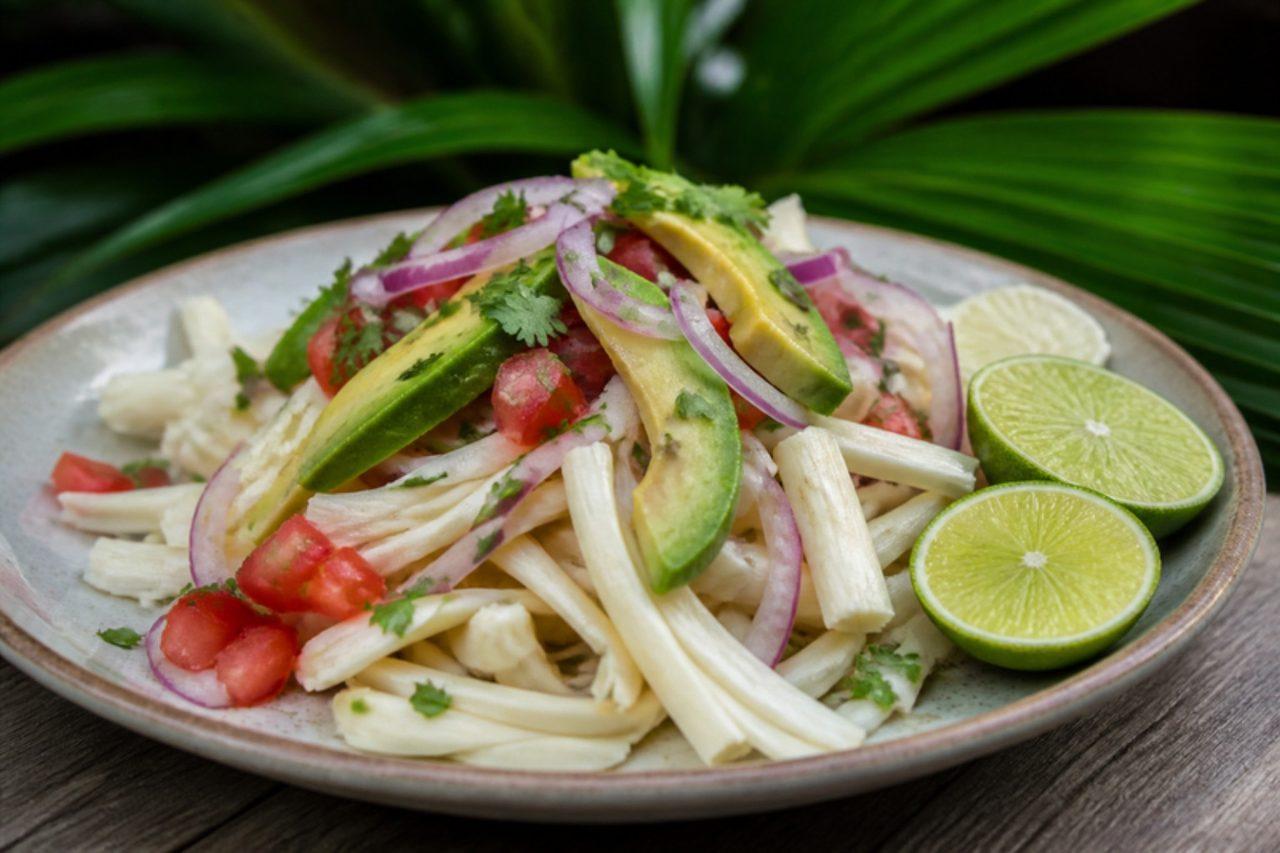
Ensalada de chontaPalm heart salad

Iquitos restaurants and the riverside cafés of the Peruvian Amazon serve ensalada de chonta as a cool counterpoint to grilled fish and juanes: long, pale ribbons of fresh palm heart, crisp and faintly sweet, tossed with tomato, avocado, red onion and lots of lime. At Belén market you can watch sellers shave the chonta into curls with a big knife. Outside the Amazon, fresh palm heart is hard to find, but good jarred hearts of palm cut into thin strips work well, and the salad becomes a ten-minute job. It's crunchy, juicy and sharp, perfect with rice and beans or any fried snack. Where most people go wrong is adding the avocado and salt early, so the salad turns soupy and grey; dress it at the last moment. Chef's tip: slice the palm hearts lengthwise on a mandoline or with a peeler for thin, curling ribbons that look like the Iquitos original.

by KrazyBadal 0 views

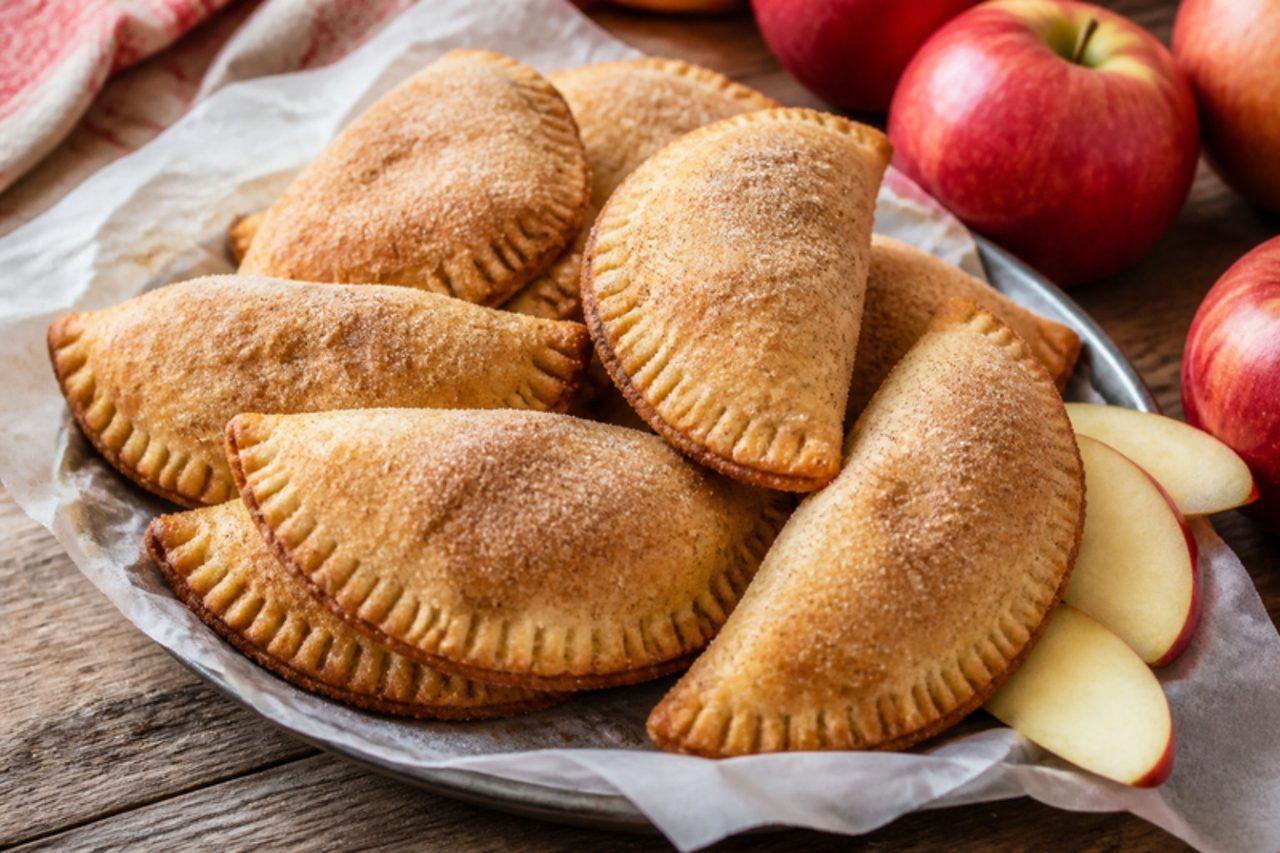
Fried apple hand pies

Fried pies are a staple of Appalachian bake sales, country stores and Grand Ole Opry-era lunch pails across Tennessee, Kentucky and north Georgia, made from apples dried on the porch roof in autumn. The rich filling of stewed dried apple is folded into rounds of tender pastry, crimped with a fork and fried crisp in a skillet. Chef's tip: let the filling go completely cold and use only a heaped tablespoon; overfilled pies burst in the pan.

by KrazyBadal 0 views

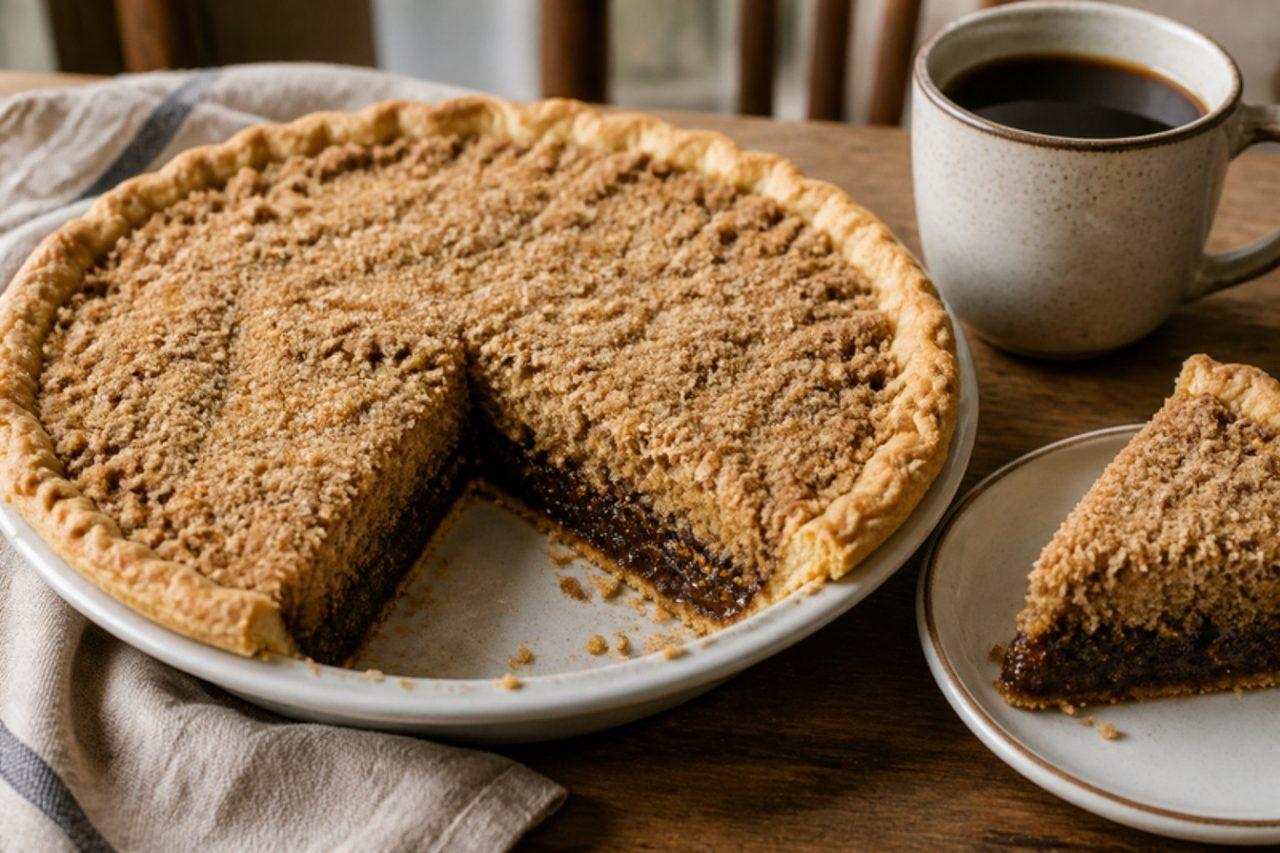
Shoofly pie

Shoofly pie is the signature sweet of the Amish and Mennonite farms around Lancaster, Pennsylvania, sold at roadside stands and farmers' markets and eaten for breakfast with strong coffee as often as for dessert. This is the 'wet-bottom' kind: a gooey layer of molasses custard under a cakey middle and a buttery brown-sugar crumb. Chef's tip: use mild, light molasses; strong blackstrap makes it bitter.

by KrazyBadal 0 views

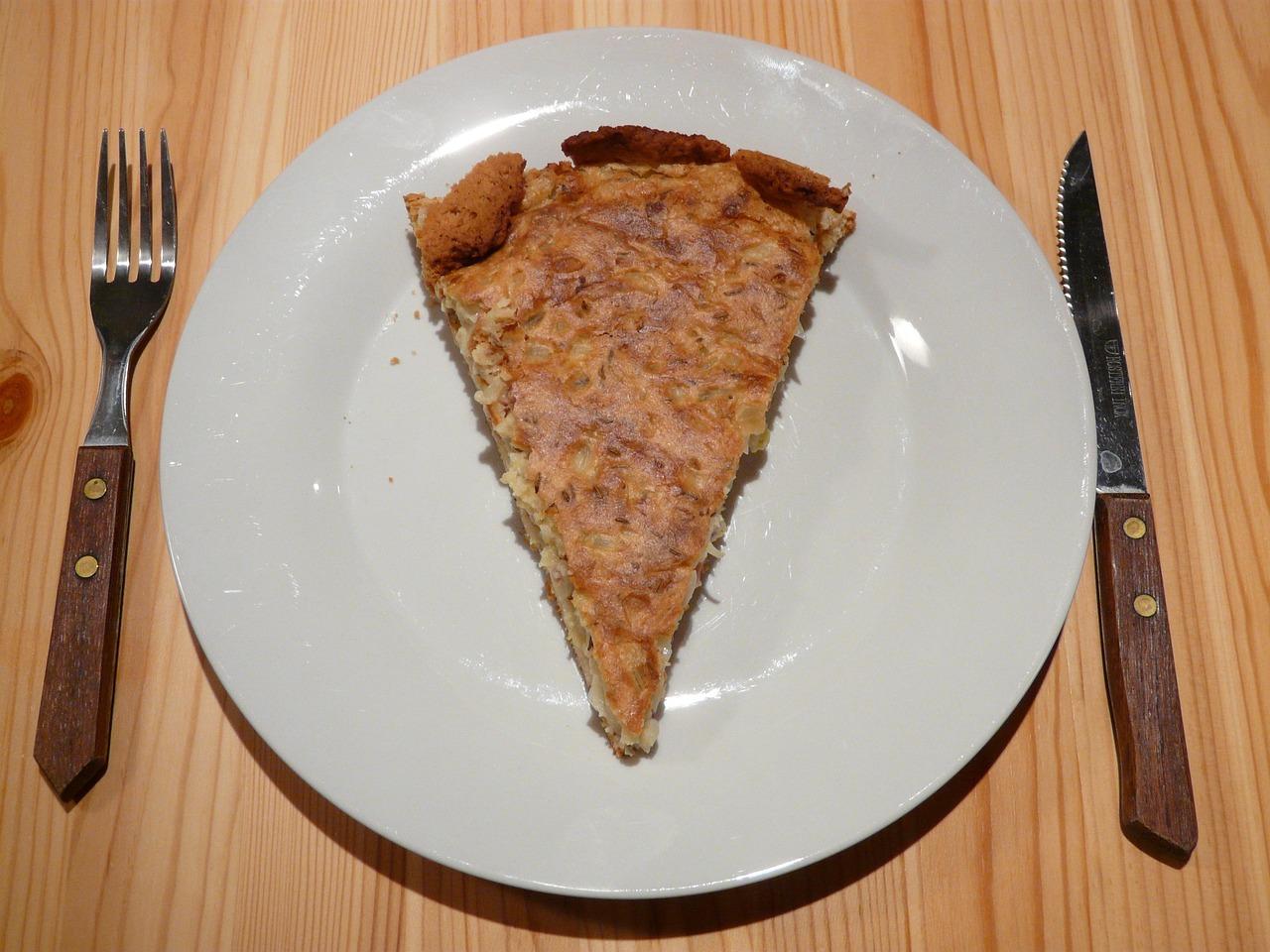
ZwiebelkuchenOnion tart

When the grape harvest starts in Baden and the Württemberg vineyards in September, bakeries pull out trays of Zwiebelkuchen: a thin yeast base piled with slowly softened onions under a sour-cream and egg custard, sprinkled with caraway. It is traditionally eaten warm with Neuer Wein or Federweißer, the young, still-fermenting wine; that is alcoholic, so pour cloudy fresh grape juice or apple juice instead, which tastes just as right. Many bakers add bacon; this version is vegetarian. A common mistake is rushing the onions on a high heat: they need 25 minutes on low until soft and sweet but still pale. Chef's tip: cool the onions before adding the custard, or the eggs start setting in the bowl.

by KrazyBadal 0 views

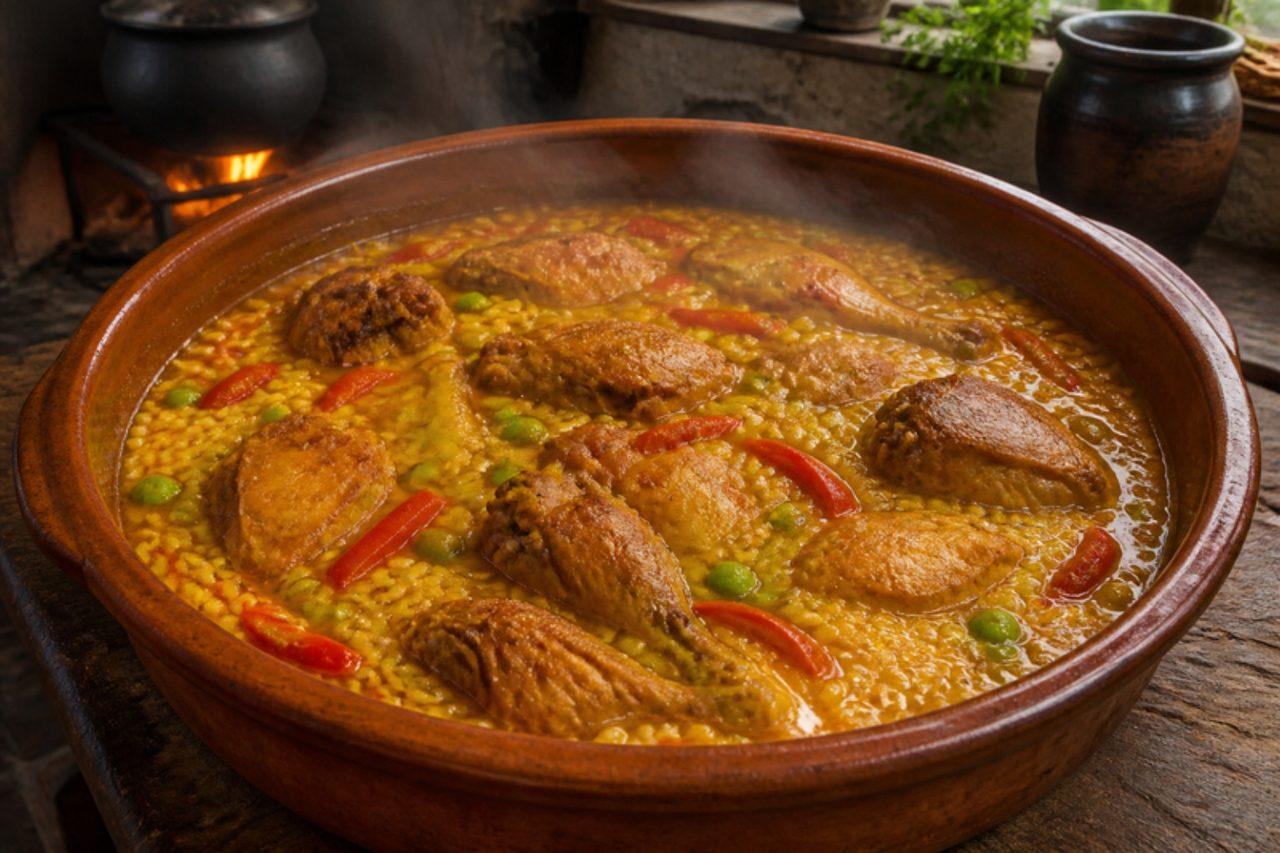
Arroz con pitu de caleyaSoupy rice with chicken

A pitu de caleya is a cockerel raised free in the lanes, or caleyas, of rural Asturias; its firm, flavourful meat needs long stewing, and families around Villaviciosa and Grado still cook it for feast days. The stew is often finished as a soupy rice, so the deep chicken juices go into every grain. Use the best free-range chicken you can find. The braise includes dry white wine; replace it with extra stock and a squeeze of lemon if you want it alcohol-free. Chef's tip: brown the chicken slowly and deeply; that colour is where the flavour of the whole pot comes from.

by KrazyBadal 1 views

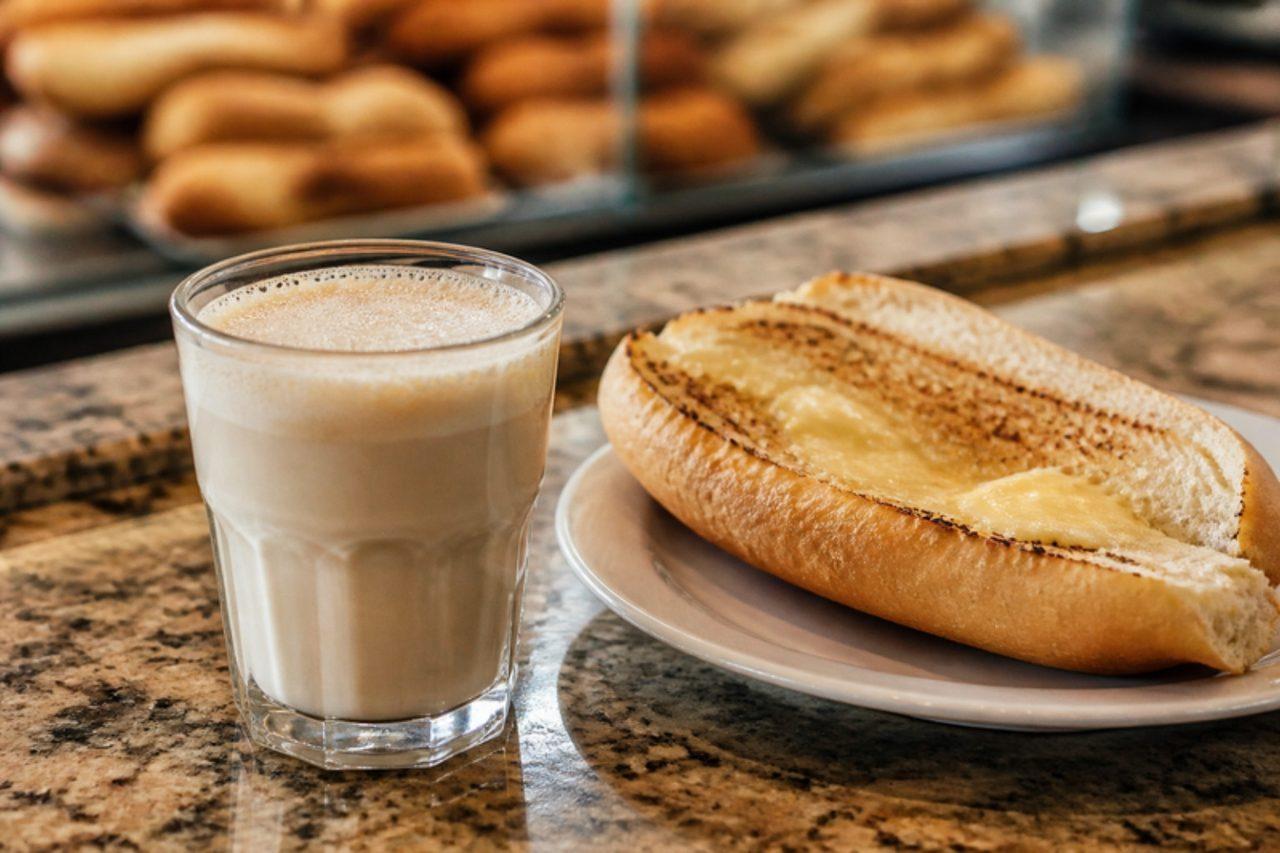
PingadoHot milk with coffee

Order 'um pingado' at the balcão of any São Paulo padaria at 7 in the morning and the attendant pours hot milk into a ridged glass tumbler (the copo americano) and 'drips' in a splash of strong coffee, hence the name. It is milkier and gentler than a média (half coffee, half milk), creamy and lightly sweet, usually drunk standing up with a pão na chapa, a toasted buttered roll. At home you need strong filter coffee and milk heated until steaming. Scalding the milk is the frequent mistake, as boiled milk tastes flat and forms a skin. Chef's tip: froth the hot milk for a few seconds with a whisk or by pouring it back and forth between two jugs before adding the coffee, as padaria machines do.

by KrazyBadal 1 views

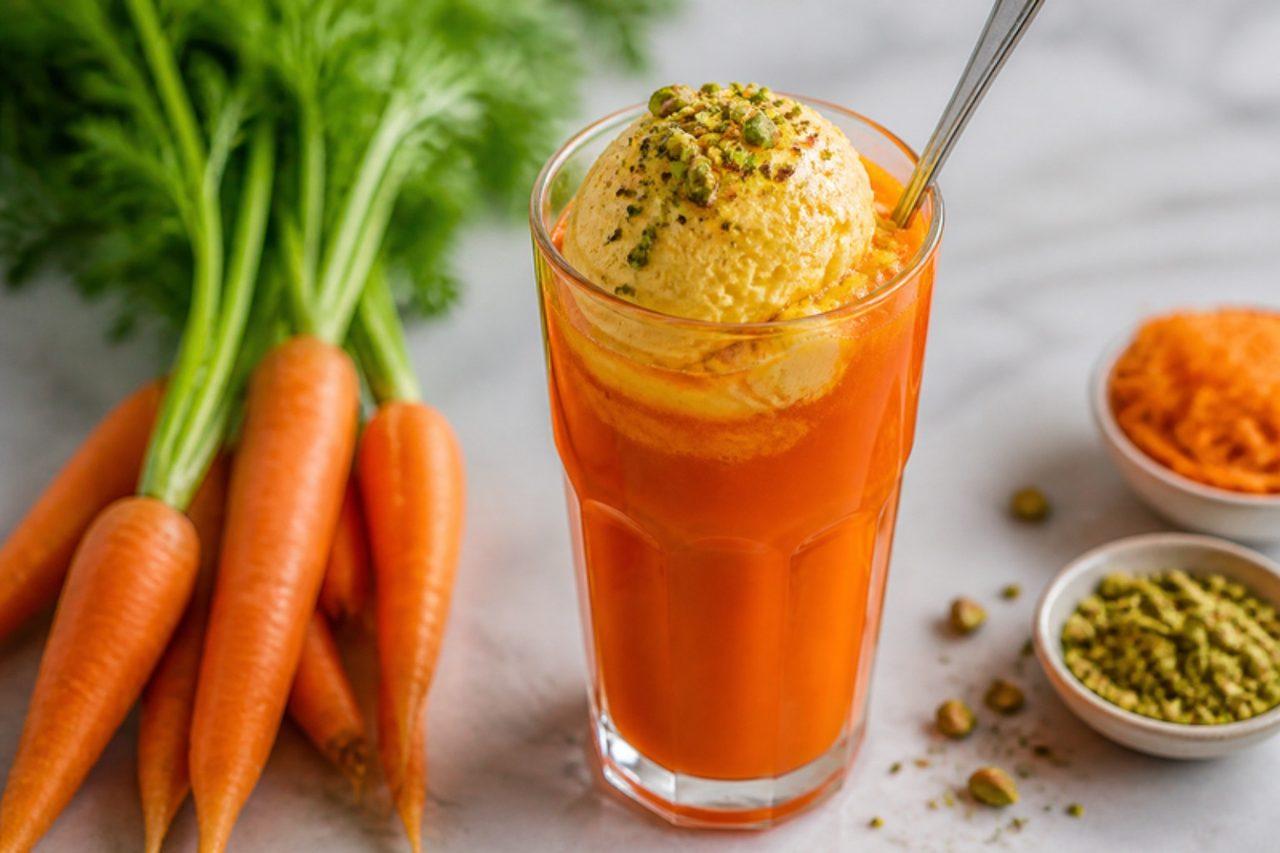
Ab havij bastaniCarrot juice with saffron ice cream

Every juice bar in Tehran, from Tajrish Square to the stalls of Valiasr Street, sells ab havij bastani: a tall glass of fresh, ice-cold carrot juice with a scoop of saffron ice cream floating on top. People eat it with a long spoon in summer, stirring the melting ice cream into the juice until it turns creamy and pale orange. It is sweet, earthy and cooling, and kids treat it as a dessert. Chef's tip: chill the carrots well before juicing; warm juice melts the ice cream at once and loses its fresh taste.

by KrazyBadal 0 views

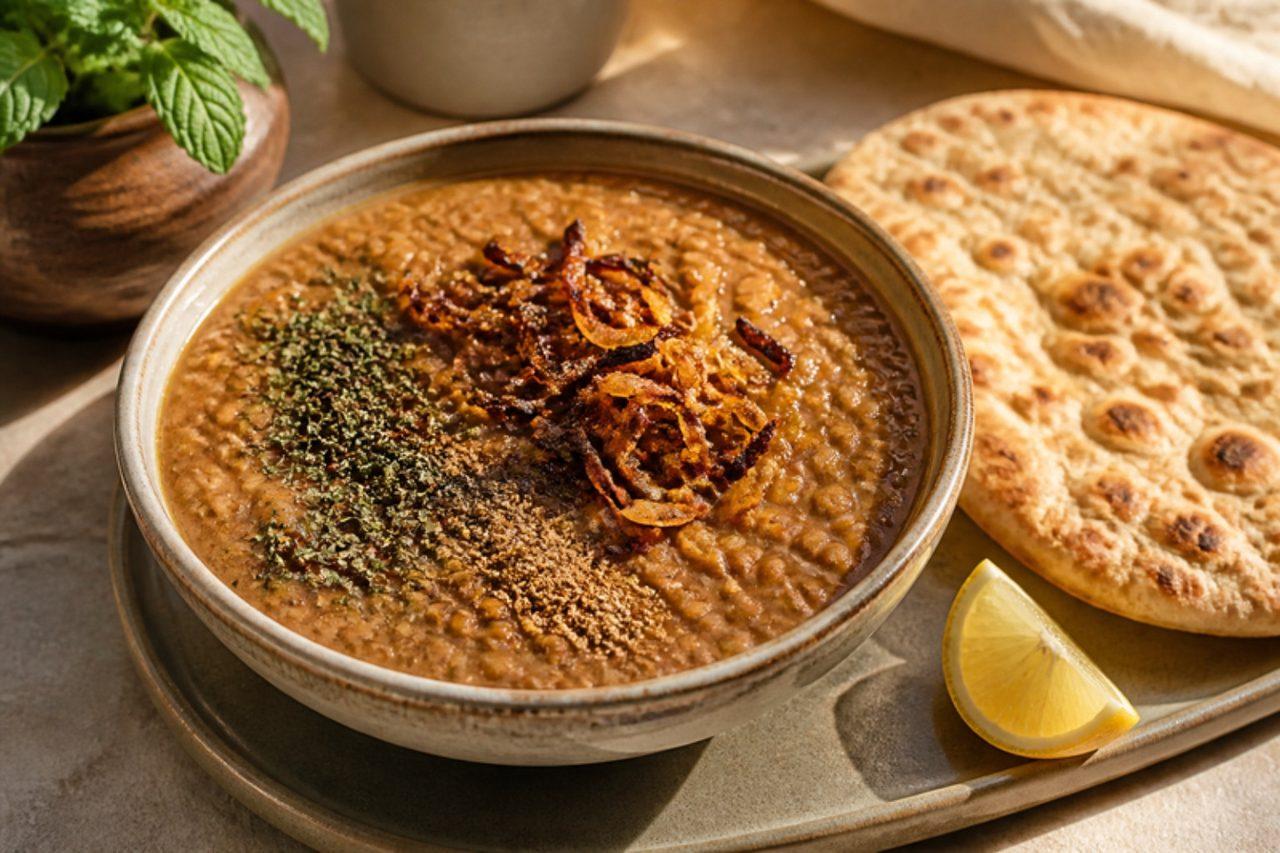
AdasiBrown lentils with onion and cumin

Adasi is the winter breakfast of Iran's cafés and university canteens, ladled out early in the morning in Tehran, Tabriz and Mashhad from big pots that have bubbled since dawn. Whole brown lentils are cooked soft with turmeric and onion until thick and spoonable, then finished with cumin, a little golpar (ground angelica seed), black pepper and lemon. It is eaten with warm barbari or sangak and sweet tea. The common mistake is cooking it at a hard boil, which leaves the skins split and the soup grainy rather than velvety. Chef's tip: mash a ladleful of lentils against the side of the pot at the end; it thickens the adasi without any flour.

by KrazyBadal 0 views

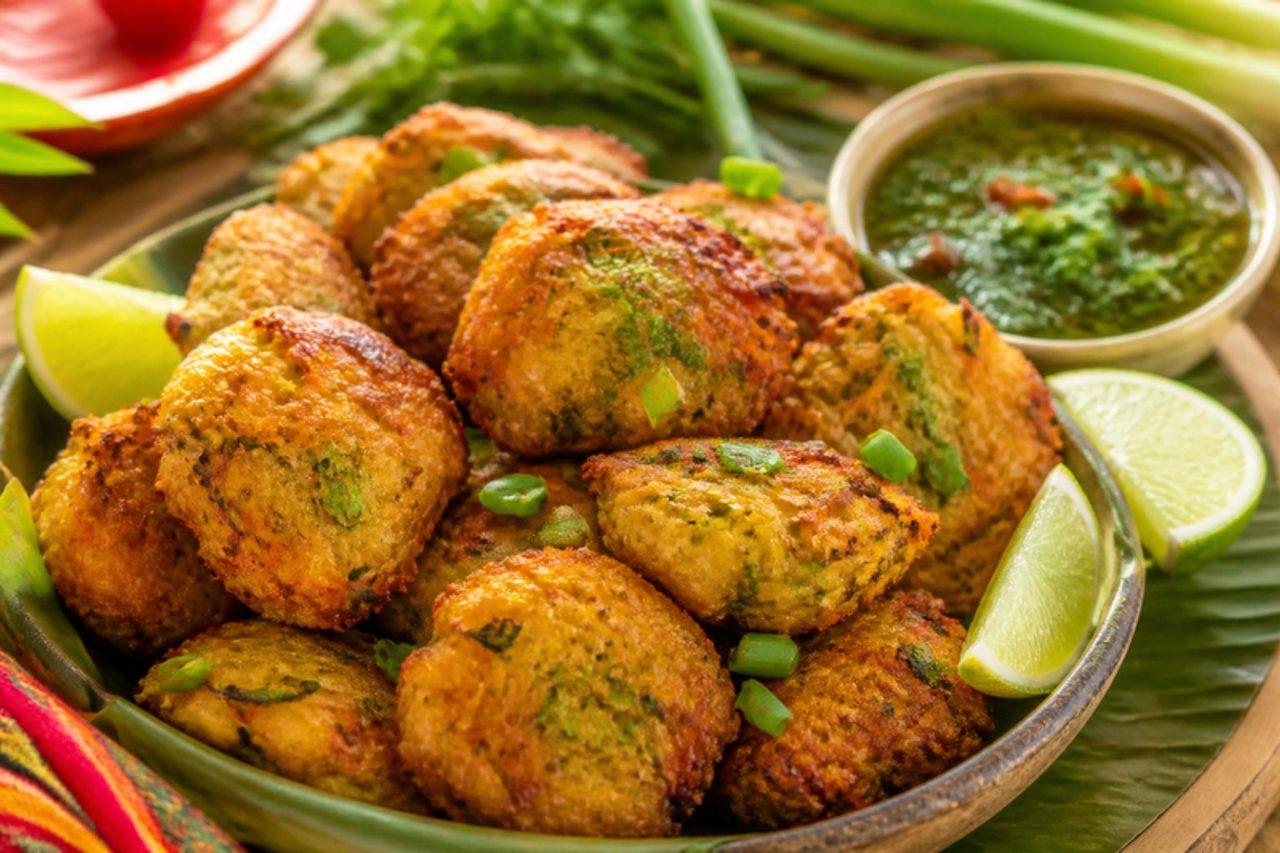
Accras de légumesVegetable fritters

Accras are the first thing on the table at a Sunday lunch, a christening or a Christmas réveillon in Martinique and Guadeloupe, and they are sold by the paper bag from roadside stalls and beach shacks. The best-known version is made with salt cod; this is the vegetable one, with grated carrot and courgette, spring onion, garlic, parsley and a little Scotch bonnet in a light batter. They puff up in the oil and should be crisp outside and soft inside. Serve them hot with sauce chien and lime. Chef's tip: rest the batter for half an hour; it thickens and the fritters puff up much better.

by KrazyBadal 0 views

Showing 54 of 7,762 recipes

Show more recipes

Page 468 of 863