


Skip to content
Sugar syrup
Featured recipe

Sugar syrup

Sugar syrup (chashni) is the base of many Indian sweets, and recipes ask for it at different stages. A light syrup is for soaking sweets and sweetening drinks. One-thread and two-thread syrups are boiled longer so the sweet sets. You can make it with milk instead of water for some sweets.

Read more 1 views

What to eat today?

Around the world

Today's trip: Persian

A new country every day, from every cuisine on the site.

Persian

Dizi

Lamb and chickpea stew 245 minMore from Persian (131) →

This week's collection

Kid-friendly dinners
537 recipes · a new collection every Monday

Latest recipes

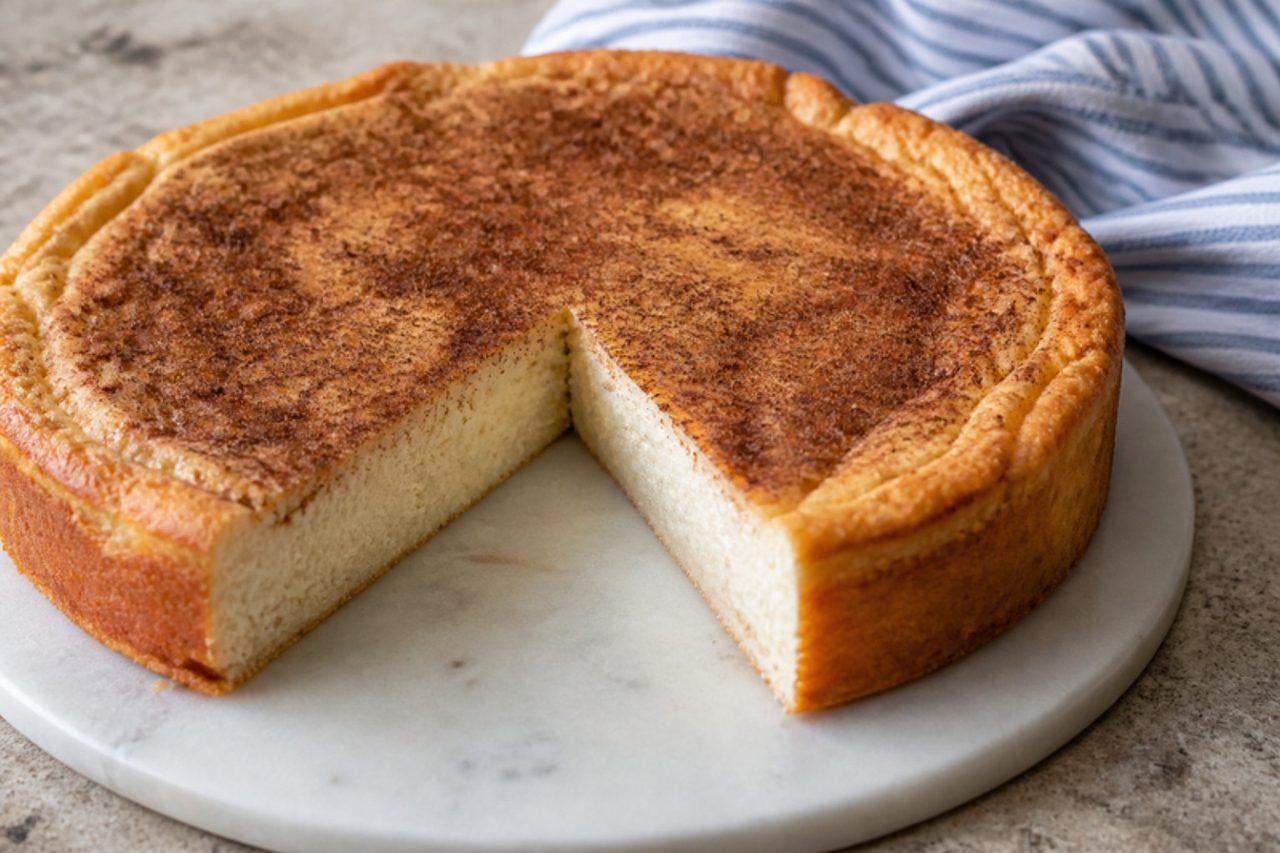
MelopitaHoney and fresh cheese pie

On Sifnos, the Easter table always has a melopita, a crustless pie of fresh cheese, eggs and thyme honey baked until just set and dusted heavily with cinnamon. It is lighter than a cheesecake, gently sweet and floral from the honey, and tastes best a day after baking, cut into squares with coffee. The island cheese is fresh mizithra; ricotta works well and is usually made without animal rennet. Common mistake: baking it too hot, which makes it puff up and crack, then sink and weep. Chef's tip: let it cool slowly in the switched-off oven with the door ajar for a smooth, silky set.

by KrazyBadal 0 views

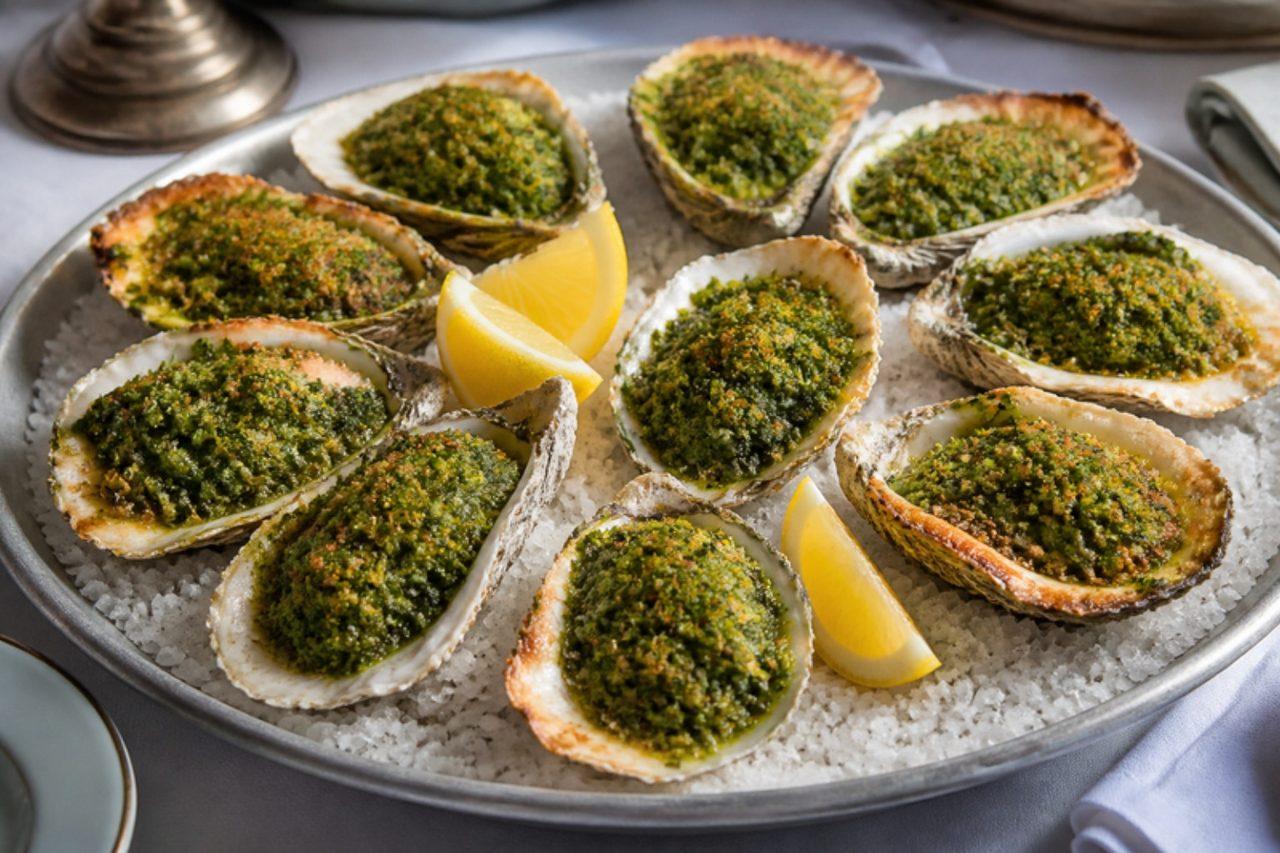
Oysters Rockefeller

Oysters Rockefeller were created at Antoine's in the French Quarter in 1889 and named after the richest man in America because the sauce was so rich; the restaurant has never shared its exact recipe. Live Gulf oysters on the half shell are covered with a bright green butter of herbs and greens and baked until bubbling, a classic starter at New Orleans celebration dinners. This version uses a dash of anise-flavoured liqueur, which is traditional; it can be replaced with a pinch of ground fennel seed for an alcohol-free version. Chef's tip: bed the shells on coarse salt so they sit level and the juices don't spill.

by KrazyBadal 0 views

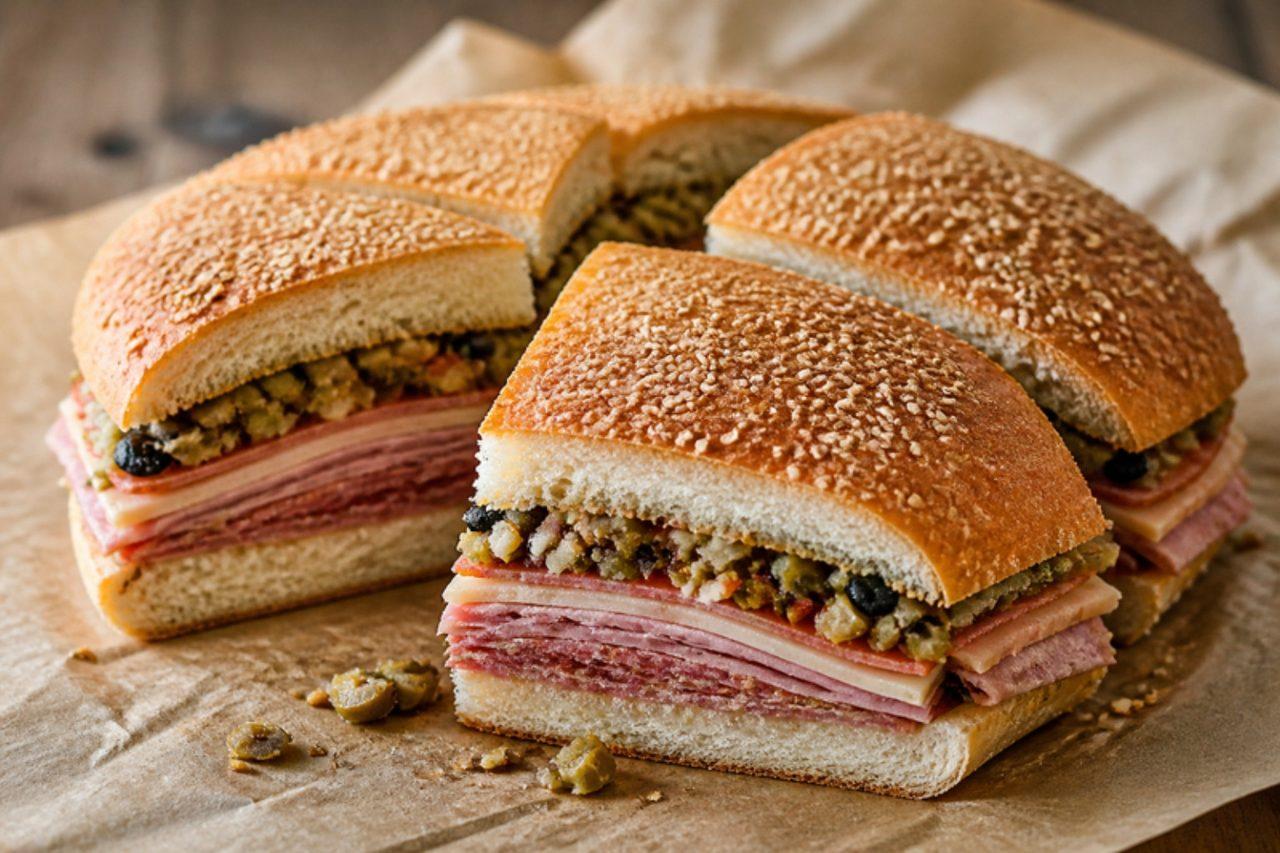
New Orleans muffuletta

The muffuletta was first made by Sicilian grocers on Decatur Street in New Orleans in the early 1900s for dock workers' lunches, and it is still sold whole or in quarters to take to the levee or a Saints game. A big round sesame loaf is filled with layers of ham, salami, mortadella (all pork) and provolone and soaked with a chunky olive salad. Provolone is traditionally made with animal rennet. Chef's tip: press the sandwich under a weight for an hour so the oil soaks into the bread.

by KrazyBadal 0 views

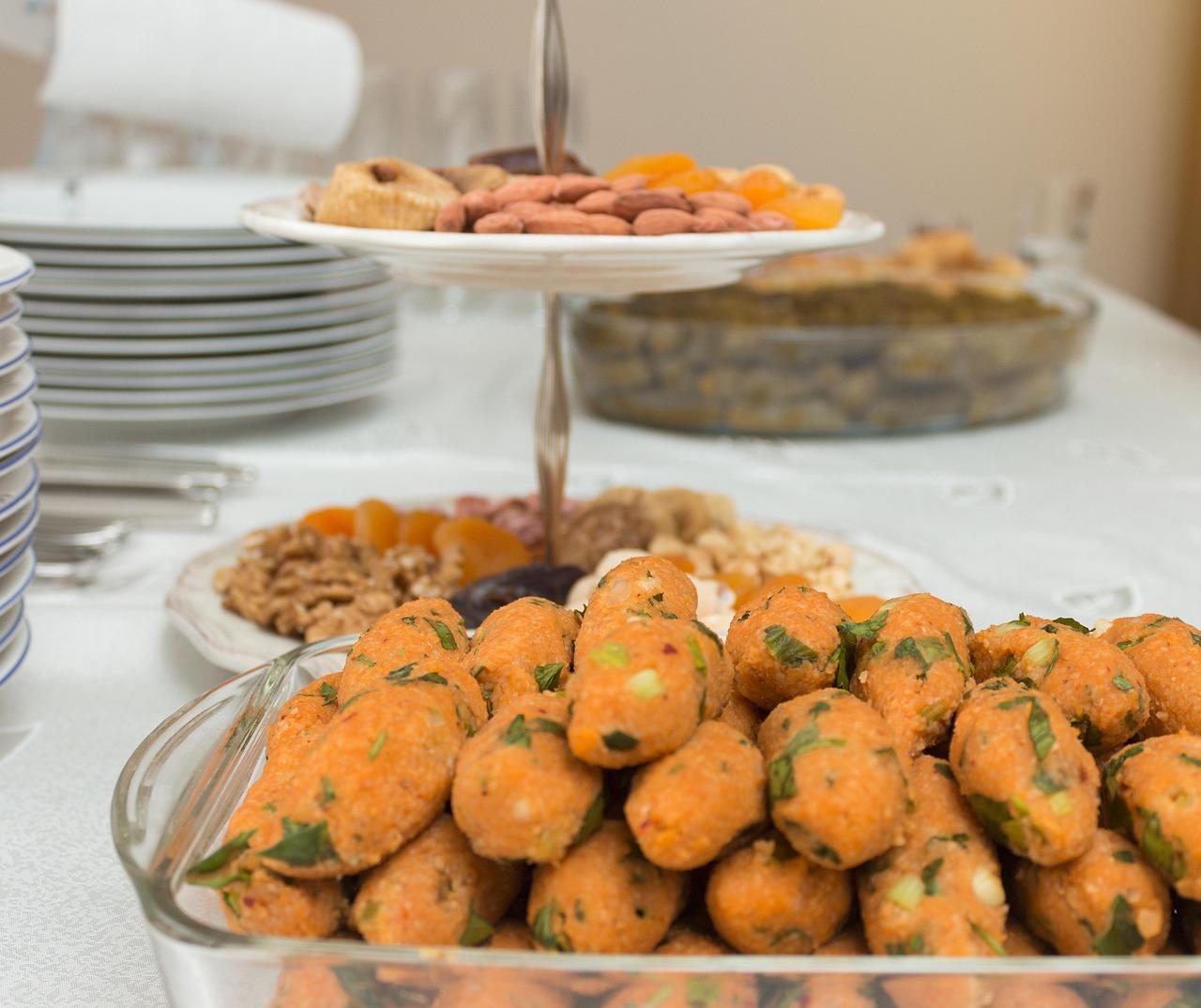
Mercimek köftesiRed lentil and bulgur patties

No women's afternoon gathering in Ankara or Kayseri is complete without a platter of mercimek köftesi: little finger-pressed ovals of red lentils and fine bulgur, rich with onion, pepper paste, cumin and a big handful of spring onion and parsley. They're eaten cold, tucked into lettuce leaves with a squeeze of lemon, and they keep well for picnics and lunch boxes. Common mistake: draining the lentils; the bulgur needs all that hot liquid to swell, so cook the lentils until the water is just absorbed. Chef's tip: knead the mixture with wet hands for a few minutes after the bulgur softens; the more you knead, the smoother and less crumbly the köfte.

by KrazyBadal 0 views

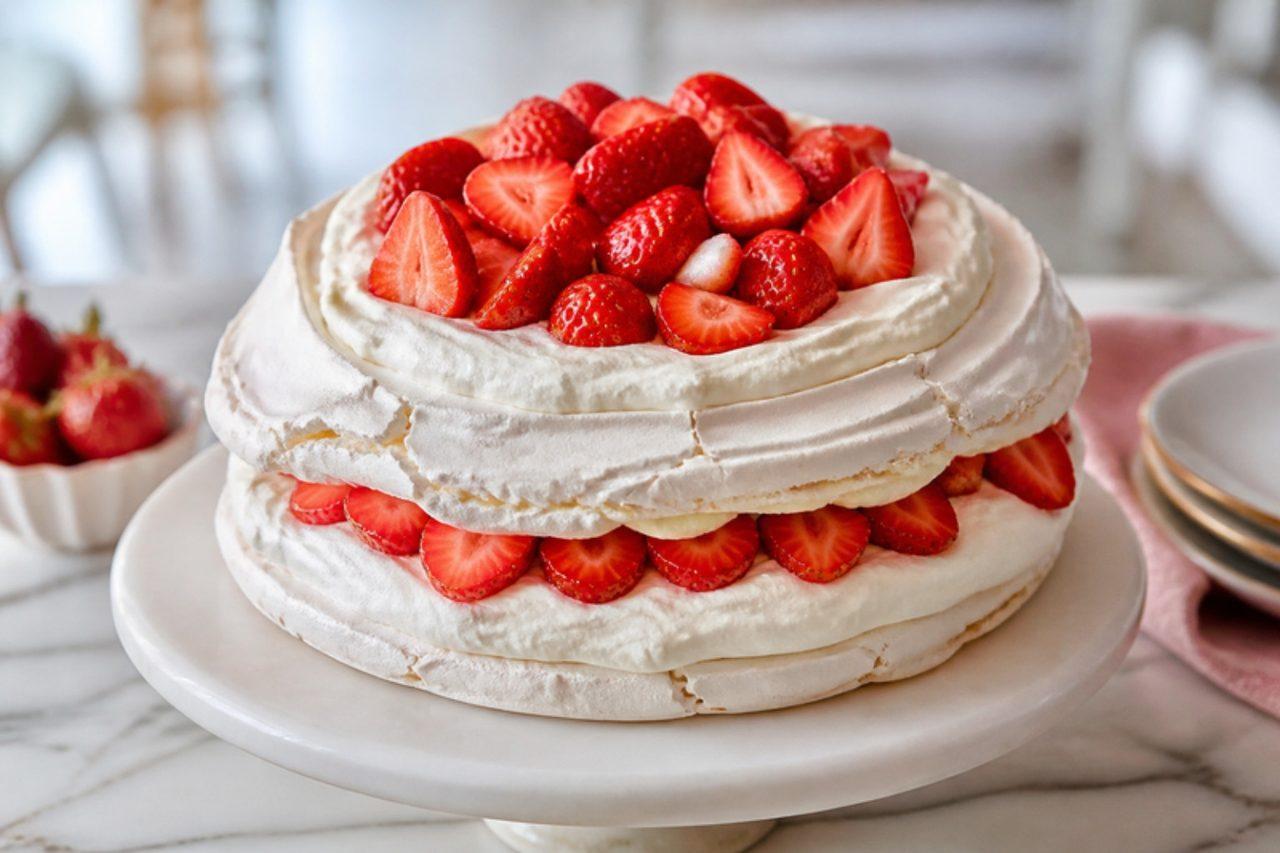
MerengónMeringue with cream and strawberries

Weekend drives out of Bogotá often end at a roadside sweet shop with a slice of merengón: two discs of crisp, chalky meringue sandwiched and piled with whipped cream and fruit. Strawberry is the classic in the highlands, while on the Caribbean coast soursop (guanábana) is just as popular. Think of it as Colombia's answer to pavlova, crunchier and sweeter, assembled shortly before eating so the meringue cracks under the spoon. The meringue needs a long, slow bake and a slow cool in the oven, so plan ahead. Humidity and undissolved sugar are the main enemies: if the sugar is not fully beaten in, the meringue weeps sticky syrup, so rub a little between your fingers and keep whisking until it feels smooth. For a soursop version, swap the strawberries for 300 g thawed soursop pulp, folded into half the cream. Chef's tip: assemble no more than an hour before serving, or the cream softens the meringue.

by KrazyBadal 0 views

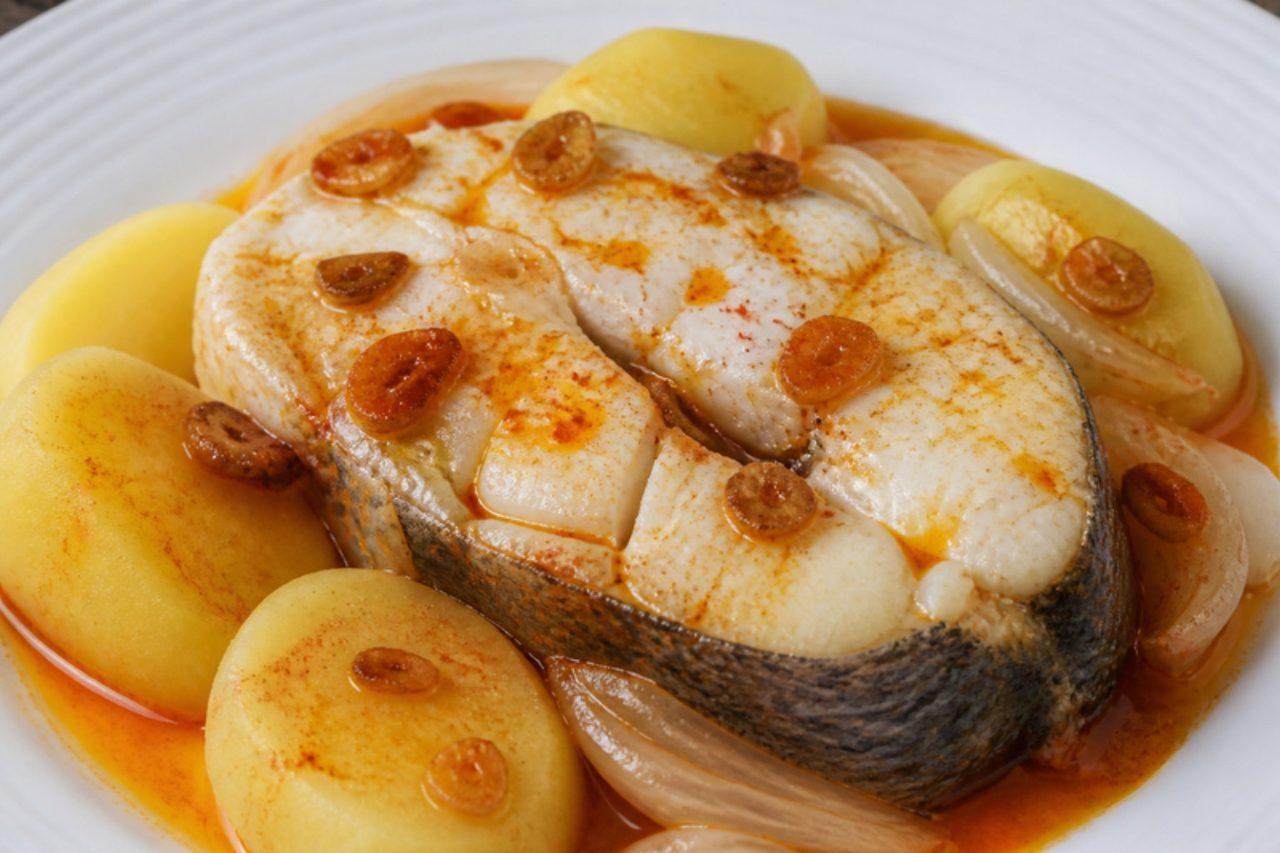
Merluza á galegaPoached hake with paprika garlic oil

This is the Friday supper of Galician homes and the plain, honest plate you find in harbour restaurants from A Coruña to Vigo: thick hake steaks poached with potatoes, onion and bay, then drizzled with ajada, hot olive oil with garlic and paprika. It relies on very fresh fish and good oil. A common mistake is boiling the hake hard, which breaks it apart; it should poach gently in water that barely shivers. Chef's tip: lift out the fish with a slotted spatula and let it drain well, so the ajada sits on top instead of sliding into a watery puddle.

by KrazyBadal 0 views

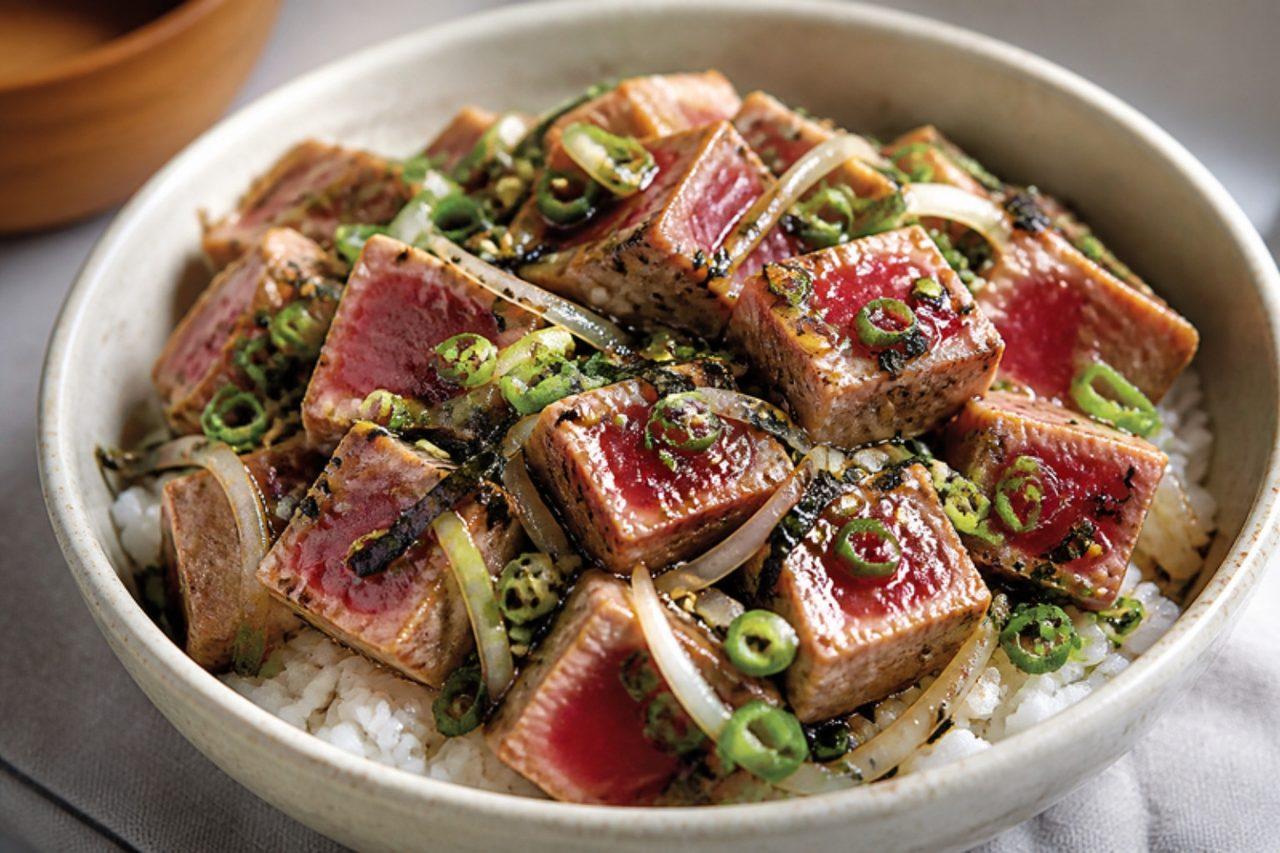
Ahi poke

Poke, from the Hawaiian word for cut into pieces, began as fishermen's snack of raw reef fish with sea salt, seaweed and roasted kukui nut, and is now sold by the pound from the deli counters of every Hawaiian supermarket, eaten over rice as a quick lunch or with drinks after work. This shoyu ahi style dresses cubes of yellowfin tuna in soy sauce, sesame oil, sweet onion and chilli. Traditional poke is raw fish, which is not for pregnant women, young children or anyone with a weakened immune system, so this version quickly sears the cubes until cooked through. Chef's tip: dress the tuna just before eating; the soy sauce draws out moisture and turns it soft if it sits for hours.

by KrazyBadal 0 views

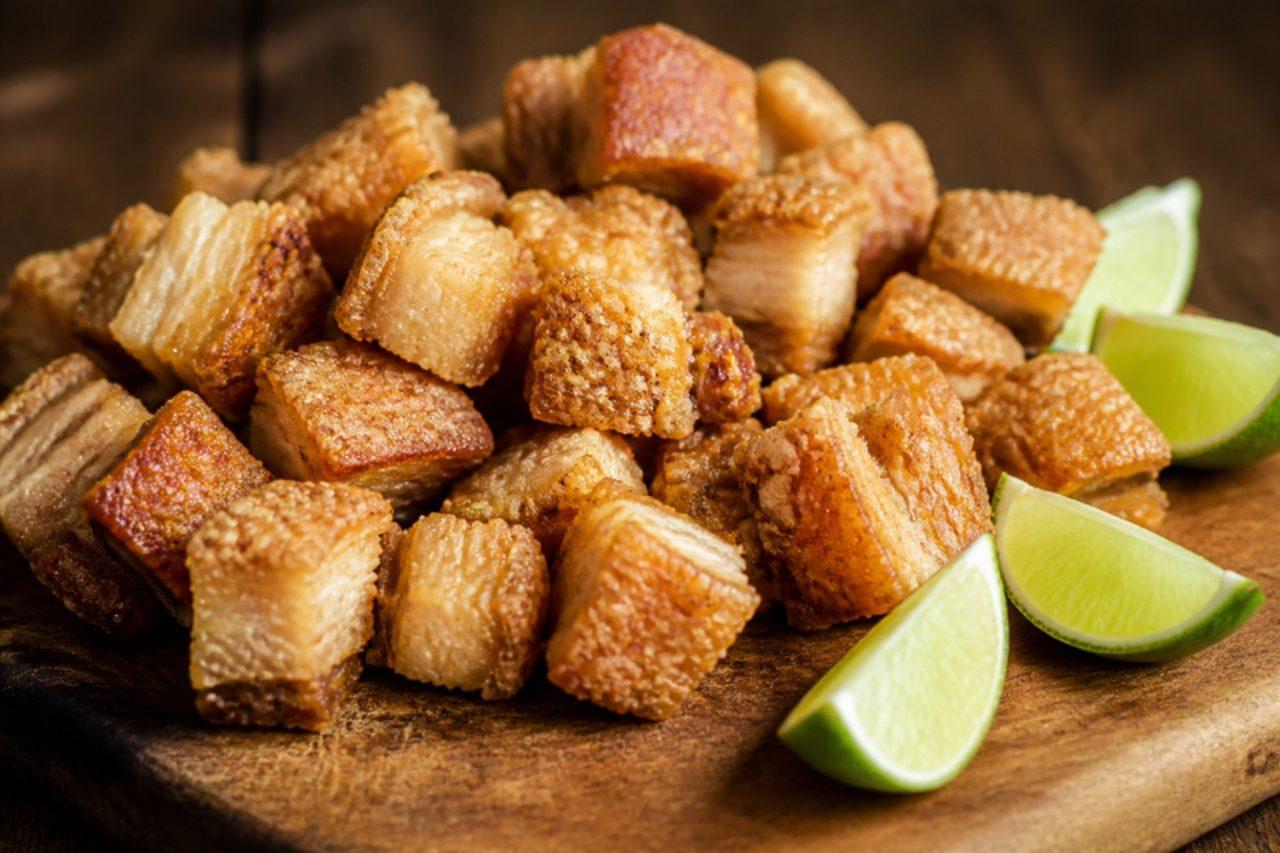
TorresmoPork crackling

Every boteco in Minas Gerais keeps a tray of torresmo by the counter: chunks of pork belly with the skin on, fried so slowly the fat melts out, then blasted in hot fat until the skin bursts into crackling bubbles. Done right, each piece has a shatteringly crisp, blistered top, a layer of soft fat and a strip of juicy meat. Mineiros eat it as a snack with lime and with feijão tropeiro, tutu or couve at lunch. The classic error is frying wet skin in very hot fat at once, which gives hard, glassy skin and dangerous spitting; dry it well and fry it twice. Use a deep, heavy pot, never fill it more than a third with fat, and keep children away from it. Chef's tip: after the first slow fry, let the pieces cool completely, even overnight in the fridge; the drier the skin, the bigger the puff.

by KrazyBadal 0 views

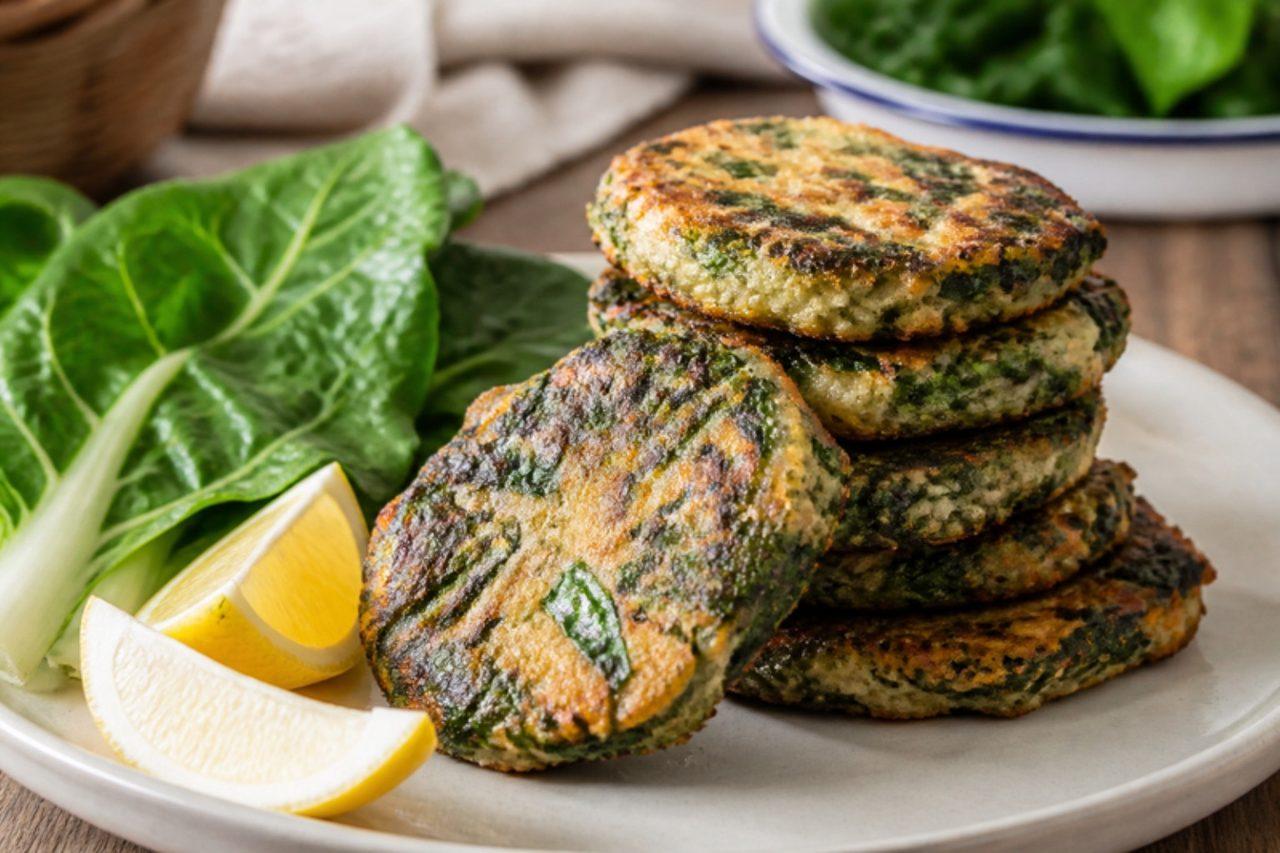
Torrejas de acelgaSwiss chard fritters

When a bunch of acelga (Swiss chard) is the cheapest thing at the verdulería, Buenos Aires home cooks turn it into torrejas: thin fritters of chopped chard bound with egg, a little flour, garlic and grated cheese, fried in shallow oil until the edges lace up and crisp. They are weekday food, eaten hot from the pan with a squeeze of lemon and a salad, or cold the next day in a sandwich, and children who won't touch greens tend to eat them. Inside they stay tender and green, outside nutty and golden. Wet chard is what ruins them: water left in the leaves makes the batter thin and the fritters spit and fall apart, so wring the blanched chard really dry. Grated hard cheese is often made with animal rennet; pick a vegetarian hard cheese if needed. Chef's tip: fry one small torreja first to check the seasoning and thickness, then adjust with a spoon of flour or a splash of milk.

by KrazyBadal 0 views

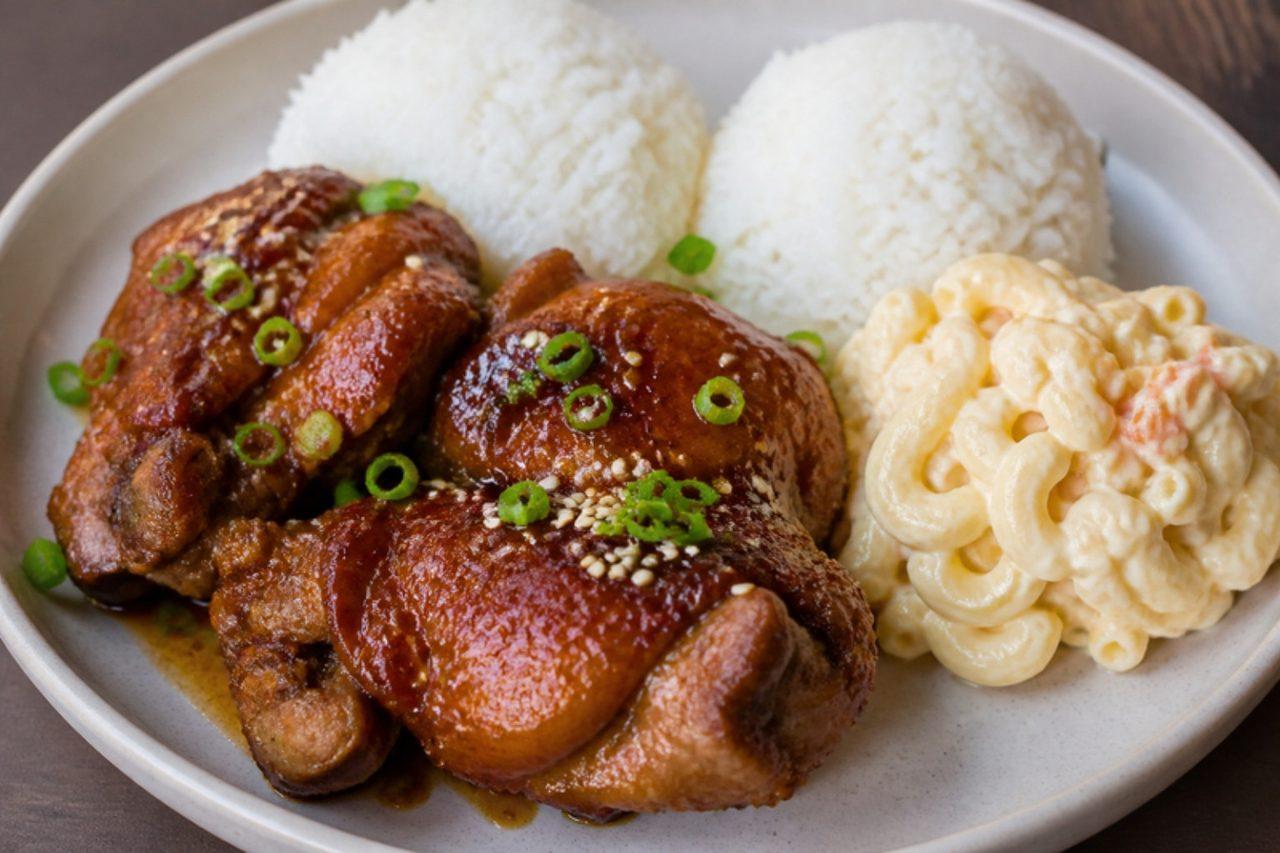
Shoyu chicken

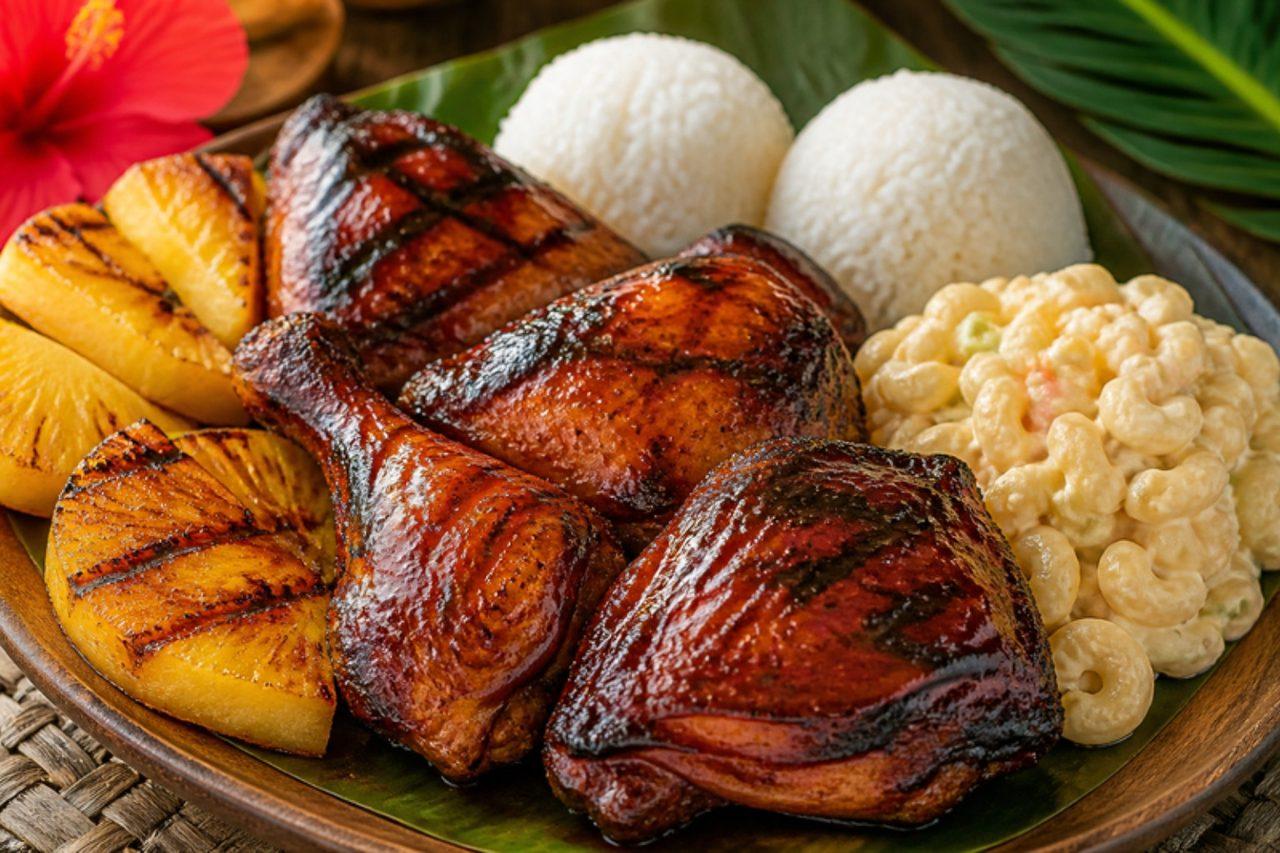
Shoyu chicken is the home-cooked comfort of Hawaii's plantation families, a Japanese-influenced braise of chicken thighs in soy sauce (shoyu), sugar, ginger and garlic, and a staple of the plate lunch: two scoops of rice, a scoop of macaroni salad and chicken with plenty of sauce. Chef's tip: simmer uncovered at the end and spoon the sauce over until it turns glossy and coats the chicken.

by KrazyBadal 0 views

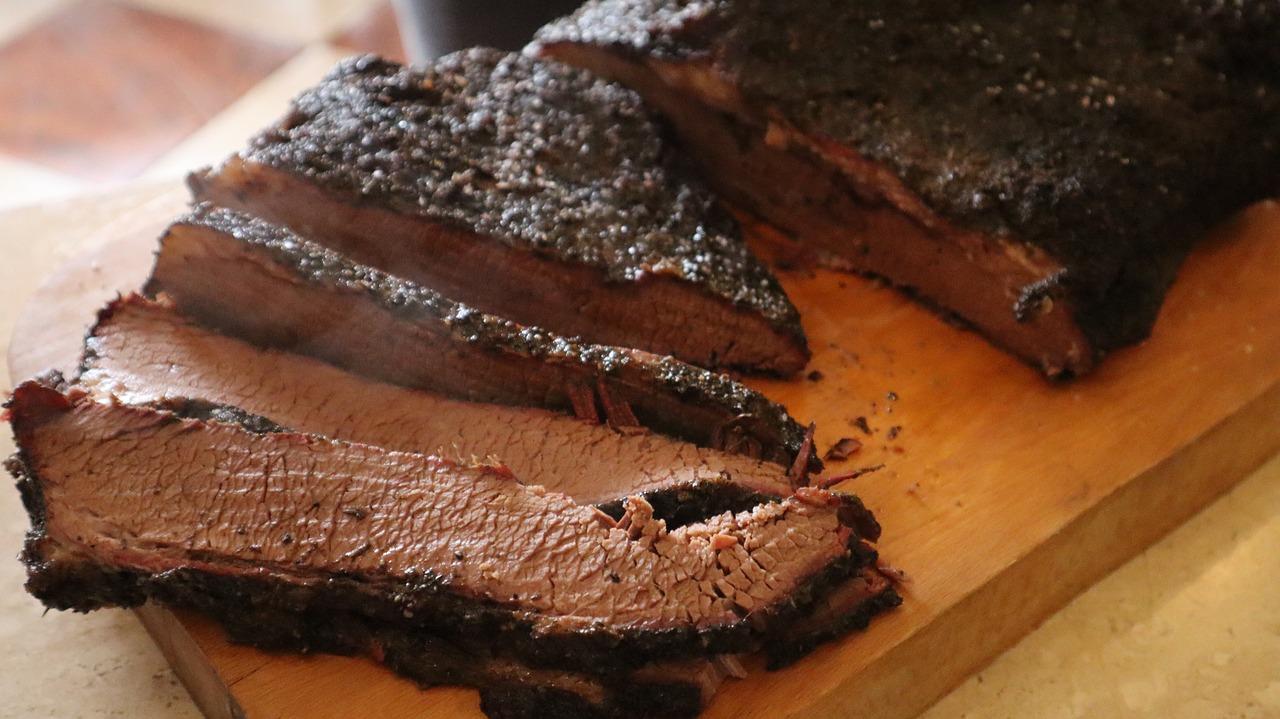
Texas smoked brisket

In the barbecue towns of central Texas, Lockhart, Luling and Taylor, brisket is smoked over post oak for half a day with nothing on it but coarse salt and black pepper, then sliced on butcher paper and sold by the pound with white bread, pickles and onion. The fatty point and the leaner flat both turn meltingly tender under a black, peppery bark. Chef's tip: cook to feel, not just time: it is ready when a probe slides into the thickest part like going into soft butter, usually around 95 °C inside.

750 minAmericanMeat
by KrazyBadal 0 views

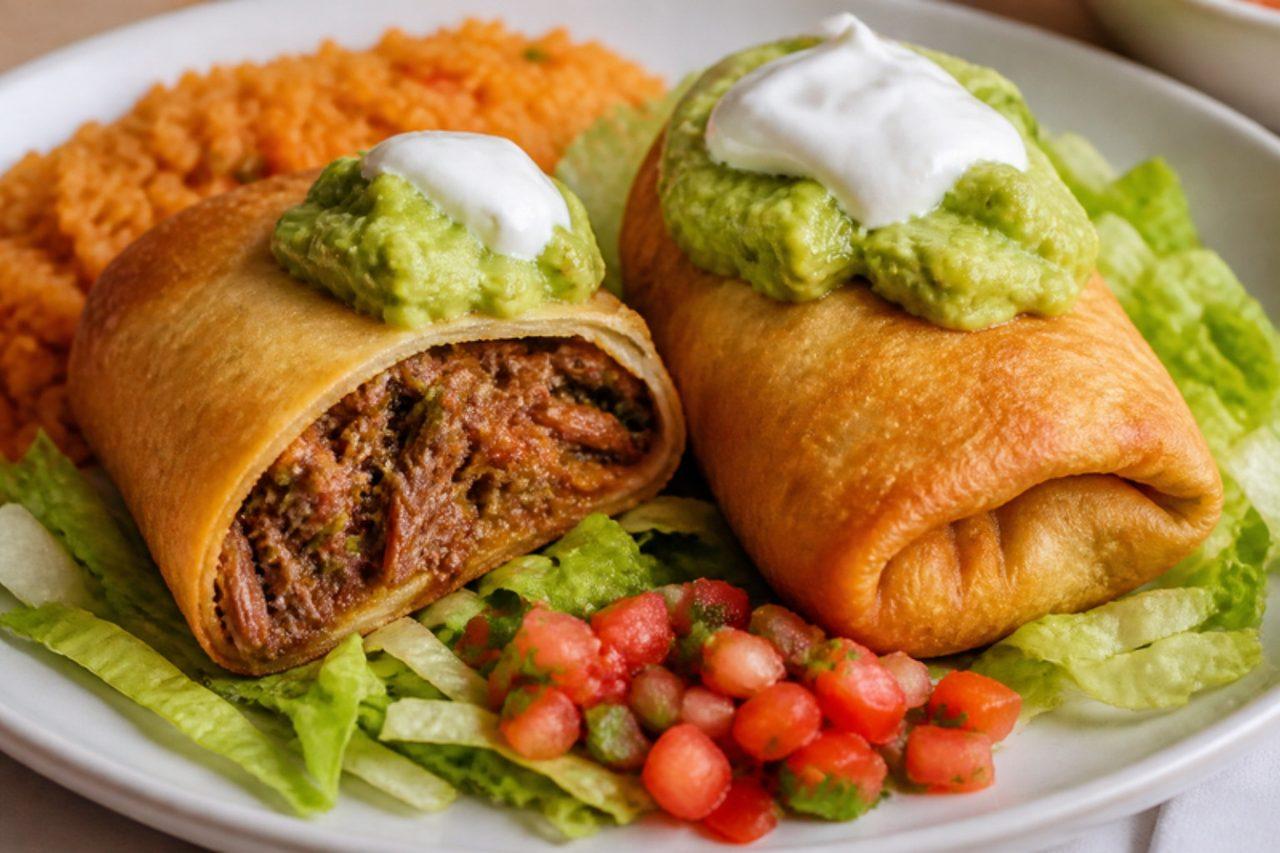
Arizona chimichangas

Tucson and Phoenix both claim to have invented the chimichanga, and the story told in Tucson is of a cook who dropped a burrito into the fryer by accident and swore in Spanish. It is now a staple of Arizona Mexican diners: a flour tortilla wrapped around shredded beef and beans, fried golden and crisp, then topped with guacamole and soured cream. Chef's tip: roll the burrito tightly and fry it seam-side down first so it seals and doesn't open in the oil.

170 minAmericanMeat
by KrazyBadal 0 views

Chicago Italian beef

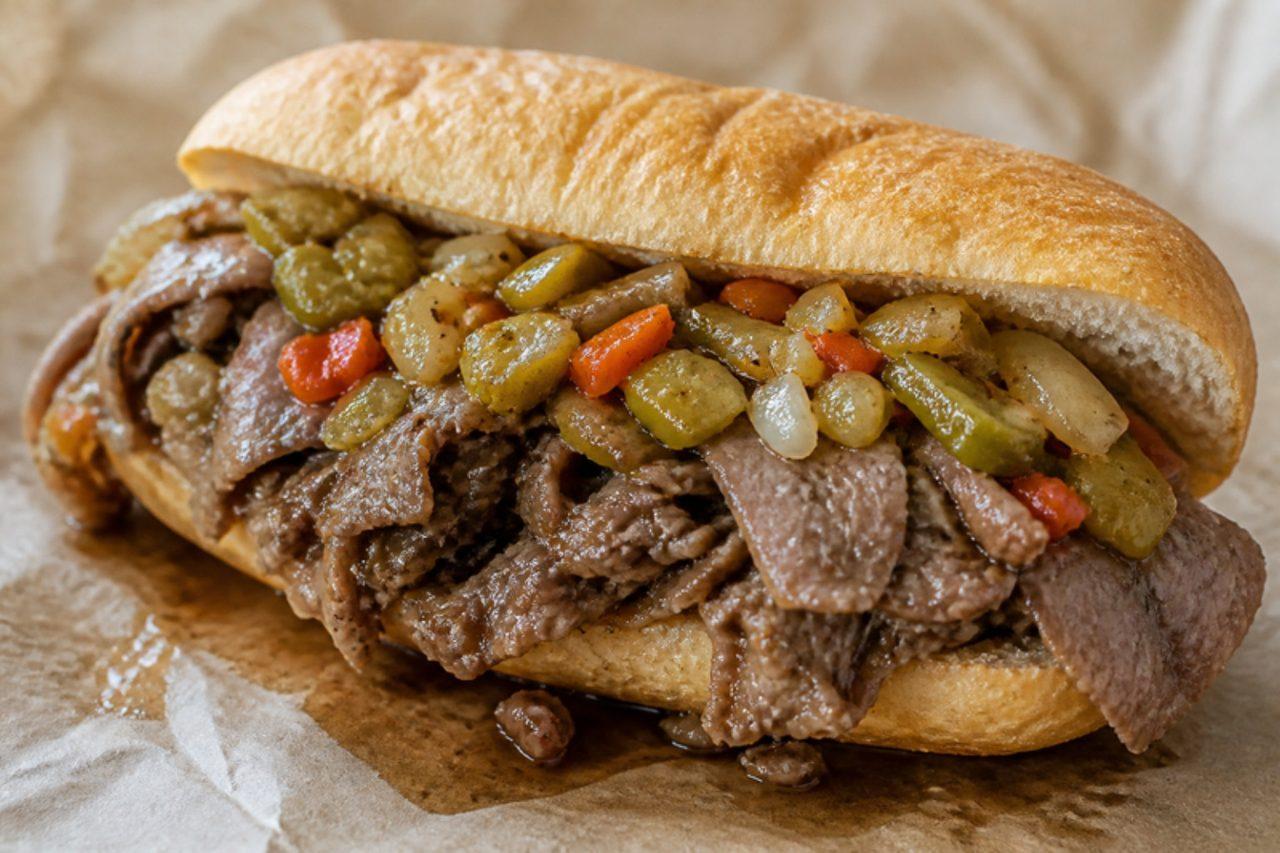
Italian beef was born at Italian-American weddings and family stands on Chicago's West Side in the 1930s, when cooks sliced roast beef paper-thin so a little meat could feed a crowd. The slices are soaked in a garlicky, oregano-spiced jus and piled into a crusty roll with hot giardiniera or sweet peppers; order it 'dipped' and the whole sandwich gets a dunk in the jus. Chef's tip: chill the roast overnight before slicing; cold beef slices far thinner, and thinness is everything here.

175 minAmericanMeat
by KrazyBadal 0 views

Chicago-style hot dog

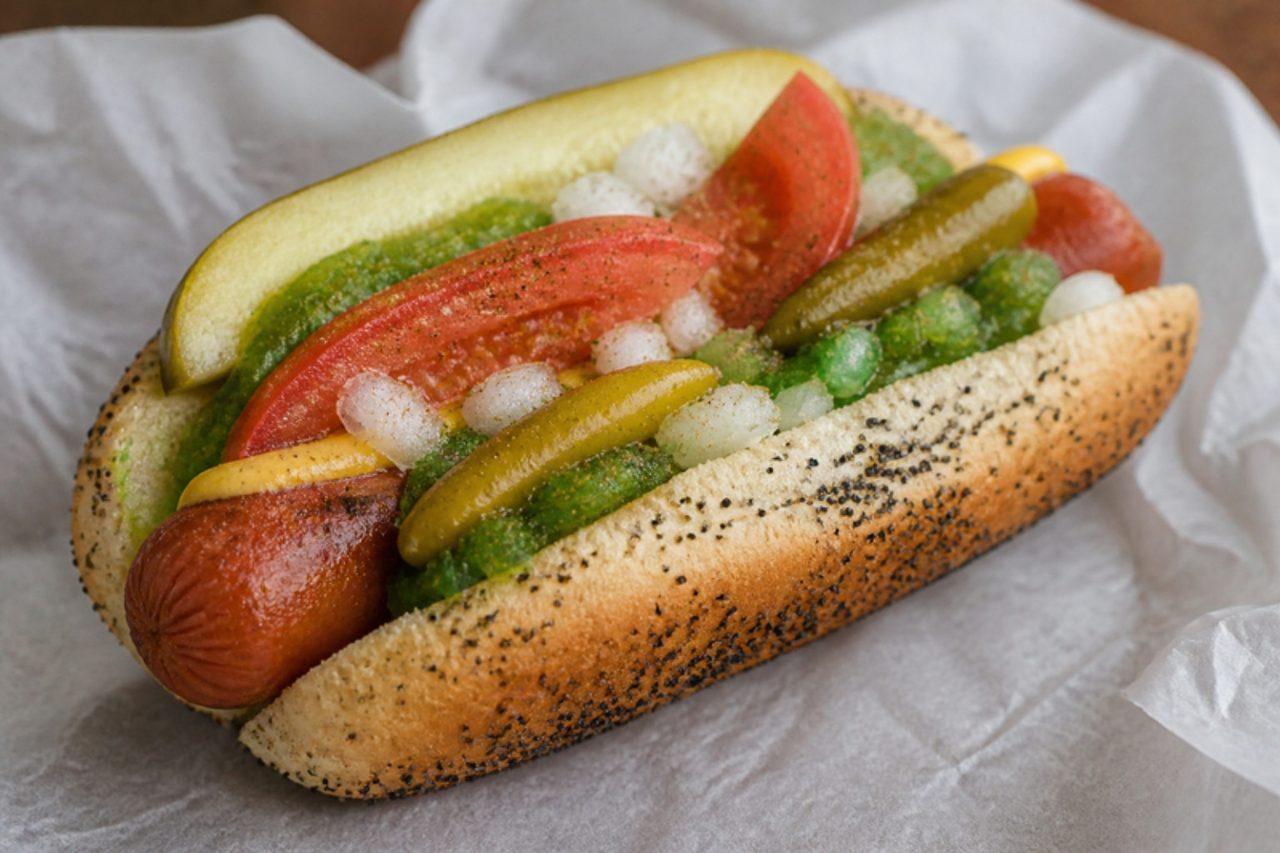
A Chicago dog is one of the city's proudest foods, sold from hot dog stands across the city and outside Wrigley Field: an all-beef frankfurter in a steamed poppy seed bun, 'dragged through the garden' with yellow mustard, bright green relish, onion, tomato, a pickle spear, pickled sport peppers and celery salt. Chicagoans have one firm rule: never ketchup. Chef's tip: steam the buns instead of toasting them, so they are soft and warm and hold everything together.

by KrazyBadal 0 views

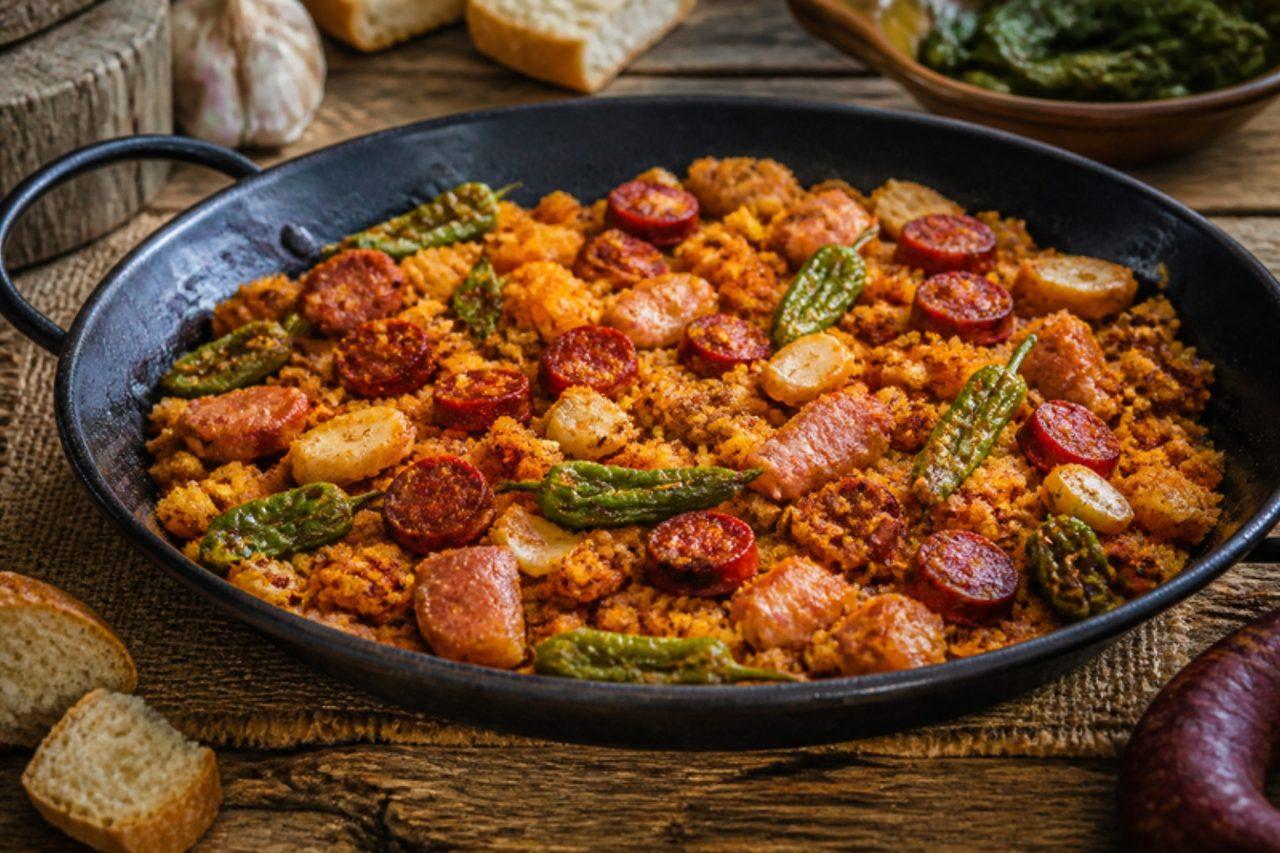
Migas a la aragonesaFried breadcrumbs with sausage and bacon

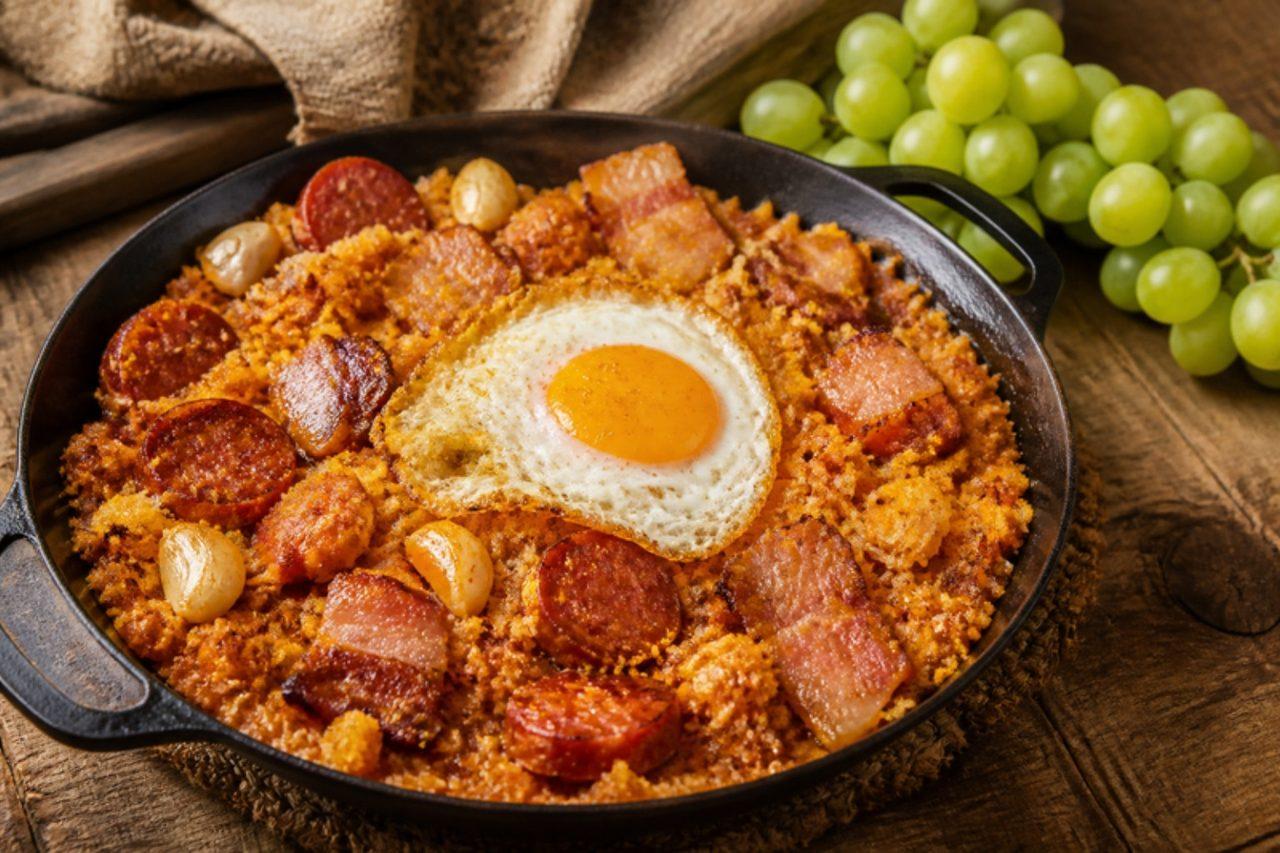
Shepherds in the Aragonese uplands made migas from yesterday's bread, a little water, garlic and whatever pork was hanging in the larder, and it is still a cold-weather breakfast, a hunters' lunch and a fiesta dish in villages from the Pyrenees to the Maestrazgo. Fried slowly in a wide pan, the dampened crumbs turn golden and crisp on the outside and stay soft inside, flecked with fried longaniza and bacon. Fresh green grapes or a fried egg on the side are the classic way to serve them. This contains pork (longaniza sausage and bacon). A common mistake is soaking the bread: sprinkle the water on and leave it overnight, or the migas turn to paste. Chef's tip: keep turning the crumbs with the edge of a spatula, chopping as you go; it is the long, patient stirring that makes them loose and crisp.

by KrazyBadal 0 views

St. Louis toasted ravioli

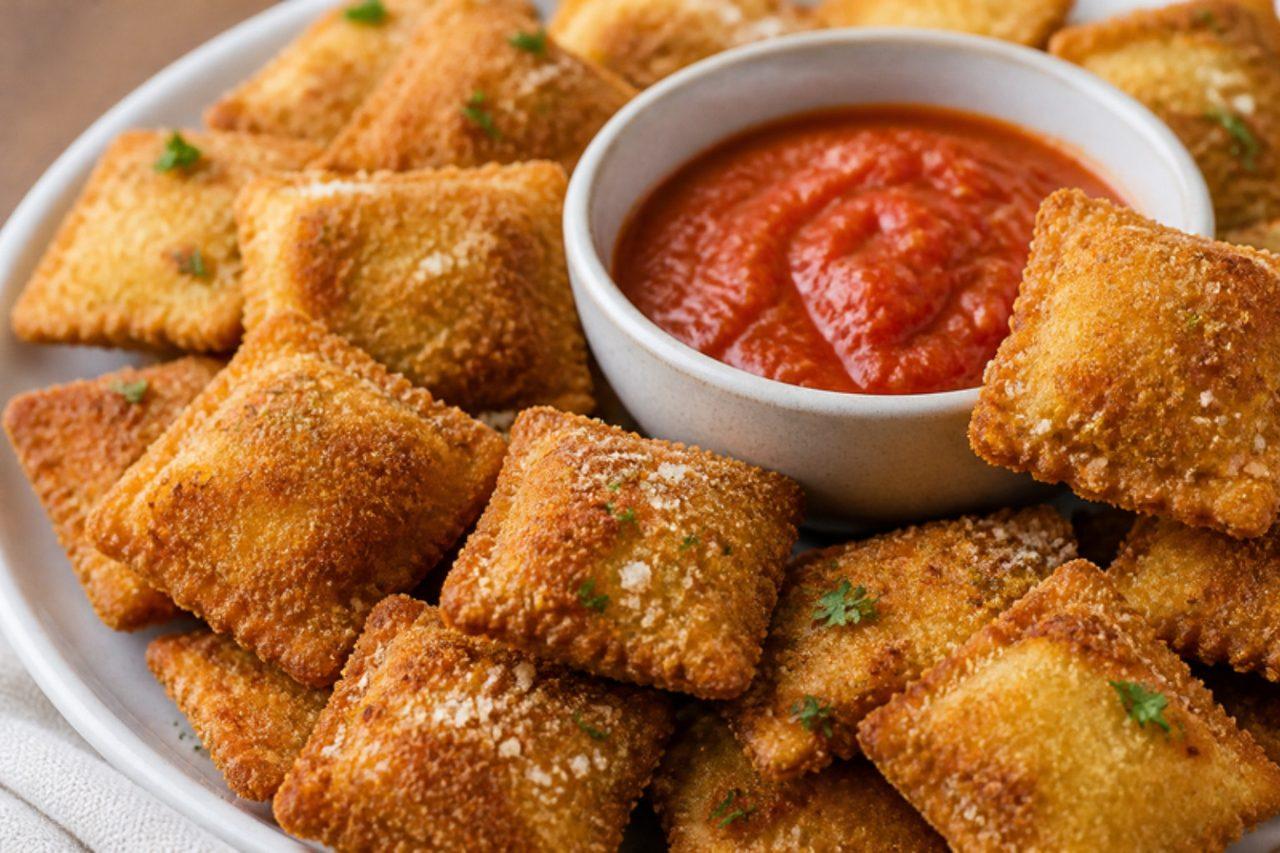
Toasted ravioli was invented on the Hill, St. Louis's old Italian neighbourhood, when, as the story goes, a cook dropped ravioli into hot oil by accident; now 'T-ravs' are on nearly every bar and restaurant menu in the city. Beef-filled ravioli are breaded and fried, not toasted, until crisp, then dusted with grated cheese and dipped in marinara. Chef's tip: chill the breaded ravioli for 20 minutes before frying so the crumb sticks and doesn't fall off in the oil.

by KrazyBadal 0 views

Migas extremeñasFried breadcrumbs with chorizo

Migas were the breakfast of Extremaduran shepherds, made from the hard bread they carried, and they are still what families cook on a rainy winter day or at a village fiesta, often in a huge pan stirred with a long spoon. The bread is cut tiny, dampened and left overnight, then fried slowly in garlicky oil with panceta and chorizo until loose, golden and crunchy at the edges. They are served with grapes or melon on the side, and sometimes a fried egg. This contains pork (panceta and chorizo). Chef's tip: keep turning the crumbs with a spatula the whole time; this constant movement is what makes them loose.

by KrazyBadal 0 views

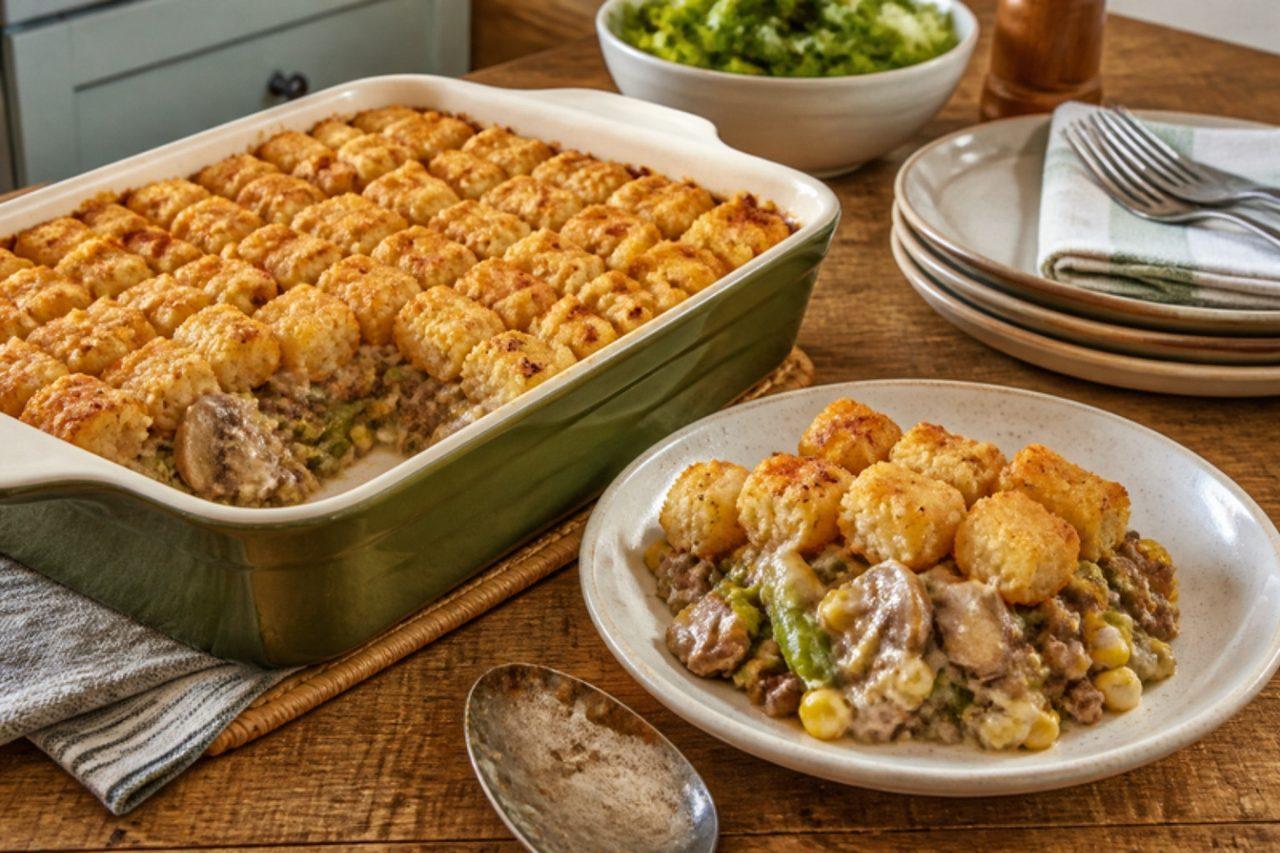
Minnesota tater tot hotdish

In Minnesota, any one-dish bake is a hotdish, and the tater tot version is what turns up at church basement suppers, Lutheran funerals and family reunions all over the state. Seasoned beef mince and vegetables go into a creamy mushroom sauce, the top is covered in neat rows of crisp potato tots, and everything bakes until golden. This version makes the sauce from scratch. Chef's tip: lay the tots in tight, even rows; gaps let steam escape and the tots crisp instead of going soggy.

by KrazyBadal 0 views

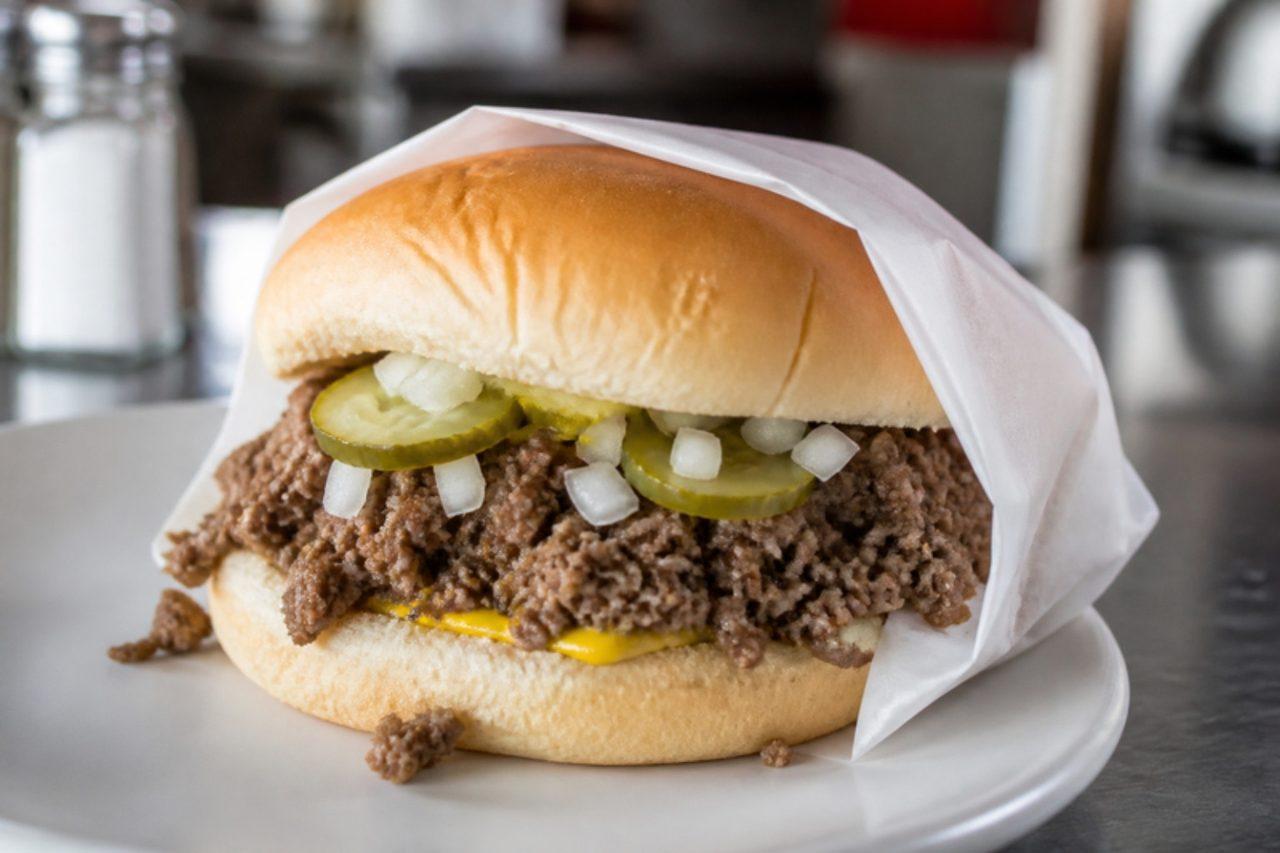
Iowa loose meat sandwich

The loose meat sandwich, sometimes called a Maid-Rite after the Iowa chain that started it in Muscatine in 1926, is beef mince simmered until finely crumbled and tender, then piled loose on a soft bun with mustard, pickles and onion. It falls apart as you eat it, so it comes with a spoon. Small-town Iowa cafés have served it at lunch counters for generations. Chef's tip: break the meat up constantly with a potato masher as it cooks; you want fine, even crumbs, not lumps.

by KrazyBadal 0 views

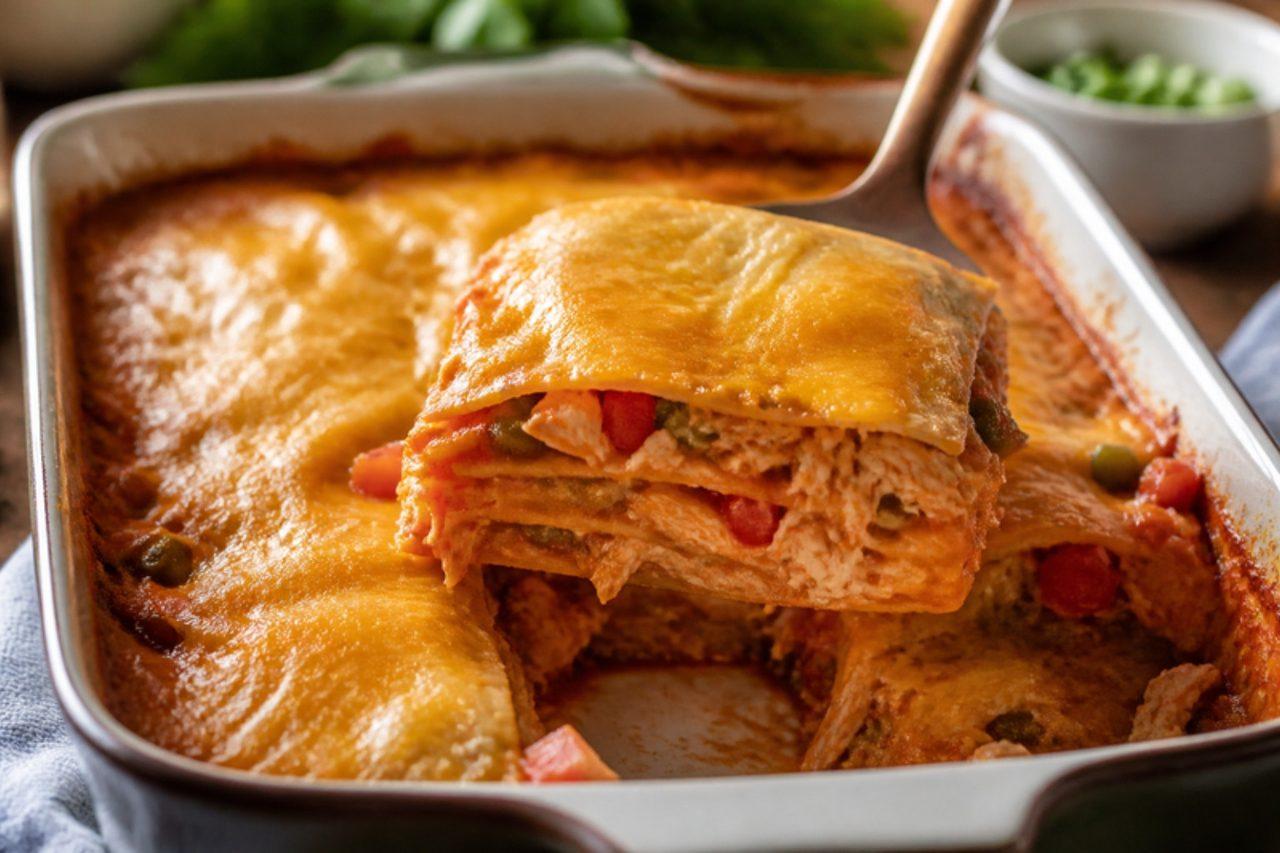
King Ranch chicken

King Ranch chicken is the layered casserole every Texan has eaten at a potluck, baby shower or after a funeral, named, without any proof, after the famous ranch in South Texas. Corn tortillas are layered like lasagne with shredded chicken, peppers, tinned tomatoes with green chiles, a creamy sauce and lots of cheese. This version makes the sauce from scratch instead of tinned soup. Chef's tip: lightly fry or toast the tortillas first so the layers hold up instead of turning to mush.

by KrazyBadal 0 views

San Antonio puffy tacos

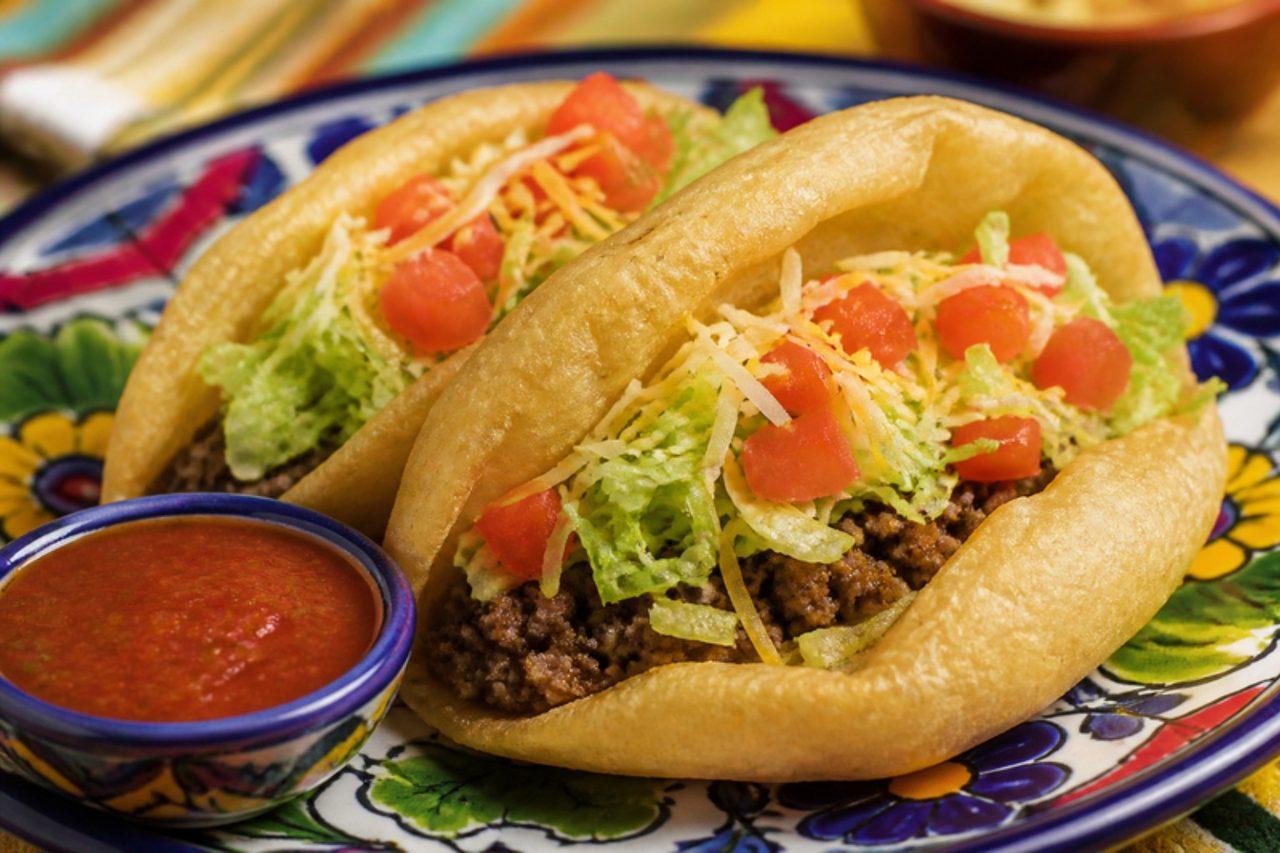
The puffy taco is San Antonio's own: a ball of fresh corn masa pressed flat and dropped into hot oil, where it puffs into a light, crisp, hollow shell, then shaped into a U and filled with seasoned beef mince, lettuce and tomato. Family-run Tex-Mex restaurants on the West Side have served them since the 1950s, and the city's baseball team even has a puffy taco mascot. Chef's tip: as soon as the dough puffs, press a spatula into the middle to make the fold, before it sets.

by KrazyBadal 0 views

Mingau de tapiocaTapioca and coconut porridge

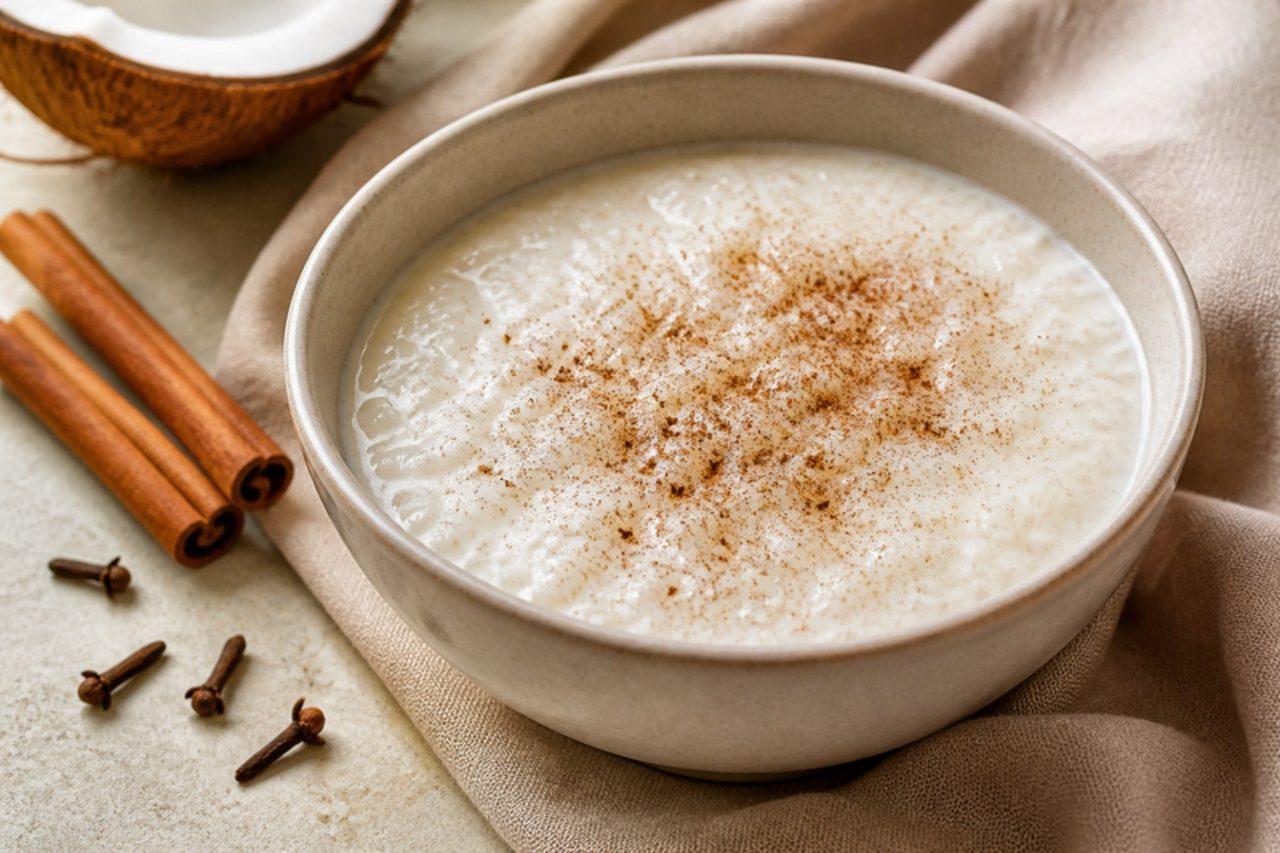
Before the buses fill up, mingau sellers set out tall aluminium pots on Salvador's street corners and ladle out tapioca porridge into plastic cups for workers on the way in. It is thick, spoon-coating and gently sweet, made with granulated tapioca or small pearls cooked in milk and coconut milk with cinnamon and clove, and finished with a dusting of cinnamon. At home it is a quick breakfast, a soothing supper for children and the classic thing to give someone who is unwell. Many vendors also sell mingau de milho and de puba from neighbouring pots. Where people go wrong is adding the tapioca to boiling milk without soaking it first; it clumps and stays chalky in the middle. Chef's tip: take the pan off the heat while it still looks a little loose, because the tapioca keeps drinking up liquid and the porridge sets thicker within minutes.

by KrazyBadal 0 views

Texas carne guisada

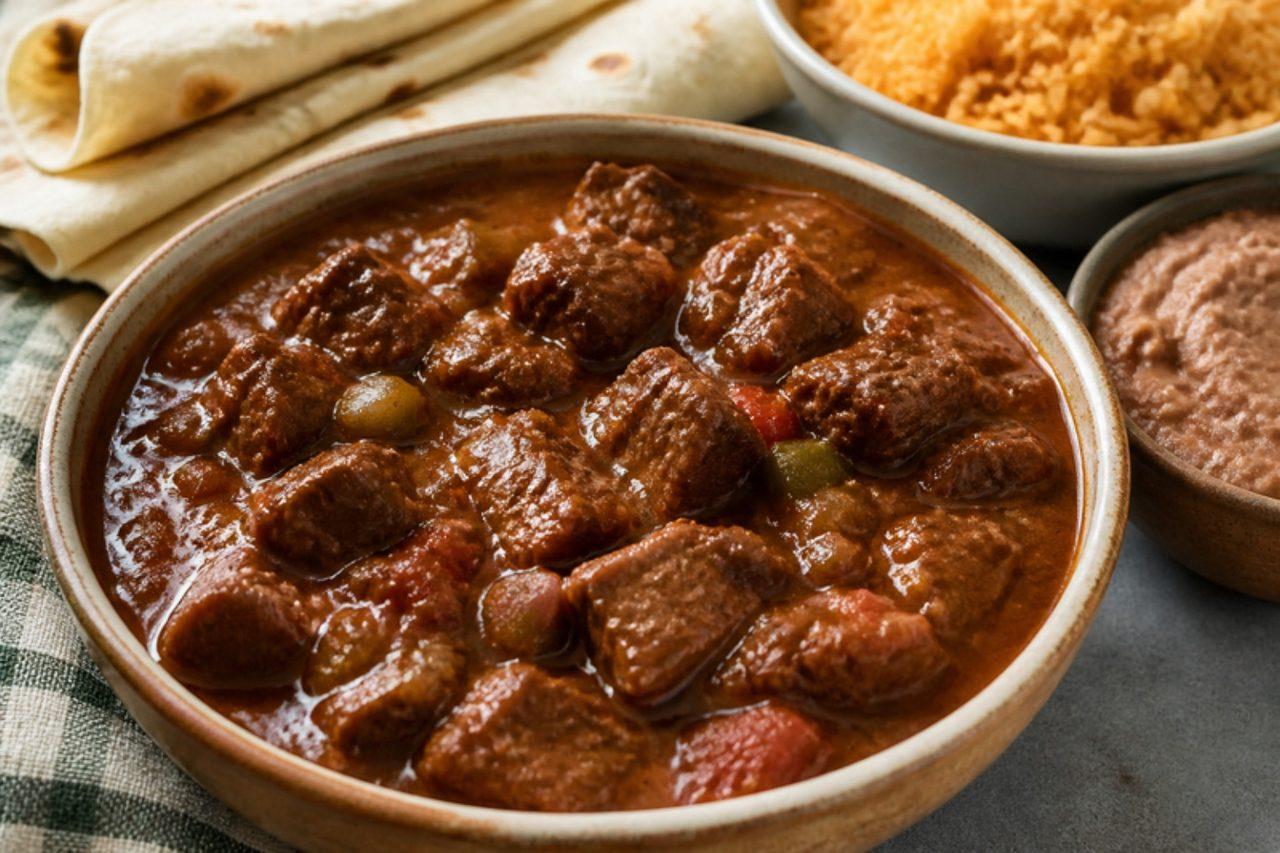
Carne guisada is the South Texas comfort stew of the Rio Grande Valley and Corpus Christi, ladled into fresh flour tortillas for breakfast tacos or eaten from a plate with rice and refried beans. Cubes of beef chuck are browned and slowly stewed with onion, pepper, garlic and cumin in a thick, peppery brown gravy. Chef's tip: dust the beef with flour as it browns; it thickens the gravy just enough to cling to a tortilla.

135 minAmericanMeat
by KrazyBadal 0 views

New Mexico green chile stew

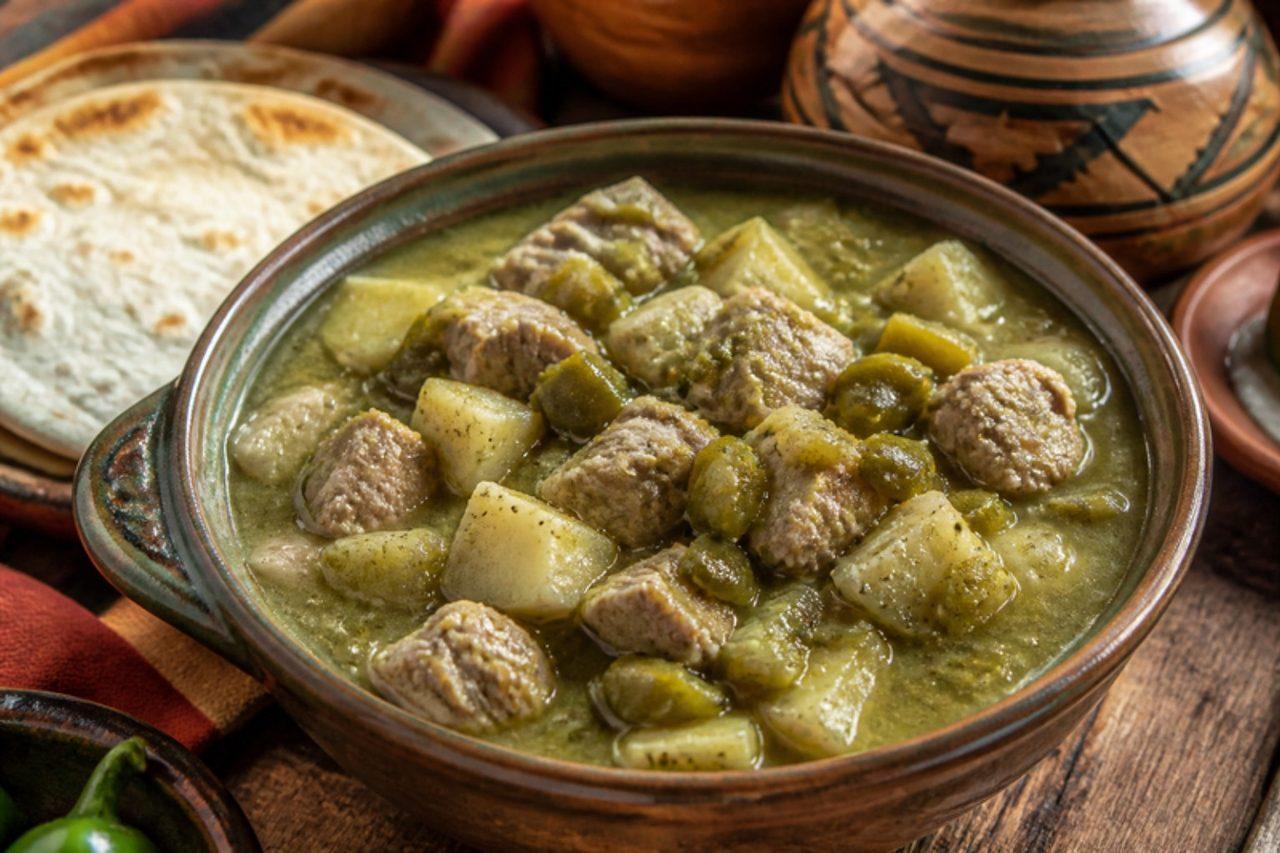
When the Hatch chile harvest comes in each September, the smell of roasting green chiles fills supermarket car parks across New Mexico, and green chile stew becomes the dish of football Fridays and cold Santa Fe nights. It is a brothy stew of pork shoulder, potatoes and plenty of roasted, peeled green chile, served with a warm tortilla. Chef's tip: roast the chiles until the skins blister black all over, then sweat them in a covered bowl; the skins slip off easily.

120 minAmericanMeatGluten freeSpicy
by KrazyBadal 0 views

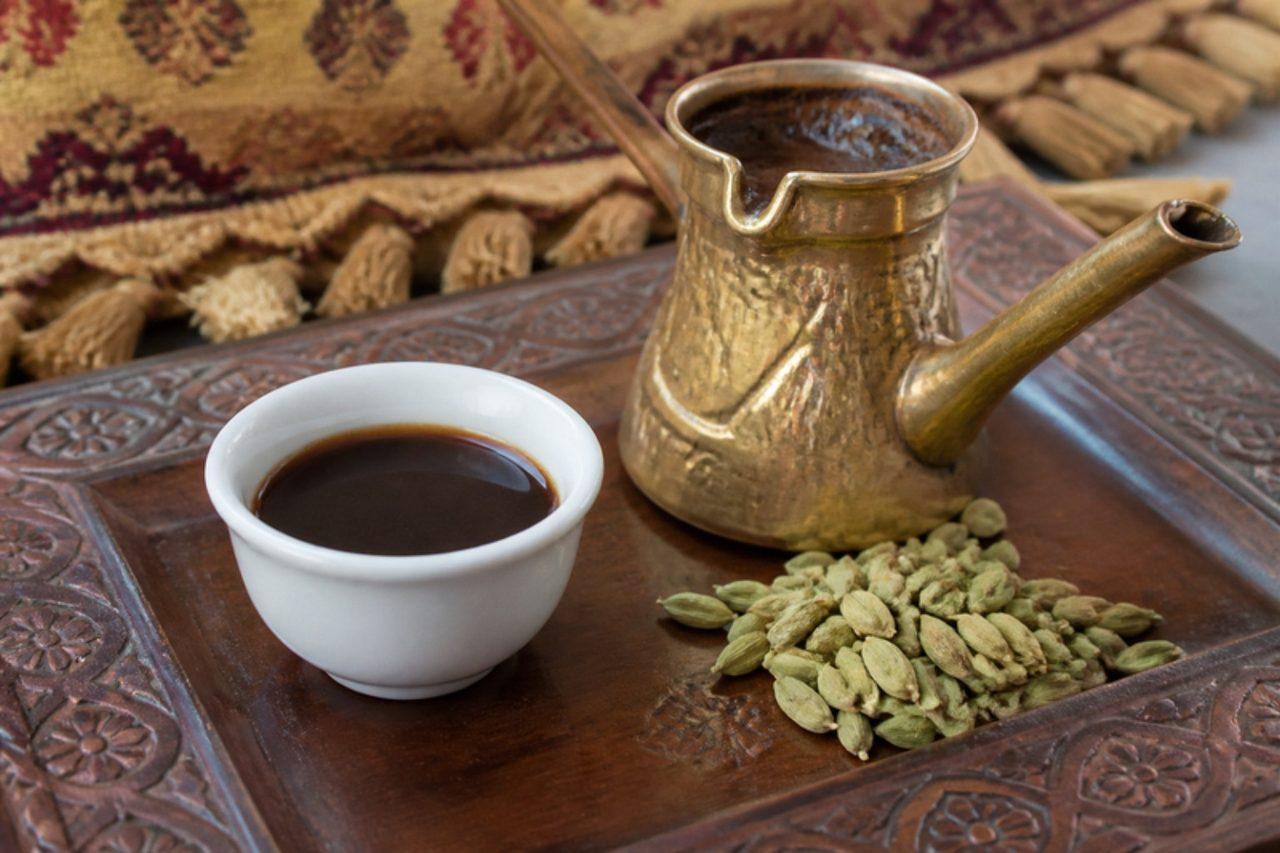
MırraBitter cardamom coffee

In the courtyard houses of Mardin and the guest rooms of Şanlıurfa, mırra is poured from a long-spouted pot into tiny handleless cups, just a mouthful each, as a sign of welcome. It is made by boiling dark-roasted coffee for a long time until it becomes thick, bitter and concentrated, then boiling it again and again. Tradition says you never put the cup down empty unless you mean to marry the host's family, so hand it back with a small shake. It is never sweetened: serve it with dates or a sweet. Common mistake: using finely ground Turkish coffee; it turns muddy, so use medium-ground dark roast. Chef's tip: the second boil is where the flavour comes from, so don't rush it.

by KrazyBadal 0 views

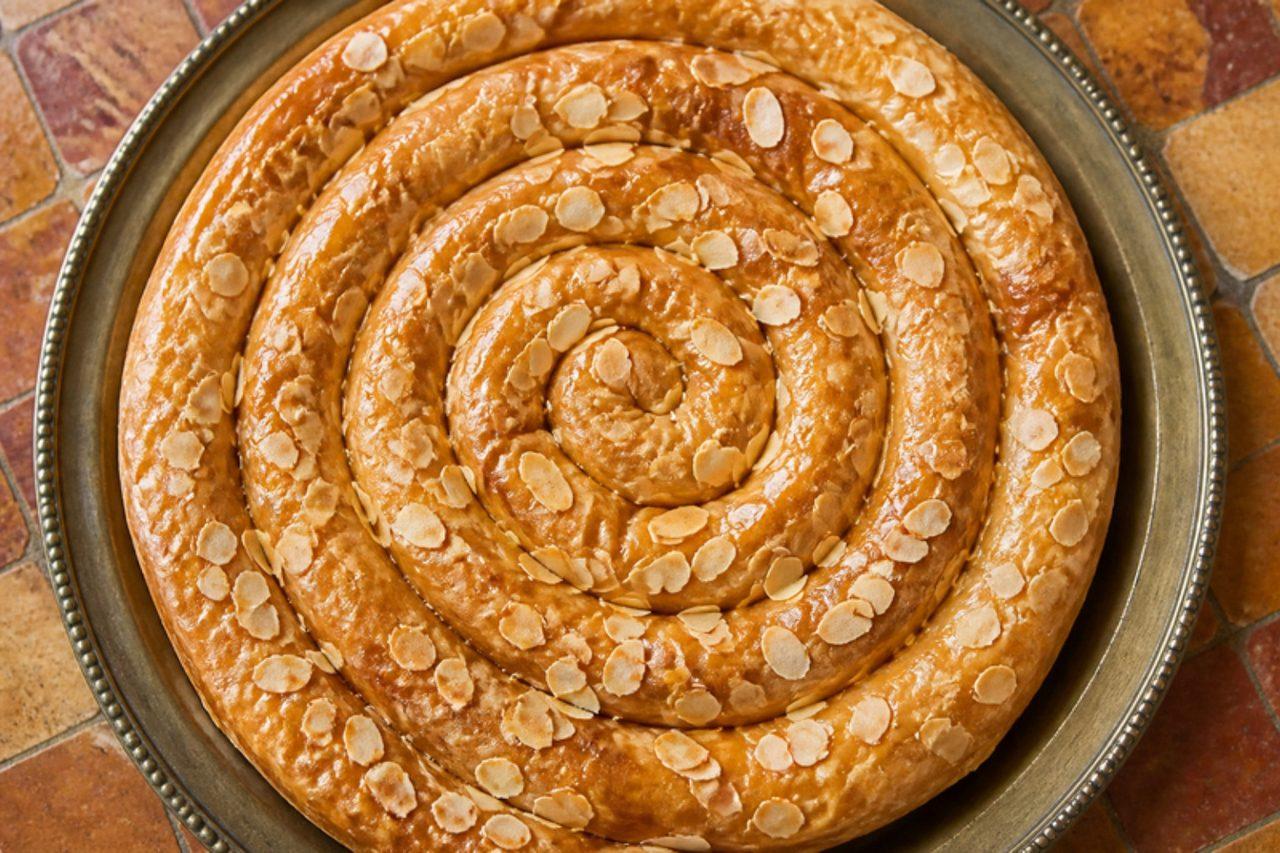
Mhancha (almond snake pastry)

M'hancha means 'the snake', and that is exactly what this festive Fez pastry looks like: a long tube of paper-thin warqa or filo filled with orange-blossom almond paste and coiled into a spiral, then baked until golden and brushed with warm honey. It is brought out whole for guests and family celebrations and cut into wedges at the table with mint tea. The pastry shatters, the filling is soft and fragrant with cinnamon, and the honey glaze makes it shine. Filo stands in well for warqa; most shop filo is made without butter, but check the label. Most people go wrong by letting the filo dry out while they roll; keep the sheets under a damp cloth so the long rolls don't crack when coiled. Chef's tip: roll the filling loosely in the pastry and coil it gently; packed too tightly, the snake cracks as you curl it.

by KrazyBadal 0 views

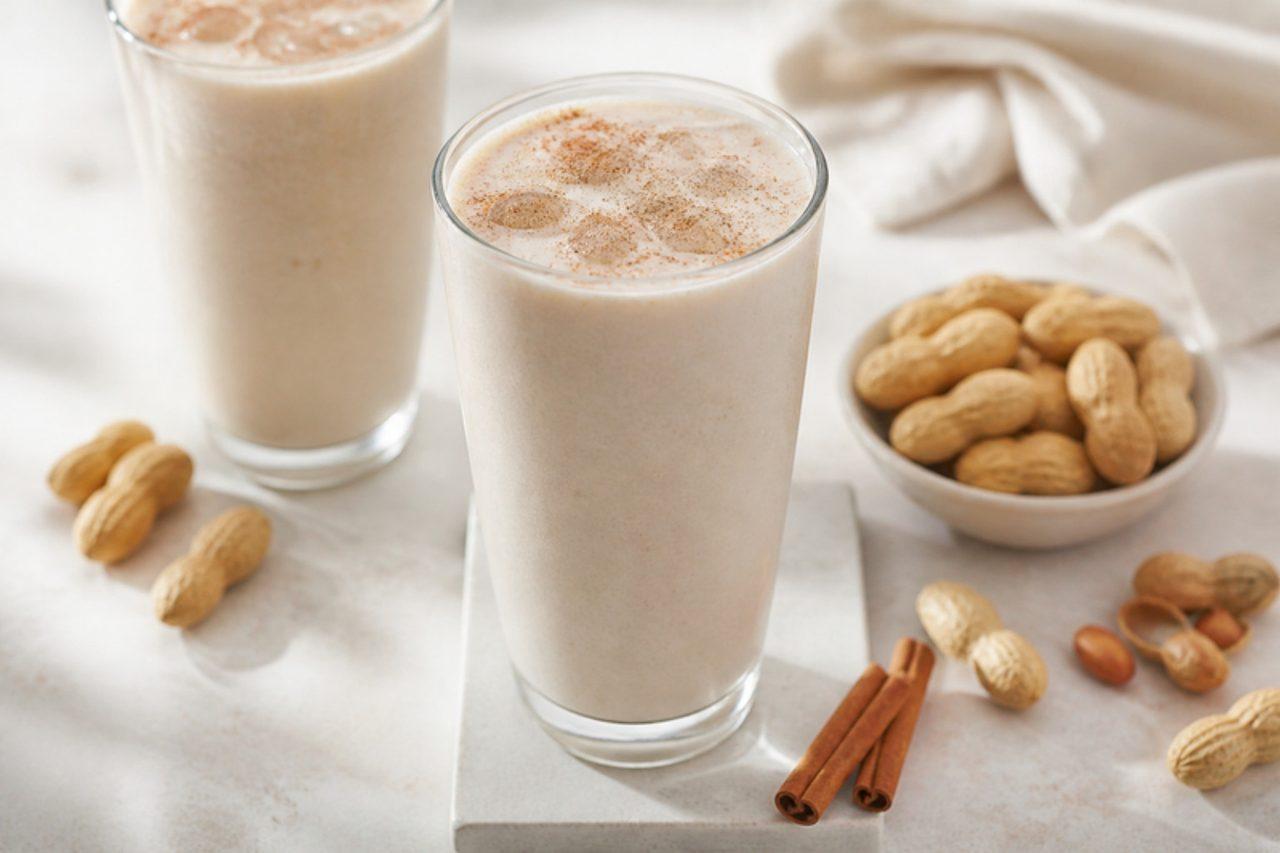
Torito de cacahuatePeanut drink

Torito is the party drink of the port of Veracruz and the Sotavento, poured at weddings, saints' days and the Tlacotalpan Candelaria fair: a thick, cold, milkshake-like blend of peanuts, condensed and evaporated milk and cinnamon. The traditional version is spiked with aguardiente, the local cane spirit. This recipe is the alcohol-free version, so children can drink it too; adults who want the original add a measure of cane spirit to each glass. It contains peanuts, so check for allergies. Chef's tip: toast the peanuts until just golden before blending; raw ones taste flat and beany.

by KrazyBadal 0 views

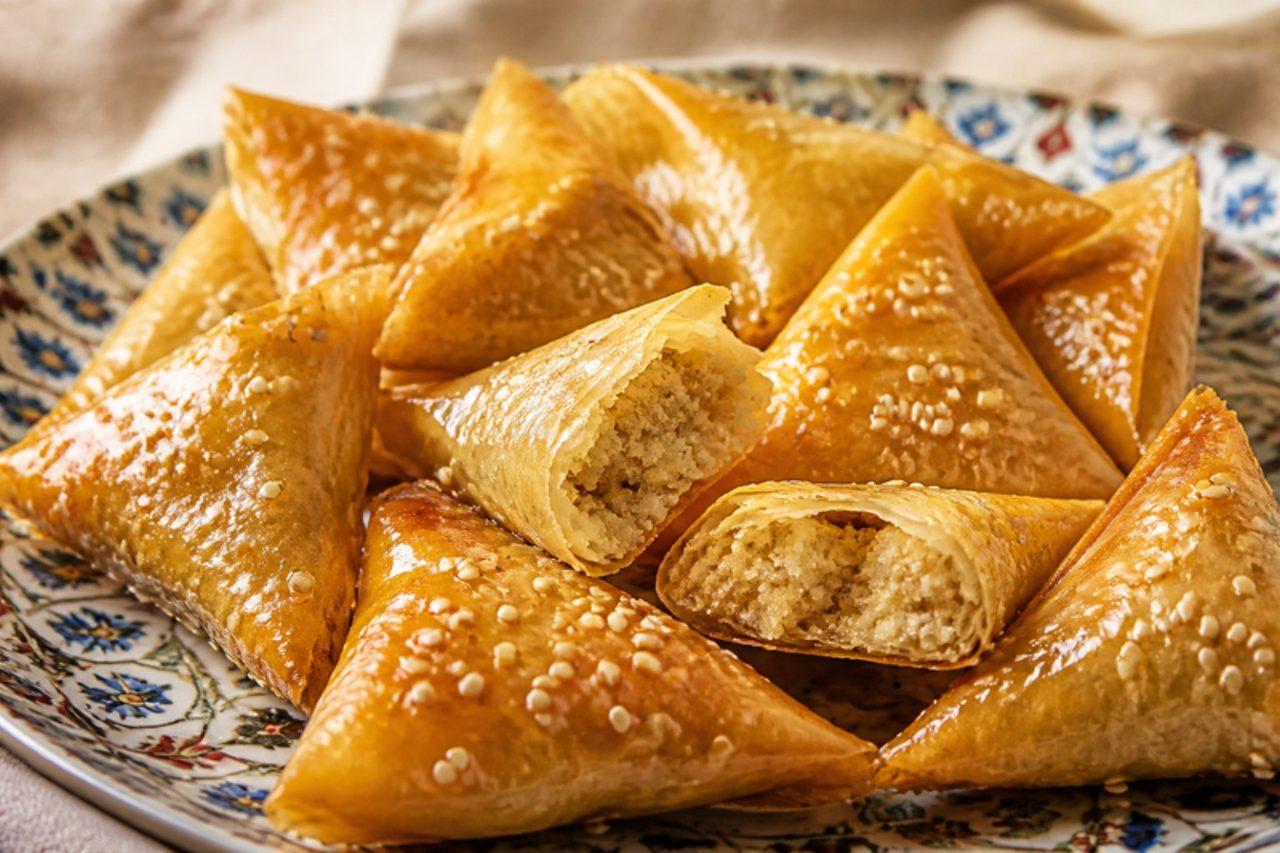
Almond briouats

Ramadan evenings, weddings and Eid all call for a tray of sticky almond briouats: small triangles of warqa or filo wrapped around almond paste scented with orange-flower water and cinnamon, fried until golden and then plunged into warm honey. They are crisp at first bite, then soft and chewy as the honey seeps in, finished with a few sesame seeds. Served with mint tea, they sit happily next to chebakia and sellou on the iftar table. Filo works well in place of warqa. Chef's tip: dip the briouats in honey that is warm but not boiling, for about 2 minutes; leave them longer, the common mistake, and they turn soggy.

by KrazyBadal 0 views

Mojarra fritaFried whole tilapia

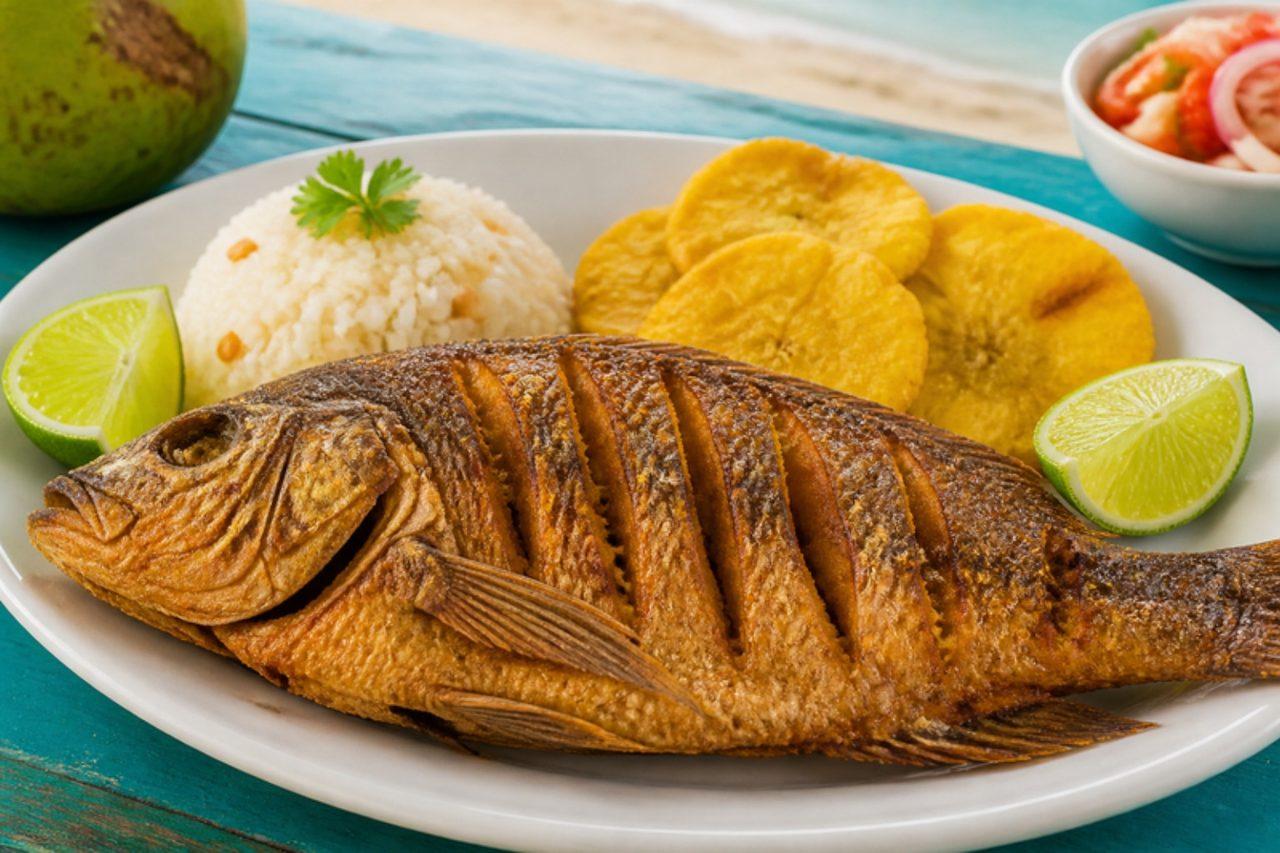
On the beaches of Bocagrande and in the open-air kitchens of La Boquilla outside Cartagena, the lunch plate is a whole mojarra (tilapia) fried until its fins crackle, served with coconut rice, smashed green plantain patacones and a tomato and onion salad with lime. The skin goes shatteringly crisp, the flesh stays sweet and moist, and you eat it with your fingers, pulling meat off the bone. Scoring the sides lets the heat and seasoning reach the thick part near the spine. The mistake to avoid is putting a wet fish into the oil, which spits dangerously and leaves the skin soggy: pat it very dry and dust it lightly. Chef's tip: fry one fish at a time in plenty of oil and don't move it for the first 4 minutes, so the skin sets before you turn it. Serve with arroz con coco for the full Caribbean plate.

by KrazyBadal 0 views

Mojica de pintadoCatfish and cassava stew

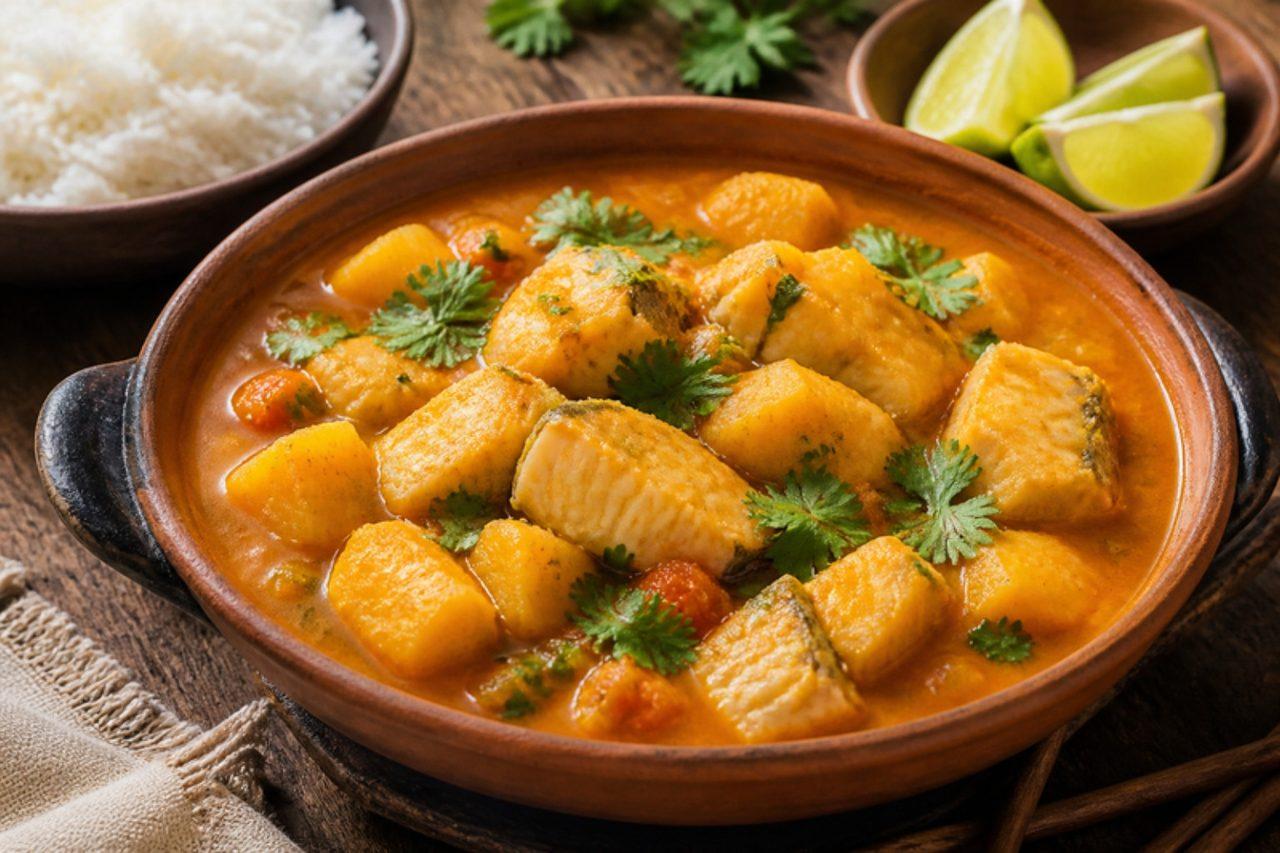
Thick, golden and soothing, mojica is the stew Cuiabá cooks with pintado, the big spotted catfish of the Pantanal rivers. Cassava simmers in a tomato and onion broth until it starts to break and thicken it, then cubes of firm fish poach gently on top, and the whole pot is finished with cheiro-verde and a squeeze of lime. It is eaten at family lunches and riverside restaurants in Mato Grosso, with white rice and a hot pepper sauce, and is known as a cure for a tired body. Outside Brazil, use catfish, monkfish or thick cod loin. People often stir the fish into the pot like a curry, which breaks it into shreds; lay it on top and let it steam. Cassava must always be cooked right through. Chef's tip: mash a few pieces of the cooked cassava against the side of the pot before adding the fish; it thickens the broth without any flour.

by KrazyBadal 0 views

Ktefa (milk pastilla)

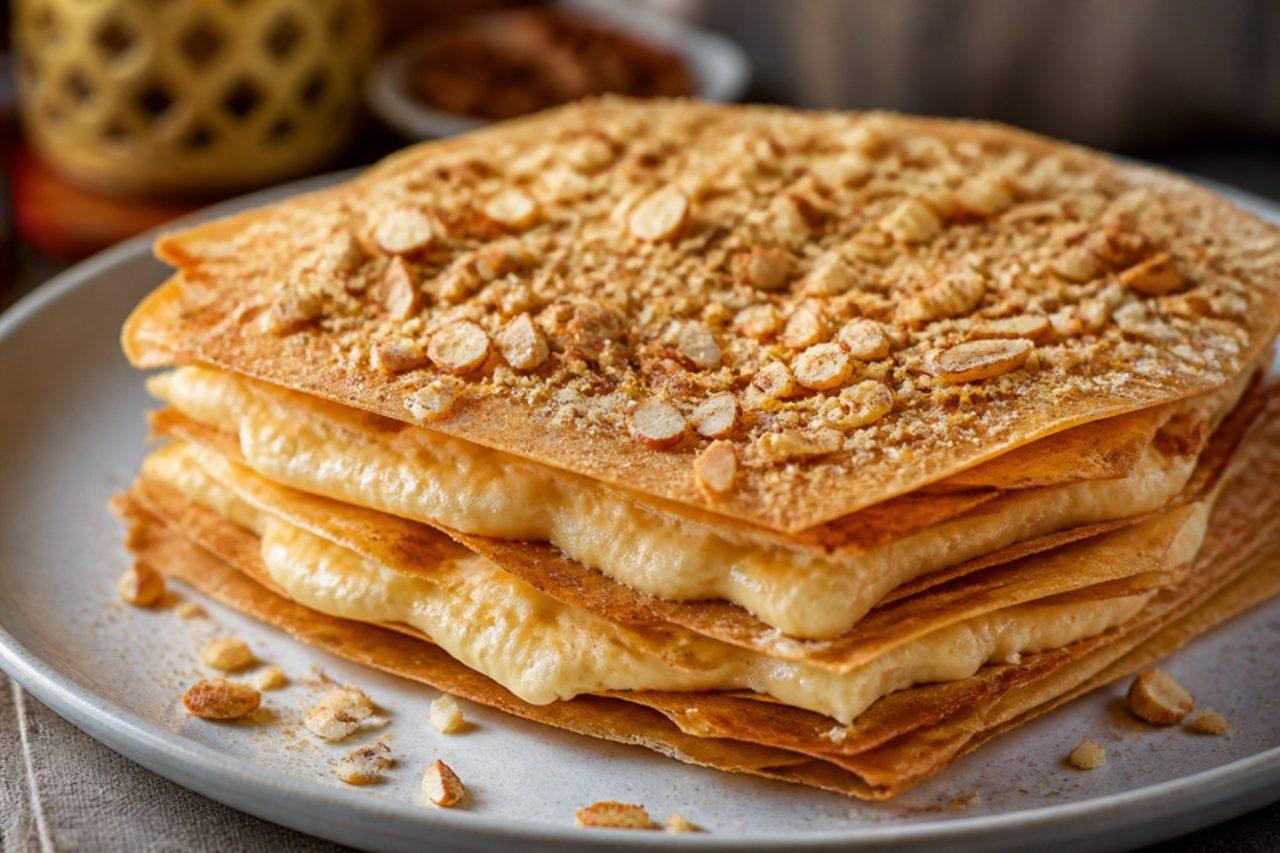
Ktefa, also known as pastilla au lait, is the grand finale of many weddings and family feasts in Fez and Rabat: shattering layers of fried warqa piled up with a light orange-blossom milk custard and a sweet, cinnamon-scented crumble of toasted almonds, assembled at the very last moment so every bite crackles. It is served in wedges or straight from the platter. Filo fried in rounds makes an easy home version, and everything can be prepared ahead except the final assembly. The custard is cooked until it bubbles, so the eggs are fully cooked. Don't assemble ktefa ahead of time: once the custard sits on the crisp layers they go soggy within minutes. Chef's tip: assemble only when you are ready to serve; if it sits for more than 15 minutes, the custard softens the crisp layers, the most common way ktefa goes wrong.

by KrazyBadal 0 views

Mojo verdeGreen coriander and garlic sauce

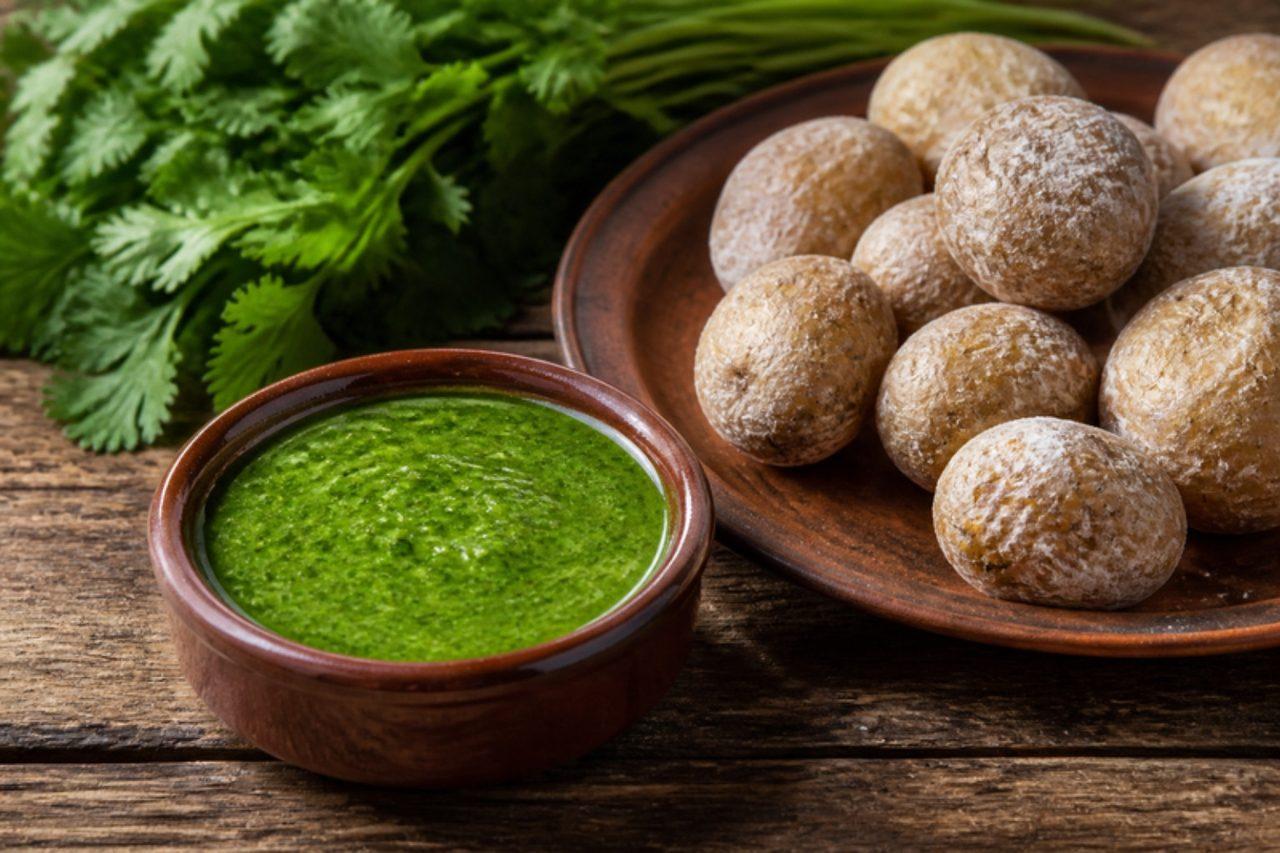
Green mojo is the cooler partner to red mojo picón on every Canarian table, the sauce that goes with grilled fish at harbour restaurants in Puerto de Mogán and La Restinga, with papas arrugadas, and with fried goat cheese. Fresh coriander and green pepper are pounded with garlic and cumin, then sharpened with vinegar and loosened with olive oil into a bright, grassy sauce. Some islands use parsley instead of coriander. It keeps for three or four days in the fridge. Chef's tip: add the oil slowly while you stir, so the sauce emulsifies into a thick, creamy green rather than splitting into herbs floating in oil.

by KrazyBadal 0 views

Meskouta (Moroccan orange cake)

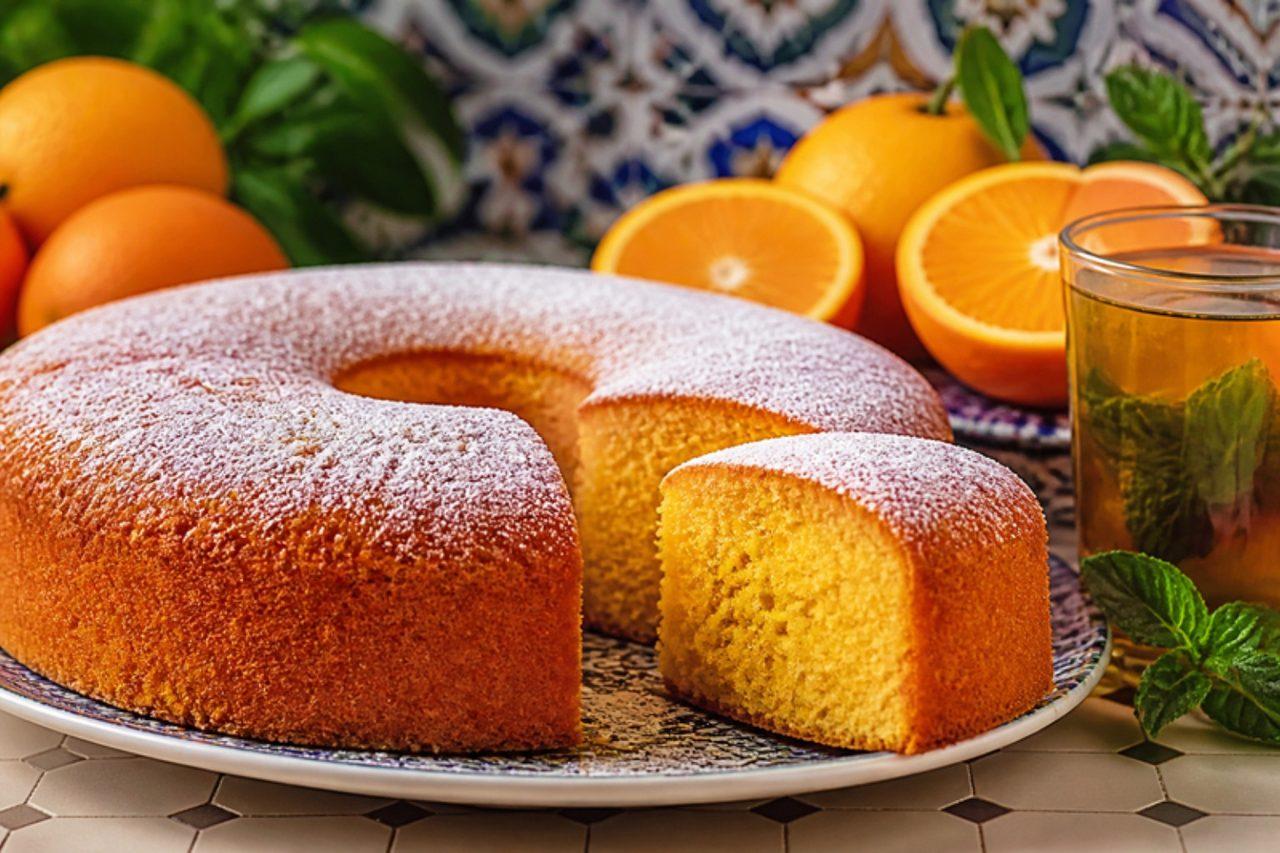
Every Moroccan home cook seems to have a meskouta recipe, the light, fluffy sponge that is baked in a ring tin and set out for afternoon tea, unexpected guests or a children's snack. This one is flavoured with fresh orange juice and zest; many families make a yogurt version instead, using the yogurt pot to measure everything, and that variation is in the steps. The crumb is airy and moist, not too sweet, and it pairs perfectly with mint tea or a glass of milk. No mixer is strictly needed, but it helps. Chef's tip: beat the eggs and sugar for a full 5 minutes until pale and tripled in volume; under-whipped eggs, the usual mistake, make a dense, flat meskouta.
by KrazyBadal 0 views

Navajo tacos

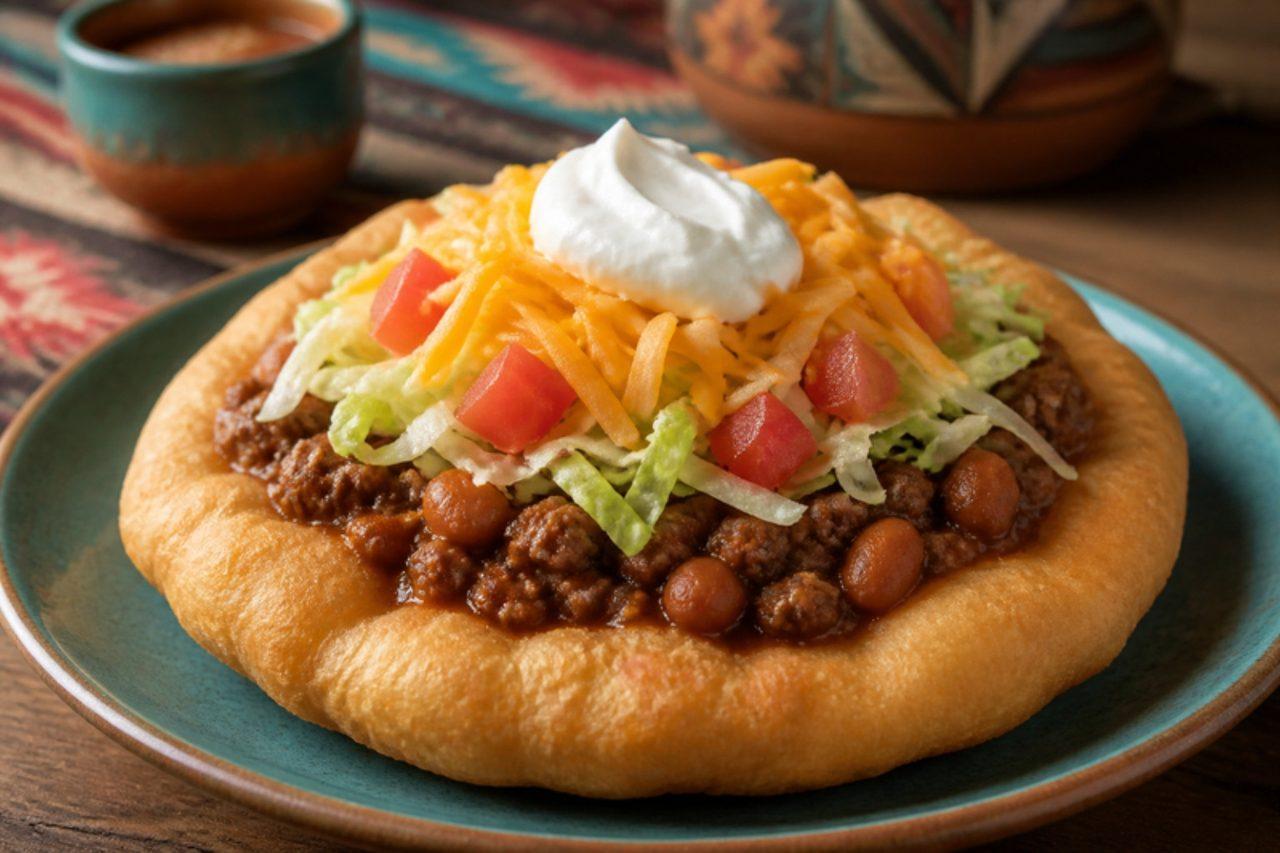
Navajo tacos, also called Indian tacos, are what the queues are for at powwows, state fairs and roadside stands across the Navajo Nation and the Four Corners. A freshly fried, crisp-edged fry bread is piled with beef and pinto bean chili, shredded lettuce, tomato, onion and cheese, and eaten with a knife and fork. Chef's tip: make the chili first and fry the bread last, so it is still crisp when the toppings go on.

by KrazyBadal 0 views

Molletes de AntequeraSoft flat breakfast rolls

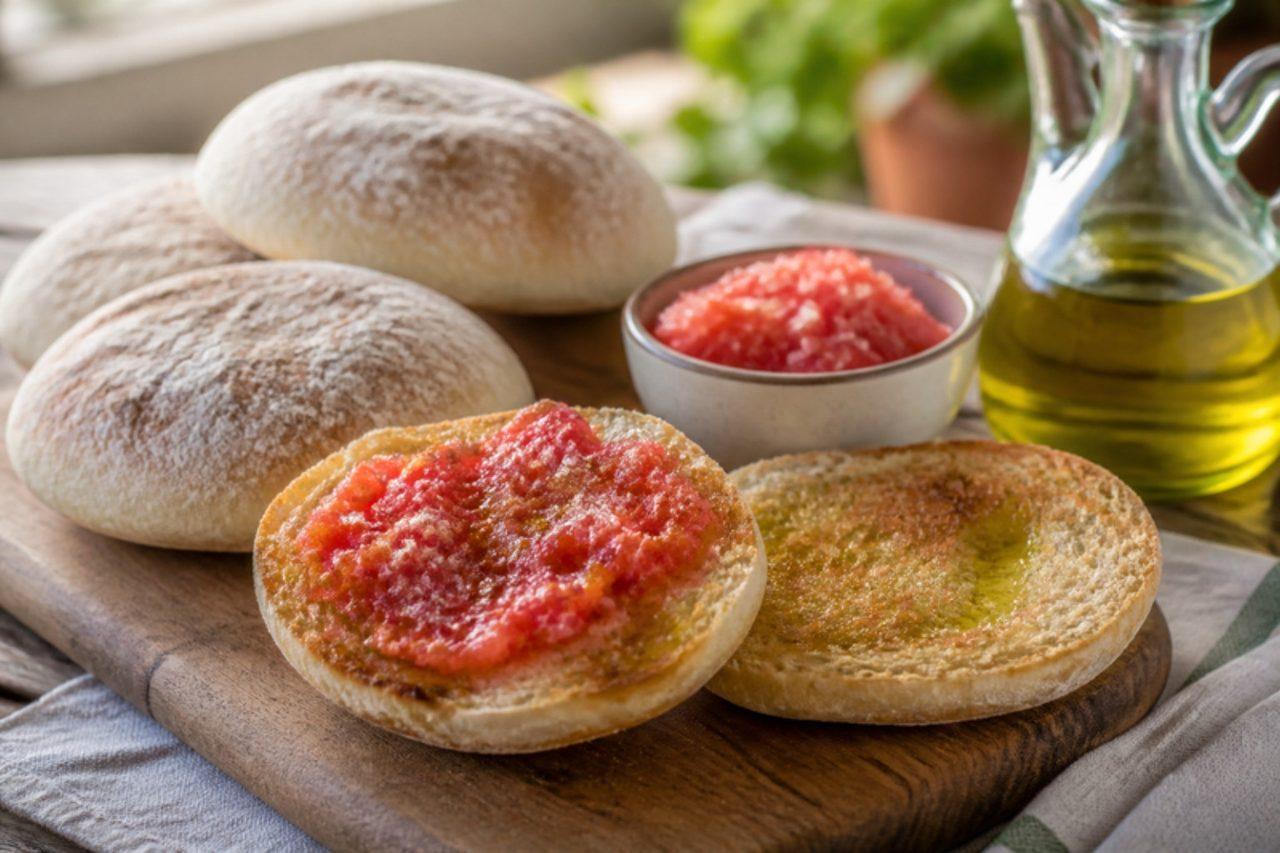
Ask for breakfast in any café between Málaga and Seville and someone will offer you a mollete: a flat, pale, floury roll from Antequera, split, toasted and spread with olive oil and crushed tomato. Bakers there bake them hot and fast so the crust stays thin and soft and the crumb is open and moist. They freeze well, so it is worth making a batch on a slow weekend morning. A common mistake is baking them until golden; molletes should come out pale and soft, with only a faint blush of colour. Chef's tip: bake them at the very top heat for only about 10 minutes; if they brown, they have gone too long and will be crusty rather than soft.

by KrazyBadal 0 views

Chinese chicken salad

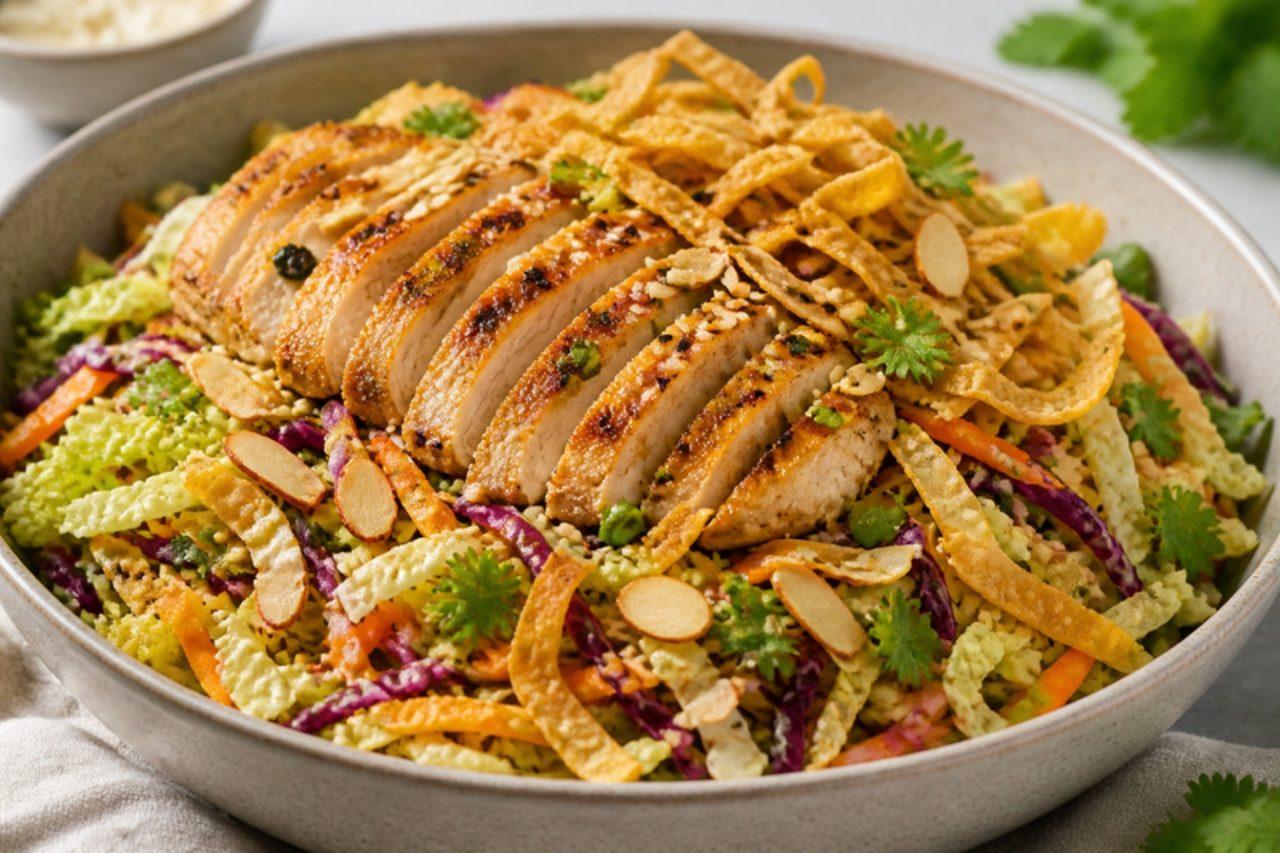
Chinese chicken salad is not from China but from 1960s and 70s California, popularised by a Chinese-American restaurant in Beverly Hills and by Hollywood lunch spots, then copied by every Los Angeles café. Shredded chicken, cabbage, carrots and spring onions are tossed in a sweet sesame-ginger dressing and topped with crisp fried wonton strips, toasted almonds and mandarin segments. Chef's tip: add the crunchy toppings at the last moment, or they go soft in minutes.

by KrazyBadal 0 views

MolotesFried potato and chorizo masa turnovers

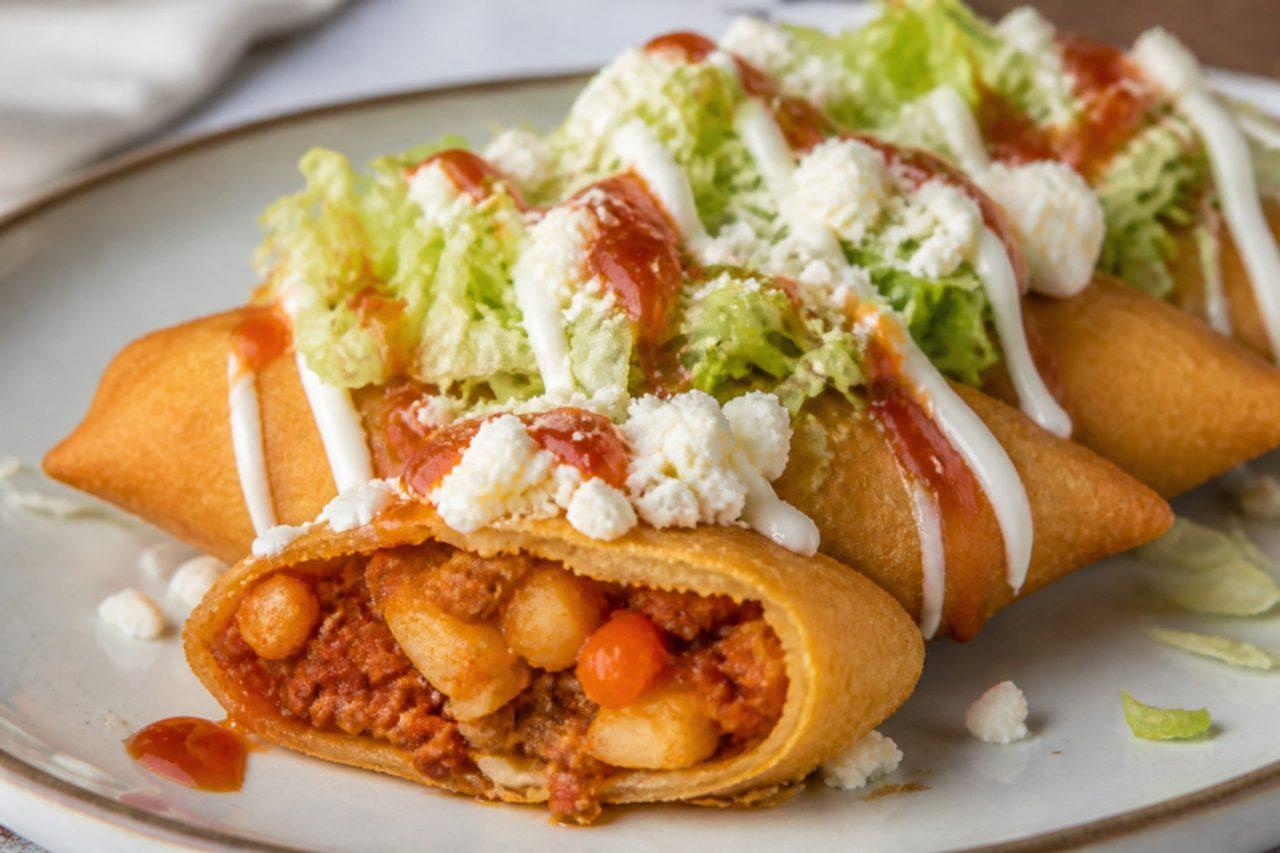
Around Puebla's zócalo and in the evening stalls outside its churches, molotes are fried to order: masa turnovers rolled into long spindles with pointed ends, crisp and blistered outside and soft inside. The favourite filling is potato mashed with pork chorizo, though stalls also sell them with tinga, quesillo or huitlacoche. They are eaten hot from a paper plate, split open and spooned with salsa, cream and crumbled cheese, as an evening snack or a light supper. Chef's tip: press the dough between two sheets of plastic cut from a freezer bag, so the thin disc lifts off cleanly and doesn't tear when you fold it.

by KrazyBadal 0 views

Idaho finger steaks

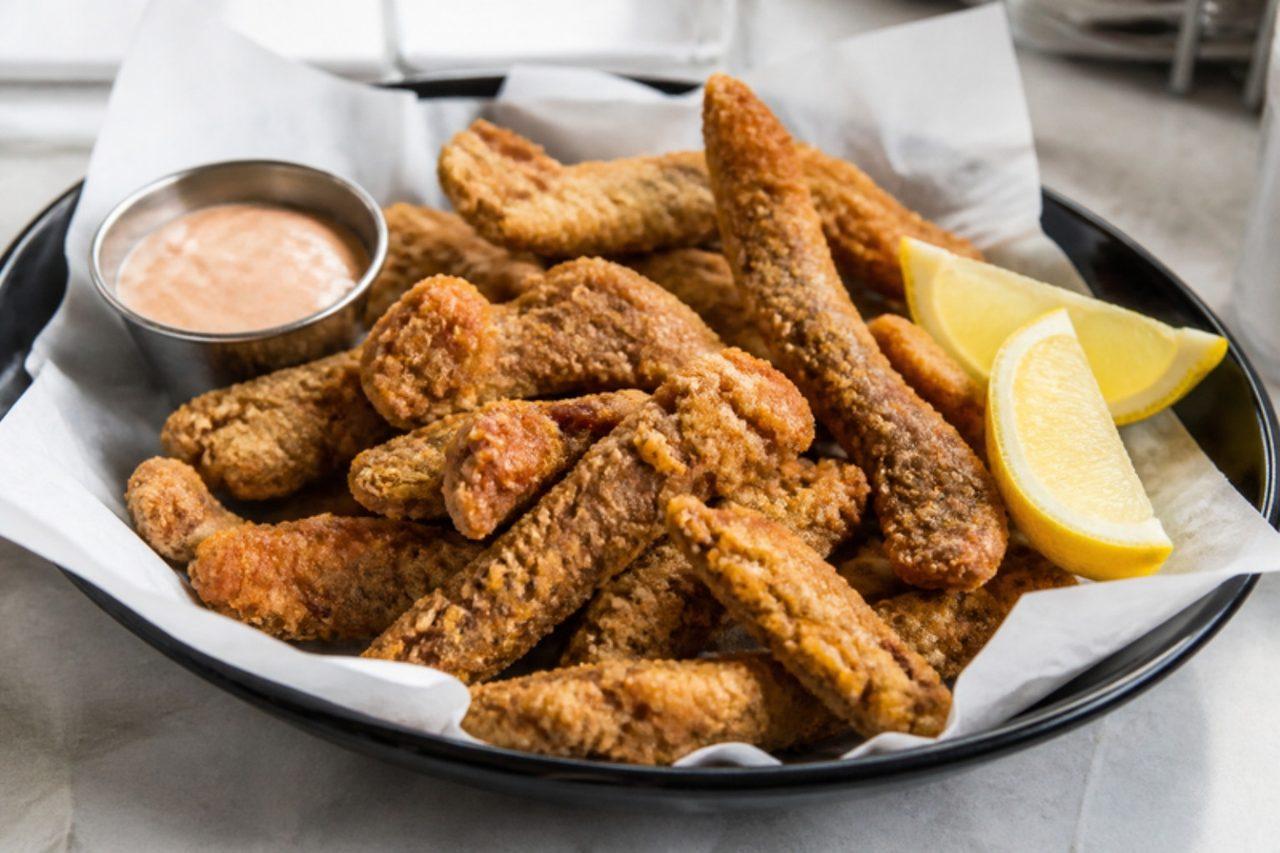
Finger steaks are Idaho's diner and drive-in speciality, said to have been invented by a butcher in Boise in the 1950s who battered the trimmings of steaks and fried them. Strips of tender sirloin are dipped in a light, peppery batter and deep-fried until crisp, then eaten with chips and pink fry sauce at the county fair. Chef's tip: cut the beef into even strips about 1.5 cm thick so they cook to tender in the 2 minutes it takes the batter to brown.

by KrazyBadal 0 views

Mona de PascuaEaster brioche with egg

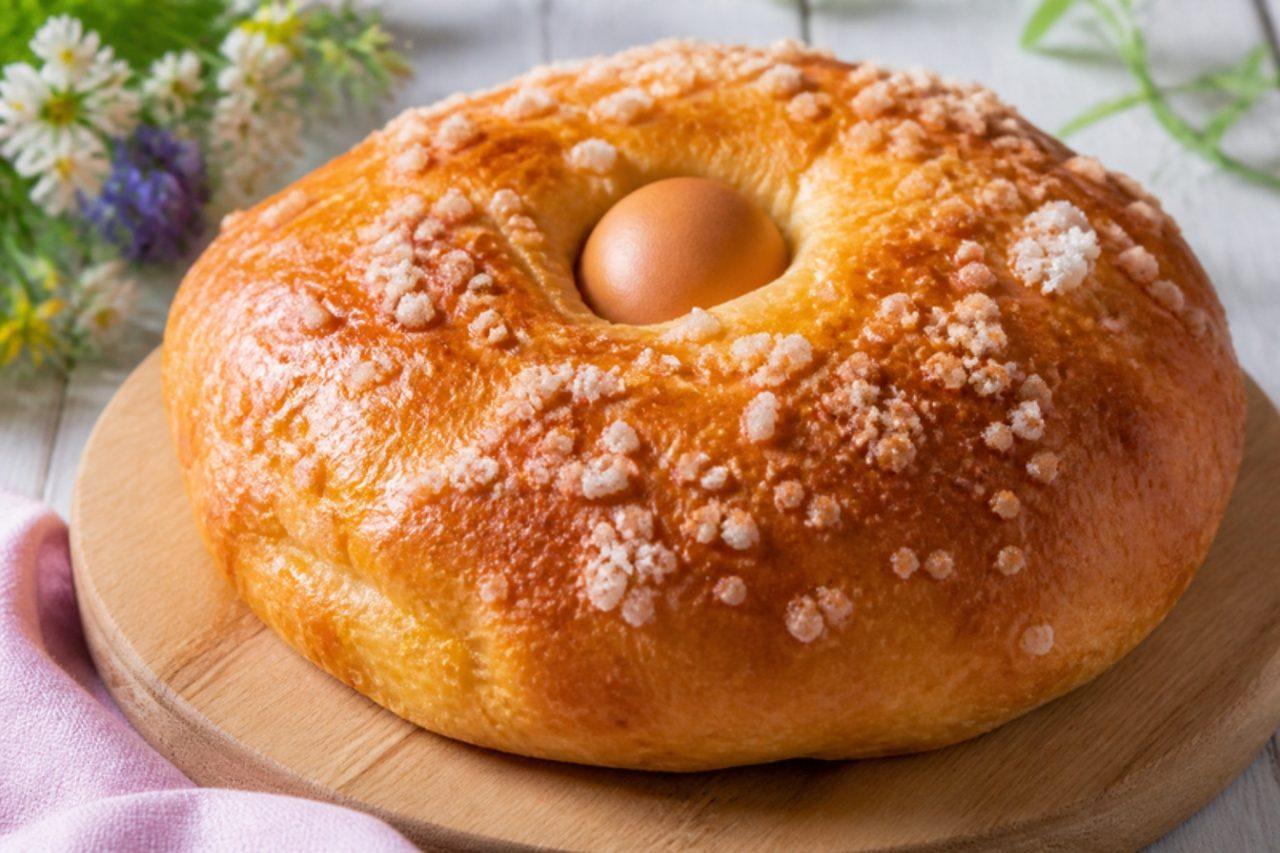
On Easter Monday, families across the Valencian Community head out to the countryside or the beach to "menjar-se la mona": they eat an orange-scented sweet brioche, often with a whole egg baked on top, and children crack the egg on a friend's forehead. The bun is soft and fluffy, glazed and sprinkled with sugar or coloured aniseed sprinkles. Here the eggs are hard-boiled first, so they are cooked through whatever the size of your bun. A common mistake is adding all the flour at once to a sticky dough; it softens as you knead, so hold back the last 50 g until you've kneaded for a few minutes. Chef's tip: make the starter the evening before and the dough on the day; the slow start gives a lighter crumb that stays soft for two days.

by KrazyBadal 0 views

MondeghiliFried beef and mortadella meatballs

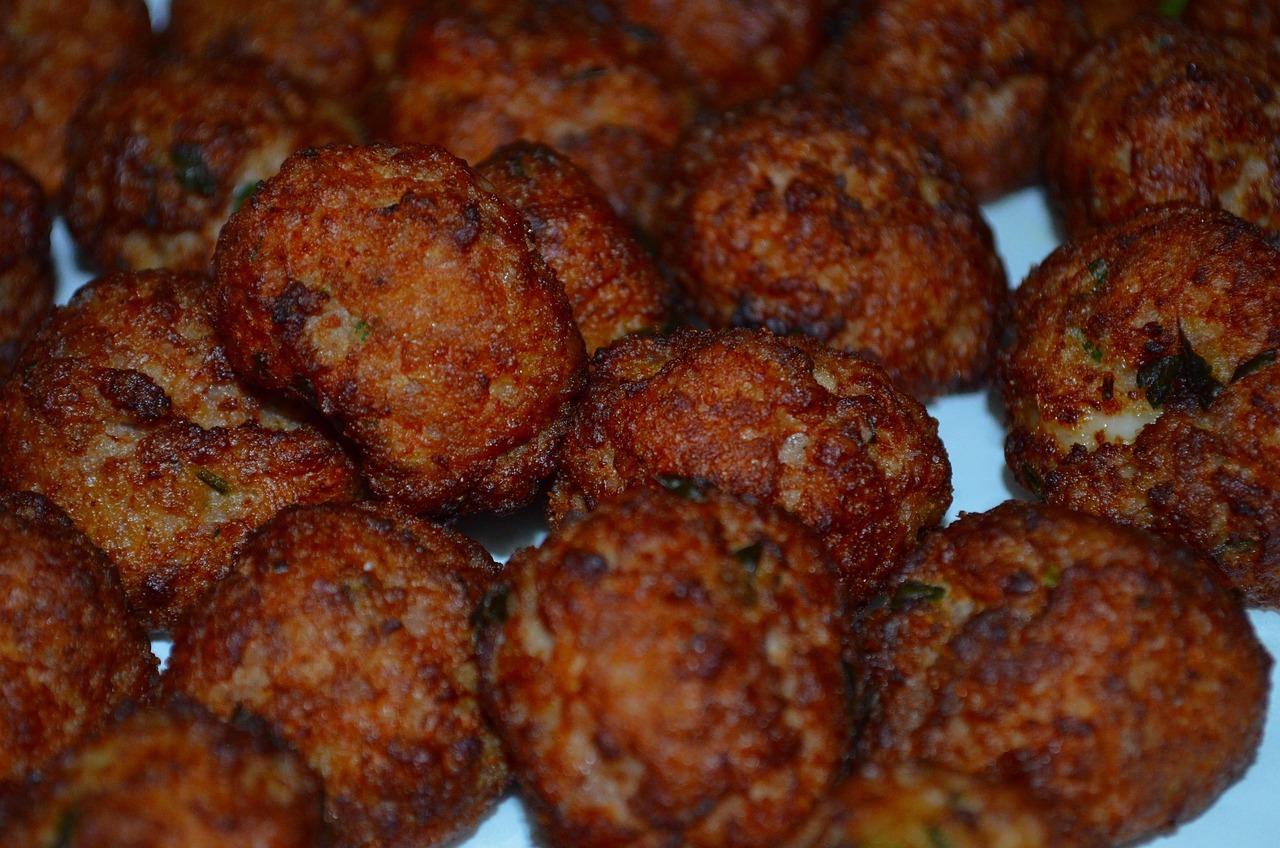
Mondeghili are the thrifty meatballs of Milan, invented to use up the beef left from a pot of bollito misto and now a fixture on the aperitivo counters of the city's bars. The cooked beef is minced with mortadella, a soft pork sausage, then bound with milk-soaked bread, egg, grana and lemon zest, flattened slightly and fried in butter until crisp and brown. They are best warm, with a squeeze of lemon, a spoonful of green sauce or simply a cold drink before dinner. Leftover roast beef or veal works just as well as boiled meat. Chef's tip: flatten each ball a little before frying; they cook through evenly and get more of that crunchy crust.

by KrazyBadal 0 views

Huli huli chicken

Huli means turn in Hawaiian, and this chicken was named in the 1950s when a farmer on Oʻahu grilled it between two racks and flipped it over the fire; today you smell it from roadside fundraiser stands and North Shore weekend grills. Chicken is marinated in soy sauce, pineapple juice, ginger and brown sugar, then grilled and basted until sticky and charred. Chef's tip: boil the leftover marinade before basting with it, so it is safe and turns into a glaze.

by KrazyBadal 0 views

Kansas City burnt ends

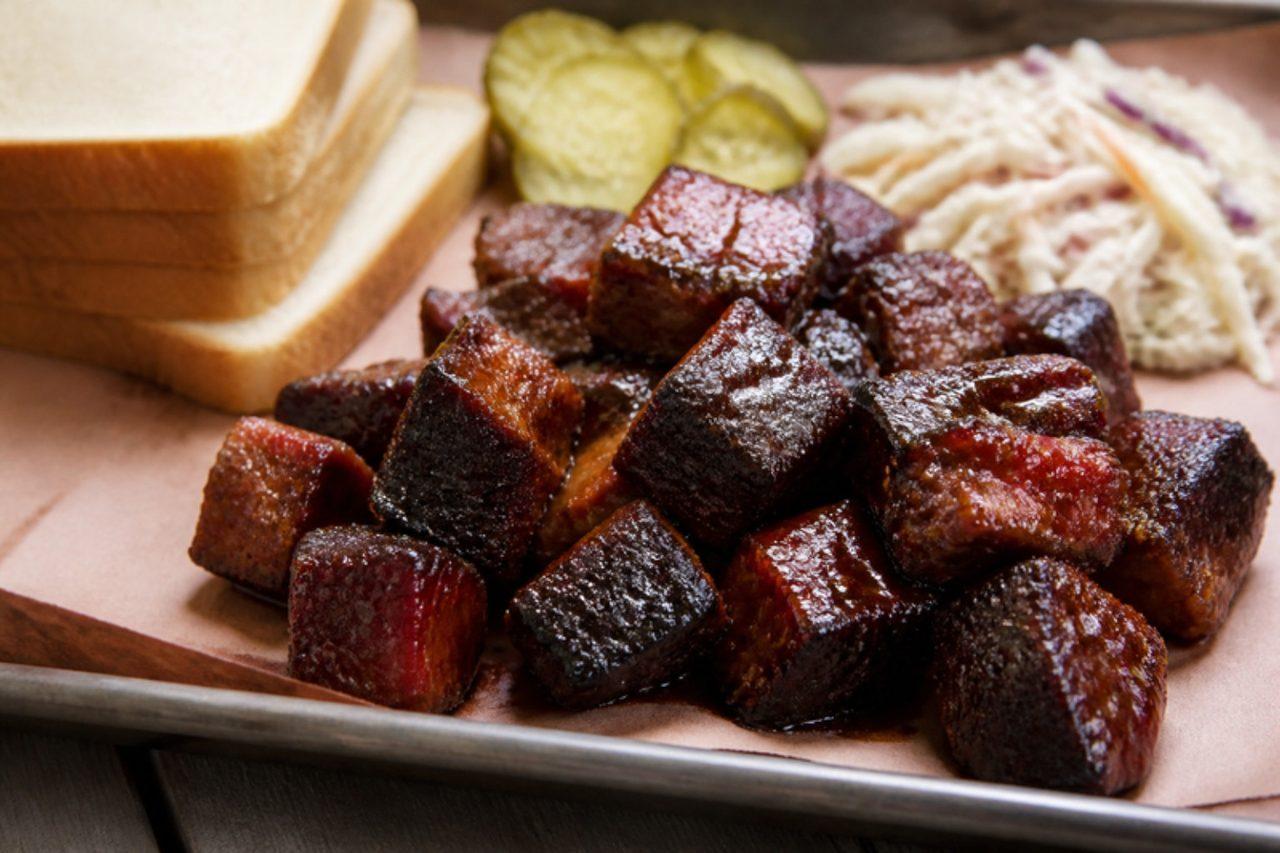
Burnt ends were once the charred trimmings that Kansas City barbecue joints handed out free at the counter; today they are the most prized thing on the menu. The fatty point end of a beef brisket is smoked low and slow until tender, cubed, tossed in sweet, tangy Kansas City sauce and smoked again until sticky and caramelised. They're eaten on white bread with pickles and beans. Chef's tip: wait for the brisket to probe tender, like pushing into soft butter, before cubing; temperature is only a guide.

630 minAmericanMeat
by KrazyBadal 0 views

Minnesota pan-fried walleye

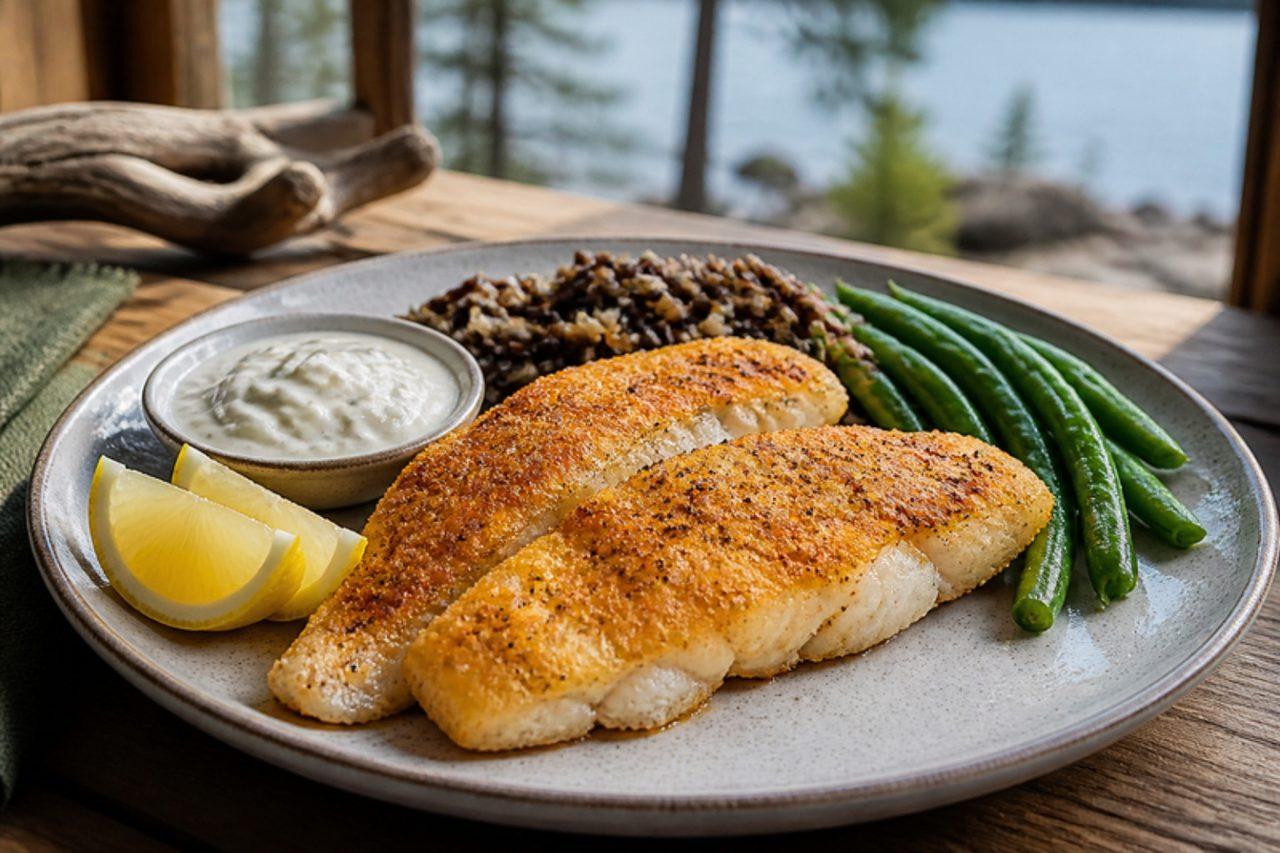
Walleye is Minnesota's state fish, pulled through the ice of its northern lakes in winter and fried at the cabin the same evening; restaurants from Duluth to Lake of the Woods sell walleye sandwiches and shore lunches. The mild, sweet white fillets are coated in crushed crackers or a light seasoned flour and pan-fried in butter until golden. Perch, pike-perch or haddock work too. Chef's tip: fry skin-side down first and don't move the fish for 3 minutes; that is how the crust sets.

by KrazyBadal 0 views

Moqueca de ovosEggs in coconut and tomato sauce

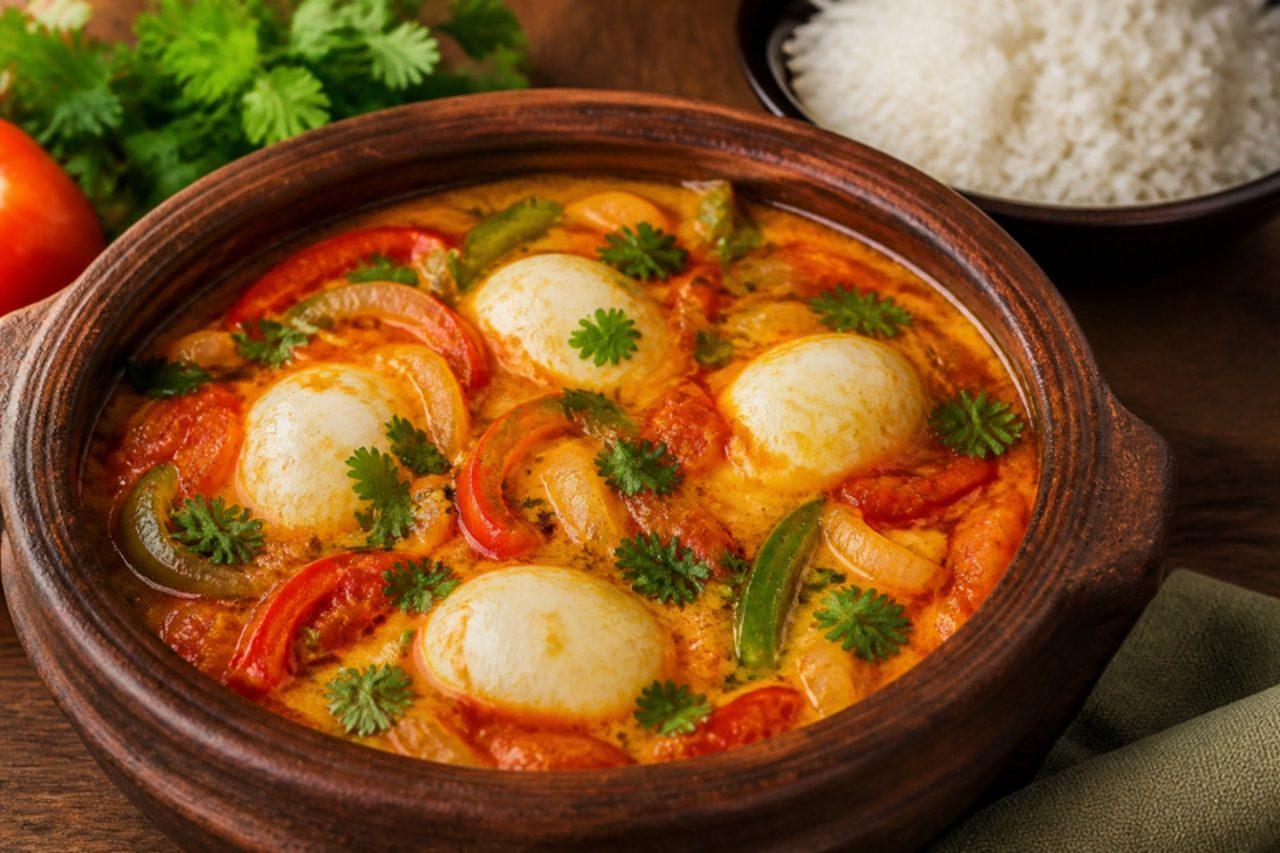
When fish money runs short or it is a meatless Friday, Bahian kitchens make moqueca with eggs instead: the same orange sauce of coconut milk, tomato, peppers, coriander and dendê palm oil, with whole eggs poached right in it until the whites set and the yolks stay soft. It is everyday food in Salvador and the Recôncavo, cooked in a clay pan and carried straight to the table with white rice, farofa de dendê and a spoon of pimenta sauce for those who want heat. The sauce is mellow, slightly sweet from the peppers and rich from the coconut, and the runny yolks thicken it on the plate. The usual mistake is stirring after the eggs go in; they break and turn the sauce cloudy, so cover the pan and leave it alone. Chef's tip: add half the dendê at the start and the rest just before the eggs; heated too long it loses its nutty, floral perfume and only the colour remains.

by KrazyBadal 0 views

KopanistiPeppery whipped cheese spread

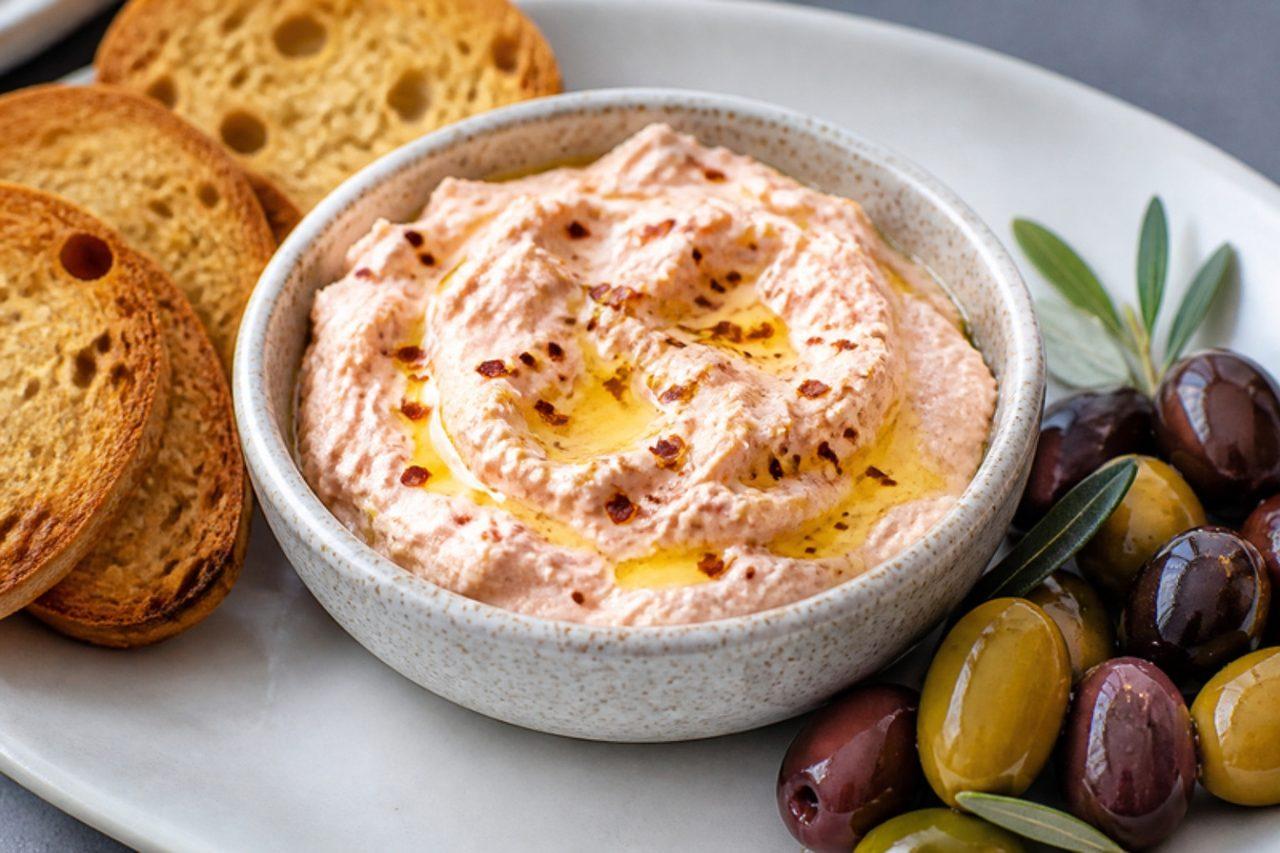
On Mykonos and its neighbouring islands, cheesemakers once worked soft cheese by hand for weeks until it ripened into kopanisti, sharp, salty and peppery enough to prickle the tongue. On the island it is spread on barley rusks with a drizzle of oil as a meze with drinks before dinner. This home version beats feta with a little soft cheese, chilli and pepper, then leaves it in the fridge for two days to mellow and sharpen. Feta is traditionally made with animal rennet; choose a vegetarian feta if you need to. Common mistake: blending it to a smooth purée; it should stay a little rough. Chef's tip: cover the surface with a thin layer of olive oil while it rests, so it doesn't dry out or pick up fridge flavours.

by KrazyBadal 0 views

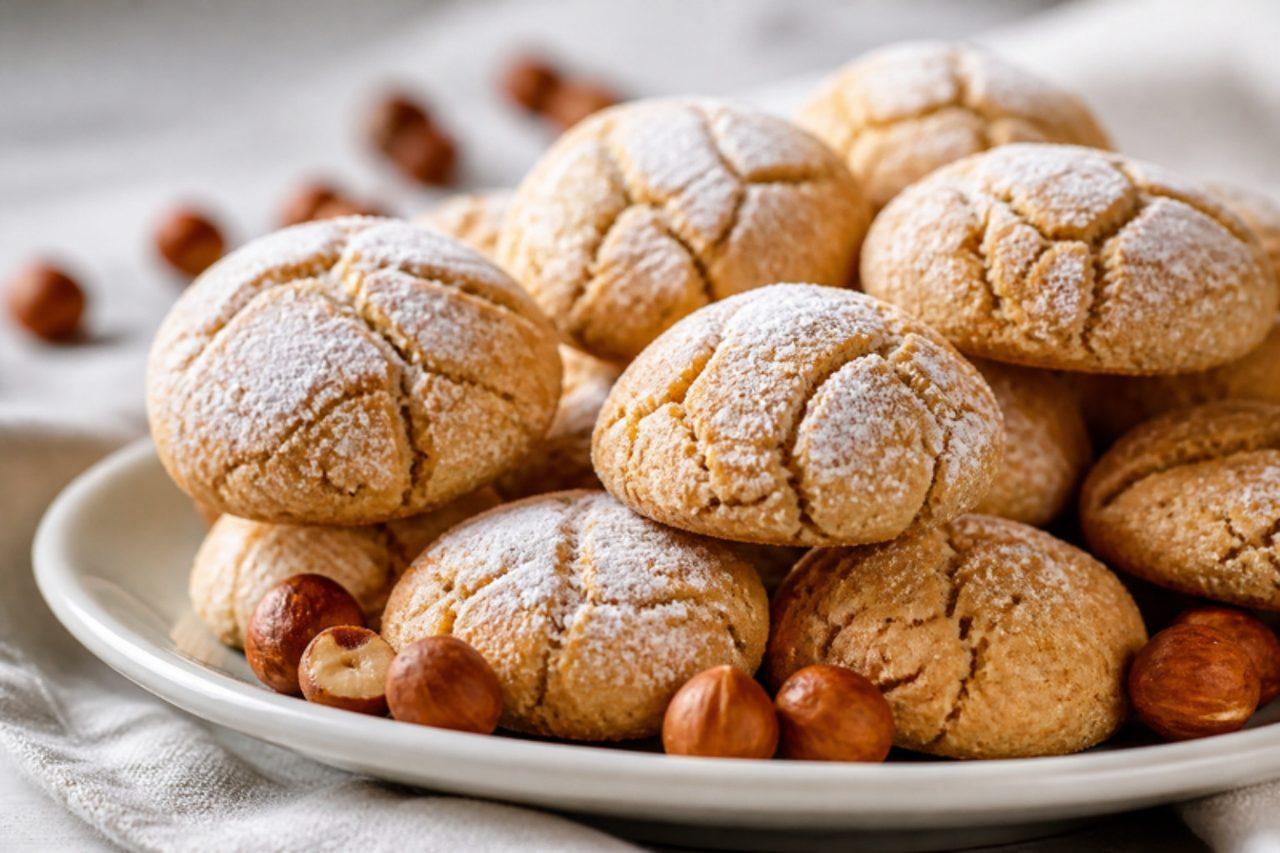
Carajitos del profesorCrisp hazelnut biscuits

Salas, a small town on the old pilgrim road through western Asturias, is known for these cracked, chewy mounds of toasted hazelnut and sugar. Local lore says they were first baked for a teacher at the town's school, and the pastry shops still sell them by the bag to travellers and to families heading home from Sunday market. They need only three ingredients and no flour, so they suit anyone avoiding gluten. Chef's tip: toast the hazelnuts until they smell like praline before grinding them; it is what gives the biscuits their deep flavour.

by KrazyBadal 0 views

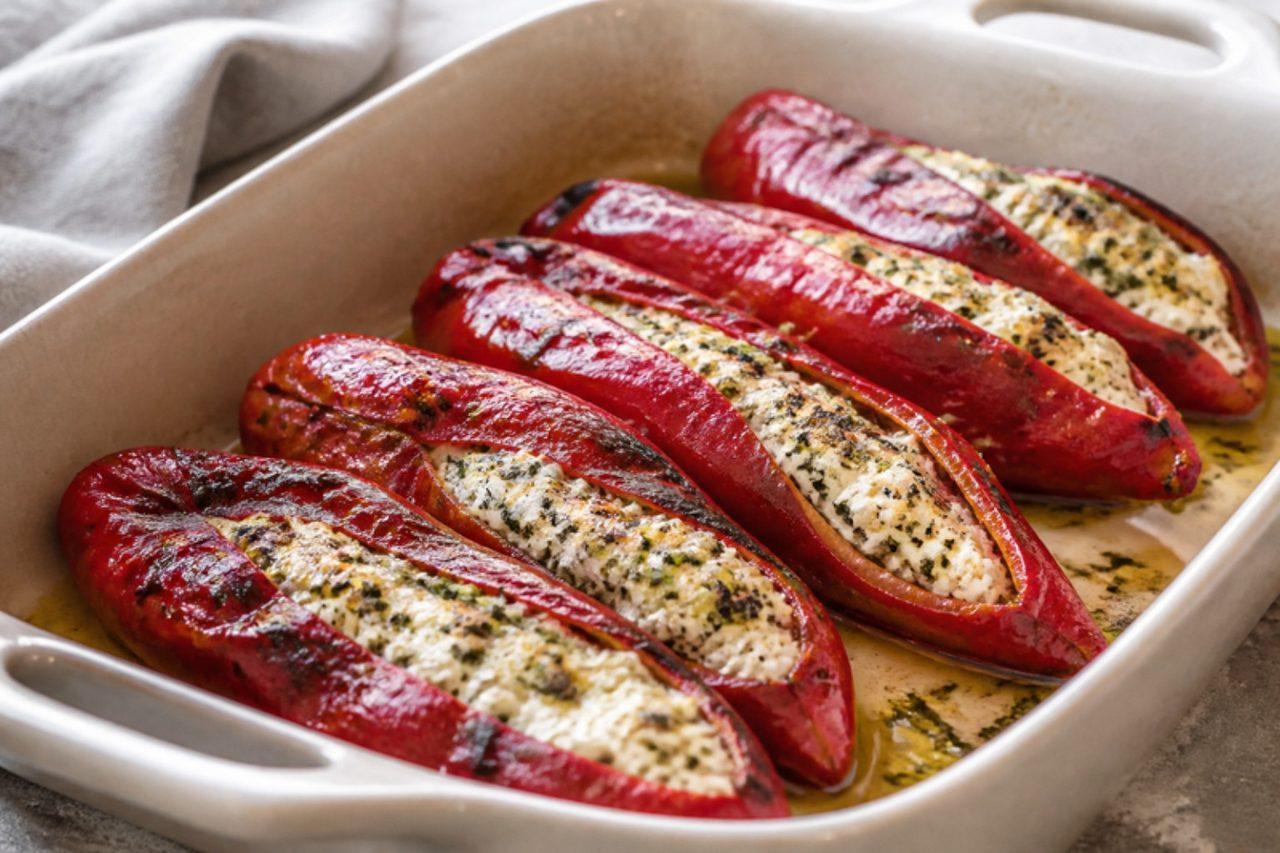
Piperies Florinis gemistesFeta-stuffed roasted peppers

Every autumn the long crimson peppers of Florina, near the borders of north-west Macedonia, are roasted over wood in courtyards and either jarred for winter or stuffed and eaten straight away. Here they are charred, peeled and filled with soft feta beaten with herbs and a little chilli, then baked until the cheese just begins to melt. They're a meze for the ouzeri table, with bread for the juices, or a light supper with a salad. Feta is traditionally made with animal rennet, so pick a vegetarian feta-style cheese if that matters. Common mistake: tearing the peppers while peeling — let them steam under a lid first and the skins slip right off. Chef's tip: keep the stalks on; they hold the peppers together and make them easy to lift.

by KrazyBadal 0 views

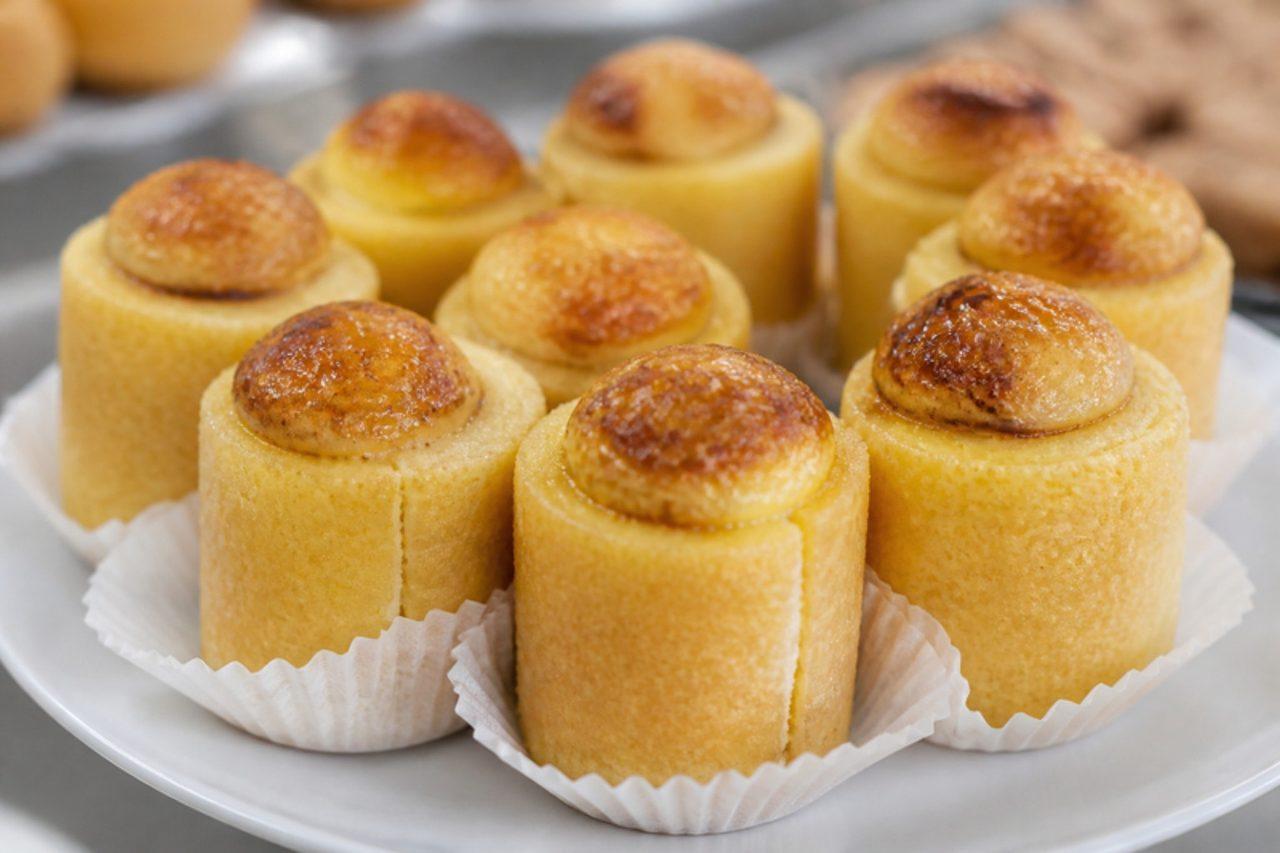
Piononos de Santa FeSponge rolls with toasted cream

The pionono was invented in Santa Fe, on the plain outside Granada, in the late nineteenth century by a local pastry maker who named it after Pope Pius IX, Pío Nono in Spanish. The town still sells them by the dozen from its bakeries, and granadinos carry boxes home for Sunday coffee. Each one is a little standing roll of thin sponge soaked in cinnamon syrup, filled with custard and capped with a dome of custard burnt under a hot iron or torch. Chef's tip: roll the sponge while it is still warm and pliable; once cool it cracks instead of curling.

by KrazyBadal 0 views

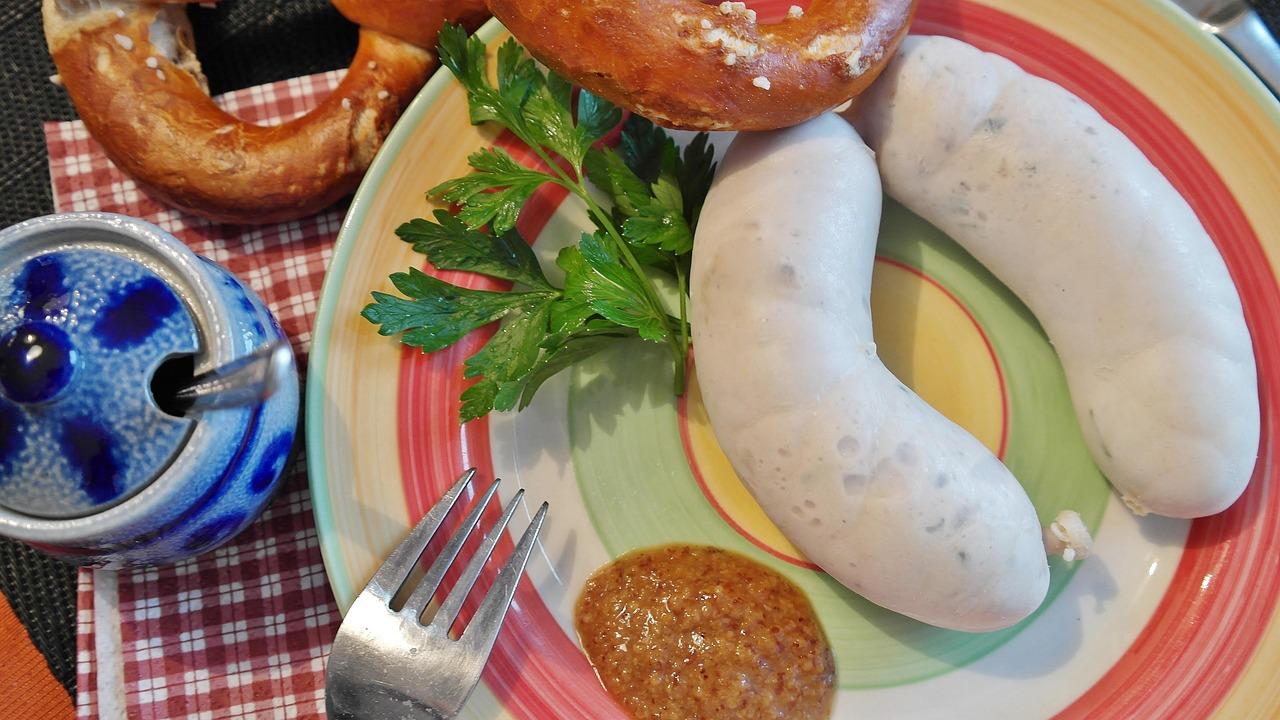
WeißwurstfrühstückWhite sausage with sweet mustard

In Munich the Weißwurst breakfast is a late-morning ritual, eaten between ten o'clock and noon in beer halls and butcher's cafés, with soft pretzels and a pot of sweet Bavarian mustard. The pale sausages of veal and pork back fat, flavoured with parsley, lemon and mace, are bought fresh from the butcher and gently heated, never boiled, then the skin is peeled off at the table. Making the mustard yourself is the easy, rewarding part. Vegetarians can heat plant-based white sausages the same way and keep the mustard and pretzel. Chef's tip: keep the water just below a simmer; boiling splits the skins and the sausages go grey and dry.

40 minGermanMeat
by KrazyBadal 0 views

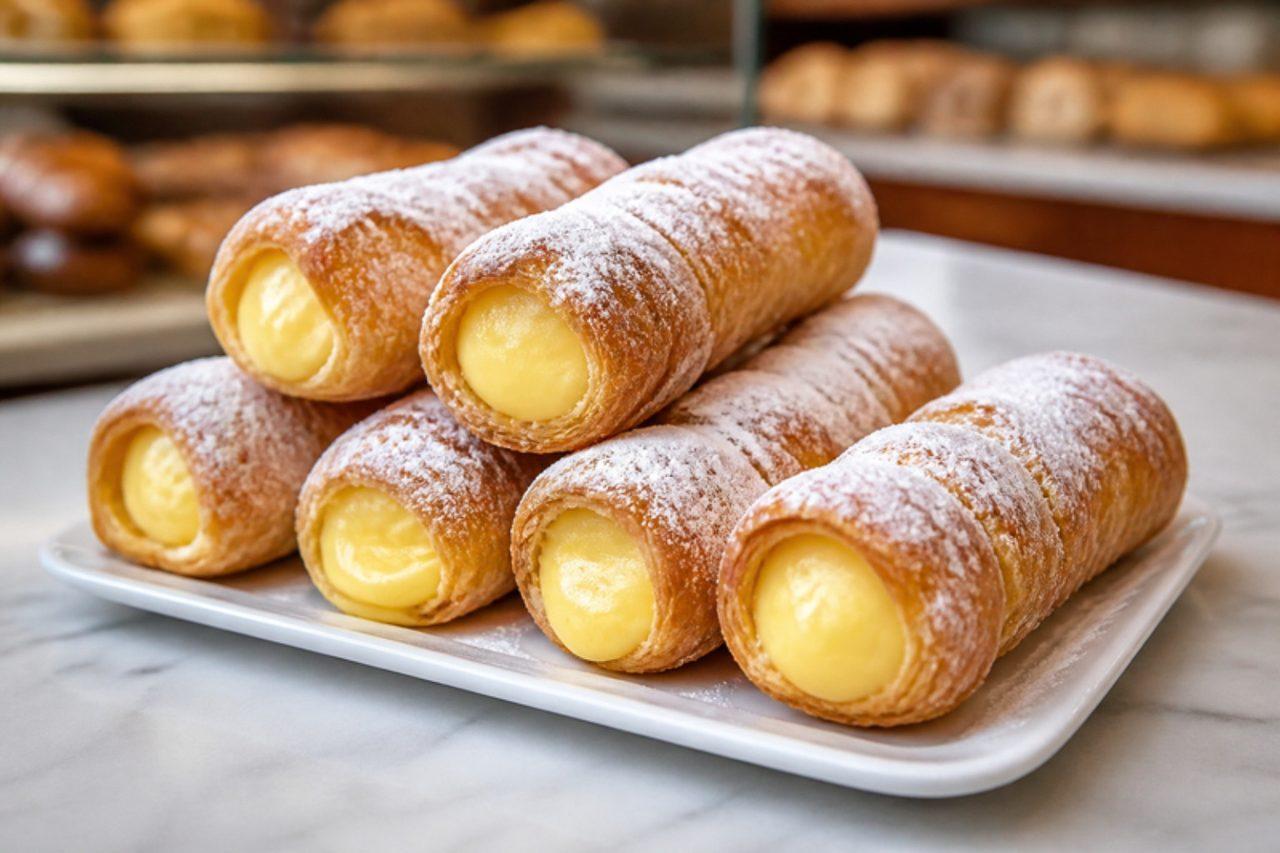
Canutillos de BergaraCustard-filled puff pastry horns

In Bergara, a market town in the Deba valley of Gipuzkoa, pastry shops have sold canutillos since the nineteenth century, and locals buy them by the tray for saints' days and family visits. Puff pastry is wound around metal cones, baked until crisp and caramelised, then piped full of custard scented with lemon and cinnamon. A common mistake is filling them too early: the pastry softens within a few hours, so fill them close to serving. Chef's tip: overlap the pastry strip by a third as you wind it, so the horns don't unravel in the oven.

by KrazyBadal 0 views

Pionono de dulce de lecheDulce de leche sponge roll

Pionono is the flat, springy sponge sheet that Argentine supermarkets sell ready-made for party rolls; at home it takes 10 minutes to bake and makes a far lighter roll. The sweet version, filled with dulce de leche and softly whipped cream, is a birthday and Sunday-tea classic in Buenos Aires and Córdoba, cut into spirals that show off the swirl. Savoury piononos rolled around ham, cheese, tomato and mayonnaise are just as common at parties; this one is the sweet, vegetarian kind. The sponge is a fatless, egg-rich batter that relies on air, so whisk the eggs until they hold a trail for several seconds. Most cracked rolls come from letting the sponge cool flat before rolling. Chef's tip: turn the hot sponge out onto a clean tea towel dusted with sugar, peel off the paper and roll it up in the towel while warm, then unroll to fill once cool; it remembers the shape and doesn't split.

by KrazyBadal 0 views

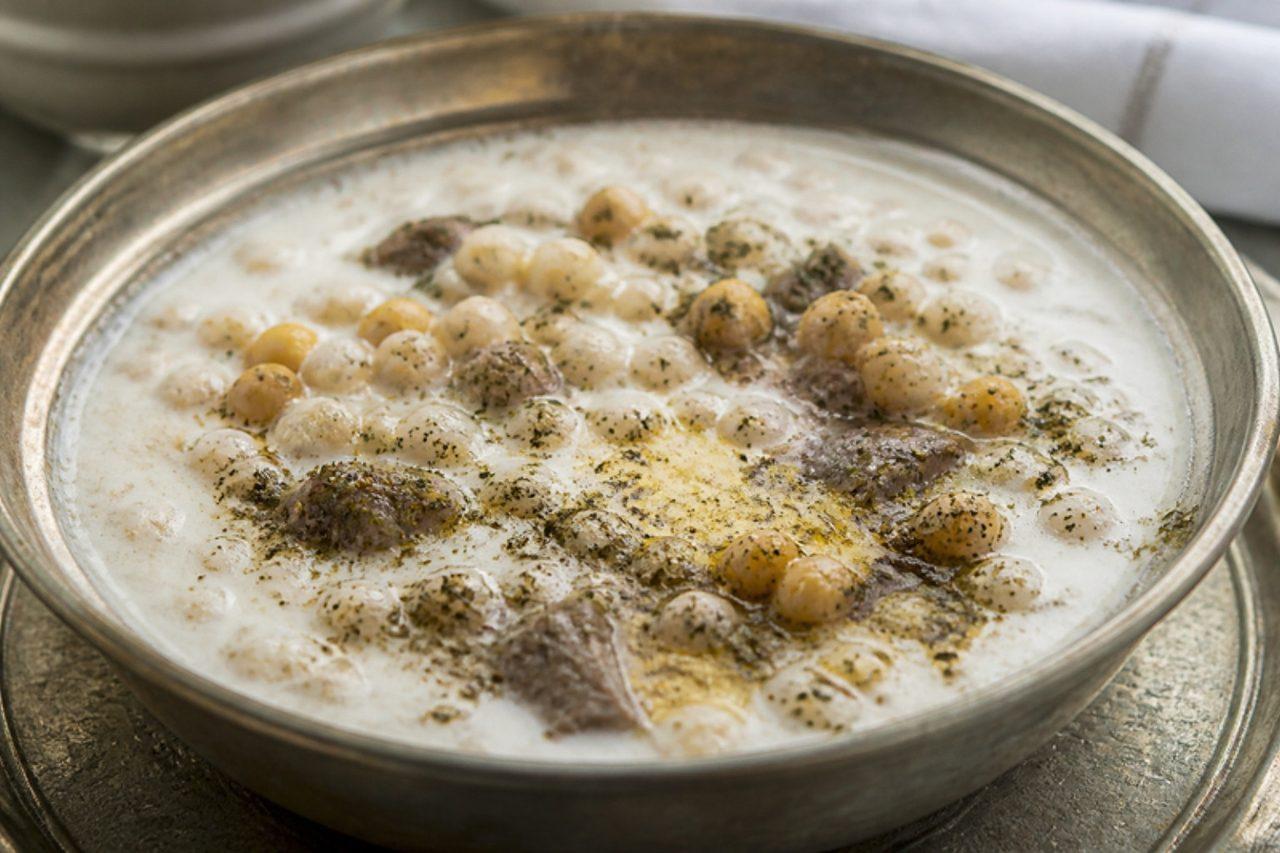
YuvalamaRice dumplings in yoghurt soup

Families in Gaziantep spend the day before Kurban Bayramı rolling thousands of chickpea-sized dumplings for yuvalama, the festive yoghurt soup served on the first morning of the holiday. Little balls of rice dough and tiny lamb meatballs simmer with chickpeas and chunks of lamb in a tangy yoghurt broth, finished with mint butter. It is rich, soothing and very much a feast dish, so make it with friends. The most common mistake is adding the yoghurt straight to a boiling pot: it curdles. Chef's tip: whisk an egg yolk and a spoon of flour into the yoghurt and stir it constantly as it comes up to a simmer.

165 minTurkishMeat
by KrazyBadal 0 views

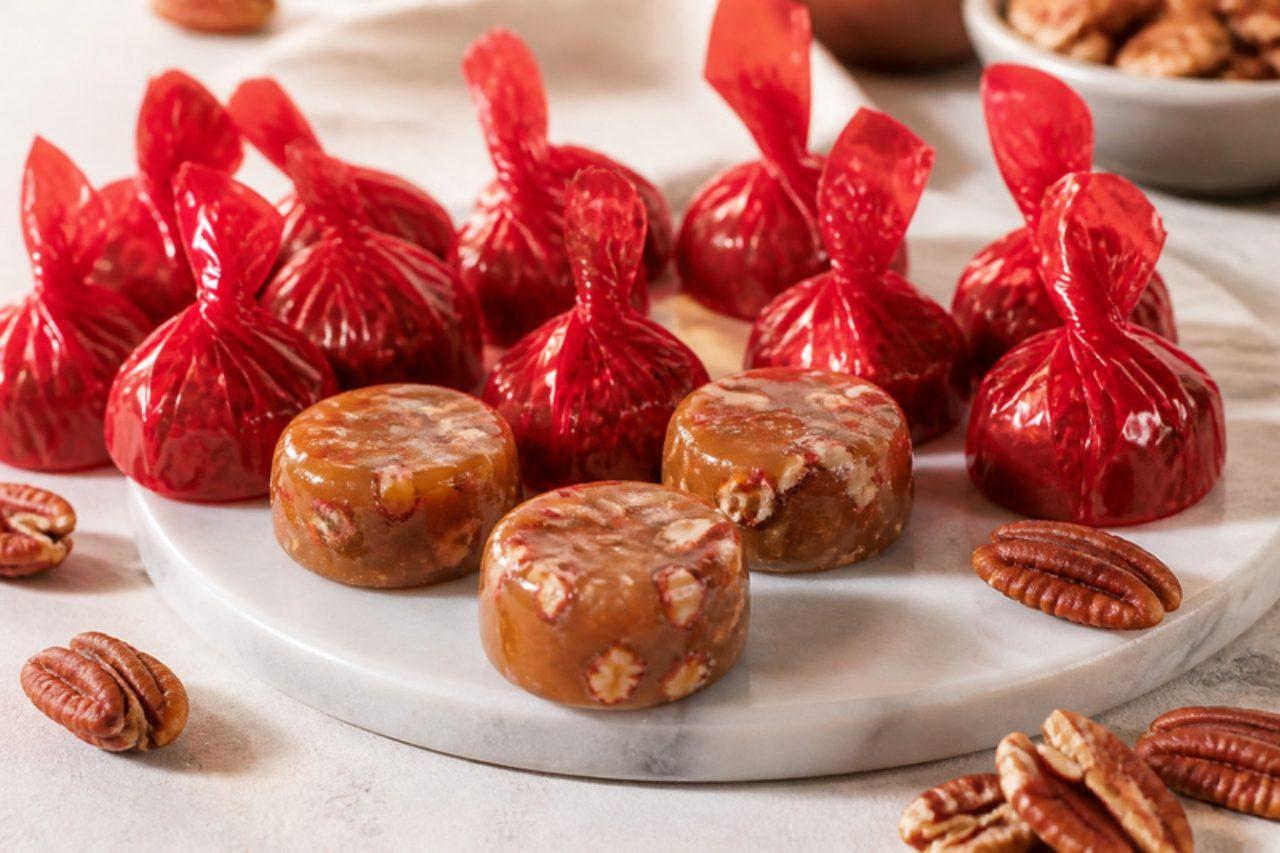
GloriasPecan and goat milk caramels

Linares, a small town in Nuevo León, is famous across Mexico for glorias: soft, chewy balls of goat's milk caramel packed with pecans, each wrapped in a twist of red cellophane. They are bought by the box at roadside sweet shops on the way to Monterrey and handed out at weddings and Christmas. Goat's milk gives them a gentle tang; a mix of goat's and cow's milk is milder. Chef's tip: the last ten minutes need constant stirring, as the caramel thickens and catches fast.

by KrazyBadal 0 views

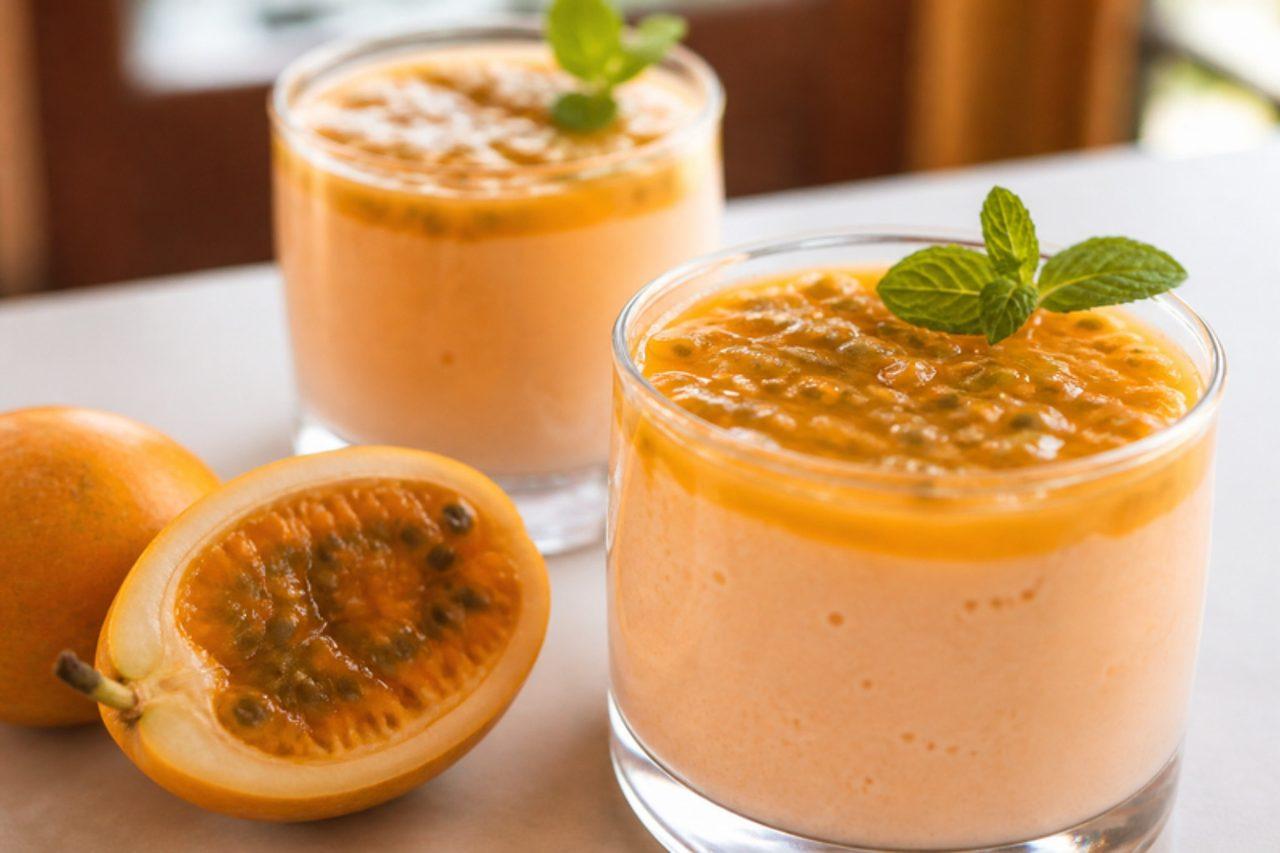
Esponjado de curubaBanana passionfruit mousse

Grandmothers' kitchens and old cafés of Bogotá and Boyacá have kept the esponjado alive: a pale, airy, sweet-sour mousse made with curuba, the long, soft-skinned banana passionfruit of the cold Andes, set with gelatin and sweetened with condensed milk. It is served chilled in glasses after Sunday lunch, light and tangy, perfumed like passionfruit but softer. Because it contains gelatin, it is not vegetarian; for a vegetarian version, set it with 2 tsp agar powder boiled for 2 minutes in the curuba juice. Older recipes fold in raw whipped egg whites; this one uses whipped cream instead, so there is no raw egg. The common problem is folding cream into gelatin that's too warm or too set: it should be cool and just thickening, like unbeaten egg white. Chef's tip: frozen curuba pulp is sold in Latin shops; if you can't find it, use passionfruit pulp with a squeeze of lime. Allow at least 4 hours for it to set.

by KrazyBadal 0 views

Showing 54 of 7,762 recipes

Show more recipes

Page 470 of 863