


Skip to content
Marble squares
Featured recipe

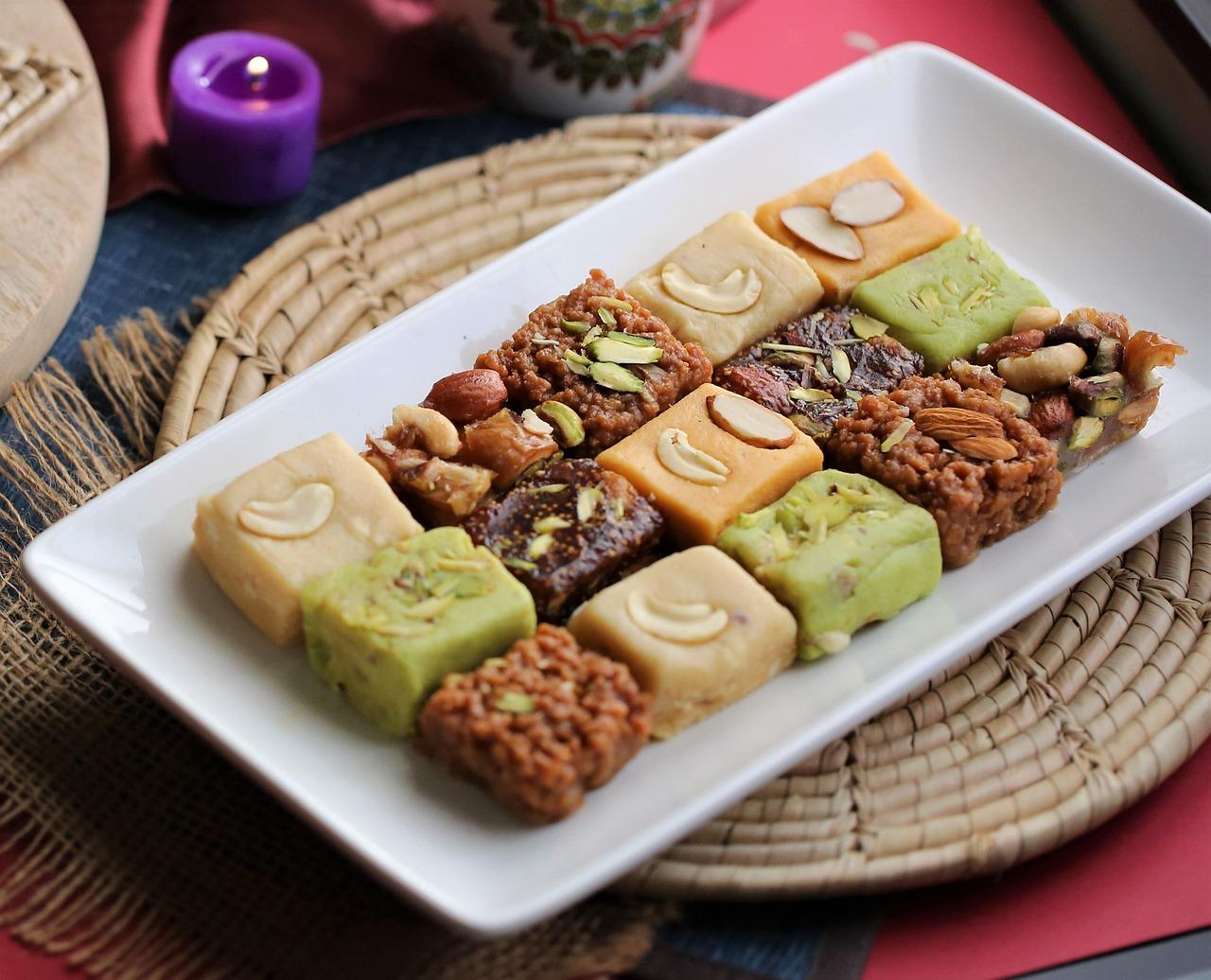
Marble squares

Mawa, coconut and nut barfi

Marble squares are a soft barfi of roasted mawa (khoya), toasted thin vermicelli, coconut and crushed nuts, sweetened with castor sugar and flavoured with cardamom and saffron. They're chewy, nutty and fragrant. Makes about 35 squares; serve them at festivals or with tea.

Read more 0 views

What to eat today?

Around the world

Today's trip: Persian

A new country every day, from every cuisine on the site.

Persian

Ash-e doogh

Yogurt soup with rice and chickpeas 60 minMore from Persian (131) →

This week's collection

Kid-friendly dinners
537 recipes · a new collection every Monday

Latest recipes

Sweet-sour pickled pumpkin

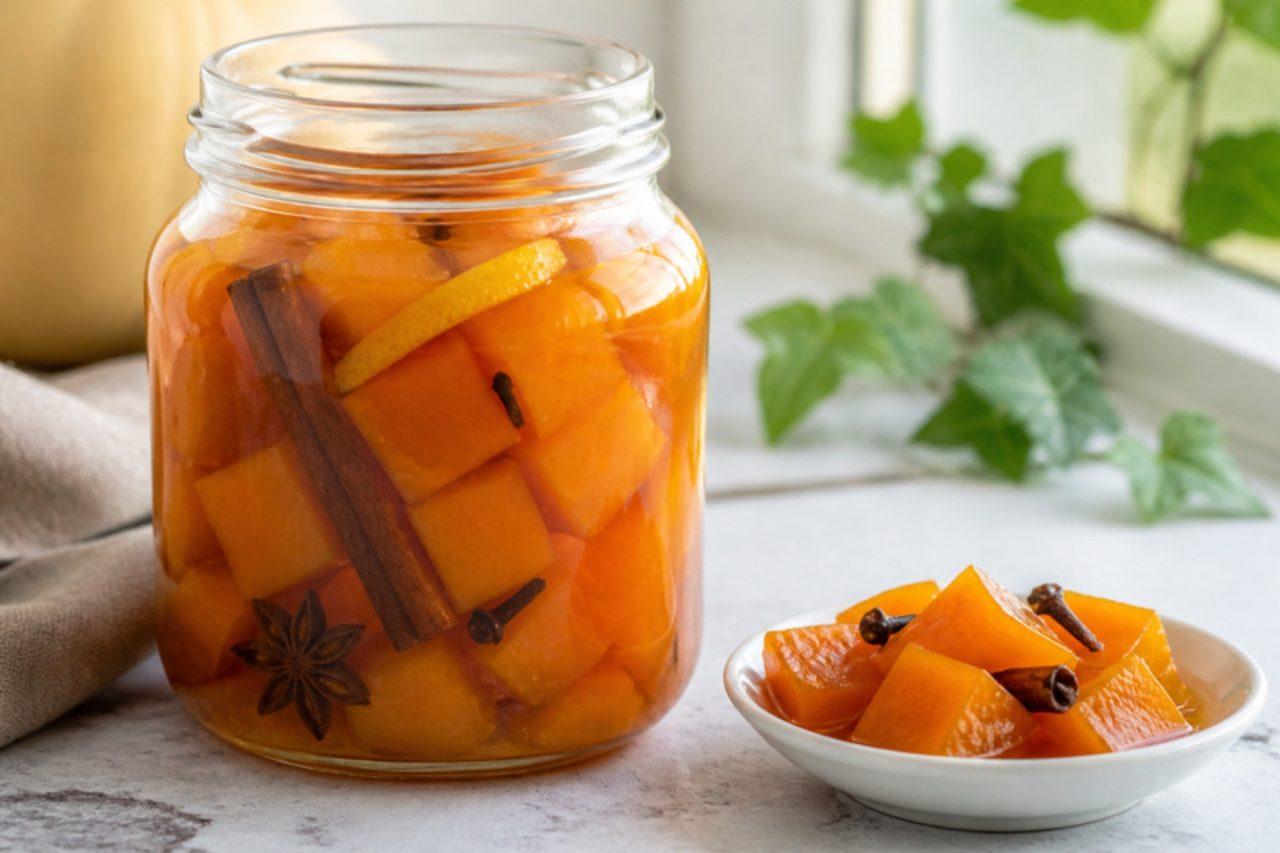
When the pumpkin harvest peaks in October, from the Rhineland to Saxony, German kitchens turn the firm orange flesh into Süß-sauer eingelegter Kürbis, golden cubes preserved in sweet spiced vinegar. Through the winter they come out of the cellar to sit beside roast dinners, game, cheese boards and cold cuts, or a simple plate of potatoes and quark. Cinnamon, cloves, ginger and a little lemon peel make them taste of Christmas. The mistake is using a watery carving pumpkin, which falls apart; choose a dense one such as Hokkaido or butternut. Chef's tip: steep the raw cubes in the cold vinegar overnight before cooking; it firms them so they stay in neat, glassy cubes.

by KrazyBadal 0 views

EisbeinCured pork knuckle

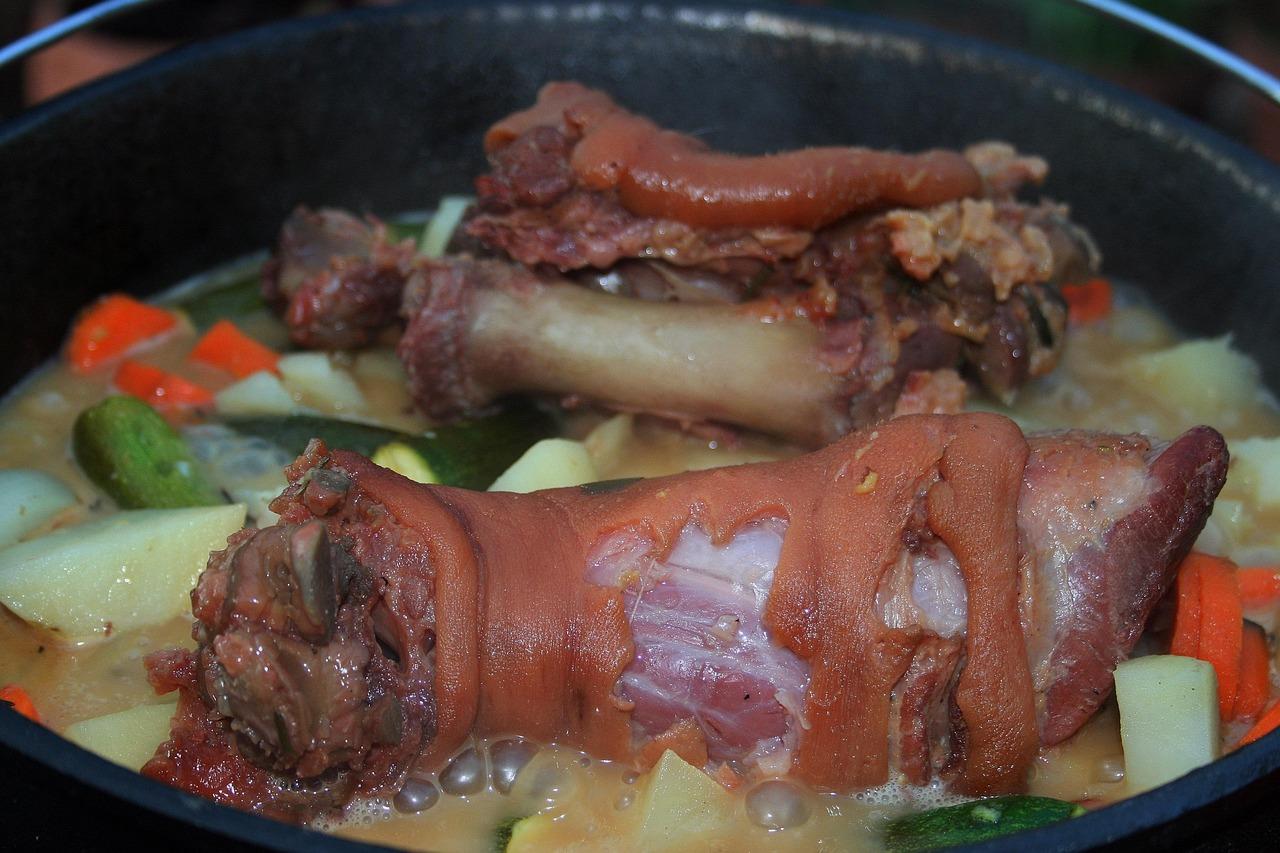
Eisbein is old Berlin pub food, the cured pork knuckle served in Kneipen across the city with a mound of yellow pease pudding (Erbspüree) and sauerkraut, and it is especially popular in the cold months. Unlike the Bavarian roast Haxe, this pork knuckle is pickled in brine by the butcher and then simmered slowly, so the meat turns pink, tender and gently salty and the rind stays soft. Order a cured ("gepökelt") knuckle from a German or Polish butcher. Chef's tip: soak the knuckle in cold water for a few hours first if your butcher's cure is strong; taste a little of the simmering water after 30 minutes and change it if it is very salty.

180 minGermanMeatGluten free
by KrazyBadal 0 views

Rollmops

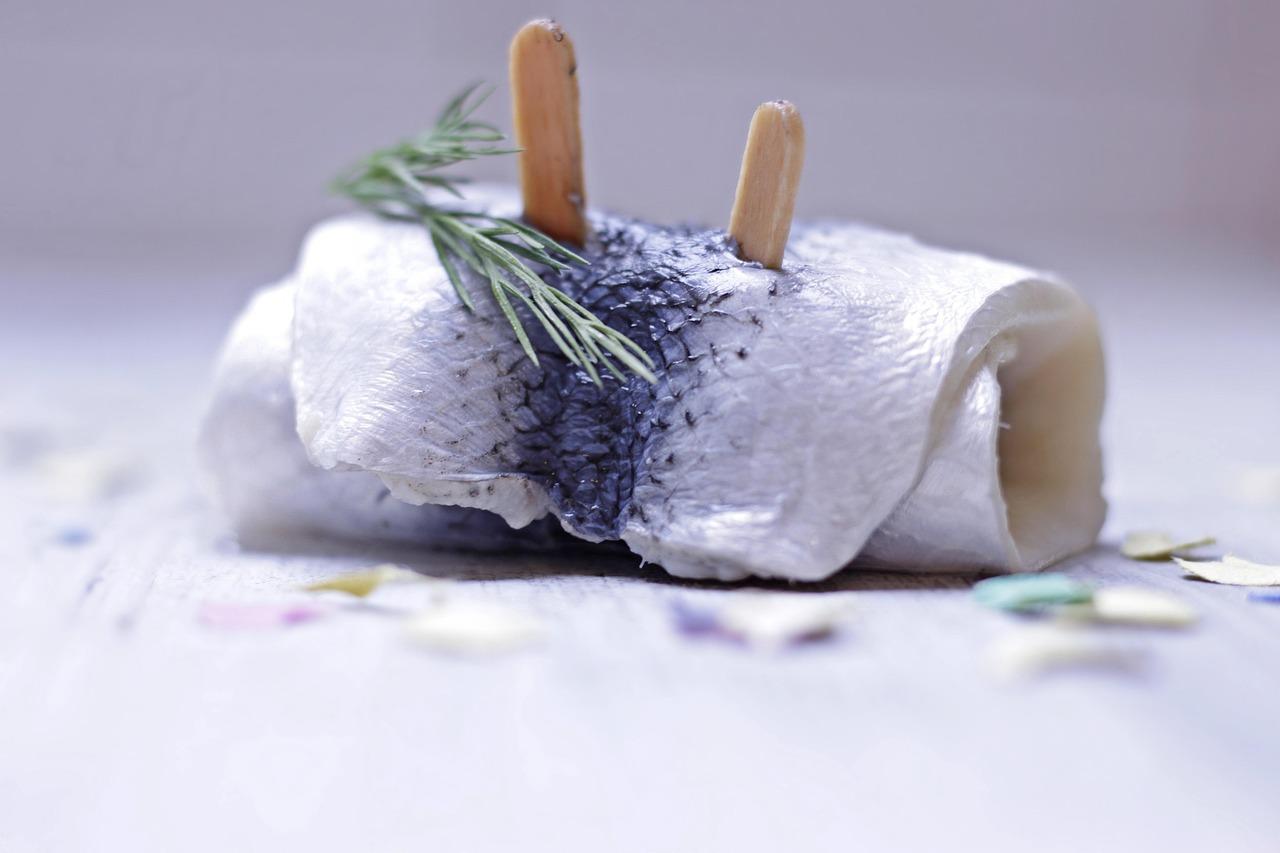
Rollmops are the pickled herring rolls of the North Sea and Baltic coasts, pinned with a wooden pick around gherkin and onion and kept in a jar of spiced vinegar; in Berlin and Hamburg they are the classic morning-after breakfast and a fixture of New Year's Day tables. Making them at home takes a week of fridge time but very little work. Because the fish is never cooked, use herring that has been frozen at −20 °C for at least 24 hours (most fresh 'sashimi-grade' or commercially frozen fillets qualify; ask your fishmonger), and keep everything chilled. Rollmops are not for pregnant women, young children or anyone with a weakened immune system. Chef's tip: let the jars rest a full five days; the vinegar needs that long to firm the flesh and soften the tiny bones.

60 minGermanFishGluten free
by KrazyBadal 0 views

AbaráSteamed black-eyed pea parcels

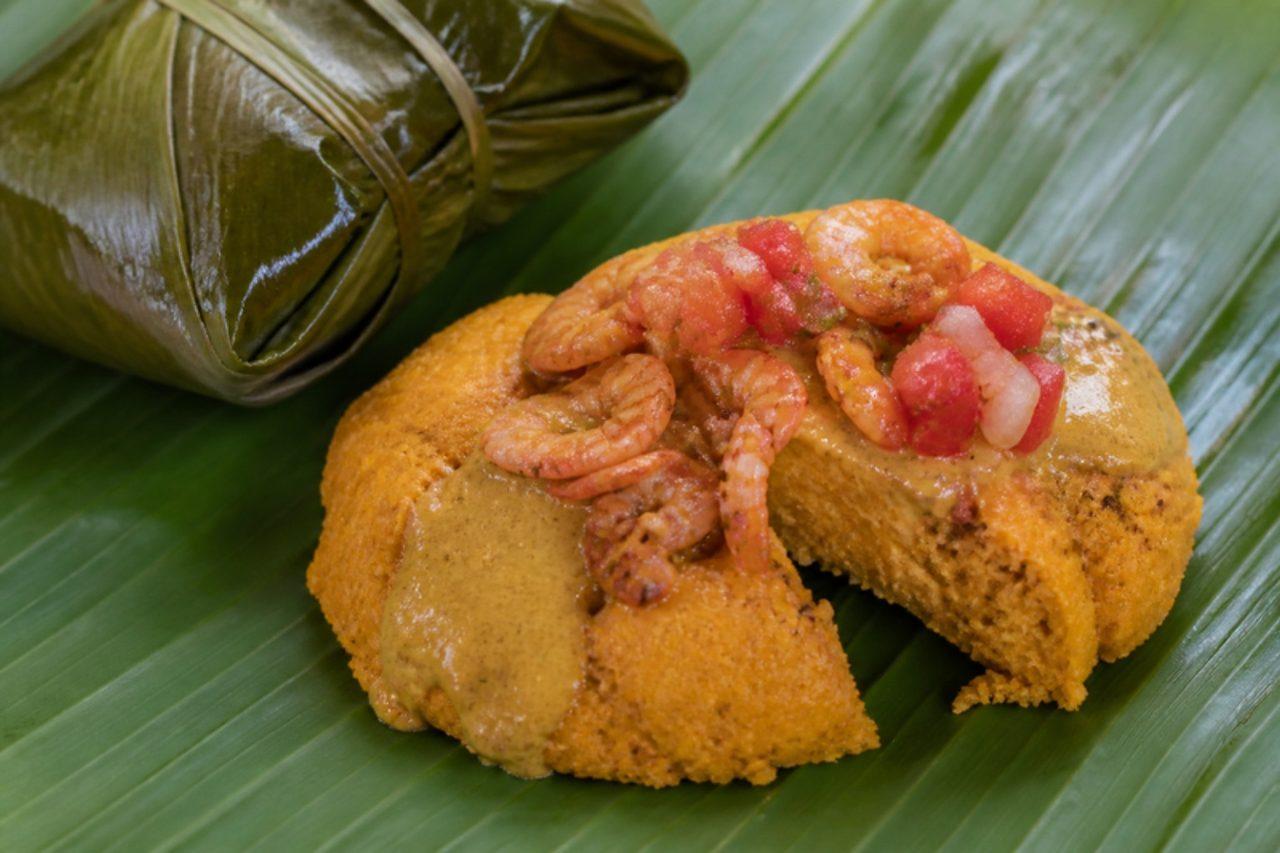
Abará is the steamed sister of acarajé, sold from the same wooden trays by the baianas in white lace who set up on the corners of Salvador's Pelourinho, Rio Vermelho and the Barra seafront. The batter is identical, black-eyed peas skinned and ground with onion and dried shrimp, but instead of hitting hot dendê it is wrapped in banana leaf and steamed, so it comes out soft, dense and sunset-orange, tasting of palm oil, sea and pulses. Baianas split it open and fill it with vatapá, caruru, vinagrete and a few whole shrimp; at home it is lovely with just a spoonful of pepper sauce. Plan ahead: the peas need soaking overnight. The usual mistake is leaving the skins on, which makes the parcels grey, gritty and heavy. For a vegetarian version, leave out the shrimp and add a pinch more salt. Chef's tip: beat the paste hard with a wooden spoon for a few minutes before wrapping; the air you work in is what keeps abará light rather than rubbery.

by KrazyBadal 0 views

Empanadas cordobesas

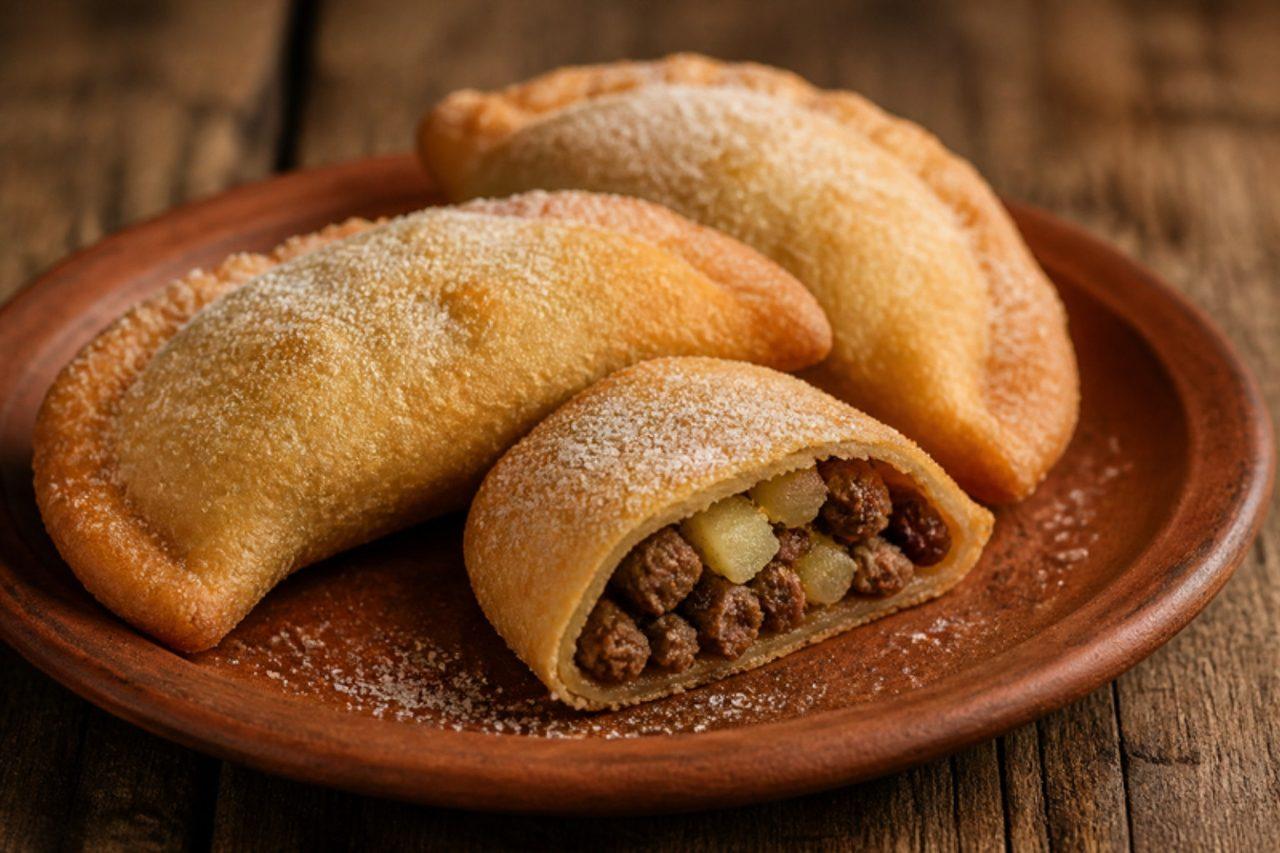
Sweet and salty is the whole point here. Córdoba's empanadas hold a filling of beef, onion, a little potato, raisins and olives, and the moment they come out of the fryer they get a sprinkle of sugar that melts into the crackly crust. They turn up at birthday parties, school fundraisers and the patriotic holidays of 25 May and 9 July, often next to a bowl of locro. If the sugar on top sounds odd, try one: the contrast with the cumin and paprika is the local hallmark. The error that ruins them is frying in oil that isn't hot enough, which leaves them pale and greasy; keep it at 175 °C. Chef's tip: dust with sugar within seconds of draining, while the surface is still glistening, or it won't stick.

by KrazyBadal 0 views

Empanadas de pescado

Along the coast of Santa Fe, especially during Lent and Holy Week, fishmongers' stalls and riverside kiosks sell fried empanadas filled with sábalo or surubí. The fish is poached, flaked and folded through soft onion and sweet pepper, then sealed in a thin oil-based dough and fried until blistered and crisp. Squeeze lemon over them and eat them warm, with a green salad or just a paper napkin. Any firm white fish works: hake, cod or a farmed catfish. The mistake people make most is skipping the bone check; river fish such as sábalo hide fine bones, so run your fingers through every flake. Chef's tip: keep the filling quite dry and cold before you fill the discs; extra liquid turns to steam in the hot oil and bursts the seams.

by KrazyBadal 0 views

Empanadas mendocinas

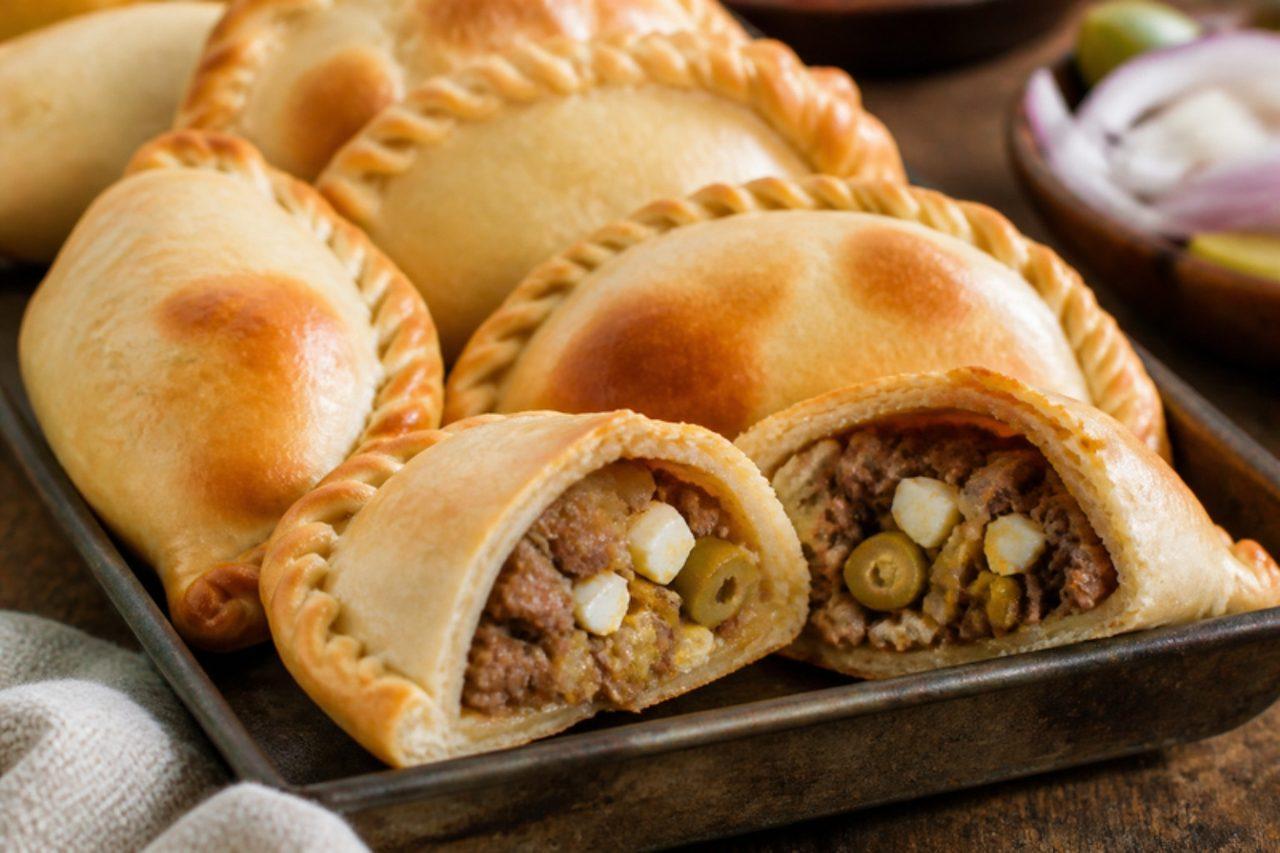
Mendoza's empanadas are all about juice. The filling uses roughly as much onion as beef, cooked only briefly so it stays sweet and wet, then gets folded with hard-boiled egg and a whole green olive in every pastry; the dough is a tender one made with beef fat. They come out of wood ovens across the province for Sundays, family gatherings and the grape harvest, and are eaten by hand, leaning forward, with a tomato and onion salad on the side. The classic error is filling the dough while the meat is still warm: the fat melts, the pastry turns soggy and the seal splits in the oven. Cool the filling completely, ideally overnight. Chef's tip: cut the beef into small cubes with a knife instead of buying mince; it stays juicier and gives the bite a Mendoza cook expects.

by KrazyBadal 0 views

Licuado de bananaBanana milk shake

Order a licuado in any Argentine café or bar and you will get a tall glass of fruit blended with milk (con leche) or water (con agua), and banana with milk is the one nearly everyone grows up on. It is breakfast for teenagers in a hurry, a merienda with tostados, and the drink parents in Buenos Aires make when the fruit bowl has spotty bananas. It should be thick, cold and smooth, with a light froth, sweet mainly from ripe fruit. Using under-ripe bananas is the mistake: they taste chalky and need lots of sugar, so wait for brown freckles. Chef's tip: slice and freeze the bananas the night before and you can skip the ice; the shake comes out colder and thicker without being watered down.

by KrazyBadal 0 views

Empanadas tucumanas

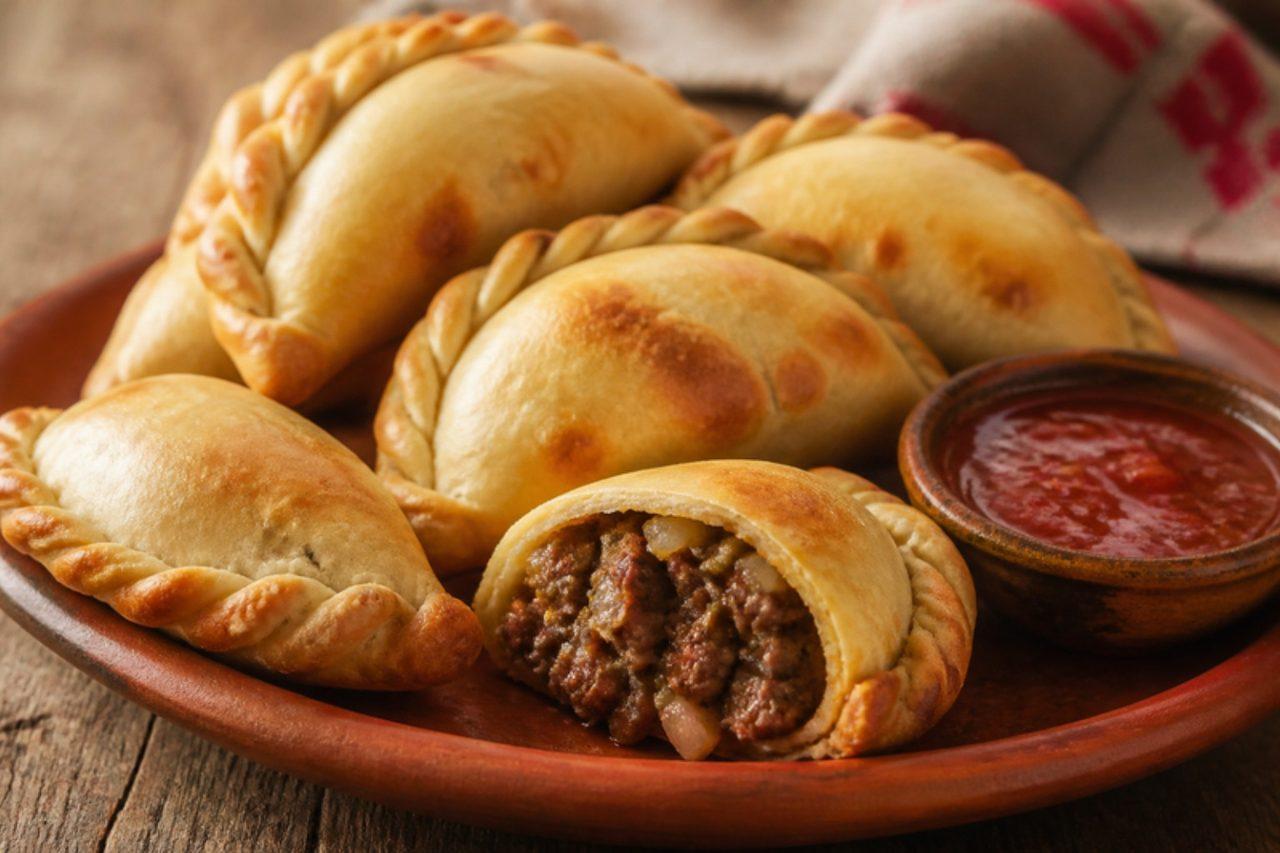
Tucumán takes its empanadas so seriously that the town of Famaillá holds a national empanada festival every September, and judges count the pleats. The local style is small and juicy, filled with beef cut by hand with a knife (never minced), lots of white onion and spring onion, cumin, paprika and hard-boiled egg, and the dough is made with beef fat. They are baked very hot, traditionally in a clay oven, until blistered, and eaten standing up at peñas, football matches or family lunches, a drop of lemon squeezed in. The beef filling must reach 71 °C; it cooks first in the pan and again in the oven. A dry filling is the mistake to avoid: cook the onion slowly and let the filling cool so the fat sets, which turns to juice in the oven. Chef's tip: chill the filling overnight if you can; cold filling is easier to spoon and the empanadas come out juicier.

by KrazyBadal 0 views

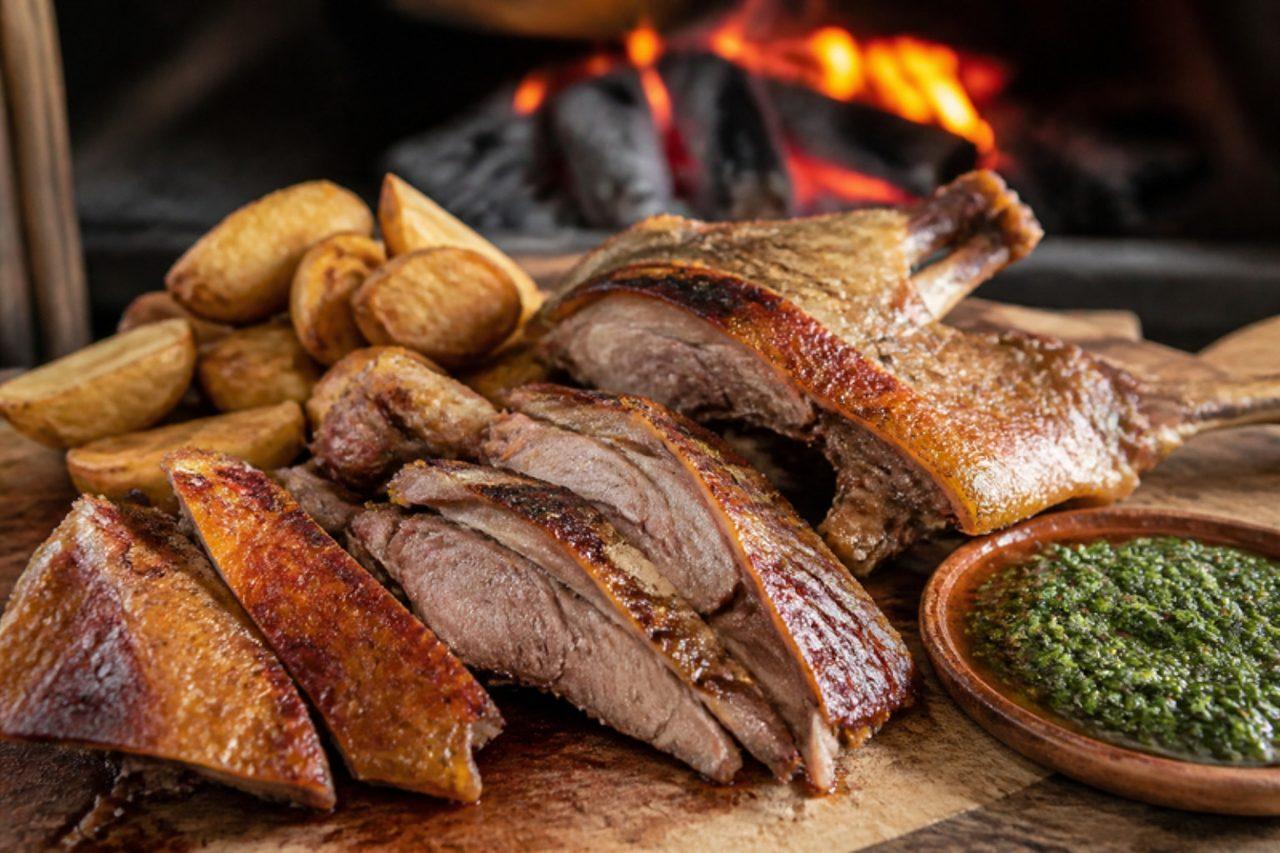
Cordero al asadorSpit-roasted lamb

Southern Patagonia raises sheep on vast estancias, and when the shearing ends or a fiesta comes round in Santa Cruz or Chubut, a whole lamb goes on the asador: an iron cross pushed into the ground beside a fire of lenga or ñire wood. Lambs fed on wild steppe grasses taste clean and faintly herbal, so the seasoning is only salt and a brine to baste, and the result is crackling skin over meat that falls into juicy strands. Serve with chimichurri, a simple salad and bread. Order a whole lamb of 10–12 kg dressed weight from a butcher. Rushing it with a big flame near the meat is the commonest error; the heat must be steady and gentle. Chef's tip: give it about three hours with the ribs to the fire and only the last hour or so skin side, then check the thickest part of the leg reads at least 63 °C (Patagonian cooks take it to about 70 °C, cooked through).

by KrazyBadal 0 views

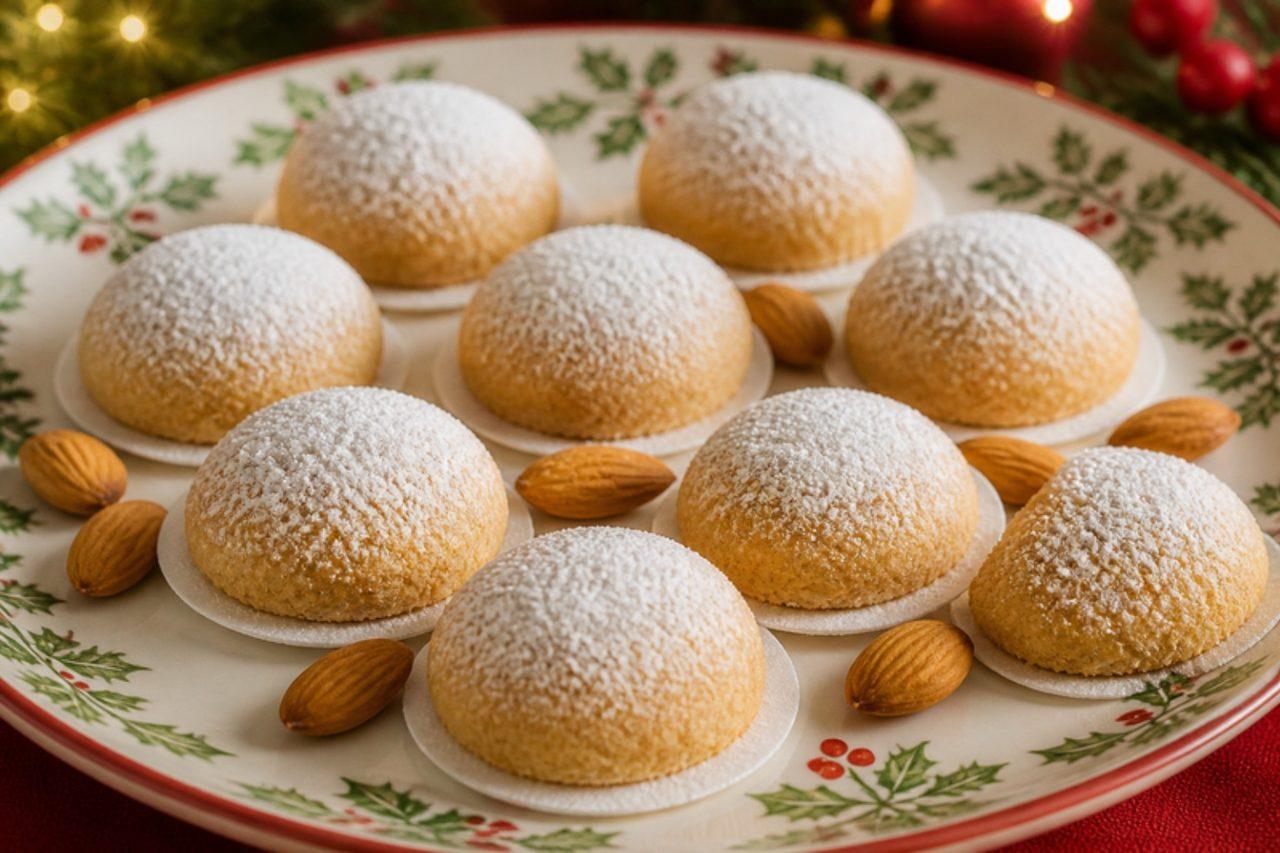
CordialesAlmond and candied pumpkin cakes

Murcian Christmas tables always have a plate of cordiales, small domed cakes of ground almond and egg with a spoonful of cabello de ángel, the stringy candied squash jam, hidden in the middle. They are sold in every pastry shop in Murcia from December and baked at home in the weeks before Christmas, traditionally on a round of edible wafer so they lift cleanly off the tray. They should be crisp at the very tips and soft and moist inside. Chef's tip: make them a day ahead; the almond paste firms up and the flavour deepens.

by KrazyBadal 0 views

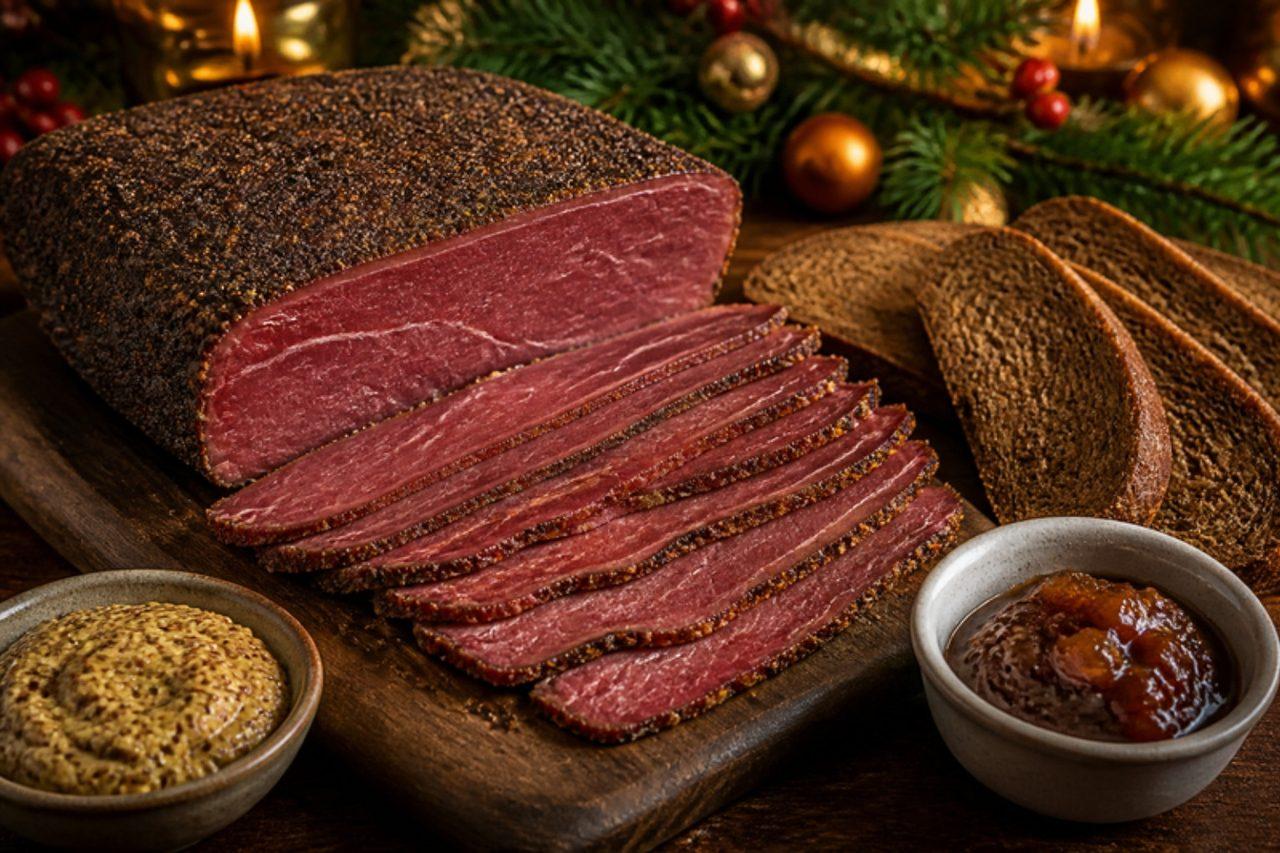
Cork spiced beefSpiced pressed brisket

Spiced beef is the Christmas meat of Cork city, sold in the English Market in December and served cold in thin slices on St Stephen's Day with brown bread and chutney. A piece of brisket or silverside is rubbed with salt, brown sugar, allspice, cloves and juniper and turned in the fridge for a week, then simmered slowly and pressed. The meat comes out deep pink, tender and fragrant. Chef's tip: keep it in the fridge the whole week of curing and turn it every day so the cure reaches every side.

270 minIrishMeatGluten free
by KrazyBadal 0 views

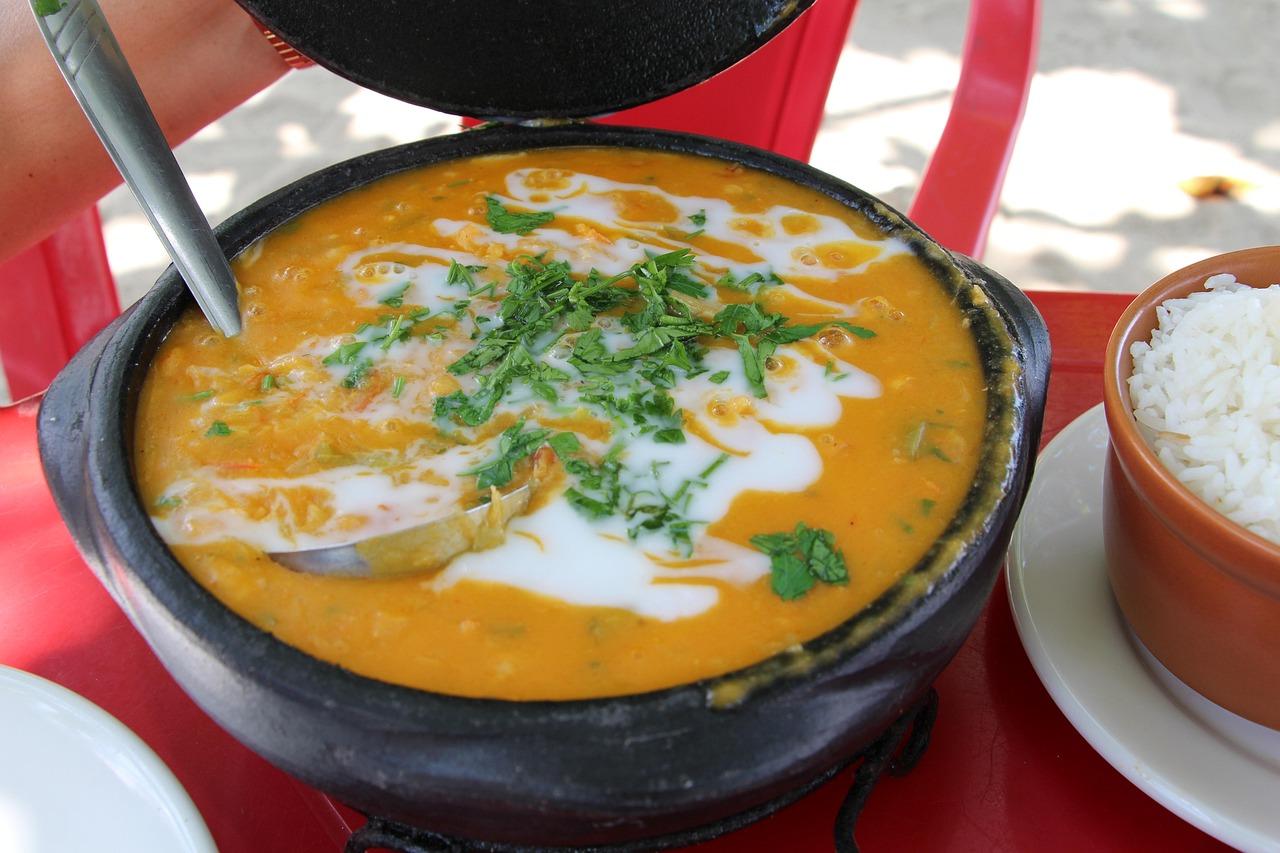
Bobó de camarãoPrawns in cassava and coconut purée

Velvety, coral-coloured and rich with coconut, bobó de camarão is what Bahian families put on the table when there is something to celebrate, and beach restaurants from Praia do Forte to Itacaré serve it in clay pots with white rice and farofa. Cassava is boiled until it falls apart, blended with coconut milk into a smooth cream, then folded into prawns cooked with onion, tomato, peppers and a slick of dendê oil. The result is somewhere between a stew and a thick sauce, sweet from the prawns and gently earthy from the cassava. A frequent mistake is boiling the prawns in the purée for too long, which leaves them tough and curled; they go in at the very end. Cassava must always be cooked right through, never eaten raw: cut out the woody core and boil it until a knife meets no resistance. Chef's tip: blend the cassava while it is still hot, with some of its cooking water; cold cassava turns gluey in the blender.

by KrazyBadal 1 views

AlegríasAmaranth and honey bars

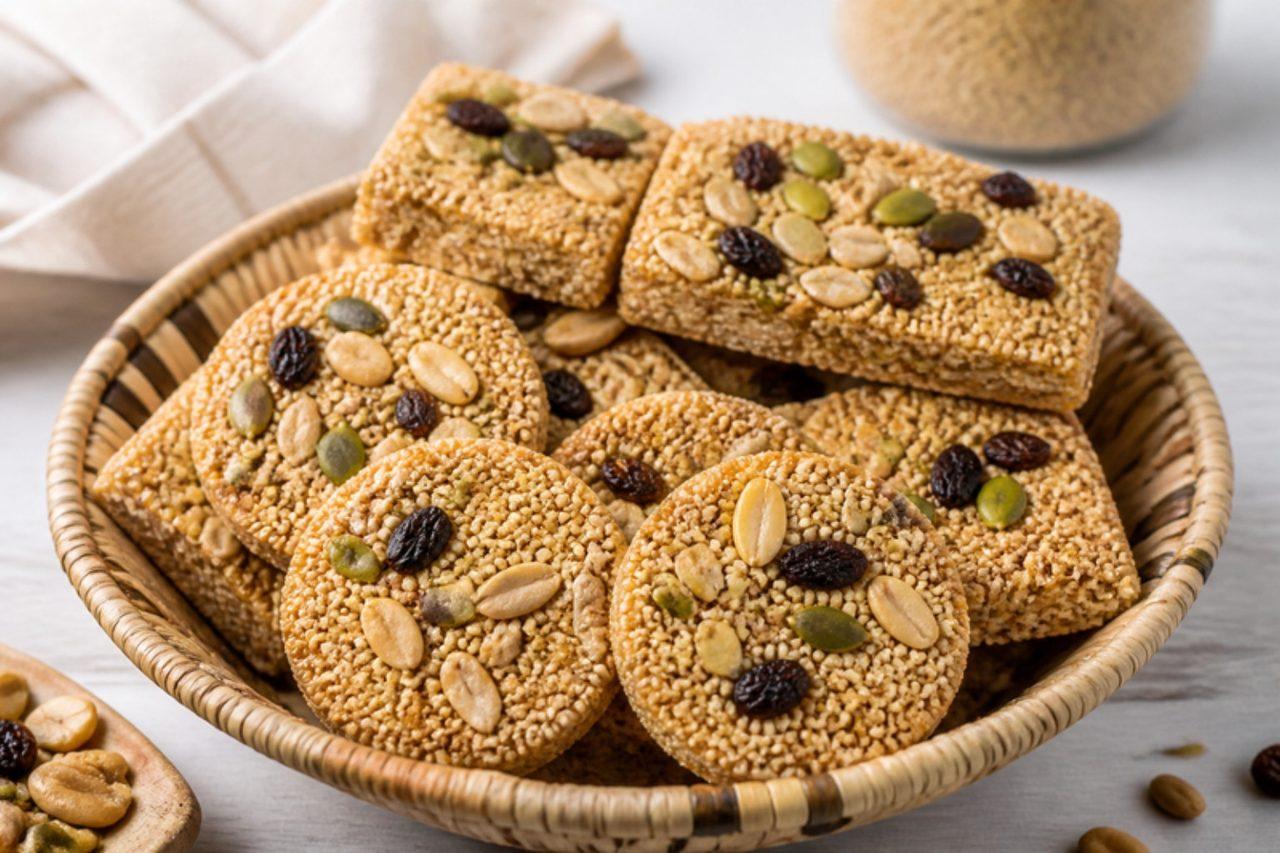
Amaranth has been grown on the chinampa gardens of Xochimilco and Tulyehualco, in the south of Mexico City, since Aztec times, and each February Tulyehualco holds a fair in its honour. Its tiny seeds are popped on a hot comal and bound with honey or piloncillo syrup into alegrías ('joys'), crunchy, light bars sold at bus stops, school gates and church doors and studded with pumpkin seeds, peanuts or raisins. They are naturally gluten free and full of protein for a sweet. Chef's tip: use bought puffed amaranth; popping it yourself works but takes patience and a lidded pan, as the seeds jump everywhere.

by KrazyBadal 0 views

Cortado de lecheCurdled milk in panela syrup

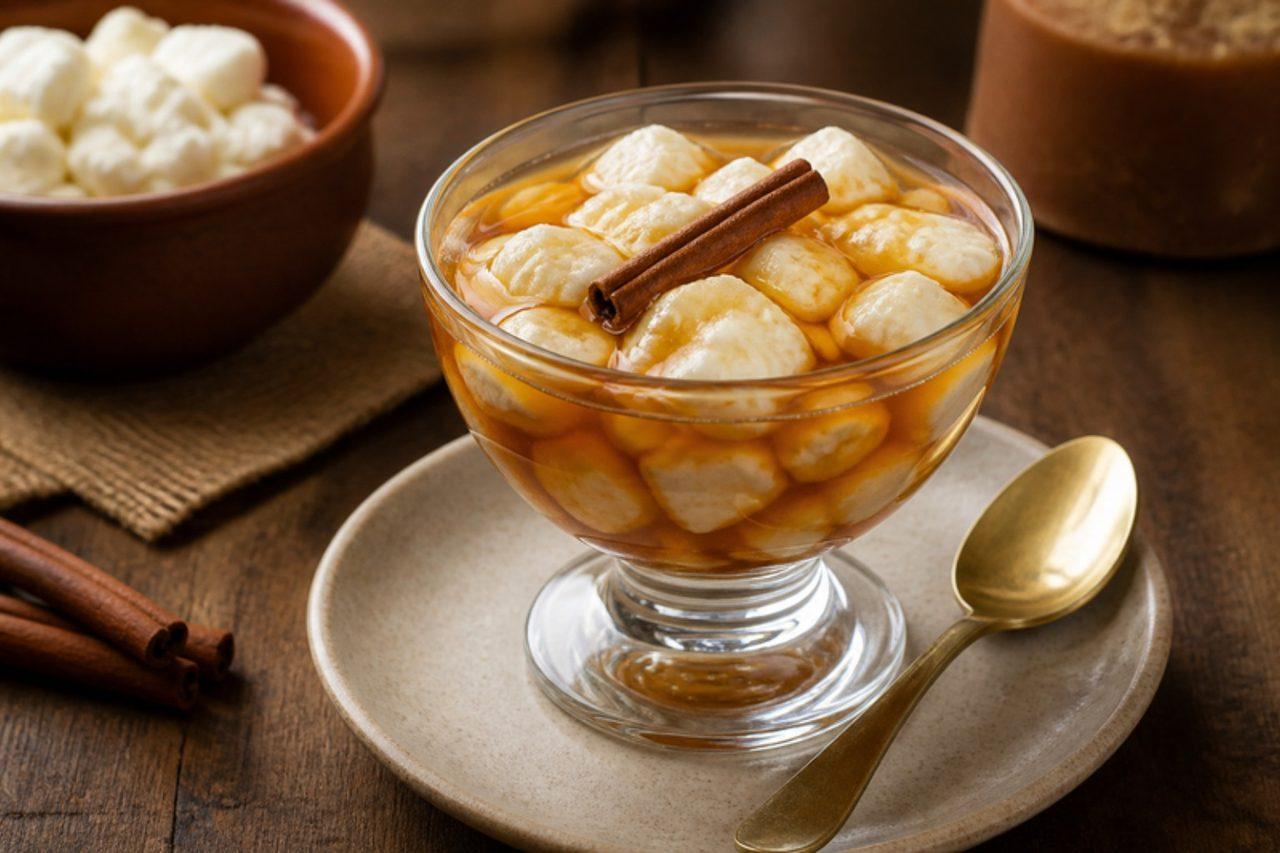
On farms in Antioquia and Santander, when there was more milk than anyone could drink, it became cortado: milk deliberately split with lime juice, then simmered slowly with panela and spices until the curds turn tender and tan and the whey reduces into a thin, molasses-flavoured syrup. It is a country dessert, served warm or cold in small bowls after Sunday lunch, sometimes with a piece of white cheese on the side. The texture is somewhere between a soft ricotta and baked custard, sweet and lightly spiced with cinnamon and clove. Because lime does the curdling, there is no rennet involved. Stirring hard as soon as the lime goes in is the usual mistake; it breaks the curds into grainy specks, so let them form undisturbed and then move the pan gently. Chef's tip: use full-fat milk that is not ultra-heat-treated; UHT milk gives smaller, softer curds.

by KrazyBadal 0 views

Ate de membrilloQuince paste

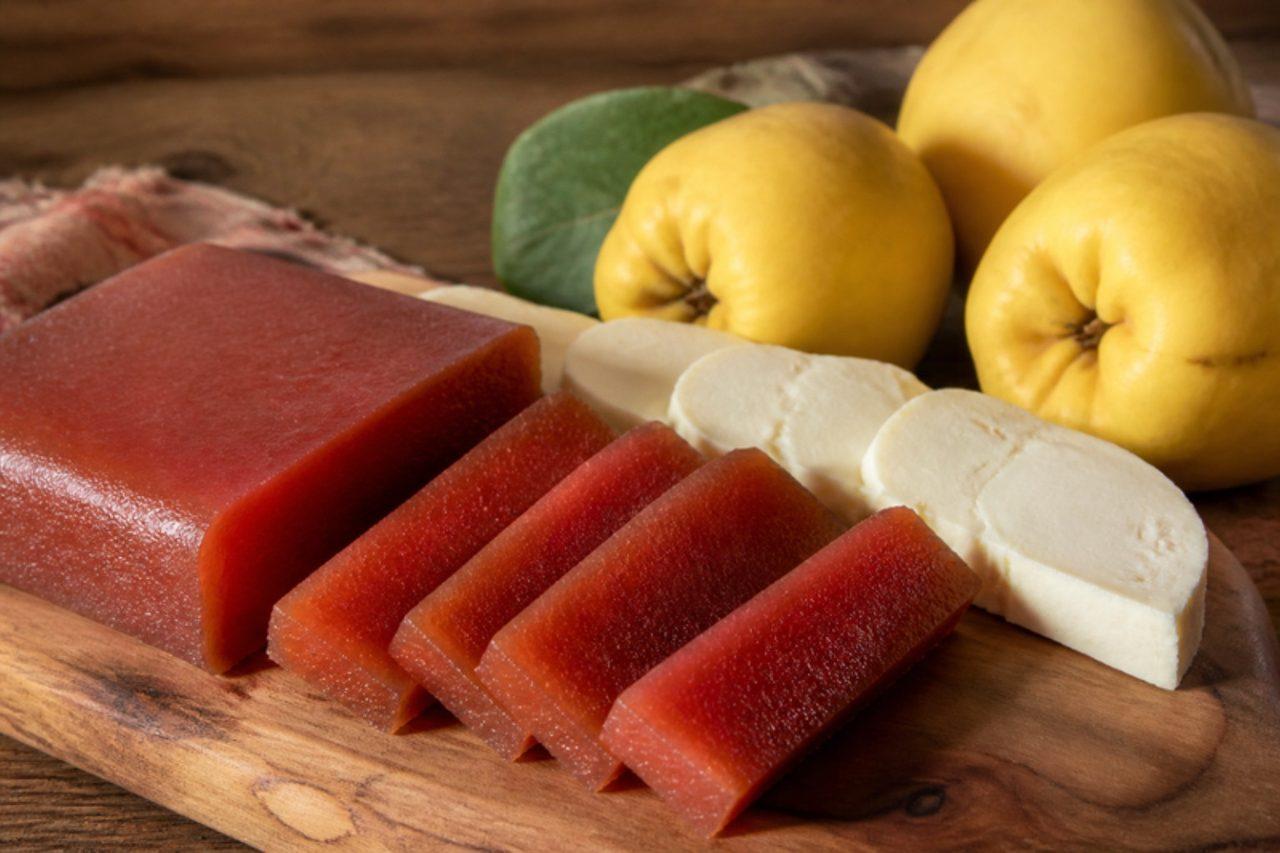
Morelia is Mexico's city of ates, the firm fruit pastes sold in long blocks at the Mercado de Dulces beside the old Jesuit college, in guava, mango, quince and more. Quince (membrillo) is the classic: cooked slowly with sugar until it turns from pale yellow to deep amber-red and sets firm enough to slice. In Michoacán it is eaten in thin slices with a fresh or aged cheese, or on its own as an afternoon sweet. Most cheeses here use animal rennet, so pick a vegetarian one if needed. Chef's tip: cook the fruit with its cores and peel tied in muslin; they carry most of the pectin that makes the paste set.

by KrazyBadal 0 views

Agua de chía con limónLime and chia water

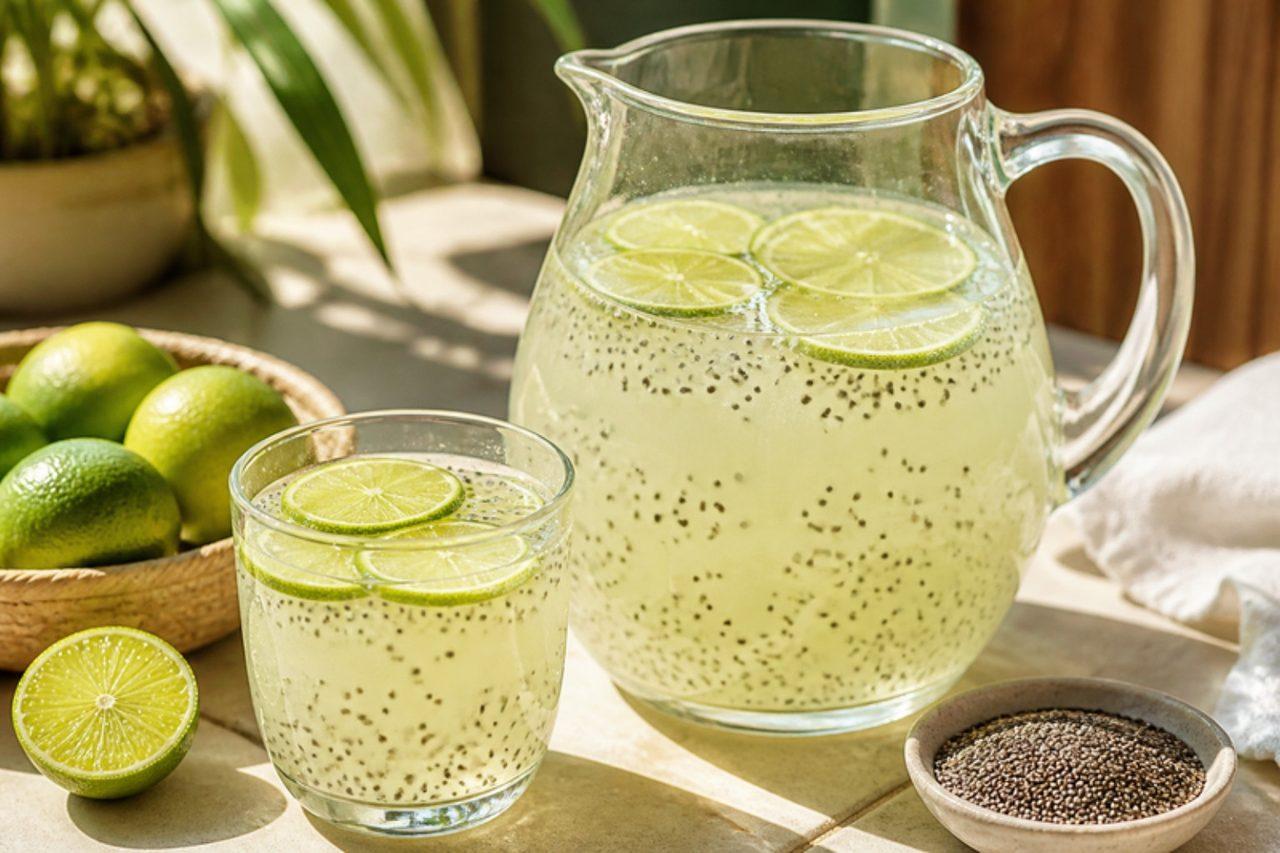
In the markets of Michoacán, especially in Uruapan and Morelia, the glass barrels of agua fresca often include one cloudy, speckled with tiny seeds: agua de chía, limeade with soaked chia seeds that swell into soft little pearls. Chia has been grown in central Mexico since long before the Spanish, and the drink is light, sharp and very refreshing, with a gentle texture from the seeds. It is drunk with lunch or on hot afternoons. Chef's tip: stir the seeds into the water twice in the first ten minutes; otherwise they clump into jelly-like lumps.

by KrazyBadal 0 views

UcheposFresh corn tamales

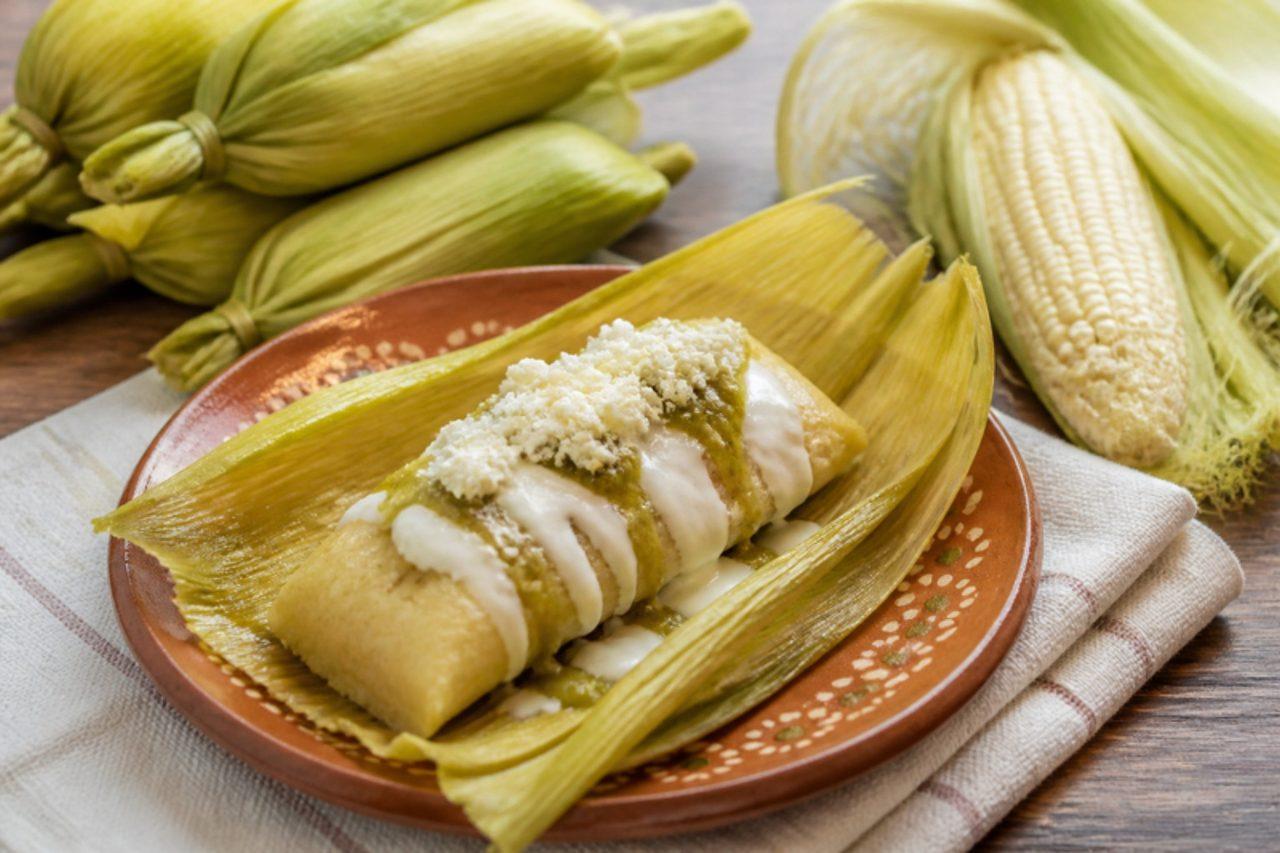
When the summer corn comes in across Michoacán, families in Morelia and the Tierra Caliente grate the young kernels and make uchepos: soft, moist tamales of fresh corn, milk and a little sugar, wrapped in the green husks they came from. They taste like the sweetest corn pudding, and are eaten for breakfast or supper with cream, crumbled cheese and a tomato salsa, sweet and savoury together. Cotija or queso fresco may be made with animal rennet; use a vegetarian cheese if needed. Chef's tip: use the freshest, milkiest corn you can find (a kernel should spurt when pressed); old corn is starchy and the uchepos come out dry.

by KrazyBadal 0 views

Cervelle de canutHerbed fresh cheese dip

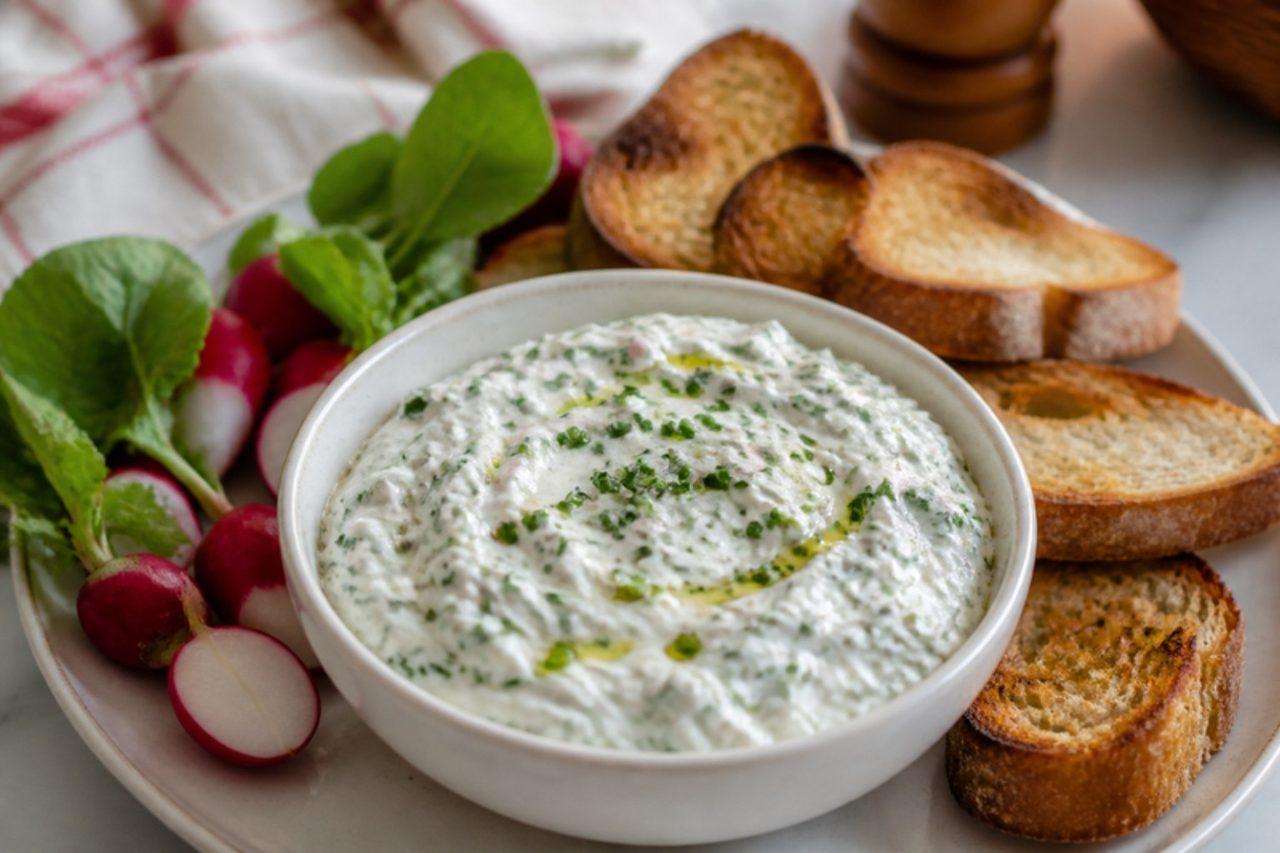
The name means 'silk weaver's brain', a joke from the Croix-Rousse hill in Lyon, where nineteenth-century canuts worked the looms and could not afford the lamb's brains their bosses ate. Their version was fromage blanc whipped with shallot, garlic and herbs, and it is still served in every bouchon as a starter or after the main course, with bread, toast or boiled potatoes. Some cooks splash in white wine; this version uses a little white wine vinegar instead, so it is alcohol-free. Some fromage blanc is set with rennet, so pick a brand labelled vegetarian if that matters. Chef's tip: make it an hour ahead; the shallot softens and the herbs flavour the cheese right through.

by KrazyBadal 0 views

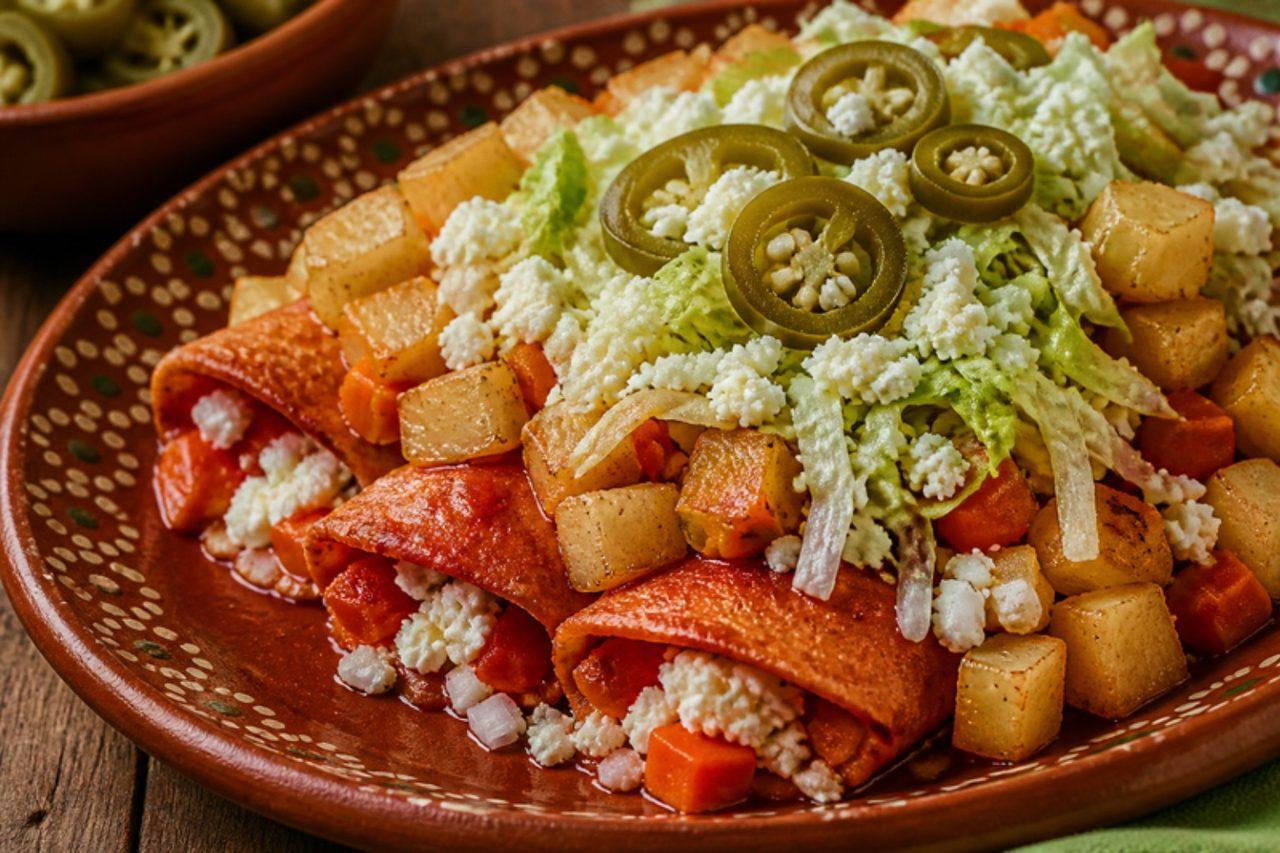
Enchiladas placeras with potato and carrot

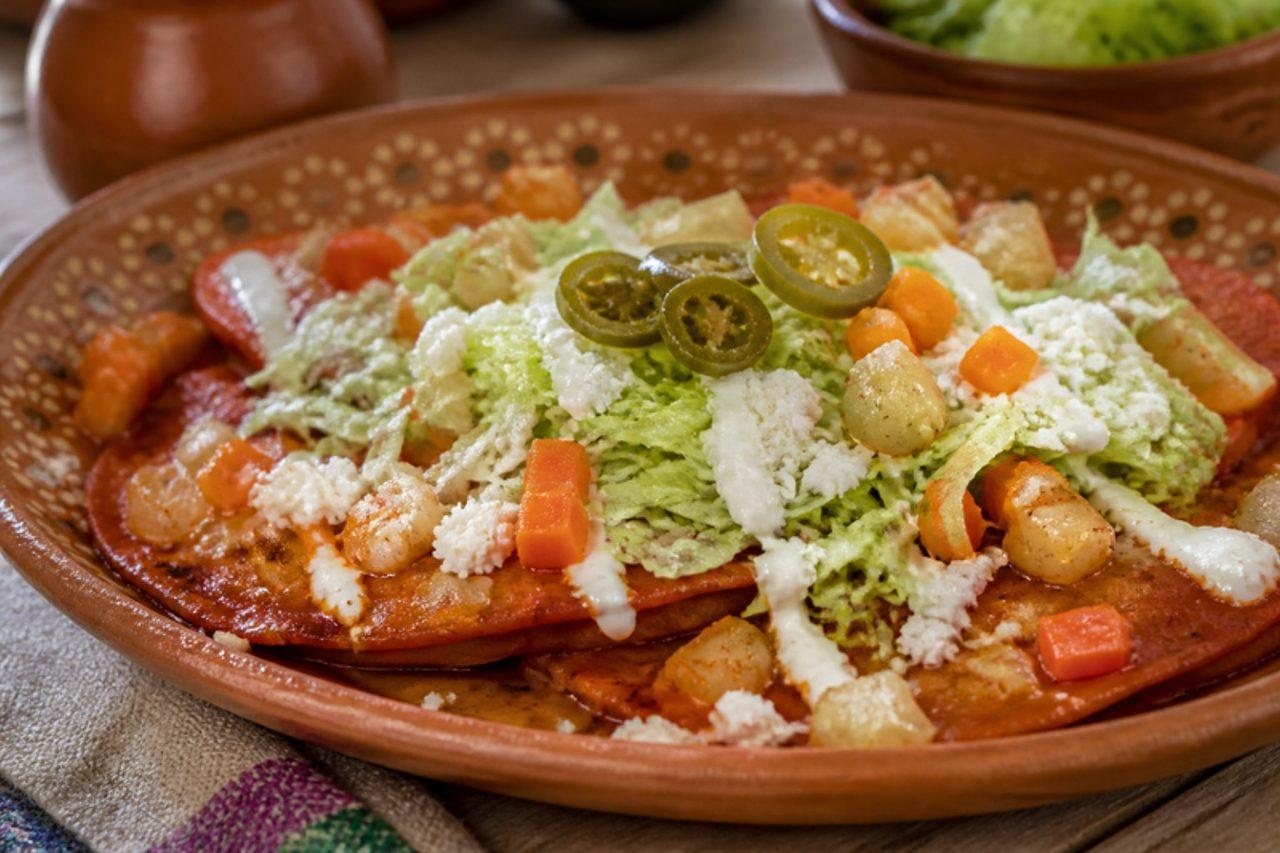
Under the arcades around Morelia's plazas, cooks sell enchiladas placeras in the evenings: tortillas dipped in guajillo sauce, fried on a griddle, folded over crumbled cheese and onion, then buried under fried potato and carrot cubes, shredded lettuce and pickled chillies. In Michoacán they usually come with a piece of fried chicken on the side; we leave that out, as the potatoes and carrots fried in the chilli-stained oil are the part everyone fights over. Cheese may be made with animal rennet, so choose a vegetarian one if needed. Chef's tip: fry the potatoes and carrots in the same pan after the tortillas so they pick up the red chilli oil.

by KrazyBadal 0 views

CancoillotteWarm runny cheese with garlic

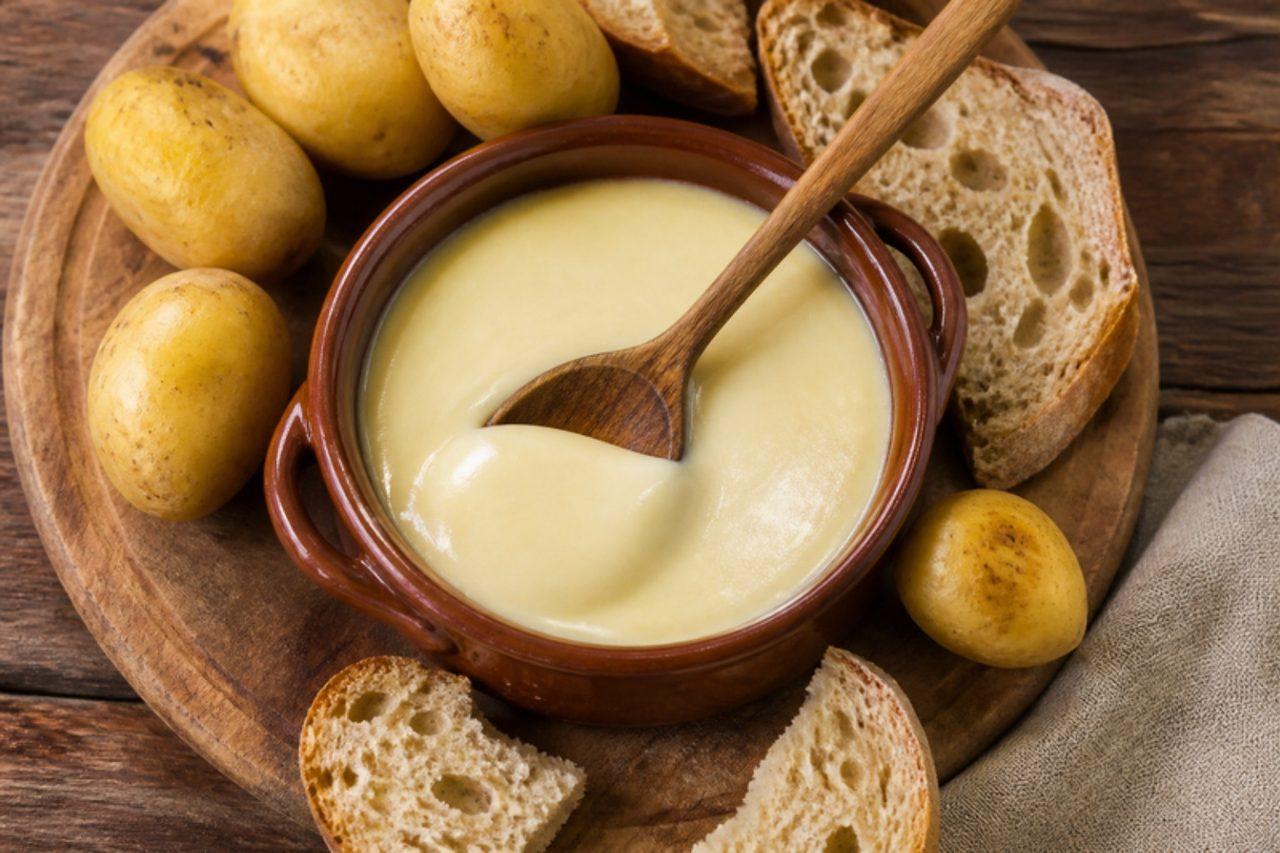
Cancoillotte is the loose, pale-gold melted cheese of Franche-Comté, the region around Besançon, Morteau and the Jura border. Families keep a pot of it in the fridge and warm it for Sunday supper, pouring it over boiled potatoes, dipping bread into it or spooning it over a baked potato. The real thing starts from metton, a ripened curd that is hard to find outside the region, so this home version uses quark and a pinch of bicarbonate of soda, the same trick German cooks use for Kochkäse: the soda turns the curd soft and melty, and butter, garlic and a little milk give the silky, slightly tangy finish. Most quark is made with little or no rennet, but check the label if that matters to you. Chef's tip: leave the quark and soda to rest for a full hour; it should turn translucent and gooey before it goes near the heat.

by KrazyBadal 0 views

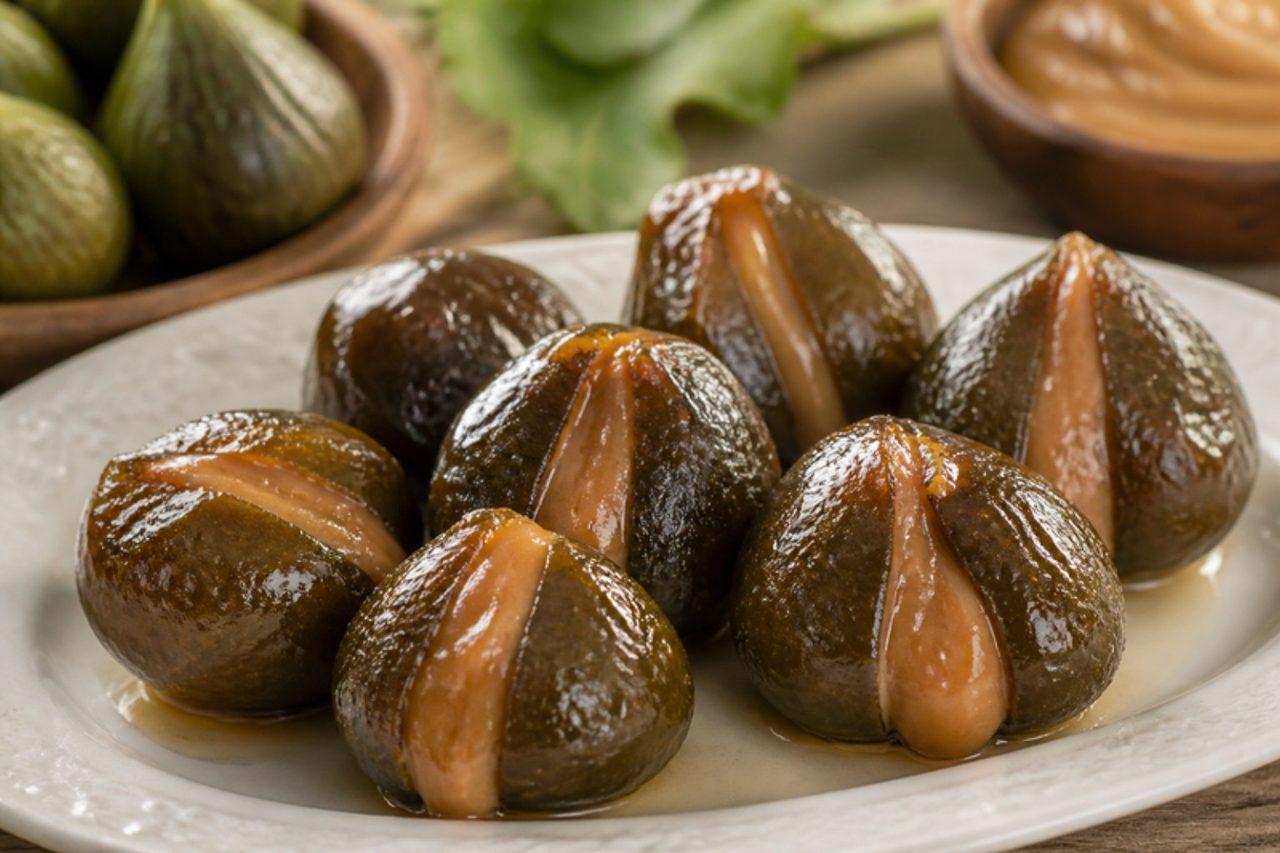
Brevas con arequipeCandied figs with milk caramel

Bogotá's old sweet shops and the dessert counters of Cundinamarca sell brevas caladas, firm green figs cooked for hours in panela syrup until they turn dark, glossy and tender, then split and filled with arequipe. A slice of salty fresh cheese alongside balances all that sugar. They are a classic Christmas and Sunday treat and keep for a week in the fridge, so make them ahead. Use hard, unripe green figs from Middle Eastern or Latin shops; ripe figs fall apart. Arequipe is Colombian milk caramel, the same as dulce de leche. The fresh cheese is usually animal-rennet, so pick a vegetarian one. Skipping the first boils is the common error: the figs keep a bitter, milky sap that spoils the syrup. Chef's tip: cook the syrup slowly and keep the figs just covered; a hard boil splits the skins.

by KrazyBadal 0 views

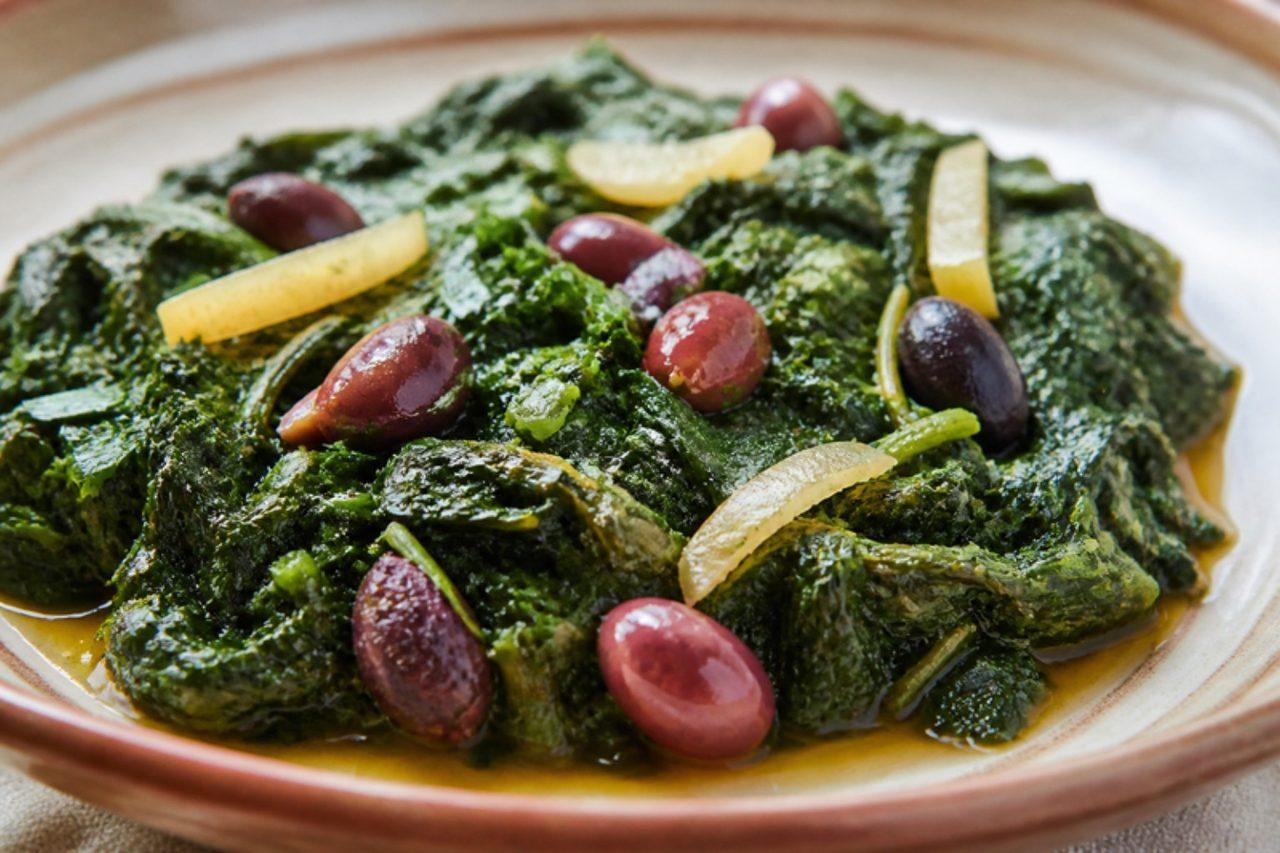
Bakoula (warm mallow and herb salad)

When the winter rains come, bunches of khobiza, wild mallow, are piled up at Marrakech market stalls, and households turn them into bakoula: the leaves are steamed, chopped and cooked down with garlic, parsley, coriander, paprika and cumin, then finished with violet olives and slivers of preserved lemon. The result is soft, dark green and savoury with a lemony lift, a little like a well-seasoned spinach dish with more character. It is eaten warm or at room temperature as one of the cooked salads, scooped up with bread. Outside Morocco, use spinach with a handful of chard or rocket for a bit more bite. Most people go wrong by not squeezing the steamed leaves dry, which leaves the salad watery and bland. Chef's tip: squeeze the steamed greens hard in your fists before chopping; leftover water makes bakoula sloppy and dilutes the spices.

by KrazyBadal 0 views

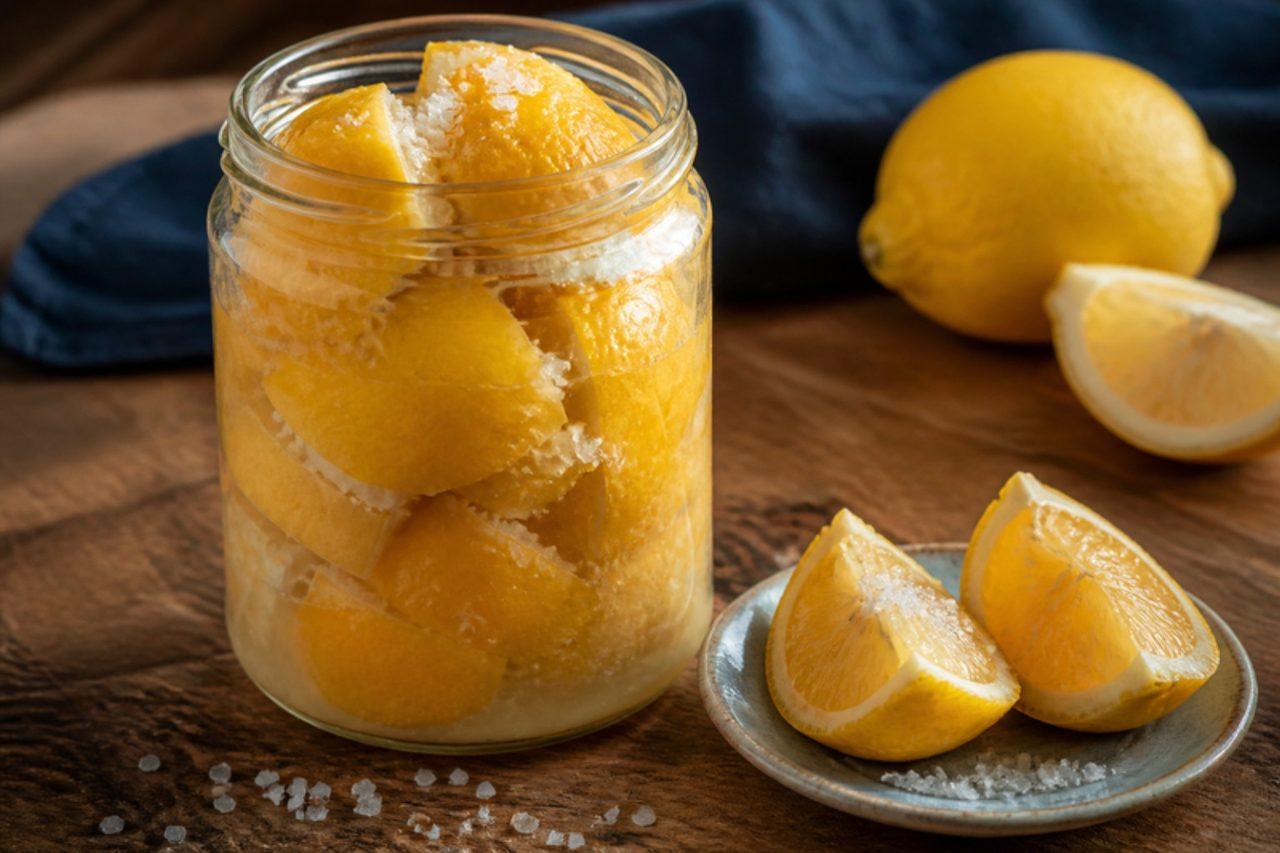
Preserved lemons (l'hamd marked)

No Moroccan pantry is complete without a jar of l'hamd marked, lemons packed in salt and their own juice and left for about a month until the rind softens and takes on a mellow, floral, almost sweet flavour. The rind is what you use: finely chopped into salads, slivered over chicken with olives, added to fish tagines, chermoula and bean dishes. Fez cooks traditionally use small, thin-skinned doqq or beldi lemons, but any unwaxed lemon works. Hands-on work is only 20 minutes; the jar then needs 3–4 weeks in a cool, dark cupboard before it is ready. Chef's tip: press the lemons down hard every day for the first week; as they release juice they shrink, and you can squeeze one more lemon into the jar.
by KrazyBadal 0 views

Black and white cookies

The black and white is a New York bakery fixture, a saucer-sized, soft, lemony cookie that is closer to a sponge than a biscuit, iced half in vanilla and half in chocolate. Delis and Jewish bakeries from the Upper West Side to Brooklyn sell them by the till. Chef's tip: ice the flat underside, not the domed top, and do the vanilla half first so the chocolate doesn't bleed into it.

by KrazyBadal 0 views

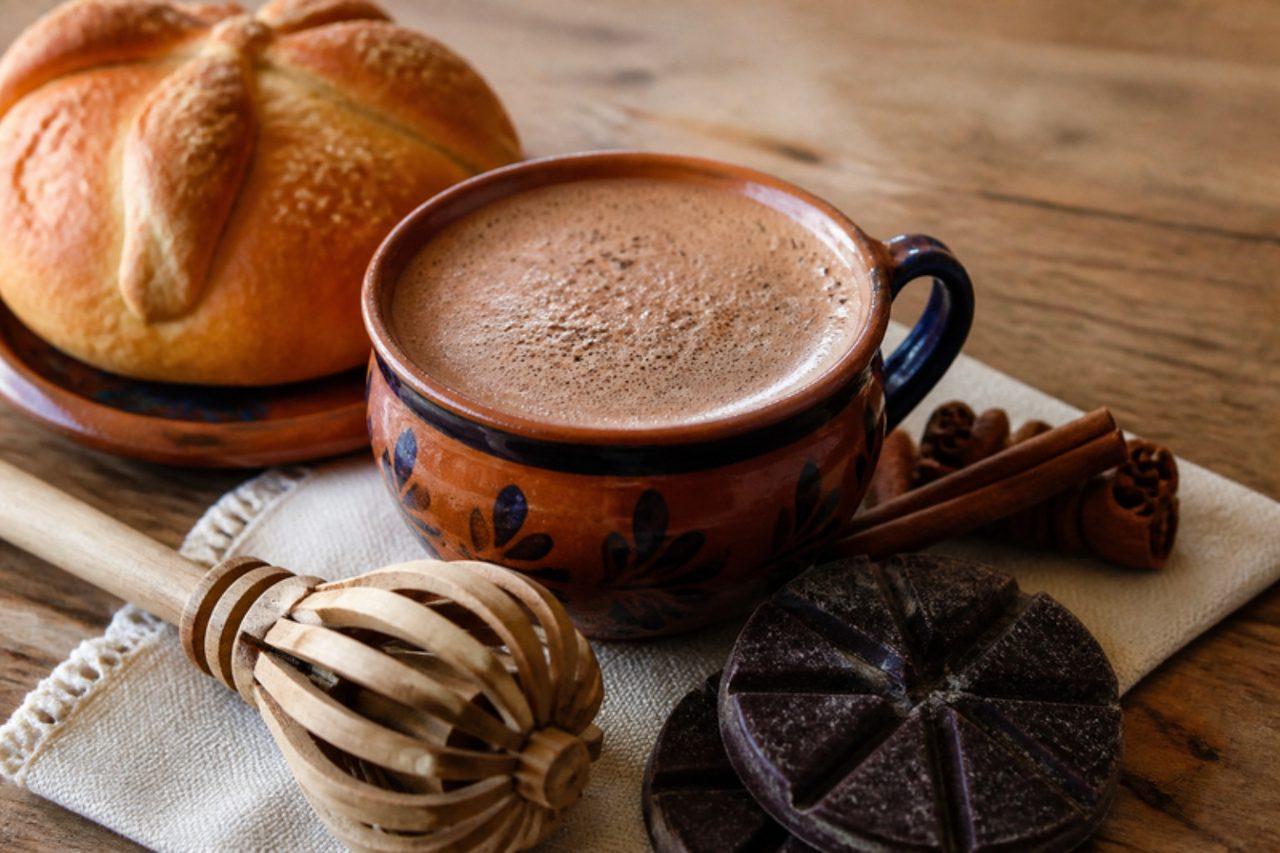
Chocolate de aguaHot chocolate made with water

Walk down Calle Mina in Oaxaca City and the air smells of cacao, cinnamon and almonds, roasted and ground into chocolate in front of you at the mills. Most Oaxacans drink it made with water, not milk, so the taste of the cacao comes through clean and slightly bitter, with a thick head of foam raised with a wooden molinillo. It is drunk for breakfast with pan de yema and at every wedding and Day of the Dead altar. The tablets already hold sugar and cinnamon; we give a version with dark chocolate too. Chef's tip: the foam is the point, so whisk hard just before pouring and serve in wide cups.

by KrazyBadal 0 views

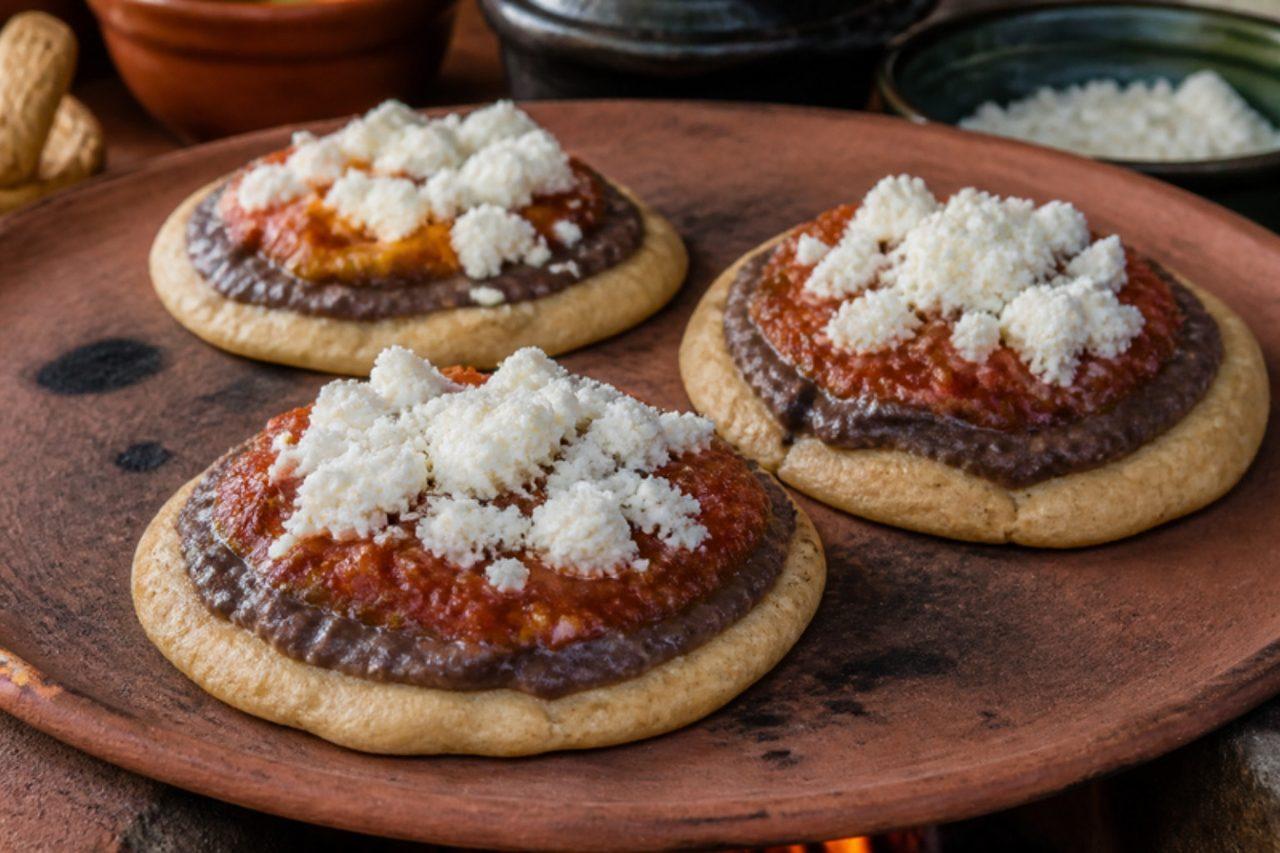
Memelas oaxaqueñasThick masa rounds with beans

Early morning at the Oaxaca City markets, women press masa into thick ovals, bake them on clay comales and pinch up the edges while they are still hot: these are memelas, eaten standing at the stall with coffee. Each one is smeared with asiento, the toasty unrefined pork lard of Oaxaca, then black beans, salsa and crumbled cheese. For a vegetarian version we use browned butter (or vegetable shortening for a dairy-free base), which gives a similar nutty richness. The masa should be soft and slightly chewy, the base speckled brown. Queso fresco is often made with animal rennet, so choose a vegetarian fresh cheese if needed. Chef's tip: pinch the rim while the memela is too hot to handle comfortably (use a damp cloth); once it cools, the masa sets and cracks.

by KrazyBadal 0 views

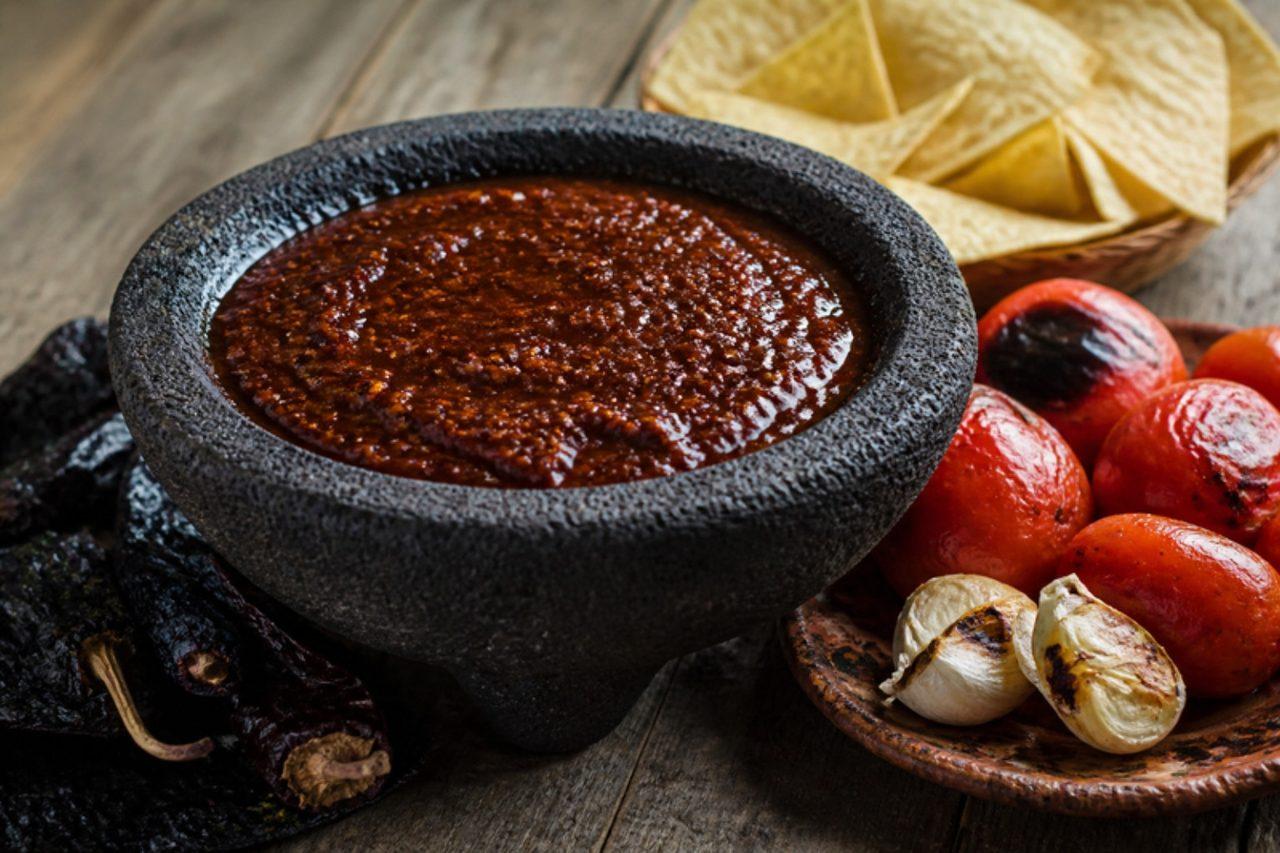
Salsa de chile pasilla oaxaqueñoSmoky dried chilli salsa

The pasilla mixe is a small, wrinkled, red-brown chilli smoked in the Sierra Mixe mountains east of Oaxaca City, and it tastes of campfire, tobacco and dried fruit. Ground in a molcajete with roasted tomato and garlic, it becomes the salsa that sits on every table in Oaxacan fondas, spooned over memelas, eggs, beans and grilled vegetables. It keeps a week in the fridge and improves after a day. If you cannot find pasilla mixe, use chipotle mora plus one ancho. Chef's tip: grind the garlic and salt first, then the chillies, then the tomato; working in that order gives a rough, clinging texture rather than a watery purée.

by KrazyBadal 1 views

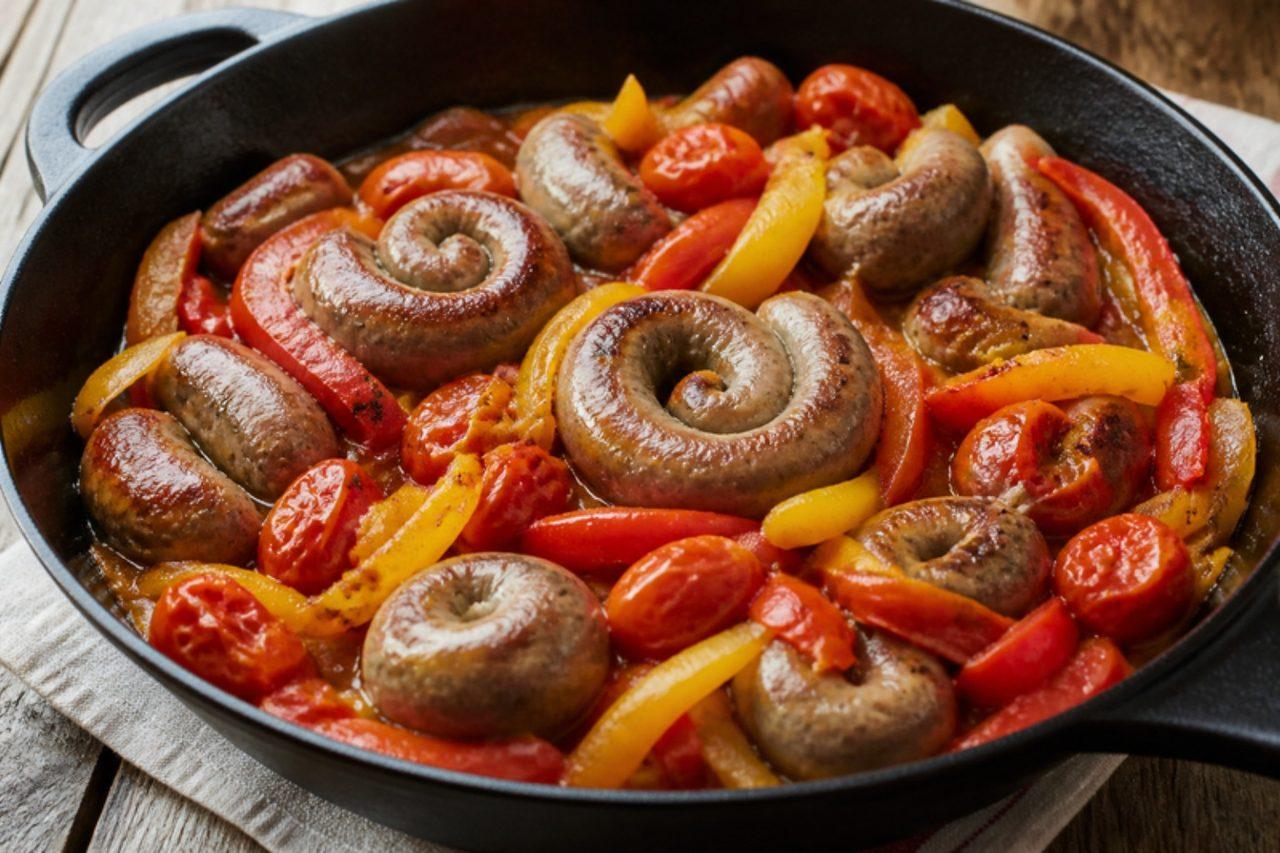
Lucanica con peperoniFennel sausage with peppers

Lucanica, the coiled fennel-seed pork sausage of Basilicata, is so old that Roman writers named it after the region. At home it's often cooked the simplest way, braised with sweet peppers and a little tomato until the peppers turn silky and the sausage fat flavours everything. It's a pork dish for a weekday supper or a village festival, served with crusty bread or a pile of soft polenta. If you can't find lucanica, use any coarse Italian pork sausage with fennel. Chef's tip: prick the sausage only once or twice; too many holes let all the juices run out and the sausage dries.

by KrazyBadal 0 views

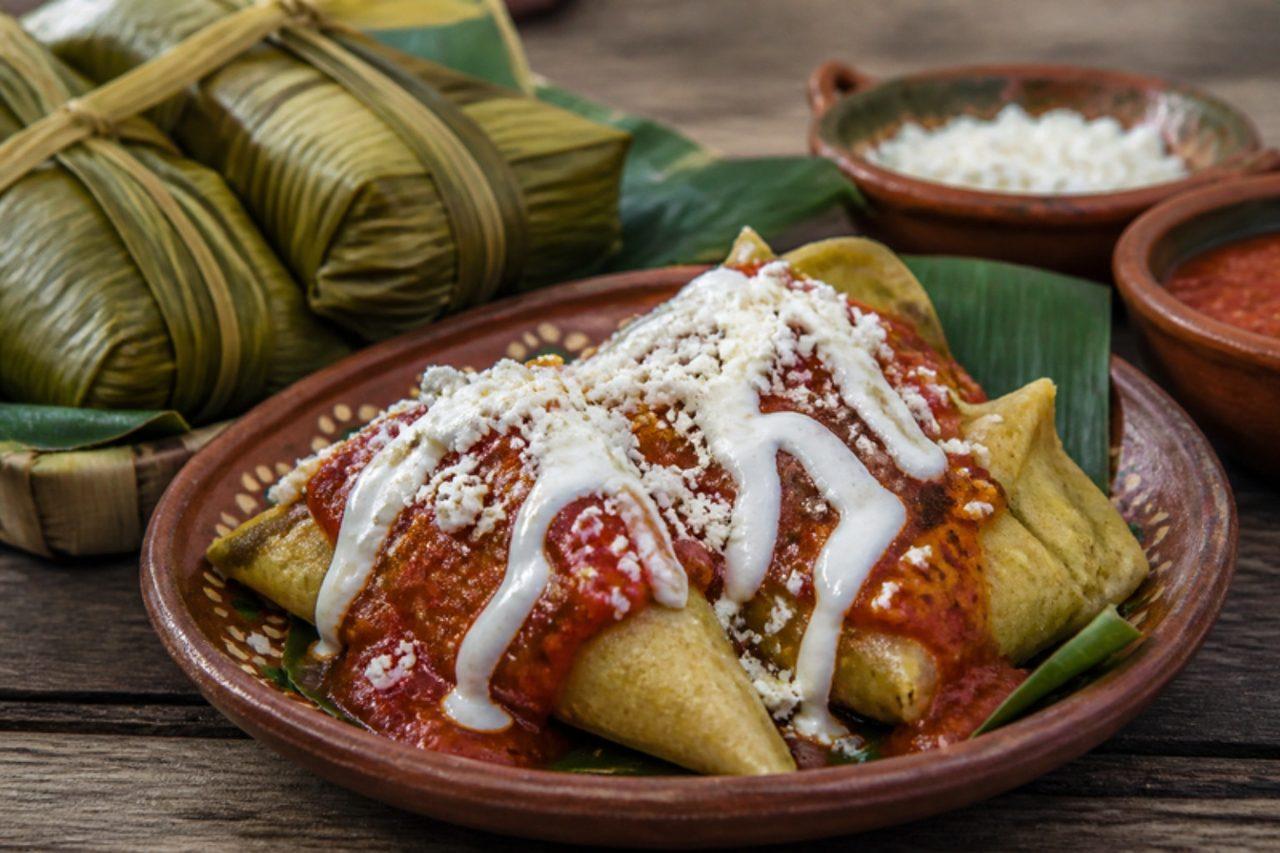
CorundasTriangular corn tamales

Corundas come from the Purépecha people of Michoacán, around Lake Pátzcuaro and Morelia, and they look nothing like a usual tamal: small, plump and triangular or star-shaped, wrapped in the long green leaves of the corn plant rather than dried husks. The masa is soft and fluffy, usually plain or with a little cheese and poblano inside, and corundas are eaten with crema, salsa roja and crumbled cheese, often for breakfast or at fiestas. Traditional dough uses pork lard; we use vegetable shortening or butter. Cheese may be made with animal rennet, so use a vegetarian one if needed. Chef's tip: beat the fat until it is white and fluffy before adding the masa; a spoonful of dough should float in water when it is light enough.

by KrazyBadal 0 views

New York bagels

The New York bagel came with Jewish bakers from Poland to the Lower East Side, and it is still breakfast on the go across the five boroughs, split and spread thickly with cream cheese. The dough is stiff and rested overnight in the fridge, then each ring is boiled before baking, which gives the dense, chewy crumb and the glossy, crackly crust. Chef's tip: test one bagel before boiling them all; if it floats in a bowl of cold water, they are ready.

by KrazyBadal 0 views

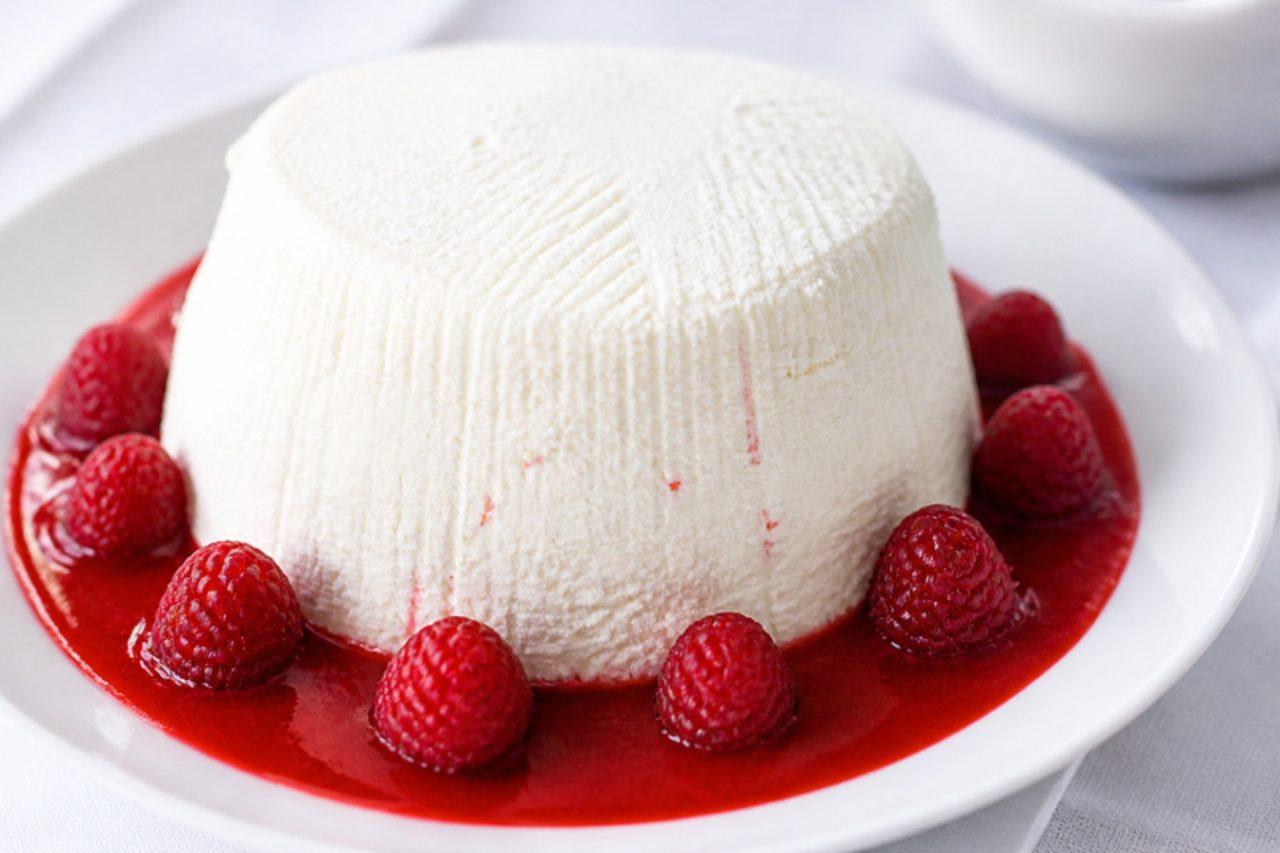
Crémet d'AnjouLight cream dessert

Angers and the Anjou countryside have served crémets since the 1800s: a mixture of fresh cheese, whipped cream and whisked egg white, drained in muslin until it holds its shape, then unwrapped onto a plate with berries or a red fruit coulis. It is soft, cool and barely sweet, and Angevin cheese shops sell it by the pot in spring and summer. This version swaps raw egg white for a little extra whipped cream, so it is safe for everyone. You need muslin or a clean J-cloth and small sieves or ramekins with holes. Chef's tip: give it a full 12 hours in the fridge; it firms up and turns light and mousse-like as the whey drips away.

by KrazyBadal 0 views

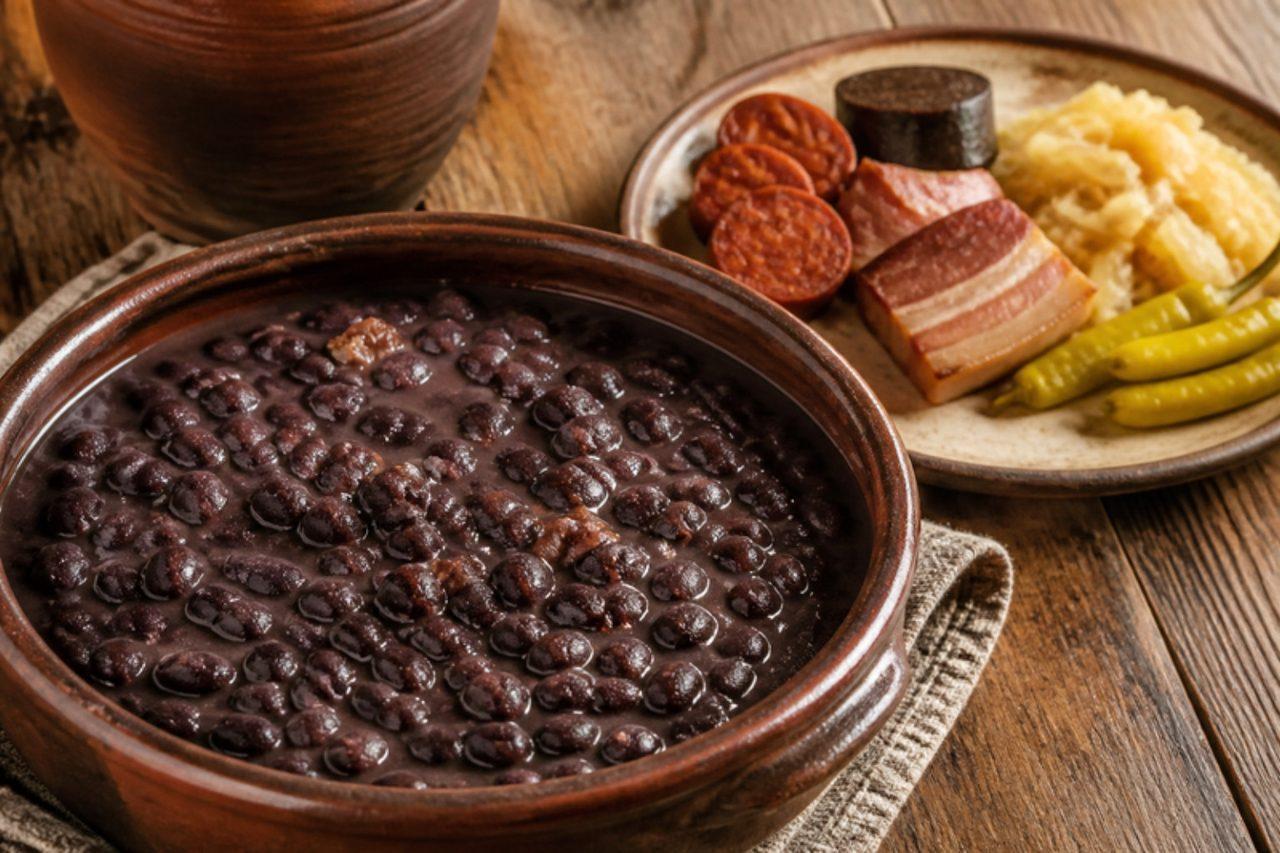
Alubias de TolosaBlack beans with chorizo and pork

Tolosa, in the Oria valley, celebrates its dark purple-black beans every autumn, and the town's restaurants serve them in clay pots with the 'sacramentos' on the side: chorizo, morcilla and pork belly, plus cabbage and pickled guindillas. This contains pork (chorizo, morcilla and pork belly). The beans are cooked very slowly with only onion and oil until creamy and the broth is thick and dark. A common mistake is boiling the beans hard, which splits their skins; they should barely tremble. Chef's tip: add a splash of cold water three times while they cook ('scaring' the beans), which keeps the skins tender and whole.

195 minSpanishMeat
by KrazyBadal 0 views

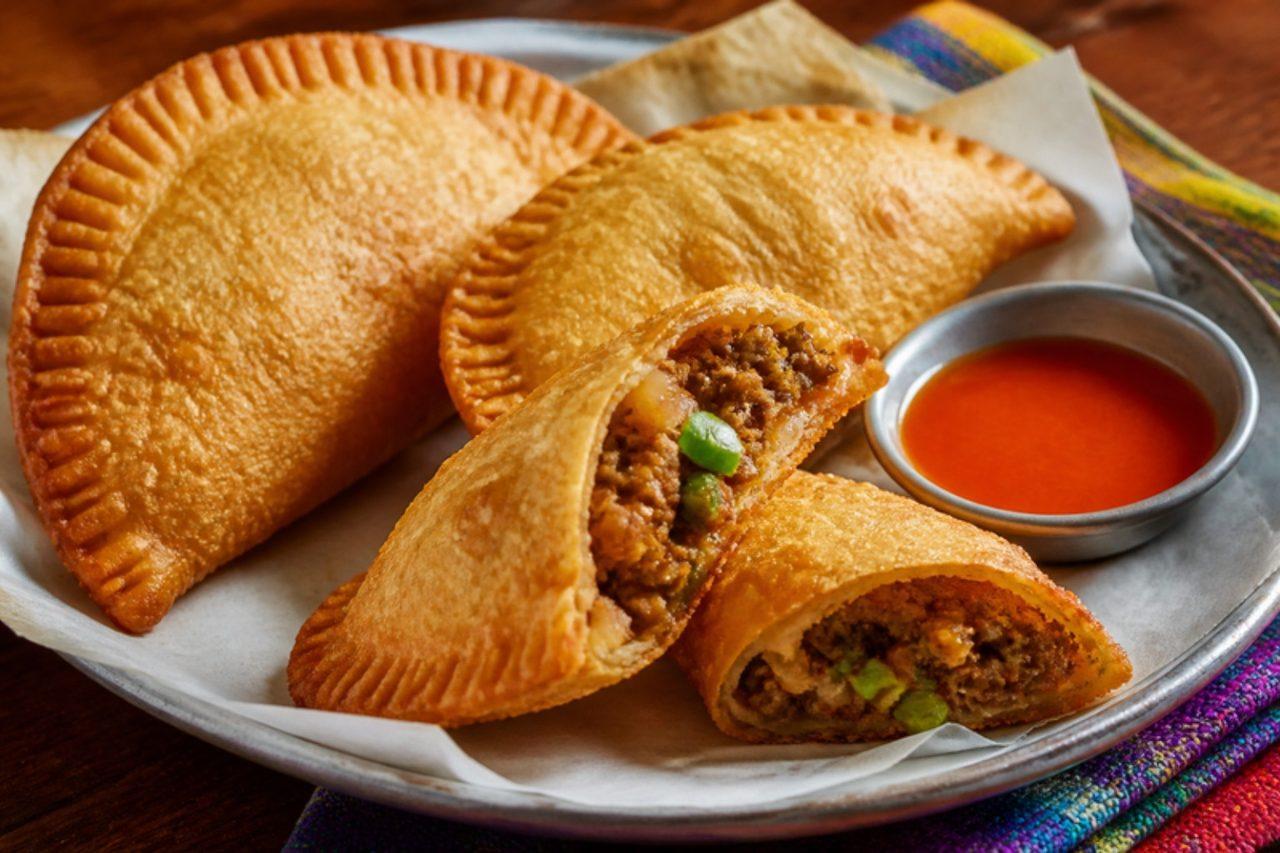
Natchitoches meat pies

Natchitoches, the oldest town in Louisiana, is famous for these crescent-shaped fried pies, sold at its Christmas Festival of Lights and from family pie shops on Front Street. The filling is minced beef and pork with onion, garlic and cayenne, wrapped in a short pastry and fried until blistered and crisp. It contains pork. Chef's tip: cool the filling completely before filling the pastry, or the dough softens and tears.

by KrazyBadal 0 views

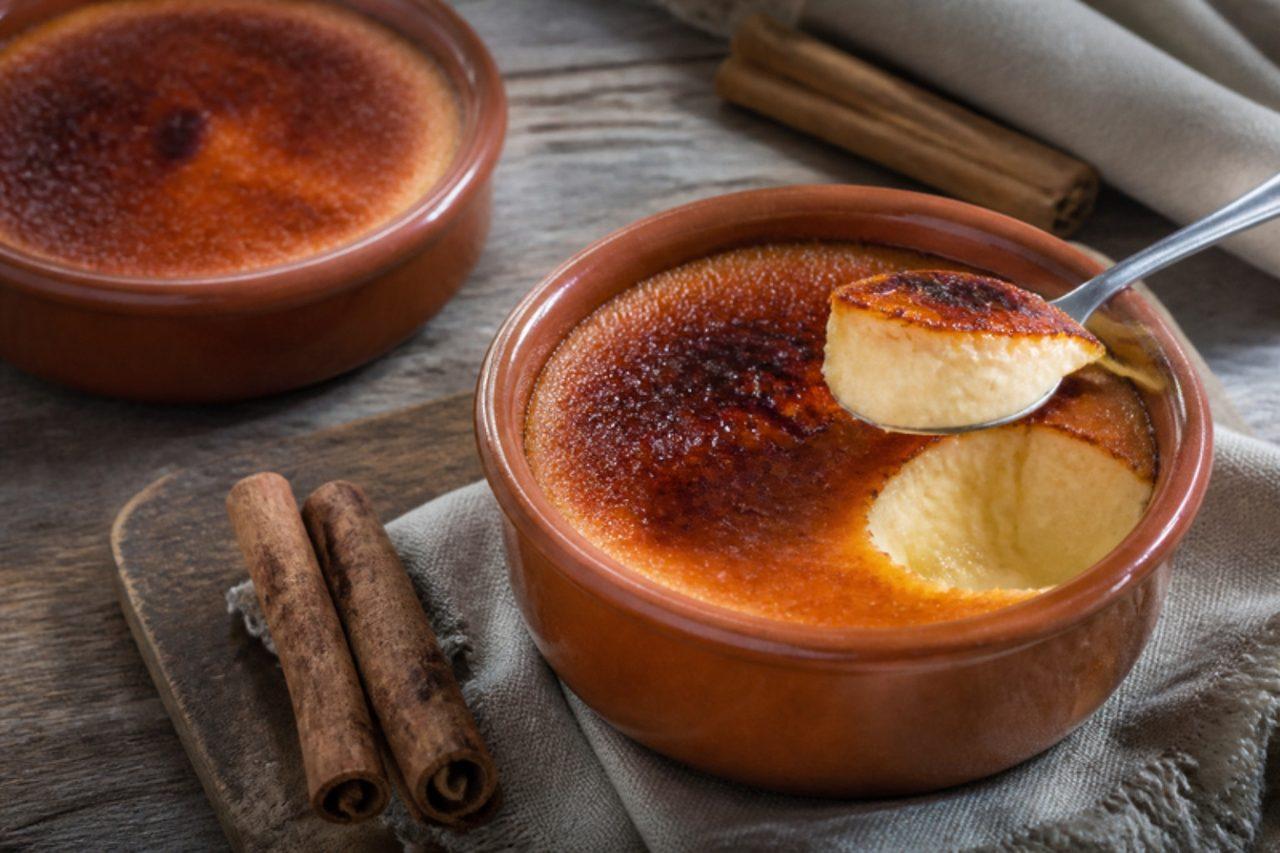
JericallaVanilla custard

Jericalla belongs to Guadalajara: legend says a nun at the city's Hospicio Cabañas orphanage made it in the 19th century to feed the children something nourishing. It is a firm baked custard of milk, eggs, sugar, vanilla and cinnamon, between a flan and a crème brûlée, with no caramel underneath; the top is left in a hot oven until it blisters and darkens in patches. Tapatíos buy it in little glass pots from street carts and in the markets of Jalisco. Chef's tip: let the top darken properly under the grill at the end; those scorched spots are what makes it a jericalla rather than a plain custard.

by KrazyBadal 0 views

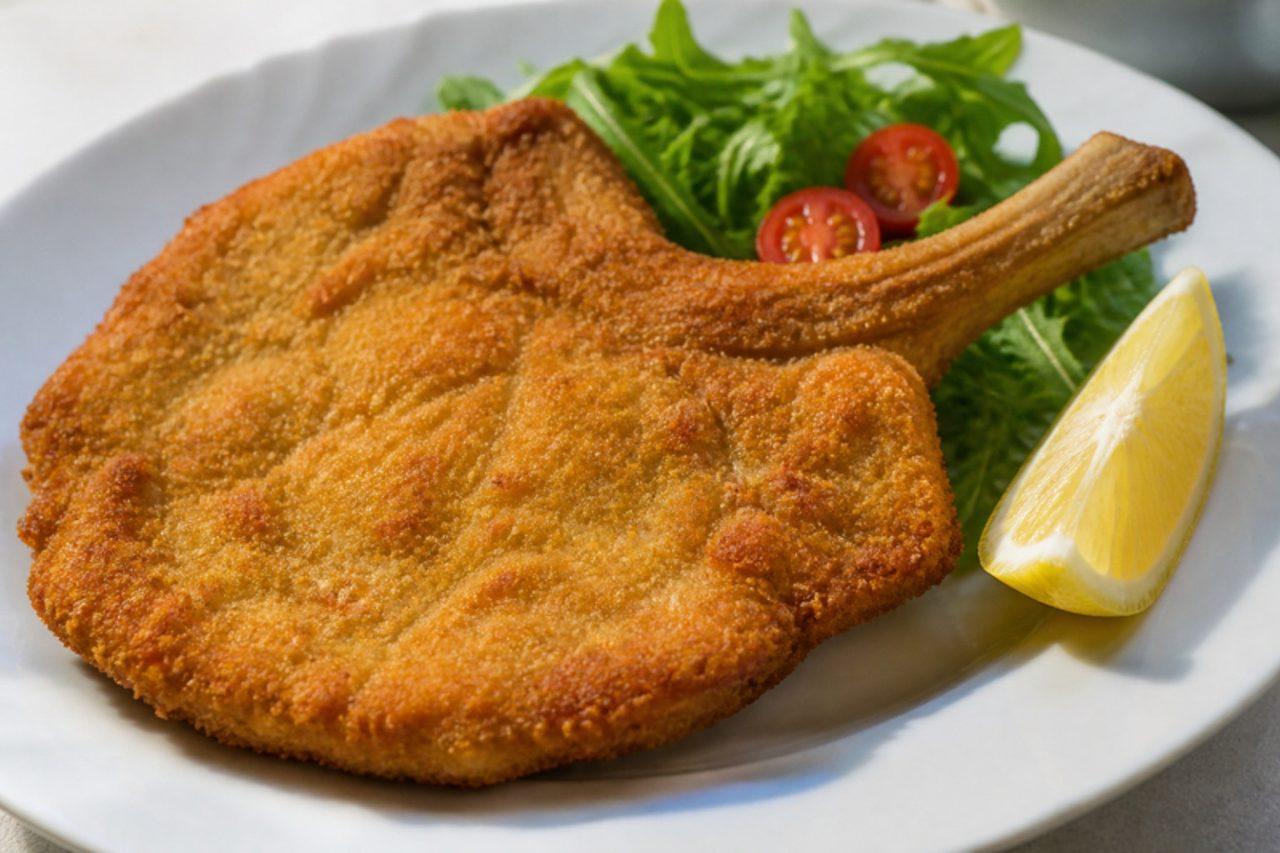
Cotoletta alla milaneseBreaded veal cutlet

The Milanese cotoletta is a thick, bone-in veal rib chop, dipped in egg and breadcrumbs and fried slowly in clarified butter until the crust is deep gold and the meat inside is still juicy and faintly pink. It is the standard Sunday and celebration dish in Milan's old trattorie, served with just a lemon wedge and perhaps a rocket and tomato salad or a few roast potatoes. Unlike the thin, beaten schnitzel, the true cotoletta keeps its bone and is only lightly flattened, so it stays tender. Chef's tip: clarify the butter yourself or use ghee; ordinary butter burns at frying heat and leaves bitter black specks on the crumb.

by KrazyBadal 0 views

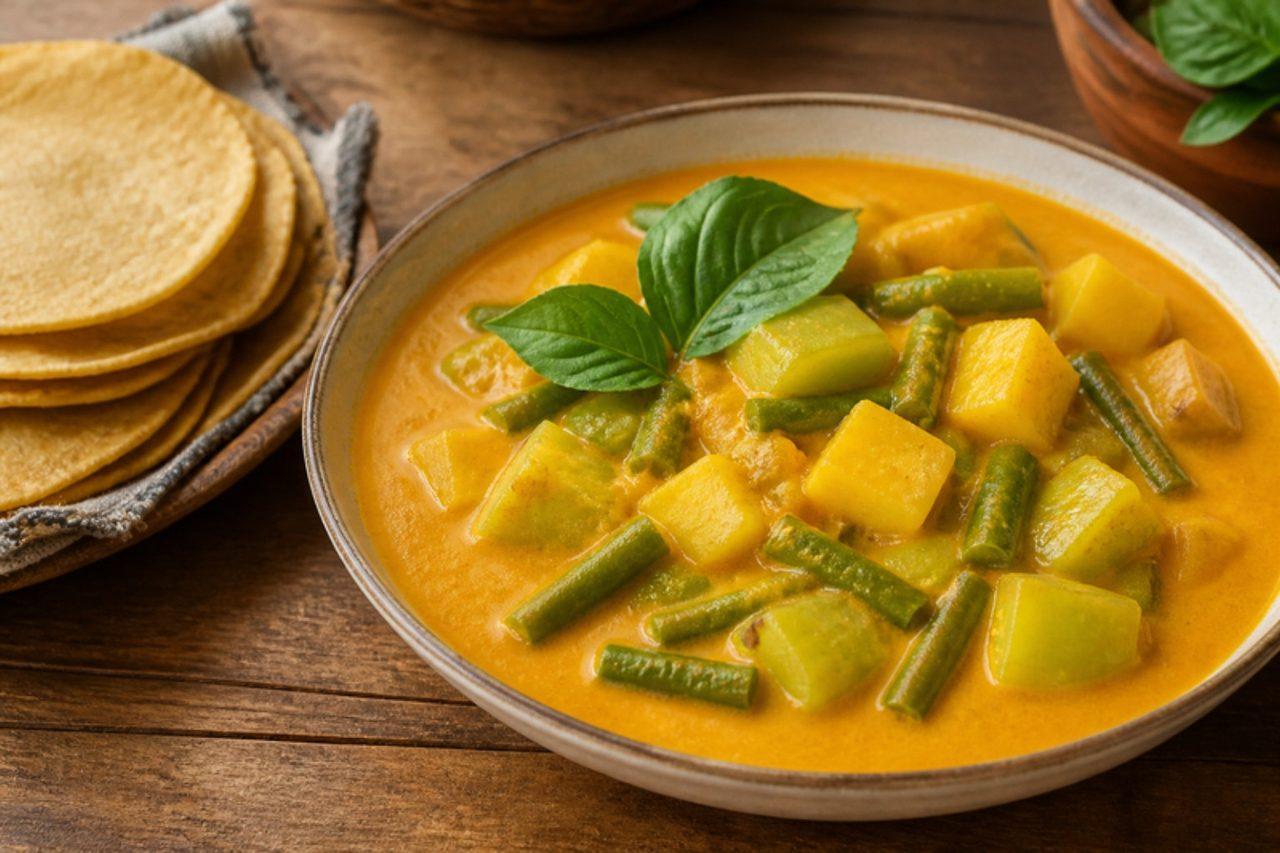
Mole amarillo with vegetablesYellow mole with vegetables

In Oaxaca's central valleys, the 'yellow' mole is the everyday one of the seven: lighter than mole negro, made on weekdays, sold at market fondas in Tlacolula and Ocotlán and folded into empanadas on the comal. Guajillo and costeño chillies give it a brick-orange colour, a few tomatillos make it tangy, and masa stirred in at the end thickens it to a soft, velvety sauce. Oaxacan cooks use chicken or beef broth; this version uses vegetable stock with chayote, green beans and potatoes, which is also how many homes make it during Lent. Serve it in deep bowls with corn tortillas. Chef's tip: the fresh hoja santa leaf (or a few fennel fronds) is what makes it taste Oaxacan, so add it for the last few minutes only.

by KrazyBadal 0 views

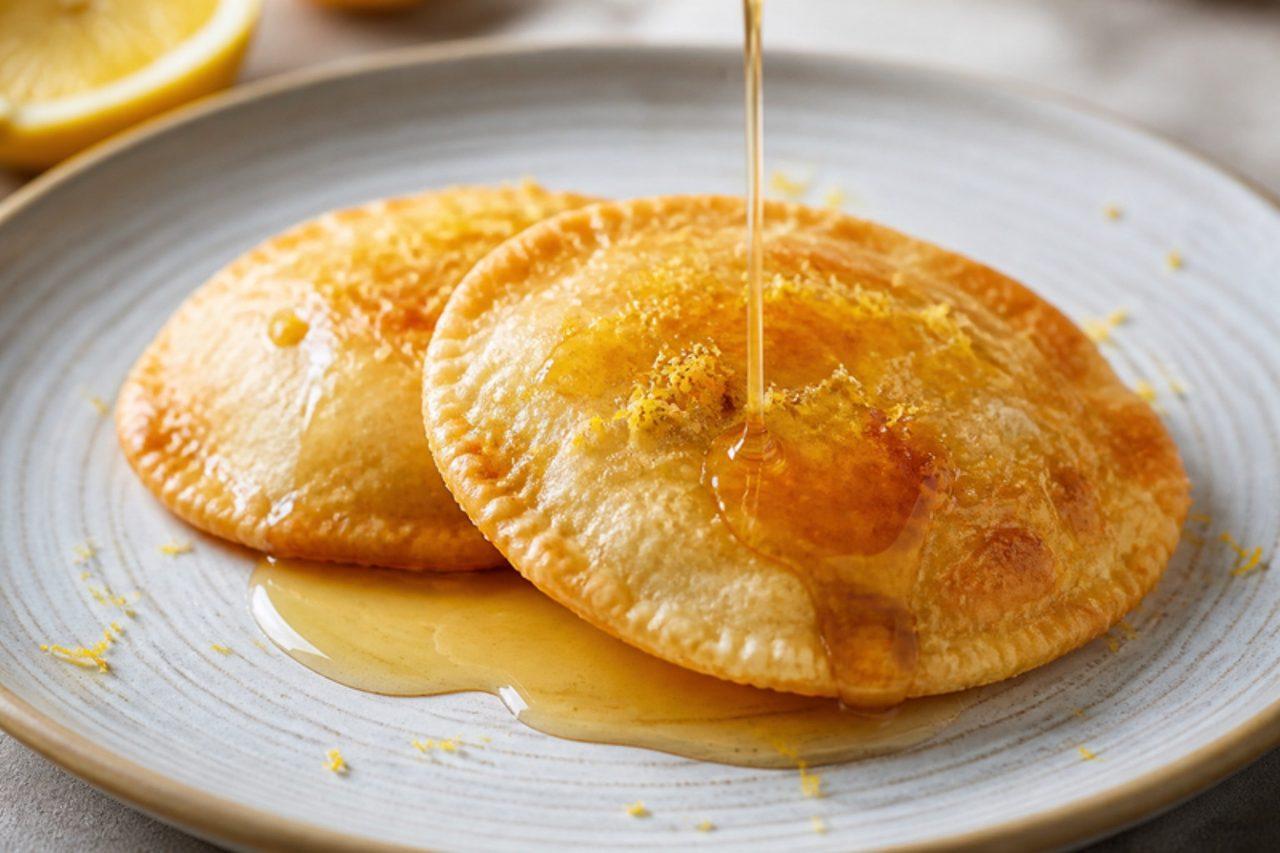
SeadasFried cheese pastries with honey

Seadas (or sebadas) are Sardinia's festive dessert: large discs of thin pastry wrapped around fresh, tangy cheese and lemon zest, fried until blistered and golden, then drizzled with warm honey, ideally the bitter strawberry-tree honey of the island's hills. The cheese melts into soft, stretchy strings, so they are a sweet-salty, crisp-gooey surprise. Shepherd families once made them at the end of a festa or for Carnival; today every Sardinian restaurant offers them. The pastry is traditionally made with lard, and here it is butter. Chef's tip: melt the cheese into discs first, so it sets flat and is easy to seal inside the pastry.

by KrazyBadal 0 views

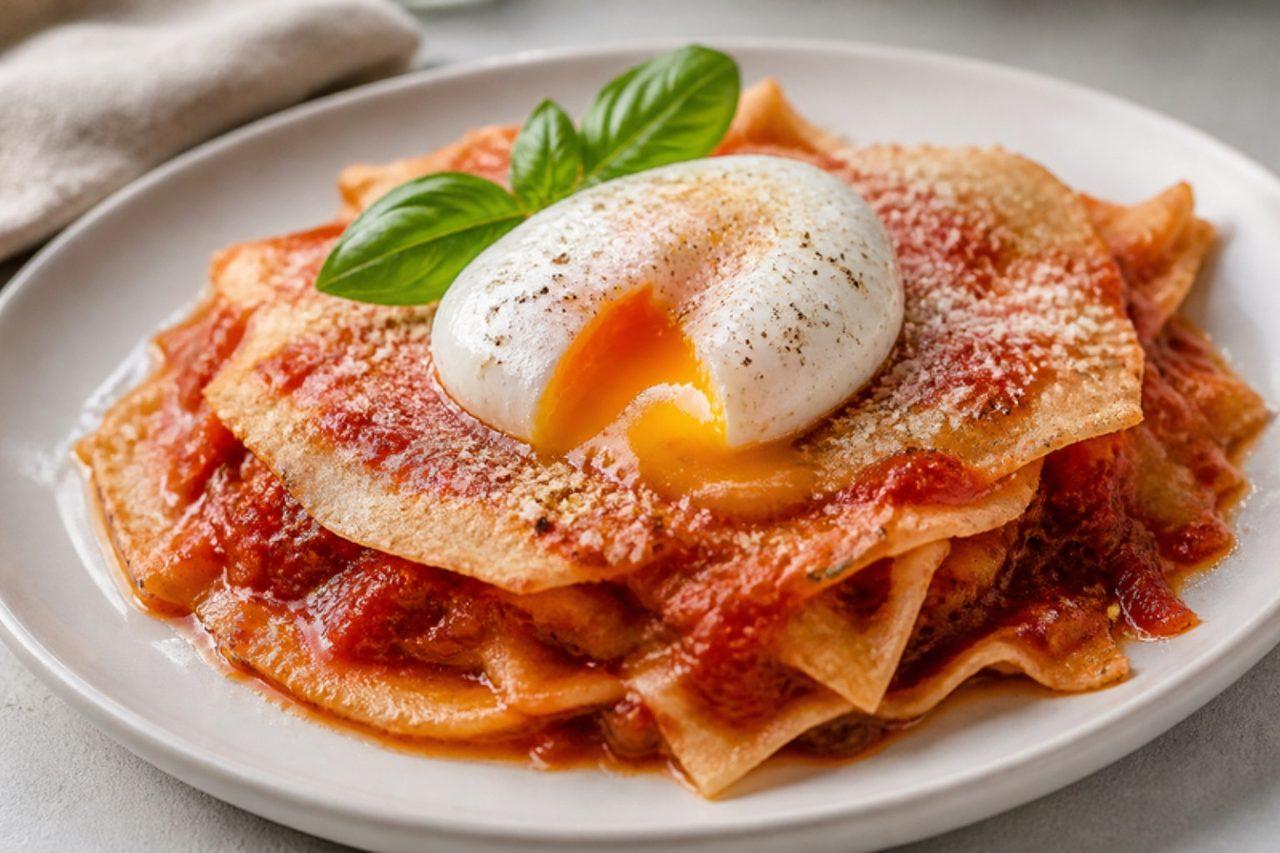
Pane frattauFlatbread with tomato and egg

Pane frattau turns dry pane carasau into a hearty plate in twenty minutes: sheets of the crisp bread are dipped in hot broth until just supple, layered with tomato sauce and grated pecorino, and topped with a poached egg whose yolk runs into everything. It is said to have been first served in Orgosolo or Nuoro for a royal visit, and it is now a staple of Barbagia agriturismi and family suppers. Traditionally the broth is made from mutton or meat; this version uses vegetable stock, which works beautifully. Chef's tip: dip each sheet for no more than 2–3 seconds; it keeps softening on the plate.

by KrazyBadal 0 views

Enchiladas minerasGuajillo enchiladas with potatoes

Enchiladas mineras were the supper of Guanajuato's silver miners and are still sold every evening under the arches of the city's plazas and at the Mercado Hidalgo: tortillas dipped in guajillo sauce, fried briefly, rolled around fresh cheese and onion, and buried under fried diced potato and carrot, shredded lettuce, pickled jalapeños and crema. Stalls often add a piece of chicken on the side; this recipe leaves it out and the vegetables make it a full plate. Chef's tip: dip each tortilla in the sauce before frying, not after; that's what gives the slightly crisp, chilli-coated finish.

by KrazyBadal 0 views

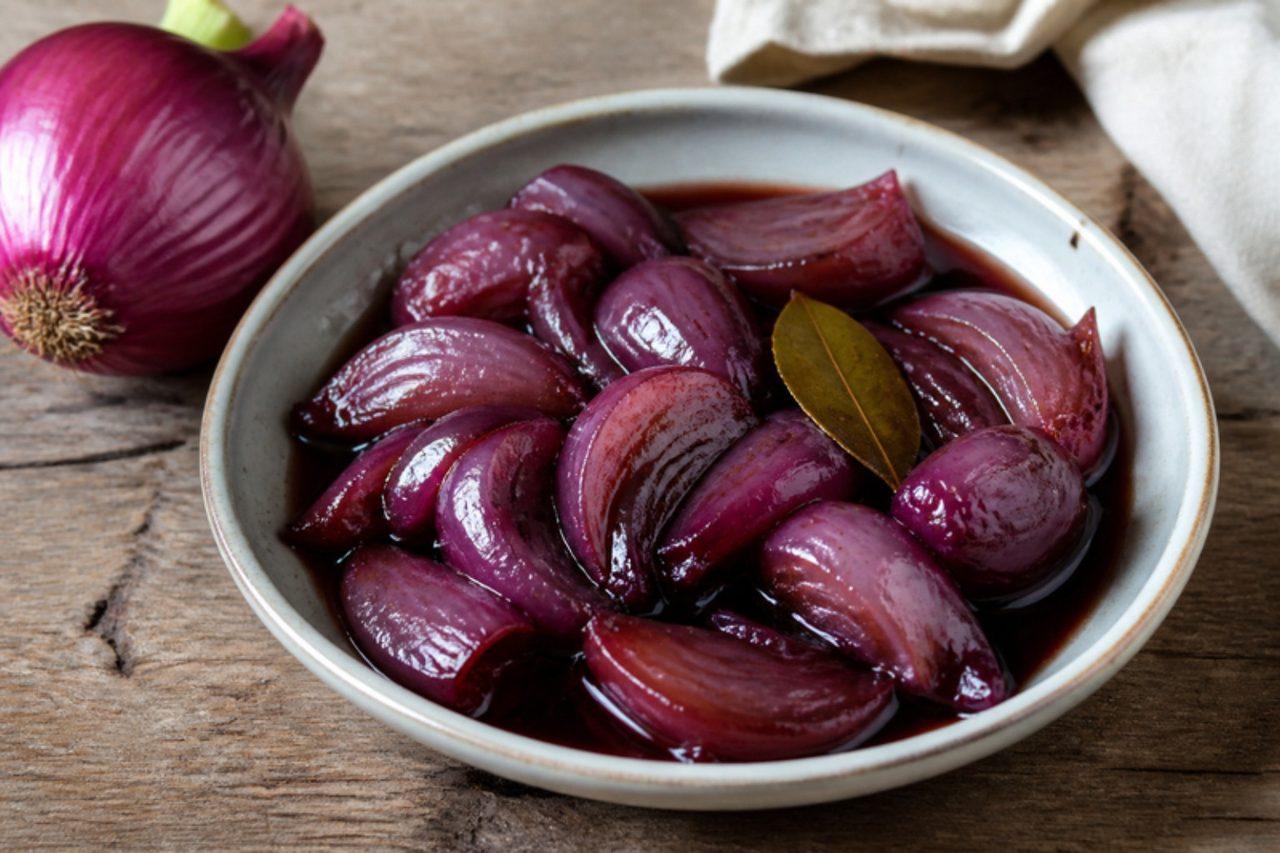
Cipolle di Tropea in agrodolceSweet-sour red onions

The red onions grown in the sandy fields along the coast near Tropea are so sweet that Calabrians eat them raw like fruit, and cooked slowly in agrodolce they become soft, jammy and glossy, sharp from the vinegar and mellow from the sugar. They sit on every Calabrian antipasto table, beside cheese and bread, and they are a fine side for grilled vegetables or a frittata. There is no wine in it, only wine vinegar. A jar keeps all week in the fridge. Chef's tip: cut the onions into thick wedges through the root so they hold together while they soften.

by KrazyBadal 0 views

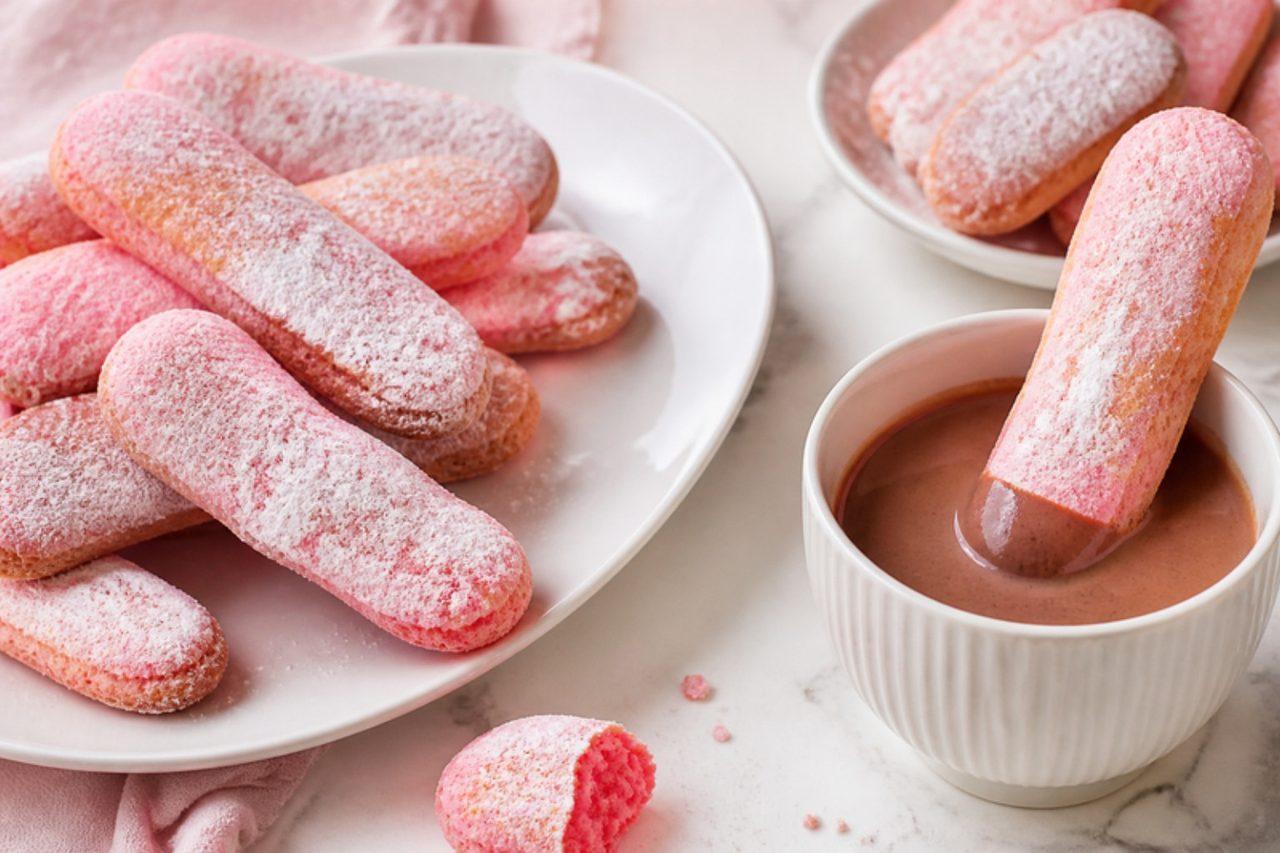
Biscuits roses de ReimsPink dipping biscuits

Bakers in Reims created these pale-pink, sugar-dusted finger biscuits in the late 1600s, baking the dough twice so it would keep, and they are still the city's signature treat. In Champagne it is the custom to dip them into a glass of Champagne, which they soak up without falling apart; at home they are just as good dipped in tea, hot chocolate or a fruit coulis, or layered into a charlotte. The pink colour is from a little food colouring and the vanilla scent fills the kitchen. Chef's tip: dust the piped fingers with icing sugar twice, a few minutes apart; that gives them their fine, crackled crust.

by KrazyBadal 0 views

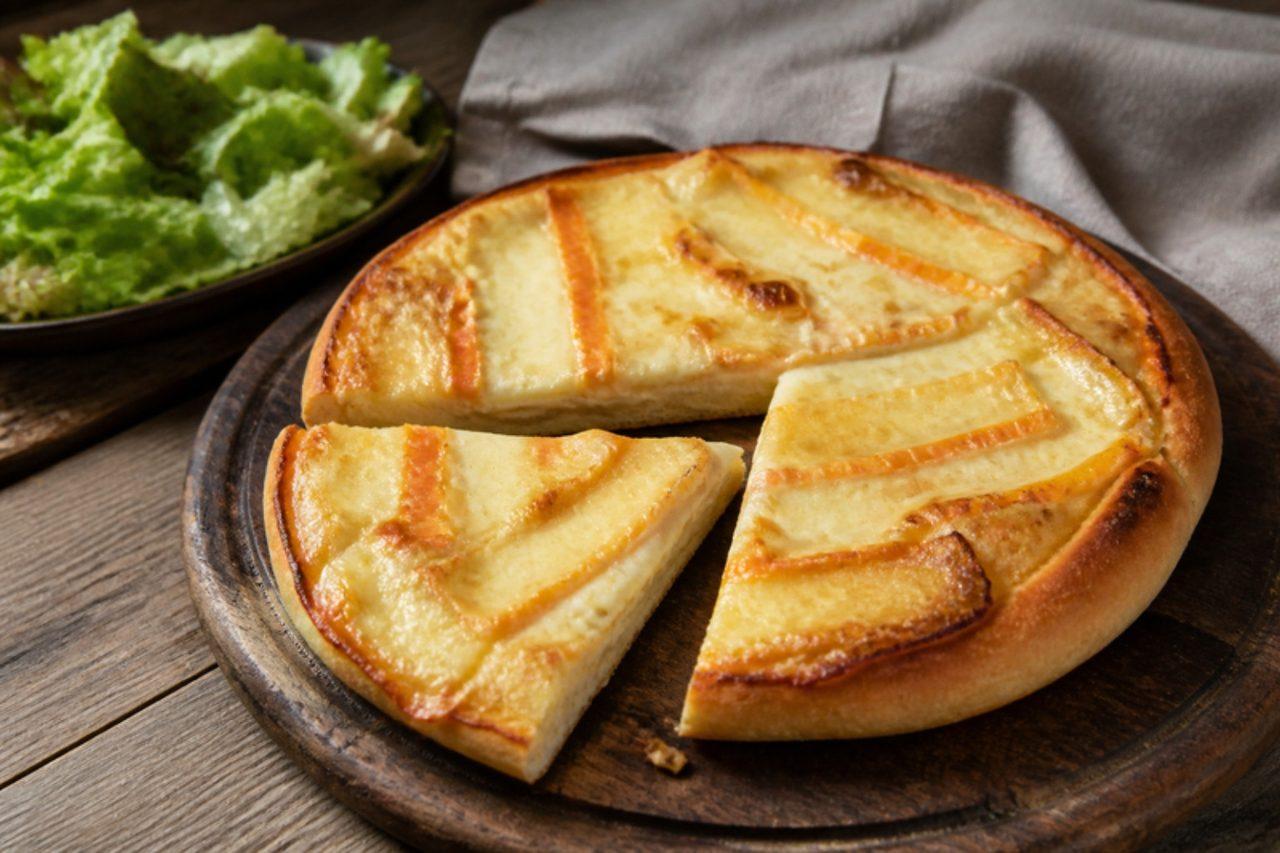
Maroilles tart

The Avesnois, the green, hedged corner of northern France near the Belgian border, makes Maroilles, a square, orange-rinded cheese with a powerful smell and a surprisingly gentle, creamy taste. Its most famous use is this tart, sold hot in slices at markets and fairs in Maubeuge and Avesnes-sur-Helpe and eaten with a salad and a cold drink. A yeasted bread-dough base is topped with slices of Maroilles and a little crème fraîche and baked until bubbling. Maroilles is made with animal rennet; a vegetarian washed-rind cheese gives the same melting richness. Chef's tip: leave the rind on; it carries much of the flavour and turns golden in the oven.

by KrazyBadal 0 views

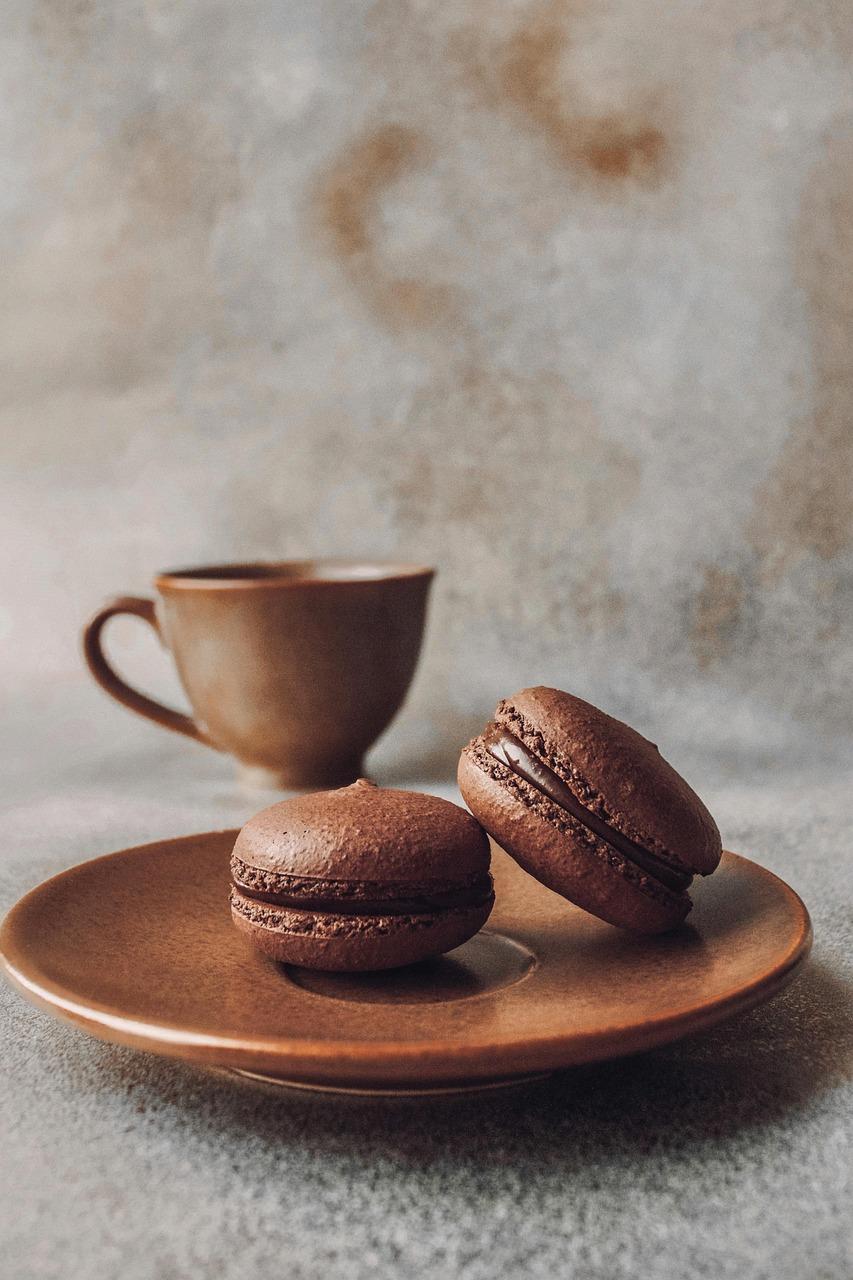
Macarons parisiensChocolate ganache macarons

The smooth, round macaron with its ruffled 'foot', sandwiched around a ganache, is a Paris creation of the early 1900s, and the city's tearooms still sell them in pastel rows for gifts, weddings and afternoon tea. They are made from just ground almonds, icing sugar and egg whites, but they reward care: weigh everything, age the whites if you can, and rest the piped shells until a skin forms. This recipe uses a simple dark chocolate ganache; once you have the method, change the filling to raspberry jam or lemon curd. Chef's tip: bang the tray firmly on the worktop three times after piping; it knocks out air bubbles that would crack the tops.

by KrazyBadal 0 views

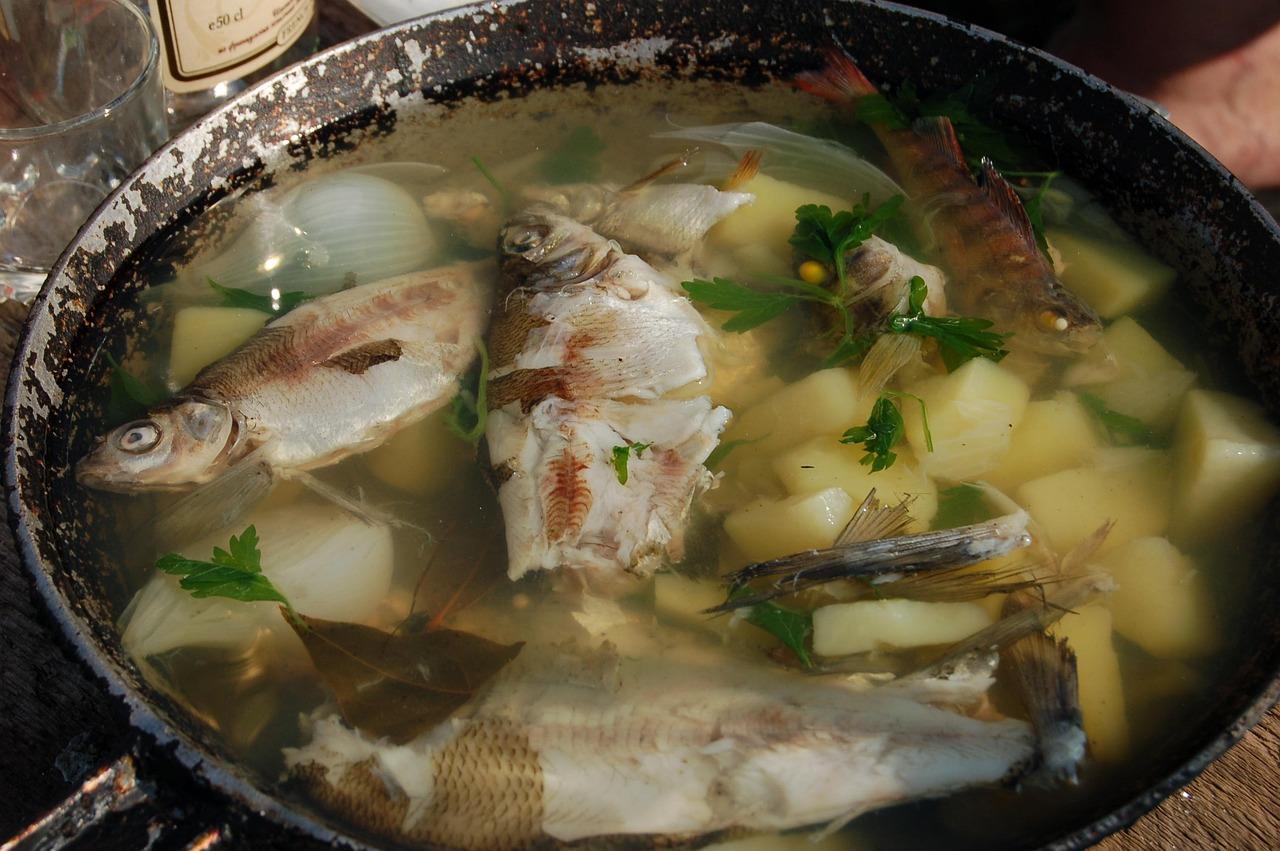
CotriadeFish and potato soup

Cotriade is the Breton answer to bouillabaisse, plainer and kinder on the purse, made in the ports of the south coast from Concarneau to Quiberon with whatever the boats could not sell. Chunks of several fish, both firm and oily, are poached with potatoes and onions in a thyme-scented broth, then served in two parts: the broth poured over toasted bread, and the fish and potatoes moistened with a sharp mustardy vinaigrette. The contrast of the soft, buttery broth and the bright dressing is the whole point. Serve it with good bread and salted butter. Chef's tip: add the firm fish first and the delicate ones last, so nothing falls to pieces in the pot.

by KrazyBadal 0 views

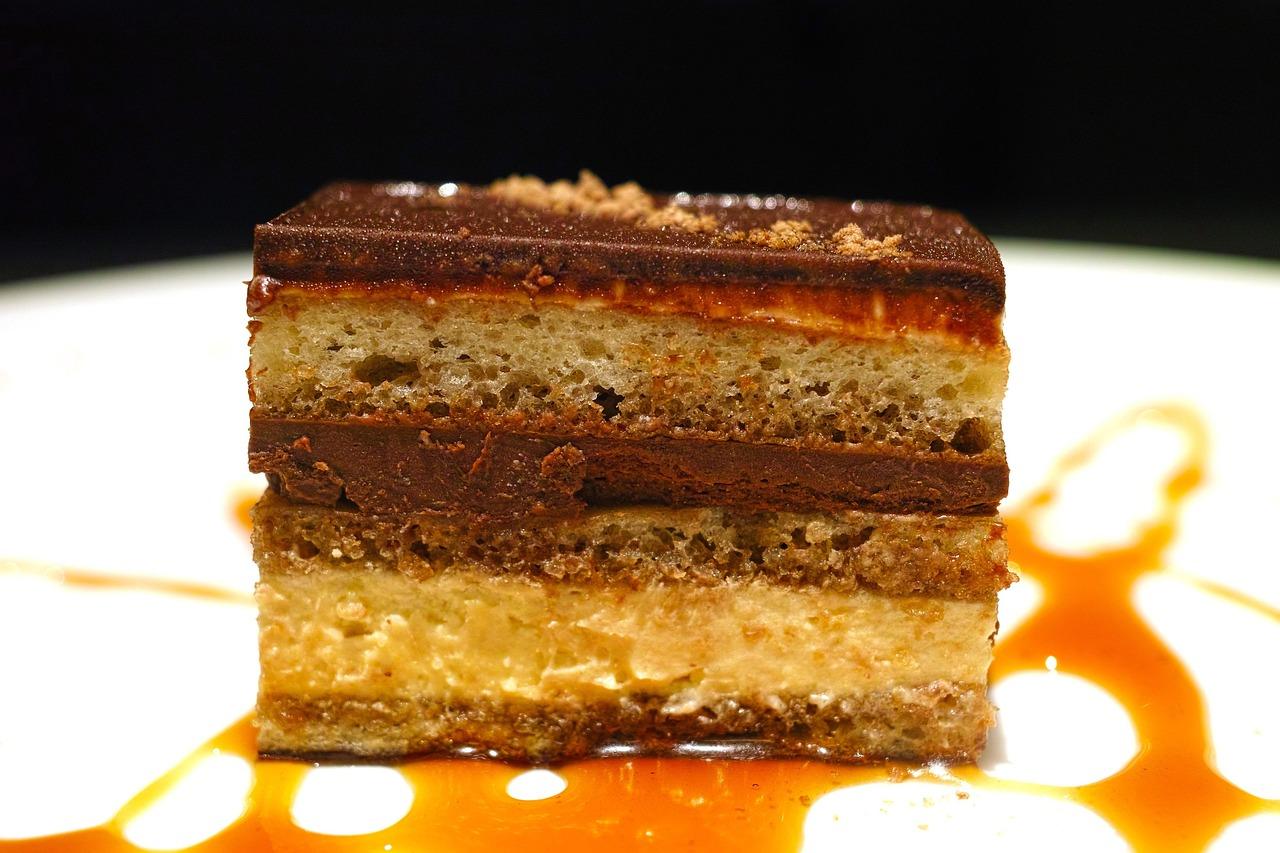
Opéra cakeAlmond coffee chocolate layer cake

Named after the Palais Garnier opera house, the opéra is the elegant rectangle in the window of every grand Paris pâtisserie: thin layers of almond joconde sponge soaked in coffee syrup, coffee buttercream and dark chocolate ganache, finished with a mirror-smooth chocolate glaze. Parisians buy it for birthdays and dinner parties, cut into neat slices. It takes an afternoon but each part is simple, and it is easier made a day ahead. You need a 30 × 40 cm baking tray. The coffee gives a grown-up flavour, so use decaf for children. Chef's tip: trim the sides with a hot, dry knife after chilling; wiping the blade between cuts gives the clean stripes that make an opéra.

110 minFrenchBaking
by KrazyBadal 0 views

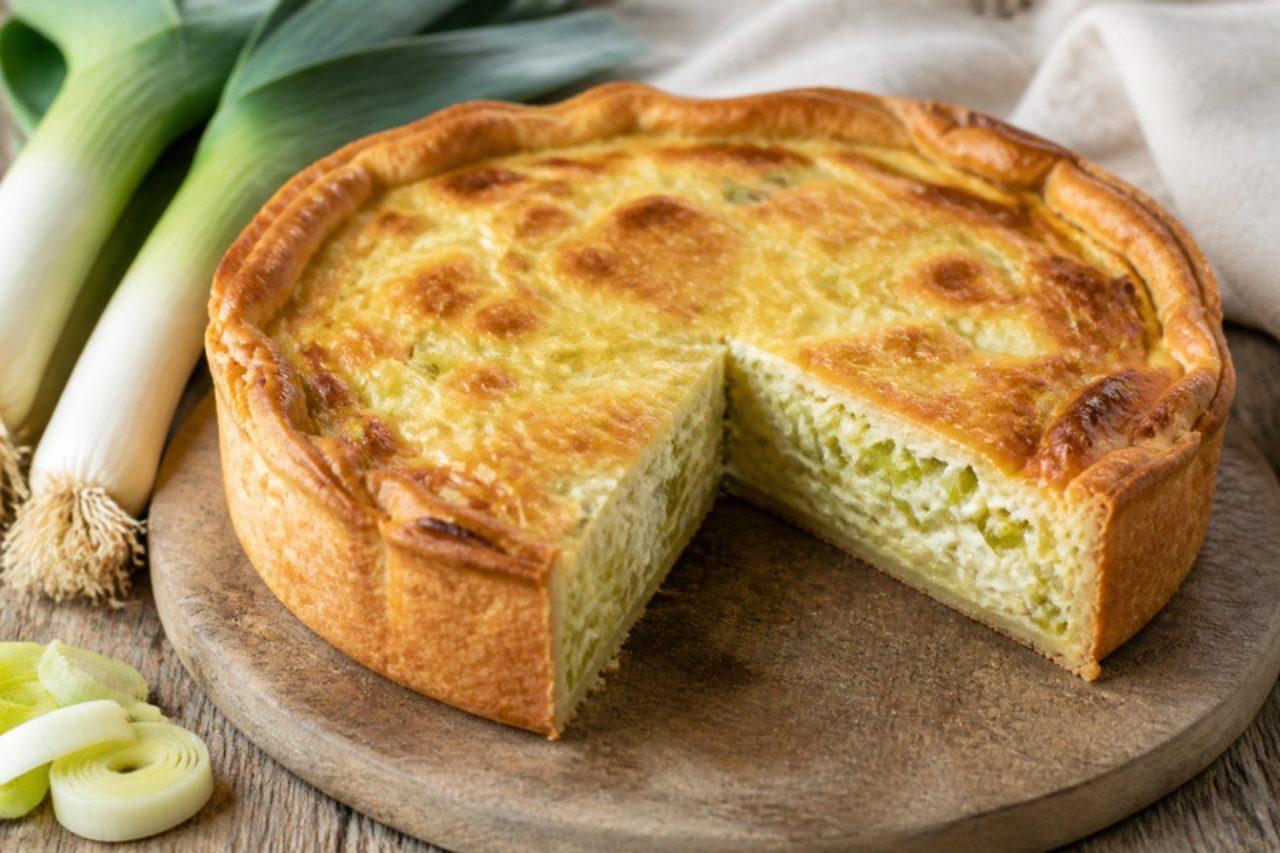
Flamiche aux poireauxLeek and cream tart

Flamiche means 'cake' in old Flemish, and in Picardy, around Amiens and Abbeville, it is a tart of leeks melted slowly in butter and set in eggs and cream, baked in a crisp pastry case and sometimes covered with a pastry lid. The leeks from the market gardens (hortillonnages) of Amiens are famous, and flamiche is served warm as a starter or as a supper with green salad, especially from autumn to spring. The leeks must be cooked until soft and sweet, never browned. Chef's tip: squeeze the cooked leeks in a sieve before adding the custard; any water left in them stops the filling from setting and soaks the pastry.

by KrazyBadal 0 views

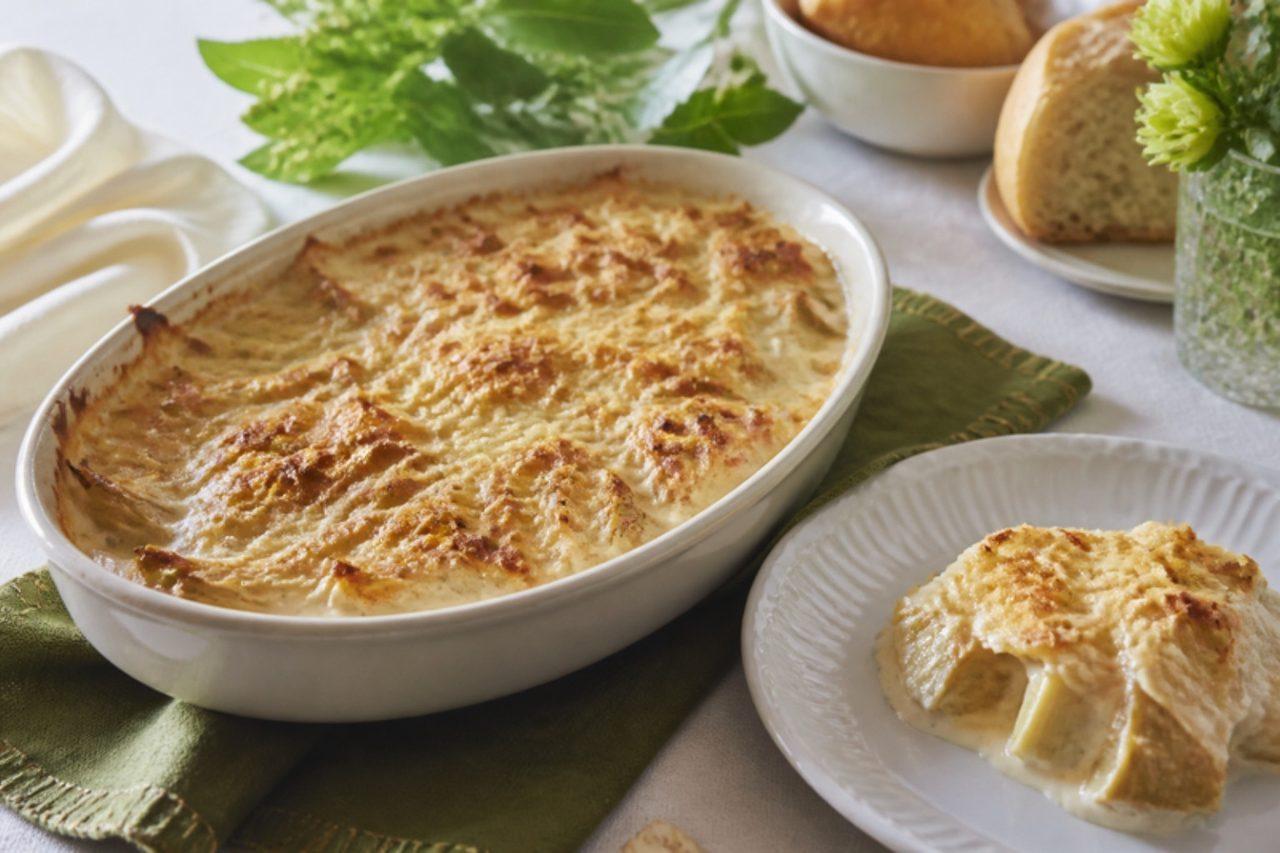
Gratin de cardonsCardoon gratin

Cardoons, the tall silvery cousin of the artichoke, are a Christmas vegetable in Lyon and the Dauphiné; market stalls on the Quai Saint-Antoine sell them in December, and the gratin goes on the table at the réveillon dinner. The stalks taste gently of artichoke and celery and turn meltingly soft under a nutmeg béchamel. Lyon cooks often add bone marrow; this version leaves it out and uses vegetable stock in the sauce. Gruyère is usually made with animal rennet, so choose a vegetarian alternative if needed. If you cannot find cardoons, celery hearts work, though they cook faster. Chef's tip: drop each peeled stalk straight into lemon water; cardoons blacken within minutes in the air.

105 minFrenchSides
by KrazyBadal 0 views

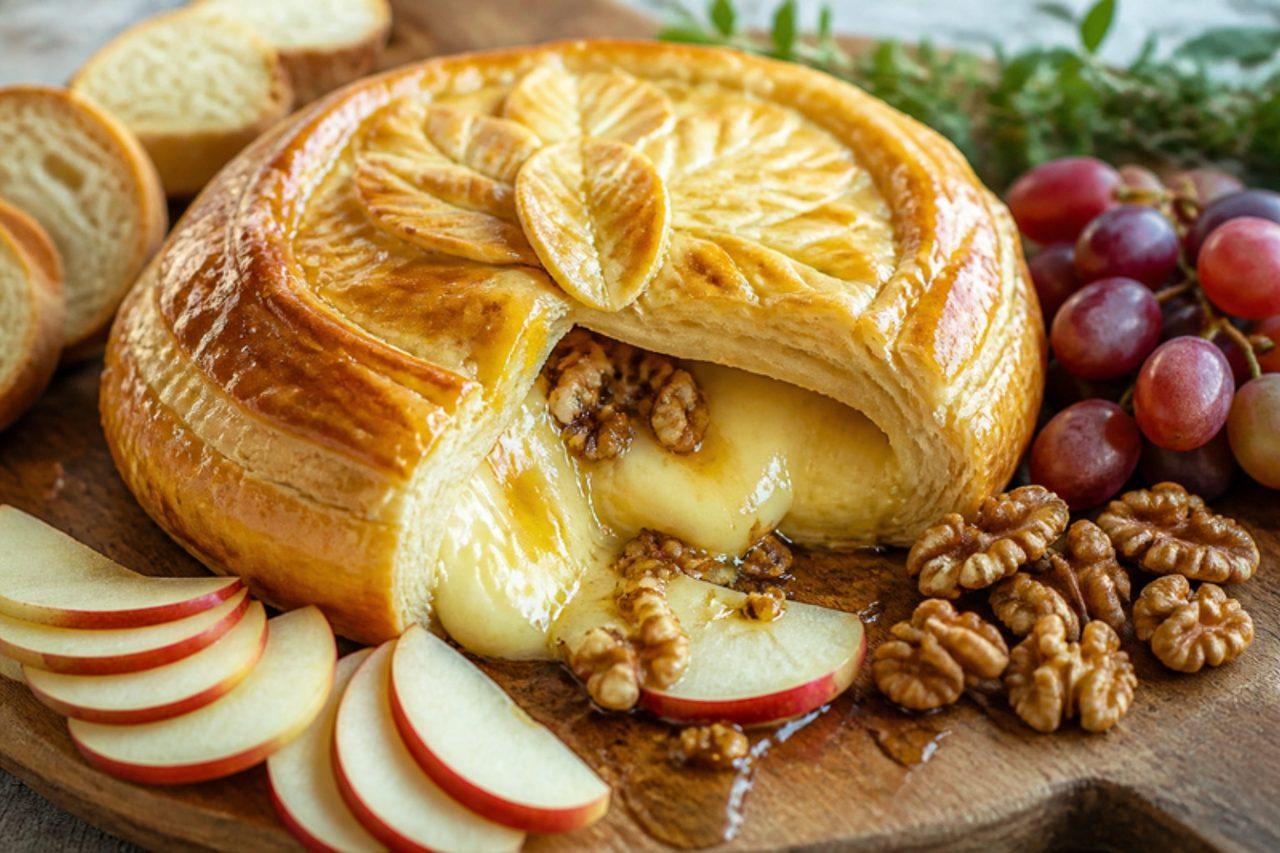
Brie de Meaux in puff pastry

Meaux, east of Paris, has made Brie since the Middle Ages, and the town's cheese fair still crowns the 'queen of cheeses' each year. Baking a small Brie in puff pastry with honey and nuts is a favourite of Île-de-France home cooks for drinks parties, Christmas Eve and New Year: the pastry goes crisp and golden while the cheese inside turns into a warm, flowing sauce for dipping bread and apple slices. A small 500 g Brie or a thick wedge works better than a huge wheel. Brie de Meaux is made with animal rennet, so choose a vegetarian Brie for a vegetarian table. Chef's tip: rest it for 10 minutes after baking; cut at once, the cheese floods out and the pastry goes soggy.

by KrazyBadal 0 views

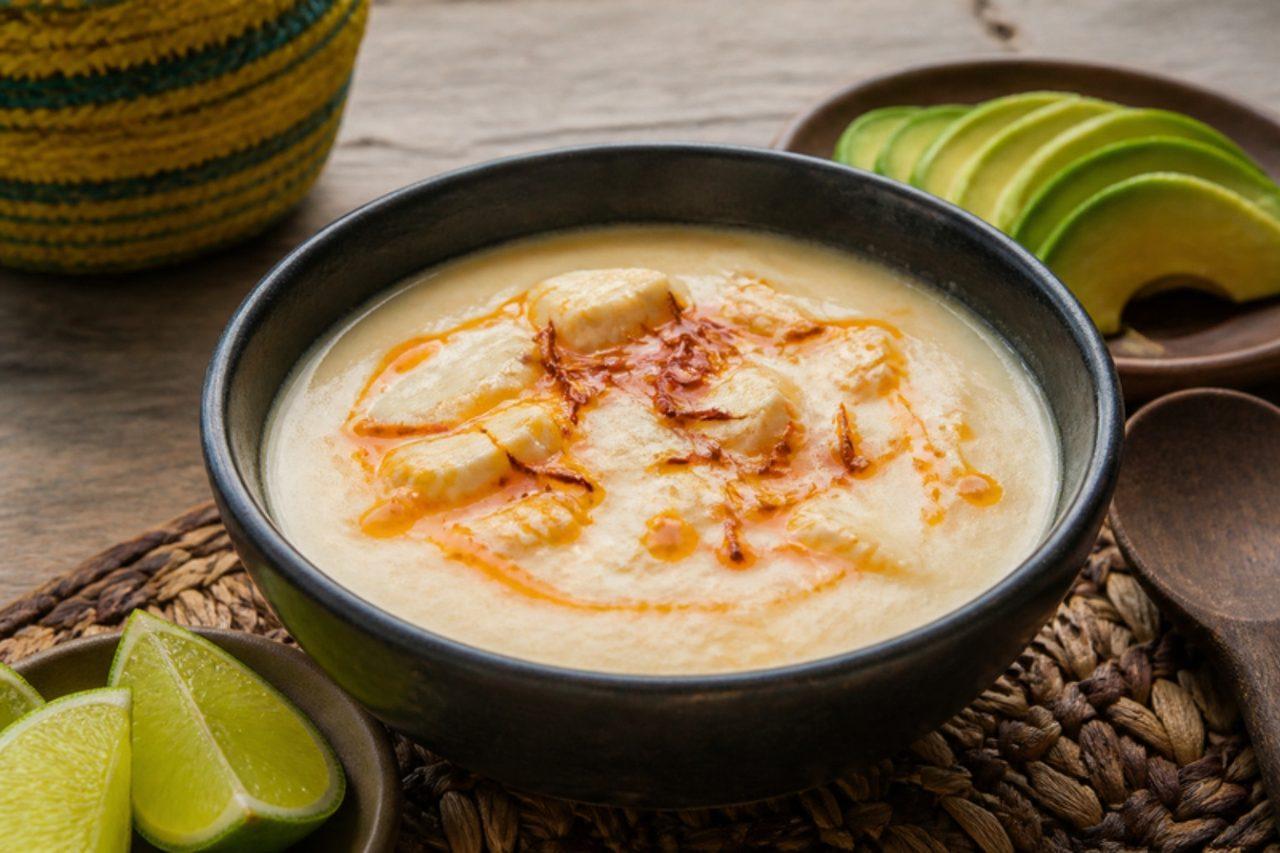
Mote de quesoYam and cheese soup

Few dishes say Colombian savanna country like a pot of mote de queso. Families in Montería, Sincelejo and the towns around them make it for Sunday lunch and during Holy Week, when meat is off the table: white yam is boiled until it collapses into a thick, almost creamy broth, seasoned with a fry of onion and garlic, and finished with cubes of salty queso costeño and a squeeze of lime. It is eaten with plain white rice, sliced avocado and a fried ripe plantain on the side. Outside Colombia, a firm feta-style or halloumi-style cheese stands in for queso costeño; both are often set with animal rennet, so choose a vegetarian (microbial-rennet) one. The trap most cooks fall into is adding the cheese too early, so it dissolves into strings and the soup turns gluey and over-salted. Chef's tip: wear gloves or oil your hands when peeling the yam, because the raw juice can make skin itch.

by KrazyBadal 0 views

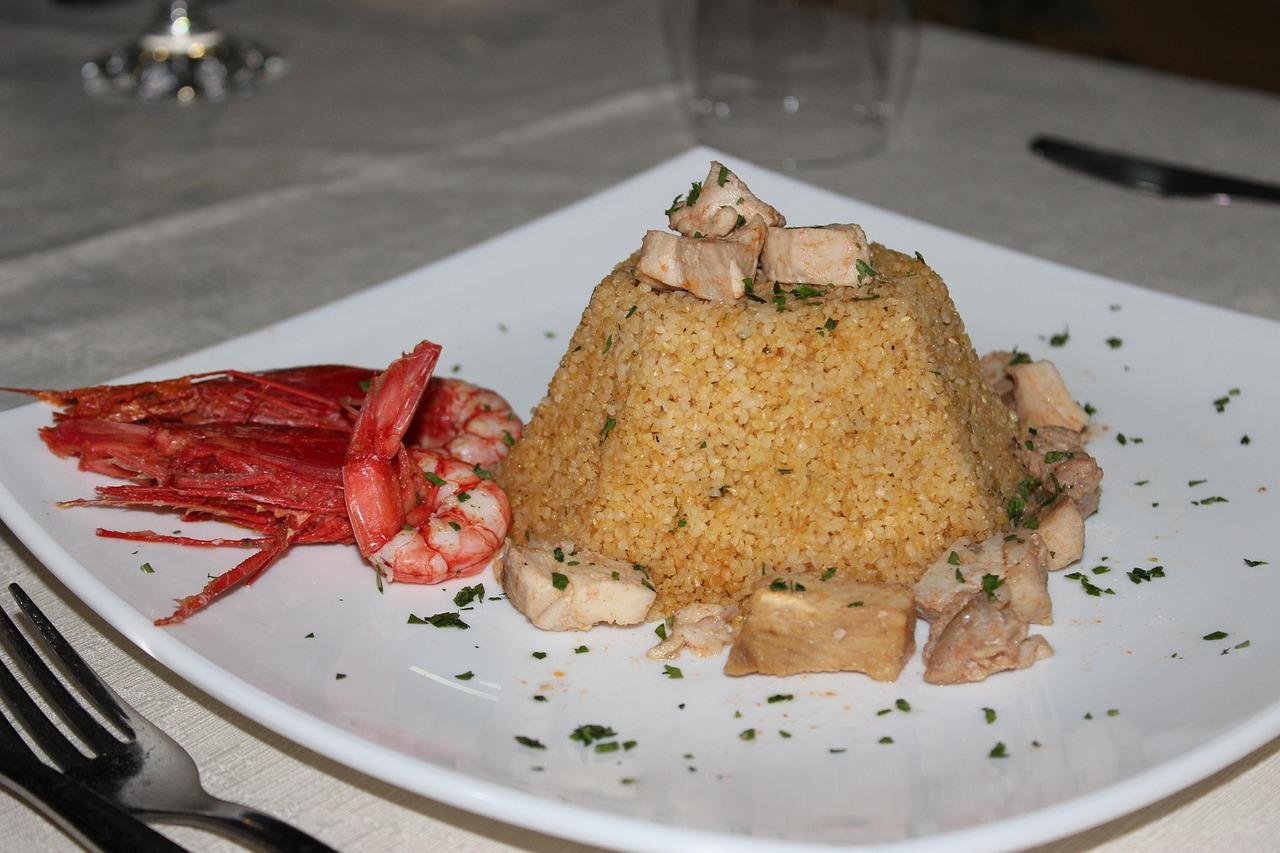
Couscous trapaneseFish couscous

Trapani, on Sicily's western tip, looks across the sea to Tunisia, and its cuscusu is the clearest sign of that old connection; every September the nearby town of San Vito Lo Capo holds a whole festival for it. The couscous is steamed, then soaked in a deep, saffron-tinged fish broth made from mixed fish, tomato and ground almonds, so the grains swell and taste of the sea; the fish itself is served alongside. Traditionally the grains are rolled by hand, but bought couscous is perfectly fine. Serve with a bowl of extra hot broth for each person. Chef's tip: after pouring the broth over the couscous, cover it tightly and leave it alone for a full 20 minutes; this resting is what makes the dish.

105 minItalianFish
by KrazyBadal 0 views

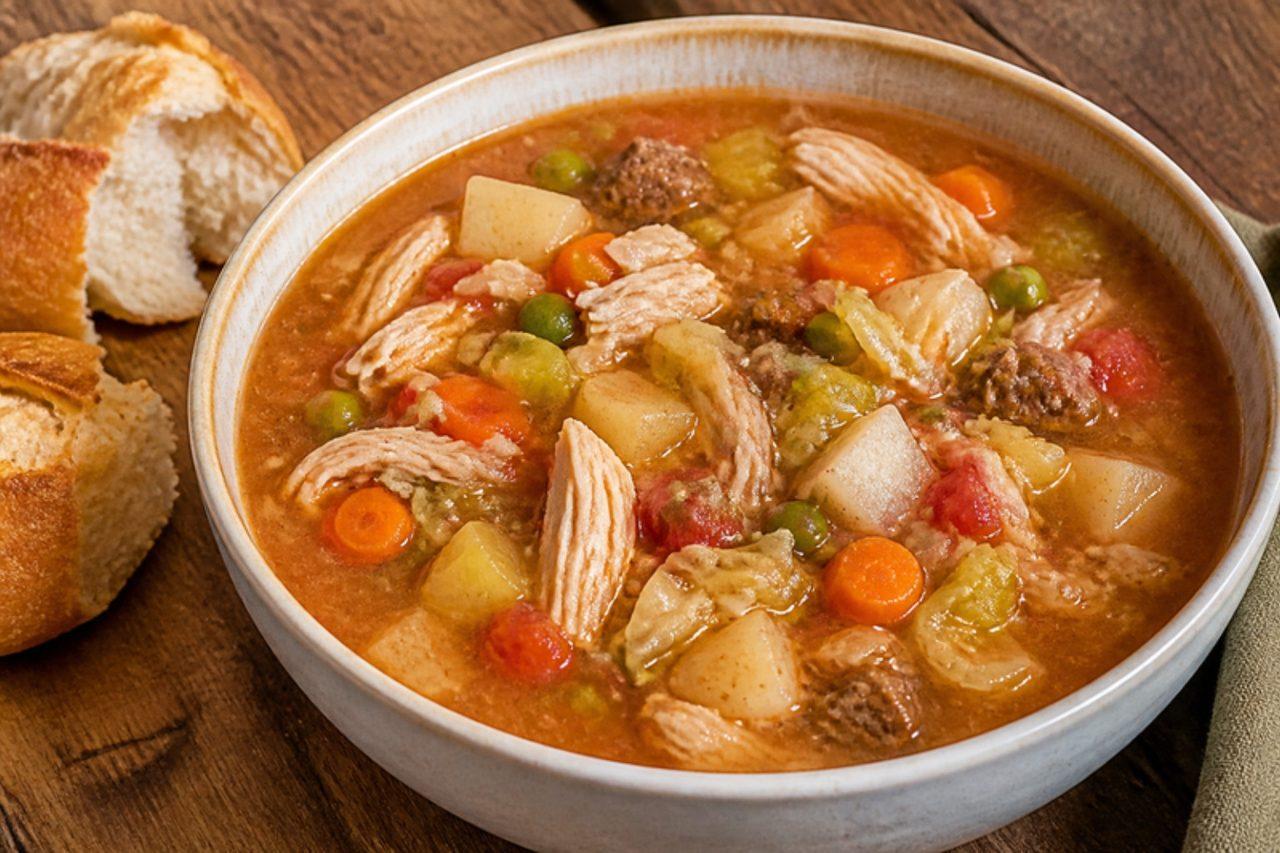
Green Bay chicken booyahChicken and vegetable stew

Booyah is the great community stew of north-east Wisconsin, brought by Belgian and French-Canadian settlers around Green Bay; church picnics and fire stations cook it in huge kettles over wood fires all day and sell it by the quart at fall festivals and Packers tailgates. It is a thick, peppery stew of chicken, a little beef and lots of vegetables, cooked until the chicken falls apart. Chef's tip: cook it long and slow and stir it often; a good booyah is thick enough that the spoon nearly stands up.

by KrazyBadal 0 views

CoyotasPiloncillo-filled turnovers

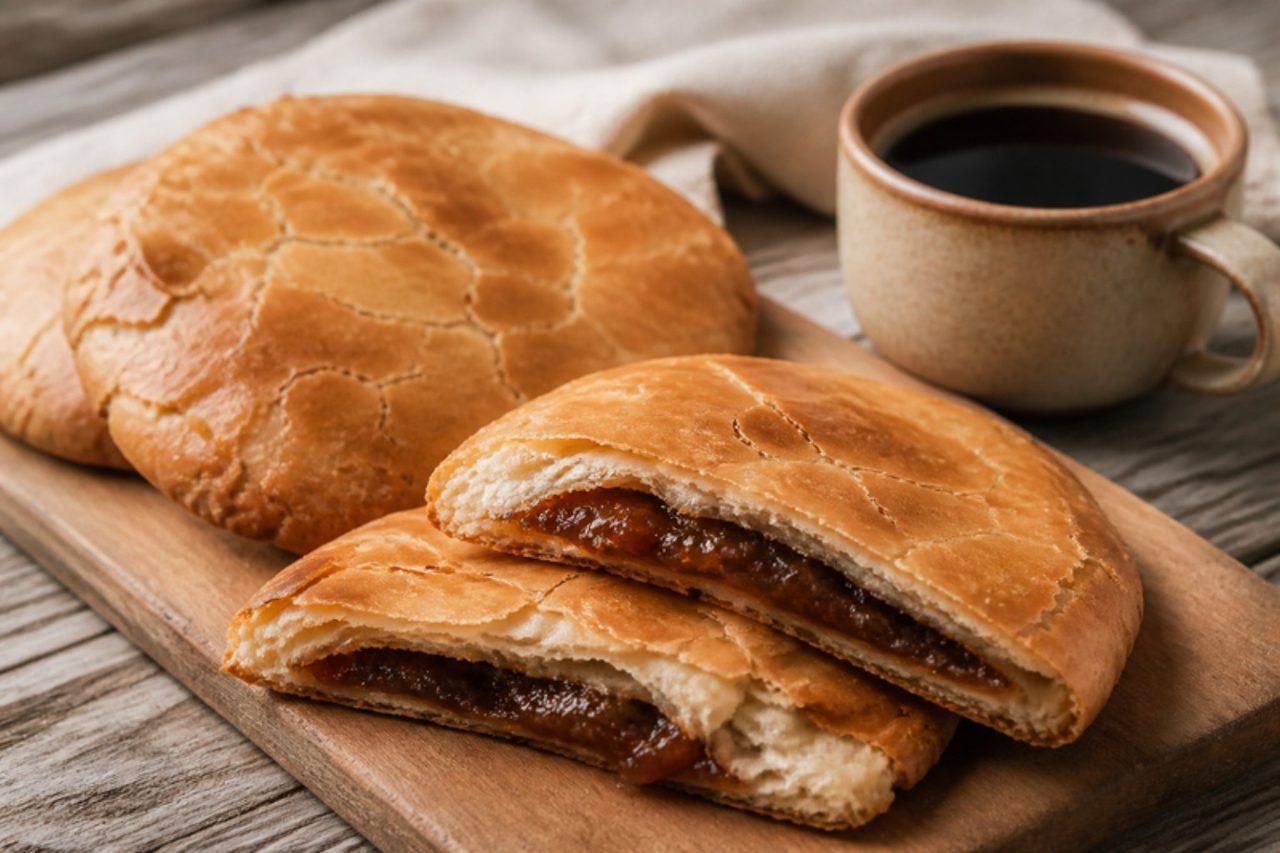
Coyotas were first baked in the Villa de Seris neighbourhood of Hermosillo, and today Sonorans buy them by the dozen in paper bags to eat with morning coffee or take as a gift when they travel. They are flat, round, pale pastries with a crisp, crumbly crust and a thin layer of molten piloncillo inside, like a giant cookie with a toffee middle. Some bakers add guava or cajeta, but brown sugar loaf is the classic. Chef's tip: pinch the edges firmly and prick the tops; otherwise the hot sugar bubbles out and burns on the tray.

by KrazyBadal 0 views

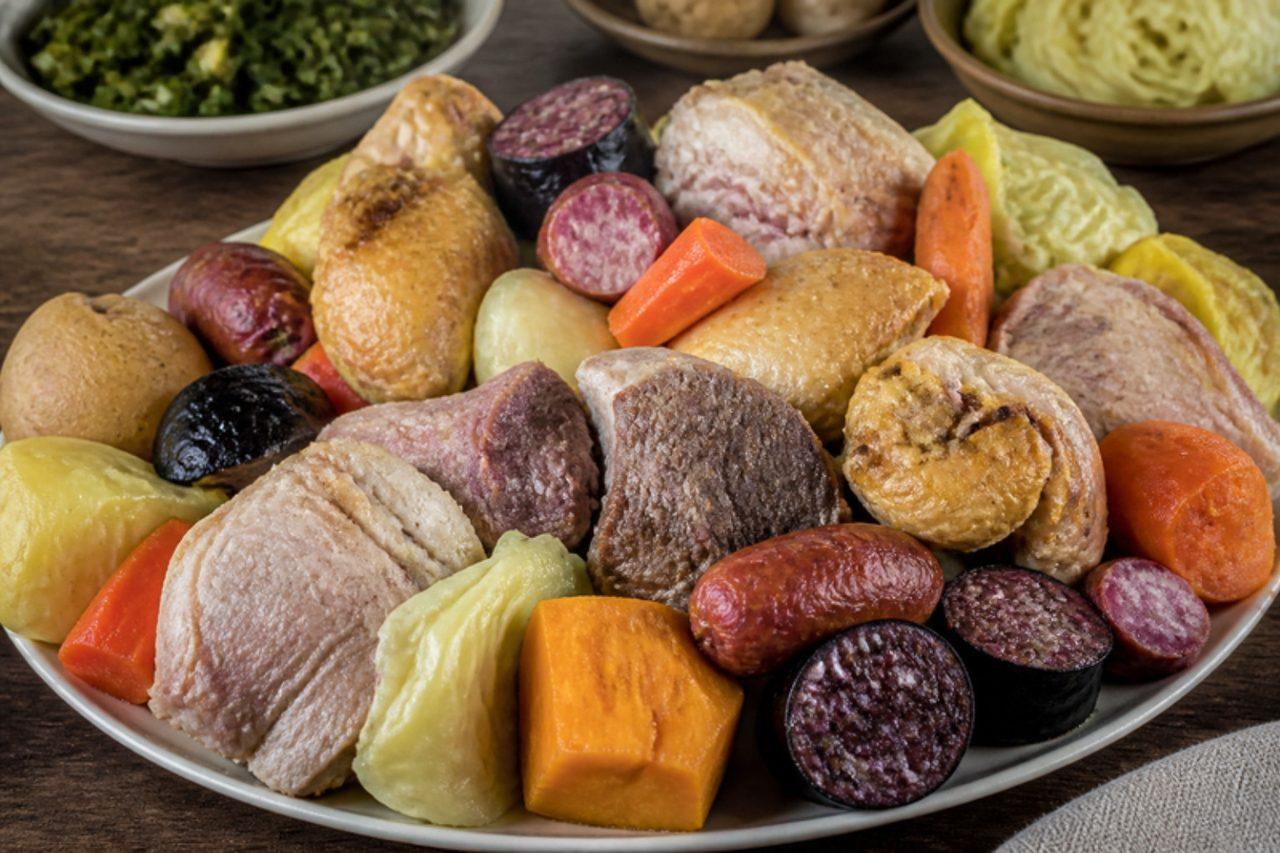
Cozido das FurnasSlow-cooked meat and vegetable pot

In Furnas, on São Miguel, cooks lower tall pots of meat and vegetables into holes in the hot volcanic ground by the lake at dawn, cover them with earth and dig them up at lunchtime six hours later. The steam cooks everything gently in its own juices, so the meats are falling apart and the cabbage tastes of smoked sausage. A low oven gives a very similar result at home. This contains pork (belly, chouriço and blood sausage). Chef's tip: seal the pot tightly with foil under the lid; the dish relies on steam, not added water.

by KrazyBadal 0 views

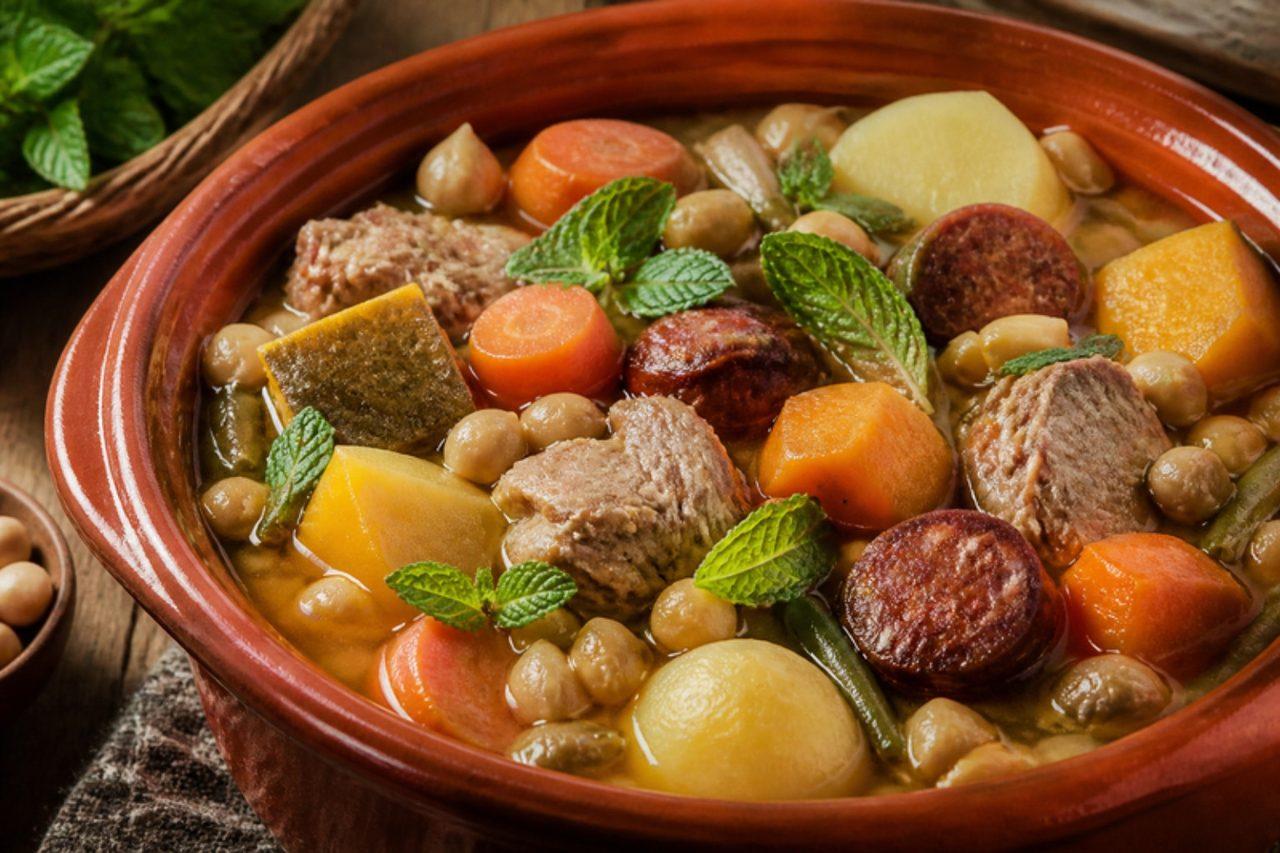
Cozido de grãoChickpea stew with pork and chouriço

Inland Alentejo makes its cozido with chickpeas instead of the cabbage-heavy versions of the north: a big pot of chickpeas, pork, chouriço and blood sausage, with potatoes, carrots, green beans and pumpkin all cooked together and finished with fresh mint. It is a winter Sunday lunch, and leftovers become soup the next day. This contains pork (pork belly, chouriço and morcela). Start the chickpeas the night before. A common mistake is adding the vegetables at the start; they go in near the end so they hold their shape. Chef's tip: keep the sausages whole while they simmer, then slice them, so they flavour the broth without falling apart.

by KrazyBadal 0 views

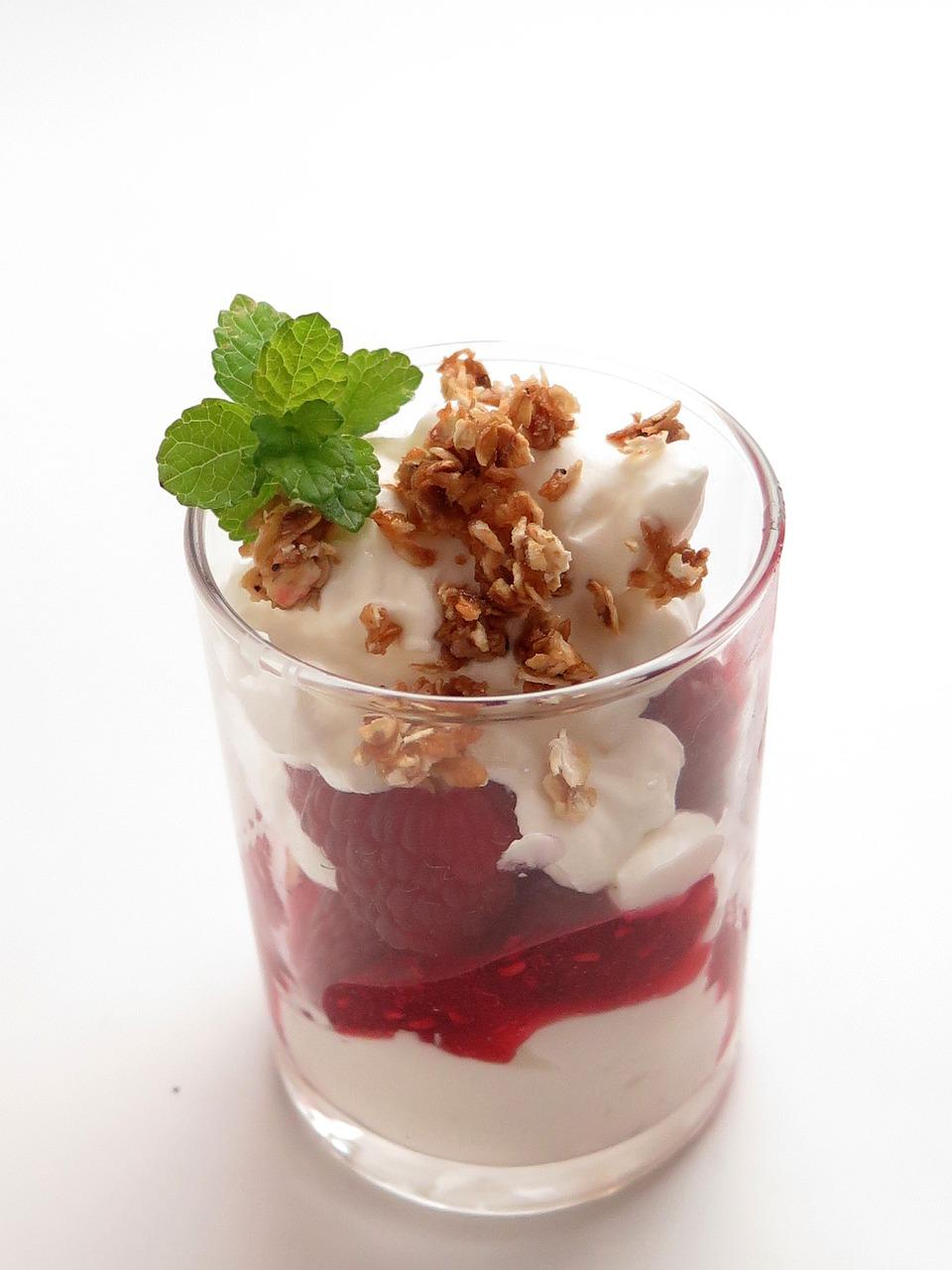
CranachanOat, raspberry and whisky cream dessert

Cranachan began as a harvest-home dessert in the Highlands, made when the raspberries ripened in June and July, and it is now served on Burns Night and at Scottish weddings. Layers of whipped cream sweetened with heather honey, toasted pinhead or rolled oats and fresh raspberries make it crunchy, rich and sharp all at once. The traditional splash of Scotch whisky contains alcohol; for an alcohol-free version use a few drops of vanilla and a squeeze of orange juice instead. Chef's tip: toast the oats until they smell nutty and look golden; raw oats taste floury.

by KrazyBadal 0 views

Creole calasSweet rice fritters

Calas are little fritters of cooked rice, egg and nutmeg that were once sold hot in the early mornings of the French Quarter by free and enslaved Black women calling 'Belle cala, tout chaud!'. Many saved the earnings to buy their freedom. Today they appear at Creole brunches and on Mardi Gras mornings, dusted with sugar or drizzled with cane syrup. Chef's tip: use cold, day-old rice, which holds the batter together; fresh warm rice makes the fritters fall apart.

by KrazyBadal 0 views

Crespillos de borrajaSugared borage leaf fritters

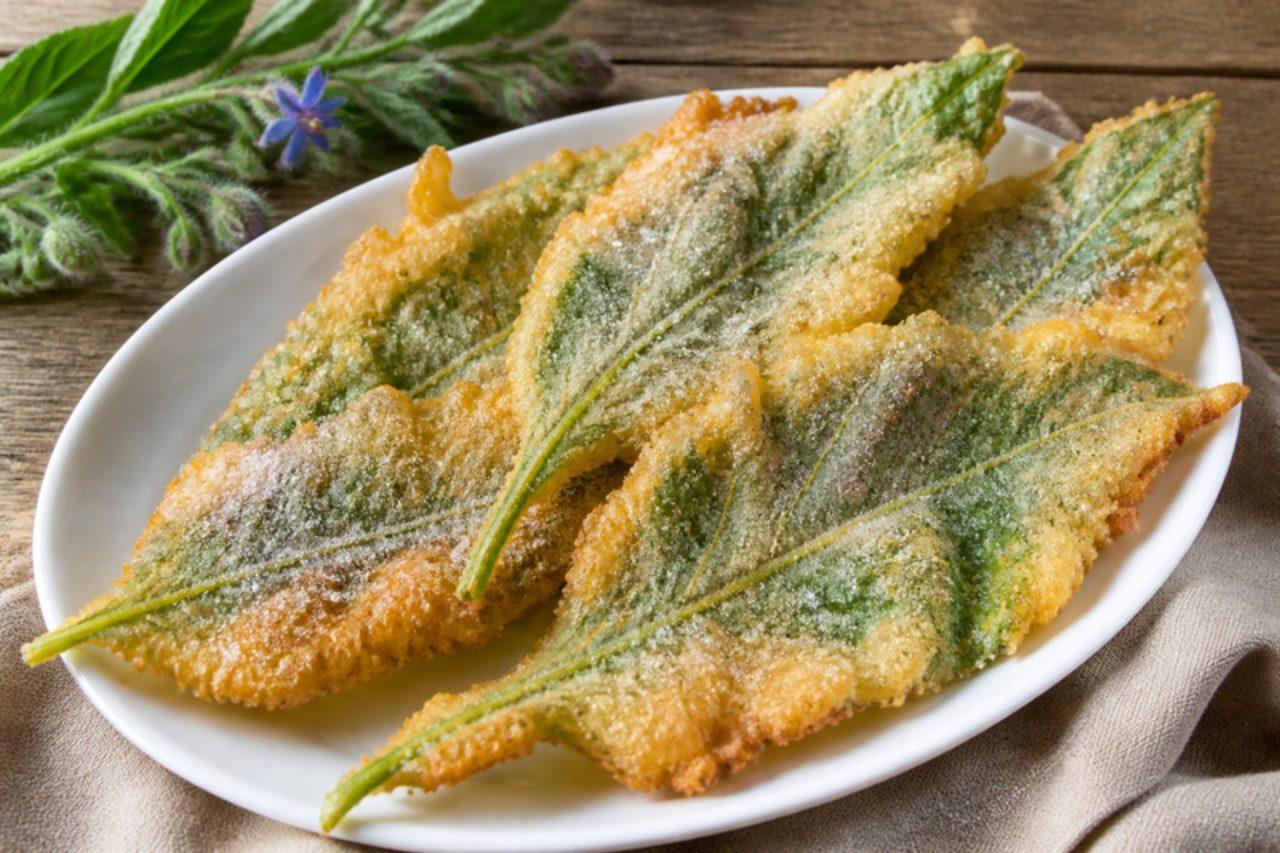
In the villages around Zaragoza and Huesca, the large, soft leaves of the borage plant become a sweet in spring: each leaf is dipped in a light batter, fried until it puffs and crackles, and dusted with sugar and cinnamon. Crespillos are made for Holy Week and for the Easter Monday picnics, and the leaf inside stays green and tender, with a fresh taste that cuts the richness of the frying. Some families add a splash of anise liqueur to the batter; this version leaves it out and uses lemon zest and a pinch of ground anise instead. A common mistake is using wet leaves, which make the oil spit and the batter slide off. Spinach or chard leaves work if borage isn't available. Chef's tip: hold each leaf by its stalk and let the extra batter drip off for a few seconds; a thin coat fries lacier and crisper.

by KrazyBadal 0 views

Kritika paximadiaTwice-baked barley rusks

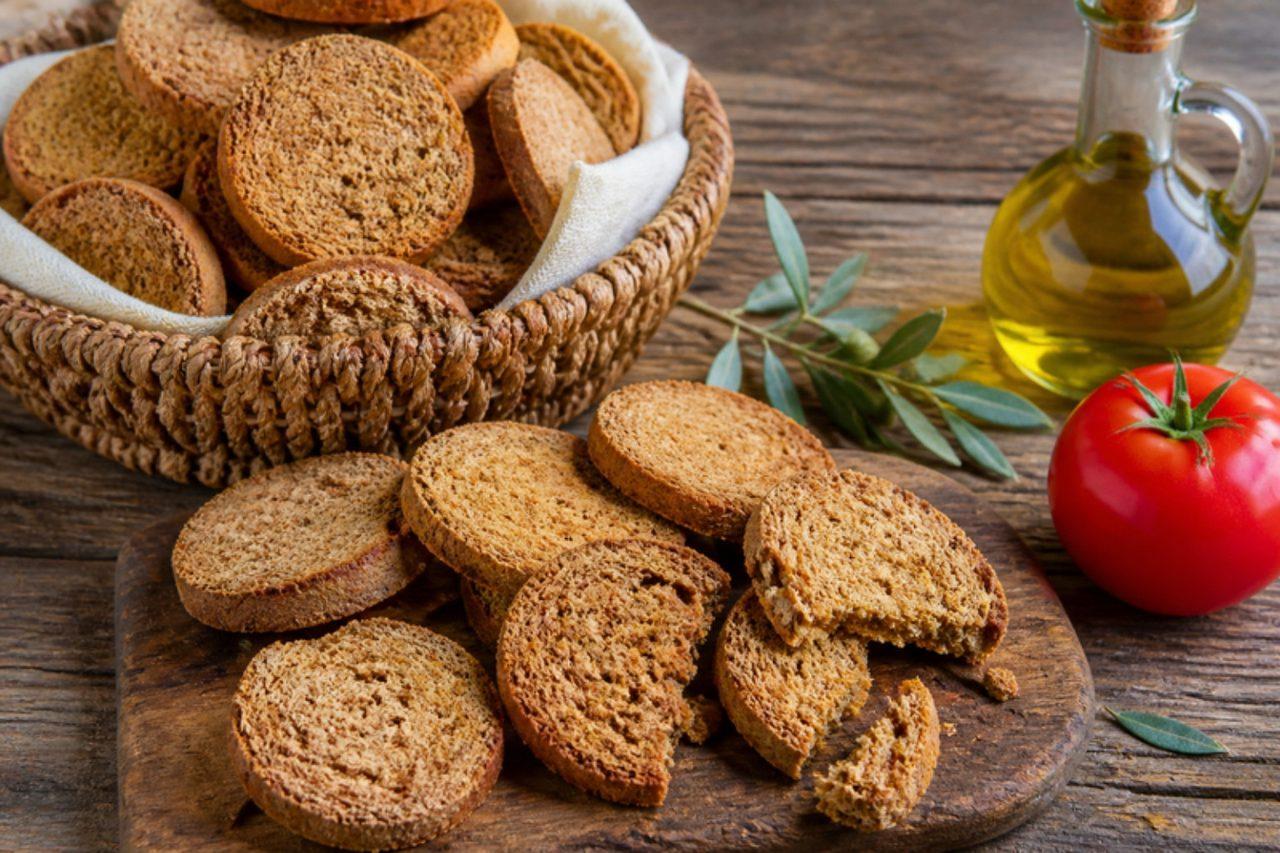
Every Cretan bakery stacks bags of dark, rock-hard paximadia, and every Cretan home keeps a tin: barley bread baked once, sliced, then dried slowly until it will keep for months. Farmers carried them to the fields, and they are still the base for dakos, softened with a splash of water and piled with grated tomato and soft cheese, or broken into salads and dunked into coffee. They taste nutty and faintly sweet, with a crunch that softens to chewiness when moistened. Common mistake: drying them too hot, which browns the outside while the centre stays soft and goes mouldy in the tin. Chef's tip: dry the slices at the lowest oven setting with the door slightly ajar; they are ready when one snaps cleanly and sounds hollow.

by KrazyBadal 0 views

CrubeensCrisped pig's trotters

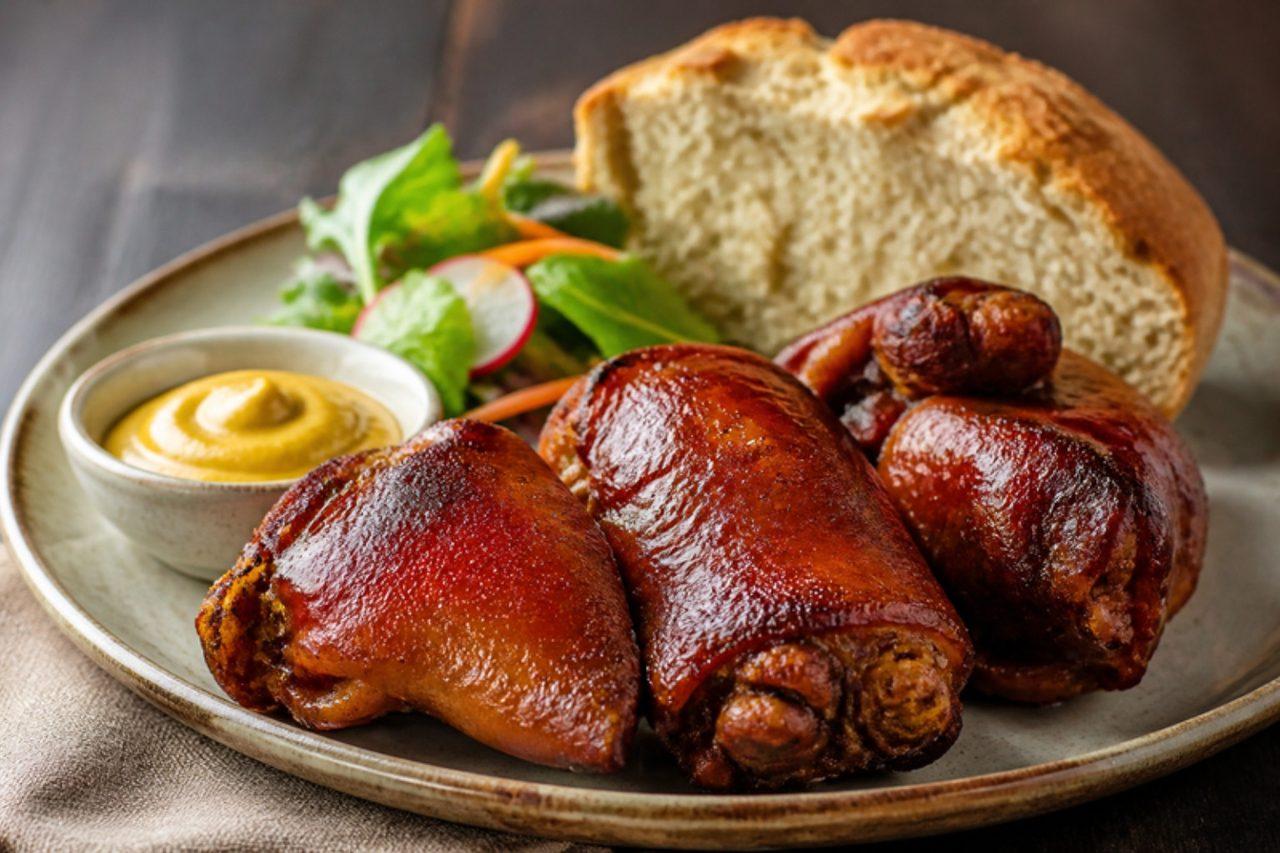
Crubeens are boiled pig's trotters, once sold hot from stalls at fairs and in Cork and Dublin pubs as a salty, sticky snack to go with a pint. They are pork, and very gelatinous: simmered for hours until the meat almost falls from the bone, then crisped in the oven with a mustard and breadcrumb coating, which is how many cooks finish them today. Eat them with your fingers, with brown bread and pickles. Chef's tip: ask your butcher for split, cleaned trotters, and singe off any stray hairs with a kitchen blowtorch before cooking.

220 minIrishMeat
by KrazyBadal 0 views

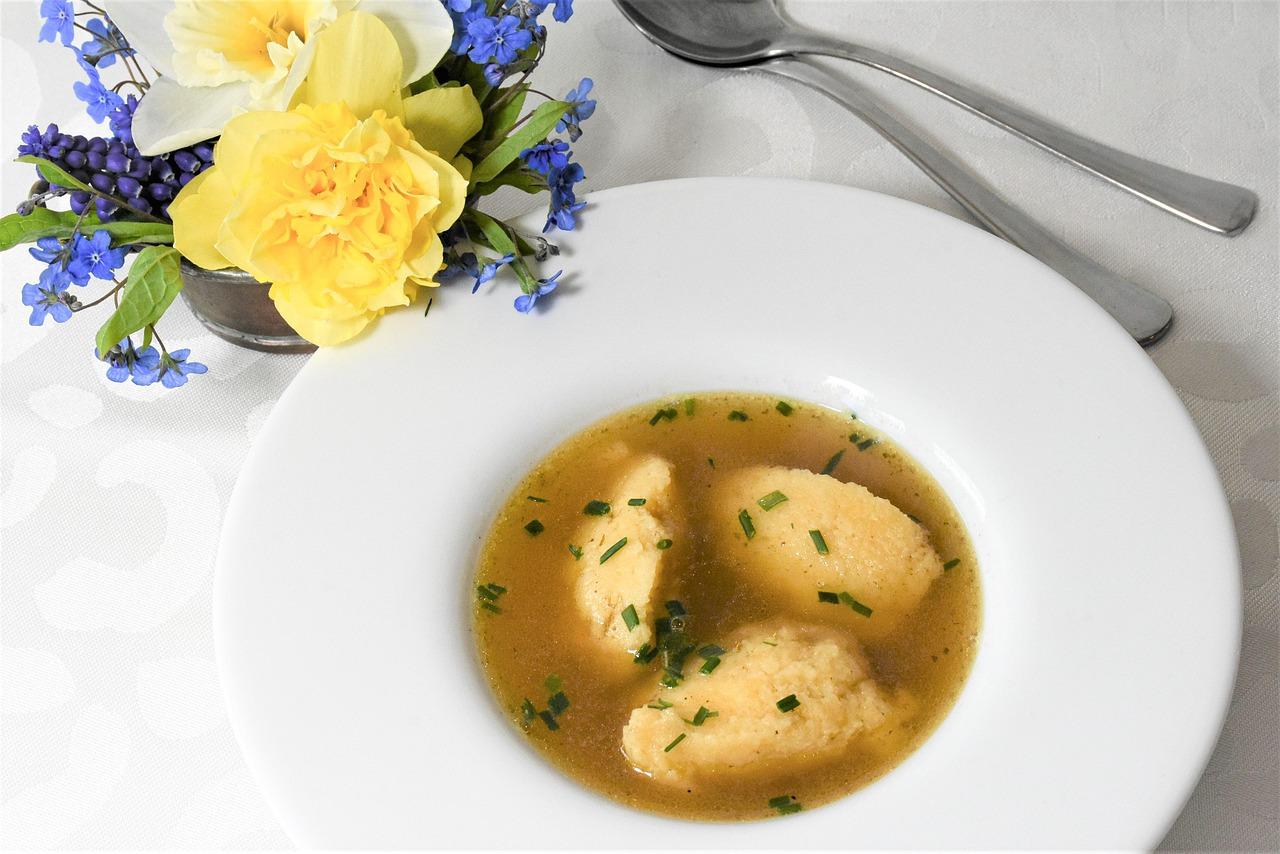
GrießnockerlsuppeBeef broth with semolina dumplings

Grießnockerlsuppe is the soup that opens a proper Austrian Sunday lunch, from Viennese grandmothers' tables to village inns in Upper Austria: a clear, deeply savoury beef broth with three or four soft, oval semolina dumplings that should be fluffy enough to cut with a spoon. The broth is made from beef shin and bones, simmered slowly with charred onion; broth left over from Tafelspitz works perfectly too. Chef's tip: let the semolina mix rest for 15 minutes before shaping; the grains swell and the dumplings hold together without going heavy.

by KrazyBadal 0 views

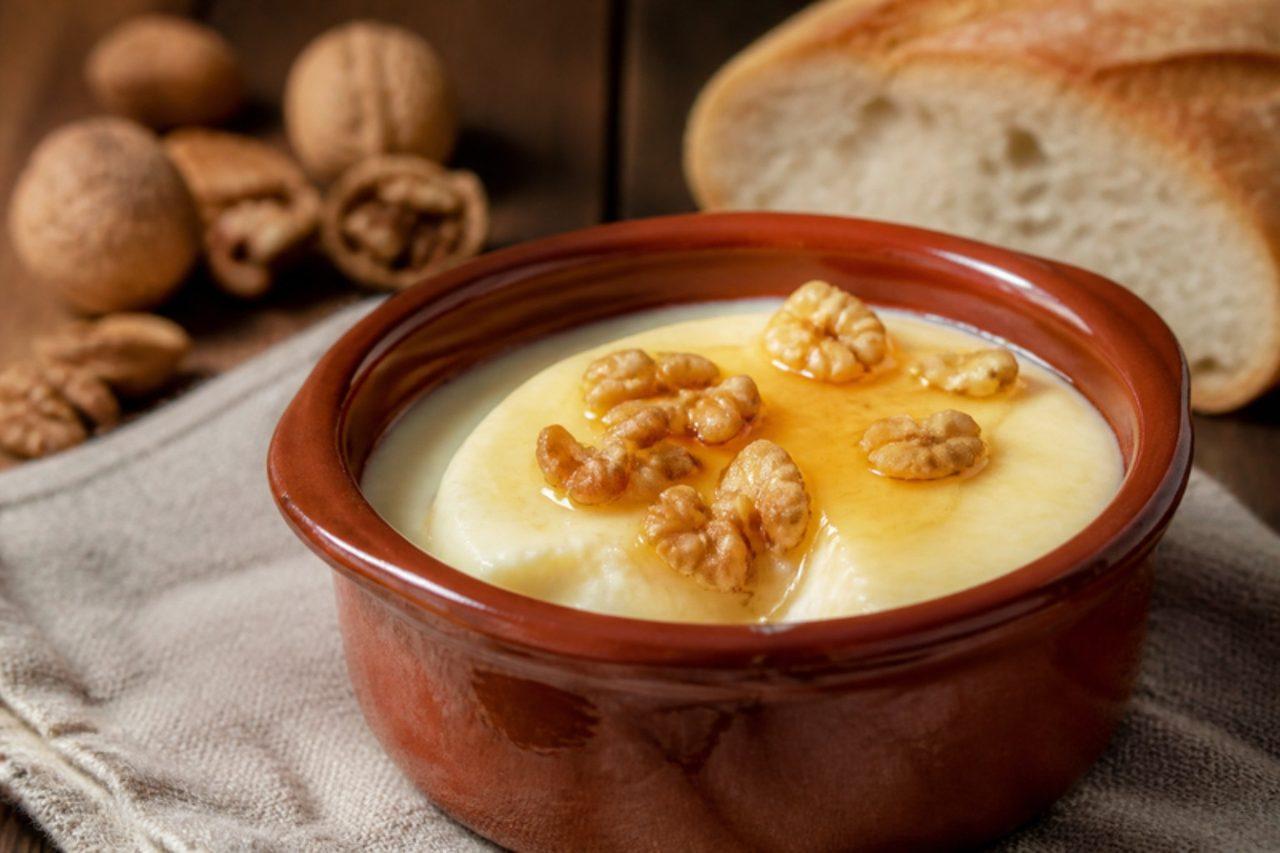
CuajadaSheep's milk junket with honey

In the green valleys of northern Navarre, Ultzama and Roncal above all, sheep's milk is set into cuajada, a wobbly, faintly tangy junket that is eaten as dessert in village restaurants and sold in little clay pots at Pamplona's markets. Shepherds once warmed the milk by dropping a red-hot stone into a wooden pot, which is why some cuajadas taste lightly smoky. It is always eaten cold, with honey and walnuts. Most rennet is made from calves' stomachs; for a vegetarian cuajada use a microbial or vegetable rennet. Chef's tip: once the rennet is in, don't move the pots at all until they have set, or they turn grainy and weep.

by KrazyBadal 0 views

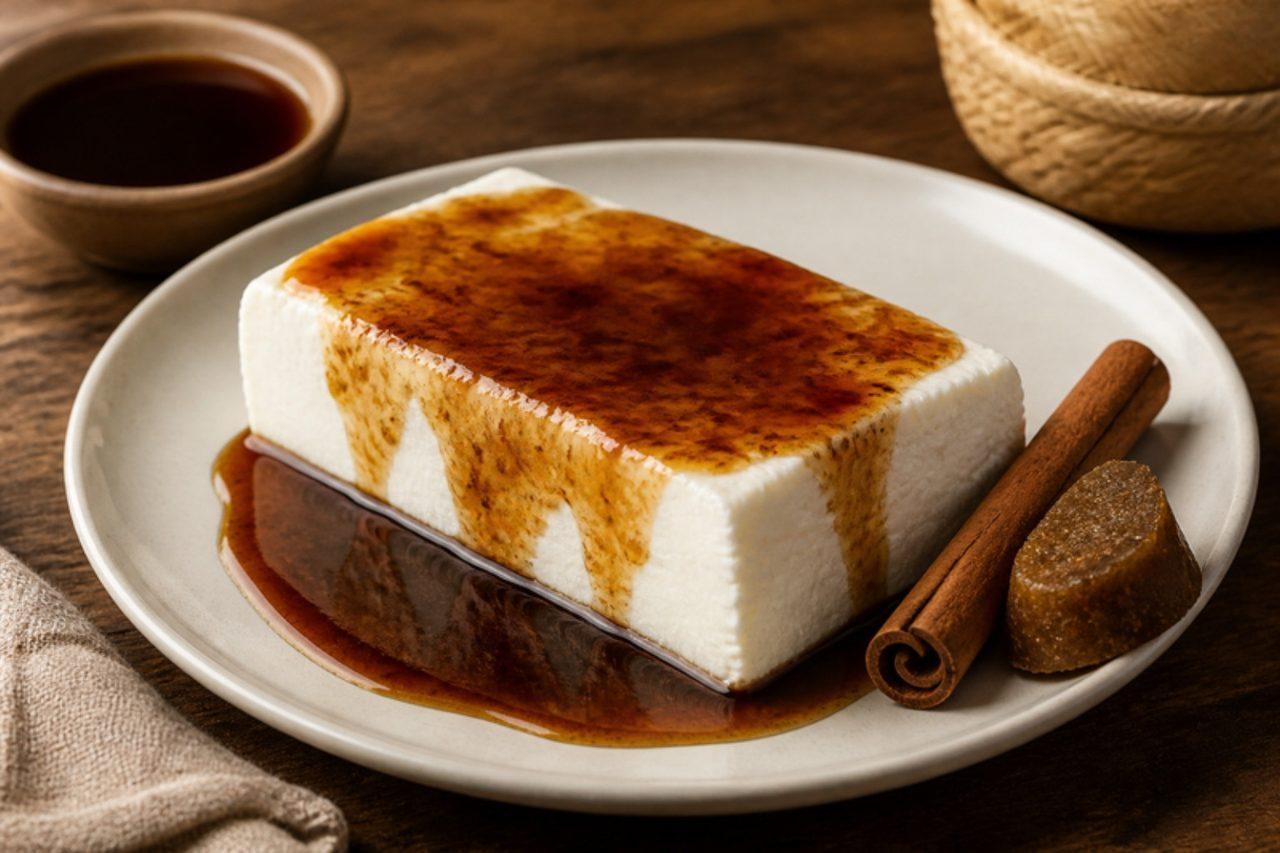
Cuajada con melaoCurd cheese with panela syrup

Simplicity is the charm of this Andean dessert: a slab of fresh, milky cuajada, barely salted, with a dark syrup of panela poured over it, still warm. Highland fondas between Bogotá and Boyacá serve it after a lunch of ajiaco or sancocho, and the contrast of cool, squeaky curd with molasses-deep, spiced syrup is the point. Cuajada is set with rennet, traditionally animal; buy a vegetarian curd or fresh ricotta-style cheese, or make cuajada at home with microbial rennet. Panela is unrefined cane sugar; dark muscovado is the closest swap. The mistake is boiling the syrup too long: it turns to toffee as soon as it meets the cold cheese. Take it off when it coats a spoon thinly. Chef's tip: a strip of lime zest in the syrup cuts the sweetness beautifully.

by KrazyBadal 0 views

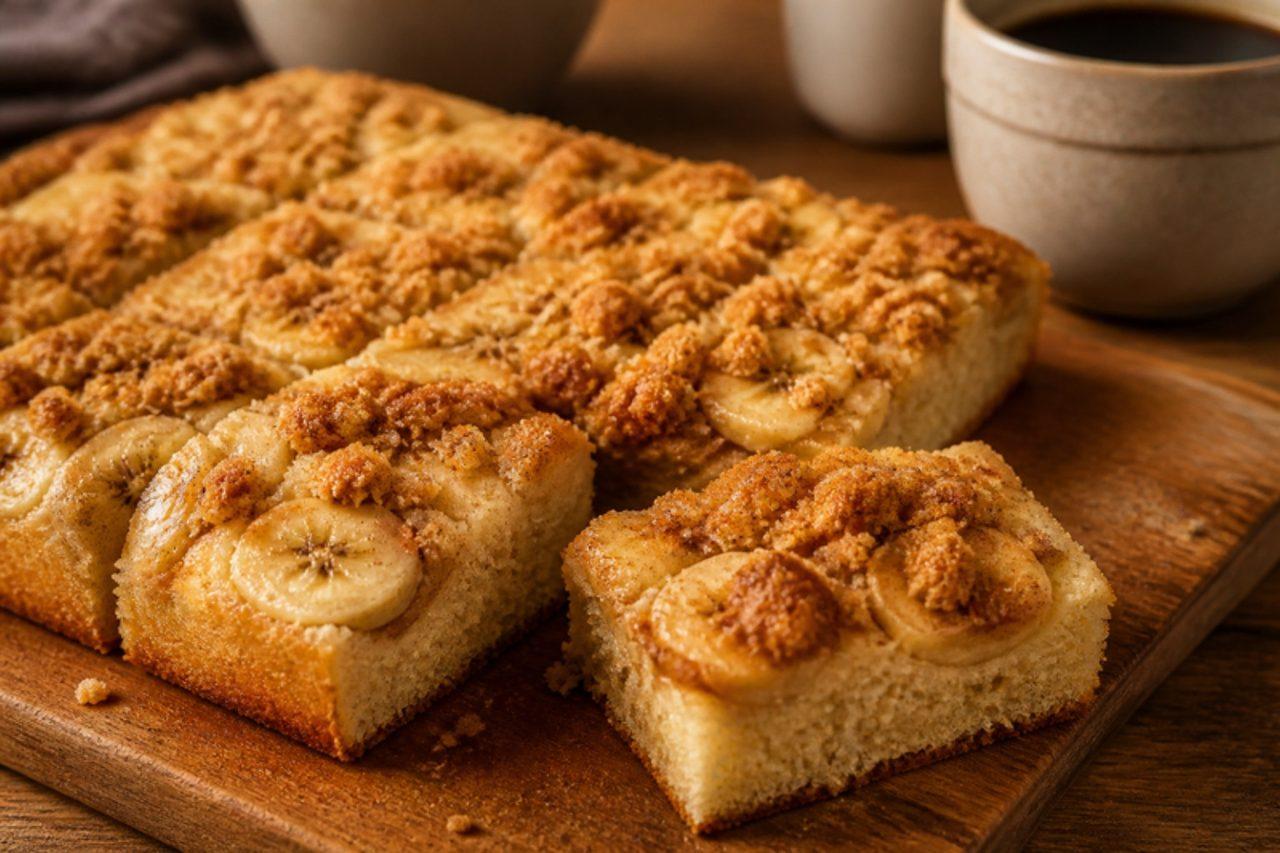
CucaBanana crumble yeast cake

German settlers in Rio Grande do Sul and Santa Catarina brought the Streuselkuchen, and their descendants call it cuca: a soft, enriched yeast dough baked under a layer of fruit and a thick, buttery crumble called farofa. In Blumenau, Pomerode and the serra gaúcha it is sold in colonial bakeries and roadside cafés and served at the long afternoon café colonial with coffee, jams and cheeses. Banana with cinnamon is the classic, but grape, apple and guava versions are common. The usual misstep is letting the dough rise in a cold kitchen and then baking it anyway: it stays heavy and dense, so wait until it really has doubled. Chef's tip: rub the crumble together and chill it in the freezer while the dough rises, so it stays in big, crunchy clusters in the oven.

by KrazyBadal 0 views

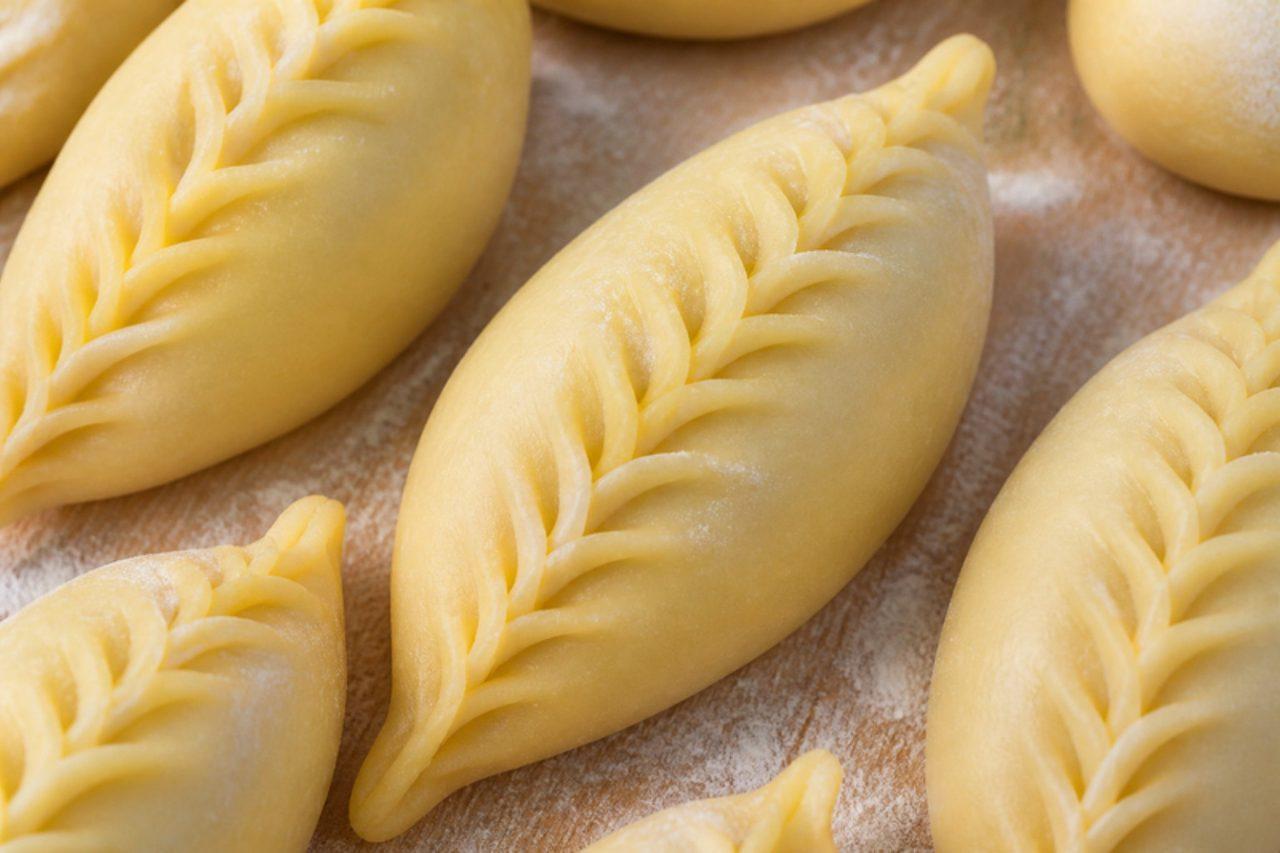
CulurgionesPotato and pecorino dumplings

Culurgiones come from Ogliastra, on Sardinia's rugged eastern coast, where women seal each dumpling with a row of tiny pinches that look like an ear of wheat. Inside is a soft, warm filling of potato, aged pecorino, garlic and fresh mint. In villages such as Ulassai and Lanusei they are made for the end of the harvest and for 2 November, All Souls' Day, as a token of good luck and protection. Some families work a little lard into the dough; here it is olive oil. Chef's tip: chill the filling; firm, cold filling is far easier to pleat and won't tear the thin dough.

by KrazyBadal 0 views

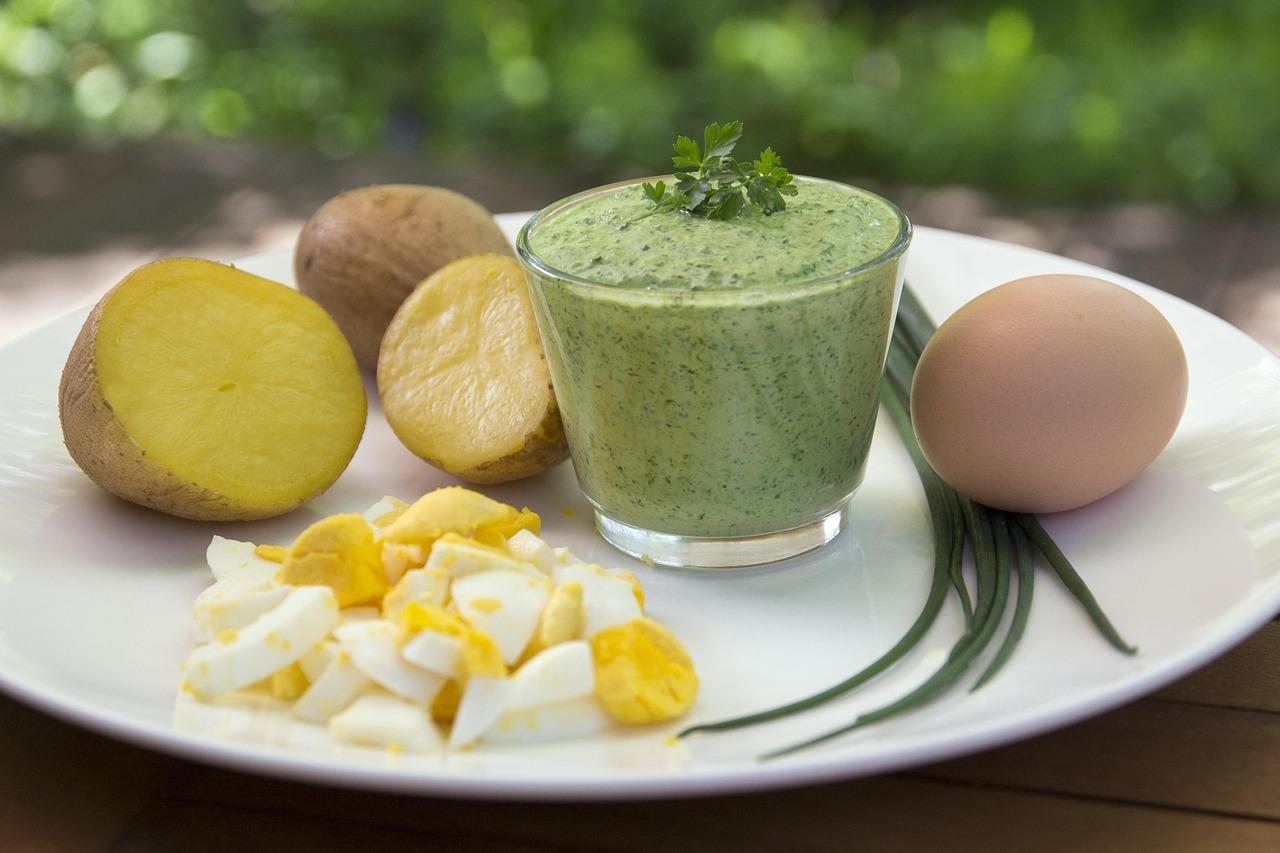
Grüne SoßeSeven-herb green sauce with eggs

Grüne Soße, or Grie Soß in Frankfurt dialect, arrives in spring when market stalls in Hesse sell paper bundles of exactly seven herbs: borage, chervil, cress, parsley, burnet, sorrel and chives. Blended into sour cream and yoghurt, they make a cold, bright, grassy sauce that is eaten with halved boiled eggs and new potatoes, traditionally on Maundy Thursday. It is a whole meal, light but filling. If you can't find the herb bundle, any mix of soft herbs with some sorrel for sourness works. A common mistake is blending the herbs to a smooth purée in a hot blender, which turns them dull and bitter; chop or pulse briefly. Chef's tip: make the sauce an hour ahead and chill it so the herbs flavour the cream fully.

by KrazyBadal 0 views

Curau de milhoFresh corn pudding

São Paulo and Minas call it curau; in parts of the Northeast the same thing is canjica, which can confuse anyone travelling for the June festivals. Whatever the name, it is fresh sweetcorn blended with milk, strained and stirred over the heat until it sets into a soft, pale yellow pudding, served cold in little bowls with a dusting of cinnamon. You find it at every arraial in the interior of São Paulo and Goiás and at corn shops beside the pamonha. It tastes of milky fresh corn, gently sweet, and the texture should be silky, never grainy. A frequent slip is to stop stirring: corn starch catches on the base within seconds and gives the whole pot a burnt taste. Chef's tip: cook it in a heavy pan and use a flat wooden spatula so you can scrape every corner of the base.

by KrazyBadal 0 views

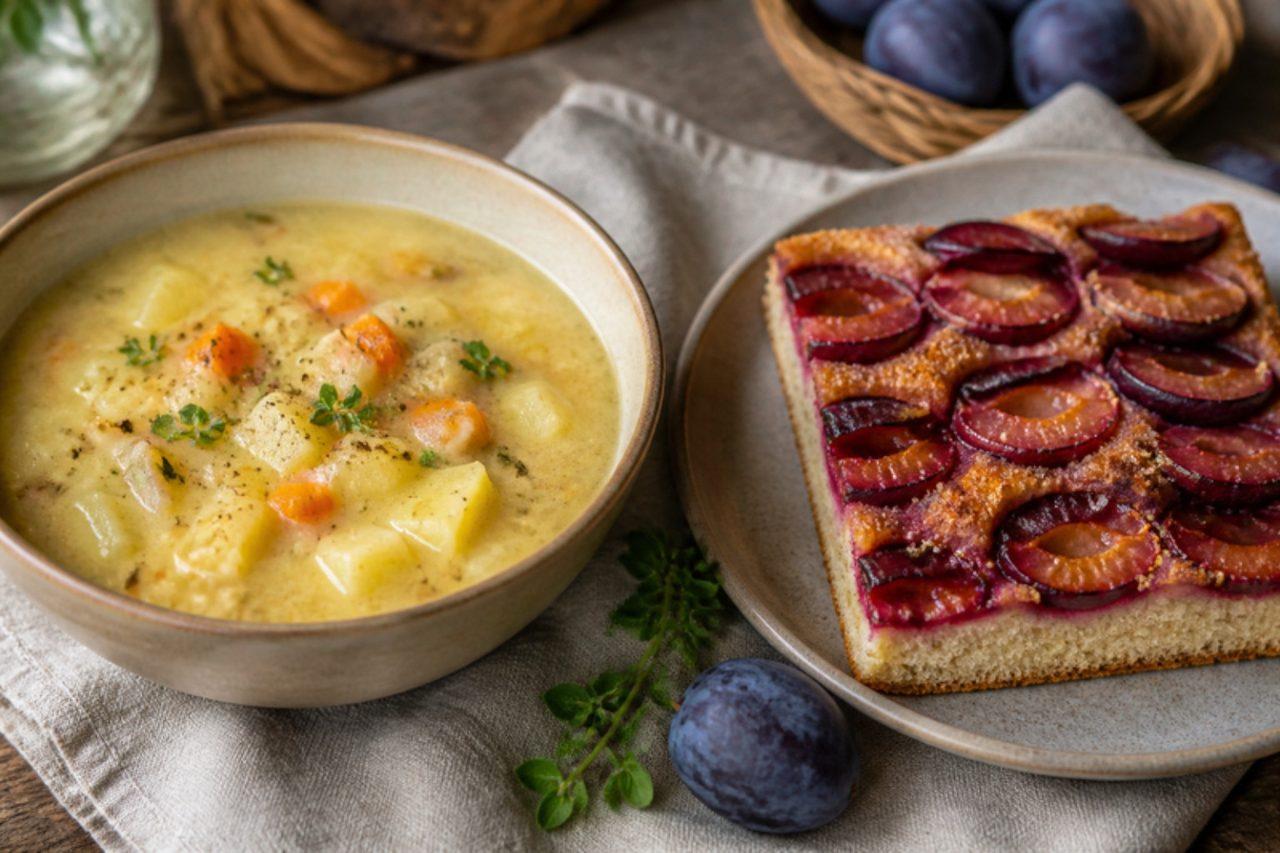
Grumbeersupp mit QuetschekuchePotato soup with plum cake

In the Palatinate, between the Rhine and the vineyards of the Weinstraße, September brings a pairing that puzzles outsiders: a bowl of creamy potato soup served with a slice of plum tray cake on the side, and you dip the cake as you go. It is a plain, cheap farmhouse supper for plum season, and the sweet-sour fruit against the soft, marjoram-scented soup is the whole joy. This version makes a small tray of yeasted plum cake while the soup simmers. A common mistake is sweetening the soup; it should stay savoury so the cake can do the sweet work. Chef's tip: use dark, oval Zwetschgen plums, which hold their shape; round dessert plums go watery.

by KrazyBadal 0 views

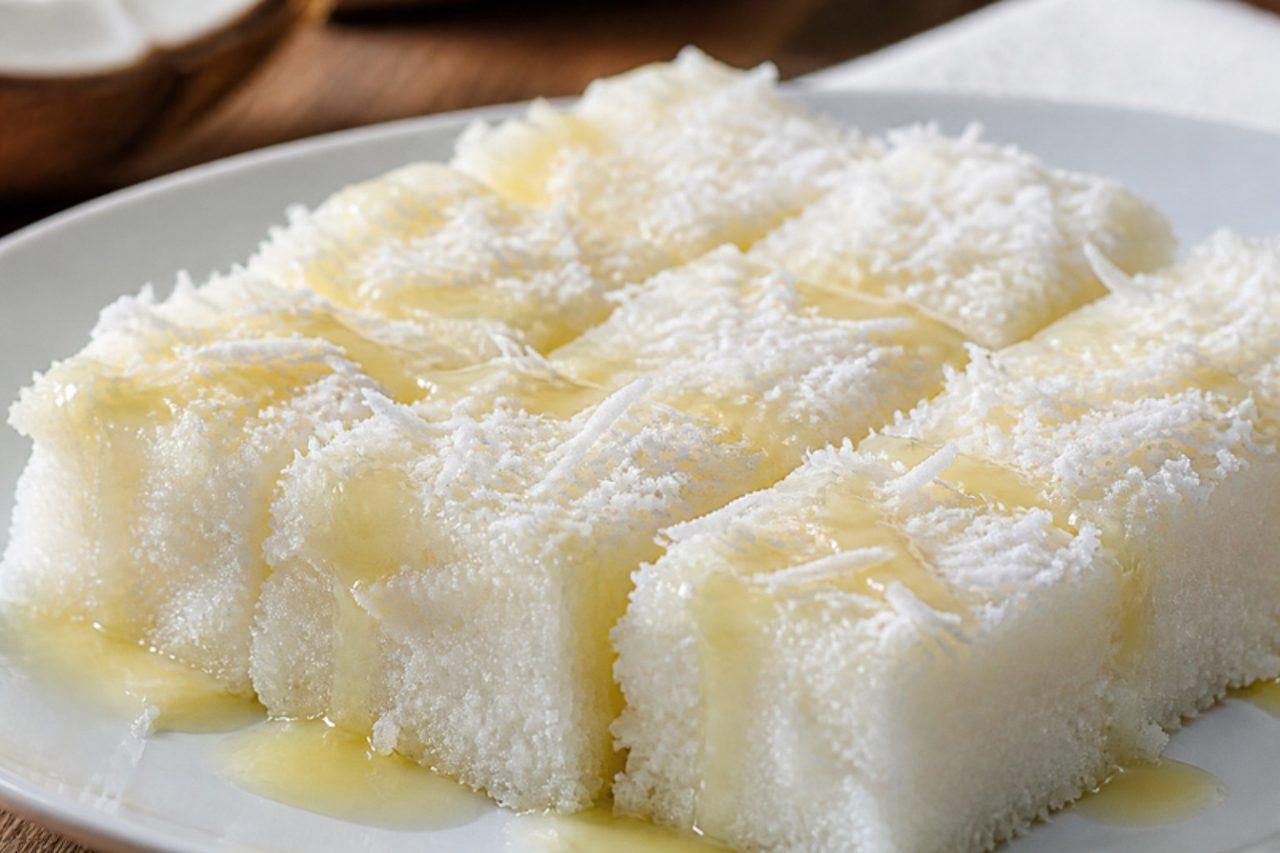
Cuscuz de tapiocaTapioca and coconut cake

Breakfast stalls in Salvador and the street markets of Recife and Fortaleza sell cuscuz de tapioca by the slice from a big round tray, often with a drizzle of condensed milk on top. It needs no cooking at all: granulated tapioca (tapioca granulada) soaks up hot sweetened milk and coconut milk and swells into a firm, white, bouncy cake with a chewy, pearly texture and a gentle coconut taste. It is eaten cold, at breakfast or as an afternoon sweet with coffee. Granulated tapioca is a Brazilian product made of small irregular crumbs, not pearls; Brazilian shops sell it in bags. Cutting it too early is the usual mistake, and the slices crumble because the granules are still dry at the centre. Chef's tip: pour the liquid in while it is steaming hot and cover the dish straight away; the trapped steam swells the granules evenly.

by KrazyBadal 0 views

Cuscuz paulistaCornmeal with palm heart and sardines

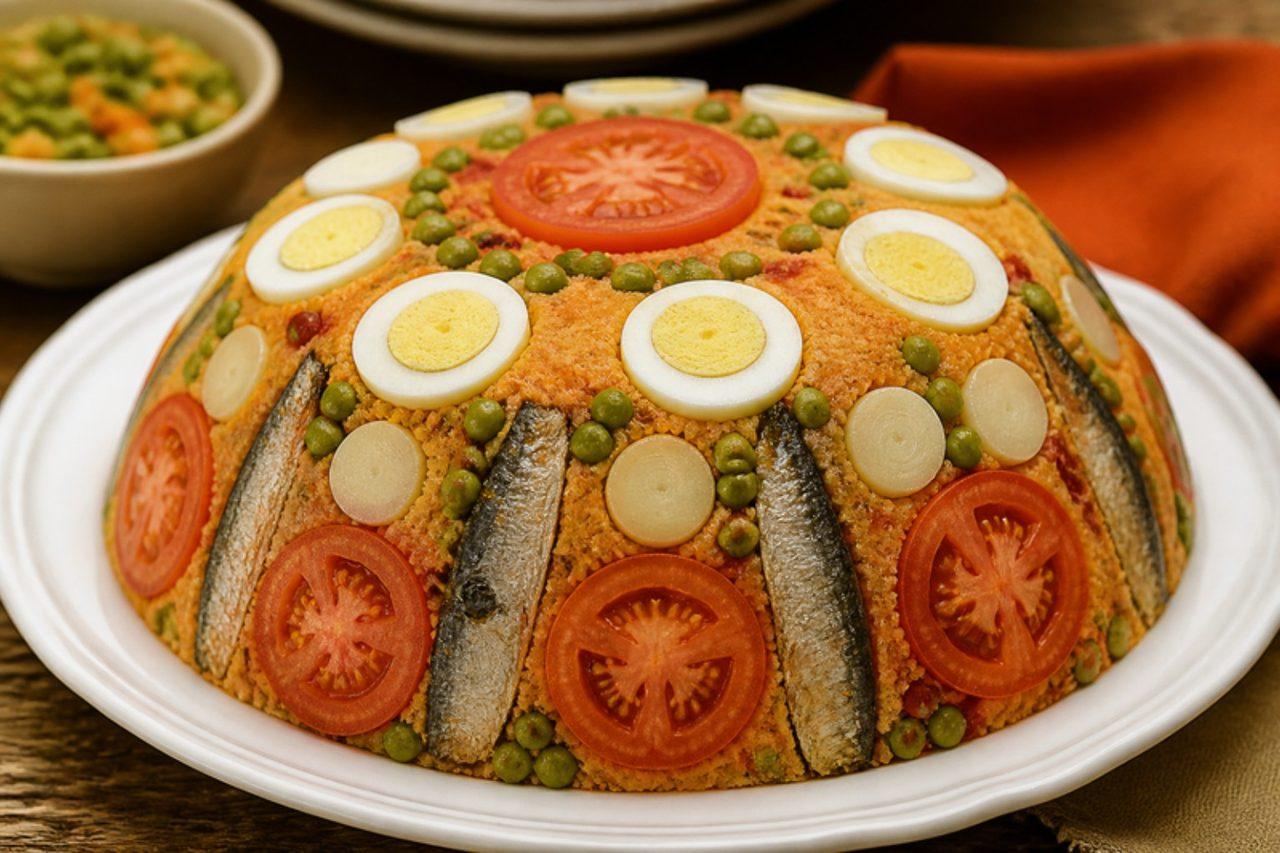
Nothing like North African couscous, cuscuz paulista is a moulded cake of corn flakes cooked in a rich tomato sauce, packed into a ring mould decorated with sardines, sliced egg, tomato, palm hearts and peas, then turned out so the pattern shows. São Paulo bakeries and family lunches serve it cold or at room temperature, in slices, for birthdays, Easter and Sunday tables. It is moist, savoury and tangy, with bursts of olive and fish. It needs at least an hour to set in the fridge, so it is perfect to make the day before. The thing that most often goes wrong is a mixture that is too dry, which crumbles when turned out; it should look like soft, wet polenta before it goes into the mould. For a vegetarian version, skip the sardines and add extra palm hearts. Chef's tip: oil the mould generously and press the decoration against the sides firmly, so it sticks to the cuscuz and not the tin.

by KrazyBadal 0 views

GuacamayasPork crackling and salsa rolls

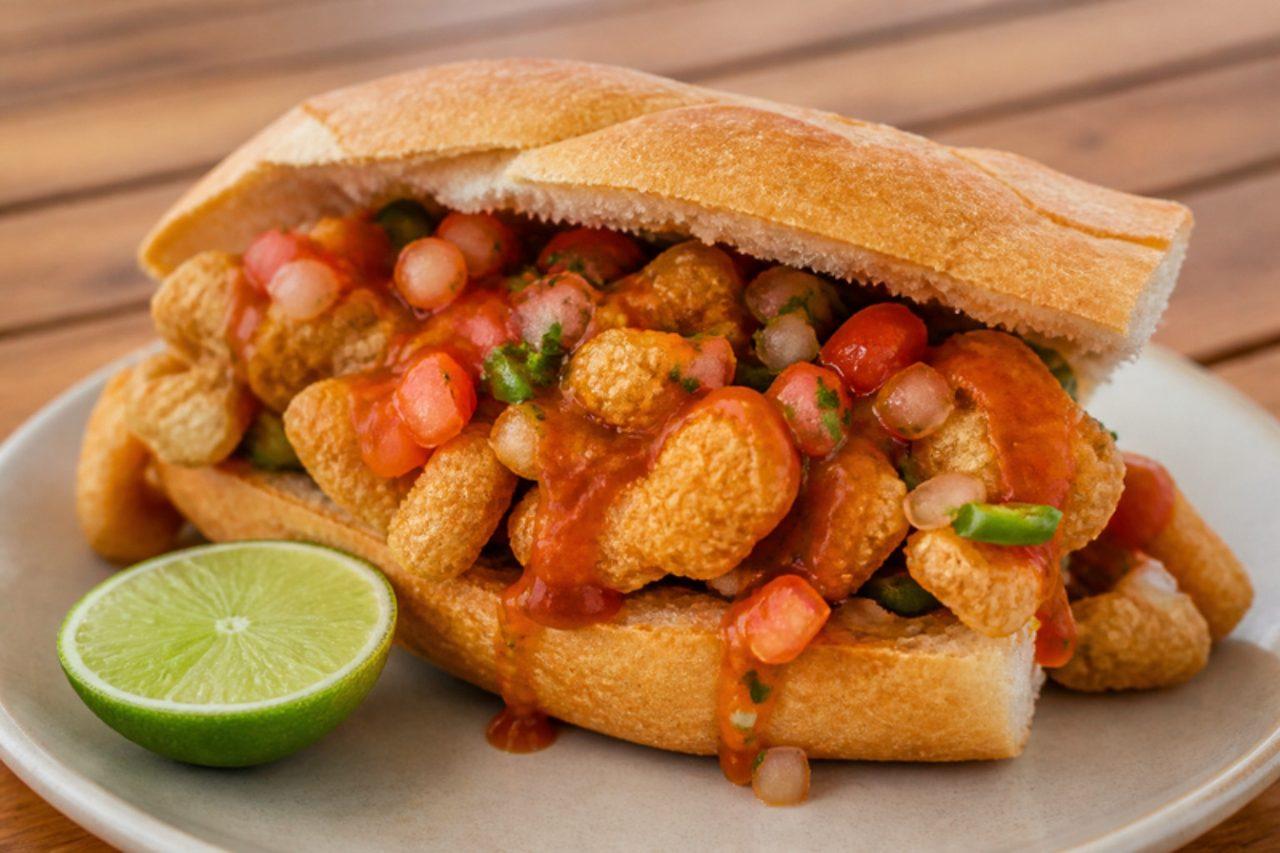
Guacamayas are León's street snack, sold from carts outside schools and in the city centre of this Guanajuato town from the afternoon on. A crusty bolillo is split and stuffed with crisp pork chicharrón, piled with a juicy pico de gallo of tomato, onion and chilli, and soaked with a hot red salsa and lime, so the crackling softens at the edges but stays crunchy in the middle. Some stands add avocado or a smear of beans. It is a quick, no-cook pork dish, best eaten standing up with a cold drink. Chef's tip: dress the chicharrón with salsa and lime only seconds before eating; left to sit, it turns soft and chewy.

by KrazyBadal 0 views

GuajolotaTamal in a bread roll

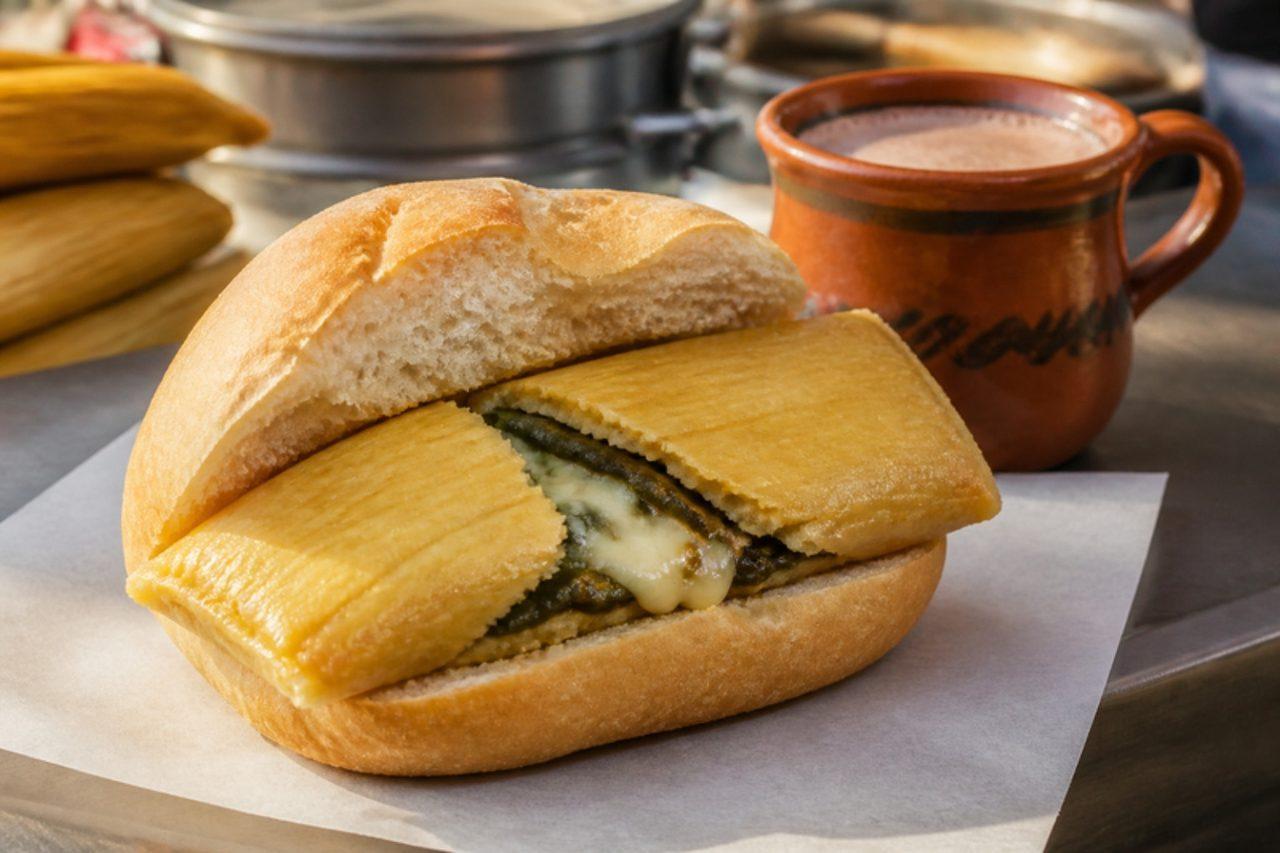
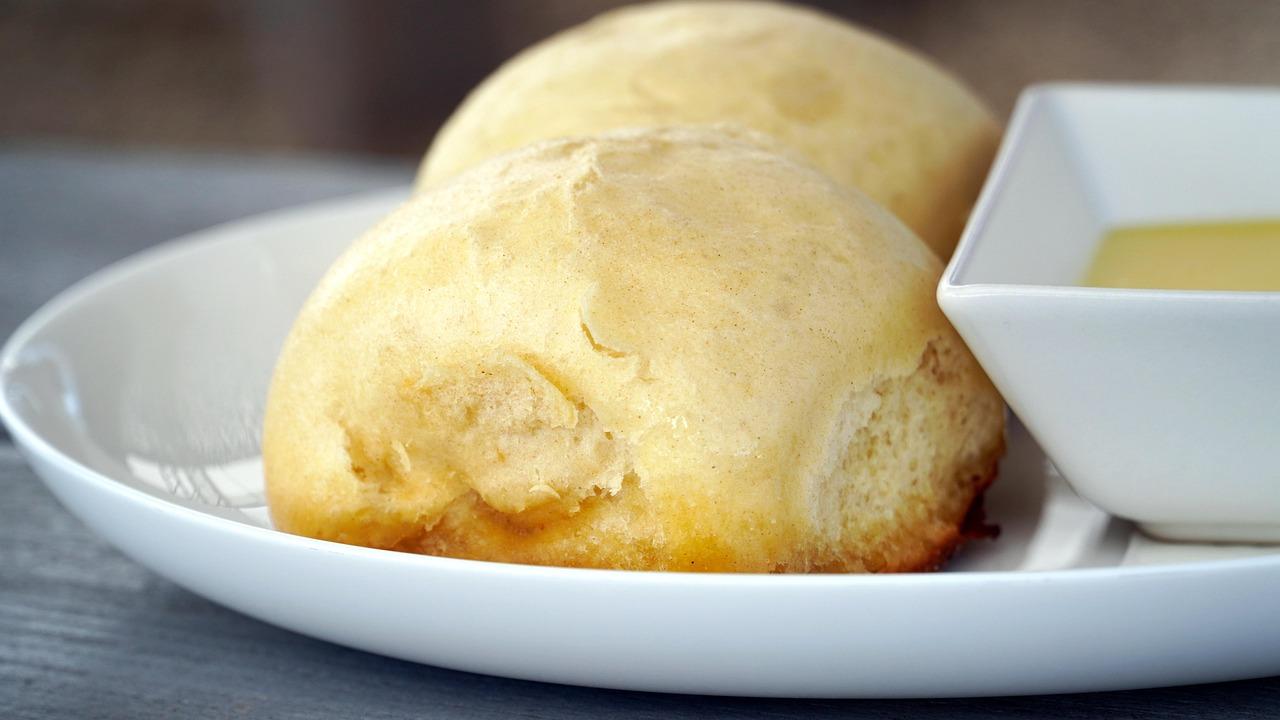
Commuters in Mexico City grab a guajolota at the tamal stand by the bus stop at seven in the morning: a crusty bolillo roll split open with a whole steaming tamal pushed inside, sometimes with a smear of green salsa, eaten with a cup of atole. It is starch in starch, cheap and filling enough to last until lunch. The name means 'turkey hen', a joke about how stuffed it is. This recipe makes eight vegetarian tamales of roasted poblano strips and melting cheese (rajas con queso); four go into rolls and the rest freeze well. Shop-bought vegetarian tamales work if you are short of time. Chef's tip: warm the bolillo on the comal while the tamal rests, so the crust crackles against the soft masa.

by KrazyBadal 0 views

DaggaPounded tomato, dill and chilli salad

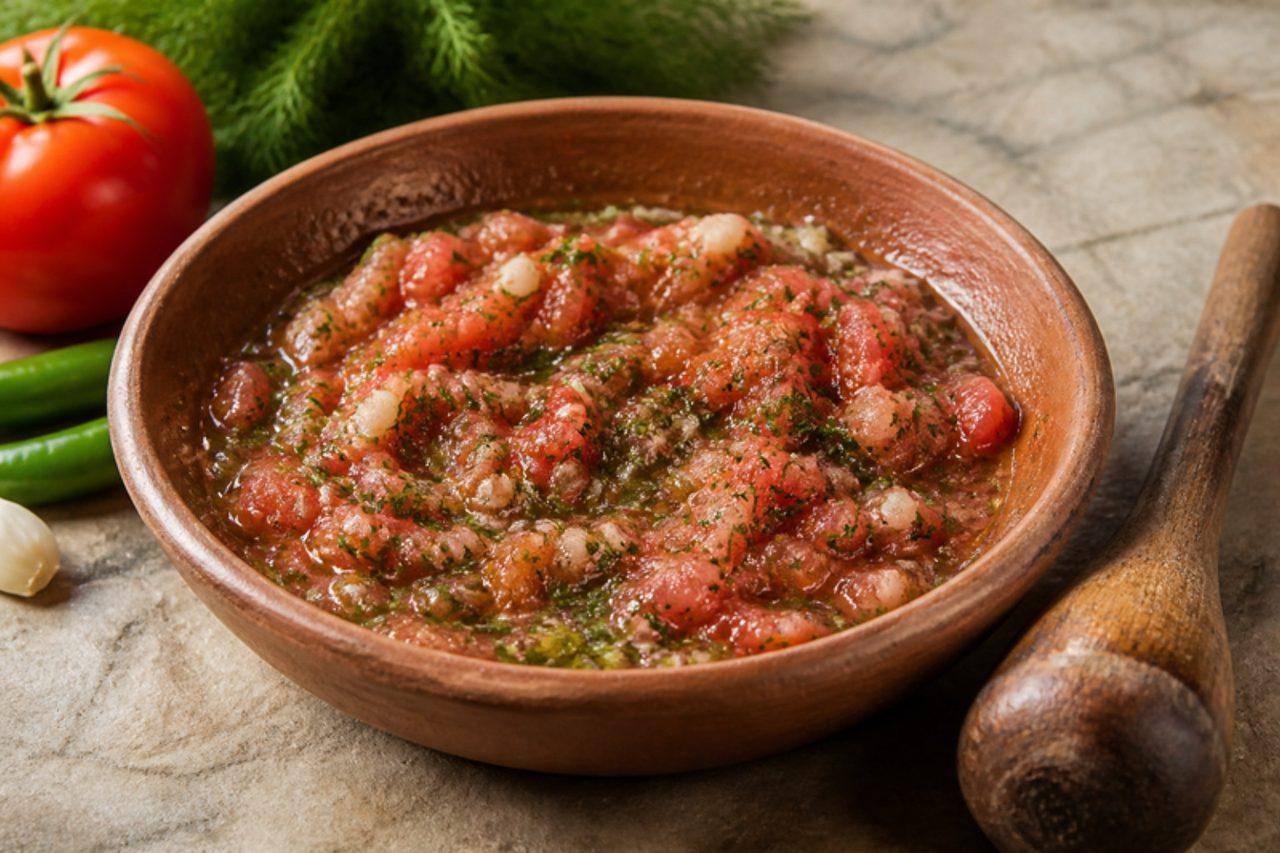
Dagga, sometimes called salata ghazawiyya, is the salad that sits on every table in Gaza, pounded in a clay bowl (zibdiya) with a wooden pestle until the tomatoes collapse into a juicy, chunky relish. Fresh dill, green chilli, garlic and lemon make it sharper and hotter than any salad in the north, and it is spooned over fish, rice and grilled meat or scooped up with bread. Common mistake: using a blender, which turns it into a smooth sauce; you want broken pieces in their own juice. Chef's tip: pound the garlic, chilli and salt to a paste first, then add the dill, so its oils bloom before the tomatoes go in.

by KrazyBadal 0 views

Guaraná raladoGrated guaraná drink

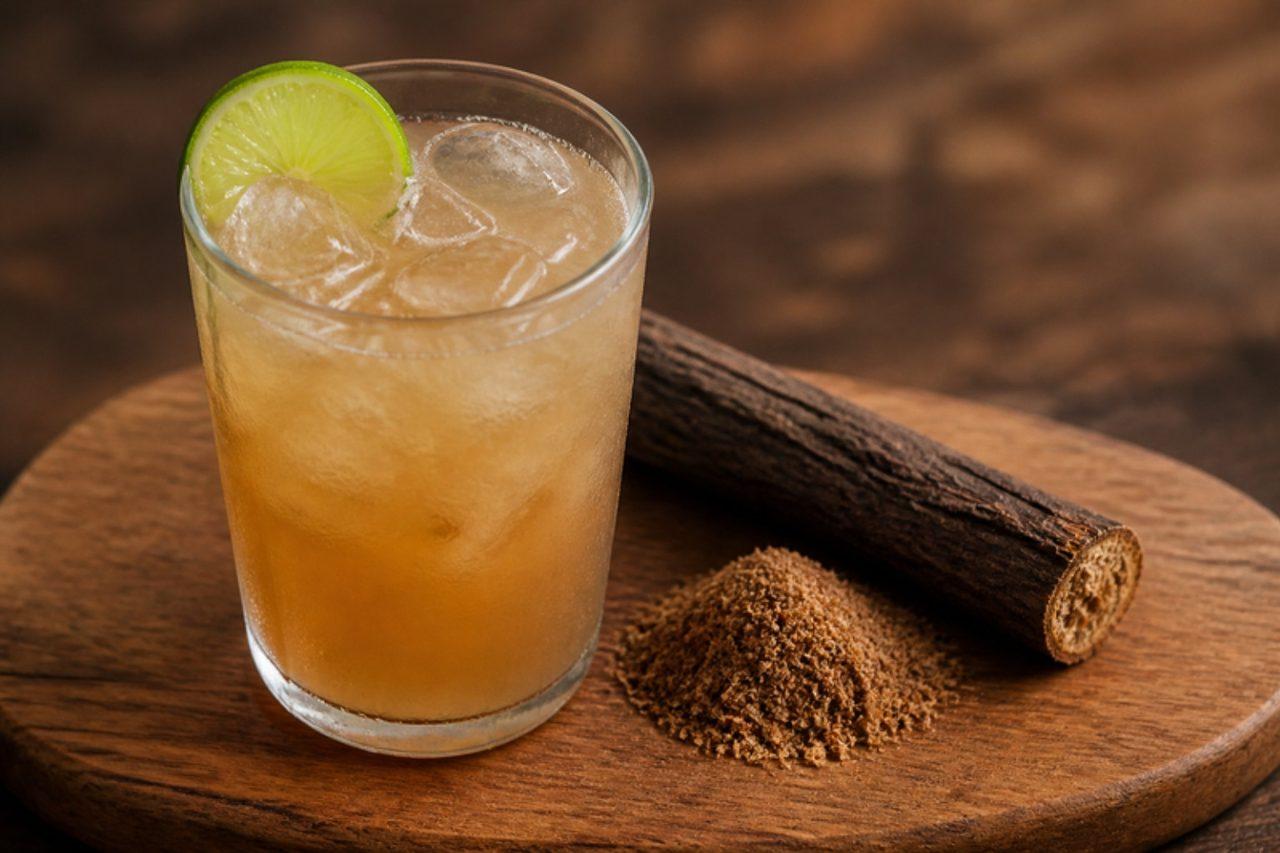
Long before fizzy guaraná, people in Mato Grosso started the day with this: a hard, dark stick of roasted guaraná seed paste grated into a glass of cold water with sugar and stirred well. Cuiabá's older generation still drink it at breakfast or in the heat of the afternoon, and market stalls sell the sticks along with the traditional grater, the dried tongue of the pirarucu fish (a fine microplane works just as well). It tastes bitter-earthy, a little like cocoa without the fat, and the caffeine is strong. Because guaraná contains more caffeine than coffee, keep to one glass a day, and avoid it for children, during pregnancy or if you are sensitive to caffeine. The usual error is grating far too much, which makes it bitter and overpowering; a level teaspoon per glass is plenty. Chef's tip: let it stand for a minute after stirring so the powder hydrates, then stir again before drinking.

by KrazyBadal 0 views

Guariroba refogadaSautéed bitter palm heart

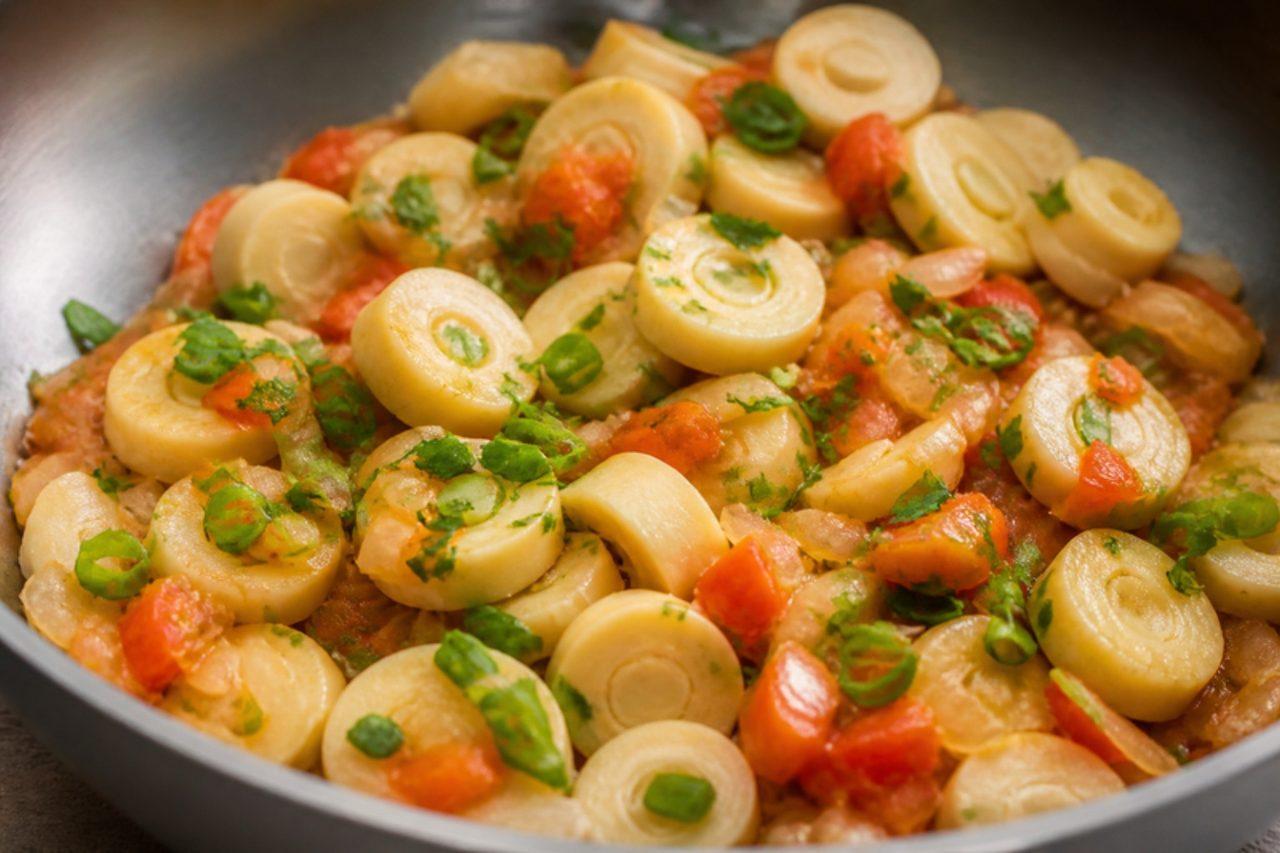
Goiás is the one place in Brazil where people seek out bitterness in a palm heart: guariroba, from a cerrado palm, tastes like a cross between artichoke, chicory and jiló, and Goiânia's lunch counters serve it braised with tomato and onion beside rice, beans and pequi. The pale slices turn tender and silky, and the sharp, clean bitterness is softened by the sweet tomato base. Fresh guariroba is sold in Goiás markets, and jars or frozen packs in some Brazilian shops; elsewhere use ordinary palm heart with a handful of sliced chicory or radicchio for the bitterness. Cooks unfamiliar with it often boil it first to tame the bitterness, but that washes out the flavour that makes the dish; sauté it directly instead. Chef's tip: slice it thinly across the grain, because thick pieces stay fibrous however long you cook them.

by KrazyBadal 0 views

DampfnudelnSteamed yeast dumplings with vanilla sauce

Dampfnudeln are a Friday supper in Bavaria and the Palatinate, from the days when meatless Fridays meant a sweet main course. Soft yeast buns are packed into a heavy pan with milk, butter and a little sugar, the lid goes on, and they steam until fluffy on top while the liquid boils away and leaves a salty-sweet caramel crust underneath. They come to the table with warm vanilla sauce. The famous mistake is lifting the lid too early: the steam escapes and the buns collapse. Chef's tip: listen to the pan instead of looking; when the bubbling turns to a crackle, the crust is forming and you have about 3 minutes left.

by KrazyBadal 0 views

Daube provençaleRed wine beef stew with olives

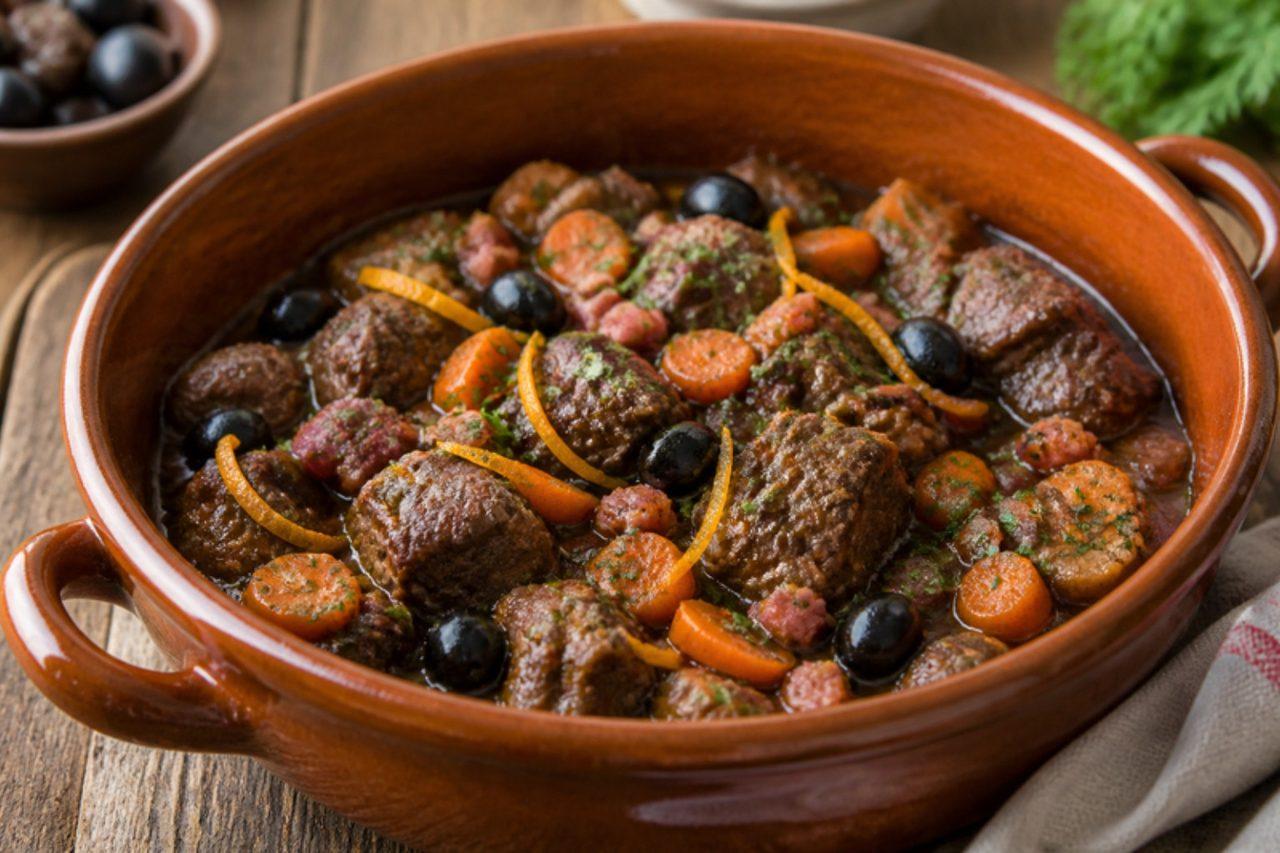
In Provence the daube is the Sunday and winter-feast dish, traditionally simmered all morning in a pot-bellied clay daubière at the edge of the fire. Chunks of beef are marinated overnight in the fridge with red wine, garlic, herbs and a strip of orange peel, then braised slowly with black olives until the sauce turns dark, glossy and fragrant with citrus. It uses red wine, and the ingredient note gives an alcohol-free version; the optional smoked lardons make it a pork dish too. In Avignon and Nice the leftover sauce dresses macaroni (the macaronade), but polenta or plain boiled potatoes are just as good. Chef's tip: make it a day ahead; it tastes even better reheated, and the fat is easy to lift off once cold.

250 minFrenchMeatGluten free
by KrazyBadal 0 views

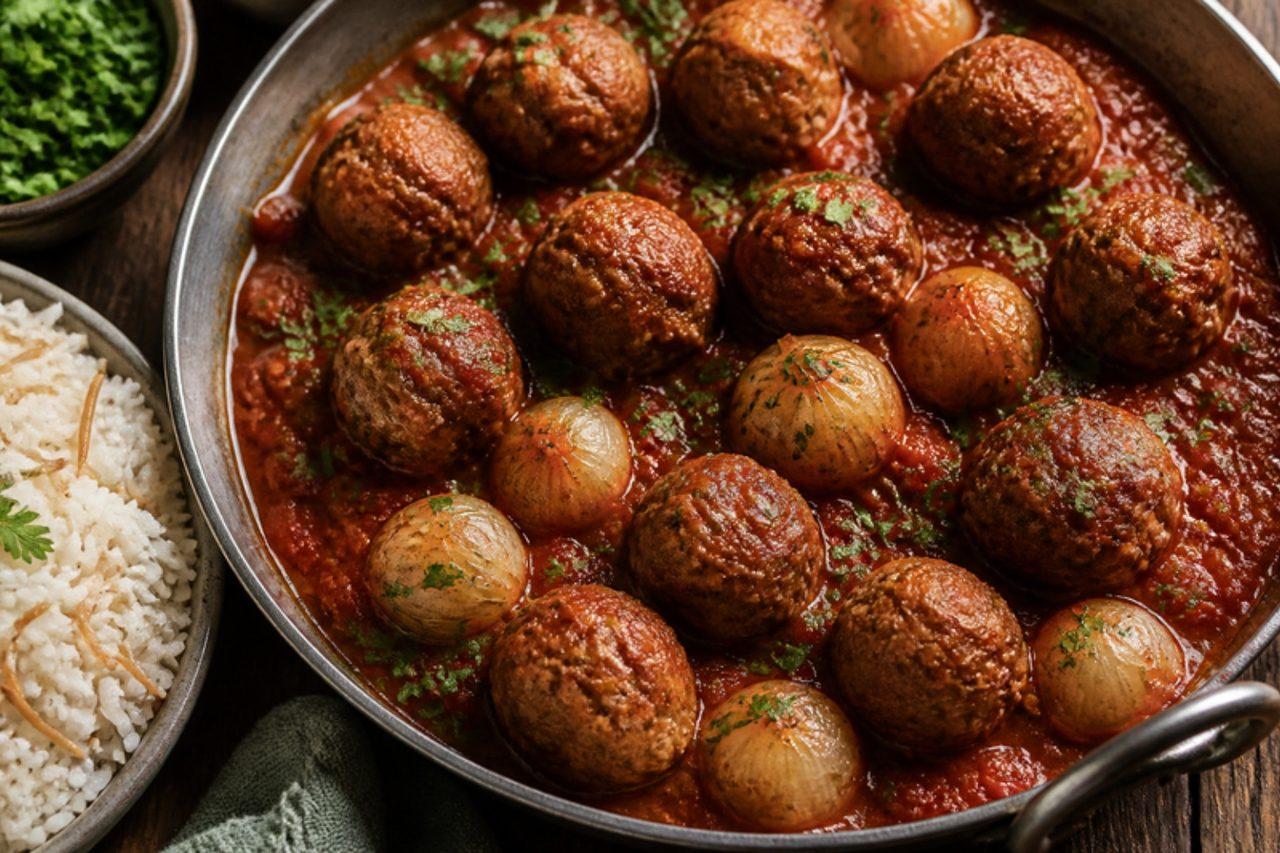
Dawood bashaMeatballs in tomato sauce

Named, so the story goes, after an Ottoman governor who loved it, dawood basha is a homely Damascus and Beirut supper of small spiced meatballs simmered with baby onions in tomato sauce, finished with pine nuts. Families serve it ladled over vermicelli rice, and it is one of the first dishes Syrian children learn to love. The sauce is lightly tangy from pomegranate molasses and fragrant with allspice and cinnamon. Common mistake: crowding the meatballs when browning — they steam instead of colouring; fry in batches. Chef's tip: grate a little onion into the meat and squeeze out the juice first; the meatballs stay tender without falling apart.

65 minSyrianMeatGluten free
by KrazyBadal 0 views

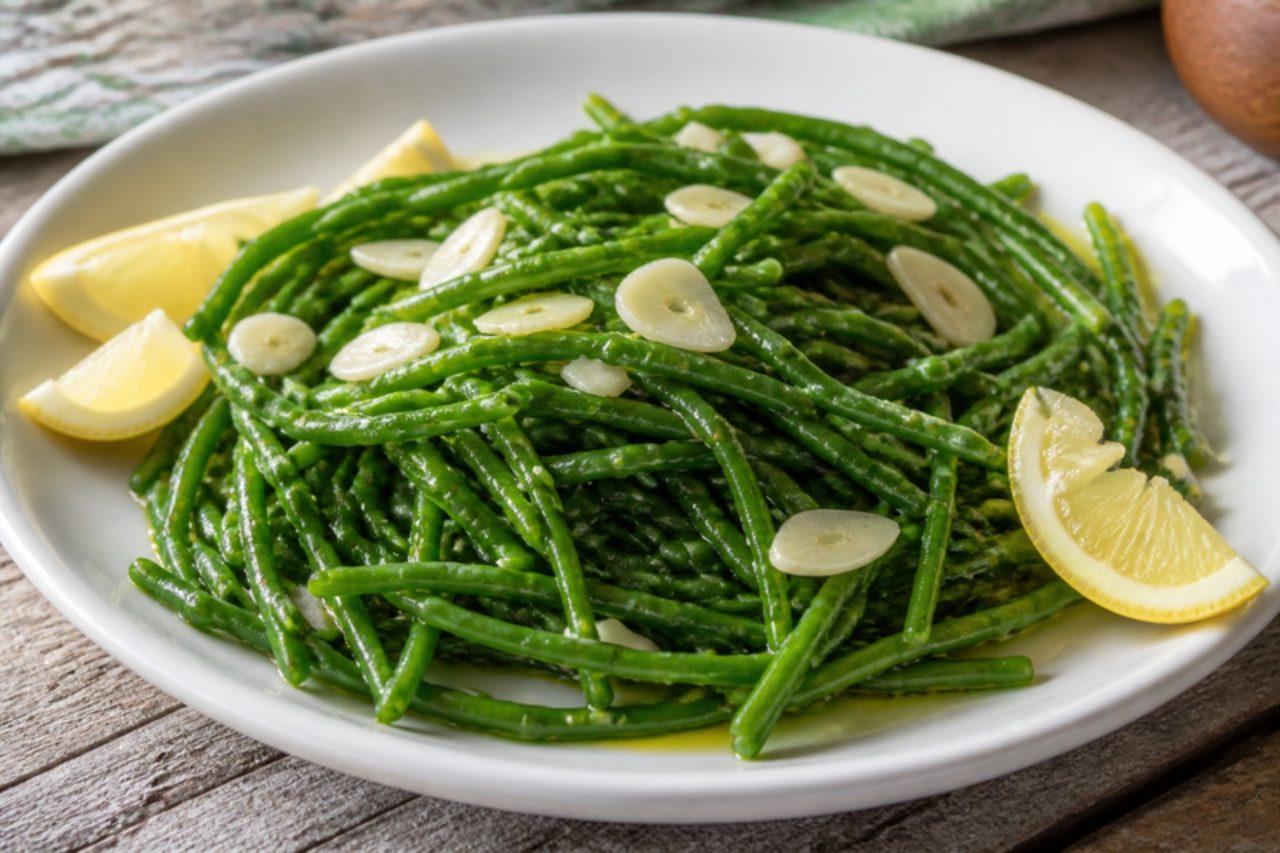
Deniz börülcesi salatasıSamphire salad with garlic and lemon

Along the Aegean coast from Ayvalık down to Bodrum, every meze tray in early summer carries a tangle of deniz börülcesi, the salty, crunchy samphire gathered from the marshes. It is blanched, pulled off its woody cores, then dressed with plenty of garlic, lemon and olive oil and served cold beside grilled fish. It tastes of the sea in the best way. Chef's tip: don't salt the cooking water or the dressing; samphire carries all the salt it needs.

by KrazyBadal 0 views

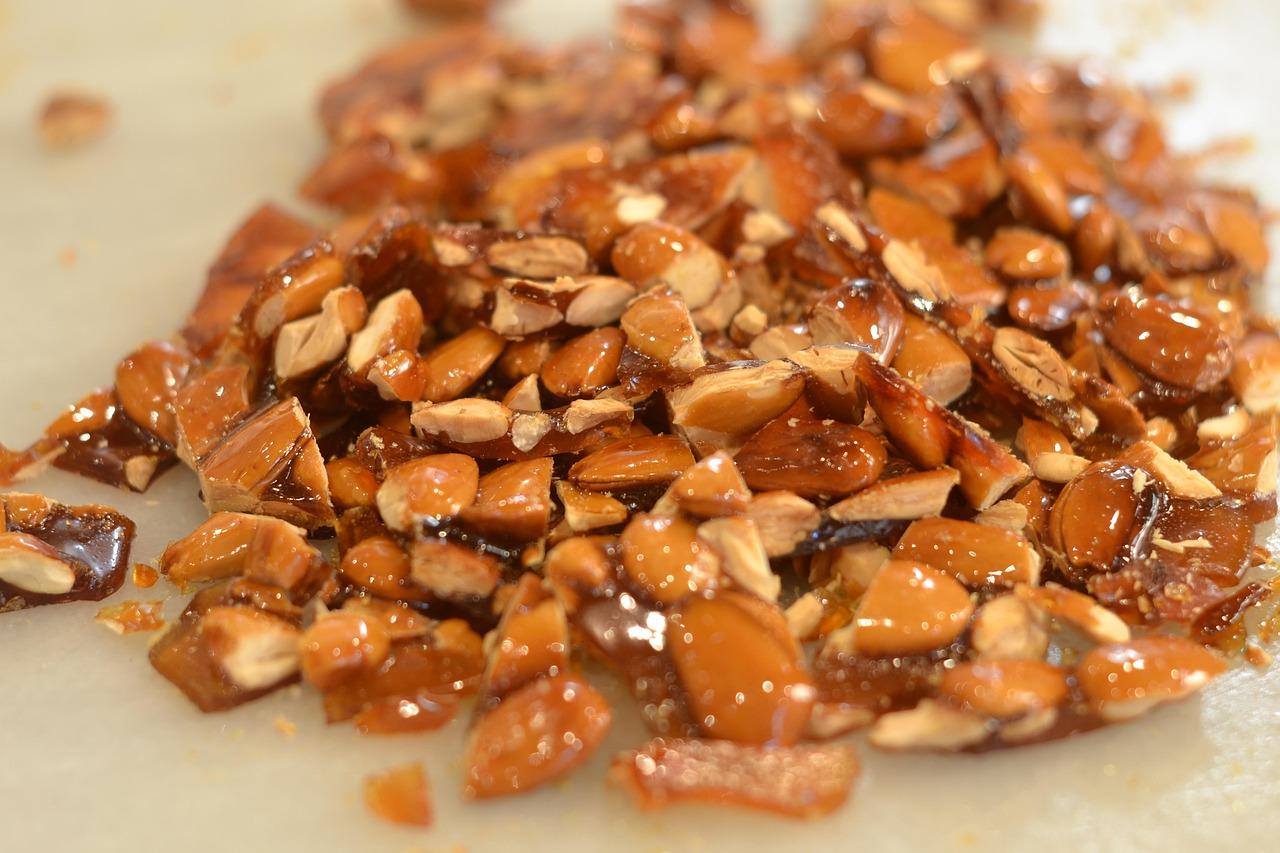
GuirlacheAlmond brittle

Every December, the old confectioners of Zaragoza stack trays of guirlache in their windows: snapped slabs of toasted almonds held in a dark, glassy caramel, sometimes speckled with tiny coloured sugar sprinkles on top. It is eaten after Christmas dinner alongside turrón and dried fruit, and it keeps for weeks in a tin. Made only from almonds, sugar and a few drops of lemon, it is vegan and gluten free. A common mistake is stirring the caramel while the sugar melts, which makes it crystallise into grainy lumps; swirl the pan instead. Chef's tip: warm the almonds in the oven before they go into the caramel; cold nuts make it seize and set before you can spread it.

by KrazyBadal 0 views

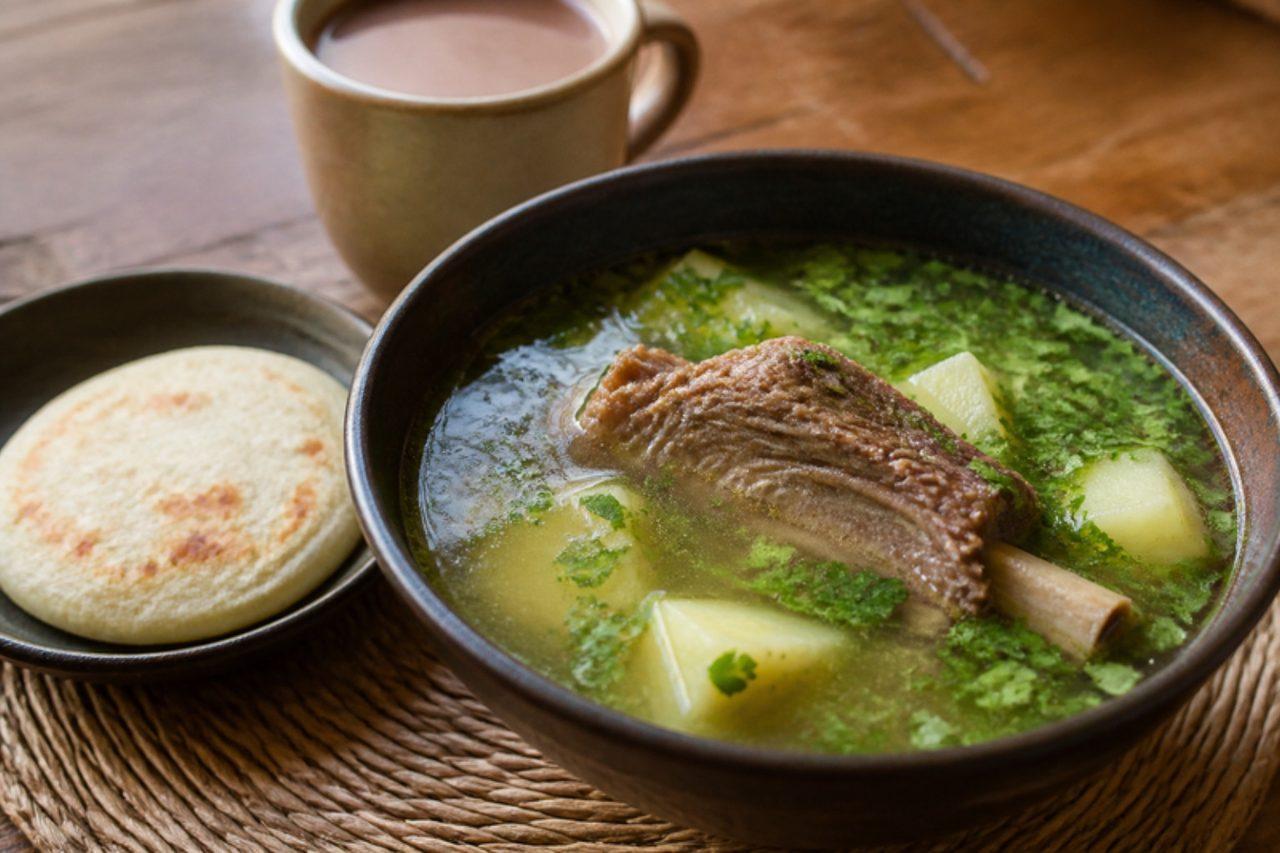
Caldo de costillaBeef rib broth

Bogotá wakes up to caldo de costilla. Cafeterías near markets and bus terminals ladle it out from early morning, and it is the city's famous cure after a late night: beef short ribs simmered until tender in a clear, golden broth with potatoes, onion, garlic and a big handful of coriander. It's simple, beefy and restoring, served with an arepa, a cup of hot chocolate or coffee and maybe a slice of bread. People are tempted to boil it hard to save time; the broth turns cloudy and greasy and the meat tightens, so give it a slow, steady simmer. Chef's tip: make the broth the night before and chill it; you can lift off the solid fat in the morning and simply reheat with the potatoes for a fast, clean breakfast.

by KrazyBadal 0 views

Showing 81 of 7,762 recipes

Show more recipes

Page 475 of 863