


Skip to content
Mint pistachio pesto
Featured recipe

Mint pistachio pesto

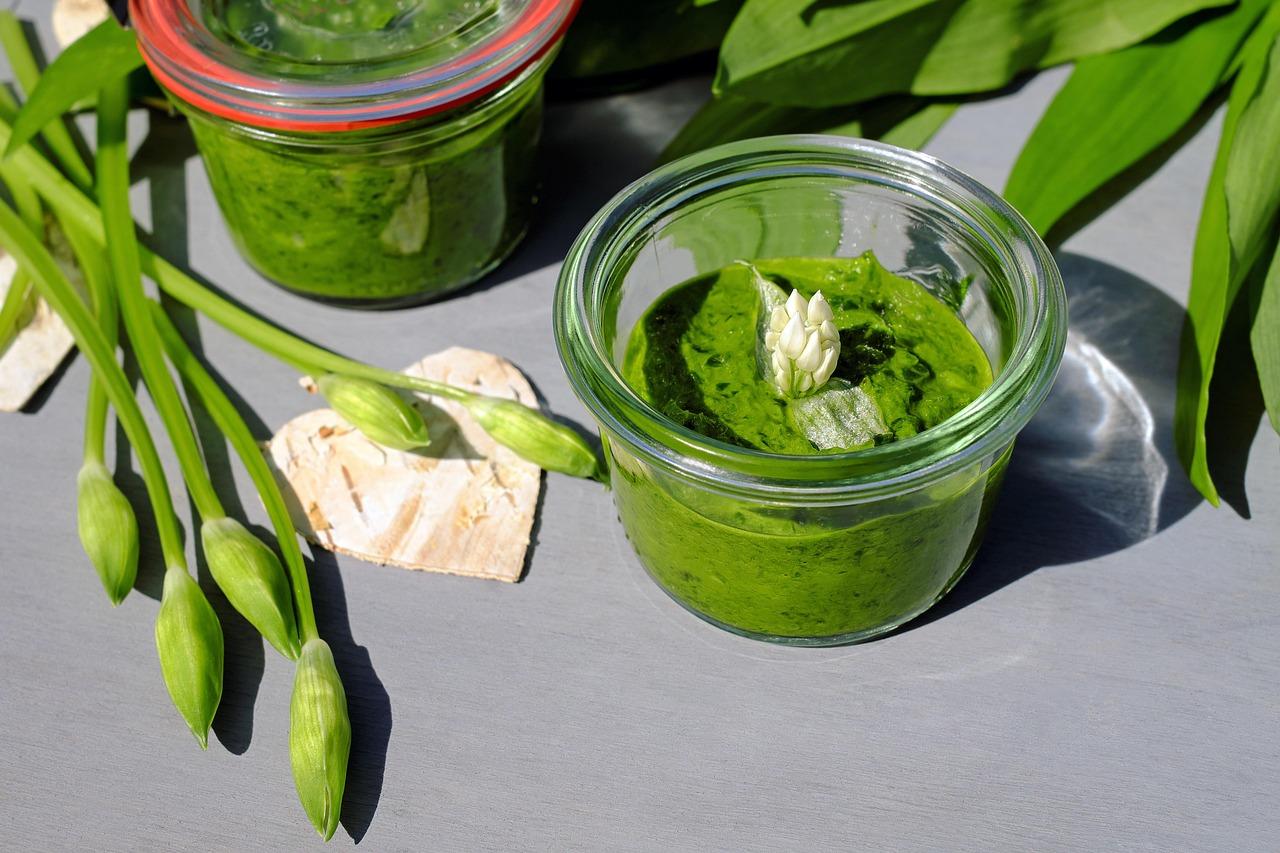
A fresh, fragrant pesto made with mint leaves and toasted pistachios. It is lovely tossed through hot pasta or spooned over roasted vegetables, and a spoonful lifts a plain vegetable soup.

Read more 1 views

What to eat today?

Around the world

Today's trip: Paraguayan

A new country every day, from every cuisine on the site.

Paraguayan

Kosereva

Candied bitter orange peel 180 minMore from Paraguayan (27) →

This week's collection

Kid-friendly dinners
537 recipes · a new collection every Monday

Latest recipes

Pastel vascoAlmond cake with pastry cream

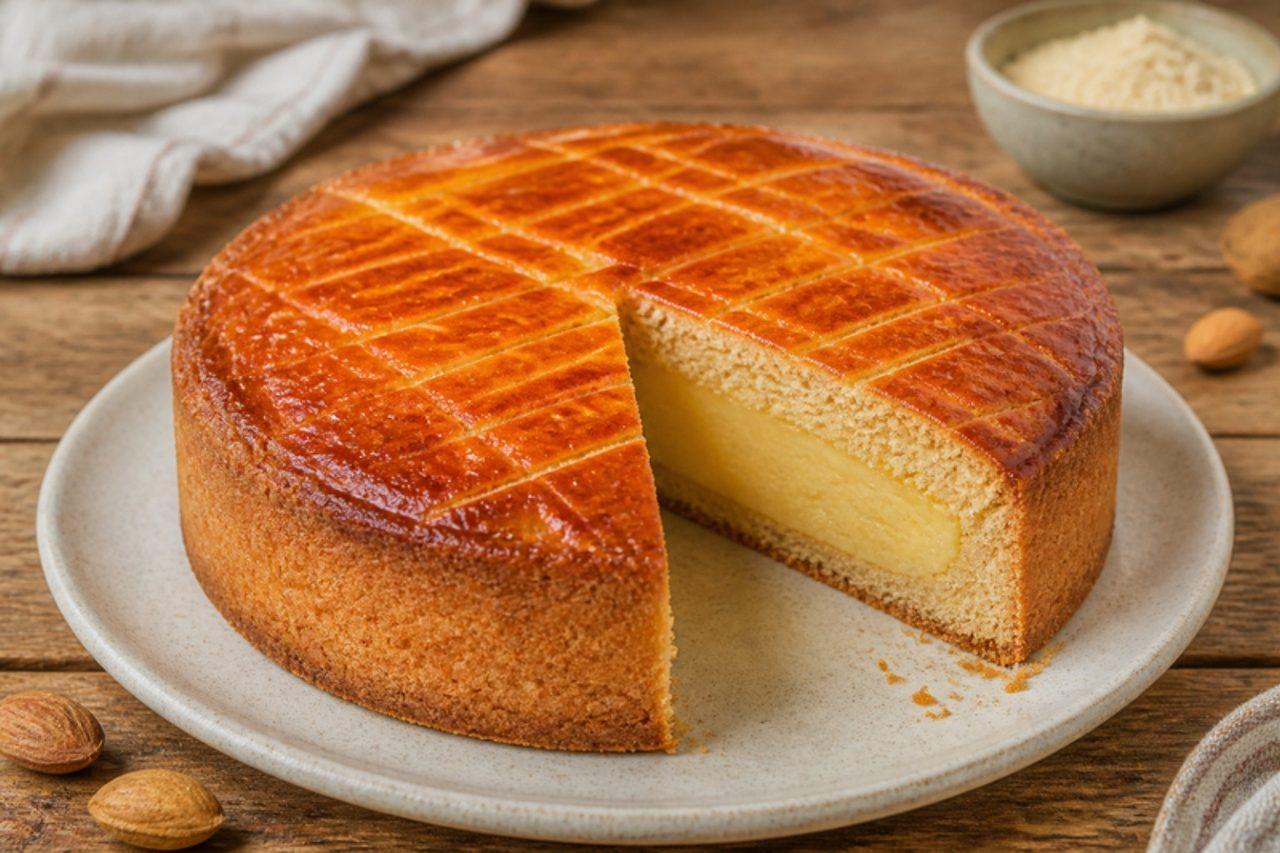
Bakeries across the French Basque province of Labourd, from Cambo-les-Bains to Saint-Jean-de-Luz, sell this round cake by the slice, and the village of Itxassou has long filled it with black cherry jam instead of cream. The dough sits between a biscuit and a shortcake, rich with butter and ground almonds, and it hides a thick layer of vanilla pastry cream. Some bakers add a spoon of rum to the cream; this one leaves it out. A common mistake is baking it too pale, so the crust stays soft: wait for a deep golden top. Chef's tip: chill the dough well, as it is very soft and much easier to roll when cold.

by KrazyBadal 0 views
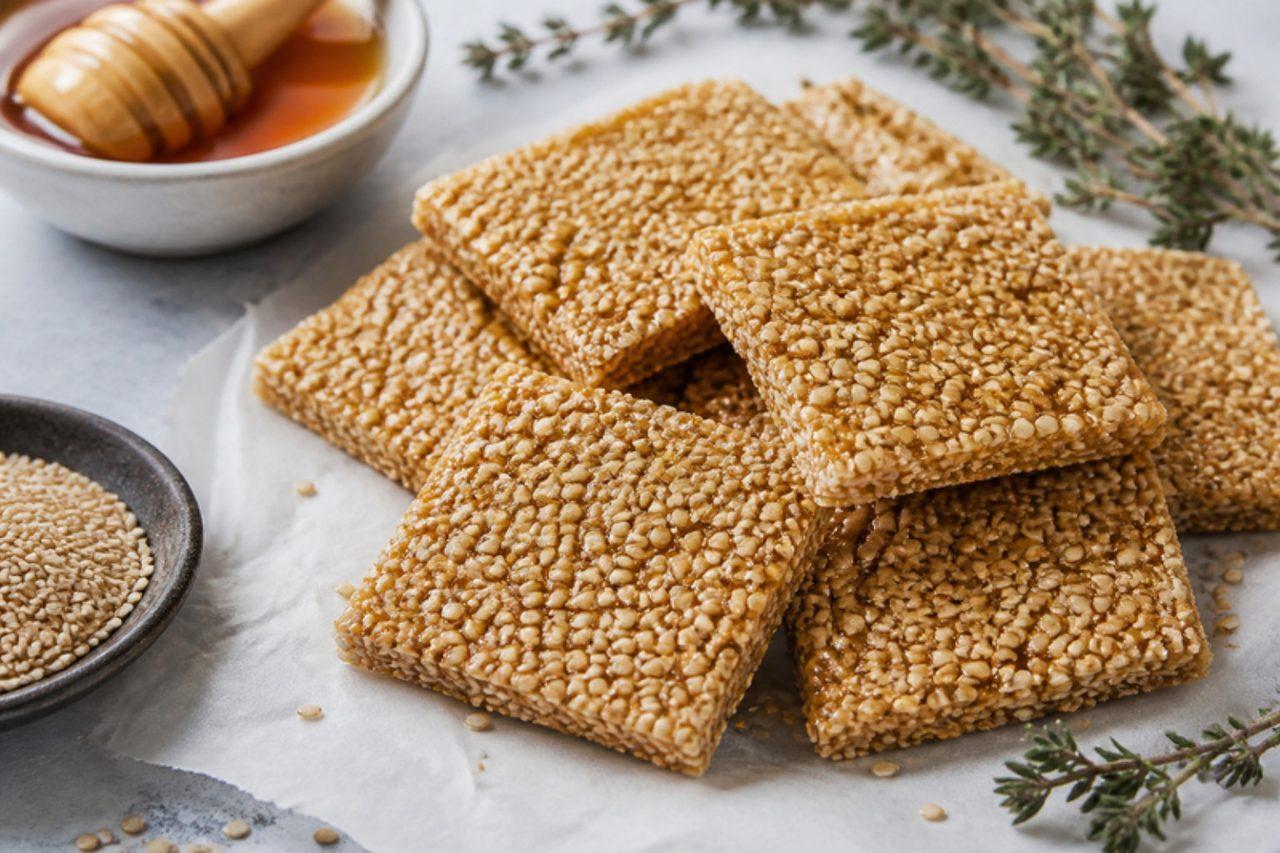
PasteliSesame honey bars

Pasteli is one of the oldest sweets in Greece, and on islands like Sifnos and Andros it is still made in the home kitchen for weddings and feast days, sometimes cut into diamonds and served on lemon leaves. Toasted sesame seeds are bound in hot honey and set into a thin sheet that snaps cleanly but softens slightly as you chew, tasting of nuts and wild thyme. Common mistake: taking the honey off the heat too early, which leaves bars that stay sticky and bend instead of snapping. Chef's tip: test a drop of the honey in cold water; when it sets into a firm ball you can press without it flattening, it's ready.

by KrazyBadal 0 views

Pastelitos criollosFried quince pastries

Every 25 May, when Argentina marks the 1810 revolution, bakeries and school kitchens from Buenos Aires to Tucumán turn out trays of pastelitos: two squares of flaky dough stacked into a star, filled with dulce de membrillo or dulce de batata, fried until the layers fan open and then dipped in syrup. They are eaten warm with mate or hot chocolate, shattering crisp outside and sticky in the middle. Lard is the traditional fat in both the dough and the frying pan; this version uses butter or vegetable shortening for laminating and sunflower oil for frying, so it stays vegetarian. Expect a hard but rewarding job: the dough is folded like a quick puff pastry. Oil that is too hot is the classic error, browning the outside before the inner layers have opened, so keep it around 160 °C. Chef's tip: pinch the four corners of the top square down onto the gaps of the bottom one and press with a wet fingertip, or the star unfolds in the oil and the filling leaks.

by KrazyBadal 0 views

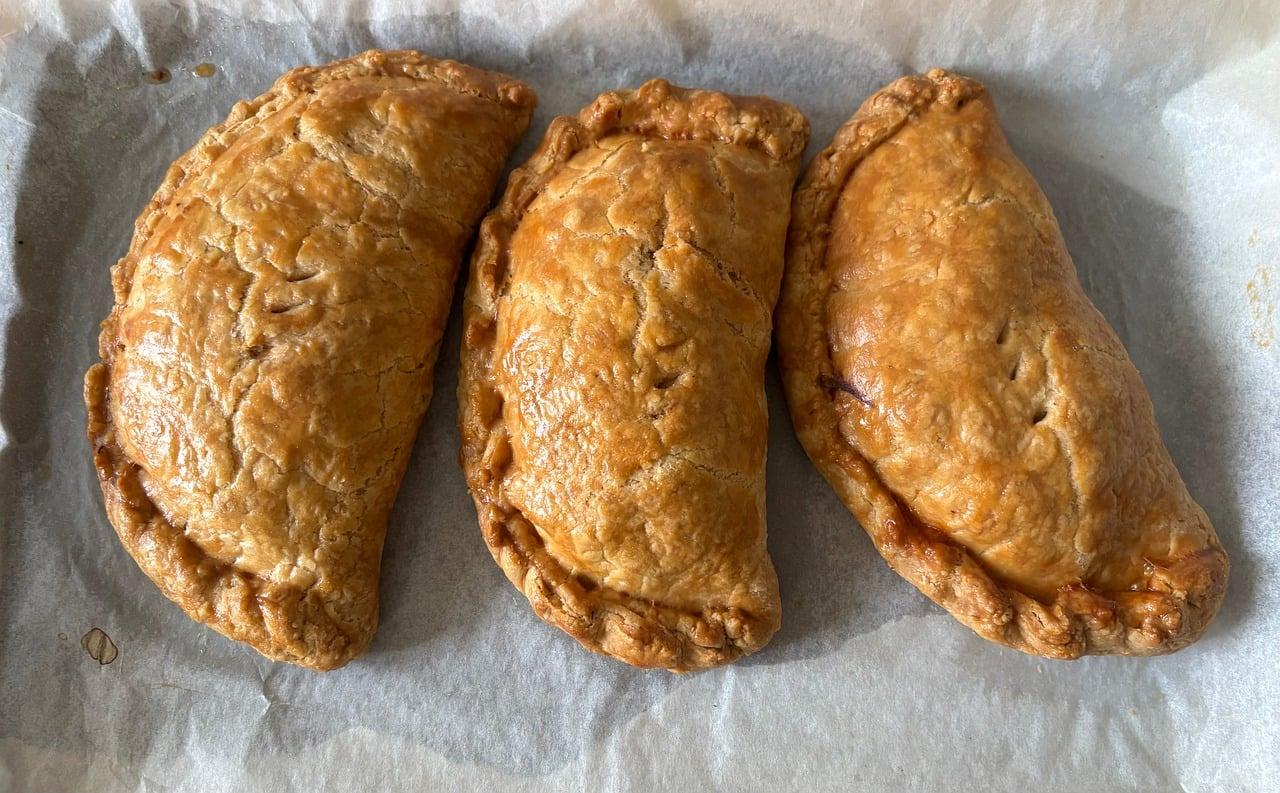
Pastes de Real del MonteBeef and potato pasties

Cornish miners arrived in the silver mines around Real del Monte and Pachuca in the 1820s, and their pasties stayed: today the hilltop town in Hidalgo has paste shops on every street, selling them warm from the oven to visitors and locals all day. The classic filling is close to the original, diced beef, potato, onion and parsley seasoned with plenty of pepper, sealed in a short, buttery crust and baked until the juices turn to gravy inside; Mexican kitchens added a little chilli and many other fillings, including chicken in mole, which you can use instead of the beef. Eat them with a hot salsa or alone, with coffee. Chef's tip: cut the beef and potato small and evenly, about 1 cm; it all cooks raw inside the pastry, so even pieces are what make it tender.

by KrazyBadal 0 views

PasticciottoCustard-filled shortcrust pastries

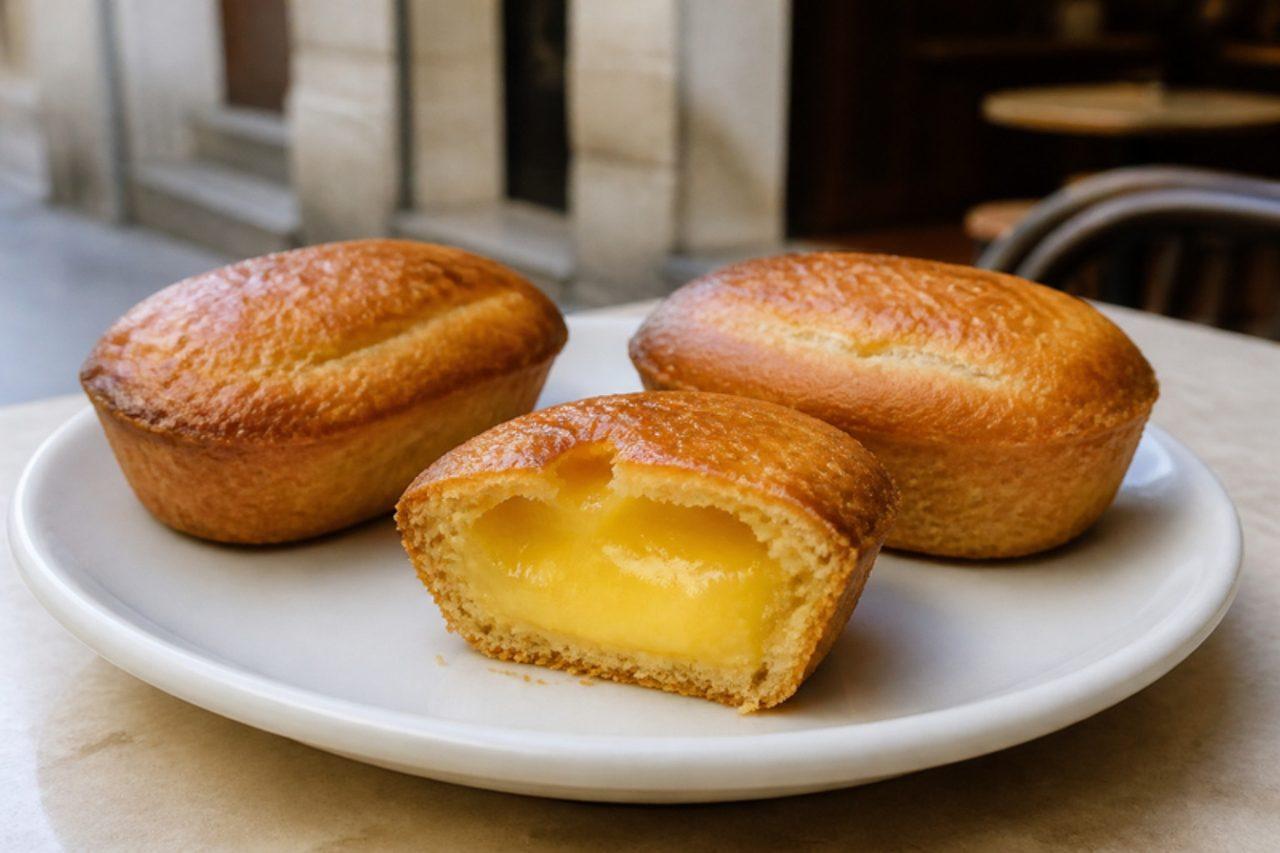
In Lecce the day starts at the bar with a pasticciotto still warm from the oven: a little oval of crumbly, golden shortcrust split open to reveal thick lemon-scented custard. It is said to come from a pastry shop in nearby Galatina in the 1700s, and the whole Salento eats it at breakfast, after Sunday Mass and with a caffè in ghiaccio in summer. The traditional pastry is made with lard; this version uses butter, which keeps it short and crisp. Chef's tip: make the custard first and chill it well; cold, thick custard stays put inside the pastry while it bakes.

by KrazyBadal 0 views

Pastis gasconCrackling apple pastry

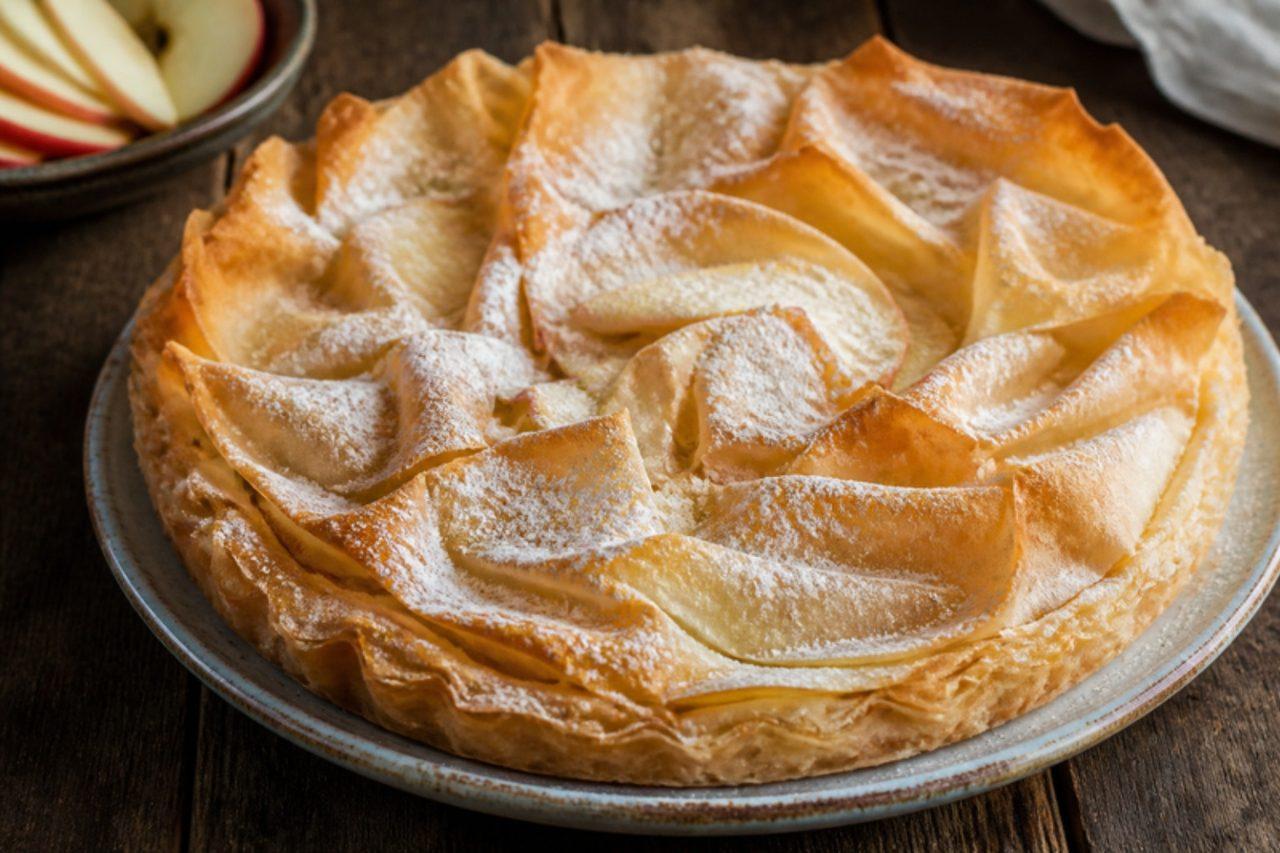
In the Gers and the Lot-et-Garonne, grandmothers once stretched pastis dough over the kitchen table until it was thin enough to read a newspaper through, then layered it with apples and butter into a crackling, golden dome. Called pastis in Gascony and croustade in Quercy, it is served at Sunday lunch, weddings and village fêtes. The apples are traditionally soaked in Armagnac, the local brandy; this home version uses filo pastry and gives an alcohol-free soak of apple juice and orange flower water, with Armagnac as the option. Chef's tip: scrunch the top sheets loosely like crumpled silk; the folds turn into the crisp, shattering crown.

by KrazyBadal 0 views

Pastissets de moniatoSweet potato pastry half-moons

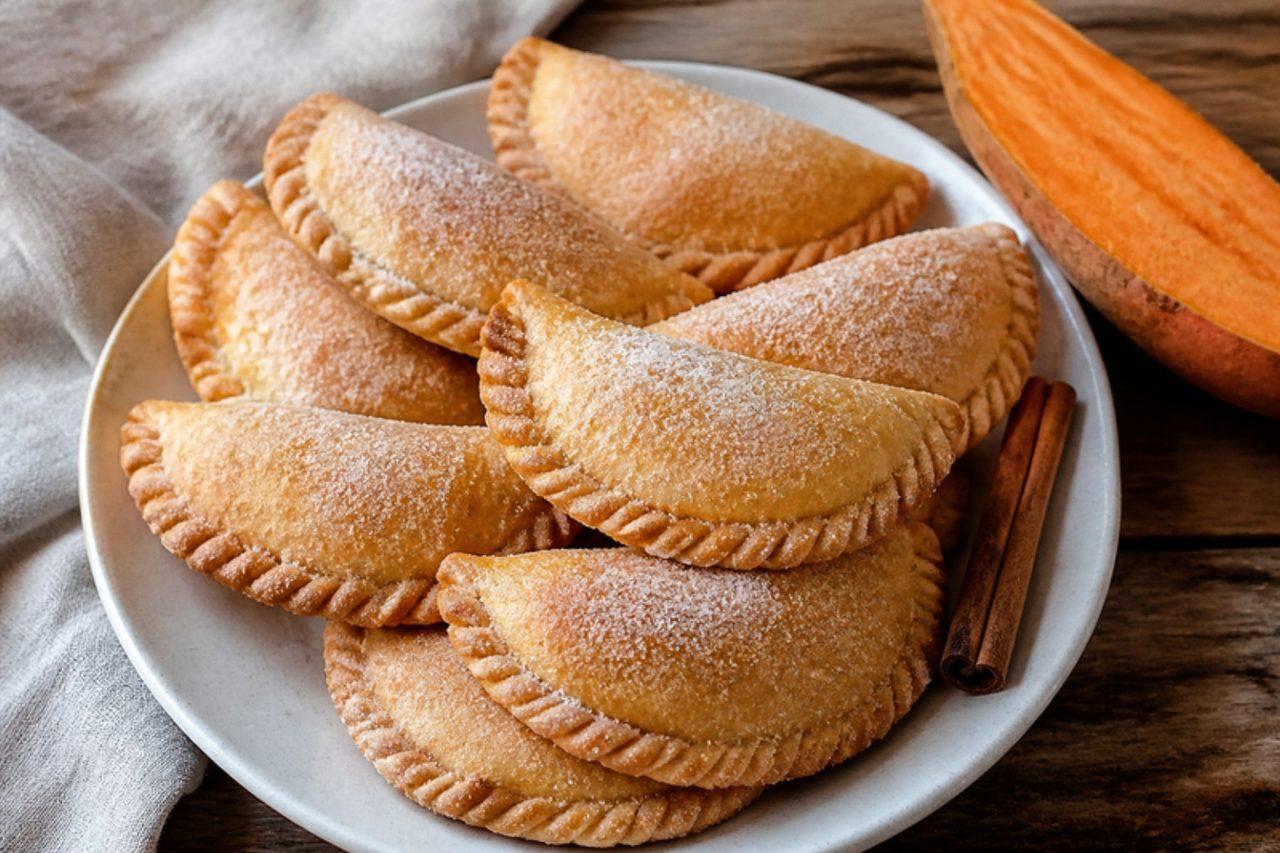
As Christmas nears, bakeries and home kitchens from Valencia to Alicante turn out trays of pastissets, little half-moon pies of crumbly olive-oil pastry wrapped around a filling of sweet potato cooked with sugar, lemon and cinnamon, finished with a snowy dusting of sugar. They are eaten with coffee or a glass of mistela after the big family meals, and also for All Saints in November. The pastry traditionally includes a splash of sweet mistela wine; orange juice works just as well for an alcohol-free version. A common mistake is overfilling, which splits the seams in the oven; a heaped teaspoon is enough. Chef's tip: chill the filling until firm before you shape, so it sits neatly in the centre and is easy to seal.

by KrazyBadal 0 views

PastitsadaSpiced beef with thick pasta

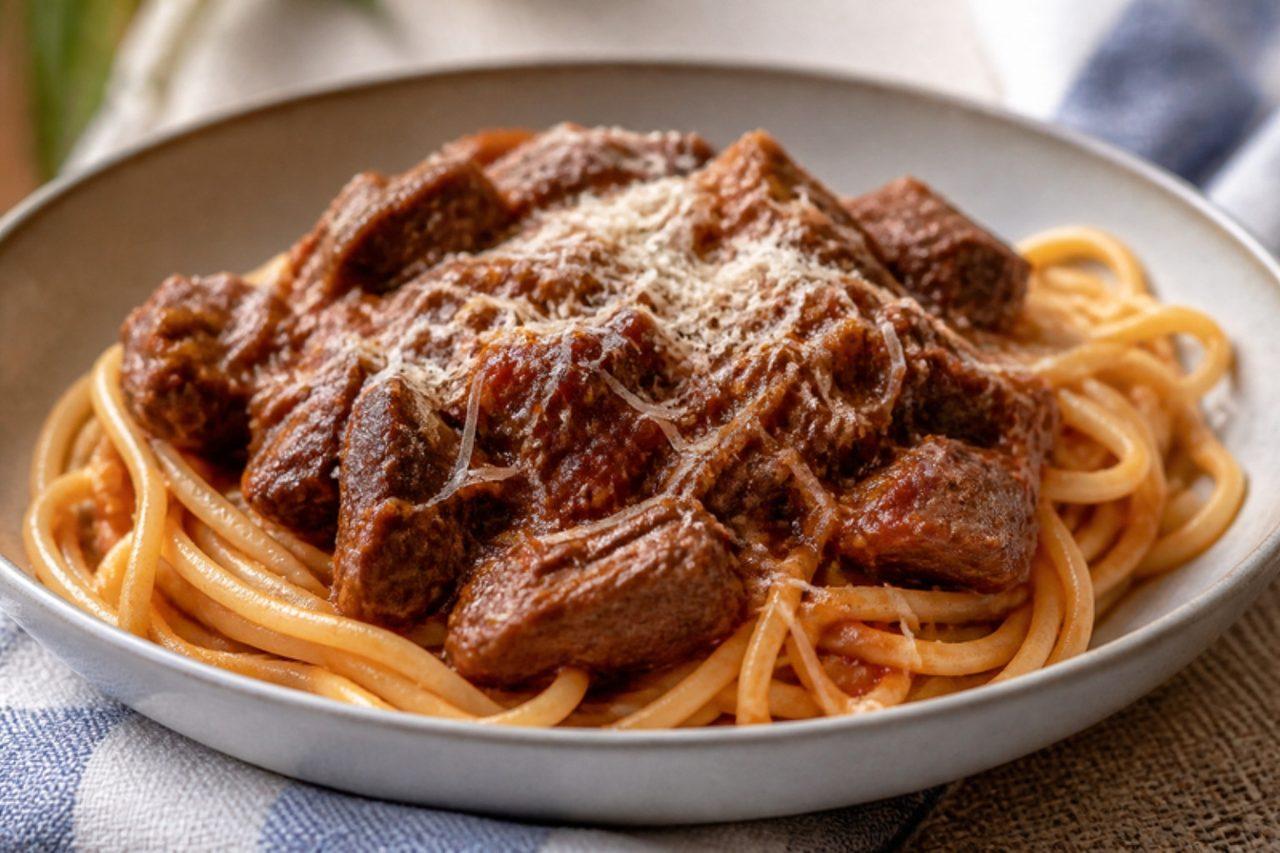
Pastitsada is Corfu's great Sunday and feast-day dish, a legacy of four centuries of Venetian rule: big pieces of beef (or rooster) slowly braised in tomato with a heady spice mix of cinnamon, clove, allspice, nutmeg and sweet paprika, sharpened with vinegar, then served over bucatini with grated cheese. The sauce should be thick enough to coat the pasta and taste warm rather than hot. Many Corfiots add red wine; this version uses red wine vinegar and stock, so it's alcohol-free (swap 150 ml of the stock for red wine if you like). Common mistake: rushing the braise — beef shin needs a long, gentle simmer to turn soft. Chef's tip: make it a day ahead; the spices settle and the sauce tastes rounder.

175 minGreekMeat
by KrazyBadal 0 views

Pataniscas de bacalhauSalt cod fritters

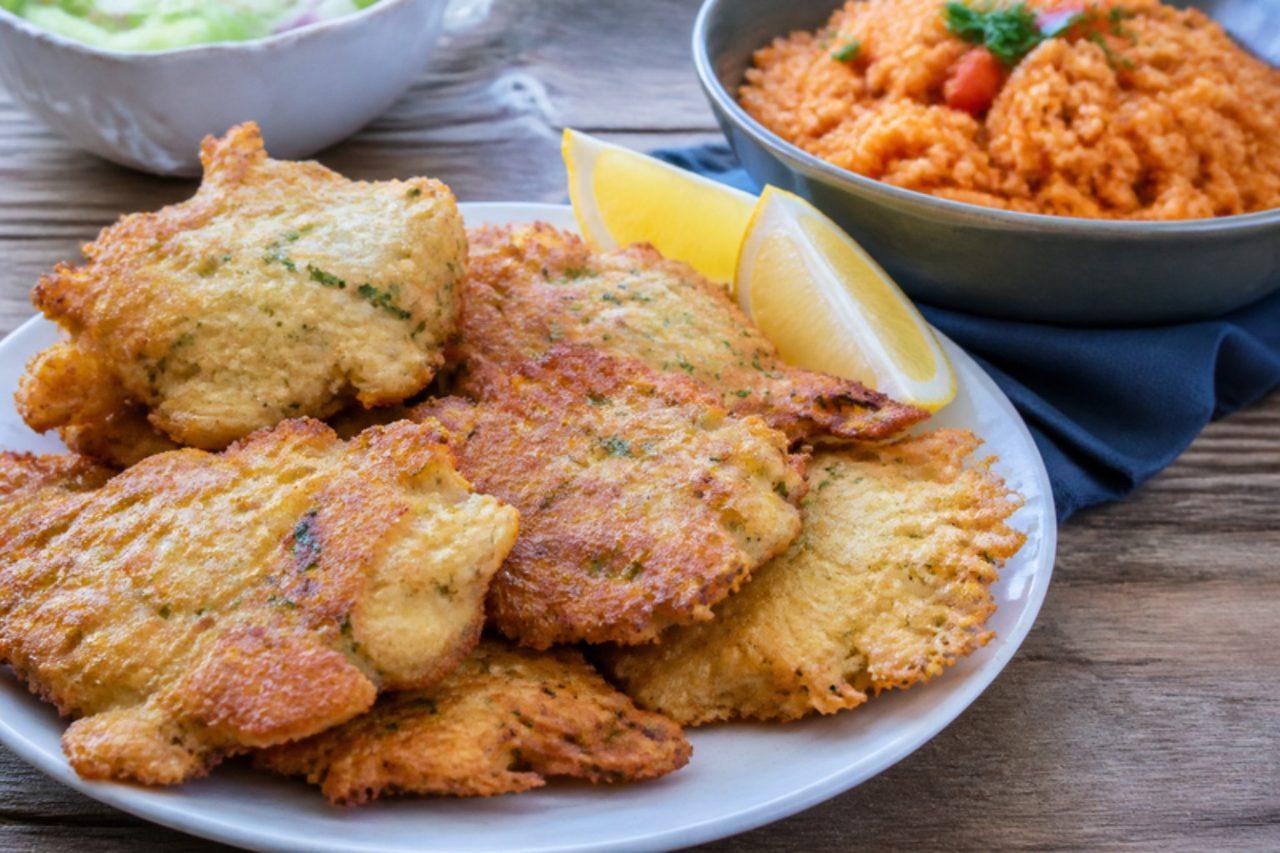
Where pastéis de bacalhau are neat and smooth, pataniscas are rough and generous: spoonfuls of a loose batter packed with shreds of salt cod, onion and parsley, fried into wide, crisp-edged fritters. Lisbon tascas serve them at lunch with arroz de feijão, a soupy red-bean rice, or tucked into a bread roll as a snack. Soak the cod in the fridge for a day or two first. A common mistake is a batter as thick as pancake mix, which gives doughy fritters; it should drop loosely from the spoon. Chef's tip: let the batter rest for 30 minutes so the flour swells and the fritters hold together without needing more.

by KrazyBadal 0 views

PatarashcaLeaf-wrapped grilled fish

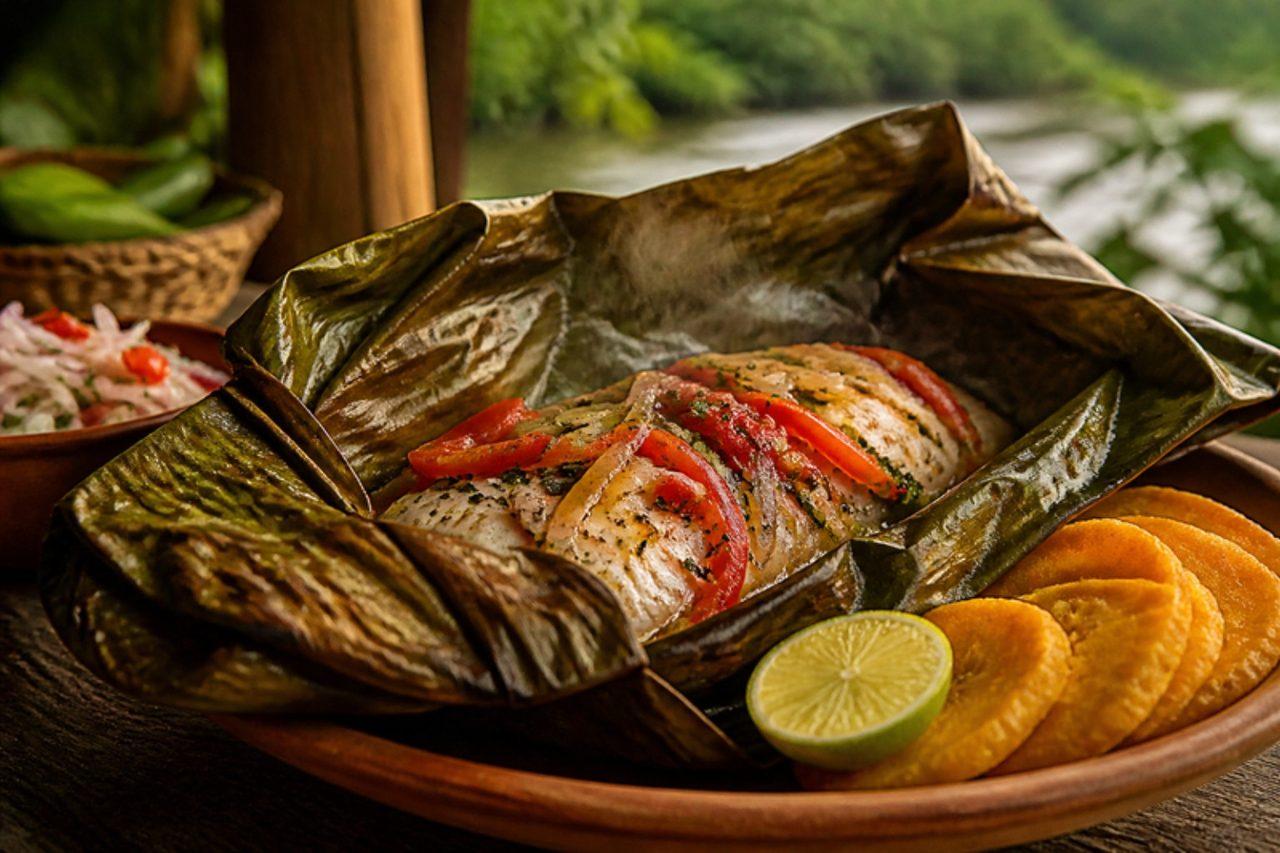
Wrapping fish in leaves and cooking it over embers is how the riverside towns of Loreto and San Martín have always cooked their catch, and in Iquitos patarashca is sold on Belén market grills and in the restaurants along the Malecón. A whole fish or thick fillet is smeared with garlic, ají dulce, tomato, onion, cumin and sacha culantro, folded in large bijao leaves and grilled until the parcel chars and the fish steams in its own juices. When you open it, the flesh is soft and fragrant with herbs. Banana leaves from Asian shops are the best swap for bijao; foil works at a pinch. Too thin a parcel is the usual mistake: the leaves burn through and the fish dries out, so use two layers. Chef's tip: serve it in the opened leaf with boiled plantain or cassava and spoon up every drop of the juices.

by KrazyBadal 0 views

PatascaHominy and tripe soup

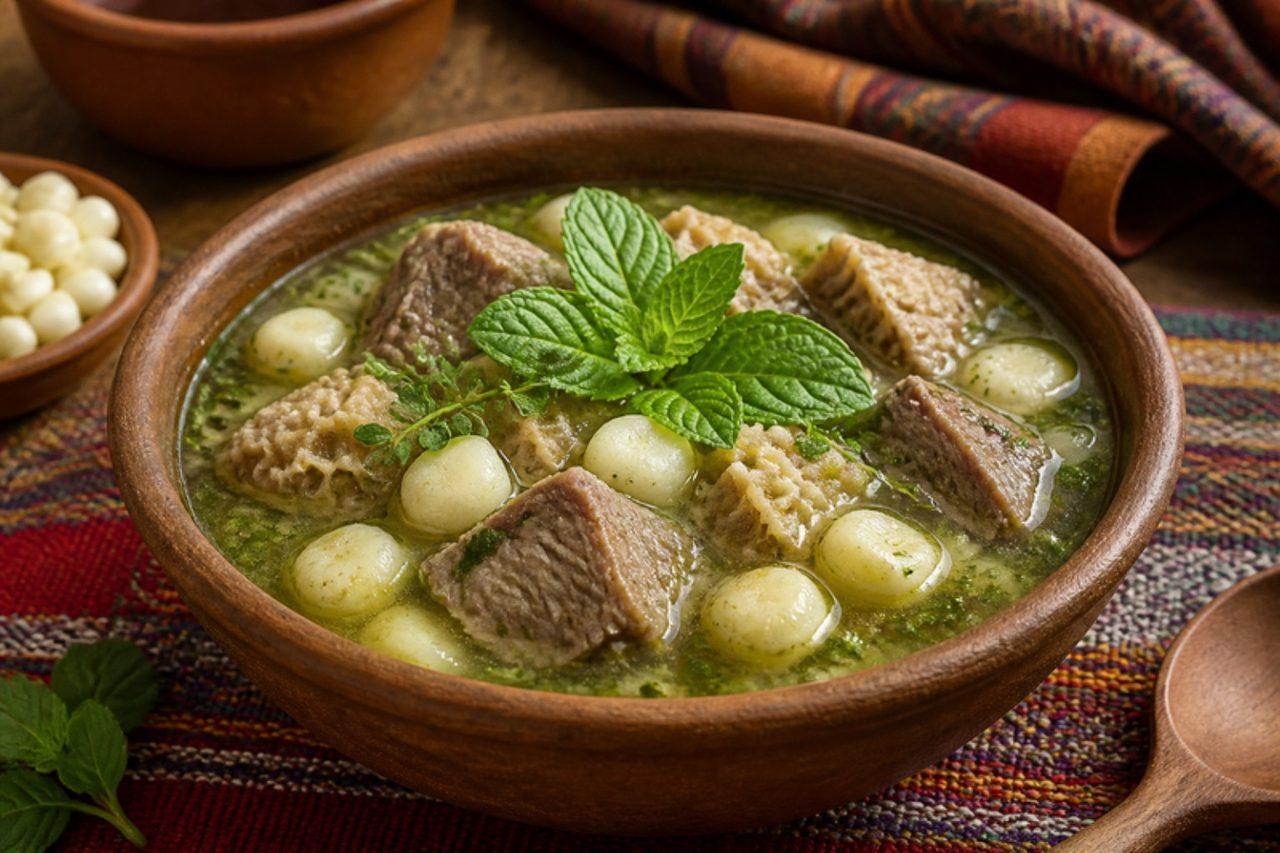
Through the highlands of Ayacucho, Huancavelica and Apurímac, patasca (also called mondongo) is the soup for cold mornings, carnivals and the day after a fiesta: plump white mote, dried maize kernels that burst open like flowers after long boiling, in a clear, rich broth with honeycomb tripe and beef shin, perfumed with mint and oregano. It is filling and gentle, and gets its fire at the table from a spoon of rocoto sauce. Plan ahead: the maize needs an overnight soak and several hours of simmering. Buy tripe cleaned and blanched from a butcher or Latin or halal shop; it must be simmered until soft and fully cooked. The typical mistake is salting the mote early, which keeps the kernels hard. Chef's tip: cook the maize and the tripe in separate pots, then combine; each needs a different time and the broth stays cleaner.

by KrazyBadal 0 views

PatayAlgarroba pod cake

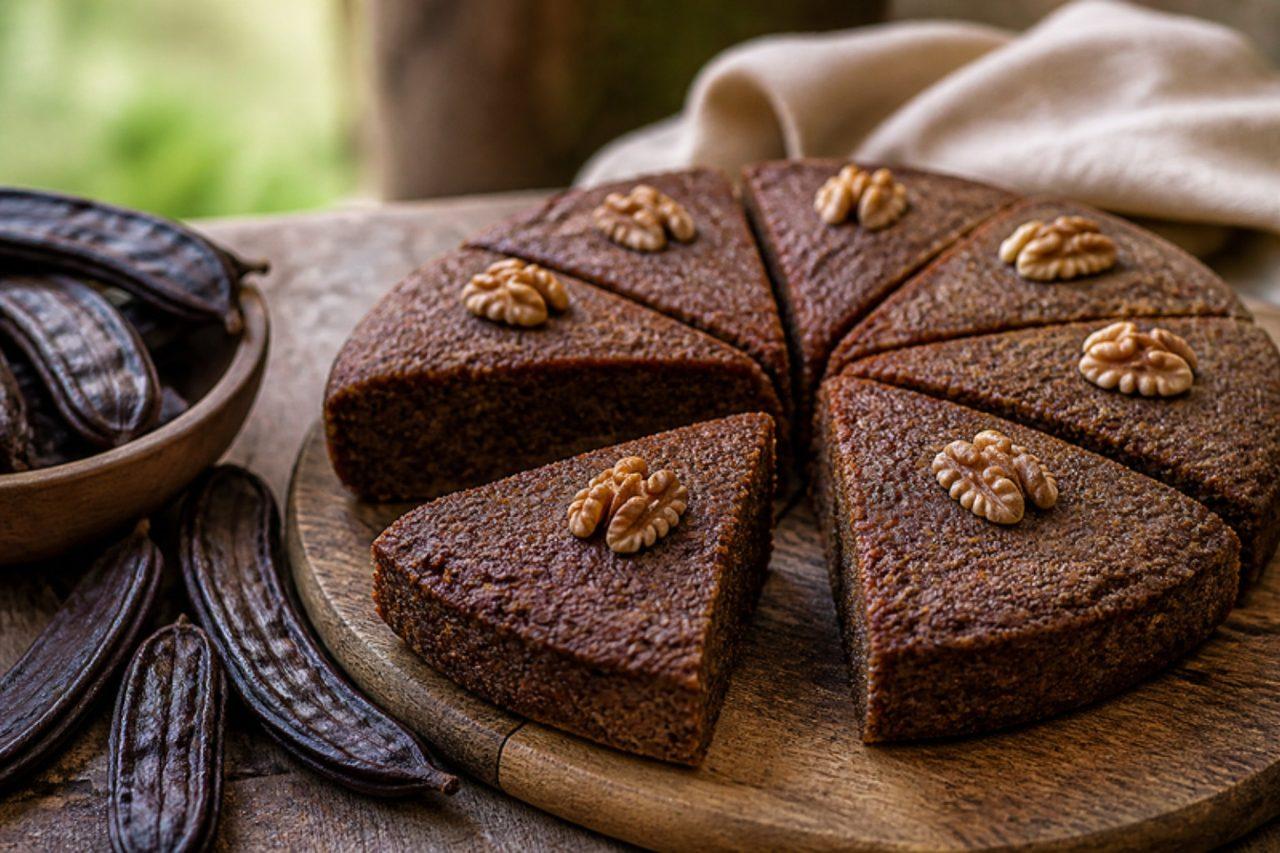
Long before sugar reached the dry northwest, the pods of the algarrobo tree were the region's sweetness, and patay is the oldest way of keeping them: the pods are ground, the flour is moistened and pressed into a cake that dries into something dense, fudgy and naturally sweet, with notes of cocoa, coffee and caramel. In Santiago del Estero you still buy it in round slabs at markets and roadside stalls, to eat with mate or to crumble into milk. Harina de algarroba comes from the South American Prosopis tree; look for it in health-food shops or online, and mesquite flour is the same family and works well. Mediterranean carob flour is different and tastes more bitter. Too much water is the way most first attempts go wrong: the cake should be pressed from a damp, crumbly mix, not a batter, or it bakes up gummy. Chef's tip: sieve the flour twice; algarroba flour clumps, and lumps stay as hard grains.

by KrazyBadal 0 views

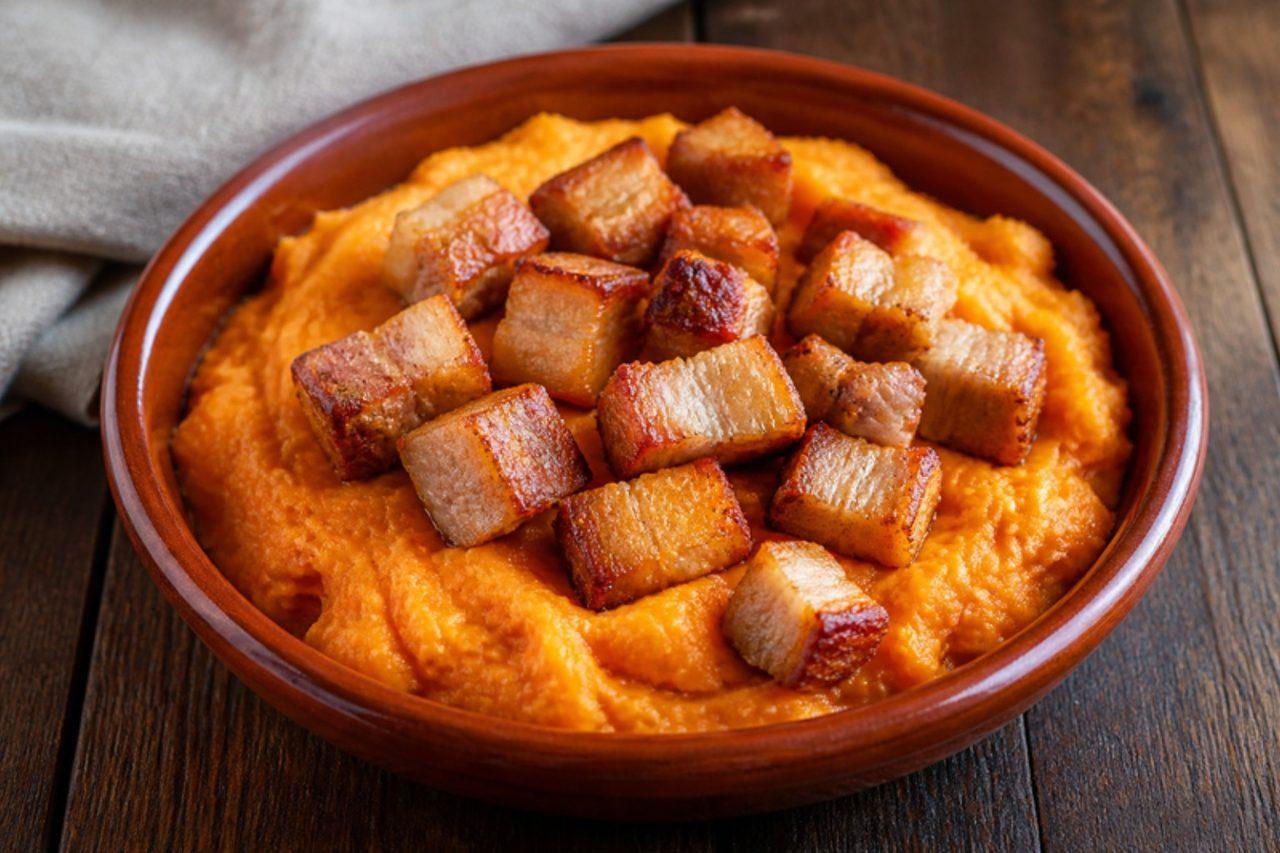
Patatas revolconasPaprika mashed potatoes with crisp pork

Shepherds in the Gredos mountains of Ávila once lived on these "tumbled" potatoes, roughly mashed with garlicky paprika oil and topped with crunchy fried pork belly, called torreznos. Bars in Ávila, Salamanca and Béjar now serve them on the house as a tapa, or as a starter before a steak on a chilly evening. This contains pork (pork belly). Chef's tip: save the potato cooking water; a splash makes the mash loose and spoonable without milk or butter.

by KrazyBadal 0 views

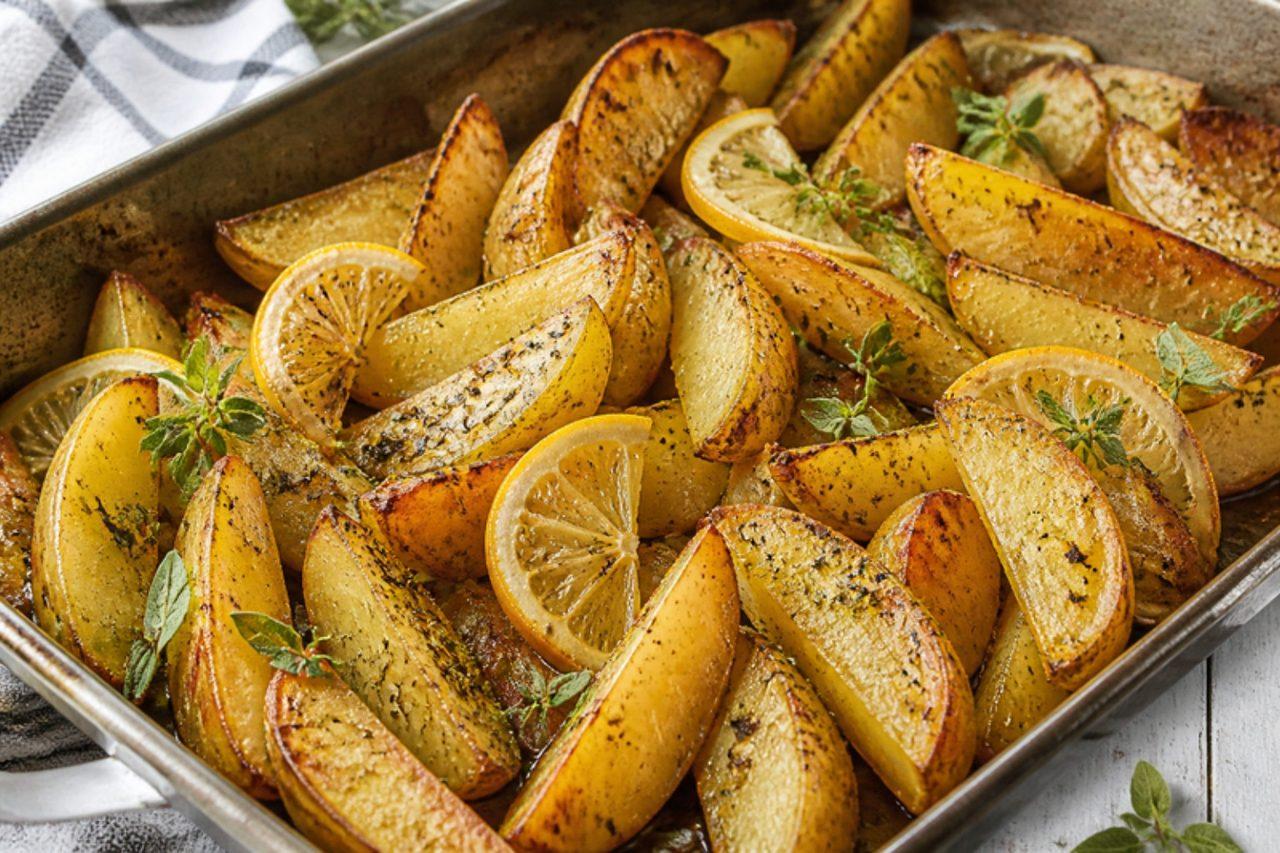
Patates lemonatesLemon-oregano roast potatoes

These are the potatoes that come out of Peloponnese bakers' ovens alongside Sunday roasts, and that every Greek grandmother has a firm opinion on. Wedges roast in a bath of lemon juice, olive oil, garlic and oregano; the liquid soaks into the potatoes, then evaporates, leaving them sticky, golden and tangy, with fluffy middles. Serve with roast chicken or lamb, or with feta, a salad and bread for a meatless lunch. Common mistake: crowding the tin, so the potatoes steam instead of browning. Chef's tip: add a final squeeze of fresh lemon as they come out of the oven; the cooked juice loses its brightness.

90 minGreekSidesVeganGluten free
by KrazyBadal 0 views

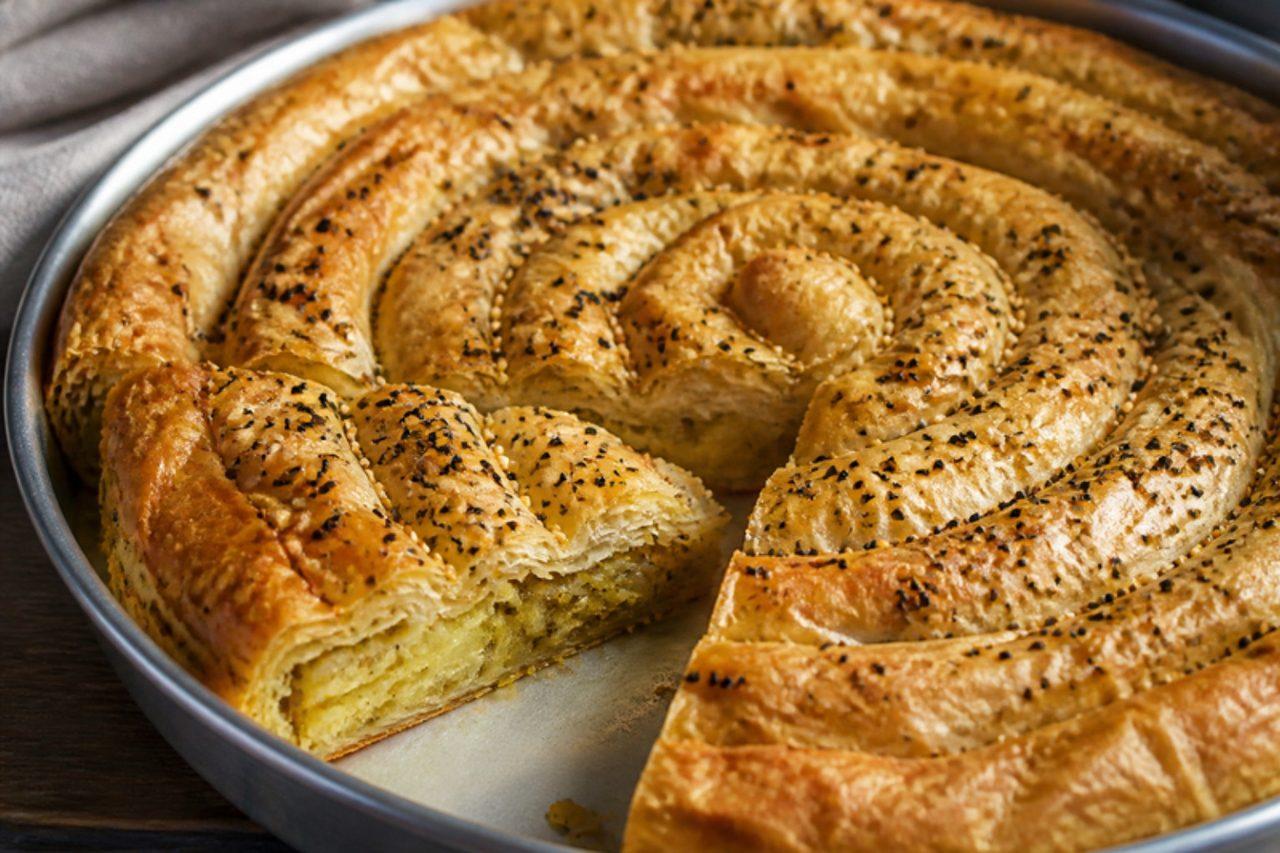
Patatesli kol böreğiPotato and onion filo coil

Kol böreği is the long 'arm' börek that Istanbul neighbourhood bakeries coil into round trays and sell by weight in the morning, and the potato version is the one home cooks make for guests at five o'clock tea. Thin sheets of yufka are brushed with a milk and oil wash, rolled around a peppery potato and onion filling, then coiled and baked until shatteringly crisp outside and soft within. Serve it warm with tea or ayran. Chef's tip: let the filling cool completely before rolling; warm potato steams the pastry from inside and makes it soggy.

by KrazyBadal 0 views

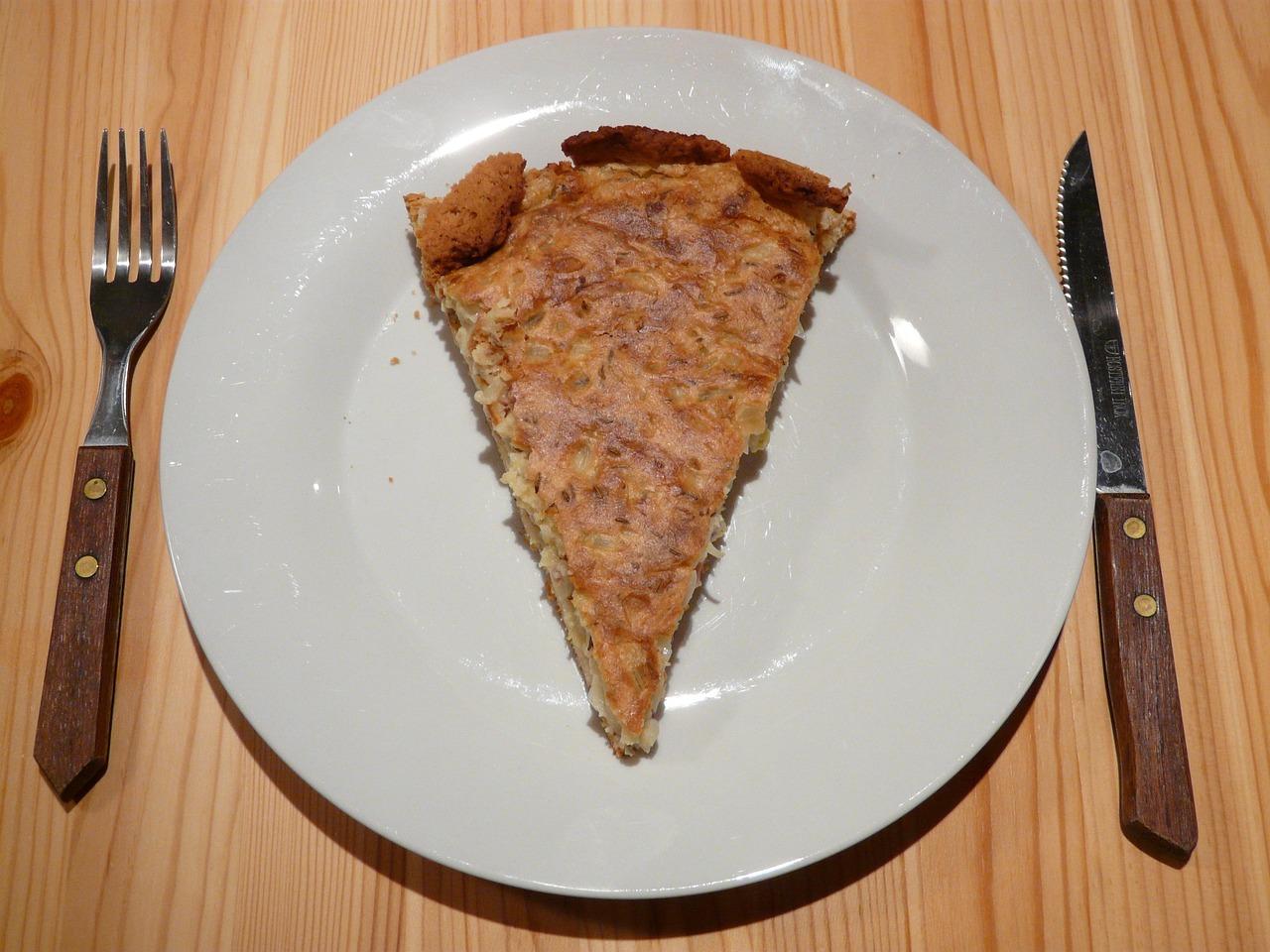
ZwiebelkuchenOnion tart

When the grape harvest starts in Baden and the Württemberg vineyards in September, bakeries pull out trays of Zwiebelkuchen: a thin yeast base piled with slowly softened onions under a sour-cream and egg custard, sprinkled with caraway. It is traditionally eaten warm with Neuer Wein or Federweißer, the young, still-fermenting wine; that is alcoholic, so pour cloudy fresh grape juice or apple juice instead, which tastes just as right. Many bakers add bacon; this version is vegetarian. A common mistake is rushing the onions on a high heat: they need 25 minutes on low until soft and sweet but still pale. Chef's tip: cool the onions before adding the custard, or the eggs start setting in the bowl.

by KrazyBadal 0 views

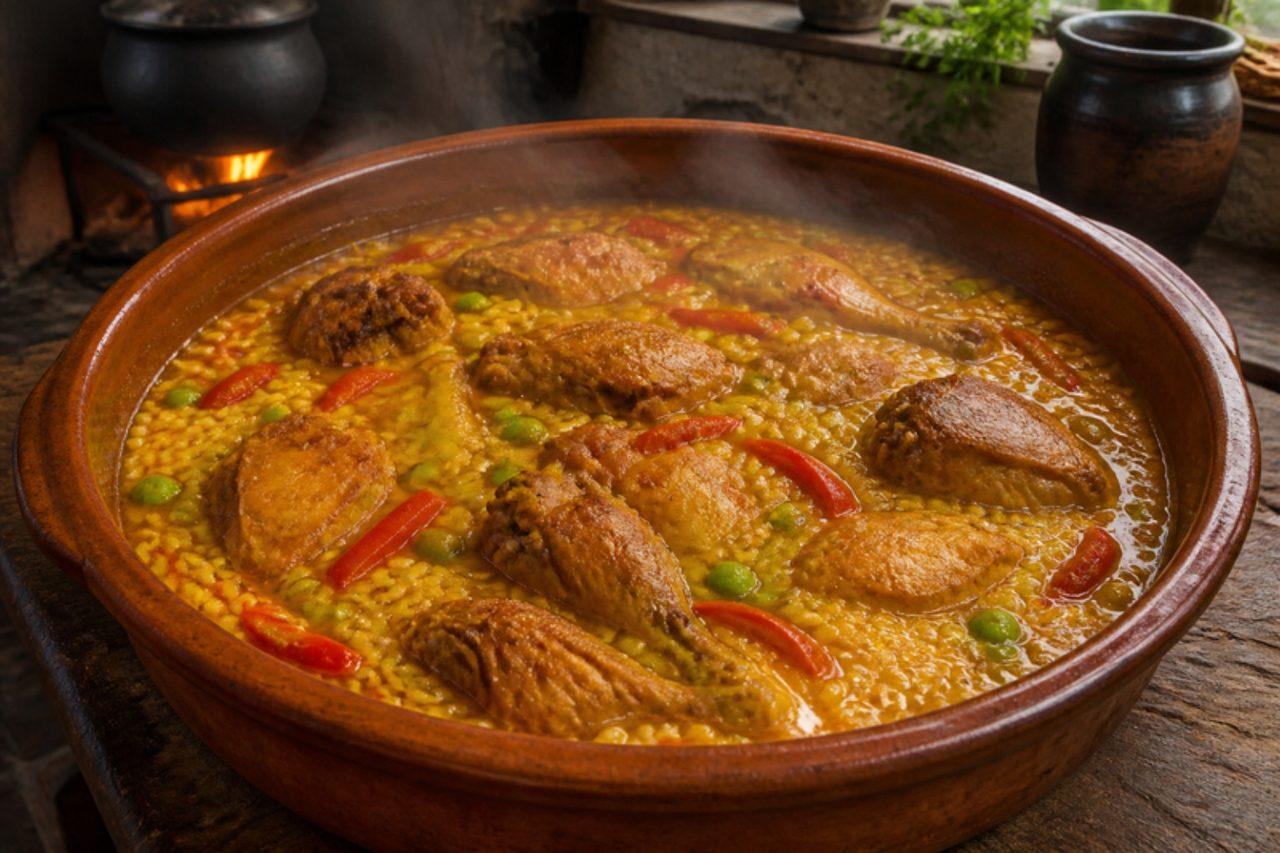
Arroz con pitu de caleyaSoupy rice with chicken

A pitu de caleya is a cockerel raised free in the lanes, or caleyas, of rural Asturias; its firm, flavourful meat needs long stewing, and families around Villaviciosa and Grado still cook it for feast days. The stew is often finished as a soupy rice, so the deep chicken juices go into every grain. Use the best free-range chicken you can find. The braise includes dry white wine; replace it with extra stock and a squeeze of lemon if you want it alcohol-free. Chef's tip: brown the chicken slowly and deeply; that colour is where the flavour of the whole pot comes from.

by KrazyBadal 1 views

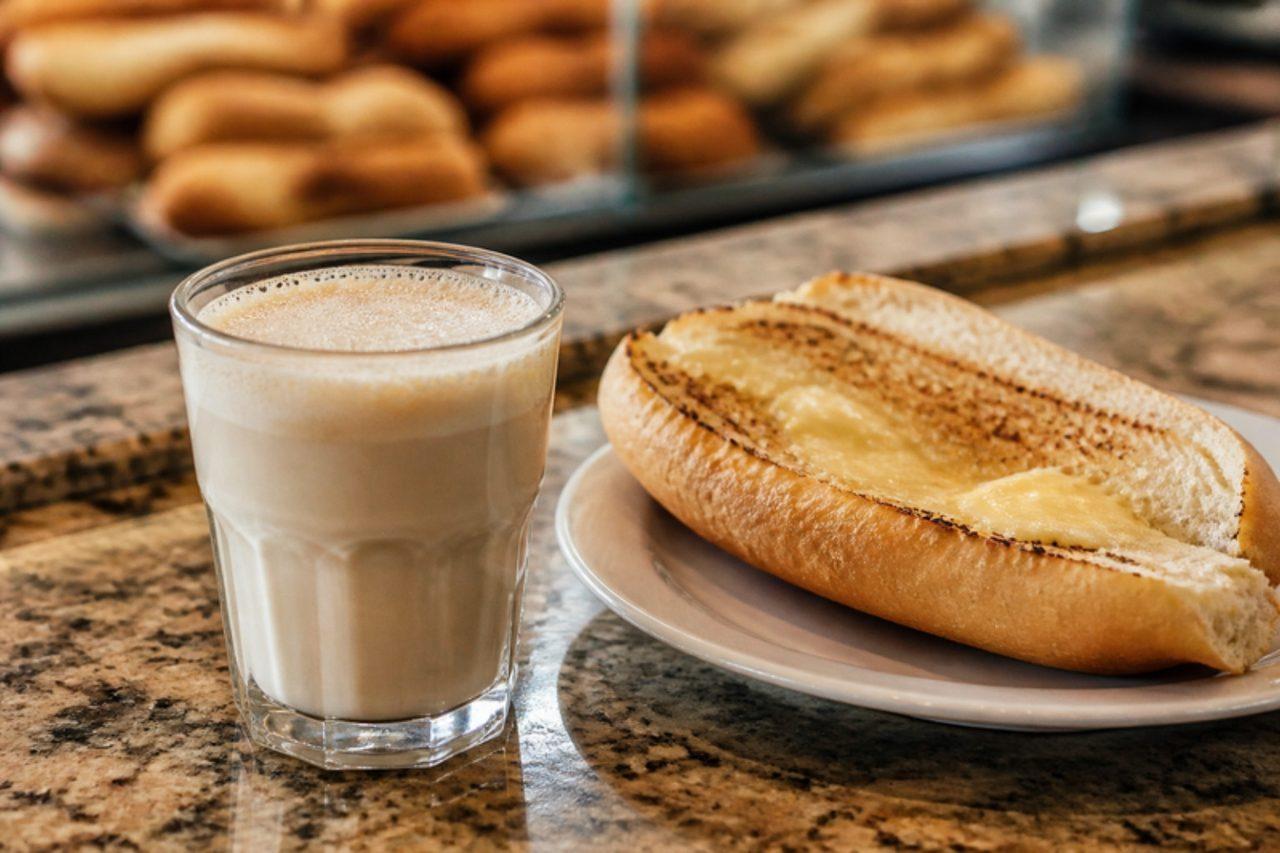
PingadoHot milk with coffee

Order 'um pingado' at the balcão of any São Paulo padaria at 7 in the morning and the attendant pours hot milk into a ridged glass tumbler (the copo americano) and 'drips' in a splash of strong coffee, hence the name. It is milkier and gentler than a média (half coffee, half milk), creamy and lightly sweet, usually drunk standing up with a pão na chapa, a toasted buttered roll. At home you need strong filter coffee and milk heated until steaming. Scalding the milk is the frequent mistake, as boiled milk tastes flat and forms a skin. Chef's tip: froth the hot milk for a few seconds with a whisk or by pouring it back and forth between two jugs before adding the coffee, as padaria machines do.

by KrazyBadal 1 views

Showing 18 of 7,762 recipes

Show more recipes

Page 470 of 863