


Skip to content
WhatToEat.Today
Cherry almond fudge slice
Featured recipe

Cherry almond fudge slice

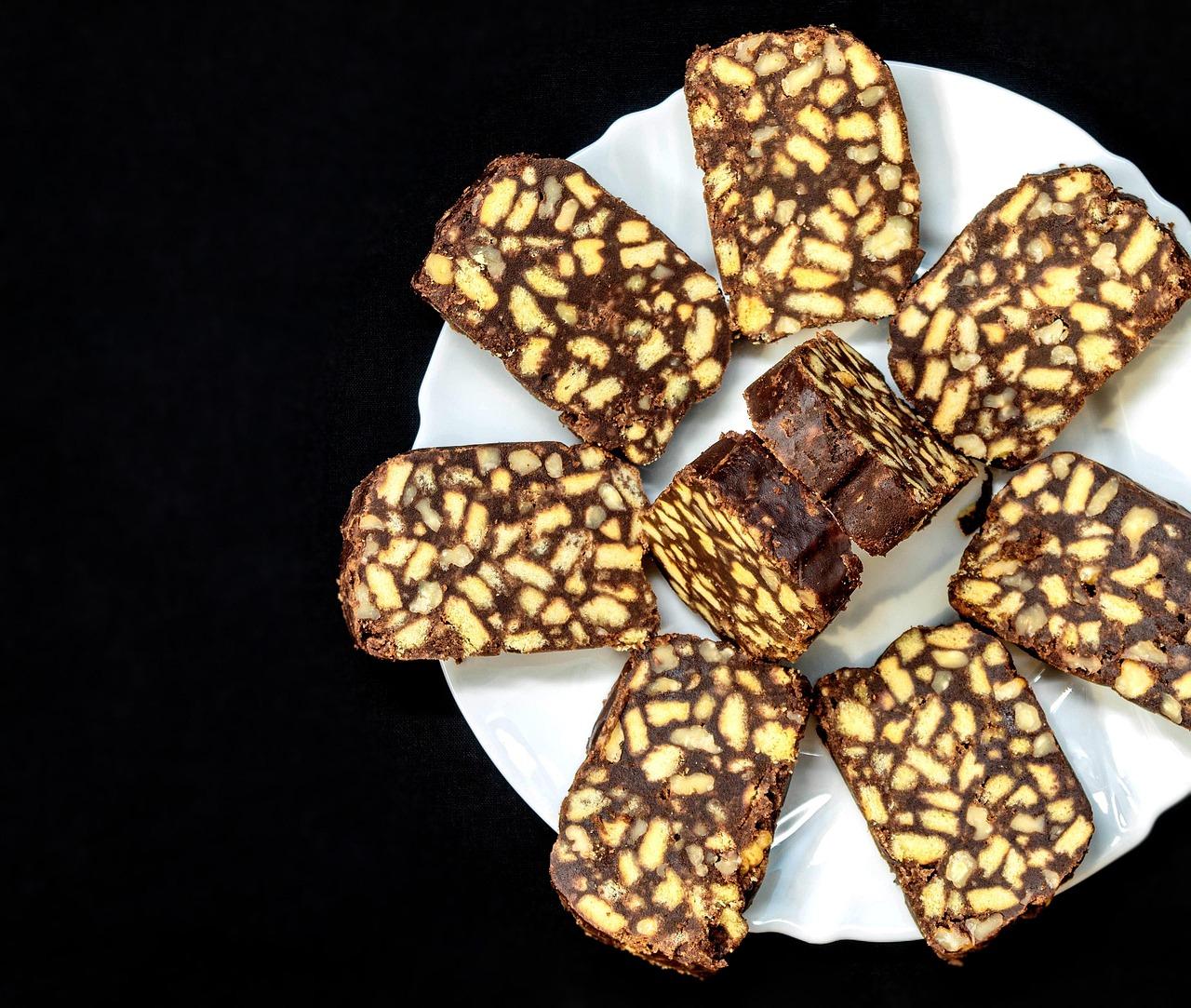
A no-bake chocolate fudge loaf layered with plain biscuits and packed with brazil nuts, ground almonds, apricots, peel and glacé cherries, finished with scribbles of white chocolate. Make it the day before: it needs 8 hours to set. Serve in thin slices.

Cook this

What to eat today?

Around the world

Today's trip: Peruvian

A new country every day, from every cuisine on the site.

Peruvian

Tacacho

Mashed roasted green plantain balls 35 minMore from Peruvian (119) →

This week's collection

Kid-friendly dinners
794 recipes · a new collection every Monday

Coming up

All occasions →

Latest recipes

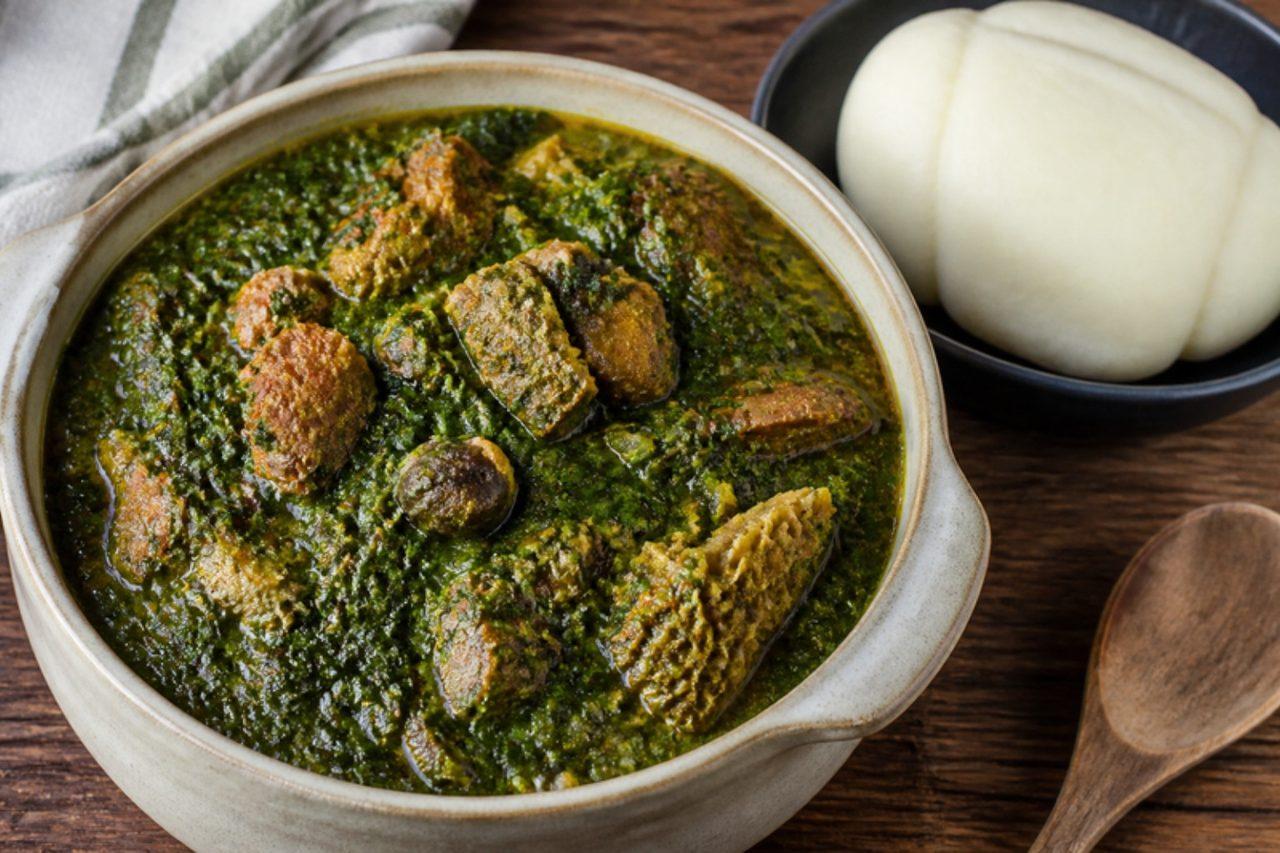
Edikang ikongPumpkin leaf and waterleaf soup

Edikang ikong is the soup of celebrations in Calabar: weddings, Christmas and the visits of in-laws, when the pot is crowded with assorted meat, stockfish, dried fish and periwinkles. The base is two leaves, ugu (fluted pumpkin) for body and colour, and waterleaf for moisture, cooked so briefly that the soup stays bright green and fresh-tasting under the palm oil. Serve it with pounded yam, fufu or garri. If you cannot find ugu, use spinach mixed with a little kale. Buy periwinkles cleaned from a trusted seller and throw out any with broken shells. Chef's tip: add the ugu last, off a high heat, and stop after three or four minutes; the usual mistake is stewing it until it goes black and slimy.

by KrazyBadal 0 views

EchpochmakLamb and potato triangle pastries

The name means 'triangle' in Tatar, and these three-cornered pies are sold warm in every bakery and railway buffet in Kazan, always with a small hole at the top. Raw diced lamb (or beef), potato and onion go in together and steam inside the pastry, so the filling comes out tender and juicy; a spoonful of hot broth poured through the hole halfway through baking makes it even more so. They are eaten for lunch with black tea, or as the first dish at a family celebration. A common mistake is cutting the meat and potato too big; they will not cook through in the time the pastry takes. Chef's tip: dice everything to the size of a pea and toss the filling with a little cold butter, it melts into the potatoes and keeps them from drying.

by KrazyBadal 0 views

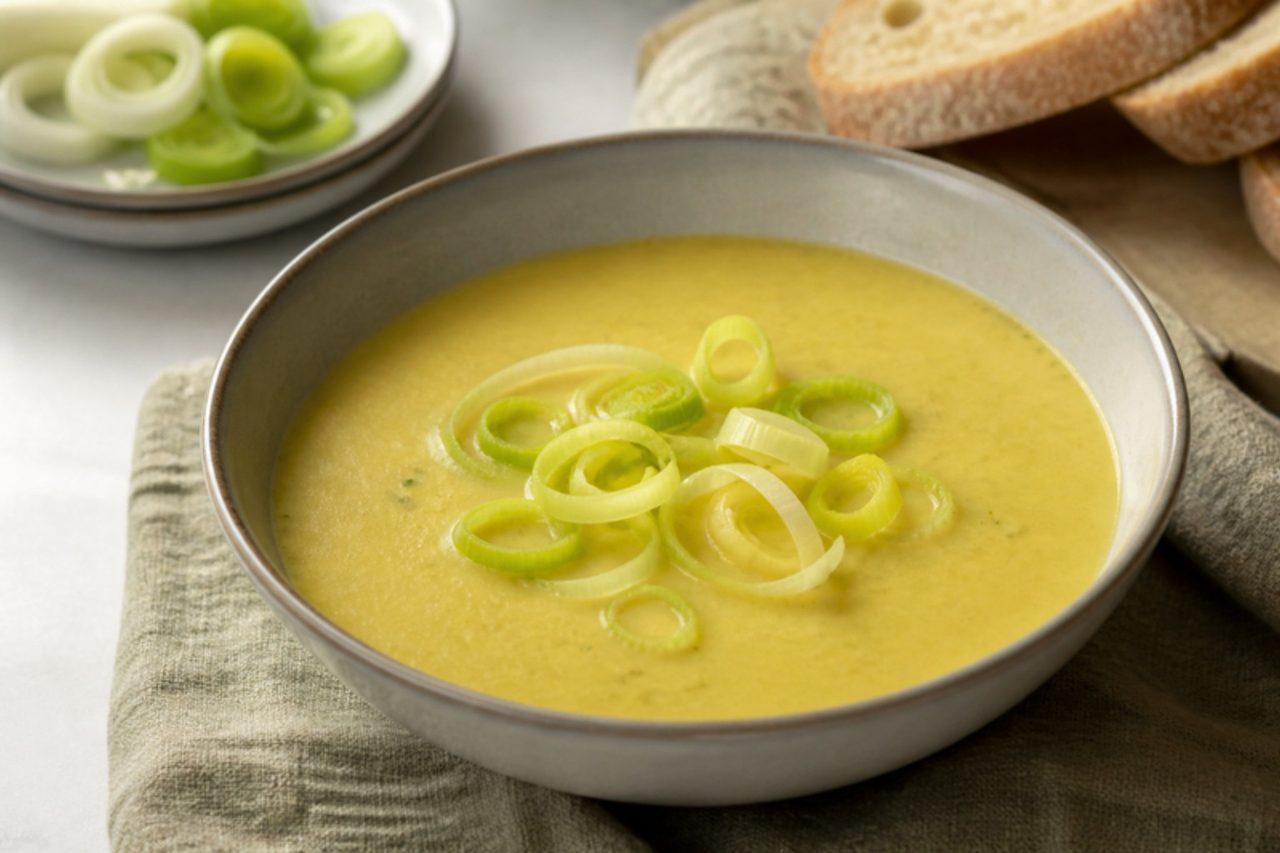
Groninger mosterdsoepMustard and leek soup

Groningen in the far north of the Netherlands has been making mustard since the Middle Ages, and its creamy mustard soup is served in every café in the city: a velvety roux soup with leek, stock and cream, sharpened with a generous amount of coarse Groninger mustard. Most cafés top it with crisp bacon bits; this vegetarian version uses toasted croutons and chives. A common mistake is boiling the soup after the mustard goes in, which makes it bitter and grainy. Chef's tip: whisk the mustard in off the heat at the end, so it keeps its tang.

30 minDutchSoups
by KrazyBadal 0 views

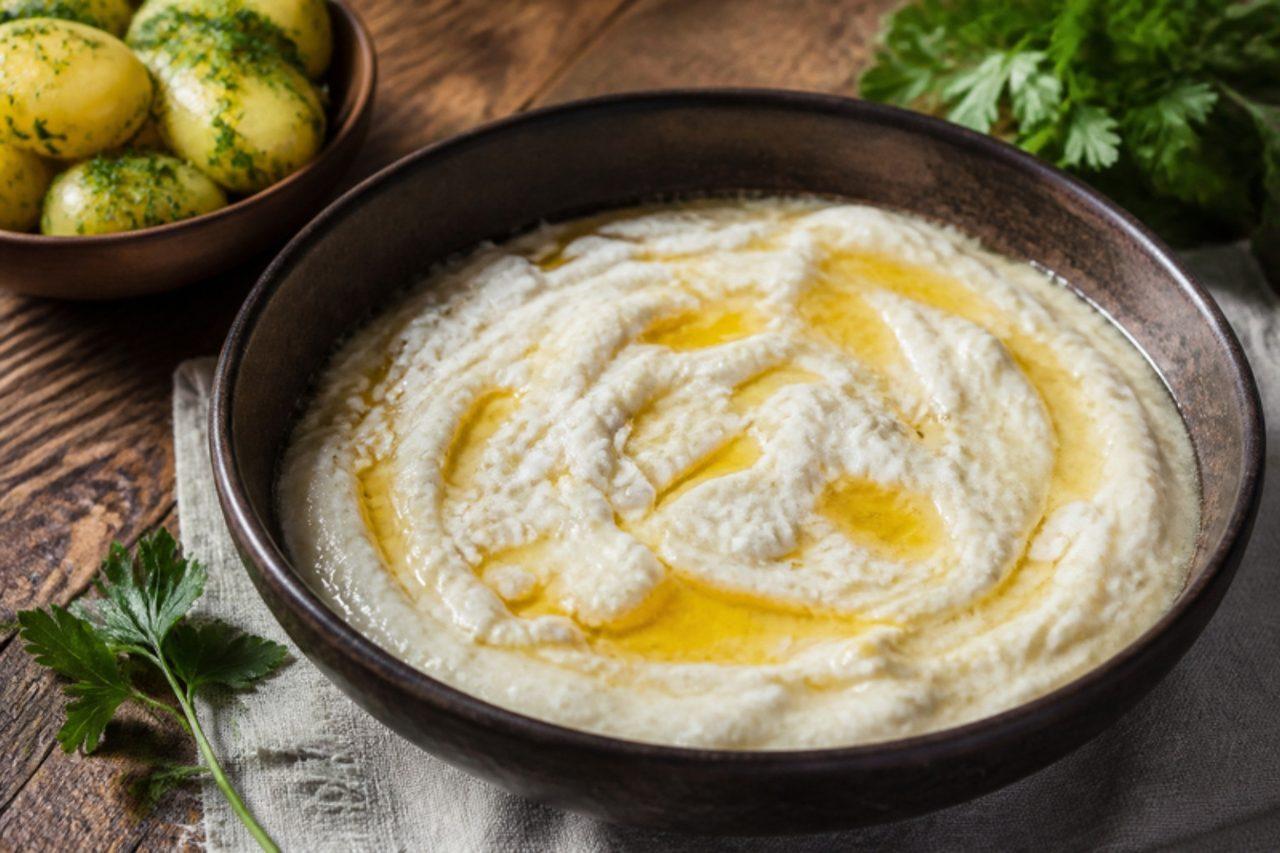
DzykkaCheese and sour cream porridge

Shepherds in the high pastures of North Ossetia cooked dzykka in a cauldron over the fire from what the herd gave them, and it is still a winter breakfast and a dish for guests in Vladikavkaz homes. Young cheese and thick sour cream are heated and stirred with a little flour until the mass turns smooth, stretchy and glossy and clear yellow butterfat seeps out at the edges. It is rich, salty and tangy, eaten hot by scooping it up with flatbread or boiled potatoes. Ossetian cheese uses animal rennet, so choose a young brined cheese labelled vegetarian. A common mistake is stopping too early: dzykka is ready only when the fat separates and pools. Chef's tip: use a heavy non-stick pan and a wooden spoon and keep the heat low; high heat scorches the base long before the butter appears.

by KrazyBadal 0 views

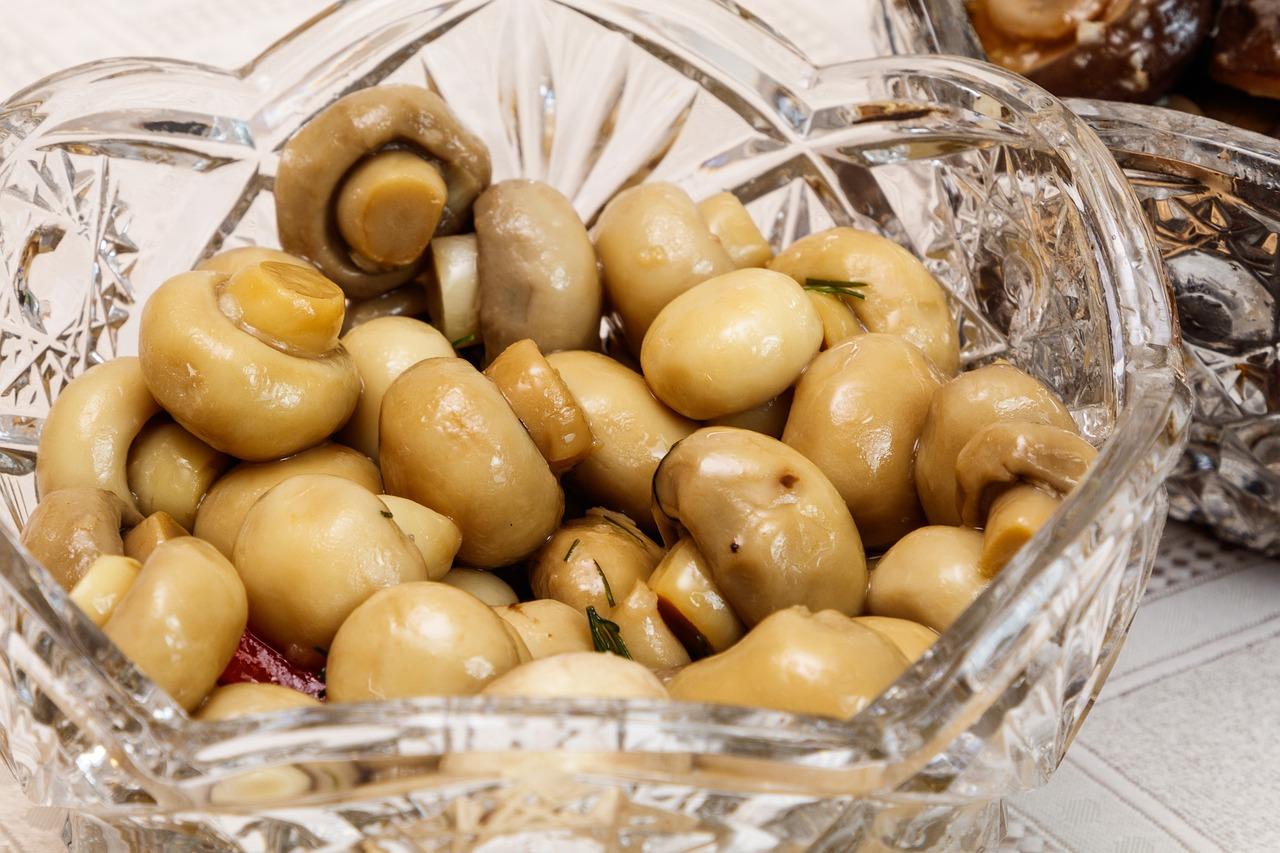
Grzybki marynowanePickled forest mushrooms

After an autumn morning of mushroom picking in the forests of Podlasie or the Bieszczady, the smallest, firmest boletes and slippery jacks are set aside for jars of grzybki marynowane. They come out at Christmas and on name days as a zakąska, sharp and sweet with allspice and mustard seed, sliced onion and firm, slightly slippery mushrooms. Only use wild mushrooms you bought from a trusted seller or had checked by an expert; cultivated chestnut or button mushrooms work well too. A common mistake is skipping the first boil in salted water, which leaves the pickle cloudy and the mushrooms soft. Chef's tip: cook the mushrooms until they sink, then pack them while hot under boiling marinade.

by KrazyBadal 0 views

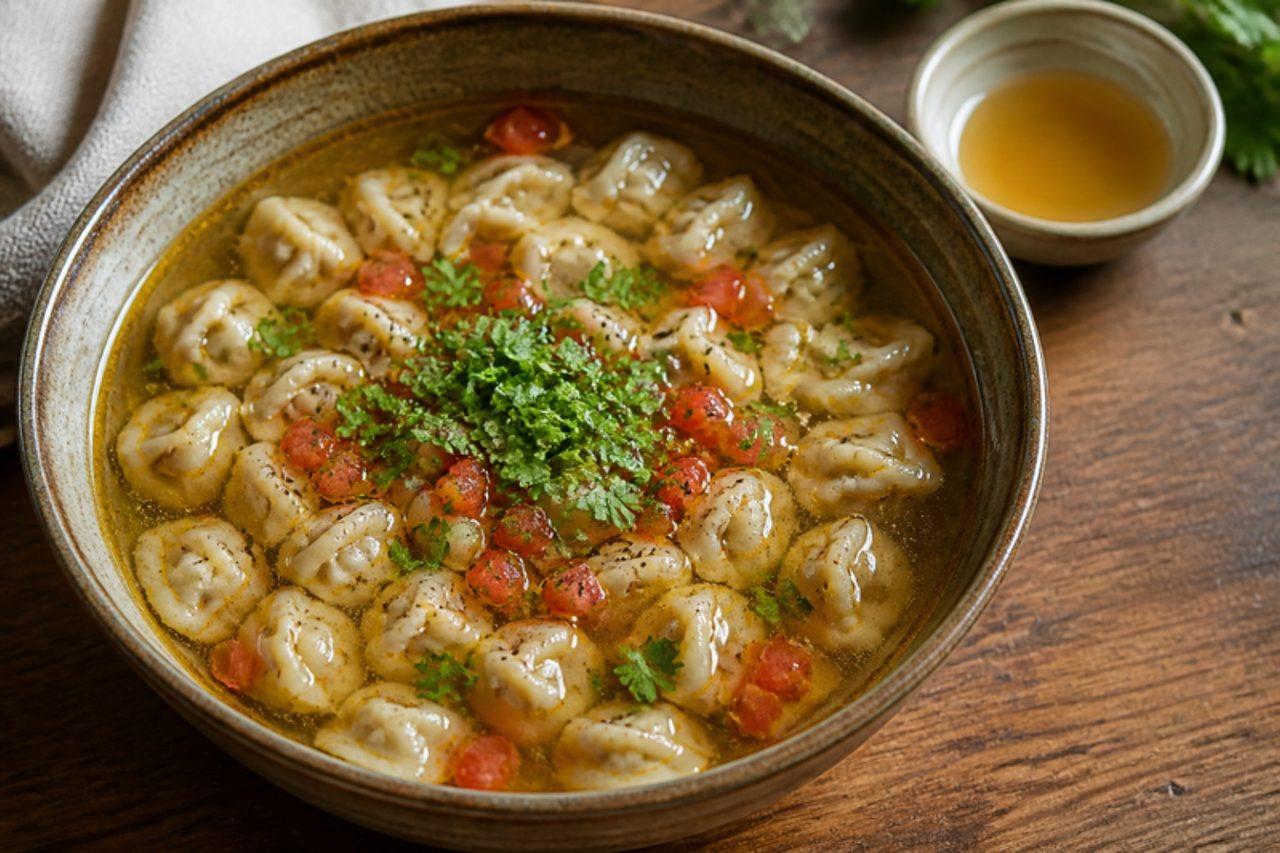
DushparaTiny beef dumplings in broth

Dushpara are tiny dumplings, no bigger than a fingernail, filled with minced beef and onion and cooked in a clear meat broth, and Bukharan grandmothers in Or Yehuda and Kiryat Malakhi pride themselves on how many fit on a spoon. They are a cold-weather and holiday dish, eaten from bowls with chopped coriander, black pepper and a splash of vinegar at the table that lifts the rich broth. The dough must be thin and the dumplings small, or it stops being dushpara. The classic mistake is a dry filling; a spoonful of cold water mixed into the meat keeps each one juicy. Chef's tip: freeze trays of raw dumplings and cook them straight into simmering broth when you need a quick supper.

120 minIsraeliSoups
by KrazyBadal 0 views

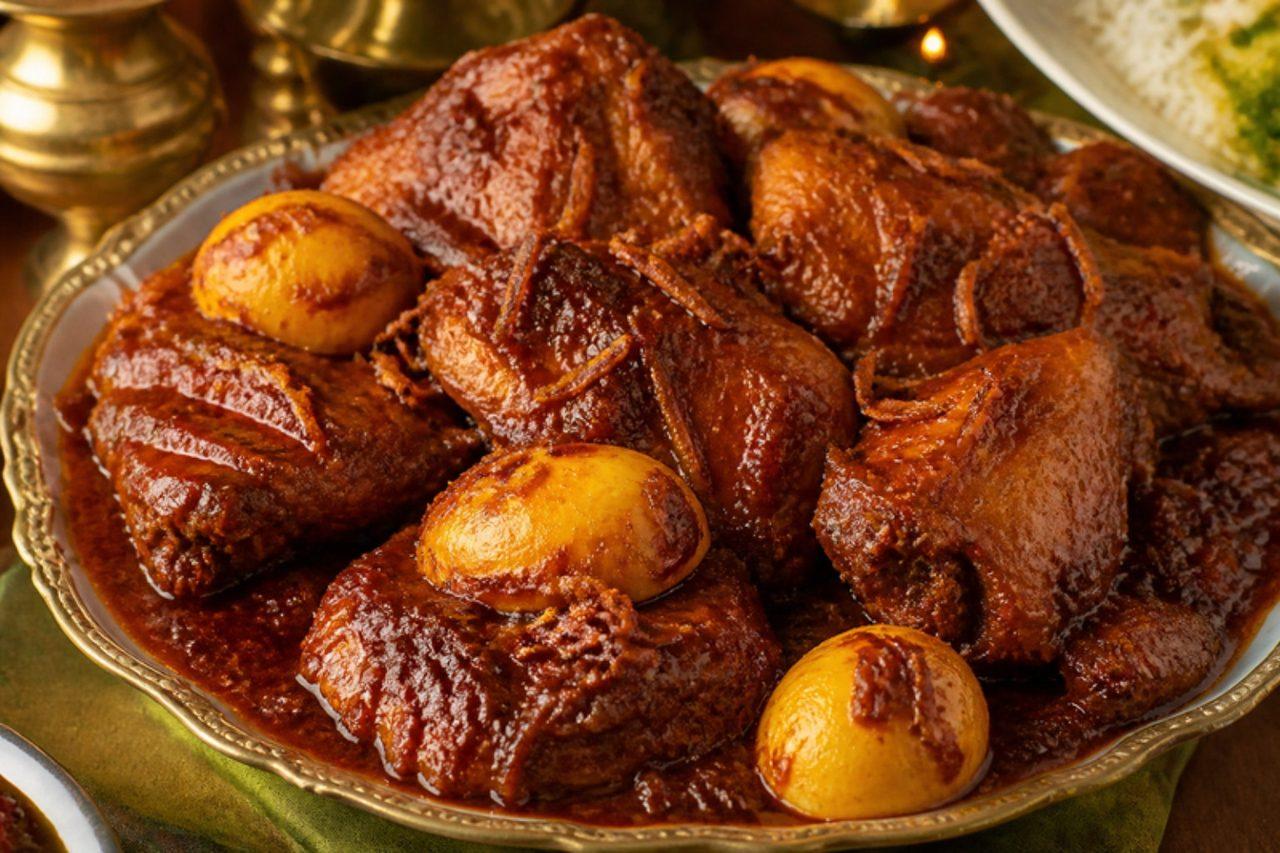
Durus kuraBraised whole wedding chicken

In Chittagonian, durus means whole and kura means chicken, and at a traditional Chittagong wedding a whole bird cooked this way is sent to the groom's side as a mark of honour. The chicken is rubbed with spices, browned whole in hot oil and then braised slowly in a thick masala of onion, ginger, garlic, poppy seed and coconut, turned often until the gravy coats it like a lacquer. Hard-boiled eggs are sometimes nestled in alongside. It is carved at the table and served with polao or plain rice, and leftovers make an outstanding next-day lunch. Do not be tempted to skip the deep slashes; without them the spices sit on the skin and the inside tastes bland. Chef's tip: choose a small bird of about 1.2 kg, so it fits snugly in the pot and cooks through before the gravy burns.

by KrazyBadal 0 views

GuarapoSugarcane juice

Guarapo stands, or guaraperas, pop up across Cuba wherever cane grows, crushing fresh stalks through a press and pouring the pale green juice straight over ice. It tastes grassy and gently sweet, never sugary, and it is drunk the moment it is pressed. You need a sugarcane press or juicer, or fresh peeled cane and a strong blender; bottled cane juice is a poor substitute. The common mistake is pressing the cane long before serving, because the juice darkens and starts to ferment within an hour. Chef's tip: chill the cane before pressing and add the lime as you press, which keeps the colour bright.

by KrazyBadal 0 views

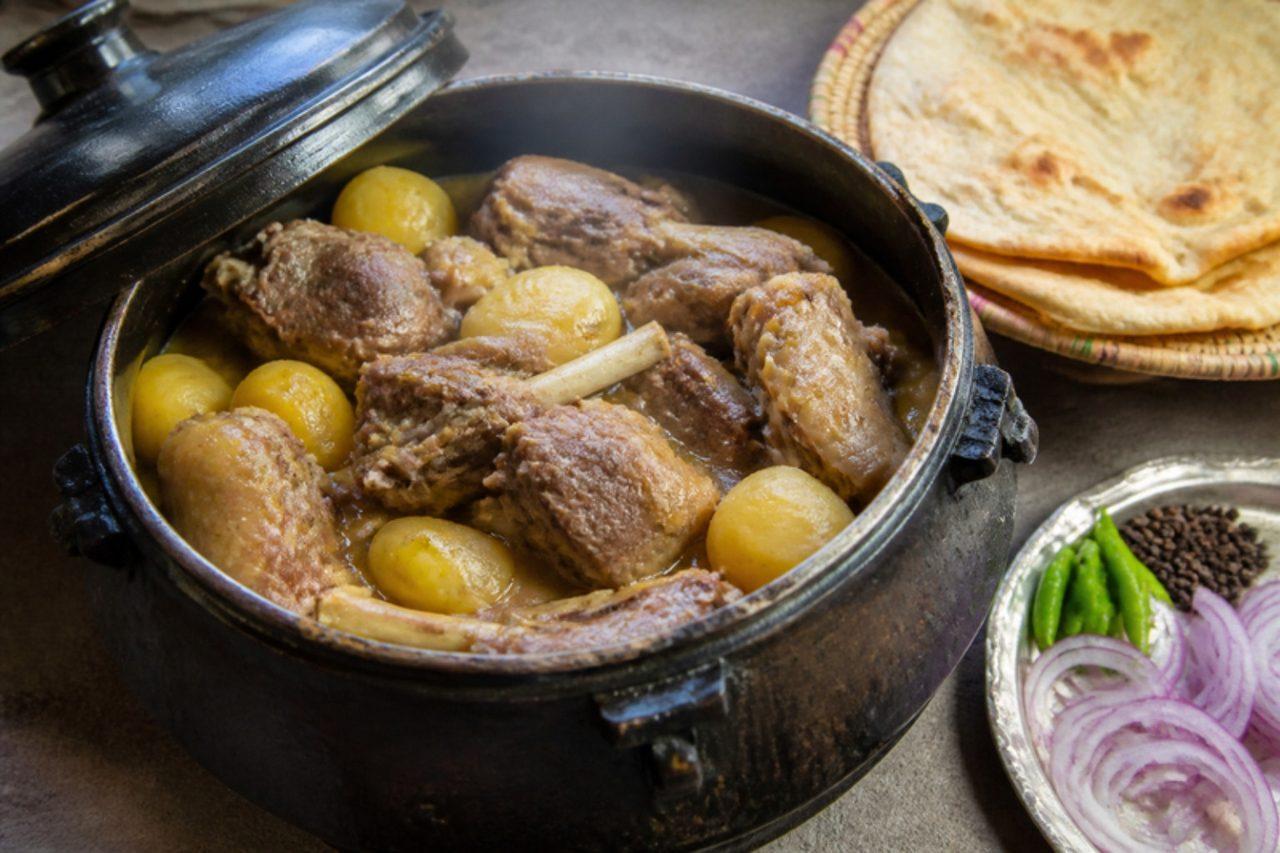
DumpukhtSealed pot lamb on the bone

In Khyber Pakhtunkhwa, especially around Eid-ul-Adha when there is fresh lamb in every house, dumpukht is the slow, quiet dish: big pieces of lamb on the bone, a little tail fat, onions, salt and pepper, sealed in a heavy deg and left to steam in their own juices for hours. Nothing is browned, nothing is spiced loudly; the meat simply turns soft and sweet, with a clear, fatty broth at the bottom of the pot that is spooned over Peshawari naan or eaten with plain rice. It is the Pashtun idea of luxury: good meat, patience and fire. The trap is a loose lid, since escaping steam means the pot dries out and the meat stews dry; seal it with foil under the lid or a strip of dough. Chef's tip: lay a few whole potatoes in with the meat; they cook in the juices and are fought over at the table.

by KrazyBadal 0 views

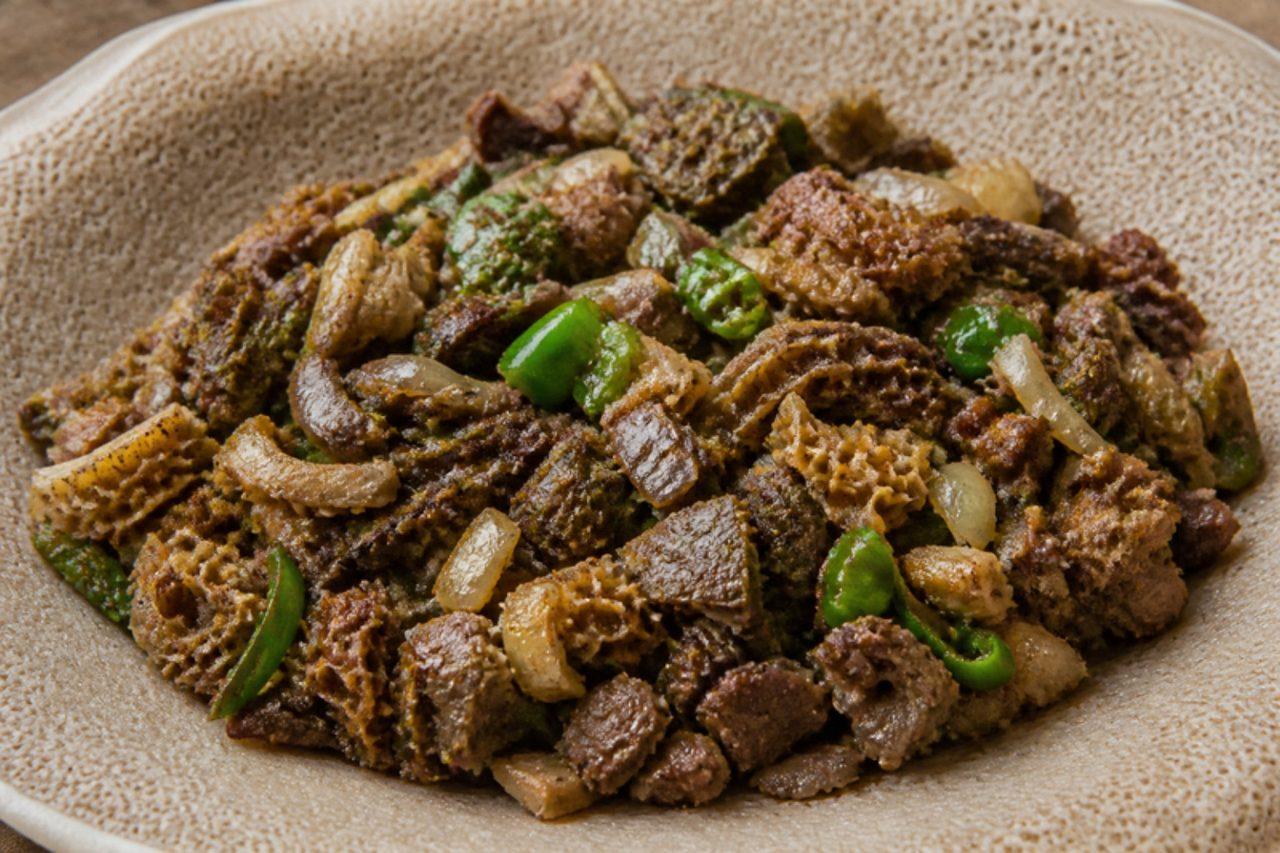
DuletChopped tripe, liver and beef fry

Butcher-restaurants in Addis Ababa serve dulet in the morning, and it is one of the dishes families look forward to on Easter morning, when the long fast ends and every part of the animal is used. Tripe, liver and lean beef are chopped almost as fine as mince, then tossed in a hot pan with red onion, green chilli, niter kibbeh and plenty of mitmita, so it is rich, peppery and full of different textures. It is eaten with injera and a spoon of ayib to cool the heat. Many places serve it barely warmed, but liver and tripe must be cooked through, so this version pre-cooks the tripe and fries everything until no pink remains; dulet served raw or rare is not for pregnant women, young children or anyone with a weakened immune system. Chef's tip: buy tripe that is already cleaned and blanched, and simmer it until a knife slides in easily before chopping.

by KrazyBadal 0 views

GrittibänzSweet bread man

On 6 December, Samichlaus Day, bakeries across German-speaking Switzerland fill their windows with Grittibänz: little men of soft, sweet Zopf-style dough with raisin eyes and buttons, sometimes a pipe or a scarf, given to children with mandarins, nuts and gingerbread. Families shape them together at home, and every one comes out different. A common mistake is making the arms and legs too thin; they burn before the body bakes. Chef's tip: make the figures chunky and snip the arms and legs with scissors rather than rolling them separately, so the shape holds as it rises.

by KrazyBadal 0 views

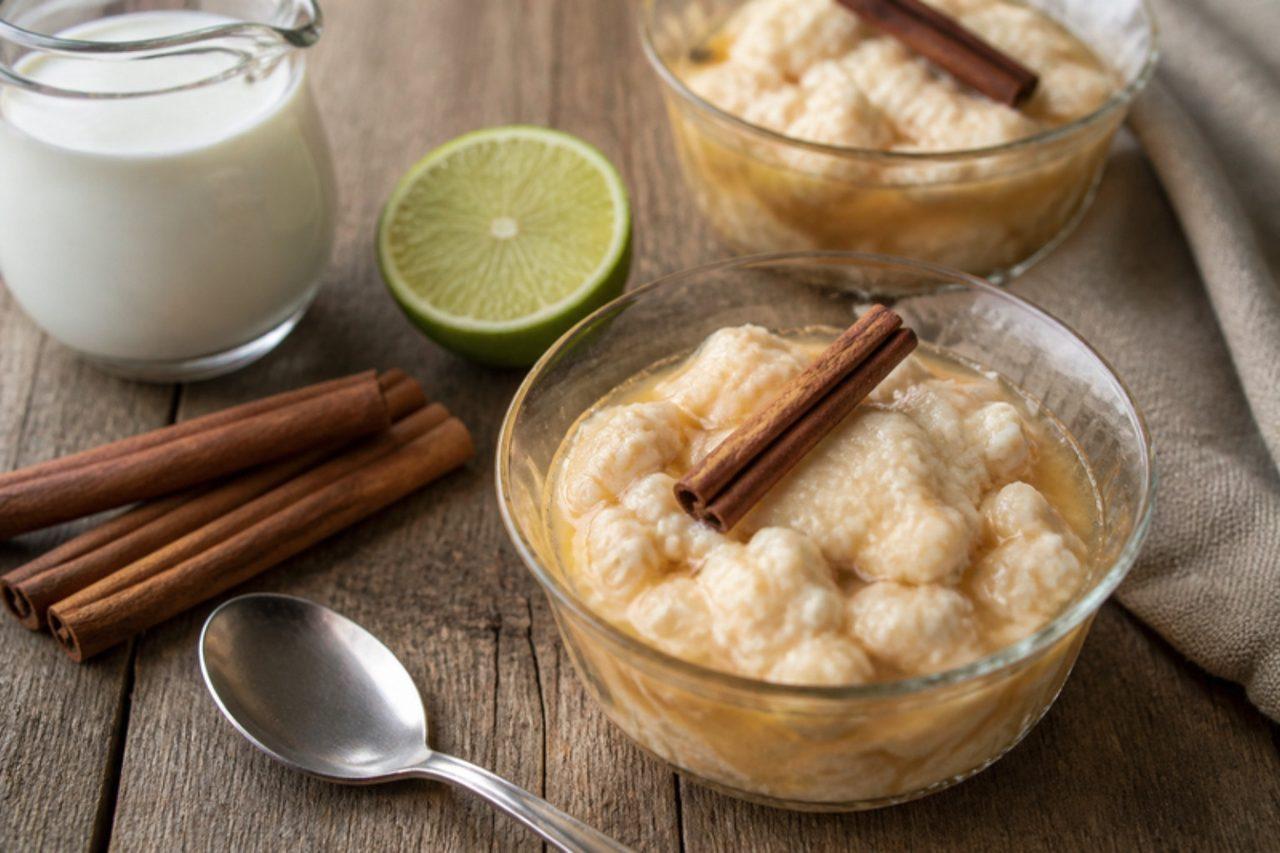
Dulce de leche cortadaSweet milk curds in syrup

Dulce de leche cortada is a farmhouse sweet from the dairy country of central Cuba: milk is split with lime juice, then cooked slowly with sugar and cinnamon until the curds turn soft, golden and chewy in a caramel-coloured syrup. It is served cold in small dishes, and it is quite unlike the smooth Argentine dulce de leche. People often stir too much once the milk splits, breaking the curds into grains, so stir gently and only to stop it catching. There is no rennet here; lime does the curdling. Chef's tip: add the lime to the milk while it is warm, not boiling, and leave it untouched for 10 minutes, which gives large, tender curds.

by KrazyBadal 0 views

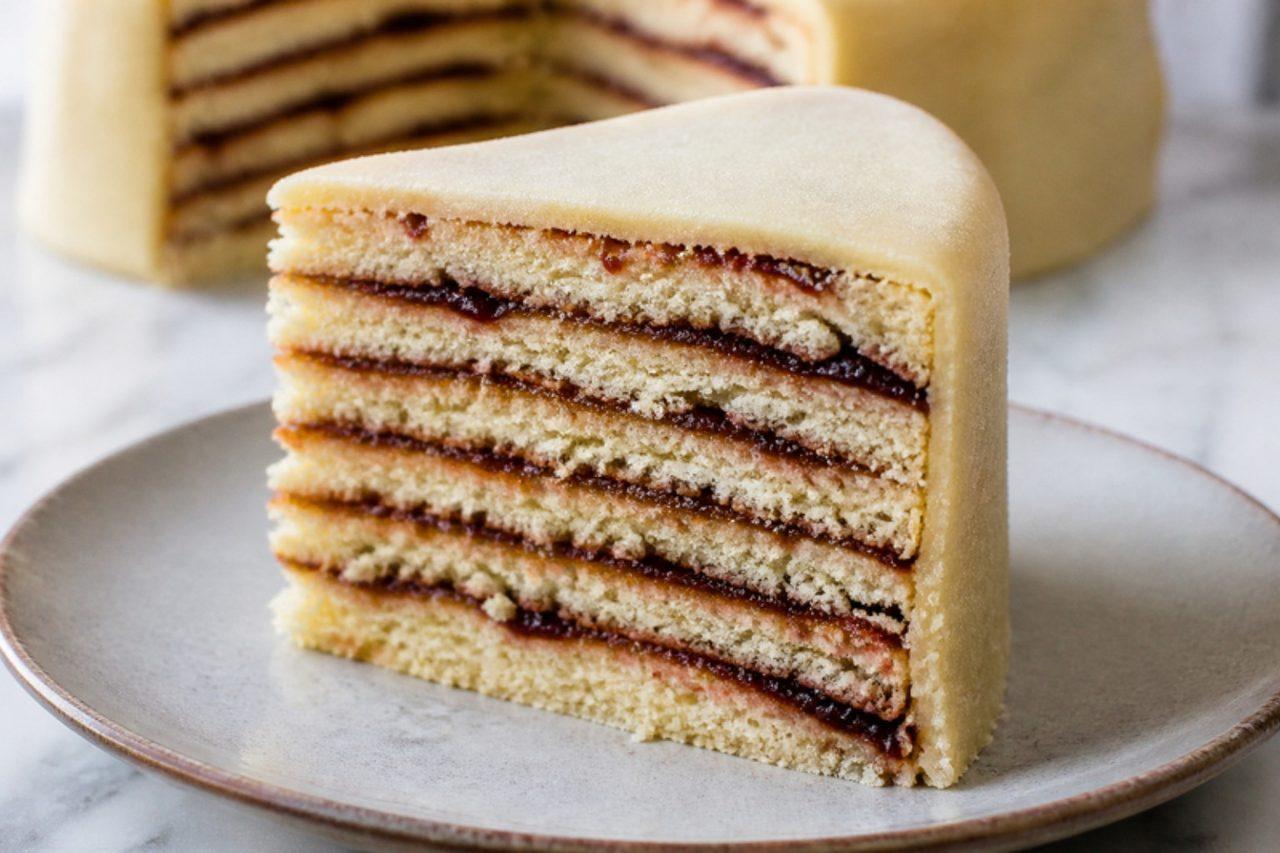
VínartertaLayered cardamom prune cake

Vínarterta, 'Vienna cake', is the Icelandic Christmas cake: six or seven thin layers of cardamom-scented biscuit dough sandwiched with thick prune jam spiced with cinnamon and cardamom, then left to mature for a few days before slicing into narrow strips. It is still baked by Icelandic families in Reykjavík and by the descendants of Icelanders in Manitoba, where it became a symbol of home. A common mistake is slicing it the same day; the layers are crisp until the jam softens them. Chef's tip: wrap it and leave it for 3 days in a cool place, so the biscuit softens into a fine cake.

by KrazyBadal 0 views

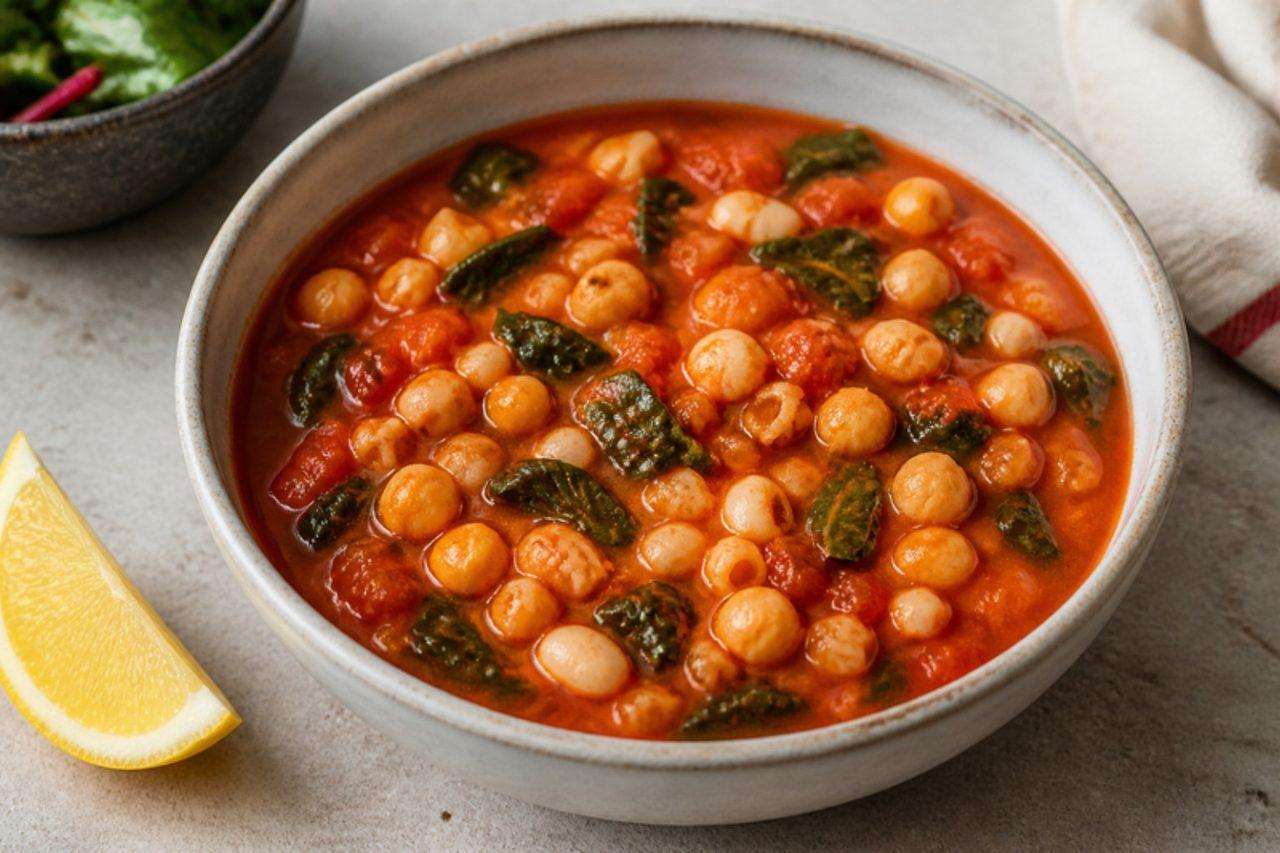
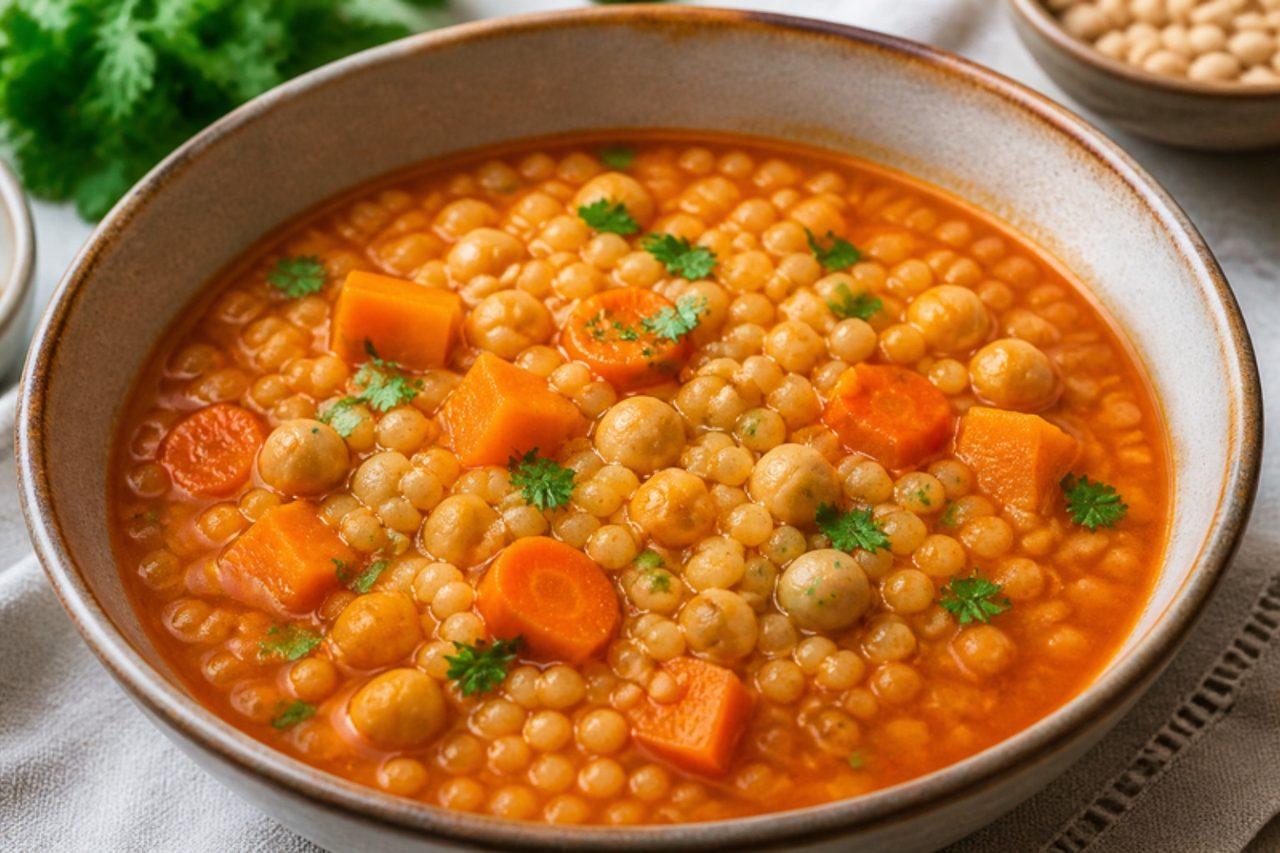
HlalemTiny pasta and chickpea soup

Across the Sahel coast and in Kairouan, the arrival of cold weather means hlalem: a thick, red, peppery soup full of tiny hand-rolled pasta spindles, chickpeas, white beans, chard and celery, sharpened with harissa and dried mint. Rolling the pasta is a social job, often done by women together in autumn, and the dried hlalem keeps all winter. The soup is hearty enough to be a meal, earthy from the pulses and bright from the celery leaves. It is also made during Ramadan. If you do not roll your own, orzo or broken spaghettini work. Chef's tip: add the pasta only in the last 15 minutes; cooked too long it swells and drinks up all the broth.

by KrazyBadal 0 views

MhamsaPearl couscous in tomato harissa broth

Sfax cooks and families in southern Tunisia roll mhamsa, a pearl couscous somewhere between fine couscous and small pasta, in big batches in late summer and dry it in the sun for the winter. Cooked like a thick soupy stew in a tomato and harissa broth with chickpeas, peppers and pumpkin, it becomes a warming one-pot supper, soft and chewy, with a gentle heat and the sweetness of the vegetables. Bought mhamsa, moghrabieh or giant couscous works well. Fish and meat versions are common; this is the everyday vegetable way. Chef's tip: toast the mhamsa in the oil before adding liquid; it gives a nutty flavour and keeps the grains separate.

by KrazyBadal 0 views

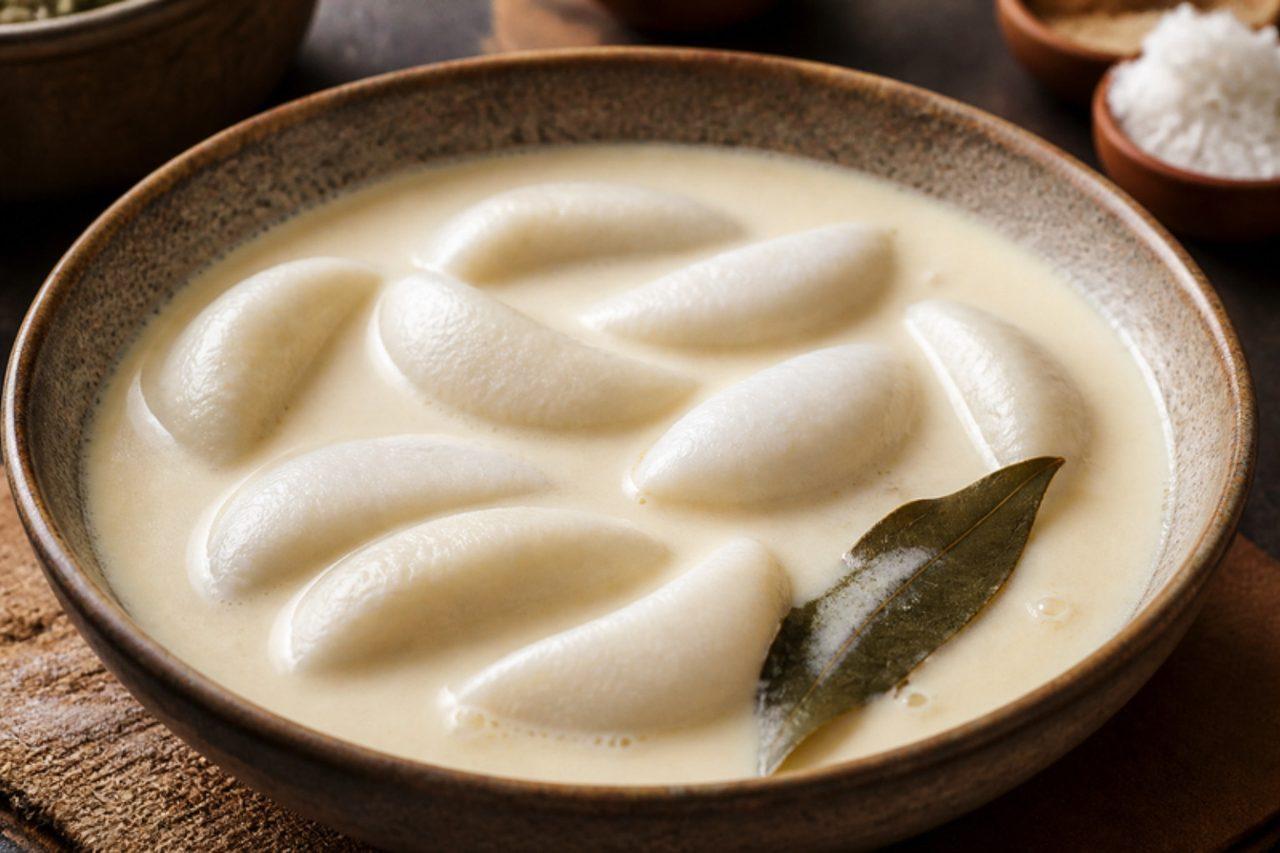
Dudh puliRice dumplings in sweet milk

Poush Sankranti, the mid-January festival that marks the height of winter, is the day for dudh puli in Bangladeshi and Bengali homes, when grandmothers sit with daughters and granddaughters shaping dozens of little half-moon dumplings from cooked rice dough. Each one hides a sticky filling of fresh coconut and khejur gur, the smoky date-palm jaggery of the season, and the dumplings are simmered in milk until it thickens around them into a pale, fragrant sauce. The puli are soft and slightly chewy, the milk sweet and caramel-scented, and the bowl is eaten warm or cold the next morning. Milk often splits when cold jaggery hits it at a hard boil, so take the pan off the heat before stirring the jaggery in. Chef's tip: knead the hot rice dough with the heel of your hand until completely smooth, or the dumplings crack in the milk.

by KrazyBadal 0 views

ChvishtariCornmeal and cheese cakes

Chvishtari belongs to the high villages of Svaneti, around Mestia and Ushguli, where cornmeal and cheese are the winter larder: a stiff cornmeal dough is worked with lots of grated sulguni, shaped into flat cakes and fried or baked so the cheese bubbles out and crisps at the edges. Svan families eat them hot with tea or with a bowl of lobio. A common mistake is using too little cheese; it is the cheese that binds the cornmeal, and a lean dough falls apart in the pan. Chef's tip: wet your hands when shaping, so the dough doesn't stick and the cakes stay smooth. Sulguni is usually made with animal rennet; use a vegetarian cheese.

by KrazyBadal 0 views

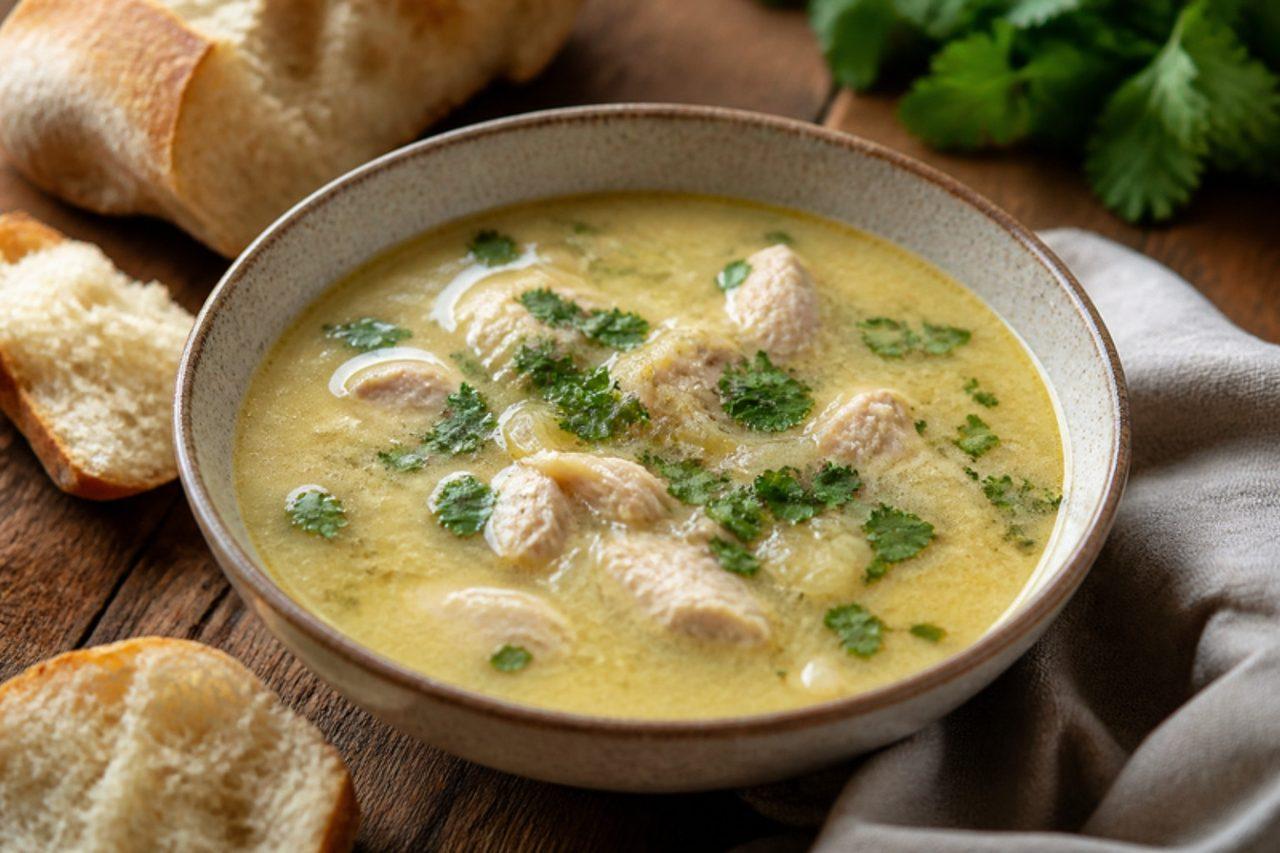
ChikhirtmaChicken and egg yolk soup

Chikhirtma is Tbilisi's comfort soup, the bowl you are given when you are ill or after a long night at a supra: a golden chicken broth with a lot of slowly fried onion, thickened with flour-free egg yolks beaten with a little vinegar, so it turns silky and pale and tastes gently sour. Coriander and a pinch of saffron or marigold finish it. A common mistake is pouring the yolks into boiling broth, which scrambles them into threads. Chef's tip: temper the yolks with a few ladles of hot broth first and keep the soup below a simmer once they go in; it thickens like custard. Chicken must reach 74 °C before you shred it.

by KrazyBadal 0 views

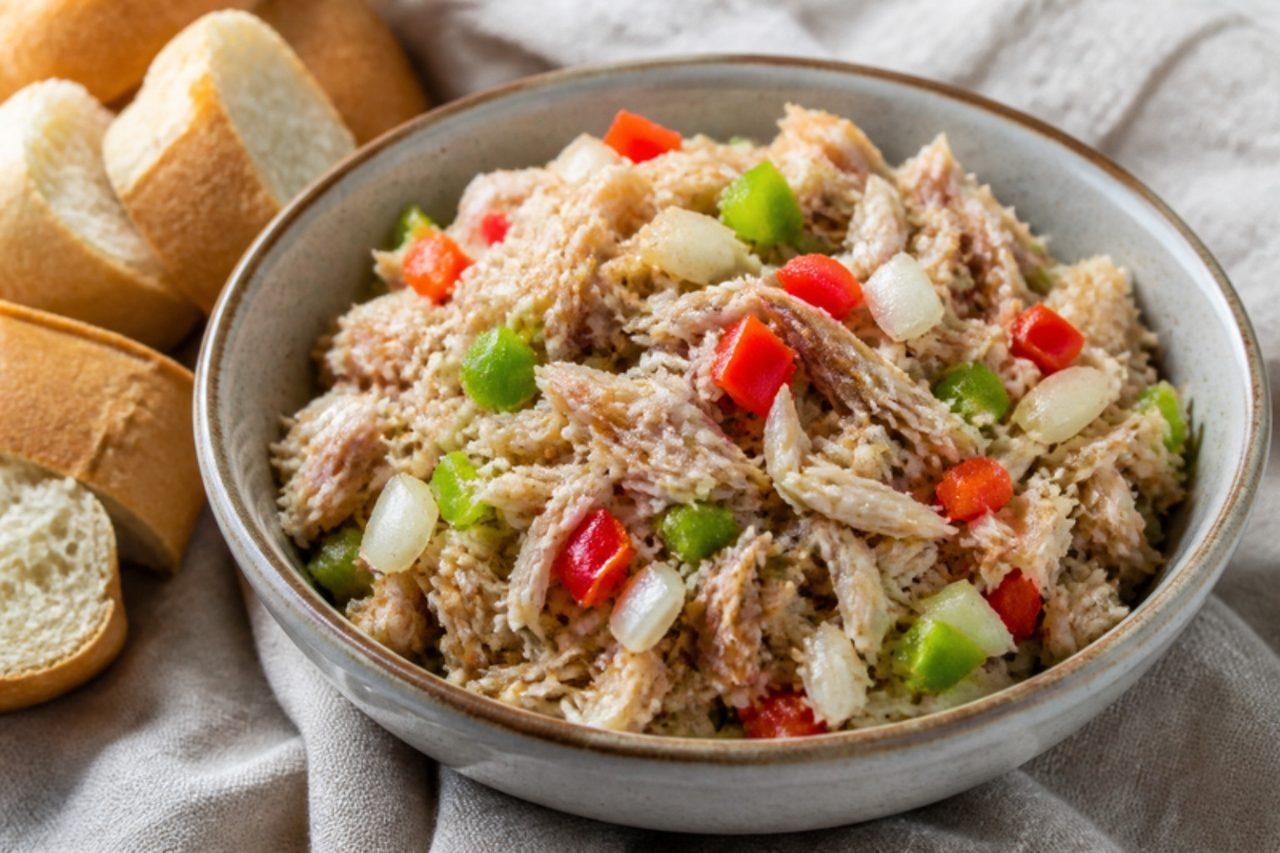
Chiktay aransòShredded smoked herring with peppers

Chiktay is a breakfast and snack dish from Haitian homes and street stalls: smoked herring shredded very finely, then tossed with onion, sweet peppers, garlic, hot pepper and lime in hot oil, served with boiled plantain, bread or cassava bread. It is salty, smoky, sharp and fiery, so a little goes a long way. The common mistake is skipping the soaking, which leaves the dish too salty to enjoy; two quick soaks in boiling water fix that. Pick out the fine bones carefully if your herring isn't boneless. Chef's tip: shred the soaked herring with two forks until it looks like fluffy threads; it absorbs the dressing far better.

by KrazyBadal 0 views

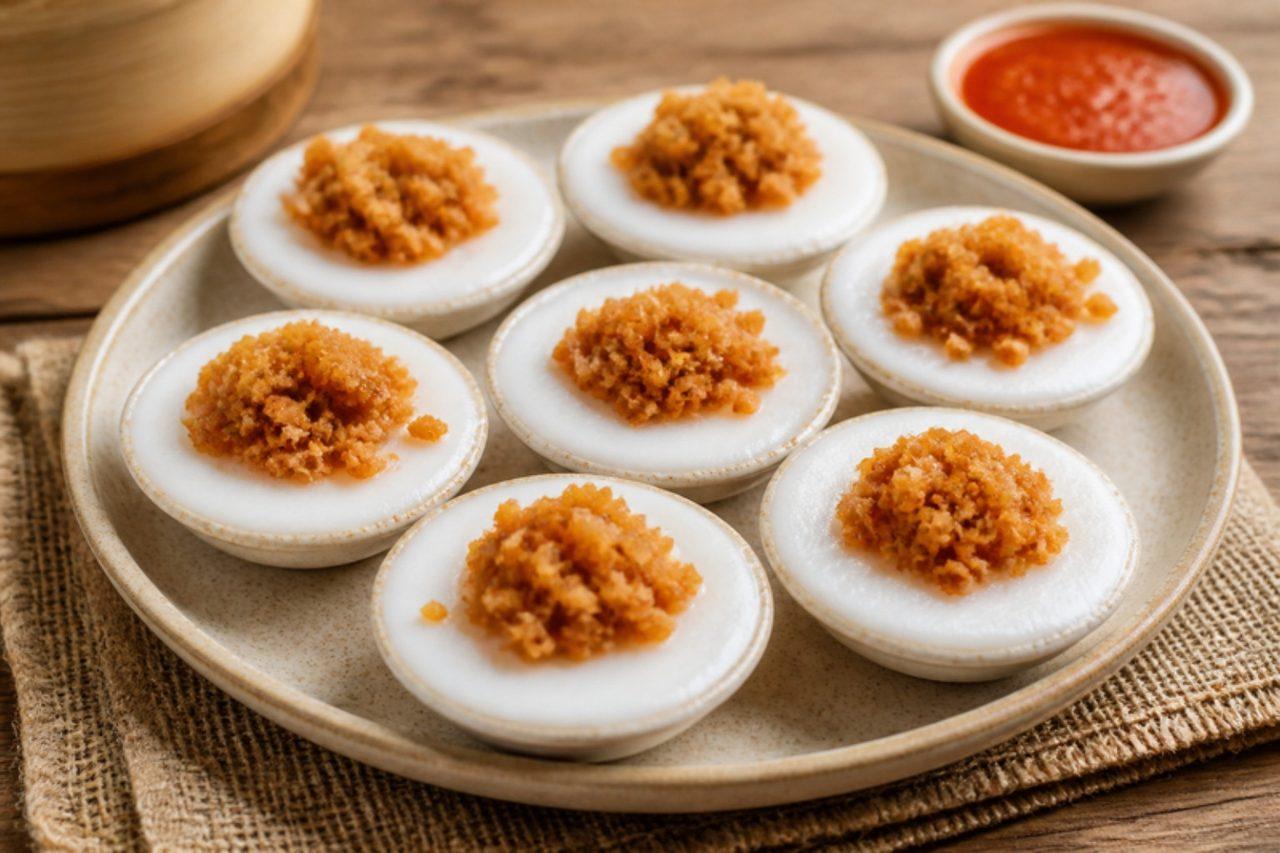
Chwee kuehSteamed rice cakes with preserved radish

Breakfast queues at Tiong Bahru Market and Ghim Moh hawker centre move fast because chwee kueh is sold by the plateful: four or six flat white rice cakes, each with a shallow dimple holding a spoonful of glossy chye poh, fried preserved radish that is sweet, salty and a little crunchy. The cakes are just set, soft and slightly wobbly, and they are scooped from the moulds with a flat blade and eaten with a dab of sharp red chilli and a cup of kopi. Hawker chye poh is normally simply radish, garlic, oil and sugar, and this version keeps it that way, with no dried shrimp and no shrimp paste in the chilli. The usual mistake is trying to unmould the cakes while they are still warm; hot batter tears and sticks, so let them cool fully in their cups. Chef's tip: heat the empty, oiled moulds in the steamer for 3 minutes before you pour; the hot metal sets the bottom at once and gives you the classic dip in the middle.

by KrazyBadal 0 views

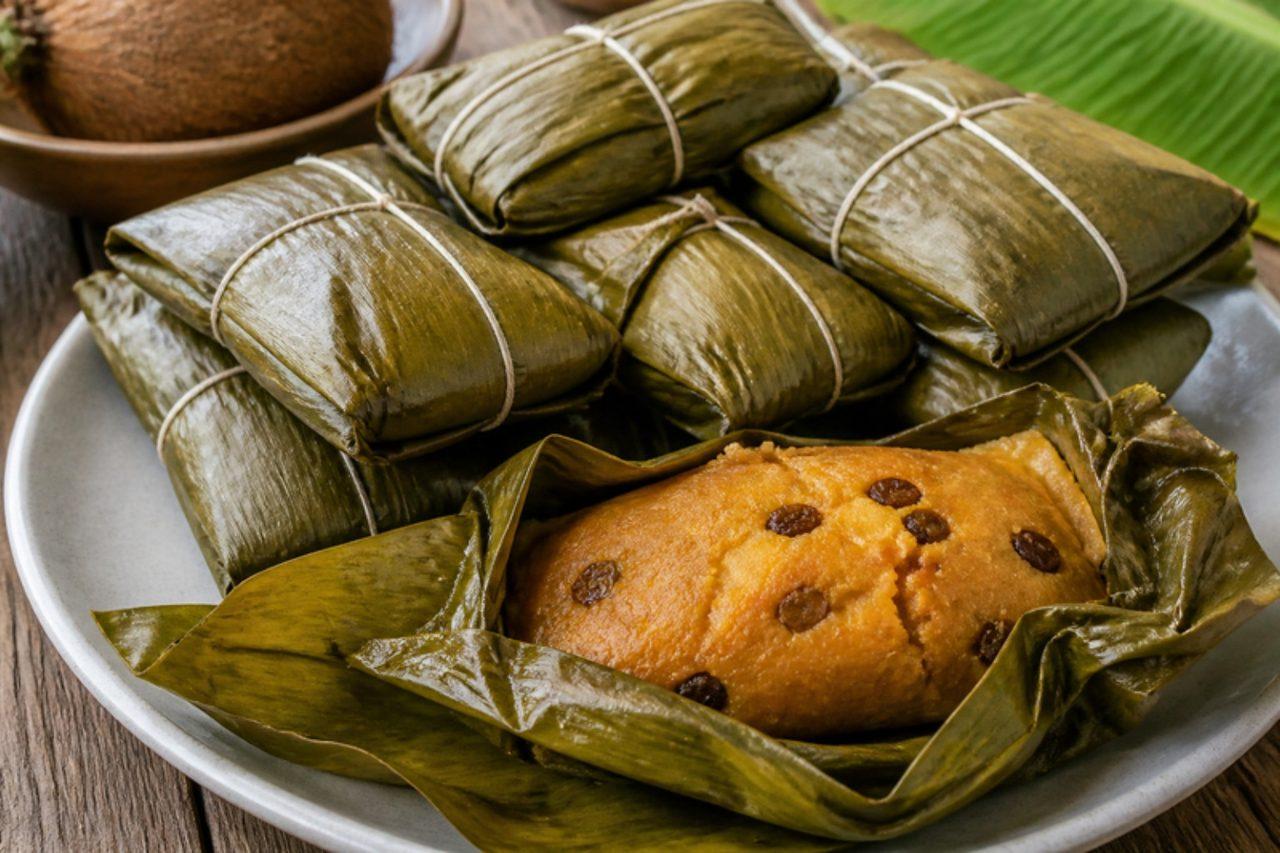
DuckunooSweet potato and coconut parcels

Duckunoo goes by many names across Jamaica, "blue draws" and "tie-a-leaf" among them, and it is a country sweet with West African roots that is still made in St Elizabeth and Clarendon for Sunday afternoons and Emancipation Day. Grated sweet potato, cornmeal and coconut milk are spiced with nutmeg and cinnamon, folded into banana leaves and boiled until they set into dense, moist, fudgy parcels. The usual mistake is tying the leaves loosely, so water gets in and the pudding turns soggy. Chef's tip: pass the leaves quickly over a flame first; they turn bright green, soft and won't split as you fold.

by KrazyBadal 0 views

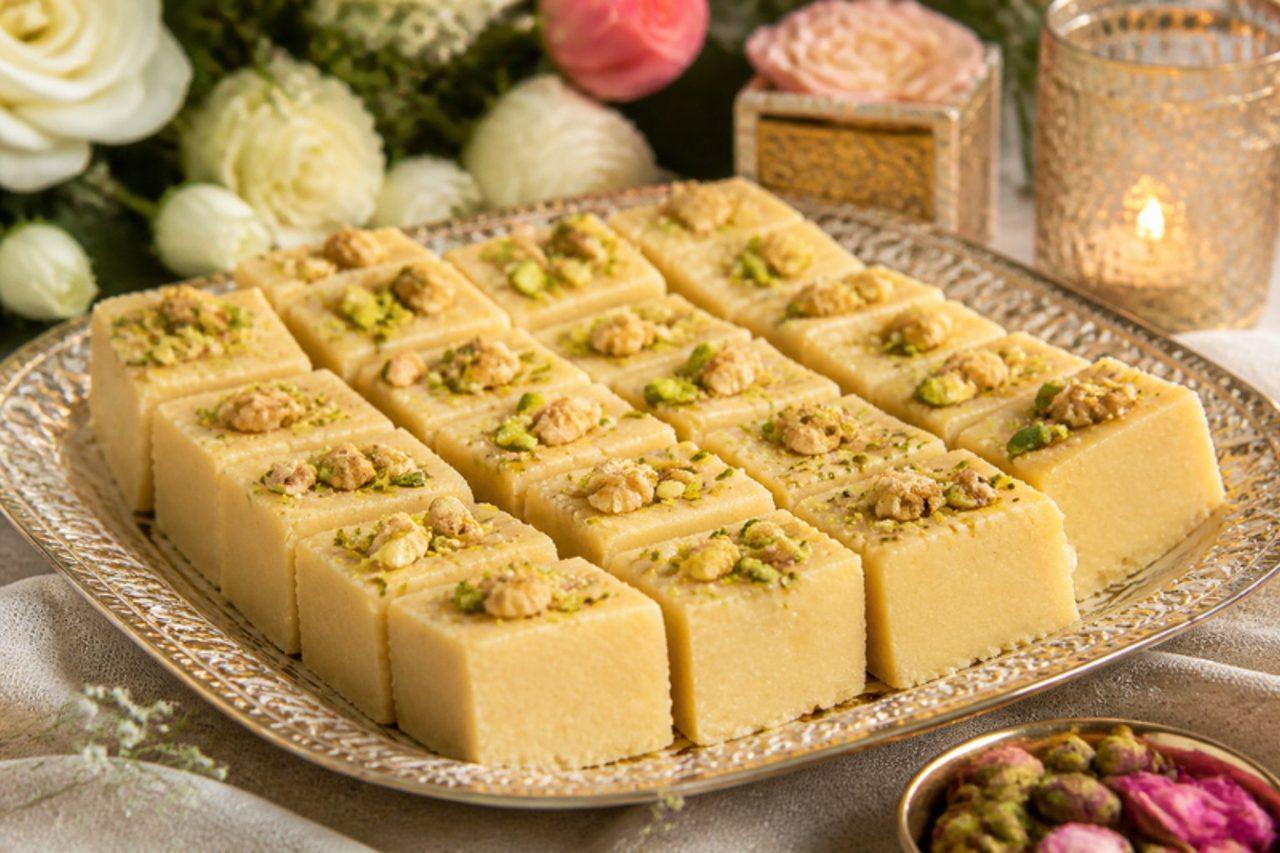
Sheer piraMilk powder fudge

When an Afghan family agrees to a marriage proposal, the shirini-khori, literally the eating of sweets, follows, and trays of sheer pira are cut and handed round to mark that the deal is sealed; it also appears at Eid and Nowruz all over the country. It is a soft, dense milk fudge made in minutes from milk powder and syrup, perfumed with cardamom and rosewater and pressed with green pistachios and walnuts, and it melts slowly on the tongue like a creamy, not too sweet barfi. A syrup boiled too long is what turns it dry, crumbly and grainy, so take it off the heat as soon as it forms a single thread. Chef's tip: sift the milk powder and stir it in all at once, fast, while the syrup is still hot, or it sets in lumps before it is smooth.

by KrazyBadal 0 views

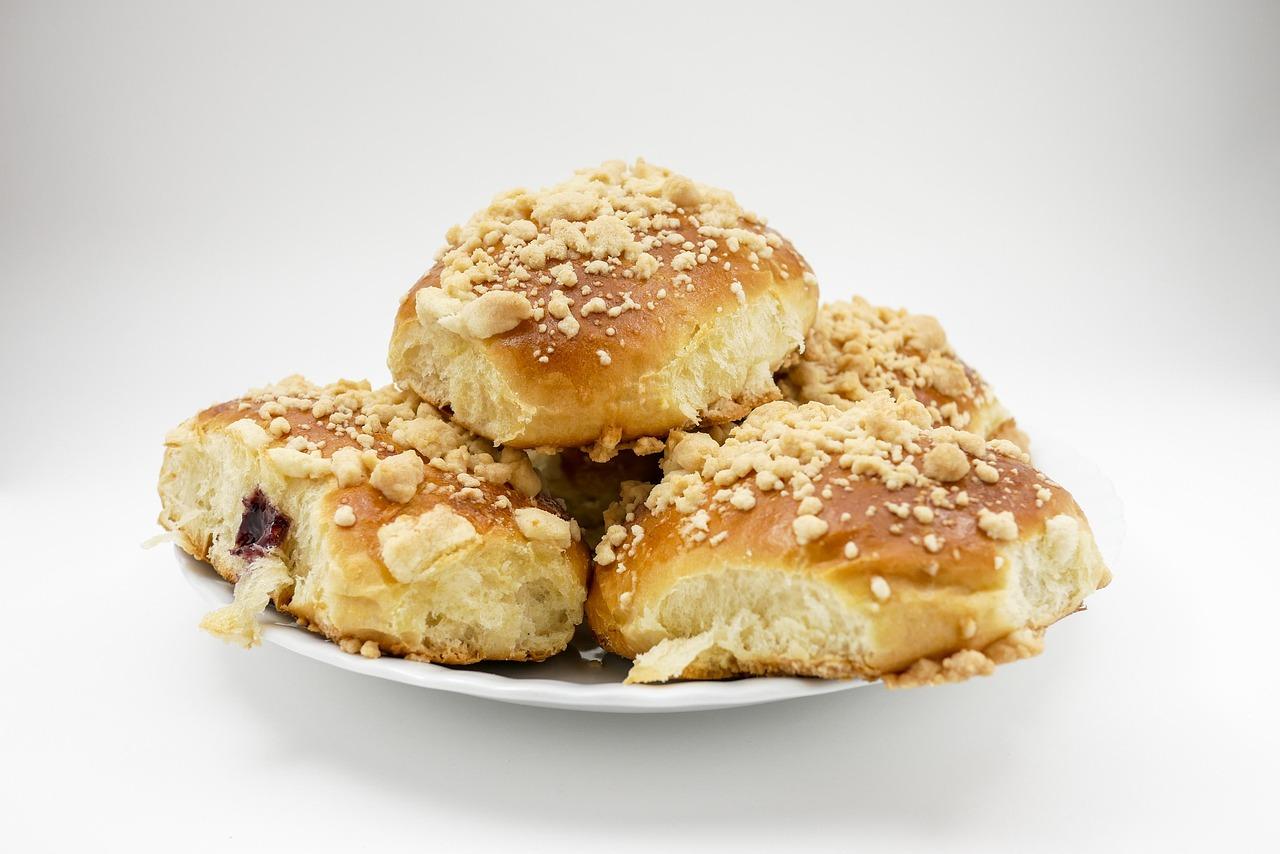
Drożdżówka z kruszonkąSweet yeast bun with crumble

Every Polish bakery window has a row of drożdżówki, and the bun with sweet cheese under a sandy butter crumble is the one schoolchildren buy on the way to class. The dough is soft, milky and lightly sweet, the vanilla twaróg filling is thick and tangy, and the crumble bakes into crisp, sugary nuggets that scatter everywhere when you bite in. Fruit versions use plums, blueberries or apple. A common mistake is overfilling, so the cheese bursts out and the buns lose their round shape. Twaróg is usually rennet-free, but check the label. Chef's tip: brush the dough with egg before adding the crumble; it glues it on and gives a shiny edge.

110 minPolishBaking
by KrazyBadal 0 views

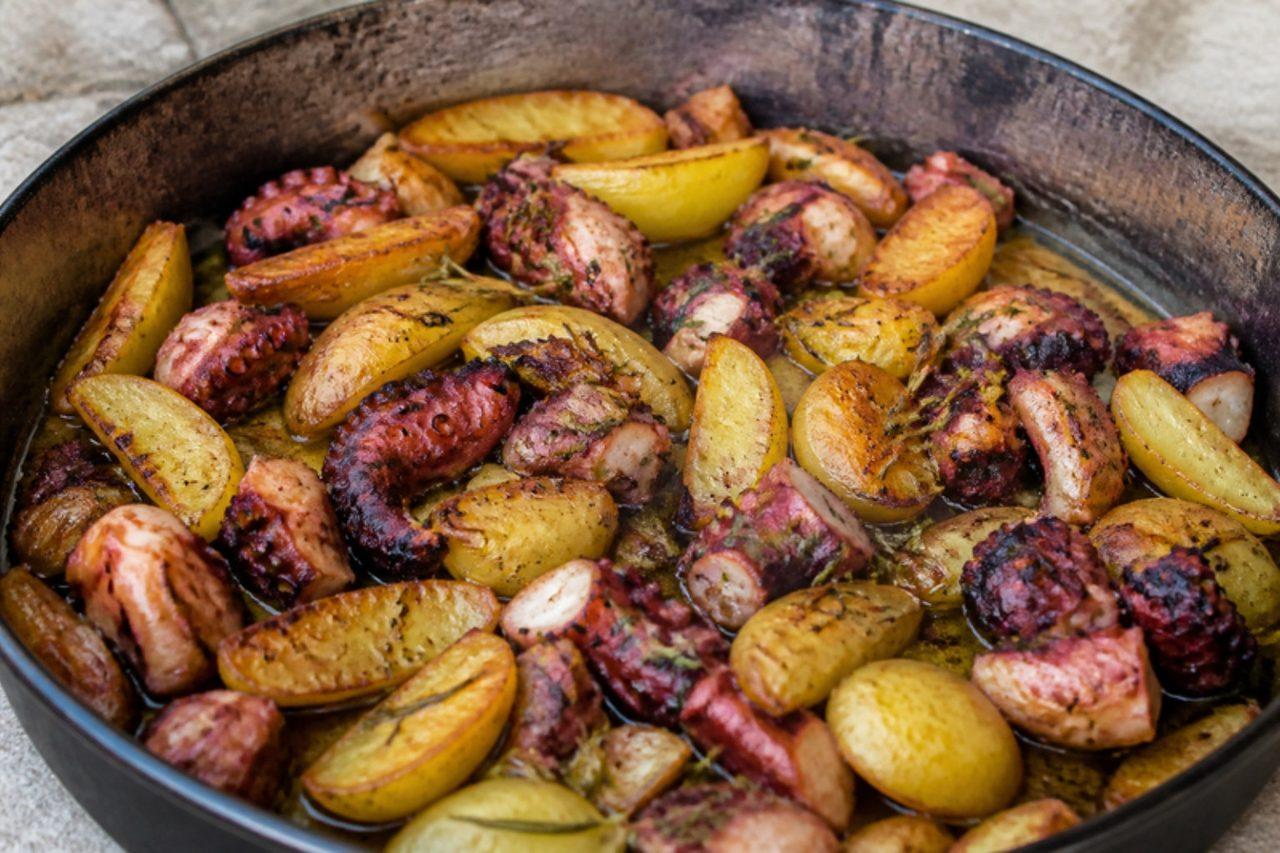
Hobotnica ispod pekeBell-roasted octopus and potatoes

Order octopus under the peka in a Dalmatian konoba on Korčula or Hvar and you will often be asked to ring ahead, because it cooks for hours under an iron bell buried in embers. Octopus, potatoes, onion, garlic, rosemary and lots of olive oil steam in their own juices, then crisp at the edges, so the octopus becomes tender and sweet and the potatoes soak up the pink, briny juices. At home, a heavy cast-iron casserole in a hot oven does the job; many cooks add a splash of white wine, but this version needs none. Bring it to the table in the pot with bread and a green salad. Adding water is the usual slip, as the octopus releases plenty of liquid and extra just boils it. Chef's tip: buy frozen octopus, or freeze fresh for a couple of days, as the freezing tenderises it; thaw it overnight in the fridge.

120 minBalkanFishGluten free
by KrazyBadal 0 views

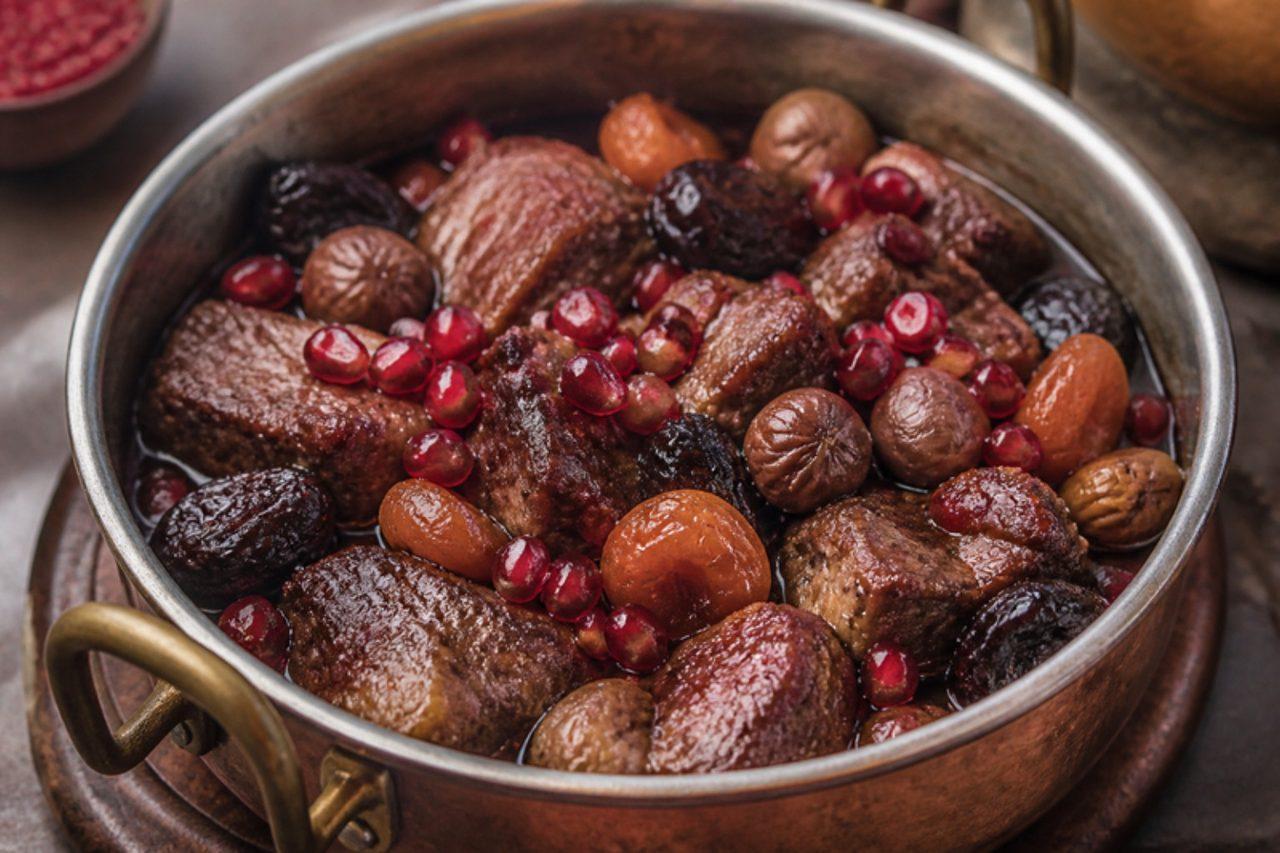
Turshu govurmaLamb with chestnuts and dried fruit

Turshu govurma, 'sour fry', is a rich southern dish from Lankaran and Masalli: lamb browned in butter or oil, then cooked slowly with onions, chestnuts, dried apricots, sour plums and a good pour of narsharab pomegranate sauce until dark, glossy and sweet-sour. It is served on top of plov at weddings or on its own with bread. A common mistake is adding the dried fruit too early, which turns it to mush. Chef's tip: finish with a pinch of saffron water and a handful of fresh pomegranate seeds, which brighten the dark sauce.

by KrazyBadal 0 views

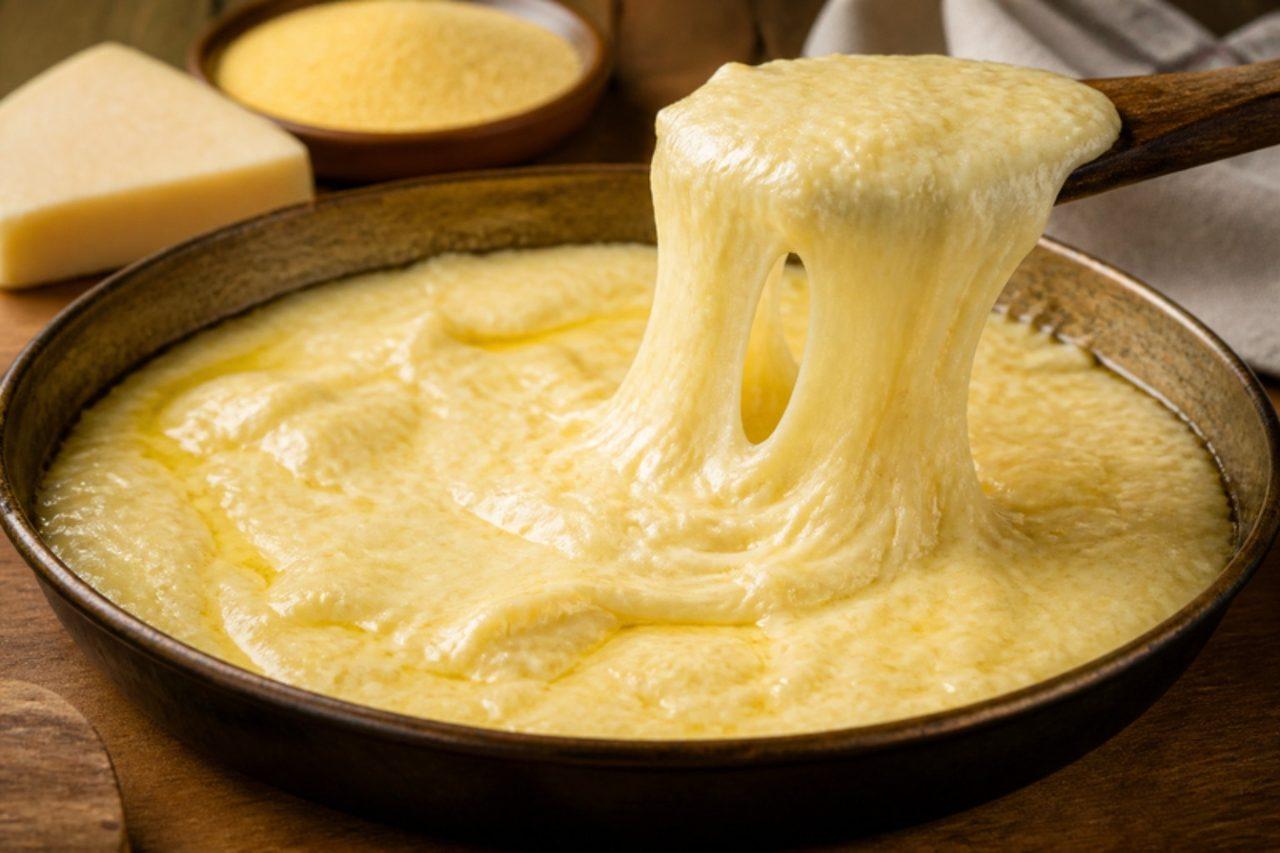
CicvaraKajmak and cornmeal porridge

Shepherds' huts on the Durmitor and Sinjajevina plateaus in northern Montenegro gave the Balkans cicvara, a dish of kajmak and young cheese melted slowly with cornmeal until it turns rich, golden and stretchy and butter seeps out at the edges. It is stirred and eaten hot, often at breakfast after early milking, with a cup of cold sour milk or plain yogurt to cut the richness. Young cheese for this is fresh and mild; most is made with rennet, so look for one with vegetarian rennet if you need to, and use clotted cream if you can't get kajmak. A common mistake is turning up the heat to hurry it, which burns the bottom and makes the cheese seize into rubbery lumps. Chef's tip: stir with a wooden spoon in figure-of-eight strokes and keep going until a thread of cheese stretches as you lift it.

by KrazyBadal 0 views

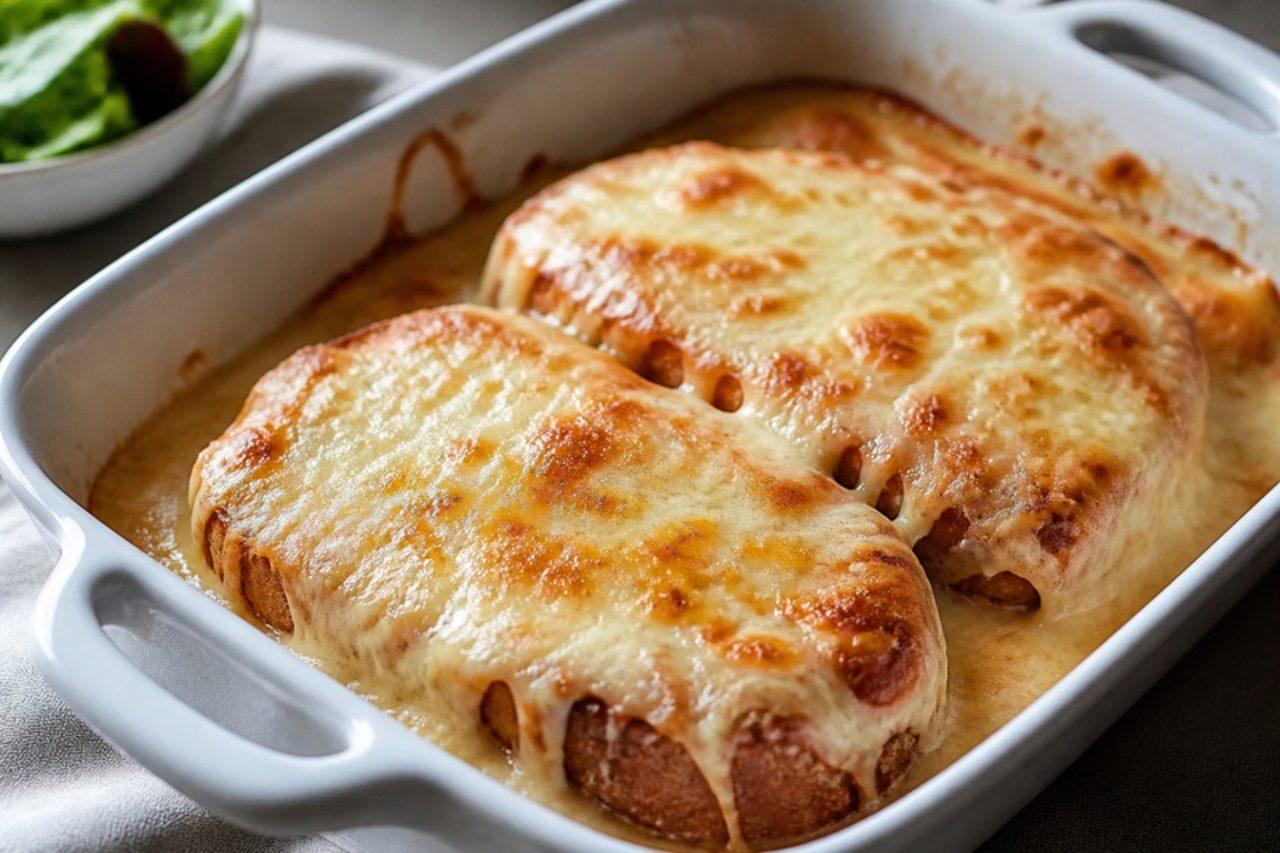
Croûte au fromageWine-soaked bread with Gruyère

Croûte au fromage is the après-ski supper of Valais and Vaud, served in mountain restaurants from Verbier to Zermatt in sizzling dishes: thick slices of stale bread sprinkled with white wine, rubbed with garlic, heaped with grated Gruyère and baked until bubbling, often with a fried egg on top. This recipe uses white wine, as it traditionally does; for an alcohol-free version, use the swap in the ingredient note. Gruyère is made with animal rennet, so choose a vegetarian Swiss-style cheese. A common mistake is soaking the bread with too much wine, which makes it soggy. Chef's tip: toast the bread first, then sprinkle, so it stays crisp underneath and soft on top.

by KrazyBadal 0 views

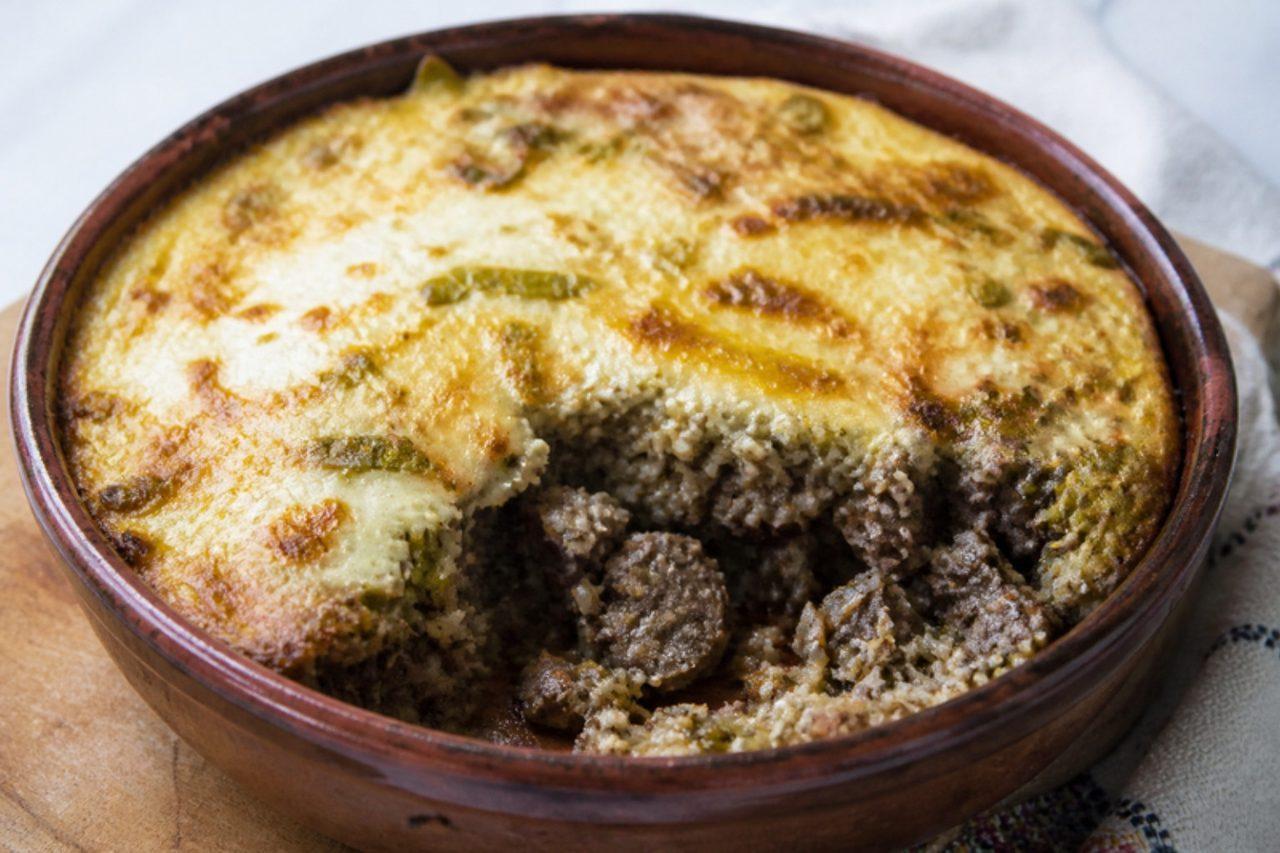
Drob sarmaBaked lamb liver and rice

Gergyovden, St George's Day on 6 May, is the great shepherds' feast in Bulgaria, when families roast spring lamb and make sure nothing goes to waste: the liver and heart go into drob sarma, baked alongside the roast and often eaten first. The offal is blanched, chopped small and fried with plenty of spring onion, then baked with rice in stock with dried mint and paprika until the grains are plump; a topping of yogurt beaten with eggs sets into a soft, golden, faintly tangy custard. Serve hot with a lettuce and radish salad. Liver is very high in vitamin A, so pregnant women are usually advised to avoid it. Where most people go wrong is over-frying the liver, which turns it grainy; it only needs to lose its pink before it goes into the oven to finish cooking. Chef's tip: beat thick, full-fat yogurt with the eggs until completely smooth, so the topping puffs evenly.

by KrazyBadal 0 views

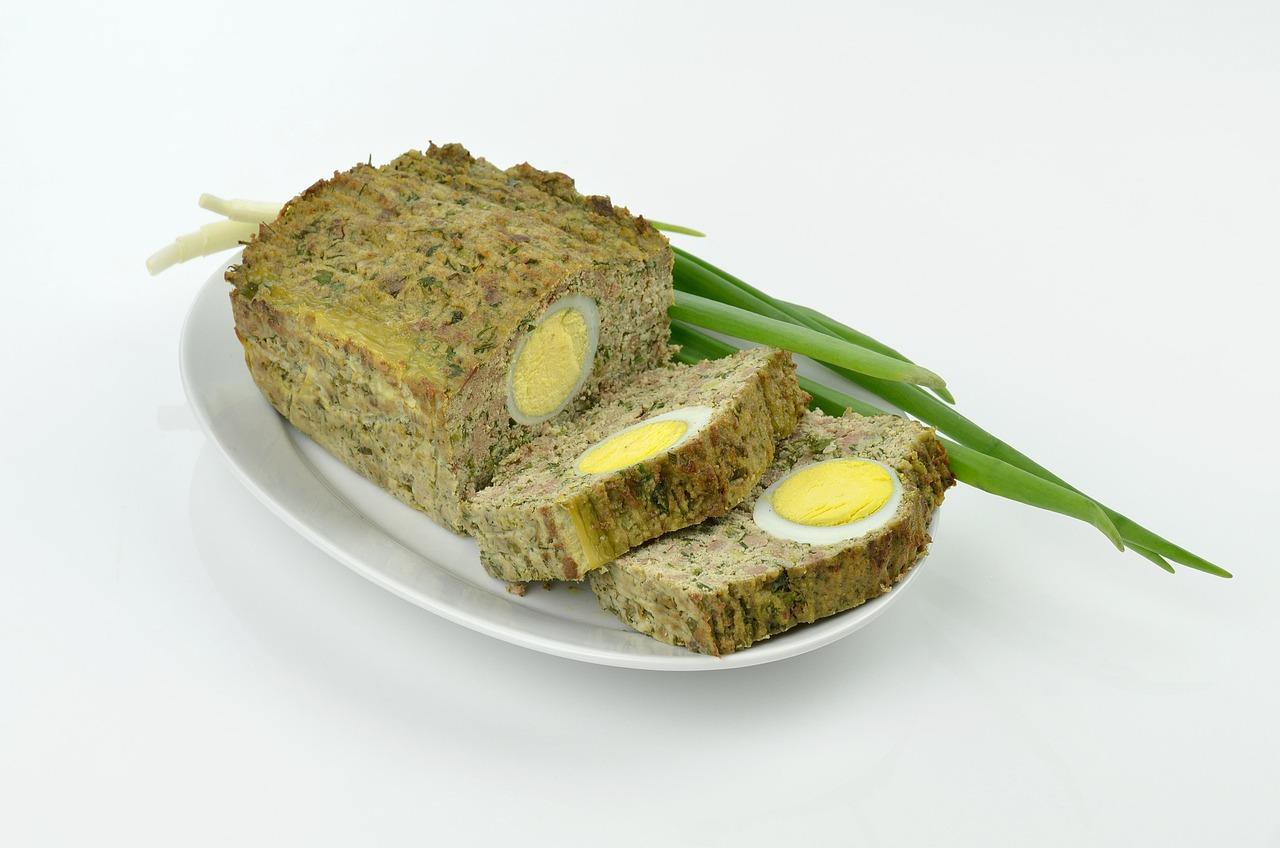
Drob de mielLamb offal loaf

On Easter Sunday a Romanian table holds red-dyed eggs, cozonac and, nearly always, a slab of drob: lamb liver, heart and kidneys poached, chopped and bound with fresh bread, raw egg and a whole bunch of spring onions and dill, then baked with hard-boiled eggs hidden in the middle. Sliced cold, each piece shows a yellow-and-white eye of egg in a green-flecked, earthy loaf that is milder than you might expect. It is served as a starter with radishes, horseradish and green salad, and keeps well for the days of visiting that follow. Butchers often sell a lamb 'pluck'; ask for the lungs to be left out if you prefer, and use a little extra lamb mince instead. The classic mistake is under-seasoning: the loaf is eaten cold, which dulls salt and herbs, so the mix should taste bold. Chef's tip: wrap the loaf in caul fat (prapur) if your butcher has it; it bastes the drob as it bakes and gives a lacy, golden crust.

120 minRomanianMeat
by KrazyBadal 0 views

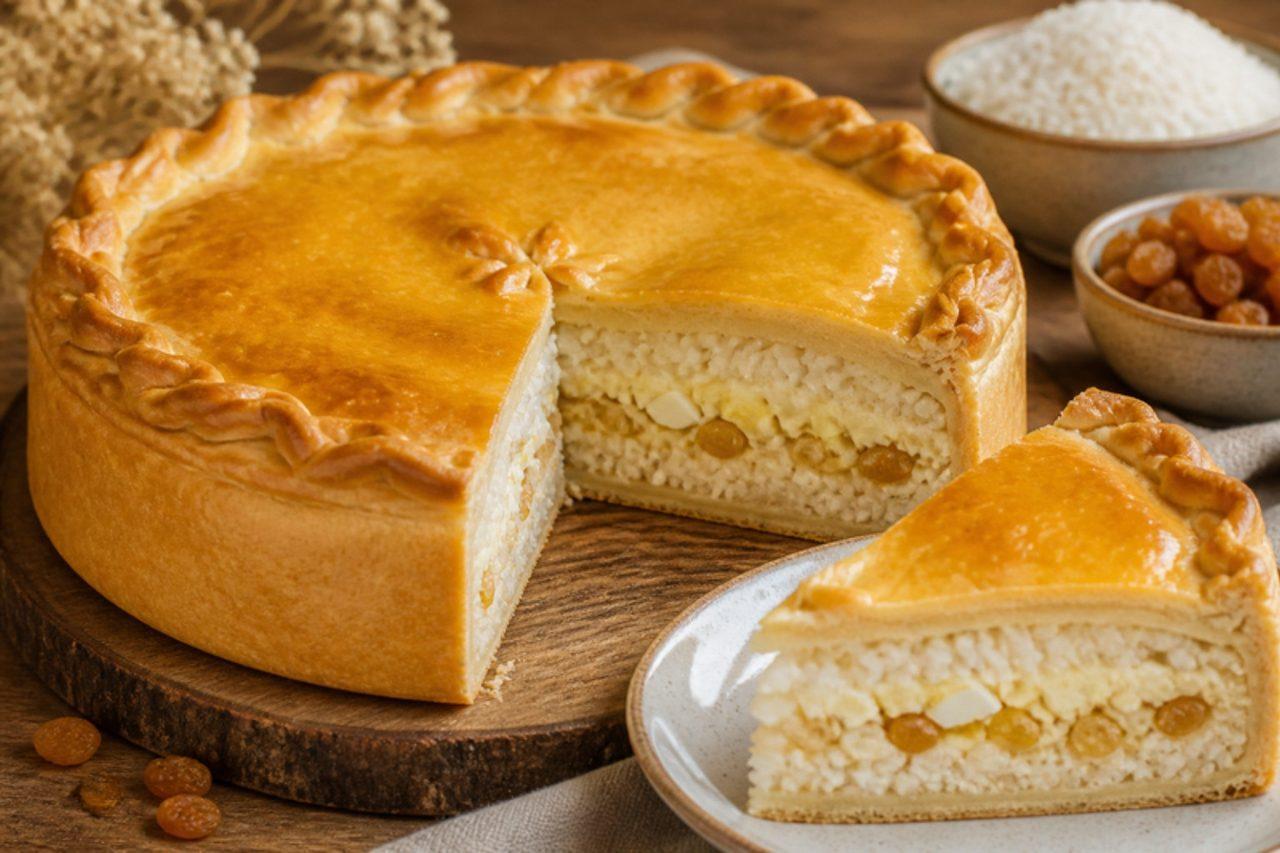
GubadiaLayered rice and curd pie

Weddings, Eid and the arrival of honoured guests in Tatarstan call for gubadia, a high round pie that is cut at the table like a cake and served with tea. Inside sit neat layers of buttery rice, kort – Tatar curd cooked down until rosy and fudge-sweet – raisins and chopped hard-boiled egg, under a domed lid of soft yeast dough. Many families add a layer of minced meat with onion; this is the meat-free version, as many sweet tea-table gubadias are. Kort is hard to buy outside the region, so you make it here from tvorog (check the label if you need it rennet-free). Where most people go wrong is a dry pie: every layer needs its share of melted butter. Chef's tip: let the baked pie stand for twenty minutes before cutting so the layers settle and come away in clean wedges.

by KrazyBadal 0 views

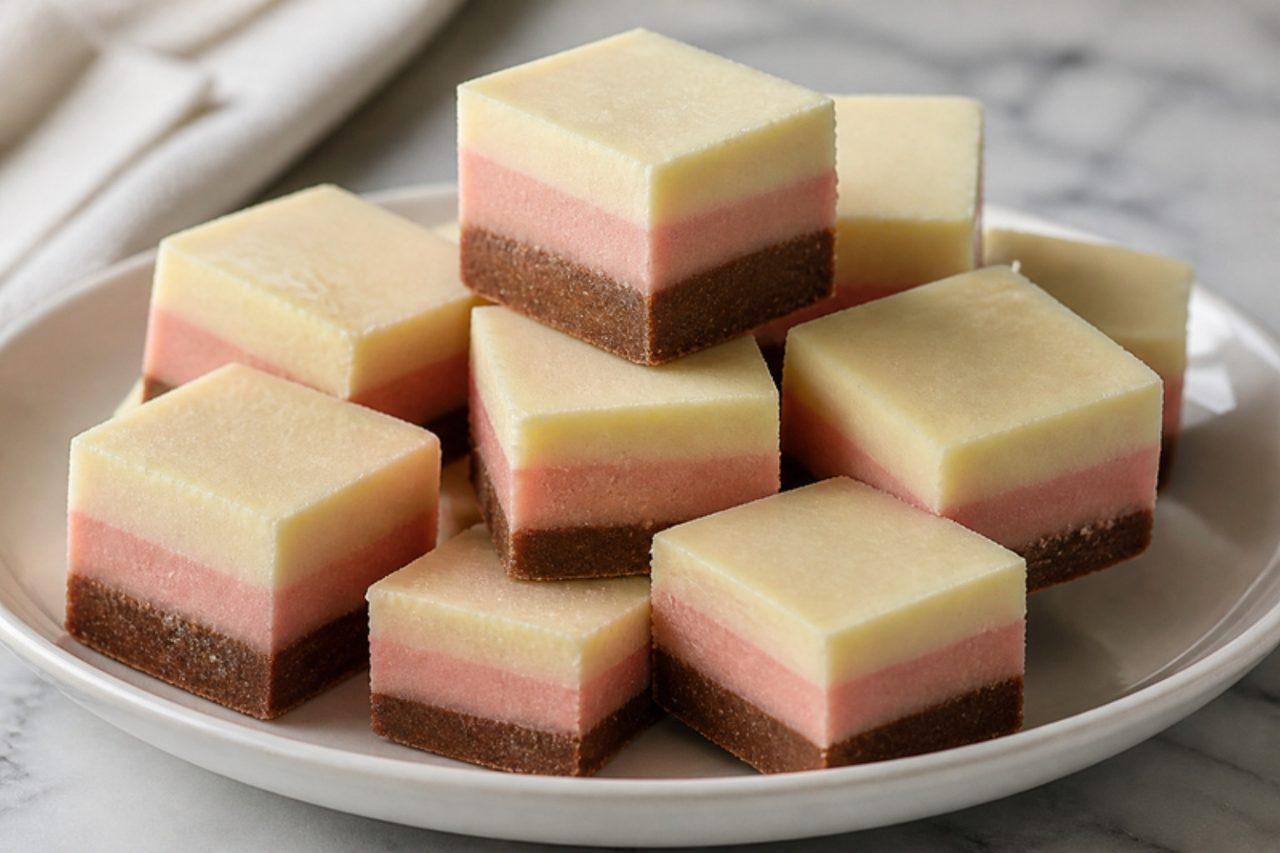
Dous makosLayered milk fudge

Petit-Goâve, on Haiti's southern coast, is famous for one sweet: dous makos, a soft milk fudge set in three bands of cream, pink and cocoa brown, sold wrapped in paper to travellers passing through. It is made by slowly cooking milk and sugar with cinnamon and lime peel until it turns thick and pale toffee, then colouring and layering it in a tin. The common mistake is stopping too soon; undercooked fudge stays sticky and won't slice, so cook until it leaves the pan sides cleanly. A heavy pan and a long spoon make all the difference. Chef's tip: add a pinch of bicarbonate of soda with the milk; it stops the milk from catching and splitting during the long boil.

by KrazyBadal 0 views

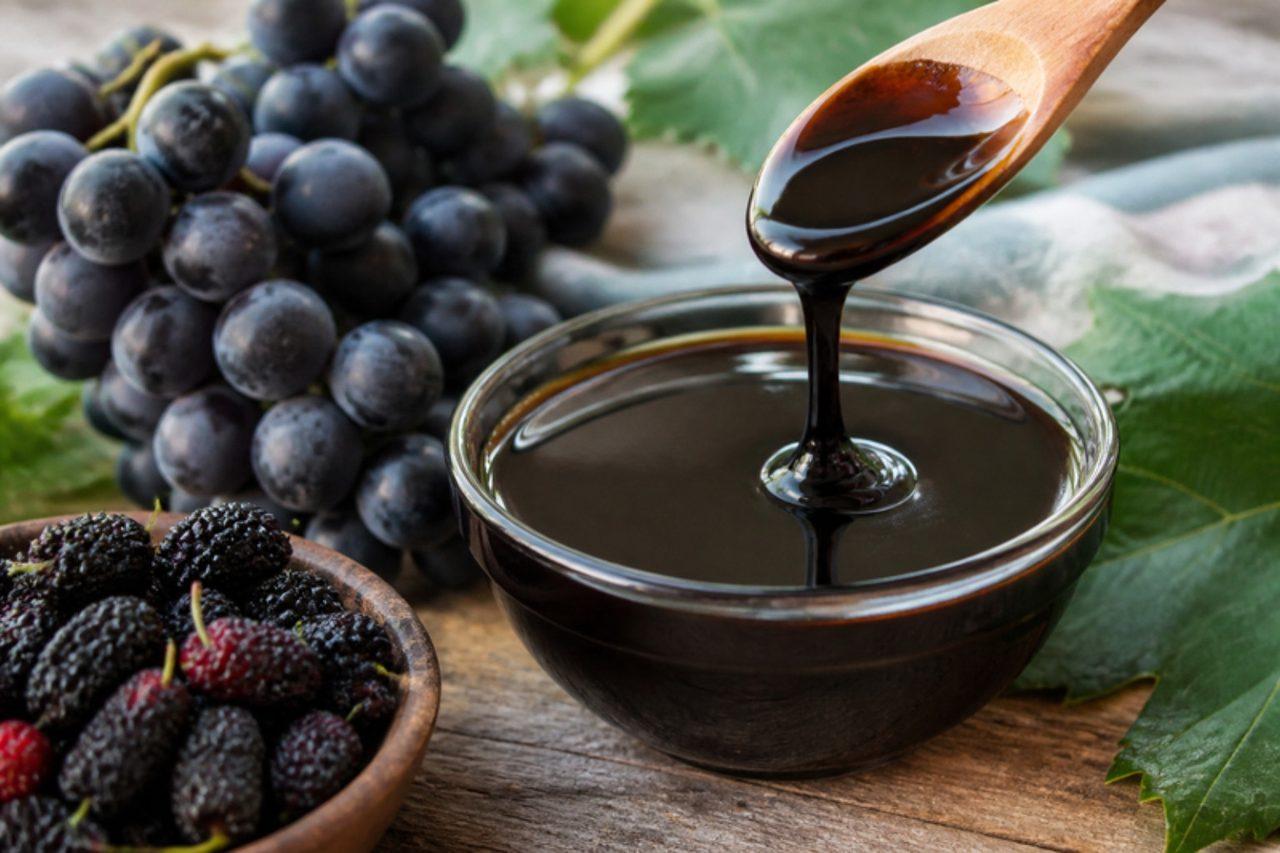
DoshabThick grape syrup

In the dry, sunny exclave of Nakhchivan, between Armenia and Iran, villages press their late-summer grapes and mulberries and boil the juice for hours in big copper cauldrons until it becomes doshab, a dark, sticky syrup used as a sugar through the winter: spread on bread with butter, stirred into halva, or mixed with snow or water as a drink. A common mistake is skipping the clearing step; cloudy juice gives a gritty, sludgy syrup. Chef's tip: village cooks clear the juice with a spoon of white earth; at home, let it settle overnight in the fridge and pour it off the sediment before boiling, which gives a clear, glossy doshab.

by KrazyBadal 0 views

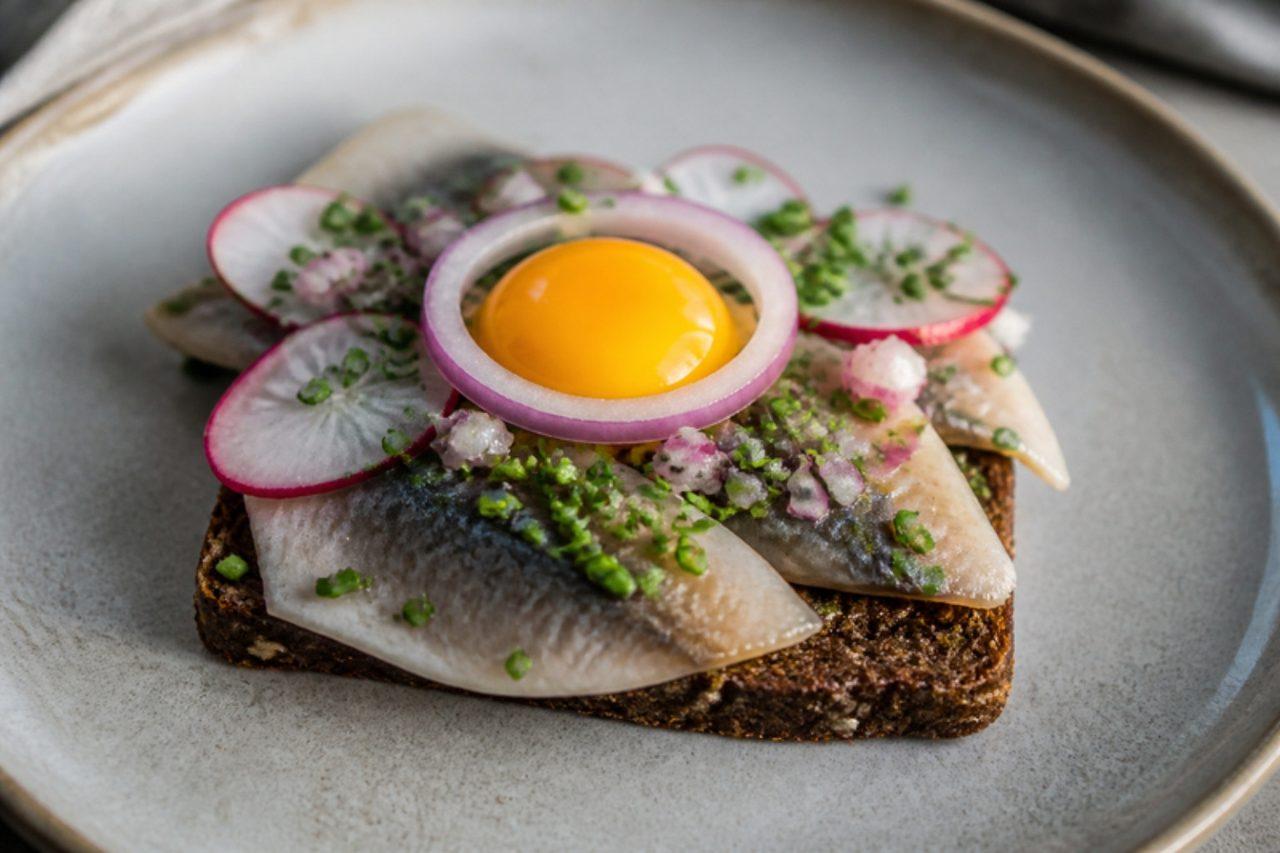
Sol over GudhjemSmoked herring on rye

Sol over Gudhjem, 'sun over Gudhjem', is the famous smørrebrød of Bornholm, the Danish island in the Baltic, where smokehouses in Gudhjem and Svaneke still smoke herring over alder wood: a slice of dark rye spread with butter, topped with a skinned, boned smoked herring, chopped chives and radishes, and a raw egg yolk in the middle as the 'sun'. Raw egg yolk is not for pregnant women, young children or anyone with a weakened immune system; this recipe uses pasteurised eggs, and the yolk can be swapped for a soft-boiled one. A common mistake is leaving the herring bones in; pick them out carefully. Chef's tip: set the yolk in a ring of raw onion so it stays put.

by KrazyBadal 0 views

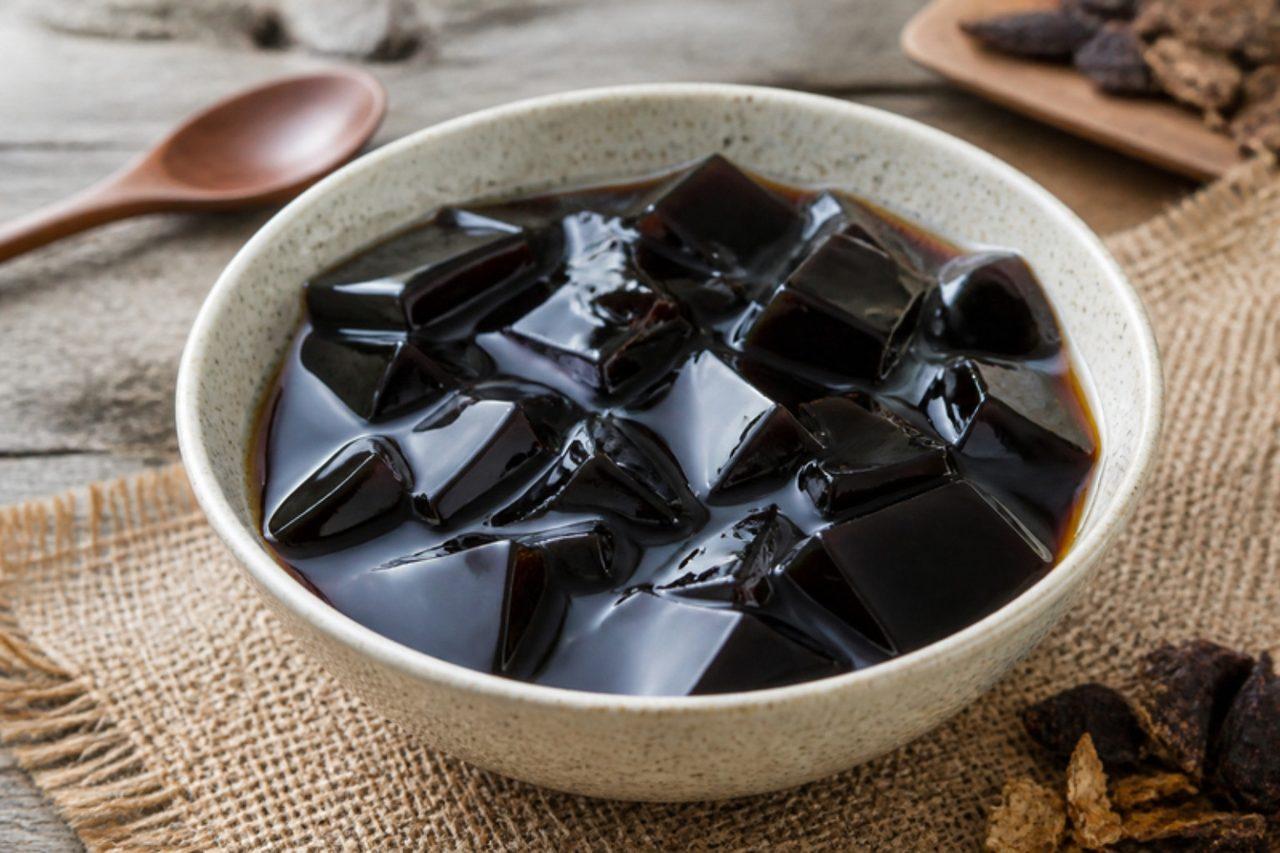
GuilinggaoBittersweet herbal jelly

Herbal tea shops along Hong Kong's busy streets sell black, glossy bowls of guilinggao as a cooling tonic in the humid months, and families keep a few cups in the fridge to eat as an afternoon snack. The jelly is firm yet smooth, deep and woody, and properly bitter, so it's eaten with a generous pour of syrup, or honey for those who aren't vegan, and sometimes a splash of coconut milk. The original is made by boiling turtle plastron with herbs for hours; the commercially sold herbal jelly powder used here is plant-based, so this is the vegetarian version. Lumps are the usual setback, which happen when the powder is added straight to hot water. Chef's tip: whisk the powder into cold water first, then pour it into the boiling water and keep stirring until it turns glossy.

by KrazyBadal 0 views

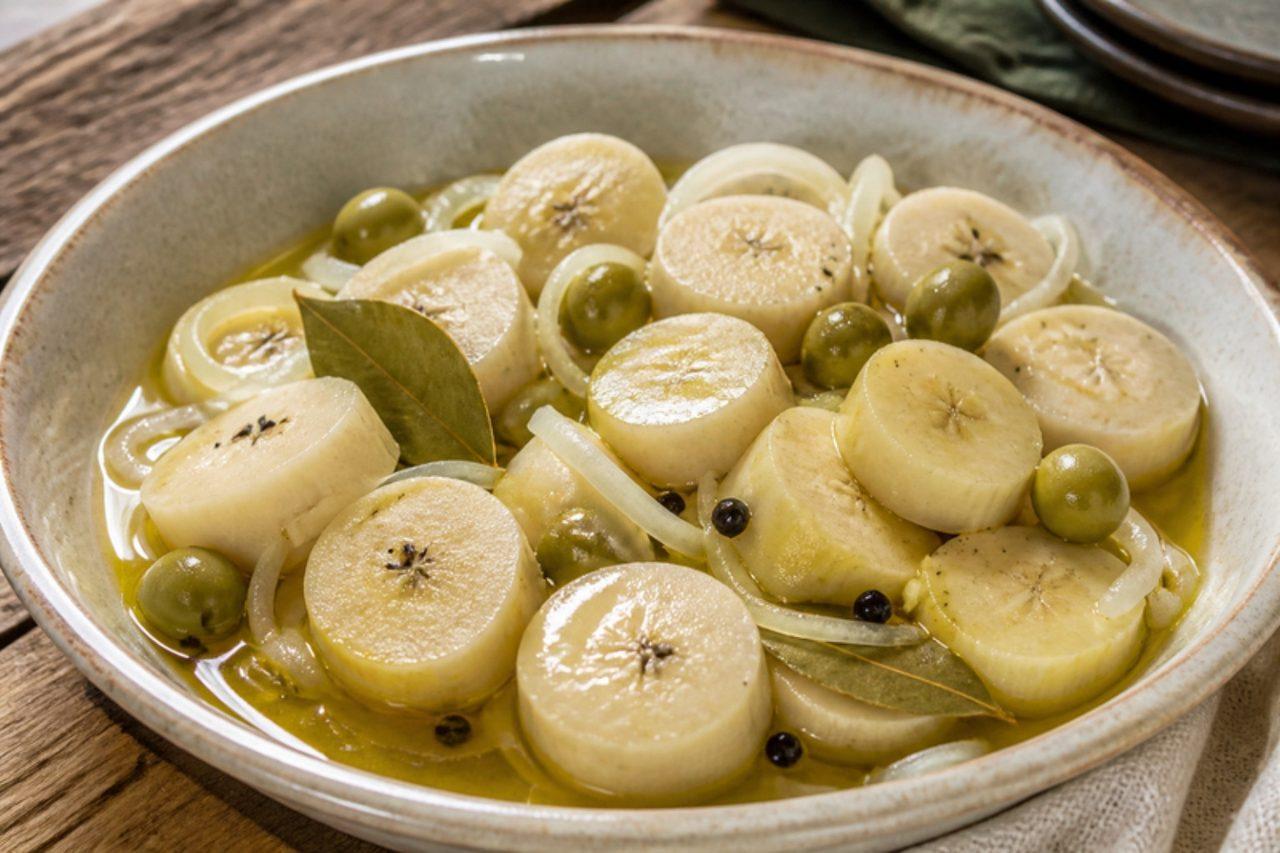
Guineítos en escabechePickled green bananas

Every Puerto Rican Christmas table and roadside lechonera on the Ruta del Lechón in Guavate seems to have a bowl of these: green bananas boiled, sliced into thick coins and left to steep in a garlicky olive-oil and vinegar marinade with soft onions, bay and green olives. They are sharp, silky and filling, and taste even better on the second day, so they are made in big batches for parties. The common mistake is boiling the bananas until mushy; they should be tender but still hold their coin shape. Peel them with oiled hands or gloves, because the sap stains. Chef's tip: pour the marinade over the bananas while both are still warm, so the starch soaks up the flavour.

by KrazyBadal 0 views

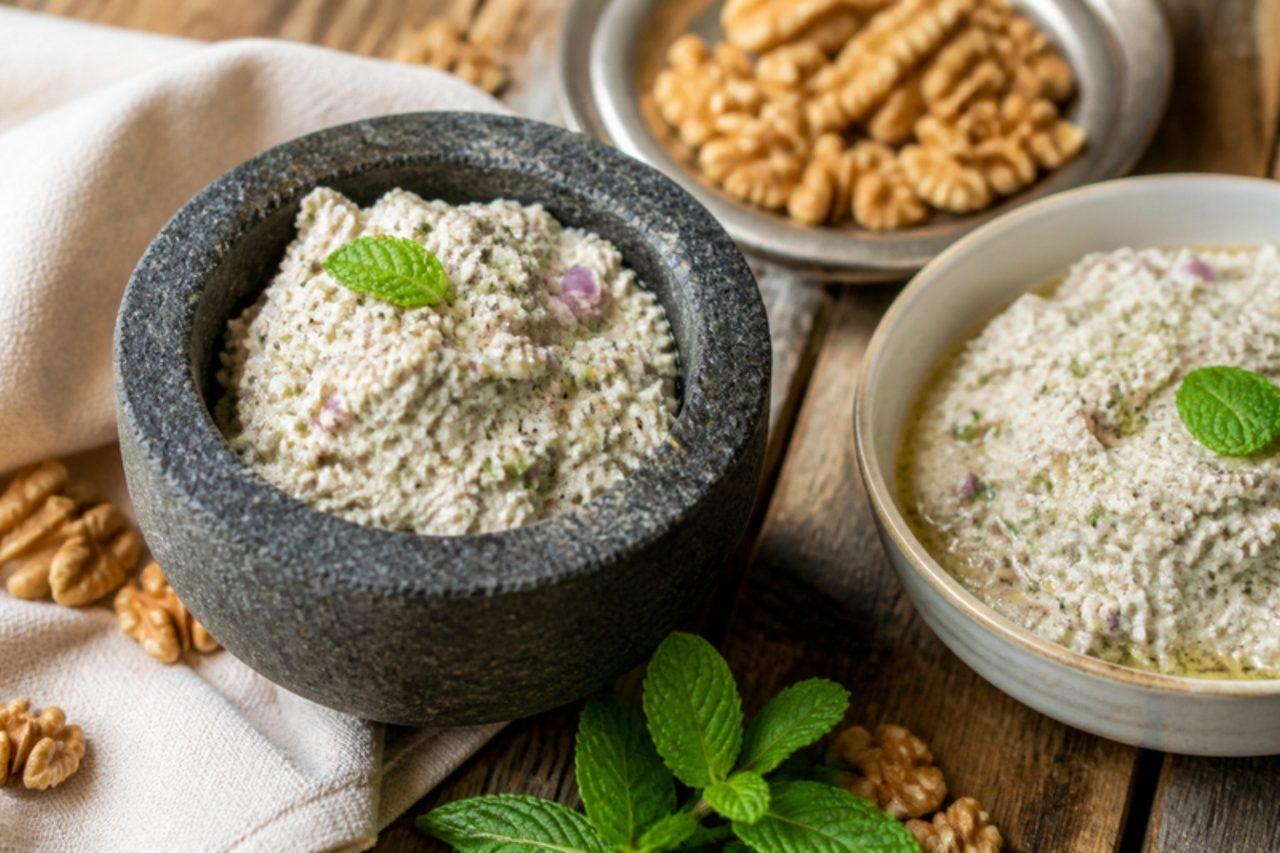
Doon chetinWalnut yogurt chutney

Walnut trees shade the villages of Azad Kashmir, and every autumn sacks of the new crop are cracked by hand on doorsteps from Bagh to Rawalakot; doon chetin is what a lot of that harvest becomes. The kernels are pounded coarse with green chilli, mint and salt, then loosened with thick yogurt into a nubbly, creamy chutney that is mildly bitter, hot and fresh all at once. It is spooned beside rice and haak greens at lunch, served with the meat dishes of a wazwan-style feast, or simply scooped onto bread. Grinding the walnuts to a smooth paste is a mistake; the chutney should keep some crunch. Chef's tip: toast the walnuts in a dry pan for two minutes and rub off any loose papery skin, which removes most of the bitterness.

by KrazyBadal 0 views

Doodh sodaMilk with lemon-lime soda

It sounds odd until you are standing in a crowd at a Lahore milk shop on a 45 °C June night, when a tall glass of doodh soda, foamy and sweet with a sharp citrus fizz, is the most refreshing thing in the city. The doodh-walas of Gawalmandi and Mozang chill milk in steel drums over ice, then pour it from a height into a glass with lemon-lime soda so that it froths like a milkshake, and people drink it straight after dinner or after a late plate of fried fish or chana. It tastes like a lighter, bubbly lassi, and children love it. What usually goes wrong is warm milk or flat soda, which makes it taste curdled rather than crisp. Chef's tip: chill both the milk and the soda until very cold, pour the milk first and add the soda in one go, then serve at once while the foam is high.

by KrazyBadal 0 views

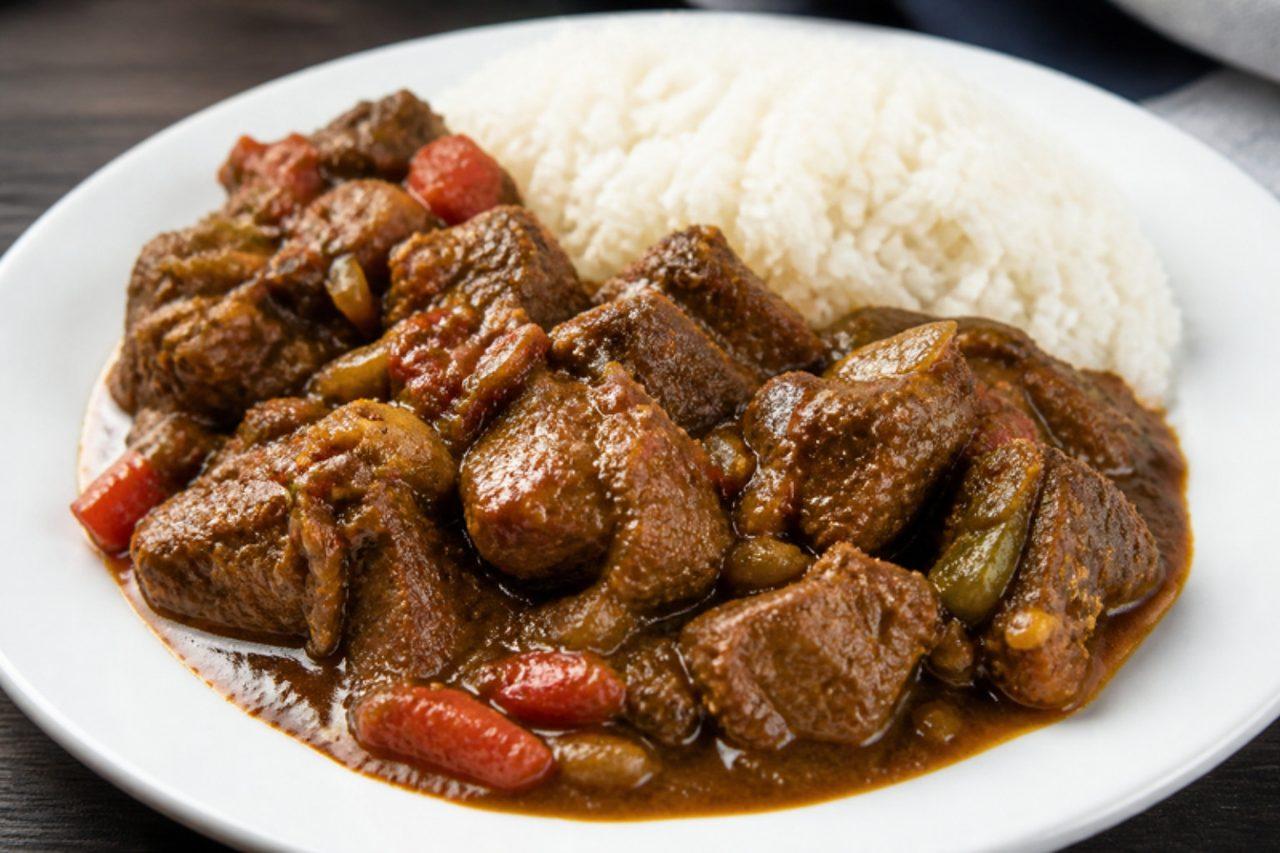
Dominican chivo guisadoSpicy goat stew

In Montecristi in the far north-west of the Dominican Republic, goats graze on wild oregano, and cooks say you can taste it in the meat; their chivo guisado is famous across the country. Bone-in goat is washed with lime, marinated overnight with oregano and garlic, browned in sugar-caramelised oil, then stewed slowly with peppers, tomato and hot chilli until it falls from the bone in a dark, spicy sauce. It is eaten with chenchén or white rice. The common mistake is rushing it: goat needs a long, gentle braise and stays chewy until it is ready. Chef's tip: caramelise a spoonful of sugar in the oil until it smokes slightly before adding the meat, the Dominican way to give the stew its deep colour.

by KrazyBadal 0 views

Dominica crab backsBaked spiced crab in the shell

In Dominica, crab backs are a celebration starter, especially around Independence Day in November: the island's land-crab meat is picked, seasoned with lime, chives, garlic, thyme and hot pepper, piled back into the cleaned shells, topped with breadcrumbs and baked until crisp. Land crabs are hard to come by and their season is protected, so this home version uses cooked crab meat. Buy it fresh or pasteurised from a trusted fishmonger, or cook your own live crabs, discarding any that are already dead or smell bad before cooking. The common mistake is drowning the crab in breadcrumbs; it should be mostly crab, held together lightly. Bake in cleaned crab shells or small ramekins. Chef's tip: mix in a little of the brown meat with the white for a richer, sweeter flavour.

by KrazyBadal 0 views

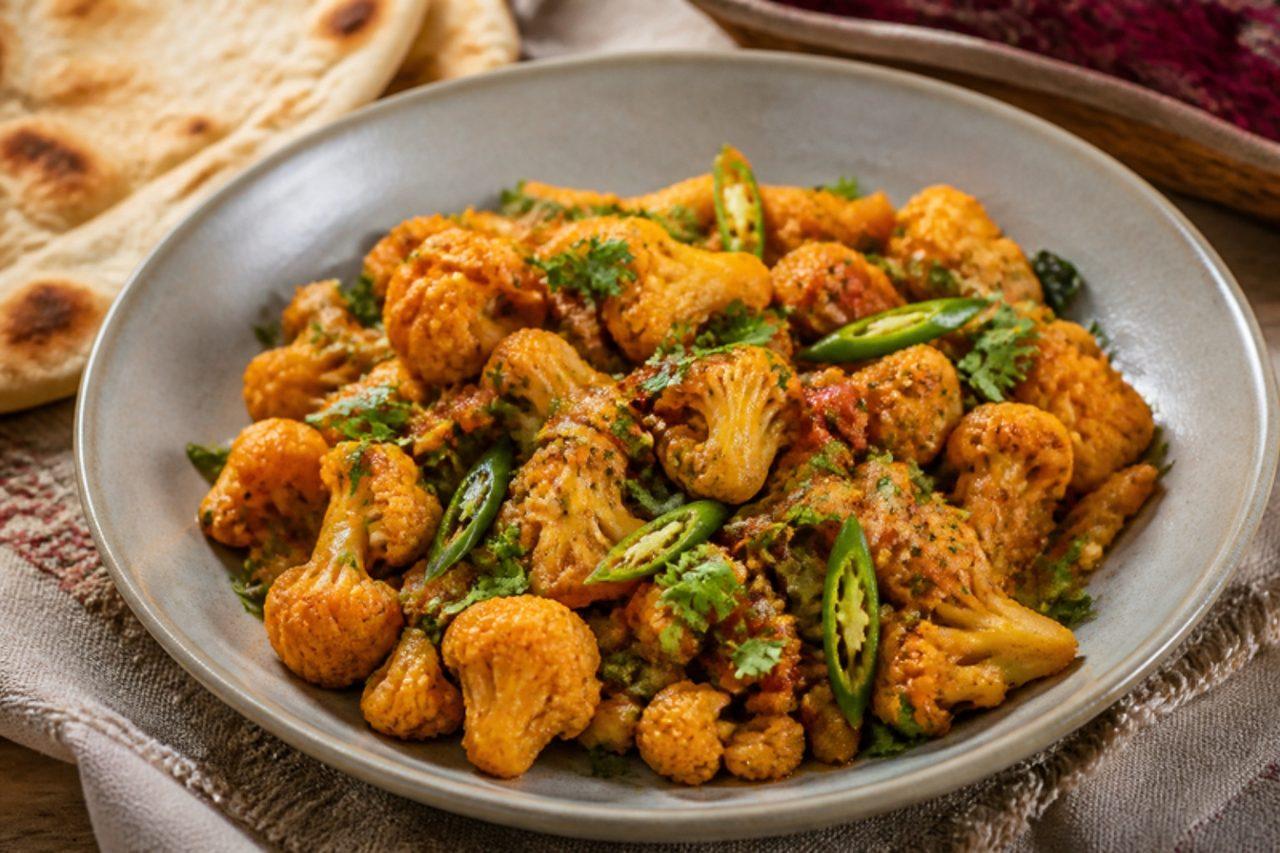
GulpiSpiced cauliflower

Gulpi is what an Afghan family cooks on an ordinary weeknight in Kabul or Jalalabad when cauliflower is cheap in the bazaar, and it is set on the dastarkhan, the cloth spread on the floor for meals, alongside rice or naan and a bowl of yogurt. The florets are fried until they catch a little colour, then simmered in a thick, turmeric-yellow sauce of onion, tomato, ginger and garlic until soft enough to break with the side of a spoon, with just a gentle heat from chilli. Many cooks stir in a few potatoes or peas, and some add a small piece of meat, but it is often fully vegetarian. Adding too much water is what spoils it: the cauliflower should steam in the tomato, not boil, so the sauce clings to every floret. Chef's tip: let the florets brown properly in the oil before anything else goes in, which gives the dish its nutty, slightly sweet depth.

by KrazyBadal 0 views

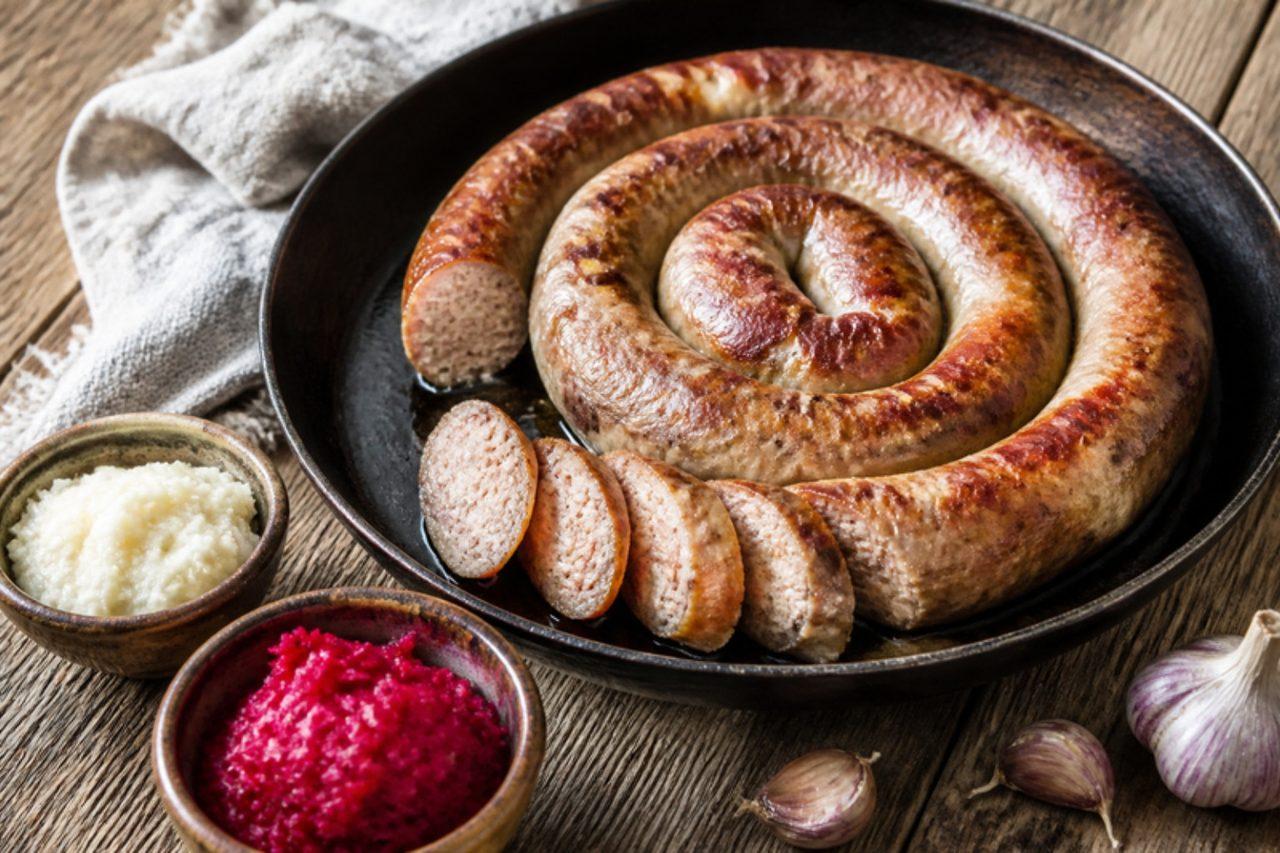
Domashnia kovbasaGarlic pork sausage

Across Galicia and the Carpathian villages, the smell of homemade pork sausage baking with garlic means Christmas or Easter is near; the coils go into the Easter basket to be blessed and come out sliced for the festive breakfast. Hand-cut pork shoulder and belly are mixed with lots of garlic, black pepper and allspice, stuffed loosely into natural casings, coiled and baked until the skin crackles and the juices run. It is juicy, coarse and garlicky, served hot with horseradish and beetroot or cold the next day. This is a fresh, cooked sausage, not a dried or cured one, so it must be cooked through and kept in the fridge. The usual mistake is stuffing the casing too tightly, so it bursts in the oven. Chef's tip: keep the meat and fat very cold while you cut and mix, ideally half-frozen; the fat stays in distinct pieces and the sausage stays juicy.

by KrazyBadal 0 views

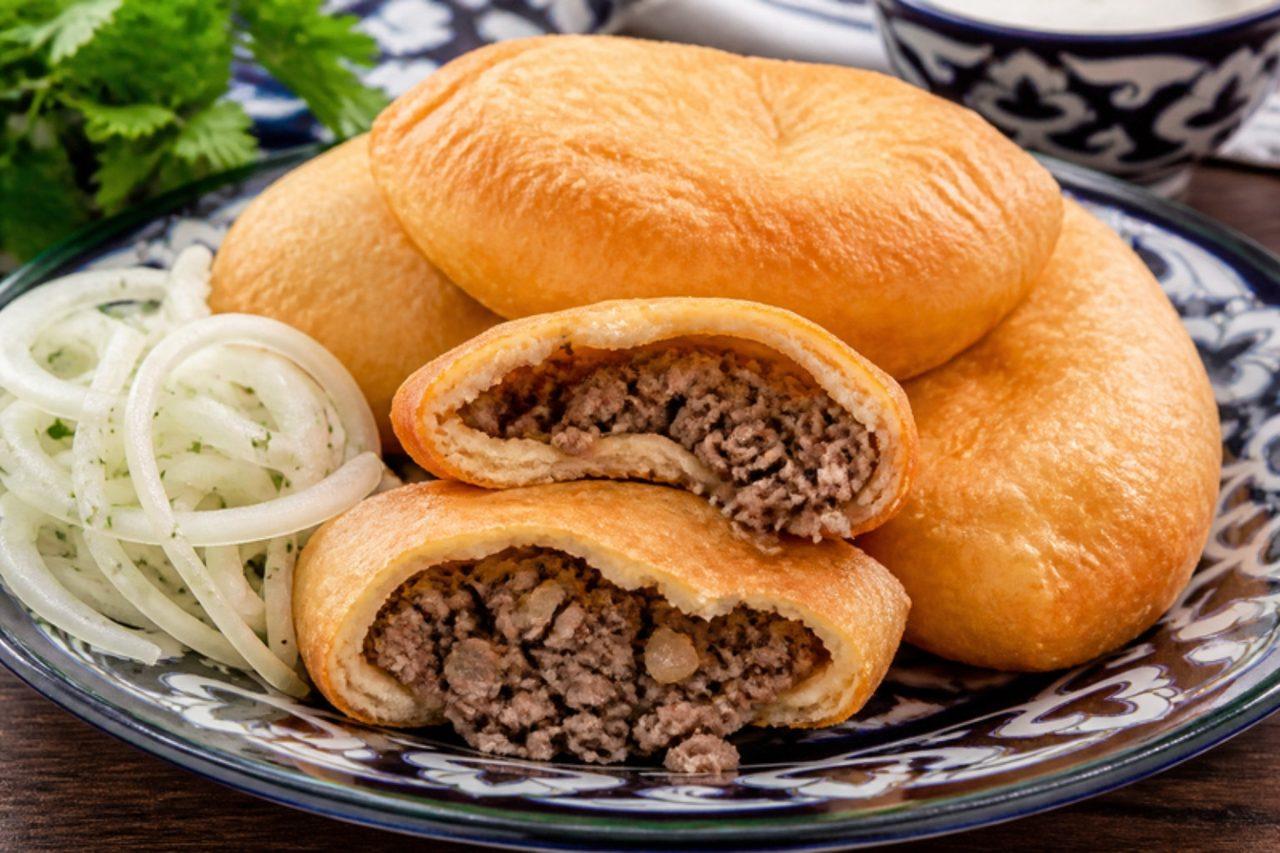
GummaFried pies with lamb liver

Gumma are the hot, puffy fried pies sold from big pans on Tashkent street corners and in bazaars like Chorsu, wrapped in paper and eaten in the morning with tea. The classic filling is cheap and hearty: lamb or beef offal, usually liver, heart and lung, minced with plenty of onion and black pepper; potato gumma is the vegetarian sister. This version uses lamb's liver and heart. A common mistake is frying in oil that is not hot enough, which makes the dough greasy and heavy. Chef's tip: cook the filling fully before shaping, then fry the pies at 175 °C until puffed and golden; the dough cooks in minutes while the filling only needs warming. Offal should be cooked until no pink remains, 71 °C.

by KrazyBadal 0 views

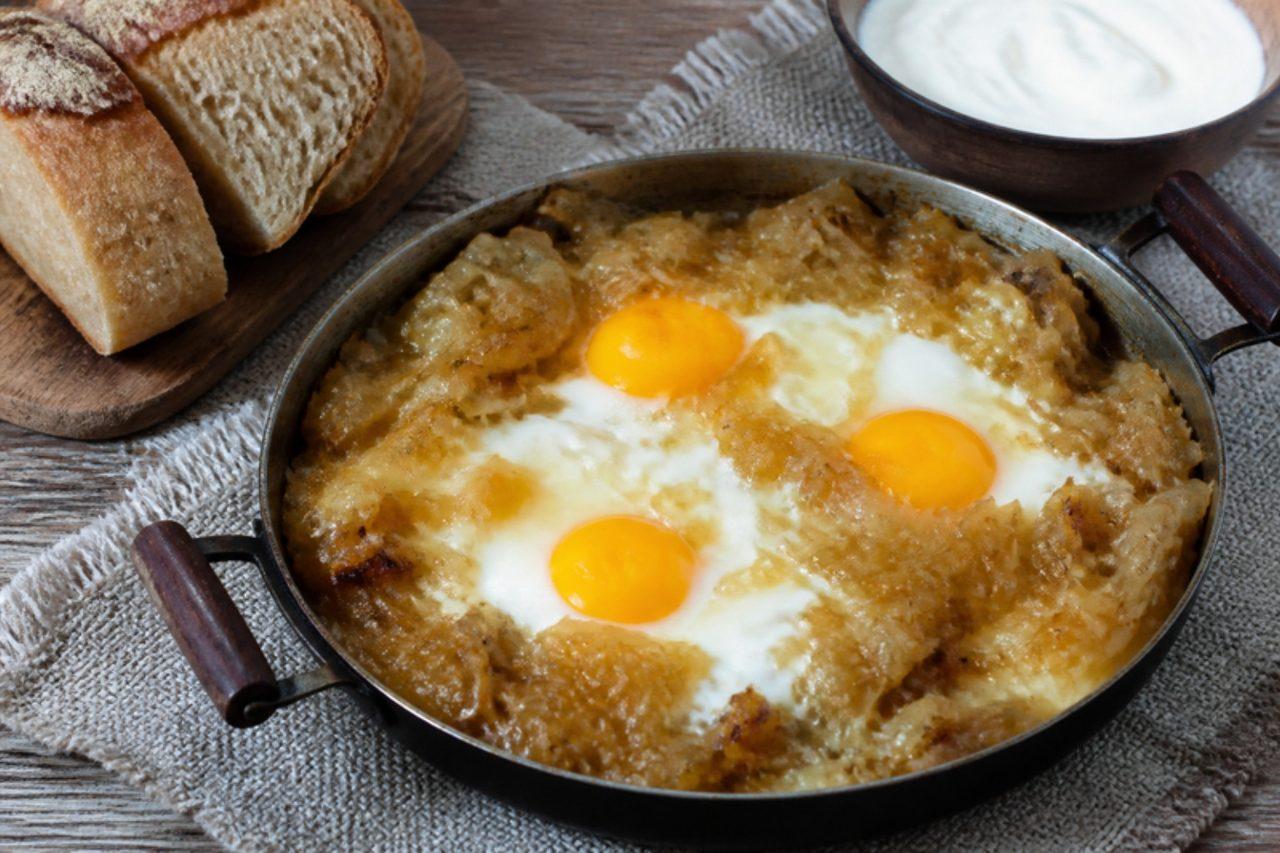
ĆimburEggs cooked on sweet onion

Bosnian home cooks make ćimbur when there are eggs, onions and not much else, and it is a favourite weekend breakfast, or a quick sehur before dawn during Ramadan. Lots of sliced onion is cooked gently in butter until meltingly soft and sweet, then eggs are cracked into little hollows and covered until the whites set, so you scoop up runny yolk, silky onion and a dusting of paprika with warm bread or somun. A bowl of plain yogurt on the side is common. A common mistake is rushing the onions over a high heat, so they scorch on the edges while staying crunchy inside; patience over a medium-low flame is what makes the dish. Chef's tip: if the onions start to catch before they are soft, add a splash of water and keep going.

by KrazyBadal 1 views

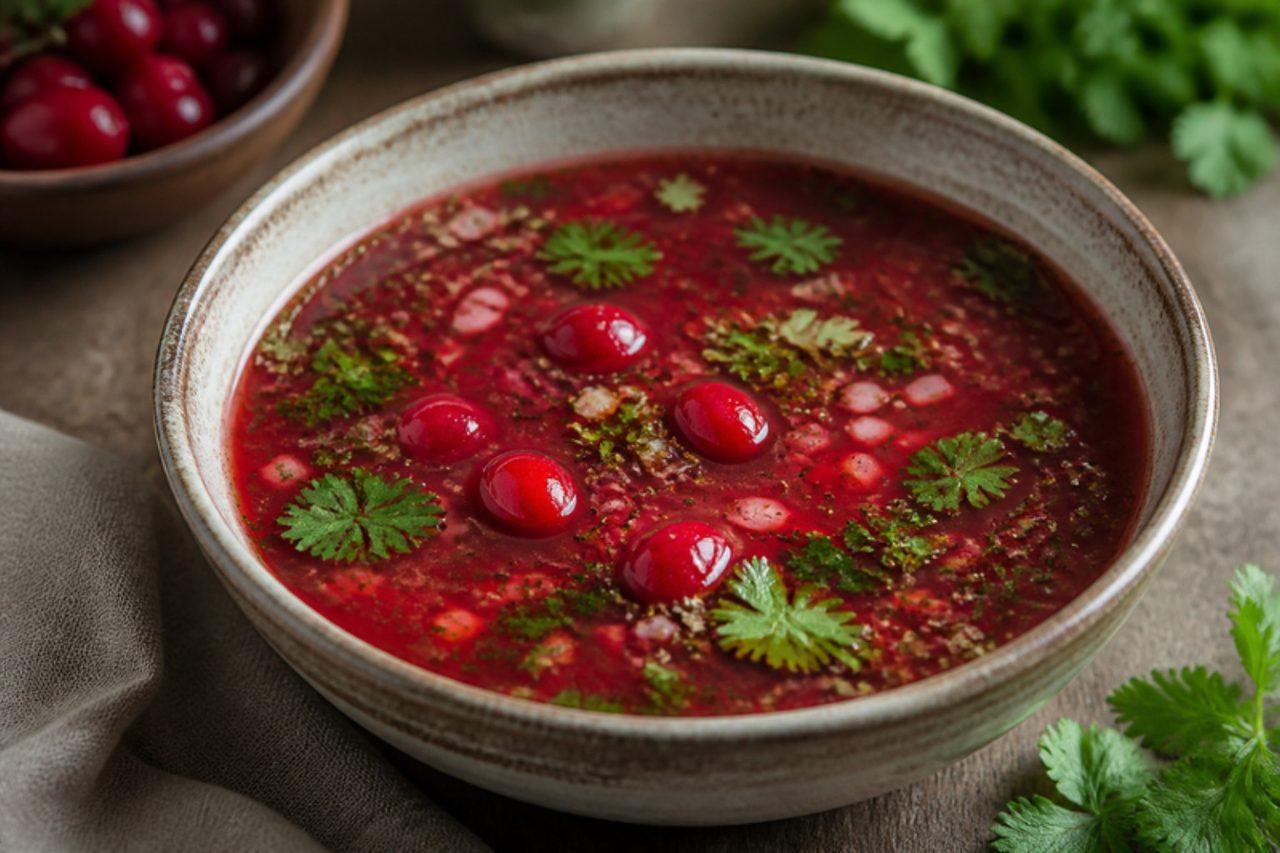
ShechamandiSour cornelian cherry soup

In Imereti and Racha, shechamandi is a quick, thin soup made from whatever sour fruit is at hand, and the favourite is cornelian cherry (shindi), the glossy red dogwood fruit that ripens in August around Ambrolauri. Its sharpness, softened by a little toasted flour and lifted with garlic and dried mint, is a pick-me-up on fasting days and a famously good cure the morning after a supra. Frozen cornelian cherries are sold in Georgian and Turkish shops; sour cherries are the closest swap. A common mistake is adding the flour straight to the hot soup, which makes lumps. Chef's tip: toast the flour in the oil until it smells like biscuits, which gives the soup a gentle nutty body.

by KrazyBadal 0 views

Yo-yoOrange honey doughnut rings

Tunisian children wait for yo-yo, the small golden rings that pastry sellers stack in sticky piles at Eid, weddings and on winter afternoons, and that families fry at home for Hanukkah in the Jewish tradition of Tunis and Djerba. The dough, made with eggs, oil and fresh orange juice and zest, fries up crisp outside and soft and cake-like inside, then gets a quick dip in honey syrup and a sprinkle of sesame. Eat them the day they are made, with mint tea. Chef's tip: keep the oil at 170 °C; hotter and the outsides brown before the centres cook through.

by KrazyBadal 0 views

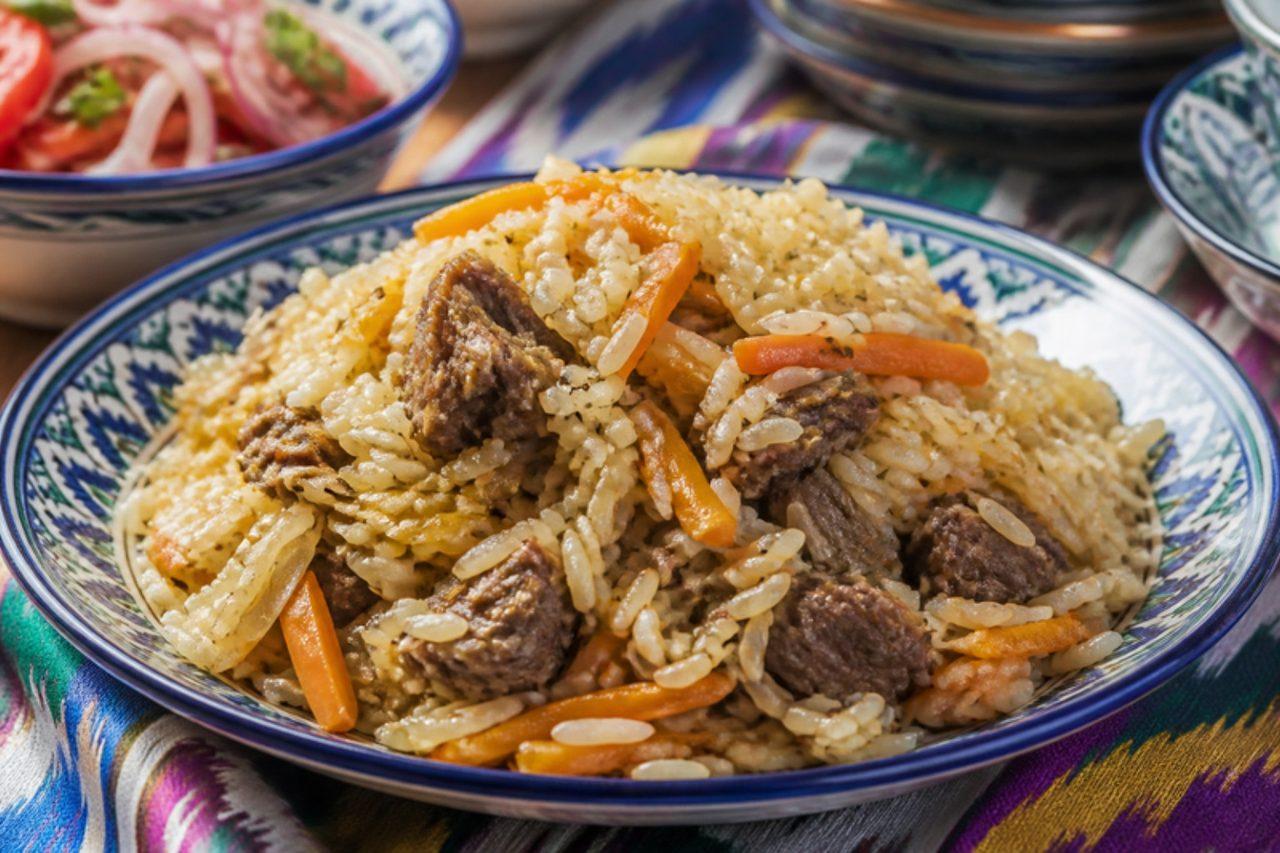
ShavlaSticky rice with lamb and carrots

Shavla is the softer, homelier cousin of plov, made in Tashkent and Samarkand households when someone is unwell or for a weekday supper: the same lamb, onion and yellow carrot zirvak as plov, but cooked with more water and stirred so the rice turns soft and porridge-like. Children often prefer it, and it reheats well. A common mistake is treating it like plov and leaving it unstirred; shavla needs gentle stirring to turn creamy. Chef's tip: use short-grain rice and cook the zirvak until the carrots are soft and sweet before the rice goes in.

by KrazyBadal 0 views

Multani sohan halwaSprouted wheat and milk halwa

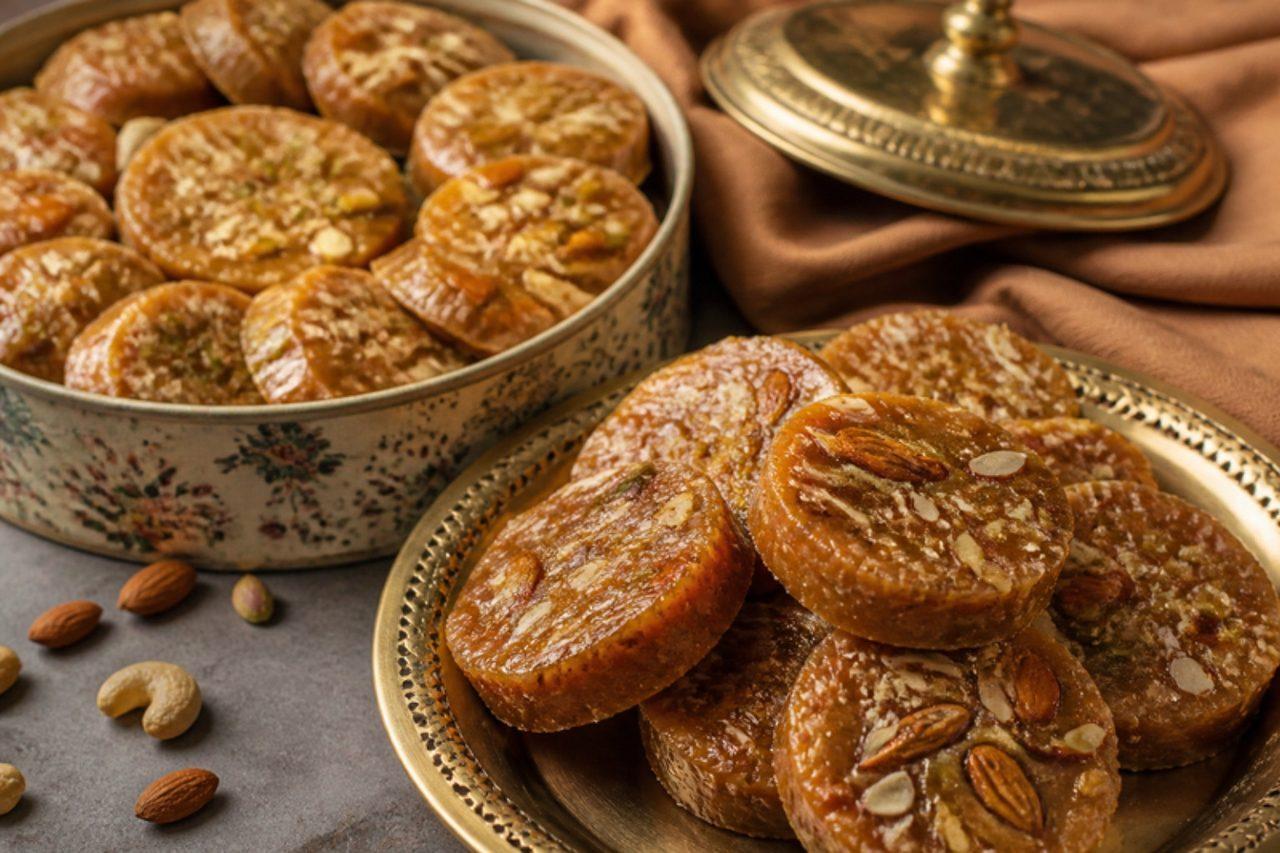
Packed in round tins and carried home from Multan's Hussain Agahi bazaar as a gift, sohan halwa is the sweet the City of Saints is known for across Pakistan, and families in Lahore and Karachi still wait for relatives to bring a box back after a visit. It is dark, dense and chewy, with a deep caramel flavour from milk and sugar cooked for hours, and its texture comes from samnak, a flour made from sprouted wheat, cooked in ghee until the fat seeps out around the edges. Almonds and pistachios are pressed into the top, and it is eaten in small squares with tea, especially in winter. Giving up too early is the classic error; pale, soft halwa has not been cooked long enough to caramelise and set. Chef's tip: stir constantly once the flour goes in and take your time; the mixture is ready when it turns a deep brown, leaves the pan in a single mass and the ghee pools freely. Take care, as the mixture is very hot and sticky.

by KrazyBadal 0 views

Doi chiraFlattened rice with curd

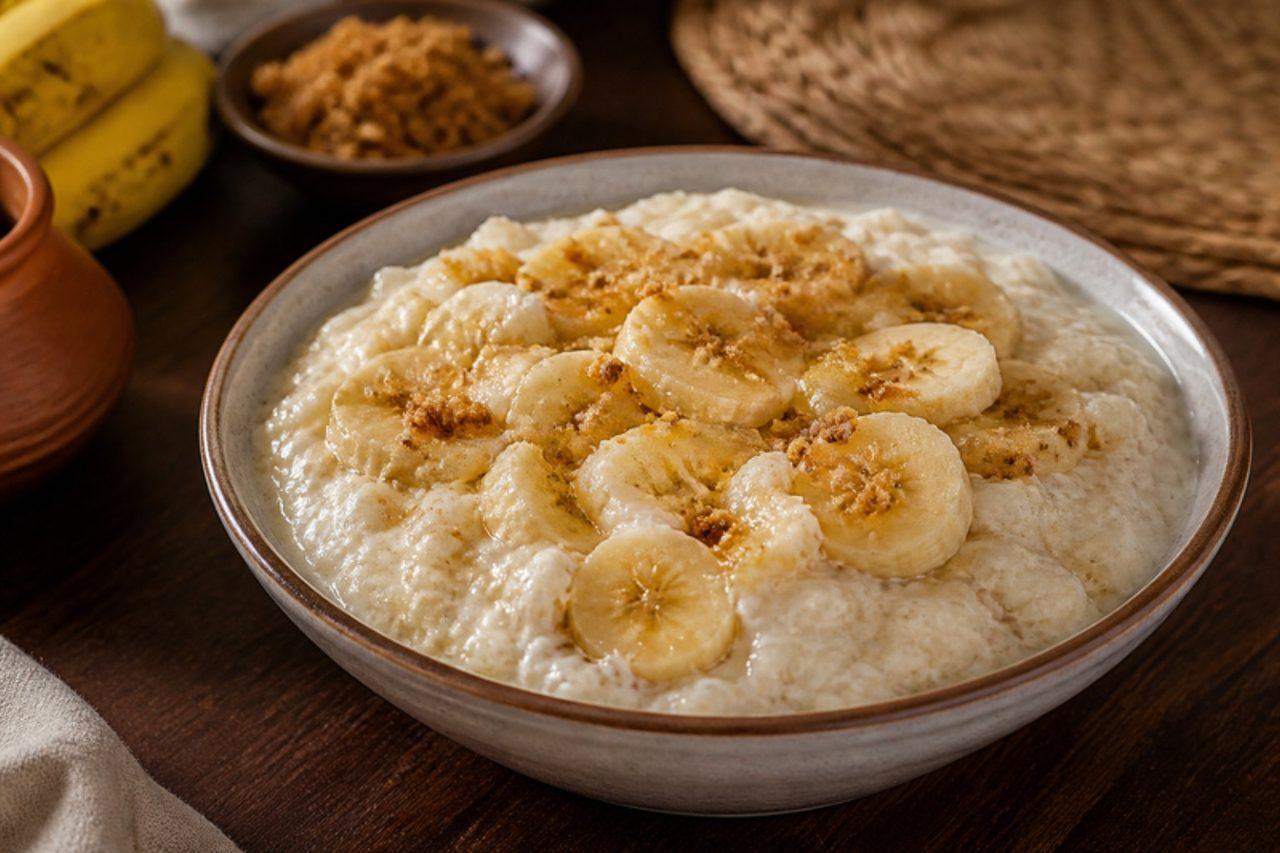
Nothing is cooked for doi chira, which is why it has been the breakfast of farmers and fishermen in Barisal for generations: flattened rice is rinsed, softened in thick, slightly sour curd and sweetened with jaggery or sugar, then mashed together with a ripe banana. The texture is soft and creamy with a little chew from the rice flakes, and the taste is cool, sweet and tangy. It is eaten on hot summer mornings, at village fairs and as part of the Pohela Boishakh spread, and it is a favourite of children and of anyone fasting who wants something gentle. The usual misstep is soaking the chira for too long, which turns it to paste; a quick rinse is all it needs before the curd does the rest. Chef's tip: use thick-cut chira, not the thin kind for frying, so the flakes hold their shape.

by KrazyBadal 2 views

Gur wale chawalJaggery rice

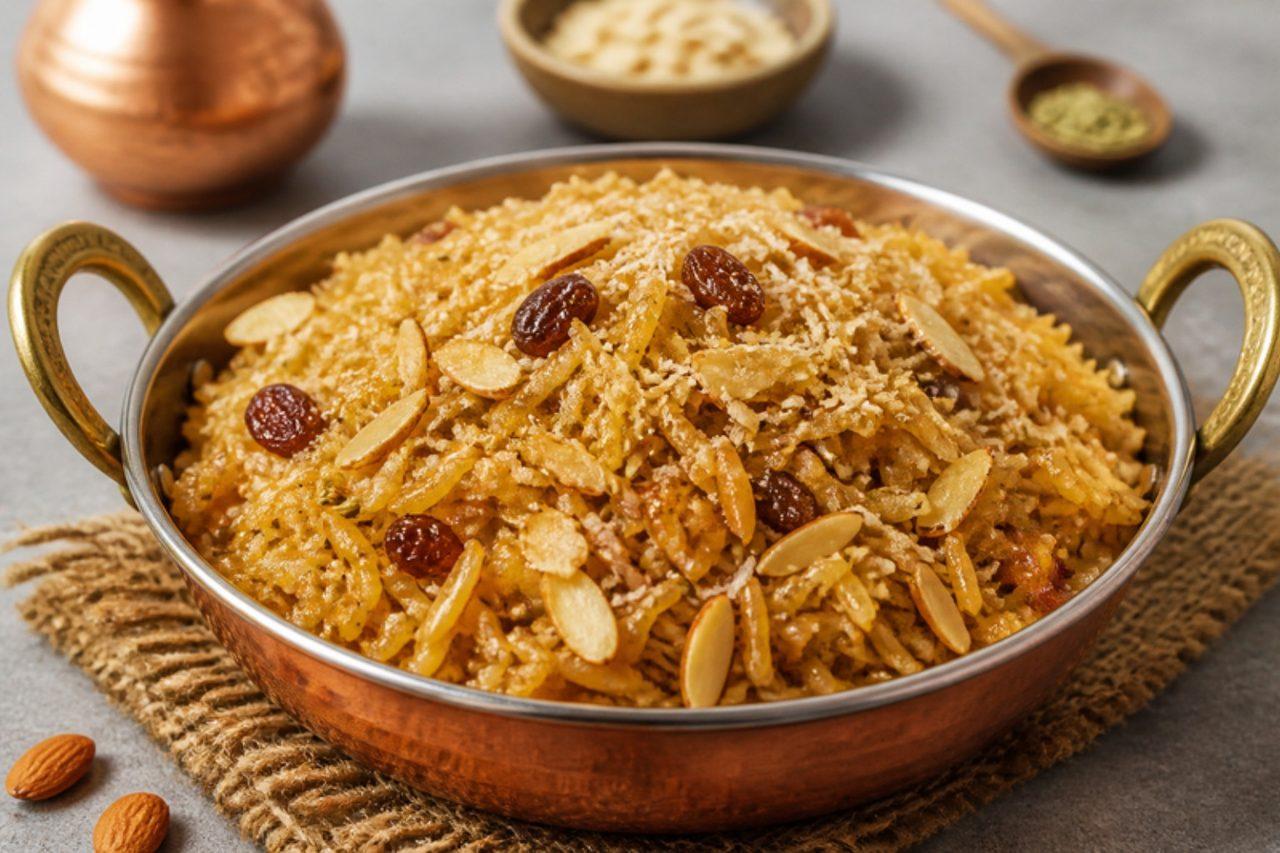
Every winter, when the sugarcane presses in the villages around Bahawalpur and Rahim Yar Khan boil the new season's jaggery, families celebrate with a pot of gur wale chawal. Basmati grains turn a warm amber in a syrup of melted gur and ghee, with fennel seeds and cardamom for fragrance and raisins, almonds and coconut tucked through, and the result is sweet but not sticky, each grain separate. It is cooked for weddings, for distribution on religious days and simply for guests on a cold evening, and eaten warm, sometimes with a spoonful of extra ghee on top. Adding the jaggery to raw rice is the commonest error, because sugar stops the grains from softening and they stay hard. Chef's tip: boil the rice until it is three-quarters cooked first, then fold it into the jaggery syrup and let it steam.

by KrazyBadal 0 views

Chilindrón de chivoGoat stew with tomato and peppers

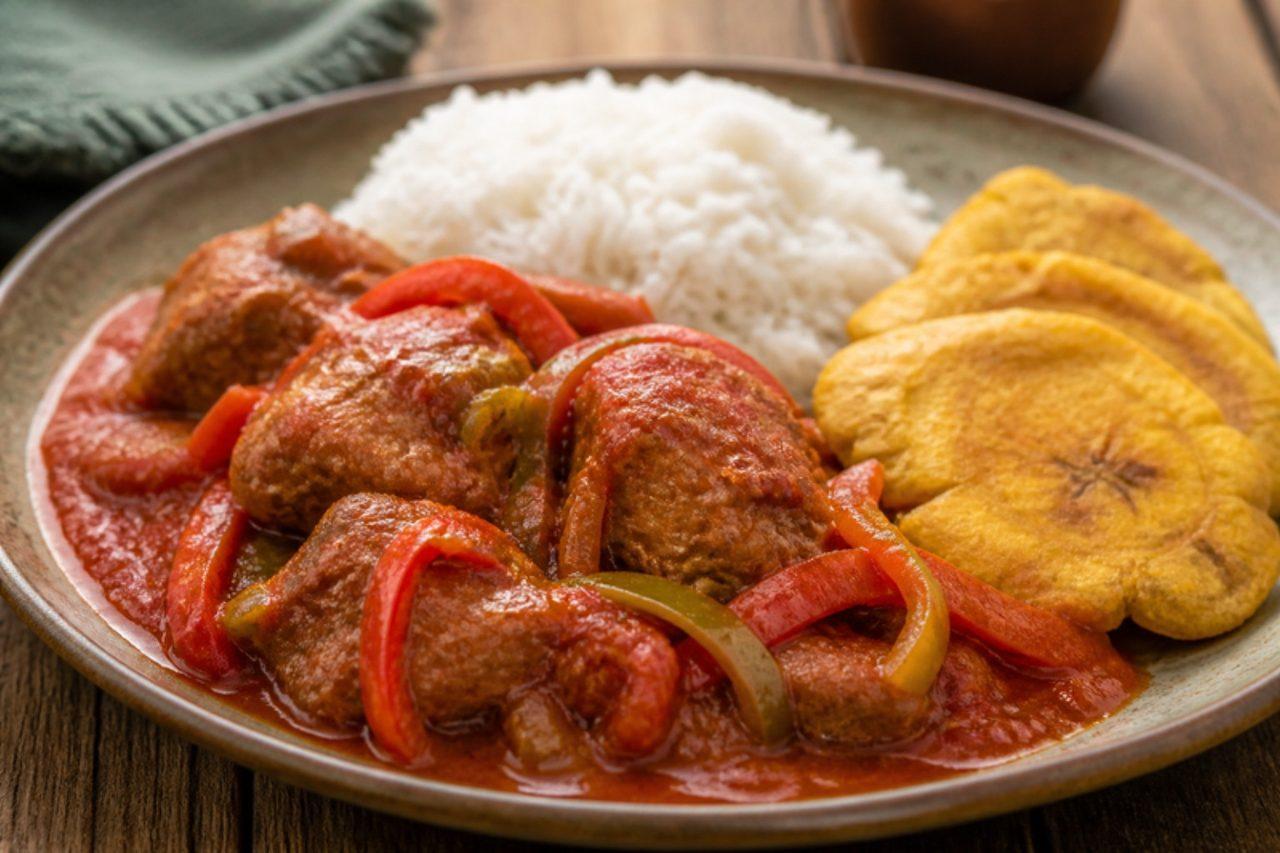
In Oriente, the eastern provinces around Santiago and Holguín, chilindrón de chivo is the dish for a farm celebration: goat marinated in sour orange and garlic, then stewed in a thick sauce of tomato, sweet peppers, cumin, oregano and dry wine until it is tender enough to pull from the bone. It is served with congrí or white rice and yuca. The wine is cooked for a long time; for an alcohol-free stew use stock with a tablespoon of vinegar. Goat is lean and becomes stringy if boiled hard, which is the most common mistake, so keep it at a gentle bubble. Chef's tip: marinate overnight in the fridge; it softens the strong goat flavour and seasons the meat to the bone.

190 minCubanMeatGluten free
by KrazyBadal 0 views

DogramaTorn bread with lamb in broth

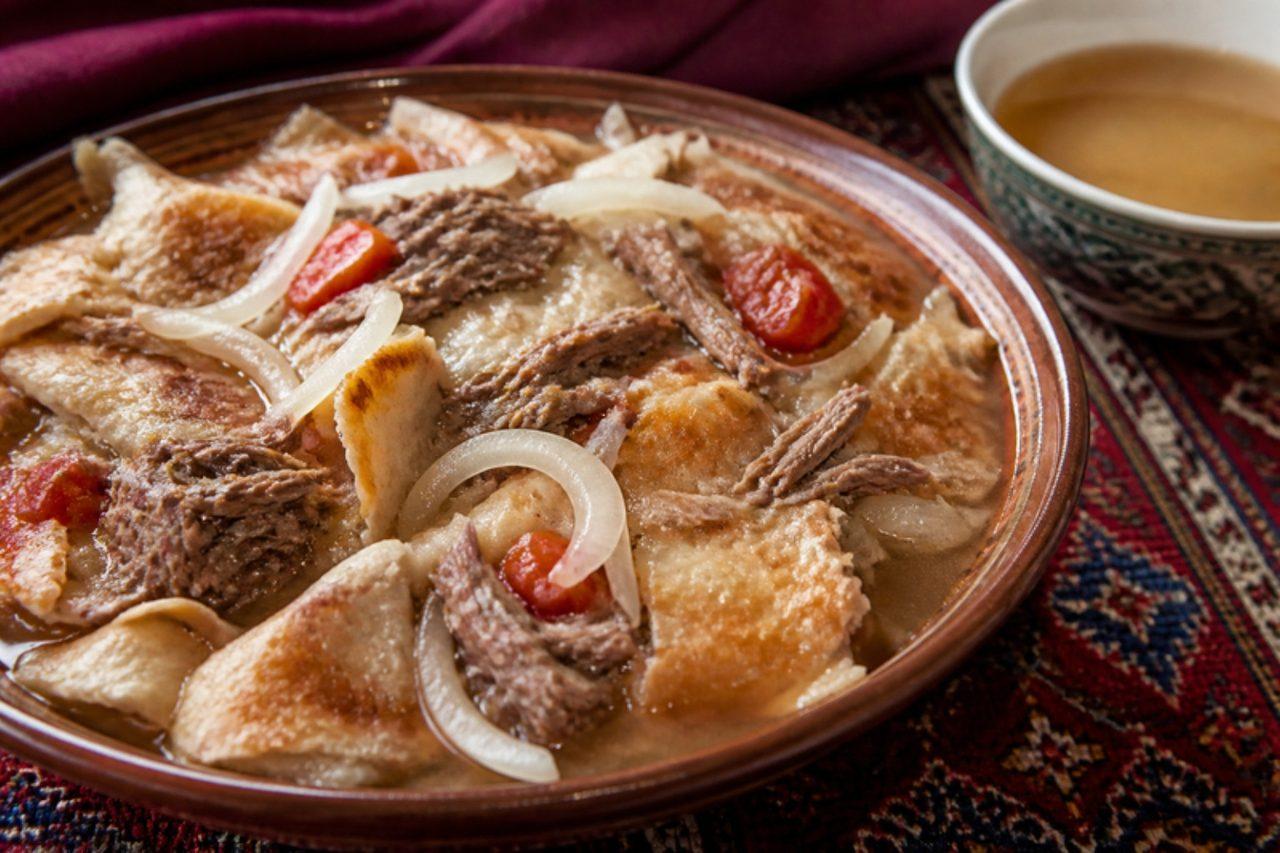
Dograma, from the Turkmen word for 'to chop', is the dish of Turkmen weddings and religious holidays, when families gather to tear fresh tamdyr bread into small pieces together. The bread is mixed with finely chopped boiled lamb or mutton, raw onion and tomato, then a rich, fatty broth is poured over and the bowl is eaten while hot. It is filling, simple and communal. A common mistake is using soft sliced bread, which turns to paste; dograma needs firm, chewy flatbread. Chef's tip: chop the meat and onion by hand very finely, and rub the onion with salt so it softens and mellows before mixing.

150 minTurkmenMeat
by KrazyBadal 0 views

TunnbrödThin wheat and barley flatbread

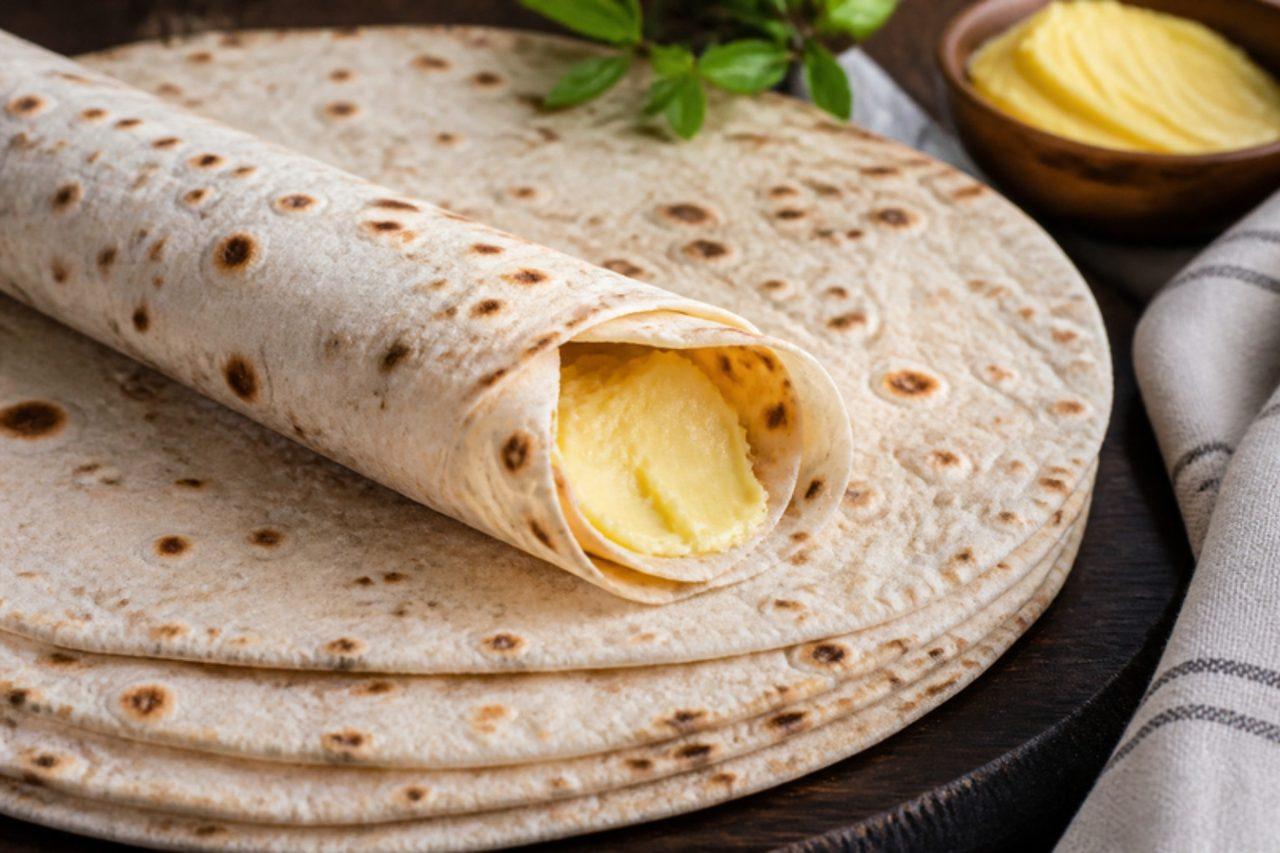
Tunnbröd, 'thin bread', is the old flatbread of Norrland, northern Sweden, where barley grew better than wheat; families in Västerbotten and Jämtland baked it in big batches in wood ovens and kept it for months. It is made soft or crisp, rolled with a knobbled pin (kruskavel) that makes its dotted pattern, and the soft kind is wrapped around a hot dog with mashed potato in the famous tunnbrödsrulle. A common mistake is rolling it too thick, which makes it bready instead of flexible. Chef's tip: bake on a very hot stone for barely a minute or two and stack the breads under a cloth, so they steam soft.

by KrazyBadal 0 views

Shatkora acharCitrus pickle in mustard oil

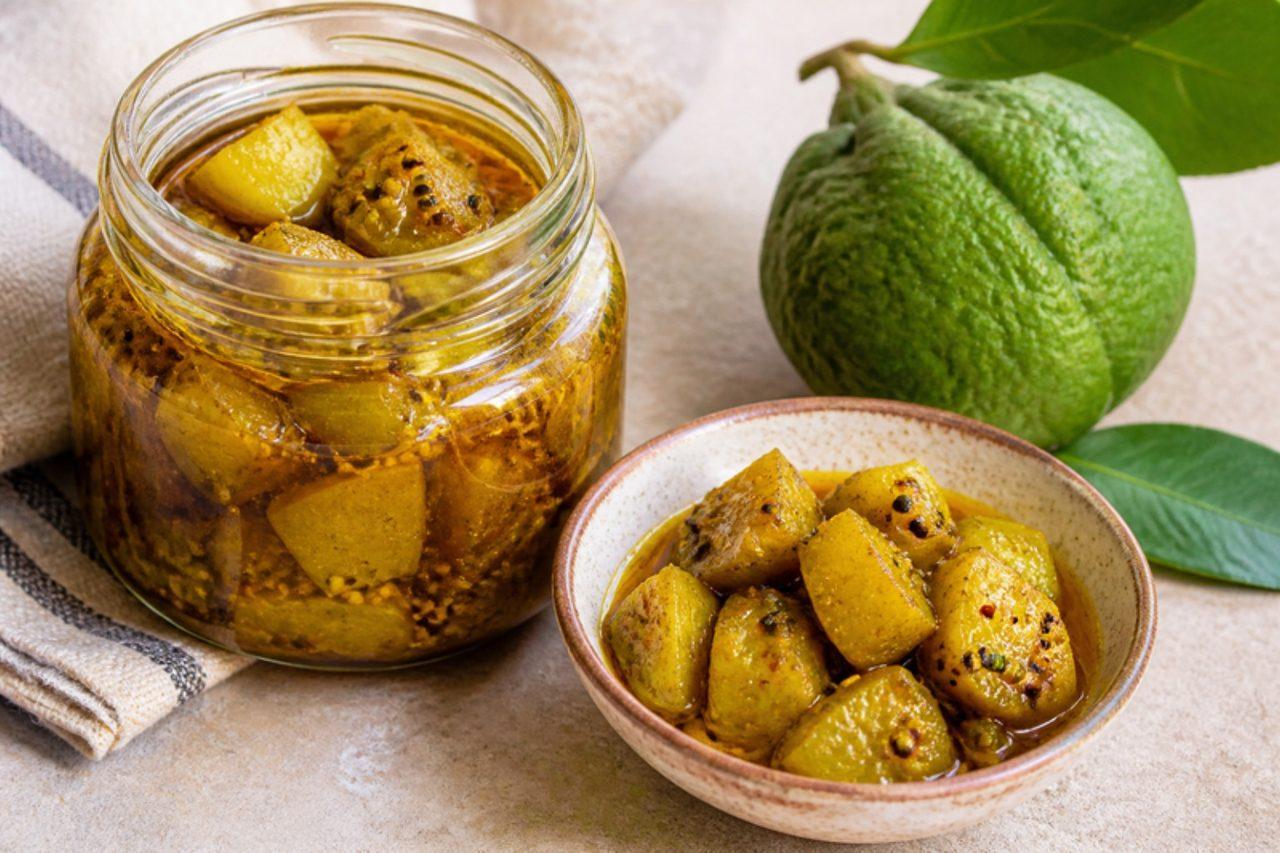
Shatkora is a knobbly, thick-skinned citrus that grows in the hills of Sylhet, with almost no juice but a rind so aromatic it perfumes the whole kitchen, and Sylheti families both in Bangladesh and in Britain treat a jar of its pickle as a taste of home. Cut into chunks, rind and all, and cooked slowly in mustard oil with chilli, turmeric and panch phoron, it becomes sharp, bitter, hot and faintly sweet, a spoonful of which wakes up plain rice and dal, khichuri or a winter vegetable curry. Frozen shatkora is sold in Bangladeshi grocers in the UK; thick-skinned lemons or a bergamot will give a milder pickle. Leaving in all the white pith makes the pickle too bitter to eat, so trim the thickest pith from the inside. Chef's tip: rest the cut fruit with salt and turmeric overnight before cooking; it draws out moisture and tames the bitterness.

by KrazyBadal 0 views

Tuo zaafi with ayoyo soupMaize swallow with jute leaf soup

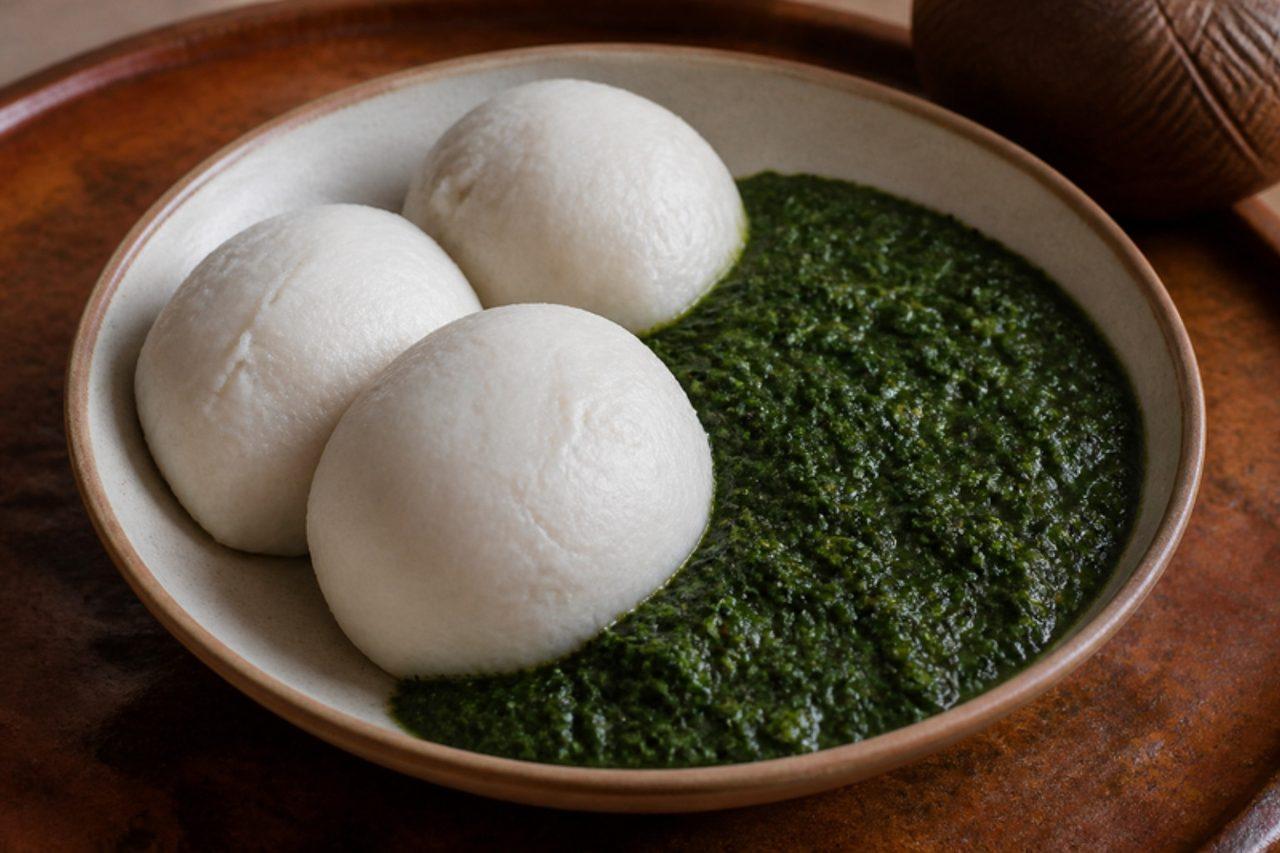
In Tamale and across northern Ghana, TZ is the evening meal: a soft, smooth swallow of maize (sometimes millet) that wobbles in the bowl and is eaten with ayoyo, a bright green, slippery jute-leaf soup flavoured with dawadawa. The pair is often served with a meat or fish stew alongside; this version is fully vegan, with the ayoyo seasoned well enough to stand alone. Frozen jute leaves, sold as ewedu or molokhia, are a good substitute, and a teaspoon of miso can stand in for dawadawa. Chef's tip: make a thin porridge with part of the maize meal first and then thicken it; the usual mistake is adding all the meal at once, which makes a lumpy, stiff TZ.

by KrazyBadal 0 views

Accra bananeRipe banana fritters

Morning street corners in Douala smell of frying banana: vendors drop very ripe fruit and flour batter into deep oil and sell accra banane by the paper bag, often with a bowl of bouillie or a plate of beans. Crisp at the edges and soft, sweet and almost custardy inside, these little puffs need nothing more than mashed bananas, flour, sugar and a pinch of nutmeg. Children love them after school, and they are a thrifty way to rescue fruit that has turned black. A frequent slip is using underripe bananas, which give heavy, bland fritters. Chef's tip: use bananas so ripe the skins are mostly black; firmer yellow ones give a dry, bland fritter.

by KrazyBadal 0 views

Couscous de maïsStiff maize paste

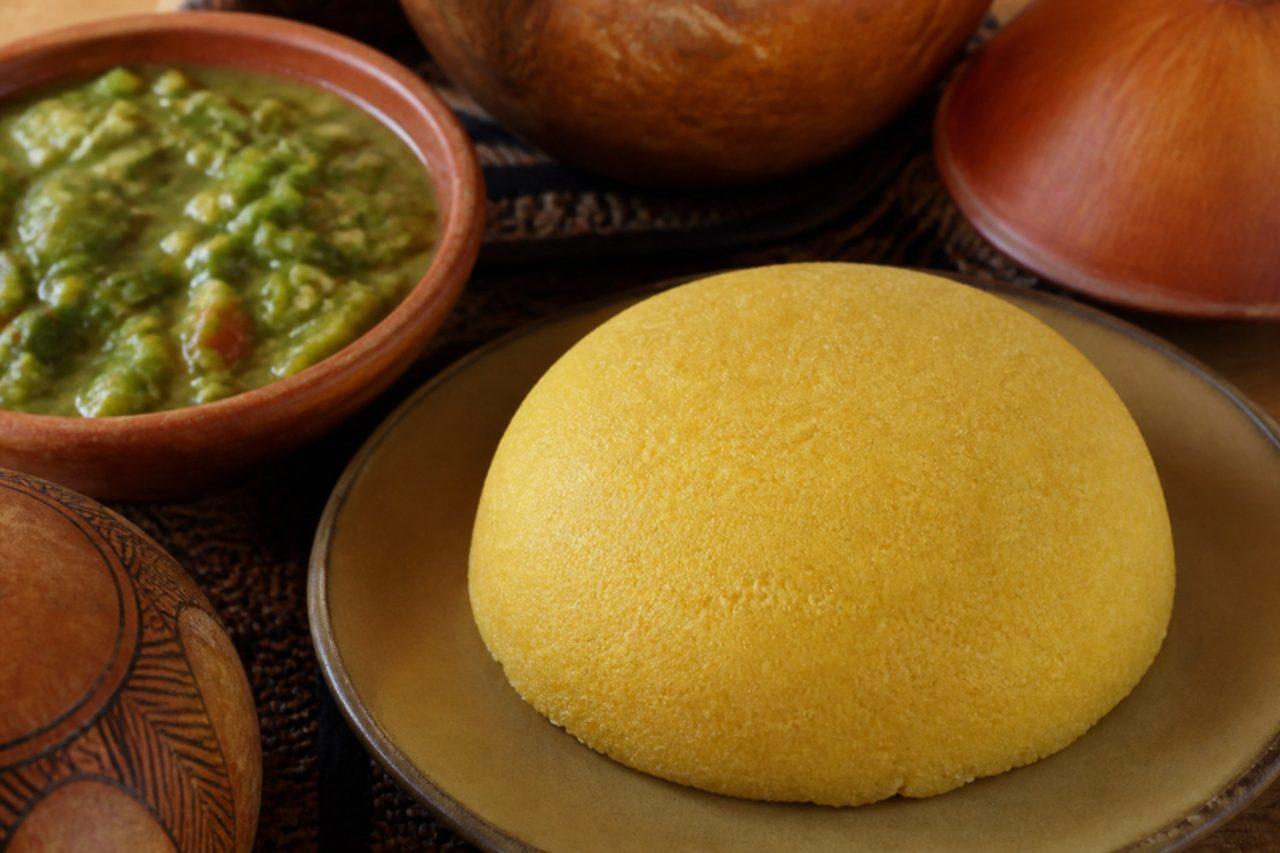
Across the North, from Garoua's riverside neighbourhoods to the Adamawa plateau around Ngaoundéré, the evening meal is usually couscous de maïs: not the steamed grains of North Africa but a stiff, smooth maize paste shaped into domes with a wet calabash. It is eaten with the right hand, dipped into slippery okra sauce, leaf sauces or a tomato and groundnut stew. The flavour is mild and sweet like fresh corn, and the texture firm enough to hold the dent made by your thumb. Use fine maize meal; coarse polenta gives a gritty result. Chef's tip: let the first handful of meal cook undisturbed on the simmering water for a few minutes before stirring; it forms a raft that blends in without lumps.

by KrazyBadal 0 views

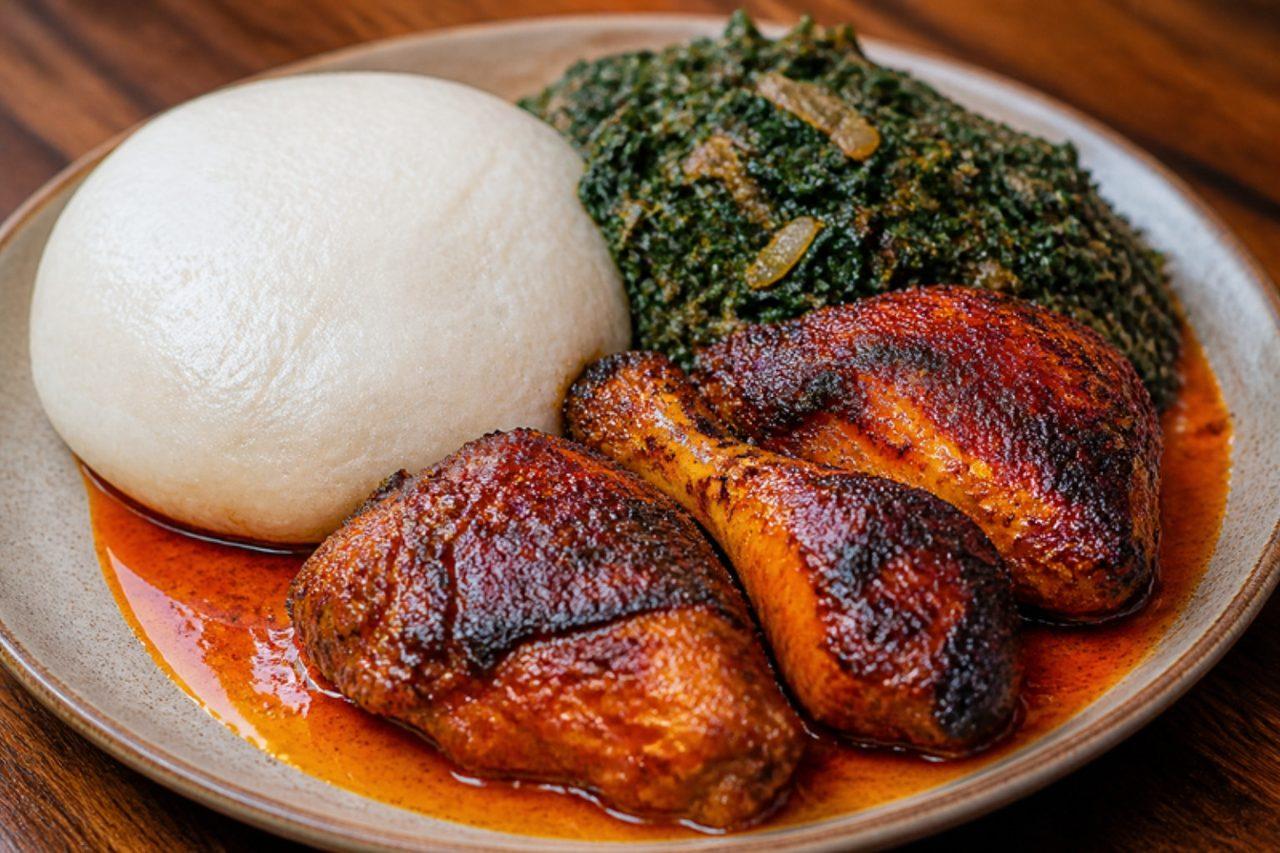
Kati katiGrilled chicken in palm oil

From Kom country near Bamenda, kati kati is chicken cooked twice: first grilled over open coals until smoky and charred in places, then chopped and simmered briefly in red palm oil with onion and hot pepper until every piece is lacquered. It turns up at celebrations in the North West and in Bamenda chop houses, always with fufu corn and a heap of njama njama. The flavour is smoky, rich and fiery, and the sauce is thick enough to cling, not pool. A charcoal grill gives the best flavour, though a hot oven grill works well. Chef's tip: chop the grilled chicken into small pieces before it goes into the pot, so the palm oil sauce reaches every surface.

by KrazyBadal 0 views

KondreGoat and green plantain stew

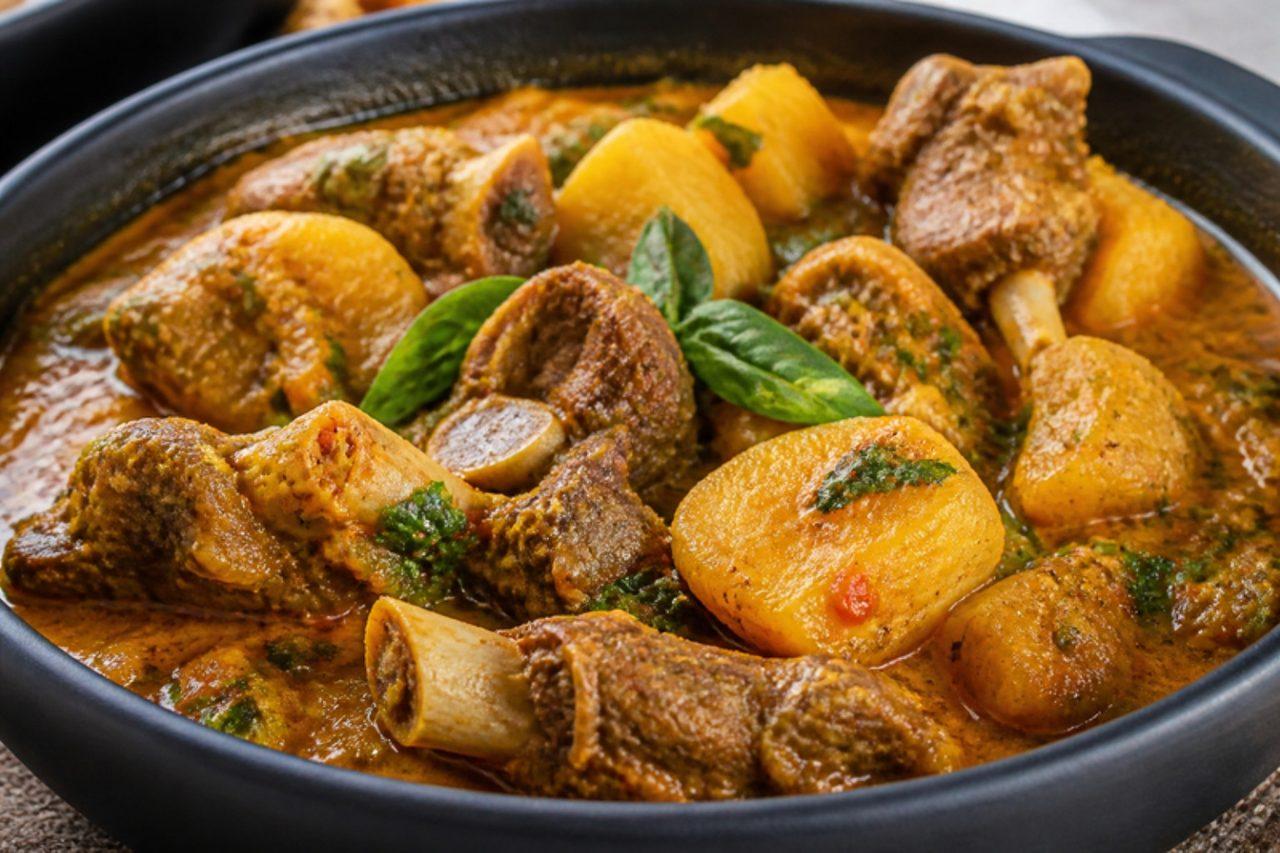
For weddings, funerals, the enthronement of a chief or the return of a relative from abroad, the Bamileke of the West Region cook kondre. Chunks of goat are stewed slowly with green plantain, tomato and a fragrant blend of local spices including white pepper, pebe and country onion, until the plantain melts at the edges and thickens the sauce. The result is earthy, peppery and very satisfying, eaten straight from the bowl with nothing else alongside. Beef or lamb can replace goat; pebe and country onion are sold in Cameroonian grocers, with nutmeg and a pinch of clove standing in at a pinch. Marinate the meat in the fridge, never on the counter. Chef's tip: give the goat a full hour on its own before the plantain goes in; the meat needs far longer to soften.
by KrazyBadal 0 views

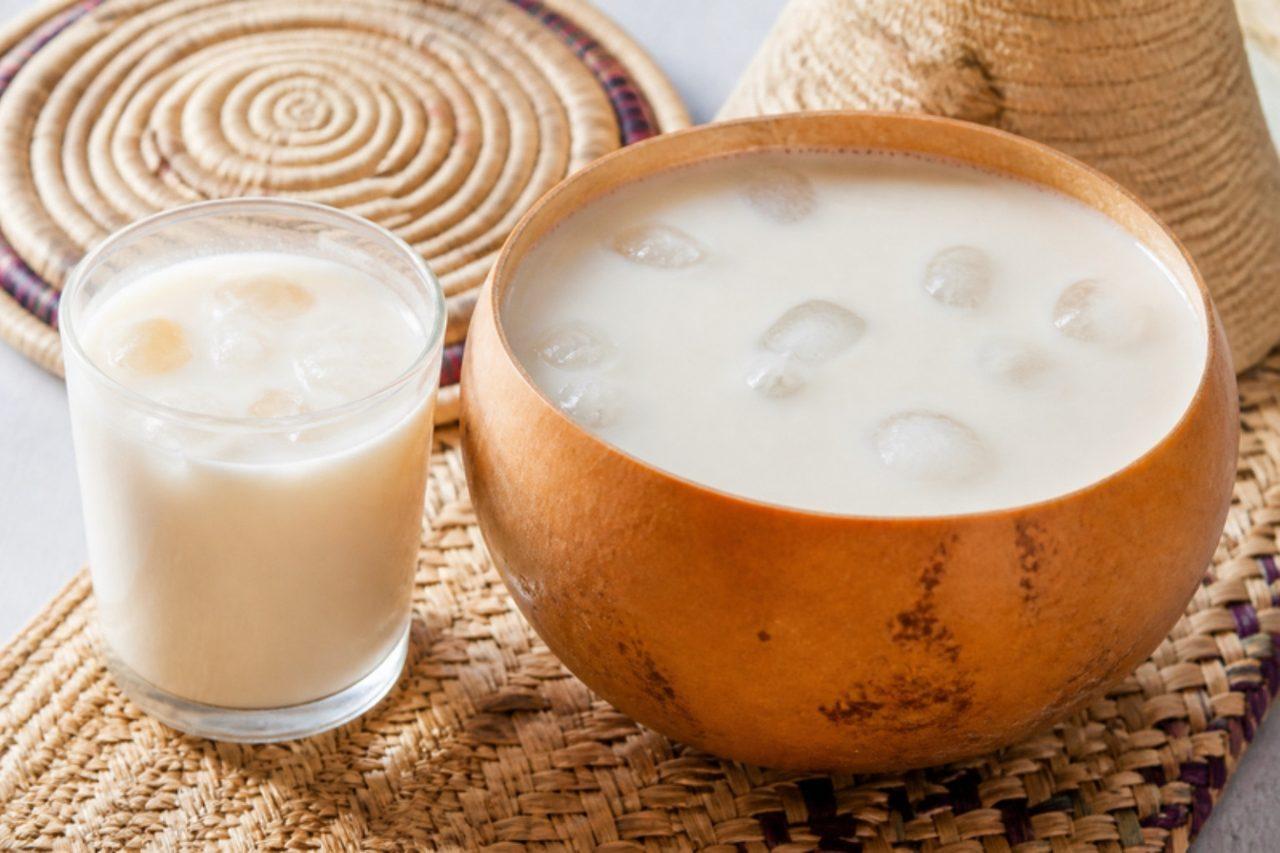
KossamFresh or soured Fulani milk

Fulani herders of the Adamawa plateau measure hospitality in kossam: a calabash of cool milk offered to a guest after a long ride, or sold in Ngaoundéré's markets fresh in the morning and pleasantly soured by afternoon. Fresh kossam is simply creamy whole milk, sometimes sweetened, drunk cold with couscous or on its own as a light meal in the heat of the day. For the tangy soured style, stir two spoonfuls of live plain yoghurt into the milk, leave it somewhere warm for 8–12 hours until thickened, then chill. Traditionally it is made with raw milk; at home, always use pasteurised. Chef's tip: chill the milk for several hours and whisk the sugar in hard just before serving, which gives the light froth you see on calabash-served kossam.

by KrazyBadal 0 views

Gur wali rotiJaggery flatbread

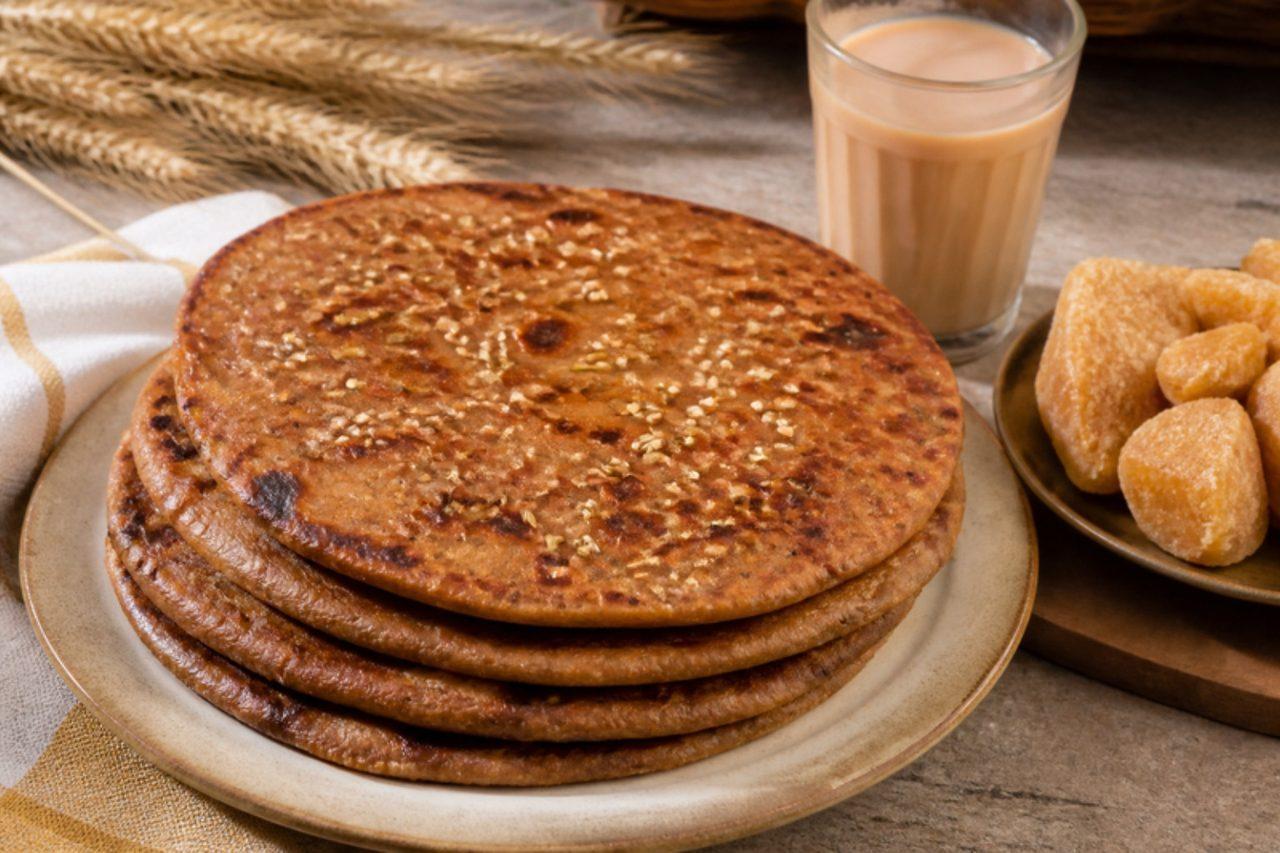
In the cane-growing districts of Punjab, from Jhang to Mandi Bahauddin, the season when fresh gur comes out of the village kolhu is also the season for this roti, its dough kneaded with jaggery water instead of plain water so it turns a deep caramel brown on the tawa. It is crisp-edged and chewy in the middle with a toffee-like sweetness and the anise note of fennel, and mothers wrap it in a cloth for children to take to school or to the fields with a flask of tea. Some families add sesame, others a little ghee in the dough; both are good. The usual mistake is cooking it on a high flame, which burns the sugar in the jaggery black before the inside has cooked. Chef's tip: dissolve the gur in warm water and let it cool before kneading, otherwise the dough turns sticky and impossible to roll.

by KrazyBadal 0 views

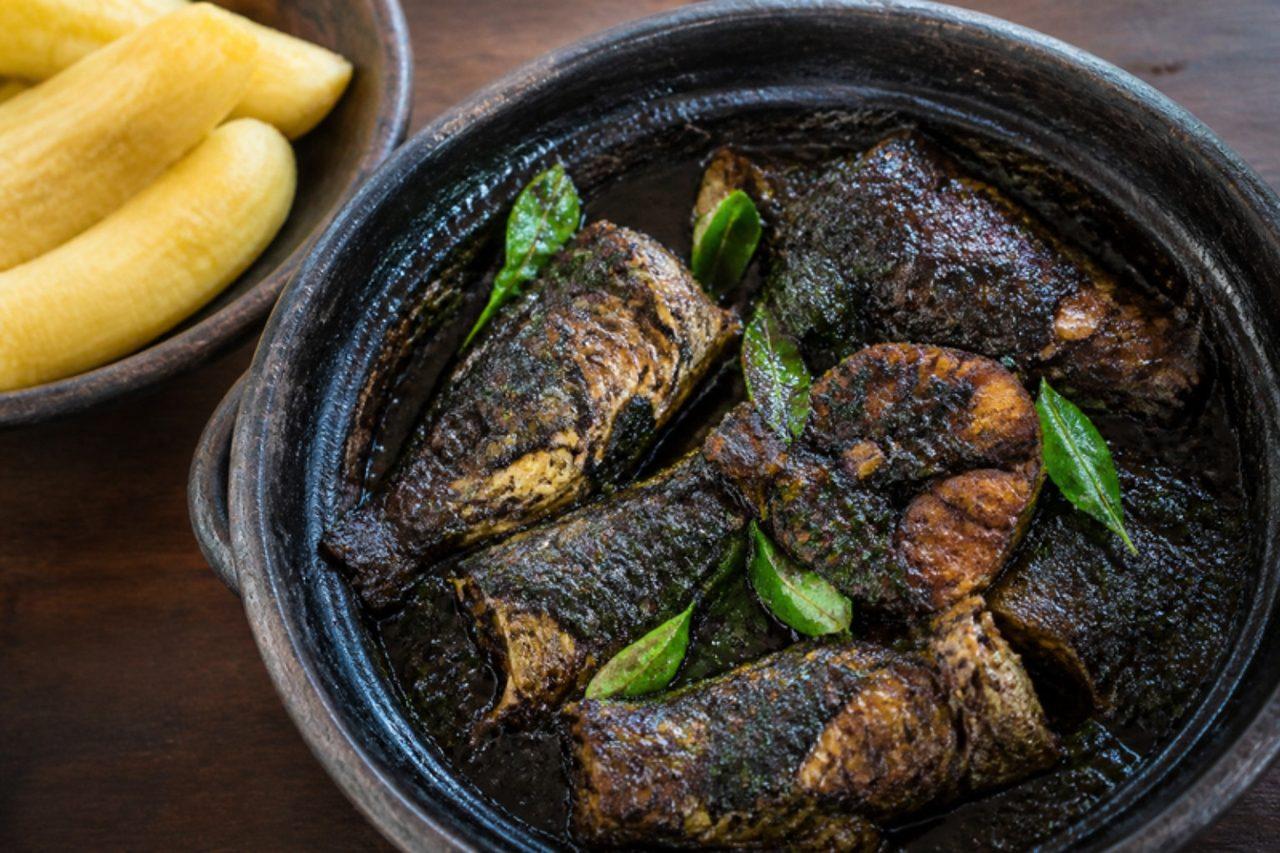
Mbongo tchobiFish in black spice sauce

The Bassa people of the Littoral, between Douala and Édéa, are famous for mbongo tchobi, fish cooked in a startling jet-black sauce. The colour comes from mbongo, the pods of a wild plant in the ginger family, charred over a flame until black and ground with onion, garlic, ginger and njansang; the taste is smoky, peppery and deeply aromatic rather than burnt. Freshwater fish such as carp or tilapia is traditional, simmered gently in the sauce for family gatherings and in Douala restaurants, with boiled plantain, miondo or rice on the side. If mbongo is hard to find, charred black cardamom with grains of paradise gives a similar smoky warmth. Chef's tip: shake the pan instead of stirring once the fish goes in, so the pieces stay whole.

by KrazyBadal 0 views

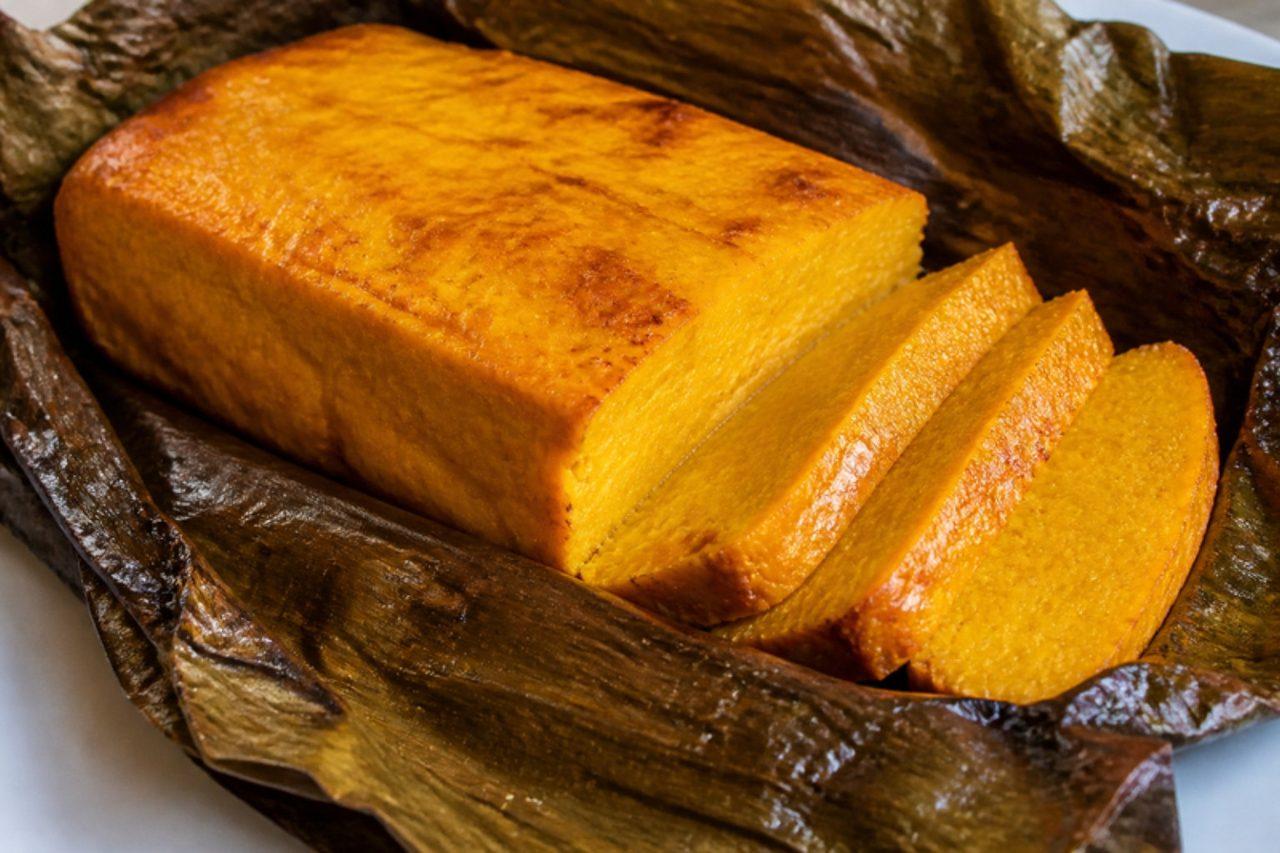
MintumbaCassava and palm oil leaf parcels

Golden and glossy with red palm oil, mintumba is the richer cousin of bobolo, baked or steamed in leaves in the Centre region and eaten as a snack or alongside sauce, grilled fish or roasted groundnuts. The soured cassava dough is kneaded with oil and a little salt, then wrapped and cooked until it sets into a dense, chewy loaf with a toasty crust where it touched the leaf. Its flavour is tangy, earthy and buttery from the oil. Start with bought fermented cassava paste from an African grocer, or make the dough as for bobolo. Don't wrap the dough loosely; gaps let water in and the parcels turn soggy. Chef's tip: warm the palm oil until just liquid before kneading it in; poured in solid, it streaks the dough instead of colouring it evenly.

by KrazyBadal 0 views

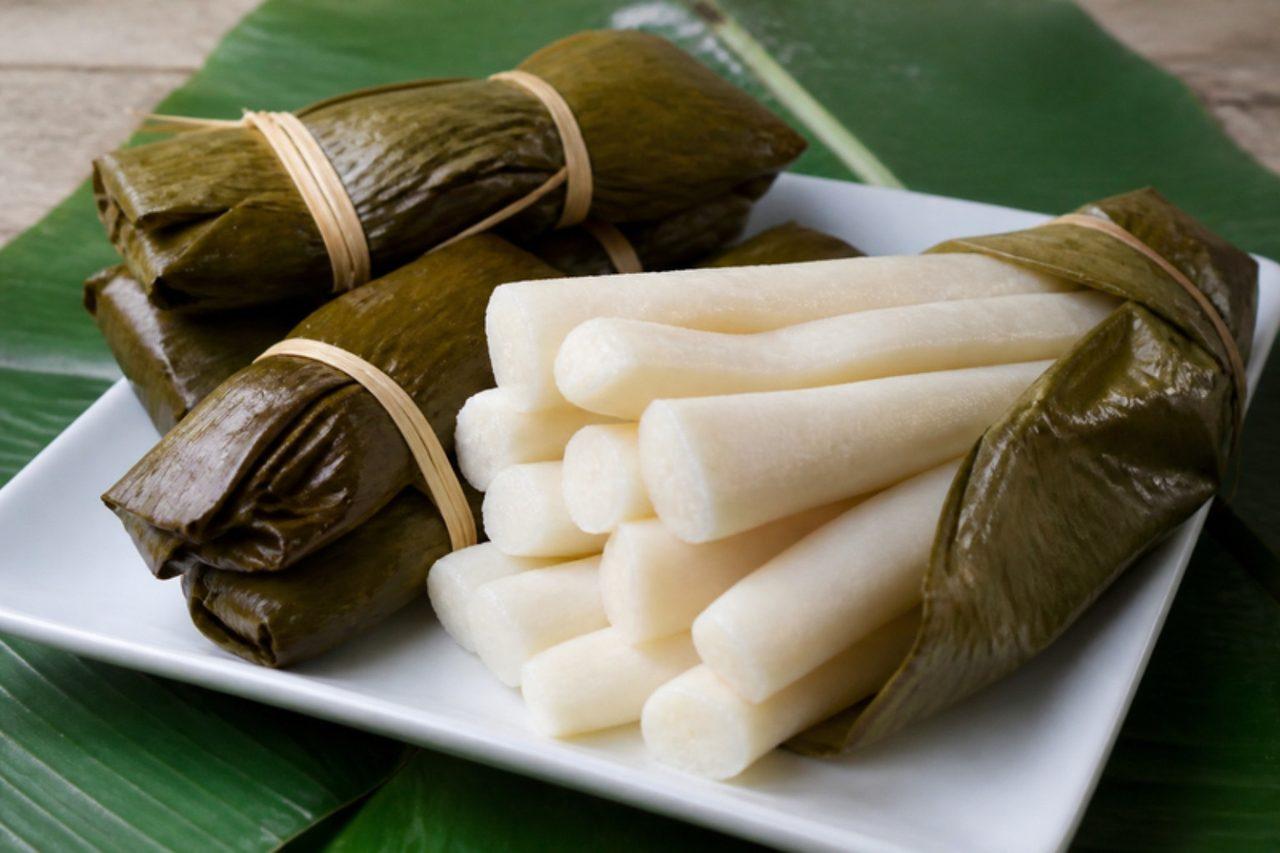
MiondoSoured cassava sticks

Douala's Duala families wrap their cassava dough into slim sticks no thicker than a finger, and bundles of miondo tied with string are stacked at every market from Akwa to New Bell. The roots are soaked for several days until they soften and sour, then ground smooth, drained, rolled, wrapped in leaves and boiled until firm and slightly translucent. The result is chewy, gently tangy and neutral enough to soak up ndolé, grilled fish or a fiery pepper sauce, and peeling back the leaf is part of the pleasure. Plan ahead: the soaking takes 3–4 days and the draining a few hours more, though the hands-on work is about an hour. Chef's tip: roll the sticks no thicker than your little finger so they cook through evenly; fat ones stay pasty in the middle.

by KrazyBadal 0 views

Njama njama and fufu cornHuckleberry leaves with corn fufu

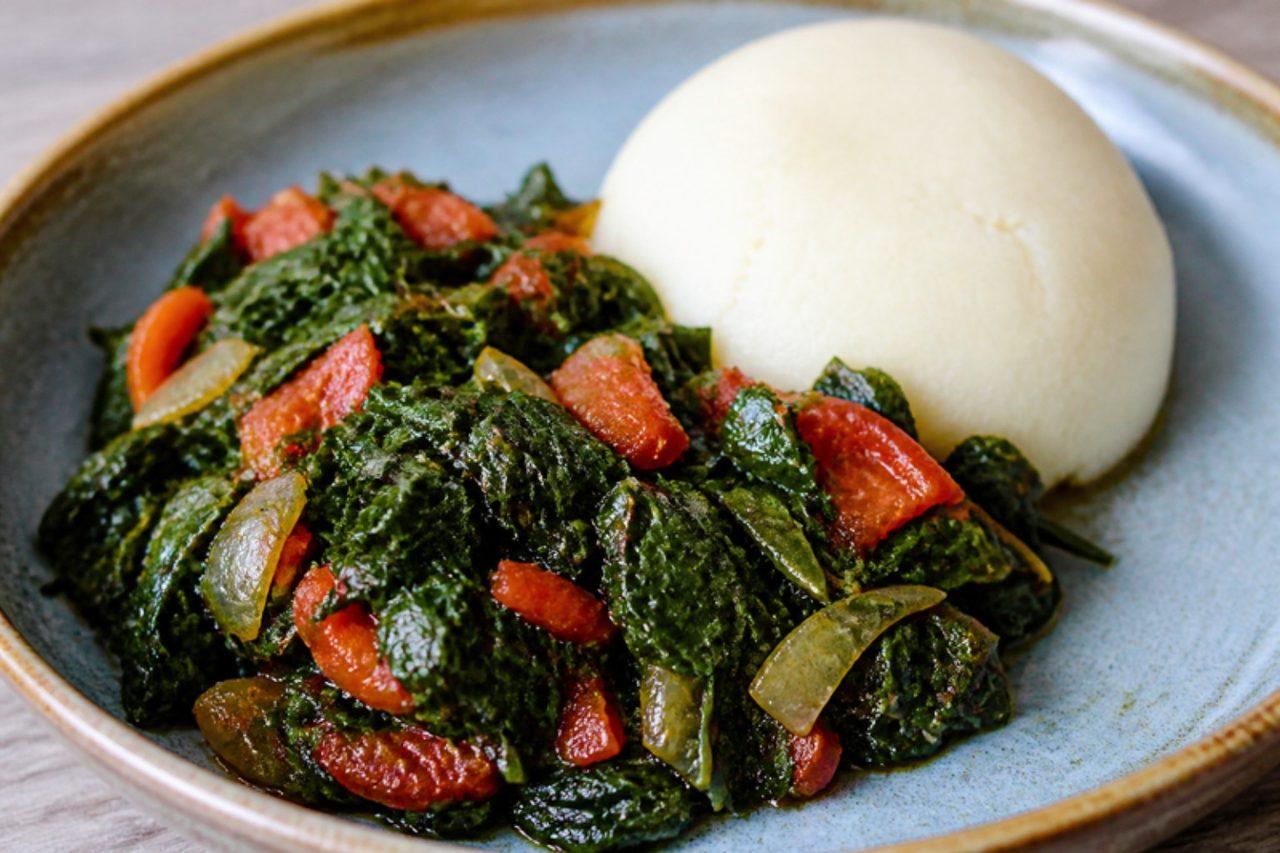
Every chop house in Bamenda has its own pot of njama njama, the bitter-sweet huckleberry leaf that grows in Grassfields gardens, served next to a smooth white dome of fufu corn. The leaves are boiled briefly to tame their bitterness, squeezed and then stir-fried with onion, tomato and pepper until tender and glossy. Pinch off some fufu, press a dent into it with your thumb and use it to scoop up the greens; at home, grilled chicken or kati kati often joins the plate. Frozen huckleberry leaves are sold in African grocers, and spinach with a little kale is a fair stand-in. Avoid skipping the blanching of the huckleberry leaves; unblanched they stay bitter. Chef's tip: squeeze the blanched leaves hard by the handful; leftover water dilutes the tomato base and makes the greens soggy.

by KrazyBadal 0 views

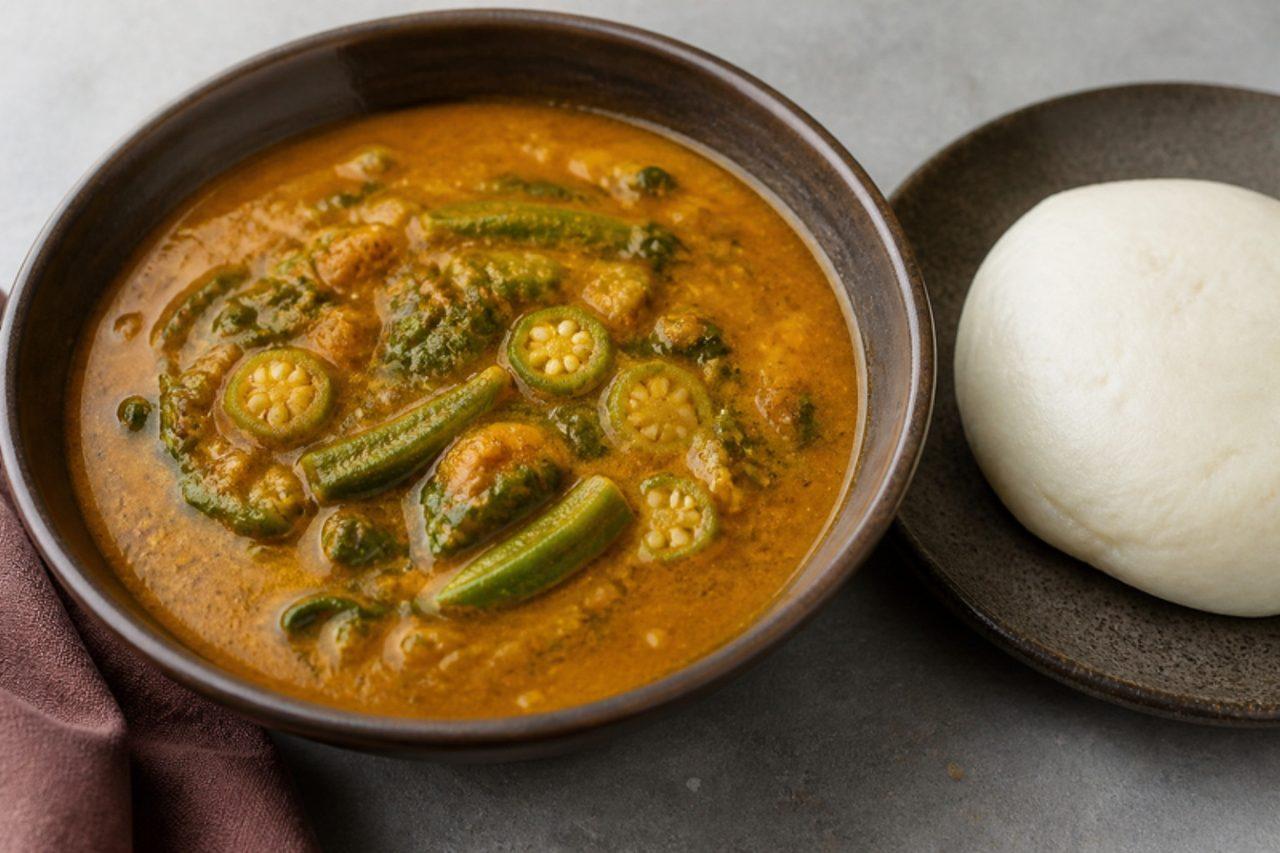
NkuiOkra and spice draw soup

Bamileke families in the West Region cook nkui for celebrations, and it is also a traditional food for new mothers in the weeks after a birth. Bark from the nkui shrub is steeped and squeezed until the water turns long and slippery, then simmered with a peppery blend of local spices and finished with okra for an even stronger draw. The soup is thin, silky and warming rather than rich, with a woody, citrusy heat. Lift it with a ball of fufu corn and let the strands trail from your fingers. Look for the bark and the spice mix in Cameroonian grocers; grated okra alone gives a lighter but similar draw. The usual mistake is boiling the soup hard after whisking; it loses its draw. Keep it at a bare simmer. Chef's tip: whip the soup hard with a whisk right after adding the potash; the beating is what builds the stretchy strands.
by KrazyBadal 0 views

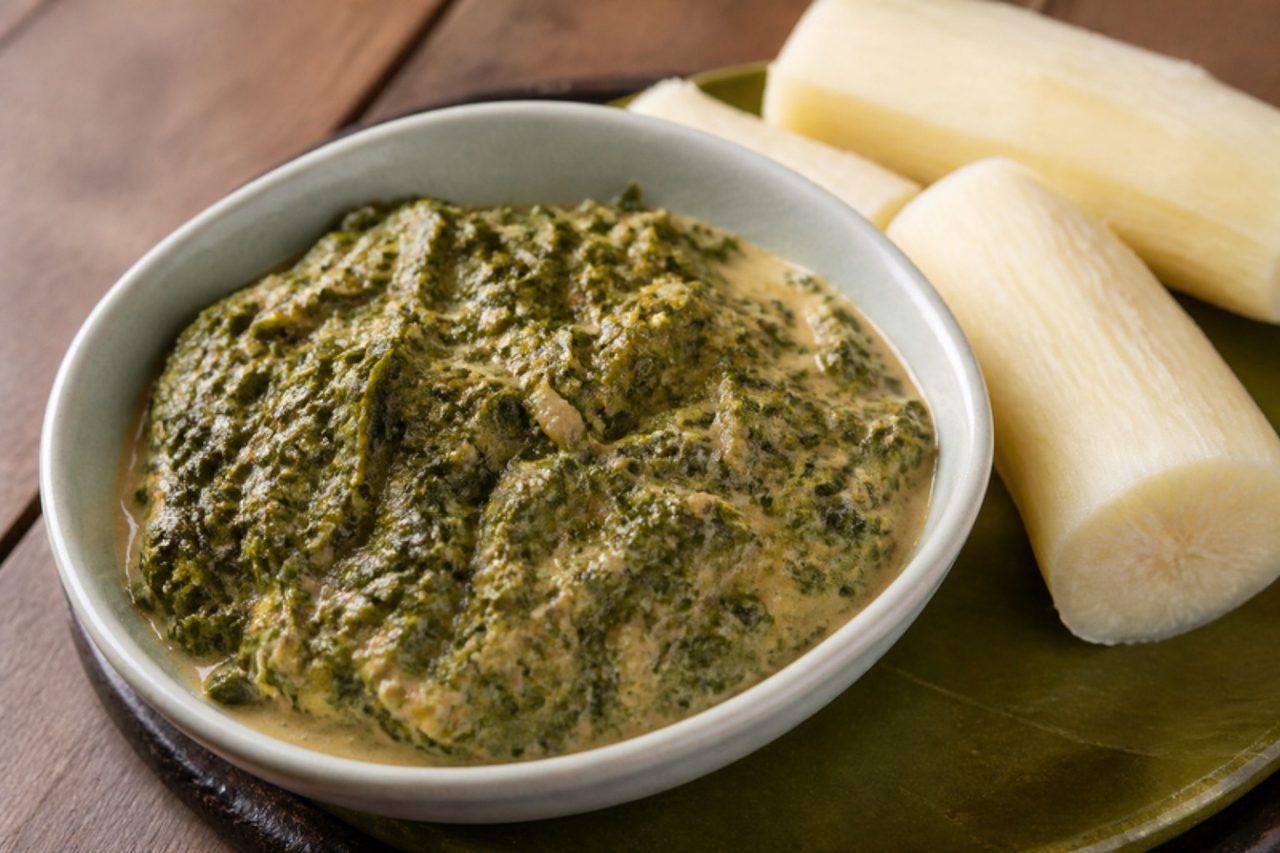
Sweet okokGnetum leaves with groundnut paste

Okok leaves come from a wild forest vine, and in the Centre region market women sit shaving them into hair-fine ribbons with razor-sharp knives so cooks can take them home ready to use. The Beti way is to cook them with plenty of freshly ground groundnuts and, in the version many people grew up on, a spoonful of sugar, which turns the pot into a thick, nutty, gently sweet green stew. Expect a pleasant chew from the leaves and a creamy body from the peanuts; there is no palm oil here at all. Serve it with slices of bobolo or boiled cassava for a classic Yaoundé lunch. The usual mistake is adding the groundnut paste too early and not stirring, so it scorches on the base. Chef's tip: wash the shredded leaves in at least three changes of water, rubbing them between your hands, to remove the fine grit that collects in the ribbons.

by KrazyBadal 0 views

Sharena solSavory and paprika coloured salt

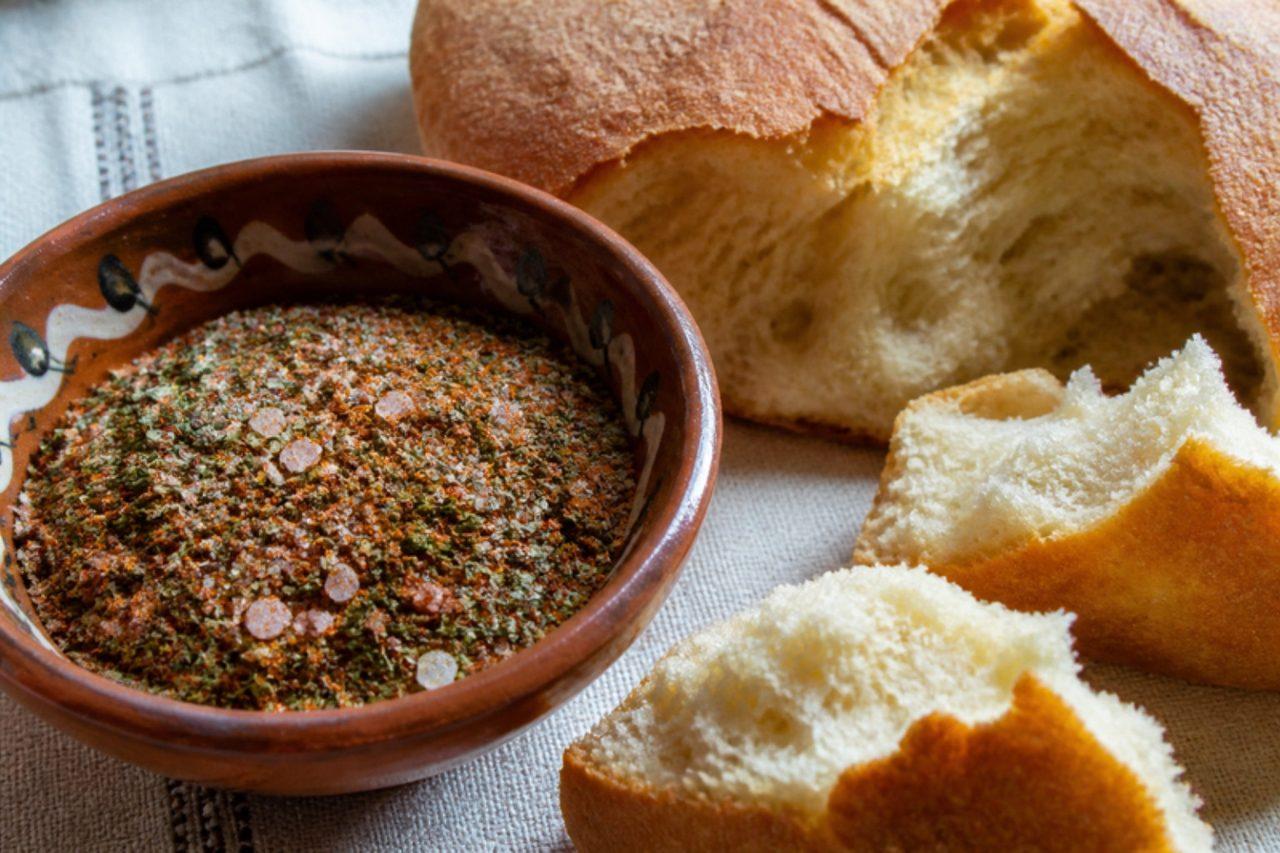
Every Bulgarian kitchen has a jar of sharena sol, 'mottled salt', and every guest knows the ritual: tear a piece of warm bread, dip it in sunflower oil or a dab of butter, then press it into the salt. The blend is earthy and herbal from summer savory (chubritsa), mellow and sweet from paprika, with a faintly maple-like warmth from blue or common fenugreek. It also goes on boiled eggs, grilled vegetables, potatoes and tomato salads. Village grandmothers in the mountains each have their own mix, sometimes with dried thyme or toasted pumpkin seeds. The usual slip is buying ready-ground old paprika, which tastes dusty and turns brown; use fresh, bright red paprika and keep the jar out of the sun. Chef's tip: toast the fenugreek seeds in a dry pan just until they smell of caramel before grinding them; a few seconds too long and they turn bitter.

by KrazyBadal 0 views

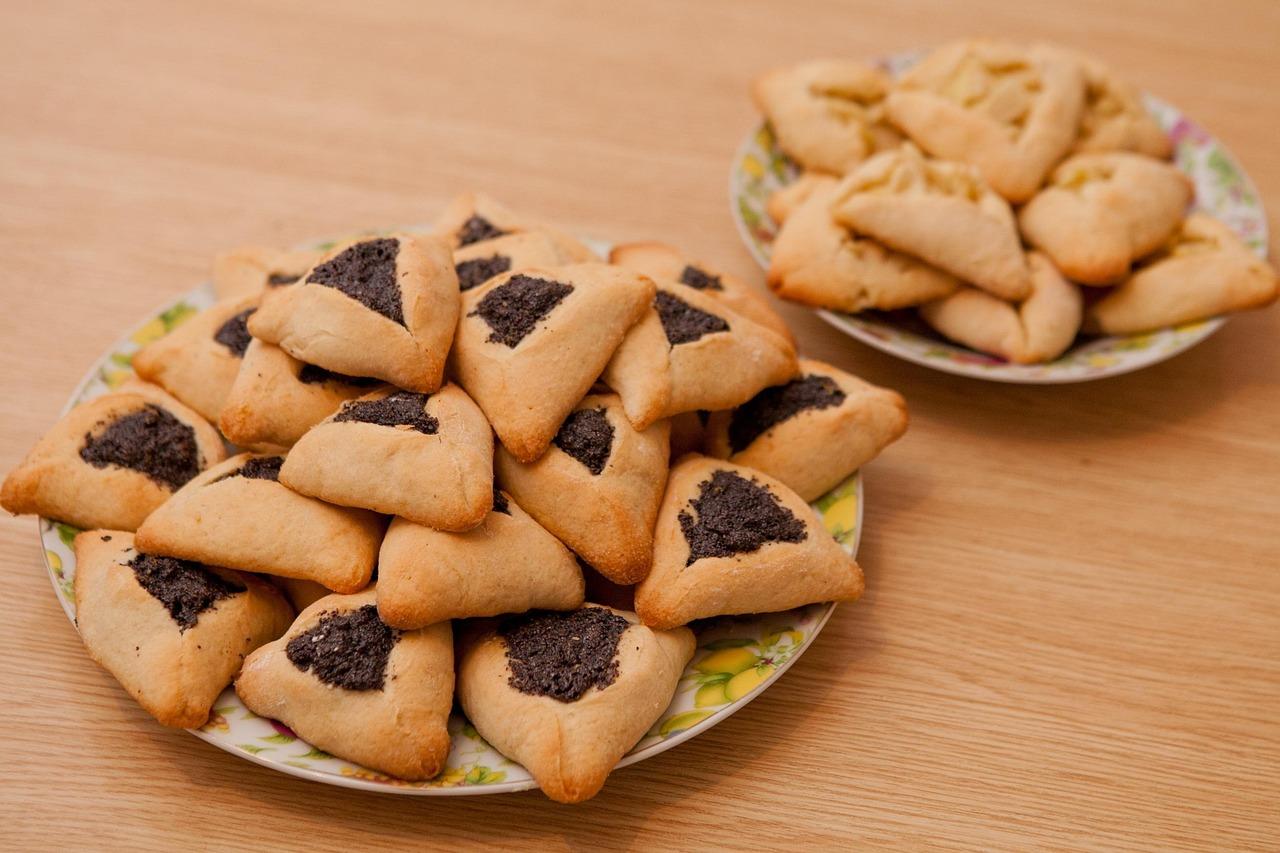
HamantaschenFilled triangle cookies

In Israel these are called oznei Haman, 'Haman's ears', and in the weeks before Purim every bakery from Tel Aviv to Be'er Sheva fills its windows with them, while families bake trays at home to pack into mishloach manot gift baskets. A short, lightly orange-scented dough is folded into a three-cornered pocket around a filling of poppy seeds cooked with milk and honey, or a quick date paste. They should be crisp at the edges and tender in the middle. The common mistake is rolling the dough too thin or overfilling, which makes the corners spring open in the oven. Chef's tip: chill the shaped cookies for 15 minutes before baking so the corners keep their sharp pinch.

by KrazyBadal 0 views

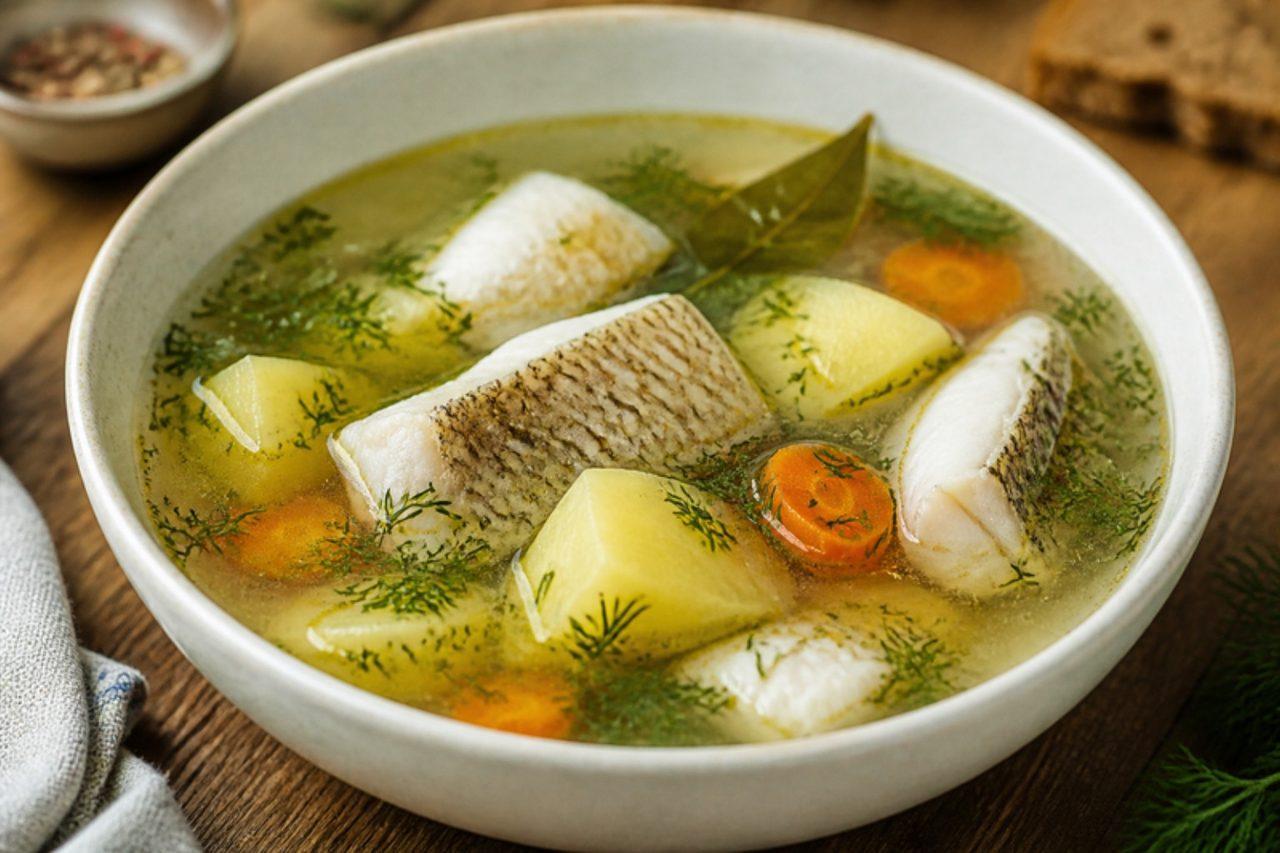
UkhaClear river fish soup

Fishermen on the Volga sandbanks make ukha in a blackened pot over driftwood with whatever is in the net, perch, pike-perch, a small pike, and it is still the soup cooked at dachas on summer evenings. The point is clarity: a light, pale-gold broth that tastes cleanly of fish, with soft potatoes, a whole onion simmered in and a fistful of dill at the end. It is served with black bread and a squeeze of lemon. A common mistake is letting the pot boil hard, which clouds the broth and breaks the fish into flakes. Chef's tip: simmer the bones and trimmings first for the stock and only then poach clean fillets in it, so you get both a rich broth and neat pieces of fish.

by KrazyBadal 0 views

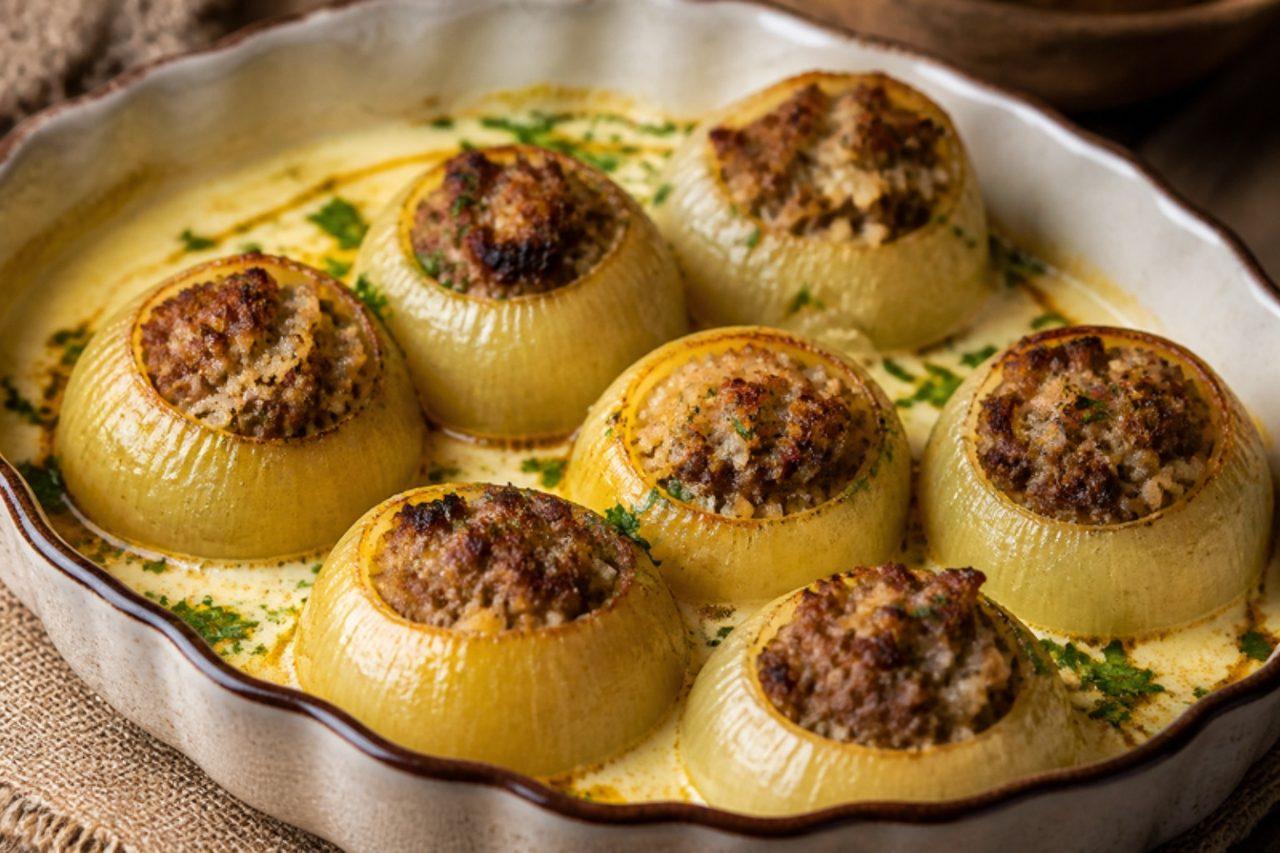
Sogan dolmaStuffed onions

Sarajevo's grandmothers make sogan dolma in summer, when the onions are sweet and juicy: whole onions are blanched, their layers peeled apart, and each shell is filled with spiced beef mince and rice, then baked until soft and caramel-edged and finished with a tangy sour cream sauce. In Bosnia and Herzegovina they are a dish for Ramadan iftar tables and family Sundays, eaten with bread to mop up the sauce. Where most people go wrong is not blanching the onions long enough; the layers tear instead of slipping apart. Chef's tip: chop the small inner hearts you cannot stuff and fry them into the filling, so nothing is wasted.

120 minBalkanMeatGluten free
by KrazyBadal 0 views

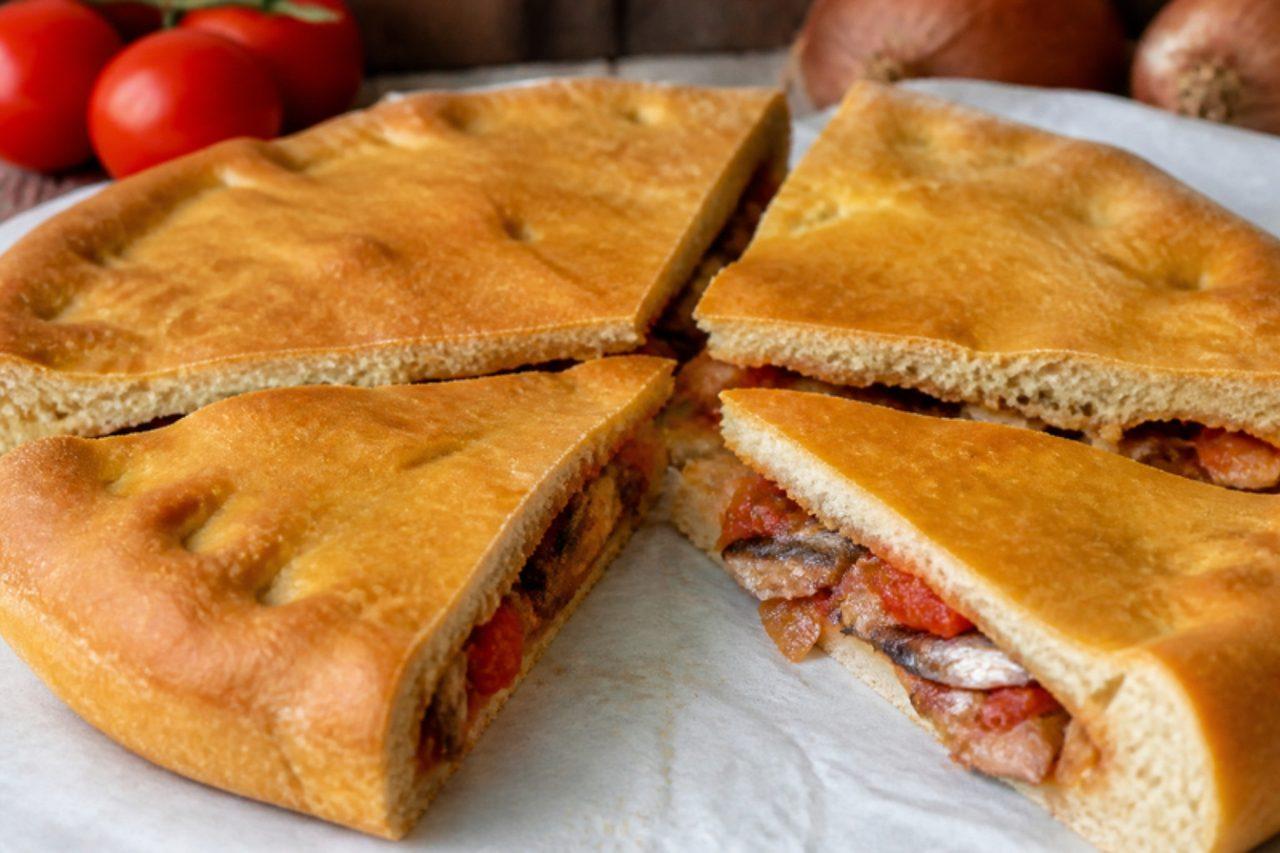
Viška pogačaAnchovy and onion bread pie

Vis, the most far-flung inhabited island of Croatia, has a fishing town, Komiža, that gave the world this pie: two thin layers of olive-oil bread dough wrapped around onions stewed until jammy with tomato, and fillets of salted anchovy or sardine. Fishermen took wedges of it to sea, and it still turns up at island festivals and in bakeries, eaten warm or at room temperature with a tomato salad. The salted fish is bought ready-cured from a good fishmonger and is baked inside the pie until piping hot. Where most people go wrong is a wet filling: the onions and tomato must cook down until thick and jammy, or the bottom crust goes soggy. Keep leftovers in the fridge and eat within 2 days. Chef's tip: soak the salted fillets in cold water for 15 minutes to take the harsh edge off the salt, and don't add any more salt to the filling.

120 minBalkanFish
by KrazyBadal 0 views

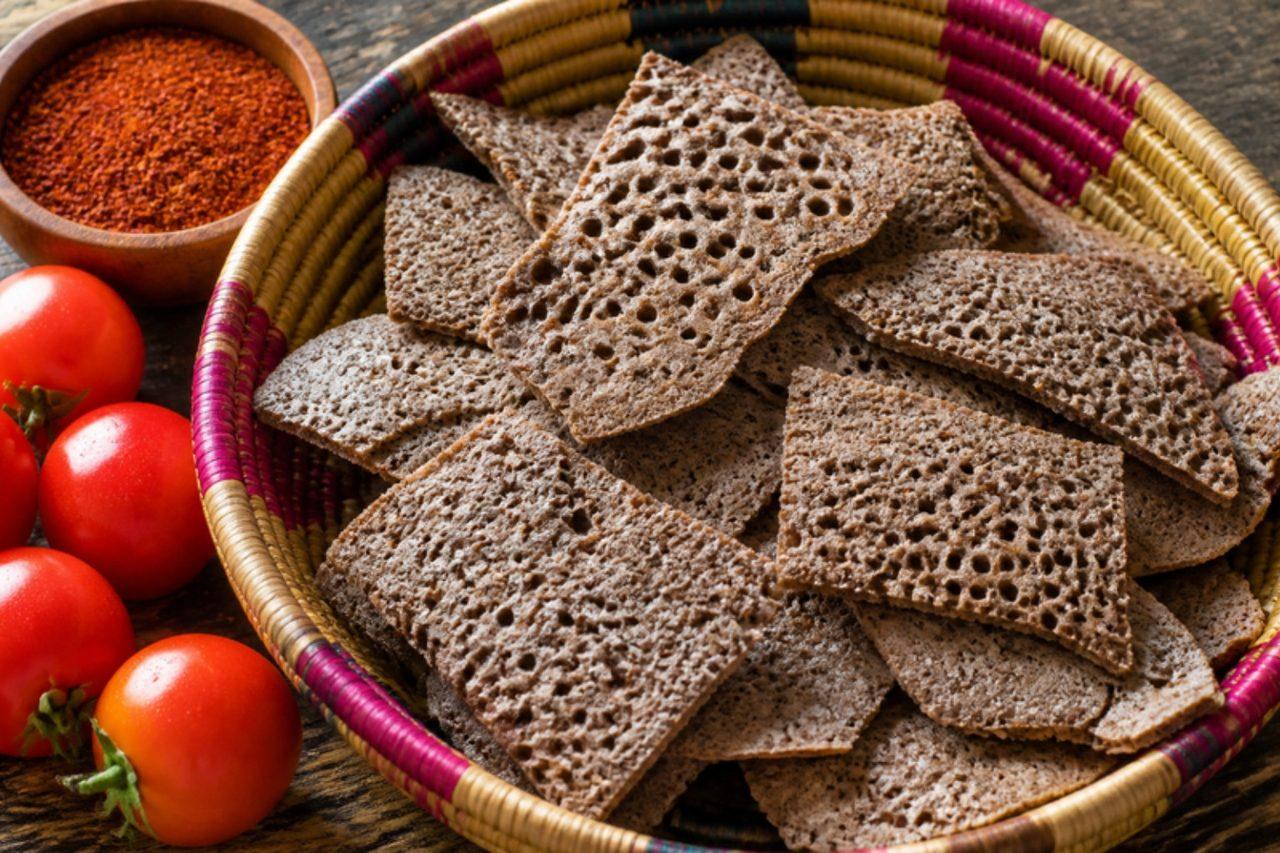
DirkoshDried crisp injera

No Ethiopian kitchen throws injera away. Pieces that are past their best are torn up and dried in the sun, on the roof or on a tray by the fire until they snap like crackers, then kept in a sack or tin for weeks. This dirkosh is the backbone of quick meals on Wednesdays, Fridays and during the long Lent fast: a handful softened in a red onion and berbere sauce becomes fasting firfir in ten minutes, and travellers once carried it as food for the road. A low oven does the job at home in a few hours. Chef's tip: tear the injera into pieces no larger than a playing card; big sheets curl and stay leathery in the middle.

by KrazyBadal 0 views

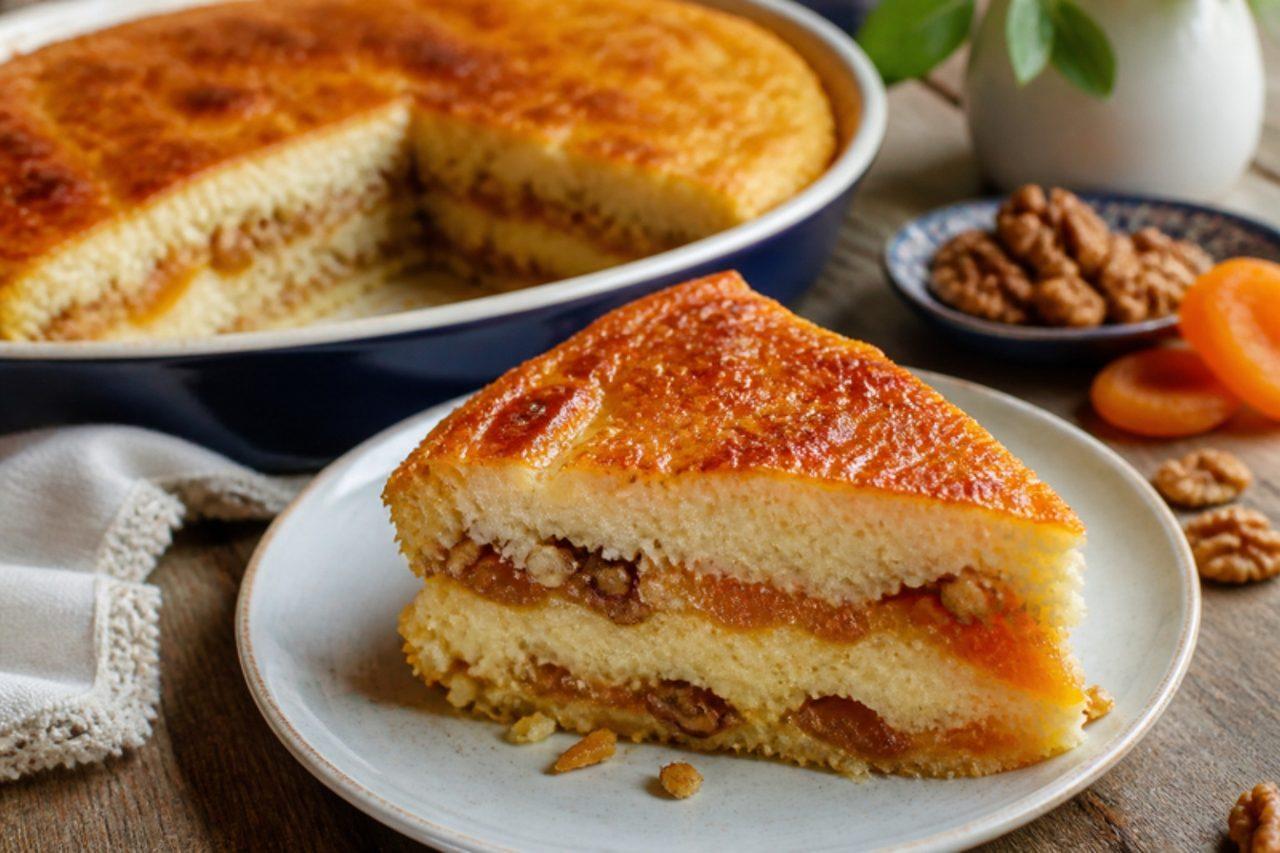
Guryev kashaBaked semolina pudding with nuts

Named after Count Guryev, a nineteenth-century Russian finance minister, this pudding was the showpiece of Moscow merchant tables and grand restaurant menus, and it still appears at name-day lunches and during Maslenitsa week. Behind the humble word kasha sits a rich dessert: soft vanilla semolina layered with crackly sugared walnuts, thin golden skins lifted from baked milk and cream, and spoonfuls of apricot jam, then baked until bubbling. Serve it warm in small portions with strong black tea. Where most people go wrong is hurrying the skins; the milk needs a hot oven and patience so each skin turns golden before you lift it off. Chef's tip: use the widest shallow ovenproof dish you own for the milk, because more surface gives you more skins in the same time.

by KrazyBadal 0 views

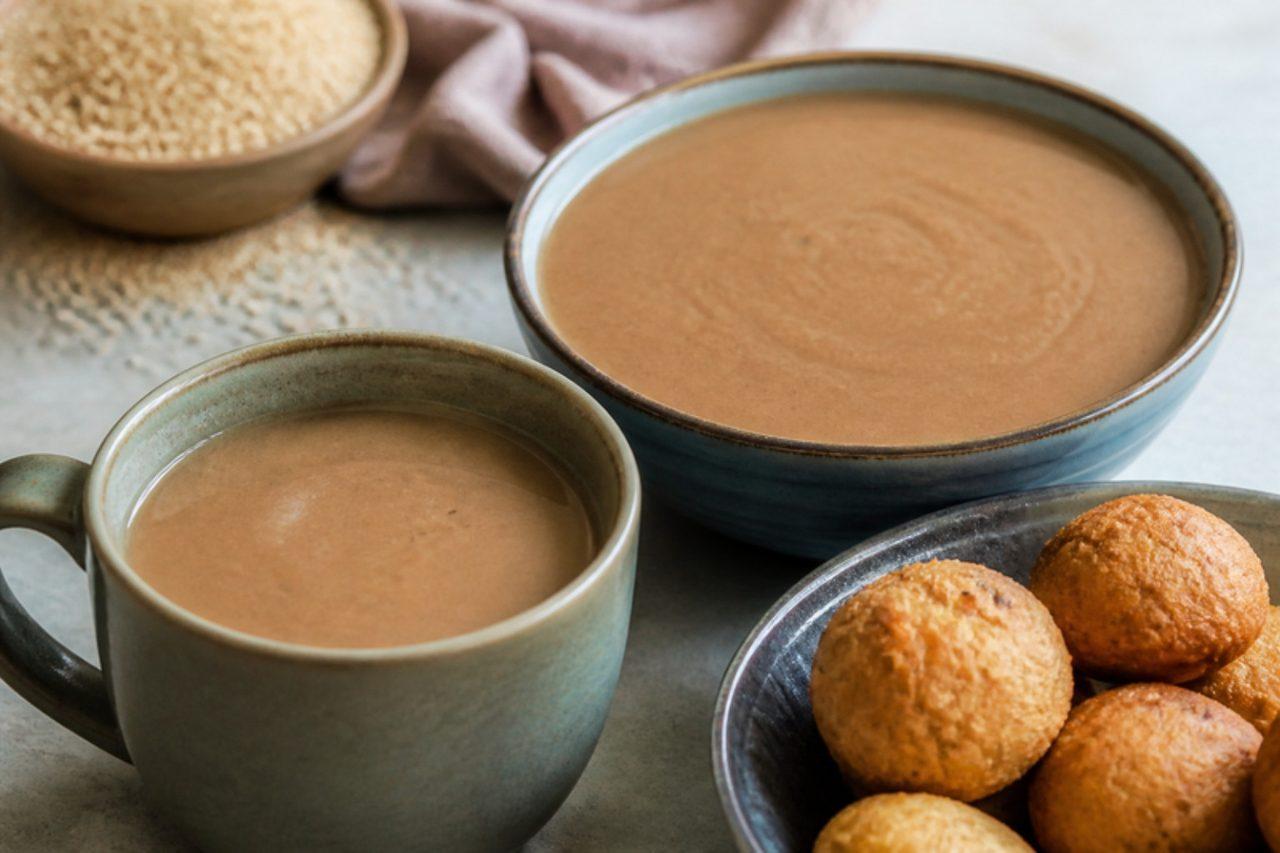
Hausa kokoSpiced millet porridge

Before sunrise in the Zongo neighbourhoods of Tamale, Accra and Kumasi, vendors ladle Hausa koko from big pots into plastic cups: a thin, smooth, slightly sour millet porridge, hot with ginger, cloves and chilli and sweetened at the table. It is drunk or eaten with a spoon alongside koose (bean fritters), bofrot or bread, and costs very little. The millet slurry is left to ferment overnight, which gives the tang, so start the night before. Chef's tip: pour the slurry into the boiling water in a thin stream while whisking, then strain if needed; adding it all at once is the common mistake and makes the porridge lumpy.

by KrazyBadal 0 views

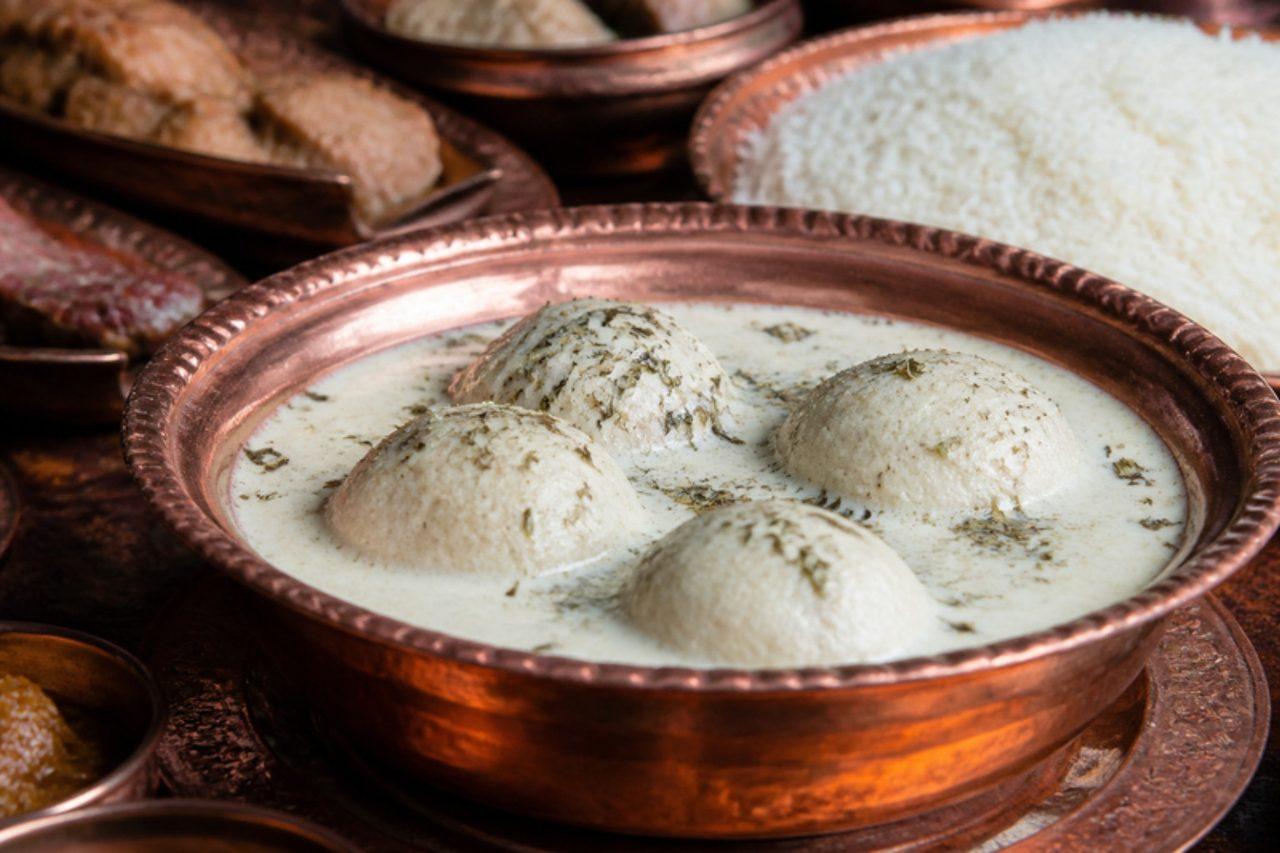
GushtabaMutton balls in yogurt gravy

No Kashmiri wedding feast ends without gushtaba. After hours of wazwan courses, the waza (master cook) brings out these large, pale balls of mutton pounded with fat until silky, swimming in a creamy yogurt gravy scented with fennel, dry ginger and cardamom, and its arrival tells guests the meal is over. Families of Kashmiri descent in Muzaffarabad, Mirpur and Rawalpindi still serve it at weddings and on special Fridays, with plain steamed rice. Good gushtaba is so smooth that it barely holds together on the spoon. Using lean meat is what lets people down: without about a quarter fat the balls turn grainy and hard. Chef's tip: traditionally the meat is pounded on a stone for an hour; at home, process it in short bursts with chilled fat and ice-cold water, stopping to scrape down, until it looks like a sticky, shiny paste.

by KrazyBadal 0 views

Diram fittiSprouted wheat bread with butter

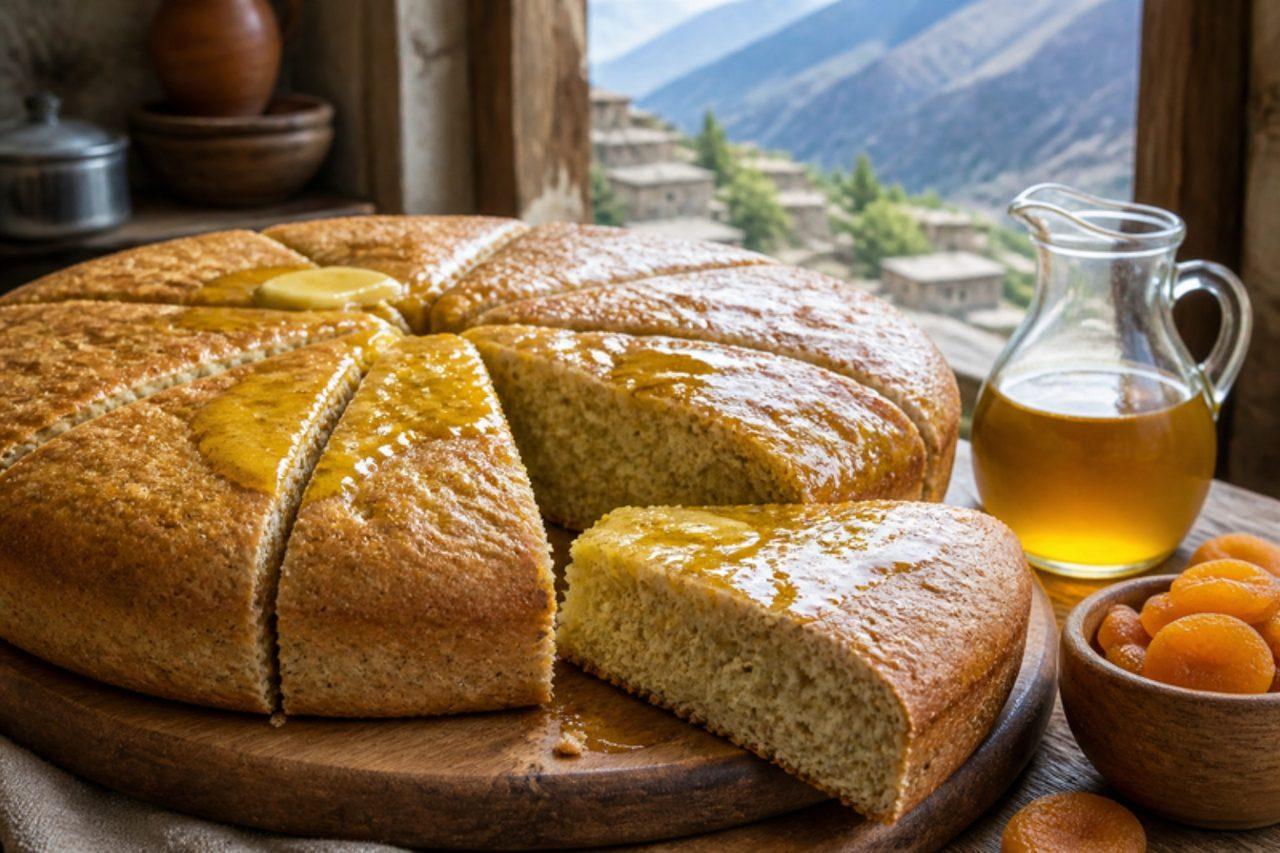
High in the Hunza valley, diram is flour ground from wheat that has been soaked, sprouted and sun-dried, and it gives this thick, round bread a gentle natural sweetness and a faintly malty smell. Diram fitti is cooked slowly in a covered pan, then broken into rough pieces while still hot and drowned in melted butter and a little apricot-kernel oil, so it turns rich, soft and fragrant; in Karimabad and Altit it is made for guests, for festivals such as Ginani at harvest time and to feed someone through a hard winter. It is eaten with the hands, often with salty Hunza tea. Pale, raw centres are the common fault, so cook it slowly with the lid on. Chef's tip: sprouted wheat flour is sold in health-food shops; use only food-grade culinary apricot-kernel oil, or swap in walnut oil or more butter.

by KrazyBadal 0 views

Dominican chimi burgerBurger with cabbage and mayo-ketchup

After dark in Santo Domingo, chimichurri carts (the "chimi" trucks) fire up griddles on street corners and sell these big, messy burgers into the small hours. A garlicky, oregano-seasoned beef patty, sometimes mixed with pork, is griddled and piled into a soft roll with lots of shredded cabbage, onion, tomato and the pink mayo-ketchup sauce. The common mistake is pressing the patty while it cooks, squeezing out the juices; flip it once and leave it. Cook the mince to 71 °C in the centre. Chef's tip: dress the shredded cabbage with a little of the sauce and lime first, so it softens slightly and stays in the bun.

by KrazyBadal 0 views

Dimer chopEgg-in-potato croquettes

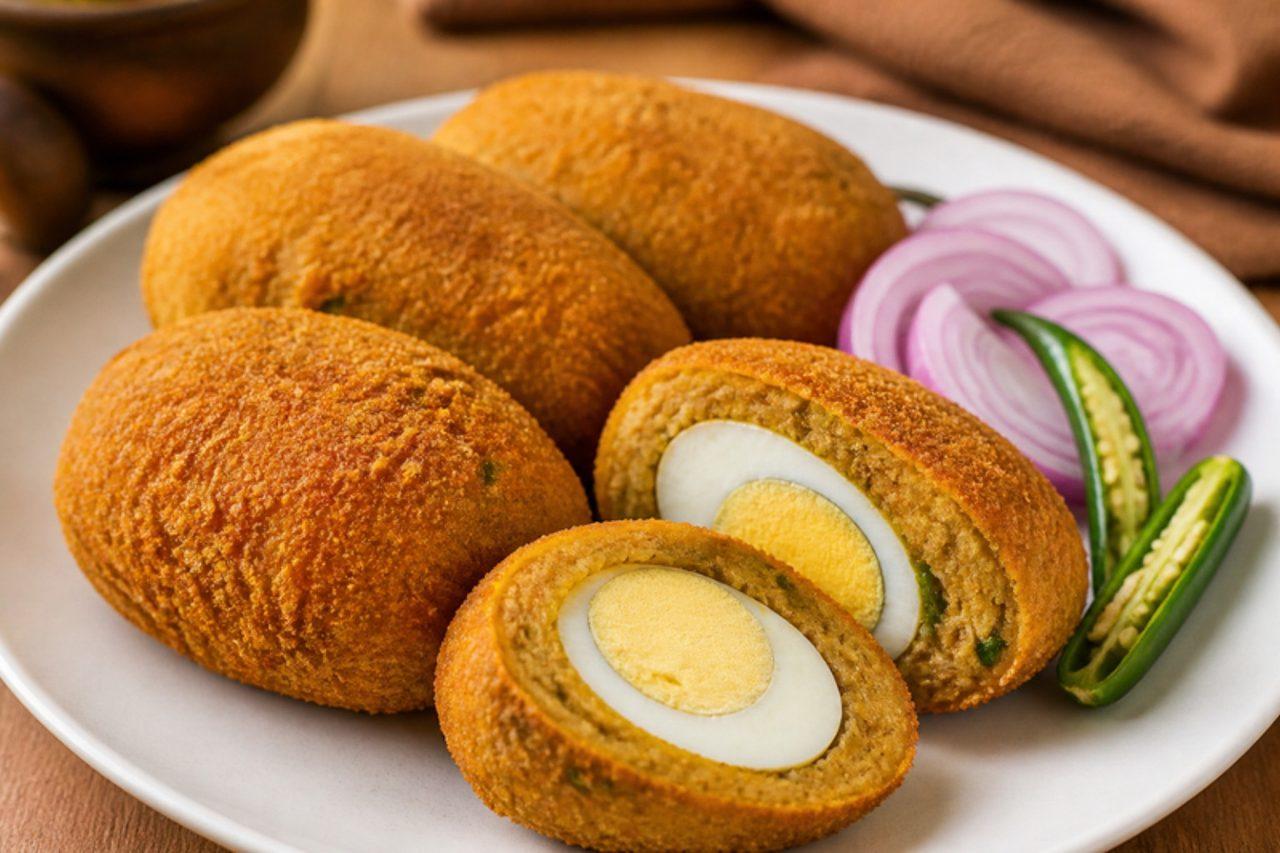
Glass cabinets at Dhaka's sweet shops and snack counters, from New Market to Mirpur, always hold a row of dimer chop, oval golden-crumbed parcels that, when cut, reveal half a boiled egg nested inside a layer of spiced potato. They are bought for afternoon tea, birthday parties and school tiffin and eaten with kasundi mustard sauce, tomato ketchup and a little sliced onion and cucumber. Some versions mix minced meat into the potato; this one keeps it vegetarian, with garam masala, ginger and fried onion for depth. Soft-boiled eggs are a mistake here: they must be fully hard-boiled so the yolk is firm and the chop is safe and easy to wrap. Chef's tip: chill the crumbed chops for 15 minutes before frying so the coating stays put.

by KrazyBadal 0 views

SockerkakaPlain sponge cake

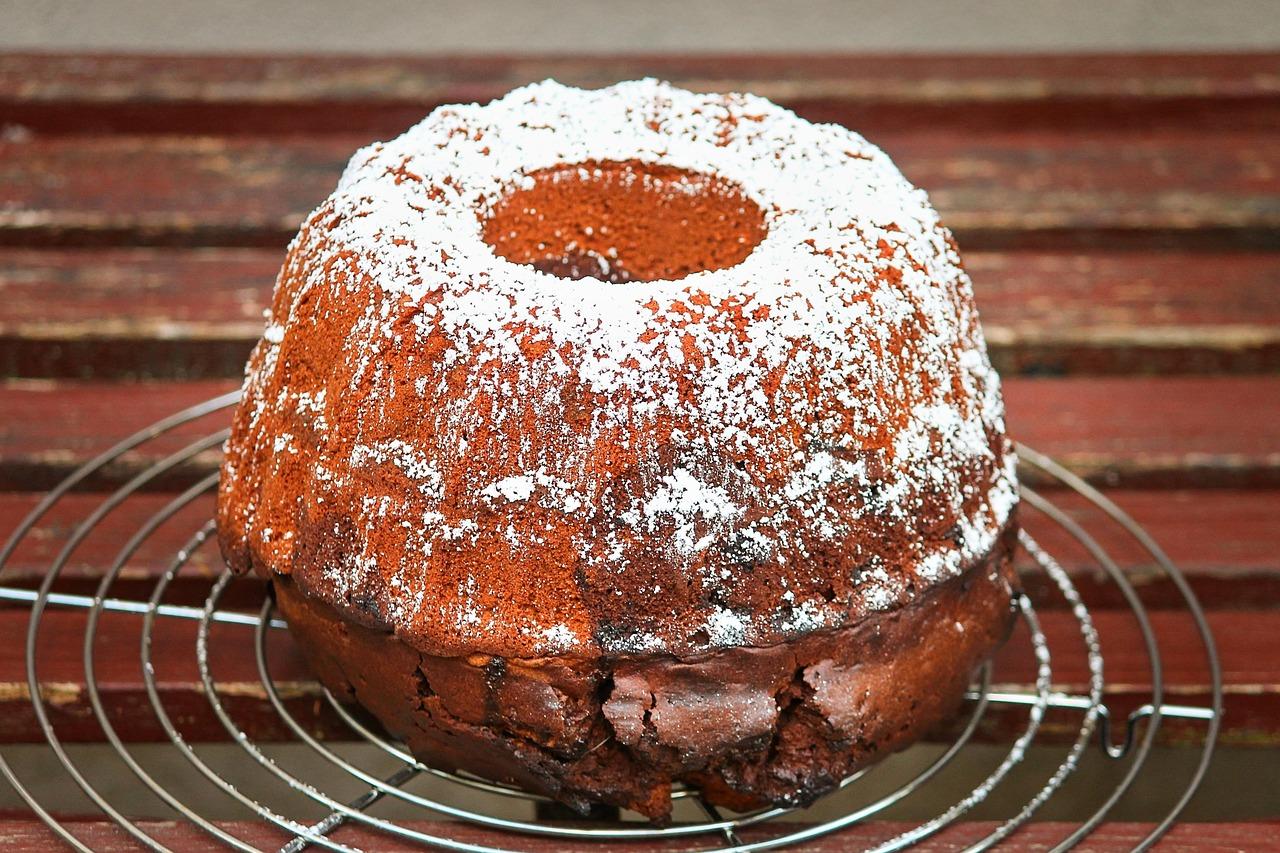
Sockerkaka, 'sugar cake', is the everyday sponge of Swedish homes, baked in a tall fluted ring tin and served in slices with coffee, or with berries and cream in summer; nearly every Swedish child bakes one with a grandparent. It is light and buttery with a crisp, golden outside. A common mistake is opening the oven before 35 minutes, which makes the cake sink. Chef's tip: butter the tin and dust it with fine breadcrumbs, as Swedish cooks do, so the cake releases cleanly and gets a crisp crust.

by KrazyBadal 0 views

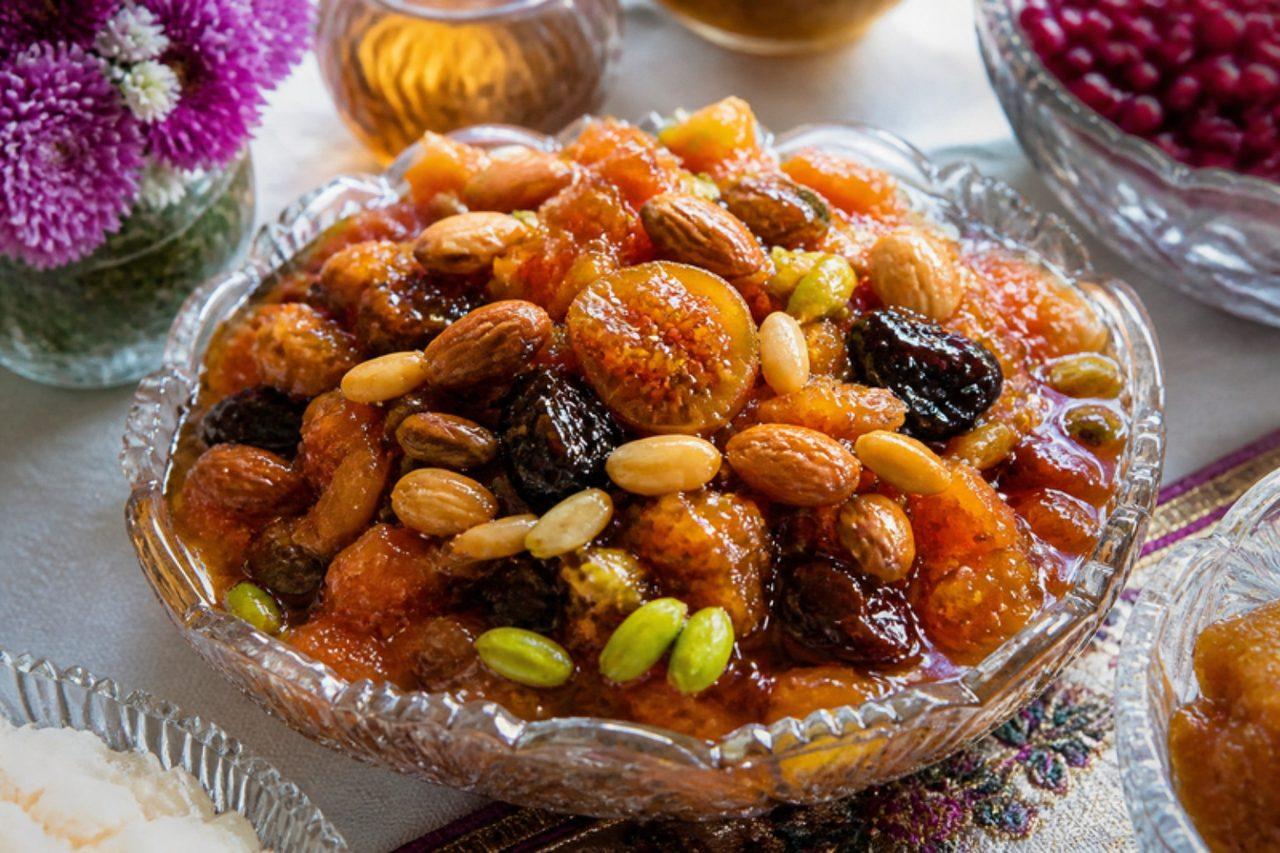
DibyazaApricot and date compote

No Eid table in Jeddah or Mecca is complete without a bowl of dibyaza, a thick, glossy compote that old Hejazi families make the night before the festival and serve at breakfast alongside cheese, olives and fresh bread. Sheets of dried apricot paste melt into a tangy orange syrup that wraps around soft dates, figs, prunes and crunchy nuts, so every spoonful is sweet, sour and jammy at once. Some households stir in fried onion for a savoury edge; this version keeps it to fruit and nuts. People often boil it hard and scorch the bottom, because apricot paste catches very easily. Keep the heat low and stir from the base. It keeps for a week in the fridge. Chef's tip: soak the apricot paste in hot water until completely soft before it goes near the heat; it then dissolves smooth instead of leaving rubbery shreds.

by KrazyBadal 0 views

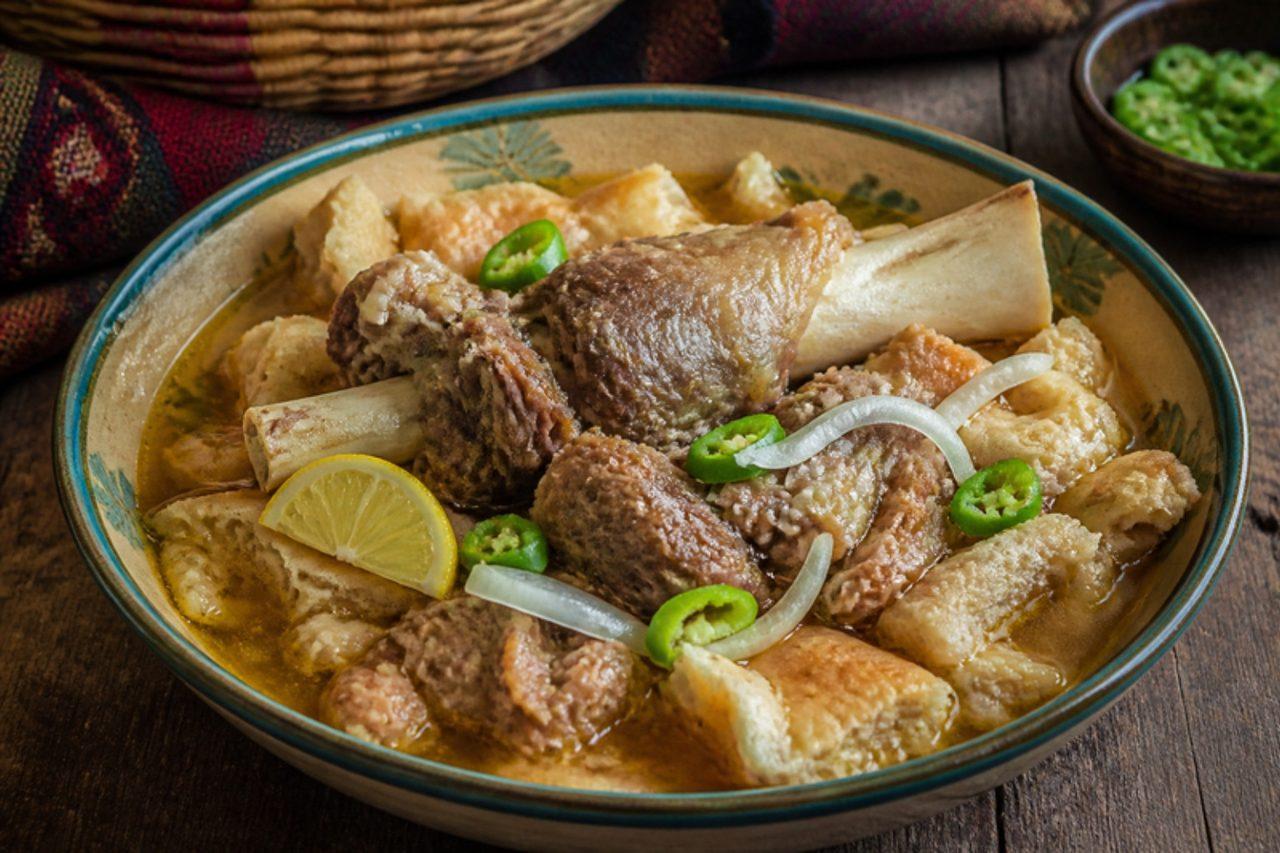
SobatTorn naan in lamb broth

Sobat is guest food in the Pashtun south around Kandahar, made when a sheep has been slaughtered or a large family comes together: lamb on the bone is simmered for hours into a fragrant, golden broth, then poured over pieces of dry naan torn into a wide bowl, with the meat heaped on top. The bread swells and turns soft and juicy while the edges keep some chew, and everyone eats from the same bowl by hand, with raw onion, green chilli and a squeeze of lemon. It is plain, deeply savoury and comforting in the cold Kandahari winter. Fresh, soft bread dissolves into porridge, so use naan that is a day or two old. Chef's tip: skim the broth carefully in the first 10 minutes of simmering, which keeps it clear and clean-tasting.

125 minAfghanSoups
by KrazyBadal 0 views

Hamour mashwiGrilled grouper

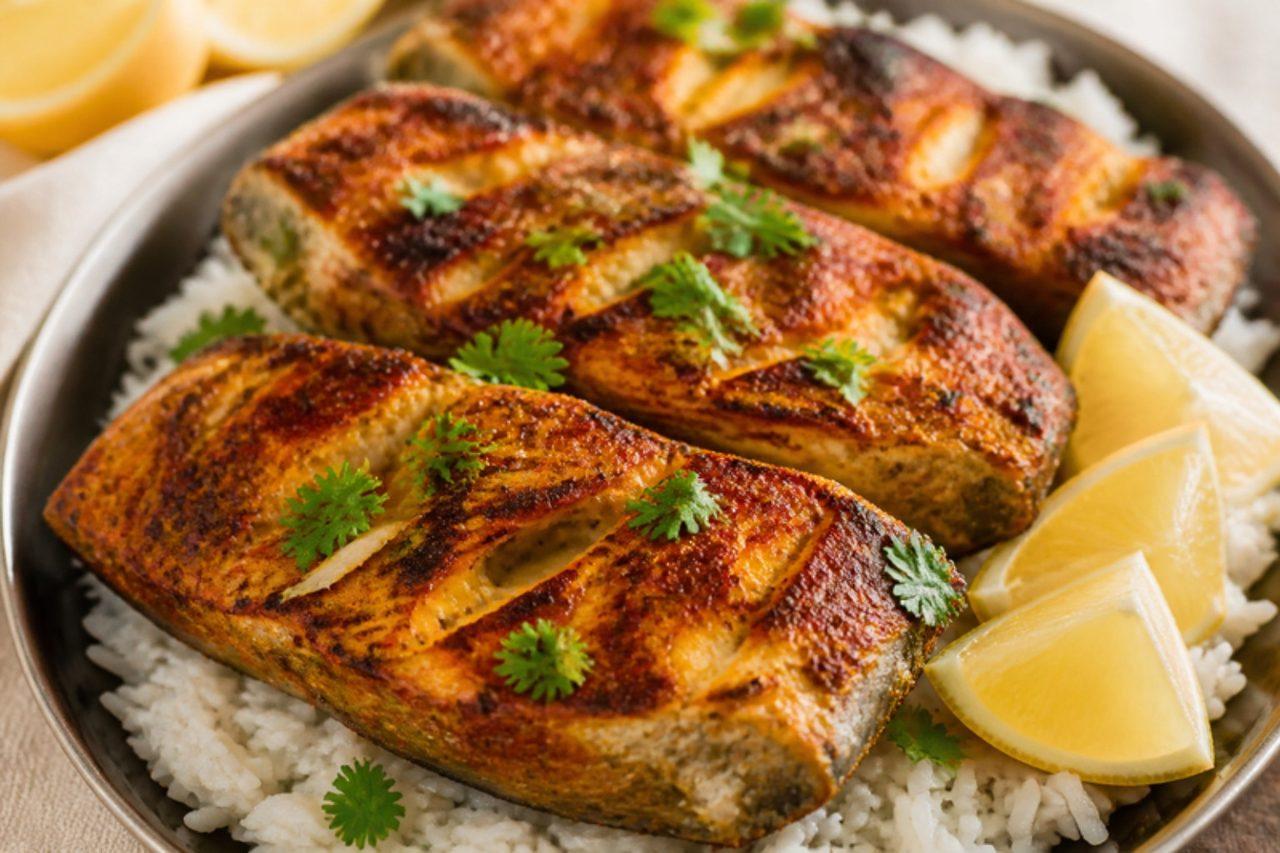
Along the Corniche in Dammam and in the fish markets of Qatif on Saudi Arabia's Gulf coast, hamour is the fish everyone asks for, and on weekend evenings families grill it over charcoal on the beach. The thick white fillets are rubbed with turmeric, garlic, ground dried lime and red chilli, which gives a sour, smoky edge to the sweet, flaky flesh. Serve it with mashkool rice, a lemony salad and daqqus. The common mistake is turning the fish too early, before the crust has set, so it sticks and tears. Chef's tip: oil the fish, not the grill, and leave it alone until it lifts away by itself.

by KrazyBadal 0 views

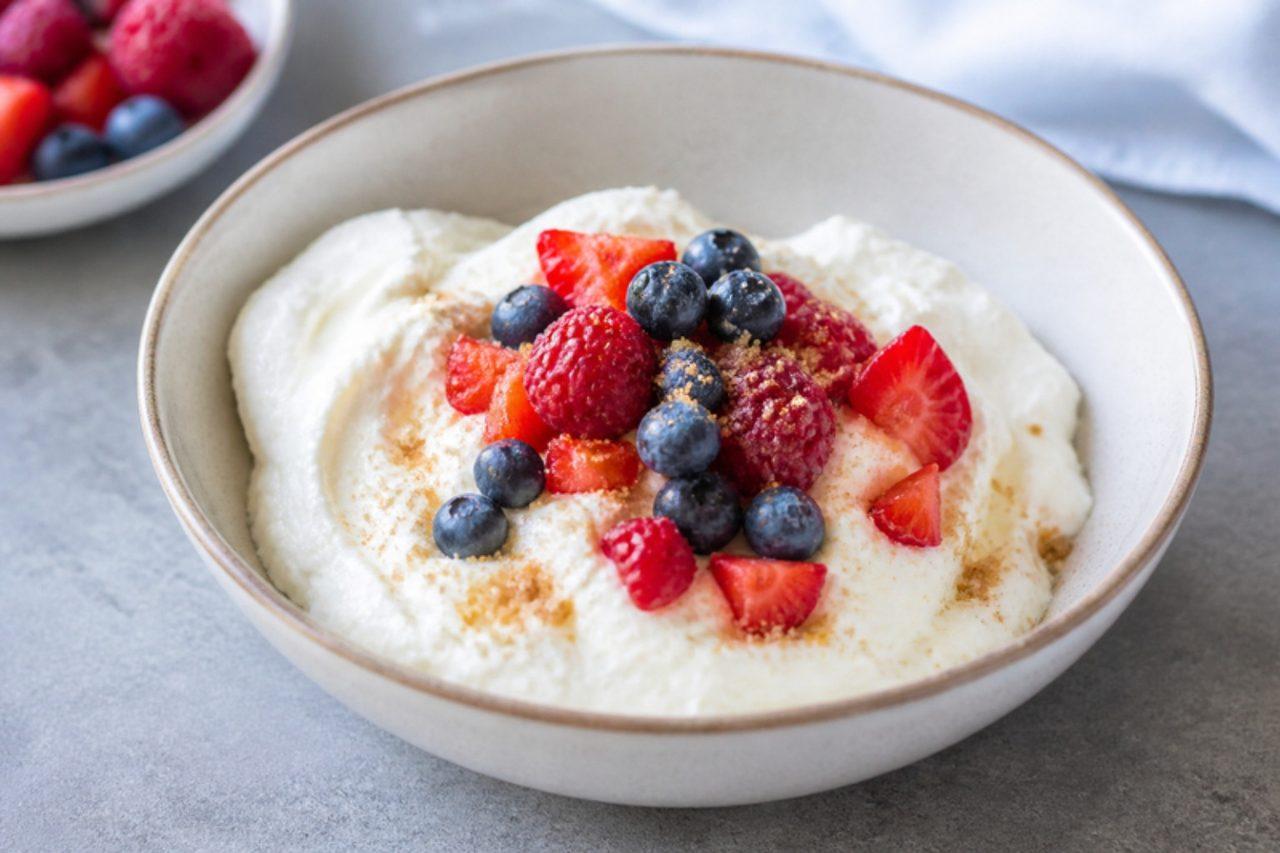
HangopHung buttermilk with fruit

Hangop means 'hang up', and that is the method: buttermilk poured into a cloth, hung up over a bowl overnight until it thickens into something like a tangy, creamy fresh cheese. It was a summer dessert on Dutch farms, eaten with rusk crumbs, brown sugar and fresh fruit, and is having a revival in Amsterdam restaurants. A common mistake is straining it at room temperature, which lets it turn too sour. Chef's tip: strain it in the fridge, and use a clean tea towel rather than cheesecloth; the finer weave keeps more of the creamy curd.

by KrazyBadal 0 views

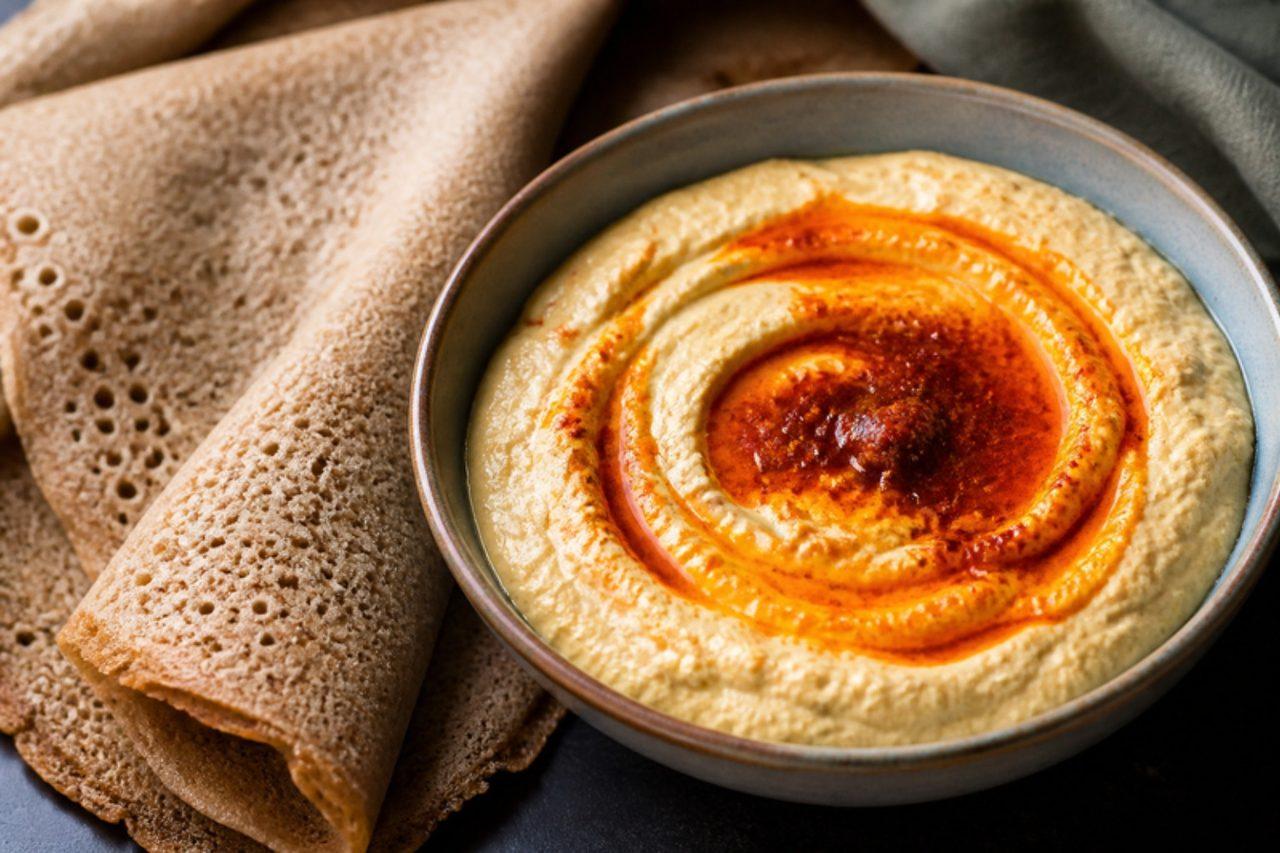
HilbetLentil and fenugreek paste

Hilbet is one of the dishes that tells you you are in Eritrea rather than Ethiopia. Asmara households make it in big bowls for Lent and the other fasting days and serve it cold, swirled with a ribbon of red berbere oil, as part of a spread on injera. Fenugreek soaked and beaten with water turns pale and foamy, much like whipped egg white, and folding it into puréed lentils or broad-bean flour gives a dip that is fluffy, faintly bitter, garlicky and creamy. Market stalls sell a ready-mixed hilbet flour; this home version uses red lentils, which are easy to find. Chef's tip: beat the soaked fenugreek with an electric whisk for a full 5 minutes; that long whipping is what makes hilbet light instead of dense.

by KrazyBadal 0 views

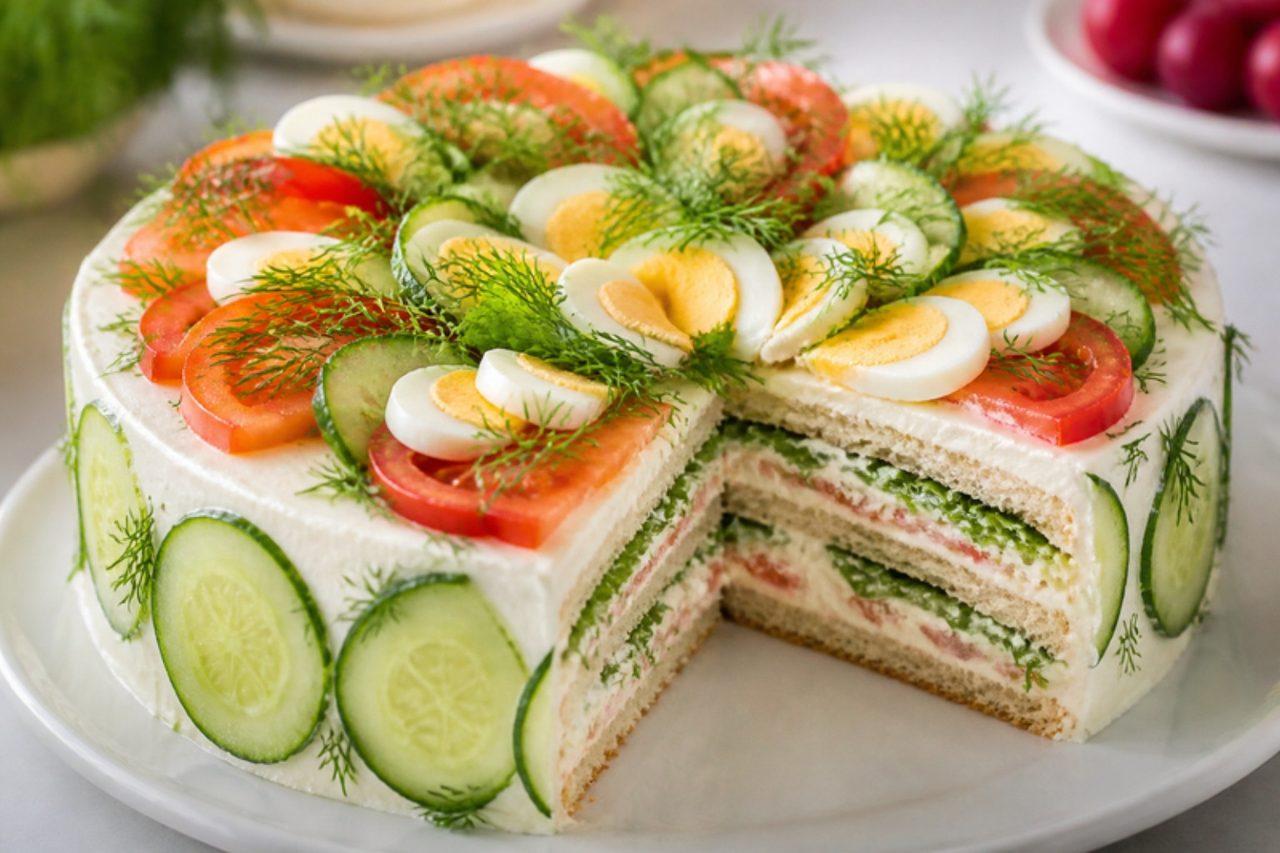
SmörgåstårtaSavoury sandwich cake

Smörgåstårta is what Swedes bring out for christenings, graduations and big birthdays: a 'sandwich cake' of soft bread layers filled with creamy egg, cheese and vegetable fillings, frosted with cream cheese and smetana and decorated as lavishly as a gateau with cucumber, radish, tomato and dill. In Stockholm bakeries the classic is layered with prawns and smoked salmon; this version keeps it vegetarian with egg mayonnaise, herby cheese and avocado. A common mistake is using fresh, very soft bread, which turns soggy; slightly firm sandwich bread holds the layers. Chef's tip: assemble it the night before and chill it under cling film; it firms up and slices neatly, then decorate just before serving.

by KrazyBadal 0 views

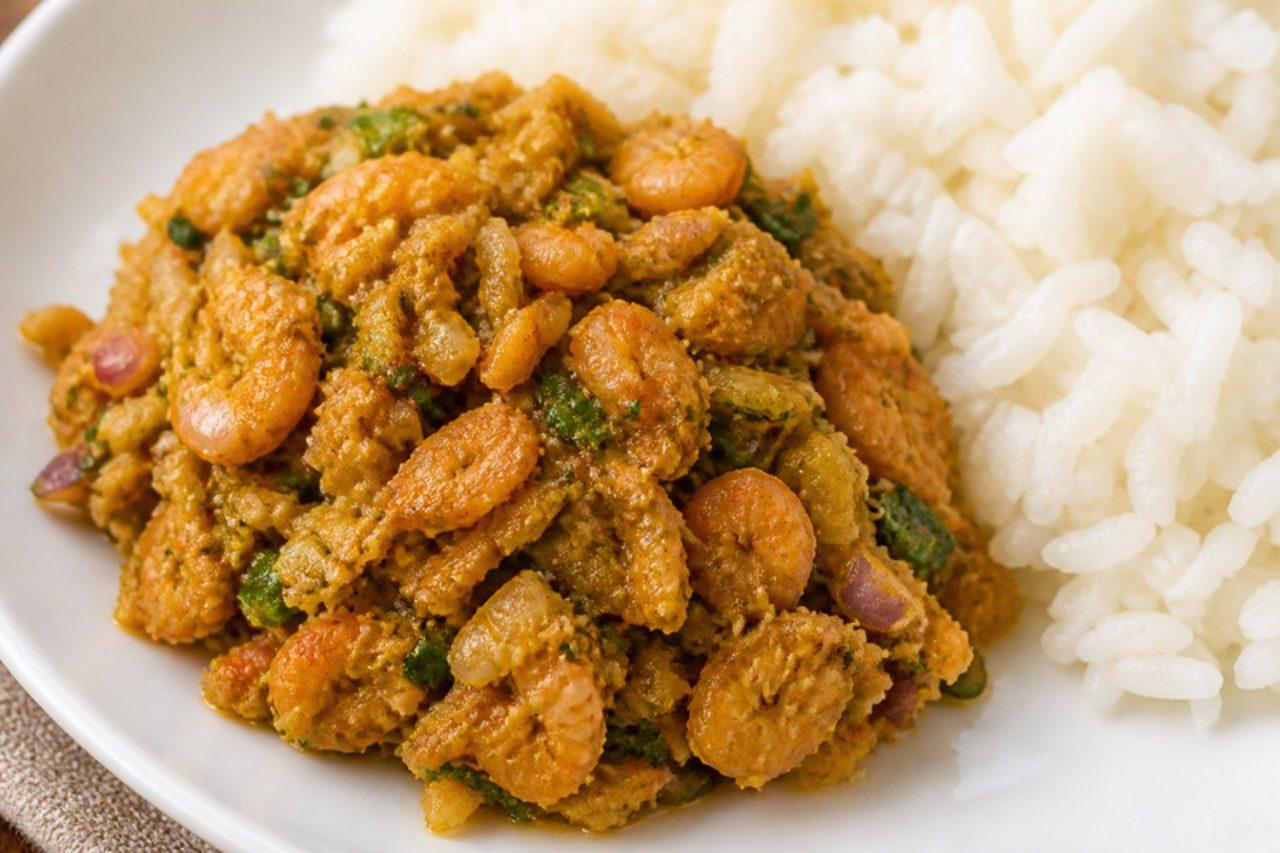
Chingri bhortaDry-fried shrimp mash

Chingri bhorta is the bhorta most likely to win over newcomers: tiny fresh shrimp, the kind sold by the heap in every bazar, dry-fried until pink and toasty, then mashed by hand with raw onion, green chilli, coriander and a trickle of pungent mustard oil. It is sweet from the shrimp, sharp from the onion and hot from the chilli, and it is eaten in small balls with hot rice, often alongside aloo bhorta and begun bhorta. It takes less than half an hour and works perfectly well with frozen small prawns. A typical error is adding oil to the pan, which stews the shrimp instead of toasting them; dry heat brings out their sweetness. Chef's tip: rub the mash with your fingertips rather than a blender, so it stays rough and the onion keeps its crunch.

by KrazyBadal 0 views

ShangiPotato and sour cream buns

From the Urals across to Siberia, shangi turn up on Sunday breakfast tables, at village markets and in the lunch bags of fishermen and hunters. They are flat rounds of soft yeast dough topped, not filled, with a thick swirl of buttery mashed potato beaten with egg, then brushed with sour cream so the top bakes into golden, slightly crisp peaks. Eat them warm with tea, milk or a bowl of mushroom soup. Older northern versions used barley dough or a millet topping, and sweet shangi carry tvorog instead. The usual slip is spreading the potato right to the edge; leave a rim so the dough rises around it like a frame. Chef's tip: brush the baked shangi with melted butter and stack them in a covered pot for ten minutes, which keeps them soft the way Siberians like them.

by KrazyBadal 0 views

Tvorozhnaya zapekankaBaked cottage cheese pudding

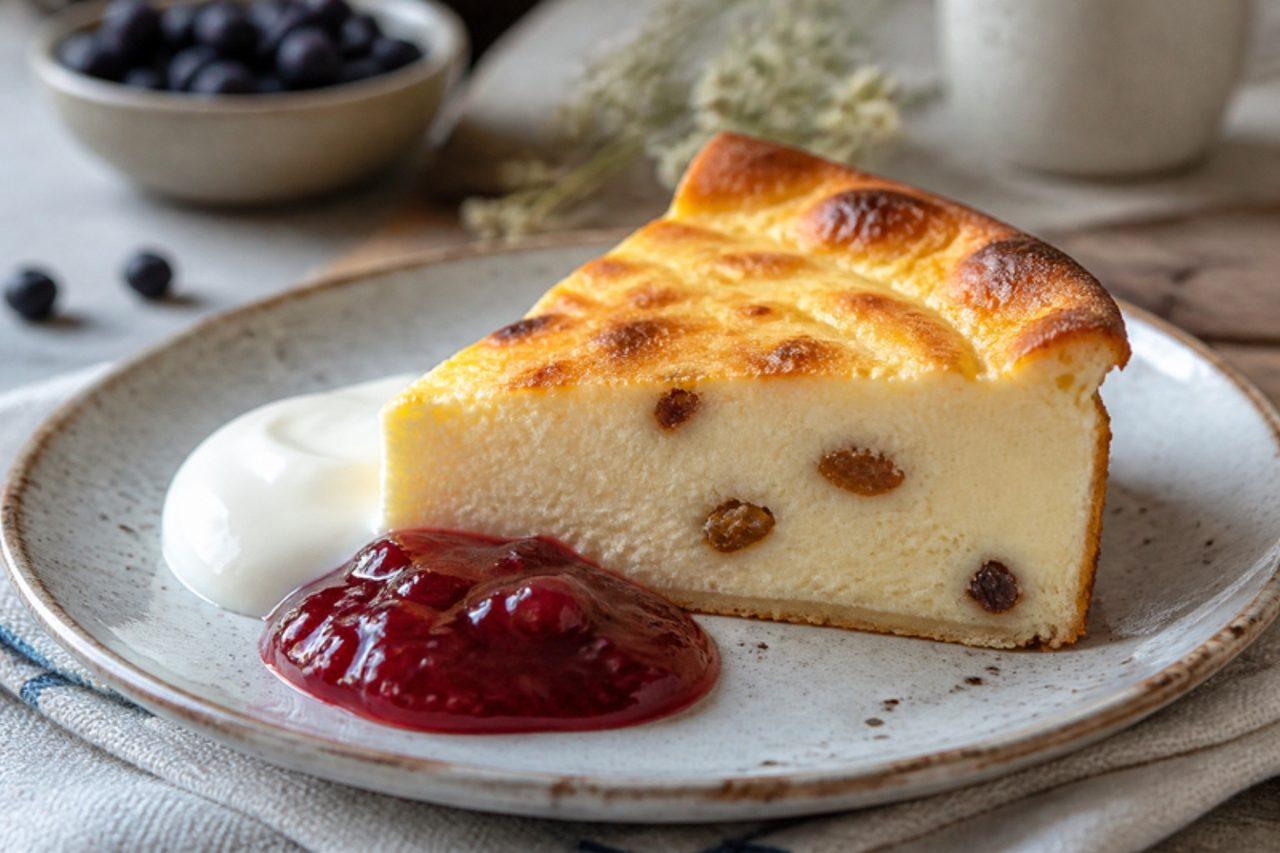
Anyone who went to a Soviet kindergarten remembers the warm yellow square of curd bake handed out at breakfast, and Russian parents still make it on weekend mornings because children eat it without a fuss. Tvorog is beaten with eggs, sugar and sour cream, thickened with semolina and dotted with raisins, then baked into a soft, gently sweet pudding somewhere between a cheesecake and a soufflé. Serve it warm or cold with sour cream, jam or condensed milk. Tvorog is usually made without rennet, but check the label if that matters to you. A common mistake is baking straight after mixing: give the semolina 15 minutes to swell, or the bake turns out gritty and loose. Chef's tip: brush a thin layer of sour cream over the top before baking for a glossy, deep golden crust.

by KrazyBadal 0 views

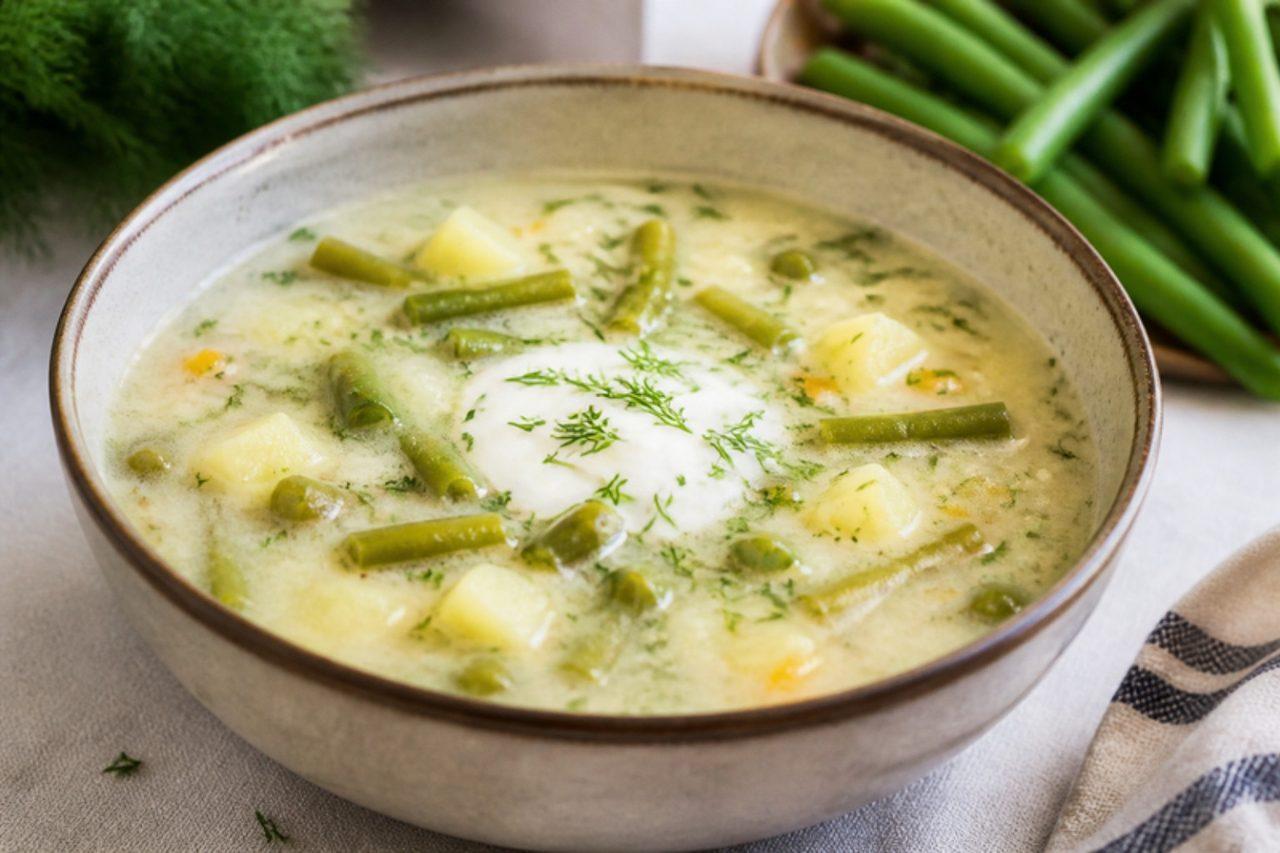
Ciorbă de fasole verdeGreen bean soup

High summer in Transylvania means green beans by the basketful, and both Romanian and Hungarian households around Cluj and Târgu Mureș turn them into this pale, creamy, sour soup, which Hungarian cooks call tejfölös zöldbableves. Beans, potato and a little pepper simmer in a light tomato broth that is soured with vinegar, then finished off the heat with sour cream and a fistful of dill, so every spoonful is tangy, silky and fresh. Serve it hot for lunch with good bread, or with mămăligă for a thicker meal. The classic mistake is tipping cold sour cream straight into the boiling pot, where it curdles into flecks; temper it with hot broth first. Chef's tip: add the vinegar gradually and taste, as the soup should be bright but not sharp.

by KrazyBadal 0 views

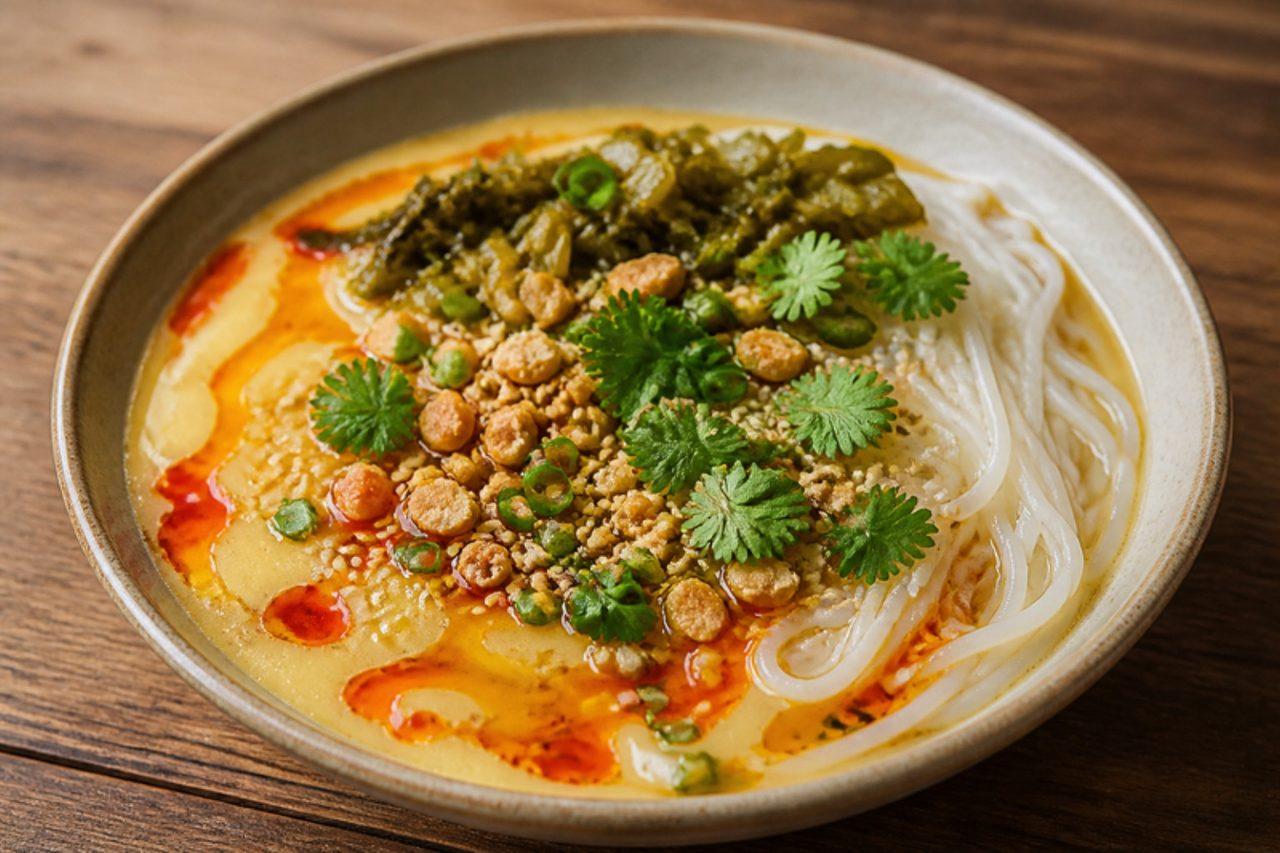
Shan tofu noodlesRice noodles with chickpea tofu

To hpu nway means 'warm tofu', and it is the Shan tofu mixture caught before it sets: chickpea flour batter cooked into a thick, golden, pourable porridge that market cooks in Taunggyi and Hsipaw ladle over rice noodles on chilly hill mornings. Where Shan tofu salad uses cool, firm cubes, here everything arrives hot and spoonable, a velvety blanket that you stir into the noodles with chilli oil, garlic oil, soy, a dash of vinegar and crunchy pickled mustard greens. It tastes nutty, savoury and gently sour, with heat you add to taste. The common mistake is tipping chickpea flour straight into hot water, which gives lumps that never whisk out; it must be soaked in cold water first. Chef's tip: for a gluten-free bowl, swap the light soy sauce for tamari.

by KrazyBadal 0 views

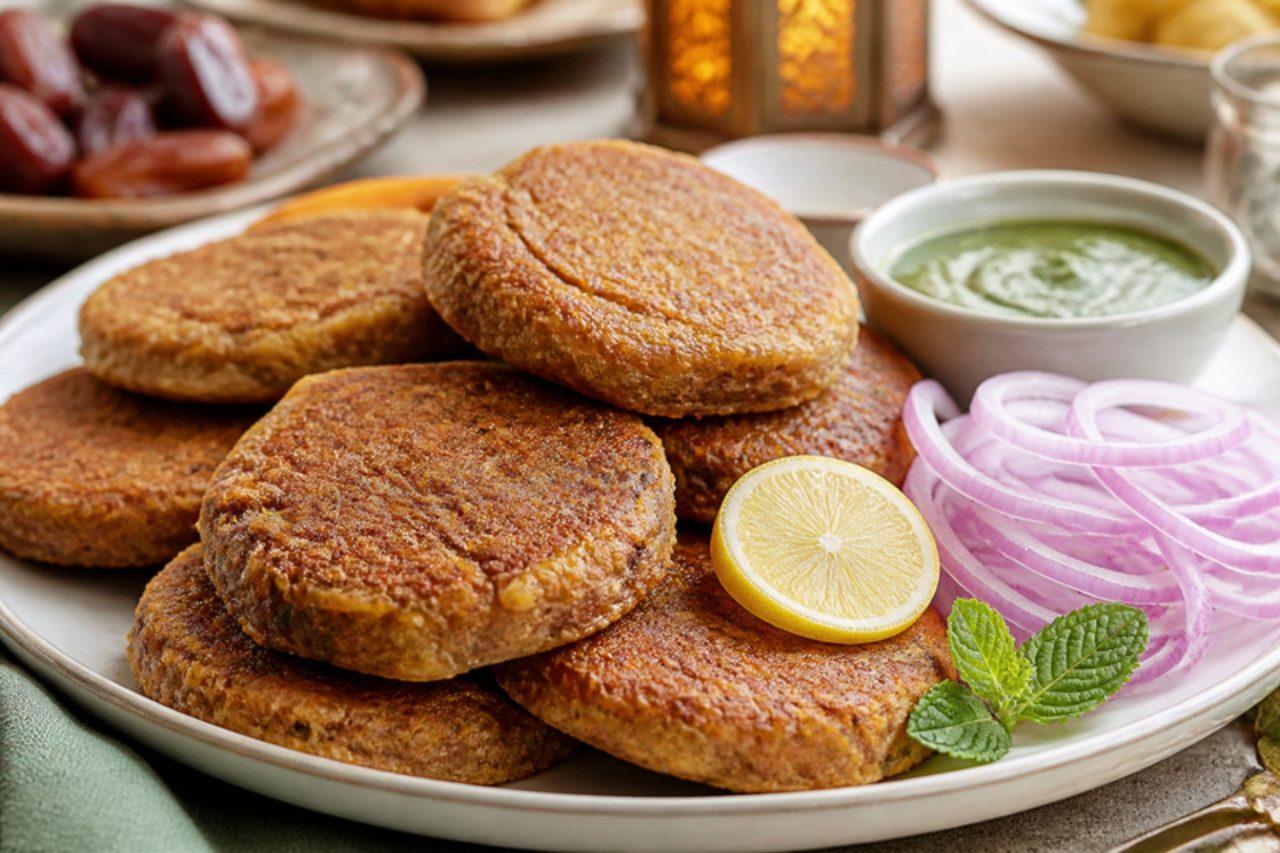
Shami kebabBeef and chana dal patties

Freezers across Pakistan fill up with shami kebabs in the week before Ramadan, because these soft patties of boiled beef and chana dal, ground with whole spices and fresh herbs, are the backbone of iftar: fried from frozen in minutes as the sunset call to prayer approaches, and eaten with tamarind or mint chutney, onion rings and a sip of Rooh Afza. They appear again at Eid tables and in school lunch boxes all year, sandwiched in a bun as a "bun kebab". The texture should be smooth, with flecks of herbs and a crisp egg coating. A soggy mix that falls apart in the pan is the usual headache, caused by leaving water in the pot; cook the meat and dal until bone dry before grinding. Chef's tip: for a vegetarian version, replace the beef with boiled potato and double the chana dal; shape and fry the same way.

by KrazyBadal 0 views

ChirbuliEggs in tomato walnut sauce

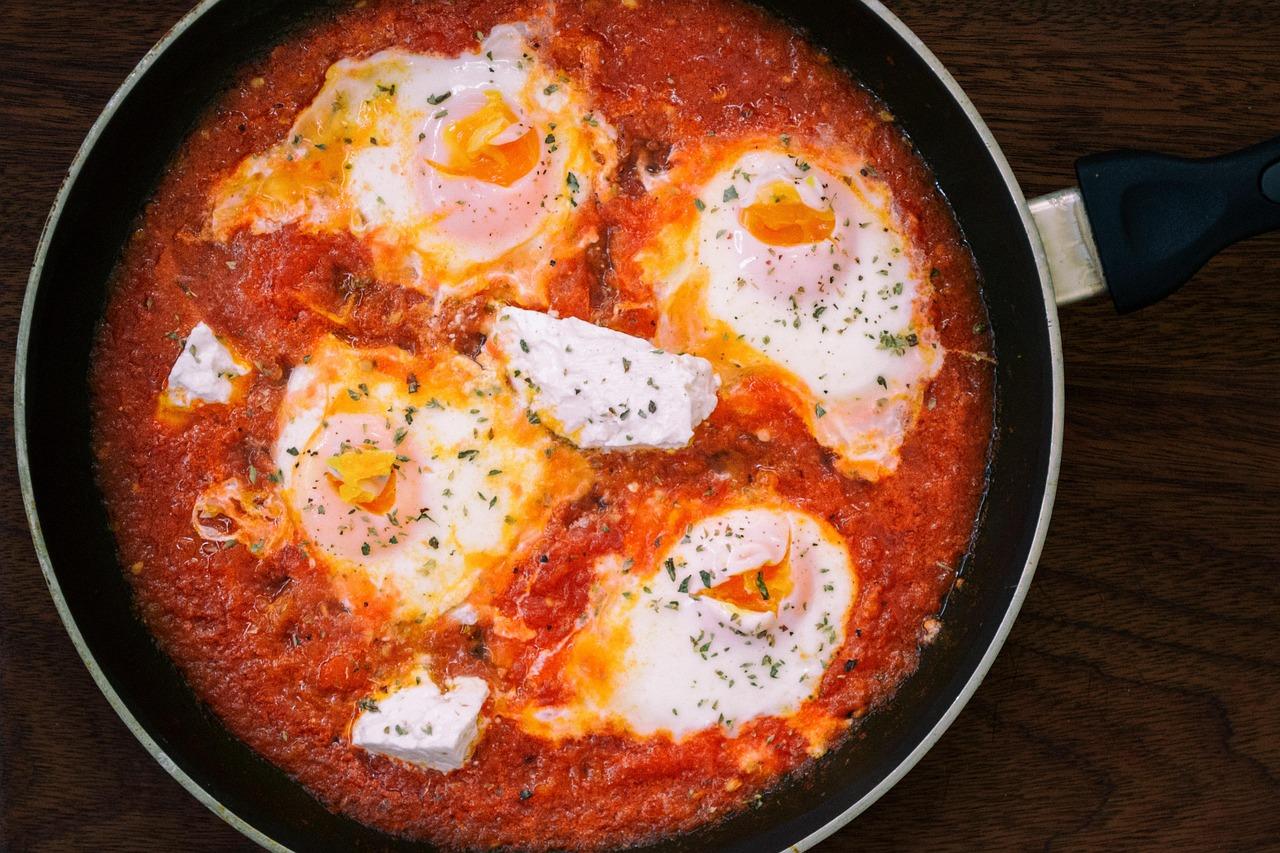
Families in Batumi and the coastal villages of Adjara make chirbuli for slow weekend breakfasts: onions and ripe tomatoes stewed with a spoon of crushed walnuts and plenty of herbs, with eggs cracked into the sauce and cooked until just set, so the yolks run into it. It is a cousin of shakshuka with a Georgian walnut richness, eaten with bread to wipe up the plate. A common mistake is putting the lid on and walking away; the yolks overcook and go chalky in a minute. Chef's tip: grind the walnuts with garlic and coriander seed first, so they melt into the sauce instead of staying gritty.

by KrazyBadal 0 views

SmetannykSour cream layer cake

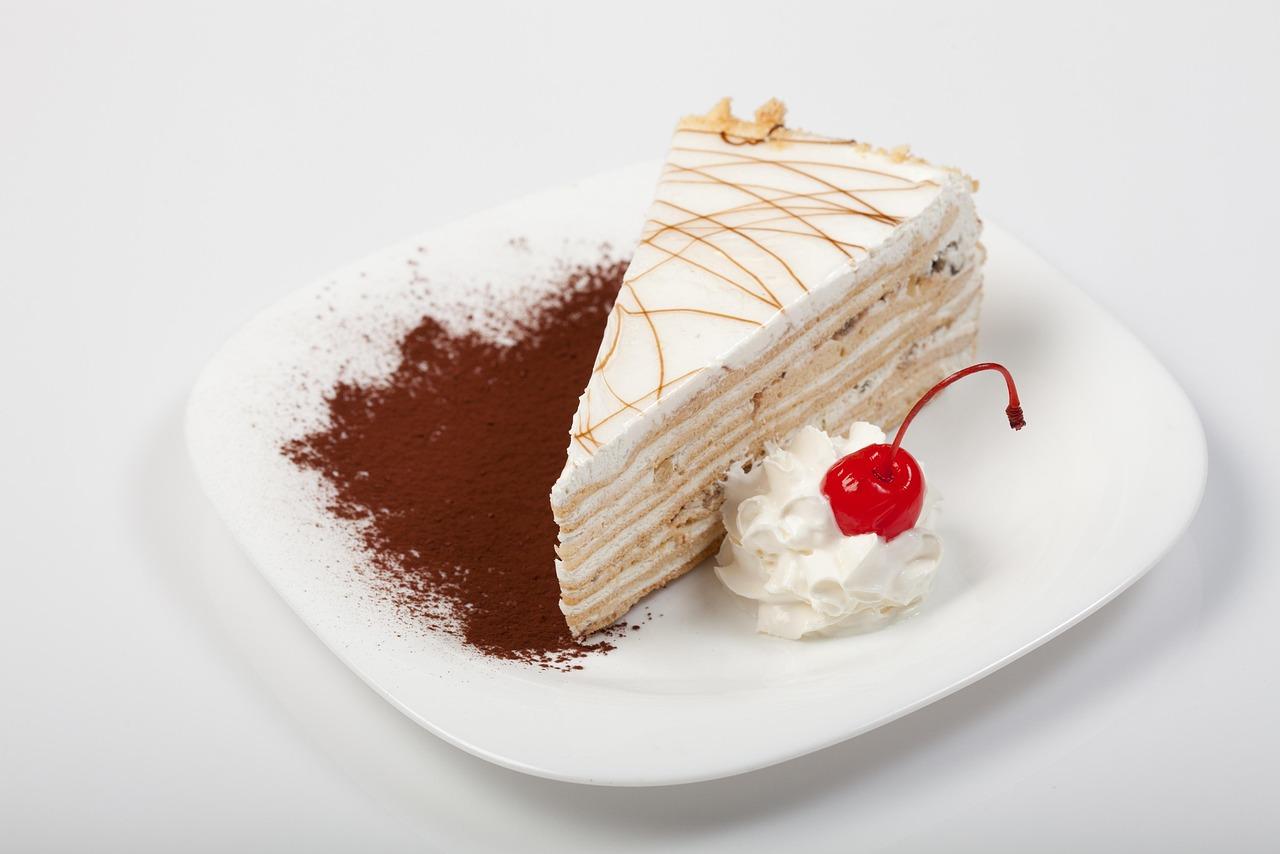
Long before shop-bought cakes reached the villages, a smetannyk was the birthday cake Ukrainian mothers could make from what the cow and the hens gave: sour cream in the sponge, sour cream in the frosting, and very little else. Four thin layers, two of them darkened with cocoa, are stacked with a sweet, tangy cream that soaks in overnight until the whole cake turns tender and almost pudding-like. It is still made for name days and family Sundays all over the country, often cut into tall slices and eaten with strong black tea. A common mistake is frosting with thin, low-fat sour cream: it runs off the sides and never sets. Use the richest you can find, at least 20 per cent fat, and drain it if it looks watery. The cake needs at least 6 hours in the fridge, so make it the day before. Chef's tip: hang the frosting sour cream in muslin over a bowl in the fridge for a few hours; it whips up thick and glossy.

by KrazyBadal 0 views

Smažený květákFried breaded cauliflower

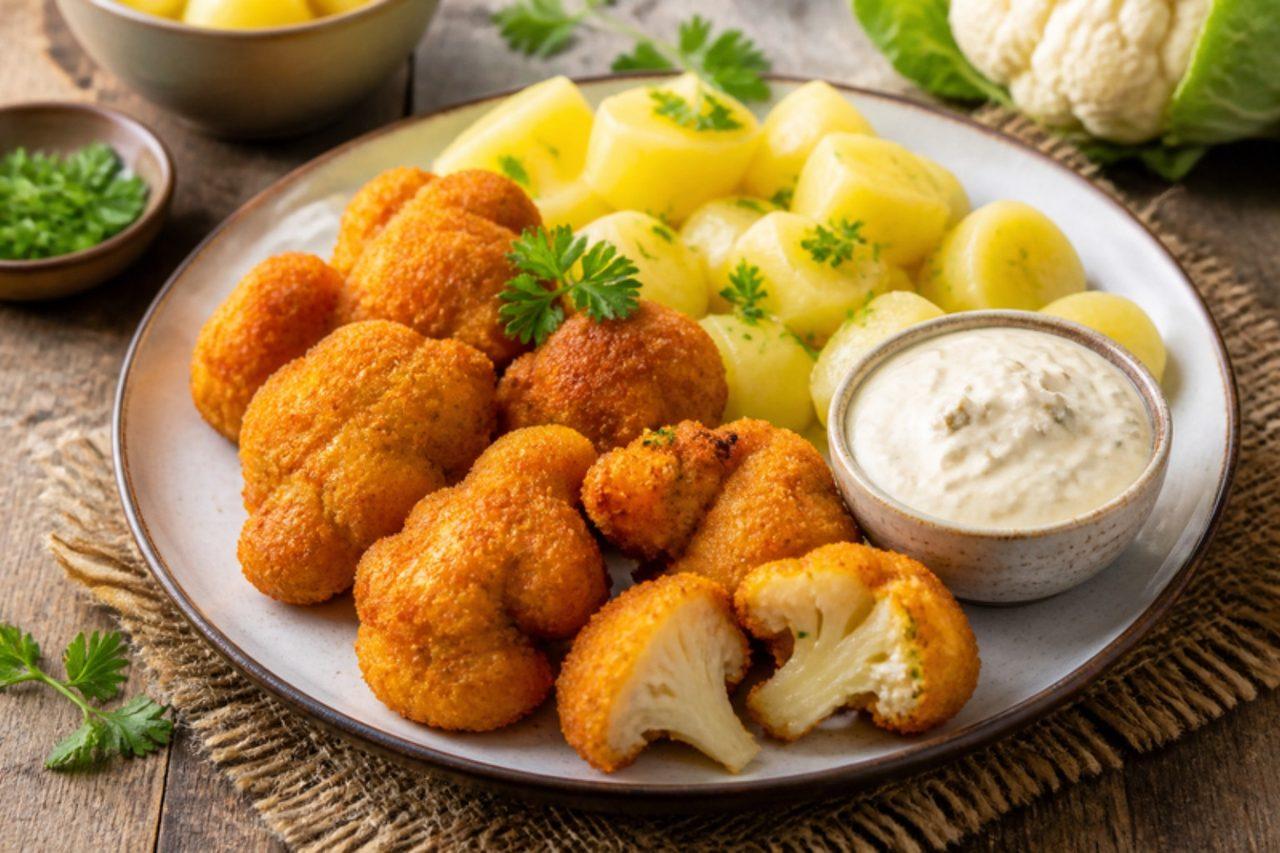
Order a vegetarian meal in a Czech pub and there is a fair chance you will get smažený květák: fat cauliflower florets in a crunchy breadcrumb coat, with buttery parsley potatoes and a dollop of tatarka, the pickle-studded tartar sauce. Children love it, and many families in Bohemia make it on Fridays. The florets are blanched first so the inside is tender and sweet under the crust. Where most people go wrong is breading wet cauliflower: the coating slips off in the oil. Dry the florets well on a towel and let them cool before you dip them. Chef's tip: press the crumbs on firmly with your palm, then rest the breaded florets for 10 minutes so the coat sets and fries up evenly.

by KrazyBadal 0 views

DibsDate syrup

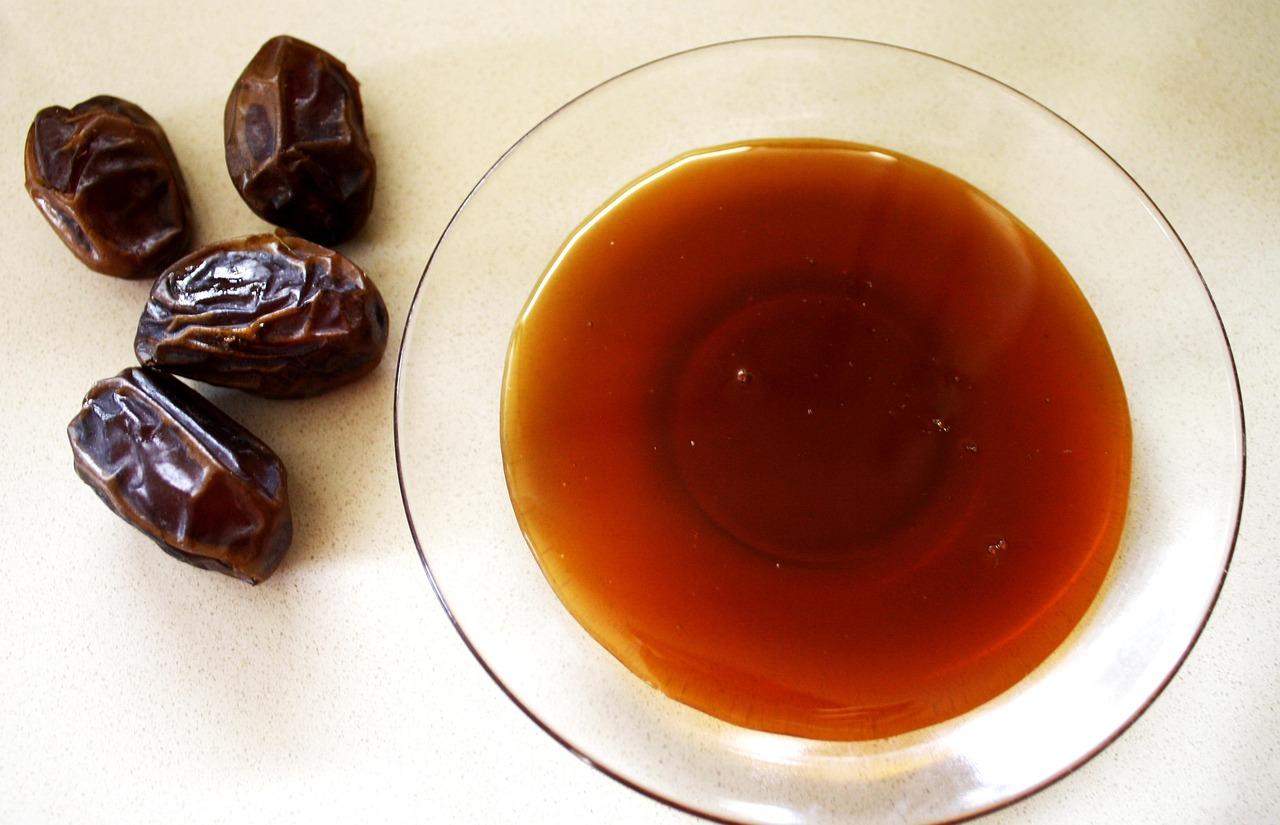
Across the Gulf, from the date gardens of Al-Ahsa to the oases of Oman and the UAE, dibs is the dark, glossy syrup pressed and boiled from ripe dates, and it was the region's sweetener long before sugar was common. It tastes of toffee and dried fruit with a faint bitterness, and families pour it over chebab and khameer, mix it with tahini for dipping bread, and use it in sweets like luqaimat. Making it at home takes time but little effort, and a kilo of dates gives a jar that lasts for months in the fridge. The mistake is boiling the strained juice too hard at the end: it scorches and turns bitter. Chef's tip: squeeze the date pulp in the cloth when it is still warm; you get far more juice than from cold pulp.

by KrazyBadal 0 views

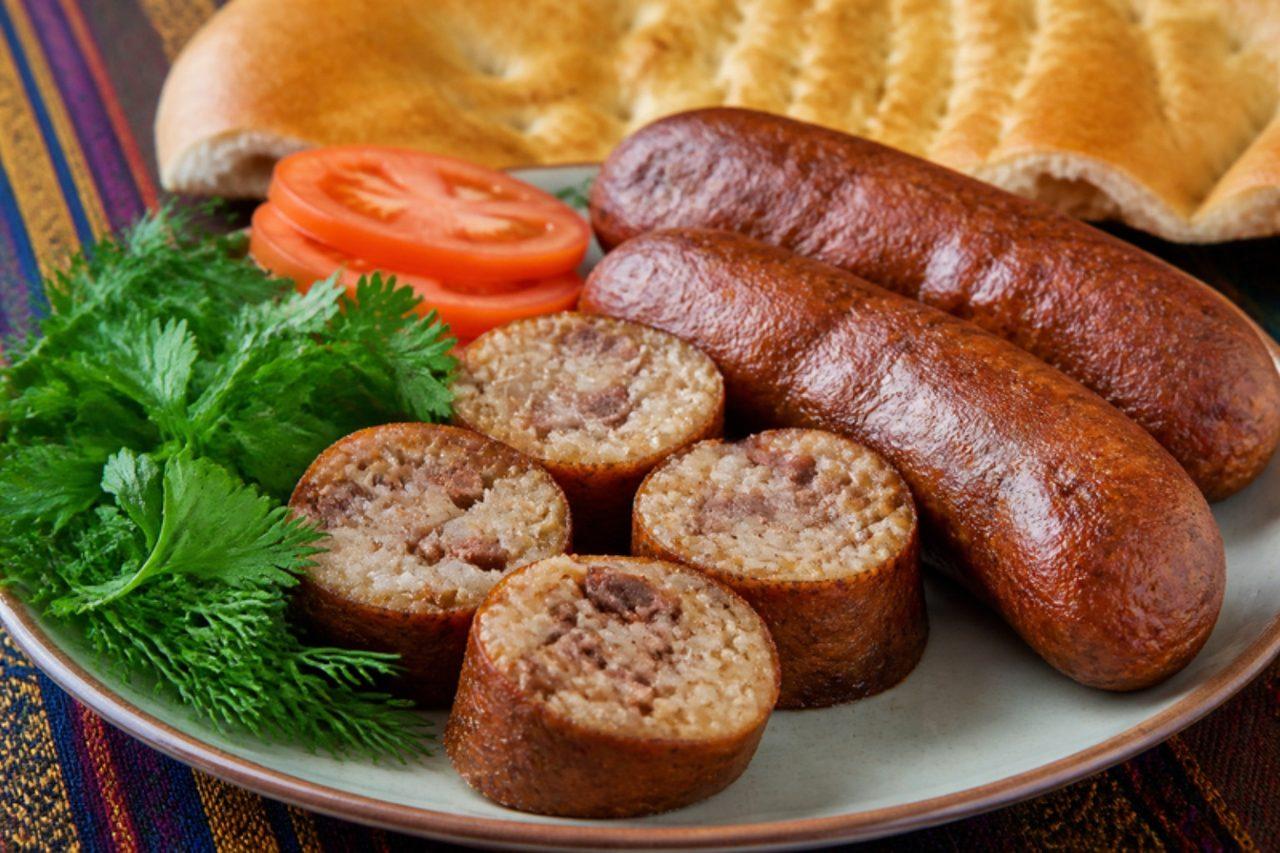
HasipLamb and rice sausage

Hasip is the sausage of Bukhara, made after Kurban Hayit, the feast of the sacrifice: lamb casings stuffed with rice mixed with chopped lamb, liver and heart, onion and cumin, boiled until firm and then sliced and fried until crisp. Bukharan families serve it hot as a first course for guests. A common mistake is overfilling the casings; the rice swells and bursts them in the pot. Chef's tip: fill them only two-thirds full and prick well before simmering, then fry the slices in a dry pan so they crisp in their own fat. The filling must reach 71 °C.

180 minUzbekMeatGluten free
by KrazyBadal 0 views

Showing 96 of 10,665 recipes

Show more recipes

Page 490 of 889