


Skip to content
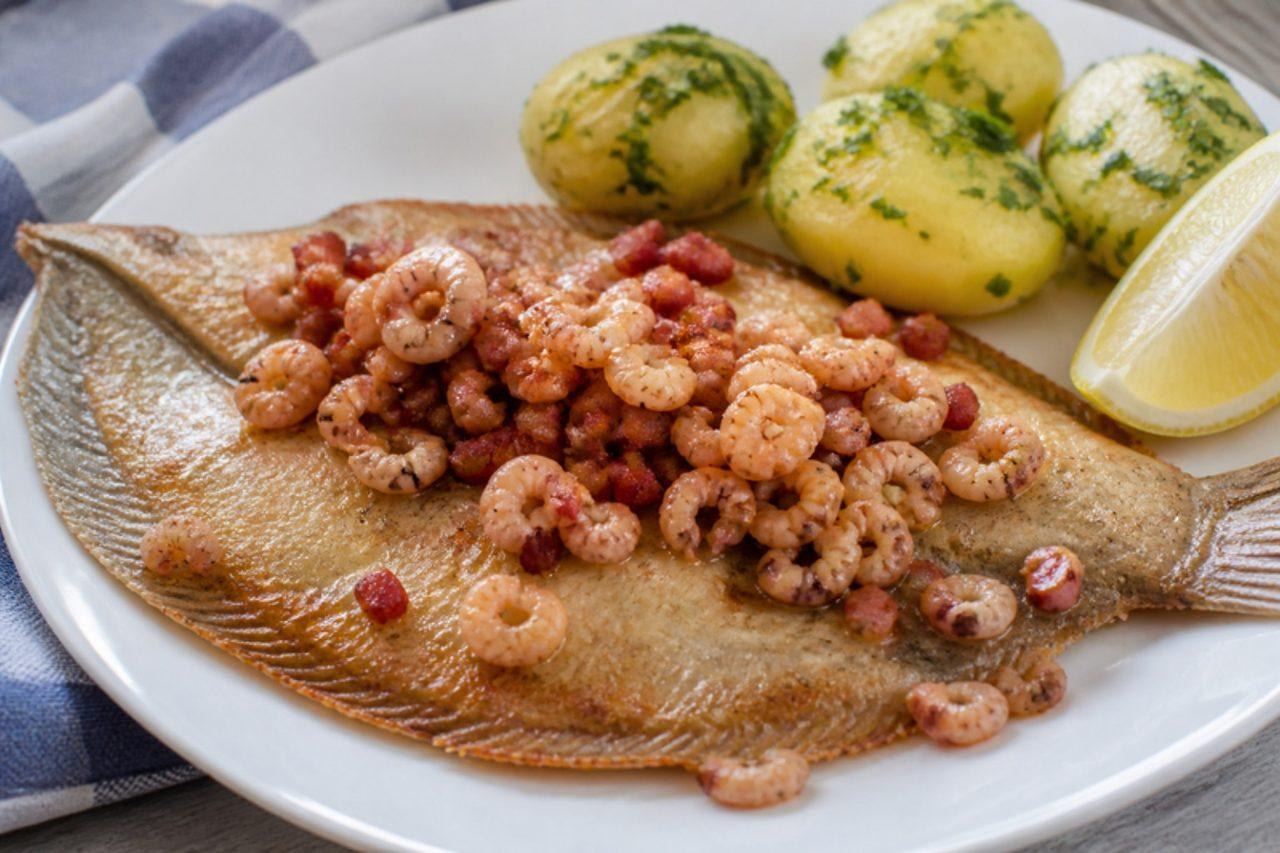
Finkenwerder Scholle
Featured recipe

Finkenwerder Scholle

Fried plaice with bacon and shrimps

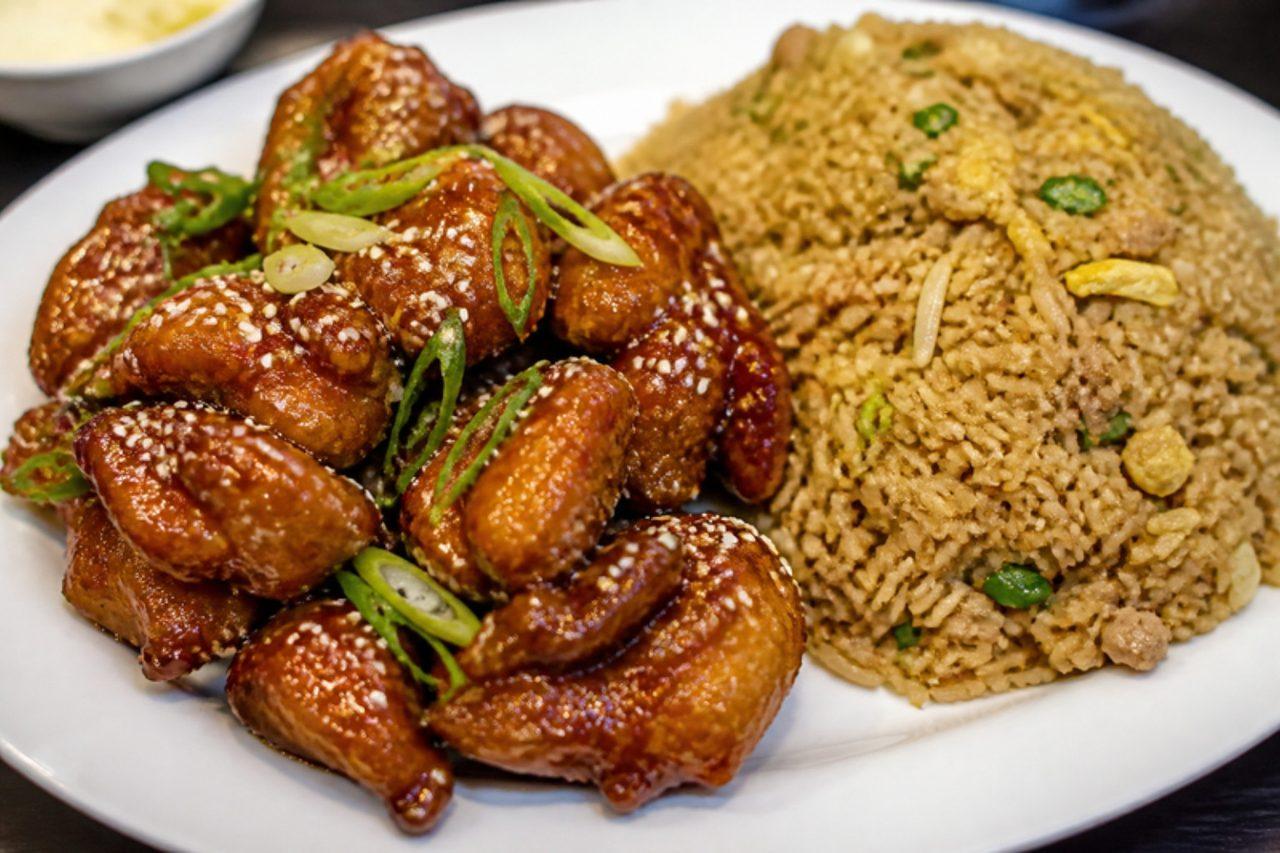
Finkenwerder was a fishing village on an Elbe island, and the way its fishermen cooked plaice is now Hamburg's signature fish dish, eaten from May to autumn when plaice is plump. A whole fish is dusted and fried in butter, then covered with crisp cubes of smoked pork belly bacon and a handful of tiny brown North Sea shrimps warmed in the same pan, and served with parsley potatoes and cucumber salad. The bacon is pork; leave it out and add capers for a pork-free plate. Chef's tip: score the dark skin side lightly twice so the fish stays flat in the pan and cooks evenly to the bone.

Read more 0 views

What to eat today?

Around the world

Today's trip: Persian

A new country every day, from every cuisine on the site.

Persian

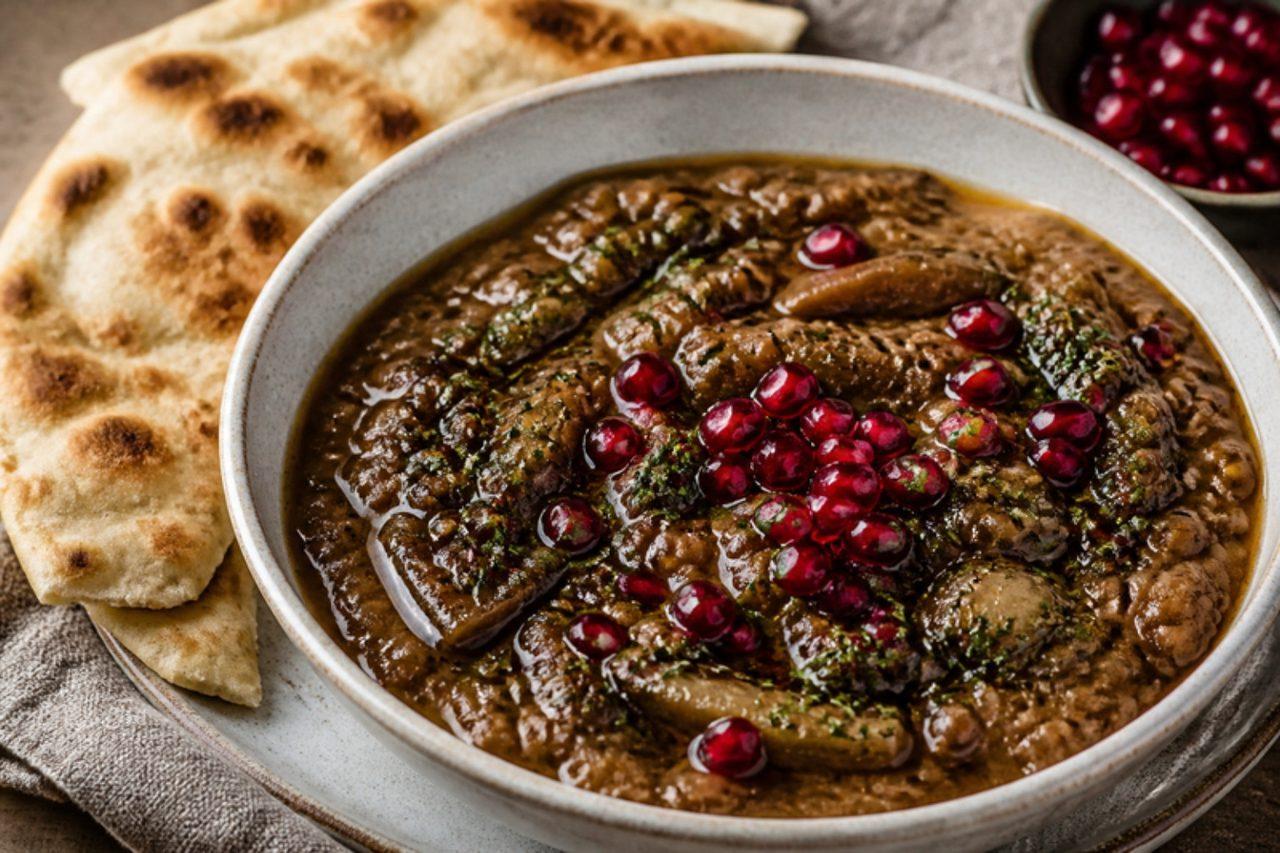
Nazkhatoon

Smoky aubergine with pomegranate 40 minMore from Persian (131) →

This week's collection

Kid-friendly dinners
541 recipes · a new collection every Monday

Latest recipes

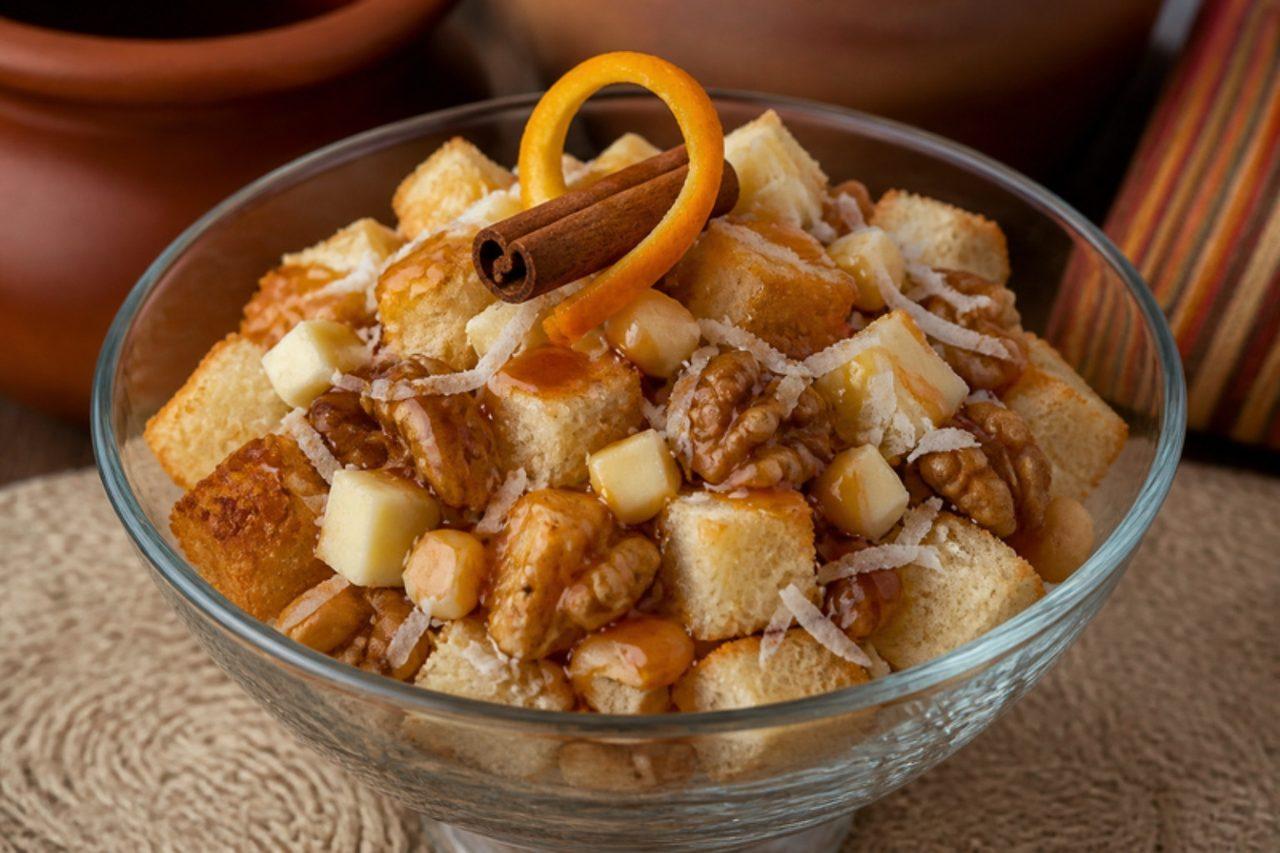
RanfañoteToasted bread dessert in spiced syrup

Made from leftovers in colonial Lima by Afro-Peruvian cooks, ranfañote is one of the city's oldest sweets and turns up today at criollo food fairs and at old-style dessert stalls in Barrios Altos. Cubes of day-old bread are toasted crisp, then layered with walnuts, coconut, raisins and little cubes of fresh cheese and drenched in a thick chancaca syrup scented with cinnamon, clove and orange peel. The cheese is not a typo: its saltiness cuts the syrup, and the contrast of crunchy bread, chewy fruit and soft cheese is the point. It is eaten warm or at room temperature on its own. The common error is pouring thin syrup over the bread, which drowns it; the syrup should be thick like honey. Queso fresco is generally made with animal rennet, so choose a vegetarian fresh cheese if you need to. Chef's tip: toast the bread in the oven rather than frying it; it stays crisp longer under the syrup and is less greasy.

by KrazyBadal 0 views

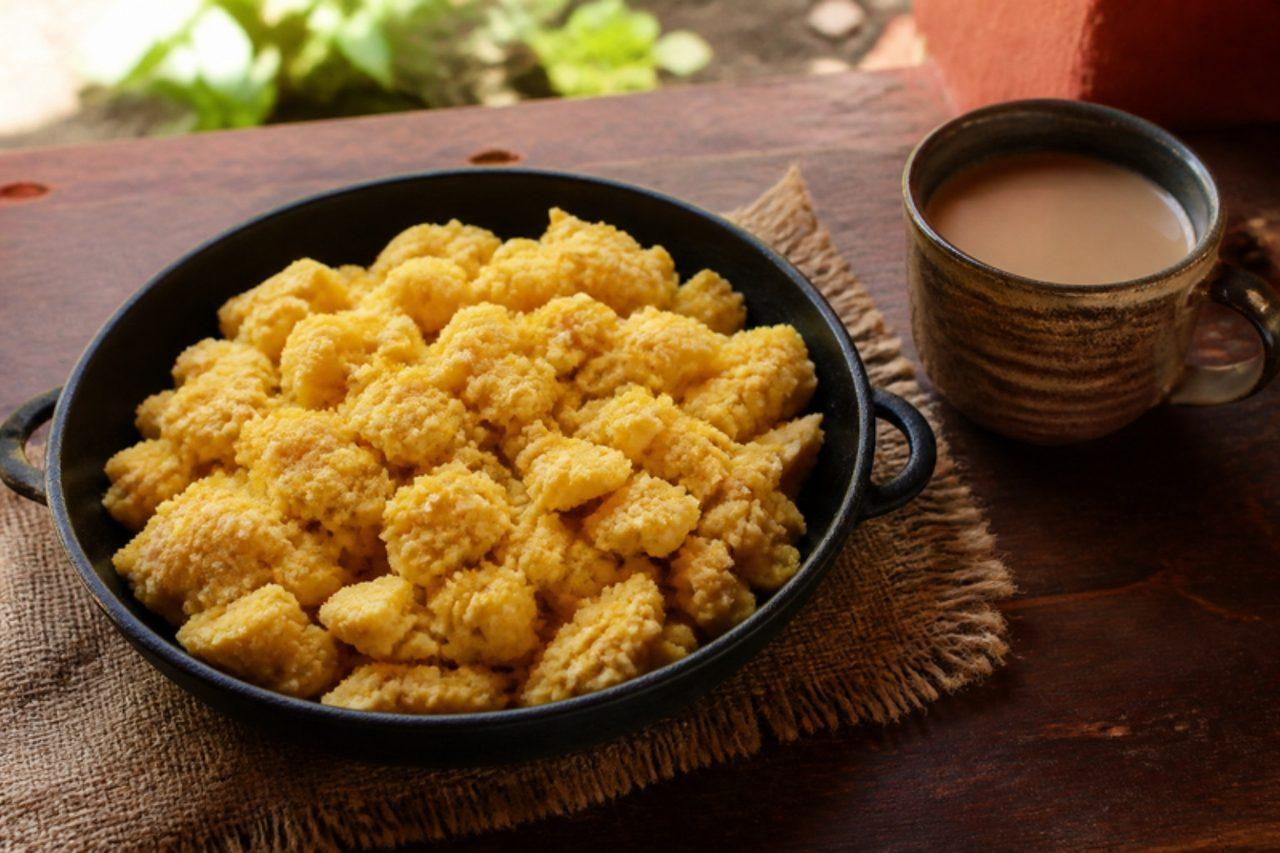
ReviroFried flour and egg scramble

For field workers in the yerba-mate plantations of Misiones, the morning starts with reviro: a simple dough of flour, egg, water and salt fried in plenty of fat and then broken up with a spatula as it cooks, until it becomes a pile of crisp, golden, irregular crumbs with soft centres. It is filling, cheap and very good dunked in a mug of mate cocido or milky coffee, and it shares its roots with the Guaraní and Paraguayan kitchen across the river. Traditionally it is fried in lard or beef fat; this version uses butter and oil so it is vegetarian. Turning it too early is the classic blunder: the batter needs to fry undisturbed until a crust forms, or it turns into a pale, doughy mash. Chef's tip: keep chopping and turning with the edge of a metal spatula for the last 10 minutes; the more edges you make, the more crunch you get.

by KrazyBadal 0 views

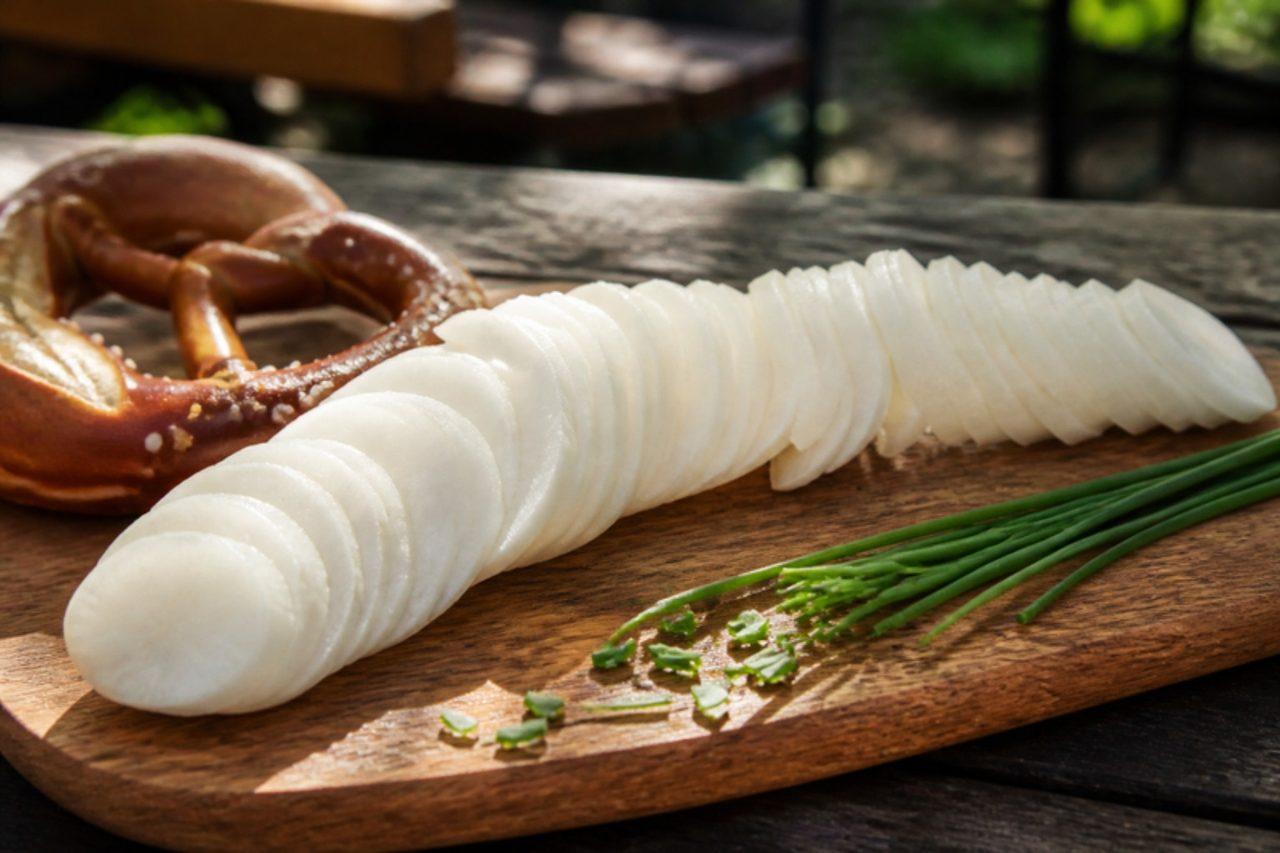
RadiSalted spiral-cut radish

In Bavaria a Radi is a single big white radish, cut into one long spiral or paper-thin slices and salted until it 'weeps', then eaten with your fingers in the beer garden between bites of pretzel. Stalls at Munich's Viktualienmarkt sell the long white roots from spring to autumn, and old regulars carry a special spiral cutter. It is crisp, peppery and cooling, the opposite of everything rich on the table. A common mistake is eating it straight away: the salt needs ten minutes to draw out the bitter juice and soften the bite. Chef's tip: pick a heavy, firm radish with a smooth skin; a light one is often woody and hollow inside.

by KrazyBadal 0 views

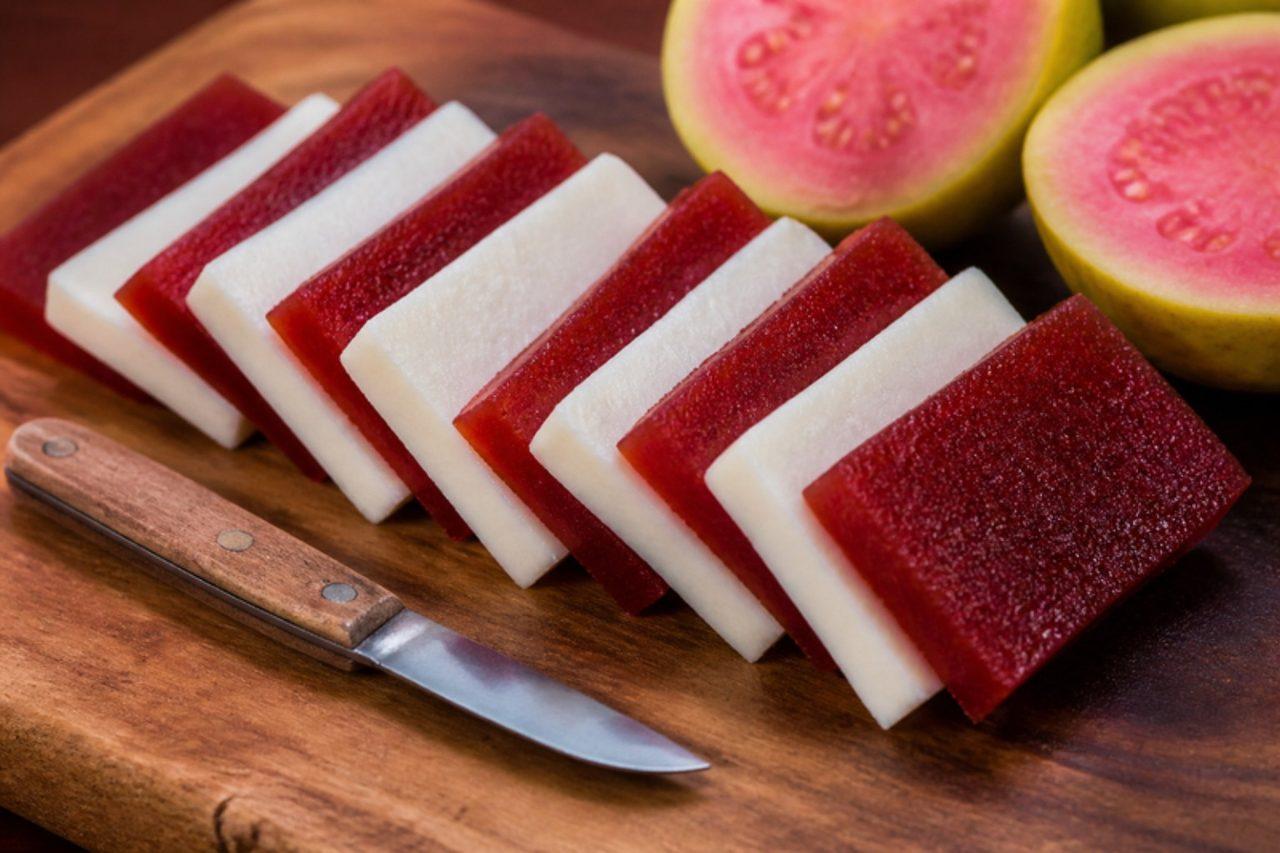
Romeu e JulietaGuava paste with fresh cheese

Two ingredients, no cooking, and a name every Brazilian knows: Romeo is the dark red goiabada, Juliet the mild white queijo Minas frescal, and they are always eaten together. Mineiros serve it after lunch on a saucer, at the end of a feast in a roadside restaurant, or as a mid-afternoon snack with coffee; the sweet, dense guava and the cool, milky, lightly salty cheese balance each other perfectly. Variations melt the guava into a warm sauce over the cheese, or bake both inside a pastry. Queijo Minas frescal is often made with animal rennet, so pick one labelled vegetarian, or use a young vegetarian farmer's cheese or paneer-style fresh cheese. The usual fault is cutting the guava thicker than the cheese, which buries Juliet; keep both slices the same size. Chef's tip: take the cheese out of the fridge 15 minutes ahead so it tastes of fresh milk rather than cold rubber.

by KrazyBadal 0 views

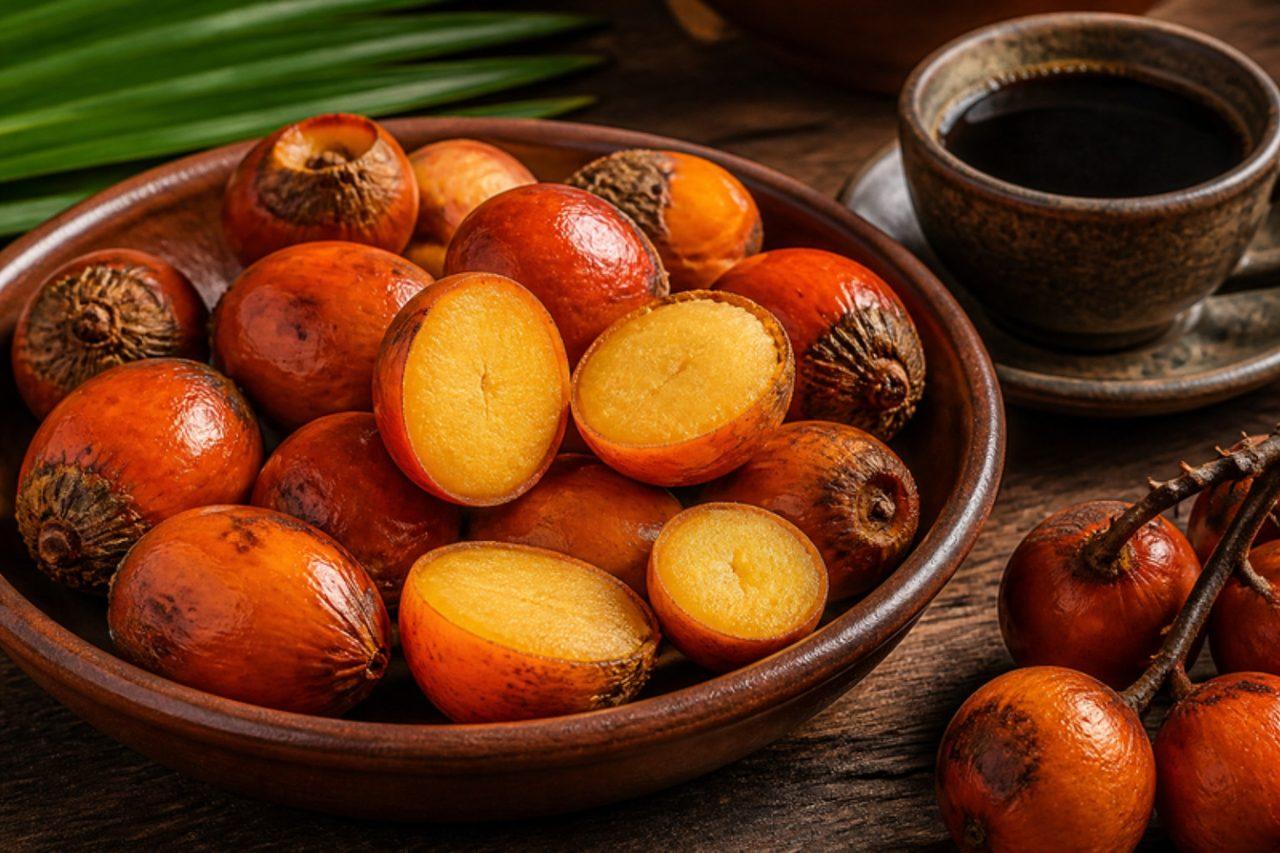
Pupunha cozidaBoiled peach-palm fruit

From Belém to Manaus, the breakfast table in pupunha season (roughly December to April) holds a bowl of these orange and red palm fruits, boiled in salted water and peeled at the table. Their flesh is dense, starchy and slightly oily, somewhere between chestnut, sweet potato and egg yolk, and it is eaten with black coffee or café com leite, sometimes with a smear of butter or a drizzle of honey. Street sellers and markets sell them cooked in bunches. Look for fresh or frozen pupunha (chontaduro) in Brazilian and Colombian shops. The fruit must be cooked; raw it irritates the mouth. The common misstep is cooking it too briefly, which leaves the flesh hard and astringent; it needs a long boil until a knife meets no resistance. Chef's tip: cook more than you need and slice the leftovers into salads or fry them in oil like chips the next day.

by KrazyBadal 0 views

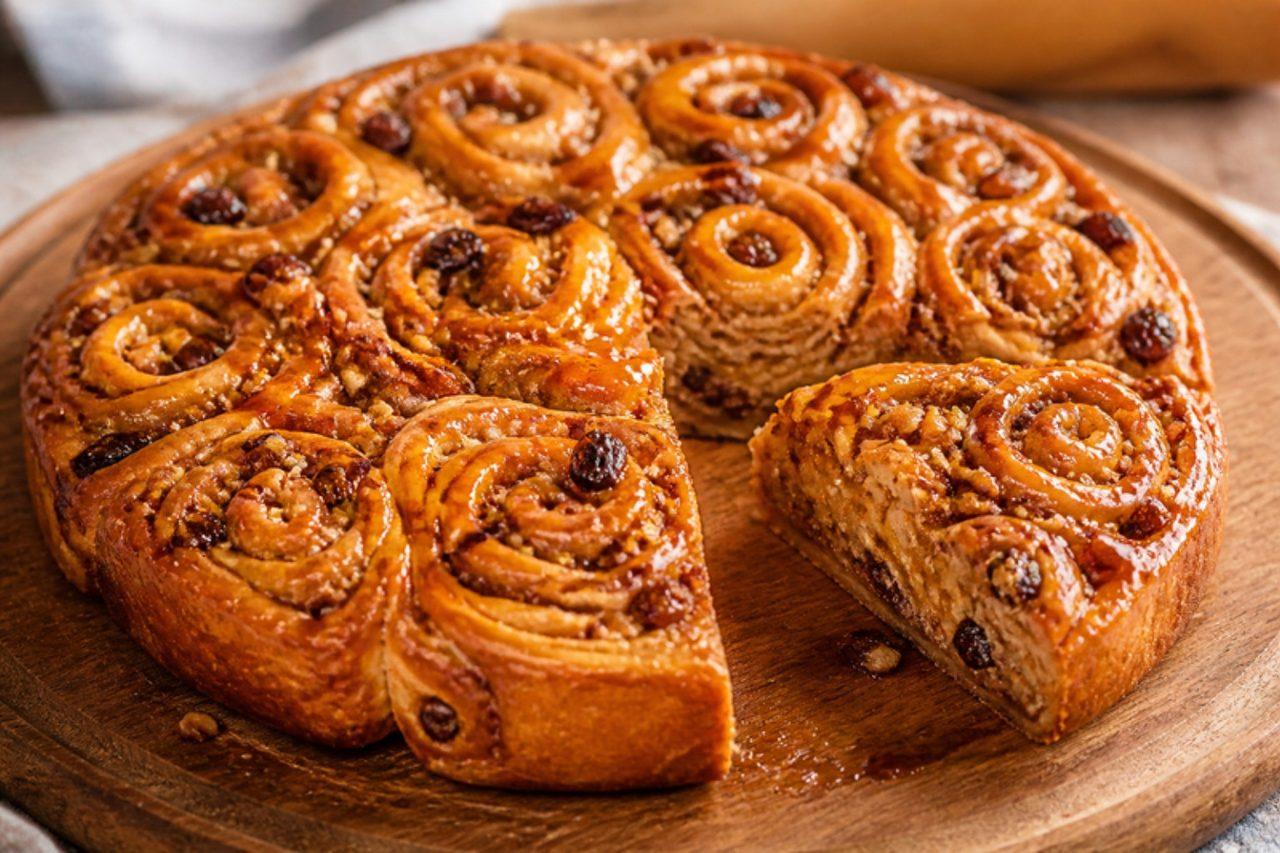
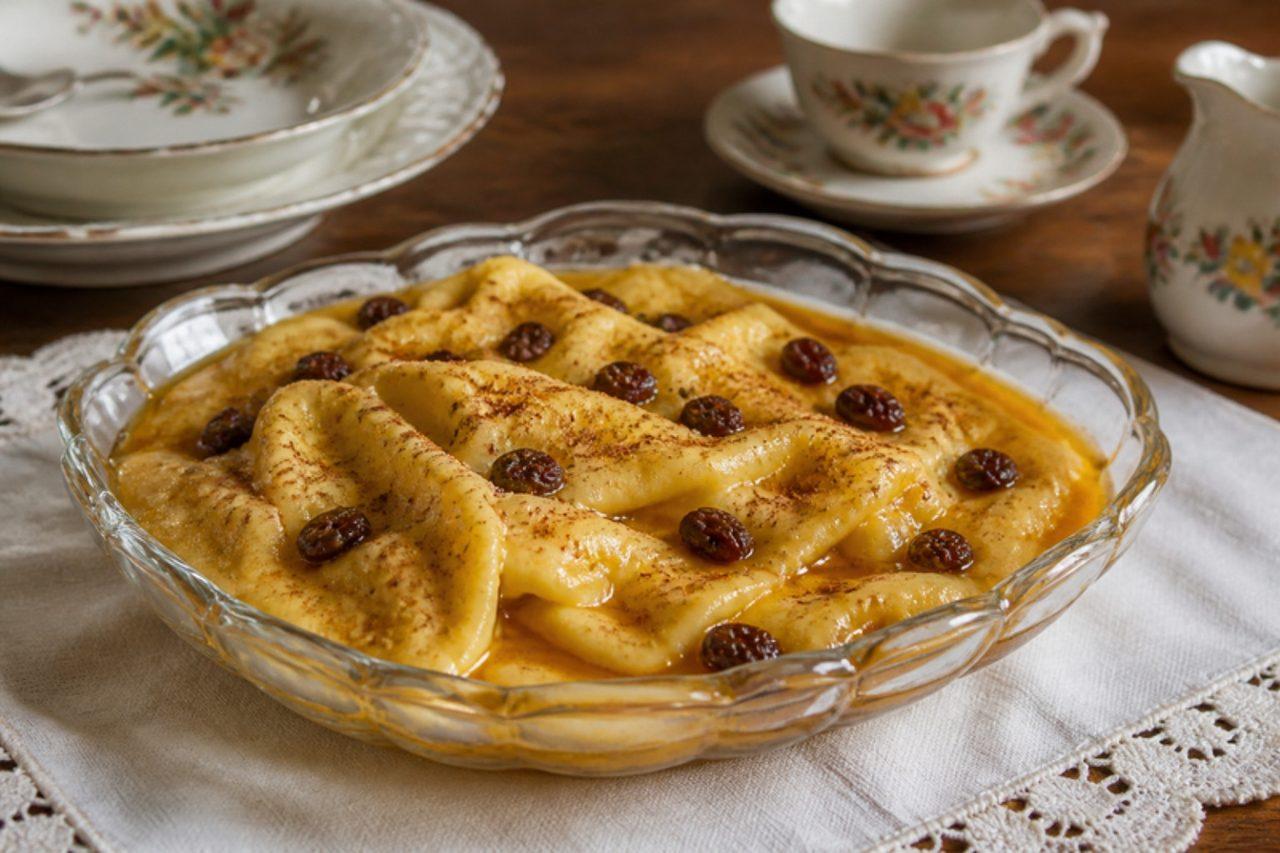
Pitta 'mpigliataHoney and walnut pastry spiral

High in the Sila mountains, the town of San Giovanni in Fiore bakes pitta 'mpigliata for Christmas and for weddings: ribbons of thin pastry rolled up with walnuts, raisins, cinnamon and cloves into little rosettes, packed side by side in a round tin and soaked in warm honey once baked. The name means something like 'wrapped-up cake', and it looks like a dish of flowers. It keeps for days, growing stickier and more fragrant. The dough is traditionally made with white wine and a splash of anise liqueur; this version uses orange juice and ground anise, with no alcohol. Chef's tip: roll the pastry as thin as you can; thick ribbons bake doughy in the middle.

by KrazyBadal 0 views

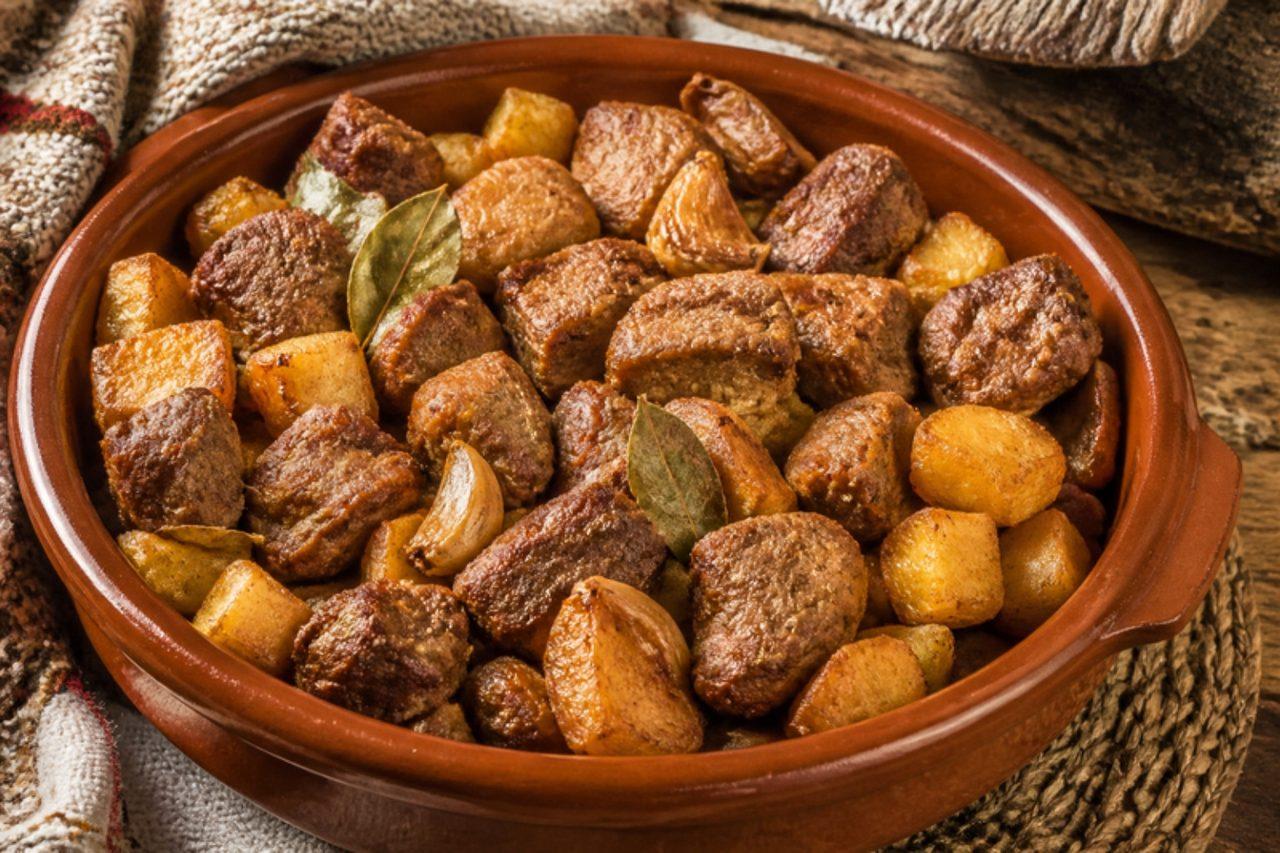
Rojões à minhotaMarinated fried pork with potatoes

Rojões are the centrepiece of a Minho winter feast, traditionally cooked in the weeks after the family pig was killed and still served in Braga and Ponte de Lima restaurants with arroz de sarrabulho alongside. This contains pork (pork shoulder and lard). Chunks of pork shoulder spend a night in white wine, garlic, paprika and bay, then cook slowly in their own fat until the outsides are crusty and the insides tender. The dish uses wine; an alcohol-free option is given in the ingredient list. A common mistake is crowding the pan, so the pork stews in its juices instead of browning in its own fat. Chef's tip: dry the pork well after marinating, or it will stew rather than brown.

by KrazyBadal 0 views

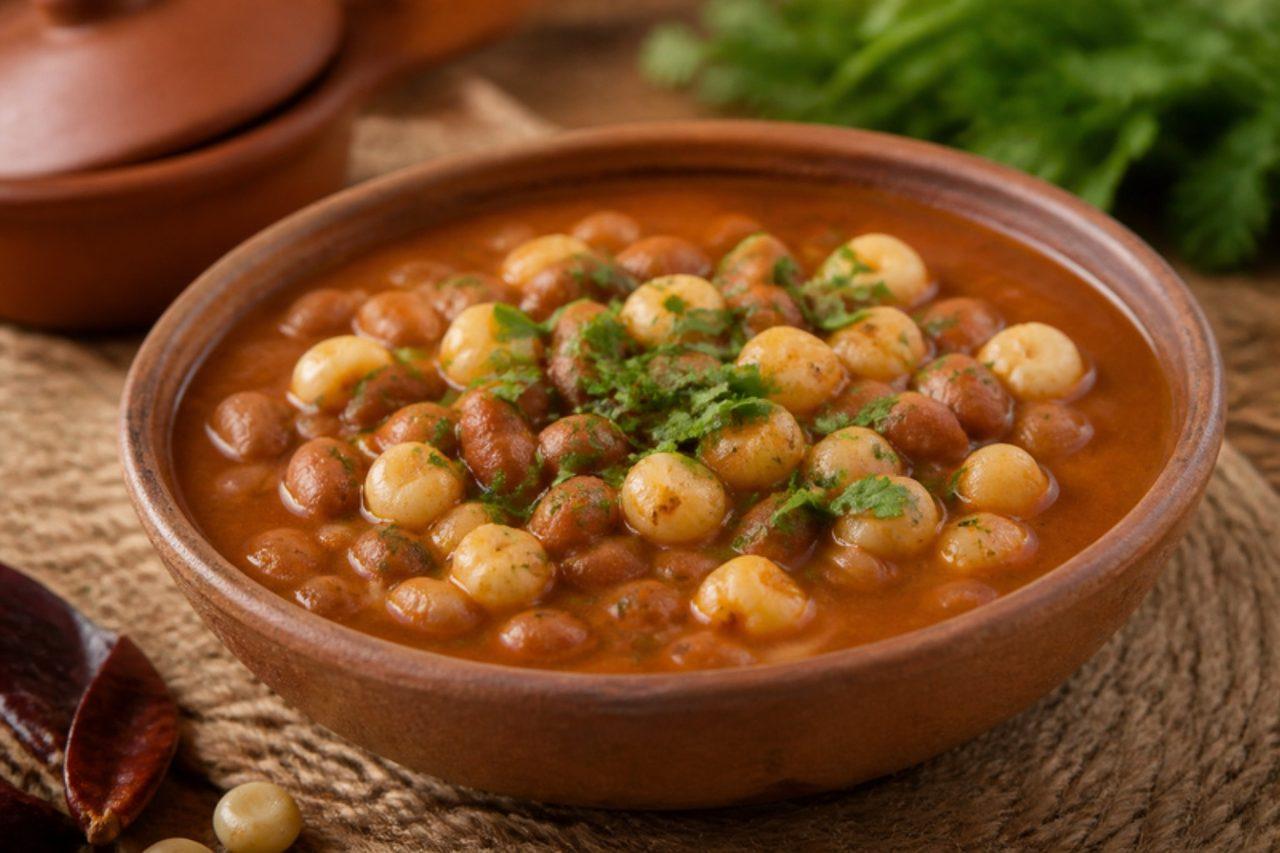
PurtumuteBean and white corn stew

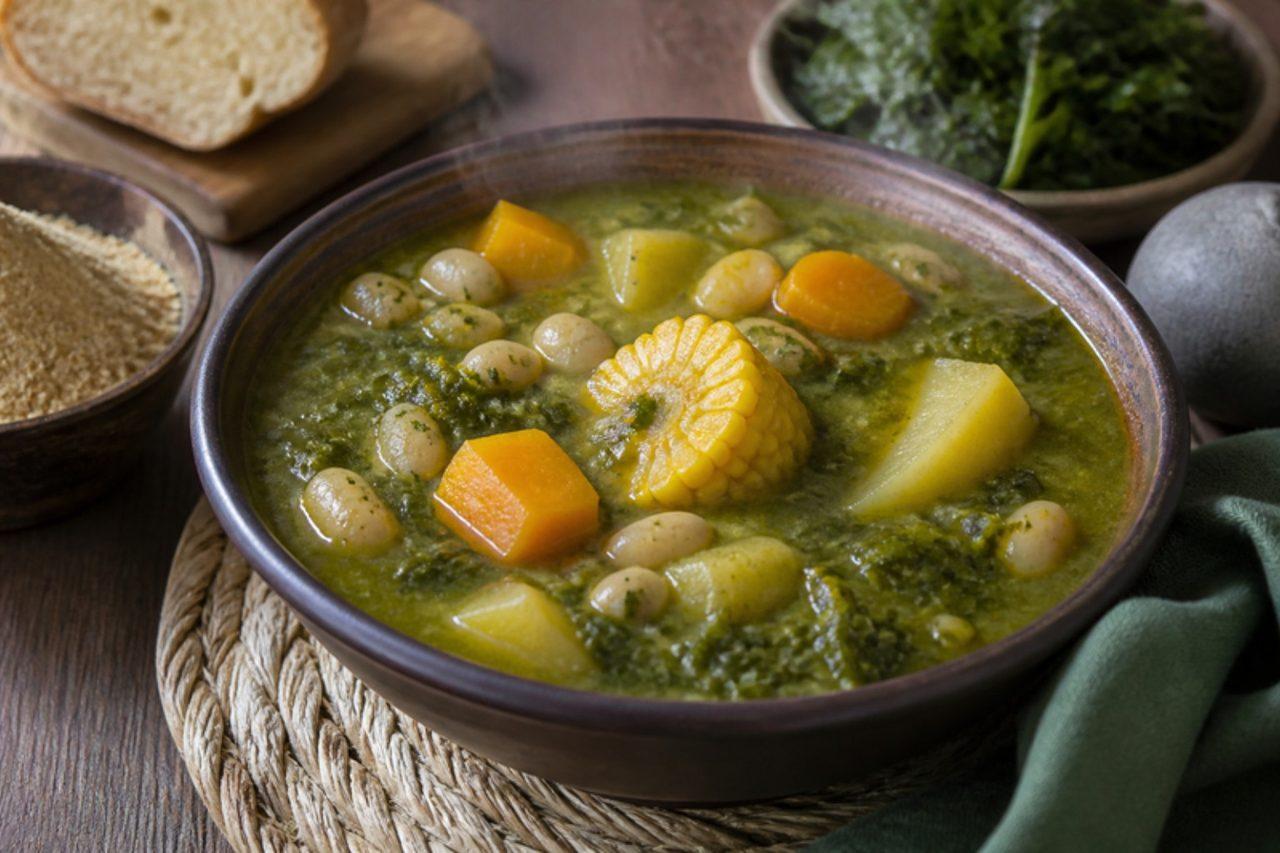
High-jungle towns like Chachapoyas and Moyobamba, in the cloud-forest regions of Amazonas and San Martín, serve purtumute at festivals and family gatherings: a thick pot of beans and big white mote corn kernels simmered with onion, garlic, chilli and plenty of chopped culantro. Some versions add cheese or pork crackling; this one keeps it vegan, letting the creamy beans and chewy corn carry the dish. It is filling and earthy with a fresh green finish, and it is served in bowls with ají on the side and a plantain or a little rice. The dried beans need an overnight soak, which isn't included in the times. The usual mistake is adding salt and the sofrito too early, which can stop the beans from softening; season once they are tender. Canned or jarred white hominy works for the mote. Chef's tip: mash a ladle of the beans against the side of the pot near the end; it thickens the stew without any flour.

by KrazyBadal 0 views

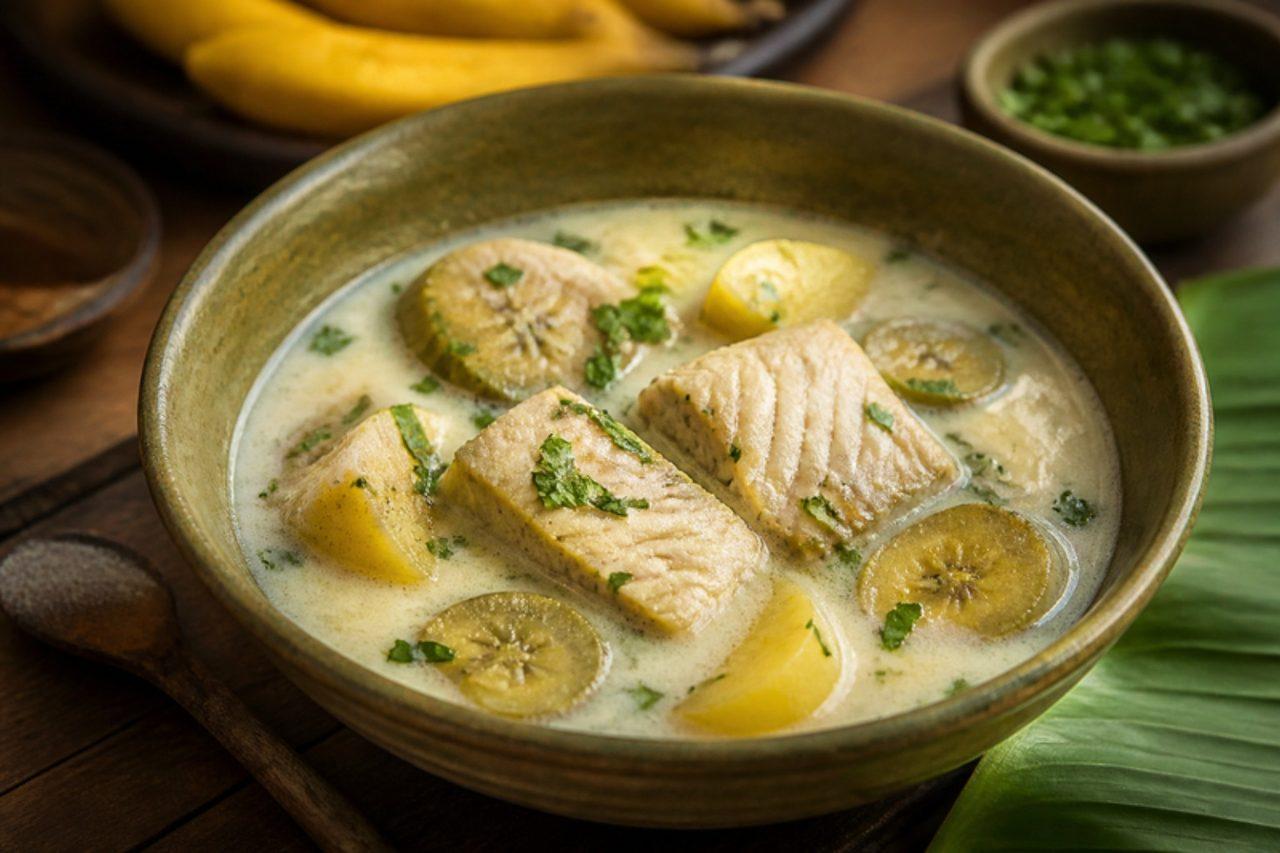
PusandaoCoconut broth with salted fish

Down the Nariño coast, in Tumaco and the river villages towards Ecuador, pusandao is everyday food built from what keeps: salted fish (or salted pork), green plantain, potato and the milk of fresh coconuts. The fish is soaked to draw out the salt, then simmered with the vegetables in a thin coconut broth scented with chillangua, the coast's culantro. Plantain and potato soften and thicken the liquid into something soupy and comforting, salty-sweet and gently herbal; it is eaten for lunch with a squeeze of lime and nothing else needed. Plan on an overnight soak for the fish. The pitfall is boiling the coconut milk from the start, which makes it greasy and grainy; cook the plantain in water first and add the coconut milk for the last few minutes. Chef's tip: salt cod is the easiest substitute for the coast's salted fish; for the pork version, use salted pork ribs soaked overnight and boiled until tender before adding the plantain.

by KrazyBadal 0 views

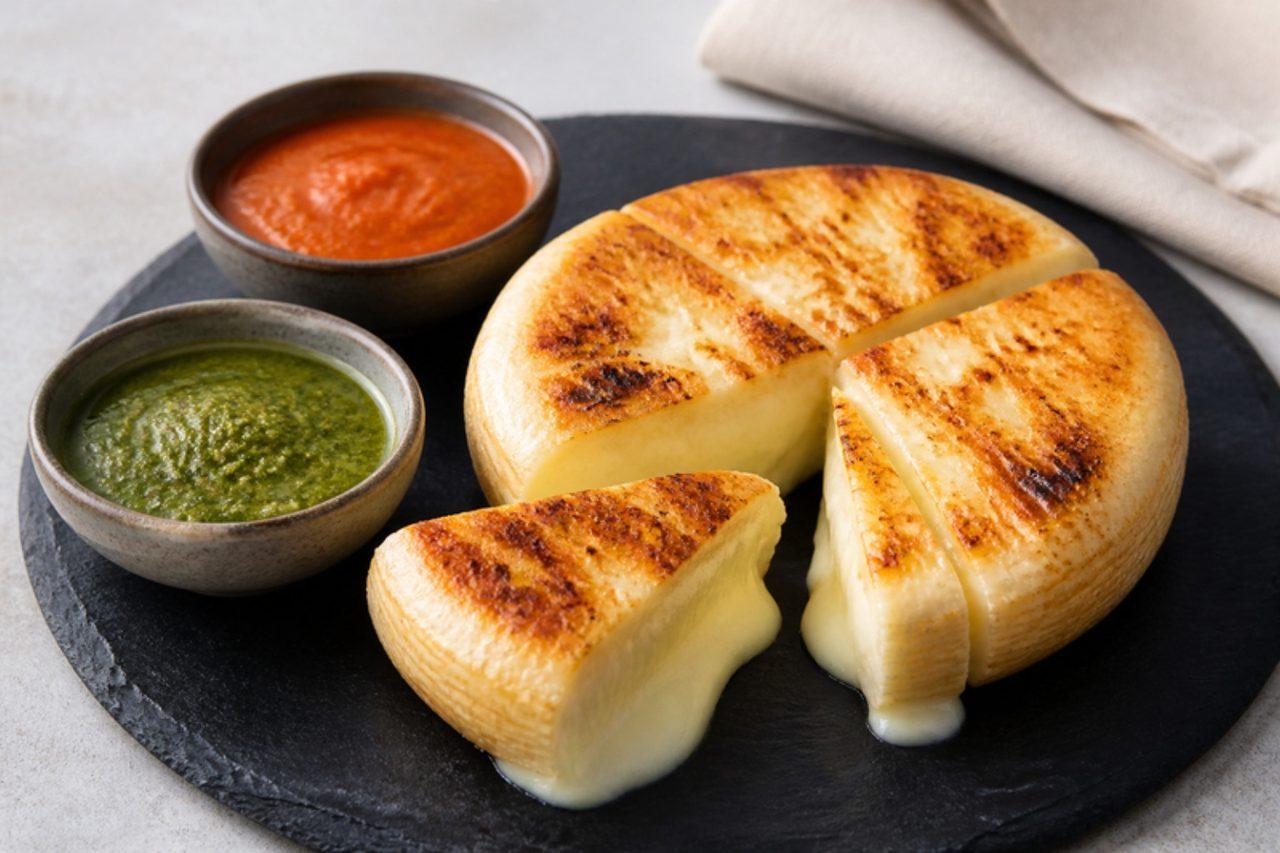
Queso asado con mojoGriddled goat's cheese with red sauce

Thick slabs of semi-cured goat's cheese, seared on a hot griddle until golden outside and soft within, then splashed with red mojo: it is the starter that opens lunch at country restaurants across Fuerteventura and Gran Canaria, the islands of Majorero and Flor de Guía cheeses. Some places serve it with palm honey instead, for a sweet-salty version. Traditional Canarian cheeses use animal rennet; choose a vegetarian semi-cured goat's cheese if that matters to you. Eat it with bread while it is still soft. Chef's tip: use a firm, semi-cured cheese at least 1.5 cm thick, as fresh cheese melts flat and runs off the pan.

by KrazyBadal 0 views

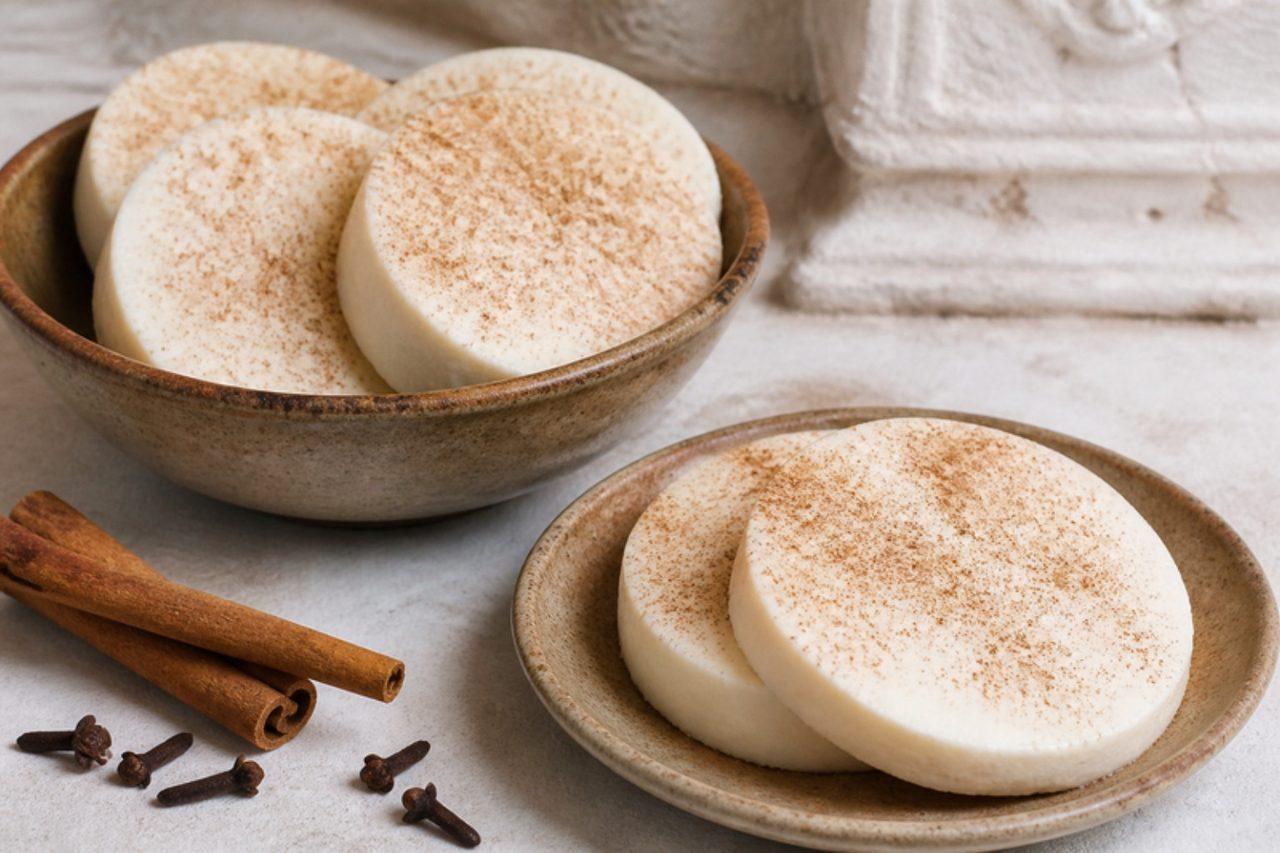
Queso heladoCinnamon coconut milk ice

Despite the name, there's no cheese in it: queso helado is Arequipa's old-fashioned frozen milk dessert, cut into thick rounds that look like a slice of fresh cheese and dusted with ground cinnamon. Vendors in white aprons sell it around the Plaza de Armas and at the Yanahuara viewpoint, traditionally churned in a metal pail spun over ice and salt, and every Arequipeño has a favourite stall. It is creamy, mildly milky and fragrant with cinnamon, clove and grated coconut, less rich than ice cream and slightly icy in a pleasant way. Many recipes thicken it with egg yolks; this one uses evaporated and condensed milk with a little cornflour so it stays egg free. The common error is freezing it untouched, which gives one hard block of ice: stir it every 45 minutes for the first few hours. Allow at least 4 hours of freezing on top of the cooking time, or make it a day ahead. Chef's tip: freeze it in a loaf tin lined with cling film, then lift it out and slice it into rounds for that true street look.

by KrazyBadal 0 views

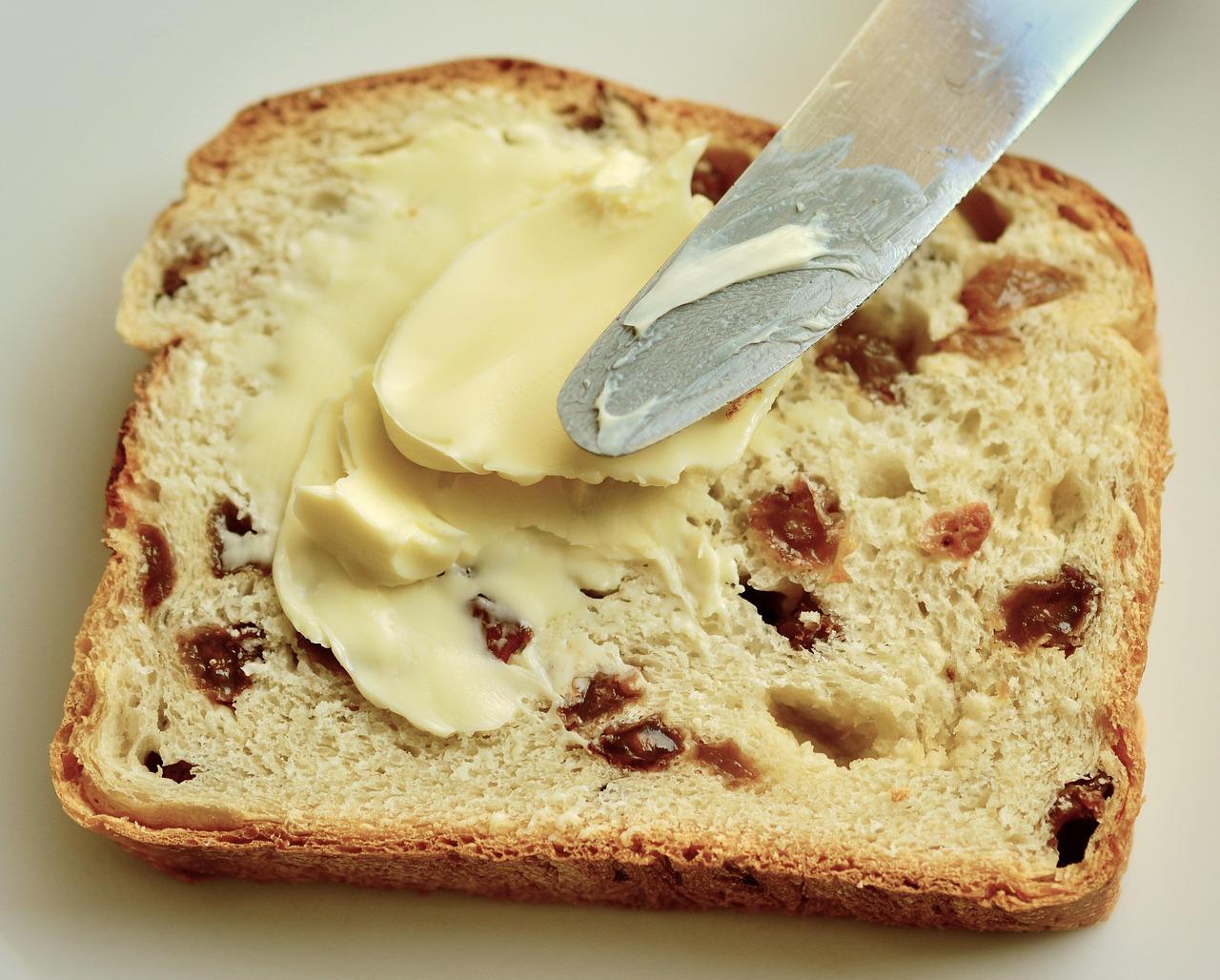
RosinenstutenRaisin milk loaf

Rosinenstuten is the soft, slightly sweet raisin loaf that Westphalian and Rhineland families buy for Sunday breakfast and for christenings, where a giant one was once the traditional gift. It is baked in a long tin, sliced thick and spread with good butter, sometimes with a layer of cheese on top, which sounds odd and works beautifully. The crumb is fine and fluffy and the crust soft and shiny. A common mistake is adding dry raisins straight to the dough; they burn on the crust and steal moisture. Chef's tip: soak the raisins in hot water for 15 minutes, pat them dry and knead them in only at the very end, gently, so the dough stays light.

190 minGermanBaking
by KrazyBadal 0 views

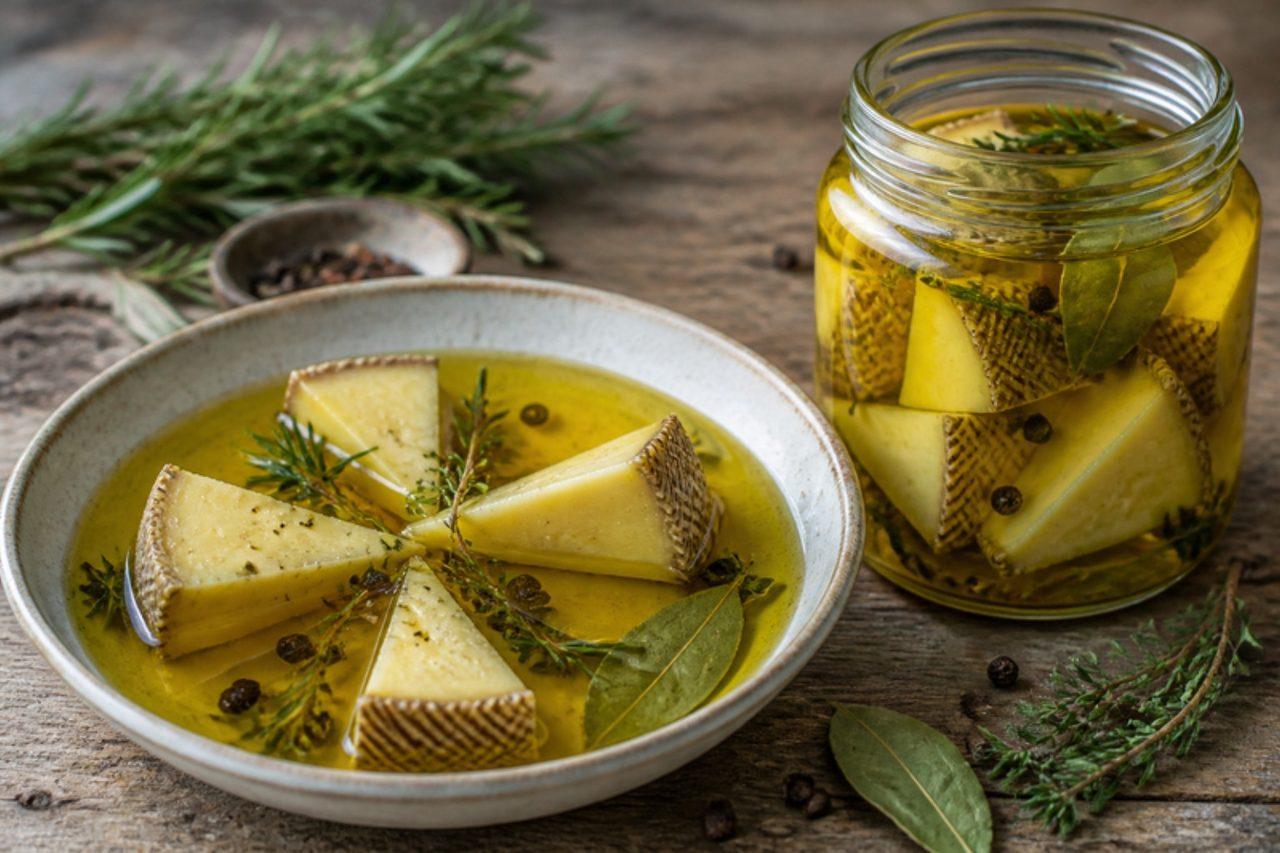
Queso manchego en aceiteSheep's cheese preserved in olive oil

Manchego farmhouses have long stored cheese under olive oil so it would keep through the hot months; the oil seals it, softens the rind and deepens the flavour. In bars across Toledo and Ciudad Real a saucer of these oil-darkened wedges arrives with bread as soon as you sit down. PDO manchego is made with animal rennet; if you eat vegetarian, choose a ewe's-milk cheese made with vegetable or microbial rennet. Chef's tip: use a cheese aged at least three months; young cheese goes soft and greasy in the oil.

by KrazyBadal 0 views

RobiolsCurd cheese or jam half-moon pastries

Robiols belong to Easter week in Mallorca, when grandmothers and grandchildren shape them by the trayful alongside crespells and panades. They are soft, crumbly half-moons of pastry with a frilled edge, filled with brossat (a fresh curd cheese like ricotta), cabell d'àngel pumpkin jam or apricot jam, and showered with sugar. Traditional dough uses pork lard; this vegetarian version uses butter and olive oil. Ricotta can be made with or without animal rennet, so check the label if that matters. Chef's tip: keep the dough cool and handle it as little as possible, because a short, tender crumb is what makes a robiol.

by KrazyBadal 0 views

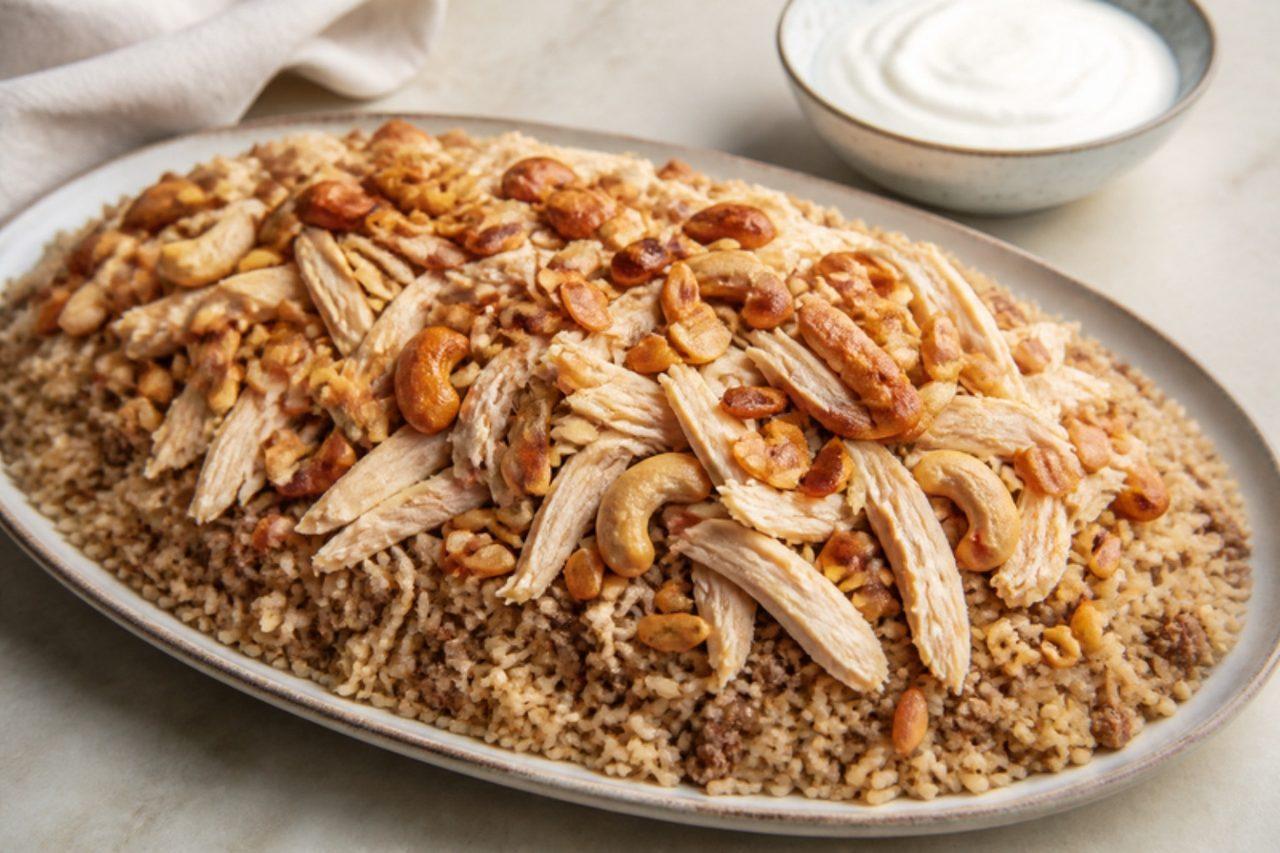
Riz a djejChicken and spiced rice with nuts

Riz a djej is the centrepiece of Lebanese celebrations and Eid lunches, carried to the table on a huge platter: rice cooked in chicken broth with a little spiced minced beef, crowned with pulled poached chicken and a heavy scattering of fried almonds, pine nuts and cashews. The flavours are gentle and warm — cinnamon, allspice, nutmeg — so it is a favourite with children too. Plain yoghurt and a crisp salad go alongside. Common mistake: skipping the rinse; unrinsed rice turns sticky in the rich broth. Chef's tip: poach the chicken the day before and chill the broth so you can lift off the fat; you get a cleaner, more savoury rice.

by KrazyBadal 0 views

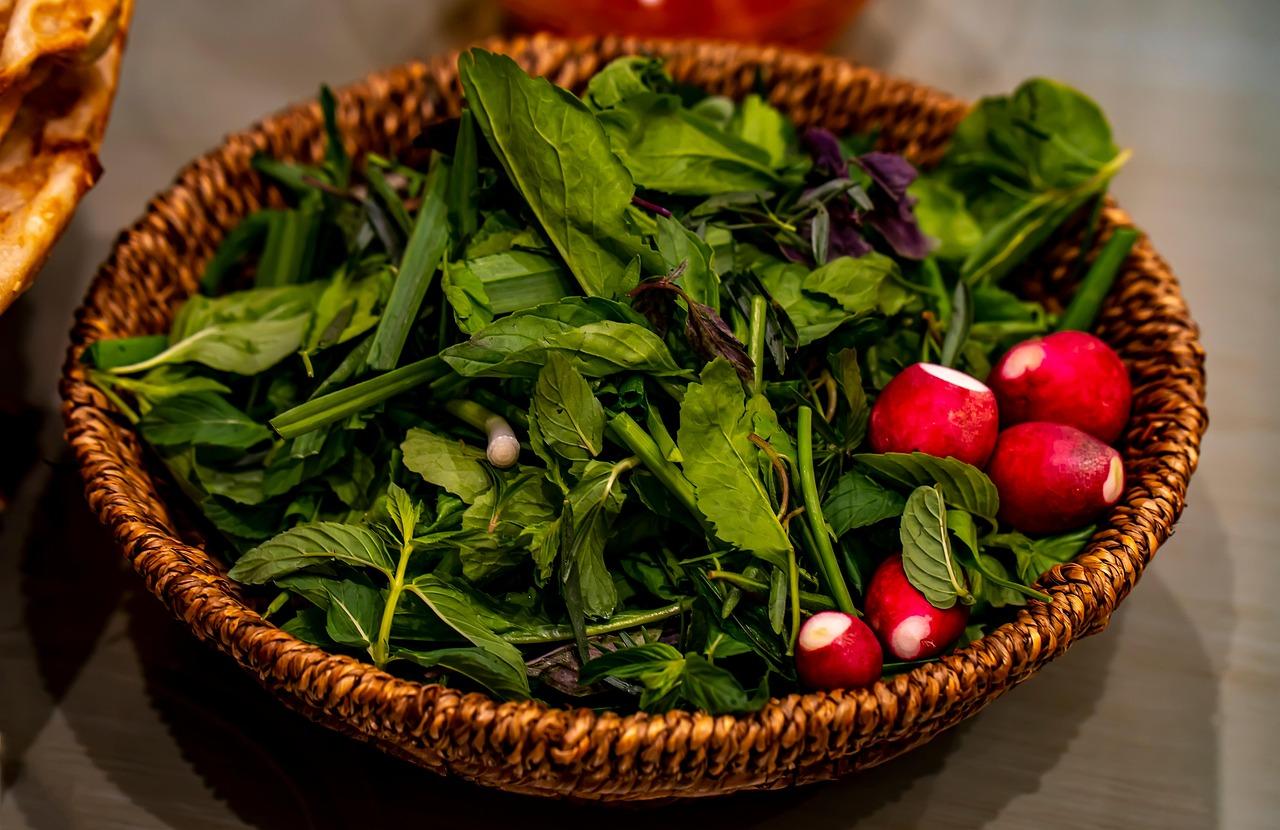
Sabzi khordanFresh herb and cheese platter

No Tehran dinner table is complete without sabzi khordan, literally 'herbs for eating': a basket or plate of whole sprigs of basil, mint, tarragon, chives and coriander with radishes, spring onions, walnuts and a block of white cheese. People tear off bread, add a little cheese and a walnut, then stuff in a few leaves, eating between mouthfuls of stew or rice. The mistake most people make is serving the herbs wet or limp; they should be crisp, dry and cold. Traditional Iranian white cheese is set with animal rennet, so choose a feta labelled vegetarian (microbial rennet) if that matters to you. Chef's tip: wash the herbs an hour ahead, spin them dry and chill them wrapped in a damp tea towel so they stay perky on the table.

by KrazyBadal 0 views

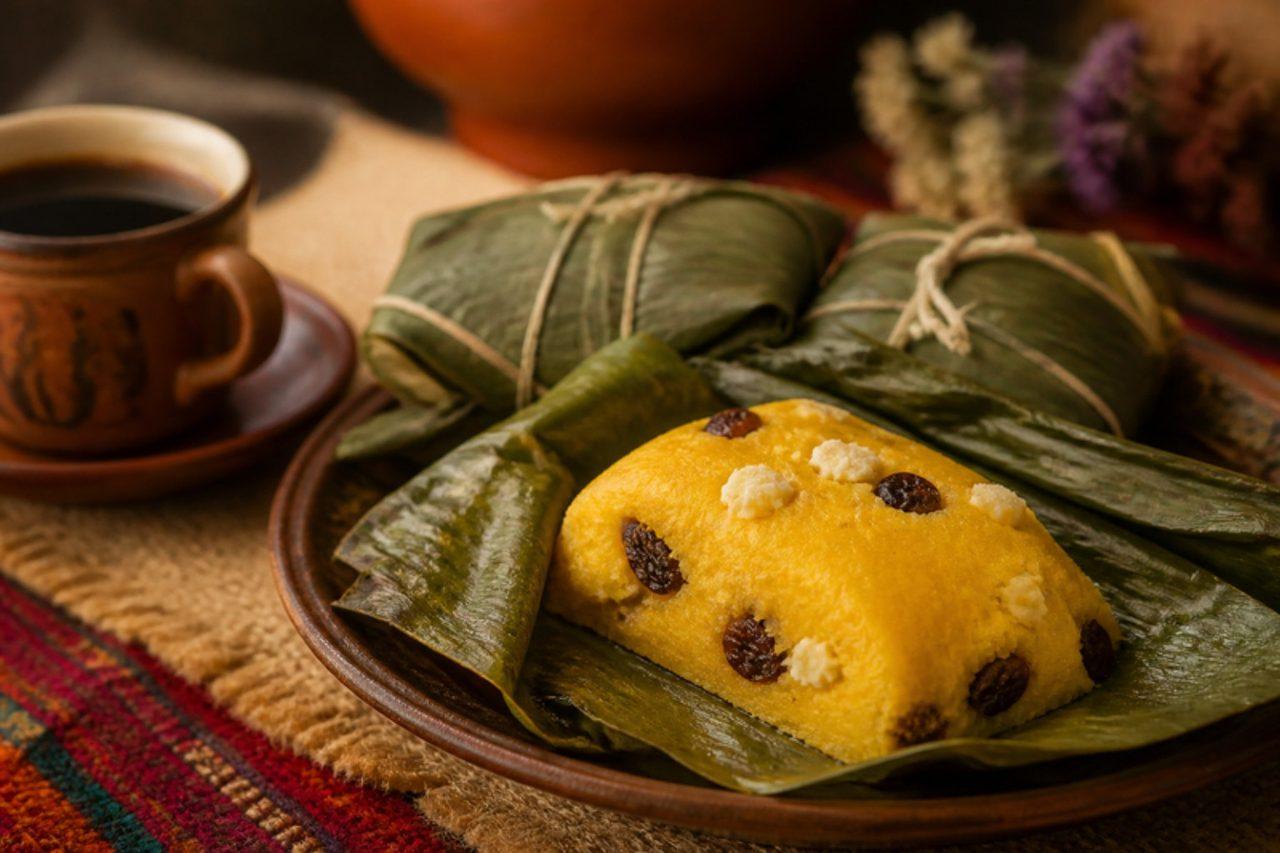
QuimbolitosSteamed sweet cheese and raisin cakes

Southern Nariño shares the quimbolito with neighbouring Ecuador. In Pasto these small sweet cakes are steamed in achira leaves and eaten at the mid-afternoon onces with a cup of hot chocolate or coffee. The batter is a rich mix of butter, sugar, eggs, wheat and corn flours and fresh cheese, dotted with raisins; steaming makes it light and moist, closer to a sponge pudding than a cake, and the leaf adds a mild green scent. Some cooks add a splash of anise liqueur; this version uses vanilla and keeps it alcohol-free. Fresh cheese is often set with animal rennet, so pick a vegetarian (microbial-rennet) one if needed. Achira leaves are rare outside the Andes: banana-leaf pieces or squares of baking paper work. Overfilling is what usually goes wrong, as the batter rises and bursts the parcel, so fill each leaf only halfway. Chef's tip: keep the water at a steady simmer, never a rolling boil, so the cakes rise evenly and stay dry.

by KrazyBadal 0 views

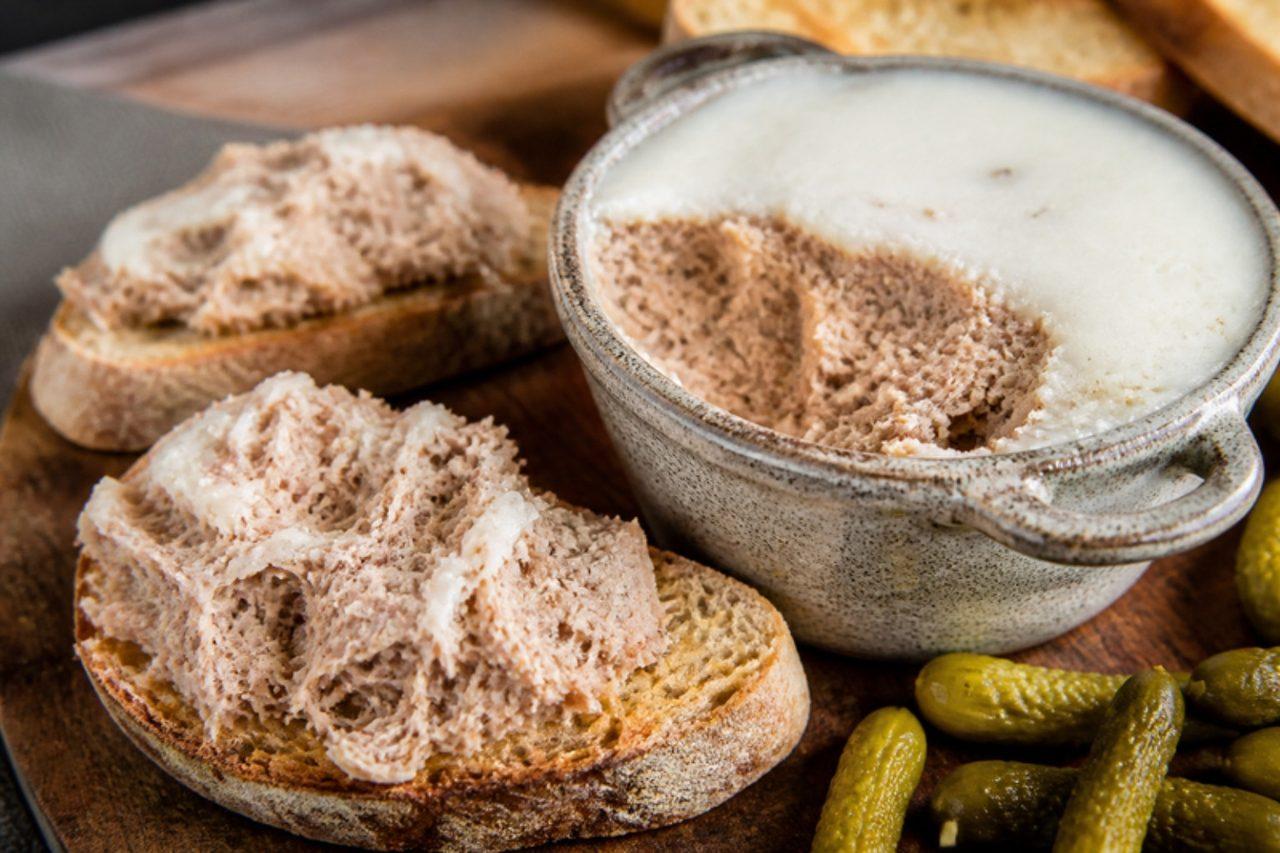
Rillettes de ToursPotted shredded pork

Touraine, the stretch of the Loire Valley around Tours, has made rillettes since the Middle Ages, and every charcuterie counter in the region sells them alongside rillons, their chunky cousins. This is pork through and through: pork shoulder and belly cooked very slowly in their own fat with a little water until they collapse, then shredded with forks into a soft, rich spread that is brown at the edges and deeply savoury. Pots of it go on the table at apéritif time with crusty bread, cornichons and a glass of something cold. Kept sealed under a layer of fat, they last a week in the fridge. Chef's tip: cook it long enough that the meat colours lightly in the fat at the end; that browning is what gives Tours rillettes their deeper taste.

by KrazyBadal 0 views

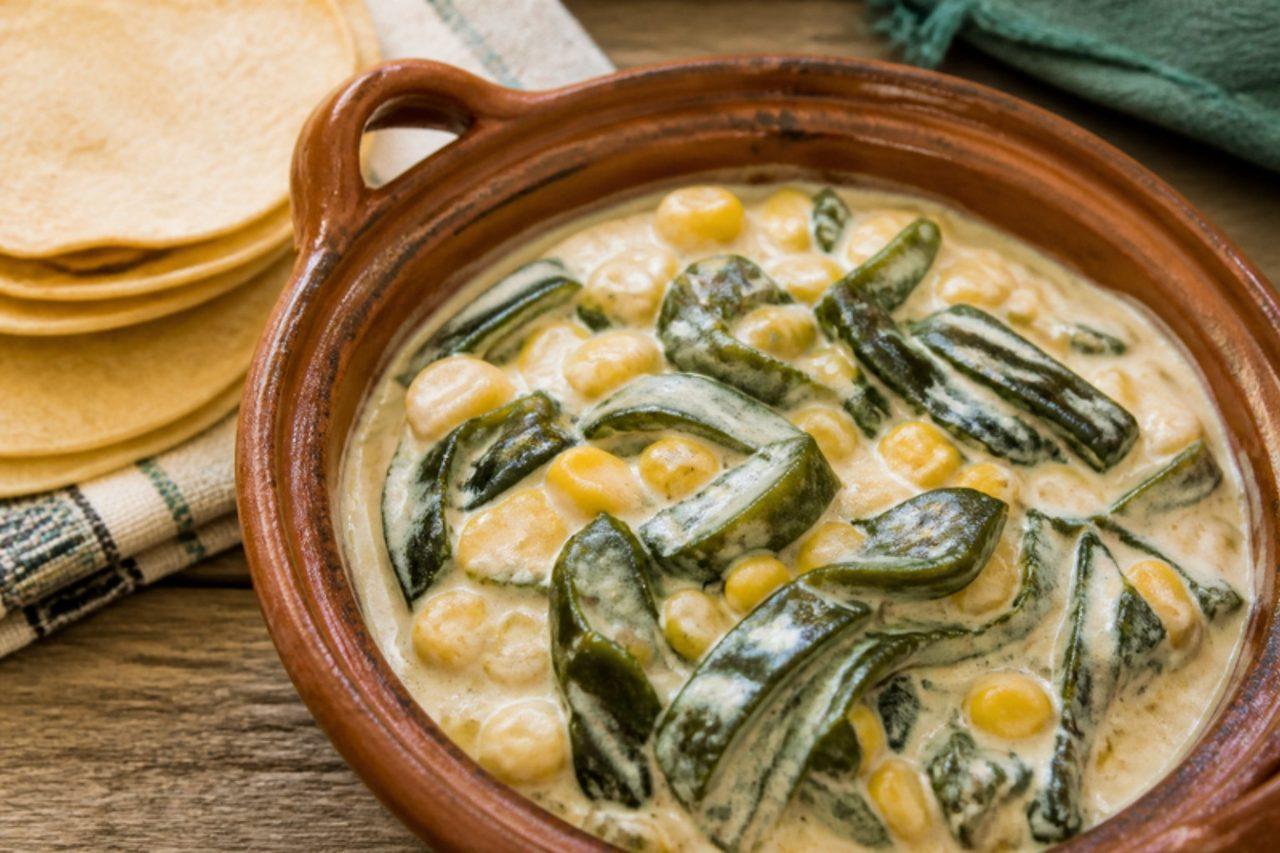
Rajas con cremaPoblano strips in cream

Rajas means strips, and in Puebla they mean poblano chillies, the dark green pepper the state is named after, charred, peeled and sliced, then simmered with onion, sweetcorn and cream. Poblanos are mild with a grassy, gently smoky bite, so the dish is rich rather than fiery. It turns up on Puebla tables as a side for rice, as a taco filling at fondas, or in a tamal for breakfast. Some cooks melt in Chihuahua or Oaxaca cheese, which may be made with animal rennet; use a vegetarian melting cheese if needed. Chef's tip: sweat the peeled chillies in a covered bowl for 10 minutes; the steam lifts the skins off cleanly without rinsing away the smoky flavour.

by KrazyBadal 0 views

Camu camuCamu camu berry juice

Camu camu are small purple-red berries that grow on bushes along the flooded riverbanks of the Peruvian Amazon, and in Iquitos and Pucallpa they are sold as frozen pulp and blended into a sharp, pink refresco at juice bars and lunch places. The flavour is intensely sour, more than lime, with a faint cherry note, and the berries are famous for containing far more vitamin C than oranges. It is the drink people order with a heavy plate of tacacho or rice. Never boil camu camu or make the juice hours ahead: heat and air quickly fade its colour and much of the vitamin C, so blend it cold and drink it soon. Frozen pulp or freeze-dried powder from health-food and Latin shops are the forms you'll find abroad. Chef's tip: start with half the pulp and add more to taste; it's strong enough that a little goes a long way.

by KrazyBadal 0 views

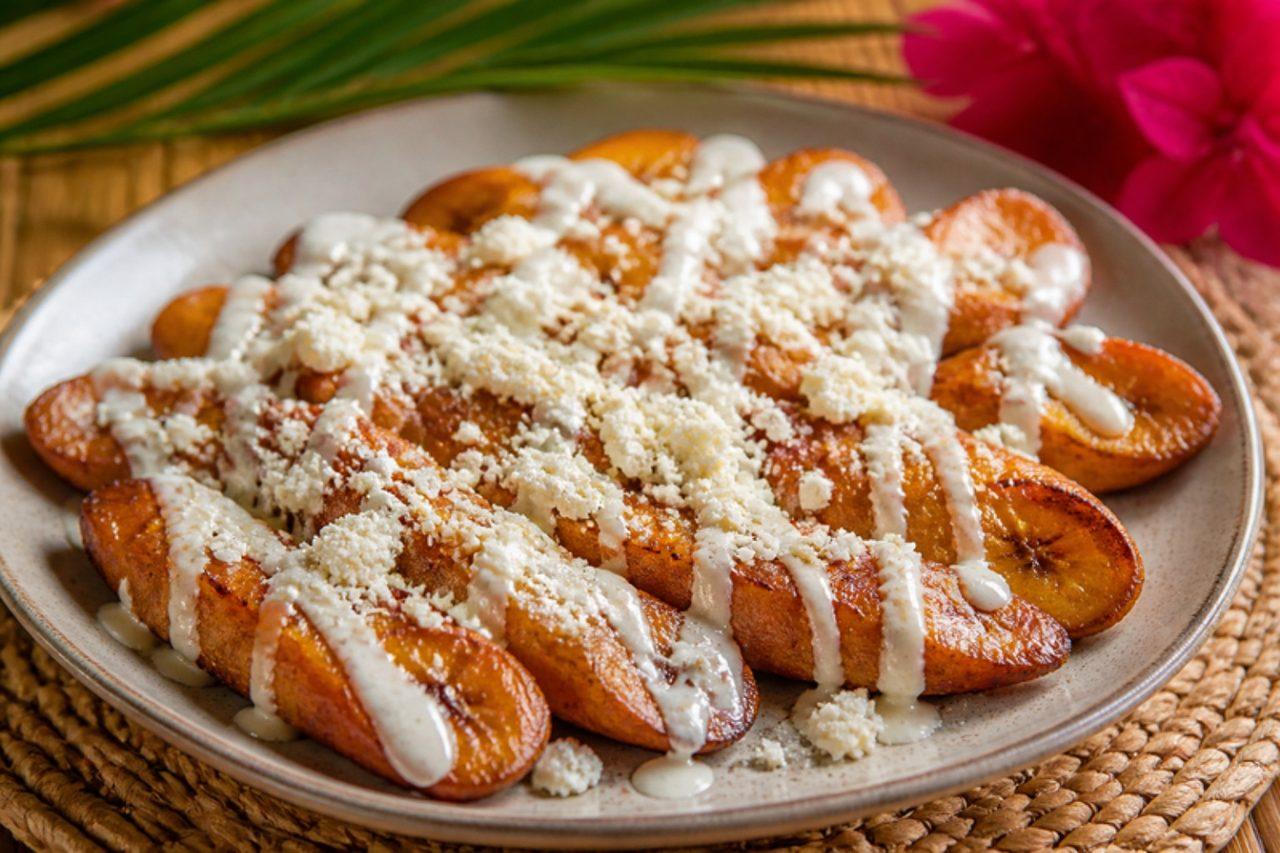
Plátanos fritos con cremaFried plantain with cream

Tabasco grows more plantain than almost anywhere in Mexico, and in Villahermosa homes fried ripe plantain arrives with breakfast eggs, alongside rice and black beans at lunch, or on its own as a sweet-savoury supper. The local touch is to finish the hot, caramelised slices with a spoon of tangy crema and a snow of crumbled fresh cheese, so you get sweet, salty and sour in one bite. Chef's tip: wait until the skins are almost black; yellow plantains taste starchy and never caramelise.

by KrazyBadal 0 views

Qamar al-dinApricot drink

Damascus is famous for its apricots, and much of the summer harvest is pressed into thin orange sheets of apricot leather called qamar al-din. In Ramadan, almost every Syrian home soaks a sheet overnight and blends it into a thick, velvety drink to break the fast — it is sweet, slightly tart and full of energy after a long day. Serve it chilled, sometimes with a few soaked pine nuts on top. Common mistake: blending without soaking long enough; the leather needs time to soften or the drink is gritty. Chef's tip: add a splash of orange blossom water and a squeeze of lemon to wake up the apricot flavour.

by KrazyBadal 0 views

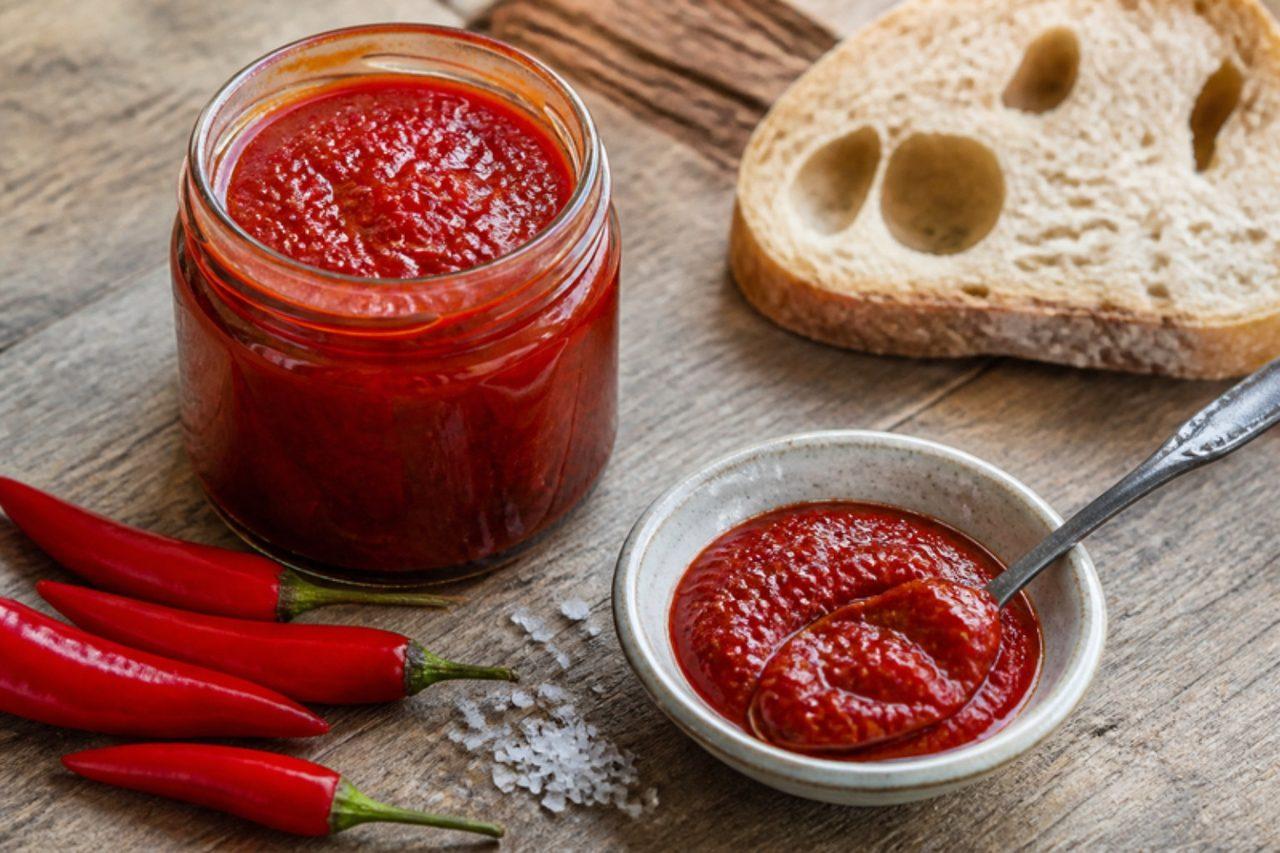
Pimenta da terraFermented red pepper paste

On São Miguel, nearly every kitchen has a jar of pimenta da terra, crushed red peppers salted and left to ferment for a few days until they turn tangy and deep red. It goes into stews, octopus, beans and sausages, onto grilled fish and into sandwiches of bolo lêvedo. It can be mild or fiery depending on the peppers. Make it in late summer when red peppers are cheap. Chef's tip: weigh the salt; too little lets the wrong bacteria take over, while the right amount keeps it safe and lets it ferment slowly.

by KrazyBadal 0 views

Rancho à minhotaChickpea, meat and macaroni stew

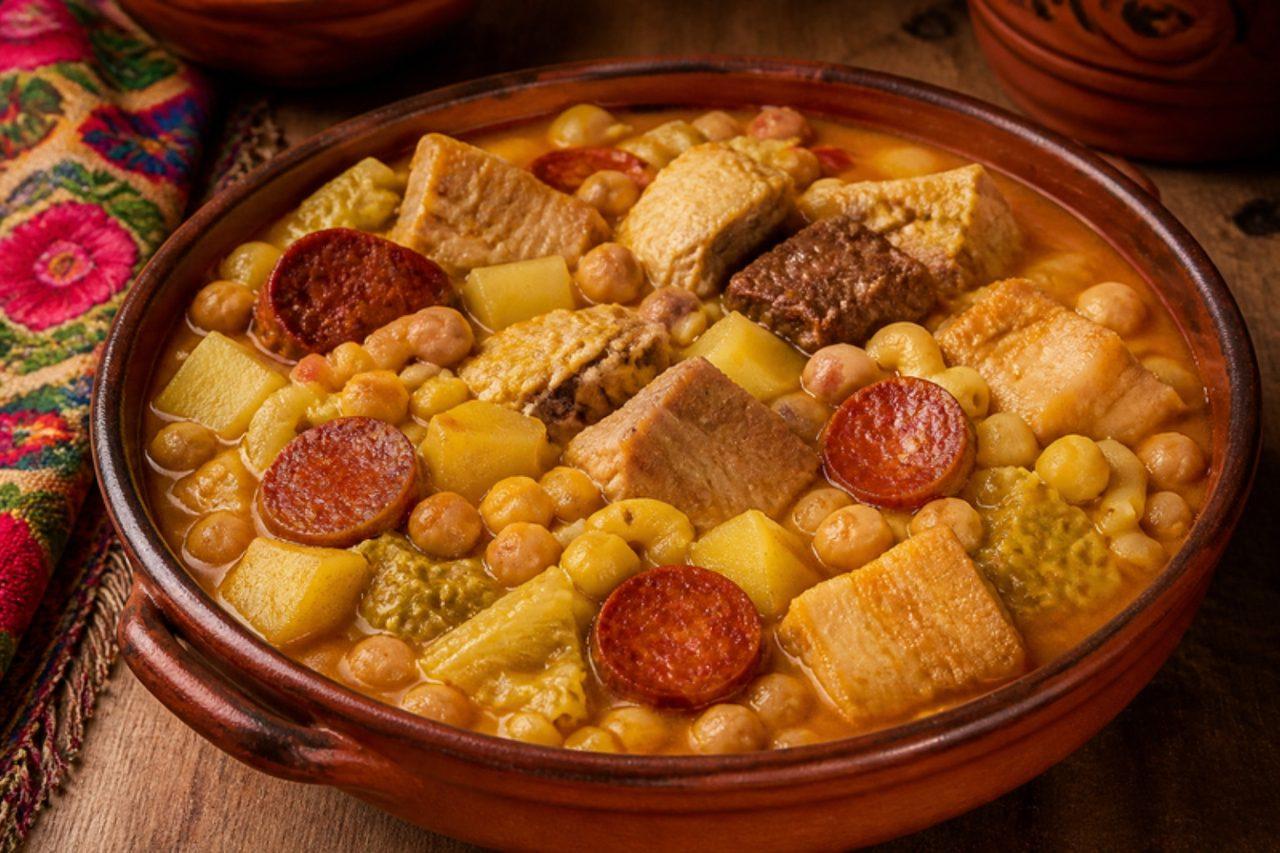
Rancho was the food of farmhands at harvest time around Viana do Castelo: one huge pot of chickpeas, beef, pork, chicken and chouriço, with cabbage, potatoes and short macaroni cooked in the broth to stretch it further. It is now a winter favourite in family restaurants, eaten from deep plates with plenty of the cooking liquid. This contains pork (pork belly and chouriço). Chef's tip: add the pasta only ten minutes before serving and keep the stew loose, as the macaroni soaks up broth fast.

by KrazyBadal 0 views

QidraLamb and rice clay-pot

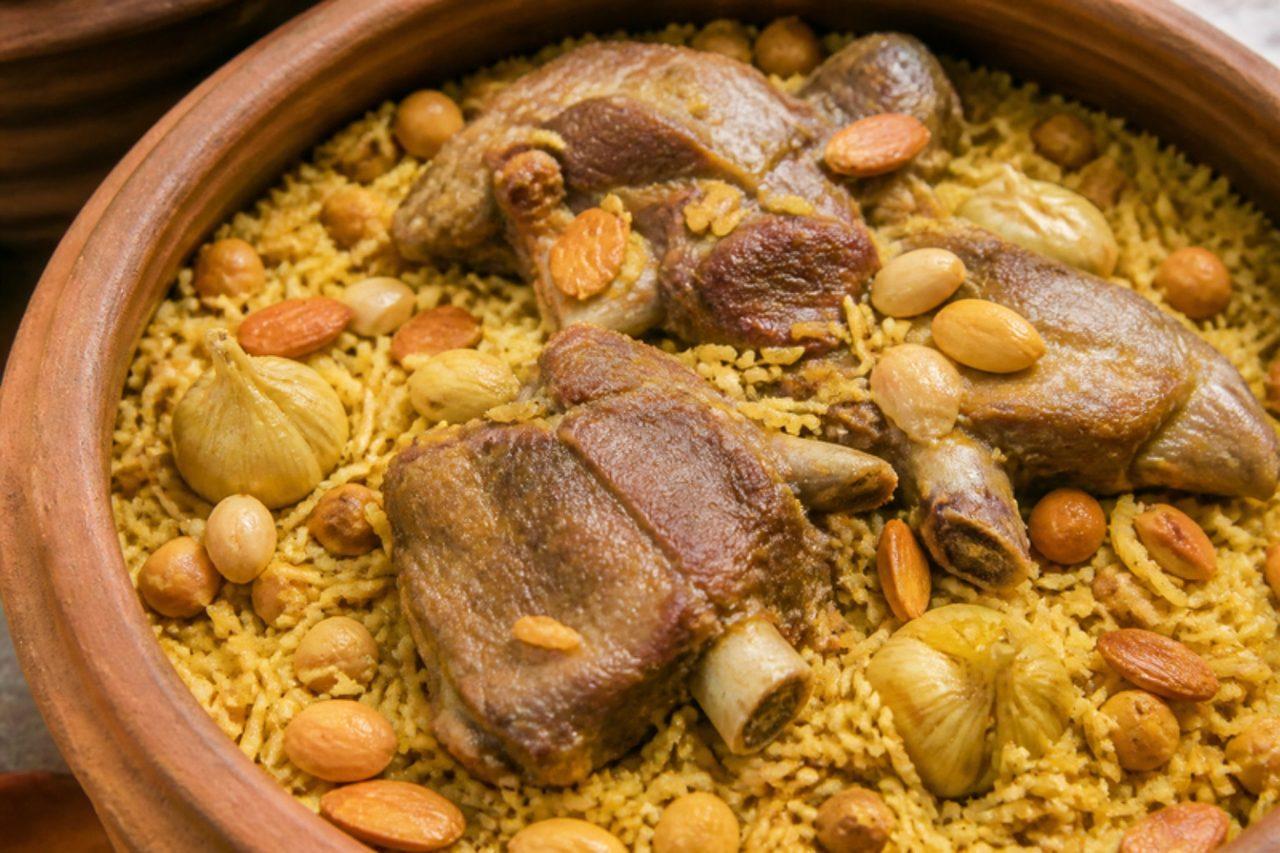
Qidra takes its name from the tall copper or clay pot it is cooked in, which in Hebron is sealed and carried to the neighbourhood bakery to cook slowly in the bread oven for Friday lunch, weddings and Eid. The rice is golden with turmeric and cumin, studded with whole garlic cloves and chickpeas, and the lamb underneath turns meltingly tender. At home, a heavy lidded casserole in the oven does the job. Common mistake: lifting the lid to stir, which breaks the rice and lets the steam escape. Chef's tip: soak the rice for 30 minutes and use only as much broth as the recipe says; the sealed pot loses almost nothing.

by KrazyBadal 0 views

Quinua con manzanaQuinoa and apple drink

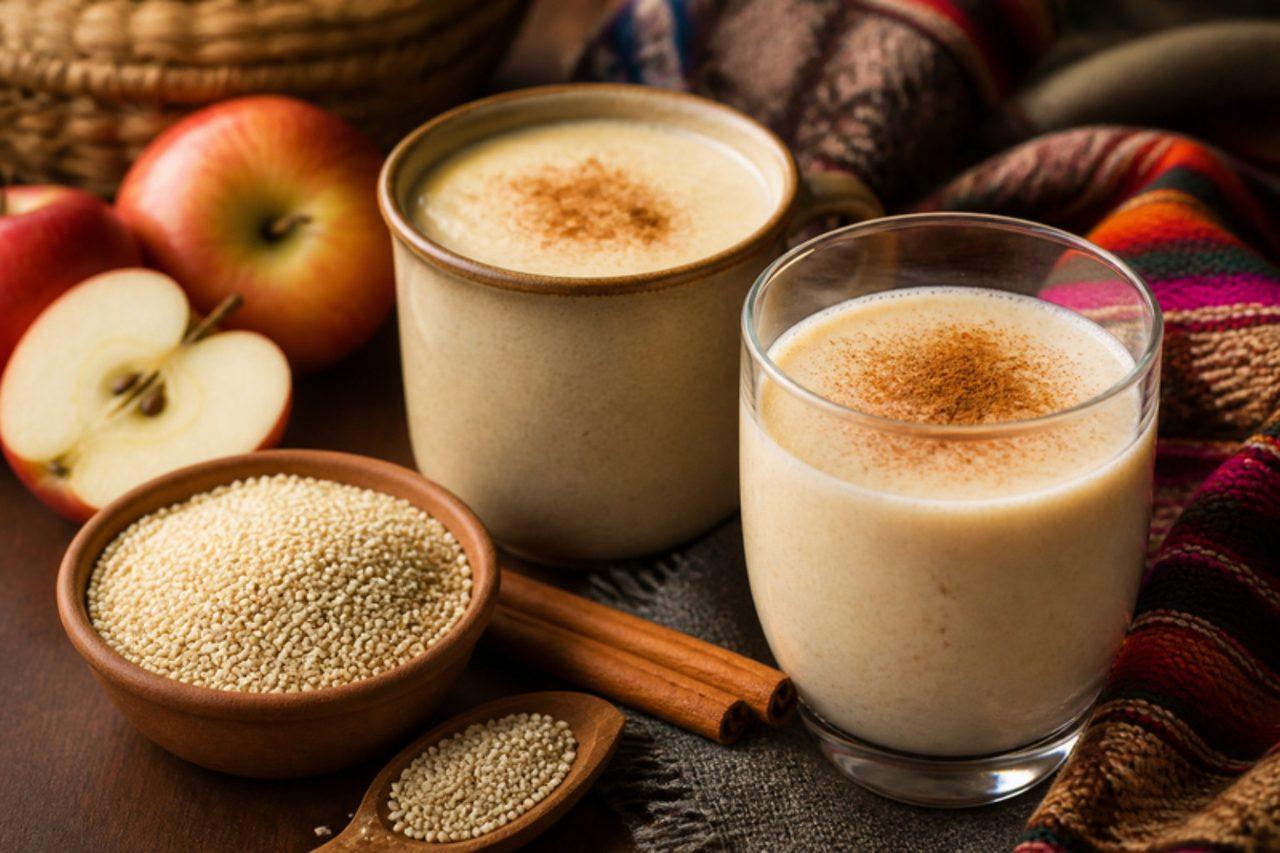
Morning market stalls and street carts from Lima to Huancayo ladle quinua con manzana into glasses alongside emoliente and maca, and many people drink it as breakfast on its own, with a bread roll or a sandwich beside it. Quinoa and chunks of apple are simmered with cinnamon and cloves until the grains burst and the liquid thickens, then sweetened and served warm or cold. Some stalls blend it smooth; others leave the grains and soft apple pieces to spoon up. It is mild, fruity and filling, and children usually like it. The mistake that ruins it is skipping the rinse: quinoa's natural coating, saponin, makes the drink bitter and soapy, so rub it under running water until the foam stops. Chef's tip: add a few drops of lime at the end; it lifts the apple and keeps the drink from tasting flat.

by KrazyBadal 0 views

Pinhão cozidoBoiled pine nuts

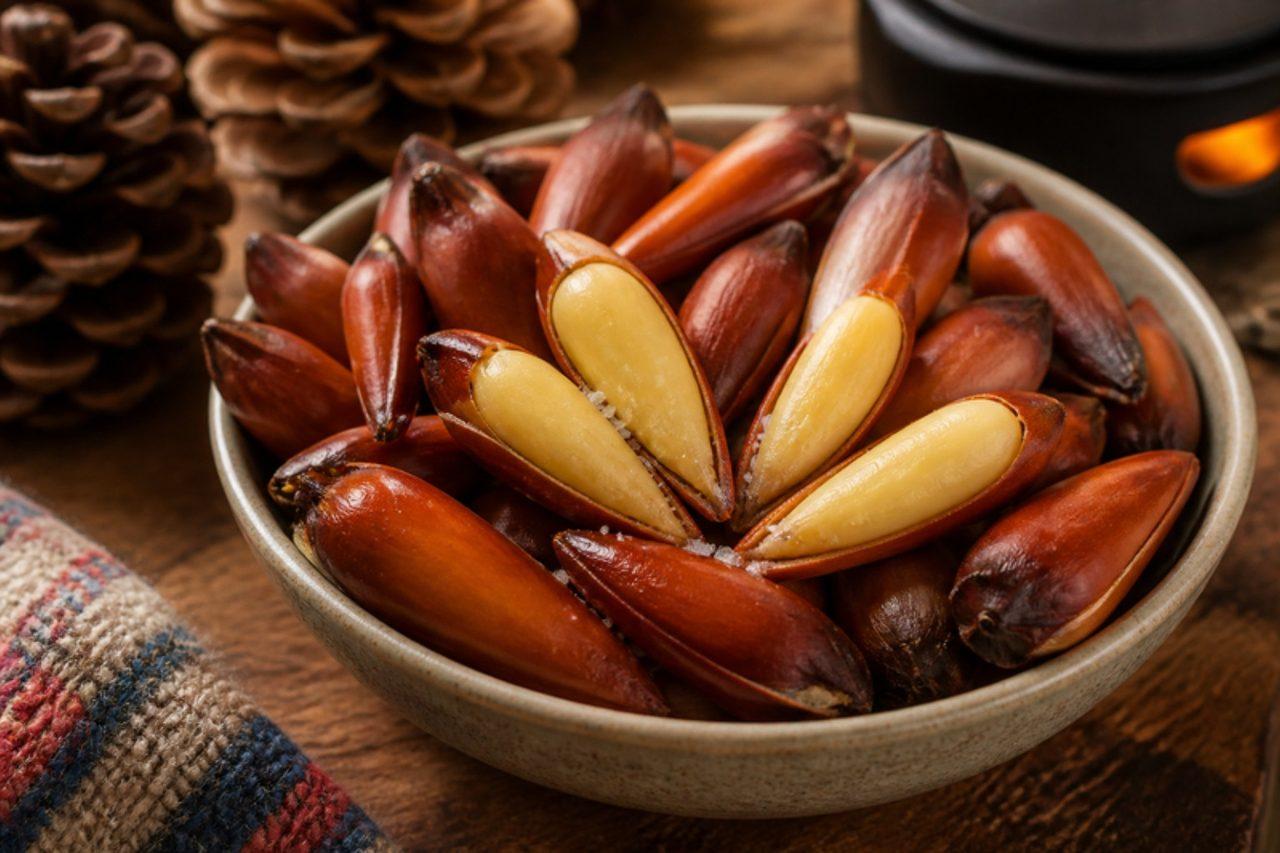
When frost settles on the highlands of Paraná and Santa Catarina, every street fair and roadside stall in Curitiba, Lages and São Joaquim sells paper cones of hot pinhão. These are the seeds of the Araucaria pine, big as a thumb, with a leathery brown shell and a starchy, sweet centre that tastes somewhere between chestnut and boiled potato. Families boil a pot after supper and peel them around the wood stove, and the pinhão is also the star of the Festa do Pinhão in Lages each June. The season runs roughly April to July; outside the south, look for vacuum-packed or frozen pinhão in Brazilian shops, and if you cannot find any, fresh chestnuts cooked the same way are the closest stand-in. The common mistake is pulling them out too early: underdone pinhão is waxy, hard to peel and slightly bitter. Chef's tip: snip the pointed tip off each seed before boiling and the shell slips off in one piece once cooked.

by KrazyBadal 0 views

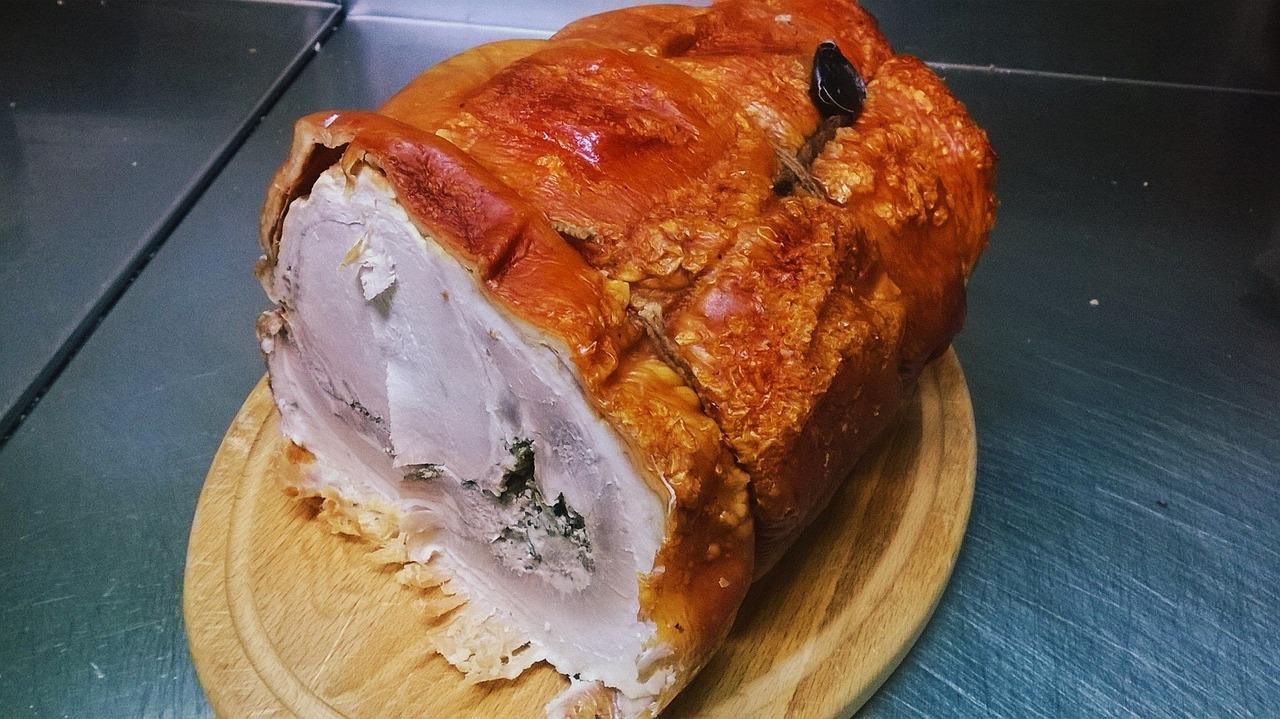
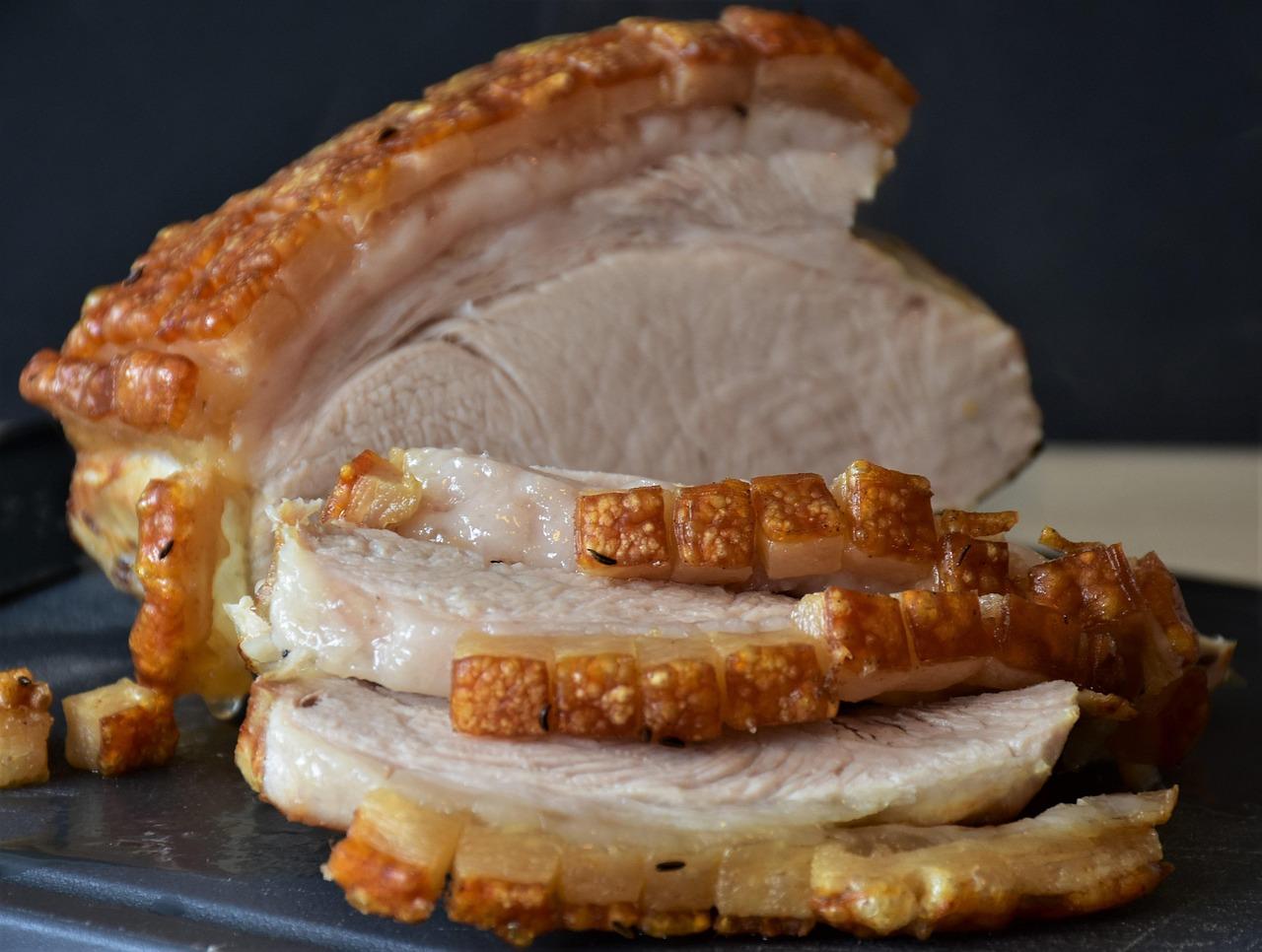
PorchettaHerb-stuffed roast pork belly

Porchetta is the street food of central Italy: in Ariccia, in the hills south of Rome, and across Umbria, vans at markets and village festivals carve thick slices of this slow-roasted pork, stuffed with garlic, rosemary, fennel and pepper, straight into crusty rolls. Whole pigs are used there; at home, a piece of pork belly rolled around the loin gives the same juicy meat, herby centre and shatteringly crisp crackling. Serve it in rolls, or hot in slices with roast potatoes and greens, and the leftovers are just as good cold. Chef's tip: leave the tied roll uncovered in the fridge overnight; a dry skin is what turns into blistered crackling.

280 minItalianMeat
by KrazyBadal 0 views

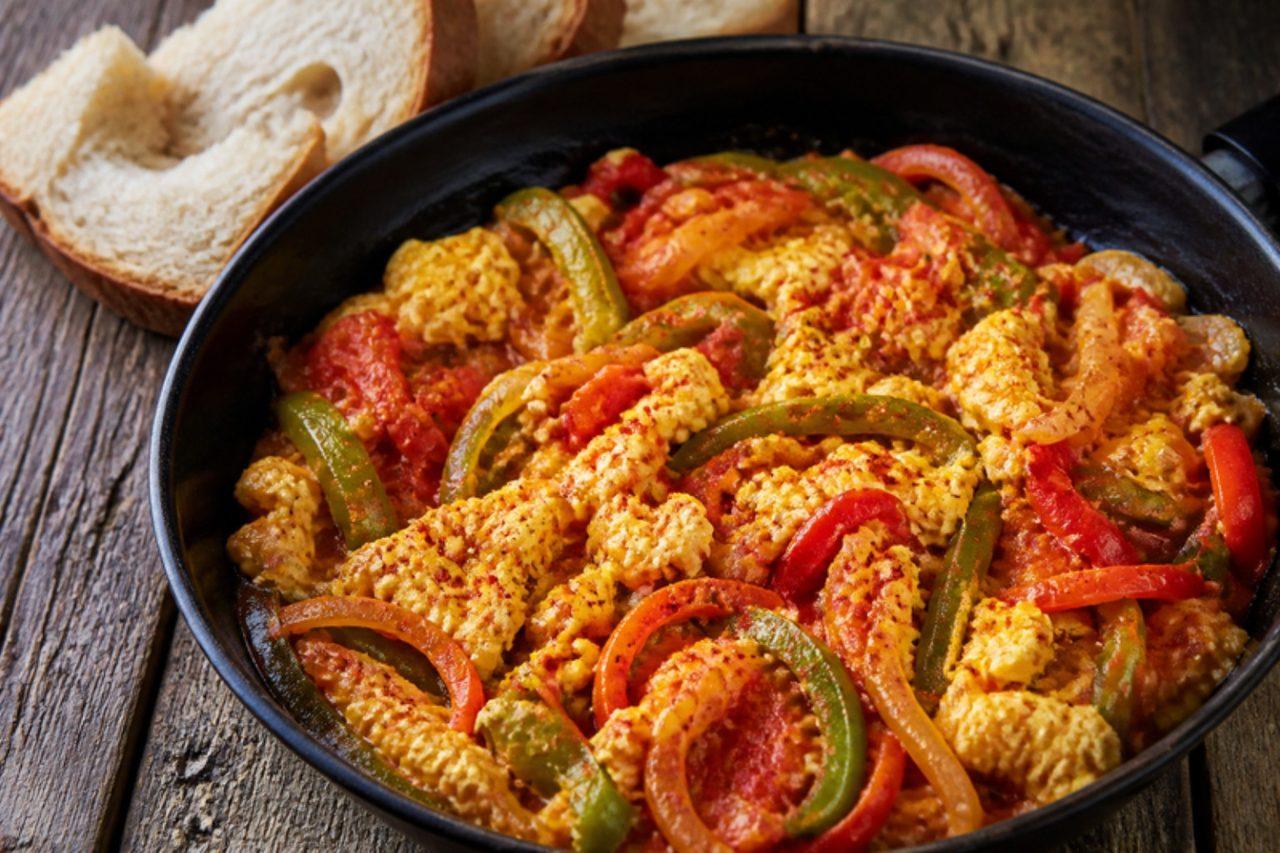
PiperradaPeppers and tomato with eggs

Piperrada belongs to late summer on both sides of the Pyrenees, when the market stalls of Bayonne, Gernika and Pamplona are piled with green and red peppers. The vegetables are stewed slowly in olive oil until sweet and jammy, and in many Basque homes beaten eggs are stirred in at the end for a light supper. It is often served with cured ham alongside; this version is vegetarian. A common mistake is rushing the peppers over a high heat: they should collapse slowly, or the dish tastes raw and sharp. Chef's tip: take the pan off the heat while the eggs still look slightly wet, because they keep cooking on the way to the table.

by KrazyBadal 0 views

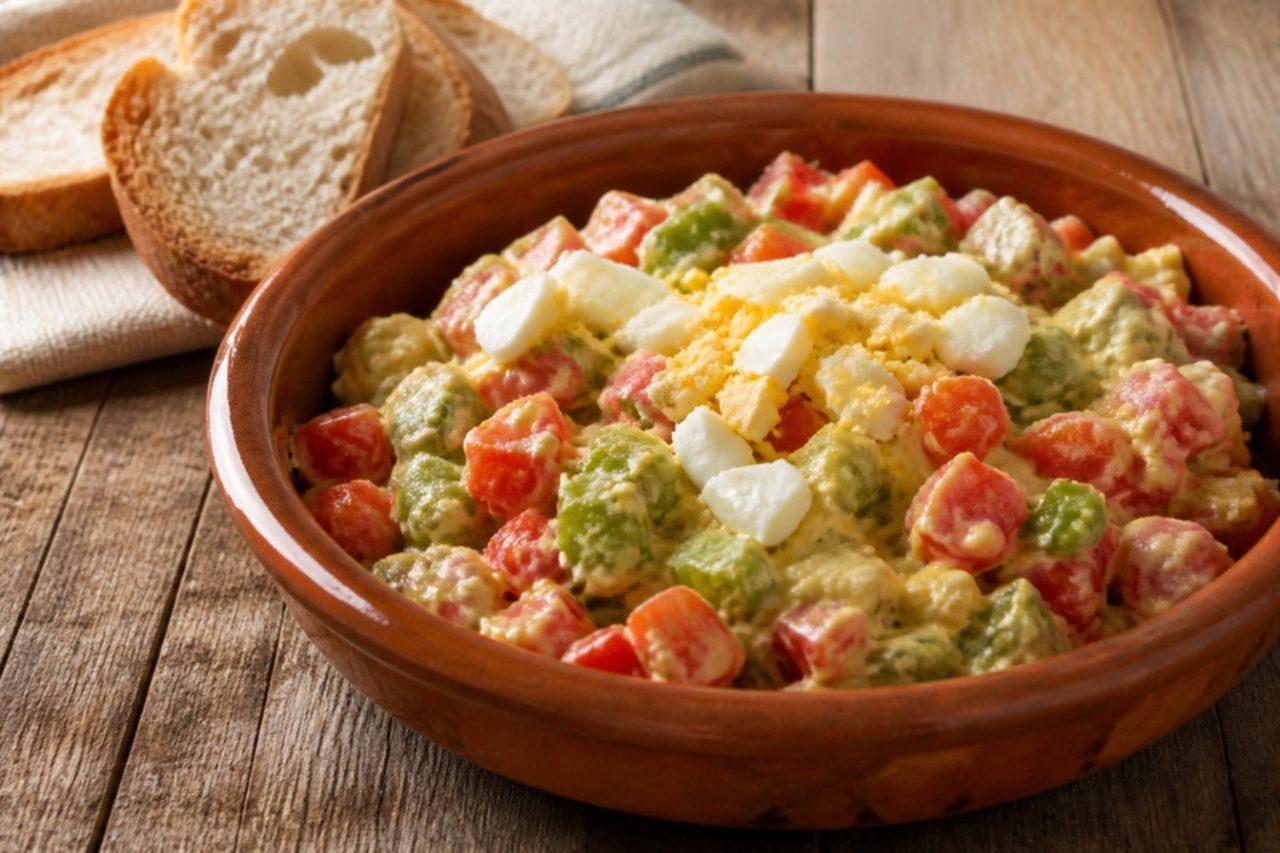
Pipirrana jaeneraTomato pepper salad with egg yolk

Olive pickers in the province of Jaén used to carry the makings of pipirrana into the groves, and in the city it is still the salad people set out on a hot July evening, with bread for the juices. What sets the Jaén version apart is the dressing: garlic, salt and boiled egg yolk are pounded together, then loosened with the province's own peppery oil until it turns creamy. Some cooks add tinned tuna; this one stays vegetarian. The usual mistake is chopping the vegetables in large chunks; everything should be cut small enough to fit a fork. Chef's tip: peel the tomatoes before dicing, so the dressing clings to soft flesh instead of slipping off tough skin.

by KrazyBadal 0 views

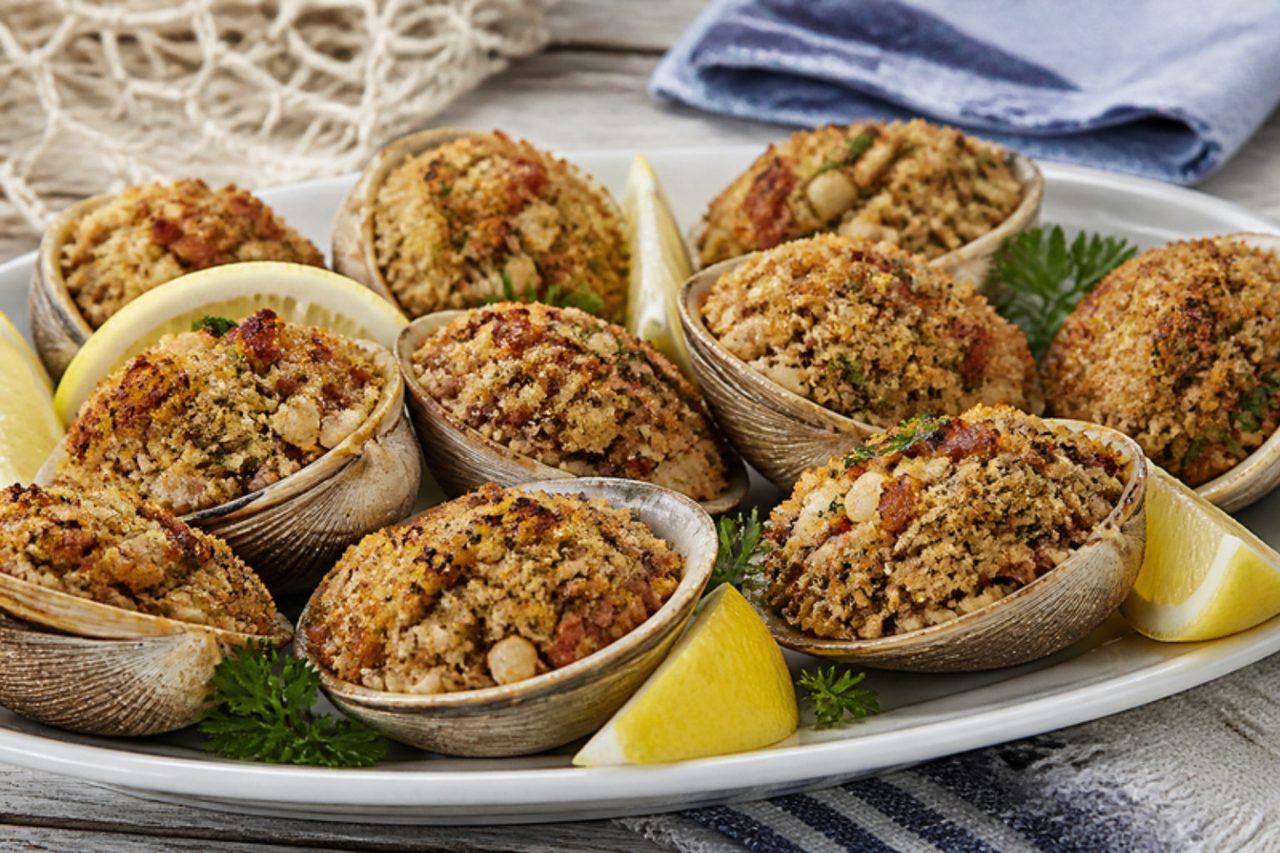
StuffiesStuffed clams with chouriço

Stuffies are Rhode Island's summer starter, sold at clam shacks in Warwick and Bristol and made at home for Fourth of July cookouts: big hard-shell quahog clams are steamed, the meat chopped and mixed with buttery breadcrumbs, peppers and spicy Portuguese chouriço (pork sausage), then baked back in the shells. Chef's tip: save the steaming liquid and use it to moisten the stuffing; plain water makes it bland.

by KrazyBadal 0 views

PorcedduRoast suckling pig

Porceddu is Sardinia's feast: a whole suckling pig spit-roasted for hours beside an open wood fire at weddings, village saints' days and Ferragosto, then laid on a bed of myrtle branches so the hot meat soaks up their scent. The skin turns glass-crisp and the pork underneath is soft and juicy. Suckling pig and fresh myrtle are hard to find outside Sardinia, so this home-oven version uses a skin-on piece of pork belly or shoulder, with bay leaves and rosemary standing in for myrtle. Serve with bread, roast potatoes and a salad. Chef's tip: salt the dried skin and leave it uncovered in the fridge overnight; dry skin is the secret to real crackling.

200 minItalianMeatGluten free
by KrazyBadal 0 views

Pipoca doceCaramelised popcorn

Pink, sticky and crunchy, sweet popcorn is the smell of a São João fairground and of the pipoqueiro carts outside schools and squares all year. The popcorn pops directly in a sugar syrup, so every kernel gets a thin, glassy, crackly shell; a few drops of red colouring turn it the classic festival pink. It takes about 10 minutes, so it is a favourite to make with kids watching from a safe distance. Use a plant-based red colouring if you want it vegan, as some red colourings are made from insects. Many cooks add too much colouring or sugar, which makes a sticky clump that never goes crisp. Chef's tip: shake the pan constantly once the popping slows, then tip it out immediately onto a tray and separate the kernels with two forks while still hot.

by KrazyBadal 0 views

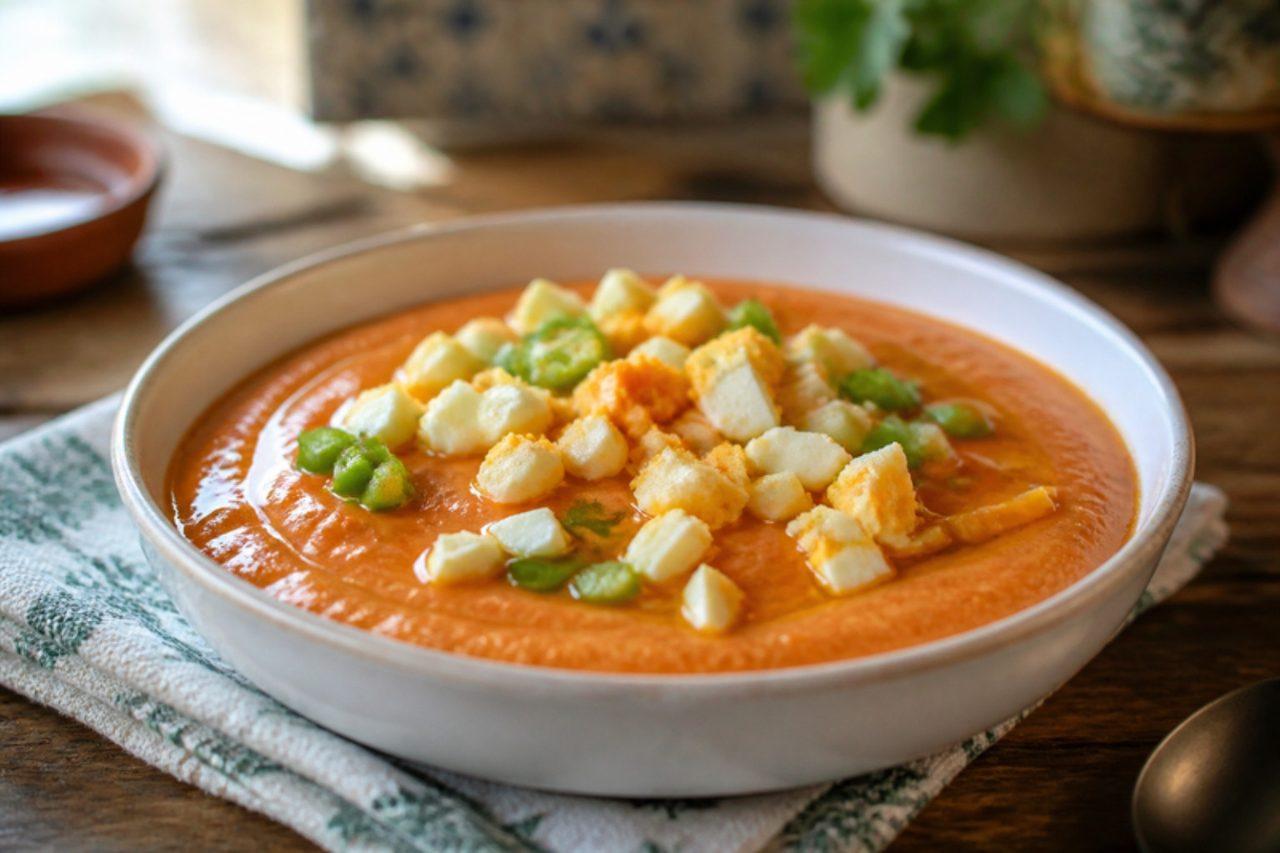
Porra antequeranaThick chilled tomato and bread soup

In Antequera, north of Málaga, porra comes to the table so thick that a spoon stands up in it, and bars in the old town serve it from May until the first autumn rains as a starter or a light supper. It is a cousin of salmorejo, but with green pepper and more garlic, and the town tops it with chopped egg and a thread of oil. Locally the garnish also includes tuna and cured ham; this version keeps it vegetarian with egg and diced pepper. A common mistake is thinning it with water to make it go further: porra should be spooned, never sipped. Chef's tip: use only the reddest, softest tomatoes of the summer, because a pale tomato makes a pink, flat-tasting porra however much oil you add.

by KrazyBadal 0 views

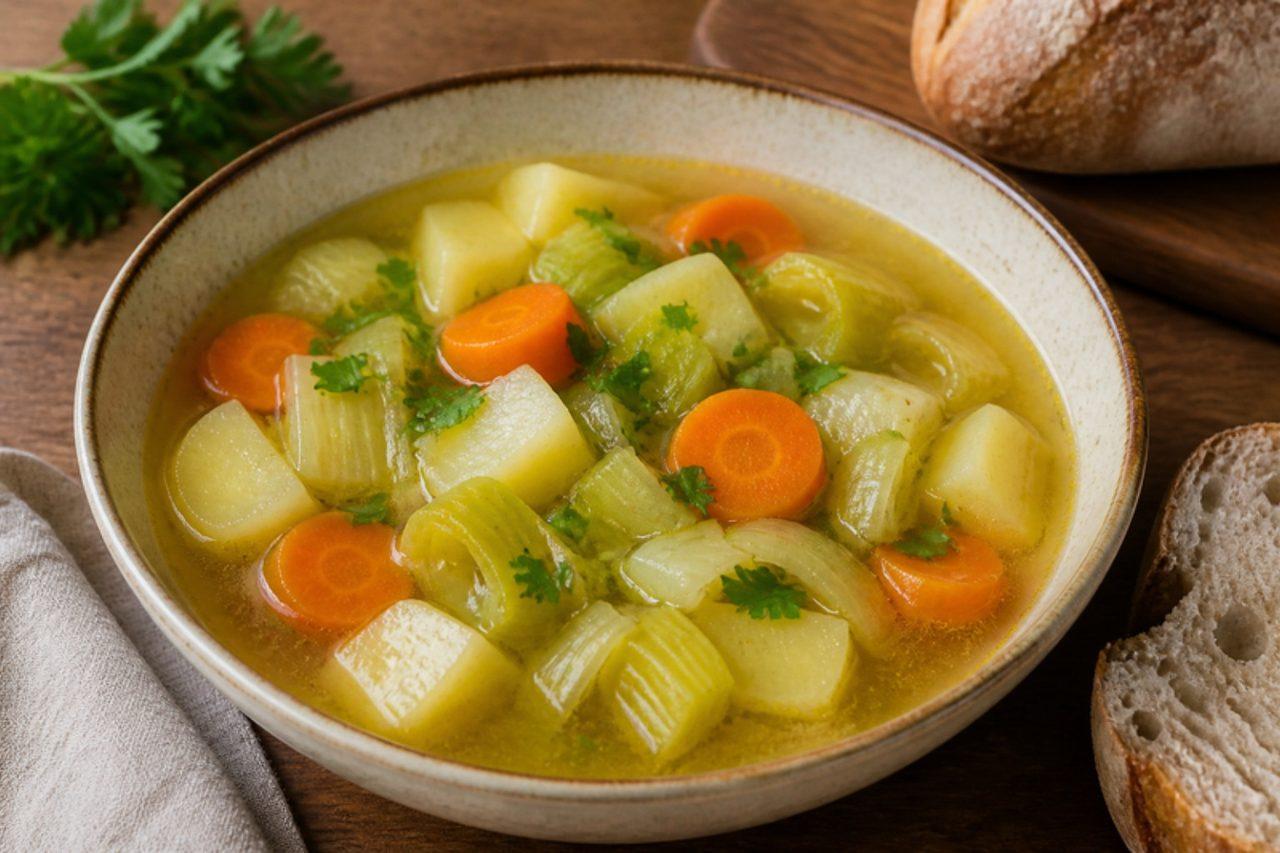
PorrusaldaLeek, potato and carrot soup

In Basque kitchens from Bilbao to Tolosa, porrusalda (literally 'leek broth') is what families cook in the quiet days after Christmas, when everyone wants something plain and warming. Leeks are the star, simmered with potatoes and carrots until the broth turns pale gold and slightly thick. Many households flake in desalted salt cod at the end; this version keeps it vegetarian with water or vegetable stock, so it is also vegan. A common mistake is slicing the potatoes neatly: snap them into rough chunks instead, so they release starch and give the broth body. Chef's tip: cook the leeks slowly in the oil before any liquid goes in, until they smell sweet, because that is where the flavour comes from.

by KrazyBadal 0 views

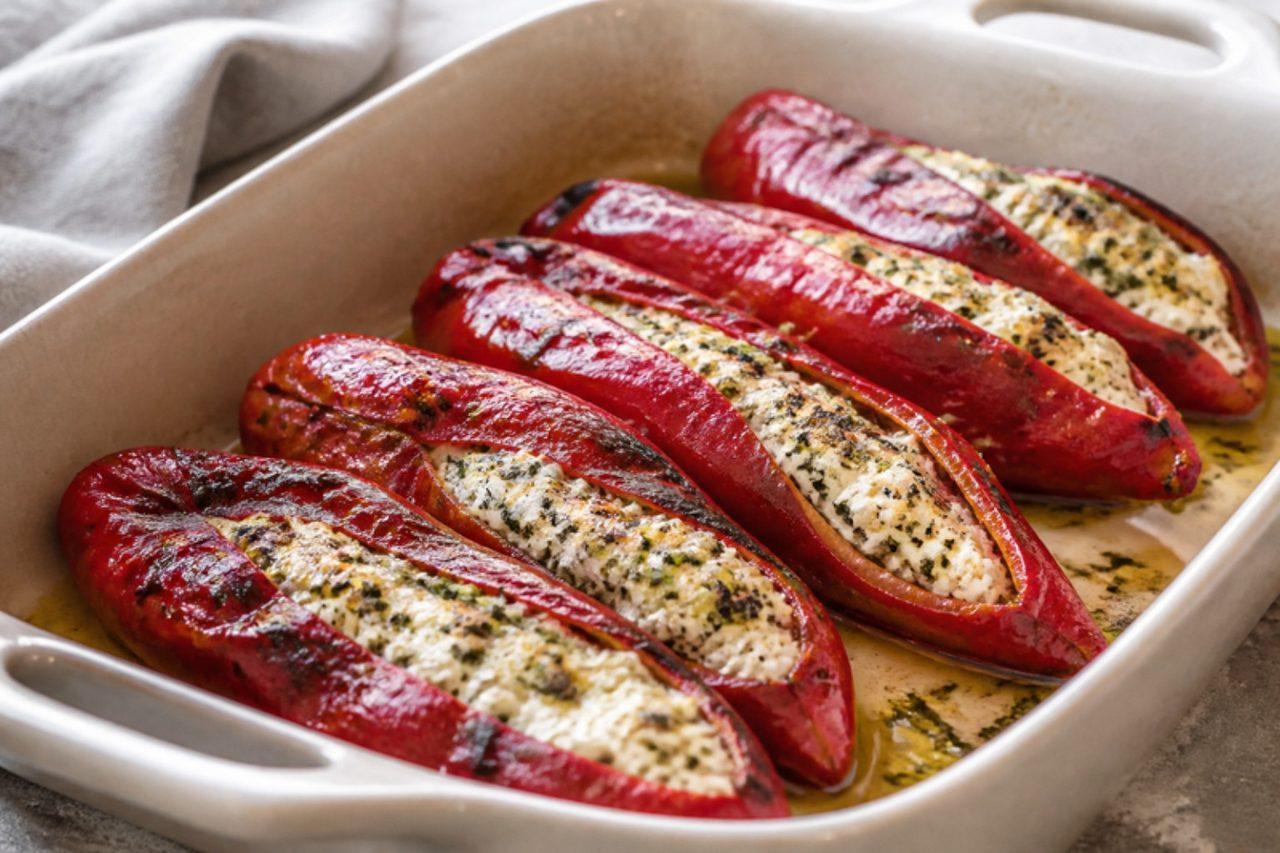
Piperies Florinis gemistesFeta-stuffed roasted peppers

Every autumn the long crimson peppers of Florina, near the borders of north-west Macedonia, are roasted over wood in courtyards and either jarred for winter or stuffed and eaten straight away. Here they are charred, peeled and filled with soft feta beaten with herbs and a little chilli, then baked until the cheese just begins to melt. They're a meze for the ouzeri table, with bread for the juices, or a light supper with a salad. Feta is traditionally made with animal rennet, so pick a vegetarian feta-style cheese if that matters. Common mistake: tearing the peppers while peeling — let them steam under a lid first and the skins slip right off. Chef's tip: keep the stalks on; they hold the peppers together and make them easy to lift.

by KrazyBadal 0 views

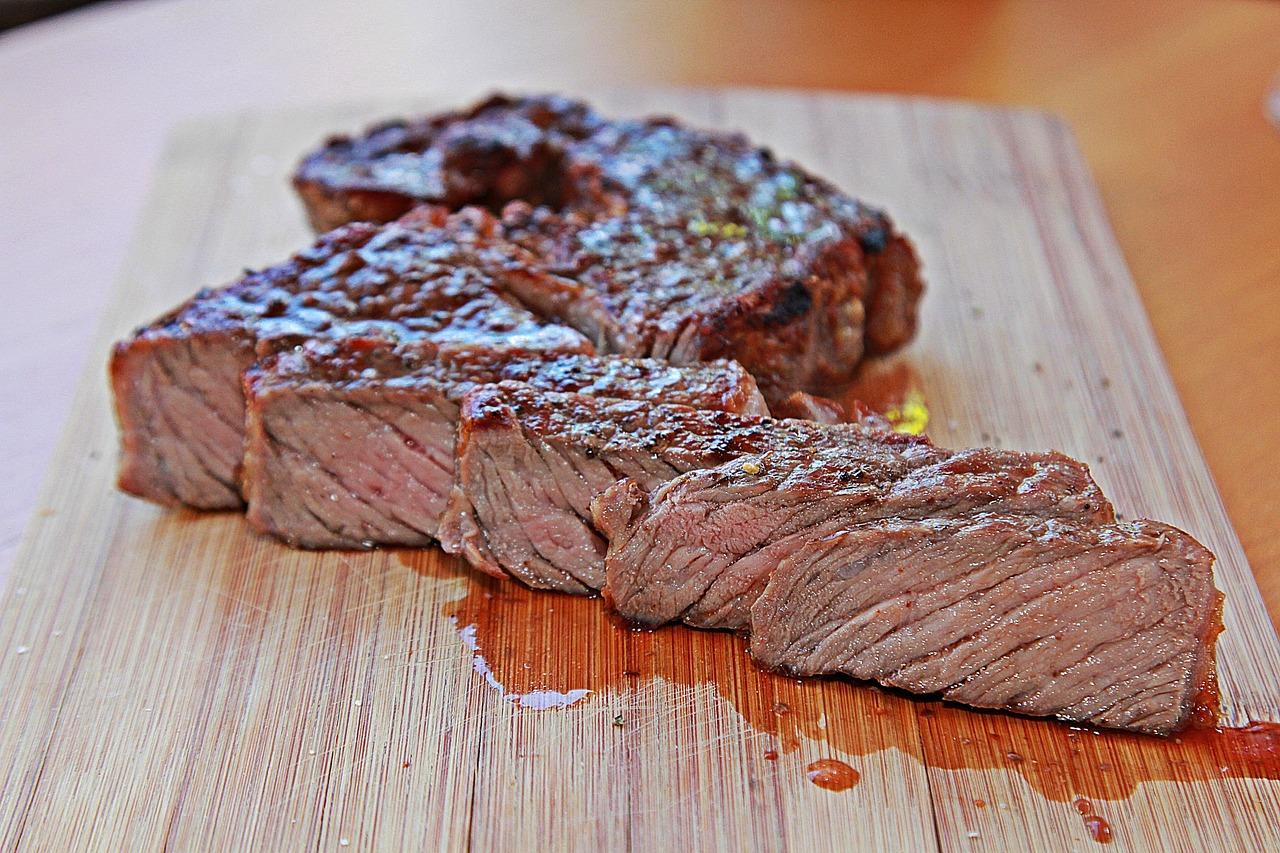
Posta mirandesaGrilled veal steak

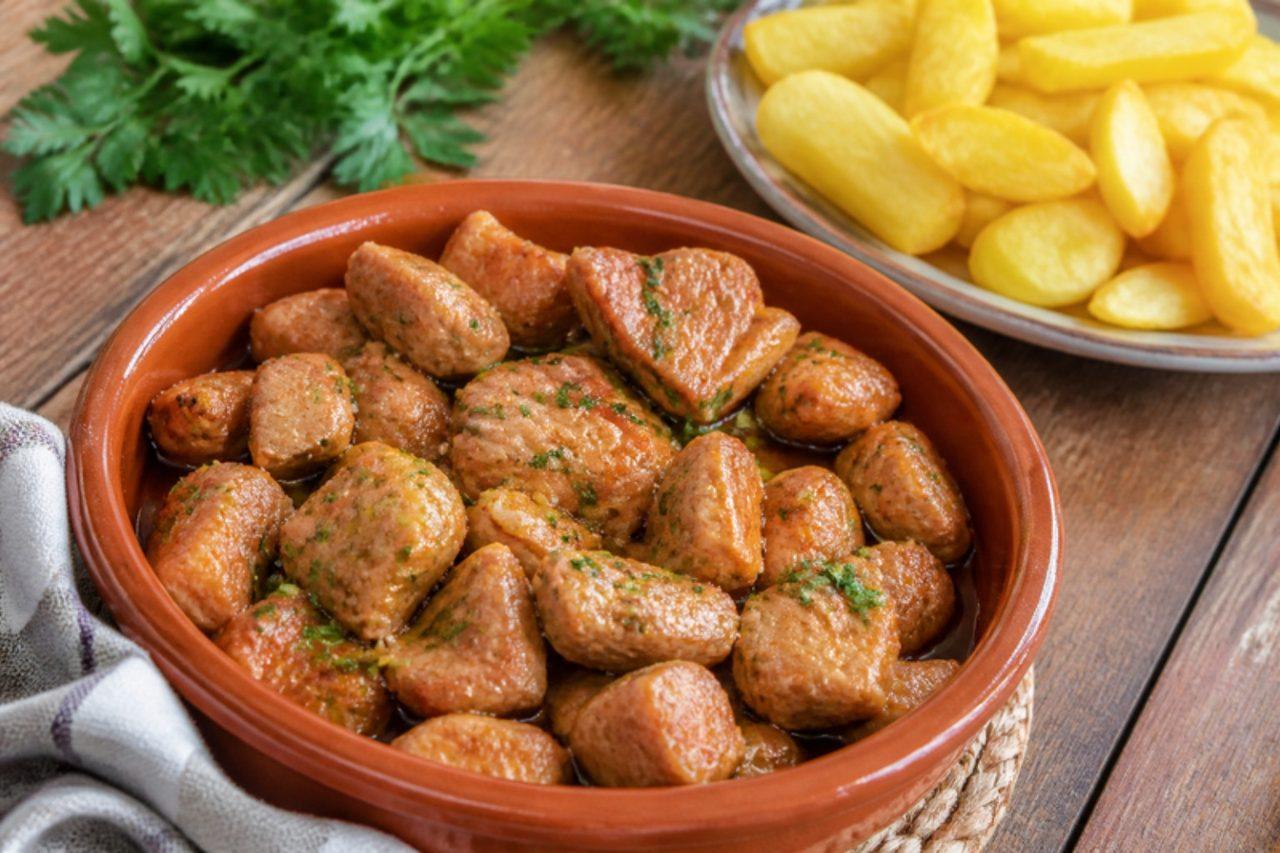
The Mirandesa is a dark, long-horned breed raised on the plateau around Miranda do Douro, and a posta is a slab of its veal or young beef, cut about 4 cm thick and grilled over oak embers with nothing but coarse salt. Restaurants in Miranda and Bragança serve it sliced on a board with a simple sauce of olive oil, garlic and vinegar, plus potatoes and salad. It is all about the meat, so ask the butcher for a thick, well-marbled piece. Chef's tip: salt the steak only just before it goes on the grill, with coarse salt, and turn it only once.

by KrazyBadal 0 views

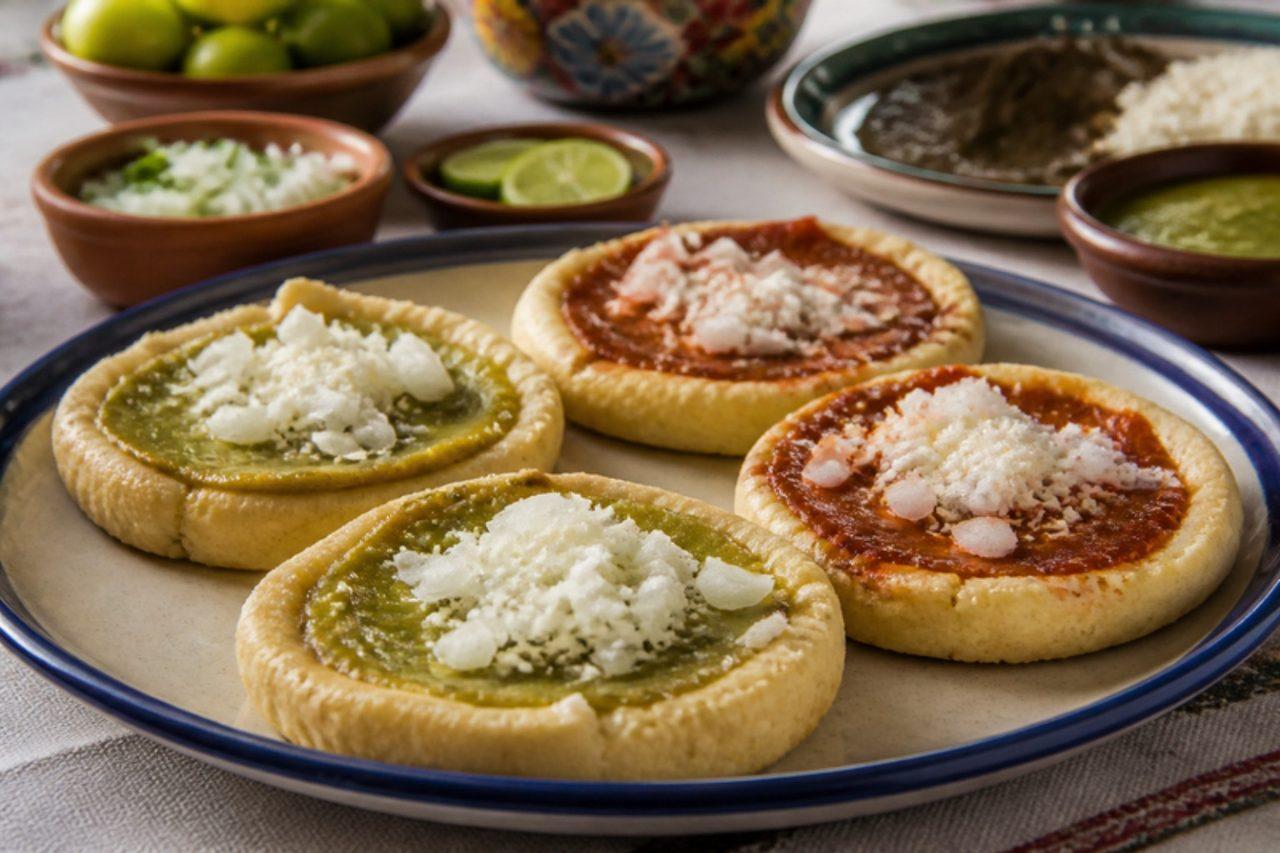
Picadas veracruzanasMasa cakes with salsa

Breakfast in the port of Veracruz and in Xalapa often starts with picadas at a market fonda or a café by the harbour: palm-sized rounds of fresh masa, cooked on the comal, then pinched all around while hot (picar means to pinch) to make little ridges that catch the salsa. Half are spooned with red salsa and half with green, then scattered with onion and crumbled cheese, and eaten with black coffee. Cooks there drizzle them with hot pork lard; this recipe uses a little oil instead. Chef's tip: wet your fingertips in cold water before pinching, so you can work the hot masa without burning yourself.

by KrazyBadal 0 views

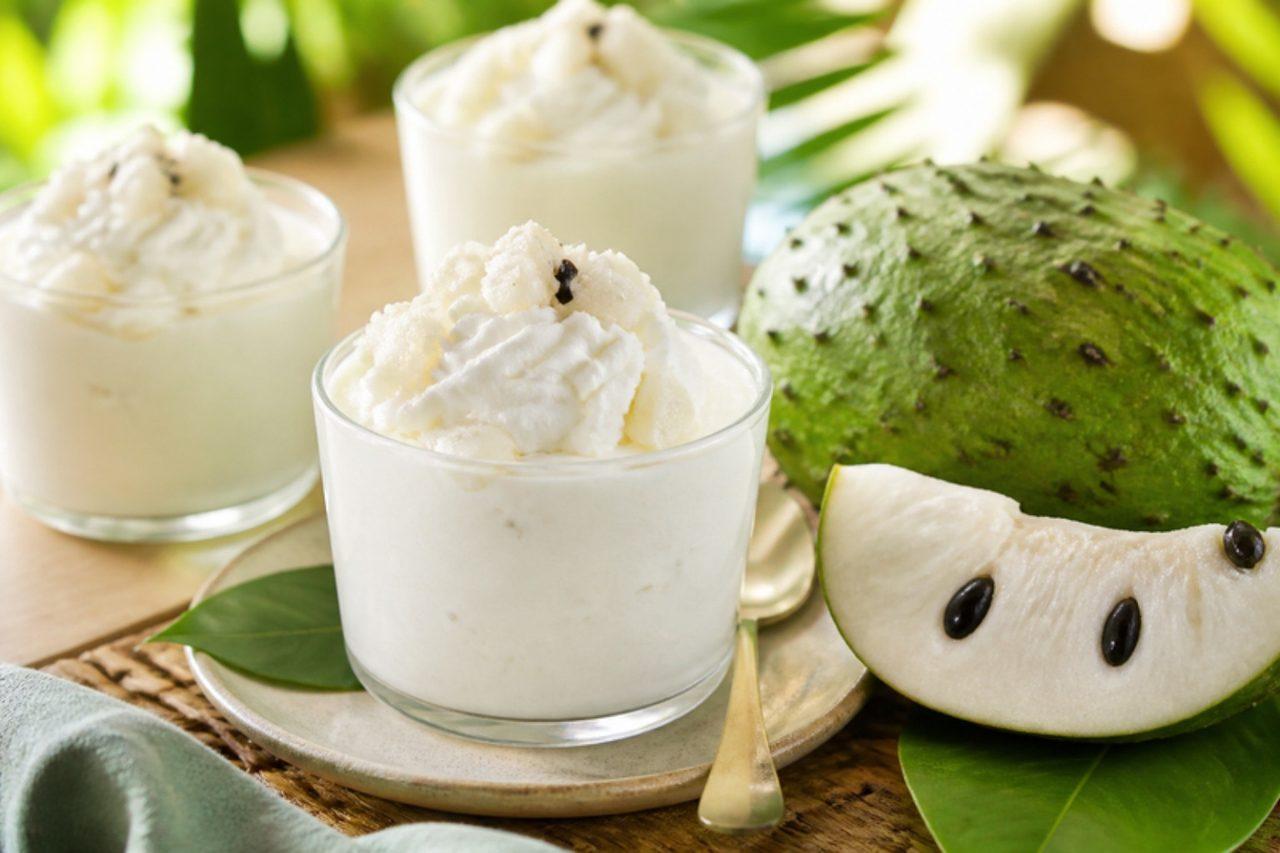
Postre de guanábanaSoursop cream dessert

Soursop has a perfume all its own, somewhere between pineapple, banana and citrus, with a creamy white flesh, and Colombians turn it into this no-bake fridge dessert for birthdays, Sunday lunches and Christmas tables. Soursop pulp is blended with condensed milk and lime, then folded through whipped cream and chilled until it sets into a light, mousse-like cream that is sweet, tangy and fragrant. It is served in glasses or one big dish, sometimes with crumbled biscuits on top; leave them out to keep it gluten free. Frozen soursop pulp is sold in Latin American shops and is easier than fresh fruit. If you start from a whole fruit, the error people make is blending the seeds, which are inedible and add bitterness; pick every one out by hand. Plan for at least 4 hours of chilling. Chef's tip: keep back a few spoonfuls of pulp and swirl them over the top just before serving for a sharper finish.

by KrazyBadal 0 views

Postre de natasMilk skin dessert

Postre de natas comes from colonial Santa Fe de Bogotá, when farm milk was boiled every day and the thick skins (natas) that formed on top were saved rather than wasted. Today it is a dessert for Christmas and family gatherings: soft, creamy ribbons of milk skin in a pale golden, cinnamon-scented custard dotted with raisins, served cold in small bowls. It takes patience rather than skill. Use full-fat, ideally non-homogenised milk, which forms thicker skins. Stirring the milk while the natas form is the common slip: it breaks them up so nothing can be lifted off. Older recipes add a splash of brandy or sherry; this one leaves it out. Chef's tip: lift each skin with a slotted spoon into a bowl and keep going; the more natas you collect, the more texture the dessert has. Chill for at least 4 hours before serving.

by KrazyBadal 0 views

Piononos de Santa FeSponge rolls with toasted cream

The pionono was invented in Santa Fe, on the plain outside Granada, in the late nineteenth century by a local pastry maker who named it after Pope Pius IX, Pío Nono in Spanish. The town still sells them by the dozen from its bakeries, and granadinos carry boxes home for Sunday coffee. Each one is a little standing roll of thin sponge soaked in cinnamon syrup, filled with custard and capped with a dome of custard burnt under a hot iron or torch. Chef's tip: roll the sponge while it is still warm and pliable; once cool it cracks instead of curling.

by KrazyBadal 0 views

Postre vigilanteCheese with quince paste

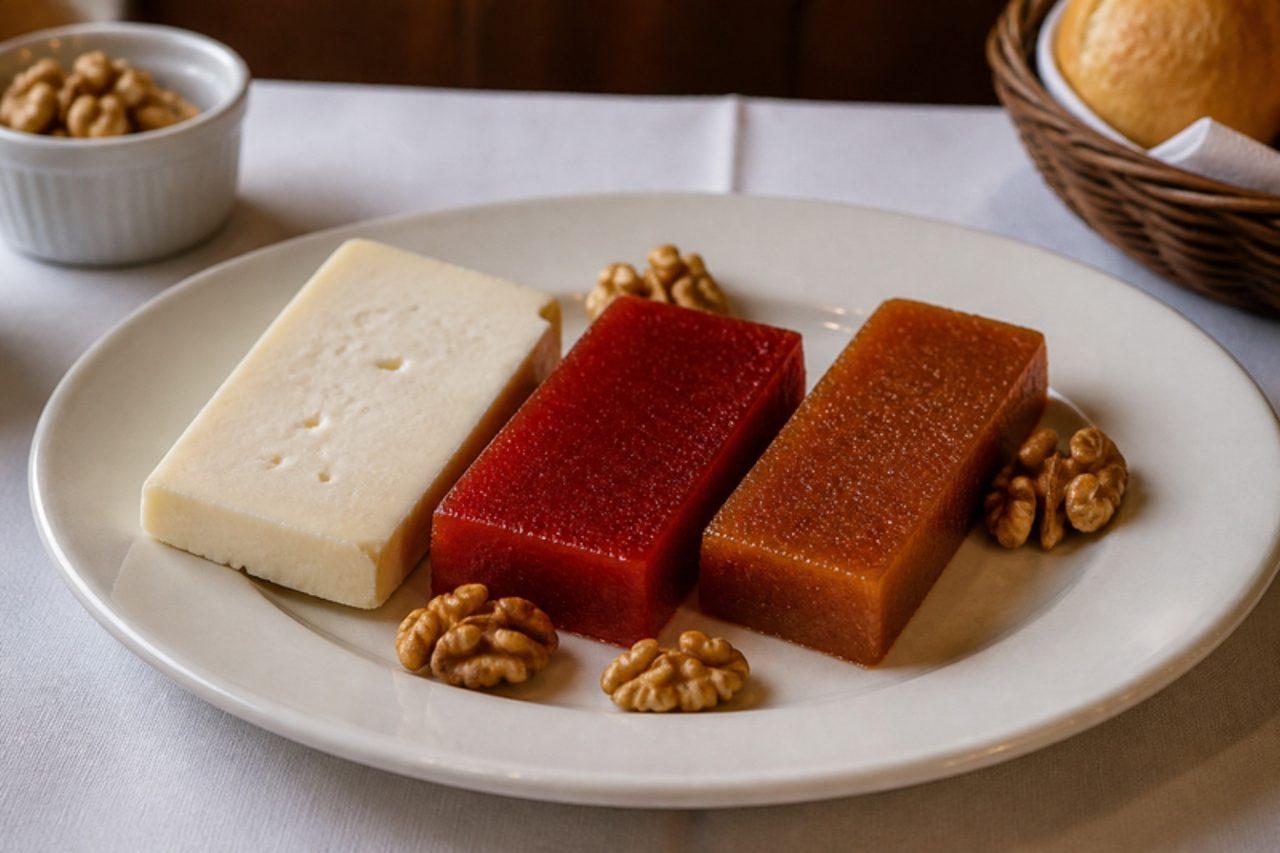
Ask for dessert in an old Buenos Aires bodegón and the waiter will rattle off flan, budín and, inevitably, vigilante: a thick slab of soft, mild cheese laid beside an equal slab of dulce de membrillo or dulce de batata. The name, "policeman", is said to come from the beat officers who ordered it as a cheap sweet in early twentieth-century cafés; Uruguayans call the same plate Martín Fierro. It is salty against sweet, creamy against firm, and takes five minutes. The traditional cheese is fresh queso cremoso or cuartirolo, or a firmer port salut; a young Havarti or mild Gouda is the best stand-in abroad. Like many soft cheeses, these are often made with animal rennet, so check the label for a vegetarian (microbial-rennet) cheese. The usual error is cutting the slabs thin like a cheese board; vigilante is about generous, equal bricks. Chef's tip: take the cheese out of the fridge 20 minutes ahead; cold cheese tastes of nothing next to the paste.

by KrazyBadal 0 views

Potaje de berrosWatercress and bean stew

Watercress grows wild in the irrigation channels and ravines of Tenerife and La Palma, and in the cool months it goes into potaje de berros, a thick, green, cumin-scented stew that islanders eat by the bowlful with a spoon of gofio stirred in. It is a cheap, filling family supper, and a good one to make ahead. Pork ribs or belly often go in for flavour; this version leaves them out and is vegan, relying on garlic, cumin and paprika instead. Chef's tip: cook the watercress for most of the time, not just at the end, so it collapses into the broth and gives the stew its earthy depth.

by KrazyBadal 0 views

PonchaSugarcane spirit with honey and lemon

In the fishing village of Câmara de Lobos, poncha is made to order at the bar counter: sugarcane spirit, honey and freshly squeezed lemon, whipped together with a wooden stick called a mexelote until frothy. Fishermen once drank it to keep warm at sea; now it goes round at every Madeiran festa. The traditional drink contains alcohol and is strong, so it is for adults only; the alcohol-free version swaps the spirit for chilled water, which turns it into a sharp, honeyed lemonade anyone can drink. Chef's tip: dissolve the honey in the lemon juice before adding the spirit or water, or it sinks to the bottom in a sticky lump.

by KrazyBadal 0 views

Pionono de dulce de lecheDulce de leche sponge roll

Pionono is the flat, springy sponge sheet that Argentine supermarkets sell ready-made for party rolls; at home it takes 10 minutes to bake and makes a far lighter roll. The sweet version, filled with dulce de leche and softly whipped cream, is a birthday and Sunday-tea classic in Buenos Aires and Córdoba, cut into spirals that show off the swirl. Savoury piononos rolled around ham, cheese, tomato and mayonnaise are just as common at parties; this one is the sweet, vegetarian kind. The sponge is a fatless, egg-rich batter that relies on air, so whisk the eggs until they hold a trail for several seconds. Most cracked rolls come from letting the sponge cool flat before rolling. Chef's tip: turn the hot sponge out onto a clean tea towel dusted with sugar, peel off the paper and roll it up in the towel while warm, then unroll to fill once cool; it remembers the shape and doesn't split.

by KrazyBadal 0 views

Polvo guisado à açorianaOctopus stewed in red wine

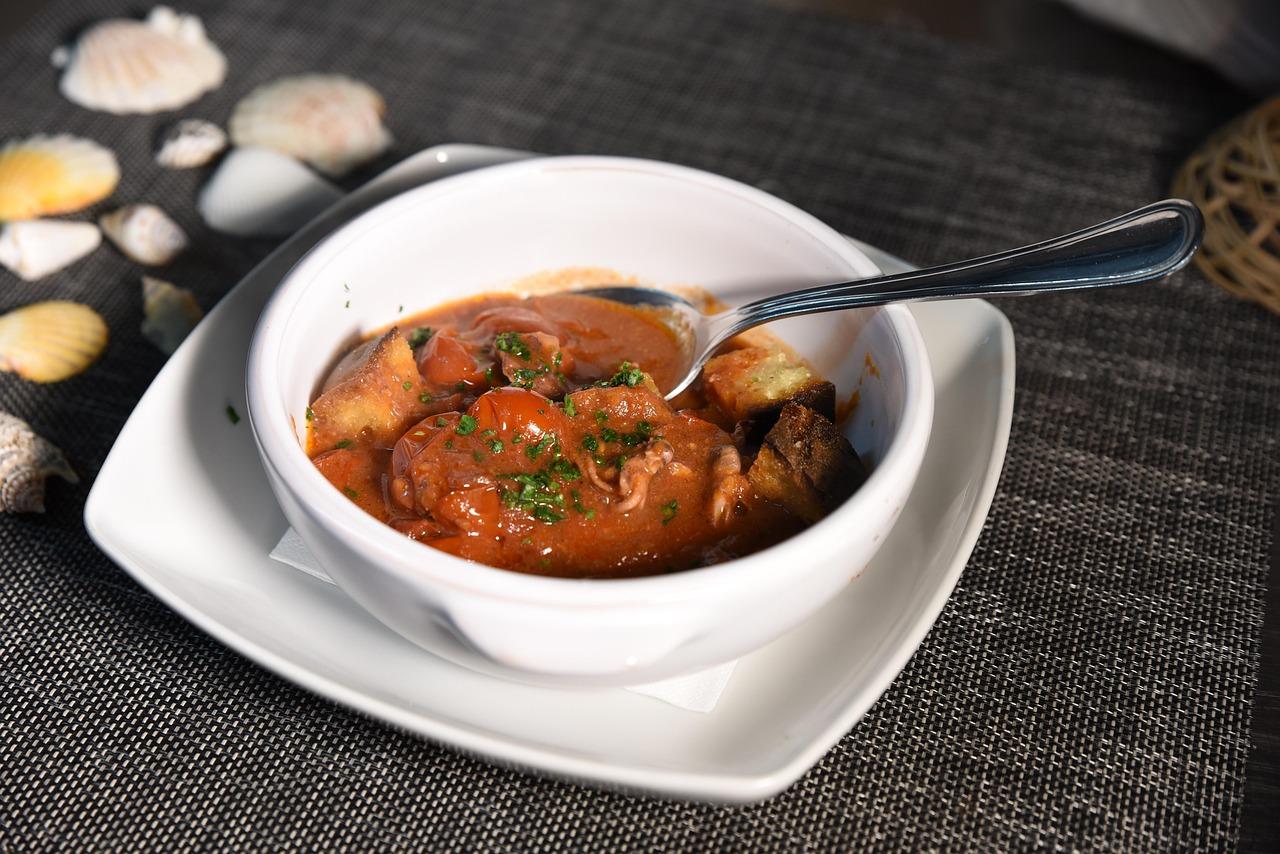
On Pico and Terceira, octopus caught among the black volcanic rocks is stewed slowly in red wine with onions, garlic, allspice and a spoonful of pimenta da terra, until the pieces are tender and the sauce is dark and rich. It is a dish for village festas and cold winter Sundays, ladled over potatoes with bread on the side. The recipe uses red wine; for an alcohol-free version, use water with a tablespoon of red wine vinegar. Chef's tip: buy frozen octopus, or freeze fresh octopus for a day; freezing breaks down its fibres and makes it far more tender.

by KrazyBadal 0 views

Polvo à lagareiroRoast octopus with garlic oil

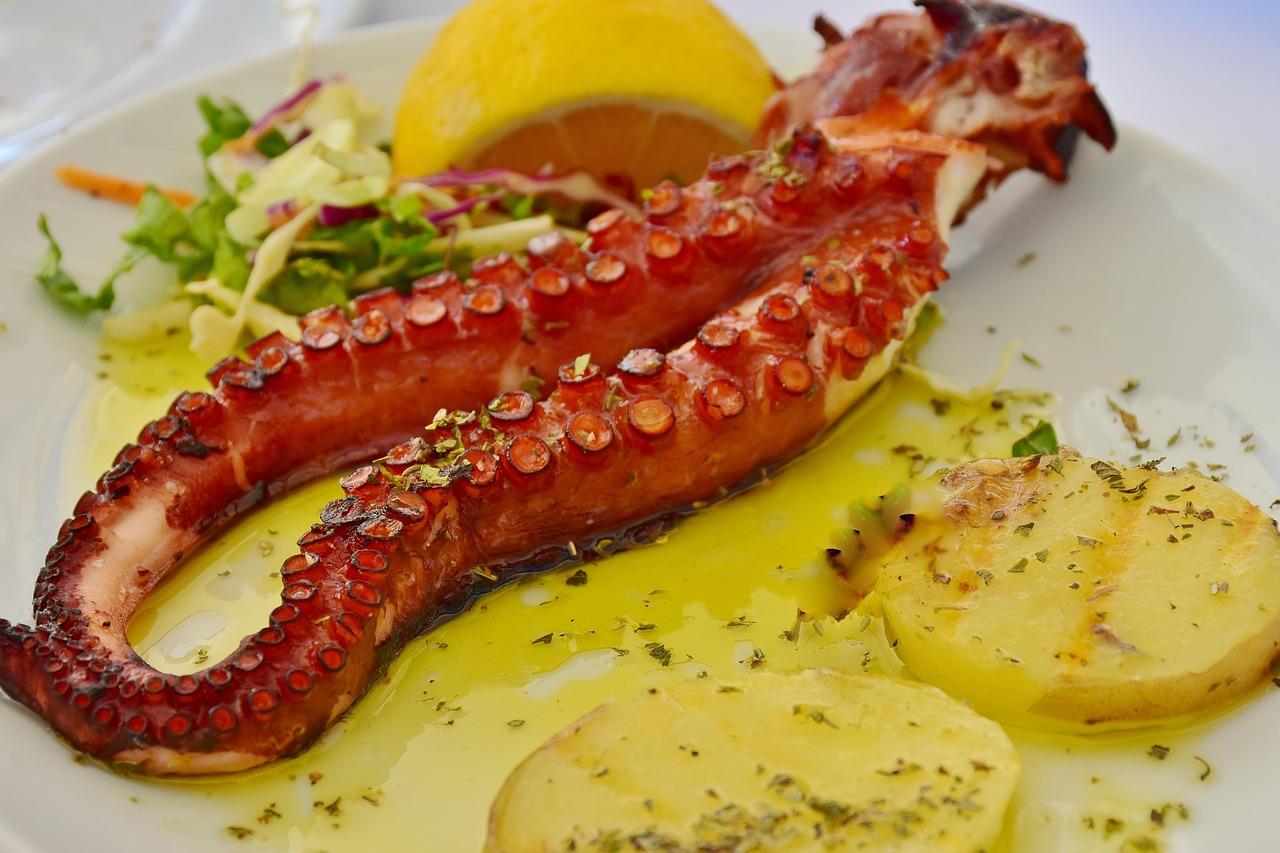
The name honours the lagareiros, the men who worked the olive presses, and the dish is about as generous with olive oil as you'd expect: octopus first simmered until tender, then roasted hot with garlic and oil until the tentacles crisp at the tips. It is a Christmas Eve favourite in many Lisbon homes and a Friday treat in restaurants, always with batatas a murro, small potatoes roasted in their skins then punched open. A common mistake is a rolling boil, which turns octopus tough and peels the skin; keep the water at a lazy simmer. Chef's tip: buy frozen octopus, or freeze fresh for a day; freezing breaks the fibres and makes it far more tender.

by KrazyBadal 0 views

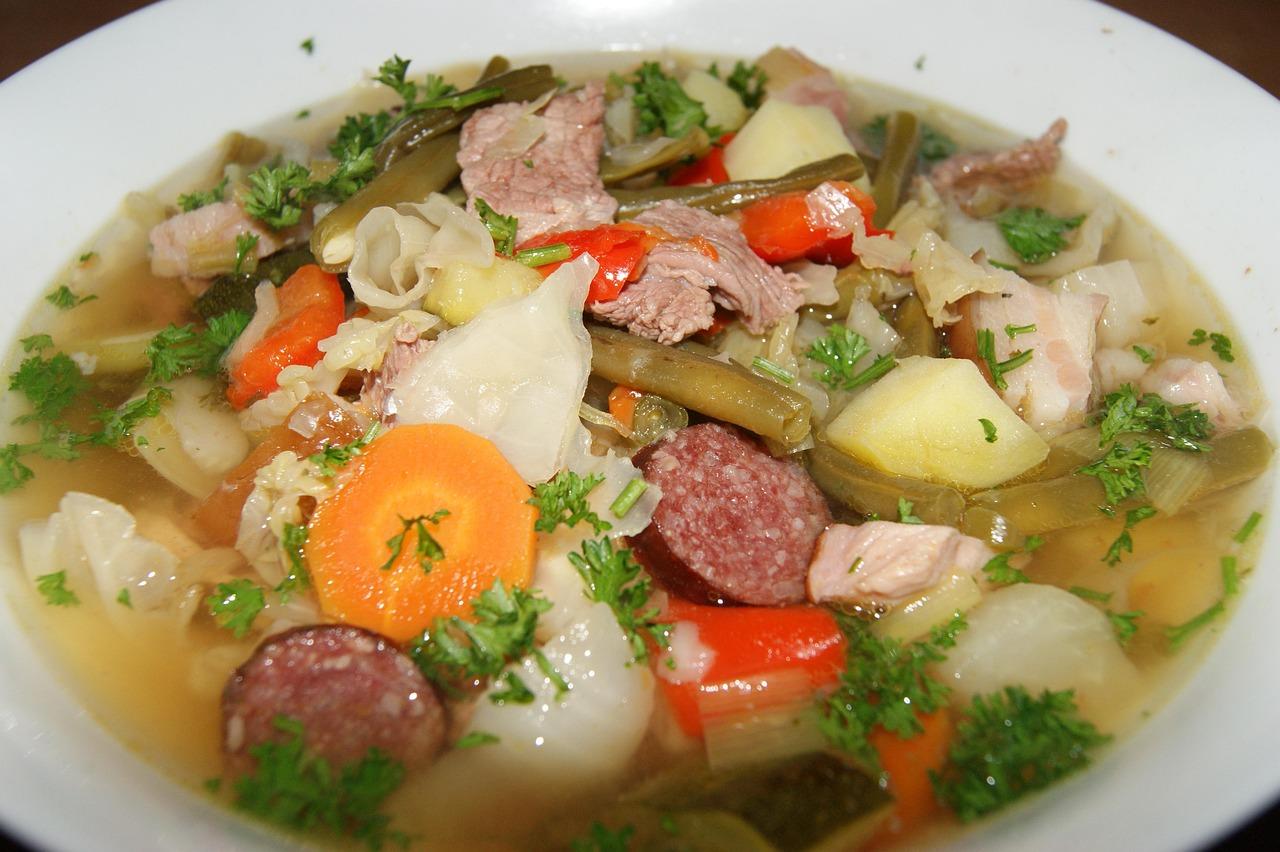
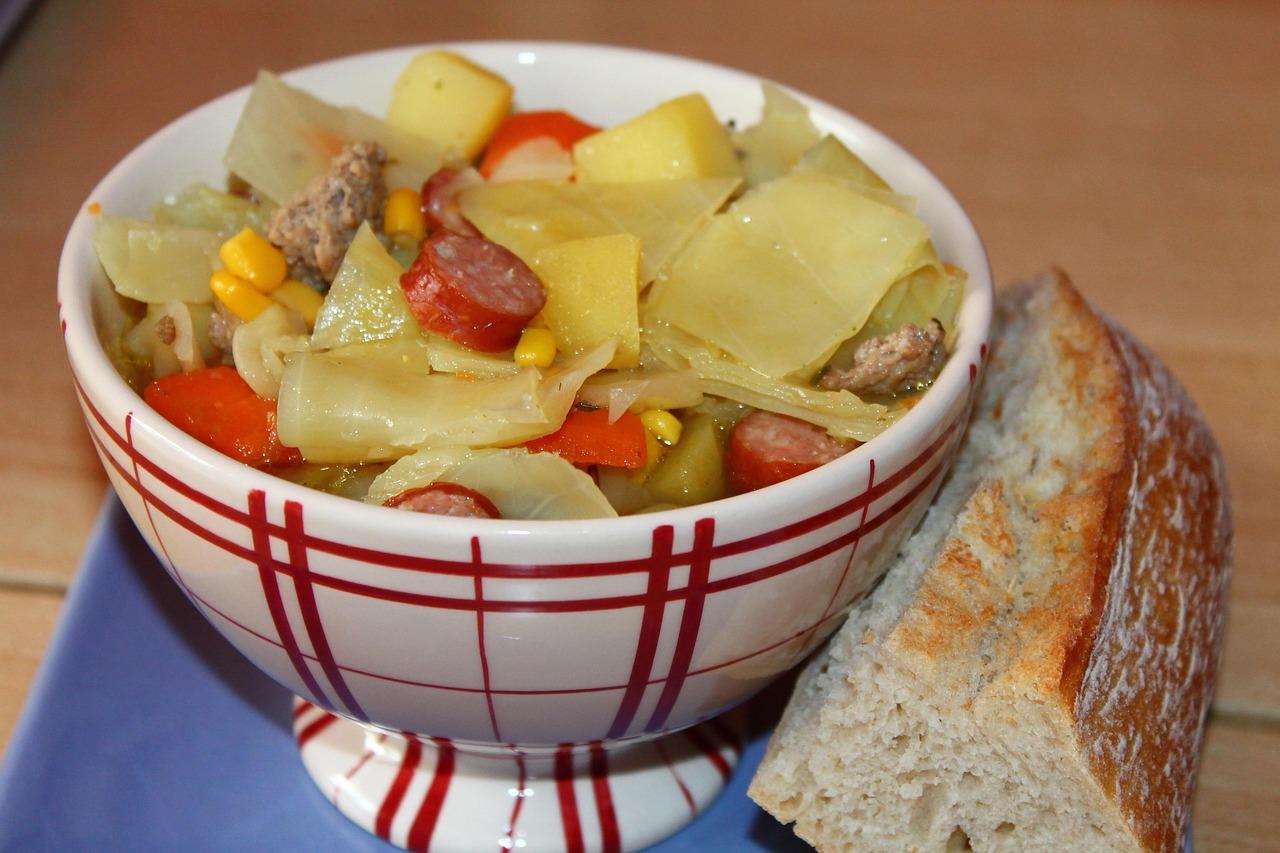
Potée auvergnatePork, cabbage and sausage pot

High in the Massif Central, potée auvergnate is what farmhouses put on the stove when the first frosts arrive: a pork dish of salt pork belly and smoked pork sausage simmered slowly with savoy cabbage, carrots, turnips and potatoes. The broth comes out clear, smoky and gently salty, and the vegetables soak up all that pork flavour while keeping their shape. In the Cantal it is served in two rounds, the broth poured over slices of toasted country bread first, then the meat and vegetables on a big platter with strong mustard and gherkins. Chef's tip: soak the salt pork first and taste the broth before you add any salt; between the belly and the sausage it rarely needs more.

180 minFrenchMeat
by KrazyBadal 0 views

Potée lorraineSmoked pork and white bean pot

In Lorraine farmhouses around Nancy and the Vosges foothills, the potée simmered on the stove through winter and fed the household after a cold morning outside. It is a pork dish through and through: smoked pork shoulder, smoked belly and a garlic sausage gently poached with a whole green cabbage, carrots, turnips, leeks and white beans until the broth is smoky and the vegetables melt. The broth is ladled out first, sometimes over toasted bread, and the meat and vegetables follow with mustard and gherkins. Chef's tip: blanch the cabbage for five minutes before adding it to the pot, which takes away its sulphurous edge and keeps the broth sweet.

180 minFrenchMeat
by KrazyBadal 0 views

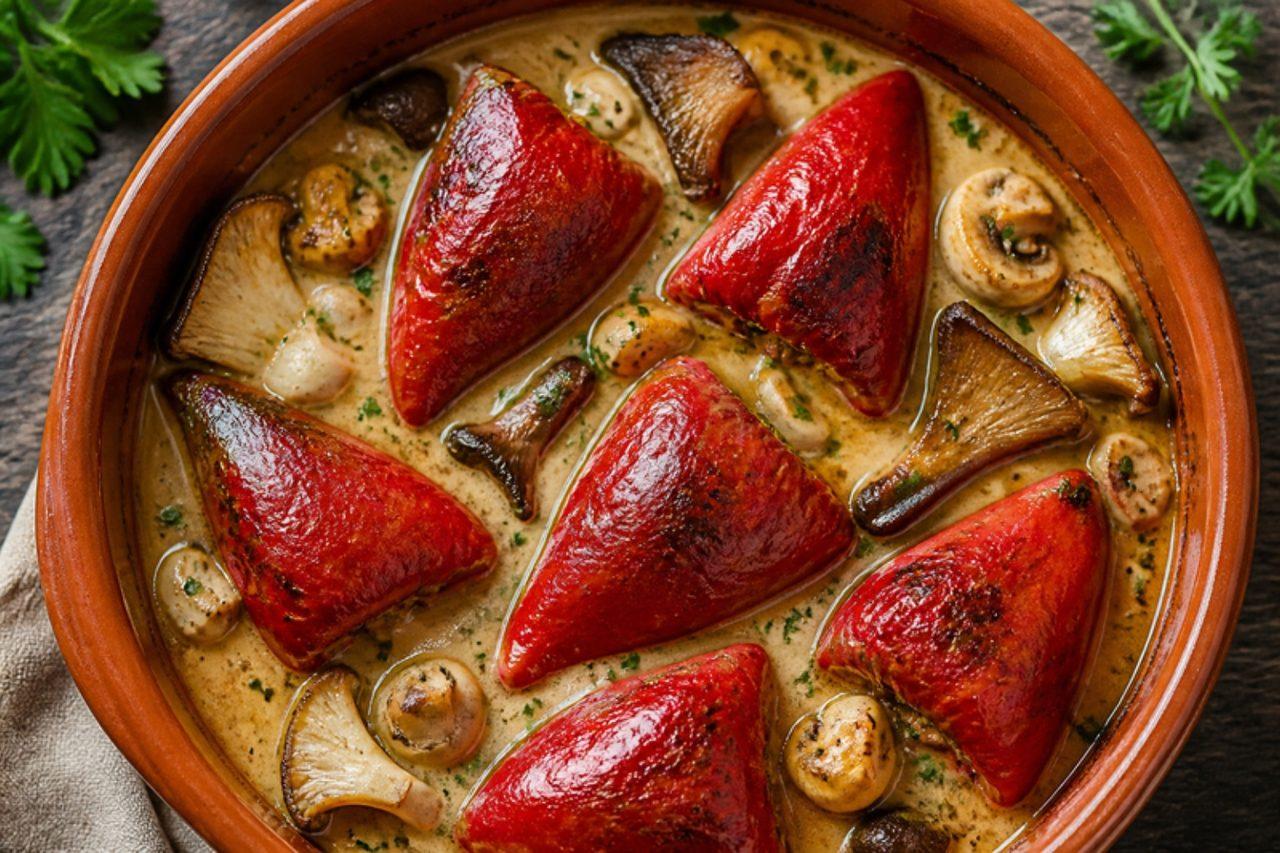
Piquillos rellenos de setasPeppers stuffed with mushrooms

Lodosa, on the Ebro in southern Navarre, roasts its little pointed piquillo peppers over wood, peels them by hand and jars them under its own protected name. When the autumn rains bring mushrooms up in the Navarrese hills, the peppers get stuffed with a thick mushroom béchamel, coated and fried, and served as a starter at family lunches or as a pintxo in the old town of Pamplona. A smooth sauce made from a few extra peppers goes underneath. Chef's tip: chill the filling until it is firm enough to scoop, which makes filling the soft peppers far easier.

by KrazyBadal 0 views

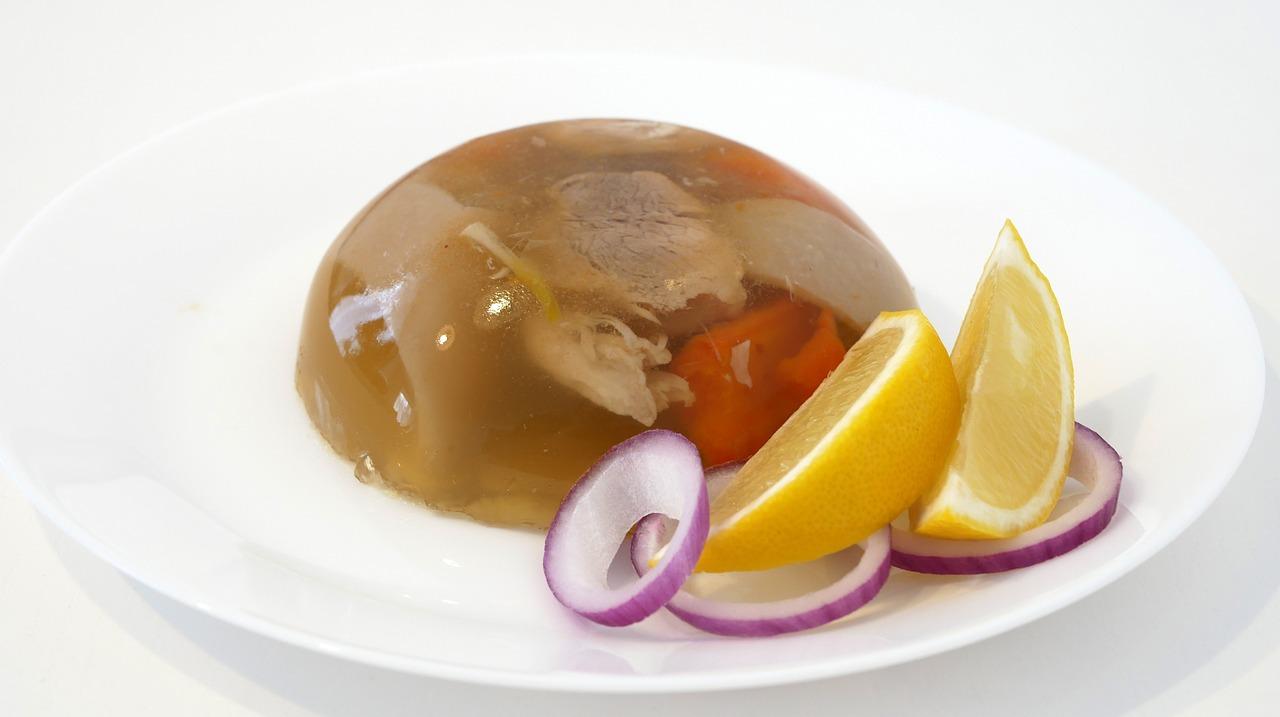
PotjevleeschJellied chicken, rabbit, pork and veal

Potjevleesch, Flemish for "little pot of meat", comes from French Flanders around Dunkirk, Bergues and Hazebrouck, where it fills the cold cabinets of every friterie and estaminet. Chunks of chicken, rabbit, pork and veal are layered with onion, garlic and herbs, covered with white wine and a little vinegar and baked slowly in a covered terrine; the juices are then set with gelatine so the meat is held in a clear, tangy jelly. It is eaten cold, sliced, with hot chips and a green salad, a contrast that the Nord loves. It contains pork and uses white wine; the notes give an alcohol-free option. If rabbit is hard to find, use more chicken thighs. Chef's tip: slice it straight from the fridge with a hot knife, so the jelly cuts cleanly.

930 minFrenchMeatGluten free
by KrazyBadal 0 views

Pollo chi jau kayFried chicken in oyster sauce

Any chifa in Lima, from the old dining rooms of Barrio Chino on Calle Capón to the corner chifa in every district, will have chi jau kay on the menu: boneless chicken marinated in soy and ginger, fried in a crisp coating and served under a dark, glossy oyster sauce, scattered with sesame seeds and spring onion. The crust stays crunchy where the sauce hasn't reached and goes sticky where it has. It is shared with arroz chaufa or plain rice and a Chinese soup. The usual misstep is tossing the chicken in the sauce in the pan, which makes it soggy; Lima chifas pour the sauce over at the table. Chef's tip: fry the chicken twice, once to cook and once very hot for a minute to crisp, and it will stay crunchy under the sauce.

by KrazyBadal 0 views

RaxoMarinated pork loin cubes

Order a ración of raxo in a tavern in Santiago or A Coruña and it comes sizzling on a metal plate: little cubes of pork loin marinated with garlic, paprika and oregano, fried until browned, with chips and sometimes Padrón peppers alongside. This contains pork. Unlike zorza, which is chopped like chorizo filling, raxo keeps its meat in neat cubes and is gentler on the paprika. Marinate the pork in the fridge, covered. A common mistake is crowding the pan, which stews the meat instead of browning it, so fry in two batches. Chef's tip: let the cubes sit for a minute without stirring when they first hit the pan, so they form a golden crust.

by KrazyBadal 0 views

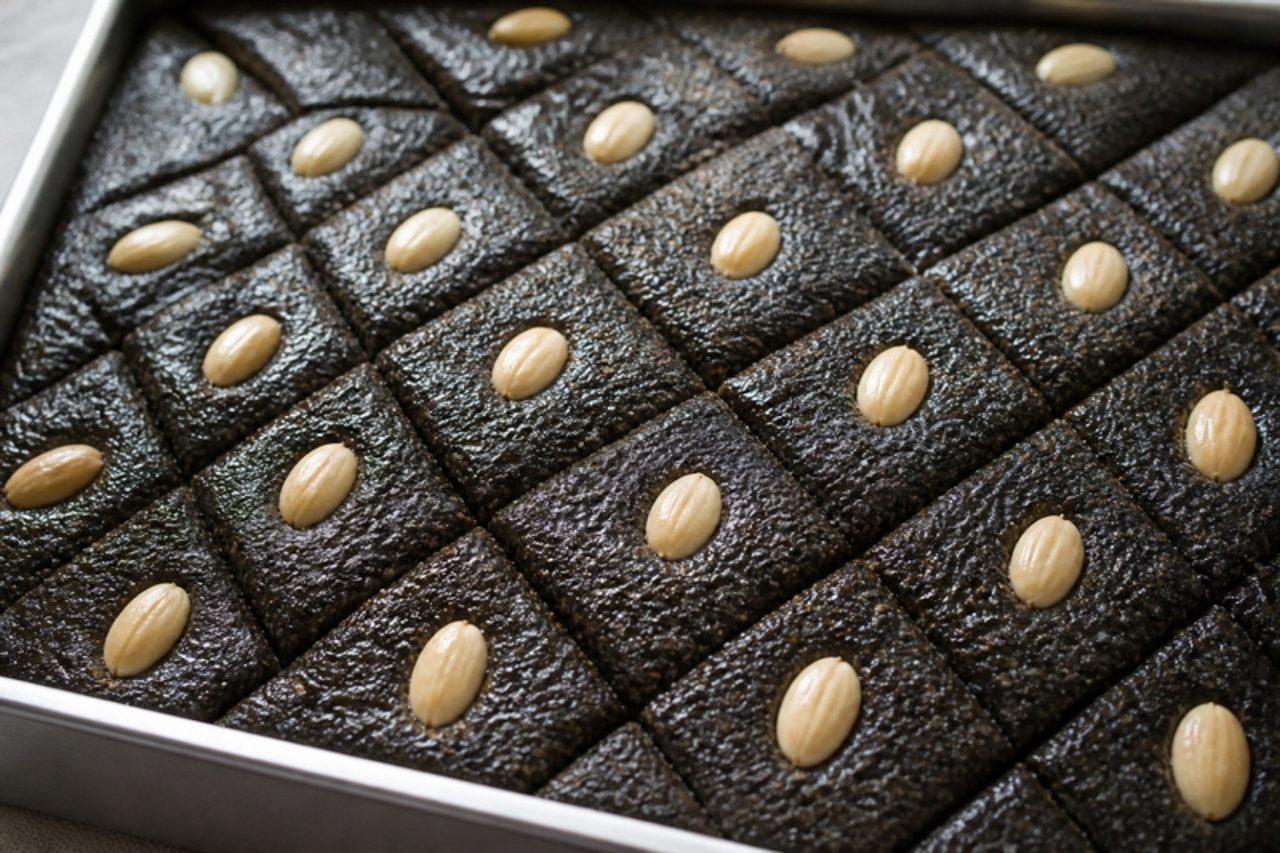
QizhaNigella seed cake

Qizha is Gaza's own sweet: a dense, near-black semolina cake made with a paste of roasted nigella seeds, eaten especially in winter and during Ramadan, when bakeries in Gaza City stack trays of it. It tastes nutty and slightly bitter, a little like dark sesame, softened by syrup and topped with almonds or pistachios. Nigella paste is sold in some Middle Eastern shops; if you can't find it, grind toasted nigella with tahini as below. Common mistake: over-toasting the nigella, which turns it acrid; stop as soon as it smells fragrant. Chef's tip: rest the mixed batter for 30 minutes before baking so the semolina swells and the cake slices cleanly.

by KrazyBadal 0 views

PoulakiThin saffron sugar candy

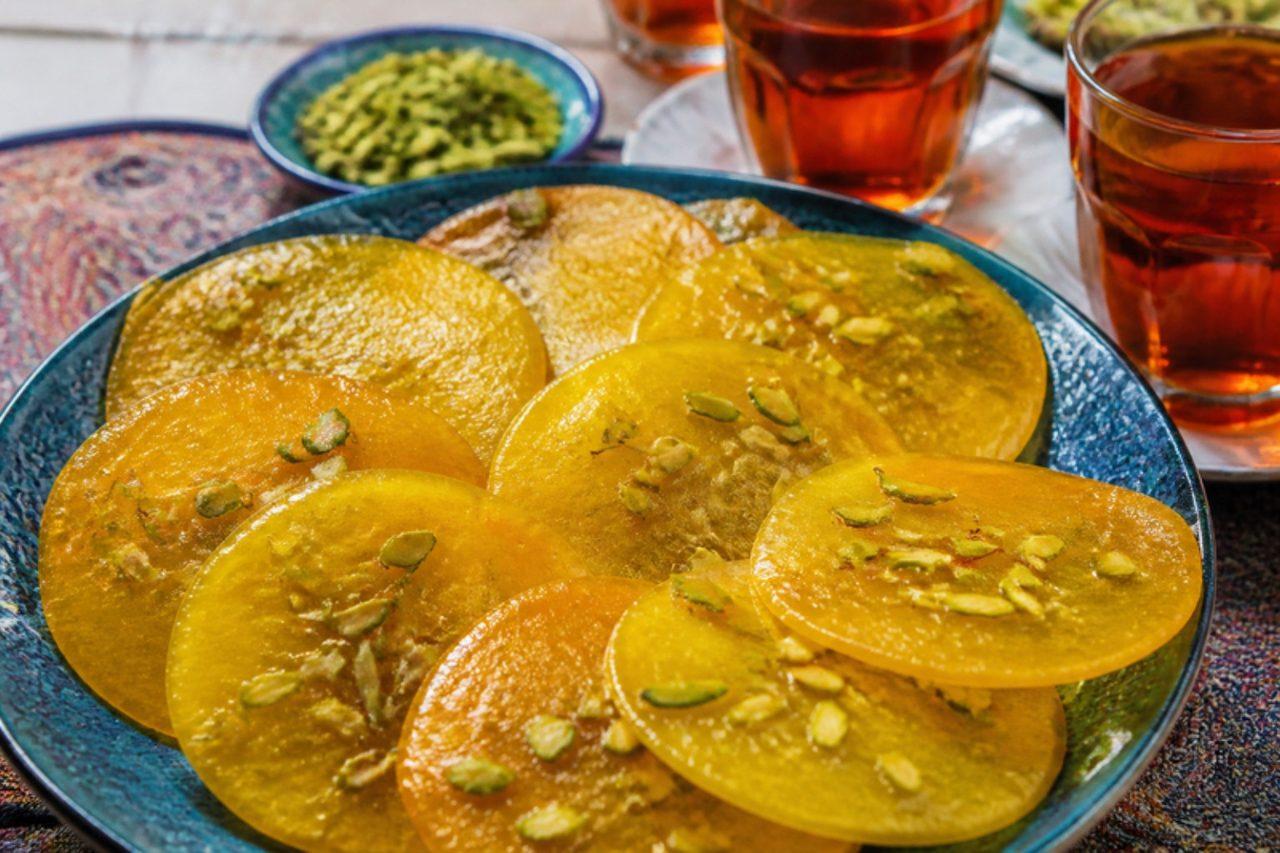
Poulaki are the paper-thin golden sugar coins sold by weight in Isfahan's sweet shops, meant to be held between the teeth while you sip strong black tea. The name comes from 'poul', the old word for coin, and Isfahanis serve them with tea to guests at any hour, flavoured with saffron, cardamom or sesame. Only sugar, a little vinegar and spice are needed, but timing matters. A common mistake is pouring the drops too big: they should spread no wider than 4 cm or they stay chewy in the middle. Chef's tip: work on a cold, lightly oiled marble or steel tray, which sets the coins in seconds and keeps them glassy.

by KrazyBadal 0 views

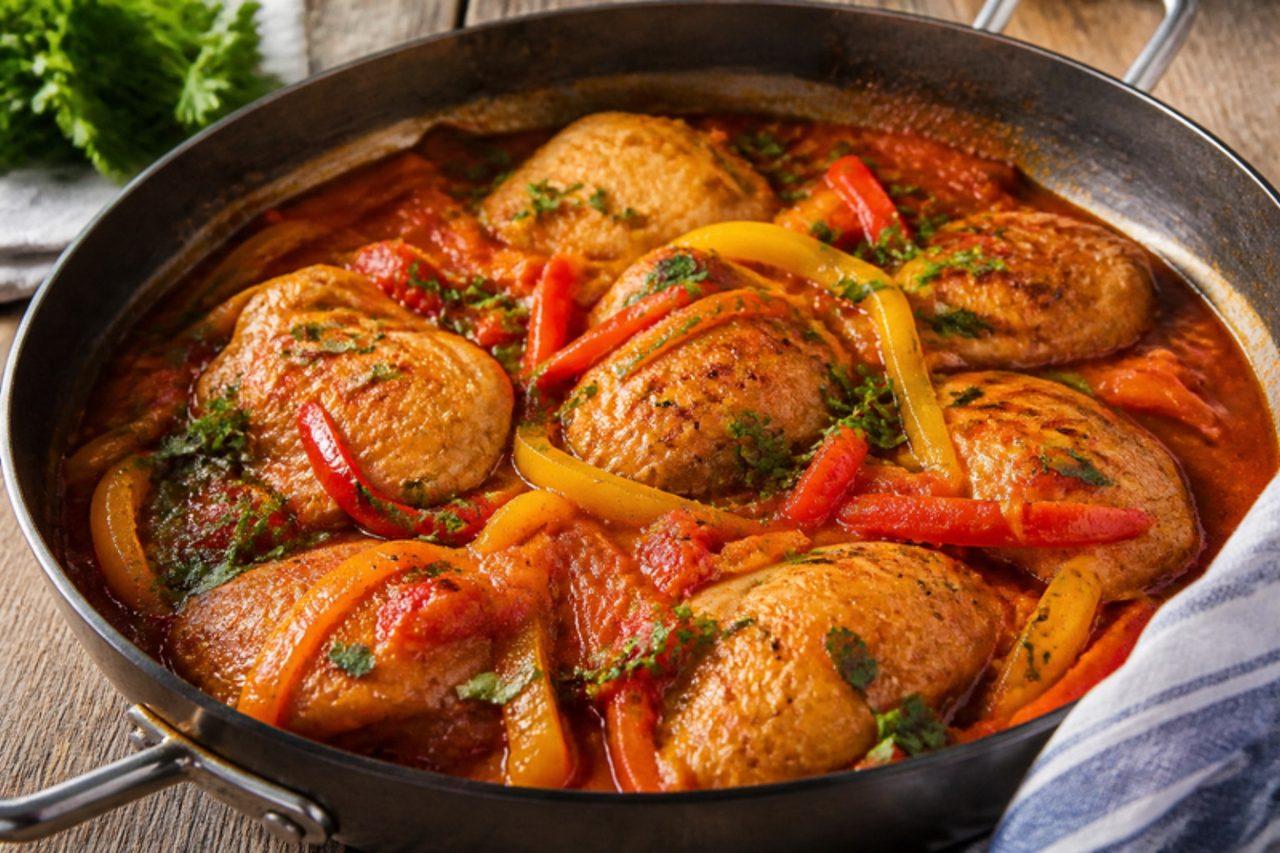
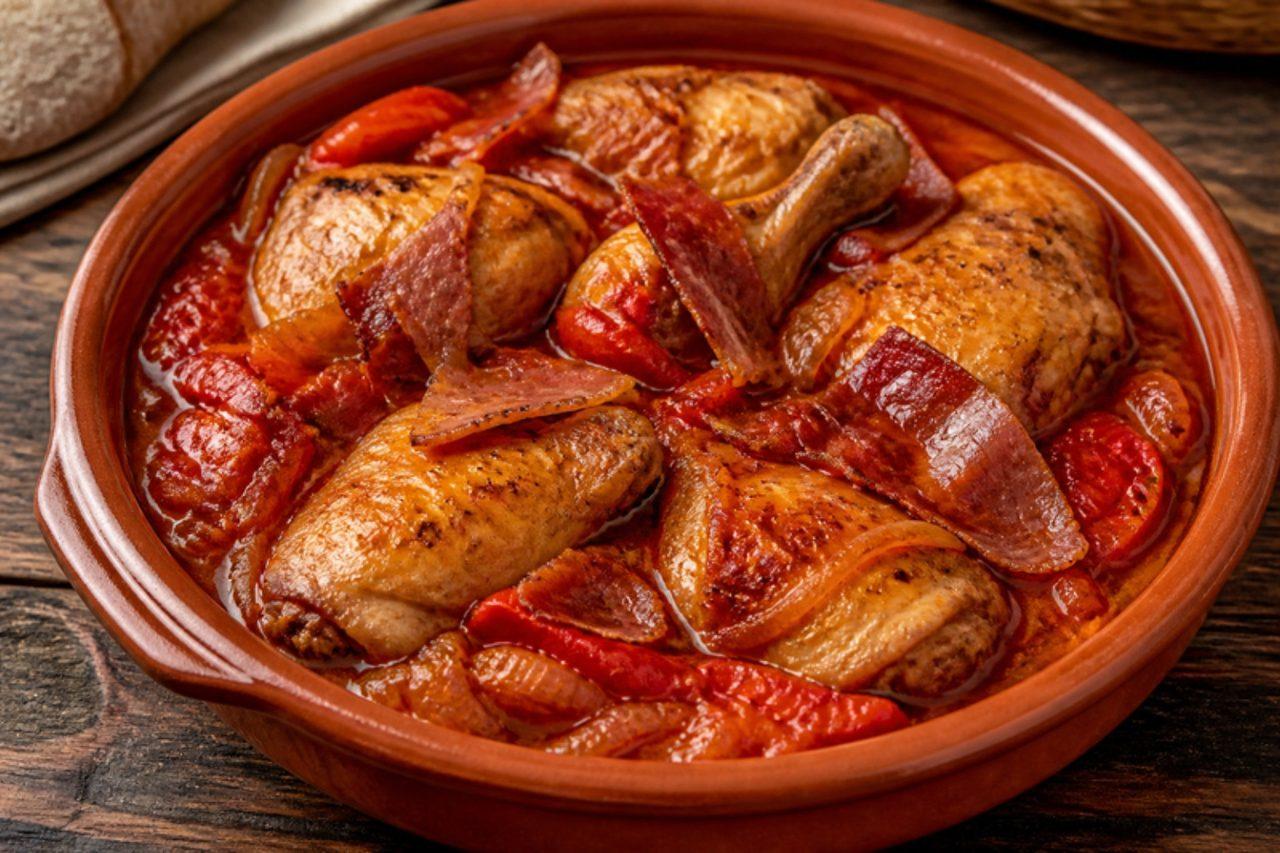
Pollo alla romanaChicken with peppers and tomato

On Ferragosto, the 15 August holiday when half of Rome heads for the coast, families who stay behind cook pollo alla romana, often the day before so it can be eaten at room temperature. Jointed chicken is browned, then stewed slowly with sweet red and yellow peppers, tomato, garlic and marjoram until the peppers collapse into a sweet, glossy sauce. A little white wine goes in at the start; there's an alcohol-free swap in the ingredients. Serve it with crusty bread for the sauce and a plate of tomatoes or green beans. Chef's tip: season the chicken a few hours ahead and keep it covered in the fridge, so the salt reaches right into the meat.

by KrazyBadal 0 views

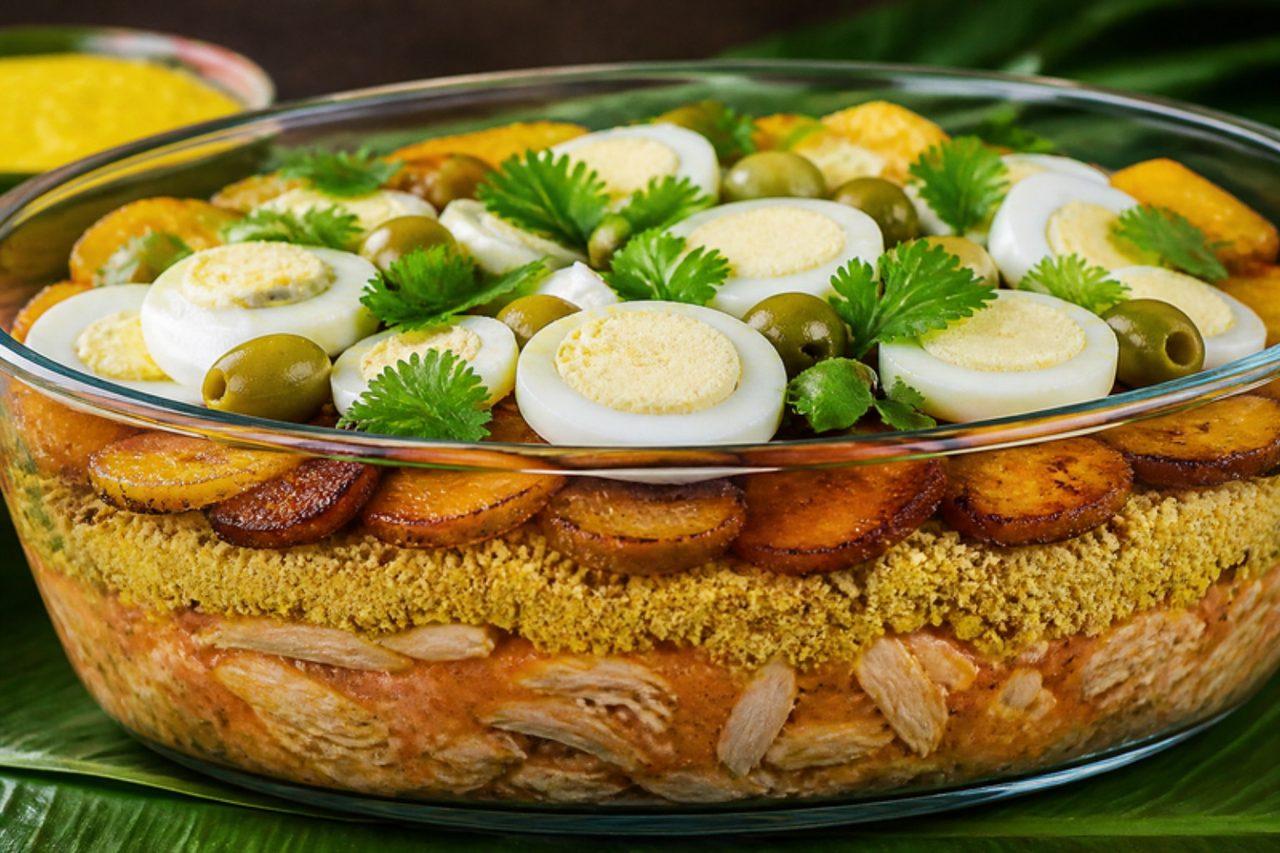
Pirarucu de casacaLayered dried fish, farofa and plantain

A party dish from Manaus and the Amazonas interior, pirarucu de casaca (pirarucu in a coat) is built in a big dish for birthdays and Christmas: a bed of buttery-looking farofa, a layer of shredded salt pirarucu cooked with tomato and coconut milk, golden slices of fried plantain, more farofa, and a scattering of raisins, olives, egg and herbs. Each spoonful is salty, sweet and crunchy at once. Pirarucu, the giant Amazon fish, is sold salted and dried like cod; salt cod is the easy substitute. Allow 24 hours to soak the fish in the fridge. A common slip-up is under-soaking, which makes the dish too salty to eat; taste a flake before you cook. Chef's tip: use very ripe, black-skinned plantain, fried slowly, so it caramelises and balances the salt of the fish.

by KrazyBadal 0 views

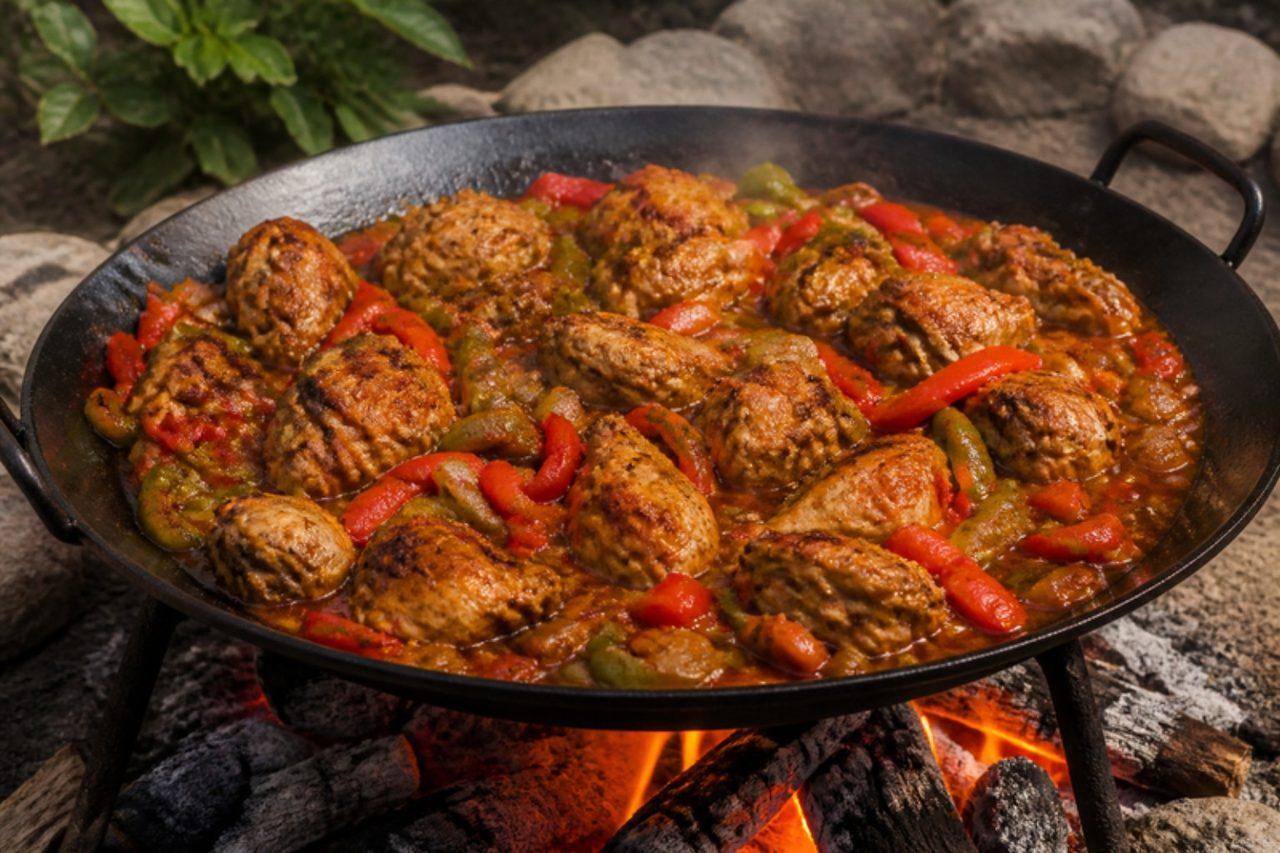
Pollo al discoChicken with peppers and wine

Out on the estancias of the Pampas, the disco de arado (an old plough disc welded onto legs) is set over a wood fire for long weekend lunches, and chicken braised in it is one of the most loved dishes: pieces browned in the wide, sloping pan, then cooked down with onions, peppers, garlic, paprika and a splash of white wine until the sauce is sweet and glossy. Friends stand around the fire with bread for dipping. A large, heavy casserole or wok on the hob does the job at home. The recipe uses white wine; for an alcohol-free version, use the same amount of chicken stock plus 1 tablespoon of white wine vinegar. Chicken must reach 74 °C at the thickest part near the bone. The common mistake is piling everything in at once, which boils the chicken pale, so brown it well first. Chef's tip: push the browned chicken up the sloping sides while the vegetables cook in the centre, as disco cooks do; in a casserole, lift it onto a plate.

by KrazyBadal 0 views

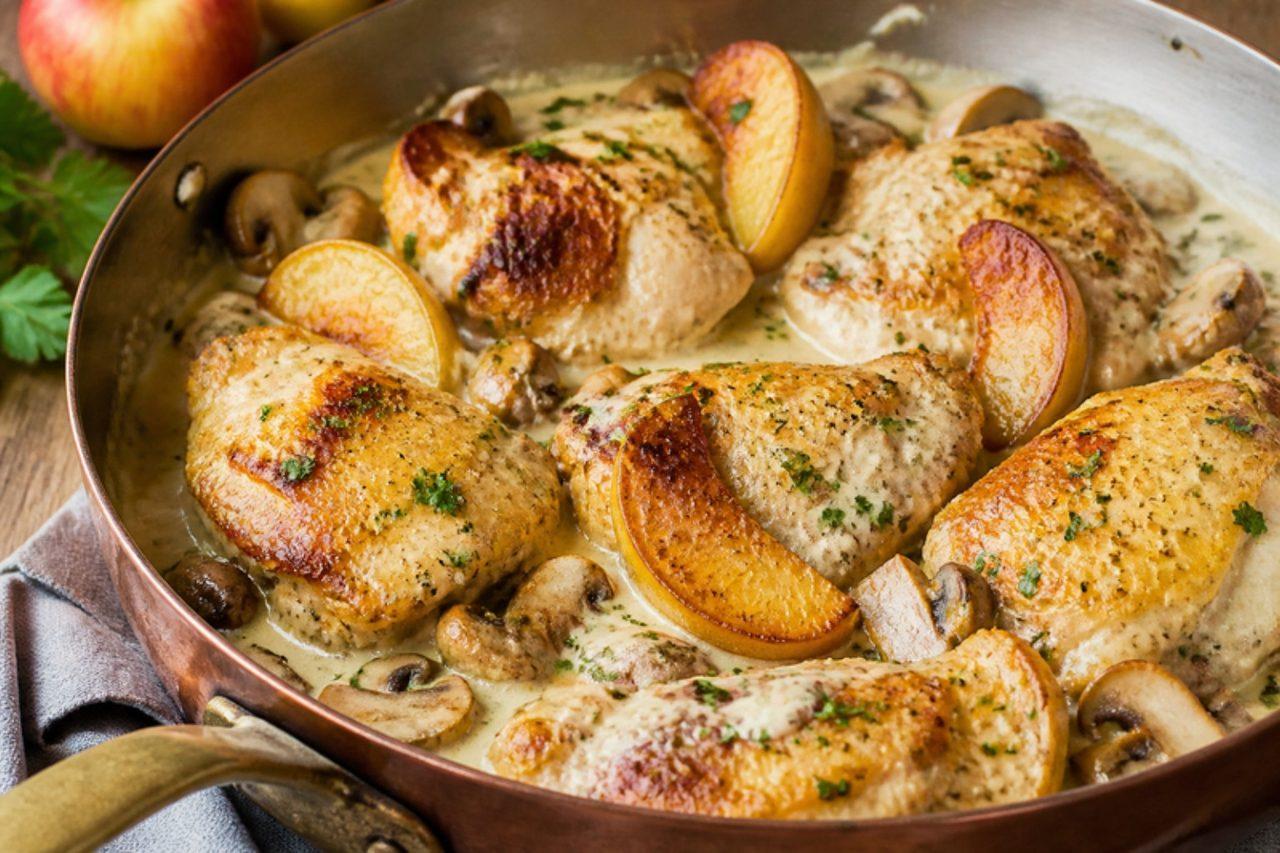
Poulet vallée d'AugeChicken in cider and cream sauce

The Pays d'Auge, the green orchard country around Lisieux and Pont-l'Évêque, puts its three great products into one pan here: apples, cider and thick Normandy cream. Chicken pieces are browned in butter, flamed with a splash of Calvados if you like, braised in dry cider with mushrooms and finished with crème fraîche, so the sauce is tangy, gently sweet and pale gold. It is a Sunday lunch dish, served with rice or steamed potatoes and wedges of apple caramelised in butter. The recipe uses cider and optional Calvados; alcohol-free swaps are in the ingredient notes. Chef's tip: choose a dry cider, because a sweet one makes the sauce cloying once it reduces.

by KrazyBadal 0 views

PickertFried yeasted potato loaf with raisins

Pickert is the bread of Lippe and the Teutoburg Forest in eastern Westphalia, made where wheat was scarce and potatoes plentiful: grated raw potato, flour, eggs and yeast baked into a dense, moist loaf, studded with raisins. Locals slice it the next day and fry the slices in butter until crisp, then eat them for breakfast or supper with plum butter, sugar beet syrup, jam or, for meat eaters, liver sausage. This vegetarian version serves it with jam and syrup. A common mistake is not squeezing the potatoes, which leaves the loaf soggy in the middle. Chef's tip: bake it a day ahead; cold Pickert slices cleanly and fries far better than warm.

by KrazyBadal 0 views

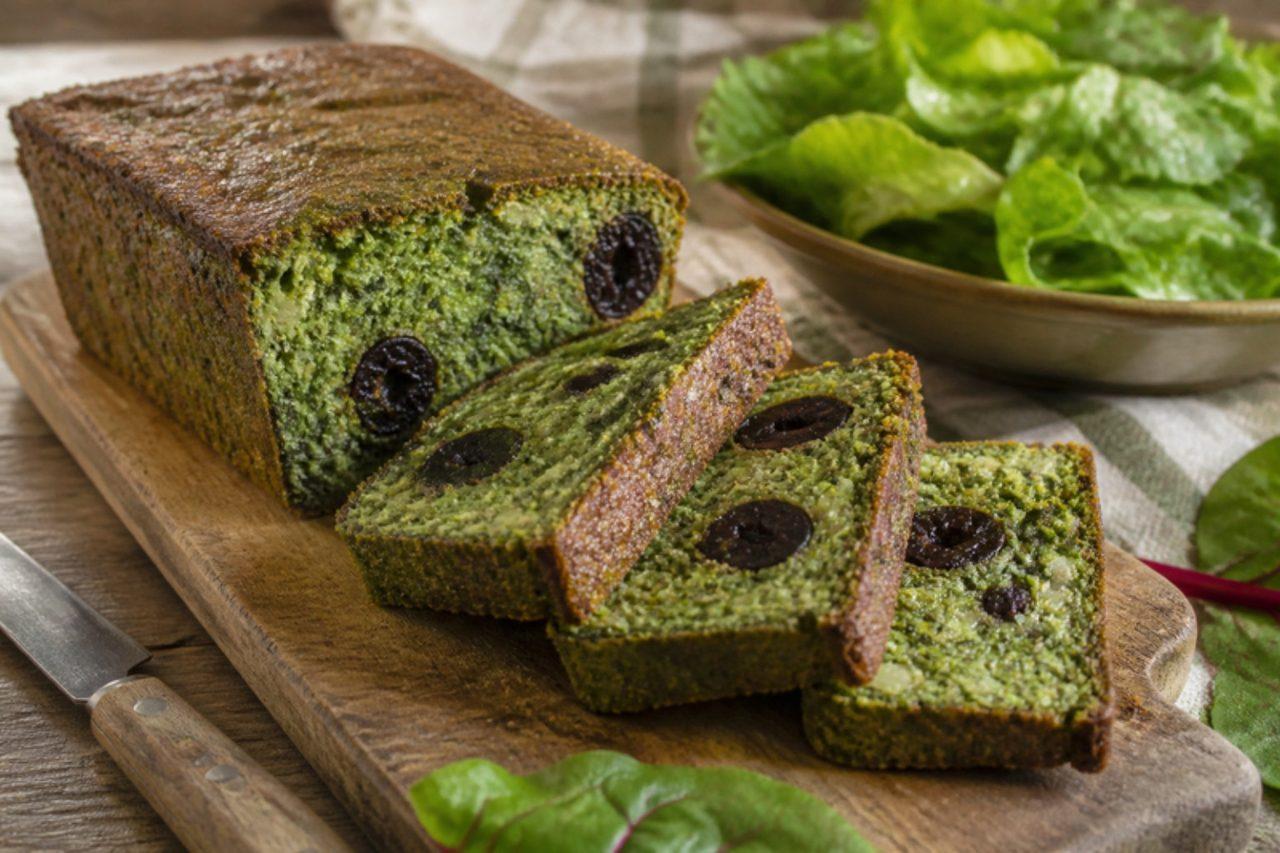
PountiChard and prune loaf

Farm kitchens in the Cantal and the Aveyron uplands bake pounti as a way to use the garden's chard and a few prunes from the cupboard: a soft savoury loaf, green-flecked and studded with dark sweet fruit, served warm with a salad for supper or cold in slices for a picnic. It is traditionally made with bacon or ham; this version leaves the meat out and adds a little smoked paprika for the same savoury edge. Chef's tip: wring the blanched chard really dry, or the loaf will be soggy in the middle.

by KrazyBadal 0 views

Pollo al chilindrónChicken with pepper, tomato and ham

Chilindrón is the red sauce that Aragon is known for across Spain: sweet red peppers, onion and tomato cooked down slowly with serrano ham until thick and glossy. Chicken is the most common partner (lamb is the other), and a big pot of it is a typical dish at summer village fiestas in the Pyrenees foothills and at family meals all year. This contains pork (cured serrano ham). The recipe uses a little white wine; use chicken stock instead for no alcohol. A common mistake is hurrying the sofrito: the peppers need a slow 20 minutes to soften and sweeten before the chicken goes back in. Chef's tip: if you have roasted red peppers or a spoonful of choricero pepper paste, stir some in for a deeper, smokier colour.

by KrazyBadal 0 views

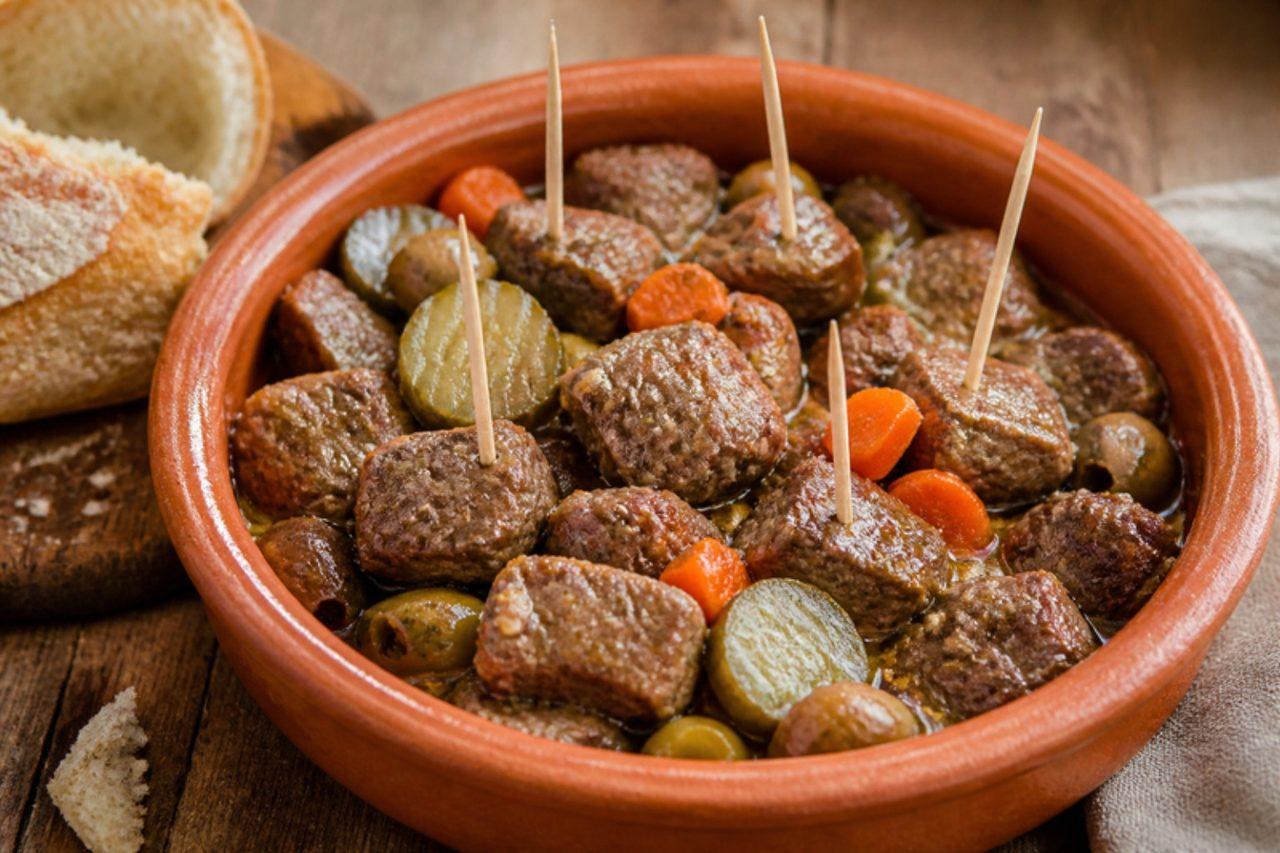
Pica-pauBeef in garlic mustard sauce

Pica-pau means woodpecker, and that is how you eat it: a crowd round a shared dish in a Lisbon cervejaria, pecking cubes of beef out of the sauce with toothpicks and dunking bread into the rest. The beef is seared quickly, then bathed in garlic, butter, mustard and a splash of white wine, and finished with tangy pickled vegetables. The wine contains alcohol; use stock with a teaspoon of vinegar instead. A common mistake is putting in all the meat at once: it stews grey instead of browning. Chef's tip: cut the beef into small, even 2 cm cubes so every piece browns fast and stays tender.

by KrazyBadal 0 views

PowidltascherlPlum butter potato dough pockets

Powidl, a thick, dark plum butter cooked for hours without added sugar, came to Vienna from Bohemia, and these little pockets are one of its best uses. In Austrian homes they are a sweet lunch in late summer, when the new season's plums arrive, or a pudding after a bowl of soup. A tender potato dough is cut into squares, folded around a spoonful of spiced powidl, simmered, then tossed in golden butter crumbs and dusted with icing sugar. A common mistake is overworking the dough, which makes it tough and sticky; mix the potato and flour only until it comes together. Chef's tip: rice the potatoes while hot and spread them out to steam dry, so you need less flour and the dough stays light.

by KrazyBadal 0 views

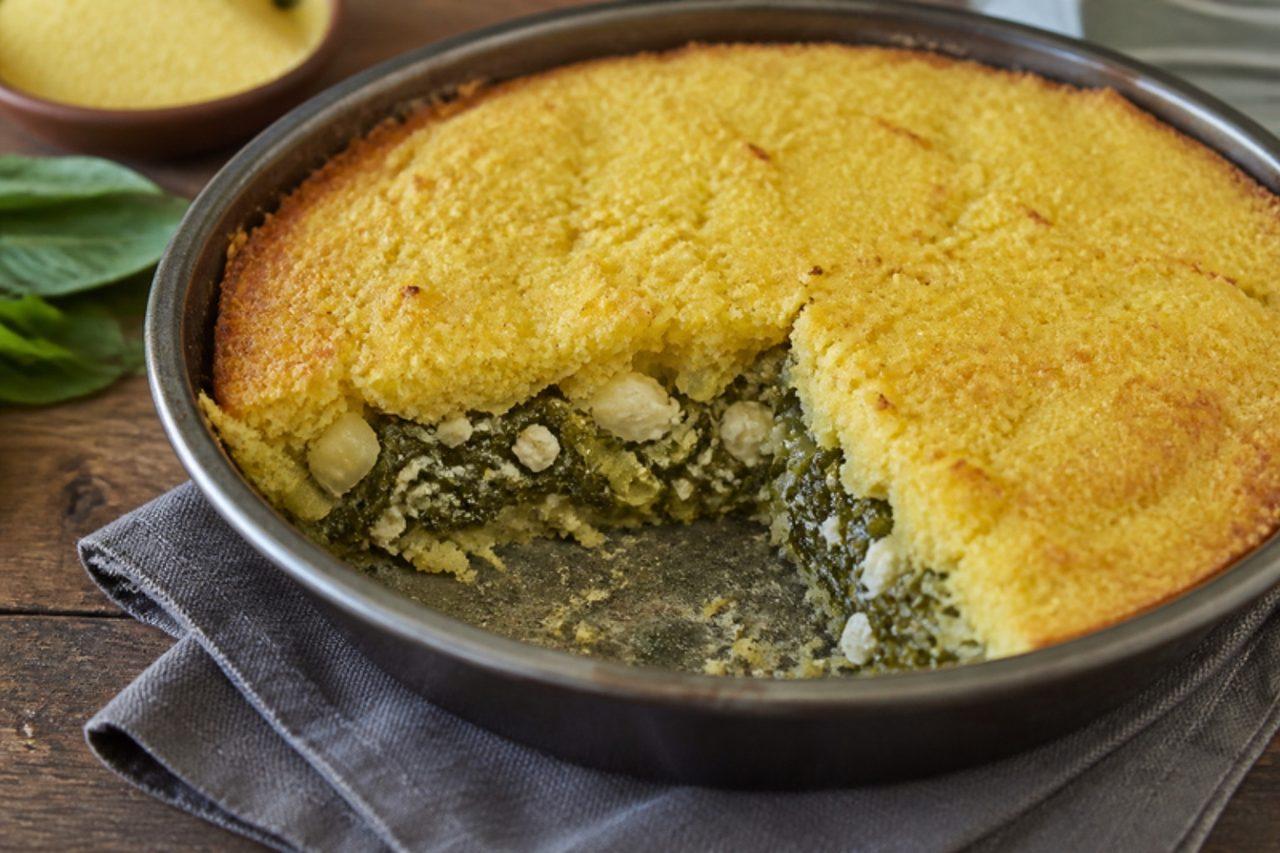
PlastosWild greens and feta cornmeal pie

Plastos comes from the hill villages of Thesprotia and Ioannina, where women patted (plastó, 'shaped') a pie together from what the garden and hillside gave: wild greens, leeks, herbs and cheese, held between layers of coarse cornmeal instead of filo. It bakes into a crusty, rustic slab, green and savoury inside, eaten warm with yoghurt or as a lunch to carry to the fields. Feta is usually made with animal rennet; a vegetarian feta-style cheese works. Common mistake: leaving the greens wet — squeeze them hard after salting, or the cornmeal turns to paste. Chef's tip: a mix of spinach and chard with plenty of dill and fennel tops comes close to the wild greens of Epirus.

by KrazyBadal 0 views

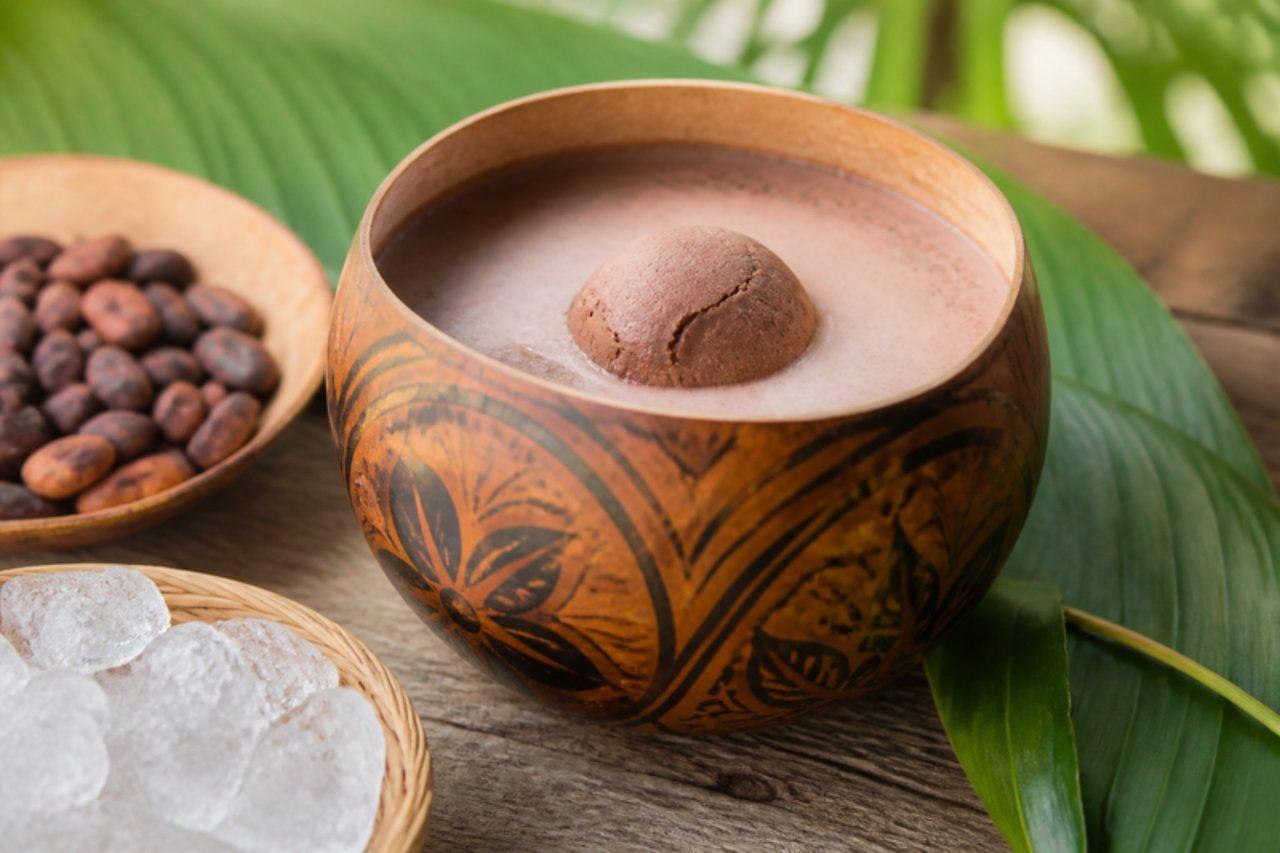
Pozol de cacaoCold corn and cacao drink

In the heat of Villahermosa and the Chiapas lowlands, farmers carry a ball of corn dough in a banana leaf and mix it with water in a jícara (a gourd bowl) at midday: that is pozol, a cold, thick, filling drink that has been made since Maya times. The cacao version is the favourite, sold from big clay pots at market stalls with ice, sometimes slightly fermented so it turns pleasantly sour. This home version uses masa harina and cocoa nibs, so it is ready in minutes; leave it to ferment if you want the tang. Chef's tip: stir it every time before pouring, as the corn settles to the bottom fast.

by KrazyBadal 0 views

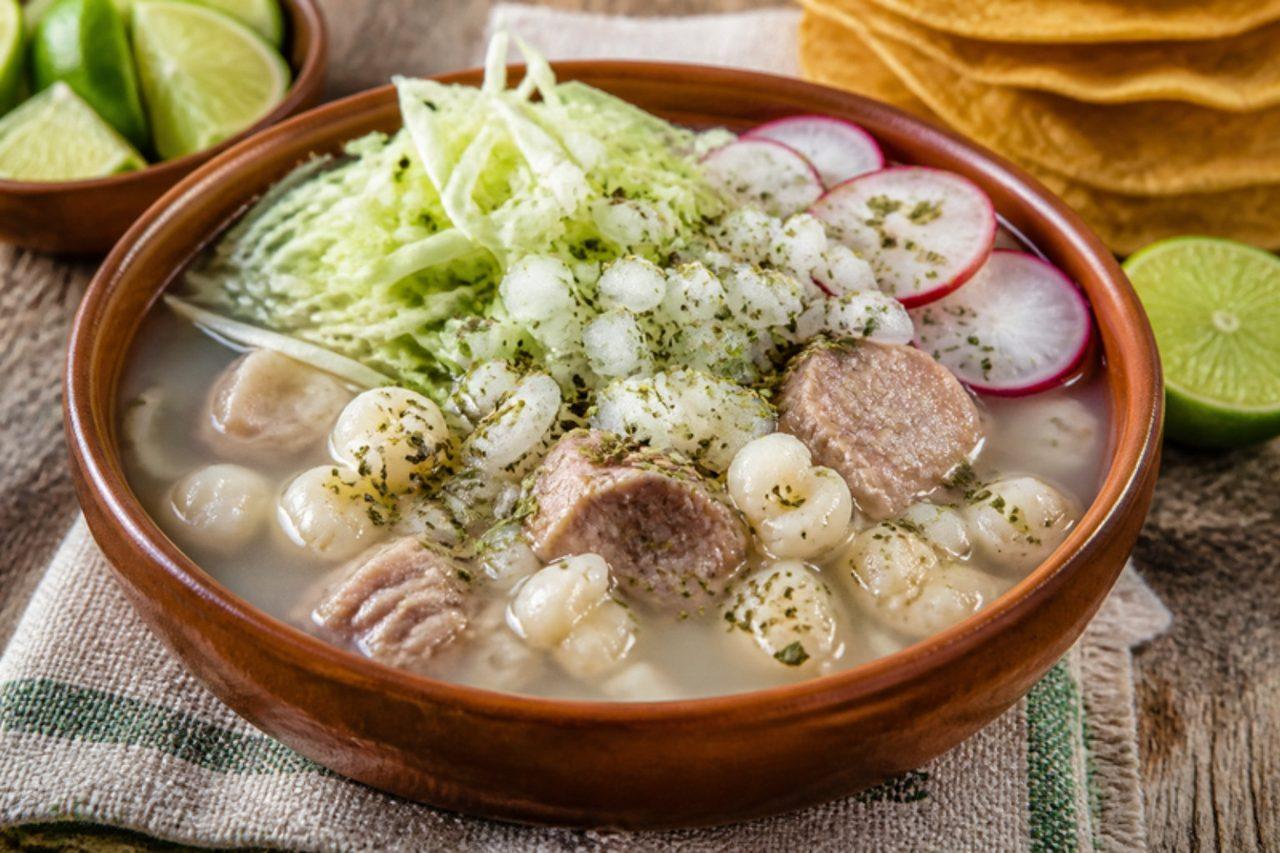
Pozole blancoPork and hominy soup

Before any chilli goes in, this is what pozole tastes like: the white version eaten across Jalisco and in Guadalajara's pozolerías, especially on Independence night and at family gatherings. It is a pork dish, made with pork shoulder and a pig's trotter that gives the clear broth a silky body, simmered with big, chewy kernels of hominy until everything is tender. All the colour and fire are added at the table, where each person piles on shredded cabbage, radish, onion, crumbled oregano, ground dried chilli and a good squeeze of lime. Tostadas spread with crema are the usual side. Chef's tip: cook the meat a day ahead and chill the broth; the fat sets on top and lifts off in one sheet, leaving the broth beautifully clean.

205 minMexicanSoupsGluten free
by KrazyBadal 0 views

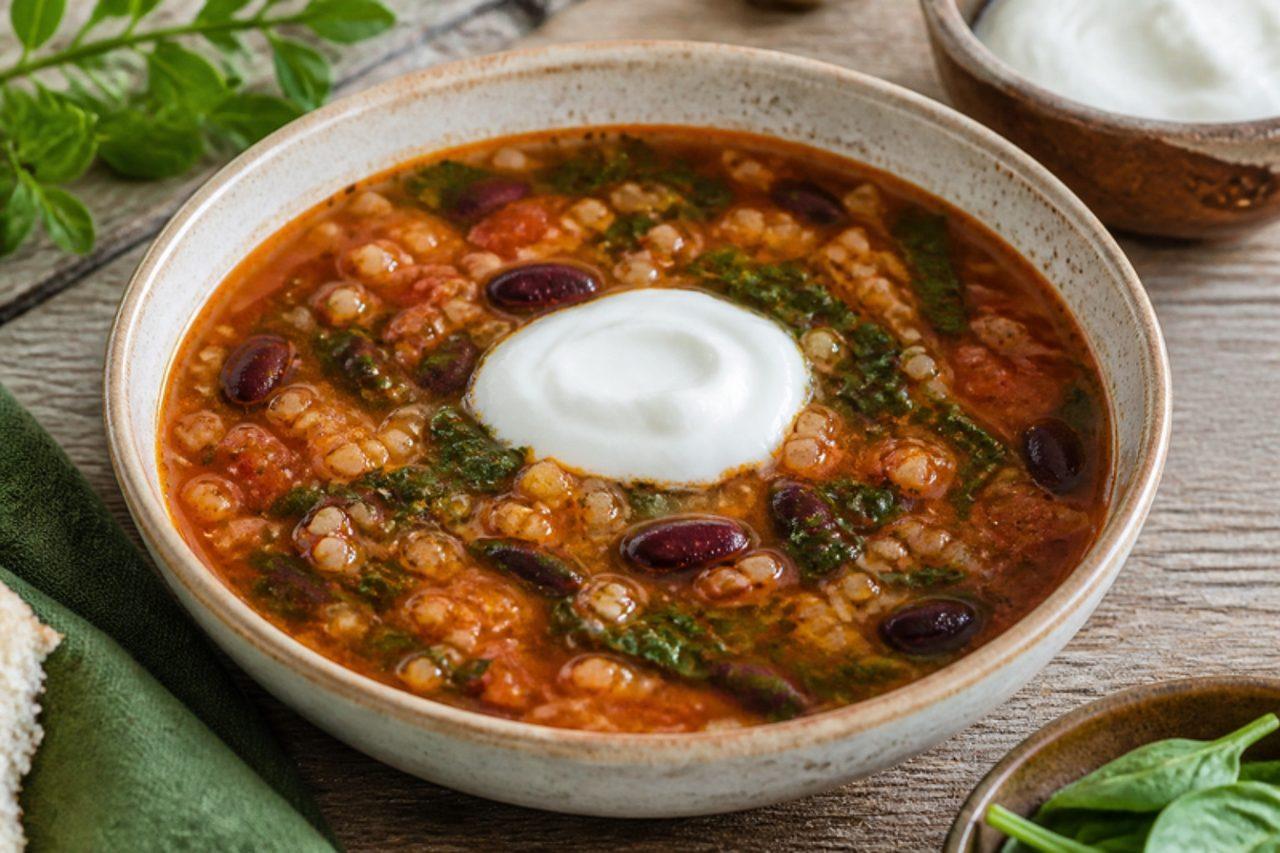
Pirpirim çorbasıPurslane, bean and bulgur soup

Purslane grows wild between the tea rows and maize fields of Giresun and Ordu, and in high summer it ends up in pirpirim çorbası, a lemony, slightly tangy soup thickened with cracked wheat and soft white beans. Families make it in big pots on hot days because it is just as good served lukewarm as piping hot. The fleshy leaves turn silky, the bulgur gives a gentle chew and a spoon of yoghurt on top makes it a full lunch. Common mistake: adding the purslane too early so it turns slimy and grey; it needs only 10 minutes. Chef's tip: keep a few raw sprigs back and stir them in at the end for crunch and a fresh green colour.

by KrazyBadal 0 views

RummaniyehLentil and aubergine stew with pomegranate

Rummaniyeh, from rumman (pomegranate), is a Gazan autumn dish made when the pomegranates ripen: brown lentils and cubes of aubergine cooked to a thick, earthy stew, soured with pomegranate juice and molasses, enriched with tahini and finished with a sizzling oil of garlic, dill and chilli. It is eaten warm or at room temperature, scooped up with bread, and keeps well for days. Common mistake: adding the tahini over a high heat, where it seizes and turns grainy; stir it in off the boil. Chef's tip: fry the garlic and dill only until the garlic is pale gold; brown garlic tastes bitter against the sour fruit.

by KrazyBadal 0 views

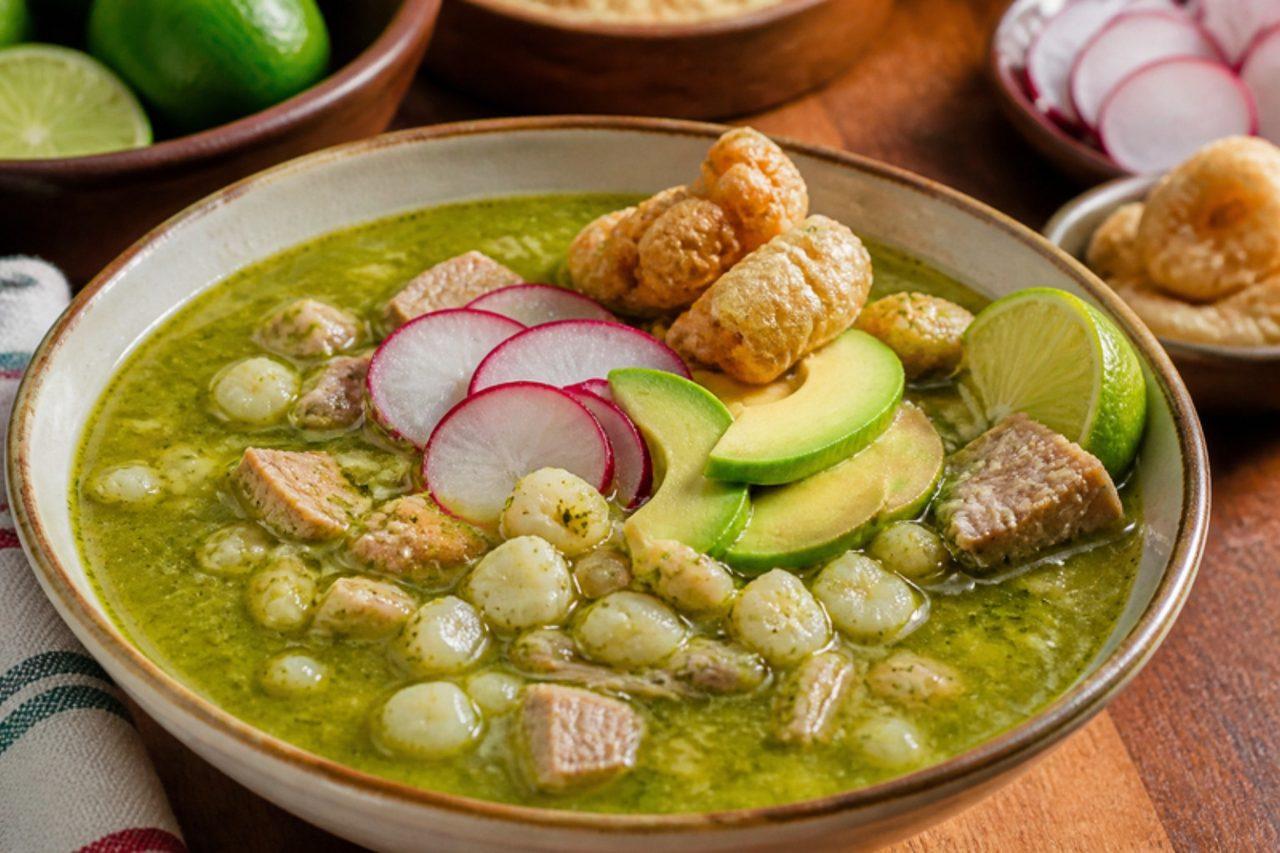
Pozole verde de GuerreroGreen pumpkin-seed pozole

In Chilpancingo and Chilapa, Thursday is jueves pozolero, and families and office crowds fill the pozolerías for this green version. Unlike our vegetarian pozole verde, this is a pork dish with chicken too: pork shoulder and chicken thighs simmer with hominy, then the broth is thickened with a sauce of toasted pumpkin seeds, tomatillos, chilli and epazote, so it turns creamy, nutty and bright green. Bowls go to the table with avocado, crisp pork chicharrón, onion, oregano, lime and tostadas. Epazote can be hard to find: use fresh oregano plus a few coriander stalks instead. Chef's tip: toast the pumpkin seeds only until they puff and start to pop; darker seeds make the broth brown and bitter.

185 minMexicanSoupsGluten free
by KrazyBadal 0 views

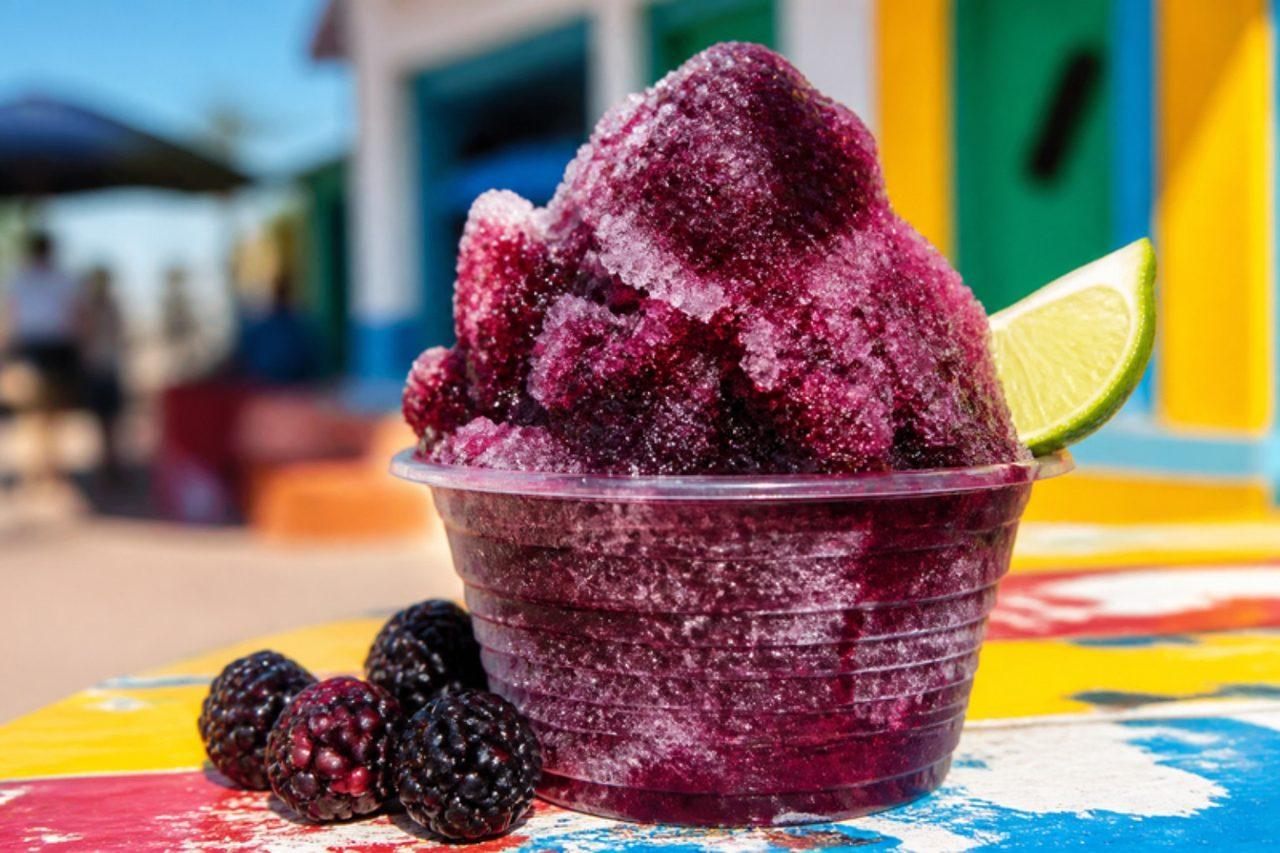
RaspaoShaved ice with blackberry syrup

On a hot Barranquilla afternoon, the raspao cart is the fastest way to cool down. The vendor scrapes a block of ice with a metal plane, packs the snow into a cup and floods it with bright syrups: kola, tamarind, lime, blackberry. Many add a ribbon of condensed milk on top, but this version stays vegan and lets the fruit carry it. Children love it, and it is a fun one to make at home with a blender and a jug of syrup. The usual misstep is pouring warm syrup over the ice, which melts it to slush in seconds, so chill the syrup completely first. Make the syrup a day ahead if you like; it keeps a week in the fridge. Chef's tip: freeze water in a shallow tray, then blitz the slab in pieces with a few pulses for fluffier, snow-like ice than ice cubes give.

by KrazyBadal 0 views

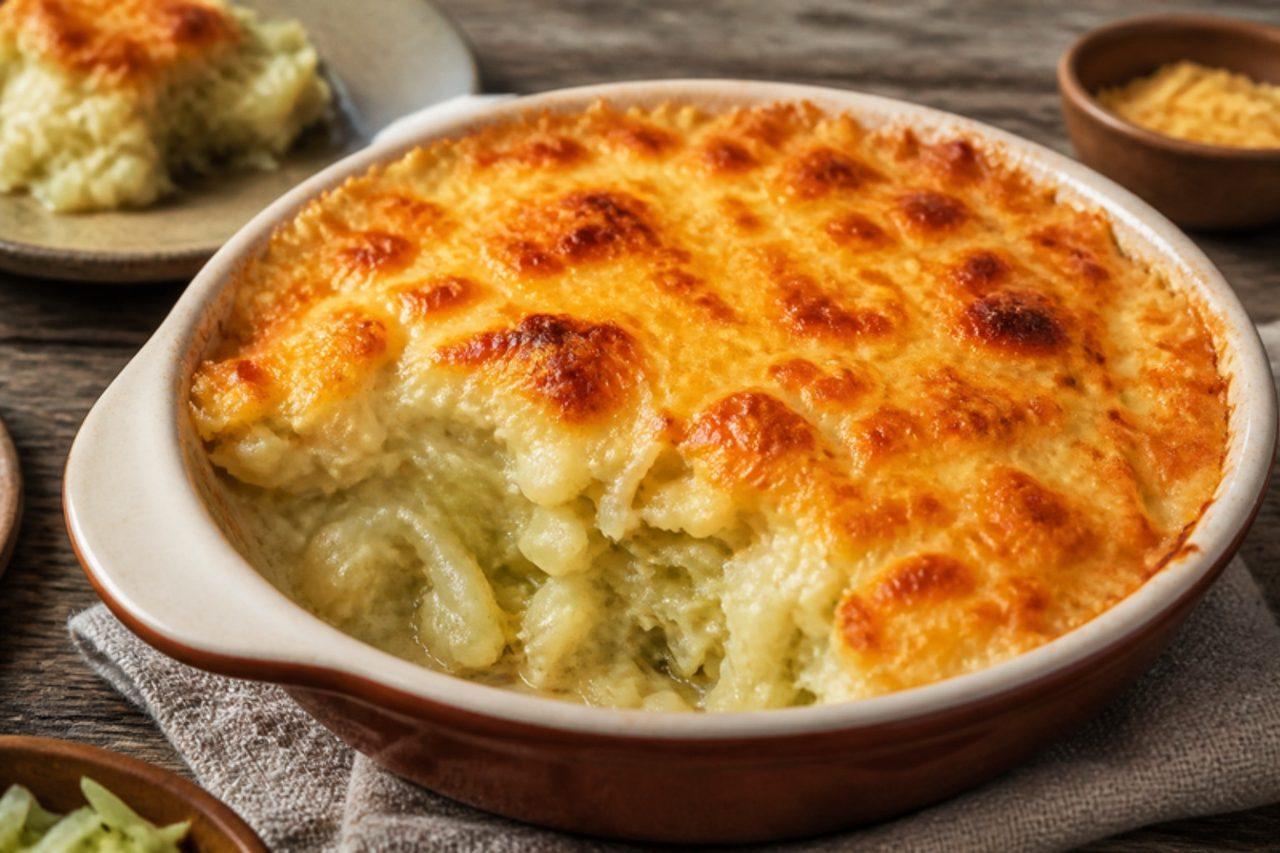
RumbledethumpsPotato, cabbage and onion bake

Rumbledethumps comes from the Scottish Borders, a thrifty supper of mashed potato, buttery cabbage and onion baked under a crust of cheddar, usually made with the Sunday roast leftovers on a Monday night. The name is said to come from the rumbling and thumping of the pans. Traditional cheddar is often made with animal rennet, so use a vegetarian cheddar if that matters to you. Chef's tip: cook the cabbage only until bright and just tender so it keeps some bite in the bake.

by KrazyBadal 0 views

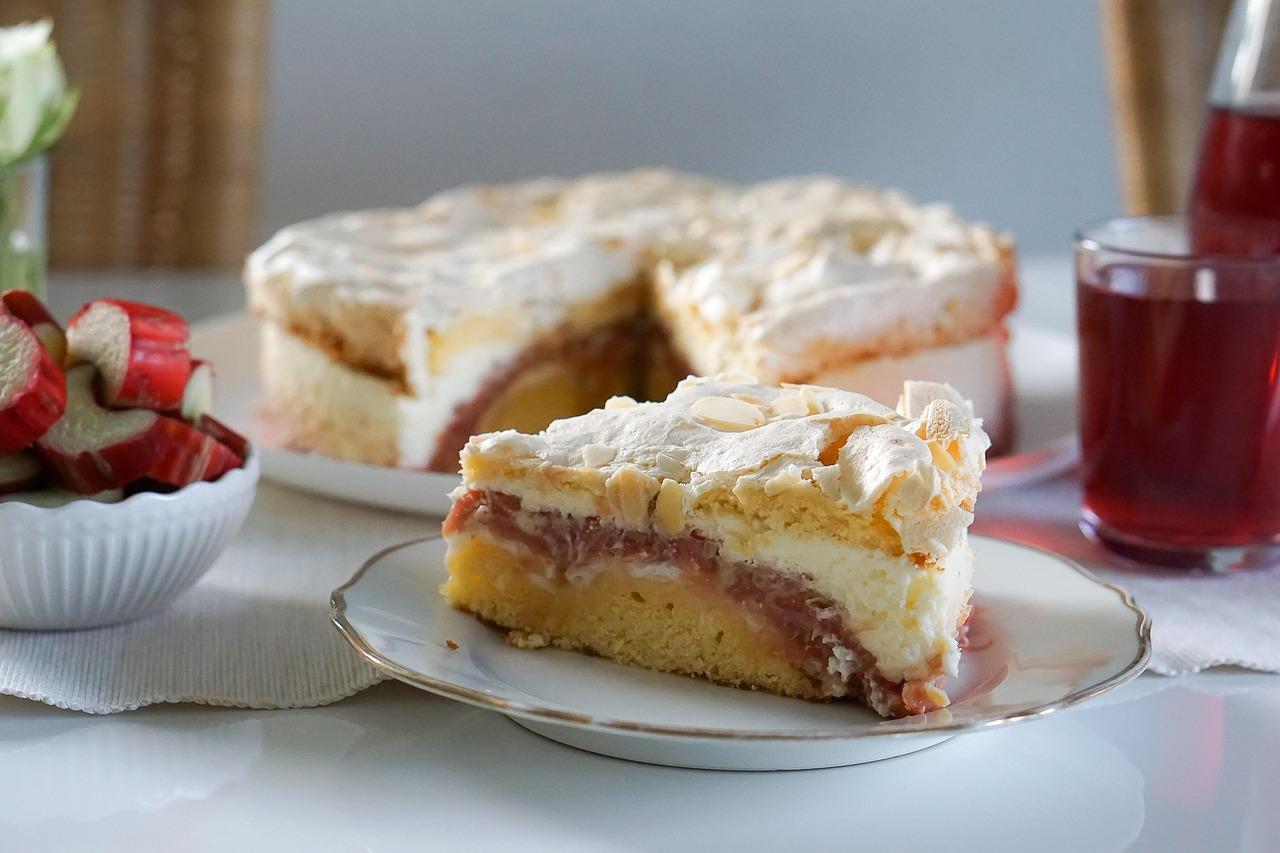
Rhabarberkuchen mit BaiserRhubarb meringue cake

From late April until the traditional end of the season on St John's Day in June, German bakeries and garden tables everywhere have rhubarb cake, and the most loved version is crowned with meringue. A buttery sponge is covered with sour pink rhubarb, baked, then piled with a cloud of sweet meringue and returned to the oven until golden and crisp outside, marshmallow-soft within. The sweet topping balances the sharp fruit perfectly. A common mistake is not draining the rhubarb, so its juice pools under the sponge and the base stays wet. Chef's tip: toss the cut rhubarb with a little sugar an hour ahead, then drain it well; it softens slightly and stops weeping into the cake.

120 minGermanBaking
by KrazyBadal 0 views

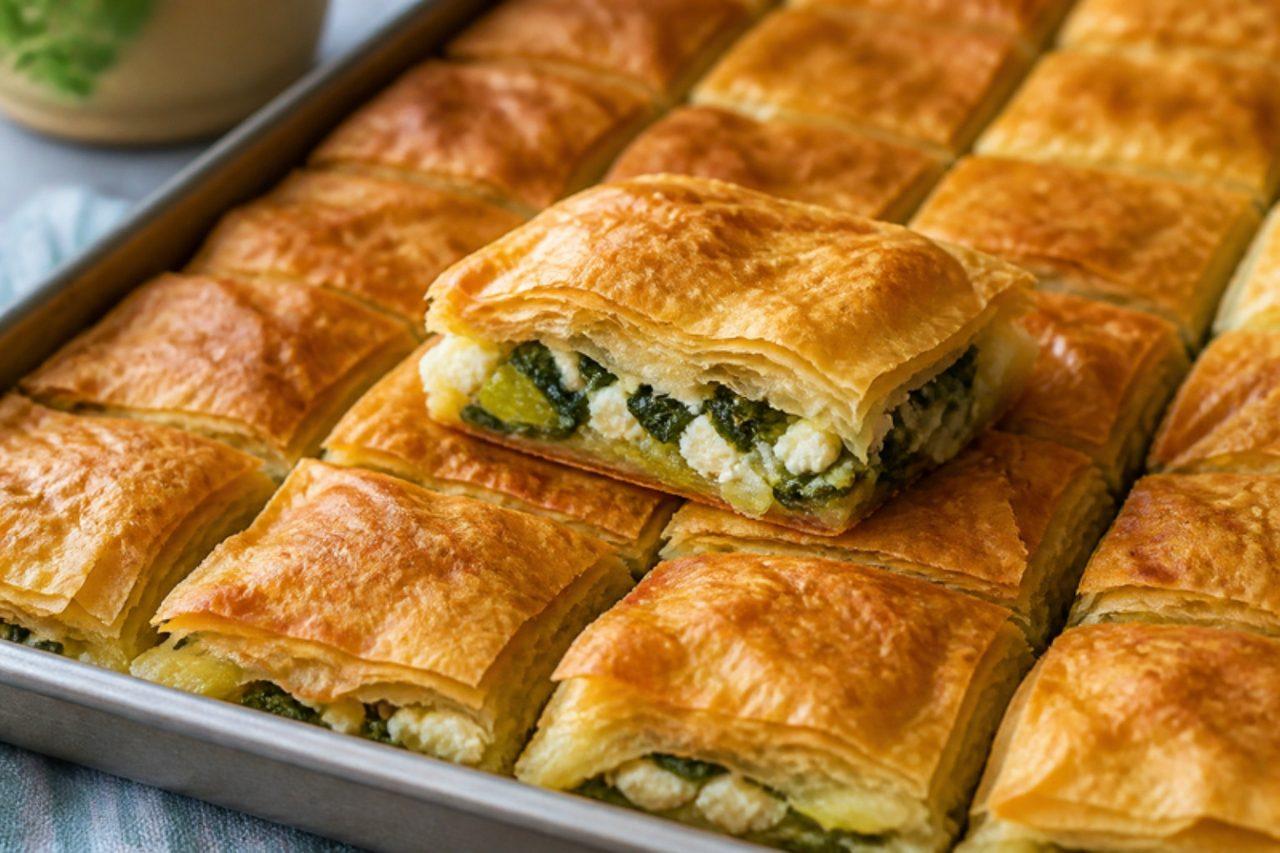
PrasopitaLeek and feta pie

In the villages around Kozani and Kastoria, winter leeks pulled from frozen ground go into this pie, made on Sundays and taken to the fields in slabs wrapped in paper. The leeks are sweated slowly in butter and olive oil until silky and sweet, bound with eggs, feta and a little semolina, then baked between buttery sheets of filo. It is softer and gentler than spinach pie, and just as good cold the next day. Feta and kefalotyri usually use animal rennet; choose vegetarian versions if needed. Common mistake: leaving grit in the leeks — split and wash them under the tap before slicing. Chef's tip: cook the leeks until all their liquid has gone, or the bottom pastry turns soggy.

by KrazyBadal 0 views

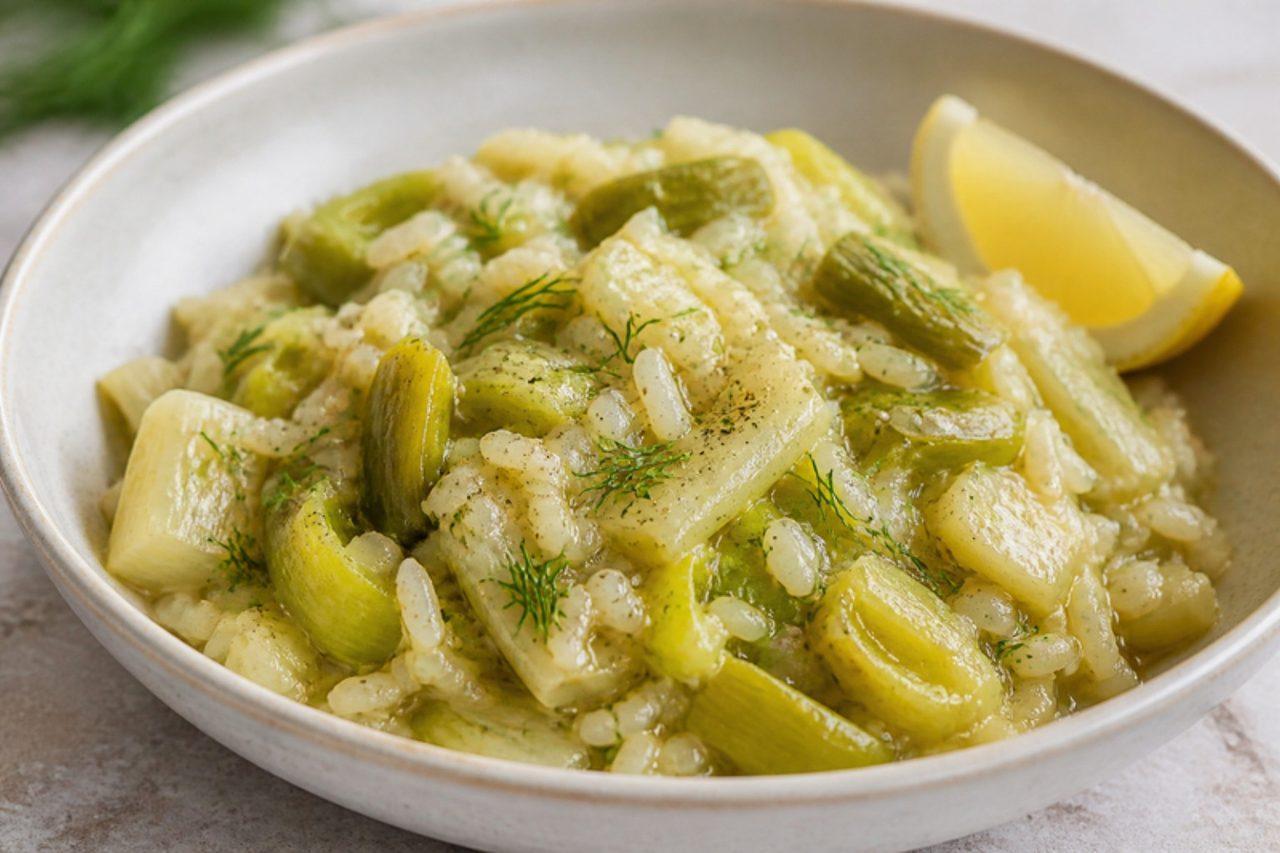
PrasorizoLeek and rice with lemon

Prasorizo is the cheap, comforting pot that northern Greek kitchens turn to through the Lenten weeks and the cold months, when leeks are at their best and meat is off the table. Leeks are stewed in plenty of olive oil until meltingly soft, then rice simmers in the same pot until creamy and loose, finished with dill and a sharp squeeze of lemon. It is eaten warm, never piping hot, with feta (or a vegan alternative) and olives on the side. Common mistake: stirring like risotto, which turns it gluey — stir once or twice and let it bubble. Chef's tip: be generous with the oil; in a ladera dish the olive oil is the sauce.
by KrazyBadal 0 views

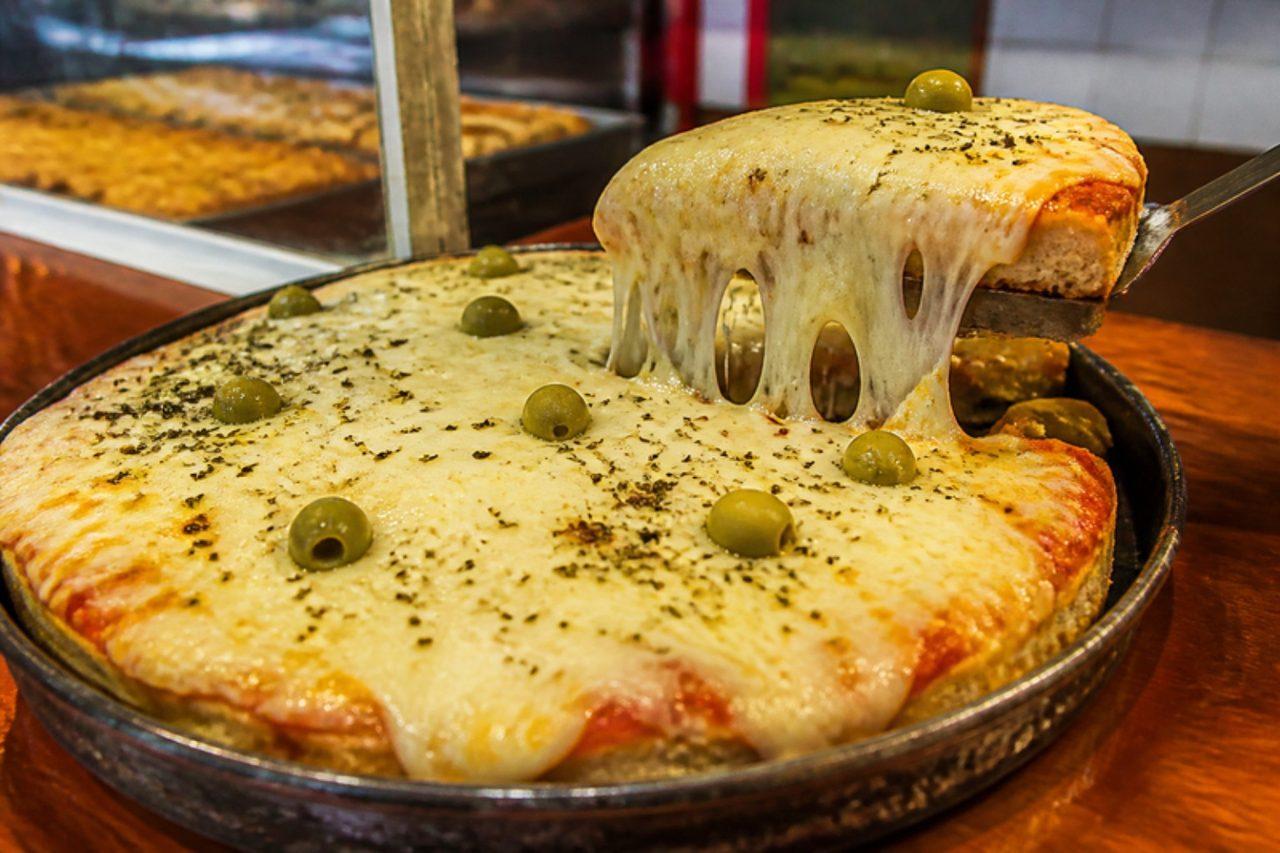
Pizza al moldeThick pan pizza

Order "una grande de muzza" at a Corrientes Avenue pizzería and this is what lands on the metal stand: a tall, airy base baked in a round black tin, a thin layer of tomato sauce and so much mozzarella it spills over the edge and fries against the metal. Porteños eat it standing at the counter or at a Formica table, often with a wedge of fainá on top and a cold soda beside it, and at home it is Friday-night food the whole family agrees on. The crumb should be soft and bready like focaccia, the base crisp from the oiled tin. Most home cooks go wrong by loading the cheese on raw dough: by the time the base has baked the mozzarella has split into grease. Here the base is part-baked with its sauce first, the way pizzerías keep pre-pizzas ready, and the cheese only goes in for the last minutes. The mozzarella is usually made with animal rennet, so pick a vegetarian one if that matters to you. Chef's tip: let the dough rise a second time inside the oiled tin; that last proof is what gives the high, open edge.

by KrazyBadal 0 views

RanginakWalnut-stuffed dates with butter flour

Ranginak is the date sweet of the south, made in Shiraz, Bushehr and Kerman in late summer when the new dates arrive and served in squares with bitter tea, and also at mourning gatherings and Ramadan iftar. Soft dates are stuffed with walnuts, packed into a dish and covered with flour slowly toasted in butter until it smells of biscuits, then dusted with cinnamon and pistachio. A common mistake is toasting the flour on too high a heat: it scorches before it turns nutty, so stir it patiently over a low flame. Chef's tip: use soft, moist dates such as Kabkab or Medjool; dry dates go hard once the butter sets.

by KrazyBadal 0 views

RashoofLentil and cracked wheat yoghurt soup

In the stone villages around Karak and Tafileh, rashoof is what simmers on cold, wet evenings: brown lentils and coarse bulgur cooked soft, then enriched with jameed, the dried salted yoghurt that is also the soul of mansaf. The result is thick, sour and comforting, almost a porridge, finished with a heap of onions fried golden in samneh. Jameed is sold in hard balls or as a liquid in Middle Eastern shops; thick strained yoghurt with a little extra salt makes a fine stand-in. The classic mistake is letting the soup boil hard once the yoghurt goes in, which makes it split into grainy curds. Chef's tip: temper the yoghurt with a ladle of hot soup first and stir in one direction over a low heat; it stays silky.

by KrazyBadal 0 views

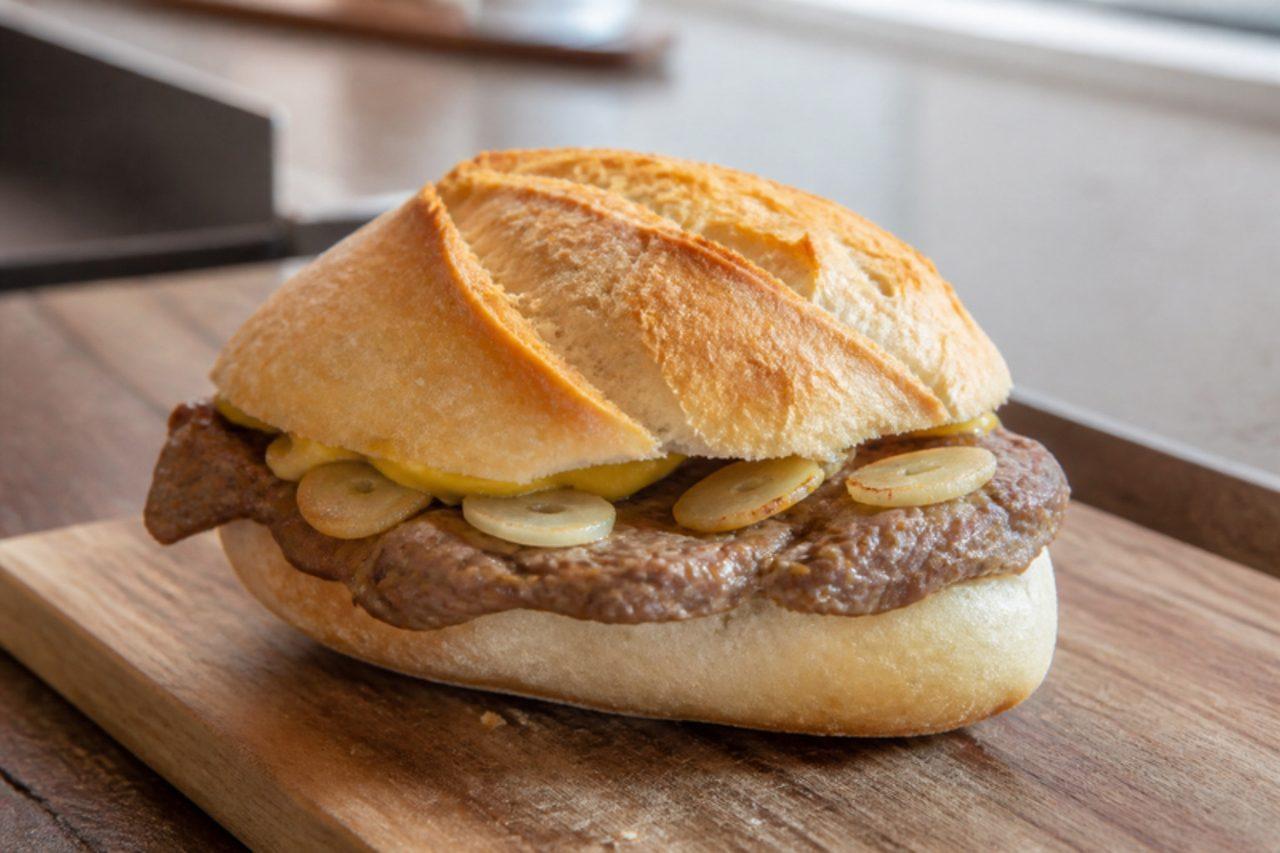
Prego no pãoGarlic steak roll

Lisbon diners order a prego at the end of a long seafood lunch, at football matches and after midnight from a beach-bar hatch: a thin slice of beef, beaten flat, fried hard in garlic and bay and stuffed into a crusty papo-seco roll. The name means 'nail', perhaps for the garlic that is hammered into the meat. Mustard or a dash of piri-piri is all it needs. A common mistake is a thick steak; it must be thin enough to cook in a minute a side or it steams and turns grey. Chef's tip: dip the cut side of the roll in the hot pan juices just before you close it.

by KrazyBadal 0 views

PrinzregententorteSeven-layer chocolate buttercream torte

Prinzregententorte was created in Munich for Prince Regent Luitpold, who ruled Bavaria from 1886, and it is still the cake Munich cafés and families bring out for name days and big birthdays. Seven very thin sponge layers, one for each of the old Bavarian districts, are stacked with chocolate buttercream, brushed with apricot jam and sealed under a shiny dark chocolate glaze. The slices show neat stripes and taste rich but not heavy. A common mistake is baking the sponge as one thick cake and slicing it; it is far easier and neater to spread each layer thinly on a tin base and bake it for a few minutes. Chef's tip: trace a 26 cm circle on seven sheets of baking paper before you start, then bake two layers at once on separate trays.

150 minGermanBaking
by KrazyBadal 0 views

Revuelto GramajoScrambled eggs with potatoes and ham

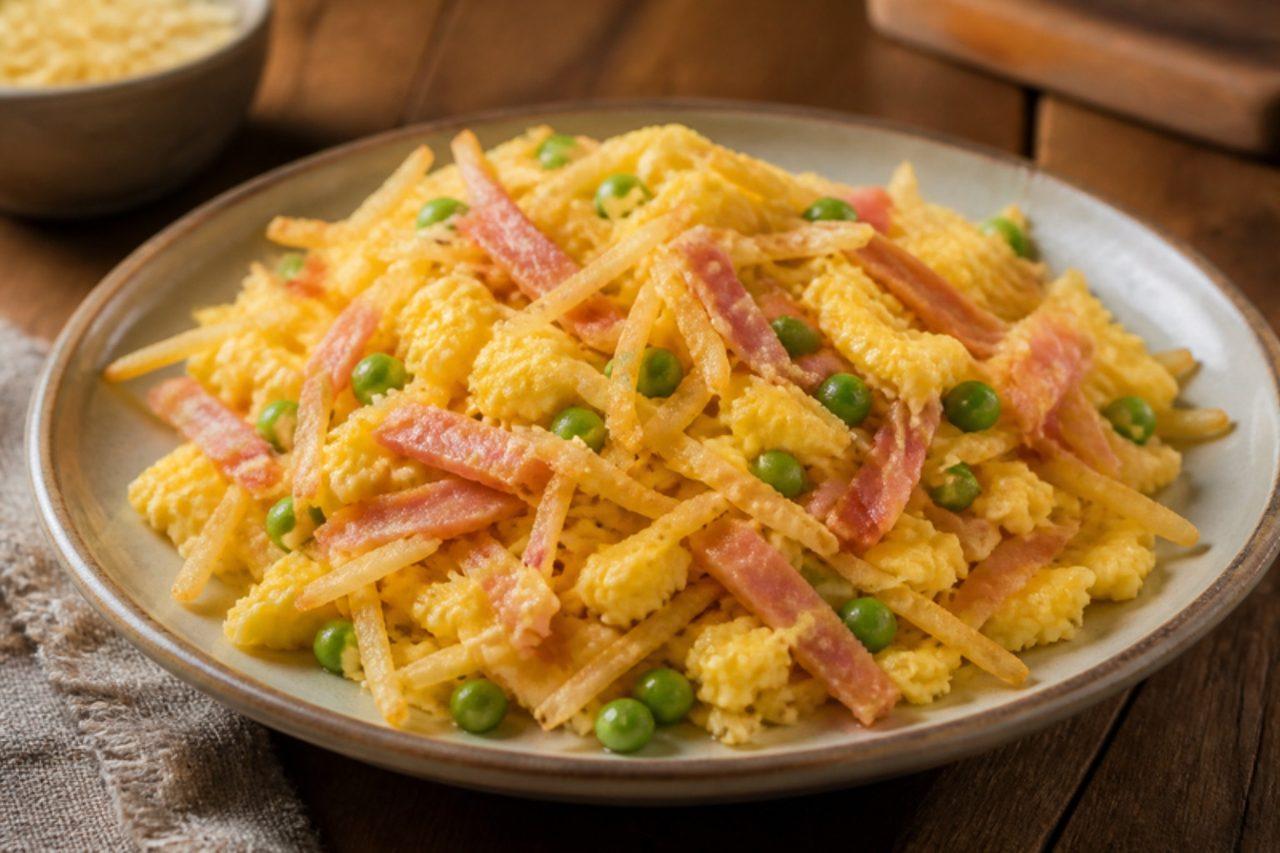
Late at night in the bodegones of Buenos Aires, when the kitchen has been busy for hours, revuelto Gramajo is what regulars order with a glass of something cold: a pile of crisp shoestring potatoes tossed in the pan with cooked ham (pork), onion, peas and eggs scrambled just until creamy. Legend credits a colonel's aide called Gramajo with inventing it, and every porteño has an opinion about how soft the eggs should be. Done right, some potato threads stay crunchy and others soak up the egg. The mistake to avoid is adding the potatoes too early, which turns them to mush; they go in at the very end, with the pan off the heat. Cook the eggs until no liquid egg remains if you are feeding anyone pregnant, very young or elderly. For a vegetarian version, leave out the ham and double the peas and onion. Chef's tip: fry the potato matchsticks twice, first pale and then golden, so they stay crisp even after meeting the eggs.

by KrazyBadal 0 views

RevithadaClay-pot baked chickpeas

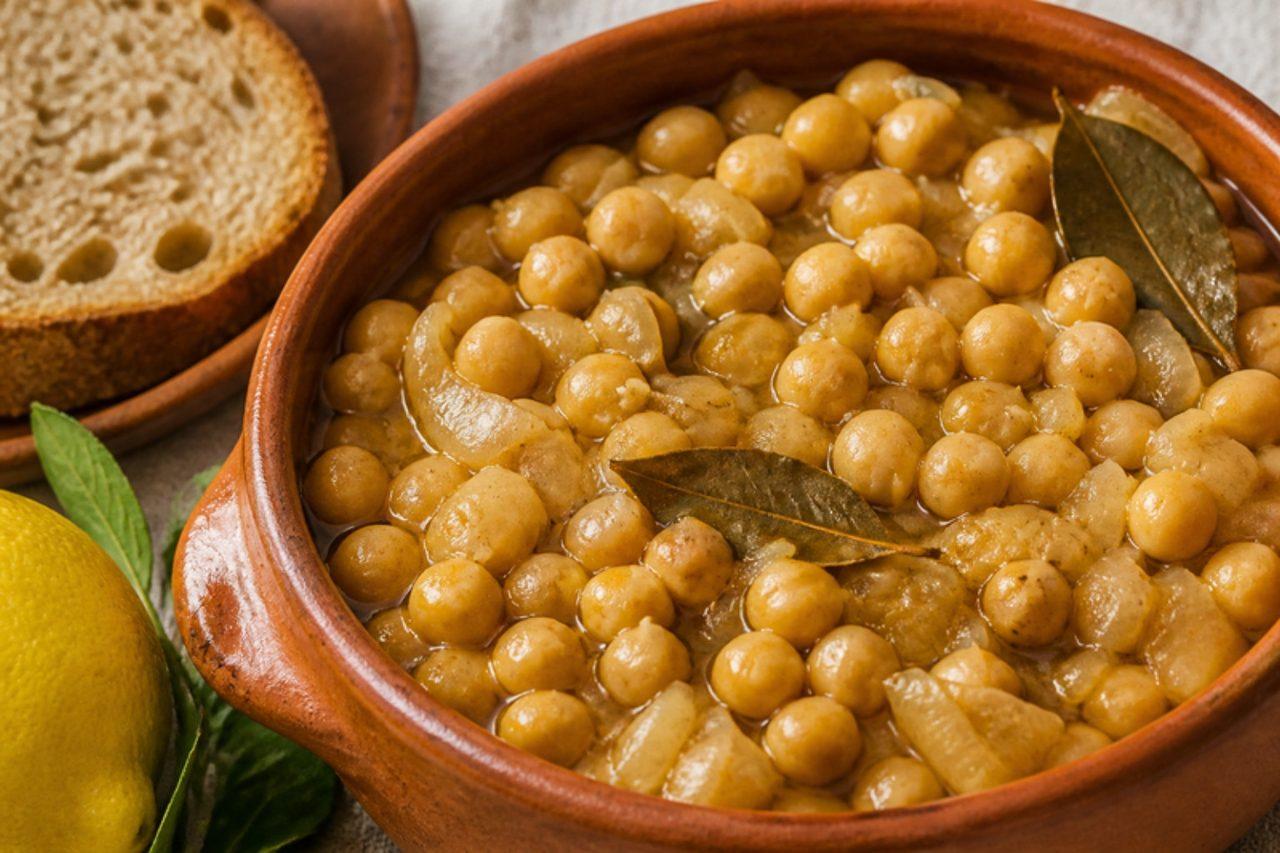
On Sifnos, Saturday night means taking a clay pot of chickpeas, onions, olive oil and bay to the village baker, who leaves it in the cooling wood oven overnight; on Sunday morning, after church, families collect it and eat it for lunch. The chickpeas turn creamy and almost melting in a thick, sweet, onion-rich broth. A home oven at low heat does the same job in about five hours. Common mistake: adding salt at the start, which can keep the chickpeas firm; add it in the last hour. Chef's tip: rub the soaked chickpeas with a little bicarbonate of soda and rinse well; it helps them soften to that silky texture.

by KrazyBadal 0 views

QuarkkeulchenPotato and quark pancakes

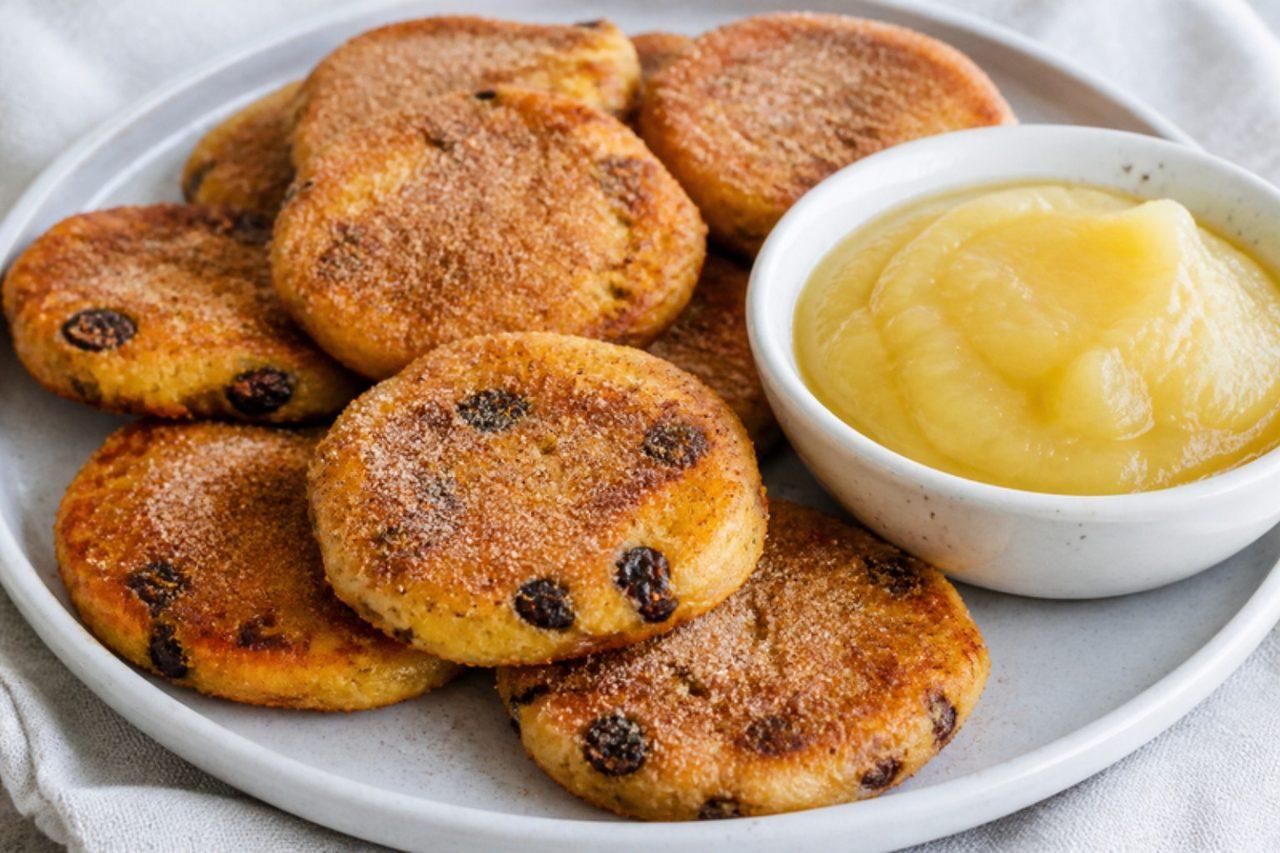
Quarkkeulchen are the sweet little pancakes of Saxony, the kind a Dresden or Leipzig grandmother makes on a Saturday afternoon from yesterday's boiled potatoes: mashed potato, quark, egg, a little flour and sugar, lemon zest and raisins, shaped into small thick discs and fried in butter until golden. They are crisp outside, soft and slightly tangy inside, and come dusted with cinnamon sugar beside a bowl of apple sauce. A common mistake is using freshly boiled warm potatoes, which make a sticky dough; use cold ones from the day before. Chef's tip: soak the raisins in hot water for 10 minutes so they plump up and don't burn in the pan.

by KrazyBadal 0 views

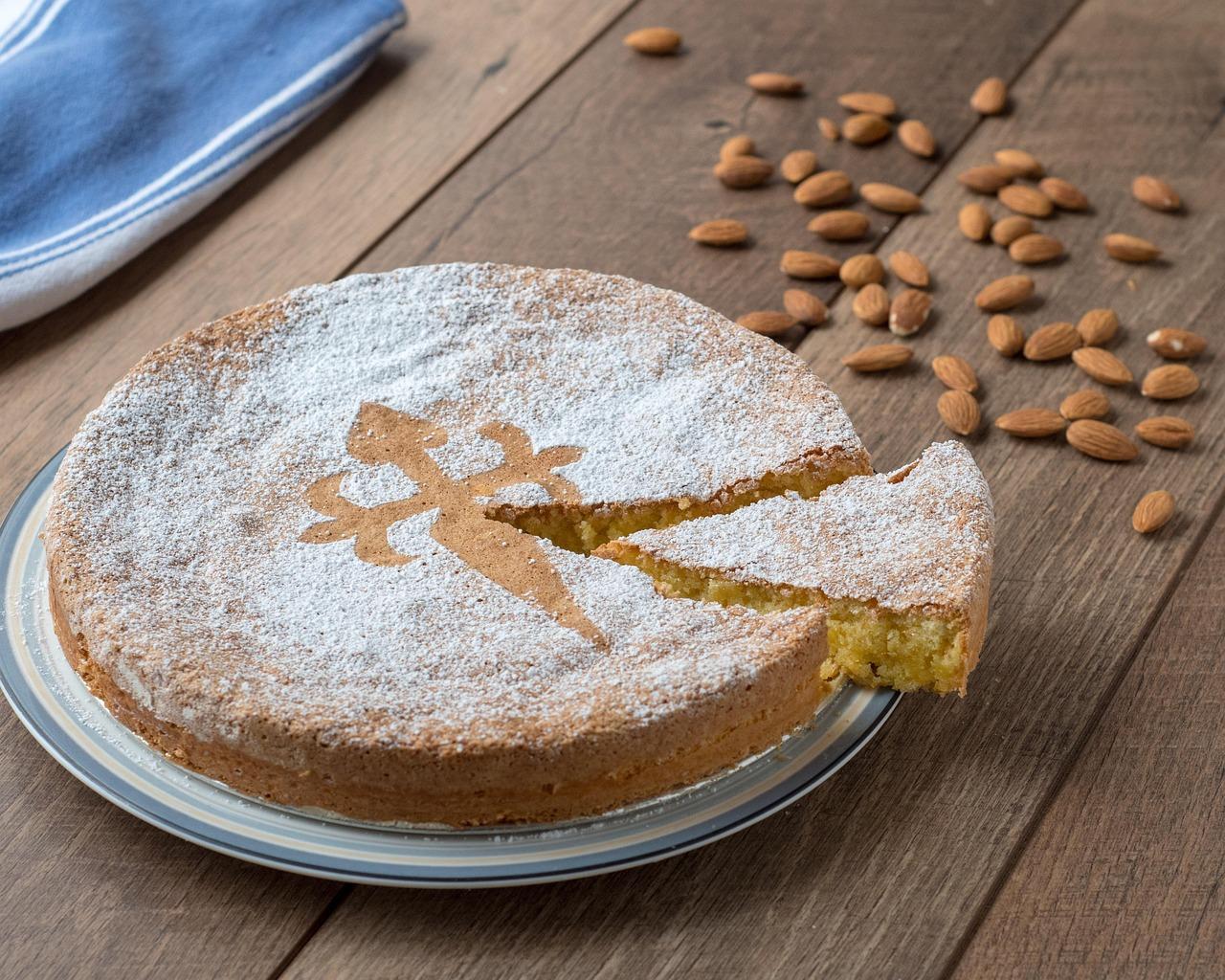
Tarta de SantiagoFlourless almond cake

Pilgrims finishing the Camino in Santiago de Compostela see this cake in every bakery window around the cathedral, dusted white with icing sugar and stencilled with the cross of St James. It is made only from ground almonds, sugar, eggs and a little lemon and cinnamon, so it is naturally free of gluten, moist and dense with a thin crisp crust. Galicians eat it with coffee after Sunday lunch or at weddings. A common mistake is overbeating the eggs to a foam, which makes the cake rise and then sink; just mix until smooth. Chef's tip: cut a cross from paper and lay it on the cold cake before sifting over the icing sugar.

by KrazyBadal 0 views

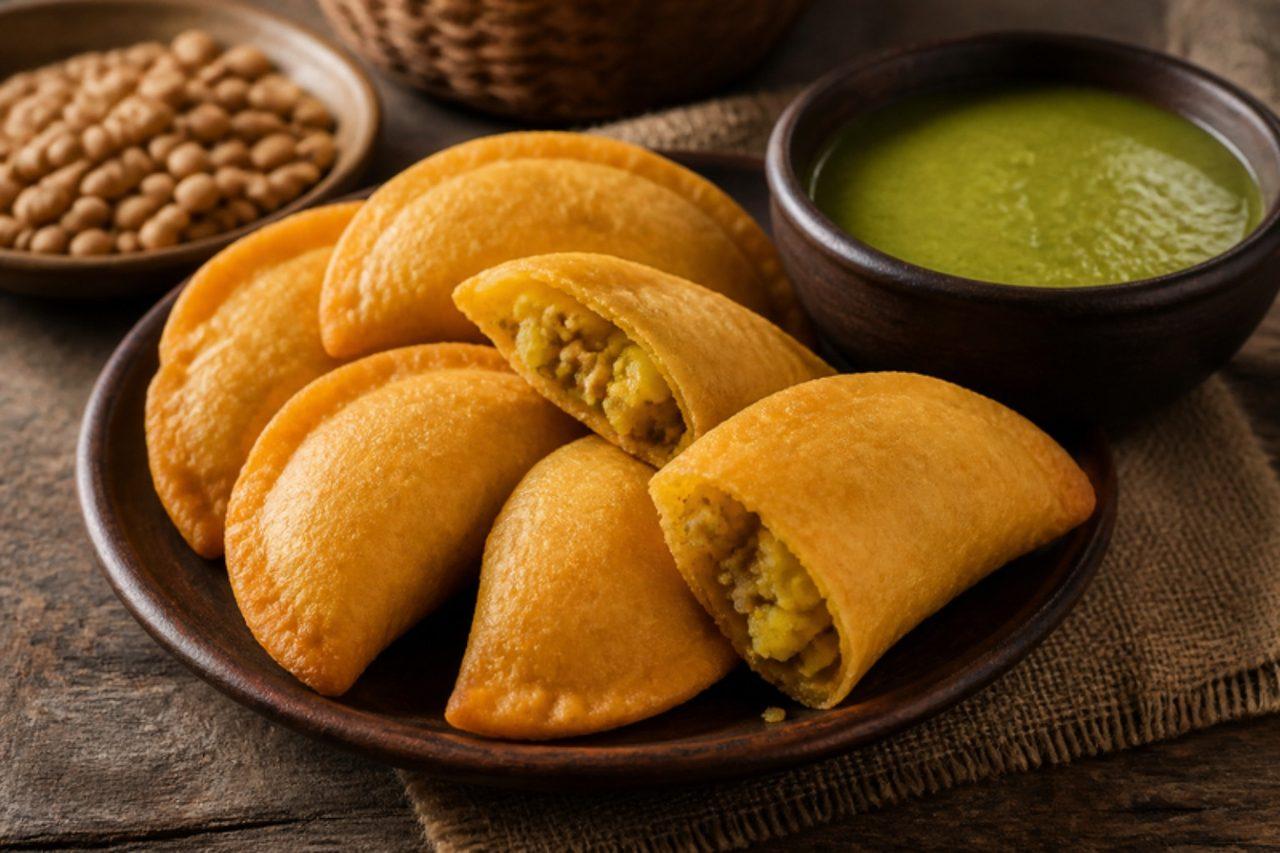
Empanadas de añejoFried corn potato and cheese empanadas

Pasto cafés and street stalls fry empanadas de añejo all morning, and the name gives away the secret: añejo means aged, and the corn dough is left to sour slightly before shaping. That gentle fermentation gives a light, crackly shell with a faint tang that sets them apart from the empanadas of the rest of Colombia. The filling here is the meat-free version Nariño cooks also make, potato stewed with spring onion and achiote and mixed with fresh cheese, and they go to the table with a peanut ají and a coffee. Plan for 24 hours of fermenting. Queso fresco is usually set with animal rennet, so use a vegetarian (microbial-rennet) cheese if needed. Thick dough is the misstep that makes them heavy and greasy; press it thin enough to see light through. Chef's tip: ferment in a cool spot (no warmer than 22 °C), covered, for no more than 24 hours, then chill the dough until you shape it.

by KrazyBadal 0 views

Empanadas de calabazaSweet pumpkin turnovers

When the cold fronts reach Monterrey in November, panaderías start stacking trays of empanadas de calabaza next to the conchas, and families bake them at home for Day of the Dead and Christmas. A tender, lightly sweet pastry is folded around a thick purée of pumpkin cooked with piloncillo, cinnamon and anise, so each half-moon tastes like a spiced pumpkin pie you can hold. They are eaten with café de olla or a glass of milk. Chef's tip: cook the filling until a spoon leaves a trail across the pan; watery pumpkin turns the pastry soggy.

by KrazyBadal 0 views

Empanadas de pipiánFried corn potato-peanut empanadas

Popayán, the white colonial city of the Cauca, is proud of its tiny empanadas de pipián, fried by the dozen at market stalls and around the Holy Week processions. The filling, pipián, is a stew of small potatoes coloured with achiote and enriched with ground roasted peanuts, so each bite is crisp corn shell, then soft, nutty, savoury potato. They always come with ají de maní, a loose peanut and chilli sauce spooned into the open end. Many households add chopped hard-boiled egg to the pipián; this version leaves it out and is fully vegan. A wet filling is the classic error, as it steams inside and bursts the dough in the oil, so cook the pipián until thick and let it cool before filling. Chef's tip: shape the empanadas on a sheet of plastic cut from a freezer bag; the thin corn dough lifts off cleanly and seals without cracking.

by KrazyBadal 0 views

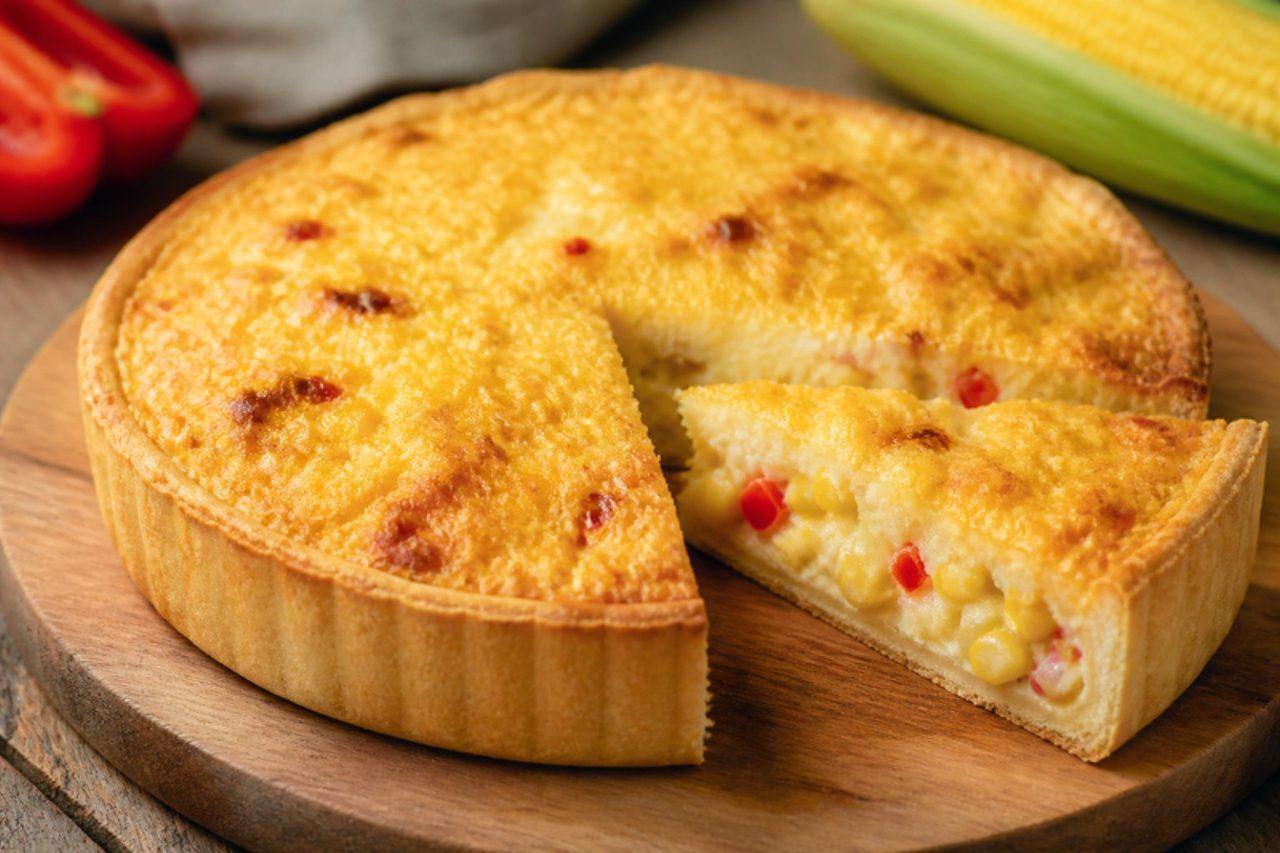
Tarta de chocloSweetcorn tart

Ask any Argentine rotisería for a slice of tarta and choclo will be next to the chard and the ham-and-cheese. This is the creamy one: sweetcorn kernels folded into a thick white sauce with softened onion and red pepper, set with egg and cheese inside a buttery shortcrust. It is lunchbox and picnic food, eaten warm or at room temperature with a green salad, and it is a big favourite with children for its sweetness. The filling should slice cleanly but still be soft. A runny centre is the usual problem, and it comes from a thin white sauce or from forgetting to blind-bake: make the sauce thick enough to coat the spoon heavily, and part-bake the case. Mozzarella and grated hard cheese are often made with animal rennet, so buy vegetarian ones if that matters. Chef's tip: blitz a third of the corn with the white sauce; it gives a creamier, more corn-tasting filling while the whole kernels keep some bite.

by KrazyBadal 0 views

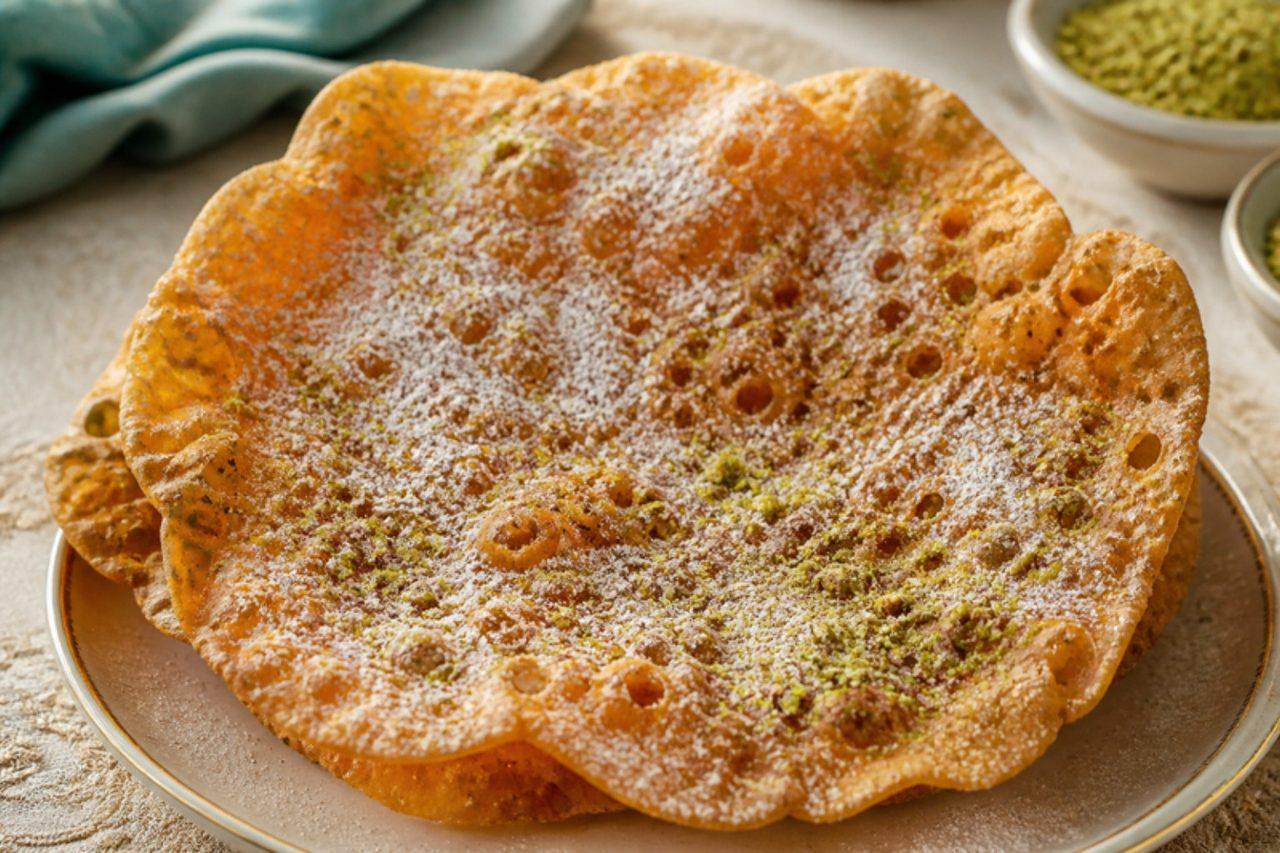
Gosh-e filFried elephant ear pastries

Gosh-e fil, elephant's ear, is the big, bubbly, paper-thin fried pastry sold from bakery windows in Tehran and Shiraz in the days before Nowruz, and made at home for Ramadan evenings. A soft egg and yogurt dough is rolled almost see-through, pinched into a fan shape and fried until it blisters, then showered with icing sugar, cardamom and ground pistachio. They are best the day they are made, with glasses of black tea. Chef's tip: rest the dough properly; relaxed dough rolls thin without shrinking back.

by KrazyBadal 0 views

Tarhana çorbasıFermented yoghurt and vegetable soup

Late every summer, women across Central Anatolia, from Uşak to Konya and Sivas, ferment a dough of yoghurt, flour, tomatoes, peppers and onion, dry it on cloths in the sun and rub it into crumbs. All winter that tarhana becomes a quick, warming soup with a gentle sourness and the sweetness of sun-dried pepper. It is breakfast in villages, a cure for colds in cities, and is eaten with bread and a squeeze of lemon. Common mistake: tipping dry tarhana straight into hot liquid, which forms stubborn lumps; soak it in cold water first. Chef's tip: finish with a spoon of butter sizzled with dried mint and chilli flakes drizzled over each bowl; it lifts the whole soup.

by KrazyBadal 0 views

Showing 90 of 7,888 recipes

Page 500 of 877